Piston.my

EV

The BMW Concept i4, one of the many models that were to be unveiled at the now-cancelled Geneva International Motor Show, provides a look ahead to the new i4 model to be launched in 2021. It will be the BMW Group’s first all-electric model in the premium midsize class.

“The BMW Concept i4 brings electrification to the core of the BMW brand,” said Adrian van Hooydonk, Senior Vice-President, BMW Group Design. “The design is dynamic, clean and elegant. In short: a perfect BMW that happens to be zero emission.”

“The design of the BMW Concept i4 shows fantastic proportions, a powerfully expressive character and, of course, a lot of attention to detail,” added Domagoj Dukec, Head of BMW Design. “With the Curved Display, we have redefined BMW’s signature driver focus in an extremely elegant way. At the same time, the BMW Concept i4 transports a feeling of sustainable driving pleasure.”

As part of the package, the Concept i4 includes several exterior and interior design elements which will be incorporated in both the i4 and other electrically-powered production vehicles.
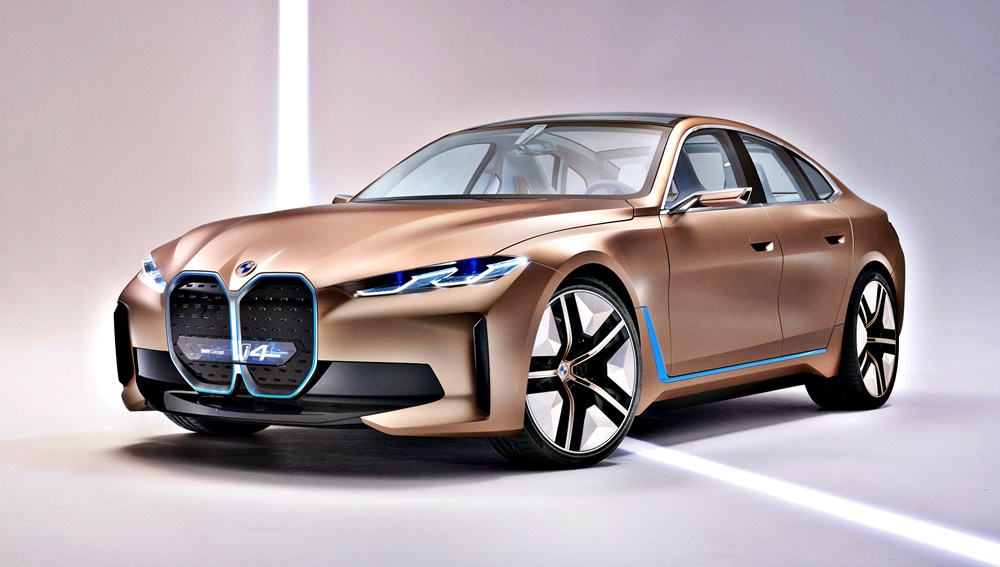
2020 BMW Concept i4

Electrifying aesthetics
The long wheelbase, fastback roofline and short overhangs form a basic profile for a Gran Coupe. With its four doors, the Concept i4 offers not only a high level of everyday usability and practicality, but also a much larger interior than the car’s modern and dynamic proportions would immediately suggest.

Crisp, smooth lines and taut volumes merge into a rich, smoothly contoured sculpture and create a clear surfacing language. The modern exterior paint shade known as ‘Frozen Light Copper’ mirrors that on the BMW Vision iNEXT and showcases the interplay of surfaces to visually stunning effect.

Blue elements in the front end, flanks and rear end point to the car’s BMW i origins. They shine a spotlight on the signature BMW i icons and bring the technology below the surface to the fore – for example, the kidneys in their role as an intelligence panel, the mouldings in the side skirts concealing the battery technology, and the diffuser elements in the rear end, which fill the design space vacated by exhaust tailpipes and enhance aerodynamic efficiency.

A host of aerodynamic measures help maximise the car’s electric range. The blanked-off kidney grille and clear aero lips provide detail examples of sophisticated airflow engineering at work.

Another distinctive area of the car are the wheel rims. These have been designed exclusively for the Concept i4 and blend aerodynamic and lightweight design; smooth – and therefore aerodynamically optimised – surfaces contrast with ultra-low-weight, high-strength spokes.
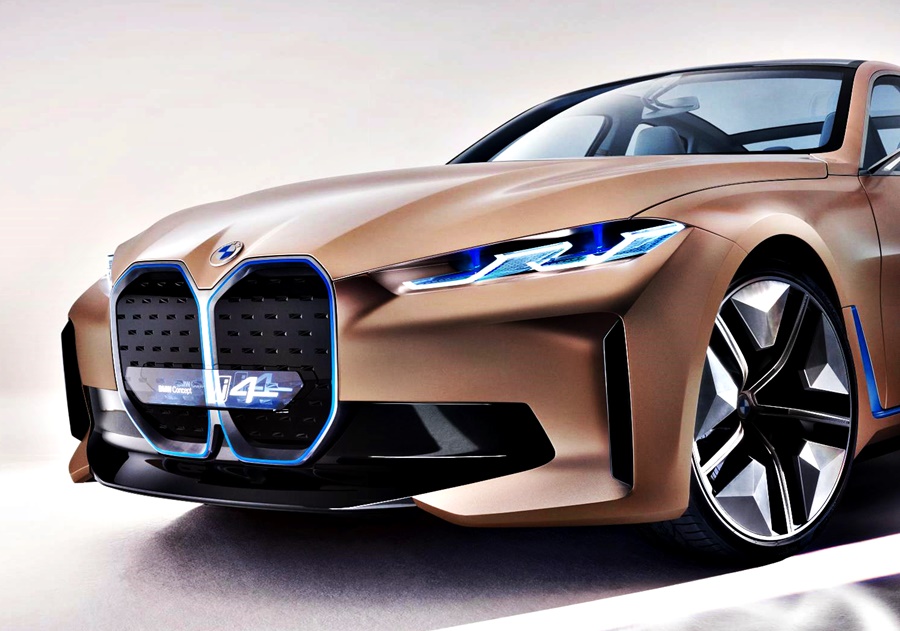
2020 BMW Concept i4

The front-end treatment presents the familiar BMW icons in a new look, lending a visually powerful face to the electric age at BMW. The prominent, closed-off kidney grille provides a tangible connection between the past and future of BMW.

The BMW icon also gains new functionality: With no combustion engine to require cooling, the grille now serves primarily as an ‘intelligence panel’ housing various sensors. The headlights likewise provide a bridge between the past and the future; the classical 4-eyed front end has a very modern and pared-back interpretation.
2020 BMW Concept i4

2020 BMW Concept i4

Innovation meets minimalism
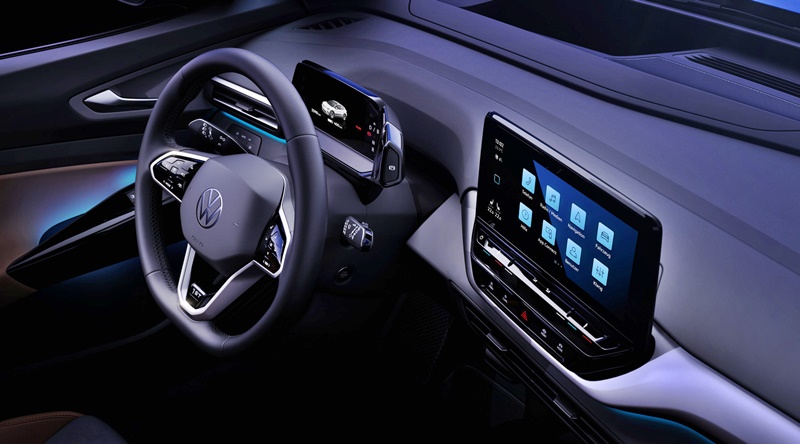
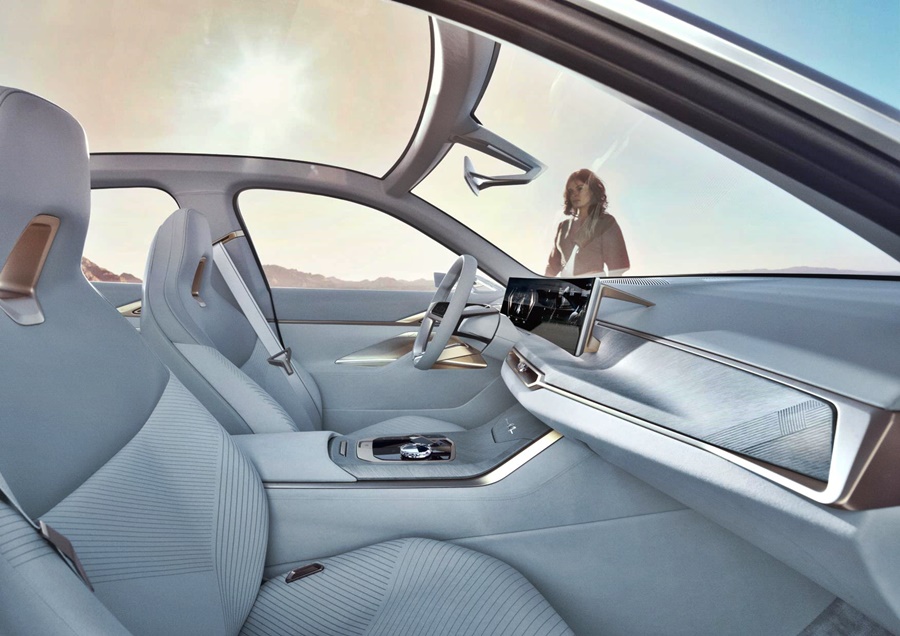
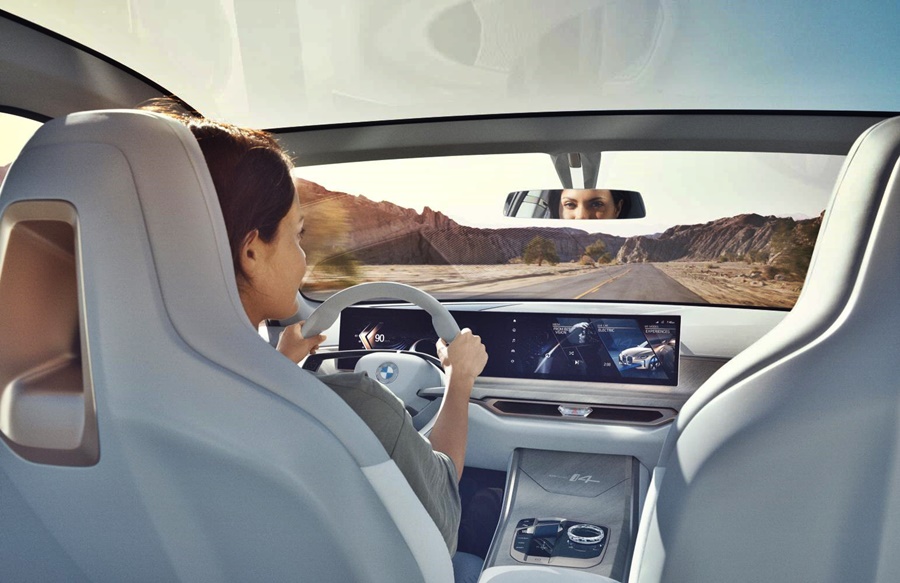
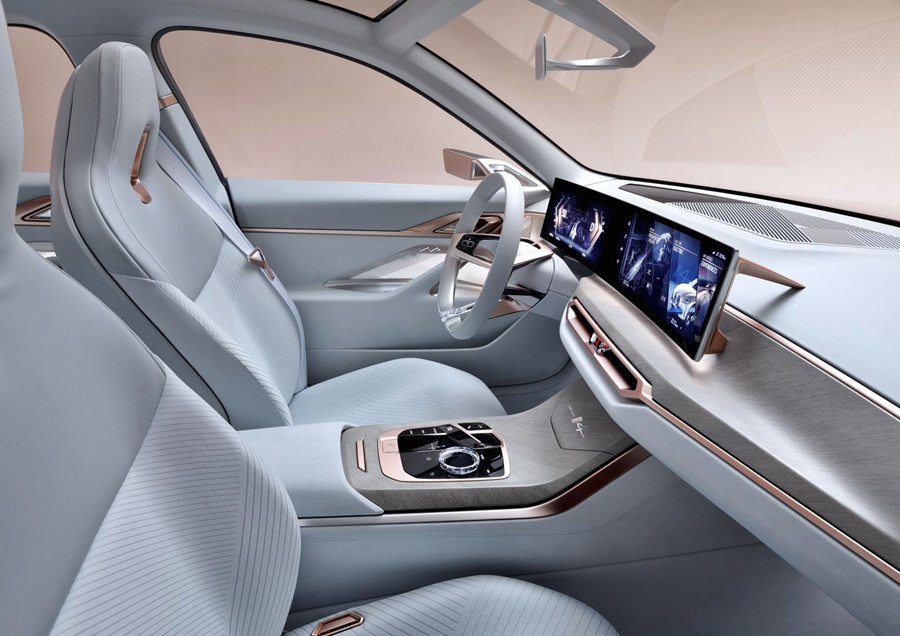
The interior of the Concept i4 focuses on those times when the driver chooses to pilot the car themselves. To this end, every element in the front of the cabin is trained on the driver. The new Curved Display teams up with the steering wheel to reveal a new take on driver orientation and offers a look ahead to the display in the production versions of the iNEXT and i4.

The Curved Display encompasses a large proportion of the section in front of the driver and almost all operating functions are integrated into the display. This is part of an overall approach centred on reducing the number of haptic controls to the minimum.
2020 BMW Concept i4

Spacious rear compartment
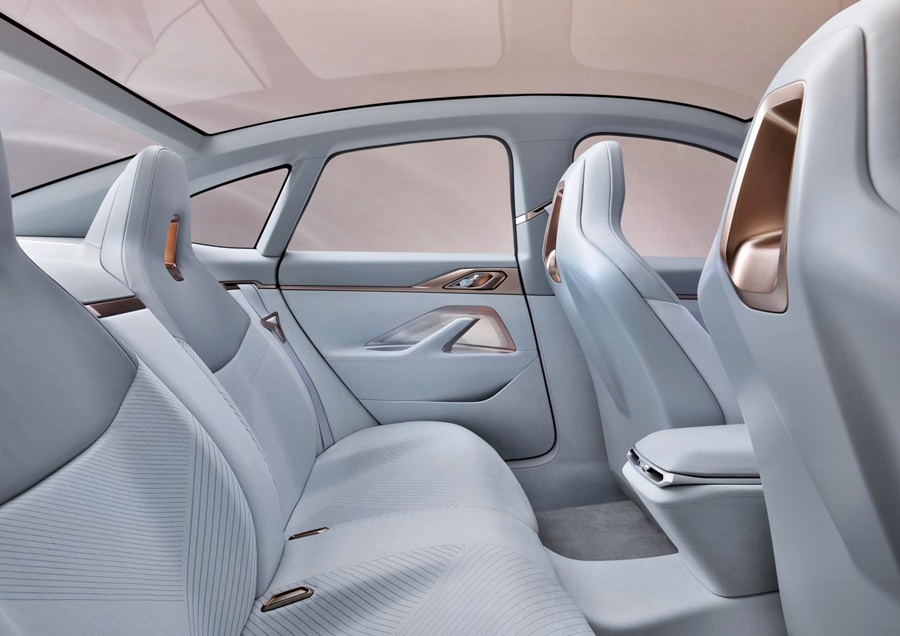
Rear-seat passengers are greeted by a generously-sized compartment offering levels of headroom and legroom that exceed expectations of a coupe. The cut-out in the head restraints is a classy detail that references sporty BMW models from the current line-up.
2020 BMW Concept i4

The rear seats extend the horizontal graphic emerging from the doors to create a lounge feel in the rear. Meanwhile, the outer seats reprise the dynamic form of the front seats, heightening the sporting flavour. They also use very little stitching, which further emphasises the clean and modern feel.

The sound of the Concept i4
The Concept i4 is not only characterised by its individual design but also by its own visionary and unique sound. It was developed under the brand name of BMW IconicSounds Electric by world renowned composer Hans Zimmer together with BMW Sound Designer Renzo Vitale.
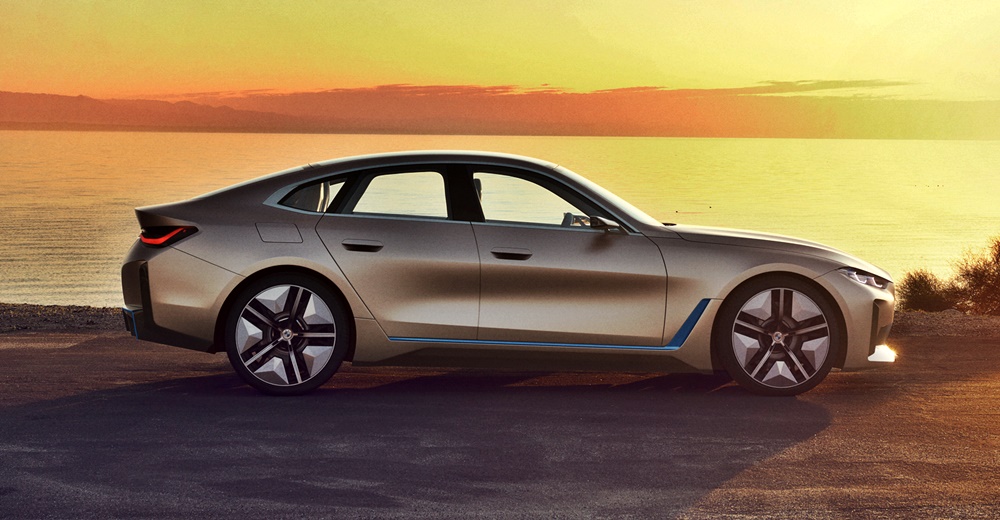
2020 BMW Concept i4

BMW IconicSounds Electric aims to emotionalise BMW’s electric vehicles and make them audible using individual sound worlds. The sound combines BMW’s past and future, ranging from the driving sounds in ‘Core’ mode to the more intense and pronounced sounds of ‘Sport’ mode. Also included are the sounds of the door opening and the starting scenario.

Fifth-generation BMW eDrive technology
The electric motor, power electronics, charging unit and high-voltage battery use fifth-generation BMW eDrive technology. These are all-new developments enabling the BMW Group to take another significant step forward in the field of electrified drive systems. The electric motor developed for the i4 generates maximum output of up to 390 kW (530 ps), which ranks it alongside a current BMW V8 combustion engine.

Electrical energy is drawn from a newly designed high-voltage battery pack with the very latest battery cell technology. The version of the battery developed for the i4 has extremely slim construction and optimised energy density. It weighs roughly 550 kgs, has an energy content of around 80 kWh and can provide an operating range that is claimed to be up to 600 kms.
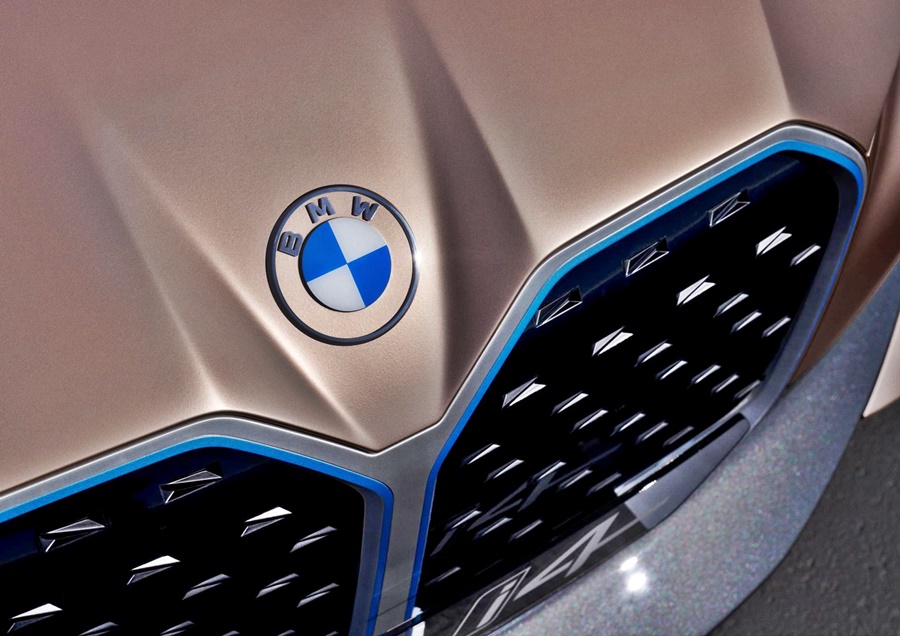
2020 BMW Concept i4

A new BMW brand identity
BMW is unveiling the brand’s new look for the first time. The new logo for communications also provides the basis for the badge on the Concept i4. Its two-dimensional and transparent design ensures seamless integration and brings the special exterior colour shade to even greater prominence.

BHPetrol RON95 Euro4M

Hans Zimmer to create e-sounds for BMW Group vehicles

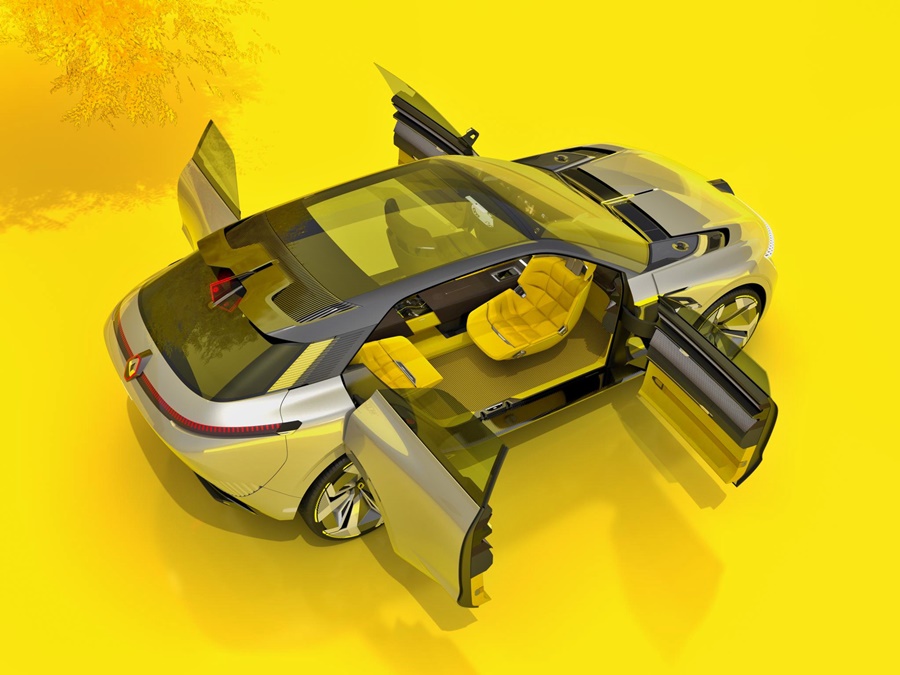
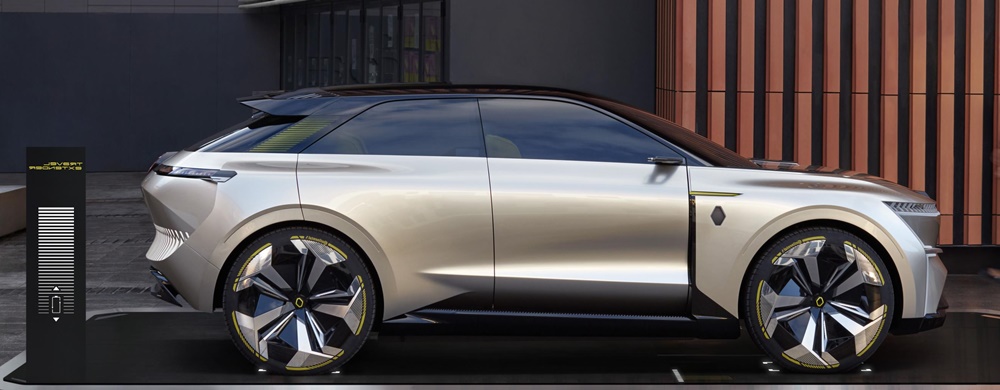
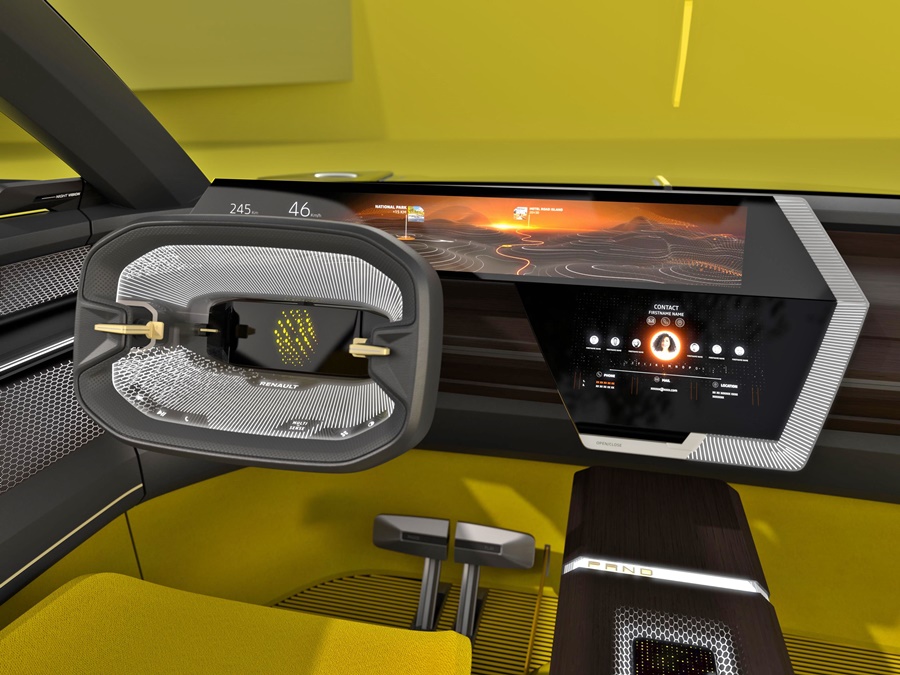
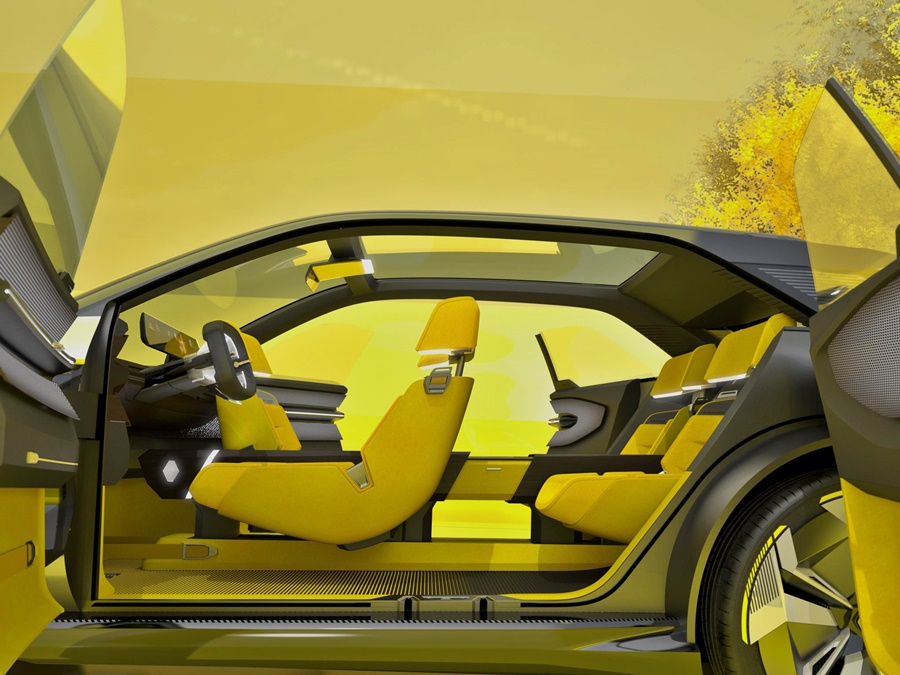
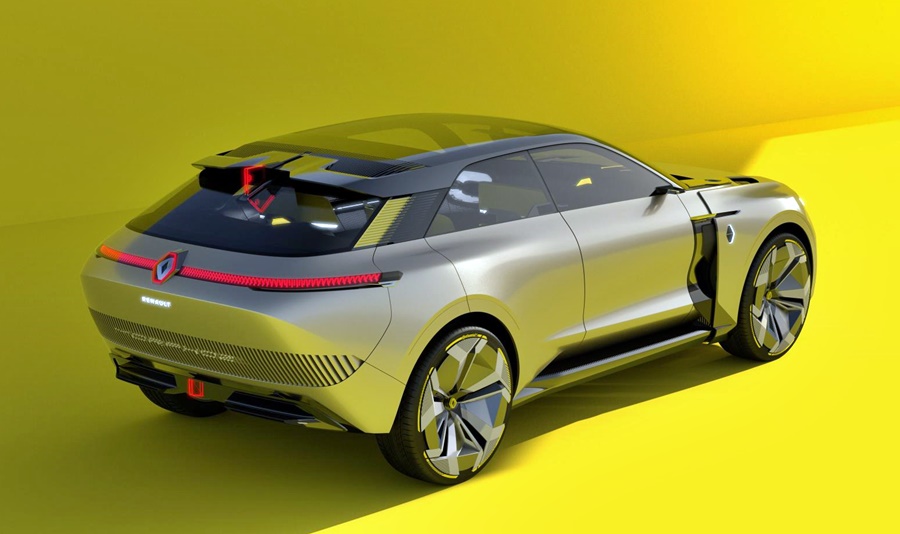
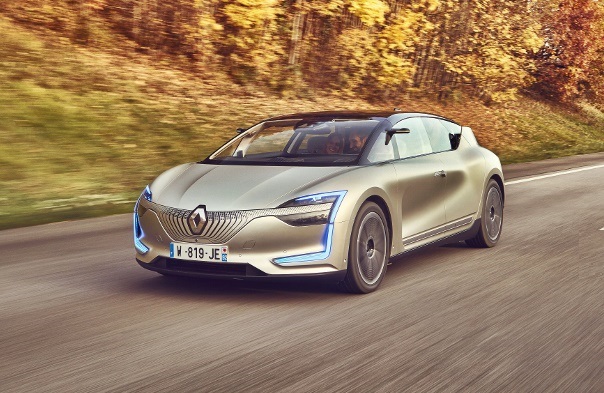
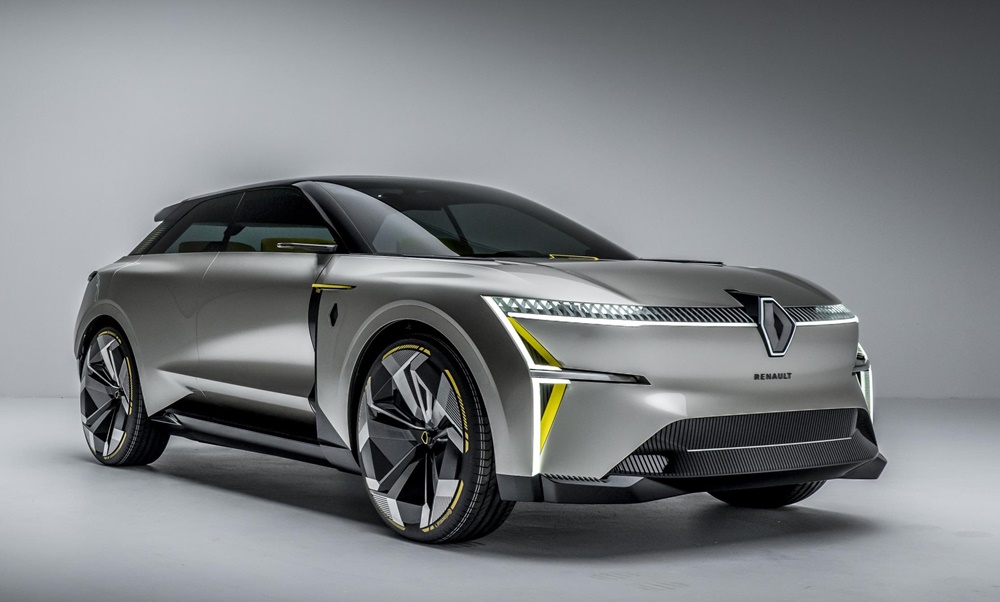
The MORPHOZ concept is Renault’s vision of personal, shareable, electric mobility of the future. Drawing on the Alliance’s new modular CMF-EV 100% electric platform, it offers a number of different configurations for power, capacity and range, as well as user options and boot space.

The concept is faithful to the brand’s DNA embodying Renault’s Family Petal design strategy and heralds a new family of electric models over the coming years. It represents changes in technology, society, the environment and also human behaviour. The MORPHOZ also supports the carmaker’s strategy is to become a supplier of smart mobility solutions for the cities and regions of the future.

Dual use of batteries
Being an electric vehicle (EV), batteries are naturally at the core and with the MORPHOZ concept, Renault is now looking at a different area: the dual use of batteries. When not being used for driving, the batteries remain in the car but can power appliances in the house or the local area via smart charging devices and V2G (Vehicle to Grid) bi-directional technology.

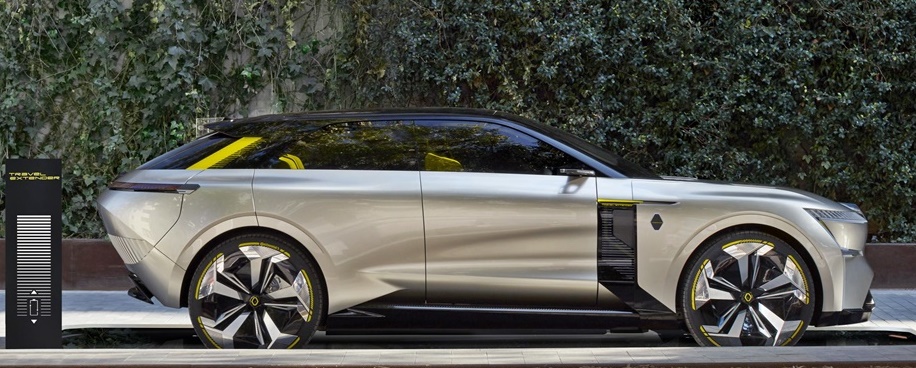
Batteries used in the extended Travel mode are taken out of the vehicle and stored in a charging station for use in other vehicles or to power equipment such as self-service bicycle charging stations or street lighting.

With such a battery-sharing system, there is no need to produce batteries with a nominal 90 kWh capacity for every vehicle. Limiting production in this way is thus good for the carbon footprint and the environment.

2020 Renault MORPHOZ

The new neighbourhood ecosystem
The MORPHOZ embodies the Me/We concept which says that what is one person’s can be shared. It challenges the idea of the car as private and instead encourages shared use. It meets all the family’s requirements, meaning they don’t have to buy a second or even a third vehicle when it’s not necessary or need a larger vehicle for occasional reasons.

It meets the needs of new kinds of community that are developing around digital infrastructures, regenerative resources and social well-being. As a single vehicle which can also serve the communal well-being, it suits new patterns of living in these urban communities, such as the co-living trend in housing.

2020 Renault MORPHOZ

2020 Renault MORPHOZ

The sharing capabilities of the MORPHOZ are central to this philosophy, with the removal of keys and starting cards, for example. It also anticipates regulations which will soon insist on car-sharing for all cars. Everything is accessed using the smartphone, which works as a digital key. This makes sharing with other people easier without the need to swap keys; drivers instead receive an unlocking code which allows access and use of the vehicle for a pre-determined period.

Smart City ecosystem
As a symbol of Groupe Renault’s vision of electric mobility in the years after 2025, the MORPHOZ is a key part of the transformation to Smart Cities, where connected technologies, smart and open data, IoT devices, smart networks, new materials and clean energies can be used to design and build a positive future.

Its Level 3 driving autonomy enhances the safety of everyone by removing human error behind almost 90% of road accidents. Its sensors also detect pedestrians and cyclists, actively alerting the driver to them in manual mode, in order to avoid accidents.

2020 Renault MORPHOZ

Its electric powertrain helps to improve air quality and means it can be used in areas that are out of bounds to vehicles with internal combustion engines. The shorter City version is ideal for city traffic, with a reduced footprint and less extensive vehicle facilities.

Connectivity and Artificial Intelligence
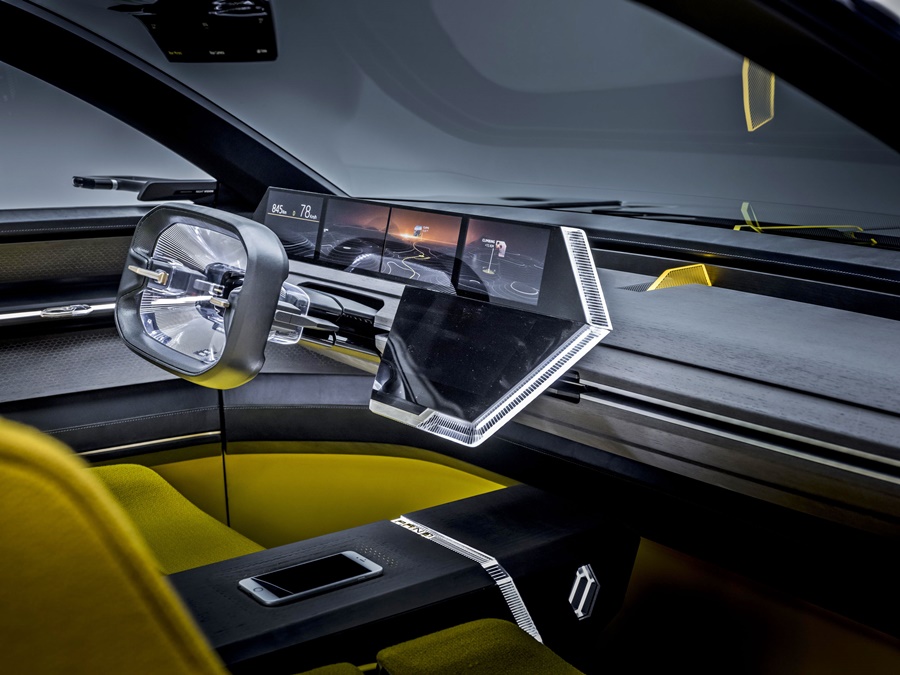
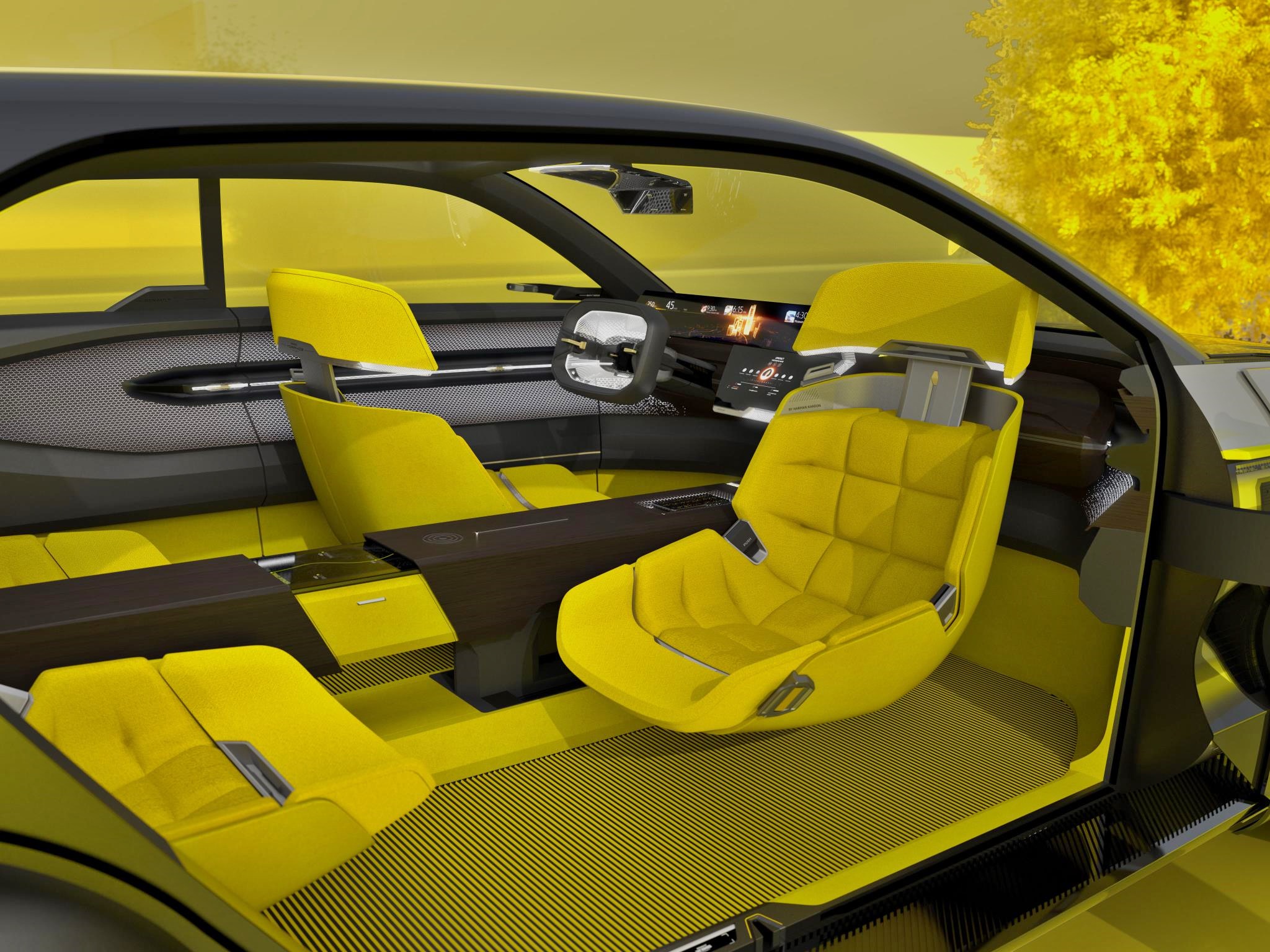
Artificial intelligence (AI) recognises the driver on approach, activating a light sequence on the doors to indicate recognition, and unlocks/opens the doors. The cabin is crossed by a raised centre console which represents the ‘brain’ of the MORPHOZ. There is a special holder for the driver’s smartphone, which is then drawn into the console’s wooden panel to serve as the main data source. The AI will then, if authorised, use data and information from the smartphone to perform its tasks.

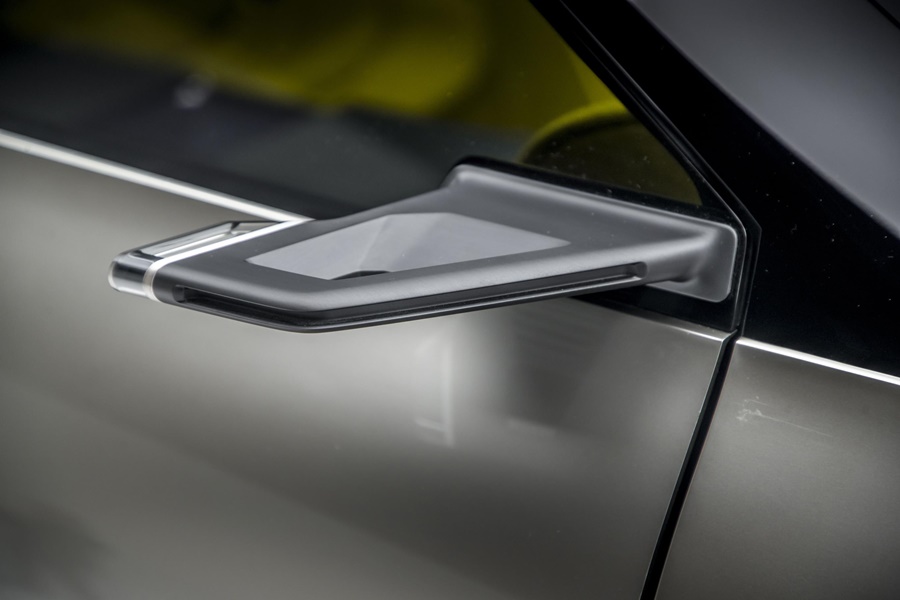
The AI lets the driver see the surrounding area by processing real-time data from external sensors and images from the vehicle cameras, especially the set which replace the door mirrors. Light displays on the inner doors and windows signal the presence of a pedestrian or a cyclist in the blind spot.

2020 Renault MORPHOZ

2020 Renault MORPHOZ

The social role of the AI on board is clear by the shared screen located between the seats on the centre console. This is where passengers can scroll through the music library on one of their smartphones or where they can play video games against each other. This screen also lets the users control the comfort of the cabin through the MULTI SENSE settings.

Like the new ZOE’s seat fabric, the cabin in the MORPHOZ uses a selection of recycled materials: wood for the dashboard, plastic for the inner doors and fabric for the seats.

2020 Renault MORPHOZ

2020 Renault MORPHOZ

Dedicated and adaptable electric platform
Like the CMF-B platform launched last year on the all-new Clio and used on the latest Captur, the CMF-EV allows engineers to design, build, adjust, and fine-tune electric vehicles more efficiently. The innovative architecture features a long wheelbase, reduced overhangs and a flat floor. A streamlined battery pack means the vehicle can be designed closer to the ground and with a lower roof to deliver improvements to aerodynamic performance.

The configurable concept can transform into two different modes: from the shorter City form to the longer Travel version. It is fully adaptable to fit the needs of drivers and passengers, with City mode fitted with the right battery capacity for day-to-day commuting or shopping while in Travel, it is able to accommodate the added capacity needed for long-distance journeys. The Travel Extender battery pack offers an additional 50 kWh of power, for a total capacity of 90 kWh and a total range of up to 700 kms.

2020 Renault MORPHOZ

2020 Renault Megane unveiled, with plug-in hybrid variant available for the first time

PISTON.MY

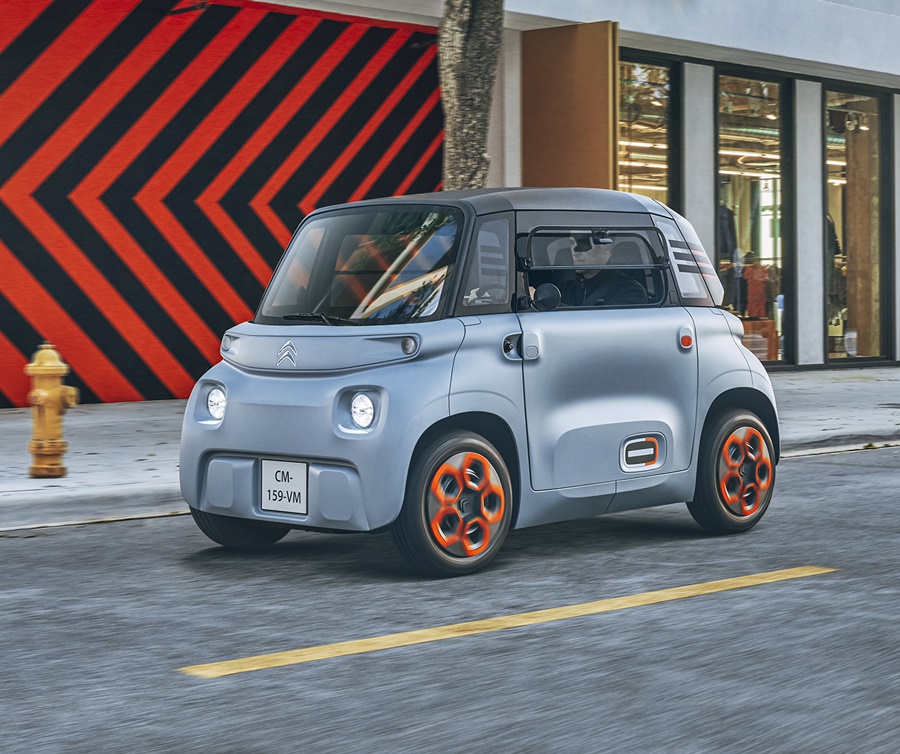
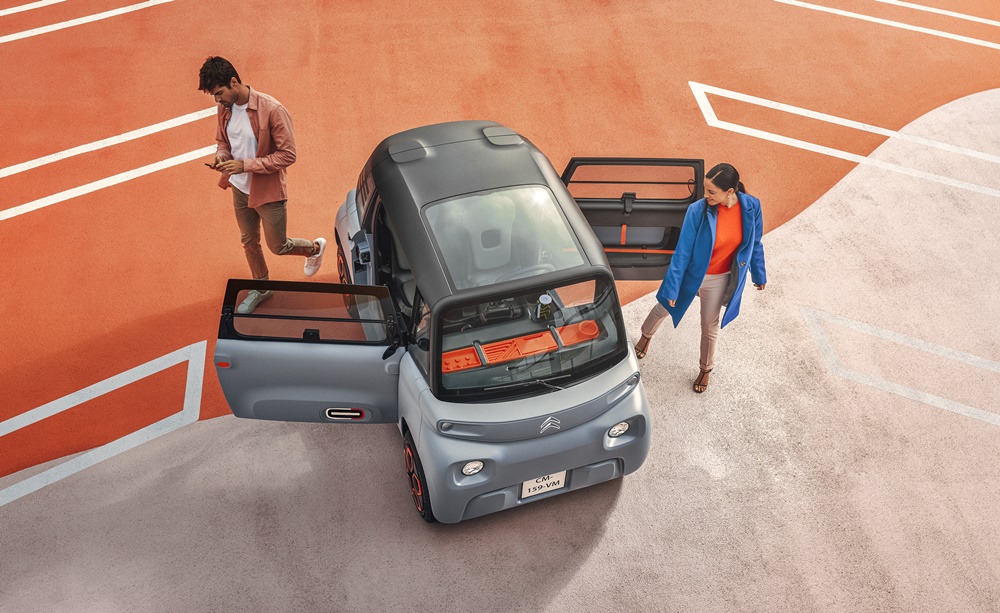
The French are known for coming out with quirky looking cars, describing their looks as avant garde styling. They’re also known for making clever little cars that are ideal for urban transport. Now, at the dawn of the company’s 101st year, it is introducing a compact new model that it calls a ‘non-conformist mobility object’.

Citroen Ami

The new Ami is said to be a breakthrough response to challenges of urban travel and environmental awareness. And in certain countries, a driving licence is not required to use one on public roads. This is because it is a voiture sans permis (car without license) which is a category of small low-speed vehicles in France.

Citroen has designed the Ami just as much for the young teenager without a driving licence, who wants to visit a friend’s house or go to sports or music lessons completely independently, as it is for an older couple who already have a main vehicle but who prefer to favour Ami’s compactness for their short errands.

It can be used for car-sharing or long-term rental from €19.99 (about RM93) per month. If a customer wants to own one, the price starts from €6,000 (about RM28,000).

2020 Citroen Ami

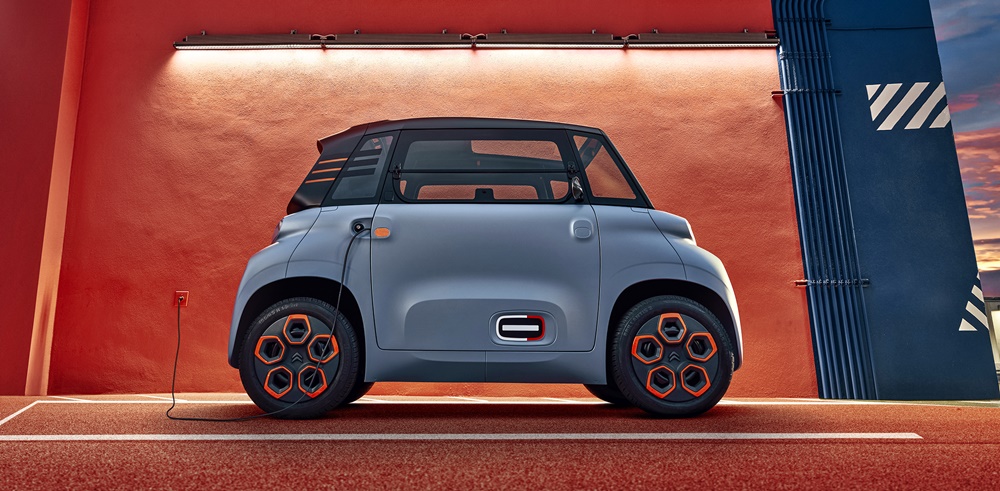
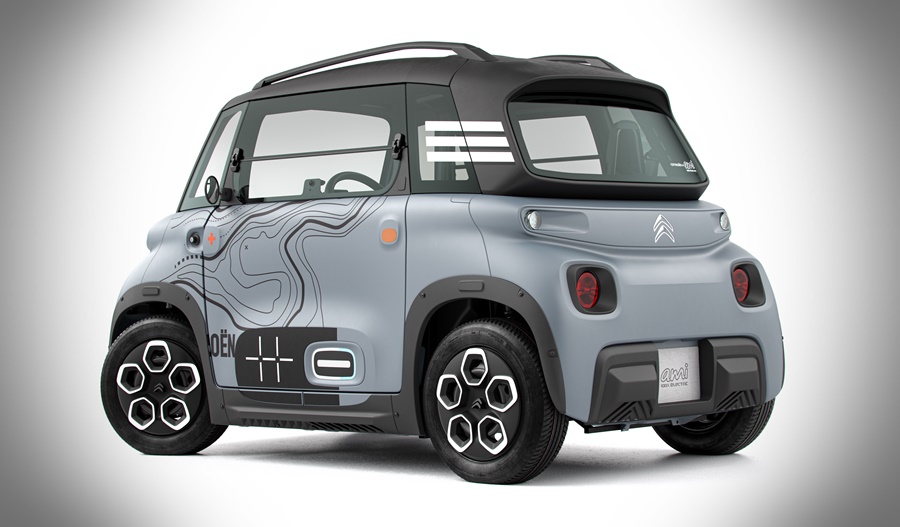
Car-like in external appearance and minimalist in concept, the Ami 2.41 metres long, 1.39 metres wide and 1.52 metres high) is essentially a more enclosed quadricycle with two seats next to each other.

To keep production costs low, as few unique parts as possible have been used. In fact, the front half uses the same body parts as the back. Front and rear bumpers, bumper undersides and underbody panels are mirrored at the front and rear.

2020 Citroen Ami

The wide doors that are completely identical on the right and left and open in the opposite direction, rear-hinged on the driver’s side to benefit from better on-board accessibility and traditionally front-hinged on the passenger side. The side windows also follow this principle and like the 2CV, they open by manually tilting upwards. Besides the large amounts of glass all round (including a panoramic roof), the cabin also has a bright-coloured interior theme which gives the feeling of spaciousness.

A small 6 kW (8 hp) electric motor drives the Ami which can reach a maximum speed of 45 km/h. This means it can’t be driven on motorways as there is a minimum vehicle speed requirement of 80 km/h. The 5.5-kWh lithium-ion battery provides a driving range of up to 70 kms, after which 3 hours will be needed to restore a full charge from a conventional 220V power socket.

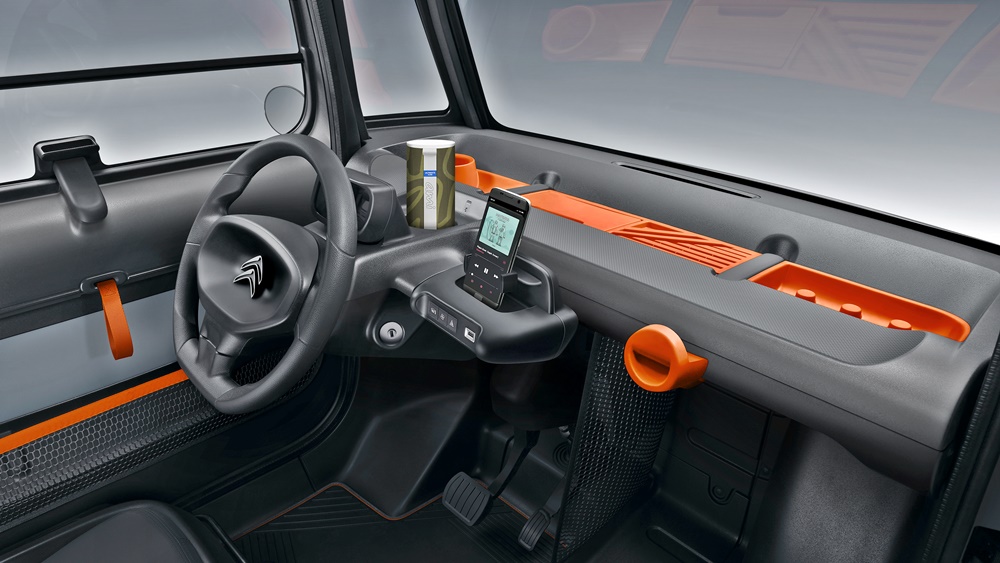
With the cabin having limited space, the items in the traditional dashboard are kept to a minimum. The instrument panel is basic and compact and information can be supplemented by using a smartphone placed in the middle of the dashboard. It links to the car’s systems via Citroen’s DAT@mi app and can show information such as range, charge status and time remaining for a 100% charge, mileage, maintenance alerts and after-sales appointment scheduling.

2020 Citroen Ami

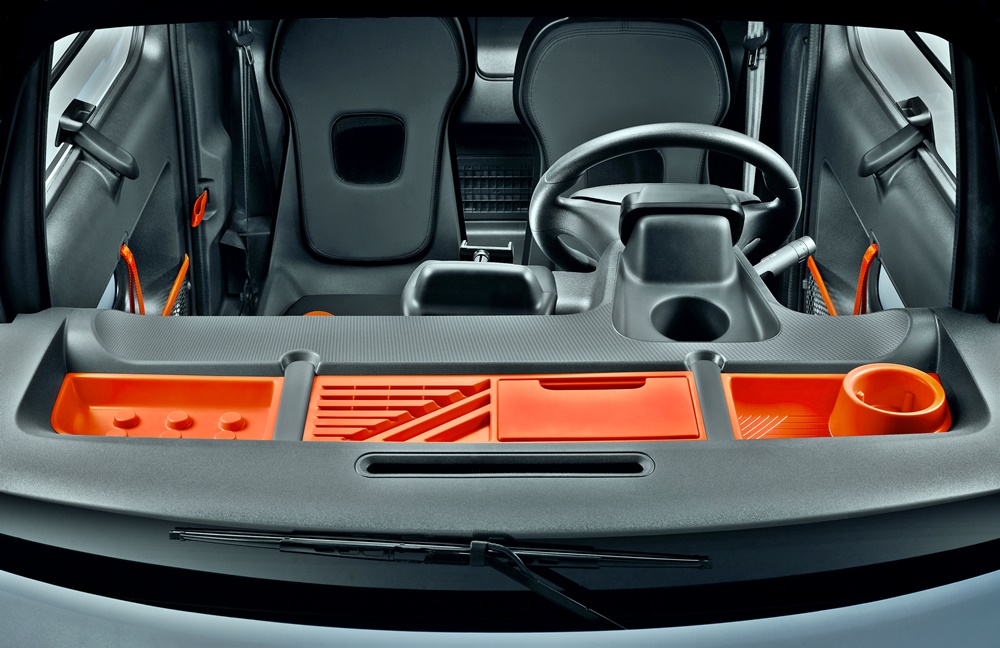
Every corner is exploited to its fullest for storage space. In addition to a storage recess at the passenger’s feet, which can fit a cabin-sized suitcase, the designers have also created another storage area at the rear.

EuroNCAP tested a few quadricycles some years back and found that their safety levels were rather low. Citroen doesn’t offer details of the passive safety of the Ami other than to say that it has a ‘level of protection greater than that offered by 2 or 3-wheeled vehicles’ and ‘its optimized footprint gives Ami stability and a great freedom of movement with no risk of fall’.

Easy to customise, the Ami is available in 7 different versions with customisation done through accessories. The accessories kit includes functional decorative items such as a central separation net, a door storage net, mat, storage tray on the top of the dashboard, and small hook for a handbag.

2020 Citroen Ami

“Disruptive projects are always the best projects. These are usually the ones that really drive the automotive world forward, and it is a tradition at Citroen to want to contribute to changing this automotive landscape. The design of Ami is a product design, not an automotive design,” said Pierre Leclercq, Head of Citroen Style.

BHPetrol RON95 Euro4M

PISTON.MY

BHPetrol RON95 Euro4M

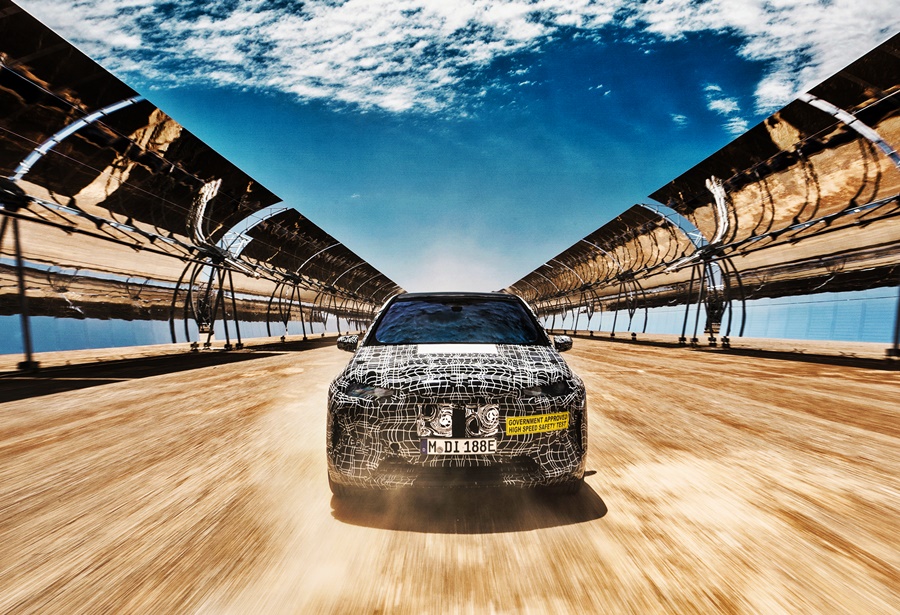
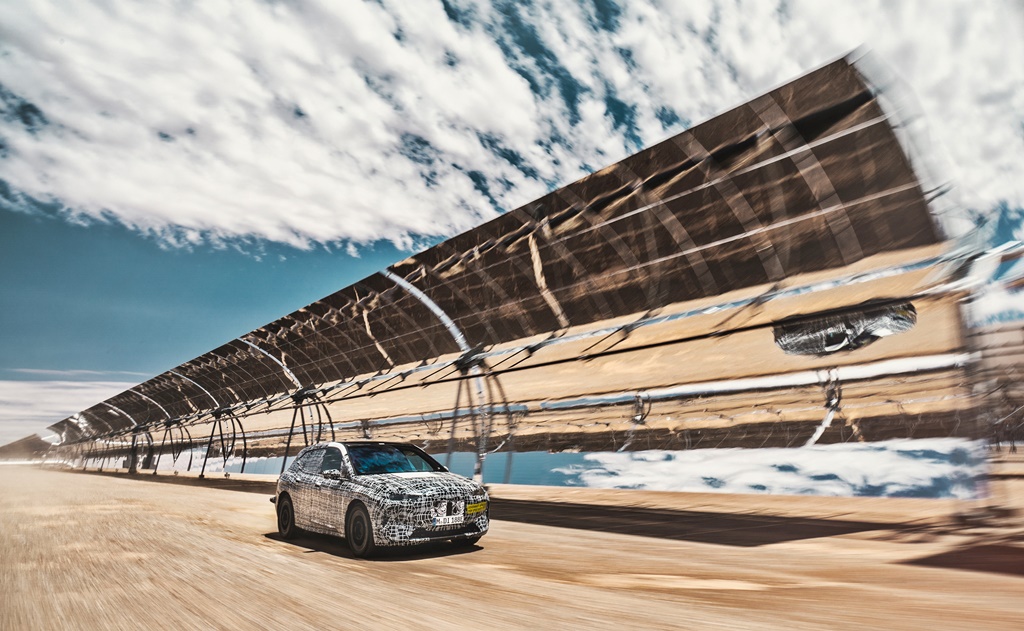
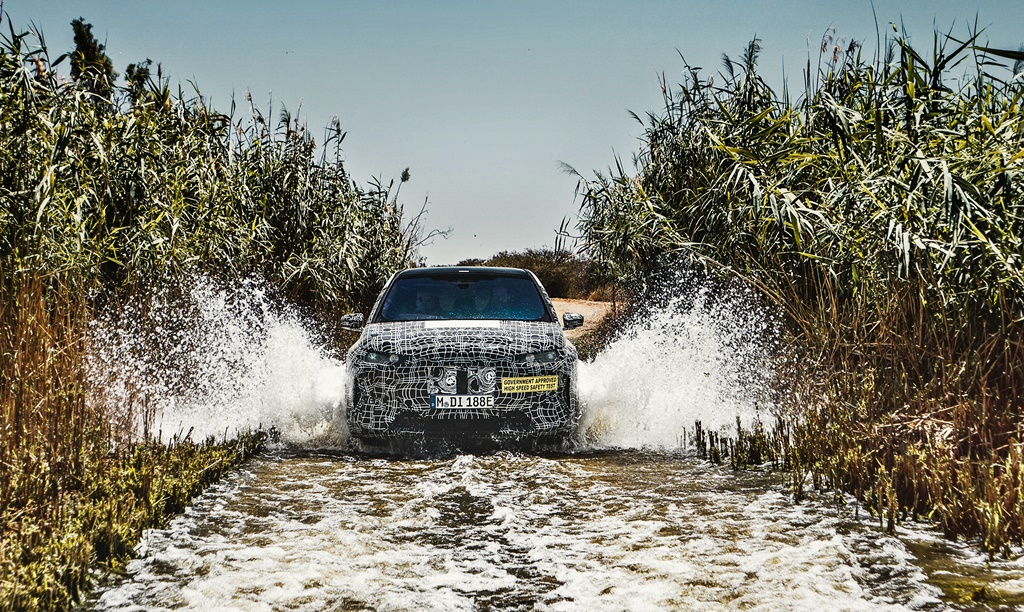
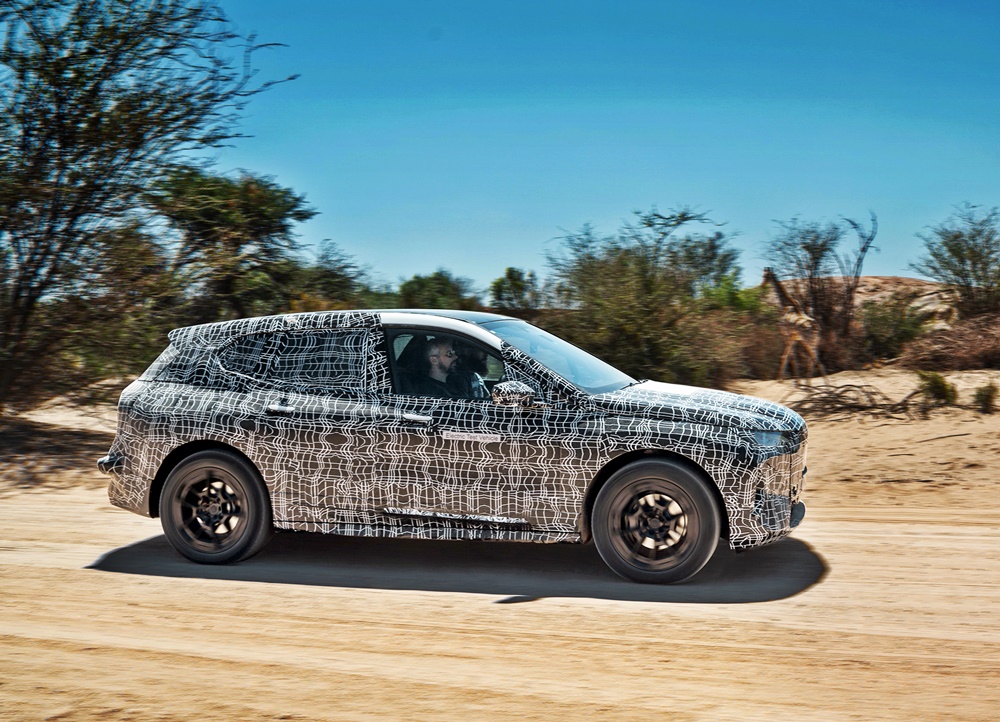
On its way to being ready for production, the BMW iNEXT is completing additional vehicle testing under particularly demanding conditions. Intensive test runs in the freezing cold at the polar circle are now being followed by a contrasting program in the Kalahari in southern Africa.

In addition to extreme heat and solar radiation, permanent dust formation and off-road terrain with its sand, pebble and gravel tracks pose exceptional challenges for the BMW Group’s technology flagship.

2021 BMW iNEXT

The test drives through the desert and savanna regions in the northwest corner of South Africa are in temperatures that would drain any mobilephone battery in no time at all. This puts a severe test on the integrated cooling concept for the high-voltage battery, the electric motor and the vehicle electronics.

2021 BMW iNEXT

During extensive heat tests, the car is repeatedly exposed to the heat of the sun for hours and later cooled down. In this way, the developers test not only the operability of the electrical systems but also the temperature stability of the materials used in the interior.

Moreover, the interior air conditioning, which operates by means of thermal pump technology, its control system and all further components of the electronics, are subjected to the extreme conditions of the desert climate.

2021 BMW iNEXT

Every part and system stress-tested
In this literally hot phase of the product development process, not only do the drive and suspension components of the iNEXT –  a car designed for all-electric mobility – have to provide proof of their functional safety, durability and reliability, but also the car’s bodywork, interior, driver assistance systems and digitalisation technology.

The ‘hot climate’ tests are an integral part of a both extensive and varied development and test program. Prototypes are subjected virtually in time-lapse to the stress of an entire car’s service life.

2021 BMW iNEXT

Real-world conditions
Like every new BMW model, the prototypes are also driven at the proving ground at Miramas in southern France, the Nurburgring Nordschleife and other racetracks as well as the Winter Centre in Sweden.

With high-speed operation, stop/go traffic, extreme temperatures below and above zero, testing on ice and snow as well as desert sand and gravel, the pre-production cars are put through a concentrated form all of the challenges an automobile may face in everyday traffic over a period of many years.

2021 BMW iNEXT

Fifth generation BMW eDrive technology
Featuring fifth-generation BMW eDrive technology, the iNEXT is said to set new benchmarks in sportiness, efficiency and range in a battery-powered automobile. The car’s suspension control and driver assistance systems pave the way for a further step towards autonomous driving. Current innovations in the field of operation and digitalisation also underscore the future-oriented character of the iNEXT.

Production of the iNEXT will commence at the BMW Dingolfing plant in 2021. Designed as a modern Sports Activity Vehicle, the new model combines the latest innovations defined by the BMW Group in its corporate NUMBER ONE > NEXT strategy for the future fields D-ACES (Design, Autonomous, Connected, Electrified und Services).

5th generation BMW eDrive technology to debut in iX3 next year

PISTON.MY

Volkswagen’s modular electric drive matrix (MEB) platform is to be the key element in its future models as electrification increases. The platform, to be used by Volkswagen Group brands such as Audi, SEAT, Skoda and Volkswagen, has many sophisticated components optimized for electric drive systems.

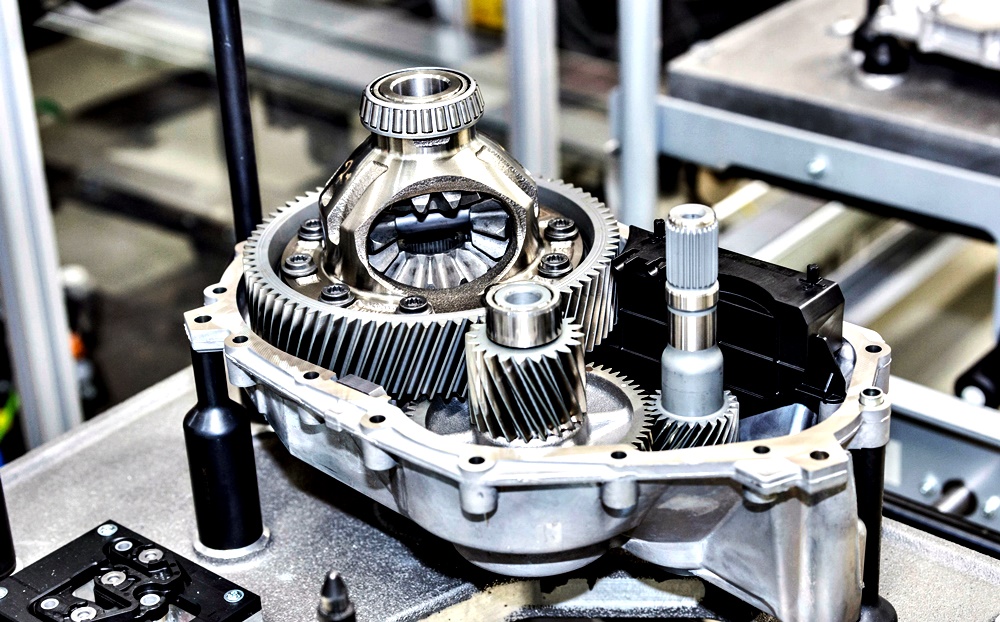
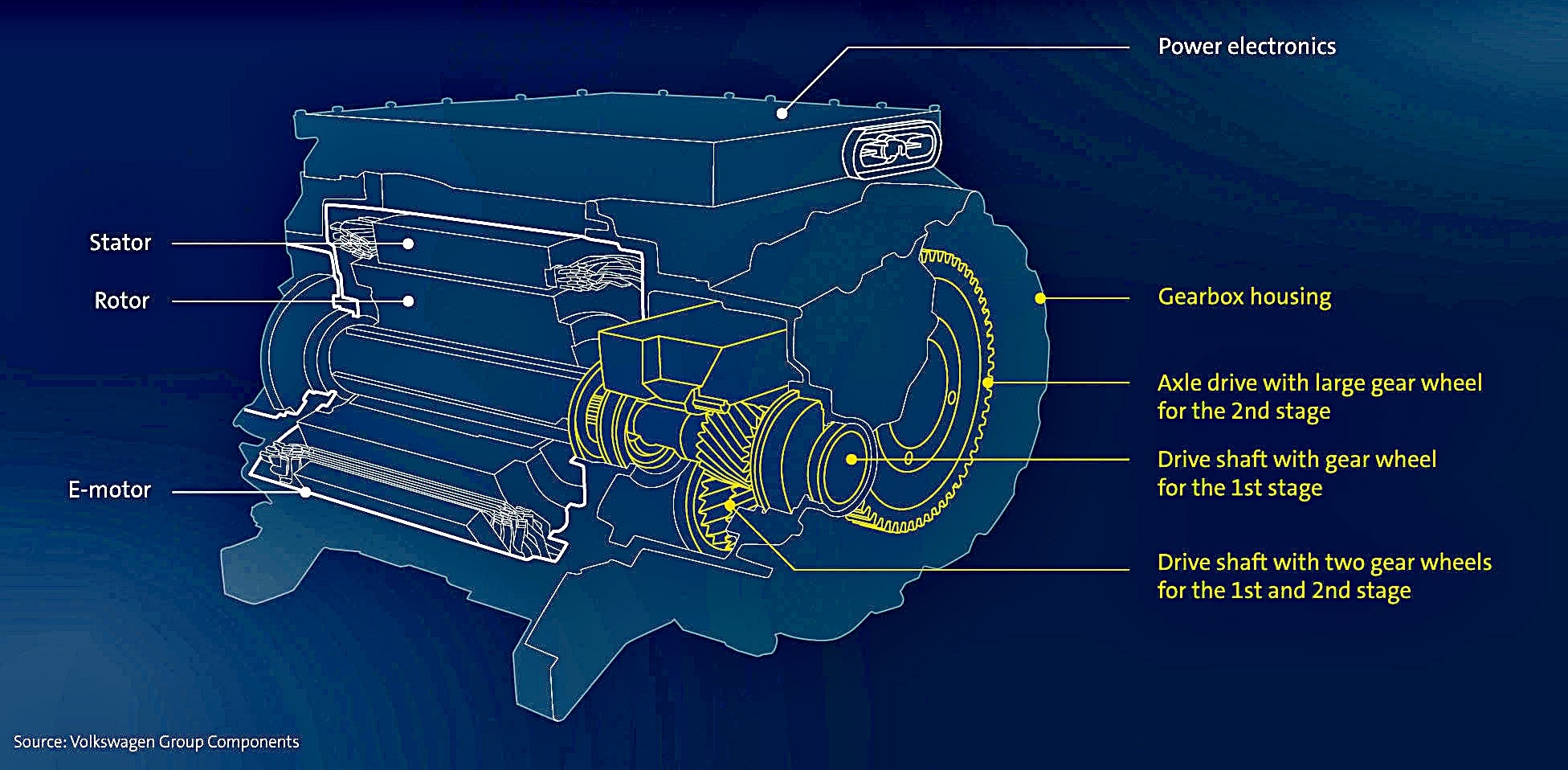
One of these is the APP310 e-drive unit that will used for the Volkswagen ID.3 due in showrooms from mid-2020. The powerful unit transmits power to the driven wheels using an extremely compact gearbox with a single gear. The mechanism used has only a small number of cogs. It is manufactured by a Volkswagen subsidiary.

Is one gear enough?
But why is a single gear enough for the drive motor? The traction, ie the force that allows movement, and speed of a motor vehicle depend on the rotational speed of its drive system. As the speed of the drive system increases, the force transmitted to the wheels – the torque – can vary.

Volkswagen e-drive

With a vehicle with a combustion engine, the torque increases along with the engine speed and then falls again. With an electric drive system, however, the maximum torque is available immediately and remains constant over a wide range of speeds. The use of a multi-speed gearbox to achieve the desired speed or the necessary torque along the speed curve is therefore not absolutely necessary.

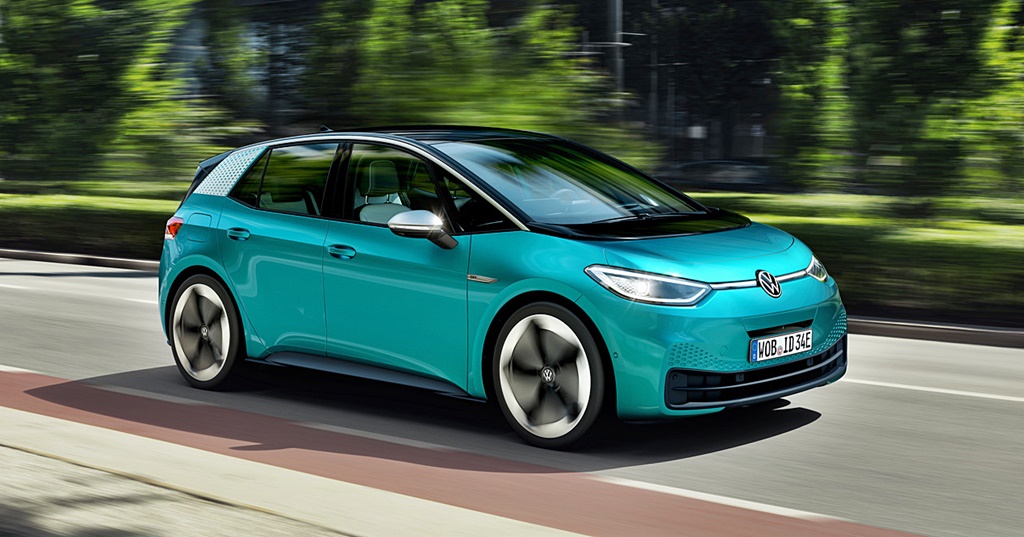
Volkswagen ID.3
Volkswagen ID.3, due in showrooms in Europe from mid-2020.

One gear for every situation
That is why a 2-stage 1-speed gearbox is practical for the Volkswagen ID.3. When reversing the car, the direction of the electric drive system is simply reversed. In addition to various other components, power electronics are responsible for this and for the power characteristics of the drive system.

Volkswagen e-drive
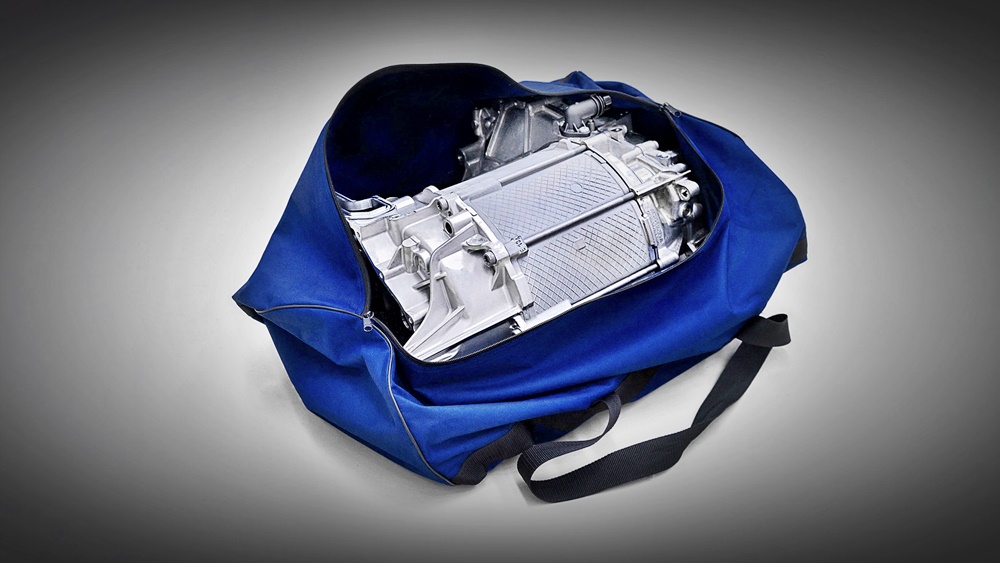
The e-drive weighs just 90 kgs and is compact enough to fit inside a bag.

In order to generate the maximum output of 150 kW, the 90-kg electric drive unit must rotate at high speeds. For a high level of torque, a 10x transmission ratio is used. To save space, the gearbox has a two-stage design with two smaller cogs instead of one big one. As a result, the electric drive motor in the ID.3 provides maximum torque of 310 Nm constantly over a wide range of speeds. The maximum speed of 160 km/h is reached at a maximum of 16,000 rpm.

Precision manufacturing
Because an electric drive system is very quiet, the level of noise in an EV is very important. Even the tiniest sources of noise can be heard. The parts for the 1-speed gearbox must therefore be manufactured with great precision to ensure that they do not cause any additional noise. At the end of the production line, not only the power characteristics of the electric drive system checked but so are the relevant noise levels.

2020 Volkswagen ID.3 makes global debut

PISTON.MY

BHPetrol RON95 Euro4M

Polestar began as a racing team in 1996 and after showing what it could do to Volvos, the Swedish carmaker decided to commission the company to develop performance variants. The potential of such enhanced models led Volvo to acquire the company in 2015 and have a sub-brand which focussed on performance.

Two years later, Polestar’s mission changed as it was tasked to focus on electric cars. Volvo and its owner, the Zhejiang Geely Holding Group, provided 640 million euros (about RM2.94 billion) to support the initial phase of product, brand and industrial development.

As a fully consolidated Volvo Cars subsidiary, it would become a stand-alone electrified performance car company. Since then, besides being an advanced technology affiliate for the Volvo Car Group, Polestar has also started to build cars at a new factory in China.

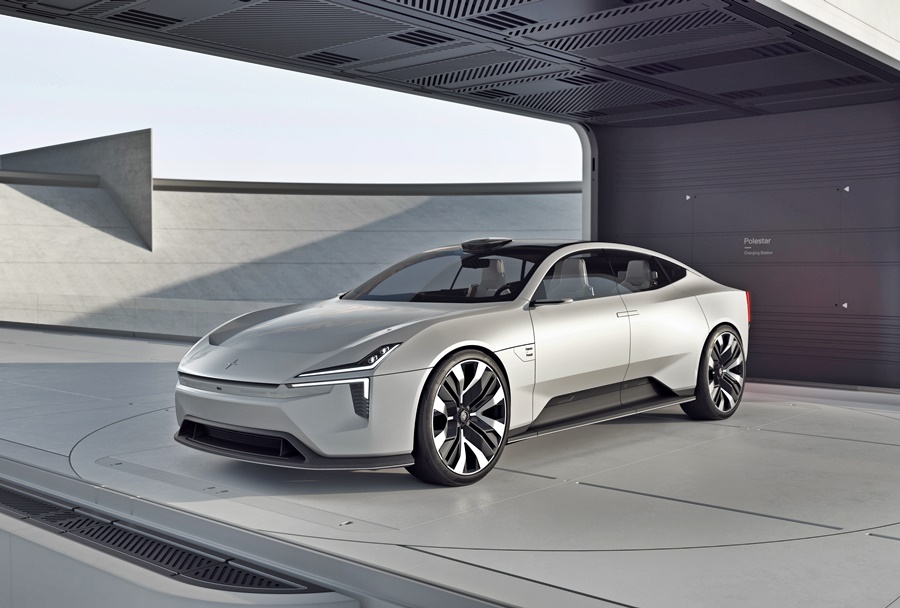
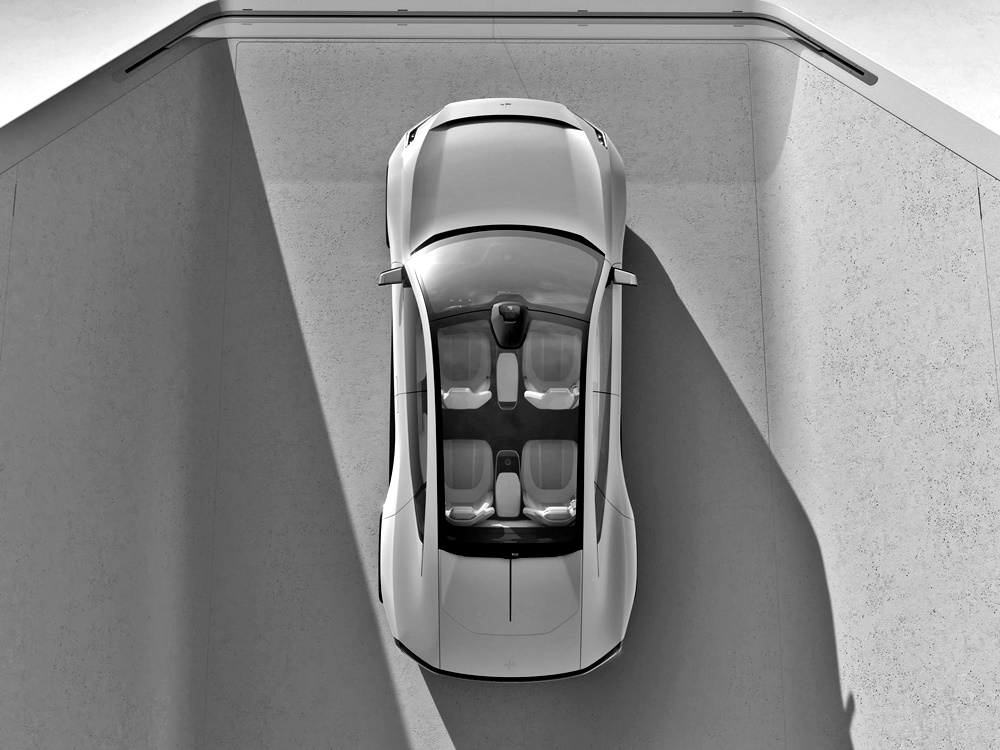
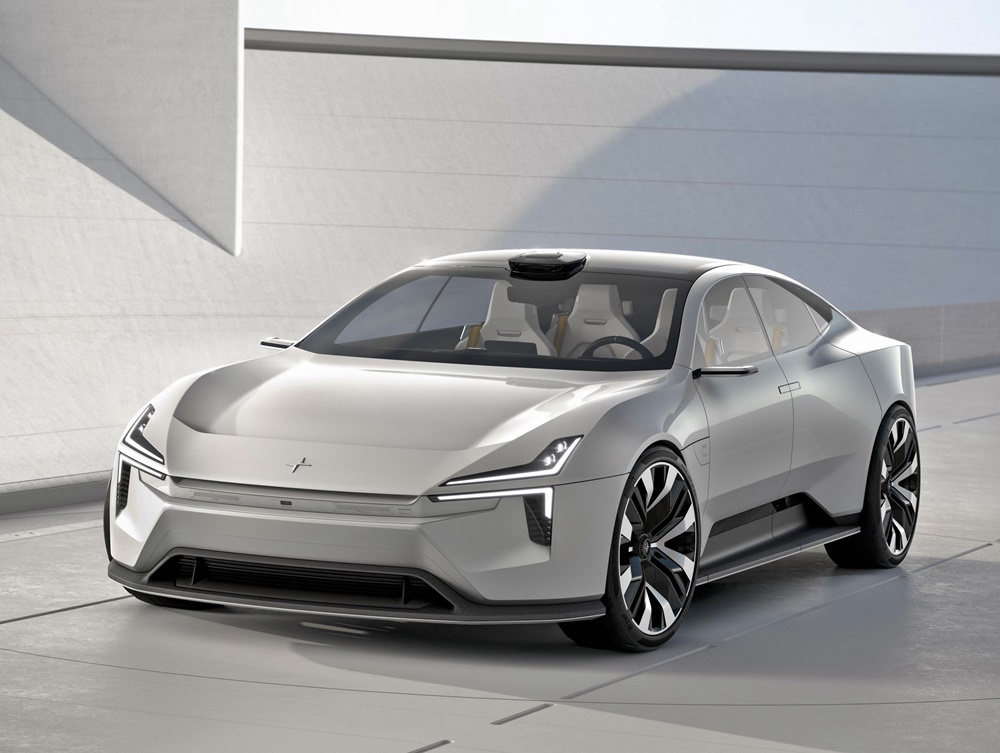
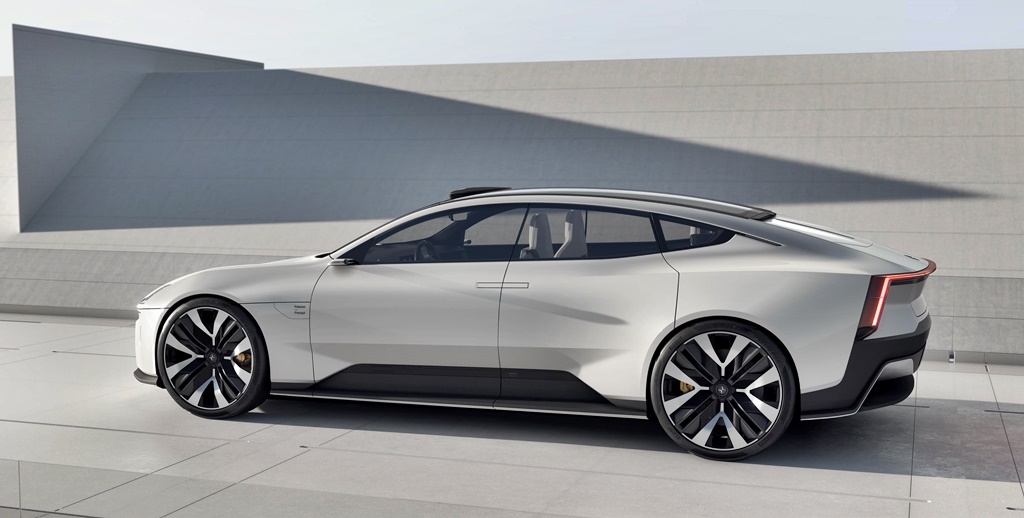
Polestar Precept Concept

Vision of future direction
Obviously a very forward-looking company, Polestar is looking ahead and its vision of the brand’s future direction is revealed in the Precept concept. A precept is a manifesto of things to come, a declaration. Hence the name chosen emphasises the car’s role in setting out Polestar’s intent as the contemporary electric performance brand.

“Precept is a declaration, a vision of what Polestar stands for and what makes the brand relevant,” said Thomas Ingenlath, CEO of Polestar. “The car is a response to the clear challenges our society and industry face. This is not a dream of a distant future; Polestar Precept previews future vehicles and shows how we will apply innovation to minimise our environmental impact.”

Minimalistic athleticism and restrained surfacing are evident in the aerodynamic sculpted form of the Precept with proportions that define its presence. A 3.1-metre wheelbase which accommodates a large battery pack gives the 4-door Grand Tourer a very low and sleek silhouette with an emphasis on legroom and headroom in the rear.
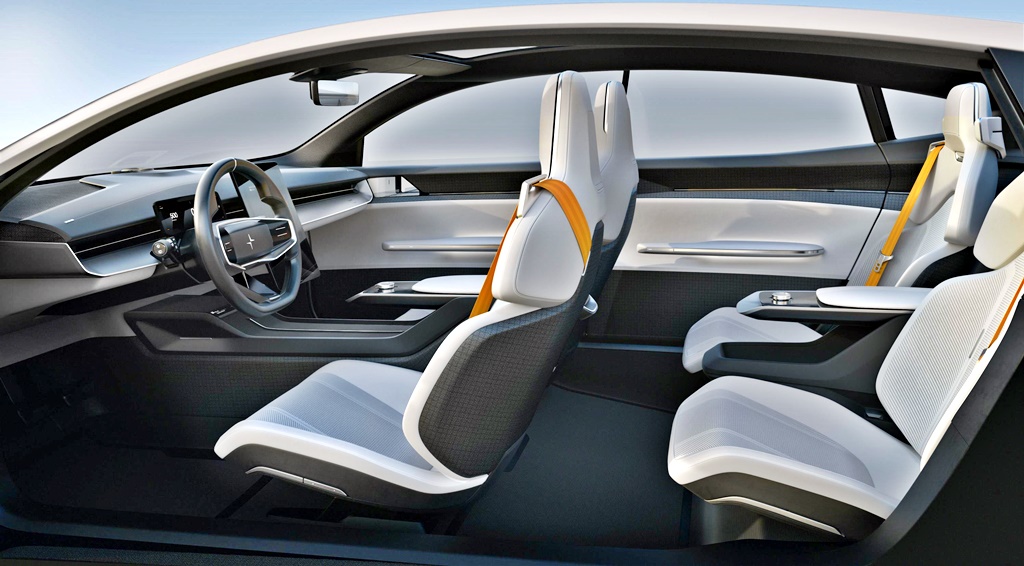
Polestar Precept Concept

No grille needed
Not requiring a grille for cooling, the front end incorporates the Polestar SmartZone, representing a shift from ‘breathing’ to ‘seeing’. The area which once channelled air to radiators and the internal combustion engine now houses technology for safety sensors and driver assistance functions.

Purposefully gathered behind a transparent panel dedicated to intelligent hardware are two radar sensors and a high definition camera. The LiDAR pod, mounted atop the glass roof, is given optimal visibility as a next step towards increased driving assistance. The Thor’s Hammer LED headlight signature evolves with separated elements, taking on a dynamic, more robotic and brand-defining interpretation.
The Precept features an integrated front wing above the SmartZone which accelerates airflow over the long bonnet. This allows air to attach itself to the surface earlier, which improves aerodynamic efficiency and thus improves the car’s range.
Polestar Precept Concept

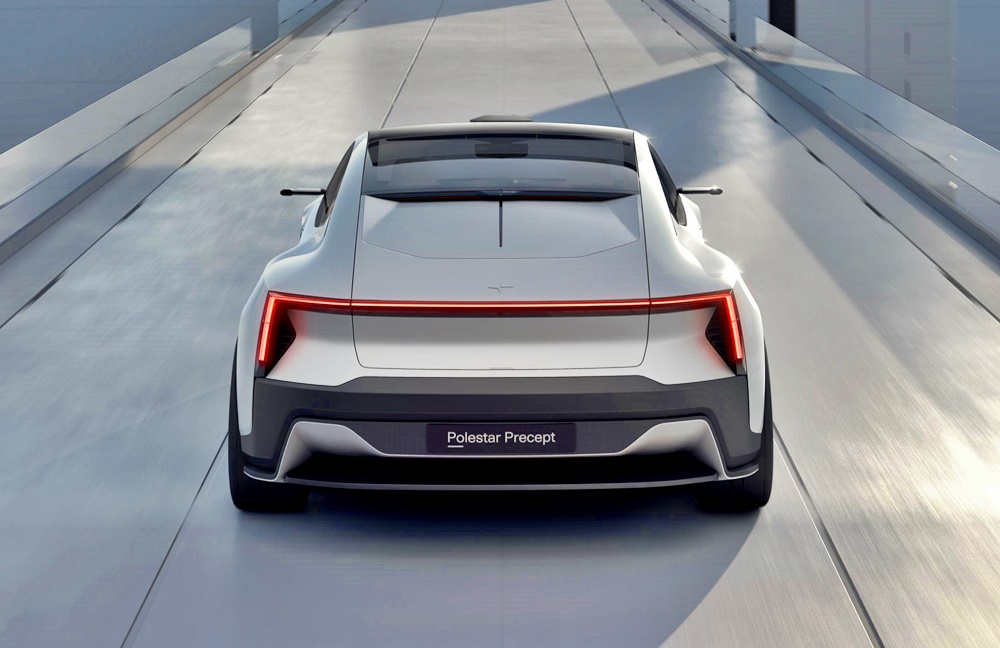
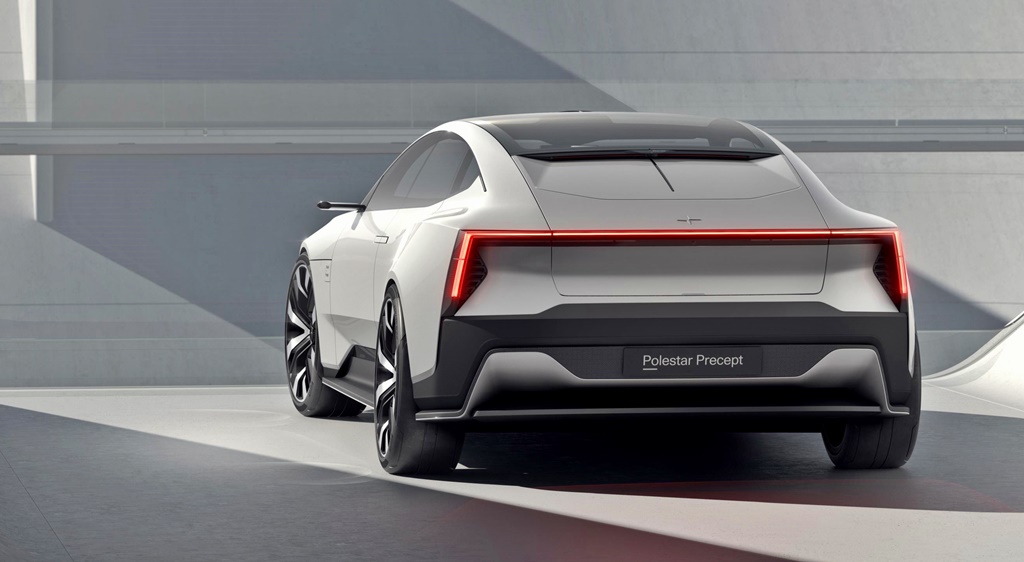
At the rear, the wide light-blade spans the entire width of the car, extending into vertical aero-wings – another aerodynamic feature and a nod to lightweight design.
Conventional side mirrors are replaced by camera-based units, each of which extends outwards on an aerodynamic arm. Inside, the traditional rear-view mirror is replaced with a digital screen, the image collected by a wide-angle camera mounted at the rear of the car.

Polestar Precept Concept

The absence of a conventional rear window means that the Precept’s single-volume glass roof extends behind the rear seats and the tailgate itself is designed with a larger opening and higher-mounted hinges improving access.

Best available technologies
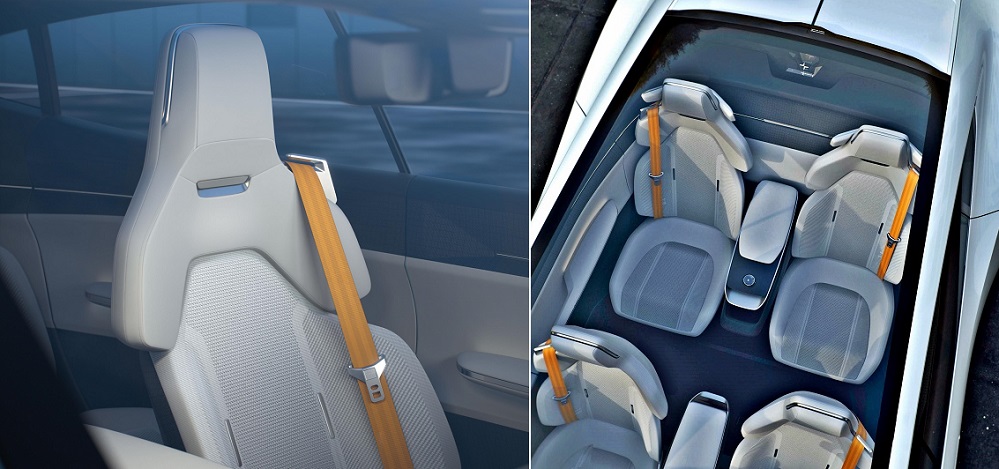
Polestar continues to believe in collaborating with experts to accelerate development and provide customers with the best available technologies. The Precept’s interior is defined by sustainability and offered opportunity to work with new materials and processes. Similarly, the evolution of the HMI (Human-Machine Interface) builds on current partnerships which maximise the integration of expertise.

Polestar Precept Concept

Polestar Precept Concept

Sustainable new interior materials balance modern high-tech luxury with reduced environmental impact. For instance, flax-based composites for interior panels and seatbacks offer significant improvements over conventional materials, including up to 50% saving in weight and up to 80% reduction of plastic waste.

The seat surfaces are 3D-knitted from recycled PET bottles, while the bolsters and headrests are made from recycled cork vinyl and the carpets from reclaimed fishing nets. These elements, combined with digital artistry, define a new premium luxury that surpasses the conventions of leather, wood and chrome.

Android-powered connectivity
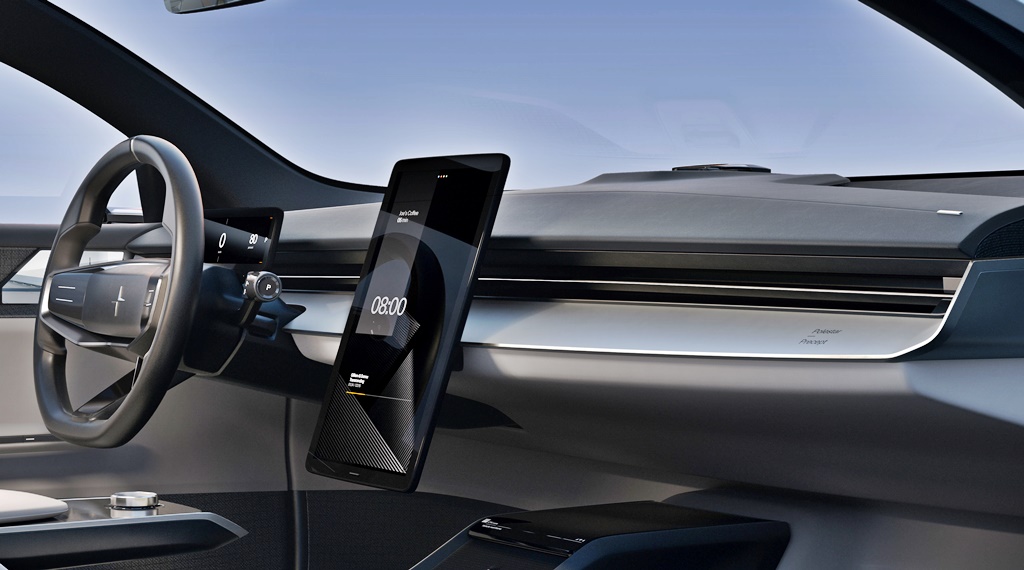
The next generation HMI, powered by Android, builds on Polestar’s close collaboration with Google. An enlarged, portrait-oriented 15-inch centre touch screen complements a 12.5-inch driver display, and the two are linked by an illuminated blade that encompasses the entire interior. In this execution, the unique Polestar emblem floats holographically inside a solid piece of Swedish crystal between the rear seat headrests.

Polestar Precept Concept

Supporting the advancement of a personalised and dynamic digital interface, the instrument panel also hosts an array of smart sensors. Eye tracking will allow the car to monitor the driver’s gaze and adjust the content of the various screens accordingly. Proximity sensors also enhance the usability of the centre display when driving.

Polestar Precept Concept

Polestar 1 production underway in Chengdu, China

PISTON.MY

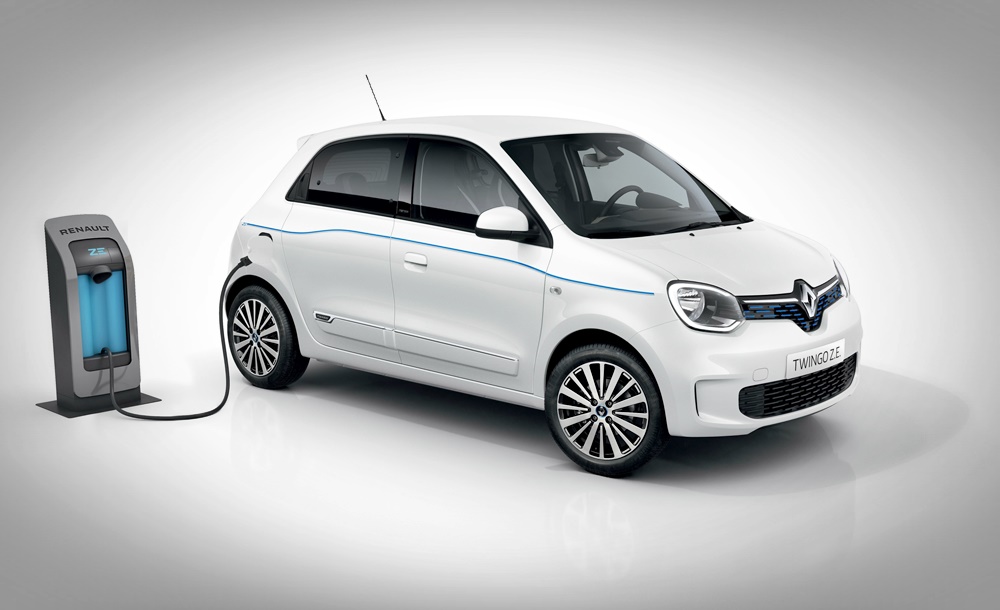
Given its compact size, the Renault Twingo was destined to one day become an electric vehicle (EV). But 28 years ago, when it was introduced, EV technology was still not advanced and didn’t offer the efficiency and performance that would attract consumers, apart from the fact that the technology was expensive.

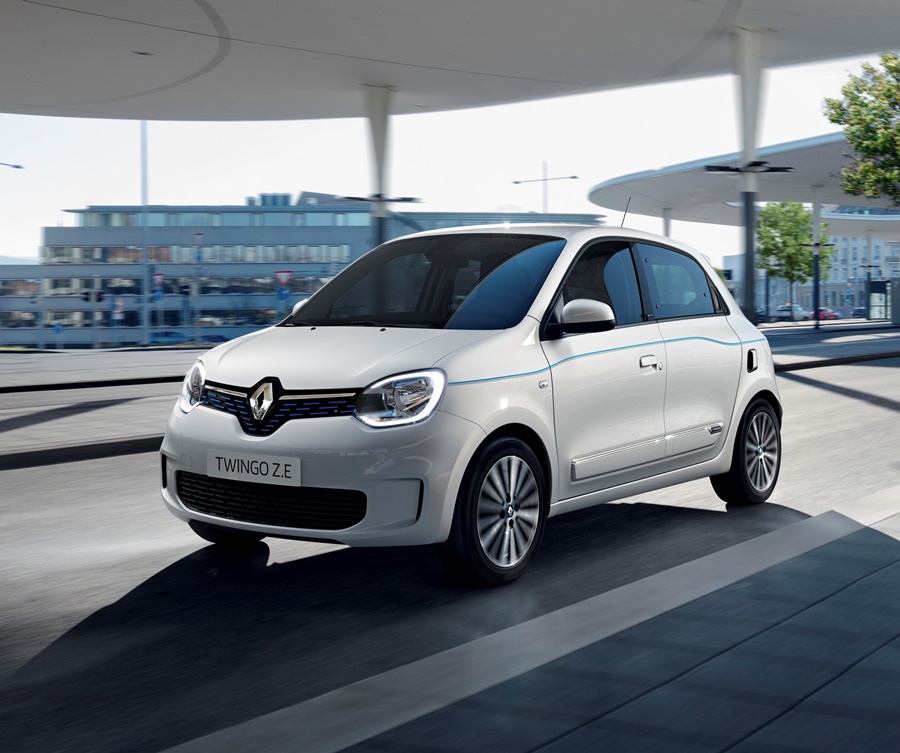
After three generations and almost 4 million cars sold in 25 countries, the Twingo now goes fully electric with its latest version – the Twingo Z.E. which will be launched at the Geneva Motorshow next month.

2020 Renault TWINGO Z.E.

Seventh EV developed by Renault
This is the seventh all-electric vehicle developed by Renault, joining the ZOE, Twizy quadricycle, Kangoo Z.E., Master Z.E., as well as the RSM SM3 Z.E. saloon (sold in South Korea), and the City K-ZE small SUV (sold in China).

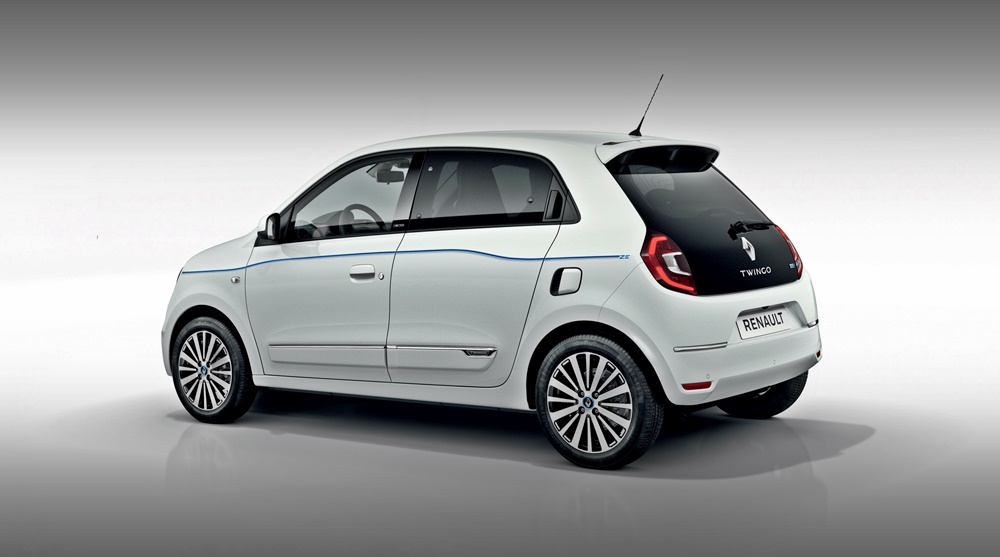
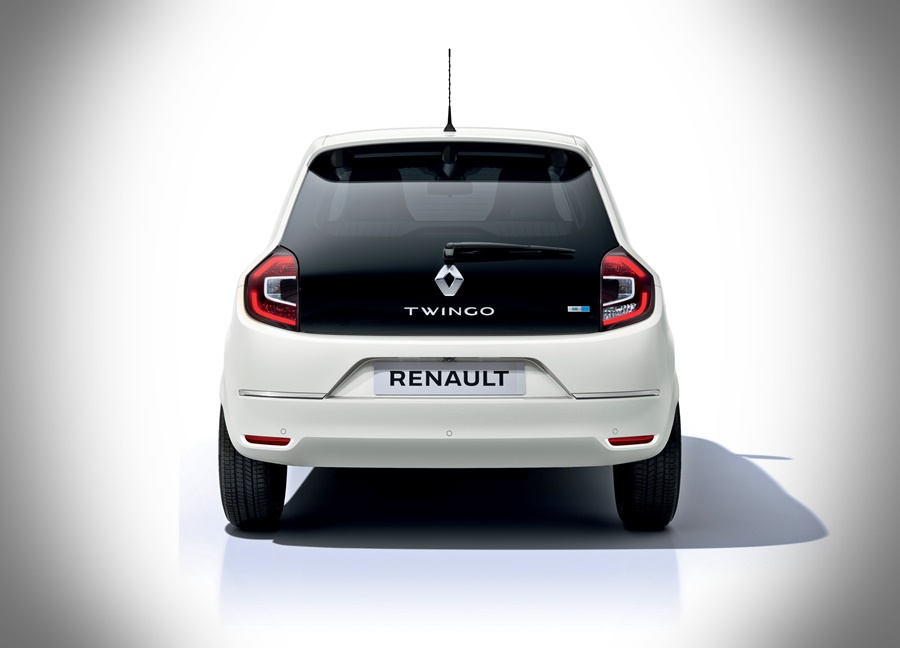
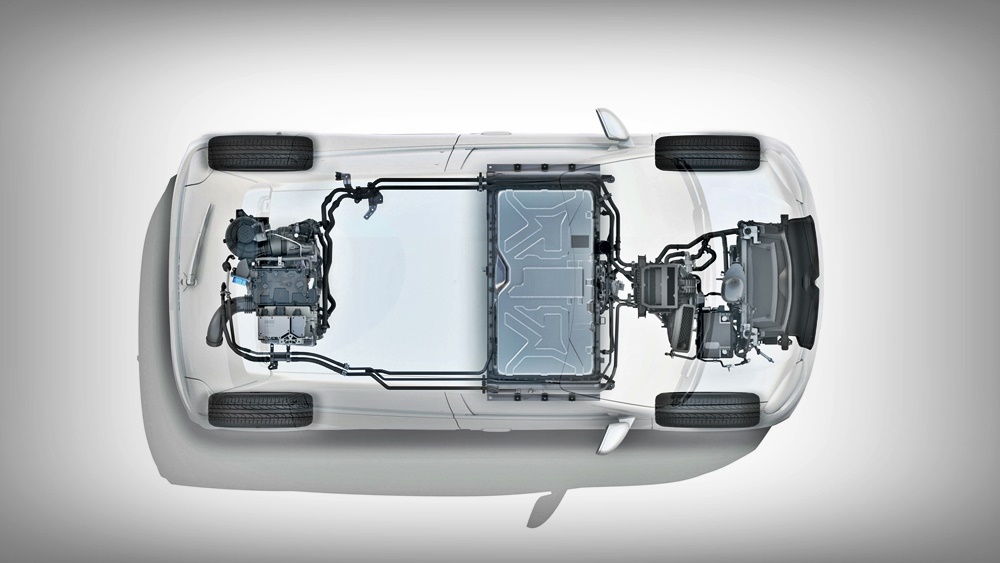
Continuing with the 3.61-metre long model’s fun design, attractive personality and exclusive customisation possibilities, the addition of an electric powertrain offers personal mobility with zero emissions. Its electric rear-wheel drive and different driving modes make it fun and enjoyable to drive.

2020 Renault TWINGO Z.E.

The Twingo Z.E., which weighs 1,112 kgs, has a 60-kW powertrain which generates maximum torque of 160 Nm. This enables a claimed top speed of 135 km/h (0 to 100 km/h in 12.6 seconds) which is sufficient for motorway driving.

A ‘B mode’ gives drivers a choice of three levels for the regenerative braking function as soon as they release the accelerator pedal. In the most advanced configuration, the car decelerates significantly, which quickly regenerates the battery, reduces the need for braking and makes city driving easier. Thermal management is provided by a water-cooling system, a first in the Renault Z.E. range.

2020 Renault TWINGO Z.E.

Up to 215 kms range
Sitting on a platform engineered for EVs, the 22 kWh battery packs has the latest-generation lithium-ion cells developed in partnership with LG Chem. Depending on the cycle used, the range can be from 180 kms to 250 kms, and Renault believes that this means an owner can have a week of city driving without recharging.

An ‘Eco’ mode, activated by pushing a button on the centre console, extends operating range to around 215 kms on mixed journeys by limiting acceleration and top speed on motorways.

Flexible charging system
With its smart Cameloon charger (patented by Renault), the Twingo Z.E. can be charged at home, at work or using the AC power infrastructure up to 22 kW. The technology enables it to adapt to the power available at each charging station and make full use of existing facilities, especially in cities. As a result, Twingo Z.E. benefits from optimum charging time whatever the charging station.

2020 Renault TWINGO Z.E.

It is claimed to recharge up to 4 times faster than its competitors at stations most commonly found in public areas. Connection to a 22-kW charging station for just thirty minutes increases operating range by around 80 kms. However, from a home 2.3-kW outlet, a fully empty battery back would take at least 13.5 hours to ‘refill’ to 100%.

Compact but spacious within
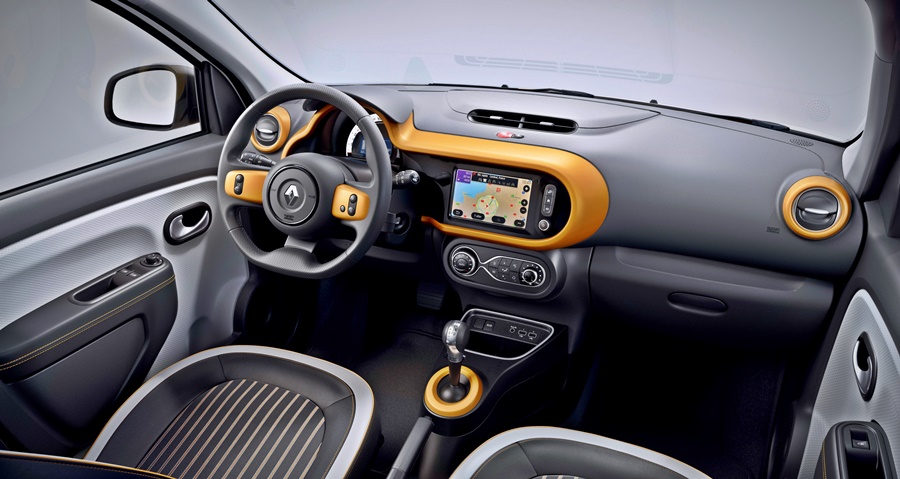
Roomy and functional as ever, the passenger compartment retains all the customisation options offered on the range with the Z.E. logo identifying the all-electric aspect of Twingo Z.E. The 7-inch colour touchscreen, unique in the segment, offers access to Twingo’s new connectivity features.

2020 Renault TWINGO Z.E.

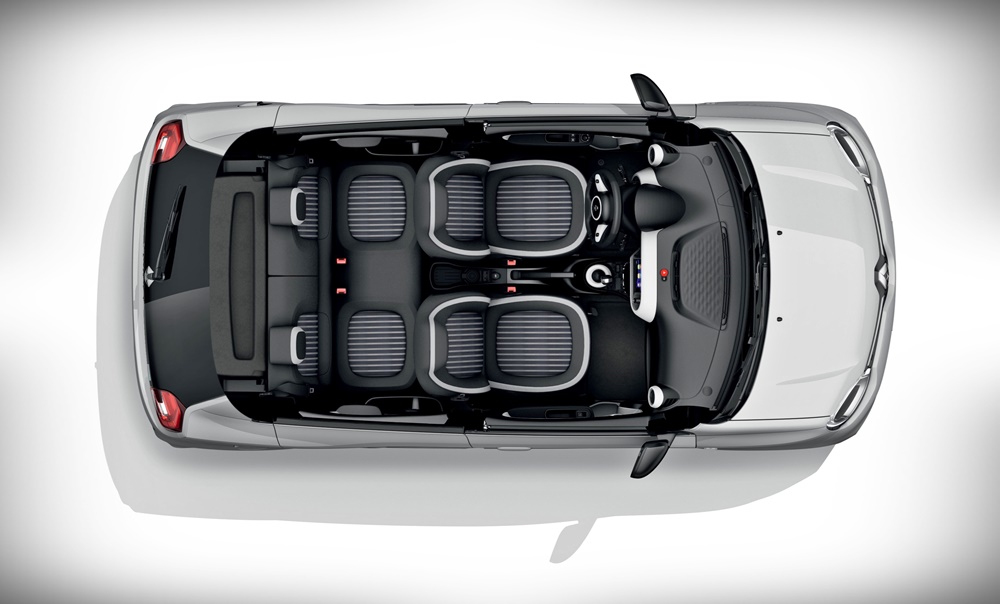
With 5 doors, a flat floor and a fully foldable passenger seat, the Twingo Z.E. provides a 2.31-metre loading length. With optimised placement of the battery pack, the size of the boot, closed by a handled tailgate, also remains the same.

2020 Renault TWINGO Z.E.

With the EASY LINK onboard system, charging time can be scheduled in order to take advantage of off-peak hours. Once on the road, the system displays the car’s range on a map in real time, adds the nearest charging stations on request and updates their availability in real time.

Outside the car, drivers can check the battery level during charging from their MY Renault app and remotely control air conditioning and heating to adjust the temperature of the passenger compartment during charging, without affecting the vehicle’s range. Drivers can also use the EV Route Planner feature to simulate a planned route and identify the necessary charging stations on the way.

BHPetrol RON95 Euro4M

TC Euro Cars offers full online purchasing process for Renault vehicles

PISTON.MY

BHPetrol RON95 Euro4M

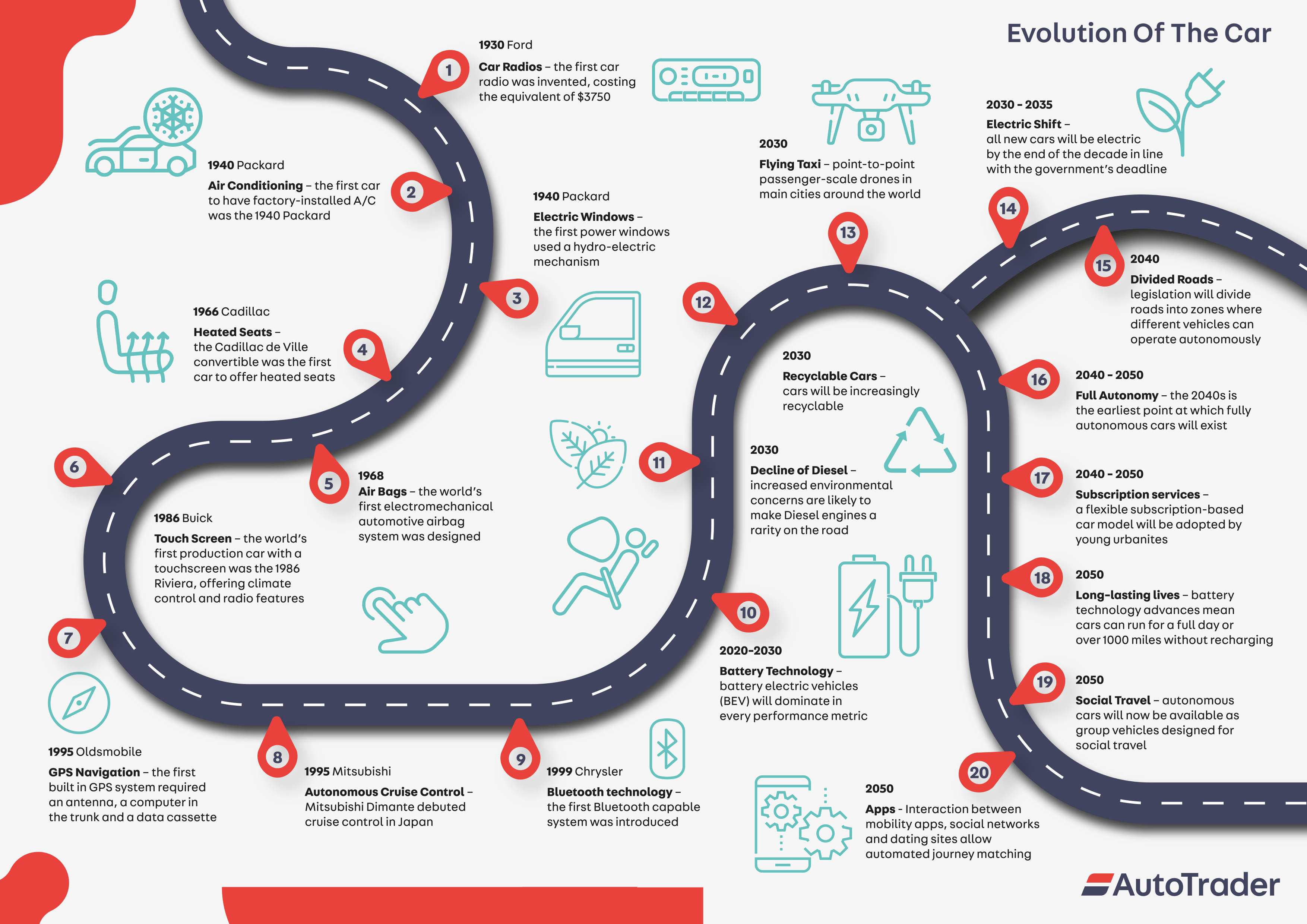
In the 1950s, carmakers envisioned sleek cars with advanced powertrains and autonomous operation on the roads of the 21st century while futurists and science fiction writers imagined flying cars. Well, we have the sleek designs with advanced powertrains due to make changes in this decade as electric motors take over from the internal combustion engine. But flying cars have yet to be available in showrooms although there have been developments in recent years with prototypes taking to the air.

UK’s Auto Trader takes a look at what vehicles might look like 30 years from now with concept designs based on the expertise of futurologist Tom Cheesewright, market trends, the rate of technological development and research into consumer demand.

“Tomorrow’s car takes you from A to B with minimum fuss and in maximum style. Future technologies will give designers free reign to create more space and comfort, so that we can get on with our lives while an AI assistant takes care of the driving. While our cars won’t be flying any time soon, we can all benefit from cleaner, quieter, safer roads. In just twenty years, the age of the combustion engine will be well and truly over,” predicts Cheesewright.

AT Timeline
Past, present and future of the motorcar and motoring

Digital paint for different colours
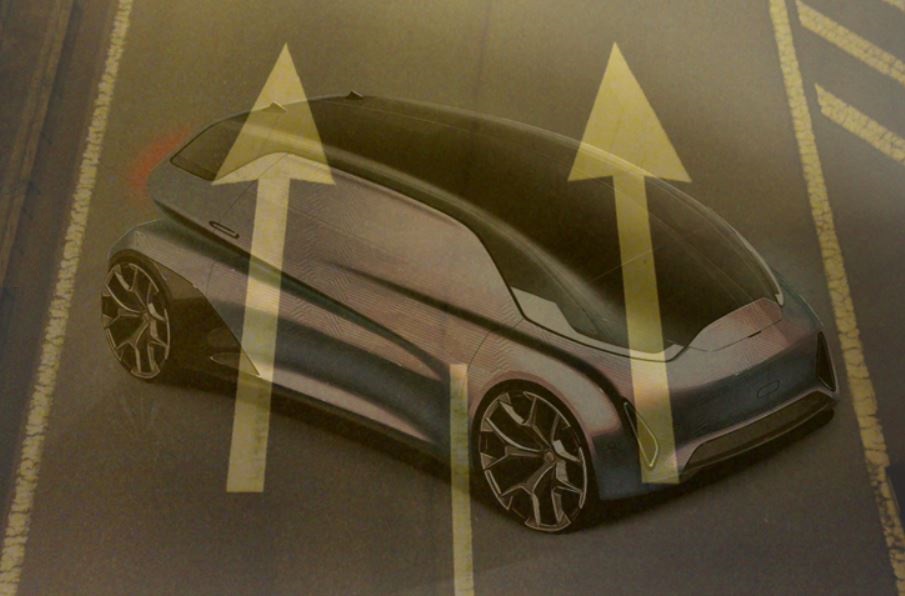
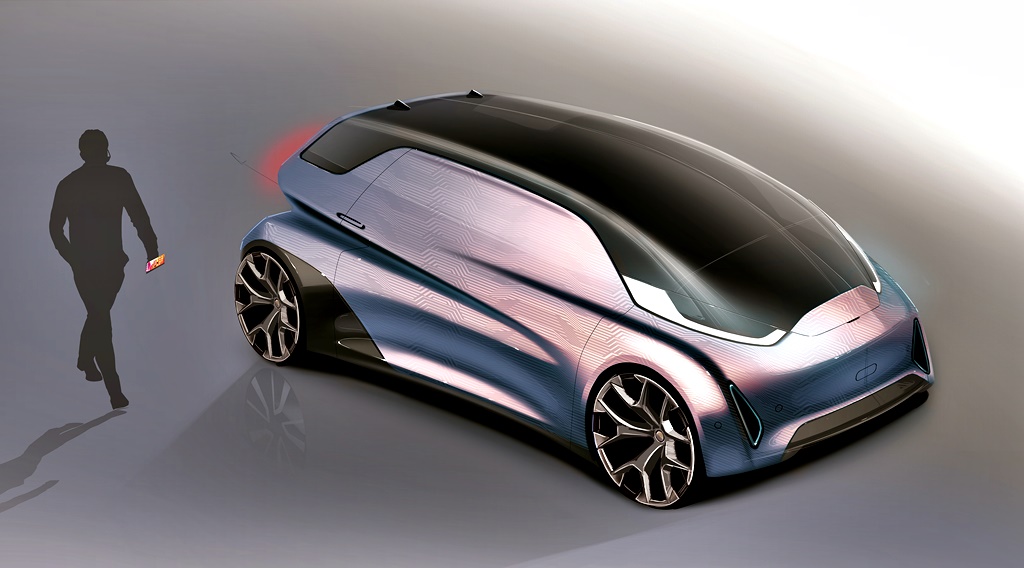
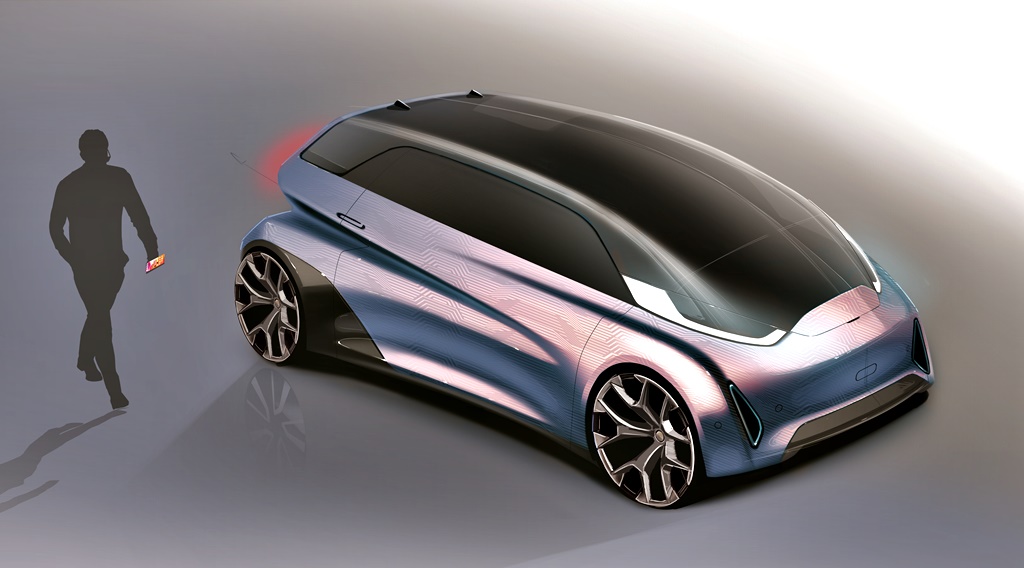
Auto Trader’s 2050 concept car is a fully electric, colour-changing vehicle with space for passengers to make the most of the time they spend in the autonomous vehicle – by relaxing, doing yoga and even sleeping during the commute. Featuring ‘digital paint’, the car allows passengers to change the colour and style of the car from the tap of an app, depending on their mood, with advances in technology meaning this feature could be widely available as early as the year 2040.

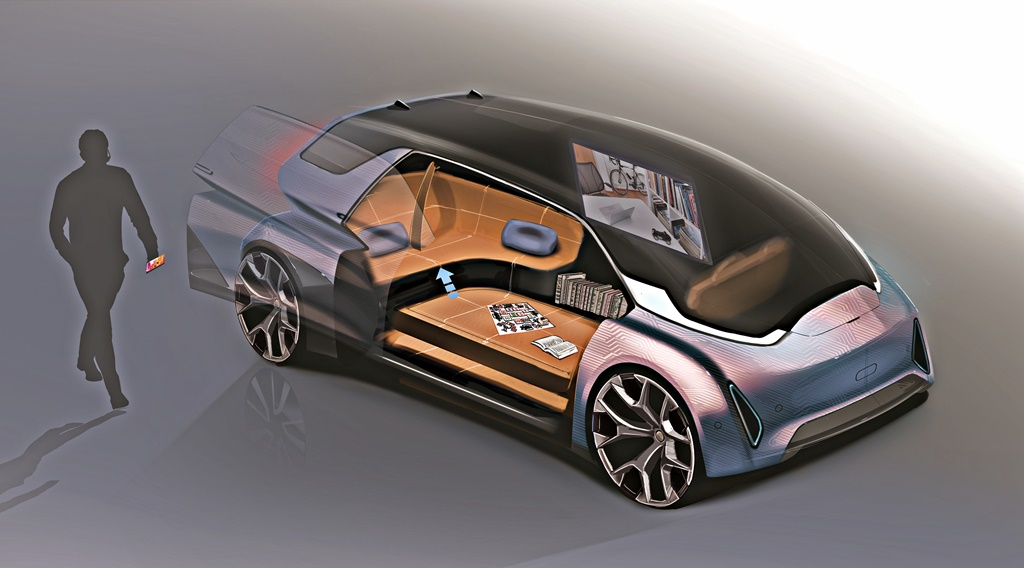
Designed to be a home away from home, passengers can relax and unwind on the built-in mattress in the centre of the spacious cabin – a feature which 24% of motorists said they’d use for catching up on much-needed sleep and a cheeky 13% of men would use for some intimate time with a partner.

Auto Trader Concept 2050

Reading or watching TV on the move
Drivers also said they’d like to reclaim their commute time by delving into a good book from the built-in library (22%) or watching their favourite Netflix shows and movies from the large in-built TV screen (19%).

Other popular recreational uses for the spacious design include beating friends and family at board games (16%), getting hair and make-up done on the way to an event (15% of women would do this), and 4% would even practice yoga whilst in transit.

Auto Trader Concept 2050

AI assistant
Catering to the 10% of drivers who want cars to be fully voice-operated in future, the car welcomes passengers with a friendly AI (Artificial Intelligence) assistant that helps them set their preferred driving speed and style, whether out for a leisurely Sunday drive or rushing home for dinner. Given that the car is likely to be operating autonomously, rushing will not be done recklessly so an accident is unlikely to occur.

The 2050 car is fitted with windows that extend right over the roof in one large bubble, offering more head room to allow passengers to freely move around during transit. It also features 360-degree panoramic views for those wanting to sit back, relax and enjoy an autonomous ride, plus black-out functionality on the windows, which can be activated with a quick tap.

Auto Trader Concept 2050
All images and Timeline provided by Auto Trader UK.

Rinspeed MetroSnap concept – different bodies for different needs

PISTON.MY

The Hyundai Motor Group (HMG) will collaborate with Canoo, a Los Angeles-based company creating electric vehicles (EVs) for subscription only, to jointly develop an EV platform based on Canoo’s proprietary skateboard design for future Hyundai and Kia models.

As part of the collaboration, Canoo will provide engineering services to help develop a fully scalable, all-electric platform to meet both Korean carmakers’ specifications. HMG expects the platform to help facilitate its commitment to delivering cost-competitive electrified vehicles — ranging from small-sized EVs to Purpose-Built Vehicles (PBV) — that can meet diverse customer needs.

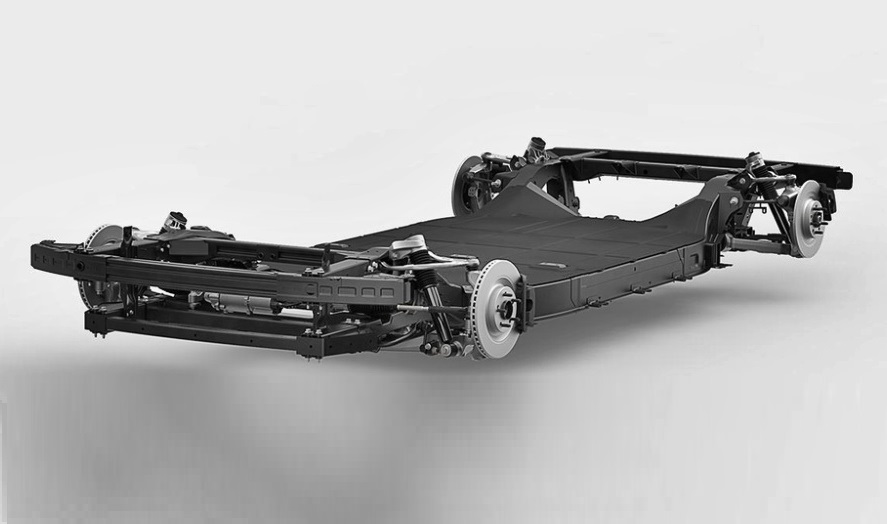
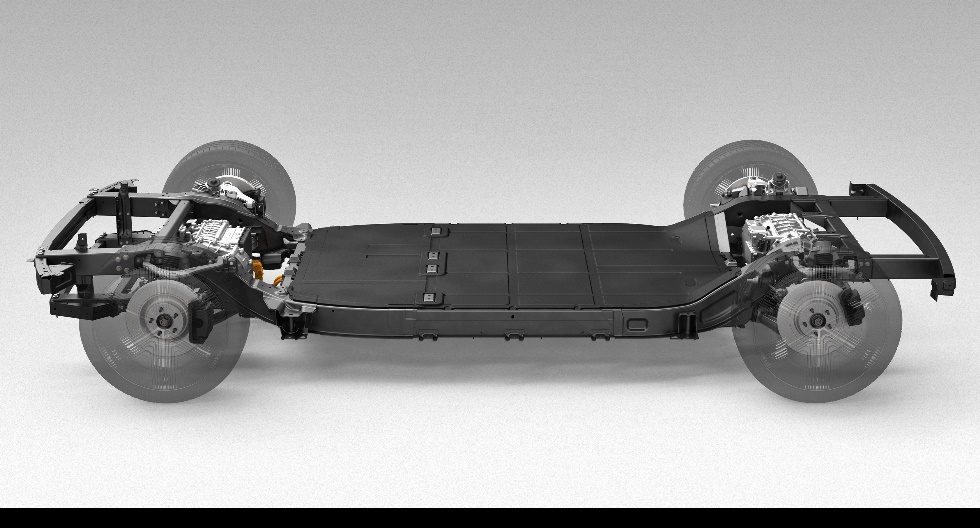
Canoo’s skateboard platform houses the most critical components of the vehicle with a strong emphasis on functional integration, meaning all components fulfill as many functions as possible. This feat of engineering reduces the skateboard size, weight and total number of parts, which ultimately provides more interior cabin space and a more cost-effective EV offering. In addition, the skateboard is a self-contained unit that can support any cabin design.

Canoo Skateboard

HMG envisions an adaptable all-electric platform using Canoo’s scalable skateboard architecture to allow for a simplified and standardized development process for Hyundai and Kia electrified vehicles, which is expected to help reduce cost that can be passed along to consumers. It also aims to reduce complexity of its EV assembly line, allowing for rapid response to changing market demands and customer preferences.

With this collaboration, Hyundai Motor Group doubles down on its recent commitment to invest US$87 billion (about RM360.3 billion) over the next 5 years for future growth. As part of this drive, Hyundai plans to invest US$52 billion (RM215.4 billion) in future technologies through 2025, while Kia will invest US$25 billion (RM103.5 billion)  in electrification and future mobility technologies, aiming for eco-friendly vehicles to comprise 25% of its total sales by 2025.

“We were highly impressed by the speed and efficiency in which Canoo developed their innovative EV architecture, making them the perfect engineering partner for us as we transition to become a frontrunner in the future mobility industry,” said Albert Biermann, Head of Research & Development, Hyundai Motor Group.  “We will collaborate with Canoo engineers to develop a cost-effective Hyundai platform concept that is autonomous ready and suitable for mass adoption.”

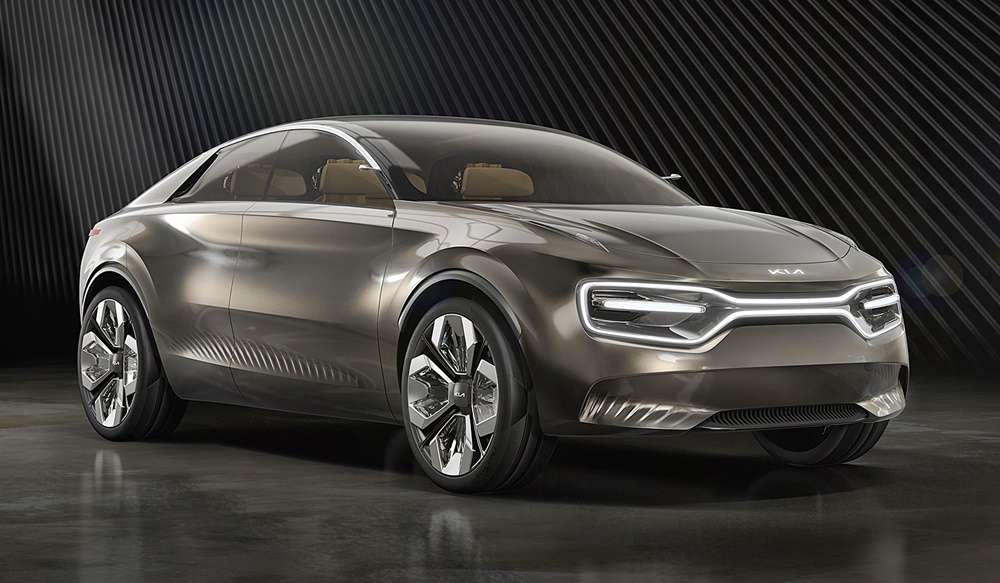
Hyundai Kia concept EV
Future Hyundai and Kia electrified models will sit on the Canoo skateboard.

Canoo unveiled its first electric vehicle for subscription only in September 2019, just 19 months after the company’s founding in December 2017. The company’s proprietary skateboard architecture, which directly houses the batteries and electric drivetrain, has enabled Canoo to reimagine EV design in a way that challenges traditional automotive shape and functionality.

The company recently opened the waitlist for its first vehicle. This is a major milestone in its young history and the culmination of the efforts of 300+ experts working to deliver a proof of concept of Canoo’s backbone architectural systems. Canoo’s first vehicle, to be launched in 2021, will be designed for a world in which transportation is becoming increasingly electric, shared and autonomous.

BHPetrol RON95 Euro4M

Canoo takes a different approach to EV engineering and marketing

PISTON.MY

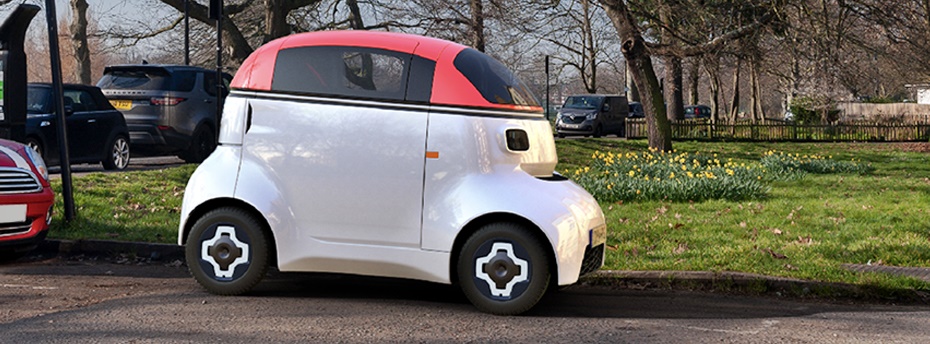
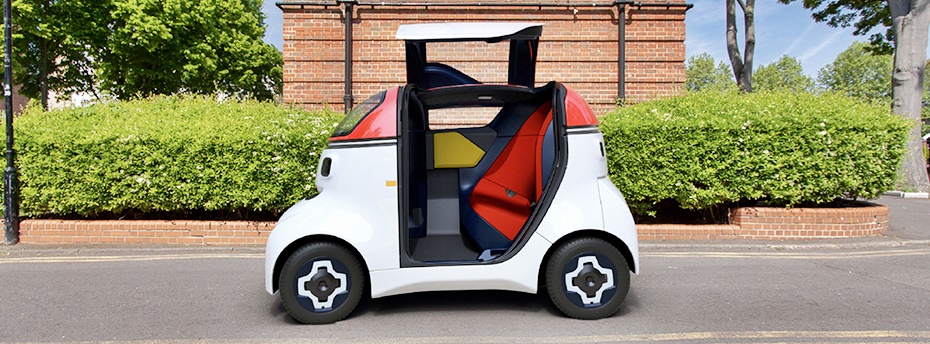
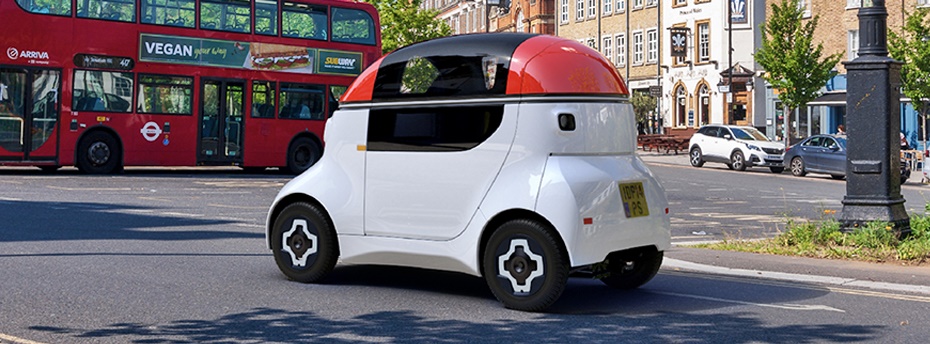
Gordon Murray Design and its consortium partners Delta Motorsport and itMoves unveil the ‘MOTIV’, a unique and extremely versatile autonomous vehicle platform, at the MOVE 2020 show in London this week. Part-funded through the UK-government’s ‘IDP14’ programme, the new platform breaks the mould for future mobility development by creating a cost-effective, ultra-lightweight quadricycle vehicle platform that is designed to meet full passenger-car crash safety requirements.

As a development test bed for autonomous systems, MOTIV’s autonomous-ready design is far easier for companies to convert than a conventional vehicle. It has been purpose-built as a platform for autonomy so testing of its driverless capabilities can begin from launch.

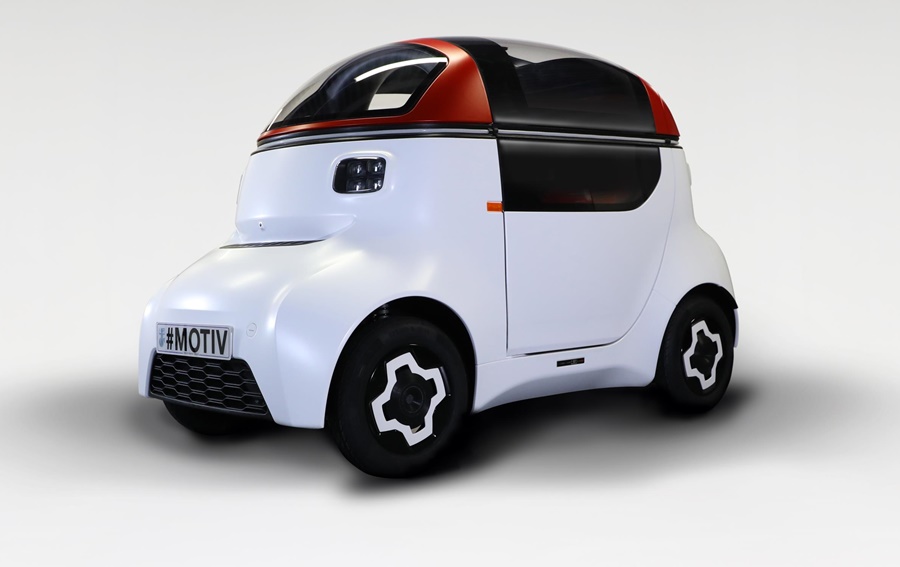
MOTIV

Alongside its industry-leading safety credentials, the new fully-electric unit is targeting significant cost-savings and improved refinement over its rivals, while delivering the range capabilities, platform flexibility and plug-and-play versatility required by autonomous customers with personal mobility or commercial delivery requirements.

Designed with autonomy in mind, MOTIV is a single-seater ‘pod’ which provides the versatility of either personal transportation or last-mile deliveries. Engineered using Gordon Murray Design’s iStream Superlight technology which keeps overall weight below 450 kgs (excluding battery pack), the microcar’s single-seater layout provides a private mobility experience for people moving through busy cities.

MOTIV has the potential to significantly reduce congestion and emissions in city centres due to its fully-electric powertrain and compact footprint. Its 1628 mm high pod measures just 2537 mm in length, with a width of 1310 mm.

MOTIV

Due to its compact footprint and layout, MOTIV offers greater flexibility than any of its rivals, it is claimed. To further increase its practicality, the microcar can be adapted in the future to seat multiple occupants (eg for wheelchair use or even for commercial deliveries). In its goods transportation form, the platform can be altered to enable maximum load capacity, creating a volume of more than 1,100 litres.

Power comes from a 20-kW electric motor drawing power from a 17.3-kWh liquid-cooled battery pack which is expected to provide a potential range of up to 100 kms. It will be able to operate at speeds of up to 65 km/h while recharging from 20% capacity to 80% can be within 40 minutes.

MOTIV

“MOTIV has the potential to transform future mobility. The best way to make any vehicle commercially viable and cost-effective, while delivering first-class efficiency, is to make it as light as it can be while retaining the highest levels of safety. With MOTIV, we have used our iStream technologies to create an ultra-lightweight body structure that delivers a vehicle that is compact, refined, safe and versatile, while remaining capable of significant range,” said Professor Gordon Murray, Chairman of the Gordon Murray Group.

BHPetrol RON95 Euro4M

PISTON.MY


Archive

Follow us on Facebook

Follow us on YouTube