

Piston.my

Mazda

BHPetrol RON95 Euro4M

In the 100 years that Mazda has been in business, a large part of it making automobiles, numerous models have been created out of the engineering ingenuity and convention defying spirit that is in the brand’s DNA. While the public has seen the successful models around the world, there were also unusual and little-known vehicles the company produced. Some were unique concepts or long-forgotten prototypes or even a rare production car that was available in a small volume.

Away from the famous and significant coupes, saloons, sportscars, family cars, commercial vehicles and roadsters Mazda has become famous for, there’s a hidden story of the projects forgotten by time. Here are some of the Mazdas you’ve never heard of.
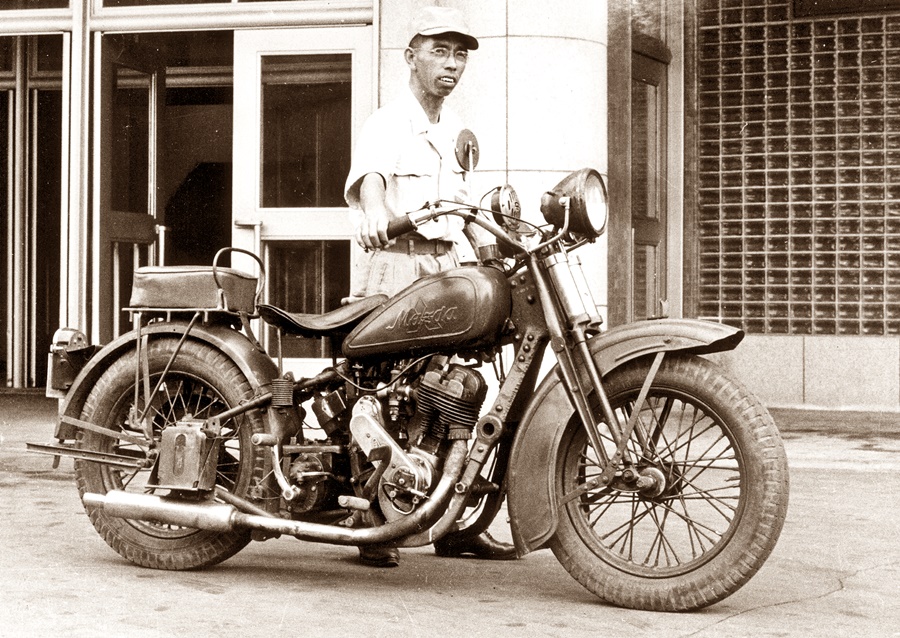
1930 Mazda motorcycle

The progression from cork to cars via three-wheeled trikes like the 1931 Mazda Go is relatively well known but before this, Mazda produced a prototype motorcycle as well. Toyo Kogyo, as Mazda was then known, wanted to build a domestic Japanese bike and began development of a prototype in 1929. A 250 cc 2-stroke prototype motorbike was completed in October 1930 and to everyone’s surprise, it won its first race beating a British-made Ariel, which were one of the most-popular bike brands in the 1930s and well-respected in Japan.
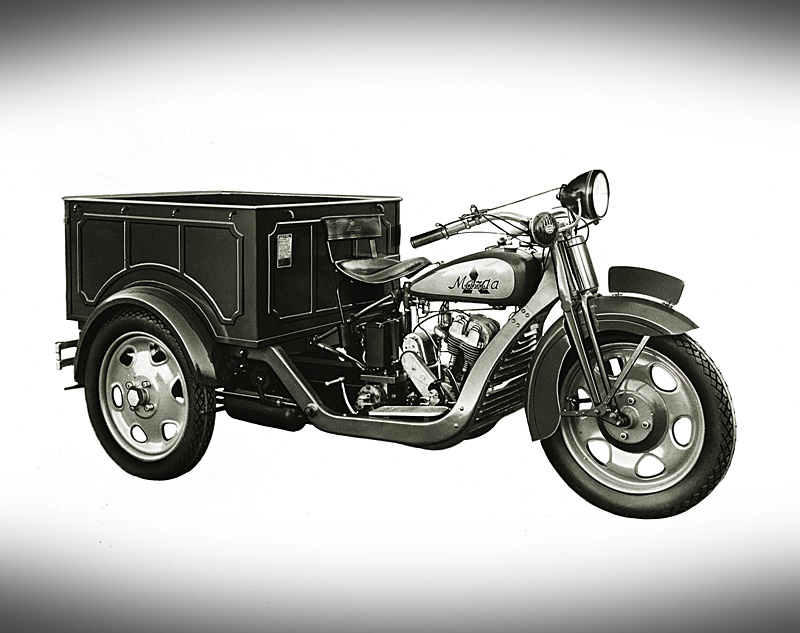
1931 Mazda GO
1931 Mazda Go

Toyo Kogyo went on to produce 30 more motorcycles in 1930 but commercially, the company took the decision to instead focus attention on developing the practical Mazda Go three-wheeler, setting the company on the road to success in automobiles rather than motorbikes, and leaving Mazda’s flirtation with motorbikes as a small snippet in its history.
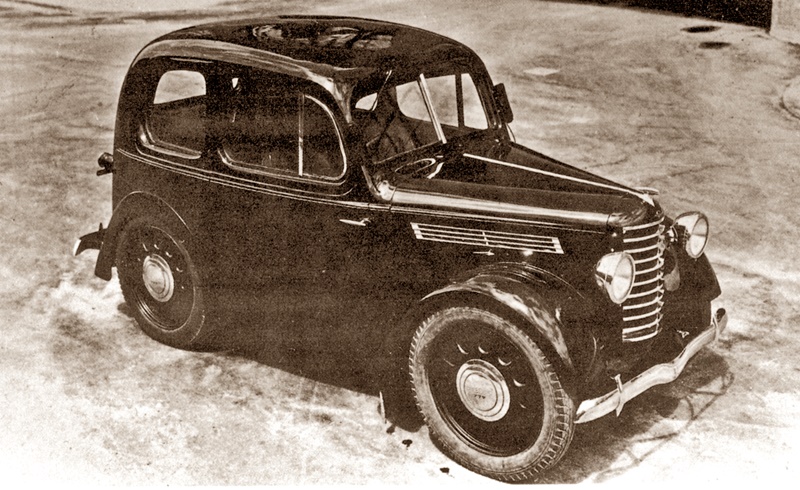
1940 Mazda Pkw prototype
1940 Mazda PKW prototype

Mazda’s very first car actually never made it beyond the gestation period. In 1940, the company built a small 2-door prototype car called the ‘PKW’ but the onset of World War II prevented it from reaching production. Mazda’s post-war reconstruction instead focused on the production of the Type GA and Type GB 3-wheeled trucks.
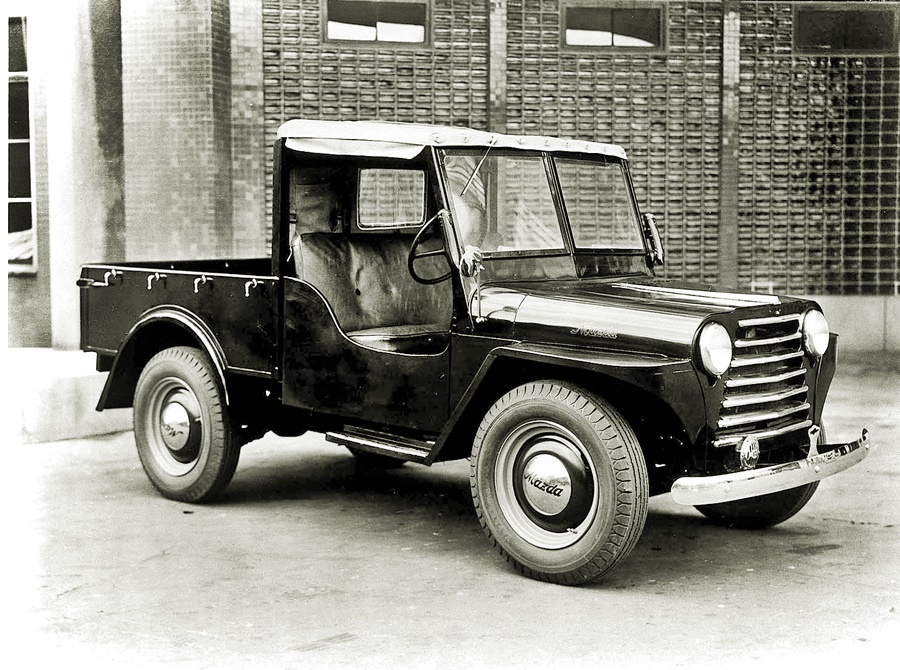
1950 Mazda Type-CA
1950 Mazda Type-CA

Amongst these successful and popular 3-wheeled trucks, Mazda also produced another one of its little-known four-wheeled pioneers: the Type-CA 1-ton 4-wheeled truck. This had a small open-sided canvas roofed, split-screen open-decked truck that bore some resemblance to the Willys Jeep. It predated Mazda’s first production car the R360 Coupe by 10 years and wasn’t as famous as Mazda’s 3-wheeled trucks.
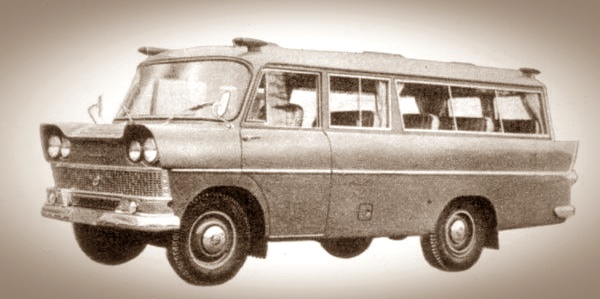
1960 Mazda D1500 Bus

The 1960 R360 was Mazda’s first car and over time, its vehicle range kept expanding to include commercial vans, pick-ups and light trucks. In fact, at the time the R360 appeared, Mazda also sold its first bus, a 13-seater based on the D1500 cab-over compact truck, to the Japanese Defence Agency. The interior was flexible enough that, with the seats folded, it could transport injured soldiers on stretchers. The D1500 bus was exported to the Middle East with centre-opening ‘freestyle doors’ at the back that enhanced its usability as an ambulance.
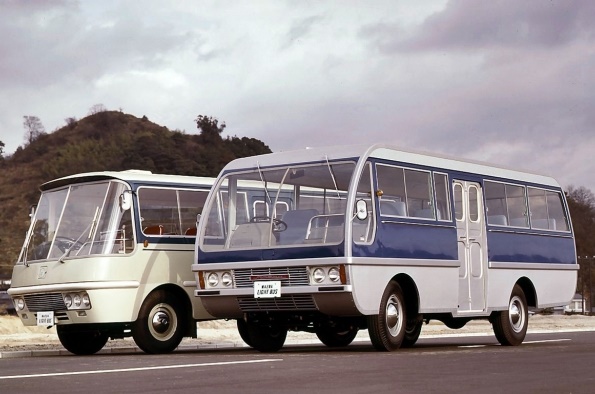
1965 Mazda Light Bu
1965 Mazda Light Bus (left Type-C, right Type-A)

Mazda’s first bus for general public use was the 25-seater Mazda Light Bus Type-A of 1965. Based on a concept shown at the 1964 Tokyo Motor Show, with its huge curved laminated safety glass windscreen and futuristic styling, it was a world away from the traditional buses found in Europe in the 1960s. Into the 1970s, Mazda continued to produce upscale mini-buses using the Parkway model name and in 1974, even introduced the world’s first rotary engine-powered bus: the Parkway 26.
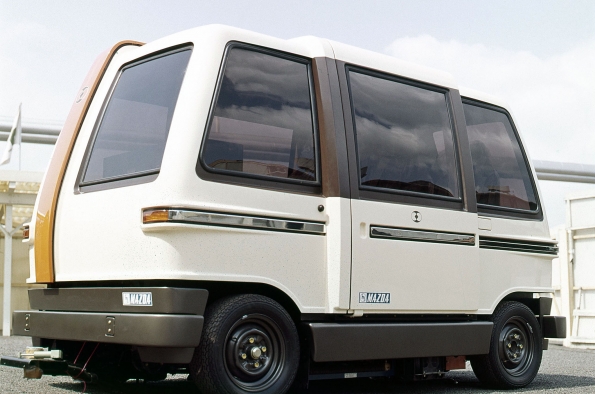
1973 Mazda CVS
1973 Mazda CVS

The 1974 Mazda CVS Personal Car Concept showed how Mazda looked ahead to transportation possibilities outside the realm of driver-controlled vehicles. ‘CVS’ stood for Computer-controlled Vehicle System, and the CVS was a wheel at each corner with sliding doors and a spacious interior including big leather chairs and even a telephone! Tested on a Mazda-designed rail track, this self-driving pod looked like futuristic fantasy in 1973. Today, though, it may be less unusual as it resembles the transit carriages you see at airports.
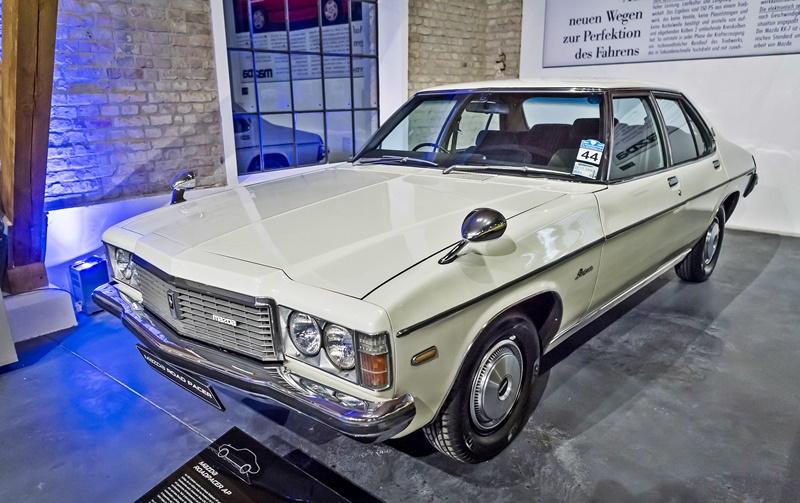
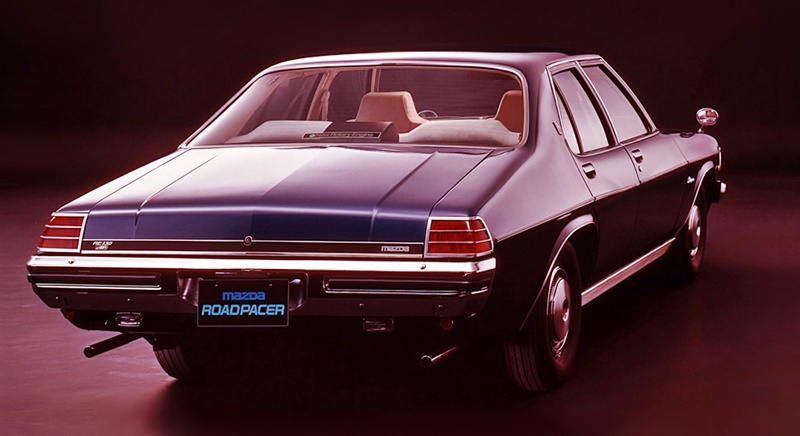
Mazda Road Pacer AP
1975 Mazda Road Pacer AP

Mazda Road Pacer AP

In the 1970s, although the Japanese brands were known outside Japan for the small and fuel-efficient cars, they also had larger models which were mostly sold in the domestic market. These were models such as the Toyota Century, Nissan President and Isuzu Statesman De Ville. Mazda decided it too would offer a large model which could be used by Japanese government officials.

This saw the development of the Road Pacer AP, which had a completely different look from the usual Mazda models. That was because the model was adapted from the GM-Holden HJ Premier sedan sold in Australia. The huge car bodies were shipped from Australia to Japan without engines whereupon Mazda fitted its compact 135 ps 13B rotary engine within the cavernous bay.

Launched in 1975, the Road Pacer AP featured luxuries such as speed-related central locking and even had a dictation machine! Only sold in Japan, just 800 were produced between 1975 and 1977.

Mazda Pathfinder
Mazda Pathfinder (sold only in Burma/Myanmar)

The CX-5 is a highly successful Mazda SUV today but largely unknown to the rest of the world, the company also produced a traditional 4×4 SUV that was exclusively assembled and sold in Burma. Called the Pathfinder, it was a rugged off-roader popular with the military and police. It was powered by a 90 ps engine and could carry up to 9 people. A few can still be seen on the roads of Myanmar today.
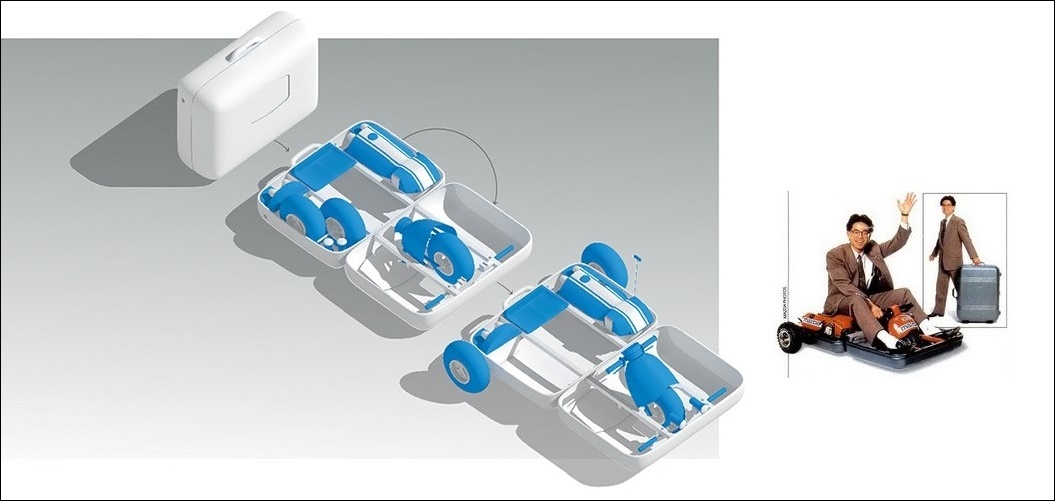
Mazda Suitcase Car
1991 Mazda Suitcase Car

Even stranger than the Burmese built off-roader, futuristic bus or the Holden-based limousine is the 1991 Suitcase Car. The development of a functioning car built into a piece of luggage came about thanks to the 1991 ‘Fantasy Yard’ event. This was an inter-departmental contest to see which group of Mazda employees could come up with the most innovative and creative solution to produce a moving machine.
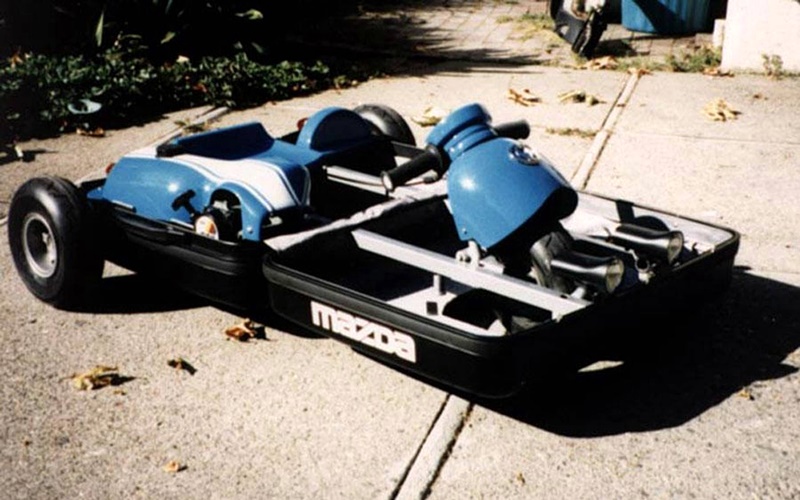
Mazda Suitcase Car

A group of 7 engineers from Mazda’s manual transmission testing and research group purchased the largest Samsonite suitcase they could find and a quarter-size pocket motorbike and set to work on their idea. The 33.6 cc 2-stroke engine, handlebars from the minibike were fitted into the suitcase, with the rear wheels slotted onto the outside of the case, while the front wheel would pop through a removable hatch in the front.

The suitcase car took just minutes to assemble and had a top speed of about 30 km/h. While the original prototype was accidentally destroyed just a few months after the event, one Mazda suitcase car still remains in existence.
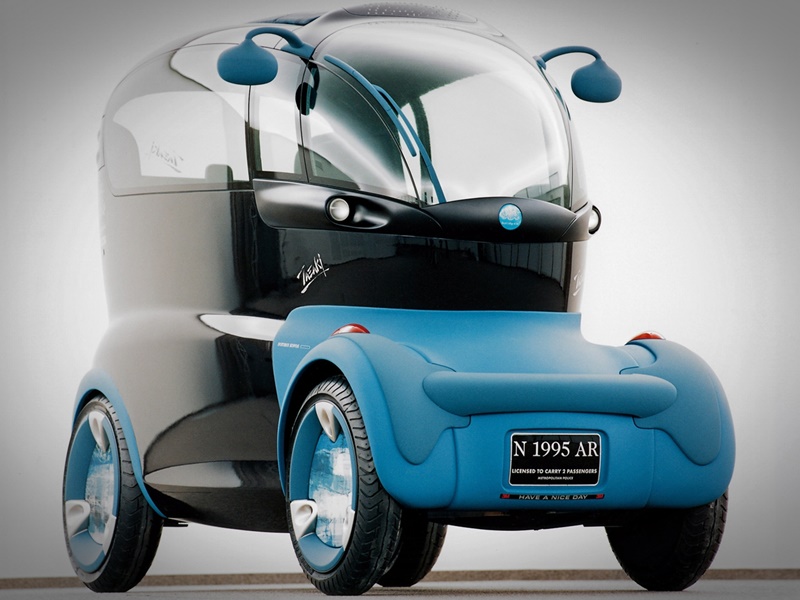
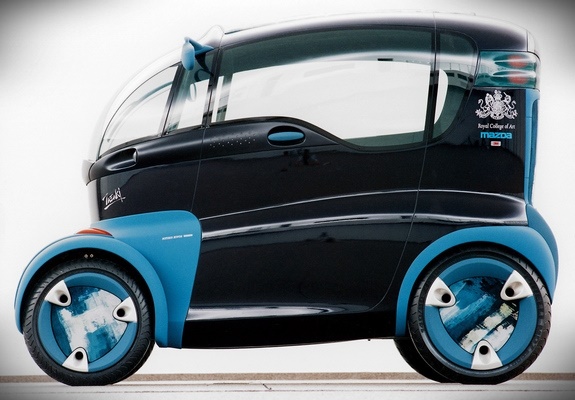
1993 Mazda London Taxi concept

1993 Mazda London Taxi concept

At Mazda, design has a strong focus as it is a key selling feature of the brand. The freedom of thinking for engineers and designers once led to a collaboration with the London Royal College of Art in 1993 to sponsor a design project. This called for a taxi concept for a future where space would restrict vehicle size. While not an official Mazda concept, Mazda assisted by building the prototype, which was a futuristic looking narrow-track pod shaped minicar that was 20 years ahead of its time.

If you are in Japan and visit Hiroshima, the Mazda Museum at the company’s sprawling complex would be worth a visit. You’ll be able to see many of the rare models mentioned and more. It’s presently closed due to precautions relating to the COVID-19 pandemic but will surely be open again in future when the situation improves.

Visit www.mazda.com.my to know more about the Mazda models you can buy in Malaysia.

LOOKING BACK: When Mazda made the first and only rotary pick-up truck in the world

Covid-19
Fighting COVID-19 is our joint responsibility. Protect yourself and others: make these 6 simple precautions your new habits.

PISTON.MY


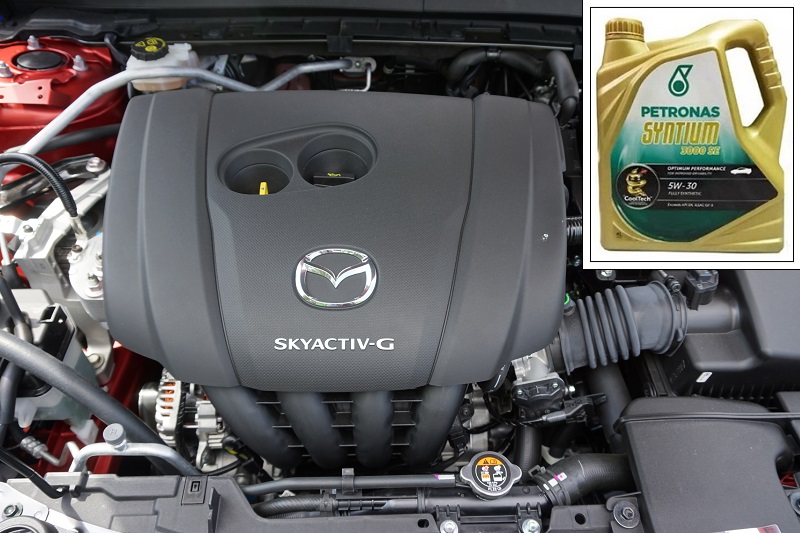
Bermaz Motor, which handles the Mazda brand in Malaysia, will offer PETRONAS Syntium Full-Synthetic Engine Oil at its service dealerships around the country. This follows the signing of a 5-year Supply Agreement with PETRONAS Lubricants Marketing Malaysia Sdn Bhd (PLMM).

Mazda SKYACTIV engine

“For customers, BERMAZ’s agreement with PLMM represents another milestone in our pursuit of enjoyable and hassle-free ownership experience. PETRONAS Syntium full-synthetic engine oil will replace our current use of semi-synthetic engine oil at our BERMAZ Motor dealerships. Beginning next month, the use of full synthetic engine oil will retrospectively apply to all vehicles under the Free Service Maintenance – without additional cost to our customers,” said Dato’ Sri Ben Yeoh, Executive Chairman of Bermaz Motor.

“Taking care of owners and their vehicles is centric to the emotional journey. We will continuously pursue our brand promise, and the ownership experience will remain our core competitive advantage. We want to make a difference,” he added.

The new partnership strengthens the relationship between the two companies, especially in Malaysia’s Skills Development through the transfer of knowledge and skills development via technical vocational training and education (TVET). In palm biodiesel testing which PLMM is carrying out with PORIM (Palm Oil Research Institute of Malaysia), Bermaz Motor has provided 2 units of Mazda CX-5 to PORIM for field studies.

Commenting on the new development, Hardeep Kirpal Singh, Chief Executive Officer of PLMM. Said: “We are very pleased to be working with Bermaz Motor in supplying our latest PETRONAS Syntium with Cooltech technology which has been formulated to fight against excessive engine heat for better engine performance. Bermaz Motor is a brand trusted for delivering the best customer experience, a commitment that resonates with PETRONAS as well, and we are excited in bringing greater experiences to our customers through this partnership.”

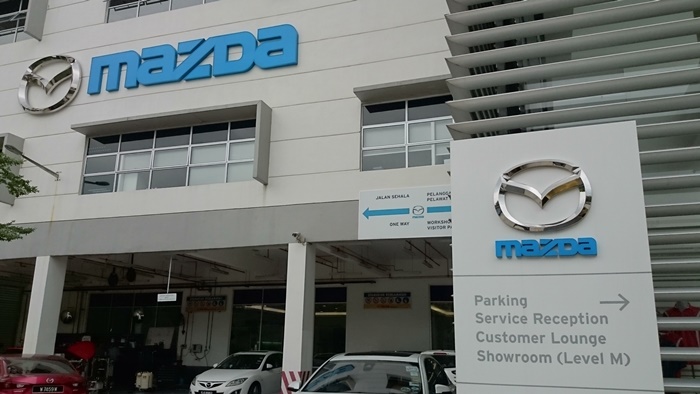
Bermaz Motor service centre


At its service centres, Bermaz Motor has introduced Mazda Contactless Service in response to the COVID-19 pandemic which requires social distancing. Mazda owners can also enjoy convenient last-mile doorstep service with the choice of Collect & Deliver or Mobile Service. To address the safety concerns of the customers and employees, every vehicle is disinfected before and after service.

The company has also extended the validity of the 5-year warranty and 5-year Free Service Maintenance program for Mazda owners affected by the restrictions of the Movement Control Order (MCO).

Visit www.mazda.com.my to locate a Mazda authorised service centre or showroom in Malaysia.

Revised Mazda Prices with Sales Tax exemption (from June 15, 2020)

Social distancePISTON.MY


Mazda and Ford had a relationship that went back to the mid-1970s and by many accounts, it was a successful one. One of the successful joint efforts to come out of the partnership was the pick-up truck program which saw the development of the Mazda BT-50 and Ford Ranger, along with a 50:50 investment in a brand new factory in Thailand to build the vehicles.

However, by 2015, the automotive world had changed substantially, and Ford was also going through challenging times. It decided to end the long partnership with Mazda that year by selling off its remaining shares in the company. Further collaboration was also not considered, and an announcement was made that the next Ranger generation would not involve Mazda (and we now know that it will involve Volkswagen).

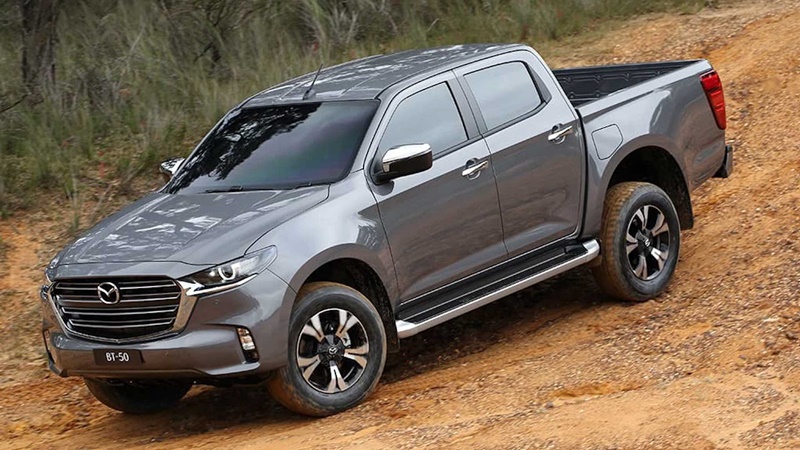
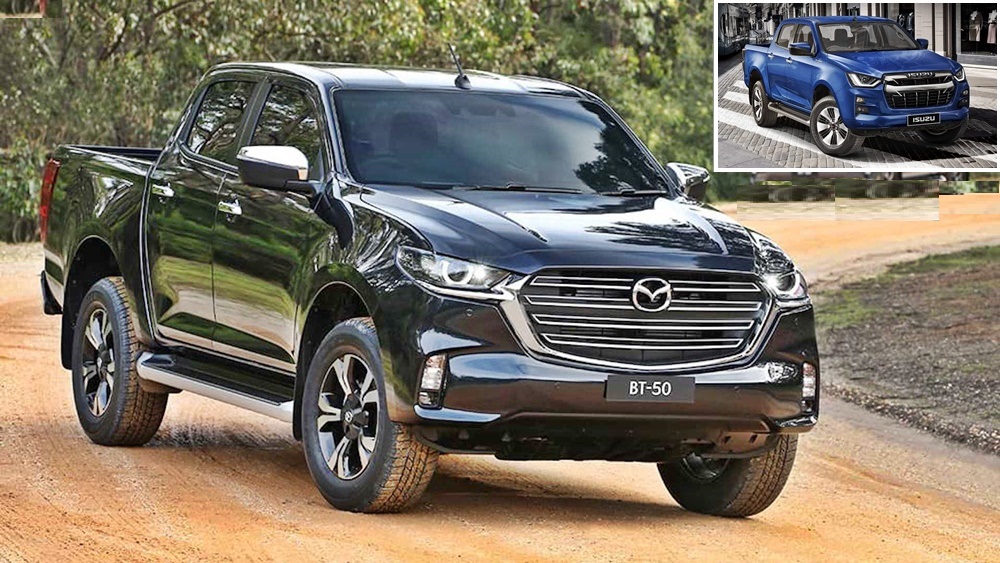
2020 Mazda BT-50

A new association with Isuzu
At the time of the announcement in 2017, a Mazda executive would only suggest that the reason for not developing the next Ranger and BT-50 together with Mazda was due to ‘business considerations’. The Ford package was not as commercially attractive to Mazda as what was offered by Isuzu Motors for its next generation of pick-up trucks.

Actually, Isuzu and Mazda had already been working together for some years on commercial vehicles in the Japanese market. The new agreement would see Isuzu providing its D-MAX pick-up for adaption to become the new generation of the Mazda BT-50. It’s not known how much involvement Mazda had in the current D-MAX which was launched in October last year.

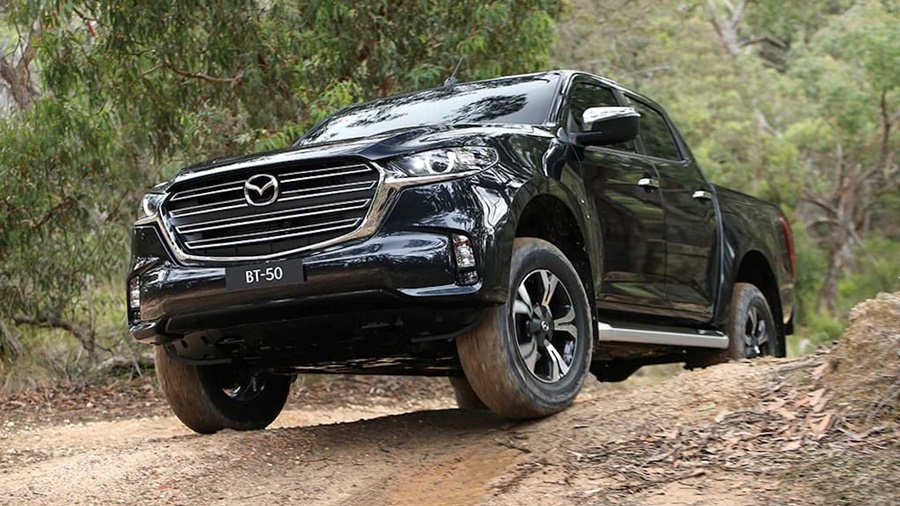
2020 Mazda BT-50
Like other Mazda models, KODO design language is used and differentiates the BT-50 from the Isuzu D-MAX (inset).

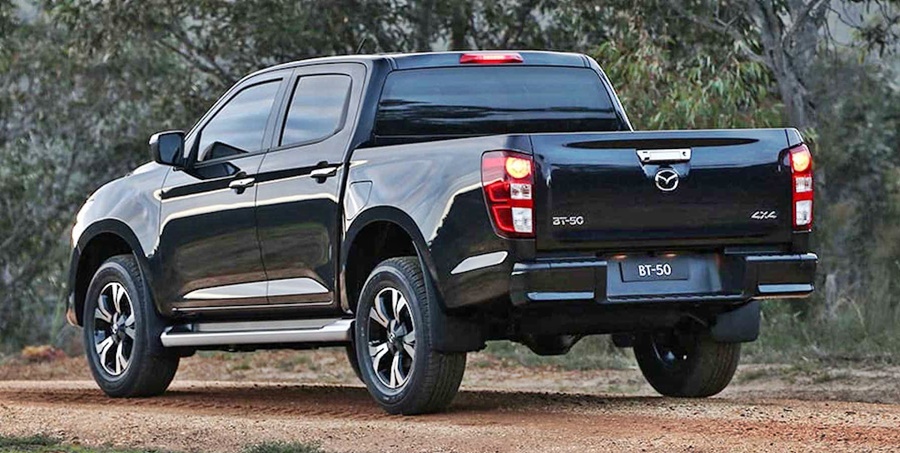
The result of the project has now been revealed with preliminary information and pictures of the new BT-50 being released. Mazda’s designers have done a good job of differentiating the Mazda model from the D-MAX. It’s not one of those vehicles which will draw remarks like ‘just a badge-engineered job’.

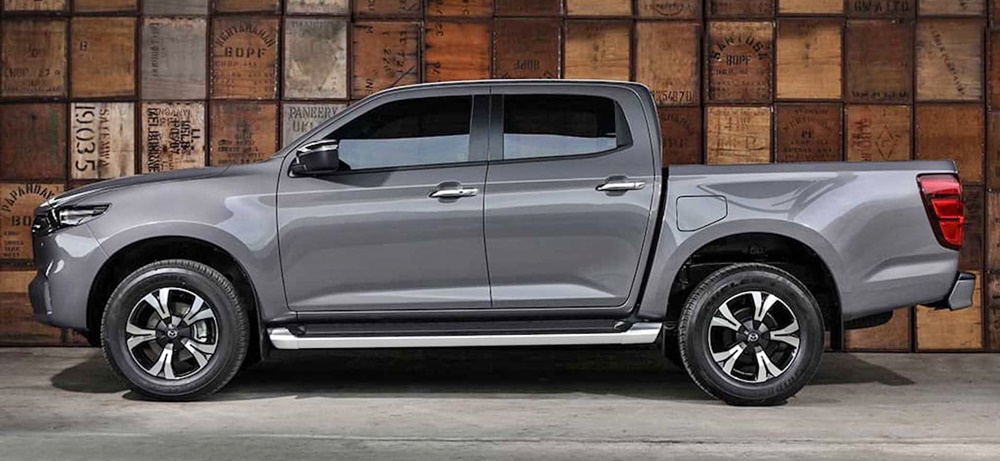
2020 Mazda BT-50

Immediate brand recognition
As with all current Mazda models, the KODO design language is used, giving immediate brand recognition. Mazda’s designers have adapted the KODO design theme to present an image of ‘power, toughness and utilitarian functionality’ suited to a pick-up truck.

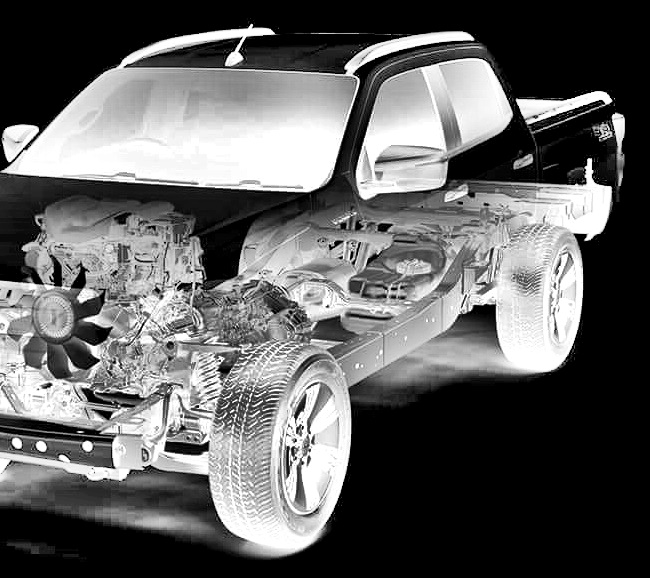
ISUZU D-MAX PLATFORM
The platform for the new BT-50 is identical to the one developed for the latest D-MAX.

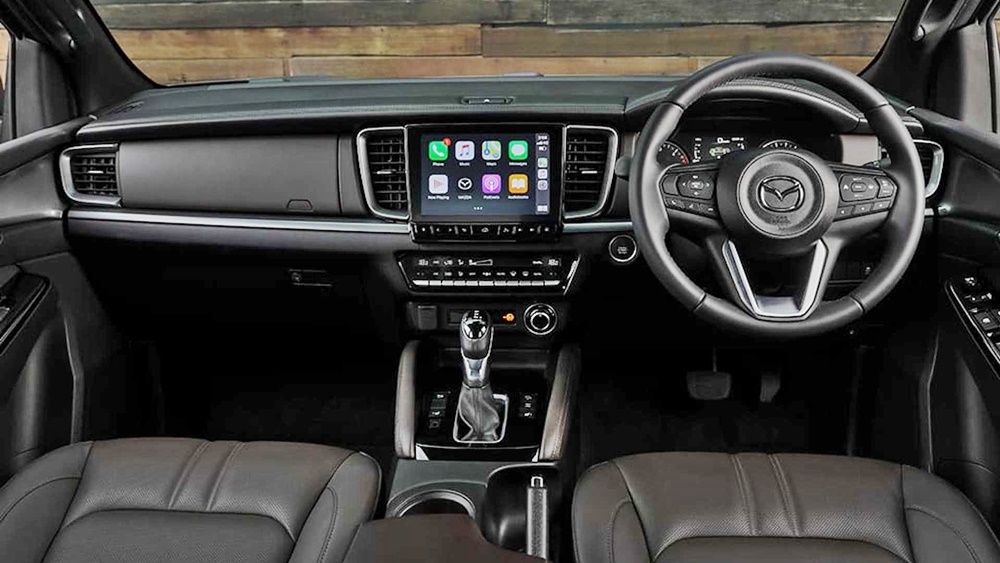
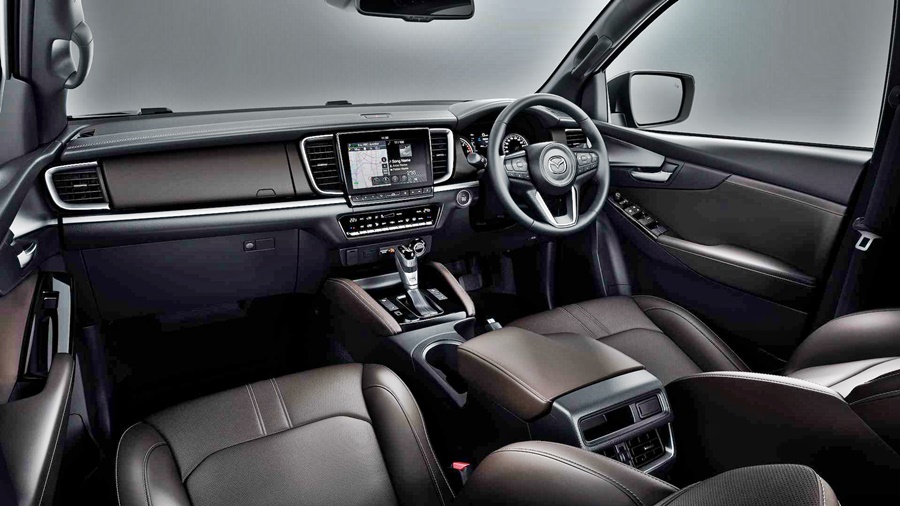
Just as there were tiny engineering differences between the Mazda Tribute and Ford Escape SUVs, there seems to be the same subtle differences between the new BT-50 and D-MAX. Mazda says it developed the BT-50 ‘with the intention of making travel and the time spent inside the vehicle exceptionally pleasant’. Its focus is therefore on personal transport for leisure more than a workhorse role although the D-MAX genes should still give it plenty of capability for those who use it for business.

2020 Mazda BT-50

2020 Mazda BT-50

The 1.9-litre Blue Power engine too?
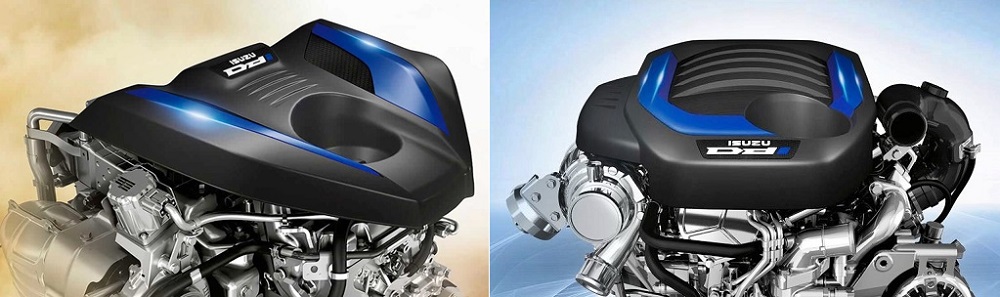
The information available is still limited and a 3-litre turbodiesel engine is mentioned. This would be an Isuzu unit and it remains to be seen whether the 1.9-litre Blue Power turbodiesel will also be offered in the BT-50. Mazda’s strategy could be to cater to a niche segment with smaller volumes, rather than try to compete over a broad spectrum of customers with extra engine options.

2020 Mazda BT-50
For now, Mazda has indicated that the new BT-50 will have a 3-litre turbodiesel engine which will be Isuzu’s (left). It’s not known if the new model will get Isuzu’s 1.9-litre Blue Power engine (right) as well.
Isuzu Manufacturing Thailand
The BT-50 will be manufactured for Mazda at Isuzu’s global production hub for the D-MAX in Thailand.

2020 Mazda BT-50

The new BT-50 will be manufactured by Isuzu Motors at its D-MAX production hub in Thailand. It will go on sale in that market later this year and as it is also a CBU import for the Malaysian market, we could see it here before the year ends too.

Visit www.mazda.com.my to know more about Mazda models available in Malaysia.

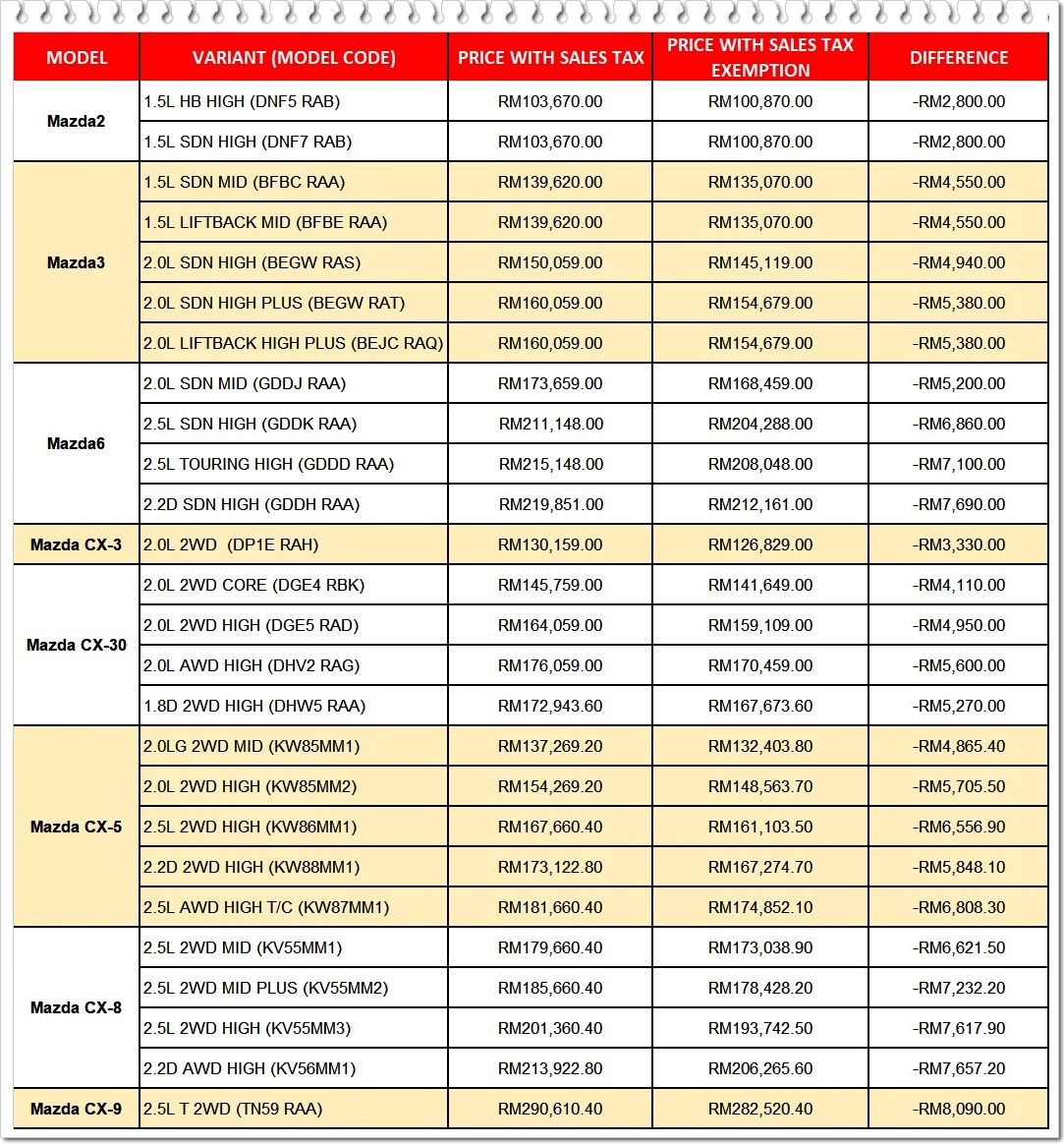
Revised Mazda Prices with Sales Tax exemption (from June 15, 2020)

Social distance

PISTON.MY

2020 Mazda Prices without Sales Tax
Note: Prices shown are for private registration in Peninsular Malaysia and do not include insurance premiums. Locally-assembled models will have full exemption of 10% Sales Tax. imported CBU models will have 50% exemption of Sales Tax (5%) until December 31, 2020.
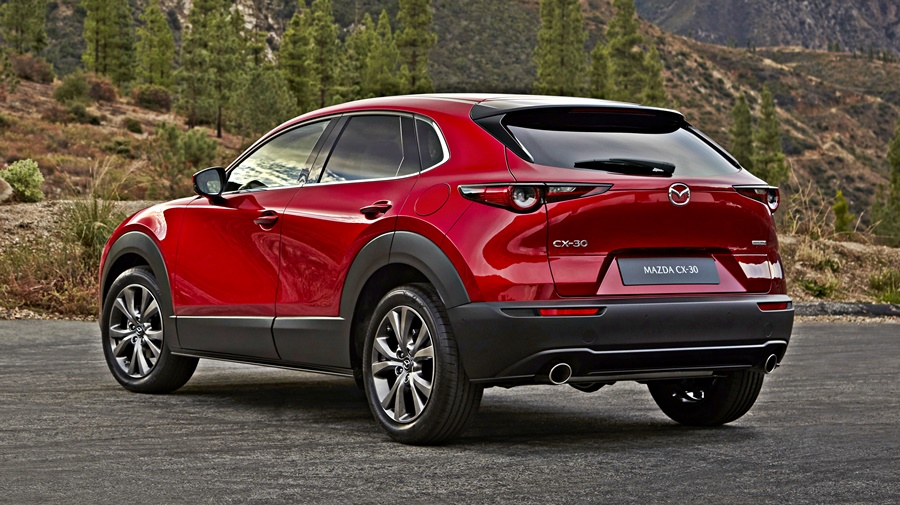
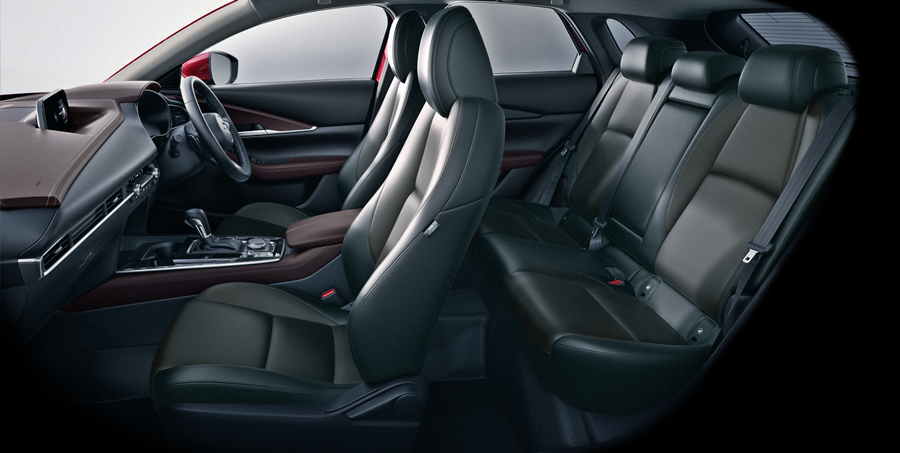
202 Mazda CX-30
2020 Mazda CX-30 – up to RM5,600 cheaper next week with 5% Sales Tax deducted.

Visit www.mazda.com.my to know more or to locate a showroom in Malaysia

AWD variant added to Mazda CX-30 range in Malaysia

Social distance

PISTON.MY

.

BHPetrol RON95 Euro4M

For many years now, Polyphony Digital’s Sony PlayStation 4 (PS4) driving simulation title, Gran Turismo SPORT, has attracted the interest of a number of carmakers who have developed concept models for it. The Gran Turismo Sport title is certified and promoted by the FIA (the world motorsports governing body) as an official platform of digital motorsport.

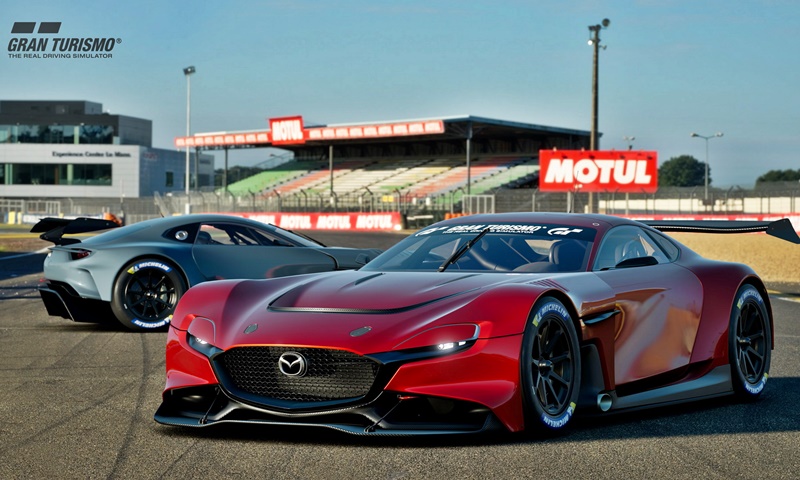
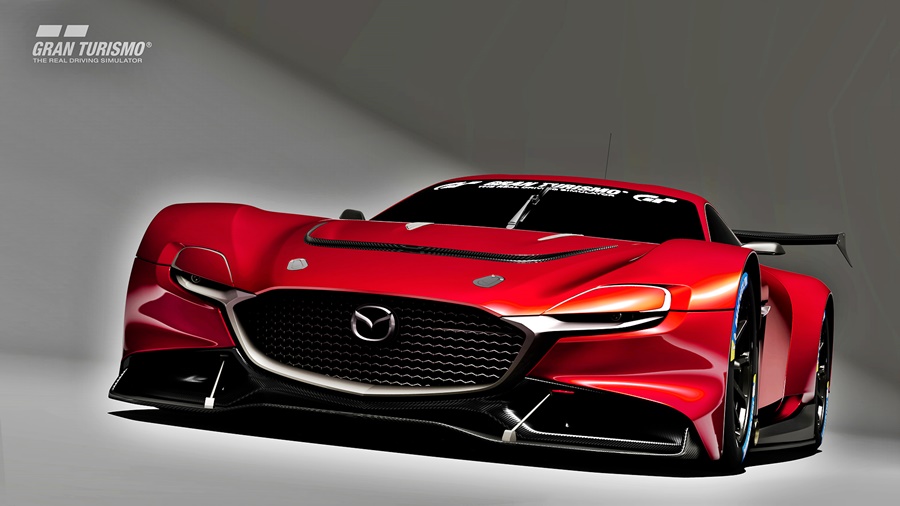
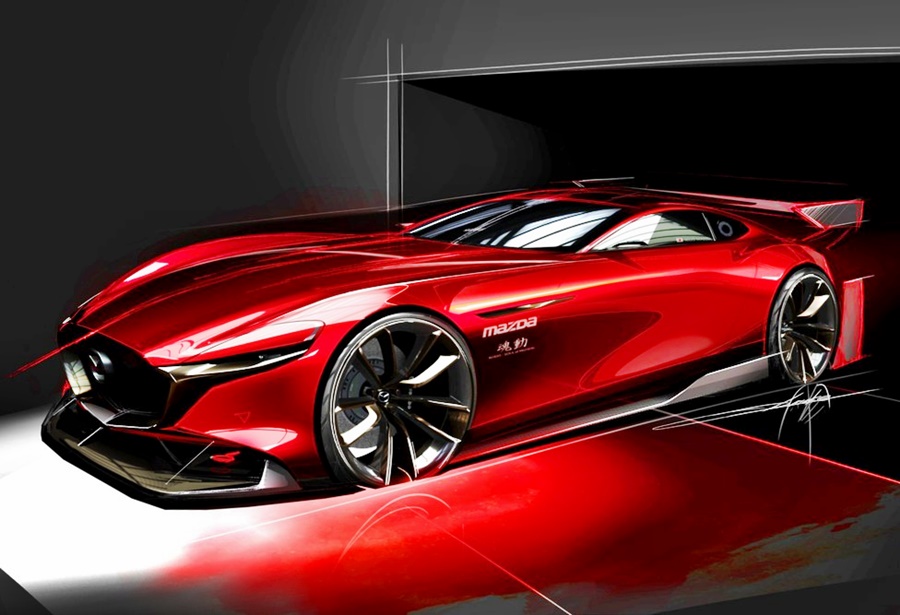
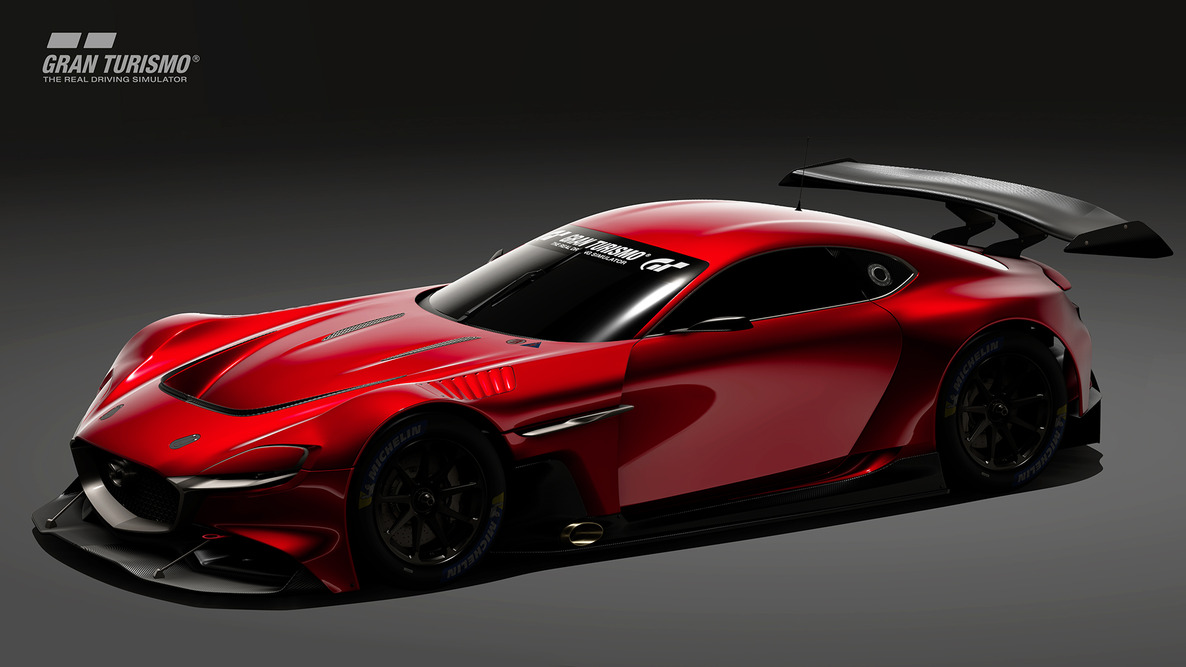
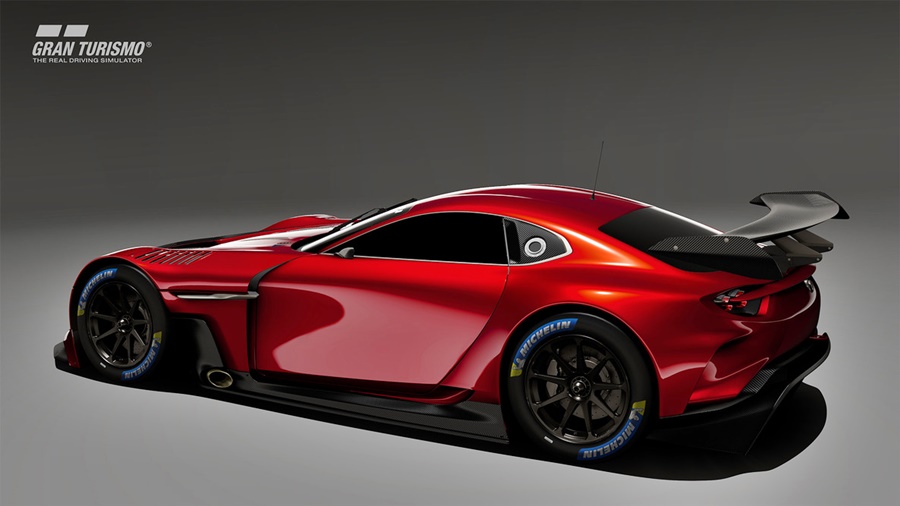
Mazda RX-Vision GT3 Concept

From this May 22, a new addition will be the Mazda RX-Vision GT3 Concept virtual racing car. This new model will automatically grant seed rights to participate in the FIA-certified Gran Turismo Championship (World Tour) that will be held in various locations around the world in the 2020 season.
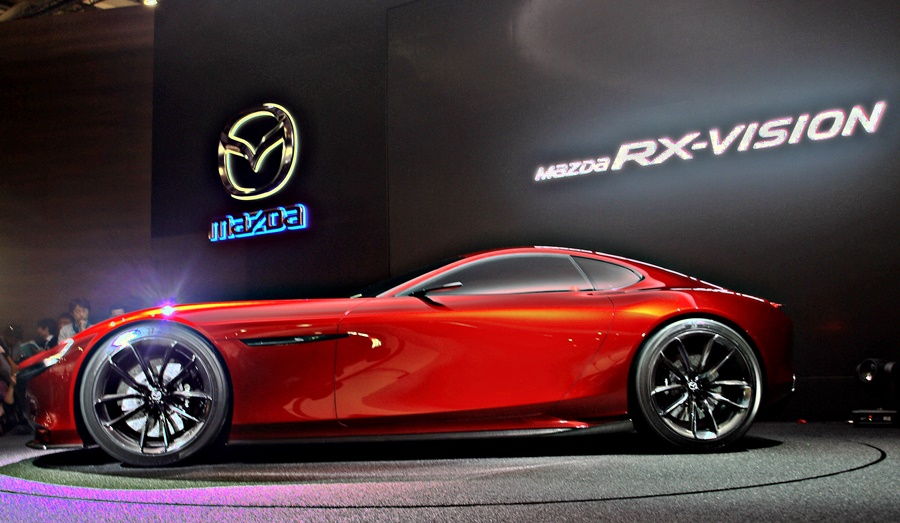
The RX-Vision GT3 Concept is based on the Mazda RX-VISION which was displayed in 2015. It is modified in accordance with FIA GT3 vehicle regulations. The RX-VISION took on the challenge of achieving the most beautiful front engine rear wheel drive (FR) sportscar that Mazda could conceive, based on the ‘KODO -Soul of Motion’ design theme.

2015 Mazda RX-VISION concept
The RX-VISION concept was unveiled at the 2015 Tokyo Motorshow.

The RX-VISION was selected as the ‘Most Beautiful Concept Car of the Year’ in the 33rd Festival Automobile International held in France in January 2016.

At that time, Mazda said it could be equipped with a next-generation ‘SKYACTIV-R’ rotary engine (RE) which naturally excited rotary fans and enthusiasts who await the return of the ‘RE’. Mazda has not ruled out the possibility and said the concept represented ‘the vision of a sportscar that Mazda hopes to make a reality in the future’.

Mazda RX-Vision GT3 Concept

The GT3 project started in the fourth quarter of 2019 and an image sketch was released at the venue for the world final of the FIA Gran Turismo Championship held in Monaco in November last year. It was announced that the racing car would be added to the 2020 update of Gran Turismo SPORT. From then on, the teams at Polyphony Digital and Mazda Design worked to refine the model using 3D modelling.
Mazda RX-Vision GT3 Concept

Taking advantage of the original concept’s long-nose/short-deck form, the RX-Vision GT3 Concept has a wider tread. The front midship and transaxle rear wheel drive configuration achieves an ideal 48:52 weight distribution, with excellent aerodynamic characteristics optimized for handling performance and tyre management.

Like the RX-VISION, the RX-Vision GT3 Concept will use a SKYACTIV-R 4-rotor rotary engine with a maximum output of 570 ps (the output and weight may change due to balance of performance (BoP) adjustments depending on the race). Its suspension consists of a double wishbone front and multi-link type rear layout.

Mazda RX-Vision GT3 Concept

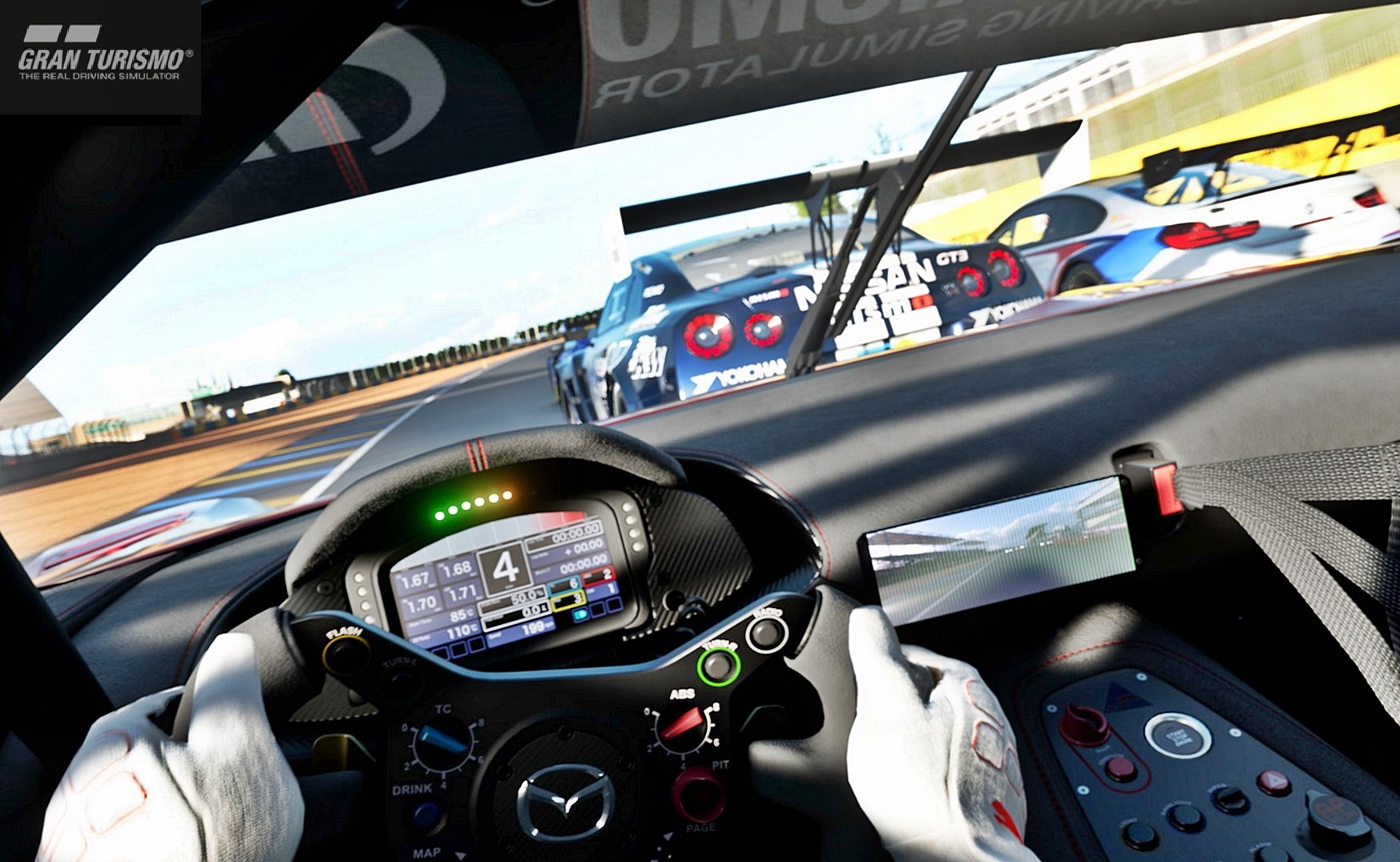
Each function within the cockpit is arranged with an emphasis on ease of operation during the race. In particular, the steering wheel uses a special design that improves operability. The interior layouts of all Mazda models are developed in the pursuit of superior ergonomics. Similarly, the RX-Vision GT3 Concept prioritizes aspects such as seat shape, driving position, pedal arrangement and visibility during driving as essential items to providing a ‘human-centered’ cockpit.

SPECIFICATIONS
Length x Width x Height (mm) : 4590 x 2075 x 1120
Wheelbase (mm) : 2700
Front / rear tread (mm) : 1720 /1760
Vehicle weight (kgS) : 1,250
Engine displacement (cc) : 2600
Maximum output (ps/rpm) : 570/9,000
Maximum torque (Nm/rpm) : 540/7,500
Tyres and Wheels : Michelin – 310 / 700 – 18

Mazda RX-Vision GT3 Concept

Michelin is the Official Tyre Technology Partner for Gran Turismo

COVID-19

PISTON.MY

In recent years, as the popularity of SUVs (especially the smaller ones) increased, many importers have focussed more on variants with only 2WD. These are usually cheaper, and customers don’t really care about whether two or all four wheels are powered. They’re more interested in the high seating position and perhaps the ground clearance, as well as interior utility.

However, there are also those who feel that 4WD or All-Wheel Drive (AWD) should be present in SUVs, just like they were in earlier years. Never mind that they might not actually go off-road, the presence of AWD added a degree of stability and grip, especially on wet roads.

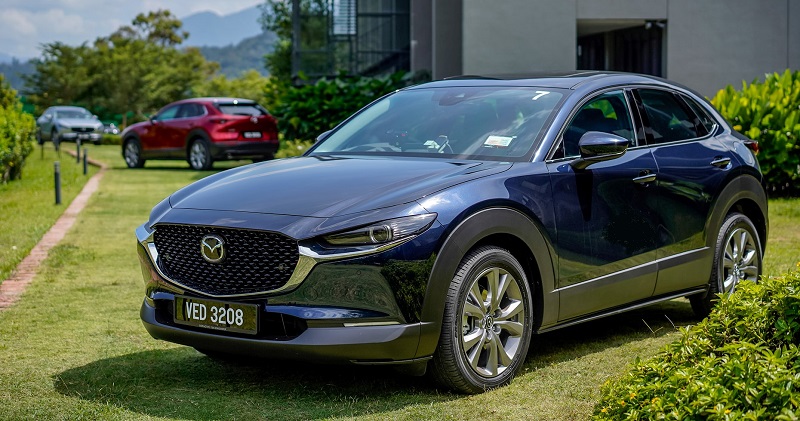
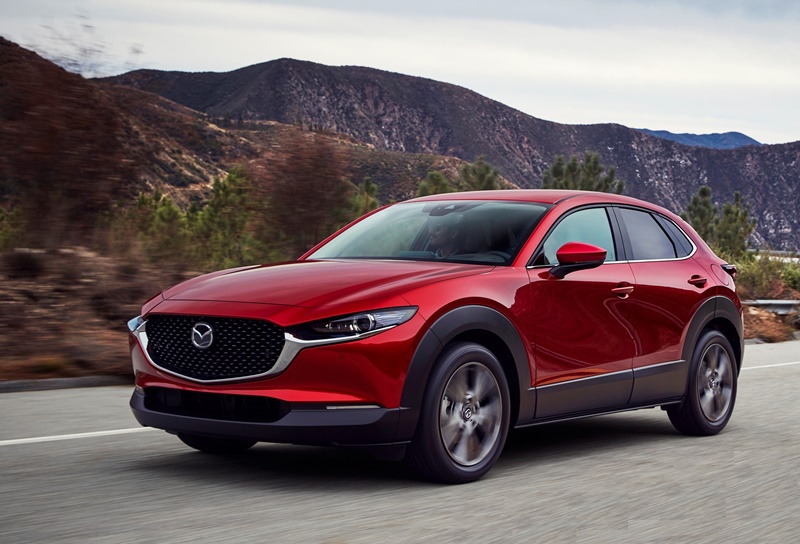
Mazda CX-30

Mazda CX-30

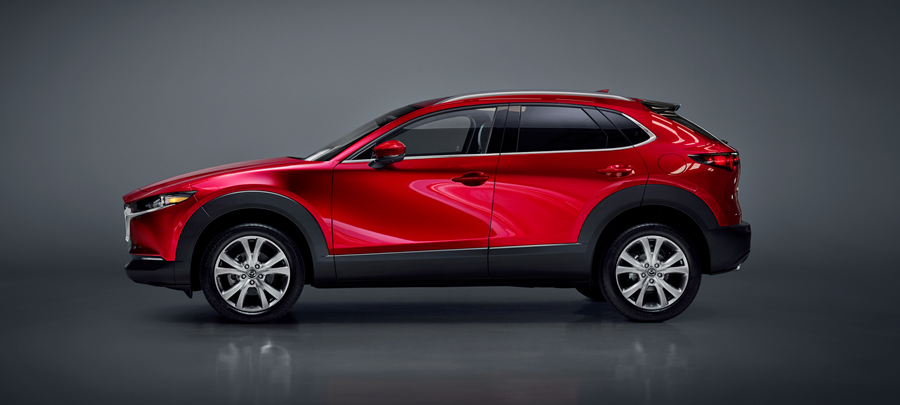
When Bermaz Auto introduced the Mazda CX-30 at the beginning of this year, it offered only FWD versions with either SKYACTIV petrol or turbodiesel engines. Now, the range will include an AWD variant which is priced at RM176,059 (Peninsular Malaysia price, without insurance) for those who must have all four wheels powered.

The price is RM12,000 more than the high grade CX-30 which has the same 2-litre SKYACTIV-G petrol engine. This is not surprising since the i-ACTIV AWD system, which is quite sophisticated, adds cost, apart from the fact that the CX-30 is imported from Japan as a CBU (completely built-up) model.

Mazda CX-30

Mazda CX-30

Mazda CX-30

Mazda CX-30

The features and specs are the same as the CX-30 High Grade and you have a choice of 8 exterior colours – Soul Red Crystal, Machine Gray, Jet Black, Deep Crystal Blue, Sonic Silver, Snowflake White Pearl, Titanium Flash and Polymetal Gray Metallic.

How Mazda i-ACTIV works
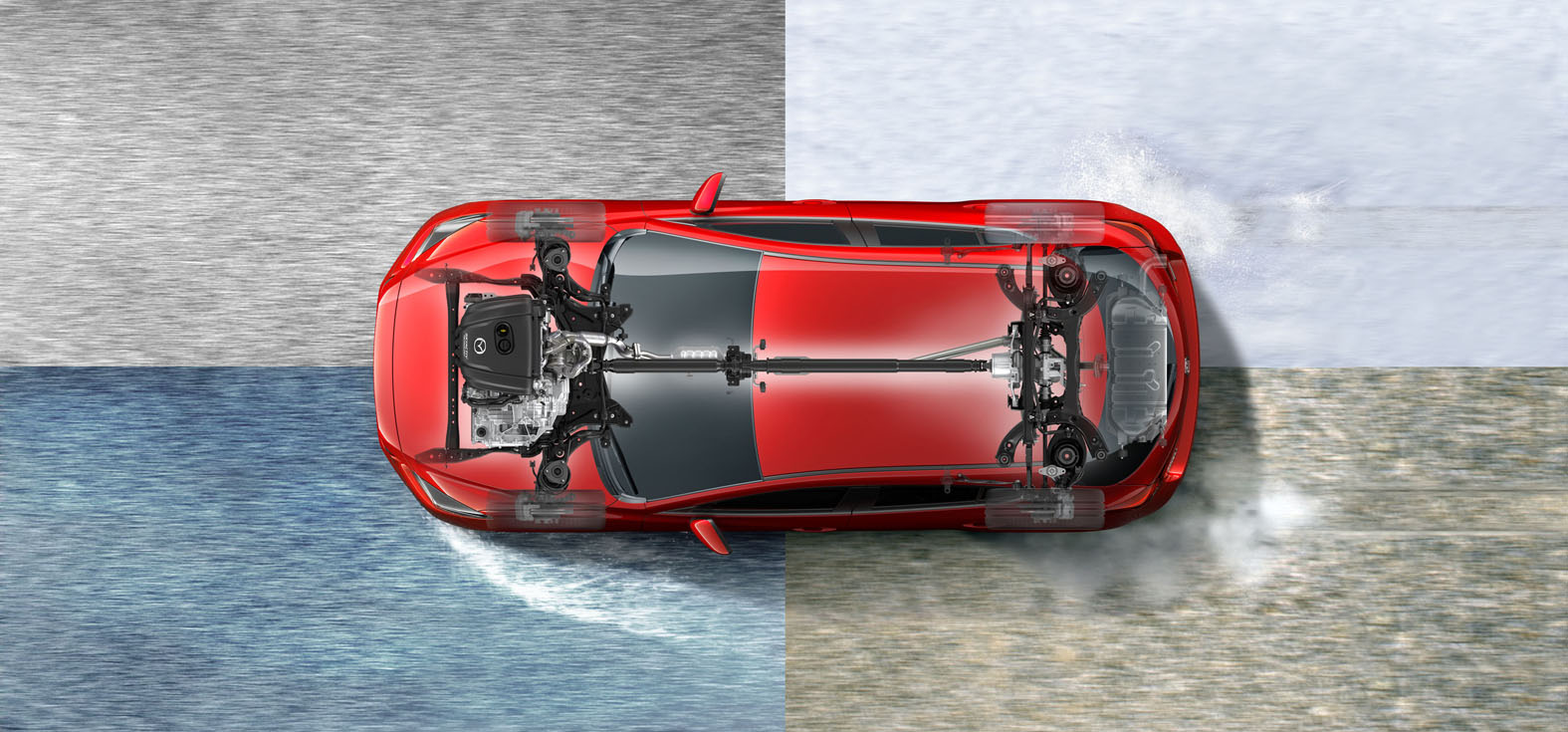
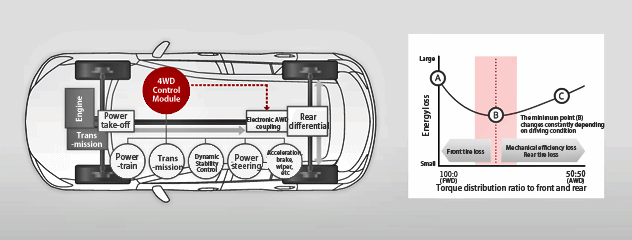
The AWD systems in today’s SUVs vary in sophistication and for Mazda’s i-ACTIV AWD system, the engineers redesigned the system’s hardware and software, taking a proactive approach to controlling drive to all four wheels,

Mazda i-ACTIV AWD

A fully-autonomous AWD system, i-ACTIV AWD constantly monitors surface conditions in real-time, watching for tiny variations in wheel speed that a driver would never notice. Proactively controlling the distribution of torque, which can range from full front-drive through to full 4-wheel-drive, the system not only provides solid and predictable handling for all-road performance, it makes driving on poor road surfaces more efficient by all but eliminating wasteful tyre-slippage.

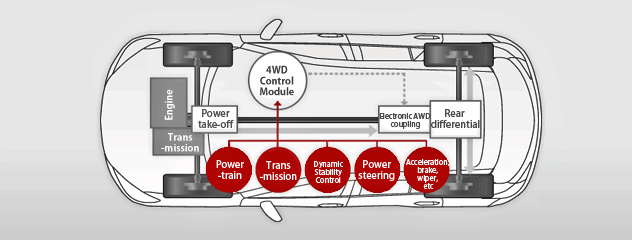
Using a wide range of sensors to ‘paint’ a highly accurate picture of the overall driving scene, including road conditions and the driver’s intentions, i-ACTIV continuously calculates and adjusts the amount of torque sent to the rear wheels.

Mazda i-ACTIV AWD

The perfect amount of torque is calculated and transferred to the rear wheels instantaneously (as and when needed). This is done by the AWD coupling unit which sends the appropriate drive force to the rear wheels. The system minimizes torque to the rear wheels when on dry road surfaces with good traction. The result is secure take-off, acceleration, cornering and braking, without the tyres slipping in any direction.

The sensors monitor for rain by watching the wipers and the external temperature gauge. The system can also measure how slippery the road surface is by comparing steering torque with the amount of current running through the electric power steering and the gradient of any slope by the degree of acceleration. In addition, the system precisely measures the speed of all four wheels and detects warning signs that indicate the wheels may be in danger of slipping. Along with engine driving force (applied to the front wheels), this is used to understand the driving conditions.

Mazda i-ACTIV AWD

The i-Activ AWD system also has an Off-road Traction Assist system. The system works by distributing the driving force to the tyres that are in contact with the road surface to maximize traction performance.

Additionally, a Torque Control System that allows a lag-free, near-instantaneous response. In order to help the rear-wheel drive unit respond more quickly, the Torque Control System transfers a very small amount of torque to the rear even in front-wheel drive mode. This is known as ‘stand-by torque’ and it helps the system make a smooth and instantaneous transition to AWD drive mode when the command is received to send torque to the rear wheels.

Proven SKYACTIV-G powertrain
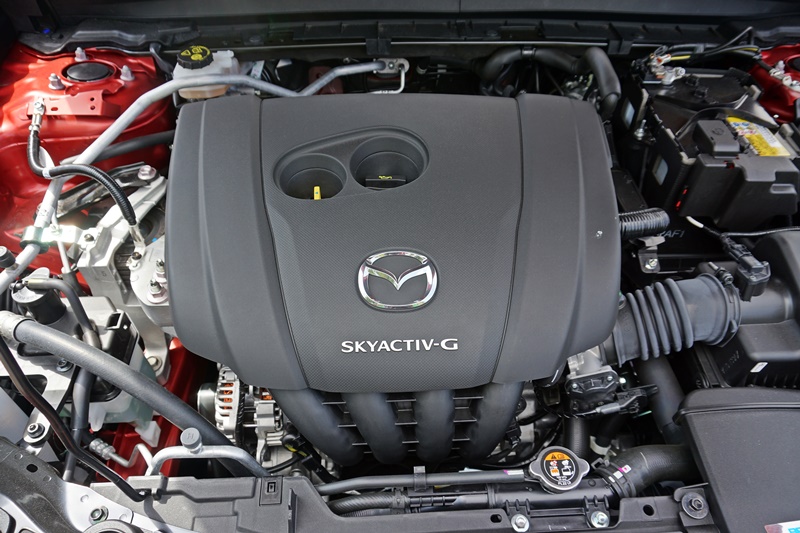
As for the powertrain, this uses the proven SKYACTIV-G Direct Injection petrol engine. For the CX-30, the displacement is 1998 cc with a maximum output of 162 ps/213 Nm. Mazda engineers have been able to raise the compression ratio of 13:1 to enhance output without knocking issues even when using RON95 petrol.

Mazda SKYACTIV-G engine

Mazda CX-30

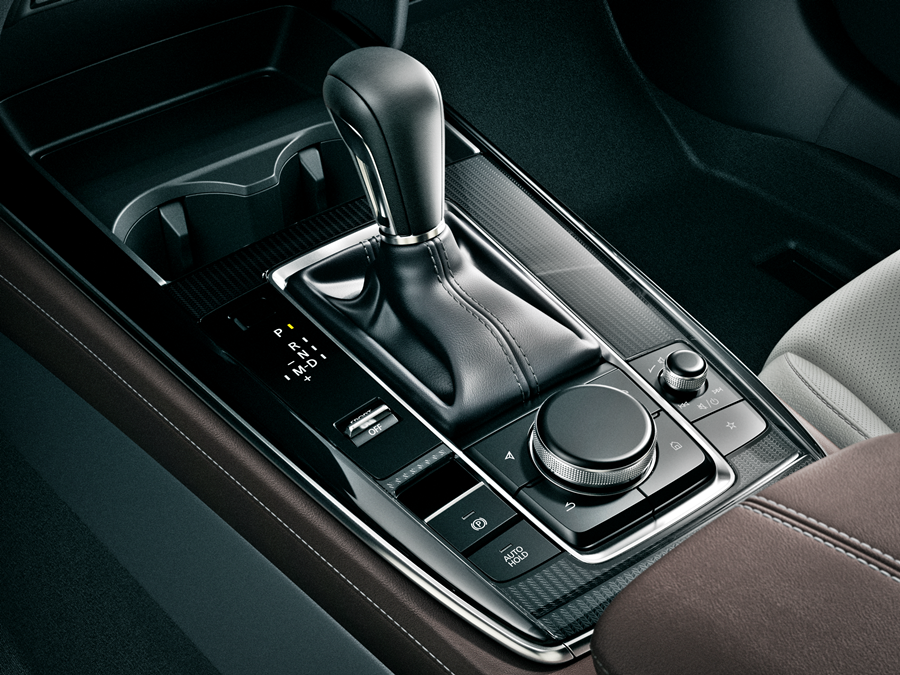
Only a SKYACTIV-DRIVE automatic transmission is available but using paddle shifters, the driver can also manually select any of the 6 forward speeds if preferred. While the driver can get sportier performance with a SPORT mode, the AWD system operates entirely on its own with no need for driver involvement.

Mazda CX-30

Extras for the base version
With the latest shipment of CX-30 2.0G version, Bermaz Auto has included a couple of new features – Mazda Advanced Keyless entry and Walk-Away Lock – for added convenience. Though priced at RM145,759 or RM18,300 less than the High Grade version, this version still has a very comprehensive list of equipment and features that justify the price. And as we noted during a test-drive, the CX-30 also has high quality in every aspect which gives a very premium image.

Visit www.mazda.com.my to know more about the CX-30 and other Mazda models in Malaysia.

First driving impressions: All-New Mazda CX-30

COVID-19

PISTON.MY

Like all companies which have been permitted to resume operations after a lengthy shutdown due to the Movement Control Order (MCO), the Bermaz Auto Group has to comply with Standard Operating Procedures for the protection of customers as well as the company’s employees.

The safety standards set by the Ministry of Health will be fully adhered to, particularly in the ‘last-mile’ service to customers. To achieve this, Bermaz will provide Mazda Contactless Service where human contact is minimized.

Bermaz Mazda

Two ways to get vehicle serviced
Mazda Contactless Service comes with the choice of Collect & Deliver Service or Mobile Service. The Collect & Deliver Service is available at selected service centres via appointment. The location of the vehicle should be within a radius of 10 kms of the service centre. The Mobile Service, available since 2017 in certain areas, brings the service centre to your doorstep but an appointment is required. Before and after service work, Bermaz personnel will disinfect the interior of the vehicle.

Bermaz Mazda
File picture of a Bermaz Auto service centre.

Extension of warranty/free service
Understanding that these are challenging times, Bermaz wants to give its customers flexibility so the company has extended its warranty and free scheduled maintenance for those affected by the restrictions of the MCO. The extension accorded will be equivalent to the same period of time as the MCO being in effect.

A message from the Executive Chairman
“We are now in an unusual situation, caught in a global pandemic, a time that none of us have ever experienced before. We are now under the Movement Control Order to ensure Social Distancing. I am sure this will put a lot of stress on us and our families because we, as humans, our activities are always centre around family, friends, and colleagues. But we know this is necessary to ensure we curtail this epidemic in our community and reduce the contagion effect,” said Dato’ Sri Ben Yeoh, Executive Chairman of Bermaz Auto.

“We stay at home and practice social distancing but always remember to spread love and care, through constant contact with the people we love. Connectivity can still be practiced even when we are distancing. Modern technology has allowed us to practice the varied uses of mobile devices and their platforms, internet and computer devices. We will pull out of this crisis stronger and more resilient in the future,” he added.

For more information or assistance, visit www.mazda.com.my.

Click here for other news and articles about Mazda and Bermaz Auto.

Social distanceSocial distancing

PISTON.MY


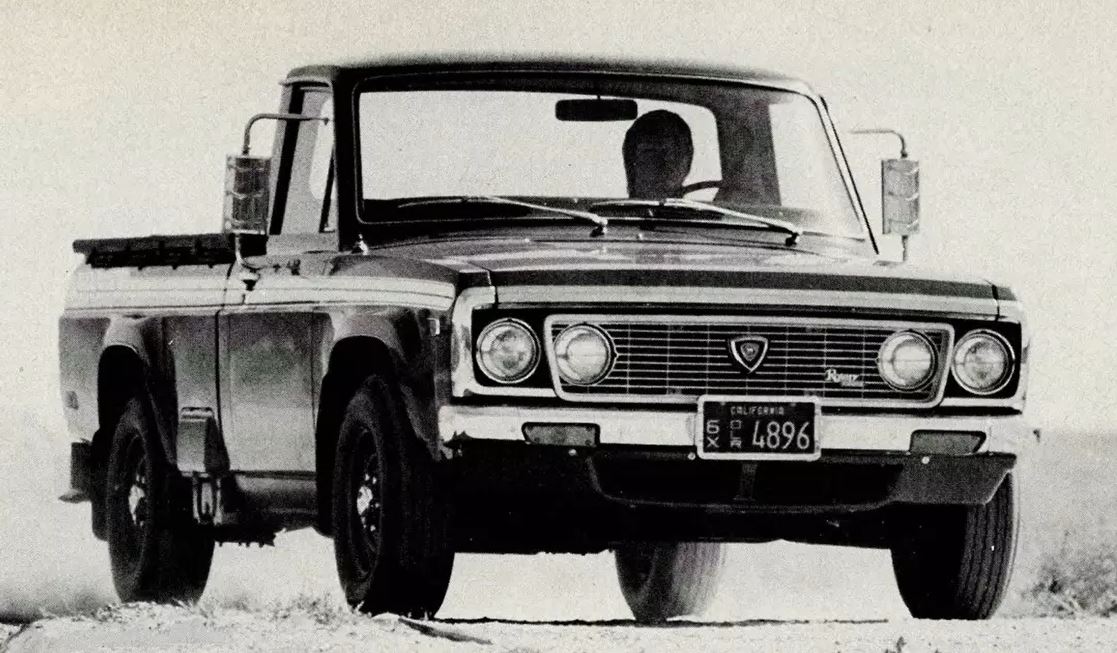
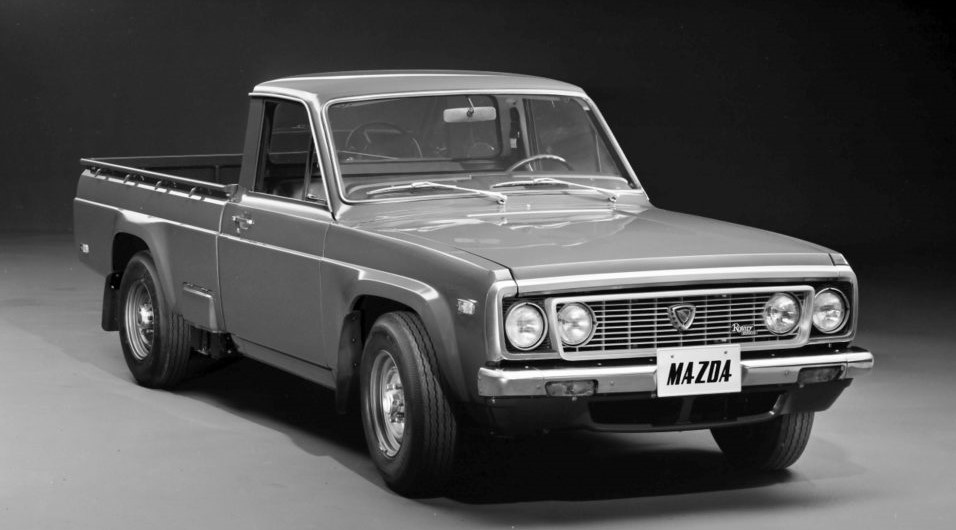
The history of the Mazda BT-50 goes back over 50 years and along the way, in the mid-1970s, the carmaker developed and sold the first and only production pick-up truck with a rotary engine. As is well known, Mazda was the only company that successfully commercialised the rotary engine (also known as the Wankel engine) and installed it in a number of models.

With its commitment to the rotary engine, it was only natural that it would look for as many models as possible to use the powerplant and seven years after launching the world’s first production car with a rotary engine, in 1974, the company developed a variant of the second-generation B-Series truck with a powerful rotary engine.

Mazda Rotary Pick-up

The truck had a simple name: Rotary Pick-Up and used the 1.3-litre (13B) 4-cylinder version with two rotors. According to the American Road & Track magazine, the power output was 110 bhp/158 Nm and fuel consumption was 14.3 kms/litre. It went from 0 to 60 mph (96.5 km/h) in 11 seconds, certainly a lot quicker than other trucks.

Priced at US$3,500 then, the Rotary Pick-Up was sold mostly in North America. Production at the Hiroshima factory began in 1974 and continued till 1977 and some 15,000 units were believed to have been made.

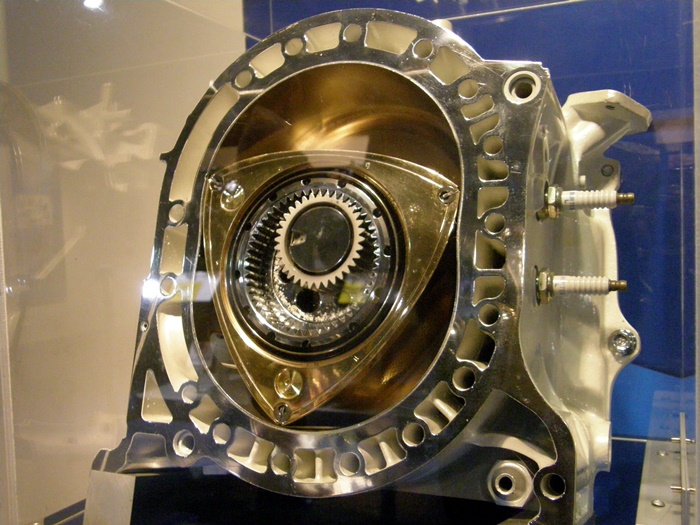
Rotary engine
The rotary engine had no pistons and instead used rotors inside the combustion chanbers.
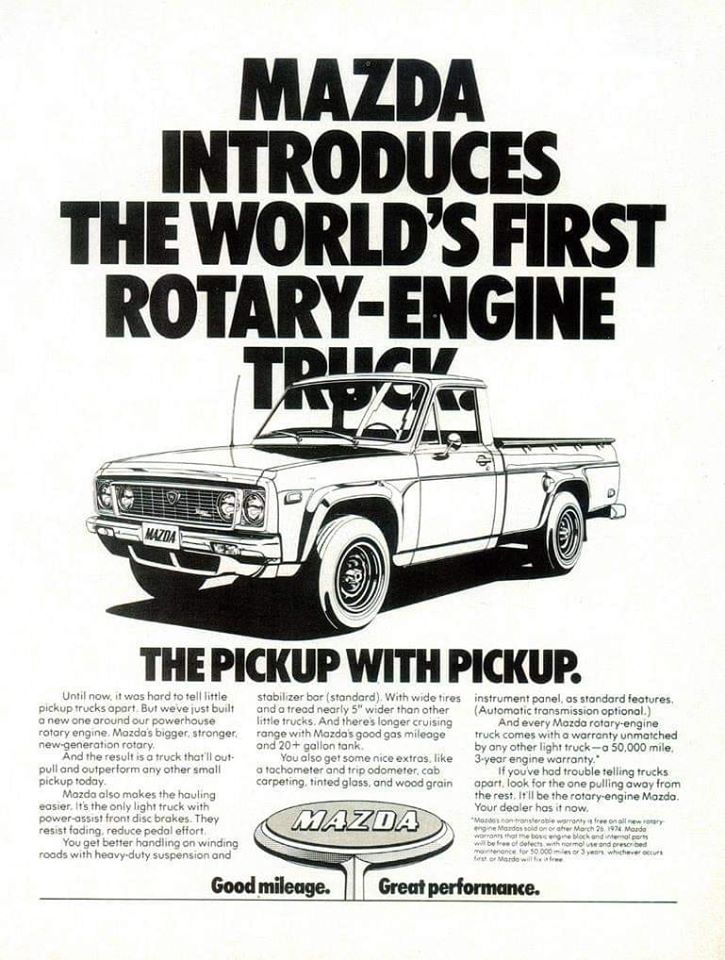
Mazda Rotary Pick-up
An advertisement published in America in 1975 for the Rotary Pick-Up.

The 1970s were a time when the energy crisis was on and the rotary engine’s inherent drawback of high consumption quickly diminished it popularity. During that decade too, emission control regulations became tougher and the Mazda engineers found it difficult to make the rotary engine cleaner. So the Rotary Pick-Up never continued into the next generation although the B-Series went on and even became a jointly-developed product with Ford which called their model the Ranger.

To know more about today’s Mazda pick-up truck, the BT-50, visit www.mazda.com.my.

Mazda starts 100th anniversary celebrations in Hiroshima

COVID-19

PISTON.MY

BHPetrol RON95 Euro4M

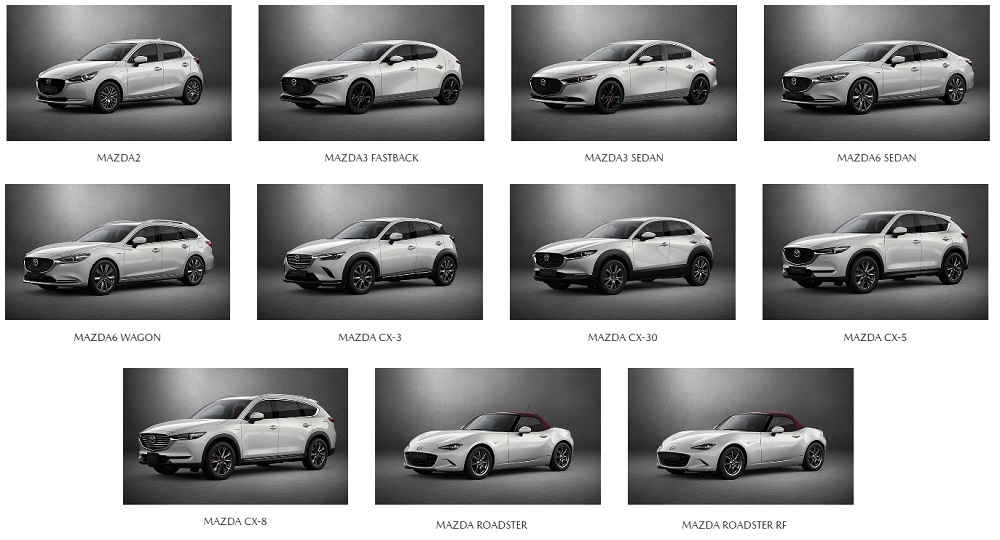
In 2020, Mazda celebrates its 100th anniversary, a milestone in its history from being a company making cork products to the highly respected and admired carmaker it is today. Among the many activities the company had planned to mark the milestone is the 100th Anniversary Special Edition series.

This is a range of special versions of all the key passenger models in Mazda’s global line-up. The range was to have been unveiled at the Geneva Motor Show last month which, unfortunately, was cancelled due to the COVID-19 pandemic growing in seriousness.

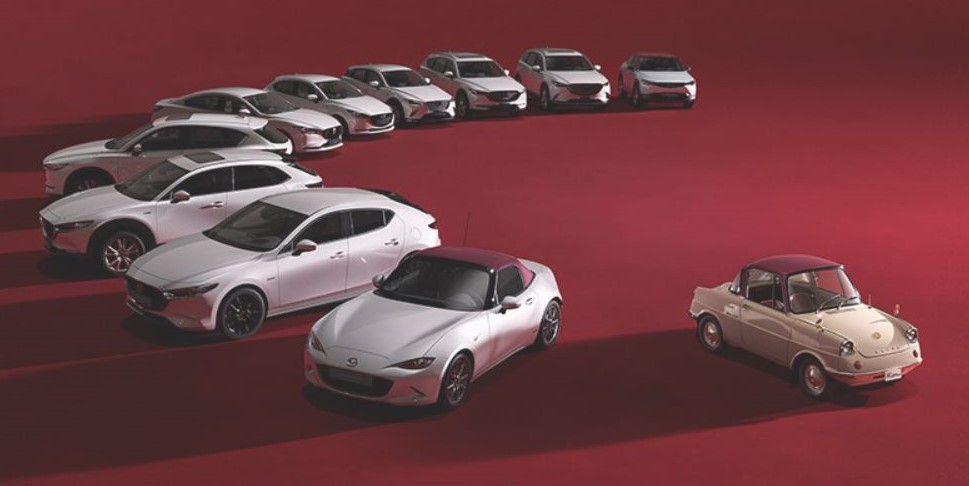
Designed to celebrate the company’s centenary, the 100th Anniversary models adopt a white-and-burgundy two-tone exterior/interior combination, inspired by high-grade versions of Mazda’s first passenger car – the Mazda R360 Coupe.

Mazda 100th Anniversary range


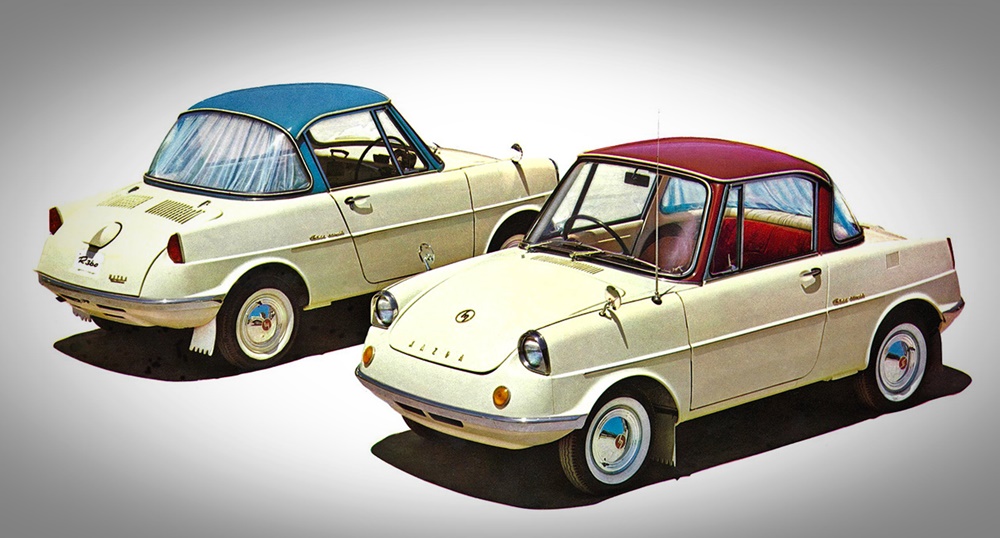
Mazda R360
The R360 Coupe was Mazda’s first passenger vehicle, introduced in 1960. The company had its sights set on becoming a full-line automaker, and its first undertaking made a memorable splash with a futuristic design and unique technologies.
Developed with extraordinary passion, the car was designed for people who wanted to fulfil their dream of owning their own car and contributed to the motorisation of Japan. Symbolizing that intention was a 4-stroke engine — unprecedented among micro-mini passenger cars of the time — and an automatic transmission that made driving easy.
Also noteworthy were the extensive weight-reduction efforts aimed at making the R360 Coupe nimble on the road. The powertrain used a good deal of light alloy materials, and the body adopted a monocoque construction.
A distinctive and stylish coupe form also contributed significantly to the weight-savings. These factors combined to provide — at an affordable price — driving performance that eclipsed the era’s preceding micro-mini passenger cars.

Mazda 100th Anniversary Models 2020
The 100th Anniversary series consists of all the global models in the current Mazda range.

With Snowflake White Pearlescent exterior paint contrasted with burgundy interior carpet and burgundy leather seats, the 100th anniversary cars are a stand-out celebration of Mazda’s centenary.

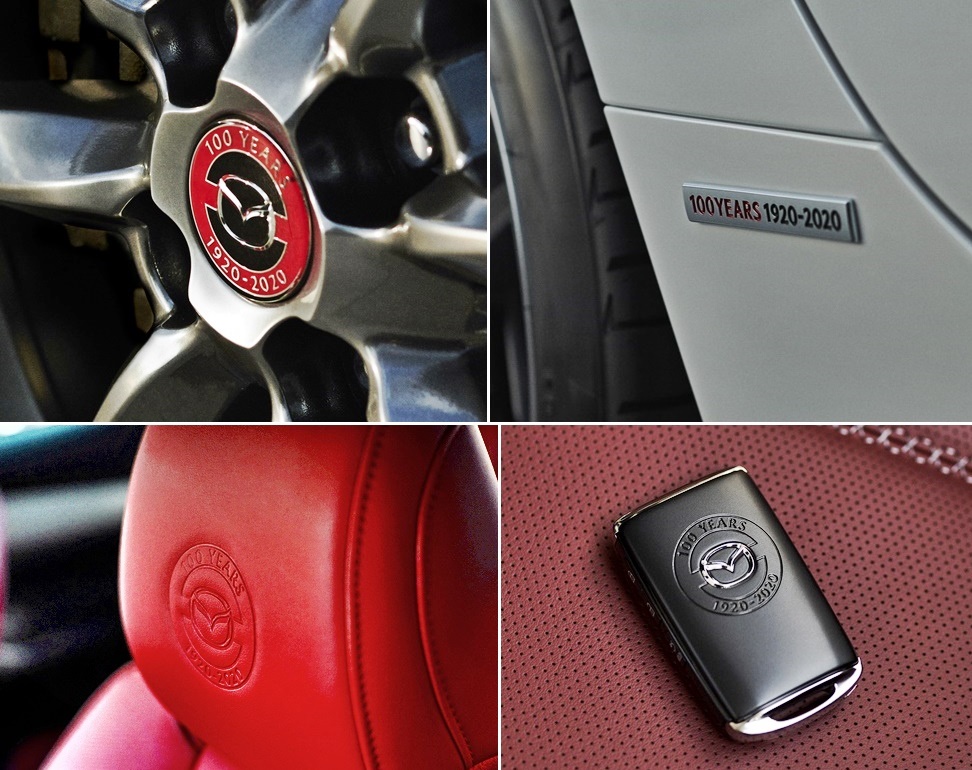
Additionally, they feature a host of customised touches to further add to their exclusivity. This includes the unique 100th Anniversary badge featuring on the burgundy floormats, on the key fob and embossed into the headrests. Externally, the same badge is on the wheel centres and the side of the car. Additionally, the 100th Anniversary MX-5 Convertible features a Dark Cherry fabric roof.

Mazda 100th Anniversary range

A special 100th Anniversary symbol overlays the current Mazda badge atop the original round logo of the Toyo Kogyo company. The design reflected the desire of Jujiro Matsuda, Mazda’s founder, to contribute to the world through engineering and the determination to constantly strive forwards.
The 100th Anniversary Special Edition series is also intended to express gratitude to the millions of people who have had dealings with Mazda over the years. It represents a pledge that though it may aim for the stars, the company will never forget its roots in the car-making business.

The exclusive series will be offered in Japan and certain other markets but Bermaz Motor, which represents the brand in Malaysia, says that they will not be available in Malaysia.

Mazda starts 100th anniversary celebrations in Hiroshima

PISTON.MY

StayAtHome

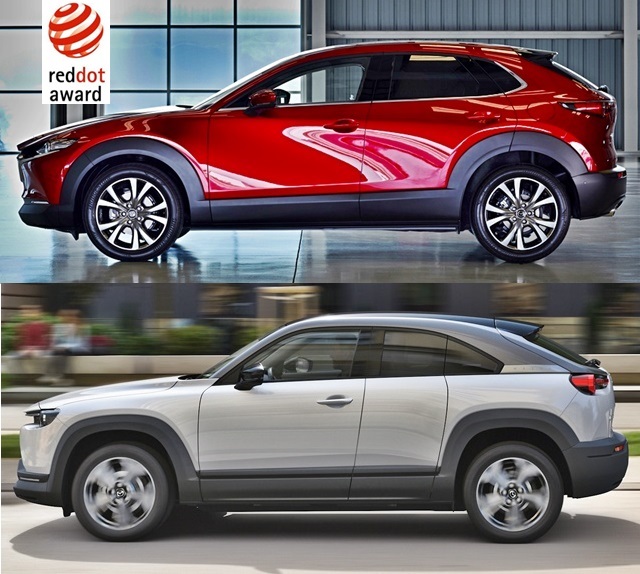
The ‘Red Dot’ Award, which originated in Germany, has become established internationally as one of the most sought-after seals of quality for good design. Initiated in 1955, it is one of the world’s largest design competitions.

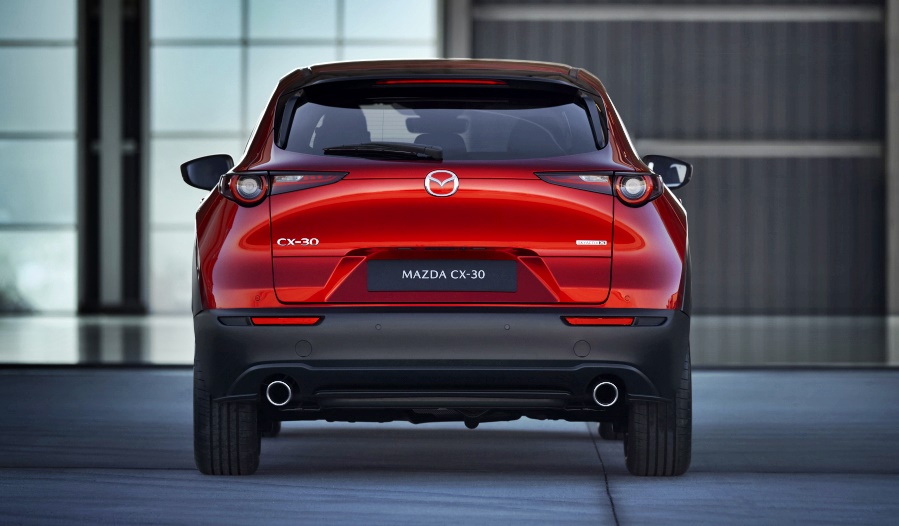
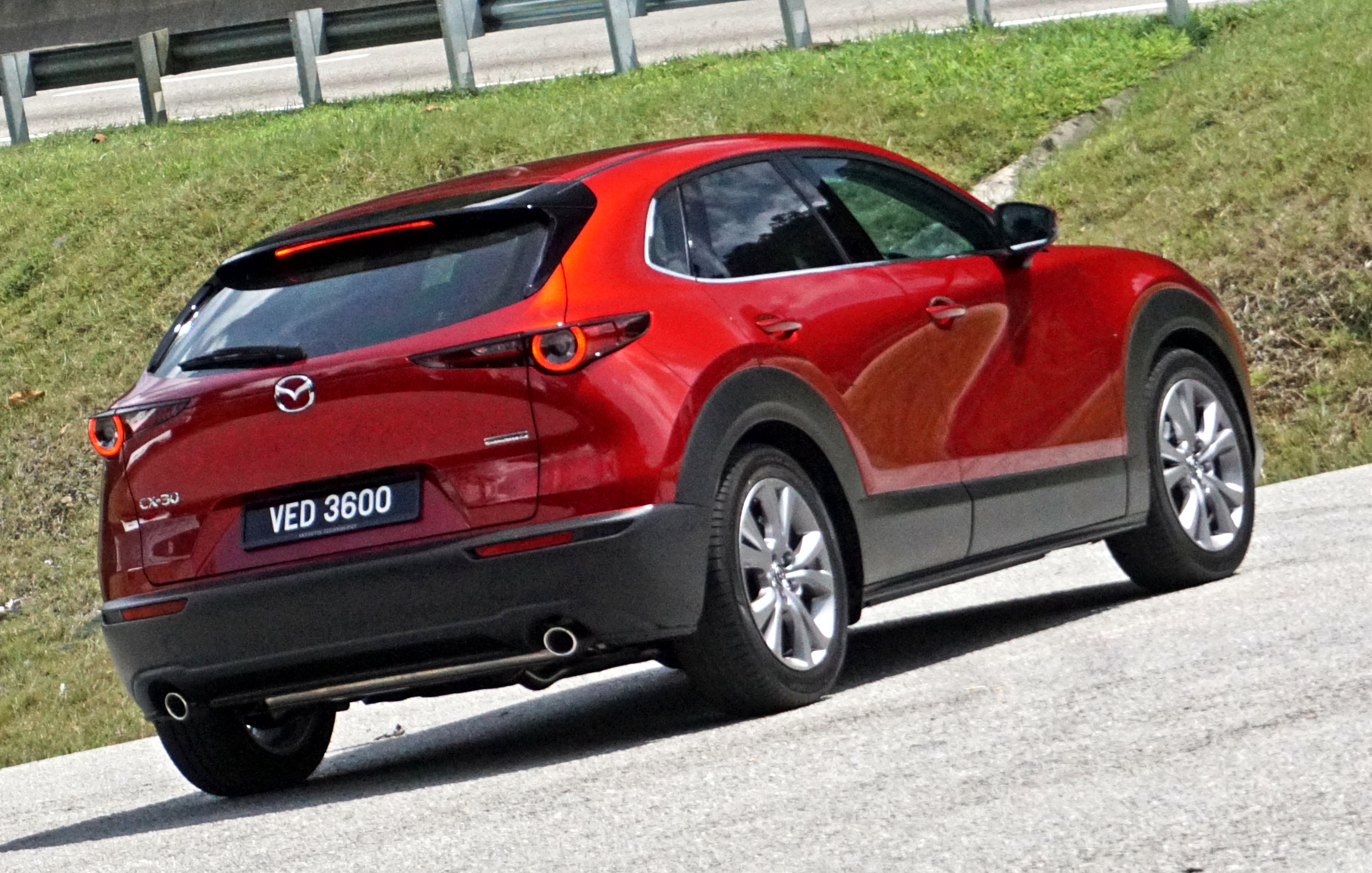
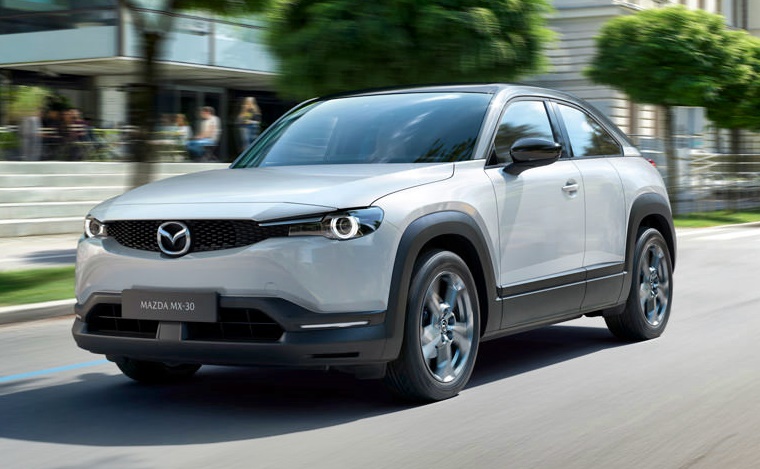
This year, two Mazda models received Red Dot: Product Design 2020 awards – the CX-30 and MX-30. Reflecting Mazda’s excellence in vehicle design, these are the eighth and ninth Red Dot awards won by Mazda’s models incorporating KODO design to date. Prior to this were the Mazda3 (2019), MX-5 RF (2017), MX-5 soft top, CX-3 and Mazda2 (all 2015), Mazda3 (2014) and Mazda6 (2013).

Mazdea CX-30

Mazda CX-30
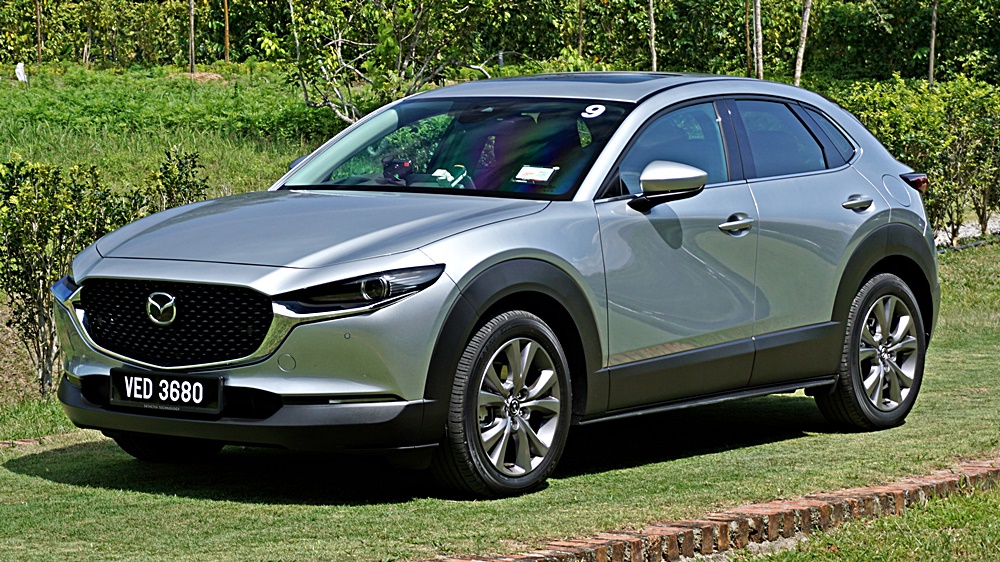
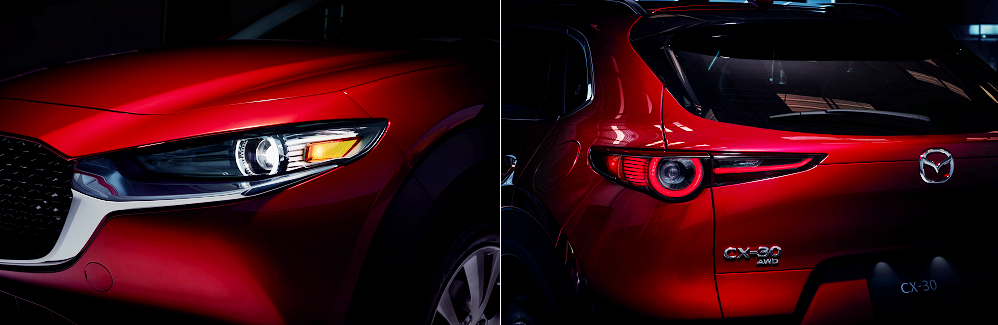
The CX-30 is the second production model created with the latest evolution of the KODO design philosophy – artful design, rooted in traditional Japanese aesthetics. The honing of every element according to the ‘less is more’ principle has resulted in clean, beautiful surfaces on the CX-30 and brought an entirely original look to the compact crossover SUV segment.

“The Japanese master craftsmen have always prized simplicity of form, of being beautifully pure,” said Jo Stenuit, Mazda’s European Design Director. “This inspired our designers to trim back elements and create something dynamic yet elegant, restrained yet vital. This is how we perceive Japanese aesthetics – a sensibility that has created emotionally moving cars.”

Mazda CX-30

BHPetrol RON95 Euro4M

Mazda MX-30

Mazda MX-30
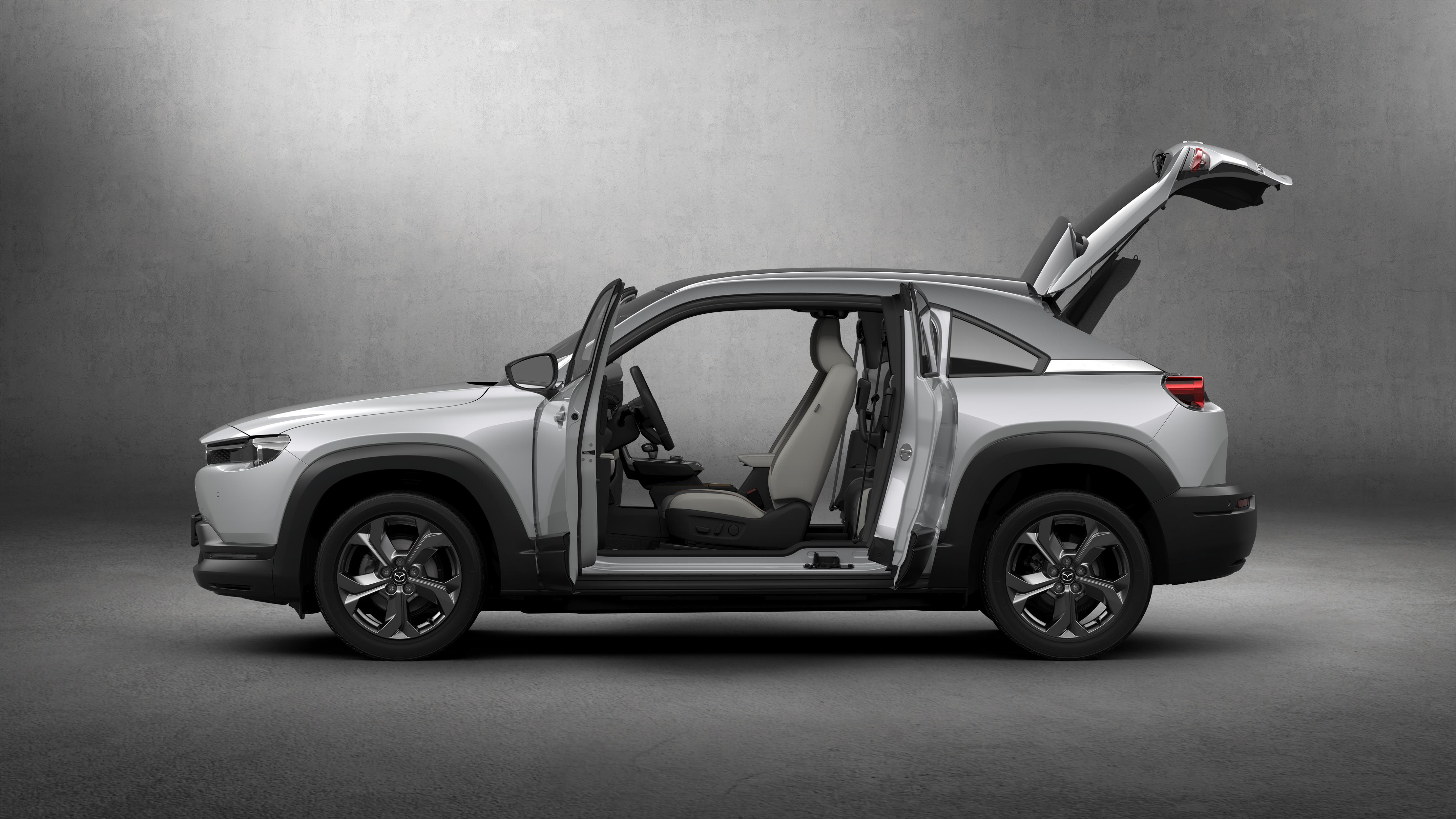
Though retaining the beautiful, handcrafted forms of KODO design, the styling of the Mazda MX-30 represents an exploration of a more modern aesthetic which focuses on the futuristic values and lifestyles that are beginning to emerge.

“This new approach has resulted in an original design that embodies the expansion of KODO’s expressive range,” explained MX-30 Chief Designer, Youichi Matsuda. “The exterior is uncompromisingly simple to emphasise its beauty as a solid mass, and the cabin design – with its framed top and freestyle doors – embodies an image of lightness while proactively incorporating sustainability as an element for the interior materials. As we begin an era of great change, we want the Mazda MX-30 to show people that our cars can still deliver pure joy of driving.”


Related article: Mazda’s first all-electric model – the MX-30


MAZDA MX-30

The MX-30 is currently only available for the European market. It is equipped with e-SKACTIV, Mazda’s new electric drive technology, which uses a 35.5 kWh lithium-ion battery pack that gives a claimed range of approximately 200 kms. The driving range far exceeds the 48-km average daily drive of European customers, Mazda believes.

The Mazda CX-30 is available in Malaysia and to find out more about it, visit www.mazda.com.my.

First driving impressions: All-New Mazda CX-30

PISTON.MY

StayAtHome

Archive

Follow us on Facebook

Follow us on YouTube