Chery was the first carmaker to begin exporting passenger vehicles from China and not surprisingly, it has remained the country’s top passenger car exporter for 19 consecutive years. Its vehicles are now sold in more than 80 countries and regions, and it has also set up 10 factories outside China.
Like the early years of the Japanese brands venturing overseas, the quality and reliability of cars from China has also been raised by customers. There’s certainly no doubt that since the auto industry in China began accelerating its activities and development from the 1980s, the products have constantly improved with new technologies and more advanced manufacturing processes.
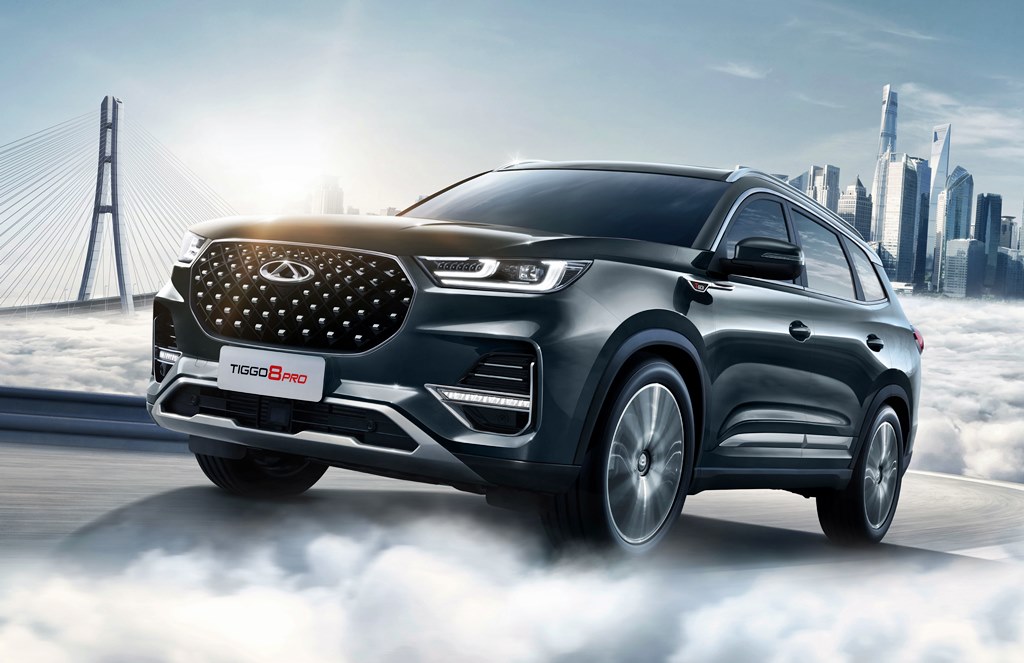
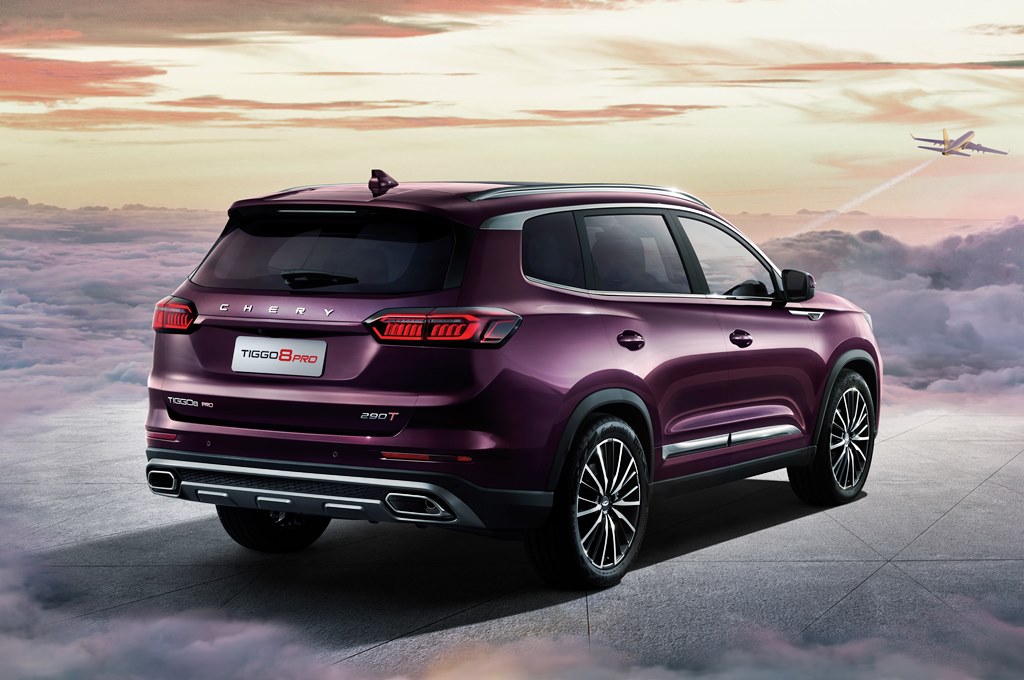
To show its confidence in the reliability of its latest products, Chery has launched the new Tiggo 8 Pro in South Africa with an engine warranty that is 10 years long or up to 1 million kms (whichever comes first). This warranty complements the vehicle warranty which is 5 years or a maximum of 150,000 kms and this warranty is transferable (if still valid when the vehicle is sold to another person).
The 1 million km engine warranty is impressive but not new as Hyundai has been offering a warranty of a million miles (1.6 million kms) in America for some time. Like Chery’s warranty, it is only for the powertrain but is for up to 20 years.
Long warranties are reassuring for owners and may seem to be a long-term risk for carmakers that offer them. However, it should be noted that such warranties usually apply only to the first owner and subsequent owners will not enjoy the same length coverage. In markets like the USA, ownership of a car is for a few years and then the owner gets a new one, so in reality, the risk to the carmaker is not much different from that of warranties of 5 years.
Anyway, it’s still a good way to convince customers who wonder about quality, which was one of the reasons why Hyundai offered it in America. Back in the 1980s, when the brand first entered the market, its products had poor quality and damaged the image. The Koreans worked hard to improve quality and when they were confident they could offer better products, they backed up their claims with longer warranties.
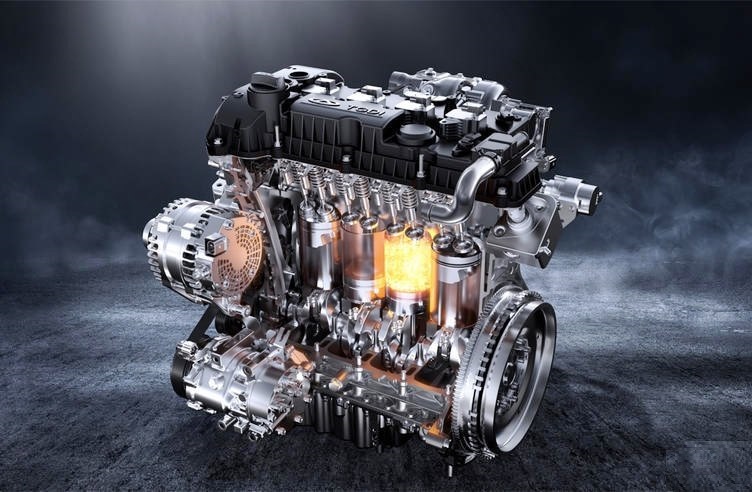
The engine is a 1.6-litre turbocharged direct-injection petrol unit, one of Chery’s powerplants which has won awards in China for its high efficiency. The TGDI engine produces 197 ps/290 Nm.
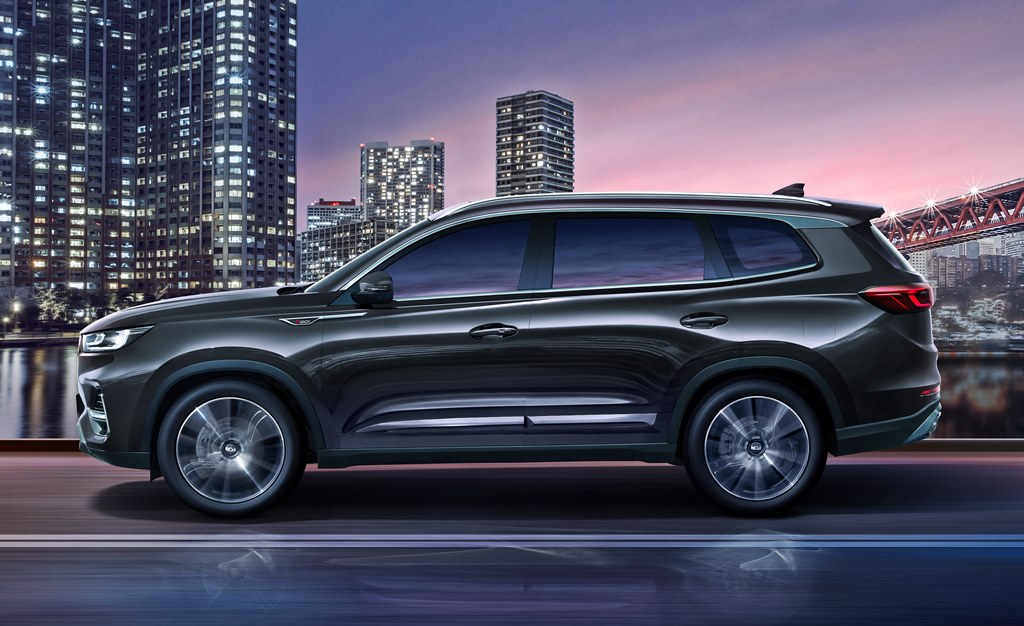
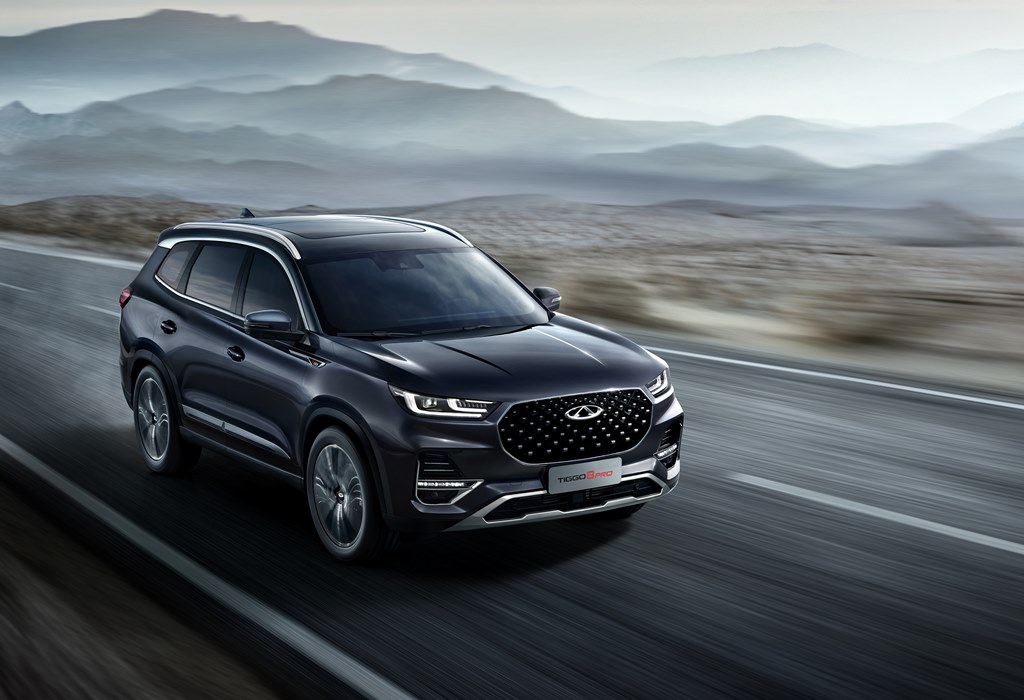
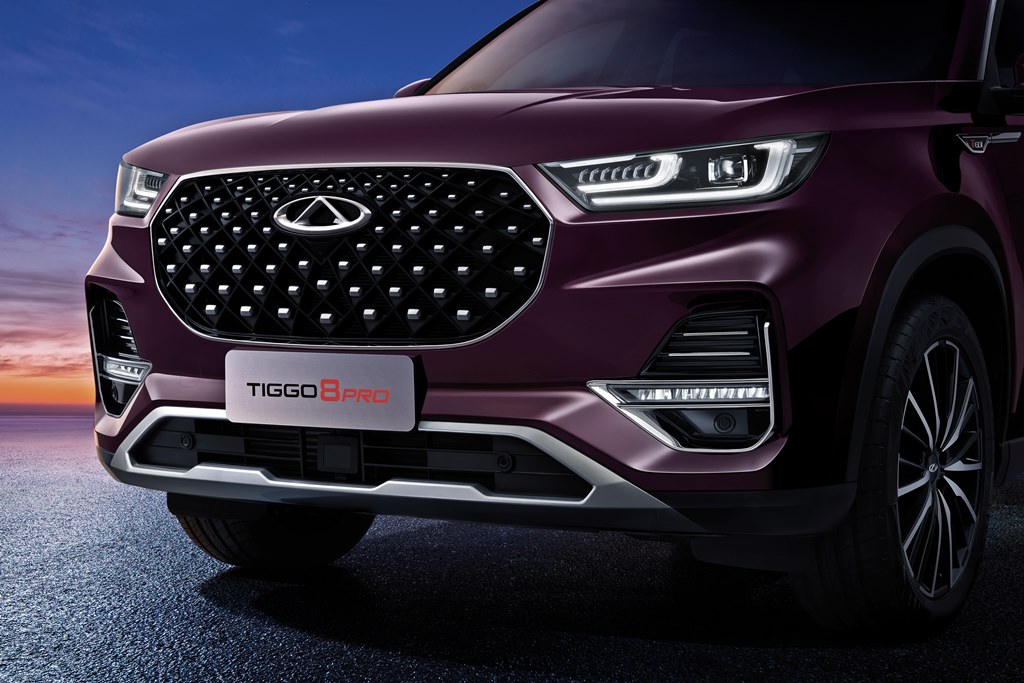
The new Tiggo 8 Pro is a flagship of the range and South Africa is the first country on the continent to get it. It uses ‘Movement Design’, Chery’s next-generation design language which has a galaxy-inspired 3-dimensional grille flanked by automatic matrix-LED headlamps with dual daytime running lamps, establishing a strong visual signature. Satin chrome is used for the lower air intake (which doubles as a skidplate), foglamps, grille, window frames and lower doors.
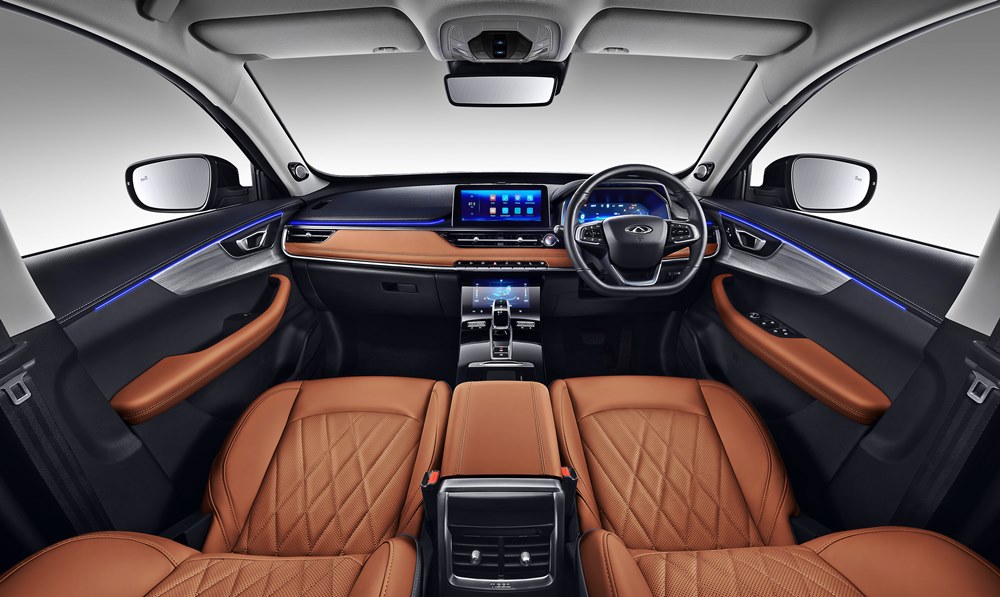
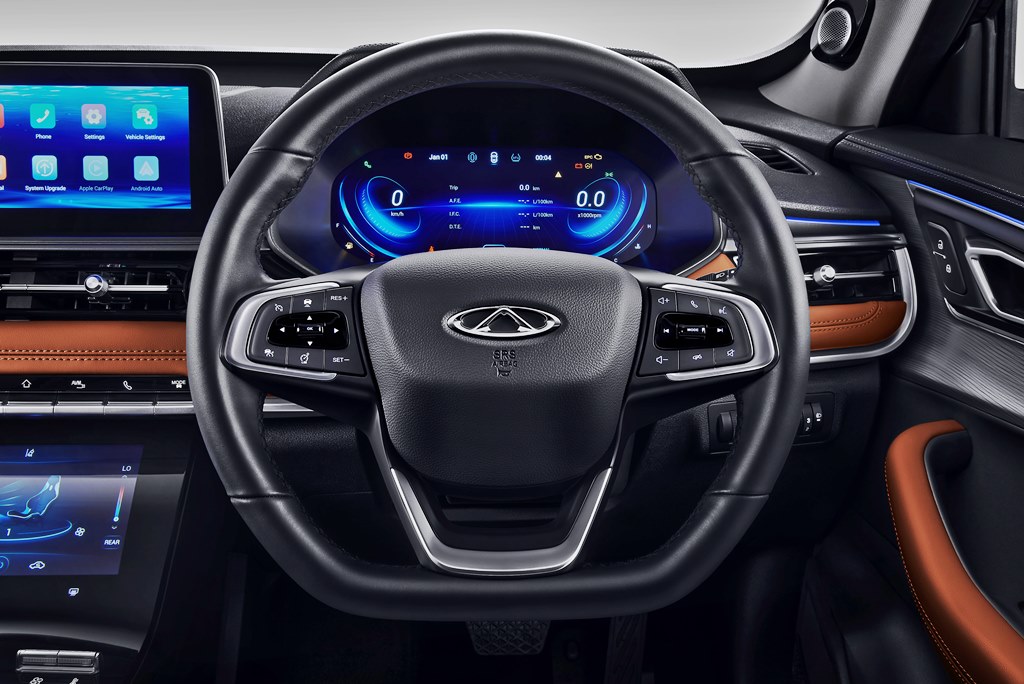
Inside, all major controls have been digitised in 3 separate screens – a horizontal 12.3-inch instrument panel, an 8-inch climate control screen, and a 10.25-inch infotainment screen ‘floating’ in the centre of the dashboard. The centre screen, which also displays the rearview image from a camera, operates the infotainment system which is Apple CarPlay/Android Auto ready.
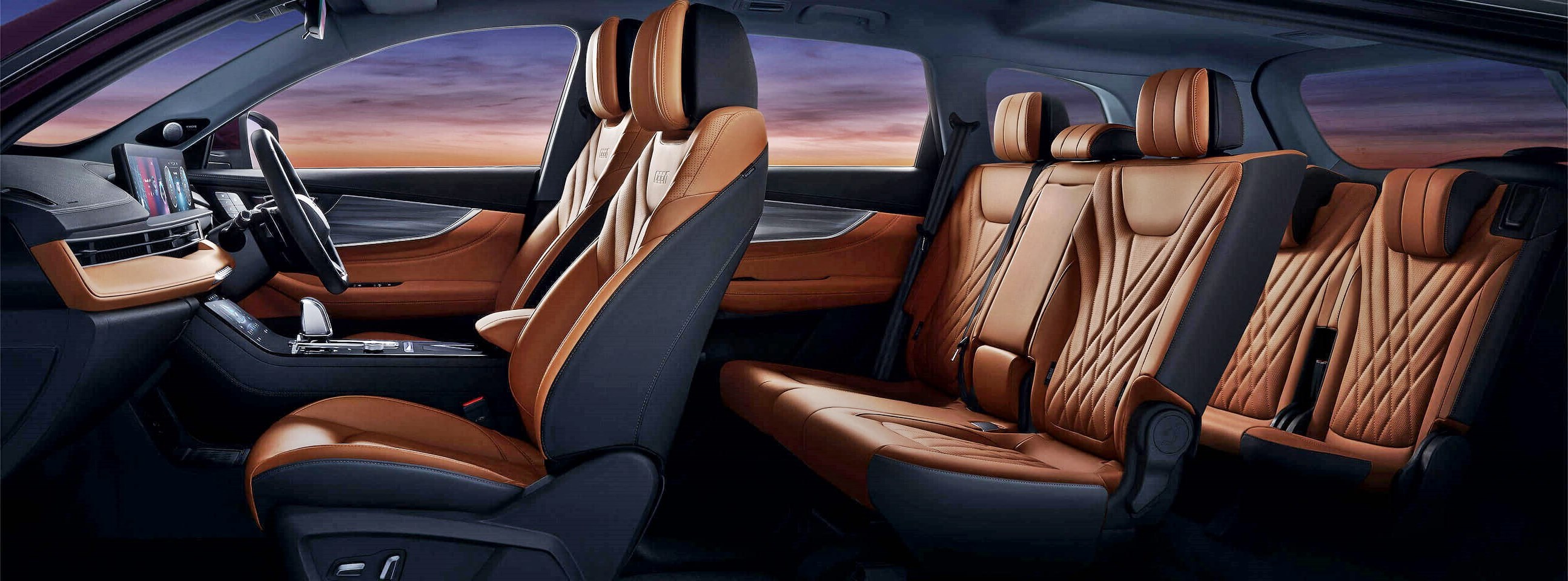
The fully automatic climate control system has dual-zone circulation and, in consideration of increased concerns about air quality today, there is an N95-grade air purifying system as standard. For the Executive variant, rear occupants receive more cool air with an additional air-conditioning system for the rearmost seats. All variants offer wireless charging, intelligent voice control and eight surround speakers by Sony. Leather upholstery is standard, with the driver’s seat having 6-way power-adjustment.
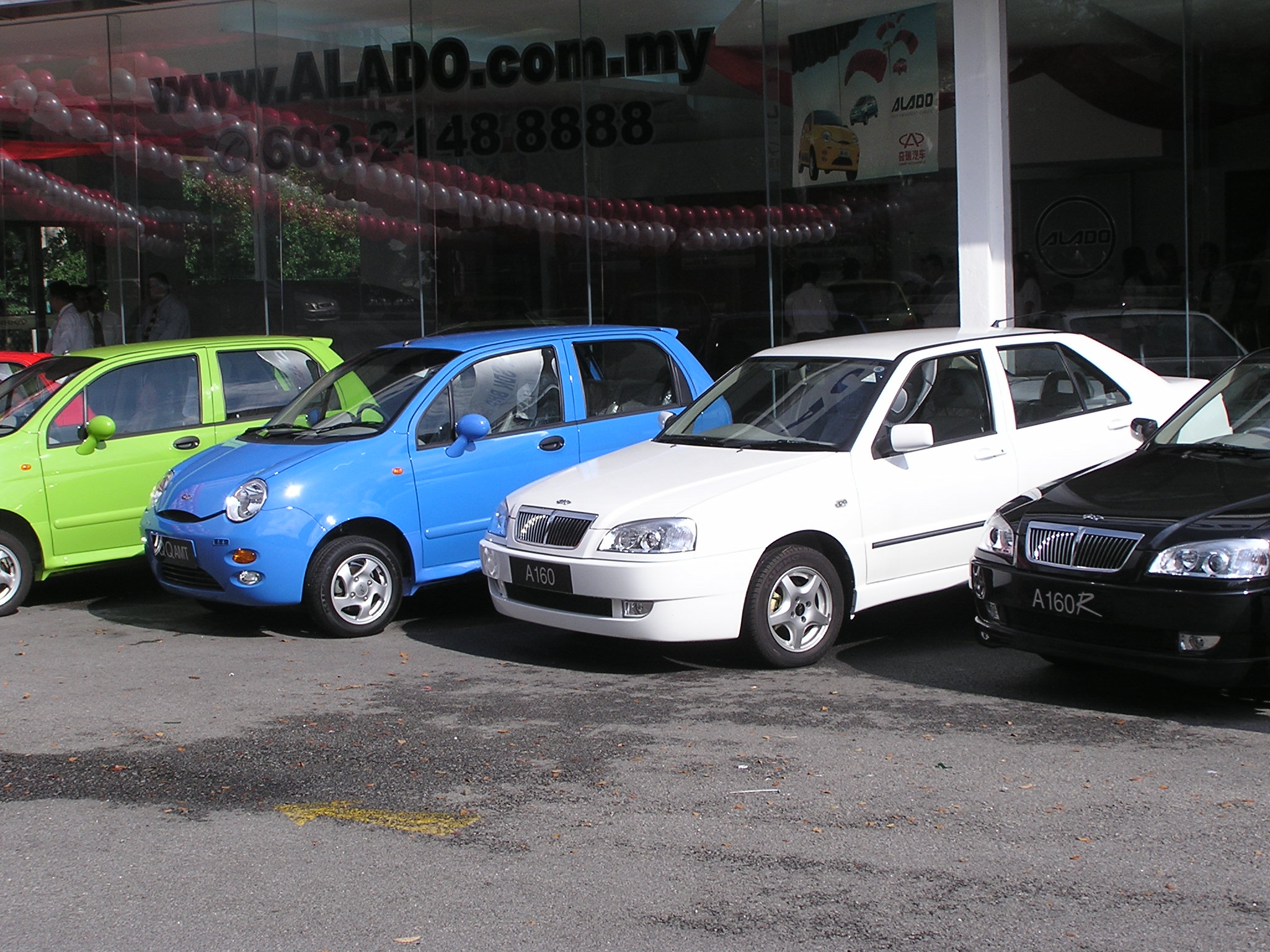
According to Chery Malaysia, the Tiggo range will be offered in Malaysia soon. There are also plans to do local assembly with a partner that has not been revealed. Chery first appeared in Malaysia in the early 2000s with the QQ minicar and then assembled a few models at the former Oriental Assemblers plant in Johor (now owned by Berjaya).
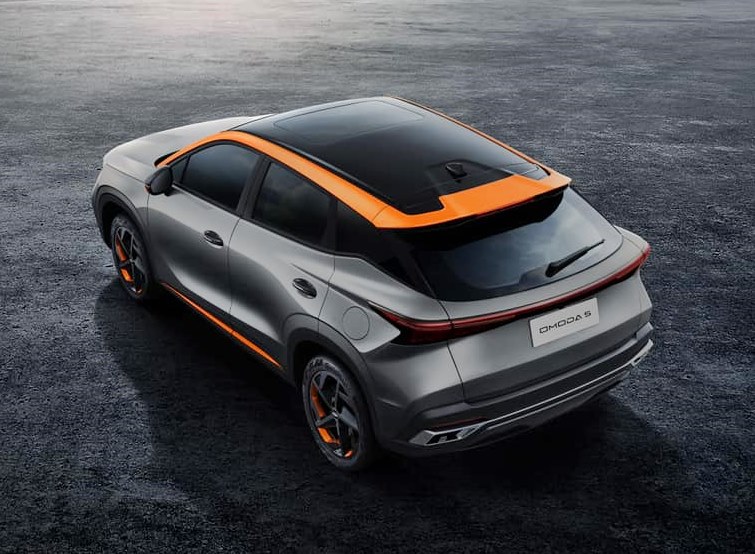
When Chery first came to Malaysia in the early 2000s, it offered models such as the QQ minicar (blue and green cars) and the A160, as well as the first generation of the Tiggo. 20 years later, the carmaker has greatly advanced its design and engineering capabilities and now offers models like the new OMODA 5 (below) which will soon be available in Malaysia along with the new Tiggo.
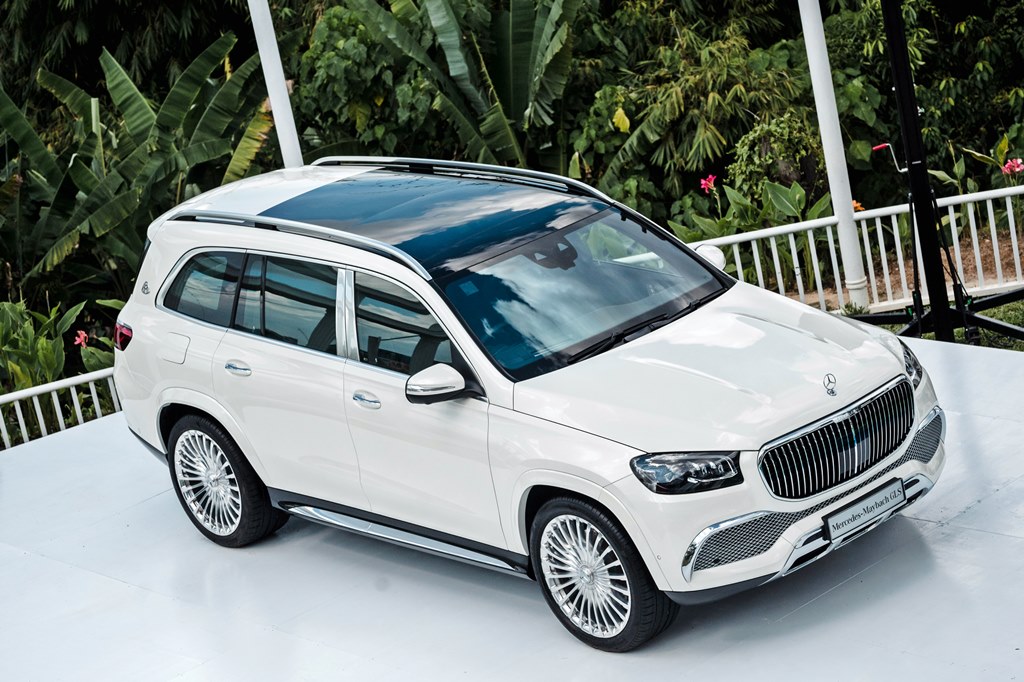
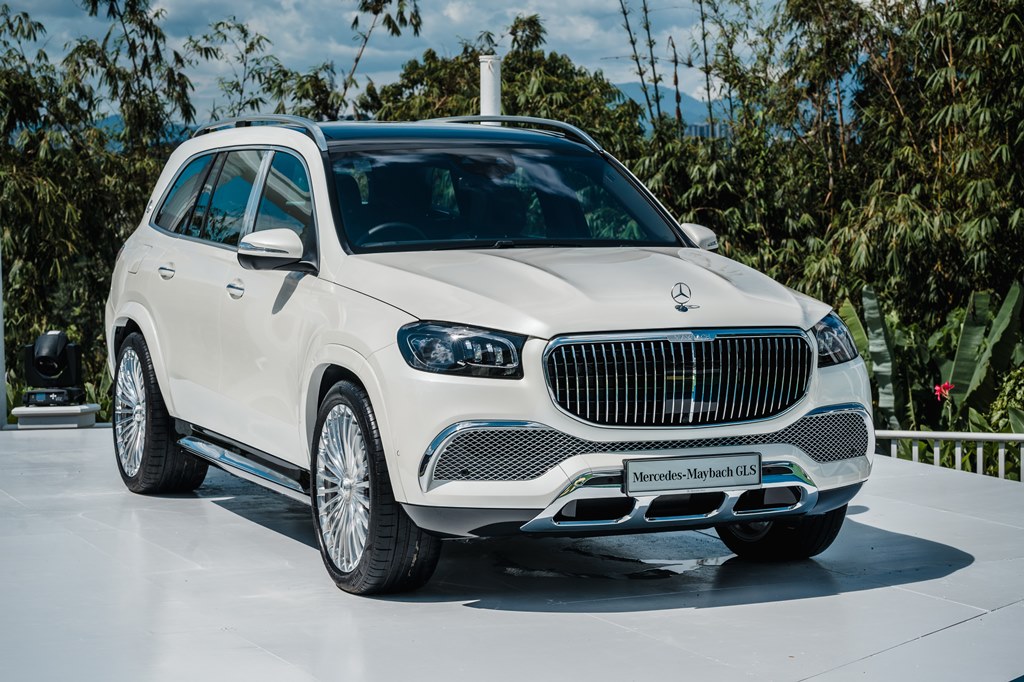
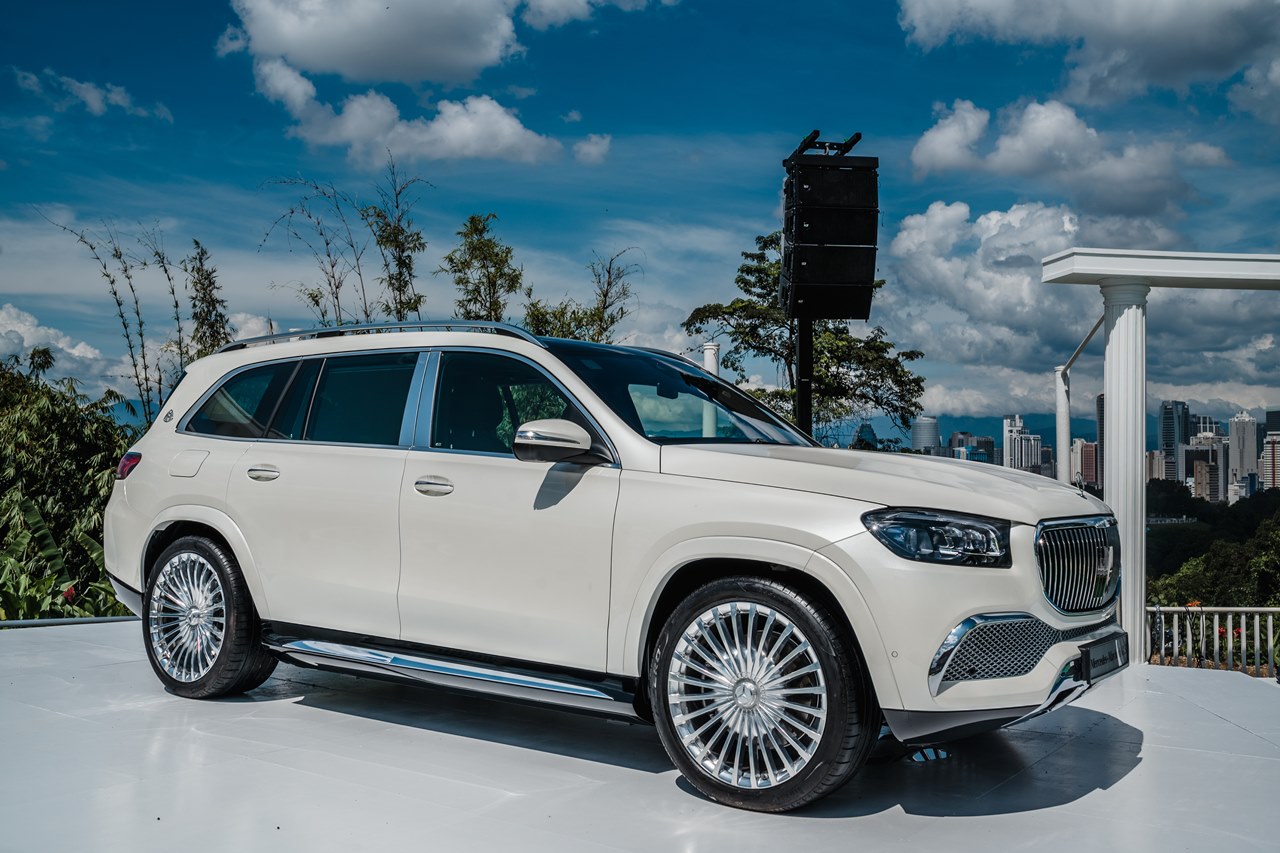
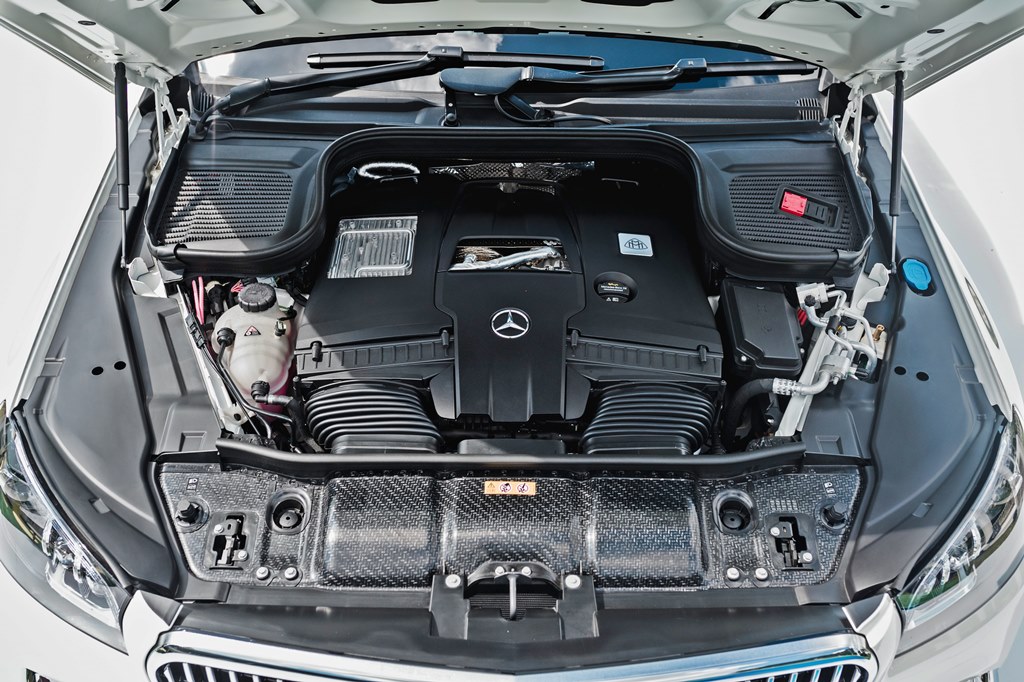
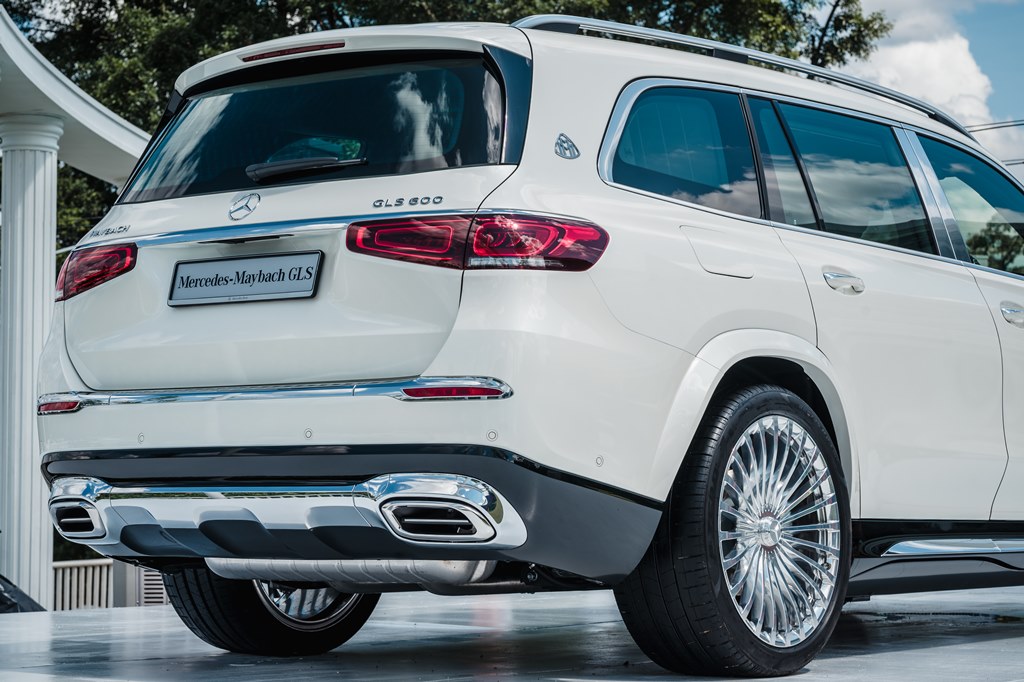
Along with the new Mercedes-Maybach S-Class (Z223), Mercedes-Benz Malaysia is also bringing in the GLS 600 4MATIC SUV, the only other model in the ultra-exclusive sub-brand above the Mercedes-Benz S-Class. Like the Z223, the GLS 600 costs considerably more than the model from which it was adapted (from RM1.89 million before adding insurance) and as we wondered, why would someone pay so much more when it would be possible to personalize a Mercedes-Benz GLS with additional luxury fittings and probably spend less? Well, we’re not in that segment of customers who can afford such cars so it’s hard to understand but it may be that there are some who want exclusivity as well as the assurance of the product being made by the same manufacturer, and not an independent outside party.
Where the differences are
Unless the S-Class, the GLS 600 has a closer resemblance to the Mercedes-Benz version, even size-wise. It has Maybach-specific styling elements but, at a glance, it would be hard to see the difference although the extra chrome trim does offer a clue. Where the Mercedes-Benz GLS sports a large star between two horizontal louvres in the radiator grille, the Mercedes-Maybach grille has a fine, elegant line of vertical chrome. At the lower level are ‘oar-blades’ at each side, with a classy mesh grille over them.
Along the sides is another classy feature – aluminium retractable side steps. The GLS 600 isn’t the only one with it but it is nevertheless something that will impress since you don’t see it often. The 2.06-metre long custom-designed steps, with extra width towards the rear half, fold out from underneath when a door is opened (and the vehicle is also lower slightly). Closing the door will reverse the action and the steps fit flush against the underside so there is no loss of ground clearance. This feature is exclusive to the Mercedes-Benz Maybach version.
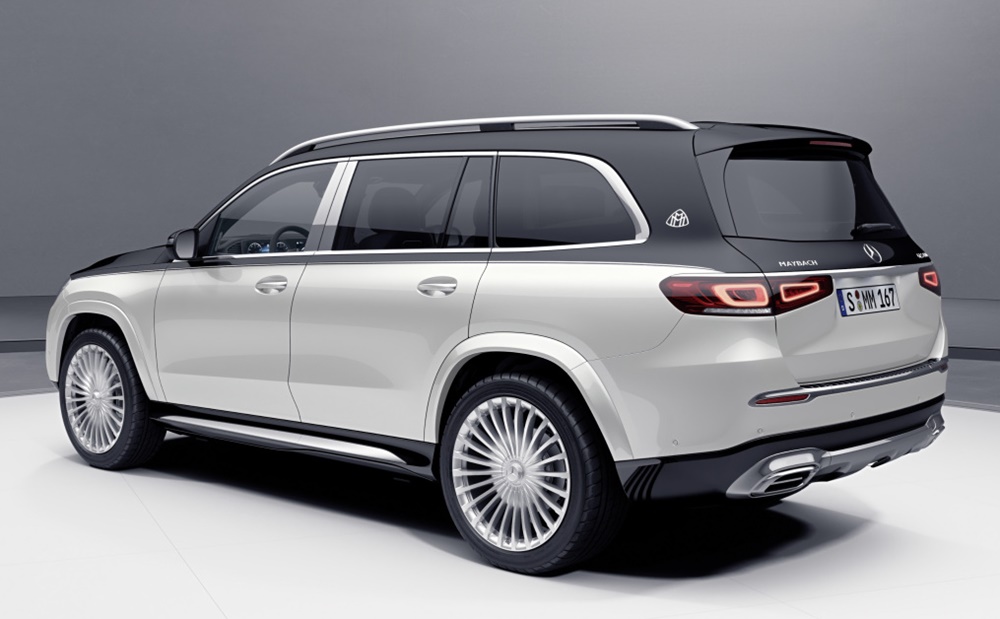
The 23-inch wheels were developed exclusively for this model and have the pinstripe theme of the brand. The tailpipe trim elements with a small cross rib emphasise the model’s identity as a Mercedes-Maybach. The same applies to the brand emblem, which is positioned at various points such as on the D-pillar.
Extra money gets you this 2-tone paint finish with a dividing line which is applied by hand, adding another level of exclusivity.
First-class cabin
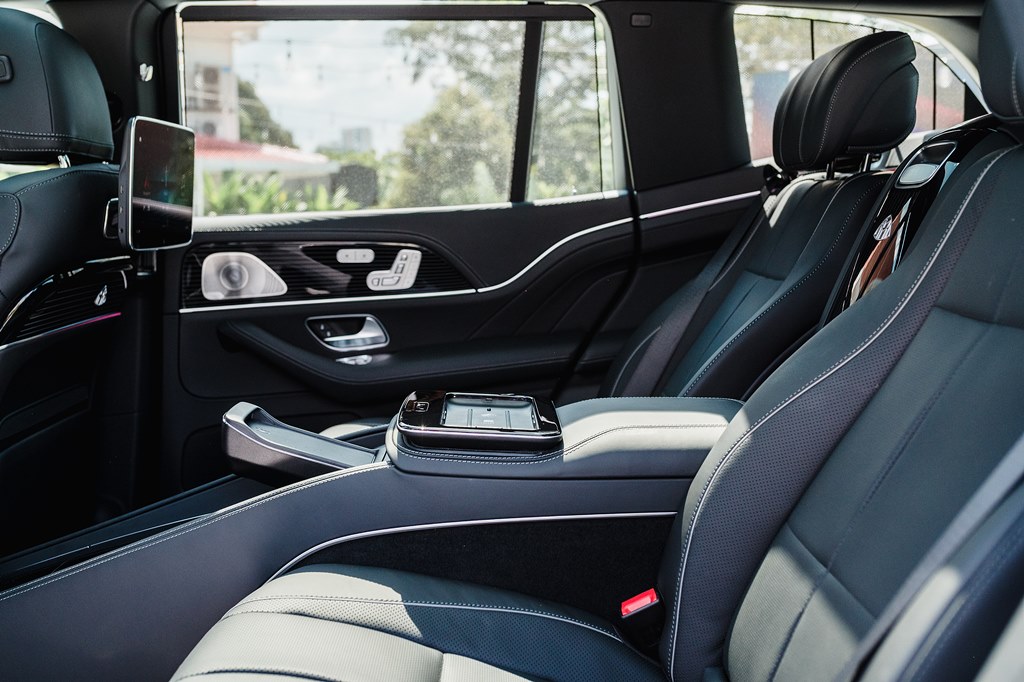
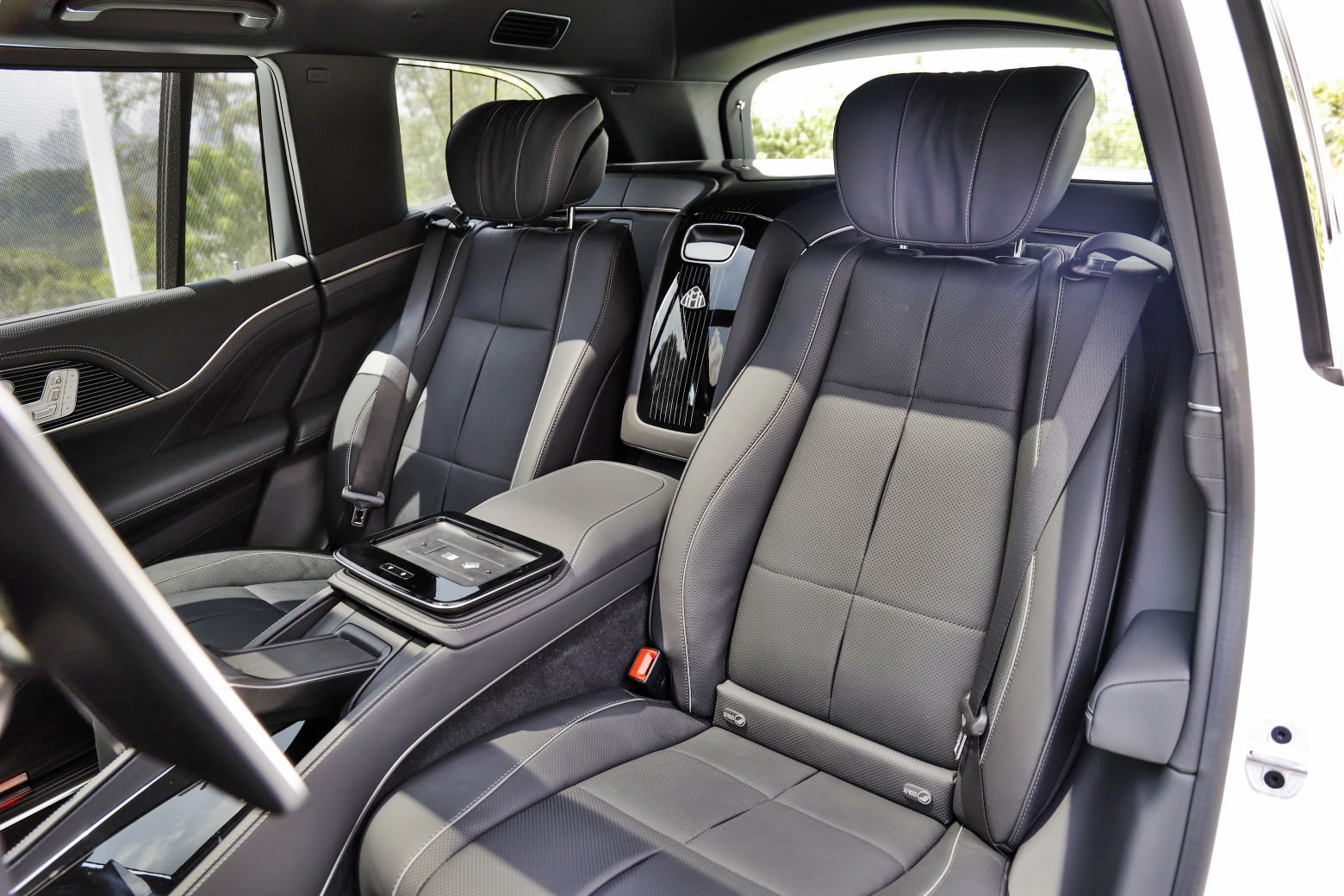
It’s on the inside that much of the reason for the higher price is evident. Needless to say, the character of the interior is reflected in the high-grade materials and the high level of craftsmanship. Where the Mercedes-Benz GLS has 3 rows for up to 7 persons, the Mercedes-Maybach version has only two rows and the back one is for just two persons. The seats look like they came from the first-class cabin of an airliner with power everything and a generous reclining angle.
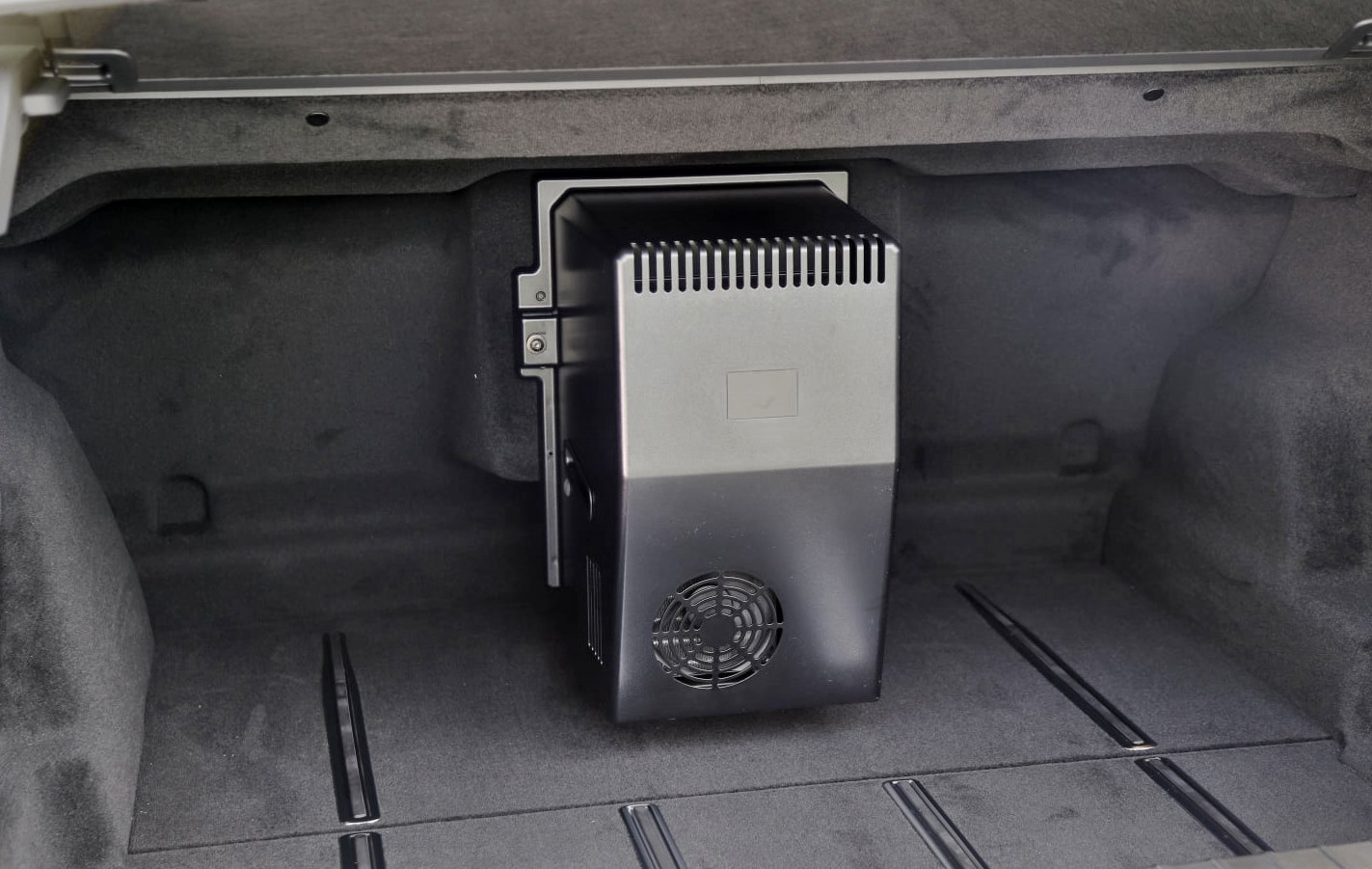
Between the seats is a wide console and at its rear end is a lid which opens into a refrigerated compartment. The refrigerator is an option but for the Malaysian market, it comes as a standard fitment. It has a large volume but that also means that it sticks into the boot area and takes away a bit of space.
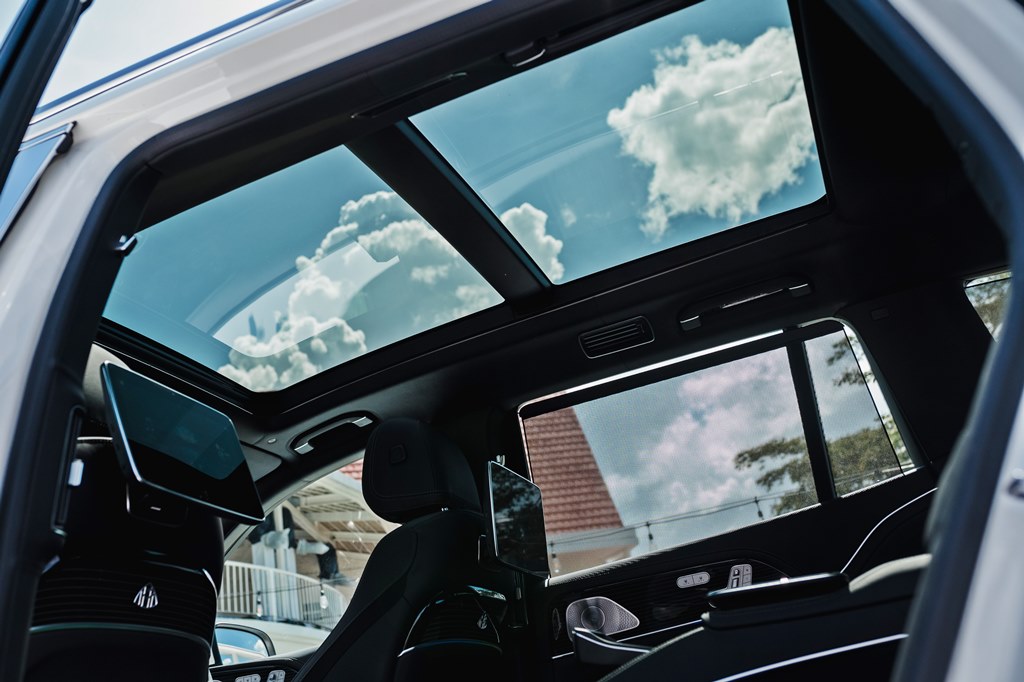
From their elevated seating position, thanks to electrically operated roller sunblinds on the two rear side windows, the passengers can decide for themselves how much of their surroundings they want to see. Overhead is an electrically opening panoramic sliding/tilting sunroof with an opaque roller blind which will certainly be needed with our burning sunshine.
While a SUV is often regarded as a more leisure-oriented vehicles, the GLS 600 can also be used as a mobile office for those who cannot (or don’t want to) disconnect from their business. There are multiple options with WLAN/Bluetooth to enable the occupants to stay connected to the rest of the world and folding tables and a 115/230 V socket can be installed. The MBUX Rear Tablet with a 7-inch screen acts as a control centre for all the comfort features and can also be removed and used as an Android tablet. The MBUX infotainment system with Rear Seat Entertainment System uses two 11.6-inch touchscreens and each screen can display the content selected by the individual user.
Better air quality and enhanced wellness
In this age of greater concern for air quality, the AIR-BALANCE helps to improve the quality with two particularly clever features. One is active fragrancing of the interior with technology that ensures the fragrance actually evaporates after system deactivation and air exchange so no perfume droplets stick to clothing or the occupants.
The AIR-BALANCE Package also has air ionisation using a high-voltage ioniser in the air duct. The ioniser generates negative ions and owing to the magnetic attraction, they form heavier agglomerations and fall to the floor. In this way, certain viruses, bacteria and spores can be deactivated while the air will be fresher.
The suspension is based on that of the Mercedes-Benz GLS with AIRMATIC air suspension and Adaptive Damping System Plus (ADS+). The E-ACTIVE BODY CONTROL suspension based on the 48V on-board electrical system, an innovation in suspension technology, is standard. A special Maybach drive program has been developed to provide class-leading ride comfort.
Hybrid powertrain with cylinder-cut
For power, the M177 engine is used and this is a new, electrified variant of the V8 petrol engine with a displacement of 3982 cc and has a 48V on-board electrical system with integrated starter-alternator (ISG). The ISG is responsible for hybrid functions such as EQ Boost or energy recovery, allowing fuel savings that were previously reserved for high-voltage hybrid technology.
The output of the bi-turbo engine is 558 ps/730 Nm, and can be boosted by 250 Nm/22 ps momentarily. For fuel-savings, the variable valve control system CAMTRONIC can shut down 4 cylinders when demands are low. The transition between on 4 and 8 cylinders is seamless an absorber reduces vibrations that come from running on less cylinders.
Mercedes-Benz has had lots of experience in all-wheel drive, not only when it developed its first SUV in 1997 but even before that with the G-Wagen. For the GLS 600, the power flows through a 9G-TRONIC automatic transmission to a transfer case that can vary torque from 0 – 100% between the front and rear axles.
Sophisticated PRE-SAFE systems
The tallness of a SUV has always been a challenge for engineers as there is a higher risk of roll-over. The PRE-SAFE system has active systems that can lower this risk significantly, but accidents can still happen. This is where the additional airbags installed in the rear seats help to give better protection to the passengers while Impulse Side, which is part of the Driving Assistance package Plus, uses the close-range radar sensors to detect an impending side-on collision and can prompt the driver or front passenger to move further away from the danger zone.
An interesting feature is the use of hearing, an area that often gets forgotten. If a probable impact is detected, the PRE-SAFE Sound system transmits a noise signal through the sound system of the vehicle which can trigger a reflex. It causes the stapedius muscle in the inner ear to contract and thus muffles the noise level of a major collision. This small action could help reduce the disorientation caused to the passenger by the impact and enable him or her to get out quickly.
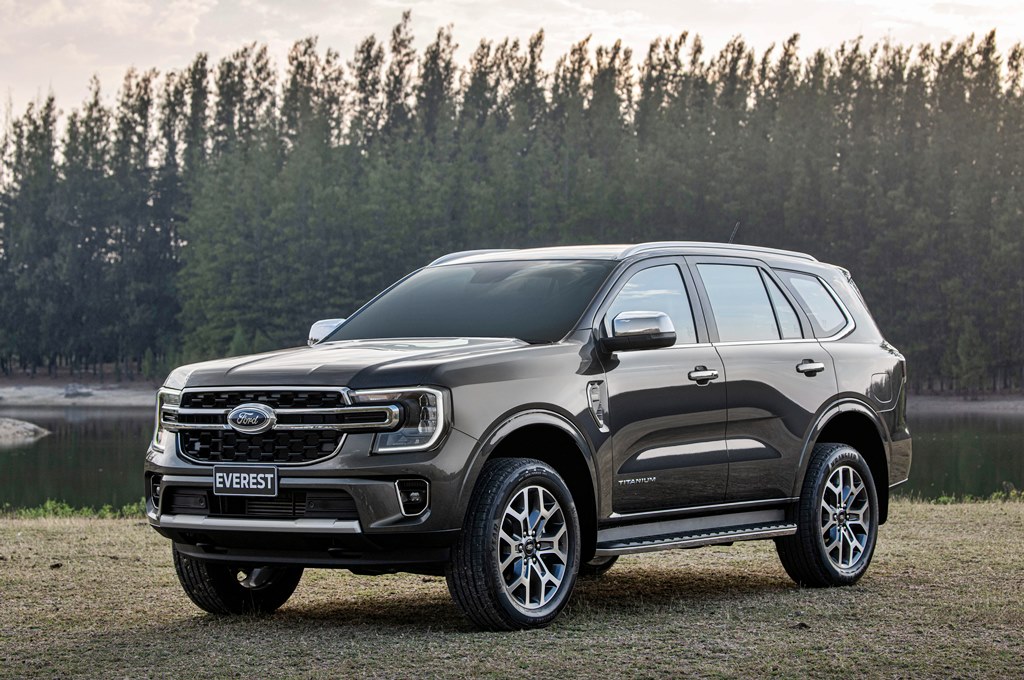
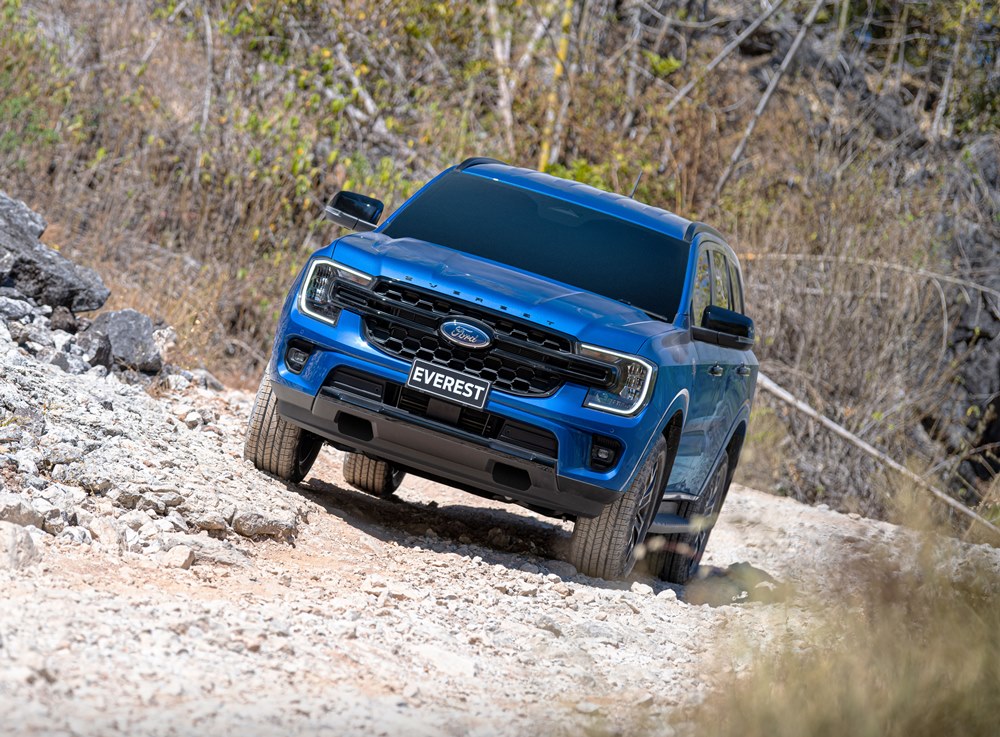
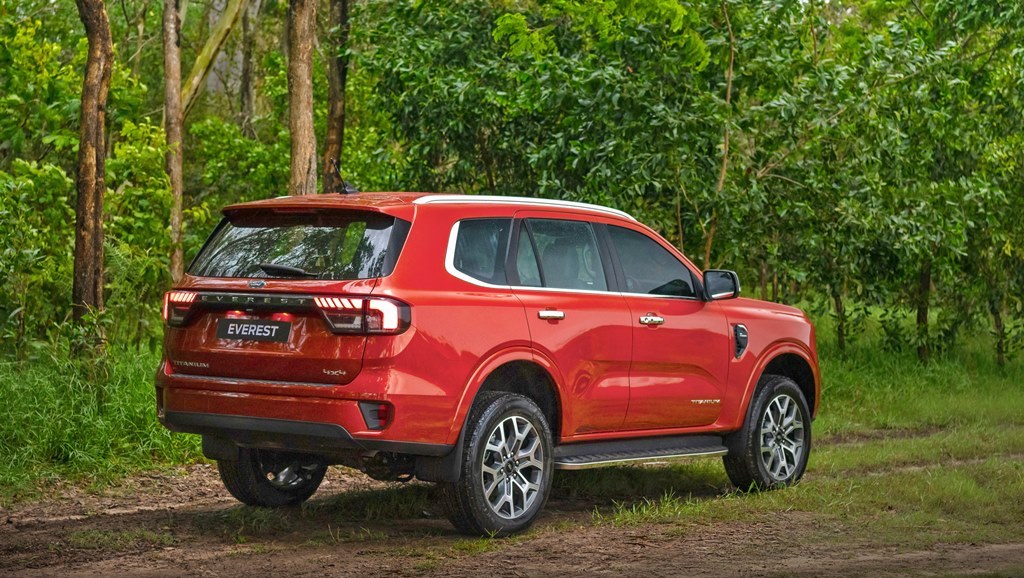
Following the reveal of the new Ford Ranger last year, Ford has now finally given the new Everest SUV its global debut. While the press materials don’t mention the Ranger, it’s no secret that the two models are essentially shared products, with the Everest being a SUV version of the pick-up. The connection has been important, particularly in Thailand, where it is advantageous to be a truck-based SUV.
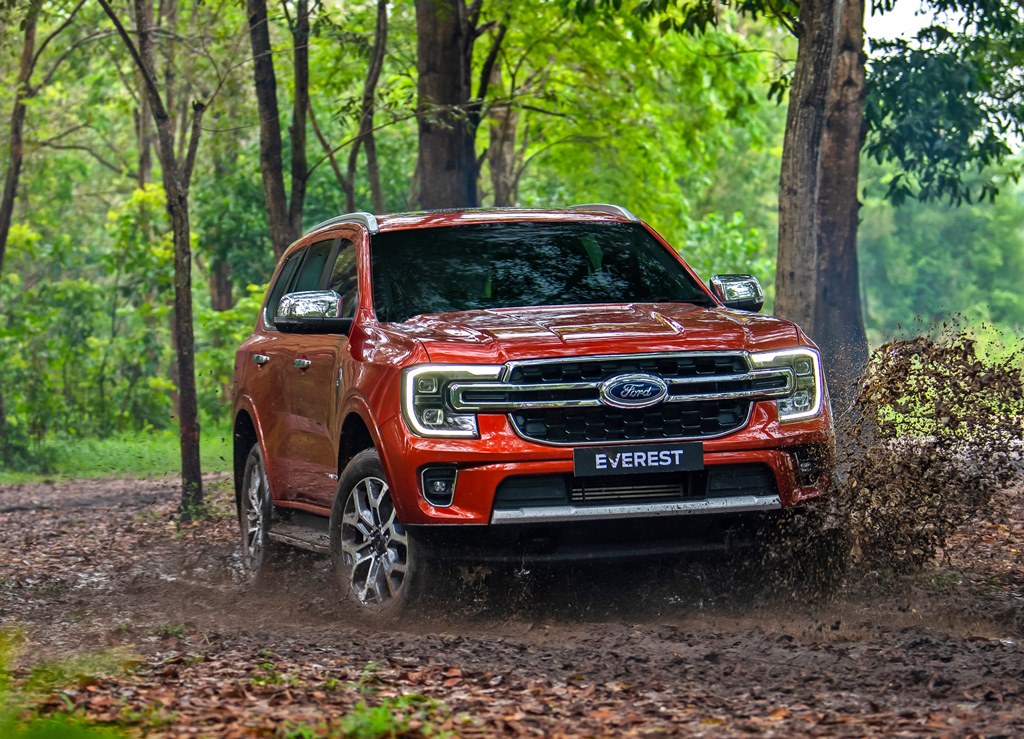
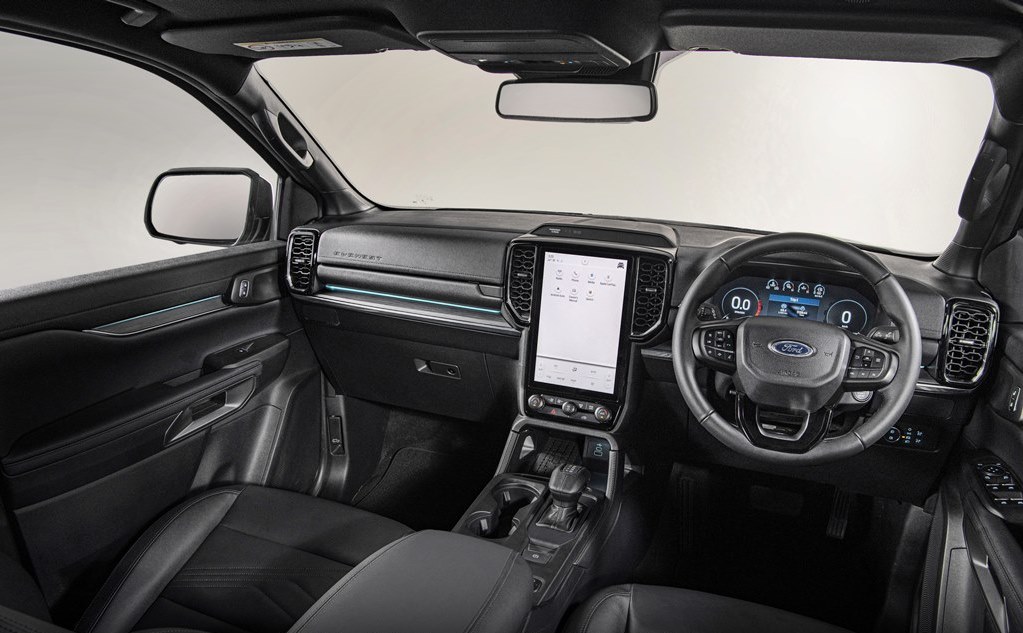
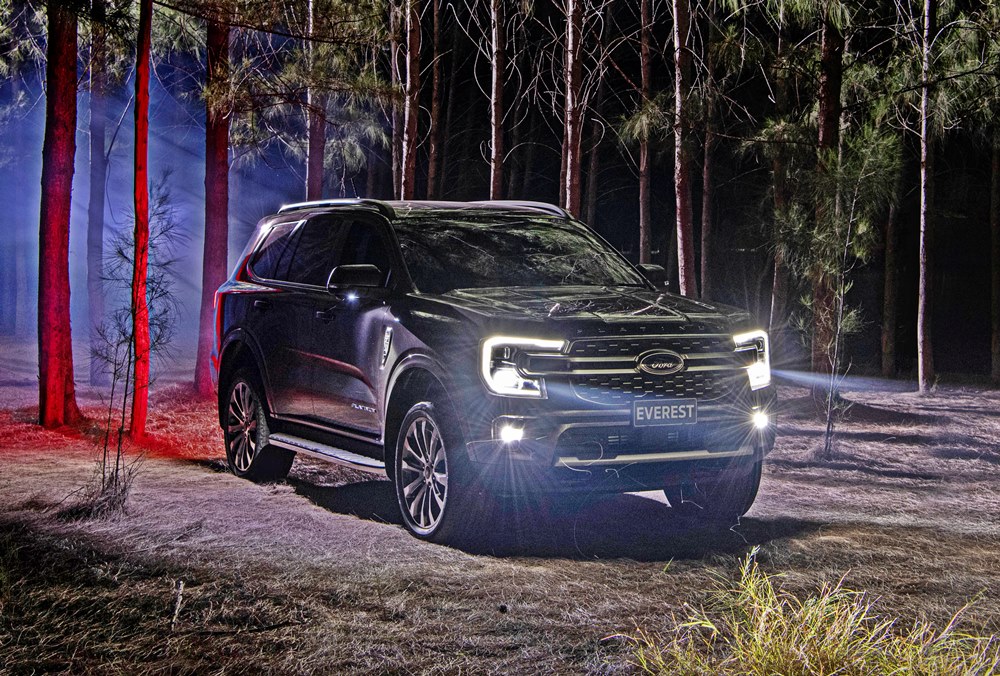
Ford design DNA For the new Everest, which starts its third generation, the chassis has wider tracks and a longer wheelbase. The styling is that of a modern SUV with the same ‘C-clamp’ headlamps and strong horizontal upper grille bar at the front, now the signature look of Ford’s trucks and SUVs. For the Everest, the front end also has a mix of horizontal and vertical elements. The wider tracks add a muscular image to the vehicle with a more dramatic swell over the wheels.
The new integrated or stand-off roof rails are more than just a design detail as the Everest roof can now support static loads of up to 350 kgs and dynamic loads of up to 100 kgs. This means owners can carry bikes, canoes, a cargo pod or roof-top tent. A universal mounting system allows for addition of a range of accessories.
“We showed customers the Everest at several points during the design process, and their feedback was consistent: They loved the exterior with the strong and rugged design, but they also thought it was sleek and modern,” said Max Wolff, Design Director for China and Ford’s International Markets Group. “They said that the Everest would give them the confidence to go off-road; it looks like a proper SUV.”
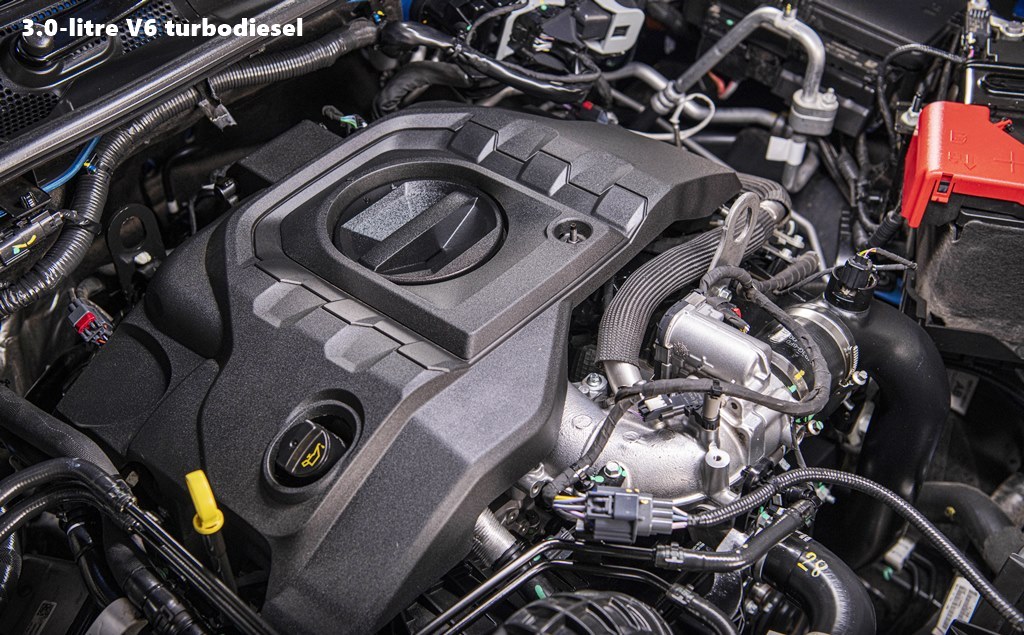
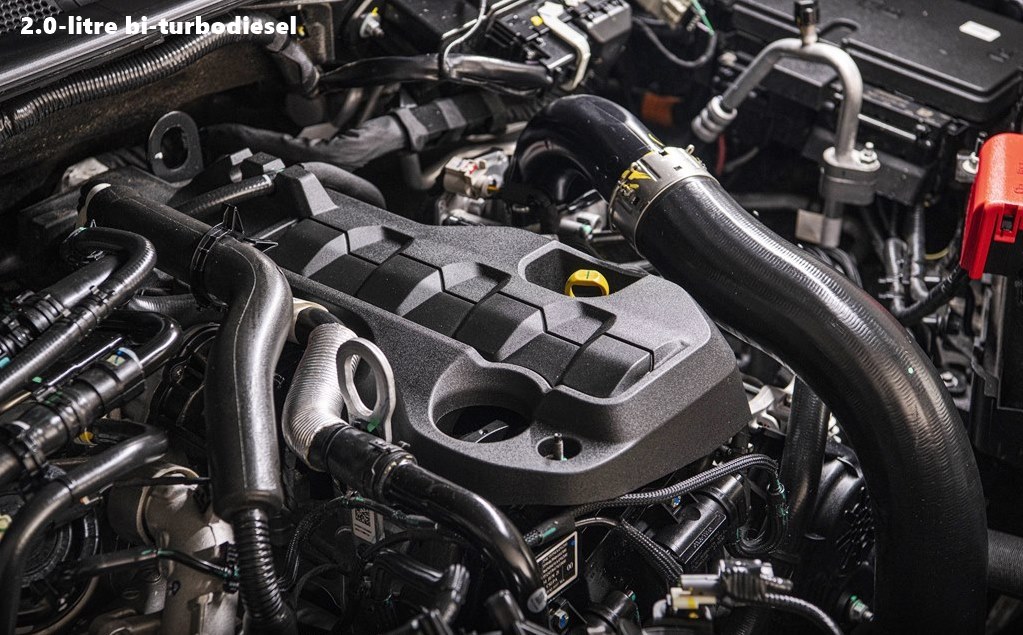
Three engine options Depending on the market, the Everest will be available with turbodiesel and petrol engines. There is a new 3-litre turbodiesel V6 and the proven 2-litre turbodiesel, and from 2023, a 2.3-litre EcoBoost petrol engine. The present generation sold in Malaysia has a 2-litre bi-turbo diesel engine and this is likely to be maintained while the petrol engine would probably also be offered. Ford’s 10-speed SelectShift automatic will continue to be available as well as a 6-speeder.
Besides the 50 mm increase in the track for a more controlled ride on-road, revisions have been made to the damper settings ‘to inject more fun and control’ into the Everest’s ride, on and off-road. There will be two 4×4 drive systems – a 2-speed electronic type (also known as a part-time 4×4) and an advanced, permanent 4-wheel drive system with an electronically controlled on-demand 2-speed electromechanical transfer case with selectable drive modes.
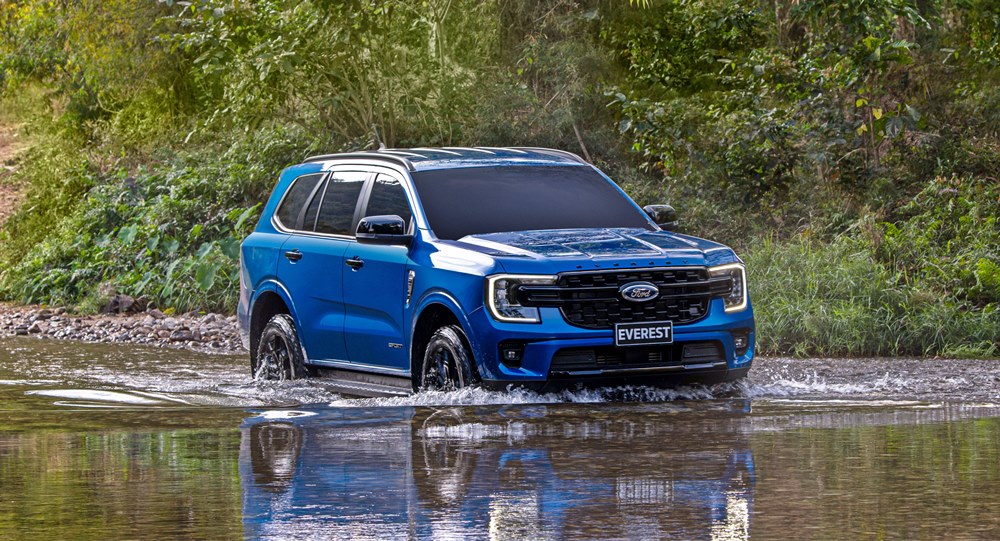
A rear locking differential is fitted and, in some markets, the Everest will also be available with 2-wheel drive. As with the current Ranger and Everest, the vehicle can move through water up to 800 mm deep.
‘Sanctuary’ in the cabin While customers told the Ford people that they wanted toughness and capability on the outside and underneath, for the Inside, they wanted a ‘sanctuary’. So the designers put a lot of thought into the function and feel of the interior, taking inspiration from modern homes and bringing in plush materials, premium finishes and ambient lighting all in areas where customers can appreciate them the best.
The sense of spaciousness is amplified by the full-width dashboard. Access to the third-row seats is much easier, thanks to second-row seats that slide further forward than before. Additionally, all occupants now have places to store their things and depending on the model, charge their devices with power outlets in all three rows (some variants will have wireless charging pads).
Ford’s interior designers prioritised flexible seating in the new Everest so the second-row slides with a 60:40 split seatback and the 50:50 split third row in the 7-seater configuration can be folded at the touch of a button. Importantly, both the second and third-row seats have been designed to fold flat to allow for long loads to be carried safely.
To stop items falling out of the back opening when the tailgate is up, there is a small lip, affectionately known as the ‘apple catcher valley’, at the rear of the cargo area. The team also created an underfloor compartment for storing small items.
“One of the first things you’ll notice when you get into a new Everest is how quiet it is,” said Wolff. “We’ve all been in vehicles with multiple rows of seats, where you have to twist your head around and almost shout to be heard by passengers in the second or third rows. That’s an issue we wanted to solve for the Everest, so the interior would be a quiet place in which you can easily talk to your family or friends and enjoy the journey together.”
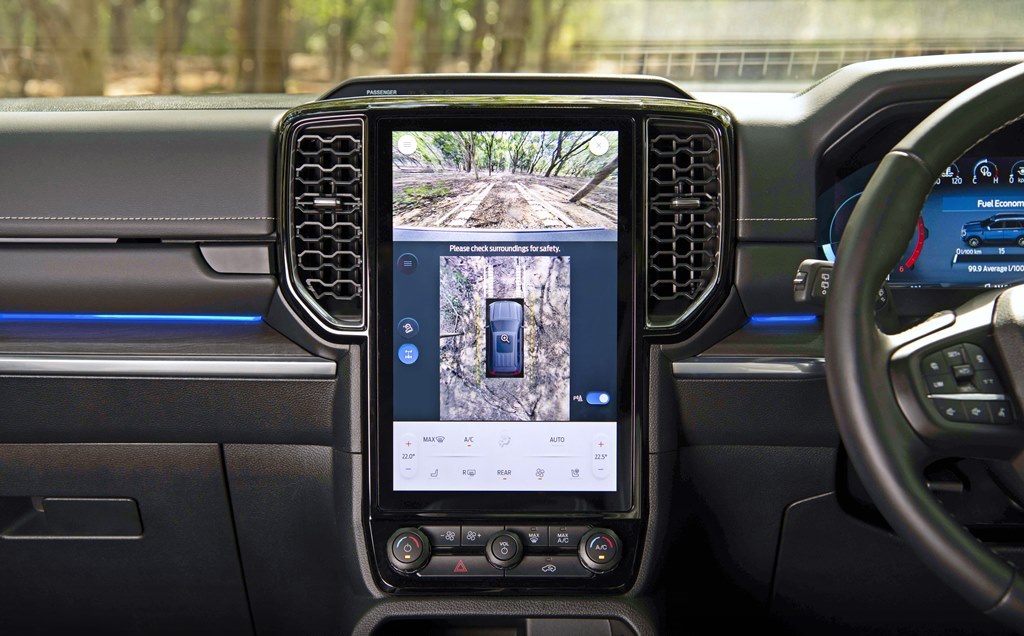
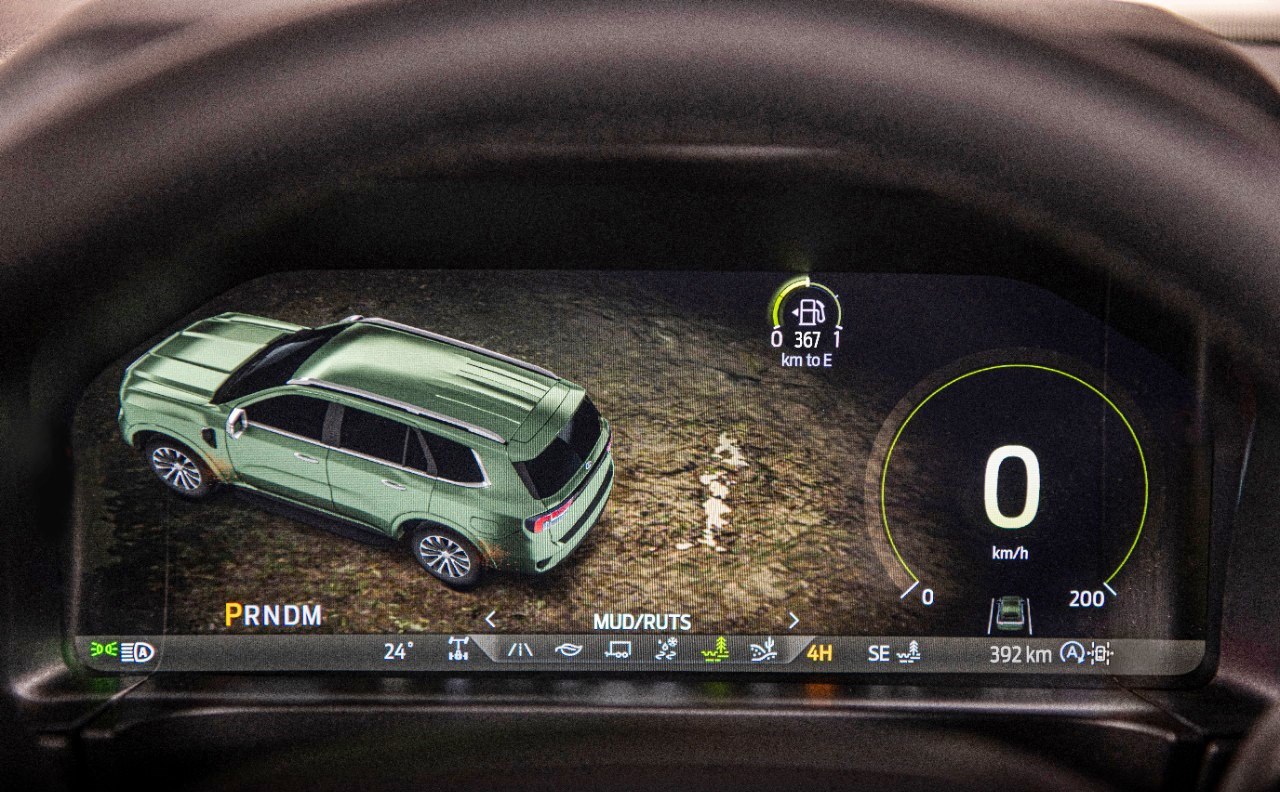
Customer-focused technology In addition to a more refined and comfortable interior, Ford focused on incorporating the latest connectivity and technology features. 8-inch or 12.4-inch digital instrument panels replace the traditional analogue clusters so it’s a ‘glass cockpit’ now. Additionally, in the middle of the dashboard is a high-resolution touchscreen in either 10.1-inch or 12-inch sizes, running Ford’s latest infotainment system known as SYNC 4A.
The portrait-orientated screen also is linked to a 360-degree camera with split-view display to make parking easier in tight urban spaces or to assist when negotiating particularly tricky terrain. In addition, the driver can control the new exterior zone lighting system via the touchscreen which means they don’t have to park, work, camp or do anything in the dark.
Where available, the Everest’s dedicated off-road screen displays vehicle information and a front camera view of the terrain ahead, with predictive overlay guidelines designed to help the driver negotiate obstacles. With a single button press, the driver can view their driveline and diff-lock indicators, steering angle and guides, and vehicle roll and pitch angles. The camera views also help the driver guide the SUV into position to connect a trailer.
Driver-assist technologies Ford has always treated its SUVs and pick-up trucks the same way where safety is concerned, giving just as much safety technology as its passenger cars. For the Everest, there are new and enhanced driver assist technologies and safety features to take the stress out of driving and help drivers to remain focused.
A new far-side airbag positioned between the driver and front passenger provides additional protection in the event of a side impact. Depending on the variant and the market, the addition of the far-side airbag and dual knee airbags brings the number of airbags up to 9, which cover all 3 rows.
With Active Park Assist 2.0, the new Everest can help the driver fit safely in tight spaces at the press of a button. The system takes care of the steering, gearshifts, acceleration and braking to manoeuvre into parallel or perpendicular parking spaces. It will also steer itself out of a parallel parking spot when prompted.
The Everest is primarily made in Thailand, along with the Ranger, and is expected to go on sale later this year. As Sime Darby Auto ConneXion has been selling the Everest, it would likely continue with the new generation, perhaps in 2023. If you’re interested in getting the current model, there should be some stocks available. Visit www.sdacford.com.my to locate a showroom for more information.
Over the past decade, the auto industry has probably seen more new companies starting up than at any other time except in the earliest years over 100 years ago. And where those early companies saw new business opportunities with the motorized carriage invented by Karl Benz in 1886, the new companies of the 21st century see great opportunities in electrically-powered ‘carriages’ – electric vehicles (EVs). And not having the legacy of decades of investment in vehicles with combustion engines, these new companies can be on the starting line alongside the established players in the new race.
More than just cars
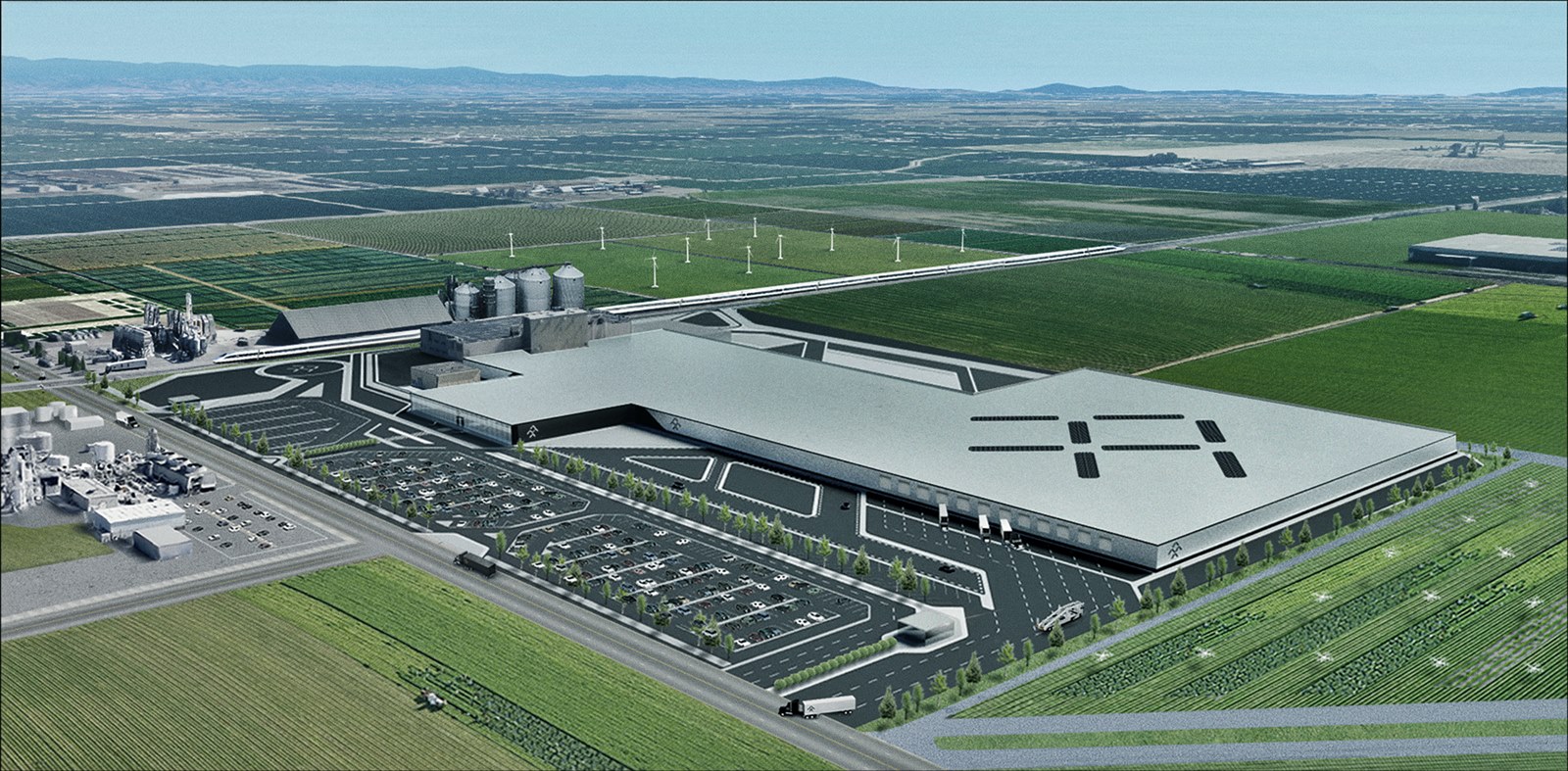
But it’s not just transport vehicles which these newcomers are developing as they also look at providing mobility in a broader sense and as a service, rather than just selling the product. One such company is Faraday Future (FF), an American company originally founded by a Chinese businessman in 2014, which describes itself as a ‘shared intelligent mobility ecosystem company’. After some financial difficulties, the company was able to get substantial funding and went public on the NASDAQ Stock Exchange in New York City and proceeded to set up its manufacturing facility in California.
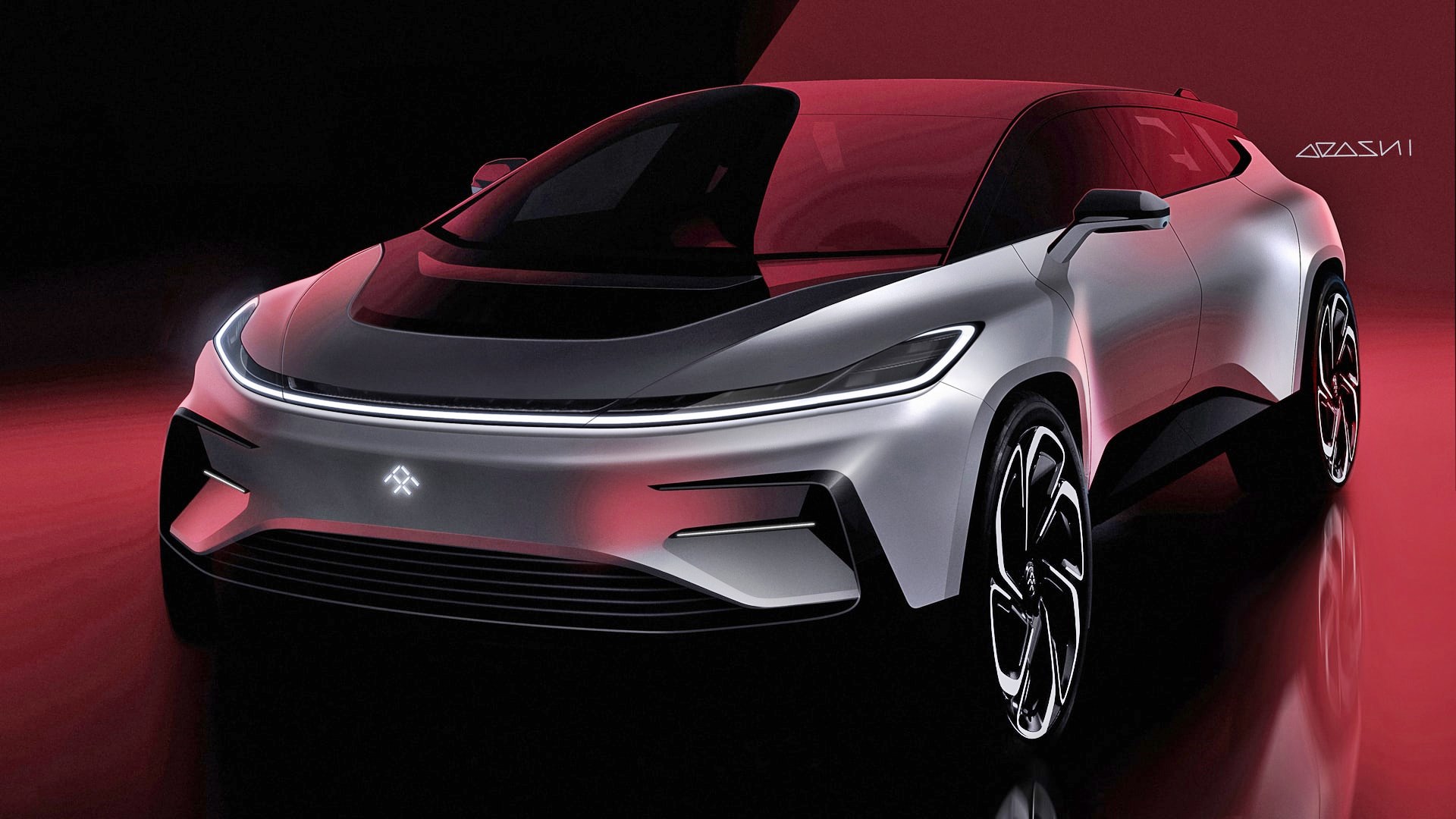
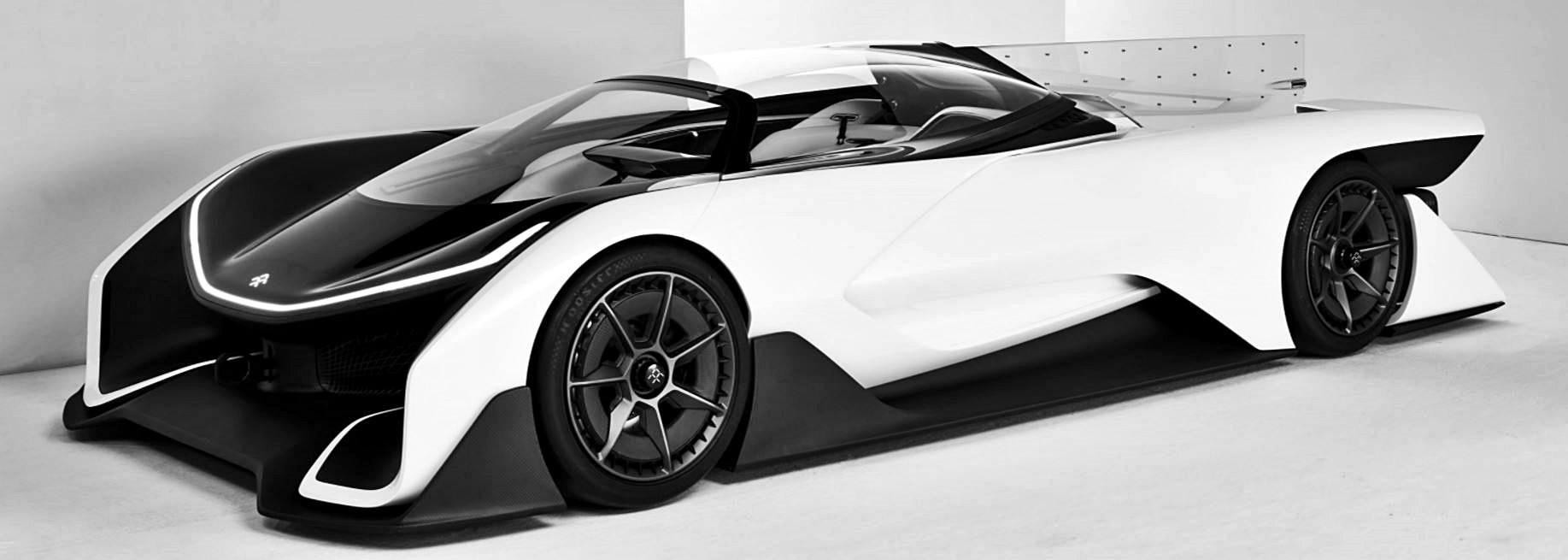
FF ZERO 1 concept
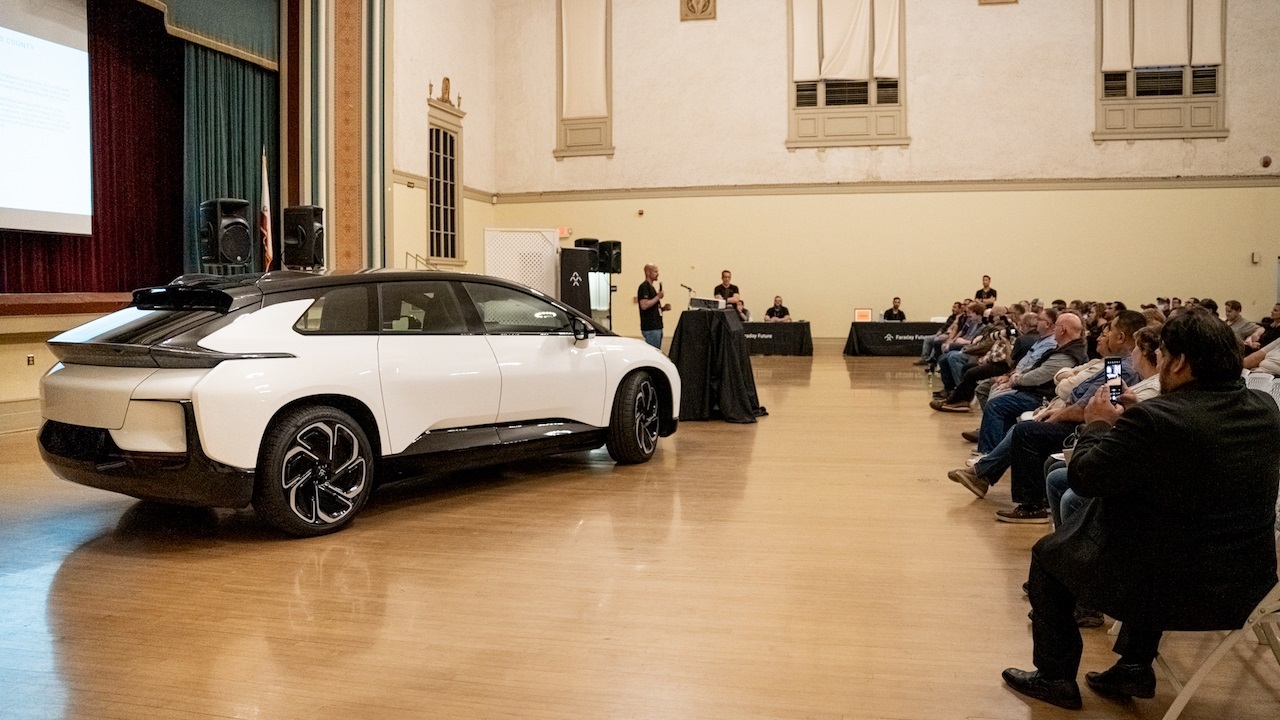
Its first concept car was the futuristic FF ZERO 1 which was shown in 2016 at CES and some other events, more to draw attention to the new company than as a preview of the EV it would build. That came a year later in the form of the FF 91 which remains as the designation for the production model.
SUV bodystyle for flagship
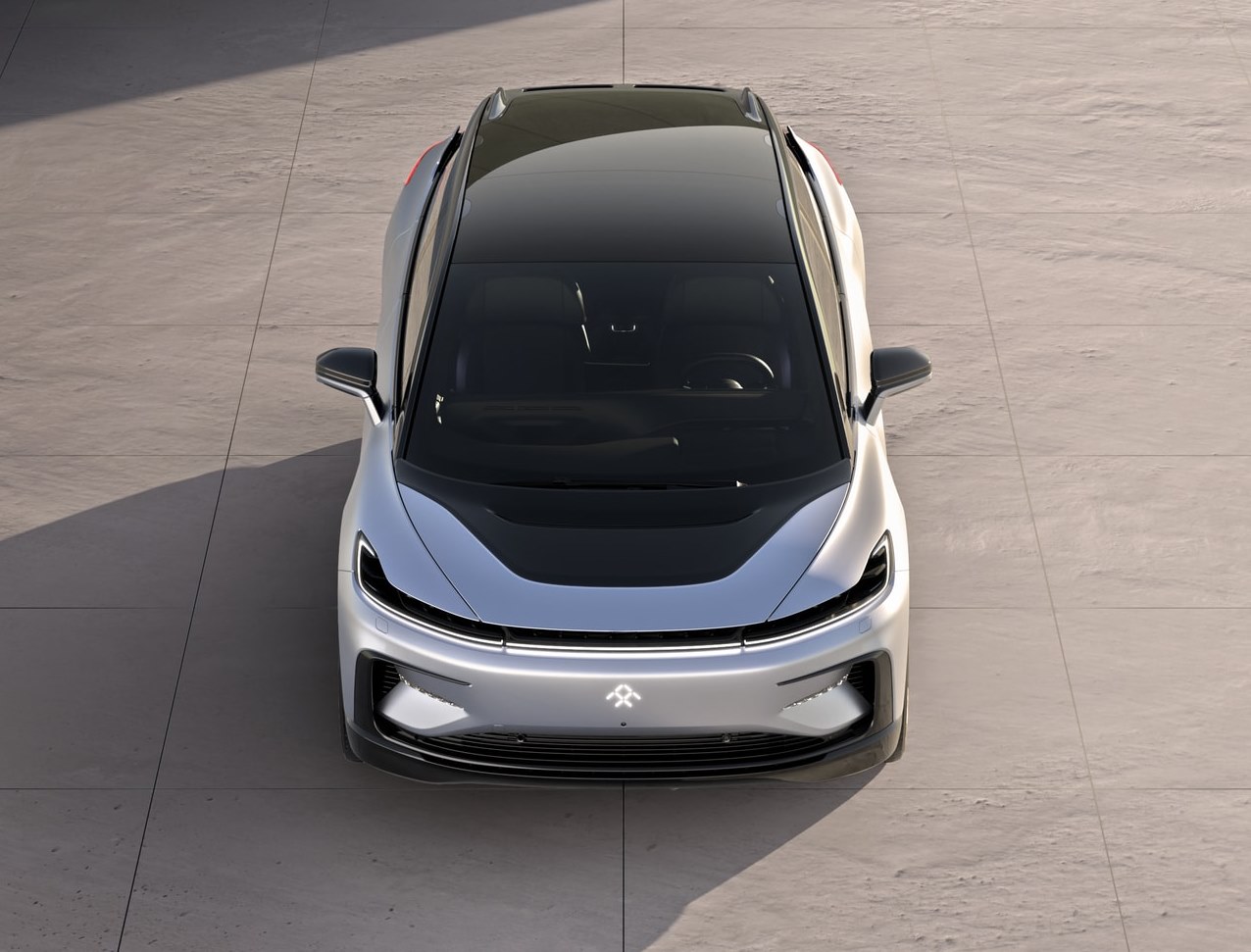
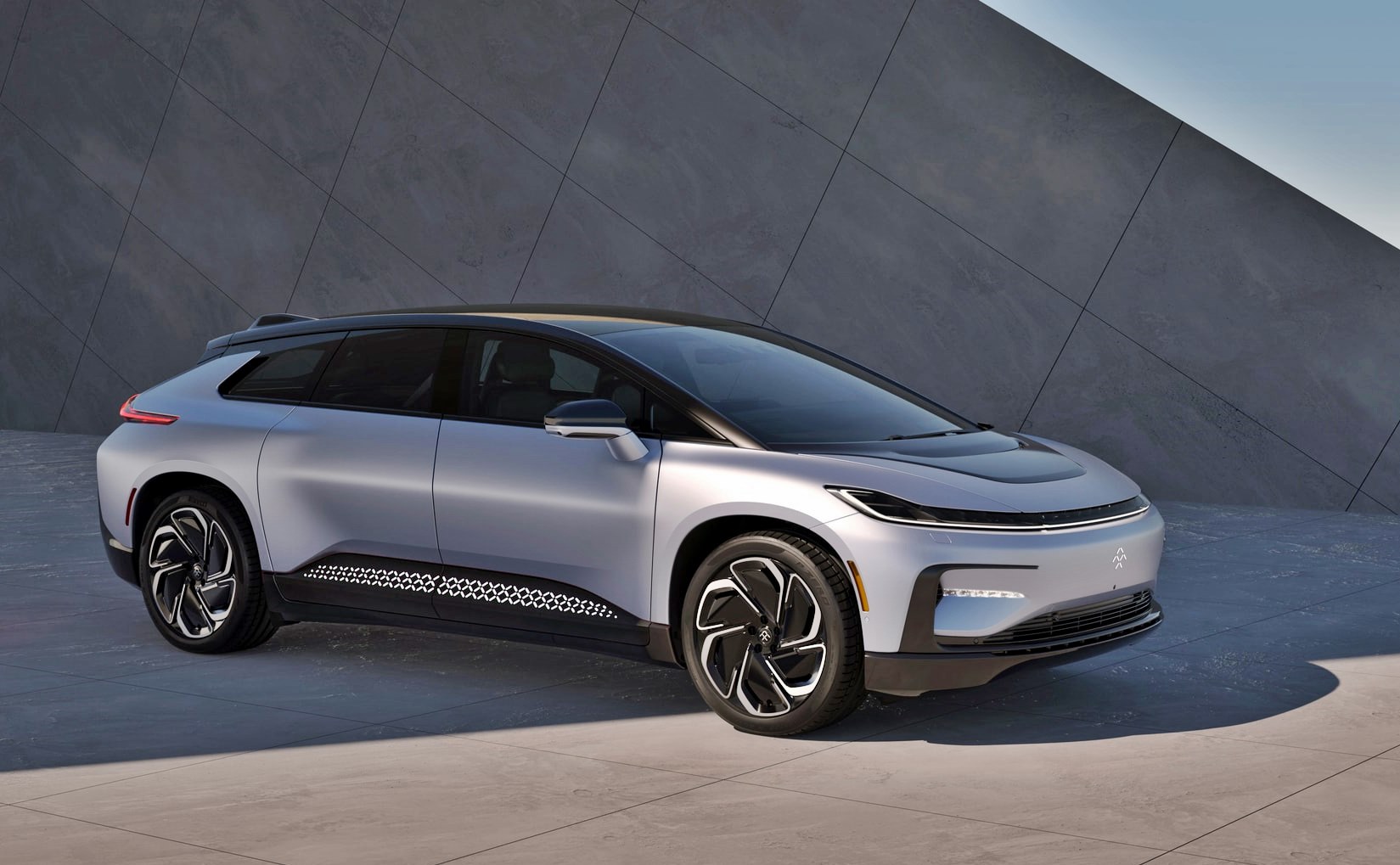
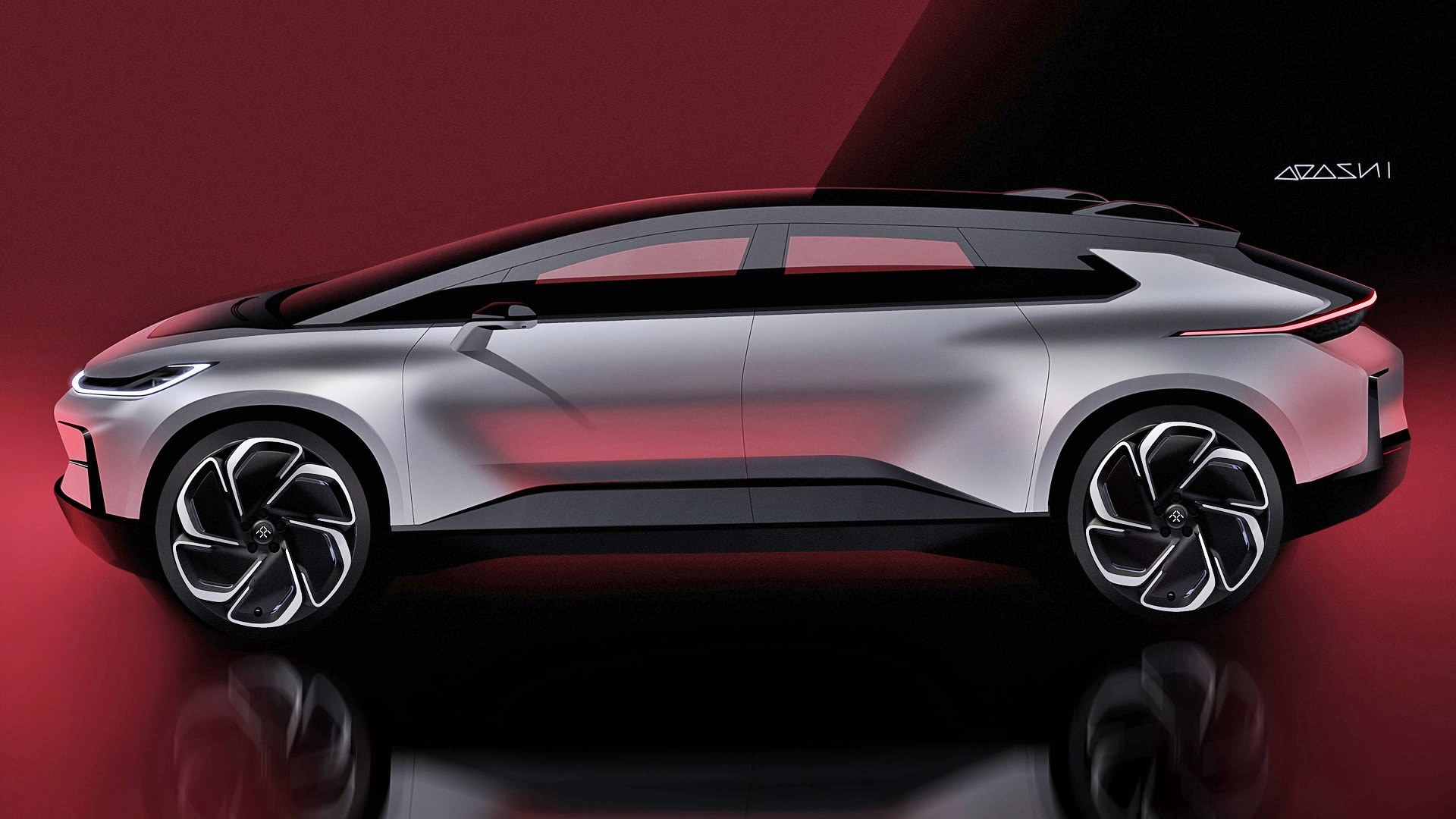
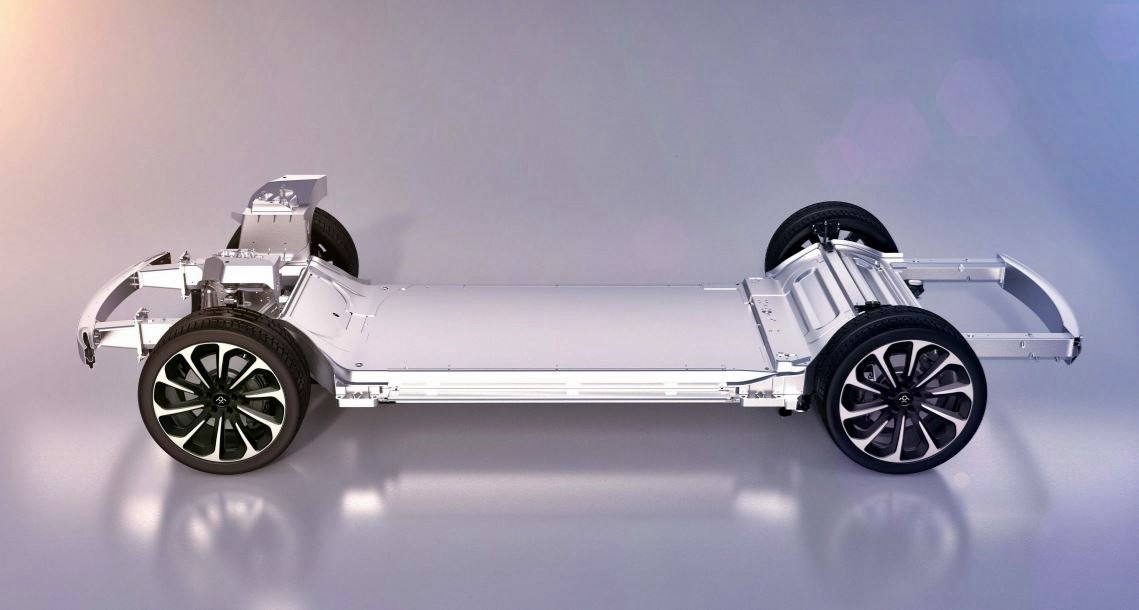
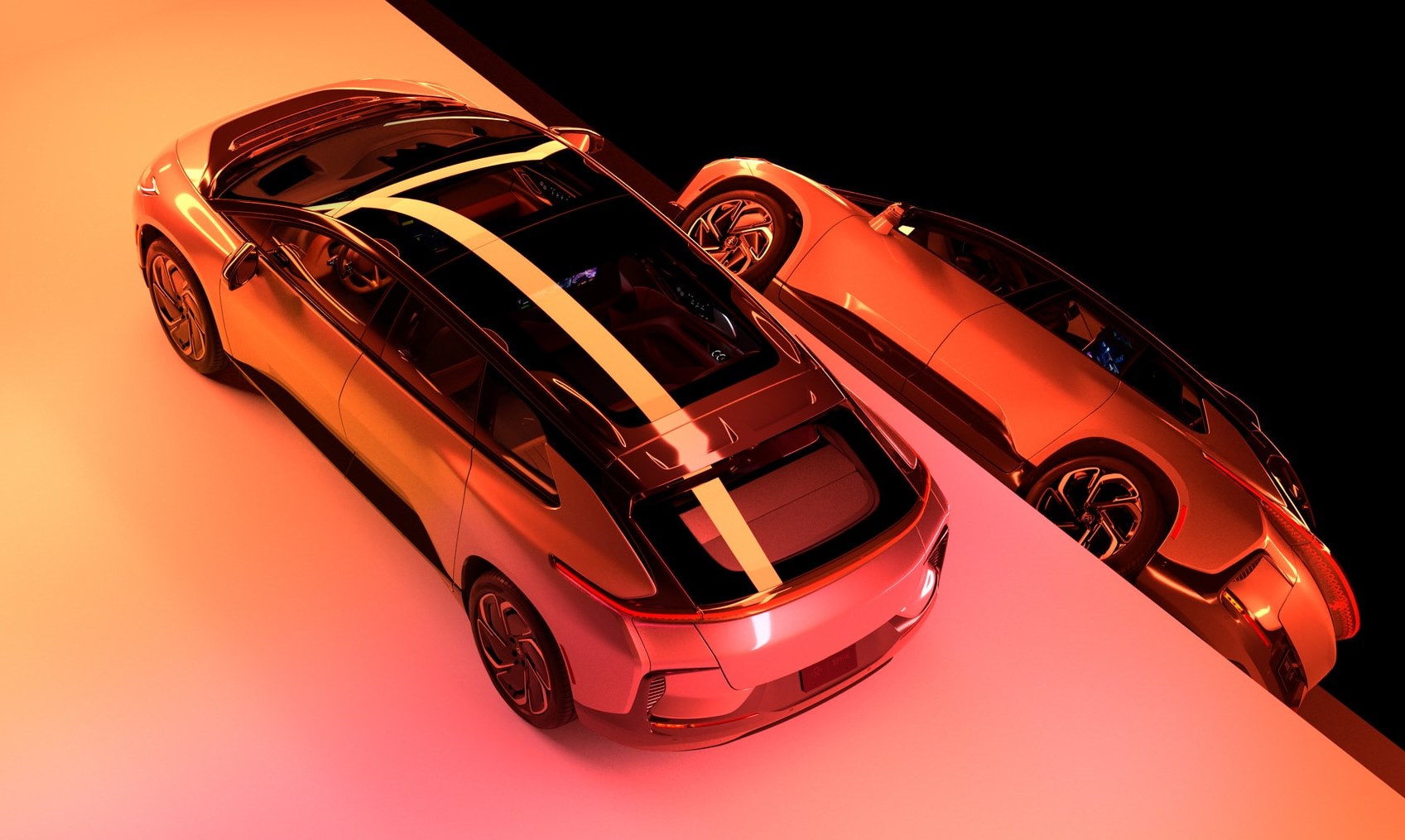
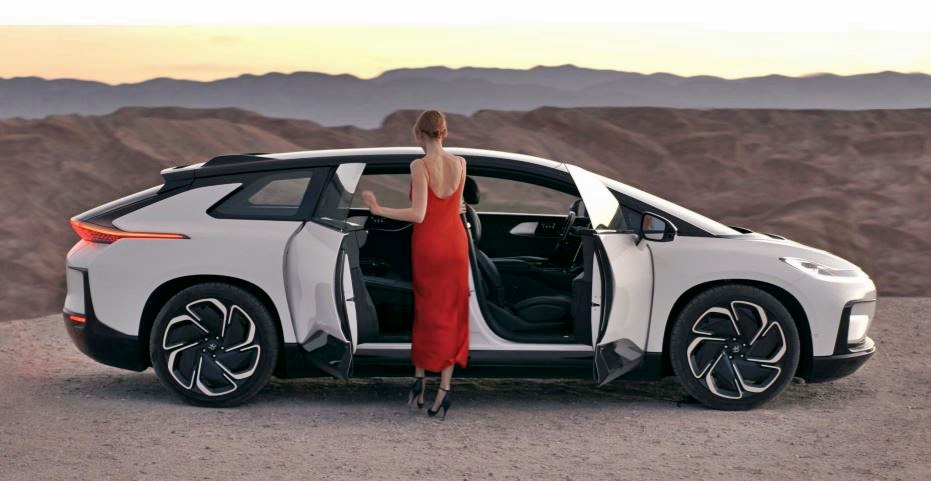
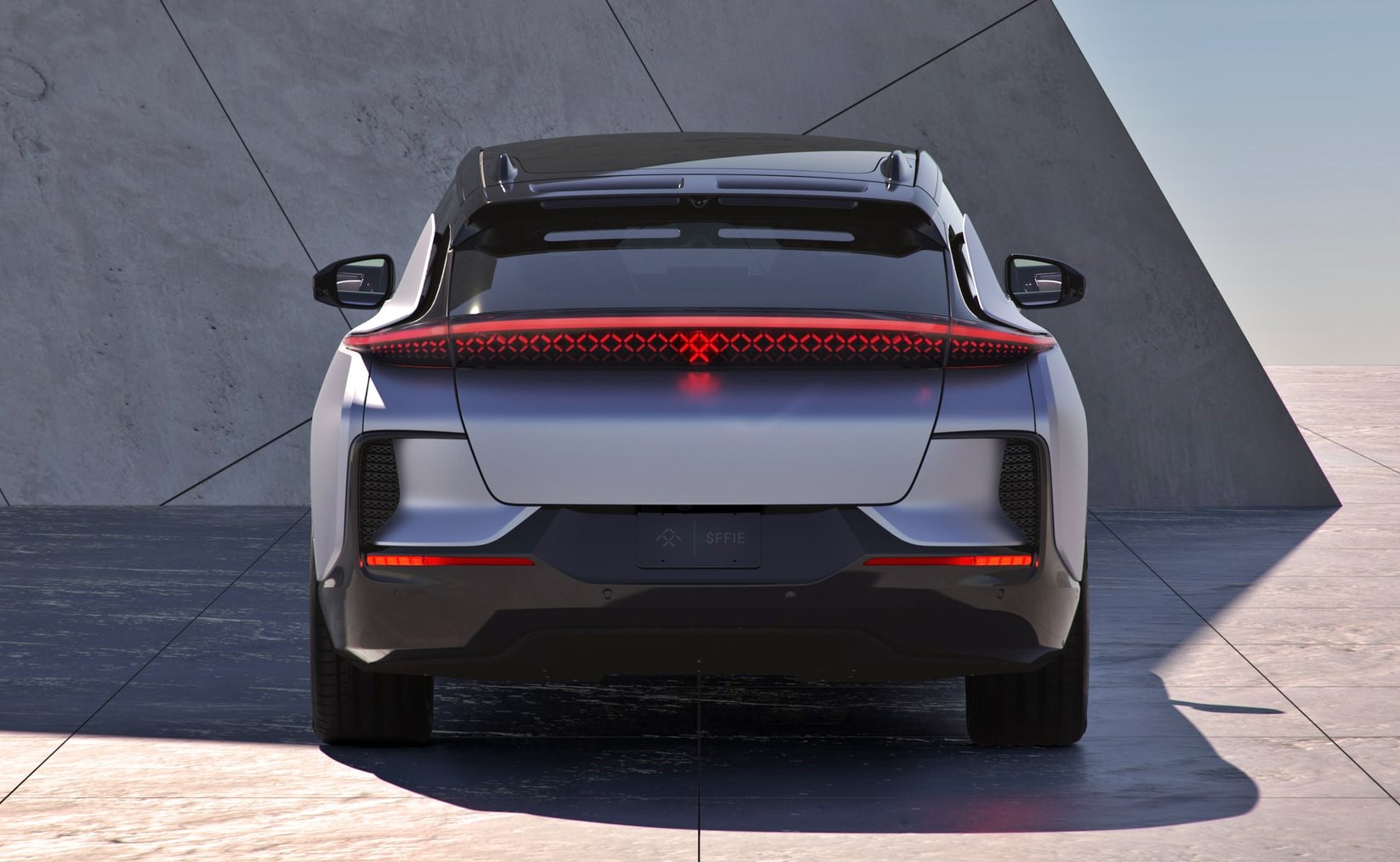
The FF 91, to be the flagship model, is designed to be highly modular. It is built with the company’s Variable Platform Architecture (VPA) that includes the FF Echelon Inverter, the first patent of Faraday Future. It’s a large car – overall length of 5255 mm and width of 1986 mm – sitting on a wheelbase of 3.2 metres, which is comparable to a BMW X7.
The mono-volume is a SUV bodystyle which has design features not constrained by traditional engineering approaches. Unlike early EVs which used architecture based on vehicles with combustion engines and mechanical drivetrains, the new generation of EVs are essentially clean-sheet designs that are optimized for electrical components, systems and layouts. Everything is incorporated on a skateboard platform for ease of manufacturing and simplicity.
3 motors, 1,050 ps, AWD
While details of the powertrain are not given at this time, FF does provide some performance claims. There will be 3 electric motors powered by a 120 kWh battery pack with patented submerged liquid cooling technology. The system output will be 1,050 ps and the 0 to 60 mph (96 km/h) acceleration time is claimed to be less than 2.4 seconds. A fully charged lithium-ion battery pack is expected to provide up to 700 kms of range.
All four wheels will be powered with AWD and there will also be all-wheel steer with rear-wheel torque-vectoring. Before full-scale production starts, real-world testing will be carried out in America and most likely in China as well.
It’s not been mentioned what level of autonomous capability the FF 91 will have though it would surely be above Level 2. It will be fitted with a LiDAR sensor and use cameras for the door mirrors and inside rearview mirror.
High-tech interior
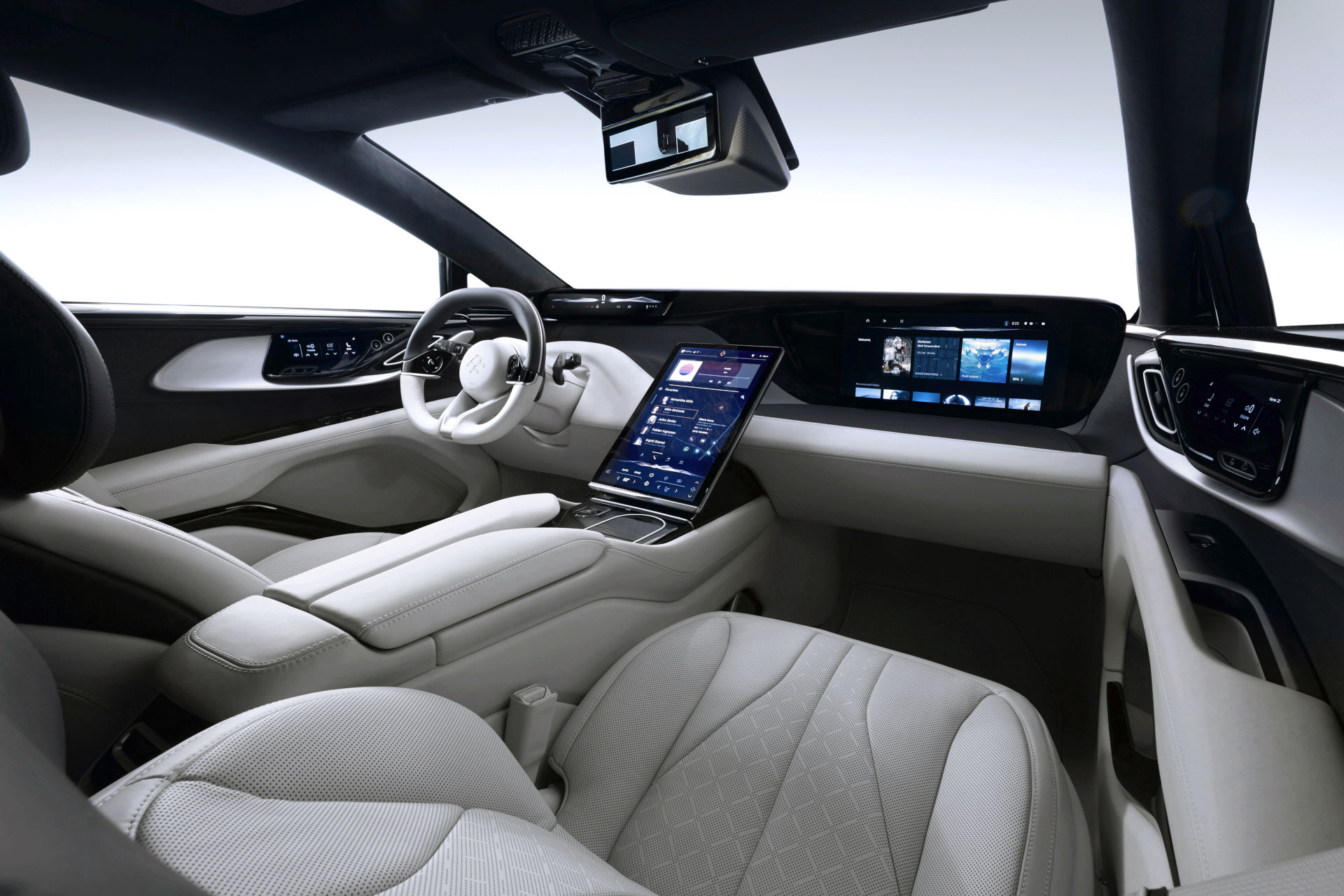
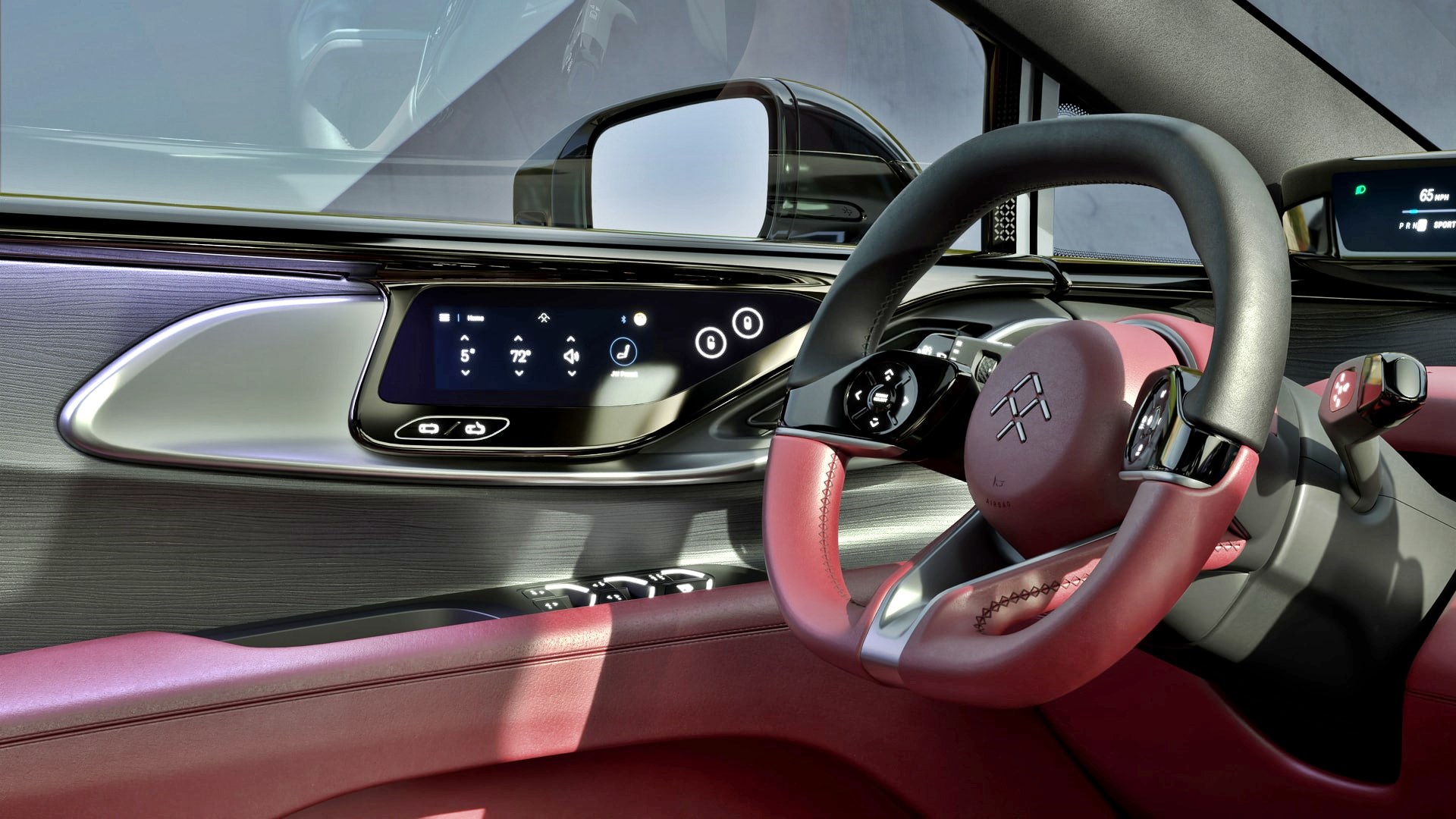
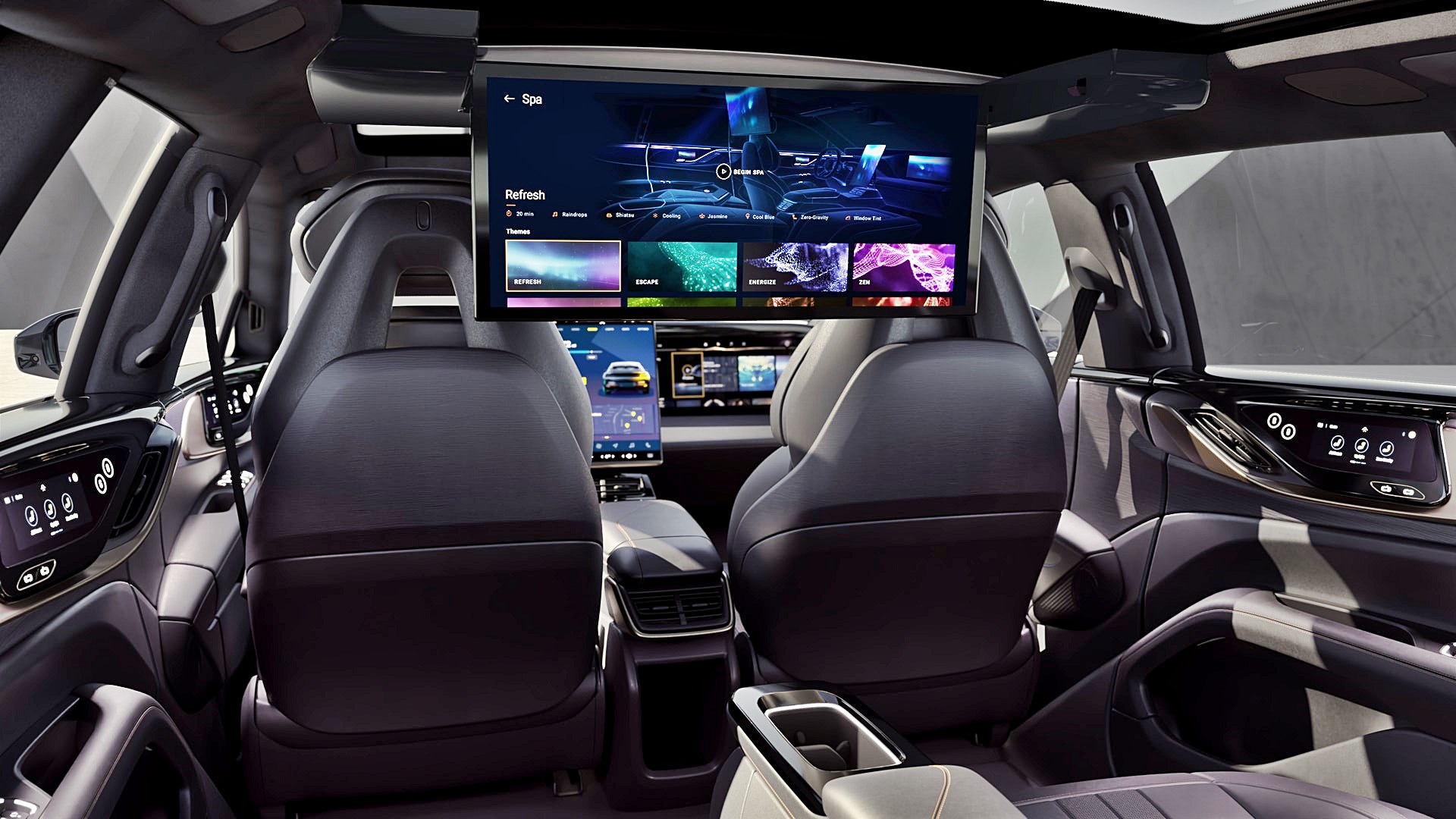
The FF 91 will have the ability to memorize different user profiles in FFIDs so each driver’s preferences and even content choices can be set upon entry. Information and entertainment will be displayed on 11 different displays around the cabin with a total of over 2.5 metres of high-resolution viewing area. The rear occupants will also get a state-of-the-art Mobile Movie Theatre screen on the ceiling which can be used for entertainment or even video conferencing.
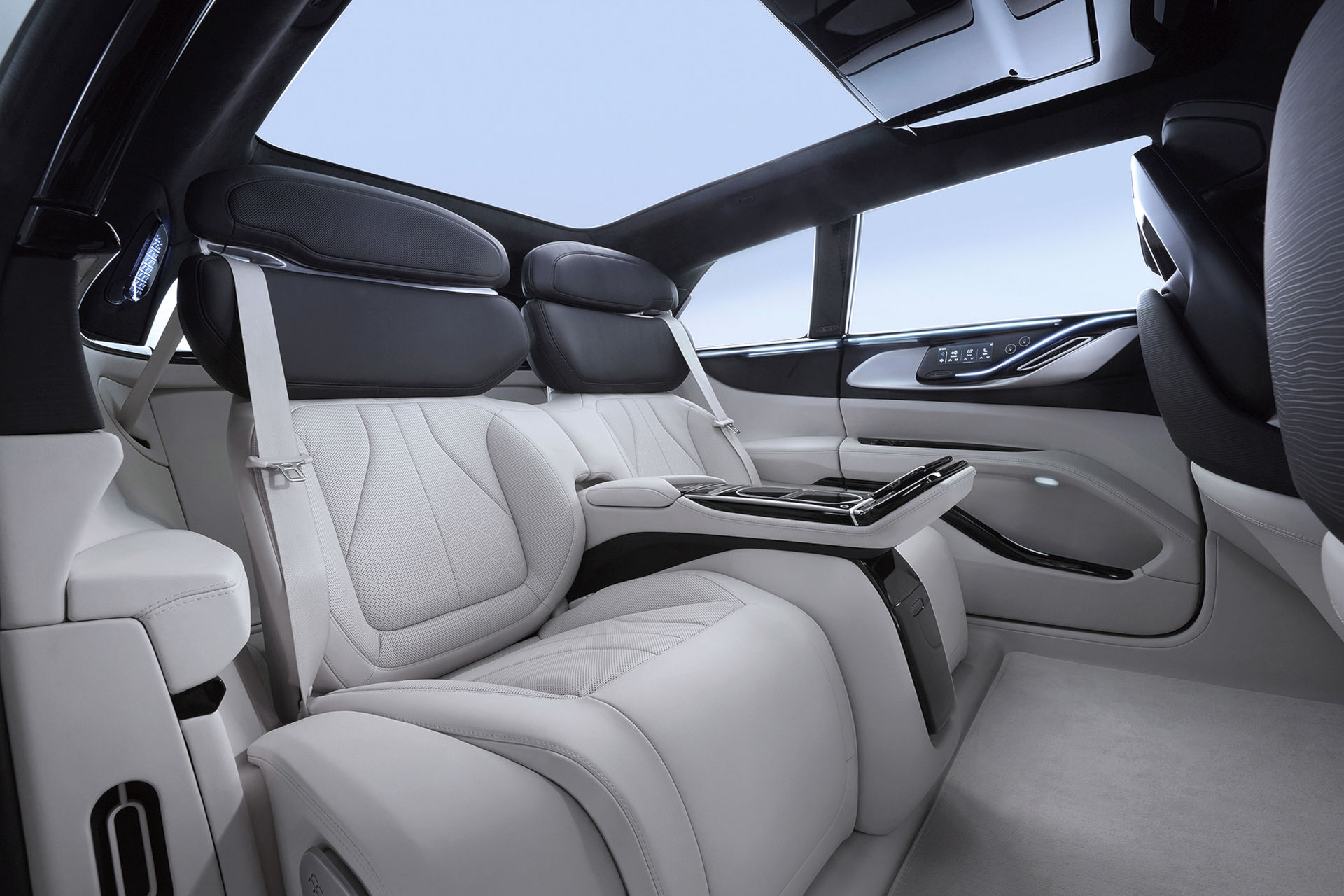
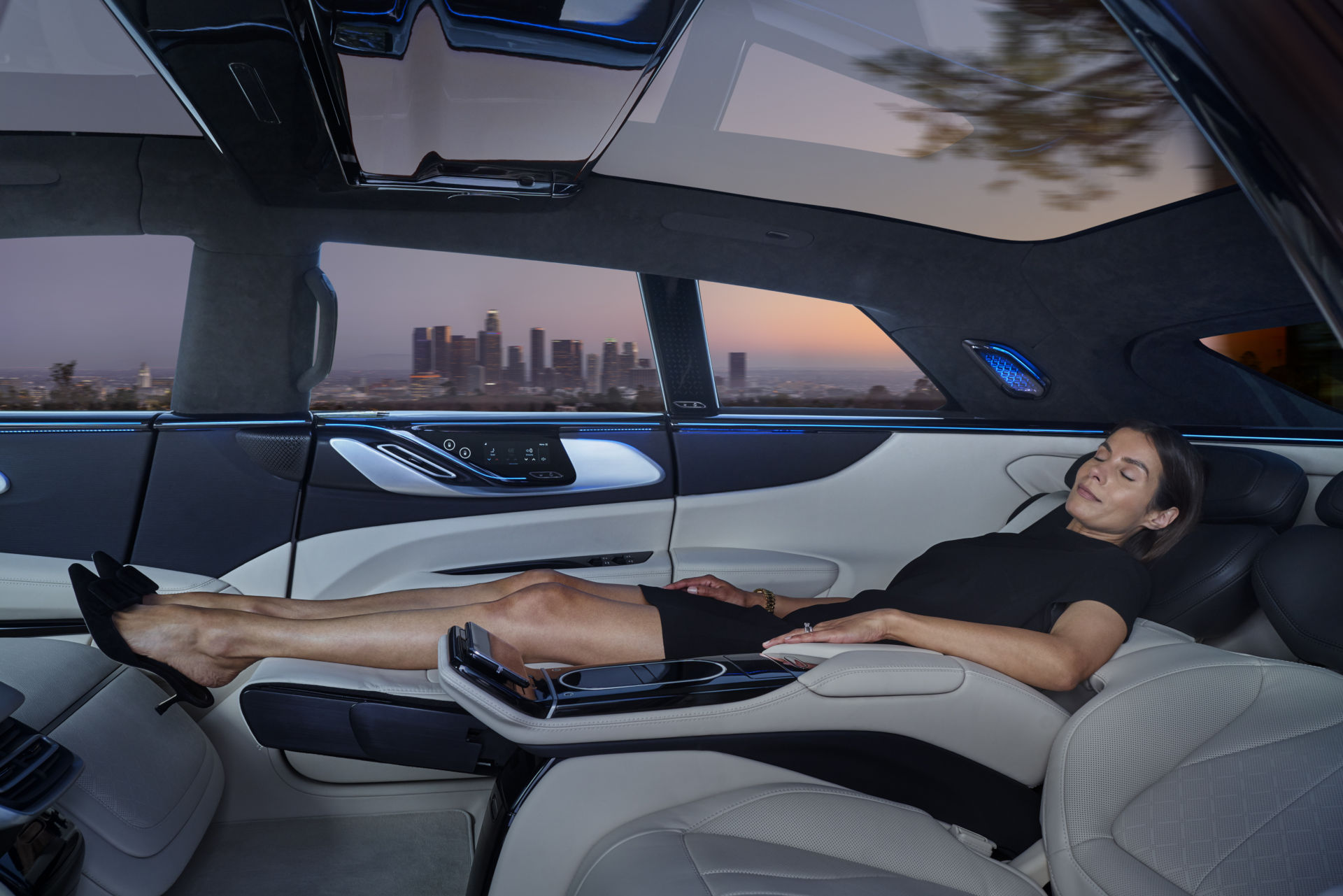
The rear seats have a zero-gravity concept inspired by NASA and we’re not sure if this is similar to those which are found in some Nissan models (also called Zero-Gravity seats) but it sounds similar. In zero gravity, the human body naturally assumes what NASA scientists call the ‘Neutral Body Posture’ and using the posture data, the rear seats are designed to enable the ideal distribution of the body’s weight. The seats can also recline up to 60 degrees, which is industry-leading.
First 300 units booked
FF began accepting orders last July for two versions of the FF 91 – the Futurist Alliance and the Futurist. The Futurist Alliance will be a limited edition of only 300 units and exclusive colours and wheels. Apparently, all 300 units have already been booked by customers who received special invitations.
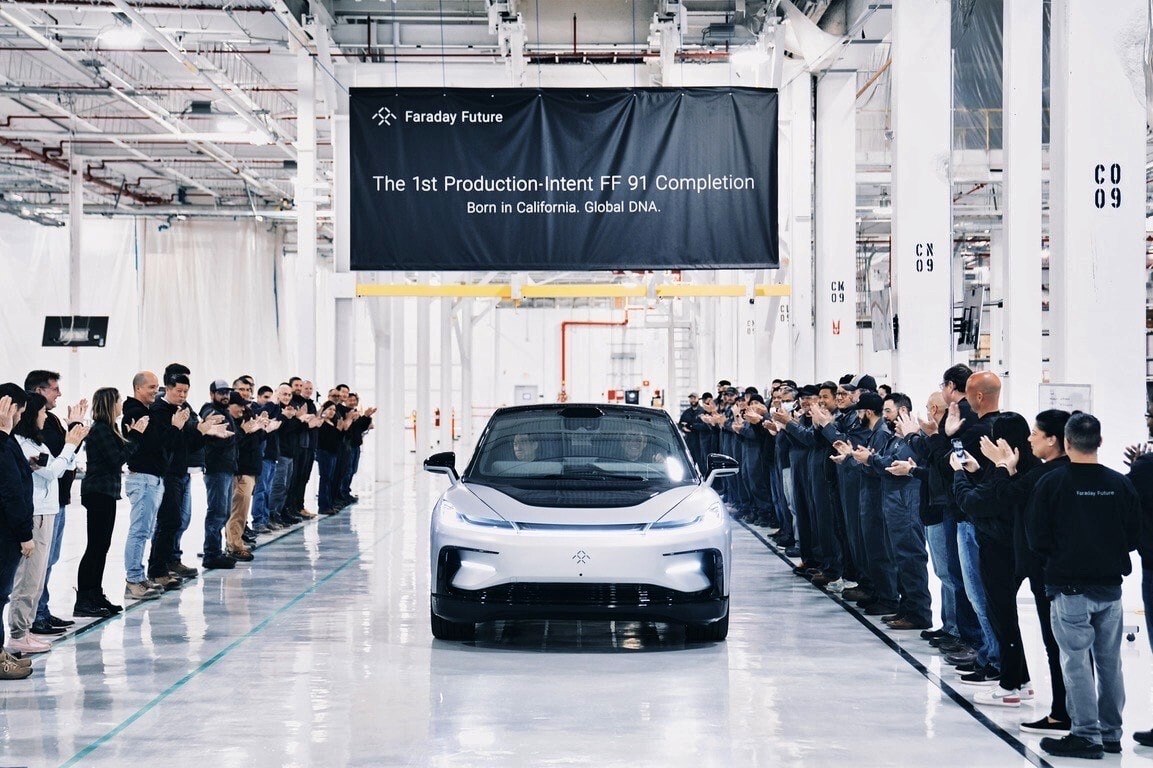
The first pre-production unit left the factory earlier this week and with volume production starting from the middle of this year, deliveries are expected to start during the final quarter of the year.
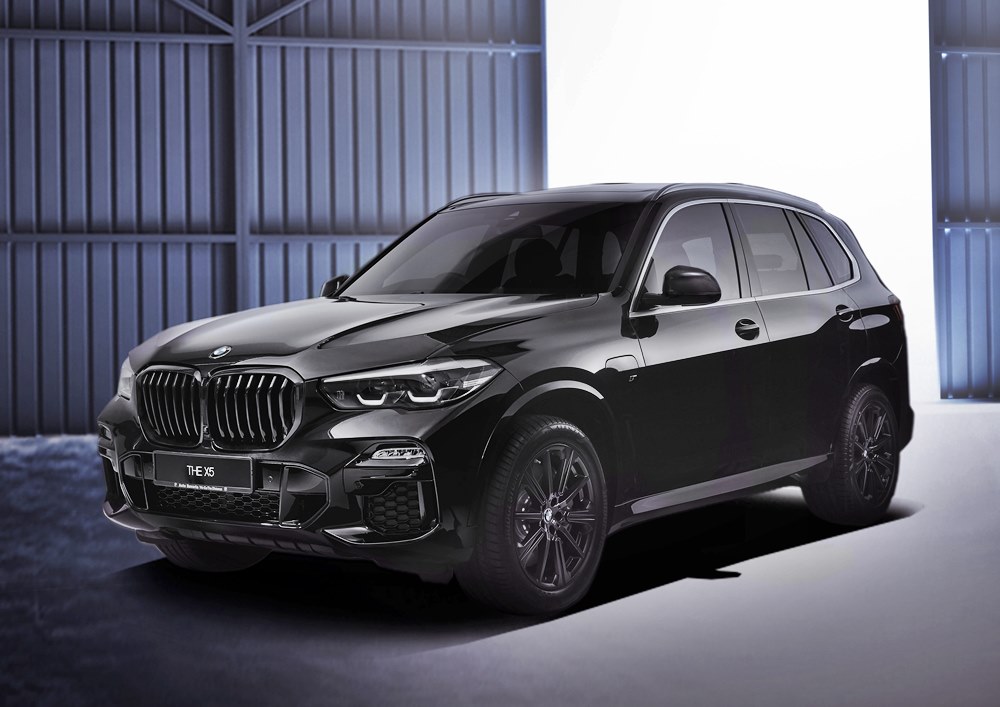
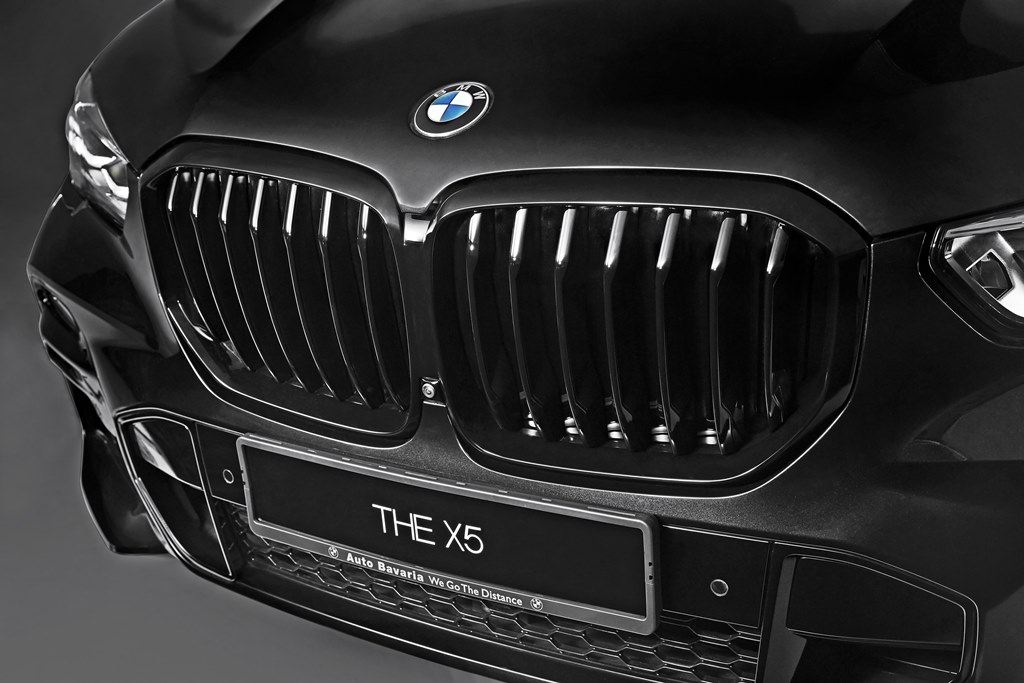
Exclusivity is always desired, especially in the upper end of the car market and this was evident last year when Auto Bavaria offered a limited edition of BMW X5 xDrive 45e with M Performance Parts. Only 30 units were available, assembled at the BMW facility within the Inokom plant in Kedah, and all found owners within a week.
Only 22 units available this time
The response to that limited edition encouraged Auto Bavaria to place an order for a second batch but this time, only 22 units are available. “We are now able to once again offer our esteem customers a second opportunity to own this extremely premium vehicle. Auto Bavaria brand has become synonymous with top-notch quality for both sales and service, which is why we are the preferred BMW dealership,” said Vi Thim Juan, Managing Director of Auto Bavaria.
Each Sport Activity Vehicle (SAV), priced from RM480,000 (excluding insurance) comes with M Performance parts which not only give sportier looks but actually improve aerodynamics.
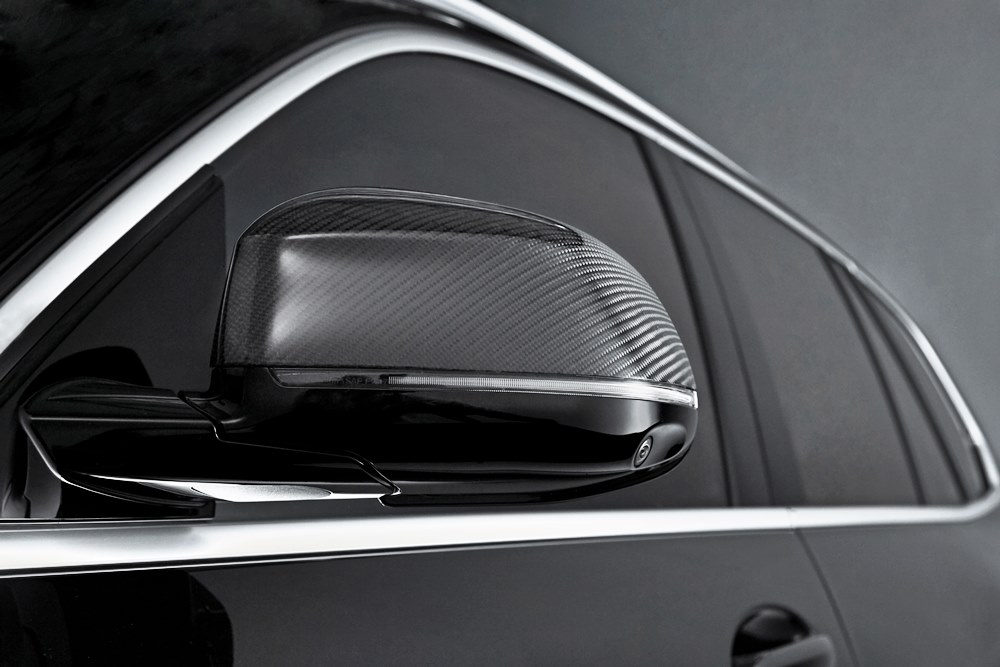
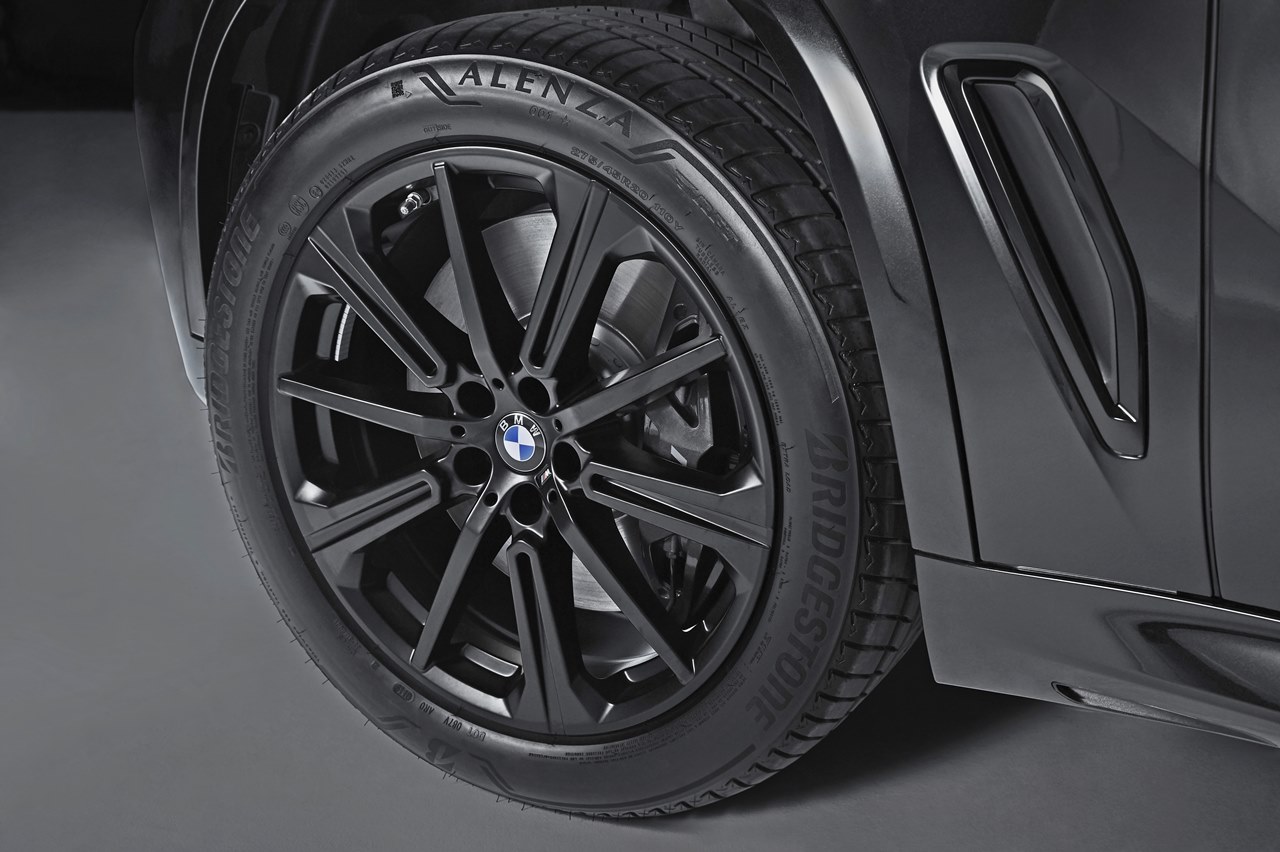
Specifically, the parts (which are worth RM36,500) are a gloss black front grille, carbonfibre housings for the door mirrors and Star Spoke 748M 20-inch light alloy wheels. Each tyre is linked to the Tyre Pressure monitoring system which will alert the driver if the pressure is abnormal.
Complimentary gifts worth RM22,000
This time round, those who buy the X5 also get complimentary gifts worth RM22,000. These are a luxury suitcase, BMW umbrella, BMW Leather Care Set with UV protection, BMW Brake Pad & Brake Disc Voucher, and STTOKE Classic Insulated Ceramic Reusable Cup.
Bestselling SAV of the range
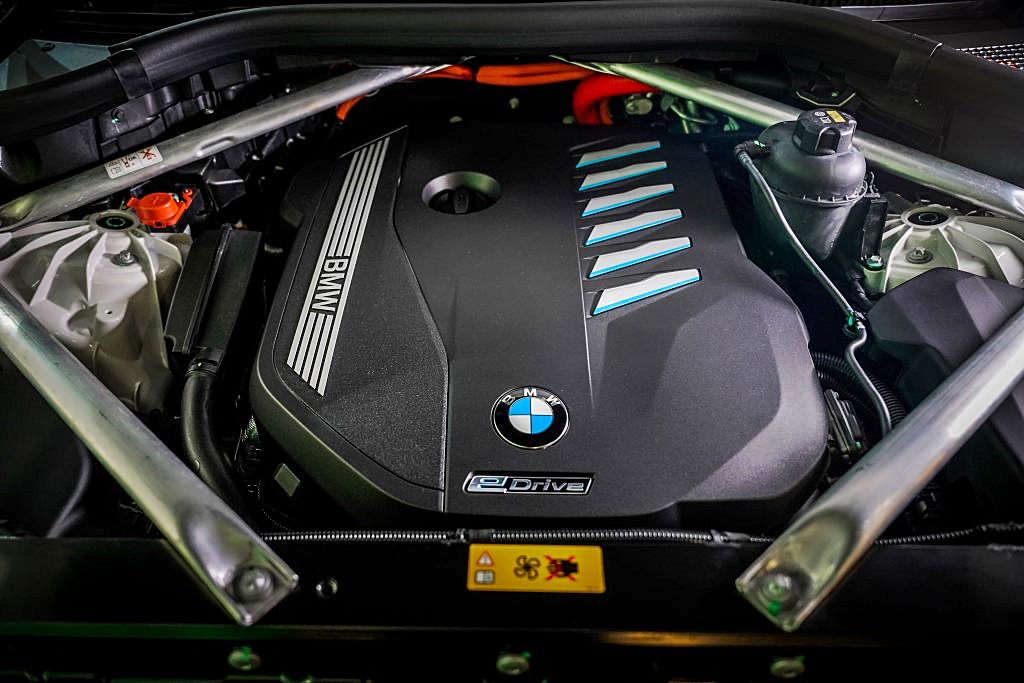
The X5 is the bestselling model of BMW’s SAV range worldwide. It was the company’s first SAV and the current generation is the fourth one since 1999. Powering the X5 xDrive45e M Sport is a 3-litre 6-cylinder engine with BMW eDrive technology. With a combined maximum output of 394 bhp/600 Nm, the SAV is claimed to have a top speed of 235 km/h and a 0 to 100 km/h capability of 5.6 seconds.
Running with just the electric motor, the claimed range can be up to 77 kms on a fully charged lithium-ion battery pack, with a maximum speed of 135 km/h. With the hybrid powertrain optimizing fuel efficiency, the fuel consumption is said to be up to 40 kms/litre.
All X5s have all-wheel drive which is provided by BMW’s proven xDrive system. Power delivery first goes through an 8-speed Steptronic transmission with enhanced shift dynamics and then to all four wheels with torque distribution according to grip and surface conditions.
If you missed the opportunity to get on last May, you now have a second chance but you should hurry to an Auto Bavaria showroom quickly.
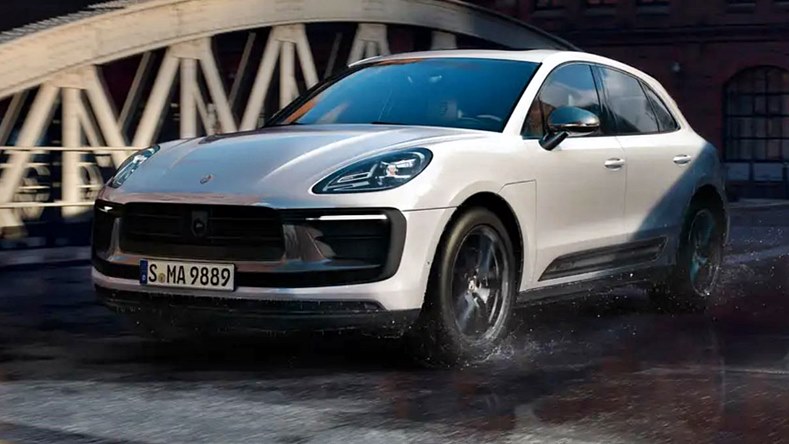
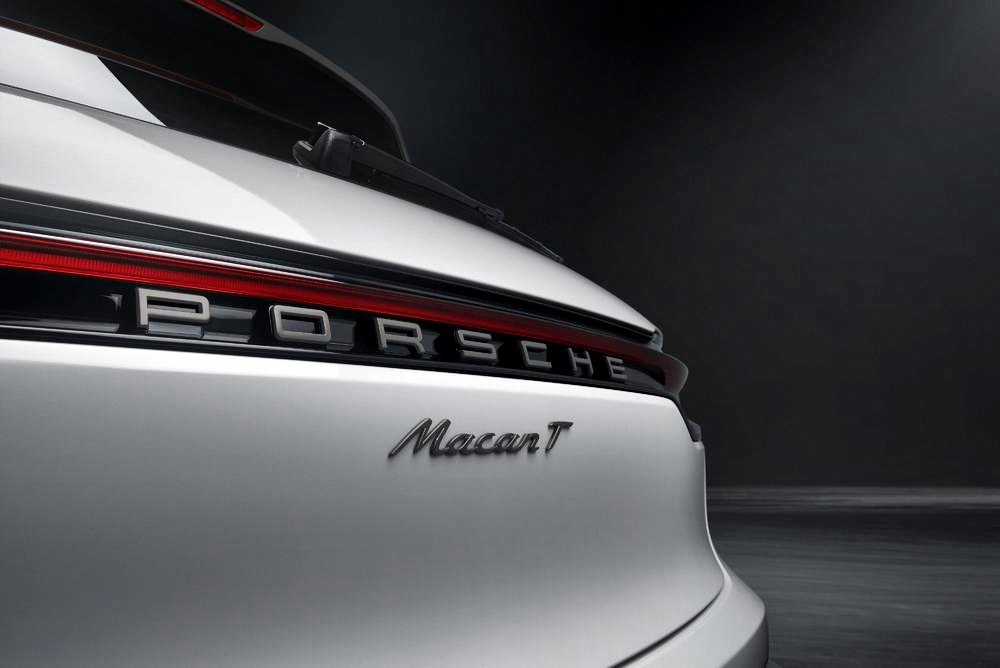
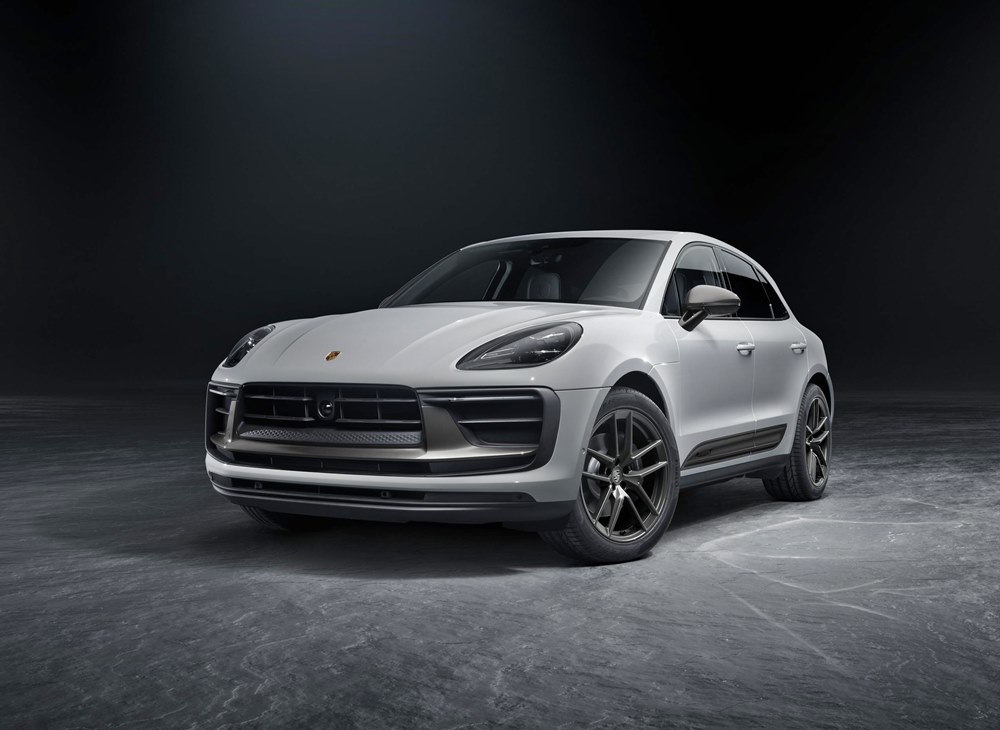
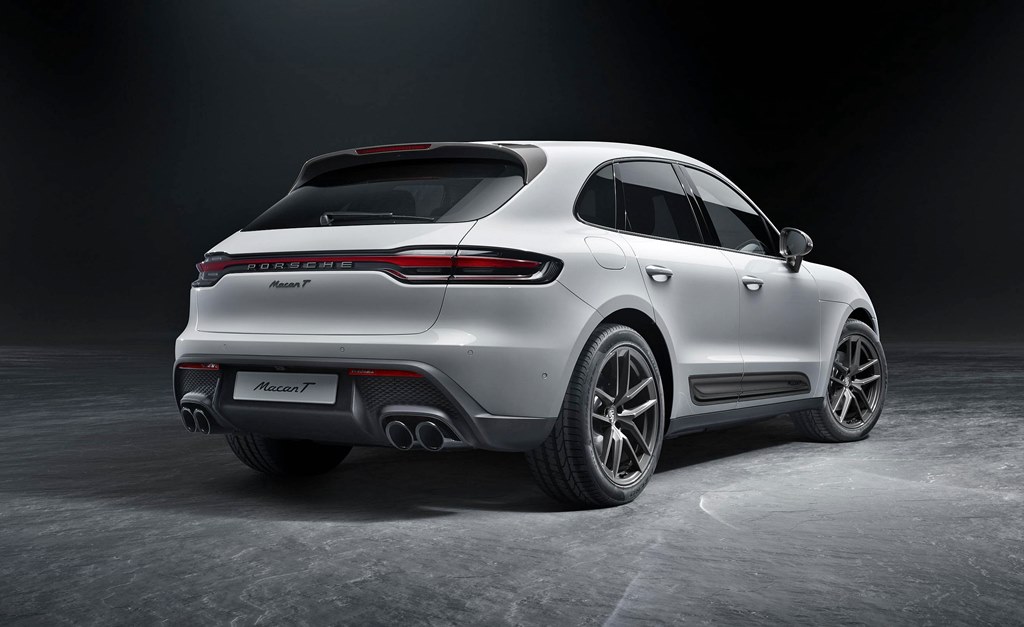
‘T’ normally comes after ‘S’ but in the case of the new Porsche Macan T, it is positioned between the Macan and Macan S. Rather than being a sequential designator, the ‘T’ refers to ‘Touring’ and until now, only the 911 and 718 have ever had ‘T’ version. It’s a designation that goes back to 1968 when a special version of the 911 had a more dynamic set-up and reduced weight.
In 2022, the Macan T is conceived with the same concept and is the first 4-door sportscar from the company with the designation. It’s also the only Porsche model to feature steel suspension with Porsche Active Suspension Management (PASM) as standard, combined with the body being lowered by 15 mm.
Further optimisation of chassis
The anti-roll bars on the front axle are more rigid and the car’s chassis tuning has been optimised to provide very responsive steering behaviour and agile handling. The Porsche Traction Management (PTM) has also been adapted to a more demanding driving style and has been specially designed with a rear-wheel bias.
Adding adaptive air suspension with PASM and lowering the body is also an option – a new feature for Macan models with 4-cylinder engines. Porsche Torque Vectoring Plus (PTV Plus) can also be added and the system has been adapted to the dynamic characteristics of the T model and further sharpens the driving dynamics.
2-litre, 4-cylinder turbo engine
With the 2-litre 4-cylinder turbocharged engine (which you will also find in the latest VW Golf GTI), weight has been taken away and with 58.8 kgs less of it on the front axle, start-off performance and cornering ability are enhanced.
The lightweight engine has an output of 265 ps and a broad spread of 400 Nm of torque which flows through a fast-switching 7-speed dual clutch transmission (PDK) and the Porsche Traction Management (PTM) all-wheel drive system. When fitted with the standard Sport Chrono Package including the mode switch and Sport Response button on the steering wheel, the Macan T is said to be able to accelerate from 0 to 100 km/h in 6.2 seconds and reach a top speed of 232 km/h.
Differentiating colour scheme
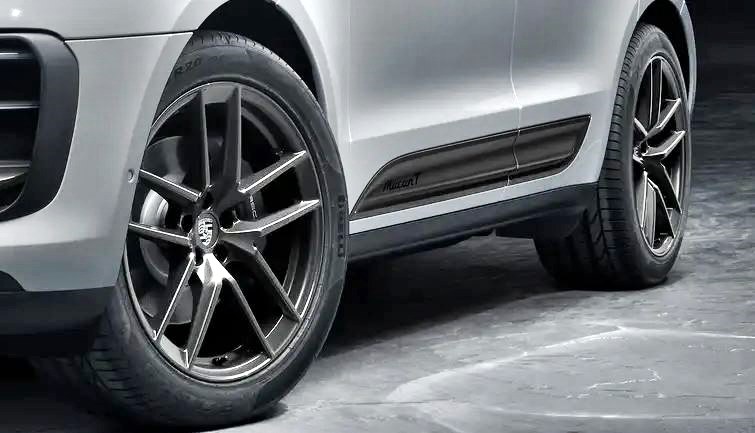
Besides a range of 13 plain, metallic and special colours for the exterior, the Macan T is identifiable by design elements painted in Agate Grey Metallic on the front, flank and rear. The exclusive contrast colour can be seen on the painted front trim, exterior mirrors, side blades, roof spoiler and logos on the rear. Sports tailpipes and side window trims in Black (high gloss) are included as standard and the side blades feature the ‘Macan T’ logo in Black. The 20-inch Macan S wheels are finished exclusively in dark titanium.
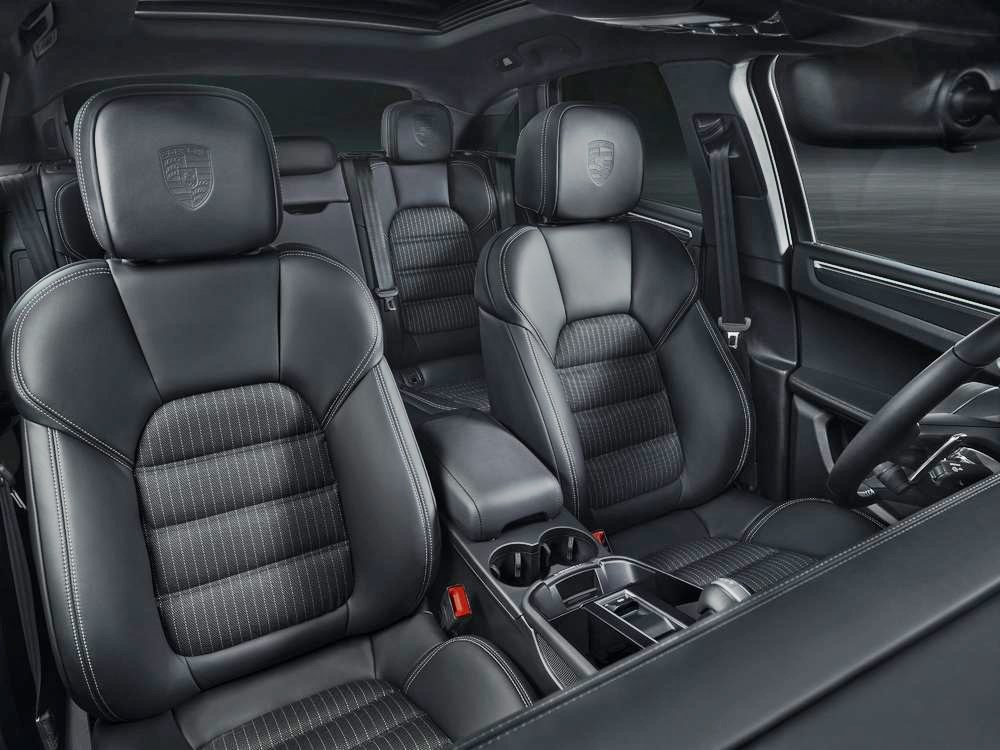
The interior of the Macan T comes with standard, 8-way electrically adjustable heated sports seats upholstered with an exclusive Black leather package. The centres of the front seats and the outer rear seats are delivered with the Sport-Tex Stripe pattern and the front headrests each have an embossed Porsche crest. The contrasting colour from the exterior continues inside the vehicle in the form of decorative silver stitching on the seats, headrests and steering wheel.
Standard equipment also includes a multifunction GT heated sports steering wheel and the Sport Chrono stopwatch in the upper part of the dashboard. The door entry guards come in black aluminium as standard and feature a Macan T logo.
Pricing has not been announced but authorized Porsche showrooms in Malaysia are accepting pre-orders if you want to be among the first in the country to own this new version of the best-selling Porsche model line in 2021.
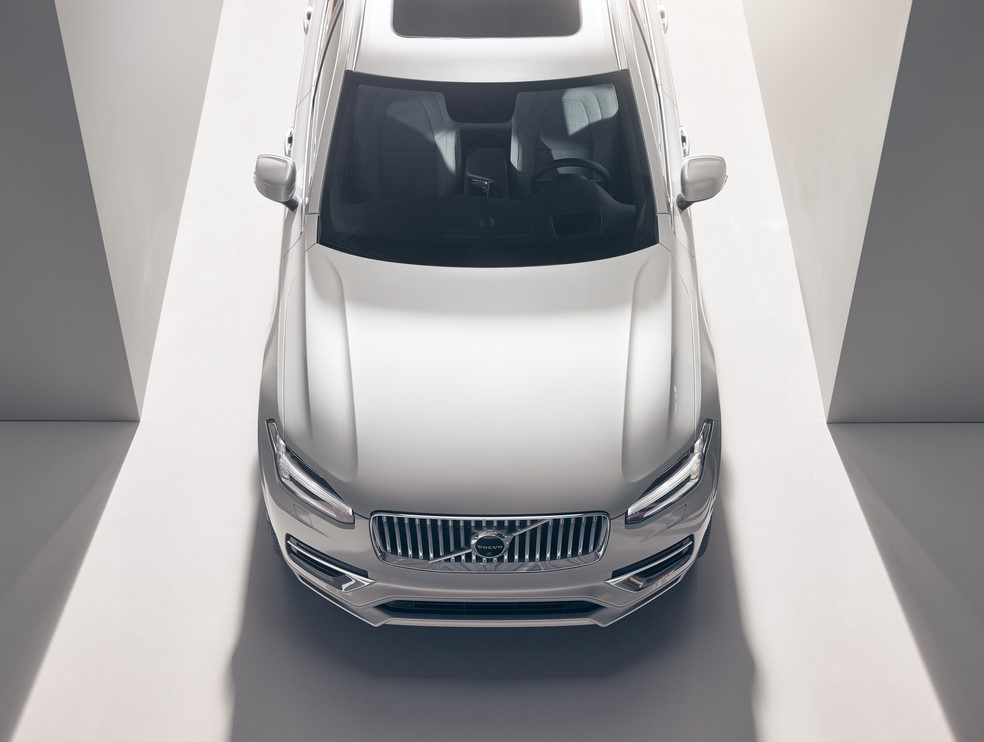
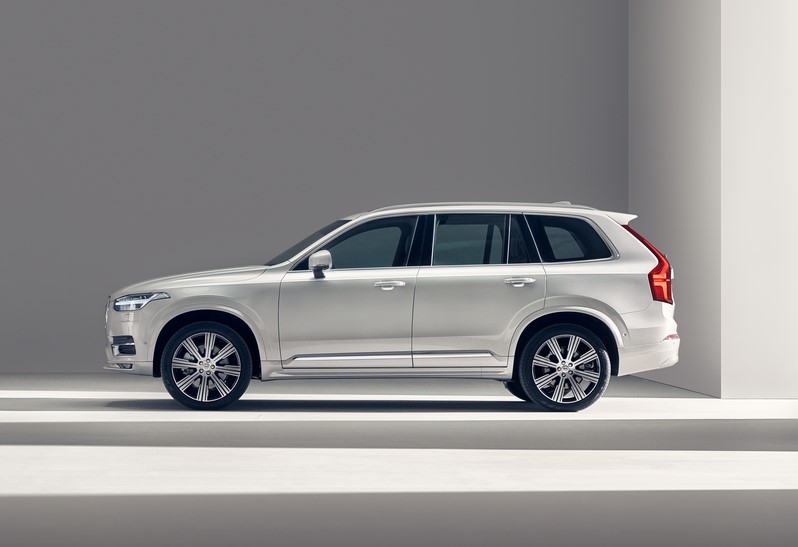
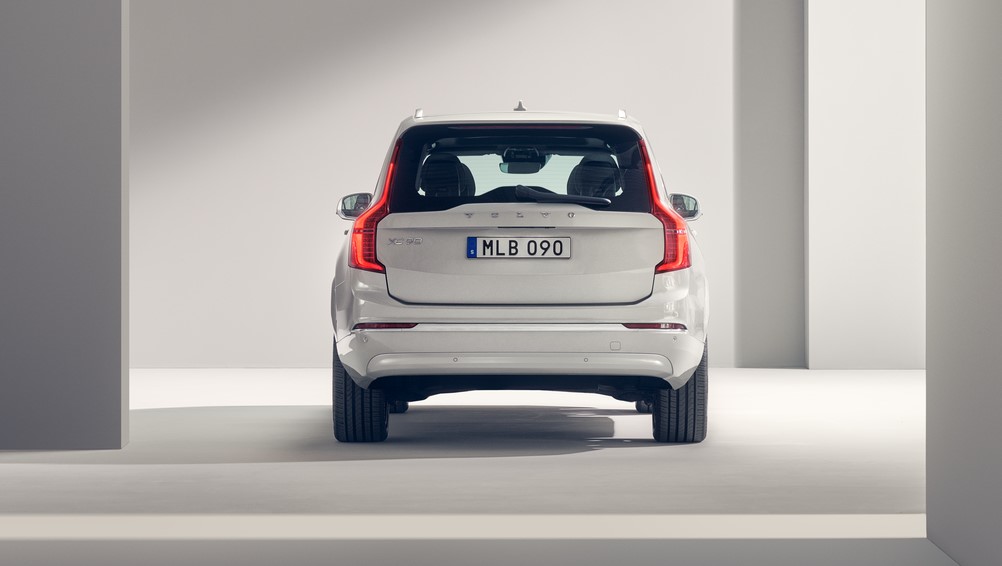
Volvo’s flagship range in Malaysia has gained an additional variant – the XC90 B5 Inscription Plus, a mild hybrid under the B badge line. The B badge is used to signify the presence of a mild hybrid powertrain which is expected to help the carmaker move closer to its goal of having all its models electrified by the middle of the next decade.
The new 7-seater SUV variant, which joins the XC90 Recharge T8 Inscription Plus, has an integrated electrified powertrain (similar to the one in the latest XC60). This combines an advanced kinetic energy recovery braking system with the petrol engine to reduce fuel consumption and emissions.
The 4-cylinder turbocharged petrol engine is coupled to an 8-speed Geartronic automatic transmission. Together with an electric motor, it produces up to 249 ps/350 Nm which goes to all the wheels.
Standard equipment includes a Bowers & Wilkins Premium Sound audio system, while for active safety, there is a 360° surround view camera and IntelliSafe systems such as City Safety with Autobrake, Lane Keeping Aid, and Cross Traffic Alert.
Excluding insurance and sales tax, the XC90 B5 Inscription Plus is priced from RM386,842.12. Customers can choose from 4 exterior colours (Crystal White, Onyx Black, Denim Blue and Pebble Grey) and enjoy a full 5-year warranty as there is no limit on mileage after registration.
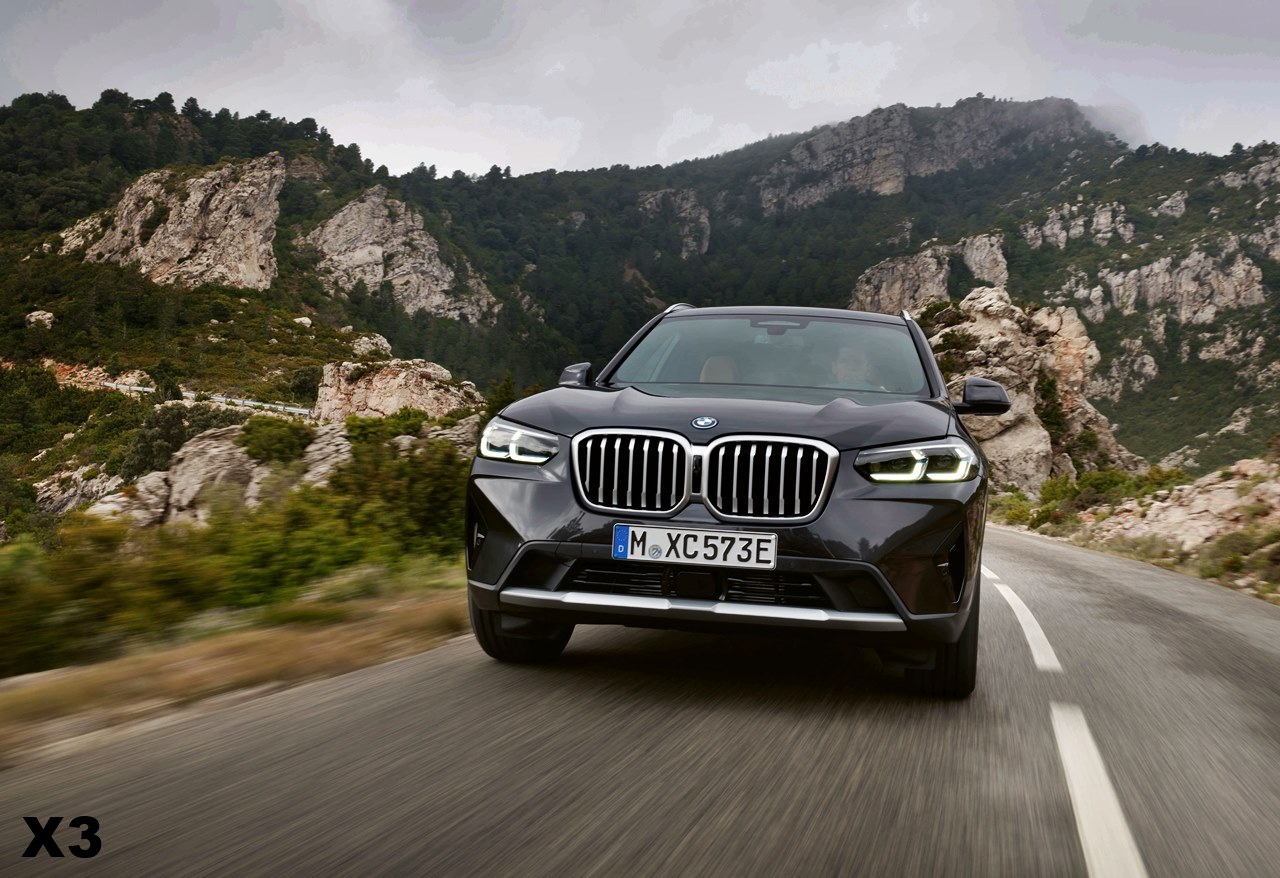
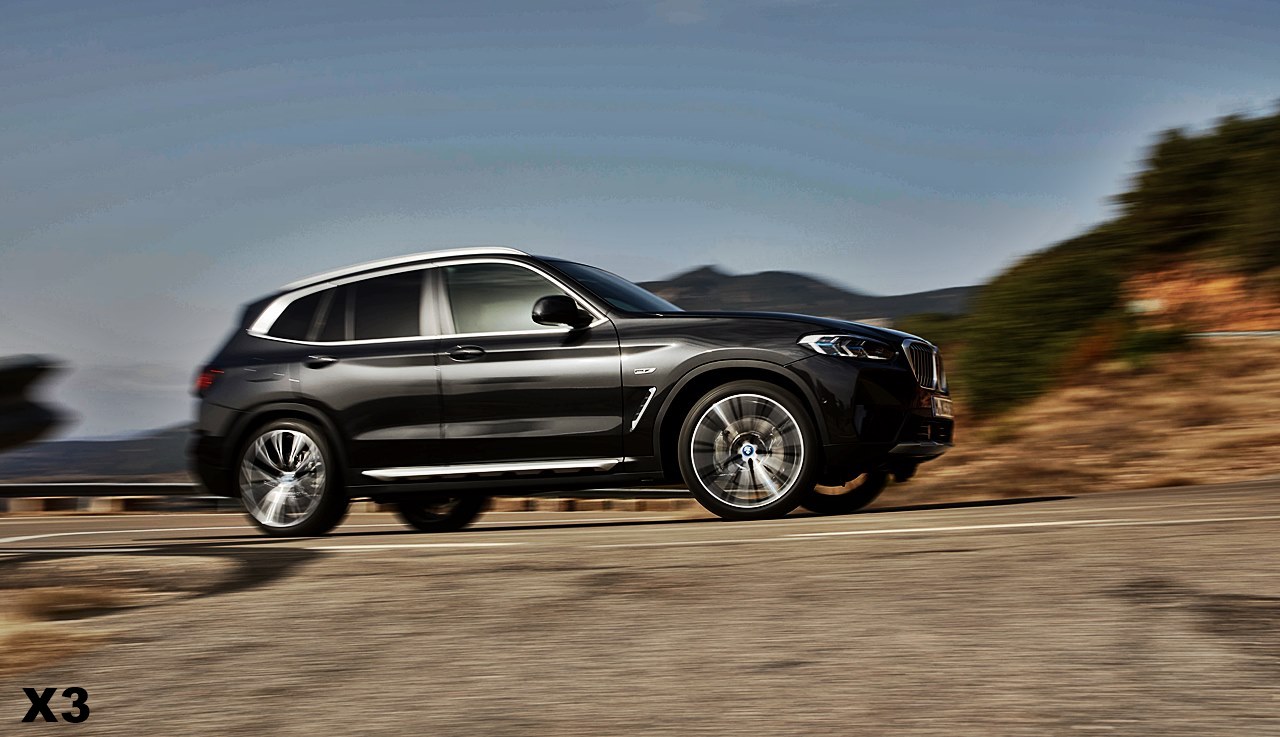
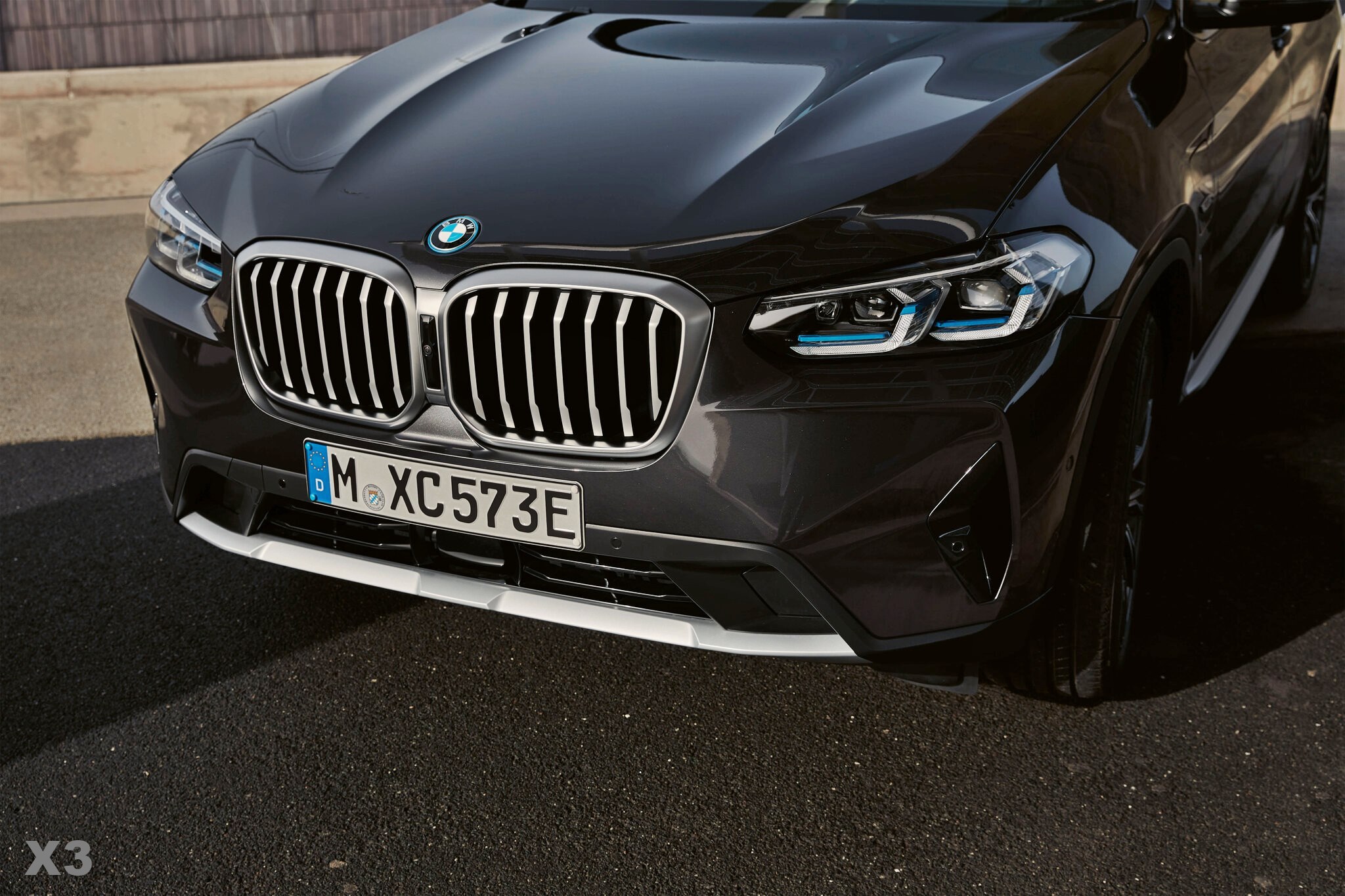
BMW Malaysia, a strong supporter of local assembly of its products, has added new variants for the BMW X3 as well as the new X4 xDrive30i M Sport. The latest X3 variants are the sDrive20i and xDrive30i, which have combustion engines, and the xDrive30e, which has a plug-in hybrid powertrain.
Retail prices of the new variants are as follow: X3 sDrive20i M Sport – RM315,800 X3 xDrive30i M Sport – RM358,800 X3 xDrive30e M Sport – RM356,800 X4 xDrive30i M Sport – RM398,800
The prices exclude insurance but include Sales and Service Tax (which is exempted until June 30, 2022) as well as BMW Service and Repair Inclusive. The vehicles are also covered by a 5-Year Unlimited Mileage Warranty with Free Scheduled Service Programme and owners have access to the BMW Roadside Assistance and Accident Hotline.
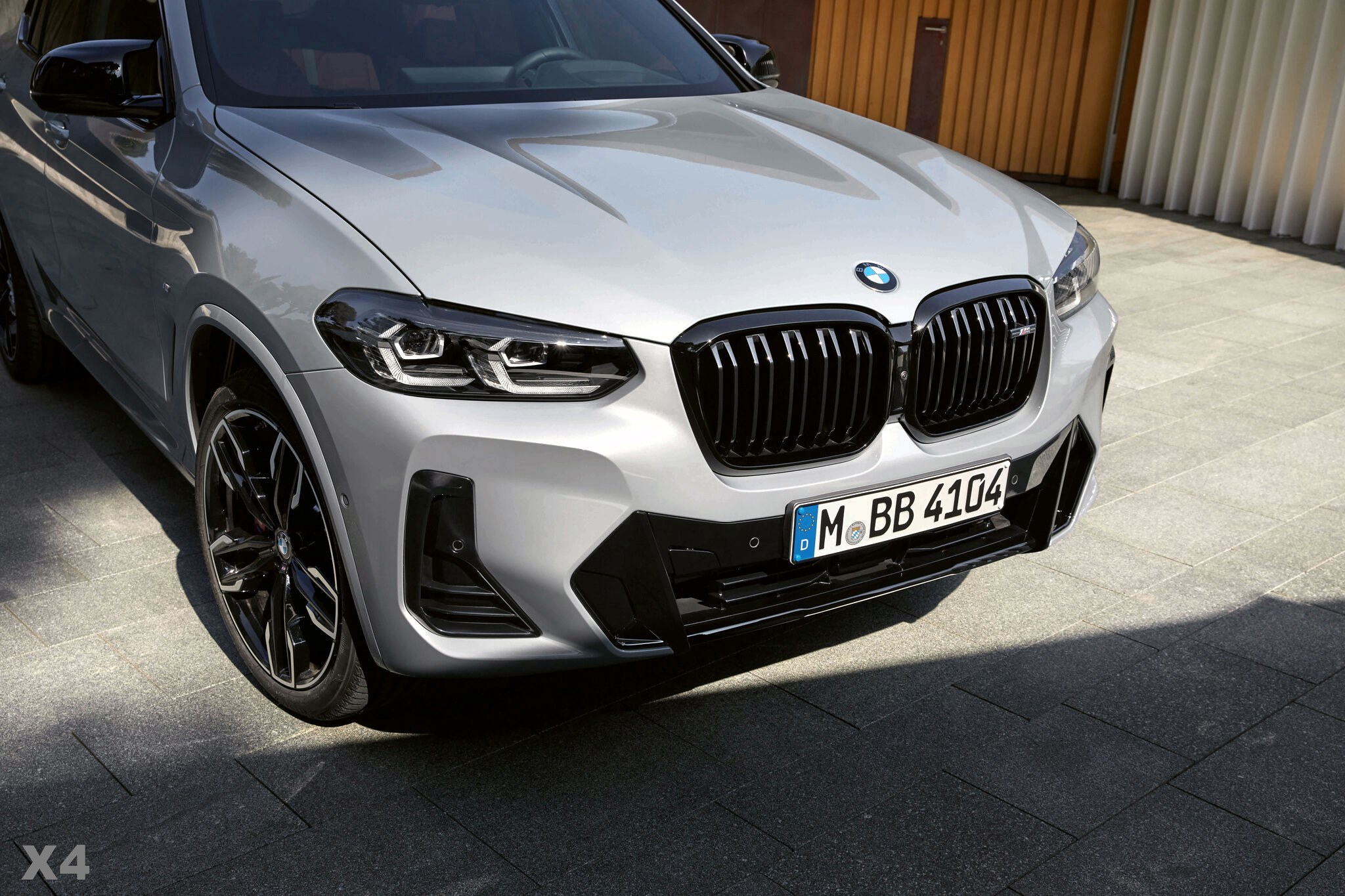
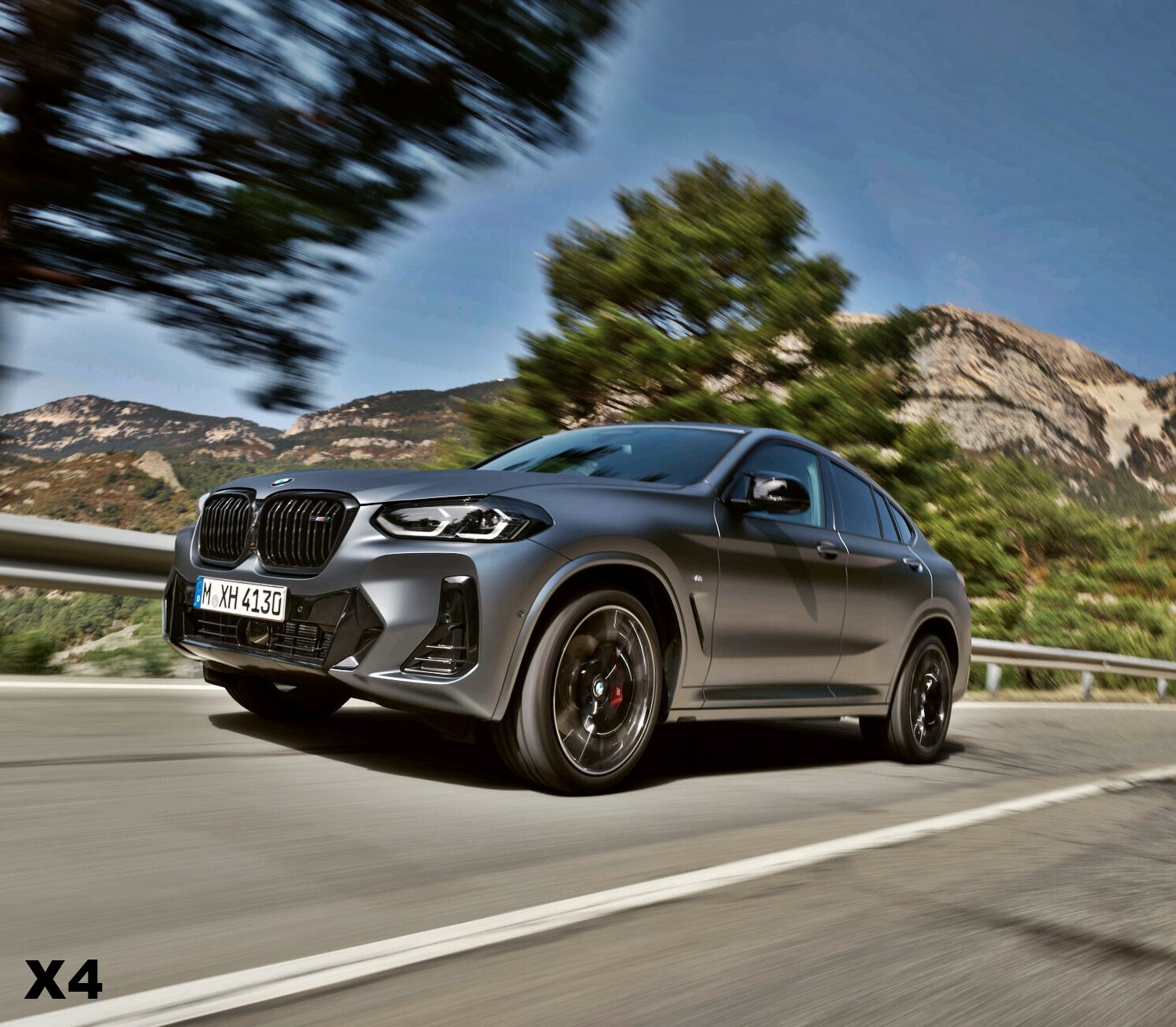
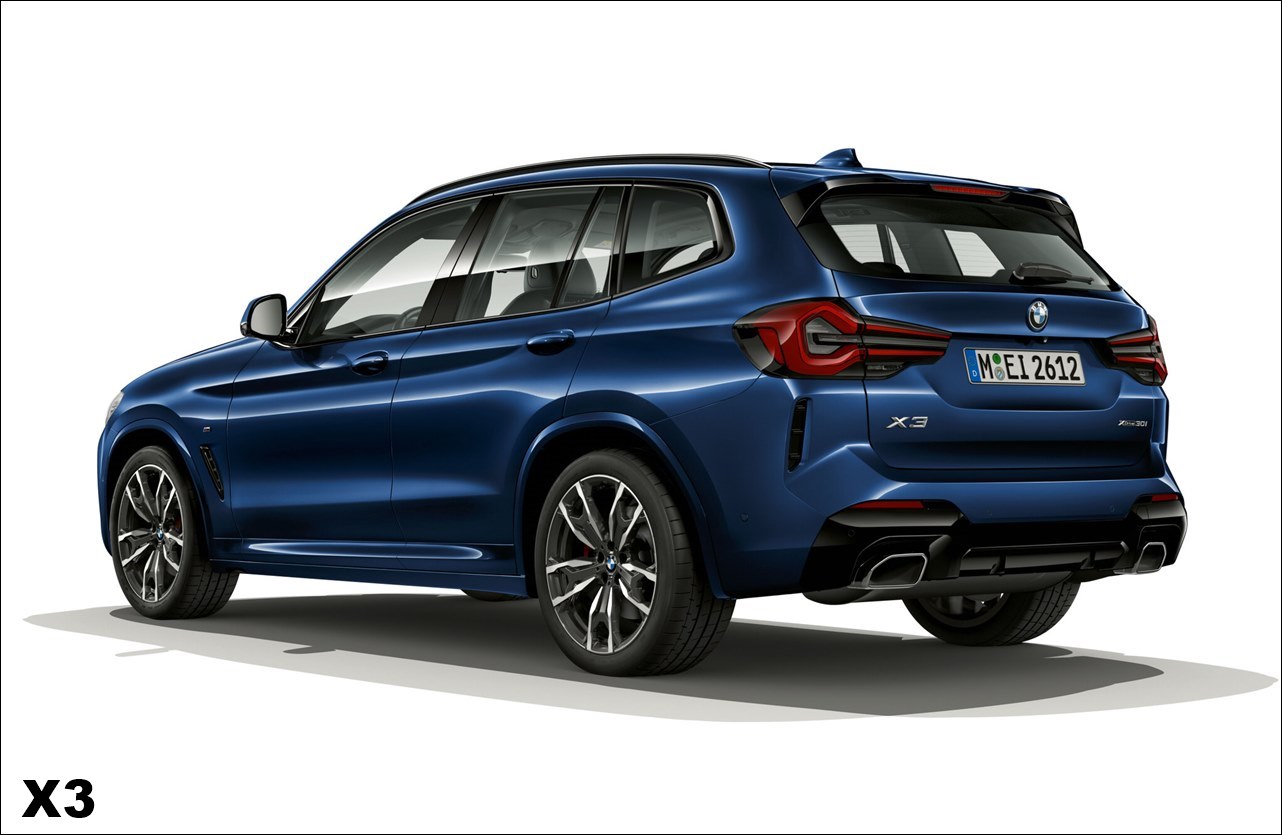
Having undergone visual updates, the new SAVs (Sport Activity Vehicles, as BMW prefers to call its SUVs) present a sporty appearance with larger kidney grilles linked by a central bridge. There’s also a new front apron design with vertical air intakes, new bumper profile, and full LED headlights that are 10 mm slimmer.
Full LED lighting is also provided at the rear which has new and larger tailpipes with free-form tips. For the alloy wheels, the size is up to 20 inches for the new range.
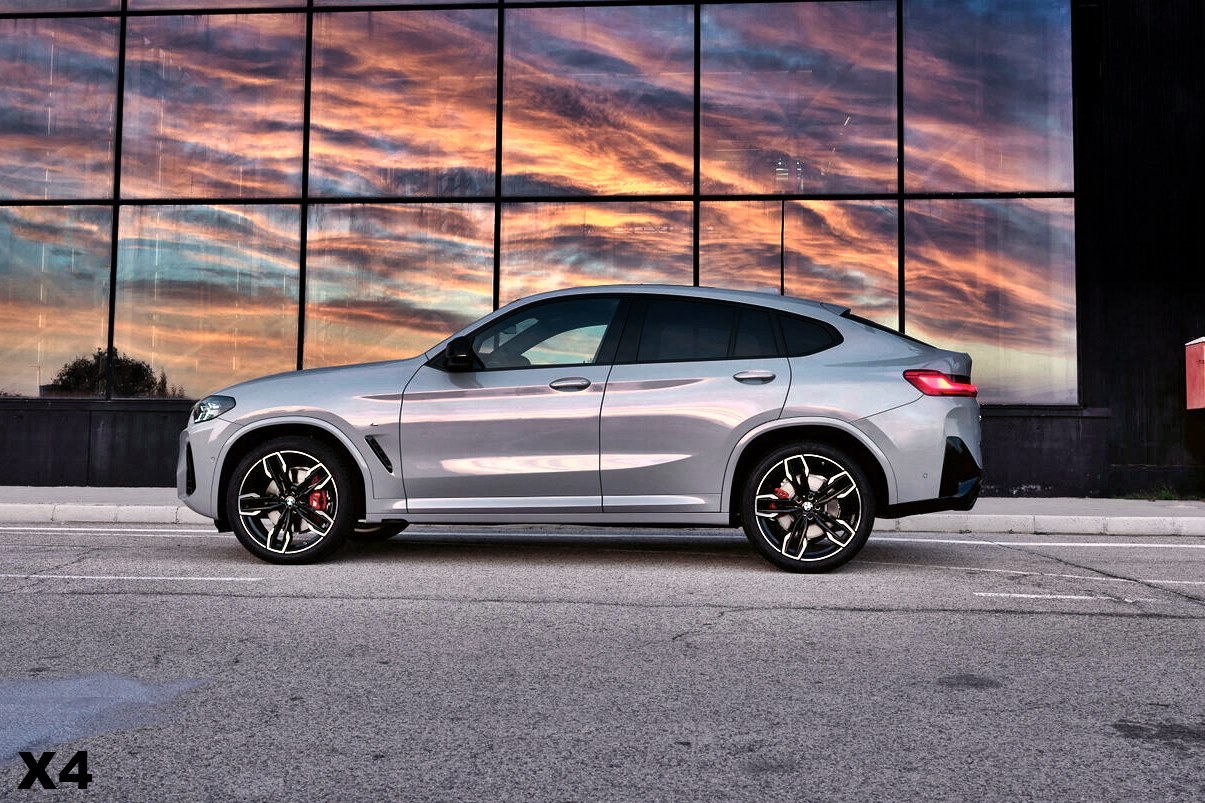
The new X4 retains the coupe-like roofline and now has vertically positioned reflectors as well as a rear bumper with new inserts.
The M Sport Package on both models comes with noticeably upgraded equipment levels such as larger air intakes and M-specific front aprons, along with new colour offerings, rims, and interior trim finishers.
The colour choices for the X3 are Alpine White, Brooklyn Grey, Phytonic Blue or Carbon Black for the exterior, and Leather Vernasca Black with Blue Stitching on the inside. However, customers are also offer a Leather Vernasca Mokka interior with the Alpine White and Carbon Black exterior finish.
As for the X4, the choices for the bodywork are Alpine White, Piemont Red, Phytonic Blue and Carbon Black, and Leather Vernasca Black with Contrast Stitching within. There is also the option of Leather Vernasca Tacora Red with the Alpine White and Carbon Black exterior.
Under the bonnet is a 4-cylinder TwinPower Turbo petrol engine tuned to deliver 184 ps/300 Nm for the X3 sDrive20i and 252 ps/350 Nm for the X3/X4 xDrive30i. The sDrive20i is fitted with an 8-speed Steptronic transmission while the xDrive30i uses an 8-speed Steptronic Sport transmission.
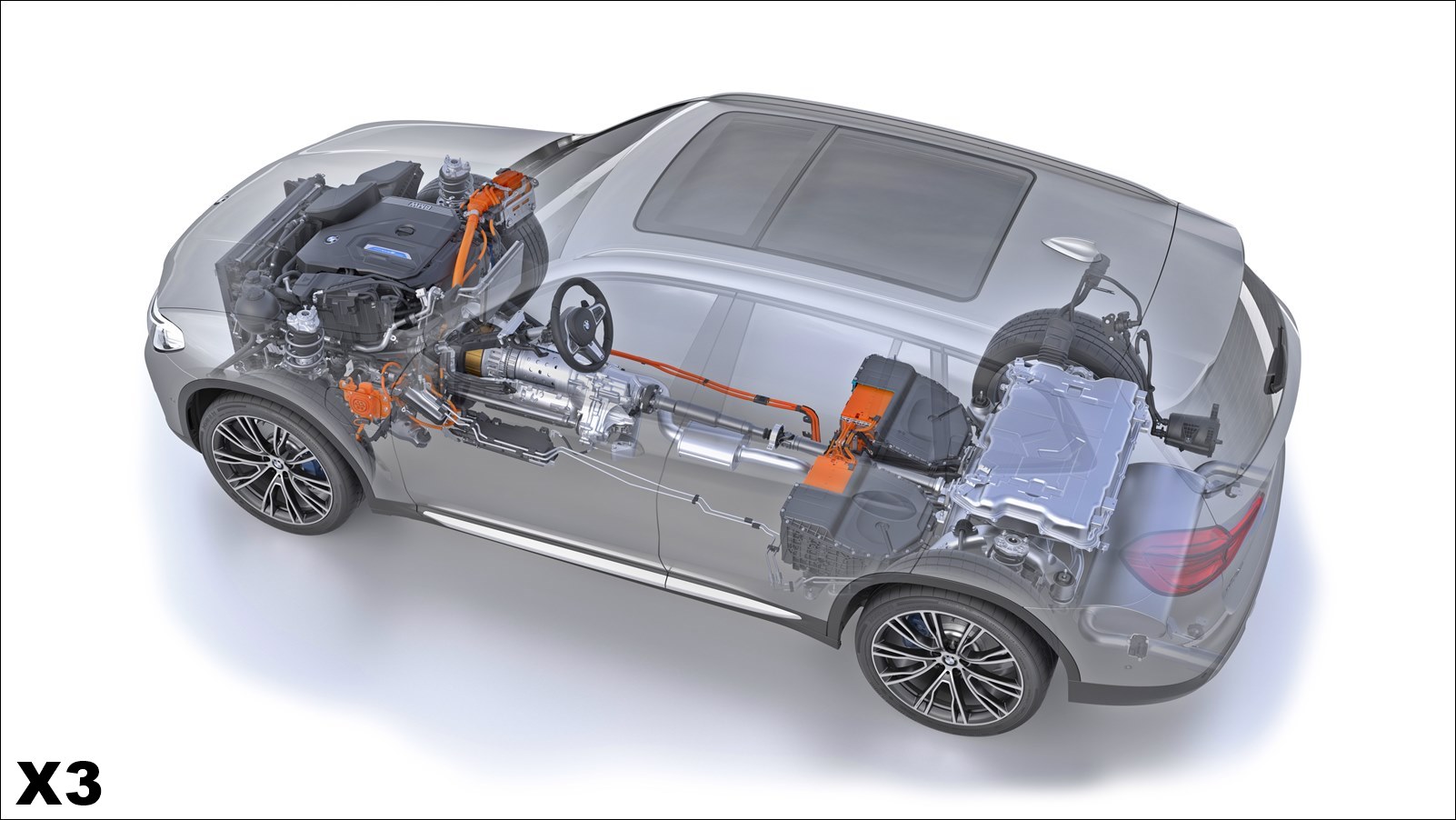
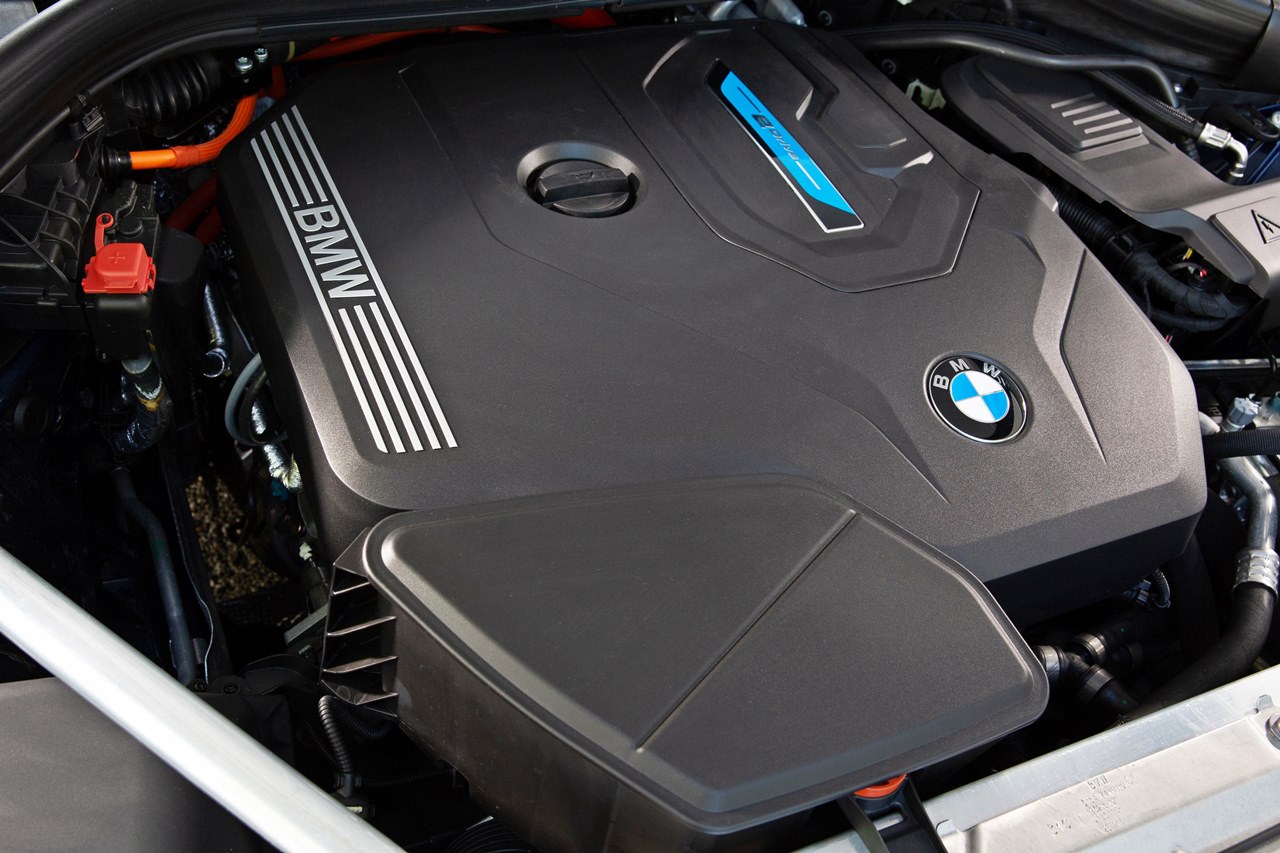
As a plug-in hybrid (PHEV), the X3 xDrive30e (above) has both a 4-cylinder combustion engine and electric motor, the latter powered by a lithium-ion battery pack with a gross capacity of 12 kWh. It can run with both engine and/or motor and on just the motor alone, the range is claimed to be up to 50 kms.
All-wheel drive is standard for the X3 xDrive30i and X3 xDrive30e, while the X3 sDrive20i has rear-wheel drive. The M Sport suspension for the X3 has specific sprint and damper tuning for more dynamic handling, while the X4 xDrive30i is equipped with adaptive suspension.
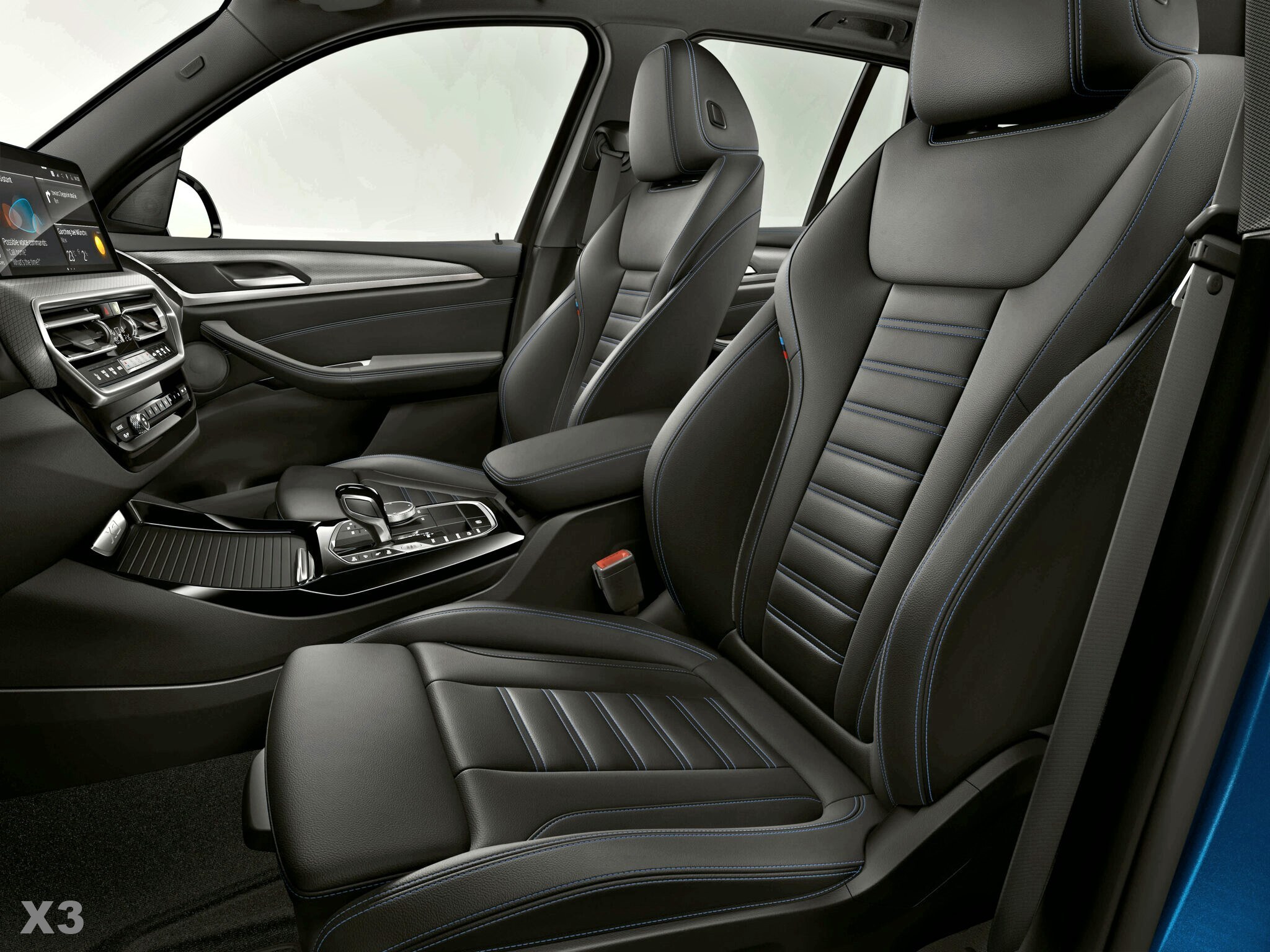
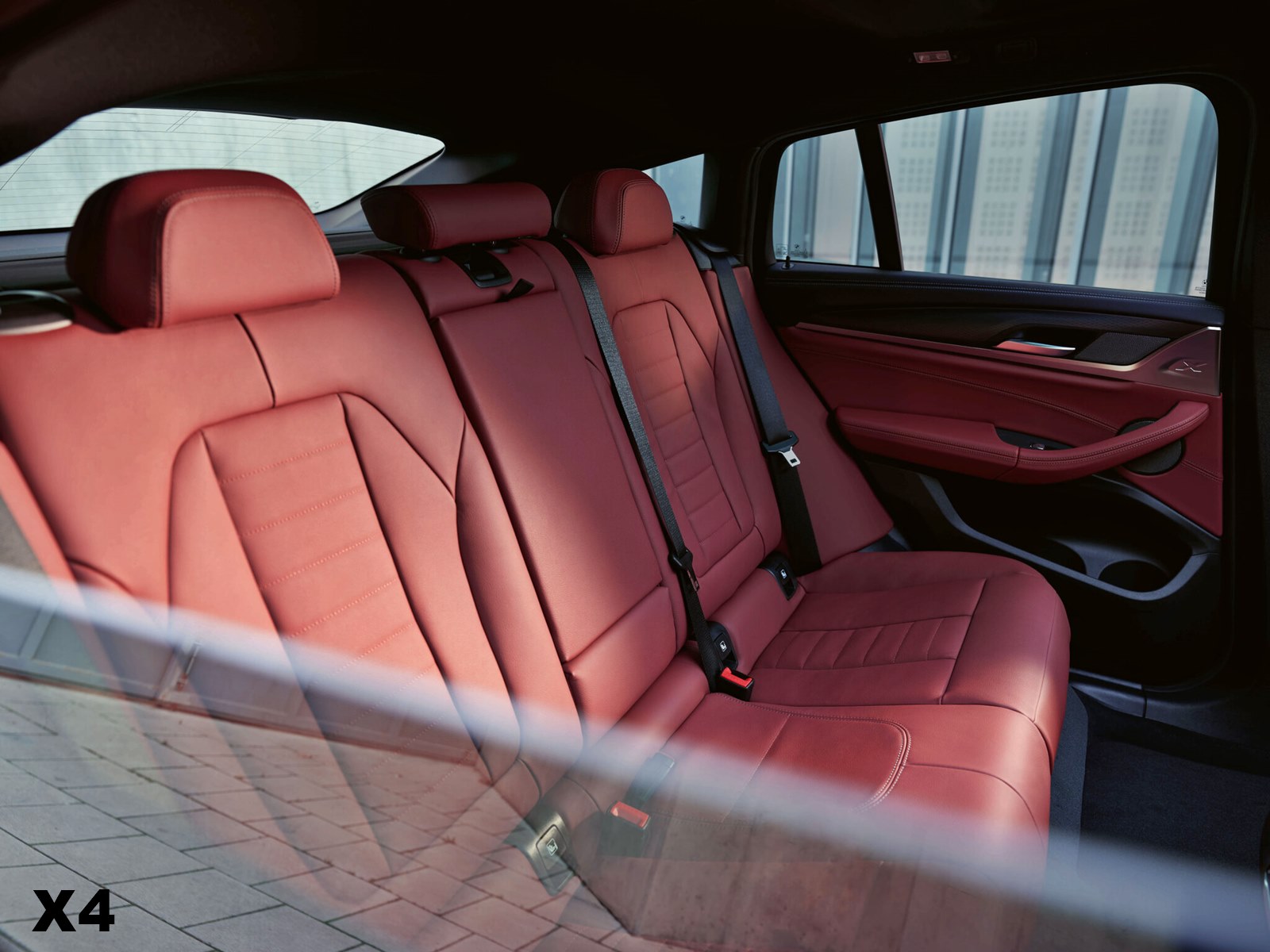
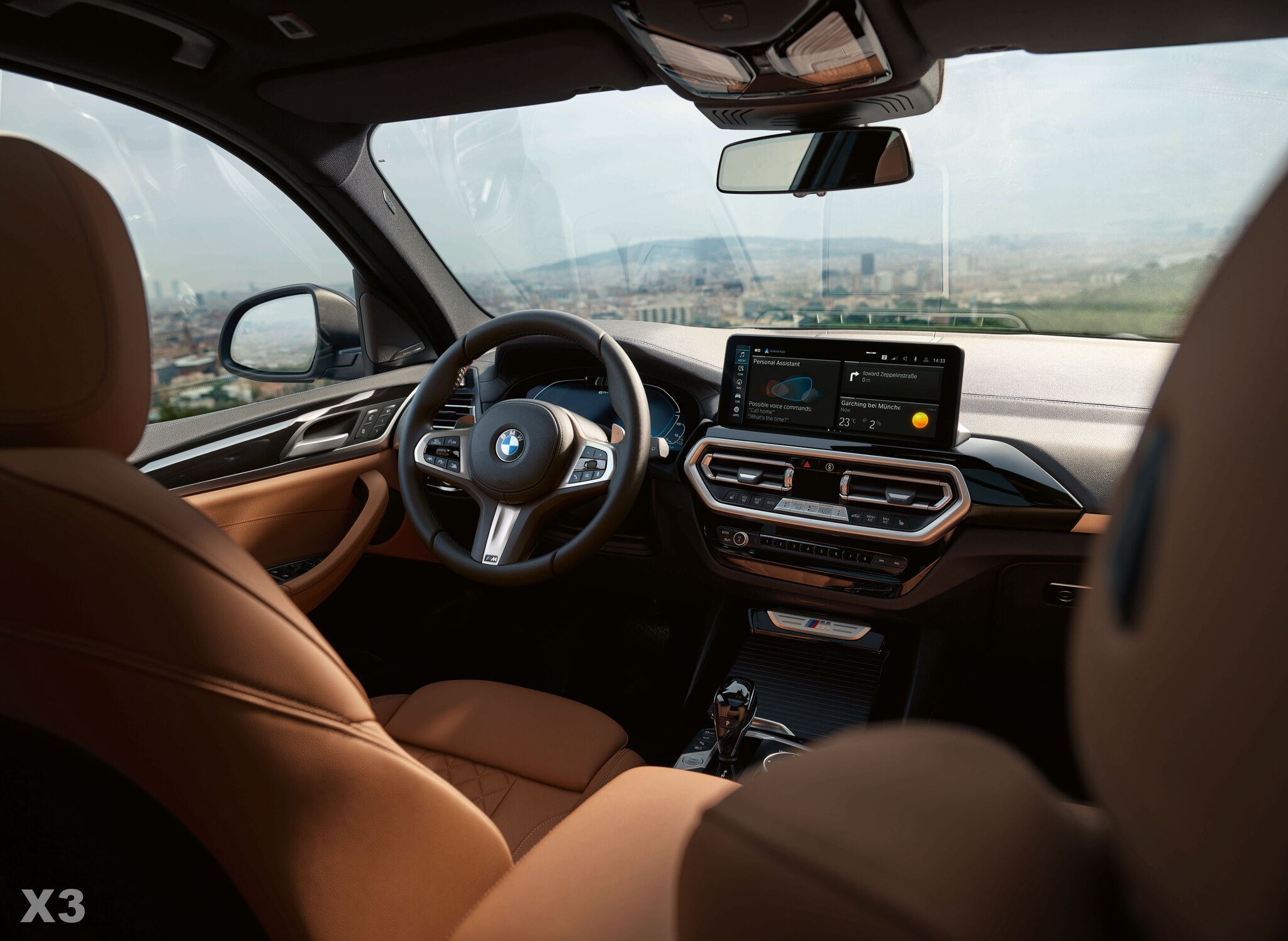
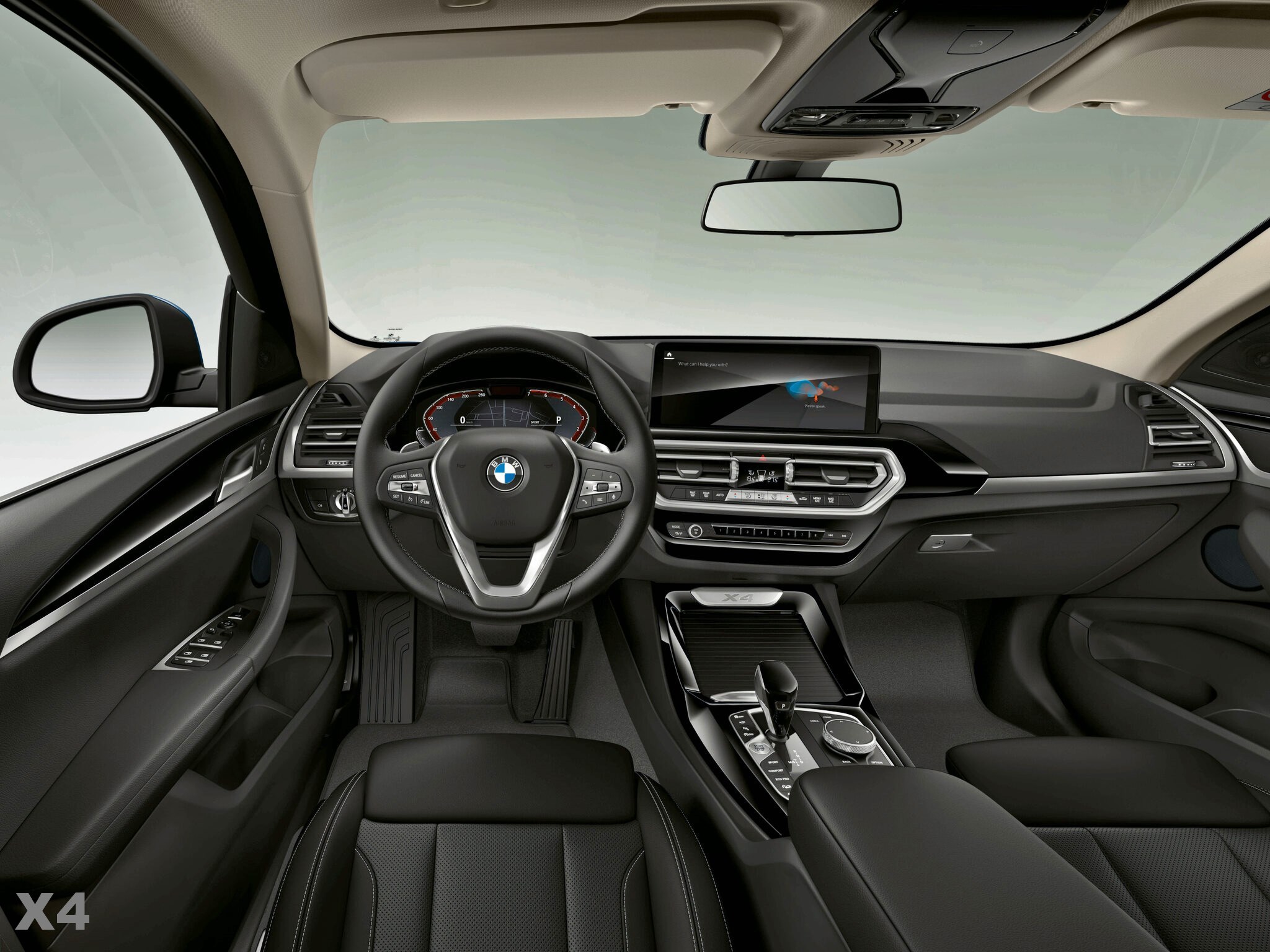
The interiors of both models now have a larger 10.25-inch Control Display with touchscreen functionality, zinc-plated elements in the air vents, and new control elements beneath the display in the centre console. The new models are also fitted with sports seats that have pronounced side bolsters for better support, along with sophisticated leather upholstery for added premium appeal.
For the X3 xDrive30e, the electrified credentials of the model are subtly expressed with details in BMW i Blue.
The features of the BMW Intelligent Personal Assistant have been significantly expanded, now allowing the user to open windows and adjust the air-conditioning system using voice commands. BMW Maps, a cloud-based navigation system, is also new, combining increased precision with simplified destination entry points and even more comprehensive traffic updates.
“The BMW X portfolio has long been revered across the globe, and especially so in Malaysia for producing some of the most coveted premium Sports Activity Vehicles (SAV). Last year, the BMW X portfolio recorded over 3,200 deliveries in Malaysia – contributing to just over 38% of total deliveries from the BMW brand. This success of the BMW X portfolio signals a strong market within the country, in turn affirming our confidence in expanding and revolutionising the automotive industry here with more local assembly facilities and infrastructure,” said Hans de Visser, Managing Director of BMW Group Malaysia.
“As we move into a year full of electrification possibilities, BMW Group Malaysia is also thrilled to electrify our locally-assembled BMW X3 for the very first time, while offering different powertrain options for those who prefer different driving experiences. This is reflective of our promise to offer the ‘Power of Choice’ through our extensive range of petrol, plug-in hybrid (PHEV) and all-electric vehicles in Malaysia,” he added.
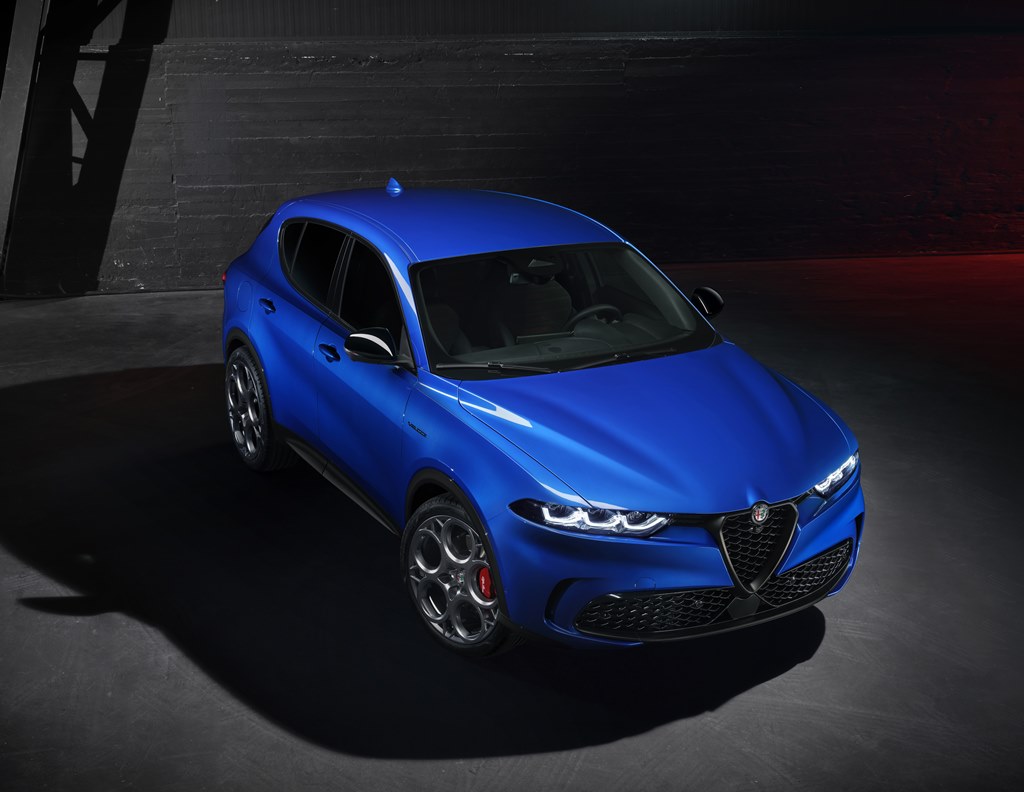
With its low volumes, Alfa Romeo has struggled for many years and relied on the loyalty of the alfisti to keep it around. Heritage can only go so far in modern business, but Alfa Romeo has usually survived to continue its business. Now under the Stellantis Group, it will have some more breathing space with access to considerable shared resources that will allow one new model to be launched every year during this decade.
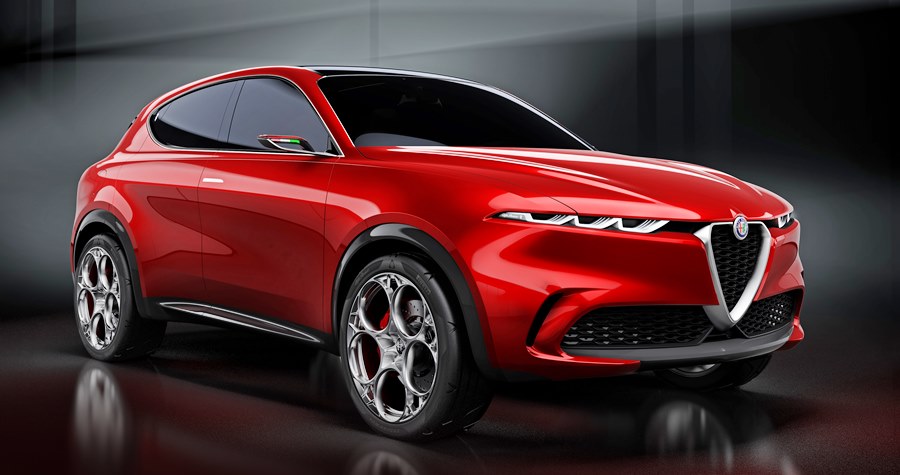
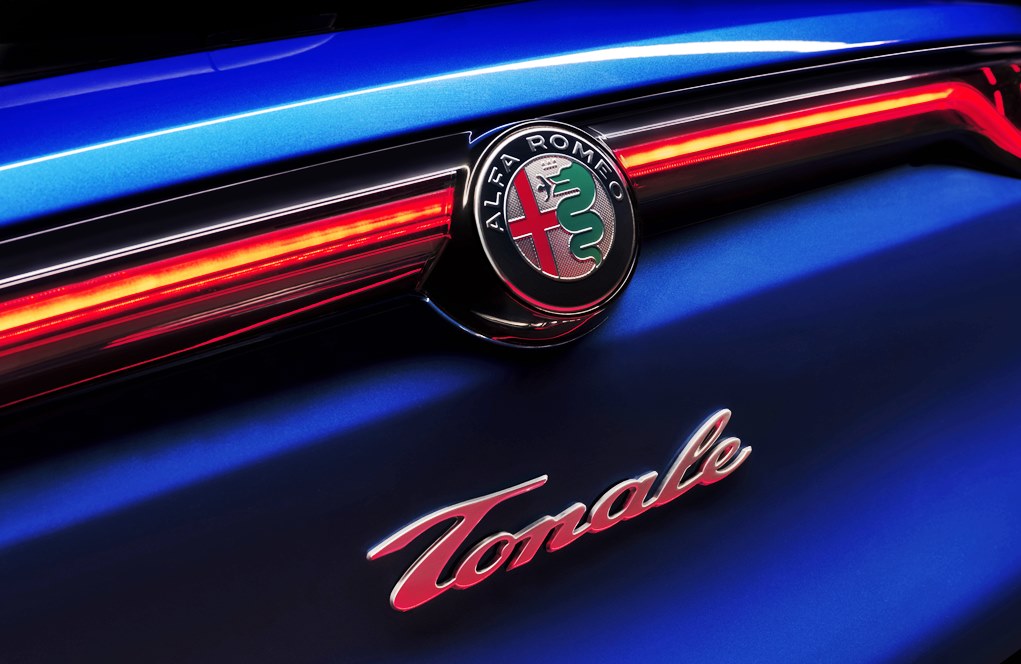
It’s been a while since we saw a really new model from Alfa Romeo and the new Tonale is something that has taken almost 3 years to go into production. A concept was shown at the 2019 Geneva Auto Show with a plan to put it in showrooms in a few years. By the time Stellantis came into the picture, the development would have been too far ahead to stop or change, so in 2022, it has its global debut although many markets may only get it in 2023.
The Tonale has compact dimensions which means it will do battle in the most competitive area of the SUV segment. While said to remain true to its DNA of Italian sportiness, it also marks the metamorphosis of the brand as it starts a new era of connectivity and electrification.
2019 Alfa Romeo Tonale Concept
Concept car inspiration
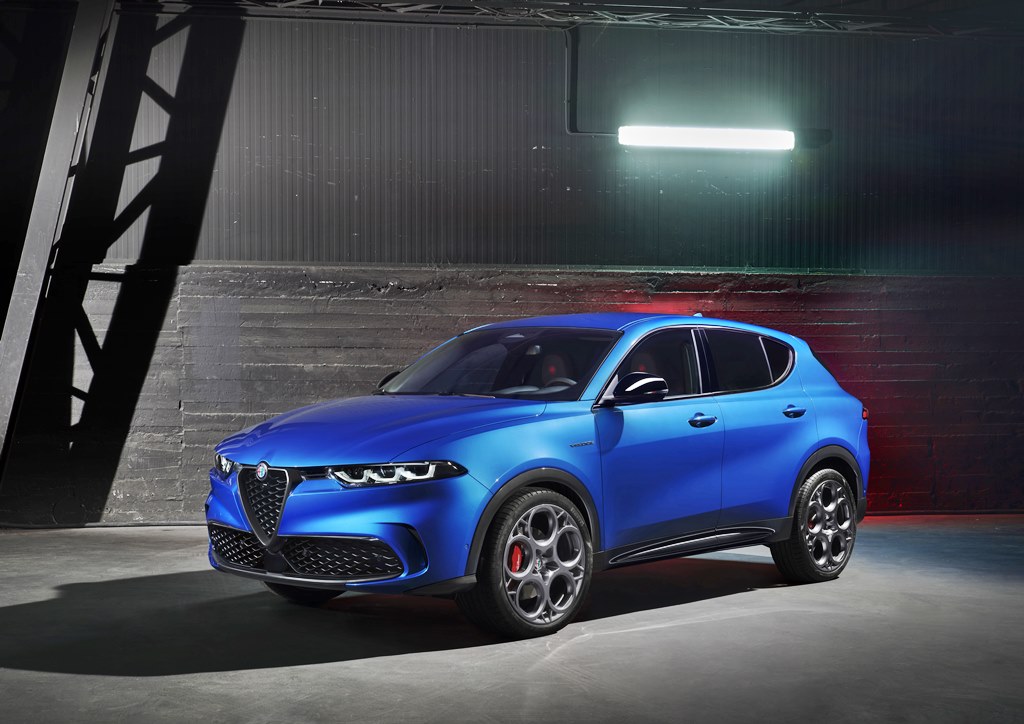
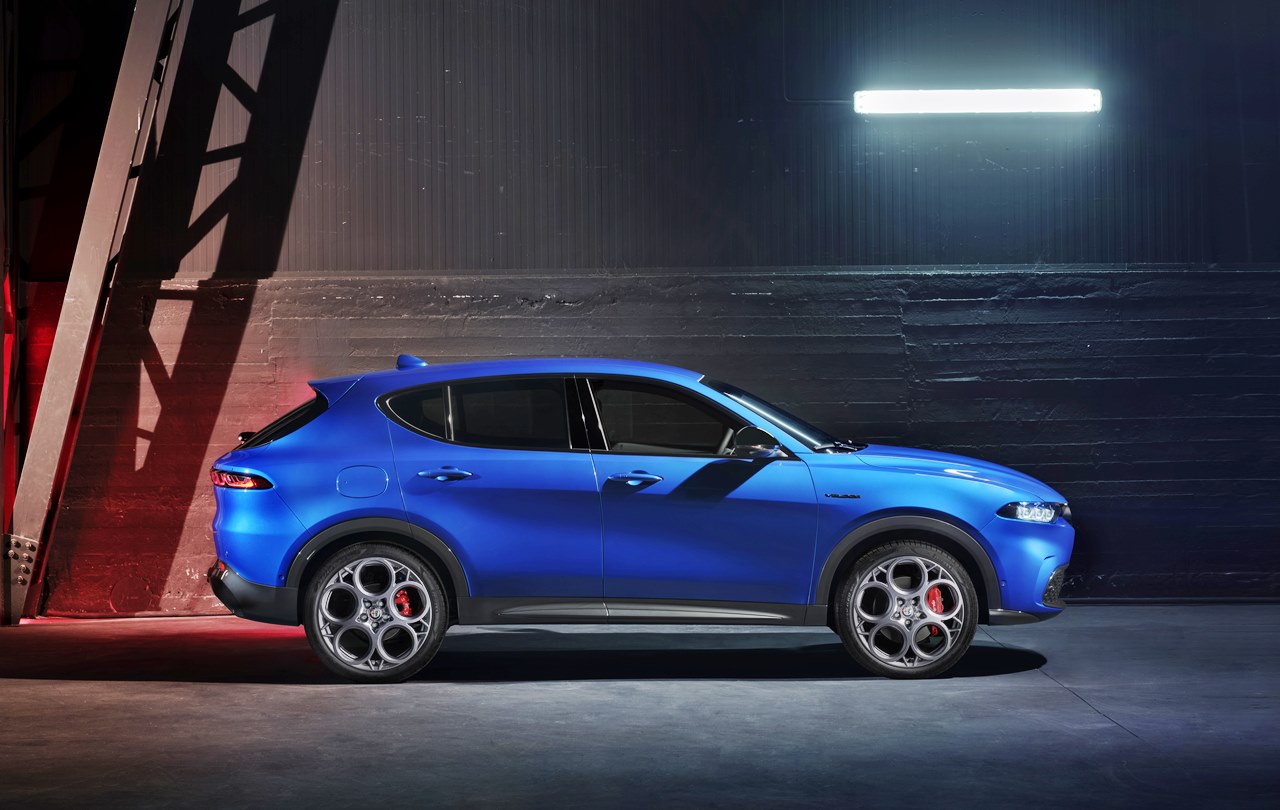
Much of the design draws on the concept car shown in Geneva which contained many classic Alfa Romeo stylistic features, reinterpreted in the name of modernity. The sides are notable for their extended curve below the waistrail, known as the ‘GT Line’, which runs from the rear to the headlights, giving definition to the car’s body and its profile. In terms of the modelling, its full volumes and sensuality are reminiscent of models such as the 8C Competizione.
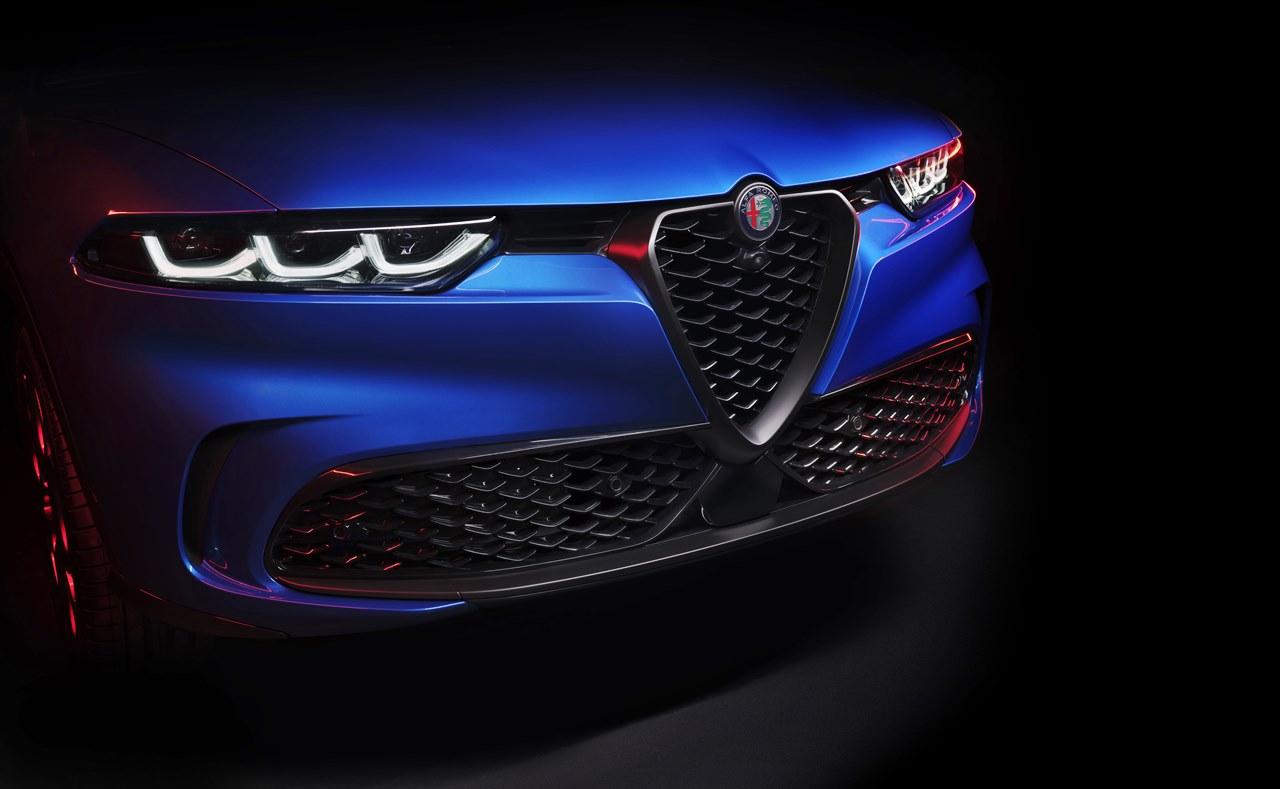
At the front, the new floating ‘Scudetto’ shield is no longer a part of the bumper but a distinctive element on its own. The lower part includes two main side air intakes which together with the shield create what is known as the ‘Trilobo’.
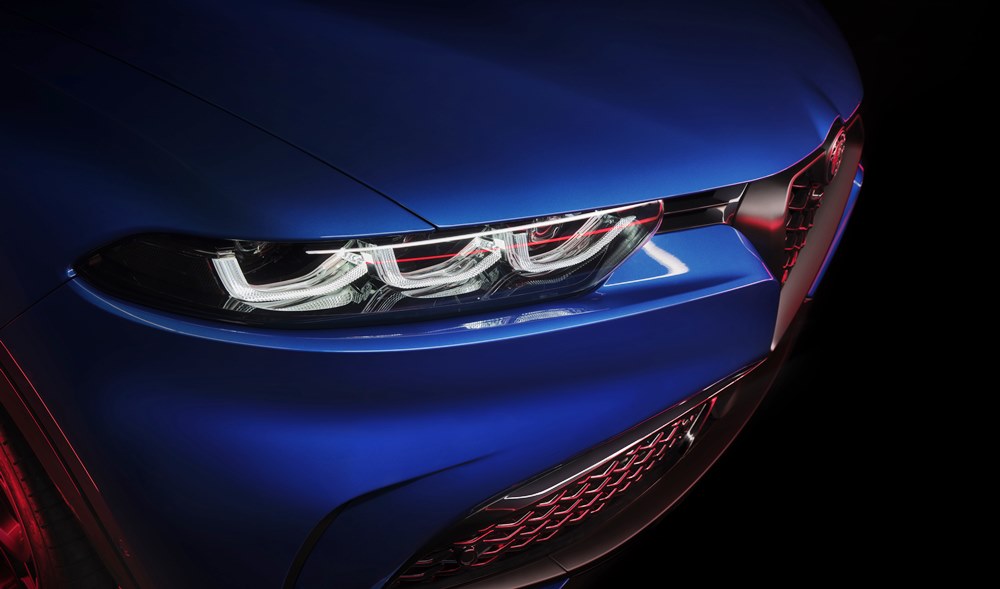
The eye-catching ‘3+3’ headlights are inspired by the SZ Zagato and the Proteo concept car. These lights adopt a new full-LED adaptive matrix and provide daylight, dynamic turn signals and a ‘welcome and goodbye’ feature. They also have adaptive capabilities to maximize illumination without dazzling other drivers, with a third module automatically activated when turning corners to expand the lighting laterally.
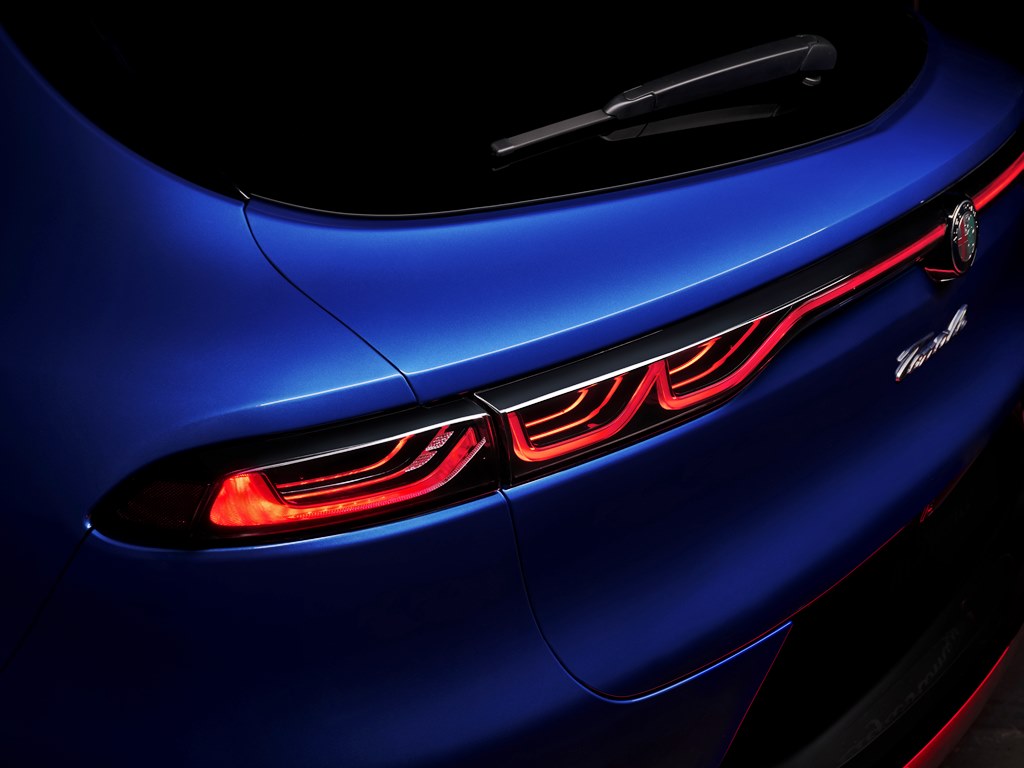
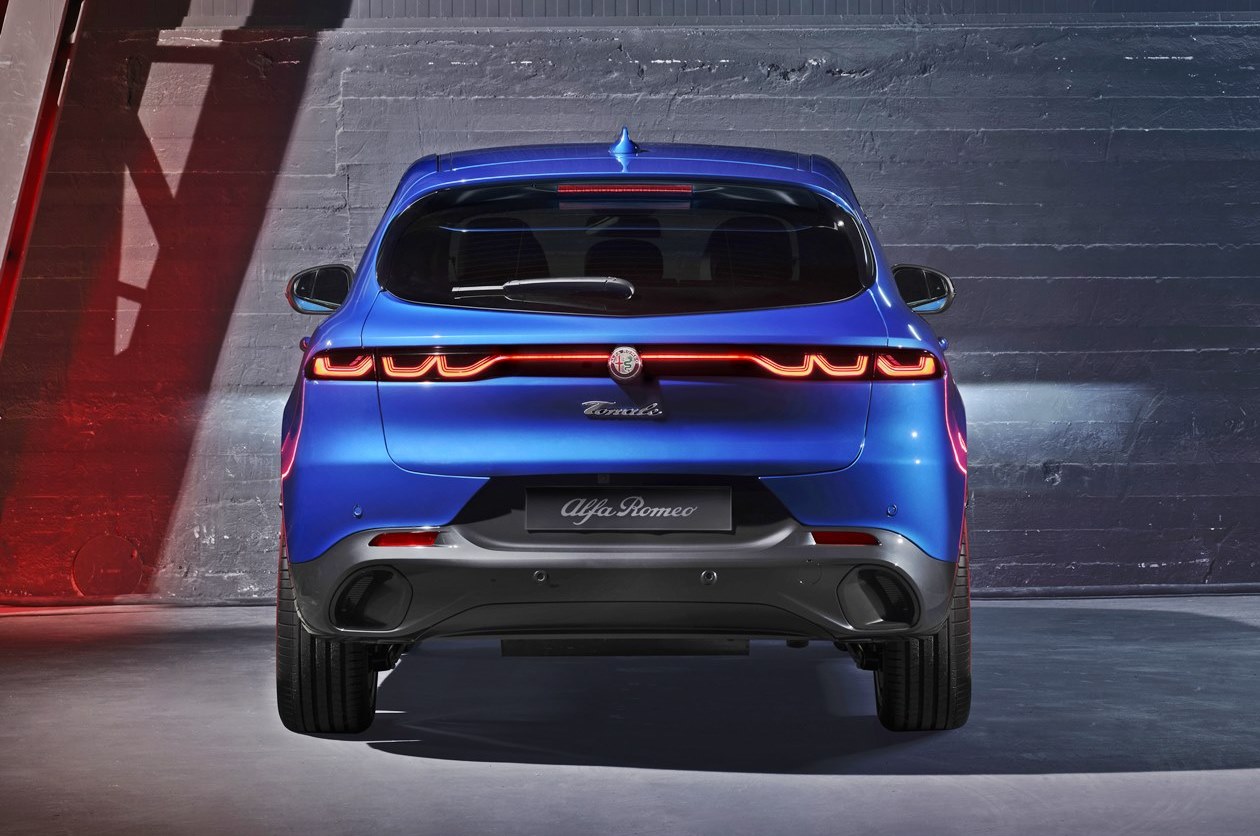
At the rear too, the light units are strong elements that for a visual signature for the Tonale. The roundness and, now classic, fold in the lower centerline shape of the rear window characterizes the SUV’s upper rear volume in a sporty yet elegant way evoking iconic cars like the 8C Competizione where the daylight opening, the edges of the side windows and the top of the rear window meet.
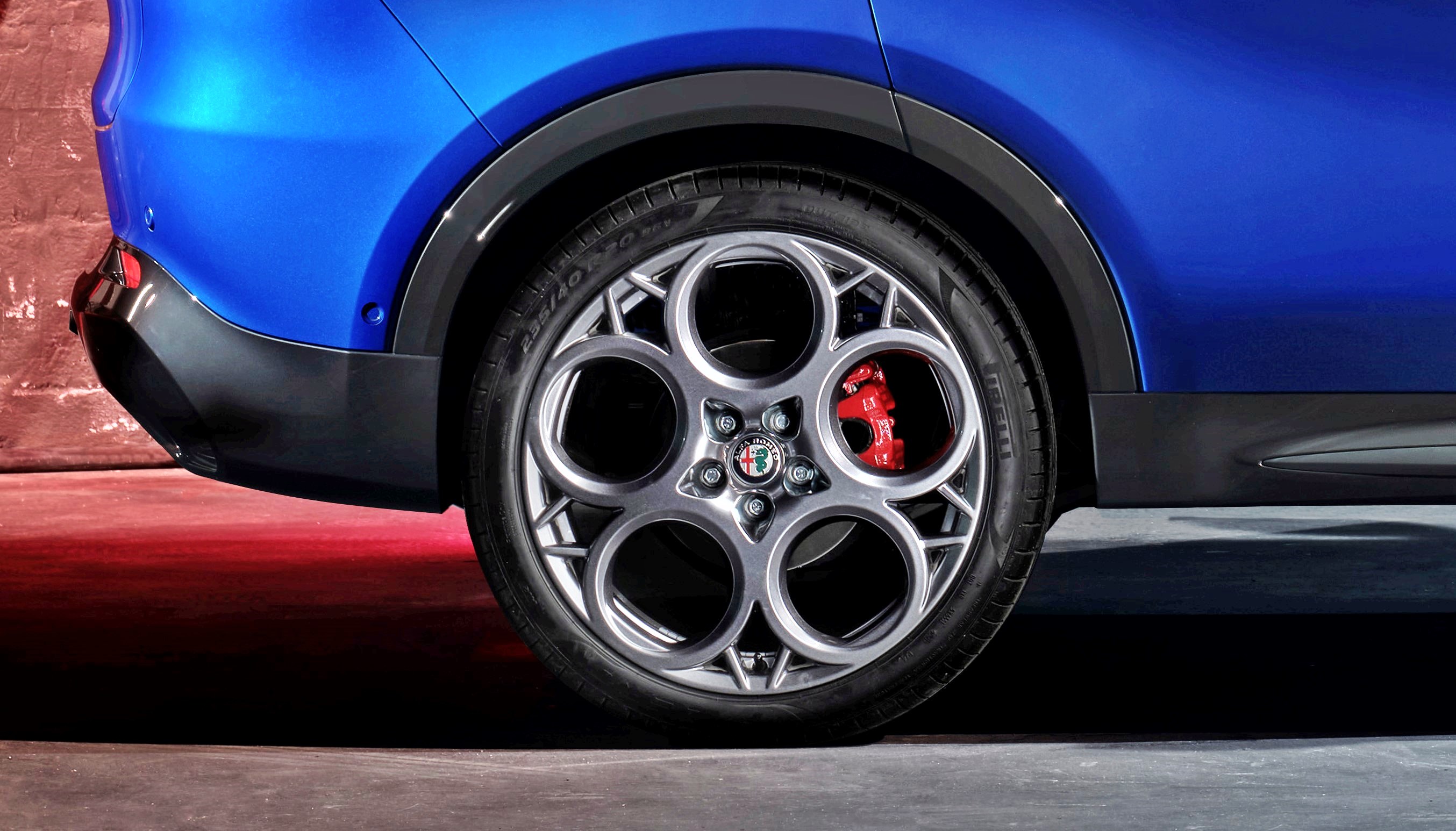
The ‘teledial’ alloy wheels that were received positive feedback when shown on the concept car have also been adopted on the production model. This is the reworking of the perforated telephone dial theme, the result of an evolution that began in the 1960s with the 33 Stradale. Over time, the perforations have gradually been increased in size and becoming more closely related to needs for brake cooling, lightness and resistance.
Driver-centric cabin
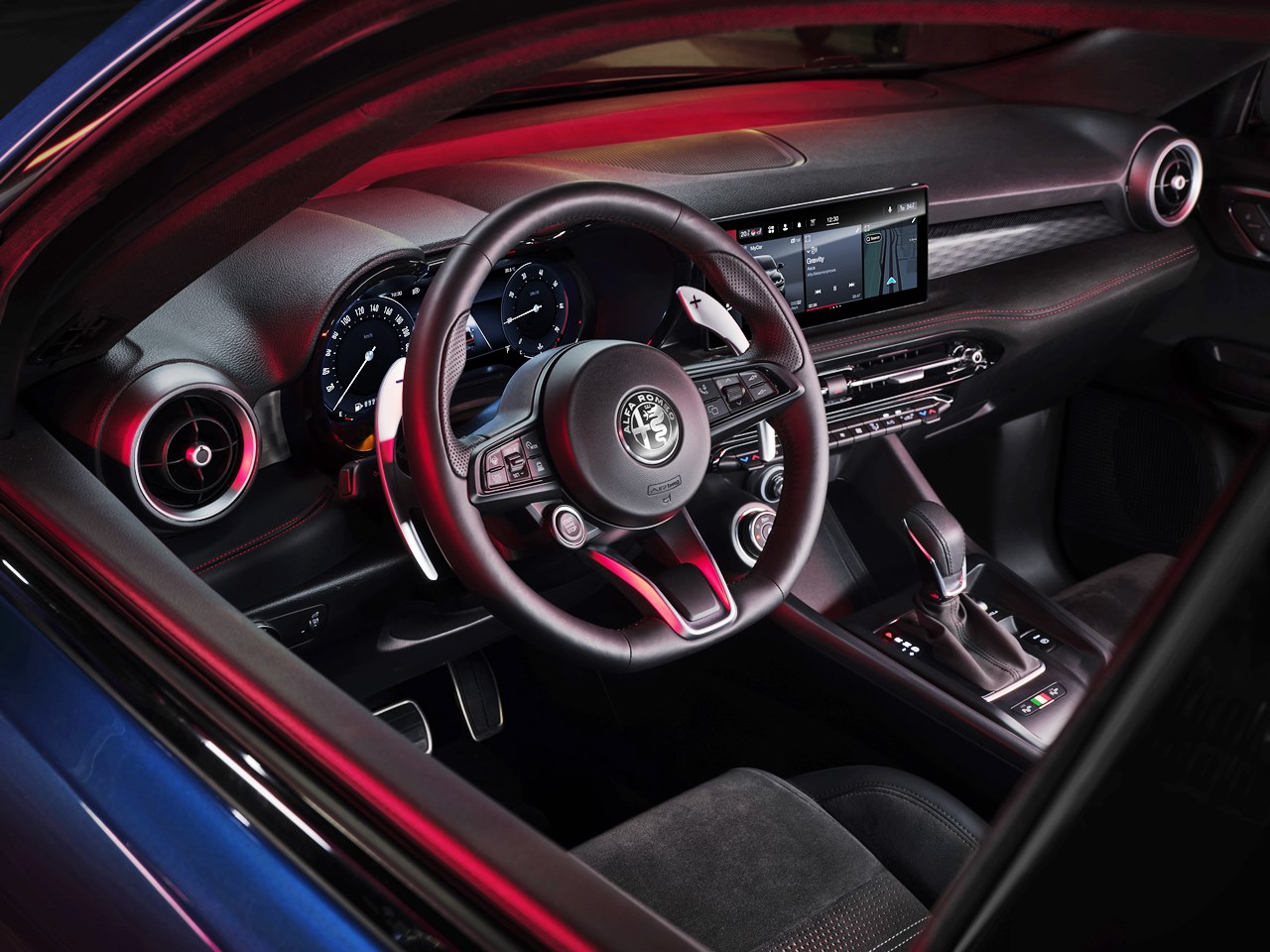
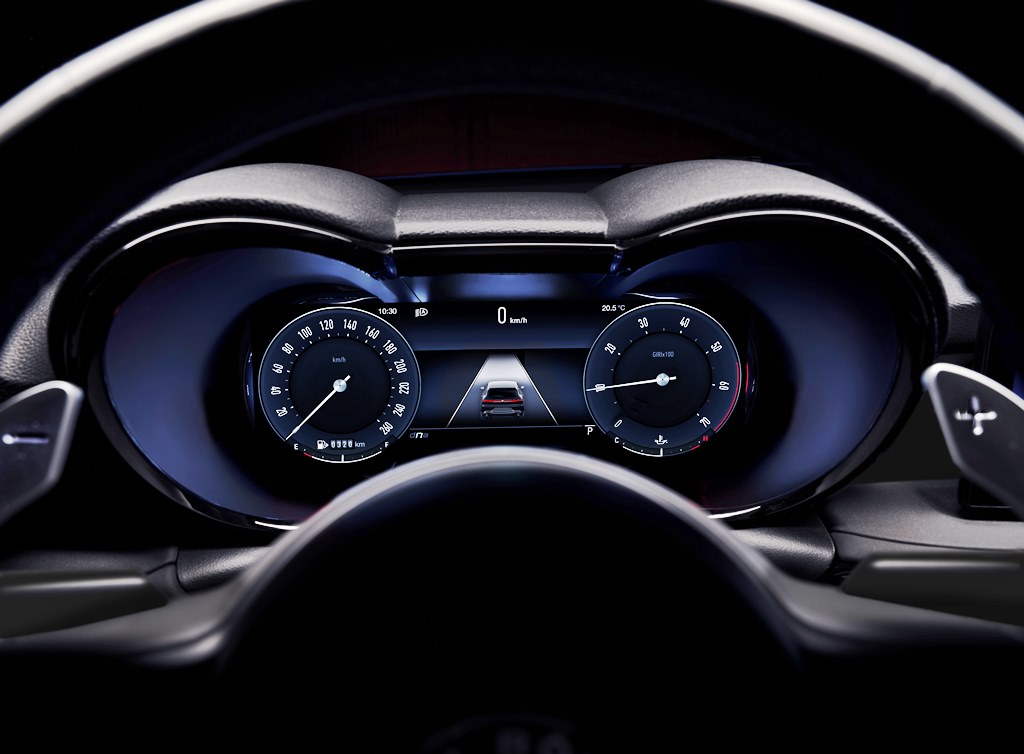
As would be expected, this is an SUV but the racing heritage of Alfa Romeo is not ignored. Everything is driver-centric, with the diagonal tunnel, slightly undulating dashboards and instruments facing the driver. The characteristic elements of the new model include the telescopic instrument panel, with its clear Alfa Romeo stylistic matrix, and the compact steering wheel with aluminium shift paddles.
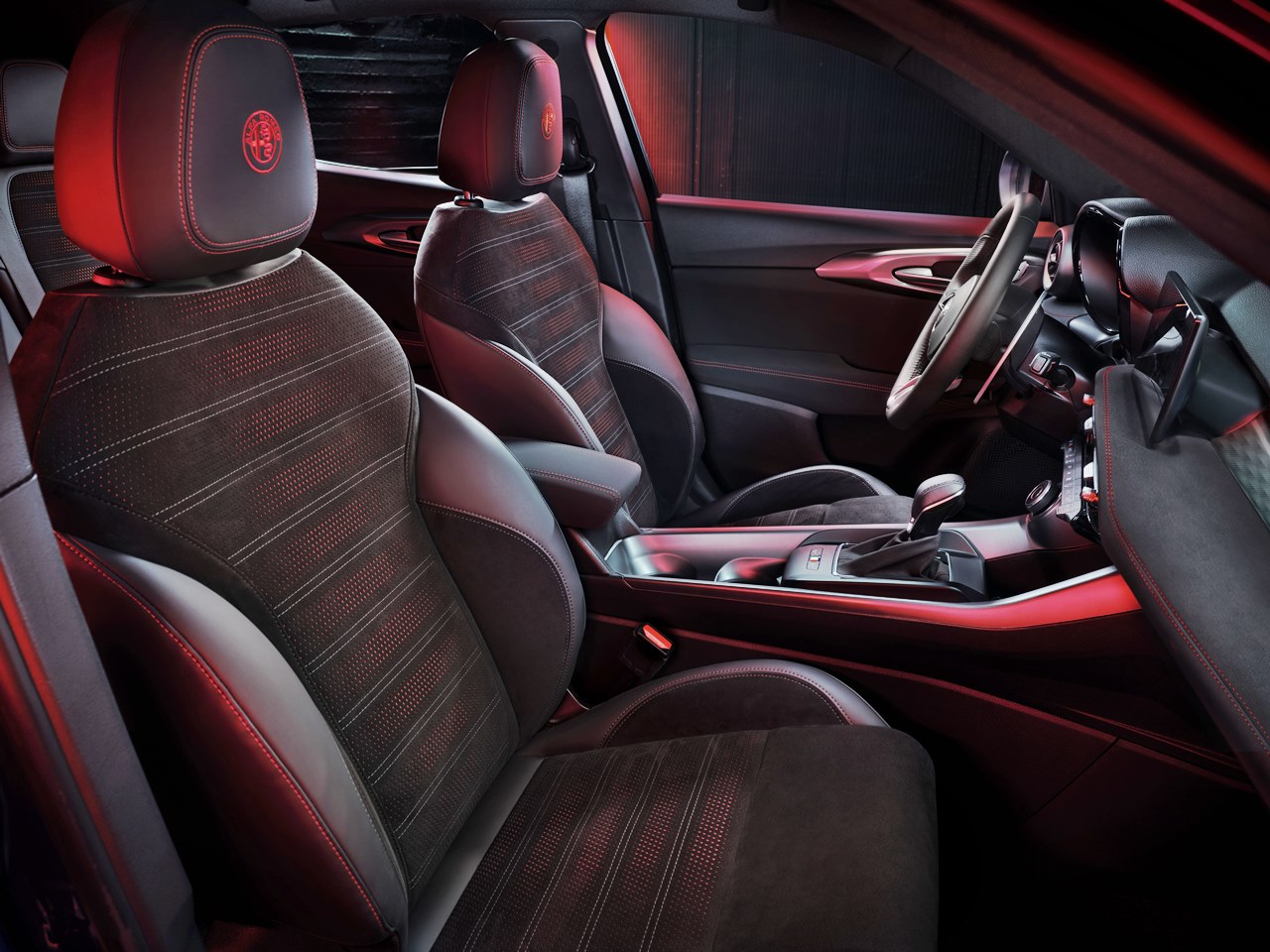
The new D.N.A. driving mode selector, slim central air conditioning vents and external turbine shaped vents, the central tunnel and handles are embellished with a diamond texture inspired by precision mechanical processing with laser engraving. The dashboard also includes an insert with a backlight effect so when the panel is off, a graphic appears. The same 3D features can be seen in the seat fabrics, from the basic versions all the way to the gradient effect with contrasting background colour.
Powertrain choices
Depending on the market, electrified powertrains or combustion engines (or both) will be offered. The front-wheel drive hybrid powertrain has a new 4-cylinder 1.5-litre petrol engine with a Variable-Geometry Turbocharger, and a 48V 15-kW electric motor. Besides two output levels – 130 ps and 160 ps – there’s also a 275 ps plug-in hybrid (PHEV) Q4 version with all-wheel drive that will have a claimed electric range of up to 80 kms.
The new 7-speed TCT dual-clutch transmission enables start-up and travel in only electric mode at low speeds and when parking and cruising, subject to battery levels. A full battery recharge is said to take 2.5 hours when using a 7.4kW fast charger.
Some markets will still be able to get good old powertrains with just combustion engines. There will be Tonale variants with a 2-litre 4-cylinder turbocharged petrol engine as well as a 1.6-litre turbodiesel engine.
The driving dynamics of Alfa Romeos have always been much appreciated and respected, and even with an SUV, these cannot be compromised. One element that contributed to ensuring this is the optimally balanced weight distribution between the two axles. This required special management of mass and materials, which was done both by working on the car’s layout and by placing all the heavier components as centrally as possible.
The Tonale has an Integrated Brake System (IBS), an innovative electromechanical system that combines stability control with conventional servo brakes. Said to be an industry first, the integration between electronics and mechanics, significant weight optimization, optimal feeling and the total absence of pedal vibrations can guarantee the system instantaneous brake response. The fixed calipers are from Brembo, with four pistons and self-ventilated discs at the front and solid discs at the rear.
The Dual Stage Valve electronic suspension provides a choice between performance and comfort. Developed in conjunction with Alfa Romeo’s long-standing technology partner Marelli, the electronic shock absorbers feature a special electro-actuated valve within the shock absorber that provides independent damping curves for 2 modes (Comfort and Sport).
New ADAS systems
The Tonale is equipped with new Alfa Romeo Advanced Driver Assistance Systems (ADAS) for Level 2 autonomous driving, which means that the vehicle can automatically handle acceleration, braking and staying within a lane while maintaining driving safety. However, the driver still needs to be alert and involved, though to a lesser degree which can reduce fatigue on long journeys.
In the event that the driver loses concentration or even falls asleep, there are features like Autonomous Emergency Braking which will activate the brakes if the driver does not react to alerts. The Drowsy Driver Detection system constantly analyses the vehicle’s movements to detect any characteristics which indicate driver fatigue. Once a certain threshold has been exceeded, the system emits beeps and/or visual warnings, recommending the driver stop for a break.
Connectivity with Amazon
Connectivity in a car today is more than just being able to connect a smartphone to the infotainment system. It now encompasses being able to connect to the rest of the world and a major new feature in the Tonale is the built-in Amazon Alexa voice assistant. Where it is available, Secure Delivery Service can set the vehicle as the place to deliver Amazon packages. The doors can be unlocked, and the courier can leave them inside the vehicle. Updates on vehicle status can also be received at home so it will be possible to know the battery charge level and other information. Alexa can also be used to search for nearby restaurants or even adjust lights or heating connected to the home automation system.
NFT for a car
In a world exclusive, the Tonale debuts non-fungible token (NFT) technology. Alfa Romeo is the first automaker to link a car with an NFT digital certificate. The technology is based on the ‘blockchain card’ concept, a confidential and non-modifiable record of the main stages in the life of an individual vehicle. Upon the customer’s consent, the NFT will record vehicle data, generating a certificate that can be used as a guarantee of the car’s overall status, with a positive impact on its residual value. On the pre-owned car market, NFT certification represents an additional source of credibility for owners or dealers to count on.
Today, Volvo has six SUV models in its range (including electrified variants), all of which are selling well around the world. However, the company was actually late into this segment which began its rapid growth in the 1980s. Mitsubishi Motors and Isuzu had made 4×4 workhorse vehicles into more comfortable dual-purpose vehicles that could be used as alternatives to cars, and then Toyota and Honda lit the ‘SUV mania’ in the mid-1980s with their small SUVs.
Very quickly, other manufacturers began to come out with SUVs, with even the German premium brands including Porsche offering at least one model. But Volvo seemed slow to have a SUV in its range and on occasions when the Swedish executives would be asked, their response would be that they were working on a model but it had to meet the high safety standards of Volvo before they could offer it to the public.
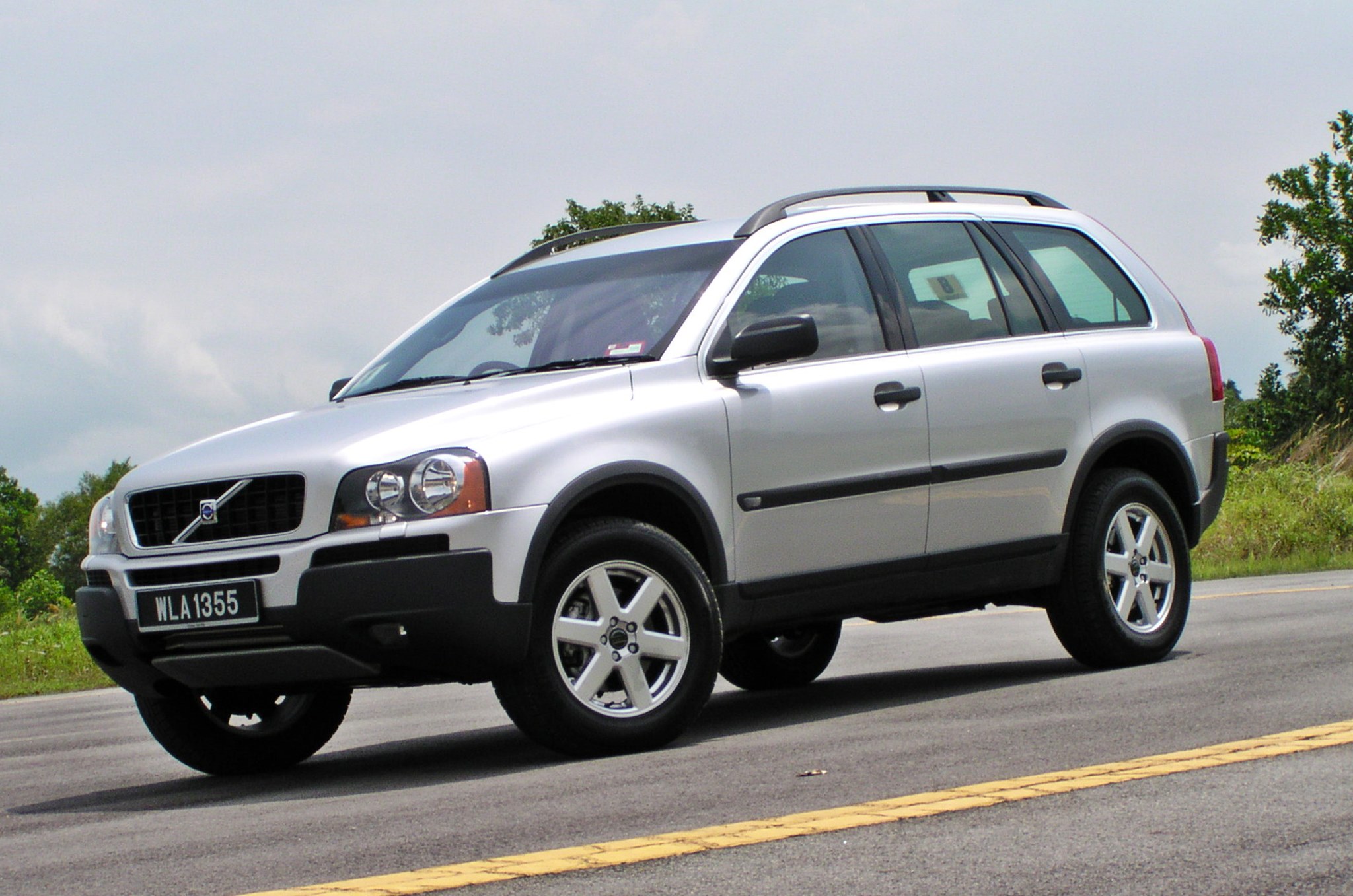
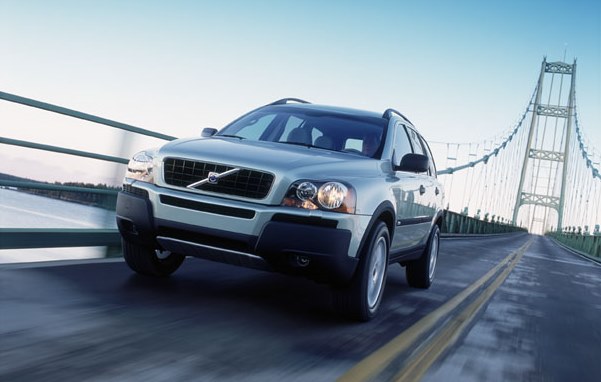
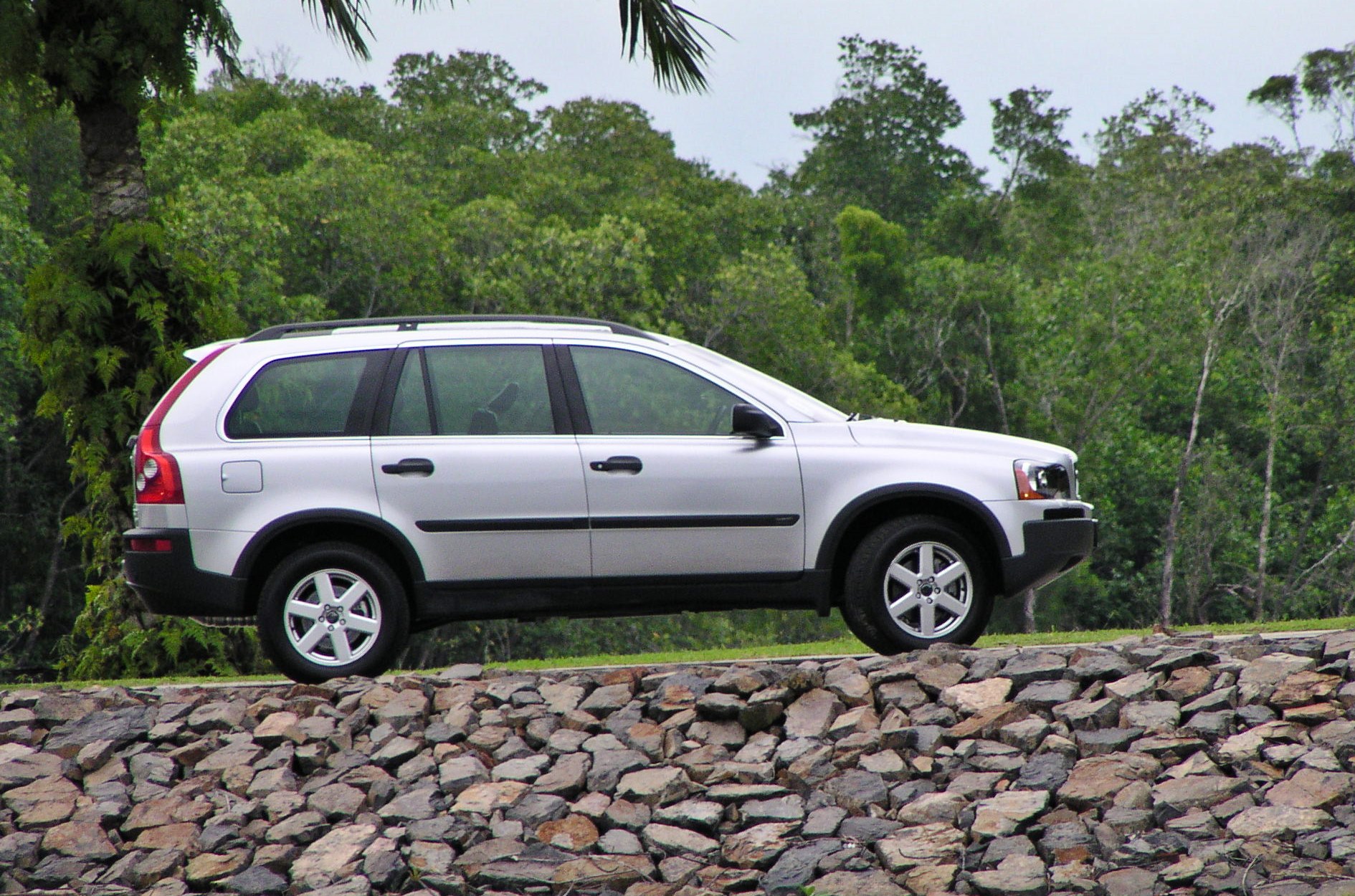
Finally, in January 2002, at the North American International Auto Show, Volvo finally introduced its first SUV – the XC90. Some thought that the carmaker had joined the SUV segment too late although it was true that Volvo was preoccupied with the safety aspects of SUVs, which delayed its new model.
Volvo’s concerns were in part related to the truck-like driving properties which contributed to making them significant roll-over accident statistics. Such vehicles, with extra ground clearance, are taller than passenger cars and so the centre of gravity is higher up, making it easier for the vehicle to tip over in certain cornering situations.
Hans Wikman, Project Director of the XC90, recalls his feelings when the management team inspected the three design alternatives under the burning desert sun at the Arizona Proving Ground in America in May 1999. “We in the project team were a bit tense. The SUV program had been canned twice before. Now we kept our fingers crossed that our favorite design was so good that the executives would approve it without hesitation. And that’s exactly what happened,” he said.
Solving inherent safety issues
But they had to solve the safety issues and were determined to do so when the XC90 was cleared to proceed towards production by Volvo’s top management. And Wikman and his team were able to come up with ingenious approaches to addressing the known issues of SUVs. At that time, Volvo was part of Ford so there resources were shared in doing research on the issues. Ford too wanted active systems that could make its SUVs safer.
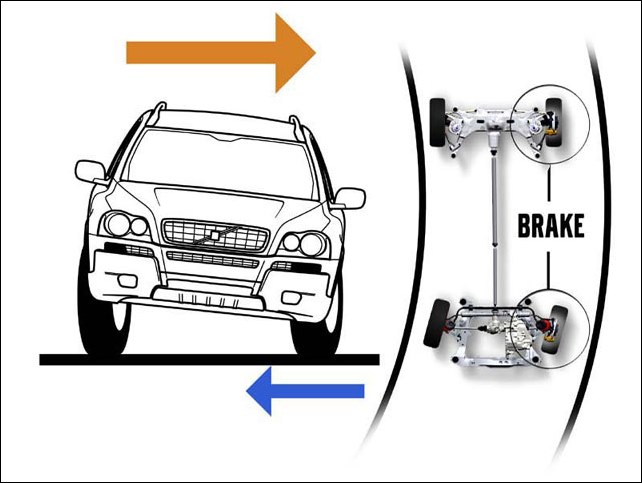
The solution was a system called Roll Stability Control (RSC), which was an automotive world-first when it was introduced in the XC90. Using a gyro-sensor, RSC measures the degree and rate at which the vehicle’s body is leaning and if it senses a rollover is about to occur, the system is activated. The electronic stability control system engages, engine torque is reduced and one or more wheels are braked until the car has regained its stability.
How Roll Stability Control in the XC90 worked.
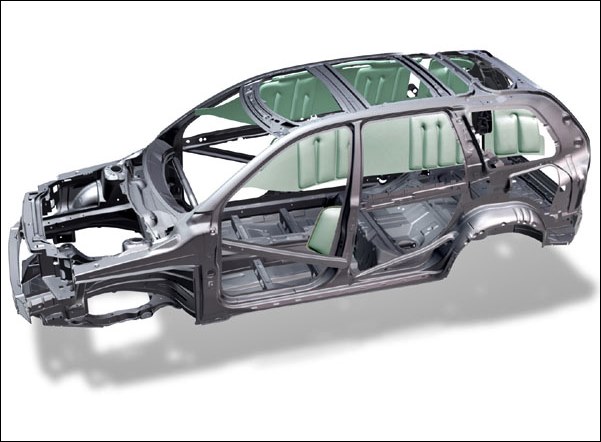
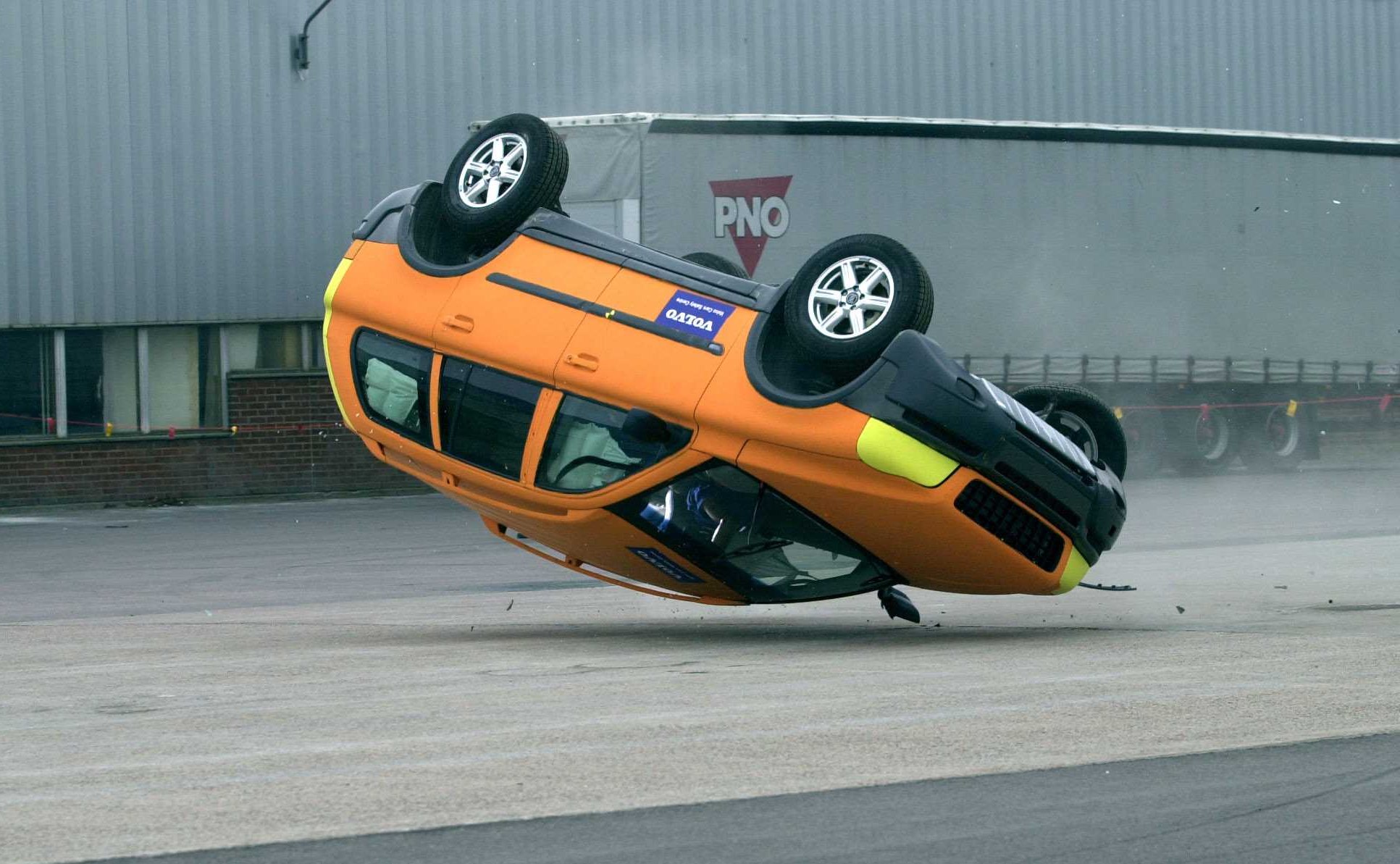
Cooperation between the reinforced roof structure, seat belt pre-tensioners and inflatable side curtains helped create superb roll-over protection for all 7 occupants. This world-class safety level was demonstrated in an unusually tangible way when the Volvo invited the world press to watch a violent roll-over test with the XC90 outside the state-of-the-art Safety Centre in Gothenburg, Sweden.
Demonstration in front of media
The video from the 2002 event, still available on YouTube, shows how the XC90 rolls over three times before ending up on its right side. “The roof structure was more or less intact after the car finished rolling. The spontaneous applause from the media representatives confirms that we made a real impression with this unique demonstration,” said Wikman.
The strength of the XC90’s structure was demonstrated in front of international media when the SUV was rolled sideways a few times, and the cabin area remained intact.
The safety level is also emphasized in the Volvo Car Corporation’s research. The accident investigation files include remarkably few accidents where XC90 occupants have been killed or sustained severe injuries.
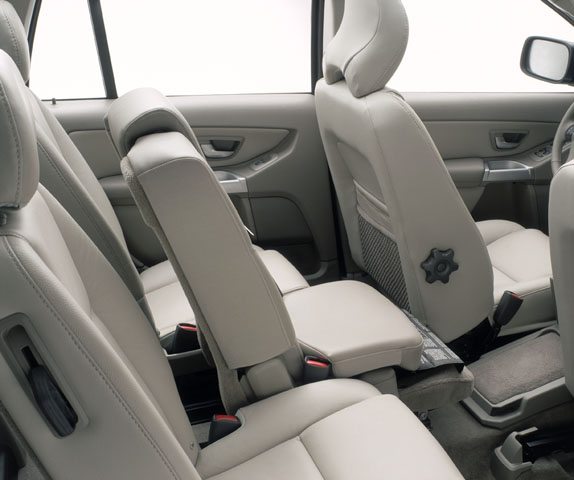
Besides the RSC system, the other world-firsts in the new SUV were inflatable side curtains for all three rows of seats, an integrated sliding centre booster seat for children in the second row and seatbelts with pre-tensioners for all seats. The pre-tensioners, now common in cars, remove slack from the seatbelt when there is a collision and the airbags are about to deploy. By doing so, the restraint is more effective and can help to reduce injuries in some cases.
Female feedback for the design
Doug Frasher, working at the Volvo Cars Monitoring and Concept Center (VMCC) in California, was the proud father of the winning design that became the production XC90. And just like the first Ford Escape, the model benefitted from having a female group provide feedback on the design and features. The multi-background reference group, including Swedish Hollywood actress Maud Adams, inspired the shape of the XC90 by asking for masculinity instead of the traditional ‘macho look’ of most SUV’s,
“The model we showed to the management was almost identical to the production XC90 we revealed in Detroit. We had done our homework well, much thanks to our female reference group. A majority of SUVs were driven by women and our ladies gave us great input,” said Frasher.
“I remember one of the ladies making a sweeping gesture that almost sketched the sleek shape of the bonnet flowing up on the A-pillar. We put a lot of effort into creating a design that felt strong and protective without the impression of sheer size. The XC90 was muscular, but not aggressive,” he recalled.
A success story for Volvo
Volvo’s original target for the first XC90 was 50,000 units per year worldwide. However, the model became so popular that the figures grew rapidly until they peaked at 86,000 units in 2005. The US market imported up to 38,800 units in one year. That made it Sweden’s most valuable export product, with total yearly export value over US$6.2 billion in the peak years.
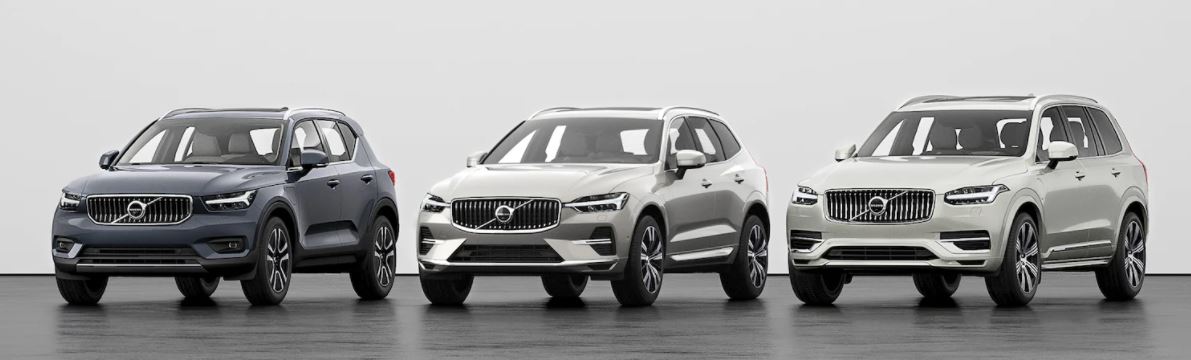
Volvo’s SUVs range 20 years after the first SUV model was introduced. The three models are also available with electrified powertrains.