
Piston.my

SUV

BHPetrol RON95 Euro4M

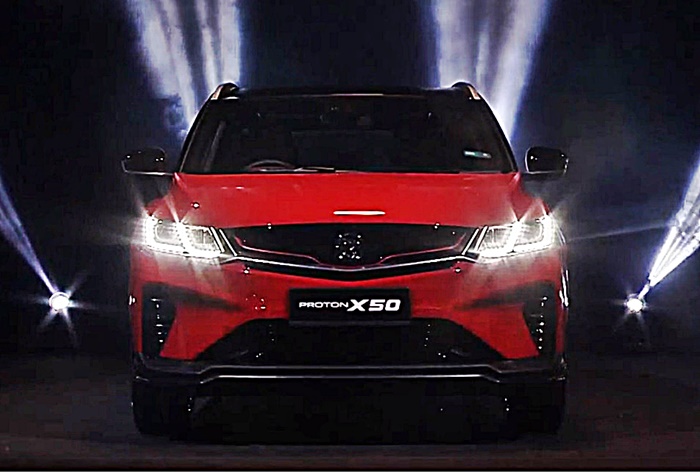
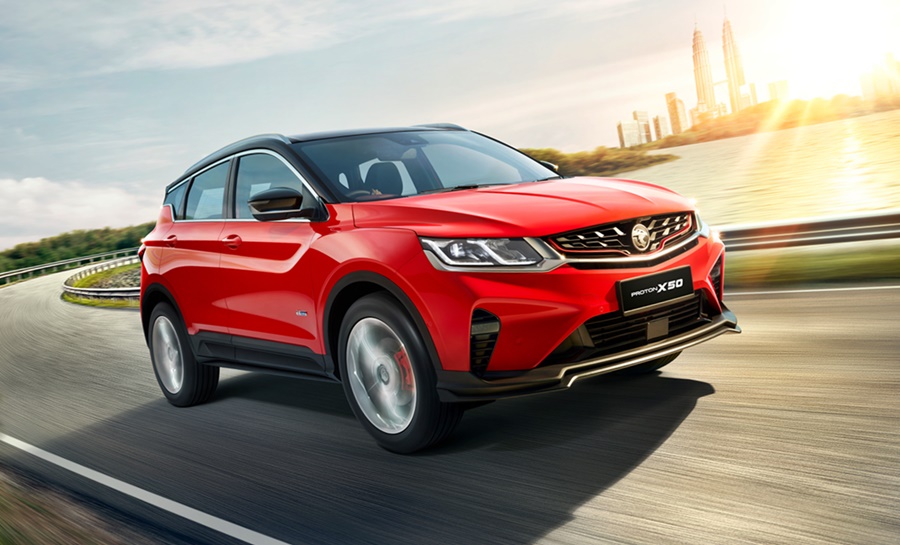
Much has already been revealed about the new Proton X50 in the weeks leading up to today, the carmaker having released information in stages. From virtually every aspect, this new SUV positioned below the X70 is destined to be a success like its big brother. In fact, being younger in the ‘evolutionary ladder’, it benefits from newer technology and more features that make it even better value for money.

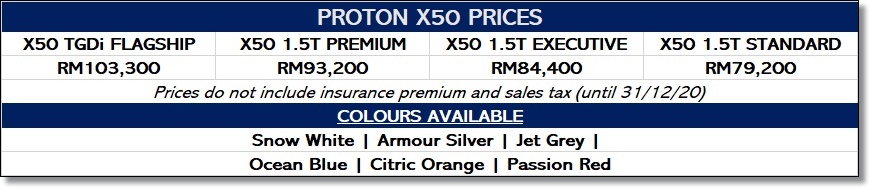
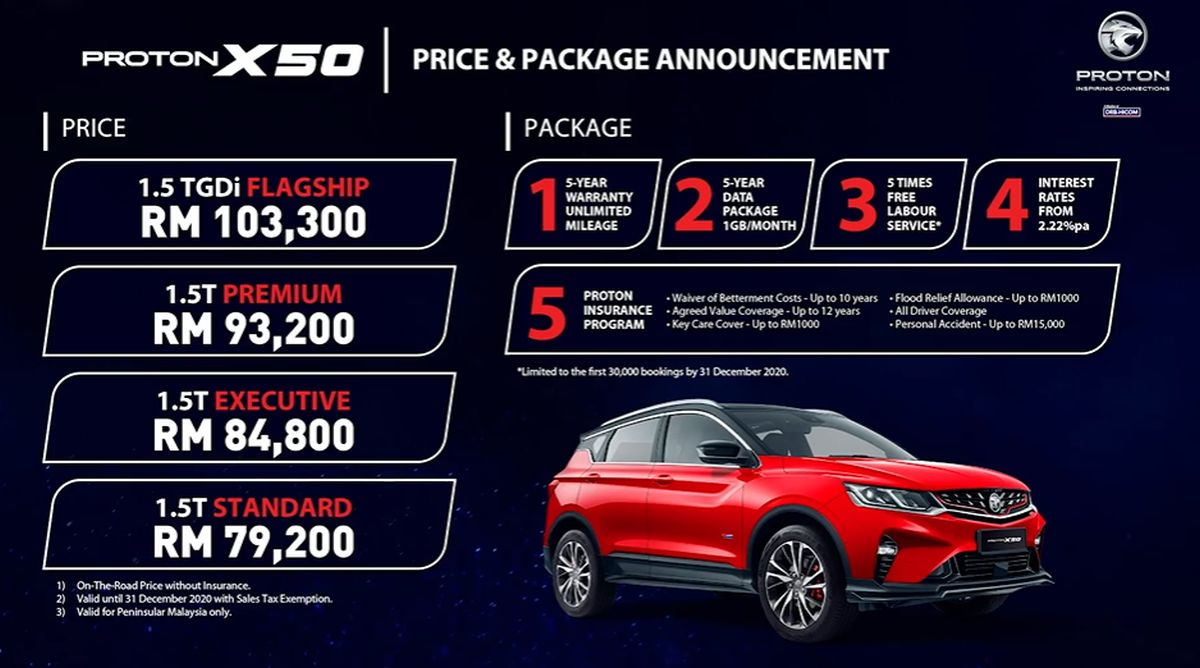
As expected, the price levels are going to draw many people away from other offerings in the market. Even the extensively equipped Flagship variant, one of four variants available in the X50 range, is priced at RM103,300 (excluding insurance and sales tax). And at the other end, the Standard variant goes for RM79,200.
Assembled in Malaysia from start
For this model, Proton has gone right into local manufacture from the first unit, unlike the X70 which was initially produced at a Geely factory in China. It is actually more efficient because the X50 is the world’s only righthand drive version of the Geely Binyue/Coolray model from which it has been adapted. To do it in China in a limited volume before transferring it to Malaysia would have incurred high costs without the economies of scale.

The X50, like the X70, is made at the Tg. Malim factory in Perak. Though about 20 years old, the factory underwent renovation and upgrading after Geely came into the picture to add more modern manufacturing processes that can make cars with higher productivity and more importantly, quality. It has plenty of capacity (in fact, the planning in 1999 suggested up to 500,000 units a year capacity) and in time, the original factory in Shah Alam will cease production and all Proton production will be at Tg. Malim.

The X50 has been adapted in the same way as the X70 but with the benefit of more experience and understanding of the market needs, testing and development have been more focused. Contrary to what the man on the street may imagine, the X50 is not just a ‘badge-engineered’ version of the Geely model. While the basic structure and platform are similar – and every manufacturer shares such core elements – many other parts are unique to the X50.
A project on its own
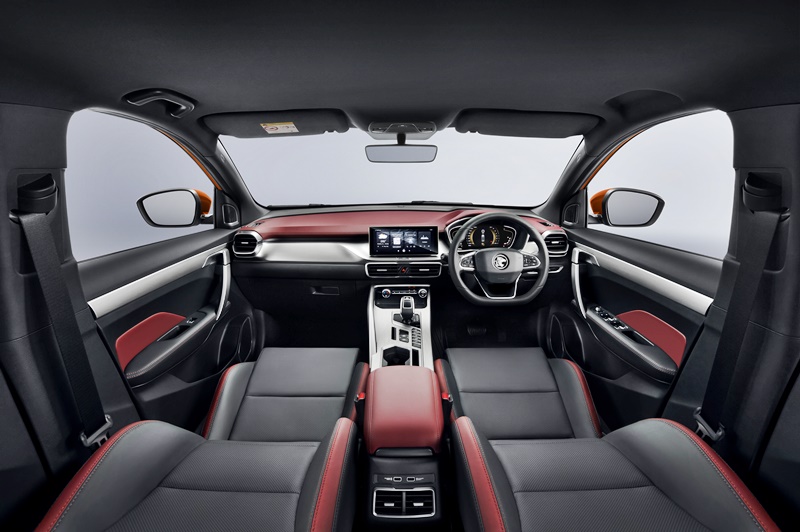
This is even more so as it is the only righthand drive version in the world. So what may have been designed for the lefthand drive variants may not necessarily suit the X50 application, eg dashboard, power window switches, centre console and even the seats. And for every item, engineering must test and validate all aspects so it is like developing a new model, except that the expensive and time-consuming parts are already done. Still, the prototypes had to be tested thoroughly in local conditions and some 1.9 million kilometres were put in to adapt the SUV to the climate and road conditions found here.
It is the sharing of the core elements – typically the most expensive areas of any new model – that has made possible the pricing. In earlier years, Proton’s stubborn insistence on being independent meant that it didn’t have the economies of scale to bring production costs down. That approach proved to be a drain on the company’s resources, making it difficult to develop new models and remain competitive. It’s not the way the big global players do it but now, being in the Geely group, there is the opportunity to share design and engineering resources.
Apart from being good for business, customers also benefit. Lower production costs mean that more features and technology can be put in, better materials can be used, ultimately making the product more attractive and better value for money.

Engine developed by Volvo and Geely
The powertrain, for instance, is a very expensive area of development but Proton can share a very advanced unit that was originally developed by Geely and Volvo. It’s a 1.5-litre unit with 3 cylinders, turbocharged, and offered with two outputs. The one with direct injection produces 177 ps/255 Nm and is only available with the Flagship variant. The other three variants have multi-point injection and the output is lower at 150 ps/226 Nm. For both engines, peak torque is available from 1,500 rpm which means strong acceleration from take-off as test-drive sessions at the end of September showed.
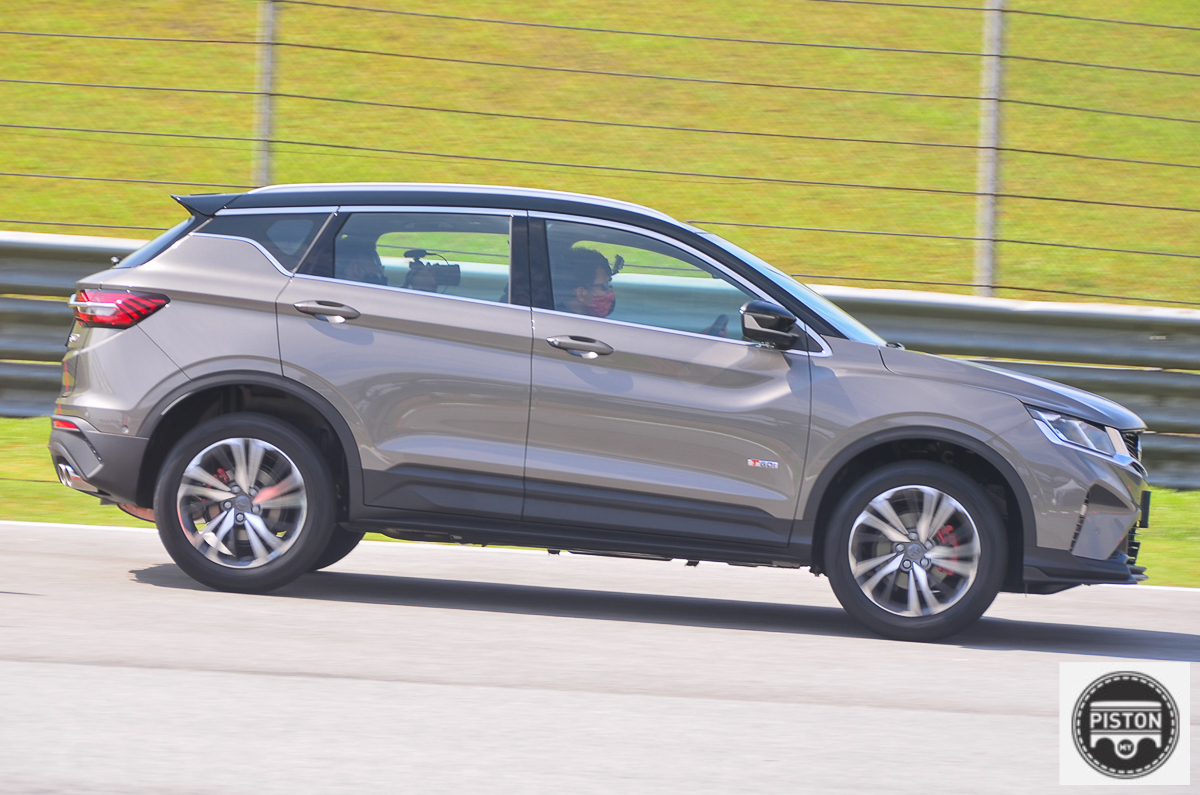
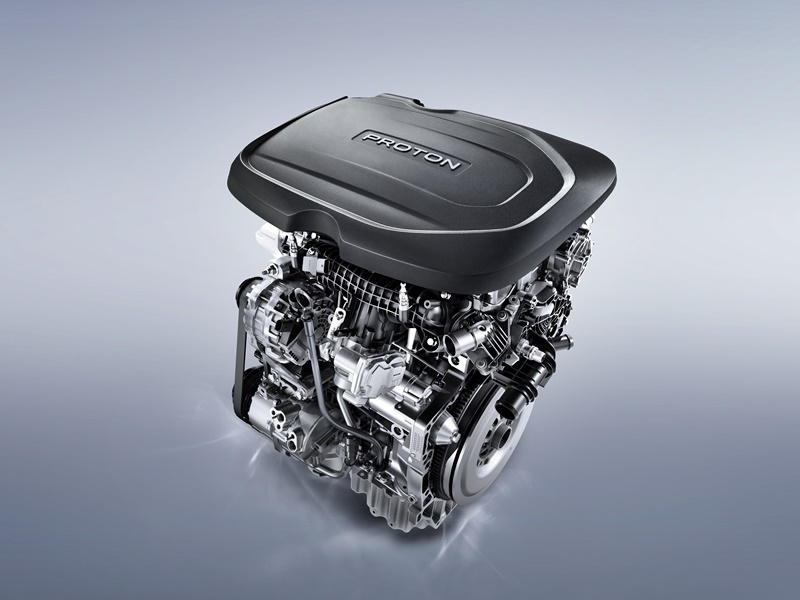
Proton’s testing indicates that the fuel consumption is virtually identical – 6.4 litres per 100 kms (15.6 kms/litre)  for the more powerful engine versus 6.5 litres (15.4 kms/litre), but the actual consumption an owner gets will depend on many different factors, of course. The economical running means that the fuel tank does not have to be big so it has a volume of 45 litres, saving weight. Both engines also come with a 7-speed dual-clutch transmission (DCT).

Generous equipment levels
Equipment levels can be considered generous – even with the lowest-priced variant – although all the high tech is available mainly in the X50 Flagship. Typically, the advertisements highlight the ‘wow’ features and to get them means paying more money but hey, nothing comes for free (although Malaysian consumers often have their expectation).
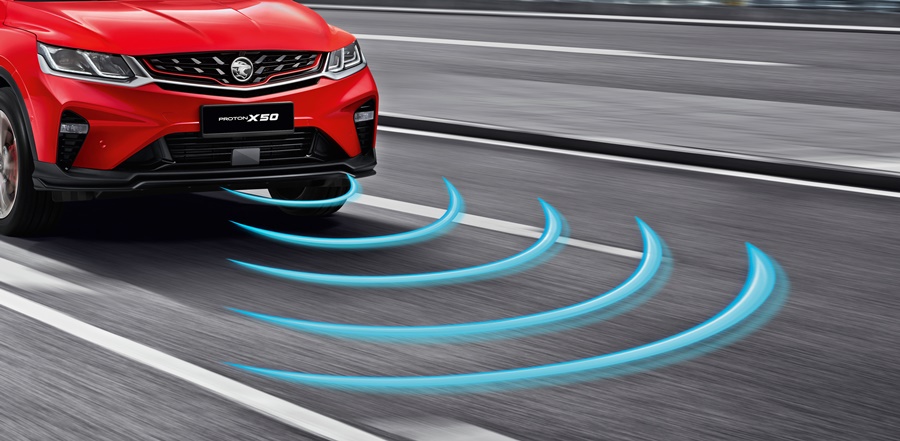
Apart from the more powerful engine with direct injection, the X50 Flagship gets the Advanced Driver Assistance System (ADAS) which will help the driver to avoid collisions and even activate the brakes if the driver is ‘dreaming’ and the car is about to ram into the vehicle ahead. The ADAS system, which works with a camera and radar, also has Adaptive Cruise Control with Stop & Go, Lane Departure Warning and Lane Keep, Blind Spot Monitor and Intelligent High Beam Control.

The SUV will also maneuver itself into a parking bay at the touch of a button, with the driver only having to manage the power. That should be really welcome by anyone who finds it challenging parking!
5-star safety
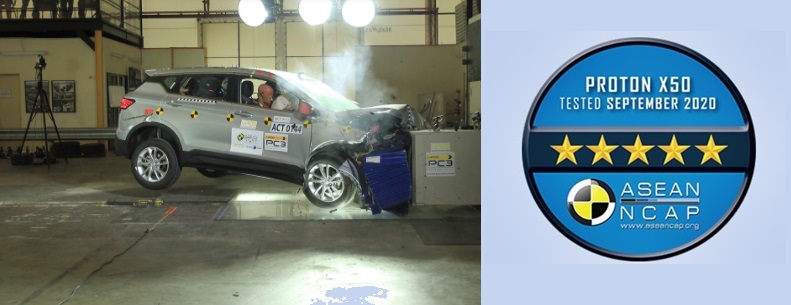
However, Proton has also made sure that the basic levels of active and passive safety are high, and these days, ‘basic’ is a lot more advanced than when the company was selling models like the Wira and Satria. Systems like ABS with Electronic Brakeforce Distribution, Traction Control, Stability Control and even Hill Descent Control are standard across the range, along with a Reverse Camera. Except for the X50 Standard which has 4 airbags, the other variants have 6 airbags.

The high safety standards, which of course include a strong body structure, have earned the X50 ASEAN NCAP’s full score of 5 stars in Adult Occupant Protection, Child Occupant Protection and Safety Assist.
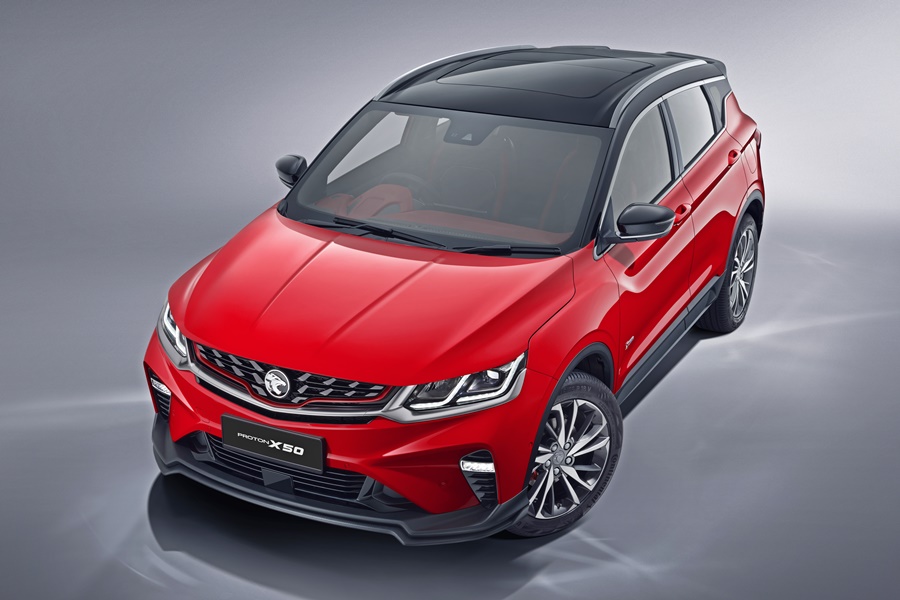
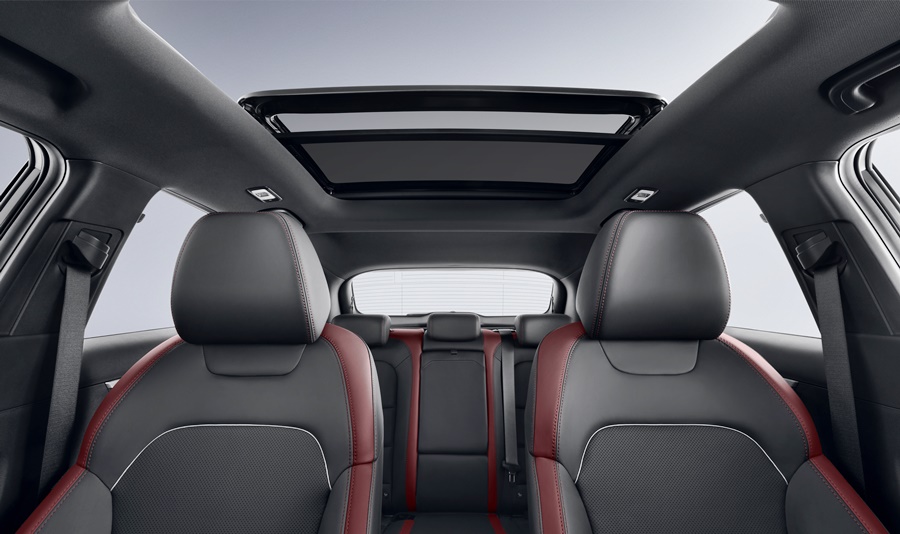
Feature-wise too, the more you pay, the more you get – which is the way it should be. However, as mentioned earlier, the differences are not as wide as before between the cheapest and most expensive variants. You get a panoramic sunroof, an auto-dimming mirror and sensors for the windscreen wipers only with the X50 Flagship, but with the rest of the variants, there are still many great features.

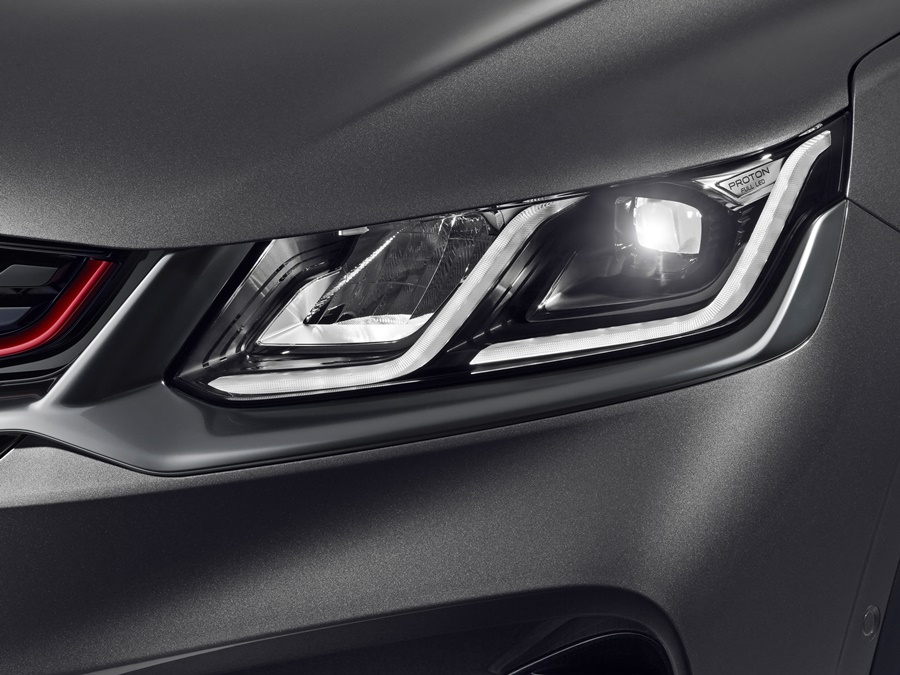
These include LED headlights and rear lights, pushbutton starting/stopping for the engine, remote engine starting, rear air vents, USB ports and even a N95 air filtration system to clean the cabin air.
‘Hi Proton’ improved
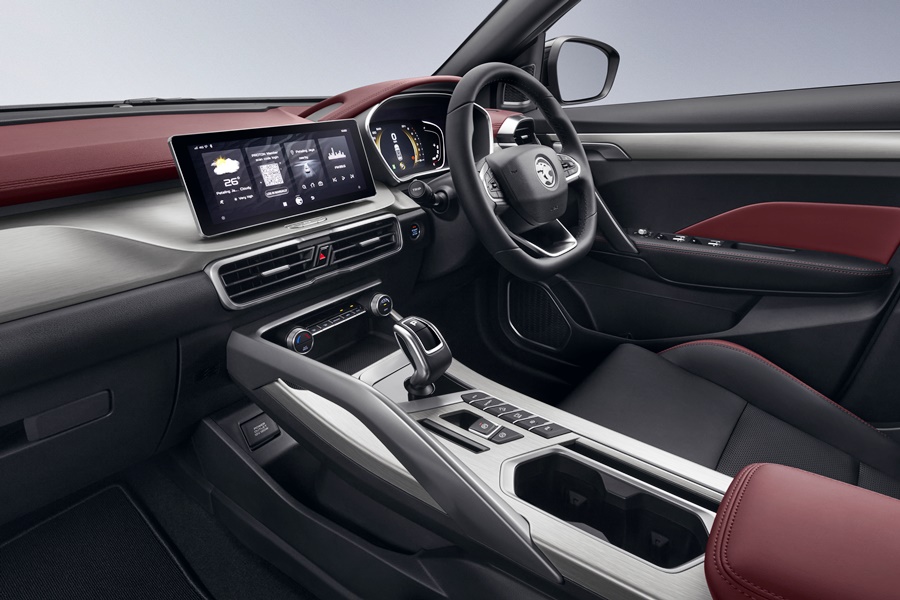
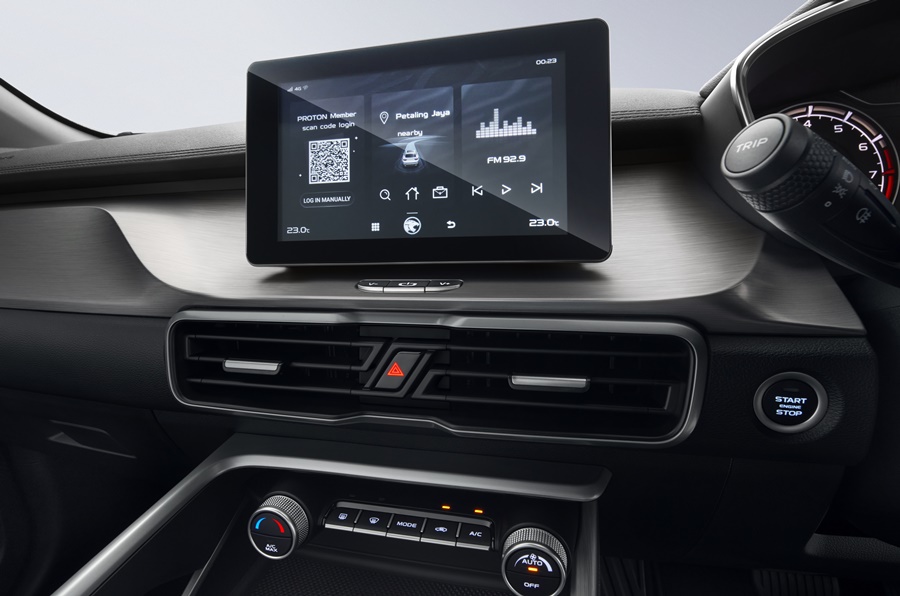
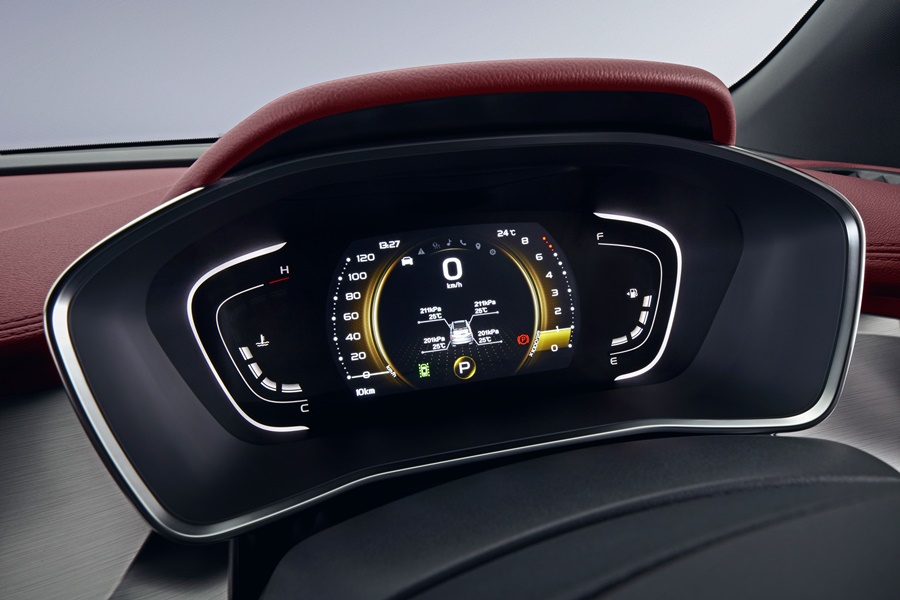
The infotainment system has been a highlight of the X70 and the same goes for the X50. It uses a newer generation of the Geely Key User Interface, or GKUI 19. This has more processing power and includes a graphic processing unit so responsiveness is quicker. Voice commands are a key feature, and to interact with the system requires just saying ‘Hi Proton’. The two top variants have additional commands available but generally, many actions can be requested in all the variants.

Besides connectivity to smartphones, the system is also connected full-time to the internet so it’s possible to get other information like weather reports and music streaming. In fact, if the driver is alone, the GKUI may prove to be a ‘chatty’ companion!
Colour choices/upholstery
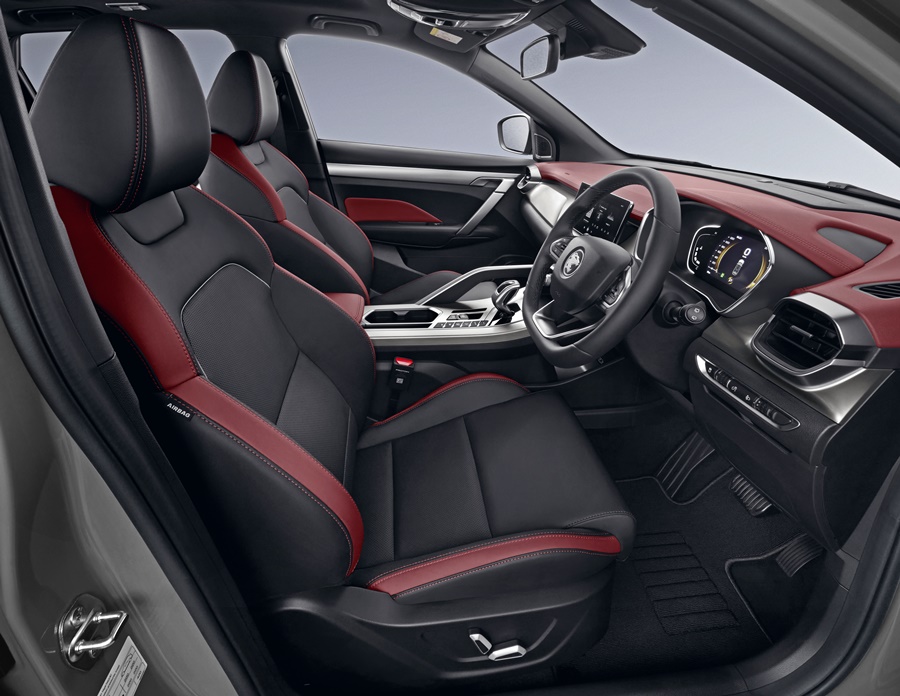
There are up to six colour choices for the X50 range, with Passion Red being exclusively for the X50 Flagship which also has a dual-tone exterior finish and roof rails. The X50 Standard has only three colour choices. Inside, black is the standard colour theme for all variants. The X50 Standard has fabric upholstery while the X50 Executive has leatherette. The Premium and Flagship variants get additional red stitching on the leatherette.

No more ‘wait and hear’
An important indicator of how public perception of Proton, especially in quality and reliability, has changed in recent years is the number of orders received even before the model was officially launched today. Before, there was some hesitance and people seemed to prefer to ‘wait and hear’ how a new model performed once it was on the roads, and then deciding if they wanted it.
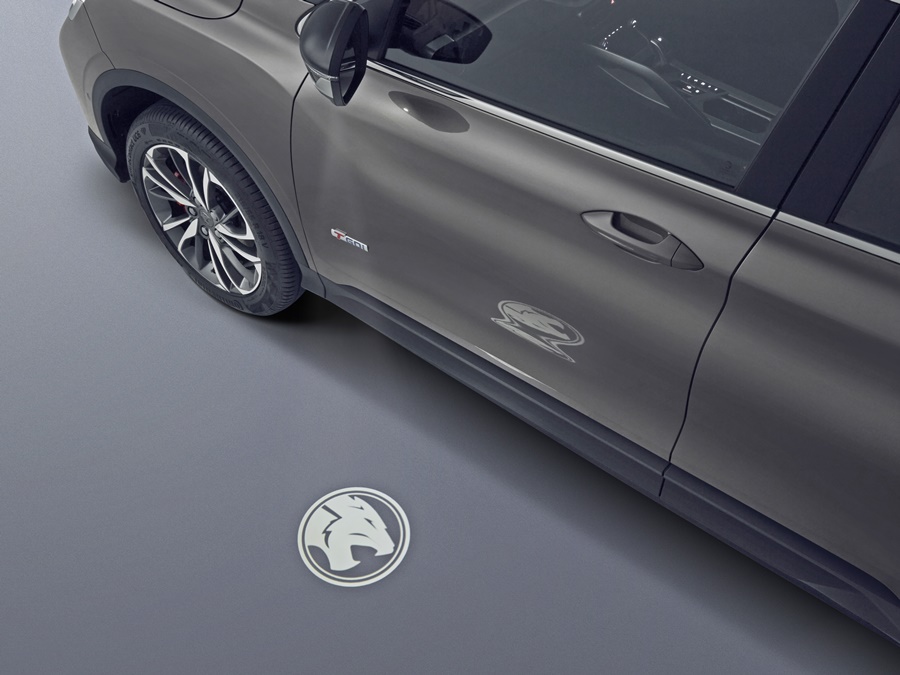
These days, a new Proton generates much excitement and even before the full specifications are released, Proton said that over 20,000 Malaysians had placed bookings. It reflects the trust that the brand has regained where people will put their money down in advance because they know that it will be a reliable SUV, and from the atmosphere at dealerships, the experience can be expected to be very good.
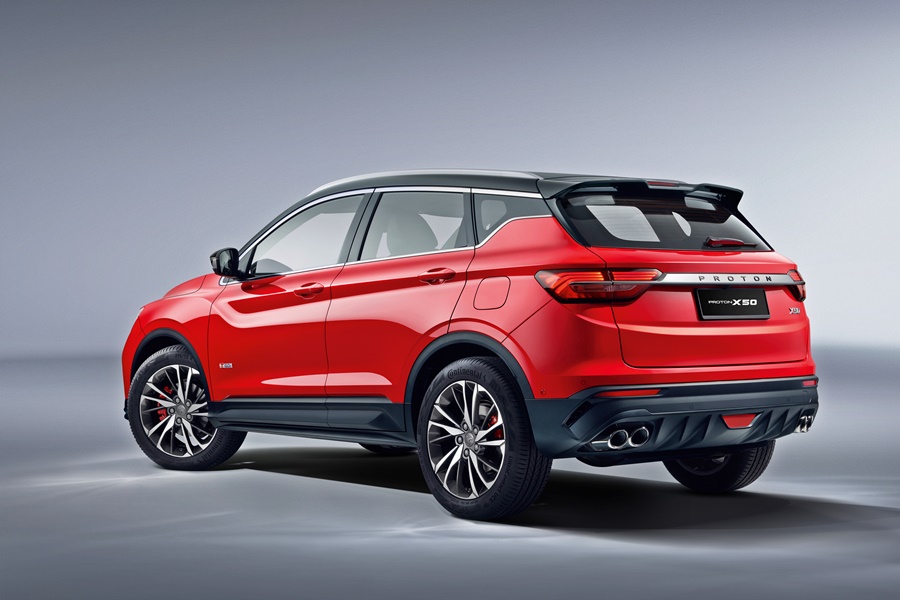
Check out the new Proton X50 at all Proton dealerships and for the early customers, the carmaker is offering special launch packages such as free labour servicing, data packages and low interest rates for H-P loans.


How fast & powerful is the 2020 Proton X50?

The Indian auto industry produces about 3.5 million to 4 million passenger vehicles (4-wheelers) a year, of which around 20% is exported. The number looks set to increase to 40% with the ‘Make in India, make for the world’ agenda that is a key element in the country’s Automotive Mission Plan 2026.

As always, global automakers will look for regions where they can make their products at low cost and export from there. India has much potential with its mature industry and over the years, some automakers have steadily increased their use of the country as a production hub.

2021 Nissan Magnite

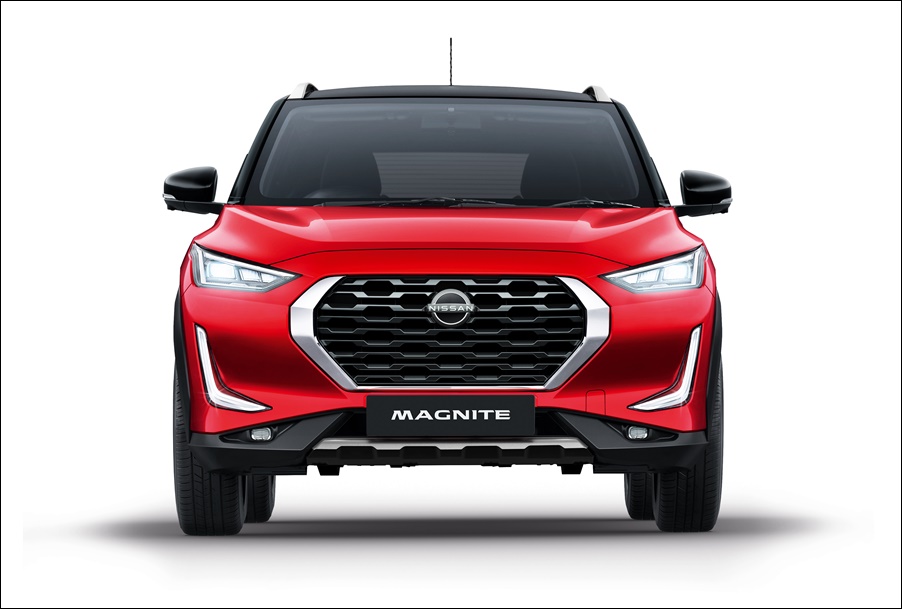
Nissan will also use India as a production hub for its all-new Nissan Magnite SUV, launched recently, that is aimed at the Indian, Middle East and African markets. Designed in Japan, the Magnite is Nissan’s first SUV in the sub-4-metre Indian market category and one of the 12 new models the automaker will introduce before the end of 2021.

Datsun styling elements
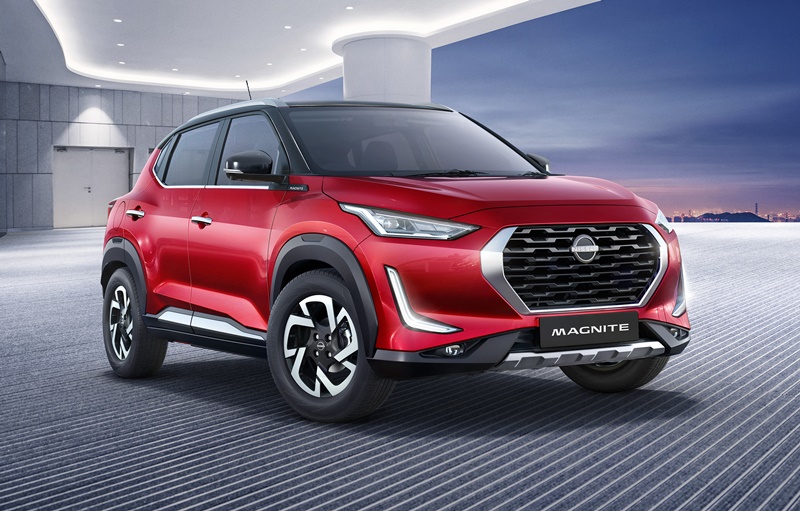
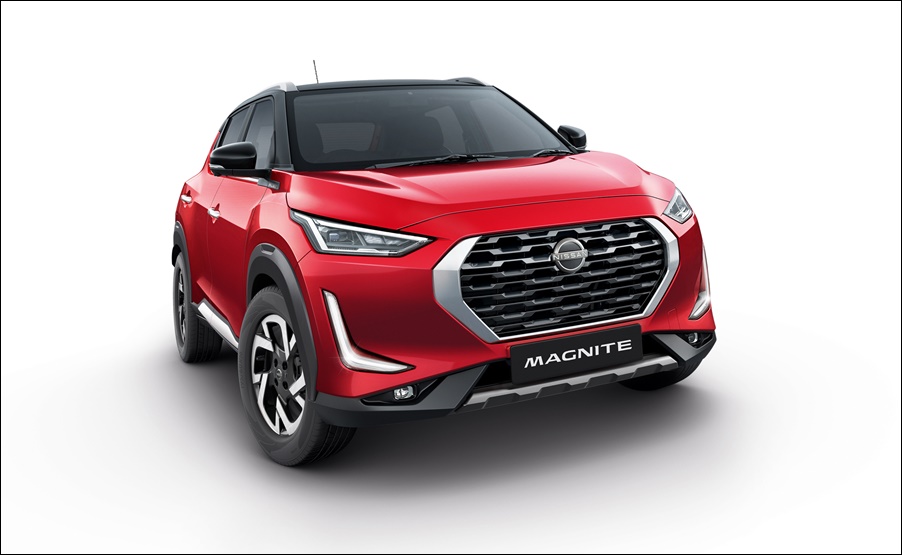
The Magnite’s exterior follows the same styling ideas as found in Nissan’s recent SUVs. The grille, however, does not follow the ‘V-motion’ front design signature on many of today’s Nissan products. It adopts the design that was used by the short-lived Datsun brand and the reason is probably because this model was originally developed for sales as a Datsun.

As Nissan decided to terminate the brand (again) last year, the time may have been too short to redesign the front end, so it has remained. This could make the facelift a rather radical change if there is a move to unify the Magnite with the rest of the Nissan family by changing to the V-motion grille. For now, the Magnite has the new brand logo.

2021 Nissan Magnite

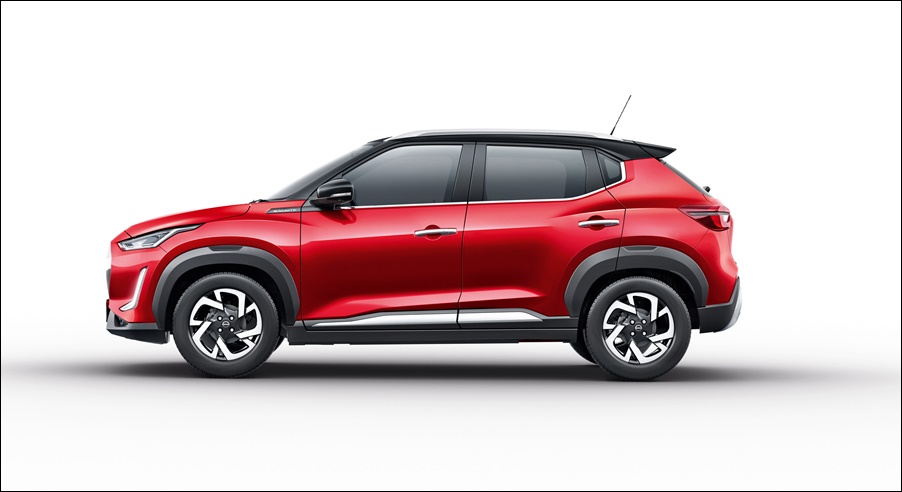
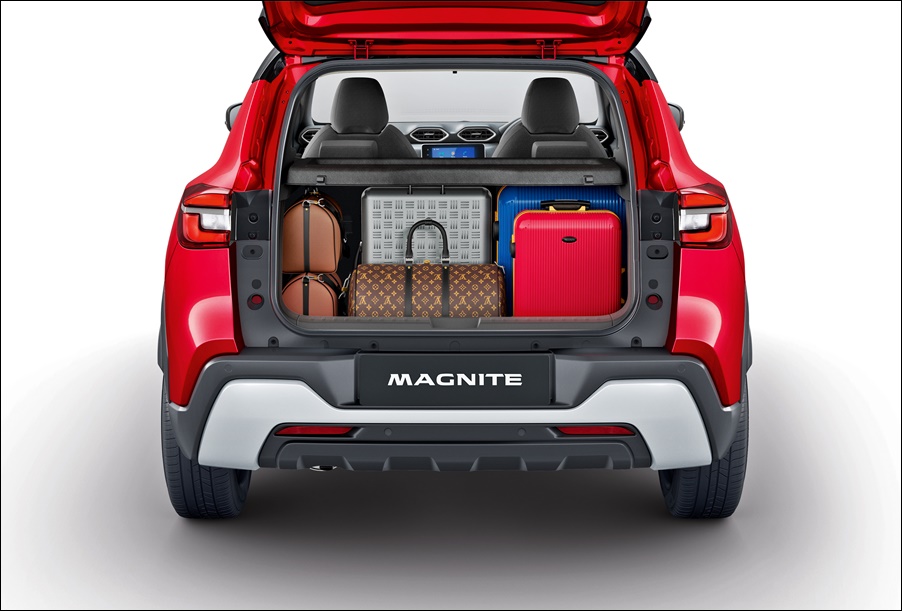
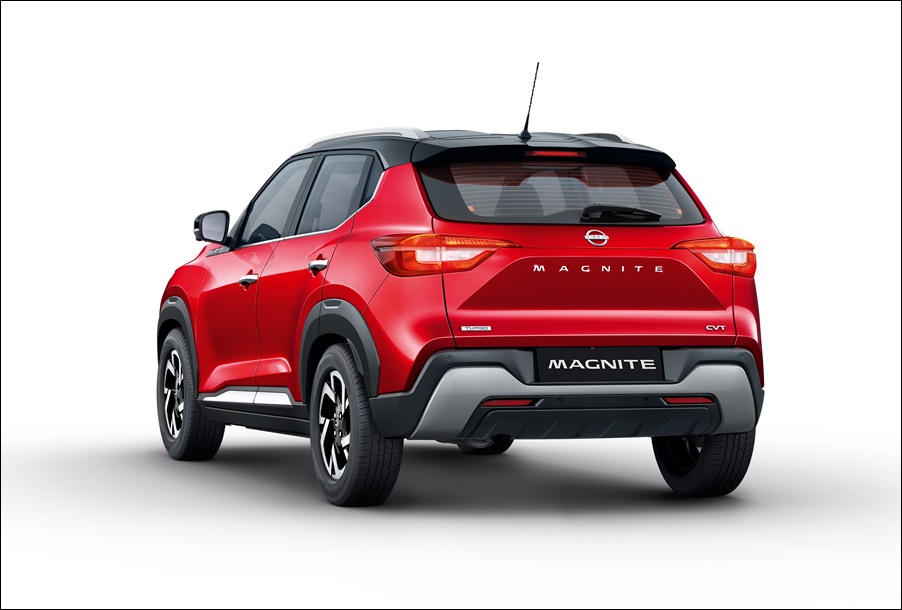
The slim front lights are LEDs, with L-shaped daytime running lights that sit at the lower section of the headlamp housings. Skid plates under the front and rear provide protection to the underbody while 205 mm of ground clearance will enable to Magnite to traverse flooded roads and rough tracks.

Compact outside, spacious inside
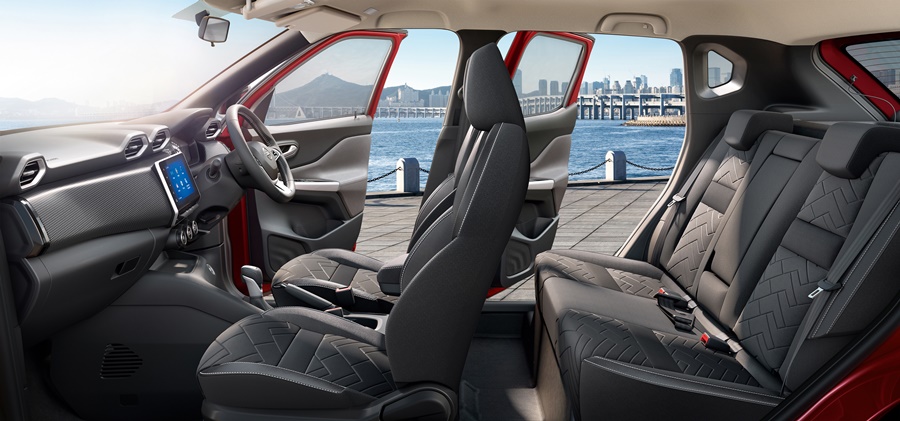
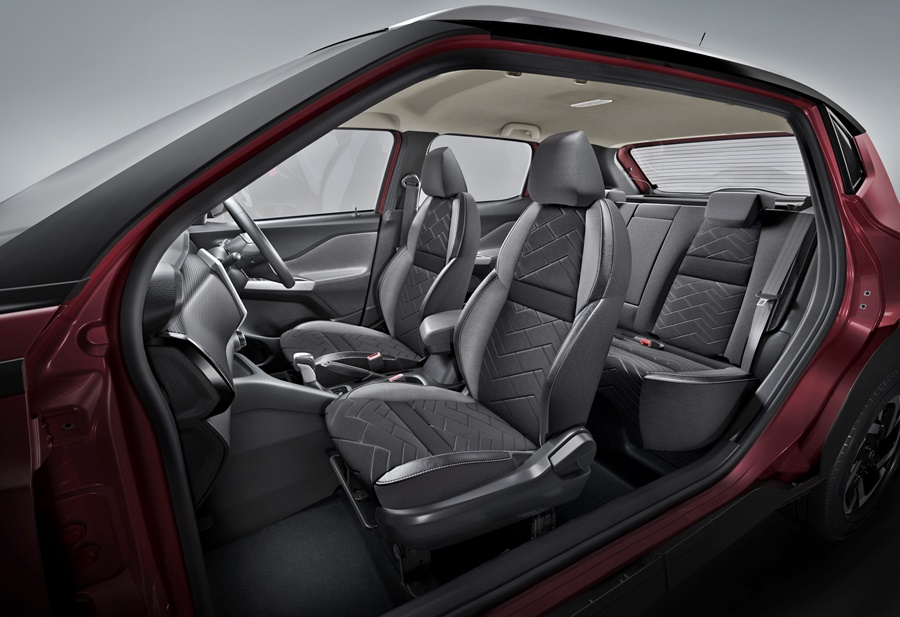
On the inside, the cabin appears pretty spacious in spite of the compact exterior dimensions. Typical of SUVs, there is a high seating position and maximum use has been made of the available width to provide as much shoulder space as possible between the occupants. Nissan says that rear passengers will enjoy a level of knee room usually found in vehicles one class above.
2021 Nissan Magnite

2021 Nissan Magnite

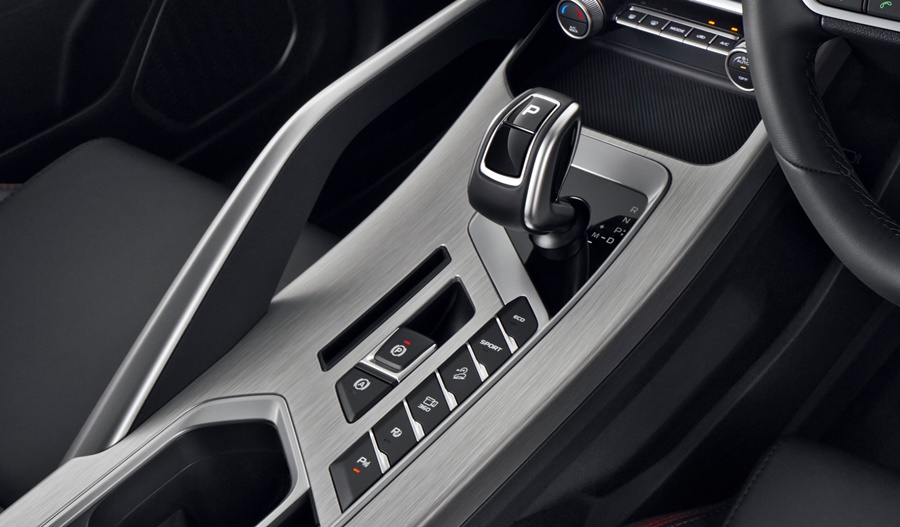
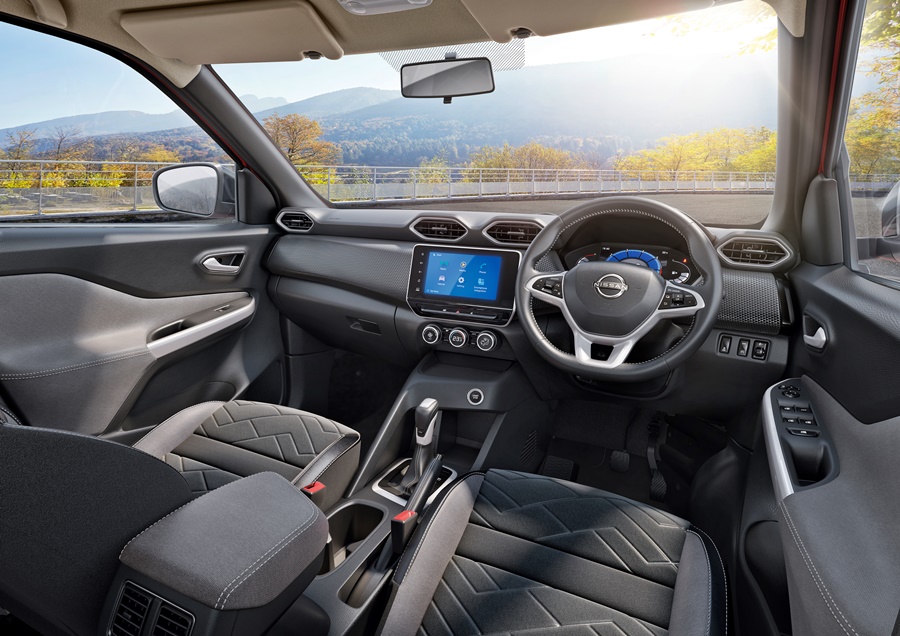
The dashboard design has some interesting new ideas, with a slightly ‘advanced’ look. The infotainment system has an 8-inch display and is equipped with Apple CarPlay and Android Auto. It is also the first-in-class with a 7-inch TFT (thin-film-transistor) display for the instrument screen to provide clearer and sharper images.

Nissan has also made sure that the driver gets assistance for motoring safety. The Magnite comes with safety features such as Hill Start Assist and a 360-degree monitor, along with stability control, ABS, EBD, etc. ISOFIX mounts are also provided for parents to install compatible childseats at the back.

2021 Nissan Magnite

1-litre turbo engine
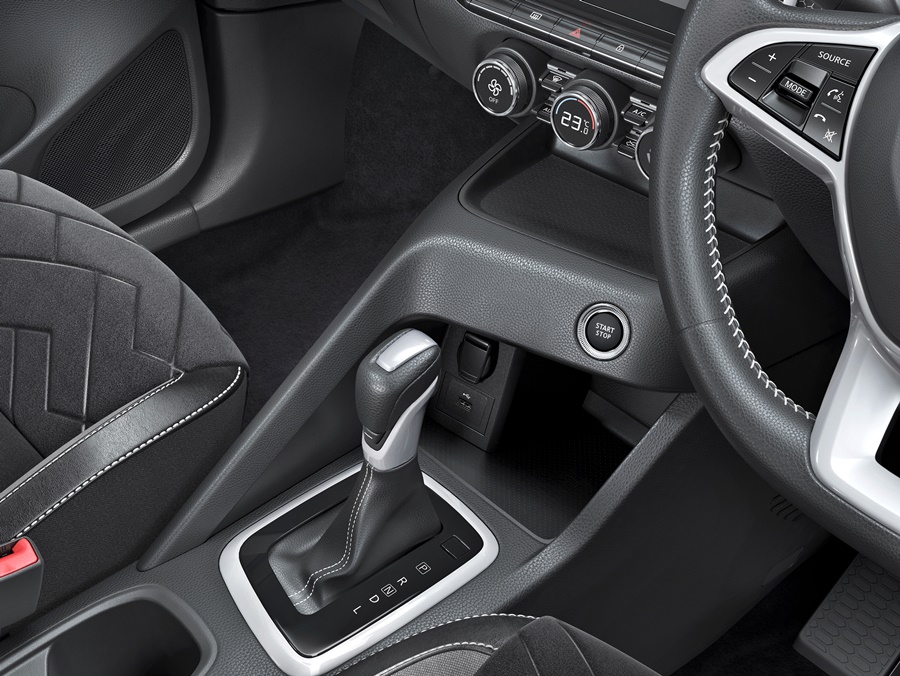
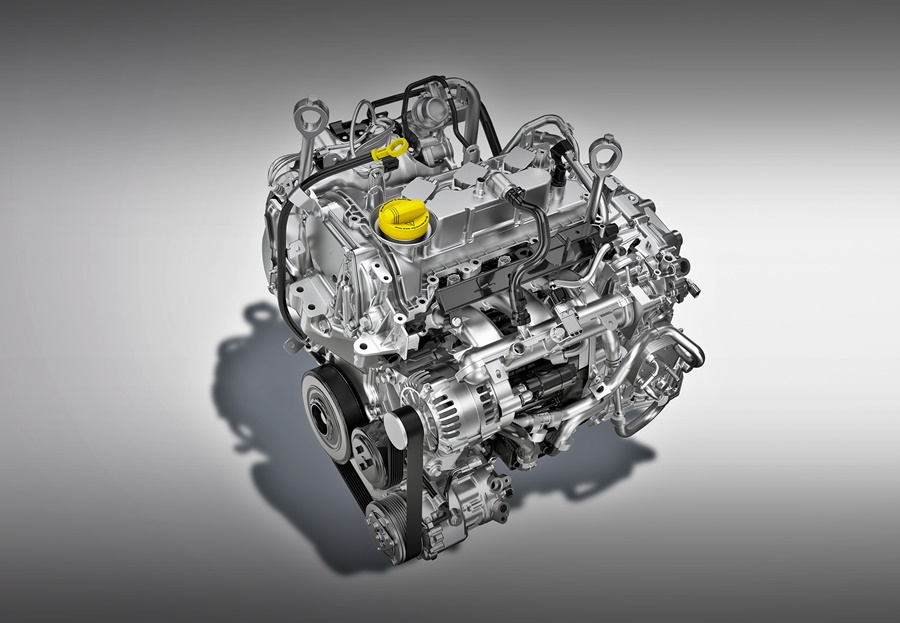
For the Indian market, Nissan is providing a 1.0-litre turbocharged engine in two outputs, paired with a manual gearbox or CVT. This is the HR10DET which is found in the latest Almera for the Malaysian market. Given the size of the Magnite, it should provide more than enough power for spirited performance.

The prices are not available yet as the model will only go on sale in early 2021. But it will have to be attractive in a segment that is already crowded with models like the Ford Ecosport, Toyota Urban Cruiser, Kia Sonet, Maruti Suzuki Brezza, Tata Nexon, Mahindra XUV and Hyundai Venue.

2021 Nissan Magnite

2021 Nissan Magnite

2021 Nissan Magnite

Whether it comes to Malaysia remains to be seen although pitching a compact model like this means going against the two Malaysian brands and that makes pricing very challenging. Edaran Tan Chong Motor would probably prefer to focus on pushing its new Almera Turbo as its entry-level offering. Anyway, whatever Malaysia gets usually follows the Thai market and if you don’t see the Magnite there, chances are we won’t get it either.

FEATURE: A closer look at the Nissan Almera Turbo engine

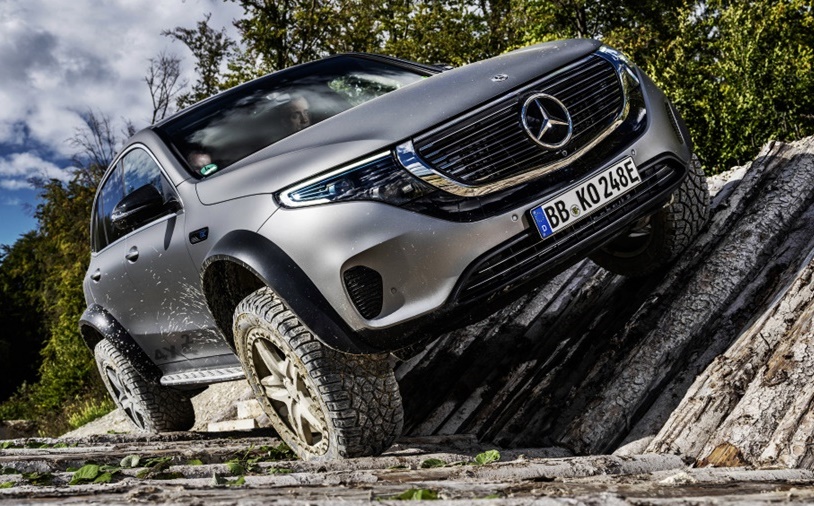
With electric vehicles going to take over in coming years, will some segments disappear? Will the rugged 4×4 vehicles and pick-ups slowly fade away? Not likely if we look at what Mercedes-Benz is working on as its electrification program progresses.

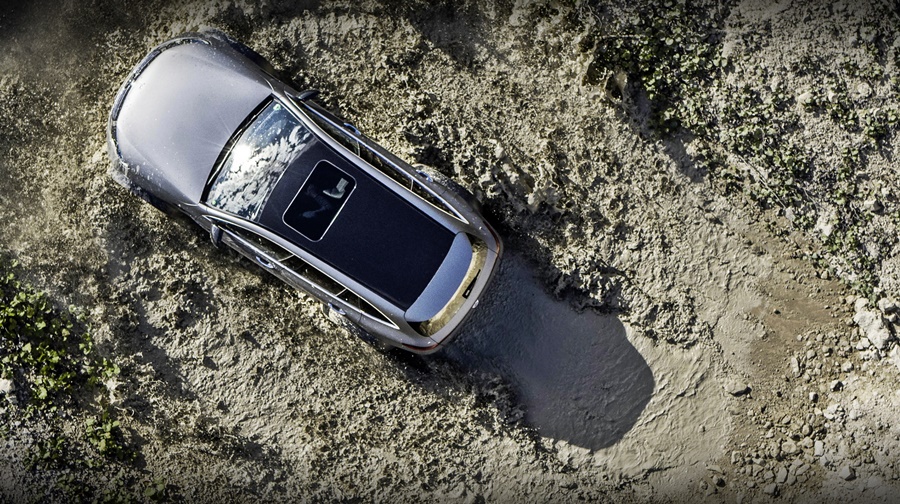
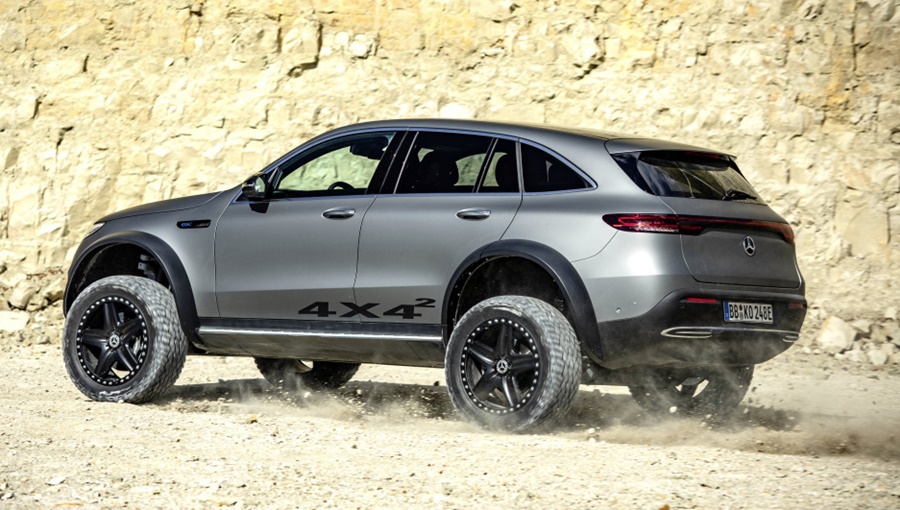
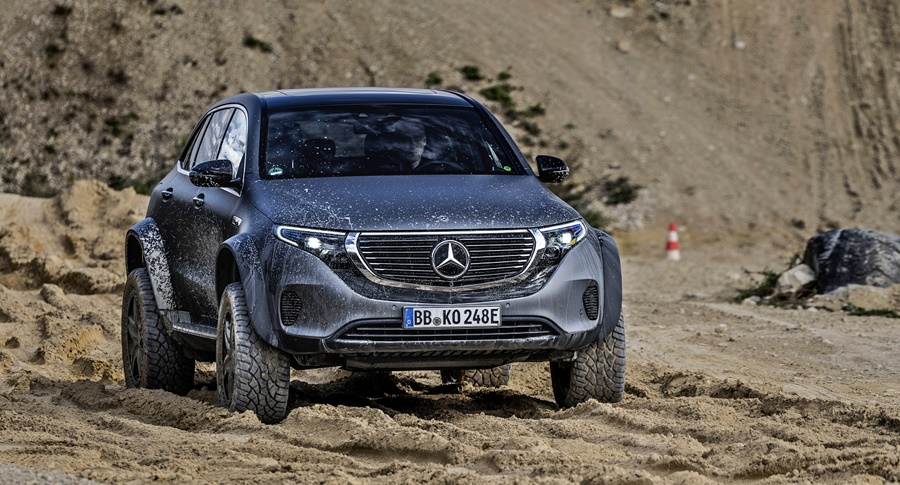
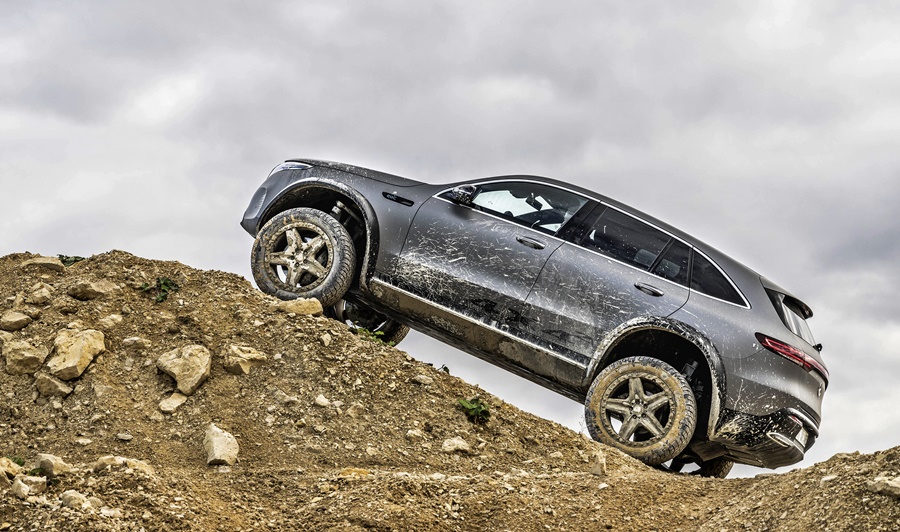
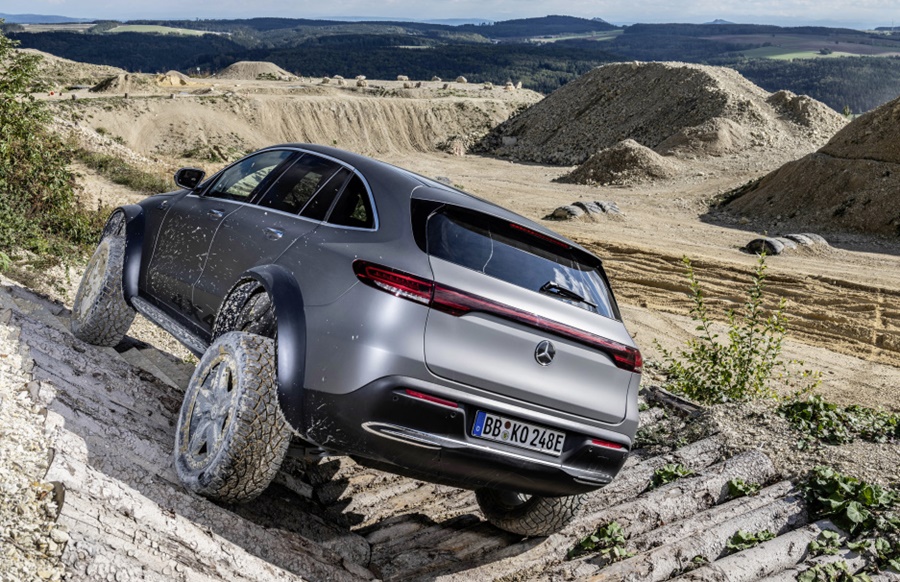
The company has revealed a prototype which uses a drivable technology platform on the basis of an EQC 400 4MATIC that is now on sale. Known as the EQC 4×4², this SUV is able to go further on rough terrain using future-oriented technology.

Mercedes-Benz EQC 4x4²

Mercedes-Benz EQC 4x4²

Technology platform
With the EQC 4×4², Mercedes-Benz engineers will test the limits of the vehicle and show that e-mobility is not just urban but also conceivable off-road. The one-off prototype was developed by a cross-departmental team as a technology platform.

“Our aim is to combine modern luxury and sustainability with emotional appeal. The EQC 4×4² shows how enjoyable sustainable mobility can be. This is where electromobility high-tech and an intriguing customer experience are transferred to the mountains, thanks to MBUX and over-the-air updates. To put it succinctly, electric, progressive luxury goes off-road,” said Markus Schafer, member of the Board of Management of Daimler AG and Mercedes-Benz AG responsible for Daimler Group Research and Mercedes-Benz Cars COO.

“This drivable study clearly shows that, alongside a passion for e-mobility, we at Mercedes-Benz lay a strong claim to leadership in this sector and will heighten the emotional appeal of this even further in the future,” he declared.

Mercedes-Benz EQC 4x4²

Mercedes-Benz EQC 4x4²

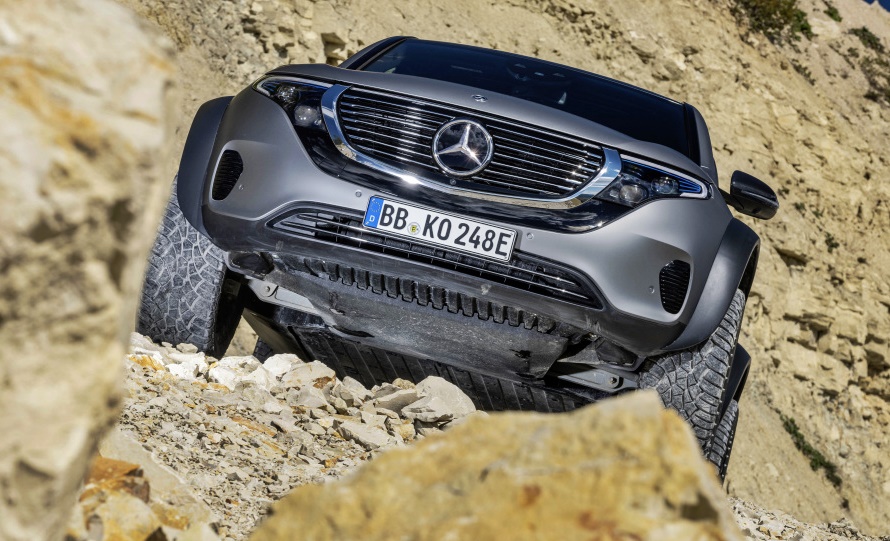
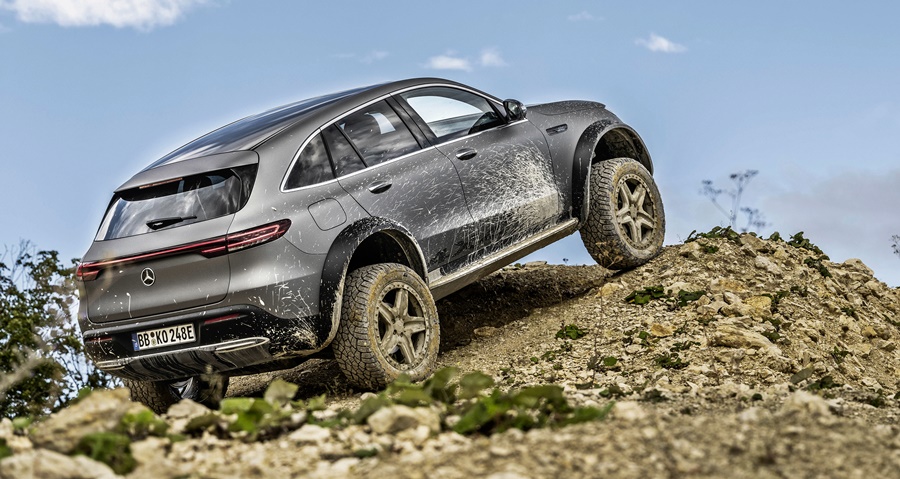
The capabilities of the EQC 4×4² include driving through sand in desert regions and on beaches, on rocky terrain and through mountain streams. As well as great reliability and corresponding comfort, the mature genes of the standard model also allow trailer operation and installation of a roof-rack. A roof-tent and inflatable dinghy allow the remotest areas to be reached.

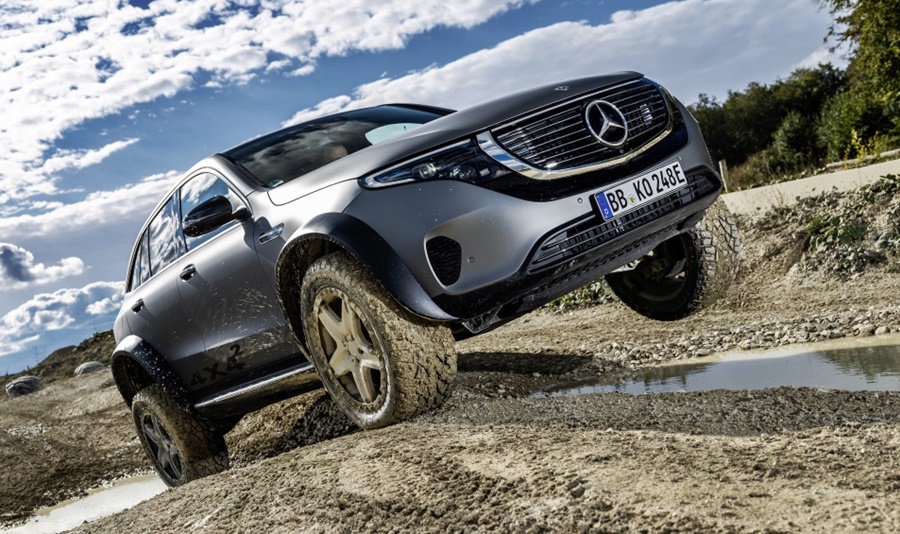
Very generous ground clearance
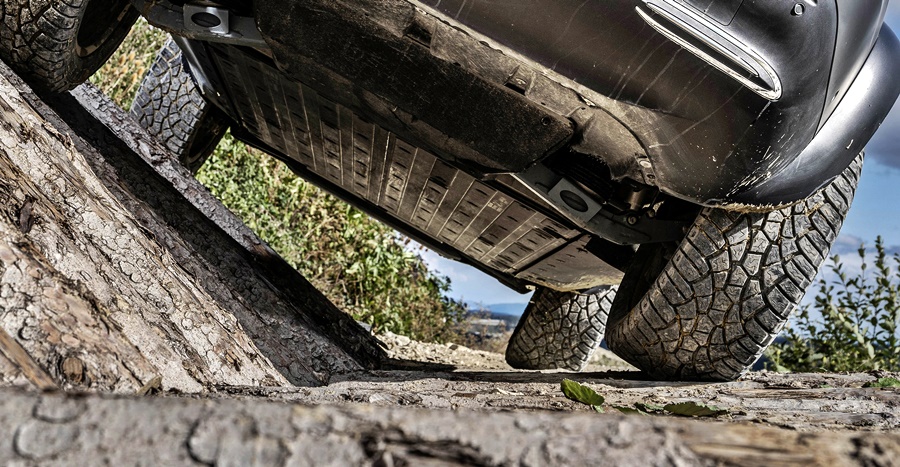
At 293 mm, the EQC 4×4² rides more than twice as high as a production EQC; even a G-Class is 58 mm lower. The fording depth is increased by 15 cm to 40 centimetres and, of course, all necessary measures are taken to protect the many electronic systems and battery pack.

Mercedes-Benz EQC 4x4²

Mercedes-Benz EQC 4x4²

The generous ground clearance is made possible by the conversion to portal axles. Unlike conventional axles, the wheels are not at the height of the axle centre but are instead situated much lower down on the axle hubs owing to the portal gears. Or conversely, the entire vehicle moves up.

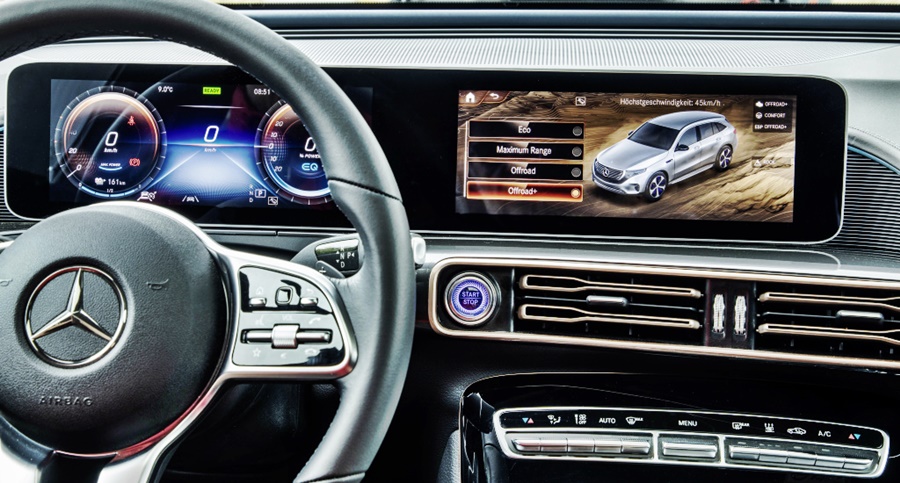
The reprogrammed Off-Road drive programs take advantage of the high-performance logic of the current GLC models. For example, using targeted brake interventions, this enables an improved torque curve when starting on loose ground. In combination with the tyres (285/50R20), this results in very good traction.

Mercedes-Benz EQC 4x4²

Mercedes-Benz EQC 4x4²

Mercedes-Benz EQC 4x4²

Soundscape gives feedback to driver
Another highlight of the EQC 4×4² is the sound experience with its own ‘soundscape’. The acoustic production comprises sounds that give the driver feedback on system availability and vehicle parking. It is influenced by various parameters such as the position of the accelerator pedal, speed or energy recovery rate.

The technology uses intelligent sound design algorithms to calculate the sounds coming from the amplifier of the sound system in real time and the interior loudspeakers to reproduce them.

Mercedes-Benz EQC 4x4²

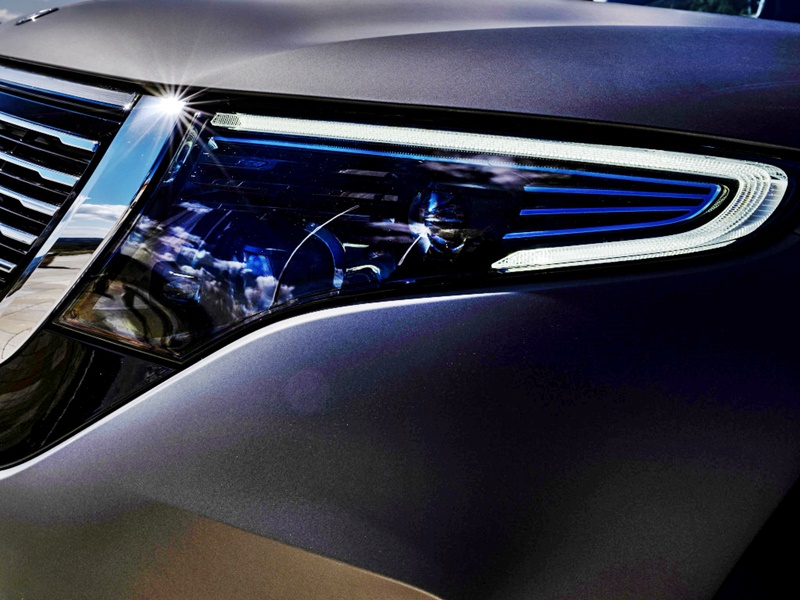
The production EQC uses the external noise generator (Acoustic Vehicle Alert System, AVAS) required by law to reproduce the sounds. The EQC 4×4² has a more powerful AVAS composed specifically for it and uses the headlamps as external speakers for this purpose. The reason for this is that the sound experts at Mercedes-Benz have made creative use of the available installation space in the headlamp housings – thus the ‘lampspeaker’ was born.

Mercedes-Benz EQC 4x4²

The EQC 4×4² is actually the third model of the 4×4² family from Mercedes-Benz. The G 500 4×4² has been around since September 2015, and in 2017, came the E 400 All-Terrain 4×4² study. For now, the EQC 4×4² remains a study, a vehicle for the engineers to test new technologies. However, if response from the public proves to be good and there is a business case, perhaps Mercedes-Benz will turn it into a production model in future.

The new Mercedes-Benz GLB-class


Covid-19
Fighting COVID-19 is our joint responsibility. Protect yourself and others: make these 6 simple precautions your new habits.

Although the Range Rover, launched in the mid-1970s, can lay claim to being the first premium SUV, large premium SUVs only appeared in the late 1990s. However, the two Japanese premium brands – Lexus and Infiniti – had developed their own versions of luxury SUVs based on existing 4×4 models of their parent brands, Toyota and Nissan, respectively.

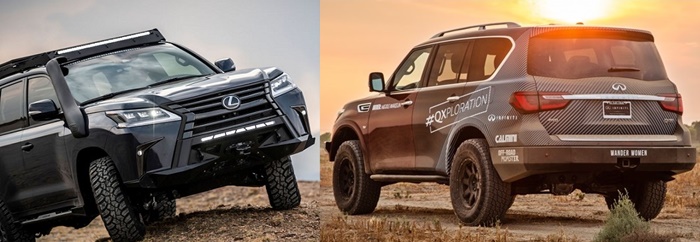
As the volumes are relatively small, it has not been viable to develop their own models so up till today, the large SUVs are still adapted from the models of the other brands. Unlike the newer models, these two original ones retain the greater degree of ruggedness and capability for off-road driving. This year, both companies are using the Rebelle Rally to demonstrate this.

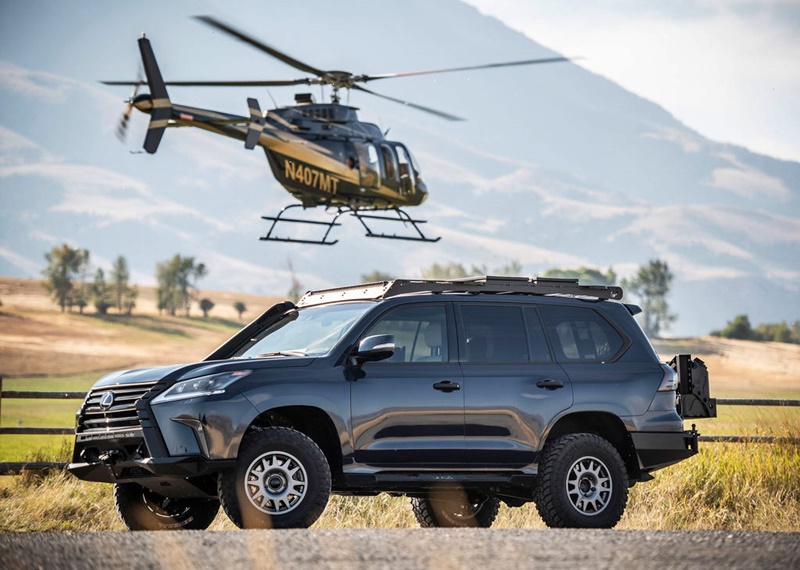
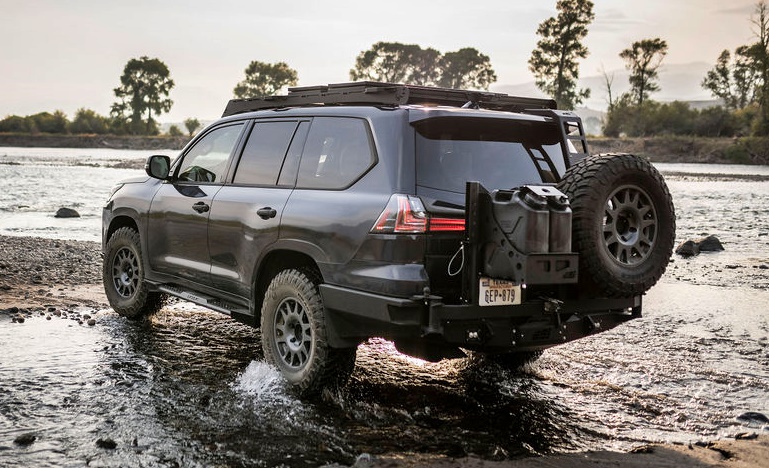
Lexus J201 Concept
Lexus, Toyota’s premium luxury brand, has a range of SUVs today but before the RX came out in 1997, its only SUV was the Land Cruiser-based LX. The model line continues up till today, offering a large premium SUV which is also pretty rugged.

The LX has gone through the usual evolutionary improvements over the years being launched in 1995 and to remind people how rugged it is, the company has developed the J201 Concept which uses the current LX570’s platform. The ‘J201’ designation is even derived from the internal Lexus chassis code of the LX470 – URJ201.

The inspiration for the J201 project came from seeing how a growing number of Lexus SUV owners are going off-road with their adventurous activities. The concept SUV, which has a supercharged 550-bhp engine, is for what Lexus calls the ‘Experiential Adventurer’ and has been built by overlanding experts, Expedition Overland.

The J201 Concept will demonstrate its capabilities in the 10-day Rebelle Rally, an all-female event covering over 2,000 kms of off-road terrain in the US states of California and Nevada. The crew will be defending Rebelle Rally champions, Rachelle Croft and Taylor Pawley of The X Elles.

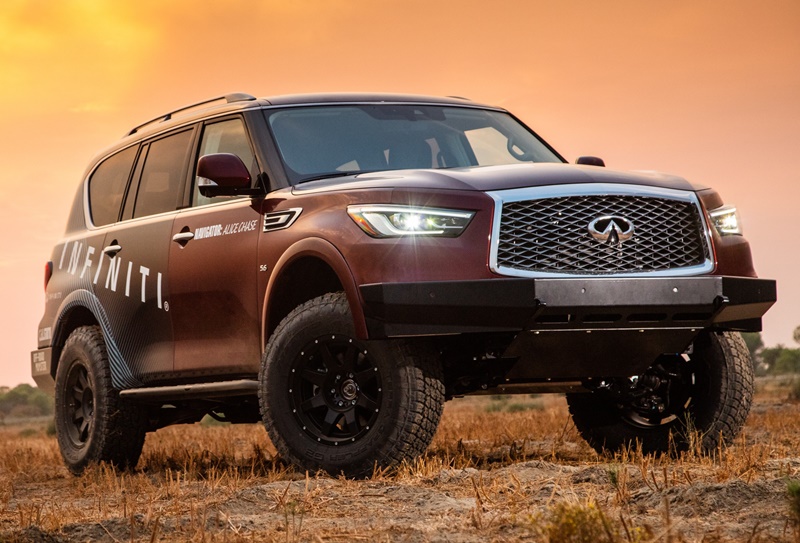
Infiniti QX80 Rebelle
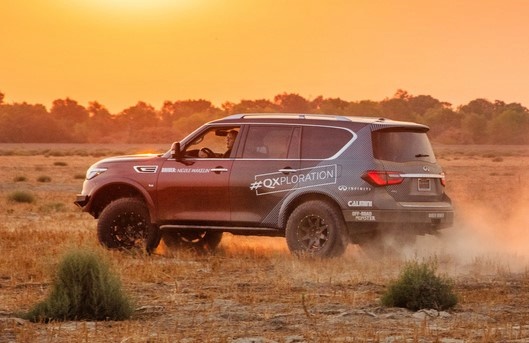
Infiniti, Nissan premium luxury brand, also has a big flagship SUV, the QX80 which has been around for the past 16 years and is based on Nissan’s Patrol model. Like Lexus, Infiniti has also prepared a special QX80 for the Rebelle Rally. The crew of the 5.6-litre 400-bhp SUV consists of Nicole Wakelin and Alice Chase (Team Wander Women).

Infiniti worked with off-road specialists CALMINI Products to prepare the QX80, installing off-road suspension components, custom front and rear bumpers suited for demanding approach and departure angles, heavy-duty control arms, thicker skid plates, and chunky all-terrain tyres.

The red QX80 also has Off-Road Monster 18-inch wheels, a PowerTank air-up tank and digital air-down kit, plus a unique and secure custom safety cage.

About the Rebelle Rally
The Rebelle Rally was started a few years ago by Emily Miller, 51, who is very active in adventure events. Apart from being only for women, the event is unique in that the participants cannot use modern devices – no smartphones, no GPS systems – and must find their way from point to point using maps and compasses… and maybe following the sun. Yes, the old-fashioned methods of navigation that adventurers used.

BHPetrol RON95 Euro4M

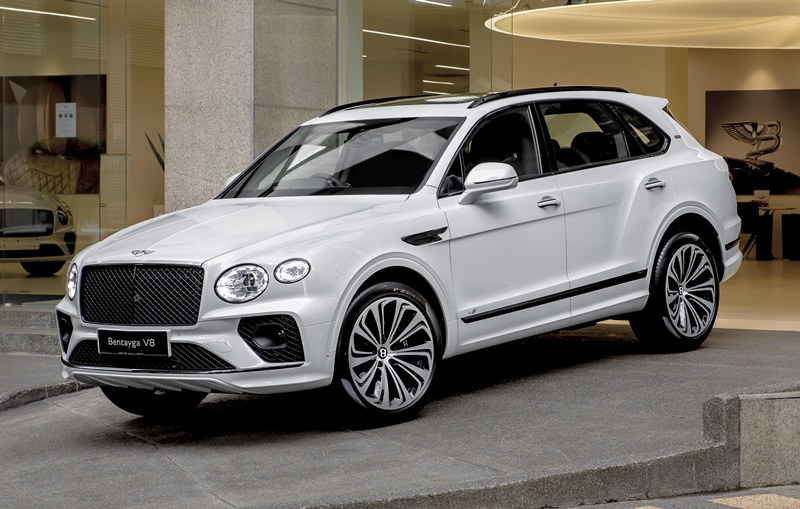
For those who want a rare collectible version of the new Bentley Bentayga V8, the First Edition is now available in Malaysia. With a selection of Bentley options included, the First Edition is priced from RM935,000 (excluding taxes and insurance), a difference of RM191,900 from the base price of the standard price of the latest Bentayga.

Top specs for limited run
The First Edition is a limited run so only a certain number will be available to each market. Each SUV comes with Bentley Dynamic Ride (and active roll control system), Touring Specification as well as Mulliner Driving Specification. This specification includes 22-inch black-painted and directional alloy wheels and sports pedals.

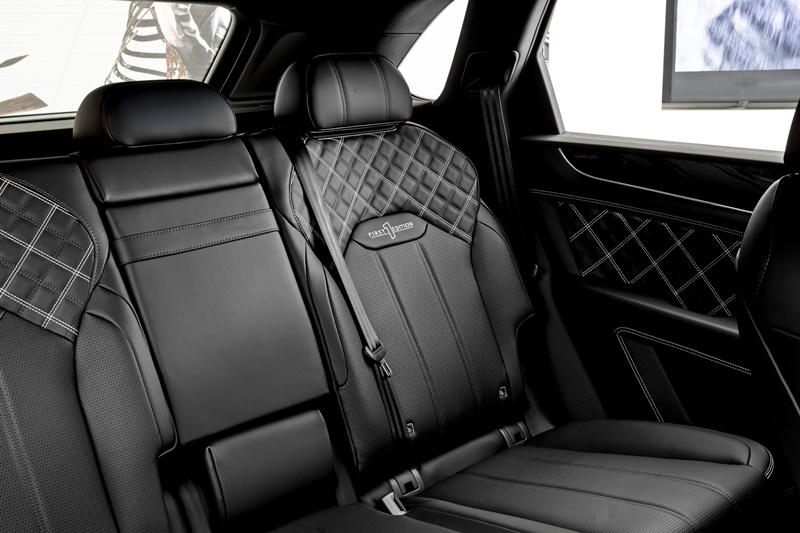
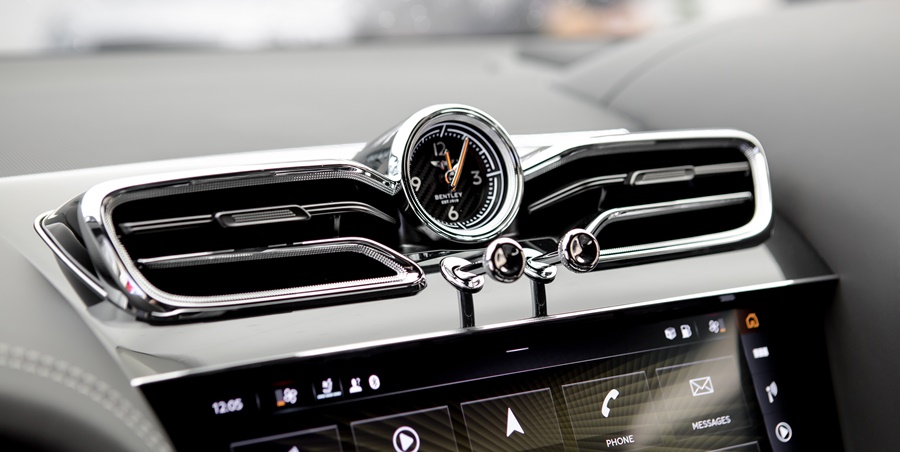
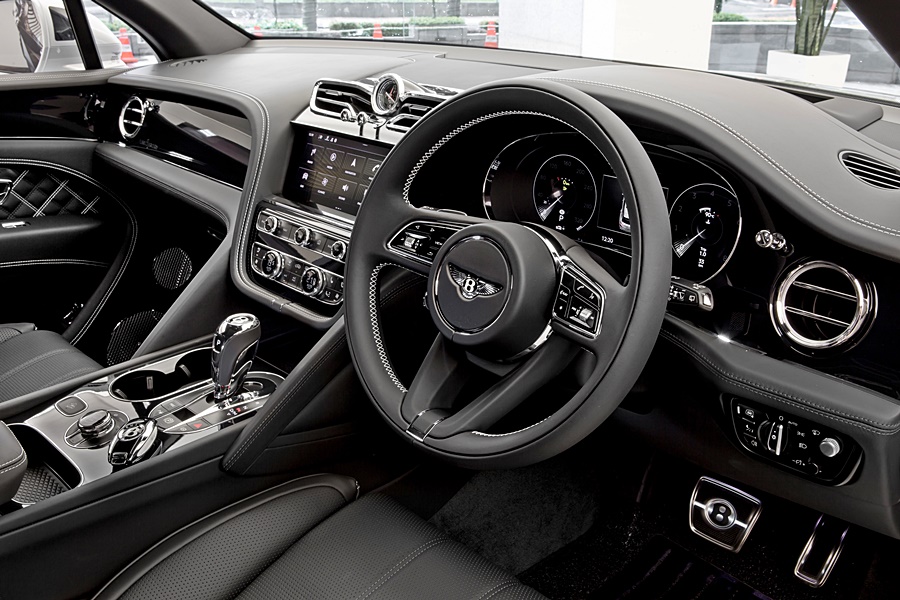
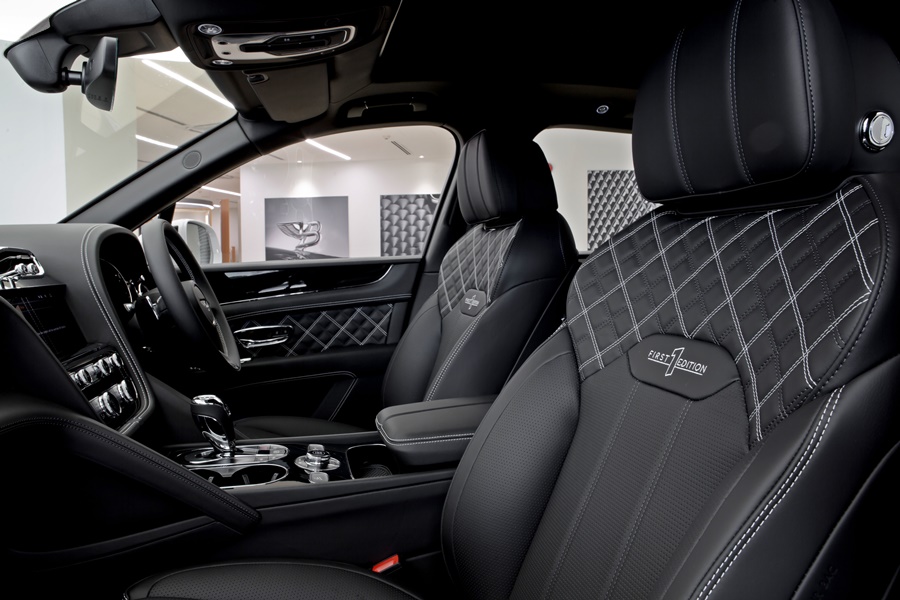
With the new Bentayga, the interior has undergone revisions that include a new centre fascia and steering wheels, door trims and seats (which are also now available with ventilation at the rear of the 5-seat option). There’s also up to 100 mm more legroom for rear occupants, depending on the configuration.

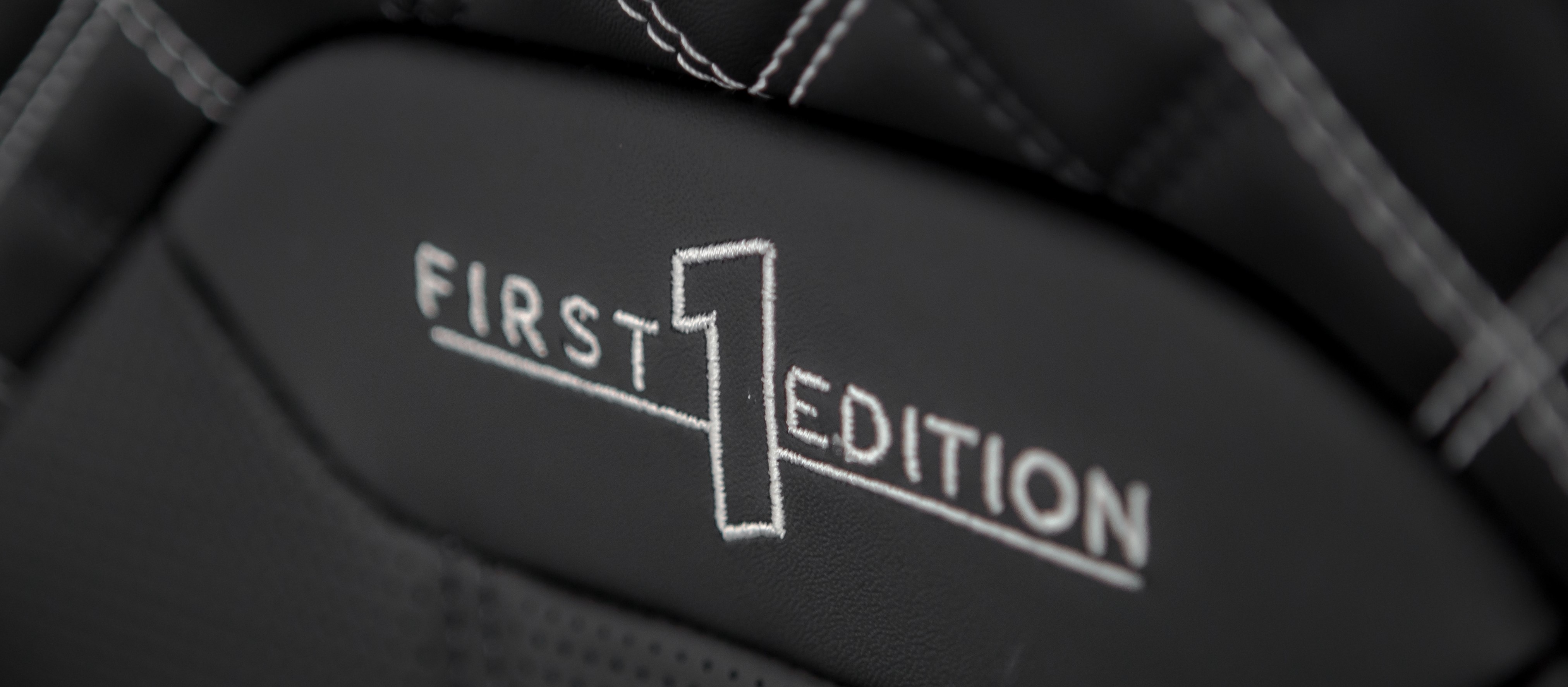
First Edition buyers can choose from a wide range of leather upholstery and wood veneers, allowing the unique contrasted stitching on the diamond quality areas to stand out. There’s First Edition badging around the vehicle and customers can also ask for the words or the Bentley wings to be embroidered on the seats.

Revised exclusive interior
The latest hardware and software includes Apple CarPlay and Android Auto, alongside the existing wired system, for connectivity flexibility. Rear seat occupants can enjoy journeys with a large touchscreen remote control tablet, similar to that introduced in the latest Flying Spur.

The exclusive nature of the First Edition is complemented by the best audio system available from Bentley – Naim for Bentley. This 1,780W system specially customized for the Bentayga comes with 20 speakers and 8 listening modes, ranging from Digital Media to Classic.

The First Edition doesn’t come with a more powerful engine but the standard V8 performance should satisfy even the most demanding driver. The 4-litre 32-valve twin scroll turbocharged engine produces up to 550 ps/770 Nm that gives a claimed 0 to 100 km/h capability of 4.5 seconds and a top speed of 290 km/h. This output is intelligently distributed to all four wheels through an 8-speed automatic transmission.

Click here for other news and articles about Bentley.

BHPetrol RON95 Euro4M

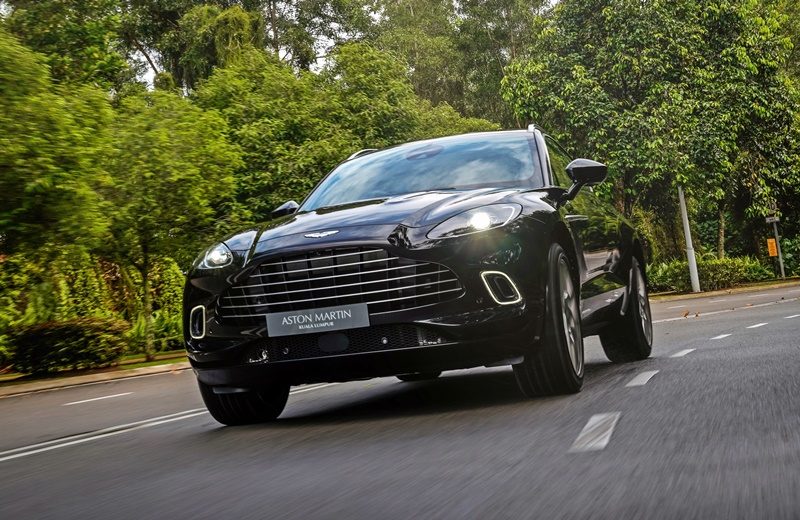
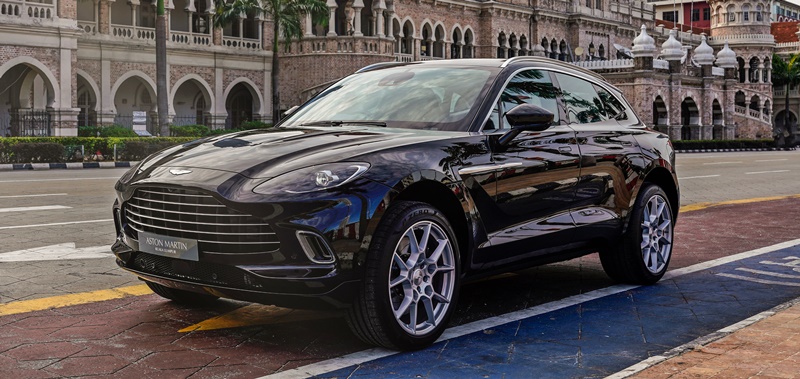
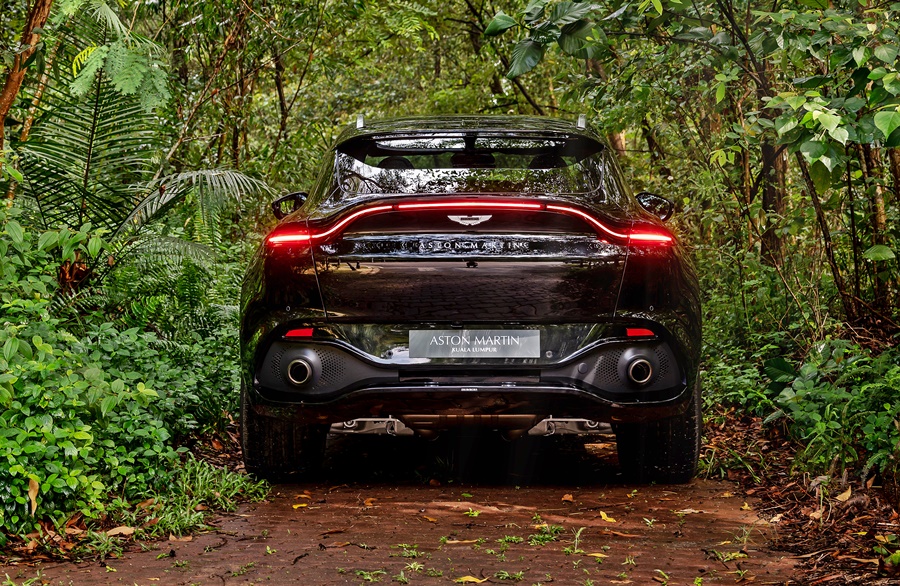
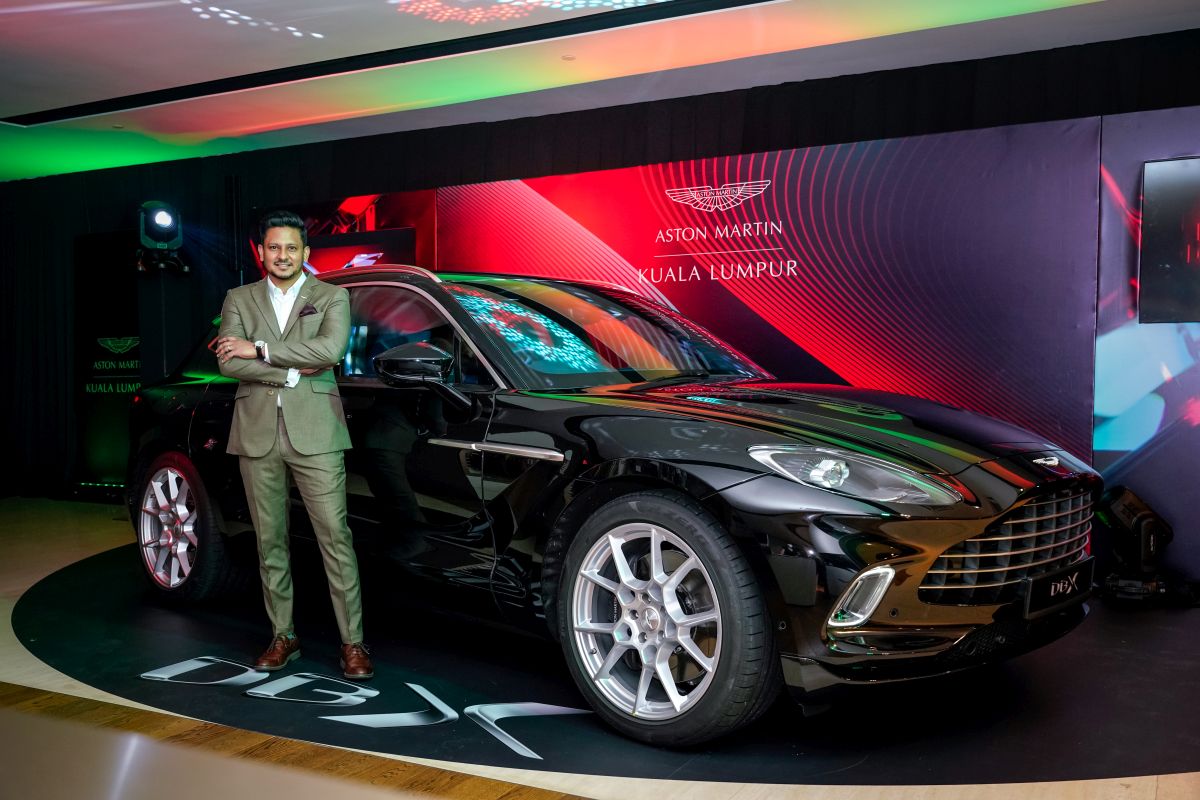
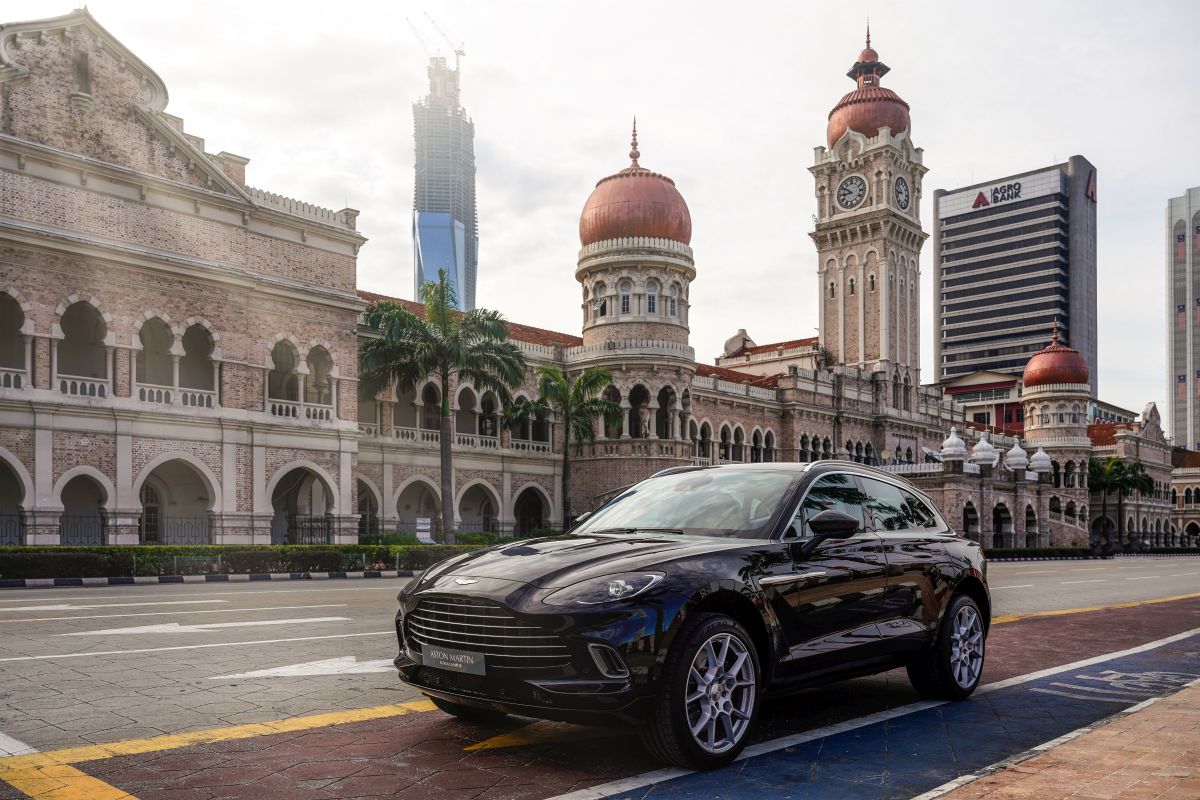
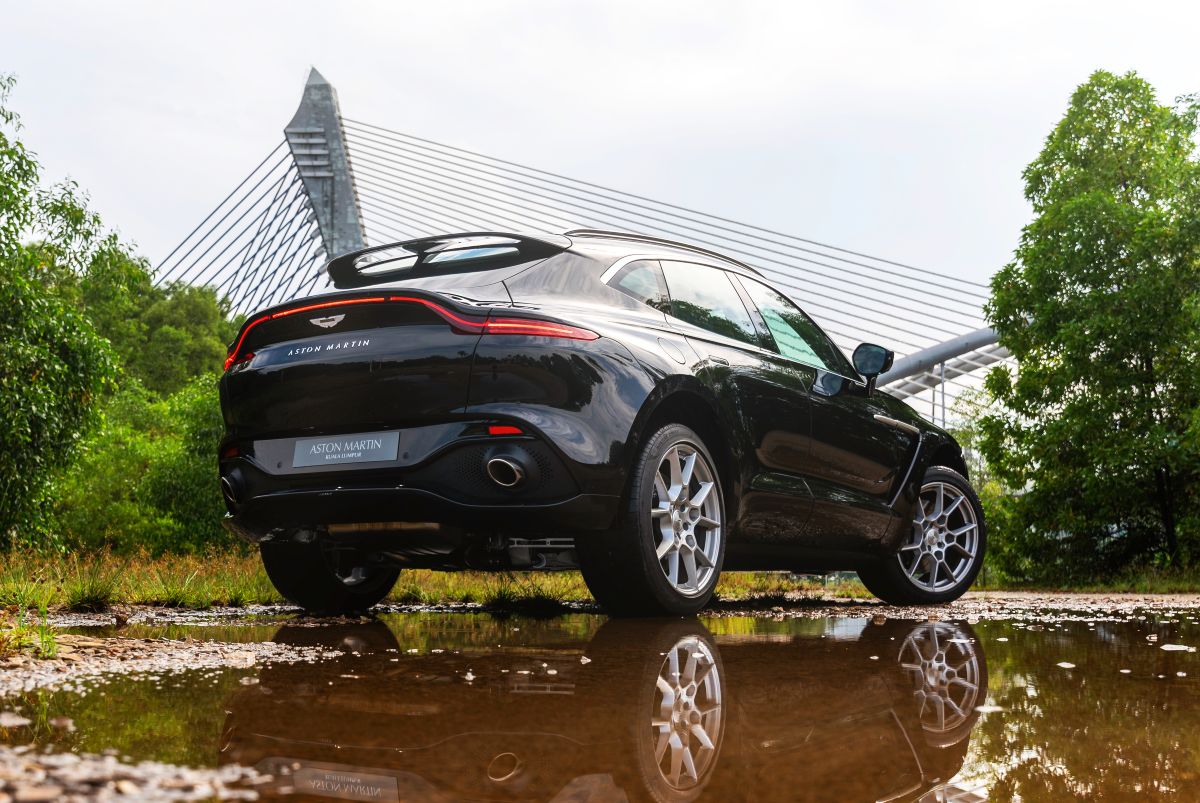
Today, just about every car manufacturer has at least one SUV in its range – right up to Rolls-Royce – but not all have come out with their models in a rush. The engineers have had to make sure that the new models have the same qualities as the other models, even if they are taller. In the case of the DBX, Aston Martin’s first SUV, much effort was put into ensuring that it would have the same dynamic qualities as the other sportscars.

With all the work completed over some 5 years, the model is now being introduced in various markets around the world, with the Malaysian launch taking place today. Priced from RM818,000 (excluding duties), the DBX marks a new era in Aston Martin’s history book.

The big story is aerodynamics
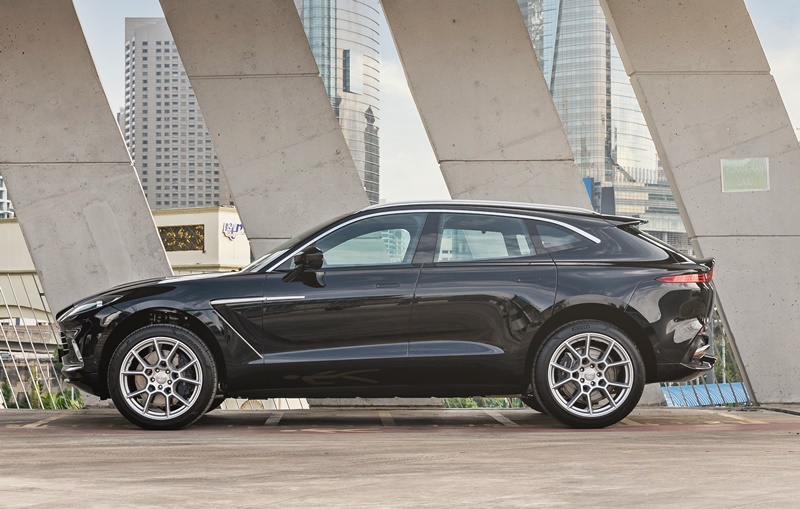
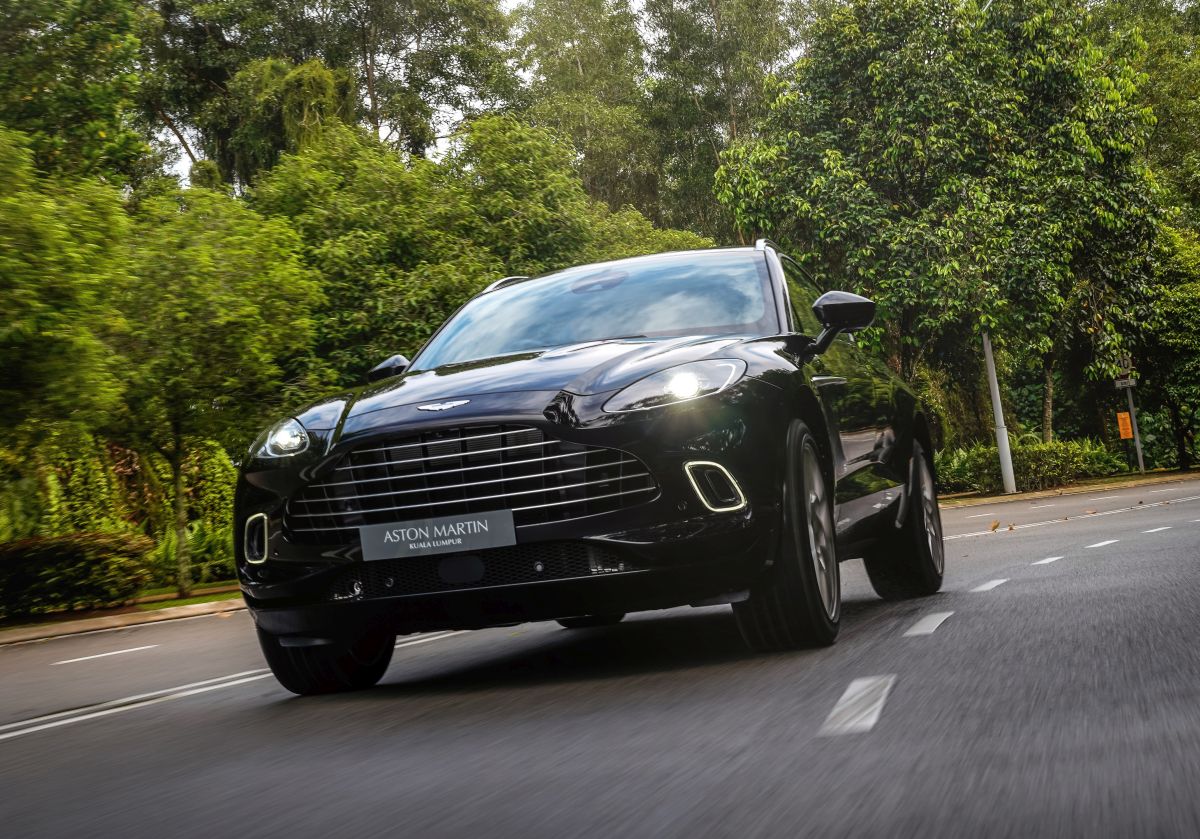
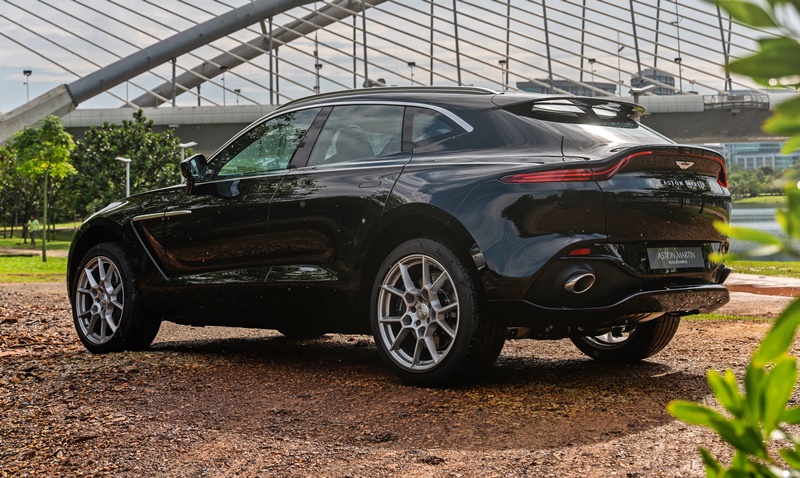
The DBX’s exterior combines the elegance of Aston Martin’s sportscars with the functional style of SUVs. However, the big story is about the aerodynamics which were an important consideration within the design process.

At the car’s front, the daytime running lights (DRLs) have an integrated aerodynamic duct, which channels air through the front wheel arches and along the side, helping to reduce both drag and lift while also cooling the brakes. Air flows cleanly over the roof, through the rear wing, over the rear window and on to the rear flip.

This unique approach and design detail allows the rear screen to self-clear on the move. Aerodynamic design has also played a key part in passenger comfort because as one of only a few companies using computational aeroacoustics technology, Aston Martin’s engineers have been able to keep cabin noise to a minimum at speed.

Light and stiff bodyshell
Utilizing Aston Martin’s engineering expertise, the DBX has bonded aluminium, a construction method the company has refined through the development of its sportscars. This allows the body structure to be both very light and yet very stiff, with an overall kerb weight of 2,245 kgs. The exceptional stiffness, along with an entirely new platform, has contributed to the superlative dynamics of the DBX.

The new SUV also comes with adaptive triple volume air suspension, combined with the latest 48V electric anti- roll control system (eARC) and electronic adaptive dampers. With its capacity to raise the ride height by 45 mm or lower it by 50 mm, the air suspension makes possible travel over a wide range of terrain. The system can be further programmed to aid with ingress, egress and loading requirements on a practical level.

Powering the DBX is the 4-litre, twin-turbocharged V8 engine that is also used for the DB11 and Vantage. This powerplant, mated to a 9-speed automatic transmission, delivers up to 550 ps/700 Nm to take the SUV up to 291 km/h after sprinting past 100 km/h in a claimed 4.5 seconds. For owners who also have concerns about fuel consumption, cylinder deactivation helps reduce it.

The all-wheel drive system has active differentials at the centre and rear, the latter being an electronically limited slip differential (eDiff). This allows the torque to be moved precisely both fore and aft in the vehicle and also across the rear axle.

First 5-seater
The DBX is also Aston Martin’s first ever full-size 5-seat model, providing comfortable accommodation for the world’s 99th percentile male and 5th percentile female. The seating layout is variable with 40:20:40 split folding rear seats. More people or more cargo can be carried, and there’s 632 litres of boot space to start with.

The standard specification of the DBX is quite high, and there are also many optional accessory packages offered. These packages will tailor the car even further to customers’ needs. For example, the Pet package will include, amongst other things, a portable washer to help attend to the needs of a muddy dog after a walk.

Handcrafted interior
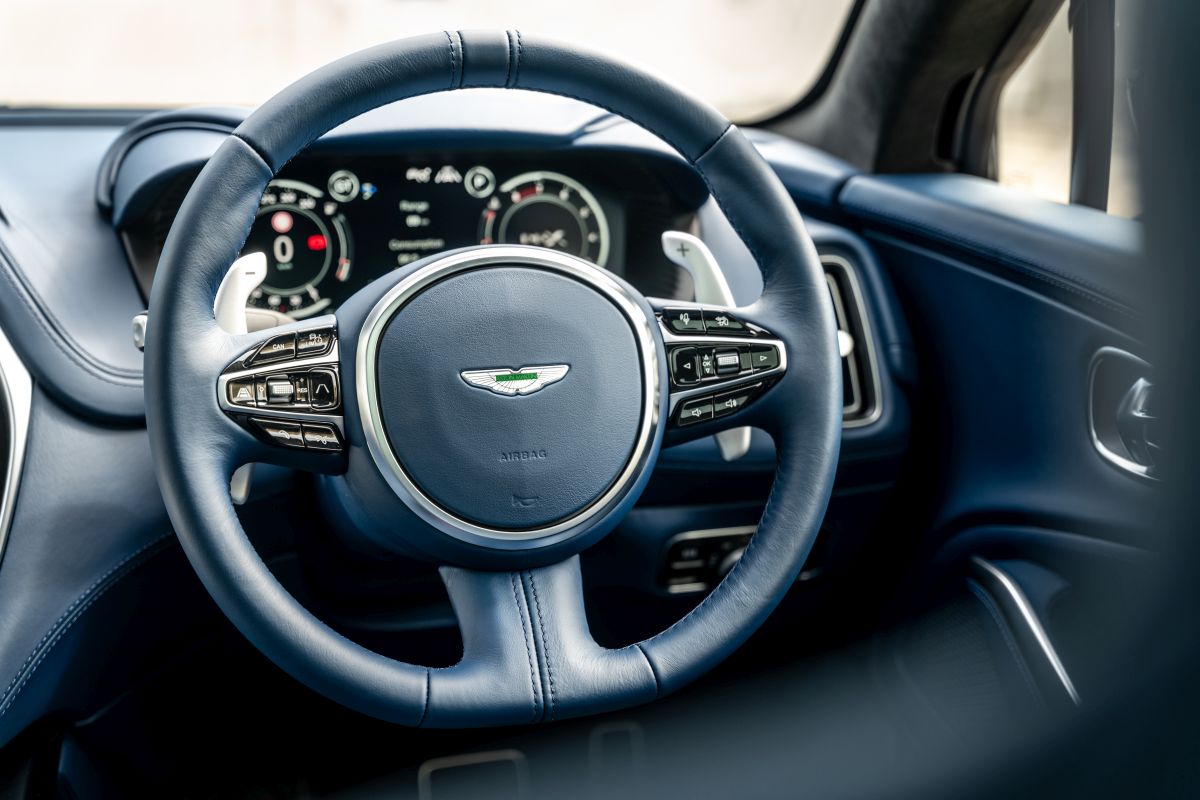
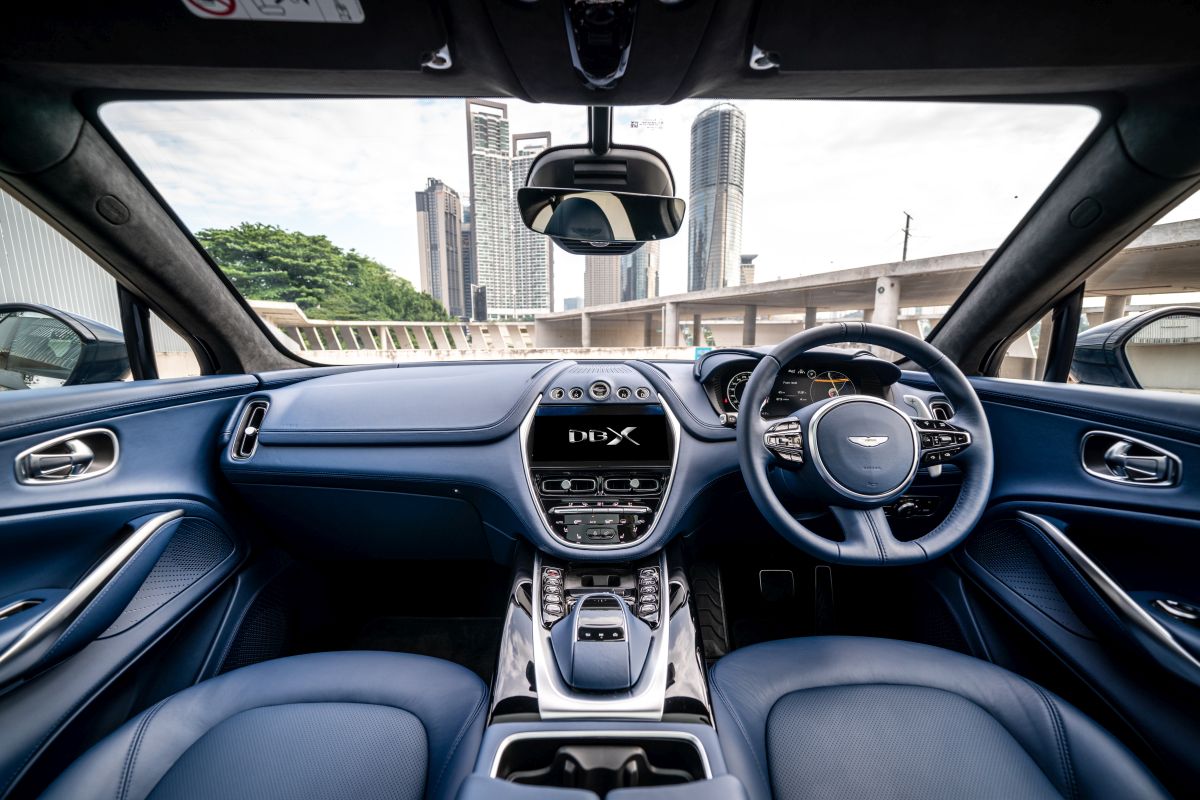
It goes without saying that the DBX has a luxuriously handcrafted interior, with a full-length glass panoramic roof overhead and frameless door glass. The use of sportscar seat packaging in the front not only provides the driver with exceptional support and long-distance driving comfort but also provides knee and footwell clearance for those sitting behind.

Small touches throughout, such as separate central armrests, the glovebox design and the ergonomic positioning of the car’s key control systems, have been guided carefully by the input of the brand’s Female Advisory Board, dealership feedback and a variety of private focus groups held worldwide.

The seats are covered with full grain leather upholstery while both the headlining and electric roof blind are available in Alcantara, an industry first. Throughout the cabin, DBX maintains an authenticity of materials, with judicious use of metal, glass and wood.

There is an abundance of technology for driver assistance as well as entertainment. A 10.25-inch TFT screen sits flush in the centre console while a huge 12.3-inch TFT screen provides a wealth of information to the driver while on the move. Apple CarPlay comes as standard, as does a 360-degree camera system and ambient lighting that offers 64 different colours in two zones.

Aston Martin can design an exclusive garage for you too

COVID-19 Facemask

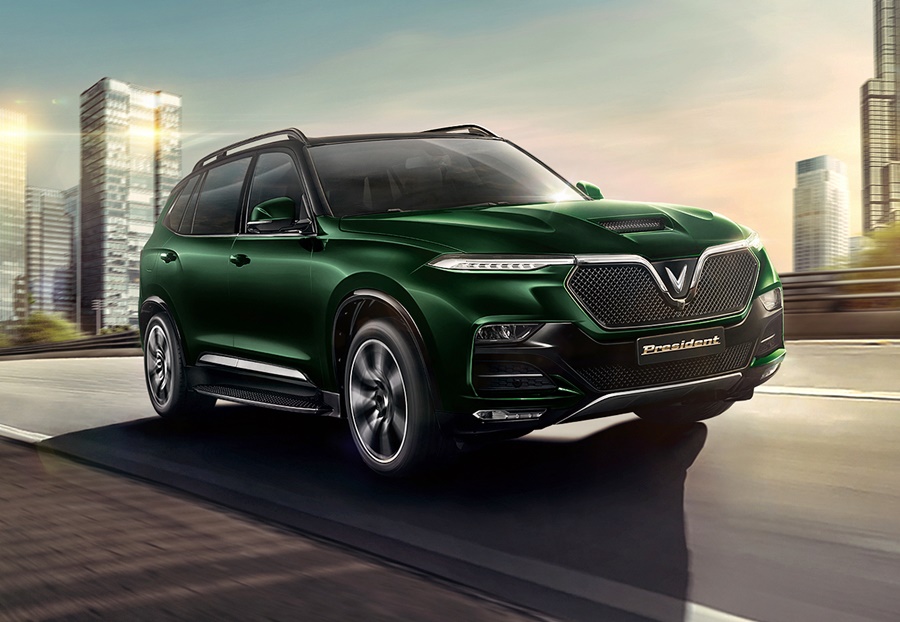
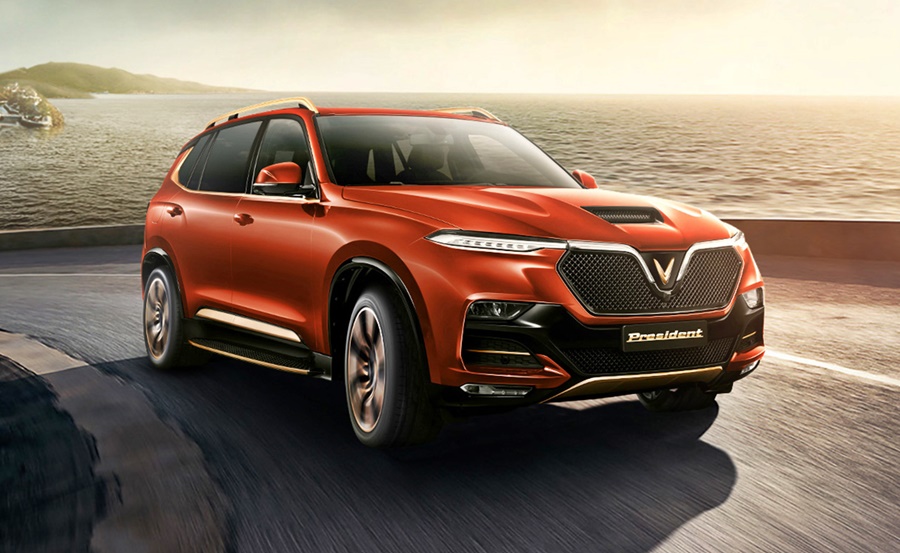
Vinfast, Vietnam’s only domestic brand, has been in the market for a couple of years now and is working hard at establishing its credentials as a premium carmaker. Besides the two models it has already started producing, it has also come up with a limited edition SUV model exclusively for the Vietnamese market.

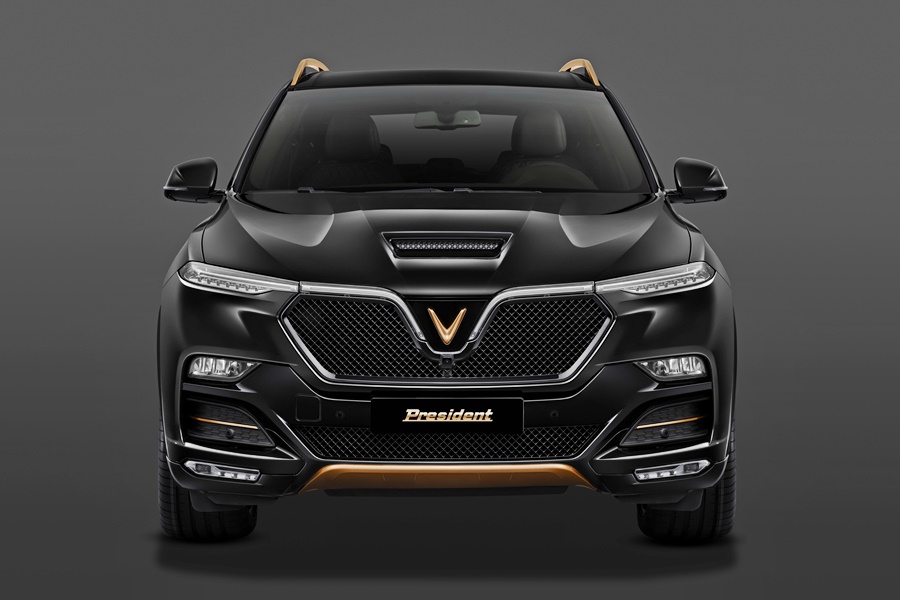
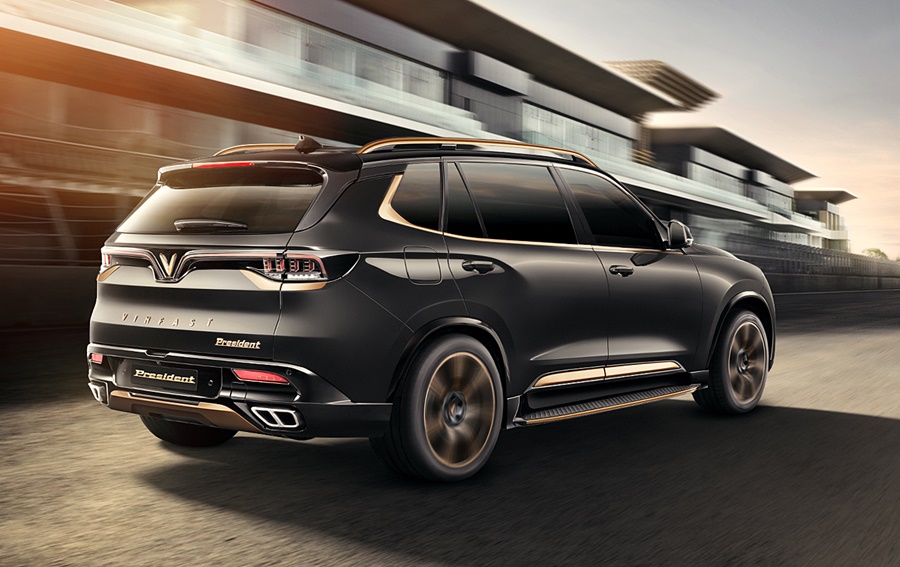
Designed by Pininfarina (which was also involved in its first two models), the SUV is known as the President and claimed to be one of the most powerful SUVs in the world at the moment. Vinfast will build 500 units for sale; the first 1000 will be sold for 3.8 billion VND (equivalent to about RM682,000) and for the remaining 400, the price will be 4.6 billion VND (about RM823,000).

To join the ‘most powerful SUV’ club, the President’s V8 engine has a maximum output of 420 ps/624 Nm and, with an 8-speed automatic transmission and full-time 4-wheel drive, the claimed 0 to 100 km/h acceleration time is 6.8 seconds and a top speed capability of nearly 300 km/h.

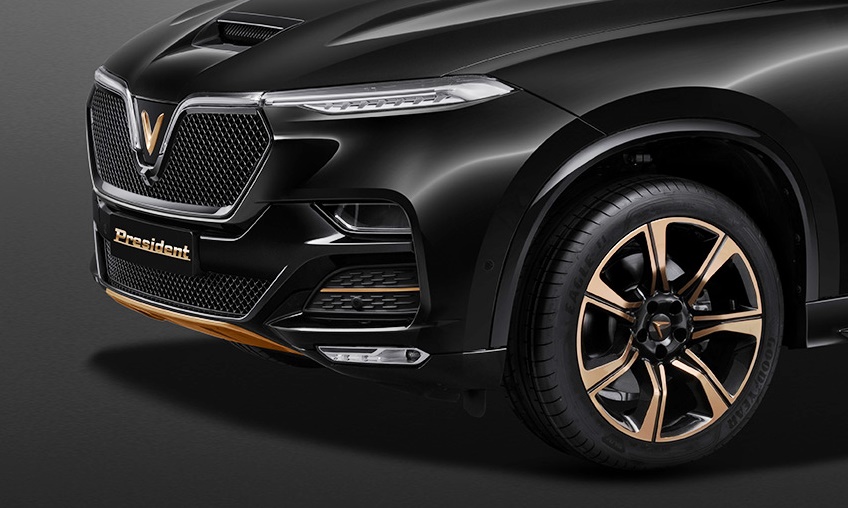
As would be expected of such an exclusive model. Pininfarina has given it a majestic and elegant design. The grille is designed in a diamond shape to accentuate the high position, while a large air cavity enhances the strong appearance. The highlight at the rear is a pair of large dual exhaust tailpipes.

Besides a choice of 18 exterior colours, the premium finishing includes sophisticated details covered in gold colour, copper bronze, gun metal, or metallic silver on the logo, roof rack, door braces, car steps, wheels, and bumpers.

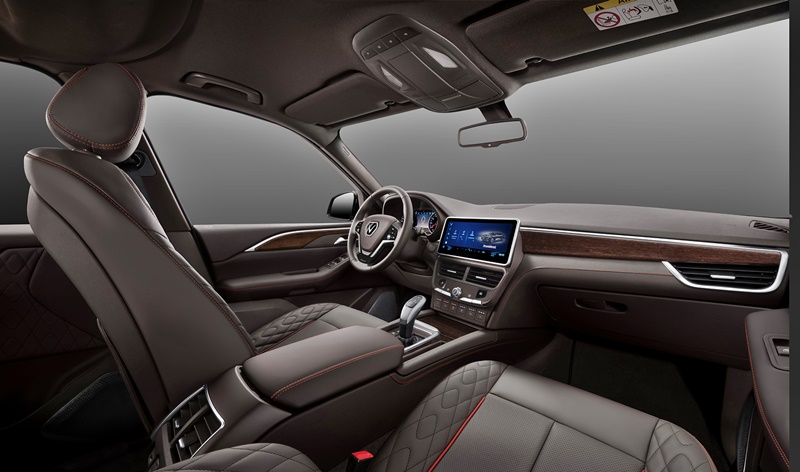
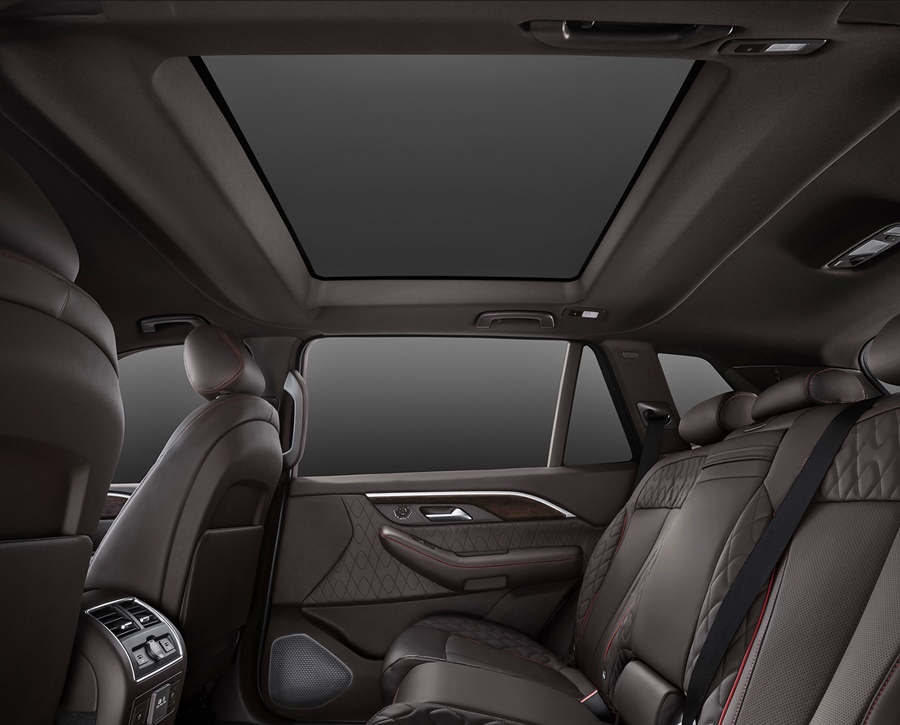
The inside gives priority to the comfort of the rear occupants (although the driver’s comfort is not ignored). Massage functions are available in the seats, along with heating and ventilation features for the first and second rows. In particular, the second row of seats is very spacious with legroom of up to 20 cm more compared to the Lux SA2.0 model.

The seats are covered with premium Nappa leather from exclusive leather suppliers, along with premium veneer wood made in Italy exclusively for the President. The wood cladding on each car will have a completely different pattern, thus creating a unique  ‘ID’ and adding to the exclusiveness. The entertainment system consists of a 7-inch multi-function display cluster with a centre screen of 12.3 inches and 13 high-end speakers positioned around the cabin.

Commenting on the President, Nguyen Thi Van Anh, Standing Deputy General Director of VinFast, said: “President is a product line that represents the high class and quality of VinFast, it is also our affirmation to the world of Vietnamese automobile production capacity. We want to dedicate this wonderful product and VinFast’s top-notch customer care services to Vietnamese people who have a pioneering and strong spirit. That is also the reason why VinFast only produces a limited number of 500 cars to ensure this masterpiece is worthy of its owner”.

First flagship models of Vietnam’s Vinfast score 5 stars in ASEAN NCAP tests

The rush of new model introductions, some delayed by the MCO earlier in the year, continues and today, Honda Malaysia has announced that an updated Honda CR-V will be in showrooms before the end of this year. Bookings are now accepted at all 101 authorised dealerships nationwide.

The CR-V was the first model that Honda Malaysia assembled at its new plant when the facility opened in Melaka in 2003. Since then, over 100,000 units have been sold, of which more than 36,000 have been of the 5th generation which was launched in 2017.

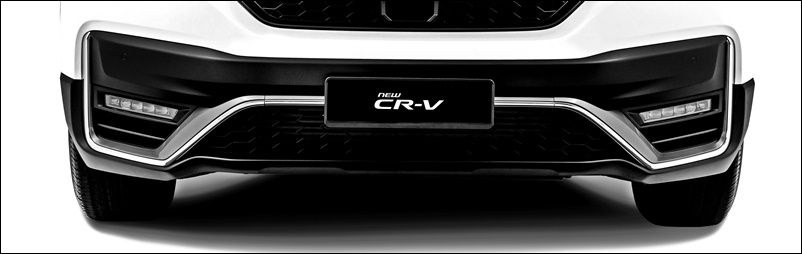
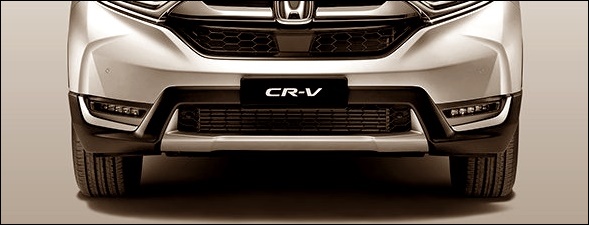
Restyled front bumper of New CR-V has a bolder look than the previous one (below).

“We are confident that the New CR-V will not only continue to live up to this stellar track record, but also regain its status as No.1 in the Non-National SUV segment as it offers a complete package comprising bold exterior, VTEC Turbocharged engine as well as Next Generation Advanced Safety Technology – Honda SENSING. We believe the enhanced New CR-V is an ideal SUV for families and professionals with a keen sense of sophistication and style,” said Honda Malaysia’s Managing Director & CEO, Toichi Ishiyama.

The changes
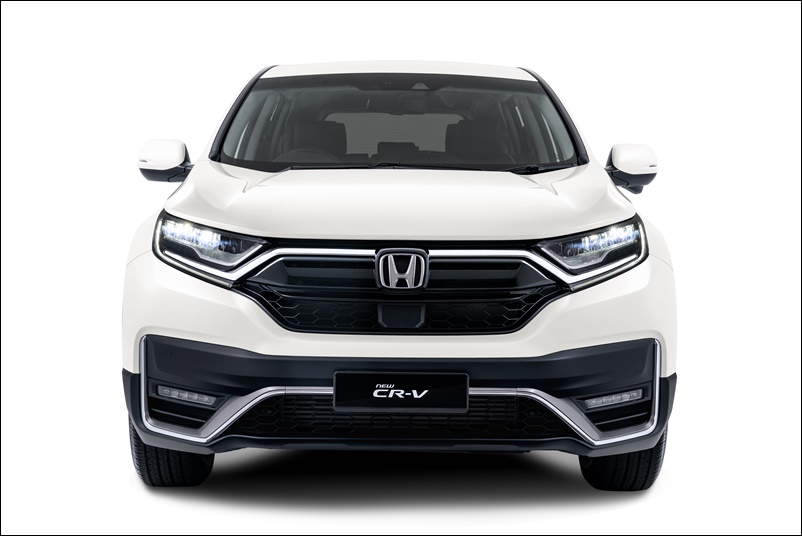
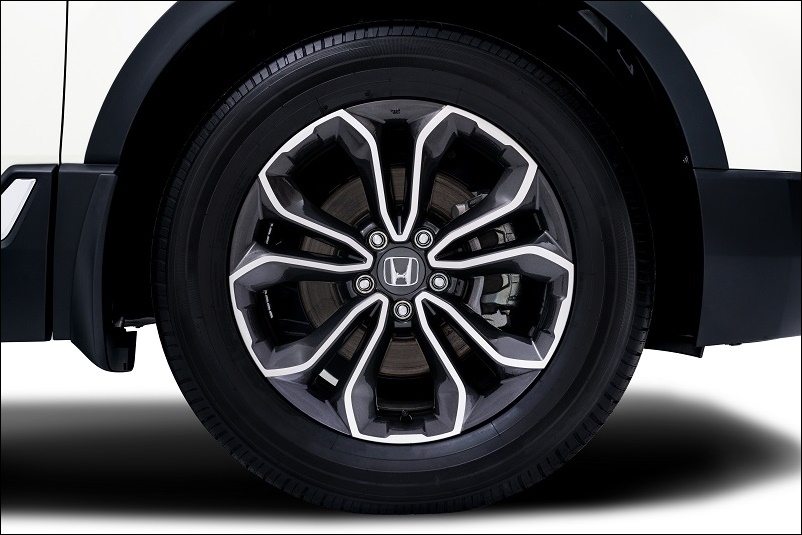
The exterior of the New CR-V receives cosmetic changes with a new black grille combined with Honda’s signature LED headlights. The restyled front and rear bumpers have a wing-style chrome fascia, while the rear end has new dark chrome and new smoked finish taillights, plus a new tailpipe finisher. The 18-inch dual-tone alloy wheels have a new design as well.

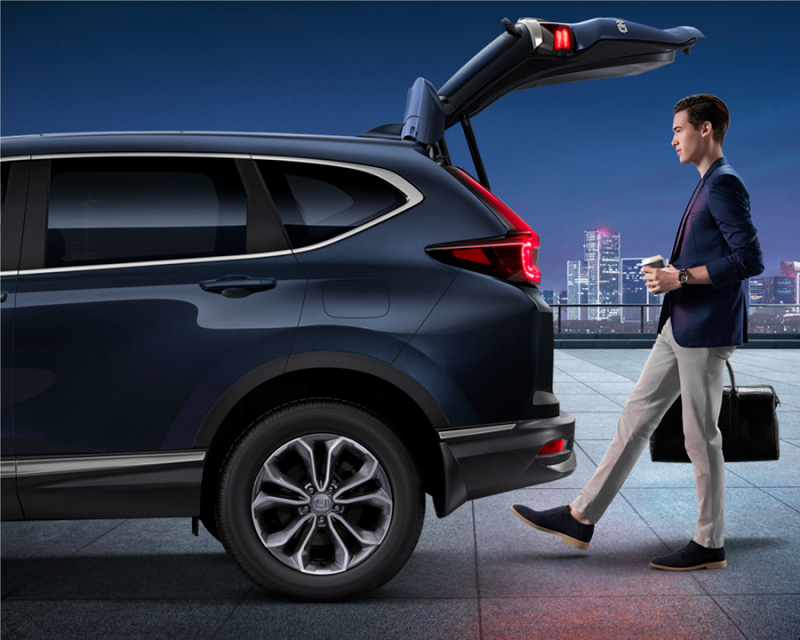
Owners of the New CR-V will no longer have to press a button to open the tailgate. It now comes with a Handsfree Power Tailgate which will open (and close) when a foot is positioned under the rear bumper.

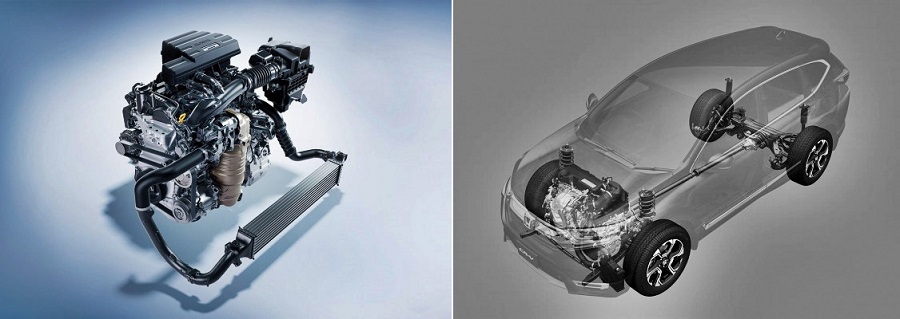
The CR-V has a 1.5-litre VTEC turbocharged Earth Dreams engine with an output of 193ps/243 Nm, which makes its more powerful than a conventional 2.4-litre engine. Having a smaller displacement helps in fuel efficiency which can be enhanced with activation of the ECON mode.

The CR-V is available with all-wheel drive (AWD) that is managed by an Intelligent Control System. Torque is distributed optimally to the wheels, providing better traction and control on all surfaces.

Full Honda SENSING suite
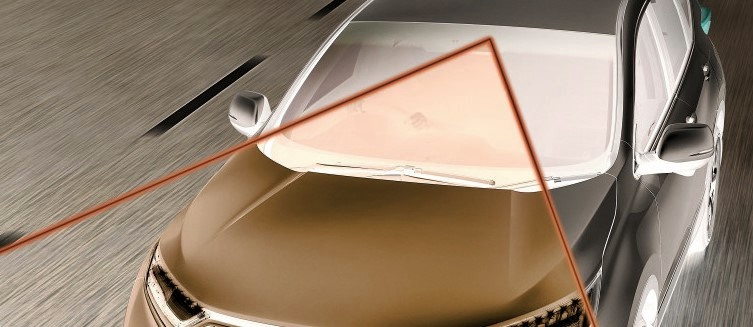
The New CR-V will come with a full suite of Honda SENSING that that consists of eight systems, all of which work with a camera mounted at the top of the windscreen. The systems are Adaptive Cruise Control (ACC), Low-Speed Follow (LSF), Forward Collision Warning (FCW), Collision Mitigation Braking System (CMBS), Lane Departure Warning (LDW), Road Departure Mitigation (RDM), Lane Keeping Assist System (LKAS), and Auto High-Beam (AHB).

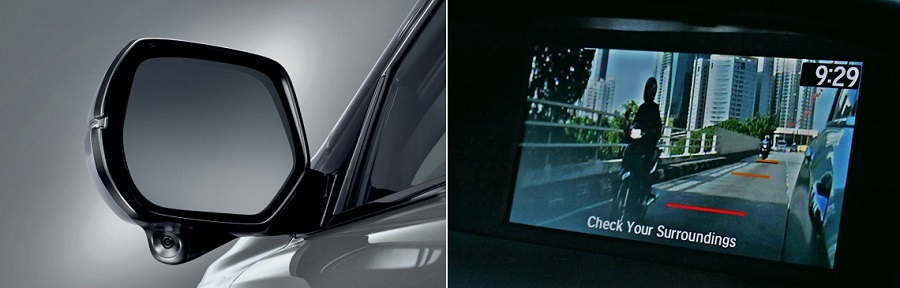
In addition, Honda LaneWatch (shown above) is now a standard feature. This is a noteworthy innovation by Honda which provides a real-time image of the blind spot along the left side of the vehicle from a small camera mounted on the left door mirror. The image, which is clear day and night, is displayed on the infotainment screen in the middle of the dashboard, so the driver does not have to turn the head so much to view.

Pricing for the New CR-V is not revealed yet but it would, of course, have full exemption of the 10% sales tax until December 31, 2020. Visit www.honda.com.my for more information or let a Honda dealer know of your interest to be updated.

Honda Insurance Plus plan upgraded with more benefits

Genesis, Hyundai Motor’s premium brand, has a brand new SUV under final stages of development. It has been announced publicly in Korea so that the R&D guys can start running real-world tests on public roads.

QR code on camouflage
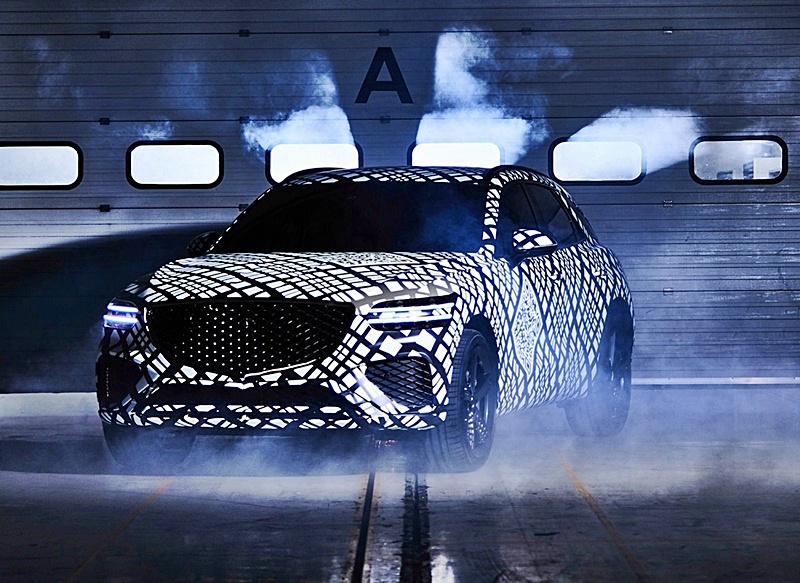
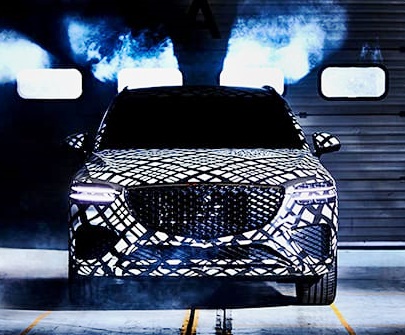
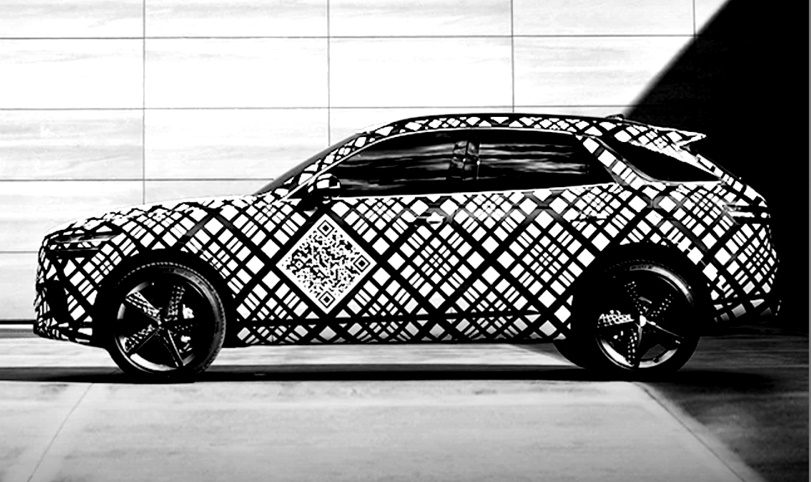
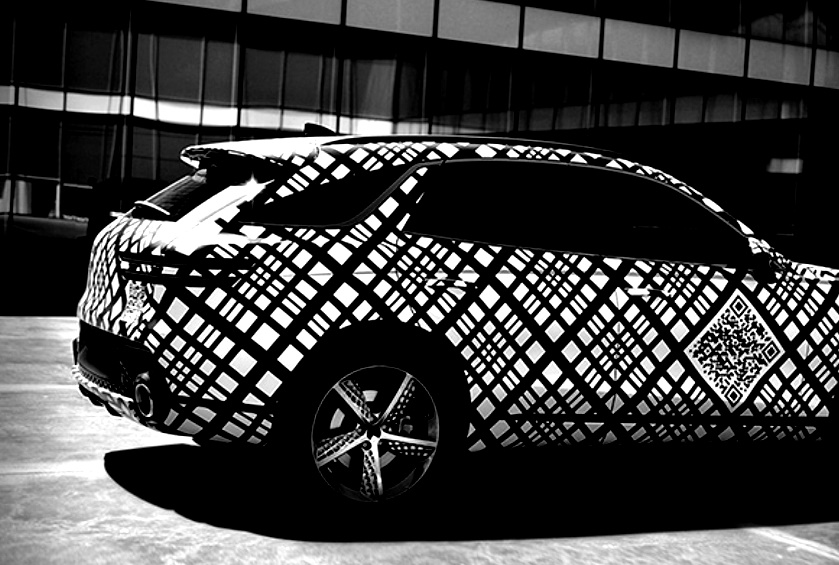
However, the vehicle, designated GV70, is camouflaged as the teaser pictures release show. To use the testing exercise to do a bit of promotion, there’s a QR code on the bodywork which leads those who scan it to a web page that explains the camouflage pattern referred to as ‘G-Matrix’.

2021 Genesis GV70

G-Matrix is inspired by the diffused reflection of light from precision-cut diamonds and is a core part of the Genesis brand identity. Drivers can look forward to the creative application of the pattern on the GV70 in different ways, emphasizing the details that are emblematic of the Genesis brand.

2021 Genesis GV70

Second of three SUVs
While specific details are presently hidden by the G-Matrix camouflage pattern, the continued evolution of Genesis’ signature “Athletic Elegance” design language is evident. The new midsize SUV will join the GV80 in the model line-up for 2021, after which will come a smaller model (GV60?).

“We are thrilled to share this early sneak preview of our second SUV, the Genesis GV70,” said a Genesis official. “It telegraphs an exciting new design and reinforces the core brand values that run through our line-up. We look forward to sharing full details on GV70 with everyone in the near future.”

2021 Genesis GV70

Shared platform likely
Given its size and positioning, the GV70, which will challenge SUVs like the BMW X3 and Audi Q5, is likely to share architecture with the new Hyundai Tucson. It obviously doesn’t make sense for Genesis to have its own platforms, an approach which manufacturers discarded after the 1980s when it proved more and more expensive to develop a platform. The key nowadays is how many models can be derived off a platform with minimal modifications.
First pictures of new Genesis GV80 SUV released, launching in Korea this month

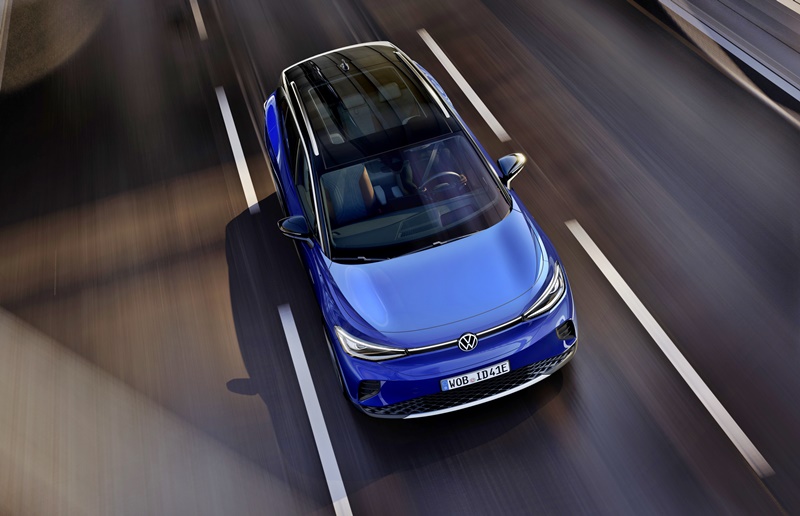
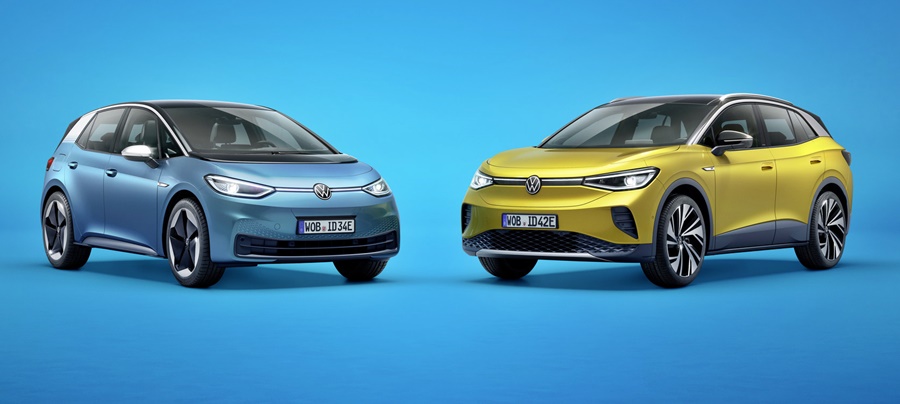
Volkswagen’s ID. family, which consists of only all-electric models, releases its second which is a SUV. The first of the ID. models was the ID.3, a hatchback launched in 2019, and this new model is designated ID.4. There are known to be at least 7 models in total, with the others currently planned to go into production within the next 3 years.

“As the first global electric car, this model will roll out our modular electric drive matrix platform that has been developed specifically for electric mobility the world over. Volkswagen is thus once again demonstrating its leading role in innovation, technology and quality on the high-volume market,” said Ralf Brandstatter, CEO for the Volkswagen brand.

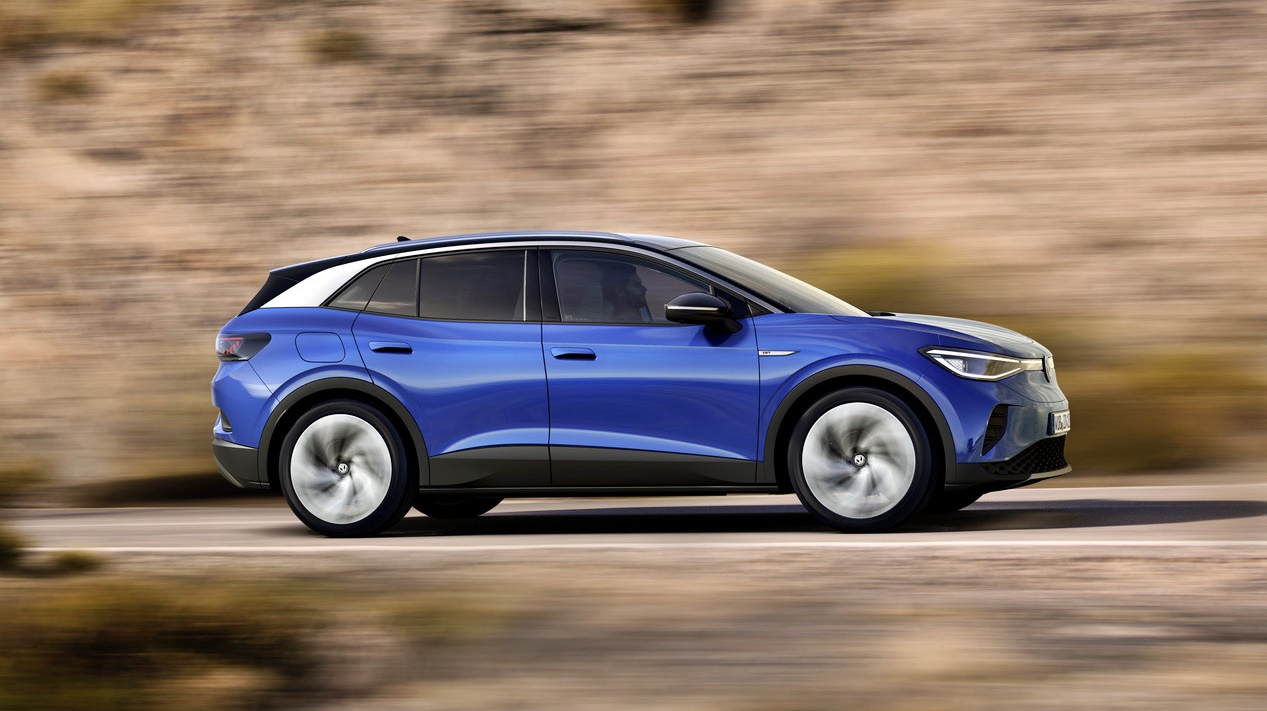
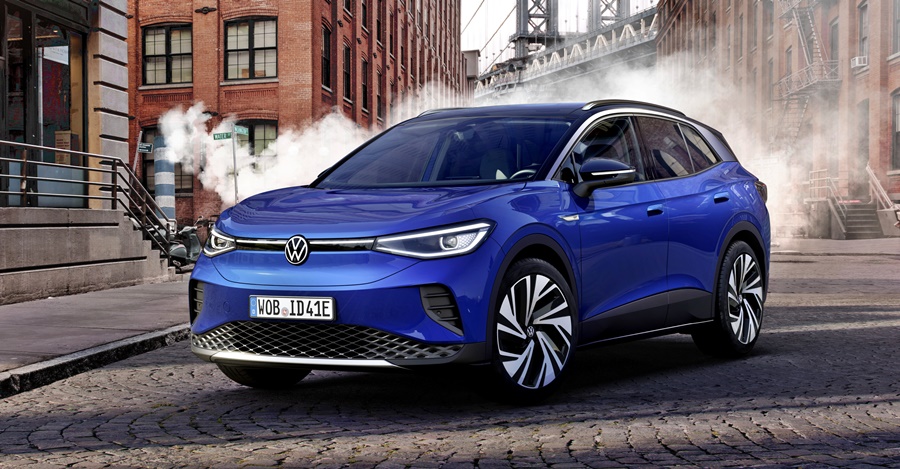
The ID.4 is Volkswagen’s first fully electrically-driven SUV and has dimensions which put it within the compact SUV class. This is now a highly competitive segment, especially in Europe where SUVs were once disliked as they were considered to be not environment-friendly due to their higher consumption.

2020 Volkswagen ID.4

No environmental issues
The ID.4, of course, has no such issue and is a zero emissions vehicle with the space and comfort that any buyer will appreciate. Its 77 kWh battery pack powers a 150 kW (equivalent to 204 ps) electric motor that gives a claimed 0 to 100 km/h time of 8.5 seconds and a top speed of 160 km/h.

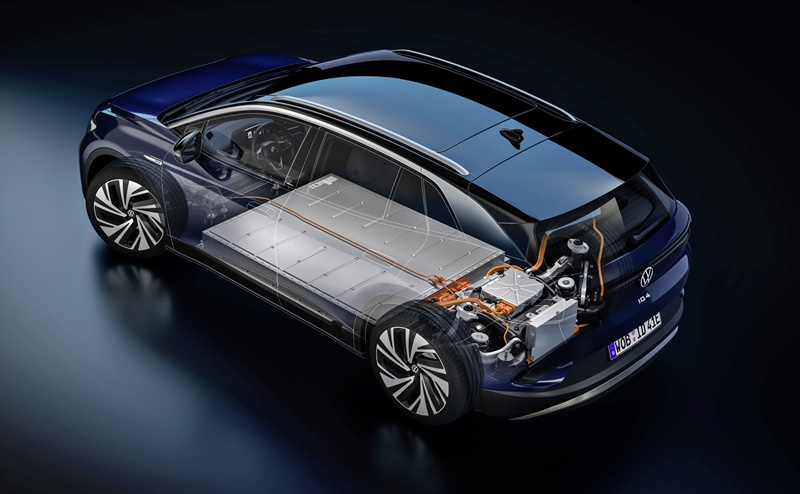
The battery pack is installed below the passenger compartment for a low centre of gravity, while the electric drive motor is positioned at the rear axle, which also helps with grip. In the event that the driver wants to wander off the highway, there’s 21 cm of ground clearance with 21-inch wheels.

2020 Volkswagen ID.4

We Charge anywhere
Volkswagen is launching on the European market a complete package for convenient, connected and sustainable charging of electric cars under the name ‘We Charge’. This provides recharging at home, around town or on a long journey. The ID.4 can be recharged within 30 minutes with at a DC (direct current) quick-charging station to provide a claimed 320 kms of range. On a full battery pack, the range is claimed to be up to 520 kms.

2020 Volkswagen ID.4

Sleek exterior
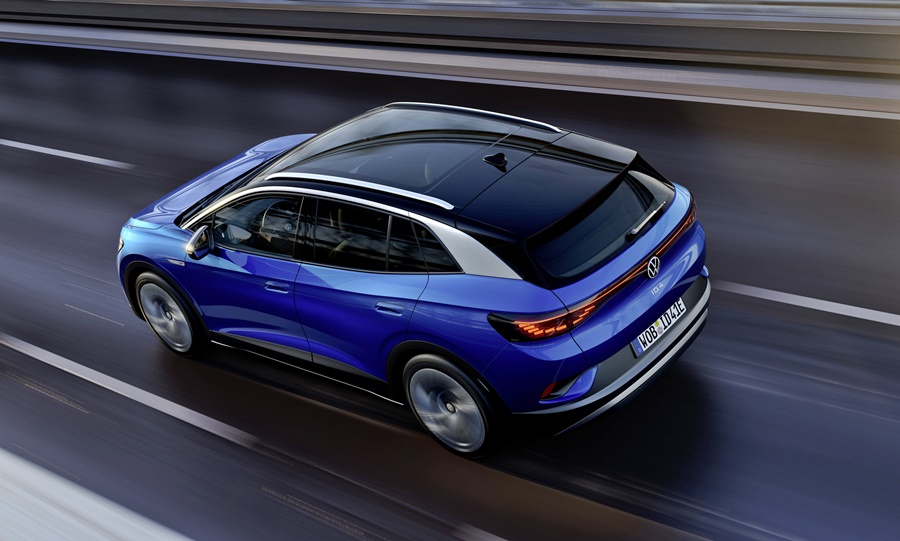
The ID.4’s exterior has a clear, flowing design inspired by nature. Aerodynamic efficiency has been tuned to a low 0.28 Cd, which will reduce the wind resistance that needs to be overcome by the electric motor.

2020 Volkswagen ID.4

2020 Volkswagen ID.4

“As the first global electric car, this model will roll out our modular electric drive matrix platform that has been developed specifically for electric mobility the world over. Volkswagen is thus once again demonstrating its leading role in innovation, technology and quality on the high-volume market,” said Ralf Brandstatter, CEO for the Volkswagen brand.

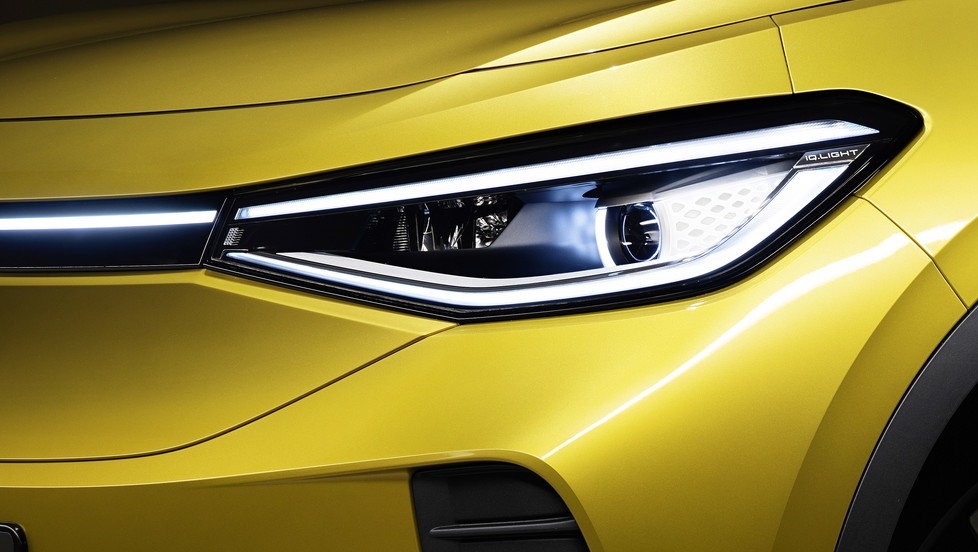
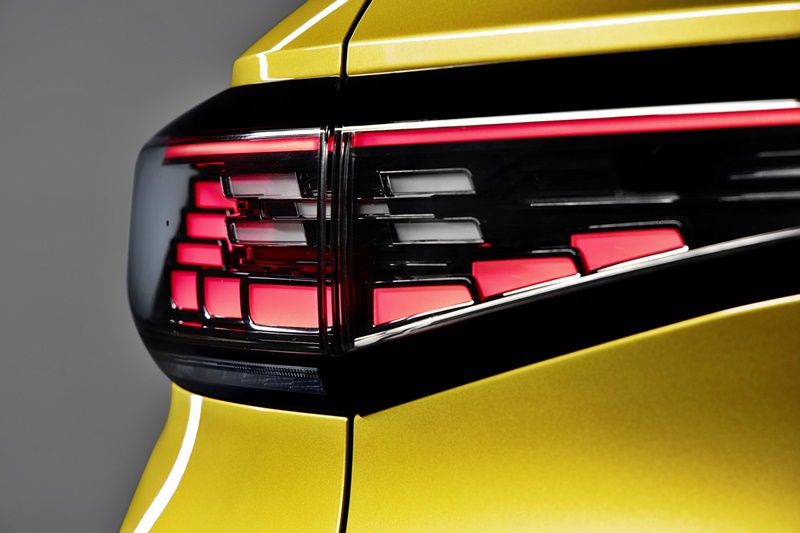
The front and rear lighting units use LEDs (partial at the front) and for the most expensive ID.4 version, there are interactive IQ.Light LED matrix headlights. These feature swivelling lens modules and generate an intelligently controlled main beam for optimised spread. At the rear are new 3D LED taillight clusters with a homogeneous appearance that fully illuminates in an intensive red.

MEB for more space
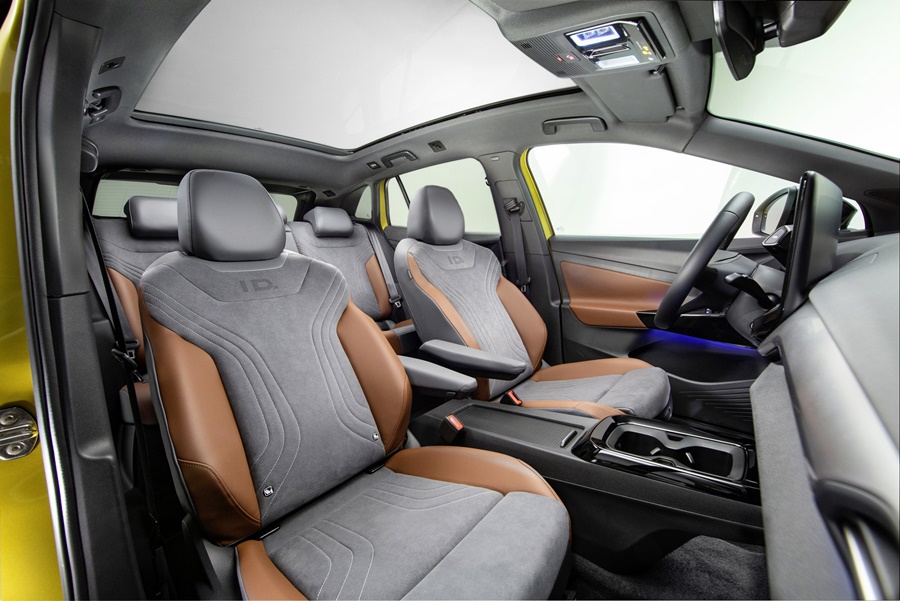
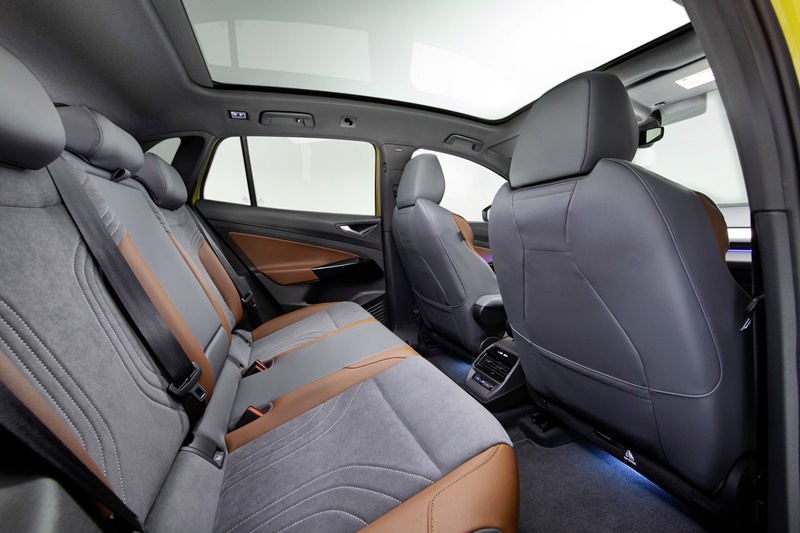
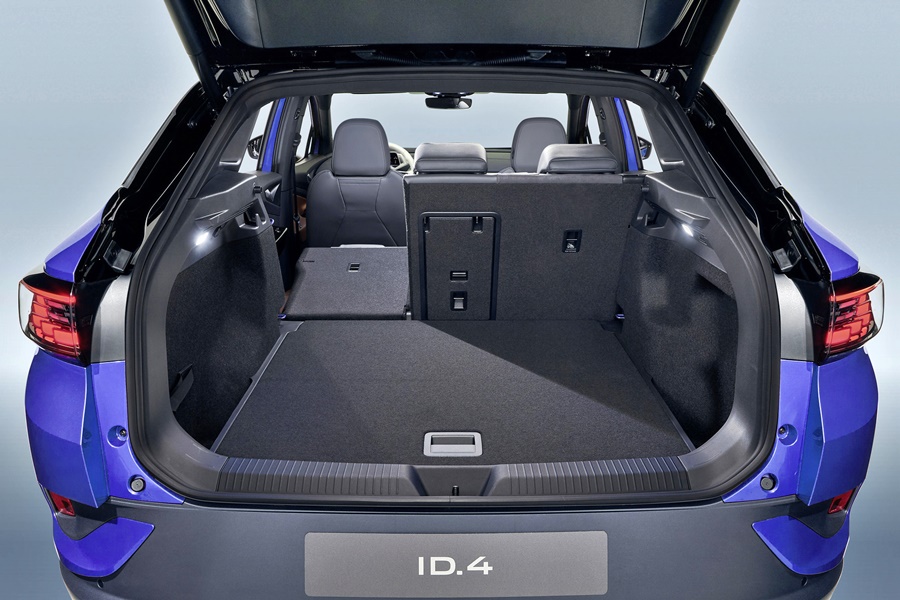
The 4.58-metre long ID.4 sits on Volkswagen’s modular electric drive matrix (MEB) architecture. It divides the space for occupants and technology in a completely new way in favour of passengers. The space available in the cabin is said to be comparable to conventional SUVs in the next category up. Depending on the rear seat backrest’s position, the luggage compartment can have a volume from 543 to 1,575 litres.

“As the first global electric car, this model will roll out our modular electric drive matrix platform that has been developed specifically for electric mobility the world over. Volkswagen is thus once again demonstrating its leading role in innovation, technology and quality on the high-volume market,” said Ralf Brandstatter, CEO for the Volkswagen brand.

2020 Volkswagen ID.4

2020 Volkswagen ID.4

“As the first global electric car, this model will roll out our modular electric drive matrix platform that has been developed specifically for electric mobility the world over. Volkswagen is thus once again demonstrating its leading role in innovation, technology and quality on the high-volume market,” said Ralf Brandstatter, CEO for the Volkswagen brand.

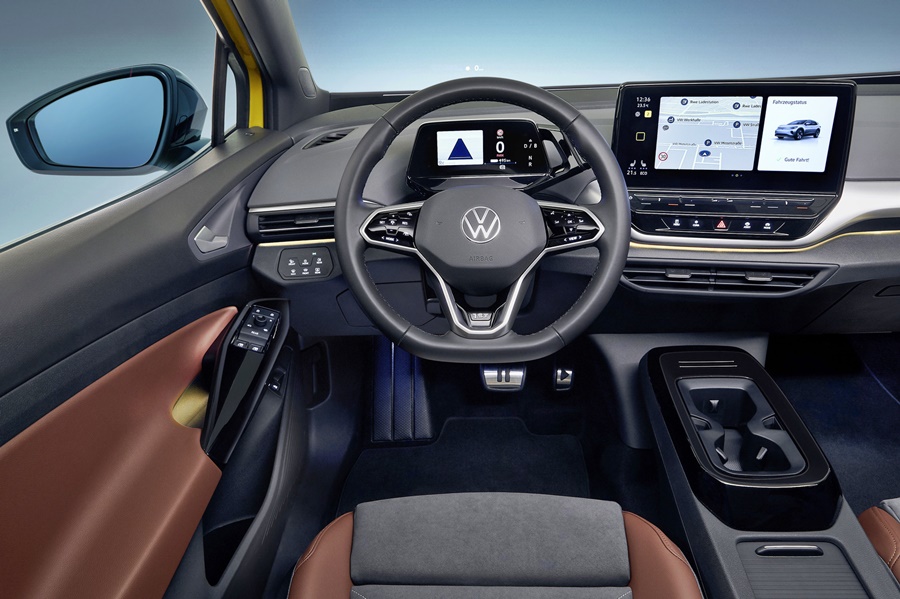
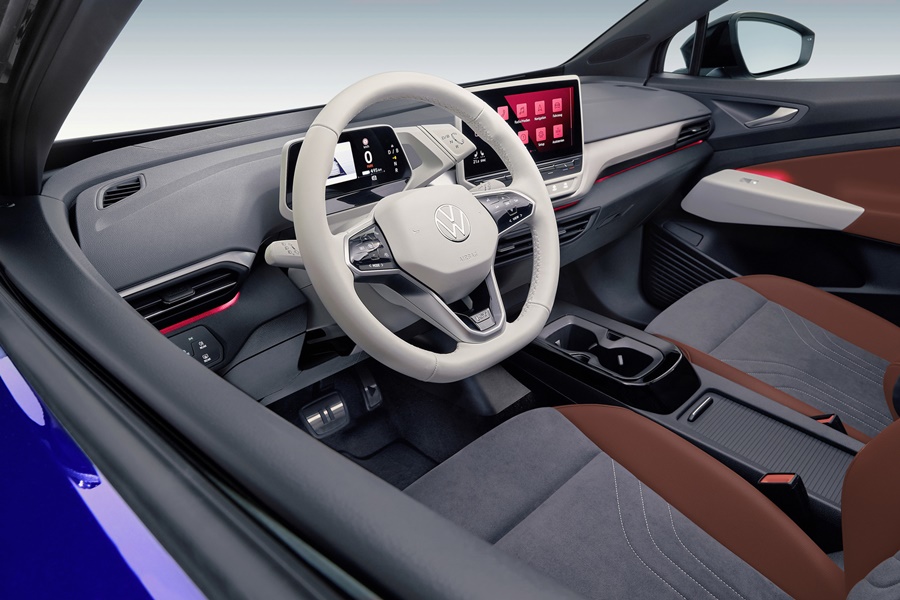
The operating concept on the dashboard of this E-SUV, as Volkswagen refers to it, does not depend on physical buttons and switches. There are two displays, one of which diagonally measures up to 12 inches and features touch functionality, as well as a ‘Hello ID’ natural voice control assistant. The new ID.Light – a narrow light strip under the windscreen – intuitively supports drivers.

An augmented reality (AR) head-up display is optionally available to blend a host of displays with reality. Navigation arrows telling drivers to turn off are projected onto the road surface in exactly the right lane. IQ.Drive assist systems help the driver to enjoy safer and more relaxed motoring, while software is part of a completely new architecture and updates can be downloaded ‘over the air’.

2020 Volkswagen ID.4

Plans for global sale
The ID.4 will be gradually turned into a global model; Volkswagen has plans to produce and sell the E-SUV not only in Europe but also in China and later, in the USA.

Will we see it in Malaysia? Probably not so soon as there are a number of issues which would prevent it from being sold in sufficient numbers. It would be a CBU model and that would push its price up – and it would already be high as it has brand new technology. Malaysians are still not entirely sold on fully electric cars and the recharging network is also limited. While neighbouring countries’ governments are starting to promote EVs, our government is only ‘talking’ about being a hub for ‘energy efficient vehicles’ in the region, but is not doing much to make it attractive for manufacturers to set up here.

“As the first global electric car, this model will roll out our modular electric drive matrix platform that has been developed specifically for electric mobility the world over. Volkswagen is thus once again demonstrating its leading role in innovation, technology and quality on the high-volume market,” said Ralf Brandstatter, CEO for the Volkswagen brand.

2020 Volkswagen ID.3 makes global debut

Archive

Follow us on Facebook

Follow us on YouTube