
Piston.my

SUV

In recent years, as the popularity of SUVs (especially the smaller ones) increased, many importers have focussed more on variants with only 2WD. These are usually cheaper, and customers don’t really care about whether two or all four wheels are powered. They’re more interested in the high seating position and perhaps the ground clearance, as well as interior utility.

However, there are also those who feel that 4WD or All-Wheel Drive (AWD) should be present in SUVs, just like they were in earlier years. Never mind that they might not actually go off-road, the presence of AWD added a degree of stability and grip, especially on wet roads.
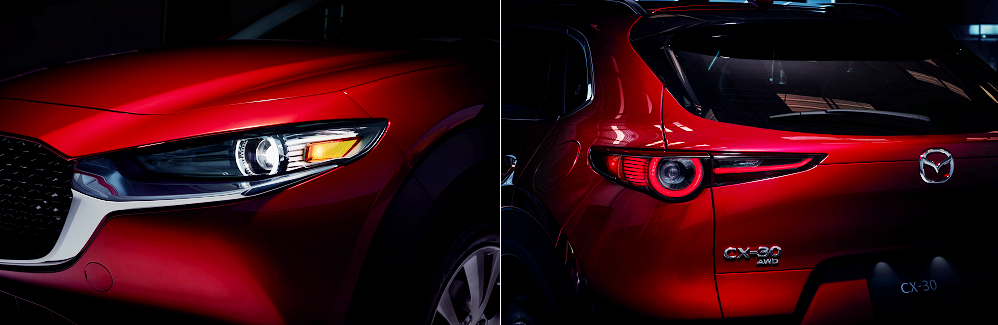
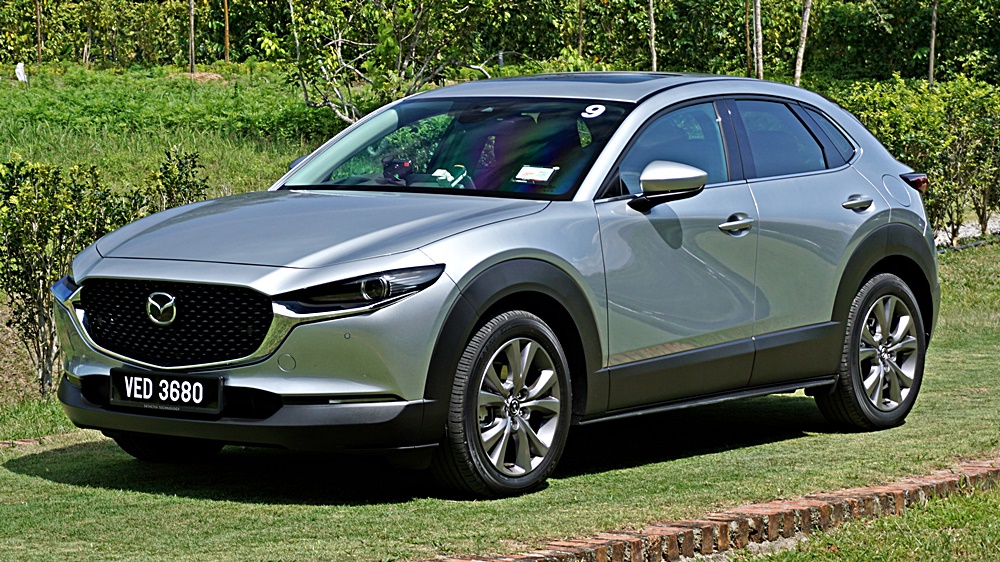
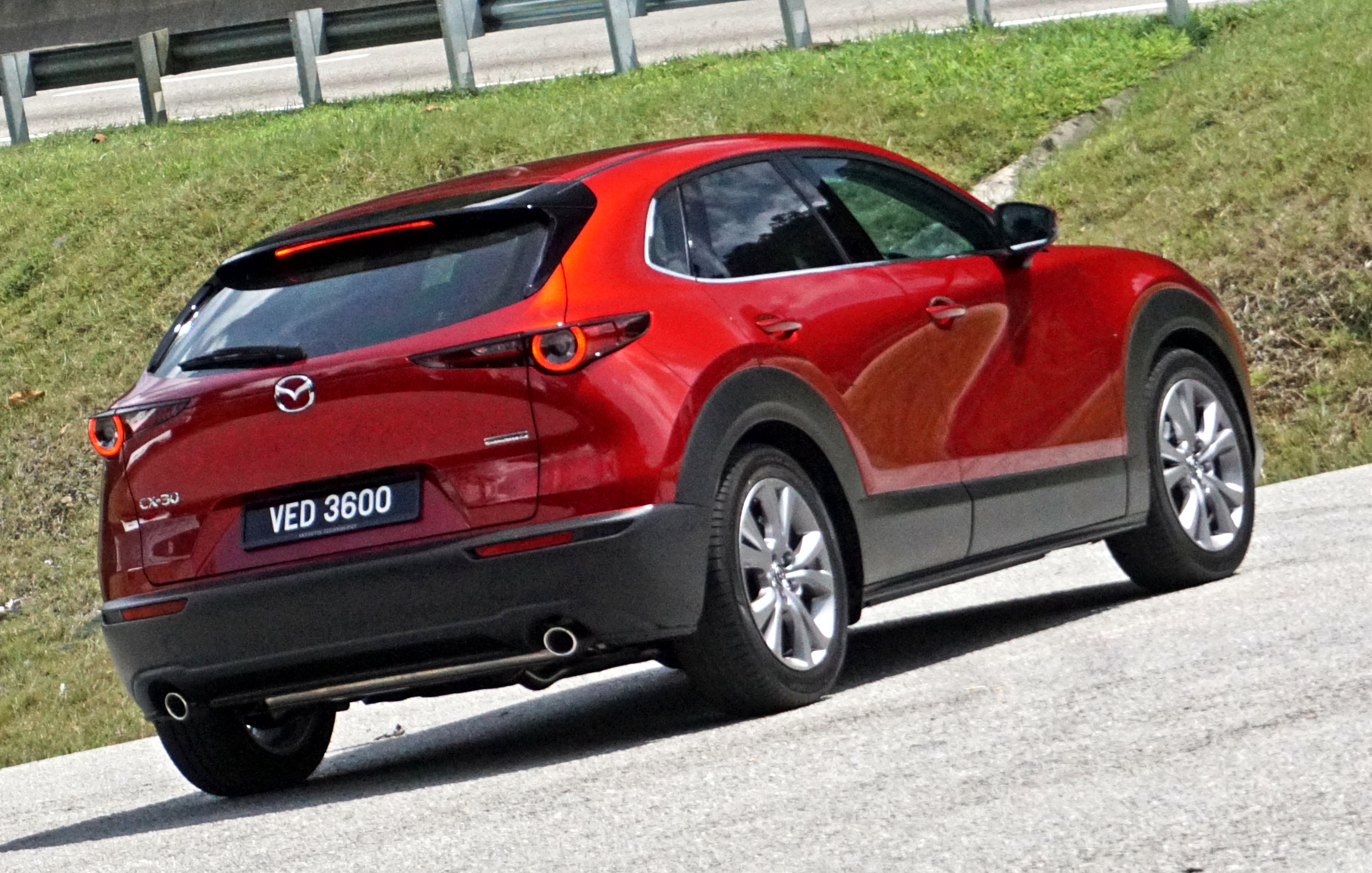
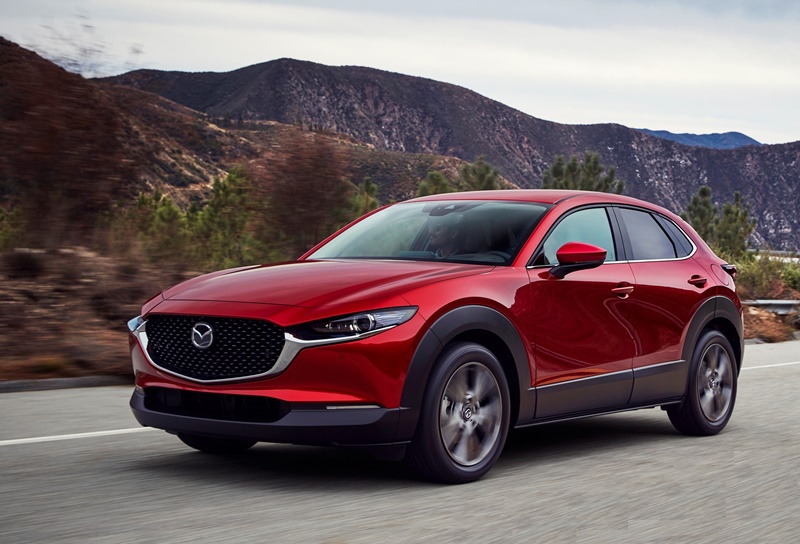
Mazda CX-30

Mazda CX-30

When Bermaz Auto introduced the Mazda CX-30 at the beginning of this year, it offered only FWD versions with either SKYACTIV petrol or turbodiesel engines. Now, the range will include an AWD variant which is priced at RM176,059 (Peninsular Malaysia price, without insurance) for those who must have all four wheels powered.

The price is RM12,000 more than the high grade CX-30 which has the same 2-litre SKYACTIV-G petrol engine. This is not surprising since the i-ACTIV AWD system, which is quite sophisticated, adds cost, apart from the fact that the CX-30 is imported from Japan as a CBU (completely built-up) model.
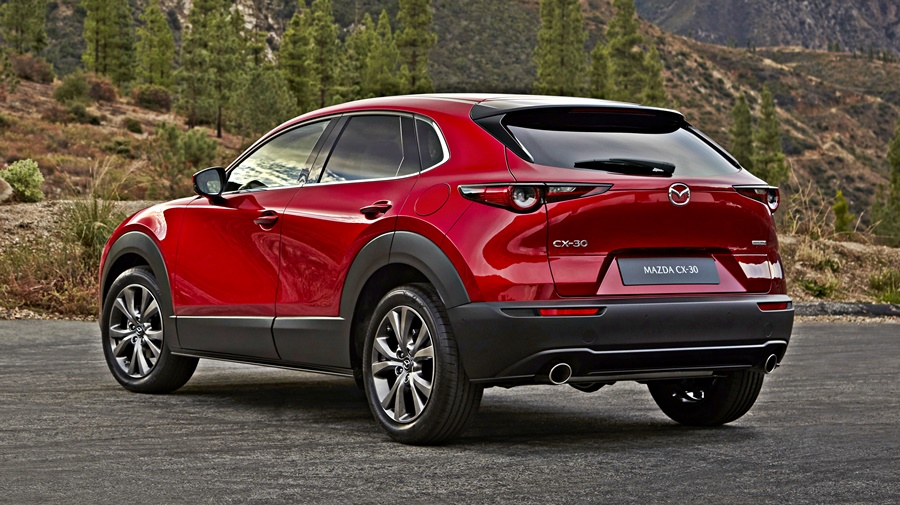
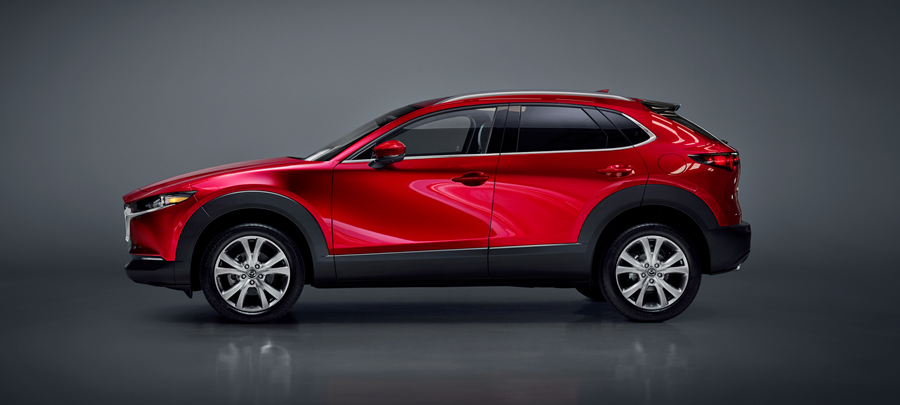
Mazda CX-30

Mazda CX-30

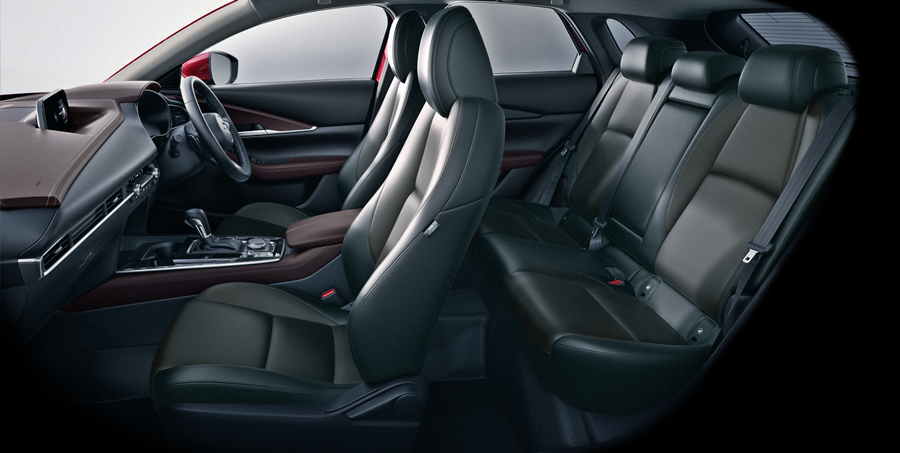
Mazda CX-30

Mazda CX-30

The features and specs are the same as the CX-30 High Grade and you have a choice of 8 exterior colours – Soul Red Crystal, Machine Gray, Jet Black, Deep Crystal Blue, Sonic Silver, Snowflake White Pearl, Titanium Flash and Polymetal Gray Metallic.

How Mazda i-ACTIV works
The AWD systems in today’s SUVs vary in sophistication and for Mazda’s i-ACTIV AWD system, the engineers redesigned the system’s hardware and software, taking a proactive approach to controlling drive to all four wheels,
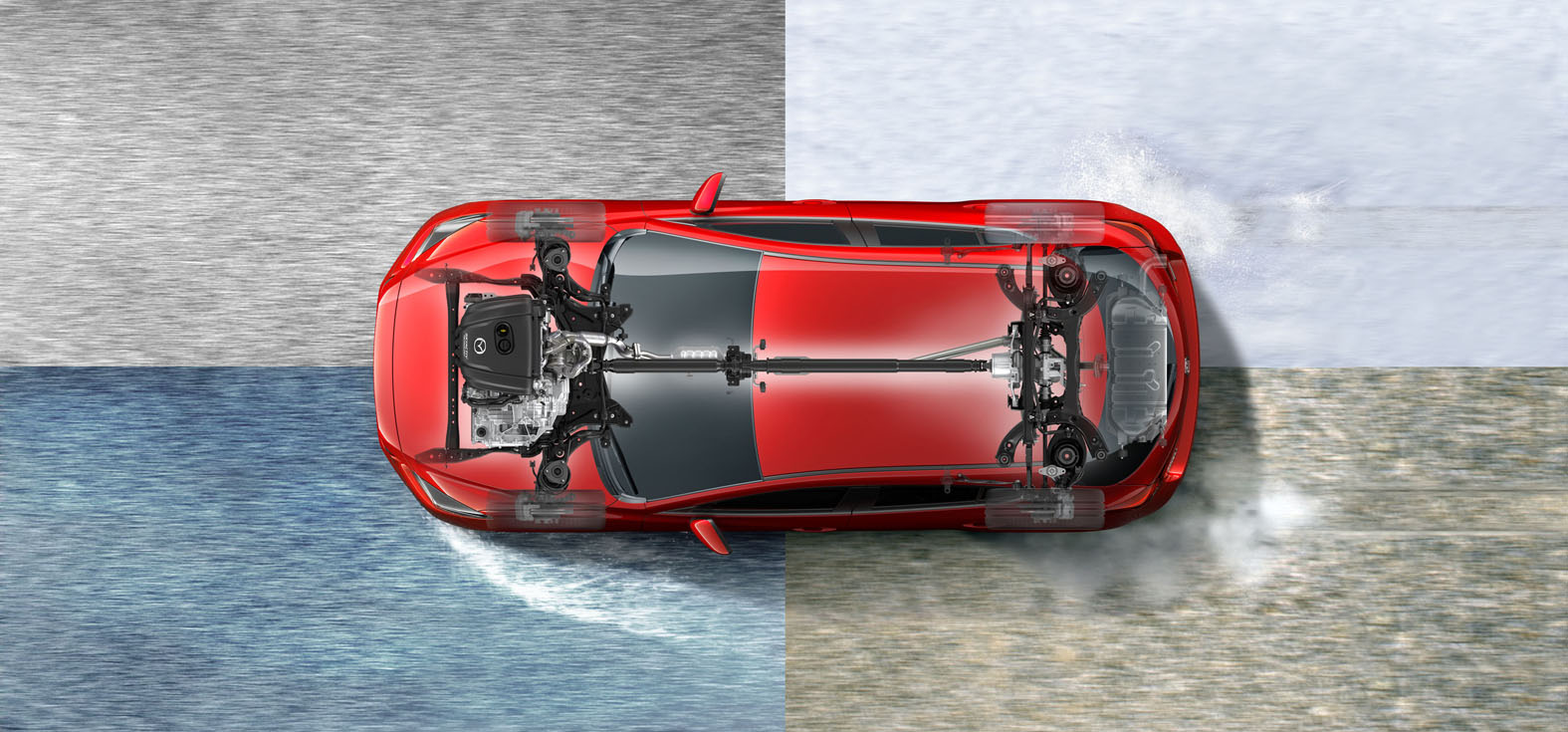
Mazda i-ACTIV AWD

A fully-autonomous AWD system, i-ACTIV AWD constantly monitors surface conditions in real-time, watching for tiny variations in wheel speed that a driver would never notice. Proactively controlling the distribution of torque, which can range from full front-drive through to full 4-wheel-drive, the system not only provides solid and predictable handling for all-road performance, it makes driving on poor road surfaces more efficient by all but eliminating wasteful tyre-slippage.

Using a wide range of sensors to ‘paint’ a highly accurate picture of the overall driving scene, including road conditions and the driver’s intentions, i-ACTIV continuously calculates and adjusts the amount of torque sent to the rear wheels.
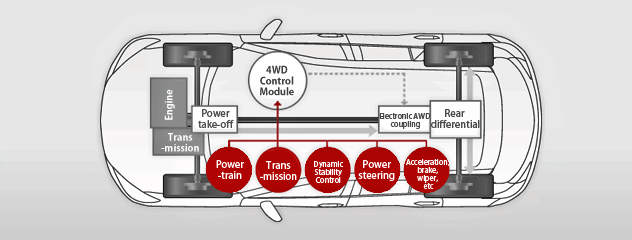
Mazda i-ACTIV AWD

The perfect amount of torque is calculated and transferred to the rear wheels instantaneously (as and when needed). This is done by the AWD coupling unit which sends the appropriate drive force to the rear wheels. The system minimizes torque to the rear wheels when on dry road surfaces with good traction. The result is secure take-off, acceleration, cornering and braking, without the tyres slipping in any direction.

The sensors monitor for rain by watching the wipers and the external temperature gauge. The system can also measure how slippery the road surface is by comparing steering torque with the amount of current running through the electric power steering and the gradient of any slope by the degree of acceleration. In addition, the system precisely measures the speed of all four wheels and detects warning signs that indicate the wheels may be in danger of slipping. Along with engine driving force (applied to the front wheels), this is used to understand the driving conditions.
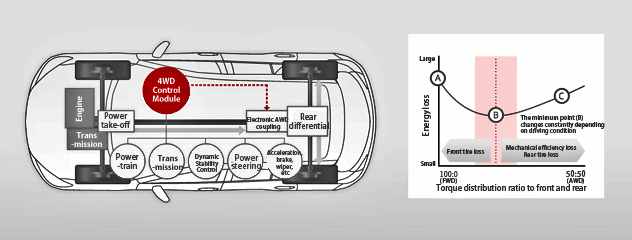
Mazda i-ACTIV AWD

The i-Activ AWD system also has an Off-road Traction Assist system. The system works by distributing the driving force to the tyres that are in contact with the road surface to maximize traction performance.

Additionally, a Torque Control System that allows a lag-free, near-instantaneous response. In order to help the rear-wheel drive unit respond more quickly, the Torque Control System transfers a very small amount of torque to the rear even in front-wheel drive mode. This is known as ‘stand-by torque’ and it helps the system make a smooth and instantaneous transition to AWD drive mode when the command is received to send torque to the rear wheels.

Proven SKYACTIV-G powertrain
As for the powertrain, this uses the proven SKYACTIV-G Direct Injection petrol engine. For the CX-30, the displacement is 1998 cc with a maximum output of 162 ps/213 Nm. Mazda engineers have been able to raise the compression ratio of 13:1 to enhance output without knocking issues even when using RON95 petrol.
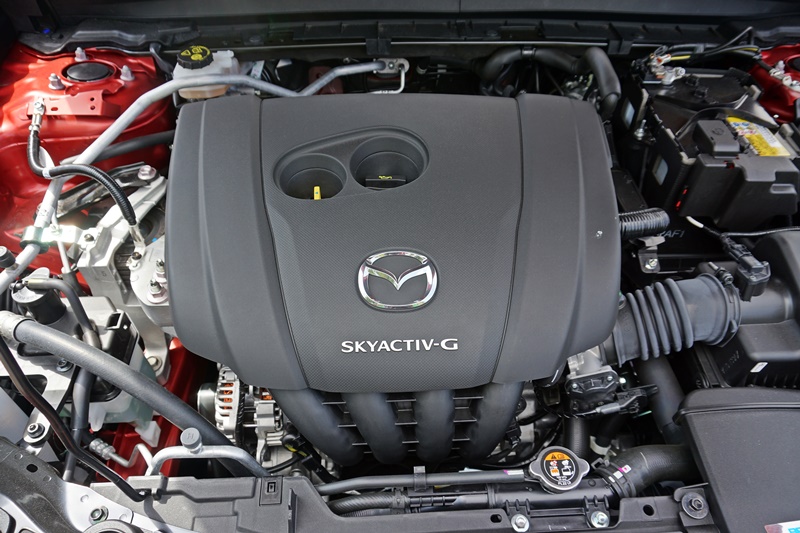
Mazda SKYACTIV-G engine

Mazda CX-30

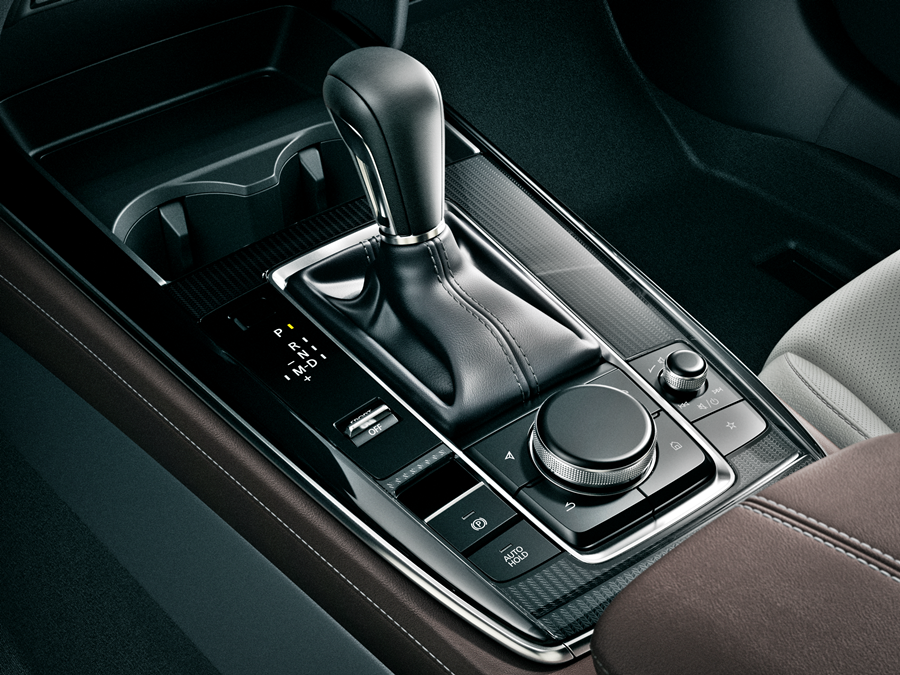
Only a SKYACTIV-DRIVE automatic transmission is available but using paddle shifters, the driver can also manually select any of the 6 forward speeds if preferred. While the driver can get sportier performance with a SPORT mode, the AWD system operates entirely on its own with no need for driver involvement.
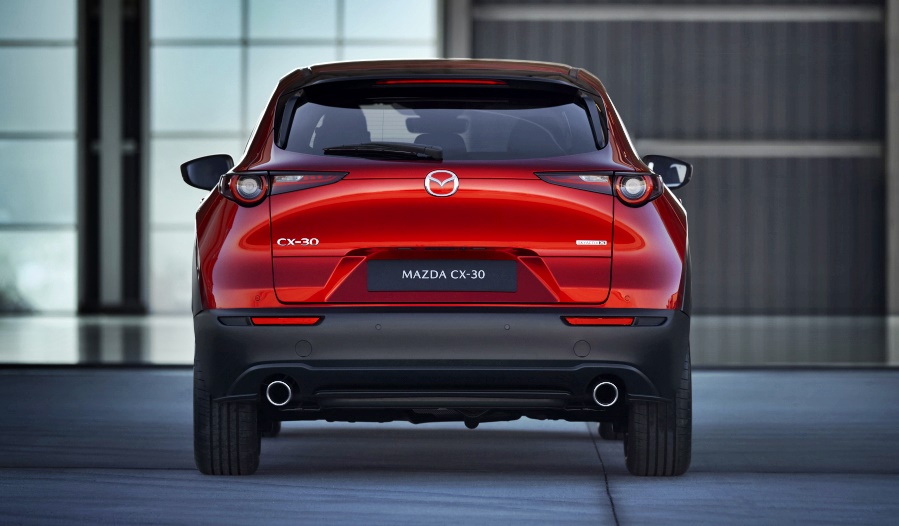
Mazda CX-30

Extras for the base version
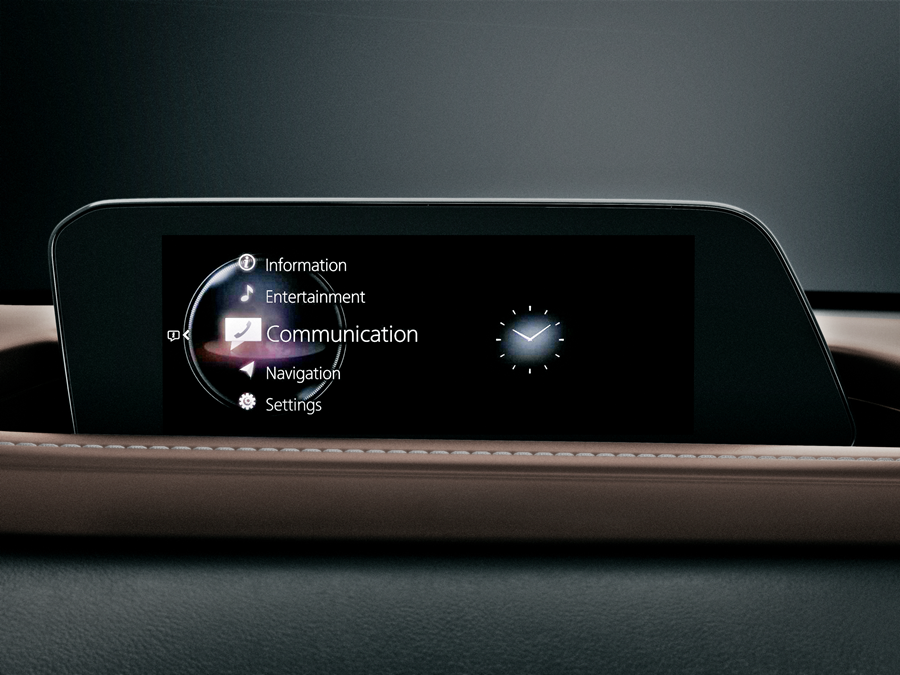
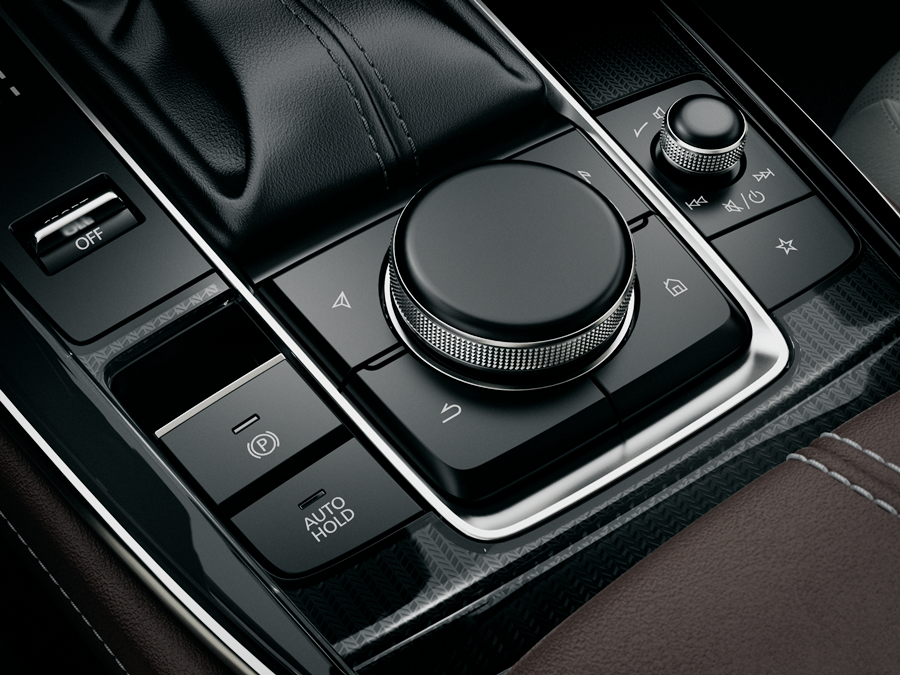
With the latest shipment of CX-30 2.0G version, Bermaz Auto has included a couple of new features – Mazda Advanced Keyless entry and Walk-Away Lock – for added convenience. Though priced at RM145,759 or RM18,300 less than the High Grade version, this version still has a very comprehensive list of equipment and features that justify the price. And as we noted during a test-drive, the CX-30 also has high quality in every aspect which gives a very premium image.

Visit www.mazda.com.my to know more about the CX-30 and other Mazda models in Malaysia.

First driving impressions: All-New Mazda CX-30

COVID-19

PISTON.MY

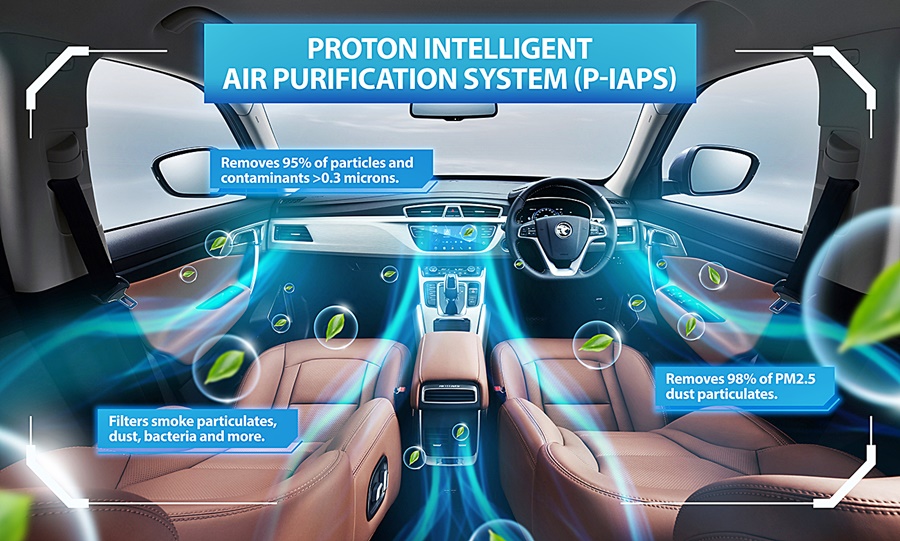
Following the earlier announcement that an N95-grade Cabin Filter will be installed in the latest Proton X70 SUV, the carmaker has announced that it is also introducing the Proton  Intelligent Air Purification System (P-IAPS) that combines the benefits of the filter and an Air Purifier System.

The P-IAPS will be offered as standard equipment on the 2020 X70 as a comprehensive method to improve cabin air quality. The system also provides enhanced filtration for the air flowing to the vents for the rear occupants.

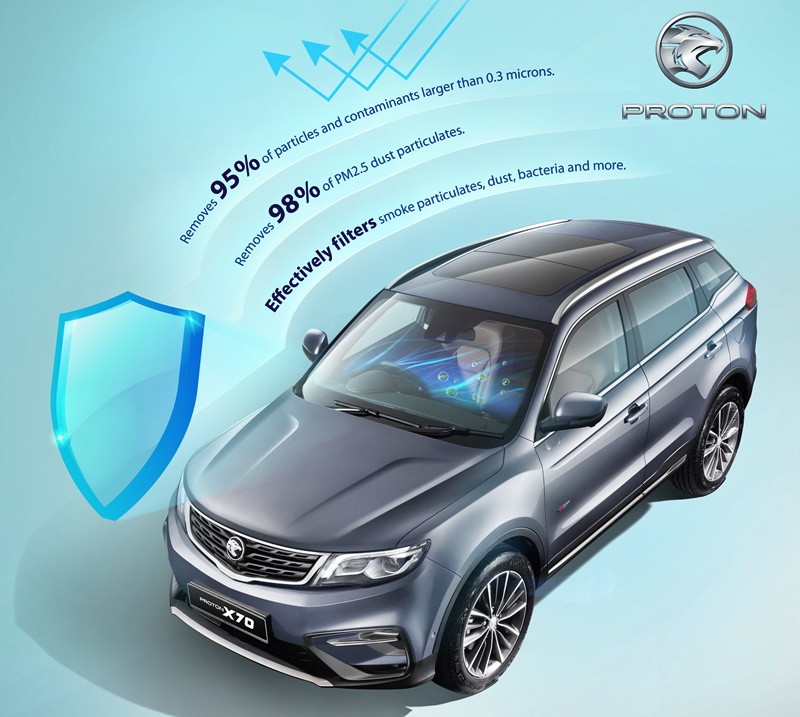
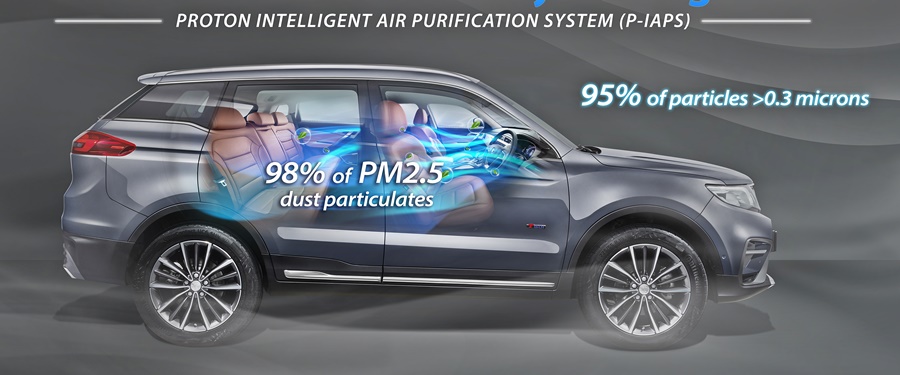
The new N95 Cabin Filter is capable of removing 95% of particles larger than 0.3 microns and also removes 98% of PM2.5 dust particulates. It is therefore an effective barrier against smoke particulates, dust, bacteria and other pollutants. It filters air in both fresh and recirculation modes for the air-conditioning system.

Proton X70 PIAPS

The existing Air Purifier System fitted to all Proton X70s will remain. It uses a High Efficiency Particulate Air (HEPA) filter that removes 99.97% of particles larger than 0.3 microns. It also has an activated carbon filter which removes odours, formaldehyde and adsorbs and purifies smoke particulates.

Additionally, a built-in ioniser discharges negative ions to cleanse the air. The ions are electrically charged and attract tiny airborne particles, causing them to drop from the air. By combining the Air Purifier System with the N95 Cabin Filter, the P-IAPS acts as a barrier against contaminated air making its way into the cabin, offering a high level of protection against airborne pollutants for a cleaner and healthier environment.

Proton X70 PIAPS

Proton does not, however, mention filtering viruses which have diameters of approximately 0.125 microns. The smallest particles are 0.06 microns, and the largest are 0.14 microns. Nevertheless, improving the air quality is still good since you spend a lot of time inside the car daily.

“Proton is constantly looking at ways to improve our offerings. The introduction of the N95 Cabin Filter is particularly relevant in today’s global environment and by improving the quality of air in the cabin, we hope to deliver a comfortable contaminant-free experience to our customers. For now, P-IAPS will only be offered on the Proton X70 but our designers and engineers are working to fit the N95 cabin filter in our other models too,” said Dr. Li Chunrong, COE of Proton.

Whilst the N95 Cabin Filter will be fitted on new units of the 2020 Proton X70 produced at Tanjung Malim, Perak, those who already have the SUV can upgrade their dust and pollen filter to the N95 Cabin Filter for RM79 (excluding labour charges). Contact any authorised Proton service outlet for more information. A service campaign scheduled to run from May 19 – August 18, 2020 will offer 15% discount on the price of the filter.

BHPetrol RON95 Euro4M

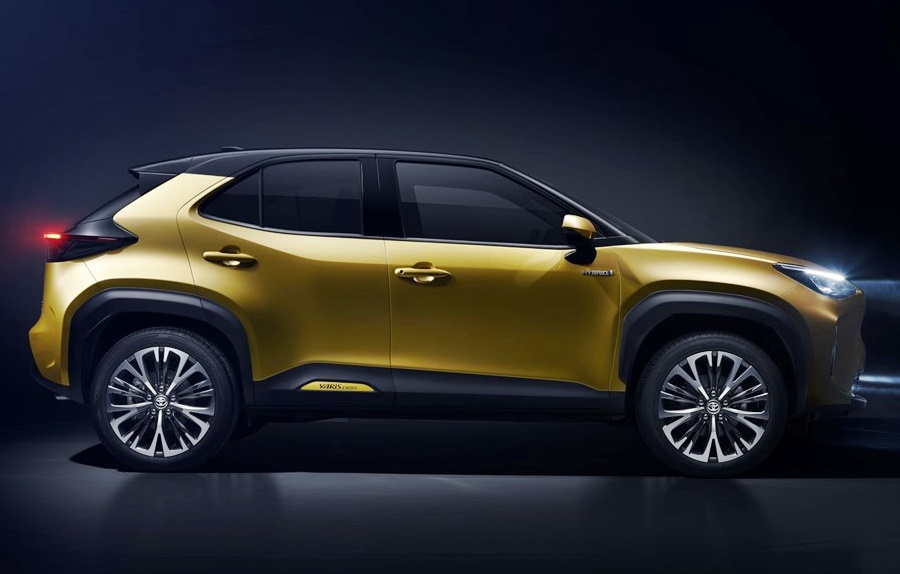
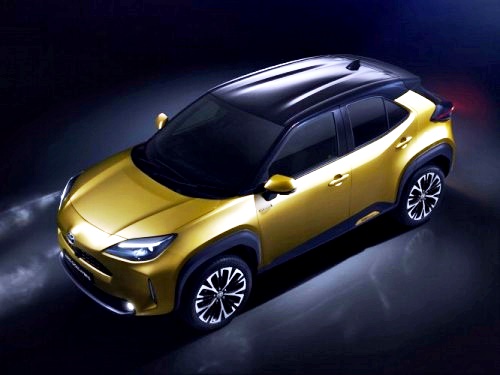
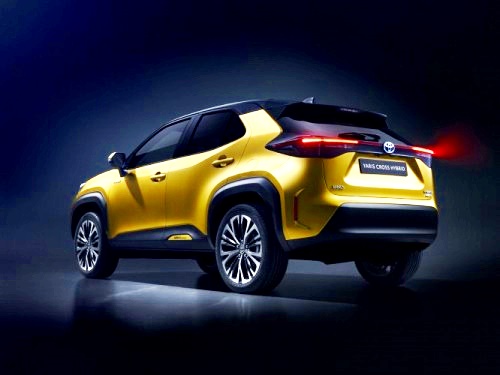
Following on from the recent launch of the new 4th generation Toyota Harrier, the carmaker today debuted the Yaris Cross. Originally planned to be unveiled at the 2020 Geneva Motor Show which was cancelled, the Yaris Cross will have its sales launch in Japan during the fourth quarter of this year and in Europe by the middle of 2021.

With ‘Cross’ as part of its name, the image which Toyota wants this Yaris variant to have is clear – a more rugged SUV off-roader (though not for serious stuff, of course). Standing taller the Yaris with the requisite extra ground clearance (+30 mm), it sits on the TNGA platform (GA-B) for compact models. The wheelbase of 2560 mm is the same as the hatchback but is 240 mm longer at 4.18 metres, 20 mm wider and 90 mm higher.

2020 Toyota Yaris Cross

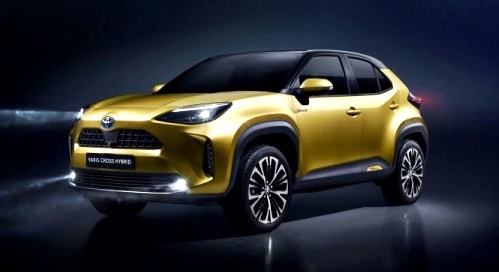
The overall exterior styling follows the Yaris but has influence from the RAV4 too, along with the new Harrier. SUV-type elements like dark cladding on the sides and squared-off wheelarches are given emphasis so the Yaris Cross fits right into the Toyota range of SUVs.

For the exterior colour, designers at Toyota’s European studio (which was involved in the development) wanted to express ‘an active and high-quality image’ that target customers would really appreciate.

Looking at future colour trends, they saw a growing tendency for gold and other precious metals, but there was also a desire for something a bit more natural and urban. Adding a subtle hint of green to the gold direction, whilst also desaturating the colour to emphasise the metal-like appearance, gave a fresh urban yet active appeal. The final result is a colour called Brass Gold which is seen on the car in all the images.

2020 Toyota Yaris Cross

Two powertrain options
Depending on the market, two powertrain options will be available – a 1.5-litre Dynamic Force petrol engine or a hybrid with a similar engine. Toyota’s hybrid system is already in its fourth generation since being introduced in the late 1990s.

The Yaris and Yaris Cross are the first models to use Toyota’s latest 1.5 hybrid system, developed directly from the larger 2.0 and 2.5-litre powertrains used by recent new models such as the Corolla, C-HR, RAV4 and Camry. This features a new 1.5-litre, 3-cylinder Atkinson-cycle petrol engine, precision-engineered to reduce friction and mechanical losses and optimise combustion speed.

The engine’s thermal efficiency is rated at 40%, greater than comparable diesel engines and ensures strong fuel economy and low CO2 emissions. Total system output from the hybrid system is 116 ps and special attention has been given to power delivery to deliver responsiveness.

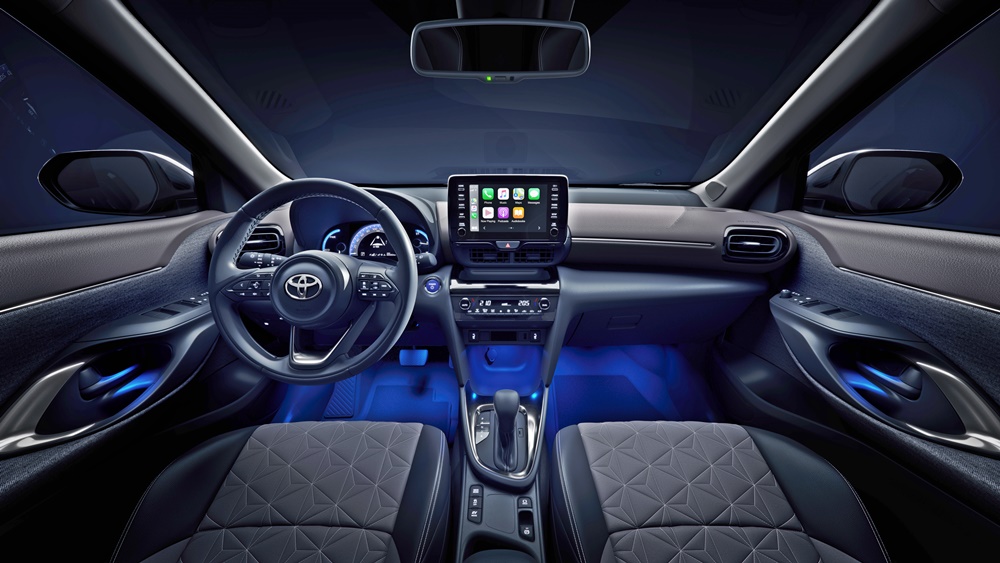
2020 Toyota Yaris Cross

All-wheel drive available
Most manufacturers have been opting for just front-wheel drive for compact SUVs but Toyota offers its intelligent all-wheel drive system (AWD-i) as well, which should give it an extra selling point in the very competitive segment.

AWD-i is said to provide extra stability and traction in everyday driving, in poor conditions and on low-grip surfaces. An electric system, it is more compact and weighs less than mechanical AWD units. The system directs drive torque to the rear axle when pulling away and when accelerating. In normal driving, the Yaris Cross operates with FWD but when low-grip conditions are detected, AWD drive is engaged automatically.

2020 Toyota Yaris Cross

As this is just an unveiling, Toyota has given limited information on the new model. It will be produced in Japan as well as Europe. In terms of positioning, it will take its place below the C-HR as the brand’s first B-segment SUV.

Toyota GR Yaris debuts at Tokyo Auto Salon

StayAtHome

PISTON.MY

BHPetrol RON95 Euro4M

It took some 14 years for the original Volkswagen Beetle to reach a cumulative production volume of 500,000 units, becoming the German carmaker’s bestseller for many years. Today, the bestselling model in the Volkswagen Group is the Tiguan and it reached the first 500,000 units within 8 years after being launched.

Thereafter, as its popularity grew, the cumulative volume rose very quickly and 13 years after launch, it crossed the 6 million mark last month. In fact, just last year alone, total Tiguan production was 910,926 units. On average, a brand new unit left the production line every 35 seconds in one of the company’s Tiguan factories in 2019.

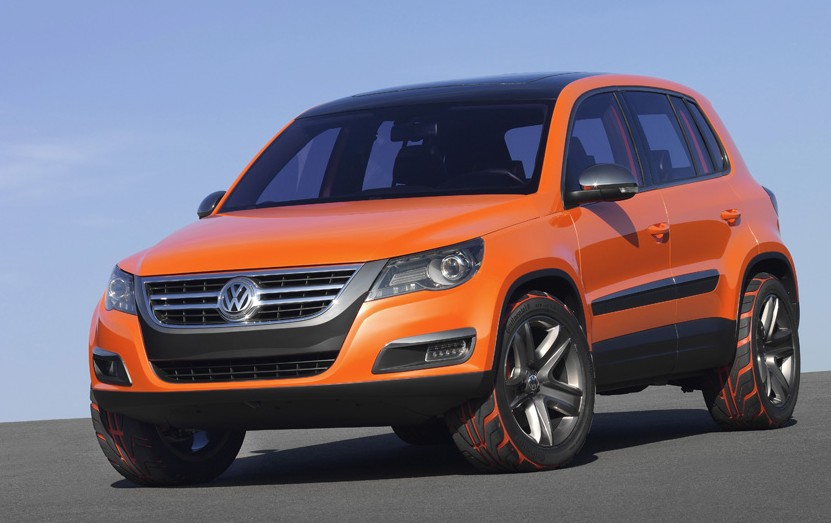
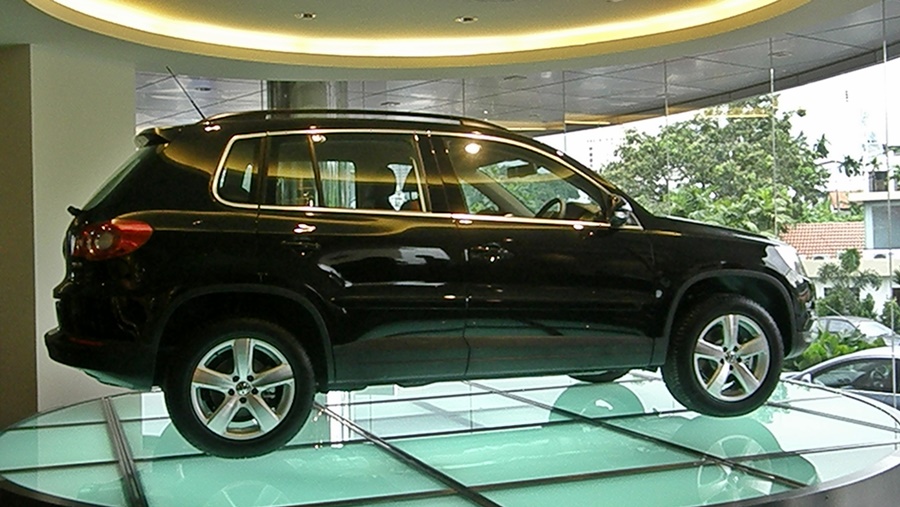
VW Concept Tiguan
Concept Tiguan displayed in 2006 was a preview of the Tiguan a year before it was launched.

Right timing for SUV boom
The Tiguan arrived in the market at the right time when the SUV boom was accelerating. Sold in 80% of countries in the world (including Malaysia), it is the most successful SUV on the market in Europe.

2008 VW Tiguan
The SUV arrived in Malaysia in 2008.

It was launched at the 2007 Frankfurt International Motor Show, a year after Volkswagen had previewed the compact new model at the Los Angeles Auto Show as the Concept Tiguan. With demand for SUVs growing – especially smaller SUVs – the Tiguan was a popular choice for many buyers.

The second generation
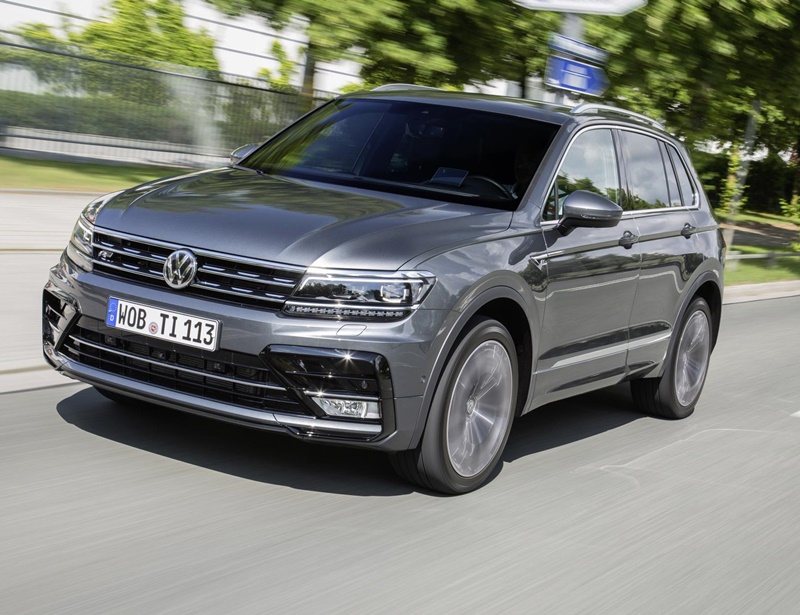
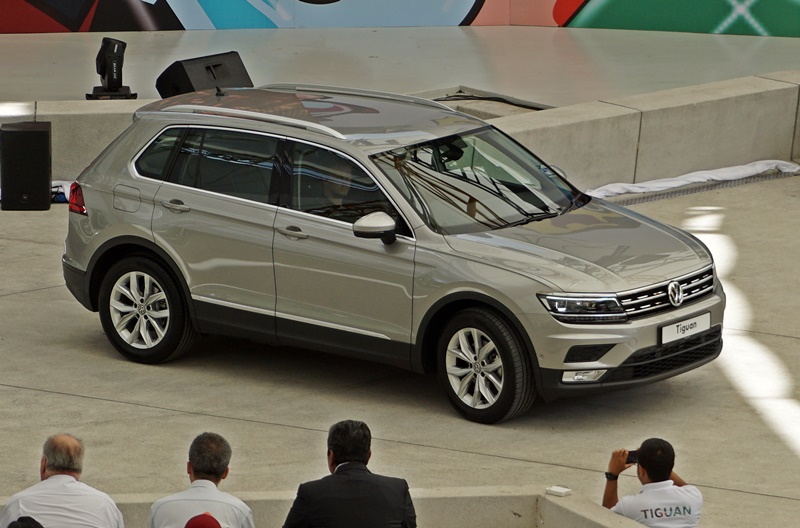
The second-generation arrived on the market in April 2016. Where the first generation had sat on the PQ46 platform of the Passat (B6), the new one adopted the Modular Transverse Toolkit (MQB). This more versatile platform allowed the designers to develop a more authentic and muscular SUV with a considerably roomier cabin owing to the longer wheelbase.

VW Tiguan 2
Launch of the second generation in Malaysia in 2017.

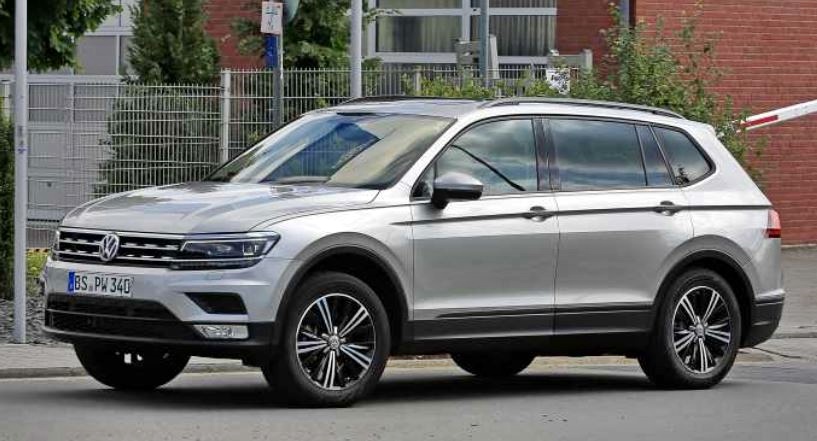
The model line was expanded in 2017 with the debut of a second Tiguan variant for some markets. It was an XL version with a wheelbase extended by 110 mm and could include a third row of seats.

This variant was sold in North America, Europe and China. Since being added to the line-up, the long-wheelbase Tiguan accounts for 55% of the sales. The powertrains are common to the standard model but in China, a plug-in hybrid powertrain was made available last year.

VW Tiguan XL
Long-wheelbase XL variant.

The Tiguan is currently manufactured at four Volkswagen plants spread across four time zones. The normal wheelbase (NWB) version is manufactured at Volkswagen’s main plant in Wolfsburg, Germany, for markets in Europe, Africa, Asia and Oceania. The plant in Russia produces the NWB vehicles for the Russian market and for neighbouring Central Asian countries. In Shanghai, Volkswagen manufactures the LWB Tiguan L for the Chinese market while the plant in Mexico supplies to North and South America and for markets in Europe, Africa, Asia and Oceania.

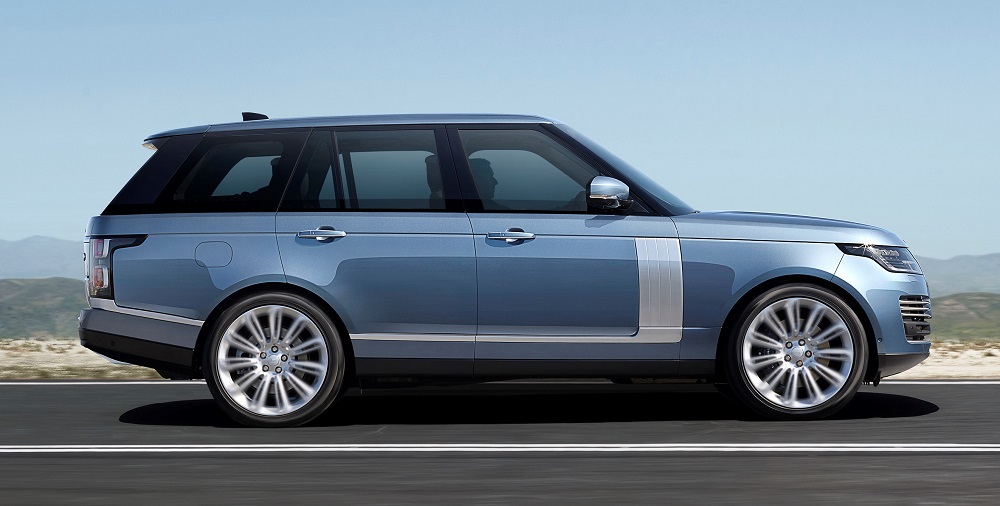
It is also assembled in Malaysia at the HICOM Automotive Manufacturers (Malaysia) complex in Pekan, Pahang.
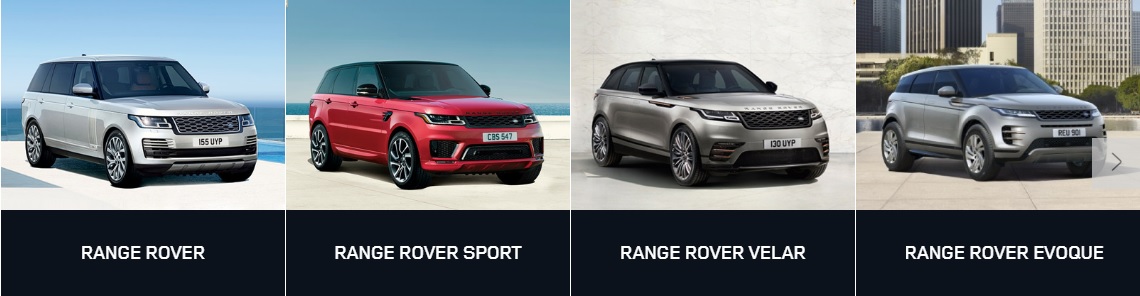
REVIEW: 2019 Volkswagen Tiguan 1.4TSI Highline

StayAtHome

PISTON.MY

BHPetrol RON95 Euro4M

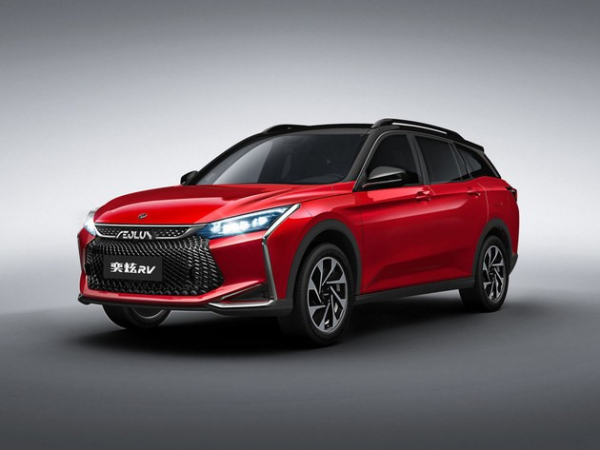
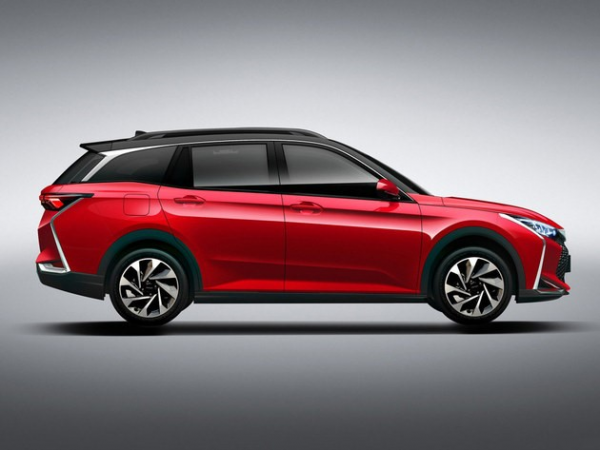
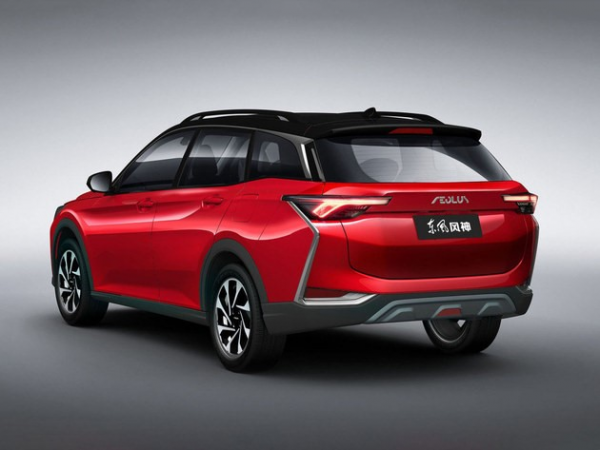
With the COVID-19 pandemic crisis in China appearing to subside and businesses are resuming operations, some carmakers are already looking at launching new models later this year. One of them is Dongfeng Motor Corporation (DFM) which is readying a new compact SUV, to be called the Yixuan RV, in June this year

Tough sharing the same over styling as the Yixuan model in the Aeolus range, it has a more aggressive design language. The angular front design elements complement the large matrix centre grille to create a bold look. When viewed from the side, the profile of Yixuan RV incorporates a bi-colour design, and the chromed sash molding and wheel rim well echo the overall design styling.

2020 Dongfeng Yixuan RV

This is the first SUV developed from the DFM’s CMP modular platform which was jointly developed with the French PSA Group (which has Peugeot and Citroen). Dimensionally, the new model has an overall length of 4610 mm and width of 1830 mm with a wheelbase of 2680 mm. This would put it around the same size as a Hyundai Tucson.

The interior styling of this new model is also similar to Yixuan, with a similar looking console, floating central control screen, multifunction steering wheel and red/black leather seats. What differentiates the RV version is the carbonfibre-like pattern on the trim.

2020 Dongfeng Yixuan RV

Customers will be able to order the Yixuan RV with either a 1-litre 3-cylinder turbocharged engine with a maximum power of 125 bhp/196 Nm, or a 1.5-litre (also turbocharged) 4-cylinder engine that produces 150 bhp/230 Nm. Transmission options available are 5-speed manual or a 6-speed dual-clutch unit.

About Dongfeng
DFM’s history is longer than most other carmakers in China, going back to 1969 when it was founded as the Second Automobile Works Co., Ltd. This was before the country’s automotive industry took off (in the 1980s) and its main products then were trucks. Since the 2000s, it has also been producing passenger vehicles and collaborates with the PSA Group as well as Renault and Nissan.

Dongfeng
Dongfeng’s factory in Wuhan lost 3 months of producton this year and has been slowly increasing output since resuming operations from the end of March.

Last year, it sold almost 3 million vehicles, made up of 2,463,620 passenger vehicles and 468,333 commercial vehicles. This year, it is aiming for 3.1 million vehicles although the lengthy shutdown would impact that target especially as DFM production facilities are located in Wuhan and Hubei province whichh were at the epicentre of the pandemic.

Covid-19
Fighting COVID-19 is our joint responsibility. Protect yourself and others: make these 6 simple precautions your new habits.

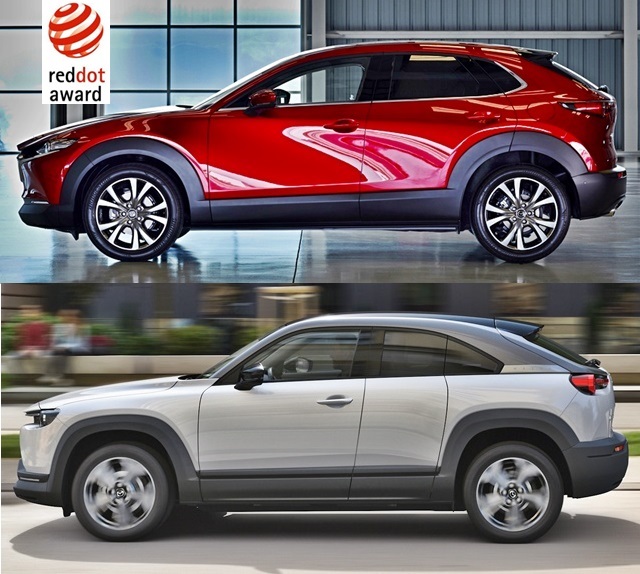
The ‘Red Dot’ Award, which originated in Germany, has become established internationally as one of the most sought-after seals of quality for good design. Initiated in 1955, it is one of the world’s largest design competitions.

This year, two Mazda models received Red Dot: Product Design 2020 awards – the CX-30 and MX-30. Reflecting Mazda’s excellence in vehicle design, these are the eighth and ninth Red Dot awards won by Mazda’s models incorporating KODO design to date. Prior to this were the Mazda3 (2019), MX-5 RF (2017), MX-5 soft top, CX-3 and Mazda2 (all 2015), Mazda3 (2014) and Mazda6 (2013).

Mazdea CX-30

Mazda CX-30
The CX-30 is the second production model created with the latest evolution of the KODO design philosophy – artful design, rooted in traditional Japanese aesthetics. The honing of every element according to the ‘less is more’ principle has resulted in clean, beautiful surfaces on the CX-30 and brought an entirely original look to the compact crossover SUV segment.

“The Japanese master craftsmen have always prized simplicity of form, of being beautifully pure,” said Jo Stenuit, Mazda’s European Design Director. “This inspired our designers to trim back elements and create something dynamic yet elegant, restrained yet vital. This is how we perceive Japanese aesthetics – a sensibility that has created emotionally moving cars.”

Mazda CX-30

BHPetrol RON95 Euro4M

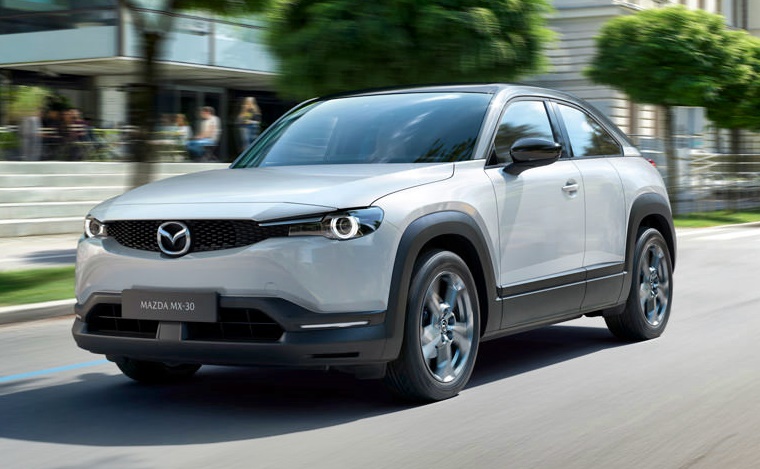
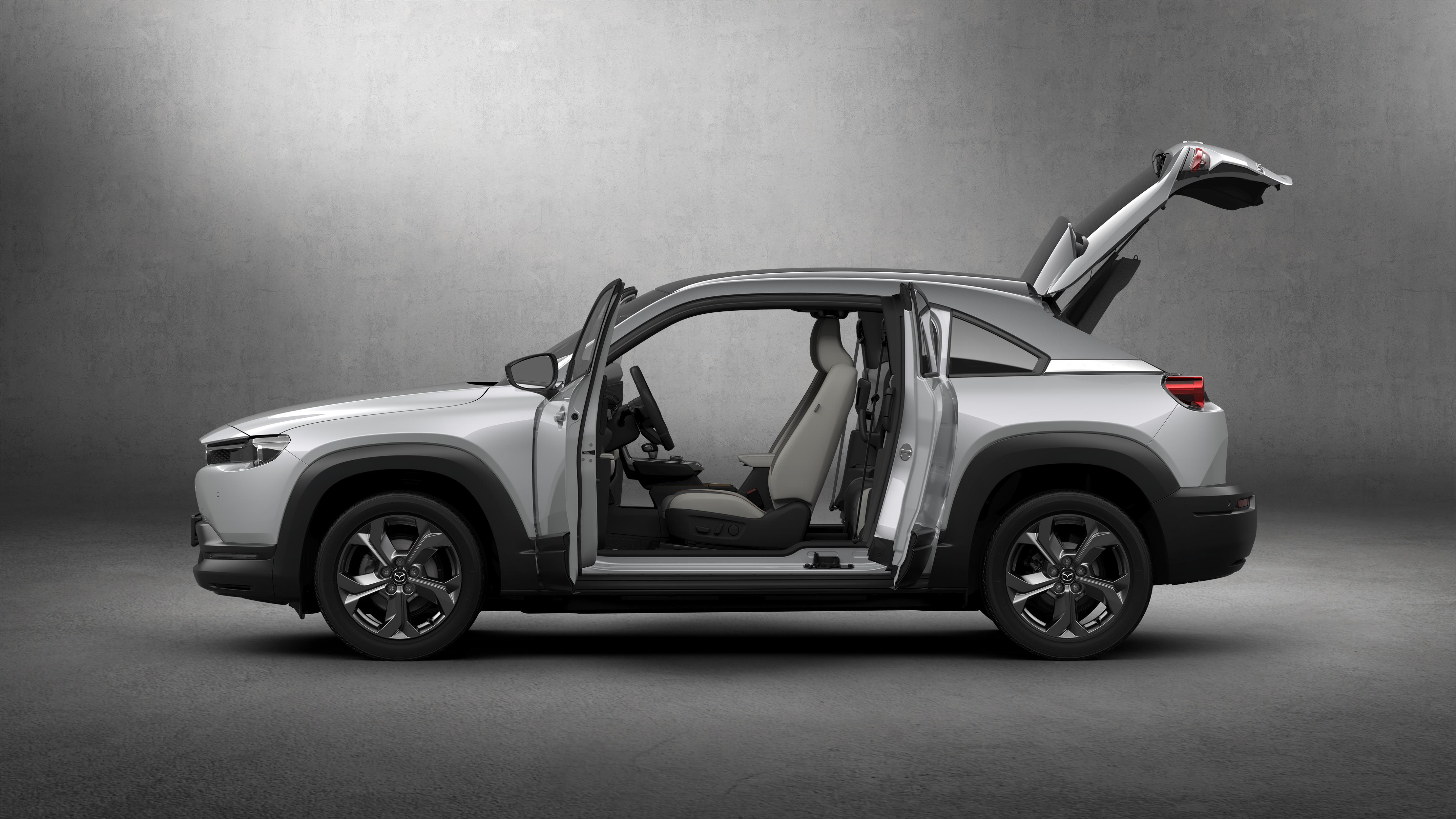
Mazda MX-30

Mazda MX-30
Though retaining the beautiful, handcrafted forms of KODO design, the styling of the Mazda MX-30 represents an exploration of a more modern aesthetic which focuses on the futuristic values and lifestyles that are beginning to emerge.

“This new approach has resulted in an original design that embodies the expansion of KODO’s expressive range,” explained MX-30 Chief Designer, Youichi Matsuda. “The exterior is uncompromisingly simple to emphasise its beauty as a solid mass, and the cabin design – with its framed top and freestyle doors – embodies an image of lightness while proactively incorporating sustainability as an element for the interior materials. As we begin an era of great change, we want the Mazda MX-30 to show people that our cars can still deliver pure joy of driving.”


Related article: Mazda’s first all-electric model – the MX-30


MAZDA MX-30

The MX-30 is currently only available for the European market. It is equipped with e-SKACTIV, Mazda’s new electric drive technology, which uses a 35.5 kWh lithium-ion battery pack that gives a claimed range of approximately 200 kms. The driving range far exceeds the 48-km average daily drive of European customers, Mazda believes.

The Mazda CX-30 is available in Malaysia and to find out more about it, visit www.mazda.com.my.

First driving impressions: All-New Mazda CX-30

PISTON.MY

StayAtHome

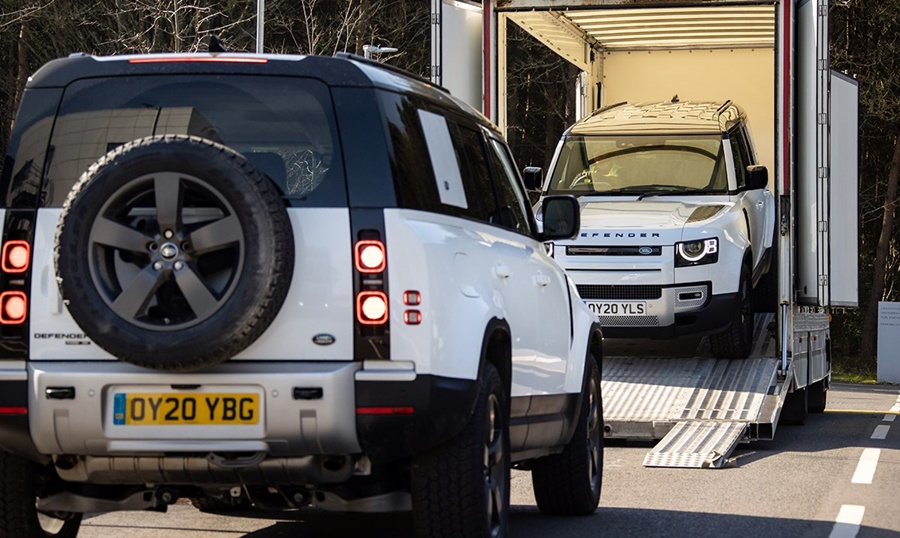
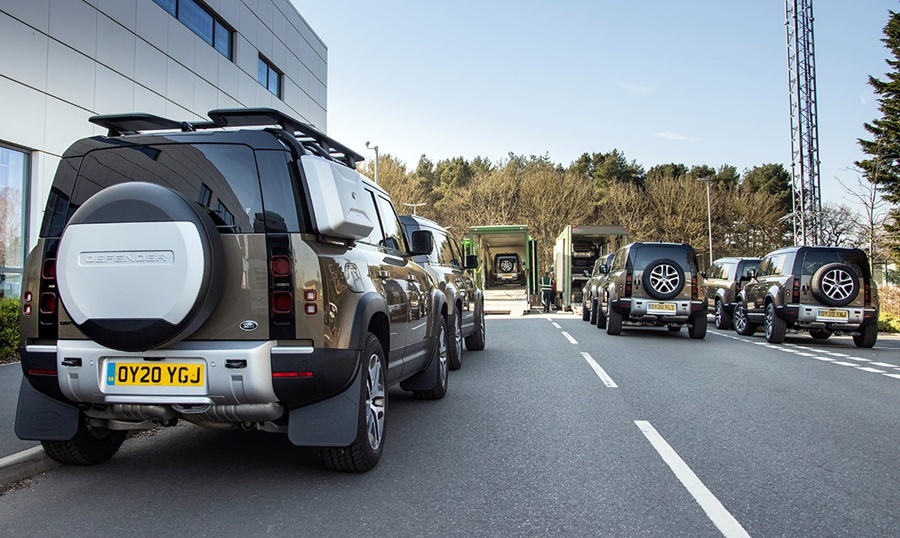
With the many decades that Land Rover has been in existence, the name has been associated with many supporting activities during times of crisis. After all, its 4×4 vehicles have the capabilities to go into the roughest terrain, making it possible to bring vital supplies and rescue personnel to areas hit by a crisis like an earthquake or a flood.

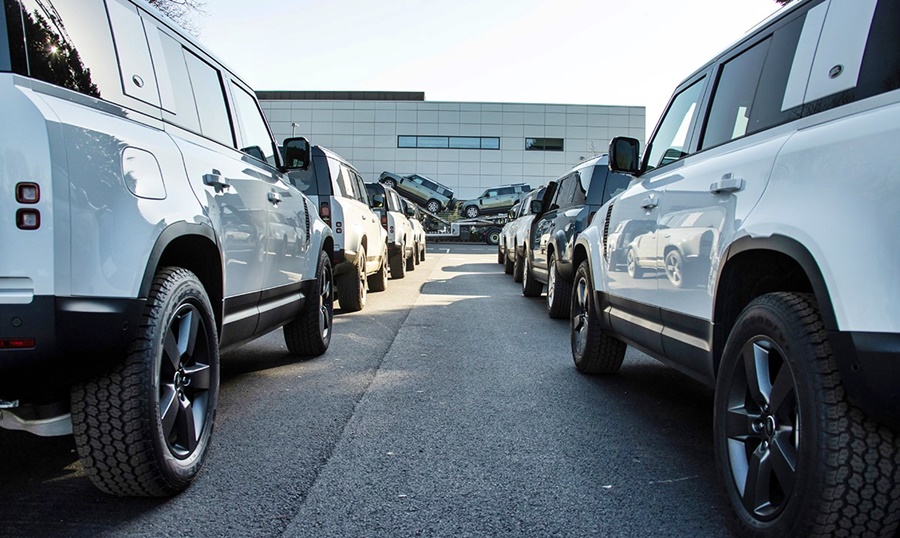
Land Rover Defender for Red Cross 2020

Now Land Rover is again providing its vehicles in what is a global crisis – the COVID-19 coronavirus pandemic which began sweeping across the world since the beginning of the year. As the world faces an extraordinary challenge, Land Rover is focusing efforts towards supporting global communities in the fight against COVID-19 by providing vehicles and expertise to emergency services and organisations like its partners, the International Federation of Red Cross and Red Crescent Societies.

Land Rover Defender for Red Cross 2020

Land Rover Defender for Red Cross 2020


The fleet of new Defenders which had been meant for use on media drives has been reassigned to a new duty with emergency services and organisations. It is understood that the fleet numbers 105 Defenders with another batch of around 30 to be made available in due course.


Click here to read more about the new Defender.


Priced from around £40,000 (about RM206,000), the new Defender was launched at the Frankfurt Motorshow last September and was rolled out progressively in various markets from January. However, now that the UK is under lockdown due to the pandemic, business activities would have come to a standstill.

Red Cross Experts Push New Land Rover Defender Prototype To The Limits In Desert Testing

PISTON.MY

StayAtHome

Social distancing

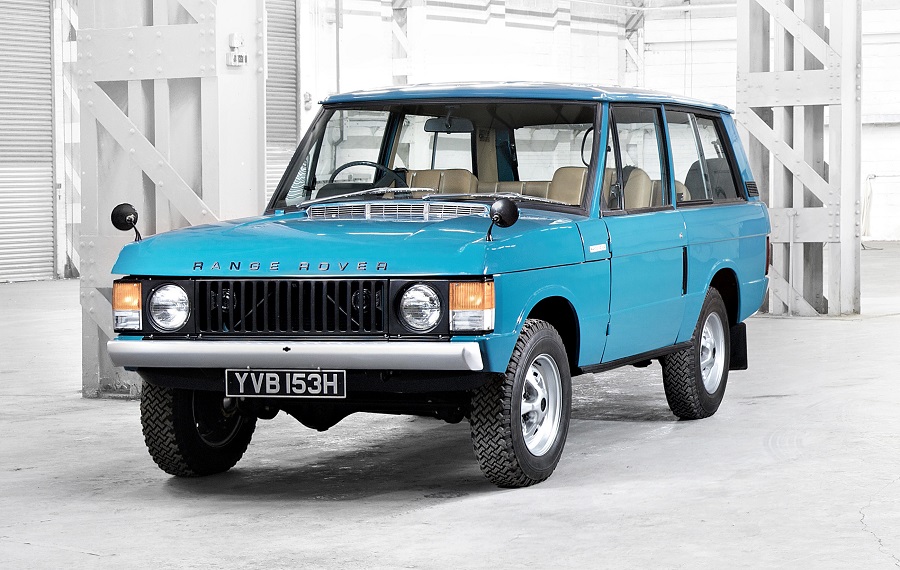
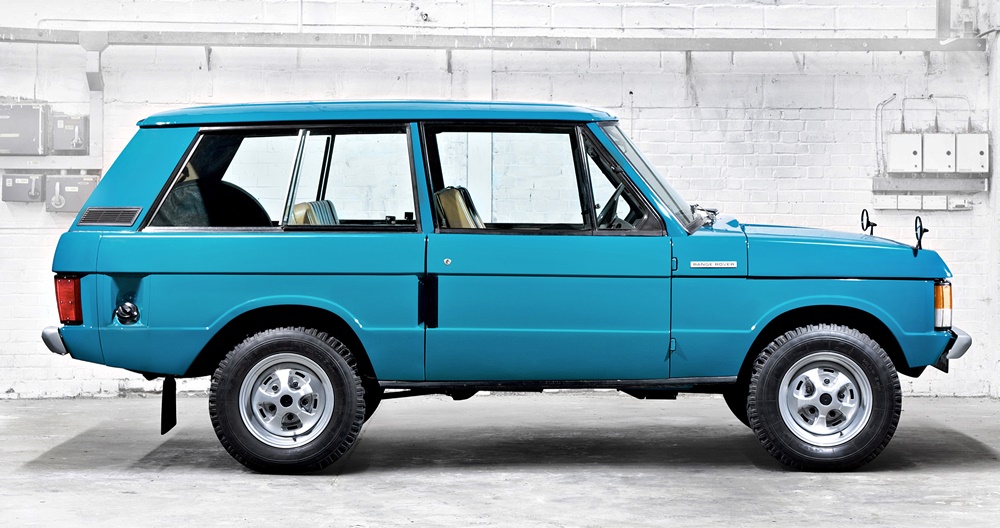
Land Rover has always been a pioneer and leader in the 4×4 segment, offering vehicles tough enough for military use and for civilians to go almost anywhere on the planet (except over the oceans). In 1970, the company decided to develop a new model which today can be considered the first premium luxury SUV – the Range Rover.

The first Range Rover, a 2-door model, had all the robust qualities of the utilitarian models and was just as capable on any terrain with its 4×4 system. “The idea was to combine the comfort and on-road ability of a Rover saloon with the off-road ability of a Land Rover. Nobody was doing it at the time. It seemed worth a try and Land Rover needed a new product,” said Spen King, who is regarded as the Father of the Range Rover. He was the company’s engineering chief in 1970 and his uncles were the Wilks brothers – Spencer and Maurice – who jointly founded Land Rover in 1948.

1970 Range Rover

Range Rover Generations

2020 Range Rover

In the years that followed, it would become a technology leader among what came to be called SUVs or Sport Utility Vehicles. It introduced ABS, Electronic Traction Control and Automatic Electronic Air Suspension to the SUV world and, with the 2012 Range Rover, pioneered aluminium body architecture in large SUVs. In 2015, the Range Rover was the first vehicle to be fitted with Land Rover’s innovative All-Terrain Progress Control which optimises performance on all kinds of surfaces.

Previously a flagship model of the Land Rover range, the Range Rover evolved into a brand of its own and has a range which currently comprises the Range Rover Sport, Range Rover Evoque and Range Rover Velar, as well as the Range Rover.

2020 Range Rover line-up
The Range Rover line-up in the model’s 50th year.

“Over five decades, the Range Rover has evolved into the most desirable luxury SUV in the world. Its peerless combination of sophisticated design, refinement and capability has struck an emotional chord with customers all over the globe,” said Prof. Gerry McGovern, Chief Creative Officer at Land Rover.

To celebrate the Range Rover’s Golden Jubilee, Land Rover created a giant piece of sub-zero art at its cold weather test facility in Arjeplog, close to the Arctic circle in Sweden. The 260-metre wide artwork filled the centre of the steering pad at the test track where all future Land Rover models are put through their paces during development.

Range Rover 50

Land Rover’s Arjeplog facility uses a frozen lake to provide the perfect conditions for engineers to test and assess the latest models. Arjeplog is also home to the Jaguar Land Rover Ice Academy, where customers experience the thrill of dynamic ice driving, under careful instruction from world-class driving experts.

Renowned snow artist Simon Beck created the 53,092 sq. metre anniversary logo by walking more than 45,000 steps across the powdery surface inside the steering pad, accompanied by a quartet of the latest Range Rover SV models.

Range Rover 50th anniversary
Renowned snow artist Simon Beck walked more than 45,000 steps over the snow to create the anniversary logo.

Since 2014 the expert engineers, craftsmen and women at Special Vehicle Operations have been responsible for designing and producing the fastest, most luxurious and most exclusive Range Rover models in model’s 50-year history.

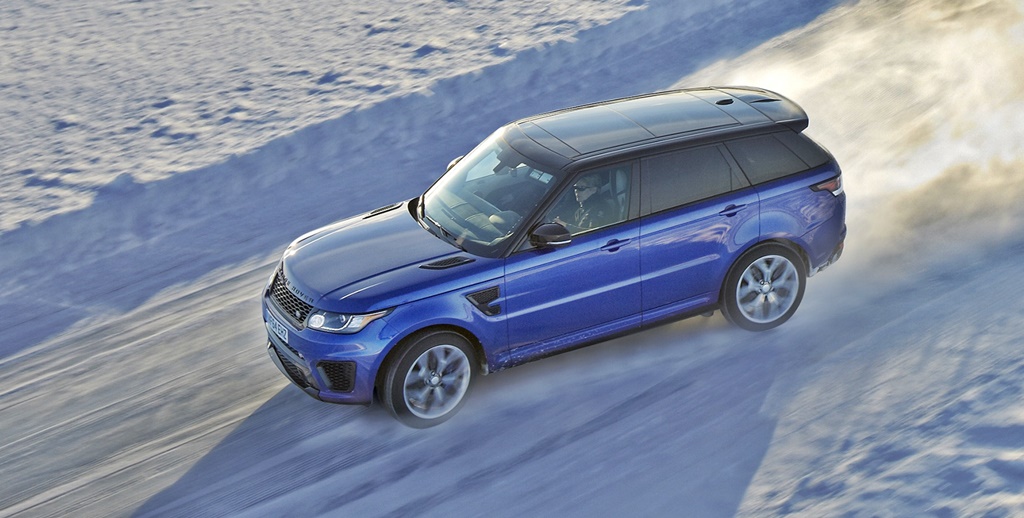
The biggest selling SV model to date and the fastest and most dynamic Range Rover ever produced is the Range Rover Sport SVR. It has a 575 ps engine which can rocket it from standstill to 100 km/h in 4.5 seconds and top out at 283 km/h.

Range Rover Sport SVR

PISTON.MY

BHPetrol RON95 Euro4M

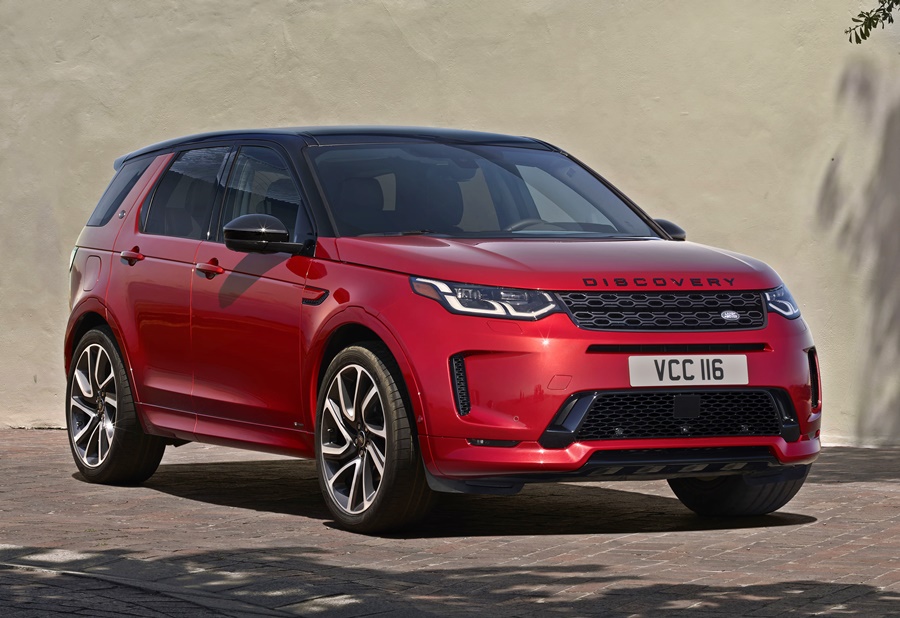
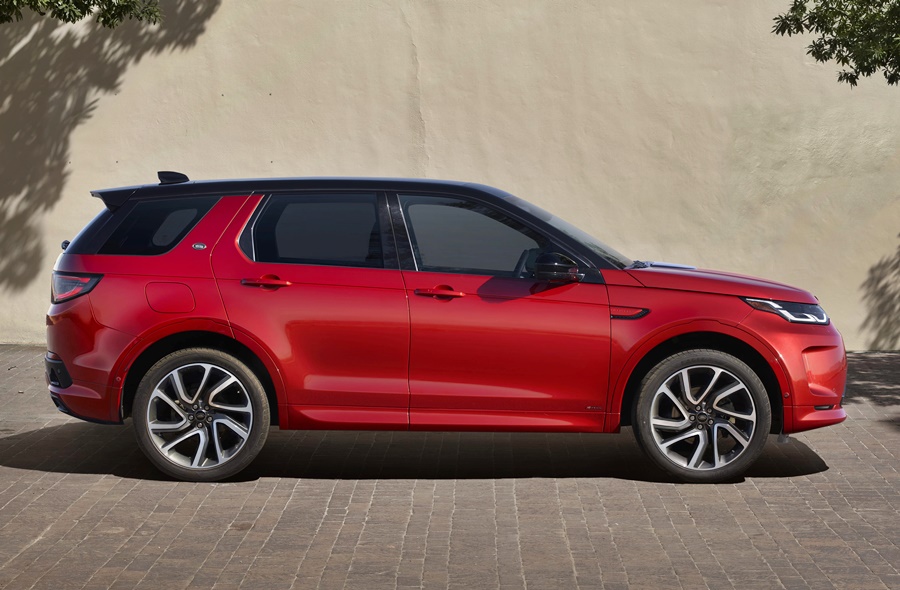
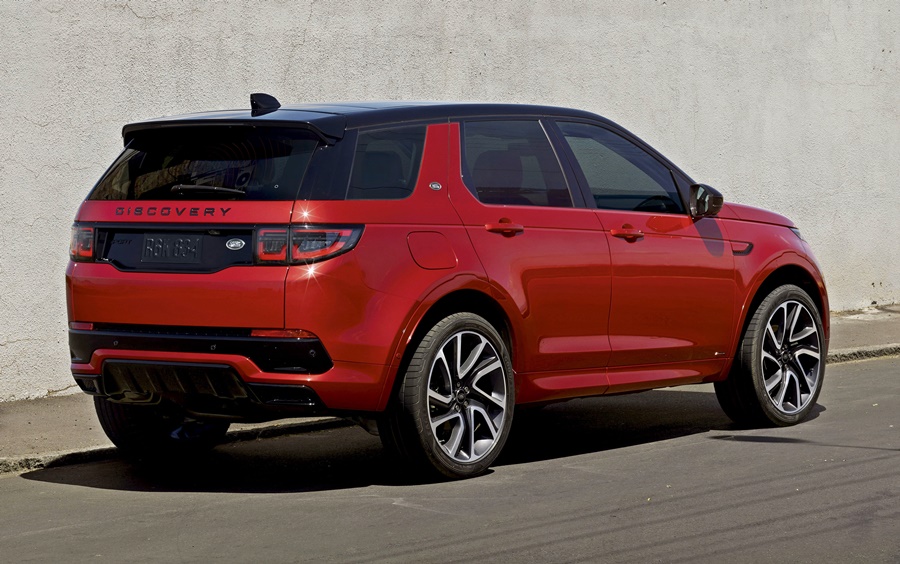
A new Land Rover Discovery Sport is now in Malaysian showrooms, available in two variants priced from RM379,800 (excluding insurance and roadtax). Customers can choose from the 5-seater or the higher-spec R-Dynamic variant with 5+2 seating which is priced at RM409,800.

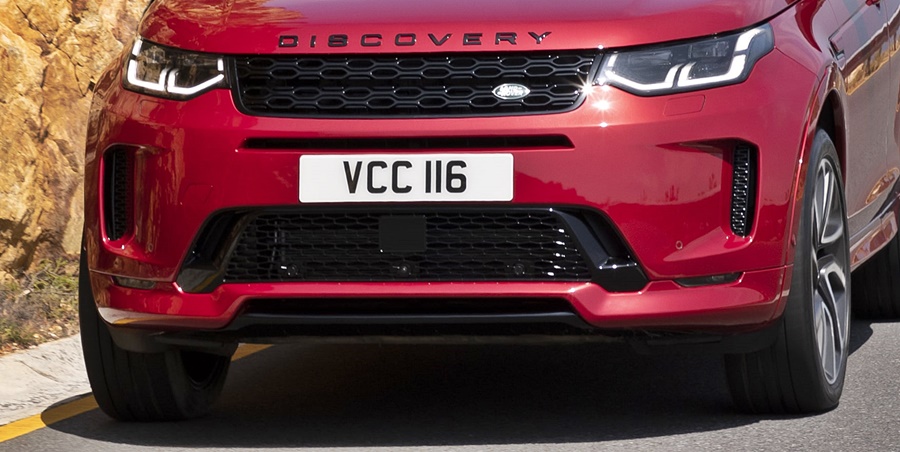
New design cues on the bolder front end and a sportier silhouette identify the latest Discovery Sport R-Dynamic. Modernity and refinement are also reflected in the new signature LED lighting systems front and rear. Of course, the traditional Land Rover design features are still present – a prominent clamshell bonnet, rising beltline and tapered roof.

2020 Land Rover Discovery Sport

2020 Land Rover Discovery Sport

Now with Driveline Disconnect
The driving experience is said to be improved with the new power transfer feature called ‘Driveline Disconnect’. Incorporated in the All-Wheel Drive system, this feature works by disconnecting the drive of the front axle to the rear wheels under steady state cruising, thereby reducing frictional losses and re-engaging AWD in less than 500 milliseconds.

In addition, the Terrain Response 2 system is now a standard feature. Developed with Land Rover’s decades of experience in 4×4 systems, Terrain 2 Response optimises performance, traction and control on a variety of surfaces. A simple twist of a dial selects the appropriate driving mode (Comfort, Sand, Grass-Gravel-Snow, Mud & Ruts) and adjusts the characteristics of the throttle, brakes, differentials, and transmission. An AUTO mode automatically adjusts torque delivery to suit the terrain.

2020 Land Rover Discovery Sport

As with other Land Rover models, the Discovery Sport uses an engine from the Ingenium family, in this case a 2-litre turbocharged unit. Power flows through a ZF 9-speed automatic transmission with a very low first gear for strong low-end acceleration and a tall top gear for reduced engine revs at higher cruising speeds.

Smart technologies
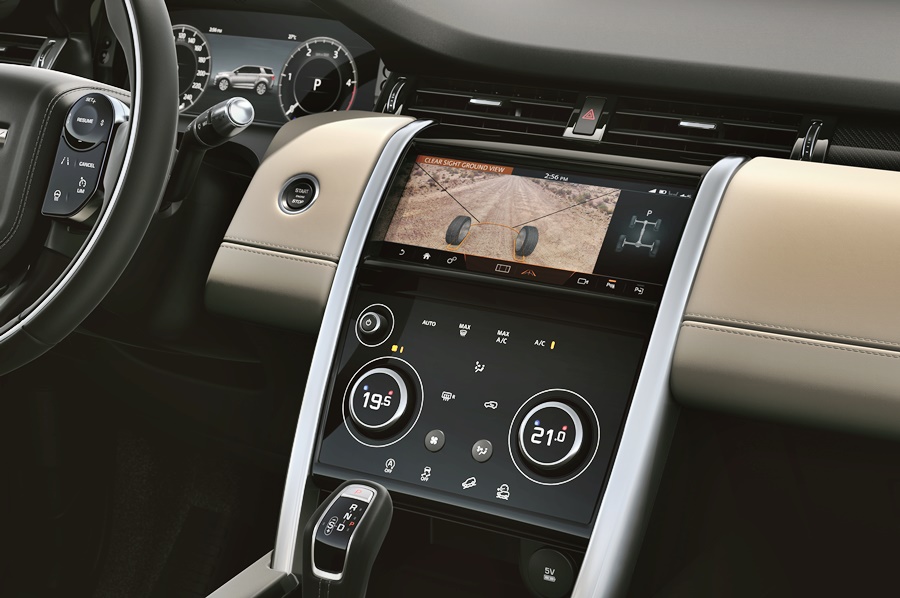
Unlike the early Land Rovers which were engineered to be extremely tough but were technologically simple (which was an advantage off-road), today’s Land Rovers offer advanced smart technologies. Drivers of the Discovery Sport have, for instance, ClearSight Ground View, Land Rover’s world-first technology which is a new feature for the Discovery Sport. It provides drivers with a clear virtual view of the ground ahead so they can navigate over rough ground, park in tight spaces and avoid hitting kerbs.

2020 Land Rover Discovery Sport

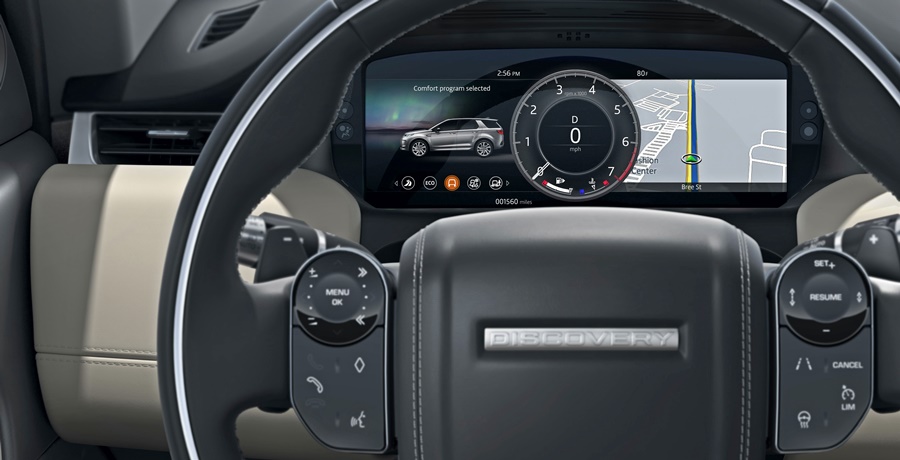
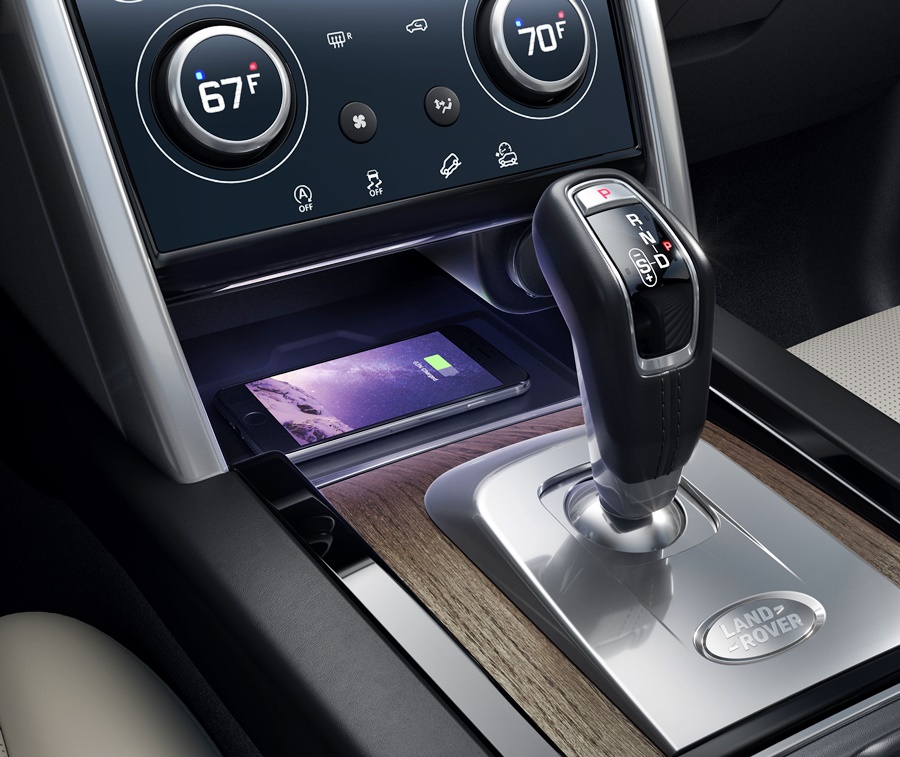
Connectivity is also advanced with a 10-inch high-definition Touch Pro infotainment system which includes Apple CarPlay and Android Auto. The system also allows the driver to control the climate system and Terrain Response 2, while an Interactive Driver Display with a large 12-inch high-de­finition screen displays multiple types of information. The new Discovery Sport also comes with wireless charging which can be used for devices that have the capability.

2020 Land Rover Discovery Sport

Also available is a Generation 2 Head-Up Display (HUD), with vehicle speed, gear position and navigation directions projected onto the windscreen ahead of the driver. The high-resolution, full-colour graphics are visible in any lighting conditions and allow the driver to keep his or her eyes ahead.

As safe as passenger cars
With 4X4 SUVs spending almost all their time on highways and able to travel at high speeds, safety is even more important and Land Rover has provided a host of advanced safety technologies. These include High-speed Emergency Braking, Adaptive Cruise Control, Lane Keep Assist and Driver Condition Monitor as well as the 360° Surround Camera that is equipped with Wade Sensing features. Should an accident occur, there are no less than 7 airbags to help reduce serious injuries.

2020 Land Rover Discovery Sport

All new vehicles distributed by Jaguar Land Rover Malaysia have been engineered and tuned for Malaysian conditions and fuel quality. They come with a ‘Land Rover Care’ programme which is based on whichever comes first – a warranty of 5 years or 150,000 kms; scheduled servicing for 5 years or 65,000 kms; and 3 years of Roadside Assistance.

The New Land Rover Defender can fly too! (w/VIDEO)

PISTON.MY

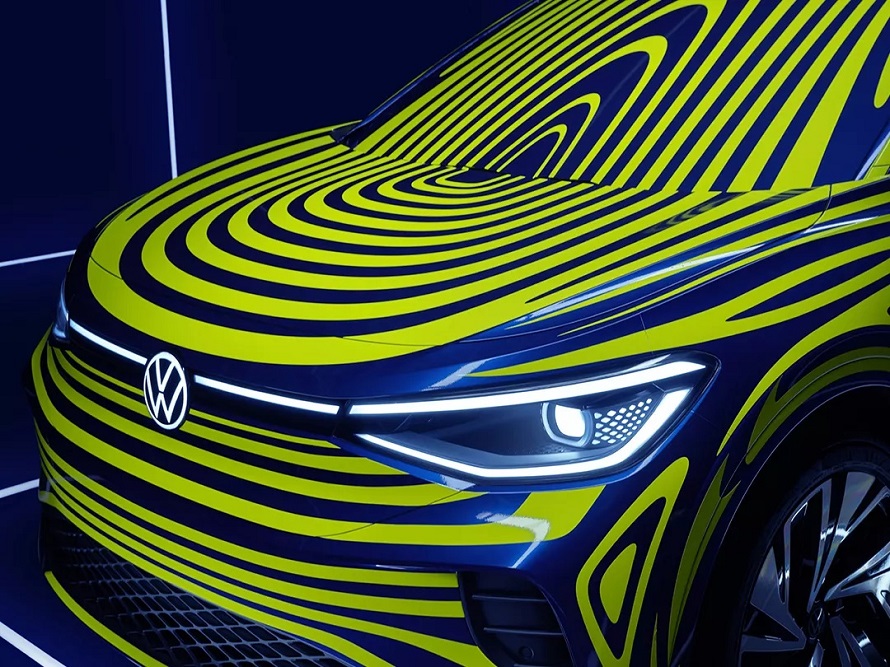
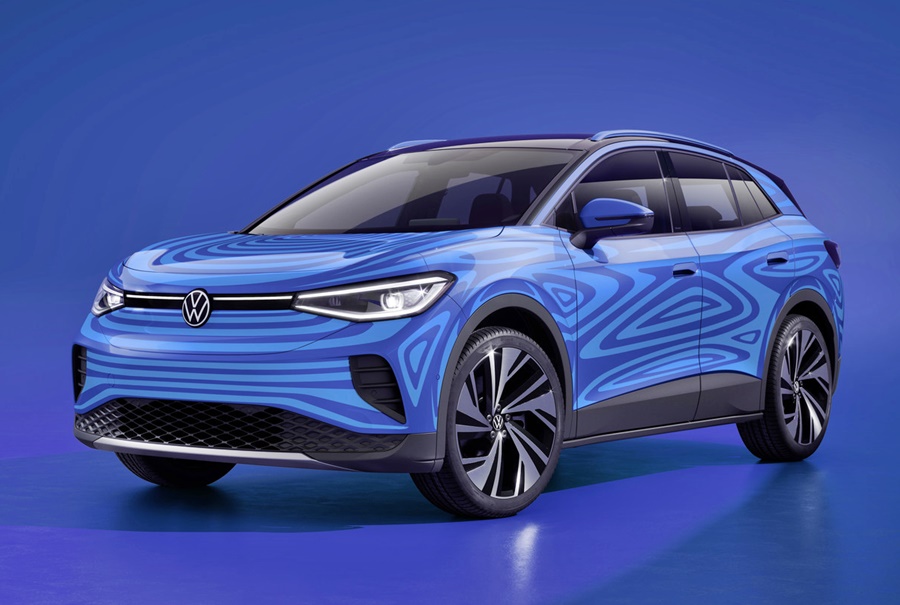
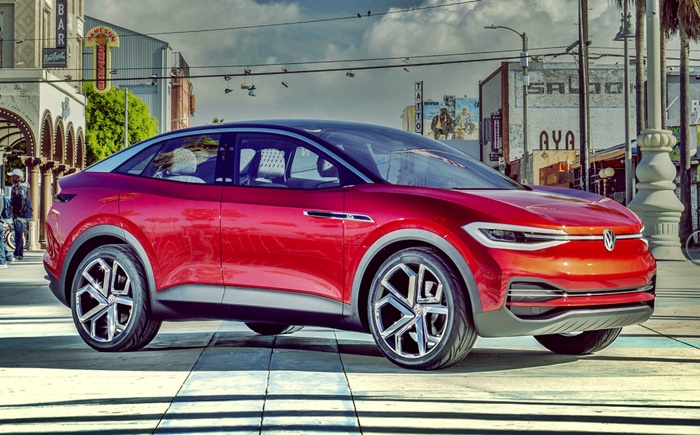
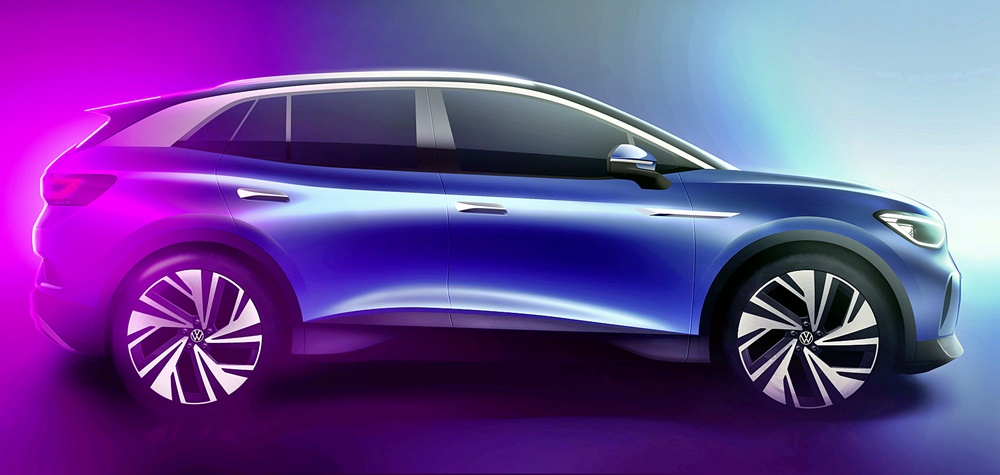
What was presented as the ID. CROZZ showcar by Volkswagen earlier will become a production model known as the ID.4. The two letters, ‘ID’, indicate it as being part of the ID family that will use all-electric powertrains.

The ID range is part of the carmaker’s electric mobility strategy and following in the tracks of the ID.3, the countdown has already begun for this second model based on the new modular electric drive matrix (MEB). The new ID.4 will also be launched this year, possibly after the ID.3 which is scheduled to be in showrooms from mid-2020.

Volkswagen ID.4

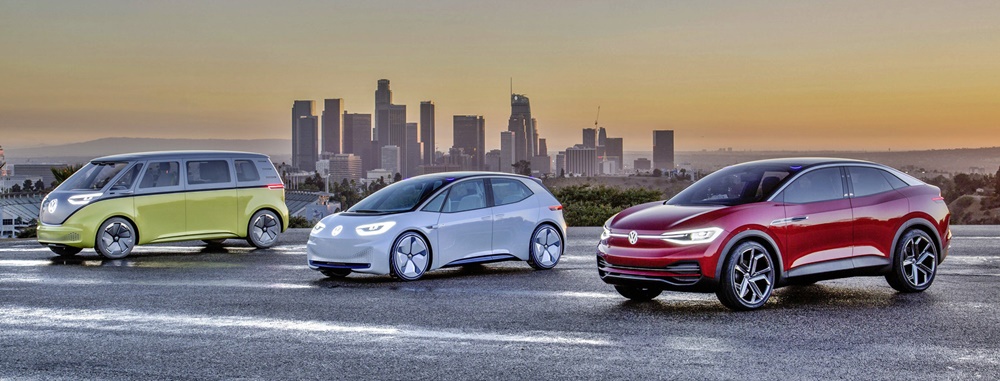
Volkswagen ID.CROZZ concept
The ID.CROZZ concept displayed in 2017.

“Just like the ID.3, the ID.4 will also come onto the market as a carbon-neutral vehicle,” said Ralf Brandstätter, Chief Operating Officer of the Volkswagen brand. “We will produce and sell the ID.4 in Europe, China and the U.S.”

The design of this zero-emission SUV is particularly aerodynamic. This is especially necessary for EVs that need every advantage to maximise energy use. More efficient aerodynamics will reduce drag and the electric motor won’t have to work so hard to achieve a desired speed. This can help boost the ID.4’s range to up to 500 kilometres, depending on the drive package.

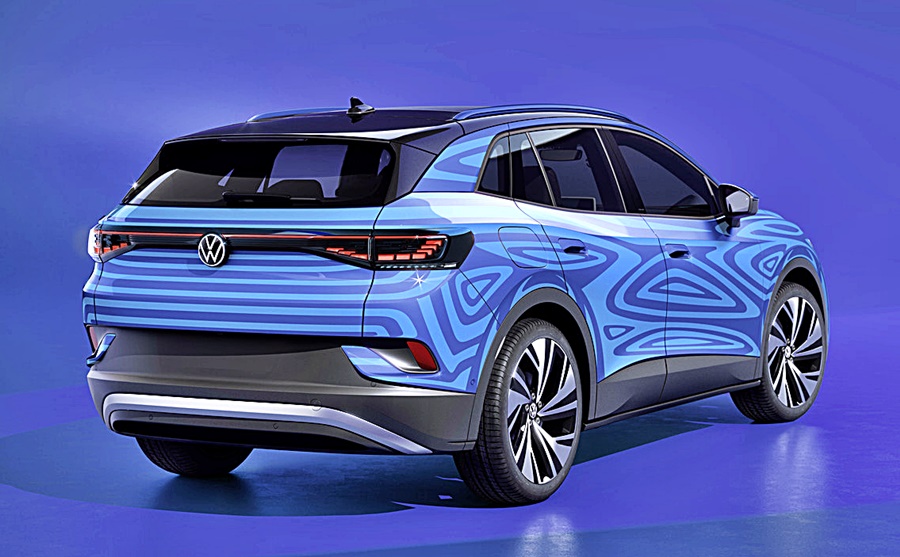
 Volkswagen ID.4

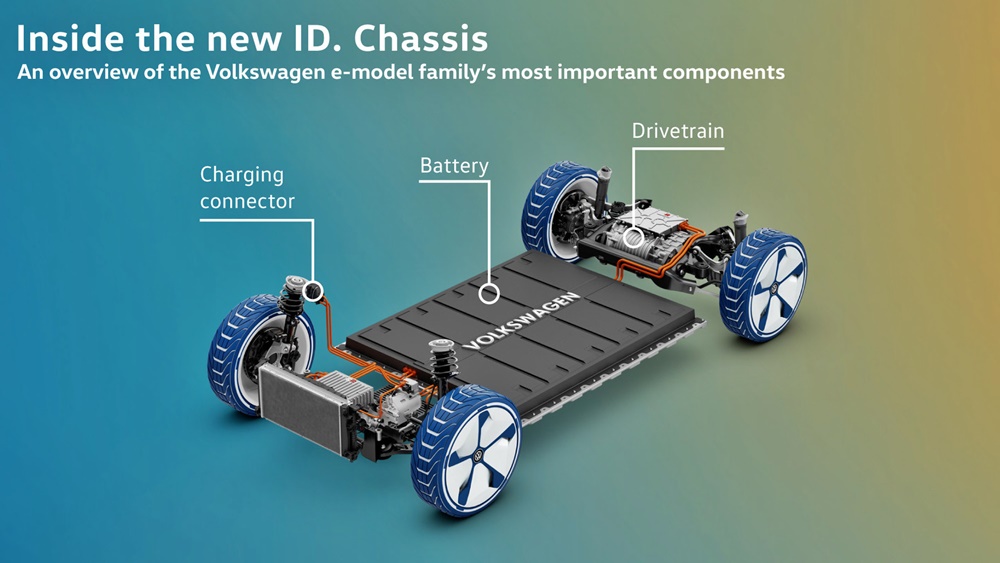
The ID.4 will initially be launched with rear-wheel drive, while an electric all-wheel drive version will be added at a later date. The high-voltage battery is positioned near the centre of the underbody to create a low centre of gravity and optimise driving dynamics, along with an extremely well-balanced axle load distribution.

Related story: Volkswagen’s electric vehicles will use a 1-speed gearbox!

VW MEB platform

Just like all other MEB models, the ID.4 will offer plenty of interior space as its electric drive technology is compactly packaged. The fully digital cockpit of the SUV has been clearly structured and is operated primarily using touch surfaces and intelligent, intuitive voice control.

Volkswagen ID.4

For Volkswagen, the ID.4 and ID.3 represent important milestones in the brand’s bid to become entirely carbon-neutral by 2050 – in line with the Paris climate agreement. Plans have been put in place to reduce the Volkswagen fleet’s CO2-emissions by a third by as early as 2025.

Volkswagen ID
Prototypes of the initial ID family

Volkswagen is currently investing one billion euros to electrify its model range while also offering an increasing number of hybrid vehicles. This is based on the fact that, just like electric powertrains, new mild and plug-in hybrid drives in high-volume product lines such as the Golf will significantly help to reduce fleet exhaust emissions in the future.

BHPetrol RON95 Euro4M

2020 Volkswagen ID.3 makes global debut

PISTON.MY

Archive

Follow us on Facebook

Follow us on YouTube