While most Malaysians are staying at home during this period of the Movement Control Order (MCO), there are also many who are in essential services who are working daily. Apart from the brave and dedicated frontliners in the healthcare services, there are also those who ensure that supplies of food, equipment, materials and other essential items are not disrupted.
These are the truck drivers who have to collect the goods from the port or warehouses and then drive long distances across the country. No doubt their journeys are different now with less traffic on the roads but the driving is still the same, perhaps with completion in a shorter time.
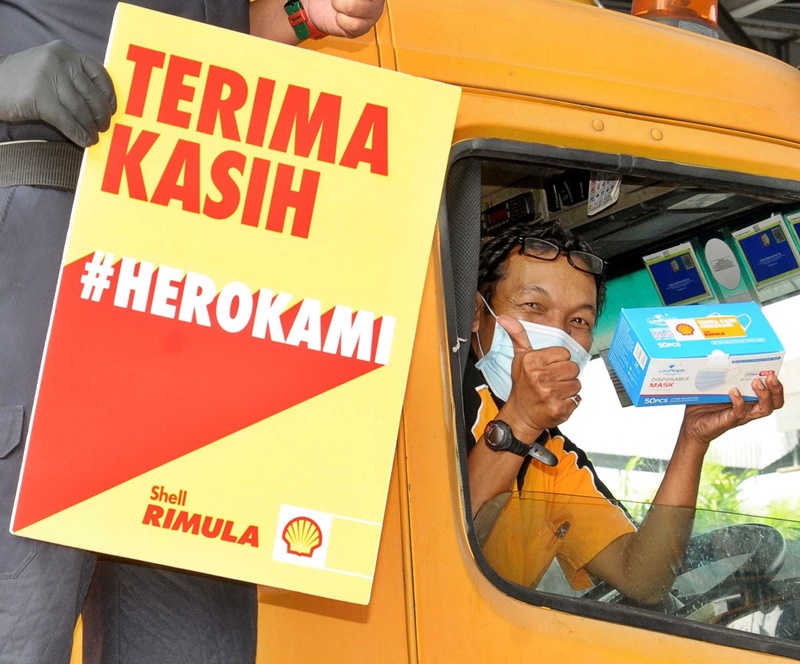
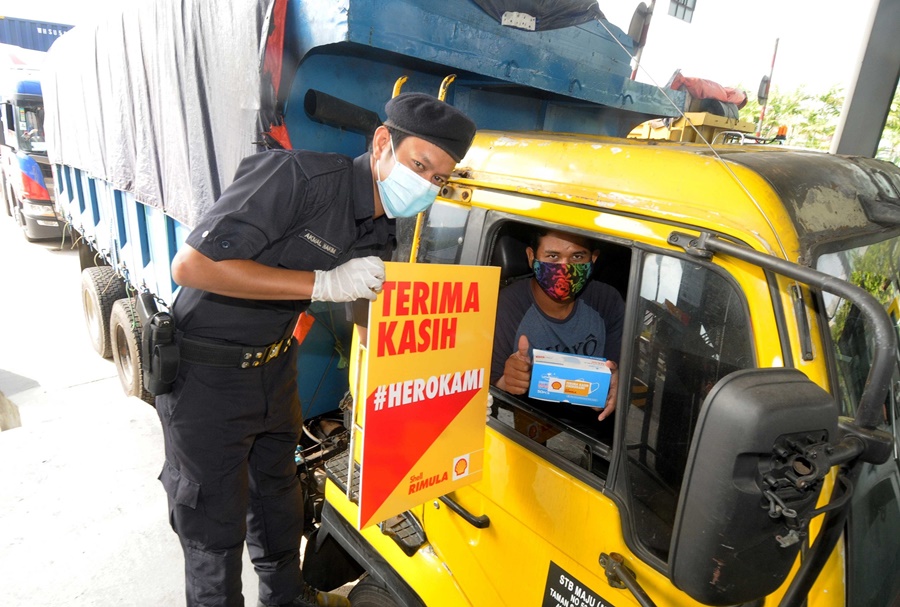
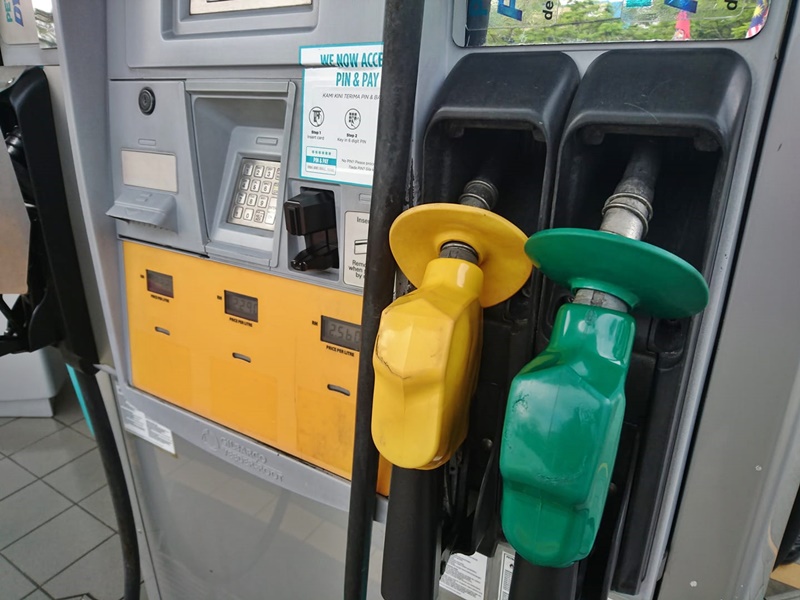
Recently, as part of the Shell Rimula #HeroKami campaign, Shell Malaysia has been distributing face masks to the truck drivers to provide them with protection against the possibility of getting infected by the virus.
The distribution has been done in the Port Klang, Selangor area and so far, some 20,000 face masks have been given out. The masks were handed over at selected participating truck service centres and the Northport.
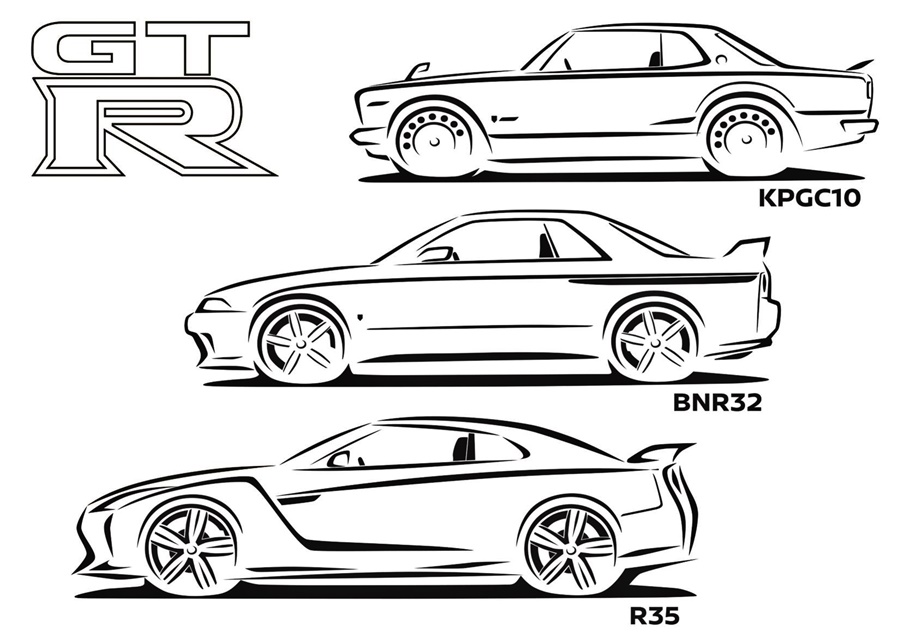
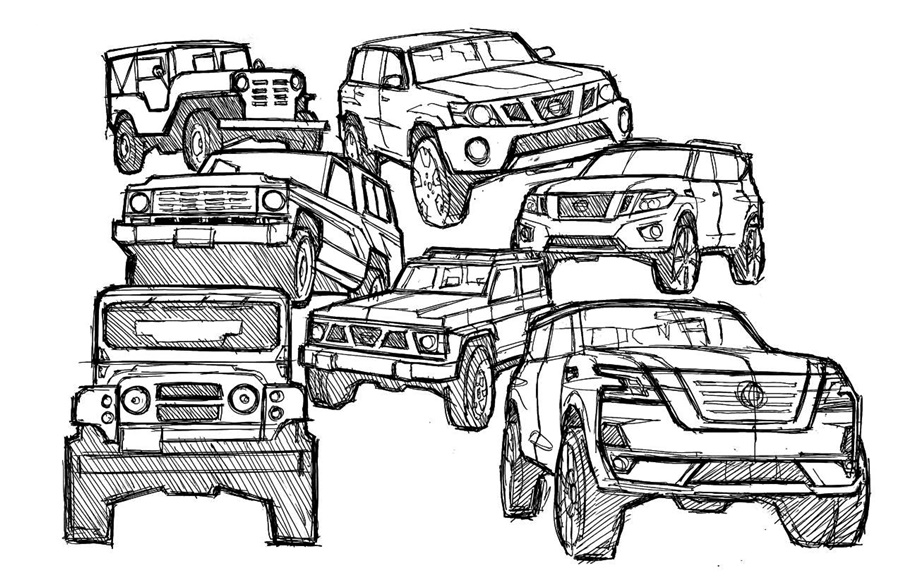
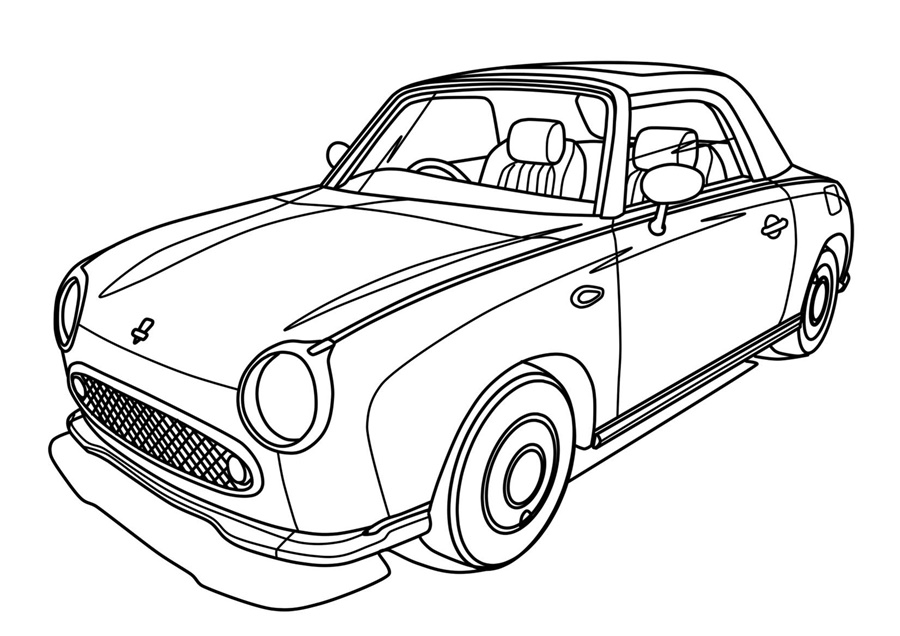
That is the message from Nissan’s global design team as it looks to connect a worldwide community of artists through the new #DrawDrawDraw social project. The carmaker is offering 23 newly created, downloadable colouring pages featuring Nissan’s classic and current models, futuristic concepts and even some ‘cult classic’ ones such as the Figaro and ChoiMobi.
Nissan designers from around the world created the pages over the last few weeks, a time during which many people have been staying home because of the global coronavirus pandemic.
“To draw, draw, draw, in our world, is one of the best ways to close the gap between wonderful creative impulses in your head and making it a reality – especially as we face this global pandemic together,” said Alfonso Albaisa, Nissan’s Senior Vice-President for Global Design. “Our team of designers, worldwide, are using this time to breathe, to draw, to dream creatively. I know that some of their best work will come from the challenges that we’re facing now. So we thought: ‘Why not give everyone a chance to express themselves creatively and share it with those who will appreciate it?'”
Albaisa is launching this effort with a video from his home and, with input from his two young sons, showing what he is currently drawing and why. Designers from his team will post additional videos in coming weeks to talk about their design inspirations, what they are drawing, how they became car designers, and tips for those looking to break into the business.
“Our inspiration for this project came from Nissan designer Giovanny Arroba, the creative mind behind the recently unveiled Ariya Concept car,” said Albaisa. “Gio was asked for advice on becoming a car designer. He said, simply and beautifully: ‘Draw like crazy. Draw, draw, draw.'”
Nissan asks individuals to hashtag their drawings – from sidewalk art to napkin sketches to the downloaded colouring book pictures – with #drawdrawdraw. The drawings can be posted on their social media platforms.
“We’re looking forward to celebrating passion and creativity,” said Albaisa. “Don’t be surprised if you see a Nissan designer comment on your drawings and artwork!”
Only 130 people in the whole world will get to own the Lotus Evija all-electric hypercar. With production of the 2,000 ps car set to start later in 2020 (now dependent on the lockdown situation in Britain), customers will soon be able to specify their personalisation requirements.
The exclusive nature of the Evija means every customer’s car will be unique. Requests for personalisation on every aspect – from striking exterior paint colour combinations to highly detailed interior trim – are all part of the enhanced ordering process.
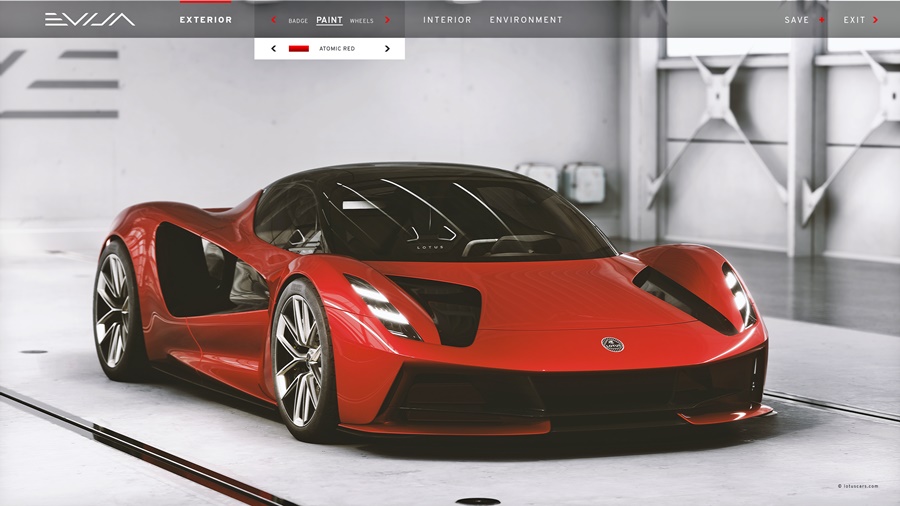
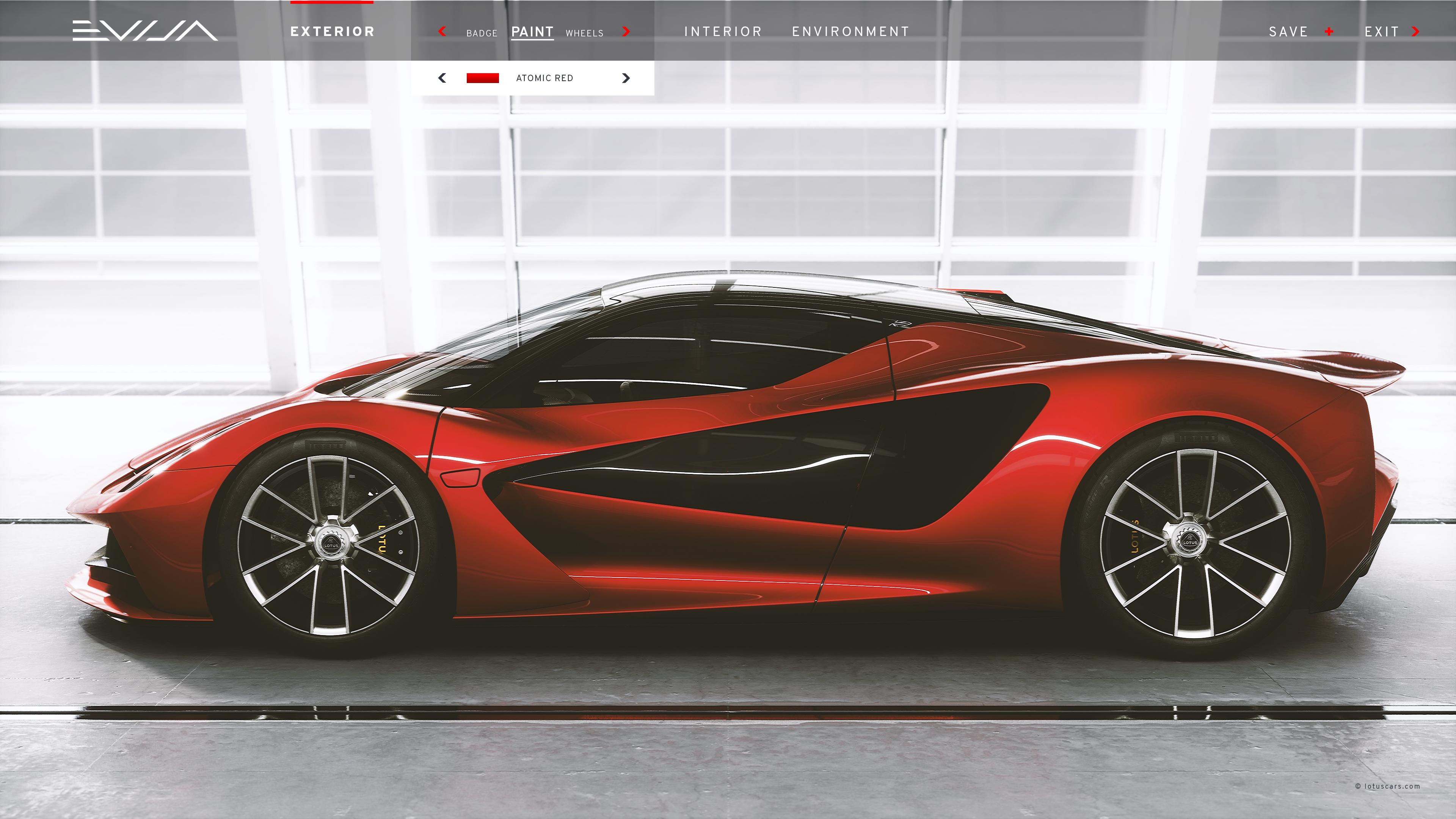
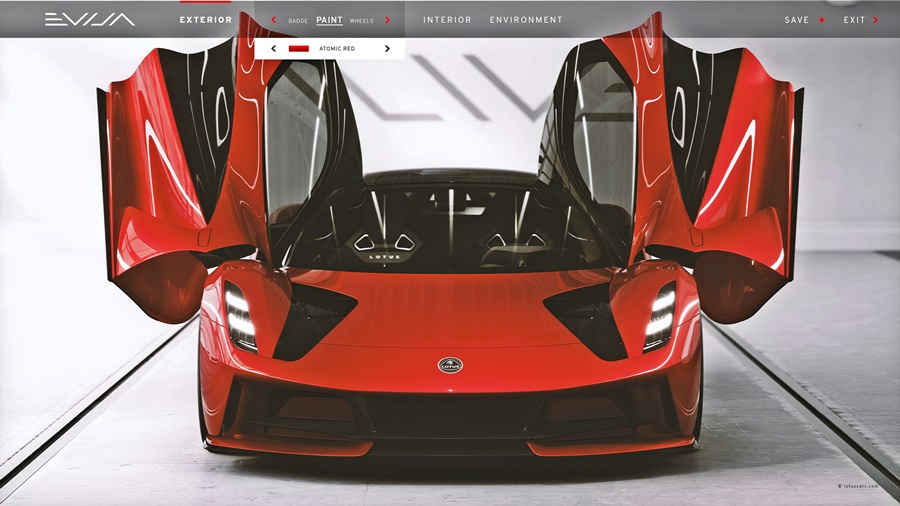
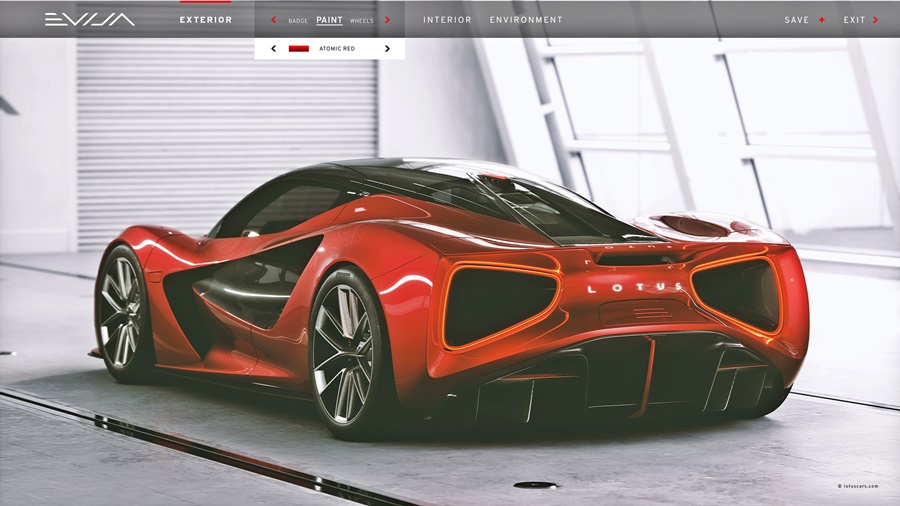
The starting point for every car’s specification is an all-new touchscreen configurator. Designed especially for Lotus, its ultra-powerful graphics processor creates stunning high-definition ‘photo-realistic’ images and animations. Developed using advanced gaming software, these allow the buyer to build and personalise their own car from the ground up and visualise it from every angle, inside and out.
Thanks to an advanced imaging technique known as ray-tracing, they can even place their Evija into multiple environments around the world to see how localised sunlight levels will affect their choices. The final element is the creation of a fully personalised ‘360-degree fly-through’ film exclusive to each customer.
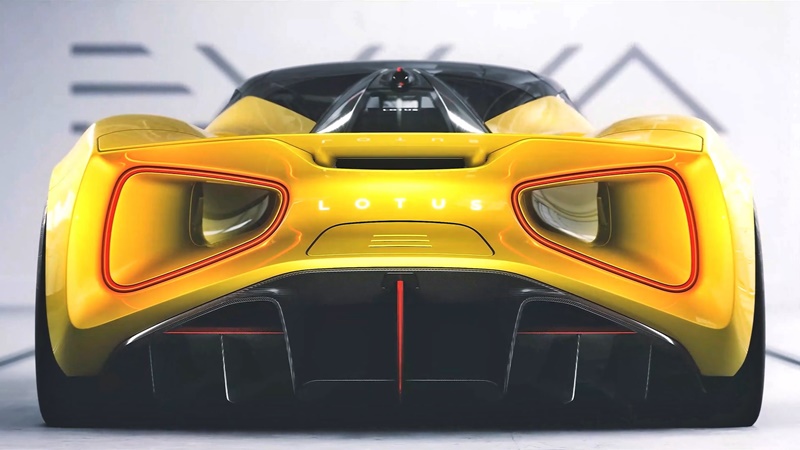
Lotus has released a series of all-new images of the Evija captured from the configurator. They show a car set inside the Lotus Design studios and finished in stunning Atomic Red with Carbon Black accent pack. They are accompanied by a new animation which additionally reveals the car in Solaris Yellow and Carbon Black.
The configurator is just one element of the Evija experience. At regular intervals during the purchase process, each customer will receive from Lotus a unique gift to reflect the exclusive and technical nature of the Evija. That will culminate in a beautiful handcrafted build book, packed with stunning imagery of the customer’s individual car during key moments of its assembly. The book will be presented to the customer with their Evija key as part of the handover celebrations.
“We know every customer journey will be unique and our highly experienced customer relations team is ready to support any requests. With state-of-the-art digital tools such as the new configurator, we can accommodate customer preferences and requirements from anywhere in the world at the touch of a button,” said Simon Clare, Executive Director for Global Marketing at Lotus.
The world is extensively connected today and wherever you are on the planet, you can almost easily connect to someone else in another location. In recent years, there’s also been another type of connectivity taking place in cars where development is underway for cars to be able to ‘talk’ to each other.
This is not only useful for improving driving safety today but also tomorrow when autonomous vehicles are moving around. By communicating their position, other vehicles can avoid them if they are not visible or have been immobilised due to an accident.
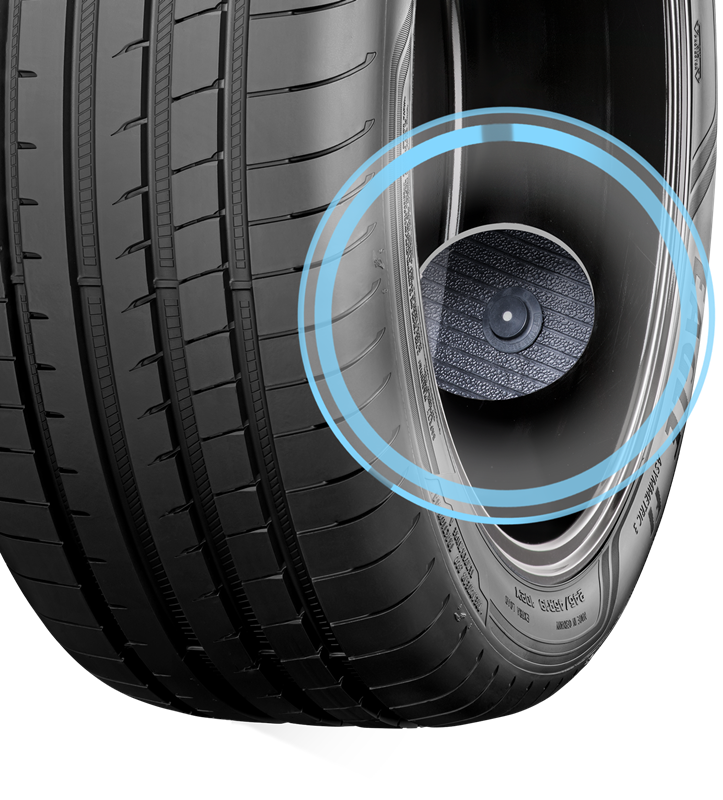
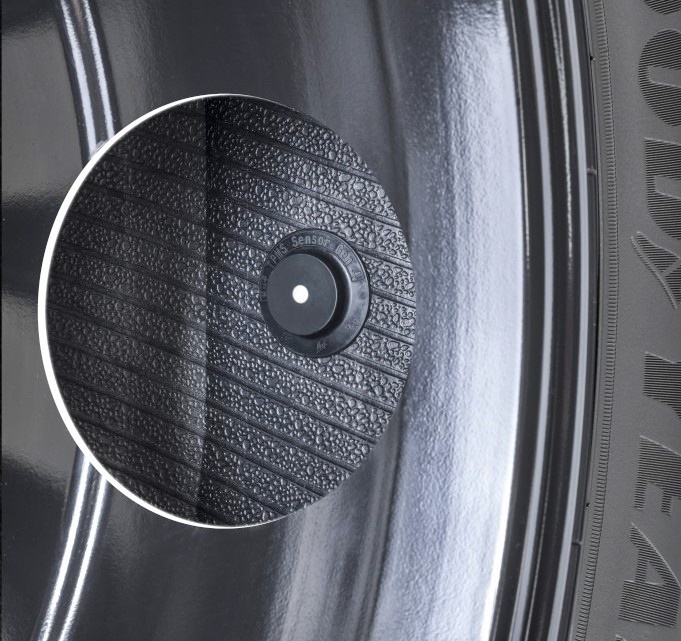
Now Goodyear is also working on connected tyres which can communicate with the vehicle. With sensors embedded in the tyres, the tyre and road condition can be relayed to the vehicle’s ‘brain’. initial studies have shown that such connected tyres can reduce stopping distance lost between a new and worn tyre by 30%.
With the evolution to electric and autonomous vehicles, connected tyres and the impact they can have on stopping distance, communication with the vehicle will only increase in importance. The connected and intelligent tyre system continuously measures and records tyre-derived information, which is paired with other vehicle data and connected to Goodyear’s cloud-based proprietary algorithms.
Goodyear has been conducting road tests and field trials and its test fleet has covered 4.8 million kilometres, collecting valuable data to refine and improve the concept. The intelligent tyres can measure tyre wear, load, inflation and temperature, along with road surface conditions, in real time, allowing the vehicle to adjust and respond to these measurements and optimise vehicle performance.
“Consider someone driving on a slick, curvy road in wet conditions. The driver adjusts his movements by slowing down, tapping the brakes or avoiding sudden steering,” said Chris Helsel, Goodyear’s Chief Technology Officer. “But what happens when nobody is behind the wheel? The tyre is the only part of the vehicle that touches the ground and it can communicate vital information to the vehicle, enhancing safety and performance.”
There’s no time-frame for the introduction of connected tyres but Goodyear is continuously testing them extensively with automakers, start-ups and other groups.
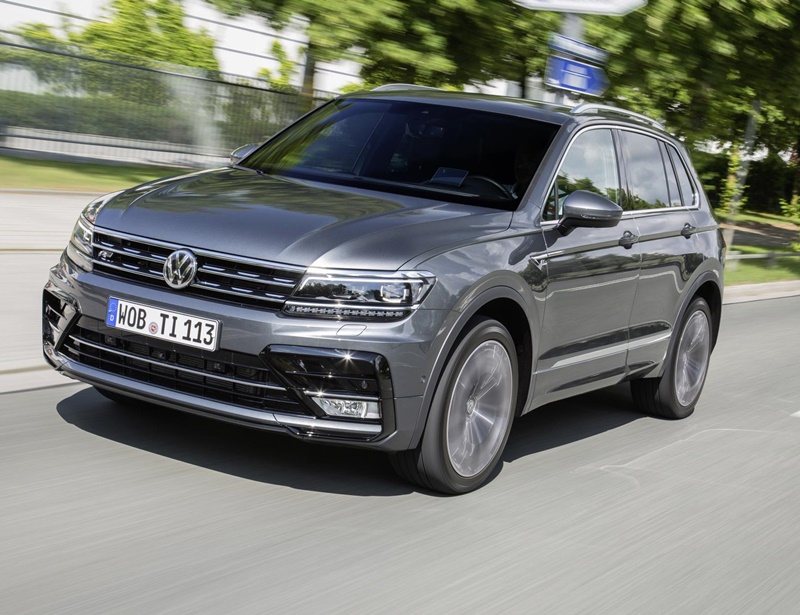
It took some 14 years for the original Volkswagen Beetle to reach a cumulative production volume of 500,000 units, becoming the German carmaker’s bestseller for many years. Today, the bestselling model in the Volkswagen Group is the Tiguan and it reached the first 500,000 units within 8 years after being launched.
Thereafter, as its popularity grew, the cumulative volume rose very quickly and 13 years after launch, it crossed the 6 million mark last month. In fact, just last year alone, total Tiguan production was 910,926 units. On average, a brand new unit left the production line every 35 seconds in one of the company’s Tiguan factories in 2019.
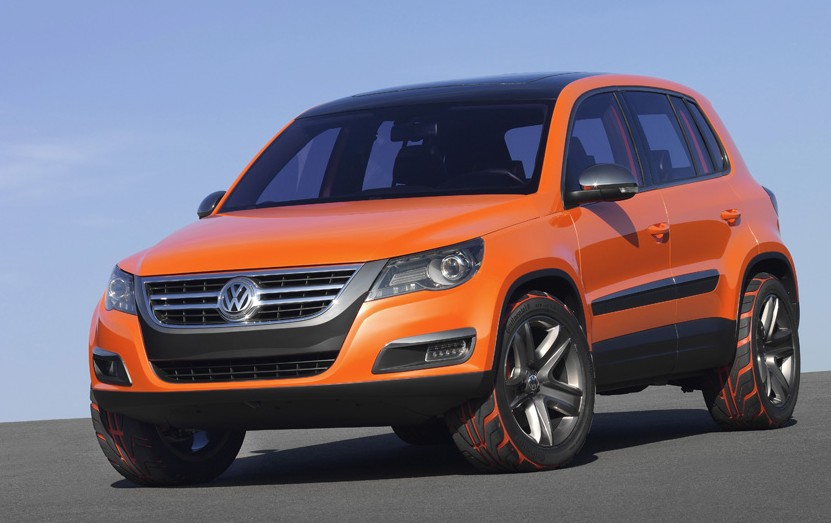
Concept Tiguan displayed in 2006 was a preview of the Tiguan a year before it was launched.
Right timing for SUV boom
The Tiguan arrived in the market at the right time when the SUV boom was accelerating. Sold in 80% of countries in the world (including Malaysia), it is the most successful SUV on the market in Europe.
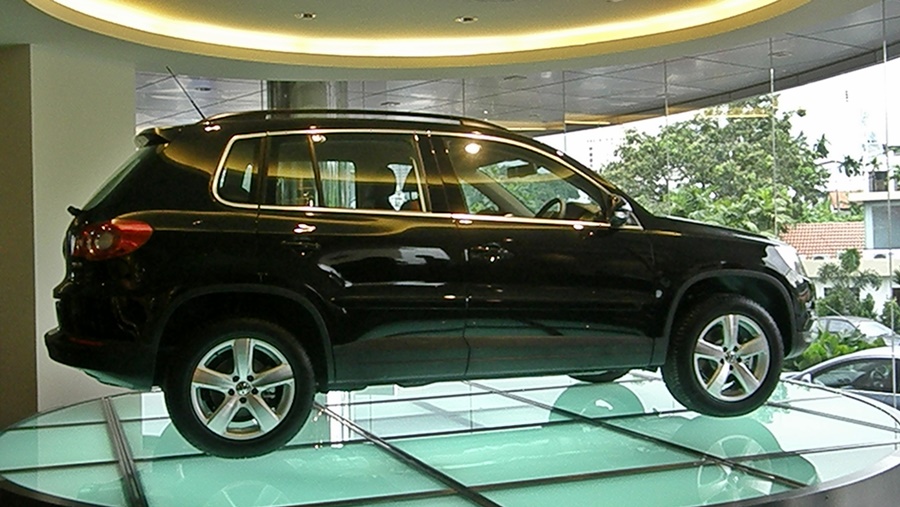
The SUV arrived in Malaysia in 2008.
It was launched at the 2007 Frankfurt International Motor Show, a year after Volkswagen had previewed the compact new model at the Los Angeles Auto Show as the Concept Tiguan. With demand for SUVs growing – especially smaller SUVs – the Tiguan was a popular choice for many buyers.
The second generation
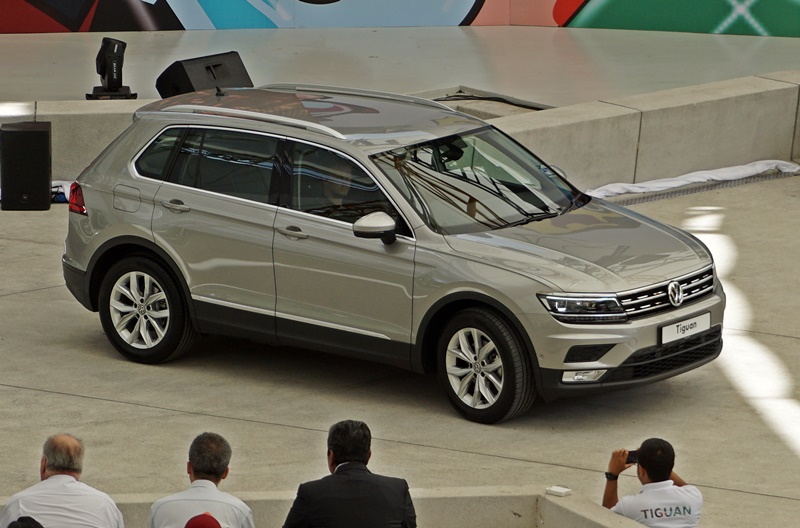
The second-generation arrived on the market in April 2016. Where the first generation had sat on the PQ46 platform of the Passat (B6), the new one adopted the Modular Transverse Toolkit (MQB). This more versatile platform allowed the designers to develop a more authentic and muscular SUV with a considerably roomier cabin owing to the longer wheelbase.
Launch of the second generation in Malaysia in 2017.
The model line was expanded in 2017 with the debut of a second Tiguan variant for some markets. It was an XL version with a wheelbase extended by 110 mm and could include a third row of seats.
This variant was sold in North America, Europe and China. Since being added to the line-up, the long-wheelbase Tiguan accounts for 55% of the sales. The powertrains are common to the standard model but in China, a plug-in hybrid powertrain was made available last year.
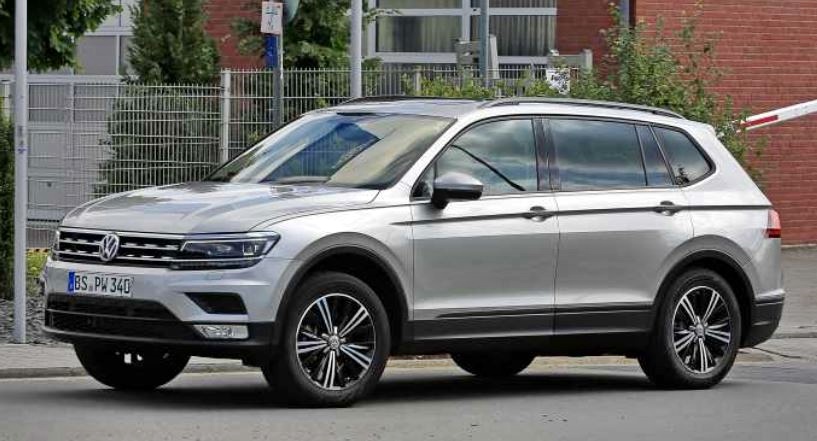
Long-wheelbase XL variant.
The Tiguan is currently manufactured at four Volkswagen plants spread across four time zones. The normal wheelbase (NWB) version is manufactured at Volkswagen’s main plant in Wolfsburg, Germany, for markets in Europe, Africa, Asia and Oceania. The plant in Russia produces the NWB vehicles for the Russian market and for neighbouring Central Asian countries. In Shanghai, Volkswagen manufactures the LWB Tiguan L for the Chinese market while the plant in Mexico supplies to North and South America and for markets in Europe, Africa, Asia and Oceania.
It is also assembled in Malaysia at the HICOM Automotive Manufacturers (Malaysia) complex in Pekan, Pahang.
The lead-acid batteries in motor vehicles have been around for many decades and because they are made from elements that can be recycled, there is an established ‘business’ in collecting and recycling batteries. Even the guy who collects old newspapers will take them as the lead, plastics and even the sulphuric acid can also be recycled.
Lead-acid batteries are therefore considered as ‘closed-loop’ products which means that when their ‘first life’ is over, they can be recycled into other products. It is estimated that globally, 98% of such batteries are being recycled.
With the advent of hybrid and electric vehicles since the late 1990s, more powerful battery packs have appeared. These are needed to store electricity in large amounts and to power the electric motors. These have not continued with the lead-acid approach which would make the battery packs very heavy as they would have to be very big to store sufficient electricity.
Instead, the battery packs for battery-powered electric and hybrid vehicles use nickel-cadmium (NiCd), nickel–metal hydride (Ni-Mh), and more recently, lithium-ion or lithium-ion polymer. The technology is constantly advancing, and the battery packs are getting more compact while their storage capacity keeps growing, making possible longer travel ranges.
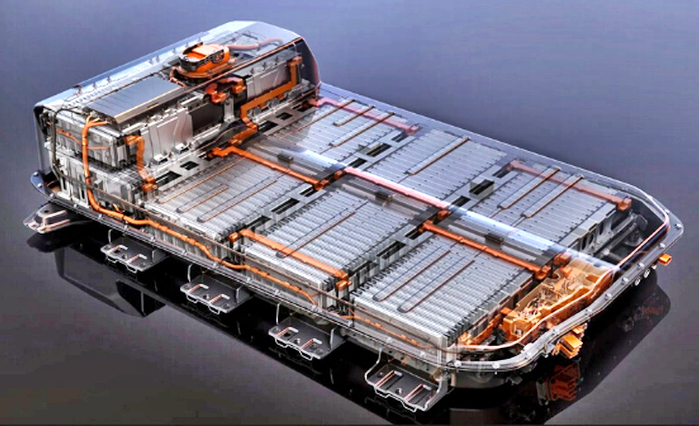
Battery pack used in an Accord Hybrid.
End-of-life disposal
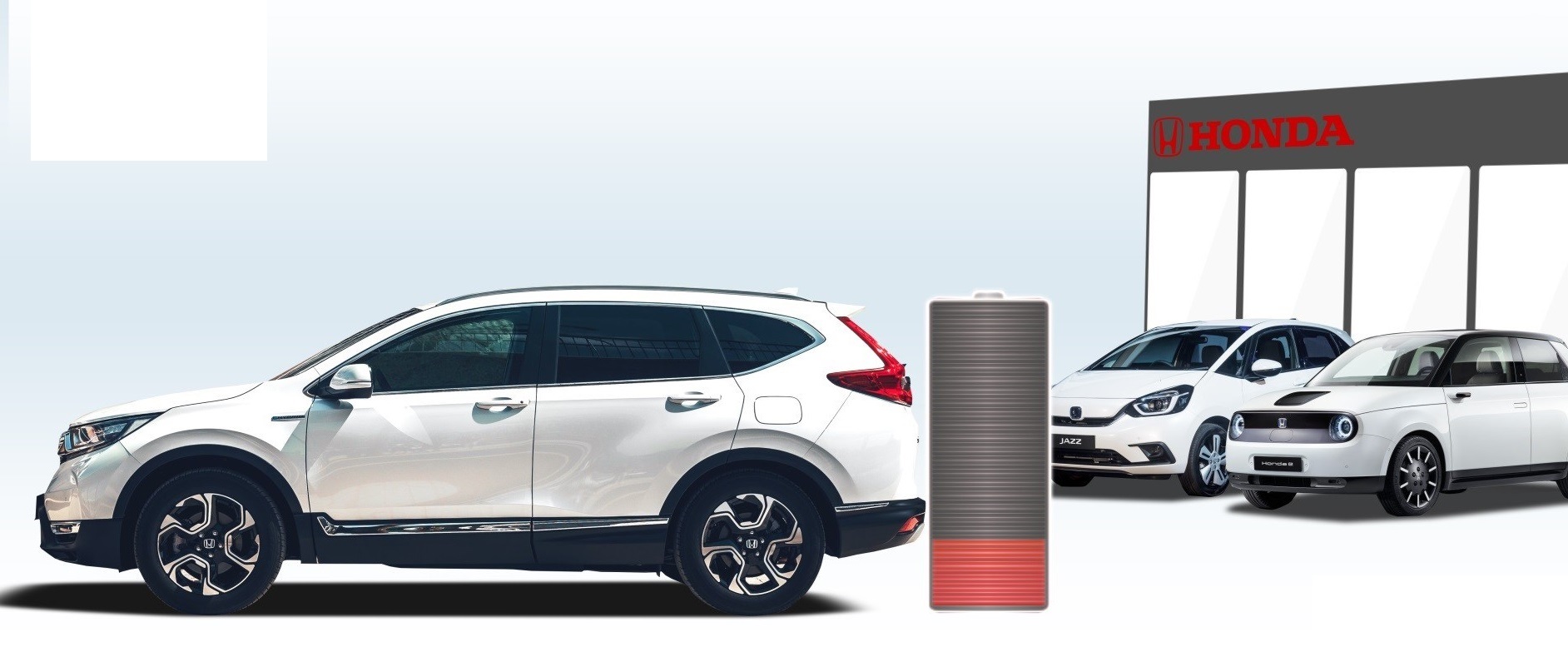
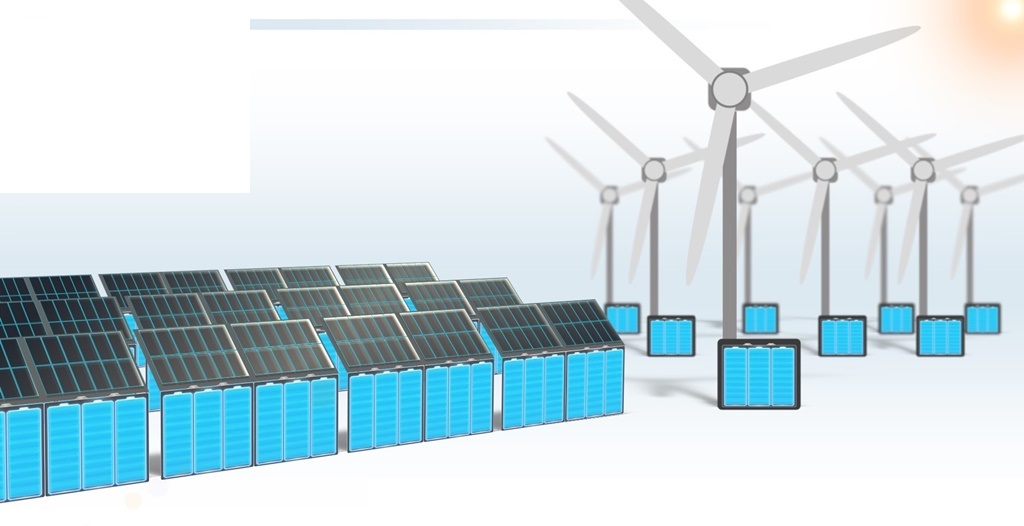
The manufacturers have been mindful of the fact that the battery packs have an end-of-life and unlike lead-acid batteries, their disposal is not so straightforward. Various solutions have been explored to keep them in service and Honda Motor Europe, together with SNAM (Societe Nouvelle d’Affinage des Metaux), is investigating the possibility of using batteries in a ’second life’ for the storage of renewable energy in industrial applications.
SNAM is a battery recycling company and is increasing its role in partnership with the carmaker to advance the sustainable usability of its end-of-life battery packs. The pan-European arrangement will see SNAM collect and recycle batteries from Honda’s increasing number of hybrid and electric vehicles and either potentially prepare them for ‘second-life’ renewable energy storage uses or extract valuable materials for recycling if they are not suitable for that purpose.
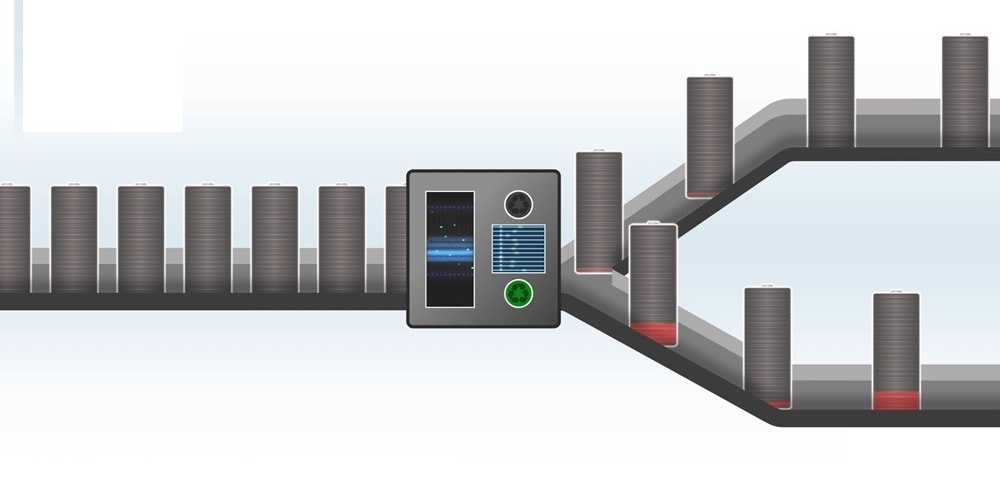
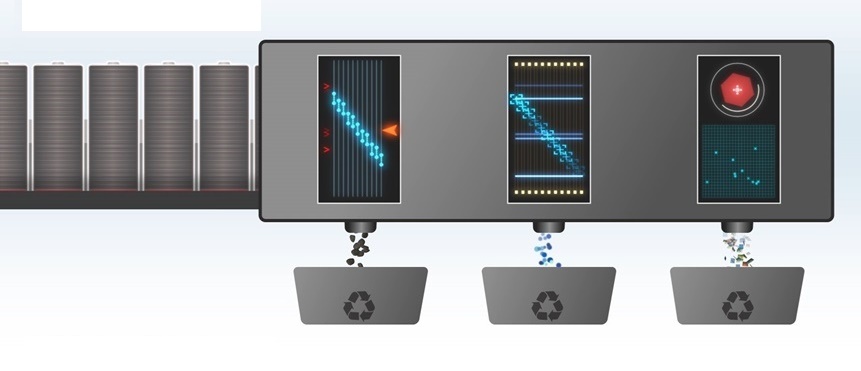
End-of-life battery packs can be divided in two types – those that can be reconditioned and continue to function as energy storage units or broken apart and their materials recycled (below).
Honda and SNAM have worked together since 2013 to ensure the traceability of end-of-life batterie packs and dispose of them in accordance with European Union environmental standards. The expansion of this agreement will see SNAM collect lithium-ion and NiMH batteries from Honda’s dealer network and Authorised Treatment Facilities in 22 countries, before analysing how suitable they are for recycling and processing them accordingly.
Second life applications
“As demand for Honda’s expanding range of hybrid and electric cars continues to grow, so does the requirement to manage batteries in the most environmentally-friendly way possible. Recent market developments may allow us to make use of these batteries in a second life application for powering businesses or by using recent improved recycling techniques to recover useful raw materials which can be used as feedstock into the production of new batteries,” said Tom Gardner, Senior Vice-President at Honda Motor Europe.
Safe and low carbon transport is utilised for the collection of used batterie packs. On arrival, SNAM assesses which battery packs are valid for inclusion in a new energy storage device. These are then repurposed and made available by SNAM for domestic and industrial applications.
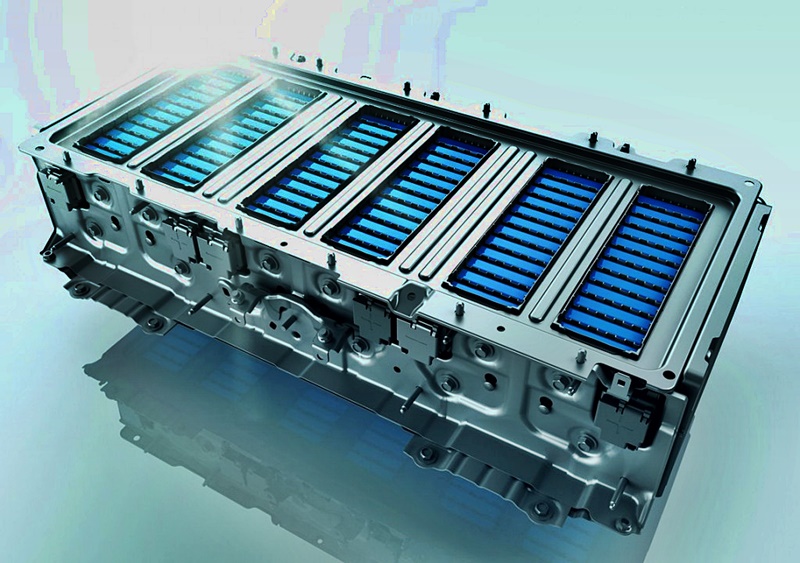
One application for recycled battery packs.
When battery cells are damaged and unsuitable for ‘second life’ applications, materials such as cobalt and lithium can be extracted using hydrometallurgy techniques involving the use of aqueous chemistry. These can be reused in the production of new batteries, colour pigments or as useful additives for mortar. Other commonly used materials including copper, metal and plastics are recycled and offered to the market for use in the production of a variety of applications.
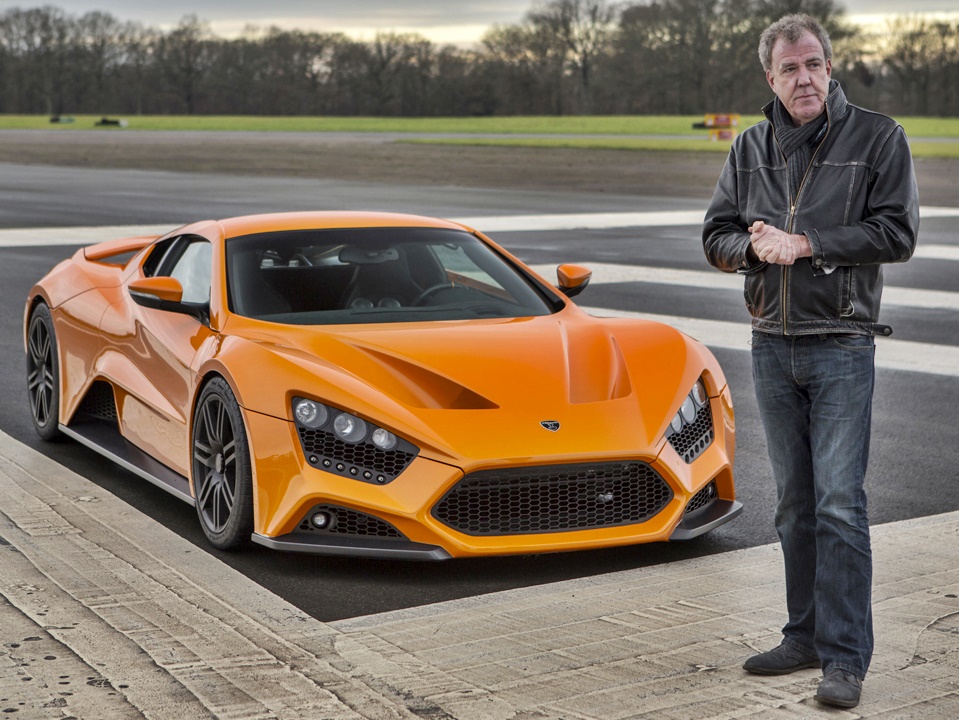
Jeremy Clarkson has defeated Hollywood legend Steve McQueen to be crowned screen’s greatest automotive icon. This is the finding of a study by Hyundai Motor which surveyed 2,000 people in Britain recently.
While McQueen is known as ‘The King of Cool’, thanks to his effortless style and tough guy persona, Clarkson has been ridiculed over the years for his dedication to stone-wash denim. But it’s the ex-Top Gear presenter who topped the list.
Clarkson has been involved in some of the most impressive (and outrageous) TV moments over the past 25 years, whether it was driving to the North Pole or riding motorcycles from Ho Chi Minh to Ha Long Bay in Vietnam.
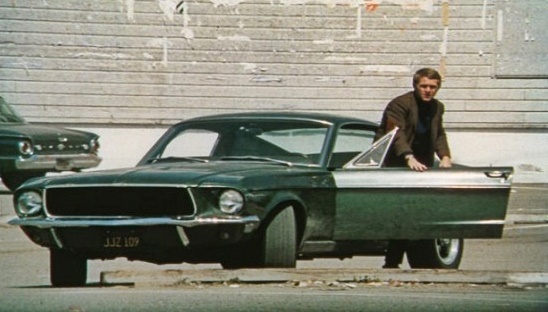
Steve McQueen and his Ford Mustang in ‘Bullitt’.
McQueen, meanwhile, starred in films such as Bullitt, The Great Escape,Le Mans and On Any Sunday. And in his films, the memorable action scenes were actually done with real cars and motorcycles, not by using CGI.
Fast and the Furious leading man, Vin Diesel, beat 007’s Sean Connery, with the tough guys making up the top five.
GREATEST AUTOMOTIVE ICONS 1. Jeremy Clarkson 2. Steve McQueen 3. Richard Hammond 4. Vin Diesel 5. Sir Sean Connery 6. James May 7. Paul Walker 8. Daniel Craig 9. Sir Roger Moore 10. Jason Statham
“The best cars and films are always the subject of fierce and fun debate and thanks to the internet and streaming services, there is no shortage of shows and websites to keep us occupied,” said a spokesman for Hyundai.
Best car film – The Italian Job in 1969
The very best car film, according to the 2,000 people surveyed in Britain, was The Italian Job, followed by Steve McQueen-starring Bullitt and the Fast and the Furious series. In addition to being named the greatest car movie, The Italian Job also features the most popular car chase to ever appear on the big screen.
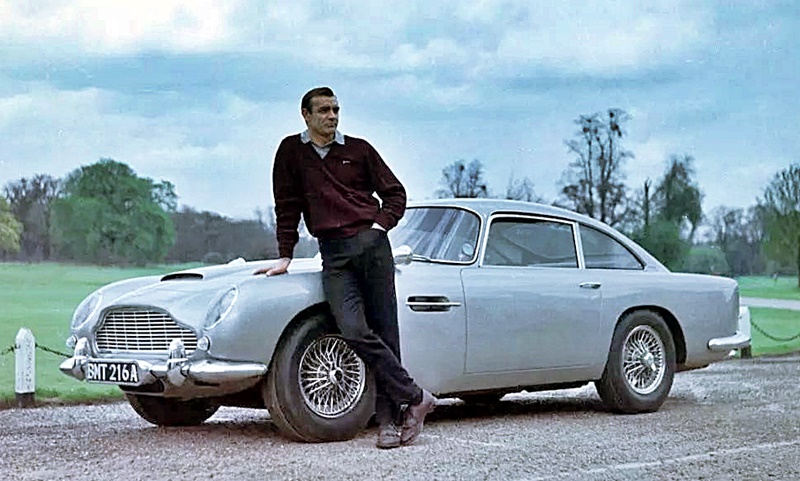
Aston Martin DB5 and Sean Connery who, for many years, played the role of James Bond, agent 007.
James Bond’s Aston Martin DB5 was named greatest movie car ahead of Chitty Chitty Bang Bang and the De Lorean from Back to the Future.
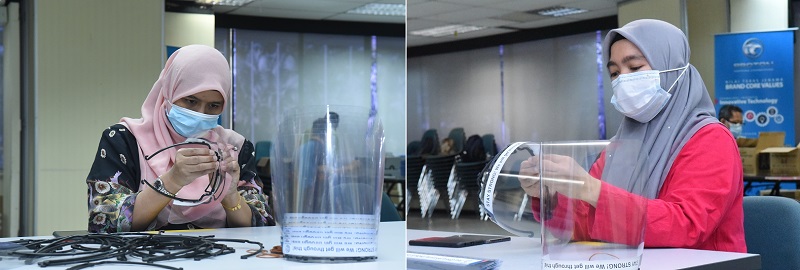
Following our earlier report about Proton producing face shields for frontliners, the carmaker has started shipping out the first batch of 8,000 units to Kelantan and other East Coast states.
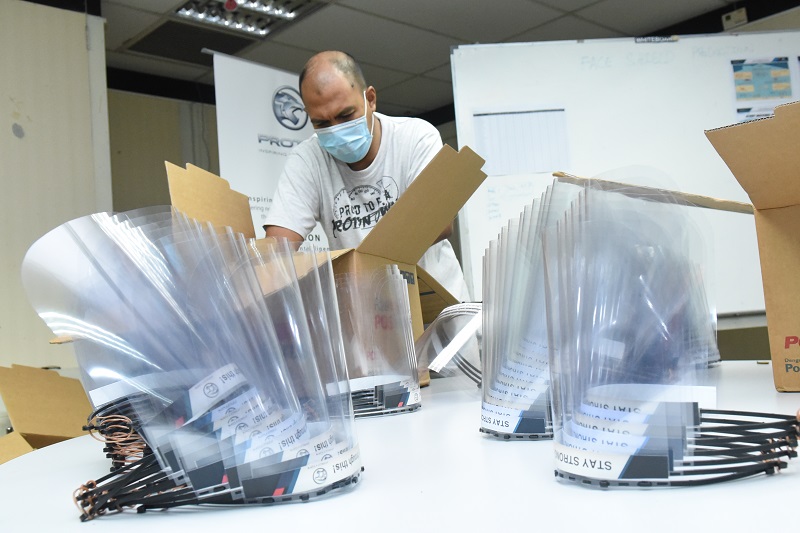
The face shields are an initiative by the company which designed and tested prototypes as well as obtained feedback from end-users to ensure the final product met their needs. While that process was underway, a project team planned for a production line that was both safe and efficient to meet with health protocols.
50 people, picked from a pool of volunteers, work on an assembly line in the factory at Shah Alam, Selangor, which had been quiet since March 18 when the Movement Control Order (MCO) started virtually all factories and businesses had to cease operations.
Up to 3,000 face shields can be produced in a single day, and Proton is expected to take approximately 20 days to produce the 60,000 units it has committed to deliver. Face shields are part of the Personal Protective Equipment frontliners need to protect them when attending to COVID-19 patients. They have to be constantly replaced and the Health Ministry said that at this time, the stocks available can last for 25 days.
Contributions from other companies
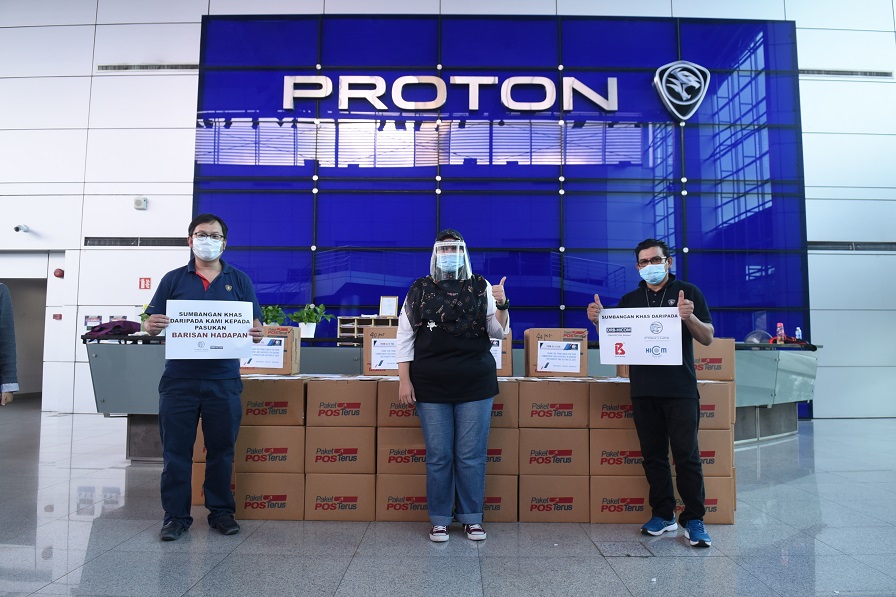
While Proton is responsible for the assembly and distribution of its face shields, the company has received contributions from its vendor community who are eager to get involved. One such contributor is Pos Logistics Sdn Bhd, one of the biggest logistics service providers in Malaysia, which supplied over 2,000 large carton boxes to pack the face shields. and make it easier to transport them.
Automotive component supplier, HICOM-Teck See Manufacturing Malaysia Sdn Bhd, contributed 1,500 kgs of polypropylene, one of the main components in the car bumpers which it makes, that will be used to produce the frame of the face shields.
The original design for the face shield was contributed by Universiti Teknologi MARA (UITM). The designers at Proton Design then developed the frame based on feedback from users and also added the slogan ‘STAY STRONG! We will get through this!’.
“Proton is humbled by the response received both internally and outside of the company to our face shield project. The number of staff volunteering their services was overwhelming, despite inherent risks involved in leaving home and coming to work. Therefore, we have taken steps to ensure everybody is kept safe by providing Personal Protection Equipment and maintaining a minimum distance between each workstation to maintain social distancing,” said Dato’ Radzaif Mohamed, Deputy CEO of Proton.
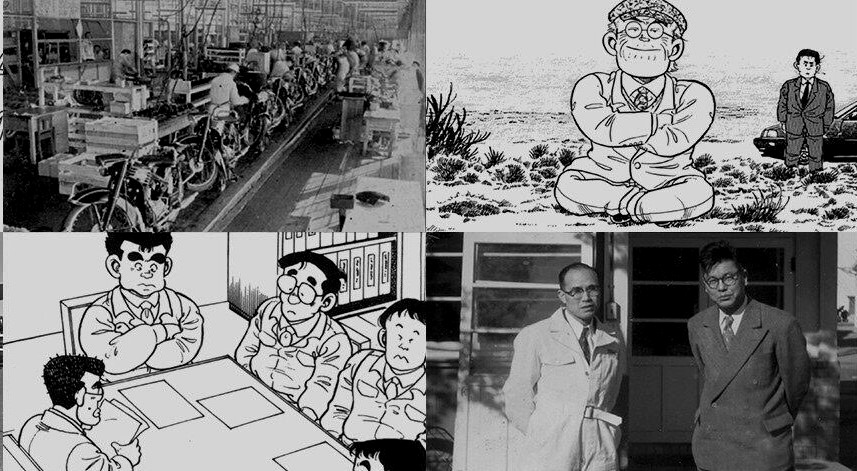
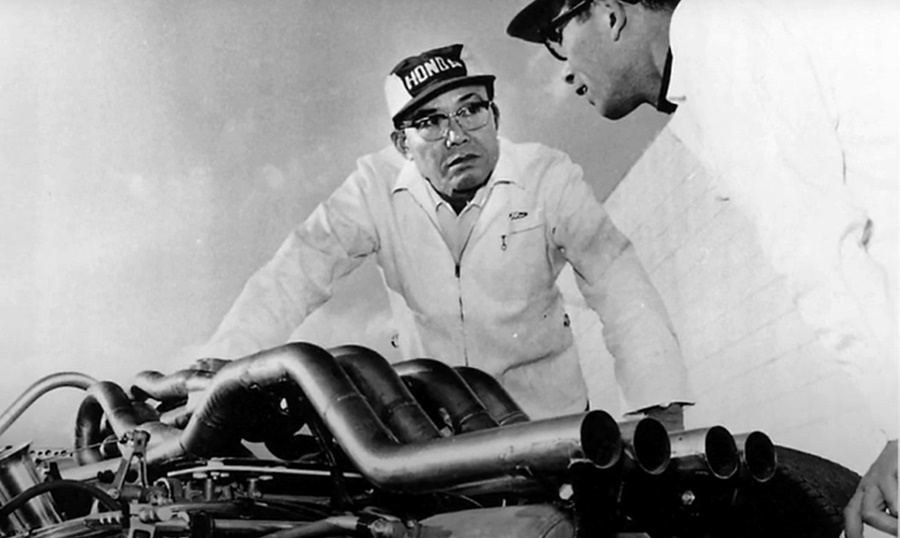
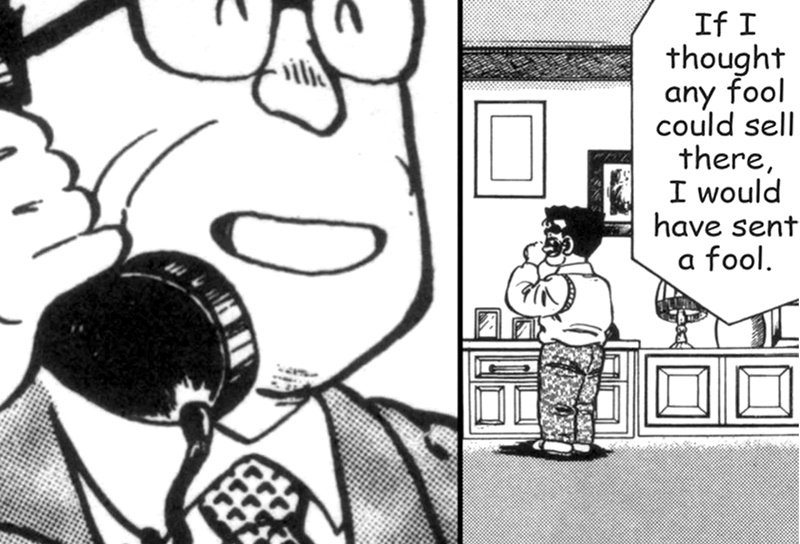
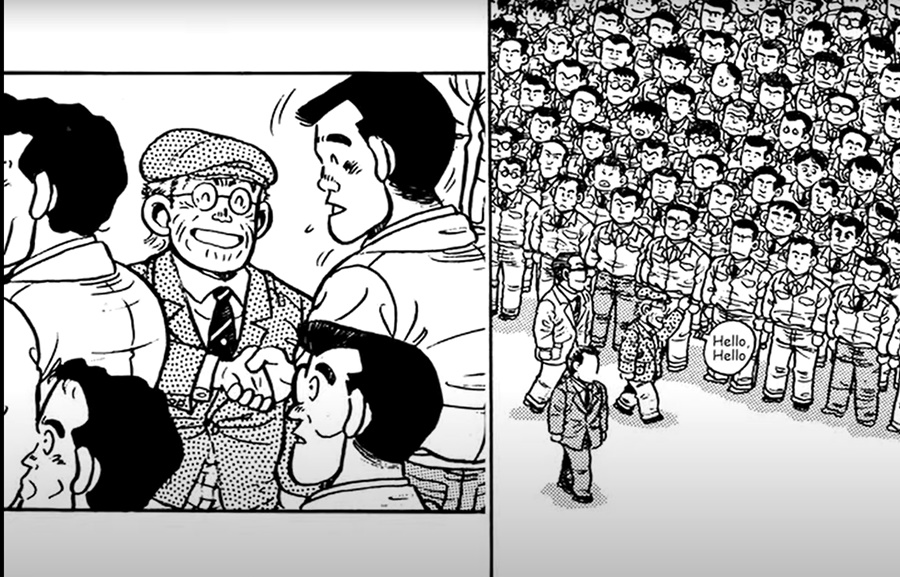
With activities in the auto industry having come to a standstill and people in many countries having to remain at home, it’s a good time for car enthusiasts to find out more about the history of their favourite companies. For Honda fans, there is ‘Honda Origins’, which retraces the life of company founder Soichiro Honda through an animated series combining Japanese-style manga cartoon drawings, audio and historic photographs.
The audio-visual journey from the beginnings of Honda through to its achievements and legacy is presented over 6 episodes each lasting between 10 and 20 minutes.
The series uses the original manga comic ‘Honda Soichiro Hon Den’, published by Shogakukan Inc., to interweave the founder’s life and unique philosophy on life and business with the evolution of the company from its origins to the successful multinational that it is today.
A story to pass on
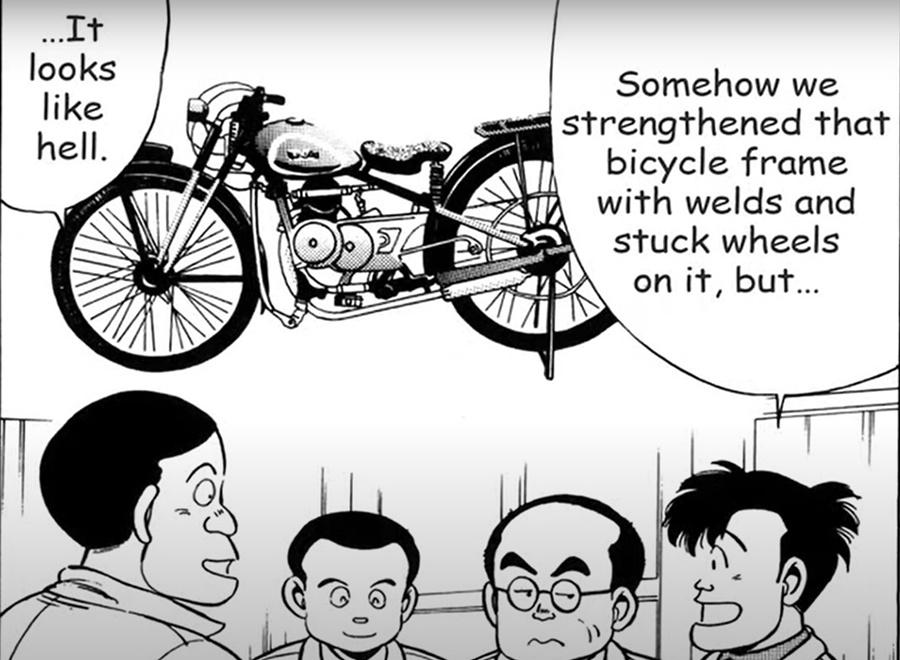
The first episode of the series, ‘Bouncing Back’, tells how Soichiro Honda began after the Second World War to found the Honda Technical Research Institute in 1946 in the city of Hamamatsu. His journey towards motorisation started with a generator engine attached to a bicycle. This venture, together with Takeo Fujisawa, his partner, became the Honda Motor Company two years later in 1948.
The other chapters (A Dream is Born; Crisis on the Way to the Isle of Man Declaration; American Advance; Veni, Vidi, Vici: We Hate to Lose) describe key moments of his life and values, and the history of the company, making special reference to Honda’s commitment to motorcycles, cars and racing.
The last chapter in the series (Epilogue) recounts the company’s beginnings as a multinational through its expansion in the USA, and ends shortly afterwards with the joint retirement of the company’s two founders on the same day.
What is ‘success’?
One of the most important values highlighted in the series is perseverance and learning from failure; this is embodied by a quotation from Soichiro Honda that defines the spirit of the company: “’Success’ represents the 1% of your work which results from the 99% that is called ‘failure’”.