

Piston.my

English

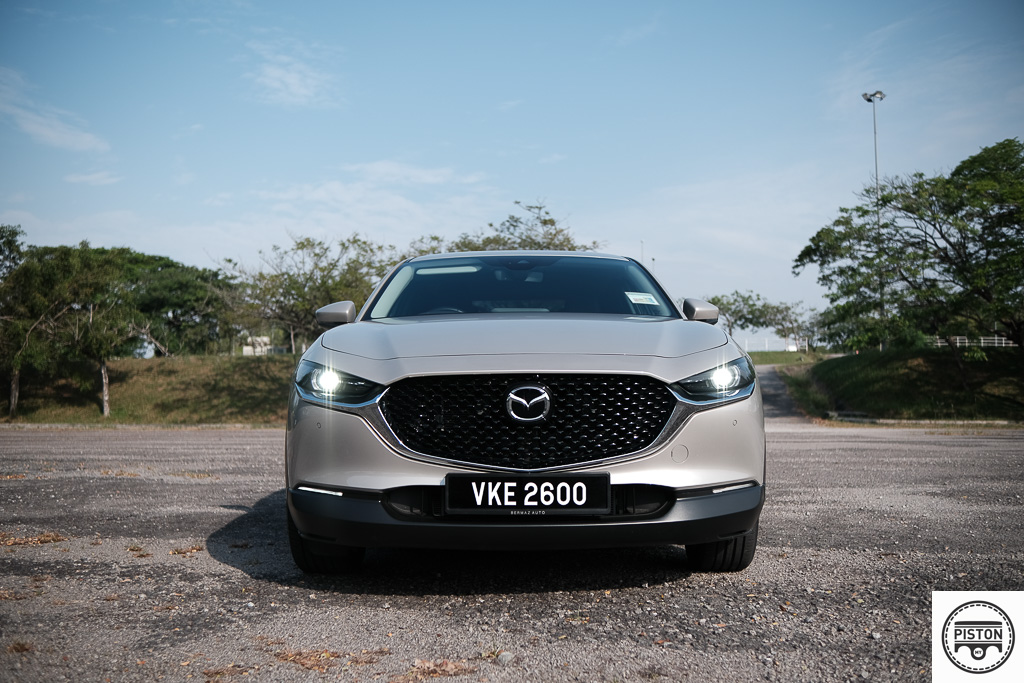
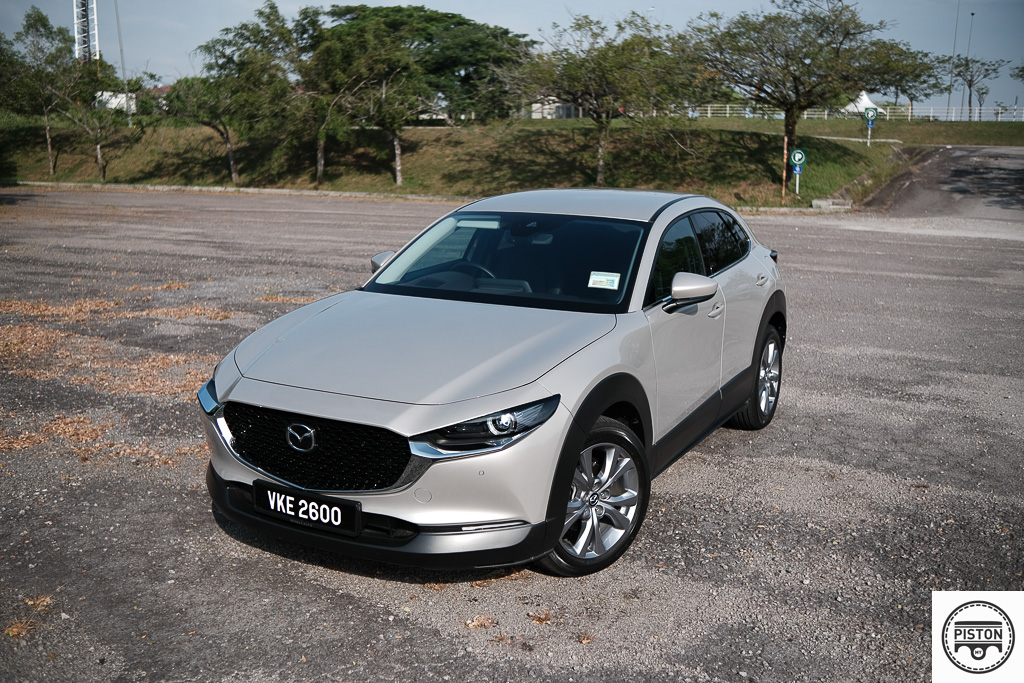
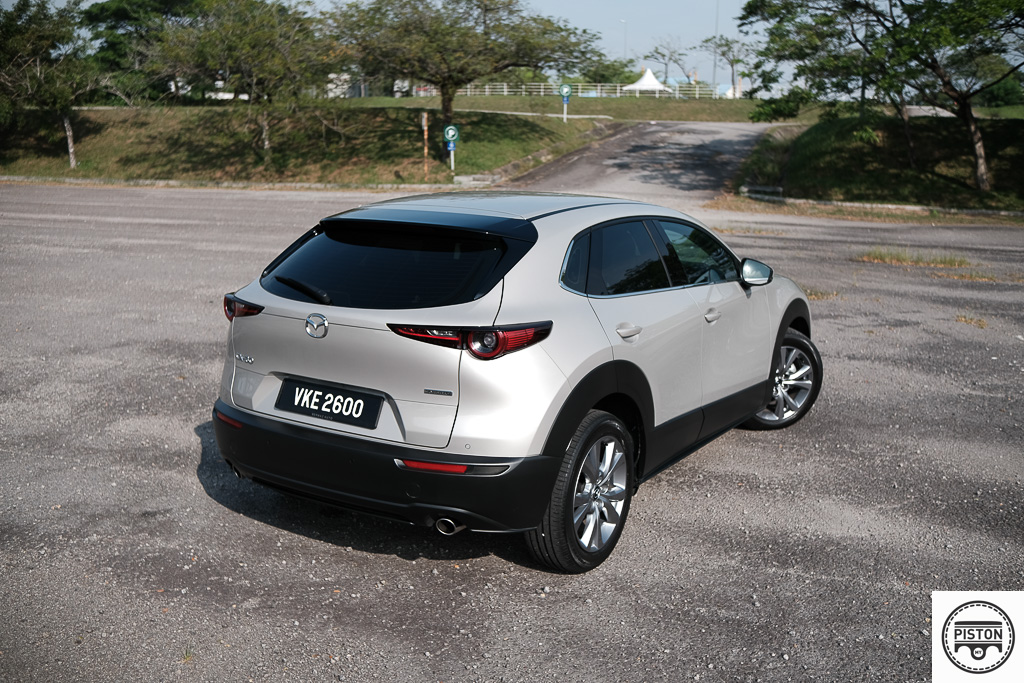
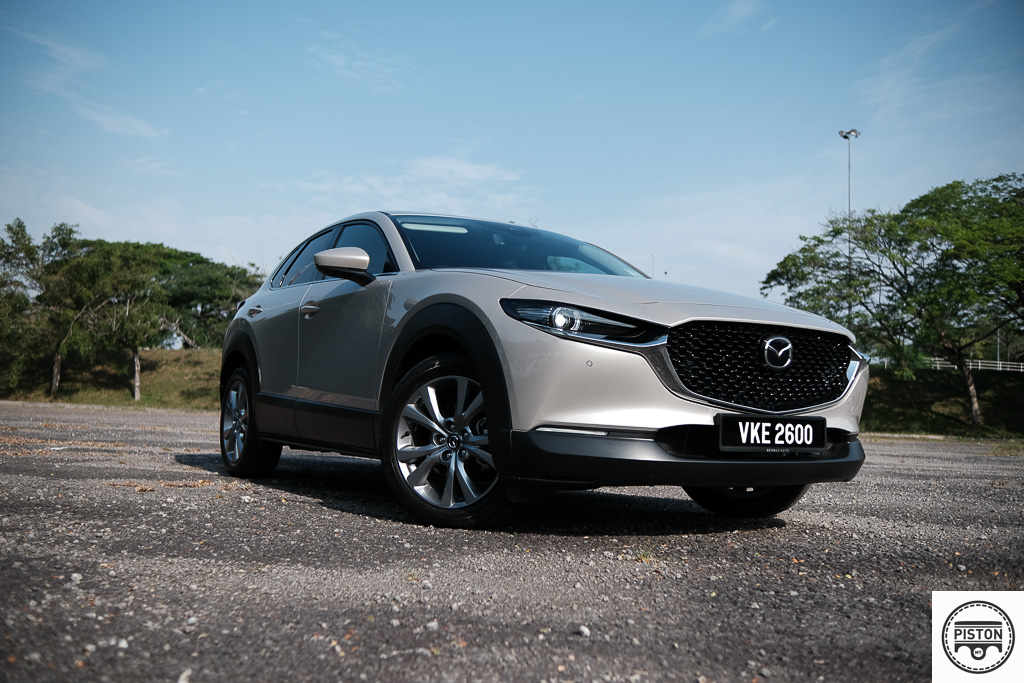
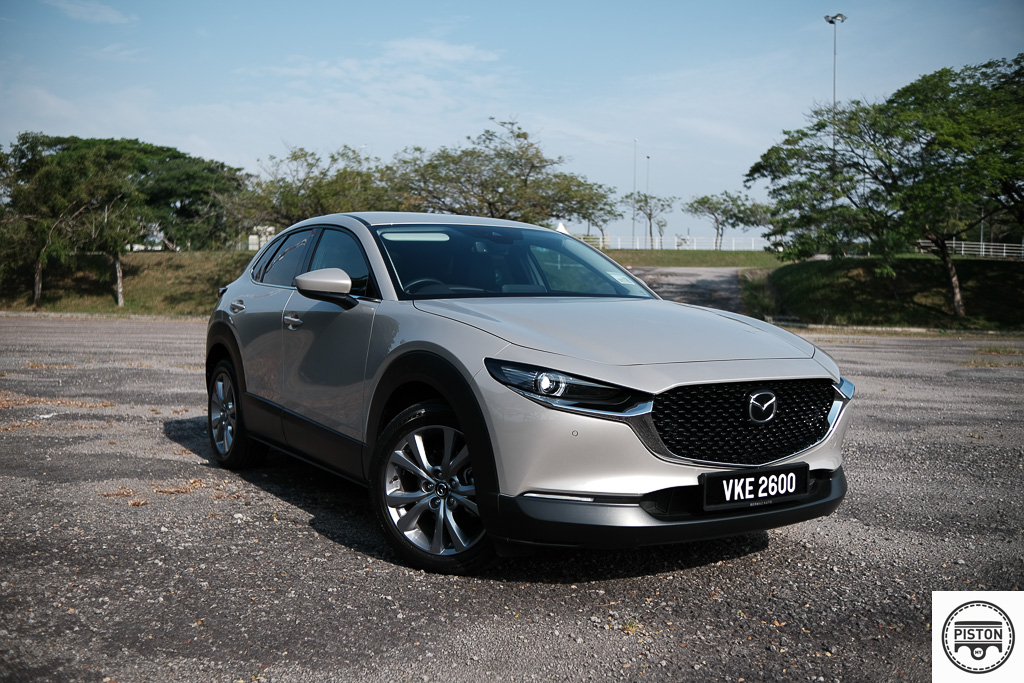
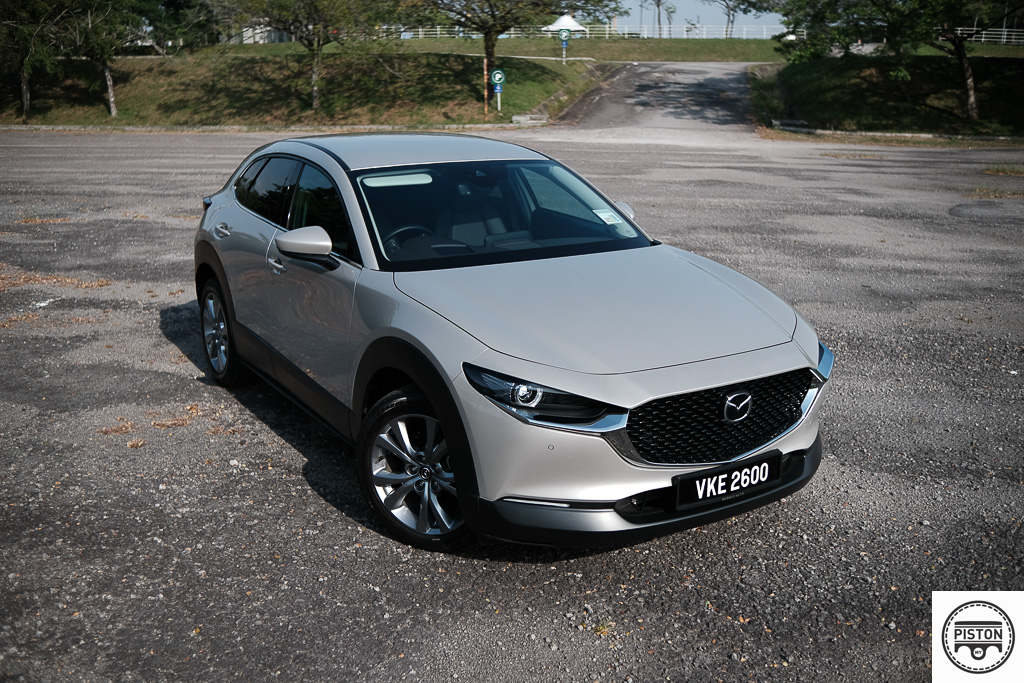
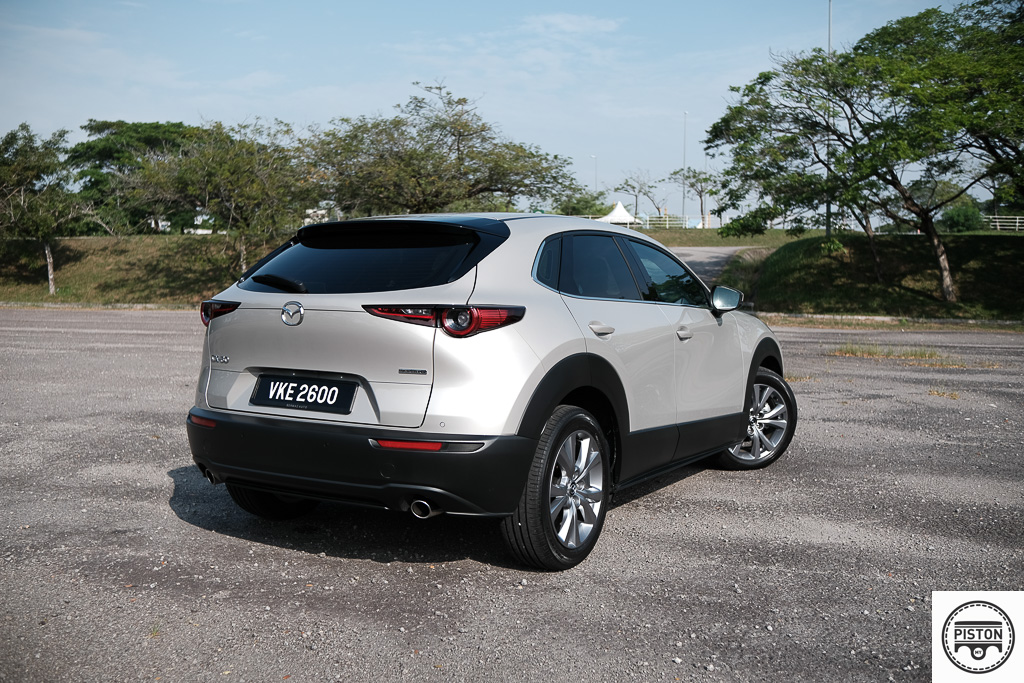
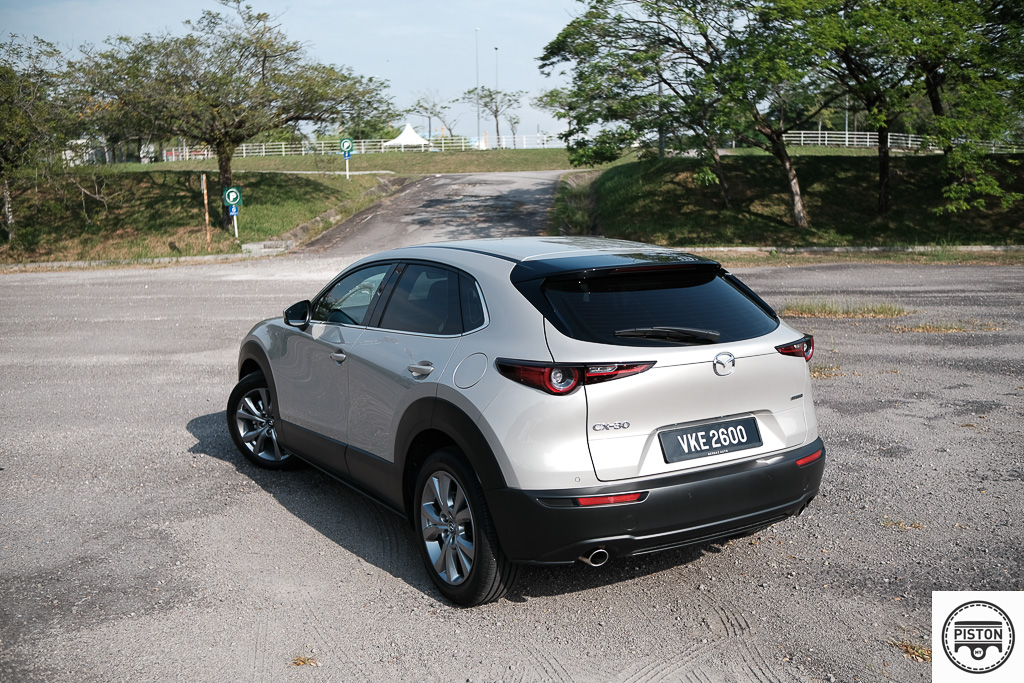
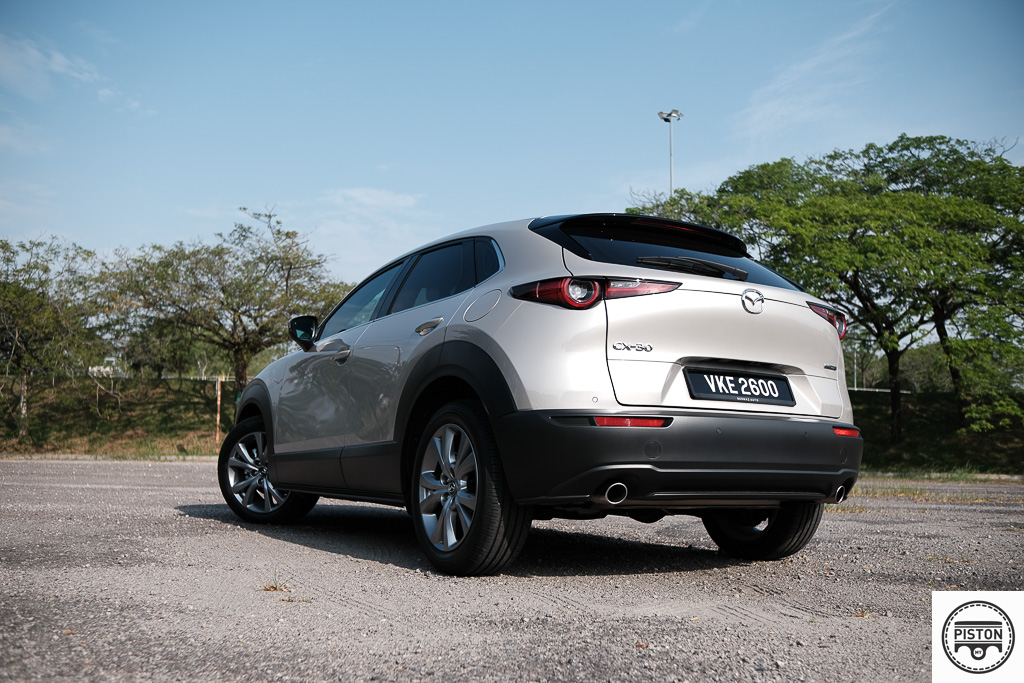
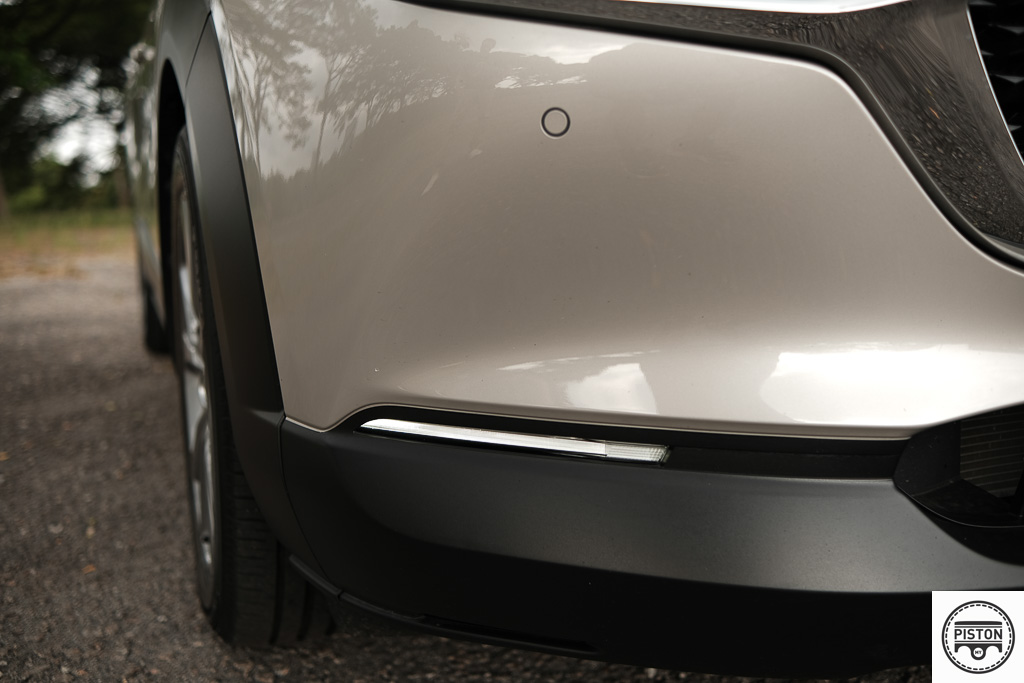
The Mazda CX-30 was introduced in 2019 as a model that sits in between the CX-3 and the CX-5. This made good sense for those who found the CX-3 to be too small and the CX-5 to be too big.

And before you ask why Mazda didn’t simply call it the CX-4, well the company already has a CX-4 model in its line-up but that is a China specific model. So to avoid confusion, it chose the easier route of calling the new model the CX-30 instead.
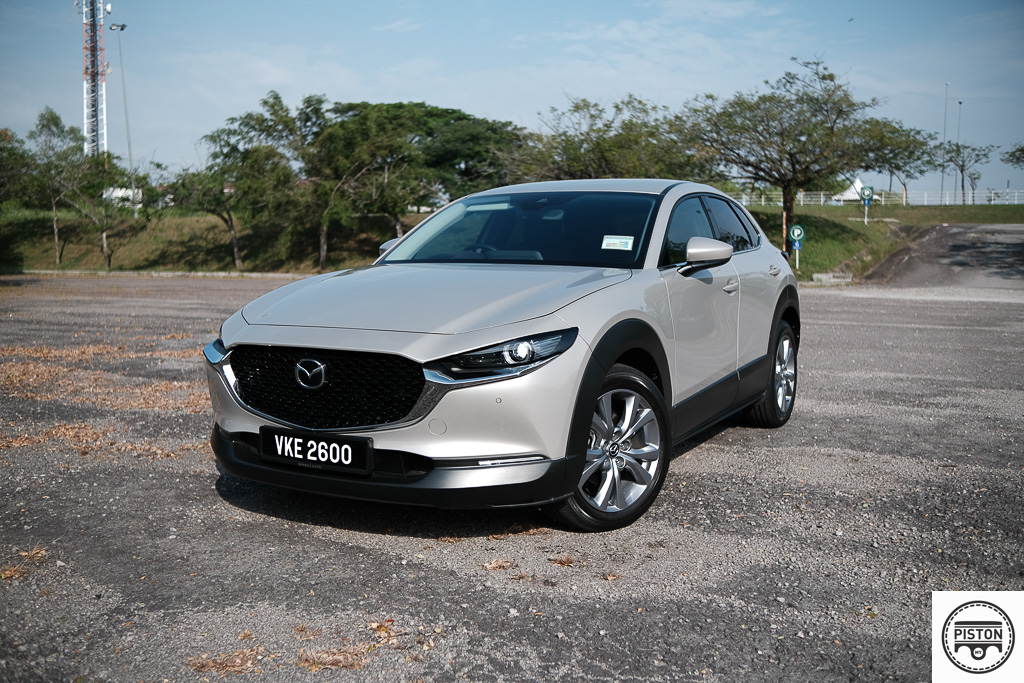
But why does the CX-30 need to exist at all when there is already a small SUV in Mazda’s line-up? The CX-3 is a small SUV while the CX-5 is better suited for family’s, so Mazda thought there may be room in between the models. And they may have been right.

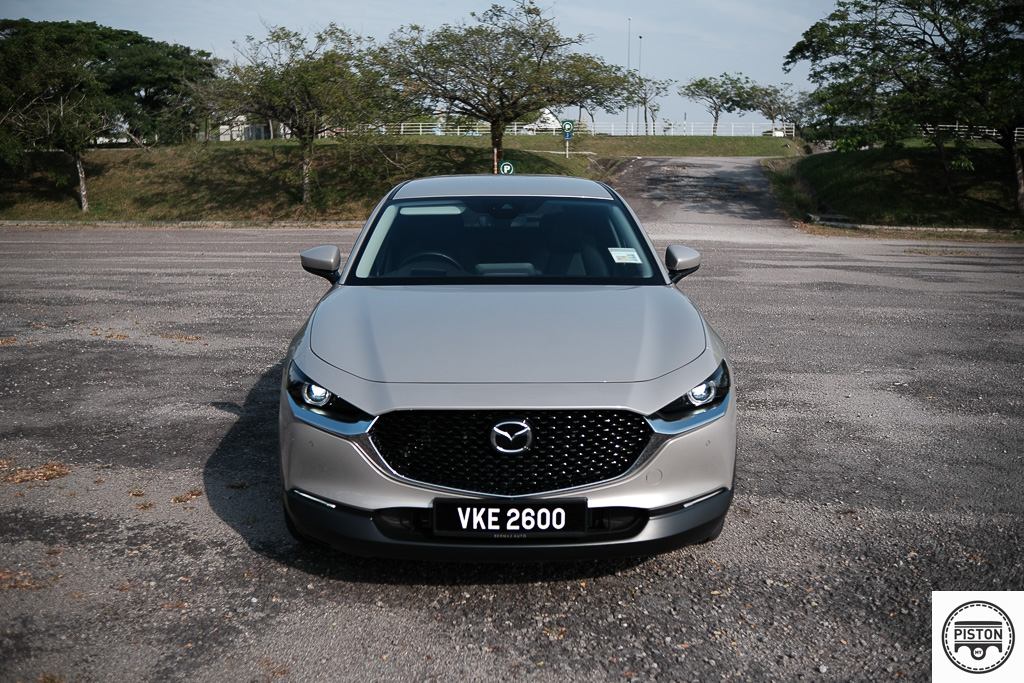
But there’s the small issue of price. There are four variants of the CX-30 on offer, with prices starting from RM131,409 for the entry level model, up to RM161,409 for the flagship model. The model we tested here is the second best and is called the High+ (pronounced as high plus). It is priced at RM159,409, which may be a little difficult to stomach for such a small car.
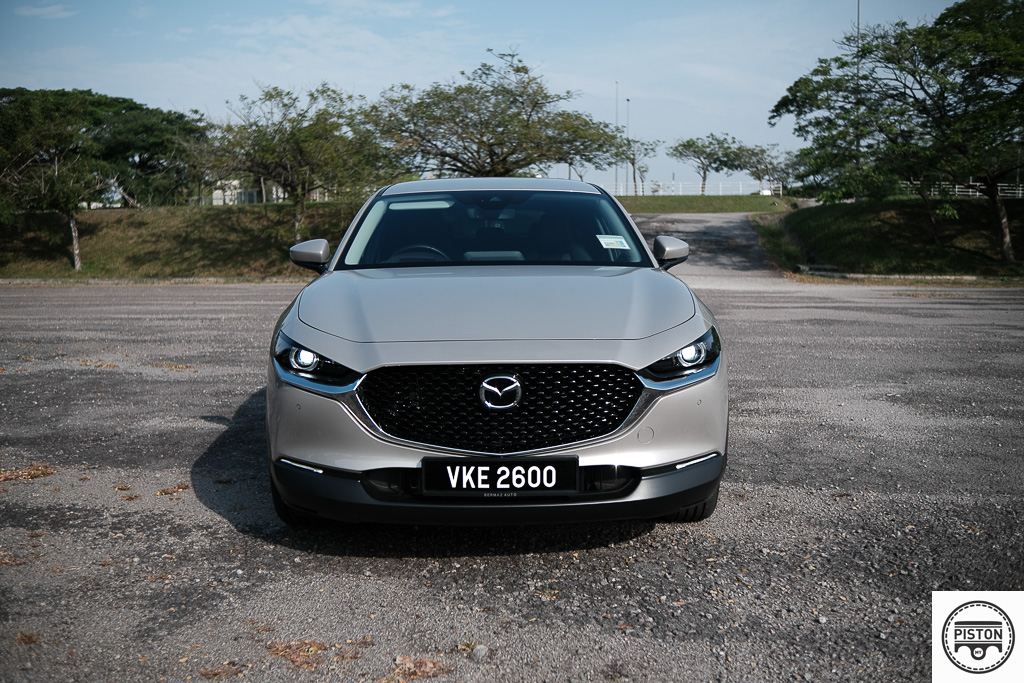
However, Mazdas have never been known to be cheap, in the past two decades at least. They have however been known to be well-built, well-specified and well-engineered. And that is what the CX-30 has to offer.

But why would you want to spend so much on a small car when there are others that offer so much more for less? Cars like the Mazda CX-5, Honda HRV, Toyota Corolla Cross and even the Proton X70 are probably better buys in terms of spaciousness and overall features.

But that would be missing the point of the Mazda CX-30.
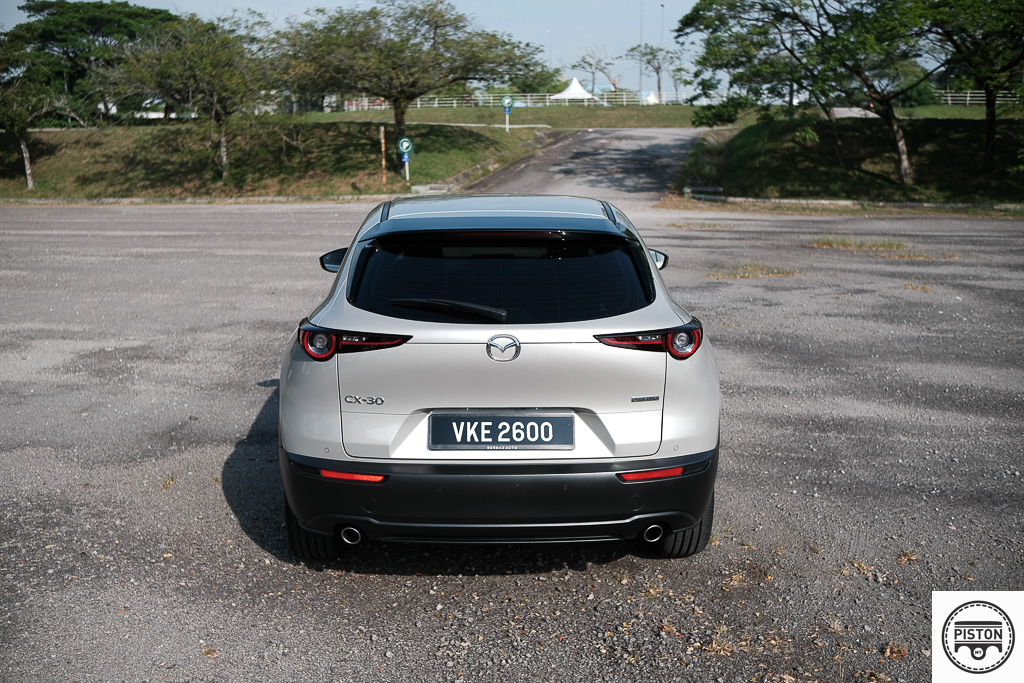
The Mazda may be small, but it packs a mighty punch. Newer generation Mazdas are some of the nicest cars to drive thanks to a technology called G-Vector Control (GVC).

But before delving deeper into the tech, it is worth noting that Mazda is a car company for enthusiasts, and builds cars that focus as much on driving pleasure as it does on passenger comfort and safety. Let’s not forget that this is the same car company that has built some of the greatest cars in the history of the automobile, cars like the MX-5 and RX-7.
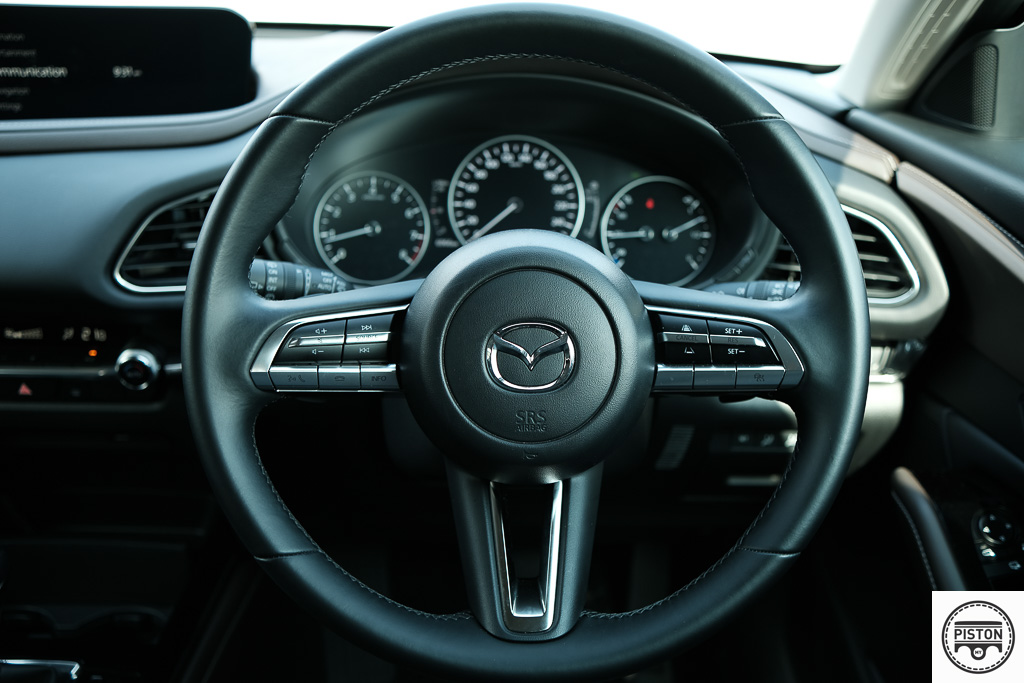
At the very core of every Mazda built is the principle of ‘Jinba Ittai’ – the unison of horse and rider coming together as one. This is to give the rider complete control of the horse through the reins. And in a Mazda, the control comes through the steering wheel and tech like GVC.

The engineering behind the system is mind blowing, complex and will need an entire article by itself to explain. But for simplicity’s sake, the system works by maximizing steering input, making the car feel sharper and more eager to turn in. This also means that you only need minimal steering input to achieve the same result as you would in a car without GVC. The result is a car that feels more agile and responds to every input from the driver instantaneously.
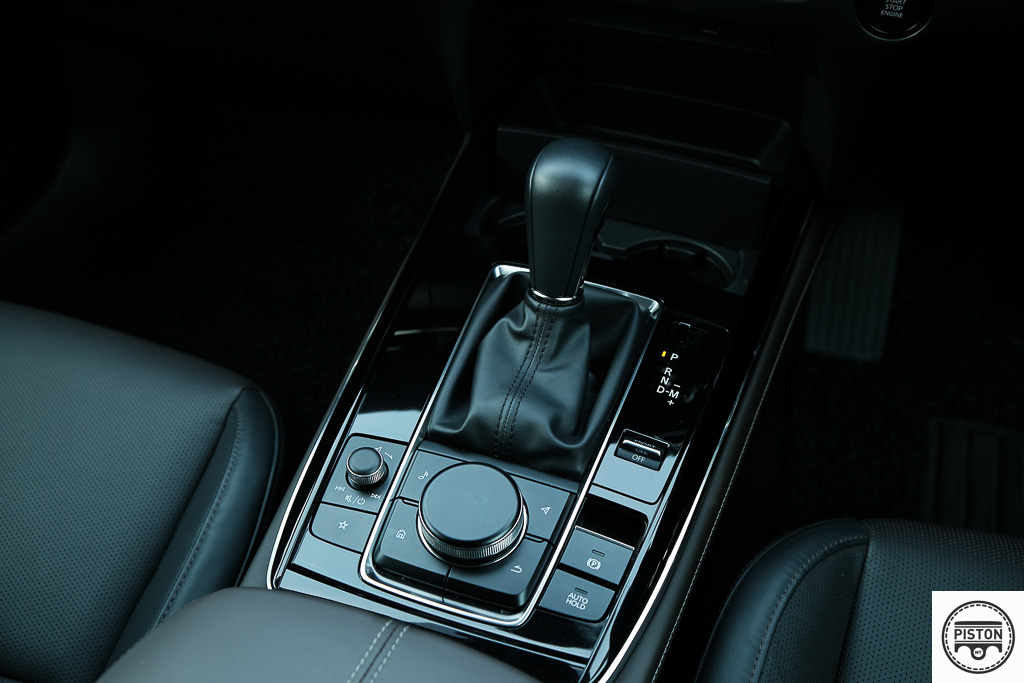
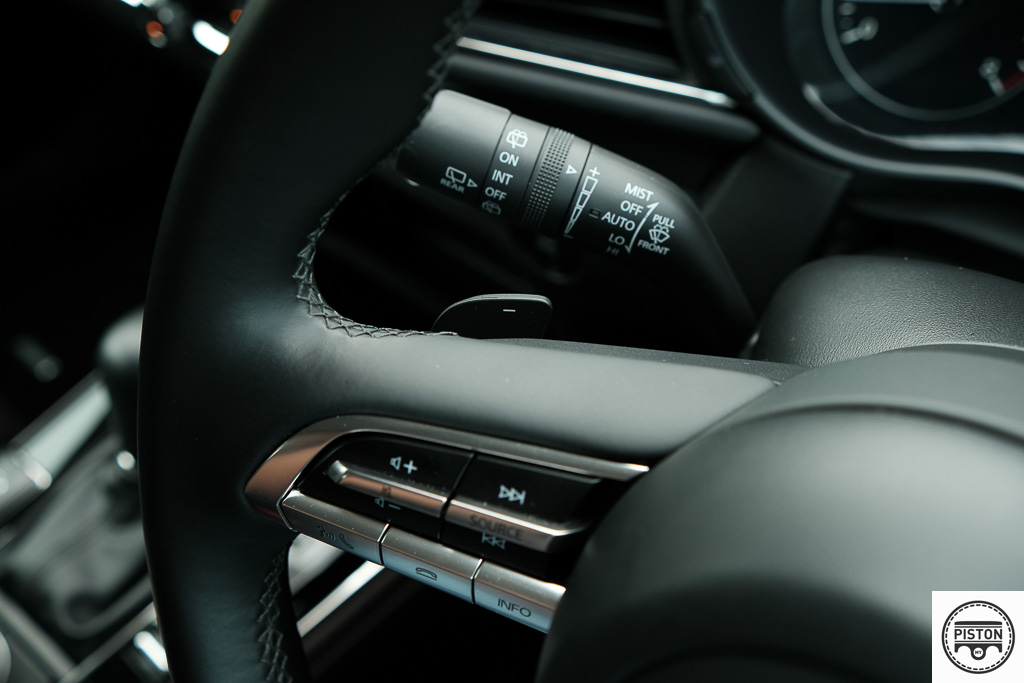
The CX-30 High+ model also comes with steering mounted shifter pedals. This further adds to the sporty character of the CX-30 – giving you absolute control over the powertrain of the car and letting you decide which gear you want to be in when you go into full attack mode.

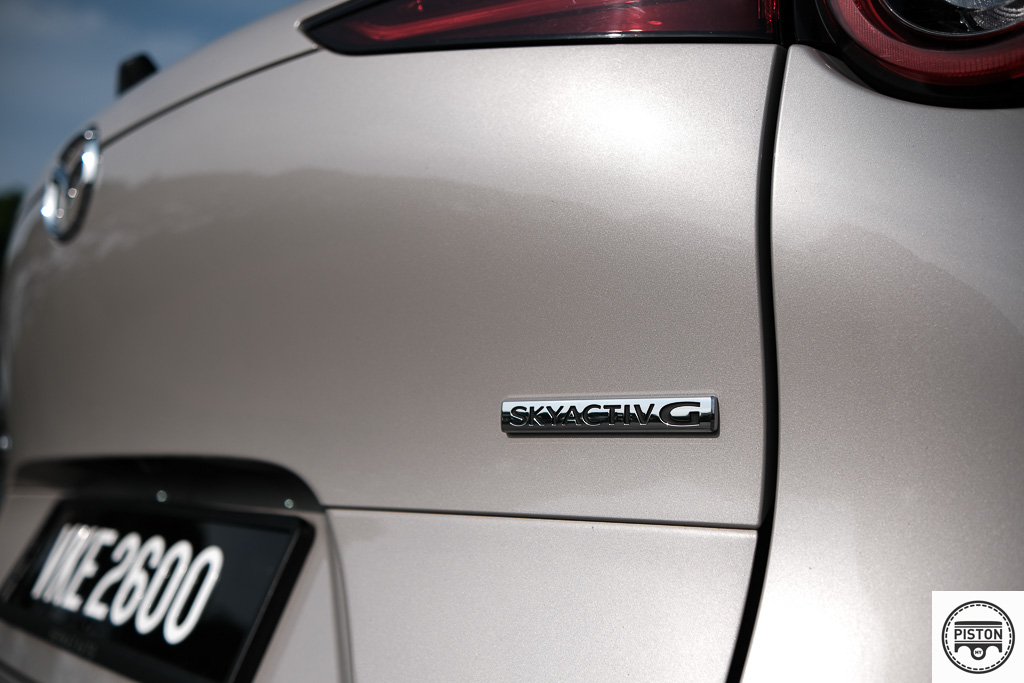
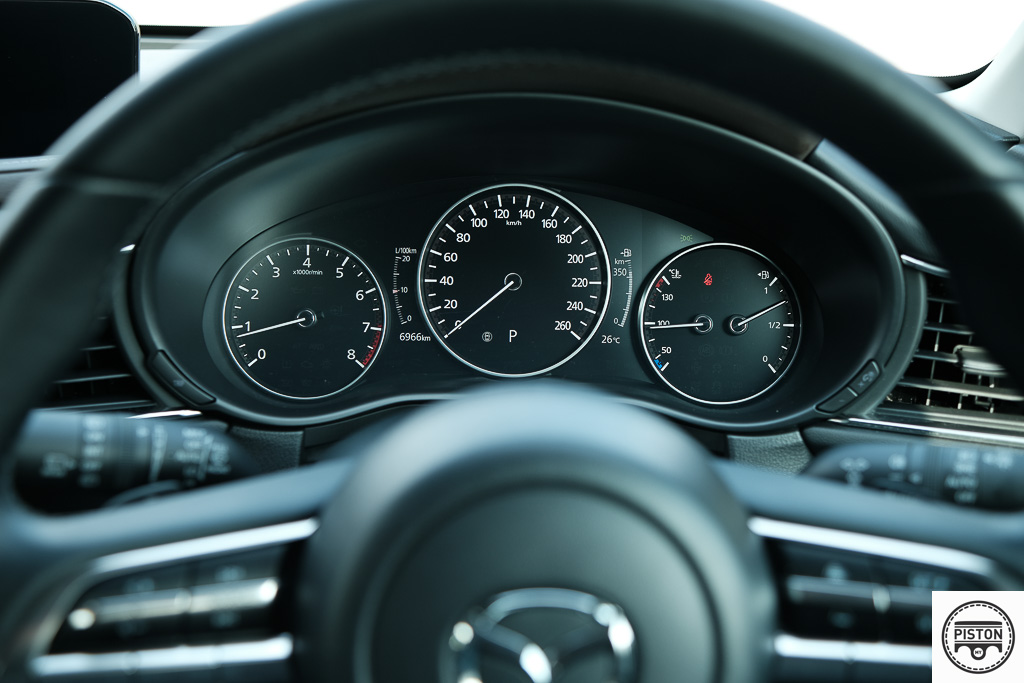
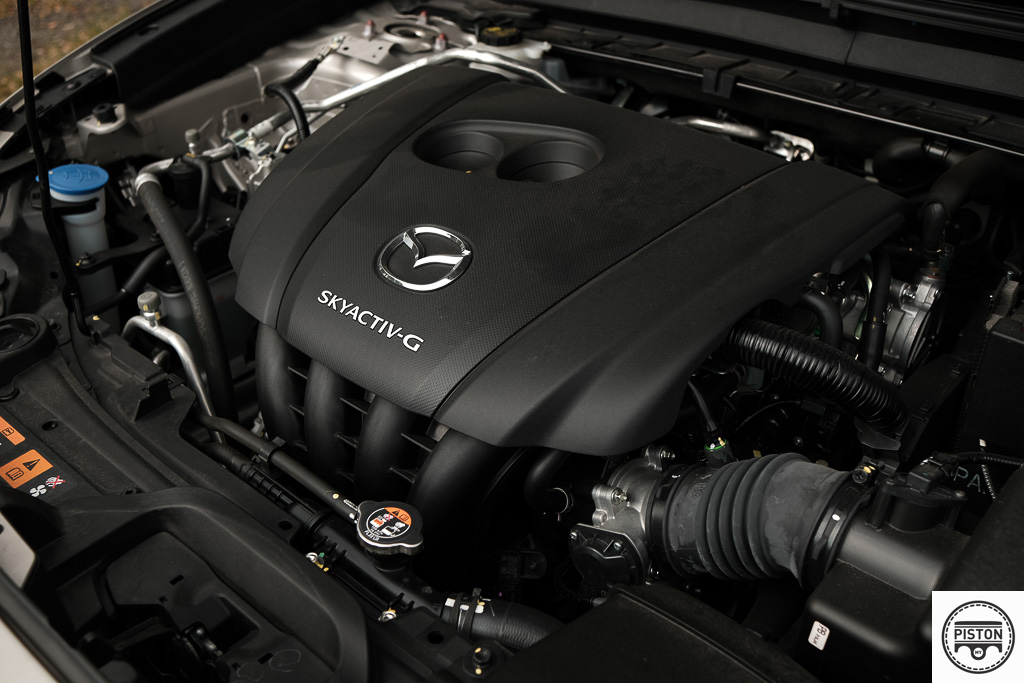
Having said that though, the power figures are not exactly that impressive. The 2.0-litre engine makes 162hp at 6000 rpm and 213Nm of torque at 4000rpm. Power is sent to the front wheels through a six-speed automatic gearbox.
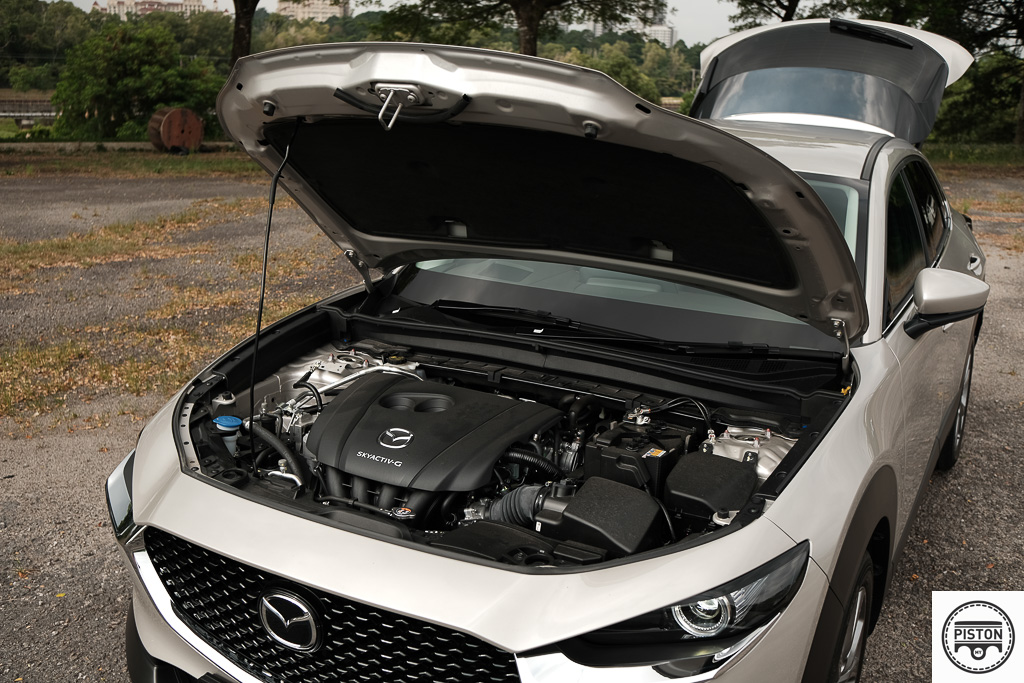
Power delivery takes time as is typical of a naturally-aspirated engine. Since most of the power is made at the upper end of the rpm bandwidth, you have to wring out the engine and wait for it to come alive.

But when it does come alive, that is where the CX-30 is at its finest. The combination of power and control makes it quite fun in corners. However, that joy is quickly let down by the torsion beam rear suspension that makes the rear feel unsettled.
On that point though, the CX-30 is not exactly a sports car, though it def feels great to drive, it does a better job as a daily commuter that keeps its occupants comfortable.

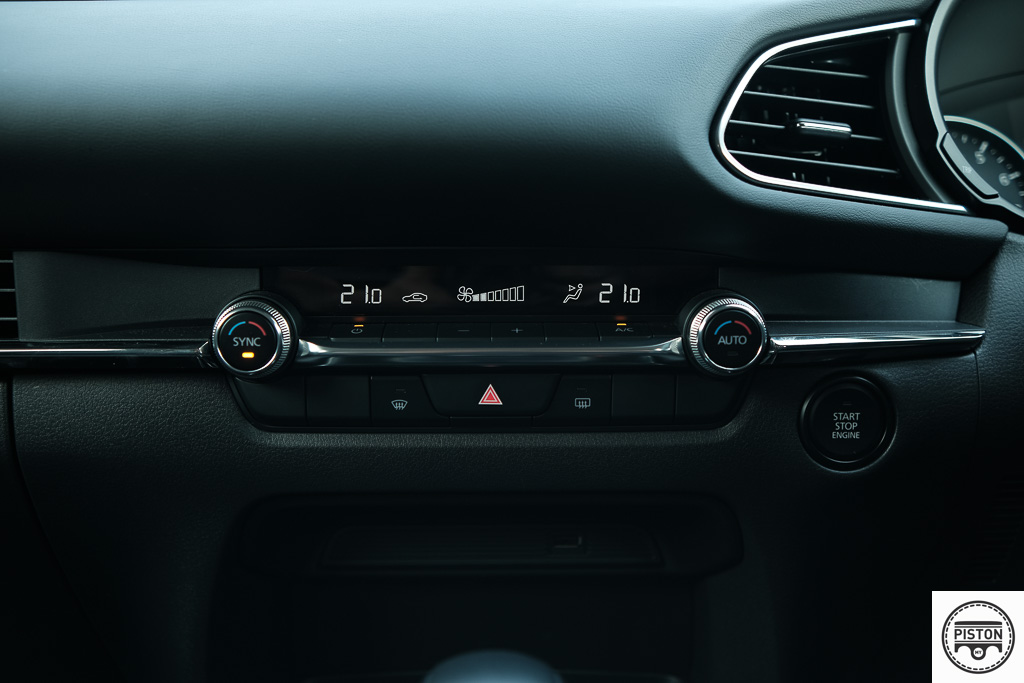
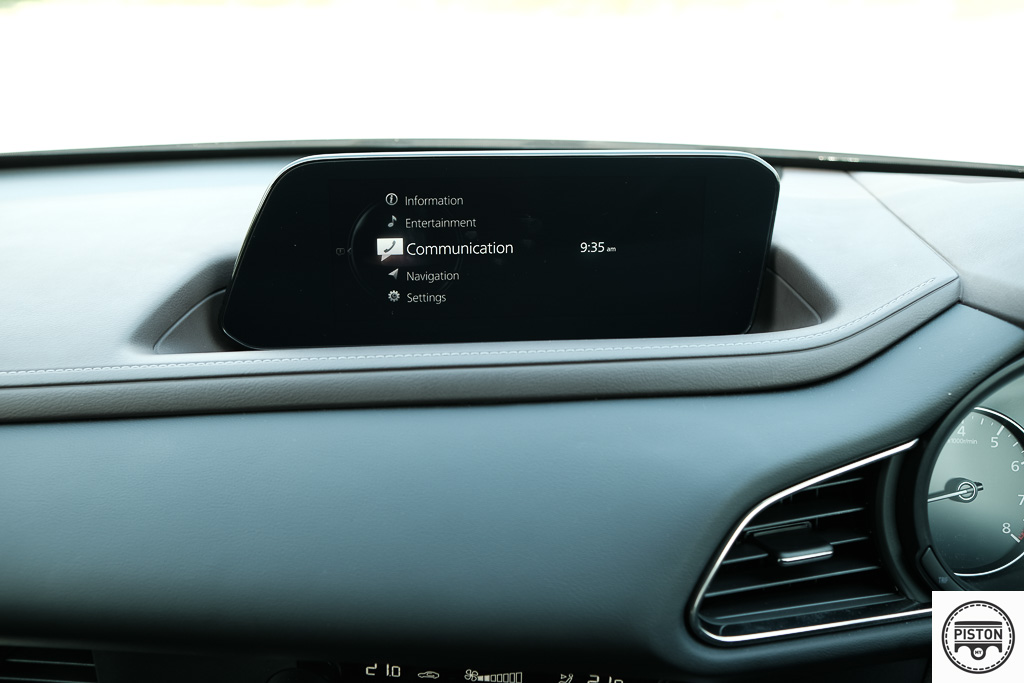
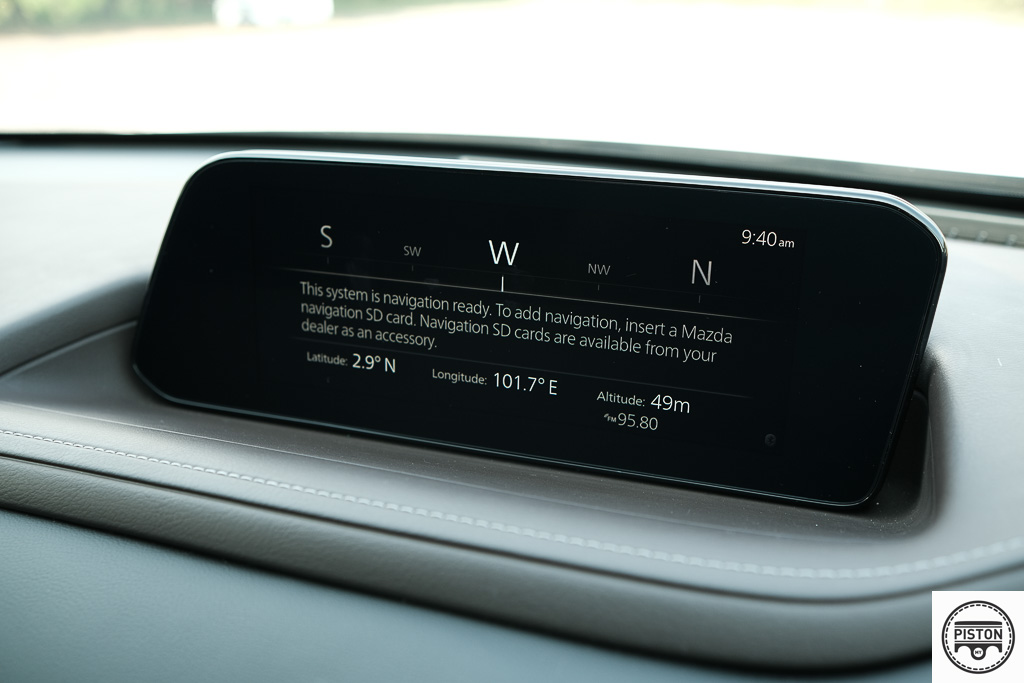
If you’re not familiar with Mazda cars, the interior might feel a little understated and minimalist. The interior of the CX-30 is the same. It is devoid of anything that will take your breath away.
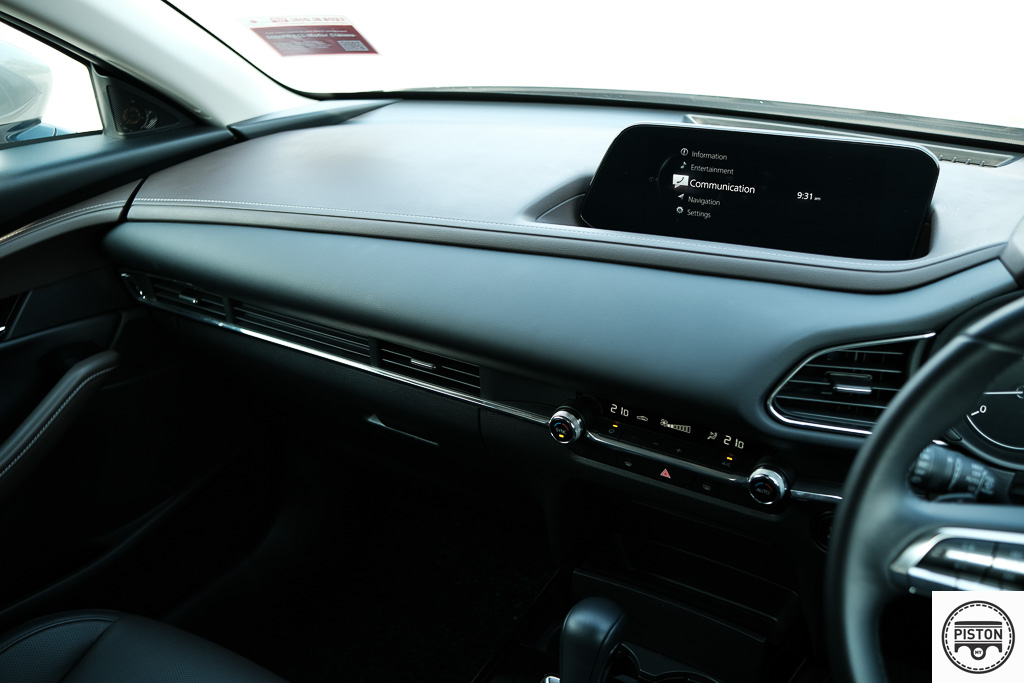
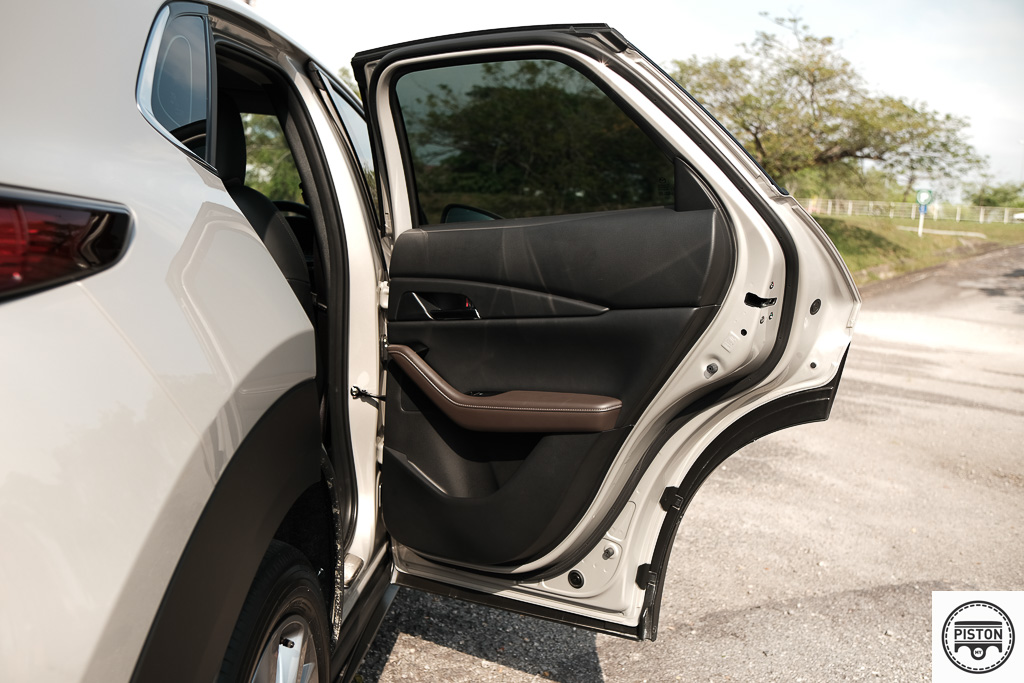
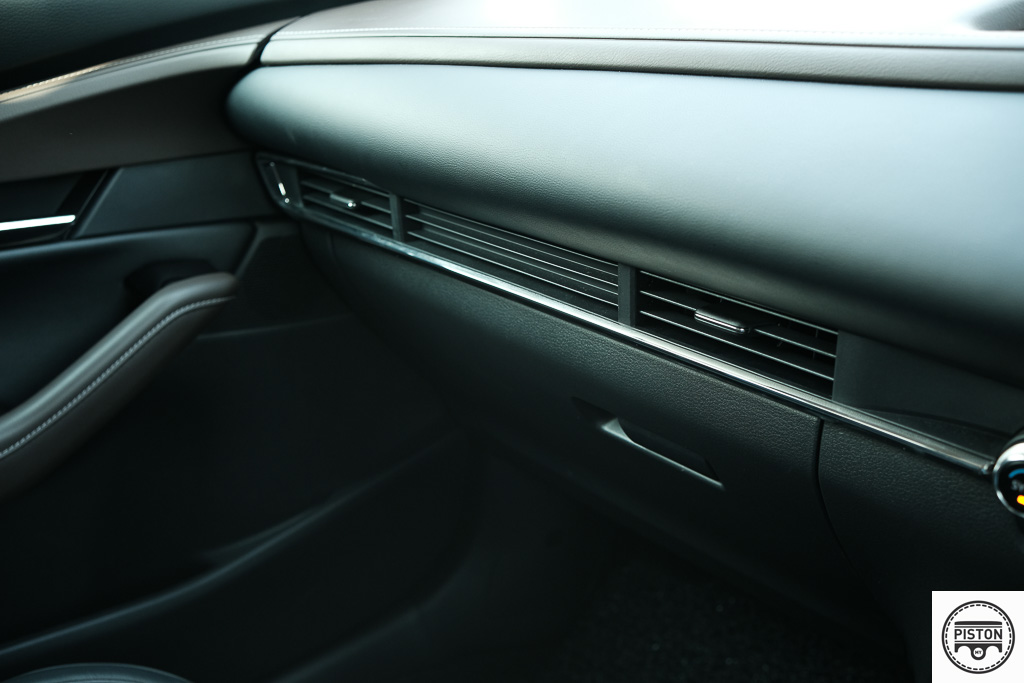
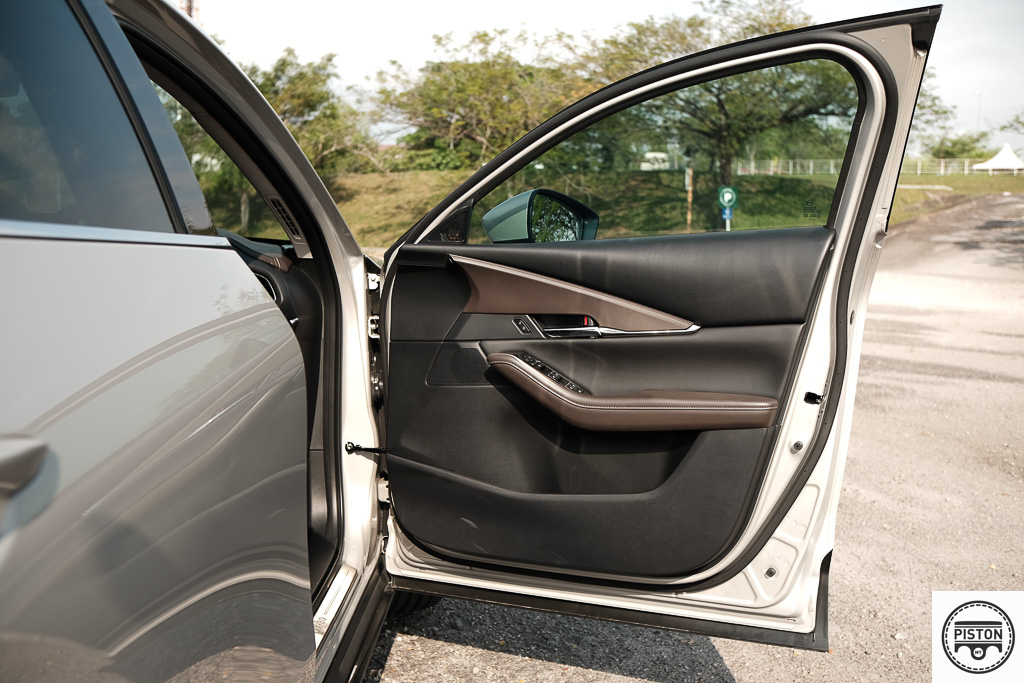
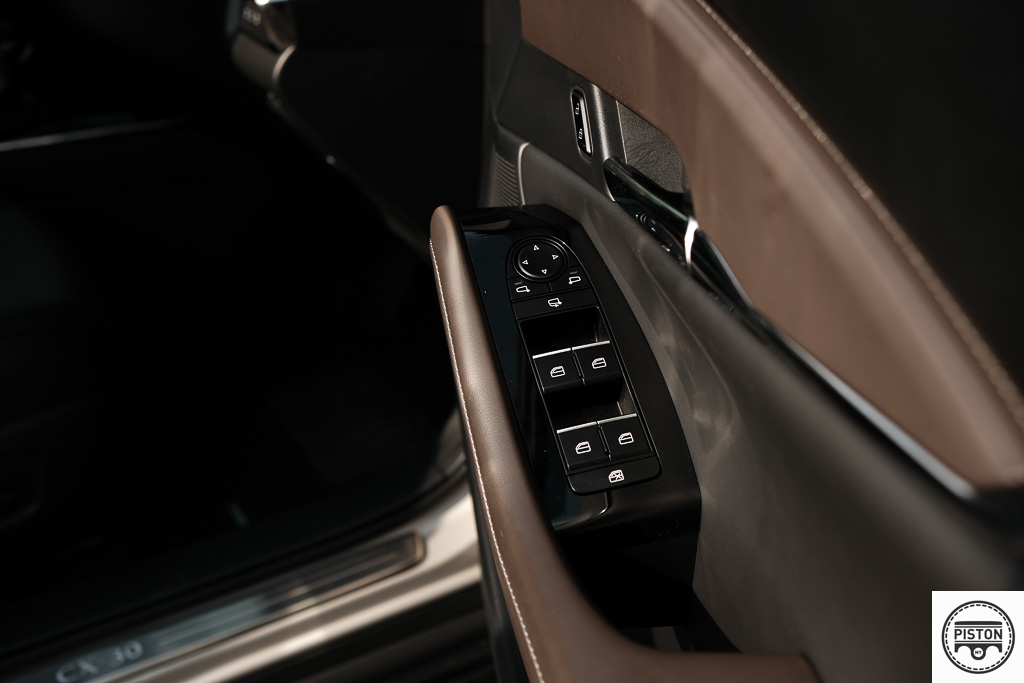
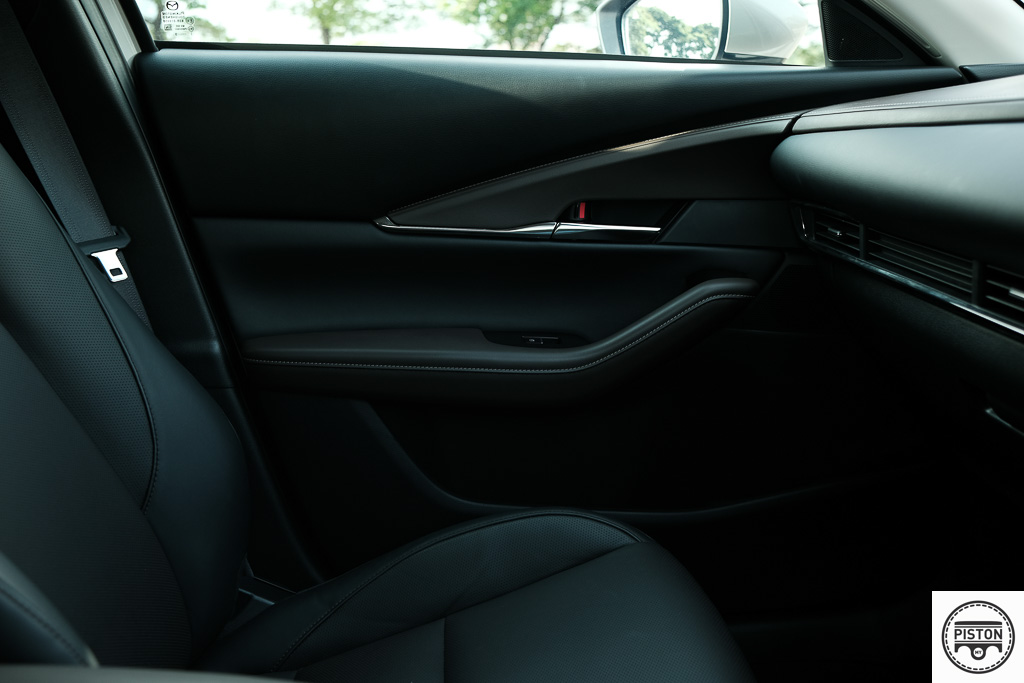
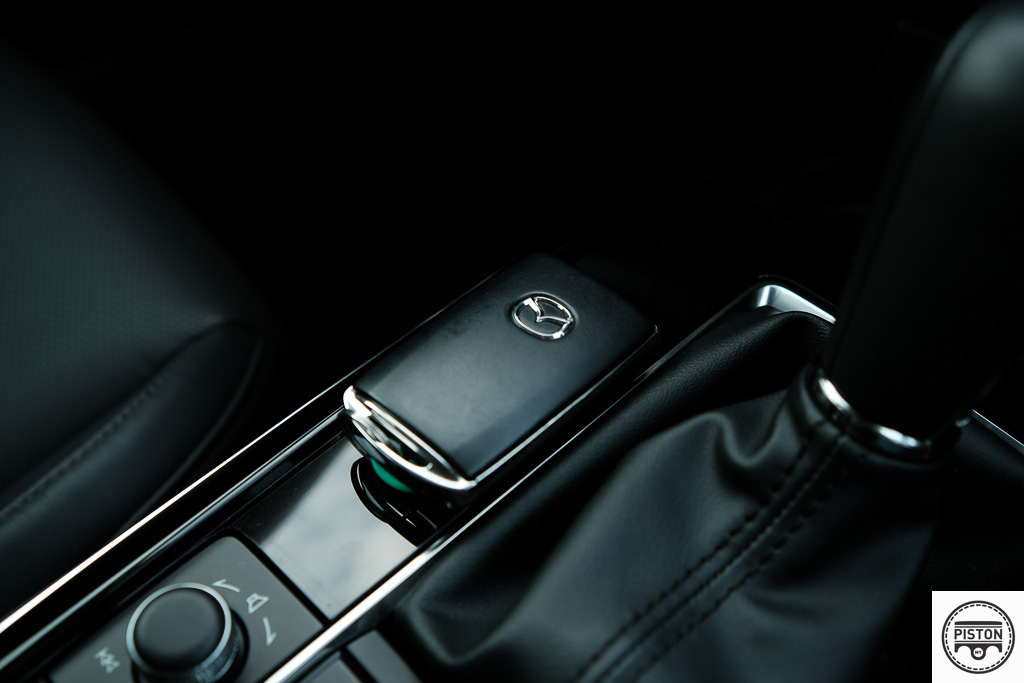
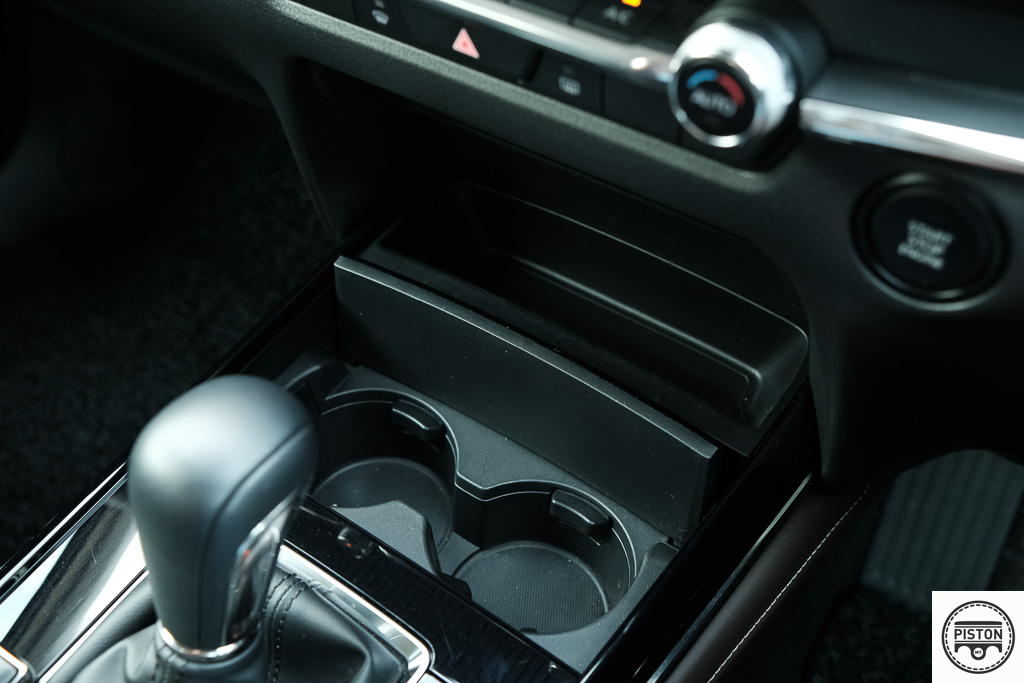
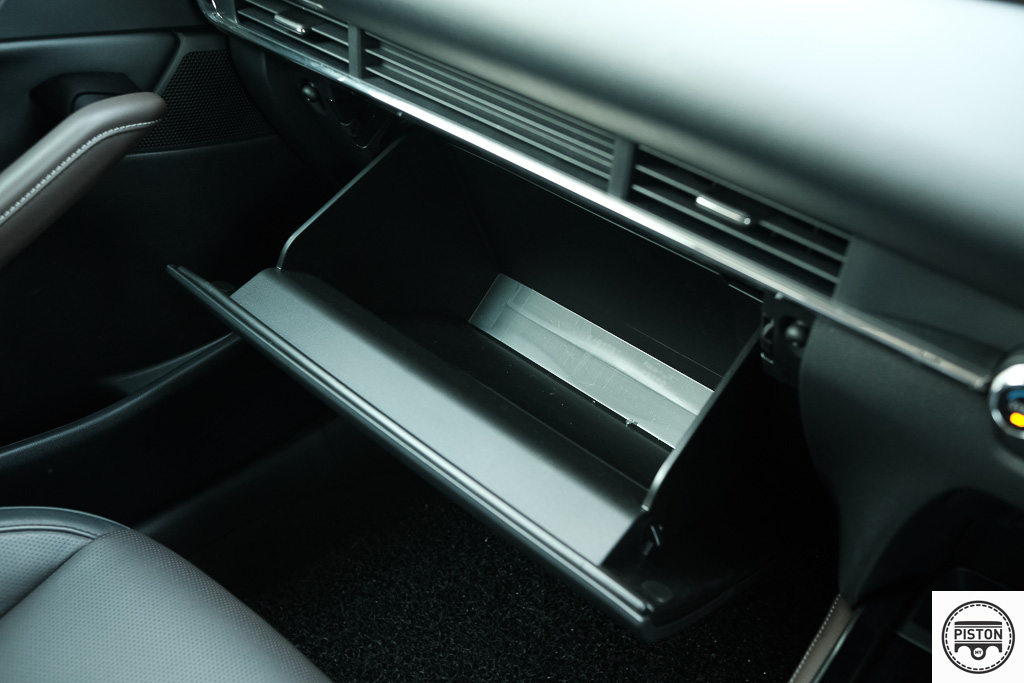
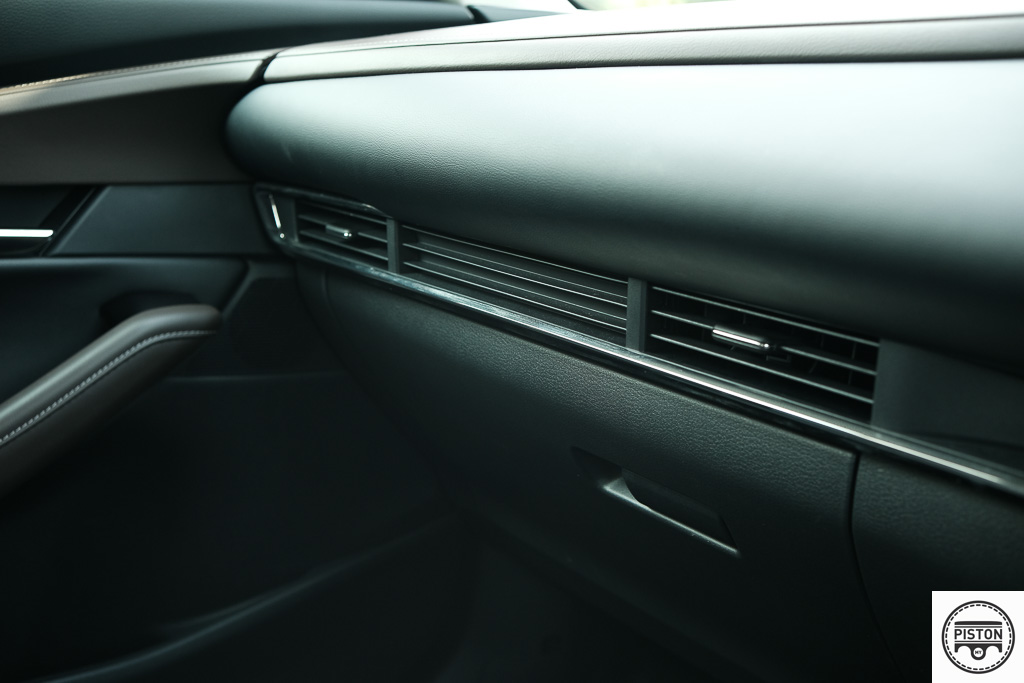
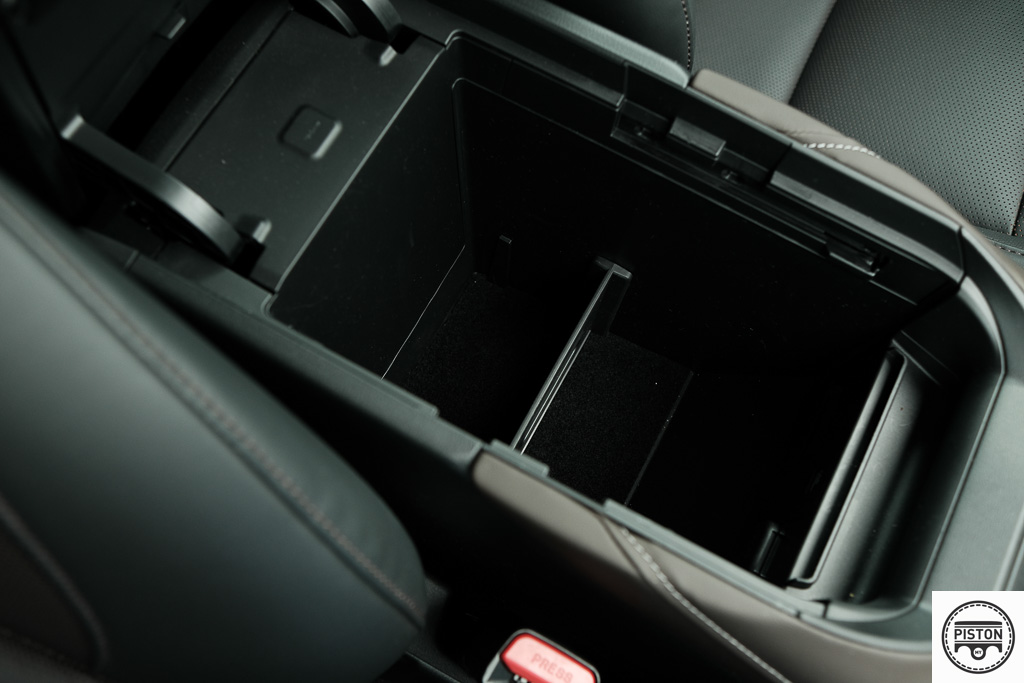
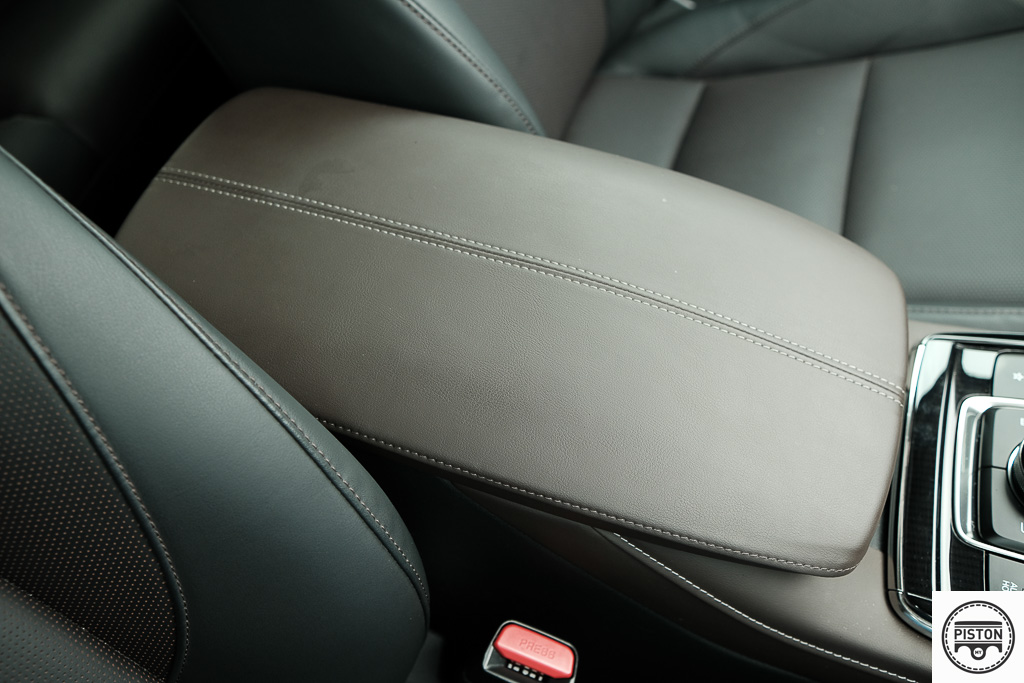
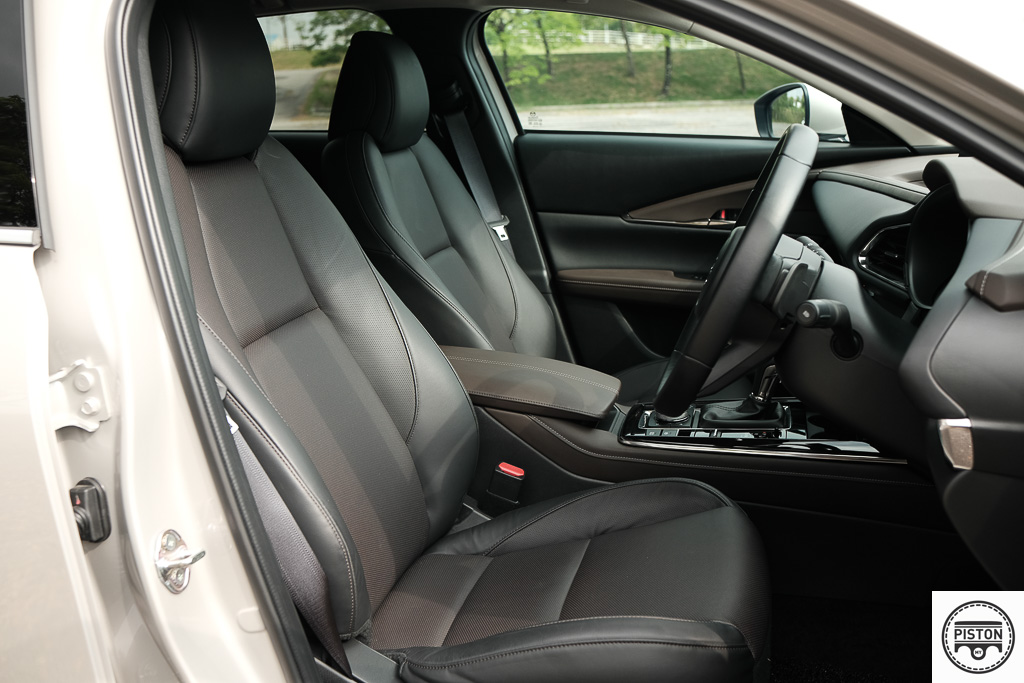
Instead, what you get is a purposeful interior that prioritises the important things. The quality though is top notch. There’s plush leather and soft touch plastics everywhere around the interior, and this makes the interior feel more expensive than what it actually is.

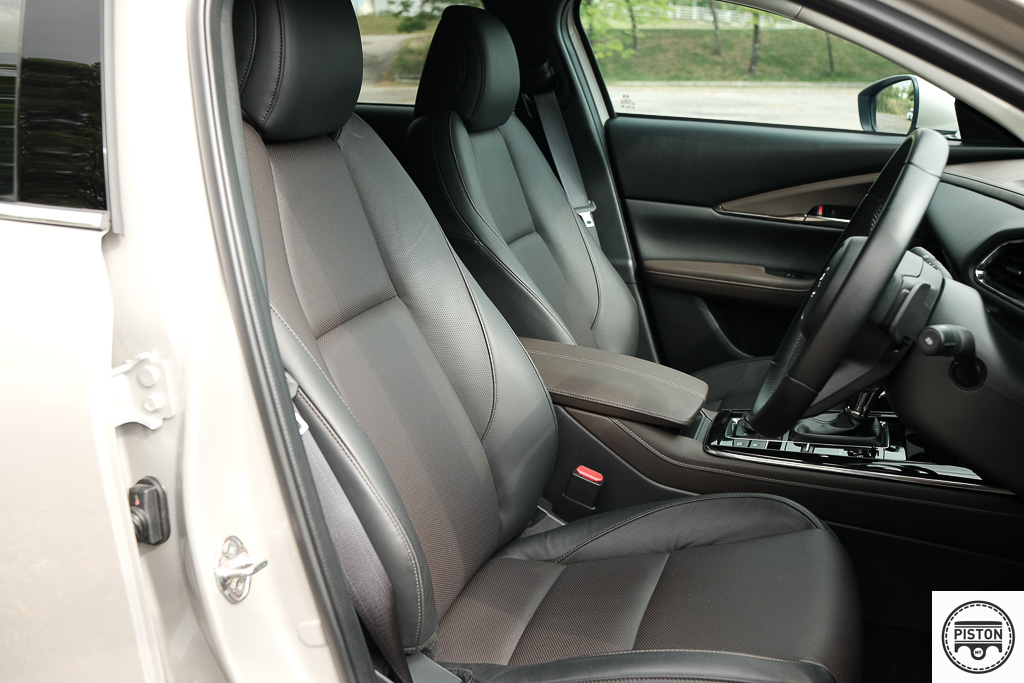
The seats are comfortable and supportive, and space is especially impressive for the front passengers. While the CX-3 can feel cramped, the CX-30 feels generous in terms of spaciousness.
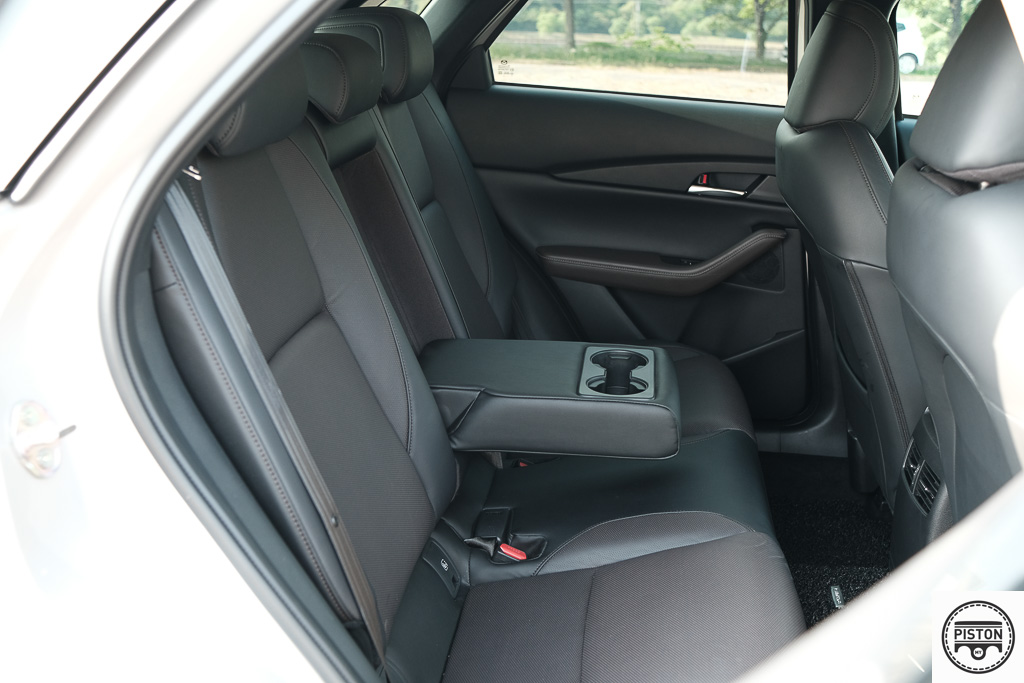
The rear seats though still feel cramped. Taller passengers will be hard done to be comfortable and even toddlers in their Isofix mounted child seats may find their legs sandwiched in between the front seats.

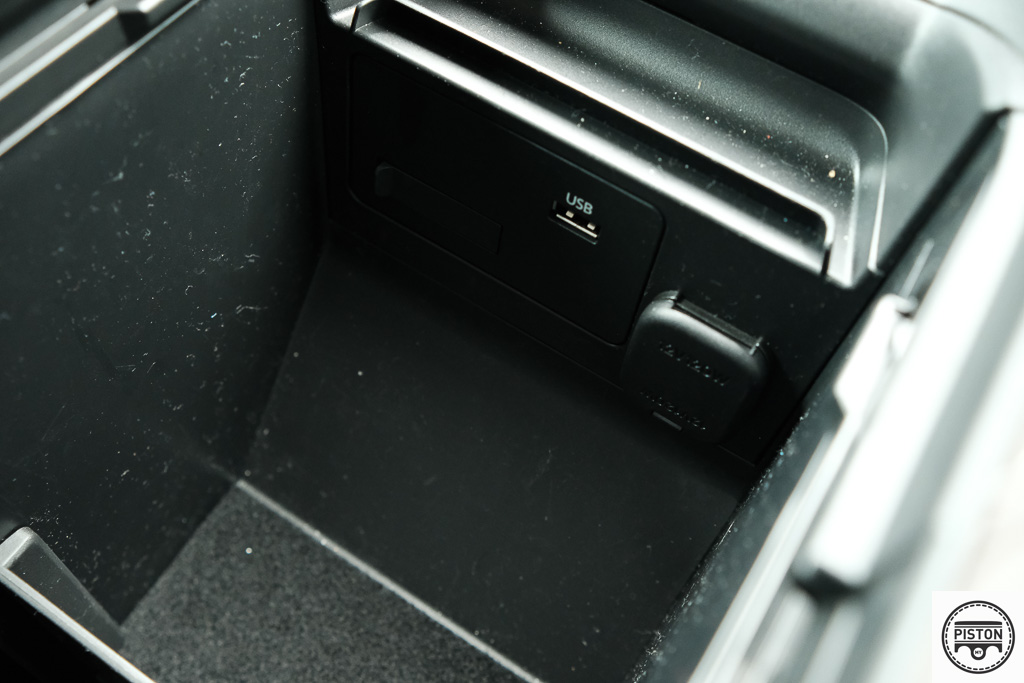
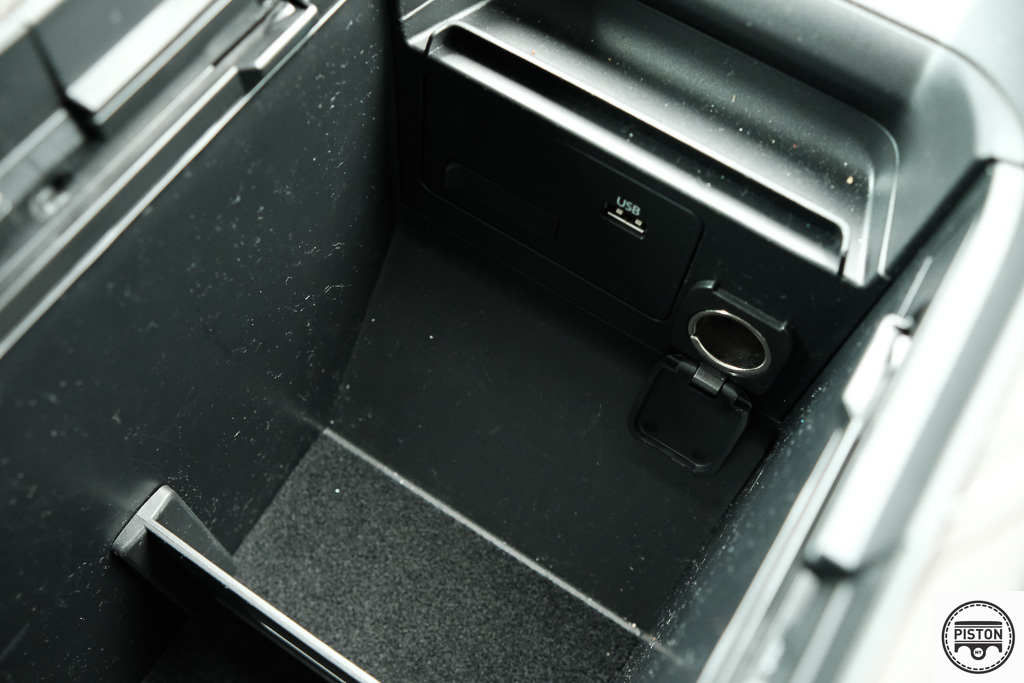
To top it off, there is no USB port for rear passengers, not even an auxiliary power outlet.

And there in lays the problem with the CX-30. It may be a good-looking car that is fun to drive with a decent powertrain. But it is an expensive small SUV and does not quite prioritise the utility part of an SUV with its small-ish interior.
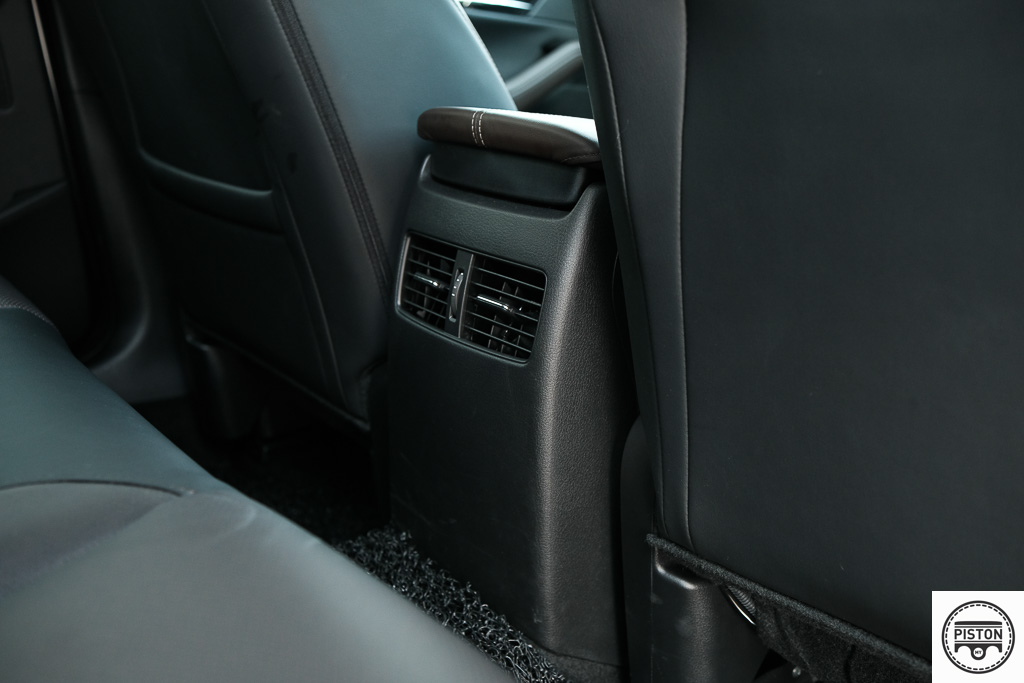
In fact, its sibling the Mazda CX-5 2.0G High may be the better buy than the CX-30 High+ from within Mazda Malaysia’s own stable of cars. The CX-5 2.0G High costs a little under RM157,000 and it has most of what the CX-30 High+ has to offer, including spaciousness.

Just like the CX-30, the CX-5 too is a fun car to drive and because of the taller ride height, it might just be better to drive for those who need to prioritise spaciousness, i.e. families.
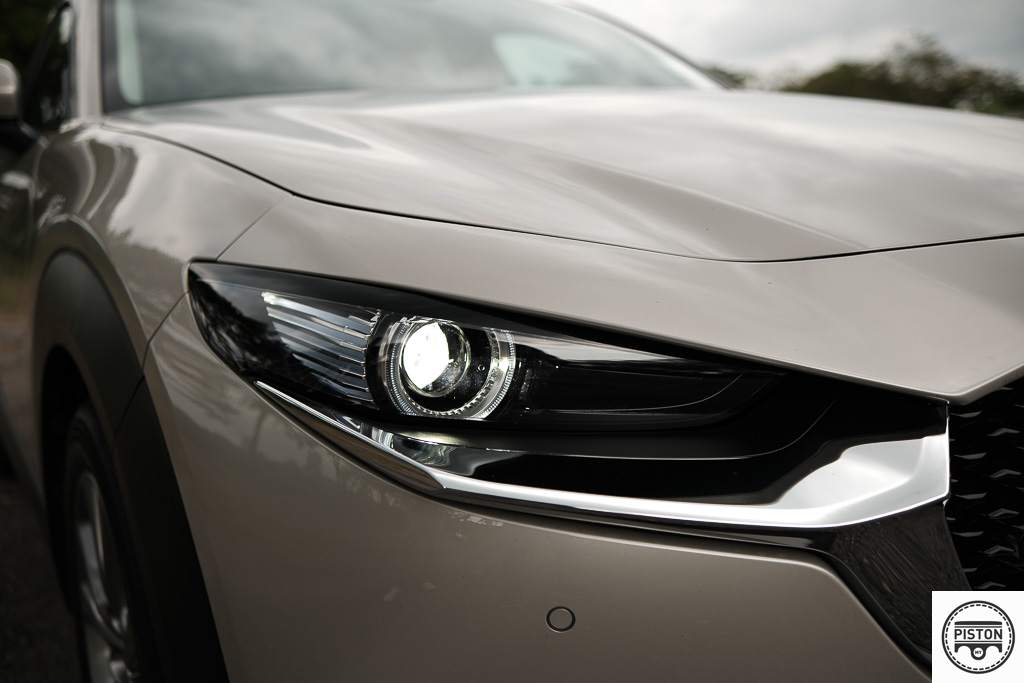
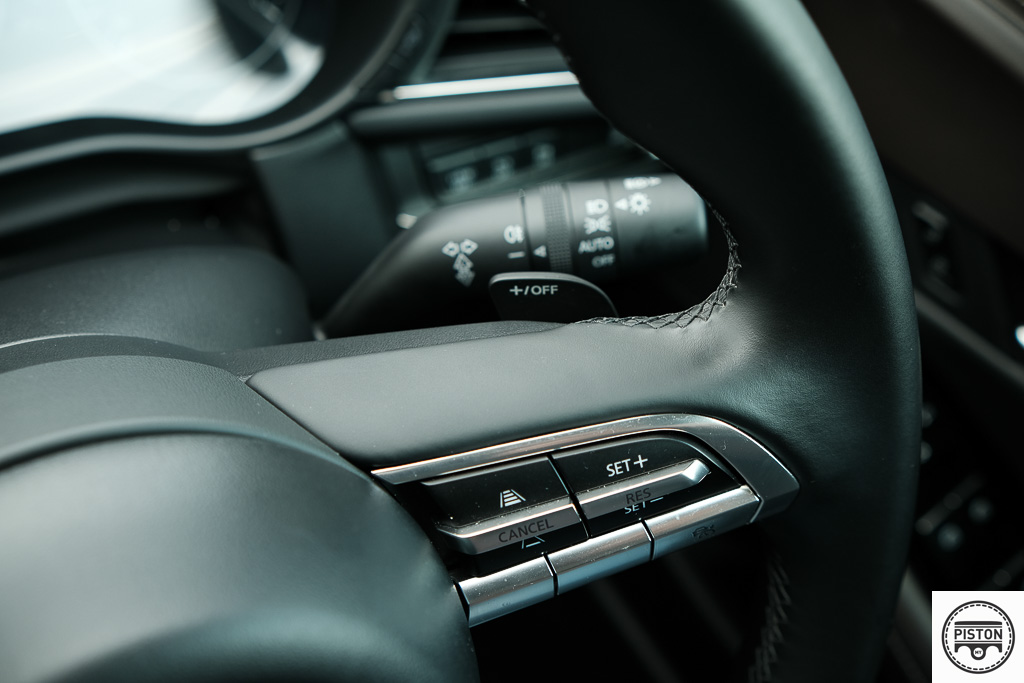
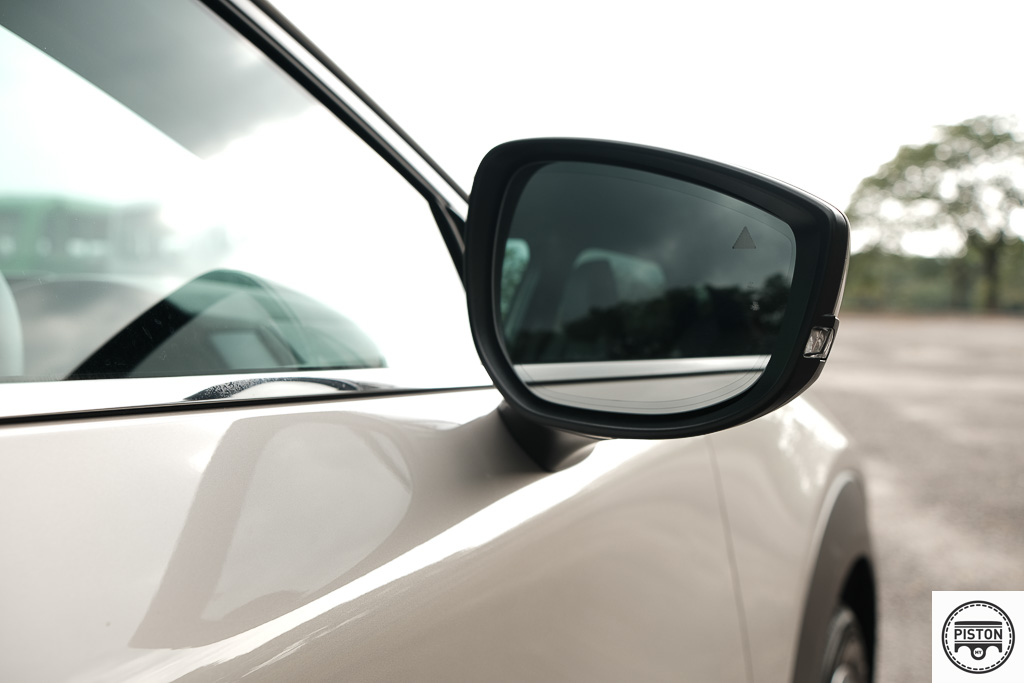
However, in defense of the CX-30 High+, it does come with quite an impressive list of features such as an adaptive front-light system and adaptive LED headlamps that turns the light according to the angle of the steering wheel, there’s also a complete Advanced Safety Technologies that include adaptive cruise control, lane departure warning, blind spot monitoring and a lot more. All designed to keep the driver and passenger safe in all situations.
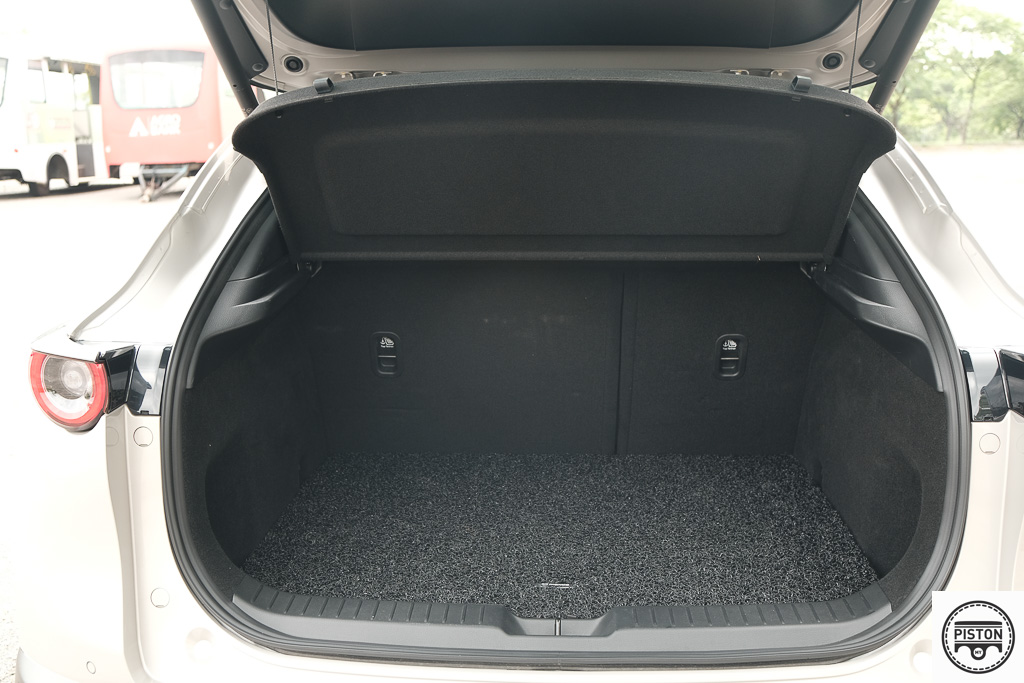
So if the CX-30 High+ picks your curiosity but you find it expensive, perhaps the price of the entry level Standard model may be easier to digest. It does not have all that the High+ variant has to offer, but it is RM20,000 cheaper. Perhaps that might be the model to consider if the CX-30 is what whets your appetite. Otherwise, the CX-5 is the better buy.

Specifications

Engine: 2.0-litre, DOHC, 16-Valve, 4-Cylinder with VVT

Power: 162hp@6000rpm

Torque: 213Nm@4000rpm

Transmission: 6-speed with Manual Shift Mode

Suspension: MacPherson Struts (Front) Torsion Beam (Rear)

Price: RM151,409

We like: Style, interior quality

We don’t like: Pricey
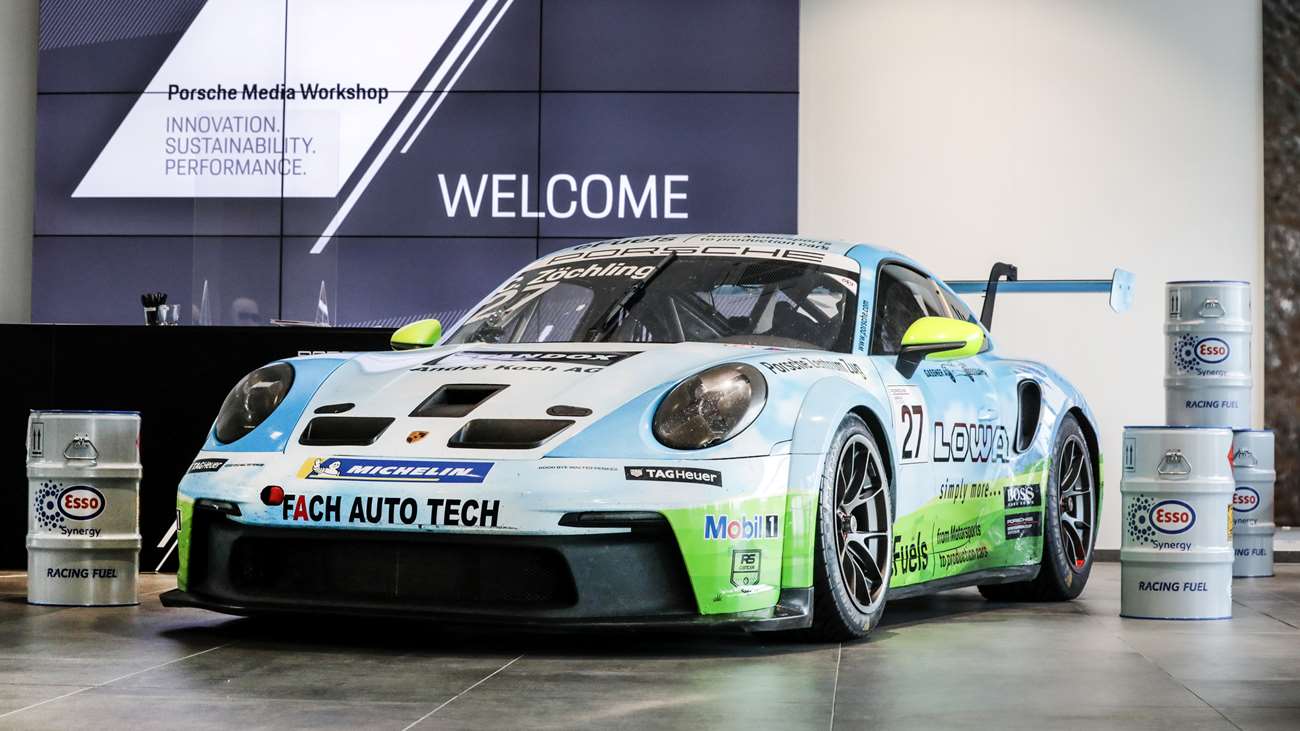
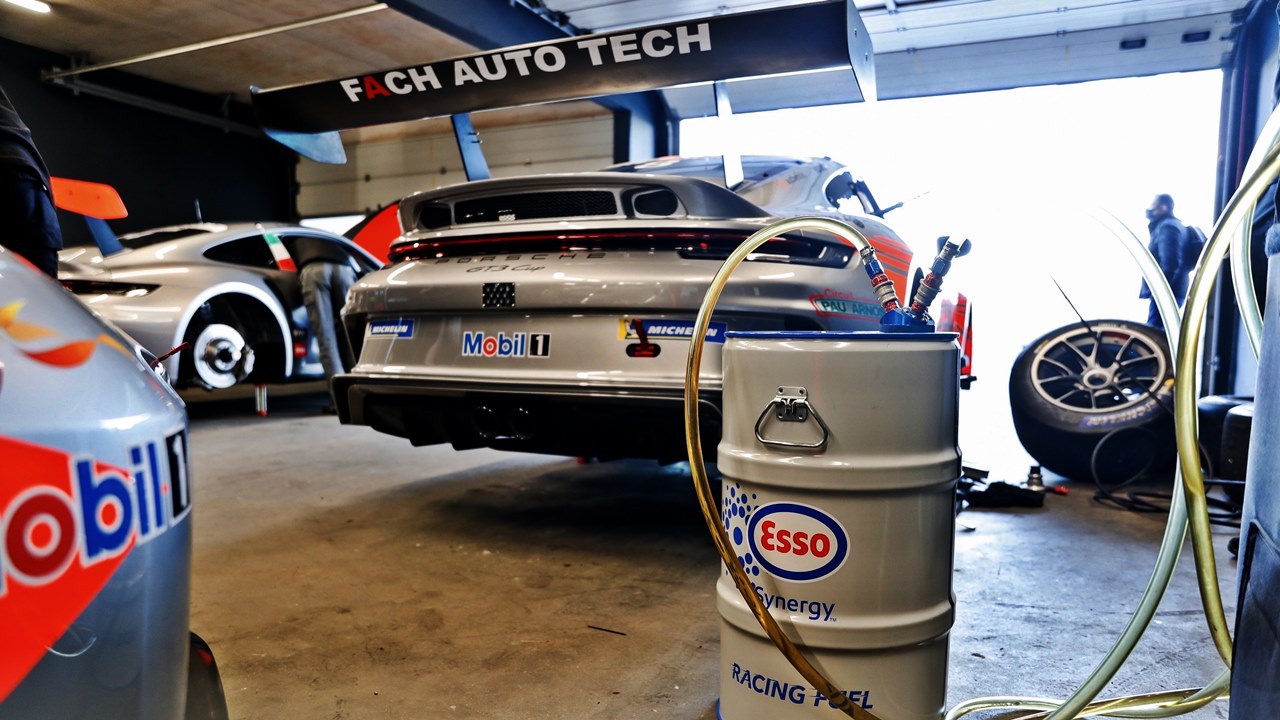
Less than a year ago, Porsche inaugurated its pilot eFuel plant, named Haru Oni, in Punta Arenas, Chile. This facility enables the production of synthetic fuel with a “near” CO2-neutral impact when used in petrol engines. The launch of this plant was commemorated by fueling a Porsche 911 ceremonially.

This synthetic fuel is created using a combination of water, carbon dioxide, and wind power. Chile was selected as the location for the plant due to its consistently windy climate, which allows the plant’s wind turbine to operate at maximum capacity for approximately 270 days each year. This is a significant improvement compared to just 80 days if Porsche had established the plant in Germany.

(more…)

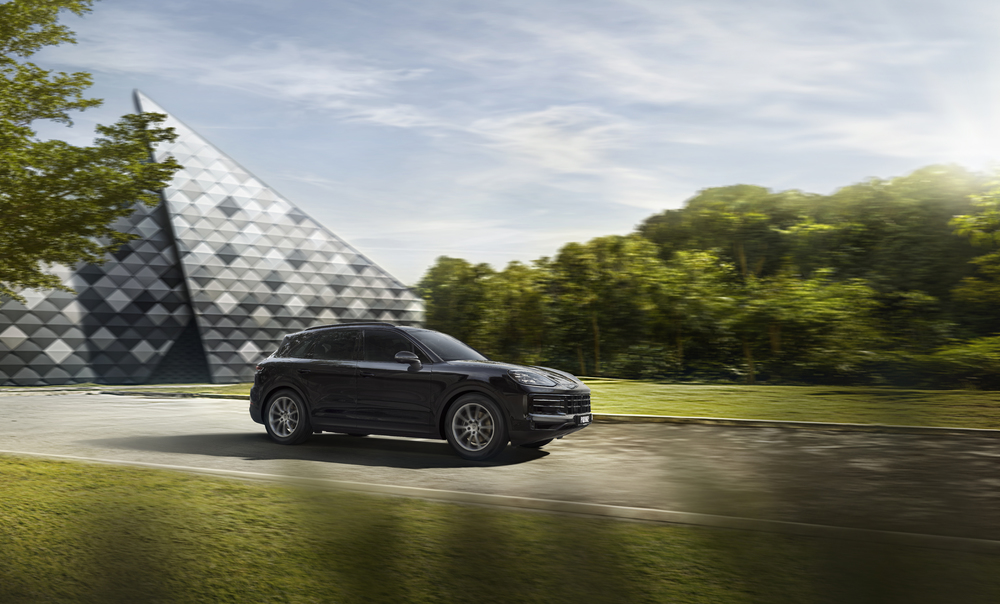
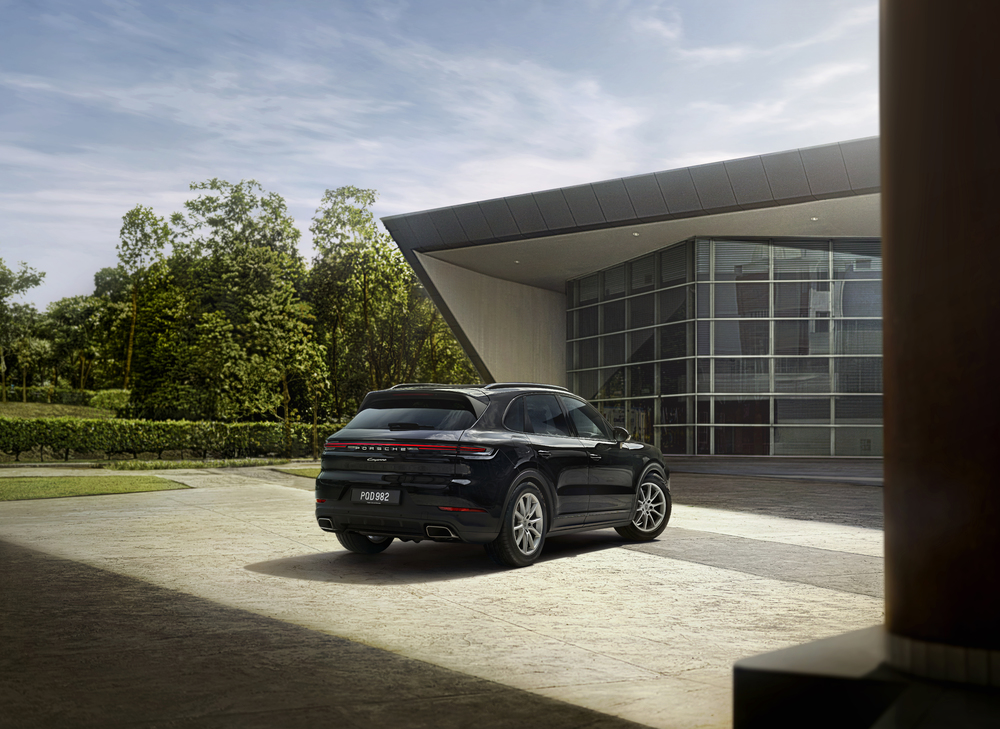
Porsche Malaysia, represented by Sime Darby Auto Performance, has announced that the new Porsche Cayenne, designed exclusively for the Malaysian market, is now available for online ordering through a streamlined digital platform.

The new Porsche Cayenne has undergone significant design and technology enhancements, resulting in a more expressive appearance and advanced features.

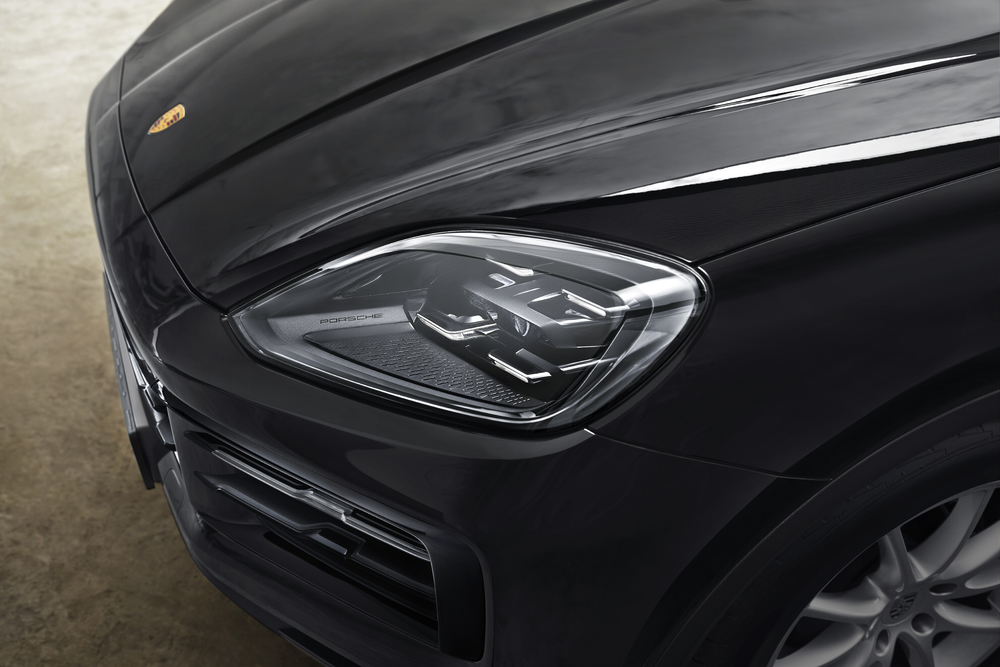
The front end has been redesigned, featuring more pronounced and muscular wings, a refreshed hood, and technically appealing headlights that accentuate the SUV’s width. The rear end is characterised by three-dimensionally designed taillights, clean and uncluttered surfaces, and a new rear apron with an integrated number plate holder, contributing to a distinct and modern rear design. Plus, it comes with 20-inch Cayenne Design wheels.

Matrix LED Headlights are now standard, representing a significant lighting upgrade. These headlights utilise data from the SUV’s speed, camera, and navigation systems to provide optimal illumination. The high beam area is divided into 11 segments, allowing precise control of the lighting to avoid dazzling vehicles ahead or oncoming traffic, a technology known as matrix beam.

(more…)

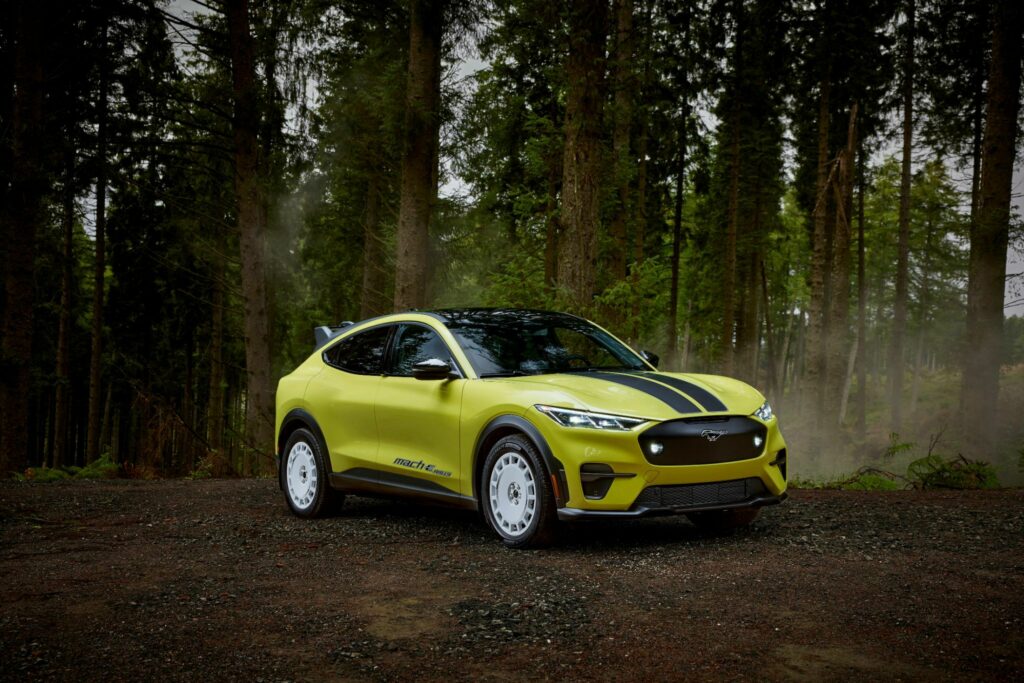
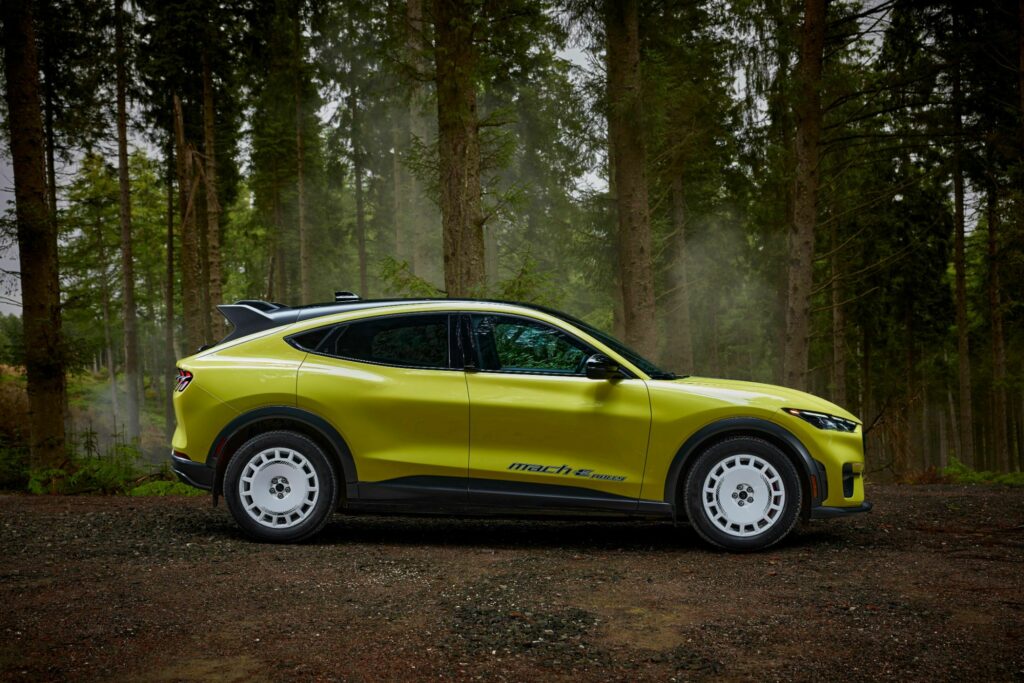
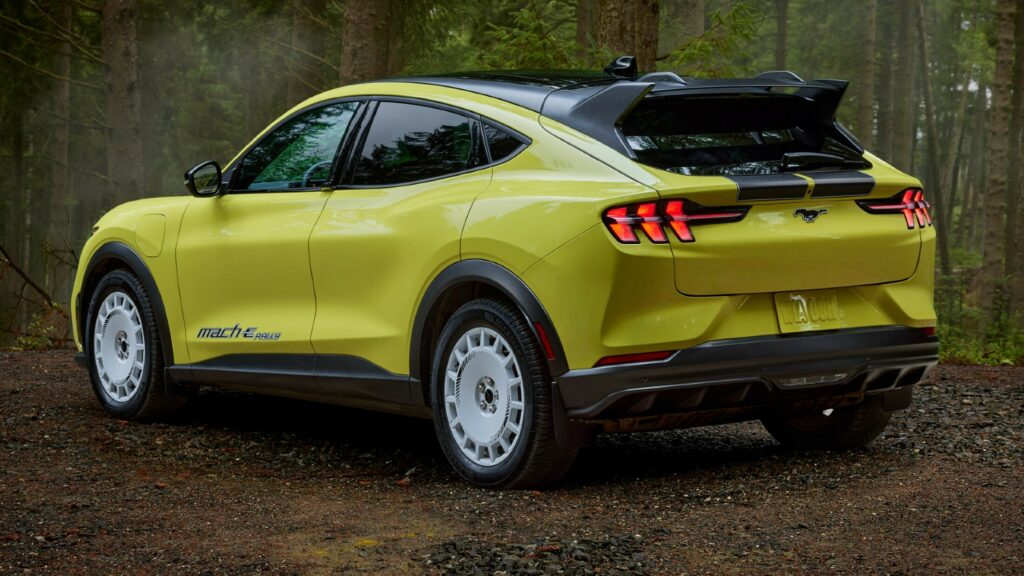
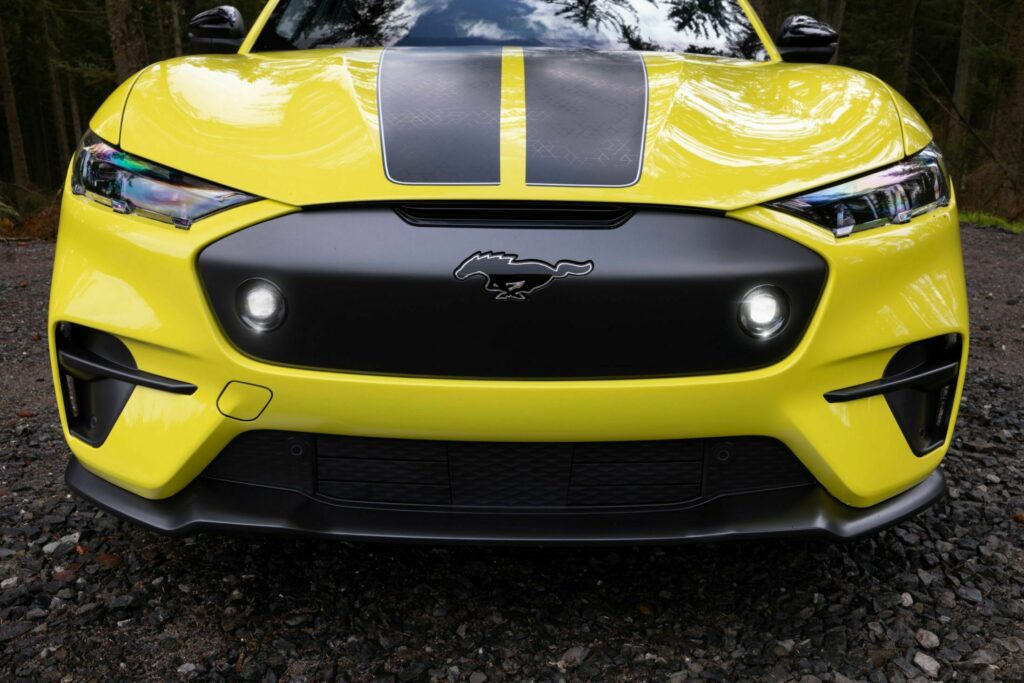
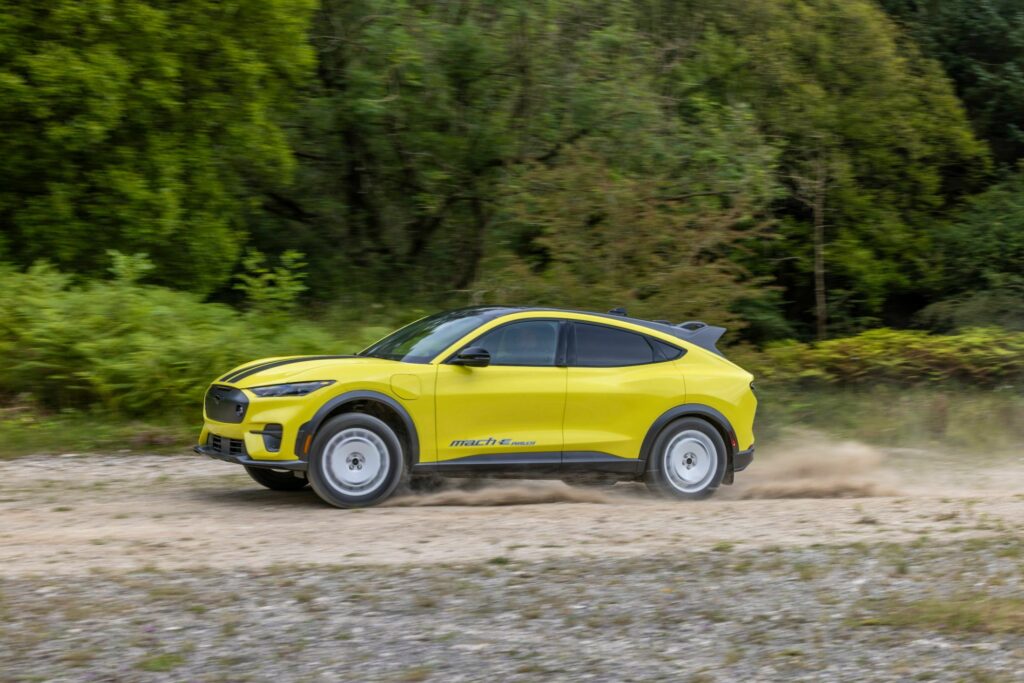
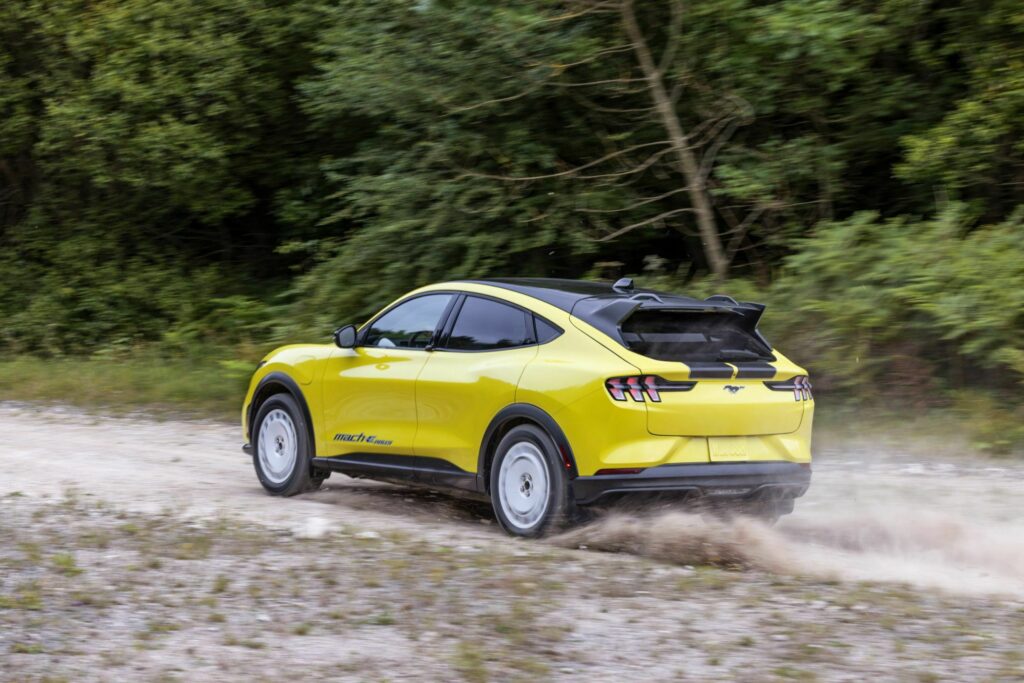
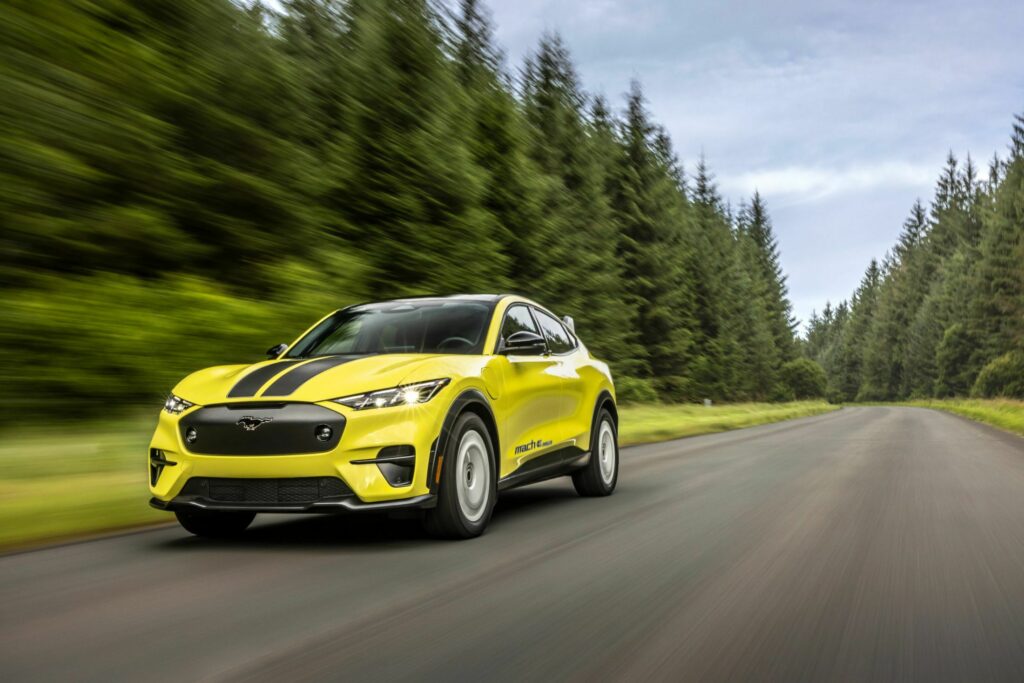
The 2024 Ford Mustang Mach-E Rally has officially made its debut, following a teaser previewed in July at the 2023 Goodwood Festival of Speed. This rallycross-inspired version of the Mustang expands the capabilities of the electric crossover SUV, venturing off the traditional tarmac and into more rugged terrain.

A single glance at the Mustang Mach-E Rally is enough to see that it stands apart from the rest of the Mustang Mach-E lineup. It showcases distinctive features that set it apart in terms of aesthetics and performance.

(more…)

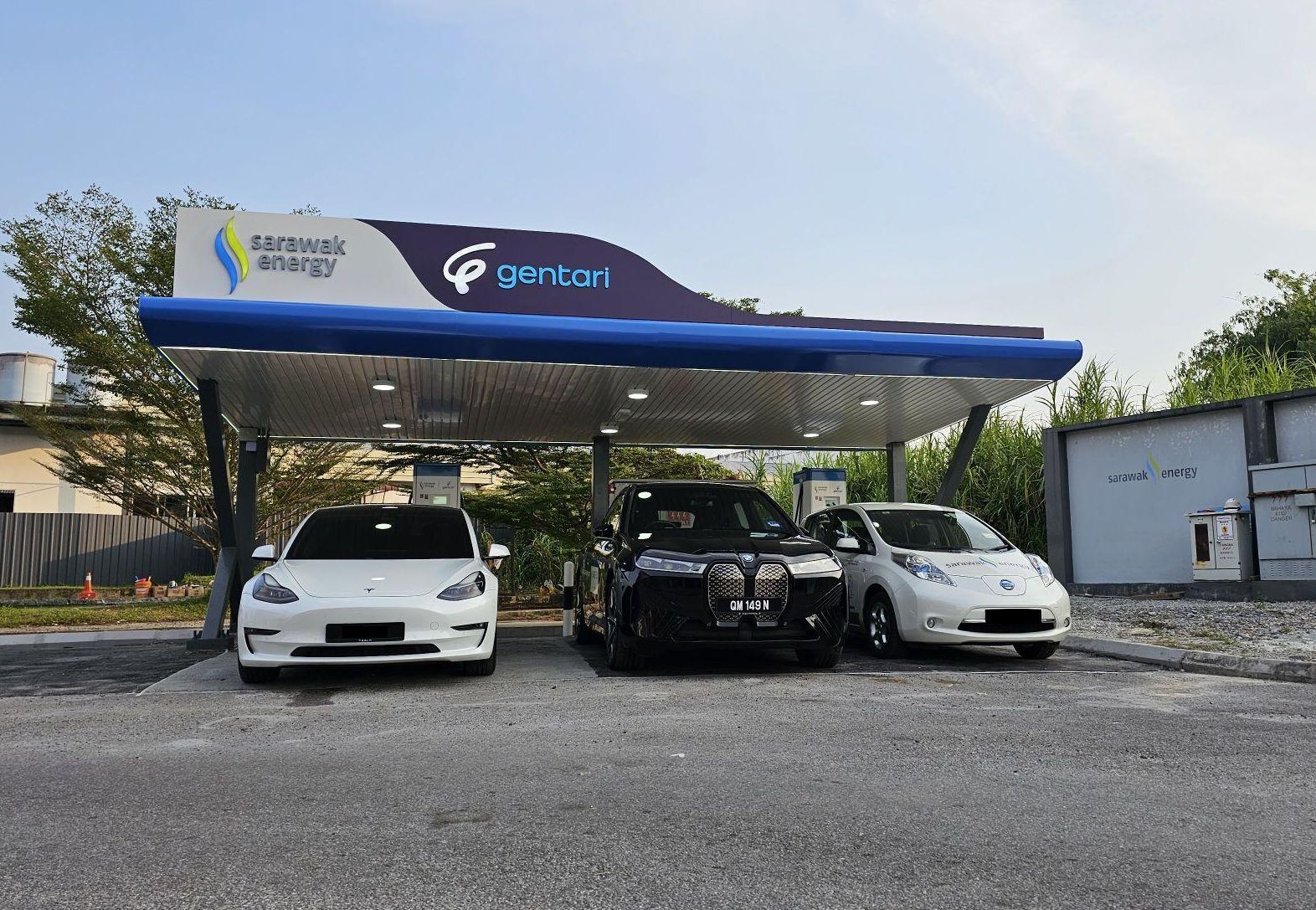
Clean energy solutions provider Gentari Sdn Bhd, through its wholly-owned subsidiary Gentari Green Mobility Sdn Bhd, has made significant strides in expanding its electric vehicle (EV) charging network into Sarawak, in collaboration with Sarawak Energy Berhad (SEB).

The first charging points in Sarawak are situated at Kuching’s ICOM Square, a strategically located lifestyle hub that offers easy access to malls, restaurants, and office buildings. Notably, this charging station features three charging points, with two of them boasting an impressive 180kW DC charging power, making it the fastest and highest-capacity public charging station in Borneo.

This new EV charging service is accessible around the clock and is undergoing a trial phase throughout the month of September. Residents and visitors in Kuching will also benefit from the convenience of accessing a network of 600 charging points across Malaysia through Gentari’s EV roaming network, available via the Setel and JomCharge mobile applications.

(more…)

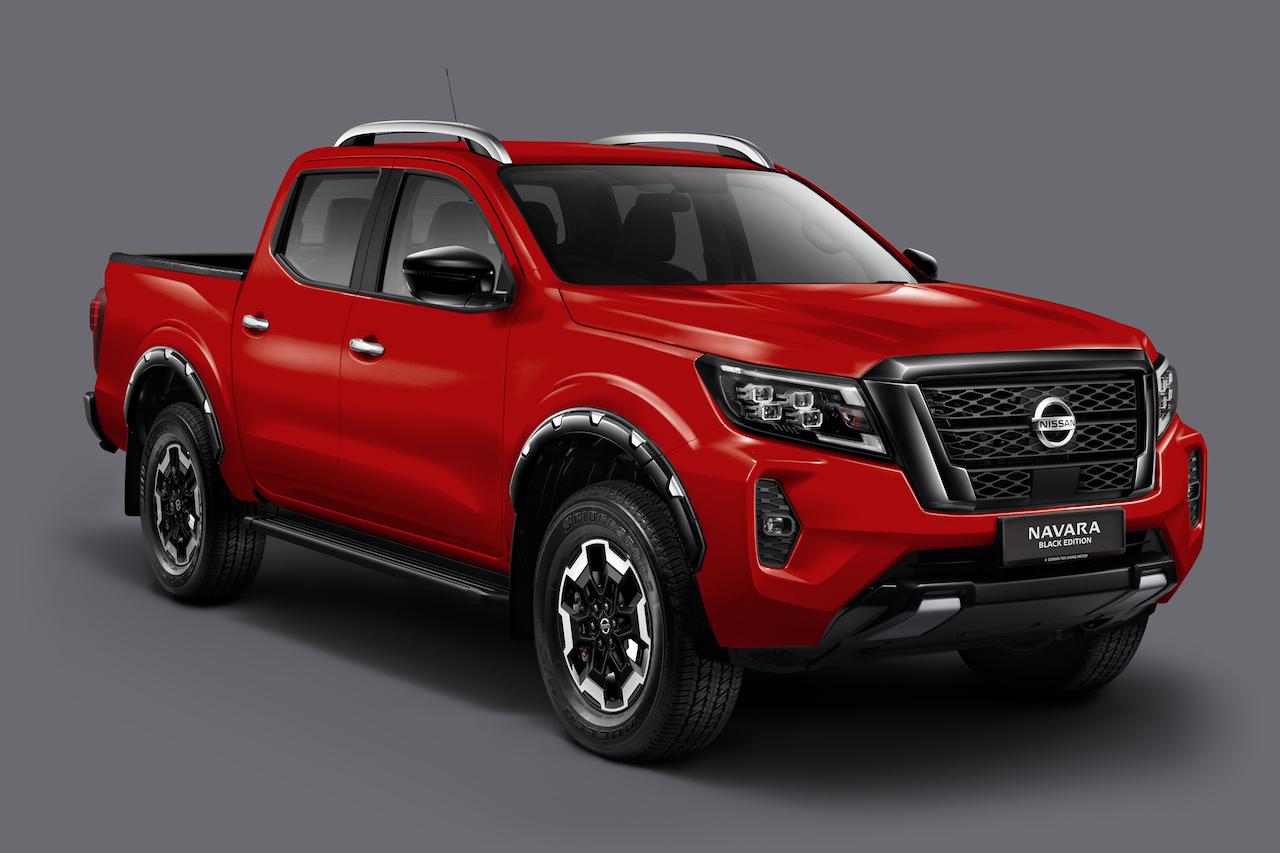
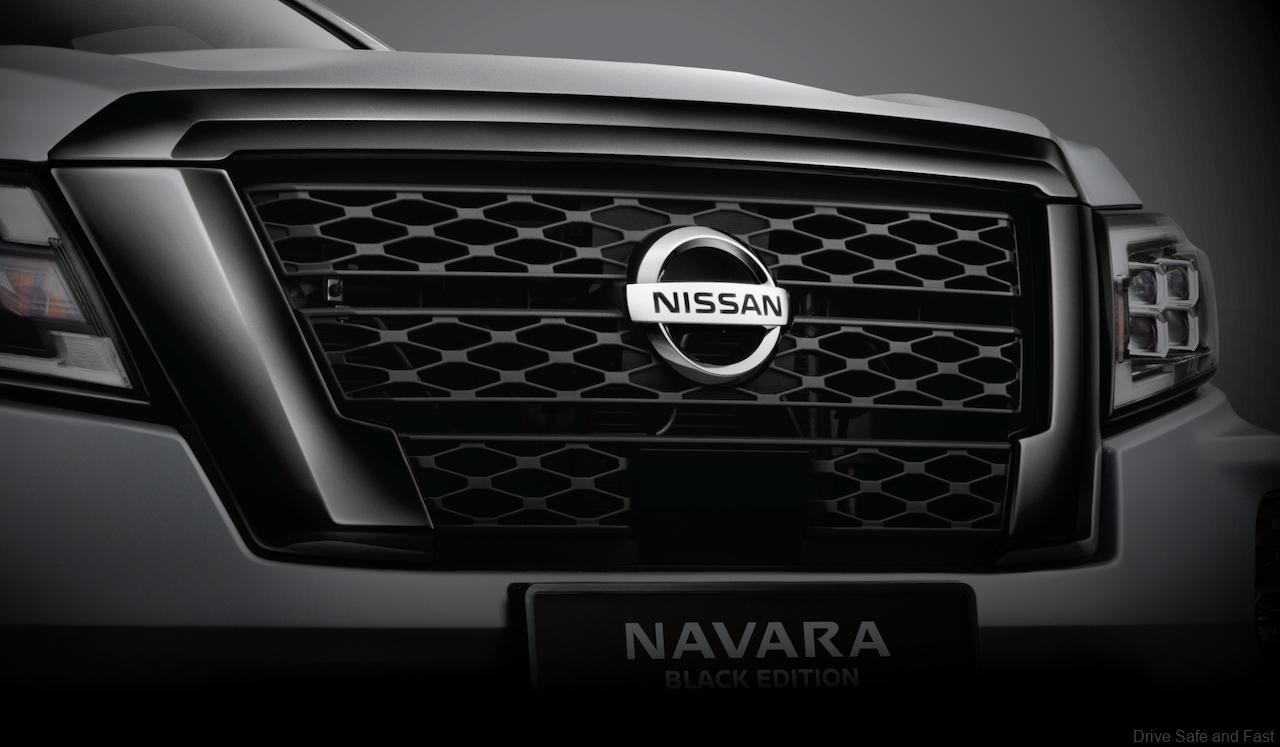
Edaran Tan Chong Motor (ETCM) has recently taken the wraps off the all-new Nissan Navara Black Edition, aimed at enhancing the aesthetics and features of the already popular VL and V variants within the Navara pick-up model range.

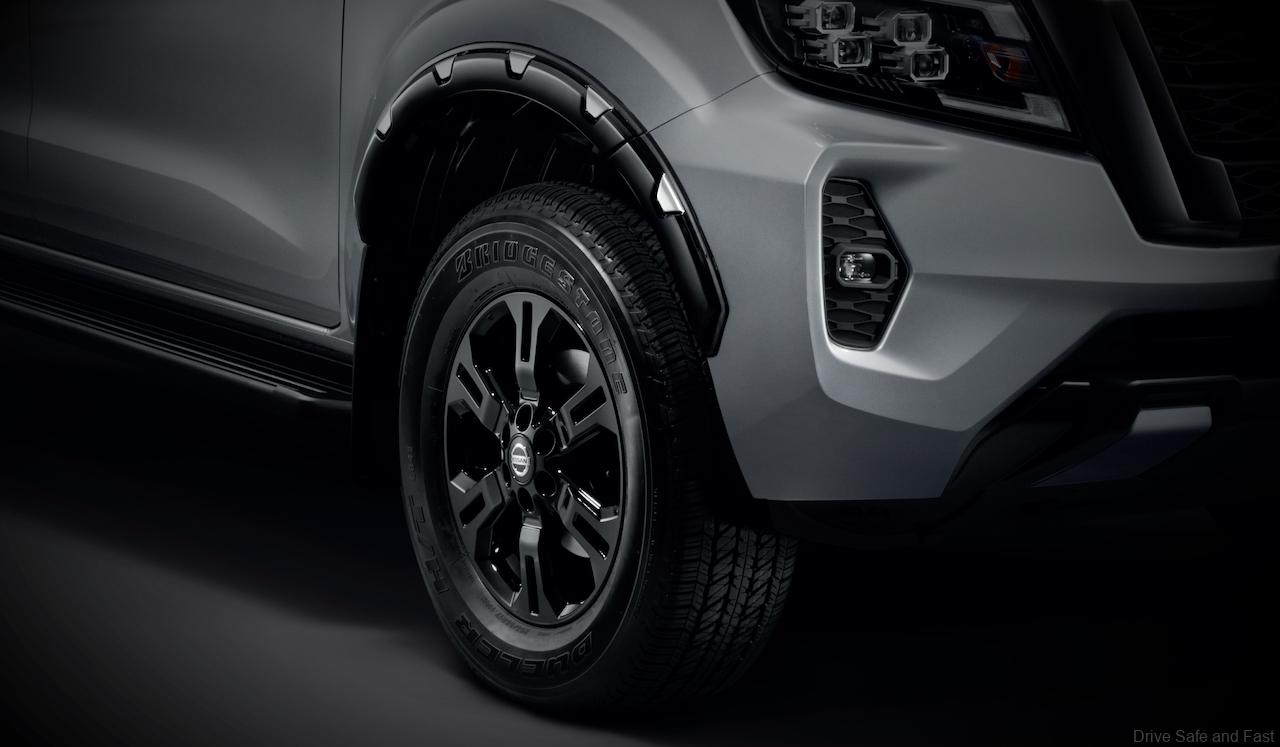
The Navara Black Edition features several key design elements, including a newly designed front grille cladding, door mirror covers, and over fenders, all finished in sleek black. In addition, the V variant comes equipped with gloss black 17-inch alloy wheels, while the VL variant maintains its distinctive black and polished 18-inch alloy wheels.
The striking blacked-out grille, previously exclusive to the flagship PRO-4X, enhances the appeal of the VL and V variants by giving them a refined yet rugged presence. This effect is further accentuated when paired with the impressive Quad-LED Projector Headlamps featuring C-shaped LED Signature Daytime Running Lights.

The sleek black theme extends to the sides of the vehicle, featuring gloss black door mirror covers alongside two-tone over fenders and alloy wheels with a matching finish.

(more…)

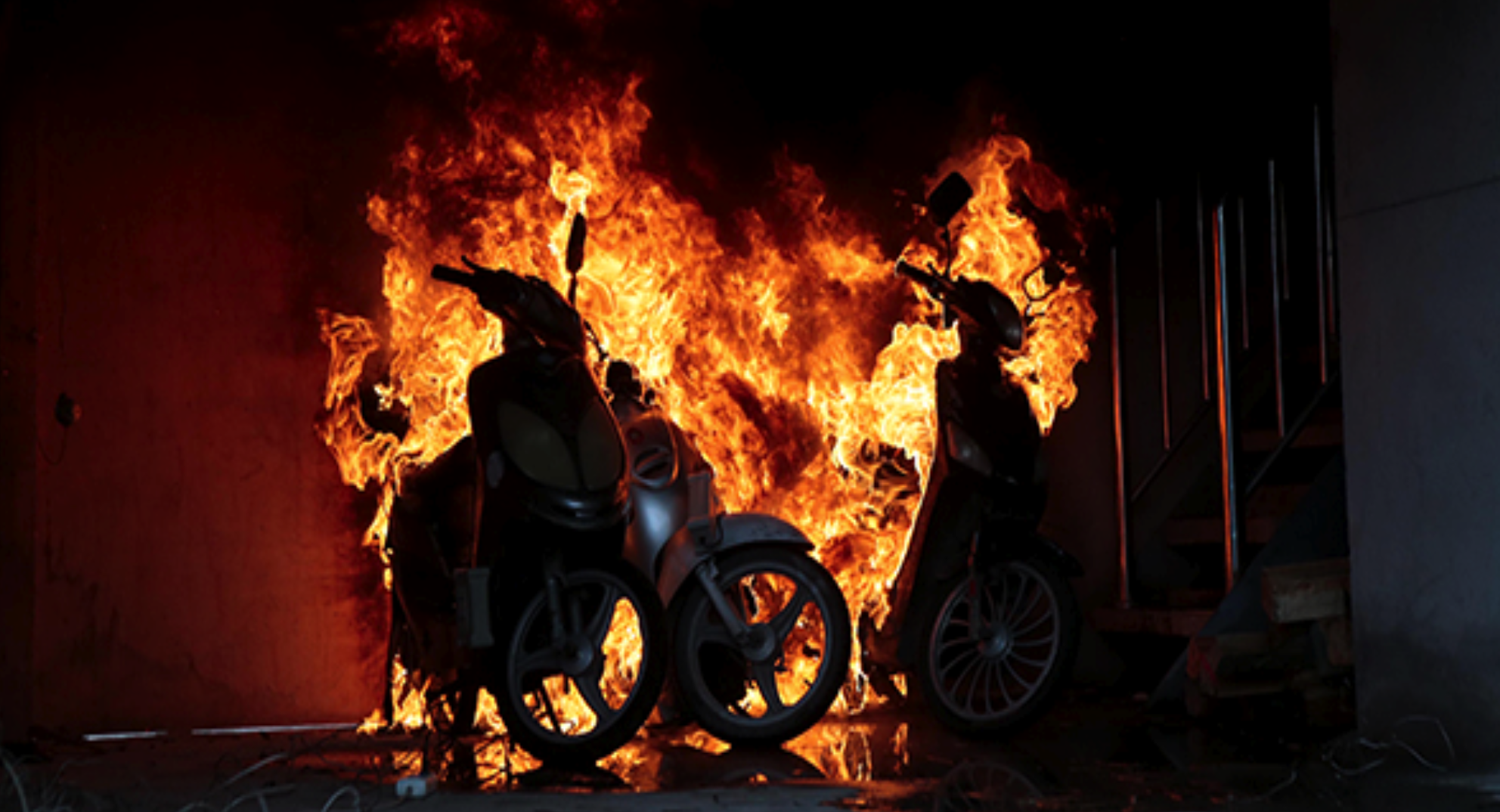
In the wake of the recent fire incident at a warehouse storing electric vehicle (EV) batteries in Chatuchak district, Thailand, Bangkok Governor Chadchart Sittipunt has demonstrated swift and proactive leadership. Recognising the significance of the issue, he has directed local officials to conduct a comprehensive assessment of the warehouse that was affected by the fire. Moreover, he has announced plans to extend similar safety inspections to other warehouses and showrooms dealing with electric cars and motorcycles, according to Thai PBS World.

(more…)

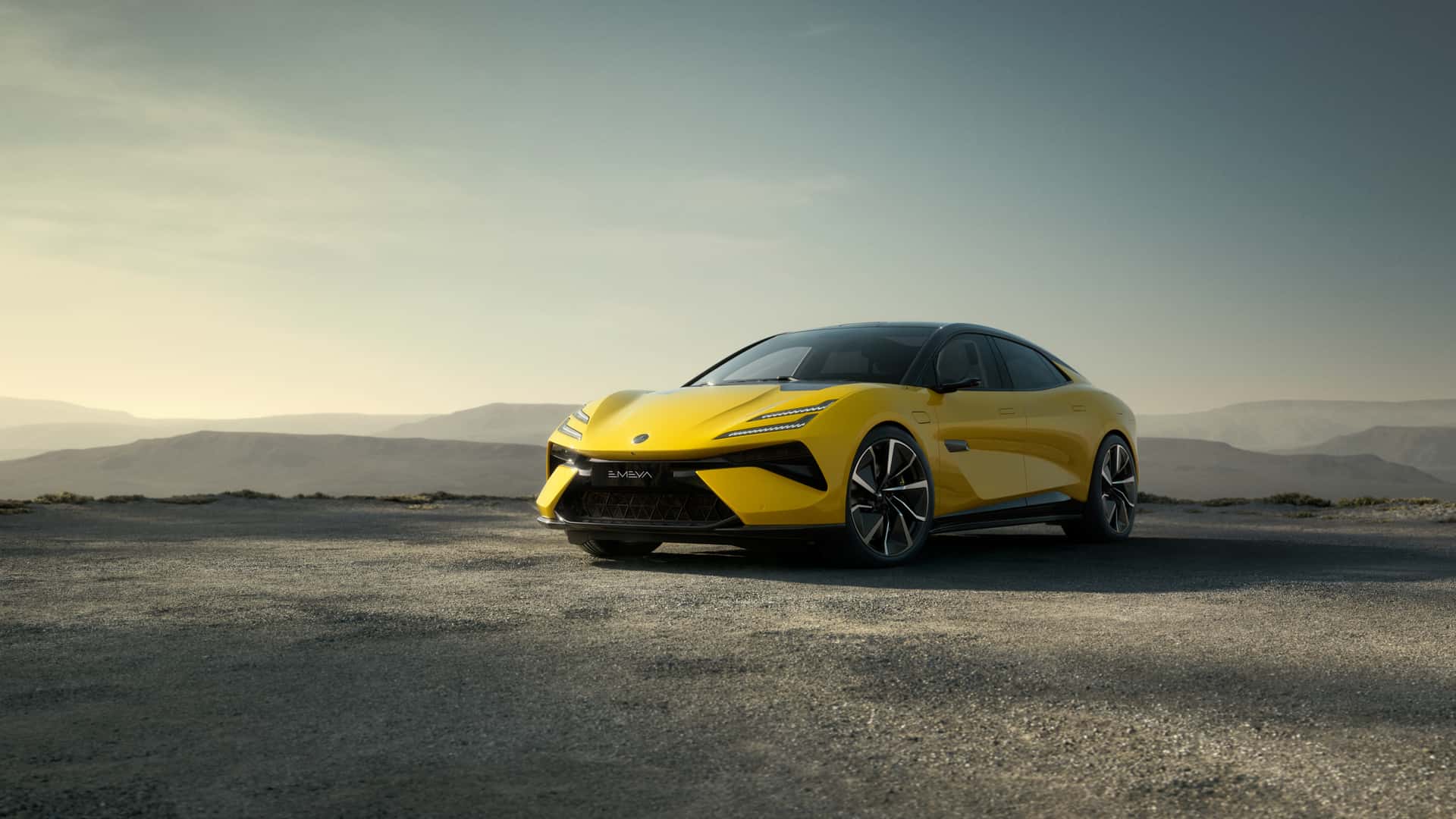
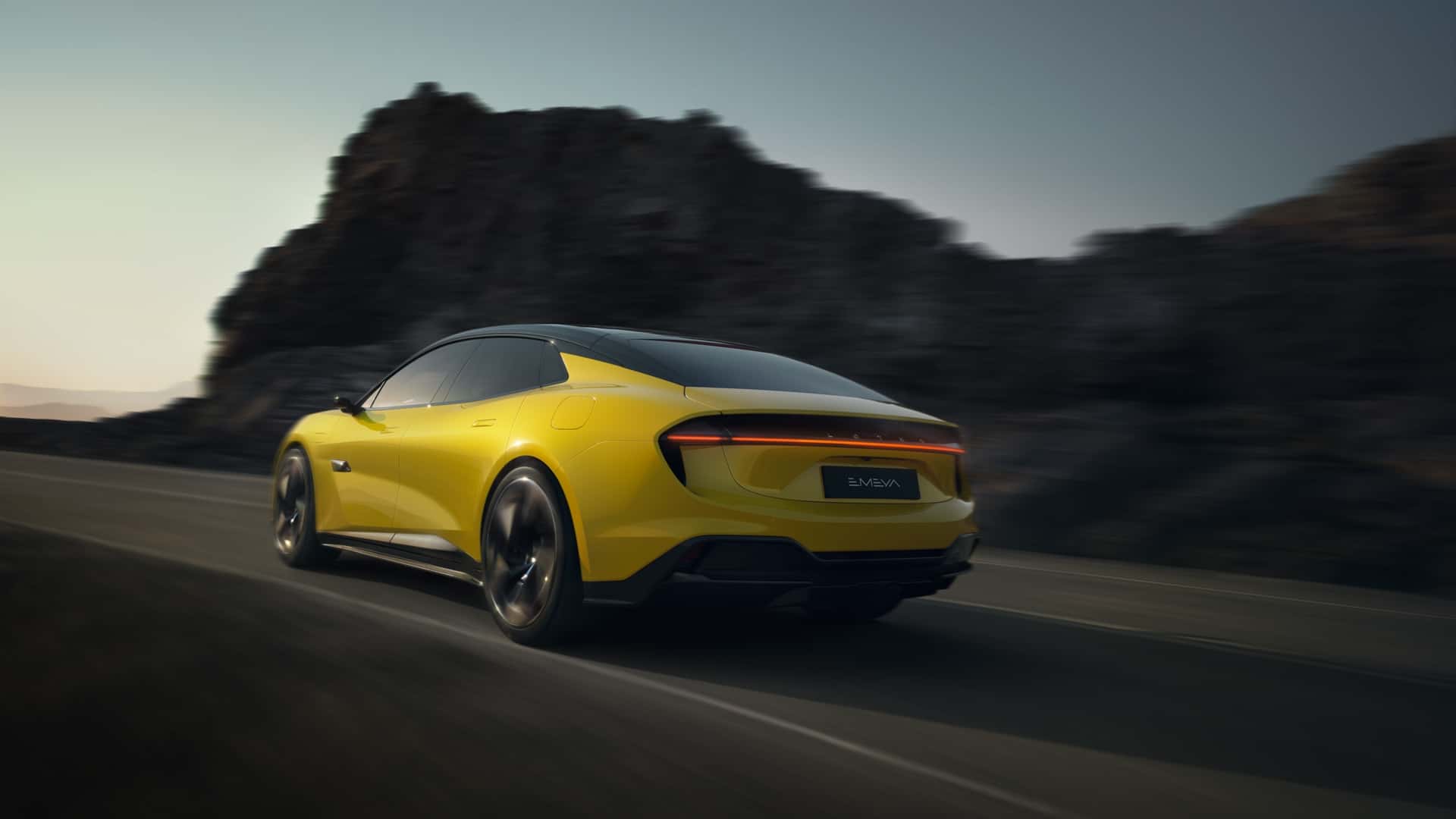
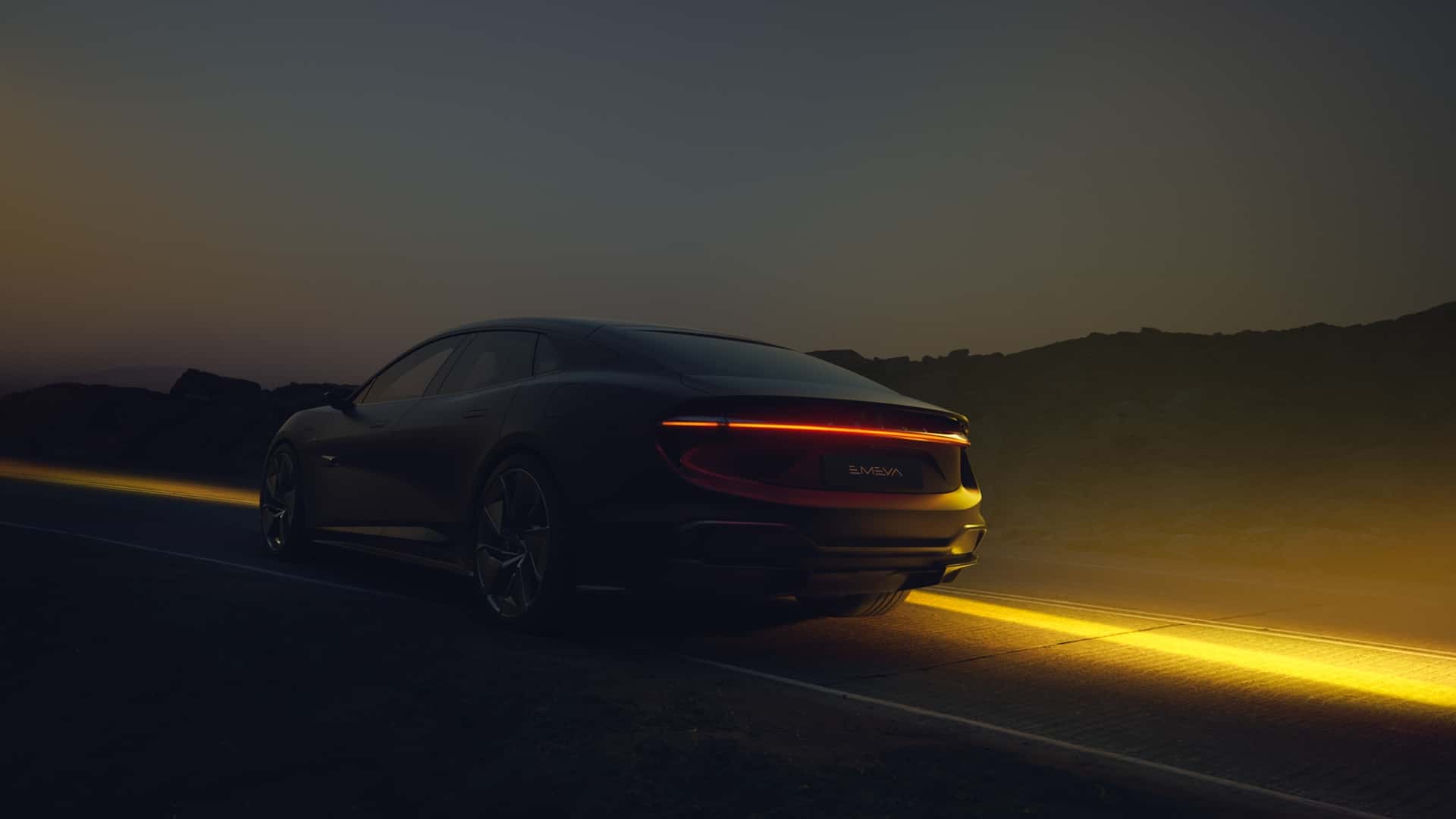
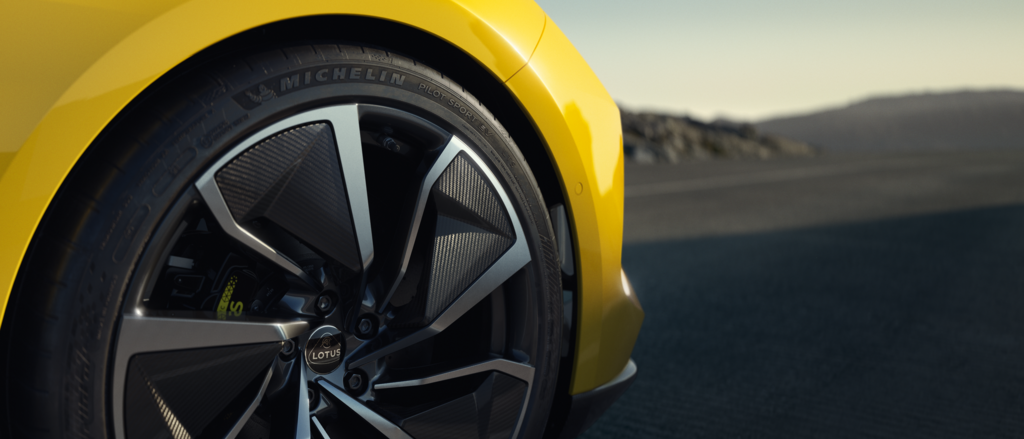
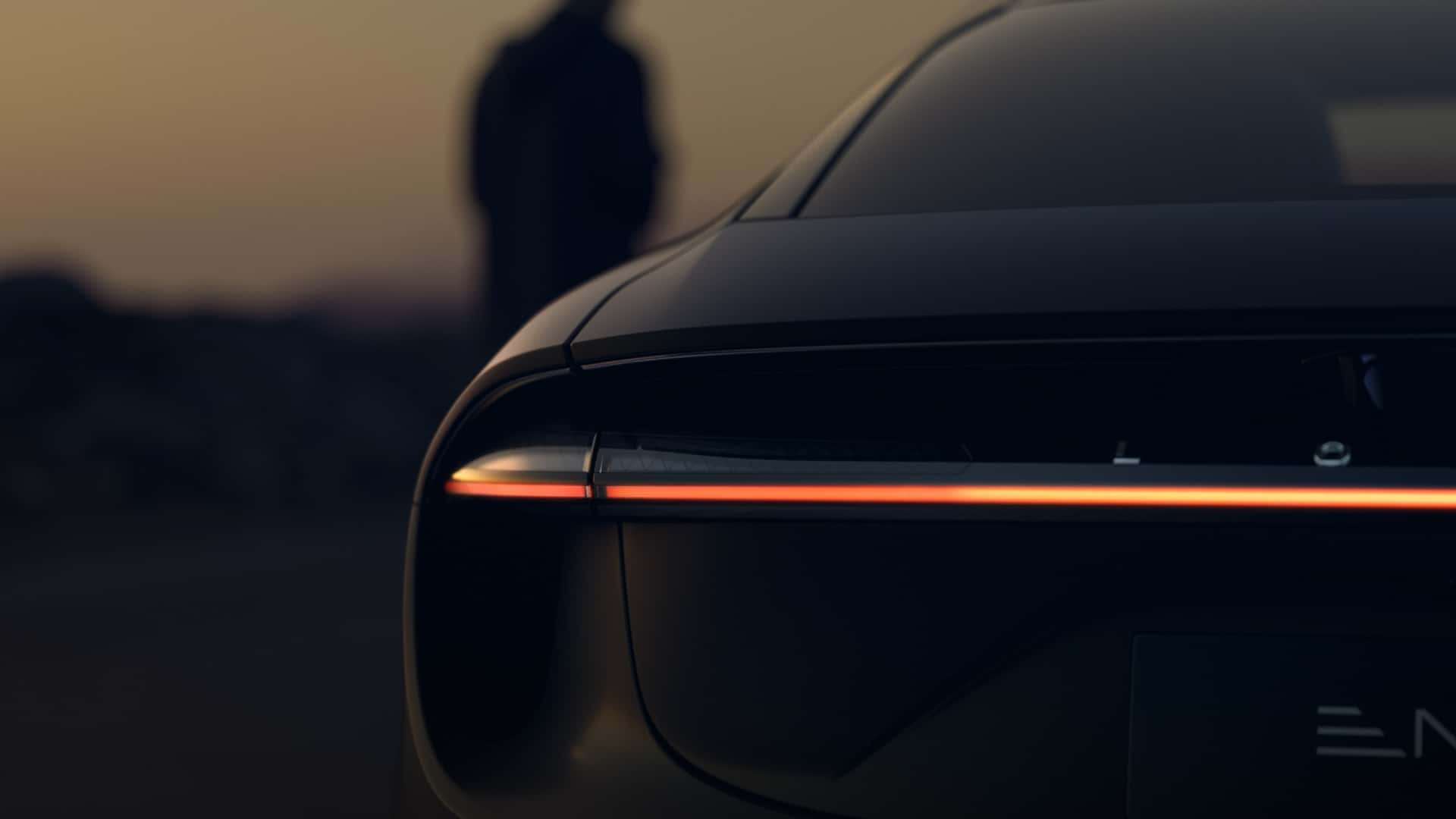
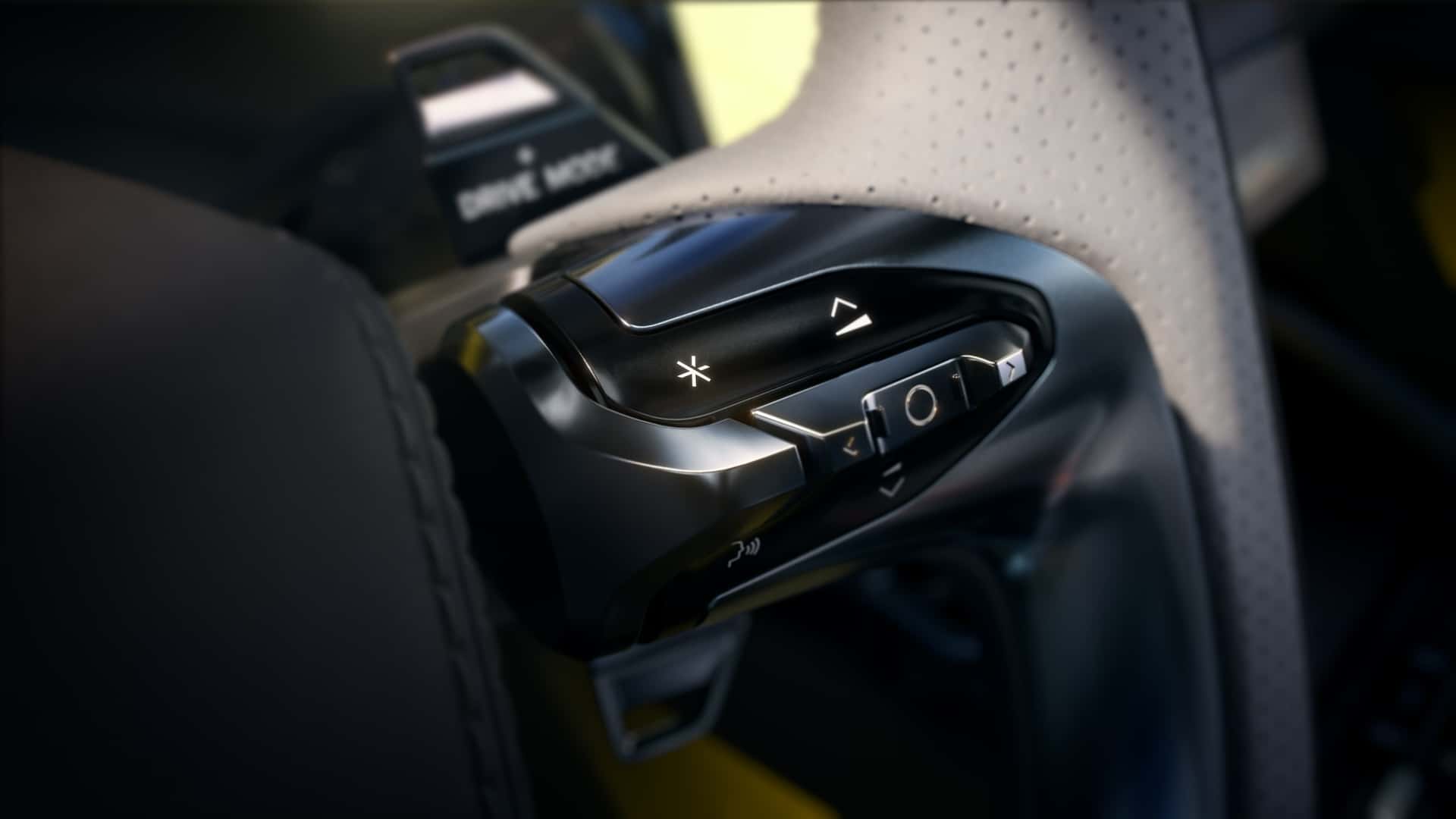
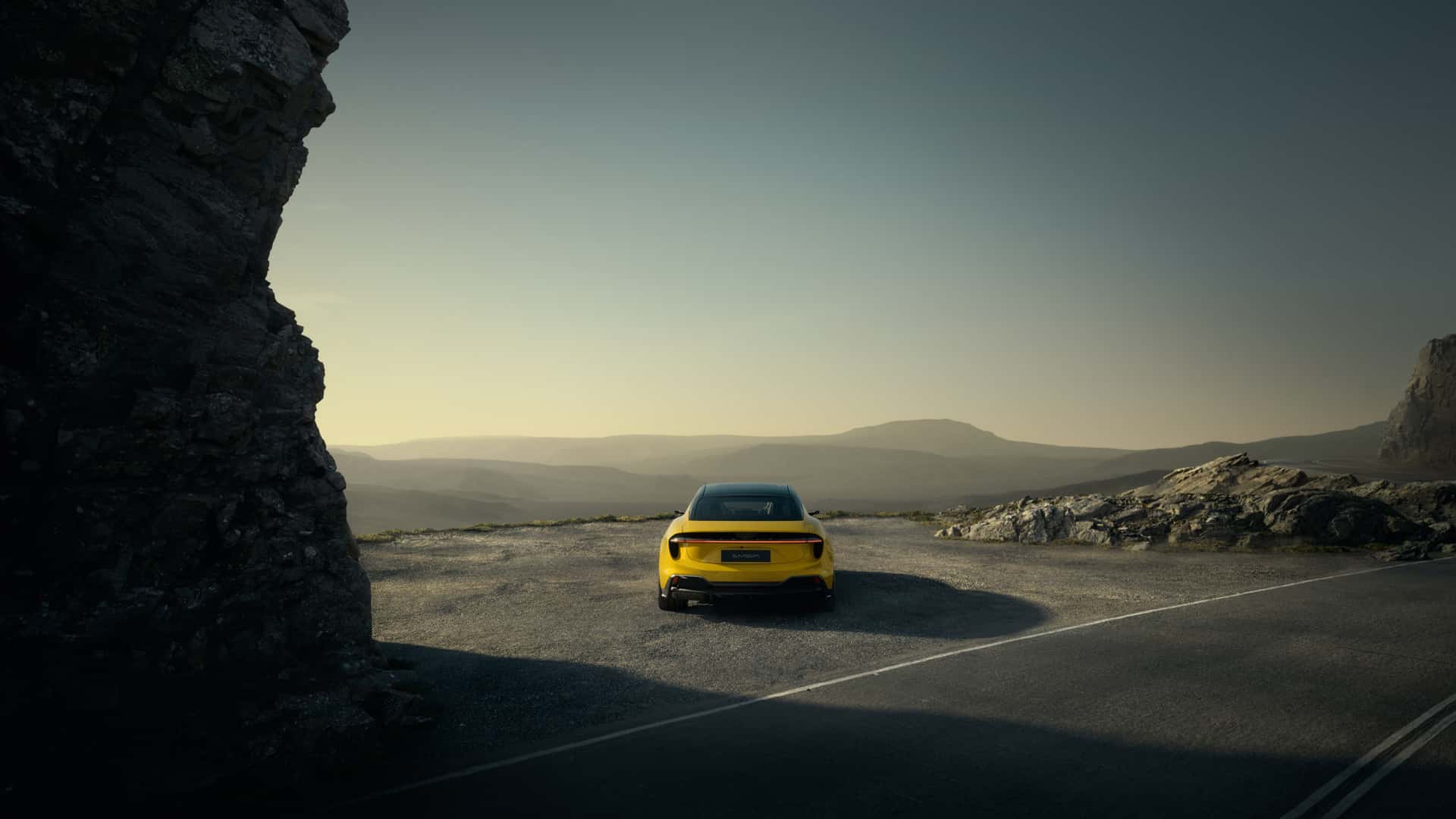
Lotus has just unveiled its highly anticipated new flagship model, the Emeya. Formerly referred to as the Type 133, this all-electric four-door sedan is set to make a bold statement in the automotive world and go head-to-head with formidable rivals like the Tesla Model S and the Porsche Taycan Turbo.

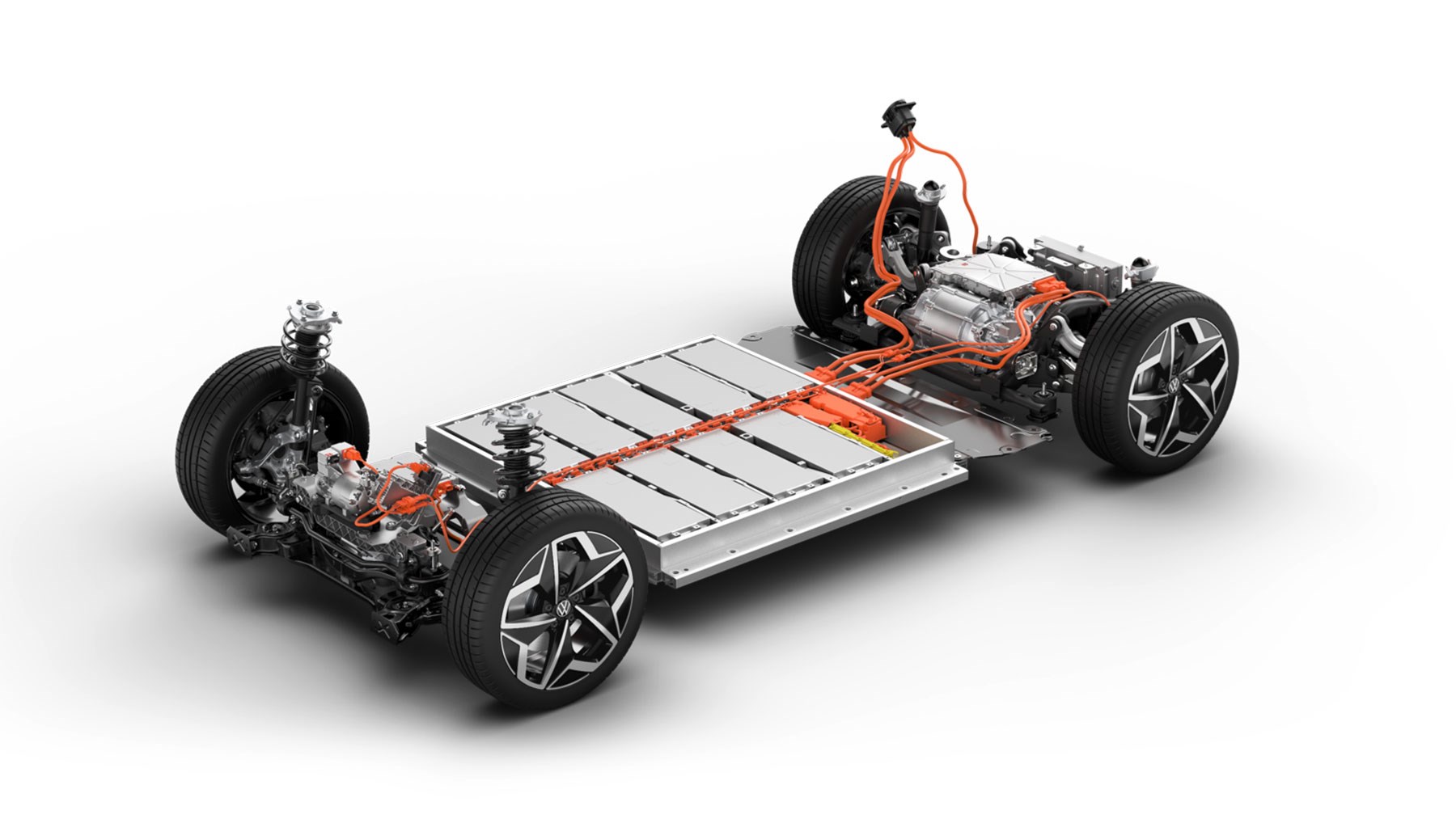
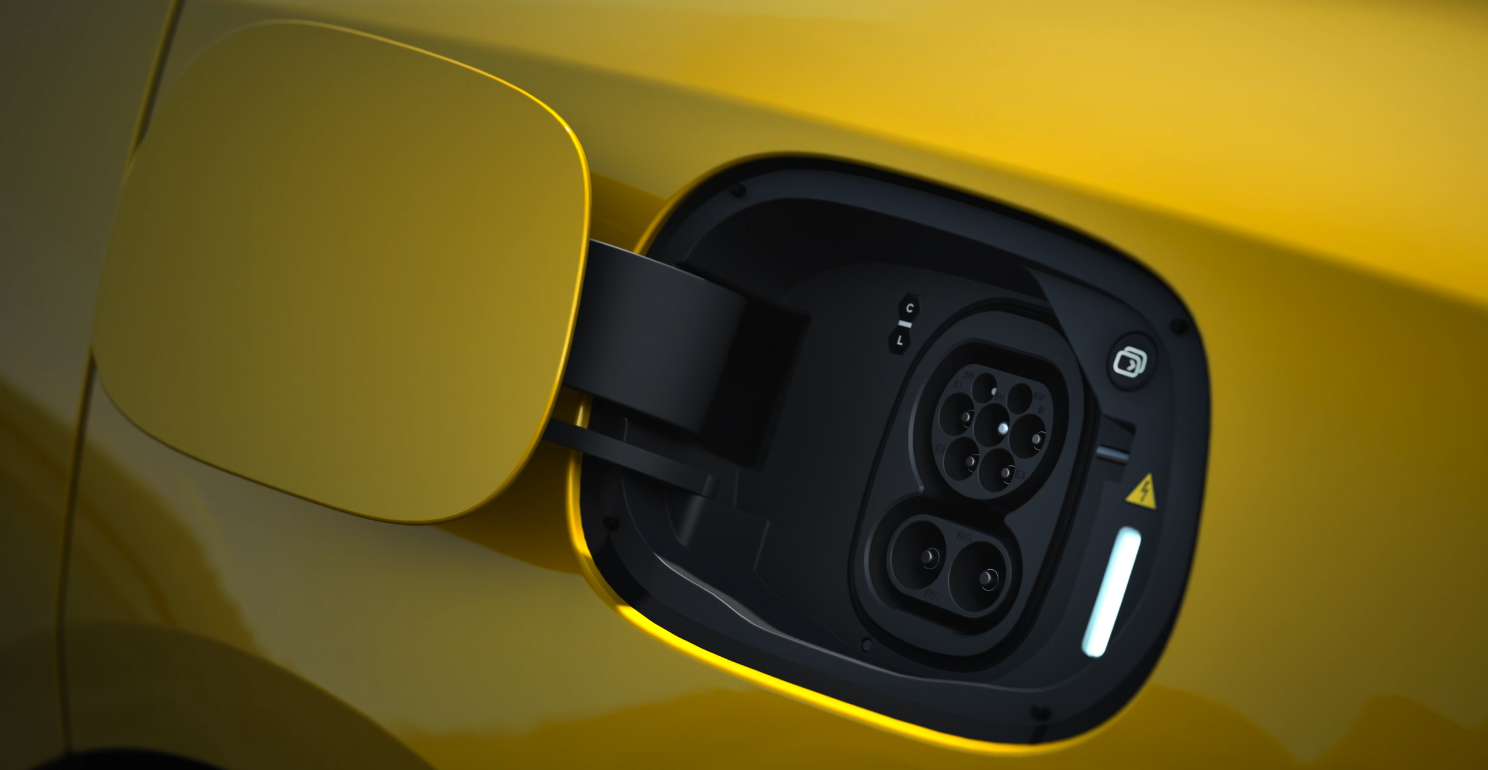
The Eletre, which is available in Malaysia from RM578,000, and Emeya both use the same platform, the specialised Electric Premium Architecture (EPA), which is a product of Geely’s Sustainable Experience Architecture (SEA). The Emeya has a 102kWh battery pack and is anticipated to have a range comparable to the Eletre, which has an outstanding 600km range based on the  WLTP cycle. Even while it is a little bit smaller than the Eletre’s 112kWh pack, it makes up for it with 350 kilowatts of quick charging power. A 350kW DC fast charger can charge the Emeya from 10 to 80 per cent in only 18 minutes, and it can add 150km to its range in just five minutes.

Although Lotus has opted to suppress some information regarding the Emeya, they have made some significant performance claims. The car has a dual-motor all-wheel-drive system that can generate 905hp and 985Nm of torque. Lotus claim that this engine can accelerate the car from 0 to 100km/h in 2.78 seconds, with a peak speed of 256km/h.

(more…)

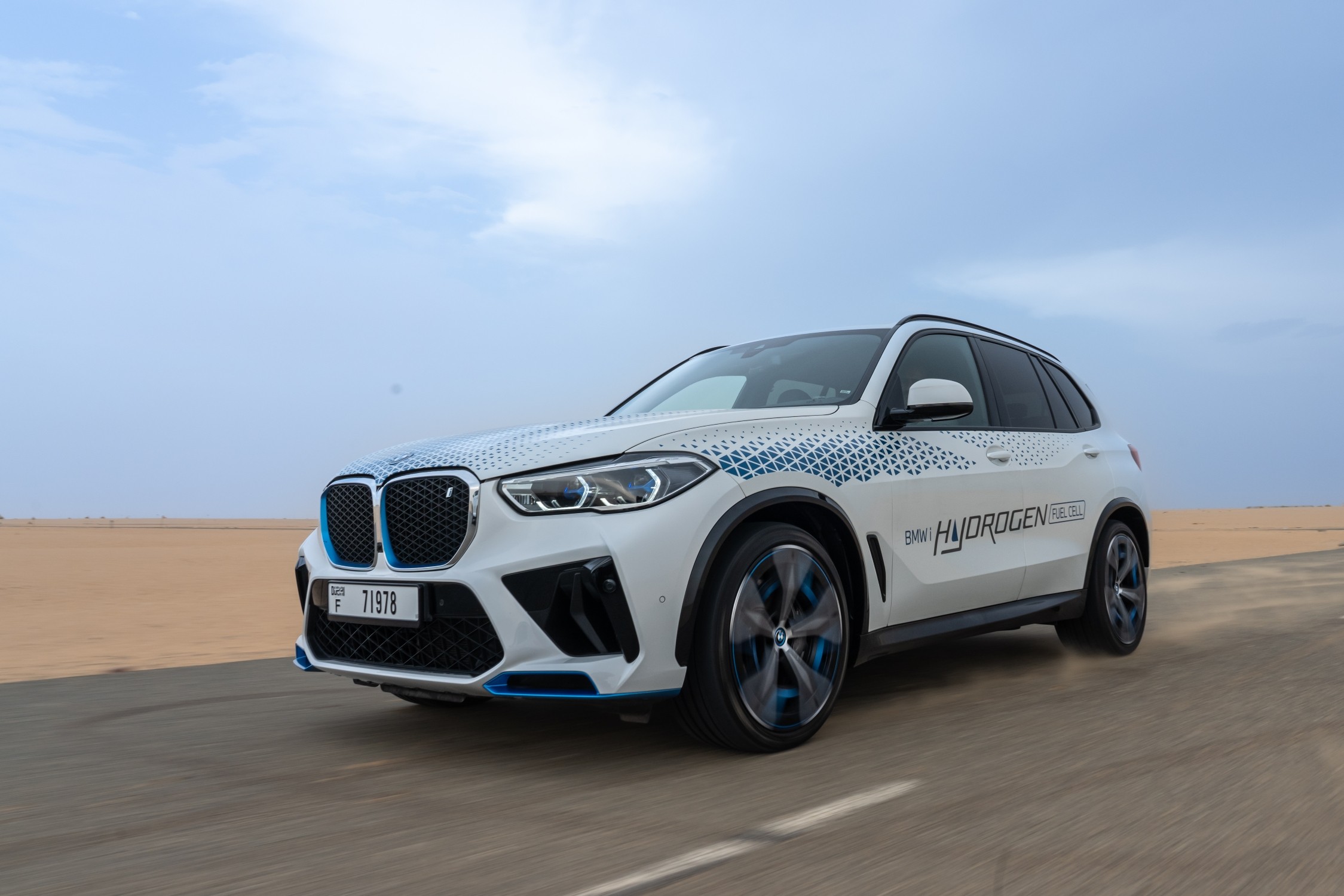
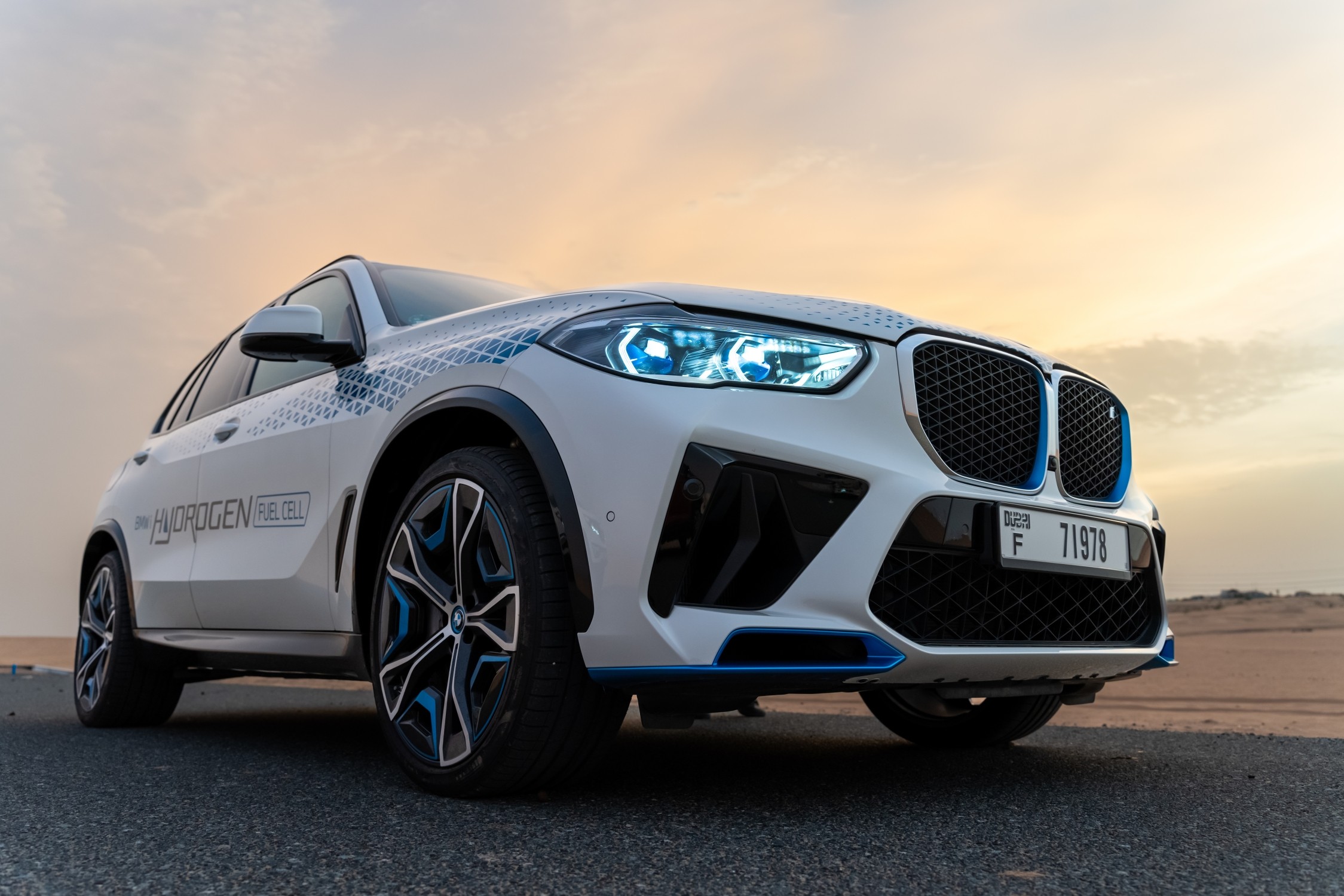
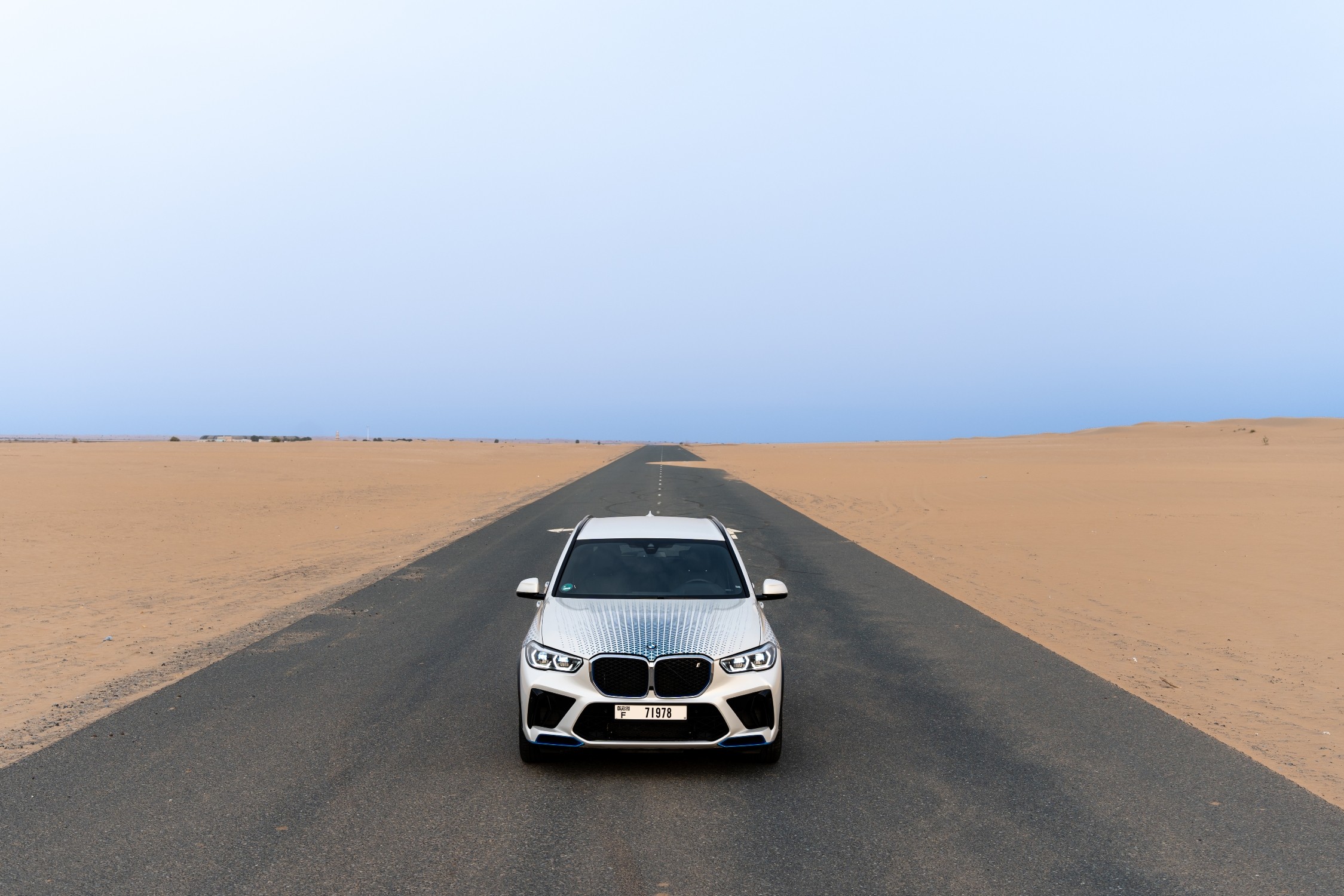
In February of this year, the BMW iX5 Hydrogen pilot fleet embarked on a significant hot-weather testing endeavour in the United Arab Emirates, marking its first foray into such extreme conditions. Despite temperatures soaring to 45°C, challenging encounters with sand, dust, varying gradients, and fluctuating humidity levels, the car’s fuel cell drive system performed remarkably well.

The efficiency of the fuel cell system, two hydrogen tanks, electric motor, and power battery, alongside the central vehicle control unit, demonstrated exceptional performance. BMW’s development team in Munich rigorously evaluated the functionality of all electric systems under these extreme conditions and assessed the cooling power necessary to maintain peak vehicle performance. The fleet maintained the renowned BMW driving dynamics even under these challenging circumstances.

Units from the pilot fleet are currently operating in diverse regions worldwide, including Europe, Japan, Korea, China, the USA, and the Middle East. The primary objective is to underscore the practicality of hydrogen-powered vehicles in everyday use while gaining crucial insights for the potential development of a production model. The BMW Group is leveraging this pilot fleet to support the regional development of a refueling infrastructure compatible with 700-bar refueling technology, catering to various vehicle categories from passenger cars to heavy-duty commercial vehicles. Exploring synergies across applications is also crucial for establishing a robust hydrogen technology supplier network and cost reduction.

(more…)

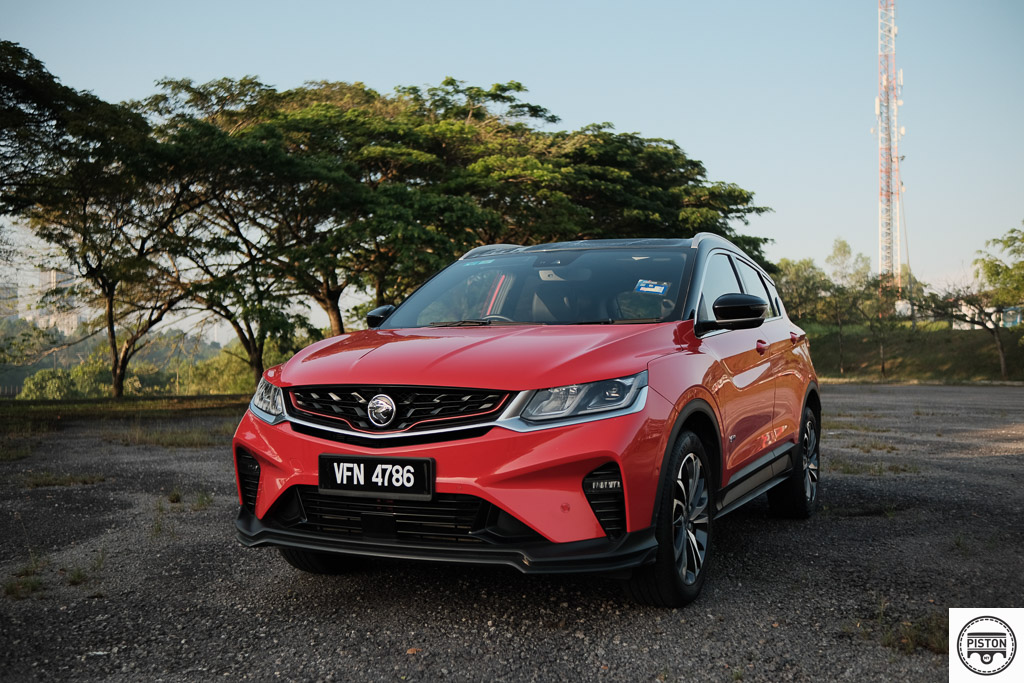
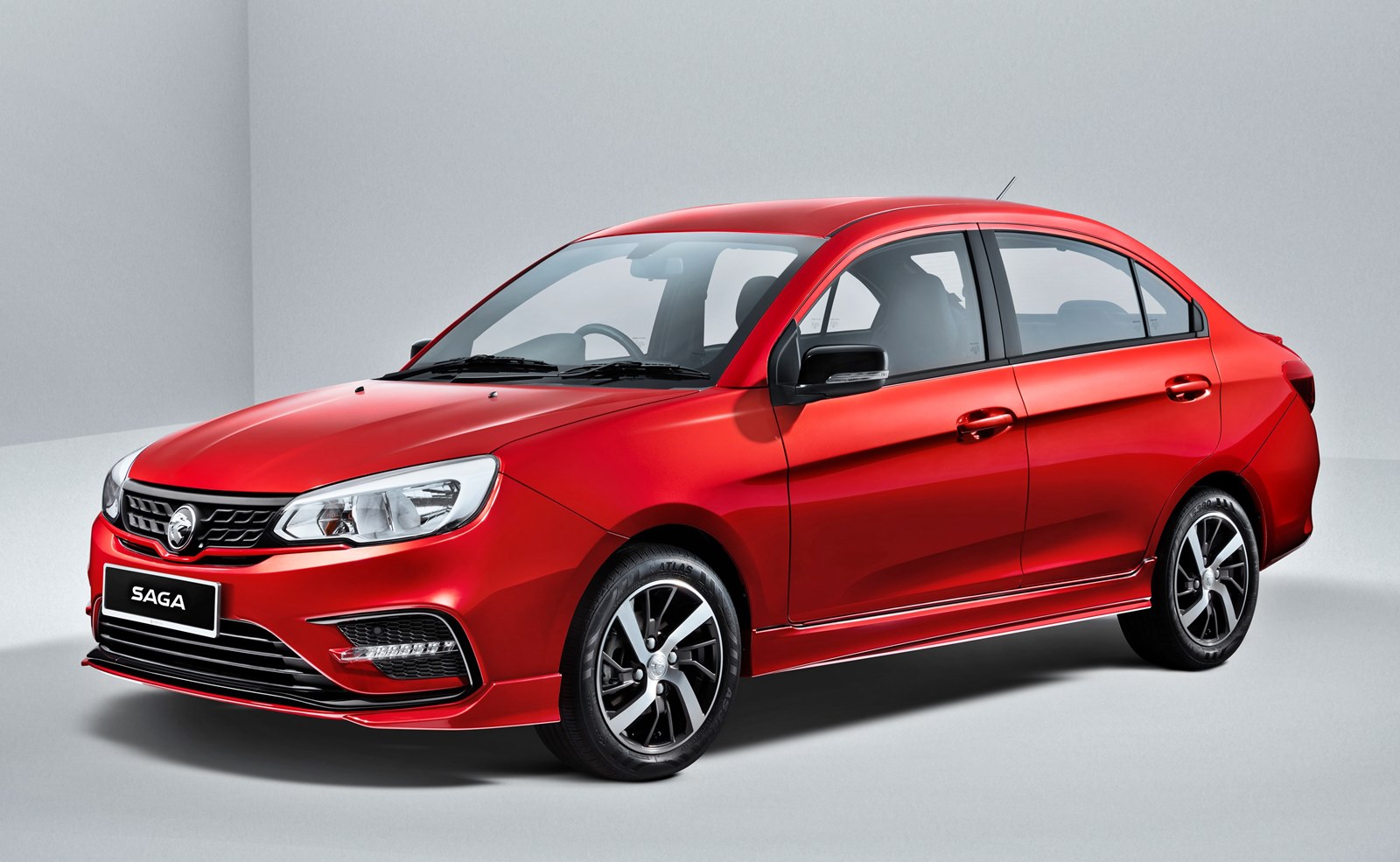
Proton has achieved another milestone by surpassing the 100,000-unit mark in sales for the fifth consecutive year. This milestone was reached in August, a month earlier than in the previous year. With 13,955 units delivered in the same month, the year-to-date (YTD) sales for 2023 now stand at 104,602 units, which is a significant increase of 19.6% or 17,121 units compared to the first eight months of the previous year.

In August, the total industry volume (TIV) is estimated to be at 74,200 units, giving Proton a market share projection of 18.8% for the month and a YTD market share figure of 20.8%. The company’s volume growth outpaces the TIV, which is estimated to be at 12.2% for 2023.

(more…)

Archive

Follow us on Facebook

Follow us on YouTube