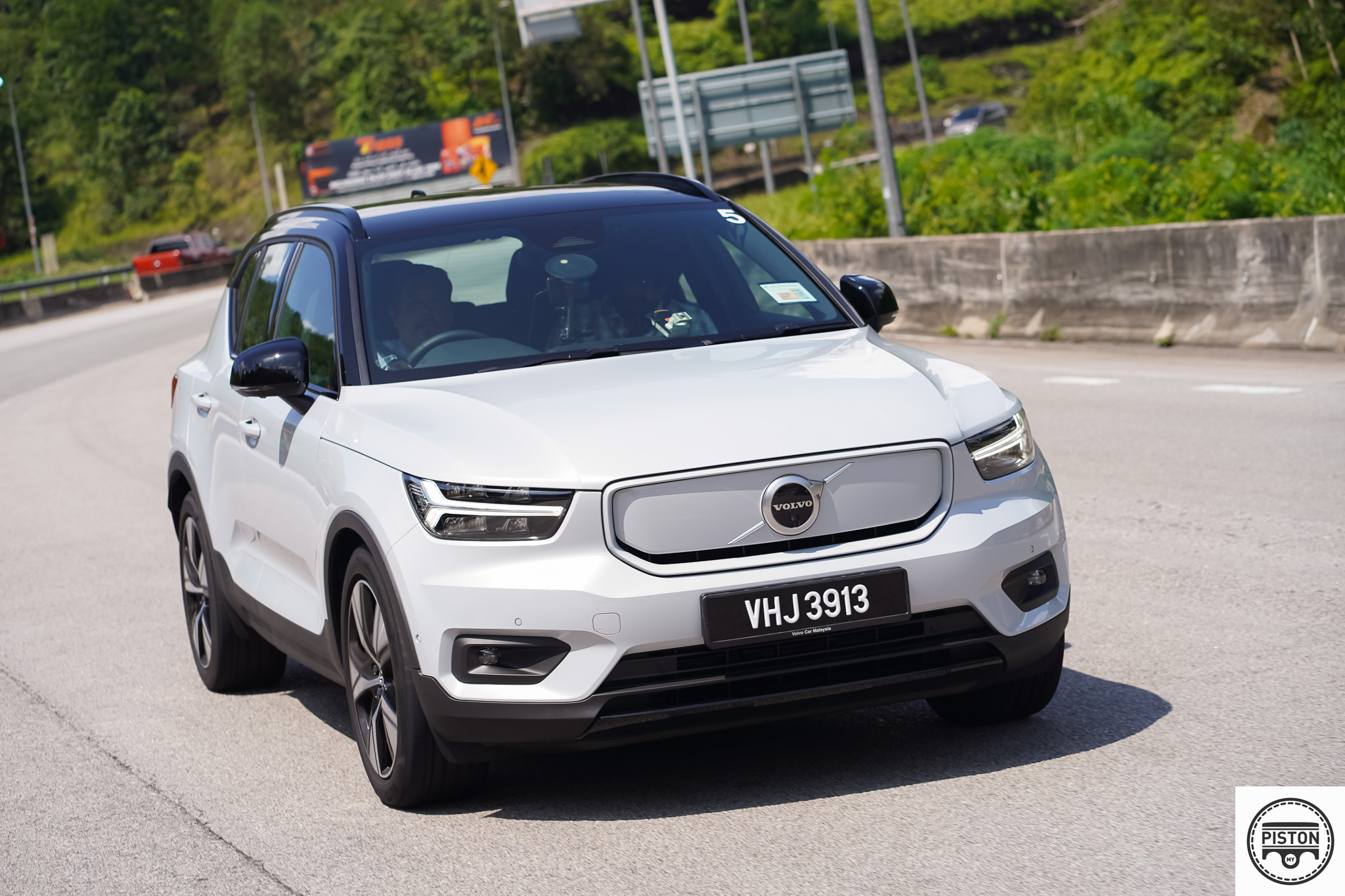
The year 2022 is a special year for Volvo Malaysia because it marks the 55th anniversary for the Swedish marque’s presence in Malaysia.
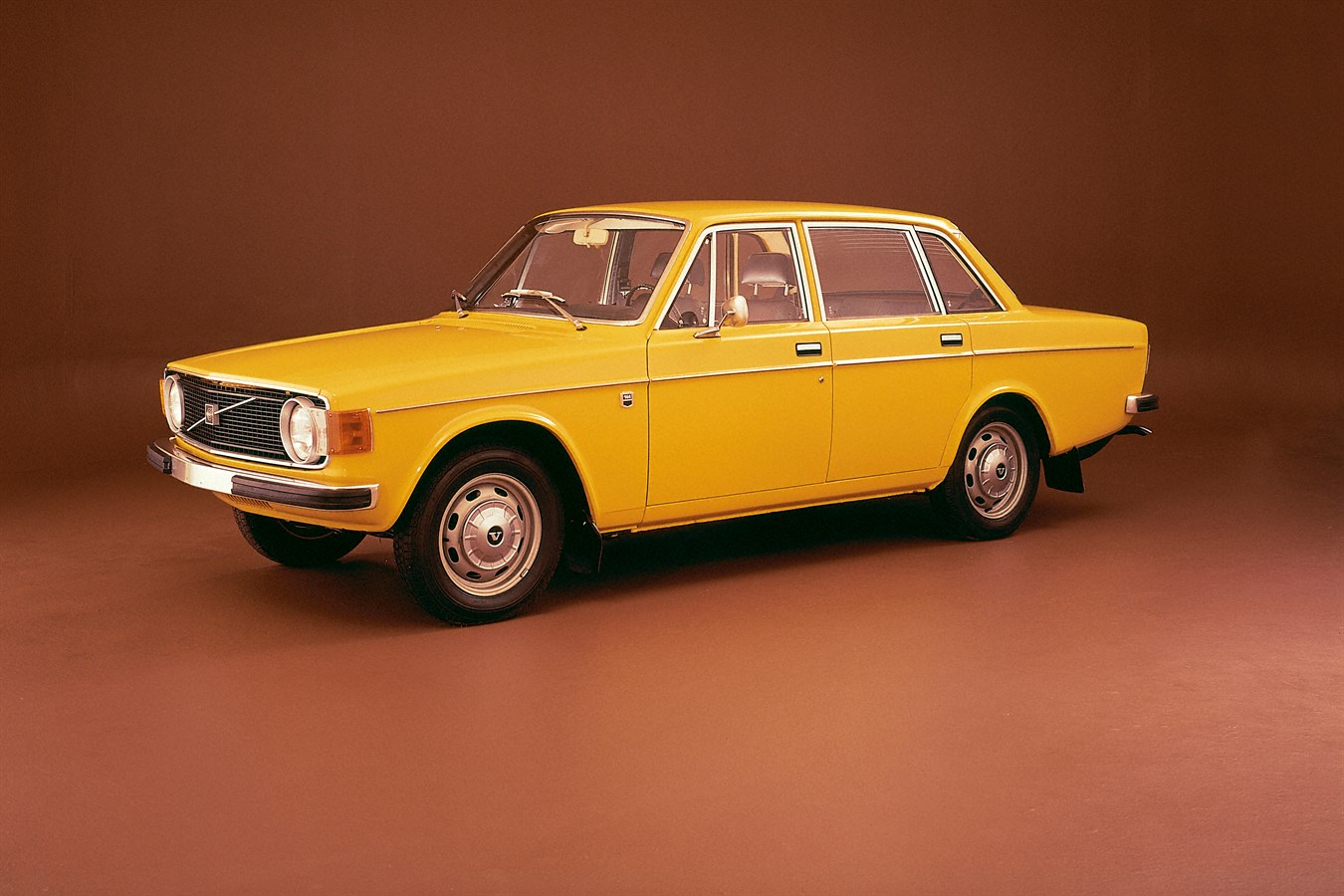
Not only that but it also marks 55 years since the first ever locally assembled Volvo first rolled off the assembly line, which was the Volvo 144 (pictured below).
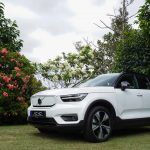
And 55 years later, Volvo Malaysia has once again made history by introducing the first ever locally assembled all-electric car – the Volvo XC40 Recharge Pure Electric.
The name of the car is painfully long, so for the sake of this article, let’s just call it the Volvo XC40 RPE, or RPE.
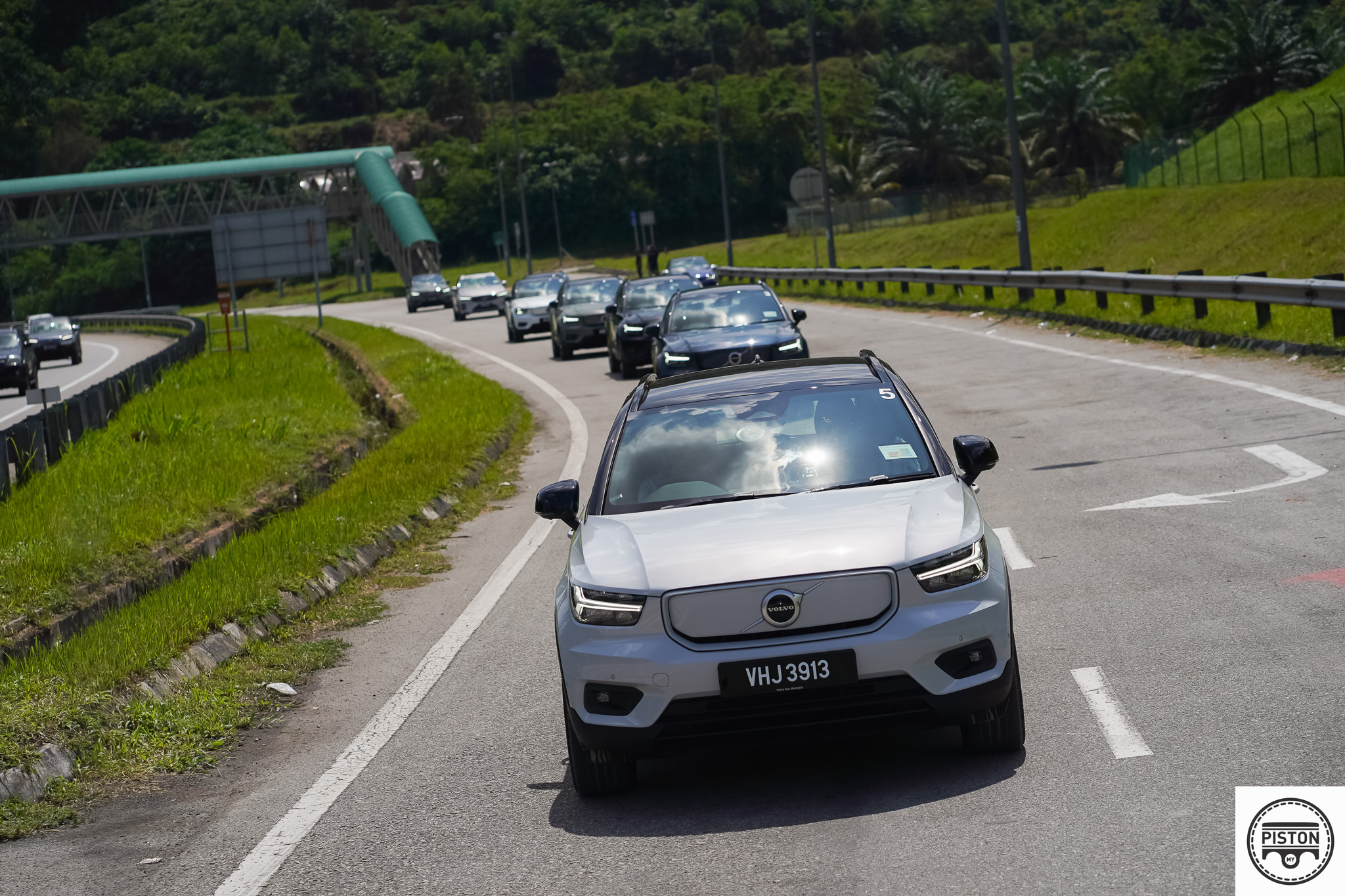
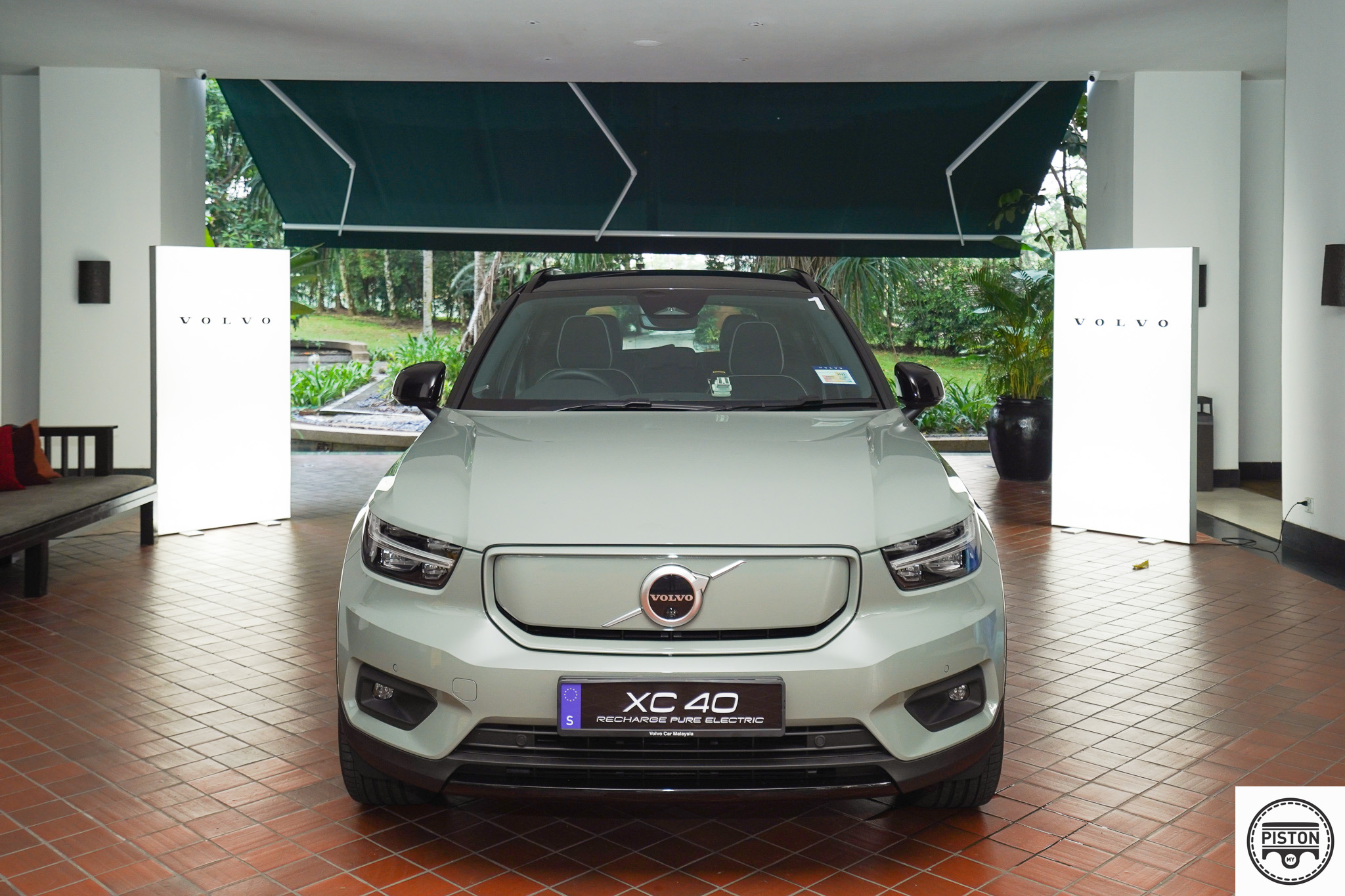
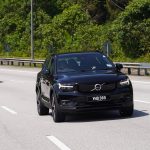
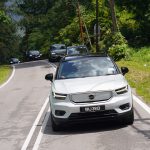
We recently test drove the car during a Volvo organised drive to Janda Baik and back, which gave us plenty of drive time to sample its electric capabilities, range and overall look and feel.
Let’s first begin with its design.
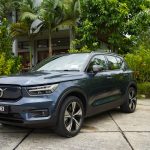
Current XC40 Recharge owners will recognise the overall silhouette, but there are some key differences.
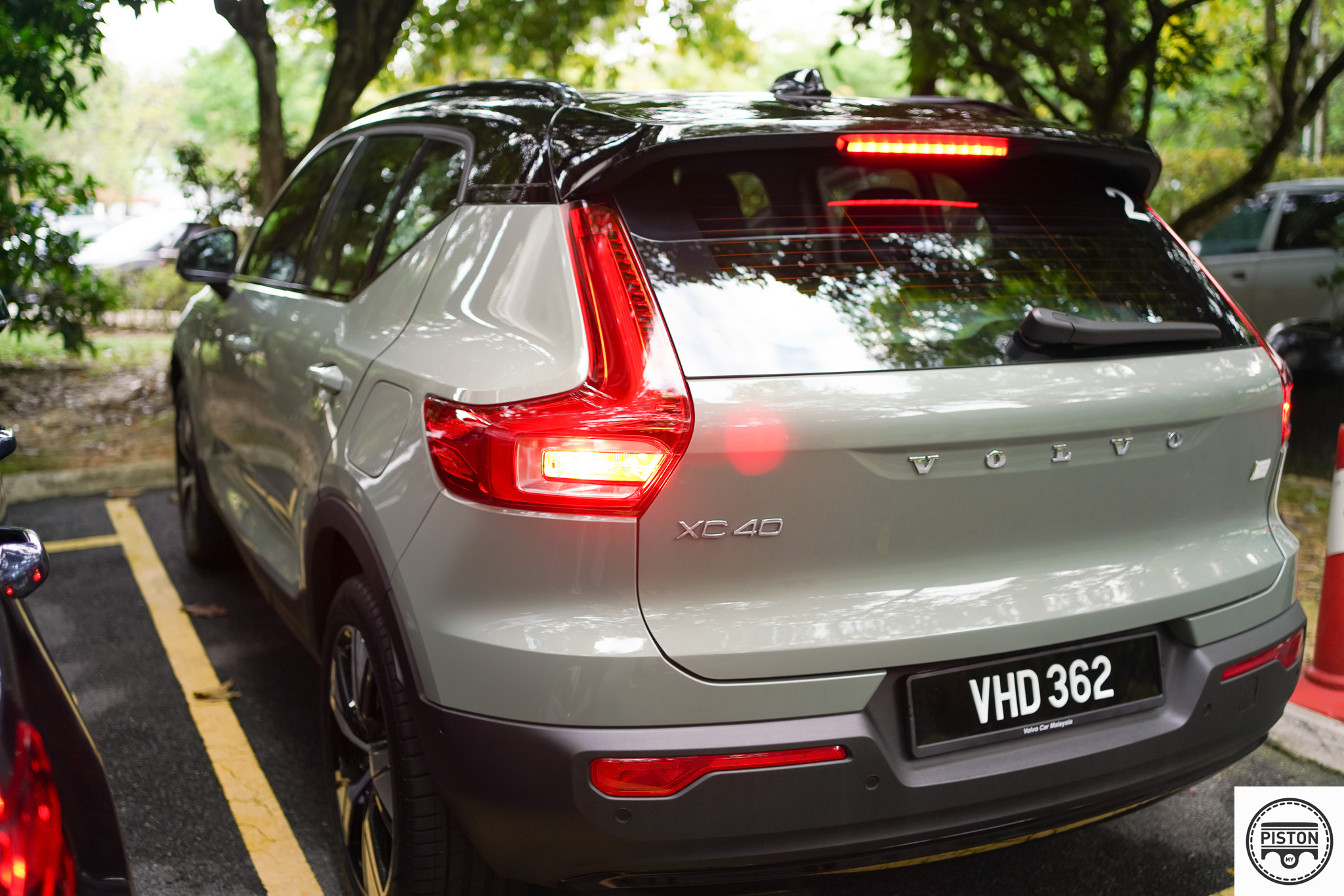
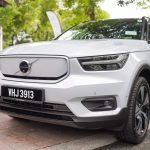
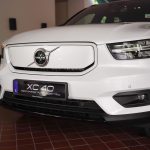
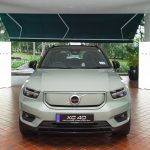
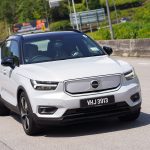
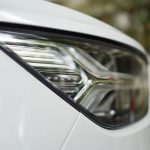
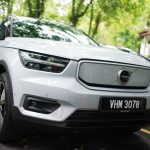
There is no need for a grille anymore since there is no engine to cool, so in its place a plastic panel that is thoughtfully painted in the same colour as the body, giving it a very unique touch and immediately identifying it as the all-electric sibling of the XC40 line-up.
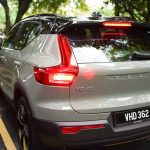
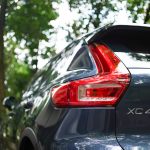
And then there is the obvious omission of the tail pipes, giving the rear of the car a tidy look when compared to its fuel guzzling sibling.
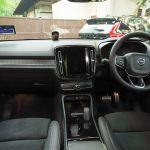
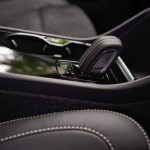
Step inside and it’s business as usual for a Volvo. Except that it’s not. Because in the XC40 RPE you don’t have to start it to drive it. There’s no button to push or key to twist, there’s a simple press of the brake pedal, a gentle push of the gear lever to either D or R, and you’re off.
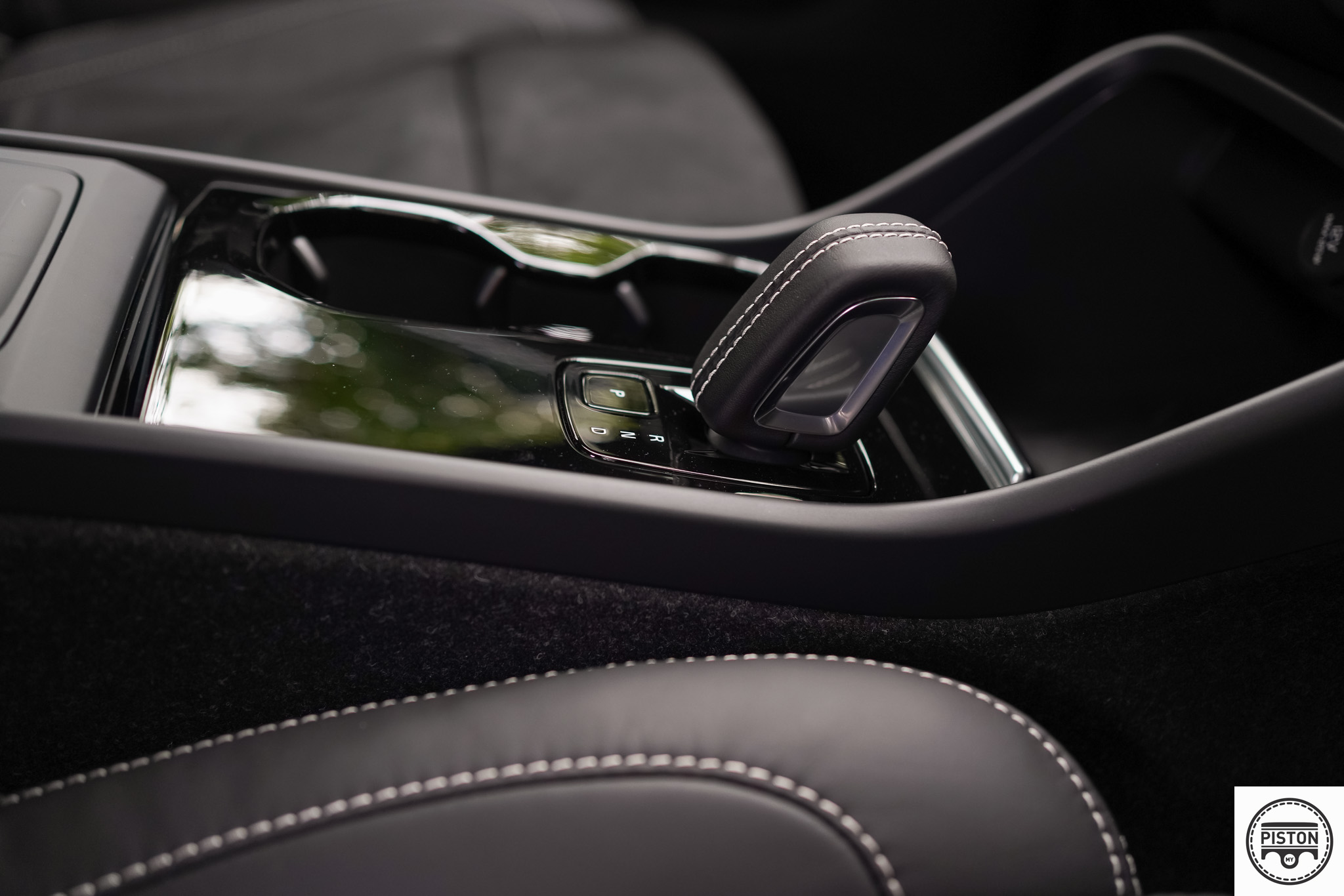
That’s an easy solution but one that we need to get used to, but after some time, it had me wondering why no one else had ever thought of that.
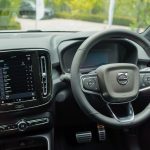
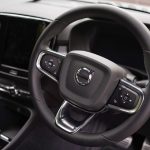
The first thing that catches your eye as you sit inside is the steering wheel and how basic it looks. The buttons are minimalistic and one could argue that it looks cheap, but it looks the way it does so as not to distract the driver.
Just behind the steering wheel is a gigantic 12-inch display that takes over meter panel duties. It displays the usual info such as speed and range and charge levels, but because it is one giant screen, it can also switch to becoming a giant navigation screen with the aforementioned data neatly tucked away but within reach of the eye.
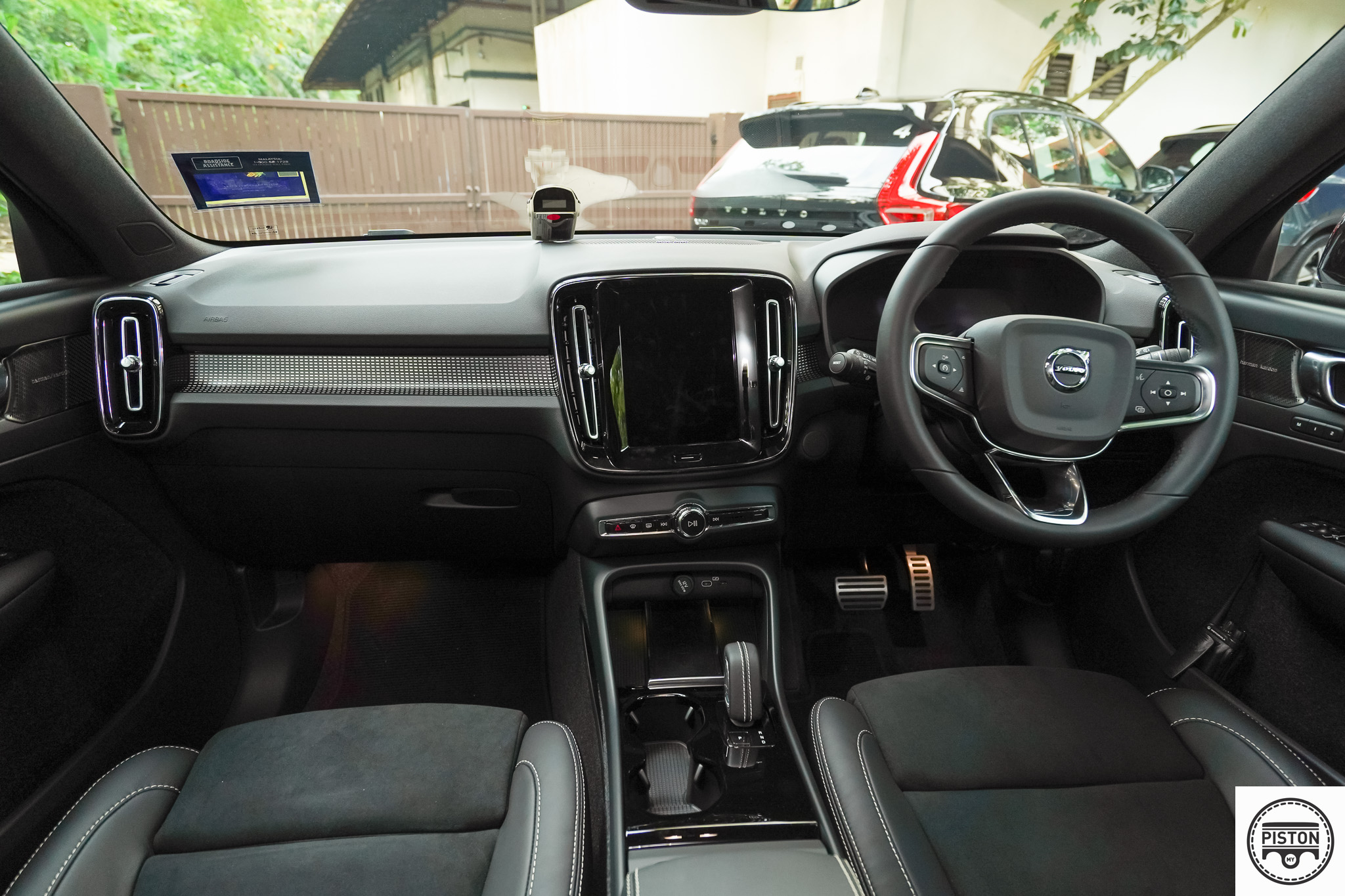
To the left of the steering wheel is a 9-inch vertical centre display (Volvo calls it portrait format) that houses everything you need while in the car – navigation, entertainment, air-conditioning controls and car settings.
The XC40 RPE also offers Google Assistant which lets you ask for directions, play music and make calls and even ask for the closest restaurants, all by saying “Hey Google” to get started.
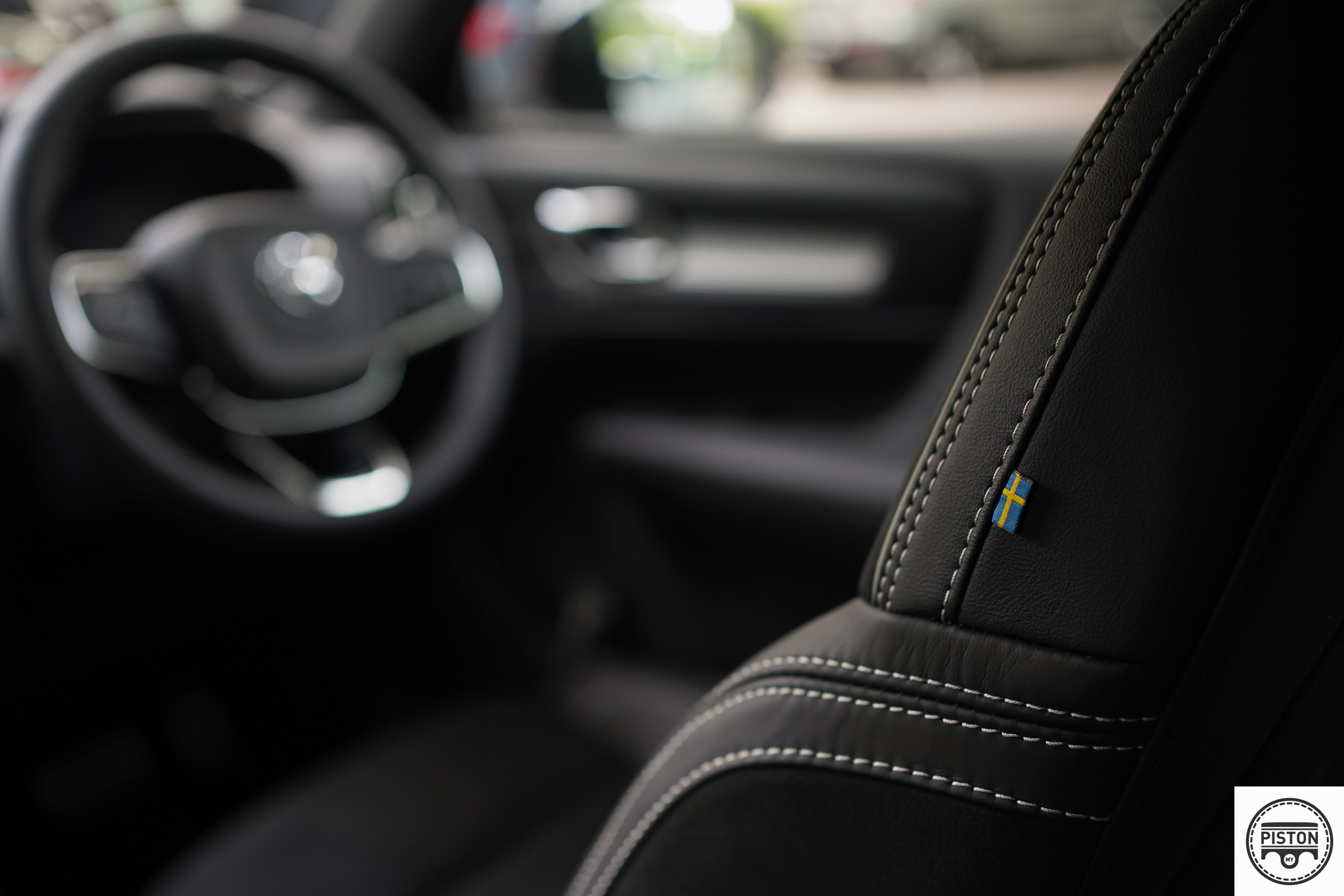
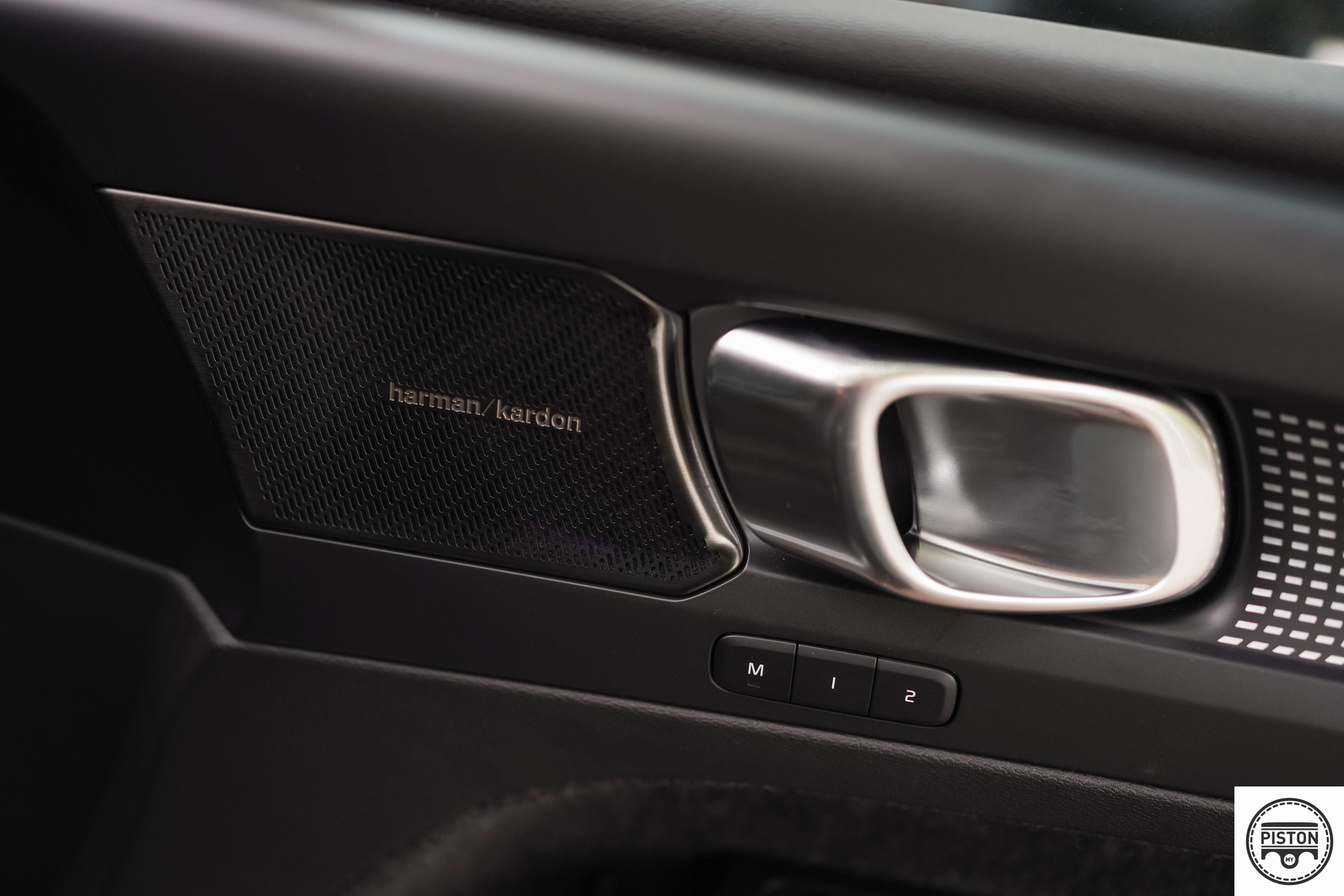
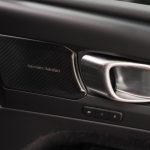
The overall look and feel of the interior of the XC40 RPE is rather minimalistic. I particularly loved the 13-speaker Harmon Kardon premium sound system which comes standard and gives your music depth and rich bass.
The carpets are made of recycled materials while overall quality is fantastic, as it should be of a Volvo.
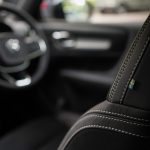
The seats may look thinly padded but offer decent support and come with memory function.
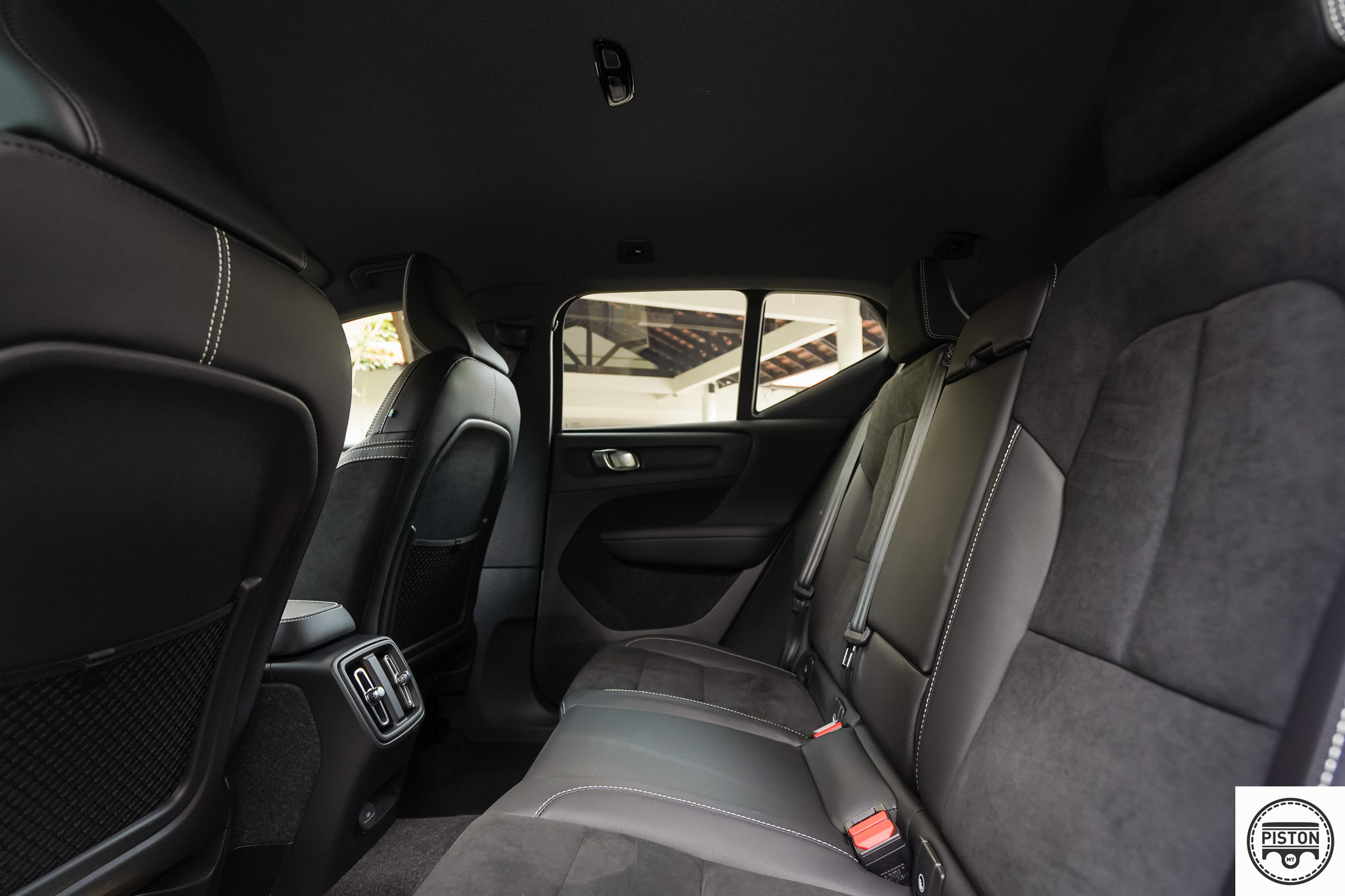
I personally found that rear seats to be cramped and the back rests too upright to get decently comfortable, but this is a small Volvo after all.
But a small Volvo doesn’t mean that it is devoid of space. Under what would usually be the bonnet is a small storage area consisting of two sections – the top section is perfect to store the charging cable and a small gym bag (the Mercedes EQA could learn a thing or two about storage from the XC40 RPE) while the boot offers 419 litres of storage space. That can expand to 1,295 litres with the rear seats folded down.
So how does it drive?
Fantastic to put it lightly.
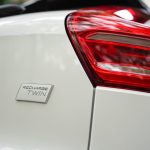
Lets get the facts and figures out of the way first. The XC40 RPE available in Malaysia comes in Twin Motor format, which means there are two electric motors placed in the front and rear axle.
These motors give the XC40 RPE an AWD format and gives the car a phenomenal 408hp and 660Nm of torque. The sprint to 100km/h is seen off in just 4.9 seconds. A decade ago, these figures would have given this Volvo supercar status.
But it is still a car tuned for comfort so the suspension is on the softish side and you feel the body roll if you dive into corners at high speed. So you still have to watch your right foot and need to keep your inner child at bay when driving the RPE.
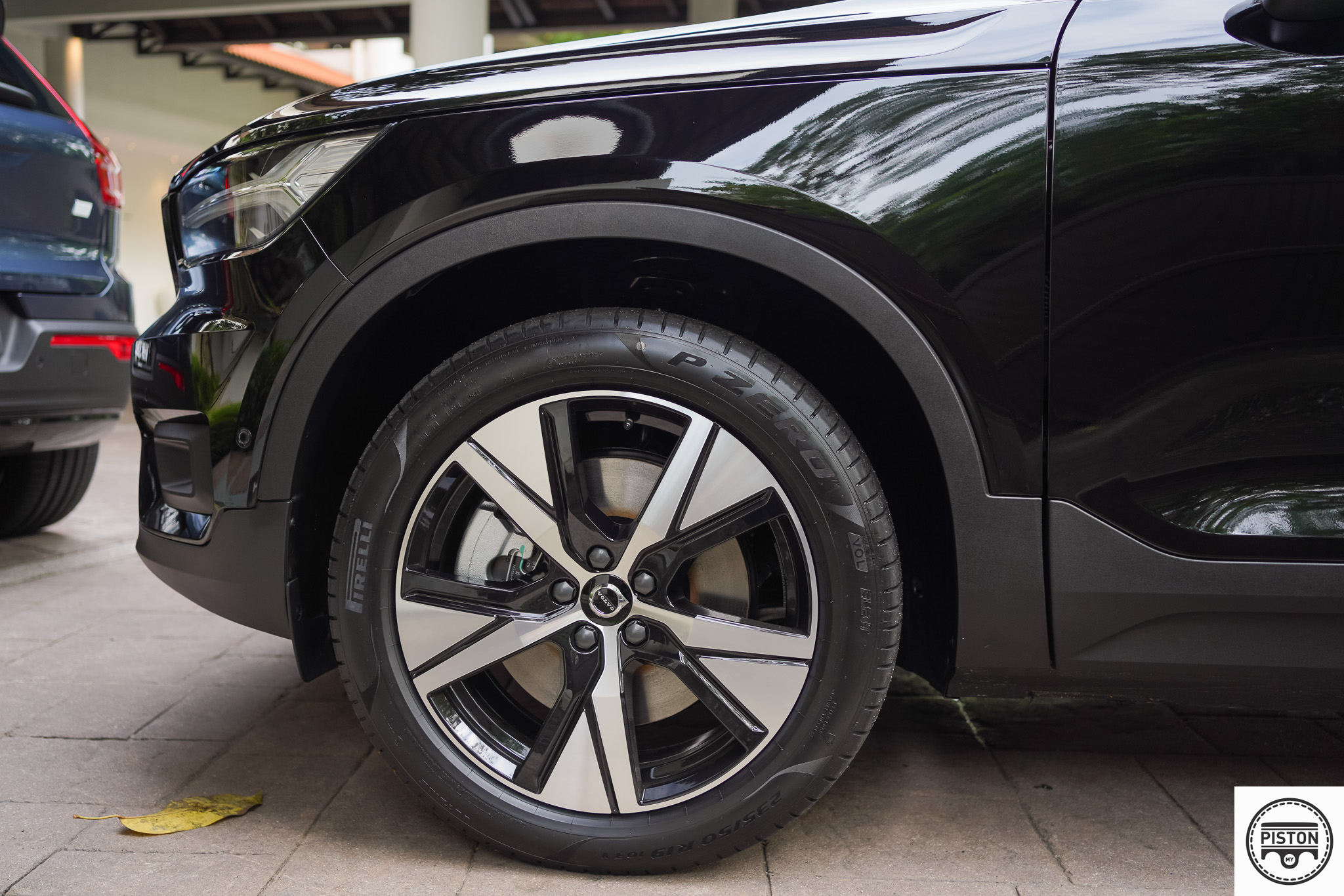
The brakes are more than capable of keeping up with all that power, but being regenerative they lack feel and that all important initial bite. So that can be scary when your brakes feel like they are not responding at first. Dig deeper and the brakes respond and the batteries get recharged.
But the Volvo XC40 RPE has a party trick up its sleeve and it is called the ‘One Pedal Drive’. What this does is that it lets you accelerate and brake using the accelerator pedal alone.
Accelerate as you normally would, and when you need to slow down, simply lift off and the brakes will be applied. The quicker you lift, the quicker and harder the brakes will be applied.
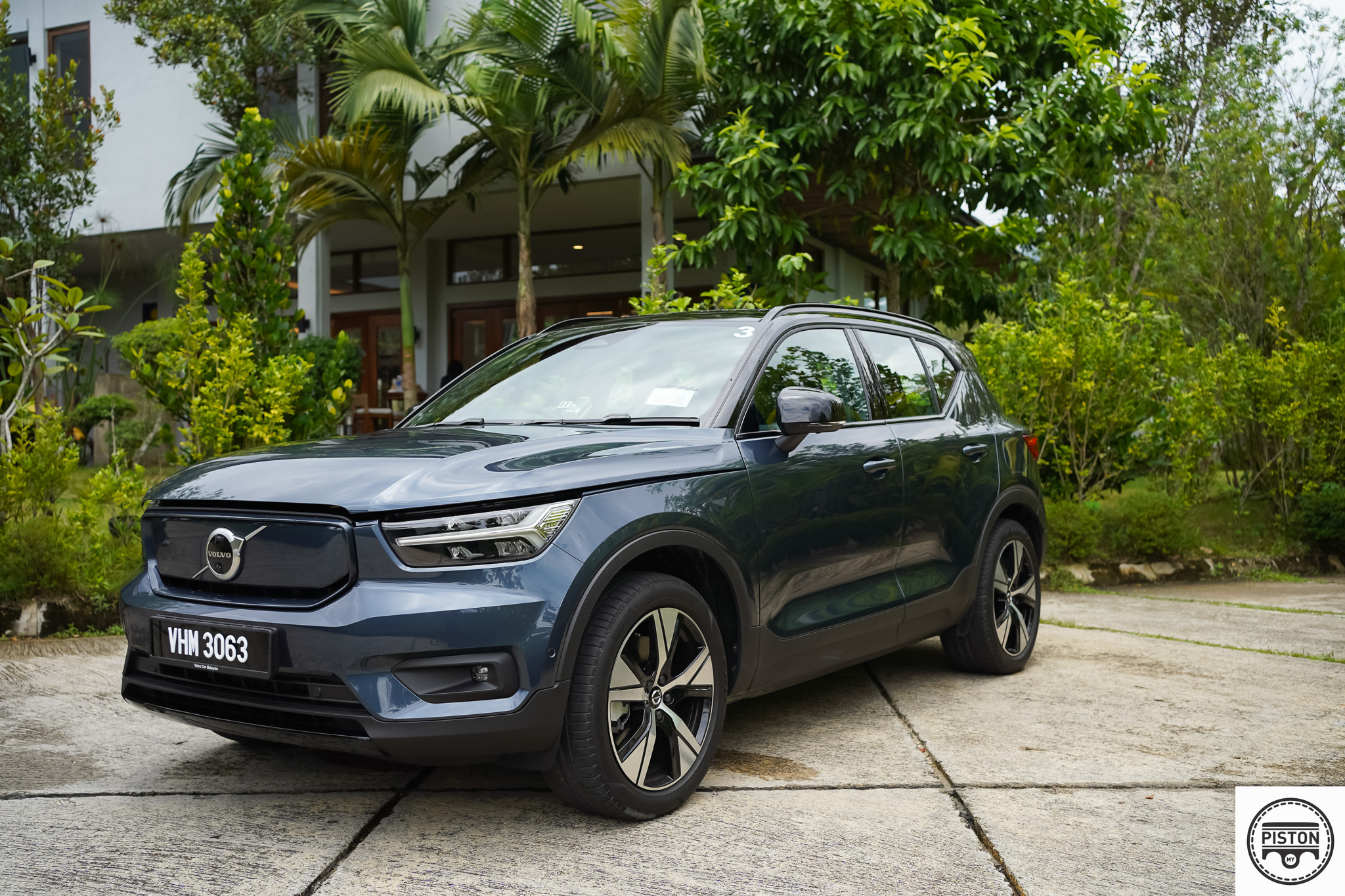
Of course you can still use the brake pedal as you normally would too, and driving using the One Pedal Drive tech takes some getting used to, but after some time you realise that it makes complete sense, especially in traffic. This tech also makes managing traffic a lot easier too because you don’t have to keep rotating your ankle between the brake and accelerator.
So, the power figures of the XC40 RPE suggest that you could have some serious fun, but the suspension and brakes don’t feel like they are up for it. And for good reason too, this is still a car designed for urban and some sub-urban use.
It is meant to keep you cuddled in subtle luxury and comfortable with the suspension disconnecting you from the horrors of Malaysian roads. It does not brilliantly though.
And now comes the big question – are we ready for electric cars and recharging our cars as we would our phones?
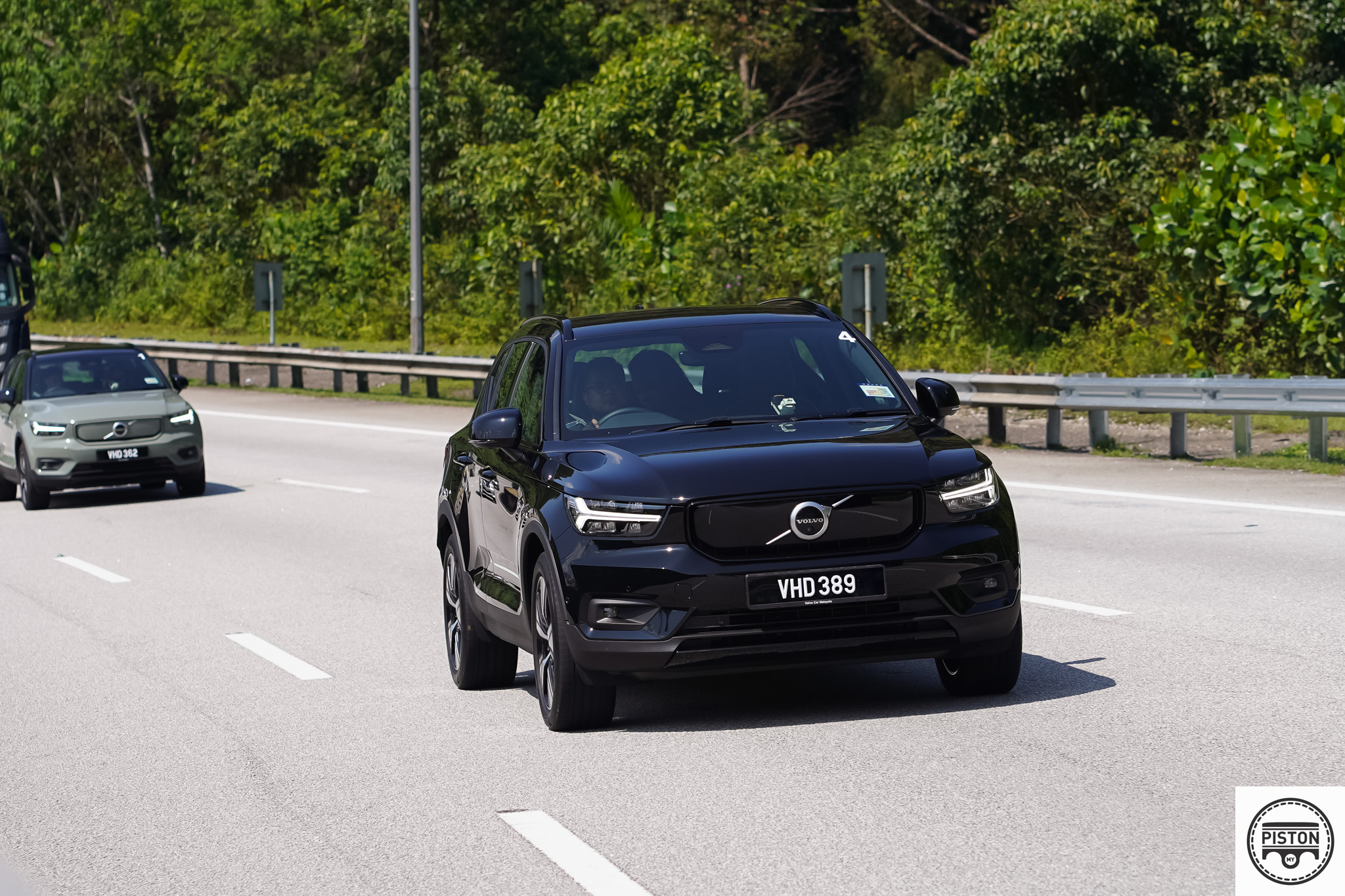
The XC40 RPE has a range of 417km on a full charge. Volvo says that if you stick to city driving, you will get a range of 420km while a combination of city and highway and mountainous driving will take that range down to 300km. Highway driving will only give you a range of 300km.
When we first started out our drive from Saujana Hotel in Subang, we were quite close to full charge, and when we returned the cars, there was still a range of 37km left.
We surely didn’t drive anywhere close to 400km that day. A quick dash to Janda Baik and back with a quick swing by Gohtong Jaya, we drove 270km at best. So Volvo is not exactly bluffing about its range.
But we were driving fast and the uphill climbs required more power anyway. And that’s the thing about electric cars, it all depends on where you are going and how that will affect power usage.
Driving at a constant speed on a flat highway will not consume much power, so driving interstate along the North South highway should be fine.
And power companies such as Petronas and Shell are fast catching up and are offering recharging stations along the entire stretch of the north south highway too, so recharging and range anxiety will soon be a thing of the past.
On the point of recharging, the RPE needs just 37 minutes to reach 80 per cent charge with a 150kW DC fast charger. While a regular 11kW AC socket such as the ones found in our homes will require 8 hours to reach 100 per cent charge.
So there’s still plenty of waiting around that is required to recharge your car, but that is fine if you are going to drive the car around town, unless you live in a condominium and have limited access to a charging port, then an electric car, no matter what type, is really not for you.
And so, all in all, the Volvo XC 40 Recharge Pure Electric checks all the boxes and is a fun little thing to drive and go about your daily business without burning a hole in your pocket.
Volvo Malaysia has not announced a price for it as yet but there’s speculation that it will be in the RM250,000 range.
Volvo looks like they may just have a winner in their hands, but the only thing that could hurt the XC40 RPE is the Hyundai Ioniq 5 Max.
Volvo is a pioneer again with the first locally-assembled battery electric vehicle (BEV)



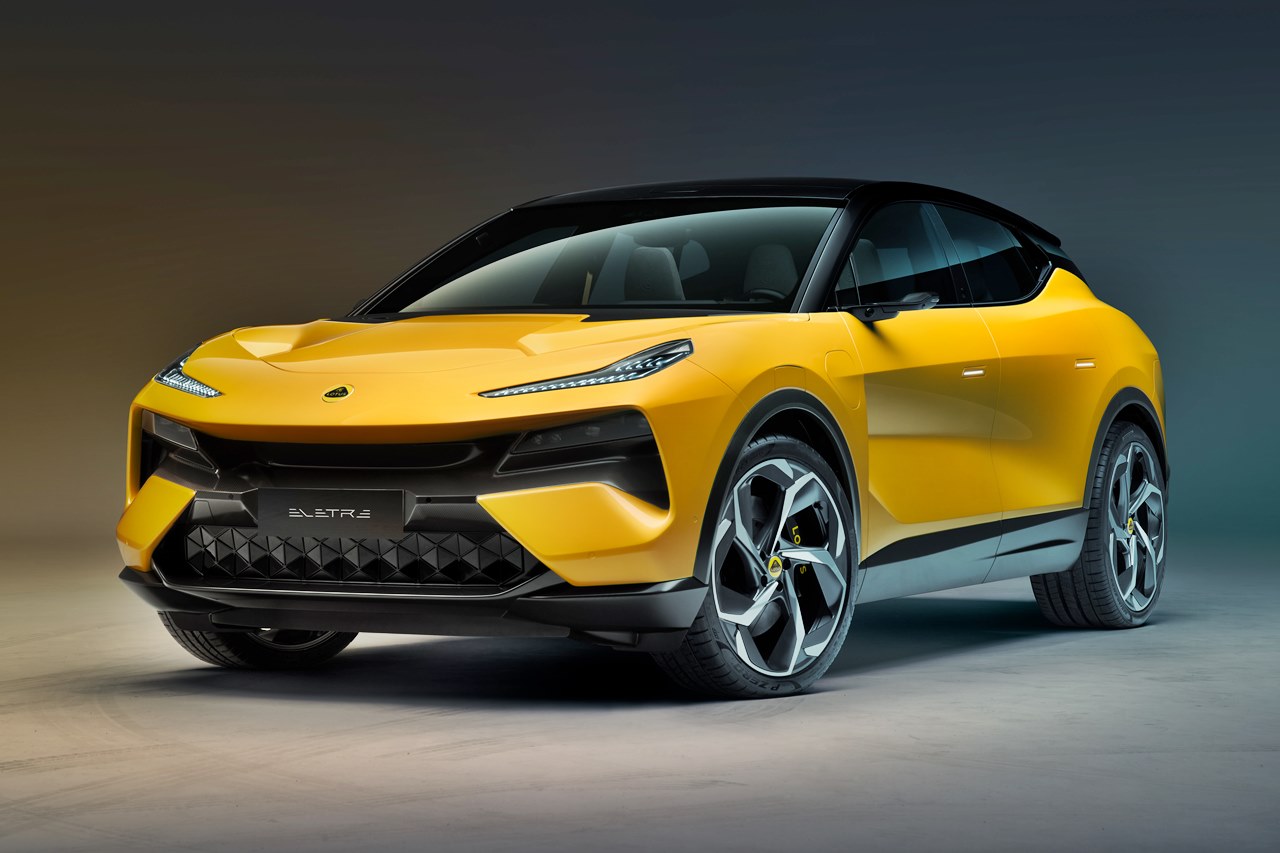
Lotus has finally joined the SUV crowd with its new Eletre (pronounced ‘El-etra’ and means ‘Coming to Life’ in some Eastern European languages) which is not only its first SUV but also the world’s first fully electric hyper SUV. Officially launched tonight at the BBC Television Centre in London, the model brings with it a significant number of firsts for the British brand – the first 5-door production model, the first model outside sportscar segments; the first lifestyle EV; and the most ‘connected’ Lotus ever.
As would be expected, advanced technologies are found throughout the car, including the most advanced active aerodynamics package claimed for any production SUV. There are also intelligent driving technologies such as the world’s first deployable Light Detection and Ranging (LiDAR) system in a production car.
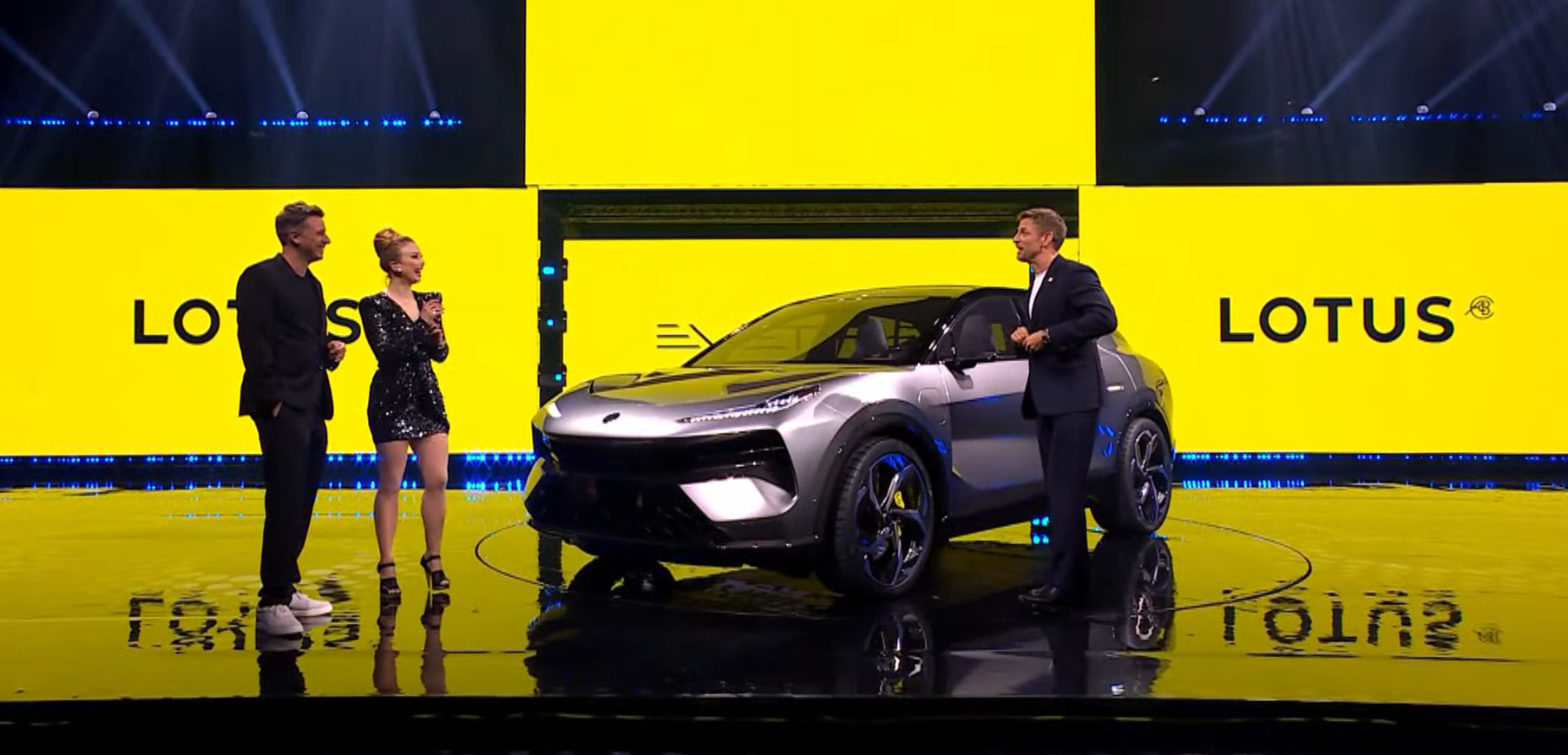
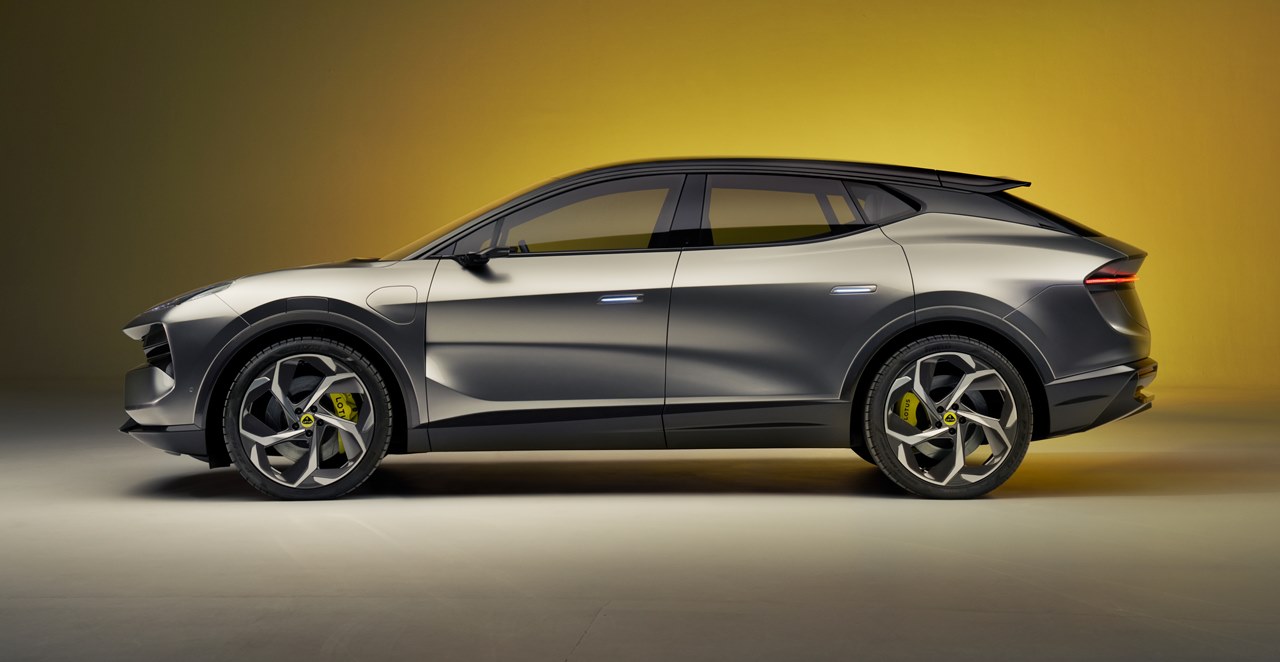
The Eletre is built on Lotus’ all-new Electric Premium Architecture (EPA). The low-to-the-ground design endows it with outstanding handling, and the EPA can easily adapt to accommodate C+ to E+ vehicle class battery sizes, motors, component layouts and intelligent driving technologies. The platform will be the basis for an all-new range of premium lifestyle performance electric vehicles from Lotus.
The Eletre has a 4WD drivetrain with 2 electric motors that provide up to 600 bhp, and uses 800V dedicated electric vehicle architecture with integrated, high-voltage power distribution system. The high-density battery pack has a capacity that’s over 100 kWh and a full charge is expected to last for up to 600 kms. A 350 kW charger will provide 400 kms of range in just 20 minutes, and it also comes with the ability as standard to accept 22 kW AC charging (if available). The hyper SUV credentials come from claimed performance numbers of less than 3 seconds for 0 to 100 km/h and a top speed of 260 km/h.
The international design team was guided by Peter Horbury, who became Senior Vice President, Executive Advisor, Design, of Group Lotus last August. Horbury was the man who ‘threw the box out’ at Volvo when he designed the C70 and prior to moving to Lotus, he provided guidance for various brands in the Geely group which Lotus is part of.
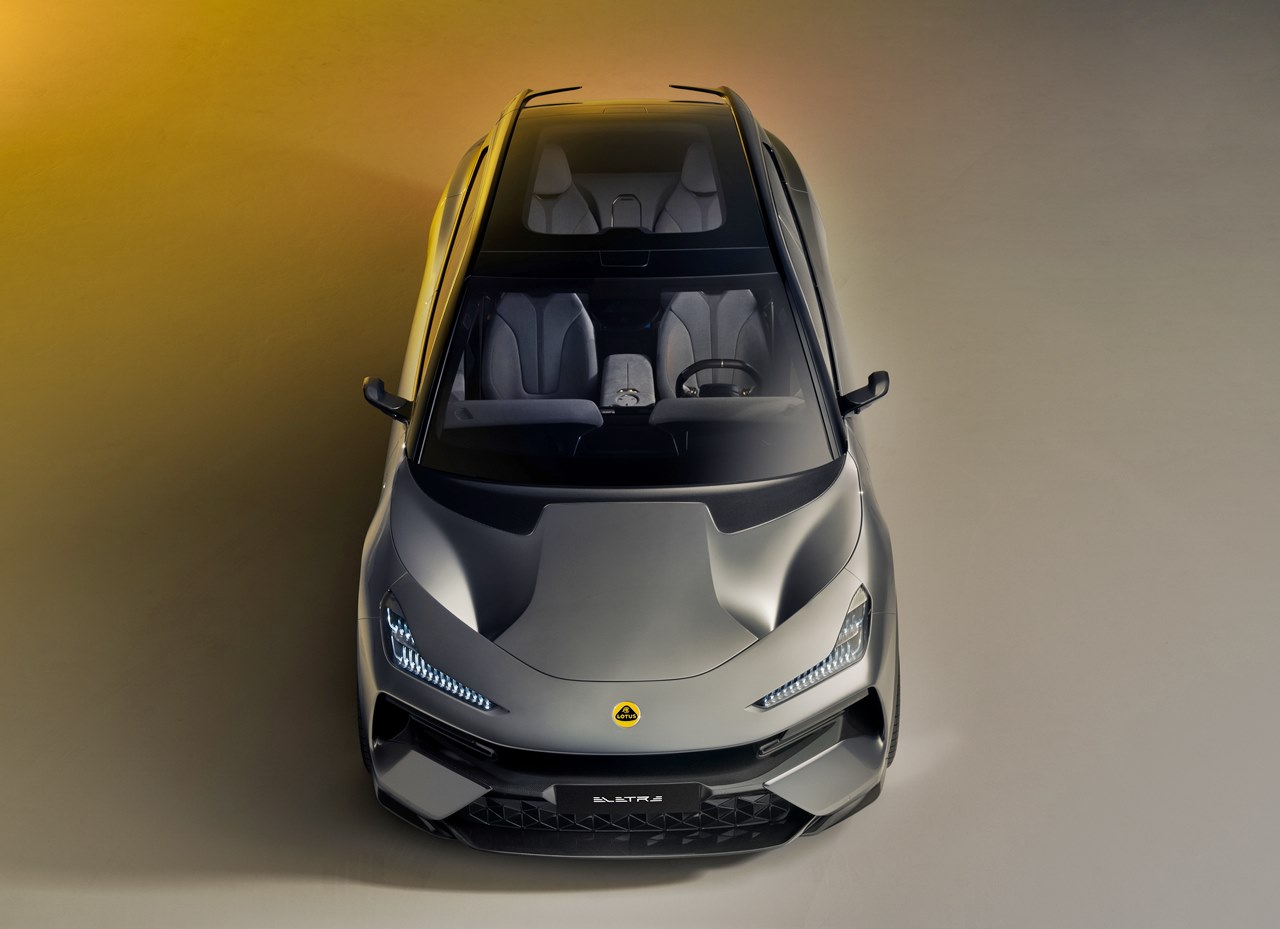
The designers created a daring and dramatic new model with a cab-forward stance, long wheelbase and very short overhangs front and rear. They had newfound creative freedom with the absence of a combustion engine under the bonnet, while the short bonnet echoes the styling cues of Lotus’ iconic mid-engined layout.
A signature element of the 5103 mm long bodywork’s design is its ‘porosity’ – the aerodynamic principle of air flowing through the car as well as under, over and around it. Porosity was at the heart of the Evija’s design, is integral to the Emira, and has provided clear inspiration for the Eletre. It is most obvious where air is channelled under the leading edge of the car, emerging through two exit vents in the bonnet above.
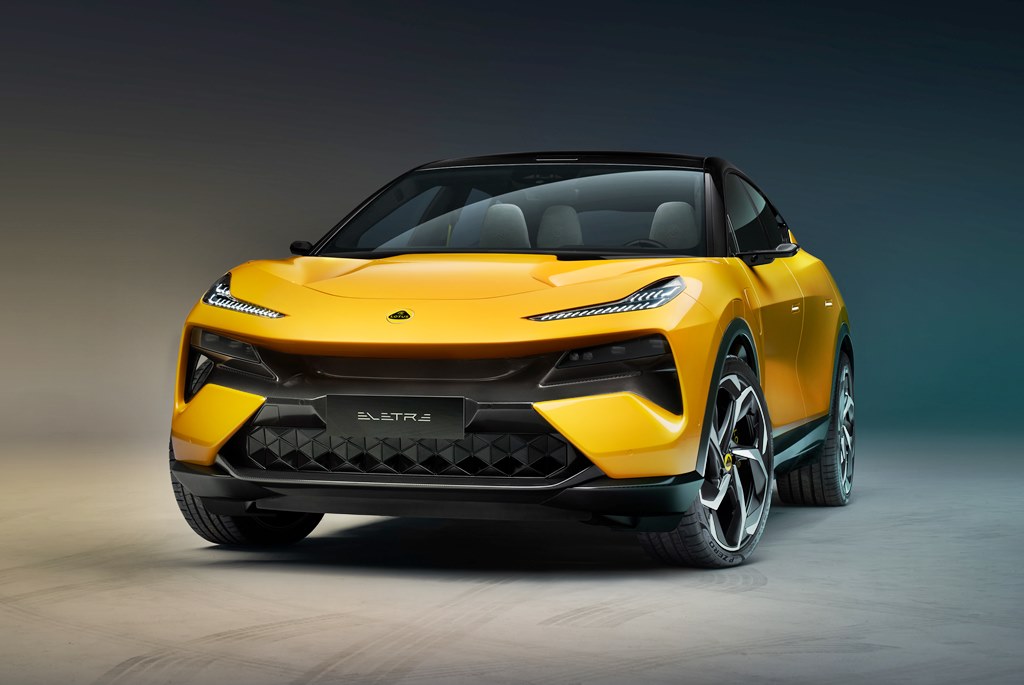
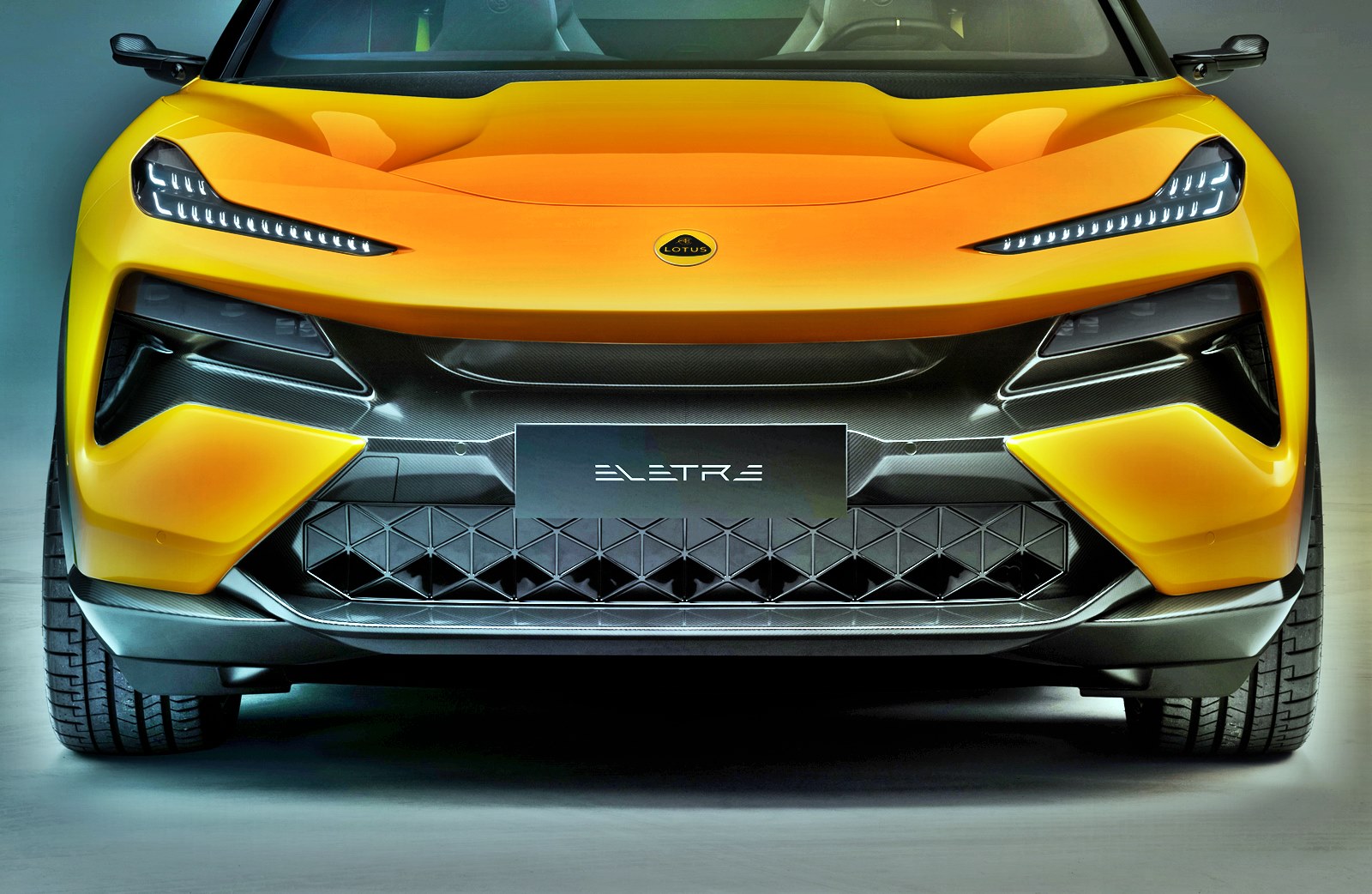
The active front grille is formed from a network of interconnecting triangular petals that dominate the central section. Intricately designed, they remain closed when the car is at rest or when there’s a need to reduce drag during driving. They open in a distinctive pattern to feed air into the radiator, allowing the Eletre to ‘breathe’ when cooling of the electric motors, battery pack and front brakes is required. All the black components are finished in carbonfibre while the body panels are aluminium.
The rear is dominated by the unique cantilevered carbonfibre ‘floating’ split roof spoiler, a motorsport-inspired design feature that evokes race car winglets. With the central section removed, weight is saved – a very Lotus concept – and allows the LiDAR sensor to be integrated at the top of the glass. Optimised for exceptional aerodynamics, the roof spoiler channels airflow down the glass and into the active tailgate spoiler which is deployed automatically at speed. It has three distinct deployment angles, depending on the drive mode selected.
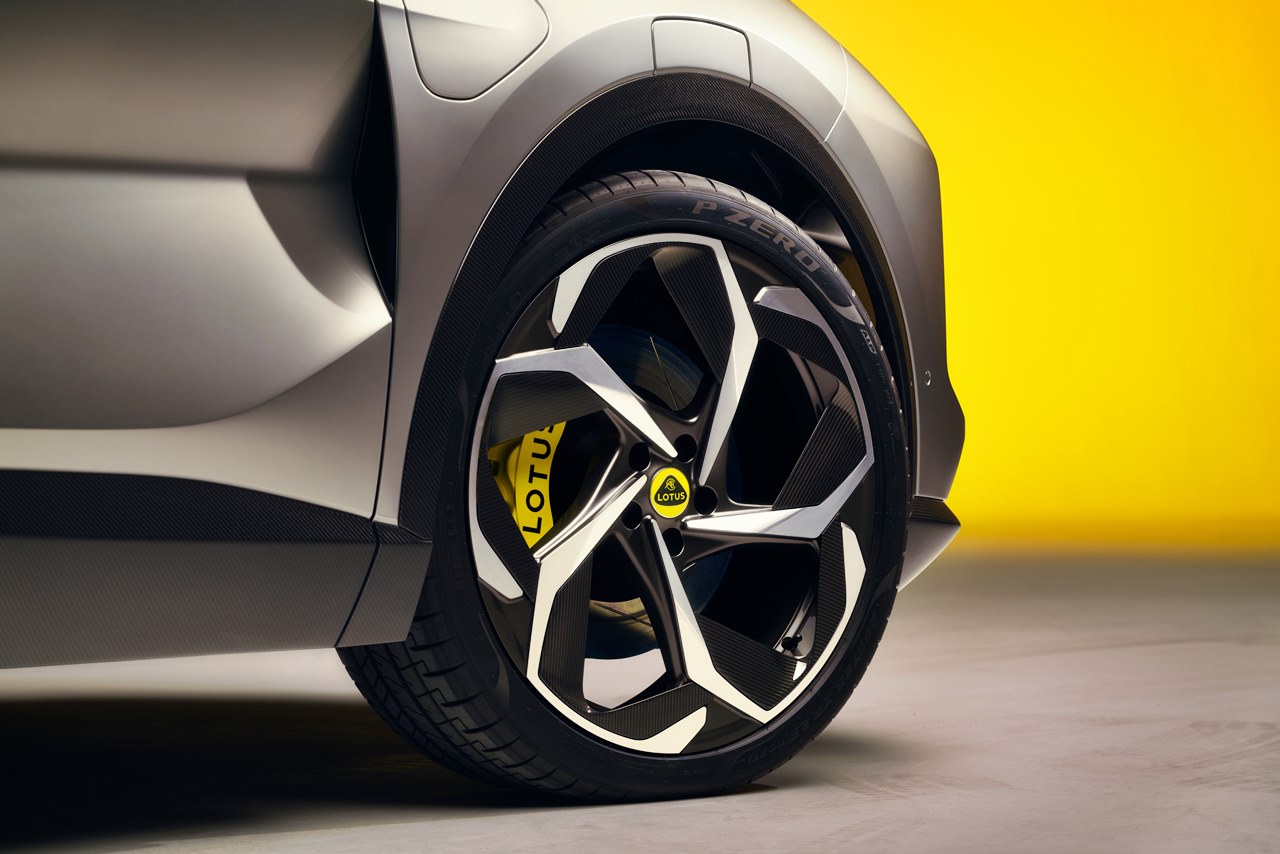
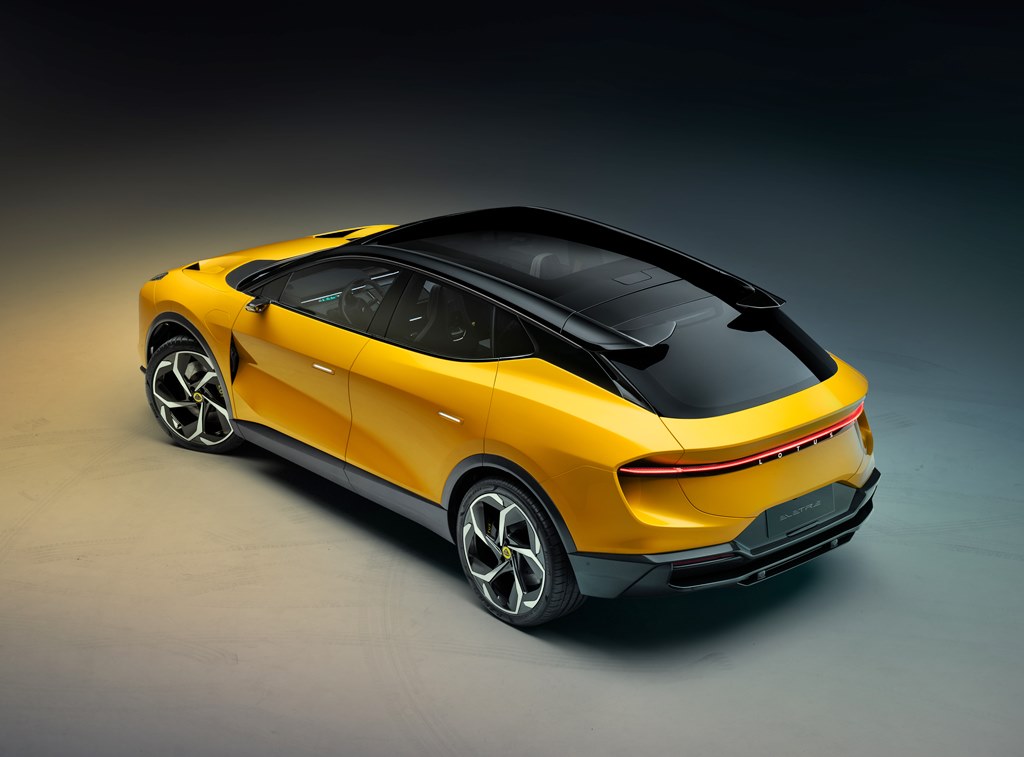
The interior has a performance-oriented and technical design which is ‘visually lightweight’ and as former F1 driver Jenson Button (who drove the car in for its debut) said, it has ultra-premium materials to offer a level of luxury that is new to Lotus. Sustainability has also been a core focus of the design team with the hard materials of carbonfibre that give a premium marble-like finish.
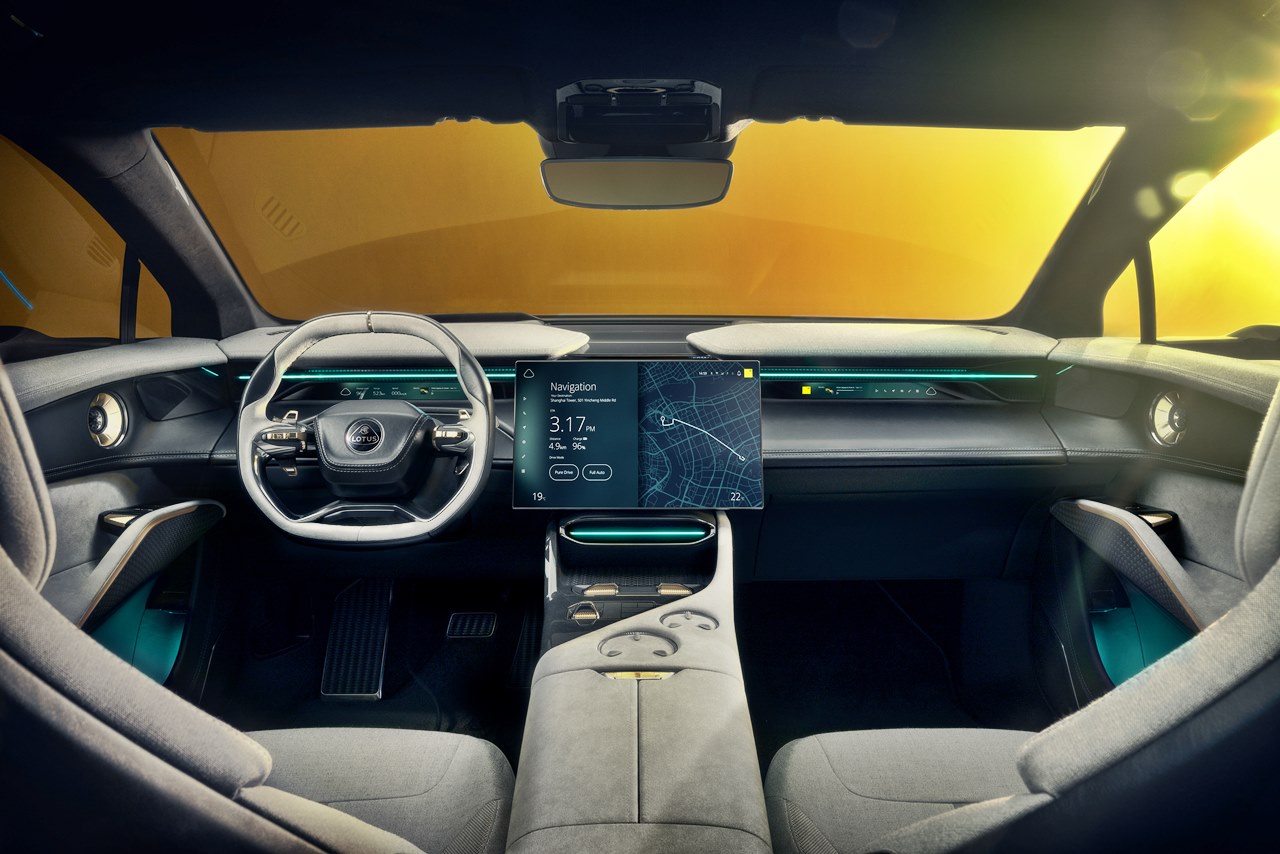
The cabin has four individual seats as standard, with customers also offered the more traditional 5-seat layout under a fixed panoramic glass sunroof. The cockpit and high centre console are inspired by the Emira and Evija with the triangular theme seen externally on the grille being replicated in multiple locations around the cabin.
The Lotus philosophy of light-weighting – removing material if it’s not needed – is clearly illustrated in the instrument panel. The floating wing’s central section has been taken out, echoing the design of the rear spoiler. Below the instrument panel a blade of light runs across the cabin, sitting in a ribbed channel that widens at each end to create the air vents. While it appears to be floating, the light is more than decorative and forms part of the human machine interface (HMI). It changes colour to communicate with occupants, for example, if a phonecall is received; if the cabin temperature is changed; or to reflect the vehicle’s battery charge status. Information can also be displayed to the driver via a head-up display featuring augmented reality (AR) technology.
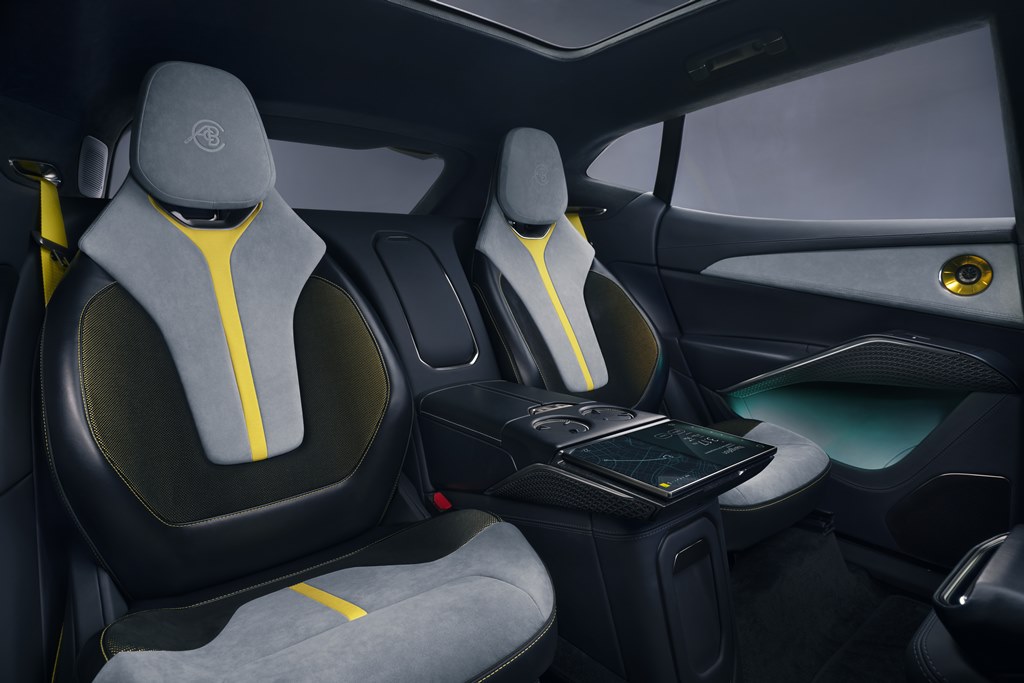
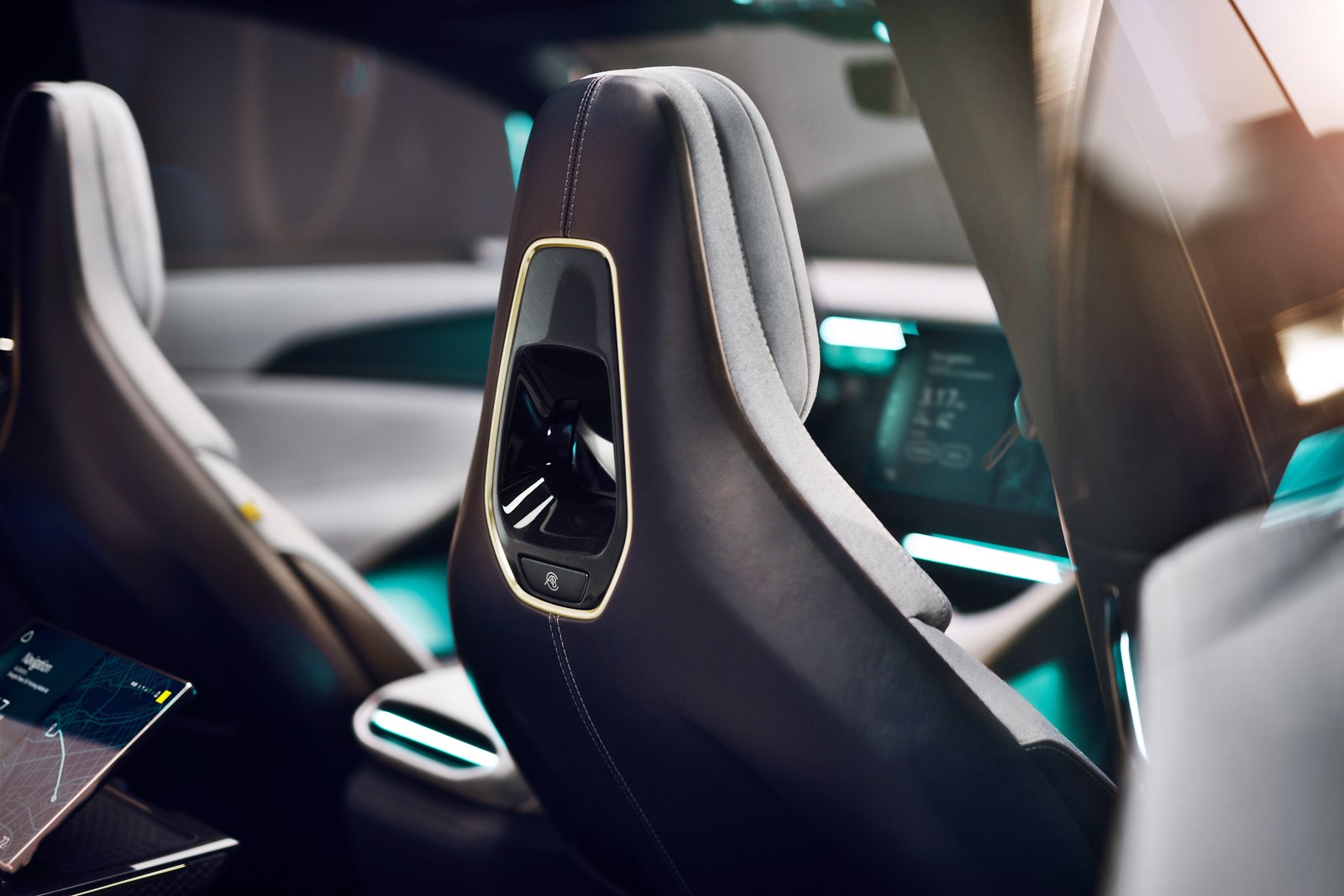
The infotainment experience is said to set new standards in the automotive world, with pioneering and innovative use of intelligent technologies. It is a collaboration between the design team in England and the Lotus team in China, who have huge experience in the fields of User Interface (UI) and User Experience (UX). At the core of the Eletre’s UI/UX is the Lotus attribute of simplicity, which is realised through three pillars: lightweight (for both system components and the experience); intelligence (system versatility); and immersive (for interactions that excite and engage occupants). This includes the on-screen 3-dimensional world in which the car is viewed, showcasing the Eletre as the hero and adopting user experiences from the worlds of gaming and mobile technology.
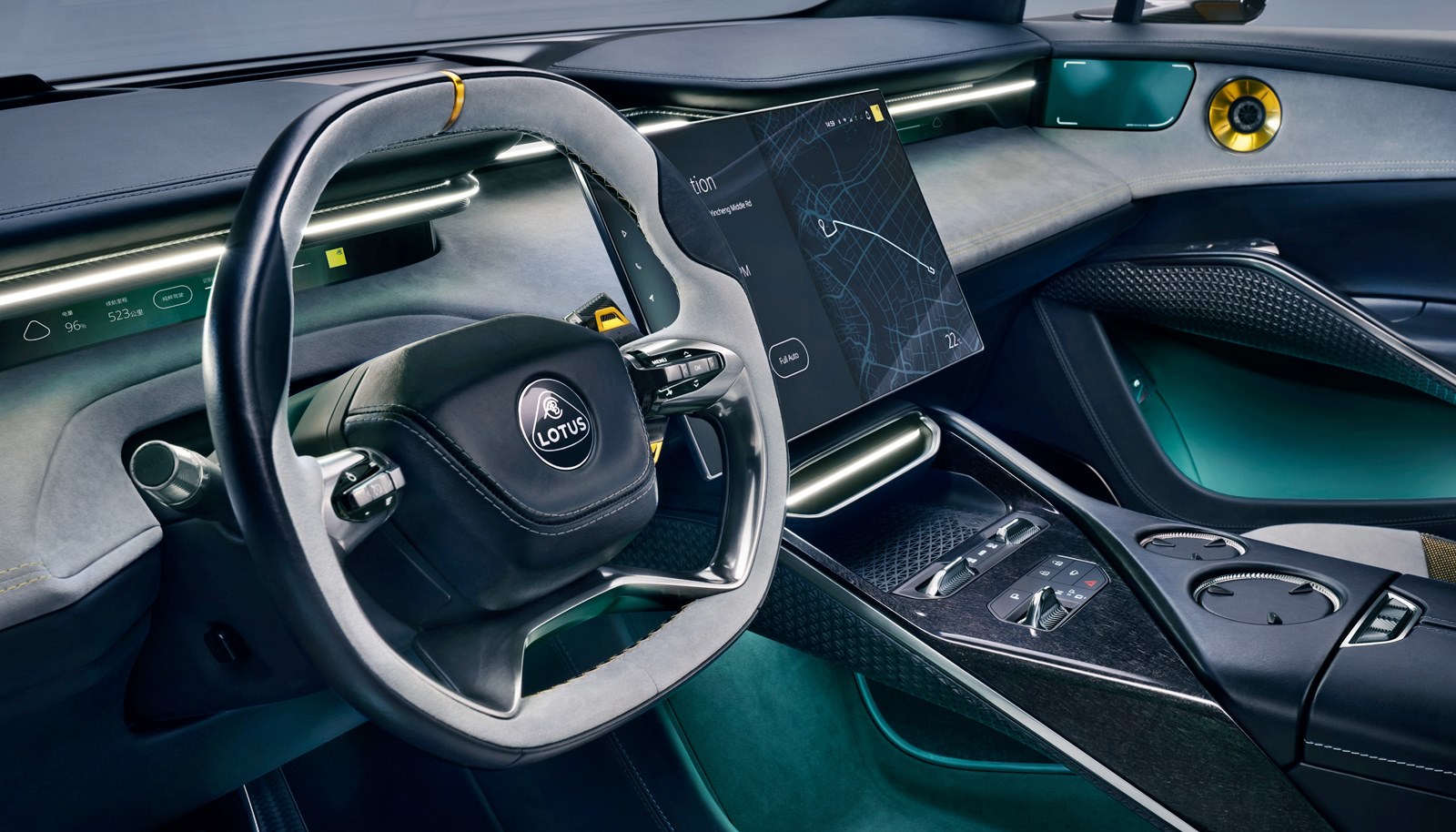
While every element of the Eletre can be controlled digitally, certain key controls are duplicated with analogue switches – evidence of the simplicity for which Lotus is famed. The technical look, compact size and premium feel of the steering wheel is intended to deliver maximum comfort, performance and usability. Visually lightweight, it houses switchgear for the adaptive cruise control and infotainment system.
The standard audio system on the car comes from KEF and is composed of a 1,380W 15-speaker set-up with Uni-QTM and surround sound technology. Uni-Q dispenses with separated tweeter and mid-range speakers, instead combining both into an acoustically idealised single unit. It covers the entire mid and high-frequency sound spectrum from a single point in space, delivering a more coherent, hyper-realistic sound experience.
Technology is used for much more than infotainment on the Eletre. It is also at the heart of the car’s comprehensive suite of intelligent Advanced Driver Assistance Systems (ADAS), many of which are designed to be futureproof so new features can be enabled via Over The Air (OTA) updates. Several utilise the LiDAR system which supports end-to-end autonomous driving technology and is future-proofed for further development, achievable because of the hardware that’s already integrated. Further capability can be added via OTA software updates, as and when it is allowed by local market regulations.
Incidentally, each door mirror is replaced by an Electric Reverse Mirror Display (ERMD), which houses 3 different cameras – one for the rearview mirror, a second to help create a 360-degree view of the car from above to aid parking, and a third that’s part of the intelligent driving technologies which work in tandem with the LIDAR system.
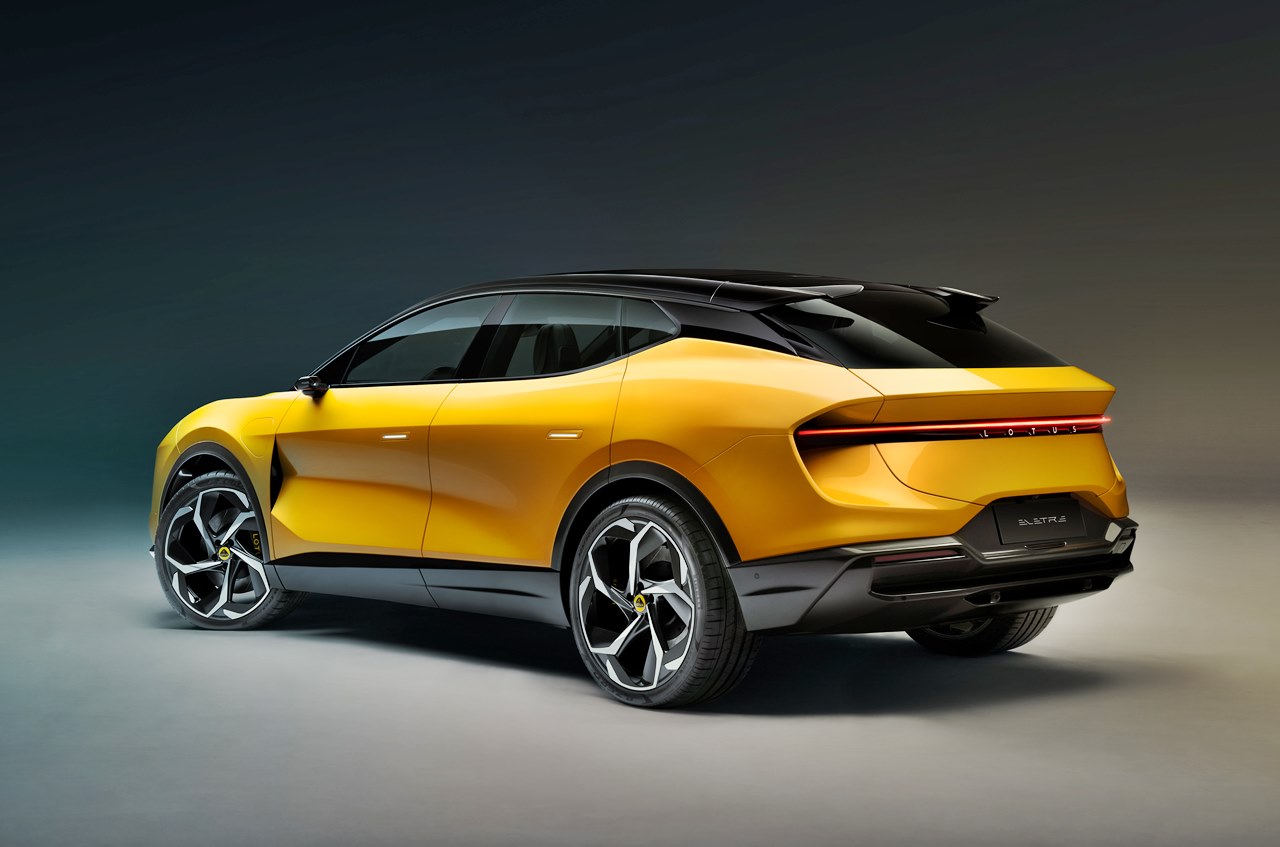
“The Eletre is a bold and revolutionary new car, delivering on our commitment to move Lotus into completely new automotive segments as we widen our global appeal and accessibility. This is a momentous point in our history and a clear signal of our ongoing desire to transform our business. It is a true Lotus, and we’re confident it will delight performance car customers and offer a distinct alternative to the segment’s established players. The Eletre has the soul of a Lotus and the usability of an SUV. Alongside the Emira sportscar, this is the perfect two-car garage from Lotus,” said Matt Windle, Managing Director of Lotus Cars.
Pricing is not announced at this time and the Eletre will be built at a new factory in Wuhan, China. First deliveries start in 2023 with the early production going to customers in China, the UK, and Europe.
Lotus Vision80 plan to transform company on journey of global expansion
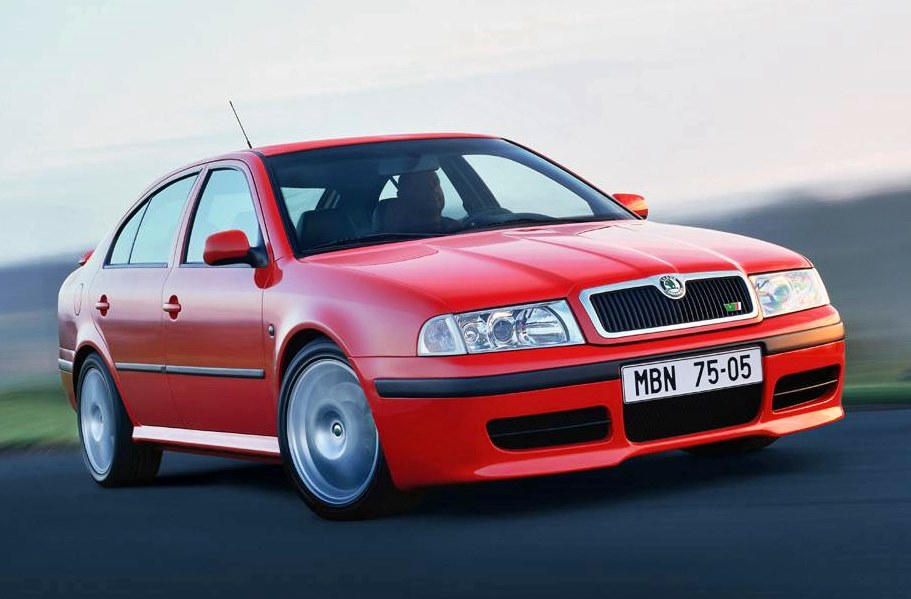
‘vRS’ is to Skoda what GTI would be to Volkswagen, the designation for high-performance versions of the various models of the Czech carmaker. The vRS story began in 2001 with the Octavia getting a 178 bhp 1.8-litre turbocharged engine, the most powerful road-legal Skoda ever offered when it was launched. It had credible performance and from that model, Skoda engineers began to always develop an extra-hot version of each model range deserving of the vRS badge.
Actually, Skoda had initially wanted to use ‘RS’ as the designation, the two letters referring to ‘Rally Sport’ which the carmaker had participated in since the 1960s. However, in the UK, they had a problem as Ford felt its RS models were already well established and did not want another manufacturer confusing customers. So rather than fight over the matter, Skoda decided to add a ‘v’ (for ‘victory’) to the RS and thus the ‘vRS’ badge was born. However, in many markets, the badge is more distinctly shown as ‘RS’ and the model also referred to as ‘RS’.
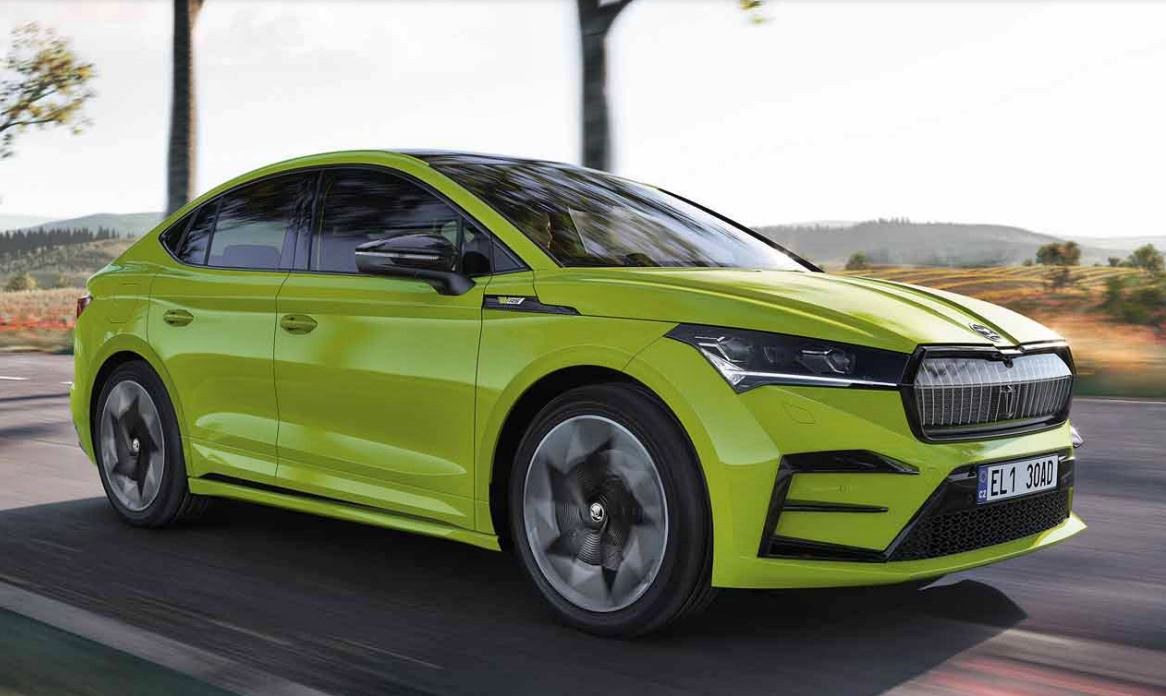
Over the years, impression vRS models have appeared in showrooms, with the first performance SUV from the brand being the Kodiaq vRS in 2019, and it had a 235-bhp twin-turbo diesel engine. This July, Skoda will launch its first all-electric model to have the vRS badge – the ENYAQ Coupe iV vRS.
Like the ENYAQ iV SUV, the new ENYAQ Coupe iV vRS also use the Volkswagen Group’s MEB modular platform developed specially for battery electric vehicles (BEVs). The ENYAQ iV models are the first modern-day Skoda vehicles with a rear motor and rear-wheel drive/dual-motor and all-wheel drive.

The ENYAQ Coupé iV vRS is powered by an 82 kWh lithium-ion battery pack providing electricity to the electric motors at the front and rear axles. The system output is 299 ps with maximum torque rated at 460 Nm and available virtually from standstill. This will give a claimed 0 to 100 km/h time of 6.5 seconds and a top speed of almost 180 km/h.
A range of almost 500 kms is claimed on a fully charged battery pack. The system is able to accept rapid charging at levels up to 135 kW, which will enable an 80% charge to be achieved within 36 minutes (depending on charging level). On a standard 7.2 kW home wallbox, however, the time to fully recharge will be around 13 hours if the battery pack is completely empty.
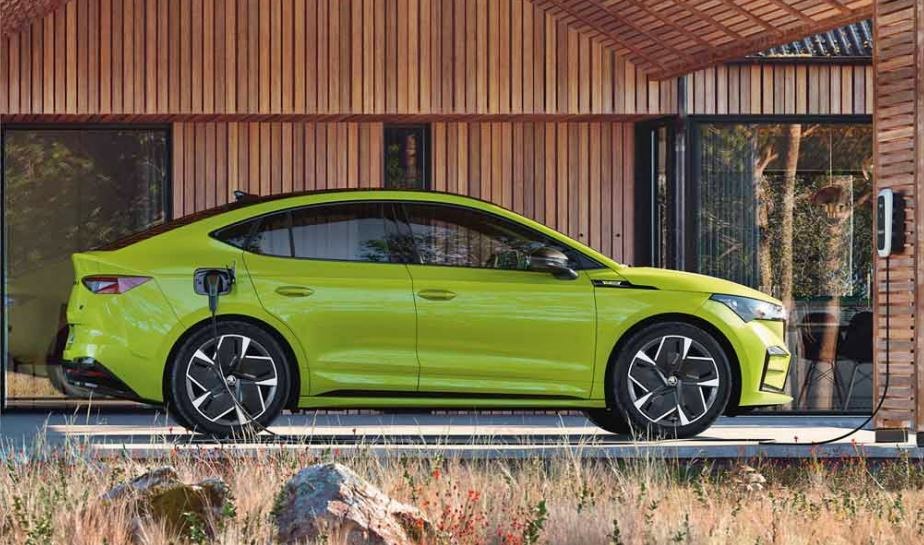
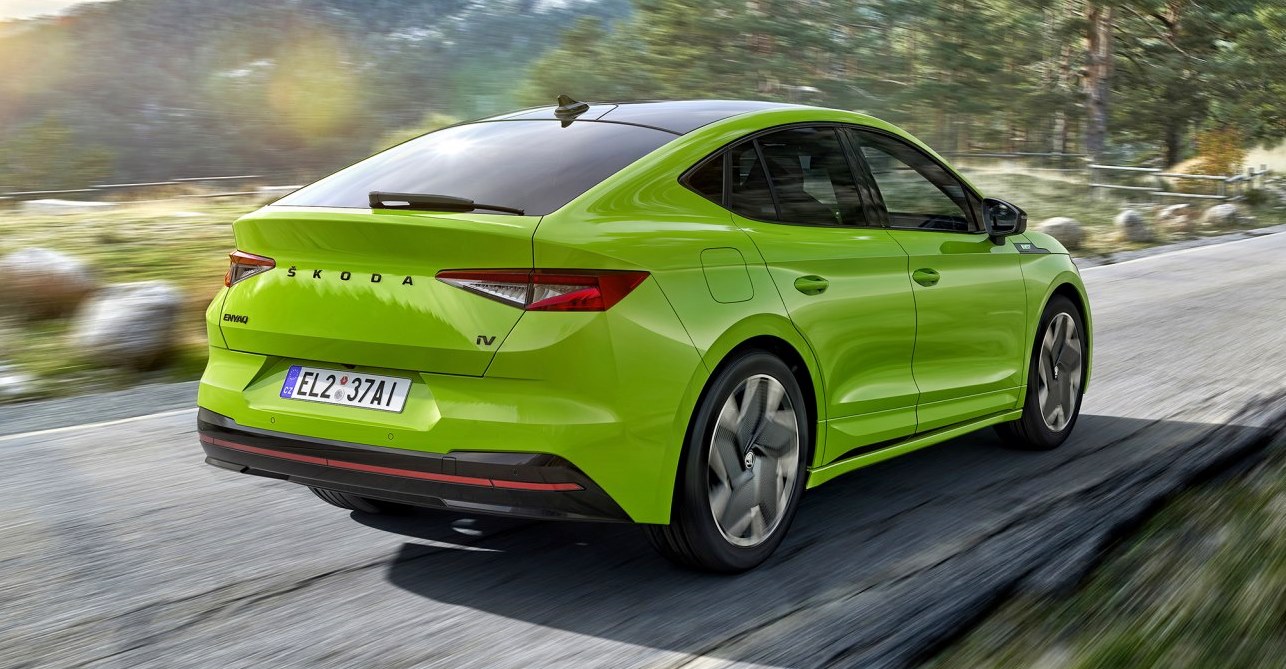
As would be expected with the vRS badge on it, the ENYAQ Coupe iV has a sporty appearance with gloss black surrounds for the grille, window trim and rear diffuser. Badges, tailgate lettering and the air curtain trim on the front apron are also finished in black, while the rear bumper adds a full-length red reflector – a design feature shared will all other vRS models.
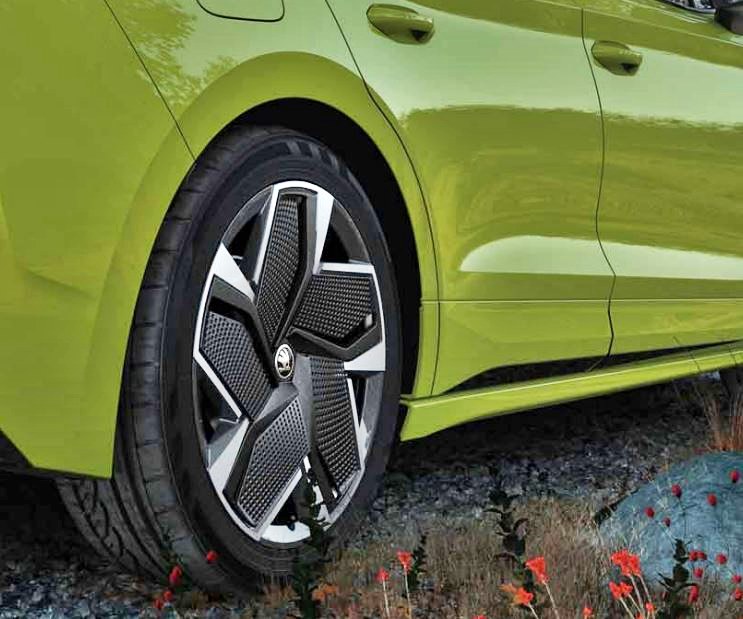
Specific to the vRS version are black 20-inch Taurus wheels as standard with 21-inch Vision wheels with an anthracite finish available as an option. Both feature aerodynamically optimized plastic Aero trims. Full LED matrix headlights and Crystal Face (illuminated by 131 LEDs) complete the vRS model’s exterior design package.
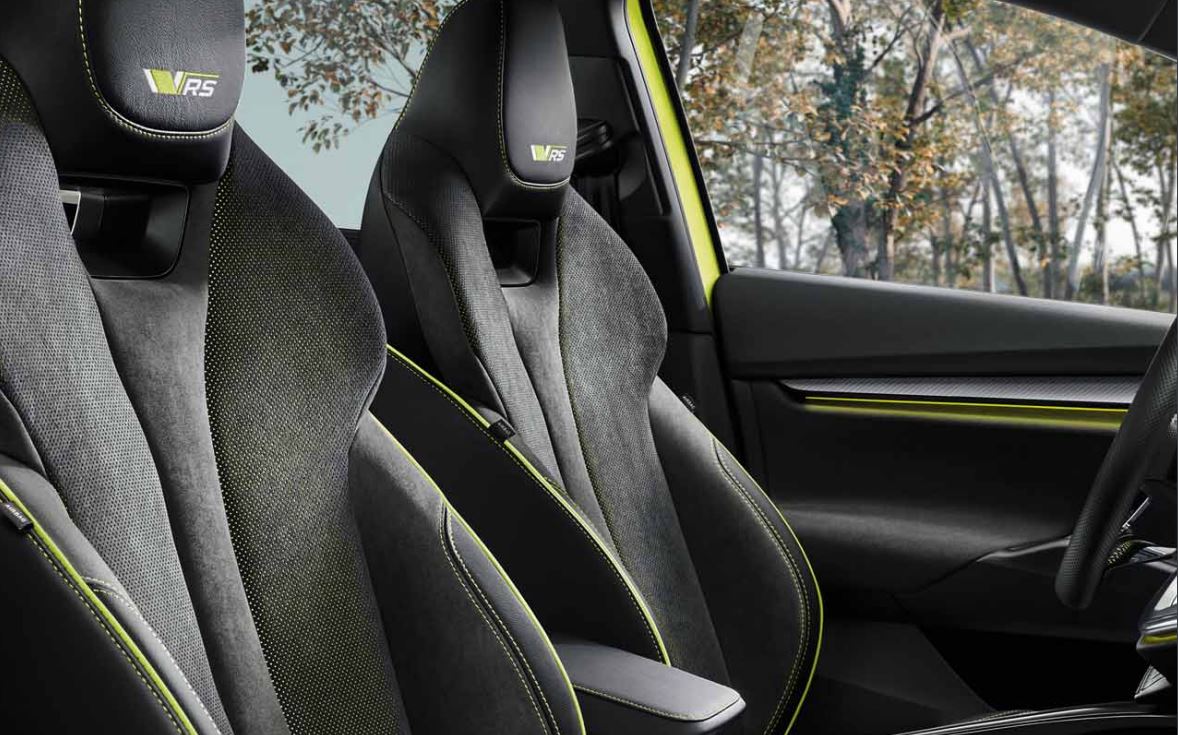
Inside, the ENYAQ Coupe iV vRS is fitted with a model-specific Design Selection exclusively reserved for the sporting flagship of the range. In addition to black perforated leather sports seats with integrated headrests, grey piping and contrast stitching, the vRS also gets a leather multifunction sports steering wheel. The dashboard is upholstered in a leather-look material to match the seats and is edged with contrast stitching.
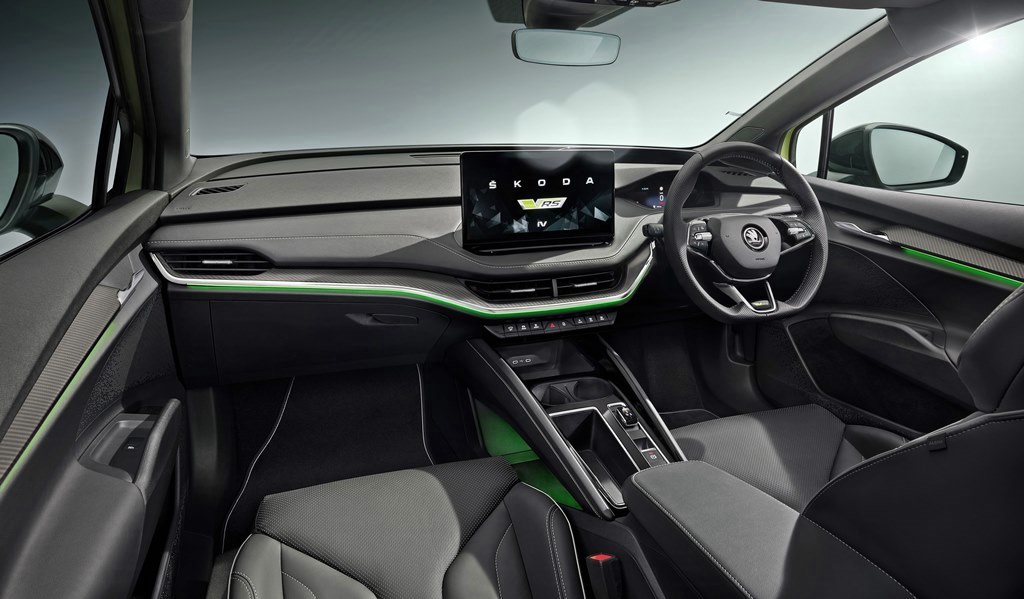
Standard equipment includes carbonfibre effect inserts on the dashboard and door trim and aluminium pedals, plus LED ambient lighting and an electrically operated boot with virtual pedal. To further enhance the responsive driving experience, Dynamic Steering is standard, complementing the sports chassis that is 15 mm lower at the front and 10 mm at the rear.
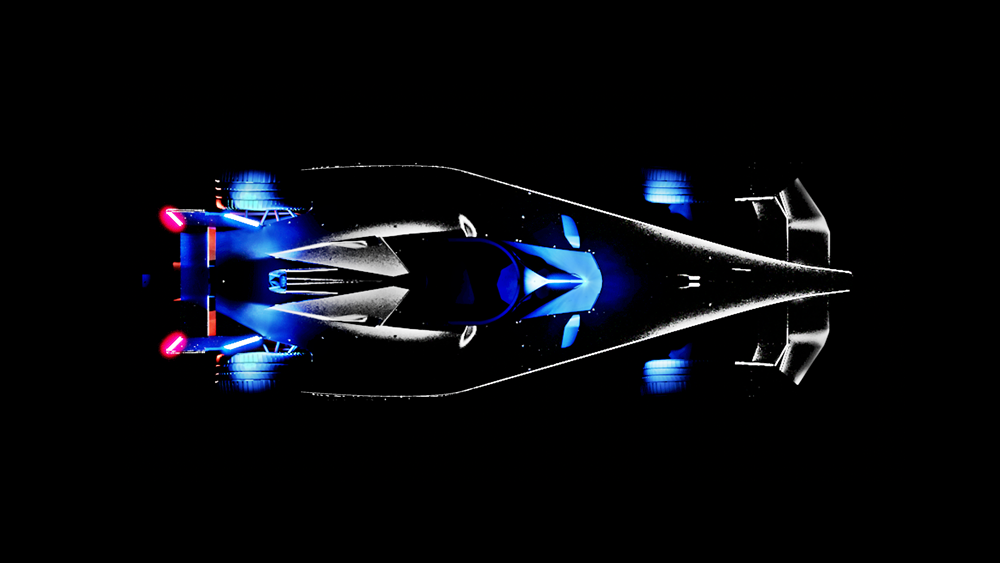
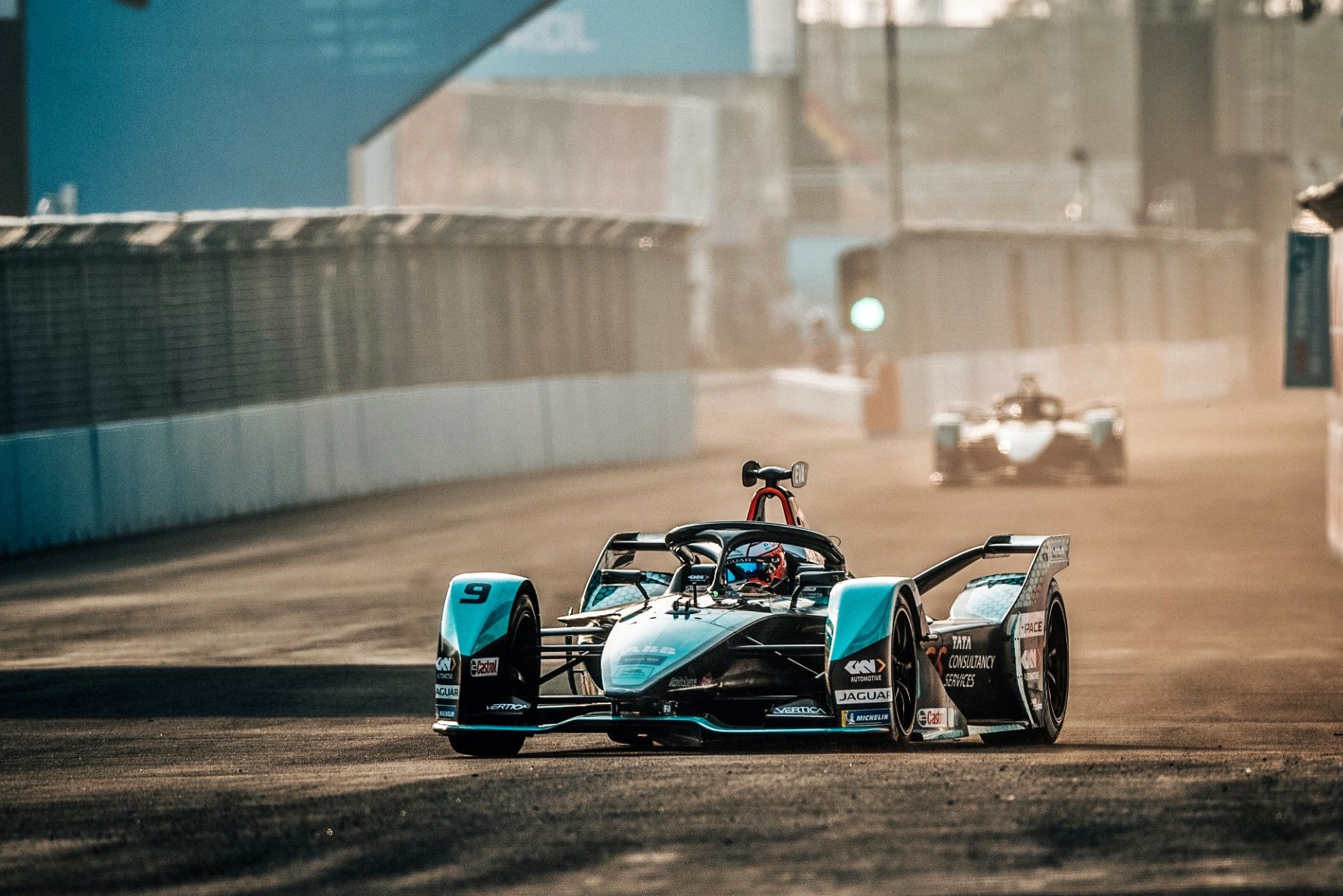
Just as this year’s Formula 1 season sees major changes in technical regulations (including change in tyre sizes) that have required the teams to redesign their cars, Formula E – the all-electric single seater series that has been upgraded to World Championship status – will also see a similar change in 2023 which will be Season 9.
While the first season saw all the teams being supplied the same car (Spark-Renault SRT_01E), subsequent seasons allowed each team to further develop the electric motor, gearbox and suspension. The chassis for the Gen2 racing cars was maintained as a single type, produced by Spark Racing Technology, so that costs would be kept low.
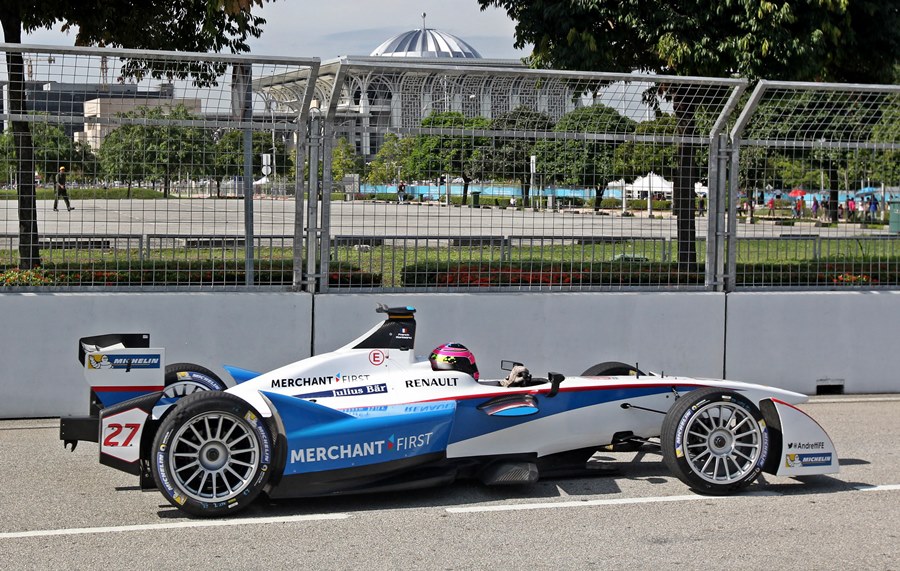
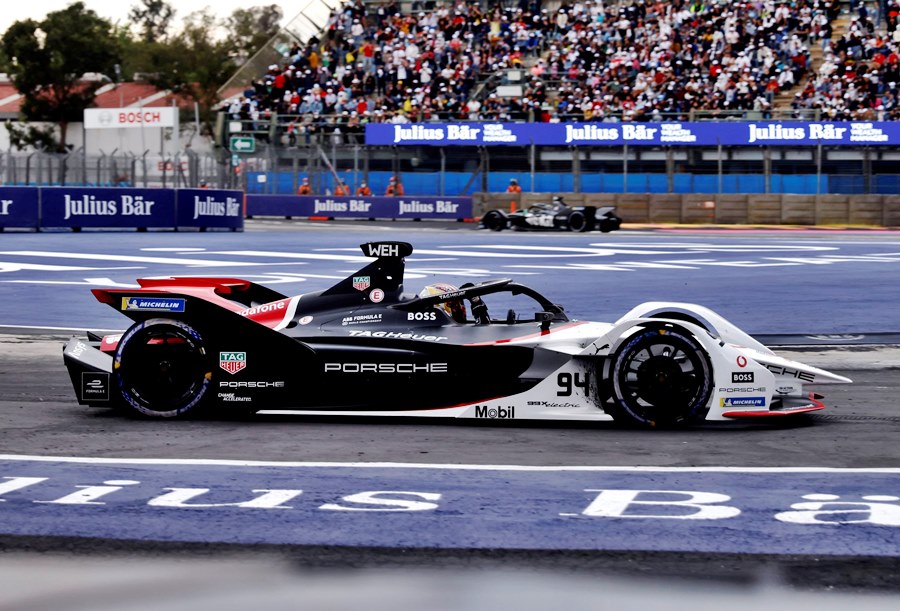
The Gen2 cars run their final season this year, after which will come the new Gen 3 cars. The organisers will unveil the new car at the Yacht Club de Monaco on April 28 prior to the 2022 Monaco E-Prix.
The teams will be able to take a close look at the racing car while fans around the world will be able to watch via championship’s digital channels. While the world will see the Gen3 race car for the first time, Formula E has its sights further into the future of the series. In Monaco, Formula E and the FIA will host a roundtable event bringing together leaders from manufacturers across the automotive sector. This summit will focus on the potential innovations and technology roadmaps for the Gen4 era as Formula E affirms its position as the pinnacle of electric mobility development and racing.
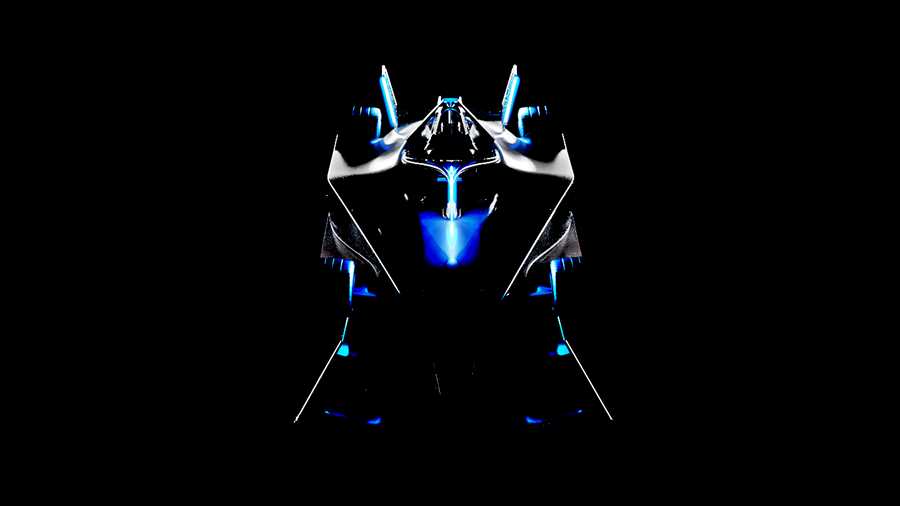
“Formula E’s Gen3 race car represents a leap forward for motorsport and electric mobility,” said Jamie Reigle, CEO of Formula E. “Designed to demonstrate that high performance, efficiency and sustainability can be packaged together without compromise, the Gen3 car is our most powerful, lightest, and fastest racing car to date. We look forward to finally taking the covers off the Gen3 in Monaco, a location steeped in motor racing history, and seeing the car light up city streets around the world next season.”
The Gen3 car will show the impressive progress in EV development achieved in the championship. Formula E has worked closely with the FIA and industry-leading engineers and experts in sustainability to ensure the Gen3 will also set the benchmark for sustainability in high performance racing cars. The car is the first Formula car aligned to Life Cycle Thinking, with a designed second life for tyres, broken parts and battery cells. Additionally, the Gen3 will be net-zero carbon – reinforcing Formula E’s status as the first sports series to be net-zero carbon from inception.

Overview of technical details
Formula E has now provided this overview of the new racing car’s technical details:
An electric motor delivering up to 350 kw of power (equivalent to 470 bhp), giving a top speed of 320 km/h, with a power-to-weight ratio that is twice as efficient as an equivalent 470 bhp internal combustion engine.
At least 40% of the energy used within a race will be produced by regenerative braking during the race.
The first Formula car with both front and rear powertrains. The new front powertrain adds 250 kW to the 350 kW at the rear, more than doubling the regenerative capability of the current Gen2 to a total of 600 kW.
The first Formula car that will not feature rear hydraulic brakes due to the addition of the front powertrain and its regenerative capability.
Lighter and smaller than the Gen2, it will be faster and more agile.
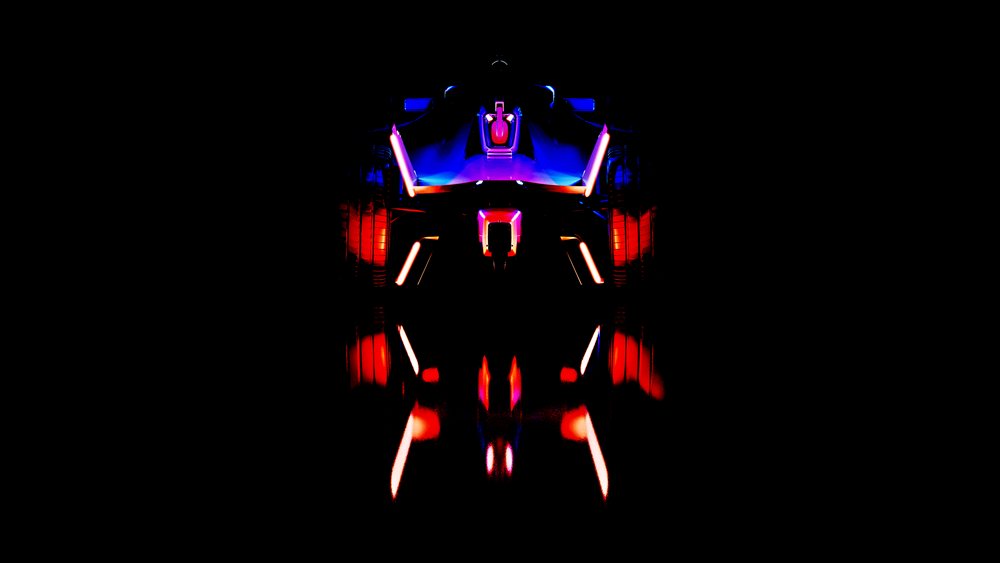
“The arrival of the Gen3 is the latest momentous step of an incredible journey for the championship,” said Alejandro Agag, Formula E Founder & Chairman. “We have come a long way – as electric vehicles have – in less than a decade. And we are not stopping as we bring together industry leaders to imagine the possibilities of the future of all-electric single-seater motorsport.”

Most of today’s motor vehicles are powered by engines which run on fossil fuels – petrol, diesel, natural gas – and apart from causing pollution from the exhaust gases that are by-products of combustion, there is also the problem of diminishing fuel supplies. The fuels come from deep underground and were formed millions of years ago from dead plants, dinosaurs and other living creatures. So there is a specific quantity of these fuels underground and while there are varying predictions on how long they will last, the fact is they will eventually be finished.
The auto industry has understood this for a long time and has searched for alternative fuels to use, preferably those which can be renewable. At this time, some approaches using electricity and hydrogen are already in use in hybrid and fuel cell vehicles and while they are not necessarily the answers, they are helping to slow down the rate of consumption of fossil fuels so that new technologies can be developed that do not need such fuels.
Sunshine has energy too and technologies have already been developed to collect sunshine and convert to electricity which can be used for various purposes, like water heaters in the home or powering machinery at factories. It used to also be a dream to be able to use solar energy to power cars but the technology has been slow to advance, and it takes a huge amount of conversion to generate enough electricity for such a purpose as propulsion.
Nevertheless, the technology has reached a stage today where it is possible to at least use sunshine for cars though not necessarily directly powering the electric motors. The electricity that is converted from sunshine can go into a storage battery which then provides electricity for the motors to run. There are a number of manufacturers which have already developed prototypes and some are on the verge of commercializing them for sale to the public.
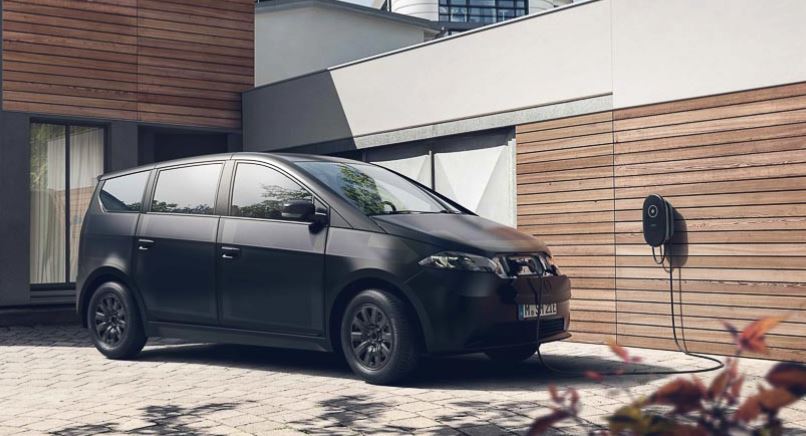
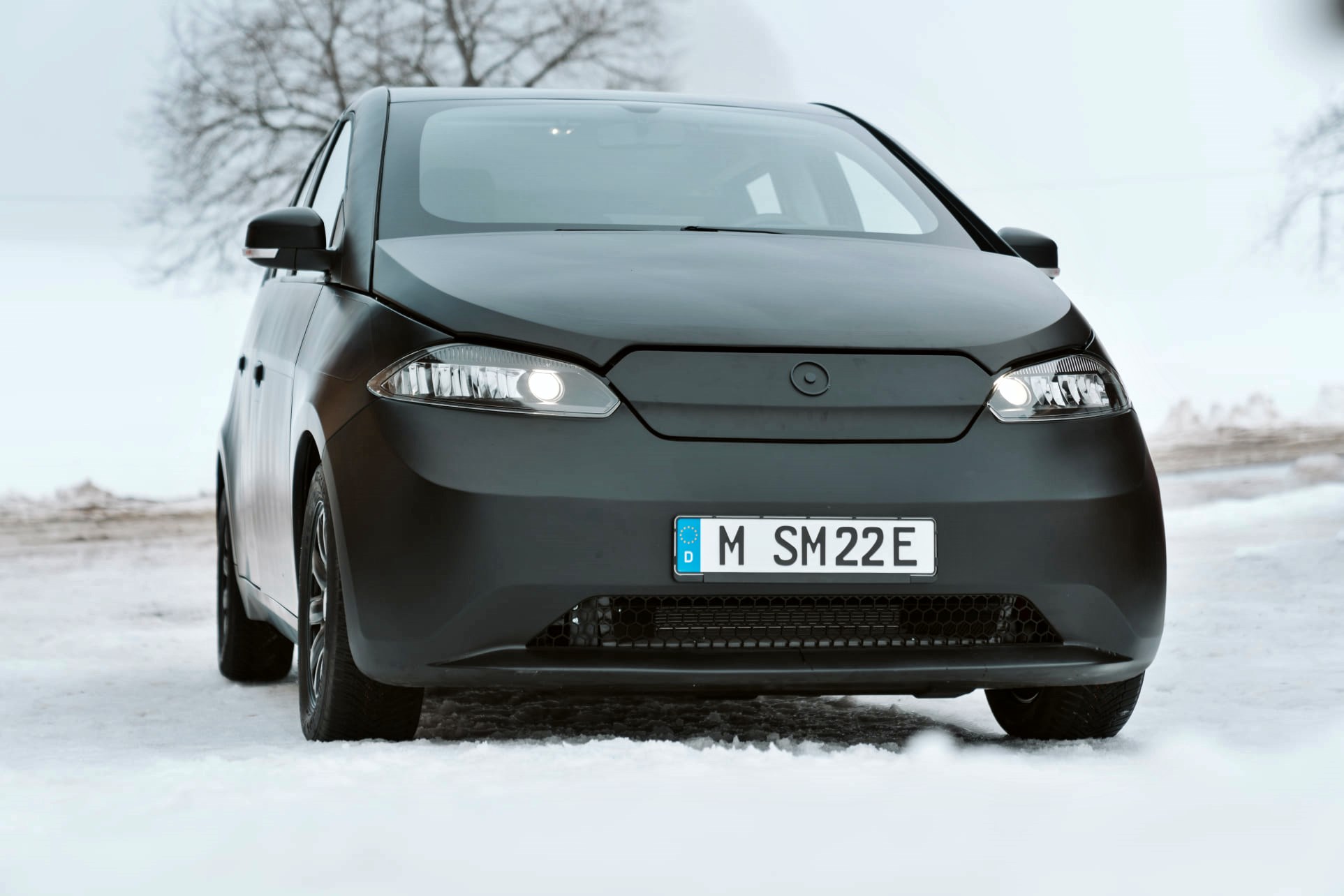
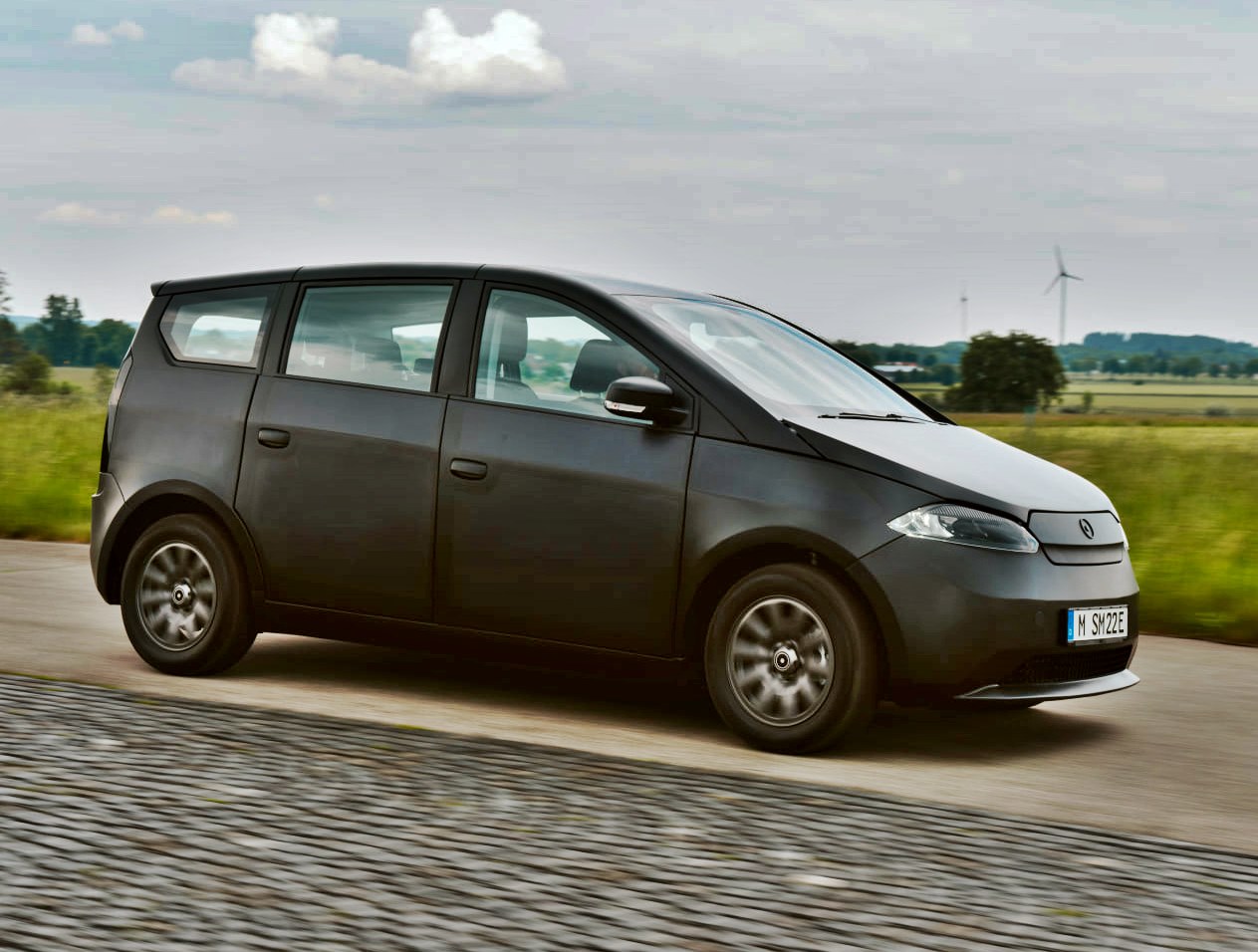
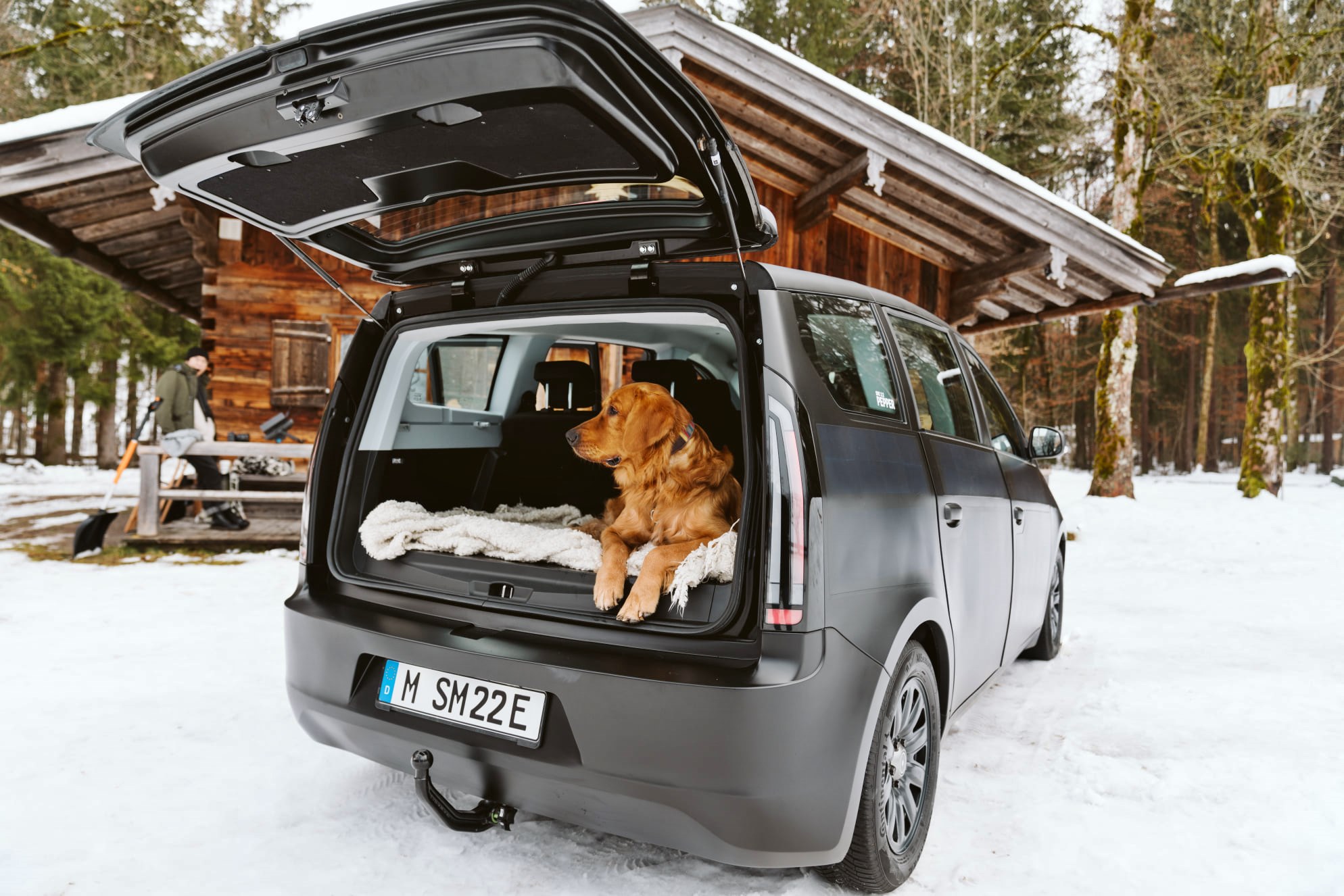
Sono Motors, based in Germany, is one of the companies with a solar energy vehicle (SEV) almost ready to be delivered to customers. In fact, its SEV known as Sion has entered the validation stage this month with over 30 units to undergo real-world testing in Europe and the USA. The company plans to start producing 43,000 cars a year and the total production volume is expected to be 257,000 units over a 7-year period. The former SAAB factory in Sweden will be used as the production facility.
The Sion has been a dream of the Sono Motors founders for at least 10 years, but they only started crowdfunding to implement a project in 2016 and 2017 where they collected over 2 million euros (about RM9.25 million). By January 2021, they presented their first prototype of the Sion with the design that will be used for the production model.
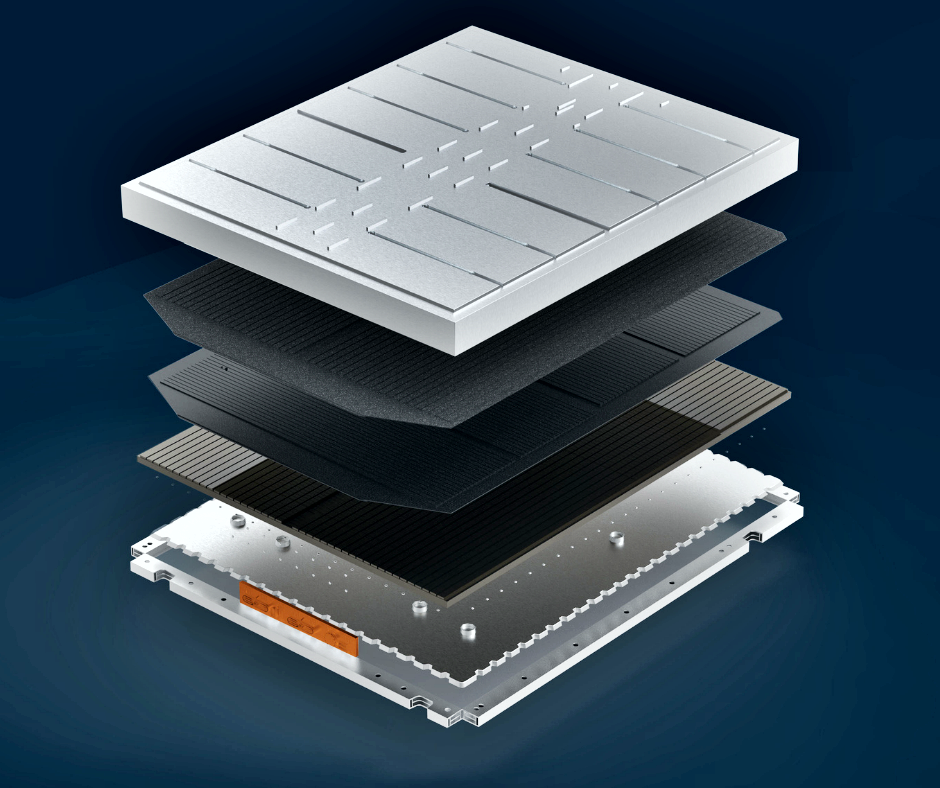
While the design is fairly conventional, key to the technical aspect (as with any electric vehicle) is the battery pack to power the 120 kW electric motor. Sono Motors has opted for a more powerful 54 kWh battery for the Sion which is a lithium iron phosphate type (pictured above) considered to be one of the safest on the market, and also does not use cobalt, nickel and manganese. It is expected to have a lifespan of up to 3,000 cycles, or up to 900,000 kms. The battery can be recharged quickly at outlets of up to 75 kW.
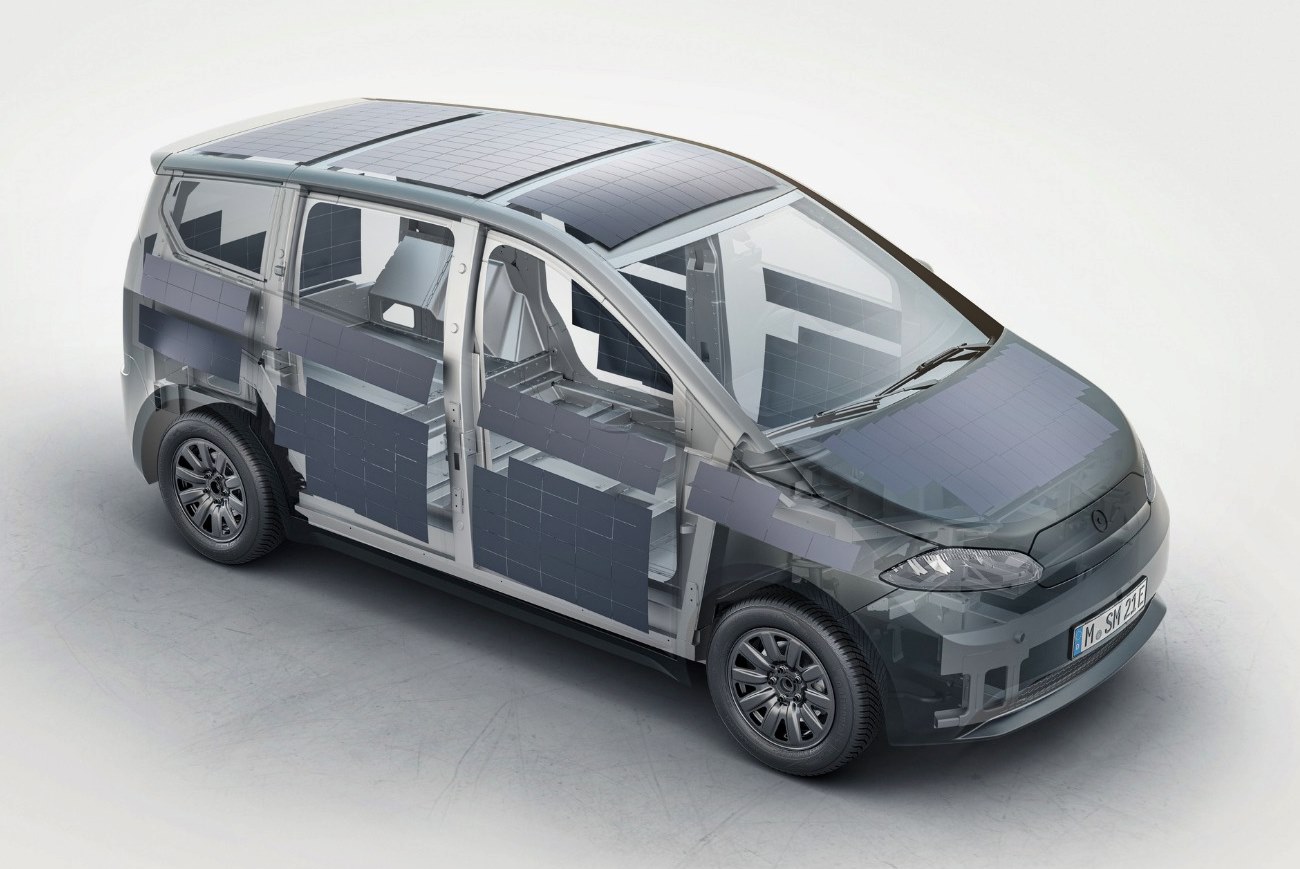
A total range of up to 305 kms is claimed, with additional range provided by the solar panels which is a weekly average of 112 kms (245 kms per week at peak). There are 248 solar cells on the roof which can generate peak power of up to 1.2 kW.
“The growing EV market is generating enormous demand for longer-lasting, more sustainable batteries. This enhanced battery enables Sion drivers to extend the time between charges, whilst reducing the charging time itself. This effectively optimizes the Sion to deliver easy and affordable sustainable mobility for everyone,” said Markus Volmer, Chief Technology Officer at Sono Motors.
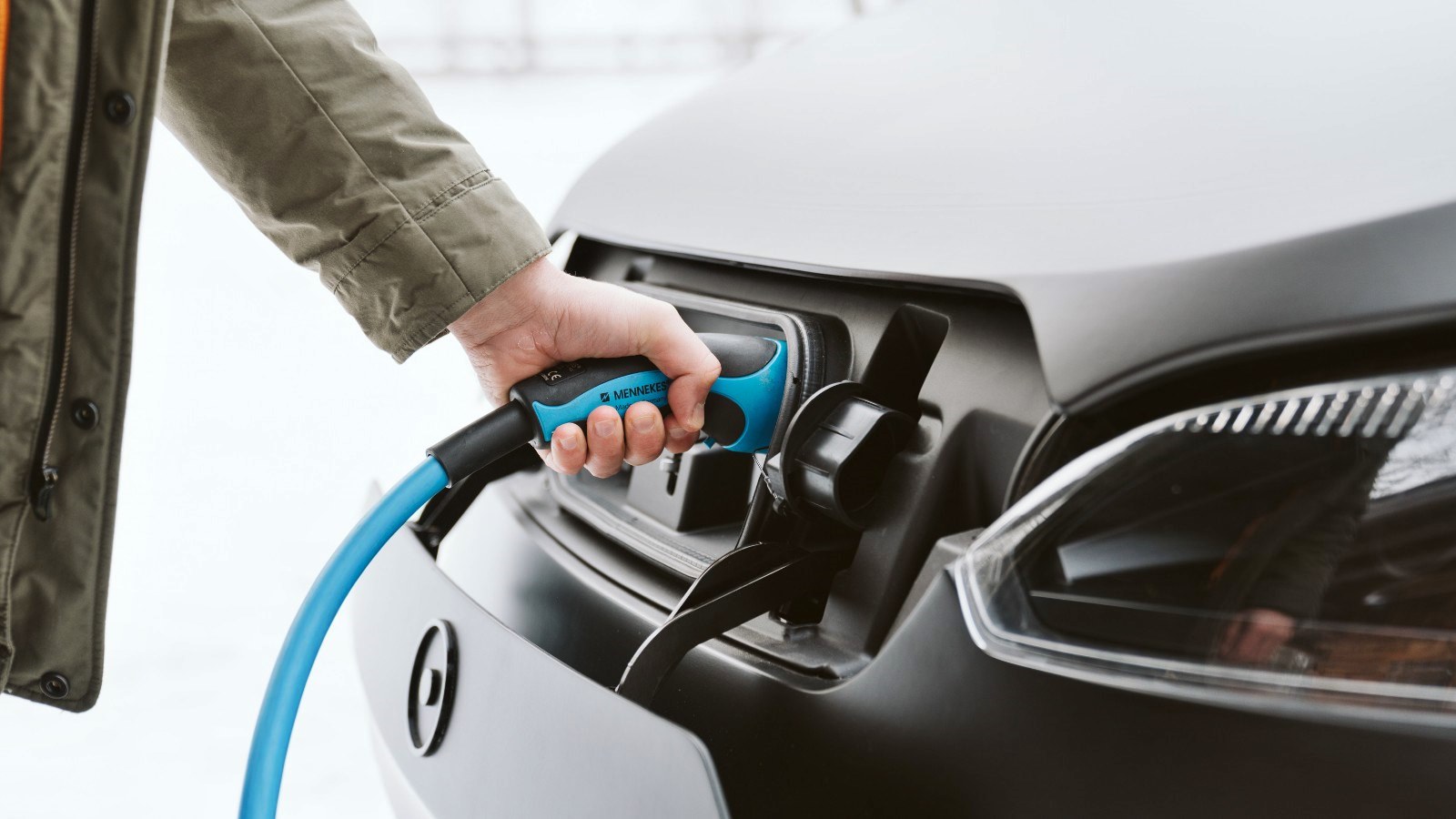
The company has also developed its own wall charging station or Wallbox which will be affordably priced. Being bi-directional, it can be used for home charging of the Sion as well as for supplying electricity from the car for use in the home or even to transfer to the local power grid. The Sion is thus a mobile powerplant that can not only reduce costs for home-owners but can also provide power during emergencies when supply is cut.
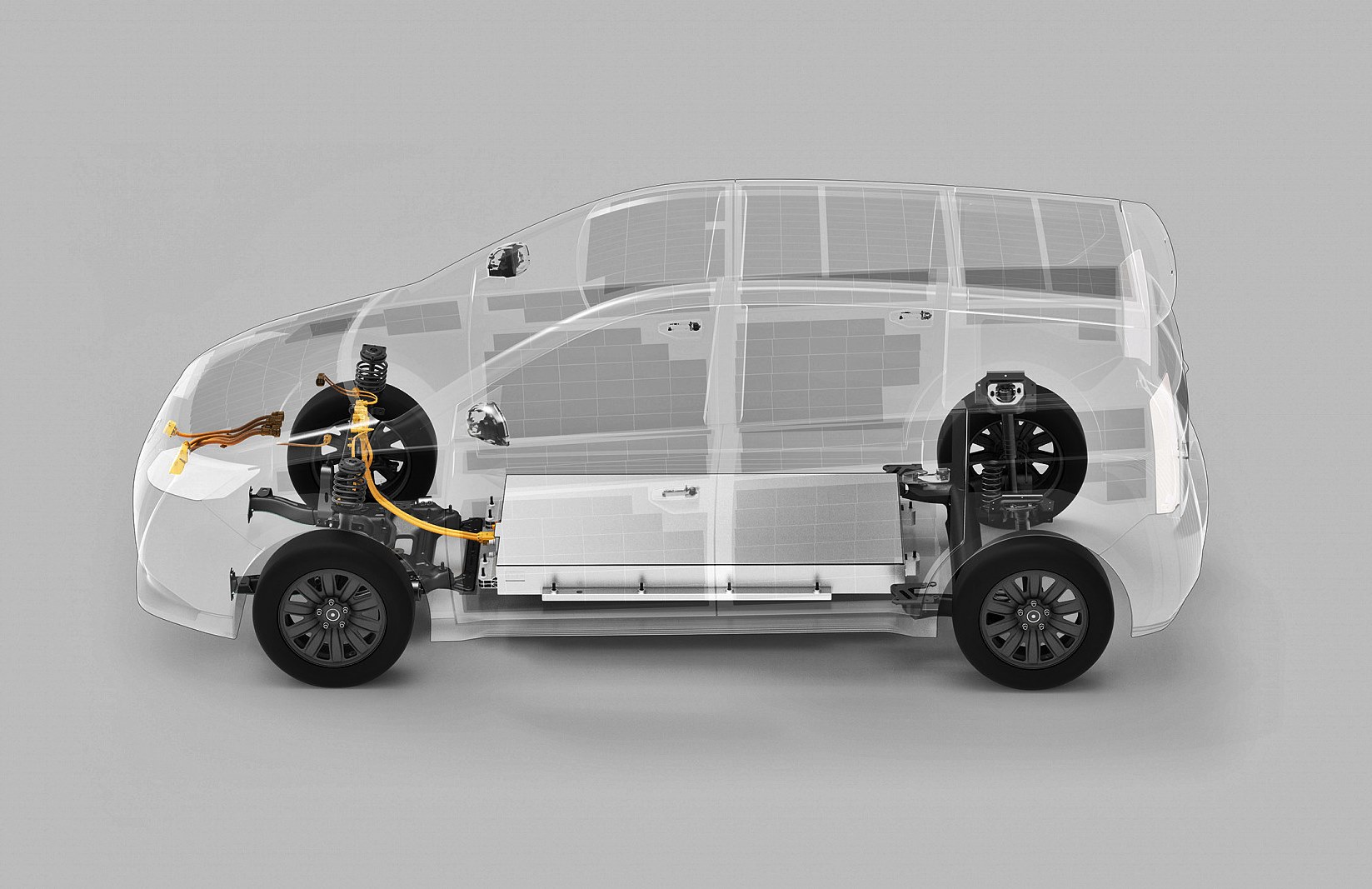
Older motorists will recall the days when they used to carry out simple maintenance tasks themselves. Today, however, there is less to do and most of the time, maintenance is done at service centres. Sono Motors intends to bring back the ‘DIY culture’ with the Sion to keep running and repair costs as low as possible. Standard replacement parts can be changed by the owner but for work involving high-voltage parts (which can have some risk), owners will be advised to send their car to authorized service centres.
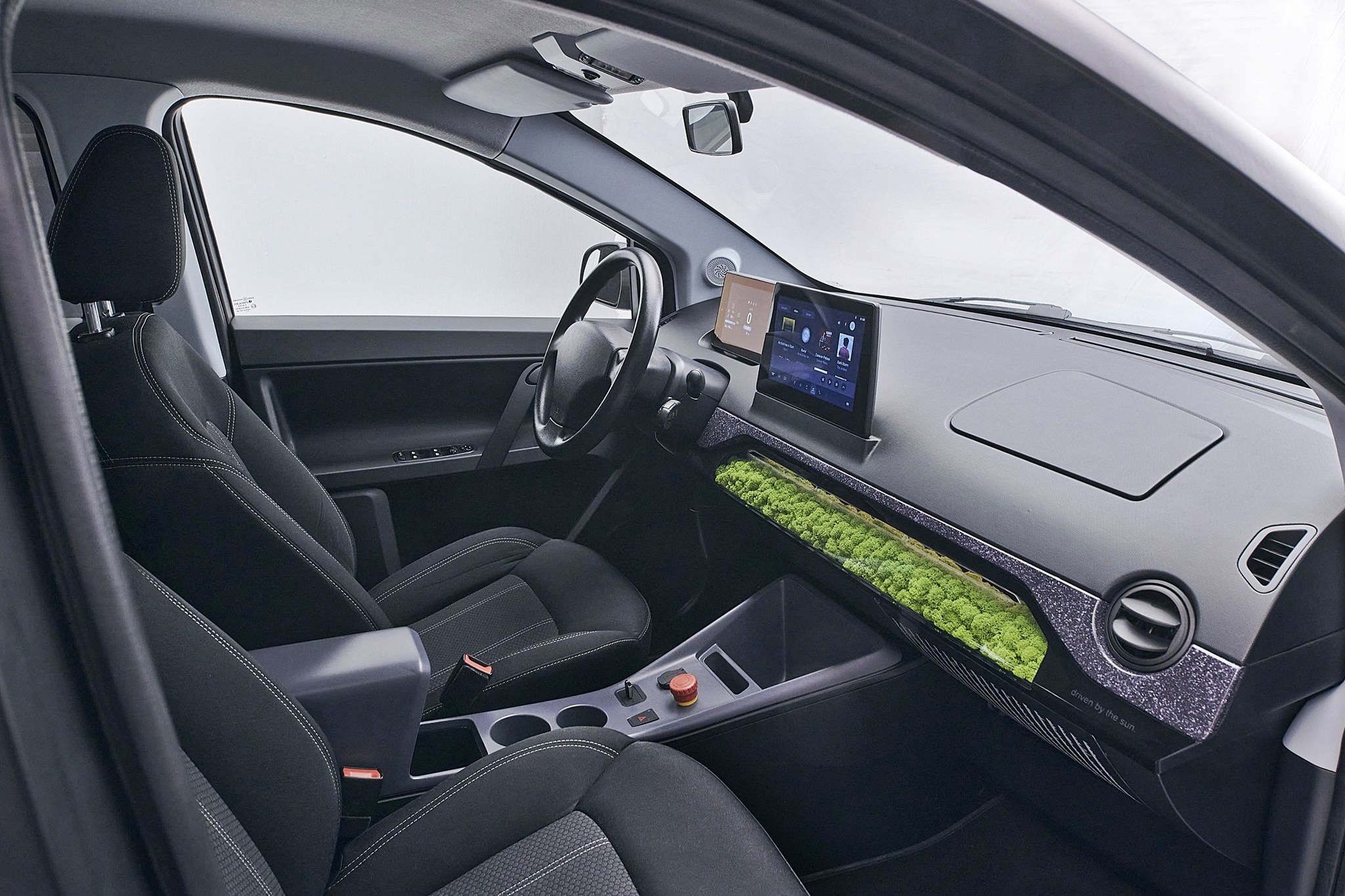
The interior has a simple functional layout like any of today’s hatchbacks. Two tablet-style displays provide information on the car’s operation as well as the infotainment system. A unique design feature on the dashboard is the insertion of Icelandic moss, said to offer certain health benefits. The owner can connect to the car via Apple Carplay or Android Auto, and the Sono app allows remote control of the air-conditioning system or to check the battery status.
If everything goes according to plan, the first customers will get their cars sometime in 2023. To date, the company says over 15,000 orders have been received (along with downpayments) for the car which is to be priced from 28,500 euros (about RM132,000).
Free sunshine helps Proton save up to RM5.85 million on electricity costs

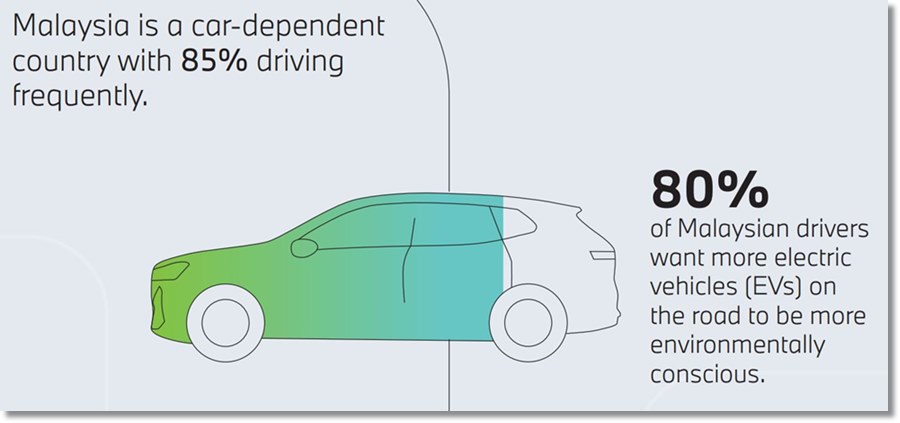
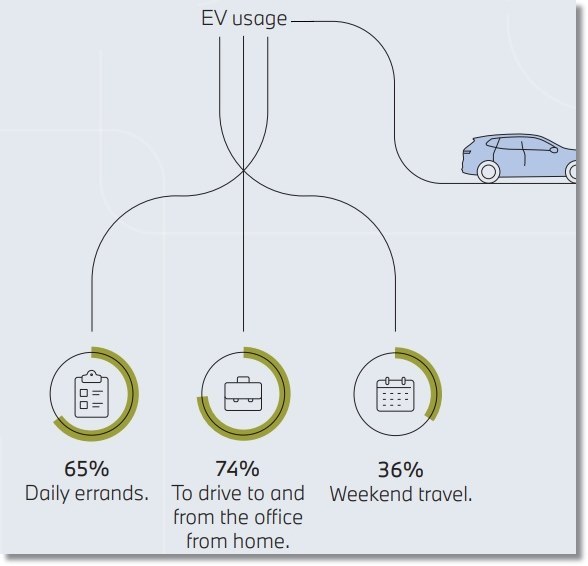
With the public transport system yet to be efficient, reliable and appealing enough to attract more users, Malaysians remain car-dependent, resulting in one of the highest car ownership rates in Southeast Asia. A new survey conducted by the BMW Group in Southeast Asia reveals just how car-dependent Malaysian drivers are, with 85% of respondents indicating that they drive every one to three days – either commuting to and from the office (74%), run daily errands (65%), or travel on the weekends (36%).
Encouragingly, 8 out of 10 of Malaysian drivers also wish to see more electric vehicles (EVs) on the road, with the hope of contributing to a more environmentally conscious world – not to mention save on fuel costs. Reduced carbon emissions (72%), cost savings from using electricity instead of petrol (49%) and a more premium experience (40%) are just some of the key benefits cited by drivers who see the merits of electrification of motor vehicles.
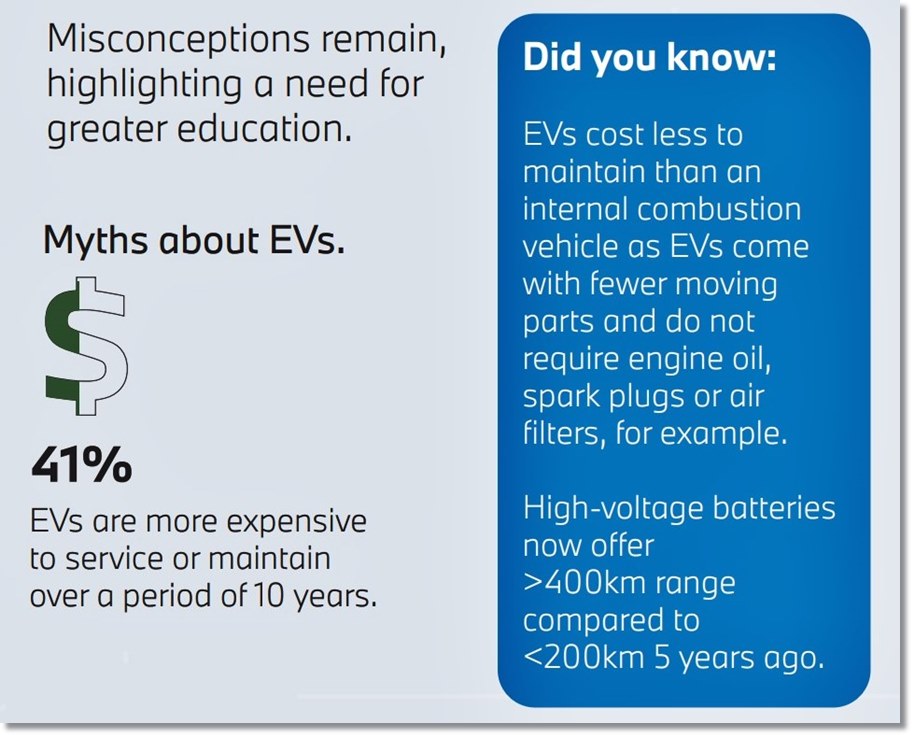
Nevertheless, misconceptions on EVs remain and, at this time, more than half of the Malaysian drivers surveyed say that they will still likely choose a petrol vehicle (59%) for their next purchase. Some common concerns raised were the electric range of EVs, the maintenance costs, as well as the difficulty in keeping their EVs charged. Specifically, 33% of respondents believe that EVs can only travel up to 100 kms before requiring a recharge; another 41% expect EVs to be more expensive to service or maintain over a period of 10 years; while 29% believe that charging EVs would be ‘difficult’.
Valid as they are for any prospective EV owner, these are the concerns of yesterday. As exemplified by BMW i’s pioneering progress in electrified mobility over the years, the technology surrounding EVs and the ecosystem developed to support them have come a long way. With the arrival of the latest BMW i fleet, as well as the expansion of the BMW i public charging network, Malaysians can be more confident switching to EVs.
“It is encouraging to see the level of awareness and excitement around sustainable mobility, and that Malaysian drivers see EVs as the gateway to a more premium driving experience. Being the pioneer of electrified mobility in Malaysia and having been in the field since 2015, we have observed how Malaysian drivers are receptive and even enthusiastic about transitioning to EVs but remain concerned about key issues surrounding it – all of which we have been actively working to alleviate,” said Hans de Visser, Managing Director of BMW Group Malaysia.
He added: “In addition to introducing the best that we have to offer with the latest fleet of vehicles from BMW i, we have also been proactively developing our infrastructure for charging the vehicles. With these initiatives, there is also an opportunity to change the perception of prospective EV owners in Malaysia on the significant advancements made and that an electric future for the passenger vehicle market in Malaysia is closer than they think. In the end, it is about helping Malaysians realise that they now have a greater Power of Choice to adopt a more sustainable way of mobility.”
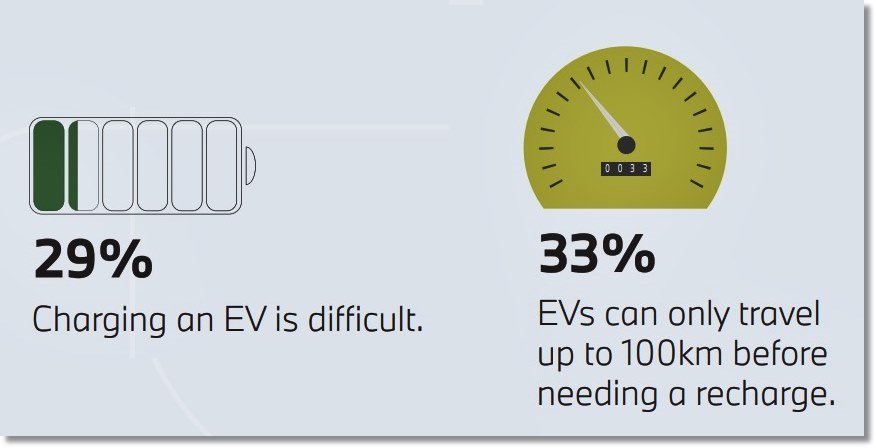
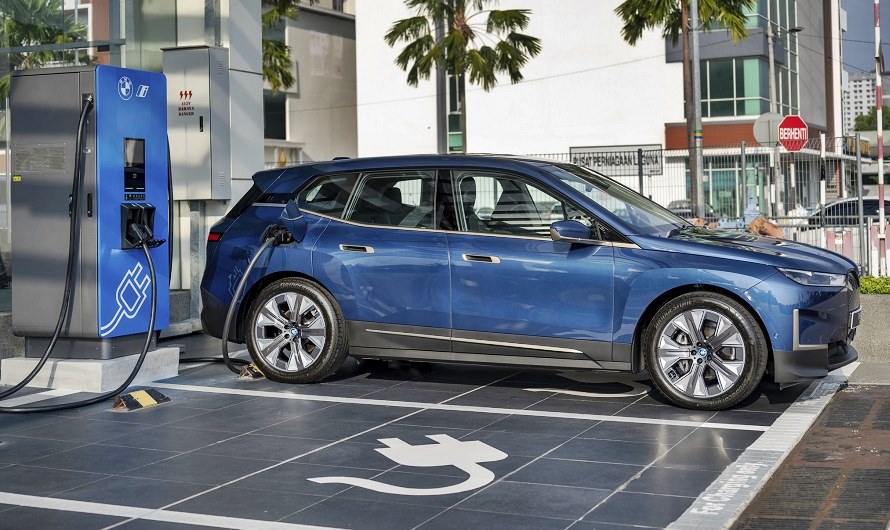
The latest EVs from BMW i tackle many of the past and current concerns Malaysians have towards adopting EVs. According to the survey, a significant number of them (39%) have the perception that EVs can only travel up to 100 kms before needing to recharge. That’s an out-of-date number and with BMW i models, the maximum range can be as much as 425 kms. With the premise that most Malaysians travel up to 20 km daily at most, recharging would thus be only necessary roughly once every two to three weeks. That range would also make it possible to go from the Klang Valley to Johor Bahru too, without recharging.
Another perception is around the difficulty of charging EVs – with 29% of Malaysians surveyed believing that the process of charging an EV can prove troublesome. However, in many ways, charging a BMW i vehicle would not be disruptive, partly due to its sufficient electric range allowing for less frequent charging. Additionally, a BMW i Wallbox can be installed at home for overnight charging.
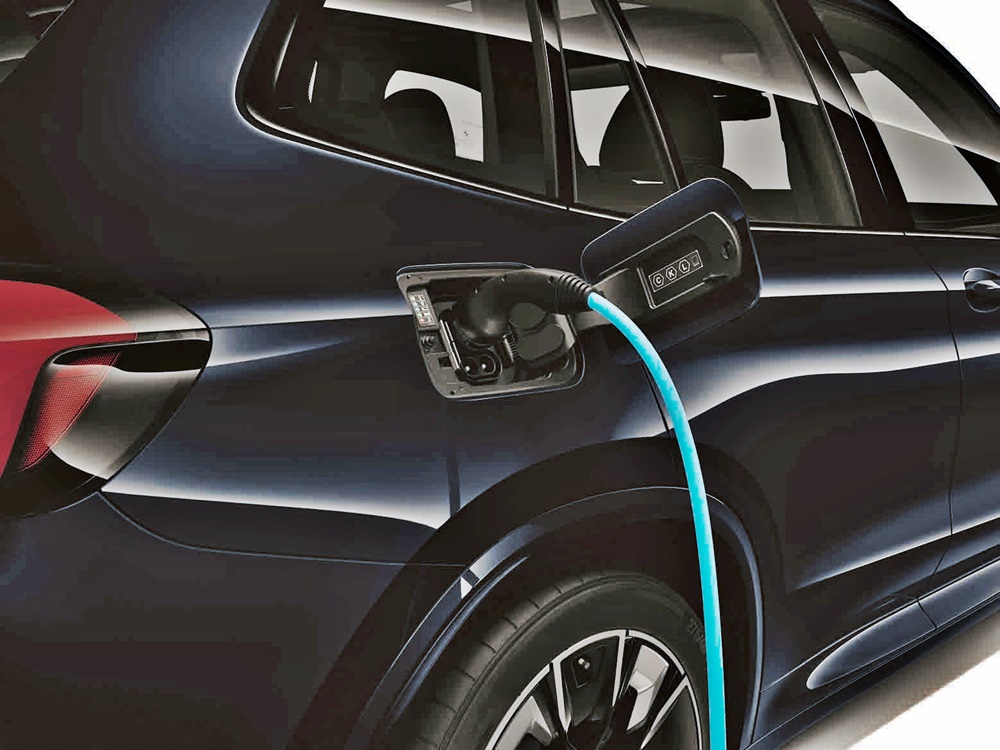
The latest BMW i vehicles are also compatible with DC fast-charging, which BMW Group Malaysia has begun to deploy across its dealership network, public spaces and on the highways, in collaboration with its premium partners. Fast-charging shortens recharging time, so the wait is shorter.
On the misconception that EVs are more expensive to service and maintain – a view held by 41% of survey respondents – EVs actually cost less in this regard, due to having fewer components in the vehicle that require servicing. Components and elements, such as engine oil, sparkplugs and air filters, are absent in an EV.
Aside from this, the woes of battery replacements are also mitigated due to the modular nature of the lithium-ion battery packs at the heart of every electrified BMW. With multiple modules making up the battery pack, the cost of replacement is greatly reduced as owners need to replace only the faulty module, not the entire battery pack.
Further peace of mind is also ensured courtesy of substantial warranty programmes, such as the BMW 5-year Unlimited Mileage Warranty with Free Scheduled Service, and the BMW 8-year/160,000 km Battery Warranty. In fact, the survey revealed battery warranty as a motivation to adopt EVs for 39% of Malaysian drivers, while good aftersales support makes up 35%.
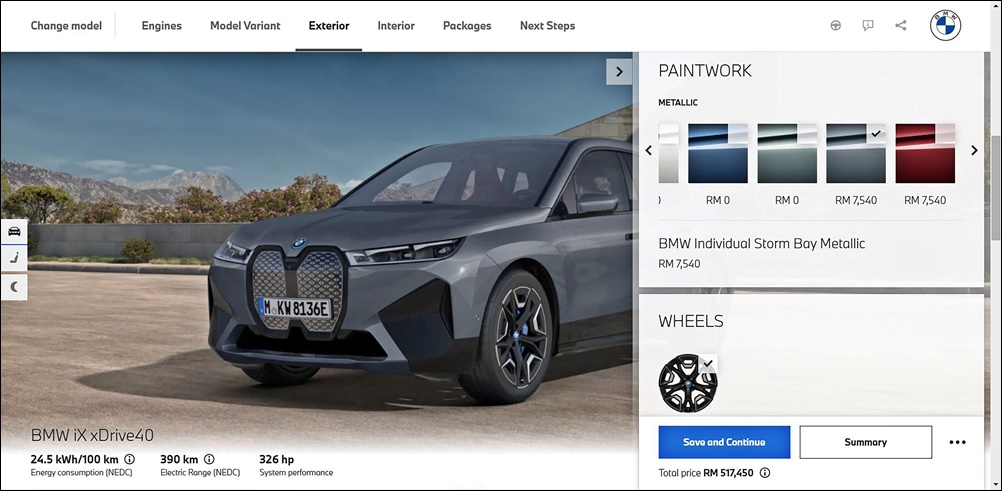
Another key motivator is the level of support Malaysians have from the government, as expressed by 45% of respondents. The Energy Efficient Vehicles (EEV) incentive in the Malaysian automotive policy has encouraged BMW to assemble plug-in hybrid (PHEV) models locally and this year, full duty exemption for EVs is a very welcome development that will narrow the gap in pricing between EVs and traditional vehicles.
“Increased support and confidence from key players in the industry will play a significant role in getting Malaysian drivers comfortable with making the switch over the next few years. As a market leader and pioneer in the Electric Vehicle space, we are committed to delivering innovation that will truly make a change in the Malaysian automotive landscape, while continuing to deliver Sheer Driving Pleasure,” Mr. de Visser said.
BMW Group Malaysia moves into next phase of electrification with new BMW i model range
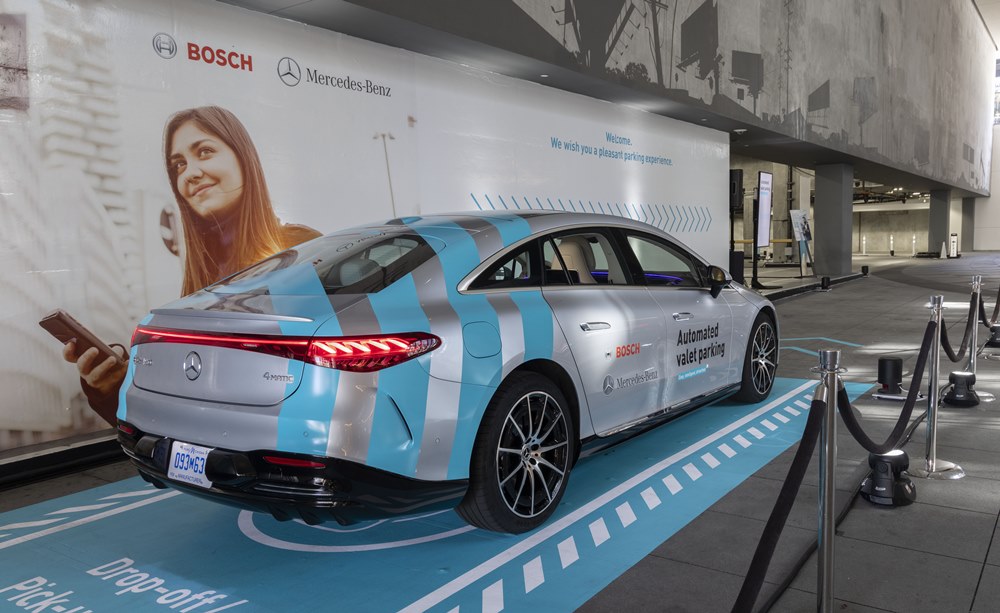
For those who do not like the bother of having to park their cars in a carpark, hotels usually have valets to do the job. But valets may no longer have to do it either as cars will be able to park themselves after the owner has exited. Perhaps the first cars to be able to do so will be from Mercedes-Benz which has developed and begun to demonstrate the capability.
Working with a technology supplier, the German carmaker has developed automated valet parking technology which it calls INTELLIGENT PARK PILOT. The technology is available in the EQS BEV sedan as well as the latest S-Class sold in European markets. In order to enable the car to drive and park itself, it also requires an intelligent infrastructure installed in the parking area.
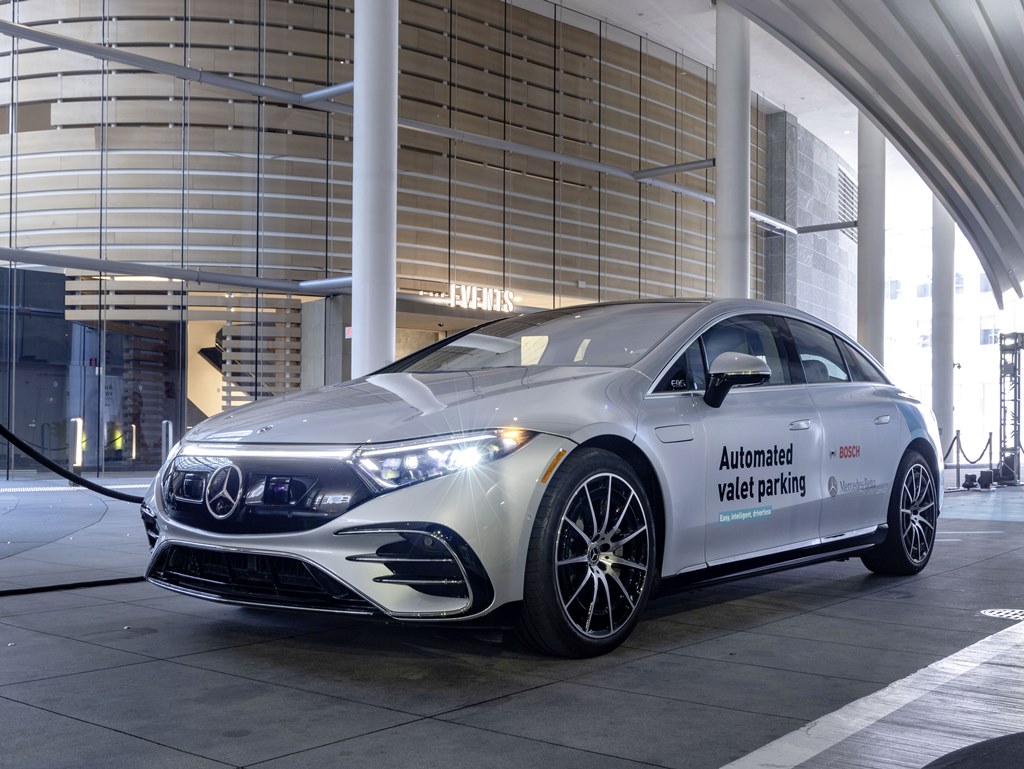
Sensors installed at the building communicate with the car and guide its manoeuvring through the parking area. This will allow the car to operate in highly automated mode and without a driver, and has the possibility of additional capabilities such as automated EV charging, car wash and vehicle servicing or maintenance where vehicles move in and out of service areas on their own
The automated parking process makes use of a smartphone app and the driver has to first position the car in a designated drop-off area. When activated, the sensor system in the carpark checks whether a suitable space is available or was already reserved for the vehicle. If so, the Automated Valet Parking infrastructure confirms the hand-over of the vehicle for the driver in the app, and the car will depart on its own. It will then be guided with the help of the infrastructure to the designated space.
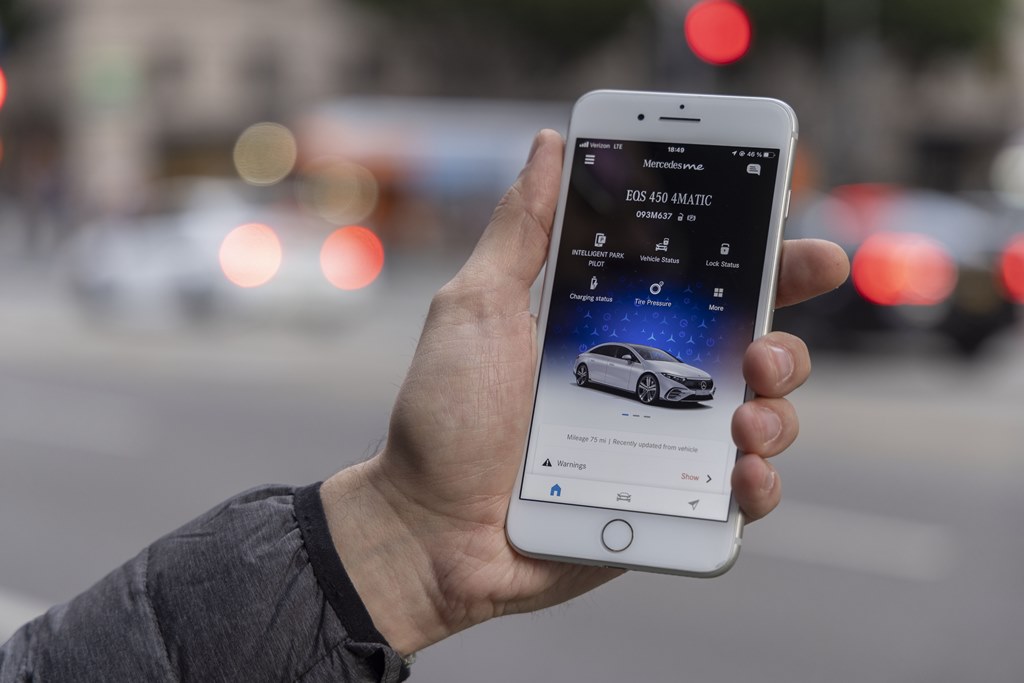
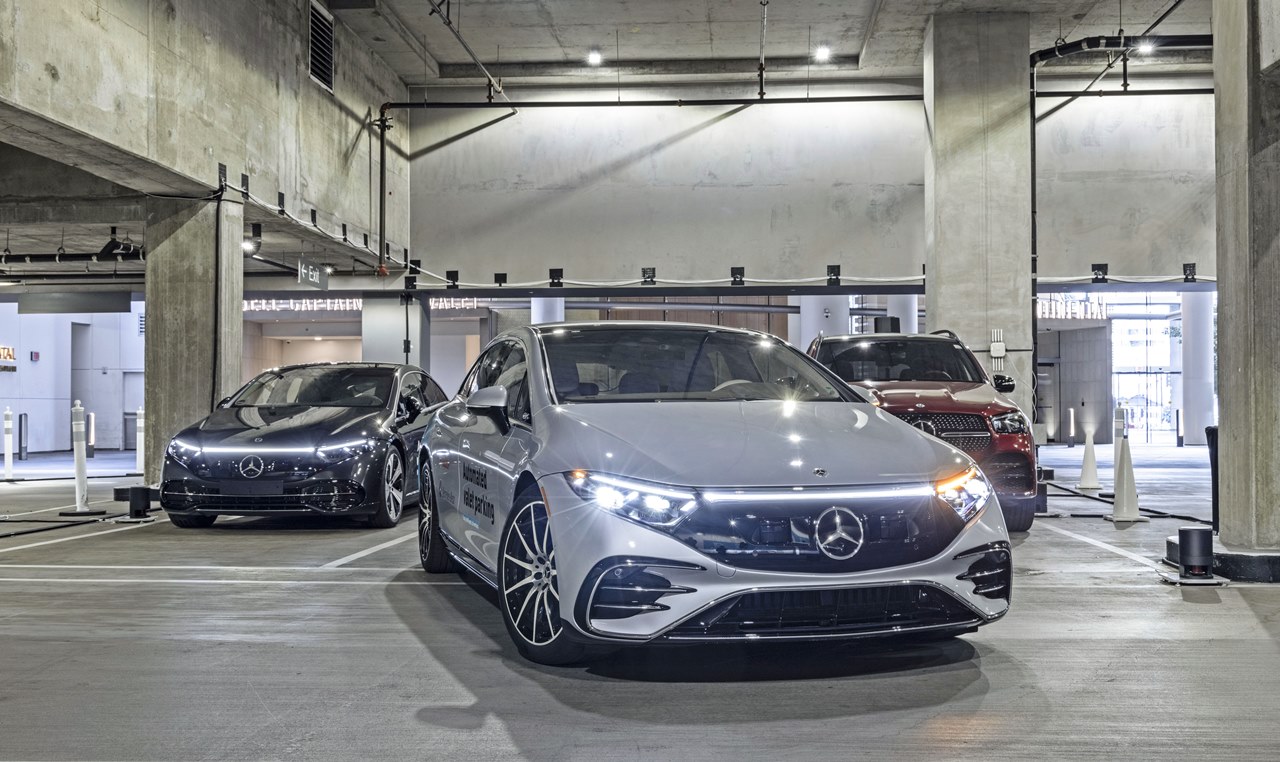
When the driver requires the car, a request can be sent with the app and the car will be guided to the pick-up area. This will certainly be convenient for owners as it will be unnecessary to walk around the carpark and, for those who may be forgetful, waste time searching for the place where they parked it.
Automated parking technology, which could one day be as common as cruise control, benefits drivers by easing the burden of the parking experience. It may even be possible for carpark operators to cram more cars onto a floor as the spaces can be narrower since there is no need to allow wide gaps for doors to be opened.
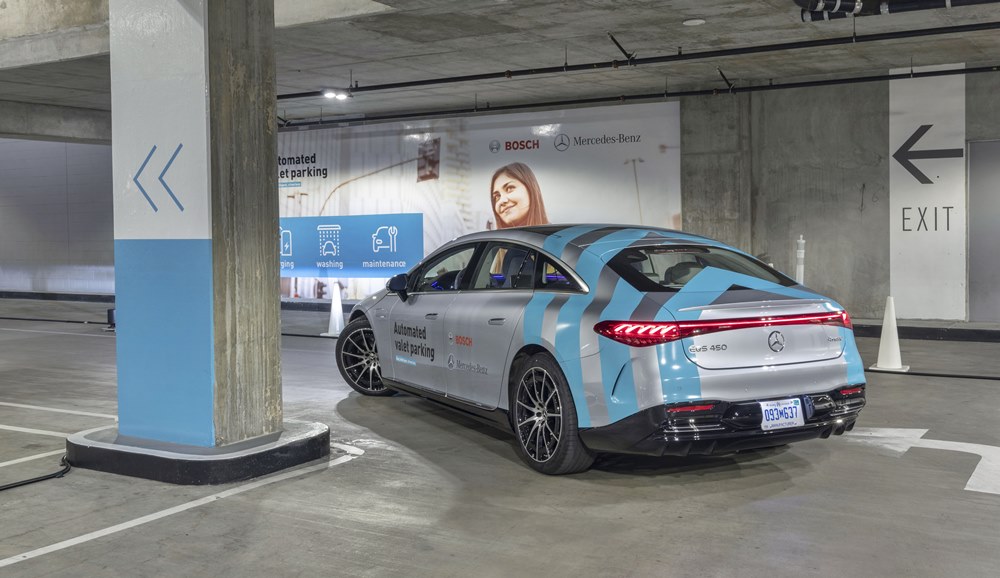
“Low-speed manoeuvres are part of the holistic opportunity for automated technology,” said Dr. Kay Stepper, Senior Vice-President of automated driving and driver assistance for Bosch in North America. “Automated technology in the specific use case automated valet parking gets consumers comfortable with how automated technology works and how it can benefit them.”
Engineering teams have been working over the past few years to further develop automated valet parking and support specific testing and deployments around the world. The technology was recently demonstrated at a hotel in Los Angeles, California.
“The demonstration at the InterContinental Los Angeles Downtown showcases how automated valet parking will operate in a working hotel environment where both automated and non-automated vehicles operate alongside pedestrian traffic,” said Dr. Stepper. “This allows us to dive into the dynamics of local deployments with the use of a highly-connected EQS from Mercedes-EQ to demonstrate how automated technology continues to move forward.”
“Our vision is that getting time back is a key component of the luxury experience our customers are looking for. The EQS gives you time back by driving itself in traffic jams on highways, but with INTELLIGENT PARK PILOT, it may also be able to park itself,” added Dr. Philipp Skogstad, President & CEO of Mercedes-Benz Research & Development North America. “INTELLIGENT PARK PILOT is a feature that together with the required infrastructure enables an automated valet service that gives customers even more comfort and relief in everyday life.”
Long-term Development Cooperation for Automated Driving between Daimler-AG and BMW Group

‘Electrification’ is the probably the most heavily-used word in the auto industry today. Increasingly stringent emission regulations as well as commitments to become carbon-neutral to address climate change have forced carmakers to accelerate development and production of electric vehicles. Ford is even creating a specific business unit just for electric vehicles. The aim is to fully electrify their product lines by the end of the decade and for some, sales of vehicles with internal combustion engines will cease.
In tandem with this trend, there is also a growing industry where old models are being ‘electrified’. Classic models are having ‘heart transplants’ with their original engines being replaced by electric powertrains. It’s a slowly growing industry which will help preserve classic models of special value and allow them to be driven even in the new era of electrification.
We’ve already written about companies like Everrati and Lunaz carrying out such conversions and another British company called Charge Cars is also getting into the business. The company has an experienced engineering team with members who have contributed to various projects for McLaren Automotive, Jaguar Land Rover and F1 racing teams.
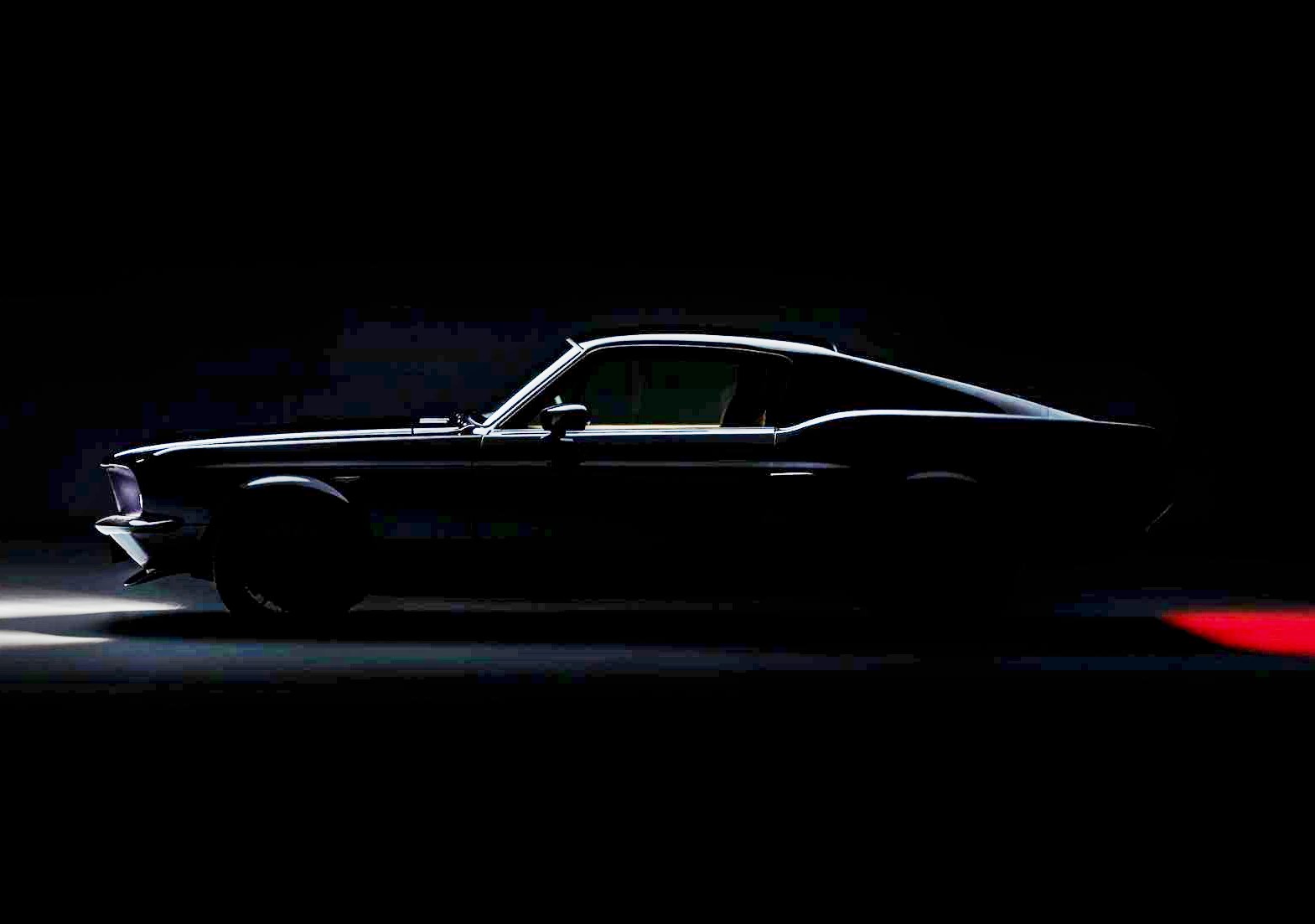
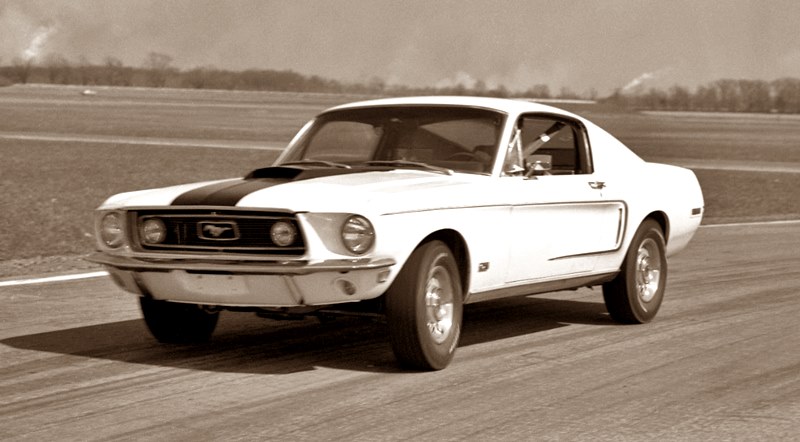
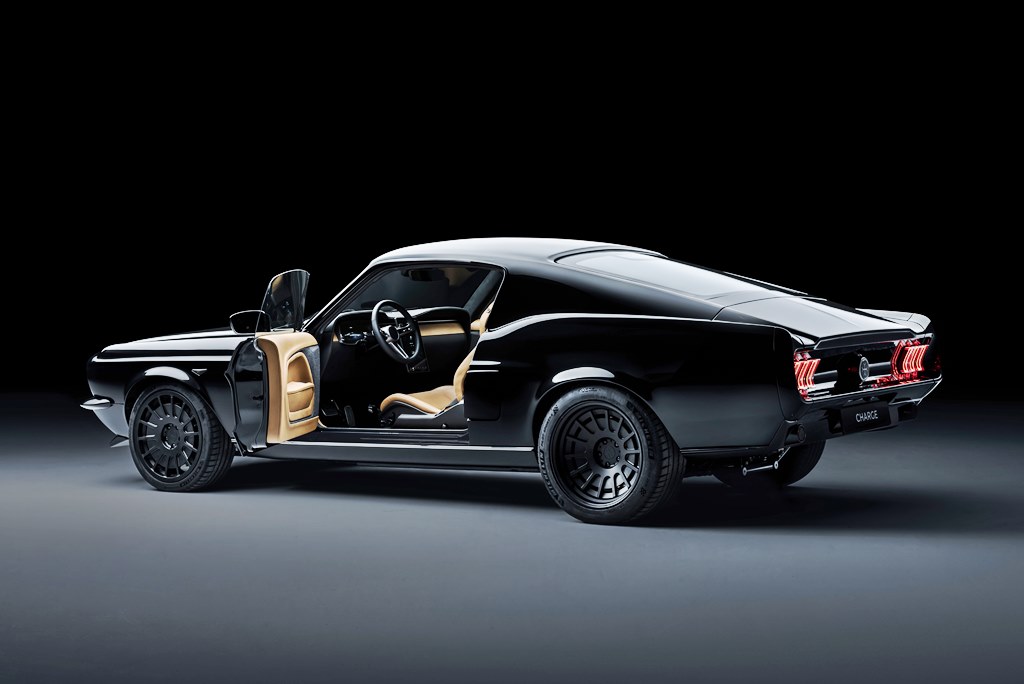
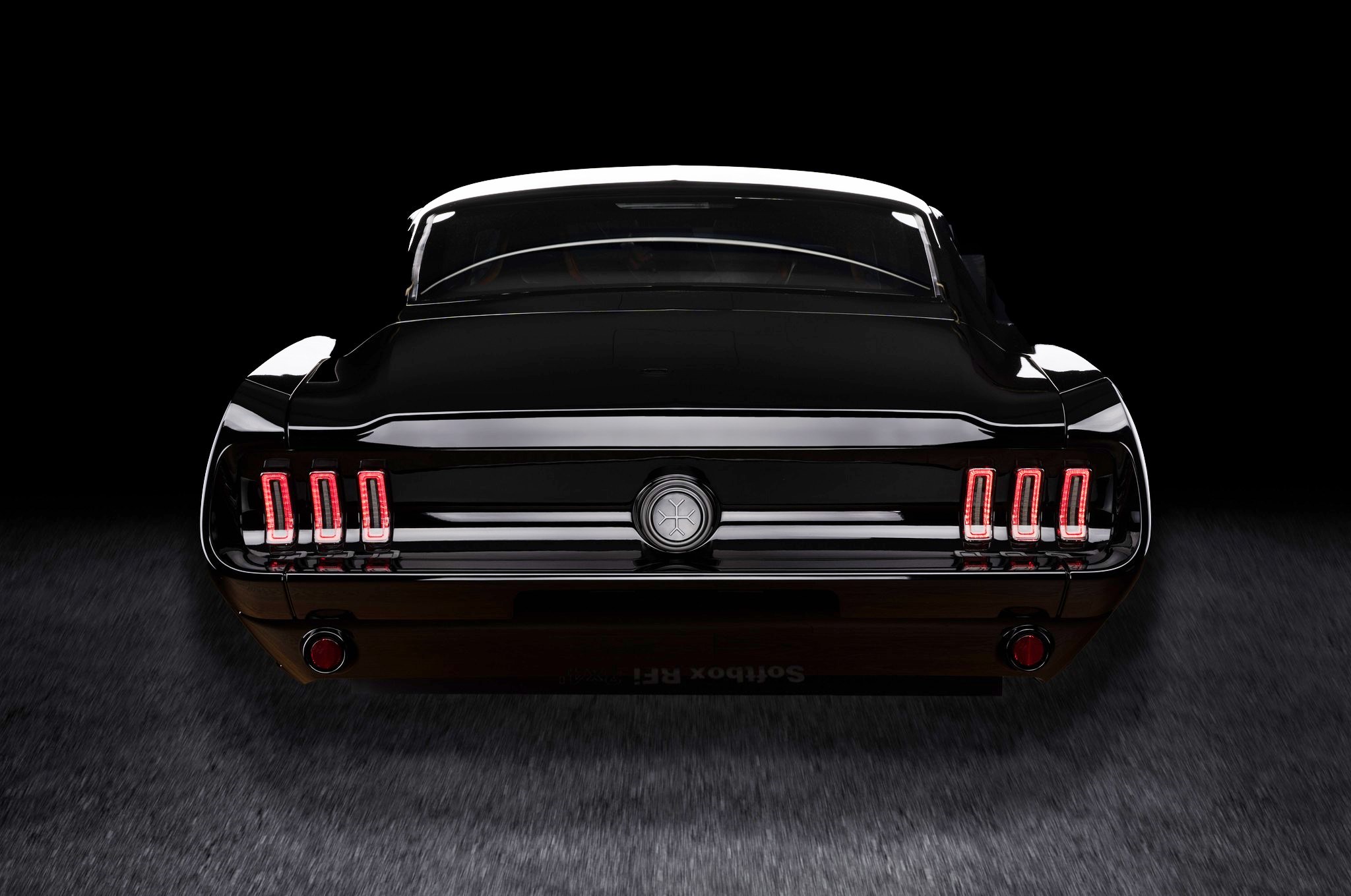
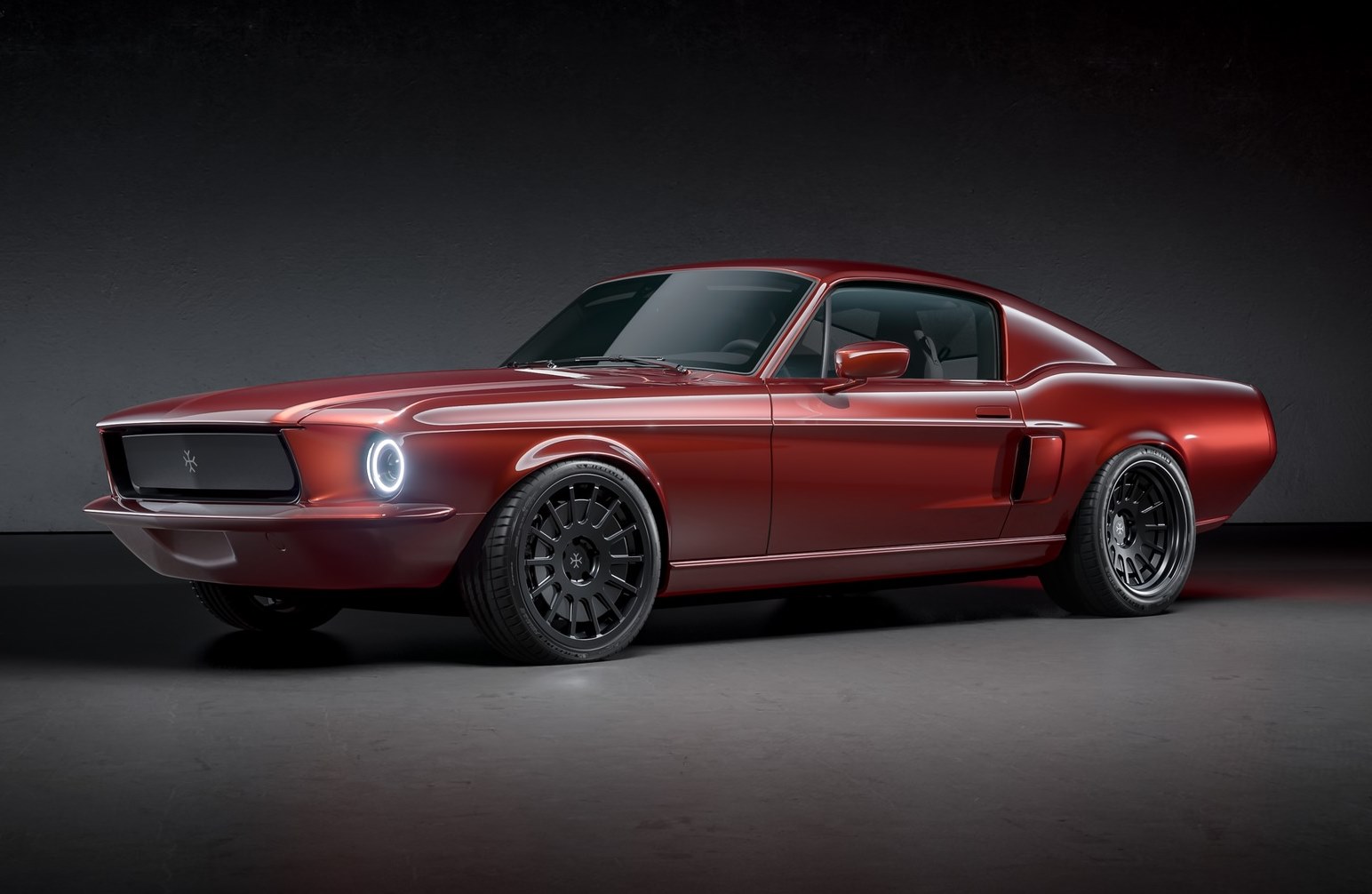
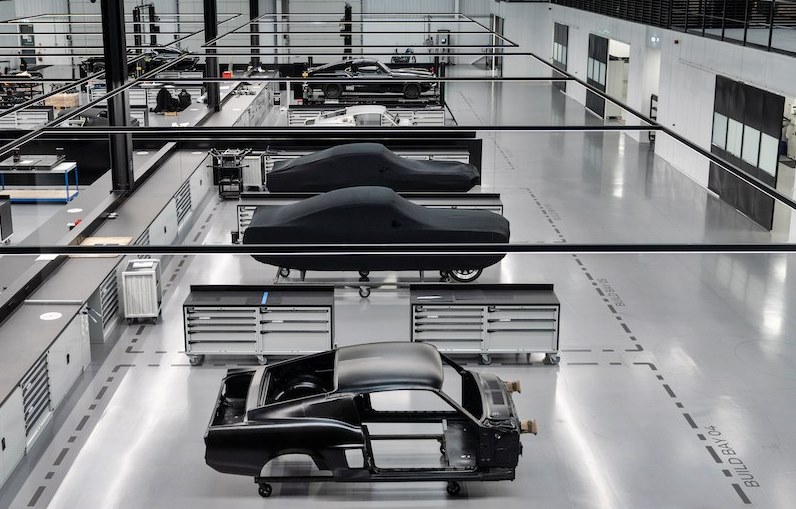
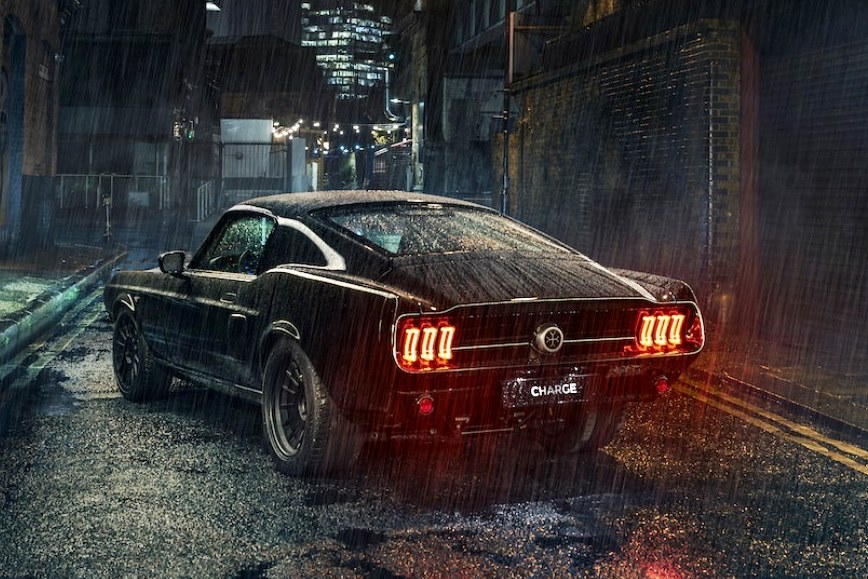
The company has announced its latest ‘restomod’ project to build EVs which is a 499-unit production run of the iconic 1960s Ford Mustang. While some other companies require an existing body and chassis to convert, Charge Cars takes an officially licensed body with the design of the legendary Mustang. The bodyshell (in the fastback style of 1967) is made of composite material but has the necessary engineering to ensure that it is safe and can meet safety requirements for road use.
It’s something like what ACE (a subsidiary of EON) used to do with the TD2000, a model which had the looks of a 1950s MG sportscar but a modern powertrain and chassis. The powertrain was not electric and was a 2-litre petrol engine sourced from Toyota similar to that found in the early RAV4.
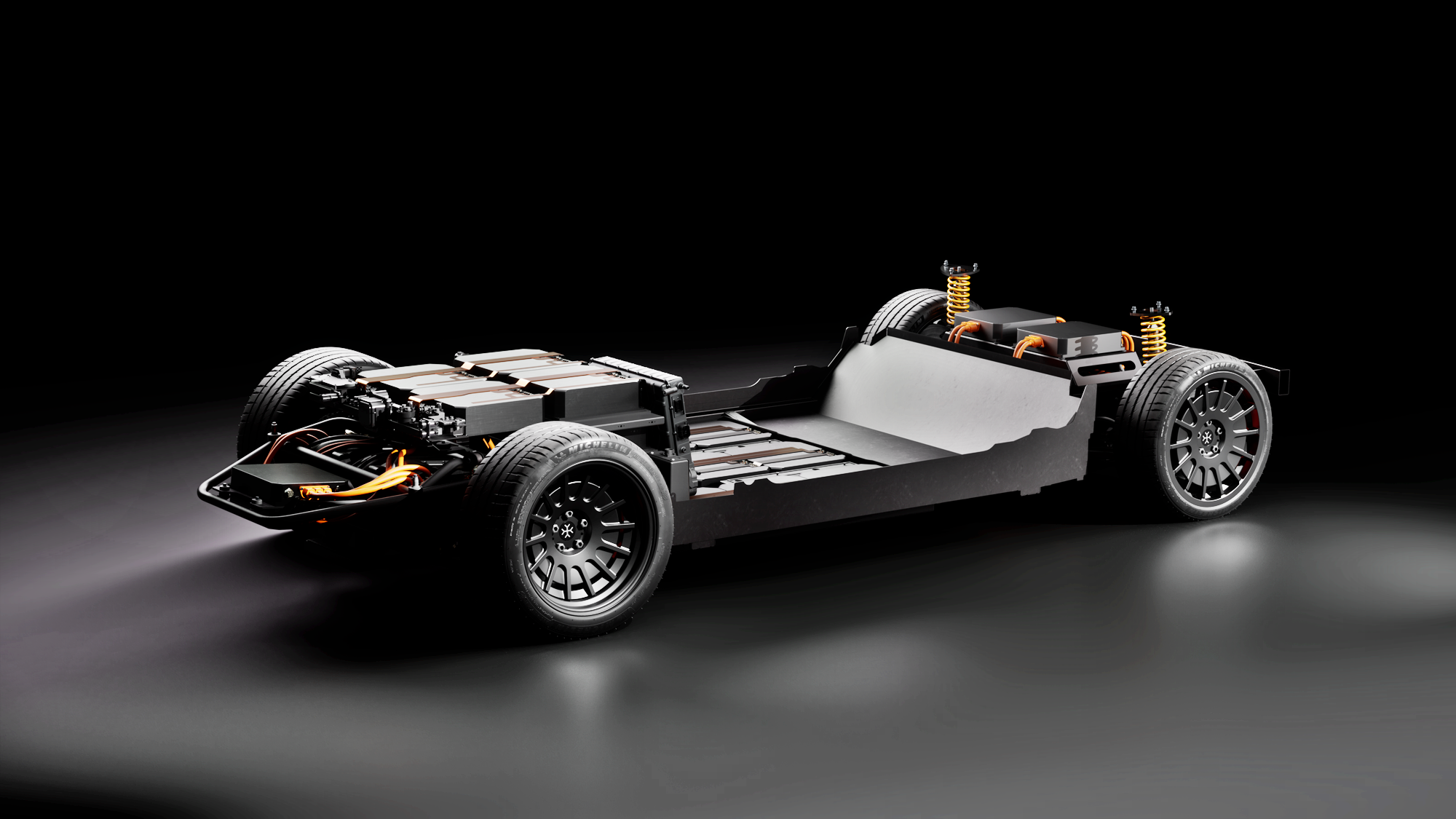
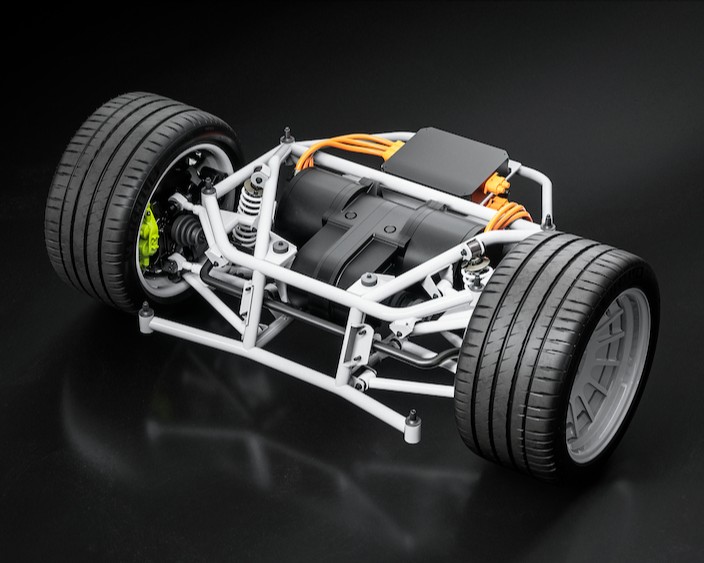
So Charge Car basically builds a new Mustang with the 1960s design and fits an electric powertrain into it. It gets two electric motors which presumably are installed at the front and rear as all-wheel drive is mentioned, something which the Mustang has never had. The total system output is 500 kW (equivalent to 680 ps) and up to 1,500 Nm, so it should easily get from 0 to 60 mph (96 km/h) within the claimed 3.9 seconds. The battery pack, which can be fast-charged, has a capacity of 64 kWh which is said to be good for up to 320 kms.
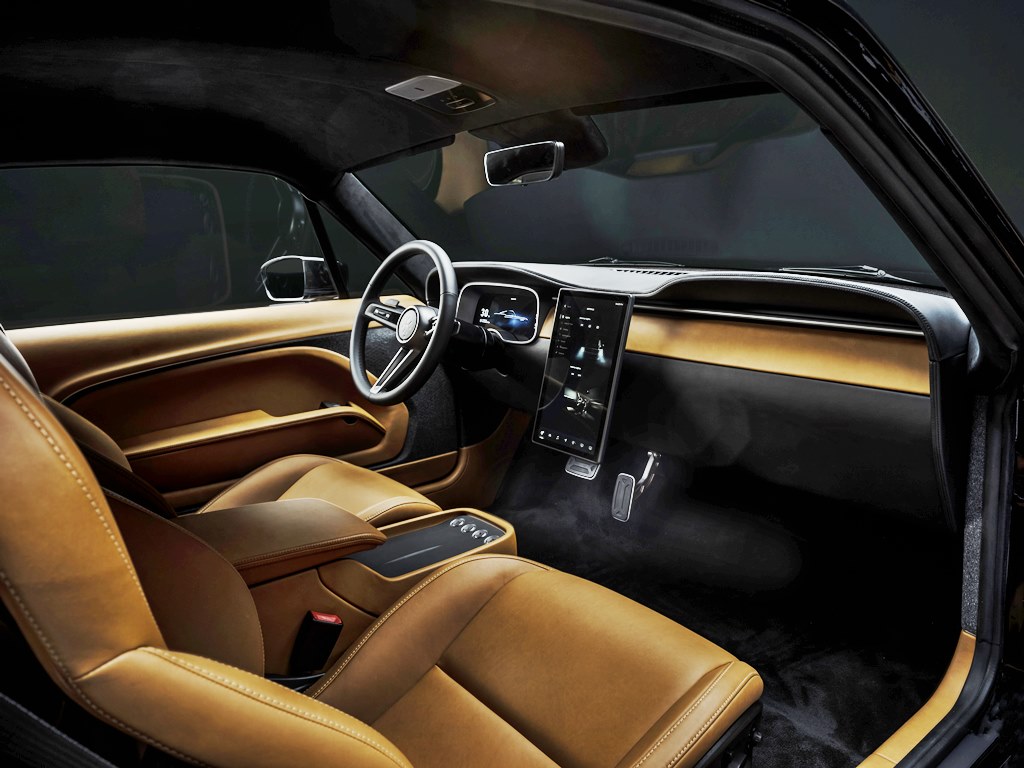
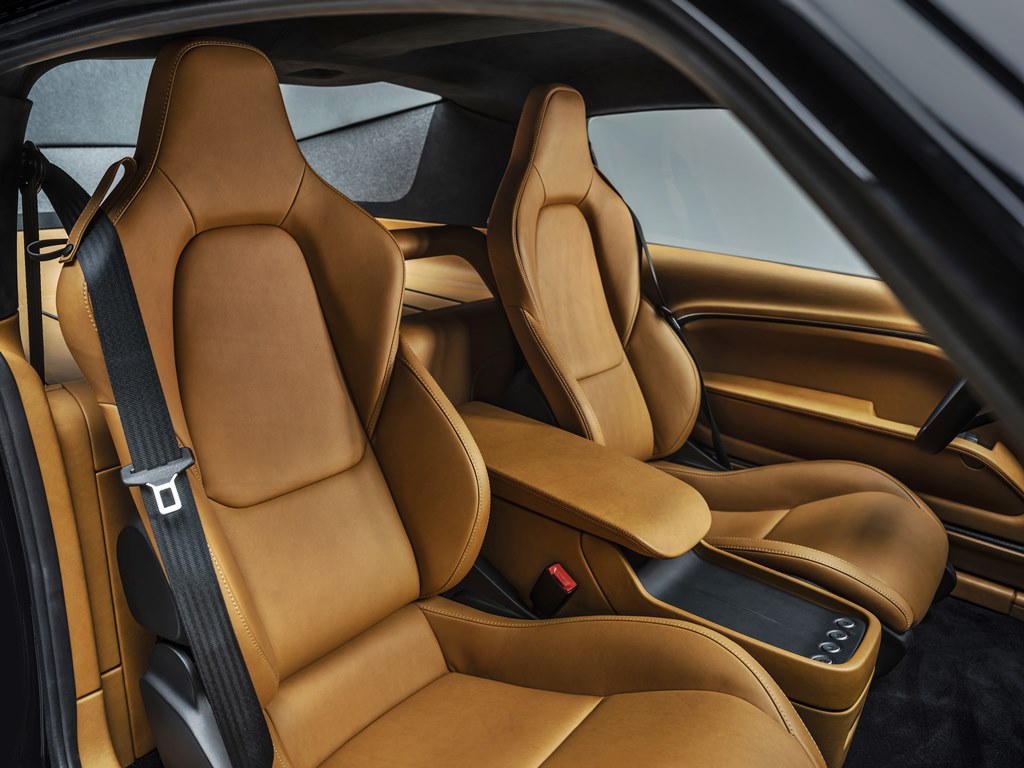

Charge Car will personalize the 2-person interior to customers’ requirements and there are various options and accessories to choose from. While the original Mustang had classic meters, the Mustang EV has digital instruments and a tablet-like centre panel which looks like the same idea as in the latest Mustang Mach-E e-SUV.
Each unit, which would be handbuilt, will cost upwards of £350,000 (about RM1.94 million) ex-factory. Orders are now being taken and the first customers will get their cars by the end of this year or early in 2023.
All-electric Ford Mustang Mach-E debuts in Los Angeles, priced from around RM183,000

Like many other carmakers, Audi too has firm plans on electrifying its range and within this decade, it will have a range of models running only on electric power. The models will come under the ‘e-tron’ umbrella which is the name Audi uses for its battery electric vehicles (BEVs). Some are already in the market, the first having been launched in 2018, and more are on the way.
Not just a design exercise
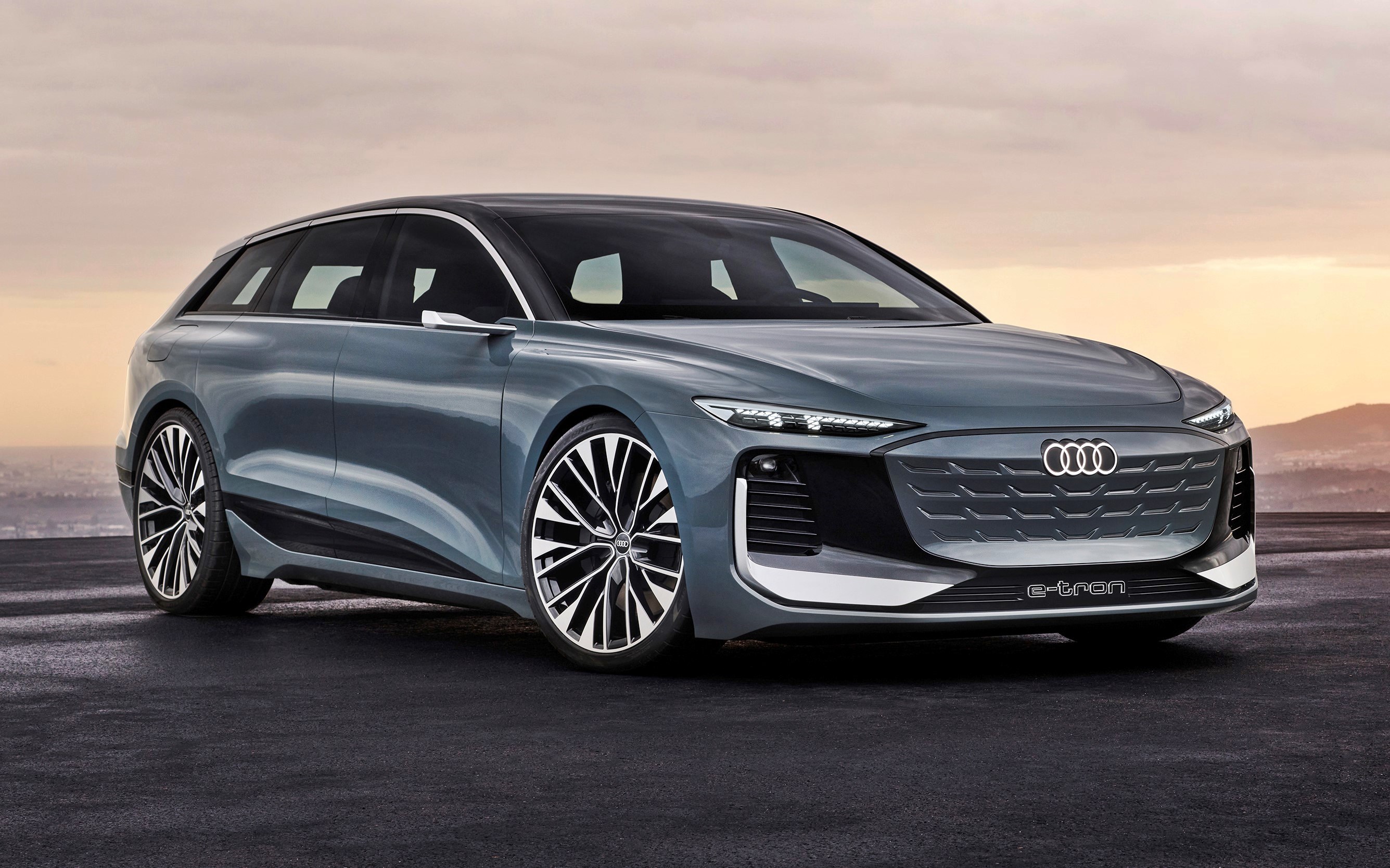
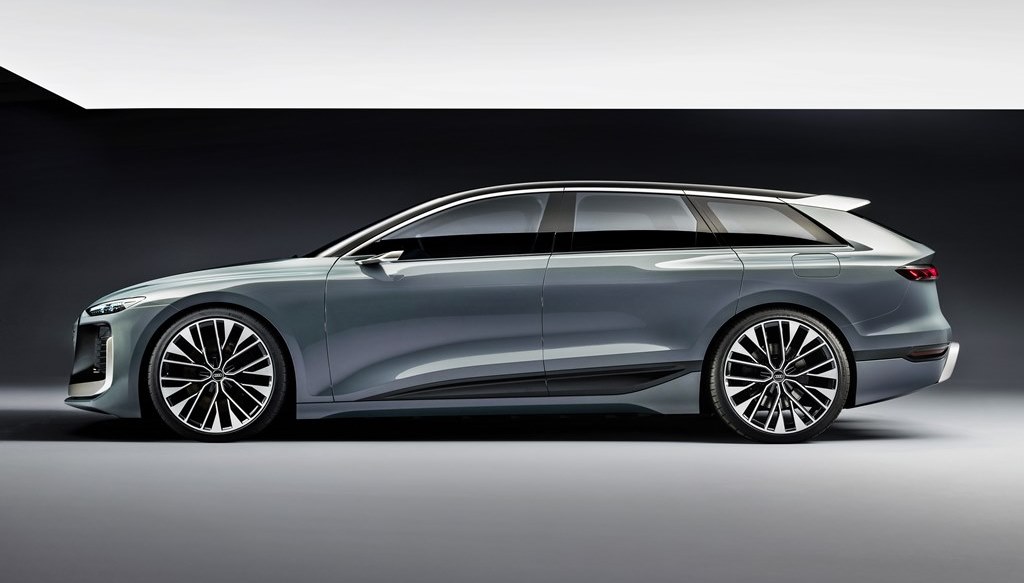
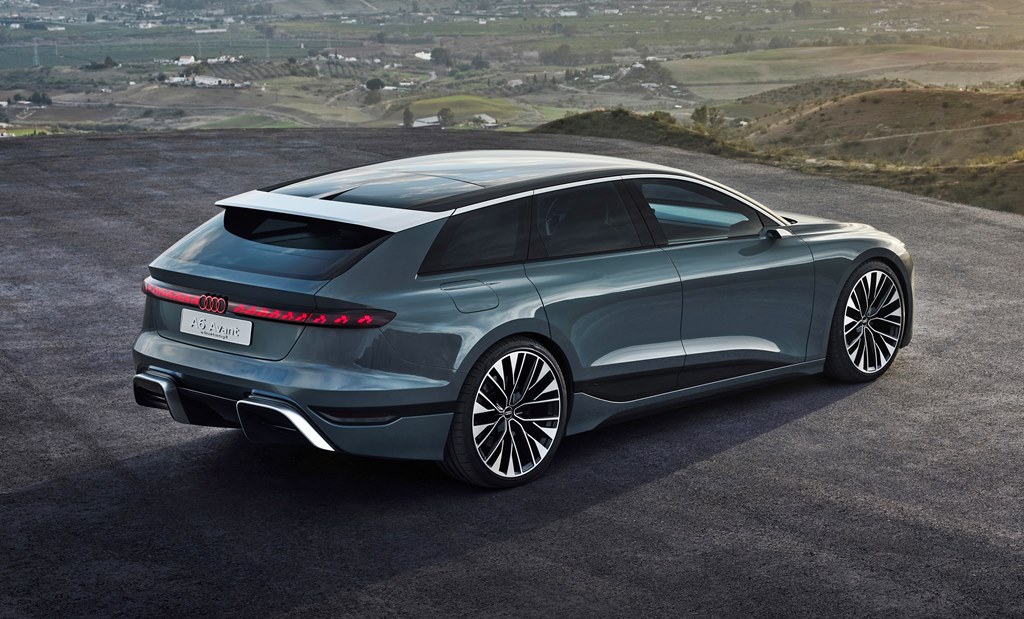
The A6 Avant e-tron concept shows what a future BEV stationwagon will be like and Audi says it is not just a simple design exercise. Its lines and proportions preview future Audi production models which Premium Platform Electric (PPE) platform developed jointly with Porsche. The lines are a consistent development in Audi’s contemporary formal language, and significant elements like the closed Singleframe and the continuous strip of lights in the rear link it to the other e-tron Audis.
The concept car appears monolithic, as if from a single mould – particularly when viewed from the side. The gently backward sloping roof arch with the slanted D-pillar is a typical feature of Avant window design; the D-pillar rises from the stable base of the vehicle’s back end in an especially streamlined manner. The eye-catching quattro wheel arches effectively accentuate the width of the body and are simultaneously integrated organically into the side surfaces.
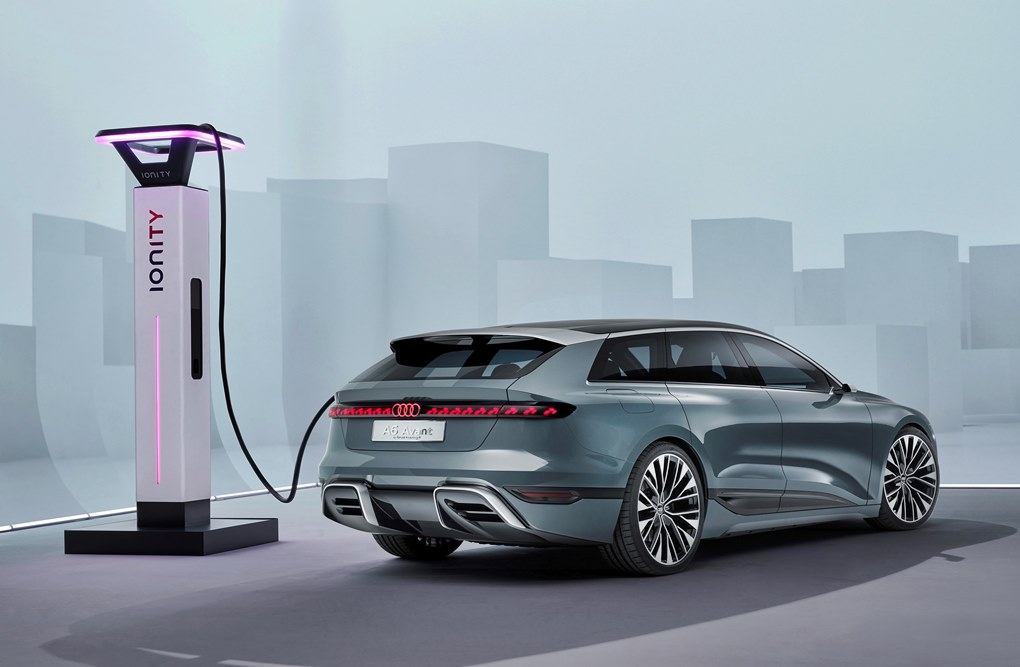
The wheel arches are connected by the specially sculpted battery area above the rocker panel, which is highlighted with a black inlay – a design element that is now a hallmark of the Audi’s fleet of BEVs. Also typical of e-tron models are the sleek, camera-based virtual exterior mirrors at the base of the A-pillar.
Advanced lighting units
The lighting units at the front and rear are technologically advanced. Digital Matrix LED and digital OLED technology make it possible to achieve maximum brightness and a wide range of features even with a minimal surface area while, at the same time, offering customizable light signatures.
Three small, high-resolution LED projectors are built into each side of the body, transforming the ground beneath them into a stage when the doors are opened – small, extended, dynamic lighting effects greet the occupants with messages in their own language. The projectors also display warning symbols on the ground to warn a bike rider that the car door is about to open, for example.
Another four high-resolution LED projectors – inconspicuously integrated into the corners of the vehicle – generate turn signal projections. The design of these projections can be modified to address different markets and approval regions as required.
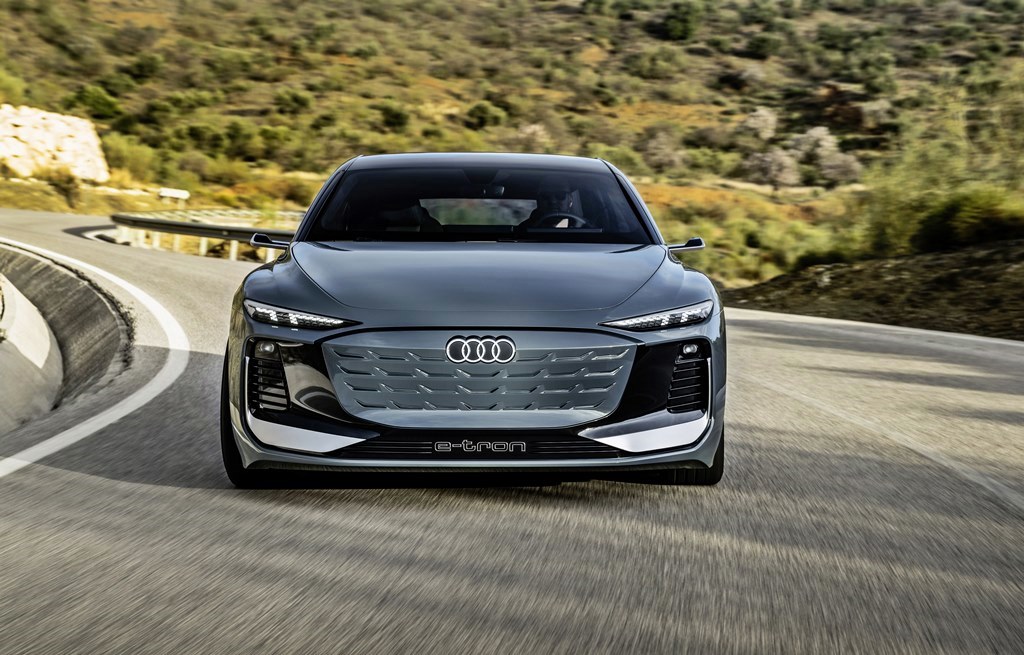
The Digital Matrix LED front headlights deliver almost cinematic quality. If, for example, the car is parked in front of a wall during a break to recharge the battery, the driver and passengers can pass the time playing a video game projected onto it. Instead of on a small screen in the cockpit, they’ll see their current game’s virtual landscapes projected onto the wall in XXL format – and all this via the Digital Matrix LED headlights.
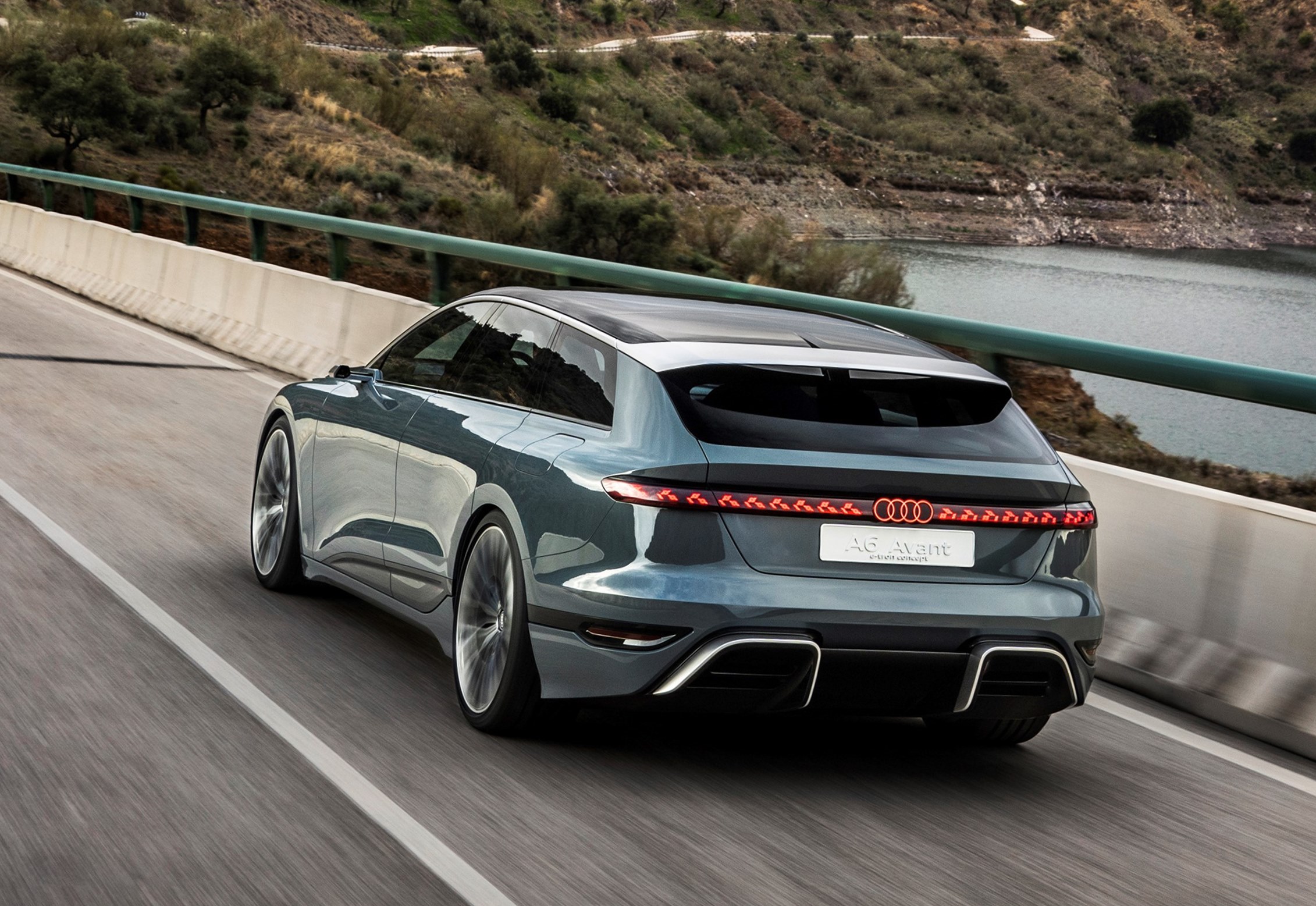
The rear end of the concept car features a new generation of digital OLED elements that, as a continuous strip of lights, act as a display for various digital light signatures and even dynamic lighting displays. The 3-dimensional architecture of the digital OLED elements – adapted to the shape of the body – makes it possible to perfectly integrate the night design into the overall look. This makes it possible to experience the dynamic light show not only in two dimensions – as was previously the case – but with an impressive, 3D spatial effect.
Cd of 0.22
Aerodynamics have always played a key role in Audi’s designs. The cd value of the 100 (C3) sedan at 0.30 was the lowest in its day back in the early 1980s. Now the electrically-powered Avant e-tron concept has a value of 0.22, said to be unprecedented in the electrified C-segment. This means greatly lowered aerodynamic drag, which initially translates into lower energy consumption to help extend range.
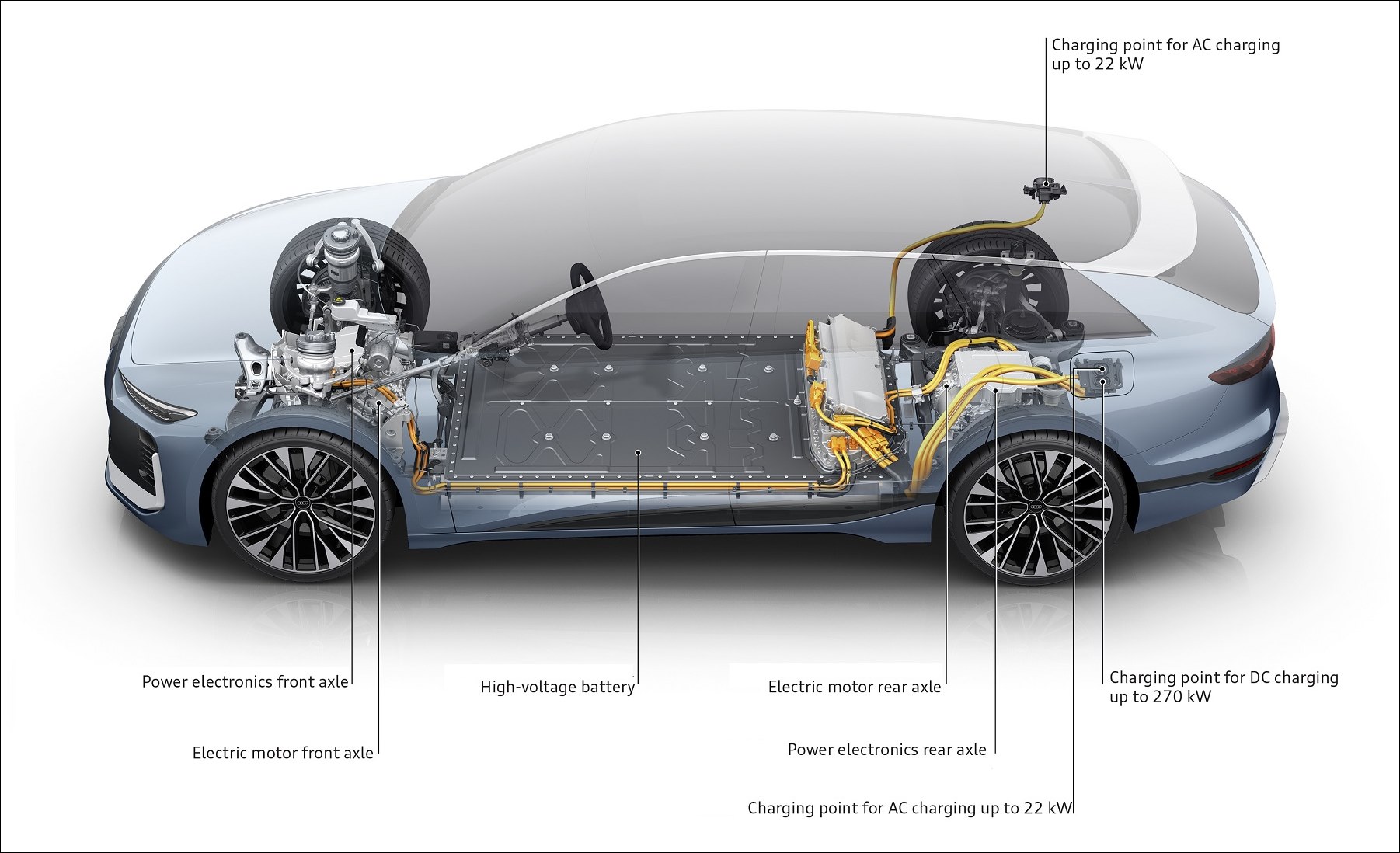
As this is a concept car, performance numbers quoted can be taken as targets: 700 kms of range with an 800V system, with 2 electric motors are capable of delivering 350 kW (469 ps) of total output and 800 Nm of torque to go from 0 to 100 km/h in less than 4 seconds.
High degree of variability inside
The Avant concept has the high degree of variability that has been a hallmark of this line of models since 1977. ‘Avant’ is a term derived from avant-garde and a 1995 Audi ad slogan. Measuring almost 5 metres in length and almost 2 metres in width, the A6 Avant e-tron is certainly a large and long car. It will not only provide comfortable accommodation but also take lots of cargo, just like the other Avant models past and present.
Audi grandsphere concept shows Audi’s future electric flagship and technology