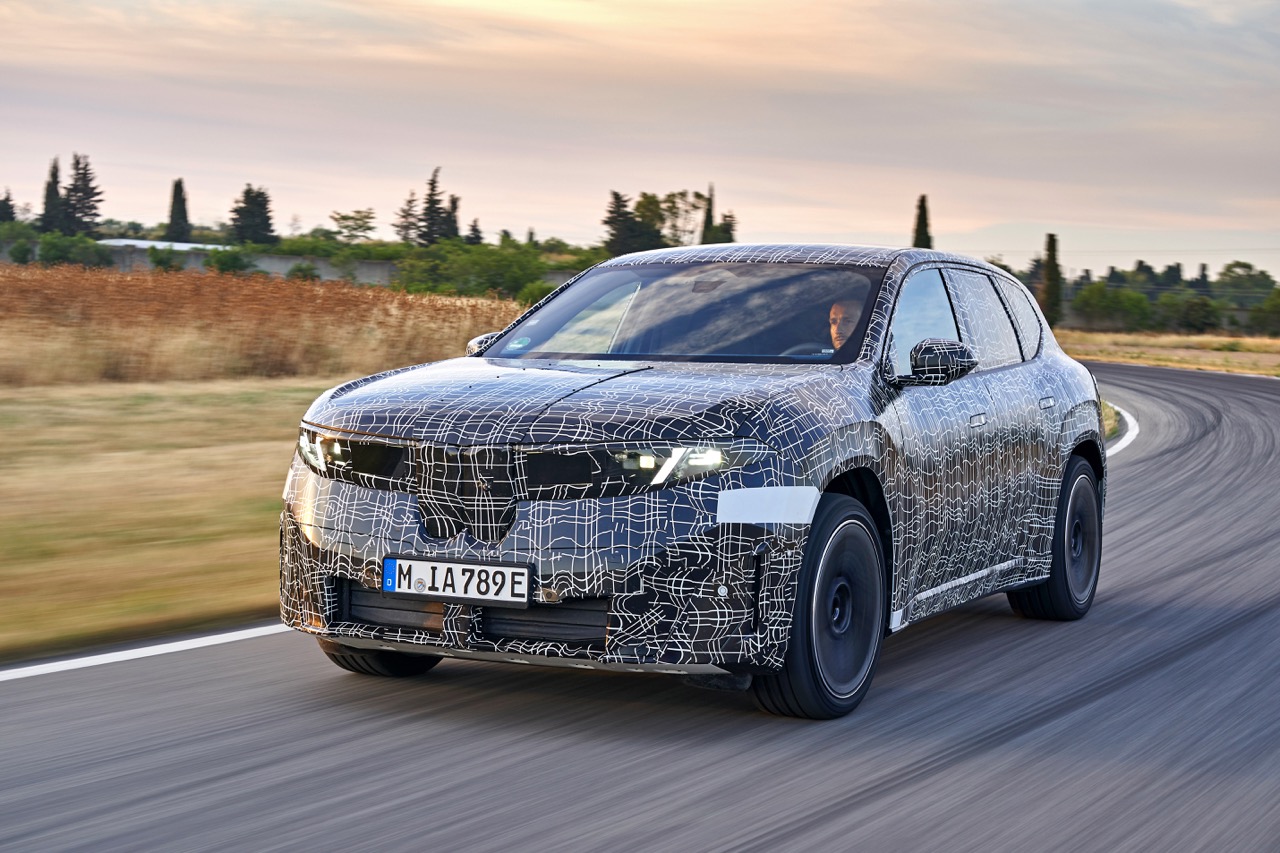
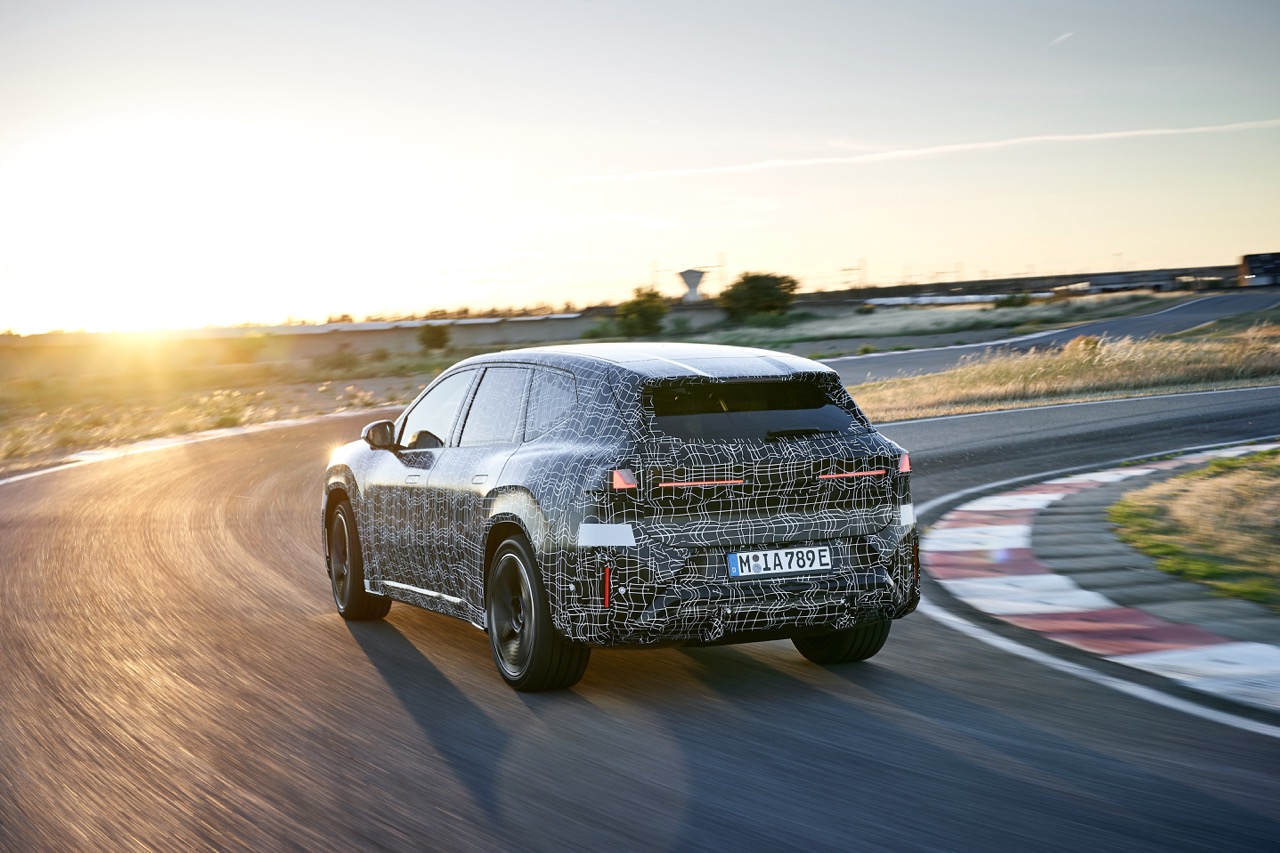
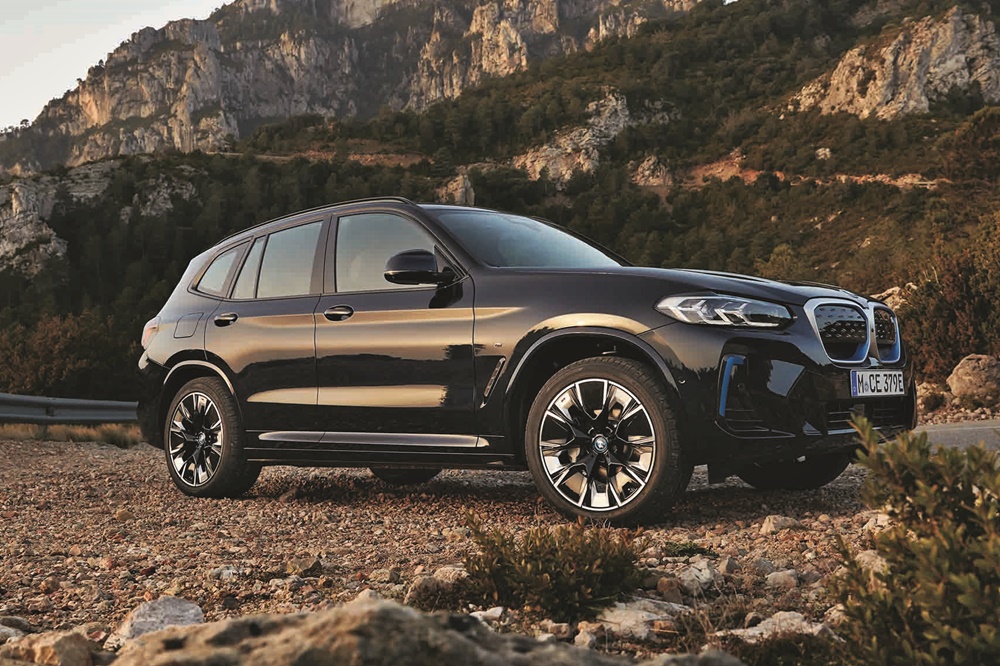
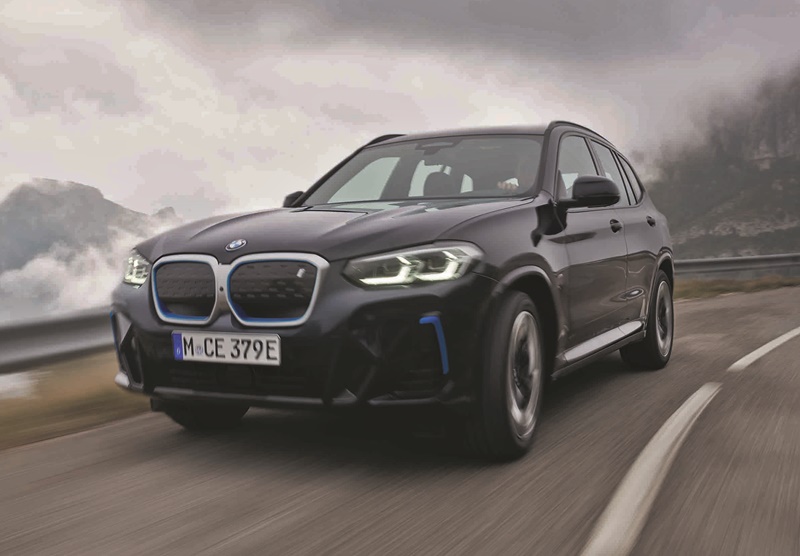
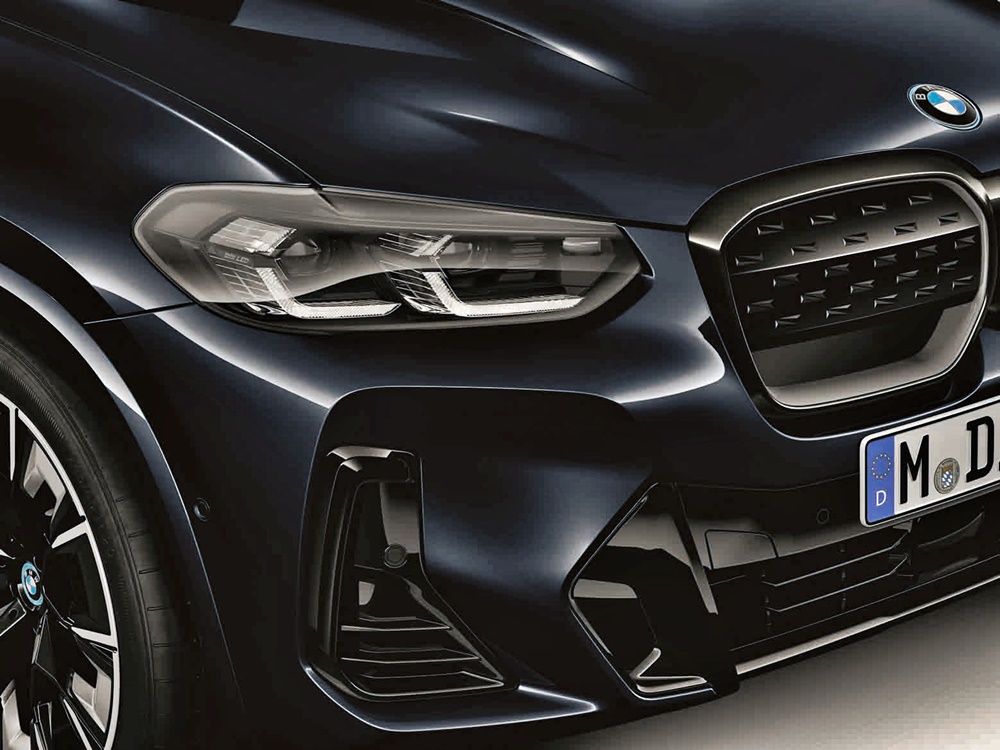
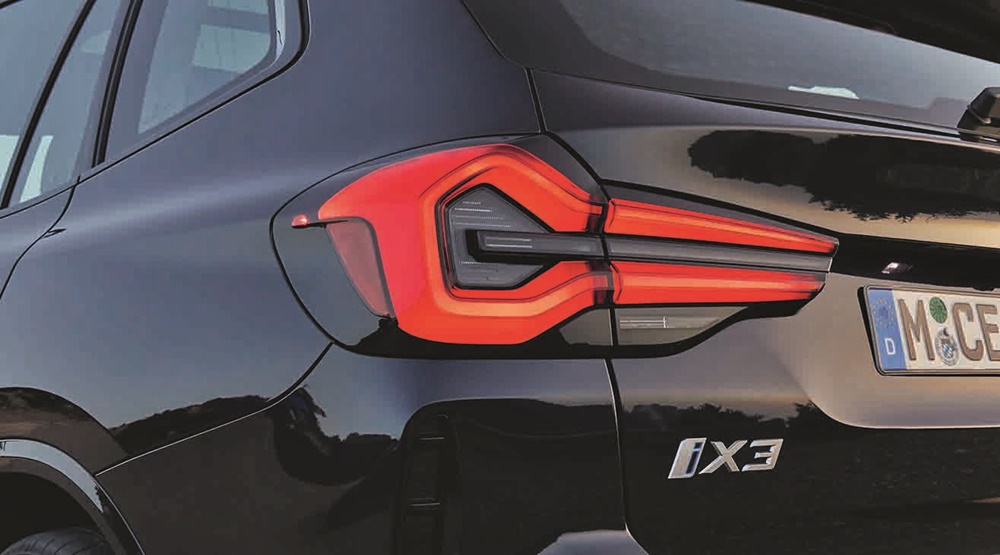
BMW telah mendedahkan model baharu iX3 generasi akan datang, yang menandakan satu langkah penting dalam usaha jenama itu untuk menghasilkan kenderaan elektrik yang bukan sahaja berprestasi tinggi, tetapi juga lebih mampan. Model ini merupakan sebahagian daripada inisiatif Neue Klasse, iaitu pelan jangka panjang BMW untuk mencapai neutraliti karbon sepenuhnya menjelang tahun 2050, dengan sasaran penting yang sedang dilaksanakan secara berperingkat.
iX3 50 xDrive dibangunkan dengan mempertimbangkan kesan terhadap alam sekitar di setiap peringkat, bermula daripada proses pembuatan hinggalah kepada penggunaannya di jalan raya. Menurut data BMW, apabila dicas menggunakan bekalan elektrik biasa di Eropah, iX3 baharu menjadi lebih mesra alam berbanding kereta petrol selepas hanya 21,500 kilometer pemanduan. Jika pula menggunakan sumber tenaga boleh diperbaharui sepenuhnya, kecekapan dicapai lebih awal, iaitu selepas 17,500 kilometer, menjadikan model ini antara EV paling efisien sejak tahun pertama digunakan.
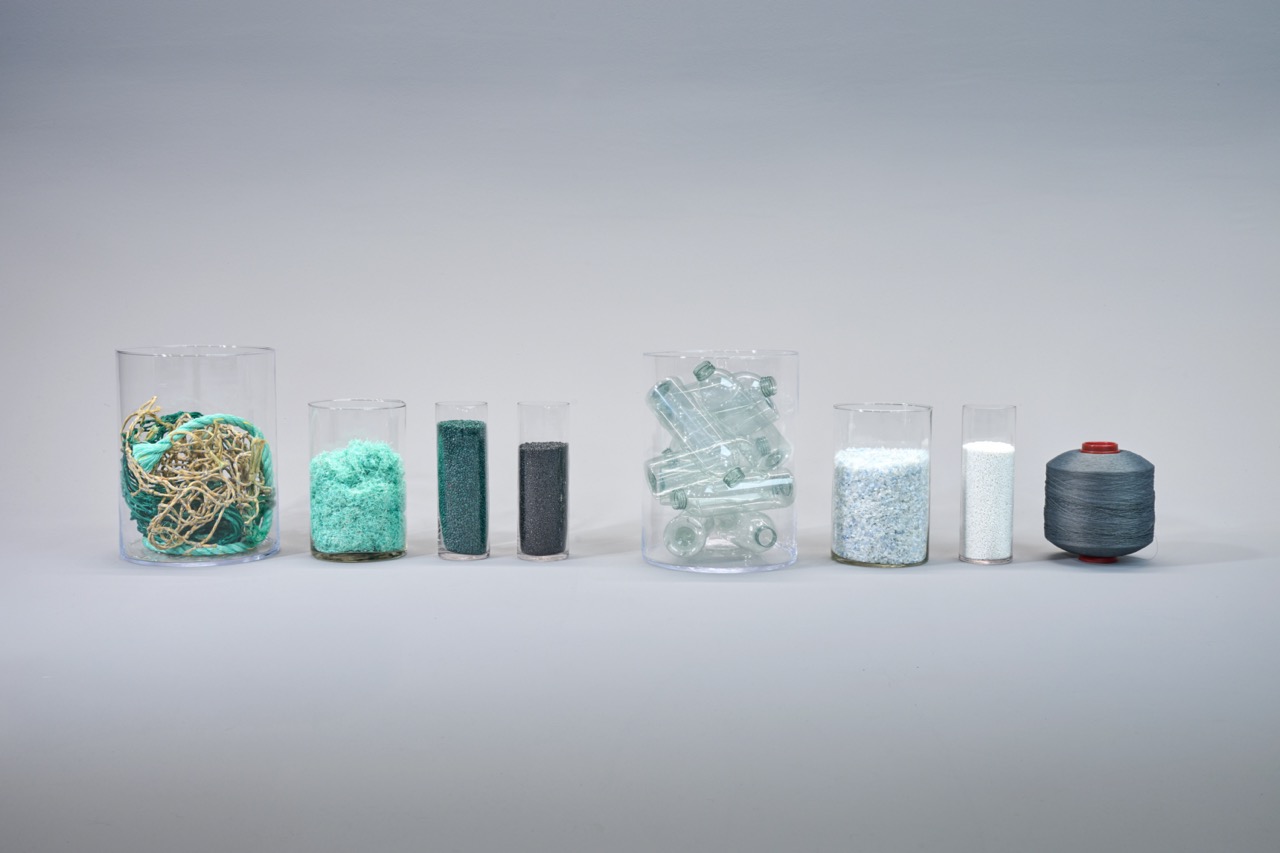
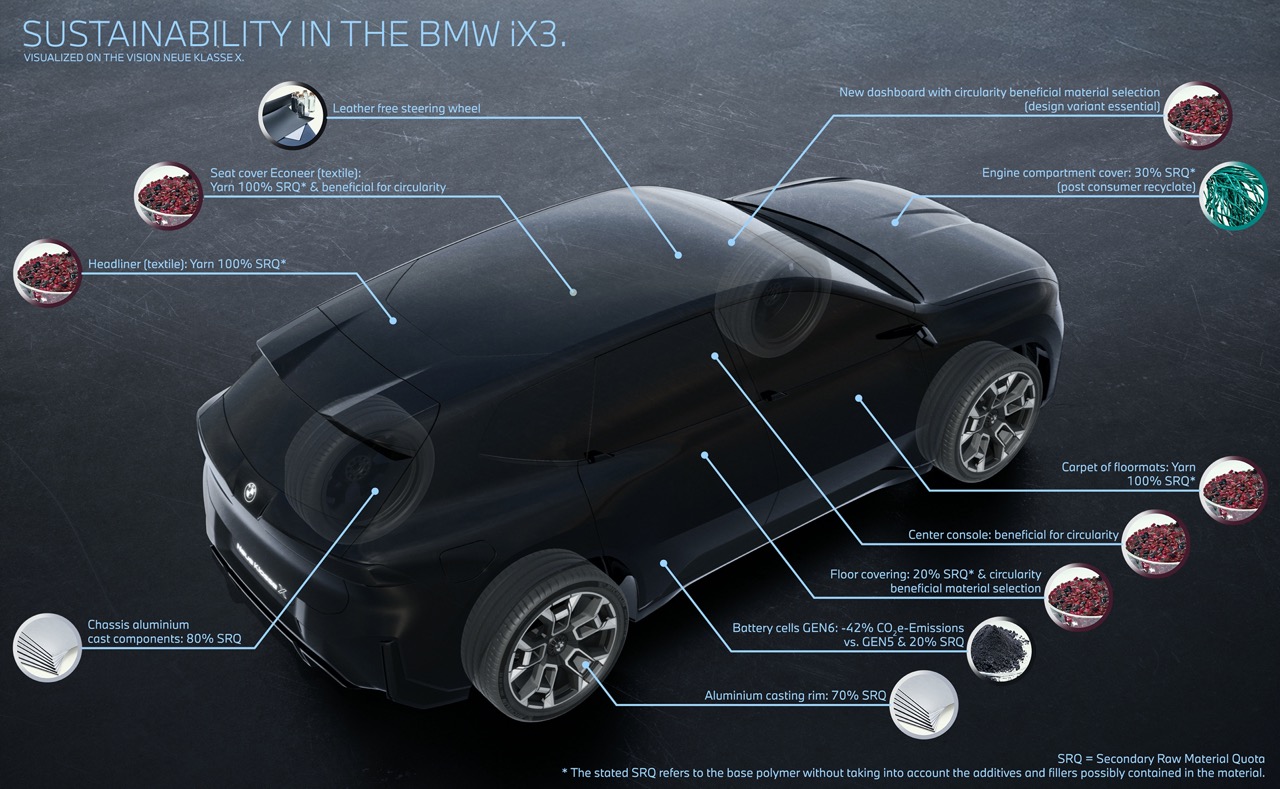
Dalam usaha mengurangkan jejak karbon, BMW berjaya mengurangkan pelepasan rantaian bekalan sebanyak 35% semasa pembangunan model ini. Antara langkah penting yang diambil ialah penggunaan bahan kitar semula dan sumber tenaga boleh diperbaharui. Bateri generasi keenam (Gen6) yang digunakan dalam iX3 kini mengandungi 50% kobalt, litium dan nikel kitar semula, dan keseluruhan pengeluaran baterinya dikuasakan oleh tenaga hijau. Hasilnya, pelepasan karbon yang berkaitan dengan bateri telah dikurangkan sebanyak 42% berbanding generasi terdahulu.
BMW has unveiled its next-generation iX3, signalling a bold step forward in the company’s ambition to integrate sustainability across the full life cycle of its vehicles. Developed as part of the Neue Klasse initiative, the new iX3 embodies the BMW Group’s intensified focus on decarbonisation, responsible sourcing, and energy efficiency, all central to the company’s carbon neutrality targets set for 2030 and 2050.
Through extensive environmental planning during the vehicle’s design, manufacturing, and operational stages, the iX3 50 xDrive demonstrates how BMW is reshaping premium electric mobility. When powered using Europe’s general energy mix, the vehicle achieves a lower CO₂ equivalent (CO₂e) footprint than a comparable internal combustion engine model after just 21,500 kilometres. If charged exclusively with renewable electricity, that break-even point drops to approximately 17,500 kilometres, allowing drivers to offset emissions within the first year of use.
BMW’s sustainability push is most evident in the dramatic changes made across the supply chain. A reduction of 35 per cent in supply chain emissions was achieved during development, largely by relying on recycled materials and renewable energy. The Gen6 battery cells in the iX3’s high-voltage storage system use 50 per cent recycled cobalt, lithium, and nickel. Moreover, the use of renewable energy in both cell production and the processing of anode and cathode materials has led to a 42 per cent reduction in CO₂e per watt hour compared to the Gen5 cell.
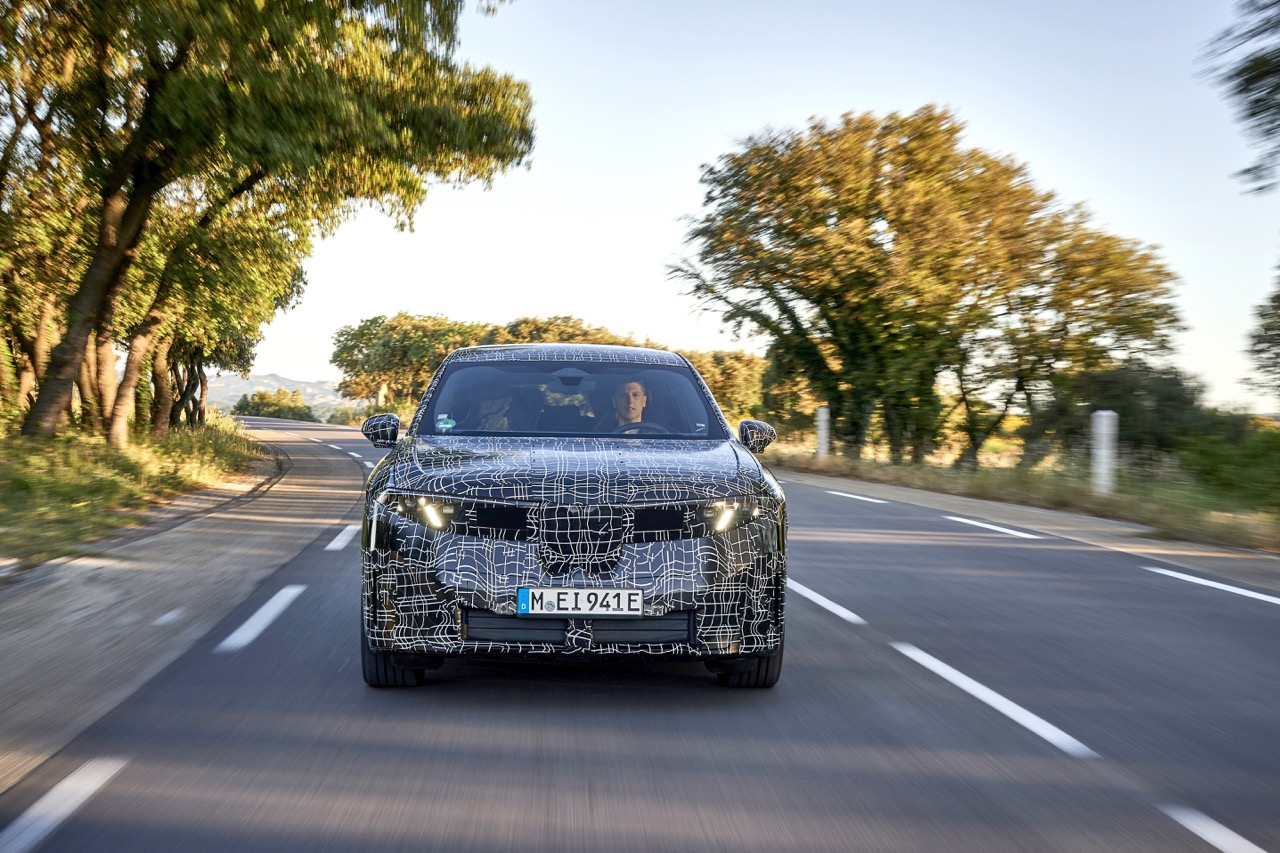
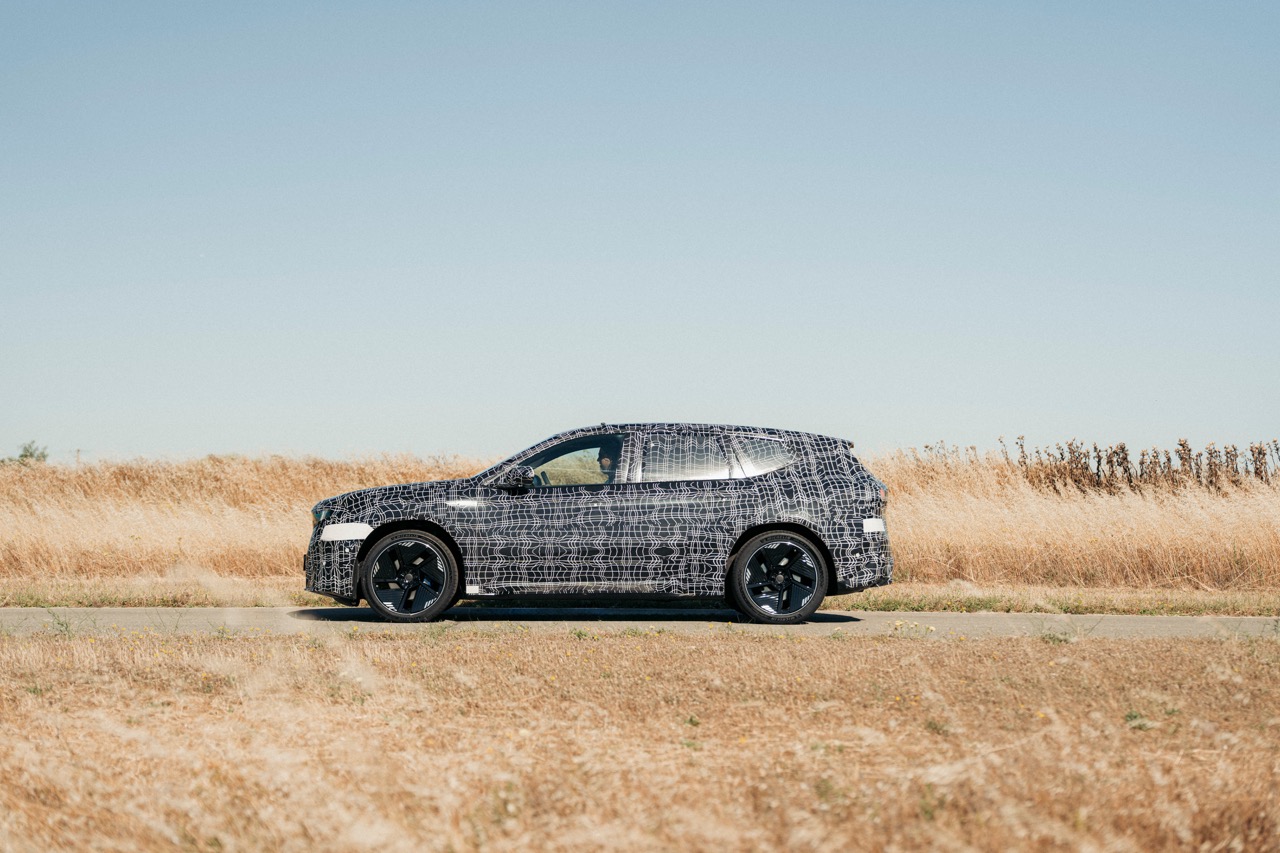
BMW sedang bersiap sedia untuk memperkenalkan model sulung daripada generasi Neue Klasse yang dinanti-nantikan — BMW iX3 serba baharu. Model SUV elektrik ini kini berada di peringkat akhir pembangunan dan sedang menjalani ujian intensif di kemudahan BMW di Miramas, selatan Perancis. Penampilan sulung globalnya dijadualkan berlangsung pada acara Mobiliti IAA di Munich pada September 2025, manakala pengeluaran dijangka bermula menjelang akhir tahun di fasiliti tercanggih BMW di Debrecen, Hungary.
Menurut Ketua Projek Neue Klasse, Mike Reichelt, BMW iX3 generasi baharu ini dibangunkan untuk membawa transformasi teknologi yang menyeluruh. Dengan sistem kuasa elektrik yang serba moden, pengendalian canggih dan seni bina digital pintar, iX3 direka bukan sekadar untuk memperkenalkan mobiliti elektrik baharu, malah untuk menetapkan piawaian masa hadapan bagi semua model BMW — tidak kira sistem pendorongnya.
Asas kepada perubahan ini ialah rangkaian teknologi termaju yang merangkumi sistem pacuan elektrik Generasi Keenam (Gen6), antara muka digital baharu yang dikenali sebagai BMW Panoramic iDrive, serta empat unit pengkomputeran berprestasi tinggi yang bersama-sama bertindak sebagai “otak super” kepada kenderaan ini.
Unit kuasa Gen6 memperkenalkan sel bateri silinder baharu dengan ketumpatan tenaga 20% lebih tinggi berbanding sel prismatik sebelum ini. Bateri berkapasiti tinggi ini turut disepadukan secara struktur ke dalam casis kenderaan, membolehkan iX3 mencapai jarak sehingga 800 kilometer (WLTP) dan menyokong pengecasan ultra pantas. Model iX3 50 xDrive mampu menambah lebih 350 kilometer jarak dalam hanya 10 minit pengecasan apabila disambung kepada pengecas 400 kW berkat seni bina voltan tinggi 800V yang terkini.
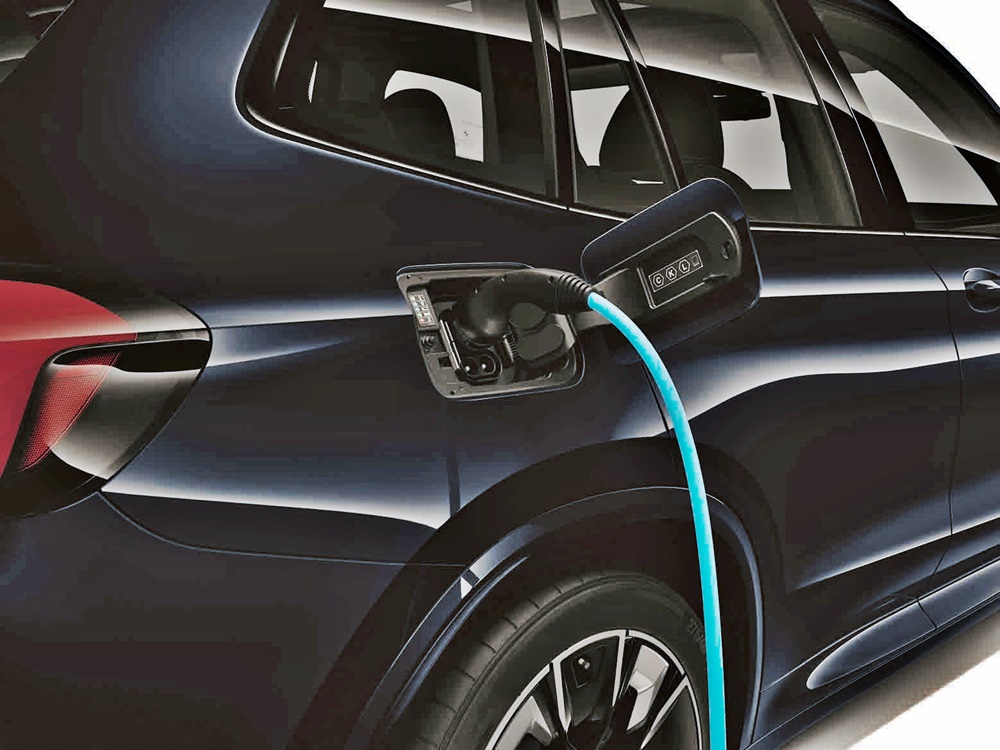
Menariknya, BMW turut memperkenalkan ciri pengecasan pintar yang berasaskan AI. Penutup pengecas iX3 boleh mengesan corak tingkah laku pemandu dan bertindak balas secara automatik, sama ada membuka atau menutup ketika menghampiri stesen pengecas. Tambahan lagi, iX3 menjadi model BMW pertama yang menyokong pengecasan dua hala — termasuk fungsi Vehicle-to-Load (V2L), Vehicle-to-Home (V2H) dan Vehicle-to-Grid (V2G). Ini menjadikan kereta bukan sahaja sebagai alat pengangkutan, tetapi juga sebagai storan tenaga bergerak. Ia disokong oleh BMW Wallbox baharu dengan pengecasan DC dua hala 19.2 kW.
The next-generation BMW iX3, the first production model of BMW’s groundbreaking Neue Klasse, is approaching the final stages of development. Currently undergoing intensive testing at BMW’s Miramas facility in southern France, the all-electric Sports Activity Vehicle is set for its world debut at the IAA Mobility event in Munich in September 2025. Production will commence later this year at the marque’s cutting-edge facility in Debrecen, Hungary.
Mike Reichelt, Head of Neue Klasse at BMW, confirmed that the iX3 will deliver major technological upgrades aimed at redefining driving pleasure. Designed with an entirely new powertrain, advanced operating systems, and intelligent computing architecture, the iX3 is set to raise the bar for electric mobility across the BMW lineup. Innovations introduced in this model will be rolled out to all future BMW vehicles, irrespective of their propulsion systems.
At the core of this transformation lies a suite of technological advancements that include a sixth-generation (Gen6) electric powertrain, a radically new display and interaction concept dubbed BMW Panoramic iDrive, and a cluster of four high-performance computing systems referred to as the “superbrains”.
The Gen6 electric powertrain represents a significant leap in performance and efficiency. Featuring newly developed cylindrical battery cells with 20% higher energy density than the prismatic ones previously used, the high-voltage battery has been structurally integrated into the vehicle chassis. This evolution not only enhances range—up to 800km on the WLTP cycle—but also allows for ultra-fast charging. The iX3 50 xDrive can regain over 350km of range in just 10 minutes when connected to a high-capacity 400 kW charger, courtesy of its new 800V architecture.
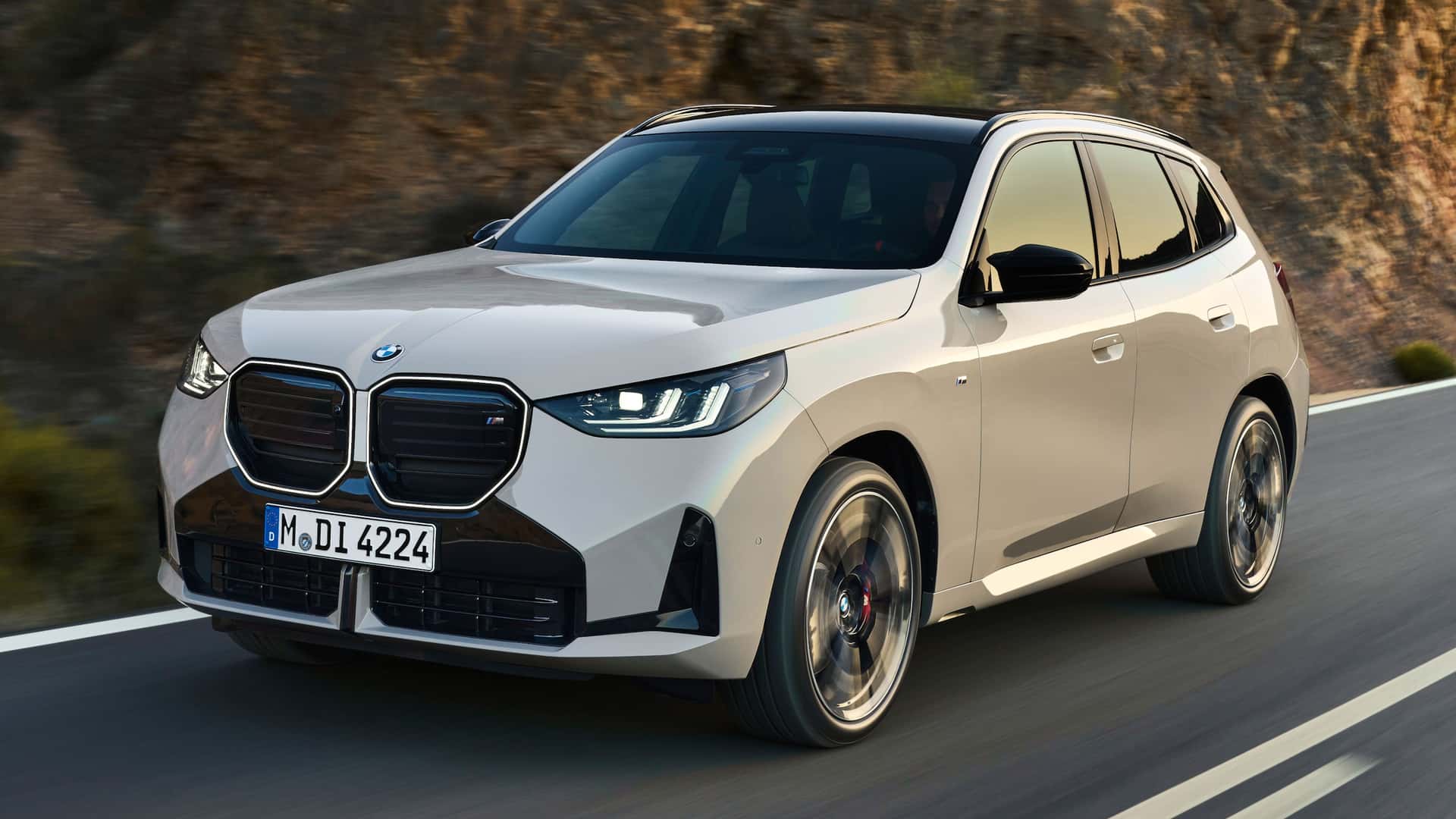
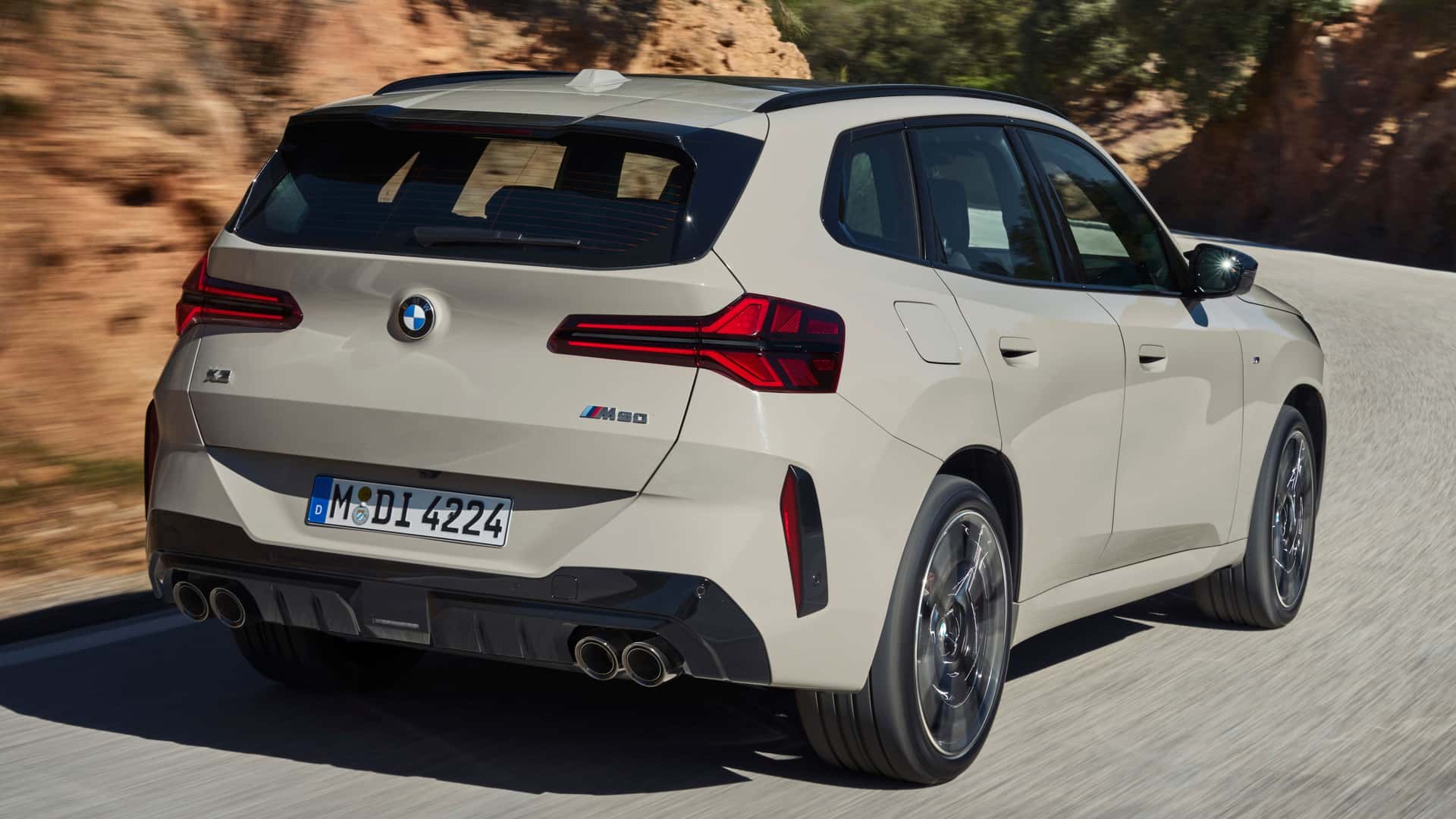
BMW X3 M, varian berprestasi tinggi bagi X3 generasi ketiga yang diperkenalkan pada 2019, mungkin tidak lama lagi menjadi sebahagian daripada sejarah automotif. Menurut laporan baru dari BMWBlog, pembuat kereta Jerman itu didakwa memutuskan untuk tidak membangunkan versi M untuk generasi keempat X3 yang akan datang, yang dikenali sebagai generasi G45 2025 X3. Keputusan ini muncul di tengah-tengah laporan awal yang menunjukkan bahawa BMW juga merancang untuk menghentikan X4, adik beradik gaya coupe X3.
Alternatif Berprestasi Tinggi
Walaupun ketiadaan X3 M baharu mungkin mengecewakan sesetengah peminat, BMW terus memenuhi keperluan mereka yang mencari crossover kompak berprestasi tinggi dengan X3 M50. Model ini dilengkapi dengan enjin straight-six B58, menjana 393hp. Ciri-ciri utama termasuk:
Pecutan: 0 hingga 100km/j dalam hanya 4.4 saat.
Ciri Dinamik: Suspensi sport, stereng sport berubah-ubah, brek M Sport, dan pembezaan M Sport, memastikan pengalaman pemanduan yang dinamik.
Sebagai perbandingan, X3 M generasi sebelumnya, dikuasakan oleh enjin S58, menawarkan 503hp dalam varian Persaingannya dan mencapai masa 0 hingga 100km/j selama 3.7 saat.
EV’s are supposed to be the savior’s of the world by reducing greenhouse gas emissions, eliminate the need for dirty petrol, and improve the efficiency of transportation. Ironically, the bulk of the world is presently experiencing soaring temperatures, which consequently are reducing EV range and posing a challenge for EV users.
Recurrent, a battery and range analytics firm located in Seattle, evaluated a variety of EVs in a range of climates to see whether temperatures had an impact on battery health and range. EV range decreased as the temperature rose. When temperatures surpassed 38 degrees Celsius, the range of some EVs was reduced by 31%. EVs had a 5% range loss at 32 degrees Celcius and a 2.8% reduction at 26 degrees Celsius.
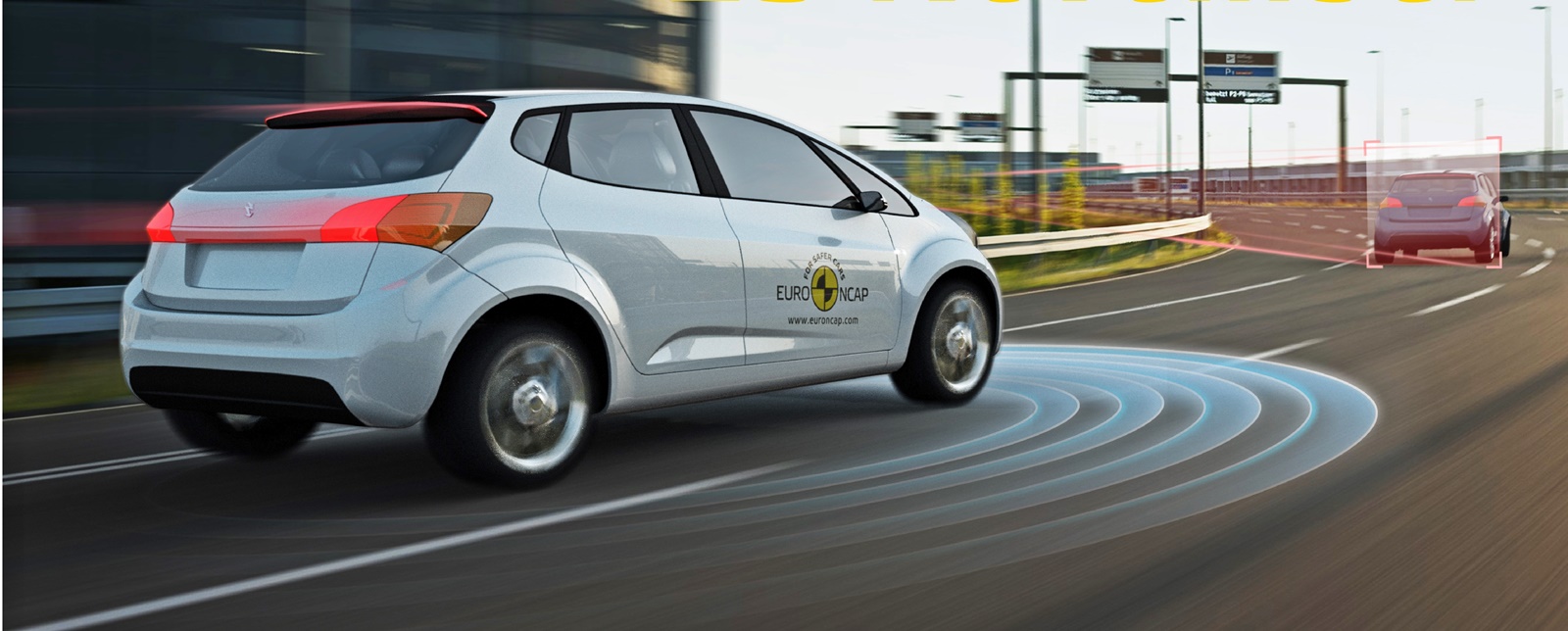
With more and more vehicles – including those from entry-level brands like Perodua and also pick-up trucks – having advanced driver assistance systems (ADAS), Euro NCAP has started to assess some of the systems which assist driving. The independent organisation tests not only the car’s ability to assist and promote safer driving, but also evaluates how such Assisted Driving systems engage the driver and, if the unexpected happens, what safety back-up is offered by the vehicle.
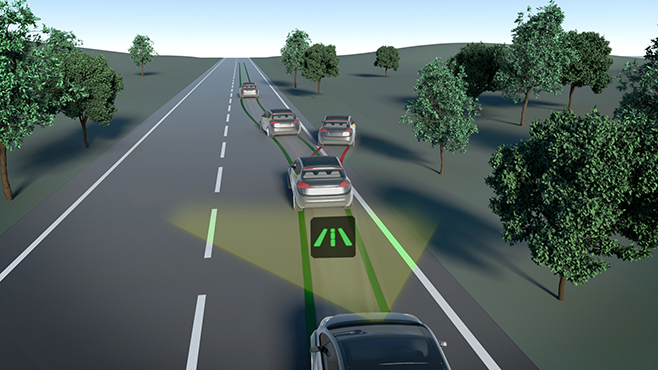
The present focus is on Highway Assist systems, which help the driver to maintain a steady speed, to keep a safe distance from the car in front and to keep the vehicle in the centre of the lane by combining (intelligent) Adaptive Cruise Control (ACC) with Lane Centering (LC). Highway Assist systems are designed to assist the driver, not to take control, and the driver is expected to keep his hands on the wheel and his eyes on the road at all times.
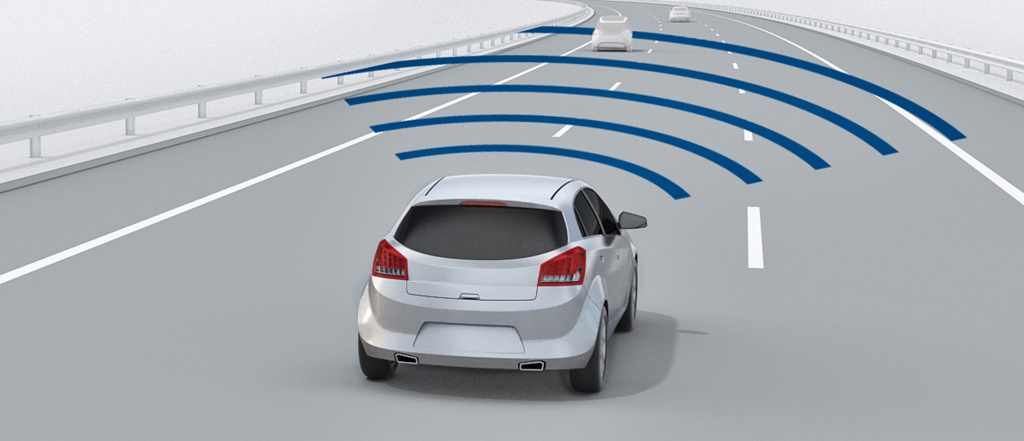
Adaptive Cruise Control, using camera or radar (or both), maintains a safe gap with vehicles ahead, regardless of the cruising speed set.
The technology, first offered on more expensive premium vehicles over the past 10 years, has gone mainstream in recent years and is now available on cars in all categories, butt with varying degrees of sophistication and at different price points.
Lane Centering systems, using a camera to monitor road markings, help prevent the vehicle from departing from its lane and endanger vehicles in other lanes or go off the road.
In its previous rounds of Assisted Driving tests in 2018 and 2020, Euro NCAP found some vehicles promised more than they could deliver, implying, through their naming and interaction with the driver that they provide more automation than they were capable of doing. All the cars tested in this round, however, offer a balance between Assistance Competence – the degree to which the system can help the driver – and Driver Engagement – the extent to which the driver feels they must remain in control and not disengage from the driving task.
“This balance between assistance and engagement is crucial. Cars are not yet capable of fully automated driving and drivers should not be misled into thinking that they are. Reports from America have highlighted the very serious problems that can happen when people have an unrealistically high expectation of what such systems can offer, and when the car in which they are driving does not actively try to get them back in the loop. We are pleased that the manufacturers represented in this round of tests make clear the level of support that they can provide,” said Michiel van Ratingen, Secretary-General of Euro NCAP.
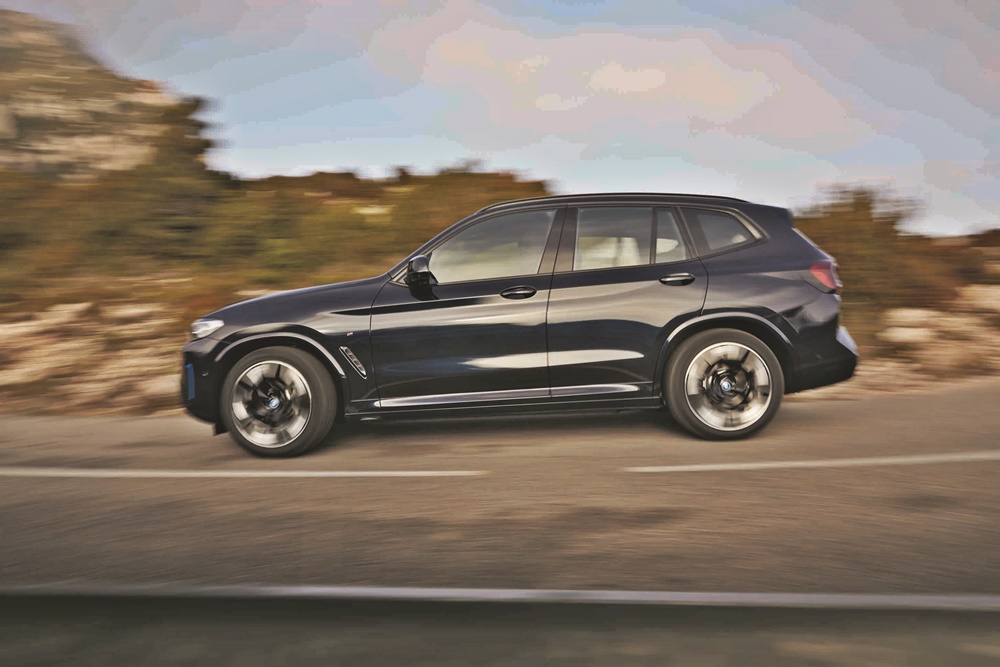
BMW iX3 – rated ‘Very Good’ in Assisted Driving assessment.
Euro NCAP’s first Assisted Driving gradings of 7 models equipped with Highway Assist show the overall best performer as the BMW iX3, which was graded as ‘Very Good’. Two others – the Ford Mustang Mach-E and the CUPRA Formentor – achieved ‘Good’ gradings. The assist systems of the Polestar 2 and the Hyundai IONIQ 5 were graded as ‘Moderate’, while the Toyota Yaris and Opel Mokka-e were considered to offer ‘Entry’ level systems.
The BMW iX3, although a variant of the X3 range, has a new sensor set, not yet available on its combustion-engined stablemates and the grading of its automated driving system applies only to the all-electric version. The Polestar 2 achieved a Moderate grading, limited by its performance in Vehicle Assistance. Polestar will perform an over-the-air (OTA) update of the car’s software very soon and Euro NCAP will again assess the car.
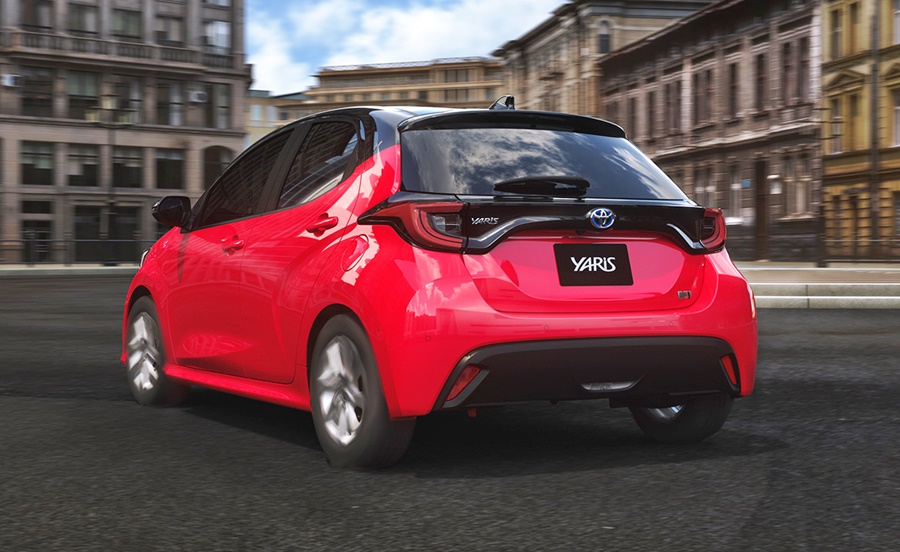
Even entry-level models like the Toyota Yaris (European model shown) have systems that can provide the driver with a useful level of support, enhancing safety.
The range of cars tested demonstrated the growing prevalence of Assisted Driving across the spectrum of vehicle categories. Entry-level systems, while offering less functionality than more sophisticated ones, nevertheless provide the driver with a useful level of support, and that fact that they are offered on volume-selling cars shows the direction of travel for automated driving.
Euro NCAP’s tests are set against a rapidly changing legislative background. Technology is developing very quickly and the degree of automation that is allowed and what action the car must take when, for example, it tries to hand control back to an unresponsive driver, is being reviewed. The organisation says its future tests will take these regulatory changes into account.
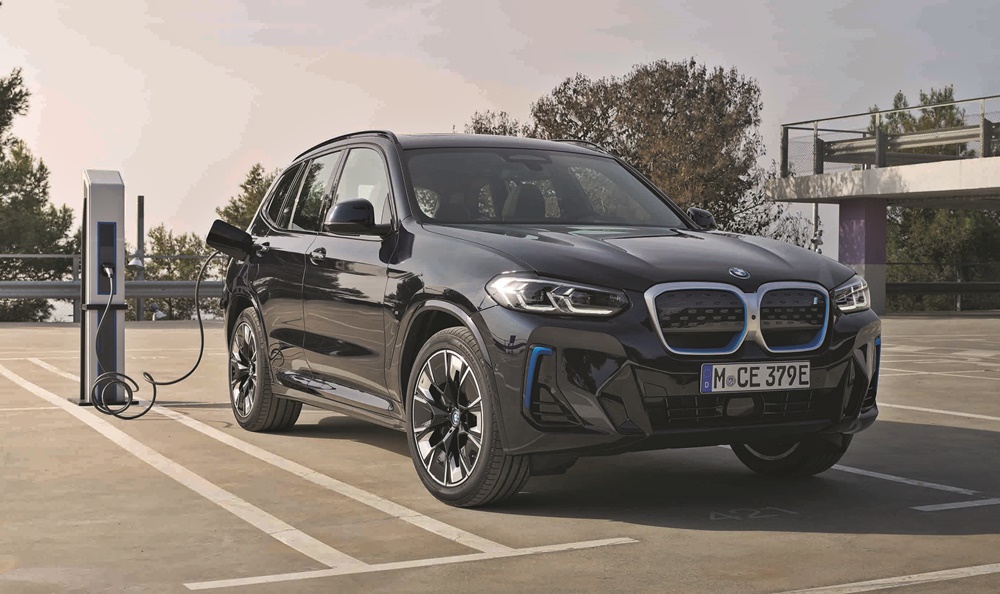
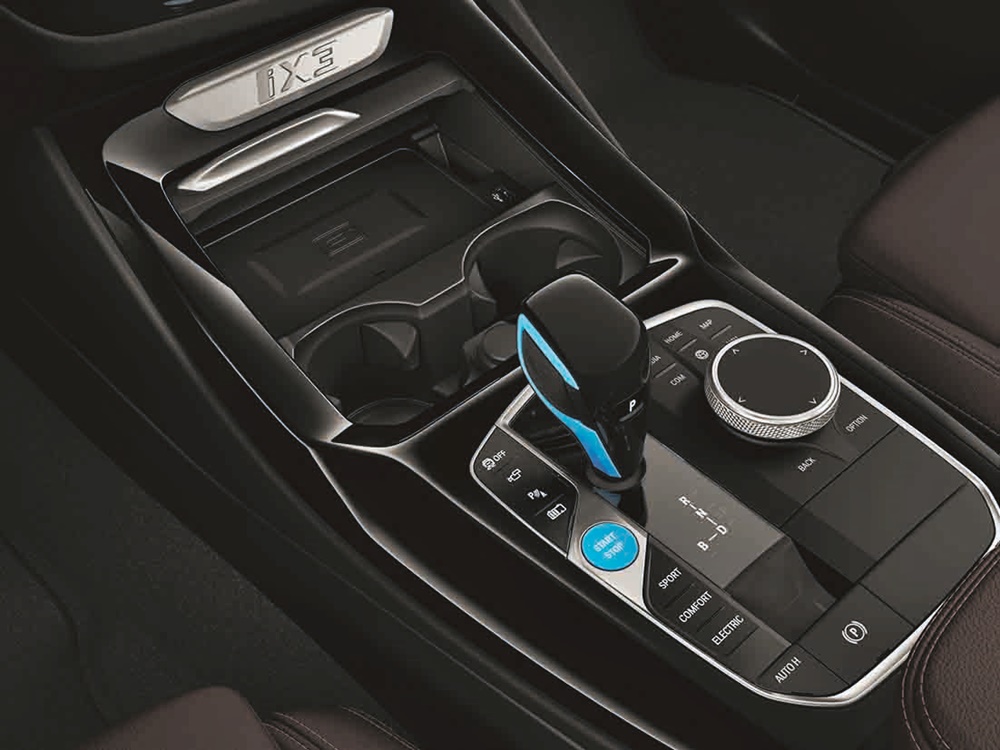
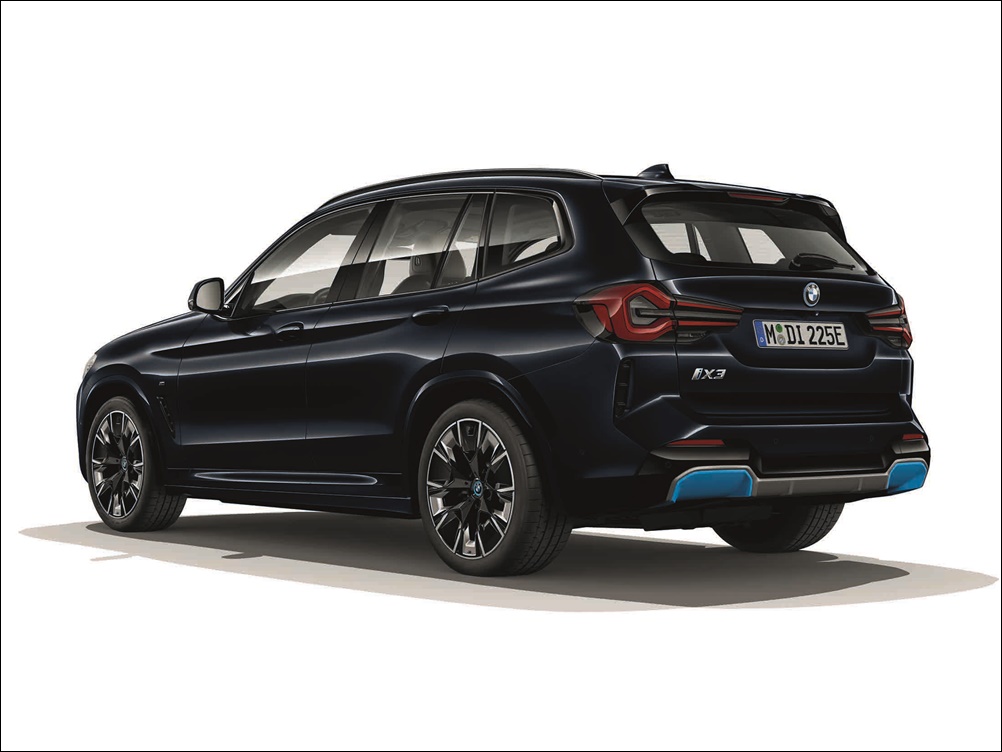
Following the launch of the new BMW iX in Malaysia two months ago, BMW Malaysia today announced the addition of the iX3. The iX3 is available in two versions with rather interesting names – Inspiring and Impressive – with pricing starting from at RM335,800 and RM354,800, respectively, without insurance. The prices include BMW Service & Repair Inclusive – a 5-year Extended Warranty and 6-year service package – as well as the Power Package which comes with the BMW i Wallbox and BMW Standard Charging Cable. Like the iX, the iX3 can be booked now but deliveries will only start in 2022.
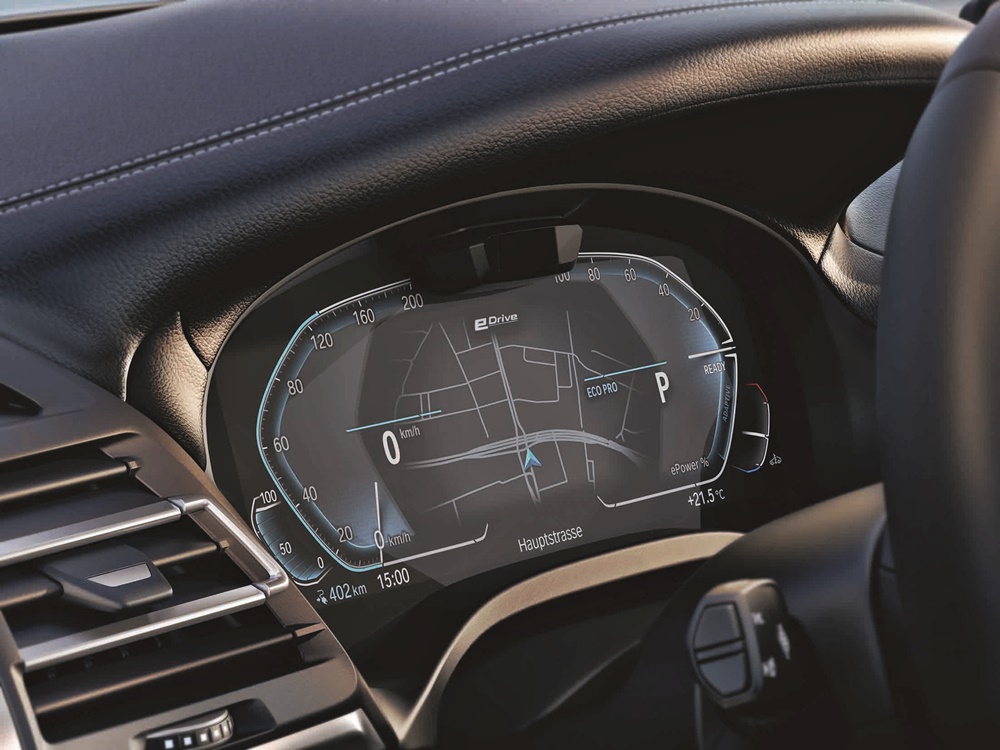
Both versions have the M Sport package as standard which gives a more expressive appearance to the fully electric SAV (Sports Activity Vehicle). Besides M Sport specific items and High-Gloss Shadowline, the iX3 Inspiring has standard features like LED adaptive headlights with high beam assist and 19-inch alloy rims for the Inspiring version. The Impressive version has the more advanced BMW Laserlight and larger rims, along with a Head-Up Display, Harman Kardon 464W audio system with 16 speakers and the unique BMW IconicSounds Electric.
The 210 kW/400 Nm electric motor, located at the rear, is powered by an 80-kWh lithium-ion battery which is claimed to be able to provide a range of up to 461 kms. Like an internal combustion engine, range depends on how you drive and where you drive but even half that number would be sufficient for daily use. The range might be shorter if you constantly go from standstill to 100 km/h in the claimed 6.8 seconds or travel close to the top speed of 180 km/h (electronically limited).
When using DC fast charging at rates of up to 150 kW, 80% charge can be obtained within 32 minutes, while AC charging at up to 11 kW will require about 7.5 hours (typically overnight) for a 100% charge. The battery pack has a separate warranty of 8 years or maximum of 160,000 kms.
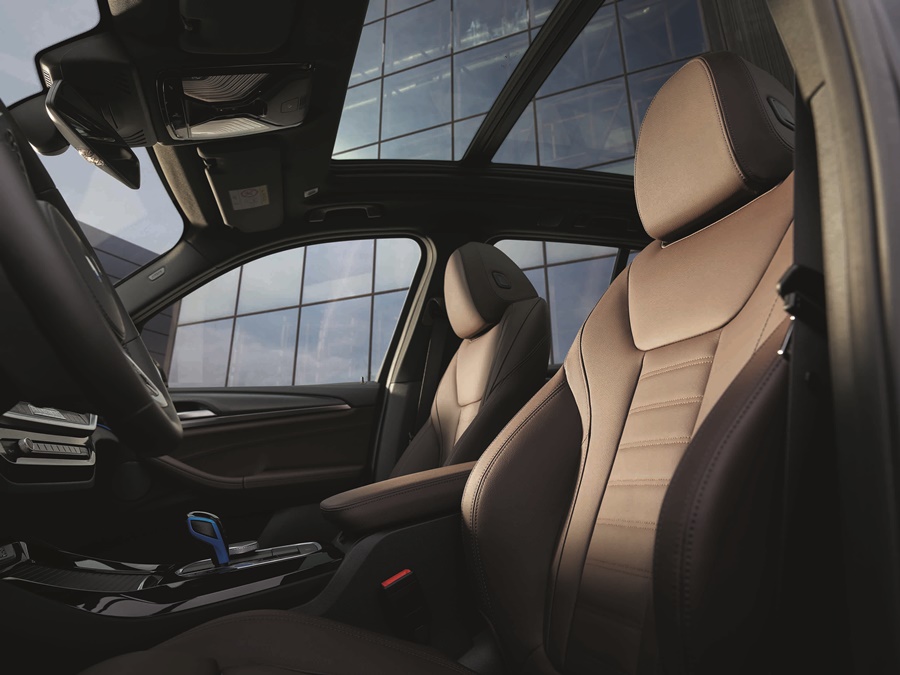
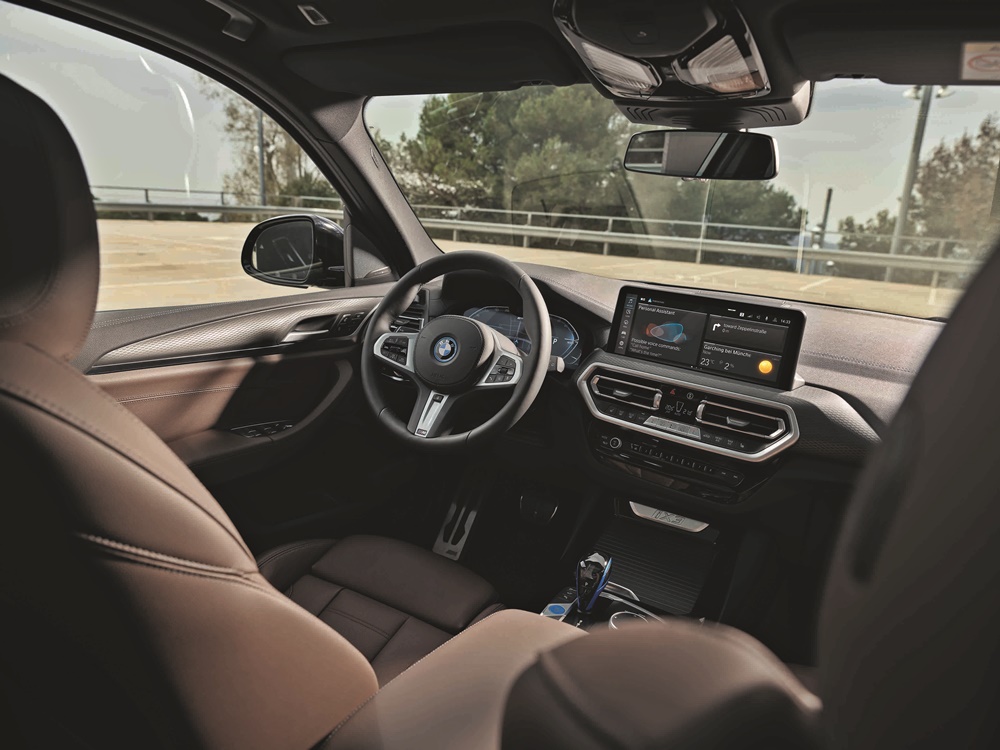
All the SAVs distributed by BMW Group Malaysia will have Vernasca leather upholstery and sports seats with various choices of colours and stitching as well as interior themes colour matched to the exterior finish. Different authorised dealerships will display different versions so if the one you see at the showroom is now what appeals to you, then you can go to BMW Shop Online to see the other choices available.
As with all BMWs, the safety systems are advanced with the Driving Assistant Professional suite as standard to help the driver avoid accidents. There’s also a Surround View Display and parking assistance systems to make parking easy and precise. Because an EV runs almost noiselessly, there are regulations in some countries that require some sort of noise to be generated to ensure pedestrians are aware. BMW has installed in its EVs an Audible Pedestrian Protection system which gives off a whining sound at speeds of up to 30 km/h.
“The arrival of the First-Ever BMW iX3 is made especially significant with these distinct variants that provide our loyal customers and fans of electric mobility in Malaysia the ‘Power of Choice’ – without compromising on power, performance or safety. Alongside our upcoming fleet of new BMW i vehicles, the First-Ever BMW iX3 is set to spur a new generation of Electric Vehicle owners in Malaysia, as the all-electric SAV presents a wealth of possibilities with its all-rounded qualities in innovation and design language to make the Electric Premium Ownership Experience even more enjoyable,” said Hans de Visser, Managing Director of BMW Group Malaysia.