
Piston.my

crossover

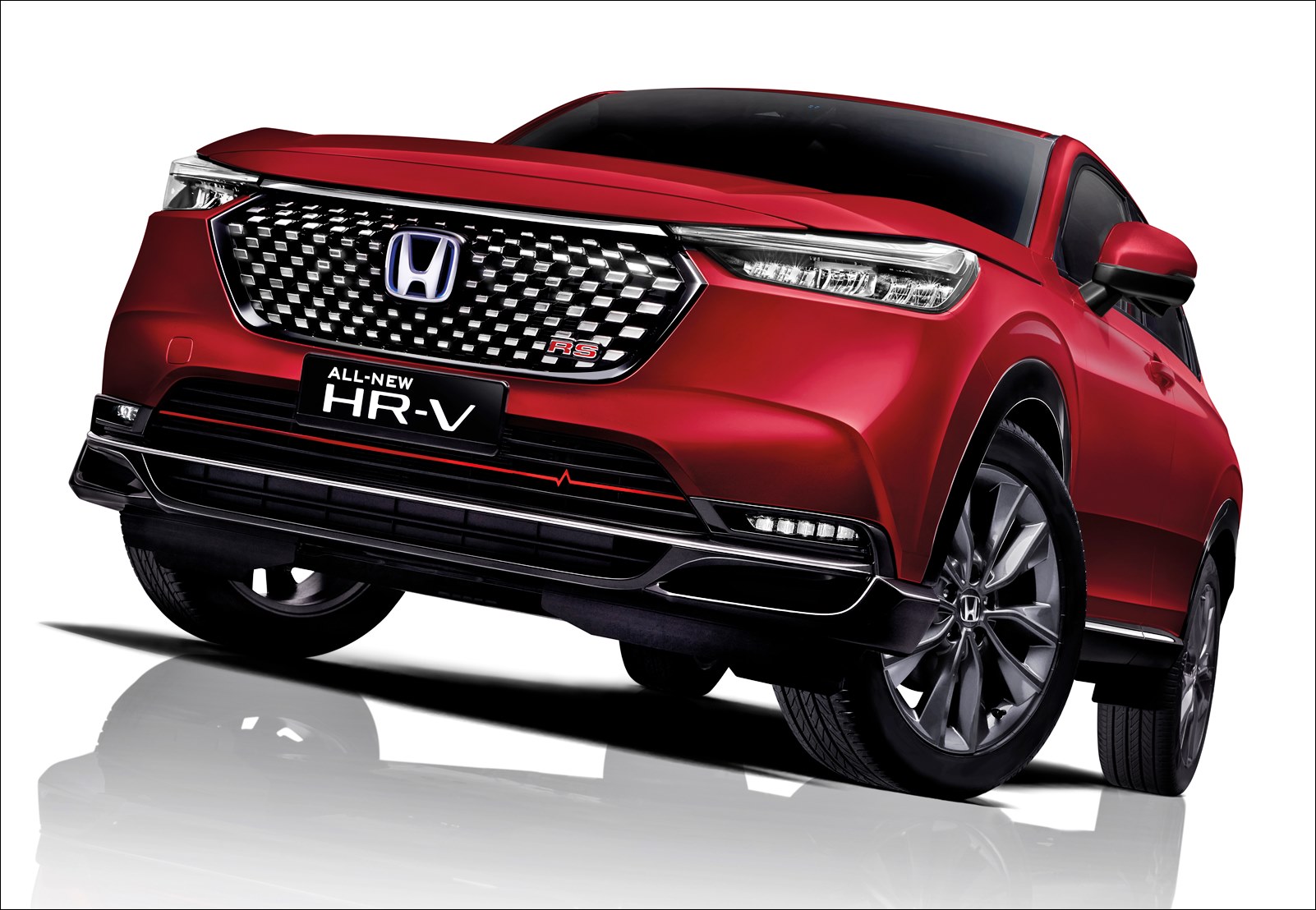
You’ve probably heard that Honda will soon be launching the all-new HR-V in Malaysia, following its launch in Thailand and Indonesia over the past 8 months. As usual, Honda Malaysia is offering a chance for those who want to be the first in the neighbourhood to own the new model a chance to make their bookings from today.

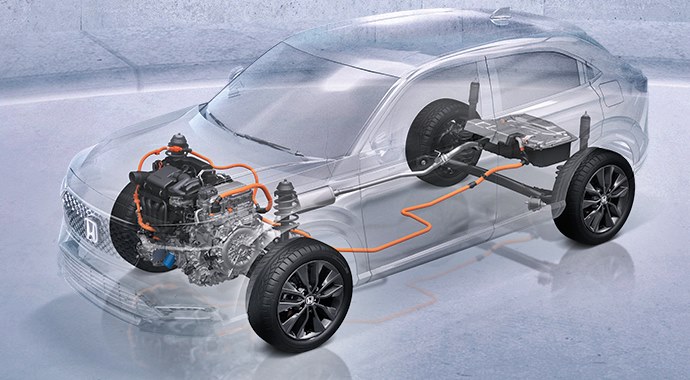
Honda Malaysia will launch the model sometime in the next 3 months and as with the current range, there will be petrol and hybrid powertrains. The HR-V Hybrid progresses from the Sport Hybrid i-DCD system to e:HEV technology with the intelligent Multi-Mode Drive (i-MMD) system. Already available in the latest City, e:HEV technology in Honda’s hybrid system combines the benefits of a 1.5-litre petrol engine and an electric motor to provide more power (131 ps/253 Nm) with good fuel efficiency.
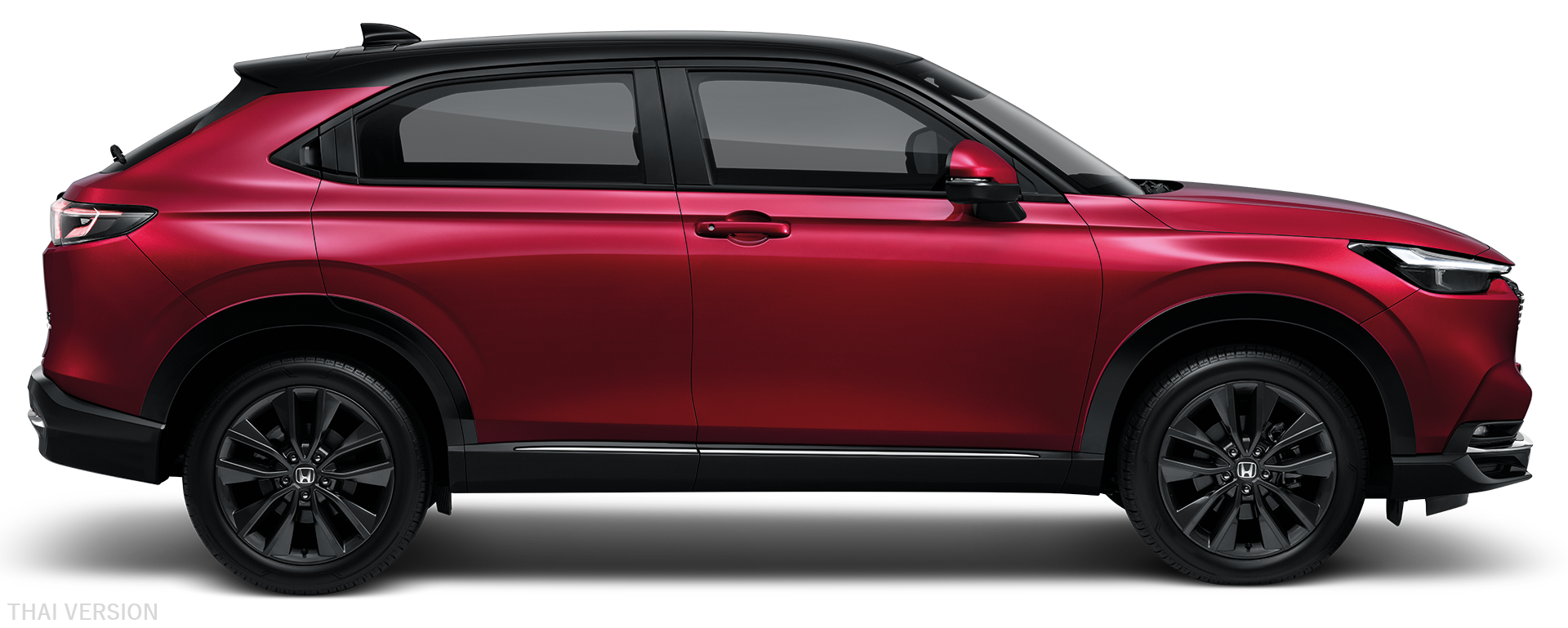
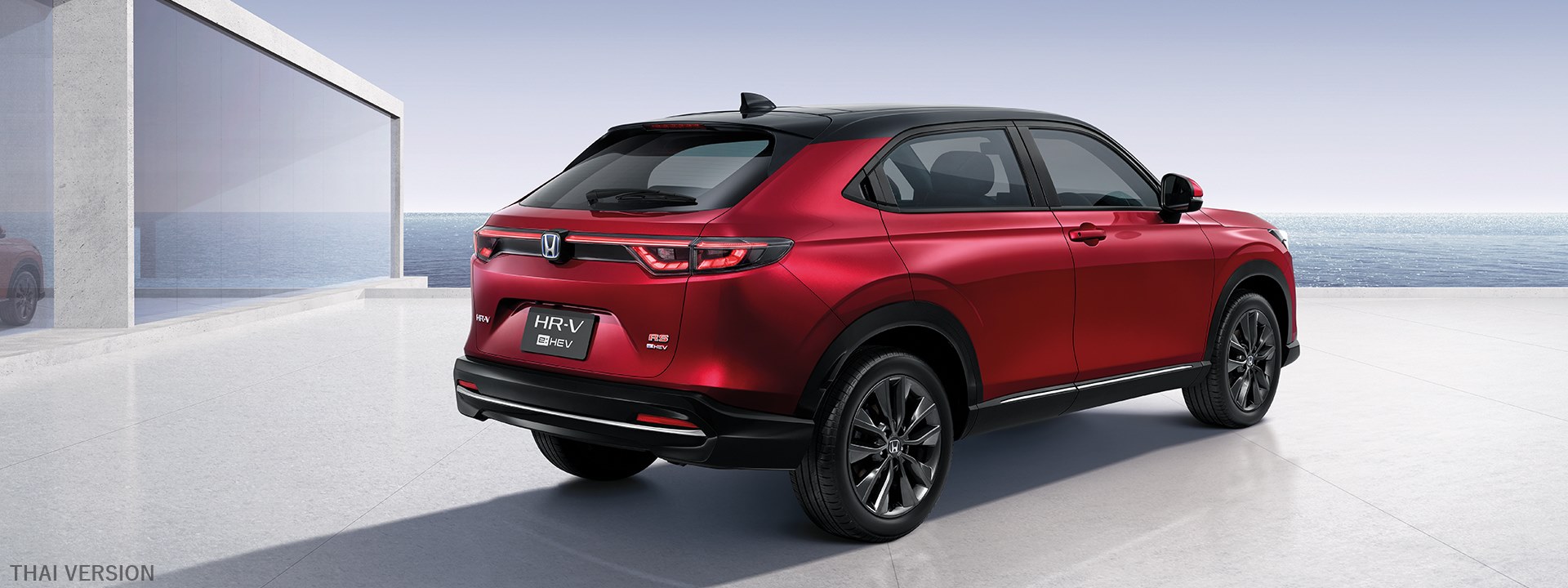
Measuring 4385 mm in length, the new HR-V is 39 mm longer than its predecessor while the 1790 mm width is similar (to the current RS version only) while the roof is 15 mm closer to the road.

The front appearance is dominant with a new grille design which is a total departure from the previous ‘wing’ theme, while the rear has fastback styling though to our eyes, it looks less sleek than before.

New exterior features include front LED Sequential Turn Signals (the signals ‘move’ as the illuminate), and a LED Taillight Strip which adds a visual signature visible from a distance. Other key exterior features include new LED headlights with DRLs, LED foglights and 18-inch alloy wheels.
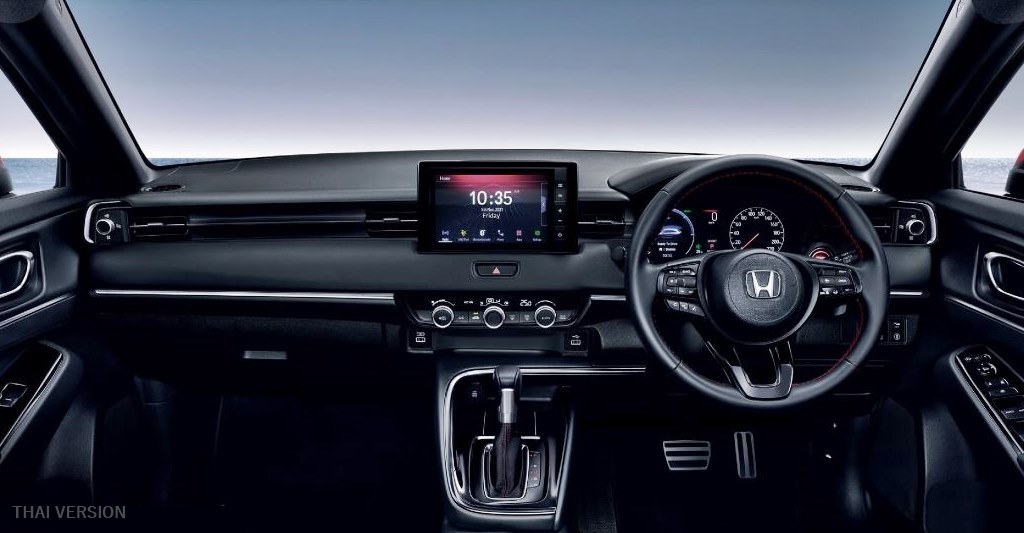
As with other models, there’s Honda SENSING, a suite of active safety systems but this is only in the RS version. Honda SENSING includes automatic emergency braking, lane keeping and adaptive cruise control (with low-speed follow). Additionally, the RS version also has the useful Honda LaneWatch system which provides a real-time camera view of the blind spot of the left side of the HR-V.

This variant also has a Hands-Free Power Tailgate with Walk Away Close function, where the tailgate will start closing automatically upon detecting that the individual with the remote key is moving away from the car. Other features are Remote Engine Start and Walk Away Auto Lock functions.
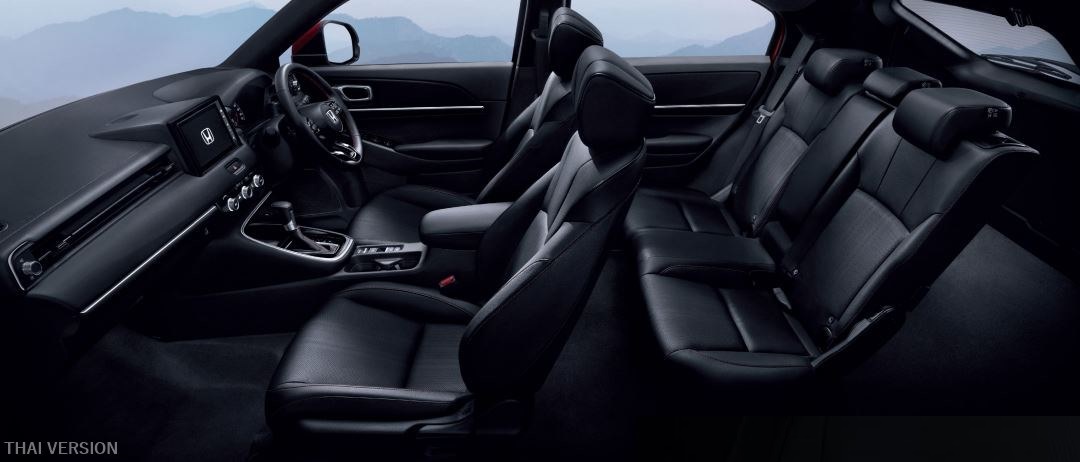
“The HR-V was first introduced to the Malaysian market in 2015, and it became a best-selling as well as a sensational model. With its proven track record, the HR-V is truly the compact SUV that is loved by many Malaysians. Therefore, we are excited to be introducing the All-New HR-V in Malaysia, which is now officially open for bookings,.” said  Honda Malaysia’s Managing Director & CEO, Hironobu Yoshimura, adding that some 150,000 units have been sold nationwide since its launch 7 years ago.

When the HR-V was originally launched, it was a hotseller from the first day. Will this new model continue to command the biggest following in the segment? Since 2015, a number of new rivals have appeared on the scene so there are more choices at competitive prices.
To pre-book the new HR-V, customers can visit prebook.honda.com.my or download the HondaTouch application on their smartphones. Honda dealerships will also accept bookings, of course, as well as provide more information. To locate a showroom in Malaysia, visit www.honda.com.my.
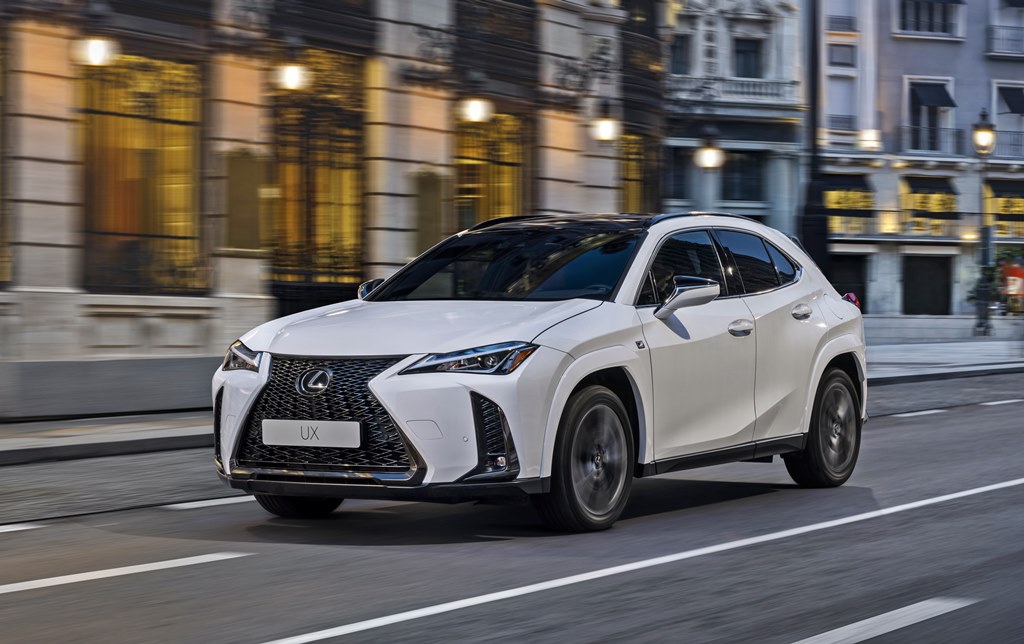
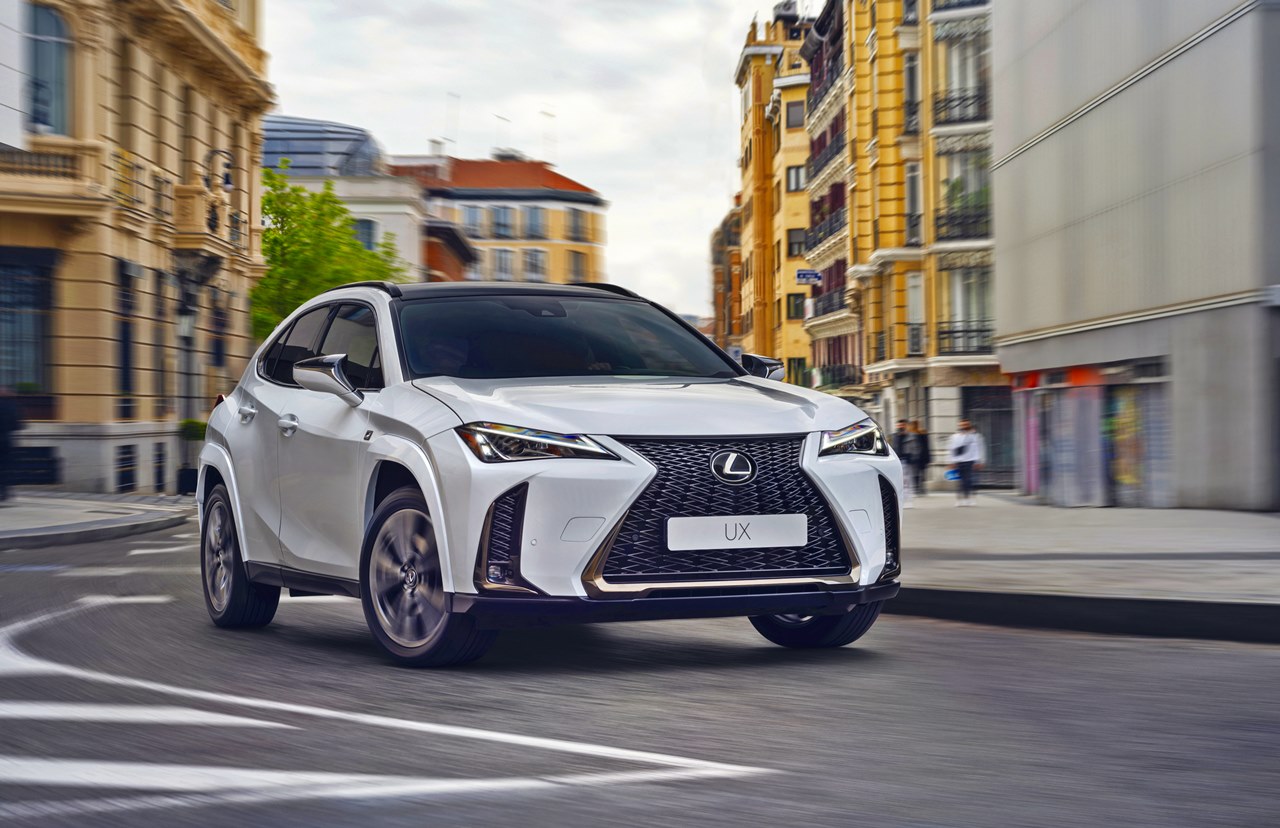
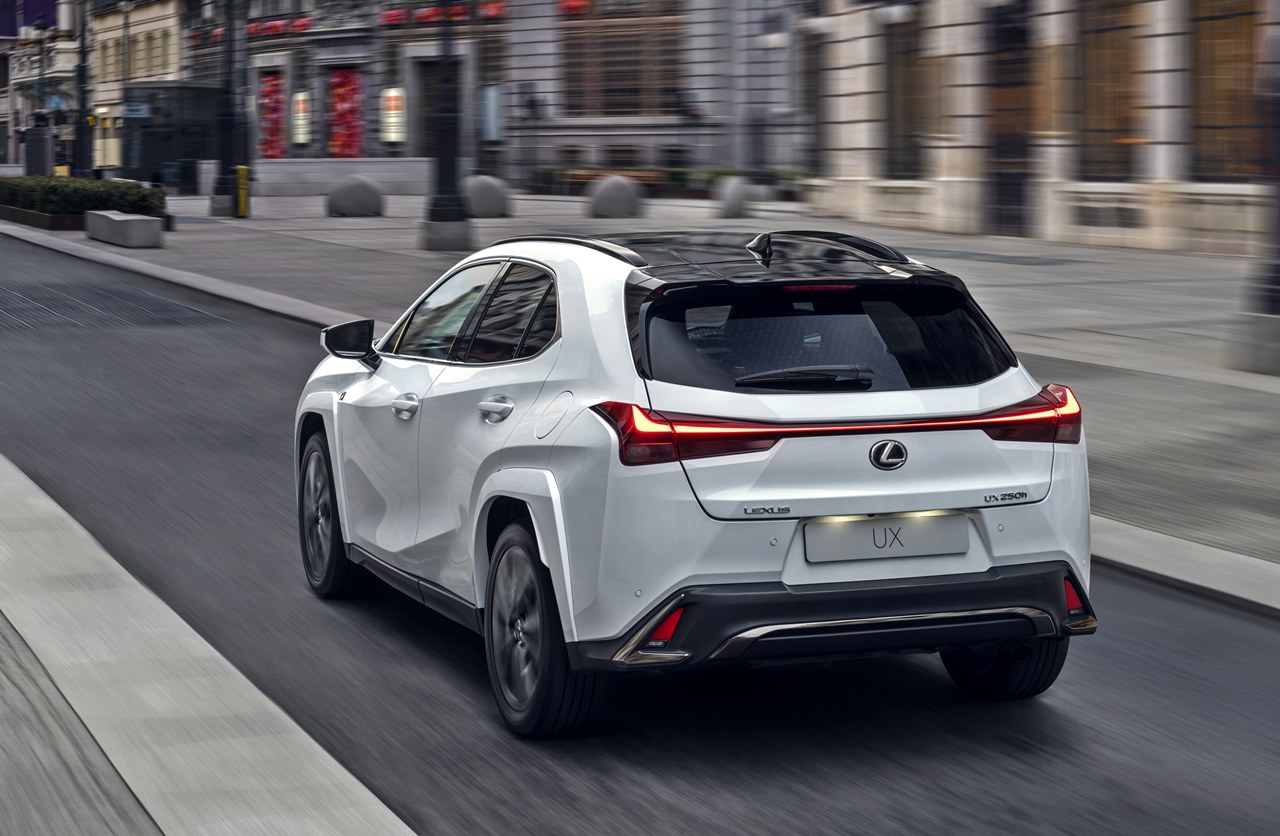
After introducing the first premium luxury SUV in 1997, Lexus broadened its crossover line-up to cover every segment and as the industry moved towards smaller body sizes, Lexus followed likewise with new models. Its smallest is the UX, introduced in 2018, with a cumulative total of approximately 240,000 units sold globally.

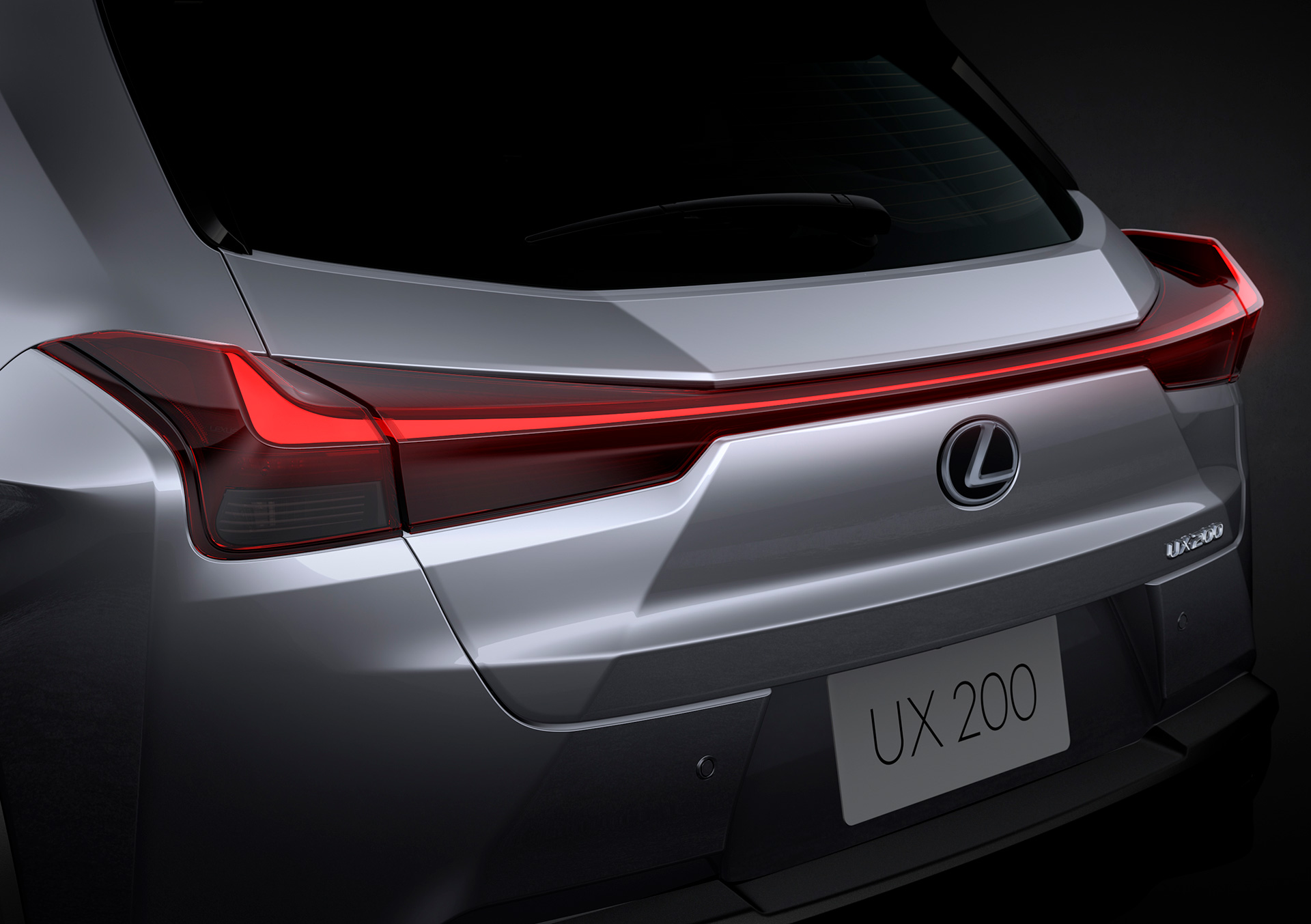
The UX has been doing battle in one of the most competitive segments of the market and this year, it gets upgrades to keep it on par with rivals. Besides enhancements in the multimedia system, the new UX also has improved safety technology and better driving dynamics.

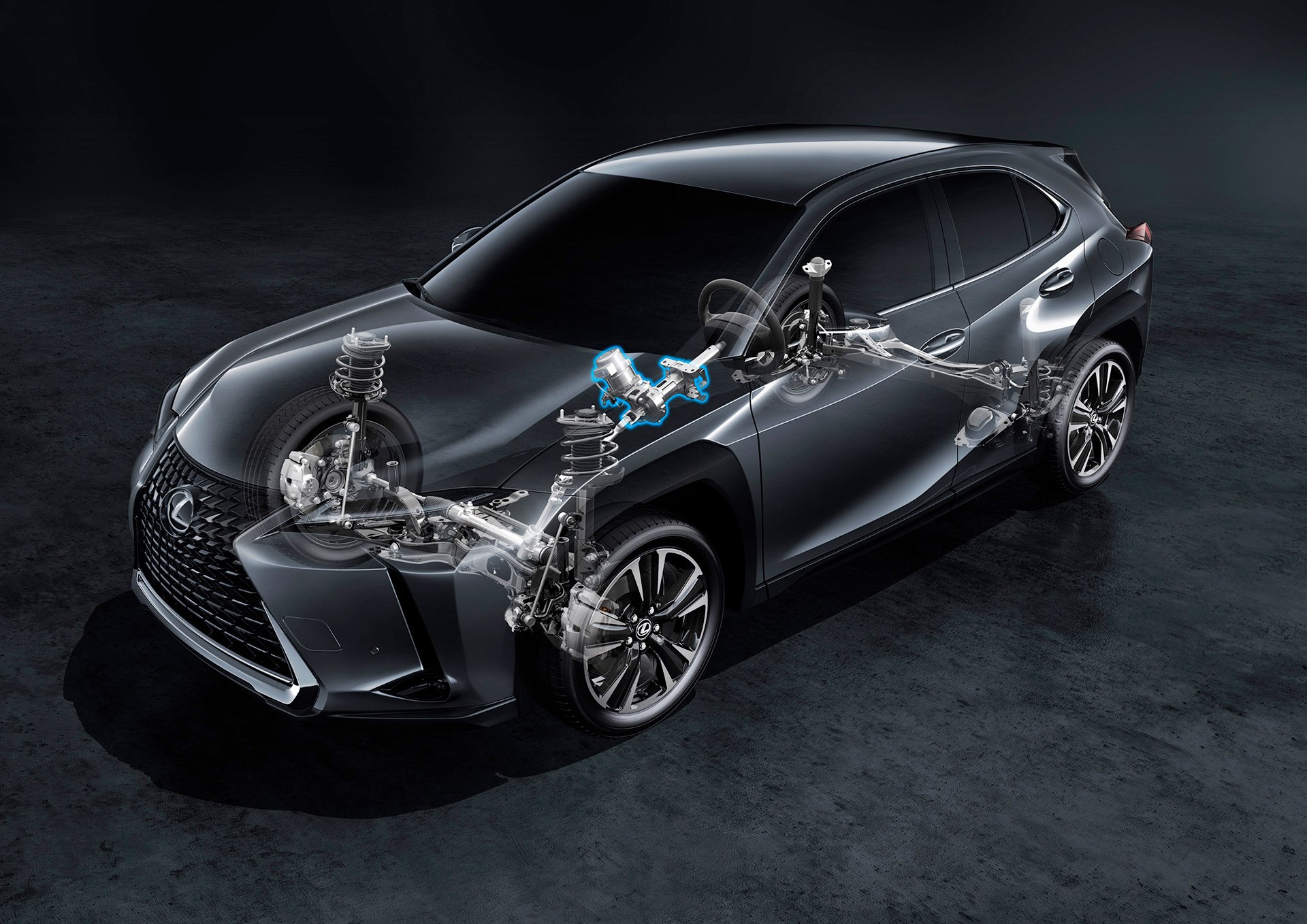
Under the skin, structural rigidity has been improved by adding 20 spot-welding points around the bodywork. The increased rigidity, besides giving additional passive protection, helps to enhance handling. At the same time, the electric power steering system and shock absorbers pf the suspension have been retuned accordingly to help provide a smoother transition between braking, steering and acceleration through bends and on a variety of road surfaces. It is this linear vehicle operation faithful to the driver’s input that defines the Lexus Driving Signature.

The Lexus Safety System+ 2.5 is a suite of active systems that lighten the driving burden on the driver and more importantly, help avoid accidents (or minimise the damaging effects). The single-lens camera on the windscreen and millimetre-wave radar in the grille have been improved to more effectively scan the road ahead. This enables expansion of the response range of the Pre-Collision System which can detect bicyclists and pedestrians (even in low-light conditions) and, at intersections, detect oncoming vehicles before turns. The system also detects pedestrians crossing the street from the direction toward which the vehicle was traveling before it started to make a right or left turn.

Also featured are functions such as Emergency Steering Assist, which assists steering within the vehicle’s lane as cued by the driver. The lane-recognition functions of Lane Tracing Assist have been improved through the application of AI technologies that expand the assist range, resulting in smoother and more-continuous steering assist.

Dynamic Radar Adaptive Cruise Control is a very useful autonomous system that ensures a safe gap[ from the vehicle in front and it functions at all speeds. To enhance its operation on highways with curves, the curve speed-control function decelerates the vehicle in advance according to the size of an approaching curve.

Most Lexus models have the Panoramic View Monitor nowadays so the driver can see all round the car with imagery captured by small cameras on the body. A new and advanced feature is an underbody transparent display which combines images of road surface conditions below the UX. A camera takes images of the ground earlier and then shows them on the display so the driver can have an idea what the vehicle is travelling over. The relative orientation of the wheels is also visible, which can be helpful on rough terrain with obstacles.

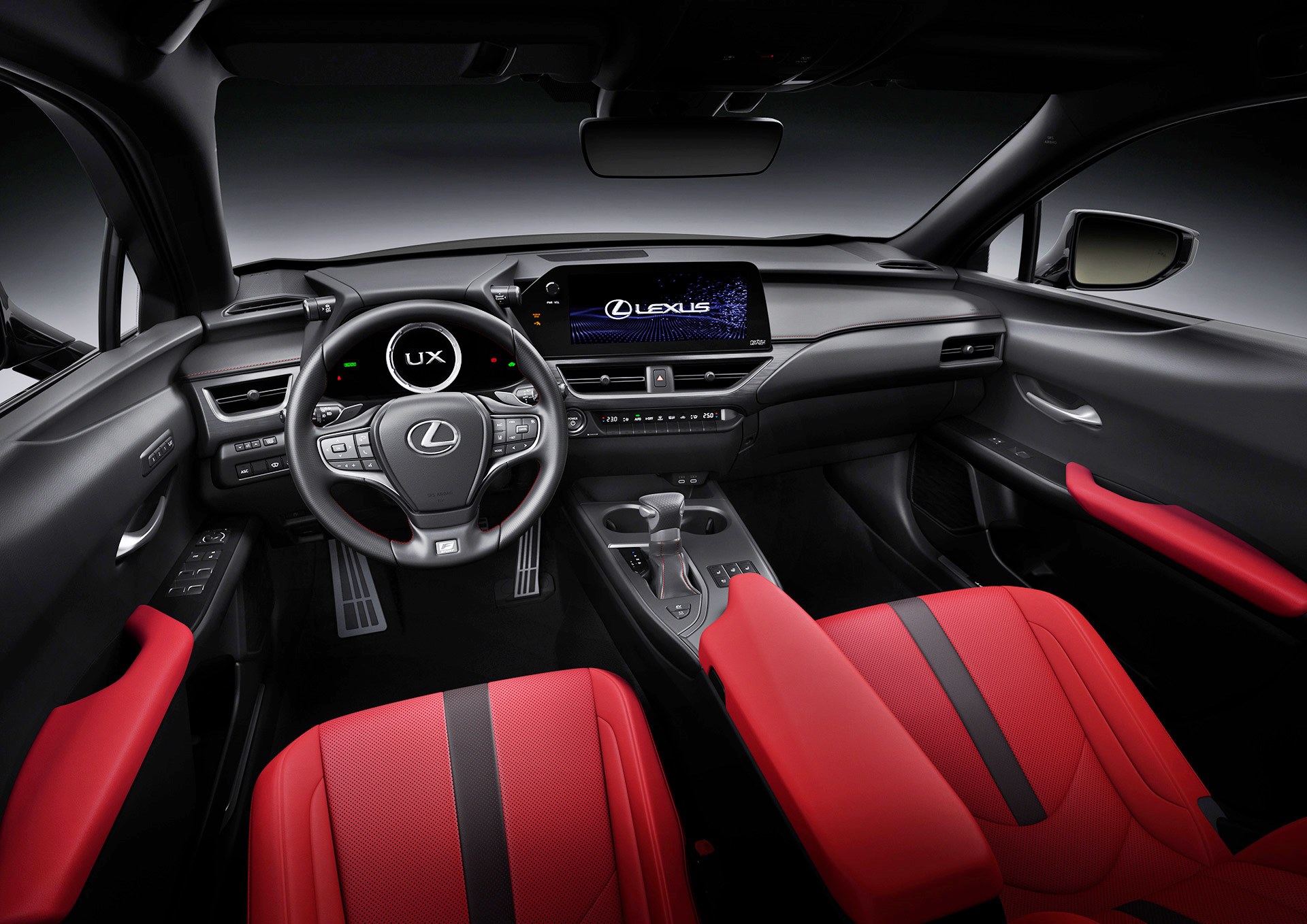
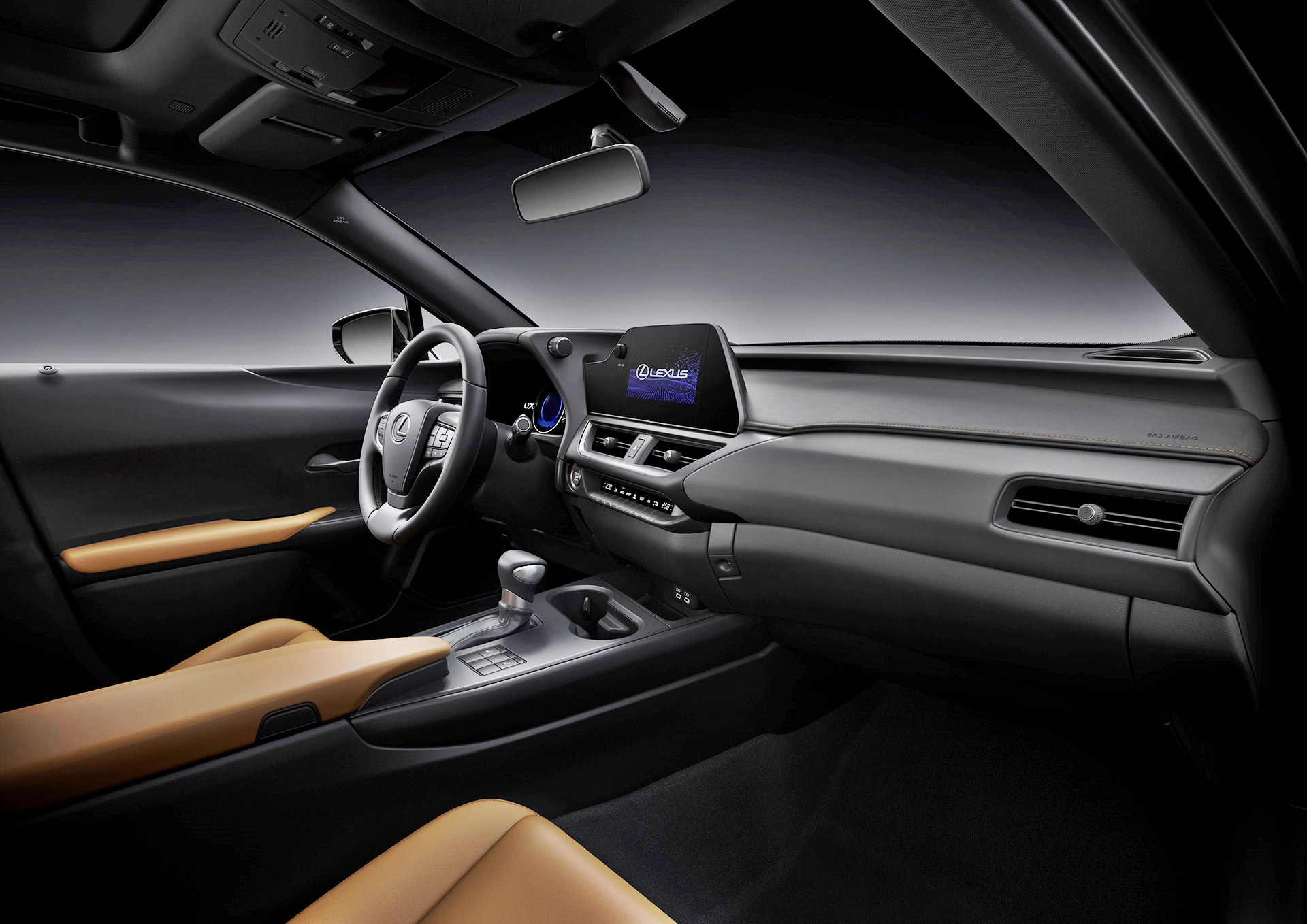
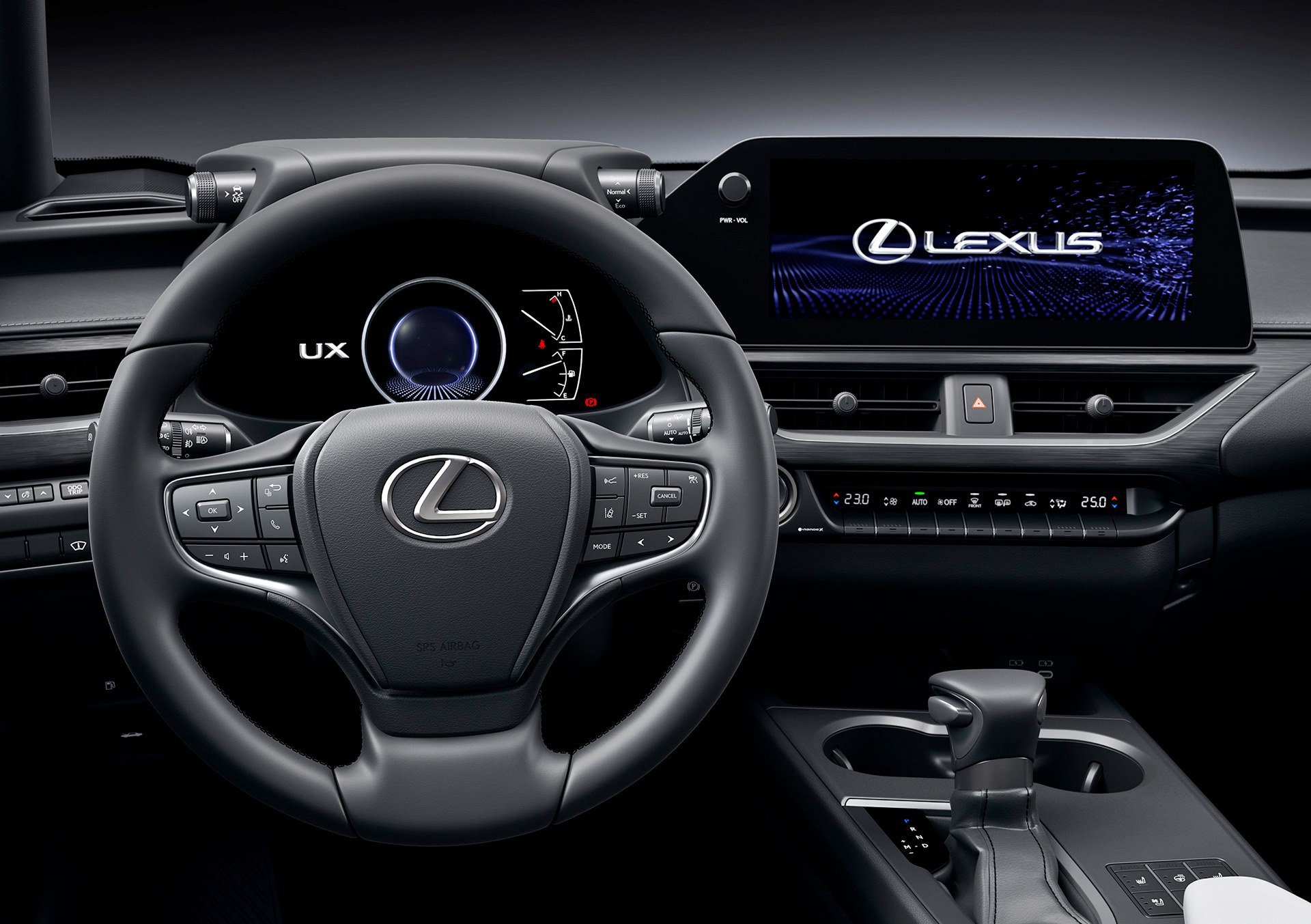
Inside the new UX, the multimedia infotainment system at the centre of the dashboard has been revised and now uses the new Lexus Interface system. This provides a larger touchscreen display (8 inches of 12.3 inches) that is positioned close to the driver. The display has higher resolution and smartphone-like anti-glare technology and instead of the remote controlled, users can now interact with the system through intuitive touch and voice activation controls.

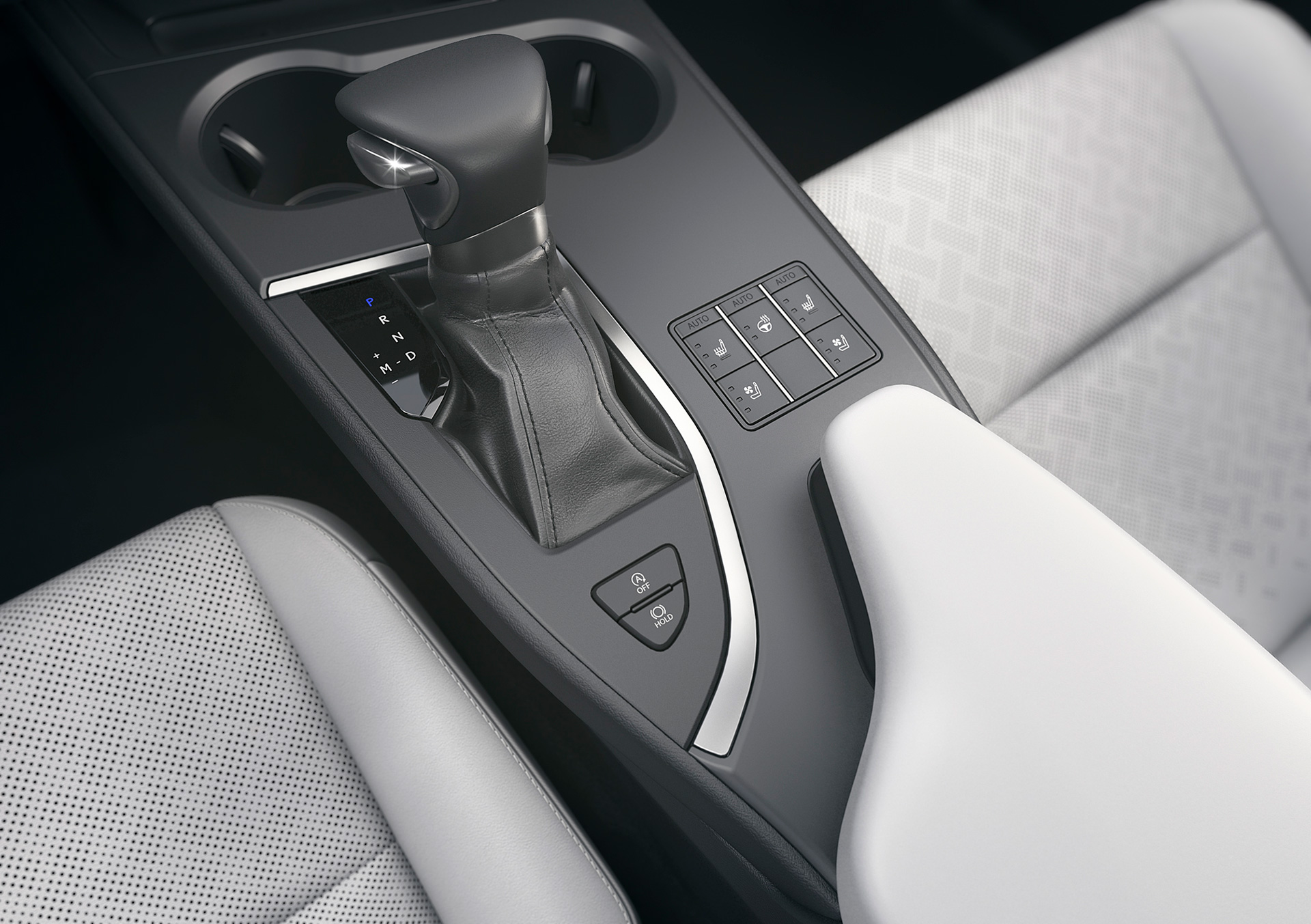
The overall cabin usability has been improved by optimizing the shapes and switch layout of the instrument panel and console area with LED lighting added. Taking into consideration how people are using more personal electronic devices these days and require recharging, the interior designers have added two USB charging points at the front, and also improved the wireless charging space.

The Lexus Interface incorporates a new Voice Assistant available through voice activation or accessible via a button on the steering wheel, providing handsfree operation. Simple phrases like “Hey Lexus” trigger the system for voice commands and with a human-centred approach, the Lexus Interface Assistant allows for intuitive interaction using natural language.

For clear communication with the system, there are two microphones with enhanced noise-cancellation, seat detection and speaker location capabilities. The system gives front seat occupants an expanded and interactive experience to access media, phone and vehicle settings.

Depending on the market, the driver can also have access to Cloud Navigation, Destination Assist and other Intelligent Assistant features. The cloud navigation offered through Drive Connect allows for real-time Over-the-Air updates for traffic and routing information and Points of Interest. With Wi-Fi Connect, the Intelligent Assistant can also offer integrated audio streaming functionality.

Needless to say, the Lexus Interface support wireless Apple CarPlay and Android Auto with compatible smartphones and also has dual Bluetooth phone connectivity.

Powertrains are unchanged and depending on the market, there are either combustion engines or hybrid powertrains. In Malaysia, for example, only the 2-litre 169 bhp combustion engine is available but there’s a choice of three versions.

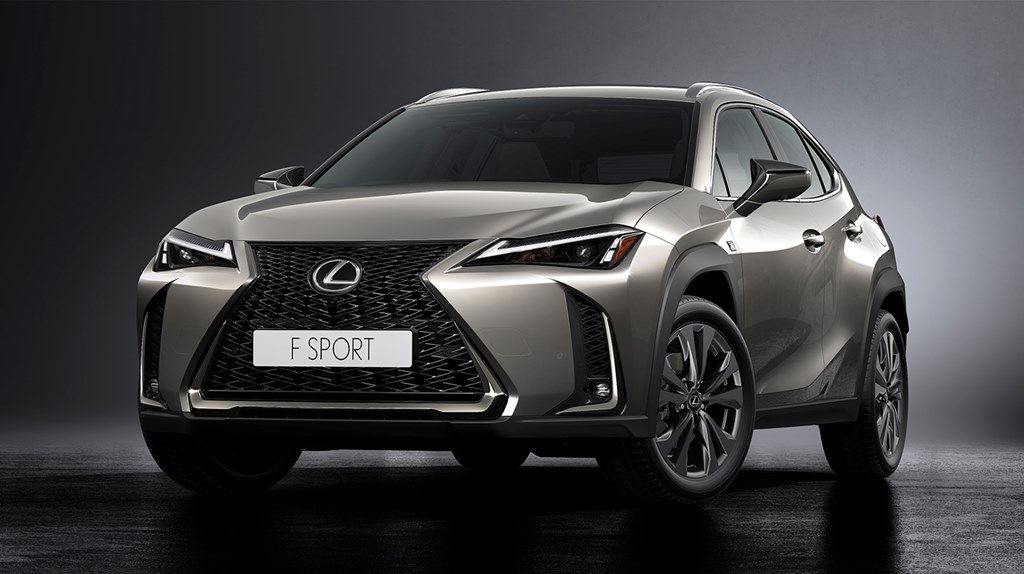
The new UX F Sport version has enhancements as well, both visually and technically. The addition of a brace to the steering gear complements the standard Adaptive Variable Suspension system and rear performance dampers to absorb body flex and minor vibrations and further sharpen handling and improve overall ride comfort.

The new UX will probably take a while to appear in Malaysia, but Lexus Malaysia has just launched the new NX, another crossover SUV model positioned a notch higher. You can read our first impressions of it here.

For more information on Lexus models in Malaysia, visit www.lexus.com.my.

Sneakers inspired by new Lexus IS F SPORT (w/VIDEO)

Lexus began its electrification journey back in 2005 with the RX400h hybrid, followed by hybrid variants of other models as well as the CT-200h, which was only available with a hybrid powertrain. Today, with the world premiere of the new RZ 450e, Toyota’s luxury brand begins a new era of battery-electric vehicles (BEVs) and the Lexus Electrified vision.

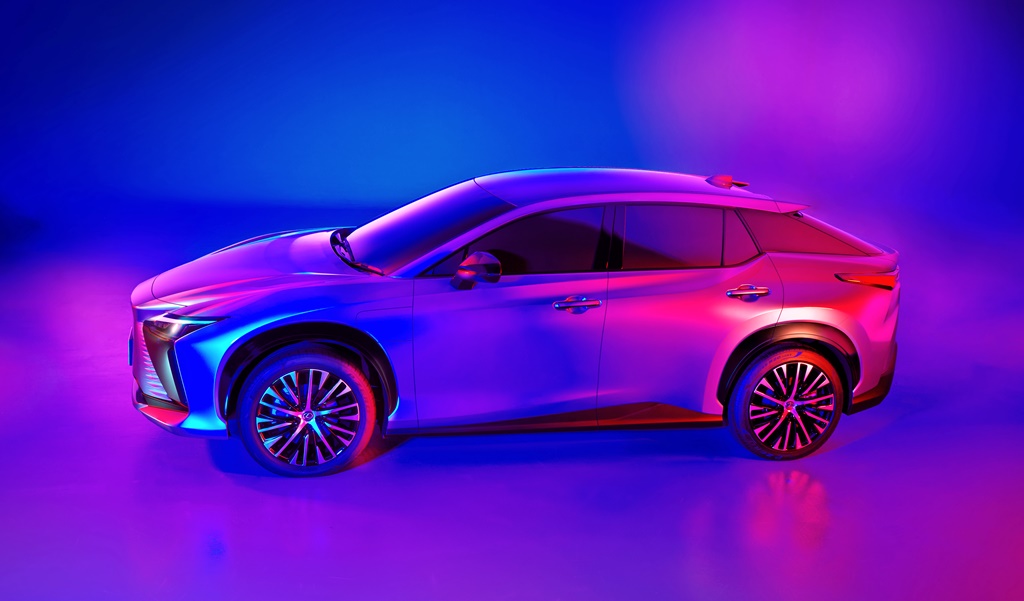
As the brand’s first BEV built on a dedicated platform, the RZ heralds the transition of Lexus into a BEV-centred brand. Besides a brand new design, it also offers advanced electrification technologies developed over many years of hybrid vehicle development.

2023 Lexus RZ 450e EV

New visual identity for BEVs
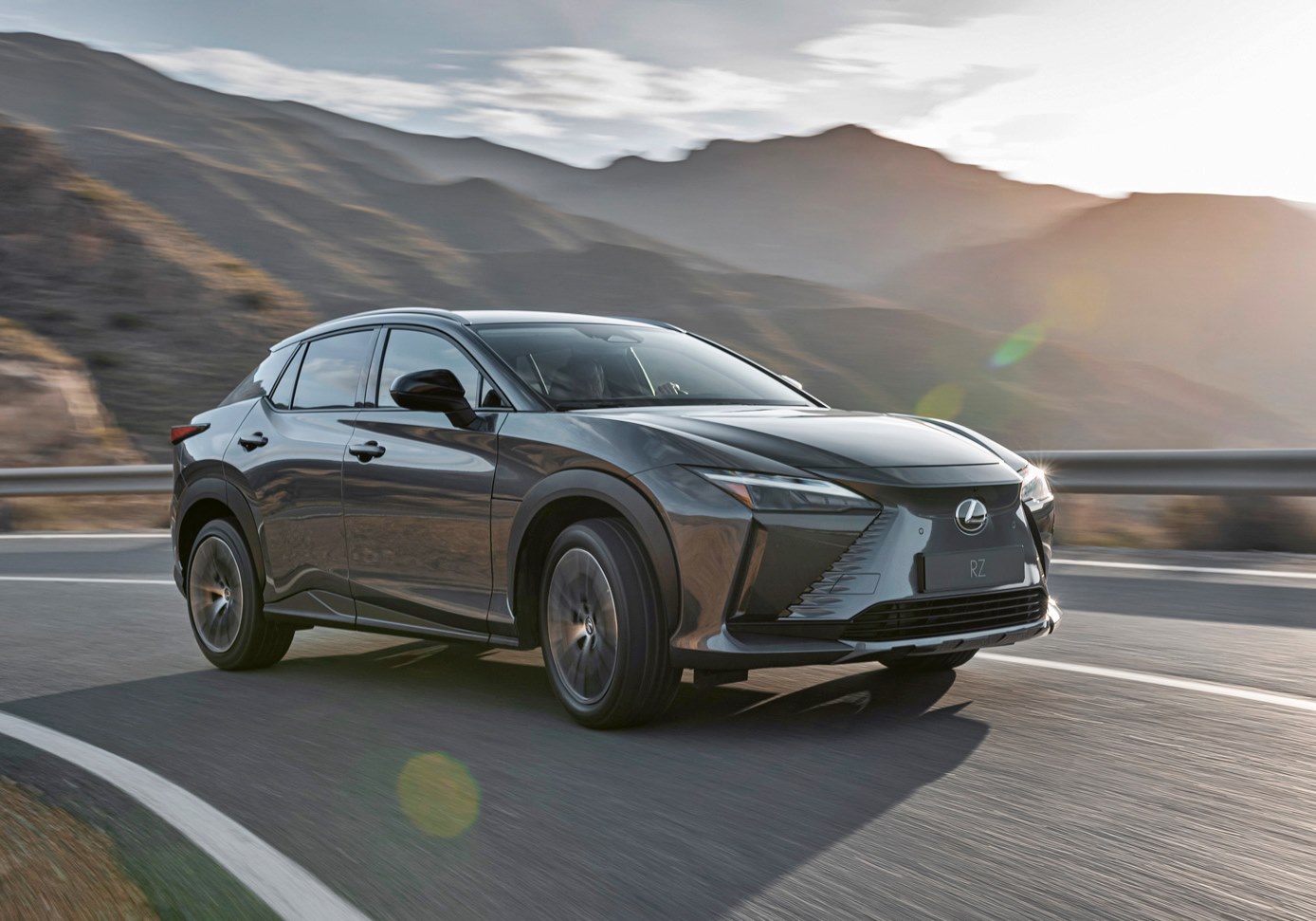
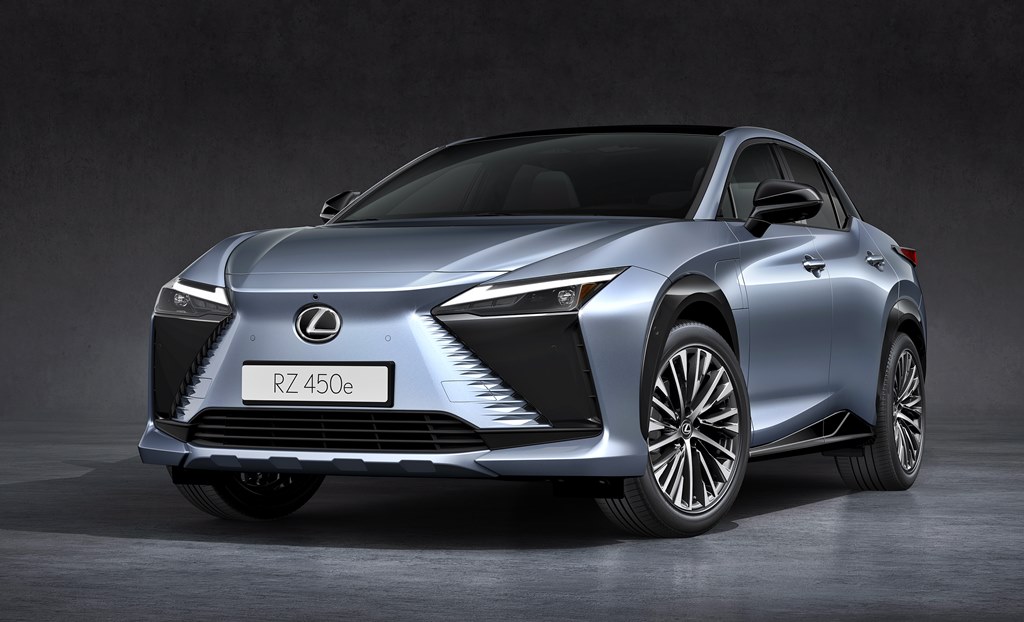
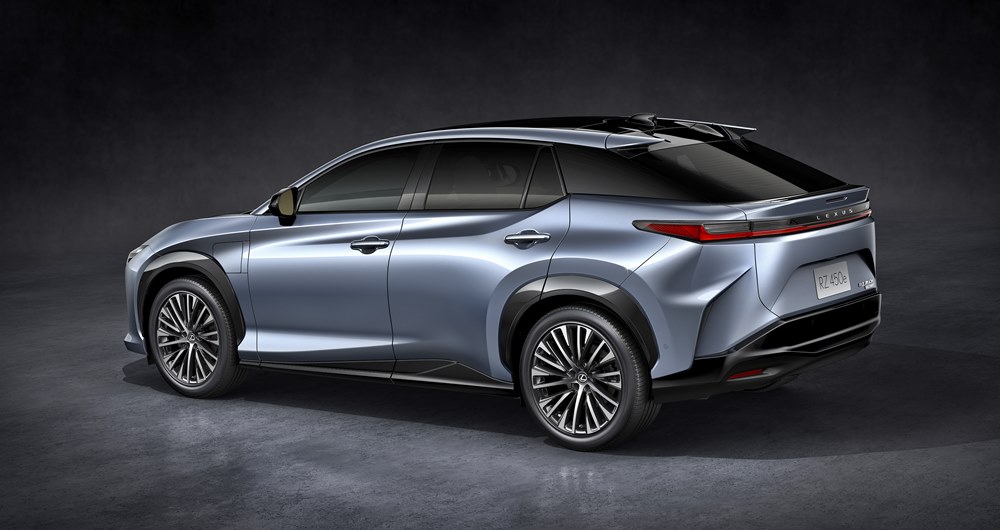
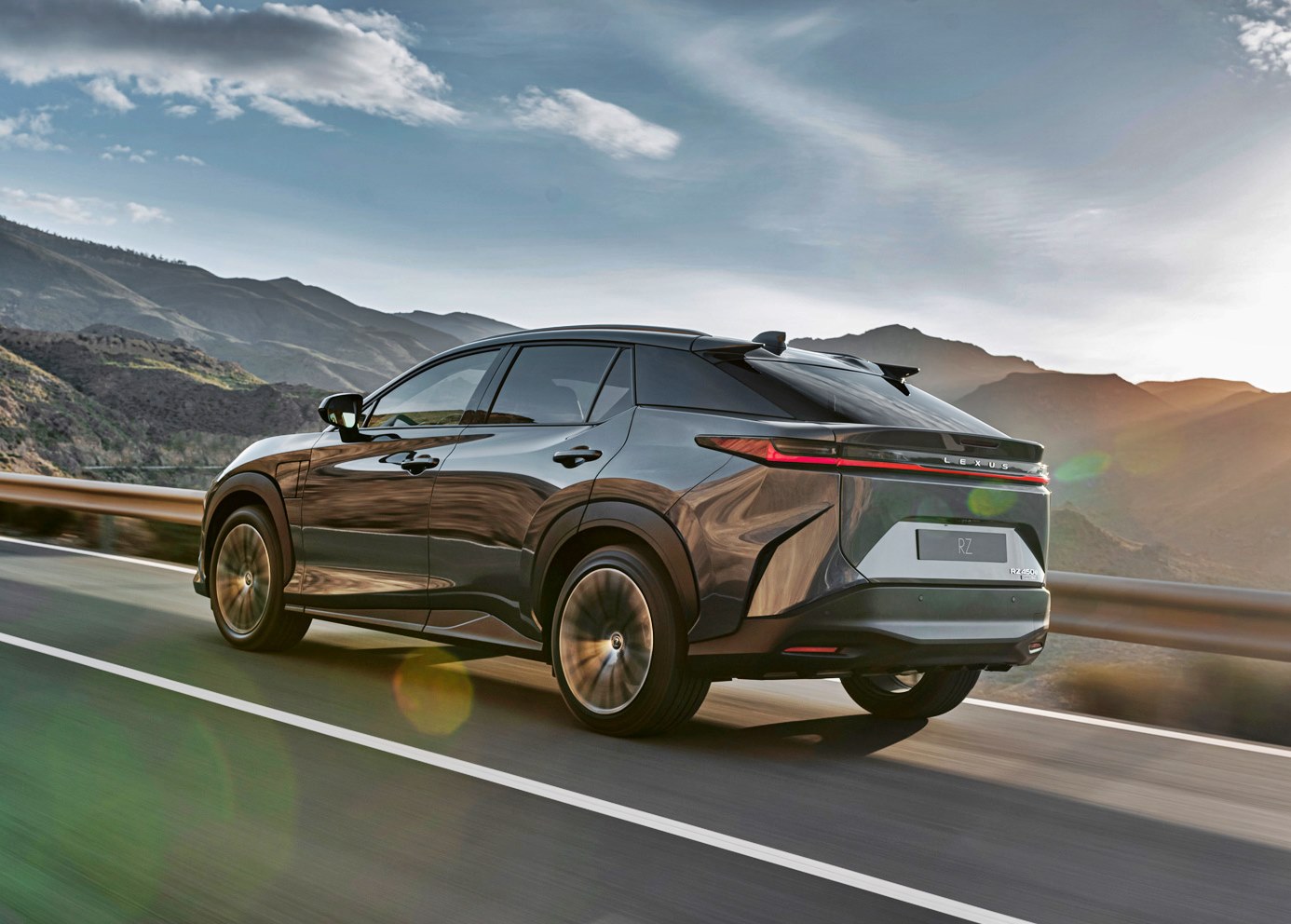
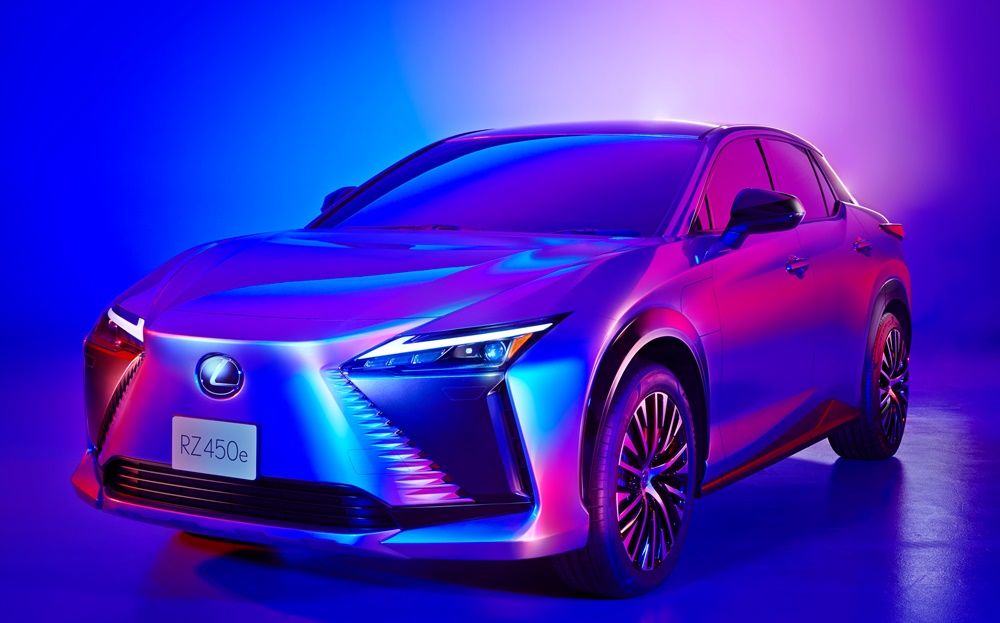
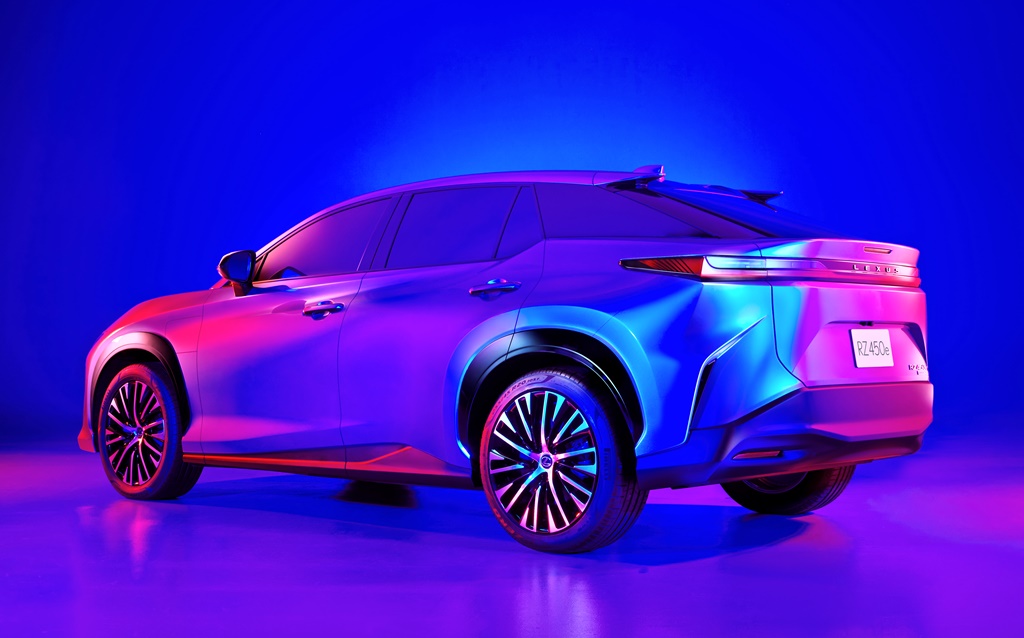
The exterior design presents a new visual identity as the familiar spindle grille is replaced by a minimalist BEV Spindle Body which focuses on aerodynamic efficiencies, optimized proportions, and style, versus serving the cooling and exhaust needs of an internal combustion engine. The rear features the spelled-out LEXUS logo as part of a clean and simple horizontal design that highlights the wider rear track while above is a distinct roof spoiler.

2023 Lexus RZ 450e EV

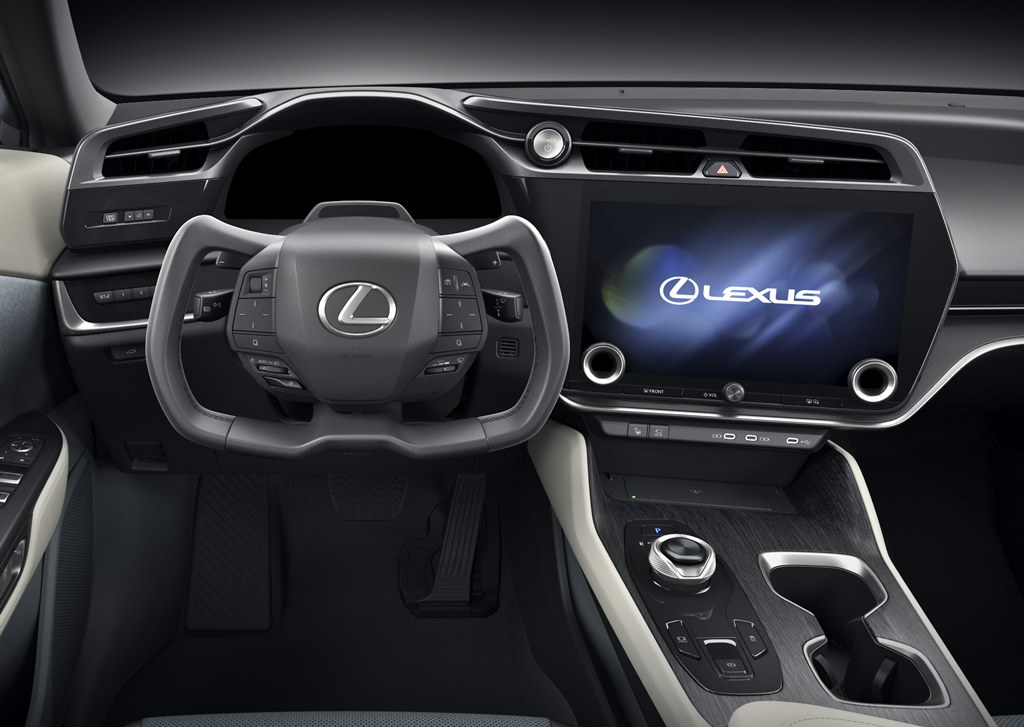
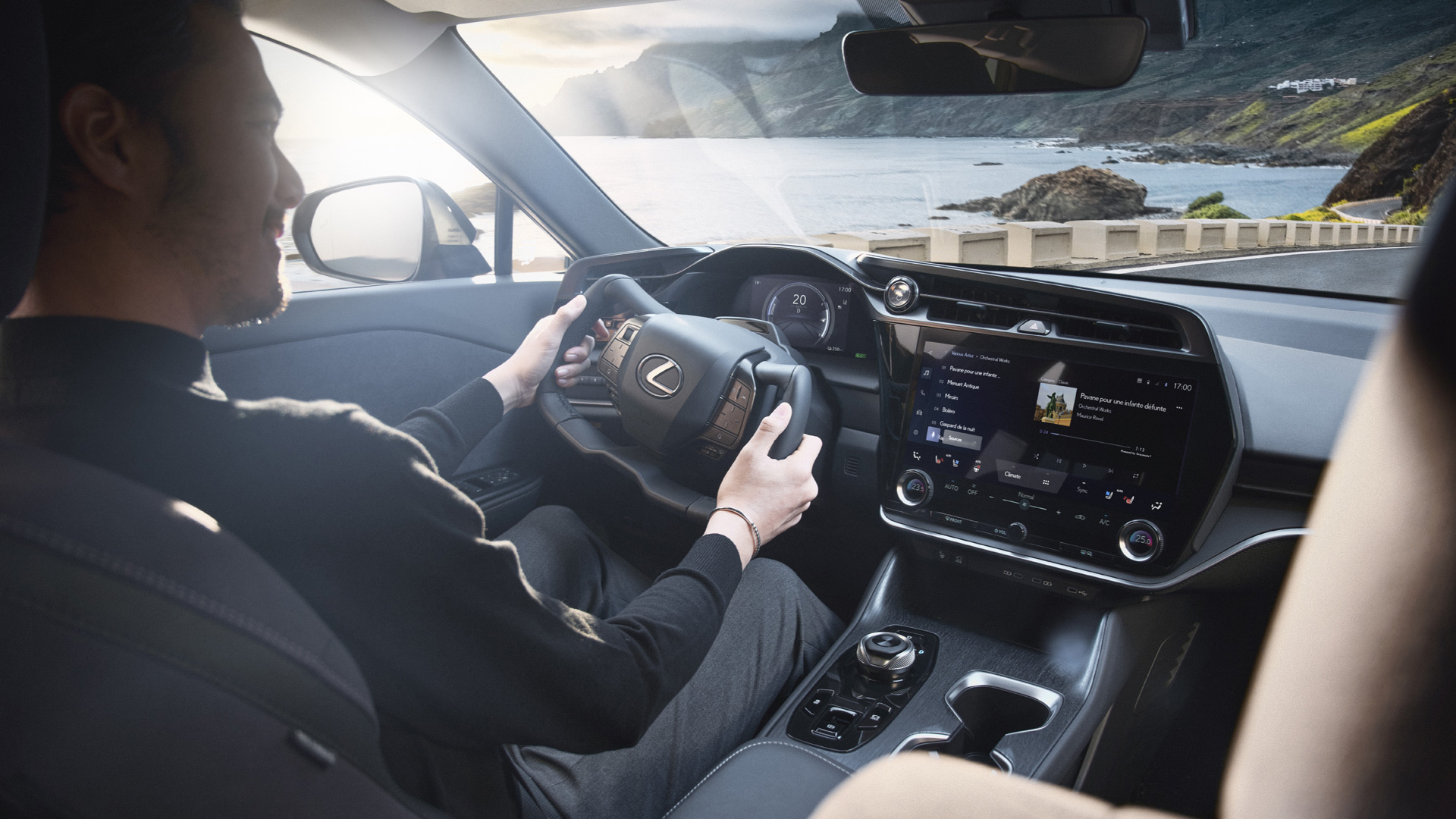
The interior is likewise minimalist, with an airy and luxurious environment that Lexus has long been known for, along with high-quality craftsmanship. Based on the tazuna concept, the cabin advances the human-centred philosophy of Lexus by welcoming occupants with intuitive controls oriented around the driver, ensuring maximum concentration on driving.

2023 Lexus RZ 450e EV

2023 Lexus RZ 450e EV

New steering wheel design
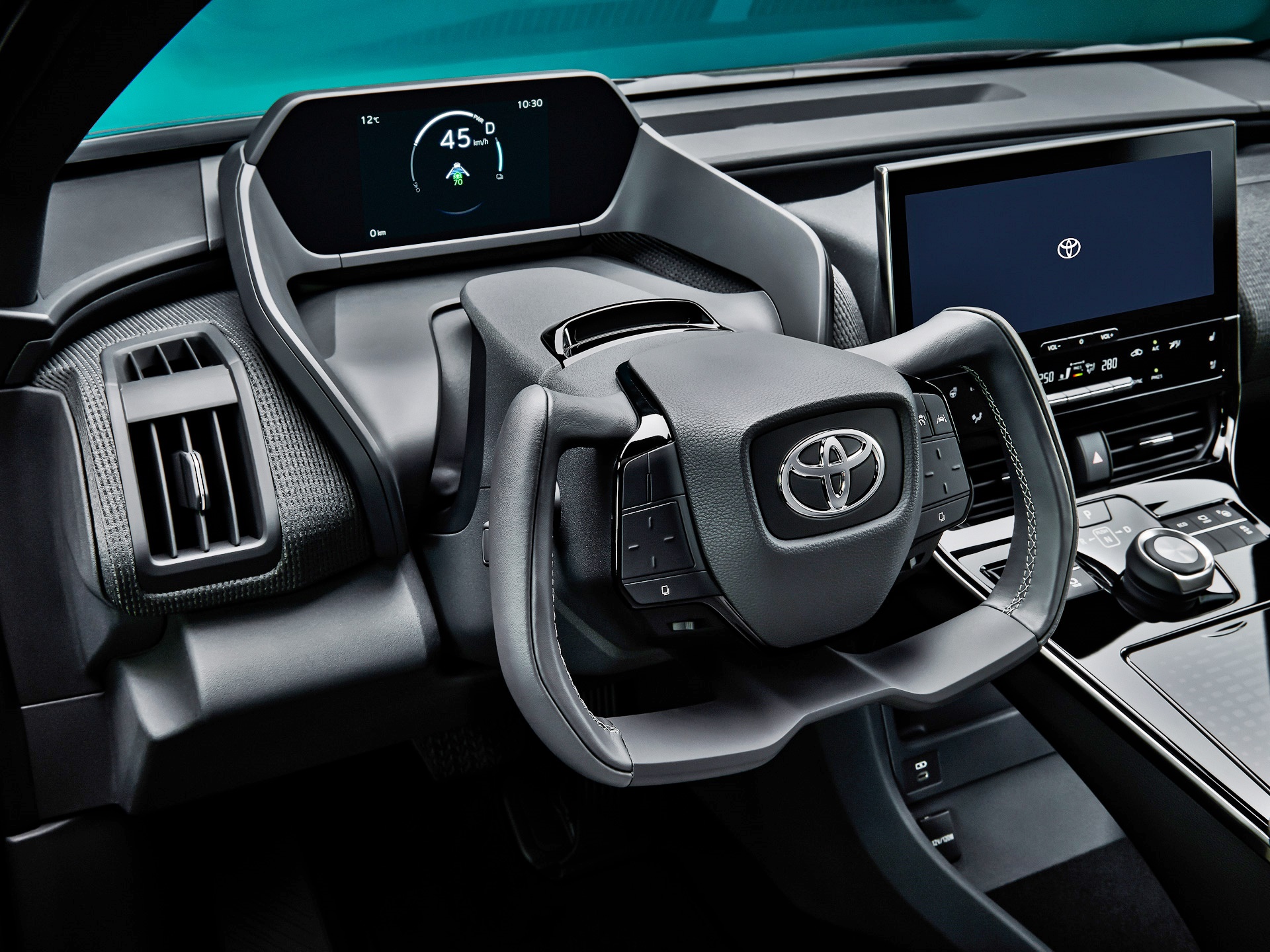
The application of shift-by-wire has resulted in a Lexus-first dial shift knob mounted on the centre console. More eye-catching will be the compact yoke-like steering wheel which is said to greatly reduce the driver’s workload by eliminating the need for hand-over-hand operation (eg in u-turns and parking). It also enabled the designers to lower placement of the instrument panel for better forward vision.

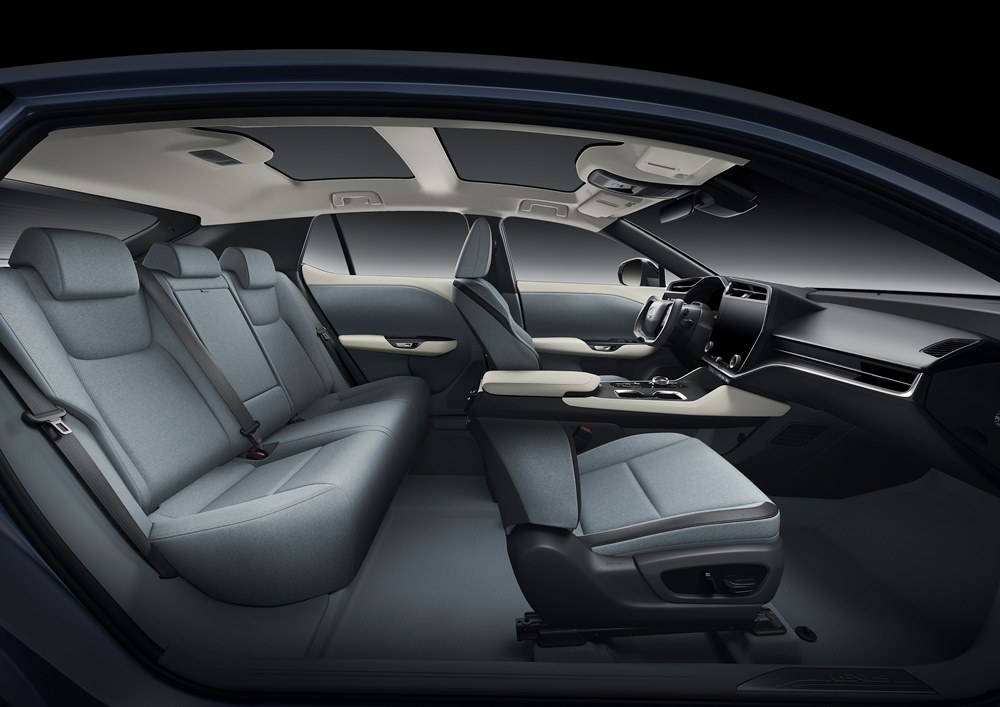
The RZ’s long wheelbase of 2850 mm within an overall body length of 4805 mm provides spacious rear-seat accommodation. An electronic ‘e-latch’ system is used to operate the doors while highly efficient Lexus-first electric radiant heaters, combined with a heat-pump system, ensure passenger ambient comfort. Three types of seat materials are used, including Ultrasuede, a refined material that uses 30% bio-based sustainable materials.

2023 Lexus RZ 450e EV

2023 Lexus RZ 450e EV

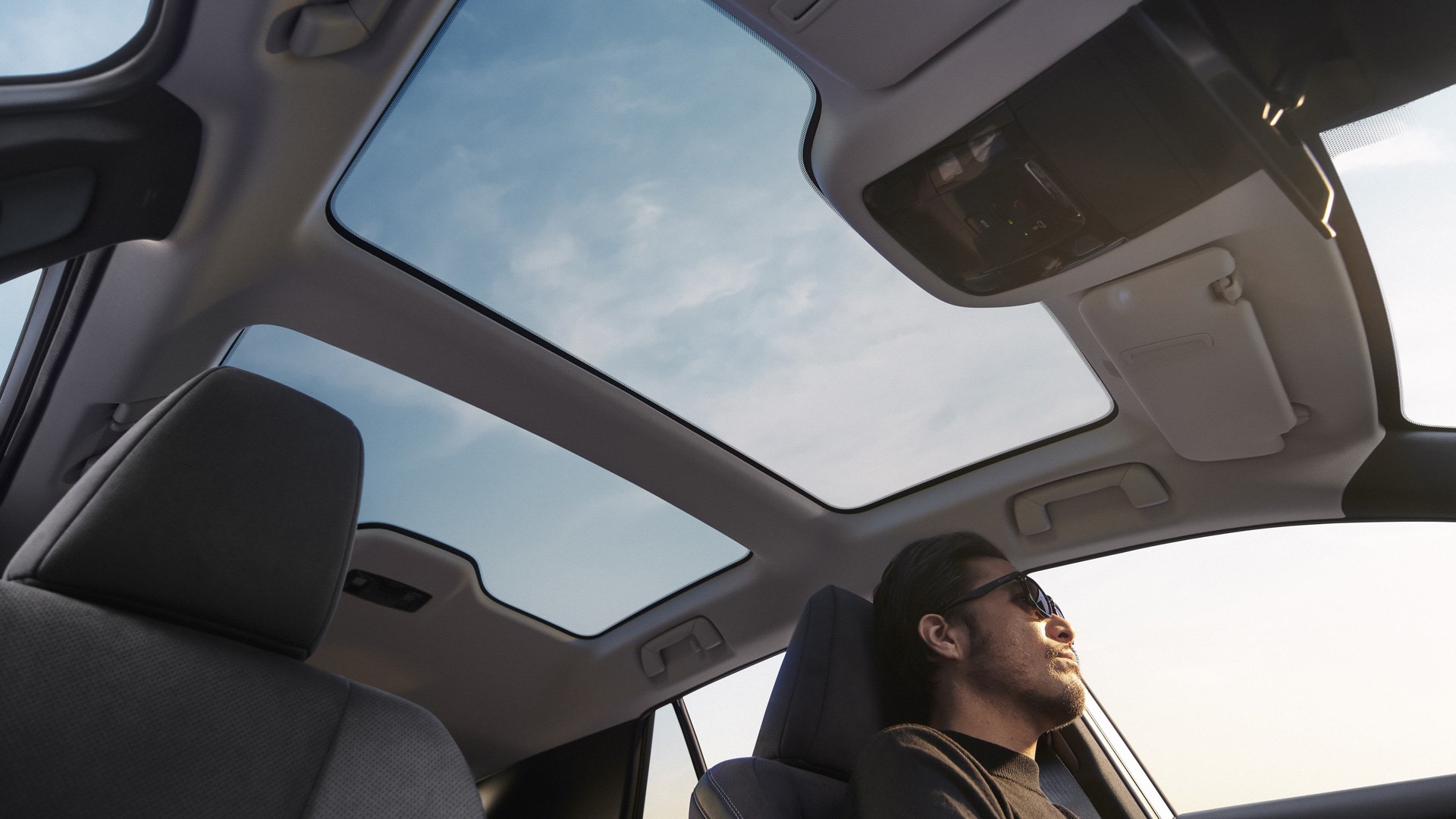
Overhead, some variants have a panoramic roof which is designed with heat shielding, thermal insulation and 99% UV protection. The glass also has a Lexus-first dimming function which, without a physical curtain, can instantly block light according to the needs of the occupants.

Different challenges for quietness
Quietness has been a hallmark of Lexus models since the very first one and besides generous use of high quality insulation, the engineers have also looked for the sources of noise and eliminated them. With the RZ powered by electric motors, new challenges were presented to the engineers who had to create a balance between sound generation and a very quiet interior space.

The underfloor battery functions as a sound barrier, the bonnet perimeter is sealed to eliminate noise caused by turbulent airflow. and acoustic glass suppresses other unwanted sounds. Additionally, the engineers have tuned sound frequencies to the vehicle’s speed and sound levels during dynamic actions such as acceleration.

2023 Lexus RZ 450e EV
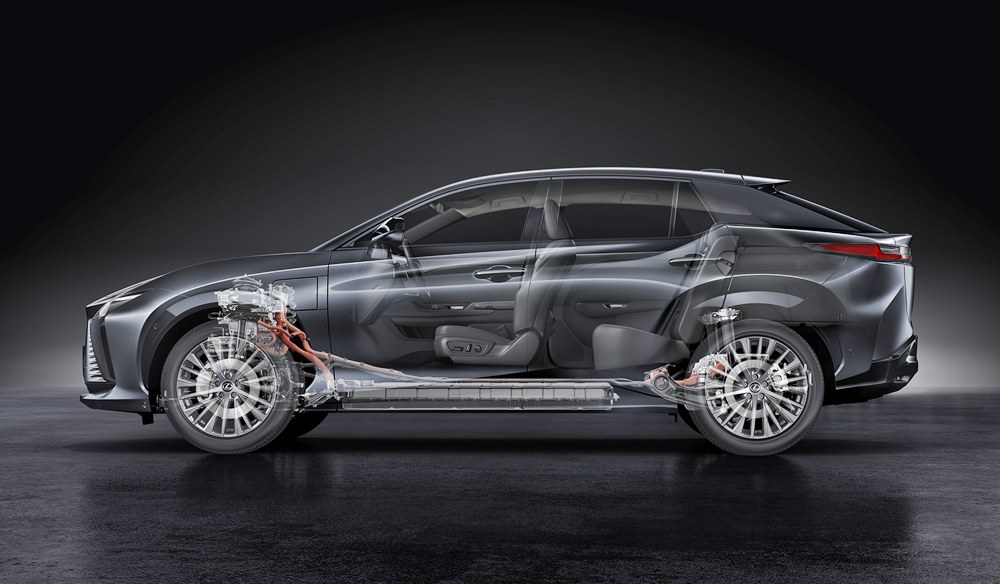
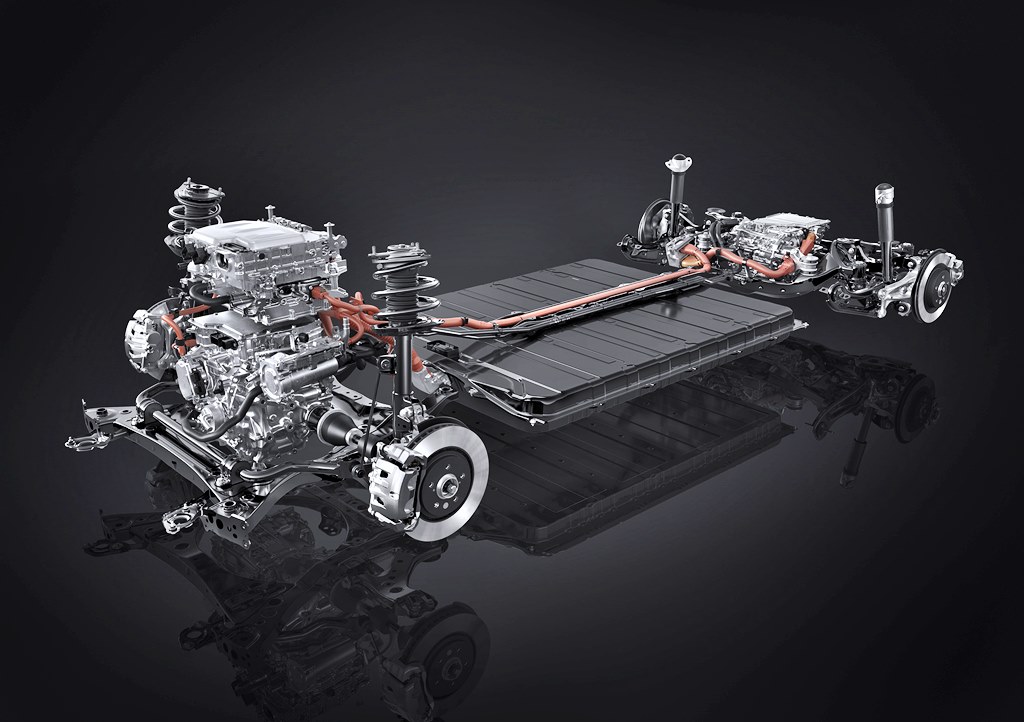
New RZ 450e uses the e-TNGA platform specifically developed for BEVs.

Lexus Driving Signature
Regardless of the type of powertrain, the Lexus Driving Signature of impressive fundamental acceleration, steering and braking performance must be present. The electric powertrain system uses a front and rear e-axle, each equipped with a high-torque electric motor, transaxle and inverter in a compact unit. As each motor (front: 150 kW, rear: 80 kW) is directly connected to the wheels by a single driveshaft, power transmission is instantaneous.

The new DIRECT4 system takes the Lexus Driving Signature to an even higher level. It uses acceleration, cornering-speed and steering-angle information to automatically adjust front-rear torque delivery and braking force to all four wheels. The system uses a front-to-rear drive-force ratio between 60:40 and 40:60 for minimum vehicle pitch.

2023 Lexus RZ 450e EV

When the steering wheel is turned, drive force is biased to the front wheels between 50 and 75% for nimble response and excellent steering feel. When exiting a corner, torque distribution to the rear wheels is increased to between 50 and 80%, ensuring ample traction while controlling vehicle pitch.

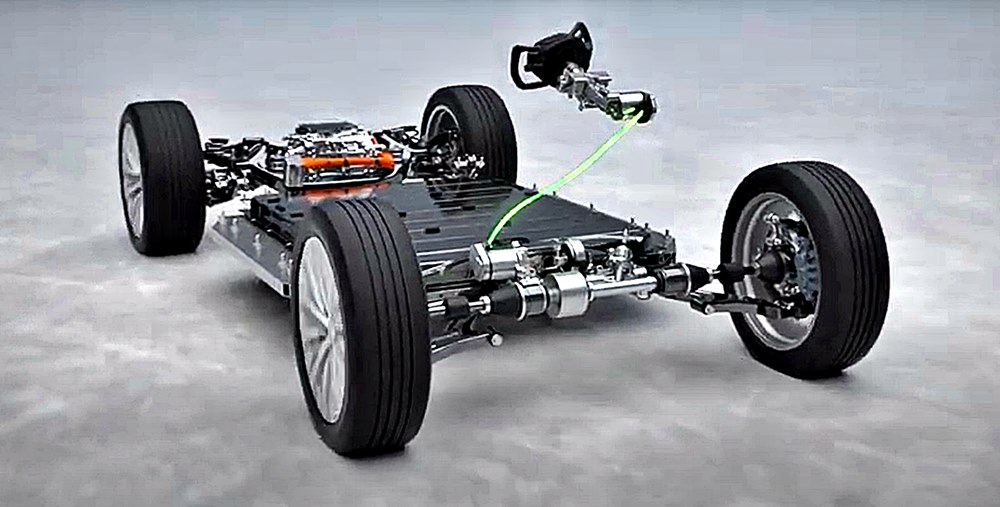
Steer-by-wire
A Lexus-first steer-by-wire system contributes to enhanced vehicle manoeuvrability while blocking out unnecessary vibrations from the tyres and brakes. Optimum steering-gear ratios provide nimble and agile performance on winding roads and high-speed stability on highways.

Long experience in battery technology
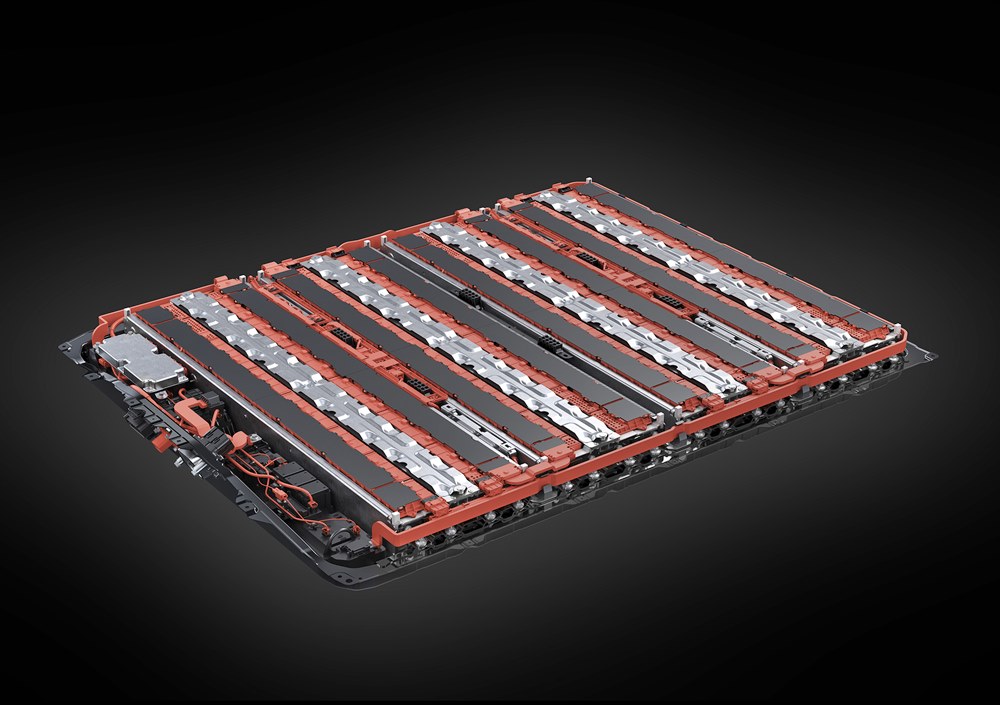
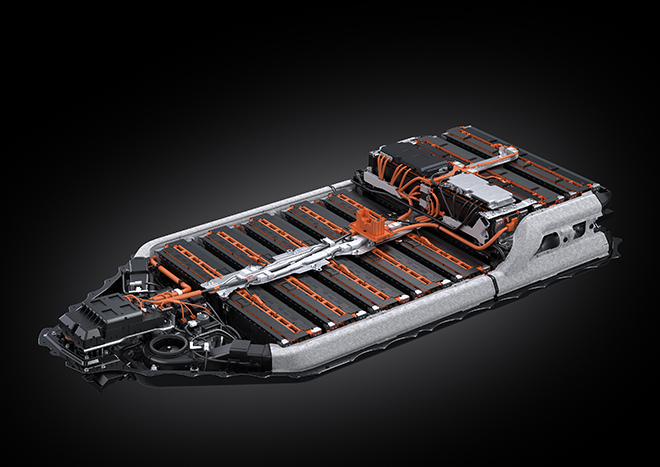
Toyota’s experience in developing ever better hybrid electric technology has also included advancing battery technology. Some of the advanced technologies are the high-capacity 71.4 kWh lithium-ion battery packs, Lexus-first silicon carbide elements in the inverters and the incorporation of low-loss technologies to deliver an estimated single-charge cruising range of 450 kms.

2023 Lexus RZ 450e EV

Battery-control technology ensures a world-class battery capacity retention rate claimed to be at least 90% after 10 years. Contributing to the long life with even higher battery capacity is a timer charging function that avoids over-charging.

100% BEVs globally by 2035
Pricing has not been announced yet but exports of the RZ 450e, which will be made in Japan, will begin during the fourth quarter of 2022. In the years following till the end of the decade, Lexus will introduce entirely new BEVs covering every segment. By 2035, the brand expects to be selling only BEVs globally and fully contribute to the Toyota Group’s objective of carbon neutrality.

2023 Lexus RZ 450e EV

Lexus releases pictures of electric sportscar on the track as well as other future BEV models (w/video)

Bermaz Motor has announced that the 2022 Mazda3, CX-3 and CX-30 models are now available in Malaysia. All three are imported from Mazda factories in Japan and come with feature upgrades, with a special versions of the Mazda3 and CX-30 also being offered.

Mazda3
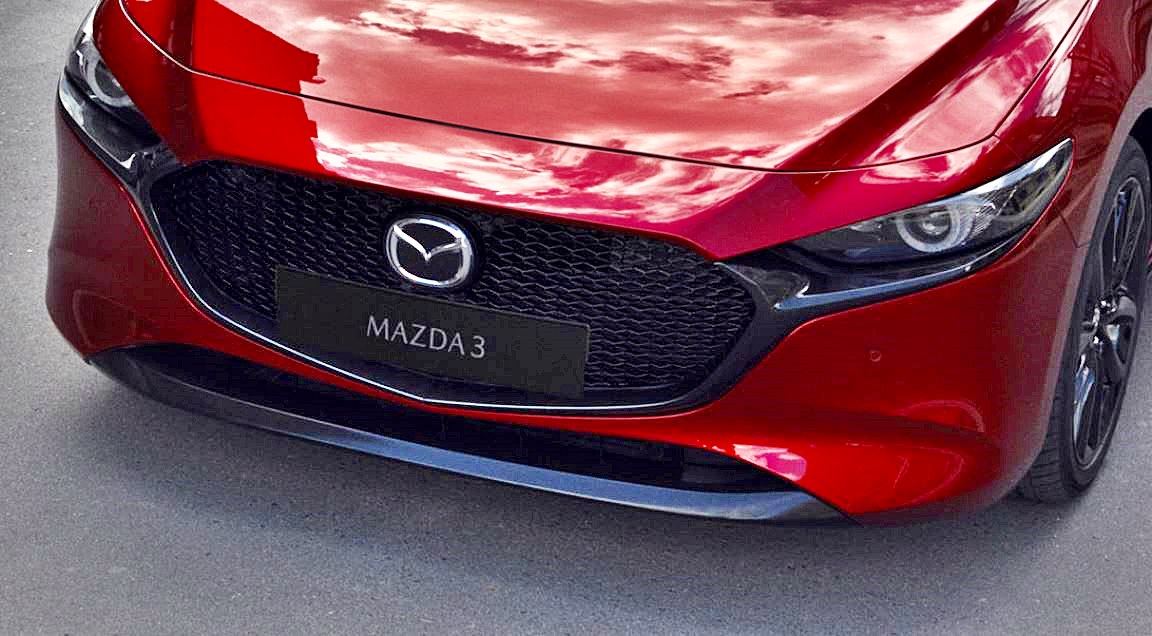
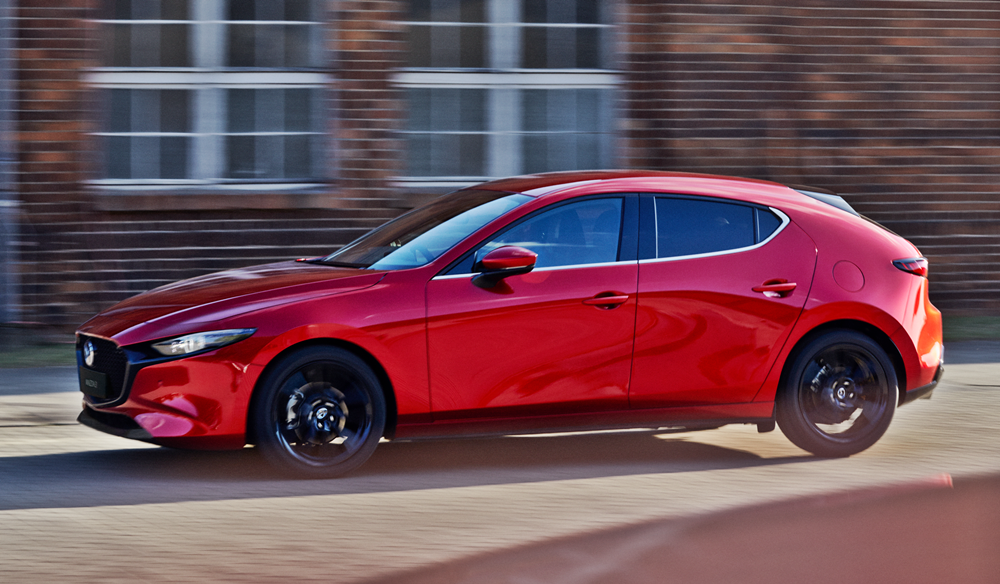
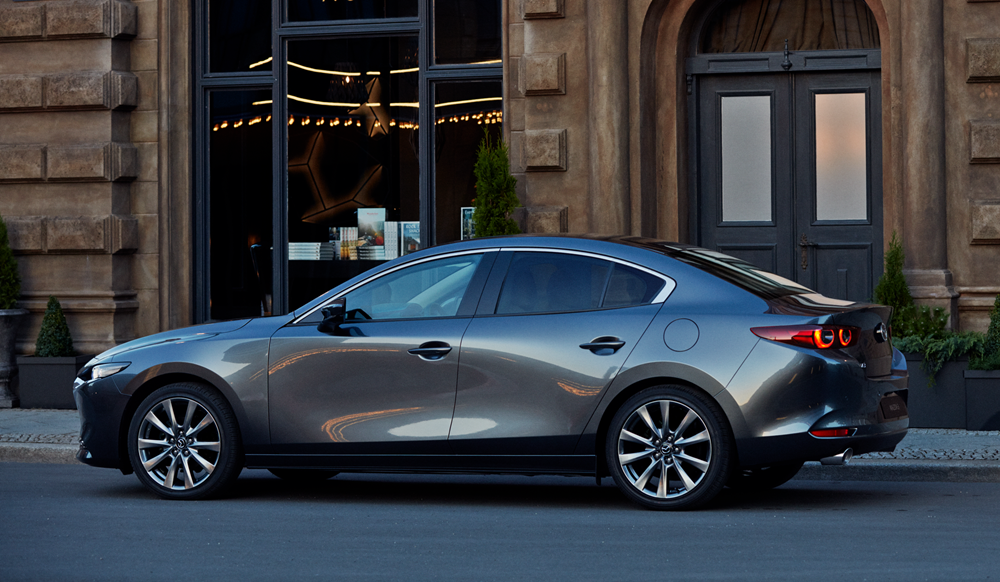
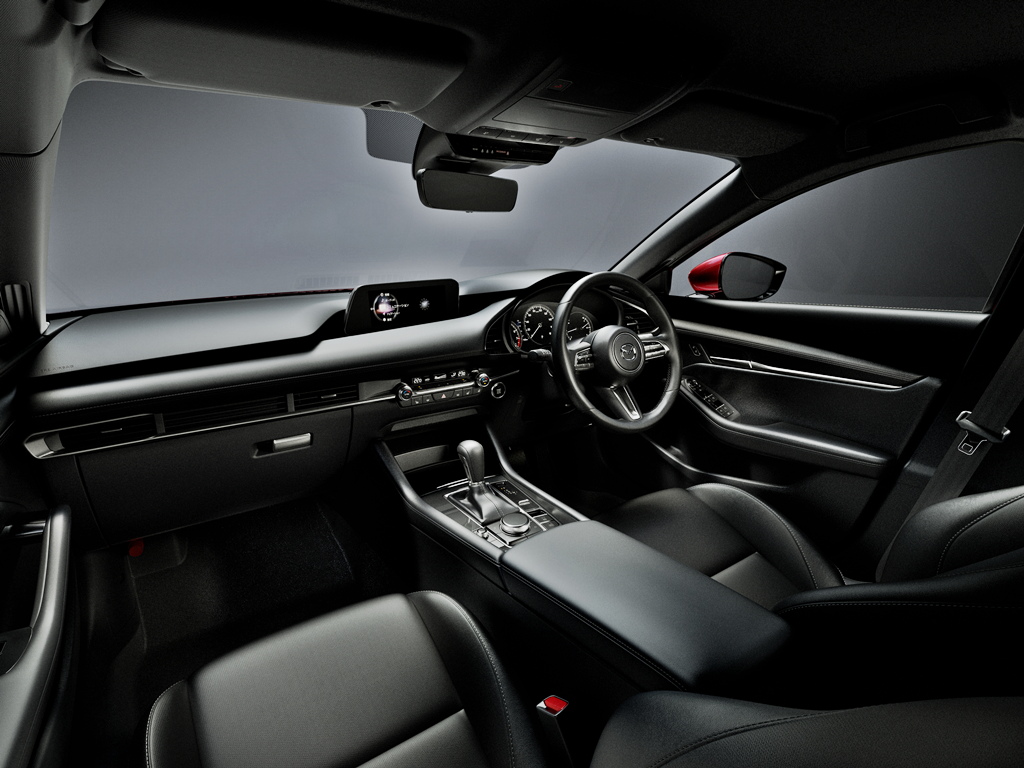
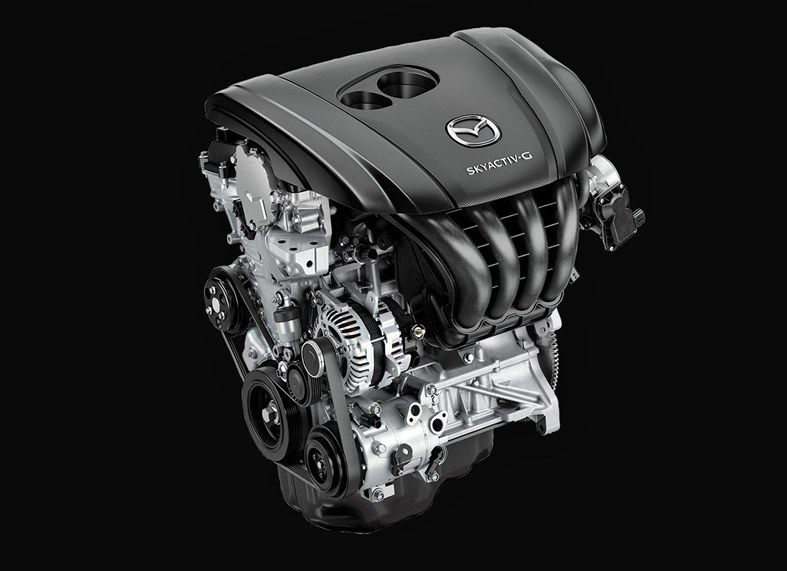
The model that was developed from the Kai concept car of 2017 is available with 1.5-litre and 2-litre SKYACTIV engines and sedan as well as liftback bodystyles. For 2022, the models get improved connectivity with Apple CarPlay and Android Auto installed. This allows favourite apps from the smartphone to be interfaced with the infotainment system which is managed by an 8.8 touchscreen on the dashboard.

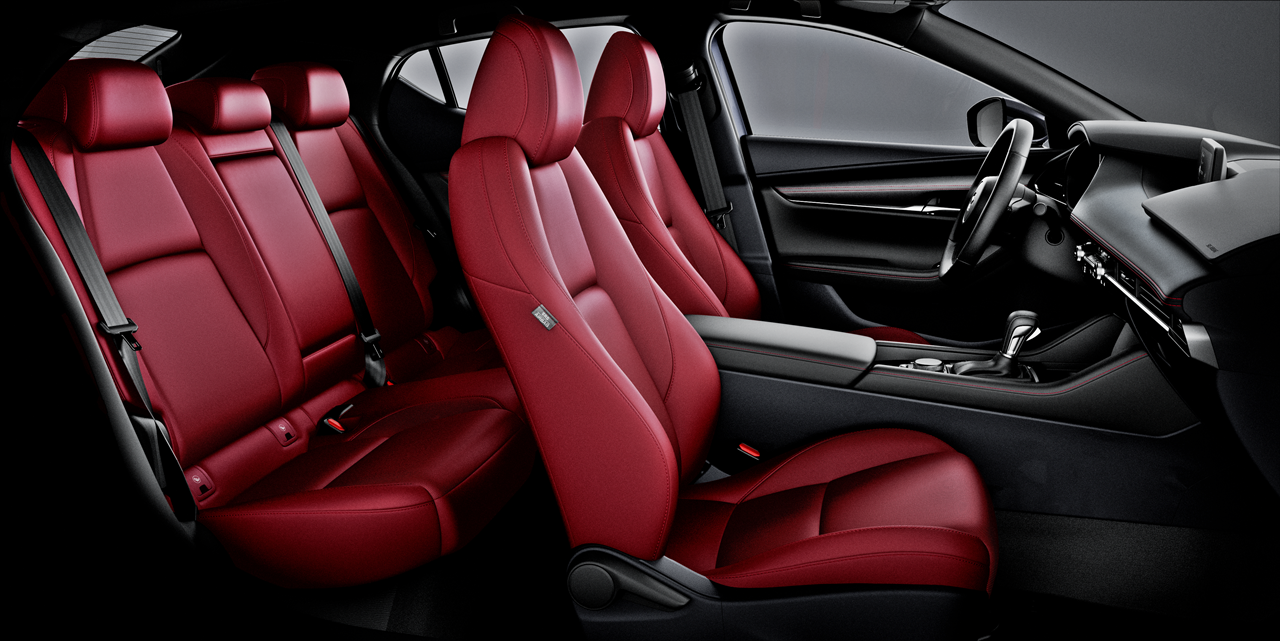
A special version known as the ‘Ignition Edition’ is also available but only for the 2-litre liftback variant. While the rest of the Mazda3 range has a choice of 7 colours, the Ignite Edition is only available in Polymetal Grey. The model also has distinctive gloss black door mirror covers and the 18-inch alloy wheels are finished in metallic black. Inside, the Ignite Edition has exclusive, burgundy-coloured leather upholstery which gives a classy touch.

The Ignite Edition comes with the latest i-Activsense active safety system with driver assistance features such as Front Cross Traffic Alert, Driver Attention Alert, and Driver Monitoring as well as Cruising & Traffic Support (CTS). For easier manoeuvring, especially in tight parking spaces, there is a 360o View Monitor to help the driver see the areas on all sides of the car.

The latest Mazda3 prices start from RM138,660 (excluding insurance) and until June 30, 2022, half of the sales tax applicable is exempted by the government.

 Mazda CX-3
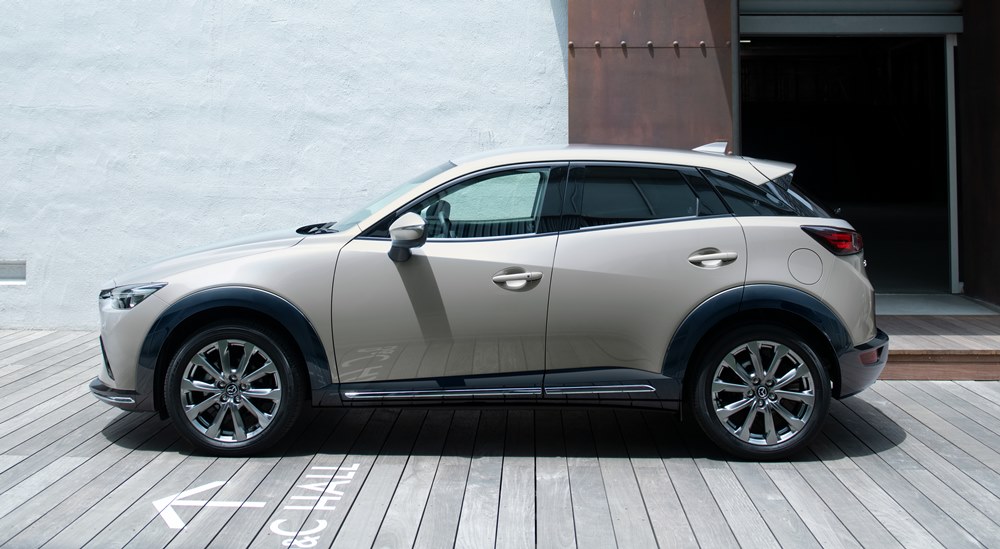
The CX3 crossover SUV retains the same compact proportions that are ideal for the urban jungle. Under the skin is the SKYACTIV-vehicle Architecture which gives the CX-3 the same jinba-ittai (the unity between ride and horse) character that every Mazda has. It is powered by a 2-litre 154 bhp/206 Nm SKYACTIV-G engine that is mated to a 6-speed SKYACTIV-DRIVE transmission sending power to the front wheels.

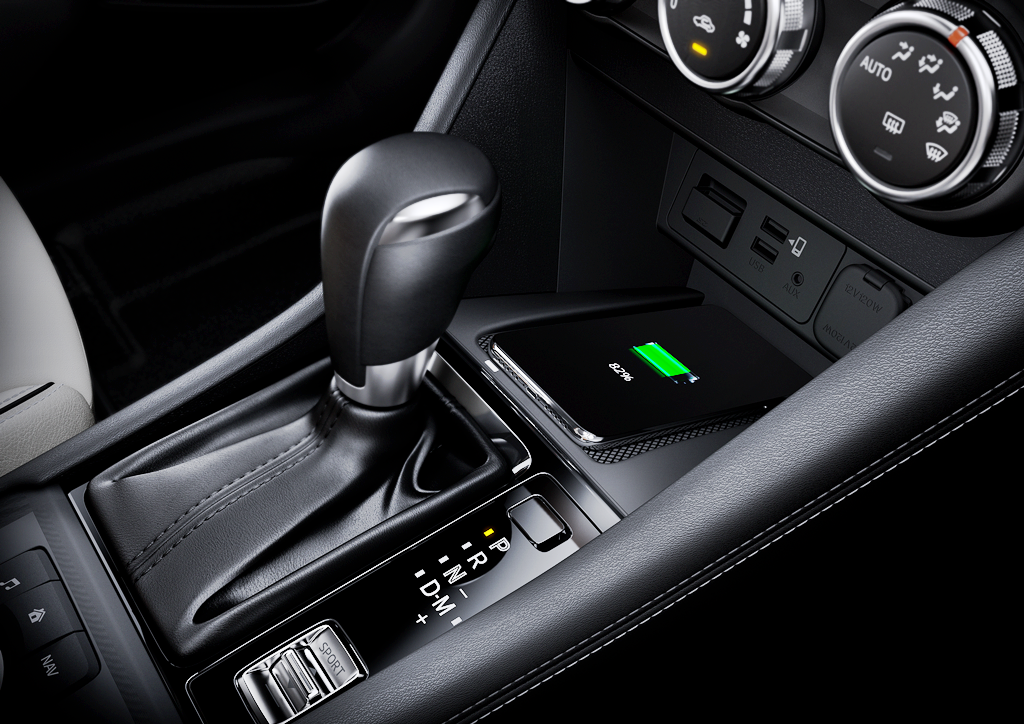
Updates for the 2022 model are wireless Apple Carplay along with Android Auto for smartphone connectivity and also a Qi Wireless Charger for compatible smartphones. The infotainment system has an 8-inch capacitive touchscreen with a bright clear display. Also added is a 360o View Monitor to give the driver a better idea of the surroundings. A seatbelt reminder is now installed for all seats, especially useful as rear passengers must also be belted up by law.

Bookings are now accepted with the price starting from RM131,929 (excluding insurance and with 50% sales tax until June 30, 2022). Customers can choose from 6 colours – Soul Red Crystal, Machine Gray, Snowflake White Pearl, Polymetal Gray, Deep Crystal Blue and the new Platinum Quartz Metallic.

Mazda CX-30
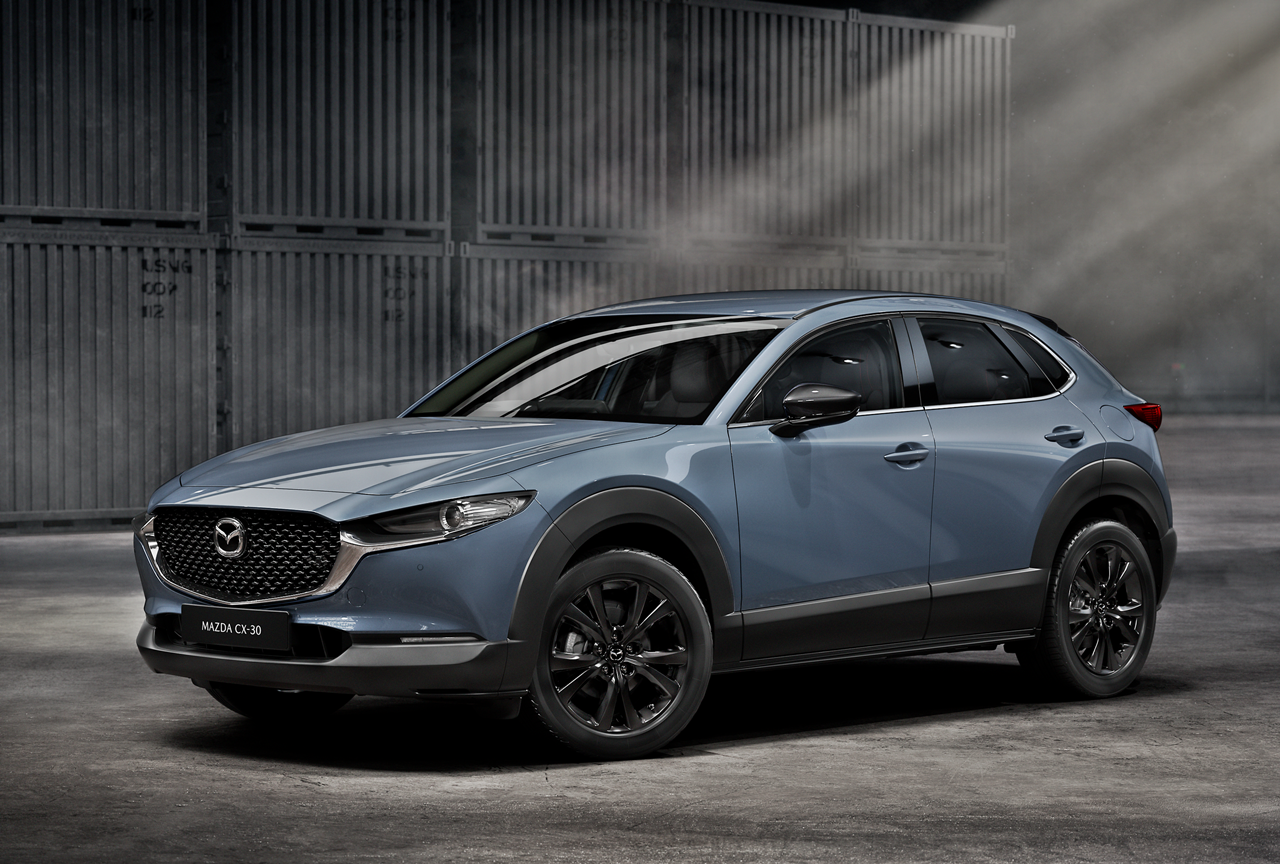
The CX-30 has received some updating with connectivity improvements that allow for smartphones to interface with the infotainment system using Apple CarPlay and Android Auto. The 8.8-inch touchscreen functions as a command centre to make various selections and adjustments.

Additionally, there are two ‘Ignite Edition’ variants added with a choice of FWD or AWD. Like the Mazda3 Ignite Edition, they come with black door mirrors (auto-folding) and black 18-inch alloy wheels. The interior has burgundy-themed upholstery on the seats with black interior trim. Also includes is a 360o View Monitor which uses the central display.

The CX-30, which has i-Activsense, has scored full marks in Euro NCAP stringent evaluations. In fact, it was one of the models to score the highest-ever rating in the Adult Occupancy Protection assessment. It also performed impressively in the other categories such as Child Occupant Protection, Vulnerable Road User (pedestrian safety) and Safety Assist.

The latest CX-30 (High Spec upwards) has a full suite of i-Activsense features and Front Cross Traffic Alert, Driver Attention Alert with Driver Monitoring and Cruising & Traffic Support are also added for the ‘Ignite Edition’.

There are 7 colour choices for the CX-30 which is priced from RM145,759 (without insurance/50% sales tax until June 30, 2022).

All new Mazda vehicles (except for the BT-50 pick-up truck) come with a 5-year/100,000 km manufacturer’s warranty and during the first 5 years (or 100,000 kms) after registration, owners can enjoy free scheduled maintenance.

For more information, visit www.mazda.com.my.
How Bose has been developing premium sound for Mazdas over 30 years

Mazda’s SUV range (discounting the Mazda Tribute which was jointly developed with Ford’s first Escape) started off with single-digit numbers – CX-3, CX-5, CX-7 and CX-9 (the CX-30 being an exception) – and last year, the carmaker announced that its new generation of SUVs would have double-digit designations. And these would be more premium, in line with Mazda’s aspirations to move further upmarket.

We were told that from 2021 to 2024, there will be no less than 5 new SUV models and their designations were even revealed: CX-50, CX-60, CX-70 and CX-90. The CX-50, not intended as an immediate replacement for the CX-5, appeared last November and is intended primarily for the North American market where it is now being built as well.

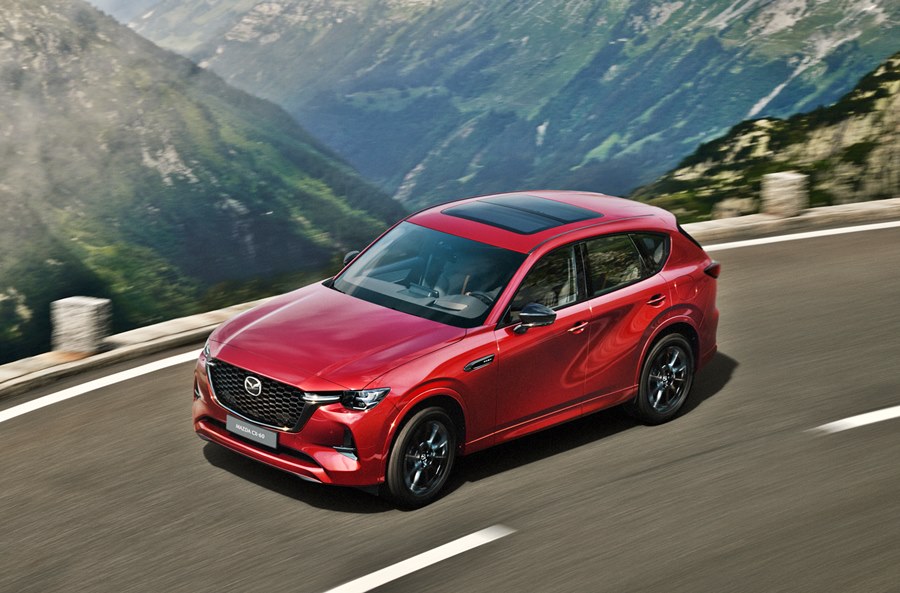
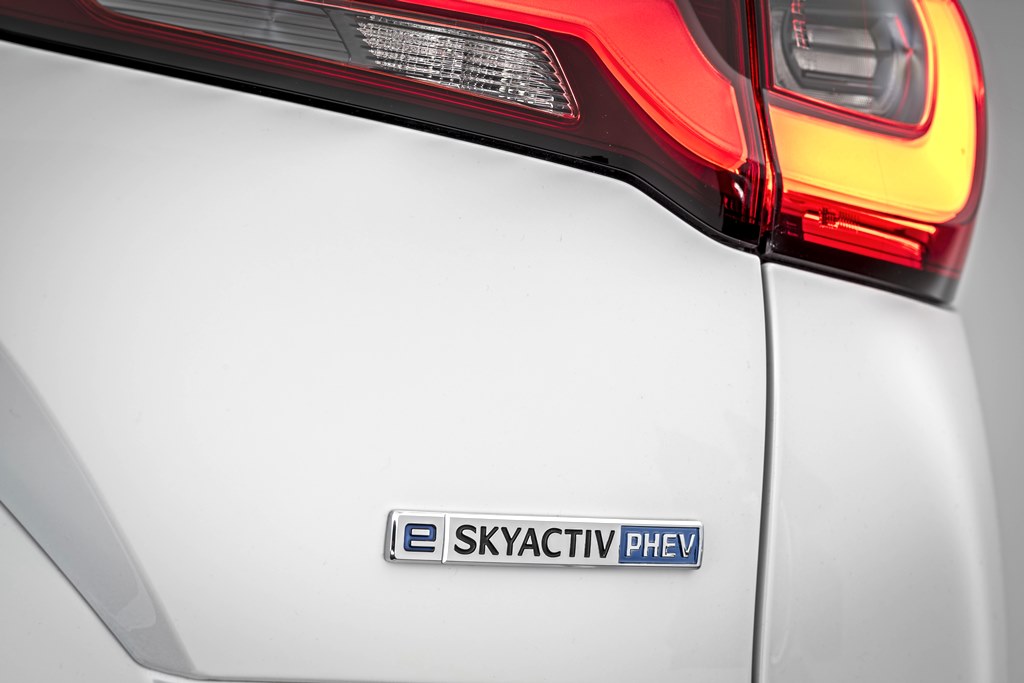
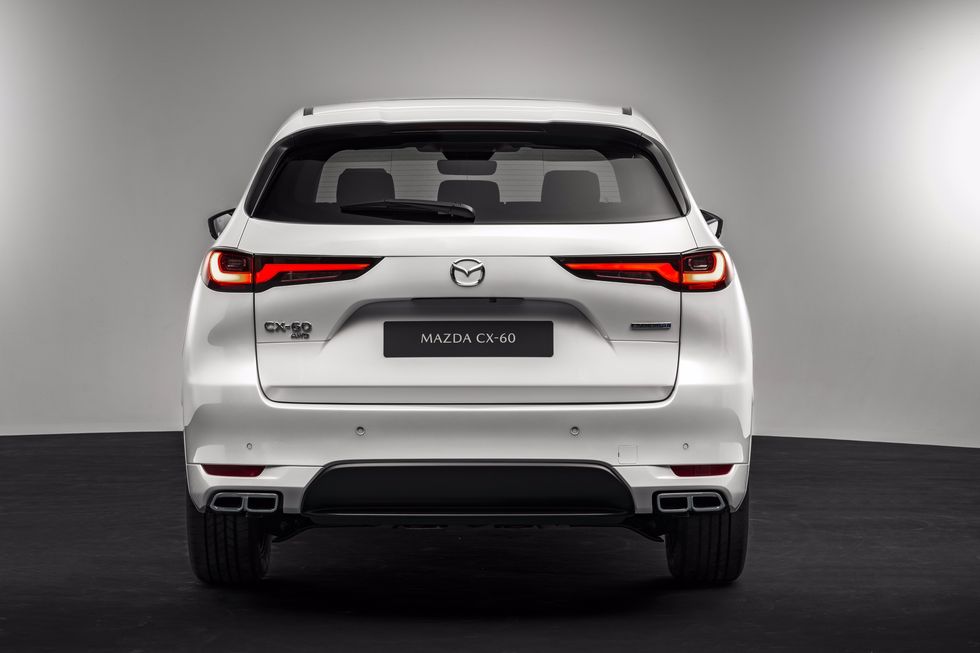
Now comes the CX-60 which is Mazda’s first plug-in hybrid electric vehicle (PHEV) and aimed largely at Europe. It’s not the company’s first hybrid as there has been a Mazda3 with a SKYACTIV HEV engine sold in Japan for many years. That hybrid drew on Toyota’s hybrid technology and with the association deepening in recent times, it is likely that this new PHEV may have been developed with some of Toyota’s long experience.

Most powerful Mazda production model to date
The PHEV powertrain has a SKYACTIV 2.5-litre petrol engine and a 100 kW electric motor powered by a 17.8 kWh high-capacity battery pack. With an output of 327 ps/500 Nm, it is the most powerful powertrain Mazda has offered in a production vehicle for sale to the public. Claimed 0 to 100 km/h performance is 5.8 seconds, with a range of up to 68 kms on just electricity in city driving conditions.

A new 8-speed automatic transmission and Mazda’s i-Activ All-Wheel Drive system delivers power to all four wheels, with Mazda Intelligent Drive Select (Mi-Drive) offering 5 different drive modes. Recharging is said to be within 4 hours using an ordinary power outlet.

Later, the CX-60 will also be available with two new engines for the PHEV powertrain – a new generation straight-six 3-litre e-SKYACTIV X petrol unit and a 3.3-litre SKYACTIV-D diesel. Together with the new engines and 48V technology, Mazda will also introduce a RWD version of the SUV. A bigger 3-row model, the CX-80, will be added to the range within the next two years.

2022 Mazda CX-60 PHEV

Typically high standard of vehicle dynamics

With its emphasis on jinba-ittai (the unity between a horse and its rider) for all its models. It would be surprising to find the CX-60 also having impressive vehicle dynamics. Compatible with the CX-60’s longitudinal front-engine rear-wheel drive mechanical layout, Mazda’s SKYACTIV Scalable Architecture is matched to high bodyshell rigidity and a double wishbone front and multi-link rear suspension set-up.

Additionally, the CX-60 also has Mazda’s Kinetic Posture Control technology which further stabilises vehicle posture when cornering by braking the inside rear wheel to mitigate roll and the draw the car body downwards, while positioning the high-voltage battery between the front and rear axles and as low as possible, further helps the CX-60’s centre of gravity and stability. This is probably an evolution of the G-Vectoring Control (GVC) chassis technologies developed some years back and used in many models today.

2022 Mazda CX-60 PHEV

2022 Mazda CX-60 PHEV

KODO design maintained
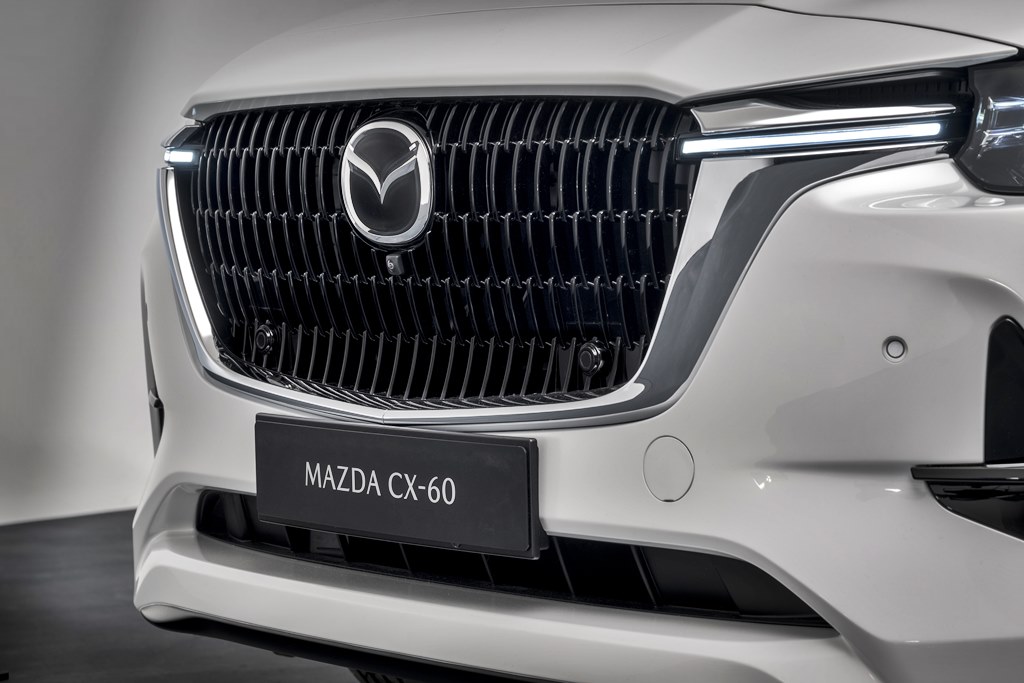
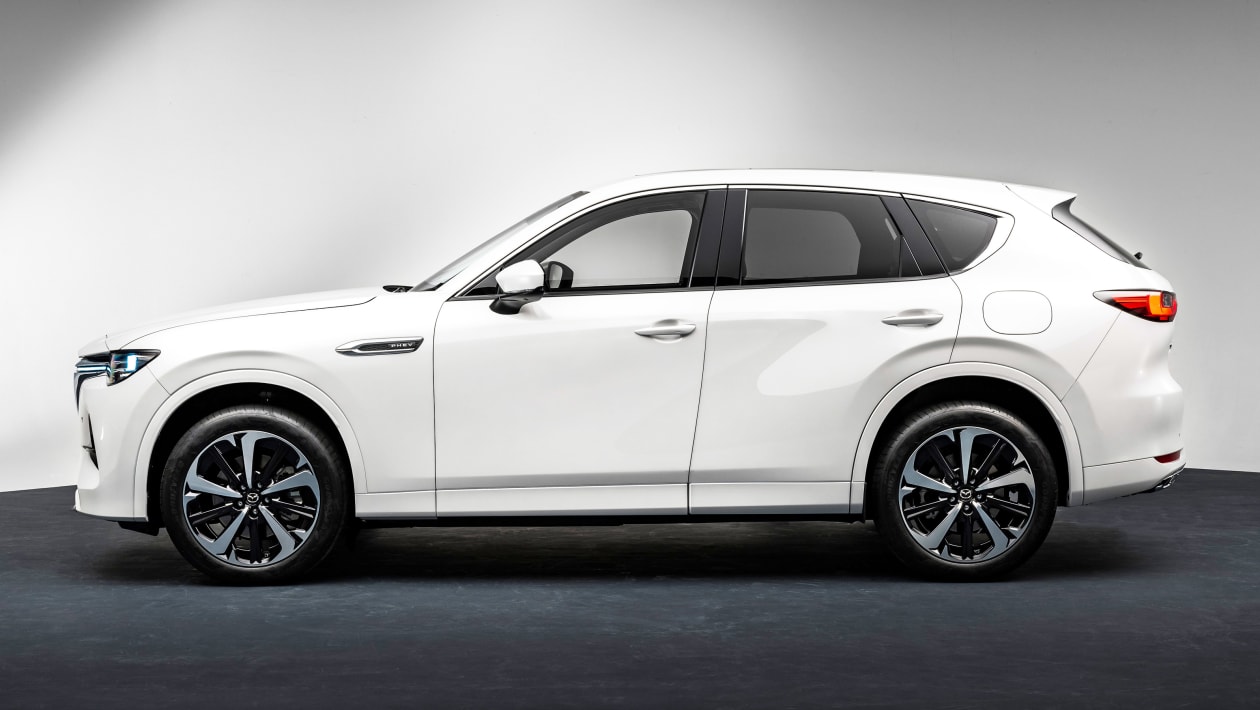
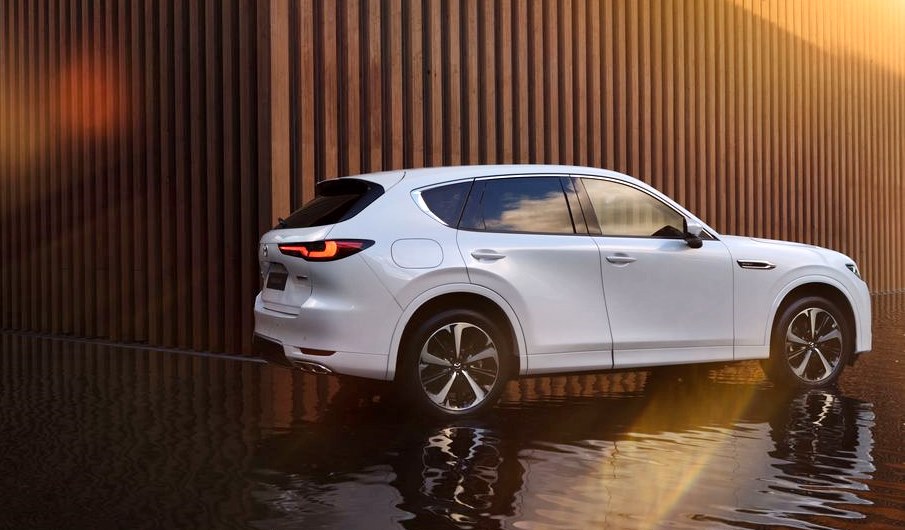
The appearance of the CX-60 seems to have a bit of the CX-5, which is not unusual since the KODO design language is still  being used. The grille has the familiar shape seen on other Mazdas but differs in detailing, while the body surfacing is masterfully done to exploit the flow of light across the body.

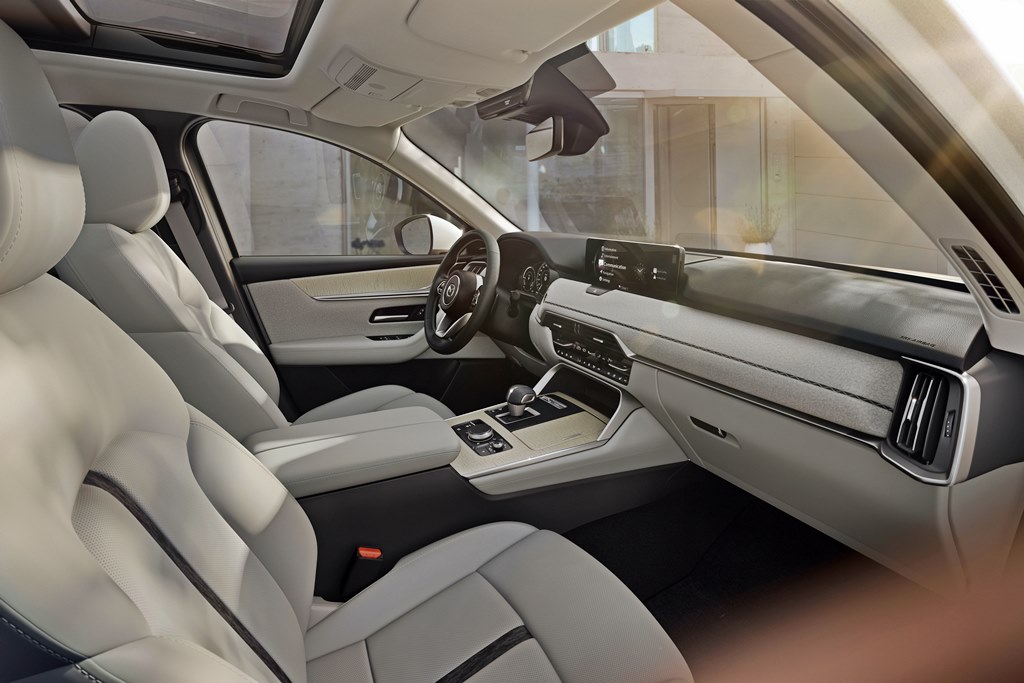
Besides design, Mazdas has always given craftsmanship a top priority in its products and for the CX-60, the very highest standards of craftmanship combined with new technologies and human-centric ergonomics to deliver a premium interior rooted in Japanese heritage.

2022 Mazda CX-60 PHEV

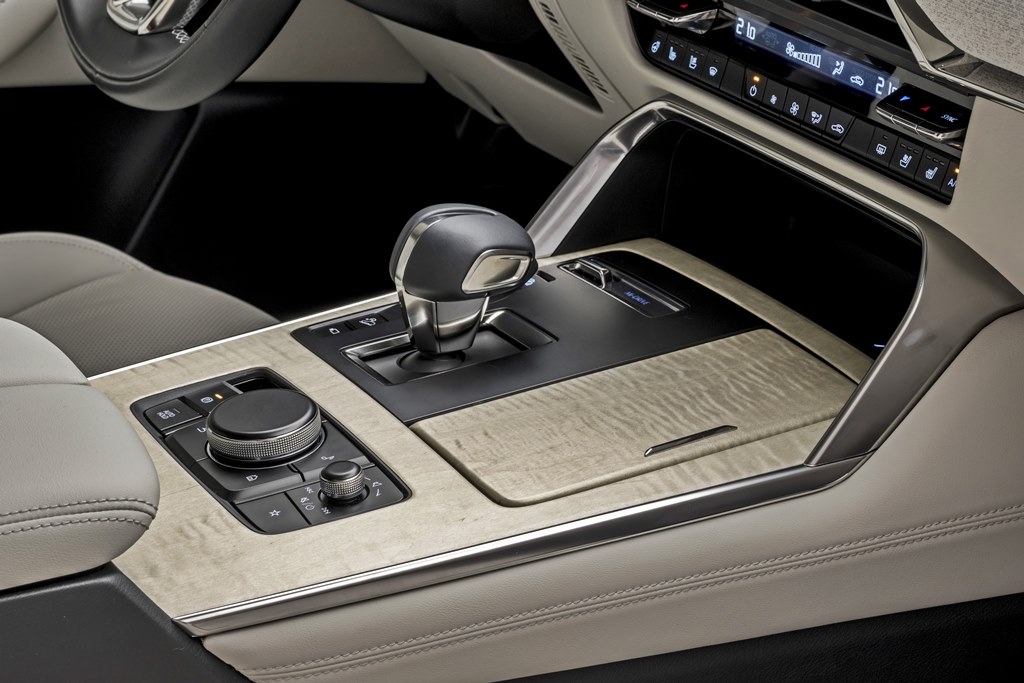
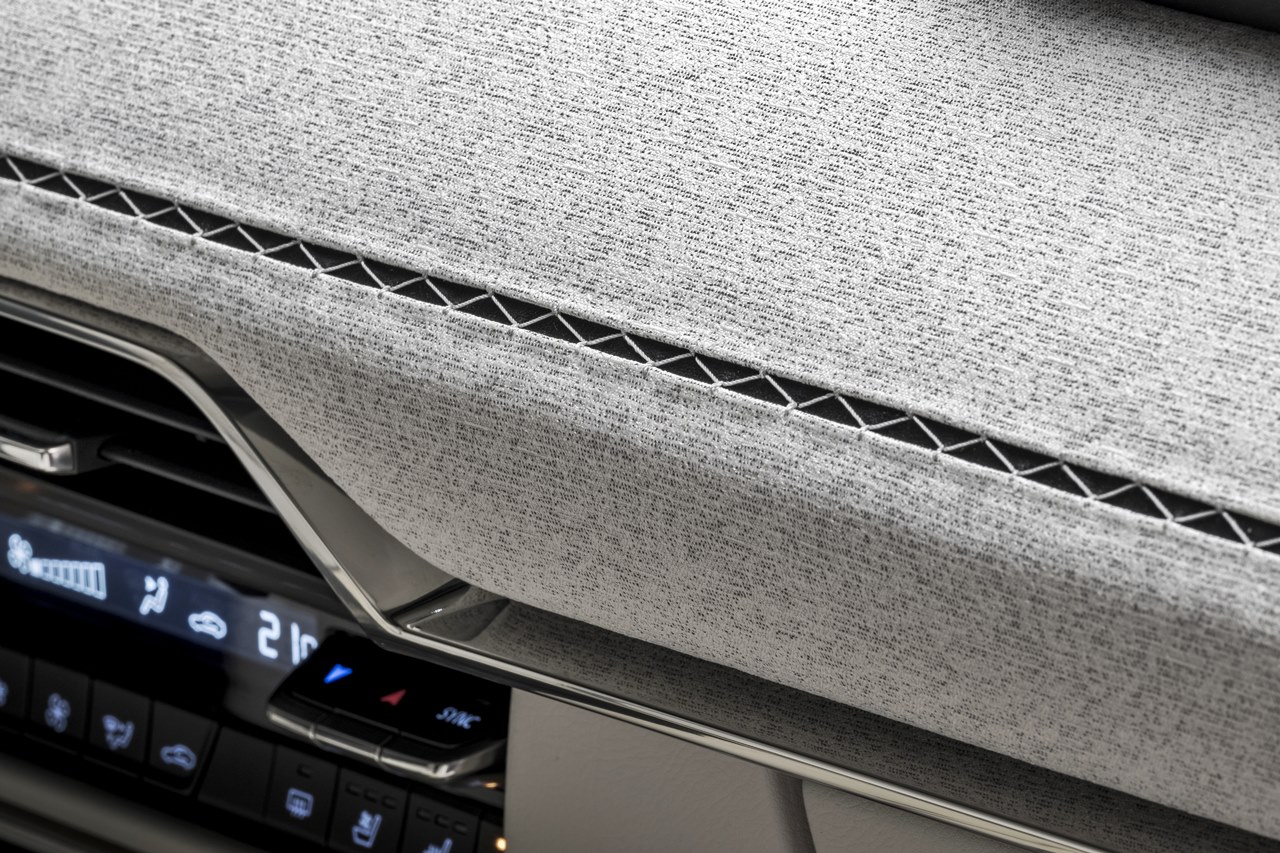
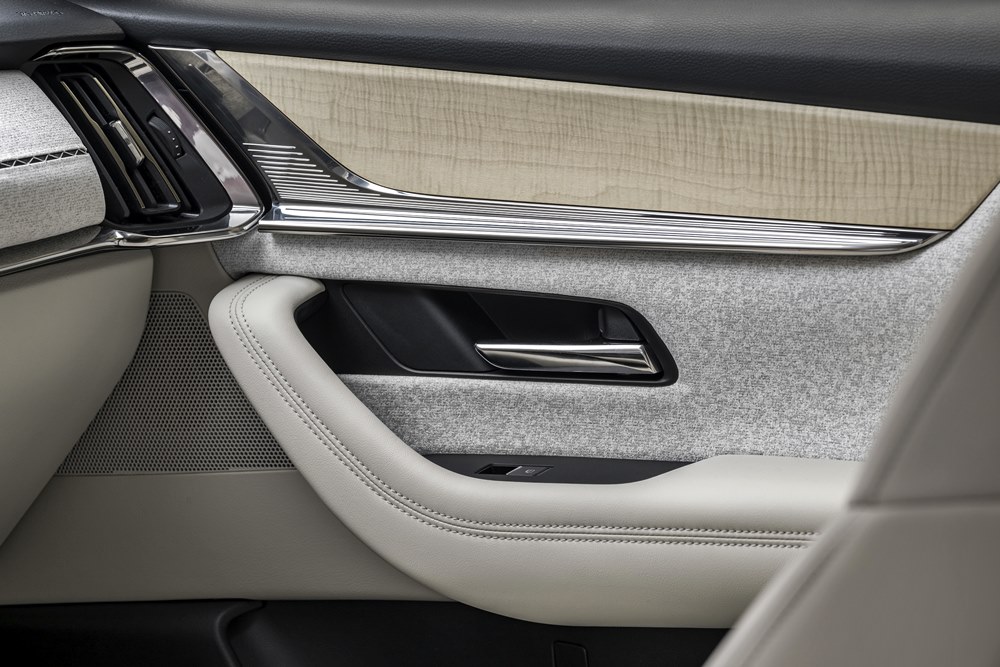
The elegant, premium quality interior design introduces the ideas of Kaichou – an element of disruption which mixes different materials and textures. With the flagship Takumi version, materials such as maple wood, nappa leather combine with uniquely worked Japanese textiles and chrome details, and Musubu – the art of binding which was the inspiration for a specially detailed instrument panel stitching.

2022 Mazda CX-60 PHEV

2022 Mazda CX-60 PHEV

The treatment of the maple wood trim reflects the Japanese aesthetic of Hacho – asymmetrical balance, or intentional unevenness. The woven fabrics’ diverse patterns and yarns respond sensitively to changes in light, and a Japanese stitching technique called Kakenui creates ‘hanging stitching’ seams with spaces between the trim fabrics revealing a glimpse of the material beneath.

An innovative feature for some variants is the Mazda Driver Personalisation System> This can  recognise the occupant of the driver’s seat via facial recognition and automatically make adjustments – seat position, steering wheel, mirrors, Head-up Display, even the sound and climate control settings – to fit their physique as well as their personal preferences. Whether this is a practical approach remains to be seen as there are some people who have unusual ways of sitting!

2022 Mazda CX-60 PHEV

How will Mazda’s CX range evolve?
How the Mazda range will look by the end of the decade can’t be determined yet. The company has often said that it wants to move upmarket and has progressively given its products a noticeably more premium image. Having the new double-digit range of more premium models sold together with the existing single-digit models may be a way to see whether they can move into – and stay – in the upper level of the market.

But for sure, they will eventually rationalise their range one way or another because, as one senior executive explained some years ago, Mazda is not very big and its volumes do not allow it to have too much variety. It has been careful to choose models and segments to compete in, avoiding fragmentation that is inefficient. And it has done that well so far…

2022 Mazda CX-60 PHEV

Visit www.mazda.com.my to know more about Mazda models available in Malaysia

Mazda x Mizuno driving shoes enhance Jinba Ittai for drivers

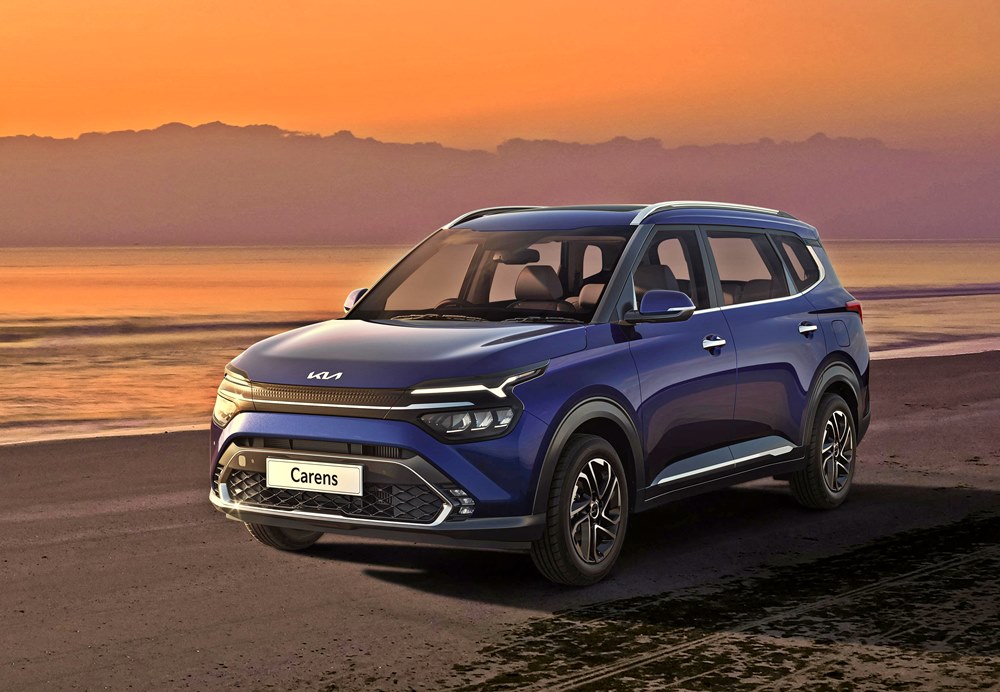
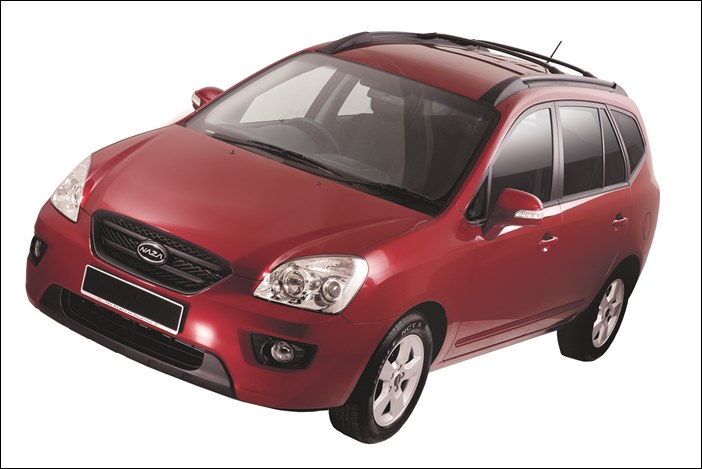
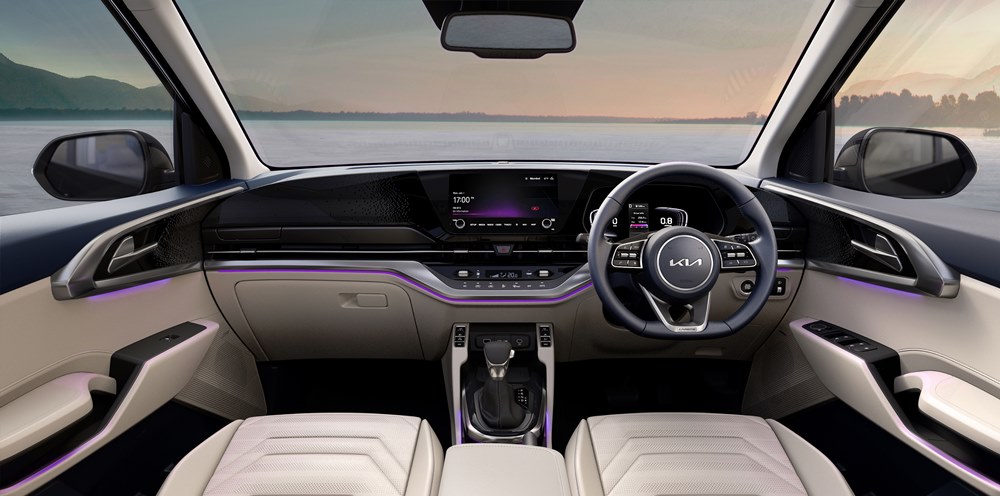
The Kia Carens, first introduced in 1999, was one of the early MPV models from the Korean carmaker, along with the Carnival launched into the market a year earlier. It was a compact size suitable for developing and emerging markets. In Malaysia, Naza even adapted it to sell under its own brand as the Citra in 2005.

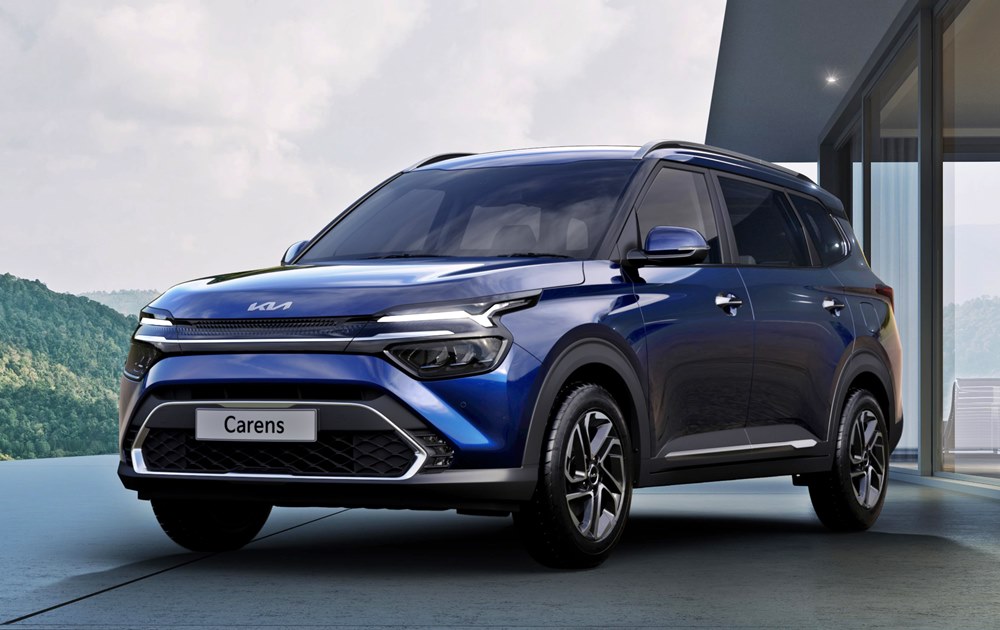
Three generations have passed and it has just gone into a fourth generation, with India being the debut market (and where it will also be made). The new model has moved from being a MPV to something more recreational, a sort of crossover with undertones of an SUV.

2022 Kia Carens 4th Generation

First generation of the Carens was also made by Naza for the Malaysian market and sold as the Citra (Rondo versions shown).

Why India as a launch market? “India is diverse, and the people here have different preferences. I believe this is the most exciting insight we tried to unlock while developing the Carens. It’s safe, feature-rich, has artistry in its design, and is comfortable and classy; it packs everything a modern Indian family would want in their vehicle,” said Tae-Jin Park, Managing Director & CEO of Kia India.

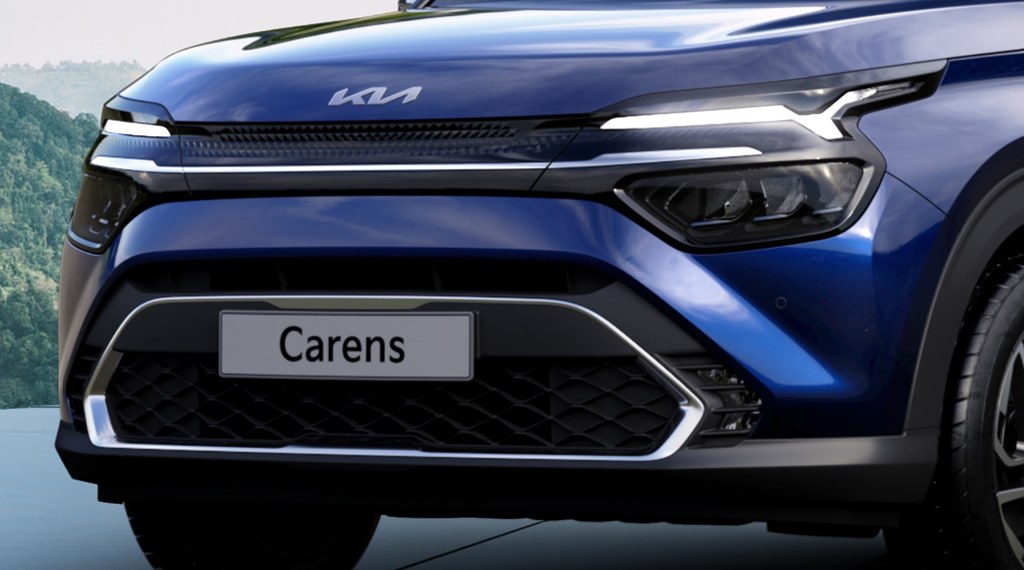
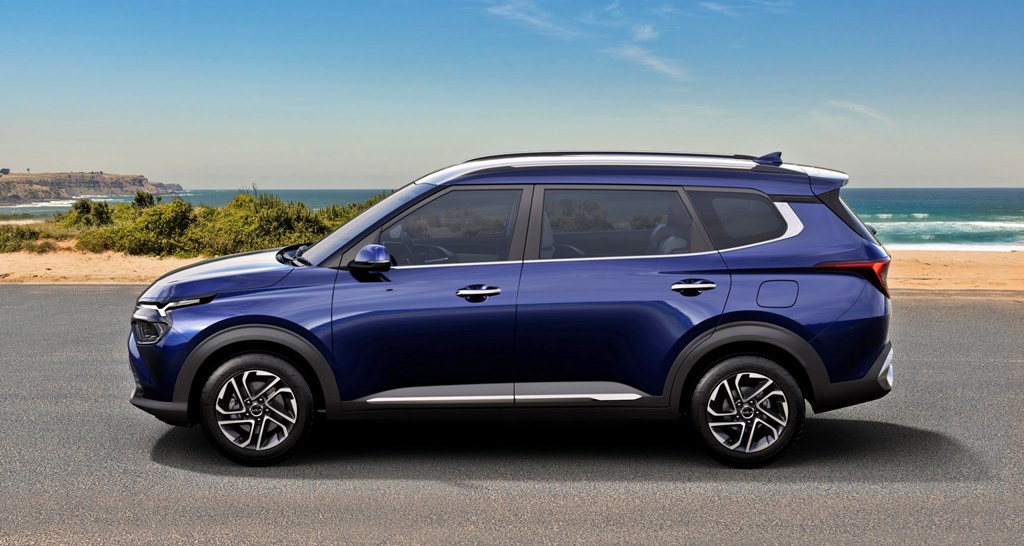
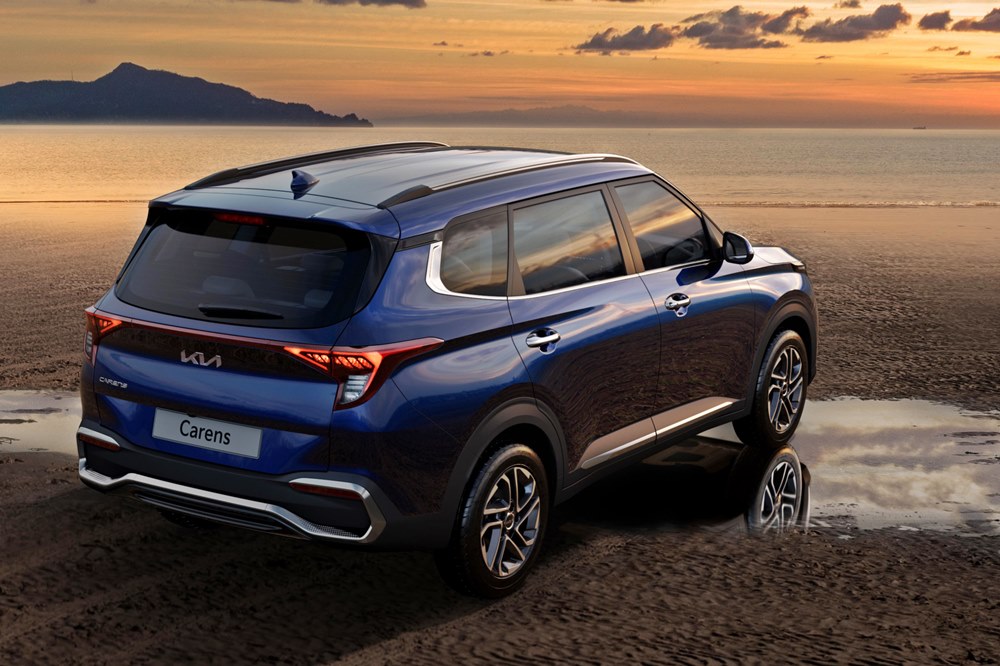
Like other recent new models, the new Carens uses ‘Opposites United’, the carmaker’s latest design philosophy. It has gained edgy character lines with a bold side profile. Kia designers believe the modern and high-tech design will appeal to millennials.

2022 Kia Carens 4th Generation

Still present is another interpretation of the ‘Tiger Nose Grille’ which Peter Schreyer introduced to the brand in 2006 when he was its new design head. It has been a signature element of all models and is complemented by horizontal chrome garnish in the upper grille and the frame-type chrome garnish in the lower bumper.

Attention is drawn to the new signature lighting concept – The Star Map. This is made up of LED DRLs and Crown Jewel LED headlamps to give a futuristic appearance.

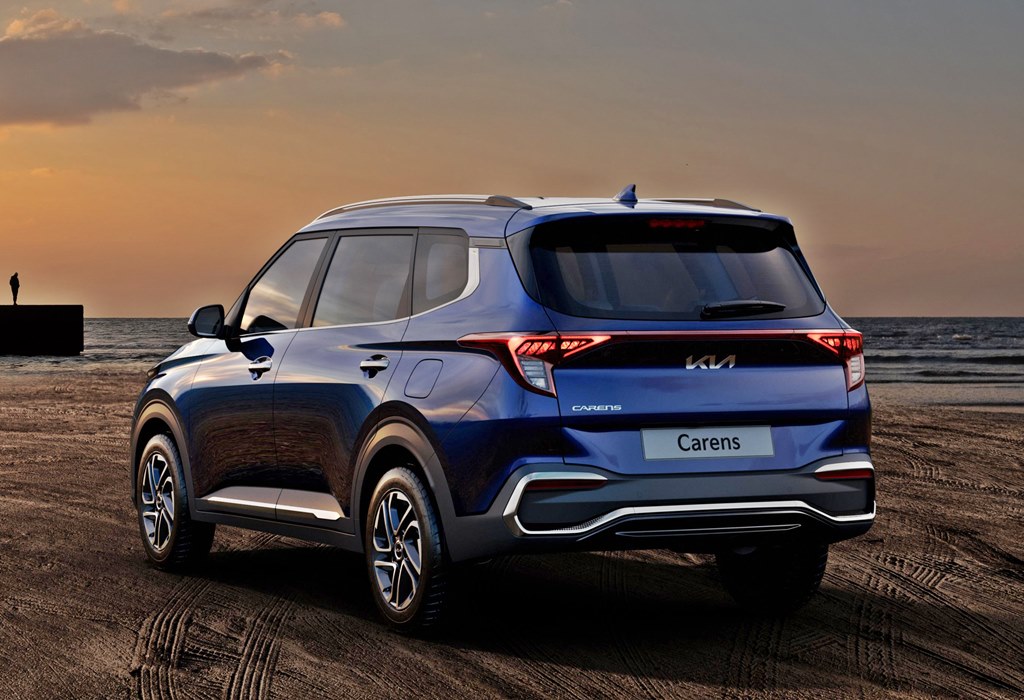
The car looks sleek and dynamic with its slim daylight opening graphic along the sides. At the rear, the combination lamp on the robust sections makes the Carens look wide and strong, and the lighting units also have the Star Map LEDs.

2022 Kia Carens 4th Generation

Using an extended Seltos platforn, the Carens is said to have the longest wheelbase in its class (2780 mm), while its body dimensions measure 4540 mm in length and 1800 mm in width. That makes it slightly larger than a Mitsubishi XPANDER but noticeably shorter than a Toyota Innova. The ground clearance is quite generous at 195 mm.

The MPV will be offered with a choice of two petrol engines – 1.4 litres with turbocharger and 1.5 litres, with outputs of 140 bhp/242 Nm and 115 bhp/144 Nm, respectively. There’s also a 1.5-litre 4-cylinder turbodiesel which produces 115 bhp/250 Nm. A 6-speed manual transmission is fitted to the base version, with a 7-speed, dual-clutch and 6-speed torque-converter automatic transmissions also available.

While India is a big car market, the products being sold in the high-volume segments have been criticised for inadequate safety levels. Crash tests have resulted in poor ratings, and the manufacturers are beginning to realise that they cannot have differences in safety in different markets.

2022 Kia Carens 4th Generation

With the new Carens, Kia has made an effort to provide safety features that are already commonplace in other markets, including Malaysia. Its Hi-Secure Safety Package is a first in India and installed as standard in all versions are 6 airbags, Electronic Stability Control, Vehicle Stability Management, Hill-Assist Control (HAC), Downhill Brake Control (DBC), Brake Assist System, Tyre Pressure Monitor and disc brakes on all 4 wheels. The better safety measures will certainly be important in protecting the occupants on 3 rows of seats.

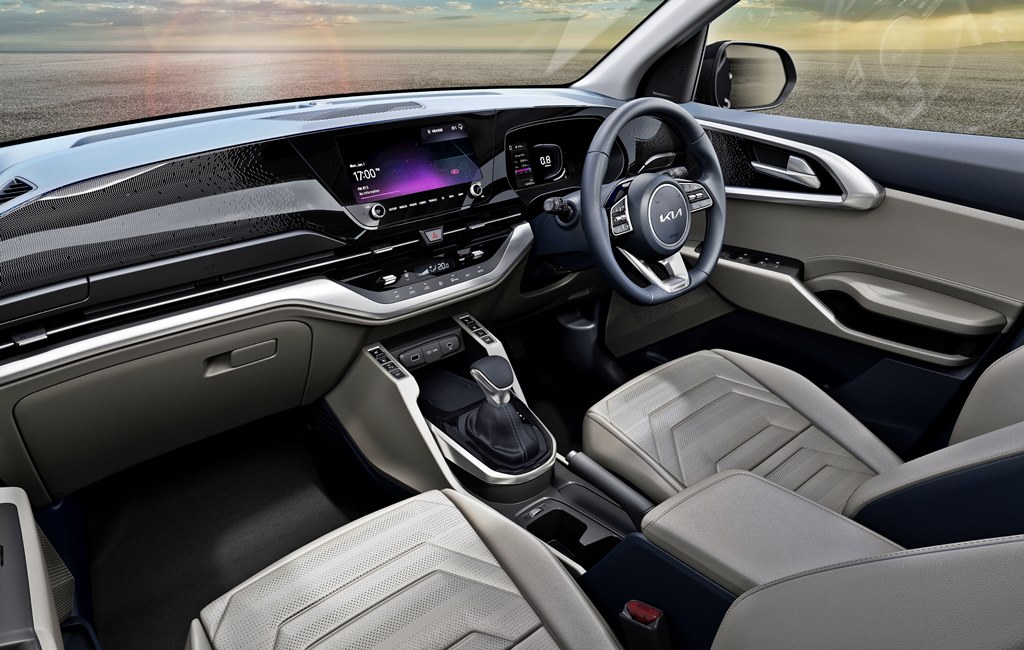
Extensive research was undertaken by Kia on the lifestyle and requirements of Indian families and the findings have resulted in a generous list of equipment. There are ventilated front seats, a Smart Pure Air Purifier with Virus and Bacteria Protection (very important in these times), Skylight sunroof and a BOSE Premium Sound System with 8 speakers. Surround Ambient Mood Lighting is also provided with a choice of 64 colours.

2022 Kia Carens 4th Generation

2022 Kia Carens 4th Generation

The infotainment (including navigation uses a High-Definition touchscreen display which is linked to Next Generation Kia Connect. This replaces the previous UVO system and allows for enhancement of OTA (Over the Air) Map and System Updates. This means owners can now update software without visiting the Kia service centre.

The Carens will come equipped with 60+ connected car features and what is more exciting is that the AVNT of the vehicle now supports ten native languages.

2022 Kia Carens 4th Generation

Kia Malaysia reveals 5-year plan with 61% of local production to be exported

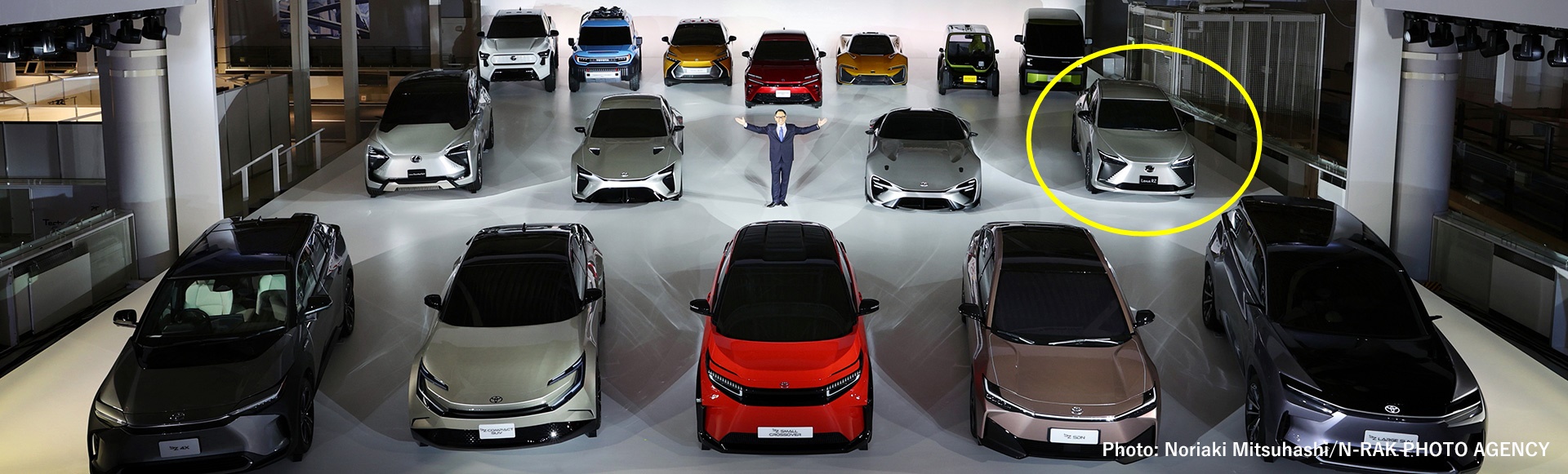
At the recent press conference where Toyota’s President, Akio Toyoda, gave a broad overview of the company’s electrification strategies during this decade, 16 fully electric – also known as BEVs or battery electric vehicles – were shown on stage. Most are probably just 3-dimensional models of future products but they certainly attracted a lot of speculation and attention, especially the electric Hilux and a SUV that has styling reminiscent of the FJ Cruiser.

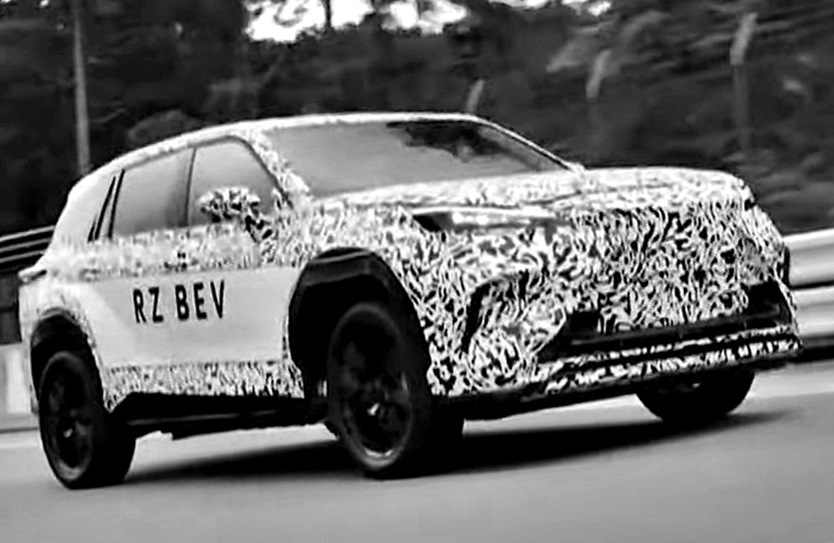
To date, Toyota has launched one BEV model which will go on sale in 2022. This is the bZ4X, which is said to have been developed with involvement of Subaru, which will sell a similar model it calls the Solterra. Mr. Toyoda also showed a video of himself and Koji Sato, President & Chief Branding Officer of Lexus International, testing a Lexus BEV prototype around a test course. It’s typical of the Toyota President who, being a racing driver himself, also gets involved in product development.

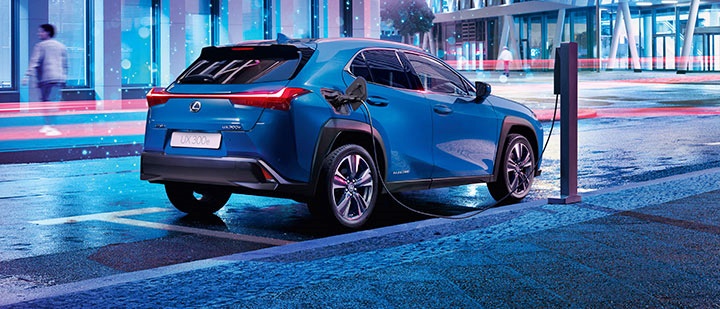
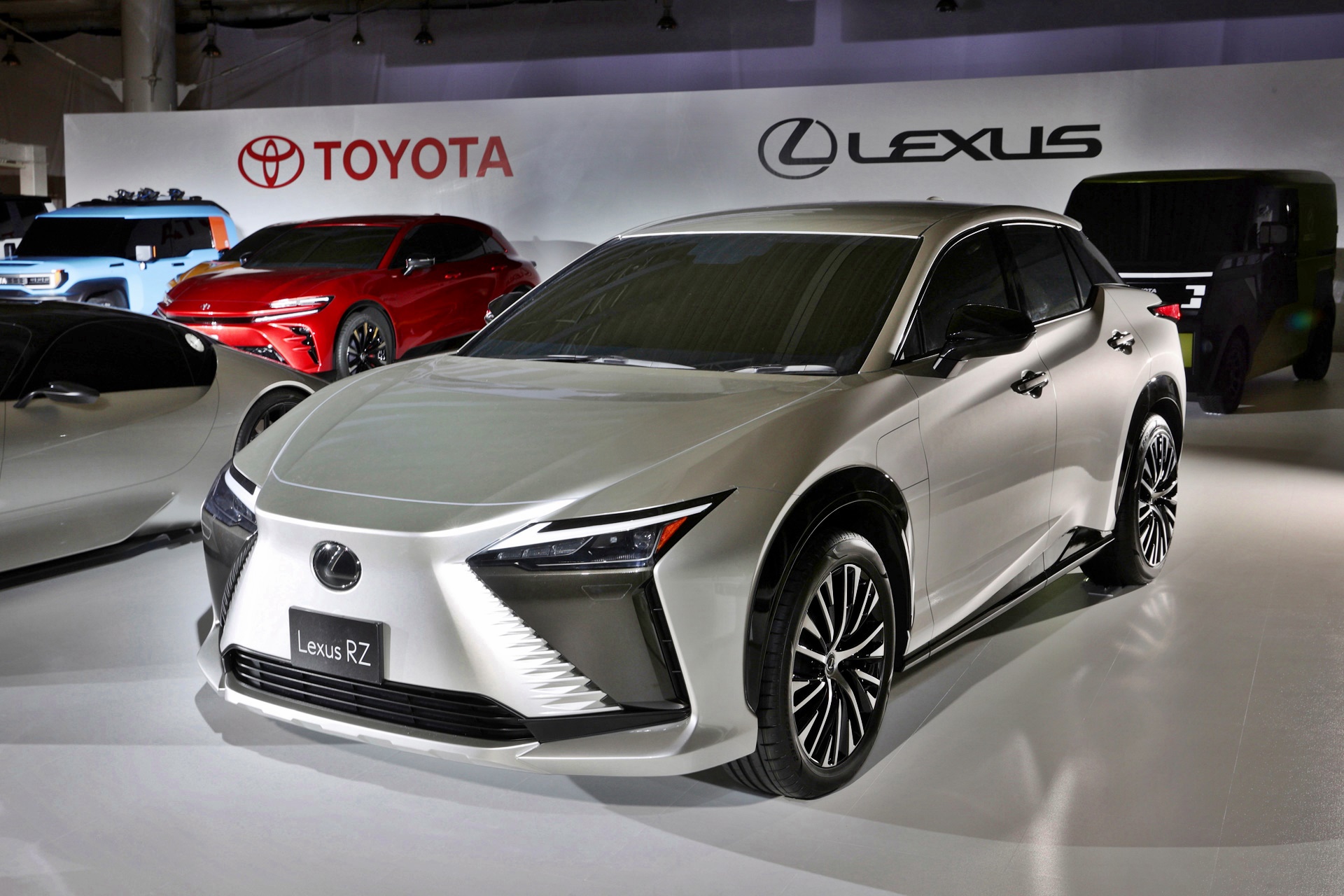
An uncamouflaged model of that BEV appeared to be in the group of Lexus prototypes also displayed. The BEV will go into production in 2022 and while details have not been released, Lexus has shown more uncamouflaged pictures of the car. The BEV prototype will be the new RZ, a SUV crossover that will be the first of range of Lexus vehicles that have been designed from the start to be BEVs. Apart from having sold hybrids for many years, this will not be the first fully-electric Lexus model as the all-electric UX 300e has been available for about 2 years now. However, that model was not developed only as a BEV.

UX 300e is the fully electric version of the UX compact crossover.

e-TNGA
With the RZ, which will start with a 450e variant, the vehicle is built on a completely new dedicated platform called e-TNGA, a version of the TNGA (Toyota New Generation Architecture) that has been used for all recent new models. While the bz4X is RAV4-sized, the RZ 450e looks like a RX-sized model with similar styling themes but a closed front end typical of EVs.

All-wheel drive with  DIRECT4
Not many details are available at this time though it can be expected that the powertrain will be something similar to what is in the bZ4X, with higher output and a bigger battery pack. The all-wheel drive system will be an exclusive control system called DIRECT4 which dynamically controls the drive force to the wheels constantly optimizing the power delivery. It can be fully front wheel drive or rear wheel drive or varying combinations of front and rear drive as conditions require.

The new RZ will also be available with a steer-by-wire system. This is said to eliminate the traditional hand-over-hand action for lower speed driving or parking. It would be possible to do a full U-turn with a simple rotation of the steering wheel.

Steering wheel in the Toyota bZ4X which will initially be offered in SUVs for the China market.

Lexus says there will be a ‘comfortable and unique shape’ which provides a clear view to all relevant information from the instrument panel to the heads-up windshield display. This suggests that the RZ may also have that steering column with a wing-shape. In the bz4X, it will initially be offered in China and then progressively appear in other markets.

Battery warranty up to 10 years
As a measure of the brand’s confidence in its BEV technology, Lexus is offering (in some markets) a 10-year (or up to 1,000,000 kms) extended care on all functional defects of the vehicle’s main battery pack and capacity degradation below 70%, provided that the regular health checks foreseen in the maintenance program are followed. This is a separate warranty from the vehicle warranty which covers the powertrain.

The new RZ range will begin the Lexus offensive to have BEVs in every segment, and account for 100% of the brand’s total sales in Europe, North America, and China by 2030.

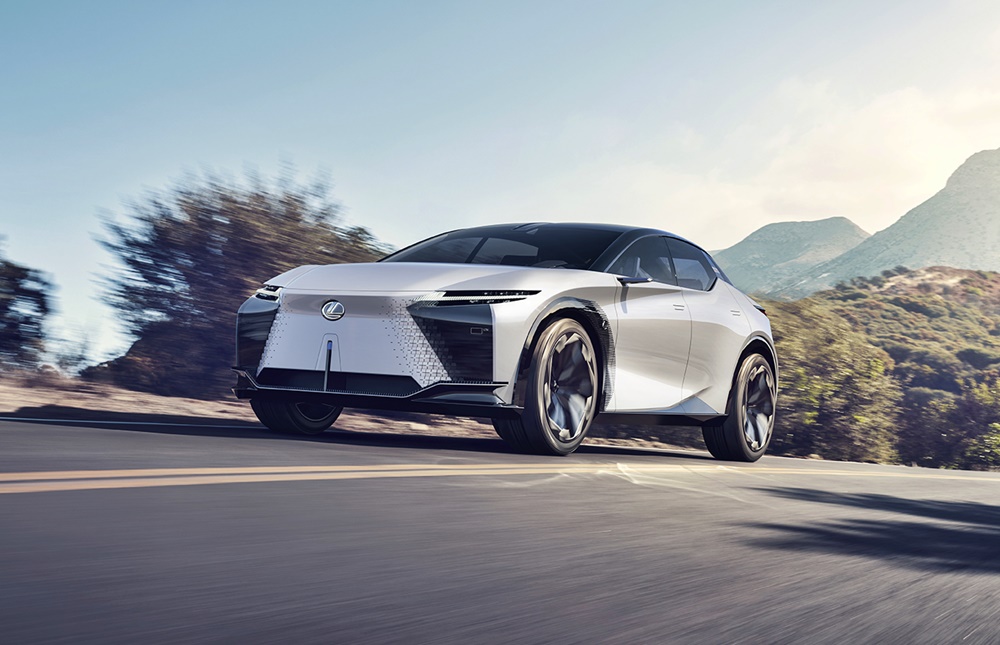
LF-Z Electrified concept shows design direction for future BEVs from the brand.

External designers create Virtual Interiors for Lexus LF-Z Electrified concept

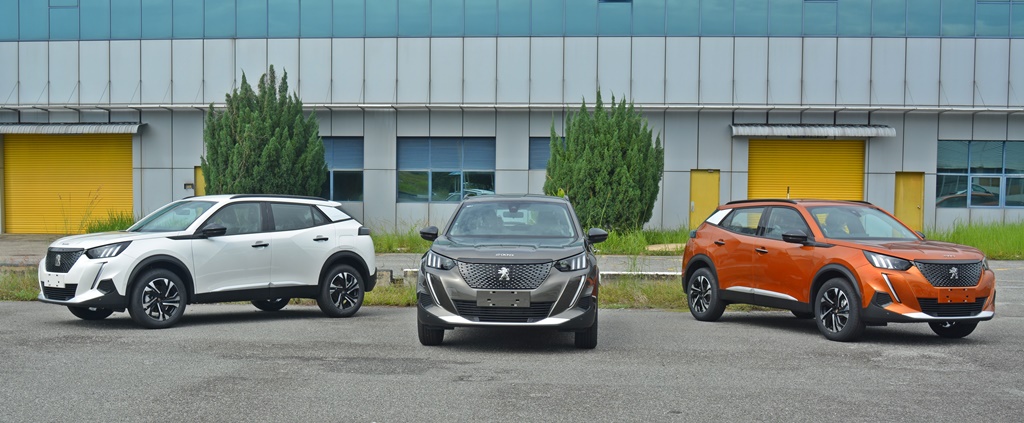
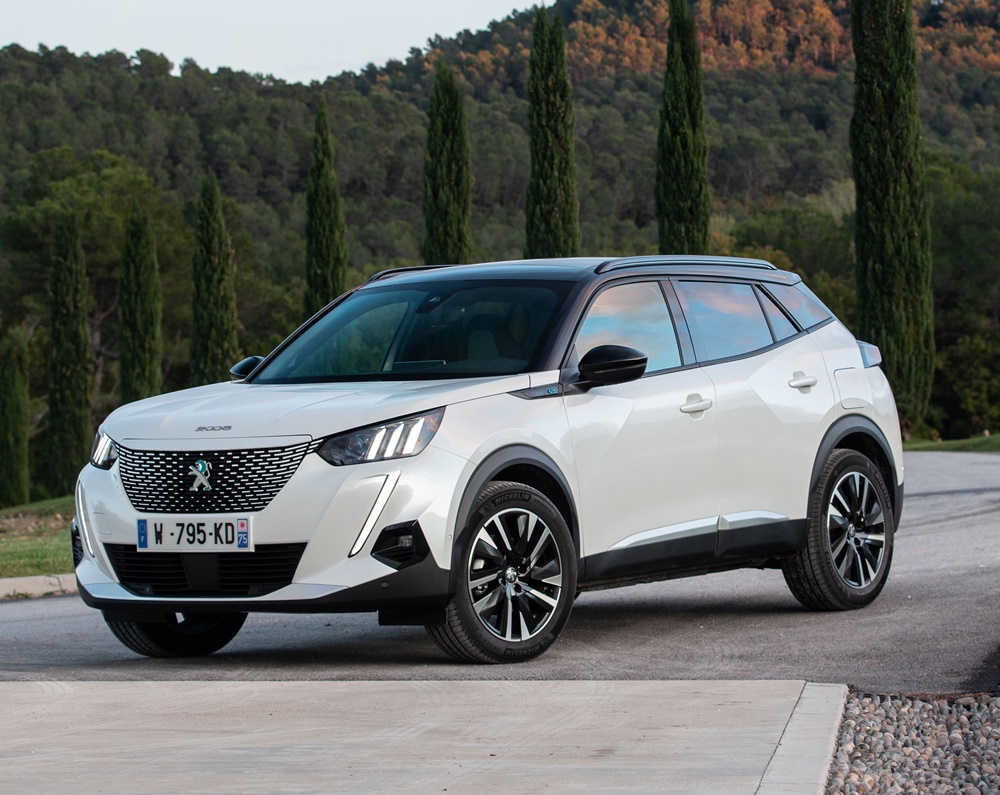
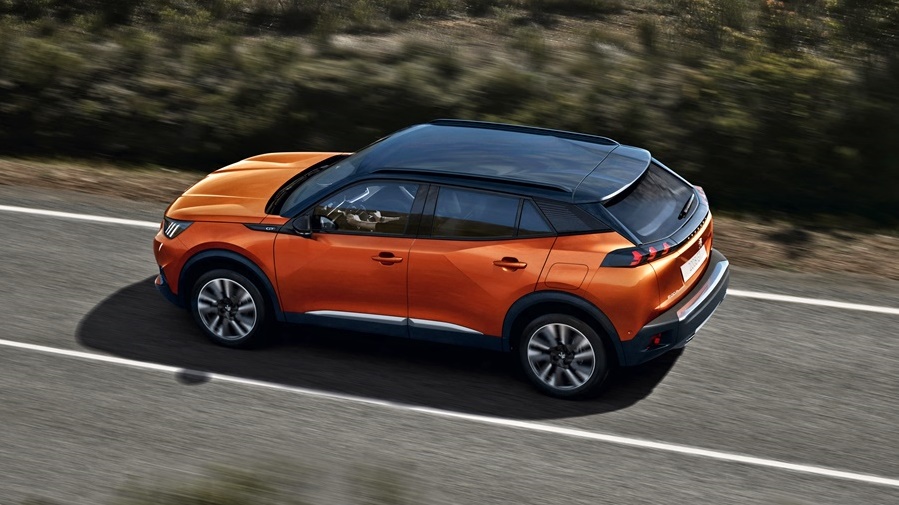
The first units of the new Peugeot 2008 have left the production line at the Stellantis manufacturing plant in Gurun, Kedah. The production is meant for the Malaysian market as well as for export to neighbouring countries. Sales will start in Thailand this month and there will also be lefthand drive versions produced for markets such as the Philippines.

“Built in ASEAN for ASEAN, we’re proud to announce that the first locally-produced new Peugeot 2008 vehicles will be on their way to customers in Southeast Asia in the coming months,” said Christophe Musy, Senior Vice-President, ASEAN & General Distributors at Stellantis.

“This is an important step in our plan to enlarge the Stellantis manufacturing footprint in the region and the first example of our ambition to expand the portfolio of Stellantis vehicles built in Southeast Asia,” said Mr. Musy.

The 2008 comes with Full LED Headlights, Peugeot’s signature 3-claws Light, the new Peugeot i-Cockpit 3D, 3D Quartz Cluster and 7-inch HD Touchscreen with Toggle Switches. It also has the latest Advanced Driver Assistance Systems (ADAS) that include Automatic Emergency Braking, Driver Attention Assist 3, and Active Blind Spot Detection + Lane Keep Assist.

Peugeot engineers have done extensive endurance and quality testing in local conditions, with up to 200,000 kms around Malaysia in the diverse local climate and environmental landscape to ensure it is suited for Southeast Asian conditions.

New Peugeot 2008.

Despite forced closure of the plant for an extended period (due to government actions to fight the pandemic), the Stellantis manufacturing team in Malaysia was able to keep to production timelines. By utilizing dynamic online tools and methodologies, they virtually collaborated with colleagues in China and Europe.

“What we’ve been able to achieve at the Gurun plant in Malaysia over the past few months is a great achievement, and we are now focused on continuing the momentum to keep up with the increased customer demand for locally-manufactured Peugeot vehicles in the region,” said Mr. Musy.

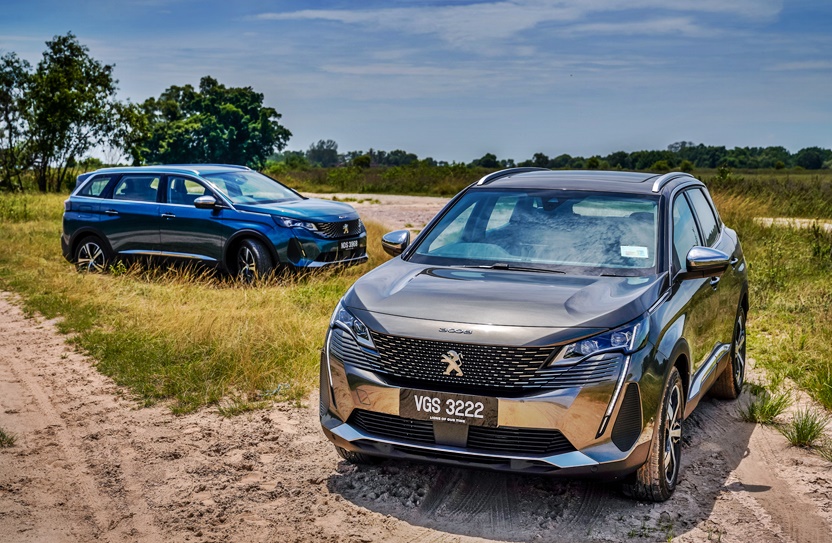
Besides the 2008, the plant in Gurun also assembles the latest Peugeot 3008 and 5008.

Stellantis (a merger between the Fiat Chrysler Automobiles and the French PSA Group) acquired the NAZA Automotive Manufacturing Sdn. Bhd. plant in October this year. Over 170 employees have returned to work and the company is working with more than 50 local suppliers with production ramping up for the remainder of 2021 to meet local demand. The plant assembles the 3008 and 5008, besides the 2008.

To know more about Peugeot models and aftersales services in Malaysia, visit www.peugeot.com.my. Peugeot owners in Malaysia are urged to provide their contact details to Bermaz Auto Alliance Sdn Bhd which is the new distributor for the brand.

Chrysler (FCA) ‘re-marries’ to form another mega corporation with Groupe PSA

Mazda’s all-new CX-50 is another new model from the carmaker that could be seen as the beginning of a new range with the ‘0’ added at the end. With the exception of the older BT-50, we’ve had the MX-30 and the CX-30 in recent years and now a larger SUV joins this new generation of models.

The CX-50, not intended as an immediate replacement for the CX-5, is essentially for the North American market where Mazda enjoys strong sales. Not only has it been developed for the market but it will also be built there, at the new Mazda Toyota Manufacturing factory in Alabama, with production beginning in January 2022.

2022 Mazda CX-50

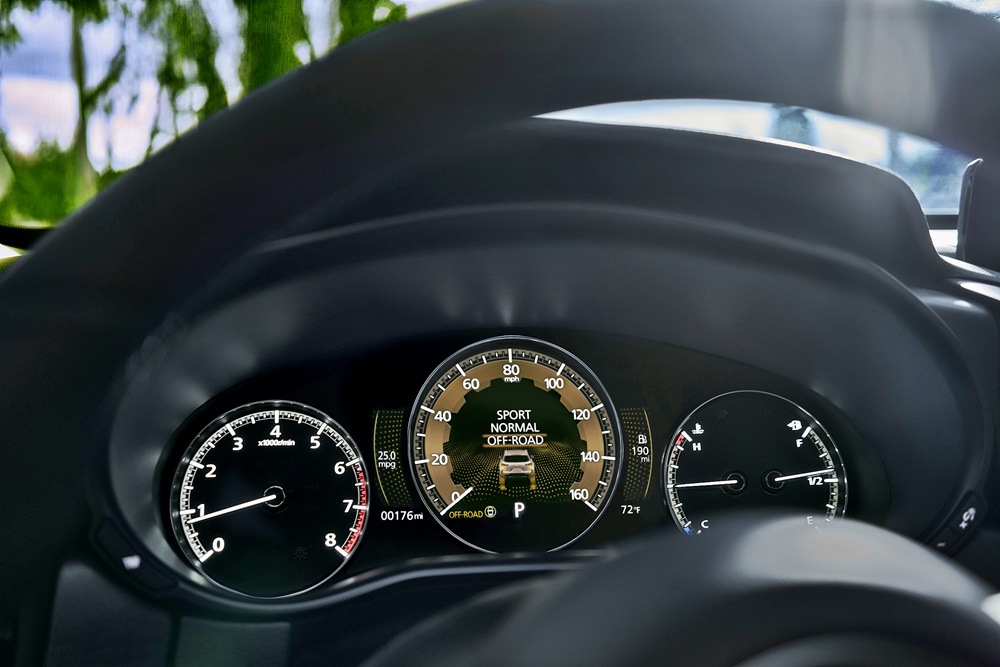
The CX-50 will have both naturally aspirated and turbocharged SKYACTIV-G petrol engines. This is a 2.5-litre 4-cylinder unit which will be paired a 6-speed automatic transmission. All versions will have i-ACTIV all-wheel drive and a new Mazda Intelligent Drive Select known as Mi-Drive.

Later on, the company plans to add electrified powertrain options. It confirms a ‘traditional hybrid model’ will be offered but no details are being provided yet. The hybrid powertrain is likely to be Toyota’s (which has often said it is willing to share its technology to promote hybrids) although Mazda engineers would also ‘tune’ it according to their own philosophy.

Up to 150,000 units of the new CX-50 will be built annually at the jointly owned Mazda Toyota Manufacturing factory in Alabama, USA.

2022 Mazda CX-50

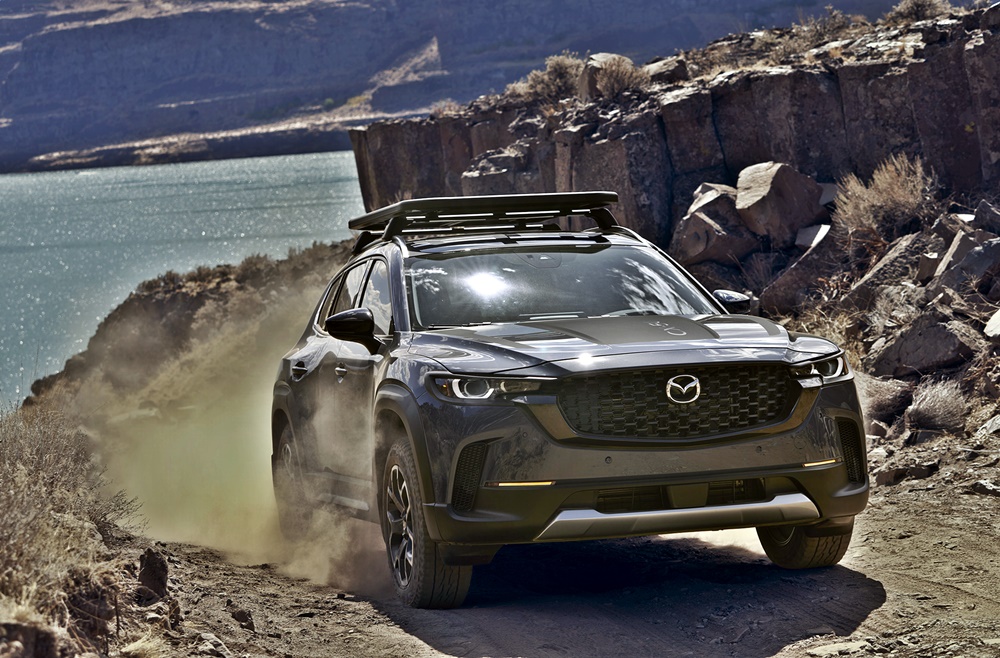
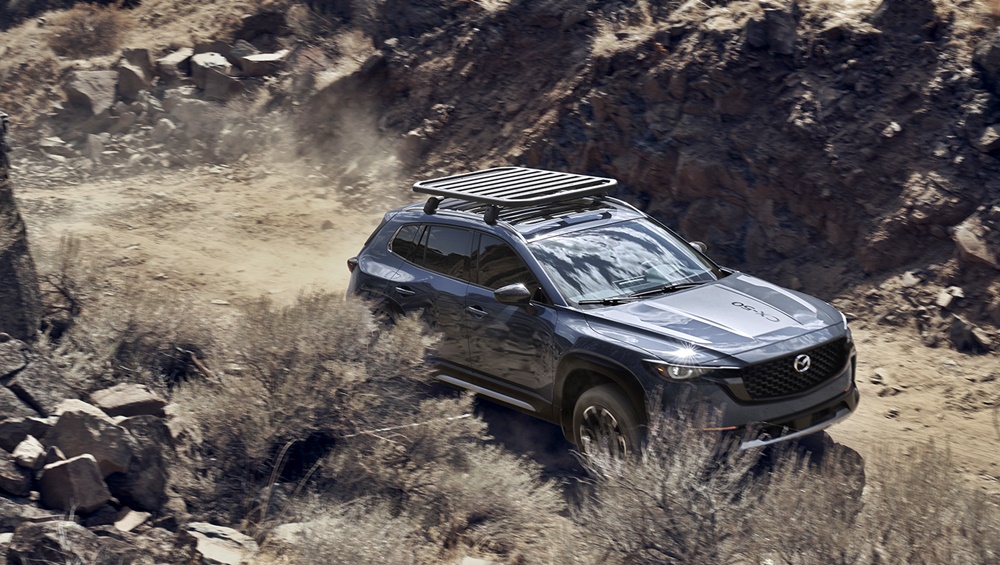
With this new model, it appears that Mazda has adjusted the balance of highway capability and off-road capability based on market studies of how owners of SUVs use their vehicles. The present range of models are already fairly competent with jinba-ittai driving dynamics on the road and with the CX-50, some extra capability has been added for off-road motoring. Exactly what this entails is not explained but Mazda says that drivers will be able ‘to venture further into the outdoors and various terrain’.

It is likely that Mazda engineers have adapted the G-Vectoring Control (GVC) to enhance driving on loose surfaces. This proprietary system developed by the carmaker intelligently adjusts engine torque so that weight distribution is more front-biased when turning in. That could be useful on loose surfaces to enhance grip as the vehicle goes around a turn.

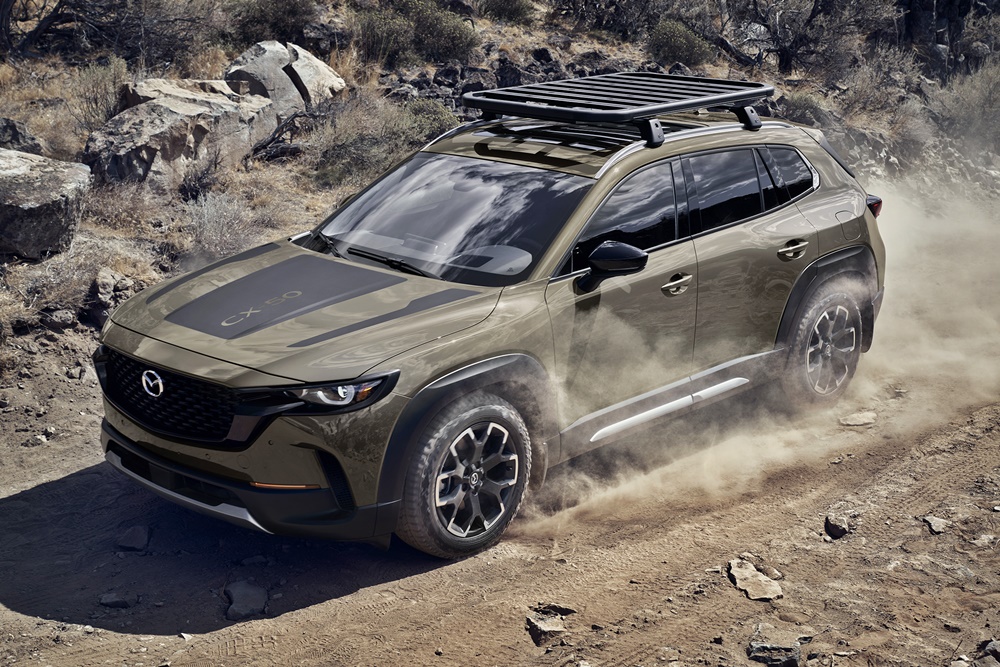
With the ‘father of KODO Design’, Ikuo Maeda (Head of Mazda Design) having expressed a hope that KODO design will exist ‘forever’, it is also adopted for the CX-50. As with each new model, there is a bit of evolution in the design language and the design elements are geared toward a  more rugged image.

2022 Mazda CX-50

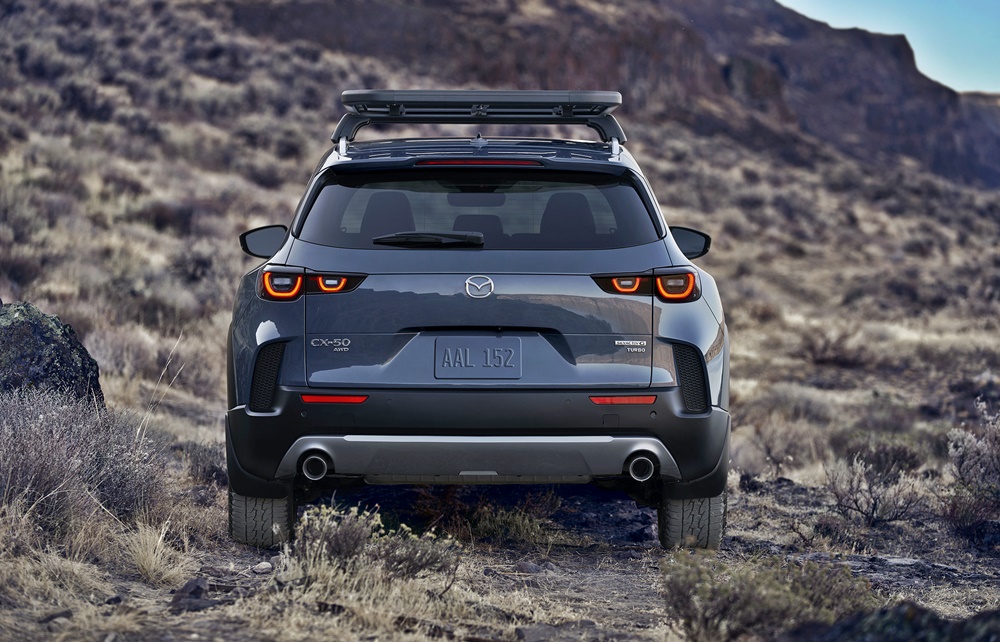
Riding on a new platform also used for the latest Mazda3 and CX-30, the CX-50 is slightly longer than the CX-5 as well as wider. However, the roofline is closer to the road and the designers have put on roof rails. While roof rails on many SUVs are more for looks, those on the CX-50 are said to be high-strength and, along with reinforced B-pillars and door jambs, allow equipment to be securely stowed on the roof. For those who have more gear, Mazda also offers a roof carrier as an option.

2022 Mazda CX-50

2022 Mazda CX-50

2022 Mazda CX-50

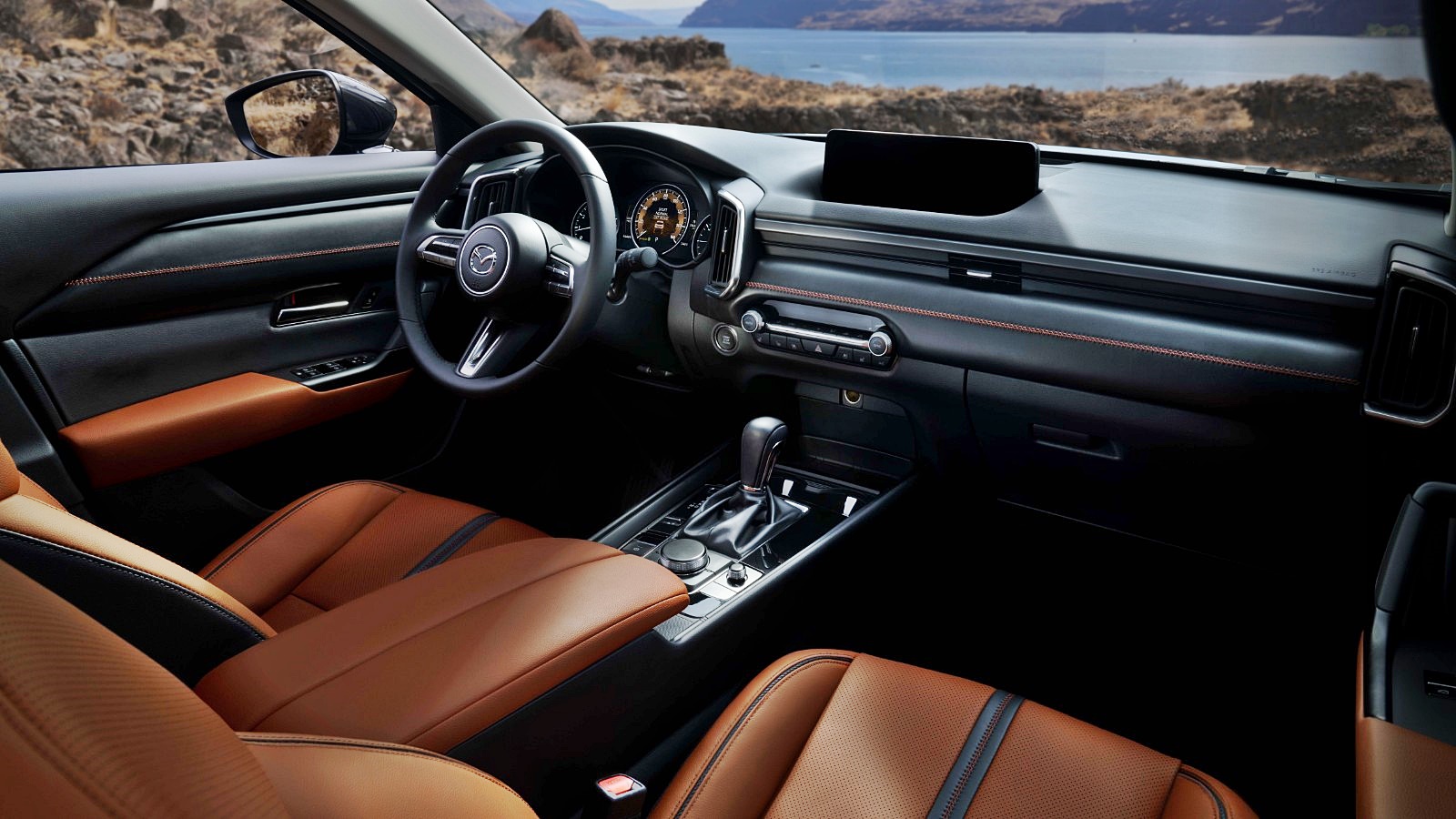
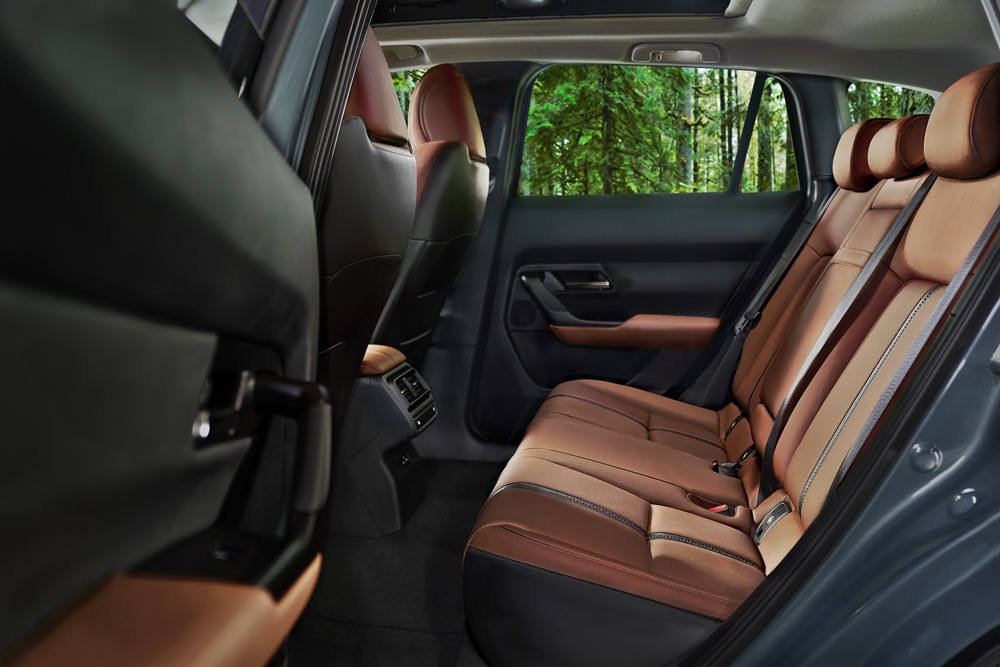
As with other current Mazdas, the cabin has a premium look with functionality that would be welcome by those who do venture off-road. The generous height and length contribute to the spacious cargo area and perhaps some of the useful lessons gained from working with Ford on the jointly developed Escape/Tribute years ago have been recalled. A new panoramic moonroof, a first for Mazda, brings the sky in, again something that will be especially appreciated off-road.

As the model is intended mainly for the North American market, it is unlikely that it will be offered in Malaysia by Bermaz. However, it might eventually appear in a later generation as the current single-digit number range transitions into the double-digit one in later years as Mazda clearly would not be having dual model ranges for too long. That has already happened with the CX-30, with the CX-3 to be discontinued in some markets next year.

2022 Mazda CX-50

To know more about Mazda models available in Malaysia, visit www.mazda.com.my.
Mazda to complete electrification of products by 2030, with major focus on European markets

Japanese carmakers built their reputation on reliable, economical and affordable small cars and for most of the world (with the exception of America), they captured big market shares. However, in Europe, while their small cars were successful and popular, they faced a big challenge in the supermini A-segment. This was where European carmakers had popular products and were pretty well entrenched.

Prior to the 1990s, some European countries like France, Spain, Portugal and Italy had formal and informal quotas on imports of Japanese cars to limit their threat. As in America, the Japanese carmakers began to build factories in Europe as a way to get behind the barriers. Eventually, as the World Trade Organisation forced upon countries the requirement to drop barriers, the issue of quotas became less pursued.

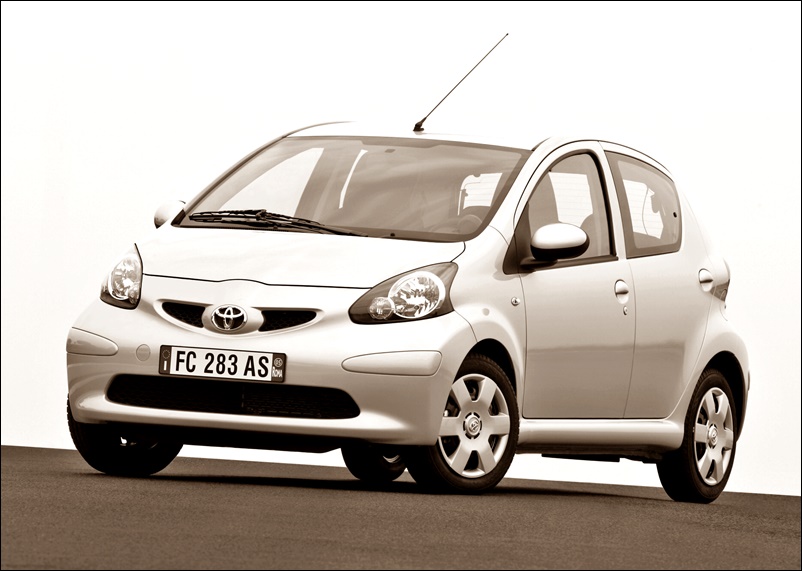
First generation of the Aygo

But the market had also changed by the beginning of the 21st century and collaboration was necessary as it was very costly to develop a model and then to have sufficient volumes to justify the investments. Even Toyota, which had often chosen to control its destiny alone, found it pragmatic to cooperate with other carmakers.

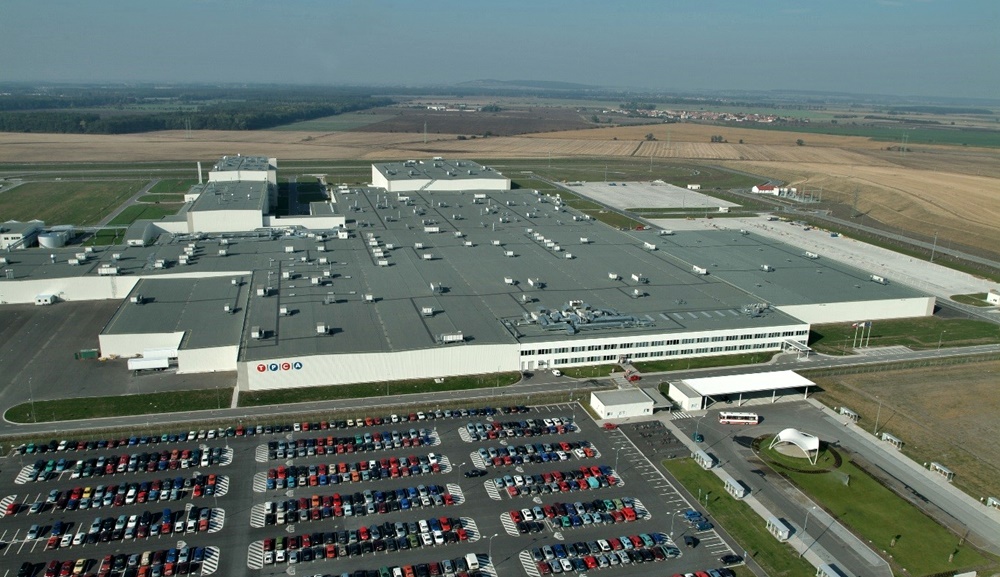
One of these joint ventures was with Groupe PSA, the parent company of Peugeot and Citroen, which saw the opening of a factory in the Czech Republic. Established in 2002, the factory, owned 50:50, was known as Toyota Peugeot Citroen Automobile Czech (TPCA) and was used to produce a supermini that would be marketed by Peugeot, Toyota and also Citroen. The model, jointly developed, was known as the Aygo and Peugeot called theirs the 107 while Citroen’s was badged as the C1.

The factory in the Czech Republic, which started as Toyota Peugeot Citroen Automobile Czech but is now Toyota Motor Manufacturing Czech Republic after the Japanese carmaker took over Groupe PSA’s 50% share in January this year.

The combined sales volume of the three models reached a peak of almost 340,000 units in 2009 and it sold well enough that a second generation was introduced in 2014. However, this will be the last generation of the common model as Groupe PSA (which is now in the Stellantis Group) has decided to cease the collaboration. At the same time, TPCA was also taken over entirely by Toyota in January this year.

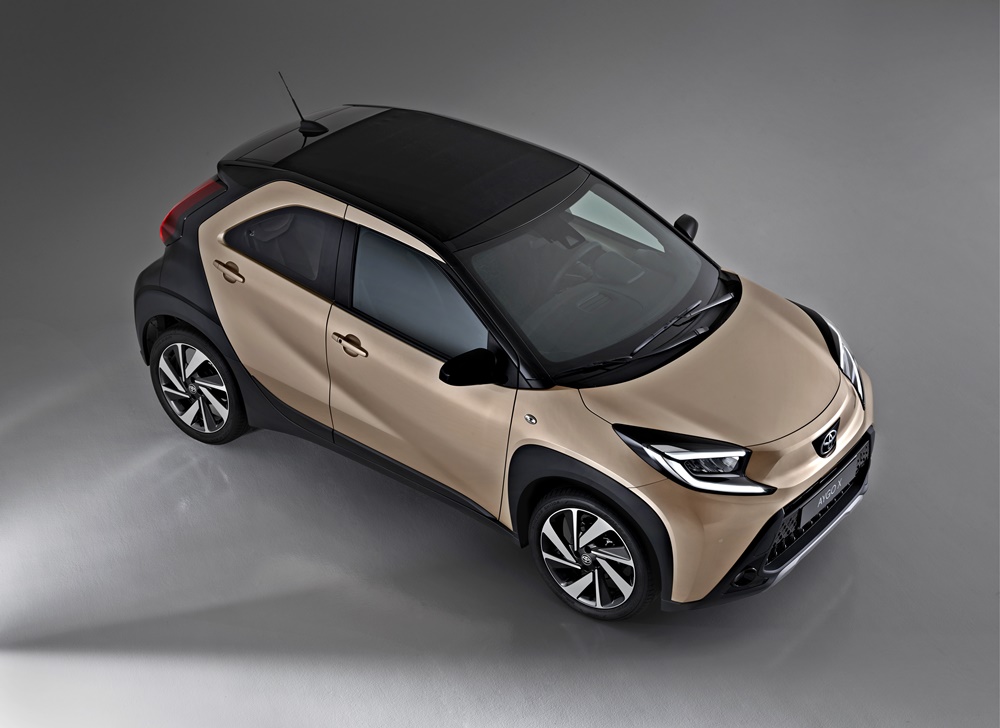
2022 Toyota Aygo X

Having been in the market for 7 years now, the Aygo might seem like it’s reaching the end of its generation cycle but that has not stopped Toyota from coming out with a brand new variant. This is the Aygo X launched this week and it is a response to the continuing demand for crossovers.

Designed mainly in Europe, it’s still a city car but has additional versatility. As with many of the latest Toyota models, it also uses TNGA – Toyota Global New Architecture – and specifically the GA-B platform first introduced with the latest European Yaris and more recently, the Yaris Cross.

2022 Toyota Aygo X

“Since the Aygo first arrived in the market in 2005, not only has it been Toyota’s most accessible car in Europe, it also delighted customers with its youthful and fun character. Not only has it brought many new customers to Toyota. It also fulfils our mission to provide everyone with the right mobility solution,” said Andrea Carlucci, Vice-President, Product & Marketing, Toyota Motor Europe, adding that the A-segment is very important to the company.
The Aygo X is the production version of the Aygo X prologue shown in March this year. The concept car was developed at Toyota’s European Design and Development (ED2) in France. Feedback on the concept car helped the designers at Toyota Motor Europe’s styling division in Belgium to fine-tune the product and take it from concept to reality.
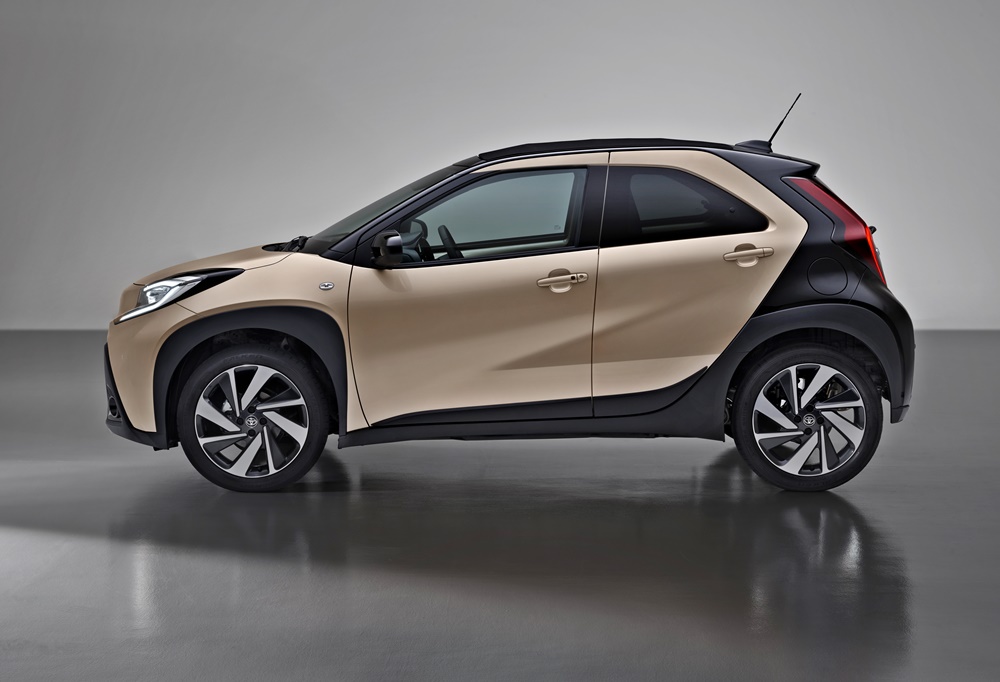
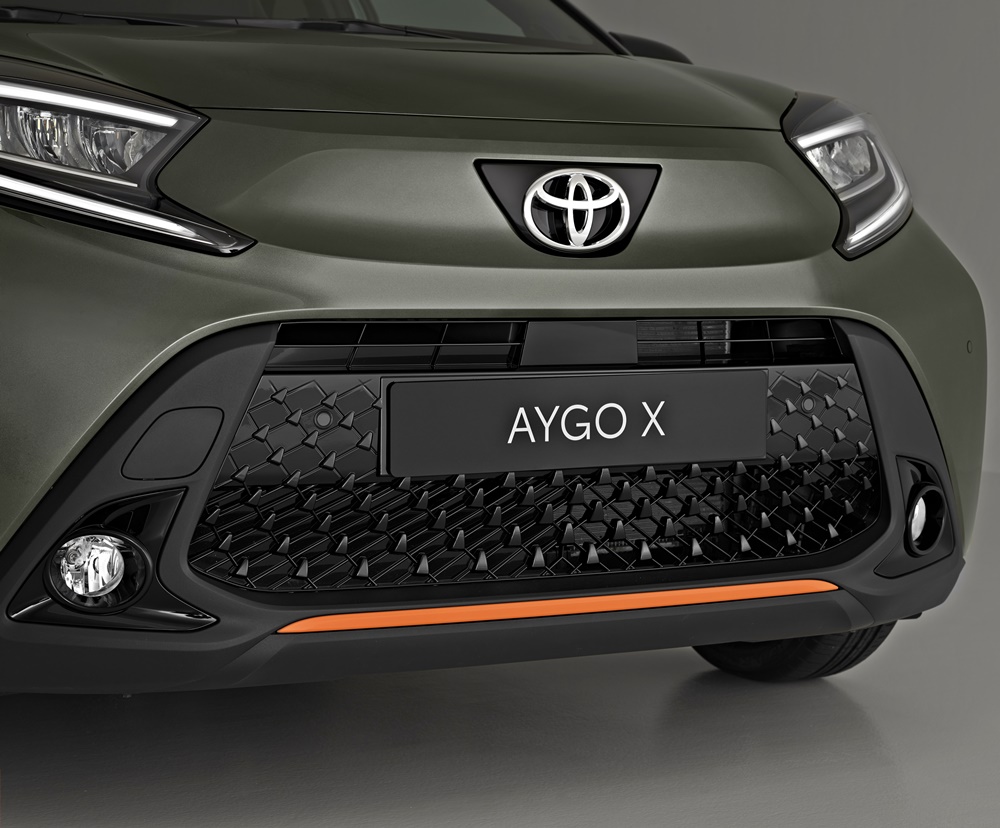
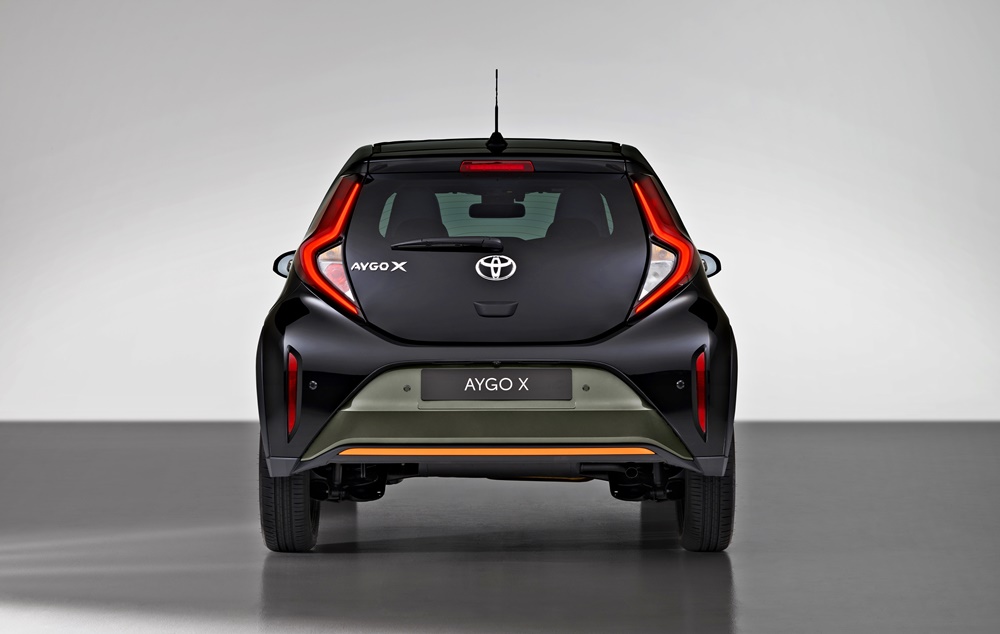
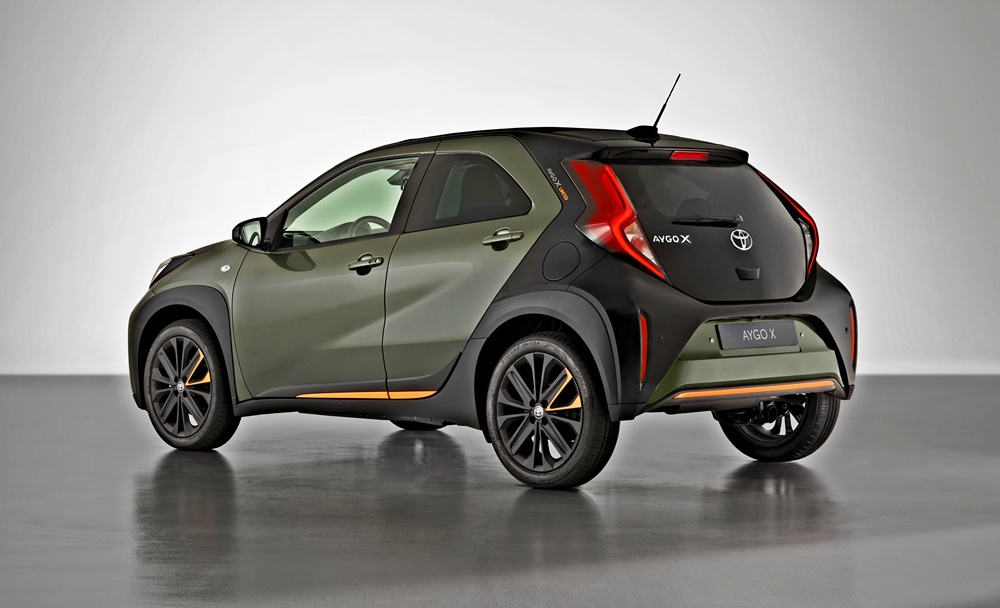
The Aygo X uses the dramatic spice colour concept of the prototype with a bi-tone black roof to create a unique graphic profile. A wedged roofline also increases the dynamic feeling for a sportier image. In the front, high-tech lamps hug the upper bonnet to form a wing-like shape, while lower to the ground, the large grille, foglamps and skidplate all build on the double trapezoid theme that is part of Aygo’s identity.

“The bi-tone of the Aygo X immediately grabs people’s attention. It’s clearly not just a detail. It’s an integral part of the design,” explained Anastasiia Stoliarova, Aygo X Product Planner.

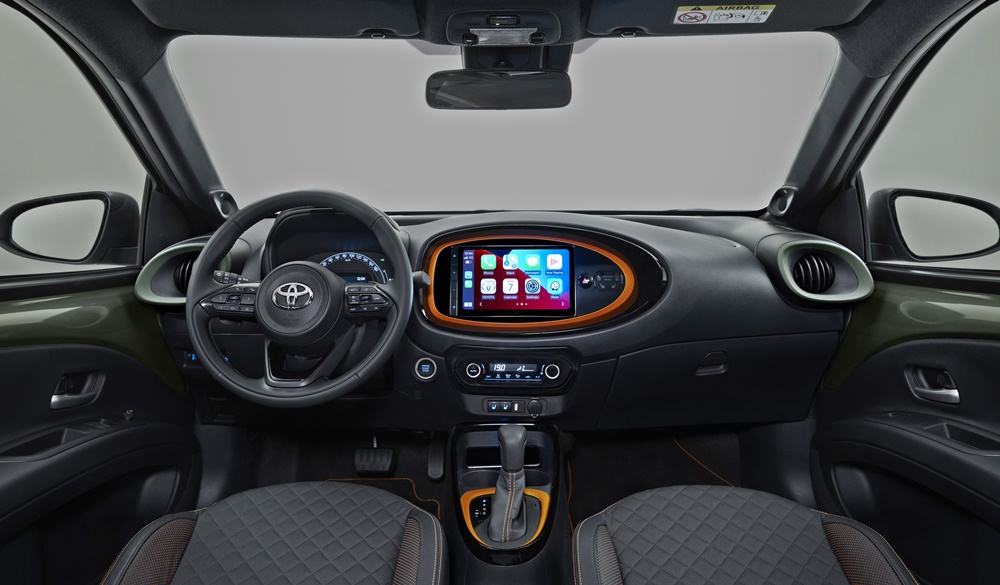
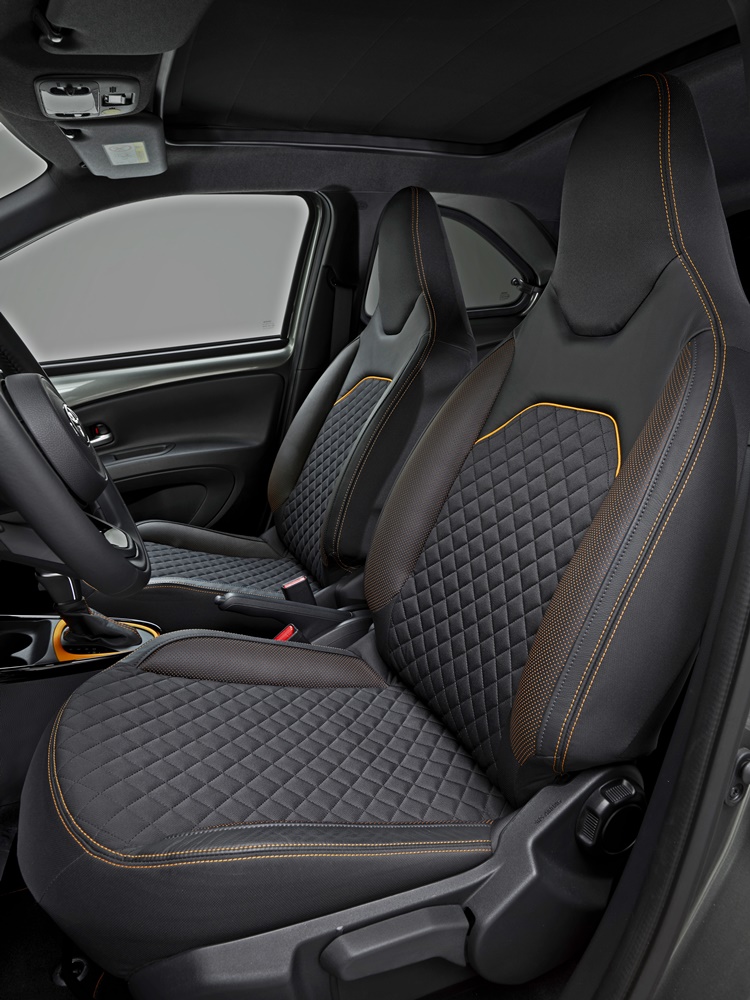
The spice theme is not just on the exterior as interior highlights match the bodywork’s spice colours to give a distinctive design to the cockpit, including the dashboard and centre consoles. On the seats can be seen an ‘X’ symbol discreetly stitched right into the fabric. The Aygo X model name is also subtly echoed in the keen look headlamps to provide a strong and coherent identity.

Toyota isn’t offering an ‘Edition 1’ (as some carmakers do) but, for the first 6 months after going on sale in 2022, there will be a ‘spicier’ limited edition Aygo X in Cardamom. This features additional matte Mandarina accents in orange throughout the car with accent stripes on the exterior and on the bespoke 18-inch matte black alloy wheels. The Mandarina theme is also carried through the interior panels and seat fabric design.

As with other Aygo models, the Aygo X is powered by a 1-litre, 3-cylinder engine. Coupled to a new S-CVT transmission, it is claimed to be able to do 21.3 kms/litre.

2022 Toyota Aygo X

In adapting the GA-B platform for the Aygo X, the A-segment contender has evolved into a credible  crossover product. It has a modified and downsized rear chassis section with reduced front and rear overhangs. The 3700 mm long Aygo X has less front overhang than the Yaris, and has an exceptionally small turning circle of 4.7 metres.

The total body width is 125 mm more than an Aygo, which has allowed the front seats to be moved 20 mm further apart and increasing shoulder space. Luggage space is claimed to be segment-leading with 125 mm more floor length and a smart space design behind the rear seats. Up to 231 litres of cargo volume is available.

2022 Toyota Aygo X

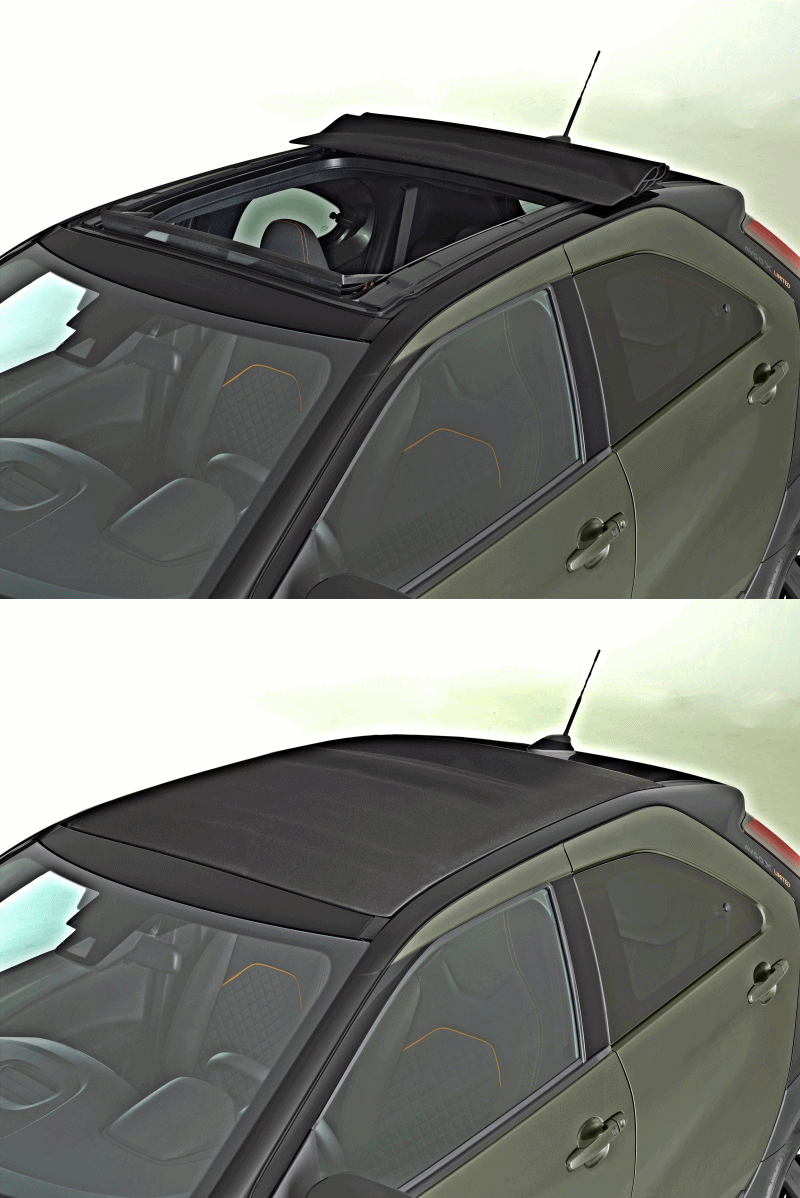
The ‘Pagoda’ roof design maintains compact overall dimensions, while providing comfortable, spacious cabin for driver and passengers. And the sky’s the limit, so to speak, with the optional retractable canvas top, a first for an A-segment crossover. The canvas top, of high quality materials,  offers improved water and dust protection and has a wind deflector structure.

Archive

Follow us on Facebook

Follow us on YouTube