Piston.my

hybrid

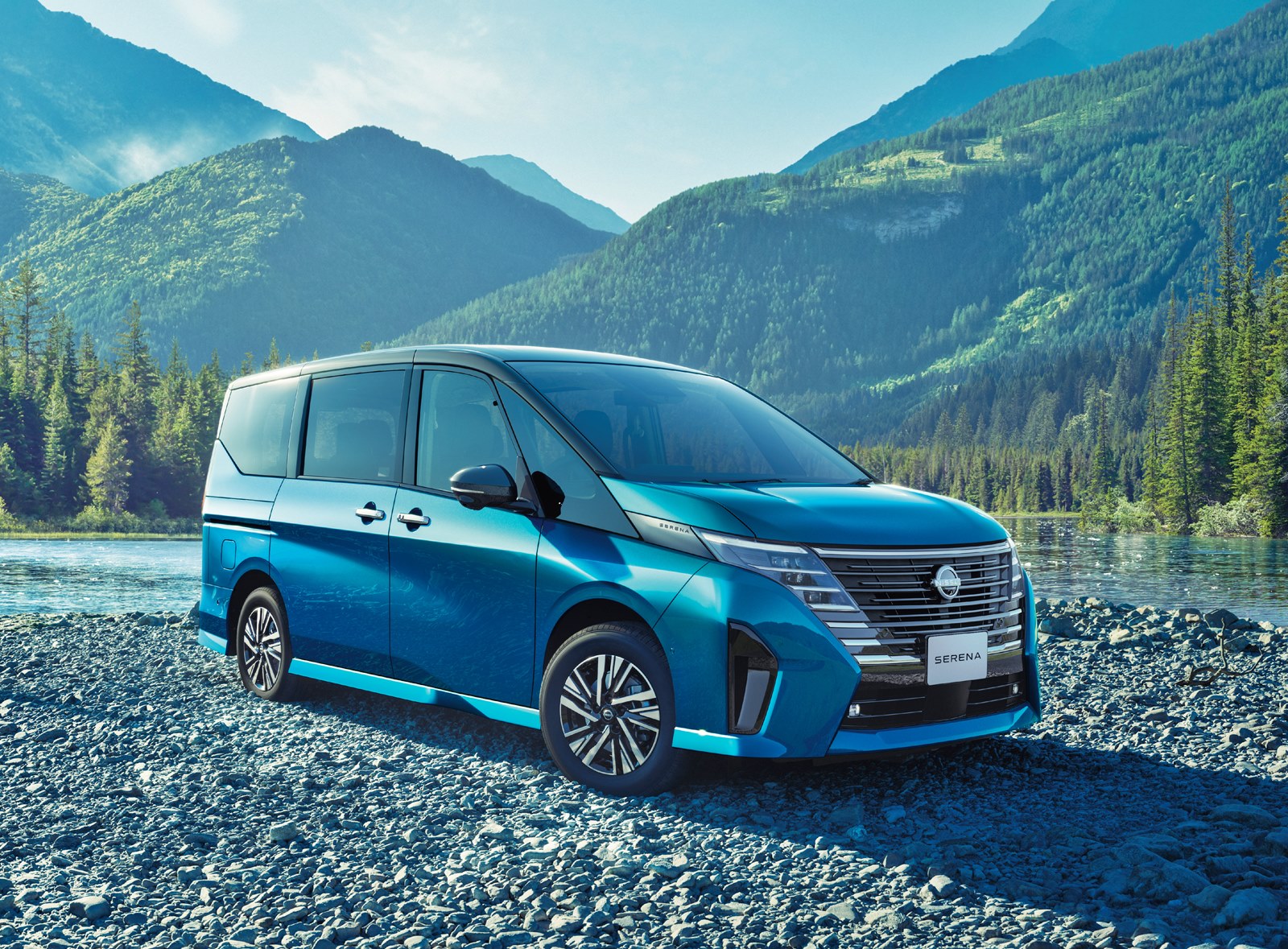
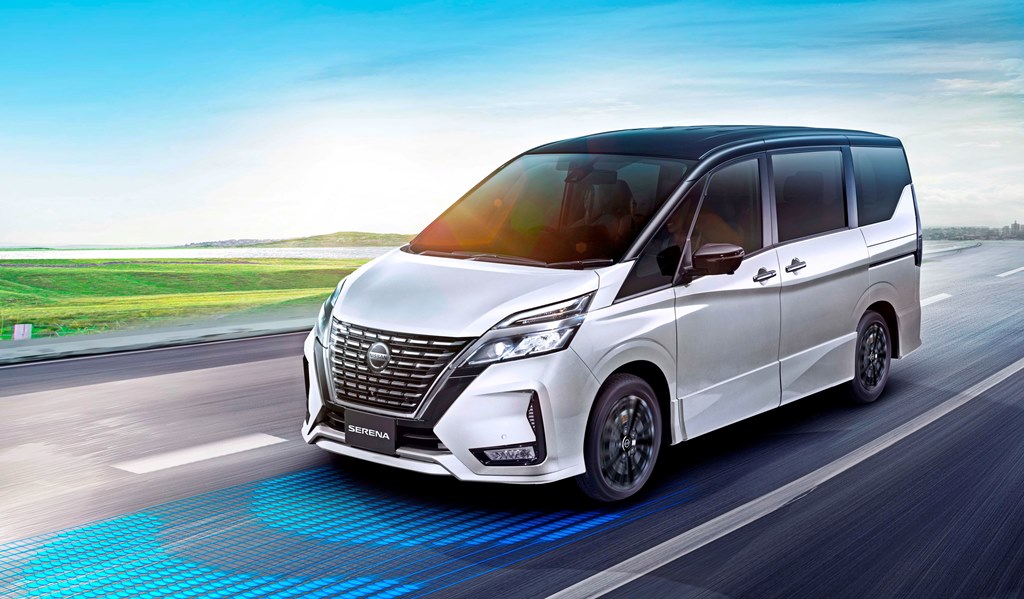
The Nissan Serena S-HYBRID was among the first hybrid models to be assembled in Malaysia and up till today, it is still the only locally-assembled hybrid MPV. With this generation of the Serena, not only did Nissan give it a hybrid powertrain but it also upgraded the MPV to be a more premium product. It offers the luxuries that many enjoy in other up-market MPVs for a lot less.

Cosmetic changes up front
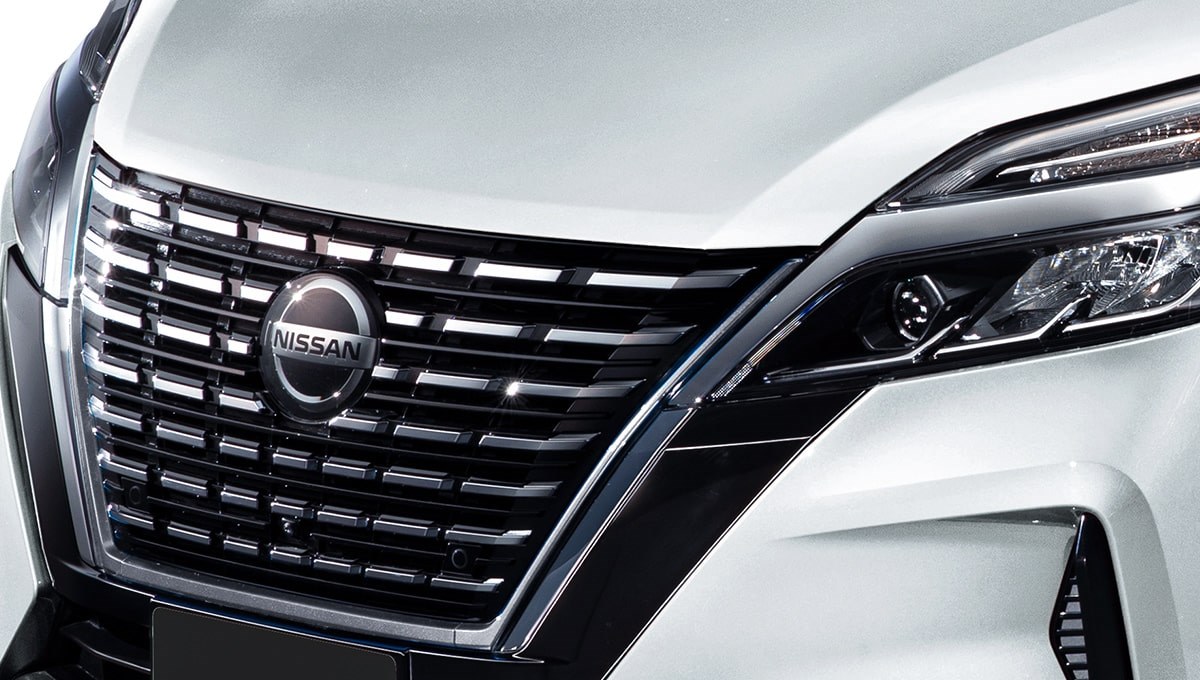
Periodically, Edaran Tan Chong Motor (ETCM) refreshes its models and adds a bit more value, and for 2022, the Serena gets cosmetic changes in the form of redesigned headlamps with daytime running lights, a new V-motion front grille with a distinctive chrome pattern, redesigned front bumper with foglamps.
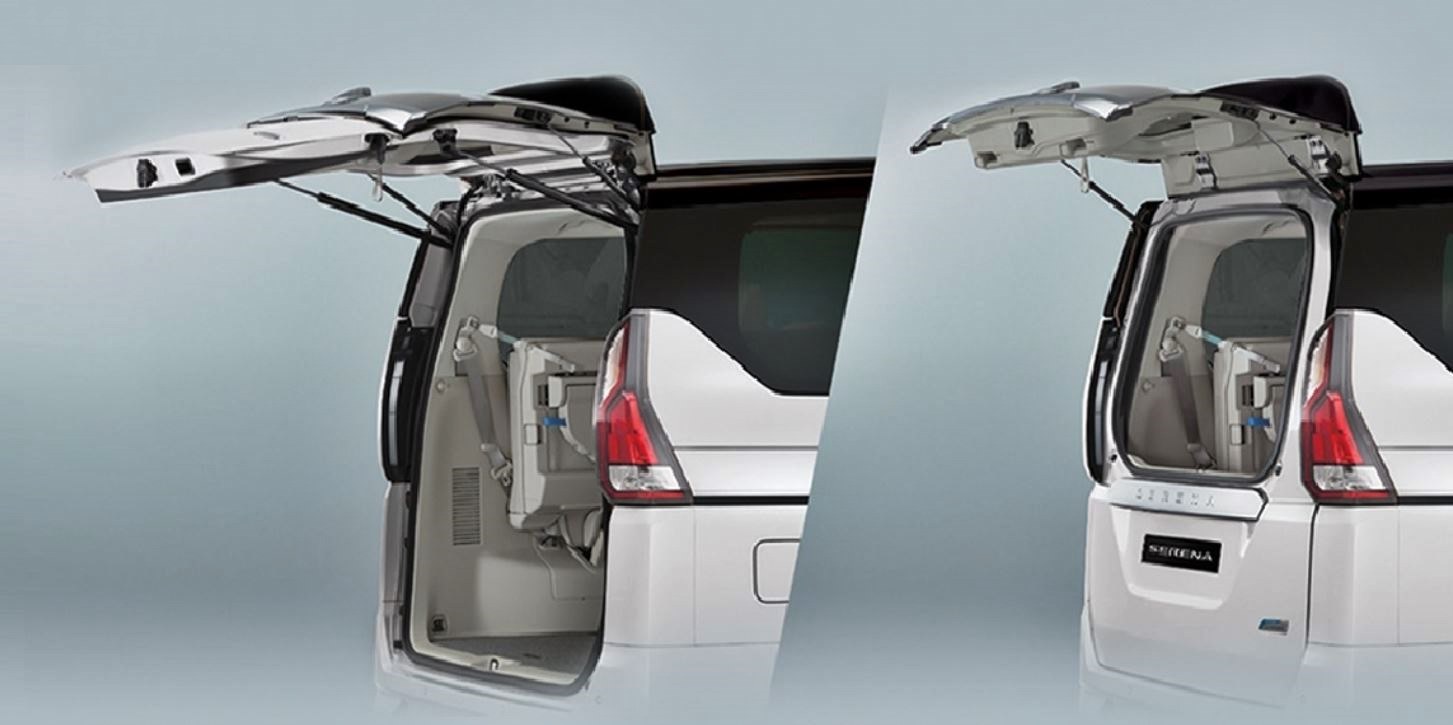
Besides the cosmetic changes, the Serena S-HYBRID maintains practical and thoughtful convenience features such as a two-section back door and hands-free powered sliding doors on both sides, as shown below.
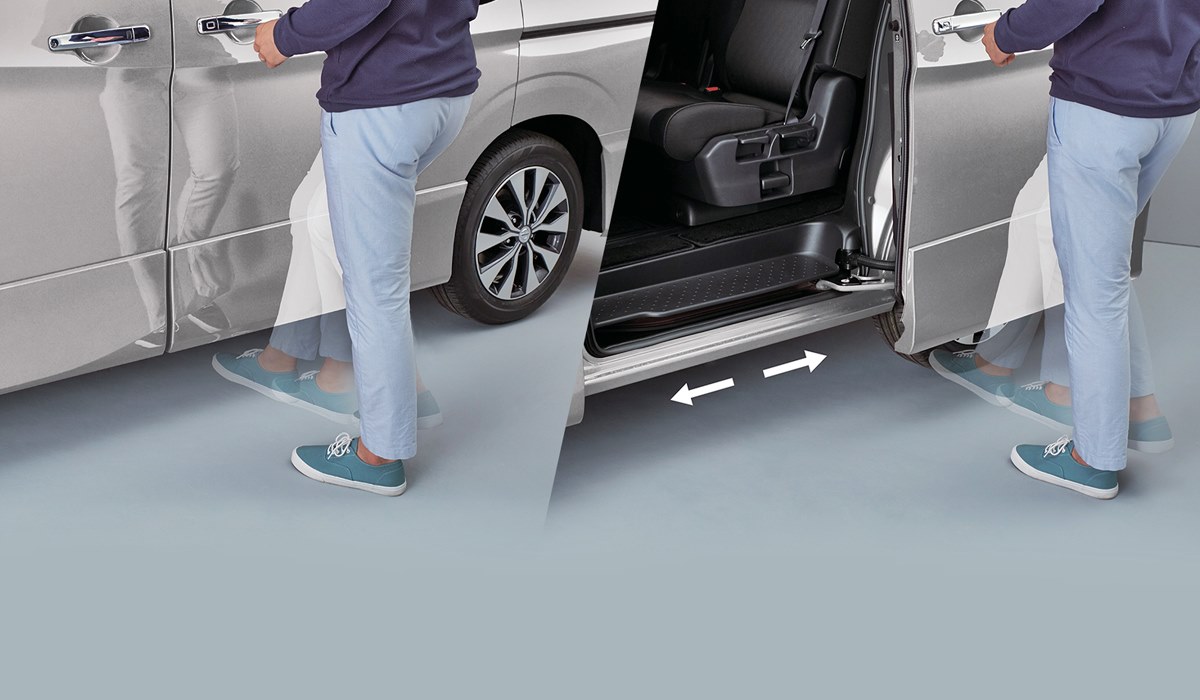
2022 Nissan Serena S-HYBRID

Versatile interior
The spacious and versatile interior has as many as 13 seating layouts with Captain Seats on the second row. These have individual armrests and extra-long slide adjustment.  Front passengers and those in the second row have Zero Gravity Seats, inspired by NASA’s studies in achieving the most neutral posture for fatigue-reduction. Quality materials are used, such as combination Nappa leather for the seats. And there are no less than 7 USB ports so there are unlikely to be any fights over who gets to recharge first!
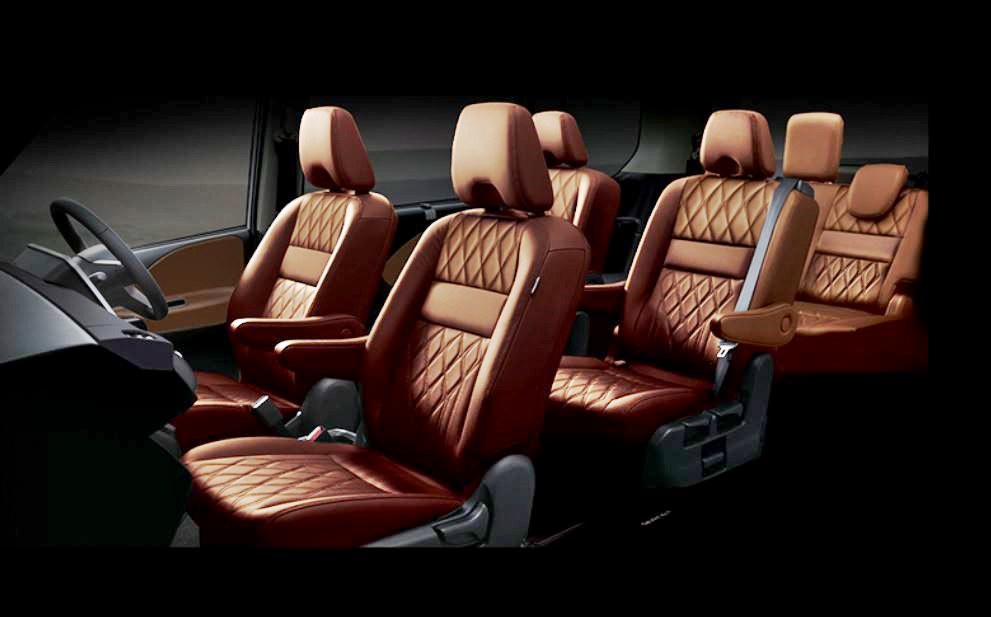
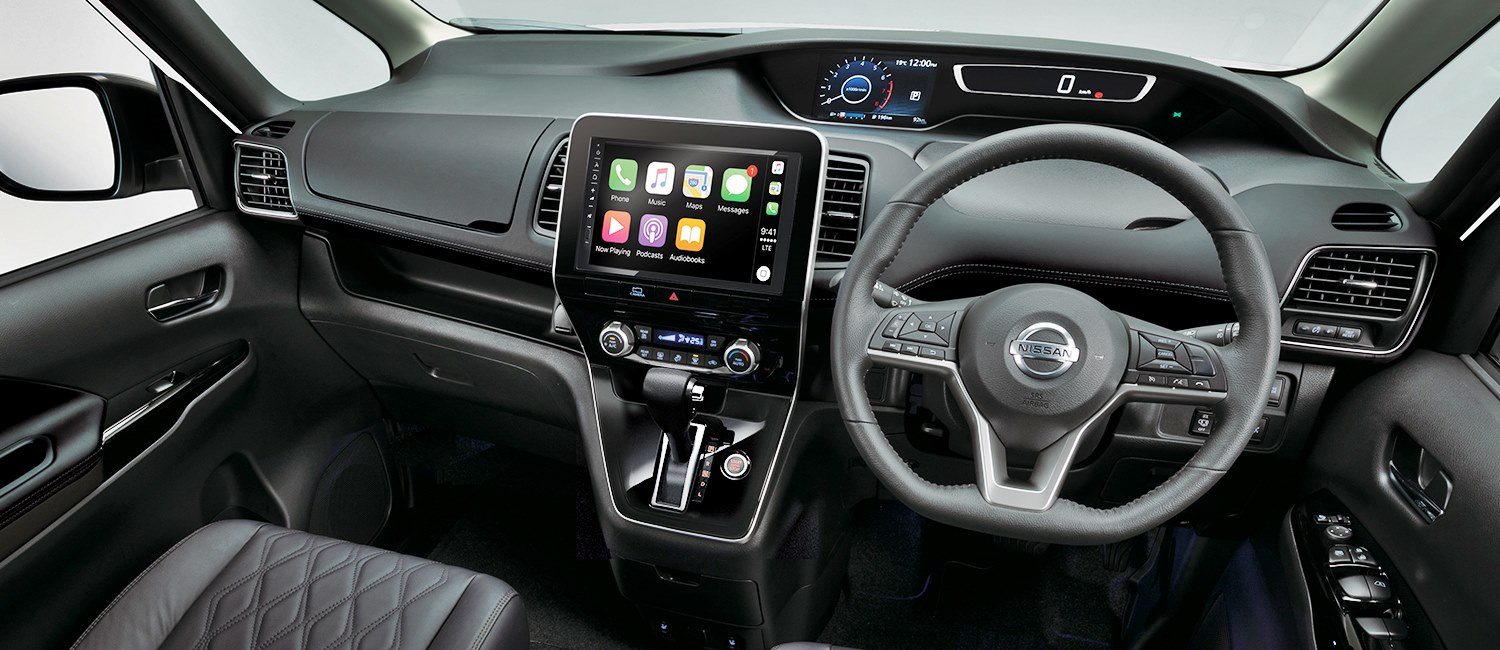
2022 Nissan Serena S-HYBRID

2022 Nissan Serena S-HYBRID

2022 Nissan Serena S-HYBRID

2022 Nissan Serena S-HYBRID

Nissan Intelligent Mobility (NIM)
With its 7-passenger capacity, safety is even more important and Nissan Intelligent Mobility (NIM) provides a suite of advanced technologies with both Active Safety and Passive Safety systems. Five smart intelligent technologies have been added to the new Serena S-HYBRID to enhance Active Safety – Intelligent Predictive Forward Collision Warning, Intelligent Forward Collision Braking, Lane Departure Warning, Blind Spot Warning and Rear Cross Traffic Alert.
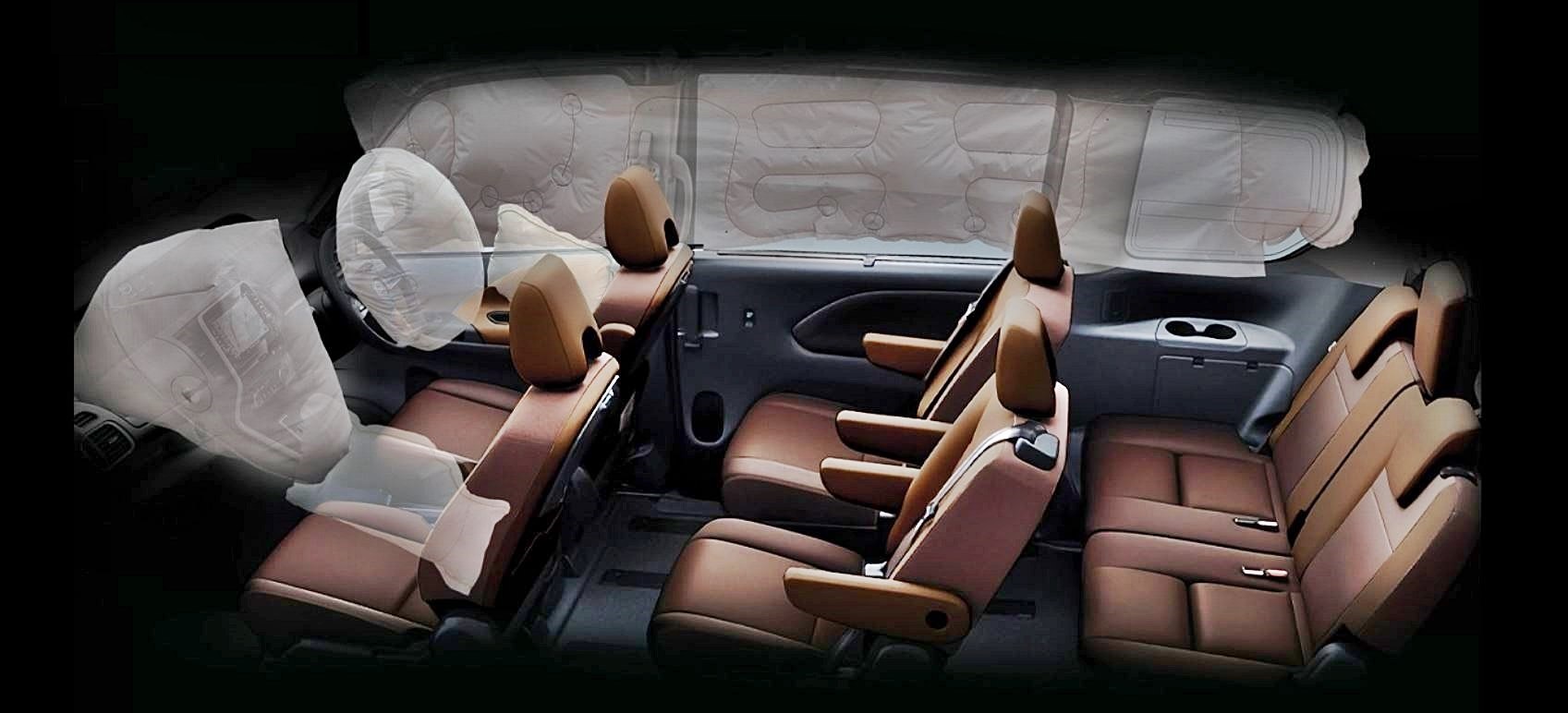
The Around View Monitor (360o camera) is also standard and gives the driver situational awareness around the vehicle. It uses four tiny cameras to capture images which are then combined to give an overhead view as if a drone was permanently hovering and sending imagery. The system also has Intelligent Moving Object Detection which will detect and alert the driver of moving objects – especially pedestrians – around the vehicle.

S-HYBRID system
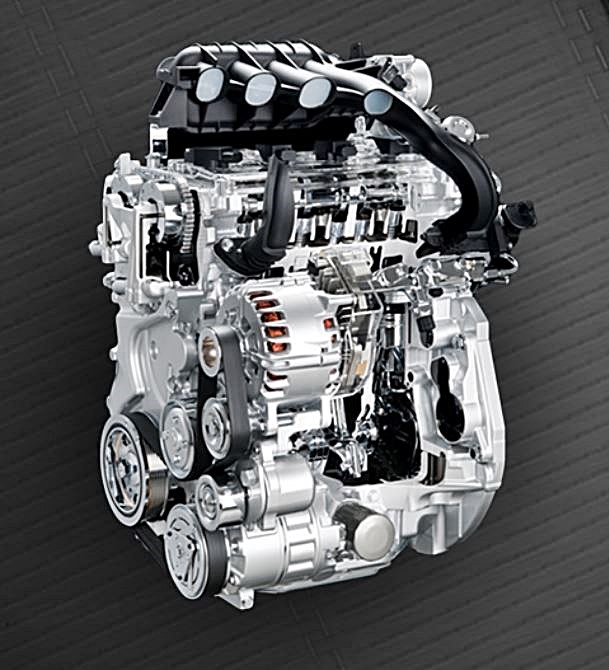
The Serena S-HYBRID continues to be powered by the proven 2-litre Twin CVTC hybrid drivetrain. Its ECO (Energy Control Motor) electric motor provides torque assistance on take-off, reducing demands on the petrol engine, thereby improving fuel efficiency. This gives some of the benefits of a hybrid powertrain without the associated high costs.
2022 Nissan Serena S-HYBRID
The S-HYBRID powertrain with a petrol engine produces 150 ps/200 Nm, with up to 14.2 kms/litre of fuel consumption claimed.

Two variants are available, with estimated prices starting from less than RM150,000 for the Serena S-Hybrid Highway Star and from less than RM165,000 for the Serena S-Hybrid Premium Highway Star. The prices are for Peninsular Malaysia registration and include full sales tax but not insurance

While the model will have its launch in early July, bookings are now accepted at all authorised Nissan showrooms nationwide. ETCM encourages customers to make their booking early (minimum amount of RM1,000) to secure a unit in the system. It will also help the assembly plant to schedule production more accurately and minimize waiting time as disruptions continue due to semiconductor microprocessor shortages and global shipment delays. Depending on the variants, there are up to four colour choices.

‘Early Bird’ offer
For the ‘early birds’ making bookings, ETCM has a special offer to save money when they are owners.  Five free maintenance services (inclusive of parts & labour) will be provided at alternate intervals (10,000 kms, 30,000 kms, 50,000 kms, 70,000 kms and 90,000 kms), and the warranty period will also be up to 5 years with unlimited mileage (terms and conditions apply).

Customers who require more information or locate a showroom can visit the Nissan Malaysia website at www.nissan.com.my. They can also contact the Nissan Customer Care Centre hotline at 1800-88-3838. A pre-launch leaflet is also available by clicking here.

Click here for other news and articles on Nissan and ETCM,

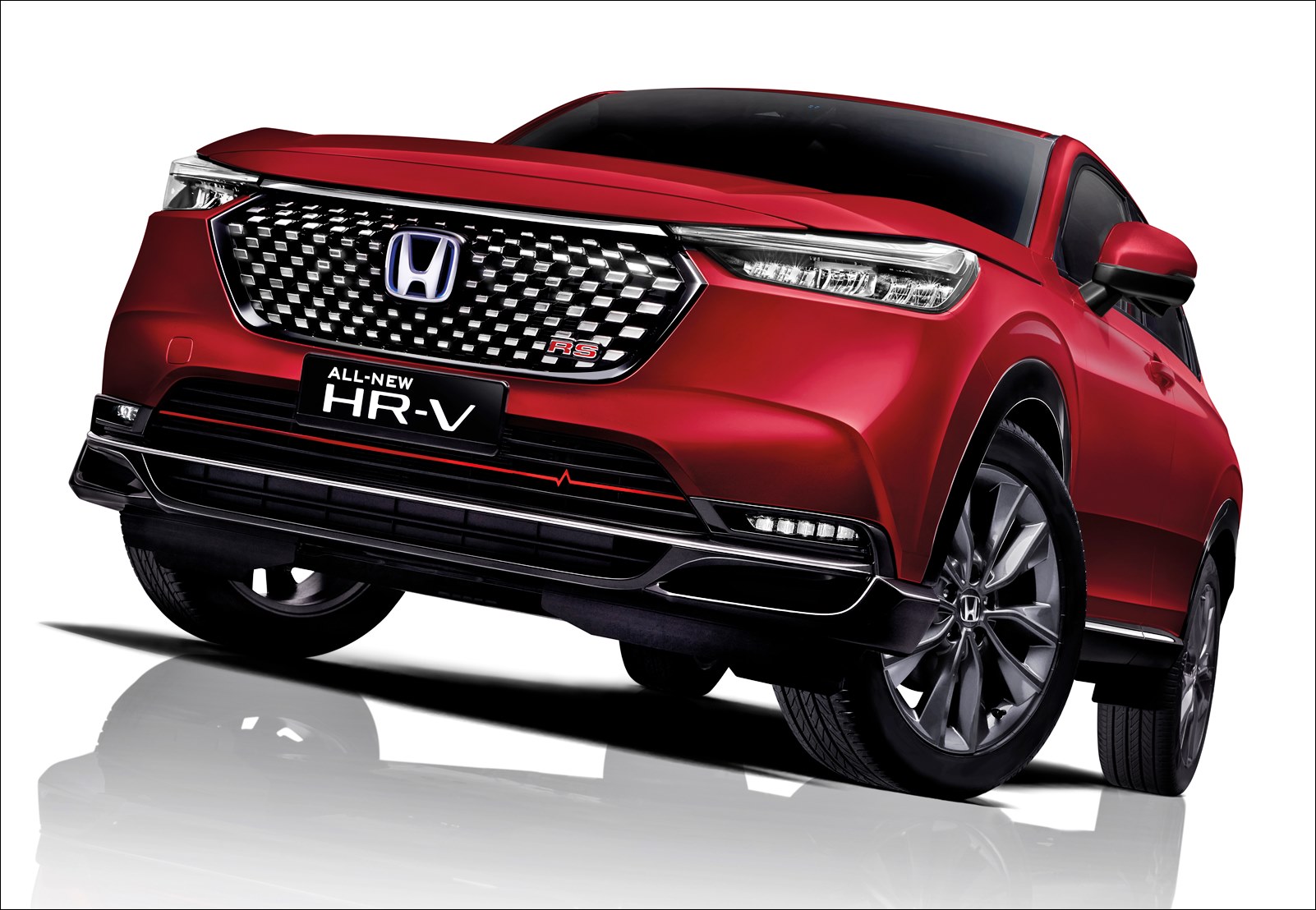
You’ve probably heard that Honda will soon be launching the all-new HR-V in Malaysia, following its launch in Thailand and Indonesia over the past 8 months. As usual, Honda Malaysia is offering a chance for those who want to be the first in the neighbourhood to own the new model a chance to make their bookings from today.
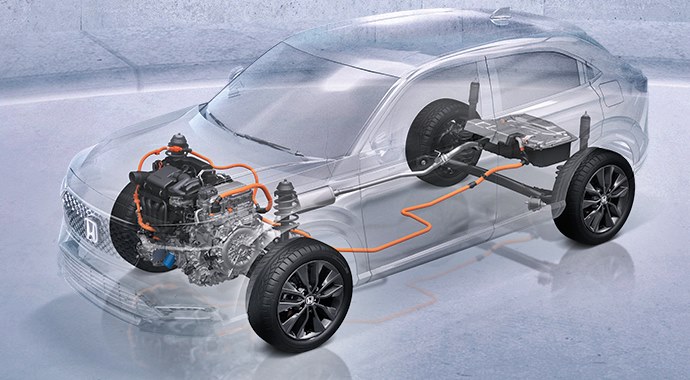
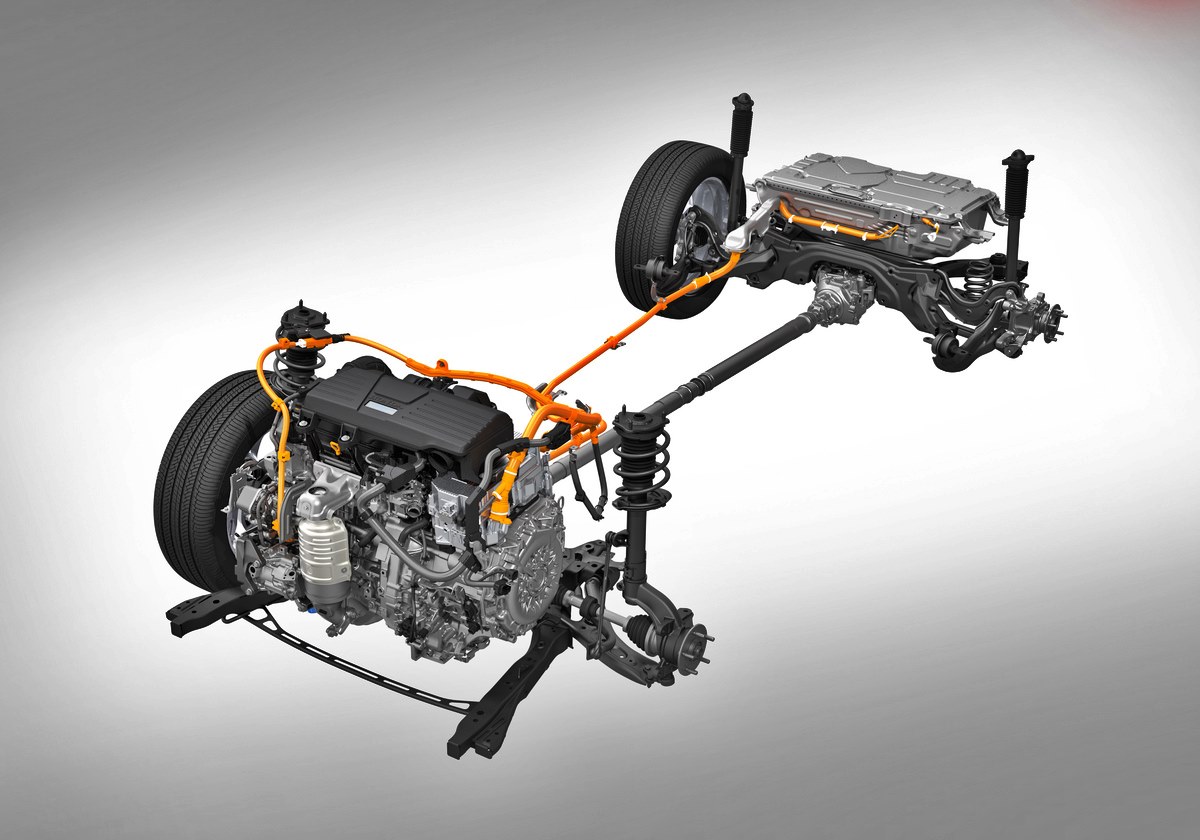
Honda Malaysia will launch the model sometime in the next 3 months and as with the current range, there will be petrol and hybrid powertrains. The HR-V Hybrid progresses from the Sport Hybrid i-DCD system to e:HEV technology with the intelligent Multi-Mode Drive (i-MMD) system. Already available in the latest City, e:HEV technology in Honda’s hybrid system combines the benefits of a 1.5-litre petrol engine and an electric motor to provide more power (131 ps/253 Nm) with good fuel efficiency.

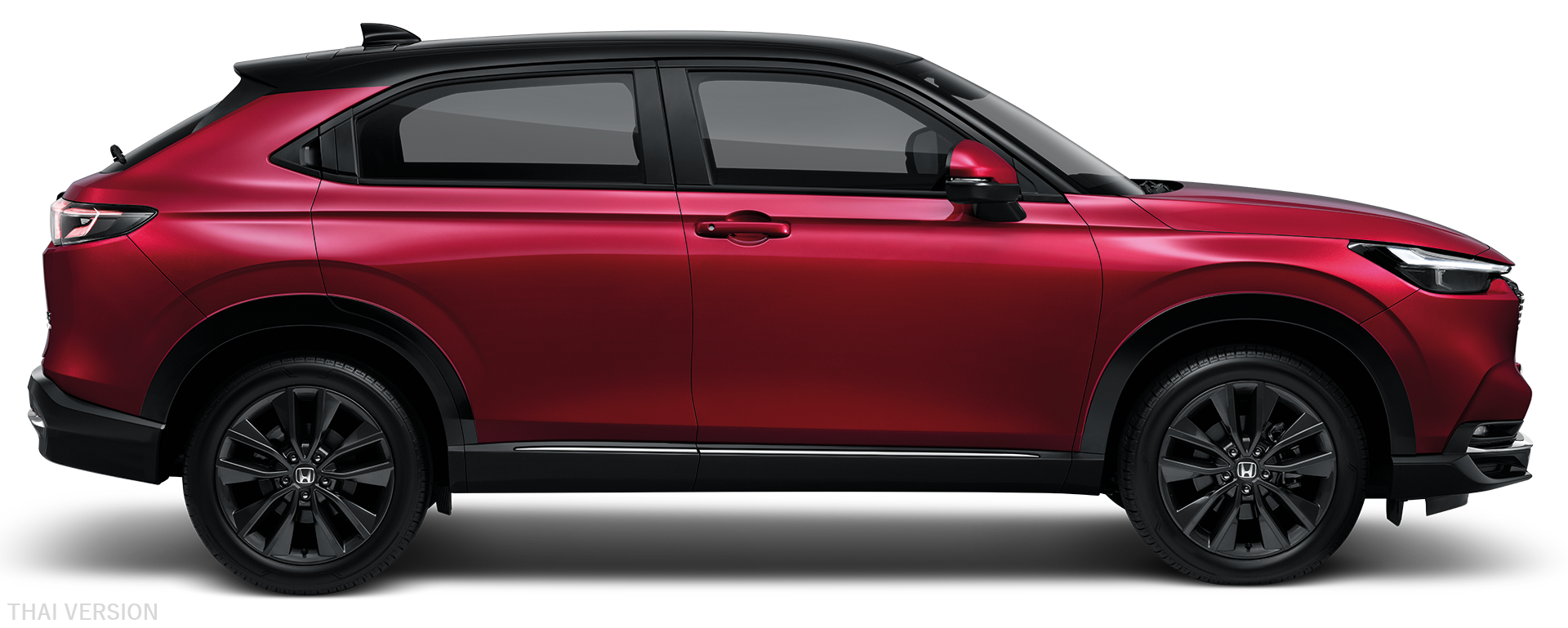
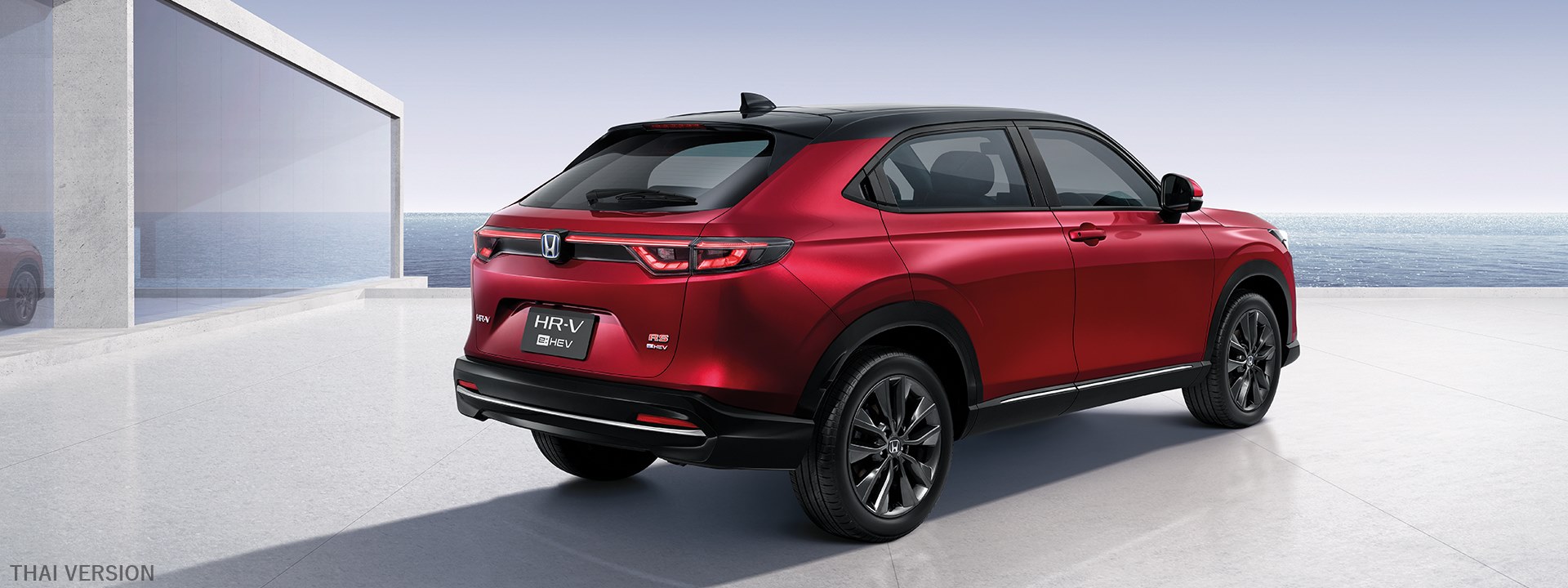
Measuring 4385 mm in length, the new HR-V is 39 mm longer than its predecessor while the 1790 mm width is similar (to the current RS version only) while the roof is 15 mm closer to the road.

The front appearance is dominant with a new grille design which is a total departure from the previous ‘wing’ theme, while the rear has fastback styling though to our eyes, it looks less sleek than before.

New exterior features include front LED Sequential Turn Signals (the signals ‘move’ as the illuminate), and a LED Taillight Strip which adds a visual signature visible from a distance. Other key exterior features include new LED headlights with DRLs, LED foglights and 18-inch alloy wheels.

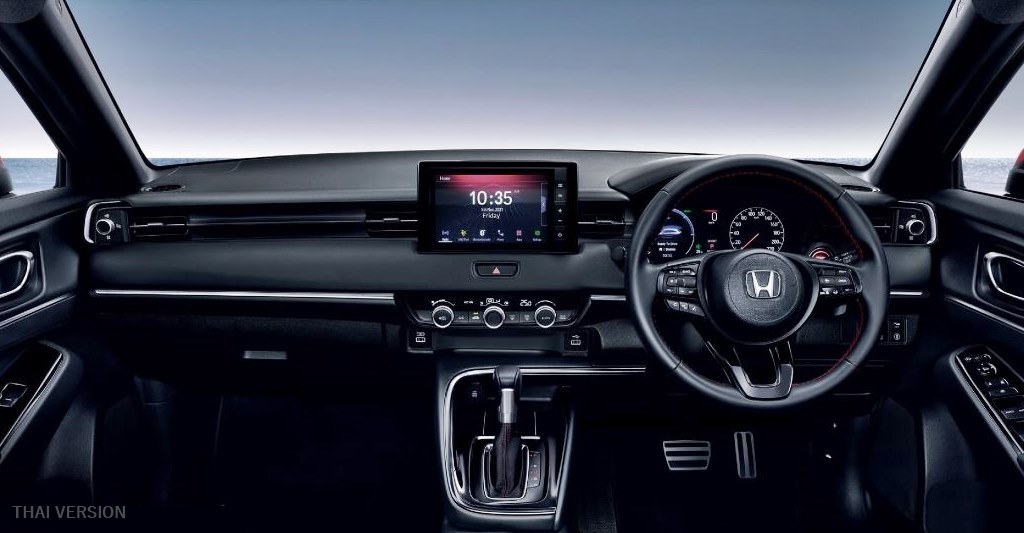
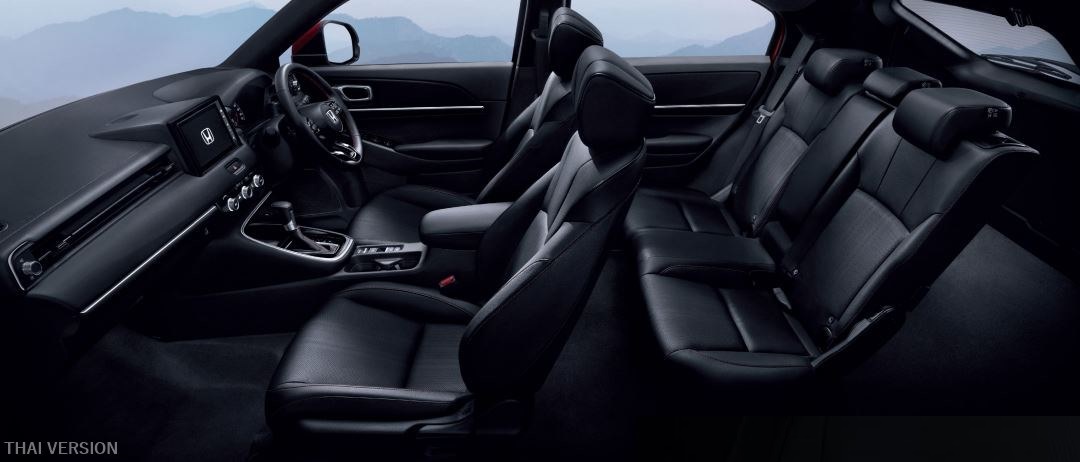
As with other models, there’s Honda SENSING, a suite of active safety systems but this is only in the RS version. Honda SENSING includes automatic emergency braking, lane keeping and adaptive cruise control (with low-speed follow). Additionally, the RS version also has the useful Honda LaneWatch system which provides a real-time camera view of the blind spot of the left side of the HR-V.

This variant also has a Hands-Free Power Tailgate with Walk Away Close function, where the tailgate will start closing automatically upon detecting that the individual with the remote key is moving away from the car. Other features are Remote Engine Start and Walk Away Auto Lock functions.

“The HR-V was first introduced to the Malaysian market in 2015, and it became a best-selling as well as a sensational model. With its proven track record, the HR-V is truly the compact SUV that is loved by many Malaysians. Therefore, we are excited to be introducing the All-New HR-V in Malaysia, which is now officially open for bookings,.” said  Honda Malaysia’s Managing Director & CEO, Hironobu Yoshimura, adding that some 150,000 units have been sold nationwide since its launch 7 years ago.

When the HR-V was originally launched, it was a hotseller from the first day. Will this new model continue to command the biggest following in the segment? Since 2015, a number of new rivals have appeared on the scene so there are more choices at competitive prices.

To pre-book the new HR-V, customers can visit prebook.honda.com.my or download the HondaTouch application on their smartphones. Honda dealerships will also accept bookings, of course, as well as provide more information. To locate a showroom in Malaysia, visit www.honda.com.my.

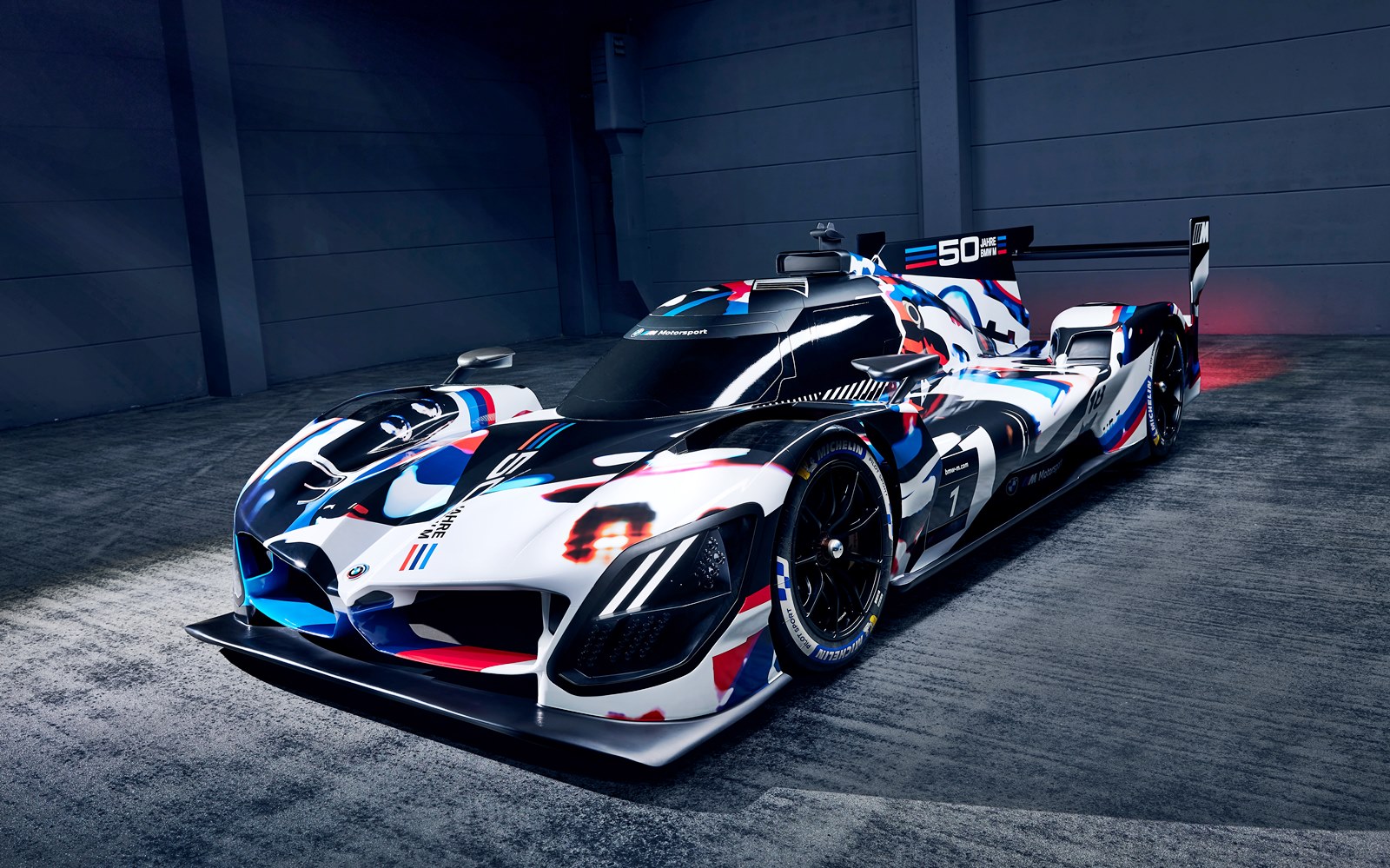
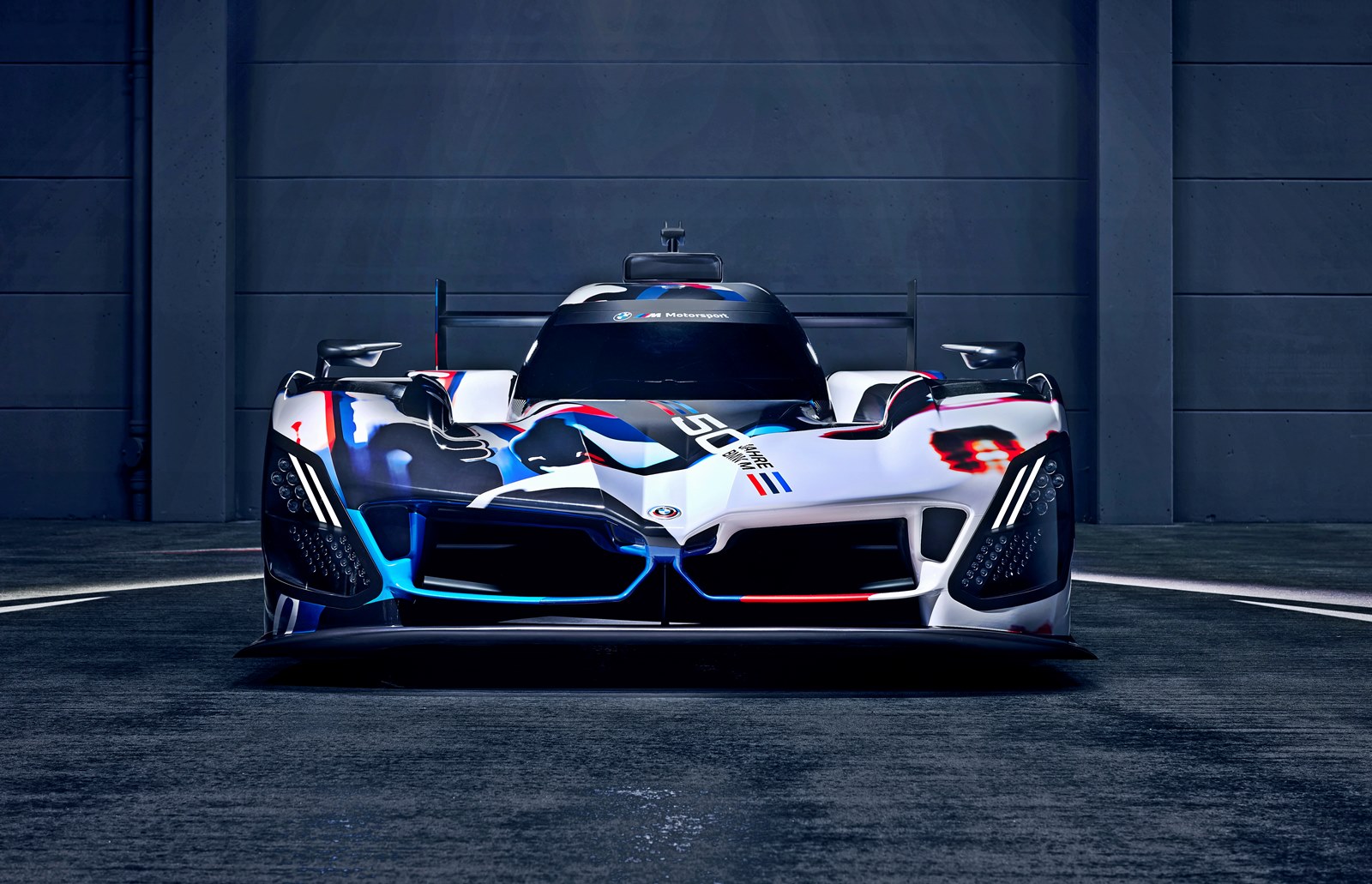
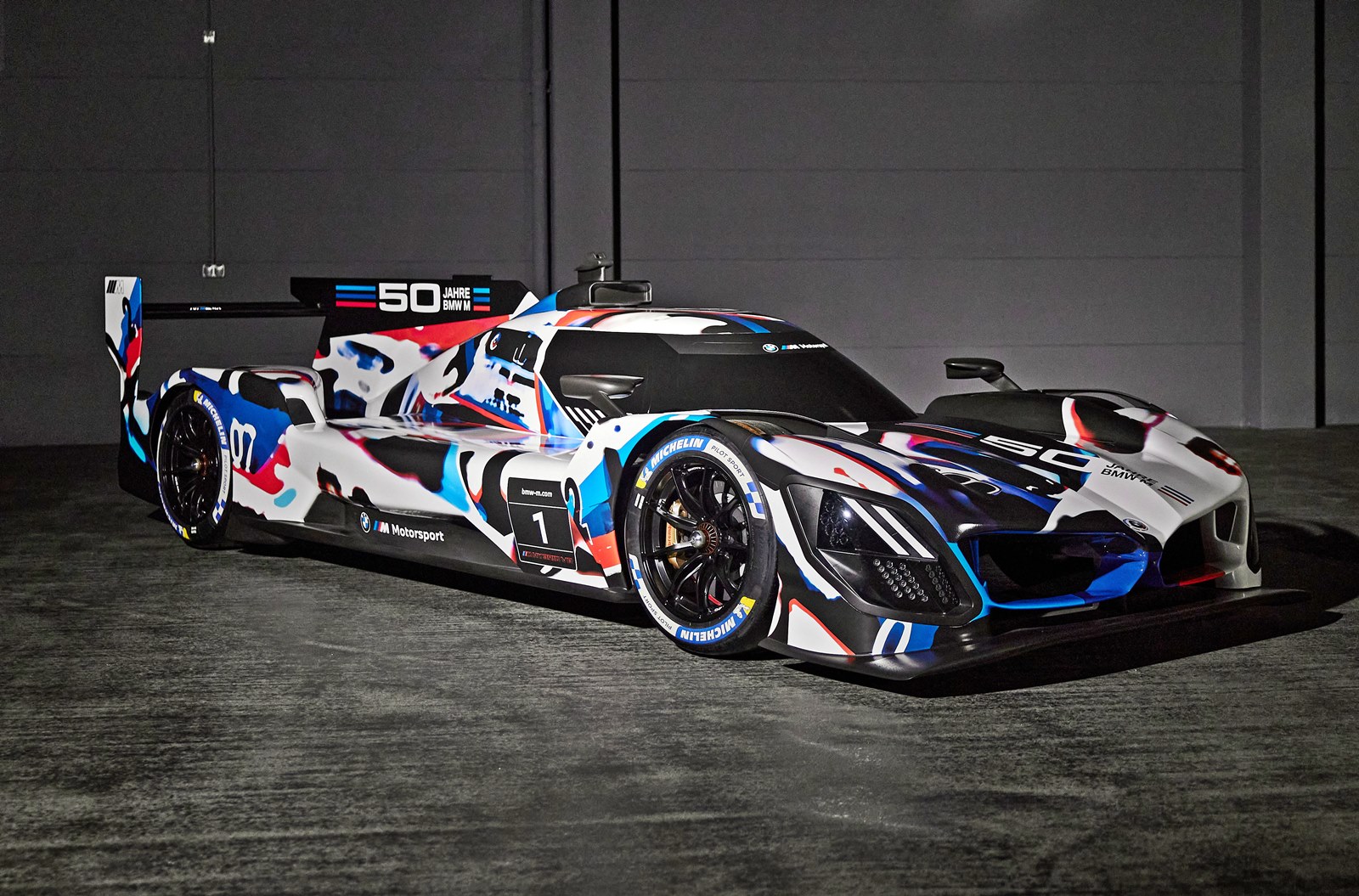
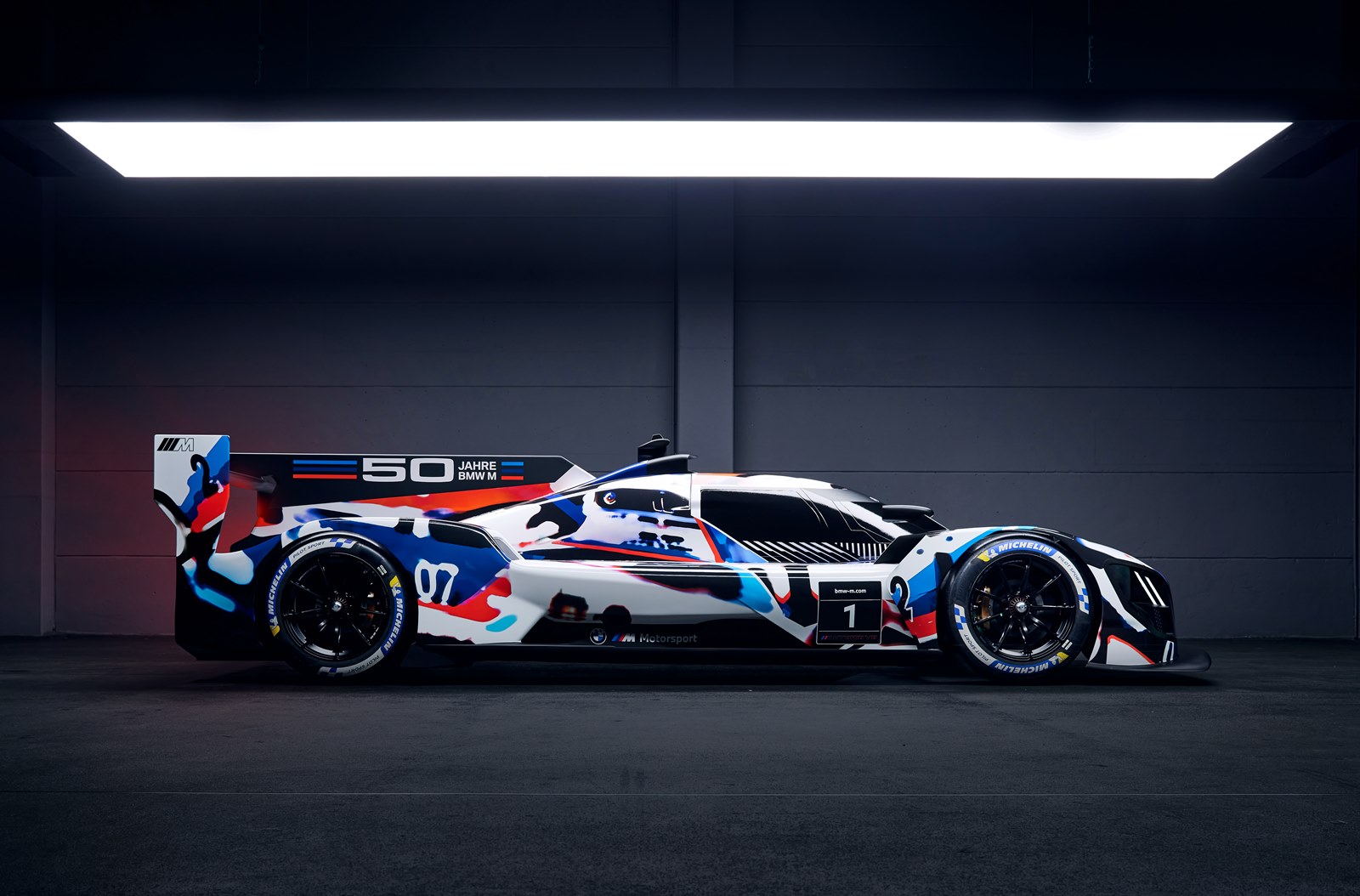
Ahead of the testing phase for the LMDh prototype in the IMSA WeatherTech SportsCar Championship in America next year, BMW M Motorsport is announcing the name and showing the racing car’s design, albeit with livery that serves as camouflage. To be called the BMW M Hybrid V8, its look has been designed by BMW Group Designworks and is clearly recognizable as a BMW M car.

Recognisable as a BMW M Motorsport car
This message is echoed by Franciscus van Meel, CEO of BMW M GmbH who explained that the most critical task and the greatest challenge for the design team in the LMDh programme design team was that the prototype must be clearly recognisable as a BMW M Motorsport car.

2023 BMW M Hybrid V8 LMDh

2023 BMW M Hybrid V8 LMDh

“I can say this to all the fans: just one look is enough to confirm that the BMW M Hybrid V8 is a BMW. It clearly carries the genes of BMW M. I also love the camouflage livery with its references to the great history of the brand in North America. Congratulations to the design and aerodynamics departments at BMW M Motorsport and Dallara on their great work. I can hardly wait to see the BMW M Hybrid V8 on the track soon,” said van Meel.

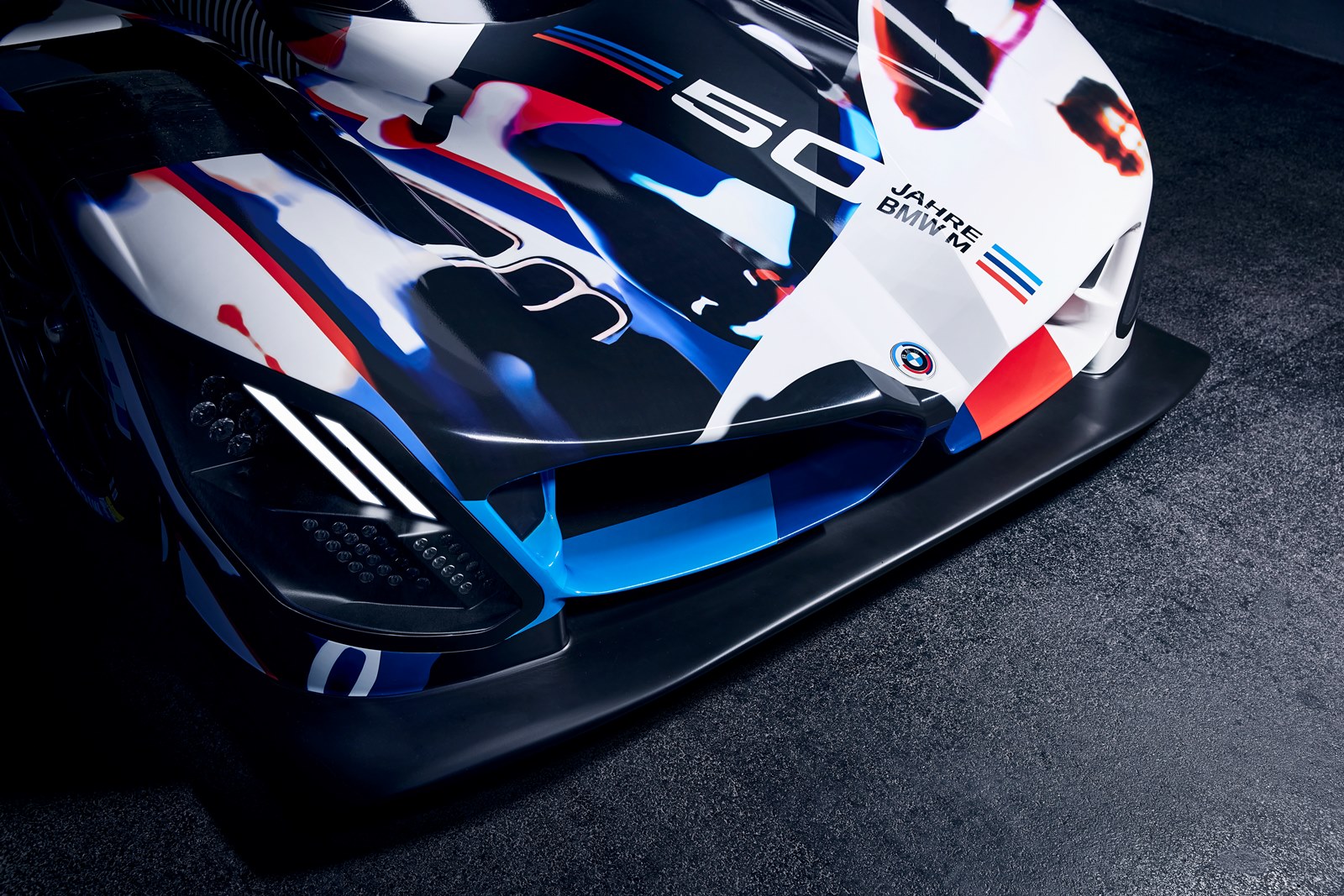
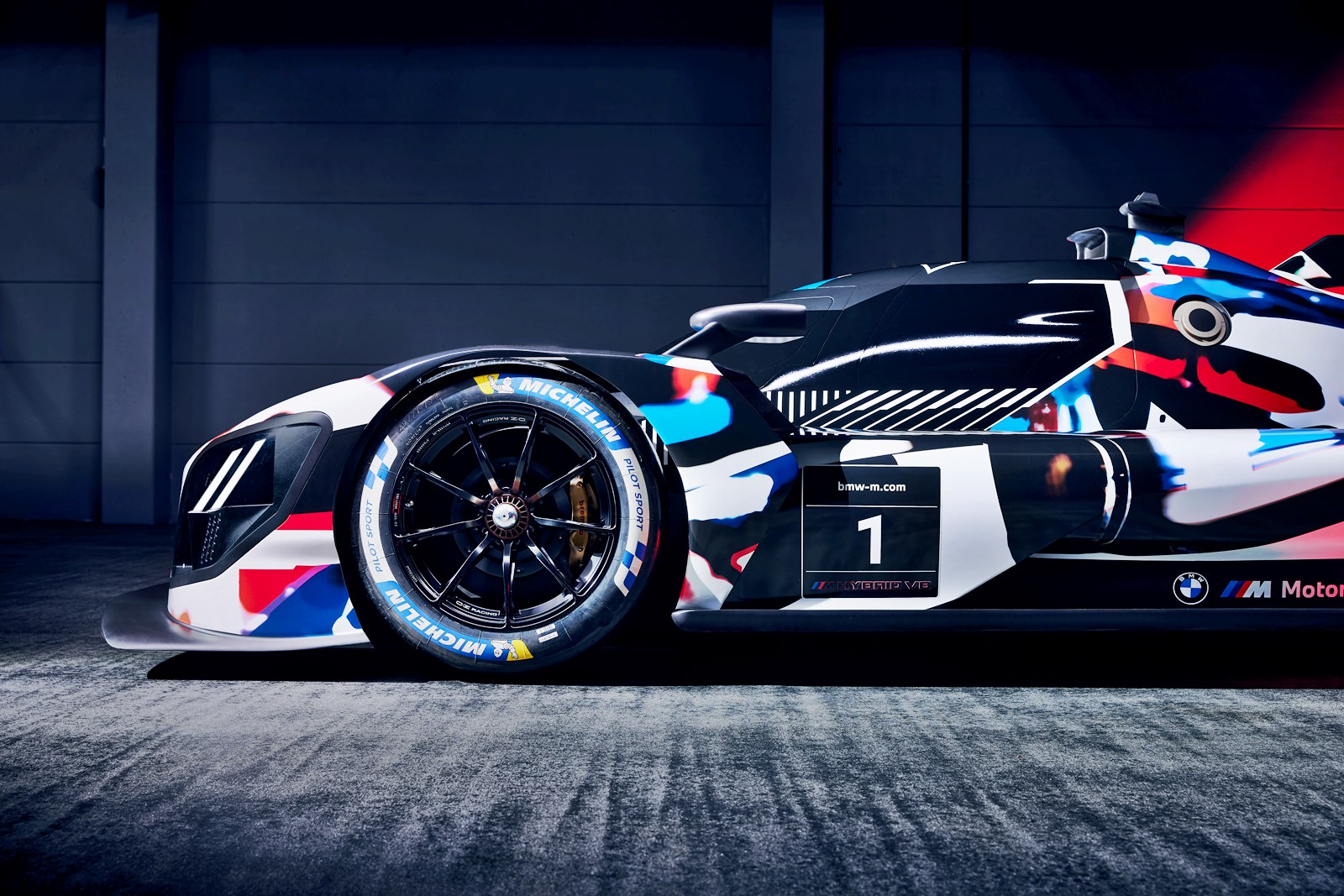
The hallmark of the design is the wide kidney element. In addition, it boasts typical BMW M design elements such as the nested 50th anniversary logo on the bonnet, twin BMW icon lights, dynamic body side, Hofmeister kink window graphic, M ‘hook’ mirrors and the tail-lights.

2023 BMW M Hybrid V8 LMDh

2023 BMW M Hybrid V8 LMDh

Historic racing machines on the camouflage
Look closely and you will see that the camouflage livery contains many elements from 5 decades of motor racing history in North America. The images of iconic BMW machines – the 1976 3.0 CSL, the 1981 M1/C, the 1978 320i Turbo, the 1986 GTP, the M3 E36 GTS-2, the Z4 GTLM and the M8 GTE – create a graphic mosaic which obscures the shape of the BMW M Hybrid V8 so rivals can’t determine the exact form.

“My team’s job was to make the BMW M Hybrid V8 look like a BMW, and embrace every opportunity to make it also perform like one on the racetrack,” said BMW Group Designworks Global Automotive Director Michael Scully. “The design is rooted in BMW’s DNA of purposeful, efficient performance, and the exterior’s bold, determined character invokes BMW’s frontiersmanship of turbo power, now united with an optimized hybrid electric powertrain. The camouflage livery celebrates the 50 Years of M by commemorating the great cars of BMW’s storied history in IMSA racing while uniquely cloaking the BMW M Hybrid V8’s future-facing exterior geometry and technologies during the critical on-track development phase of the project.”

“We’ll follow-up this camouflage with a works livery that exemplifies the dynamism and excitement of hybrid electric-powered competition,” he added.

2023 BMW M Hybrid V8 LMDh

What is LMDh?
LMDh stands for Le Mans Daytona Hybrid which is a category in the new Hypercar class of the World Endurance Championship (WEC). Regulations specify that LMDh race cars have a combustion engine and an electric motor. While each manufacturer can use their own combustion engine, the electric motor, battery and transmission are standard parts. The chassis is also built by an external partner.

The new racing car will compete in the new GTP class of the IMSA series, at such prestigious classics as the 24 Hours of Daytona, the 12 Hours of Sebring, and the iconic Petit Le Mans at Road Atlanta. BMW M Motorsport is working closely with the legendary Italian race car specialist Dallara on development of the BMW M Hybrid V8.

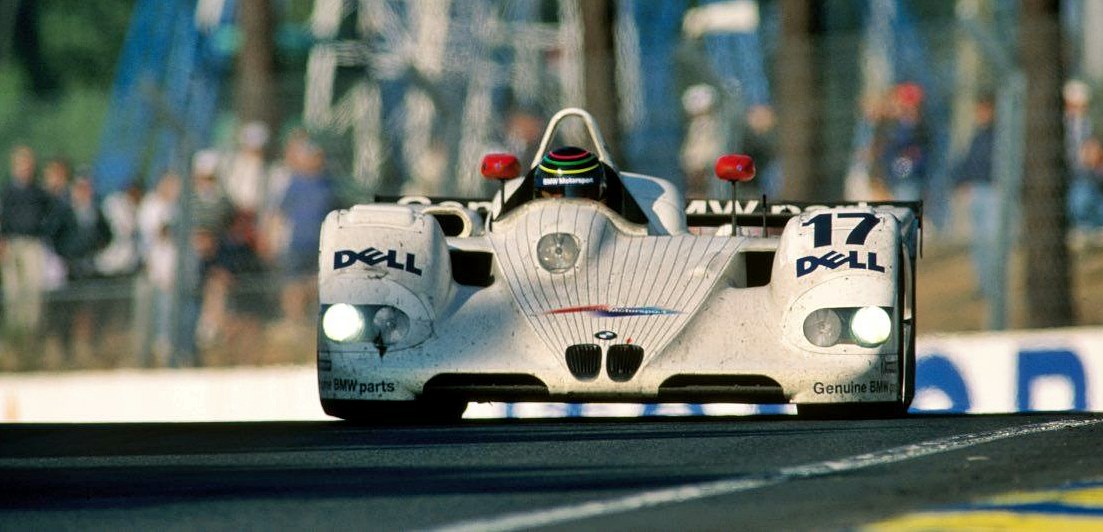
It’s basically a prototype racing car and BMW M Motorsport is returning to international prototype racing with the BMW M Hybrid V8. The last big victory for a BMW prototype came back in 1999, when the BMW V12 LMR won the 24 Hours of Le Mans. That car had also triumphed in the 12 Hours of Sebring in the same season.

BMW V12 LMR in 1999.

Limited-edition M4 CSL for BMW M’s 50th birthday

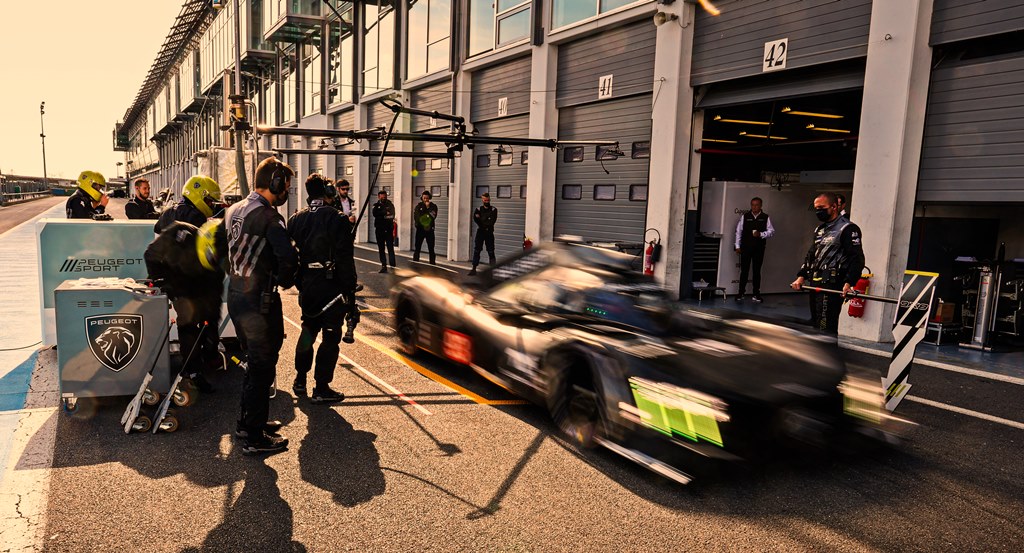
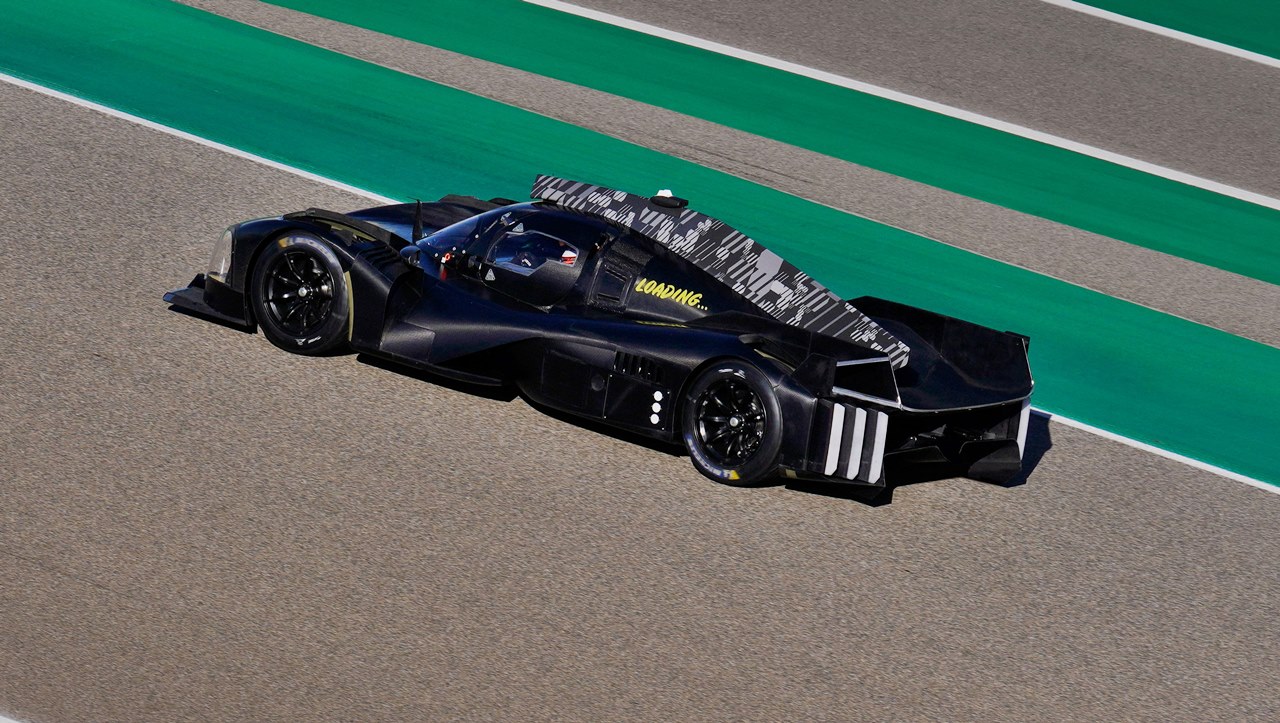
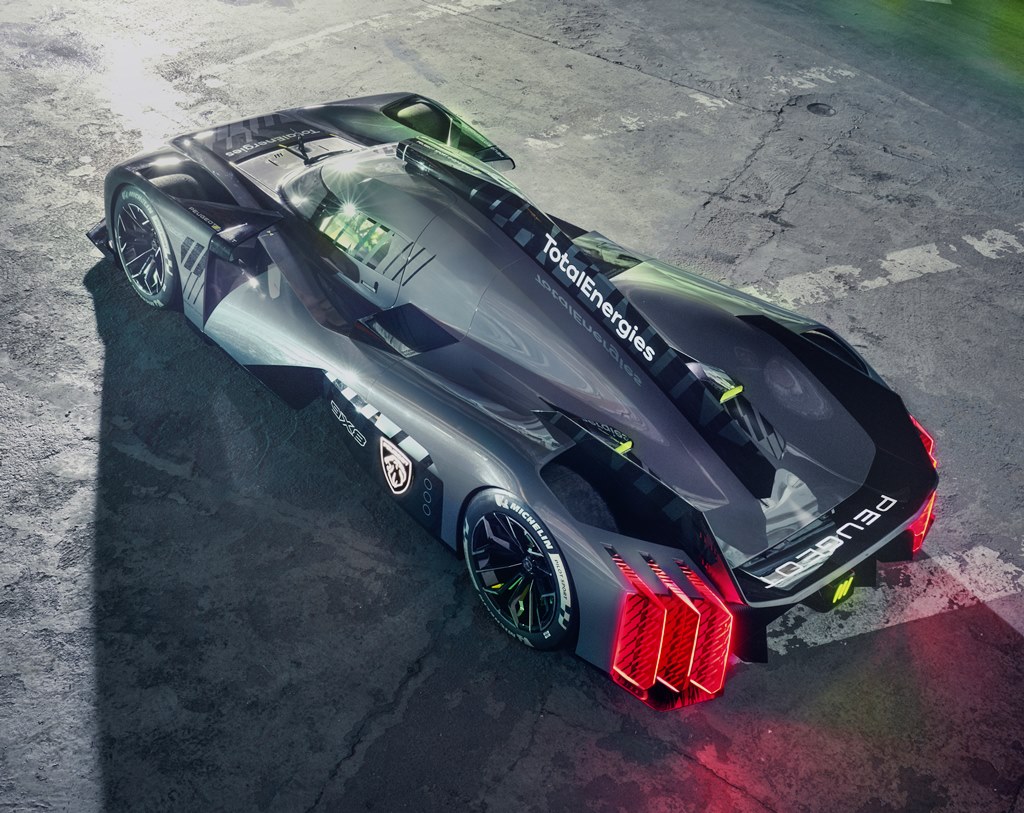
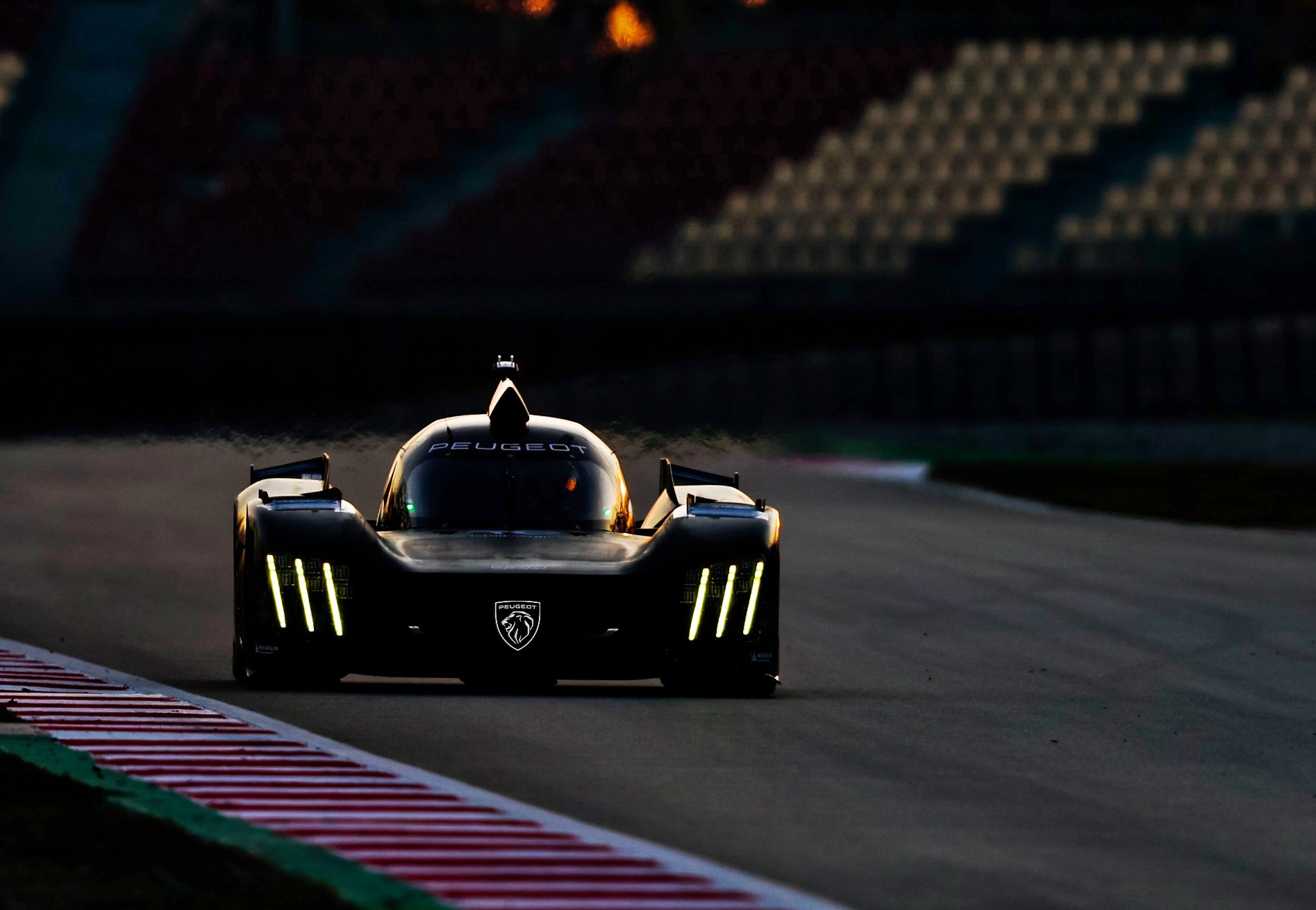
Last year, when Peugeot Sport announced its new program to develop the 9X8 hypercar for endurance racing, it expected to join the World Endurance Championship in 2022. However, the team decided to forego the first two rounds, at Sebring and this weekend at Spa-Francorchamps, and was planning to debut at the classic Le Mans 24-Hour race in June. However, because it has not participated in the first two rounds, the organisers have said it cannot take part in Le Mans.

Accepting the ruling in a positive way, Peugeot Sport’s Technical Director of the WEC programme, Olivier Jansonnie, said that this would give them team additional time to achieve the necessary level of reliability. “Both operationally and from a reliability perspective, Le Mans is the most difficult race on the calendar. Our planning will enable us to put the full weight of our teams and resources behind our own test sessions, without the disruption of racing at Spa-Francorchamps and Le Mans. We will begin with some shorter races, which will allow us to progressively get up to speed in the championship. Like with our road-going cars when we have to choose between meeting a deadline or focussing on quality, we always prioritise quality,” he explained.

2022 Peugeot 9X8 Le Mans hypercar

The homologation process
Before a car can enter competition, it must be homologated by the racing authorities. In the case of the new hypercar class, once homologation has been done, the design cannot be modified further until 2025 (except in very particular circumstances governed by strict conditions). Any such modifications will be counted as ‘EVO jokers’, which are limited to just five between 2021 and 2025 – aside from specific force majeure situations such as, for example, when the car’s safety or reliability is compromised.

“Restricting development in this way is important, since it would not be possible to adjust the performance of a car that is subject to constant technical updates through ‘Balance Of Performance’ (BoP) tweaks,” said Jansonnie. ”The homologation process itself consists of a series of milestones. Its schedule and execution are very precisely defined. The process concludes with the submission of a homologation file – describing in minute detail all of the vehicle’s components (with photos and weight measurements) – as well as a wind tunnel test of its aerodynamics and an inspection of the vehicle by the FIA/ACO. After this, its development is ‘frozen’. Its performance parameters are subsequently assessed in order to be able to adjust its power, weight and minimum speed of hybrid energy deployment, which are the key factors in Balance Of Performance.”

2022 Peugeot 9X8 Le Mans hypercar

Peugeot Sport therefore has a little bit more time before it submits the 9X8 for homologation. A manufacturer judges that its car is ready to be homologated when it believes it has attained the required level of performance and reliability to be eligible for ‘Balance Of Performance’ evaluation. “That means it has the same theoretical chance of winning in the WEC and at the Le Mans 24 Hours as any of its competitors. It accepts from this point that its vehicle will not be able to undergo any further major technical changes until the end of the homologation cycle,” explained Jansonnie.

Initial existence in digital world
Prior to taking to the track for its pre-homologation test sessions, the 9X8 began life as a 51.1GB digital project, made up of 15,267 files stored on a hard drive. Digital advances have opened up a whole new realm of possibilities in motorsport, enabling Peugeot Sport’s engineers to visualise a truly disruptive concept for the new Hypercar – and validate it before manufacturing so much as a single physical component.

2022 Peugeot 9X8 Le Mans hypercar

The sophistication of modern-day digital software makes it possible to conduct in-depth technological studies while saving significant time, money and resources, and the 9X8 lived an entirely ‘virtual existence’ for some time before finally turning its first wheel on-track. Peugeot Sport’s teams spent two years modelling and simulating it, utilising both existing software – adapted where necessary to suit the project’s specific requirements – as well as computer programs developed entirely in-house from scratch.

“Thanks to all of our software, we can envisage a wide range of dimensions, shapes and materials, and work on the weight of the car in-line with the technical regulations,” said Francois Coudrain, Powertrain Director of the WEC programme. “As with the choice of base concept, being able to take a purely digital approach to trialling systems and components allows us to assess a large number of potential solutions, which would quite simply be impossible to achieve in the real world.”

Digital simulations also allow for customisation where necessary – for example, what material to use around the exhaust outlets. Here, the heat levels are very high, and simulations revealed that the carbon bodywork needed to be either protected or even replaced by aluminium or titanium. Initially highlighted for attention in the design brief, this was corroborated during the simulation phase and then again in the first real-life test session.

2022 Peugeot 9X8 Le Mans hypercar

From hard drive to racetrack
Following its digital development, the hard drive containing all the technical data of the Peugeot 9X8 provided the basis for the creation of an initial 1:1 scale model for wind tunnel use and, subsequently, a physical race car, whose ongoing development is taking place on the track.

‘9X8’, the designation, is derived from a combination of the brand’s motorsport heritage and vision for the future. The ‘9’ continues the series used by Peugeot on its previous endurance racing cars. The ‘X’ refers to the all-wheel drive technology and hybrid powertrain. The ‘8’ is common across all of Peugeot’s current models – from the 208 and 2008 to the 308, 3008, 508 and 5008.

No rear wing
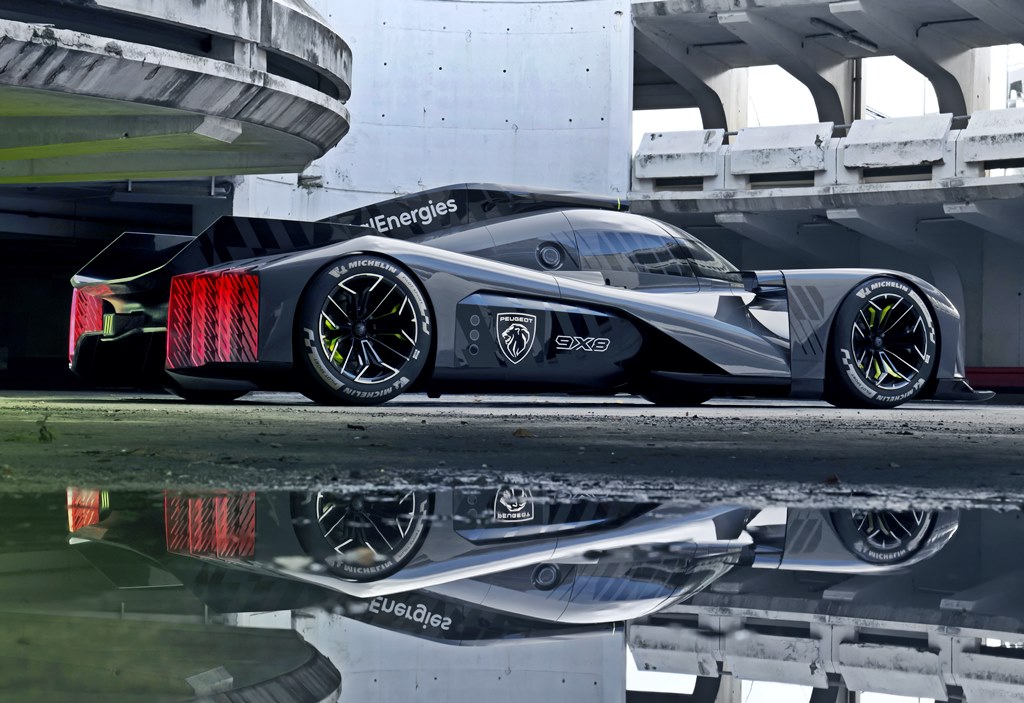
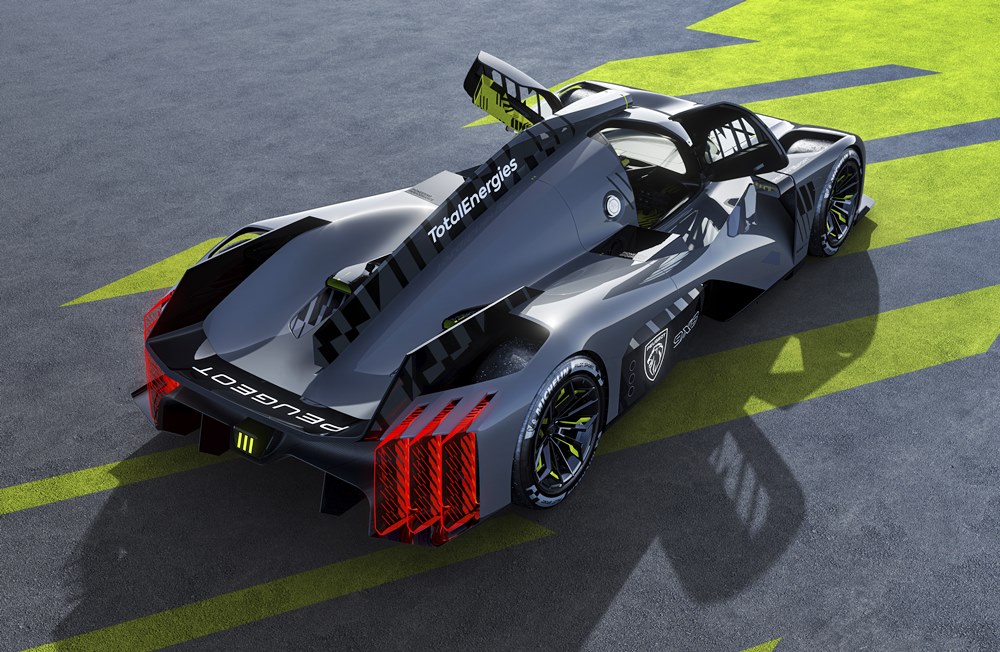
Unique to the hypercar’s design is the absence of a rear wing – an aerodynamic feature that has long been thought necessary for racing cars. Rear wings were first seen at the 1967 Le Mans 24 Hours on the Chaparral 2F but now, after half a century, the necessity is questioned and the 9X8 has been designed without a rear wing.

2022 Peugeot 9X8 Le Mans hypercar

“The absence of a rear wing on the Peugeot 9X8 is a major innovative step. We have achieved a degree of aerodynamic efficiency that allows us to do away with this feature. Don’t ask how, though! We have every intention of keeping that a secret as long as we possibly can!” said Jean-Marc Finot, Senior Vice-President of Stellantis Motorsport (Peugeot is part of the Stellantis Group).

Peugeot HYBRID4 powertrain
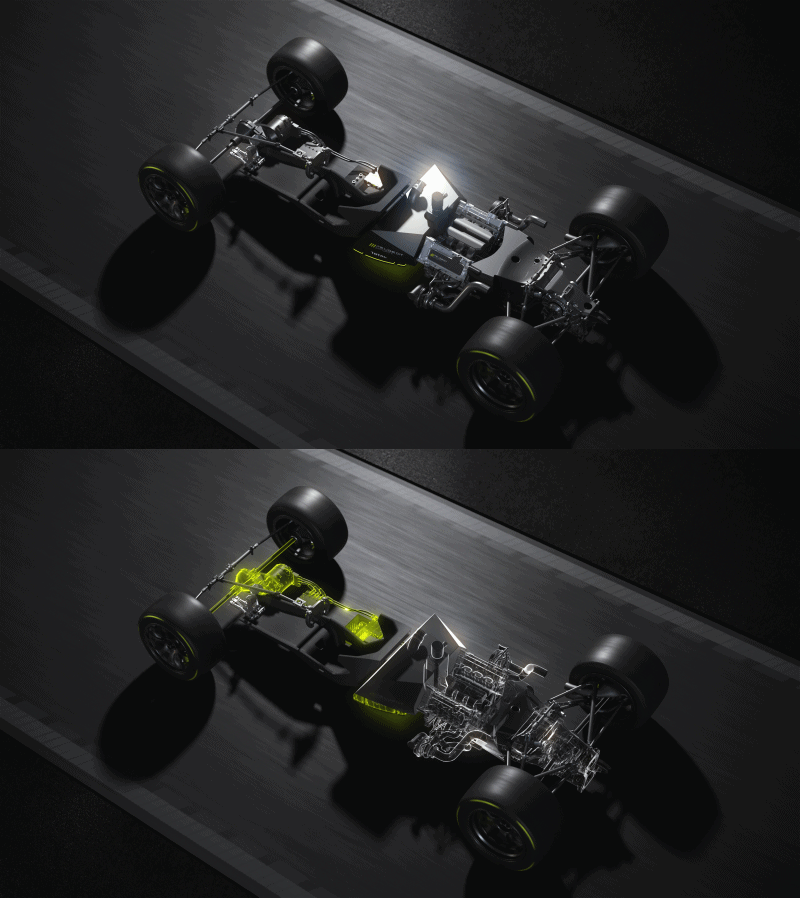
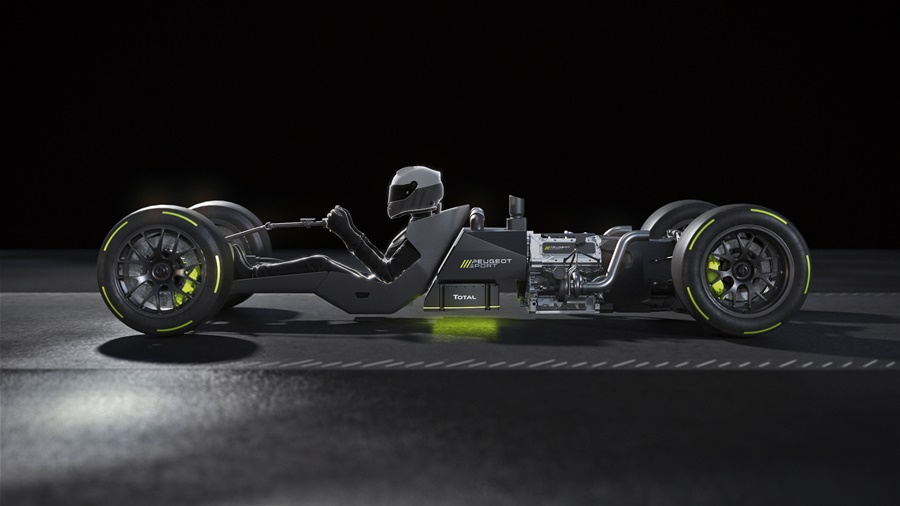
The 5-metre long racing car has a rear-mounted, 2.6-litre, bi-turbo, 680-bhp 90-degree V6 as part of the Peugeot HYBRID4 powertrain. The system output gets another 200 kW from the front-mounted 200kW motor-generator unit powered by a high-voltage 900V high-density battery pack.

The battery pack is located in a carbonfibre casing inside the car’s monocoque structure, behind the driver and underneath the fuel tank. It has been designed to combine durability with consistent performance during races of durations of up to 24 hours, and even beyond.

Although the system output is over 500 kW, the regulations set a maximum power output of just 500 kW during races. The regulations also forbid the use of electrical energy below 120 km/h, so the motor generator unit only engages once this speed has been reached. The car must pull away from standstill under the power of its internal combustion engine alone.

At full power, the power output is limited to 300 kW and adjusted as a function of the power delivered by the motor generator unit at 200 kW which is directly dependent on the battery level. When the motor generator unit comes into use, the car automatically switches to 4-wheel drive, thereby modifying its drivability.

When the battery pack is empty, the engine reverts to 500 kW power output and the drivetrain reverts to rear-wheel drive. During races, the battery will be fully charged prior to the start by means of a mains-connected plug-in hybrid charger. Once on the track, the battery will function completely independently and be charged only by the kinetic braking energy recovery system.

Porsche and Penske preparing new LMDh prototype for endurance races from 2023

Batteries are one of the most crucial parts of an electric vehicle (EV); without it, the electric motors won’t run and the vehicle won’t move. So it’s not surprising that battery technology is continuously being advanced. It could be even more advanced, had the EVs which were around over 100 years ago remained popular but the drawbacks of batteries then meant that the combustion engine gained more favour and killed the EV.

In the 21st century, the EV’s popularity has been ‘forced’ by regulations which aim to address climate change as quickly as possible. Thus, advancement of battery technology has to be accelerated to provide better storage capacity and greater efficiency. Within a year, batteries can make big leaps in performance to give better range, an important factor in EV acceptance.

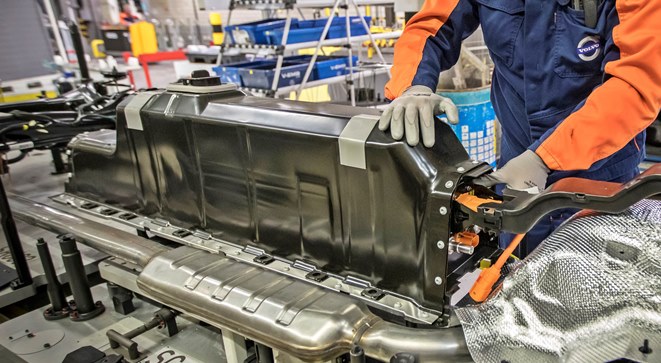
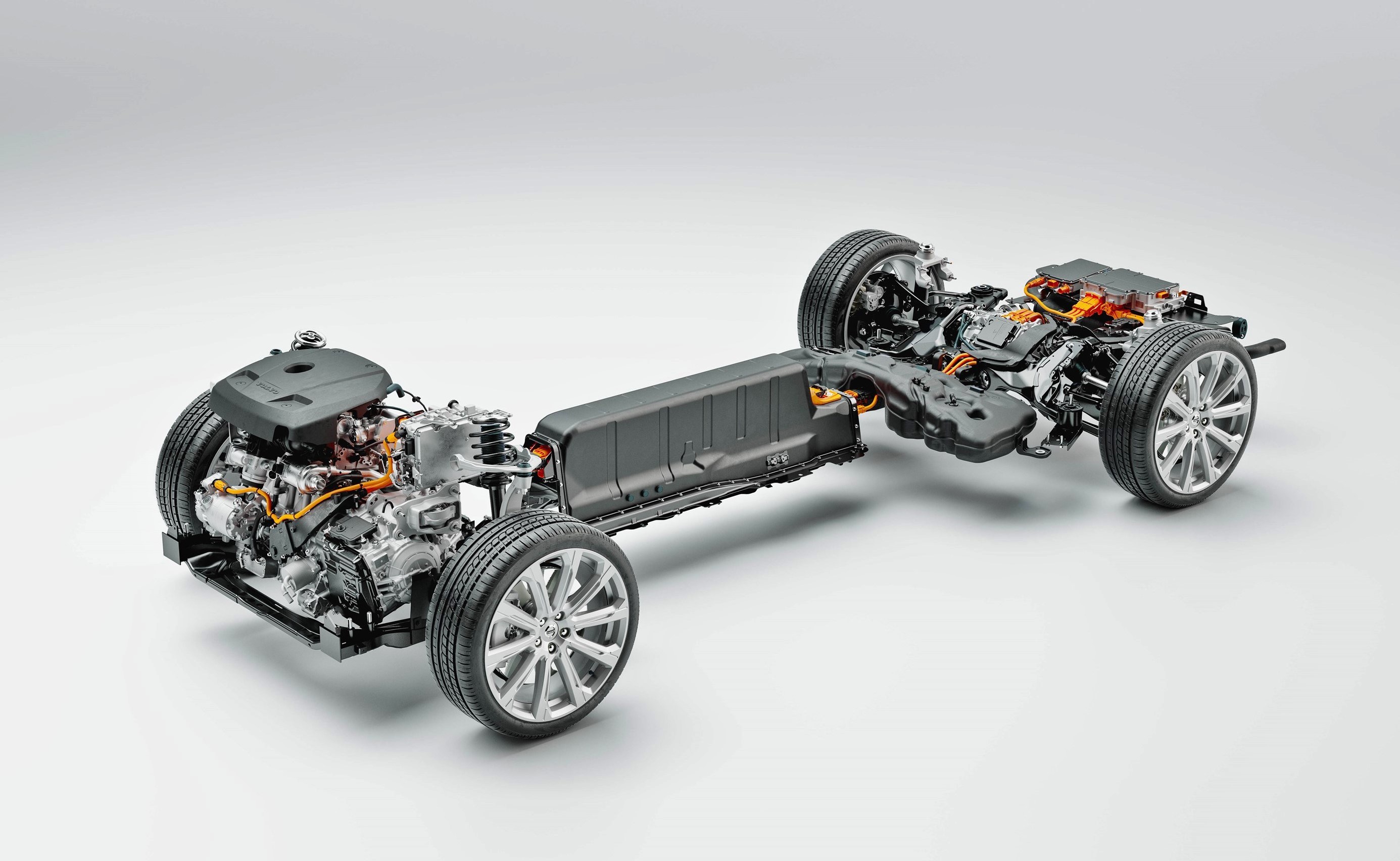
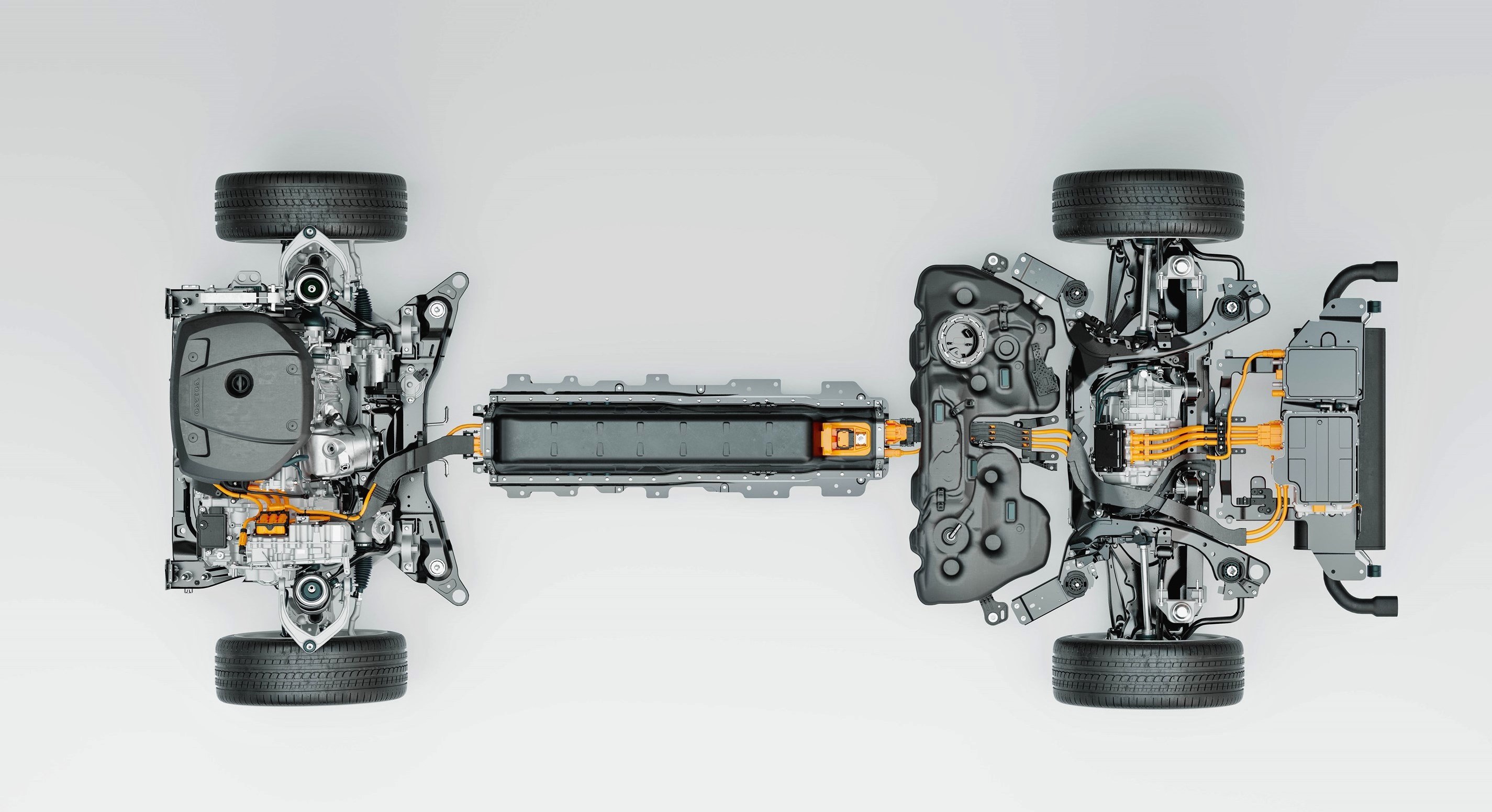
An example is with Volvo, which is almost entirely focussed on EVs. Its Recharge T8 models now have improved plug-in hybrid (PHEV) powertrains with better performance and driveability. This comes from a new long-range lithium-ion battery pack of 18.8 kWh, up 62% from 11.6 kWh. The increased capacity is due to the addition of a third layer of cells. The resulting extension in a claimed electric-only range of between 70 and 90 kms, almost double the previous maximum range of 49 kms.

Improved driving performance comes from a new rear electric motor generating the equivalent of 145 ps, which is almost 65% more than the previous motor’s output. Overall system output, in combination with the petrol engine, has been boosted to 462 ps, which is 55 ps more than before.

The improvements are also beneficial to the environment as being able to drive longer distances in pure electric mode means less emissions of carbon dioxide (CO2), the gas that is causing global warming.

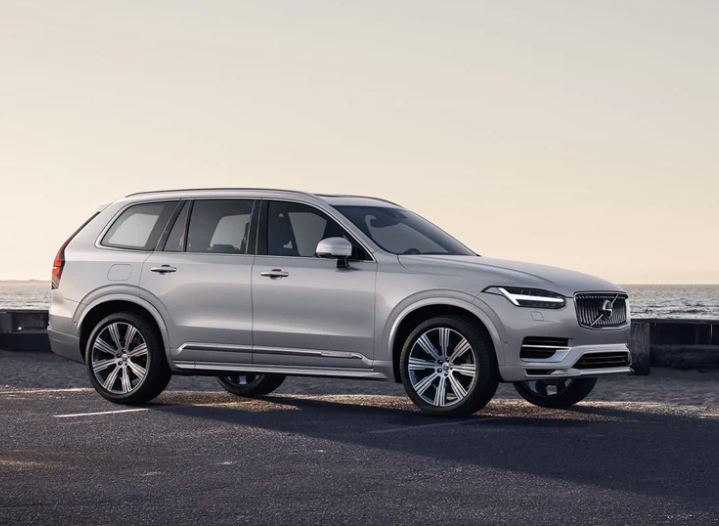
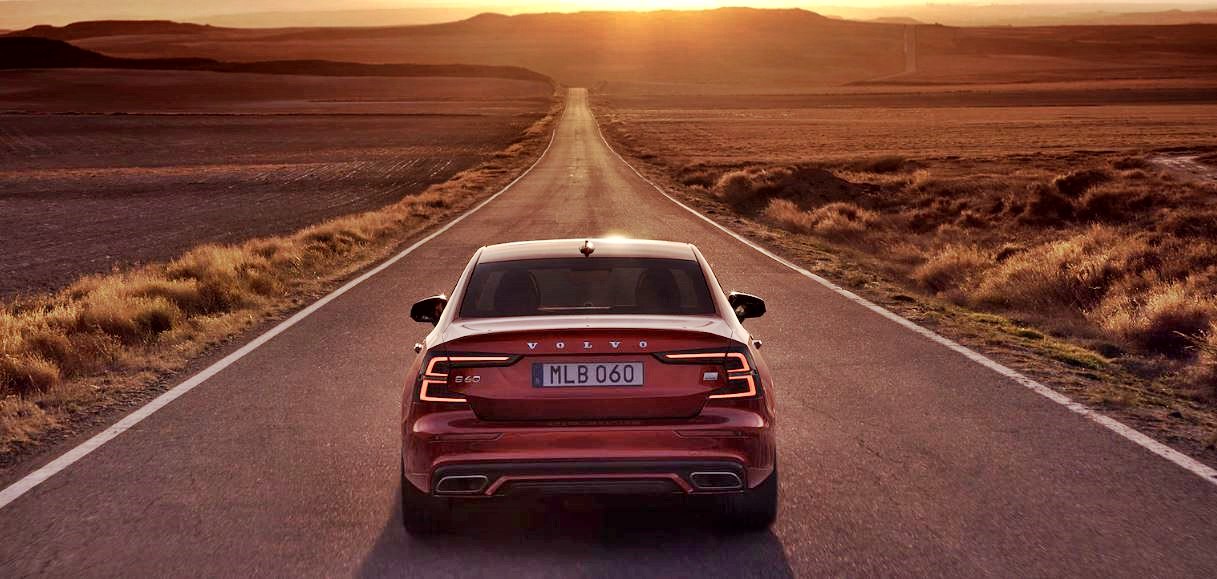
In Malaysia, the new Recharge T8 powertrain will be available for the 60 and 90 models, ie XC60, S60, V60, XC90 and S90.

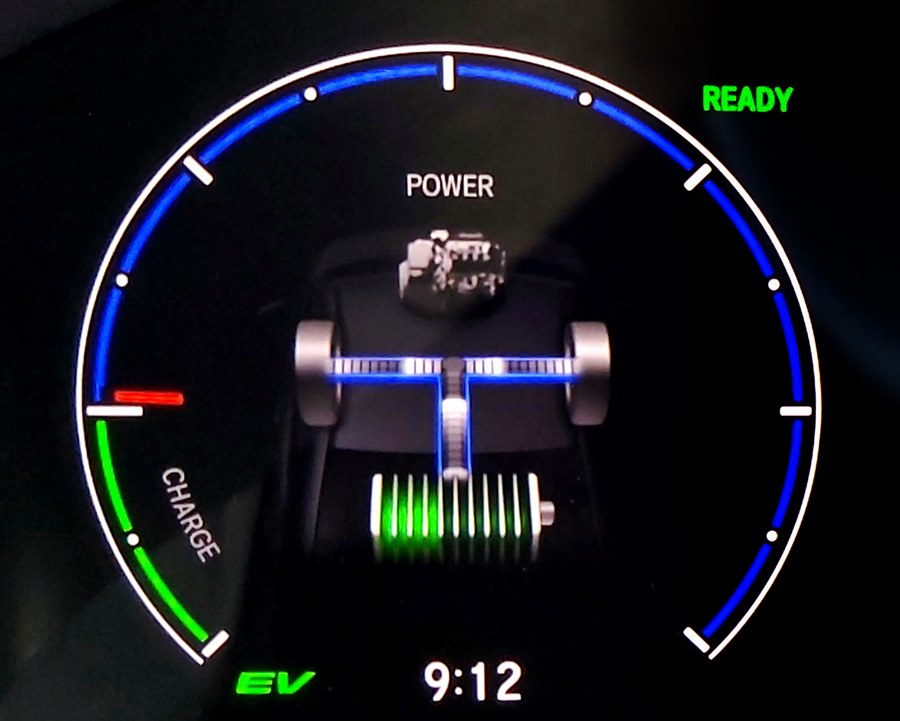
Additionally, the XC60 and S90 PHEV models will also have One-Pedal Drive settings which are useful in stop-and-go traffic. A feature used in Volvo’s BEVs (battery electric vehicles), One-Pedal Drive is claimed to enable more effective battery regeneration and higher regenerative power that can improve fuel efficiency. The animation below shows how One-Pedal Drive works.

Using One-Pedal Drive, the driver uses the accelerator pedal predominantly to manage the car’s speed. Each time the foot is lifted off the pedal, regenerative braking activates automatically. This differs from the conventional approach that requires depressing the brake pedal before regeneration can take place. It would therefore be especially effective in slow-moving traffic, allowing the battery to be more frequently topped up.

“Our new line of PHEVs will transform the way our customers experience electric driving,” said Charles Frump, Managing Director of Volvo Car Malaysia. “The improved powertrain lets our customers drive sustainably at a longer distance, at the same time providing them with range confidence that fits the needs of their everyday lives.”

Mr. Frump also said that there will be price adjustments across the range from next week. The adjustments will start with current models of the XC40 T5, XC40 Recharge T5, XC60 B5, and XC90 B5. The new line-up of the 90 and 60 models will be sold at a ‘new price point’ when they exit from the assembly plant in Shah Alam, Selangor. The price for the current Recharge T8 models remains the same and will be sold while stocks last.


Concept Recharge – a manifesto for the next generation of all-electric Volvos

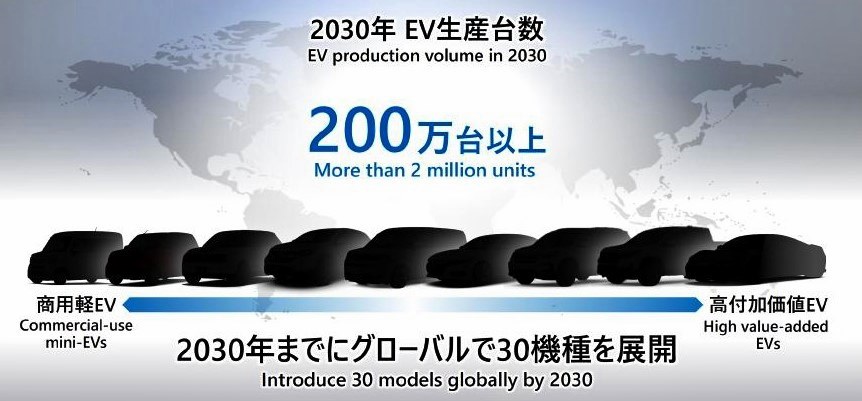
Over the next 10 years, Honda will allocate approximately 5 trillion yen in the area of electrification and software technologies to further accelerate its electrification, which is approximately 62% of the company’s overall R&D expenses budgeted for the same. This expenditure will enable it to have up to 30 EV models globally by 2030 with production volumes of more than 2 million units annually. This huge investment will help Honda achieve carbon neutrality for all products and corporate activities by 2050.

The strong focus on EVs – and presumably, Honda is referring to battery electric vehicles (BEVs) – may suggest that the carmaker will be decreasing development of internal combustion engines (ICE) and hybrid vehicles (HEVs). In fact, last year, it announced the intention to stop producing and selling new ICE vehicles, including hybrids, worldwide by 2040.

However, like what a number of major carmakers are saying, hurried adoption of BEVs is not a practical approach. Due to regional differences such as the level of customer acceptance, affordability, readiness of infrastructure and economic conditions, a singular approach to switching to BEVs globally is not going to work.

Honda will therefore be working on rapid transitioning to BEVs in markets and regions such as the USA, Europe, China and Japan while continuing with a more realistic solution for other areas. In those major markets for electrification, the ratio of BEVs and fuel cell electric vehicles (FCEVs) will be increased at a faster rate. In relation to overall unit sales, these zero emission vehicles will account for 40% of volume by 2030, 80% by 2035, and 100% by 2040.

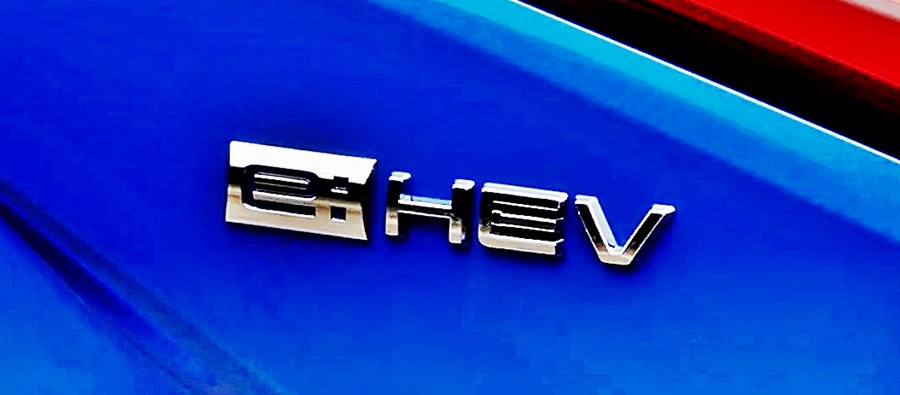
In some markets like Malaysia, Honda also refers to its hybrid technology as e:HEV technology.

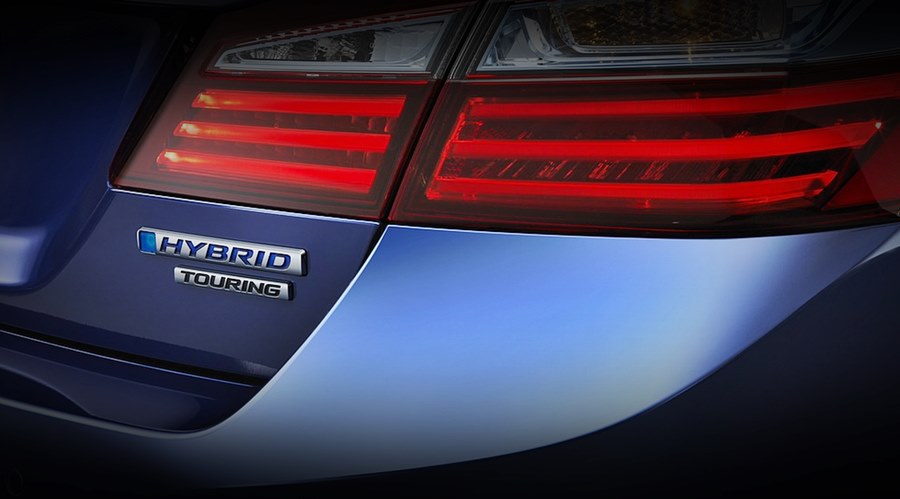
And even though North America is one of the regions that is part of the main electrification plan, Honda has still allocated R&D resources to develop new hybrid models for the near-term. This is to increase HEV volume of core models such as the CR-V, Accord and Civic which are produced there. Honda currently sells 4 HEV models in North America. However, Insight production will end in June to start production of the new CR-V Hybrid this year, followed by the Accord Hybrid, which will eventually make up 50% of the sales mix of each model.

2021 Honda CR-V Hybrid

“We need to take into account multiple factors, such as the living environment and the penetration rate of renewable energy, rather than simply switching to electric vehicles,” said Toshihiro Mibe, Honda’s CEO. “We are ending conventional engines but we will still focus on hybrids, and it will be our strength in 2030 or even in 2035.”

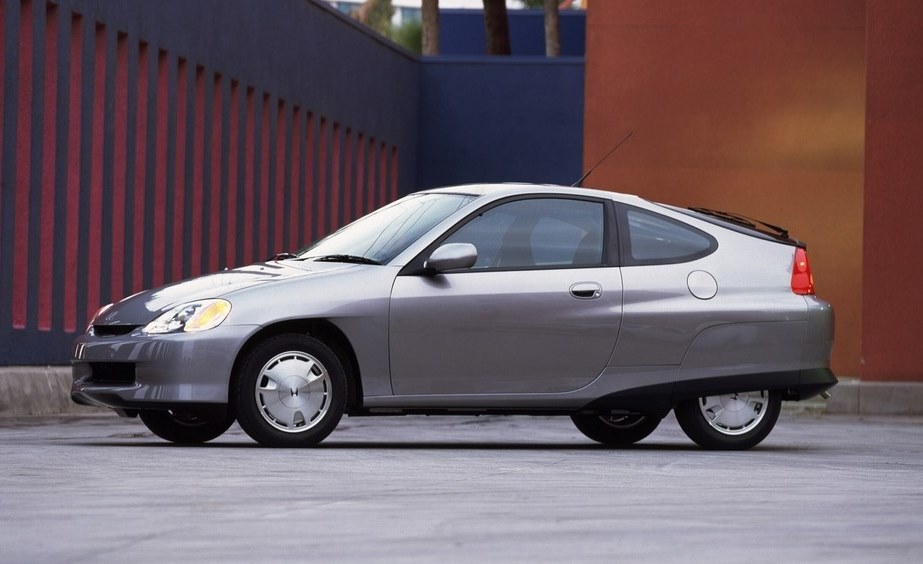
Honda, along with Toyota, were the first brands to introduce HEVs and while the Prius was the first into the market, Honda’s first generation of Insight arrived in the USA 7 months before the Toyota HEV. Following the futuristic looking Insight was the Civic Hybrid in 2002 and then the Accord Hybrid.

Honda’s first model with hybrid electric technology was the Insight, which made its debut in Japan in 1999.
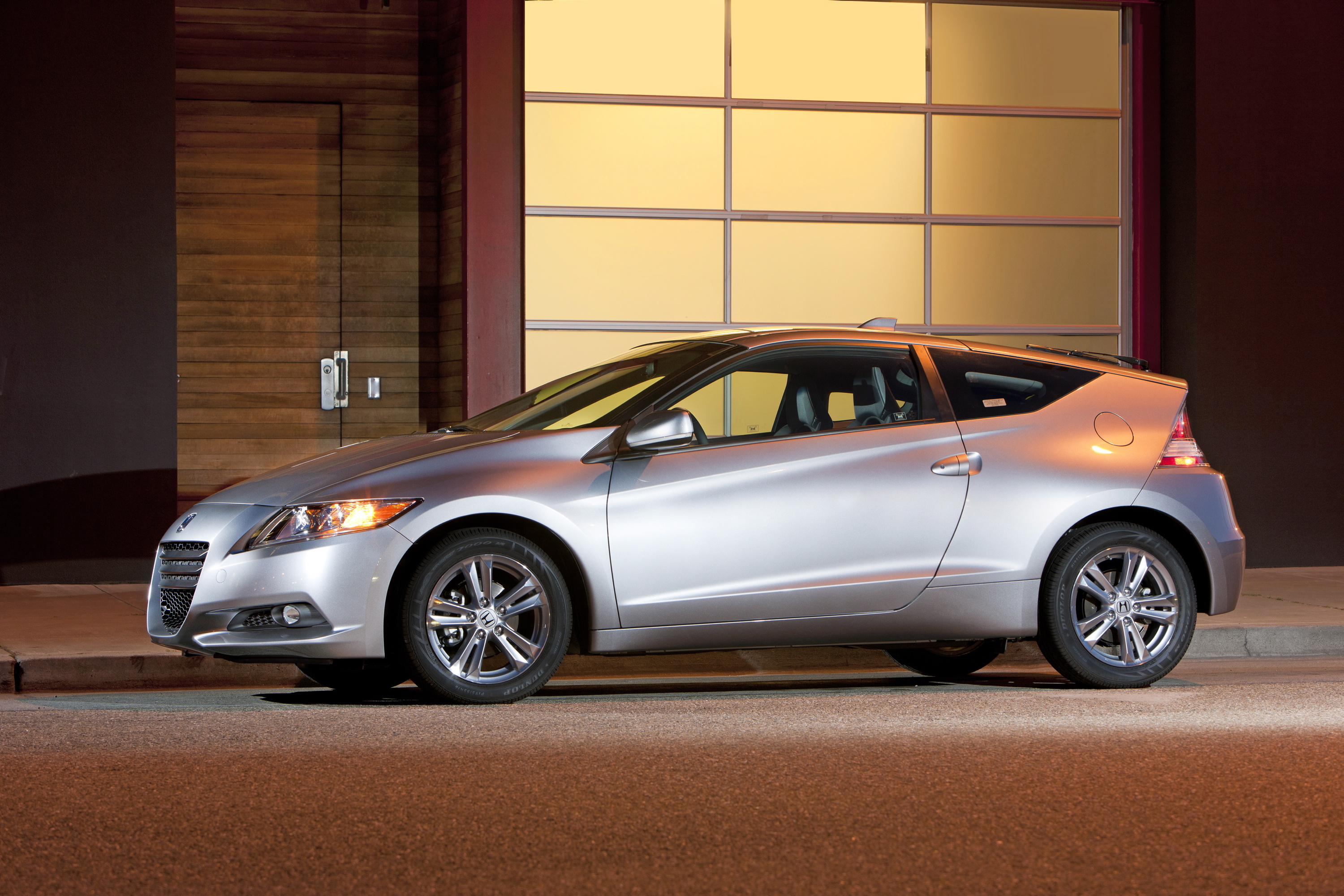
The CR-Z hybrid sportscar was sold between 2010 and 2016 but due to diminishing sales of coupes, Honda didn’t follow up with a second generation.

Honda continued to improve its hybrid technology (which it also refers to as e:HEV technology in some markets) as well as try to bring costs down and developed better hybrid powertrains for the next generations of the models. It also came out with a HEV sportscar, the CR-Z, in 2010 but as sales of coupes slowed down, the model line did not continue into a second generation.

So HEVs still have a future, more so now that they have moved from being of interest to early adopters to become more mainstream in the marketplace. While most HEV buyers would be aware that their car is powered by a petrol engine as well as an electric motor, the fact that a HEV needs no recharging (a plug-in hybrid or PHEV does) makes the technology ‘invisible’. It’s like turbochargers; in the 1970s, they were distinct features in high-performance engines but today, their presence is taken for granted in the new generation of downsized engines.

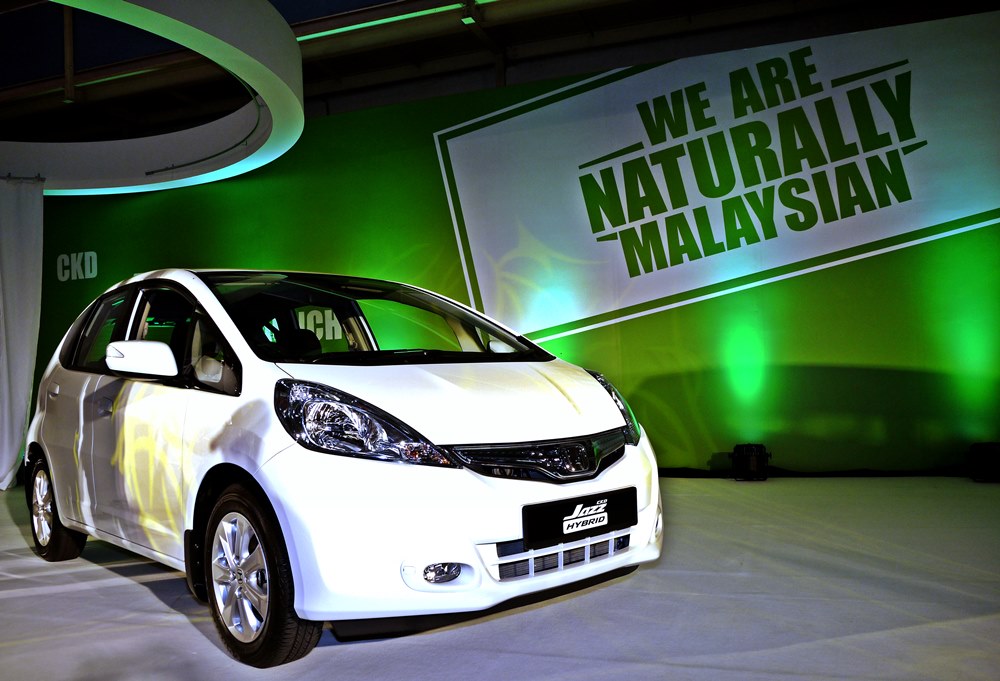
In Malaysia, Honda has been selling hybrid models since 2004 and assembling some models locally since 2012, starting with the Jazz Hybrid.

Honda’s continued attention to HEVs will also be beneficial in other markets where BEV adoption may be slow. HEVs can still help in a small way on the climate change issue as they generate lower carbon dioxide gases which have been identified as a major cause of global warming.

Honda Civic Hatchback e:HEV Hybrid for Europe – will it come to Malaysia too?

Demands to address climate change by becoming carbon-neutral are strong and carmakers, whose products are identified as contributors to climate change because of their exhaust emissions, need to do their part. Electrification is the quickest solution that allows vehicles as we know them to still be used without causing more pollution.

Ferrari, like other sportscar makers, can’t avoid the electrification trend of the auto industry. In fact, over 10 years ago, it was already examining hybrid technology and developing such powertrains. And with Formula 1 moving into the hybrid era, development accelerated as the company has long been a participant in the sport.

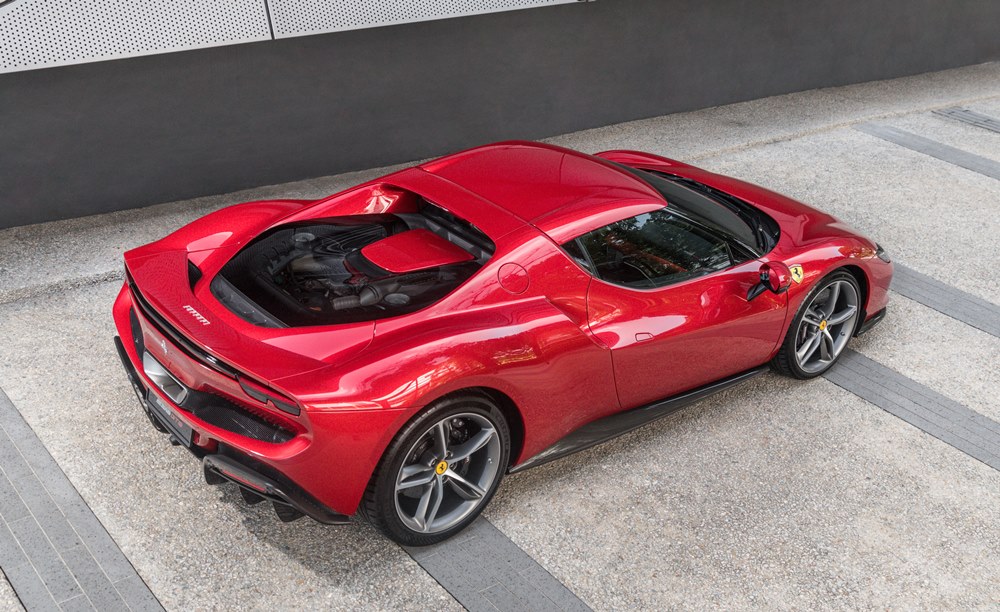
2022 Ferrari 296 GTB hybrid

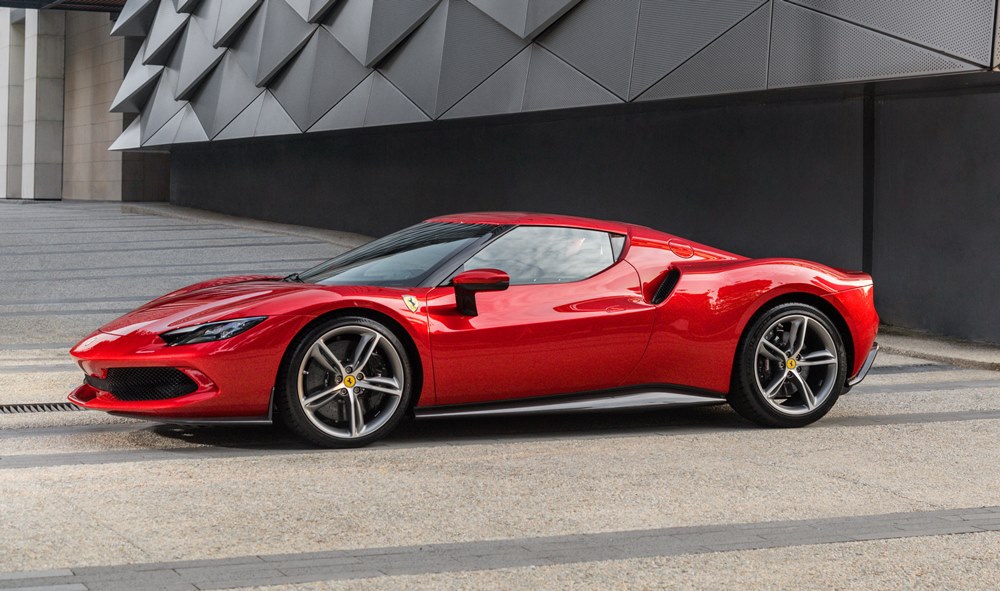
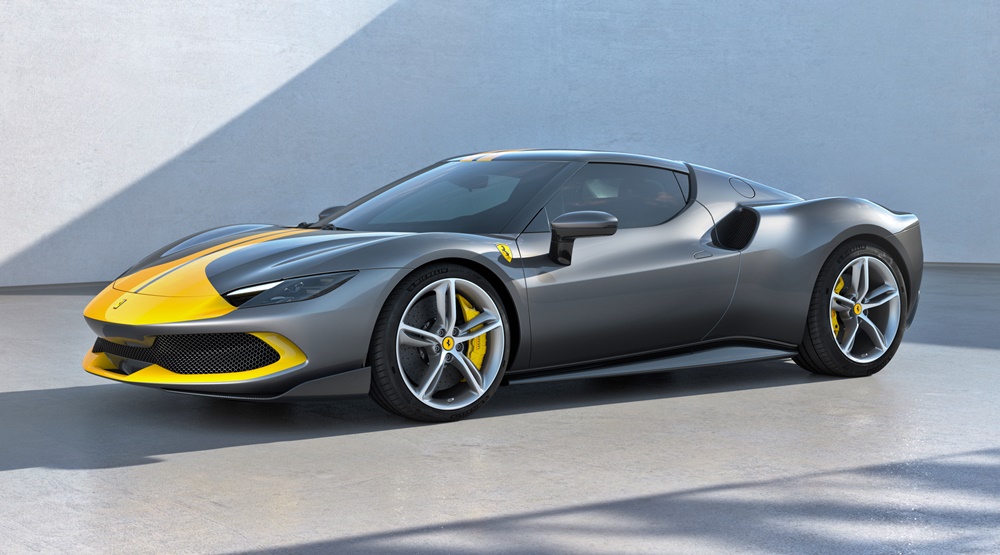
Thus far, the company has already put a few hybrid models into the market – like the LaFerrari and SF90 Stradale – and with the 296 GTB, which was launched in the middle of last year, represents an evolution of their mid-rear-engined two-seater Berlinetta with a hybrid engine.

This model is the latest offering from Naza Italia in Malaysia which has priced it from RM1,228,000 (excluding all duties and insurance). As with other new Ferraris officially sold by the importer, there’s a 7-year maintenance programme included. Service intervals are at 20,000 kms or once a year, with no mileage limits.

2022 Ferrari 296 GTB hybrid

All-new hybrid V6 powertrain
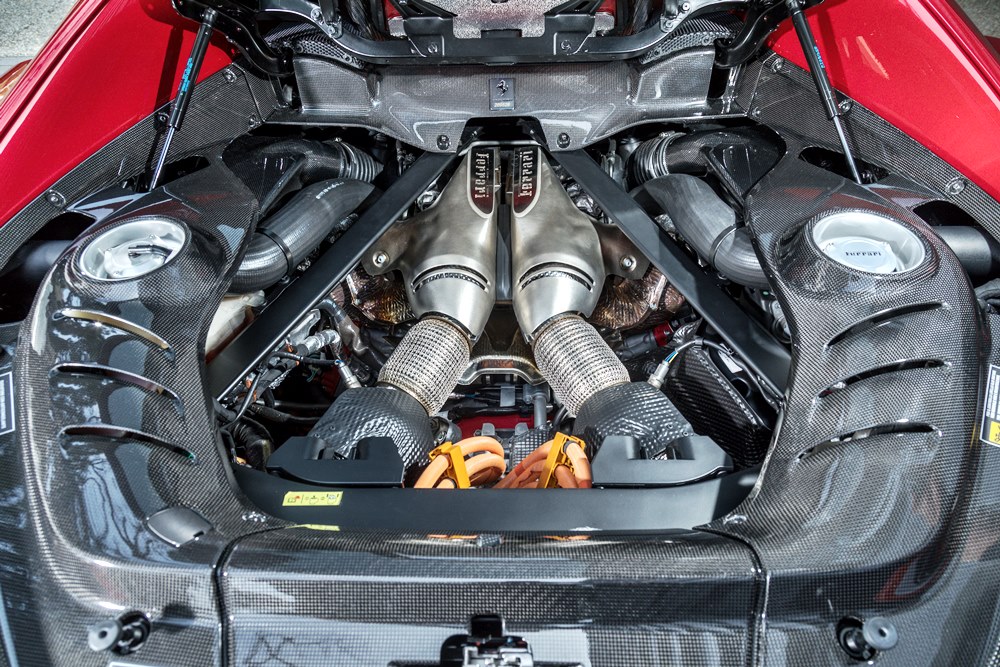
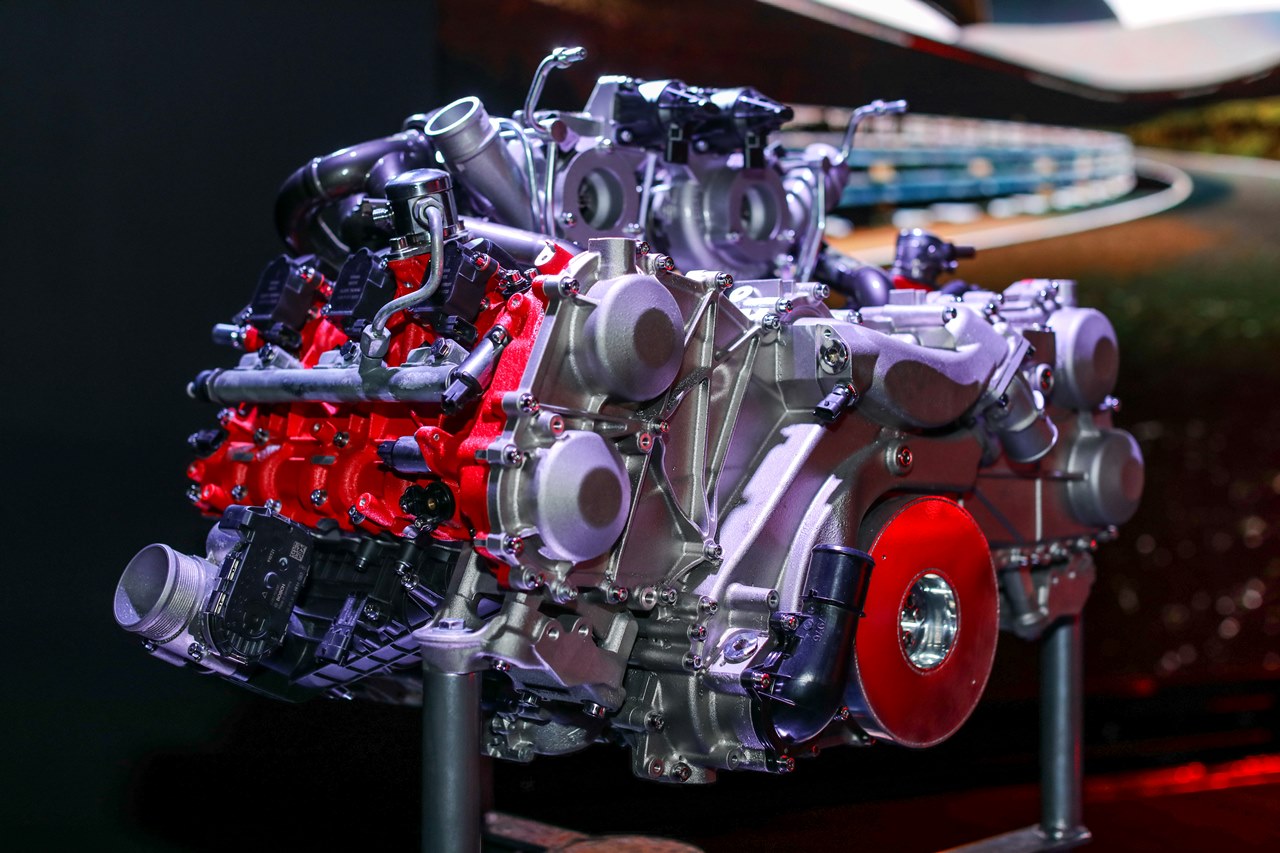
The hybrid powertrain of the 296 GTB incorporates a 120° V6 (553 ps output) coupled with one electric motor that adds 122 kW (166 ps), giving a total system output of 830 ps. Having a displacement of 2992 cc, it’s the first 6-cylinder engine installed on a Ferrari roadcar although the brand has had V6 engines going as far back as 1957 but only for its racing cars (its Formula 1 racers have had V6 hybrid architecture since 2014). Needless to say, technologies developed for the hybrid racing cars has been used for the 296 GTB powertrain.

2022 Ferrari 296 GTB hybrid

2022 Ferrari 296 GTB hybrid

The hybrid powertrain is a plug-in (PHEV) type which allows for external recharging and a high-capacity 7.45 kWh lithium-ion battery pack. Running on just electric power, Ferrari claims that a range of up to 25 kms is possible.

The new V6, which has an 8-speed DCT, is of an entirely new development and engineered specifically for the car. It’s the first Ferrari to feature the IHI turbos installed inside the vee of the engine. Aside from bringing significant advantages in terms of packaging, lowering the centre of gravity and reducing engine mass. It sets a new specific power output record for a production car and the maximum power output puts it at the top of the rear-wheel drive sportscar segment.

Aerodynamic innovations
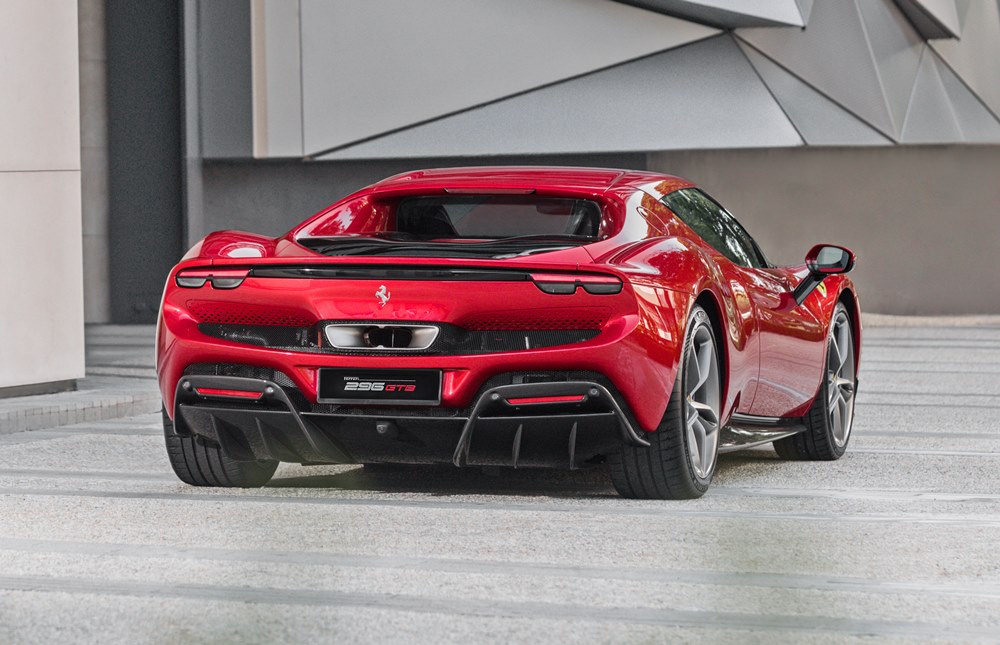
Besides the powertrain, the 296 GTB also has aerodynamic innovations that include, for the first time, an active device is being used not to manage drag but to generate extra downforce. The LaFerrari-inspired active spoiler integrated into the rear bumper allows the 296 GTB to generate a high level of rear downforce when required – up to 360 kgs at 250 km/h in high- downforce configuration with the Assetto Fiorano package.

2022 Ferrari 296 GTB hybrid

The Aero calipers for the brake system have ventilation ducts integrated into their castings. This brake cooling concept requires a dedicated duct to correctly channel cool air coming in through the air intakes on the front bumper through the wheelarches. In the case of the 296 GTB, the intake has been integrated into the headlight design.

From a chassis perspective, the car’s wheelbase is 50 mm shorter than previous Ferrari berlinettas, giving positive implications to the dynamics. Because of the added weight of the hybrid system, much attention was paid to lowering weight for an optimum balance and various solutions were used. It helped that the V6 is 30 kgs lighter than the V8s used in other berlinettas and along with use of lightweight materials, the resultant dry weight is 1,470 kgs.

Evolved from SF90 Stradale
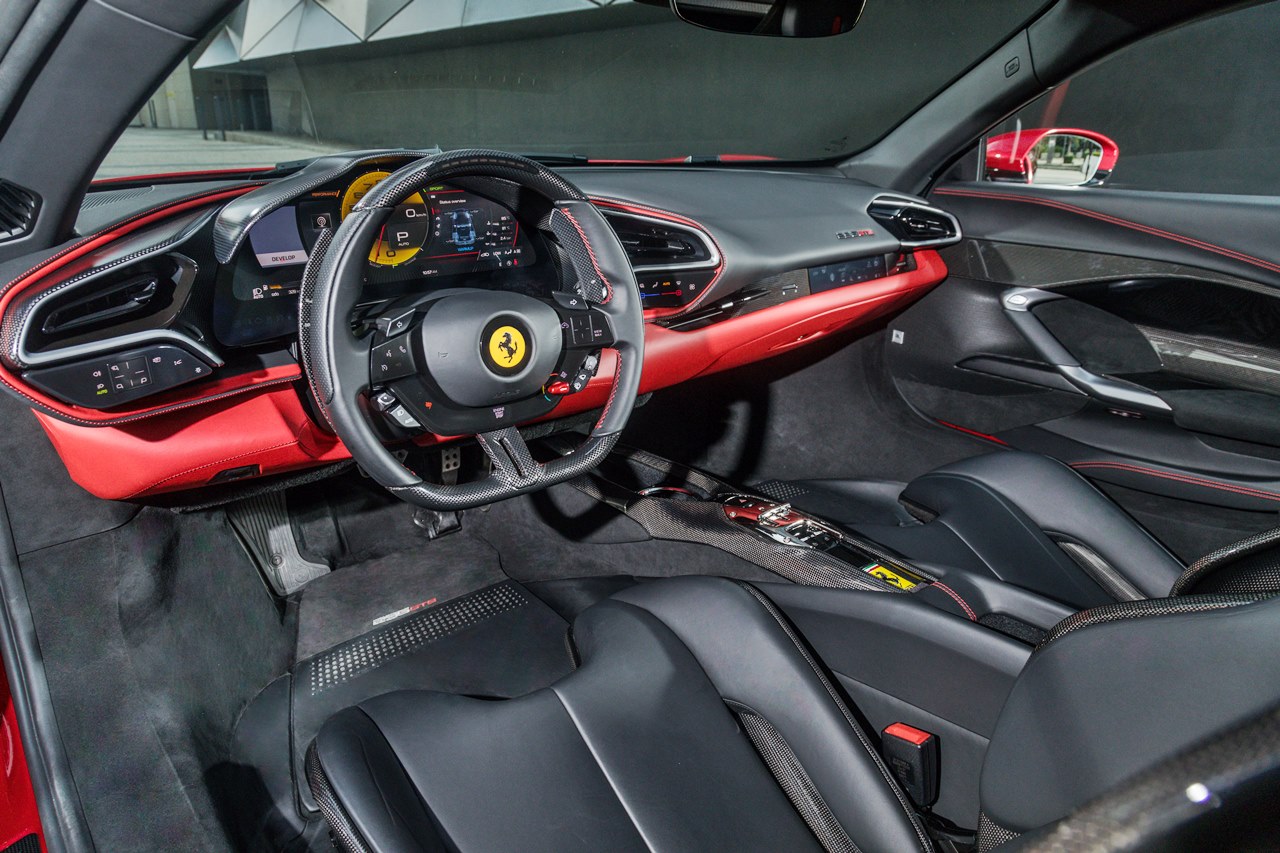
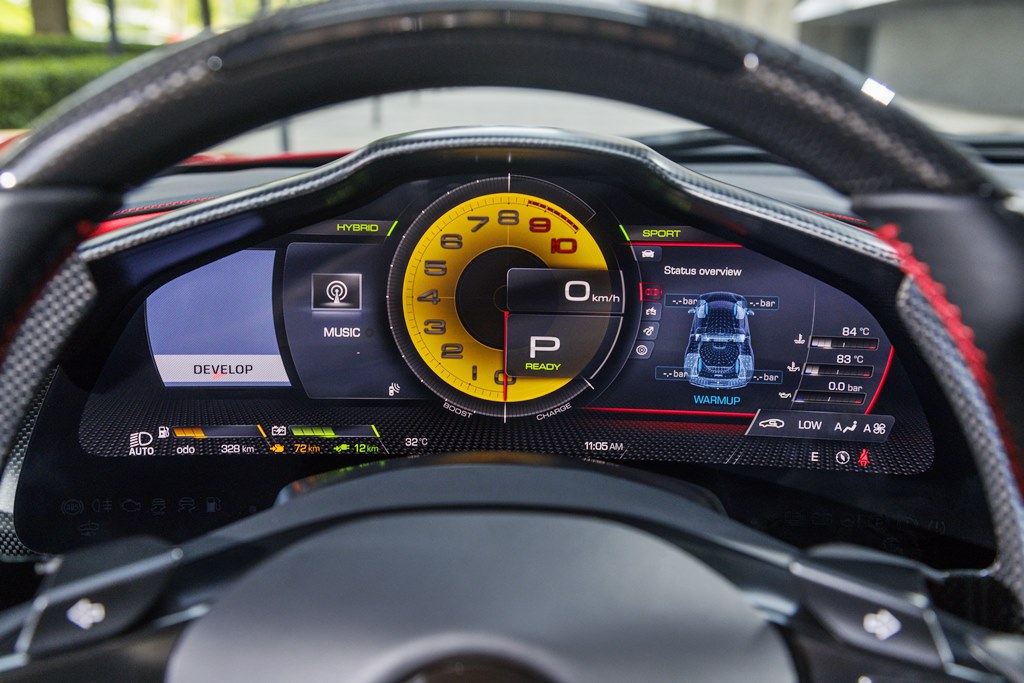
As with the newer Ferraris, the cabin shows greater ‘digitisation’ and uses the new concept of an entirely digital interface which was first adopted by the SF90 Stradale. It shows a clear break with the past and presents new technology in a sophisticated way. However, the cleaner layout also allowed the designers to create a pure, minimalistic environment for the occupants.

2022 Ferrari 296 GTB hybrid

2022 Ferrari 296 GTB hybrid

2022 Ferrari 296 GTB hybrid

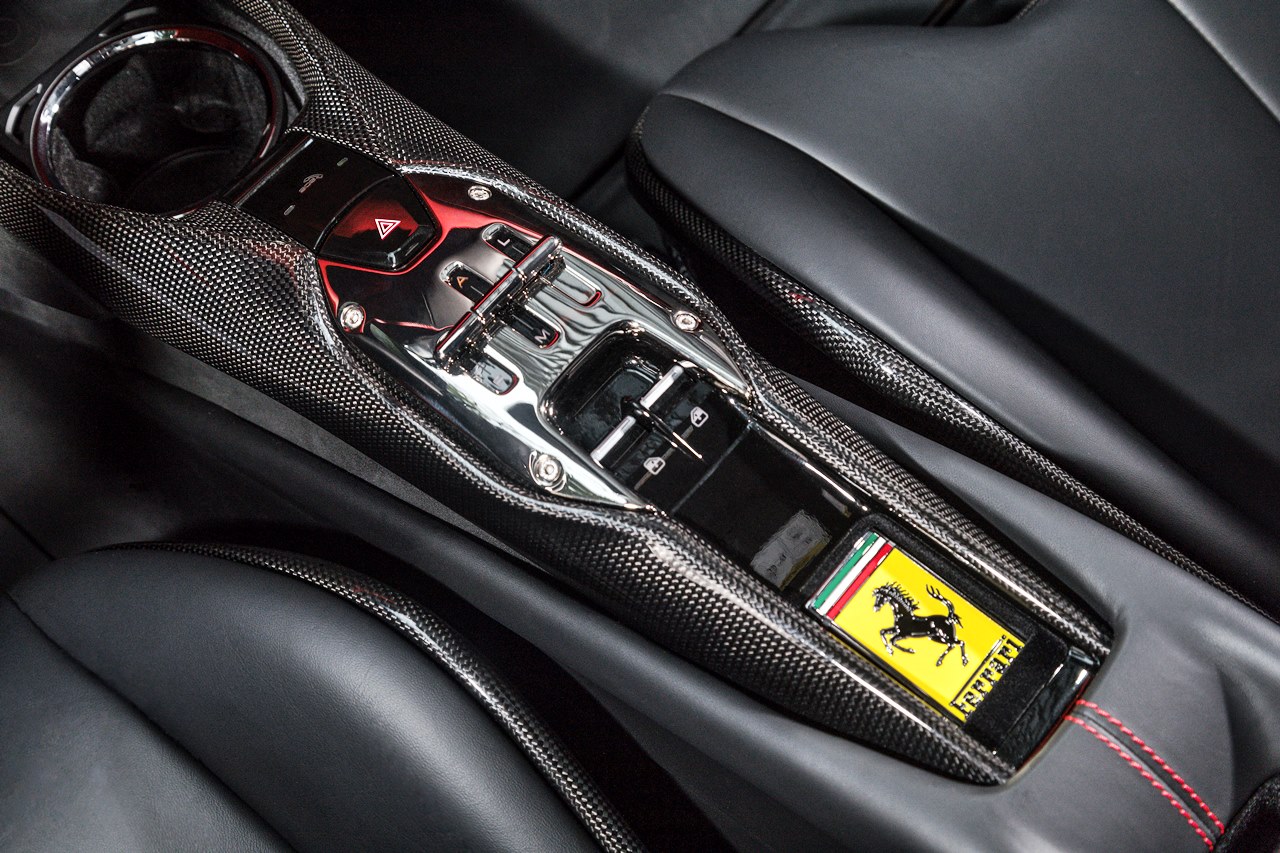
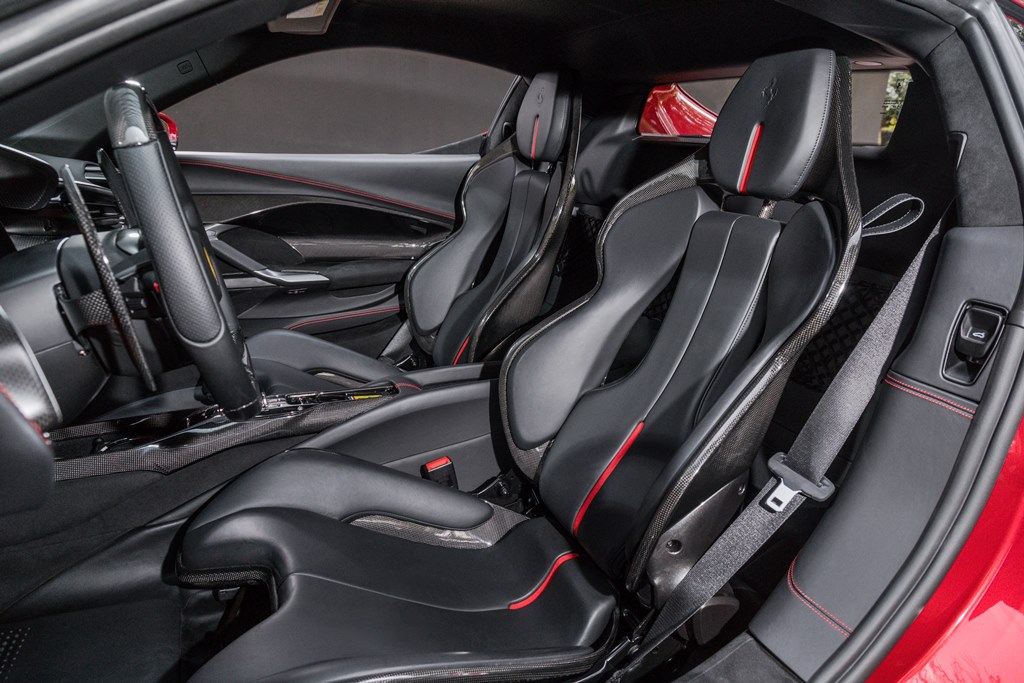
Exclusive Italian leather trim to the seats and trim is further enhanced by the noble technical materials used on the functional components. The sculptural door panels are seamless continuations of the dashboard in terms of both materials and colour. Incidentally, when the engine shuts down, the instruments also go black, enhancing the minimalist look of the cabin.

2022 Ferrari 296 GTB hybrid

2022 Ferrari 296 GTB hybrid

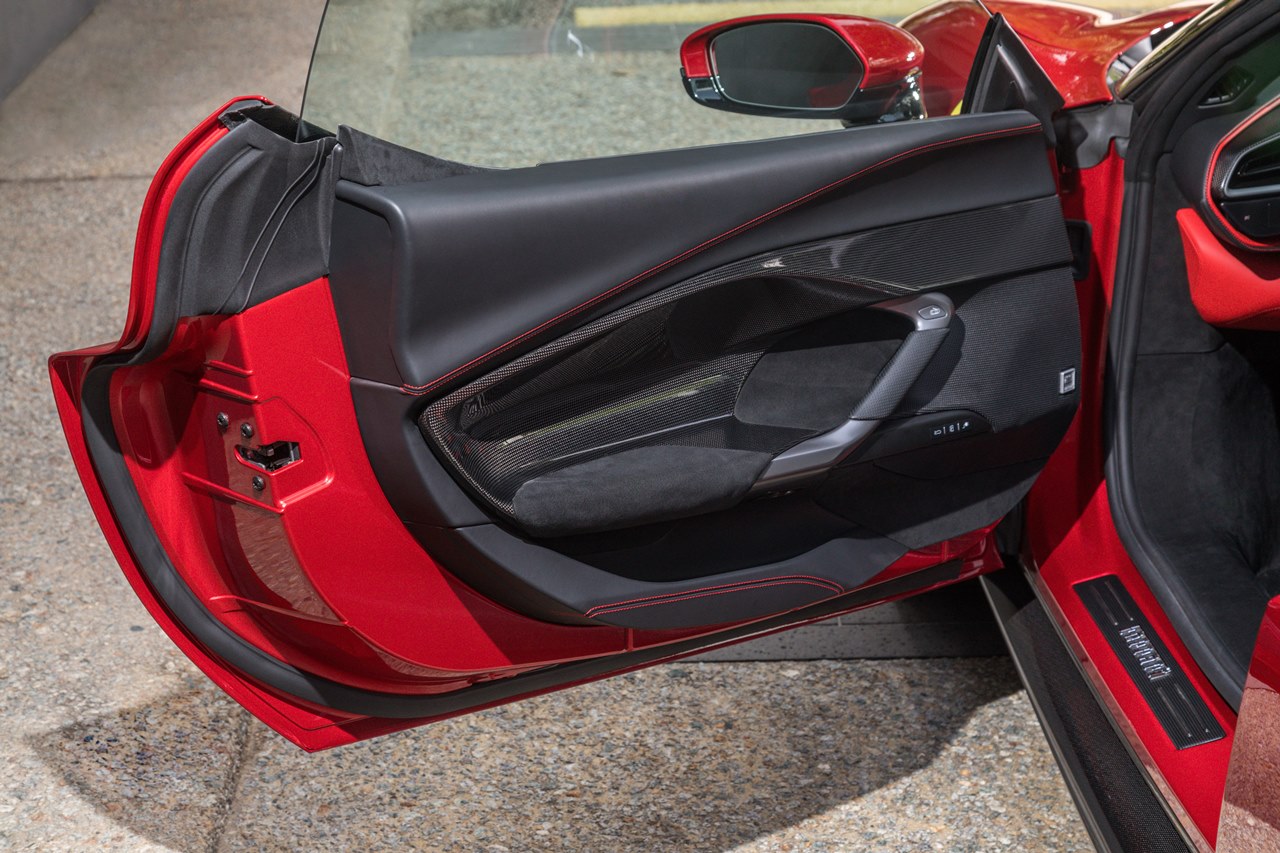
For customers who want to experience the full performance of the car, the Assetto Fiorano package is available and provides significant weight reduction and aero content. It includes special GT racing-derived adjustable Multimatic shock absorbers, high downforce carbonfibre appendages on the front bumper, a Lexan rear screen, and more extensive use of lightweight materials such as carbonfibre for both cabin and exterior.

Assetto Fiorano package
The Assetto Fiorano package (shown on the car below) involves much more than simply replacing elements. Some components require the standard basic structure to be redesigned, including the door panel, resulting in an overall weight-saving of 12+ kgs. This is therefore something that is specified when ordering the car so the necessary items are added at the factory during assembly.

2021 Ferrari 296 GTB
Ferrari 296 GTB with Assetto Fiorano package.

Click here for other news and articles about Ferrari.

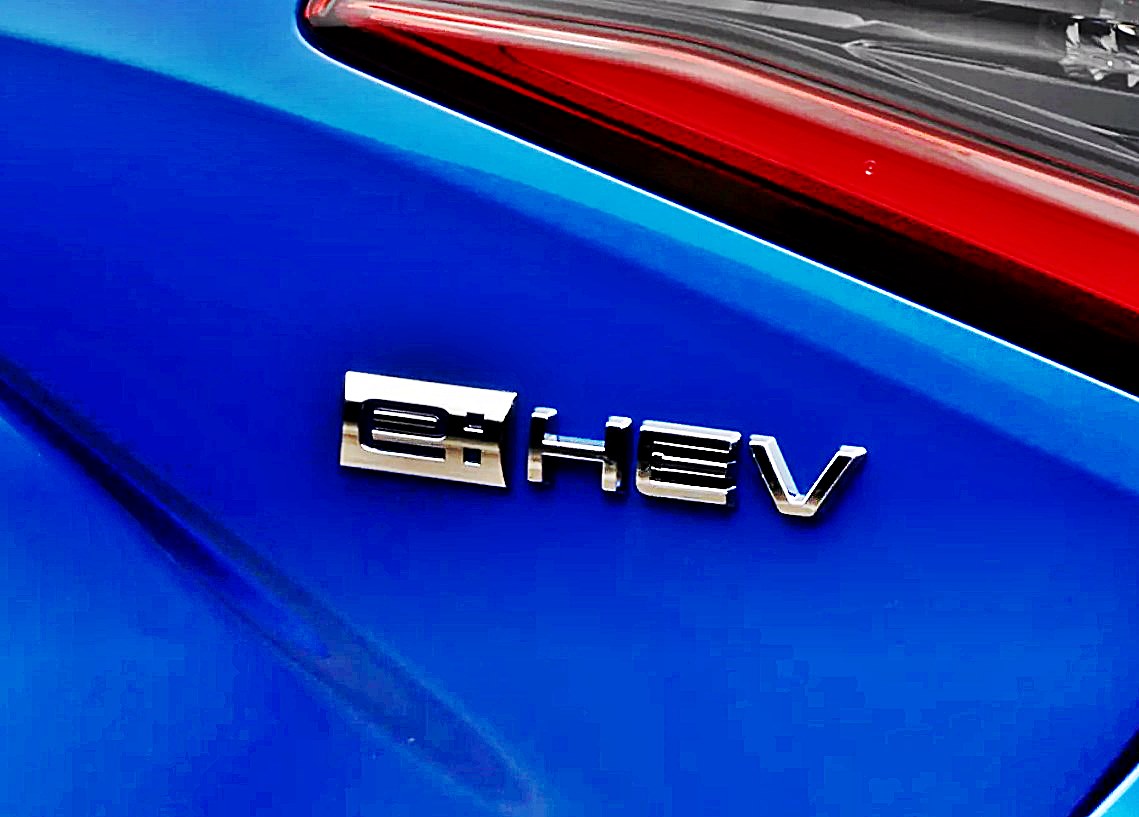
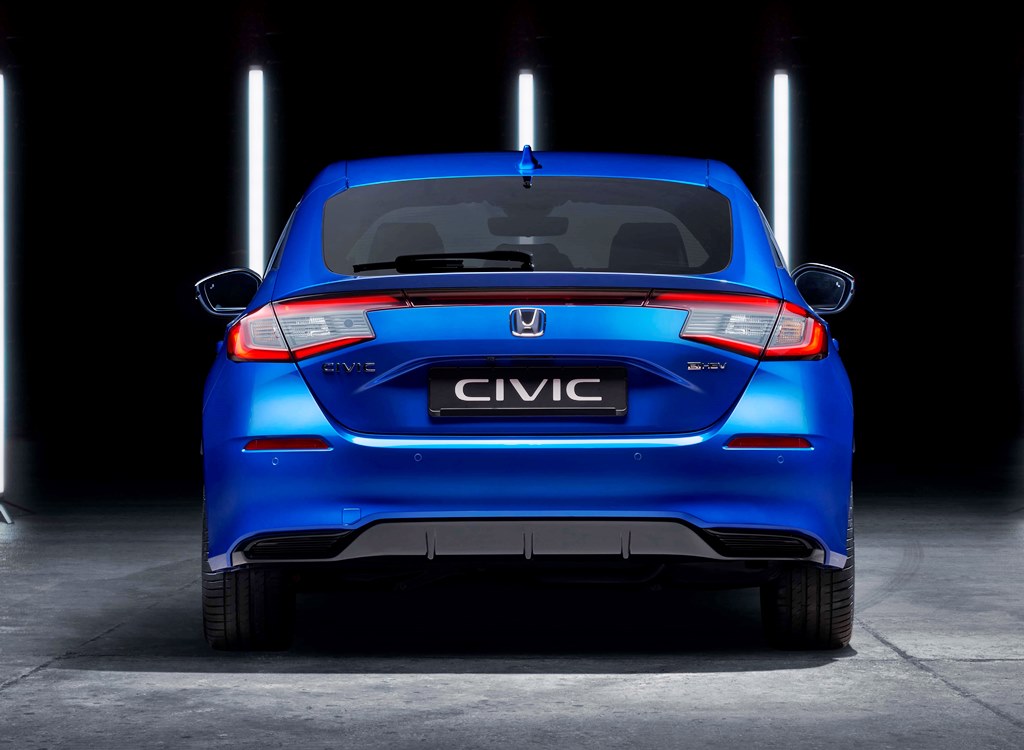
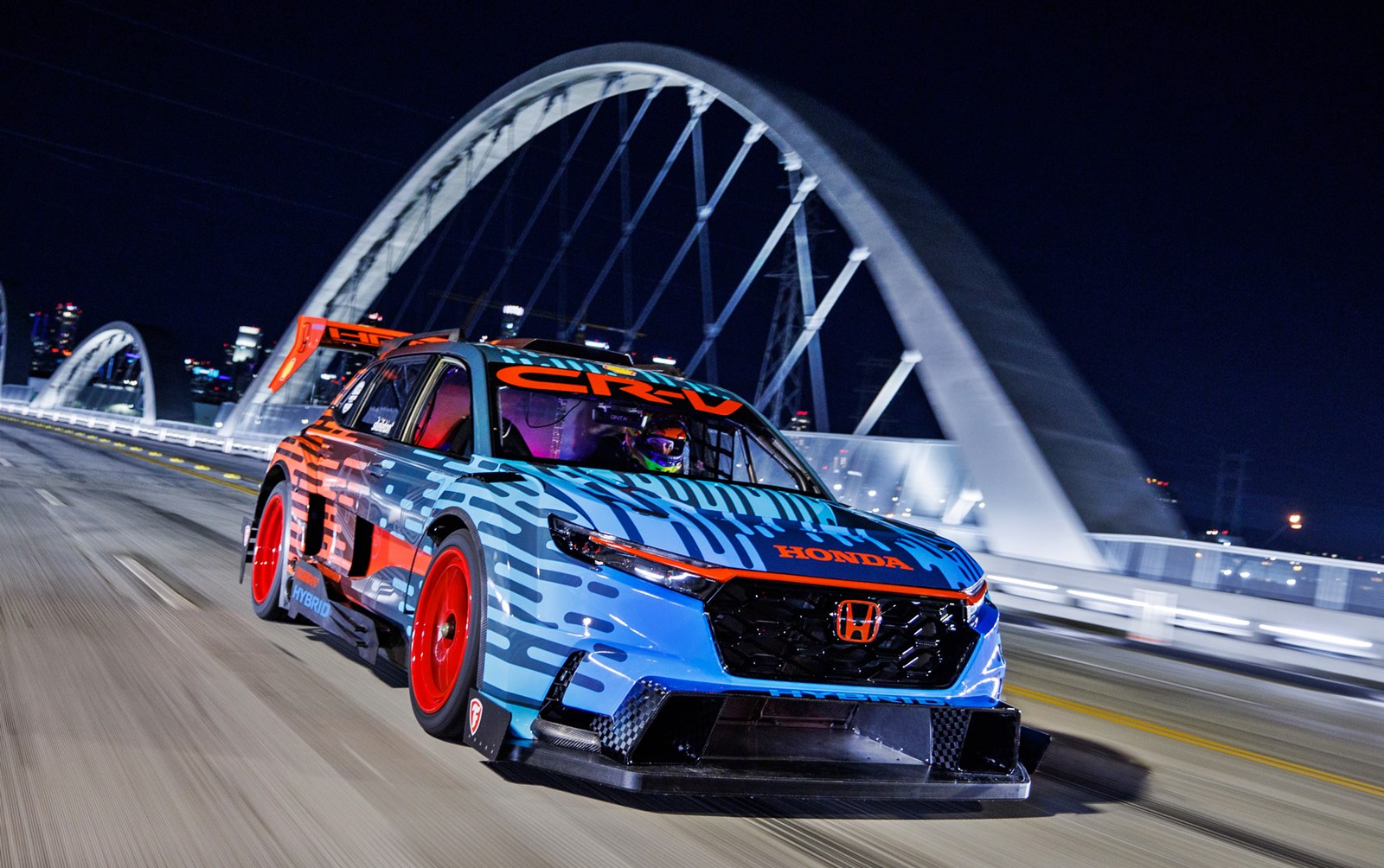
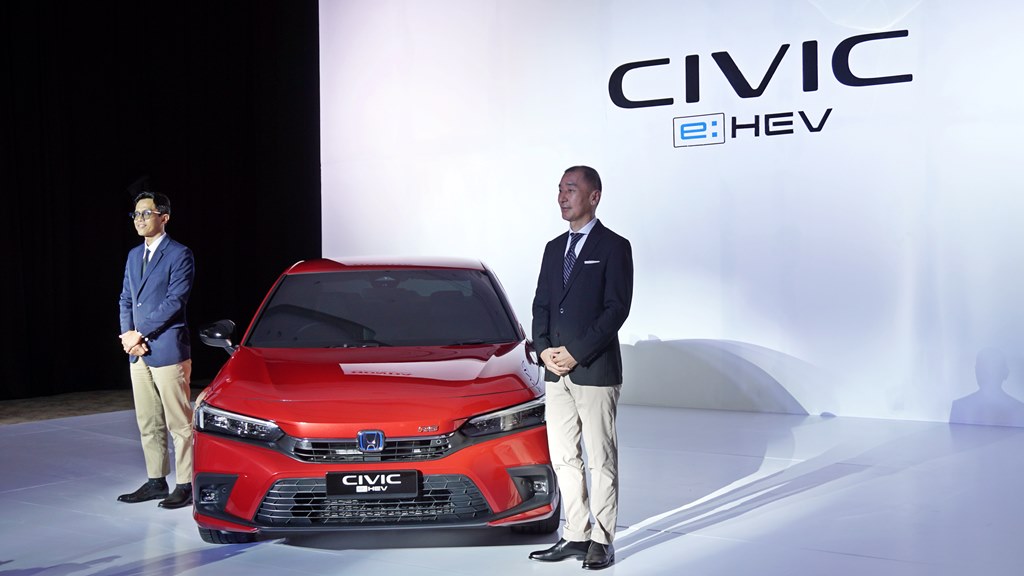
When the latest 11th generation Civic Hatchback made its global debut from North America last year, it was mentioned that there would be hybrid (which Honda calls e:HEV) as well as combustion engine powertrains. However, the e:HEV powertrain was primarily intended for the European market to meet Honda’s objective for all European mainstream models to have electrified powertrains by 2022.

The Civic Hatchback e:HEV will be available in Europe from the fourth quarter of this year. It will join the Jazz, CR-V and HR-V in the electrified line-up, while the Honda e is a battery electric model (BEV).

While the Jazz, CR-V and HR-V use 1.5-litre petrol engines with their hybrid powertrains, the new Civic Hatchback has a larger 2-litre direct-injection, Atkinson-cycle engine. The total system output is 135 kW (170 ps) and 315 Nm of torque. Honda engineers have introduced several new elements within its architecture to help achieve a thermal efficiency of 41%, one of the highest figures within the automotive industry for a production roadcar engine. This allows the engine to provide better performance as losses through friction are less.

The two compact electric motors, powered by a 72-cell lithium-ion battery, work together to provide the primary propulsion for the car. The engine is controlled by a new, compact Power Control unit which now sits under the bonnet with the rest of the powertrain. Located under the rear seats is the latest version of Honda’s Intelligent Power Unit (IPU) and whilst smaller and lighter, it benefits from an increased energy density. This system delivers a feeling of instant torque and powerful acceleration whilst still offering outstanding efficiency.

While on the move, the advanced powertrain shifts seamlessly between electric, hybrid and engine-only modes. When each mode is used depends on various factors, but the driver does not make the determination. The computer will consider the battery level, load conditions and speed, and choose the optimum mode to run in. It is possible to run a few kilometres on just electric mode, usually when starting a journey.

And while on the move, the battery is constantly recharged (even during braking or coasting) so there should be no ‘range anxiety’ or the need to search for a charging station. In fact, with the presence of the petrol engine, the operation is just like a normal car with a combustion engine and fuel can be added when necessary. However, with the electric motor doing part of the work, the consumption will be quite low (20 kms/litre claimed).

While the driver cannot control the powertrain modes, he or she can select specific programming for economical, sporty, or normal driving characteristics. The Civic Hatchback also has one more mode not seen in all e:HEV models and that is an Individual mode. This allows separate control of the engine, transmission and meter display and will be appreciated by drivers who want to fine-tune their car’s performance. Central to the e:HEV system is the fixed gear transmission which has been designed to minimize mechanical friction and is controlled by the IPU.

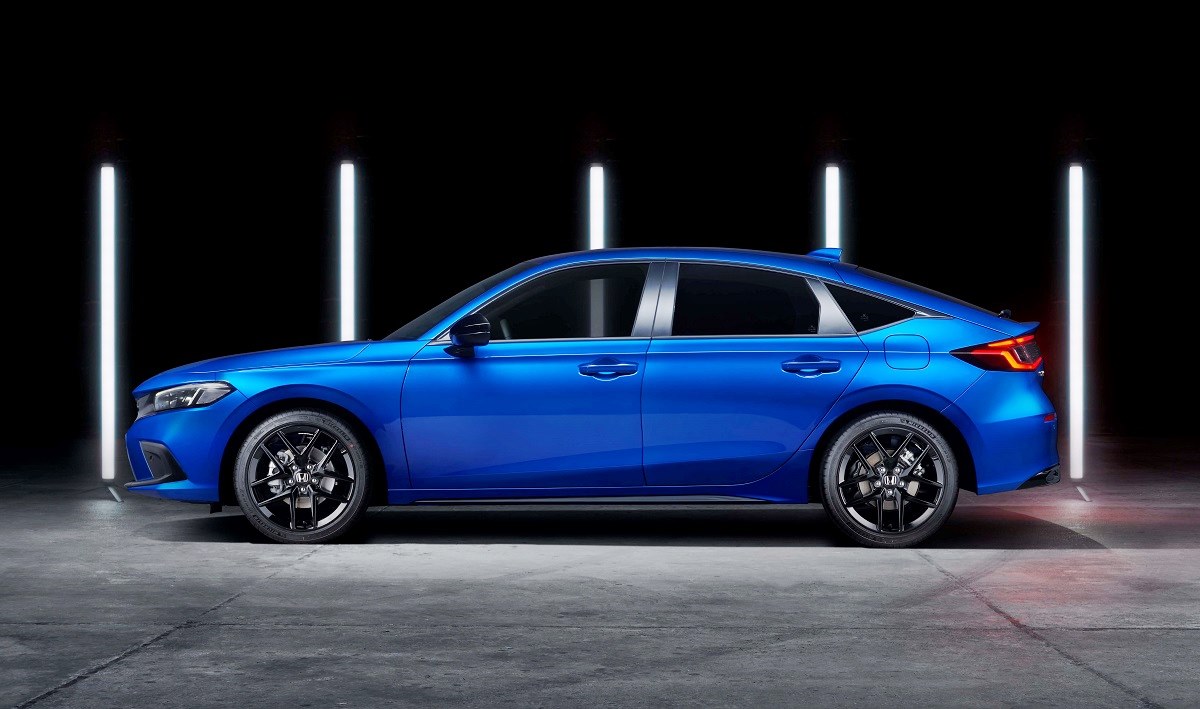
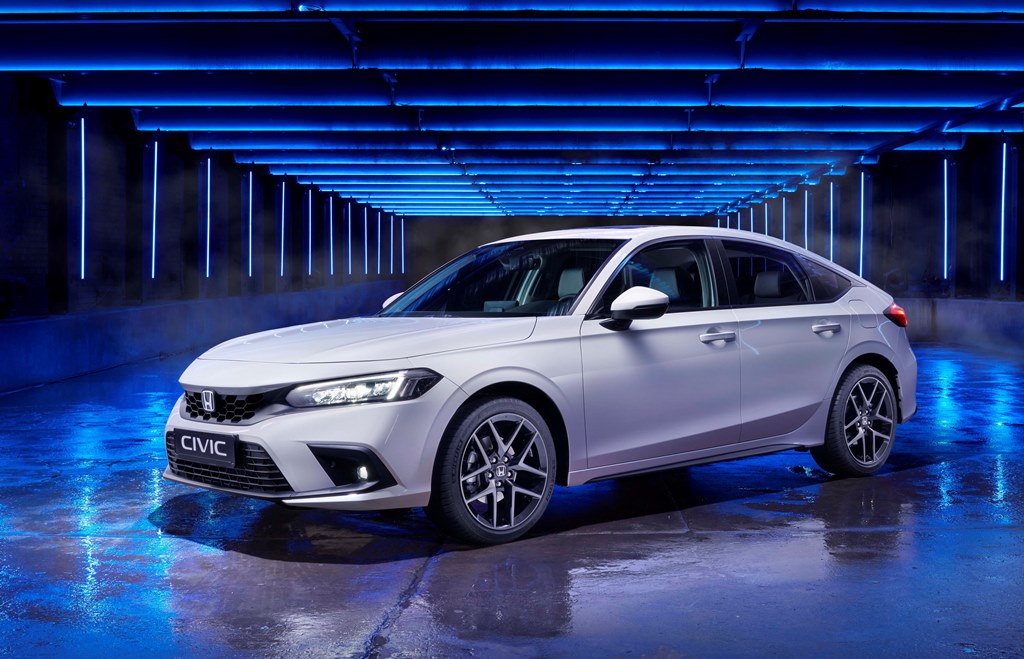
As for styling, the overall appearance follows that of the latest Civic generation with a more dramatic roofline that gives a sleek coupe-like profile. Depending on the variant, the front end may have a different grille (like the RS versions in Malaysia). At the rear where the big differences are, with larger side windows and a new small corner window in the C-pillar to enhance rearward visibility,

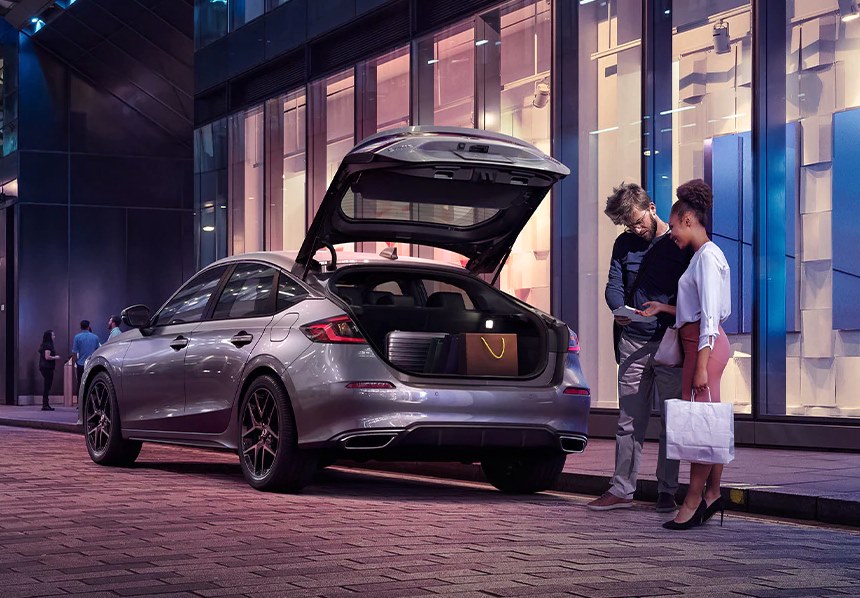
The roofline flows downwards to a lightweight composite tailgate (a first for the Civic). Developed using new manufacturing technology, the weight has been reduced by 20% compared with the previous Civic, making it easier to open and close.

The overall height of the car has been reduced by 50 mm by moving the hinge mechanism outwards. The design of the rear lights is different from the sedan’s and the third brake light lens spans nearly the entire width of its hatch, visually emphasizing the Hatchback’s wider rear track.

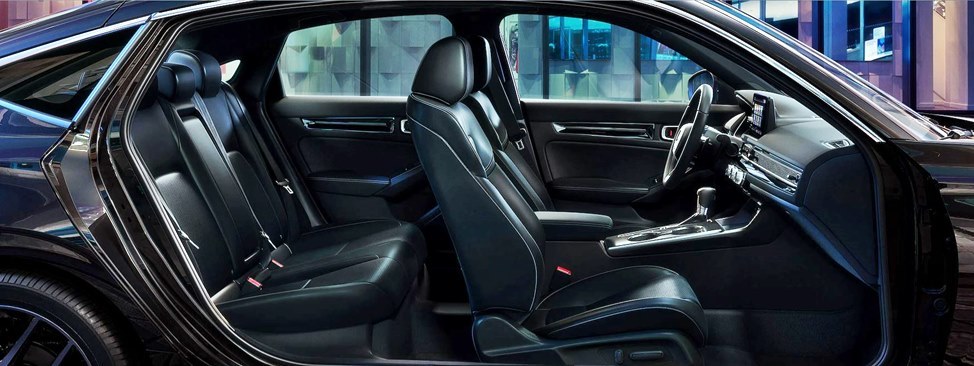
Compared to the 10th-generation Civic Hatchback, the windscreen pillars have been moved back by around 50 mm while the wheelbase is 35 mm longer and the rear track is 13 mm wider. However, the rear overhang is less which reduces the overall length by 124 mm but Honda says rear legroom is better in this new variant.

With the large opening at the back, additional attention was given to body rigidity. The Civic Hatchback’s structure has 19% better torsional rigidity versus the previous generation. The stiffer structure, with an aluminium front subframe, benefits ride, handling and refinement, with reductions in noise, vibration and harshness augmented with the extensive use of structural adhesives, spray-in foam in the pillars, and additional sound deadening in the firewall and under the floor.

The suspension is shared with the Sedan but Honda mentions chassis updates such as new low-drag front brake calipers, and low-friction front and rear wheel bearings to reduce rolling resistance.

While the latest City Sedan and Hatchback RS have e:HEV powertrains, the new Civic Sedan does not. Whether we get the new Civic Hatchback e:HEV depends very much on whether it is offered in Thailand. Sales of the Civic Hatchback have not been good so there may not be interest offer the new generation.

However, since it uses the same platform as the sedan, Honda might be willing to develop a sedan with e:HEV technology for ASEAN where there should be sufficient volume to justify it. According to Maduko Chujo, Managing Director & CEO of Honda Malaysia, the company is looking at the possibility of offering a hybrid powertrain with the Civic later on. One of the challenges for the company is to get the cost down so the pricing can be more attractive to a larger segment of buyers.

11th generation Honda Civic Sedan arrives in Malaysia, with 1.5-litre turbo engine for entire range

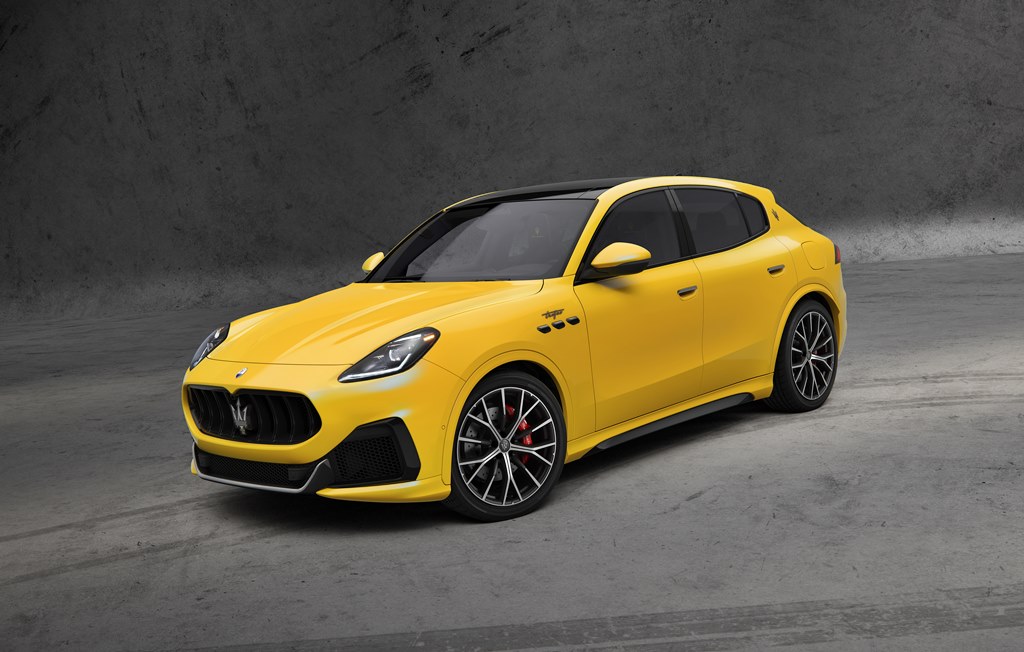
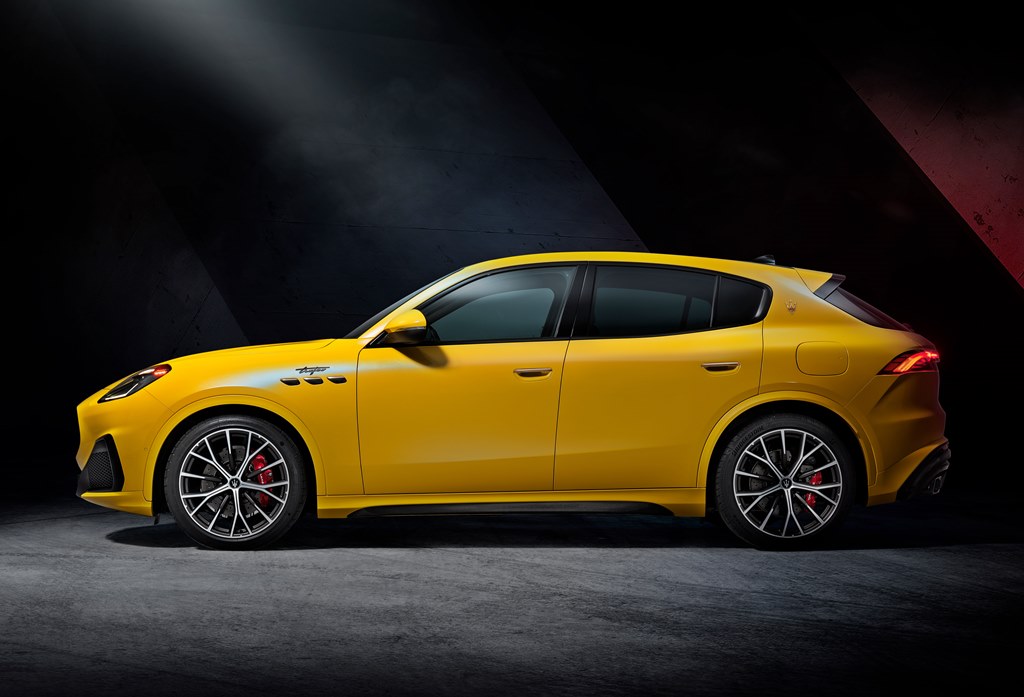
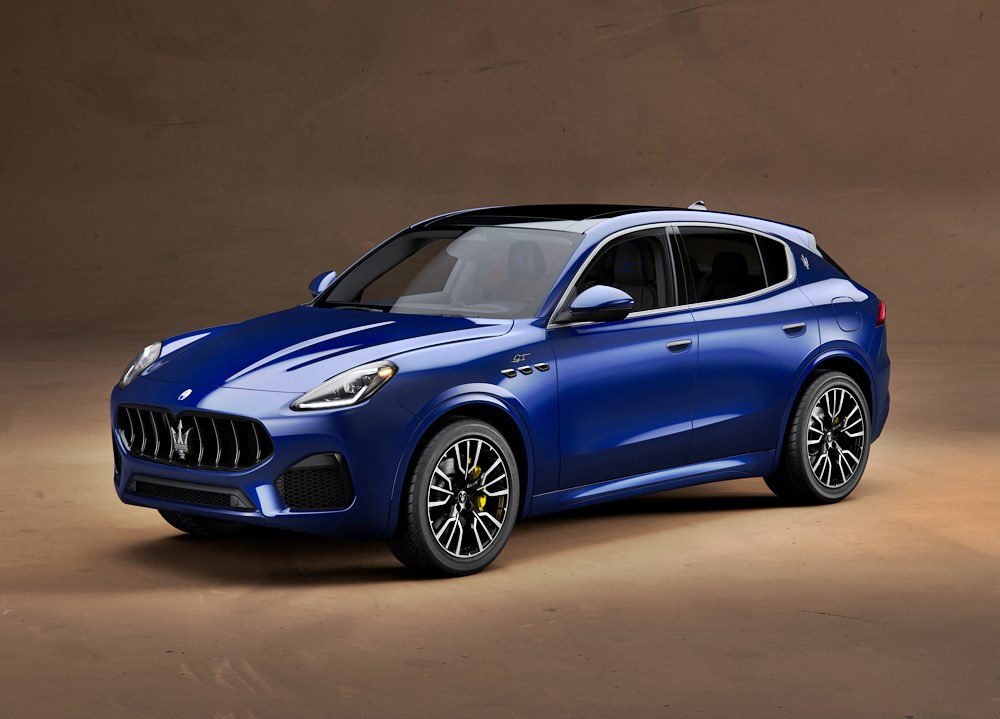
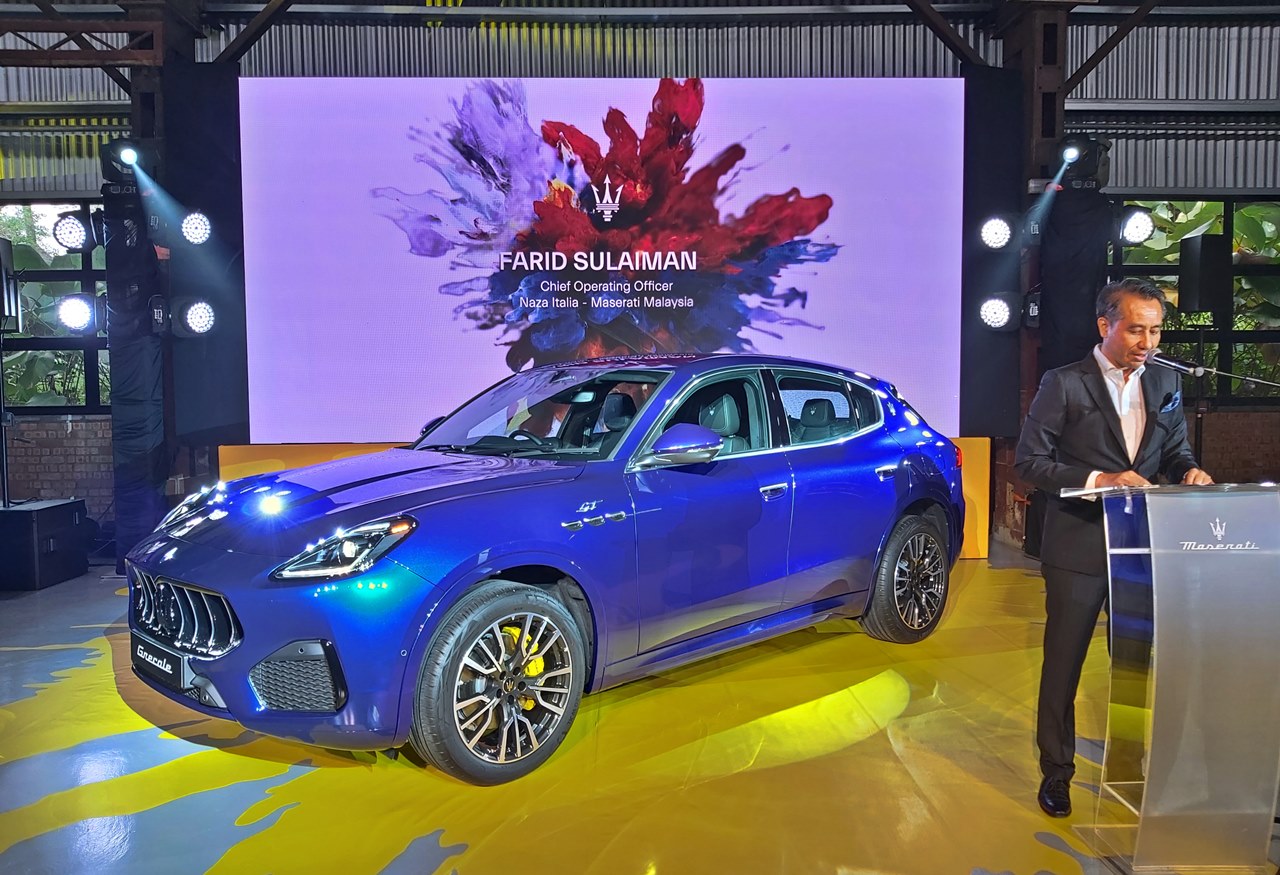
The Maserati Grecale has finally been unveiled after a delay of about three months due to the global chip shortage. As the second SUV in the carmaker’s range, it is positioned below the Levante and take on rivals like the BMW X3 and Porsche Macan.

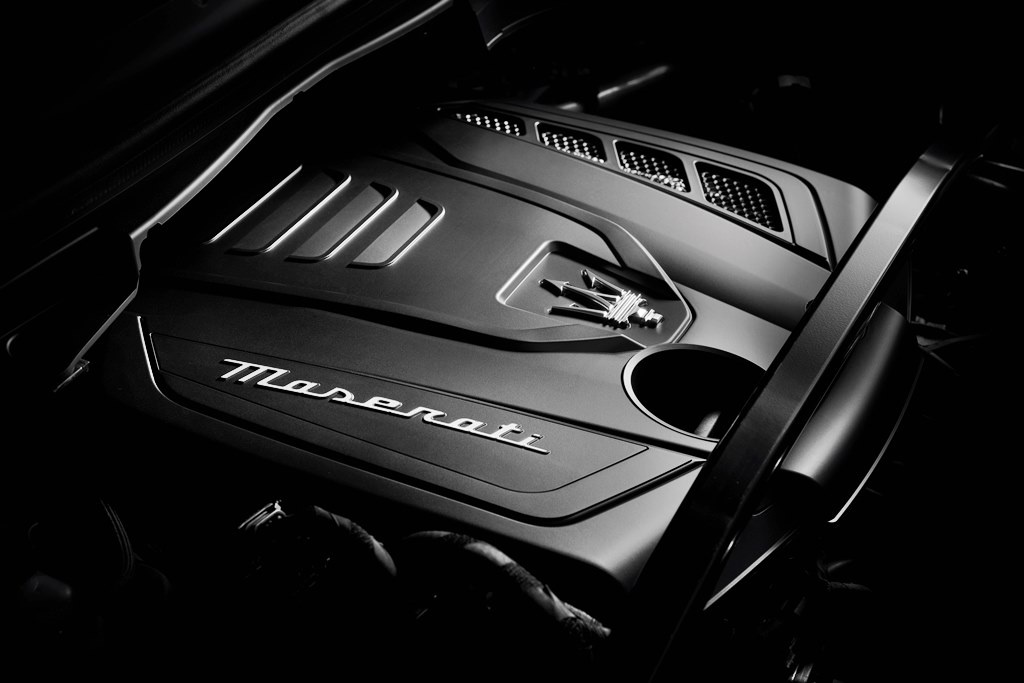
With an overall length of 4846 mm and width of 2163 mm, the shares the Giorgio platform with the Alfa Romeo Stelvio, though this is an updated platform with the additional capability of accommodating a 400V electric powertrain as well. At launch, there will be three engine choices available – two 4-cylinder 48V mild hybrids (300 bhp/330 bhp) and the powerful Nettuno V6 which produces 530 bhp for the Trofeo version.

2022 Maserati Grecale

2022 Maserati Grecale

Like the Levante, the performance of the all-wheel drive Grecale’s can be optimised with drive modes. In fact, while the Levante has 4 modes, the Grecale has one more (for the Trofeo version) besides the Comfort, GT, Sport and Off-Road modes. To complement the drive modes is the Maserati Vehicle Dynamic Control Module system which gives full control of driving dynamics and comfort levels.

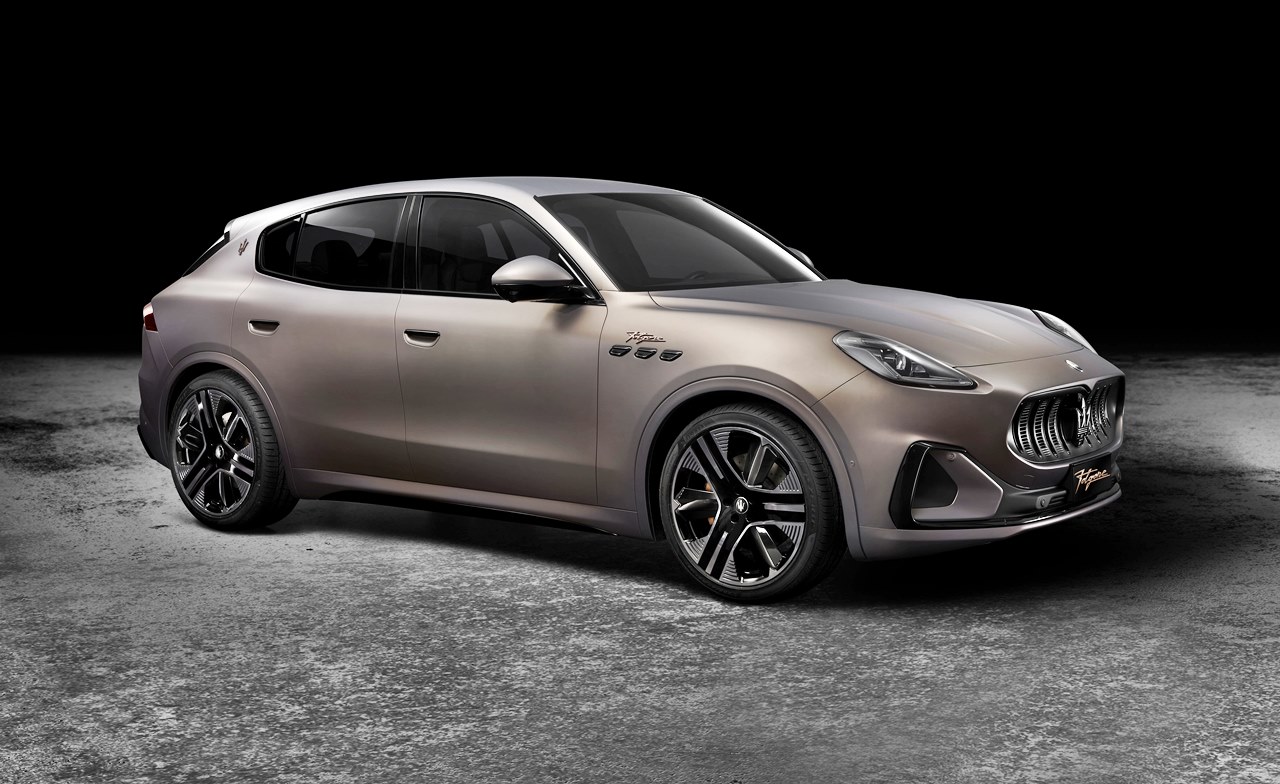
Fully electric Grecale Folgore will only be launched in 2023.

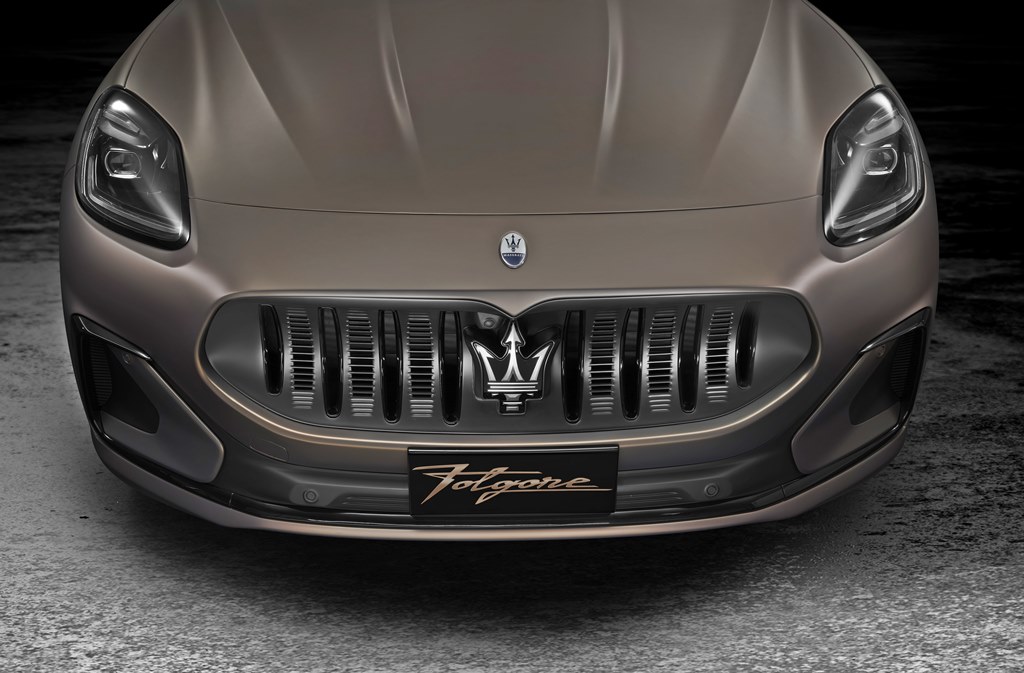
Details of the electrified version, Maserati’s first BEV (battery electric vehicle) SUV are not available yet as the model will only be introduced in 2023. For now, it is known that it will have 400V technology for its powertrain. It will be part of the Folgore range, the name referring to the company’s strategy to have a completely electric product range by 2030.

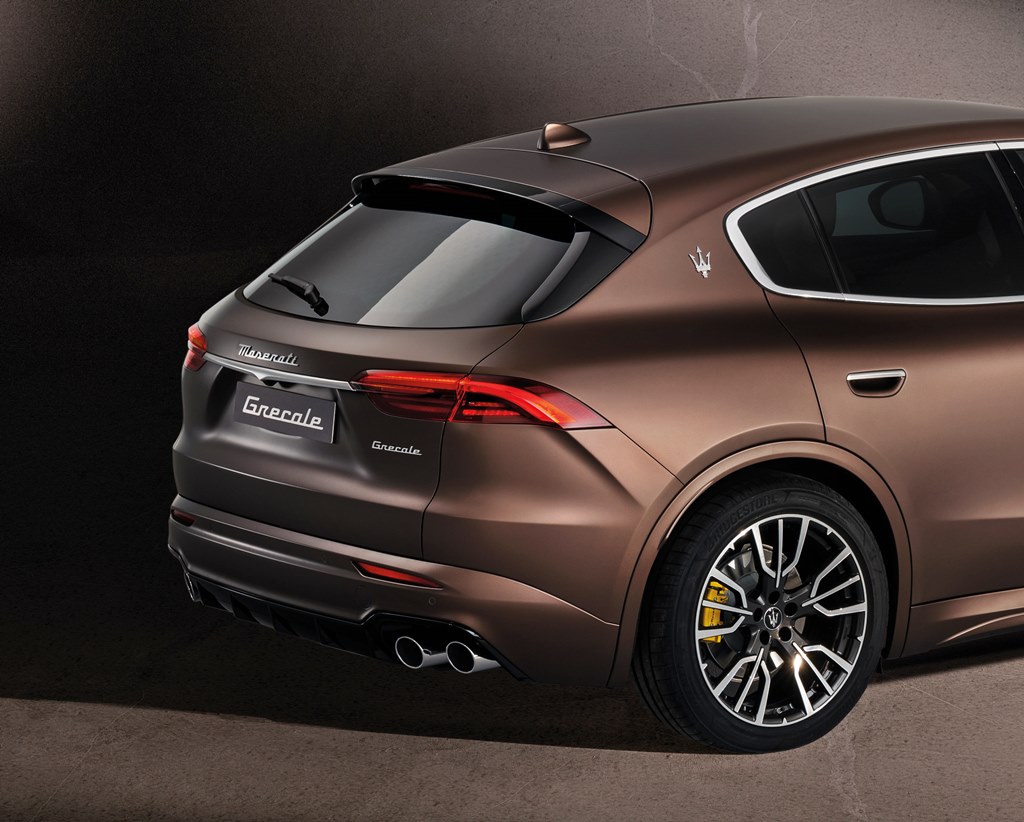
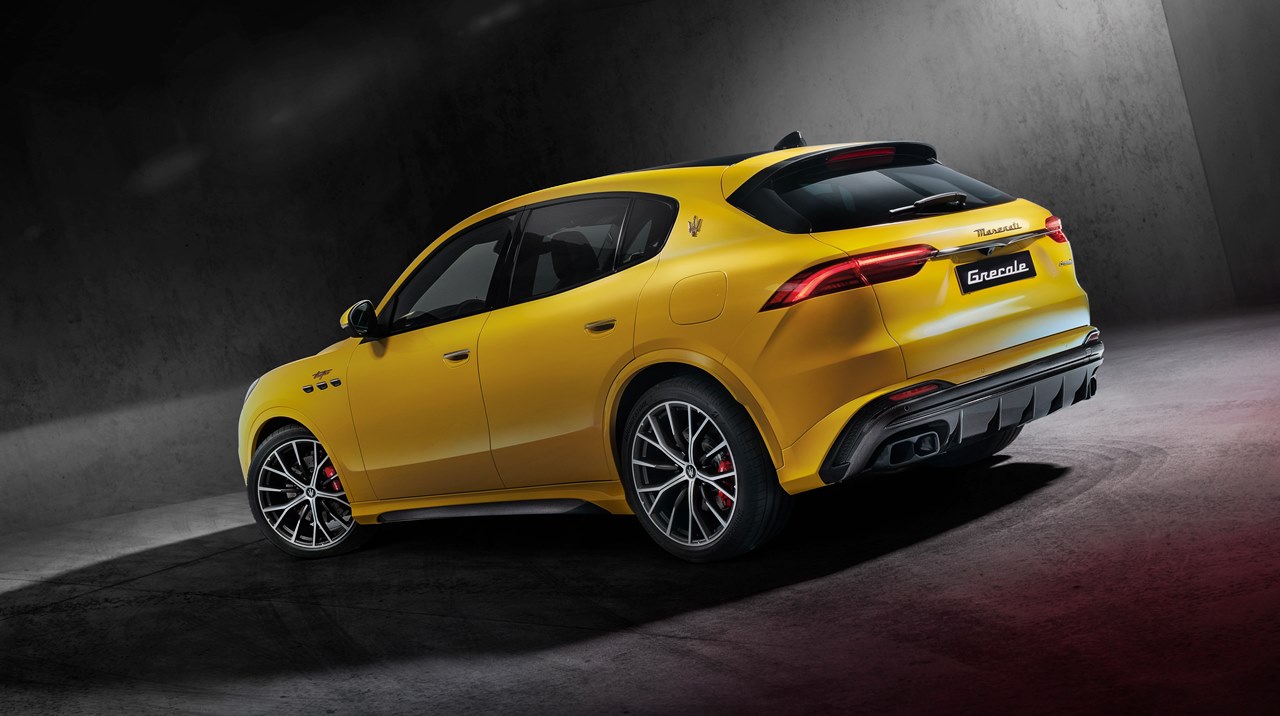
The Grecale’s design uses elements from the MC20 sportscar, with a more ‘vertical’ design language more appropriate for the SUV form that is 1670 mm tall. The body has meandering, visual forms and its technical components are highlighted by the use of carbonfibre. In the rear, the boomerang taillights are inspired by the Giugiaro 3200 GT and fit in with the trapezoidal line, made even more striking by the coupe effect of the profile.

2022 Maserati Grecale

2022 Maserati Grecale

2022 Maserati Grecale

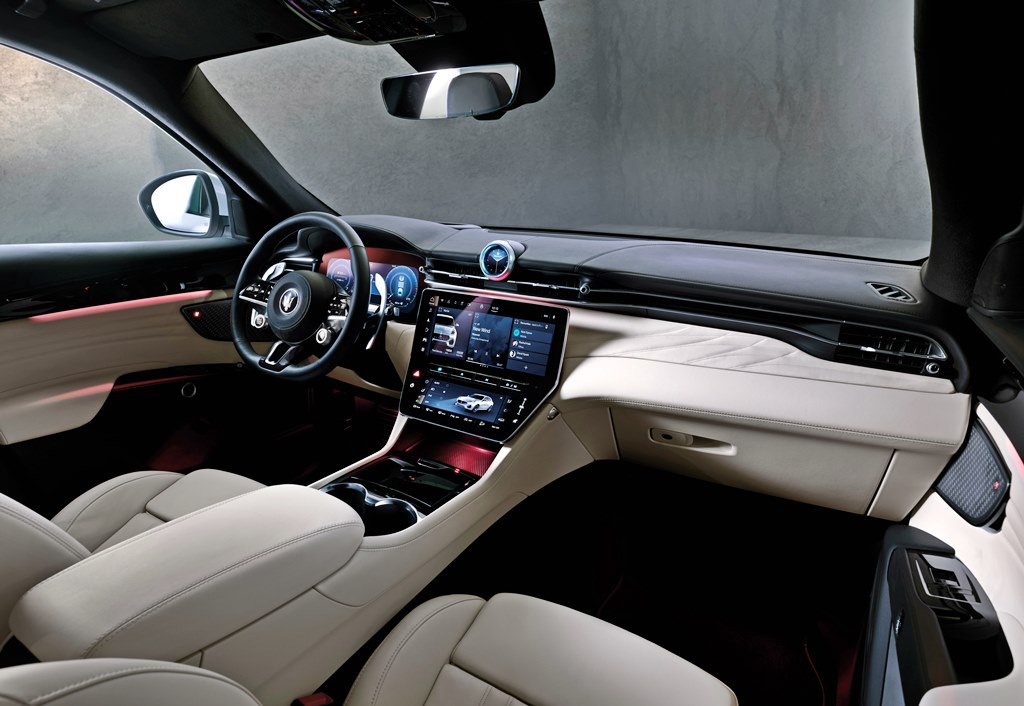
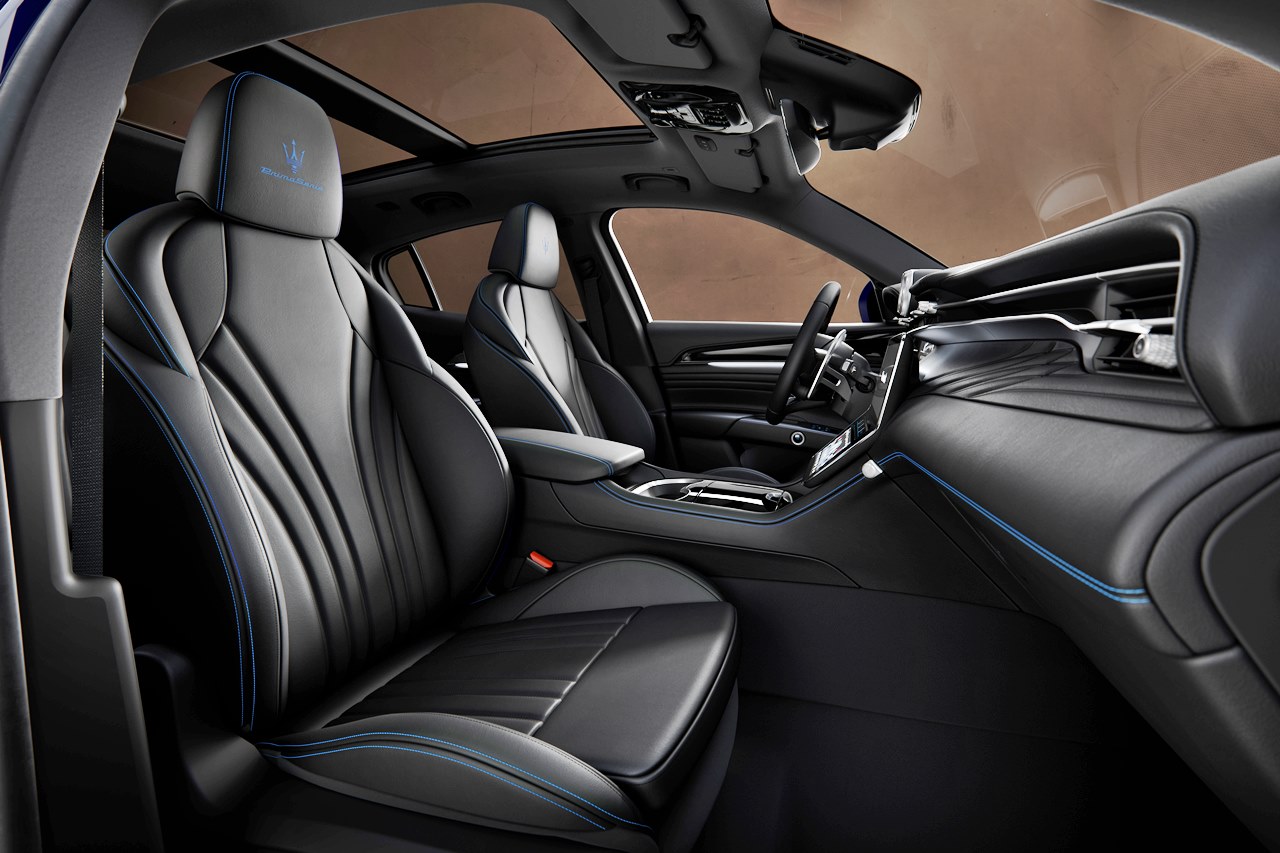
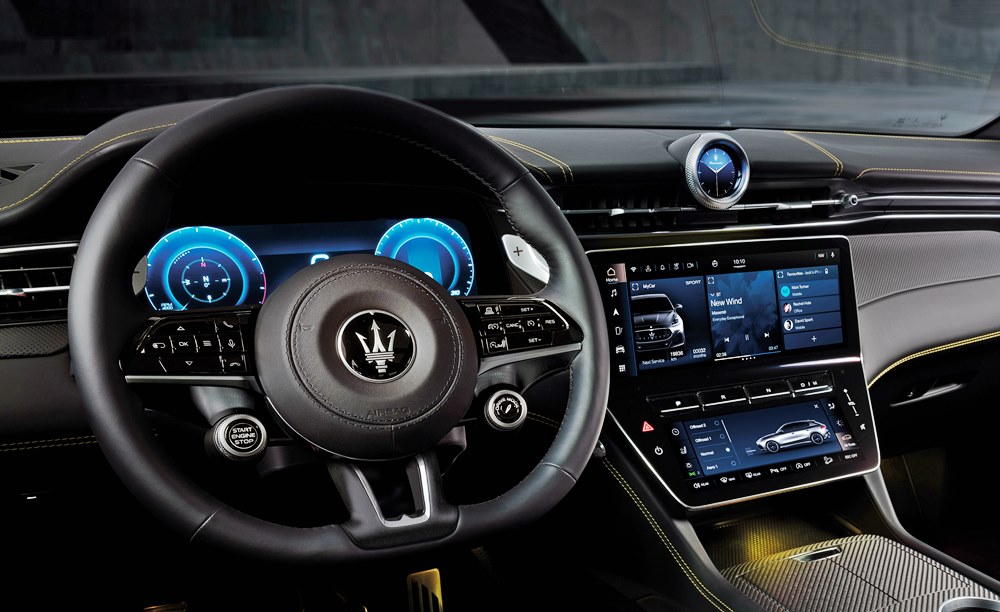
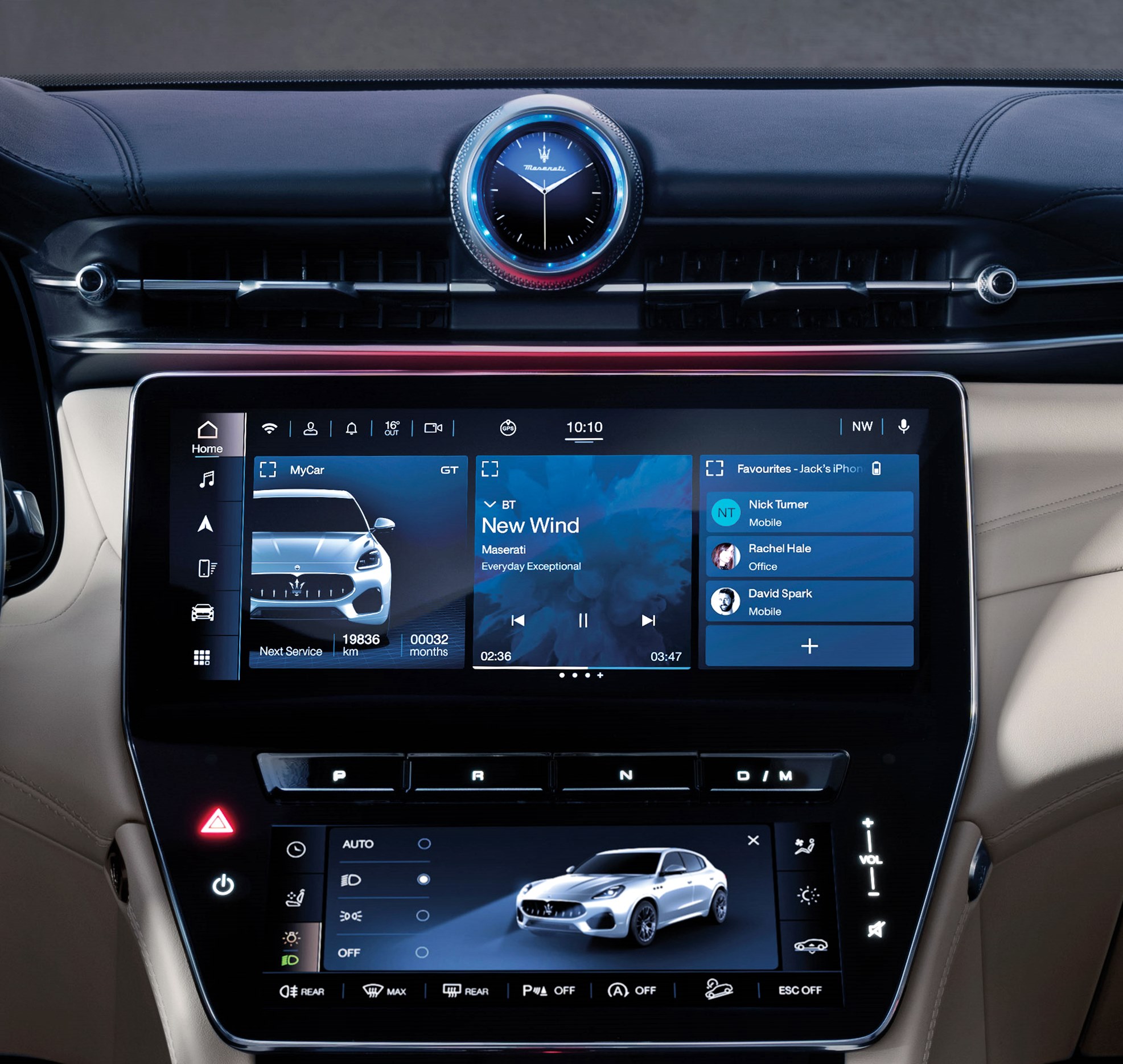
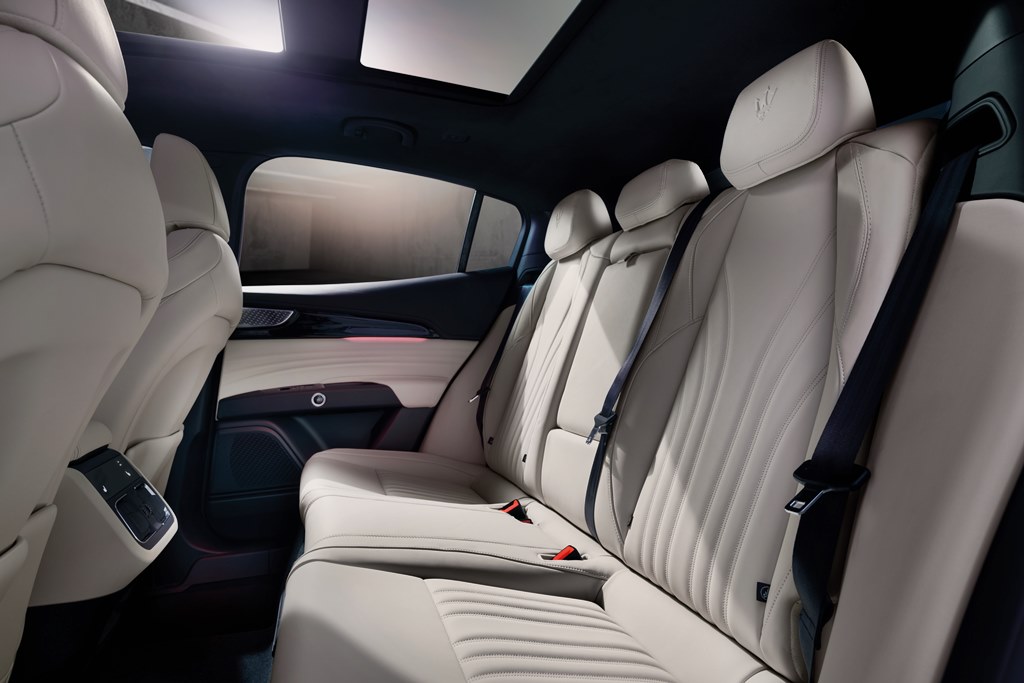
The cabin, riding on a wheelbase of 2901 mm, has 2 rows of seating for 5 persons. Like many of the latest cars, the displays are greatly digitised, certainly more than any Maserati before. Everything is touch-based, giving clean aesthetics and even the traditional Maserati clockface has gone digital for the first time,

2022 Maserati Grecale

2022 Maserati Grecale

2022 Maserati Grecale

2022 Maserati Grecale

The dashboard has a large 12.3-inch display (the largest ever on a Maserati) with a classic cluster for the driver, and an 8.8-inch touchscreen running on Android Automotive software, which gives digital assistant services. There’s a second display for rear passengers as well to have more personalised control of the infotainment system.

2022 Maserati Grecale

For those who expect a luxury model to have superlative audio quality, Maserati has worked with Italian specialist Sonus Faber to provide an immersive 3D sound system. The Sonus faber system comes with a high-frequency amplifier and 14 or 21 speakers with specific functionalities that illustrates Sonus faber’s natural sound thorough the use of natural materials.

Production will start in mid-2022 with first deliveries commencing during the second half of the year. Official pricing has not been revealed although the entry-level Grecale GT is rumoured to start from around £50,000 (about RM280,000) in the UK.

2022 Maserati Grecale

Maserati starts electrification journey with new Ghibli Hybrid

Since the late 1990s, hybrid powertrain systems have been developed by various manufacturers, acting as the first step in electrification of vehicles. The systems are similar in having an electric motor and a combustion engine but differ in the way they operate. The ideal operating strategy is to be able to use the electric motor as much as possible, with the engine coming in when extra power is needed.

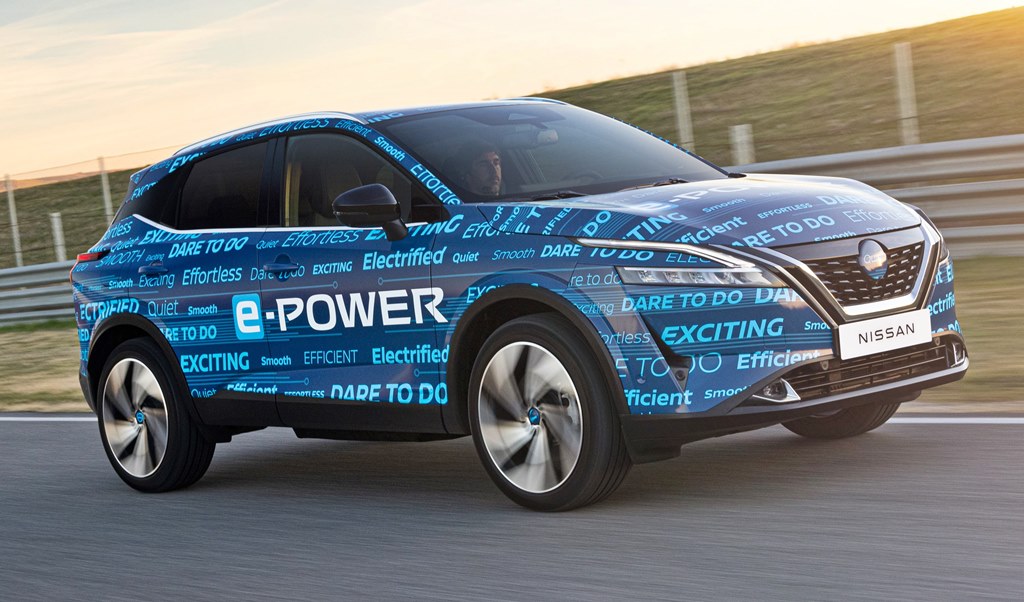
Nissan’s e-POWER system takes a slightly different approach although it has the motor and engine as well. Part of the electrification strategy under Nissan Intelligent Mobility, e-POWER borrows from the EV technology developed for the LEAF, now the best-selling fully electric car in history.

Nissan Intelligent Mobility anchors critical company decisions around how cars are powered, how cars are driven, and how cars integrate into society. In 2006, Nissan R&D was able to achieve a breakthrough in its energy management technology by reducing the battery capacity to match its competitors’ hybrid vehicles while still delivering desirable EV qualities, such as quietness and efficient energy use. In addition, application of Nissan’s technologies, such as the integration of a power-generating engine, electric motor drive for compact car use, strengthening of the powertrain’s rigidity and improvements in NVH levels, became the foundation of e-POWER and its implementation in the compact-car segment.

Where the LEAF requires regular recharging of its battery pack, an e-POWER system does not need that as a small petrol engine is used to charge the high-output battery pack when necessary. This means that the driver will have no need to look for a charging station (or set one up in his home) and no ‘range anxiety’ (the fear of running of out electricity and being unable to recharge).

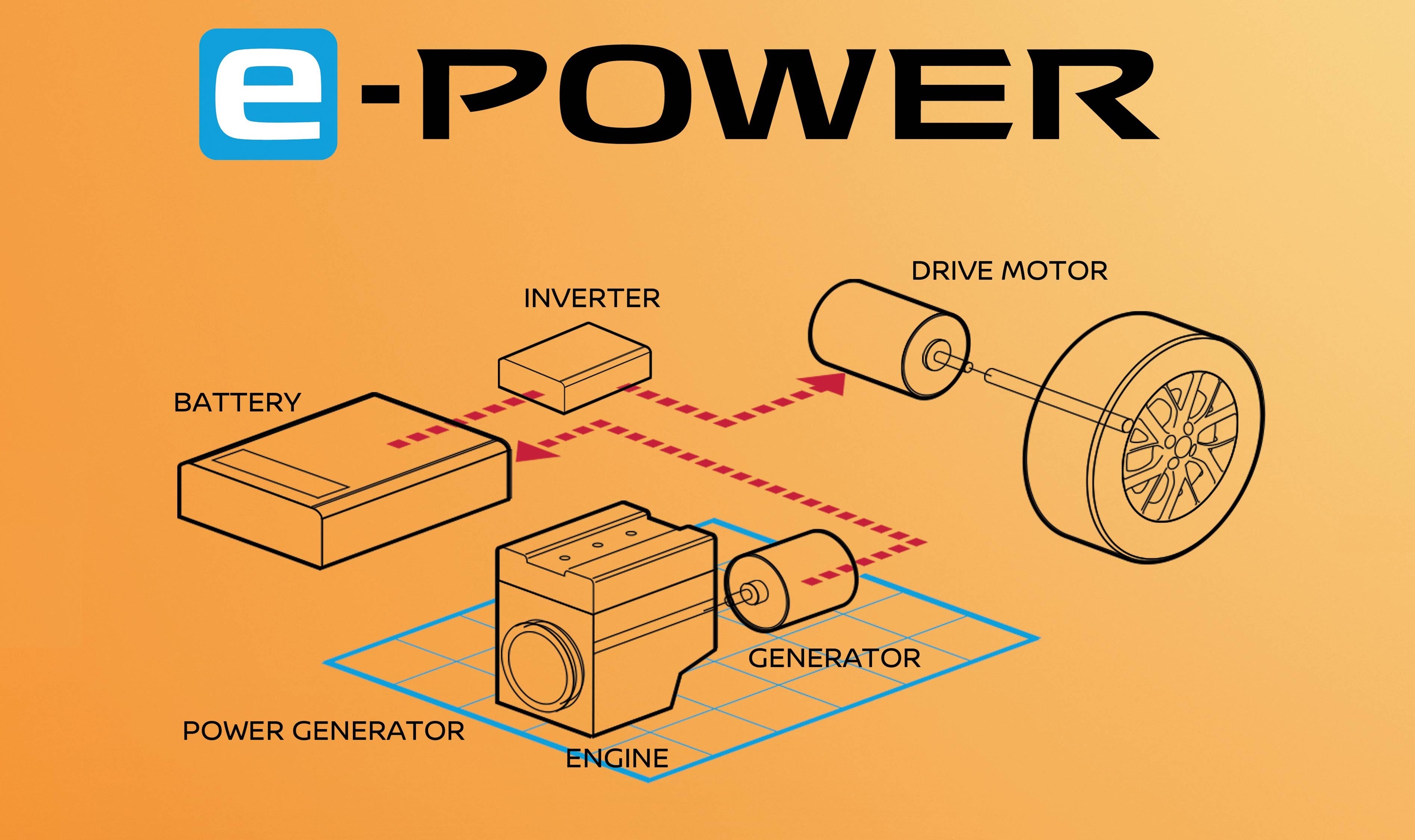
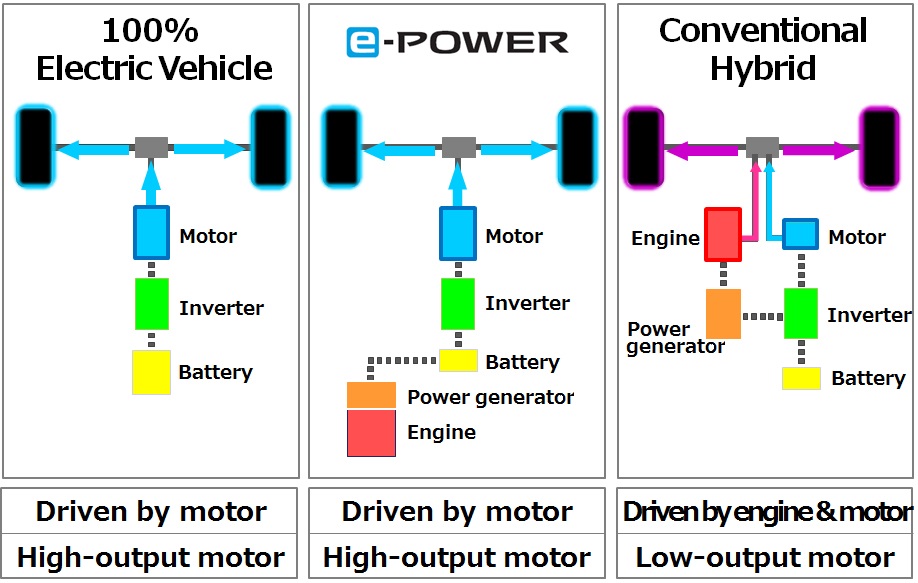
A significant difference between the e-POWER system and other hybrid systems is that the wheels are driven only by the electric motor. With other hybrid systems, the motor and engine are used to propel the vehicle, varying their amount of contribution according to driving conditions.

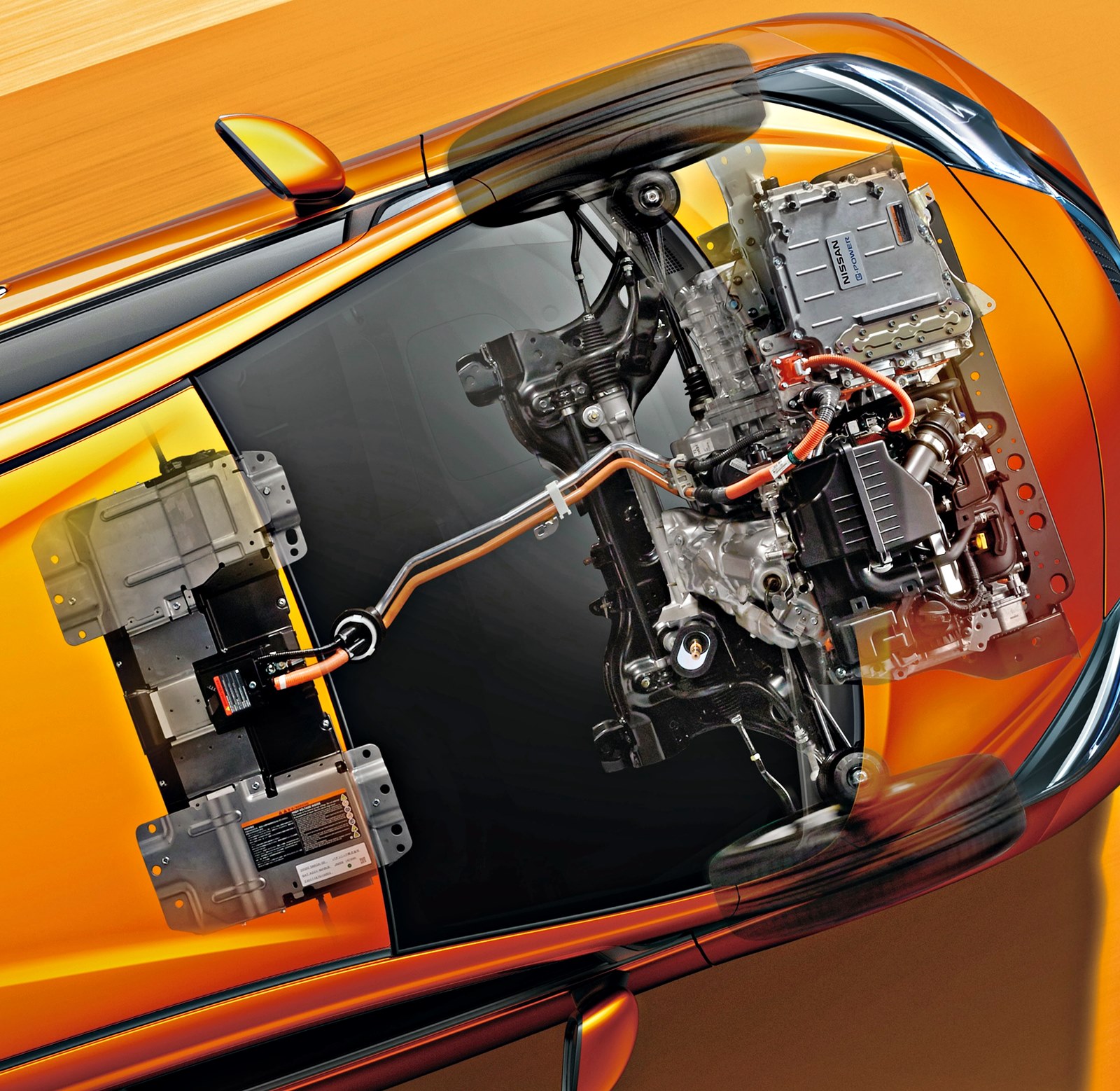
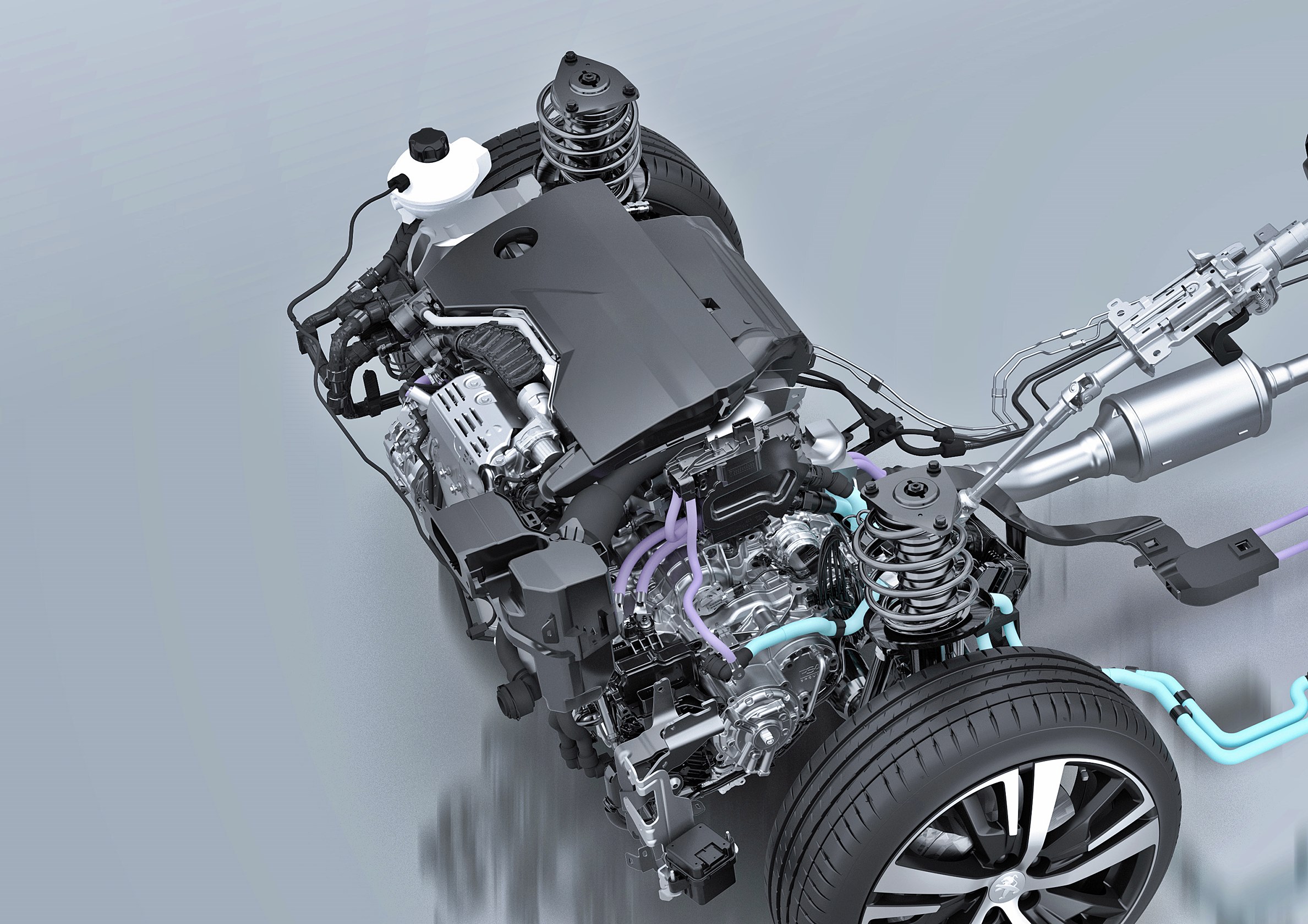
The e-POWER’s compact powertrain consists of a petrol engine, power generator, inverter, and electric motor. In conventional hybrid systems, a low-output electric motor is mated to a petrol engine to drive the wheels when the battery is low (or when traveling at higher speeds). However, in the e-POWER system, the engine is not connected to the wheels; its function is to charge the battery. Thus, the car has its own ‘charging station’ wherever it goes, recharging the battery whenever it is low.

This system structure generally requires a bigger motor and battery because the motor is the only power source to drive wheels. This has made it hard for the automotive industry to mount the system in compact cars. However, Nissan found a way to minimize and reduce weight, develop more responsive motor control methods and optimize energy management. As a result, the e-POWER system can use a smaller battery than the LEAF but delivers EV performance.

This means that there is maximum torque almost instantly – a characteristic of electric motors – , which enhances acceleration. Because the system relies on the engine less frequently, fuel efficiency is comparable to that of leading conventional hybrids, especially during daily town driving.

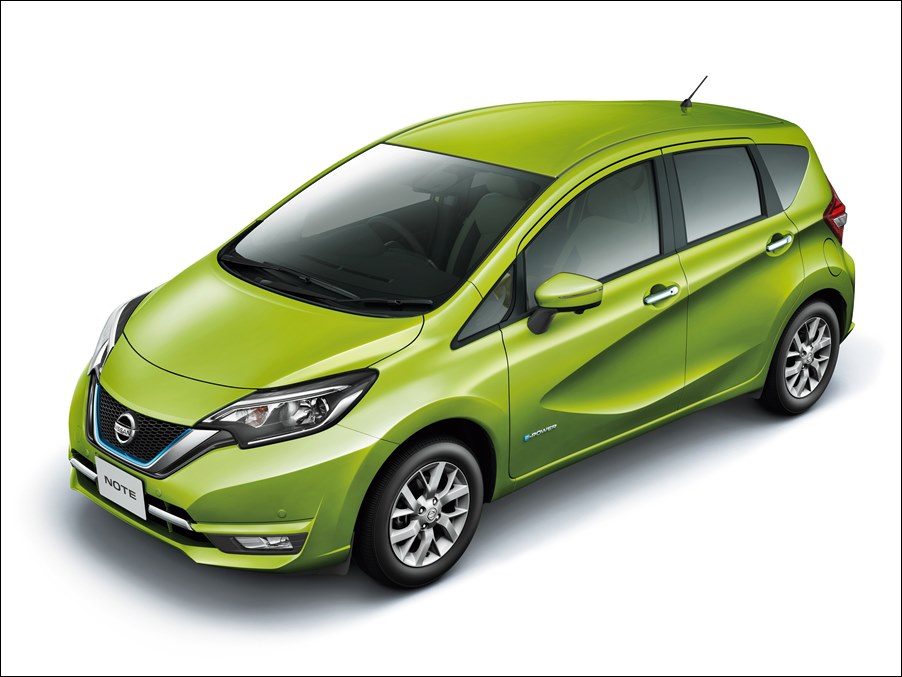
The Note sold in Japan was the first model to use the e-POWER system.

Over the years, Nissan has been improving and refining the e-POWER system while also offering it in selected models for the Japanese market. It has been progressively offered in other markets since 2020 and this year, the new Qashqai SUV will be the first model in Europe to be equipped with the system. The system was also introduced in China last year in the new Sylphy model.

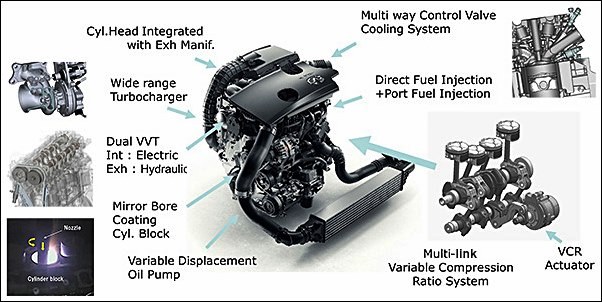
At the heart of the latest e-POWER system is a 1.5-litre 3-cylinder turbocharged variable compression 156 bhp petrol engine (pictured below) which has been developed specifically for this application. First used by Infiniti, the engine’s variable compression capability (between 8.1 and 14.1:1) is a unique feature in an internal combustion engine and allows it to adjust compression ratio, giving both optimum performance and economy depending on the engine load. The 140 kW electric motor is of a similar size and power output as found in Nissan’s EV models.

With the variable compression ratio, the engine runs within its optimal range and best compression ratio, leading to superior fuel efficiency and lower CO2 emissions compared with a traditional internal combustion engine, as well as a refined drive thanks to reduced engine noise.

To maximise performance, in high acceleration or high-speed situations, the energy management control unit within the e-POWER system can send the power generated by the engine directly to the electric motor, via the inverter, to bolster the electricity supply which is coming from the battery. Under deceleration and braking, the kinetic energy is recaptured and channelled back to the battery to optimise efficiency.

Key to the development of the e-POWER system for the Qashqai was the need to ensure the driving experience gave a ‘connected’ sensation, where the petrol engine speed remains relative to the vehicle’s road speed. Engineers at Nissan Technical Centre Europe collaborated in developing a system called ‘Linear Tune’. This feature governs the petrol engine and progressively increases the speed of the 1.5-litre engine to meet the motor’s energy demands as the car accelerates, ensuring there is no ‘disconnect’ between what the occupants experience in terms of performance and sound.

New Qashqai is first Nissan model in Europe with e-POWER.

The disparity between engine speed and road speed is a phenomenon that drivers and passengers find unsettling. For example, a sudden rise in engine revs without a commensurate increase in speed is perceived as frustrating and ‘disconnected’ by occupants – which Linear Tune addresses.

Although sales of EVs are growing rapidly, especially in Europe, Nissan understands that not everyone is ready to make the switch for various reasons. The e-POWER system therefore provides a transitional phase where the benefits of using an EV can be experienced without the present concerns that many may have regarding recharging and range.

A chance to become a ‘millionaire’ when purchasing a new Nissan vehicle in March

Archive

Follow us on Facebook

Follow us on YouTube