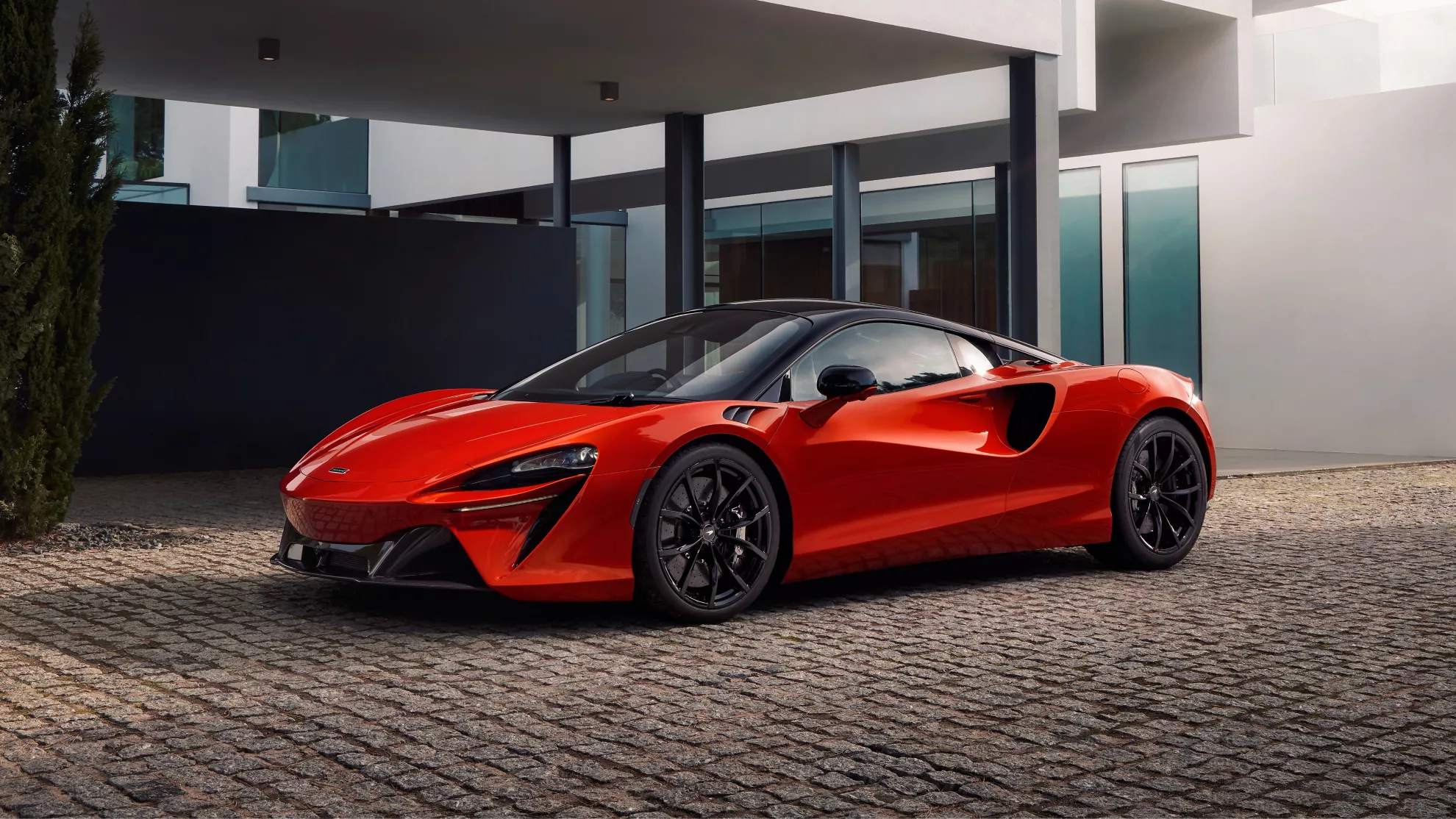
With McLaren’s decision to give priority to higher-margin products like the Elva and 765LT Spider with limited semiconductor supply, the Artura was postponed for a third time in late 2021. Just a few months prior, the business had informed U.S. consumers that a delay until late August or early September of the same year was due to problems with software providers.
The plug-in hybrid Artura’s deliveries have once again been postponed by McLaren, which means buyers will have to wait at least an additional four months to receive their car keys.
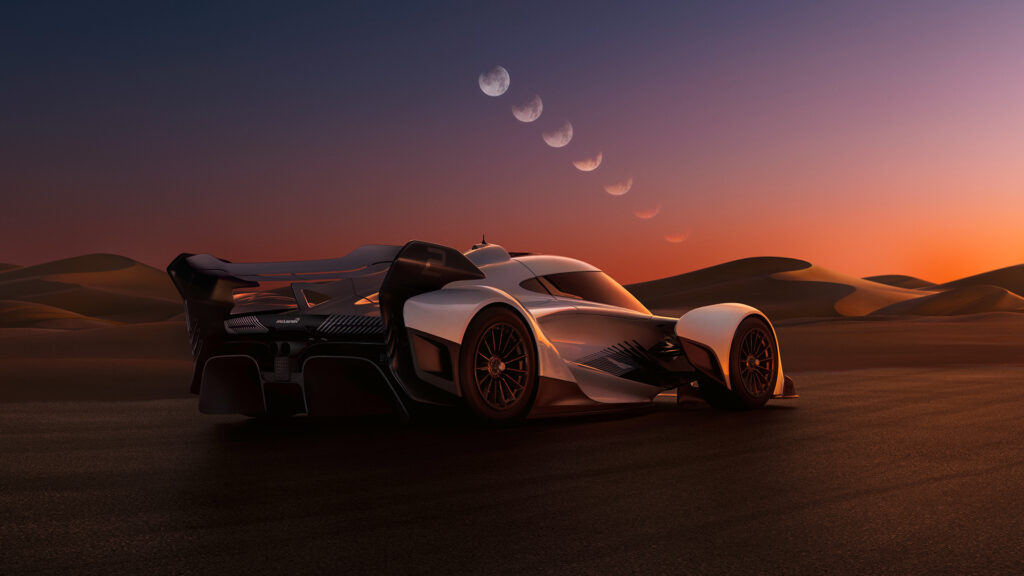
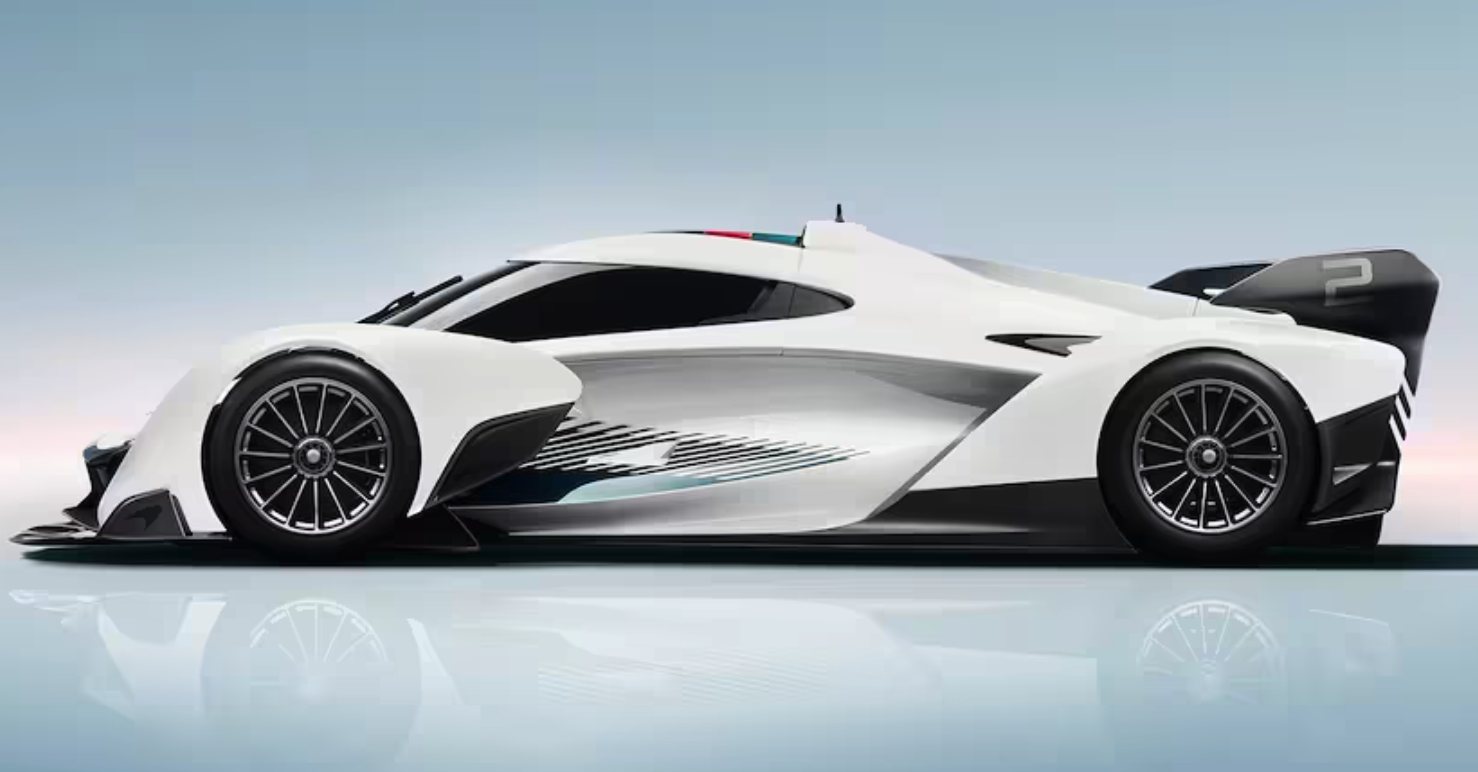
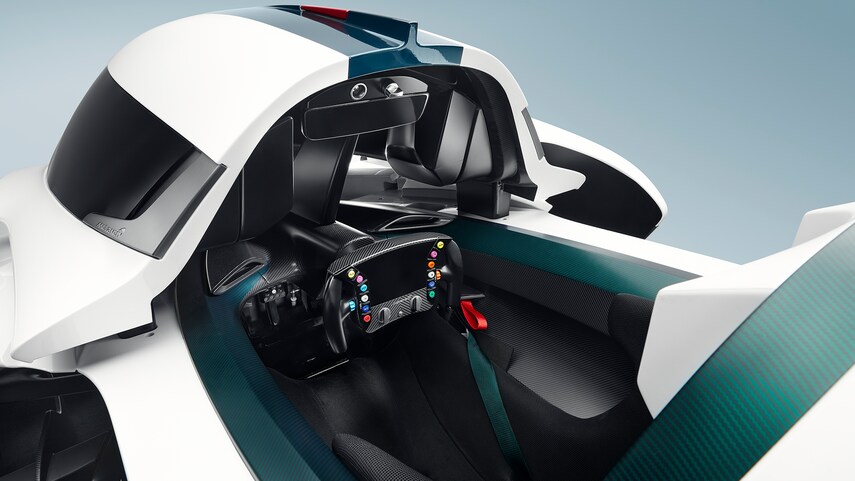
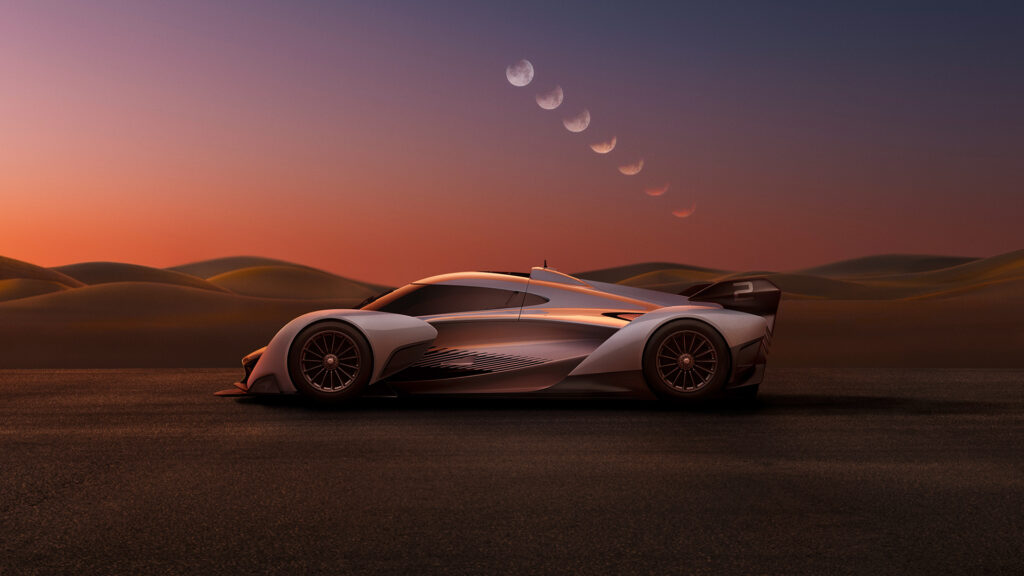
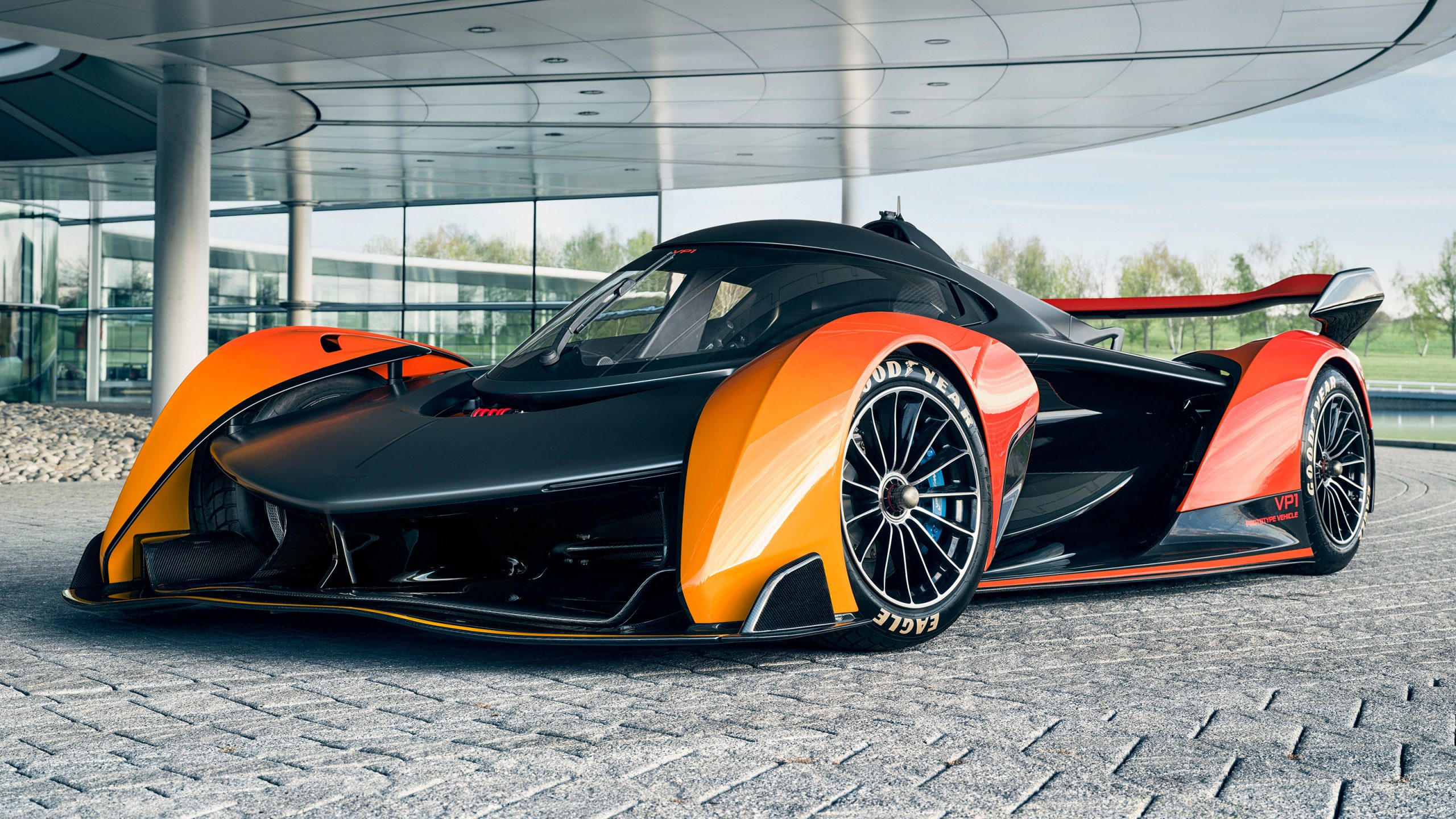
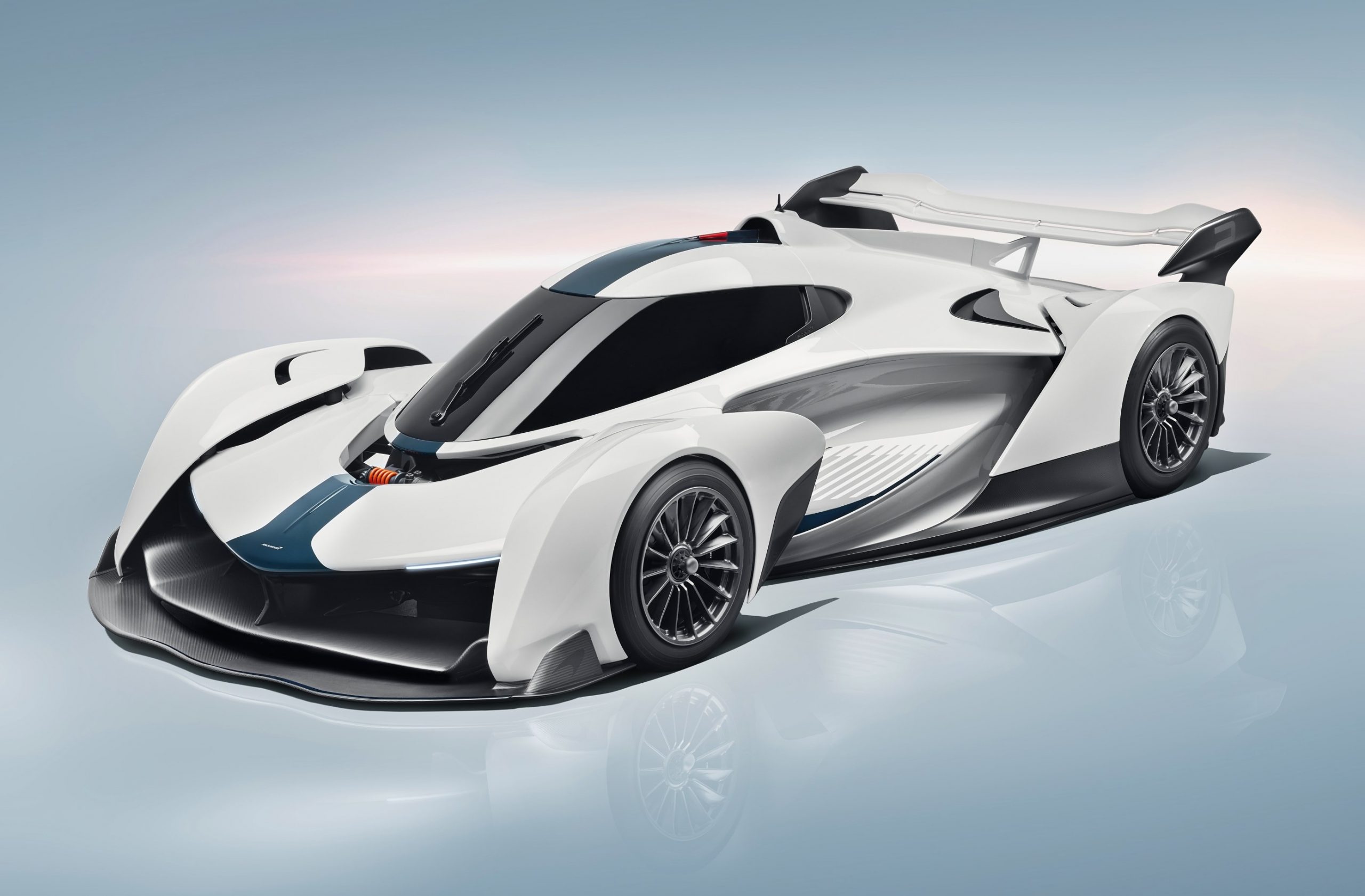
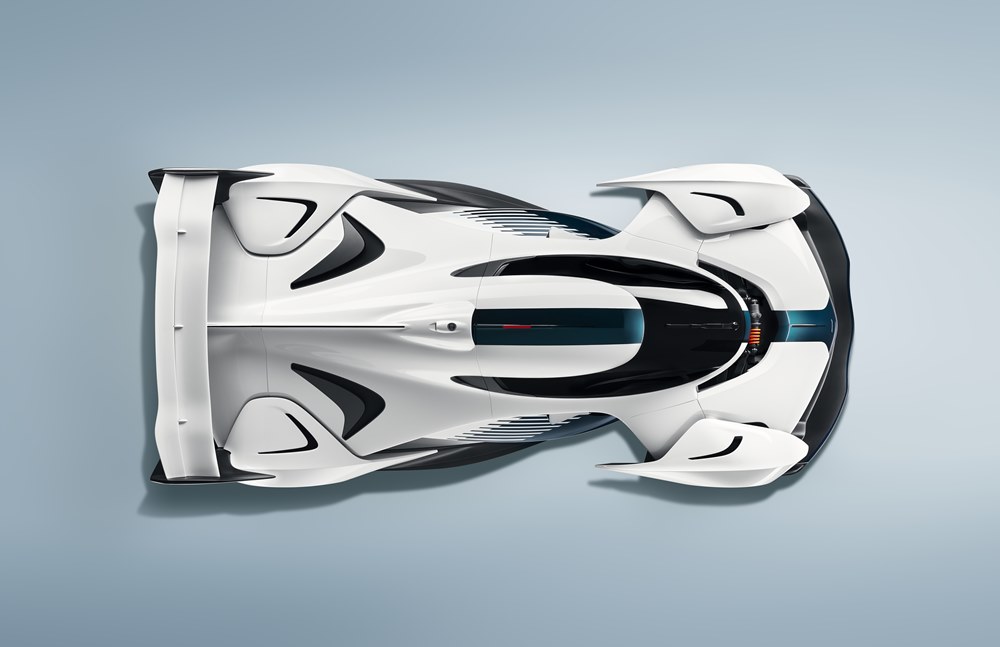
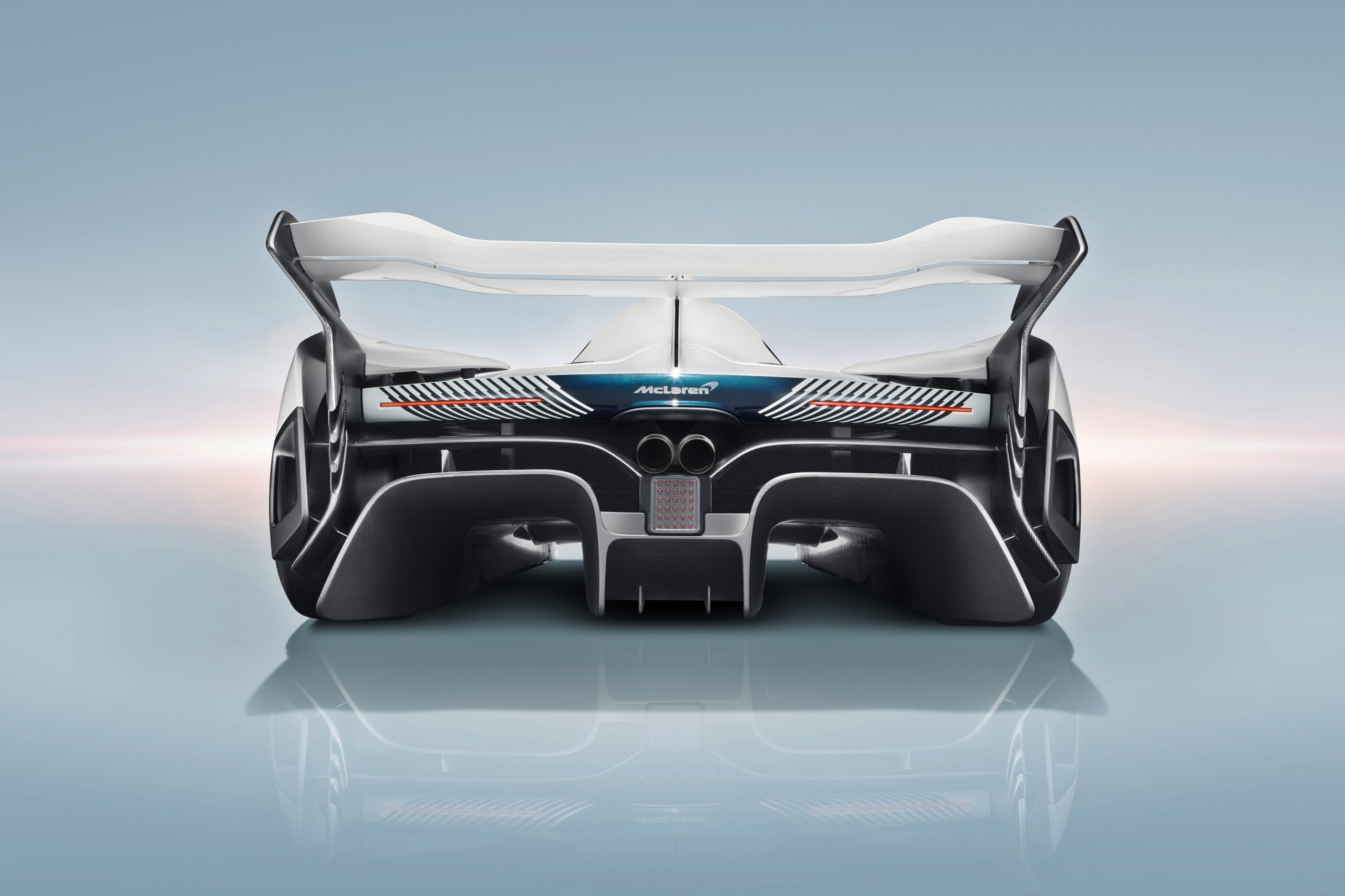
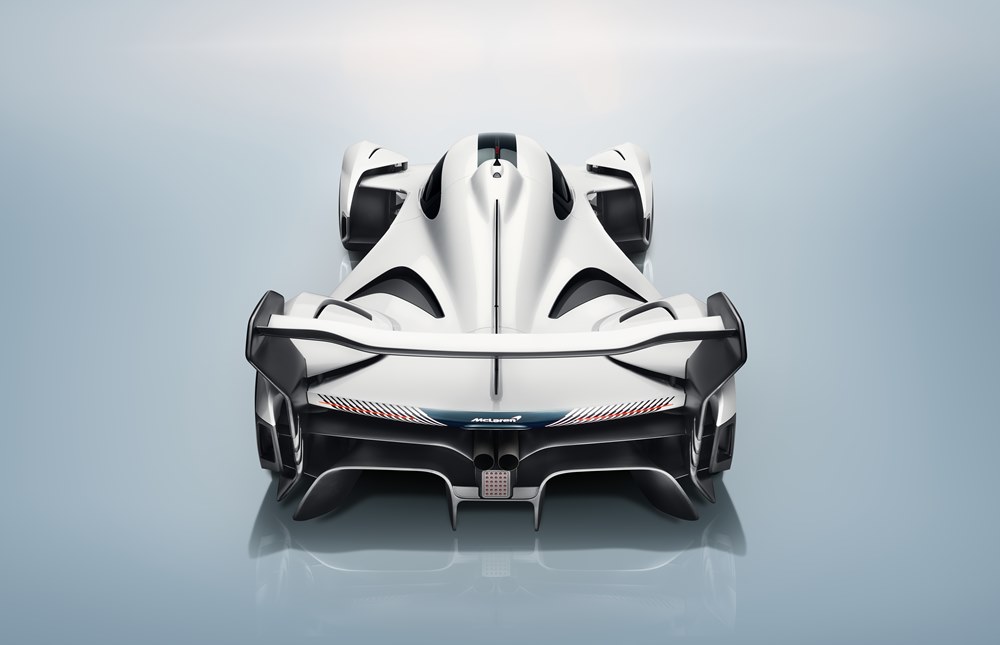
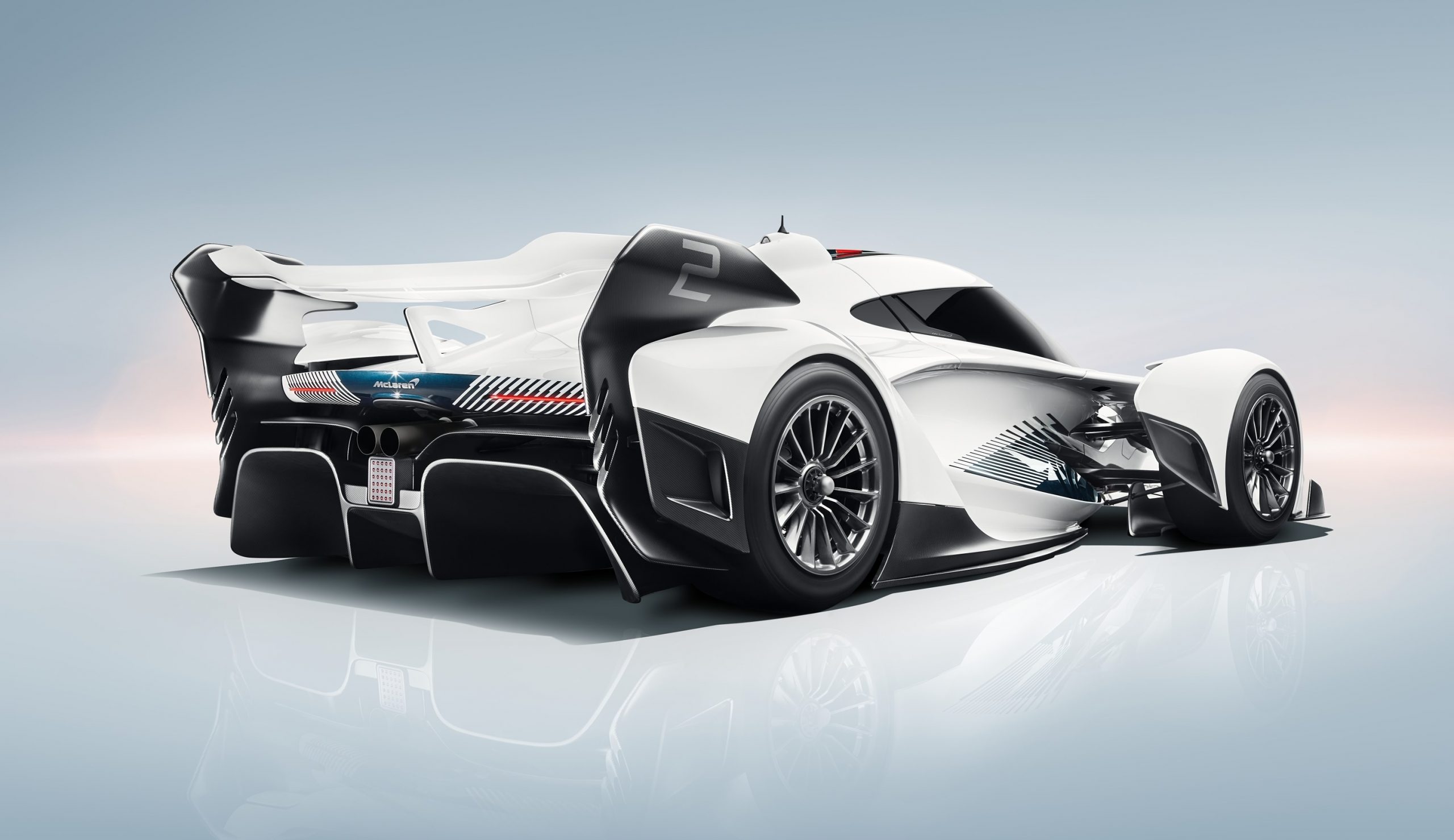
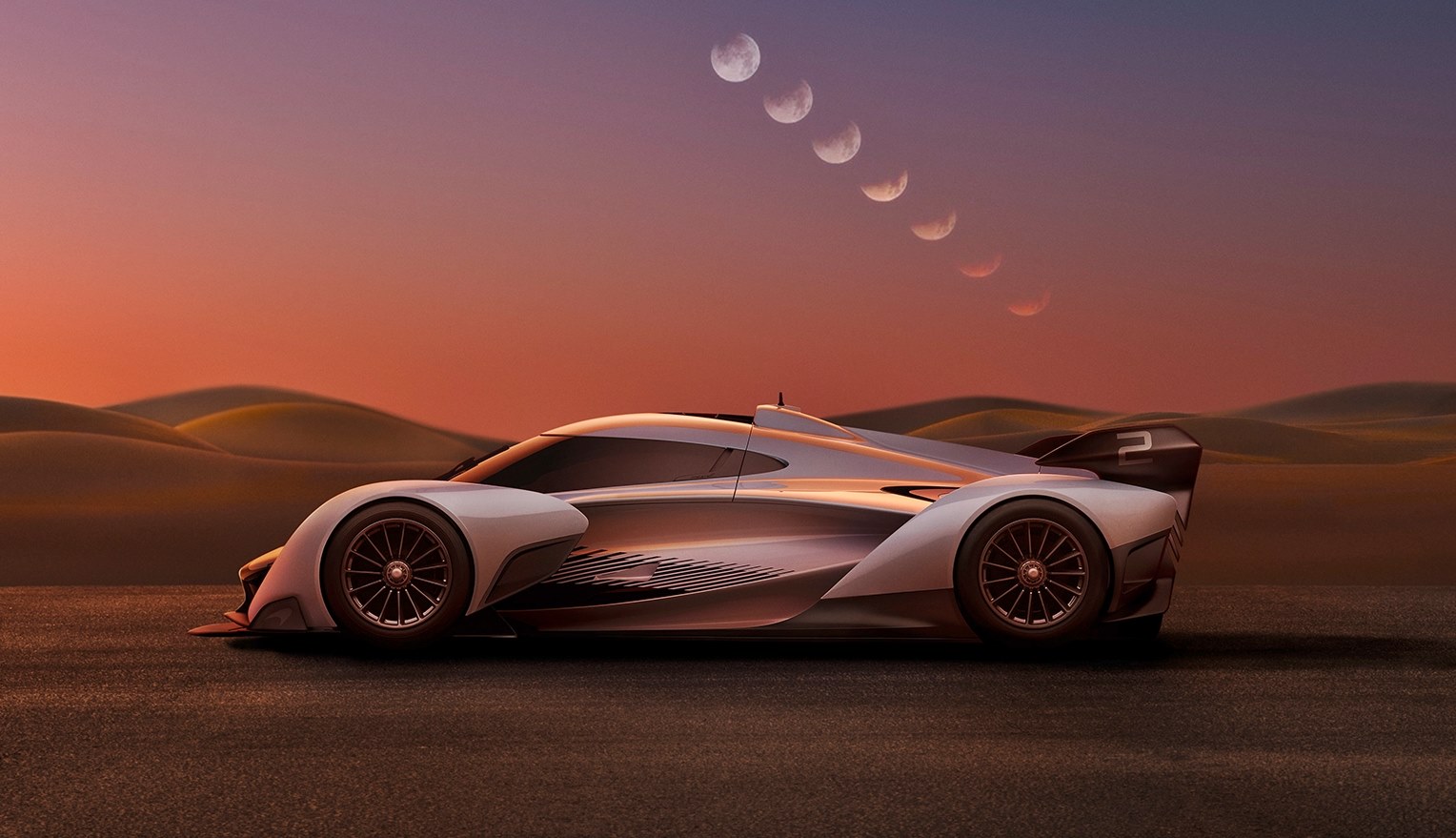
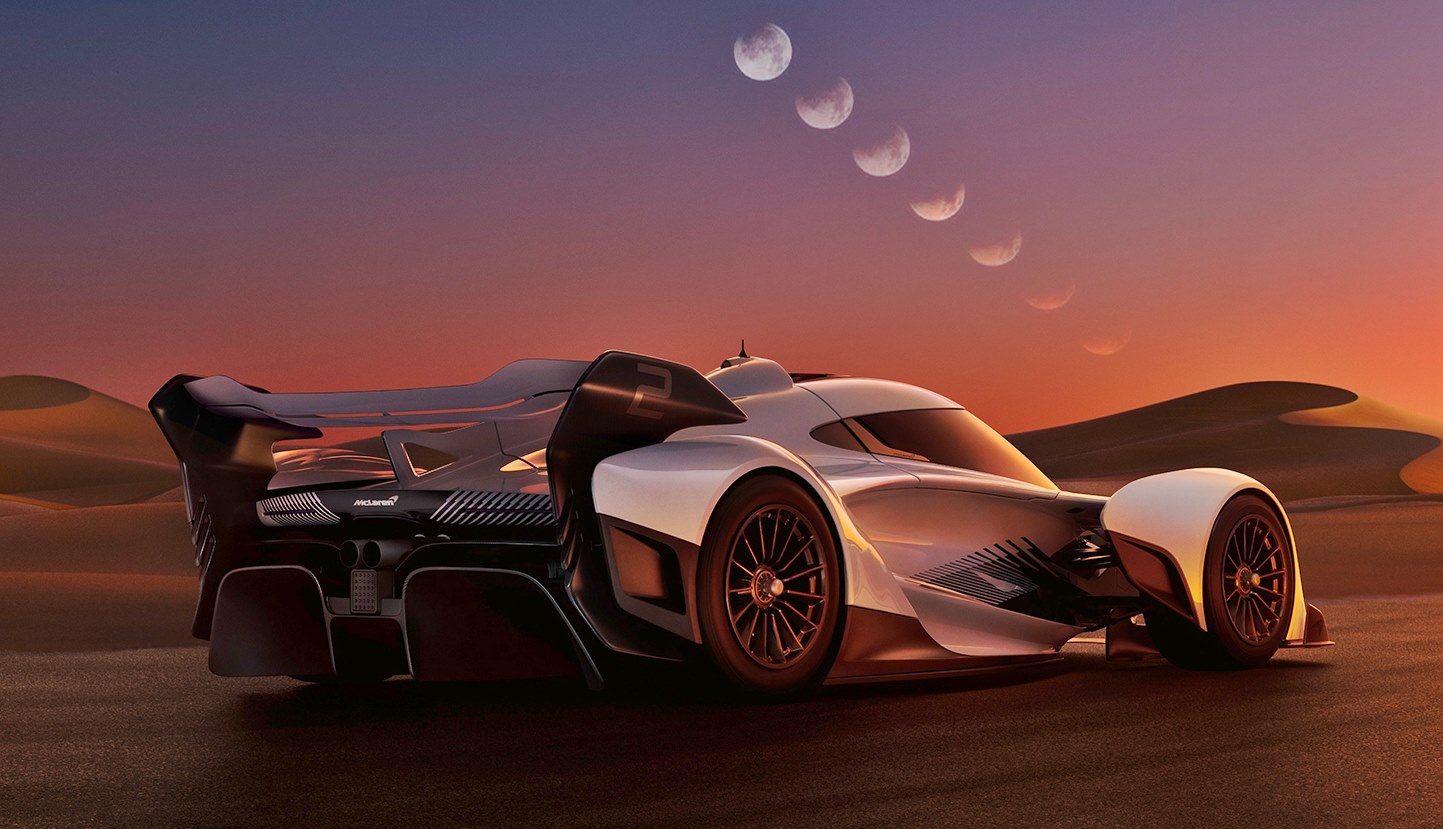
McLaren’s track-only Solus GT will make its dynamic debut at the 2023 Goodwood Festival of Speed, turning a Gran Turismo idea into reality. This hypercar, known as the Solus GT, has a 5.2-liter V10 with bodywork that appears like it belongs in a futuristic video game.
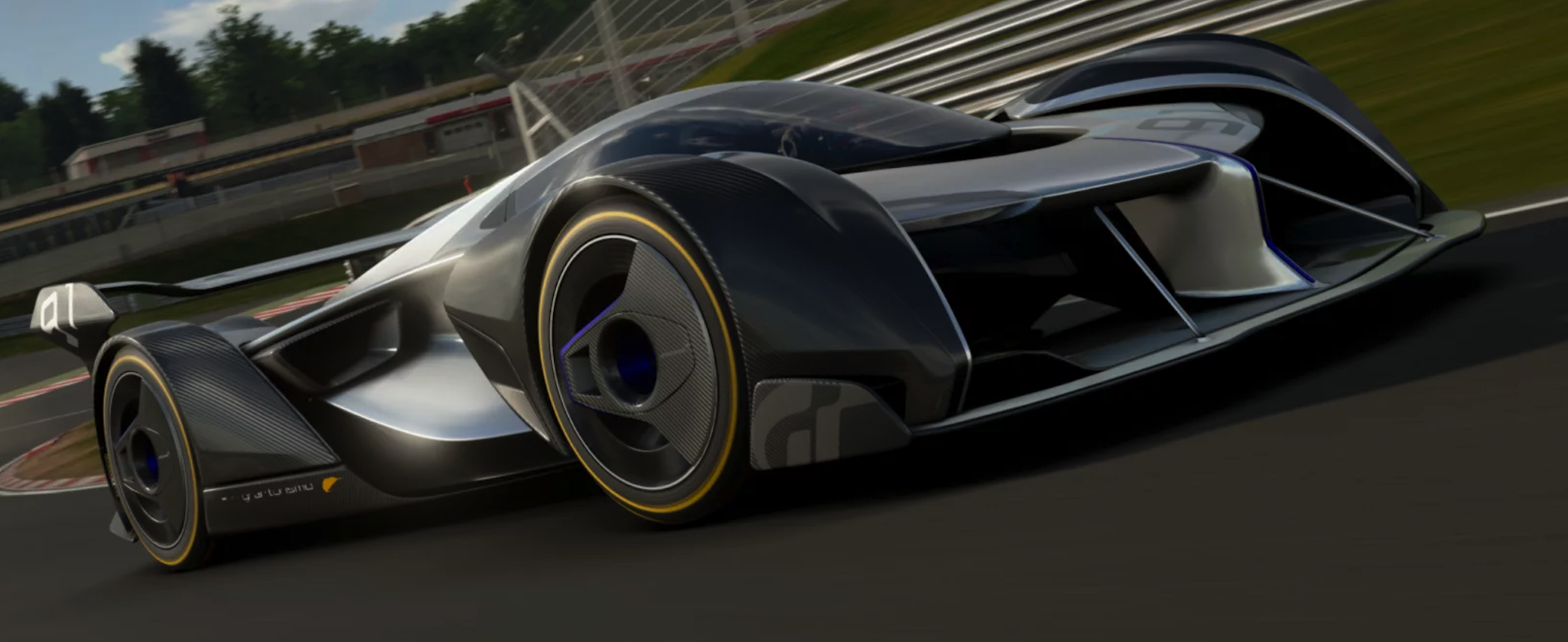
The Solus GT first made its virtual premiere in Gran Turismo Sport back in 2017. The McLaren Ultimate Vision Gran Turismo was what it was called back then.
The Solus is astonishingly similar to an LMP (Le Mans Prototype) car in terms of specifications and technology as there are 264 3D printed parts utilised in the Solus GT.
Numerous characteristics strongly convey the feeling of dream becoming reality such as:
The sliding glass canopy, which curves forward to give access to the single seat in the middle
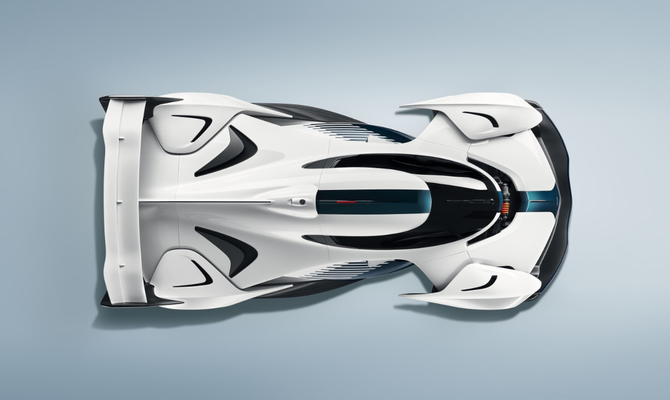
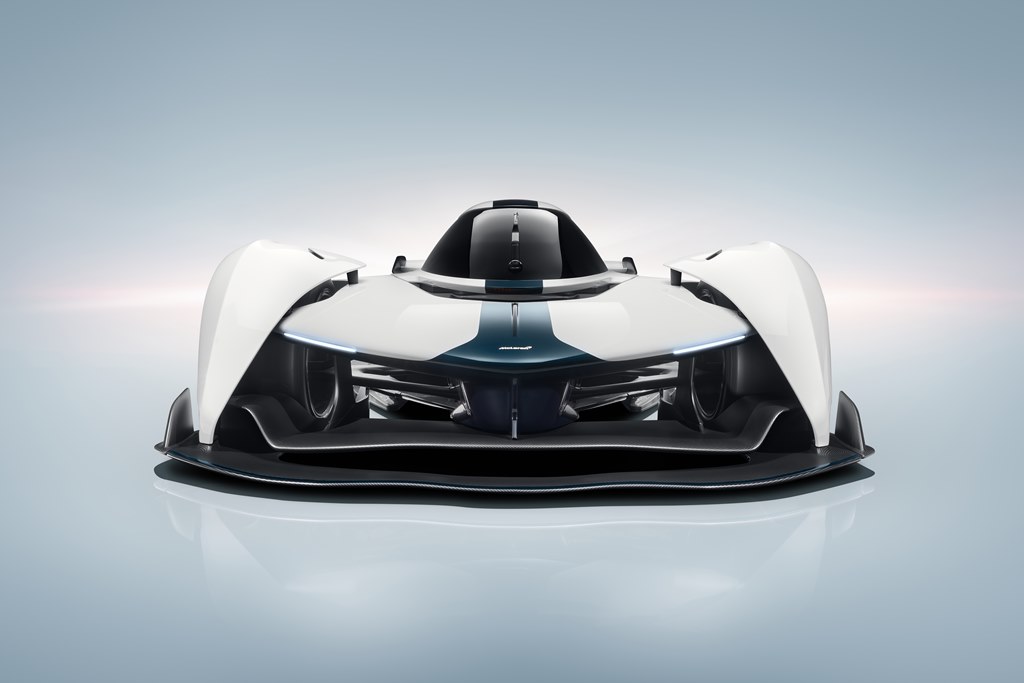
Aerodynamic pods that encase each wheel
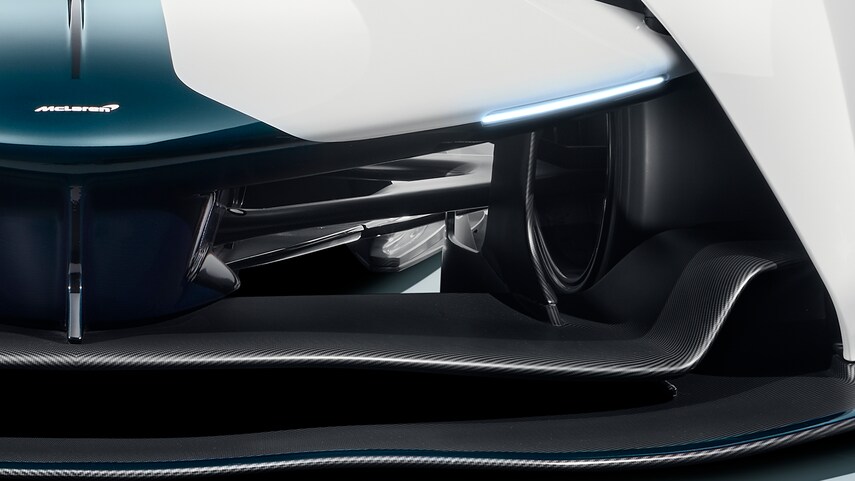
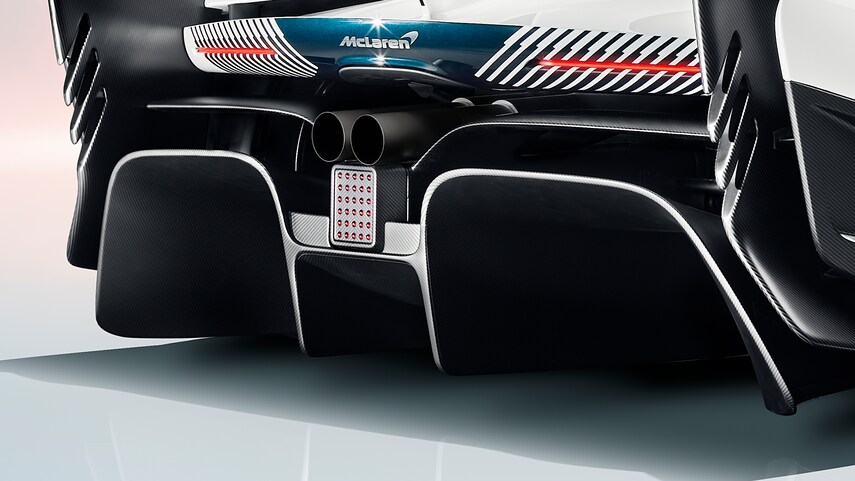
The front splitter, which directs air through ground-effect tunnels and out the back diffuser
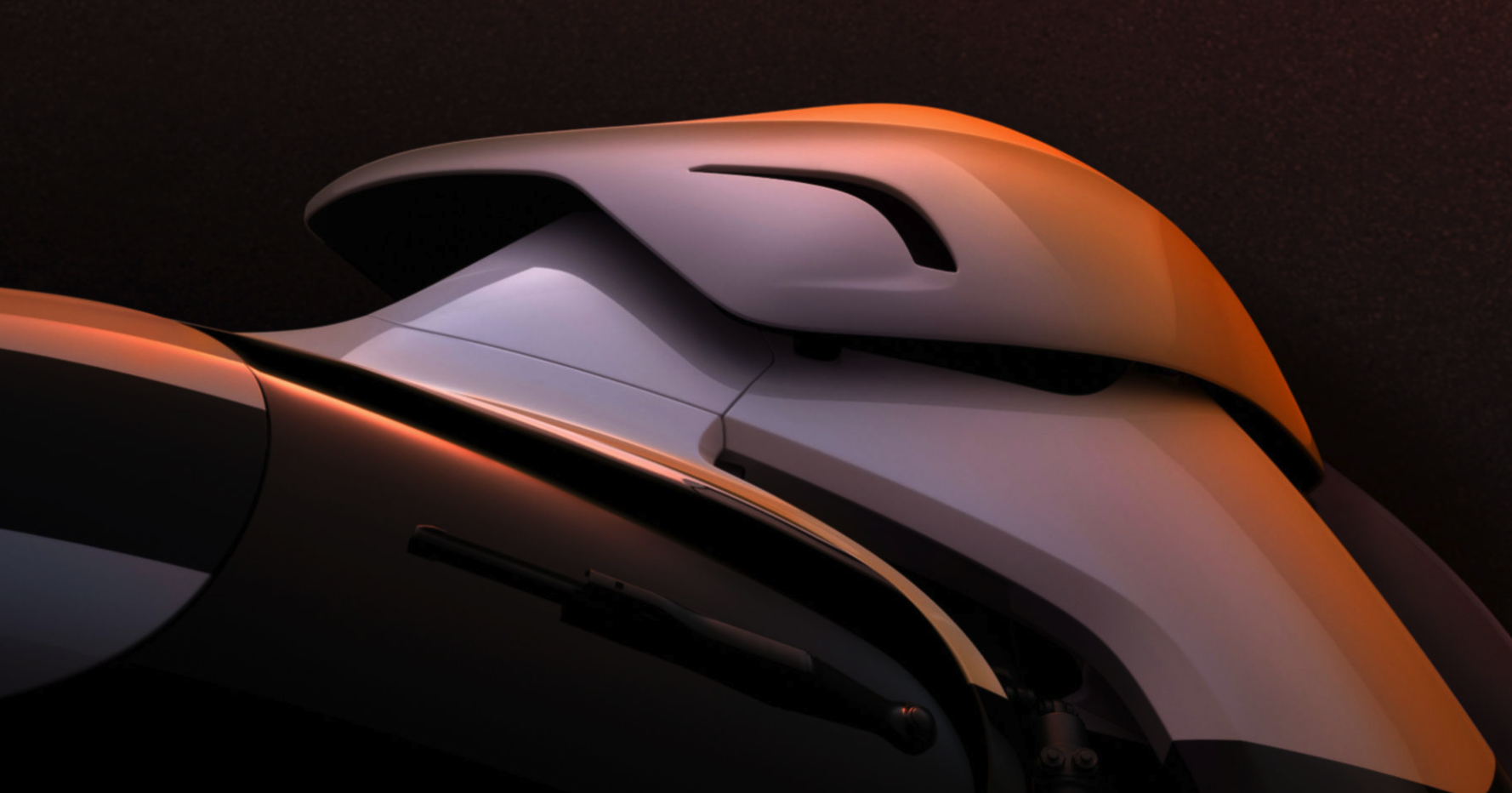
The motorsport-inspired intake above the cockpit that supplies the engine with cold air
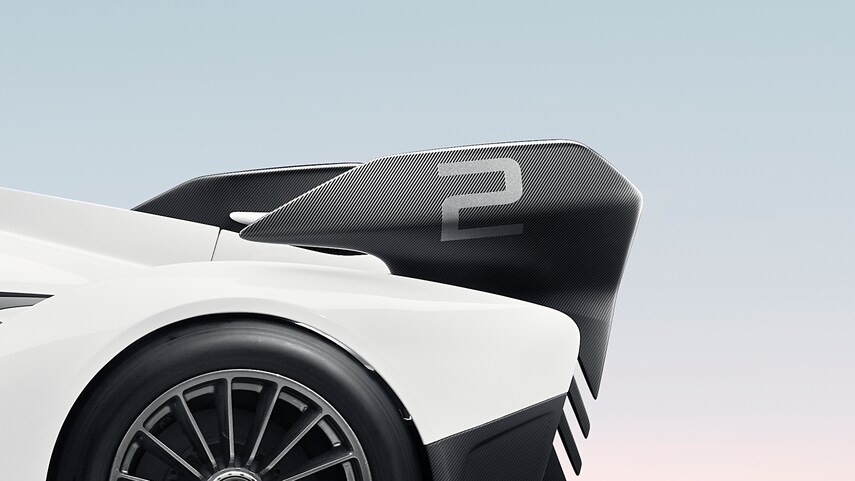
A twin-element fixed rear wing
Additionally, the car features the recognisable McLaren “hammerhead” nose and teardrop cockpit with a wraparound canopy screen that offers a 180-degree perspective of the circuit.
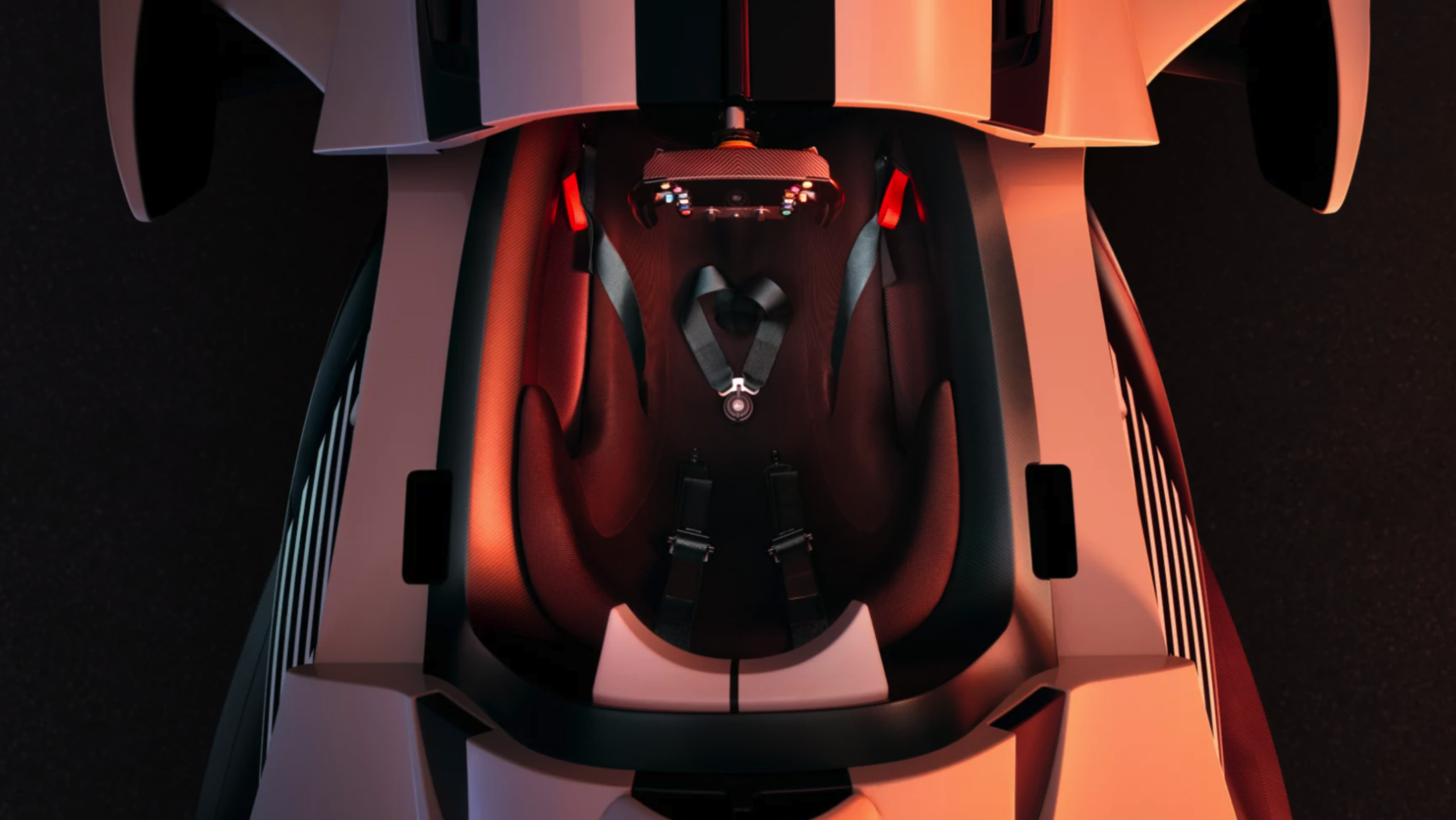
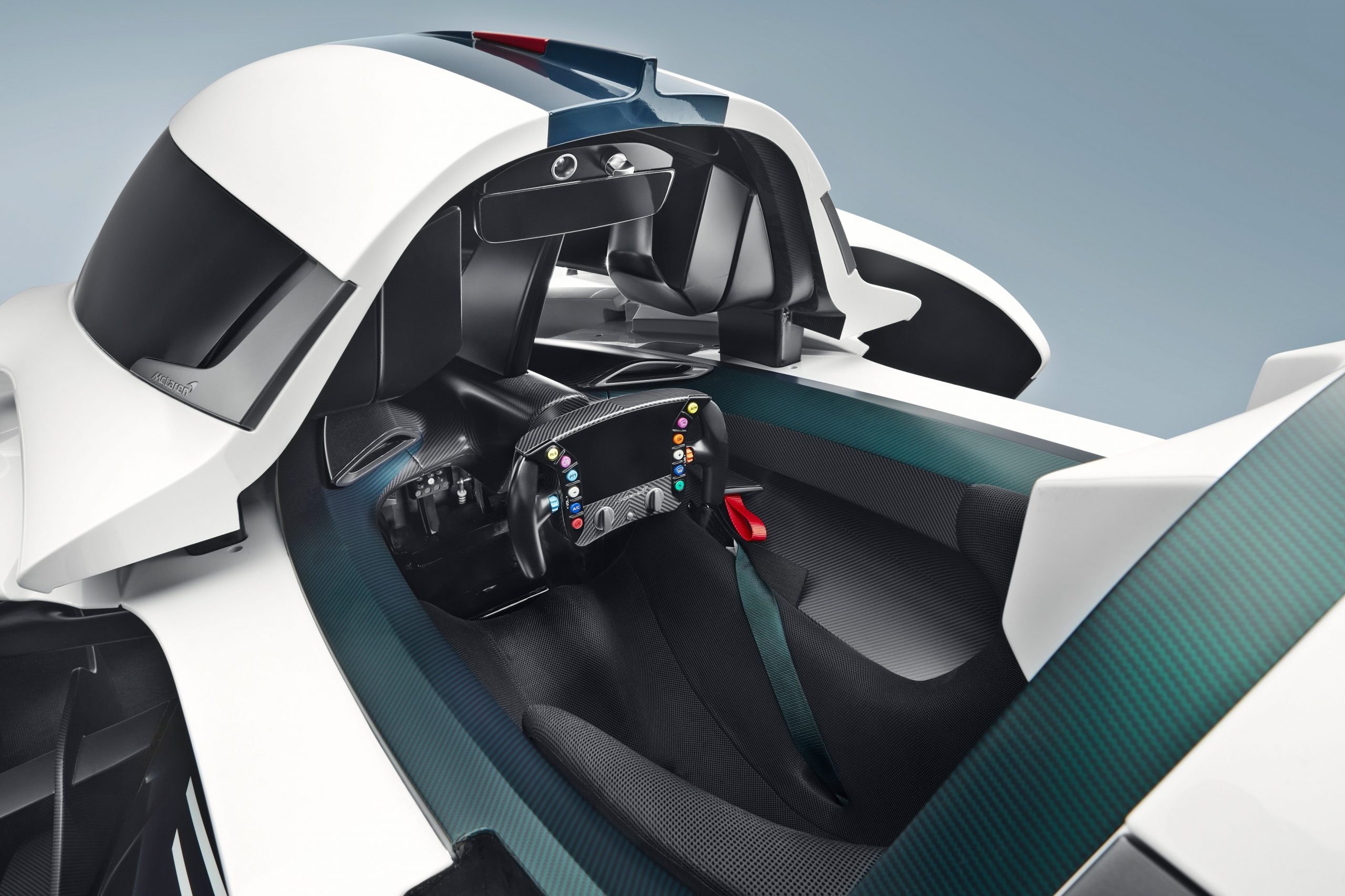
The seat is firmly locked into place. However, the pedal box is completely adjustable, similar to the LaFerrari or a race-specific car. The Solus GT differs from a Formula 1 car in that the pedals are simple to alter while seated.
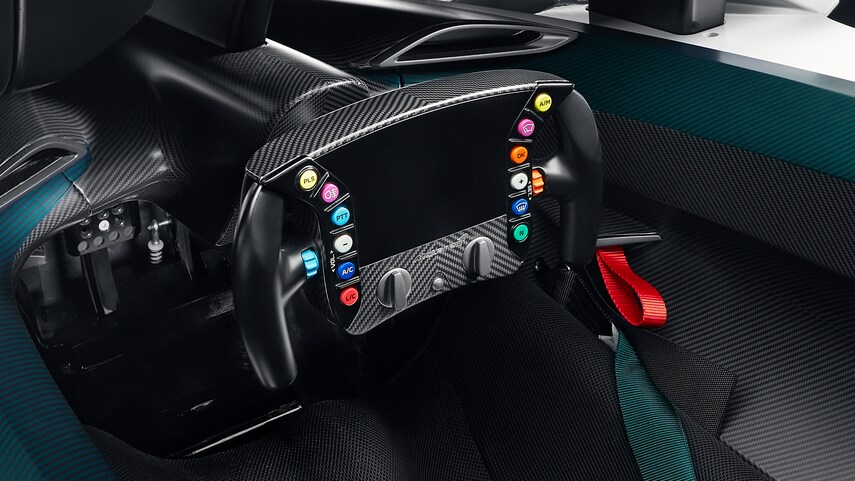
The majority of the main controls and a Thin Film Transistor (TFT) display are located on the carbon fibre steering wheel. Above the driver’s head are the ignition switches and a fire extinguisher that is connected to the cars plumbing, along with a complete heating, ventilation, and air conditioning system.
Mclaren’s racing heritage is embedded everywhere in the Solus GT’s specifications, McLaren’s racing heritage. Its carbon fibre monocoque tub blends the company’s expertise from the last 40 years of creating road and race cars with a technological layout that is strikingly similar to previous and current LMP endurance racers. The front and rear impact structures are built from carbon fibre rather than aluminium as they are on the company’s road cars.
The 5.2 litre V10 engine produces more than 840PS and can rev up to 10,000 rpm. All of this is contained into a compact shell that weighs less than 1,000 kg and produces 1,200 kg of downforce. It does 0-100km/h in 2.5 seconds and has a top speed of 322km/h and is controlled using a seven-speed sequential gearbox.
According to McLaren, the Solus GT is as near to the sensation and experience of driving a Formula 1 car as you can get. You can actually listen to what the screaming V10 sounds like at McLaren’s website. Just head on to the “Power” tab and let the sound of music play.
Its debut is a part of McLaren’s 60th anniversary celebration, which also includes a line up of other modern models alongside historic ones. The new 750S mid-engine supercar will make its debut and along for the high-speed fun will be McLaren’s latest hybrid supercar, the Artura. But neither of those cars will be able to match the raw power of the Solus GT.
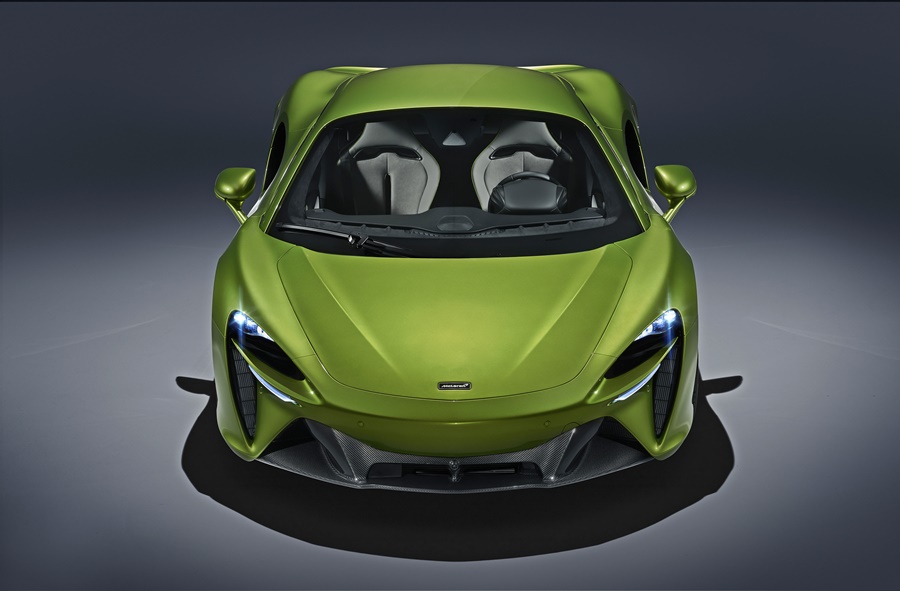
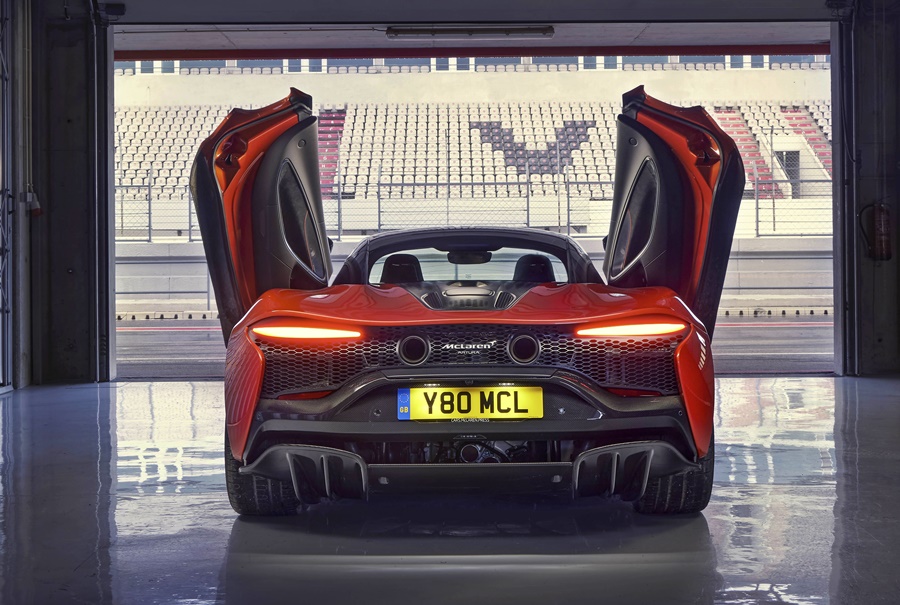
McLaren Artura
Only 25 of these are being produced, with a price tag that swings around $3.5 million (RM16.3 million).
The McLaren Solus GT was born in the virtual gaming world of Gran Turismo SPORT. Now, the carmaker will make it a reality that can be driven on racetracks. Only 25 will be built and all of them have already been sold before the official unveiling in California yesterday. The pricing of the hypercar has not been revealed although it can be expected to be many, many millions of ringgit.
The striking futuristic exterior design is remarkably faithful to its virtual inspiration. While machines in simulator games have total technical freedom because the designers are not constrained by cost or regulations, the Solus GT is based on proven aerodynamic principles and McLaren’s ‘everything for a reason’ design ethos. This is further supported by CFD (Computational Fluid Dynamics) and wind-tunnel aerodynamic research.
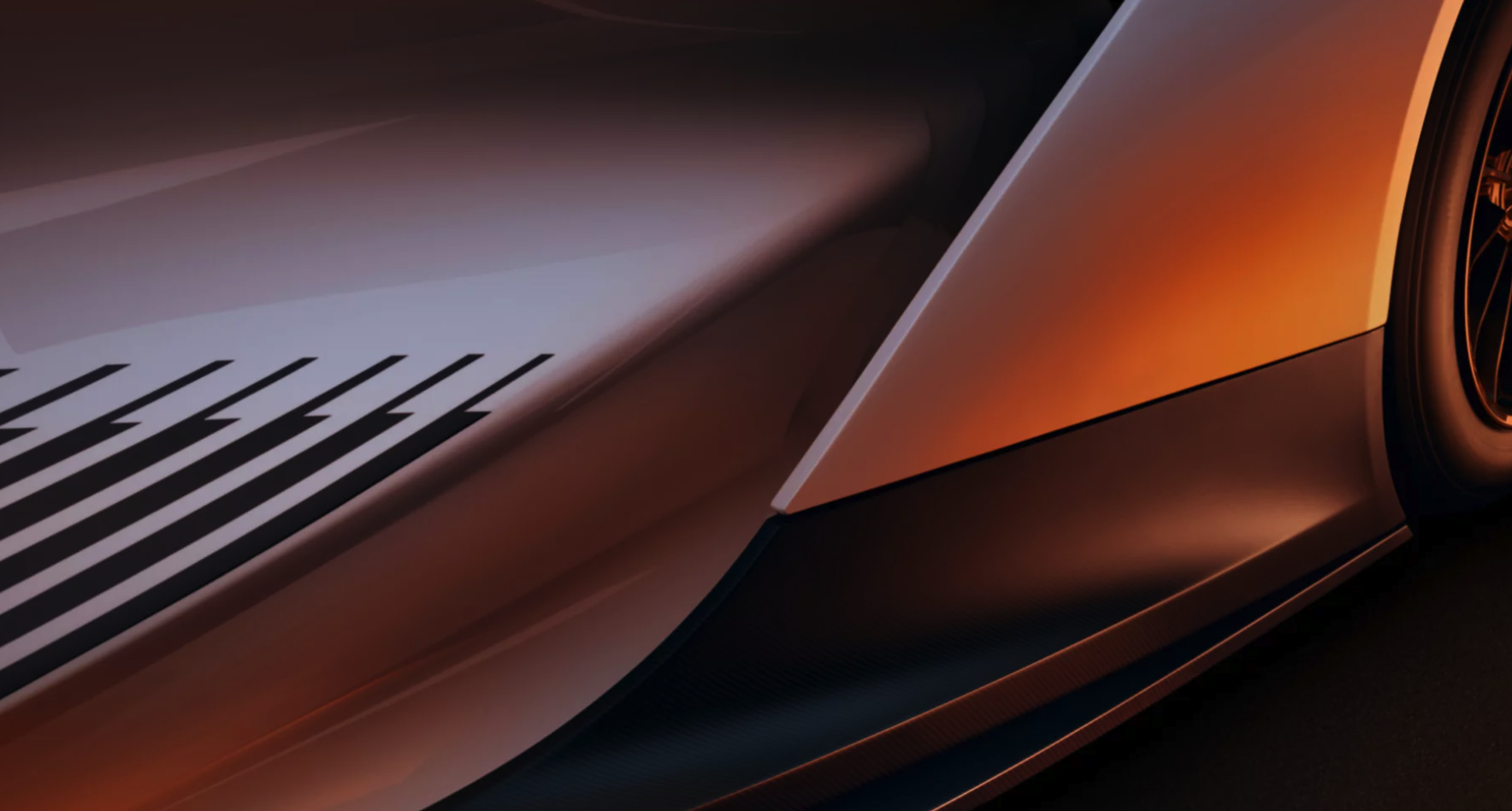
Among the numerous external features are the sliding canopy above the single central (like a jet fighter) and wheels are shrouded in aerodynamic pods and located by suspension arms. A large front splitter feeds air into ground-effect tunnels before it exits the car via a full diffuser. A motorsport-inspired intake above the cockpit integrated into the design of the roll-over hoop cover feeds cold air into the engine. The sidepods which house the Solus GT’s radiators are inspired by racing car design.
A twin-element, fixed rear wing is key to a downforce figure (over 1,202 kgs) that exceeds the overall weight of the hypercar (1,002 kgs). The downforce to drag ratio is also optimized, aiding straight-line performance as well as enhancing cornering abilities.
In common with every McLaren since 1981, the Solus GT is based around a carbonfibre monocoque, in this case one created using specialist low-volume production methods. The front and rear chassis structures are also made from carbonfibre, with the engine and gearbox forming the rest of the chassis.
Carbonfibre is not the only high-value material in the hypercar. Further embracing technologies used in the top tiers of motorsport, 3D-printed titanium components have been used for the halo cockpit protection structure and roll hoop. This is the first time the approach has been adopted for structural elements in a McLaren production car, allowing a tailored design as well reducing weight.
The powertrain is a naturally-aspirated 5.2-litre V10 engine with a bespoke 7-speed sequential shift gearbox. It can rev to more than 10,000 rpm and will produce over 829 bhp/650 Nm. The engine’s responsiveness is enhanced by the use of barrel-driven throttles for each cylinder – a system only suitable for track application – and is entirely gear-driven, with no chains or belts for camshaft or ancillary systems.
The engine was also chosen for its structural qualities; for the first time in a McLaren production car, the engine is an integral part of the chassis. Conventional practice in race car construction, this design approach optimizes weight reduction by negating the need for additional chassis structures or subframes behind the carbonfibre monocoque.
The race-derived 7-speed sequential gearbox, which features a bespoke casting and casing – the latter manufactured from aluminium with magnesium panels – is mounted to the back of the engine with the rear suspension fixed to the gearbox casing. The system is fully automated and software controlled, removing the need for the driver to operate the clutch, aiding pit-lane pull-away.
McLaren says the Solus GT will be capable of the fastest lap times of any McLaren outside of single-seater racing and delivers a driving experience close to the engagement and sensation of driving a Formula 1 racing car. Acceleration from 0 – 100 km/h has a target time of 2.5 seconds and the top speed will be more than 320 km/h.
In the cockpit, the steering wheel (with a unique design among McLaren production cars) takes its inspiration from Formula 1, with instrument panel display and essential controls integrated to suit the tight confines of a single-seater track car. Beyond the steering wheel is a view through the glass ‘bubble’, with integrated halo-style cockpit protection.
The perfectly symmetrical 180-degree line of sight provided by the central driving position is further aided by the dramatically styled wheel pods in helping the driver to position the hypercar on a track. Above the driver’s head are switches for engine ignition and the fully plumbed-in emergency fire extinguisher.
This area also houses the rearview display, streamed in real-time from a camera located on the roll hoop behind the driver’s head. The wide-angle camera provides a comprehensive rear view of the track to allow traffic to pass on a slowing-down lap or aid pit-lane maneuvering.
To further enhance the driving experience for Solus GT owners, McLaren is offering a full ‘racing driver experience’. This includes a driving seat molded to the driver’s individual body shape; an FIA-homologated race suit, helmet and HANS device bespoke to each owner, and radio-enabled ear inserts.
All owners will get a flight case to allow them to support their own track activities. This includes a comprehensive set of tools, vehicle jacks, stands, radio sets and a coolant pre-heater. After the cars are delivered next year, Solus GT track events are planned and a full driver-development coaching program will also be available to help owners fully exploit the potential of their new hypercar.
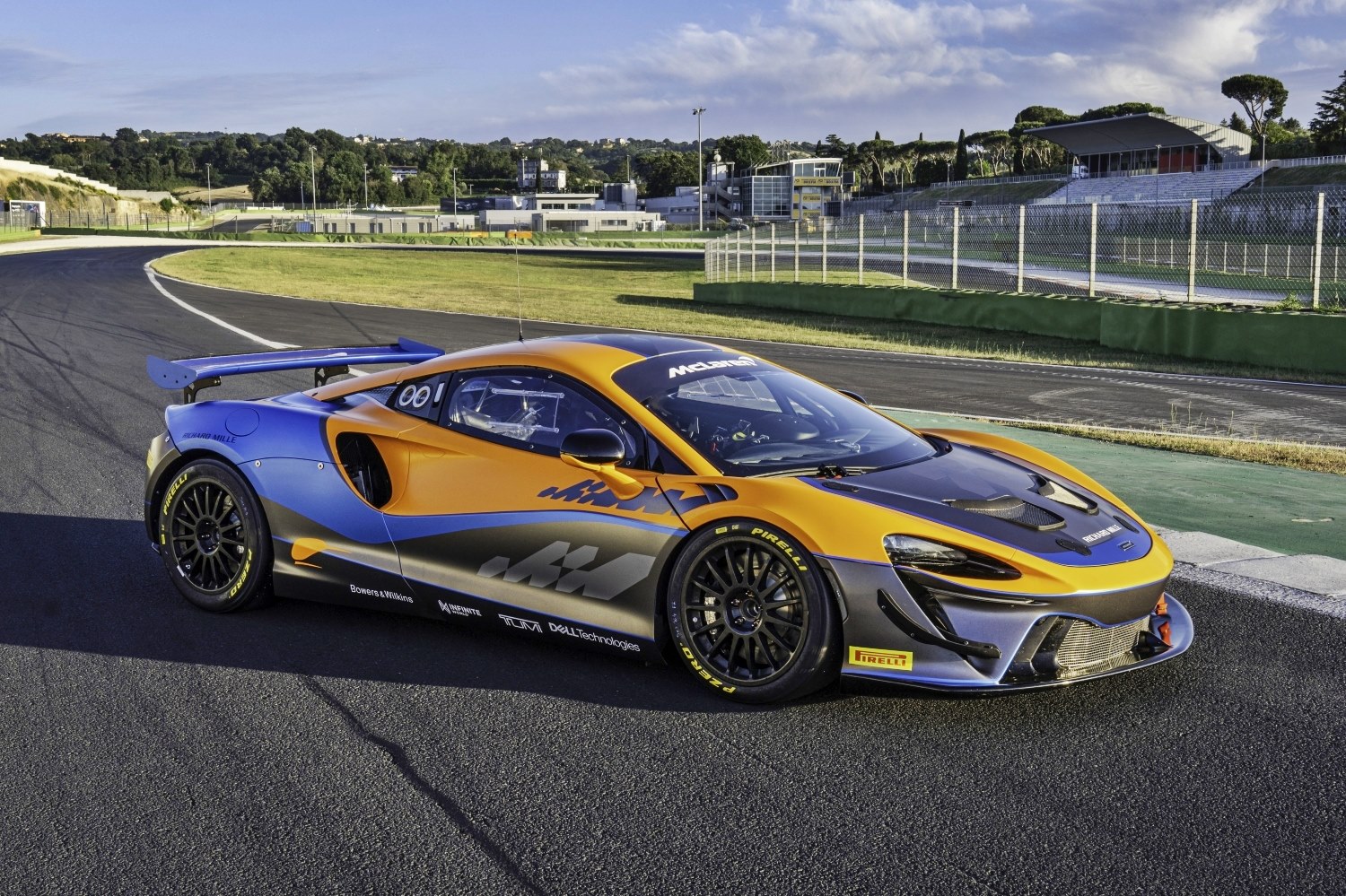
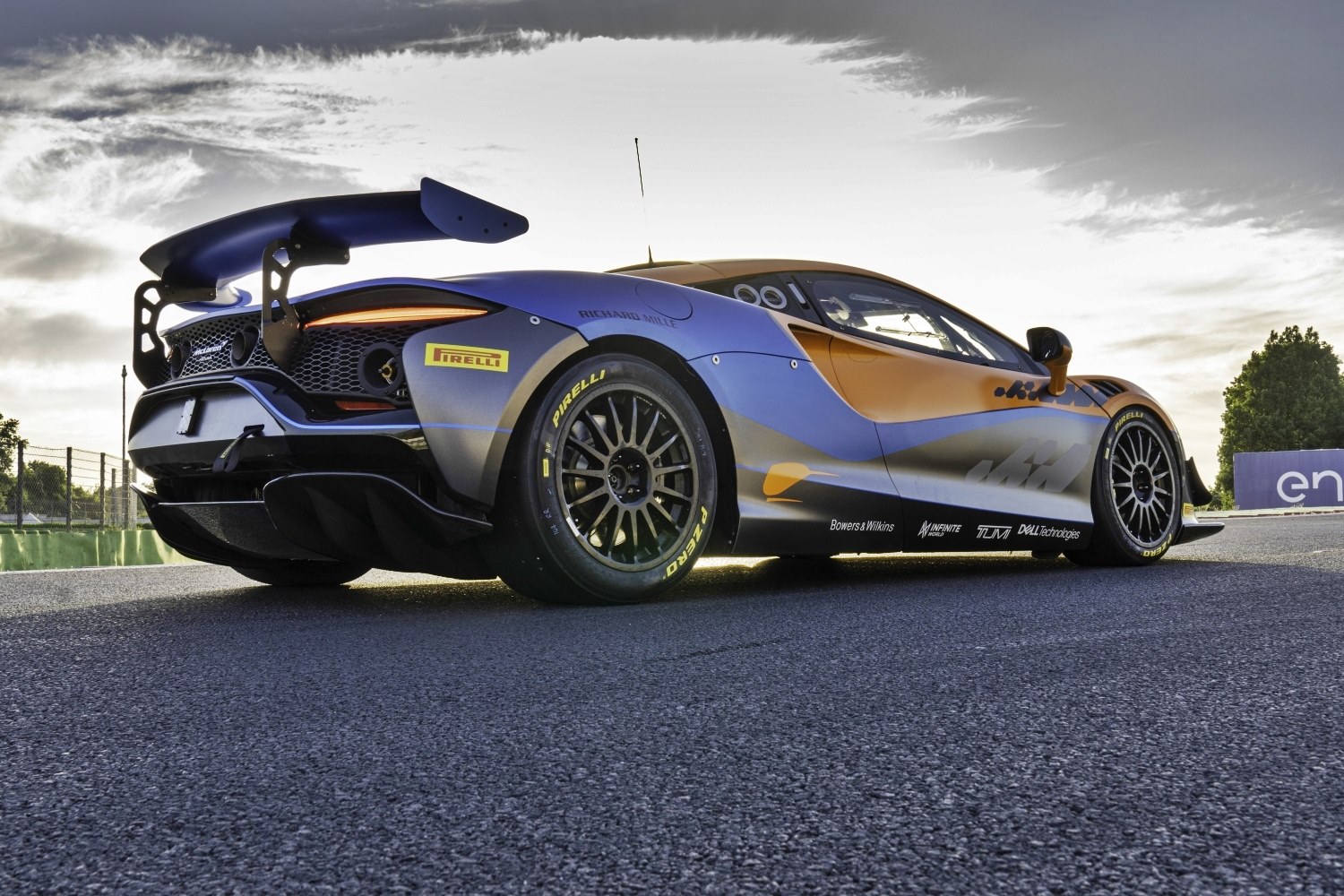
McLaren Motorsport’s Artura GT4 racing car makes its debut today at the Goodwood Festival of Speed in England, ahead of its competitive debut. Based on the all-new Artura luxury supercar, the Artura GT4 builds on the successes of the multi-championship-winning 570S GT4 and 720S GT3 racers. It shares much of its technology with the road-legal version, including the McLaren Carbon Lightweight Architecture featuring a carbonfibre monocoque at its core.
This motorsport-inspired chassis design and construction is said to be the ideal platform for a racing car as a rigid structure enables a wider setup envelope for the driver as well as providing a strong and extremely safe driving environment. The minimisation of weight is a key element of the Artura, and this philosophy continues in the racing car. With a compact V6 engine and ancillaries including the exhaust system all weight-optimised, the new GT4 is more than 100 kgs lighter than the outgoing 570S GT4.
However, there is also a lot of weight saved in the powertrain because the GT4 does not have a hybrid powertrain like the Artura. The V6 engine alone generates more than enough output for the tightly-controlled GT4 racing requirements, where regulations do not permit hybrid powertrains. The lack of hybrid components takes away 130 kgs on an already super-lightweight car, while the space within the carbon monocoque for the hybrid battery of the road car now houses the fuel cell and ancillary drive system, keeping weight central and low down.
The latest V6 engine features fast-responding twin turbochargers situated within the engine vee and the unit has been designed to offer improved throttle response and fuel economy compared to the older M838 V8 used in the 570S GT4, even without electrification. Considerably lighter and smaller than the older unit, the new V6 engine further improves power-to-weight, lowers the car’s centre of gravity and benefits weight distribution.
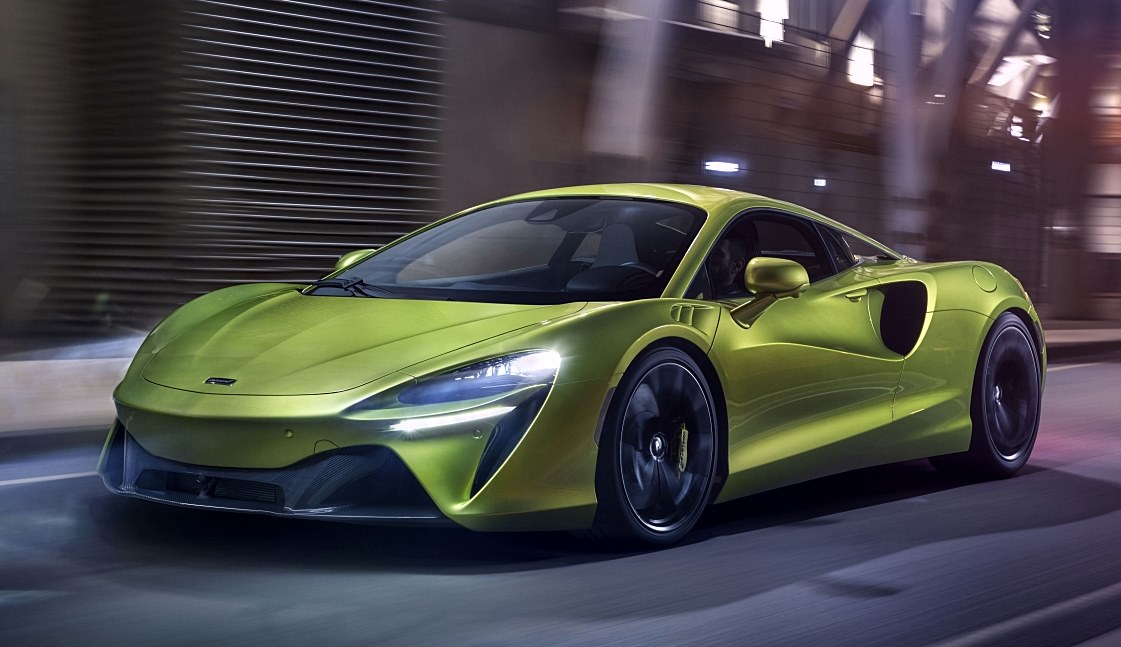
The road-legal Artura which has a hybrid powertrain.
The engine is controlled by a Bosch Motorsport ECU to fine-tune Balance of Performance management, essential for competing in the GT4 category. A modular motorsport wiring harness for serviceability, reducing repair times and costs. This interfaces with a motorsport electrical system for enhanced versatility, with the benefit of more robust and variable control systems.
Power is delivered through a 7-speed gearbox with an improved set of ratios optimised for performance and the transmission system has onboard diagnostic software. The unit is not the same as the road car’s 8-speed gearbox which uses the E-motor for reversing. GT4 regulations demand that the car must have a reverse gear.
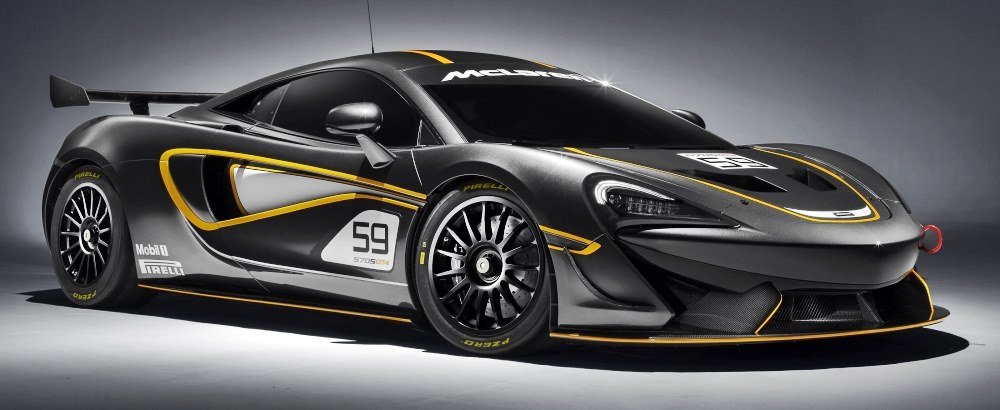
McLaren 570S GT4
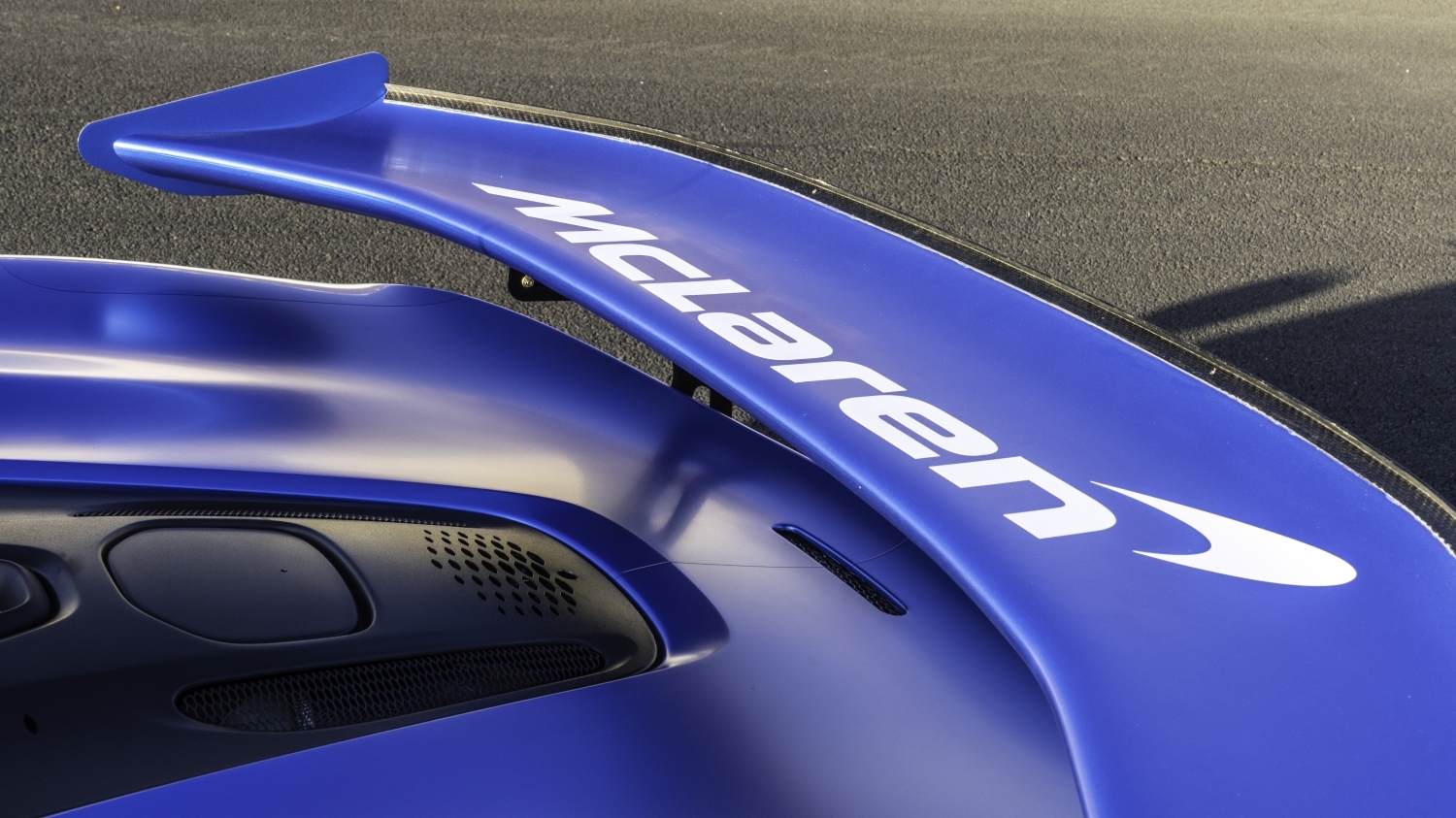
The Artura carries the McLaren design principles of ‘everything for a reason’ and accordingly has high aerodynamic efficiency. The GT4 extends this further with an aerodynamic package that offers greater downforce than the outgoing 570S GT4 (particularly at the front end) with features such as a bespoke splitter, dive planes and bespoke bonnet duct. At the rear, a high efficiency wing incorporates 7 angle settings to cover a wide spectrum of circuit types.
Safety levels are on a par with the 720S GT3, including the fixed FIA 8862 spec driver’s seat with adjustable pedals for reach. The steering wheel is also inspired by the GT3 car with illuminated buttons for competition in all conditions at both day and night. The cockpit also features a new Bosch DDU instrument display, with enhanced graphics.
Serviceability improvements include a removeable bonnet for ease of access and a 110-litre fuel cell with two motorsport lift pumps and a main pump for increased reliability and performance. The rear wing is mounted to the chassis using a new ‘G-Pylon’ design that means the rear bodywork can be removed without having to dismantle the wing. In the interests of robustness in the heat of battle, the Low Temperature Radiators have been moved inboard while the high-level exhaust system is now solely mounted to the powertrain; sound volume is recorded at 105dB static.
“The Artura GT4 is the second race car to be built from the ground-up by McLaren Automotive’s Motorsport division. With lighter weight, extremely precise handling characteristics and enhanced durability – as well as the packaging and efficiency advantages and all-round serviceability for mechanics of the new V6 powertrain – the Artura GT4 will set new class standards, as we are already seeing from our extensive test and development programme,” said Ian Morgan, Director of Motorsport at McLaren Automotive.
Pricing has not been announced although it is expected to start from £200,000, equivalent to about RM1.074 million. The car is still undergoing an intensive test and development programme ahead of the 2023 season when the first customer cars will compete.
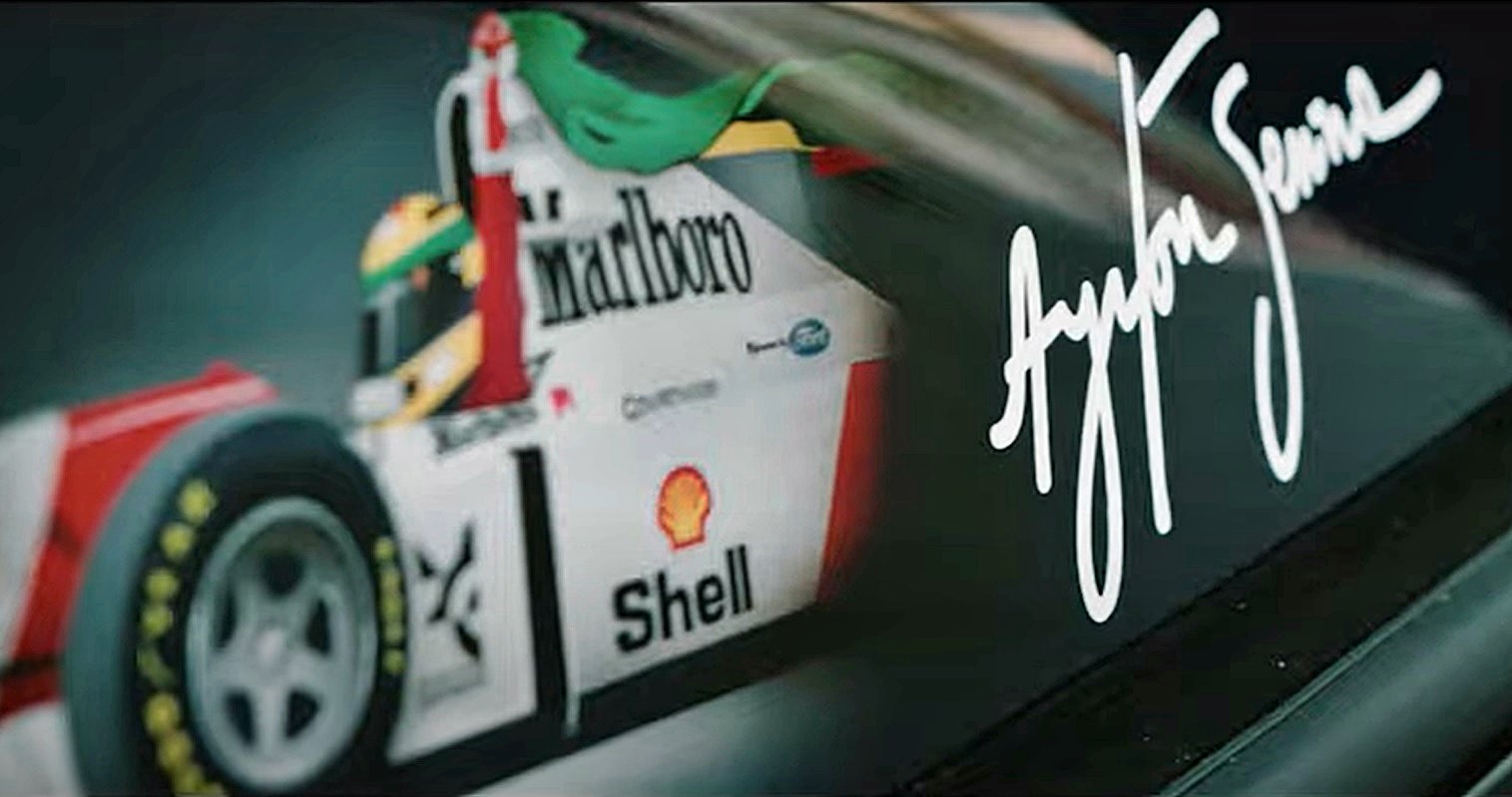
In 2018, McLaren announced that it would add a Senna model to its Ultimate Series, joining the F1 and the P1. The name was of course that of the Brazilian driver Ayrton Senna, one of Formula 1’s greatest drivers who tragically died in an accident on the track at the age of 34. The car was to honour and pay tribute to his many victories with the McLaren Formula One Team between 1988 and 1993 Formula 1 seasons.
Only 500 units of the Senna will be in existence, and every single unit was taken even before production began. Among the 500 were a very small number of XP cars which are traditionally the factory experimental prototypes and initial test cars. These are rebuilt to individual customer specifications after the model program is completed.
McLaren Beverly Hills, a dealership in the famous district in California, acquired four XP units on behalf of customers. Until today, only three have been revealed, each one a bespoke commission through McLaren Special Operations (MSO).
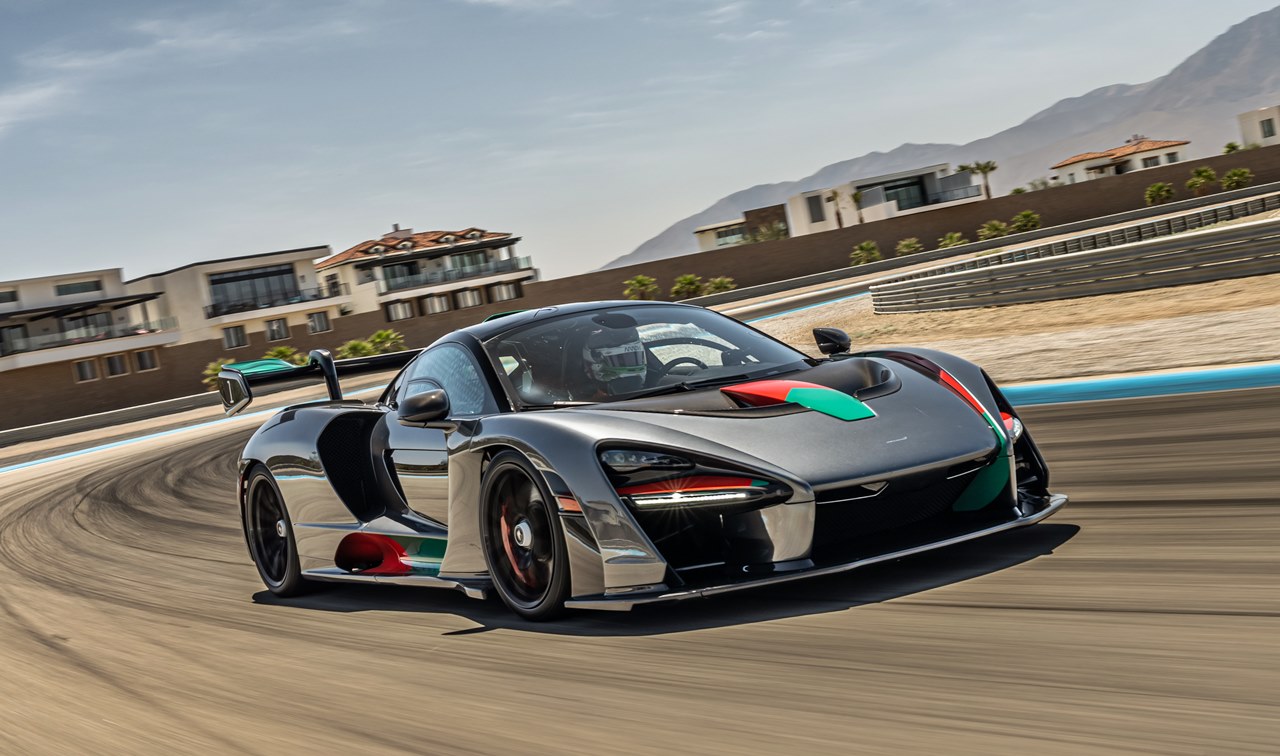
This week, the dealership unveiled the fourth and Senna XP tribute car. Like the other three which have themes related to Senna’s victories, this one has the theme of ‘El Triunfo Absoluto’ (‘The Absolute Triumph’ in English). It celebrates the 1989 Mexican Grand Prix where he led from pole position and secured the championship lead with his third straight win of the season.
This particular car was used for press activity in the USA before it was sent back to the UK in 2021 to be rebuilt, explaining why it is only now being delivered to the owner. Commissioned through MSO, which offers near limitless design possibilities, the Senna XP El Triunfo Absoluto features numerous unique design elements that celebrate the win in Mexico in 1989.
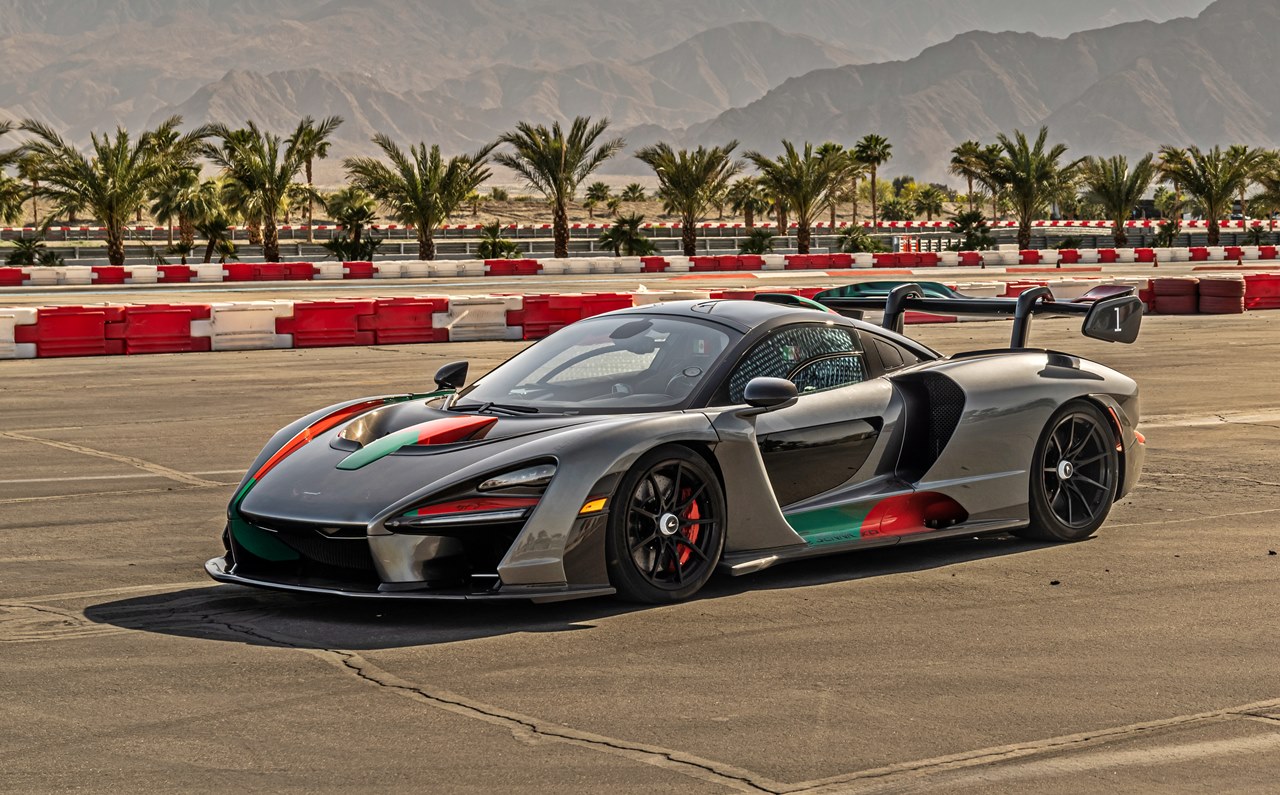
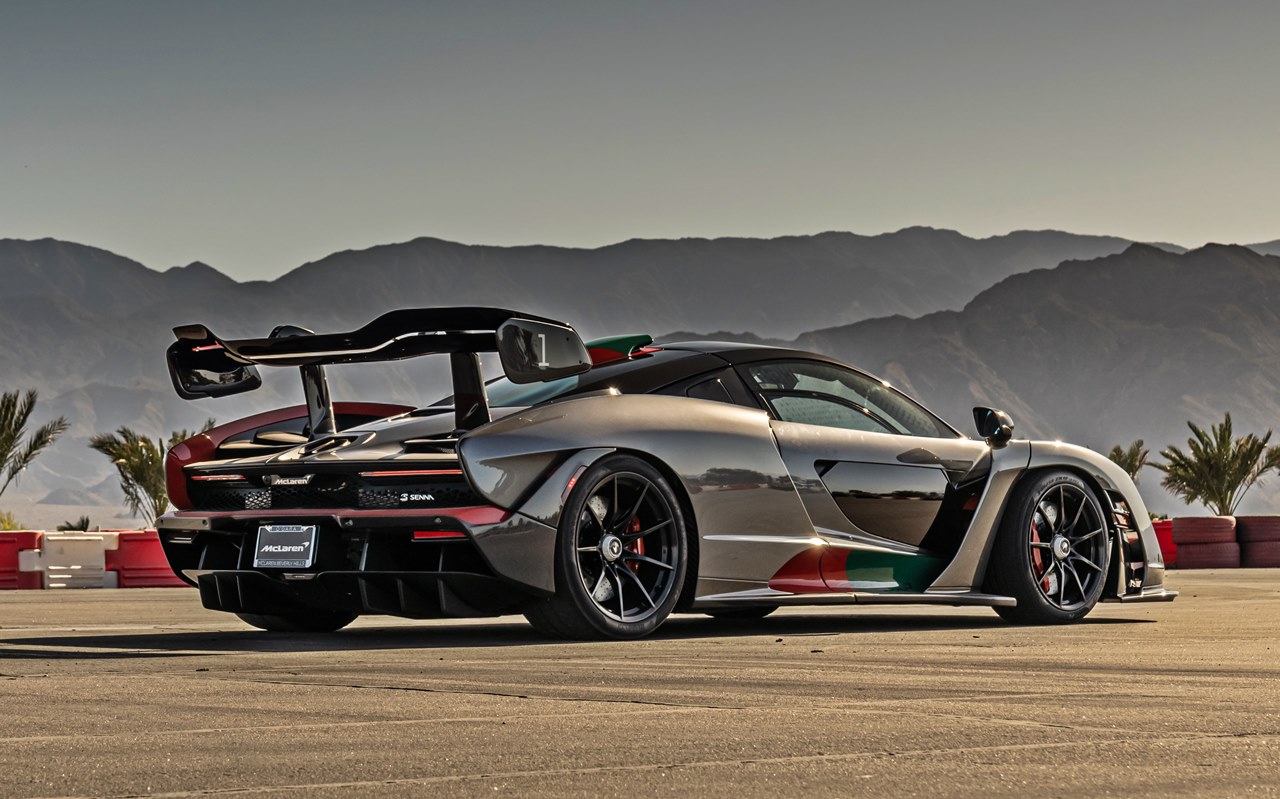
The road-legal car is finished in Graphite Grey paint, and features a remarkable livery painted in Accent Red and Mexico Green on the roof scoop, front service panel and sides, inside front fenders, door lowers, front light sockets, front and rear wheel arch vanes, and rear bumper.
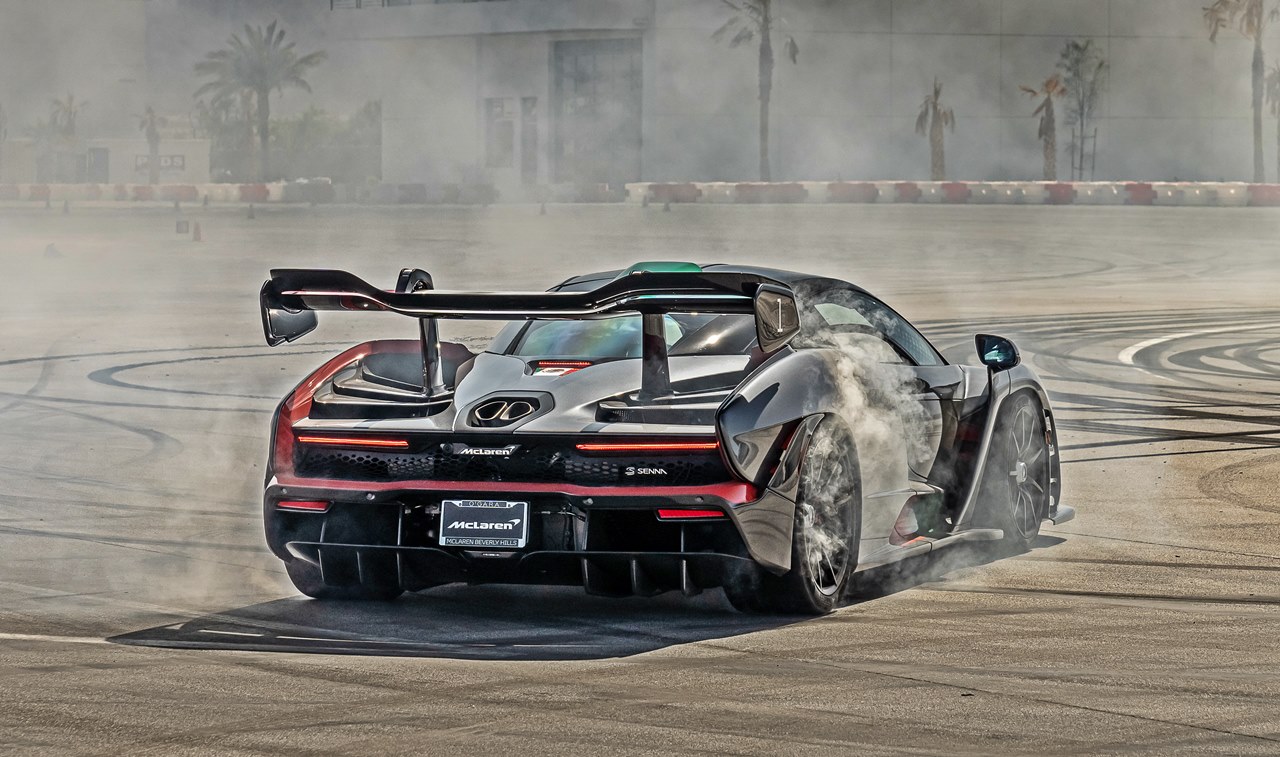
Also featured is an exposed Gloss Visual Carbon Fibre (VCF) Ayrton Senna signature on the driver’s side in front of the light socket, which is clearly visible on the front of the car. On the door lowers, there is an exposed Graphite Grey ‘Senna XP’ logo, and the Graphite Grey rear wing end plates are painted with a ‘1’ in Anniversary White.
The rear wing upper is a hand-painted flying Mexico flag, which is painted in Mexico Green, Anniversary White, and Accent Red with exquisite detail. On the front fender in stencil effect reads ‘EL TRIUNFO ABSOLUTO’, expressing the name of the theme.
The exterior also includes eye-catching MSO Bespoke Gloss VCF Elements replacing all the standard exterior Satin VCF areas except the roof canopy. The Centre Lock wheel nuts are painted in Anniversary White and on the front end, you can see the MSO Bespoke Gloss VCF aero blades and MSO Bespoke Electroform Front Badge. Another distinct exterior feature MSO has brought to life on this car is the MSO Bespoke fuel cap, which is painted in the design of the flag of Mexico.
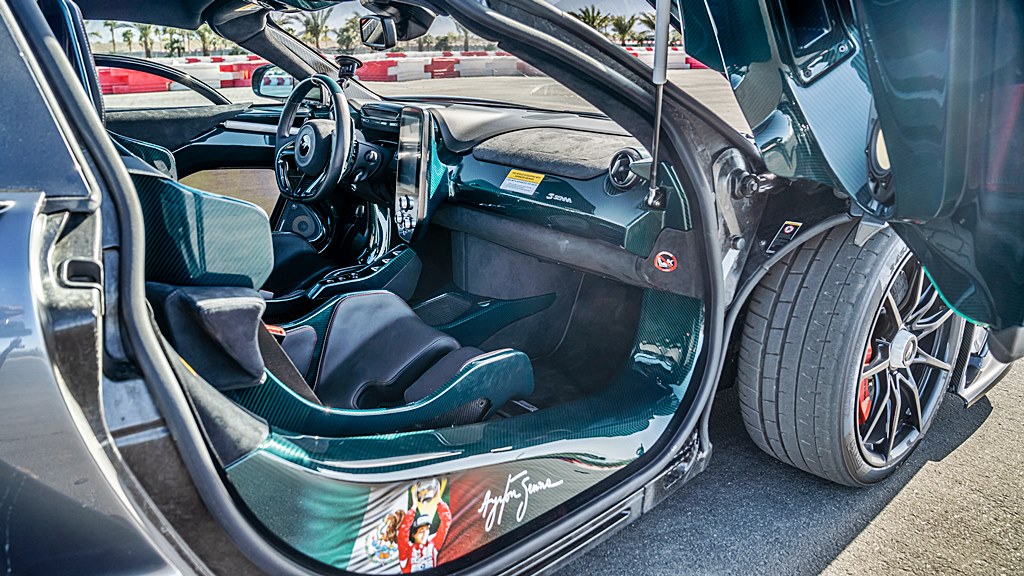
Inside, the full MSO Bespoke Jet-Black leather interior is complemented by the seatpad outers which are embroidered with a double stitch in Pure White and Bright Red. The headrest pads are also exquisitely embroidered with the Mexican Flag and ‘EL TRIUNFO ABSOLUTO’ embroidered underneath.
The standard interior VCF areas are replaced with a Green Tinted Gloss VCF, and further distinct features include the MSO Bespoke painted door struts painted in Anniversary White, Galvanic Grey brushed and polished interior brightwork, MSO Bespoke door sills, and MSO Bespoke Extended Carbon Fibre Sills with a uniquely airbrushed depiction of Senna on the podium in 1989.
The finishing touches of the interior are further enhanced with subtle signature details such as a MSO Bespoke steering wheel with Green Tinted Gloss VCF Upper and a special 12 o’clock marker of a Triple Centre band which is painted in Mexico Green, Anniversary White, and Accent Red. A MSO Bespoke accelerator pedal is laser-etched with the Mexican Grand Prix 1989 racetrack layout at Autodromo Hermanos Rodriguez, and a MSO Bespoke dedication plaque etched with ‘EL GRAN PREMIO DE MEXICO DE 1989’.
Like the other Senna XPs, this one has a 4.0-litre twin-turbocharged V8 M840TR engine that produces 800 ps/800 Nm, giving a power-to-weight ratio of 668 ps/tonne (it weighs 1,198 kgs). McLaren’s test drivers have taken it from 0 to 100 km/h in 2.8 seconds, taking another 4 seconds to get to 200 km/h in the same run and reaching 300 km/h 18.8 seconds after launch.
In 2018, the base price of a Senna was almost US$1.5 million (equivalent to RM5.95 million). The XP versions, being rarer, would cost more and with the personalization and enhancement done by MSO, these four cars now being driven around Beverly Hills would be considerably more.
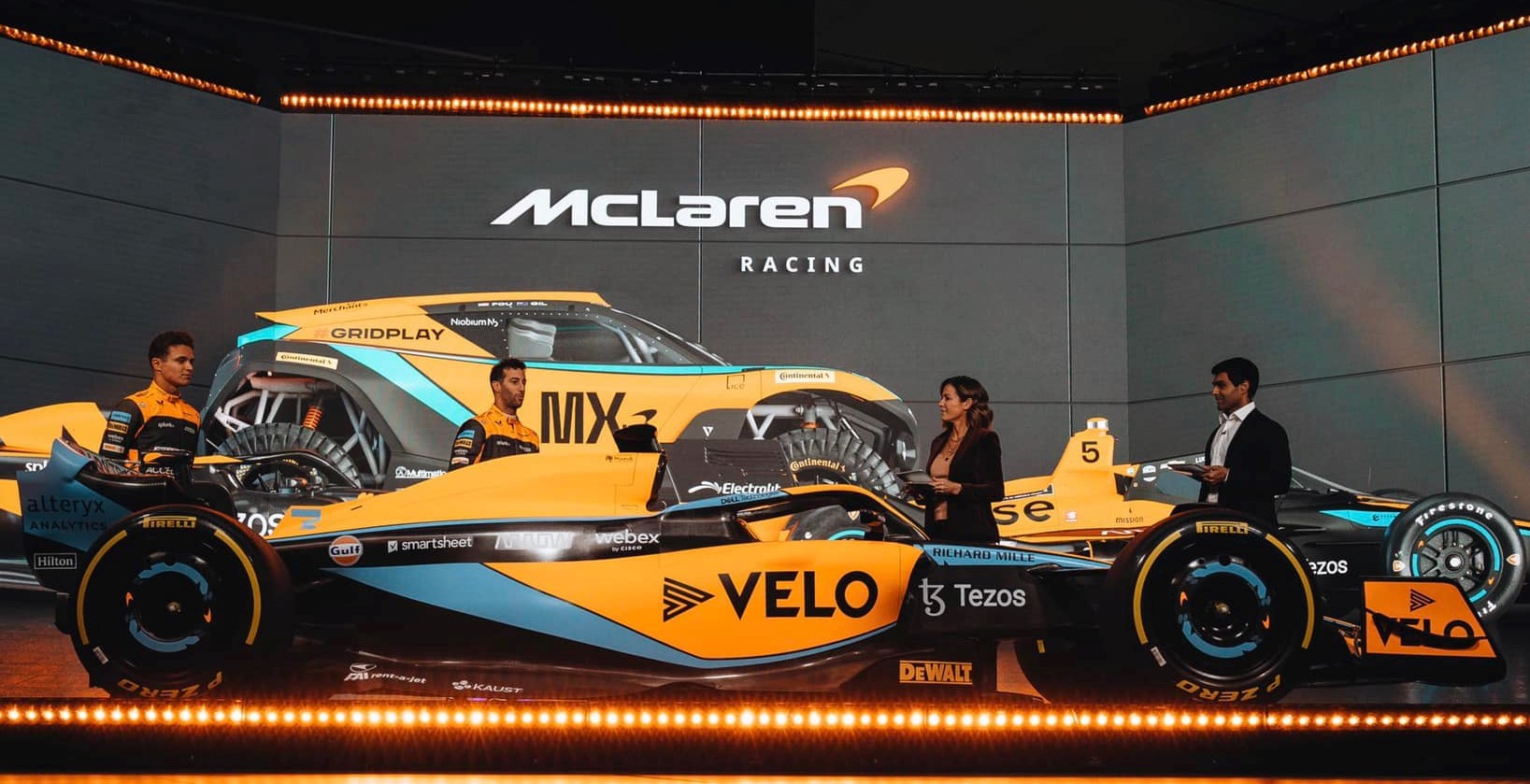
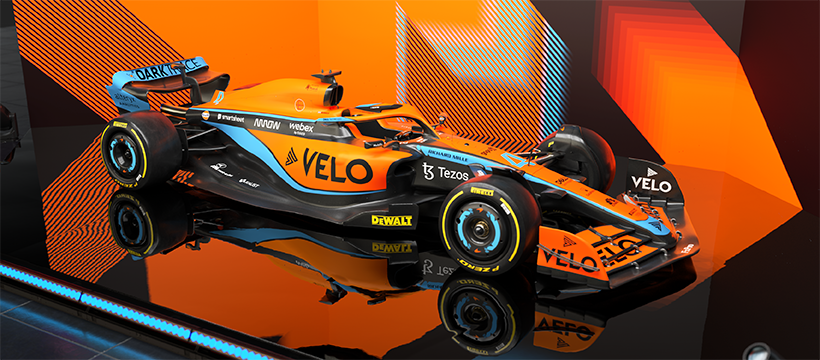
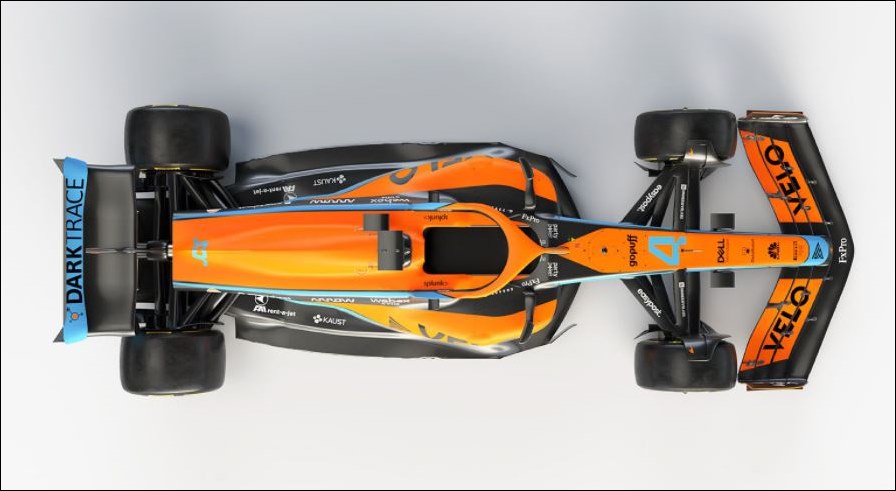
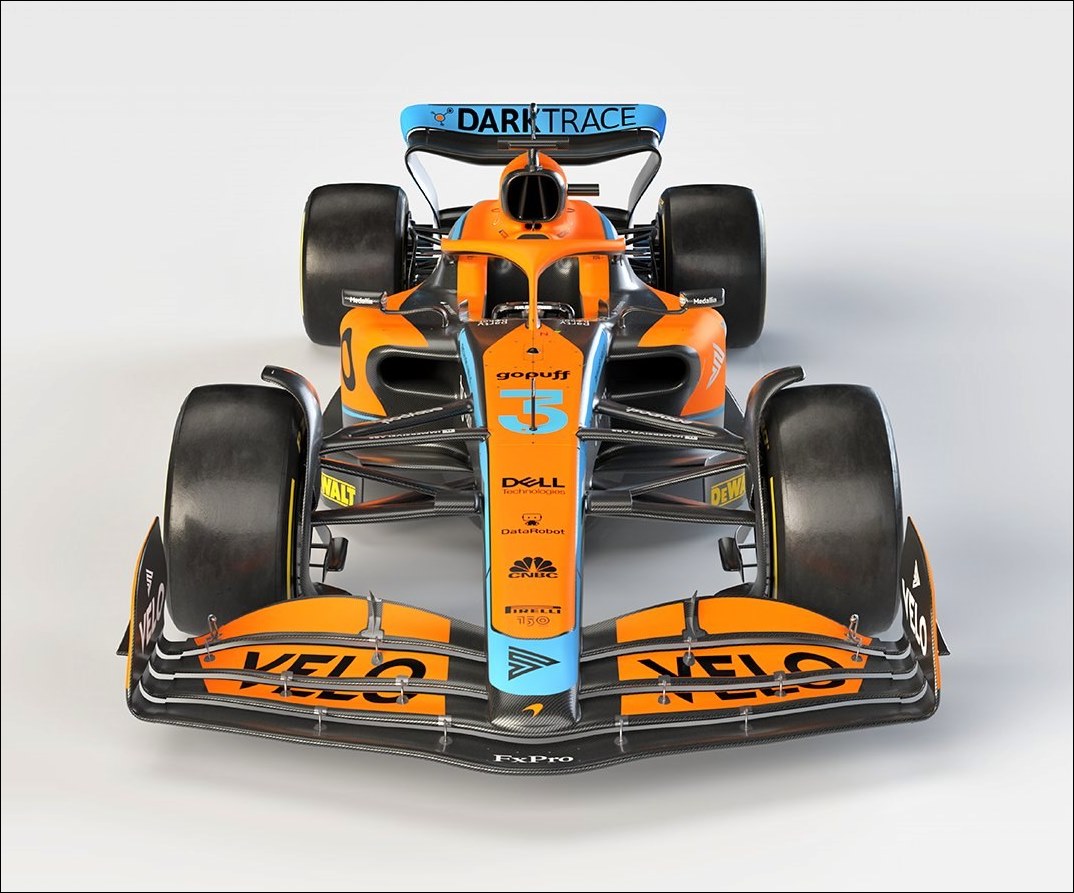
The MCL36 is McLaren Racing’s new Formula 1 car for the 2022 world championship which sees significantly changed technical regulations. The new regulations – which include a switch to 18-inch wheels – have forced the engineers to completely overhaul their designs but the FIA expects that the racing will become closer and more exciting for fans.
With aerodynamics being crucial to performance, Formula 1 cars are designed with features to generate as much downforce as possible. At the same time, this must be achieved without sacrificing performance so it’s a challenge which engineers faced when developing the MCL36.
Gulf Oil racing car inspiration
The new bodywork, described as having ‘speed and elegance… very vibrant’ by McLaren CEO Zak Brown uses similar colours as before but with a different livery. It has ‘Fluro Papaya’ as the dominant colour which will certainly make the car easily identifiable on the track. The blue (lighter than in 2021) is similar to that used by Gulf Oil in its racing cars before, and the racing link with the oil company goes back to 1968.
More sustainable fuel
McLaren will continue to use the Mercedes power unit in the MCL36 which, apart from being improved, has been retuned to run on E10 fuel instead of E5. This is the most significant regulation change of the hybrid era began in 2014. The change is part of the FIA’s move towards making motorsports a sustainable activity and fuels must use sustainable ethanol. The engineers have had to optimize the combustion process but just how well the engine will run on E10 fuel will only be known during official pre-season testing towards the end of this month.
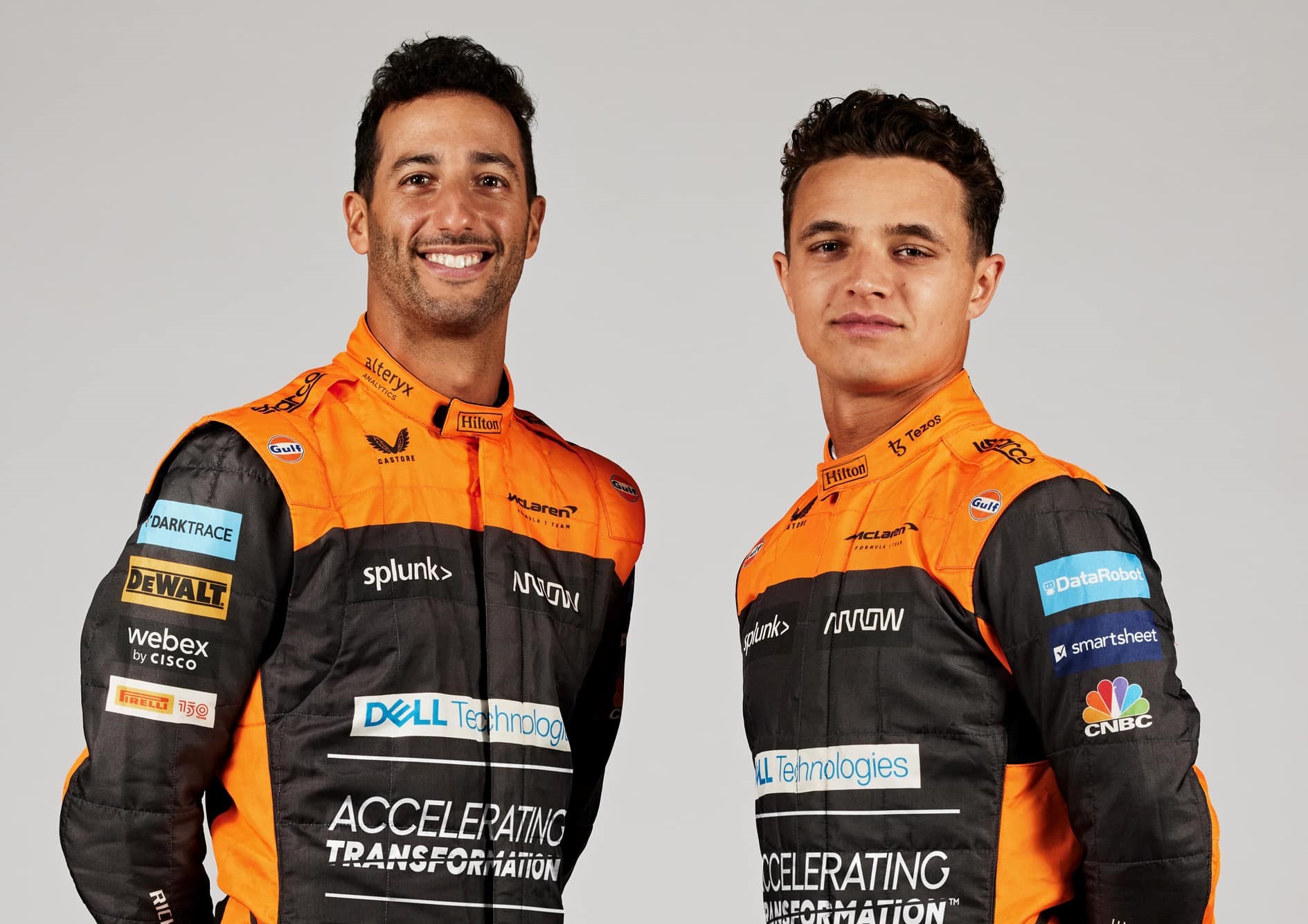
The drivers are the same ‘Commonwealth pair’ as in 2021 – Daniel Ricciardo from Australia and Lando Norris from Britain. Ricciardo, who finished 8th in the Drivers’ Championship last year, began racing in 2011, while Norris, aged 22, entered F1 with McLaren in 2019.
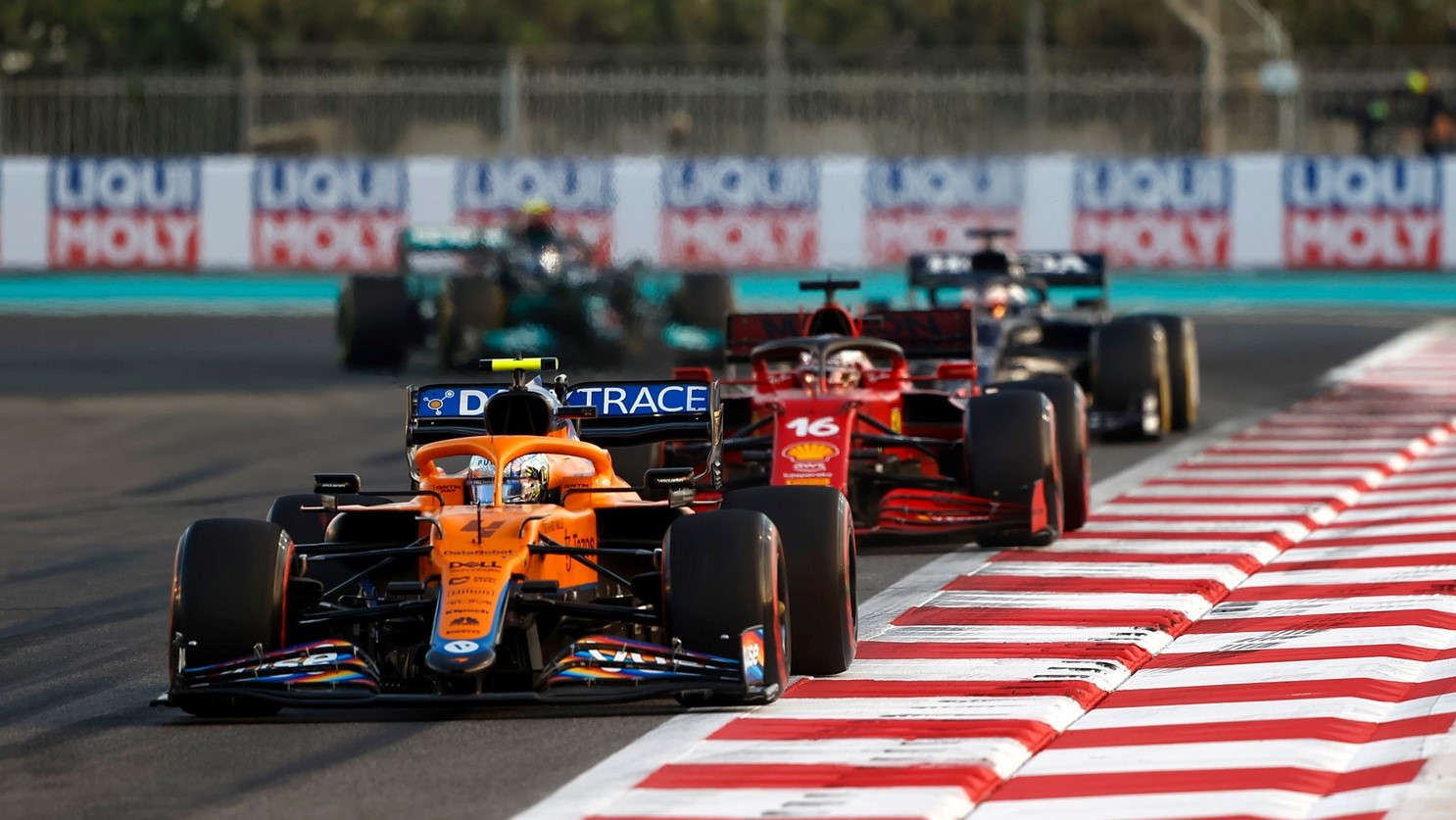
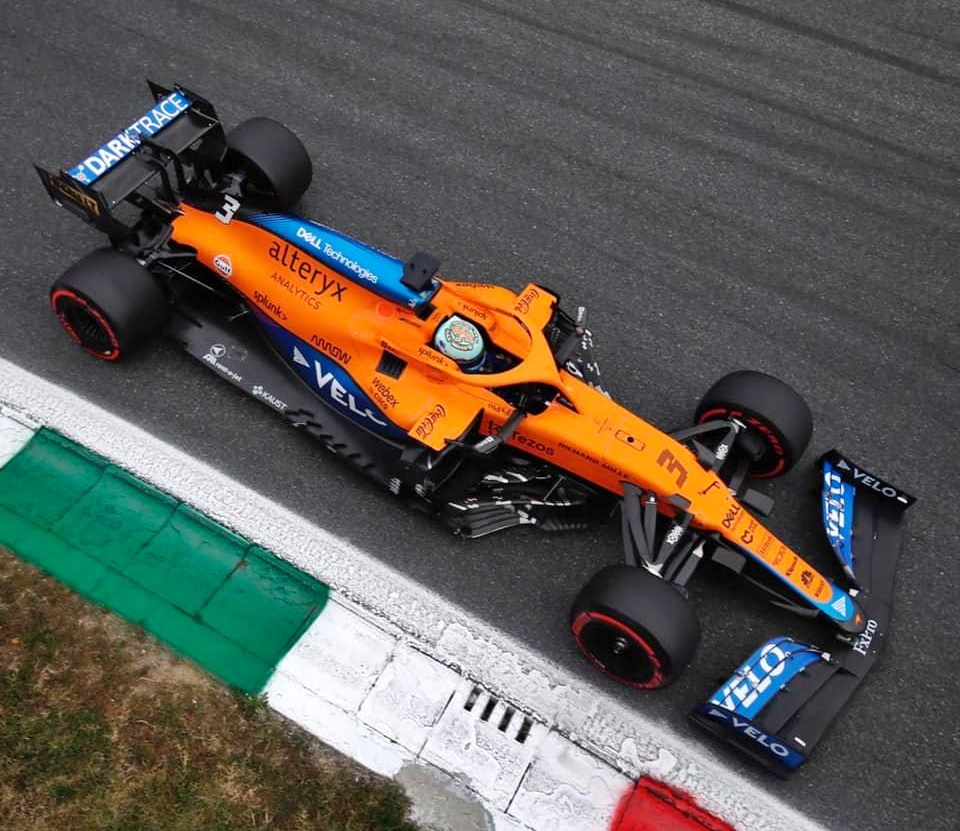
Lando Norris in the McLaren Racing MCL35M at a round of the 2021 F1 World Championship.
McLaren Racing finished fourth in the championship last year with their highest points finish since 2012 that included one race win during the year. They have 20 world championship titles to their name and will be trying just as hard in 2022 to add another. The new regulations are helpful, in a way, in levelling the playing field again as each team has to now start to make their car more competitive from essentially the same ‘base’. The promise of closer racing could also be advantageous for some drivers.
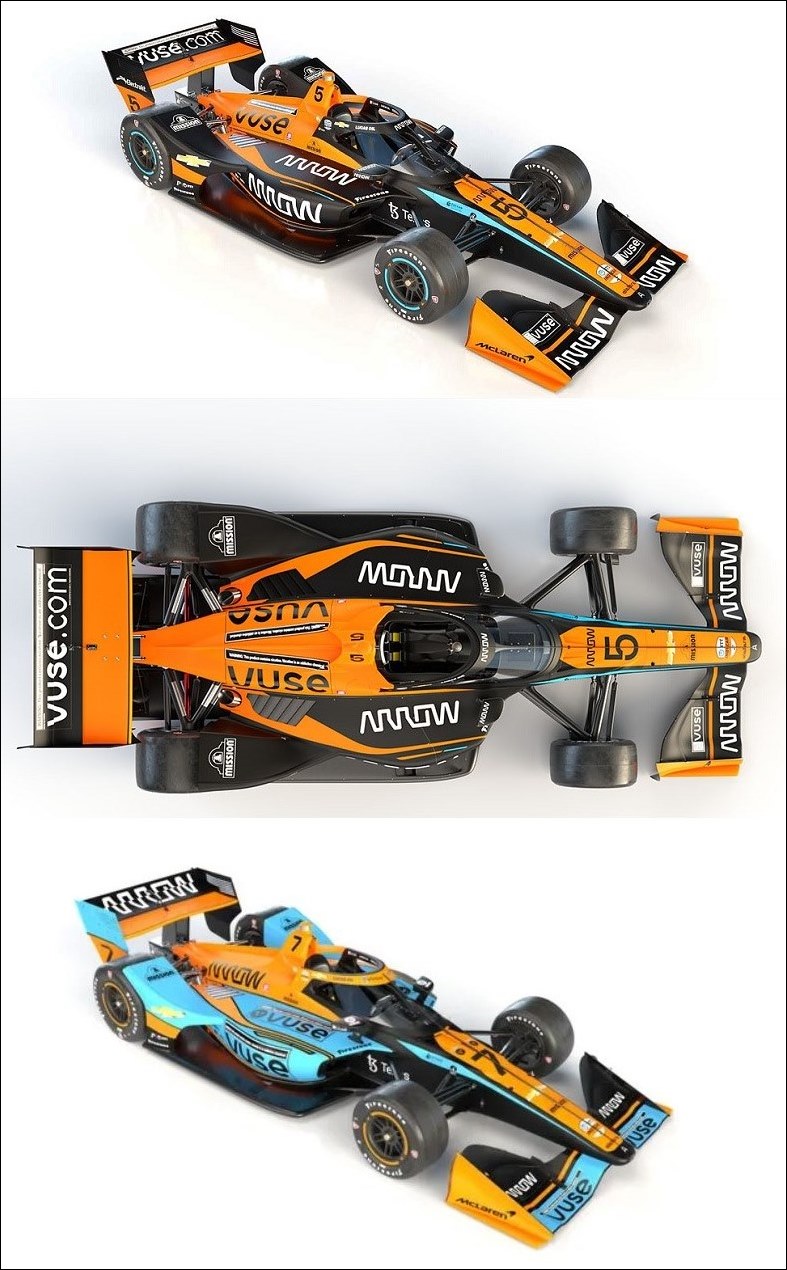
2022 Arrow McLaren SP Team IndyCar racing cars
IndyCar and Extreme E challengers
Also unveiled at their base in England was the team’s IndyCar and Extreme E challengers. In addition, the livery of team’s esports programme, McLaren Shadow, was also shown to the world. The team also presented the 2022 Arrow McLaren SP team of Pato O’Ward and Felix Rosenqvist who will start their 2022 IndyCar campaign at the Grand Prix of St. Petersburg, Florida, on February 27.
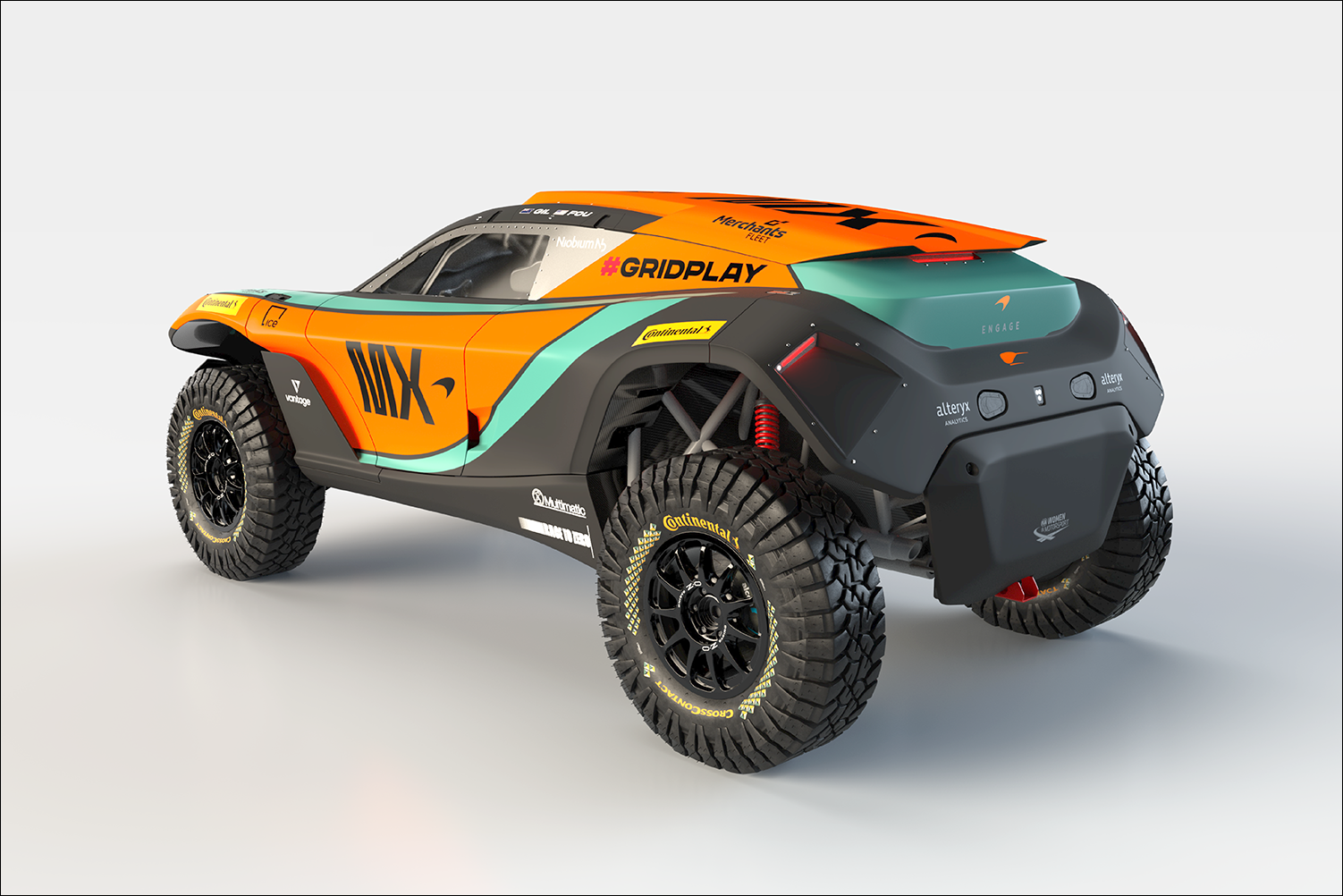
Emma Gilmour and Tanner Foust will race with this all-electric rallycar in the Extreme E series this year.
The McLaren Extreme E all-electric off-road racer will be used for the second season of the all-electric off-road series which began last year. The drivers will be Emma Gilmour from New Zealand, and 4-time US rallycross champion, Tanner Foust. Gilmour, who has also taken part in the WRC, becomes the first female McLaren racing driver, in-line with the team’s commitment to showcase and inspire diversity in motorsport. The McLaren Extreme E team will be on the starting line for the first round of the 2022 Extreme E Championship at the Desert X-Prix in Saudi Arabia next weekend.
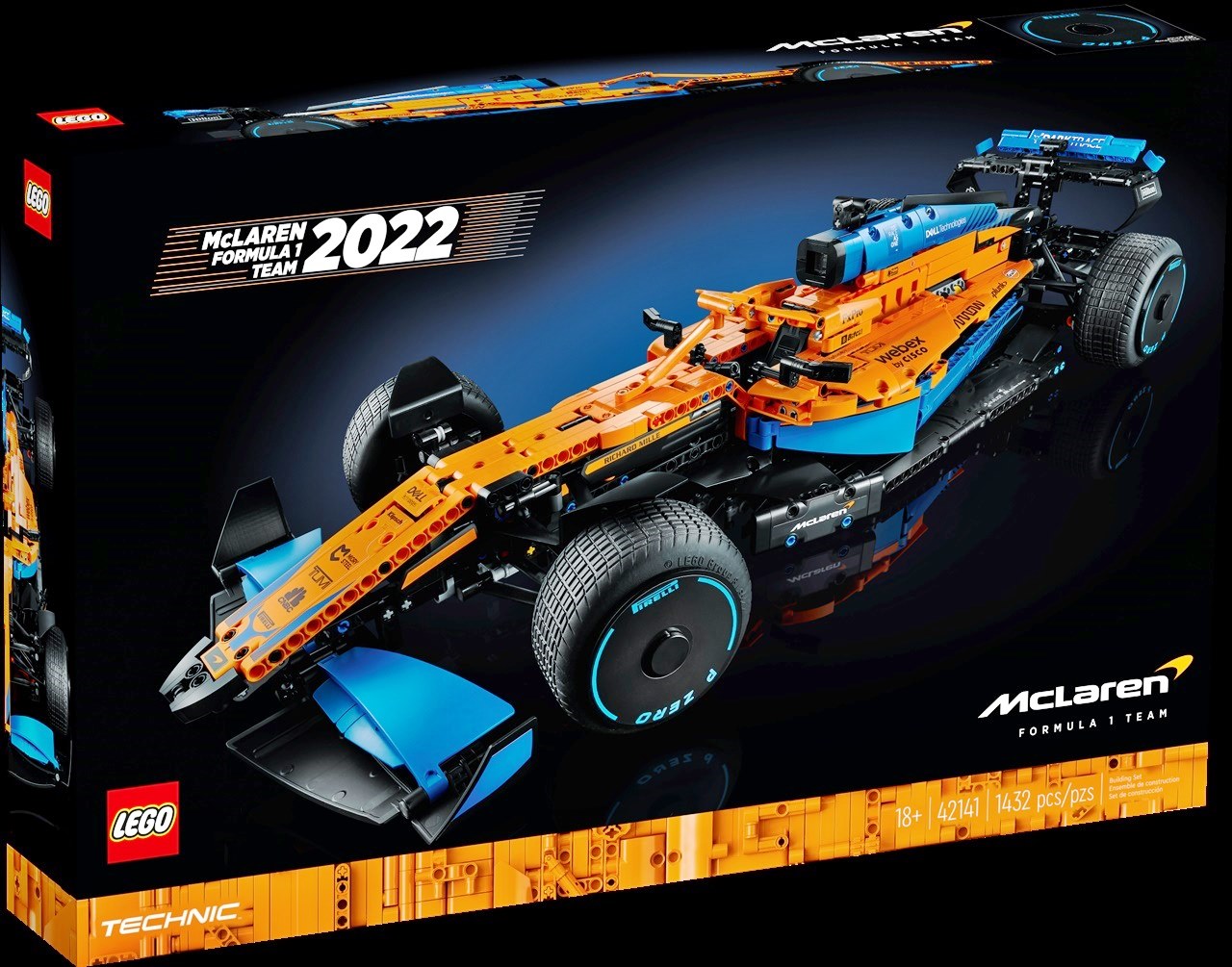
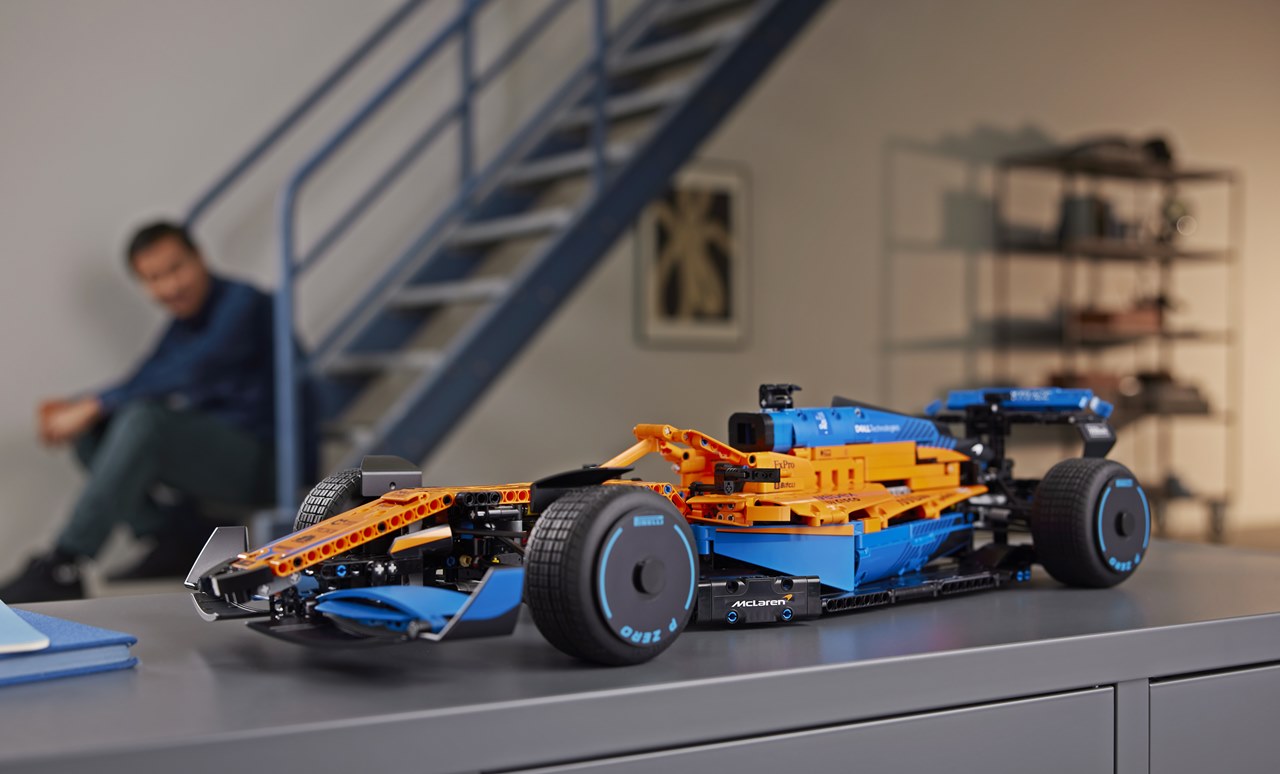
Racing cars are expensive machines, and Formula 1 racing cars are very expensive machines. That’s why each team has only a few cars built so team managers dread accidents during races that damage the cars. But you can own a Formula 1 cars for just RM799.90 – although you won’t be able to drive it or sit in it. Still, it will look good in your home or office.
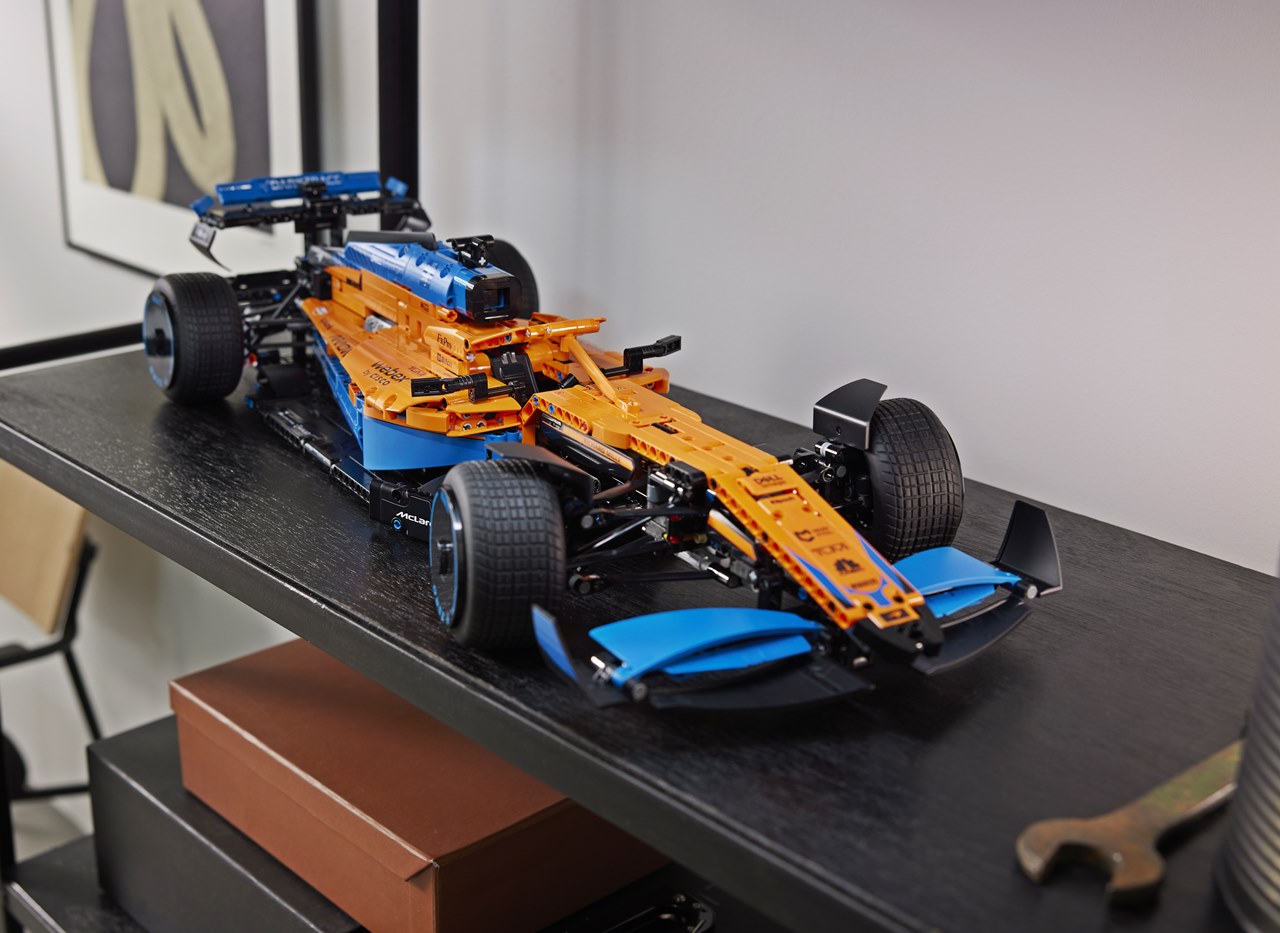
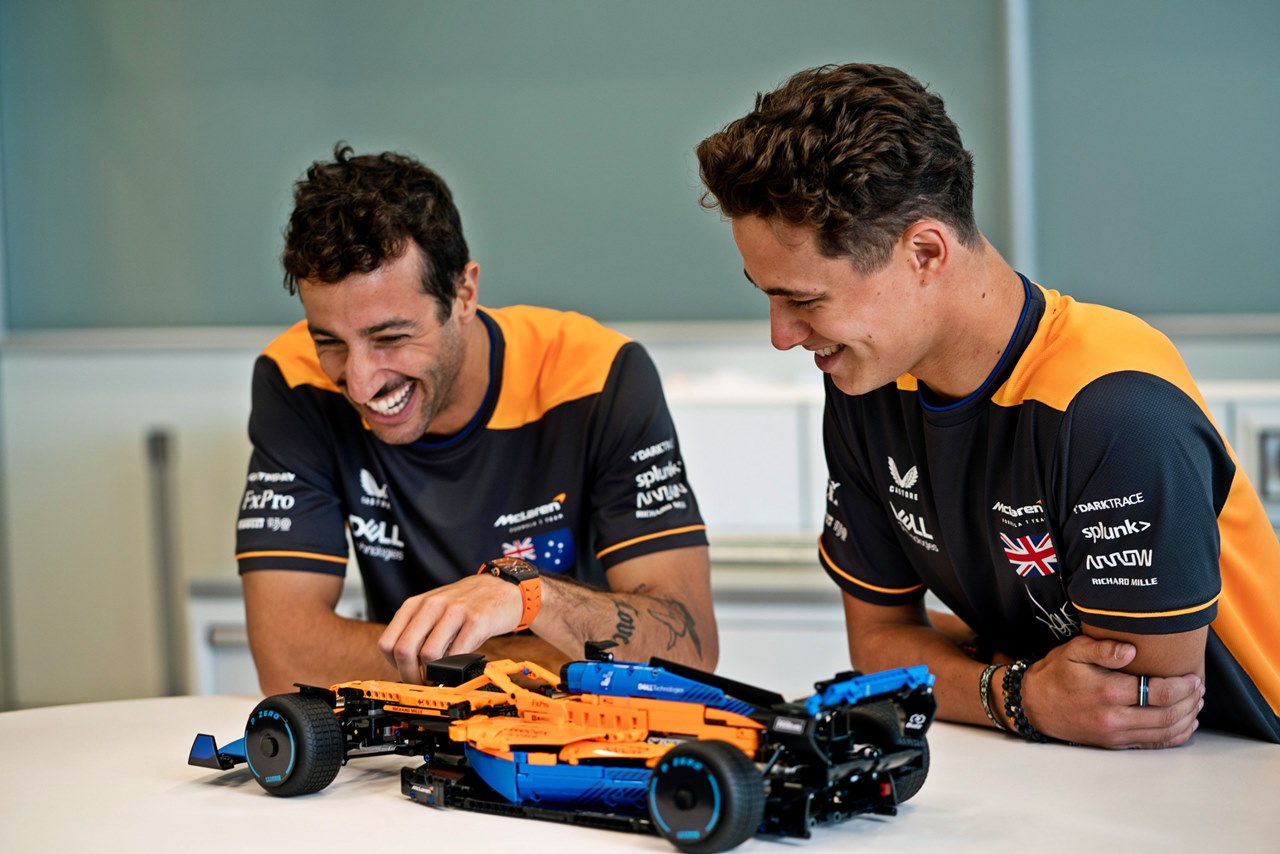
The racing car is the McLaren Formula 1 Race Car by LEGO Technic and it’s been developed in close collaboration between engineering experts from the LEGO Group and McLaren Racing. Just like its real-life counterpart, this LEGO model is truly a one-of-a-kind piece of engineering excellence and packed with functionality.
2021 livery, 2022 looks
While the model has the team’s distinctive 2021 season livery, it gives fans a glimpse of what they might expect from McLaren Racing’s new F1 season model in 2022, which will see big technical changes in the regulations.
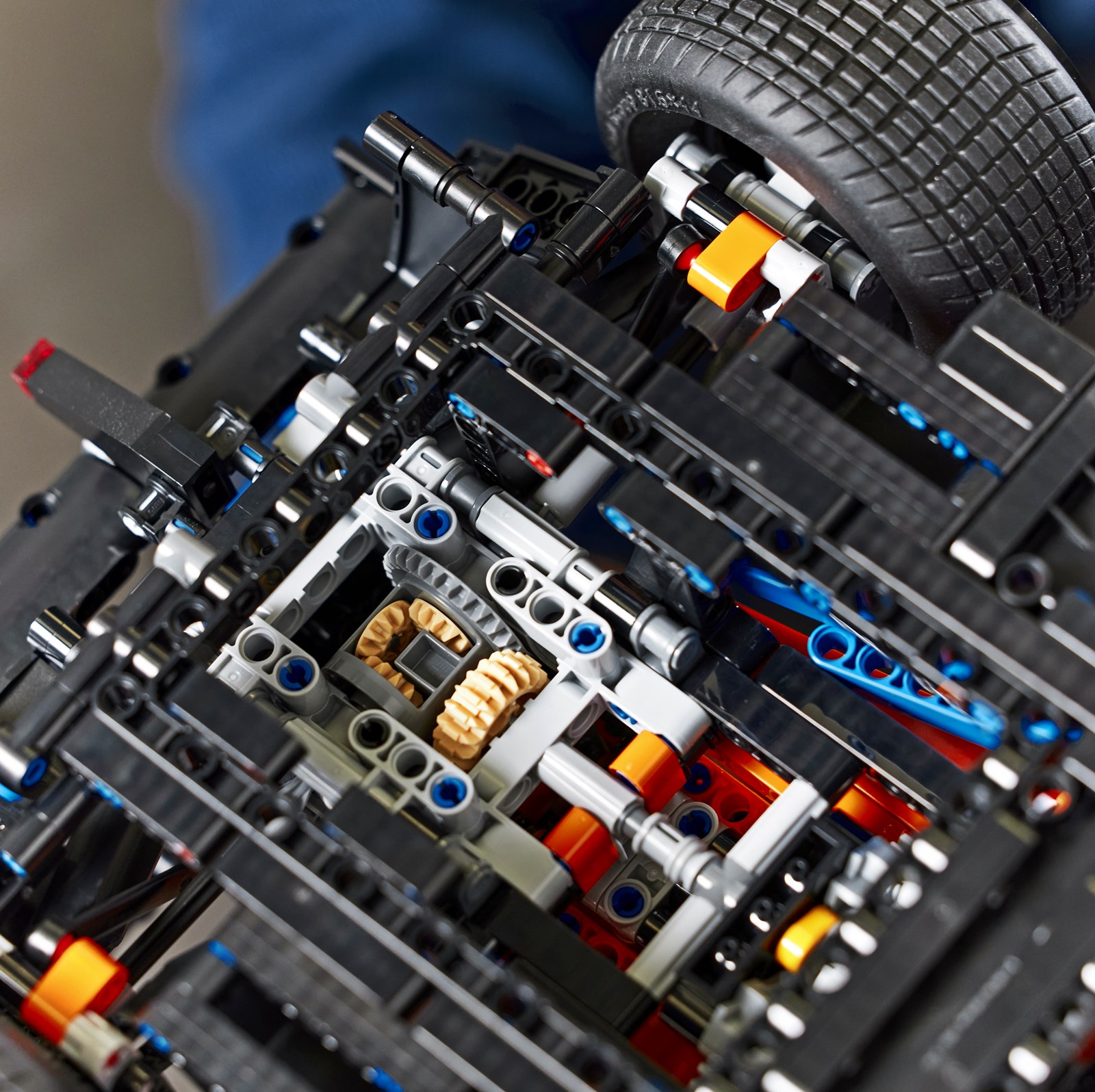
The LEGO Technic version is fully modeled on the life-size version featuring a V6 engine with moving pistons, steering activated from the cockpit, suspension and even a differential lock! Although LEGO Technic has many high-performance cars in its range (like the Senna GTR), the McLaren Formula 1 Race Car is the first Formula 1 car.
1,432 pieces to assemble
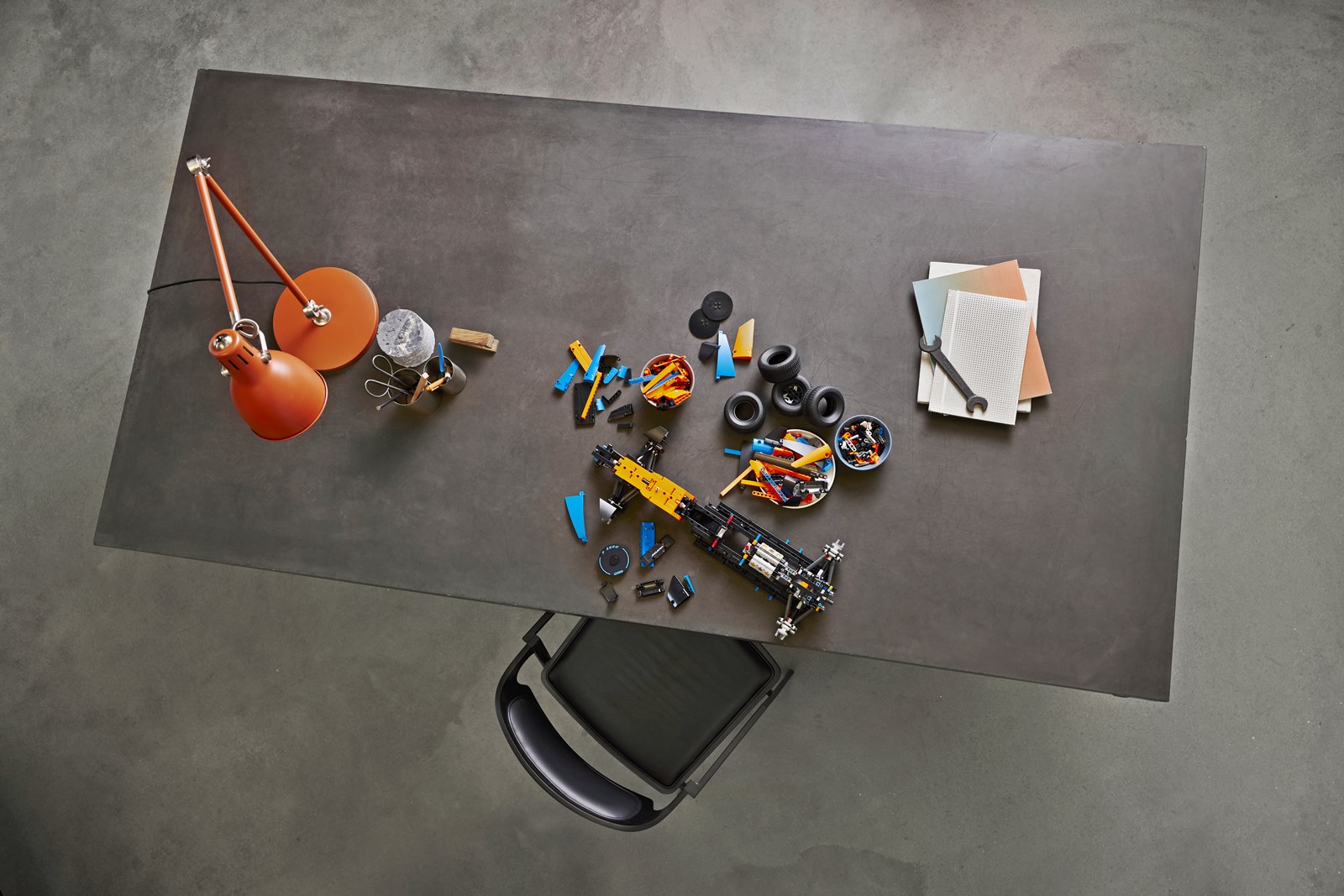
Like every LEGO Technic model, this one will provide many hours of enjoyment (actually, LEGO says it can be done in about 2 hours) being assembled. There are 1,432 pieces and when completed, the car is over 13 cm high, 65 cm long and 27 cm wide. It also comes with stickers of the various sponsors supporting the team.
McLaren Racing’s F1 drivers Daniel Ricciardo and Lando Norris delighted to see their racing car reproduced by LEGO Technic.
“We are excited to unveil the unique LEGO Technic model of our McLaren F1 car, a fun and engaging product that celebrates our 2021 season livery while giving fans a hands-on interpretation of the new 2022 F1 car design. This has been made possible by an agile collaboration with the LEGO Group team, who have truly embraced the spirit of our brave and bold approach to design. The final product looks fantastic, and we cannot wait to make this available to our fans,” said James Key, Executive Director, Technical, McLaren Racing.
The LEGO Technic McLaren Formula 1 Race Car will be available from March 1, 2022, at LEGO Certified Stores, on-line retailers and other major retailers and department stores in Malaysia.
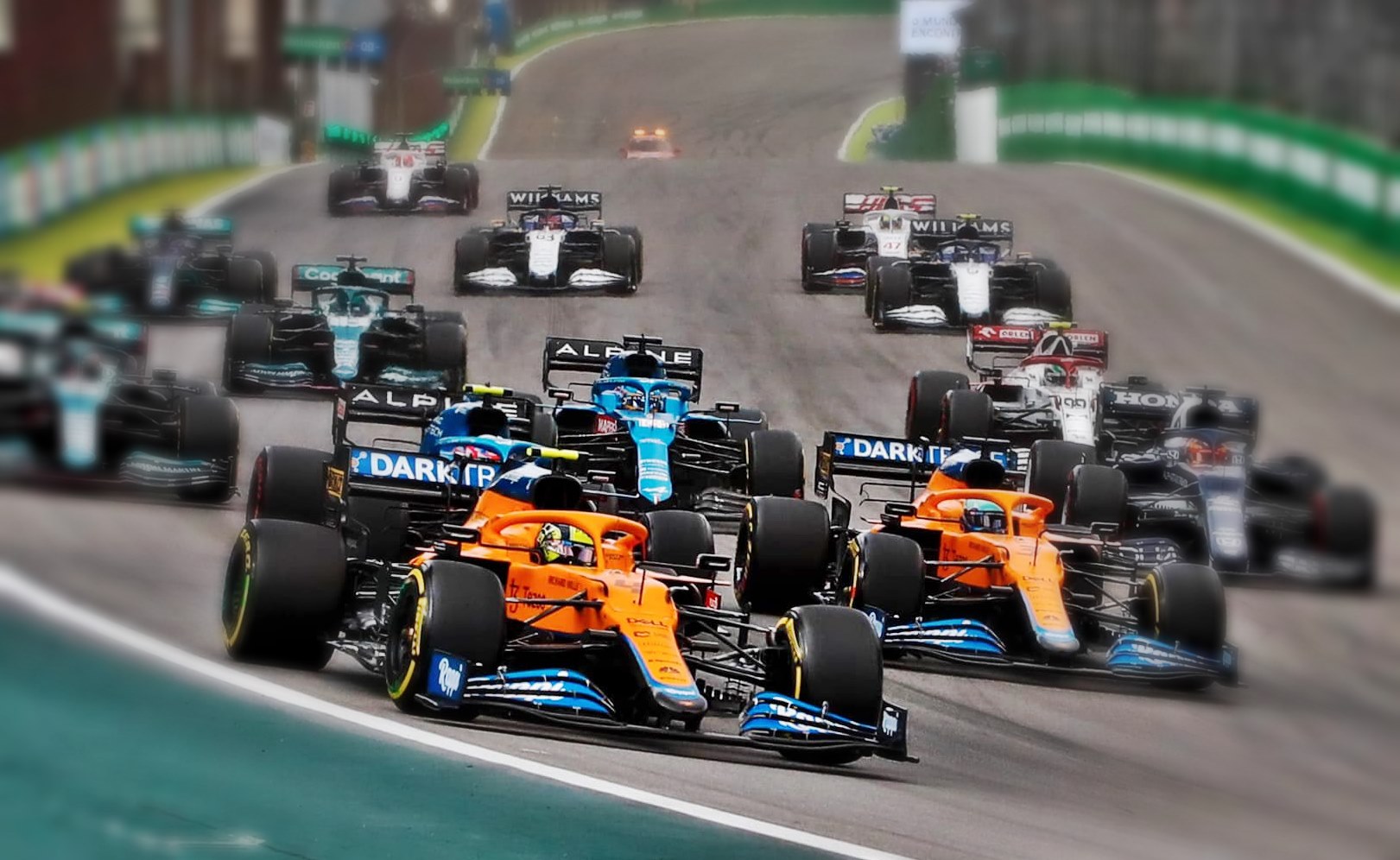
The McLaren racing cars in action during the 2021 Formula 1 World Championship.
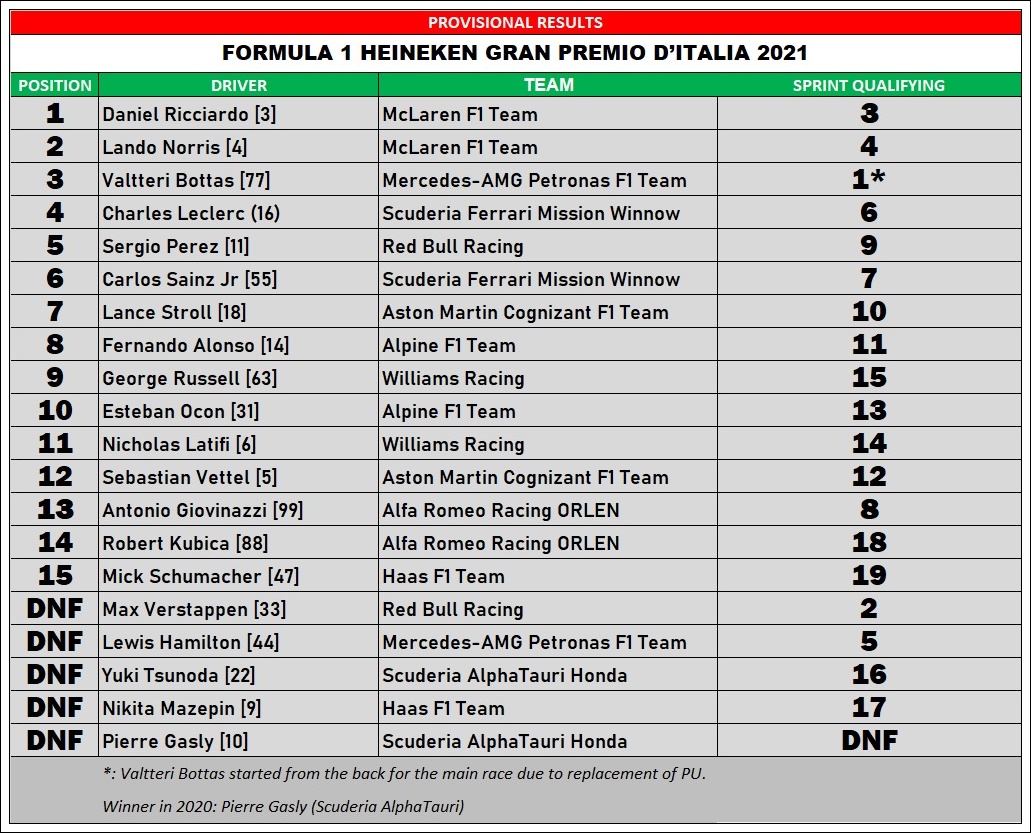
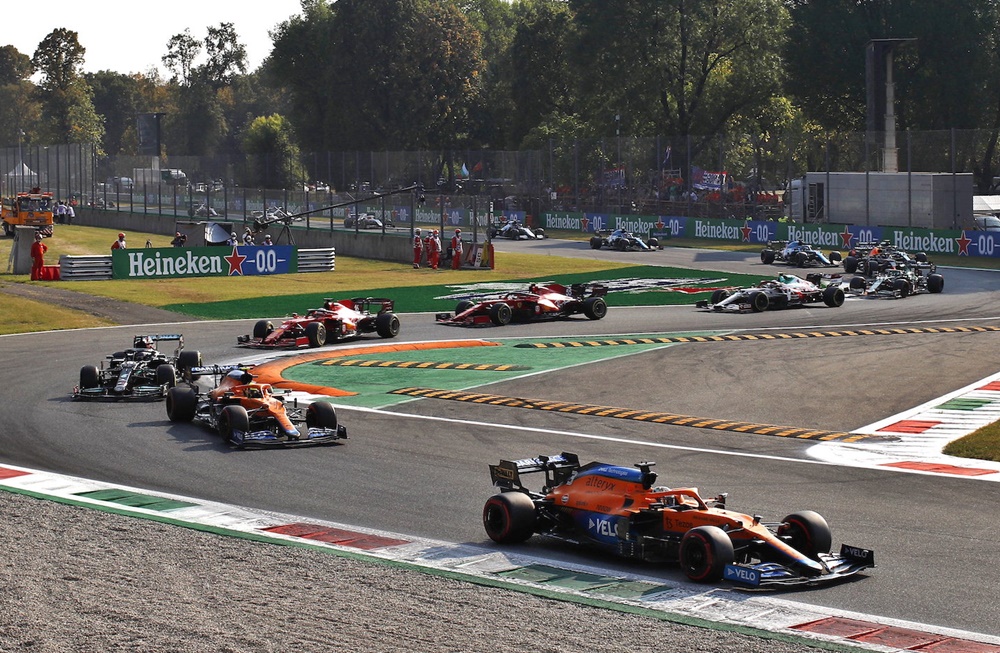
Although Valtteri Bottas had won the Sprint Qualifying race – which determines the starting order for the main race – he had to start from the back as he had a Power Unit replaced and regulations require that penalty. So starting from pole position was Red Bull Racing’s Max Verstappen who got a good start at first, but was then overtaken by McLaren’s Daniel Ricciardo at Turn 1 who took the lead.
Lewis Hamilton, after the fumble at the start of the Sprint race, was determined not to make mistakes again and started off from fourth place very aggressively, He jostled with McLaren’s Lando Norris going into the first turn and was forced onto the grass. However, it was Alfa Romeo ORLEN’s Antononio GiovInazzi who provided the first incident of the race to bring out the Virtual Safety Car when he spun, hot another car and left some pieces of his front wing on the track.
It was a very bad day for the Scuderia AlphaTauri team. Not only was Yuki Tsunoda’s car taken off the grid before the start and pushed back to the pits but his team mate, Pierre Gasly also had to retire after lap 5,a disappointment for the winner of the 2020 race.
It was bad enough that Giovinazzi had spun at the start and had to rush back to the pits and in his haste to get back into the race, he was seen by the officials to rejoin the track in an unsafe manner and incurred a 5-second penalty.
Bottas had been working hard moving up the field and by the 10th lap, he was around 12th and tangling with Alpine F1’s Esteban Ocon. But it was still some way to go for the Mercedes-AMG driver as he was some 25 seconds behind Ricciardo, the leader. 3 laps later, he was up to 10th where he could start collecting points.
On lap 16, a duel between Aston Martin COGNIZANT’s Sebastian Vettel and Ocon resulting in wheel contact that forced the German driver off the track. The incident was investigated by the officials and would get a 5-second penalty for the incident.
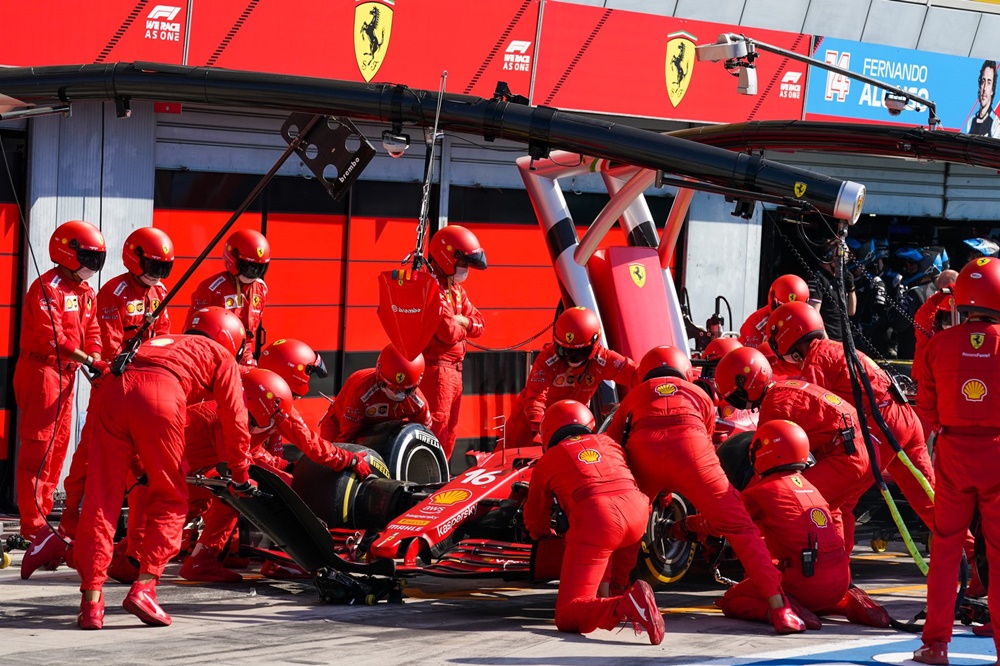
Ricciardo didn’t make it to the halfway mark when he came in for new tyres on lap 23, stopping for 2.4 seconds and rejoining behind Ferrari’s Carlos Sainz in 6th place.
Verstappen came in on lap 24 and it was a disastrous stop which took an agonising 11 seconds, resulting in him rejoining down in 10th place. Meanwhile, Hamilton had managed to get past Norris and take the lead. But Hamilton also needed to change tyres and he had to give up the lead on lap 25.
And then a crazy thing happened – Hamilton and Verstappen crashed at Turn 1! It appeared that while the Mercedes-AMG had rejoined ahead of the Red Bull, Verstappen attempted to get past at Turn 2 and bumped into Hamilton’s car and took off. When the dust settled, the Red Bull was on top of Hamilton’s car. The Safety Car raced out and the other drivers took the chance to come into the pits. The incredible incident meant that Ricciardo got to lead the race. 27 laps had been completed.
When the Safety Car withdrew, Ricciardo raced off as quickly as possible with Ferrari’s Charles Leclerc and Norris on his tail. Then it was two McLarens in the lead as Norris managed to get past Leclerc. Meanwhile, Bottas was up to 4th on lap 34 so the Mercedes-AMG team still had a chance of a victory. Then again, another Red Bull too was positioned just ahead and also hoping for the same ending.
12 laps from the end, word from the McLaren team to the drivers was to play it safe and not have something sill happening like Norris knocking out his own team mate and losing the chance for a 1-2. Norris’ job would be to defend Ricciardo from Sergio Perez.
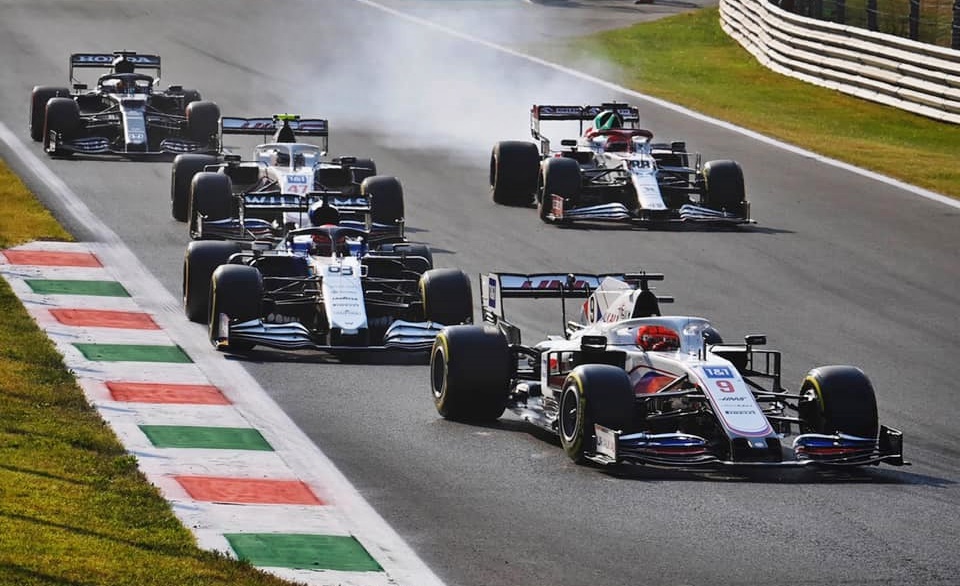
Haas F1’s Nikita Mazepin got a 5-second penalty for the spin he caused team mate Mick Schumacher, and then his own car came to a standstill on lap 44, bringing out the Virtual Safety Car to disrupt the race for short while as marshals for the car off the track.
With 5 laps remaining, the two McLarens had just a slight edge but both Perez and Bottas were still too close for them to feel confident of taking a 1-2. Until Ricciardo passed under the chequered flag, anything could happen. But nothing happened and the two orange cars raced across the finish line. Bottas put in a great effort, having started from the back to finish in third as Perez, though finishing in that position, had a 5-second penalty to drop him down.
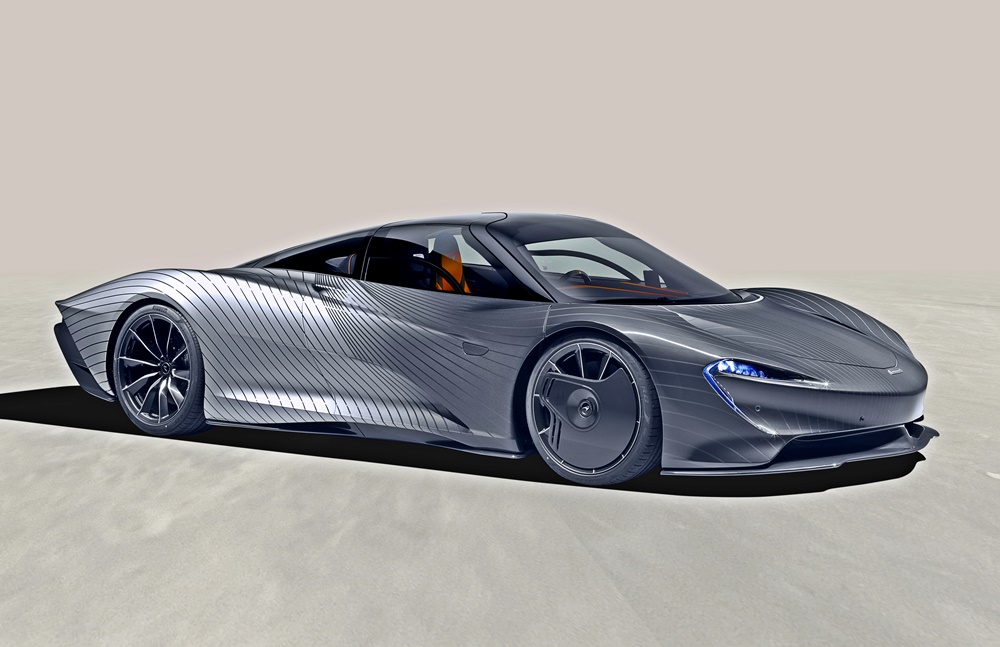
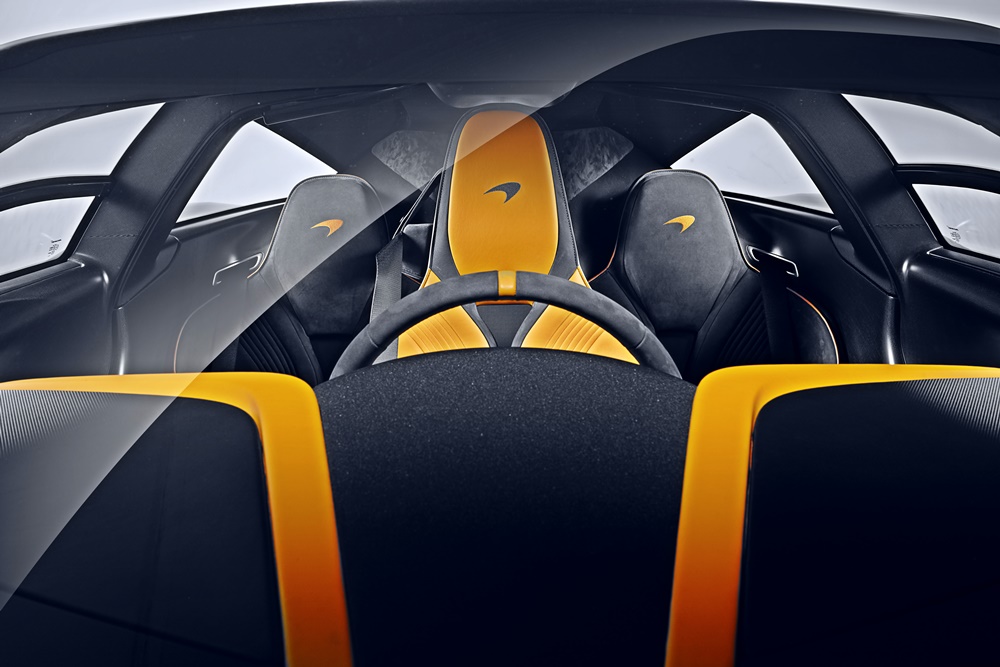
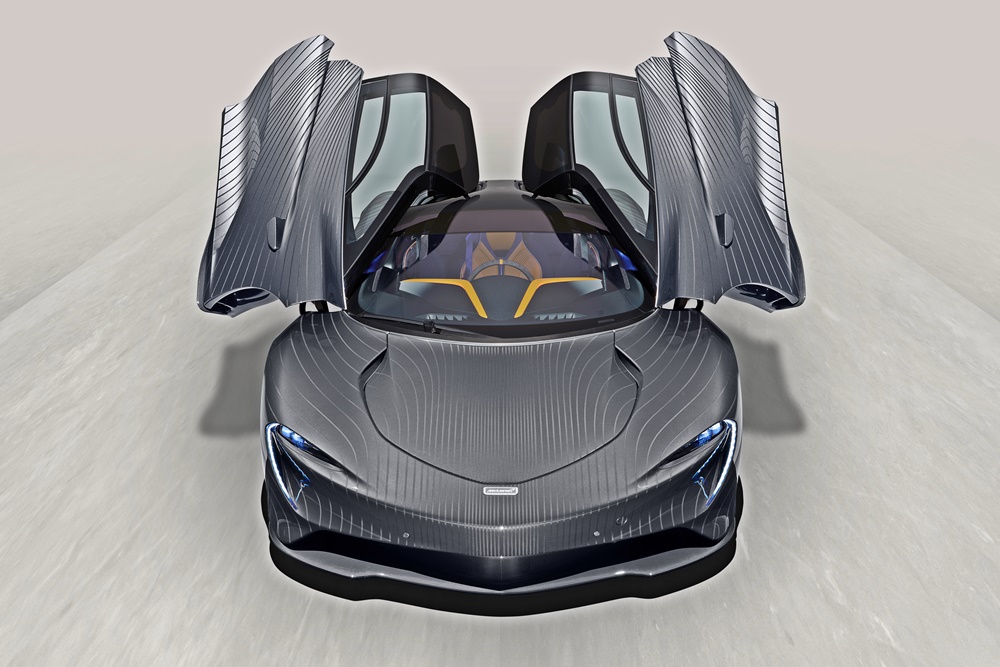
McLaren Special Operations (MSO) has built a very exclusive model in the 106-car Speedtail range which pays homage to the first Speedtail attribute testing vehicle from 2018. Known as the ‘Albert’ Speedtail, its name refers to that the 1992 McLaren F1 test mules, which were named after the Albert Drive premises in England where the F1 was designed and built.
The original ‘Albert’ prototype vehicle was developed to validate the concept of the Speedtail’s central seat driving position, testing driver ergonomics and visibility and rearview camera positions. Built with the front panels from a 720S, the ‘Albert’ prototype was the first Speedtail to be driven on public roads.
“The name ‘Albert’ has a special resonance with MSO as we are the custodians of the McLaren F1 and are based at the Albert Drive premises that McLaren Cars occupied in the 1990s. The Speedtail experience has been an exciting journey for our customers, from visualising their imaginations to realising these inspirations and sharing their delight when unveiling the finished product. ‘Albert’ brings this project to a conclusion and we are thrilled to finish on a high note,” said Ansar Ali, MD of McLaren Special Operations.
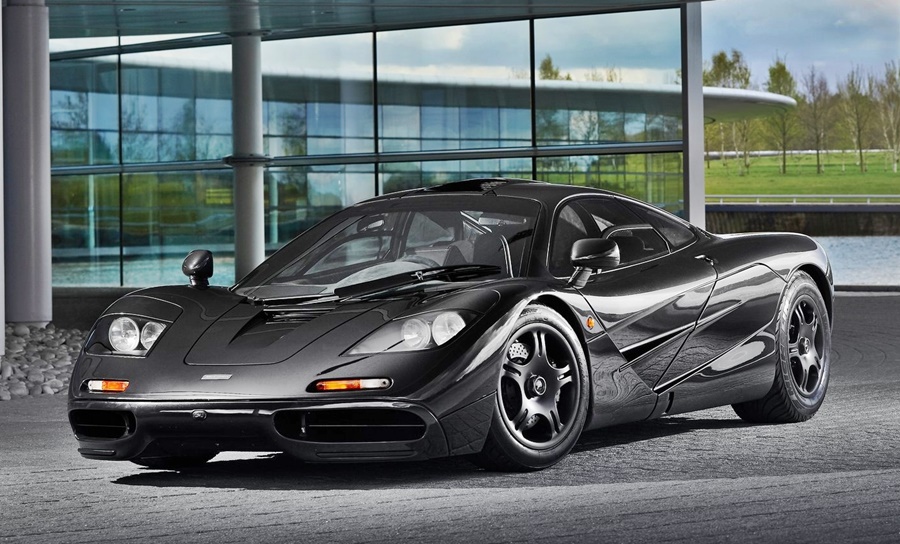
The McLaren F1
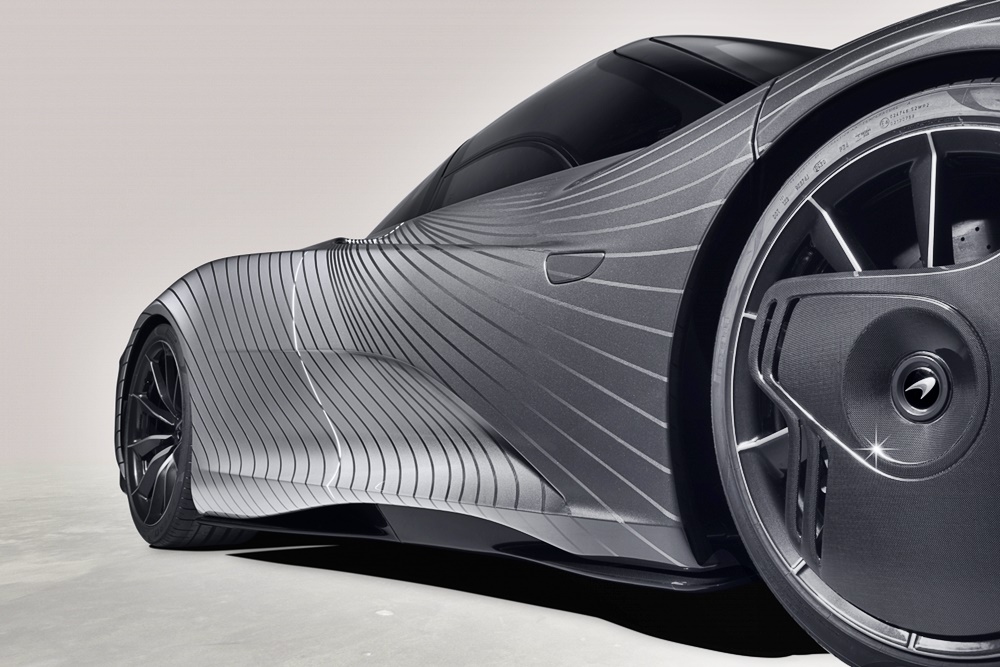
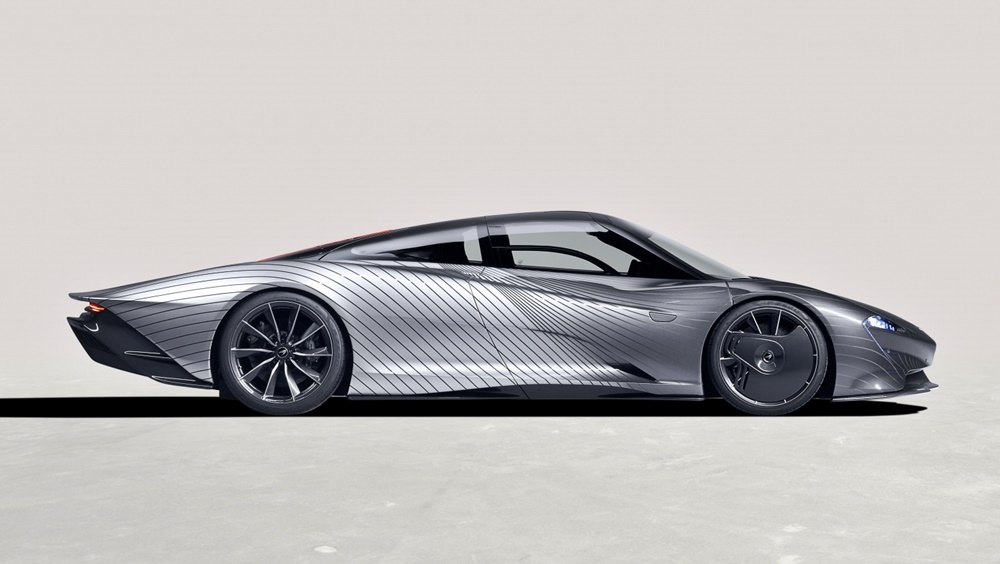
When the original ’Albert’ travelled outside McLaren’s premises in public, it was camouflaged. The exterior design ‘camouflage’ was achieved by a simple 2-metre vinyl body wrap with design lines printed to represent the optimised airflow over the car.
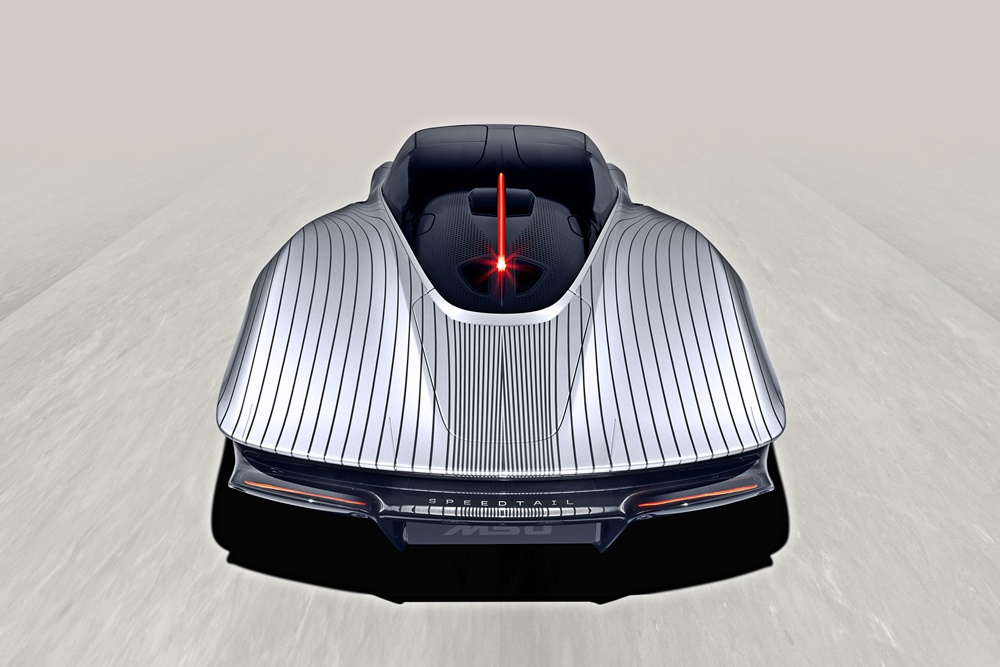
The ‘Albert’ Speedtail carries on this legacy, which is one of the most complex paint themes ever completed by MSO. The colours selected for the ‘Albert’ homage are Magnesium Silver – the colour used for the F1 roadcar first shown at the 1992 Monaco Grand Prix – and Ueno Grey, the colour of the F1 GTR that won the 24 Hours of Le Mans in 1995. The full design treatment is closely based on the 2018 vinyl ‘camouflage’ wrap.
The new ‘Albert’ was built in the McLaren Production Centre (MPC) with a 1K gloss visual carbonfibre body. Due to the incredibly complex and detailed nature of the paintwork design, the MSO team completed test panels first to understand process feasibility and worked alongside the visualiser team to refine renders.
In total, ‘Albert’ would require a 12-week post-build modification at MSO’s facility to reach completion. This included 2 week’s masking, 6 weeks of painting and the remaining time to dry and reassemble the vehicle after spraying.
Referring to large-scale print-outs of the renders, the livery masking was completed by two specialist paint technicians. This had to be completed on the built car, with wheels fitted, to ensure accurate cross-panel alignment of the design as it flows around the vehicle. The masking of the livery required almost 2 kms of fine line-out tape to complete the initial design layout.
The 6-week painting process required the car to be disassembled to ensure complete accuracy and flawless finish. The paint blend effect was located on the door applique’s outer body panels with the front painted in Ueno Grey and rear in Magnesium Silver. After the first paint application, all body panels were treated and refitted to ensure perfect alignment and only after this the final clearcoat was applied.
Based on the form of a teardrop, the most aerodynamically efficient shape found in nature, the Speedtail is the ideal streamlined hypercar, a 3-seat hyper GT that became the third car in McLaren’s Ultimate Series line-up. With its 1,070 bhp hybrid powertrain, the Speedtail is claimed to be able to cover 112 metres each second when travelling at its top speed of 402 km/h, making it the fastest McLaren roadcar to date.
The 2021 ‘Albert’ Speedtail will be unveiled to the public this weekend in Los Angeles. ‘’As one of the very last Speedtails to be built at the McLaren Production Centre, it was very important to us at McLaren Beverly Hills that ‘Albert’ honours the brand’s rich heritage, particularly paying tribute to the icon that is the McLaren F1,” said Parris Mullins of McLaren Beverly Hills.
“We worked alongside MSO through every stage, including concept ideation, to produce a truly bespoke and beautifully detailed car that celebrates the innovation and design excellence behind the fastest McLaren roadcar to date. We are fortunate to have been able to procure ‘Albert’ for one of our top clients and are absolutely thrilled with the finished result,’’ he added.
Vaccination does not make you immune to COVID-19 infection. You can still get infected and you may not show symptoms but spread the coronavirus. Do not stop taking protective measures such as wearing a facemask, washing hands frequently and social distancing.
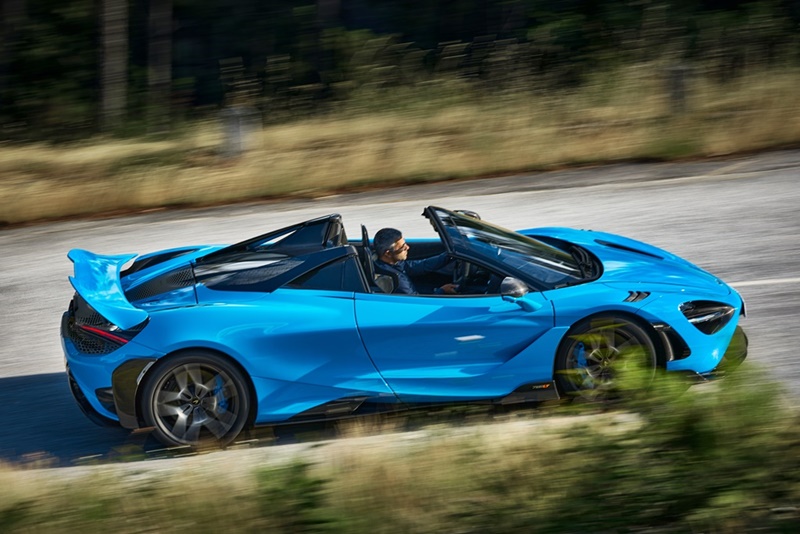
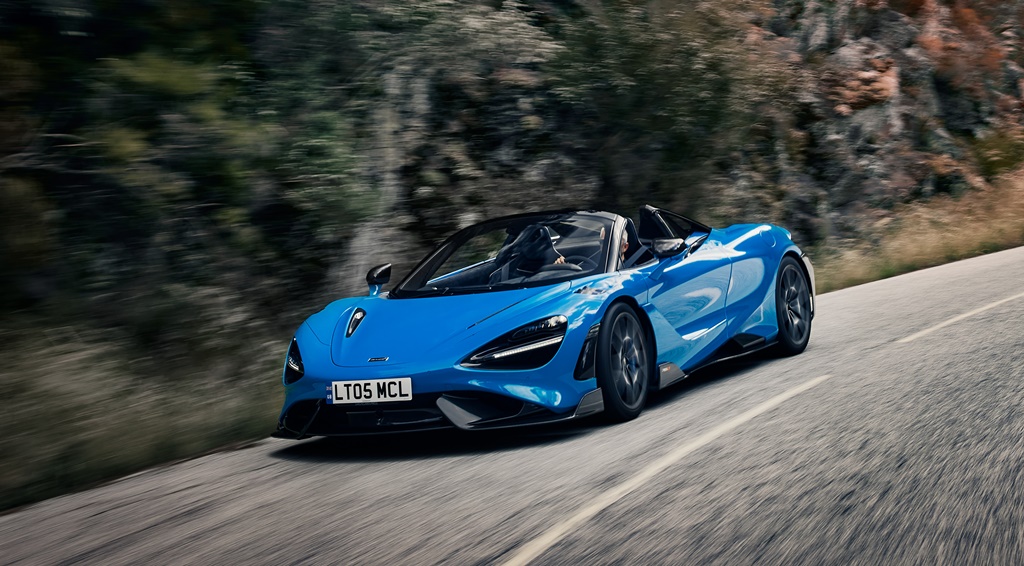
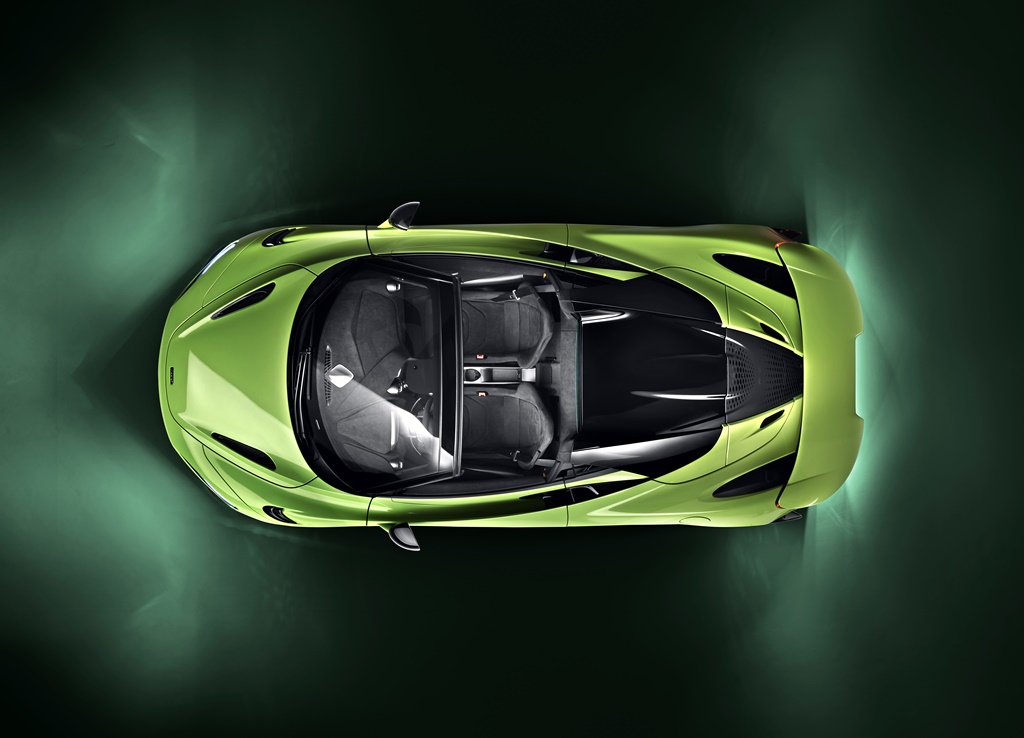
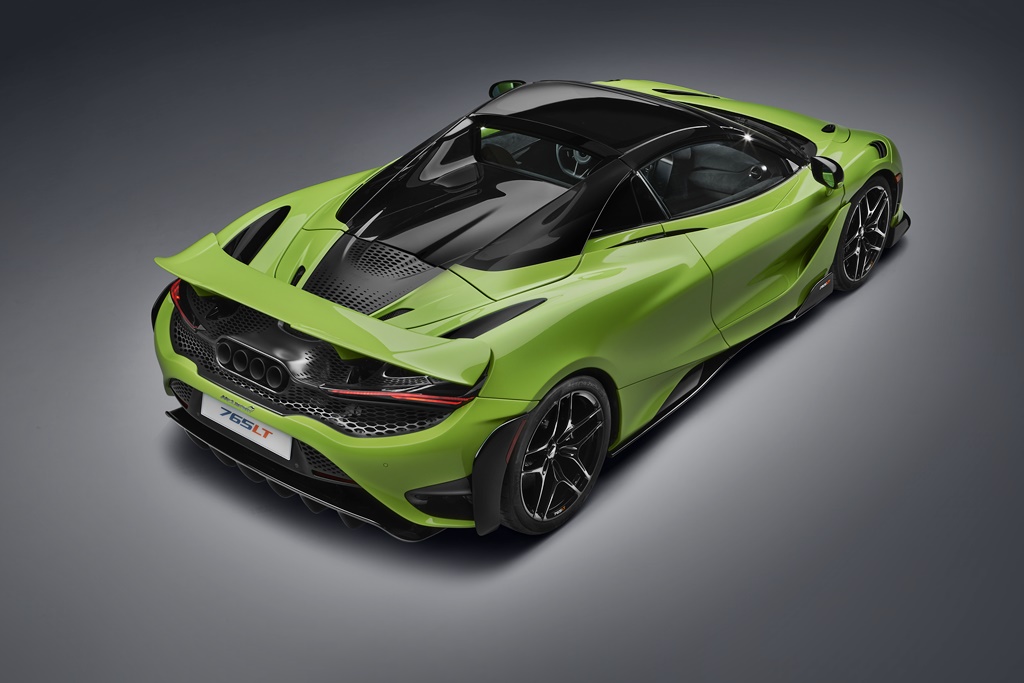
Open-topped cars may not command big volumes but they are still very much in demand, at least in the upper levels of the market. So it is worthwhile engineering a convertible variant (and it’s not just a matter of leaving out the roof) as there will usually be more than enough buyers. That is likely to be the case with the new 765LT Spider, a complementary model to the 765LT ‘Longtail’ coupe that McLaren unveiled last year.
This new Spider is McLaren’s most powerful-ever convertible model and with only 765 cars to be available, it will be an exclusive McLaren with each unit having a pricetag starting from £310,500 in the UK (about RM1.823 million before Malaysian tax). MSO Clubsport Pack and MSO LT Black Pack options are available, plus other individual MSO options.
Carrying over the coupe’s dynamic and aerodynamic DNA with no structural compromise and only a minimal 49 kgs weight increase – primarily from the retractable hardtop and accompanying operating mechanism – the 765LT Spider weighs just 1,388 kgs,, which is 80 kgs lighter than a 720S Spider and around 100 kgs lighter than its closest comparable competitor.
High-performance lightweight materials feature throughout, with advanced carbonfibre technologies used for body components. Specific weight-saving components include titanium exhaust system (saving 40% over steel equivalent), Formula 1-grade transmission materials and thinner glass.
Up to 22 kgs has been saved in the development of the LT’s bespoke Ultra-Lightweight forged alloy wheels. These are fitted with Pirelli P Zero Trofeo R tyres specially developed for the 765LT. Titanium wheel bolts are also standard fit.
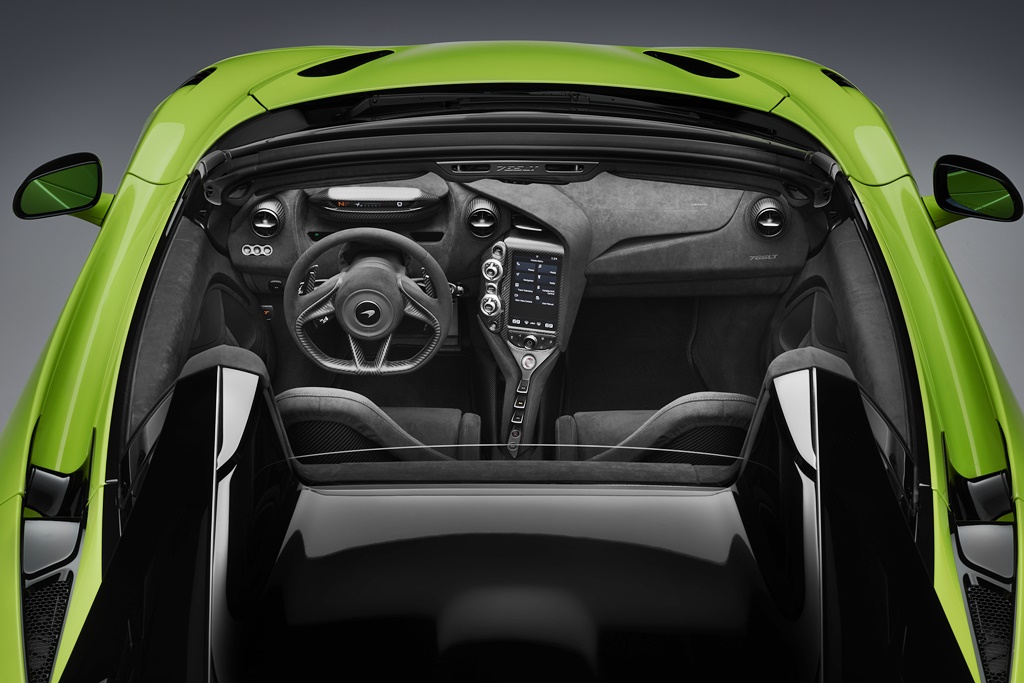
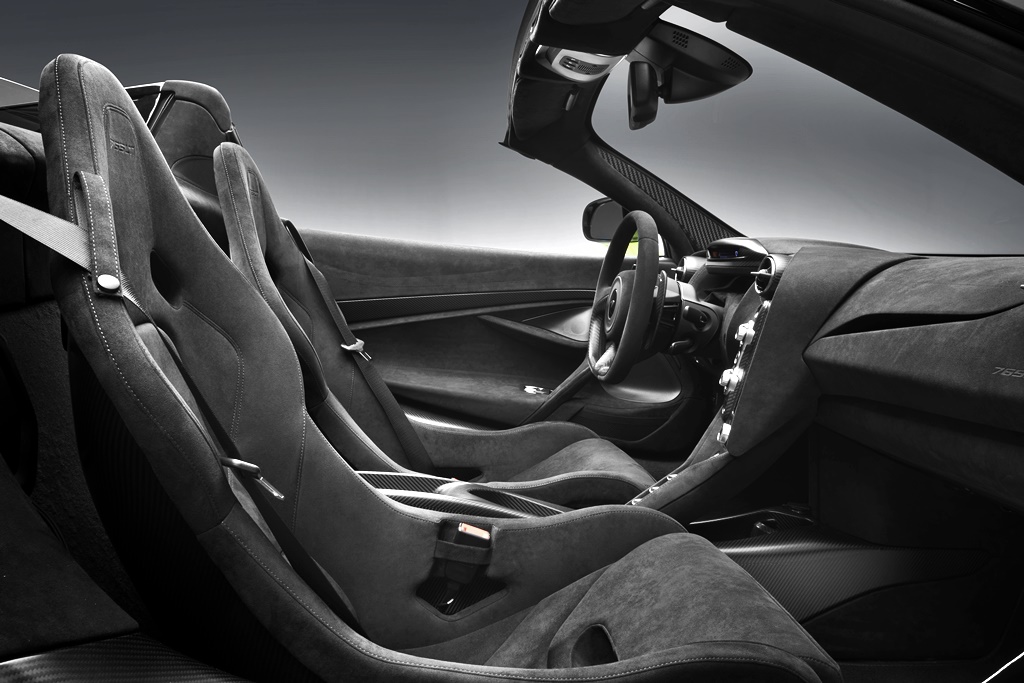
In addition to all this, a significant proportion of the 80-kg weight-saving over the 720S is achieved inside the cockpit. The carbonfibre-shelled racing seats fitted as standard are together 18 kgs lighter than the 720S sports seats.
The cockpit’s central tunnel is made of carbonfibre just 0.8 mm thick; the door pockets are replaced by nets; and carbonfibre has been used for such micro-details as the window switch surrounds, steering wheel clasp and Active Dynamics Panel surround. Further weight is saved by deleting the floor carpet (saving 2.4 kgs), air-conditioning system (1 0kgs) and audio system (1.5 kgs) – although the latter two can requested by customers at no extra charge.
The Spider version of the carbonfibre MonoCage II – designated MonoCage II-S – was developed alongside the coupe monocoque and shares most of its structural elements, including the windscreen surround. Such is the strength and stiffness of the structure that no additional bracing is required over the coupe – another weight-optimising factor. At the rear of the car, carbonfibre structural supports are fully bonded into the chassis to provide roll-over protection.
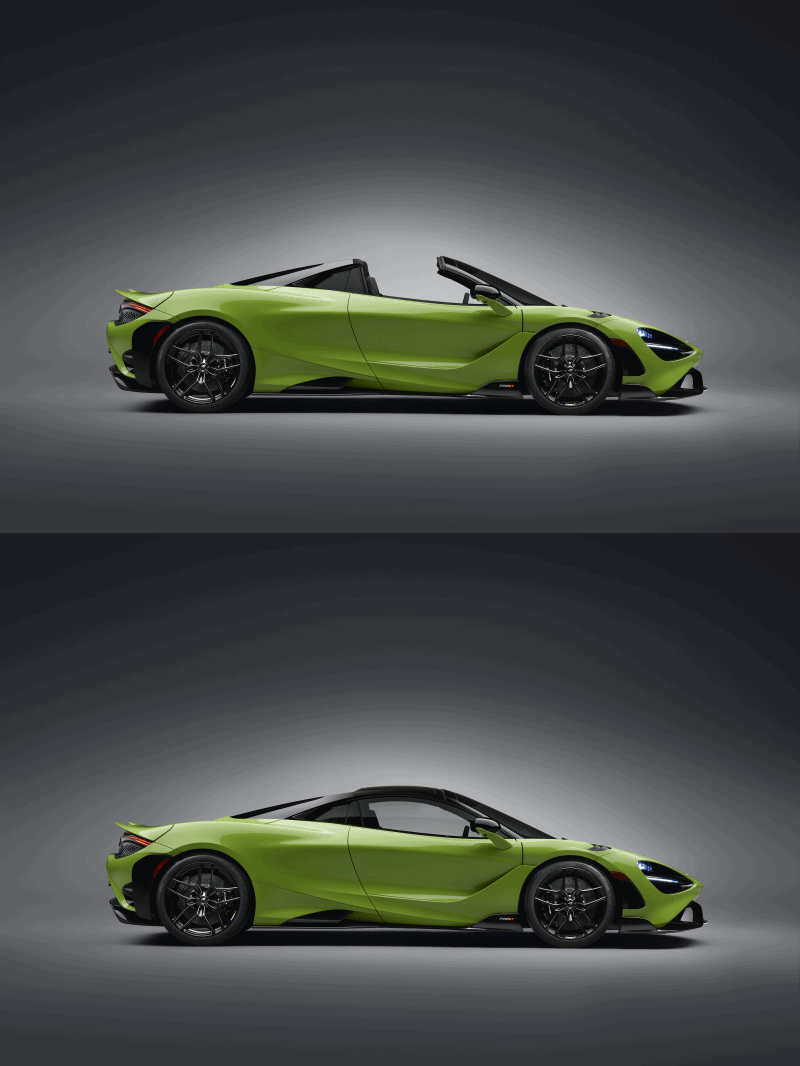
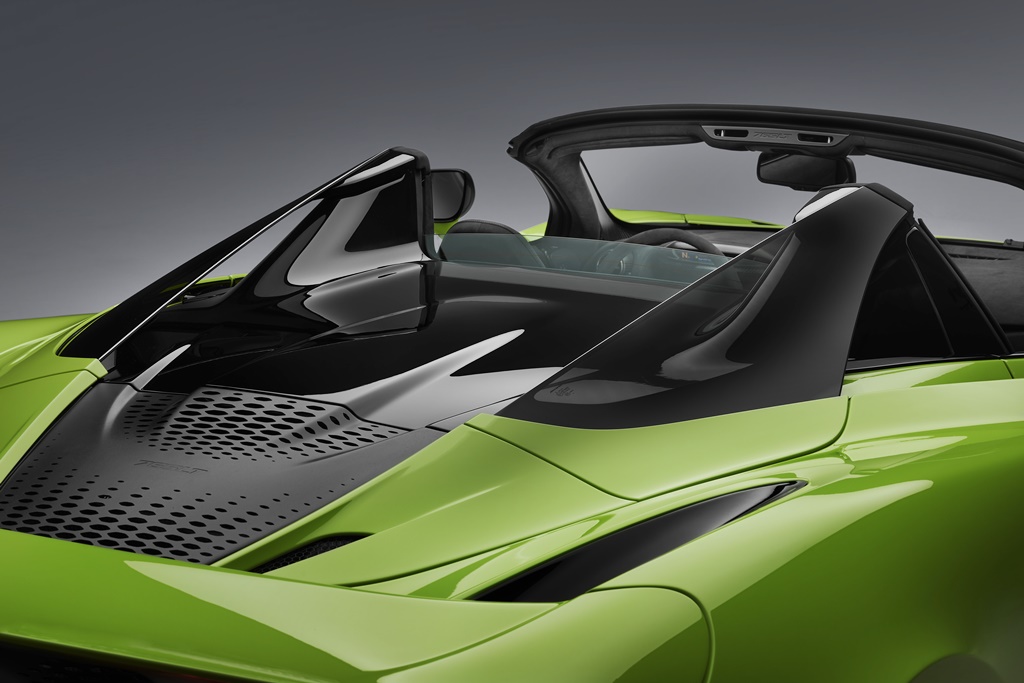
The electrically operated, one-piece carbonfibre Retractable Hard Top (RHT) goes from closed to open within 11 seconds (among the world’s quickest) and can operate at speeds of up to 50 km/h. The convertible roof design plays an integral role in the structure, featuring a carbonfibre frame within the RHT panel and creating a full carbonfibre shell when closed.
The roof mechanism, powered by 8 motors, is also among the world’s quietest. Occupants will experience a sound no louder than 50 dBA during operation, with a peak of 60 dBA during the latching process – twice as quiet as the roof of the 675LT Spider, the first convertible LT supercar.
The rear window, which can be lowered even when the roof is up to intensify the quadrophonic exhaust note, has its own motor, as does the RHT latching mechanism. All these motors are optimised to work in parallel, allowing the roof to begin to move before the tonneau has completely opened, which saves time
There are also additional comfort benefits for occupants: because it is a single-piece panel with no central seal, headroom is improved, while the extended length of the roof panel allows the tops of the A-pillars to be further forward, enhancing the sense of space and easing ingress and egress.
Like every LT, the new Spider is designed to excel on track; the ability to remove the roof makes it an even more immersive and compelling car to drive on the road. There is the same highly evolved aerodynamic package as the coupe but the active rear wing calibration is revised to reflect whether the roof is up or down. A recalibration of the dampers has also been necessary to account for the minor increase in weight. As a result, the Spider matches the coupe’s aero performance in every respect, with class-leading downforce 25% greater than that of a 720S Spider.
765 ps from the 4-litre twin-turbocharged V8 engine makes this the brand’s most powerful convertible, and it has a best-in-class power-to-weight ratio of 598 ps-per-tonne at lightest dry weight – with 800 Nm of torque. The transmission gear ratios have been revised and makes in-gear acceleration 15% quicker than a 720S Spider.