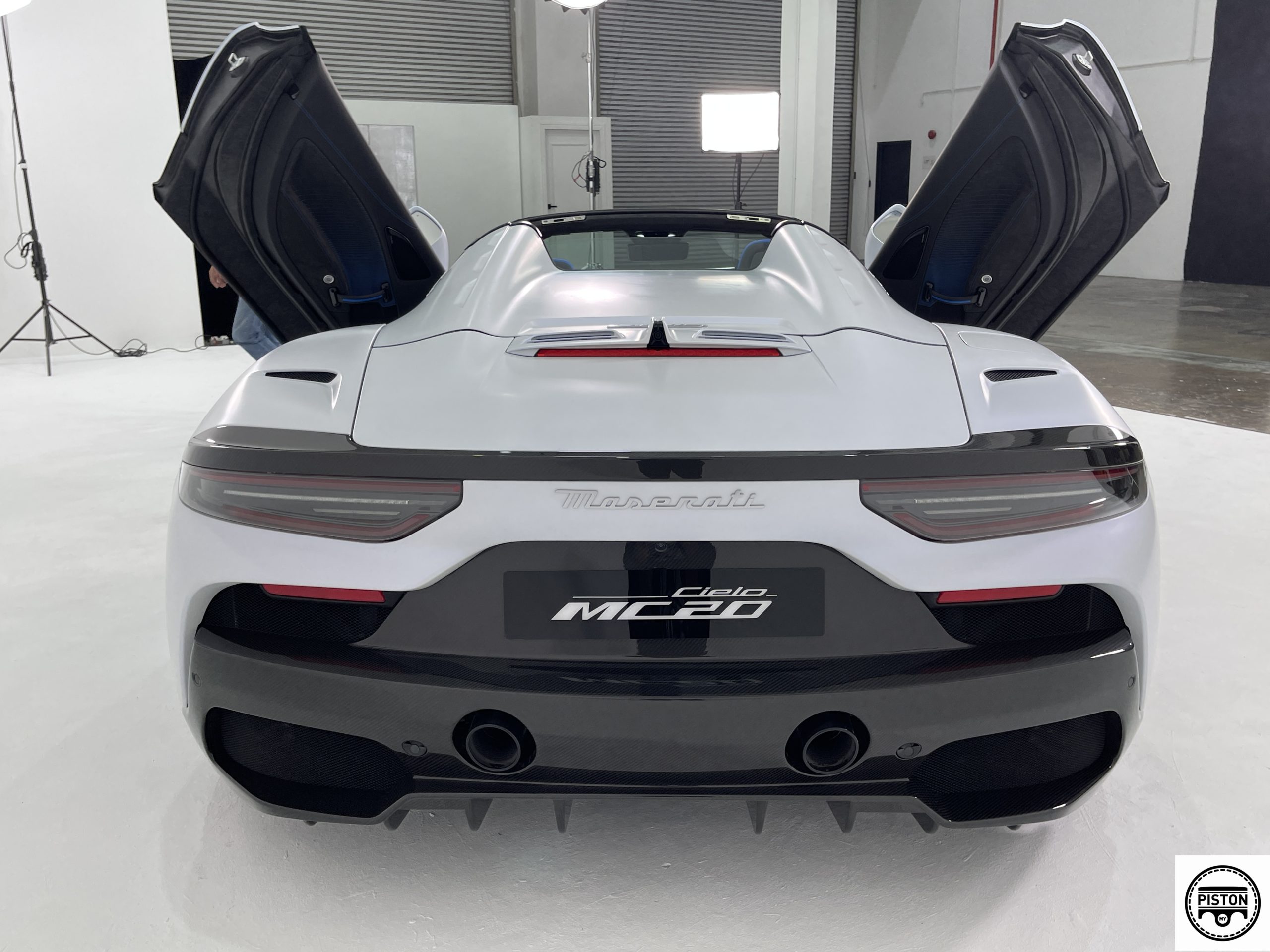
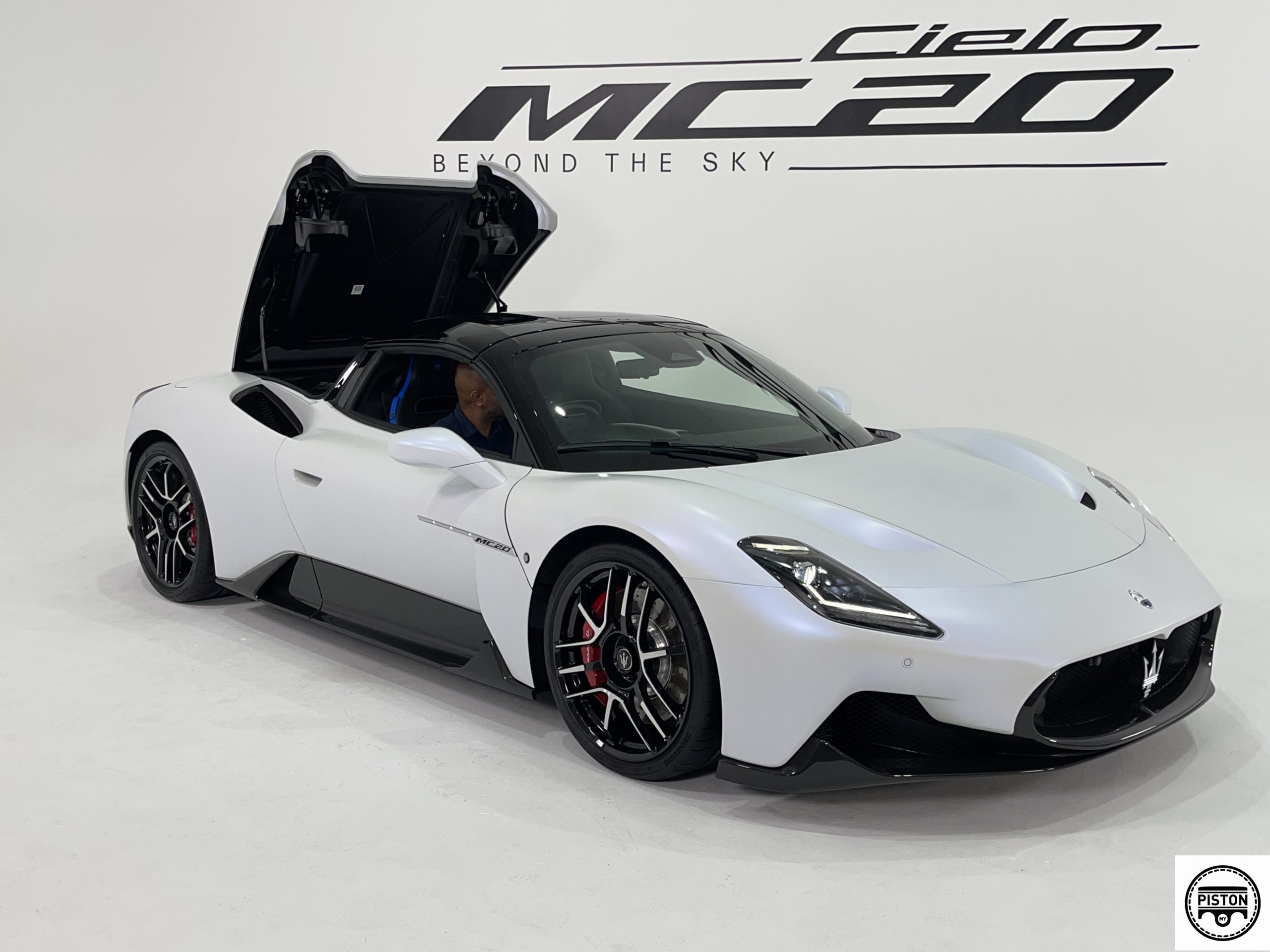
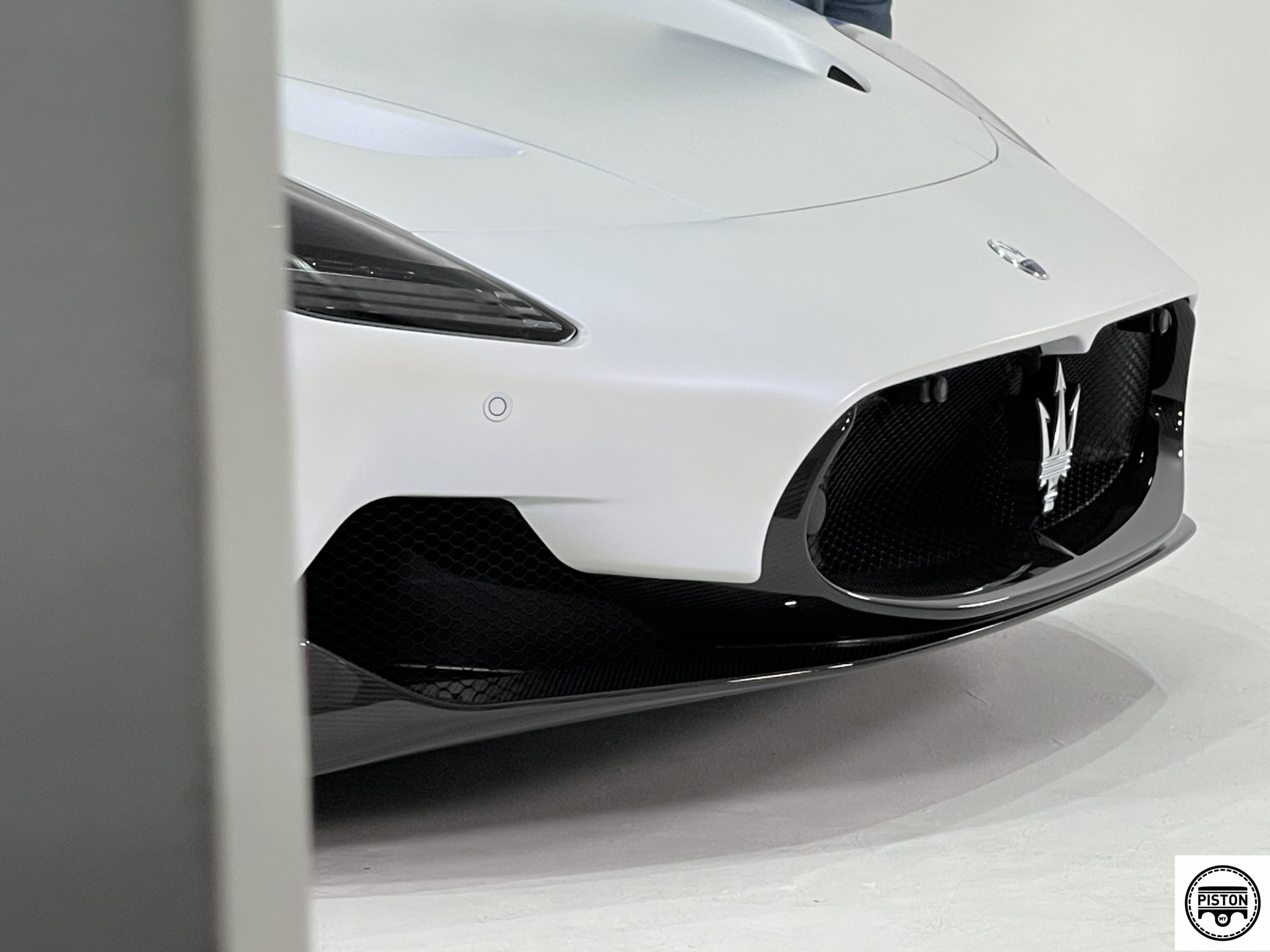
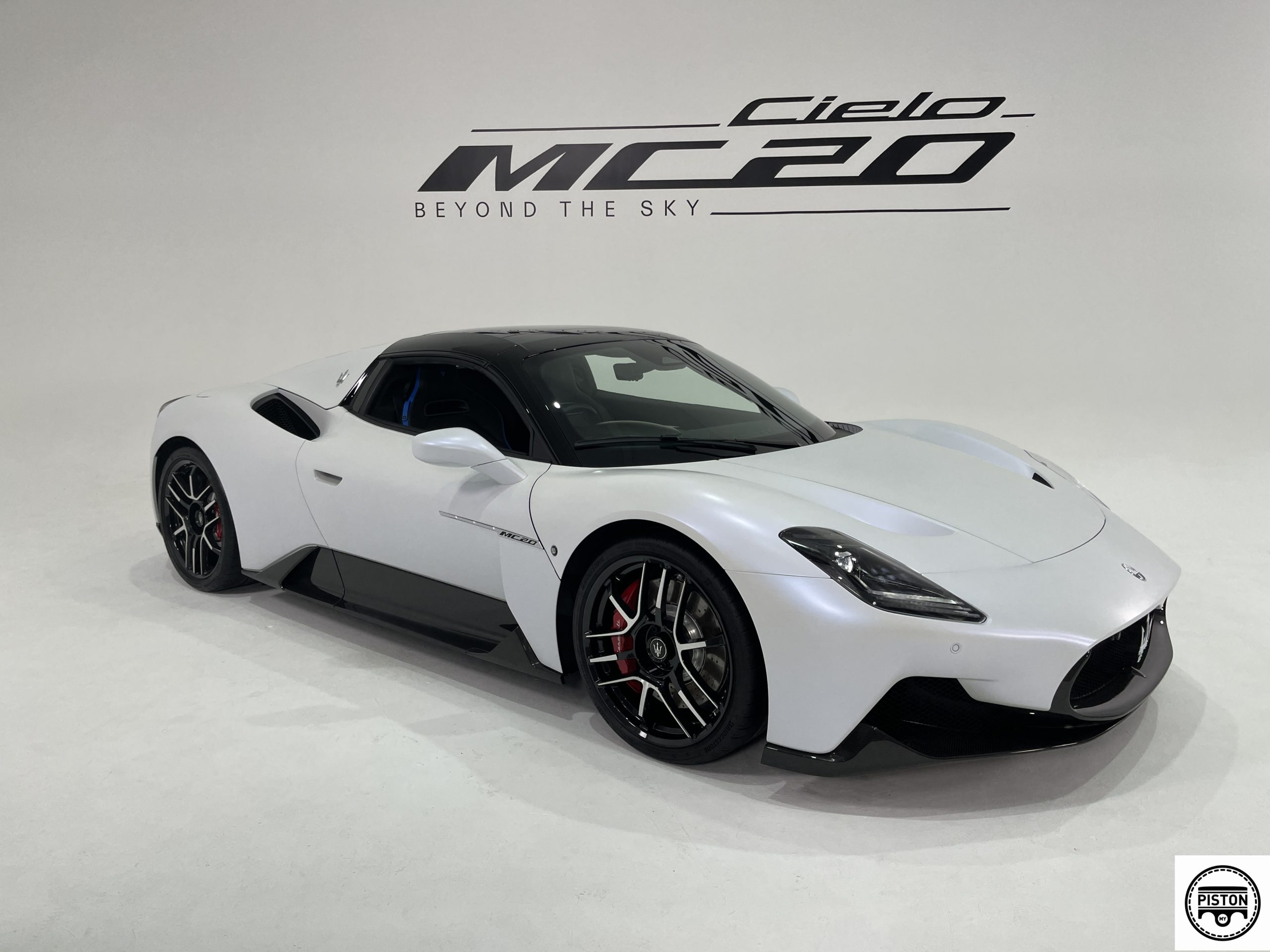
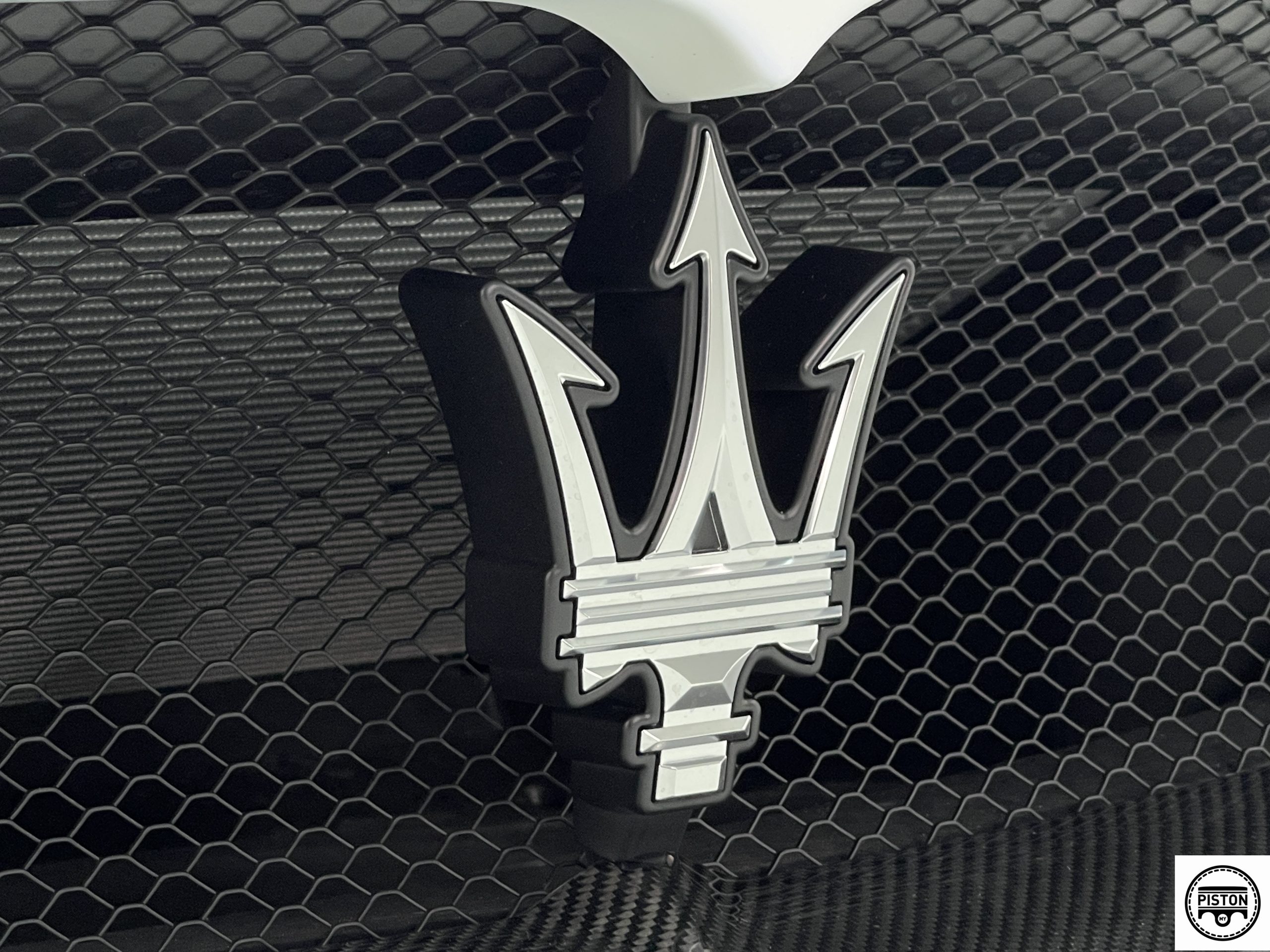
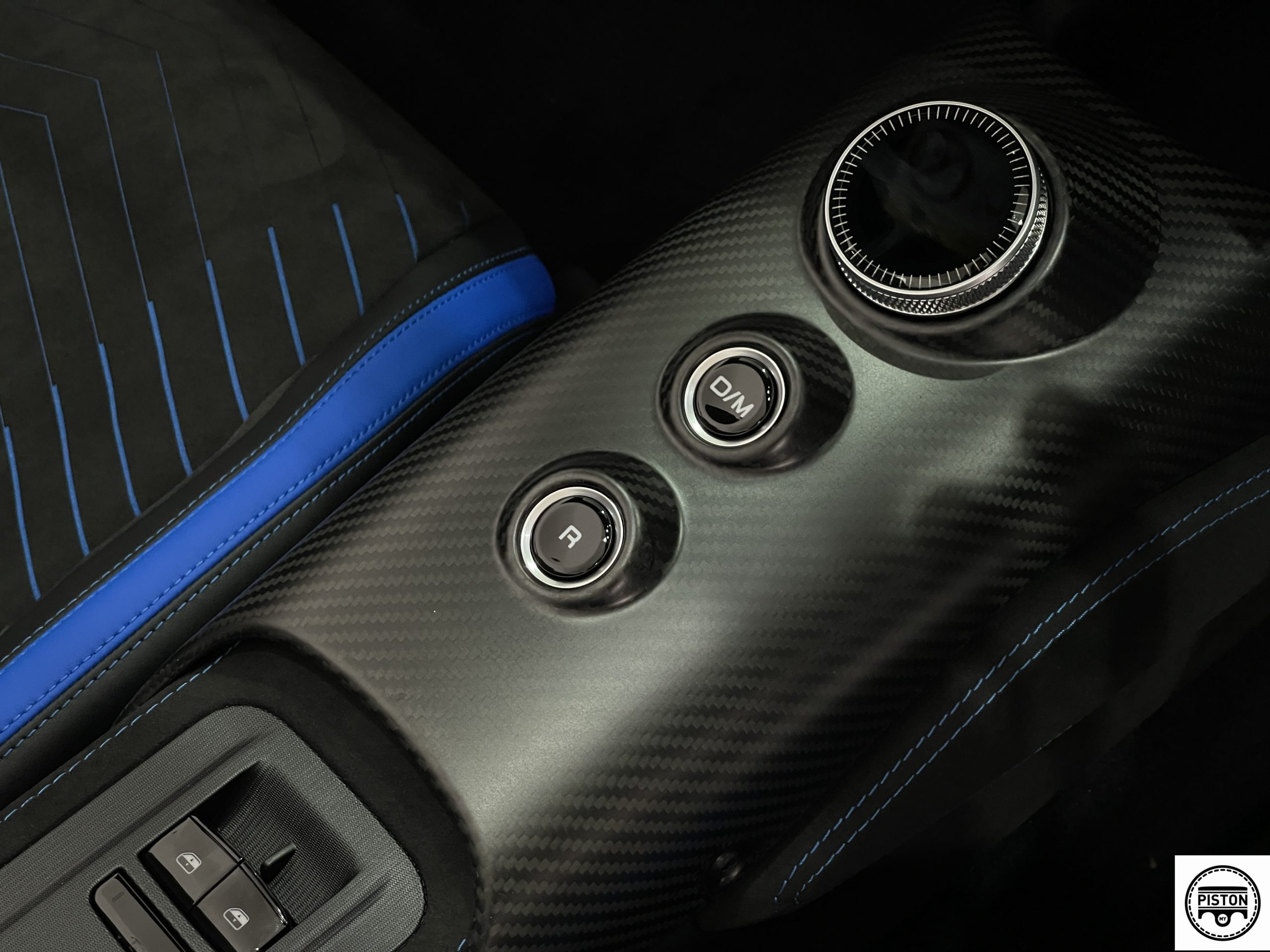
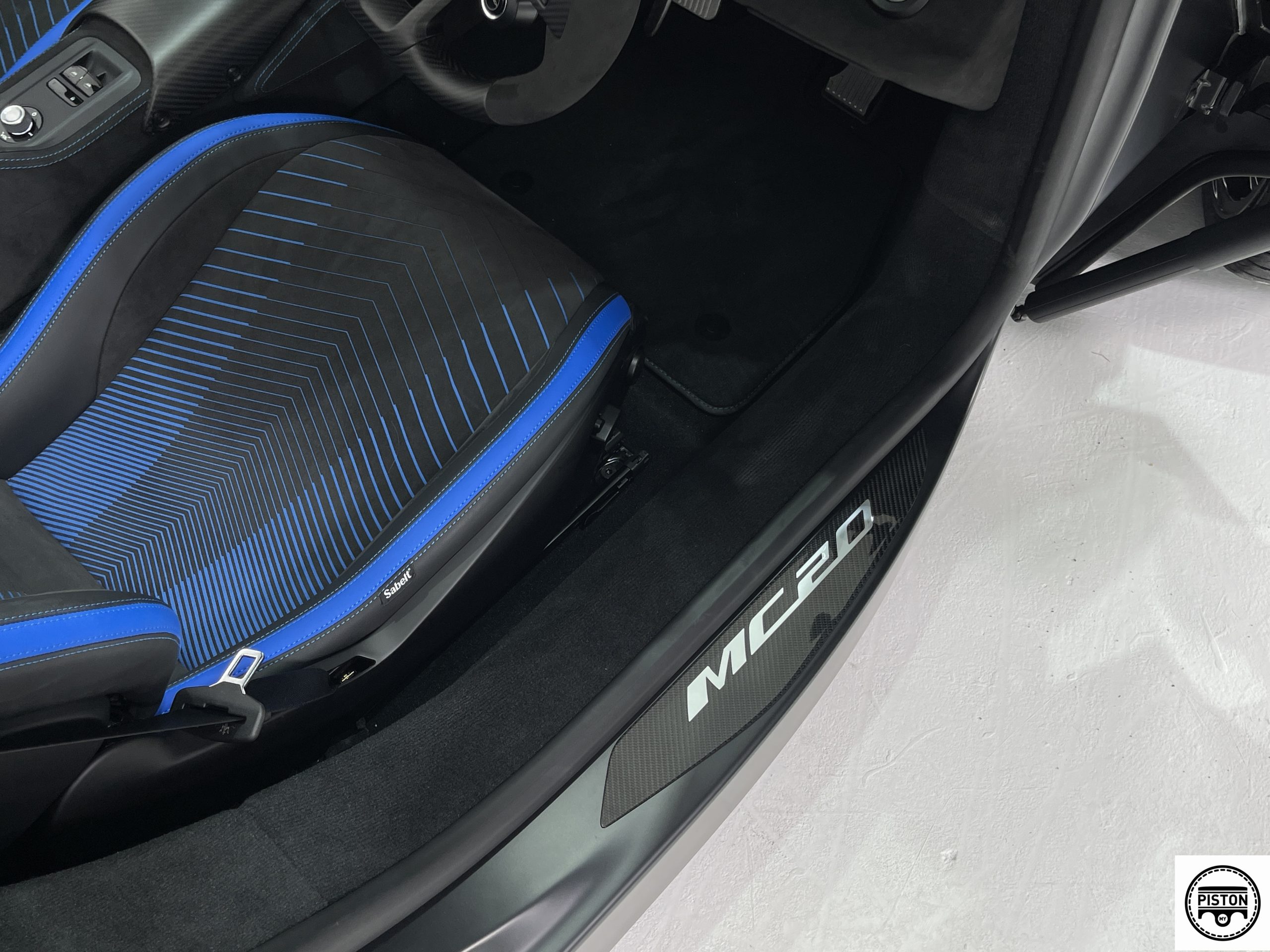
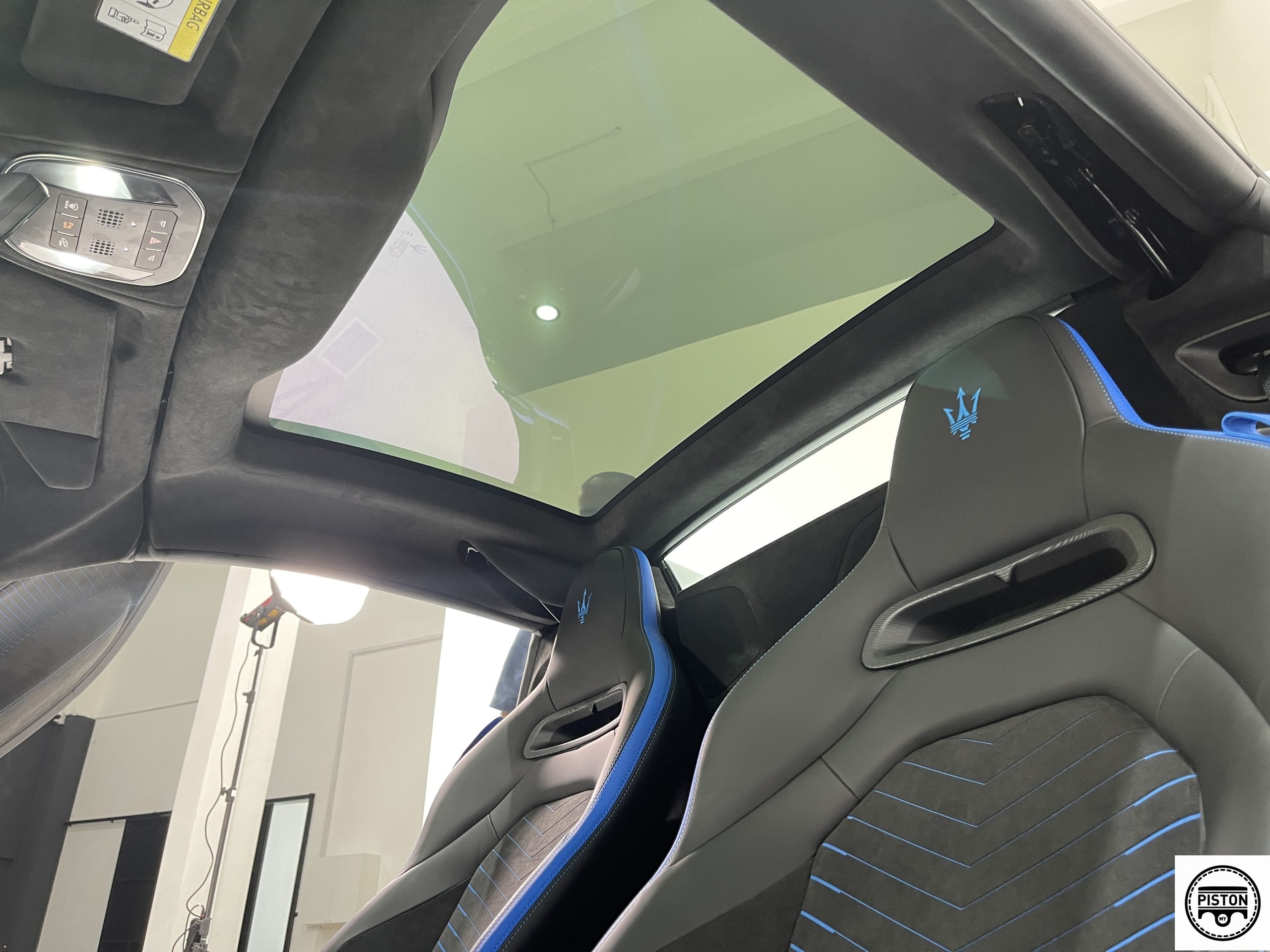
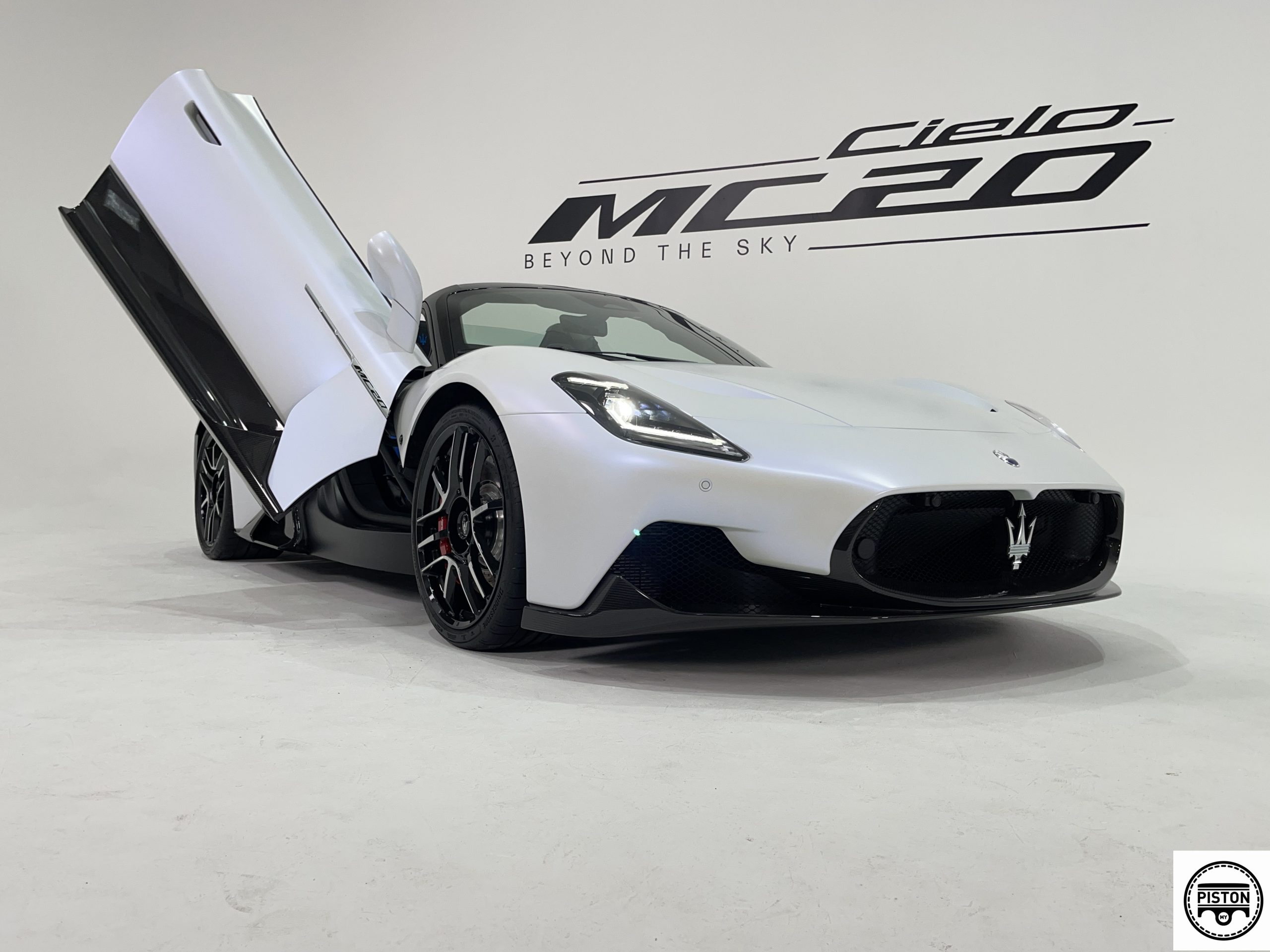
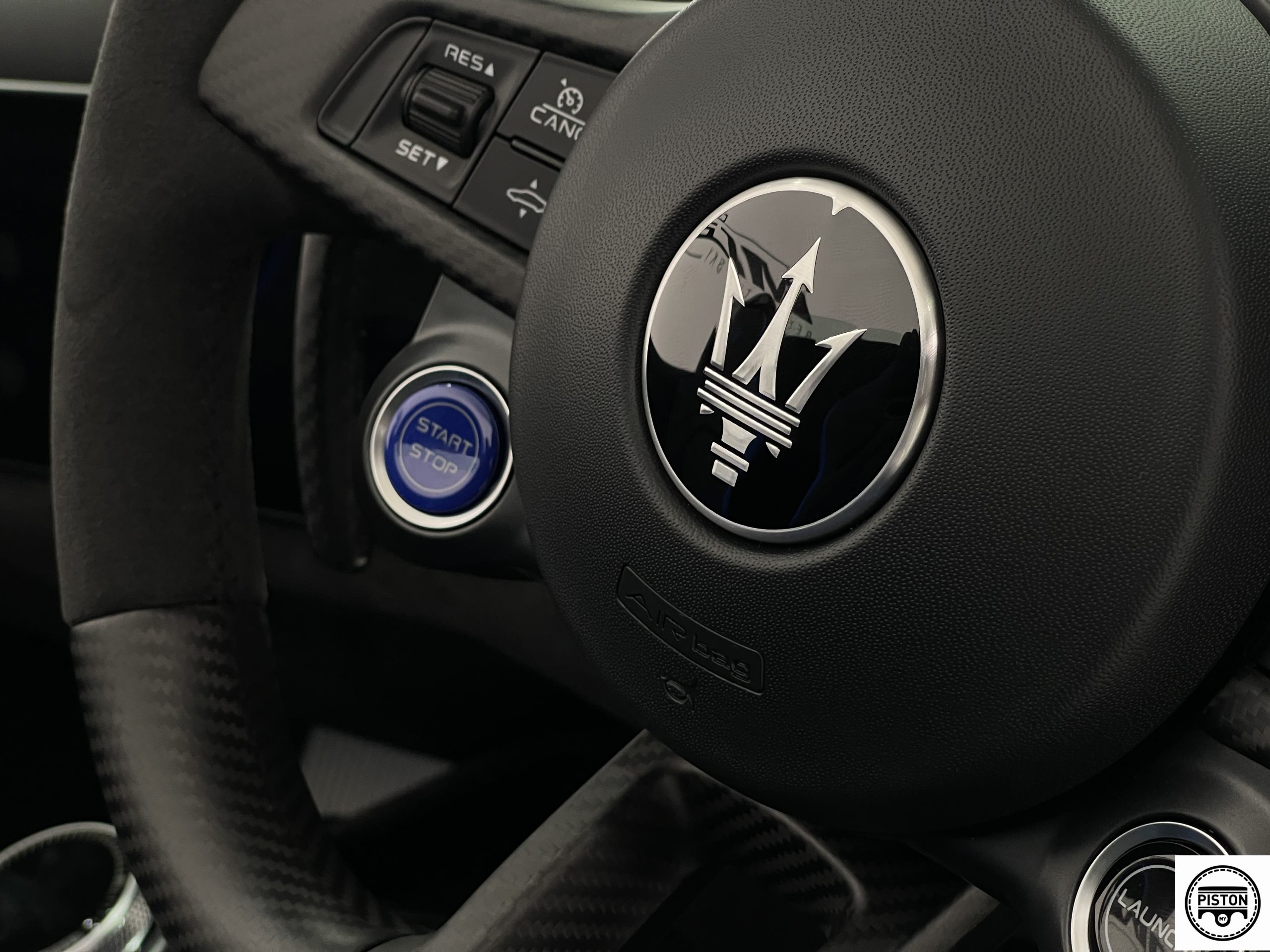
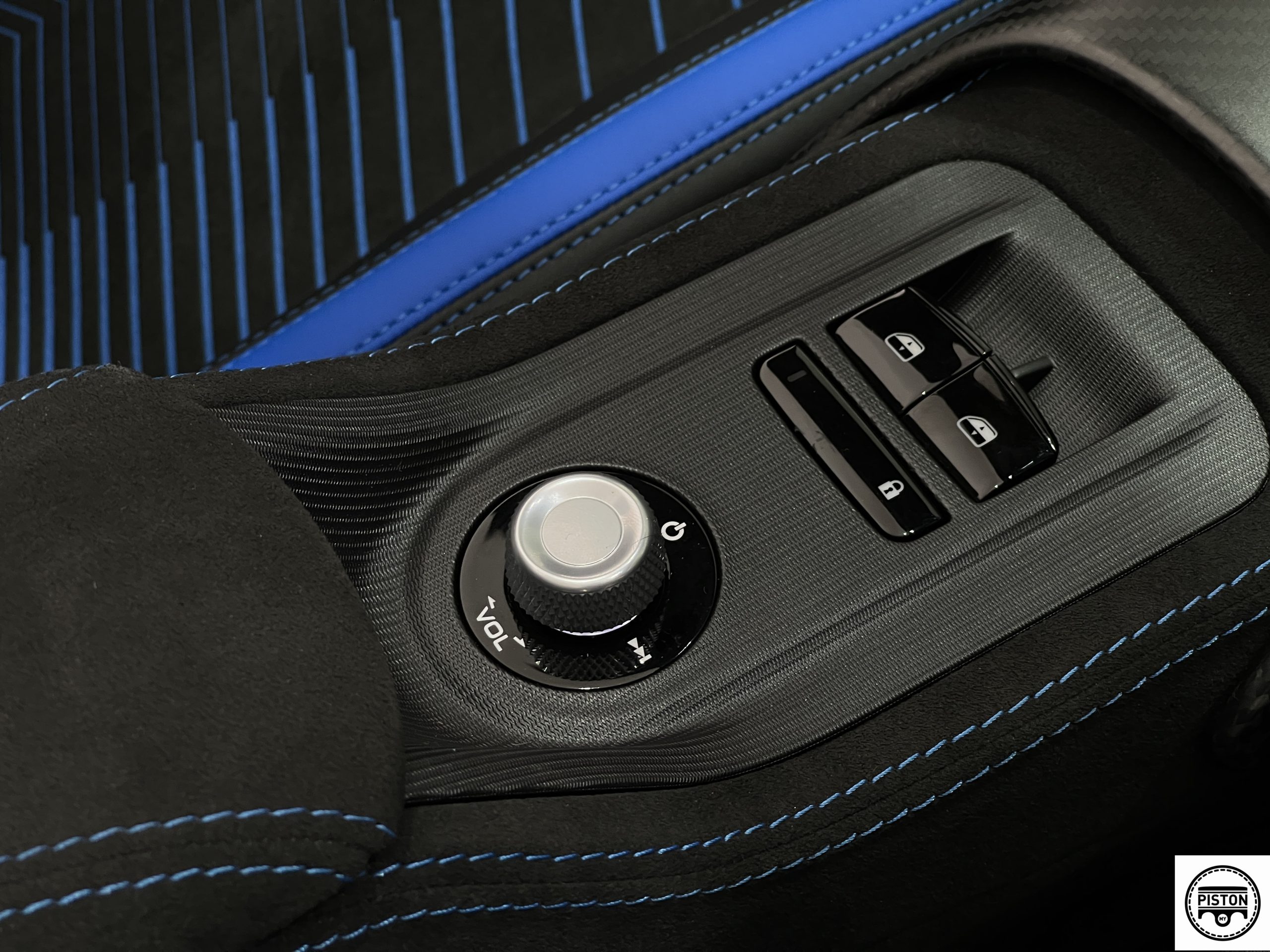
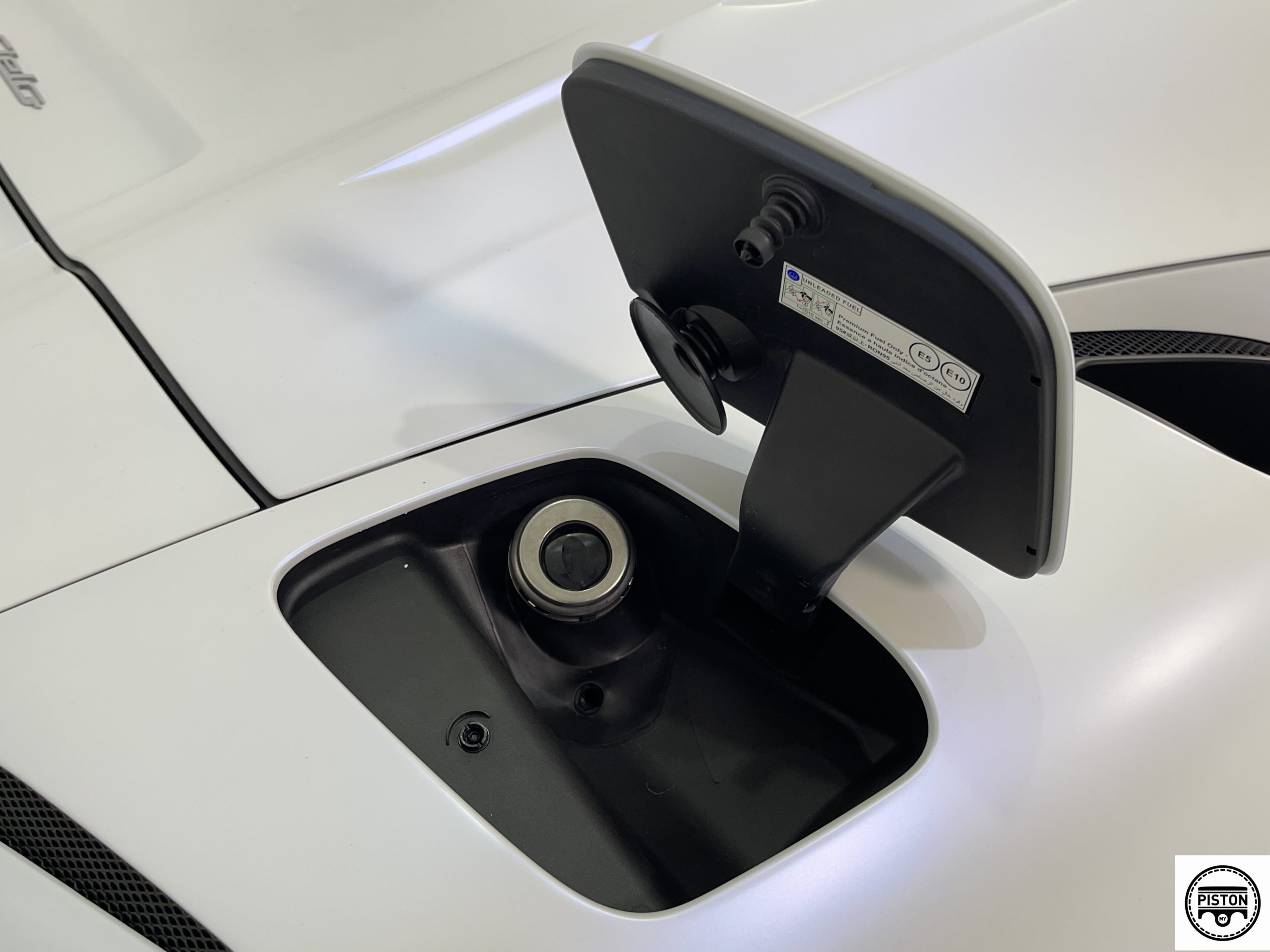
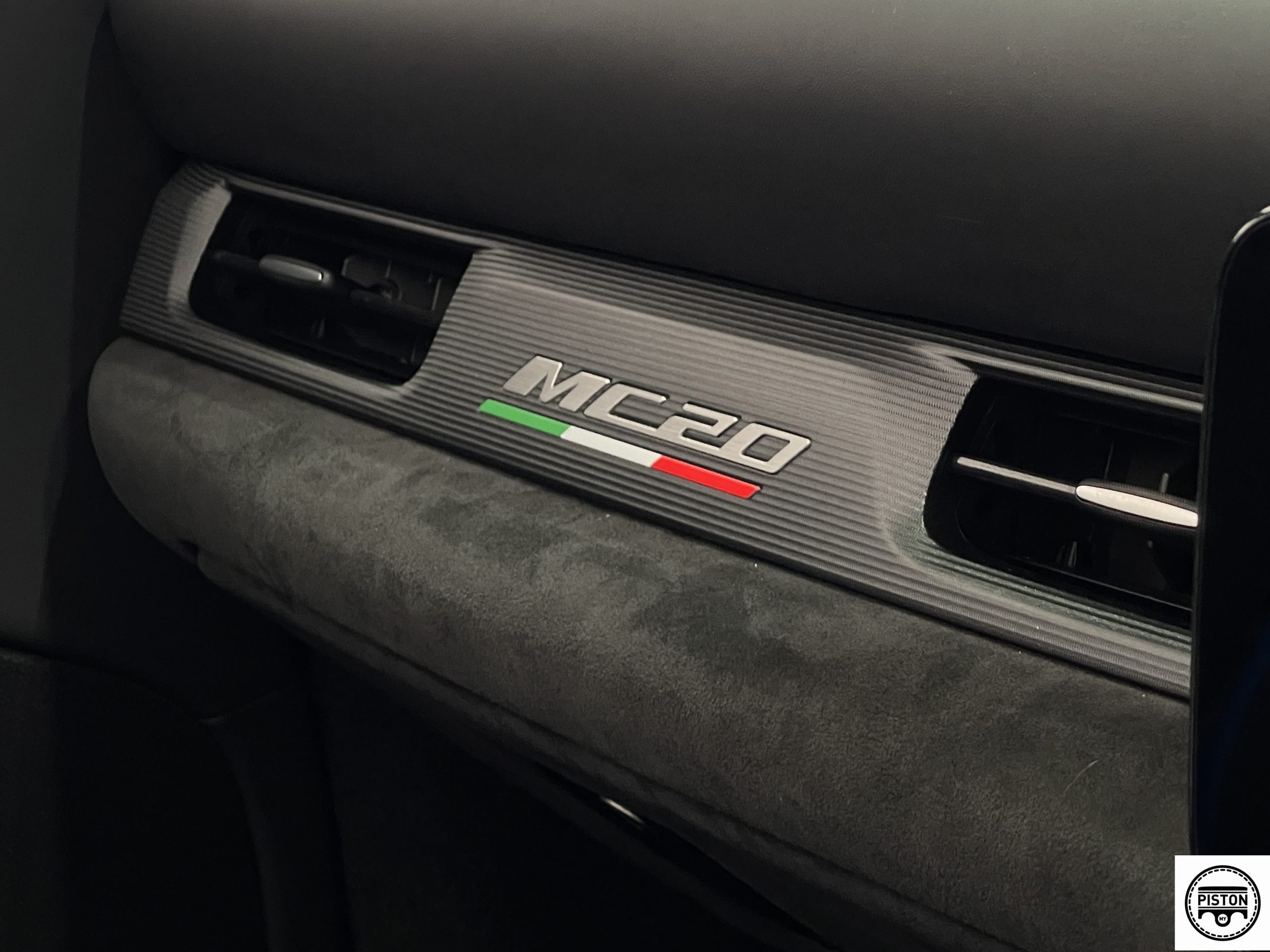
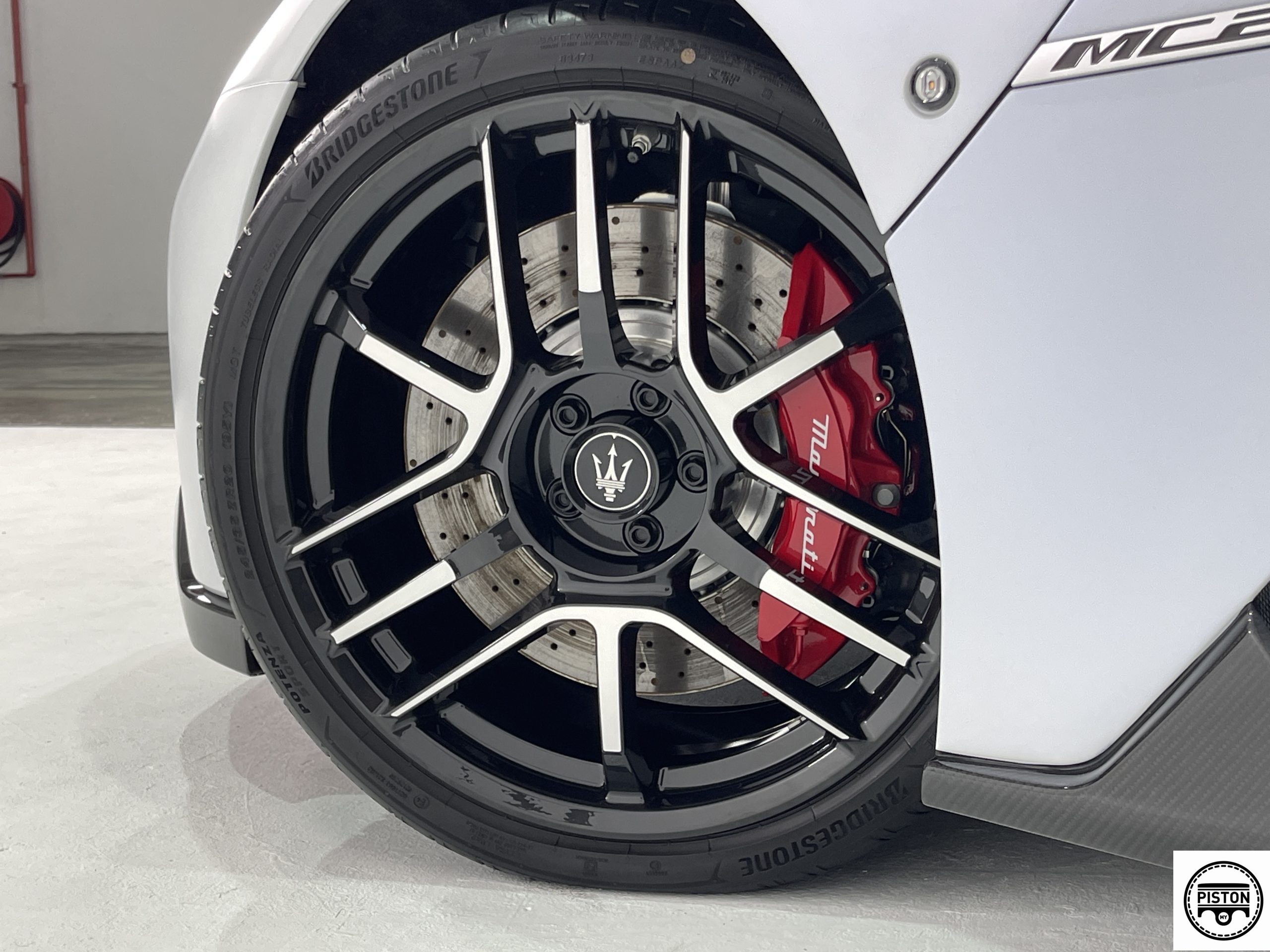
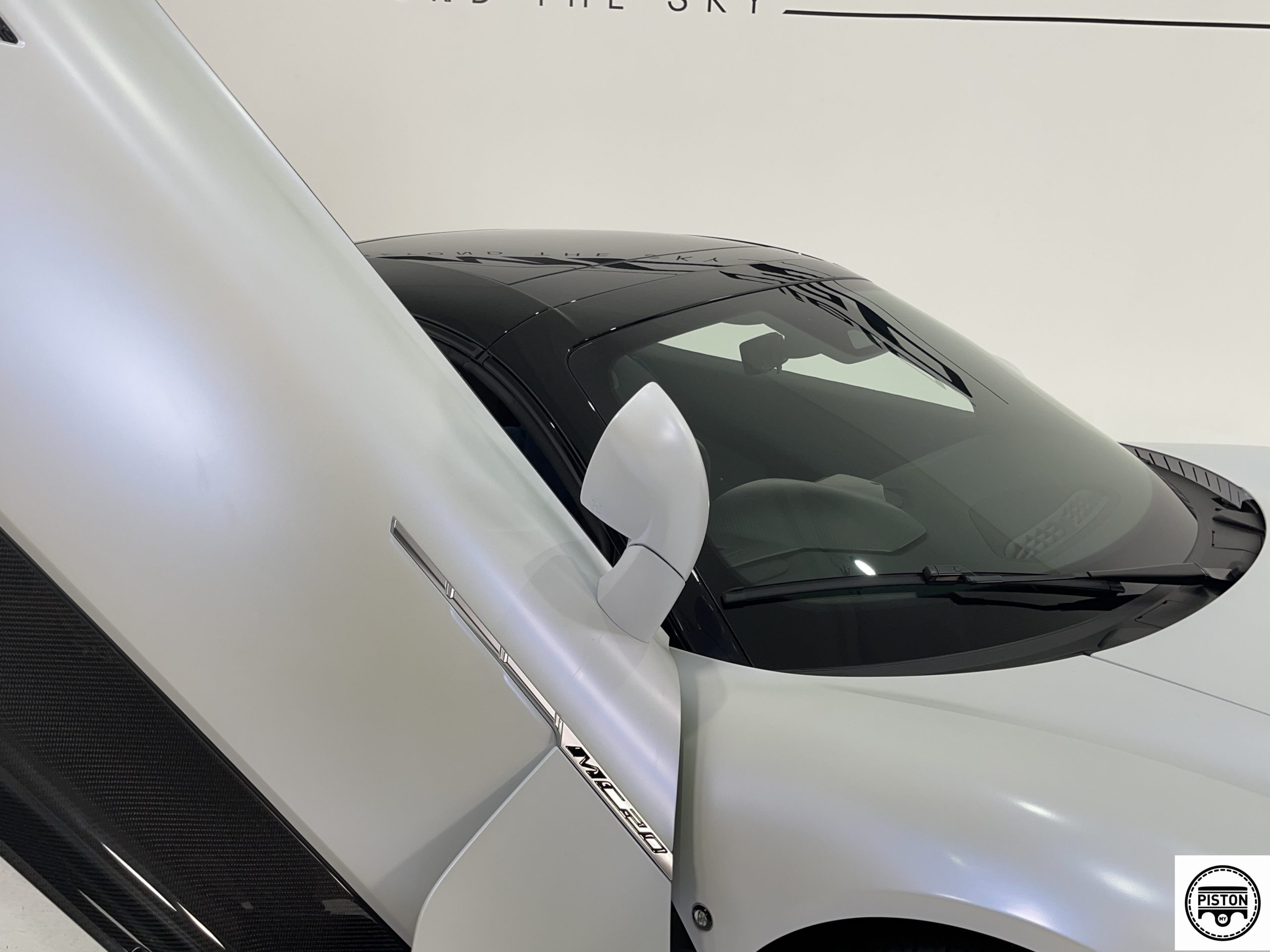
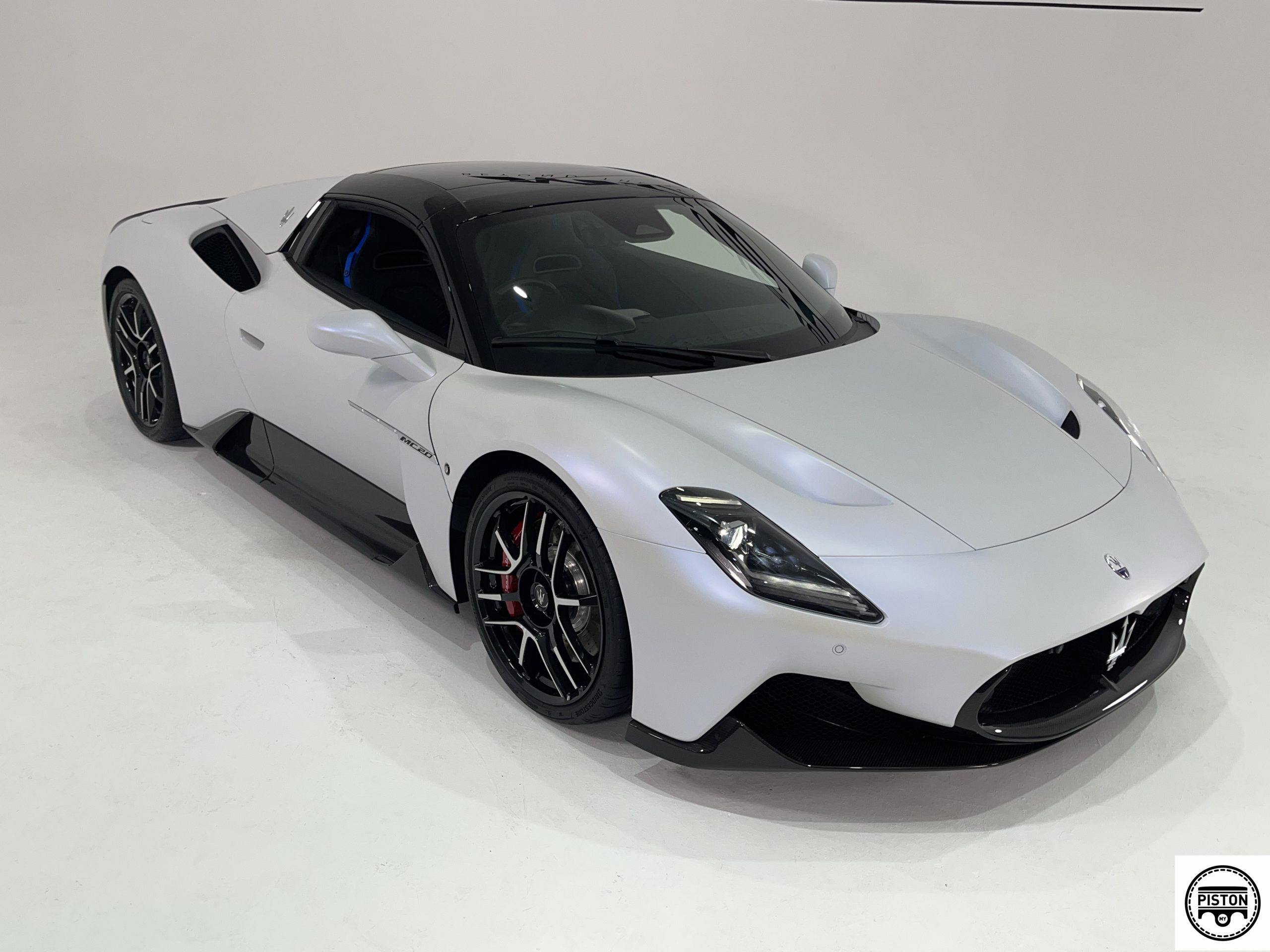
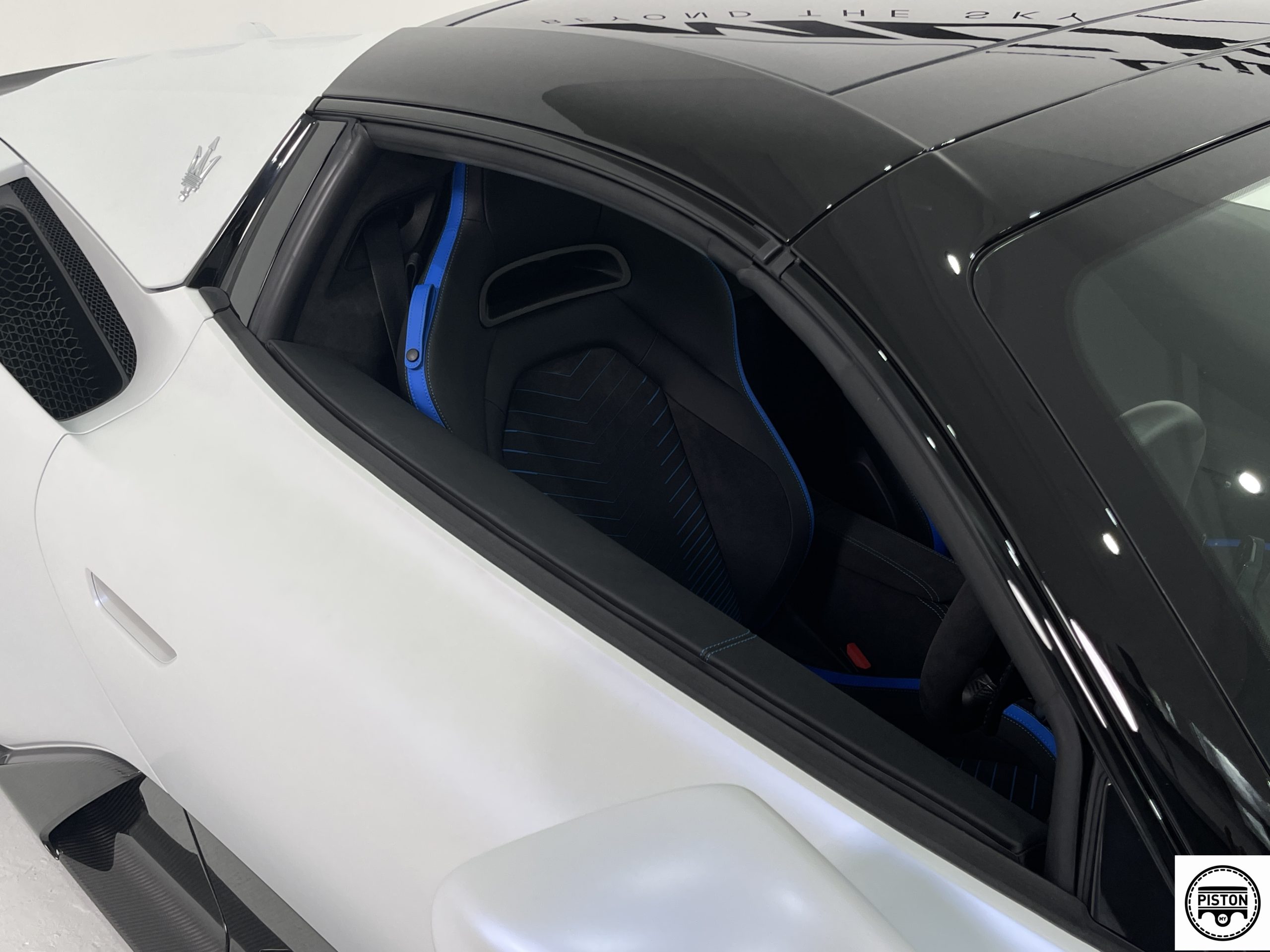
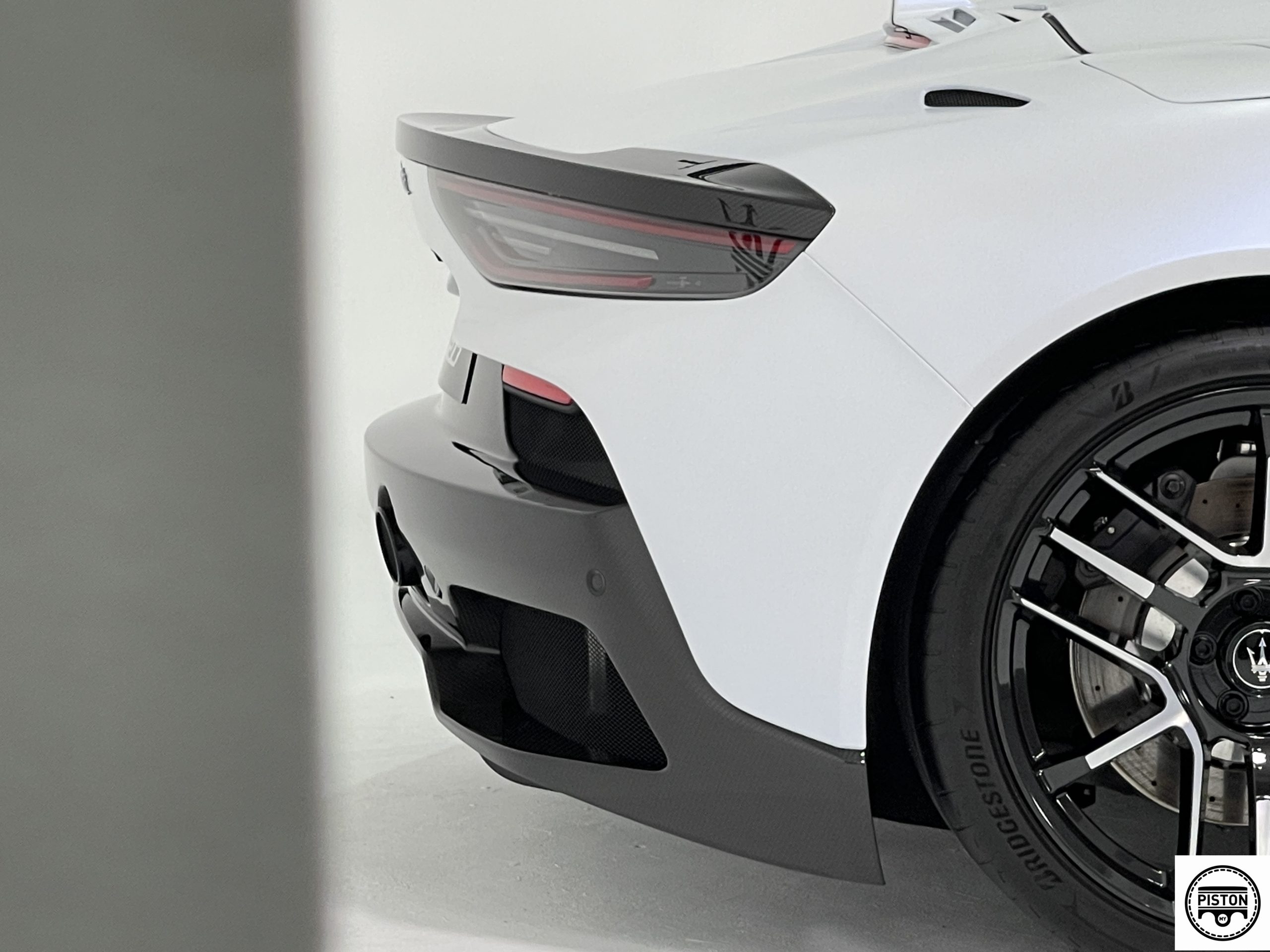
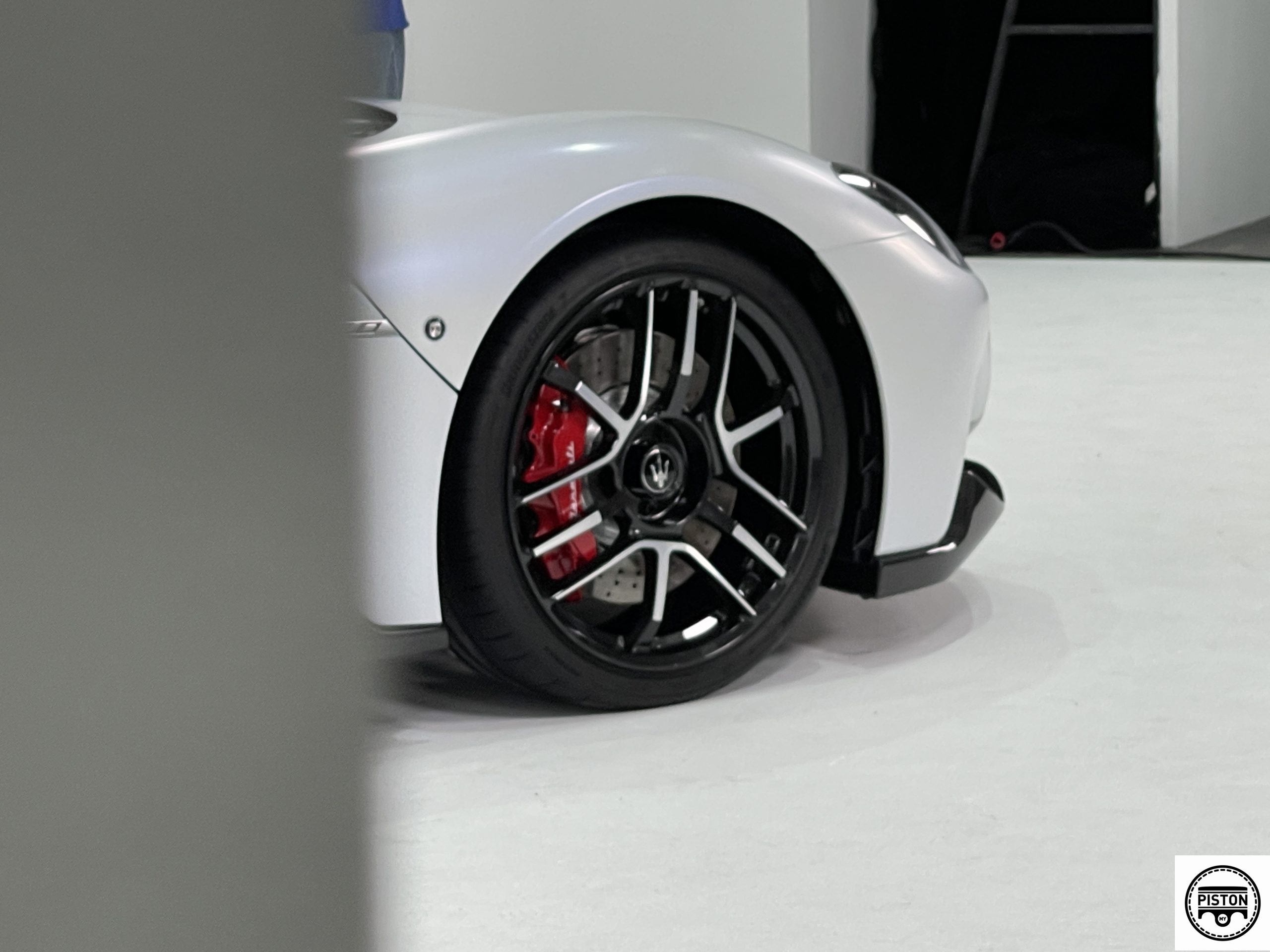
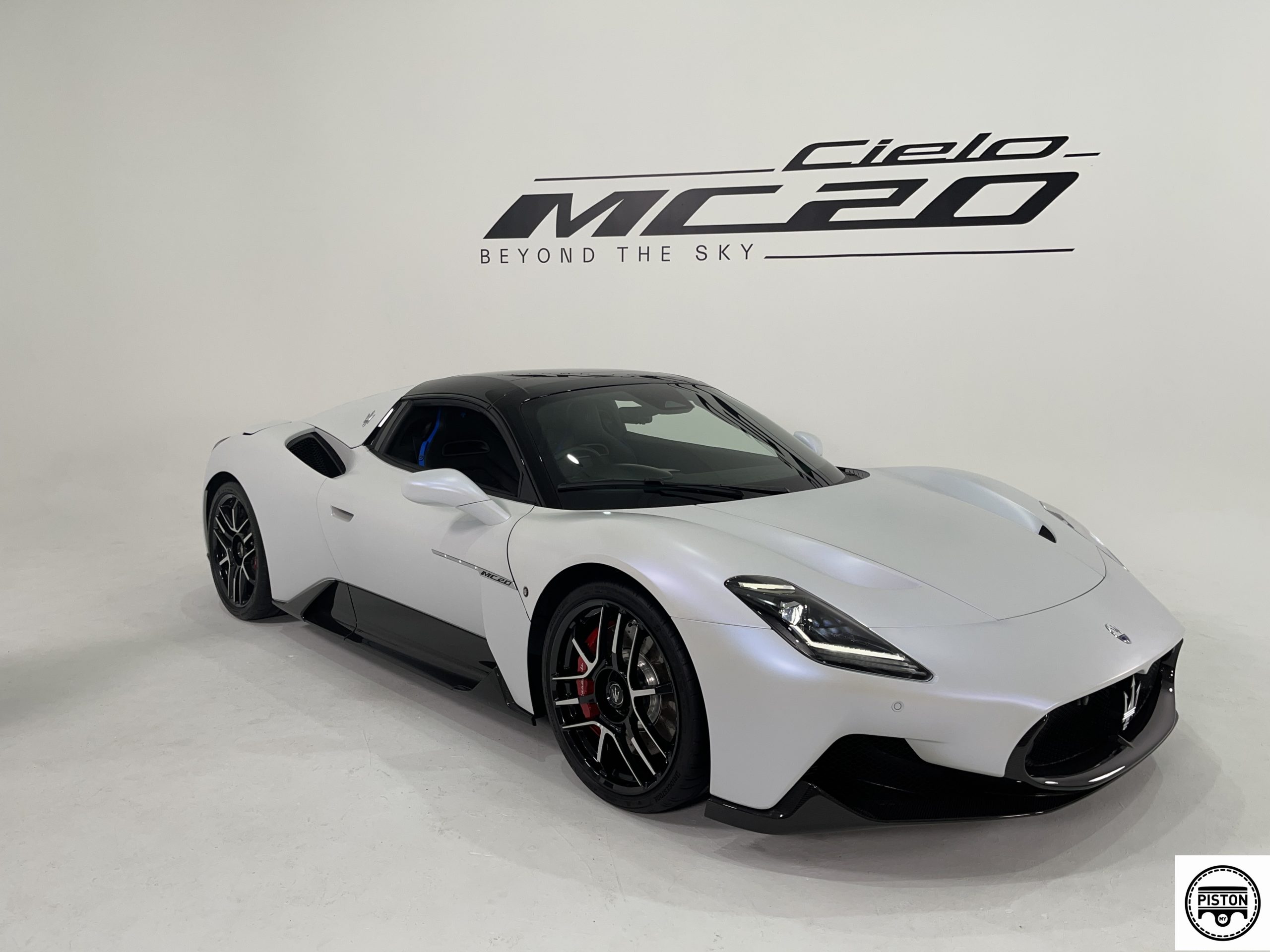
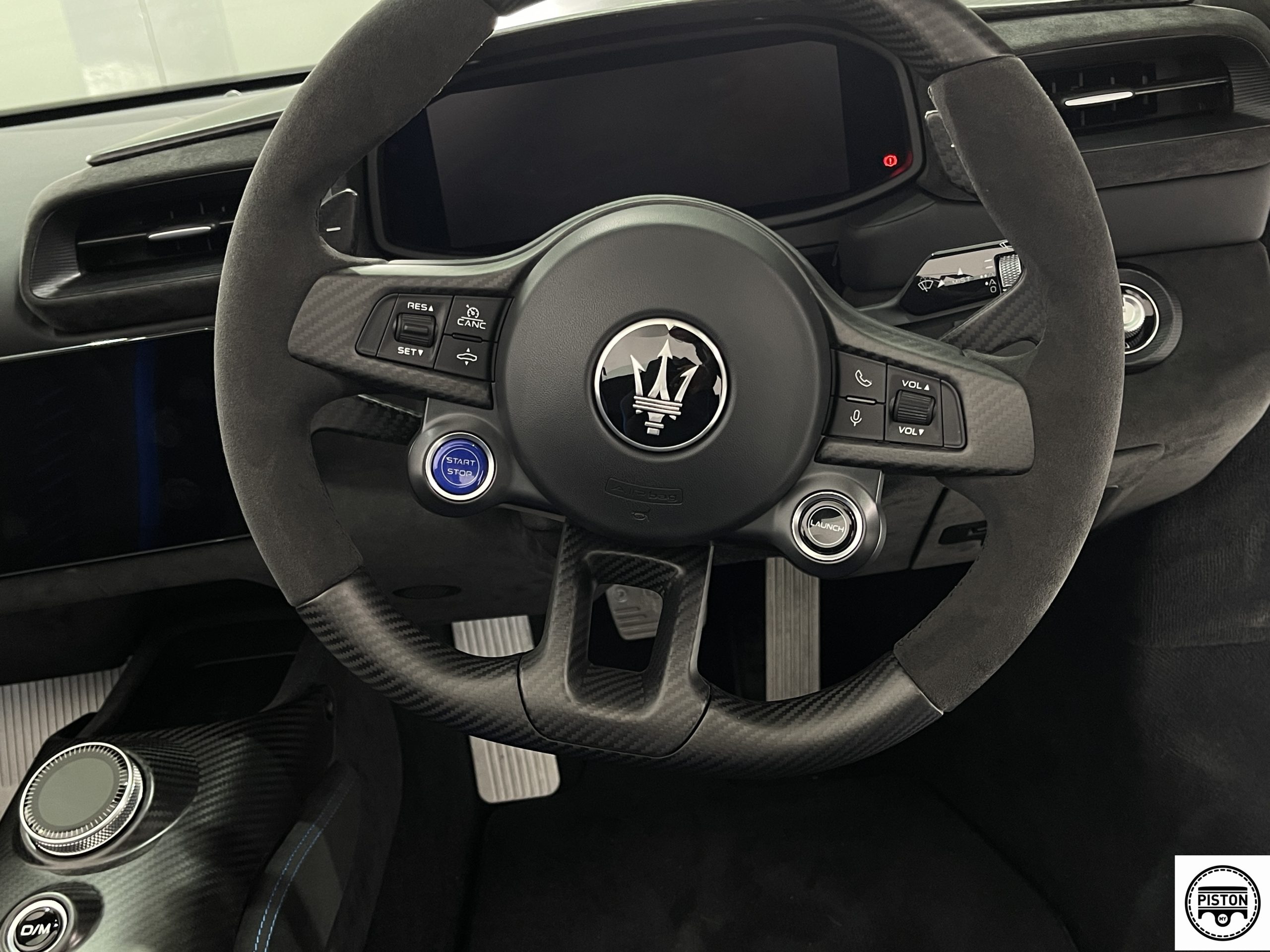
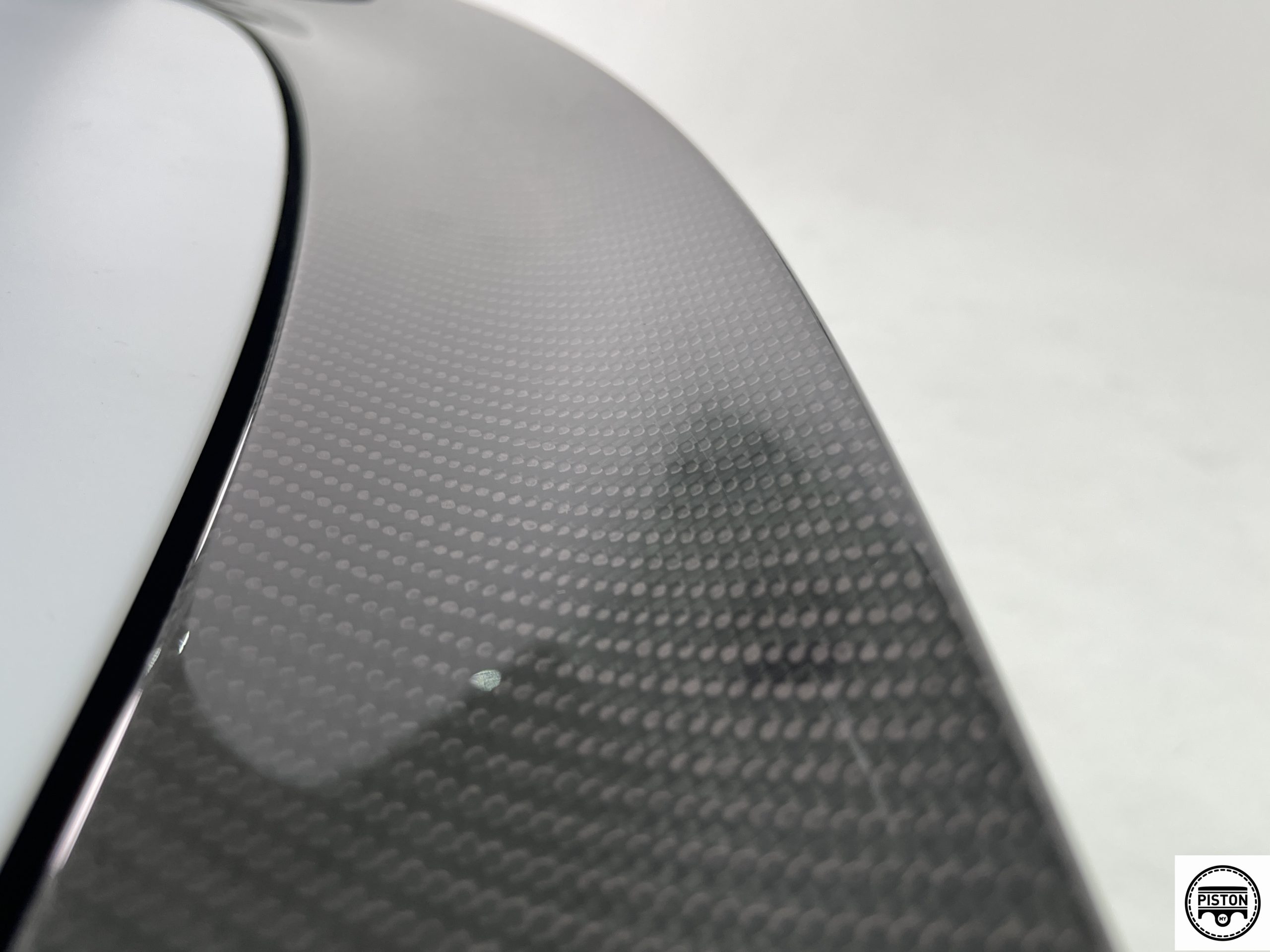
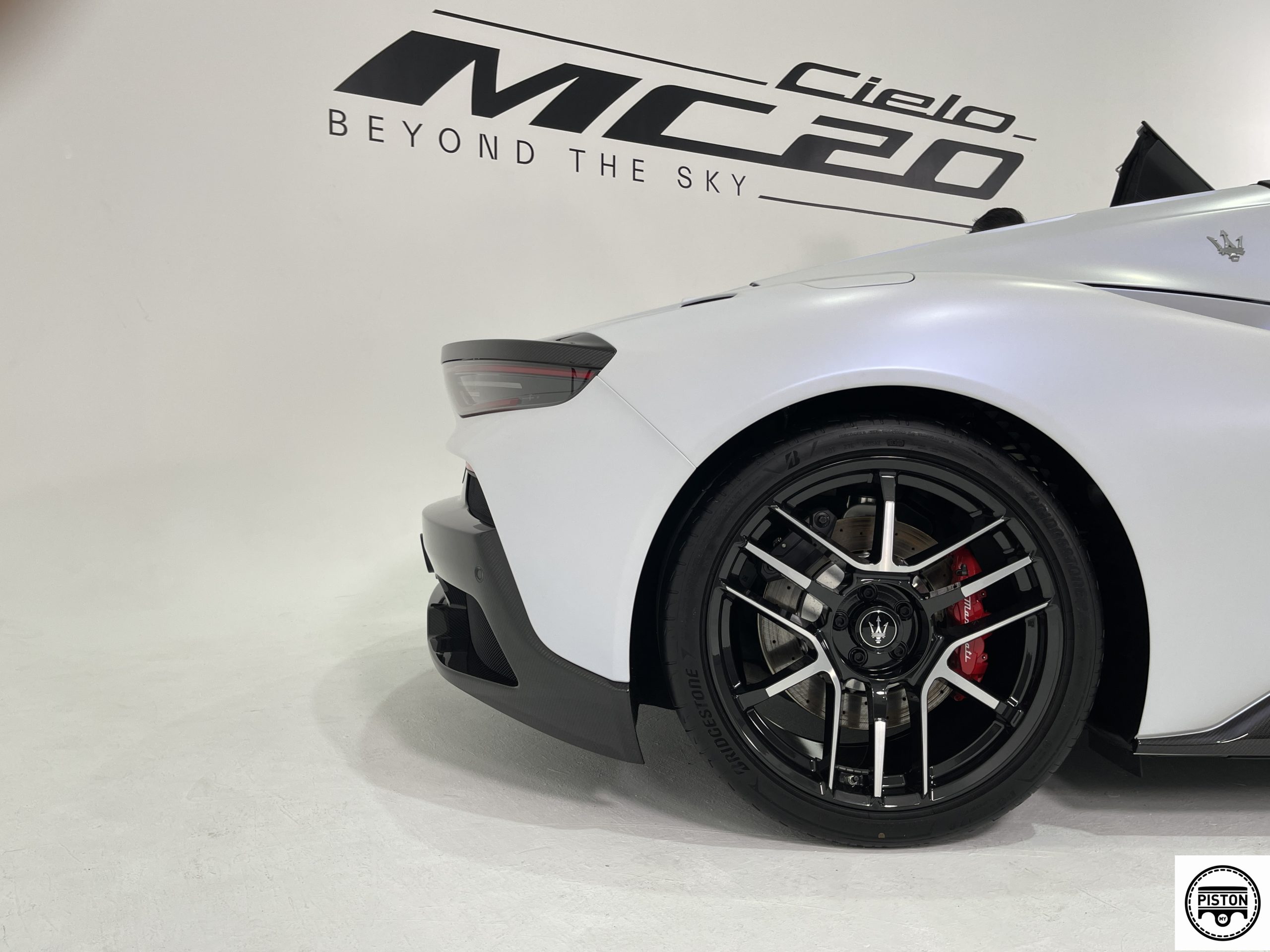
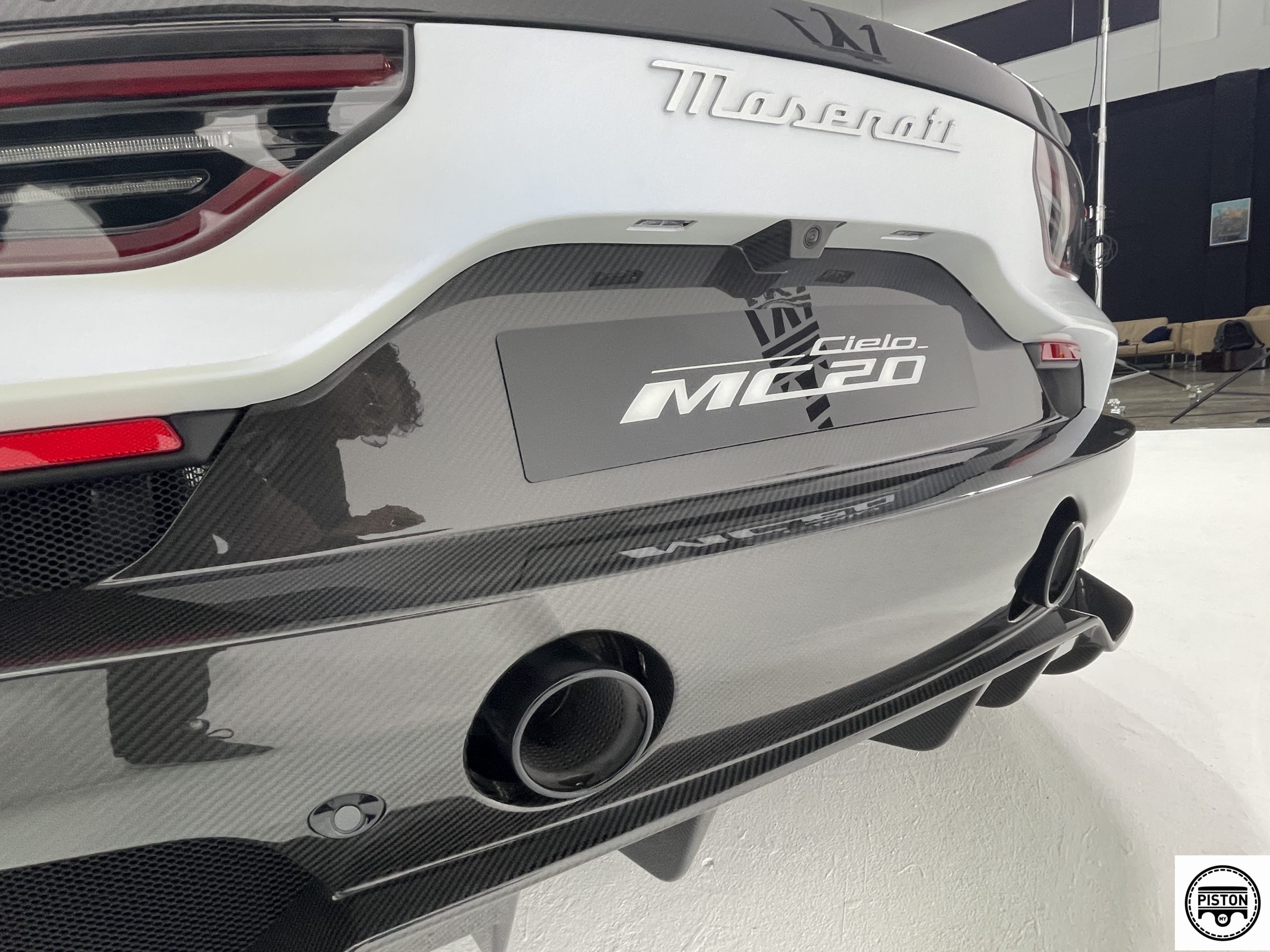
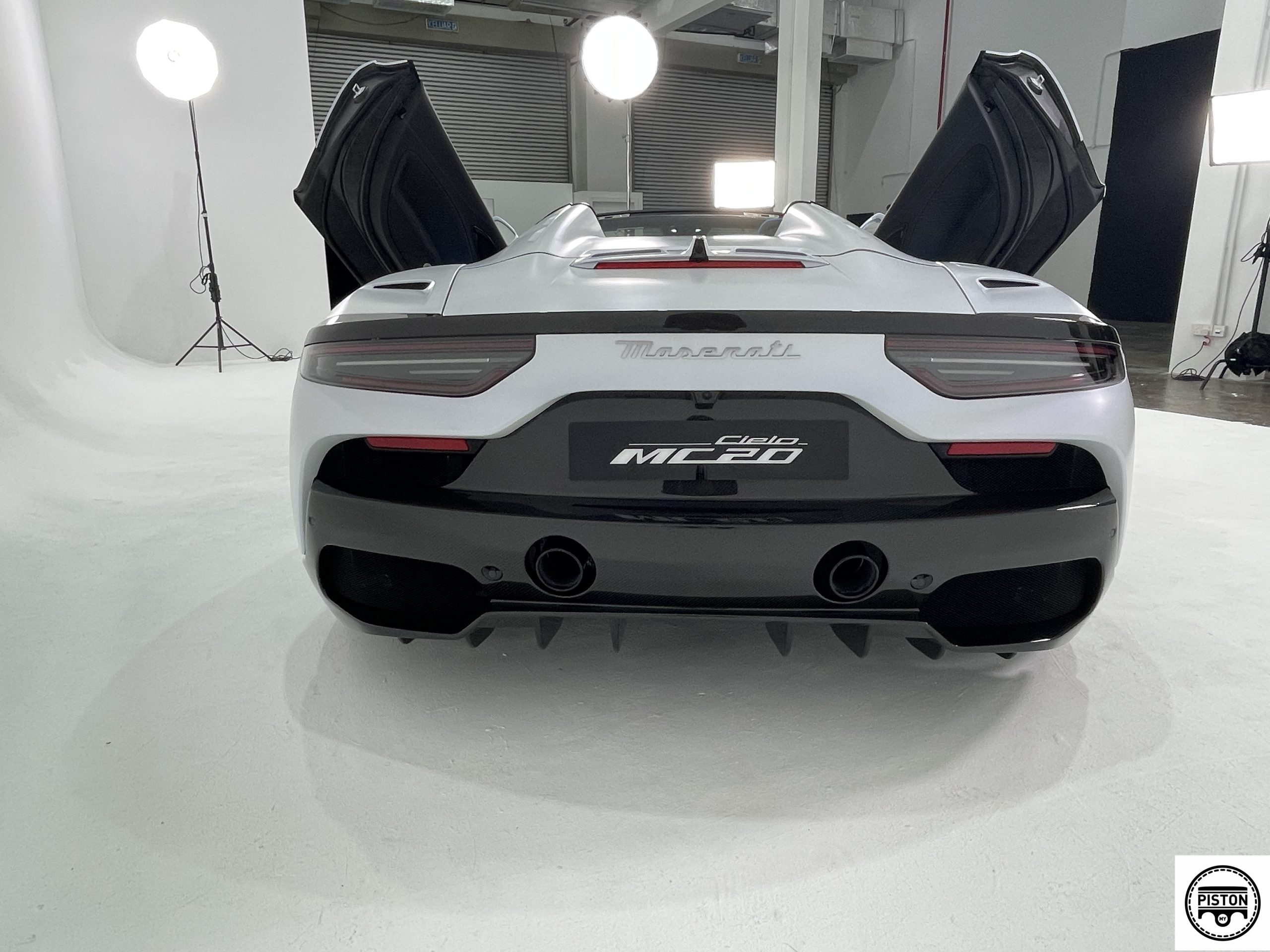
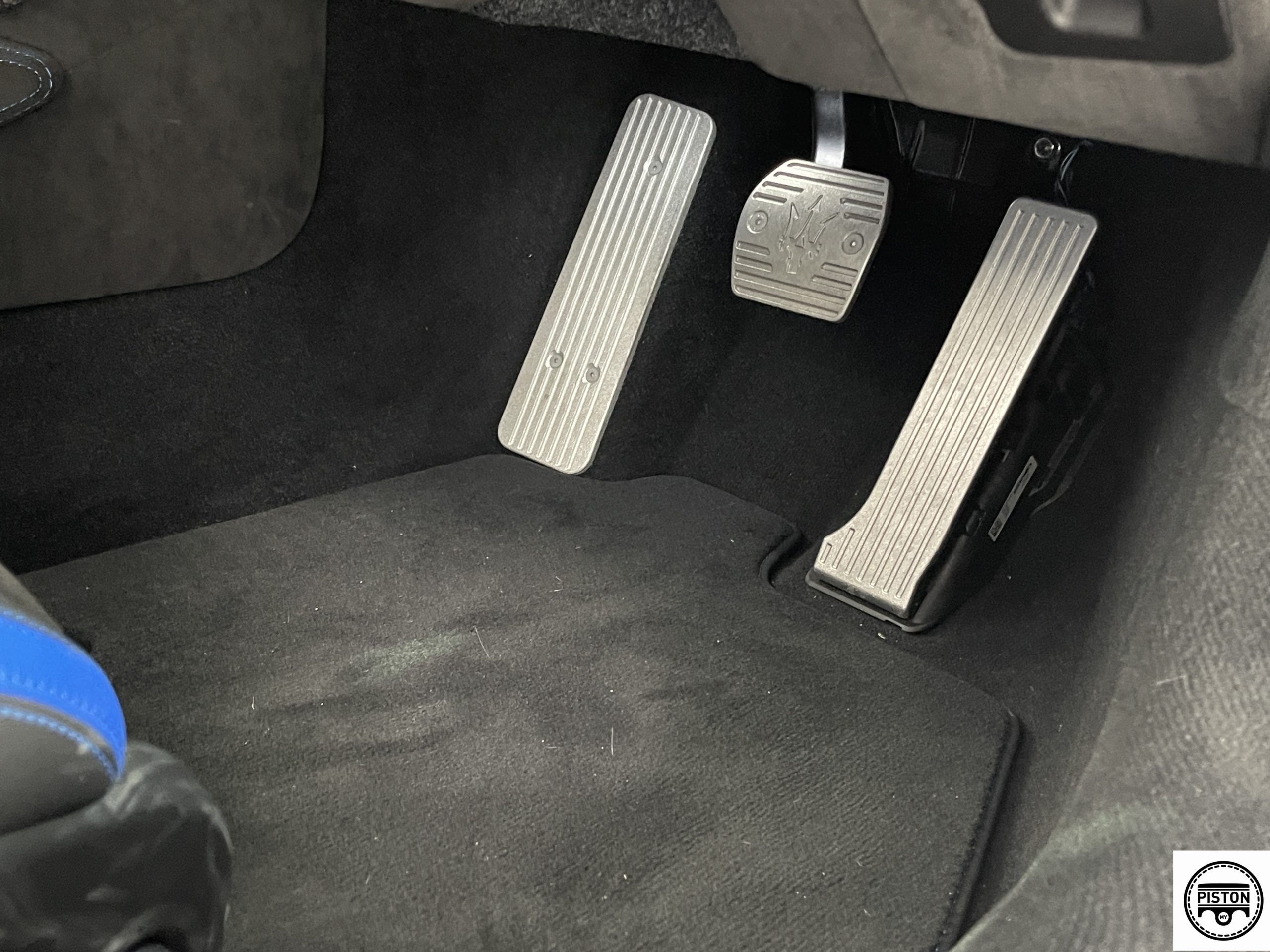
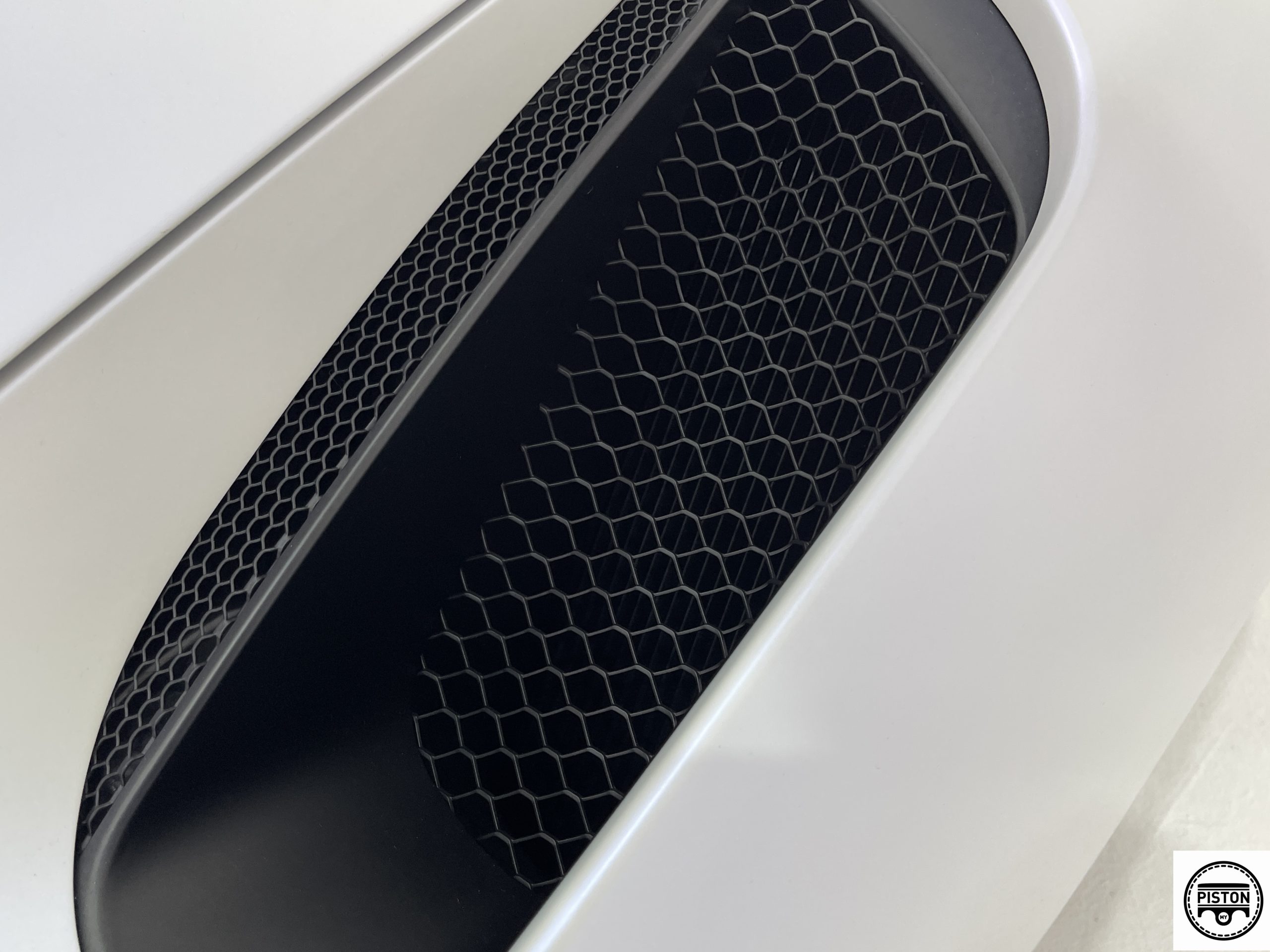
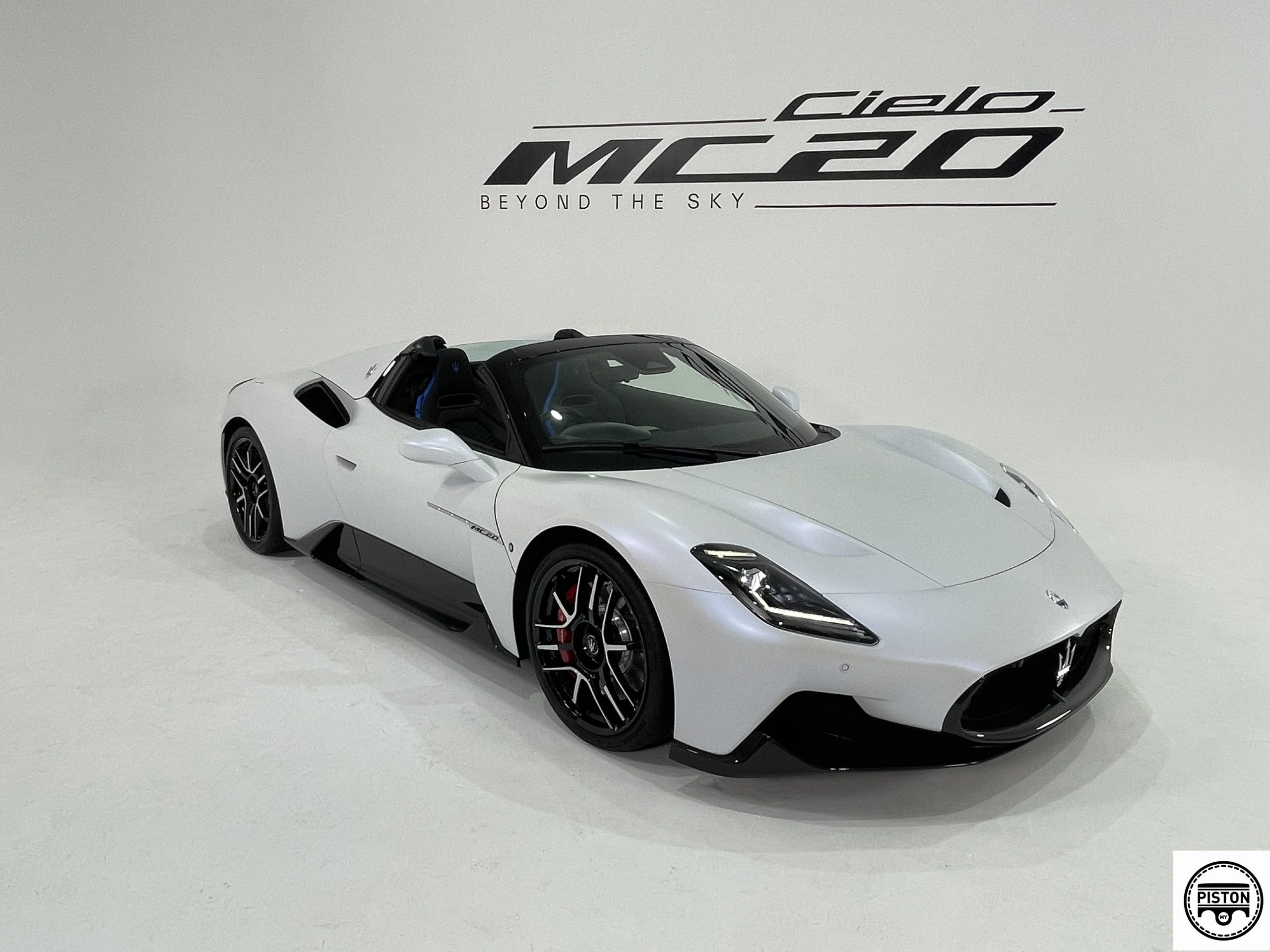
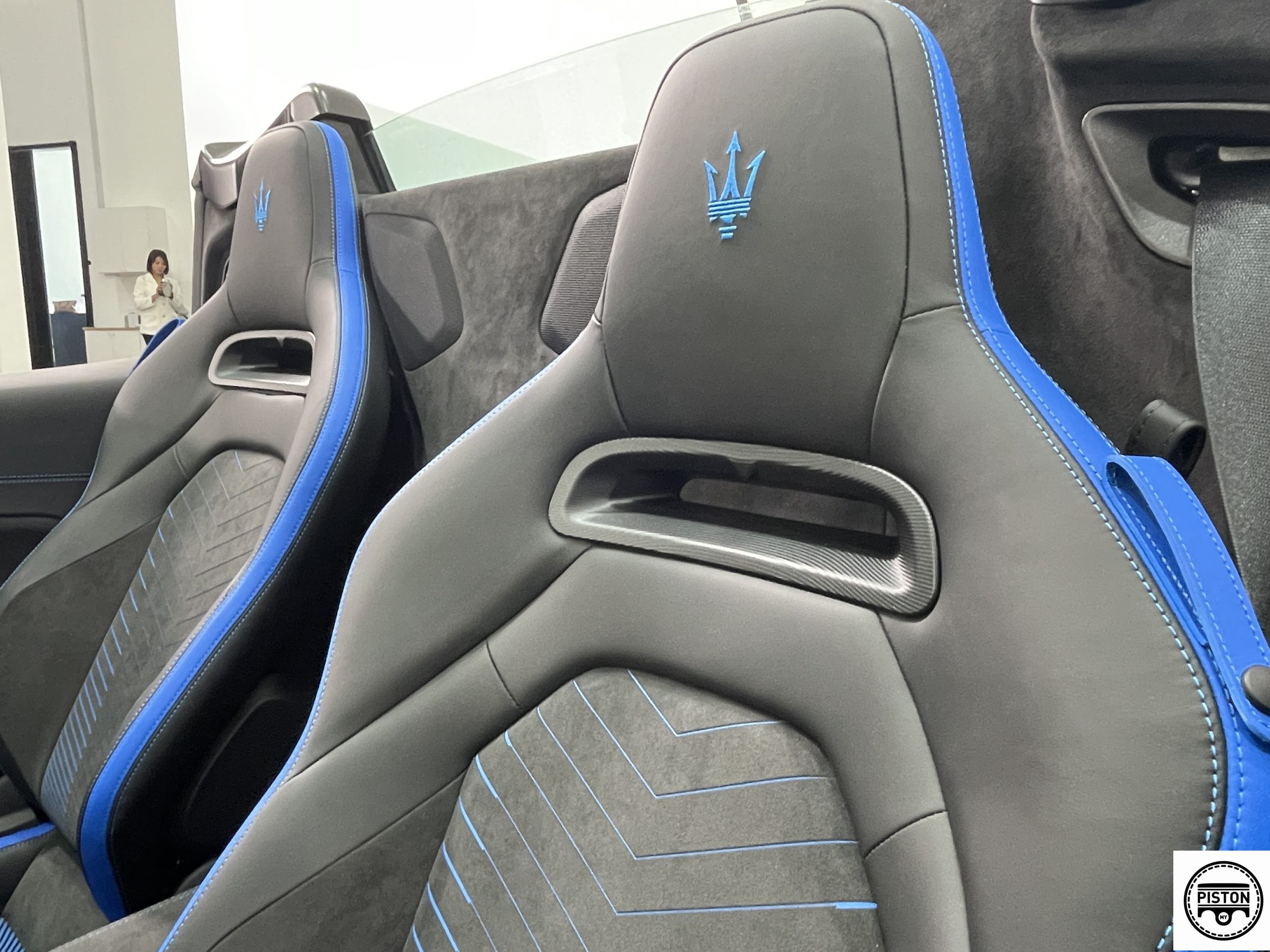
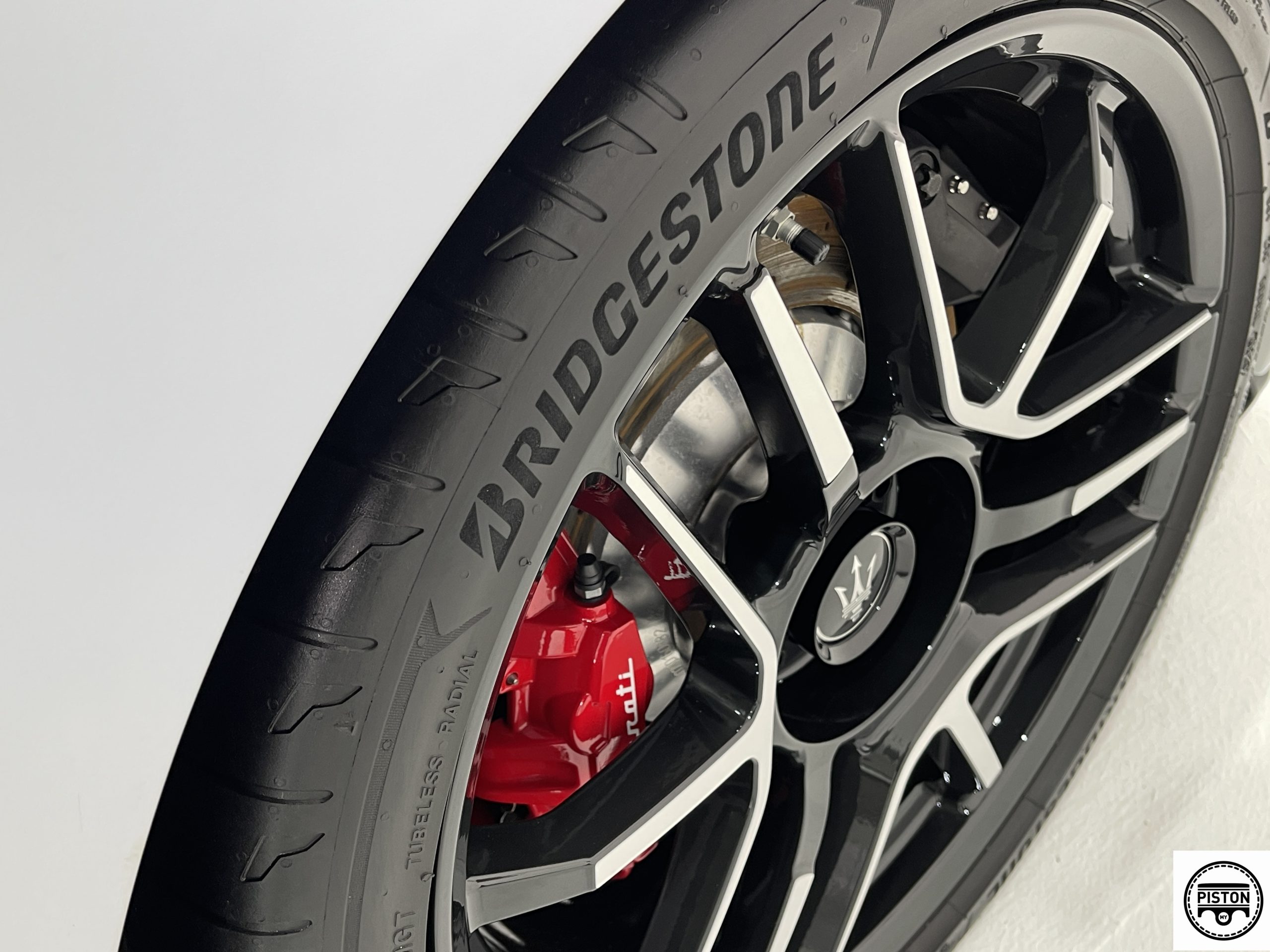
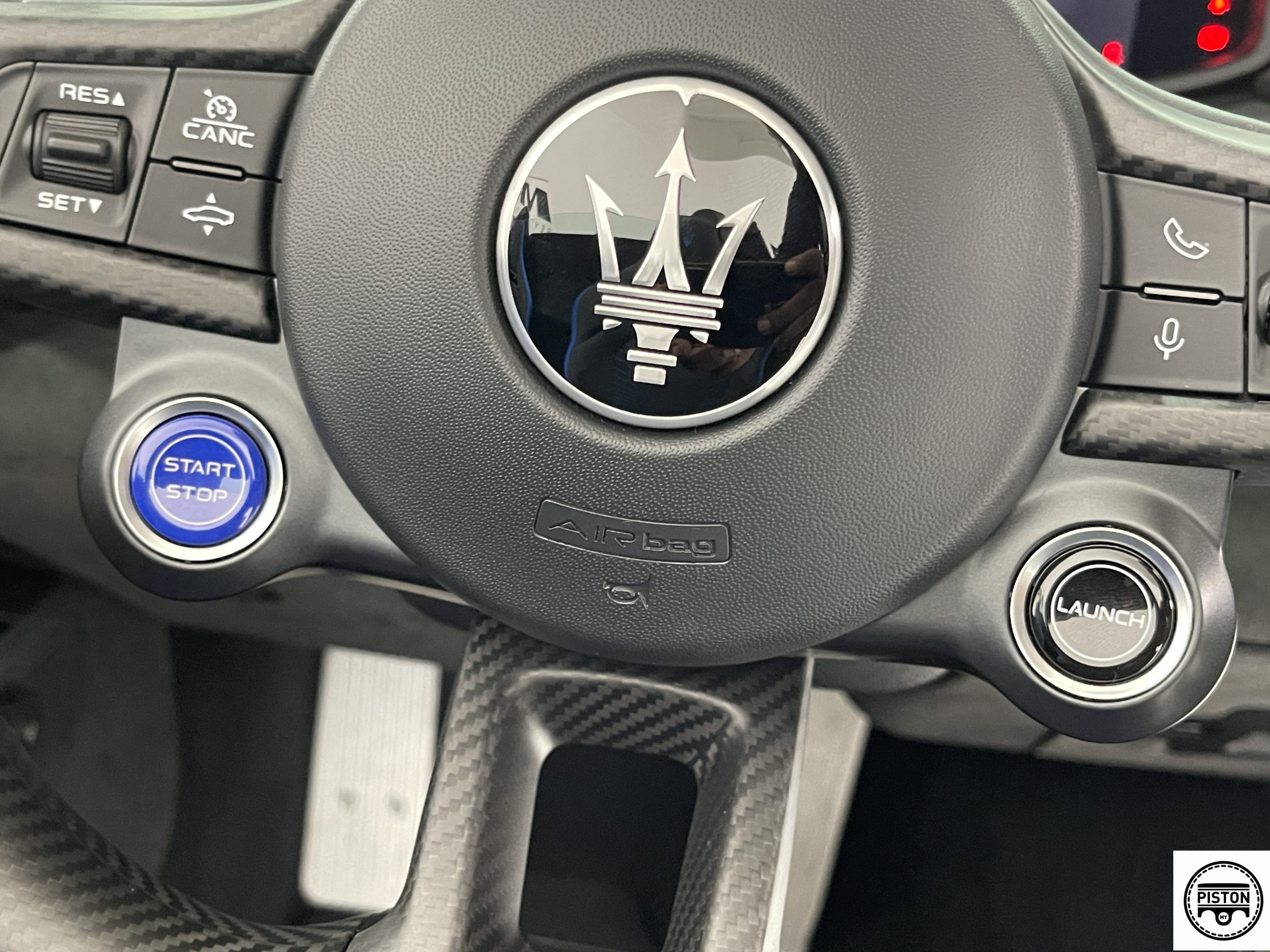
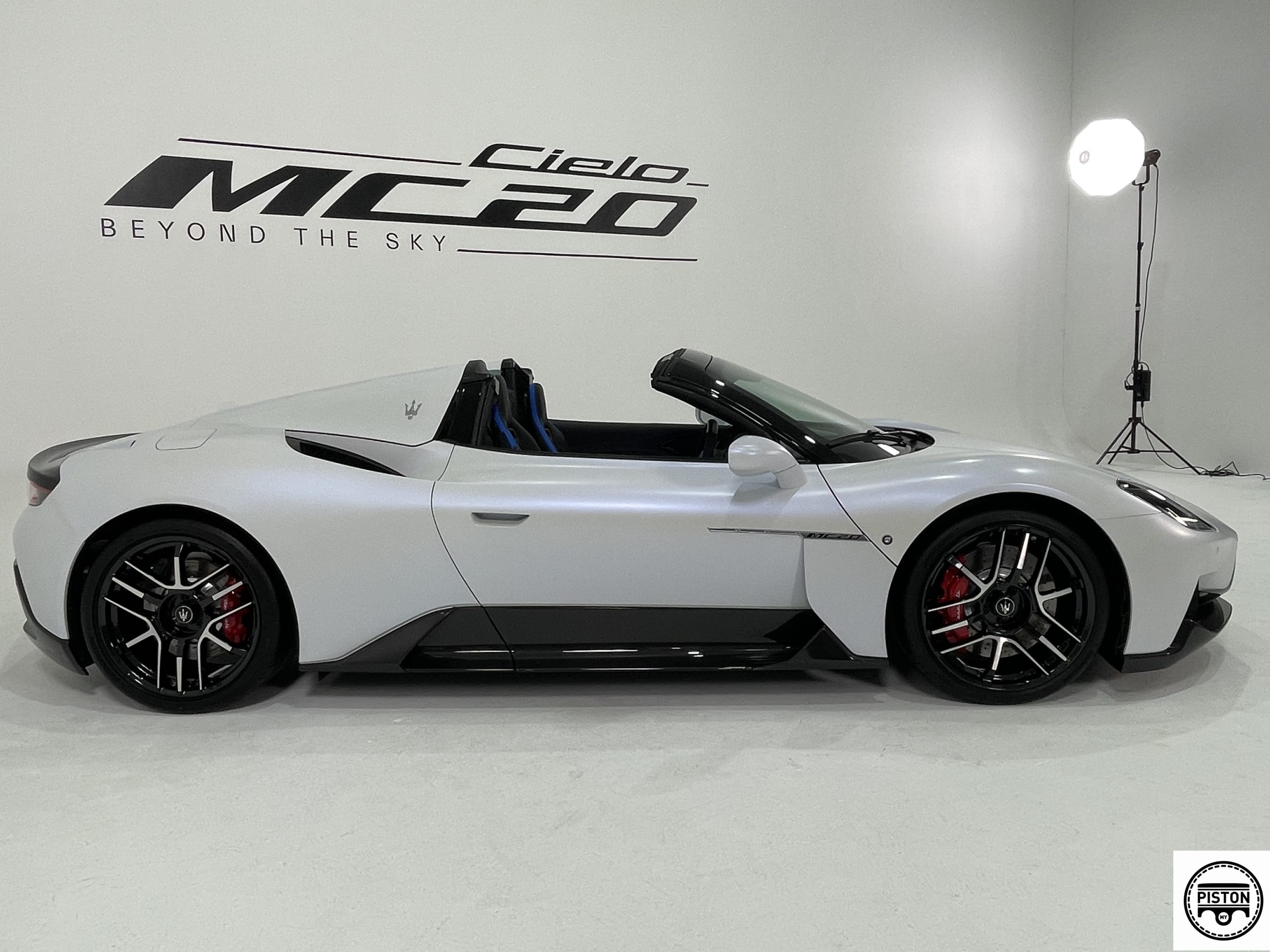
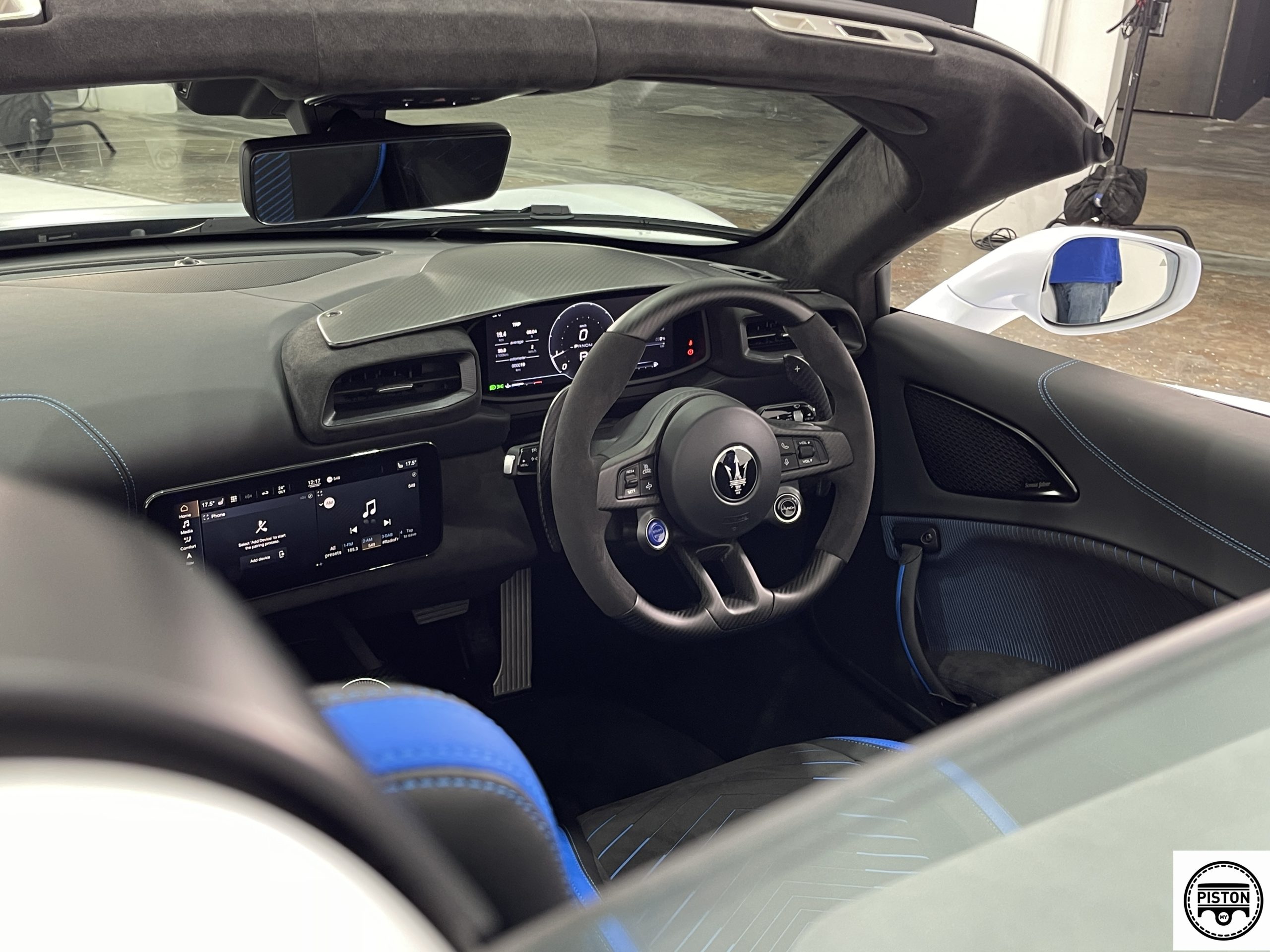
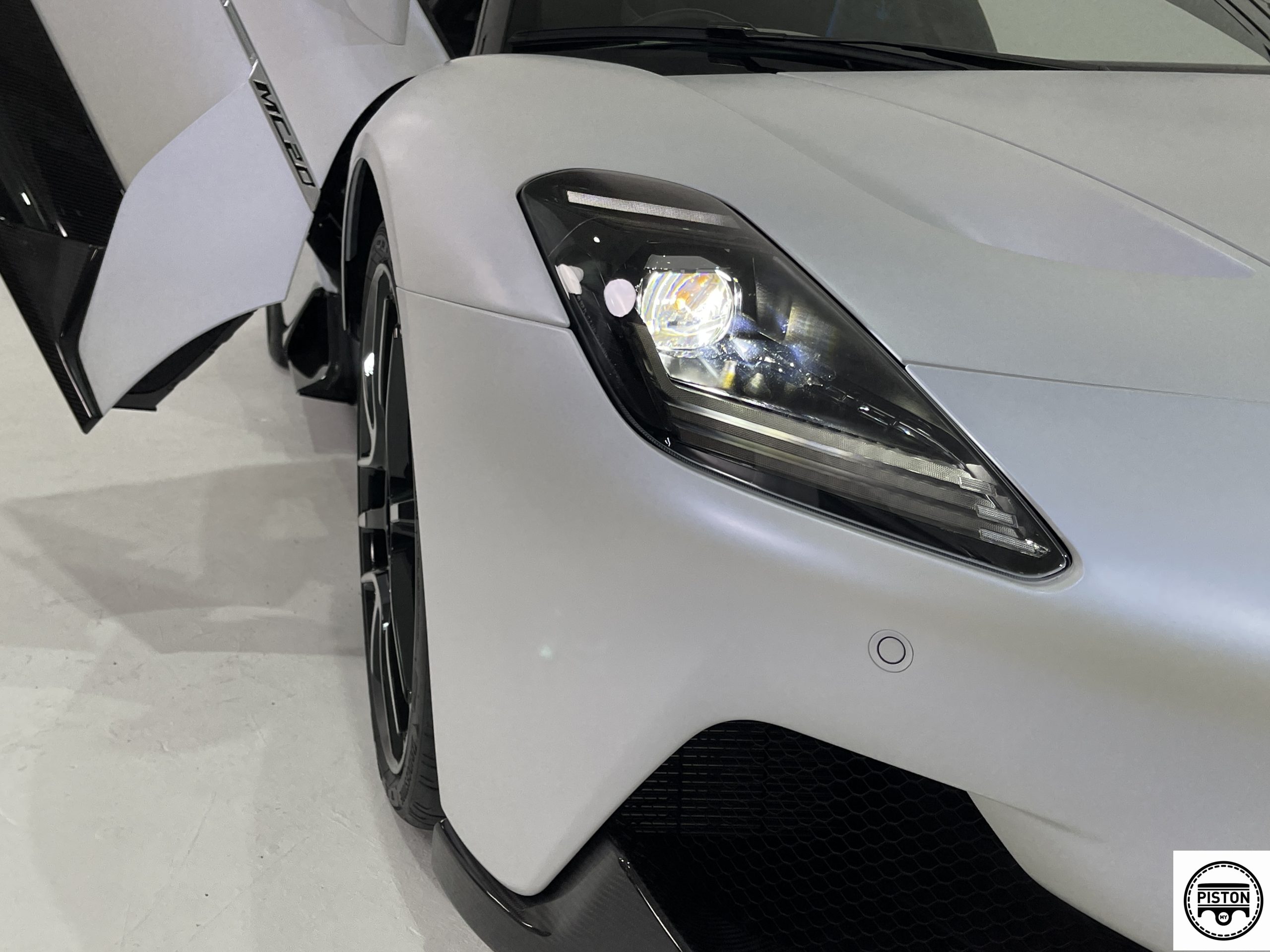
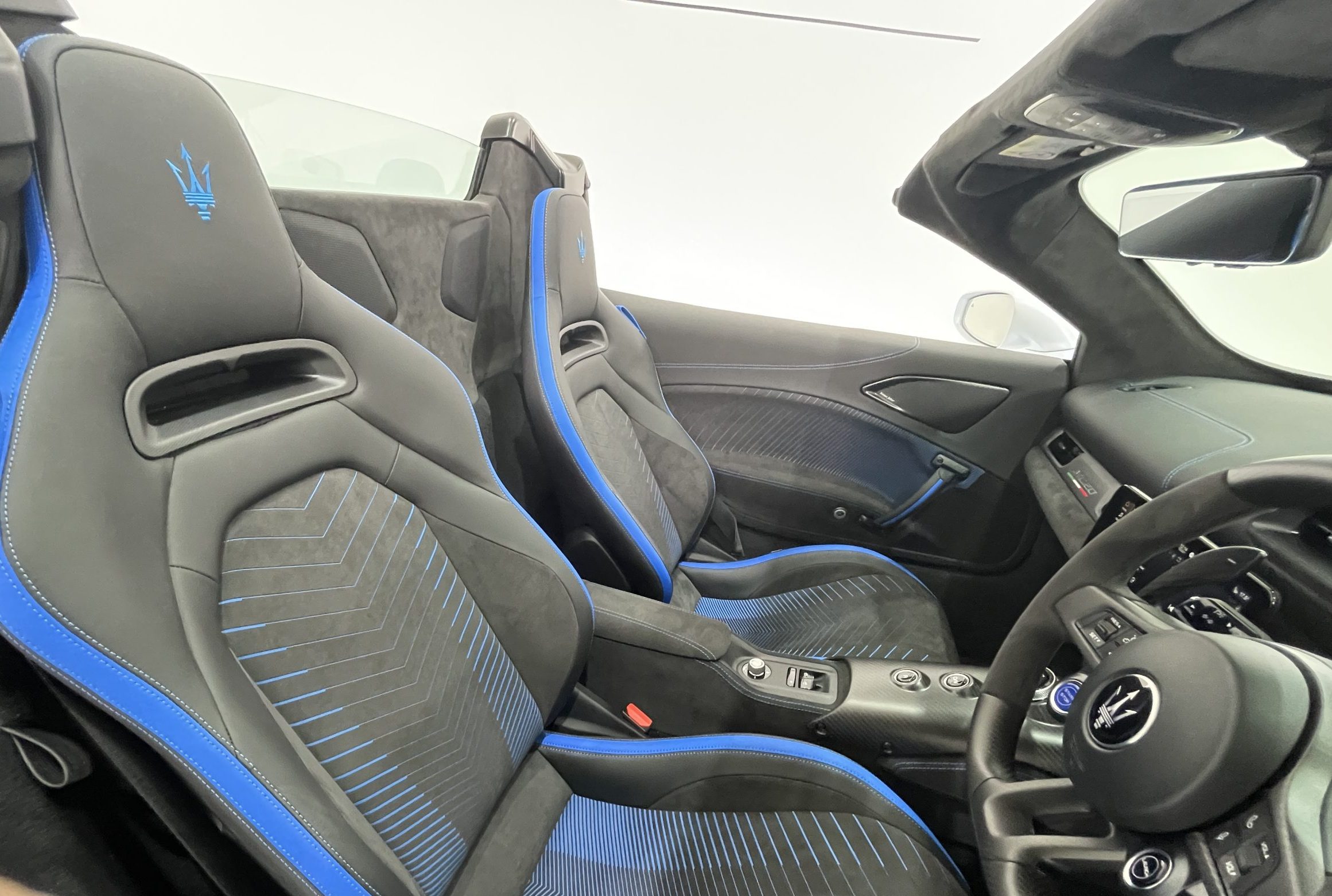
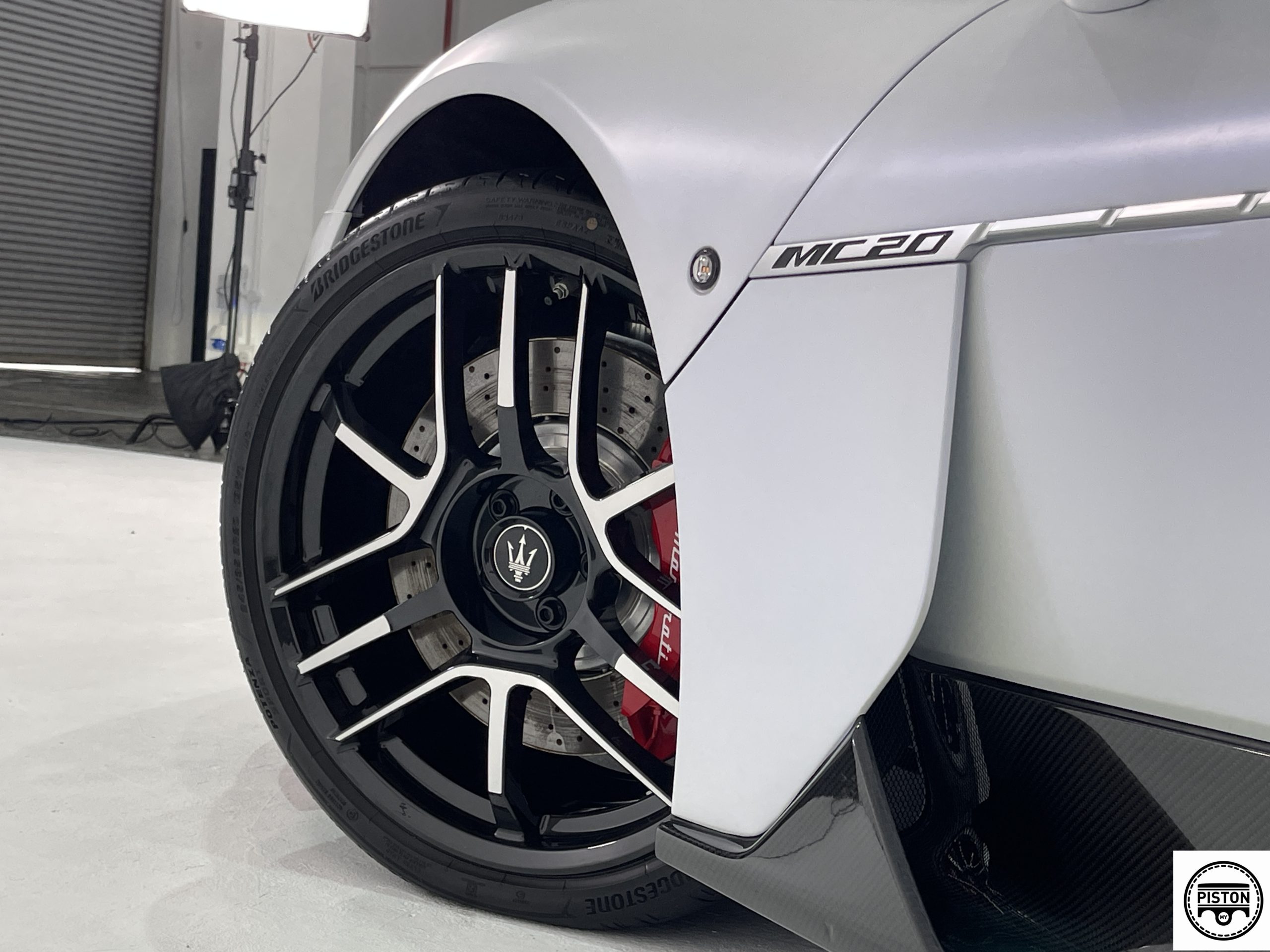
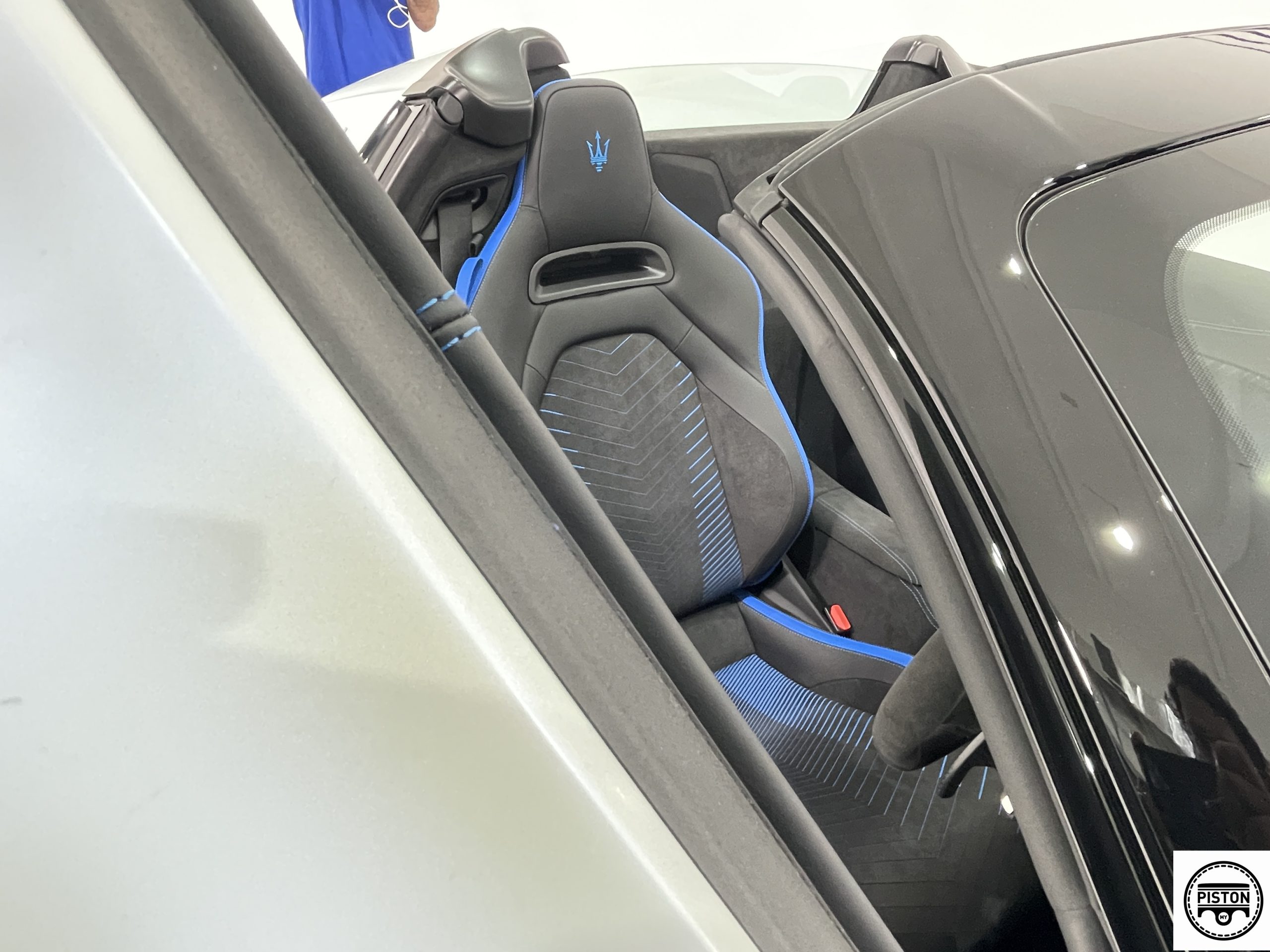
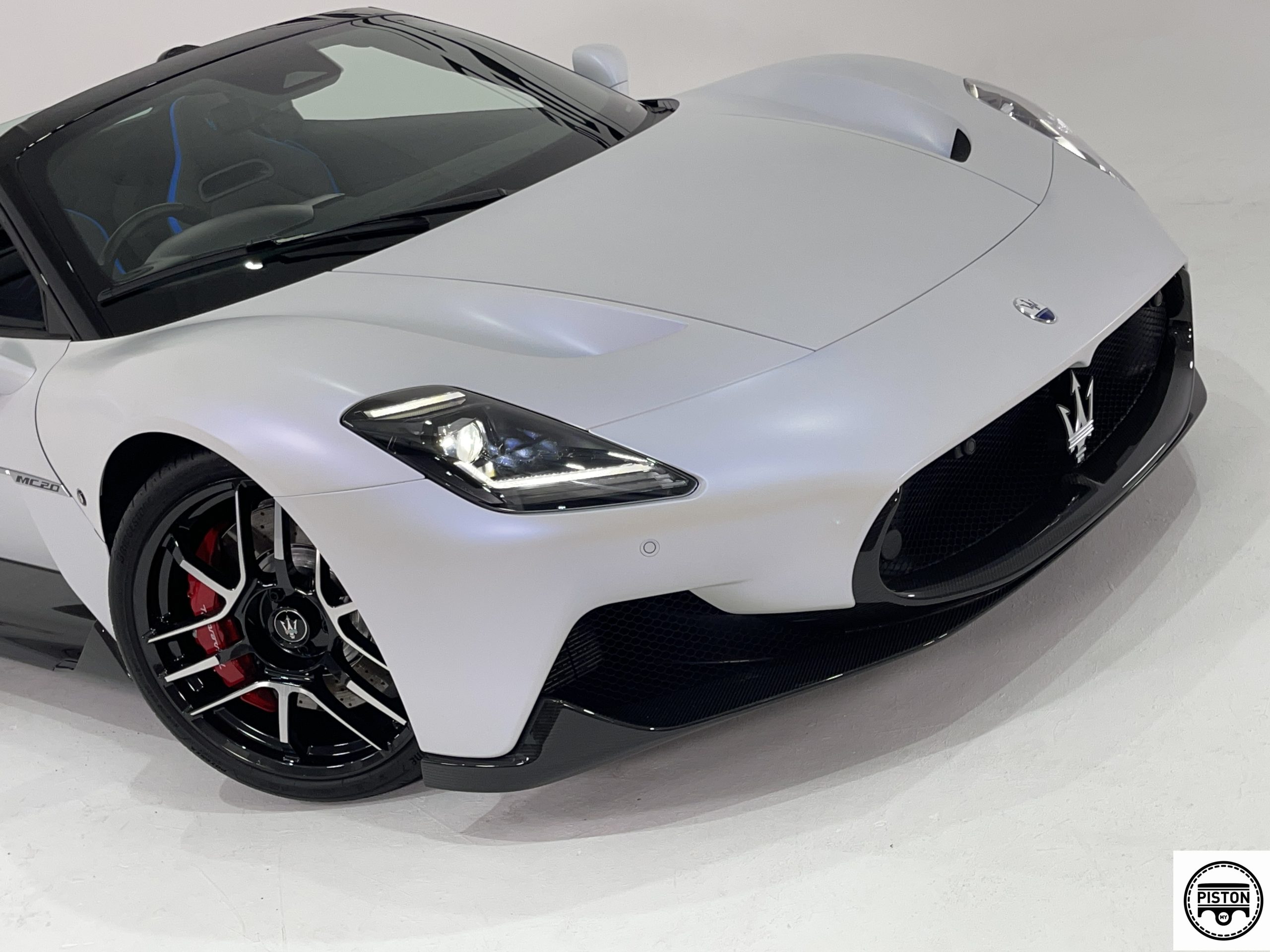
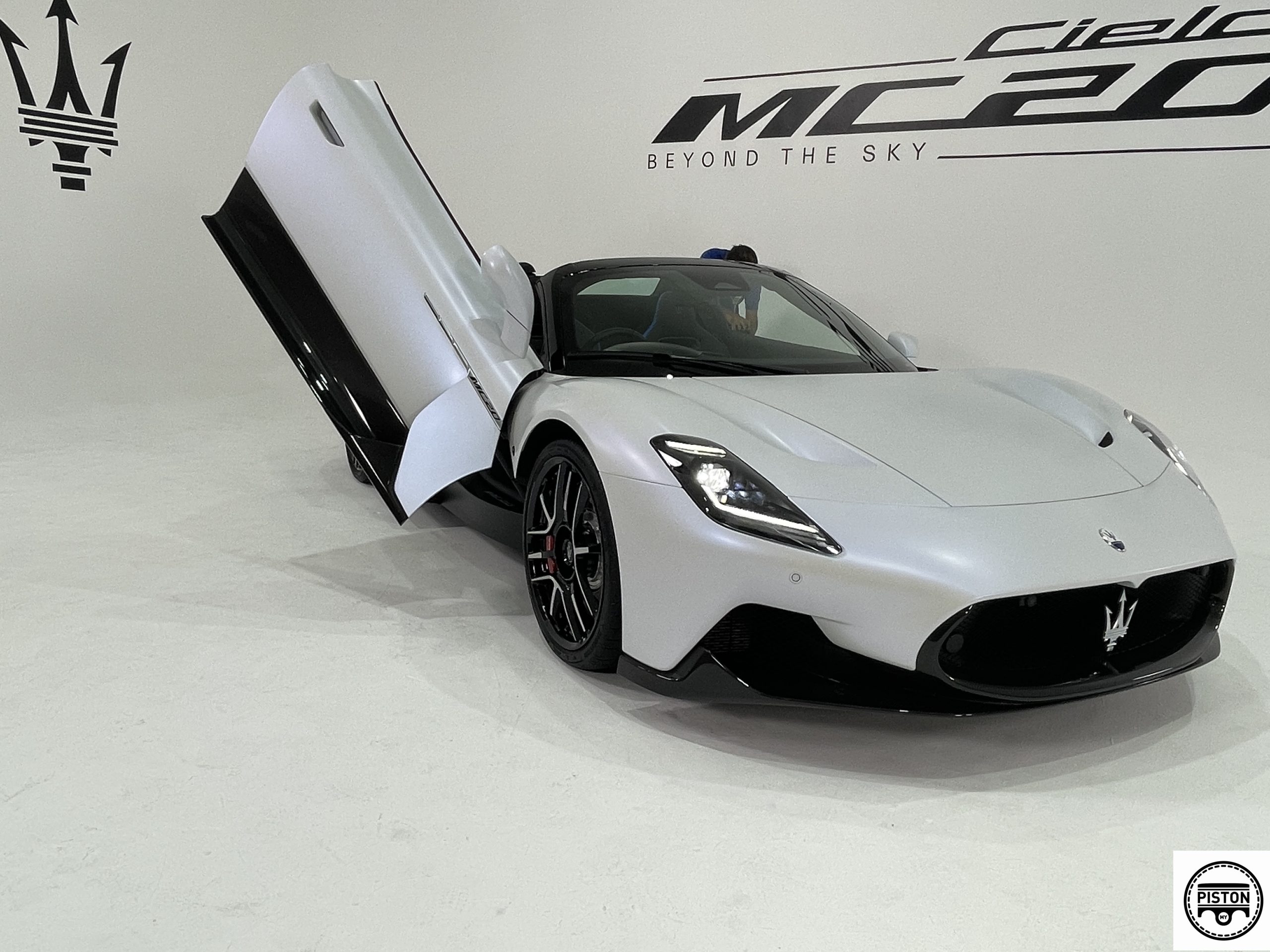
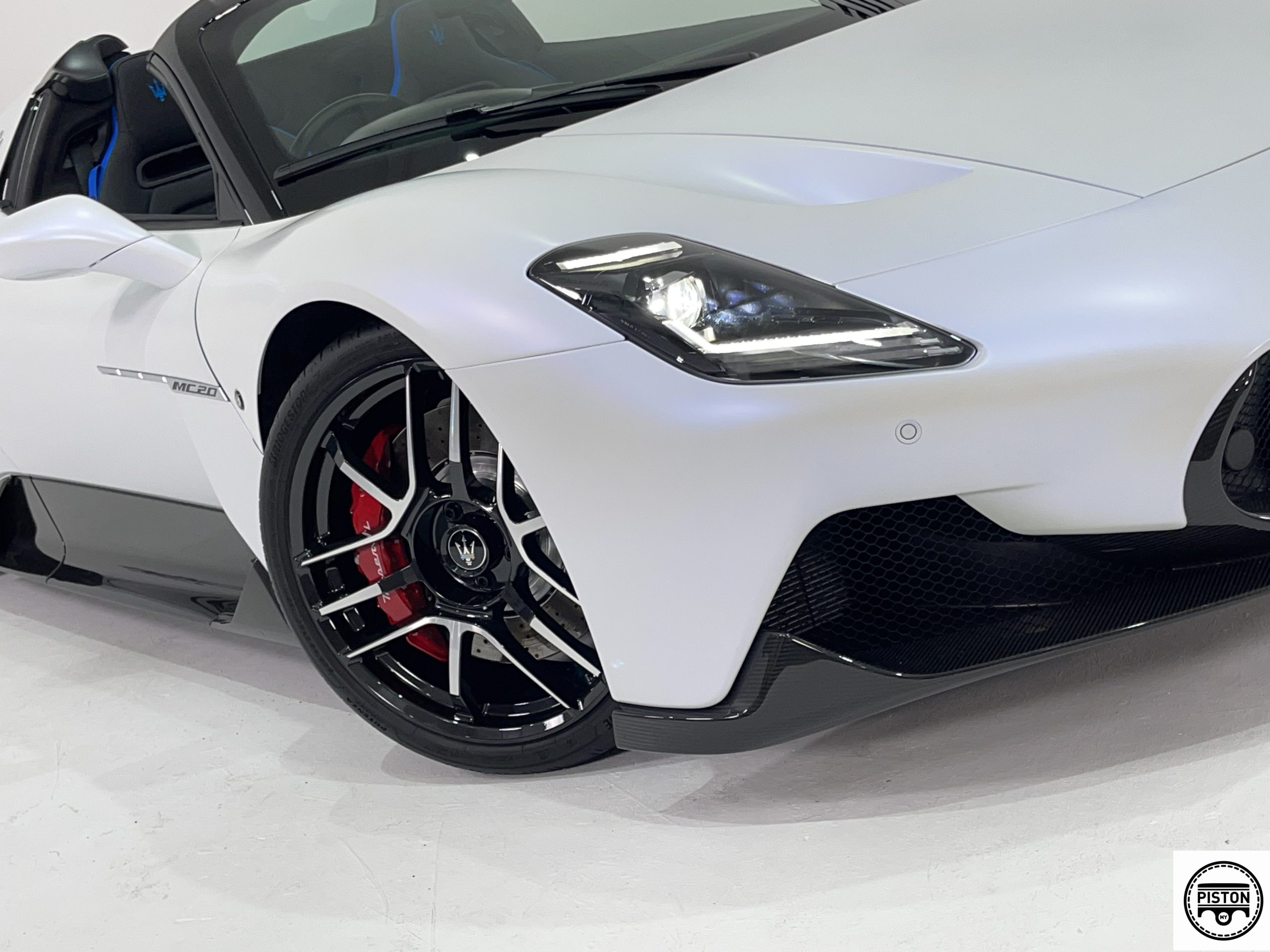
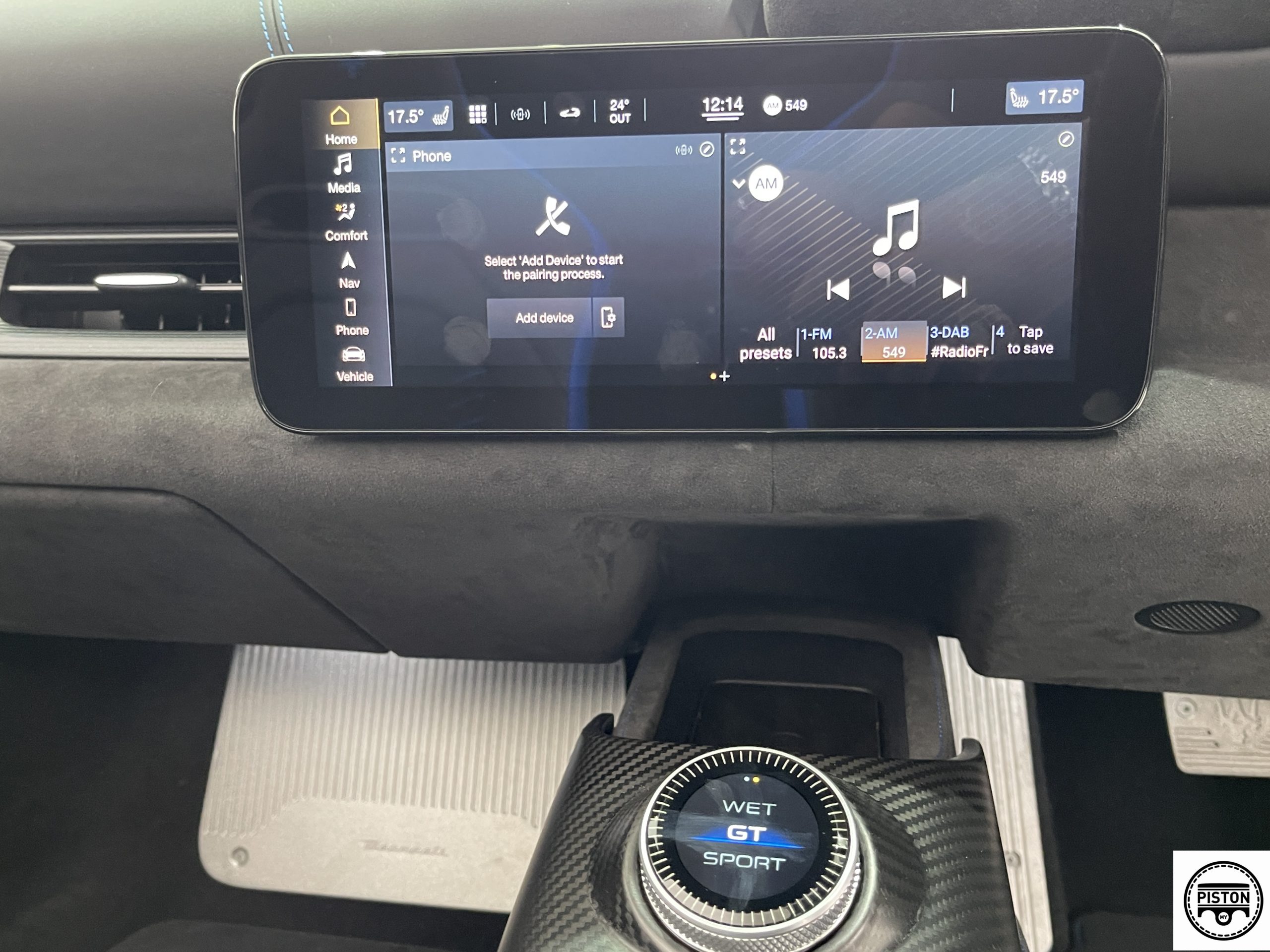
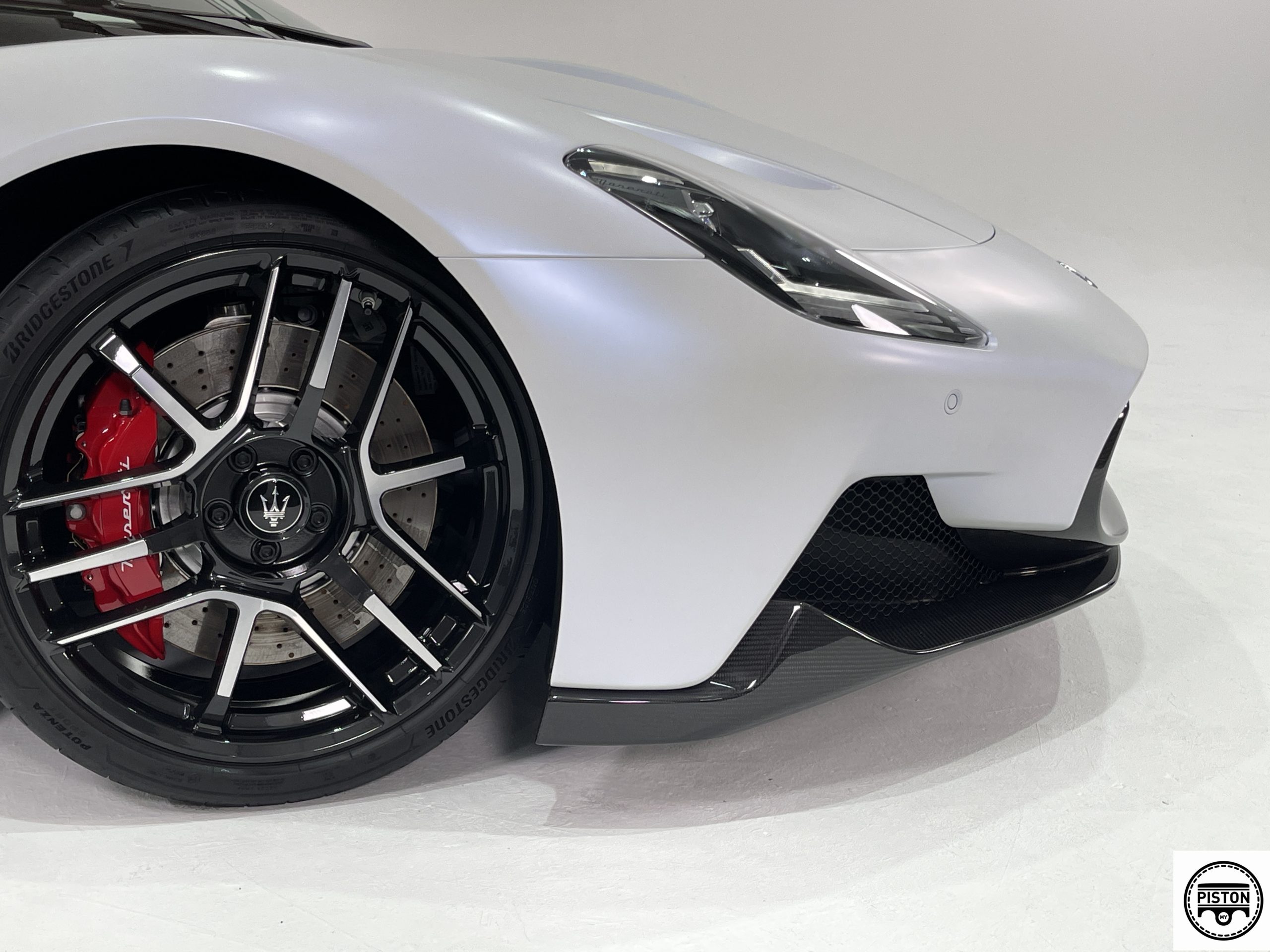
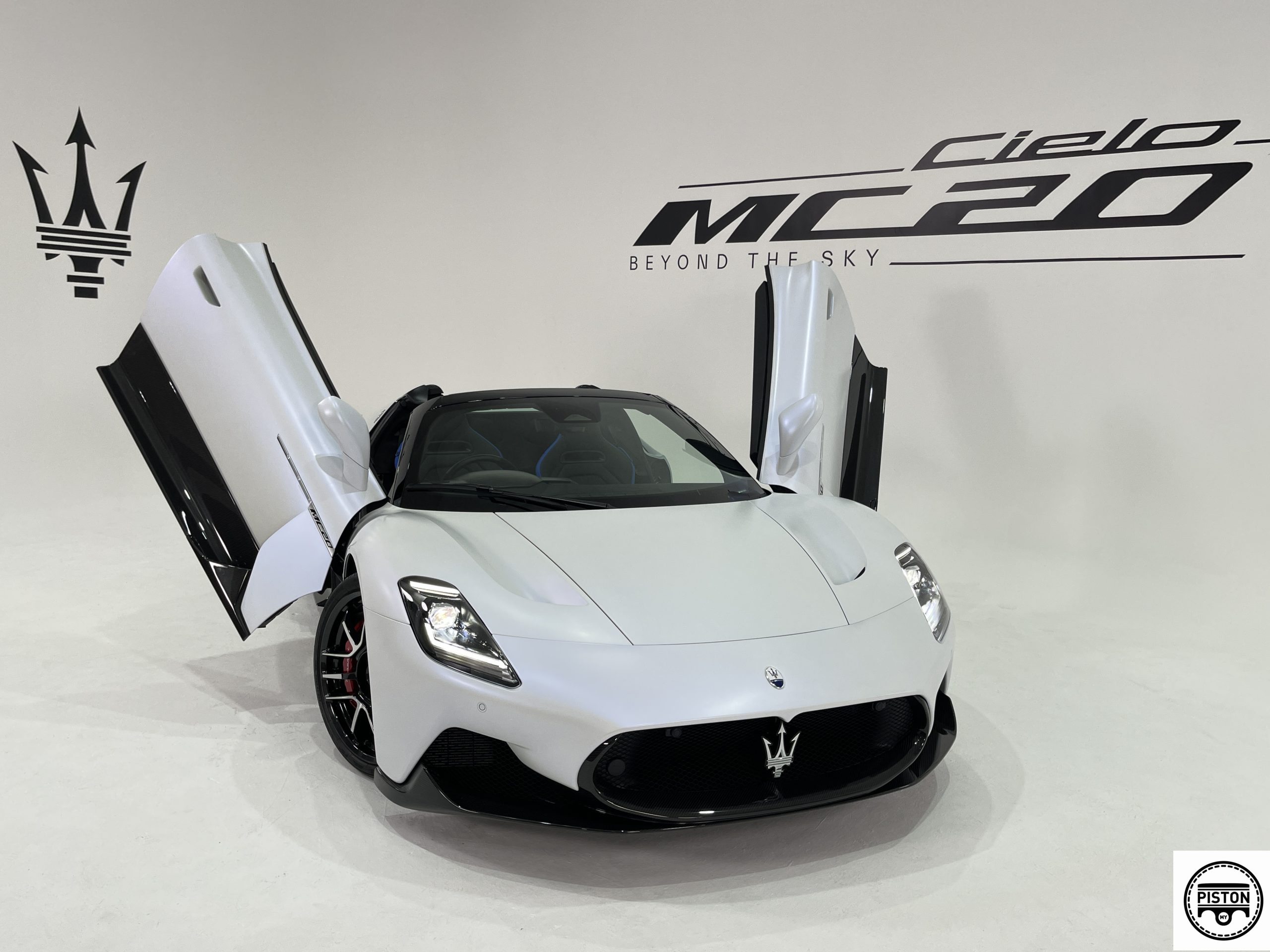
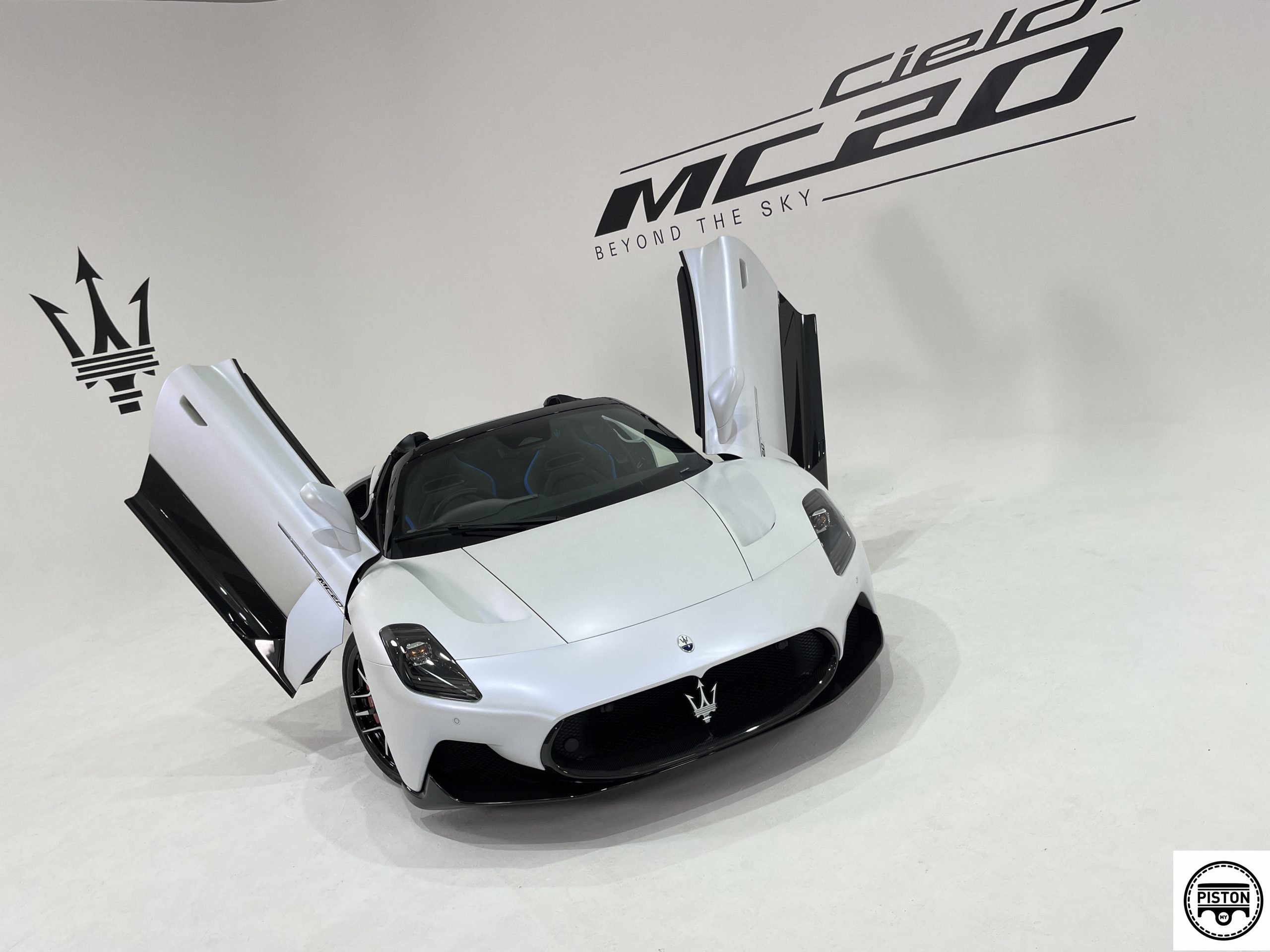
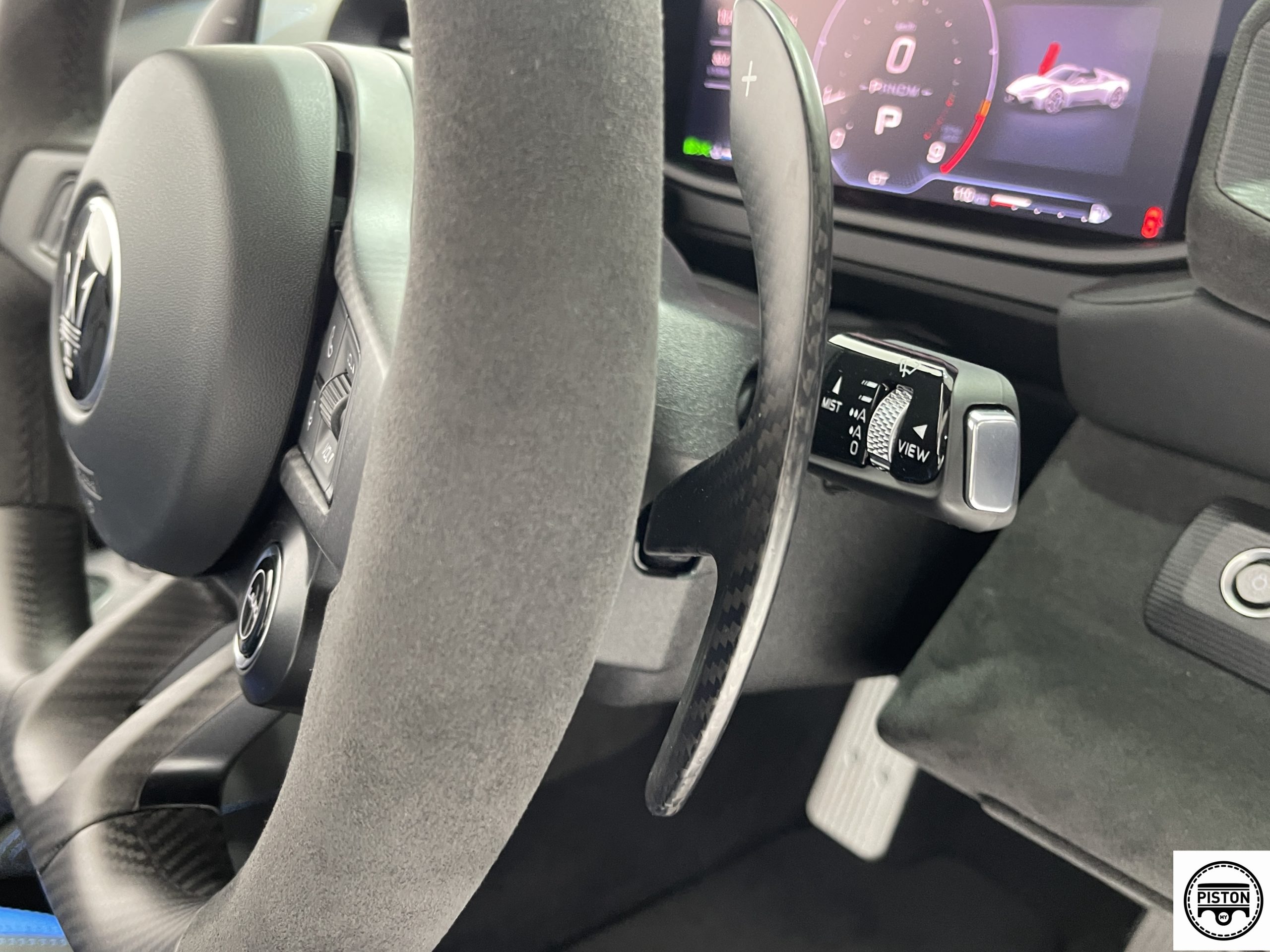
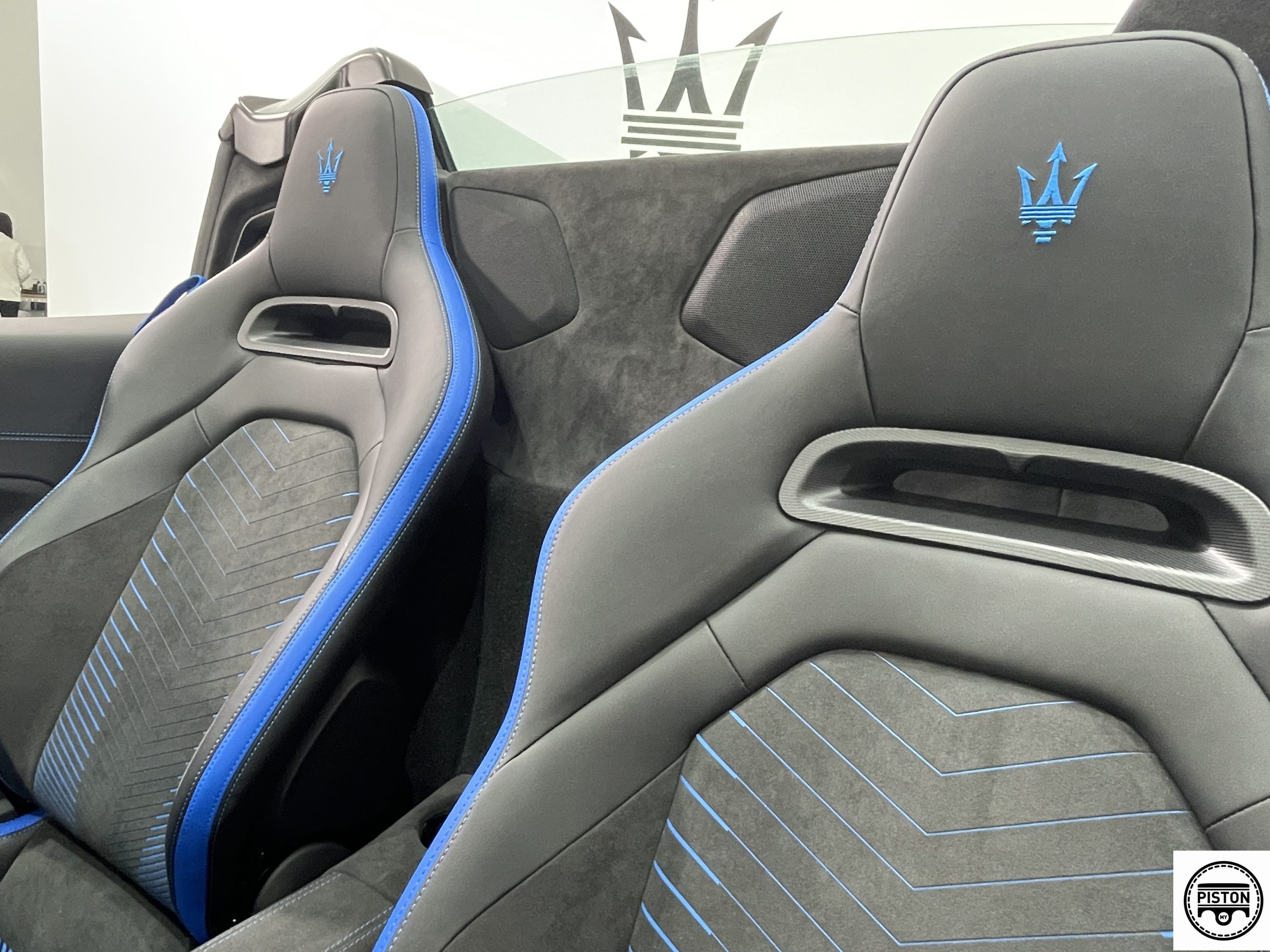
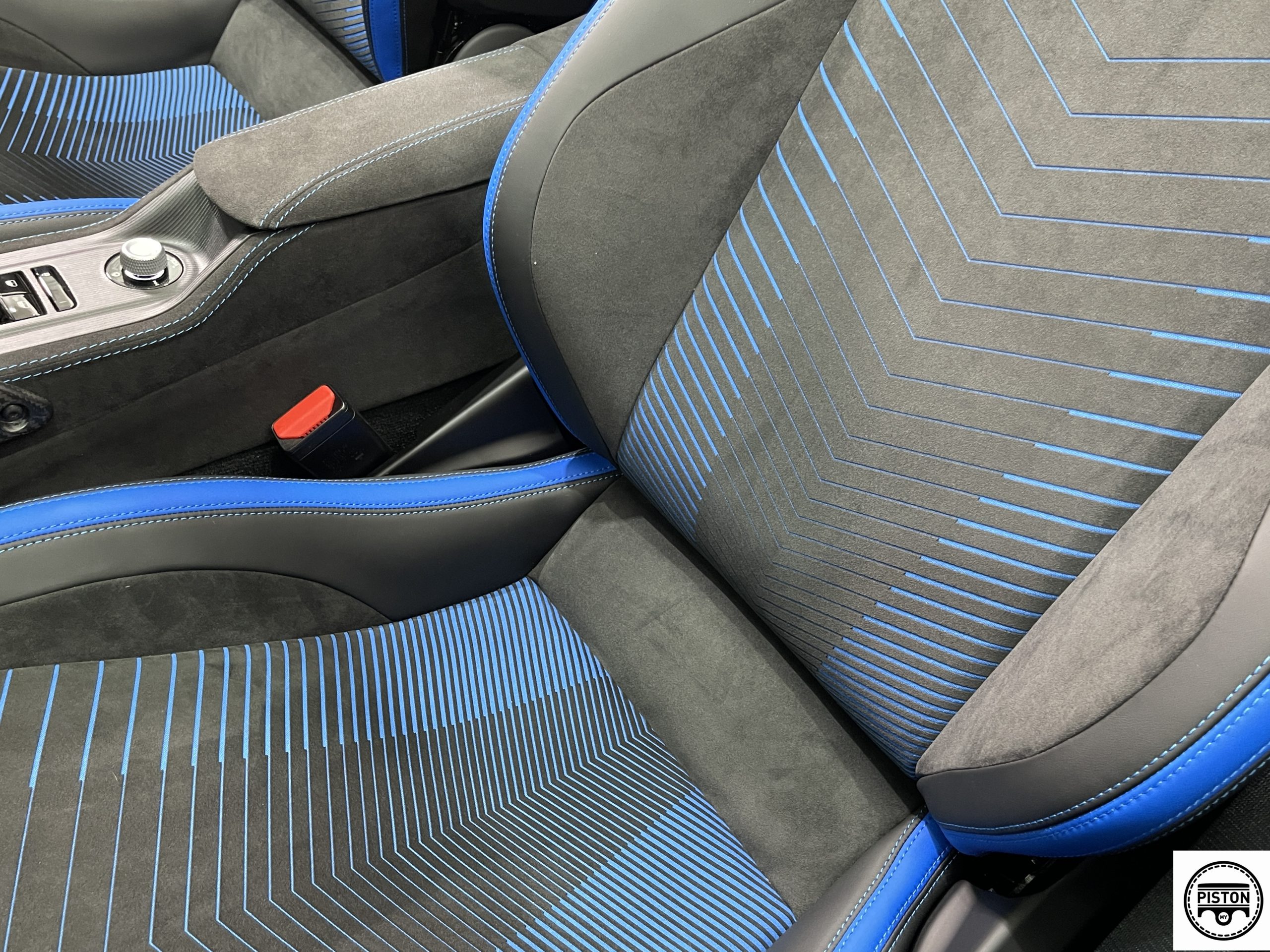
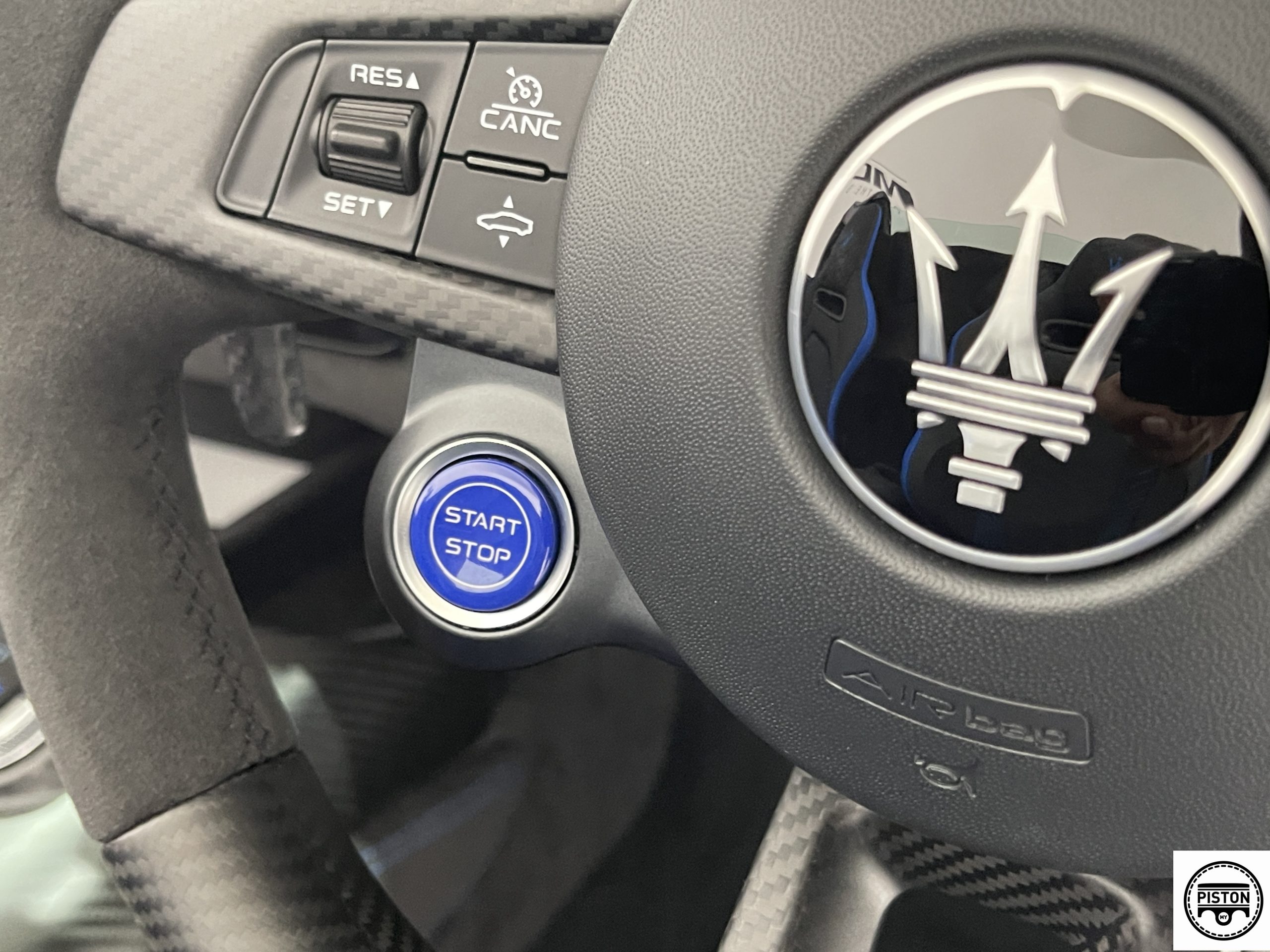
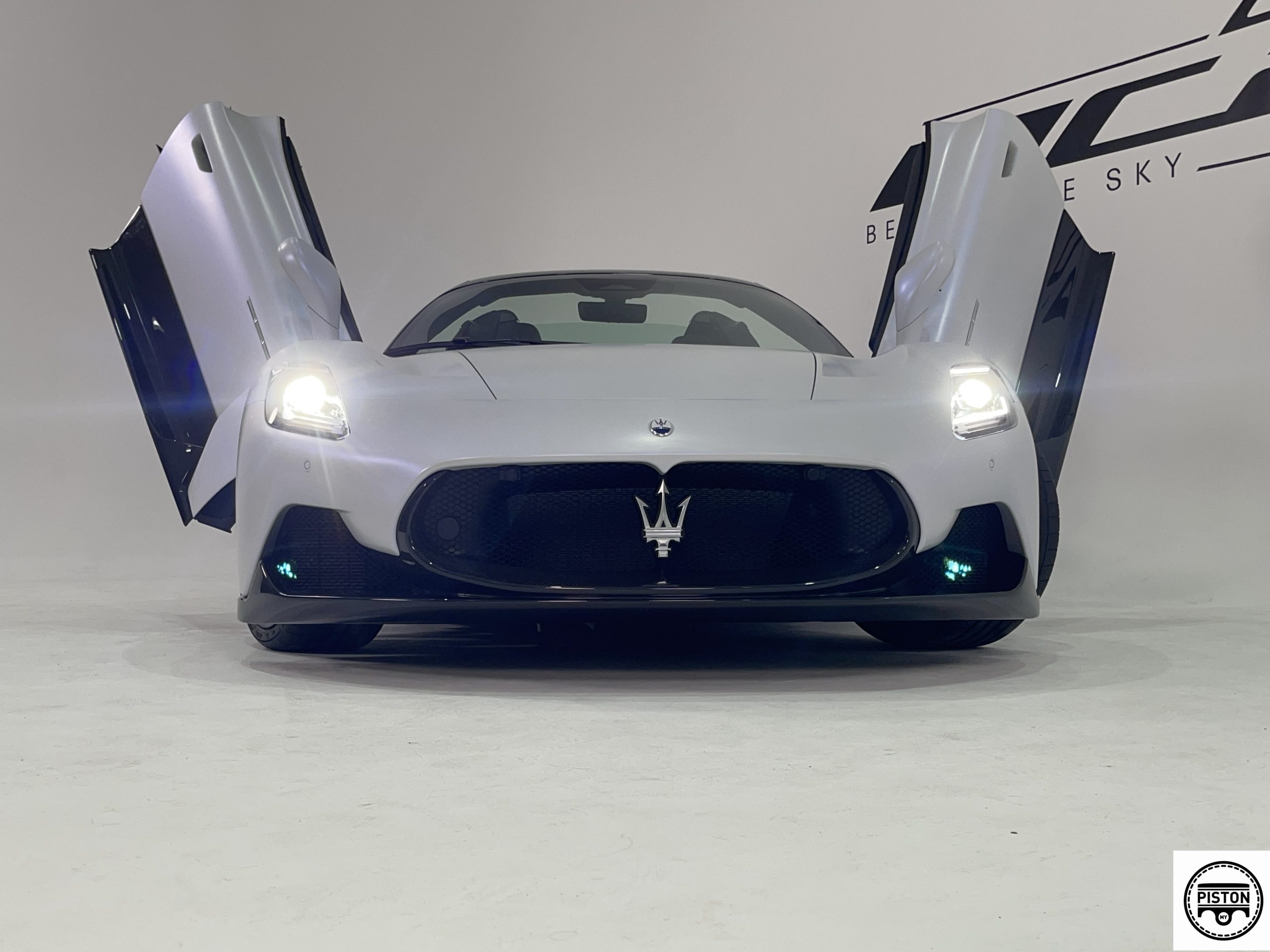
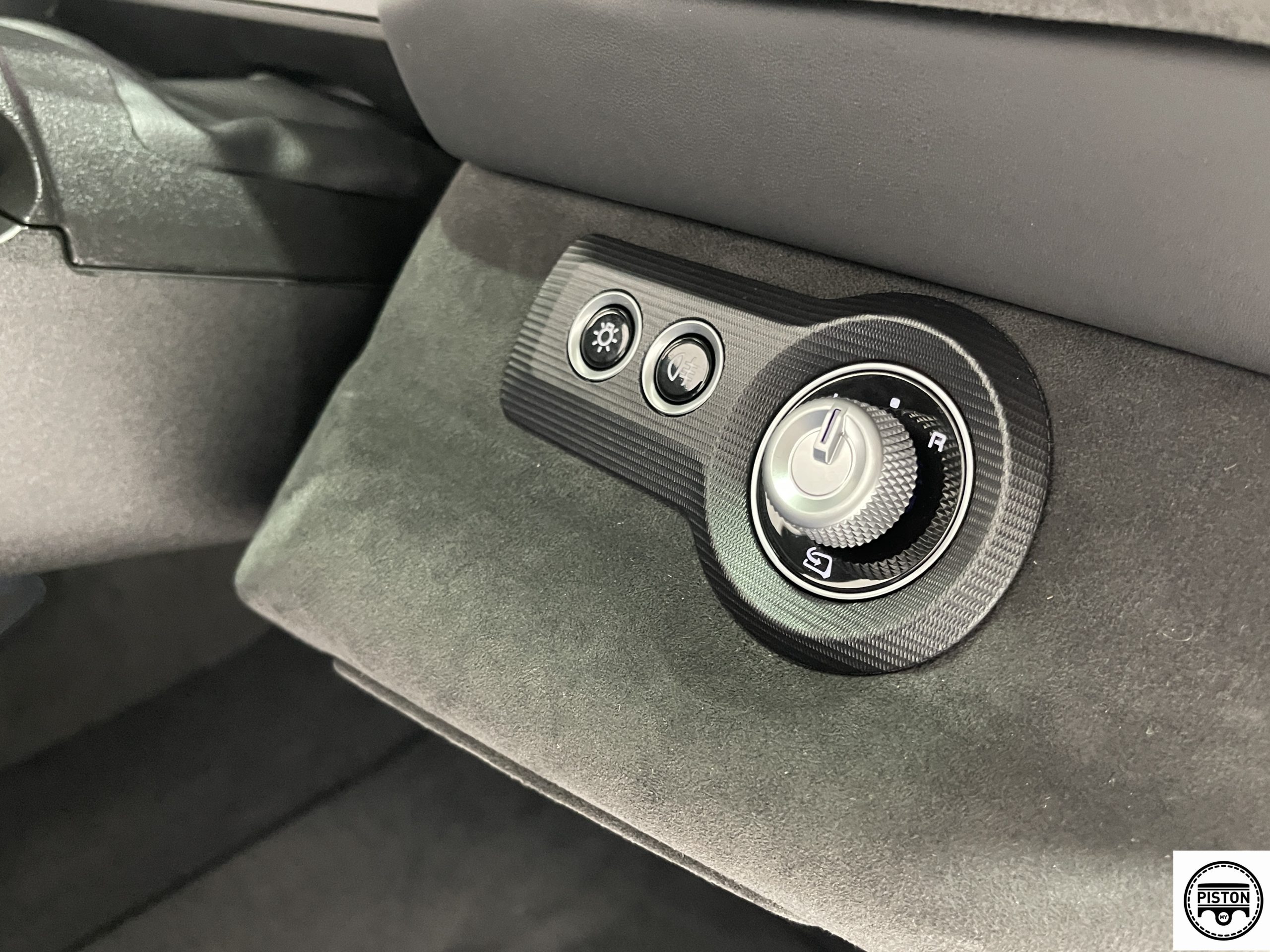
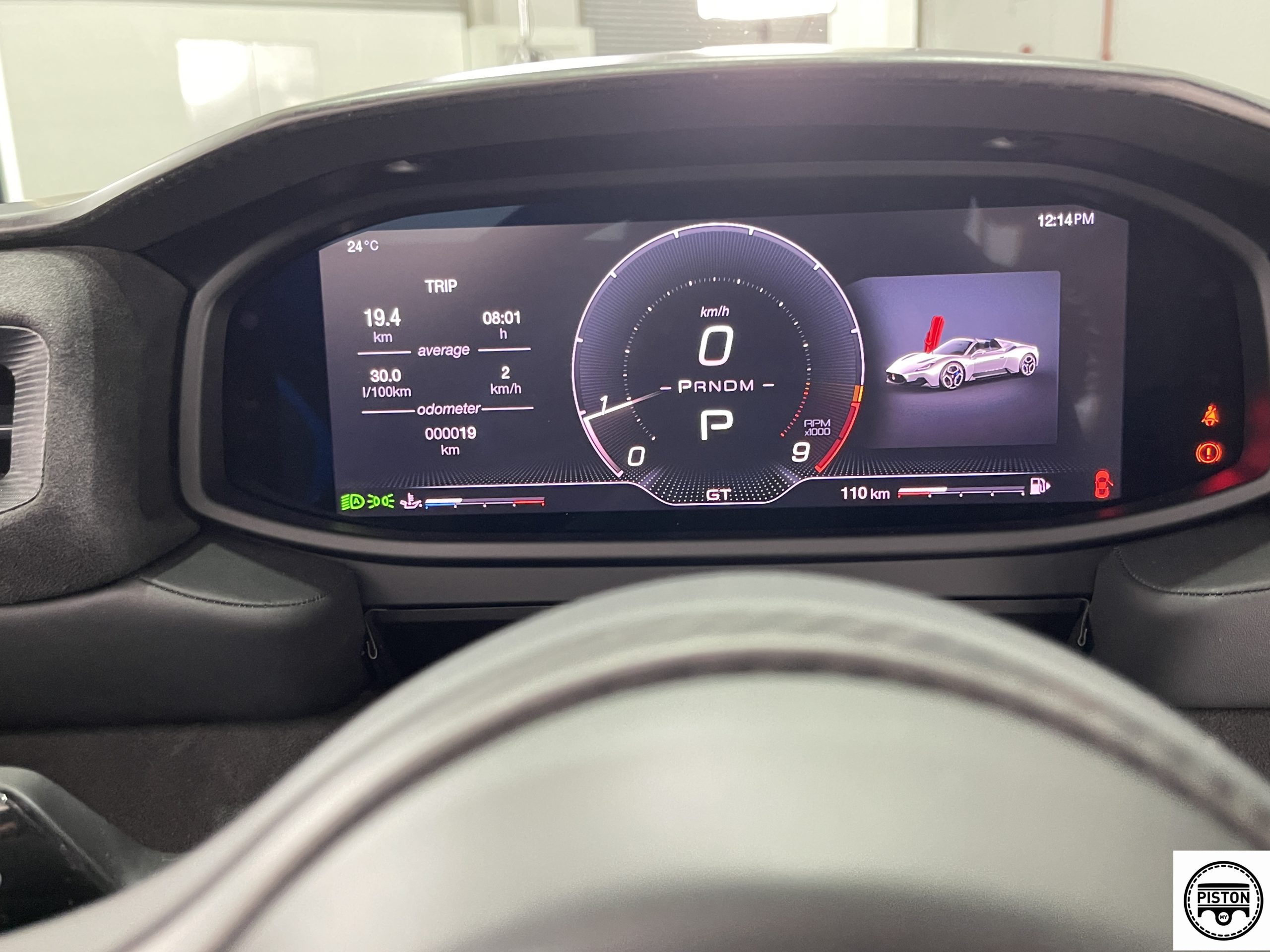
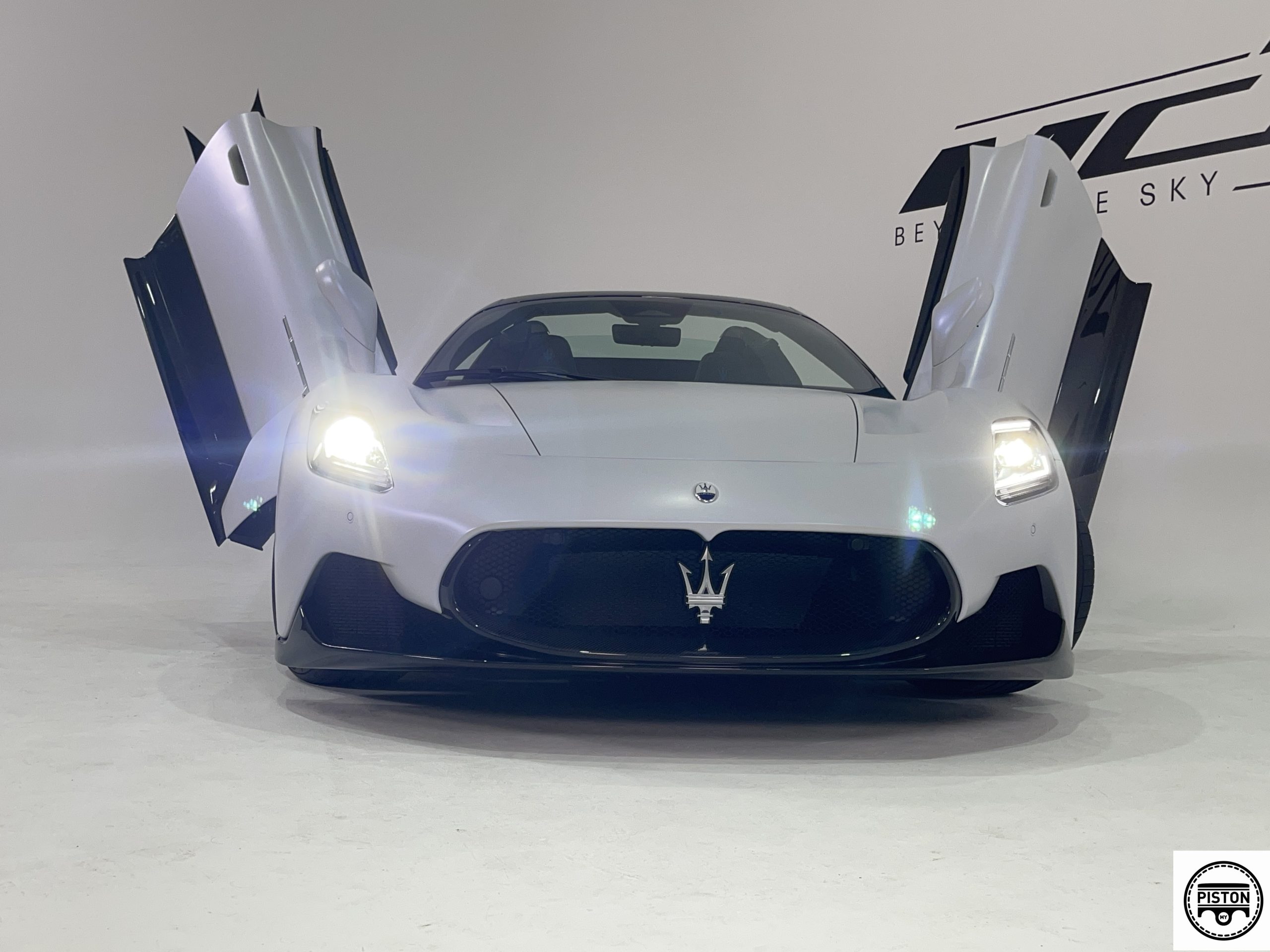
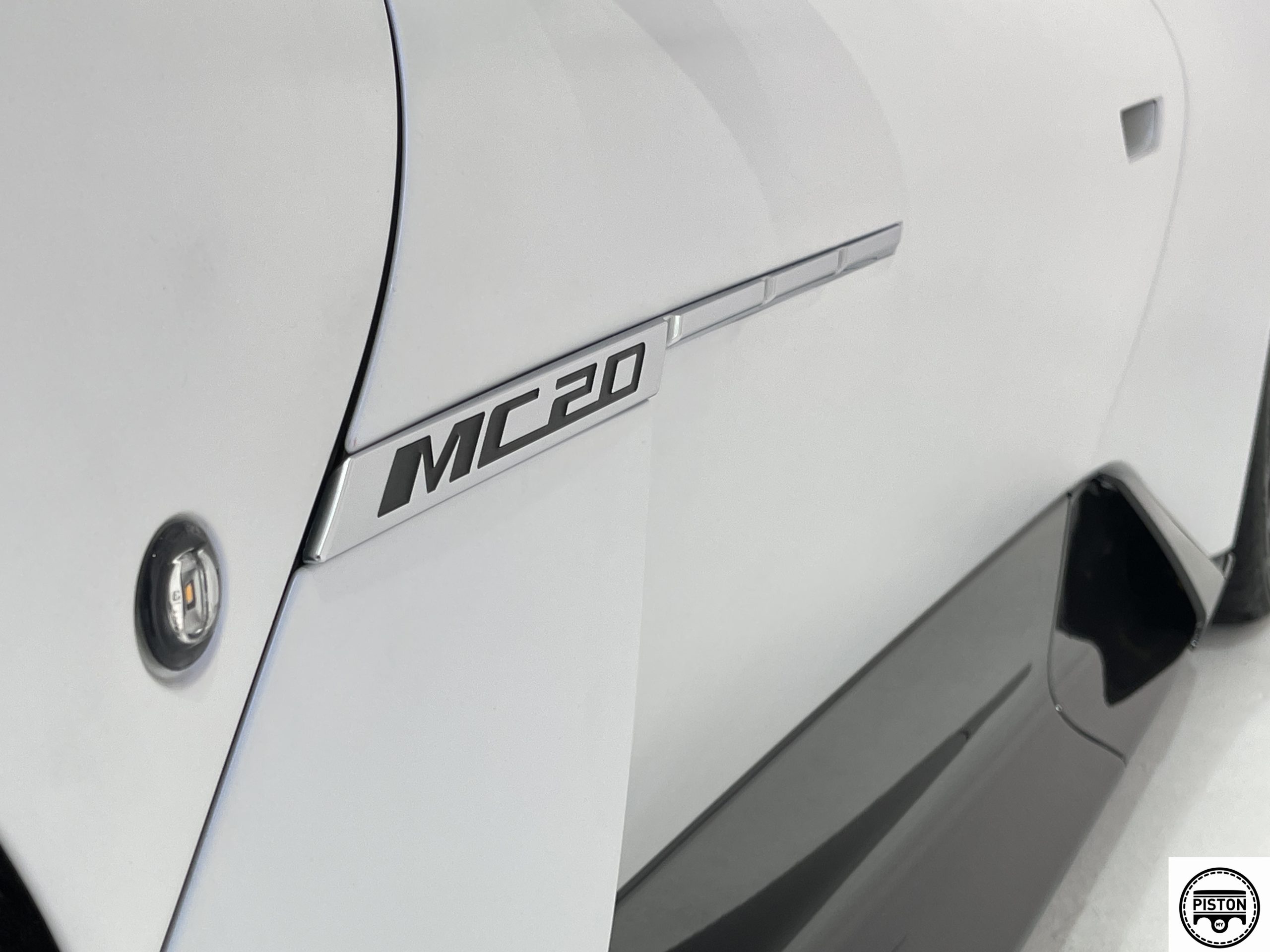
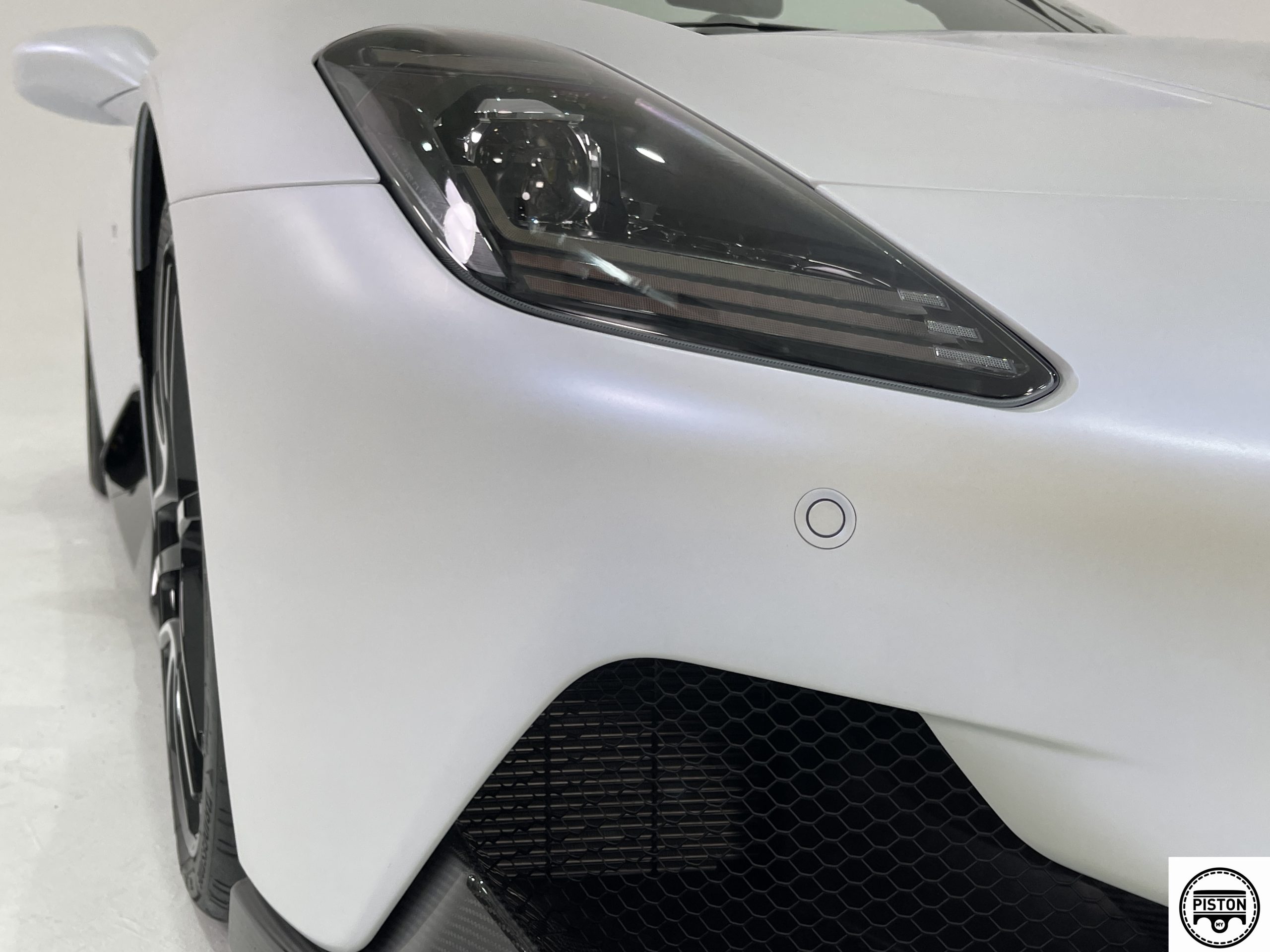
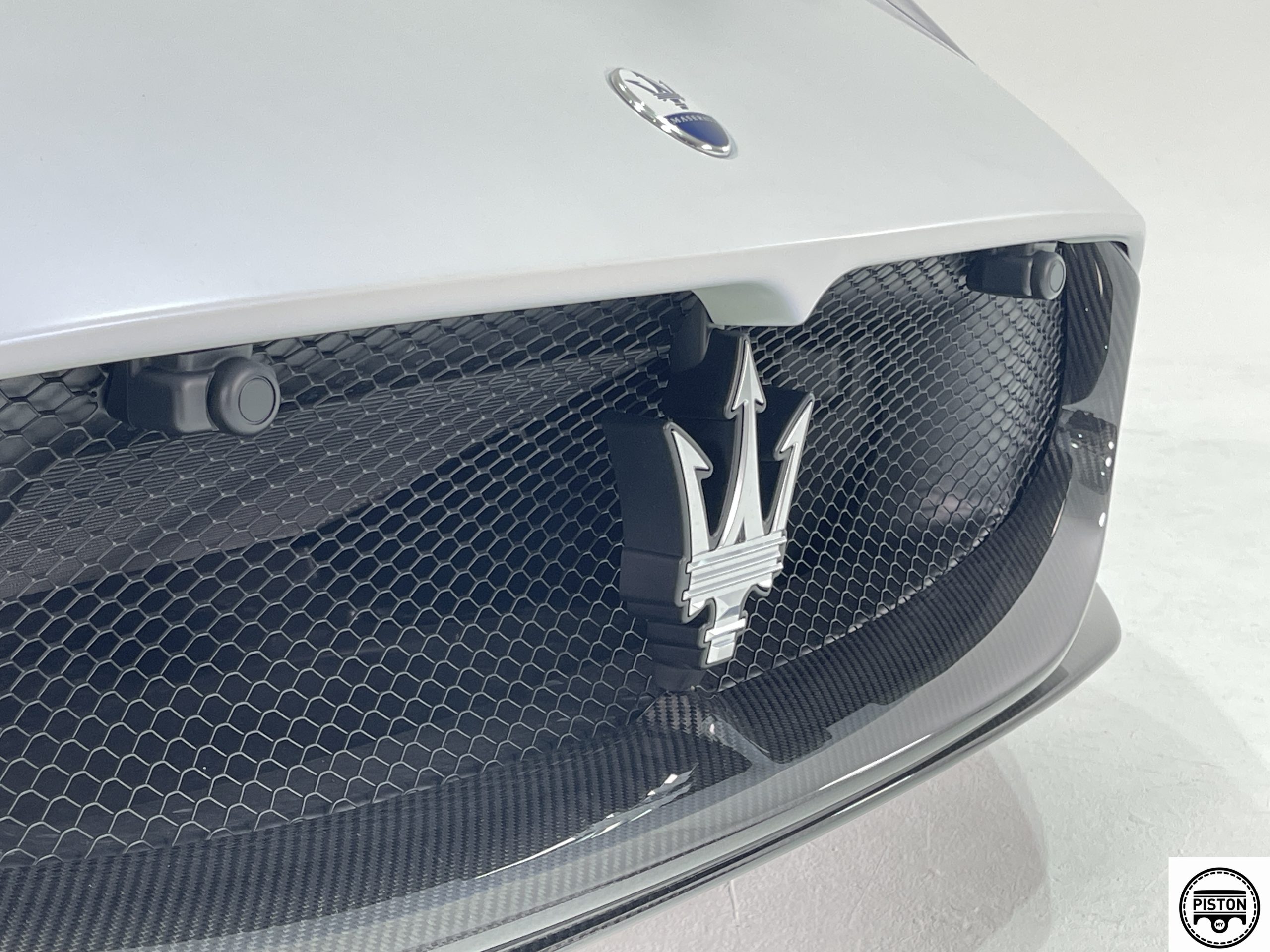
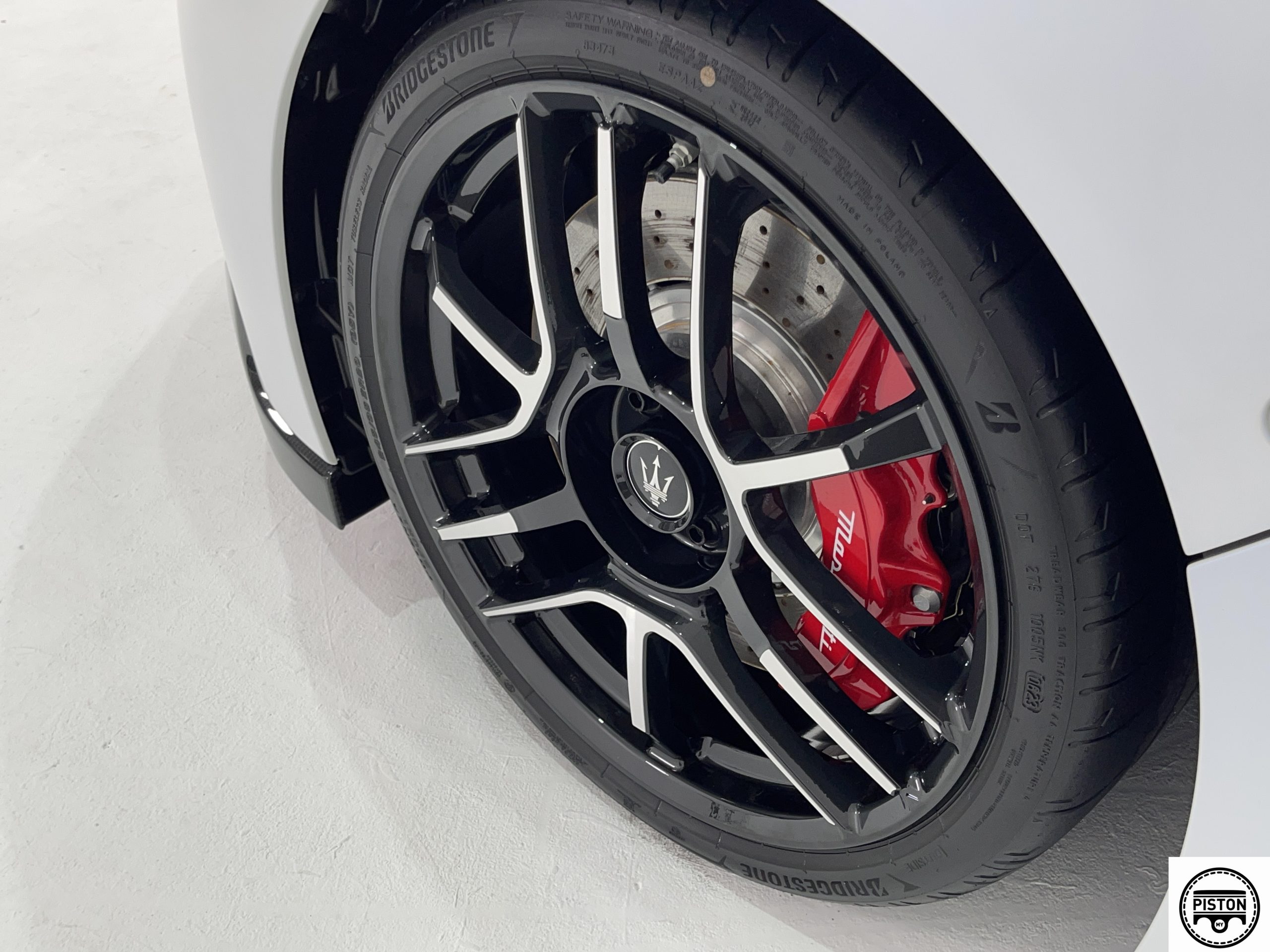
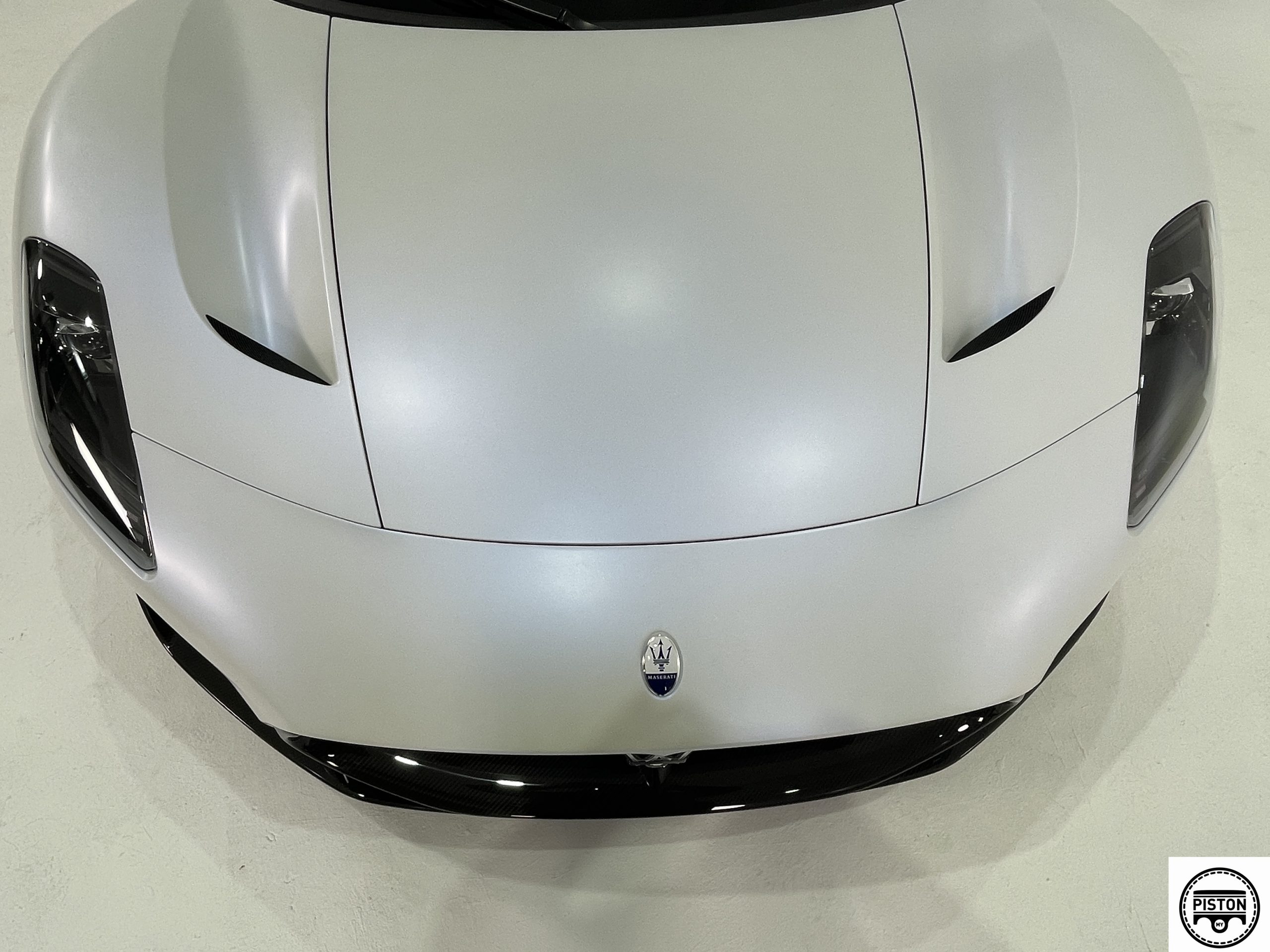
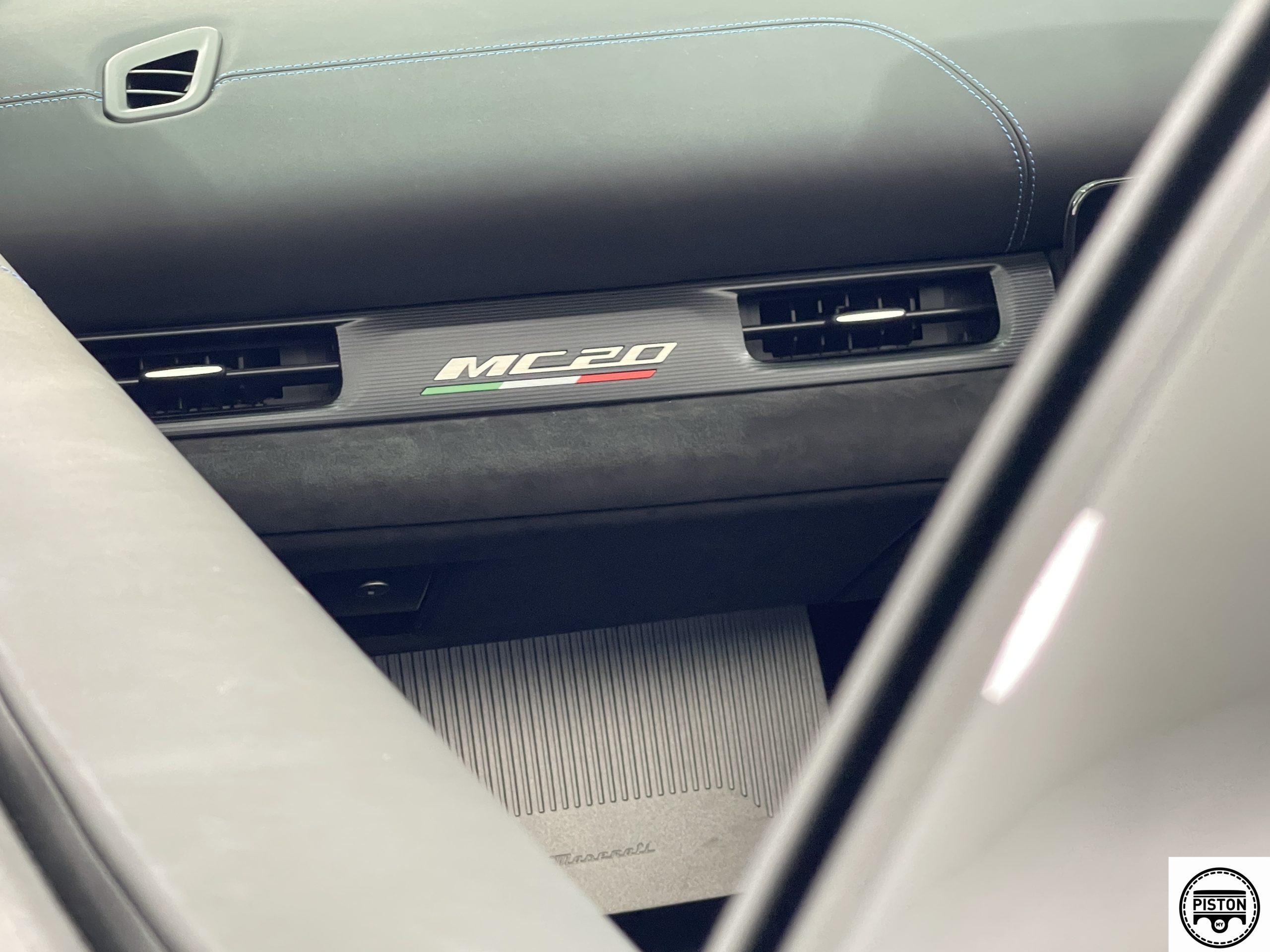
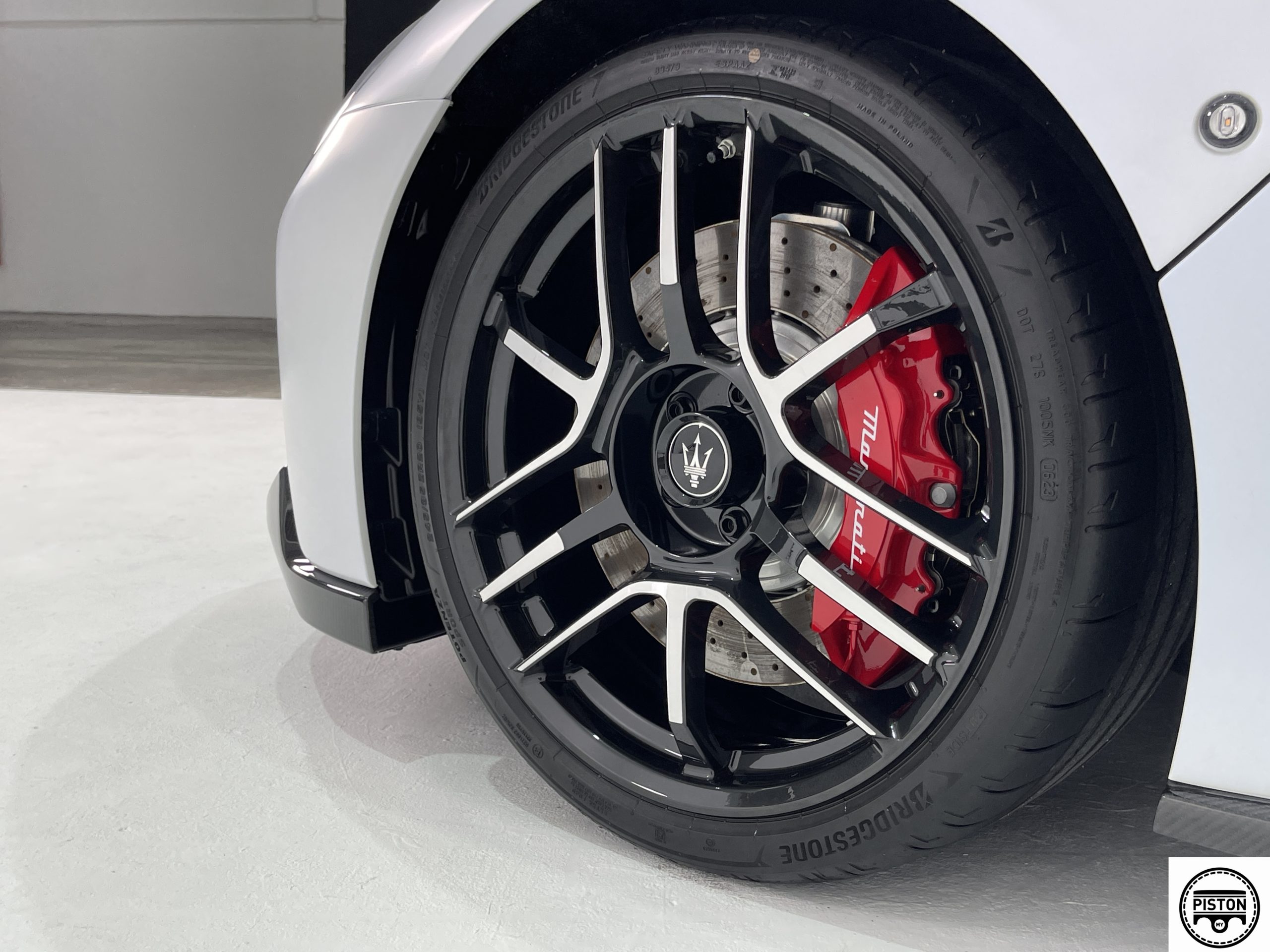
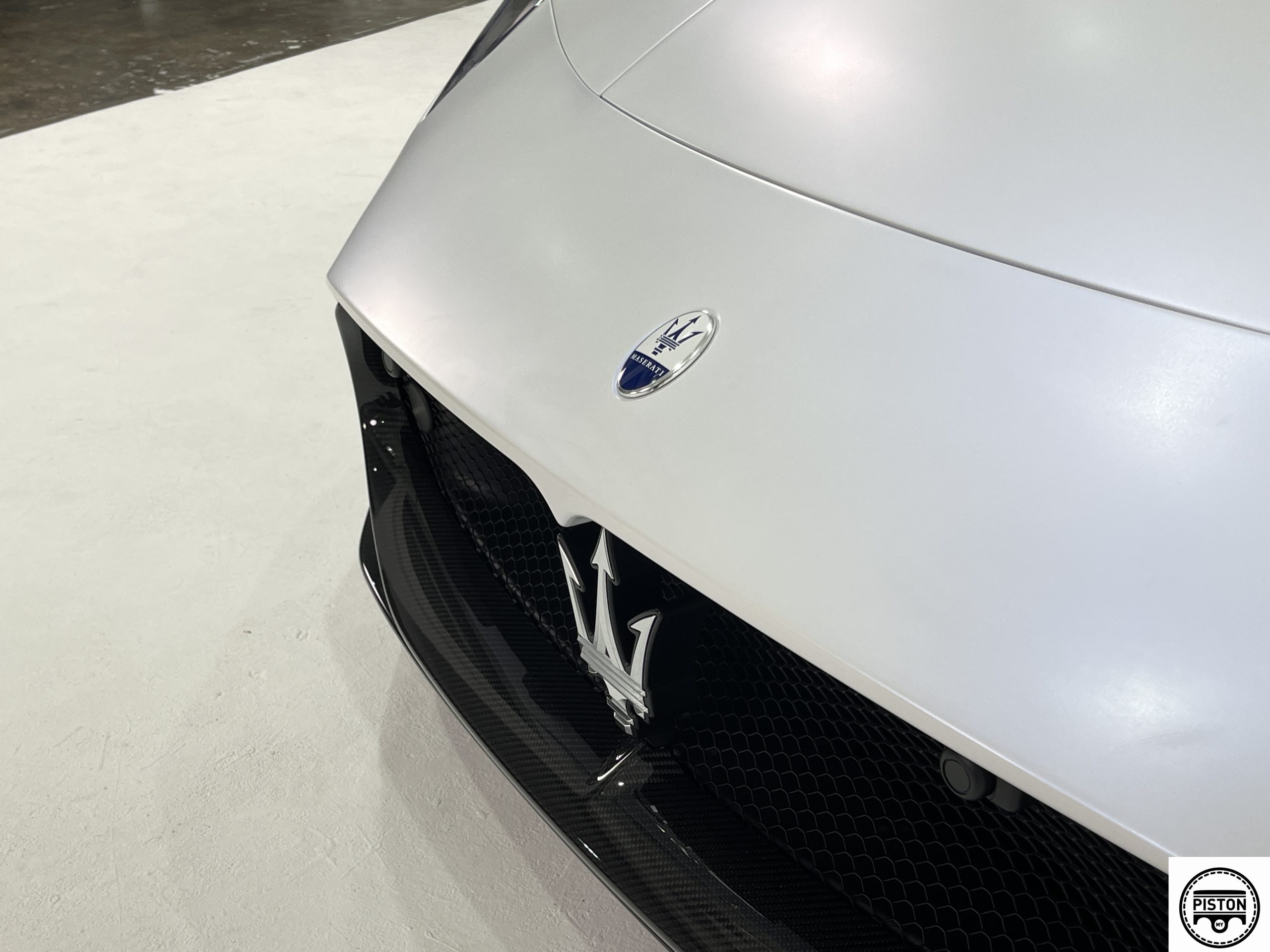
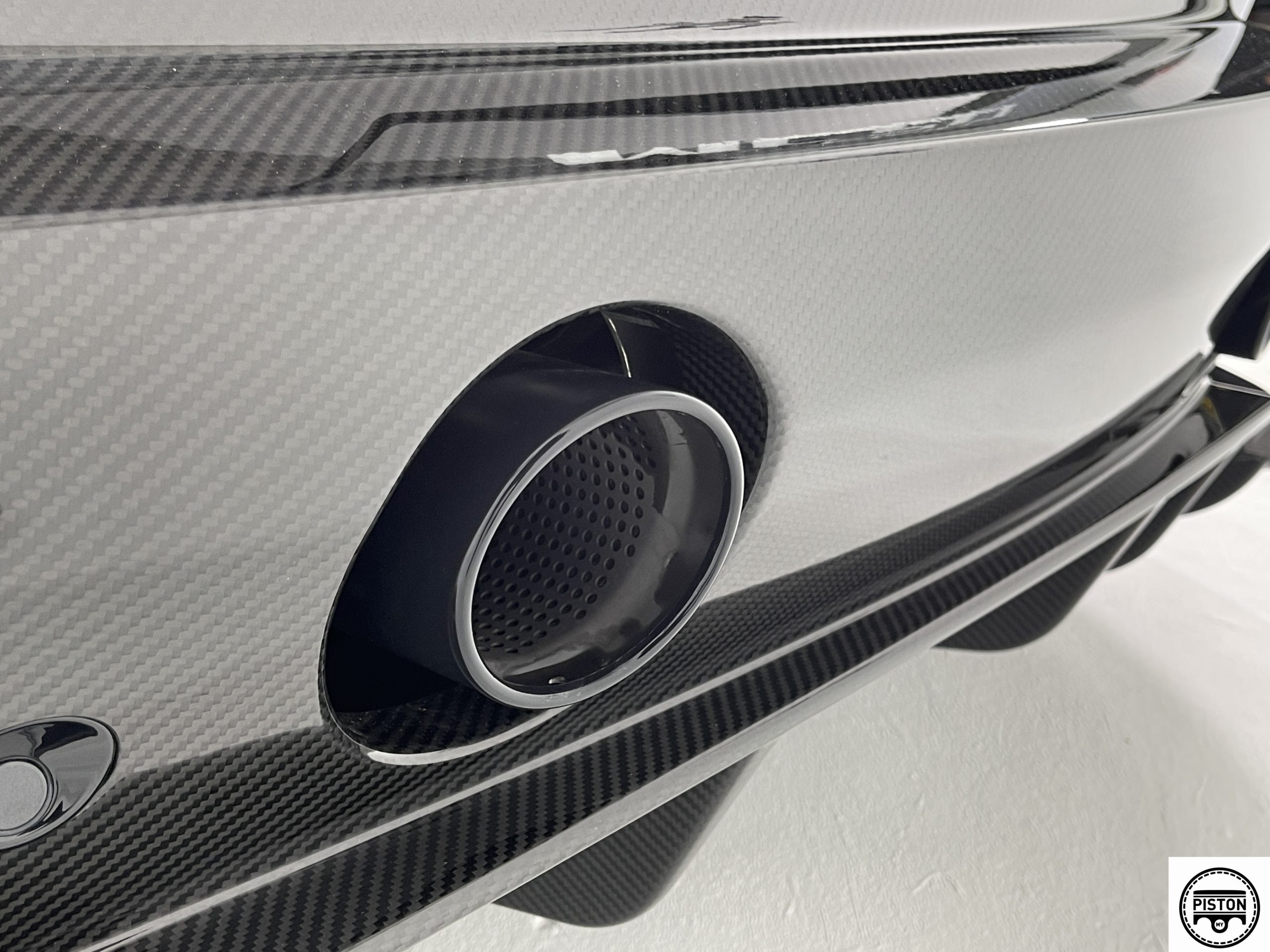
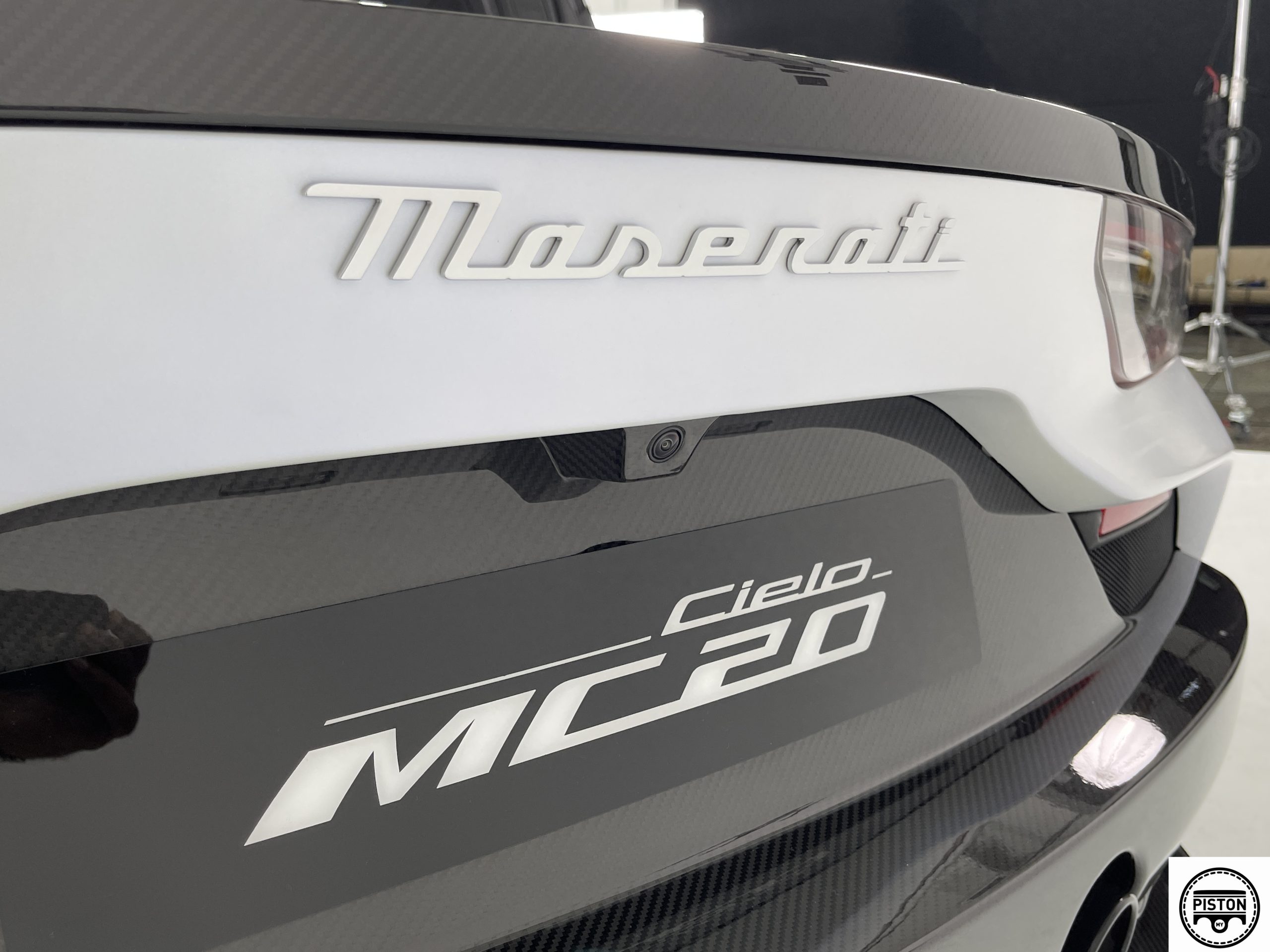
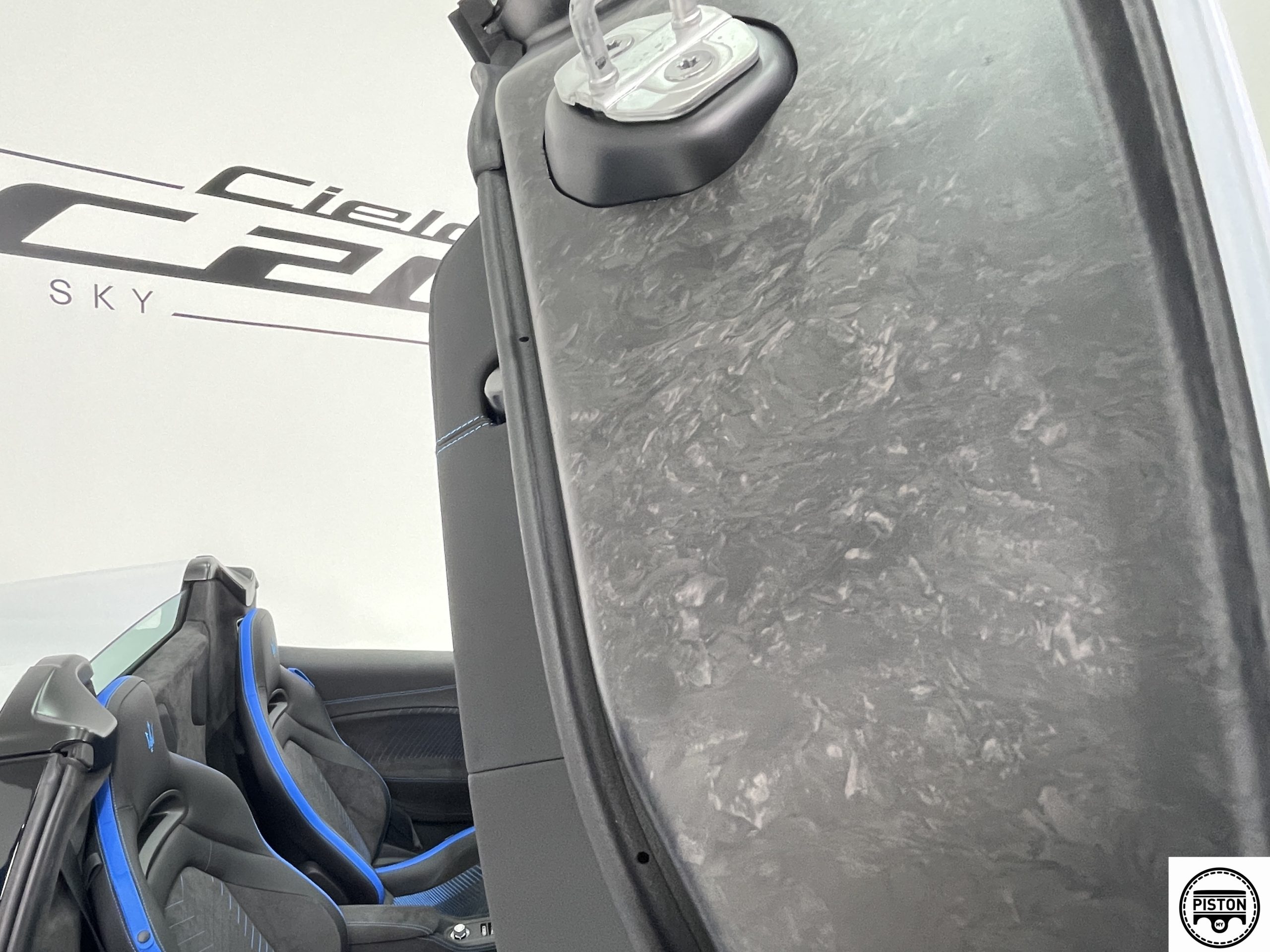
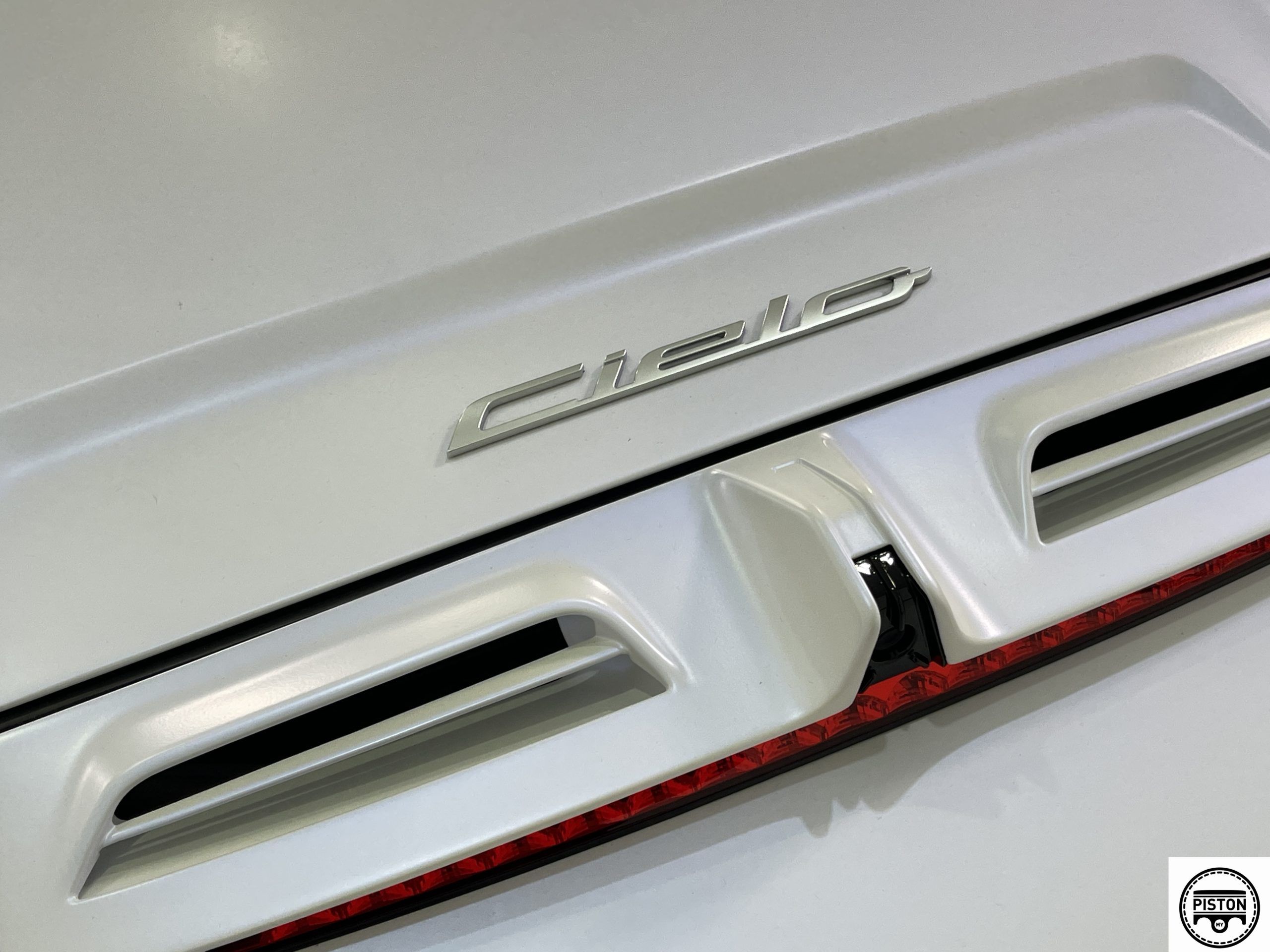
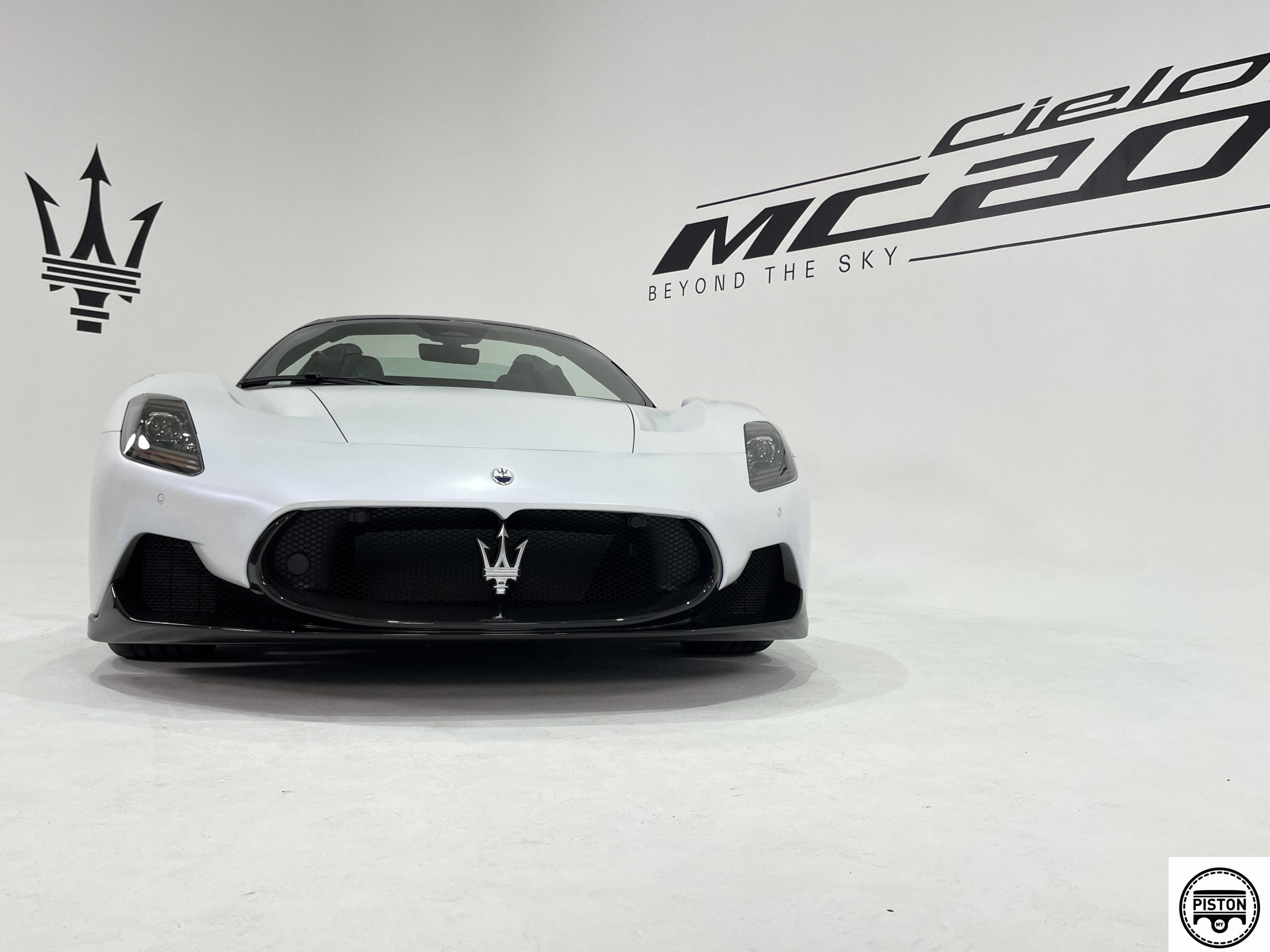
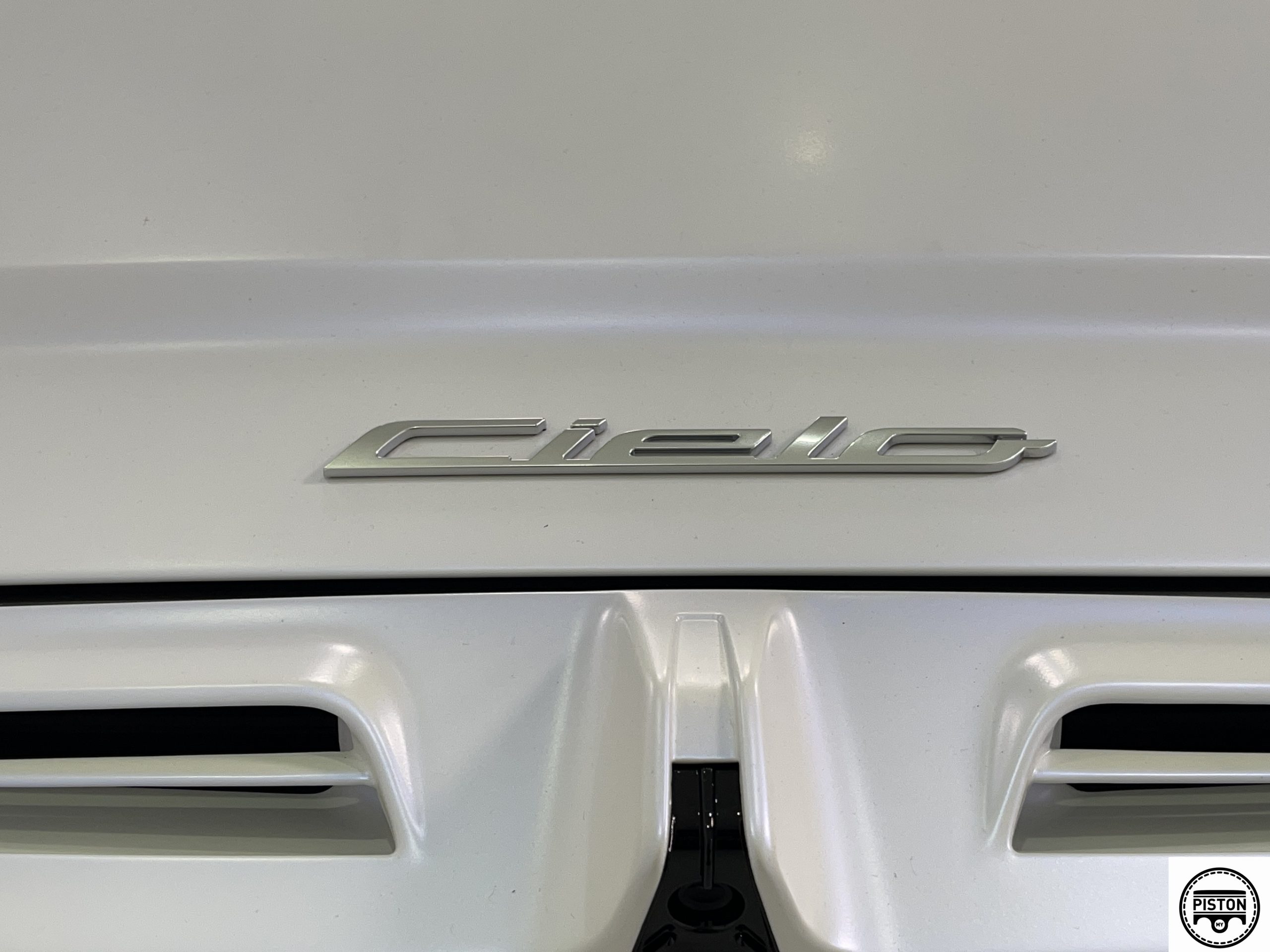
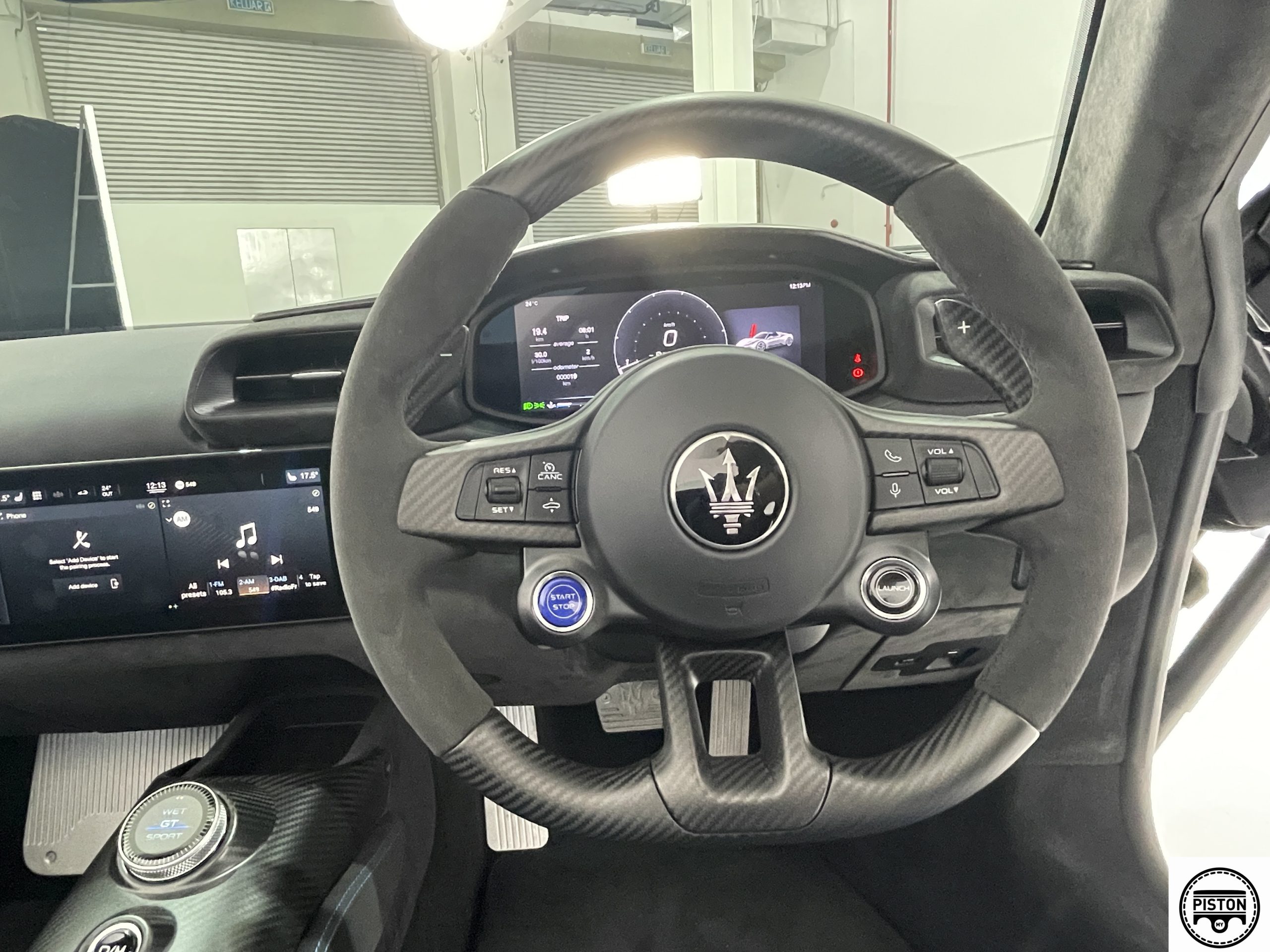
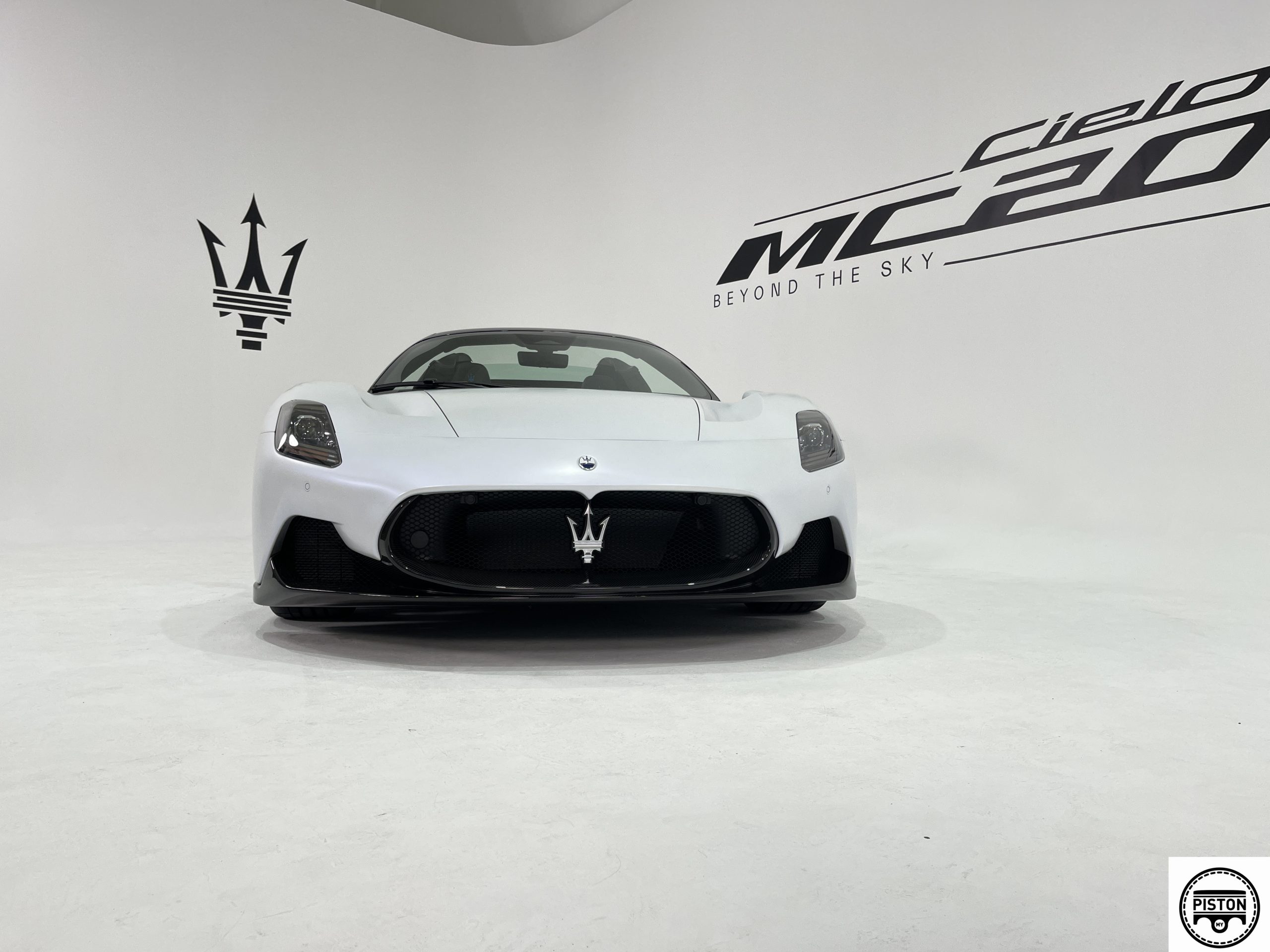
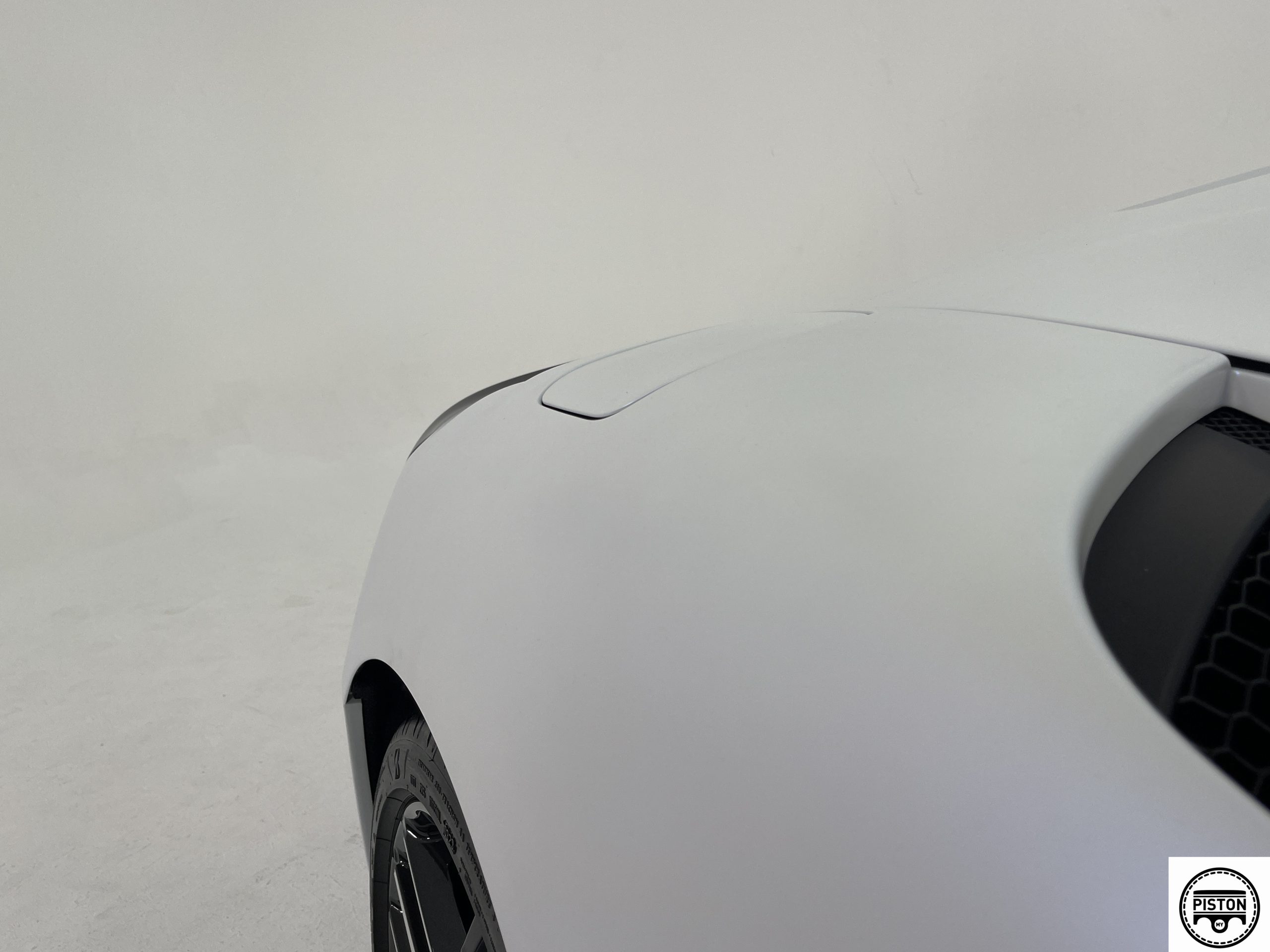
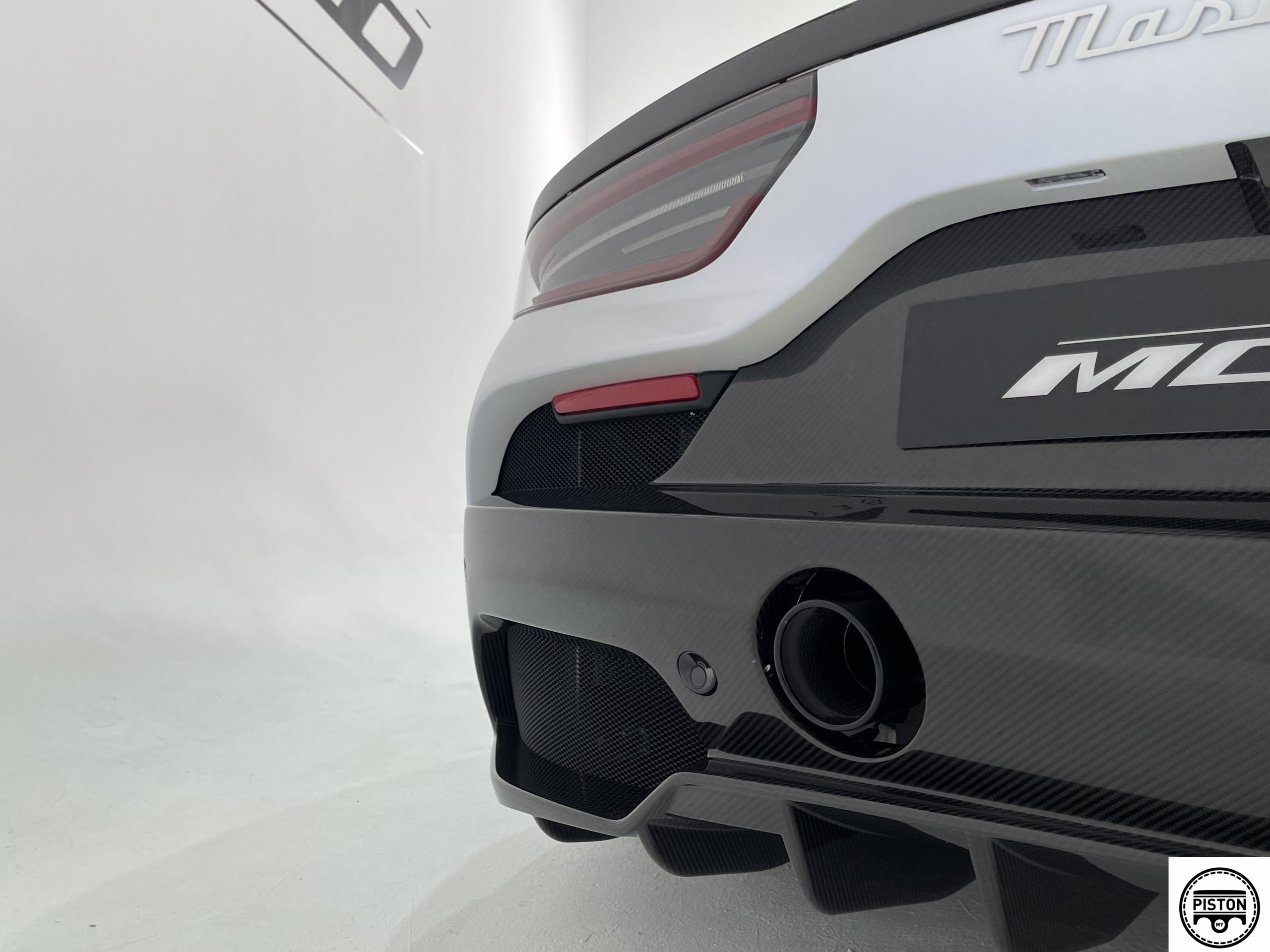
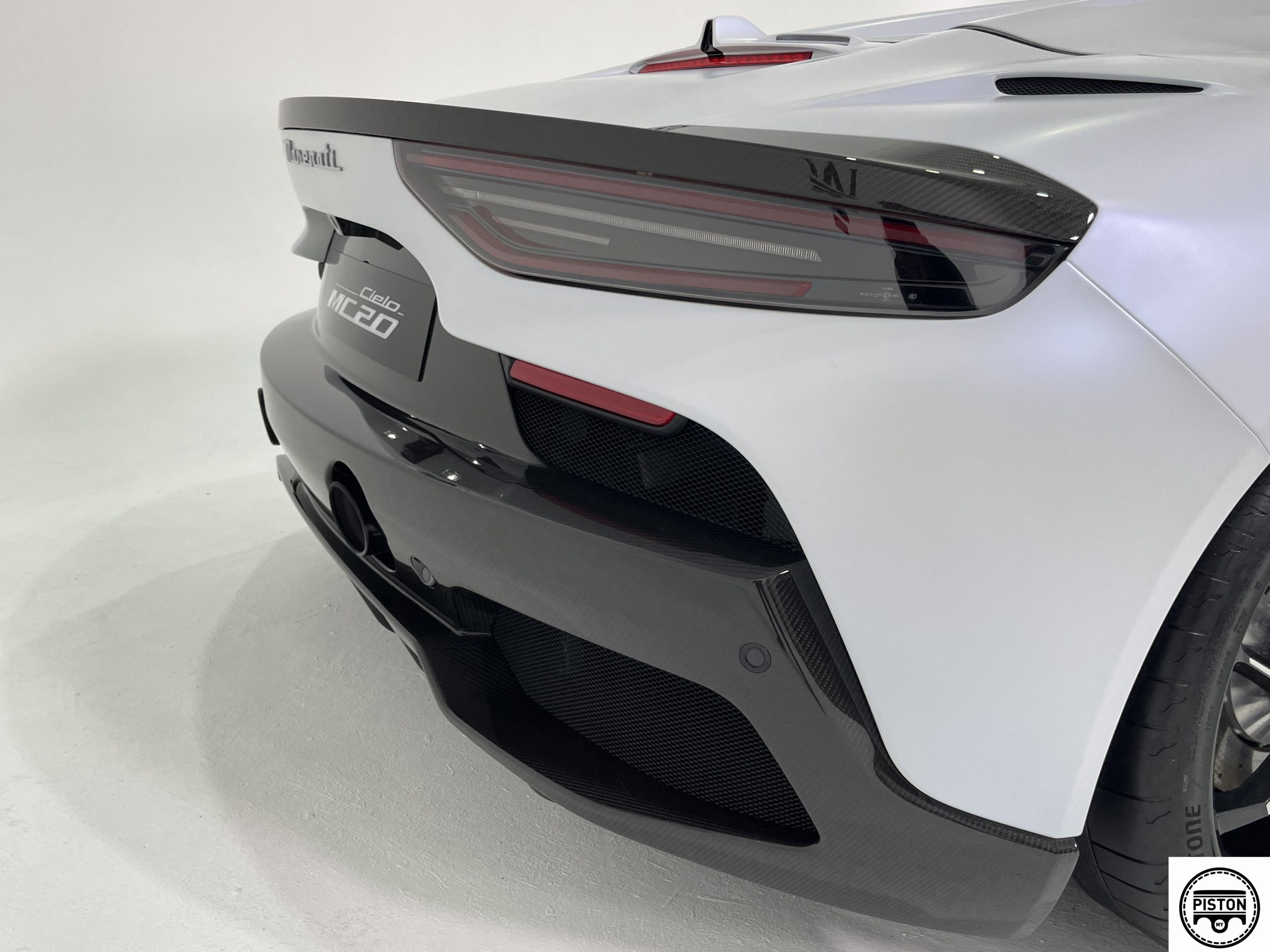
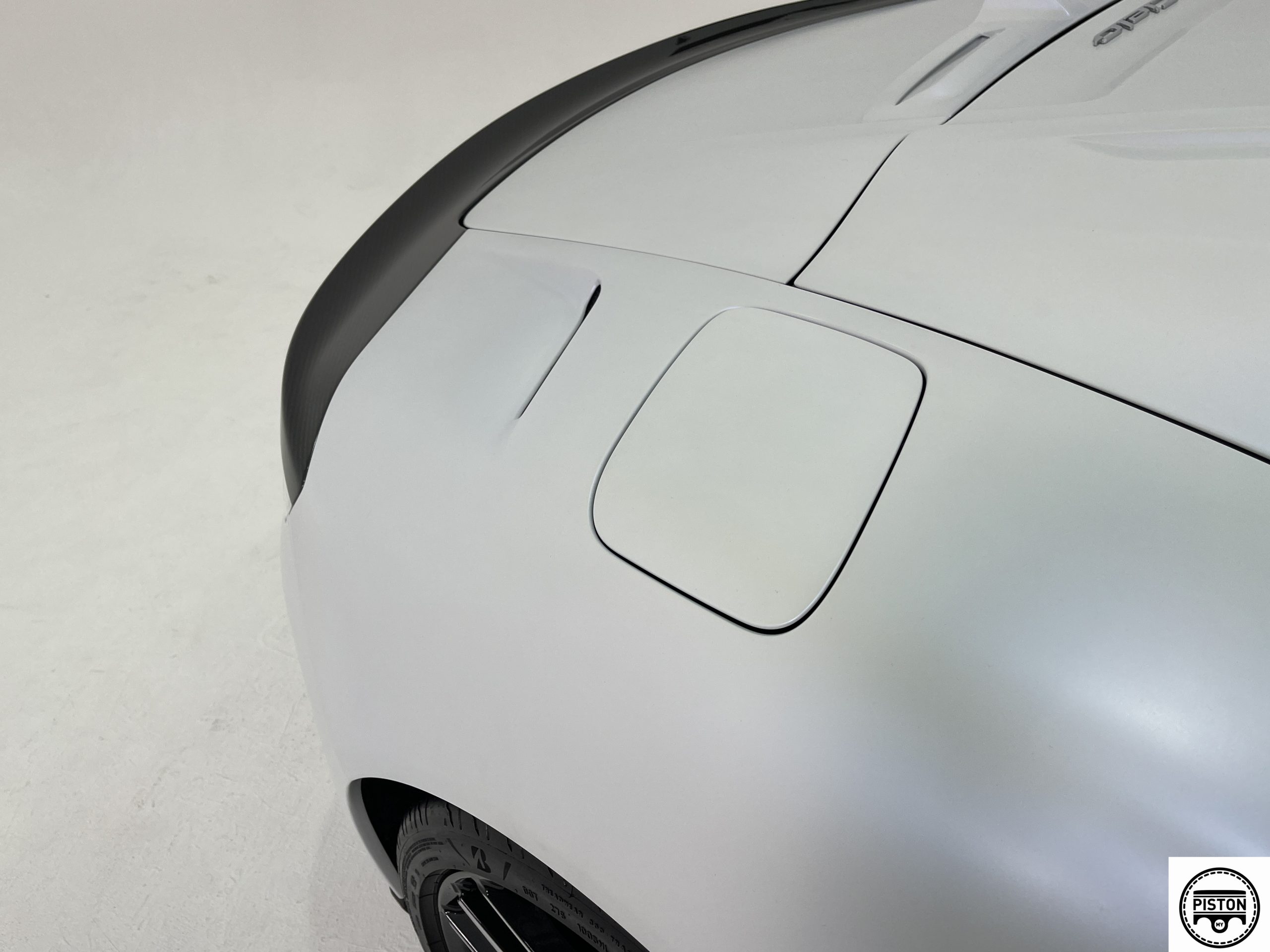
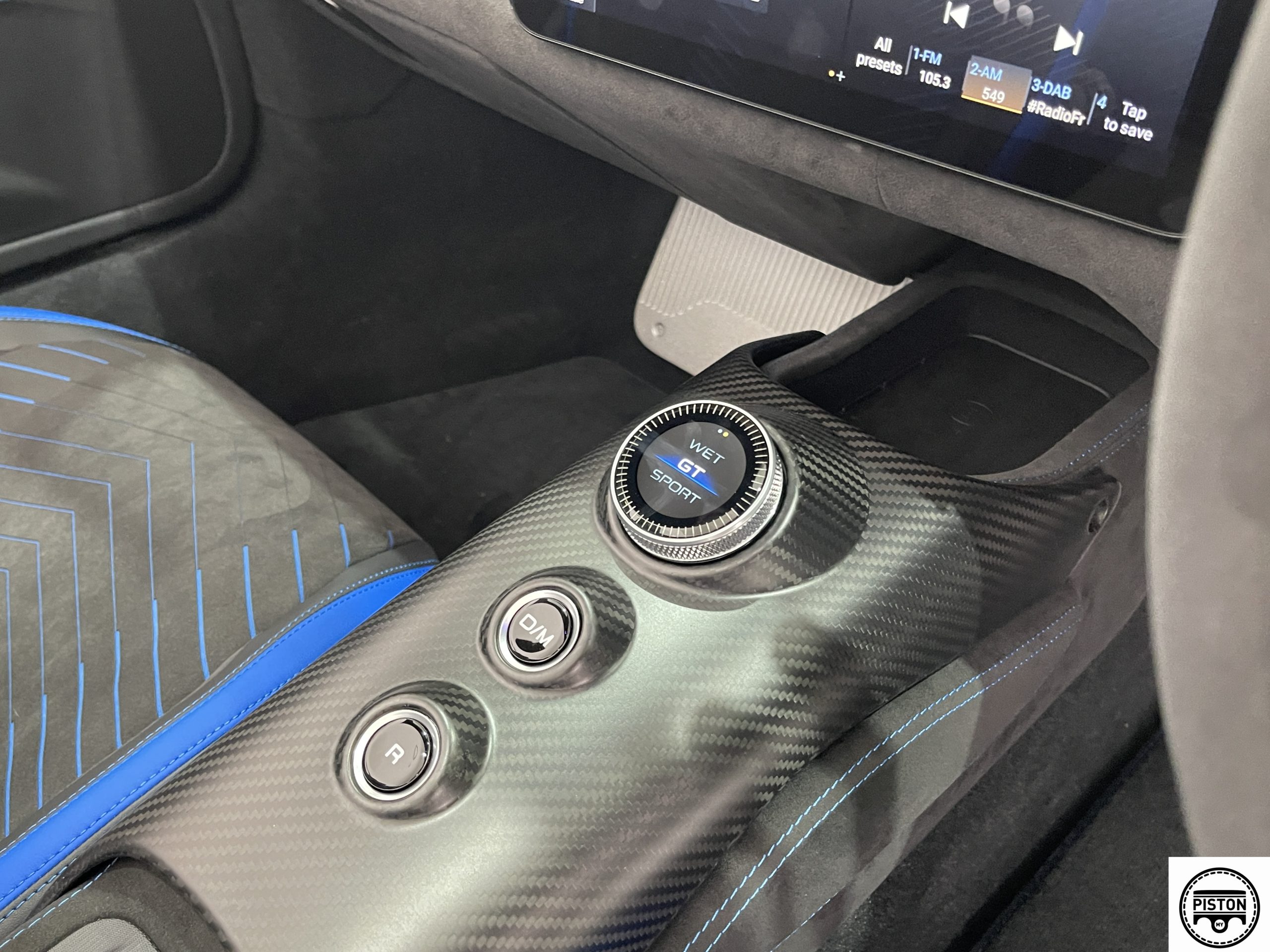
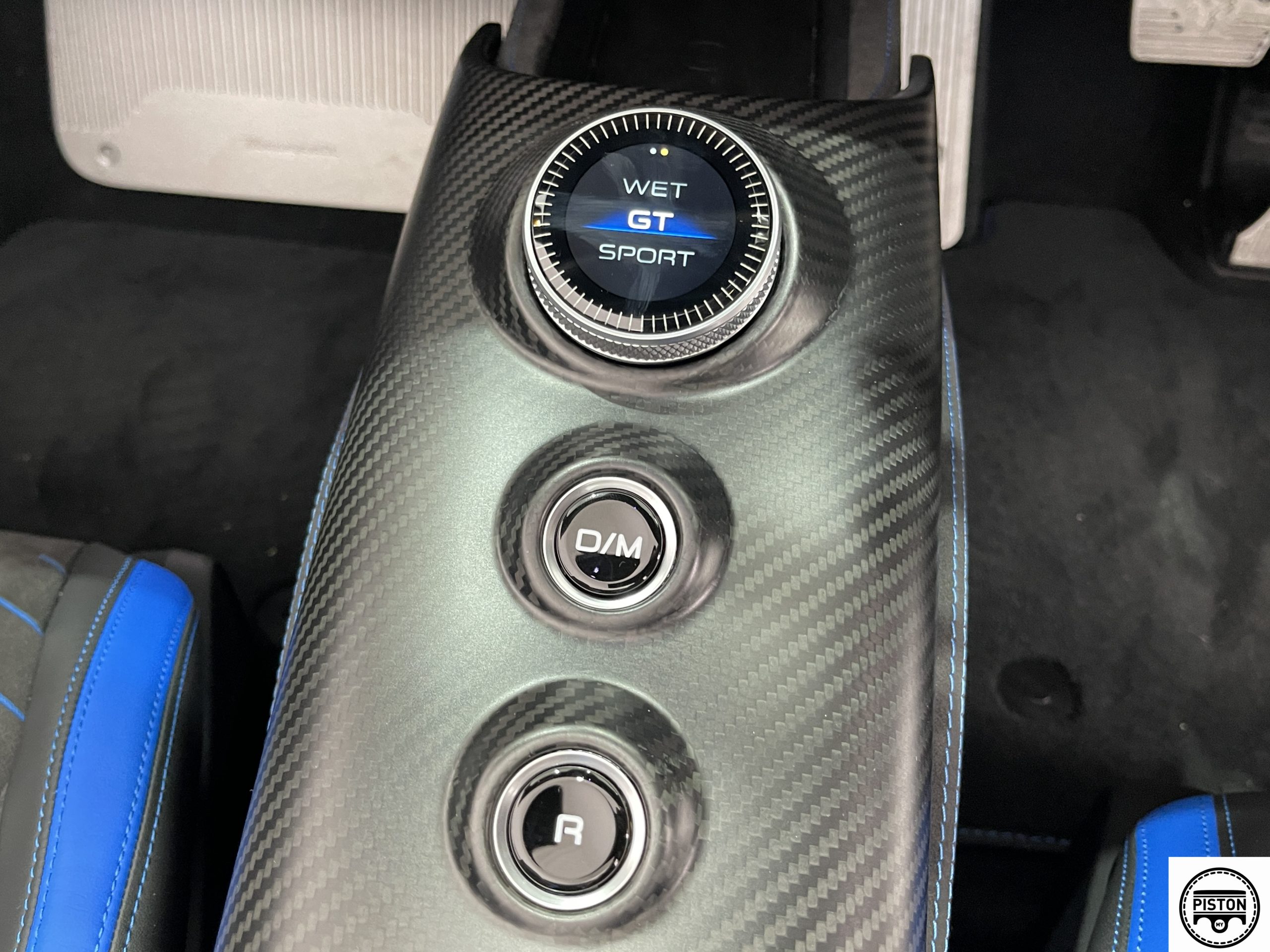
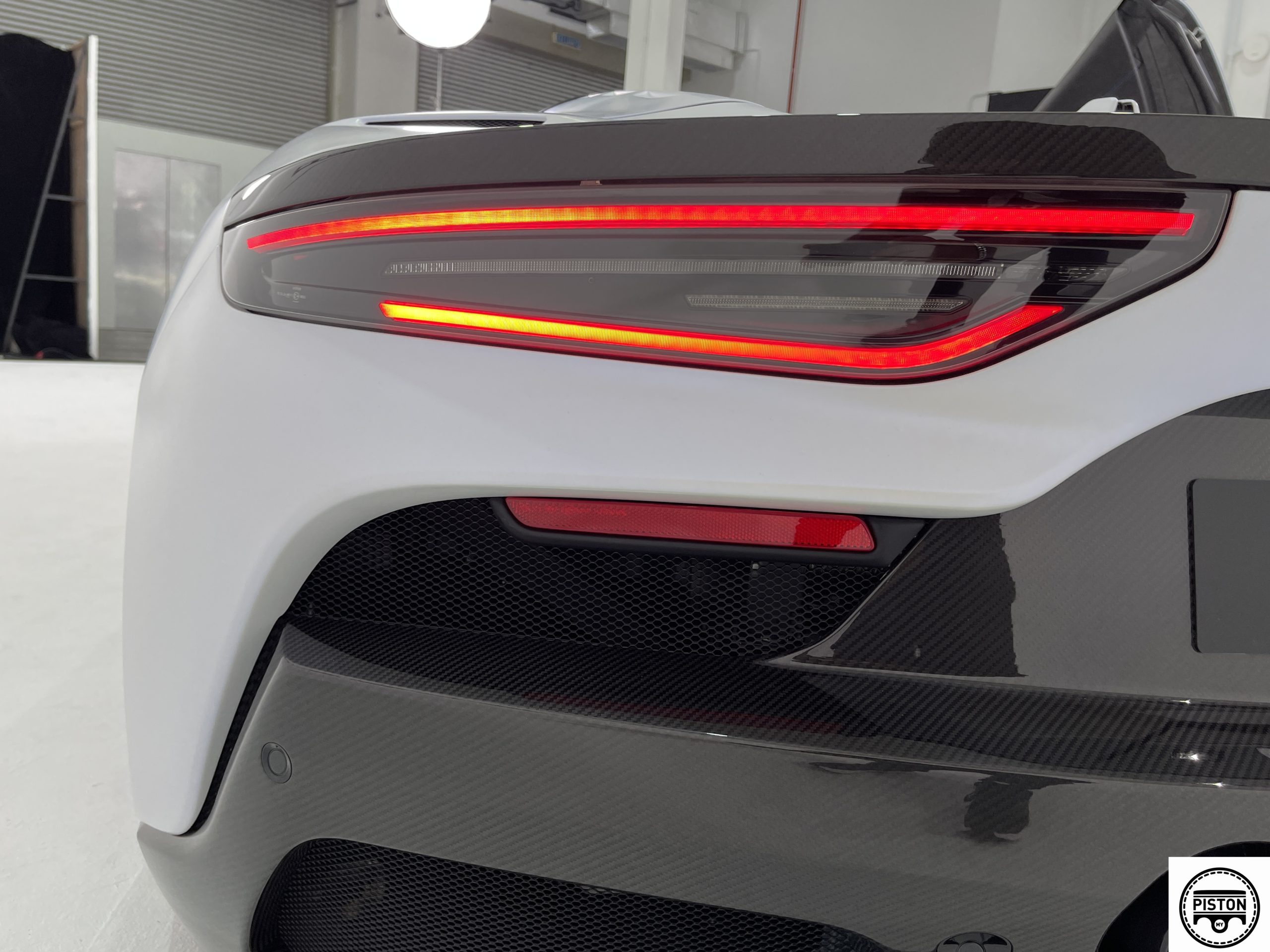
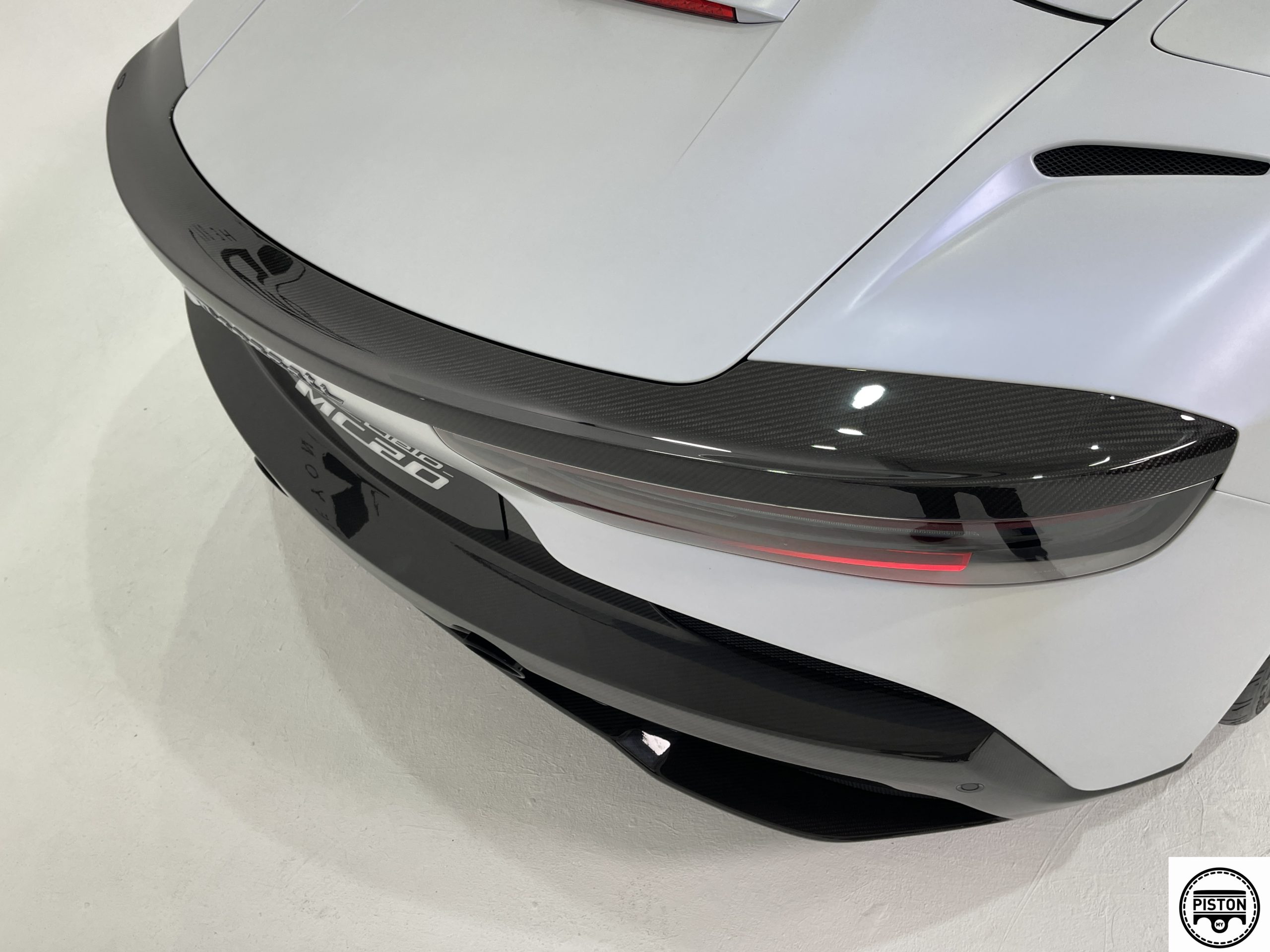
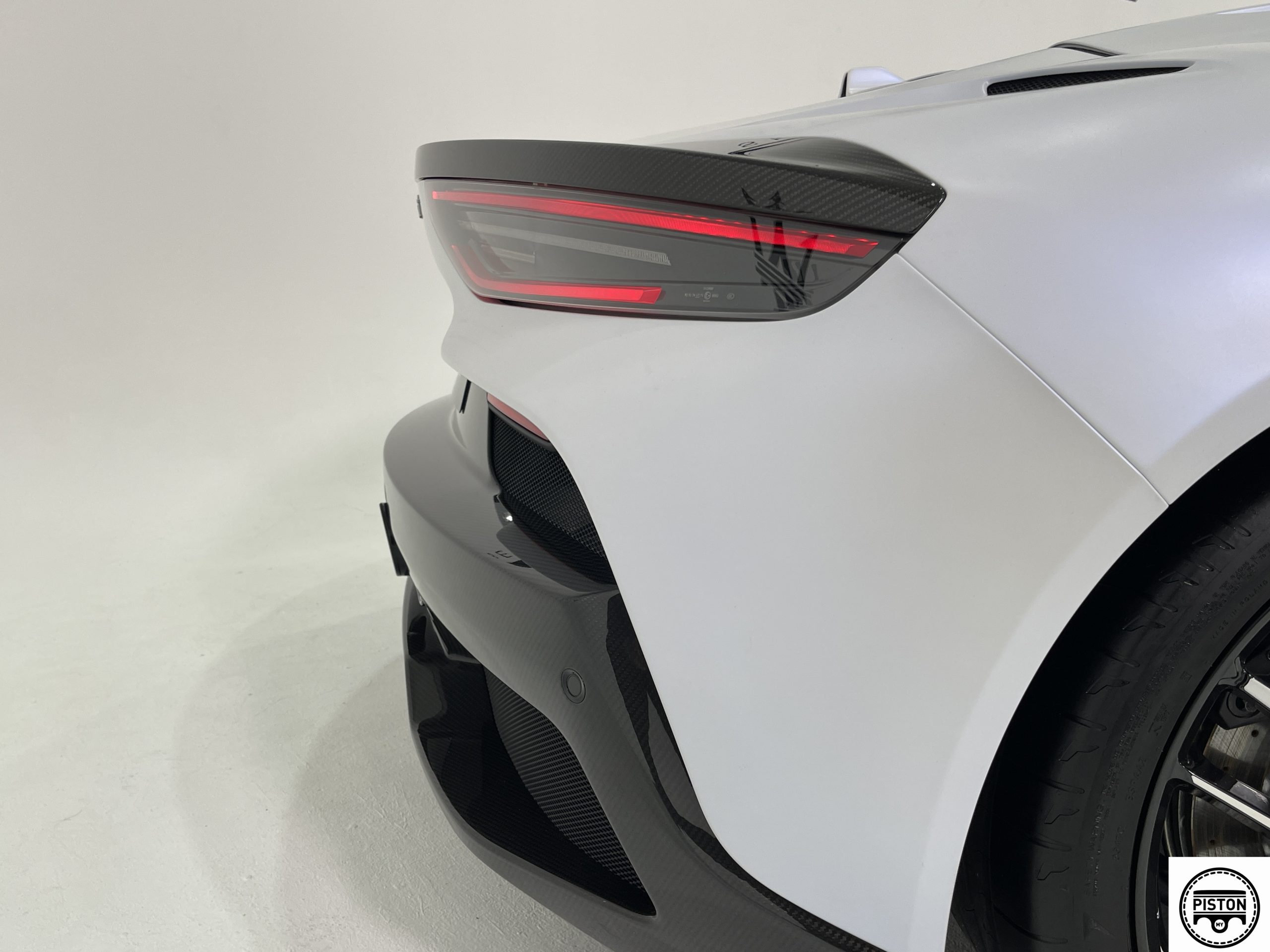
Maserati has introduced the MC20 Cielo Spyder to the Malaysian market, adding an open-top variant to its lineup. The MC20 Cielo Spyder made its global debut in 2022, following the launch of the MC20 supercar in 2020. The name ‘Cielo’ translates to ‘sky’ in Italian, emphasising the design’s focus on offering a connection to the elements. MC stands for Maserati Corse (‘Racing’); 20 refers to 2020, the year that began the brand’s new era.
One of the standout features of the MC20 Cielo Spyder is its powered roof mechanism, allowing the driver to fold the roof into a storage area at the rear in 12 seconds. The roof is designed to offer best-in-class thermal insulation.
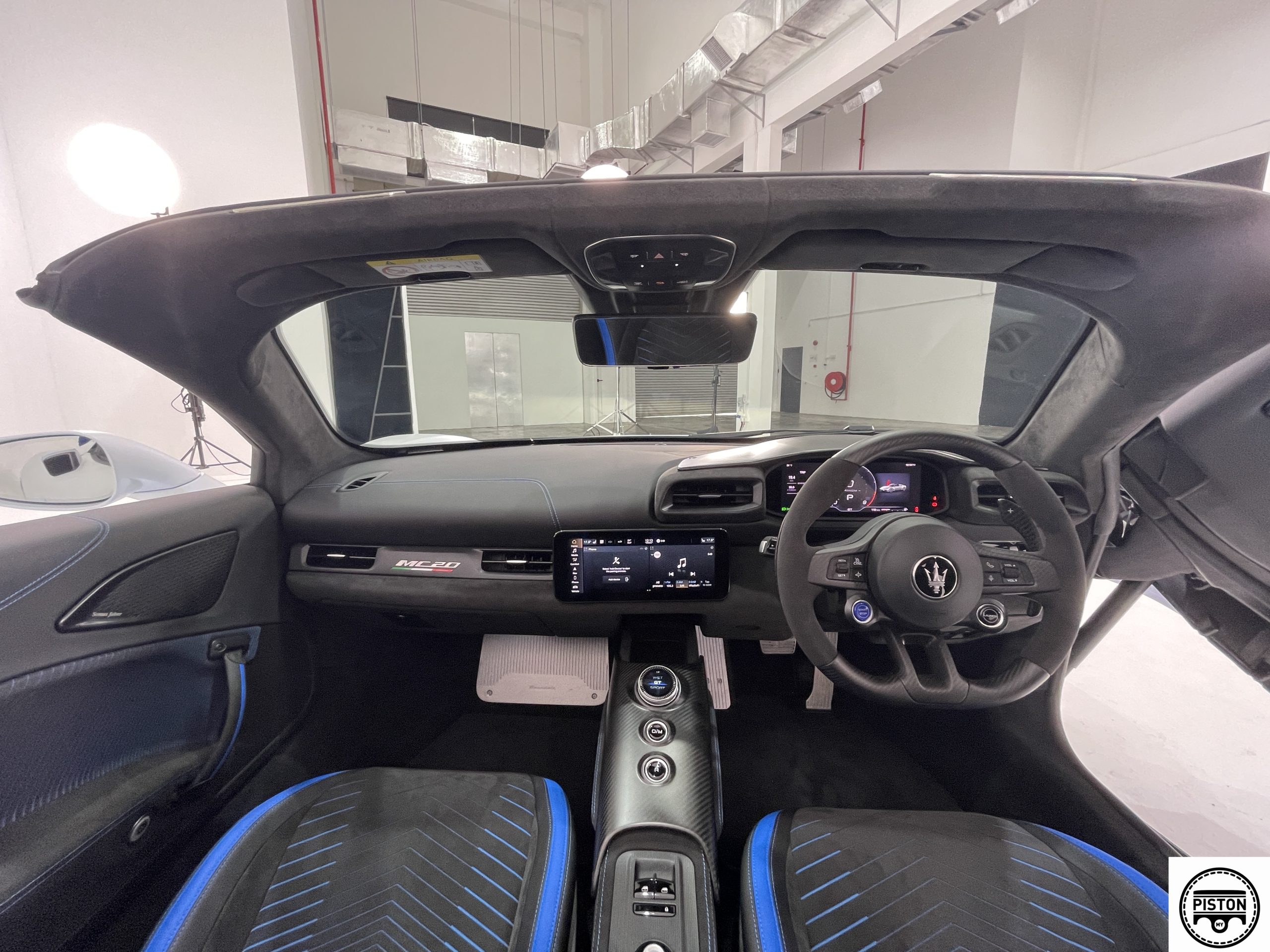
The open-top experience is further enhanced by electrochromic ‘smart glass’ technology. With the press of a button, this glass can transition from opaque to clear or vice versa. This technology, known as Polymer-Dispersed Liquid Crystal (PDLC), is used in the sunroof to provide versatile transparency control using electrical charges. It’s commonly found in high-end vehicles for sunroof and rearview mirror applications.
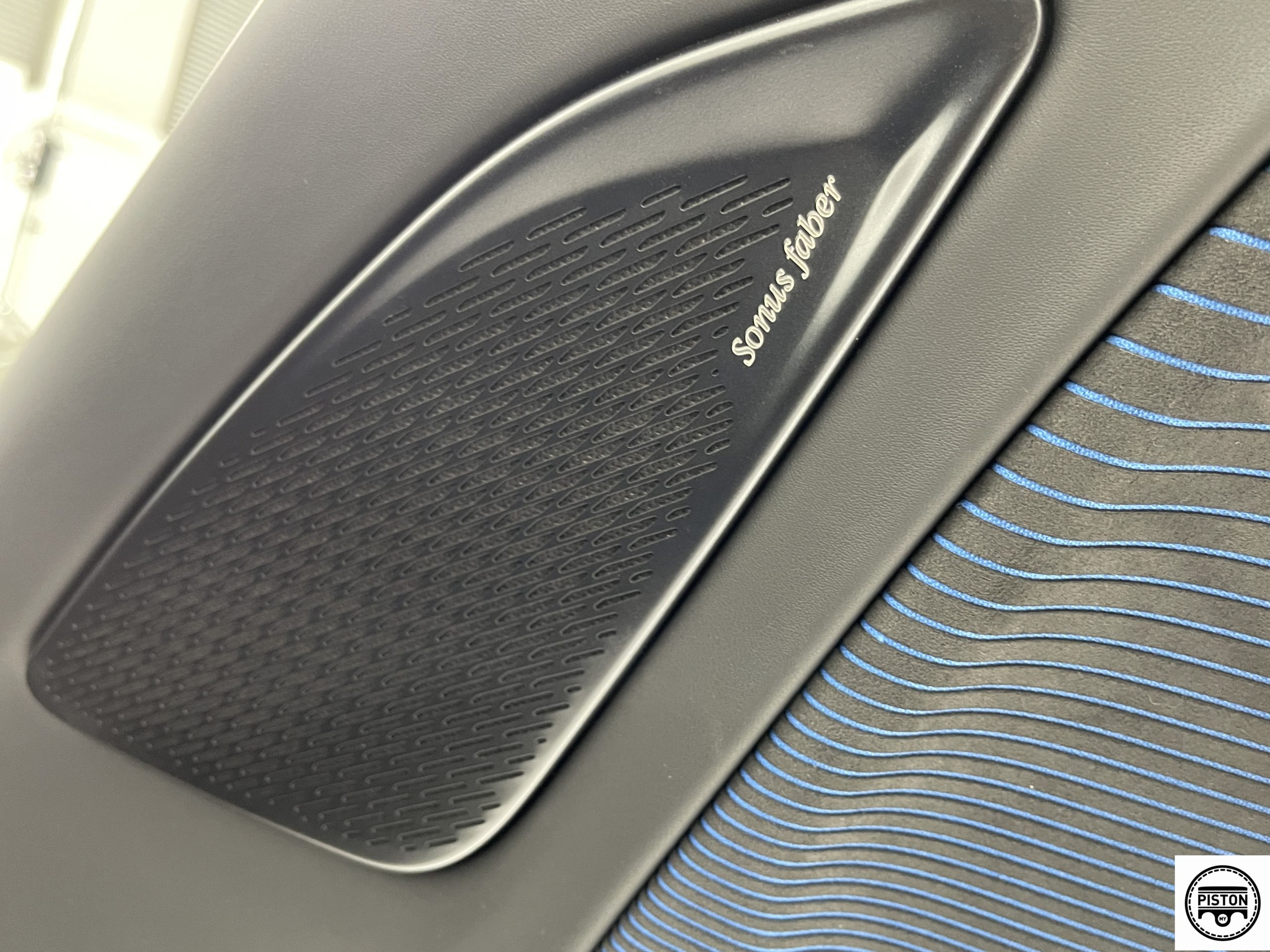
For audiophiles, the MC20 Cielo Spyder offers an optional High Premium Sonus Faber audio system, optimised for the spyder’s cabin, which can be open at times. The 12 speakers are strategically positioned to deliver exceptional sound quality.
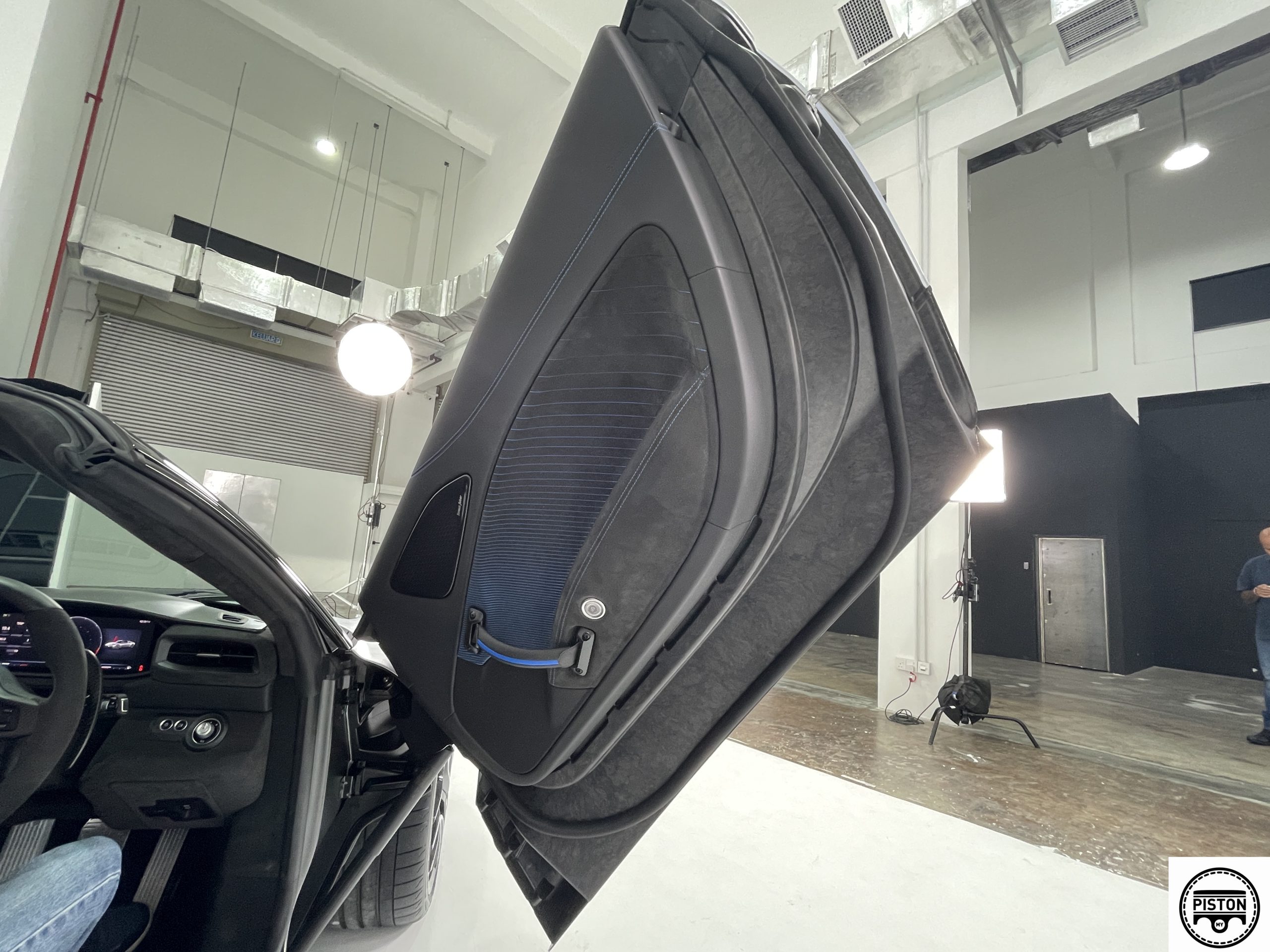
Much like the MC20 supercar, the MC20 Cielo Spyder underwent extensive wind tunnel testing to refine its minimalist design and optimise aerodynamic efficiency. The car features butterfly doors, which open upwards to facilitate ease of entry and exit, even with the car’s low floor.
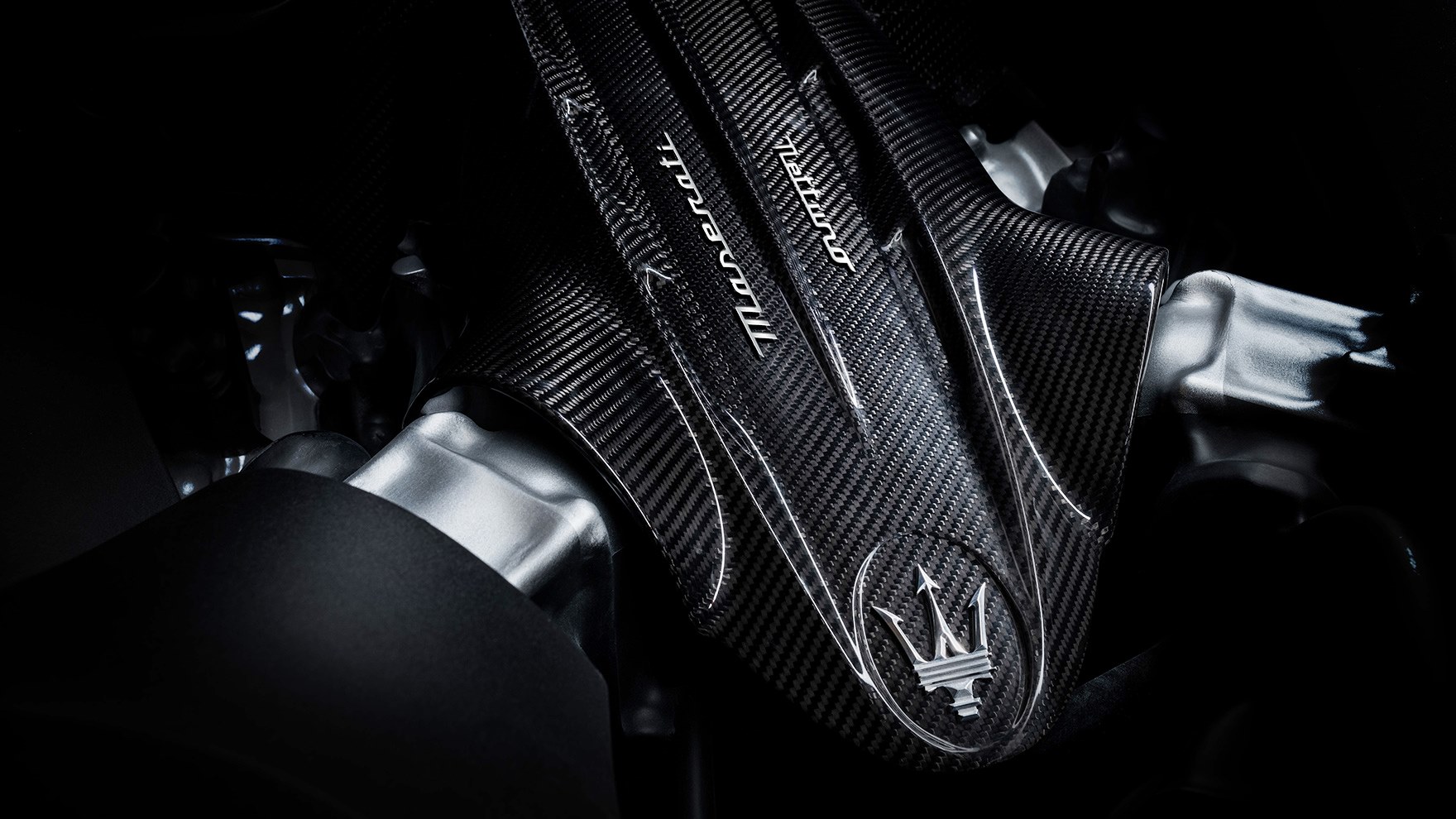
Under the hood, the MC20 Cielo Spyder boasts the Maserati-patented 90-degree V6 Nettuno twin-turbo petrol engine with the Twin Combustion Chamber. This innovative approach, borrowed from Formula 1, enhances combustion efficiency with a pre-combustion chamber equipped with twin spark plugs. Although supplied by Ferrari, the engine has been further developed by Maserati’s engineers and manufactured in-house.
The 3.0-litre engine produces 630bhp and 730Nm of torque, which is sent to the rear wheels through an 8-speed dual-clutch transmission. Both the MC20 and the MC20 Cielo Spyder utilise a carbon-fibre monocoque tub with a lightweight carbon-fibre and aluminium body shell. This platform is designed to be adaptable for future electrification without requiring substantial structural modifications.
There are several more Active Safety Systems. In addition to the parking sensors, rear-view camera, and blind spot monitoring that have been standard on the MC20 since the MY22, the new spyder adds a new 360° camera, automated emergency braking, and traffic sign information.
MC20 Cielo’s launch version features a new three-layer metallic colour known as Acquamarina, available as part of the Maserati Fuoriserie customisation programme. A colour that interacts with light, revealing itself in a surprising way. The base is a pastel grey inspired by racing, reminiscent of the MC20’s sporty DNA, accompanied by an iridescent aquamarine mica that enlivens the hue and makes it exceptional.
The Maserati MC20 Cielo is priced from RM1,228,000.00 before local duties and taxes, customisation options, and insurance. The price includes 3 years of Standard Warranty coverage with no mileage restriction plus a Free maintenance program of 3 years/60,000km whichever comes first (Inclusive of *Maserati Premium Service Plus of 3 Years /60,000km).
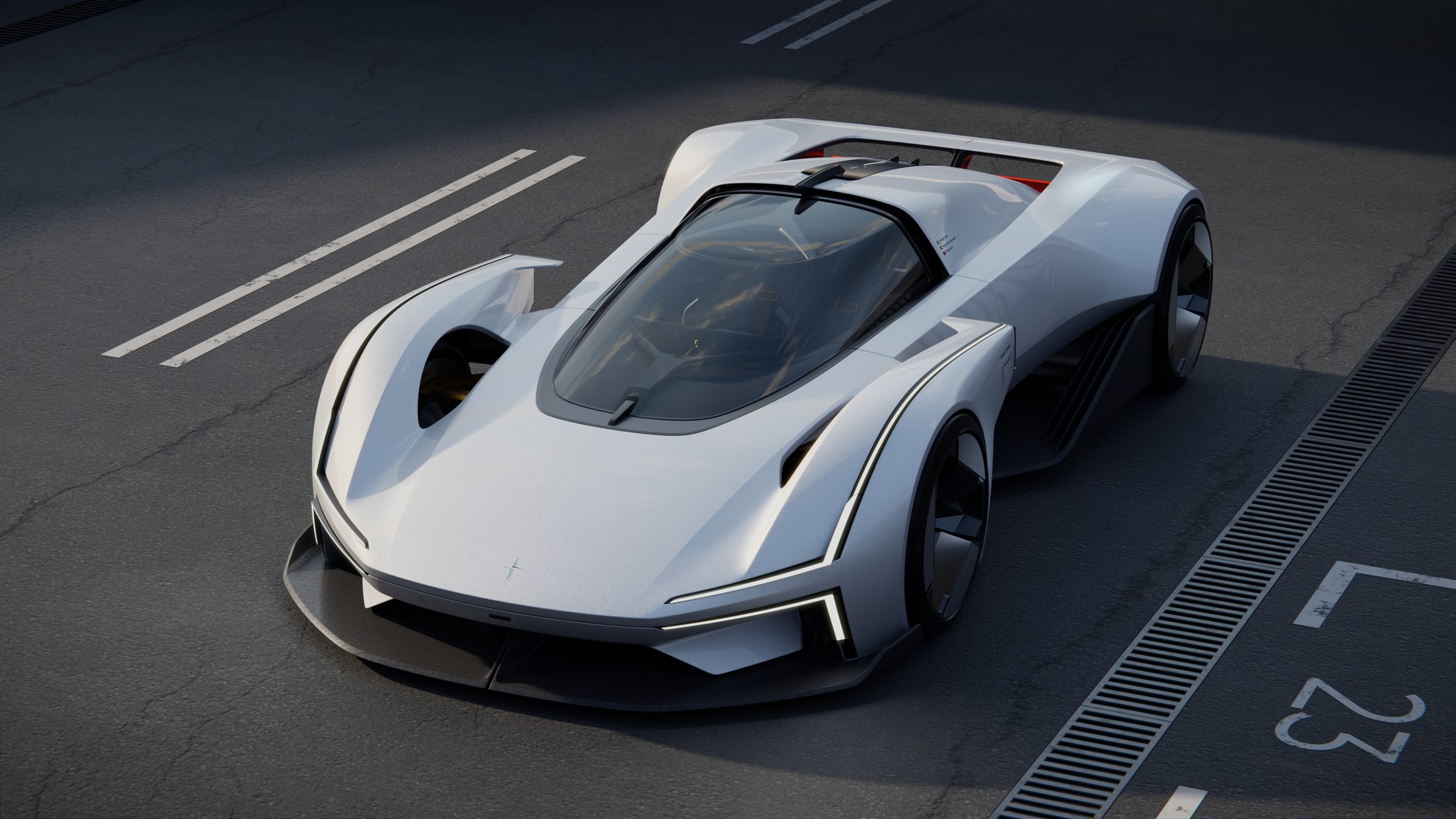
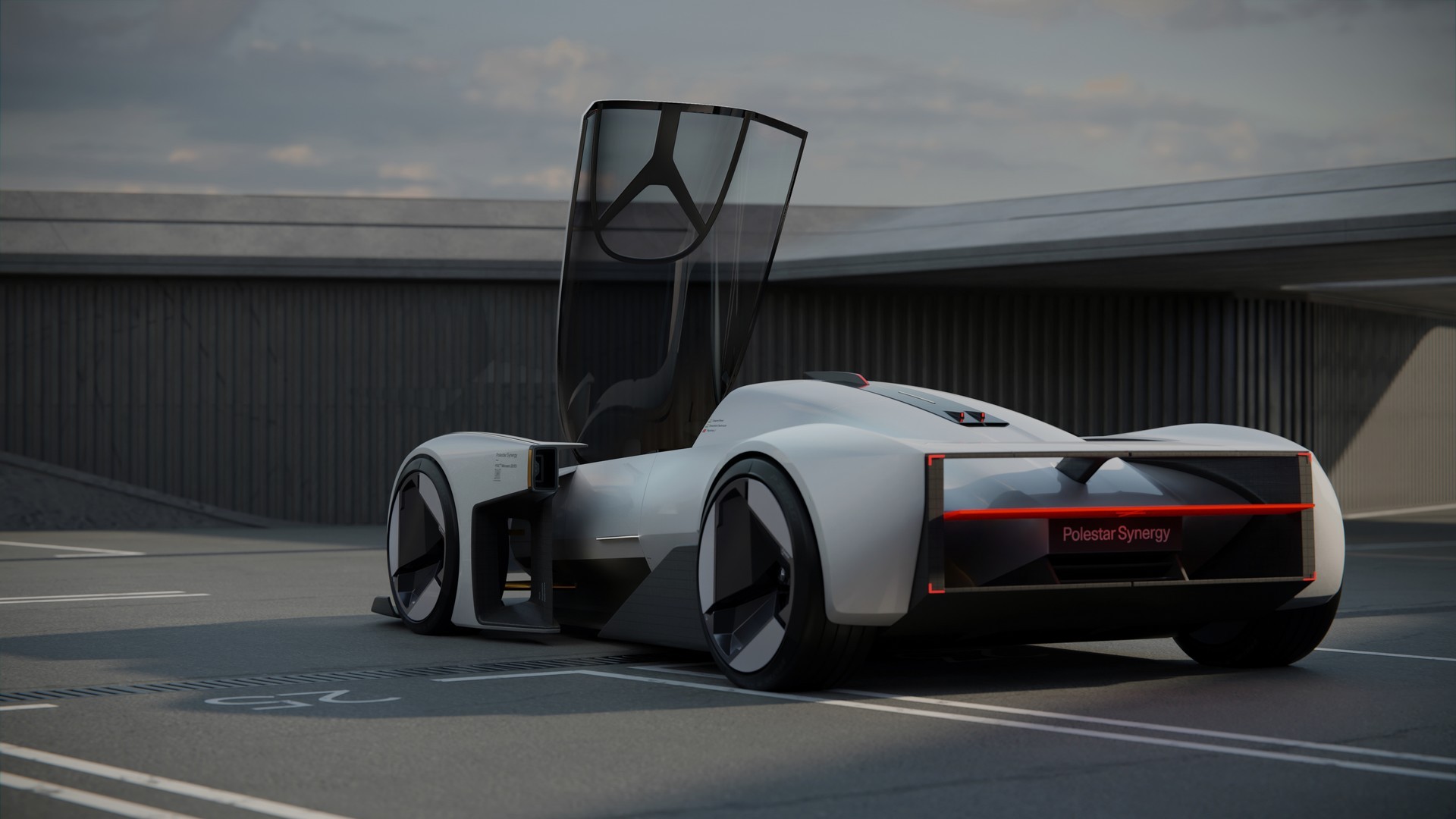
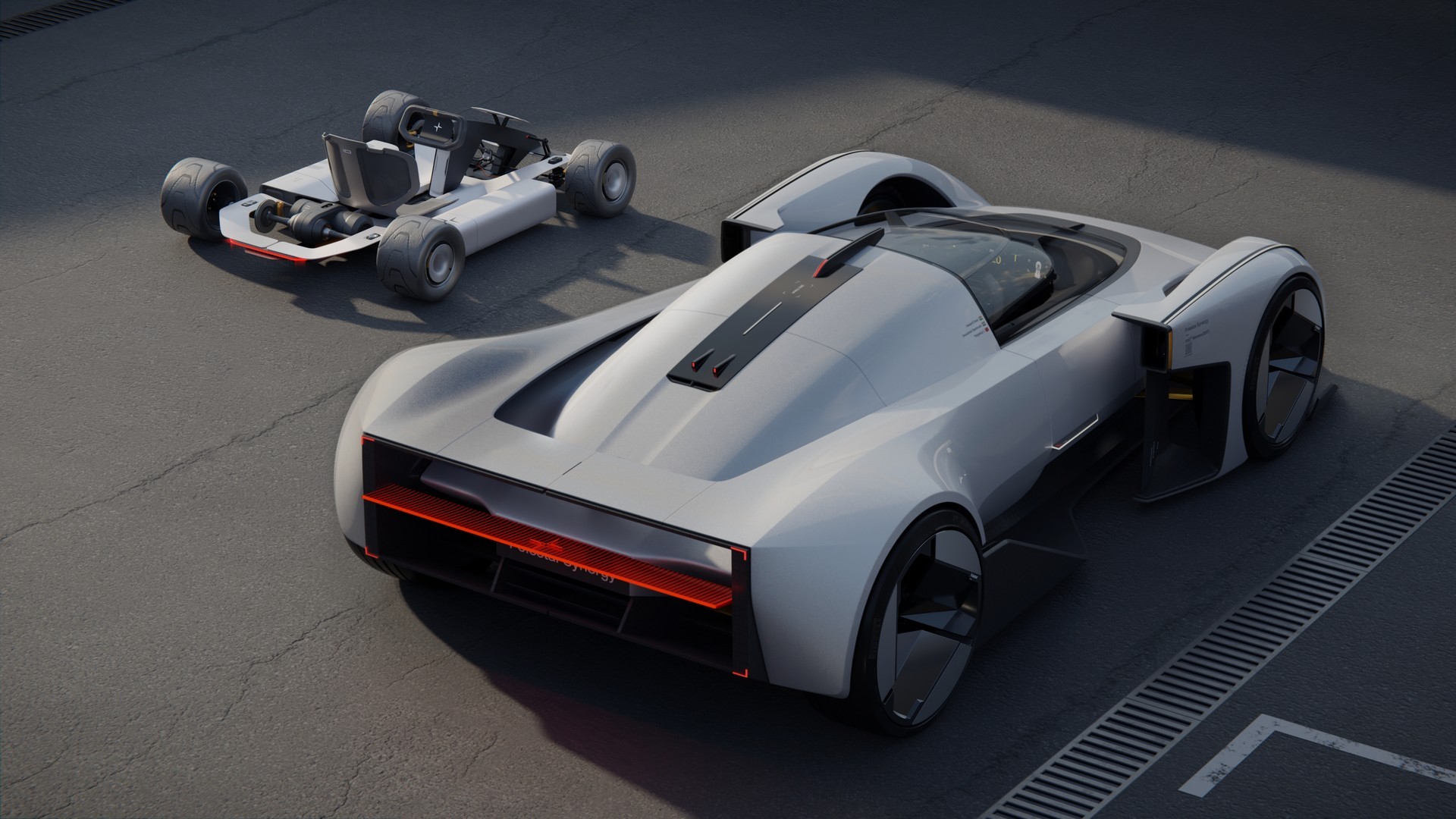
Polestar, the Swedish automotive brand, took centre stage at the IAA Mobility 2023 event in Munich, where they unveiled the awe-inspiring Synergy electric fantasy supercar. What makes this unveiling even more captivating is that the Synergy is a fusion of three winning designs from the recent Polestar Design Contest, making it a true testament to the power of innovation and collaboration.
Out of a staggering 600 entries in the competition, the judging panel selected two winning designs for the exterior and one for the interior, setting the stage for the birth of the Polestar Synergy. Over six months of intensive collaboration between the visionary contest winners and the talented Polestar Design team resulted in a harmonious union of three distinct design visions.
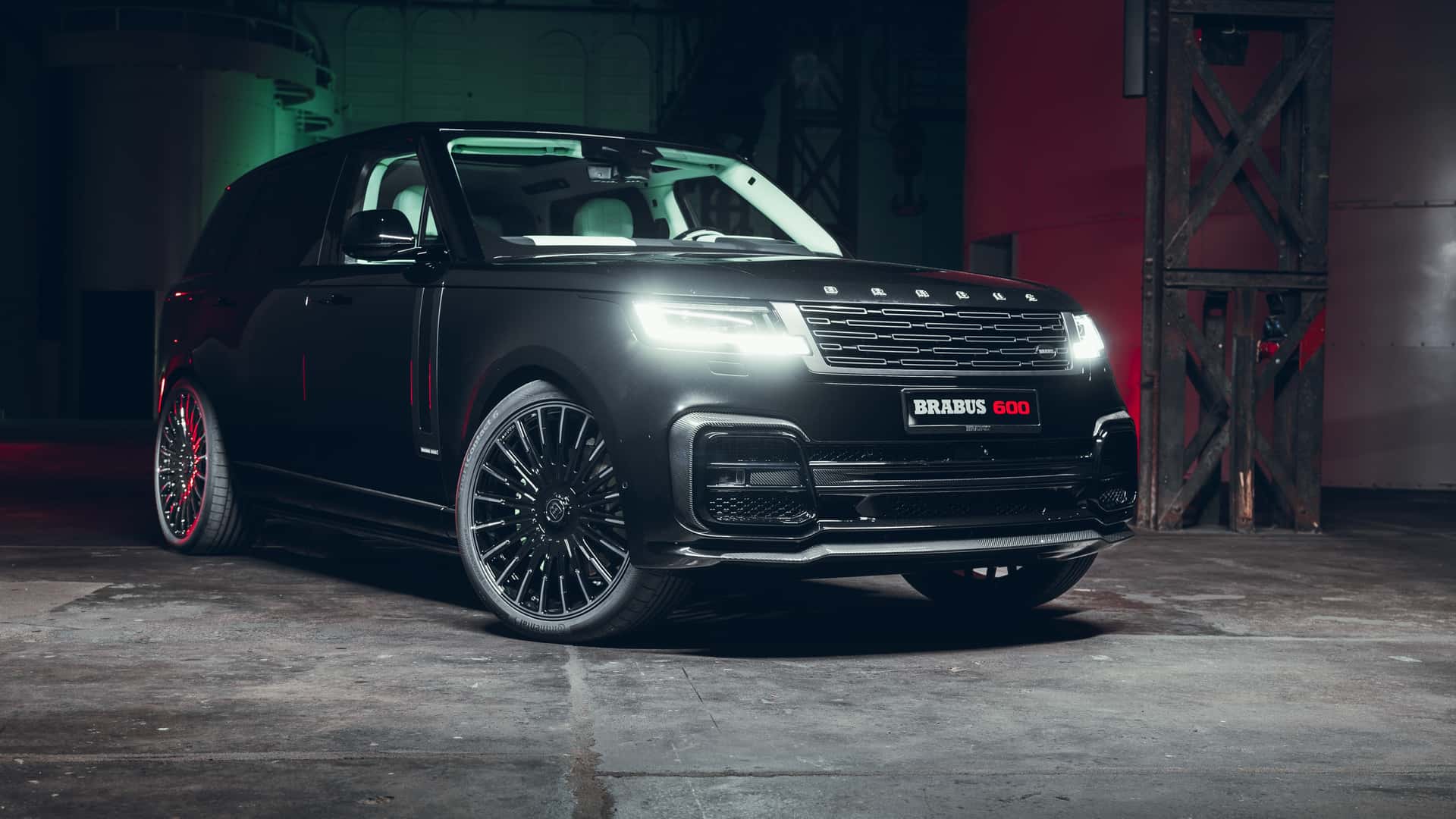
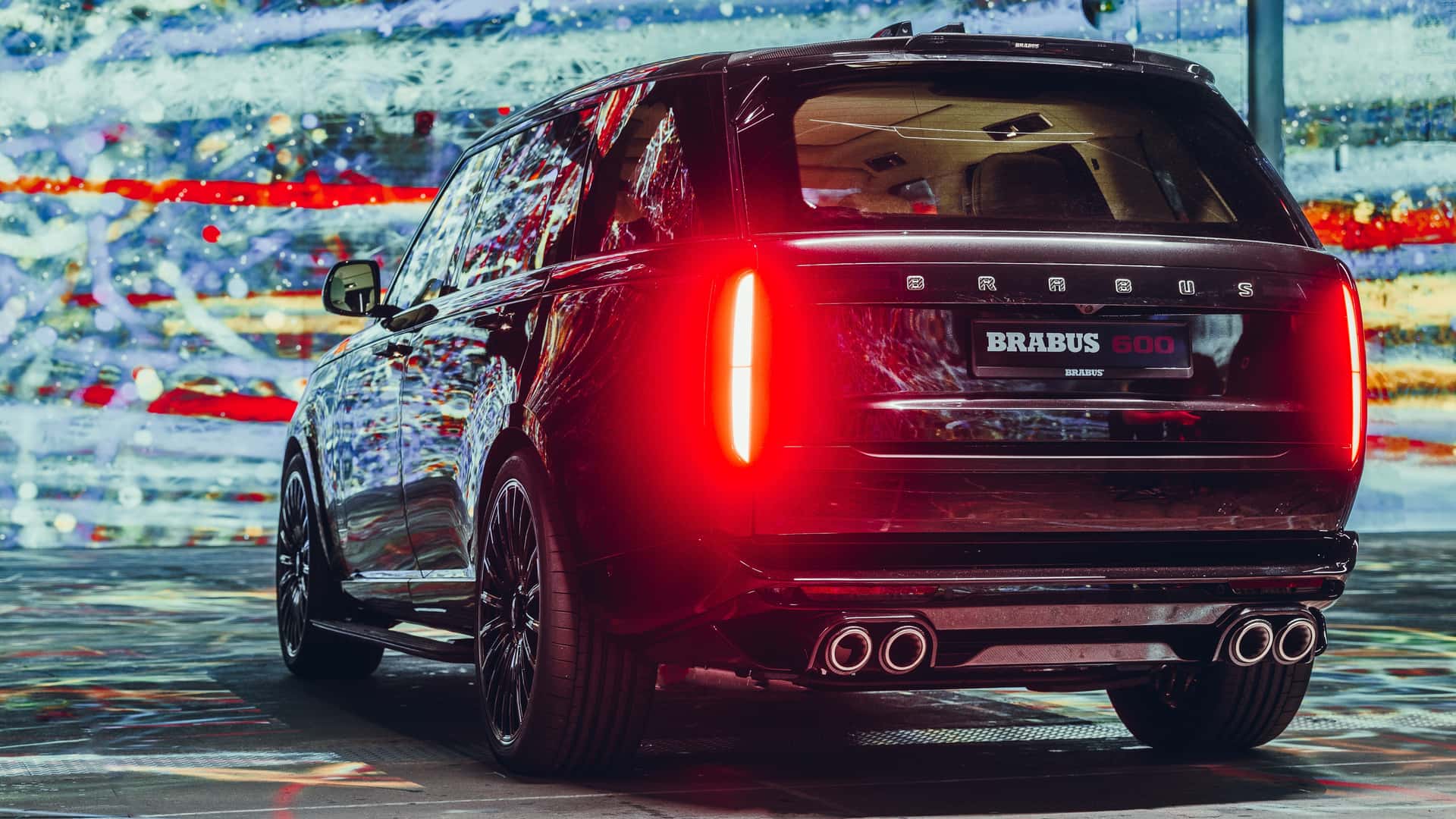
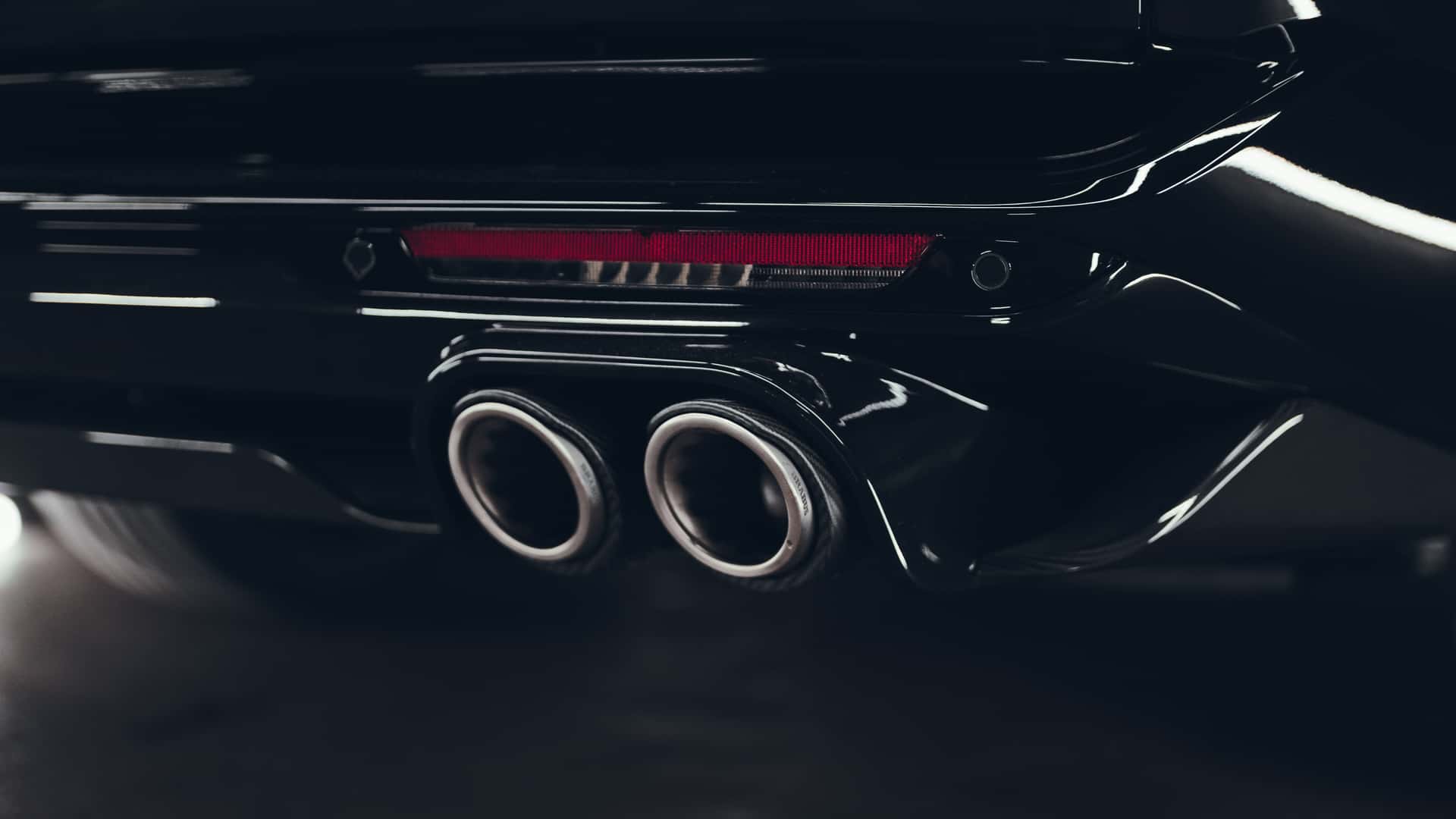
We recently saw Brabus turn the Maybach S680 into the most potent S-Class in the world and now a new project has been unveiled. The Brabus 600, a Range Rover turned into a five-door supercar.
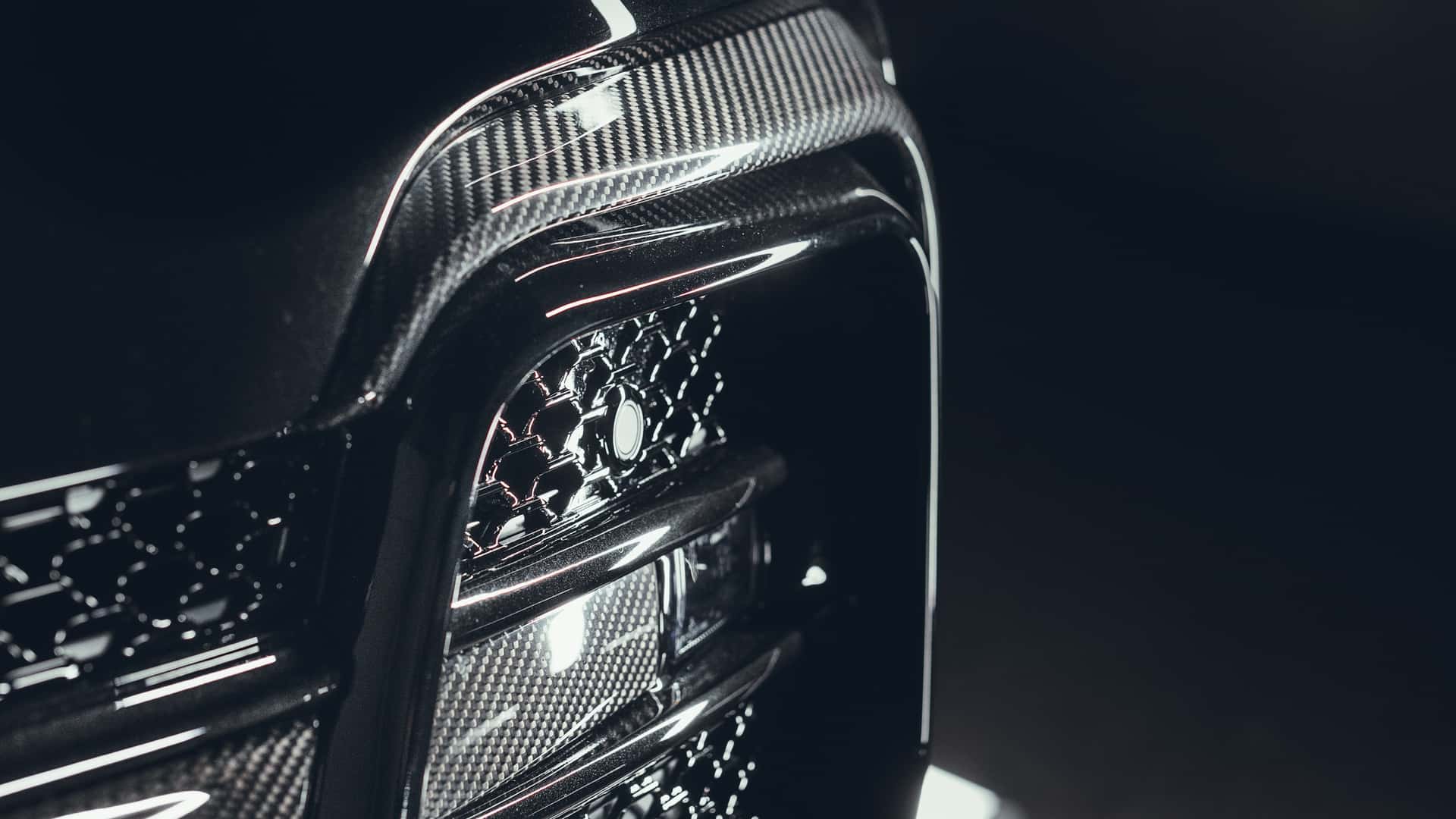
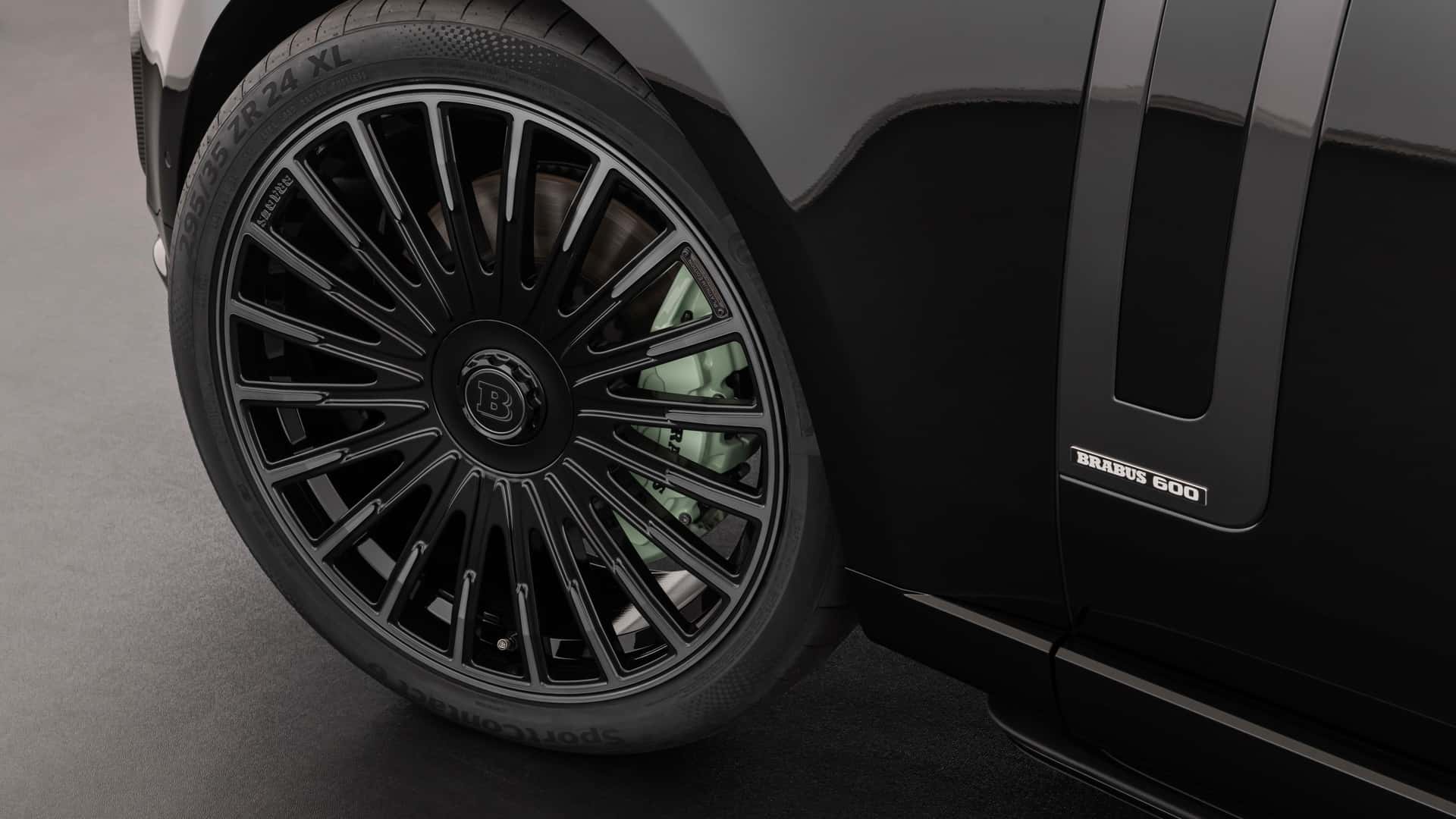
Brabus’ redesign of the Range Rover begins on the exterior with a new front bumper that includes additional carbon fibre components and an apron that is intended to decrease lift at high speeds. It features a new diffuser and wing on the back, and for the wheels, they went with the Monoblock ZV set, which has 24-inch wheels. The new control module for the air suspension, which lowers the body by up to 20 mm, allows the 20-spoke alloy wheels to fit under the arches.
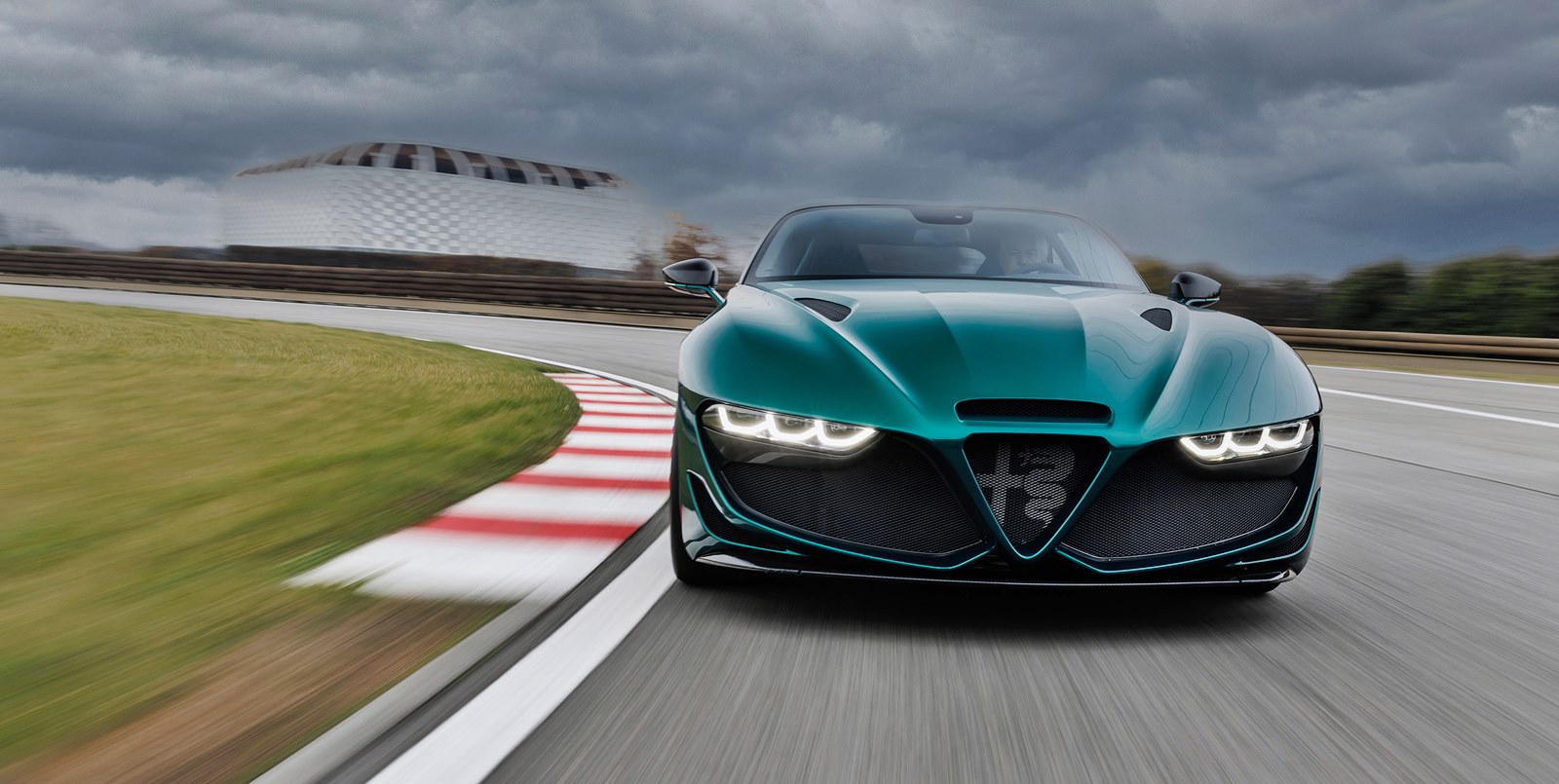
A final thoroughbred supercar will be delivered, according to Alfa Romeo CEO Jean-Philippe Imparato, before the renowned Italian carmaker switches to an all-electric production line. The forthcoming Alfa Romeo supercar said to be called “33” or “6C,” will make its world premiere on August 30. But for now we can only imagine what the interior might look like, given the teased steering wheel.
Alfa Romeo Giulia SWB Zagato
The company released a photo of the steering wheel on its instagram account. And as is customary with these teaser pictures, not much is shown, and what is shown is intentionally difficult to make out.
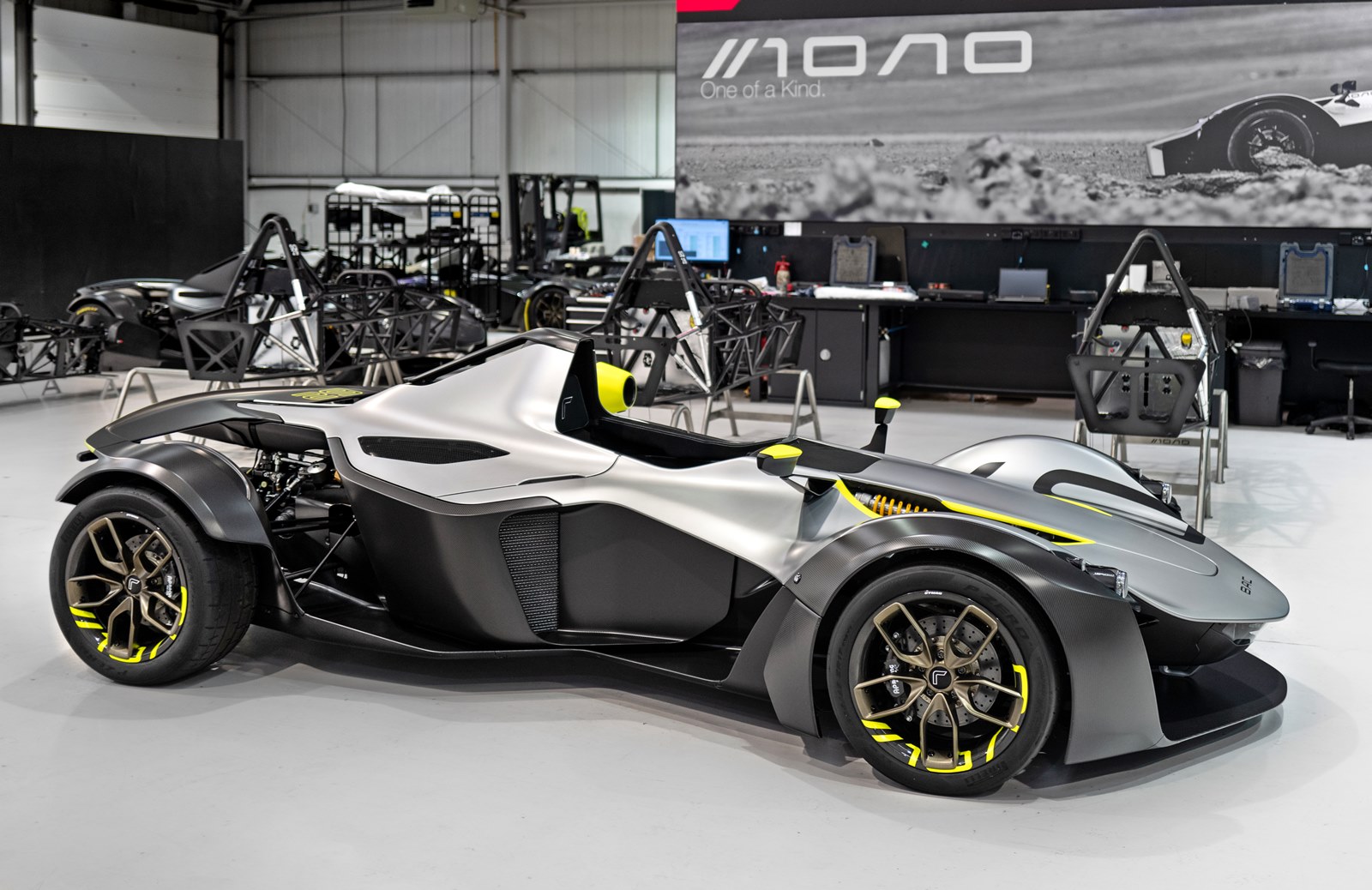
Briggs Automotive Company (BAC), a specialist carmaker, has delivered its 150th vehicle, a Mono R model which was commissioned by Hong Kong-based financier Julien Begasse de Dhaem. It is the 29th elite Mono R model that the British company has hand-built at its factory in Liverpool, England.
BAC exports 80% of the cars it produces to over 45 different countries across 5 different continents. With the recent expansion of the company’s retail network to incorporate Germany, Singapore and Malaysia, BAC has rapidly scaled its global footprint and presence worldwide.
“We remain proudly British while embracing our transition to a truly global enterprise and family. Mono #150 stands testament to our passionate global customers, loyal workforce, world-leading suppliers and dedicated global retail network,” said BAC Co-Founder and Director of Product Development Neill Briggs.
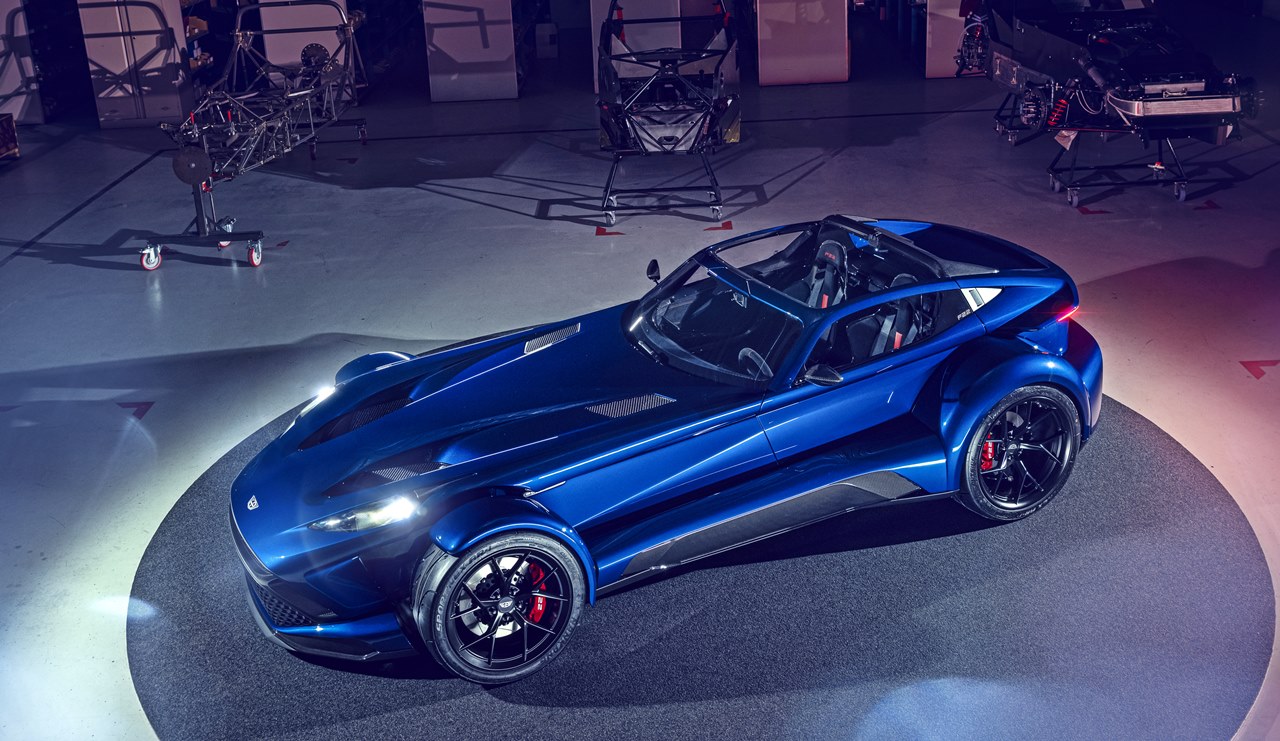
Following last year’s generational change in the Dutch family-owned Donkervoort Automobielen, the company has now unveiled its first supercar – the F22, which can lay claim to being the lightest road-legal supercar in the world at just 750 kgs. It maintains the brand’s historic open-wheel layout while breaking new ground in every area, from construction to design.
The F22, which marks the end of the D8 GTO era, is the first new model since Denis Donkervoort took over as the company’s driving force after the retirement of his father, Joop Donkervoort, who started the company in 1978. To date, Donkervoort has sold more than 1,500 cars ranging from comfortable tourers to track-focussed models.
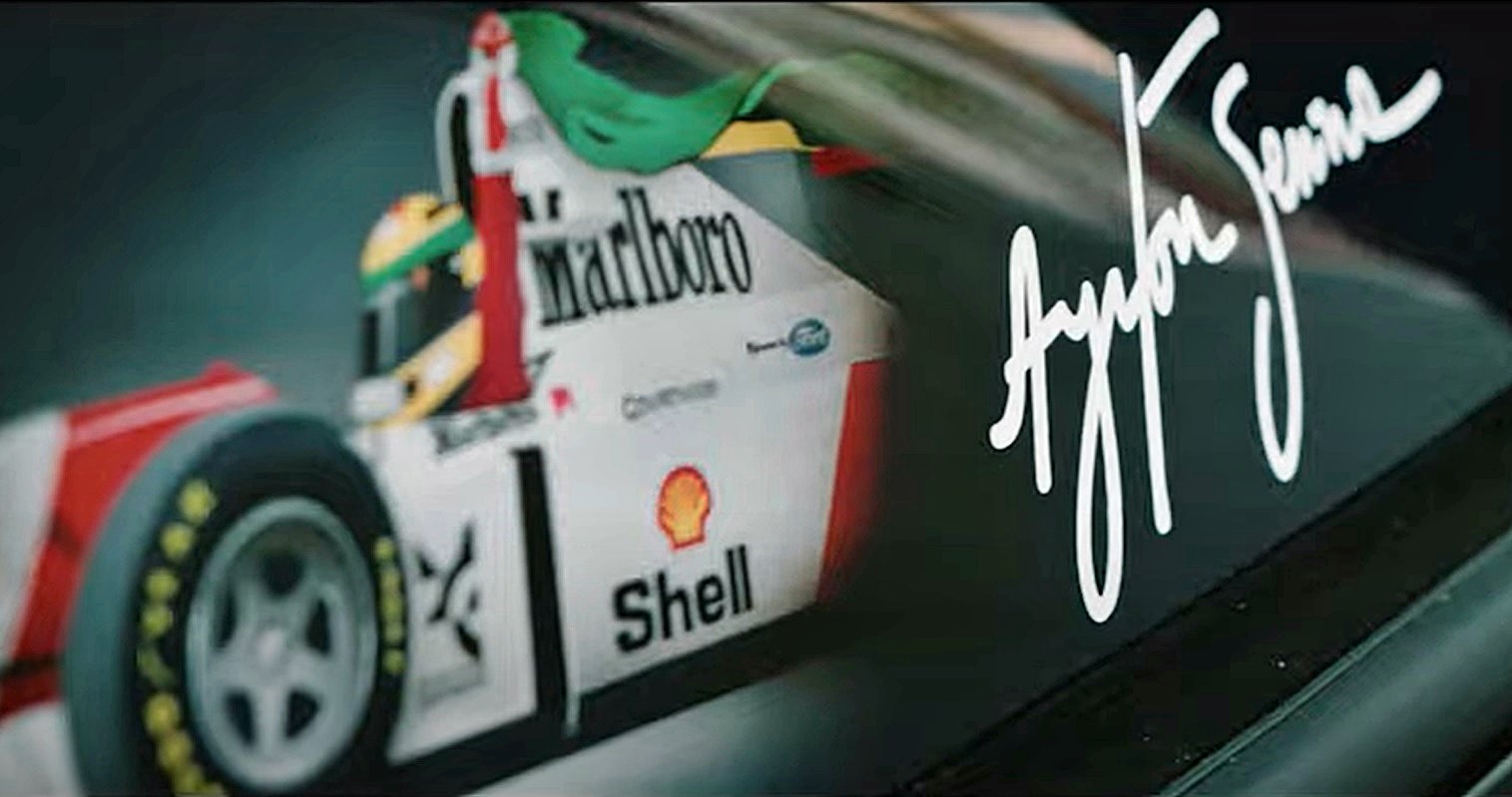
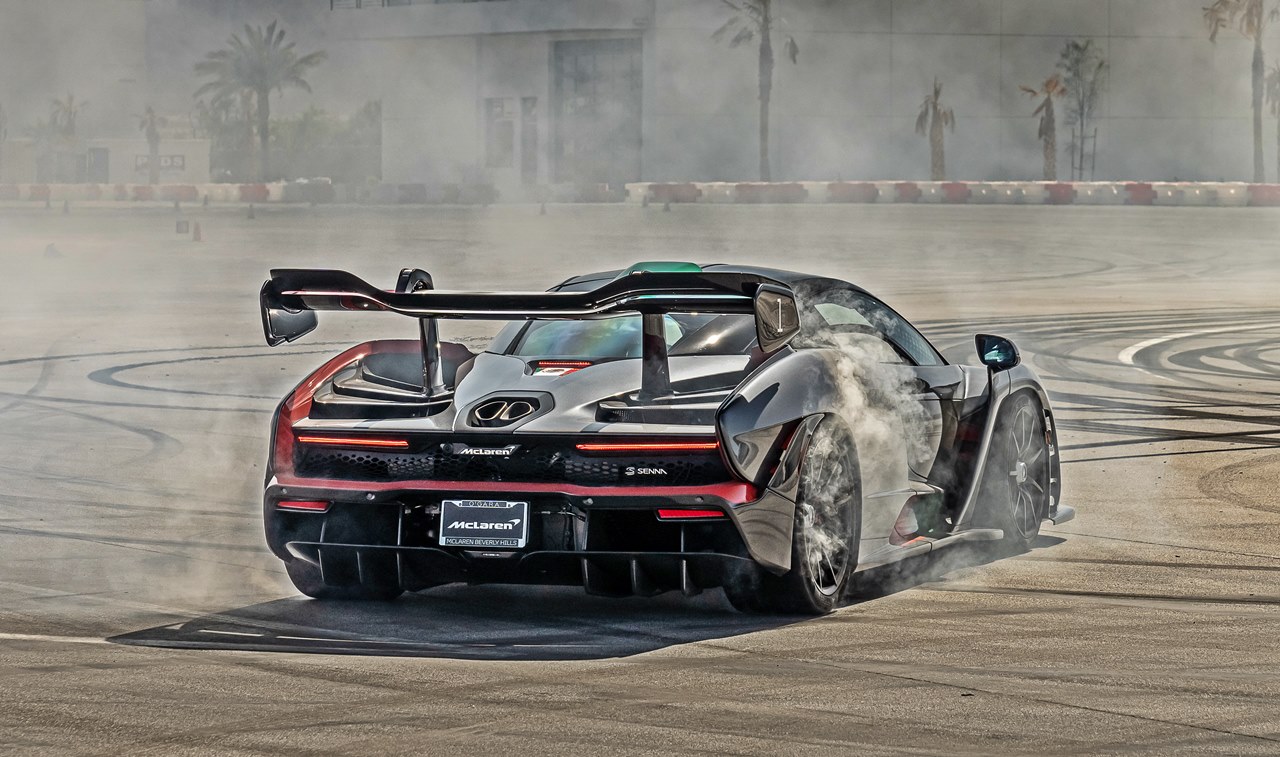
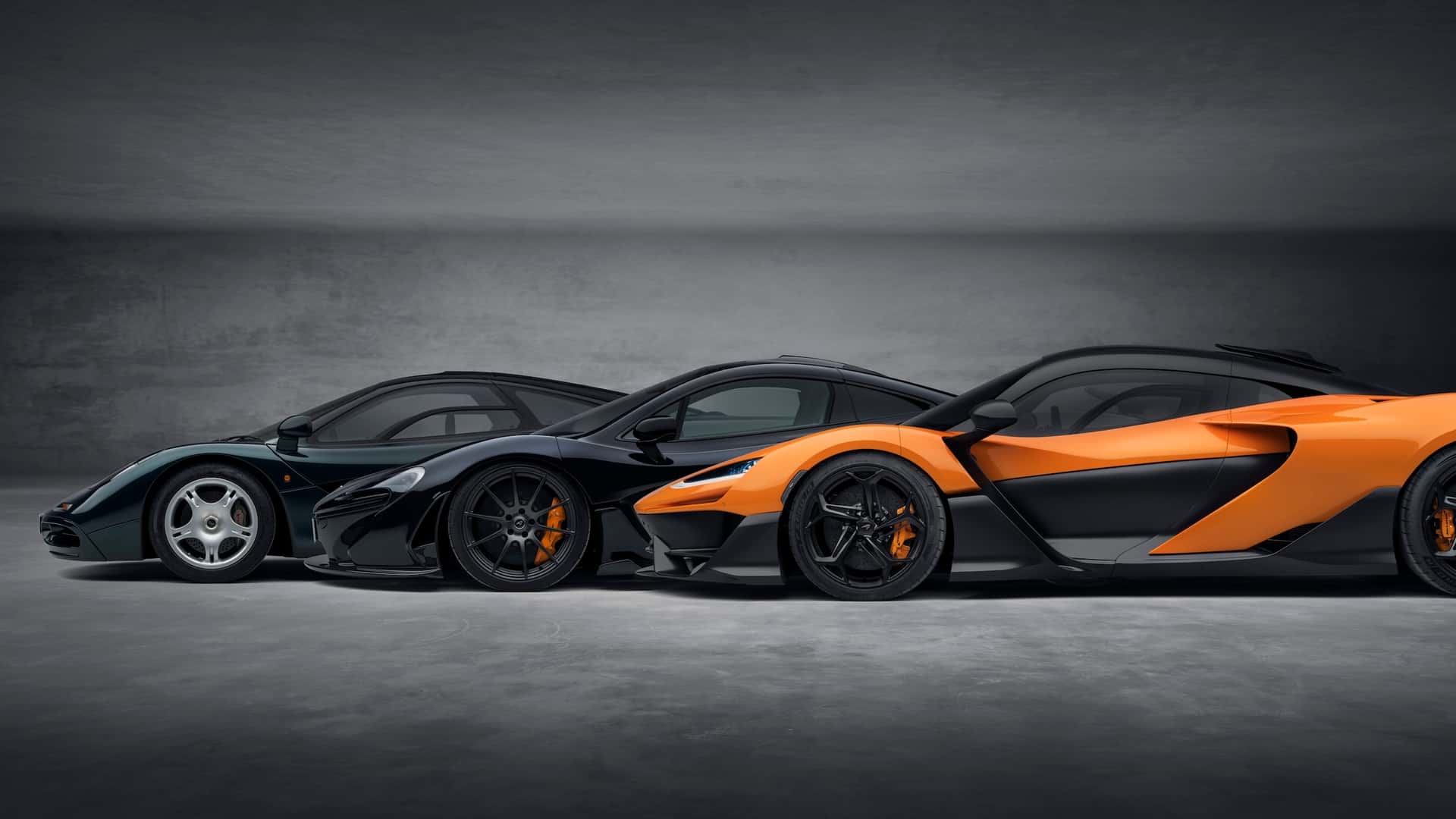
In 2018, McLaren announced that it would add a Senna model to its Ultimate Series, joining the F1 and the P1. The name was of course that of the Brazilian driver Ayrton Senna, one of Formula 1’s greatest drivers who tragically died in an accident on the track at the age of 34. The car was to honour and pay tribute to his many victories with the McLaren Formula One Team between 1988 and 1993 Formula 1 seasons.
Only 500 units of the Senna will be in existence, and every single unit was taken even before production began. Among the 500 were a very small number of XP cars which are traditionally the factory experimental prototypes and initial test cars. These are rebuilt to individual customer specifications after the model program is completed.
McLaren Beverly Hills, a dealership in the famous district in California, acquired four XP units on behalf of customers. Until today, only three have been revealed, each one a bespoke commission through McLaren Special Operations (MSO).
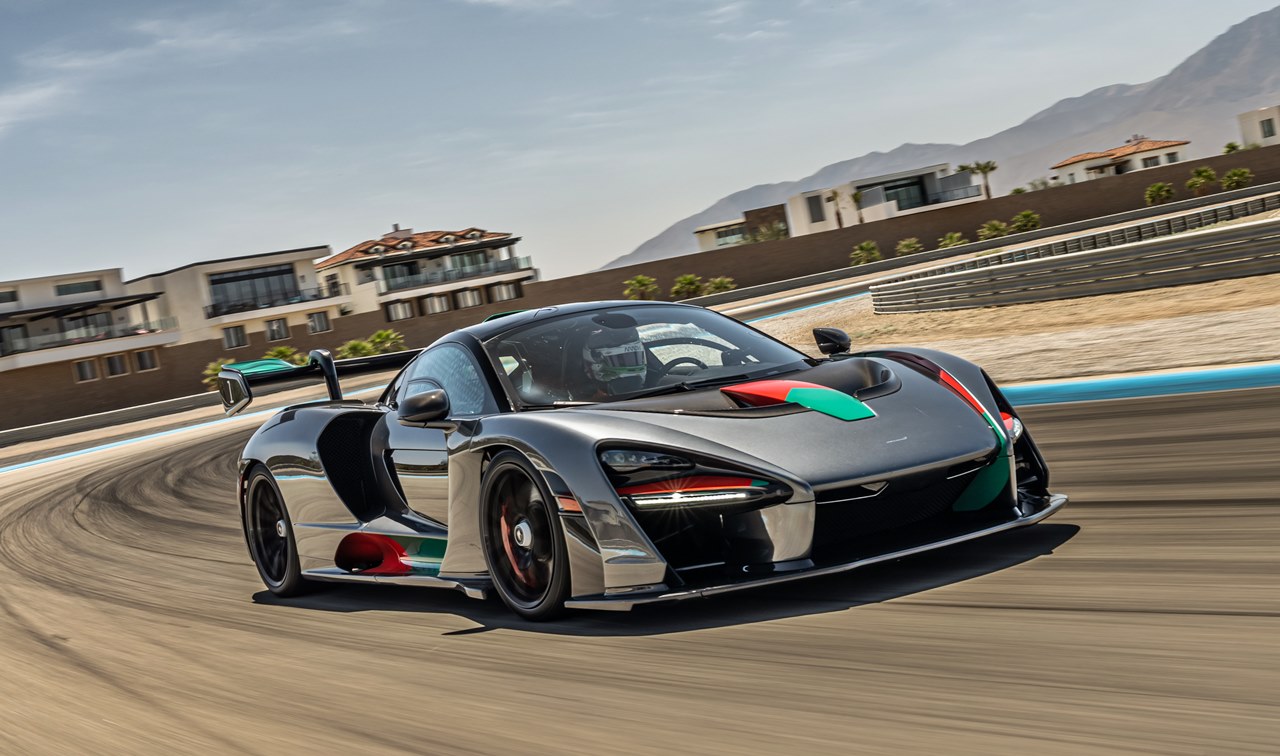
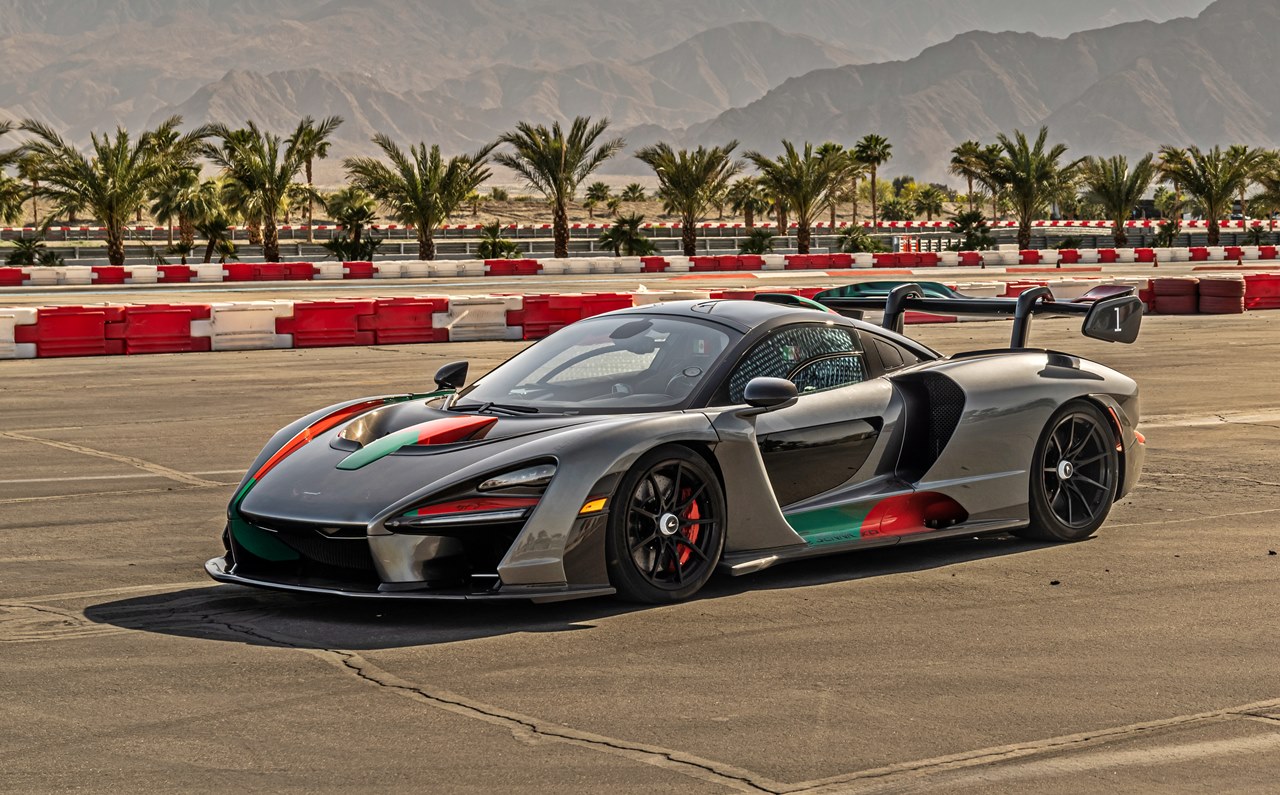
This week, the dealership unveiled the fourth and Senna XP tribute car. Like the other three which have themes related to Senna’s victories, this one has the theme of ‘El Triunfo Absoluto’ (‘The Absolute Triumph’ in English). It celebrates the 1989 Mexican Grand Prix where he led from pole position and secured the championship lead with his third straight win of the season.
This particular car was used for press activity in the USA before it was sent back to the UK in 2021 to be rebuilt, explaining why it is only now being delivered to the owner. Commissioned through MSO, which offers near limitless design possibilities, the Senna XP El Triunfo Absoluto features numerous unique design elements that celebrate the win in Mexico in 1989.
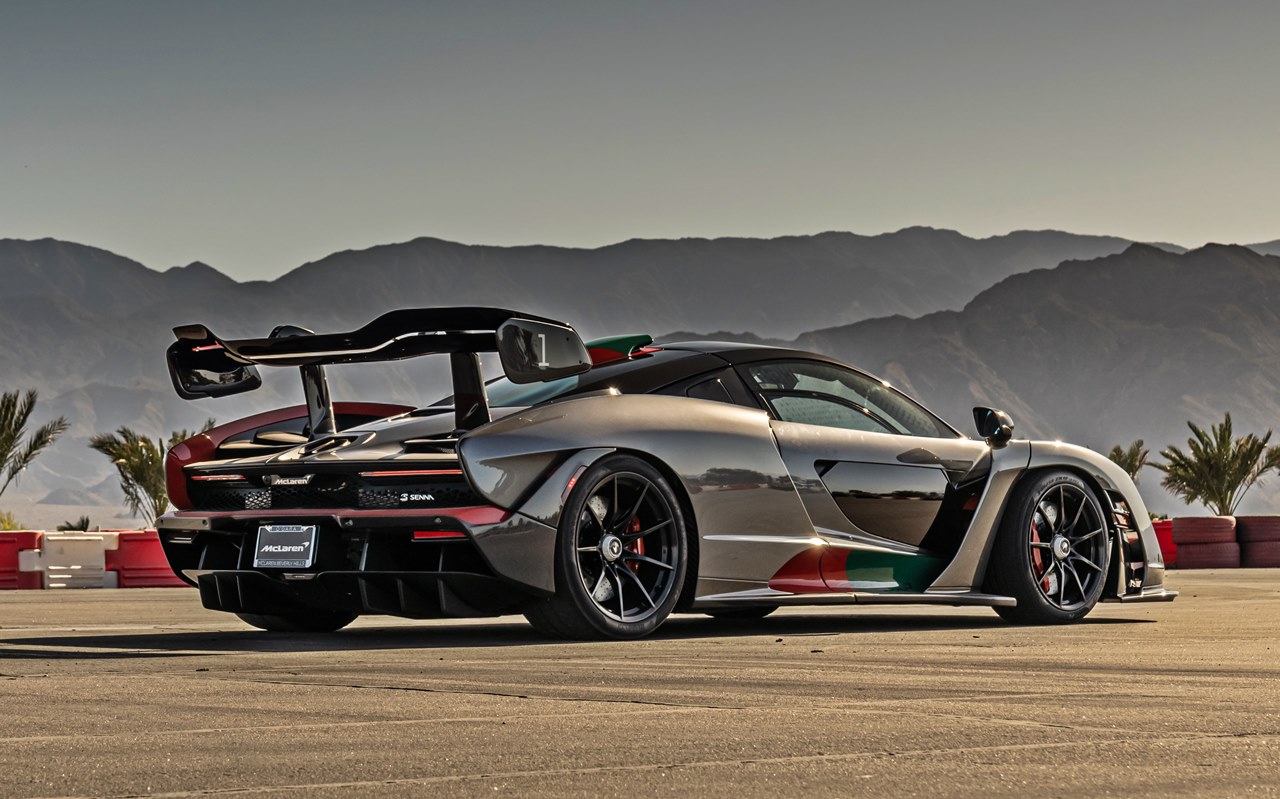
The road-legal car is finished in Graphite Grey paint, and features a remarkable livery painted in Accent Red and Mexico Green on the roof scoop, front service panel and sides, inside front fenders, door lowers, front light sockets, front and rear wheel arch vanes, and rear bumper.
Also featured is an exposed Gloss Visual Carbon Fibre (VCF) Ayrton Senna signature on the driver’s side in front of the light socket, which is clearly visible on the front of the car. On the door lowers, there is an exposed Graphite Grey ‘Senna XP’ logo, and the Graphite Grey rear wing end plates are painted with a ‘1’ in Anniversary White.
The rear wing upper is a hand-painted flying Mexico flag, which is painted in Mexico Green, Anniversary White, and Accent Red with exquisite detail. On the front fender in stencil effect reads ‘EL TRIUNFO ABSOLUTO’, expressing the name of the theme.
The exterior also includes eye-catching MSO Bespoke Gloss VCF Elements replacing all the standard exterior Satin VCF areas except the roof canopy. The Centre Lock wheel nuts are painted in Anniversary White and on the front end, you can see the MSO Bespoke Gloss VCF aero blades and MSO Bespoke Electroform Front Badge. Another distinct exterior feature MSO has brought to life on this car is the MSO Bespoke fuel cap, which is painted in the design of the flag of Mexico.
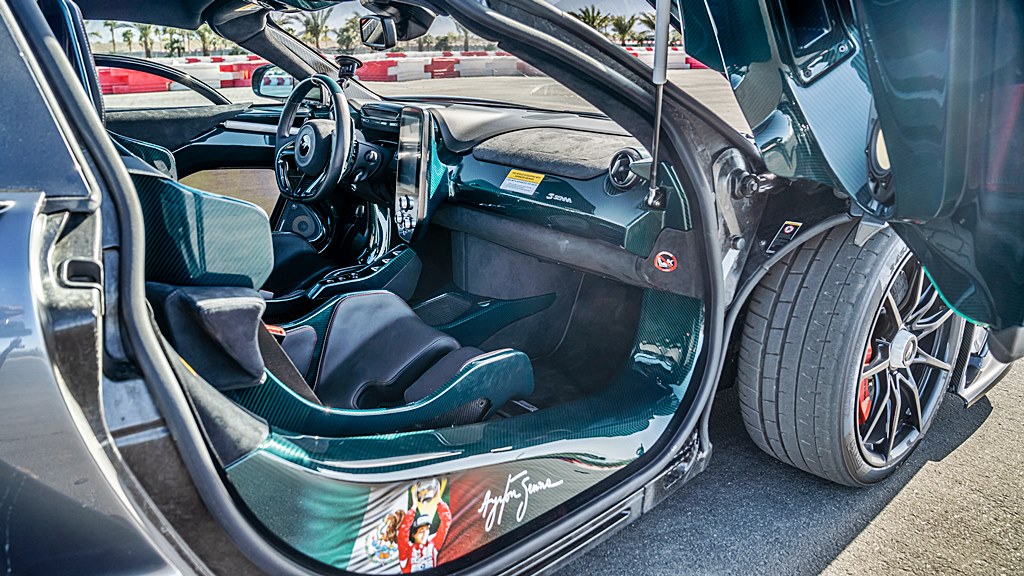
Inside, the full MSO Bespoke Jet-Black leather interior is complemented by the seatpad outers which are embroidered with a double stitch in Pure White and Bright Red. The headrest pads are also exquisitely embroidered with the Mexican Flag and ‘EL TRIUNFO ABSOLUTO’ embroidered underneath.
The standard interior VCF areas are replaced with a Green Tinted Gloss VCF, and further distinct features include the MSO Bespoke painted door struts painted in Anniversary White, Galvanic Grey brushed and polished interior brightwork, MSO Bespoke door sills, and MSO Bespoke Extended Carbon Fibre Sills with a uniquely airbrushed depiction of Senna on the podium in 1989.
The finishing touches of the interior are further enhanced with subtle signature details such as a MSO Bespoke steering wheel with Green Tinted Gloss VCF Upper and a special 12 o’clock marker of a Triple Centre band which is painted in Mexico Green, Anniversary White, and Accent Red. A MSO Bespoke accelerator pedal is laser-etched with the Mexican Grand Prix 1989 racetrack layout at Autodromo Hermanos Rodriguez, and a MSO Bespoke dedication plaque etched with ‘EL GRAN PREMIO DE MEXICO DE 1989’.
Like the other Senna XPs, this one has a 4.0-litre twin-turbocharged V8 M840TR engine that produces 800 ps/800 Nm, giving a power-to-weight ratio of 668 ps/tonne (it weighs 1,198 kgs). McLaren’s test drivers have taken it from 0 to 100 km/h in 2.8 seconds, taking another 4 seconds to get to 200 km/h in the same run and reaching 300 km/h 18.8 seconds after launch.
In 2018, the base price of a Senna was almost US$1.5 million (equivalent to RM5.95 million). The XP versions, being rarer, would cost more and with the personalization and enhancement done by MSO, these four cars now being driven around Beverly Hills would be considerably more.
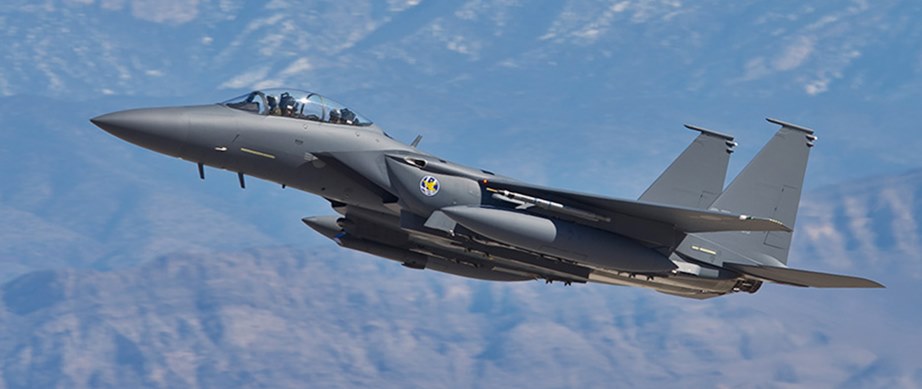
For decades, car designers have been inspired by fighter jets, with American designers being so infatuated with the tailfins and jet engines that they put them on cars of the 1950s. In the decades that followed and even up till today, the inspiration from flying machines remains and it’s not only with the exotic and sleek supercars. This was evident when, back in 2005, a young Proton designer said that the Savvy’s design also had some inspiration from the F-117 Nighthawk stealth fighter.
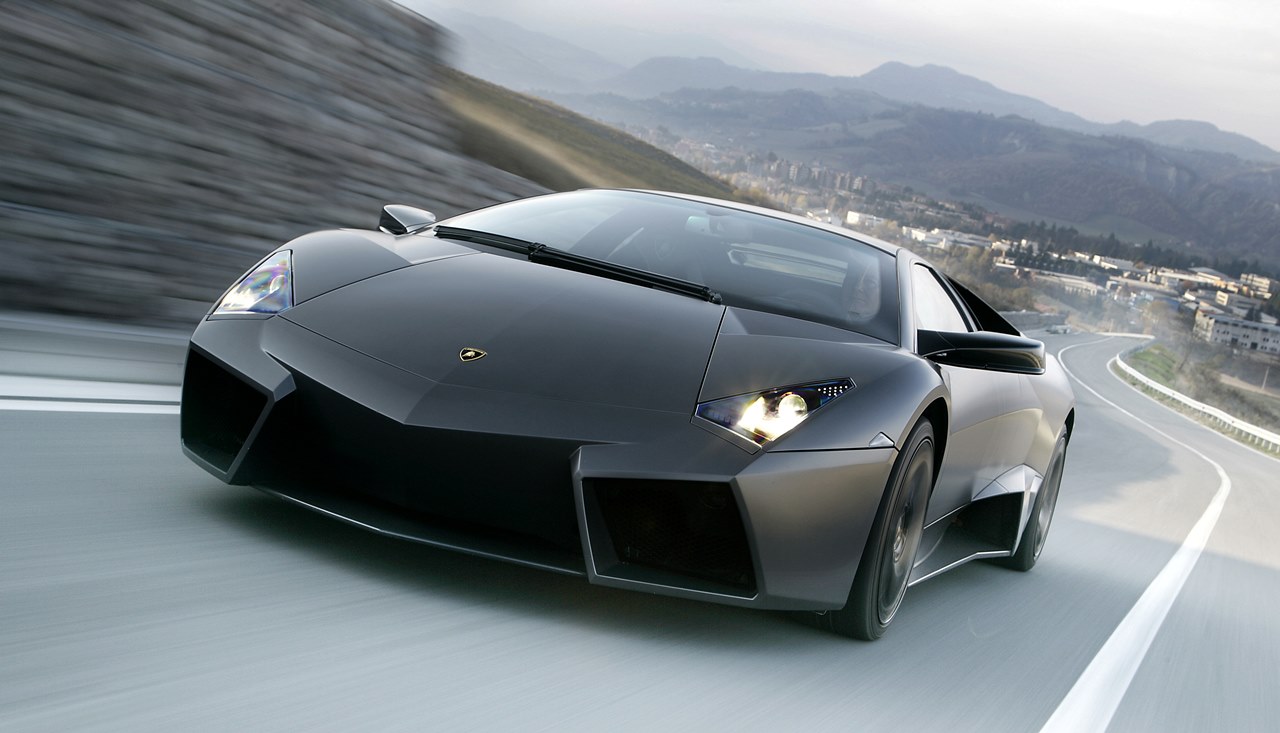
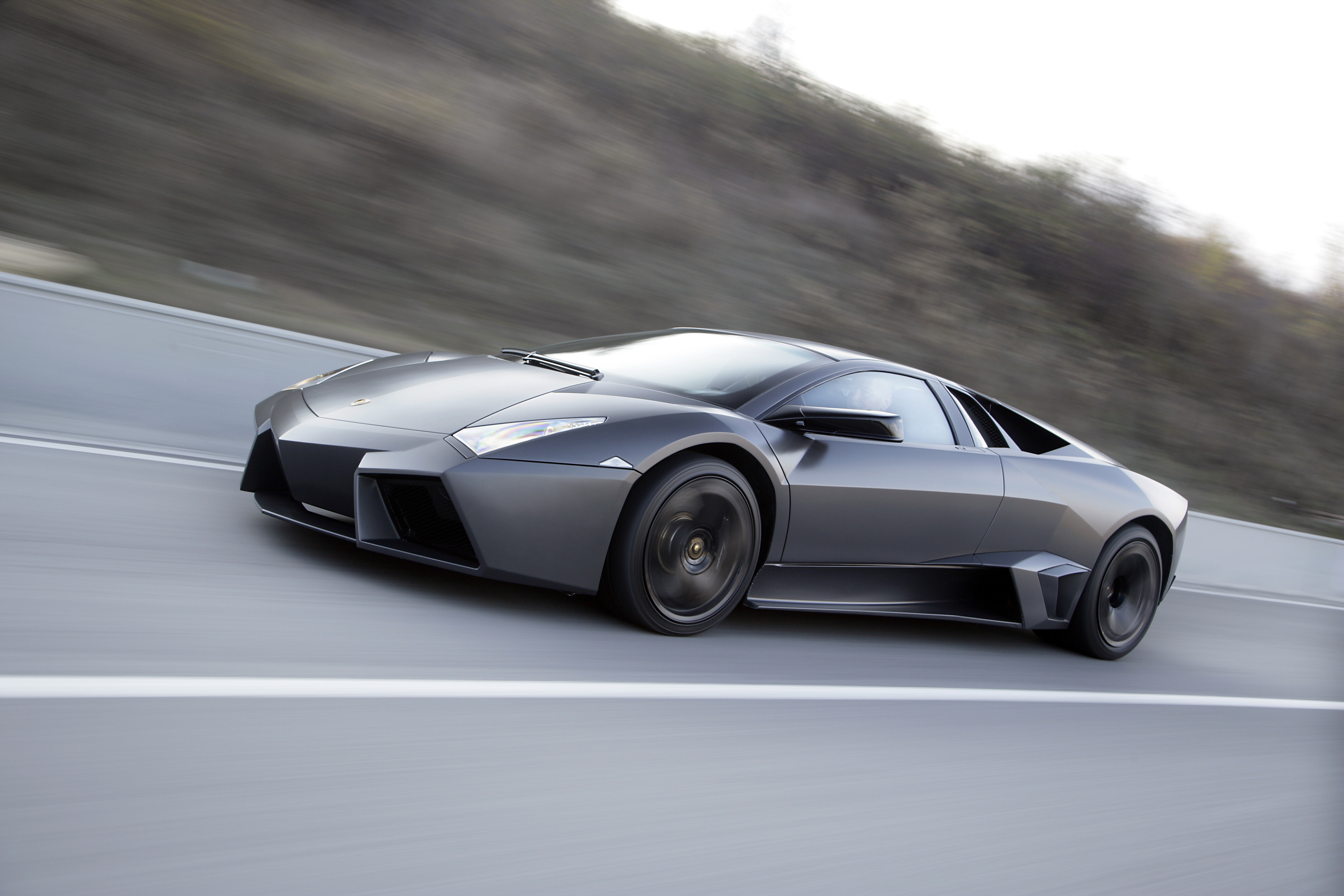
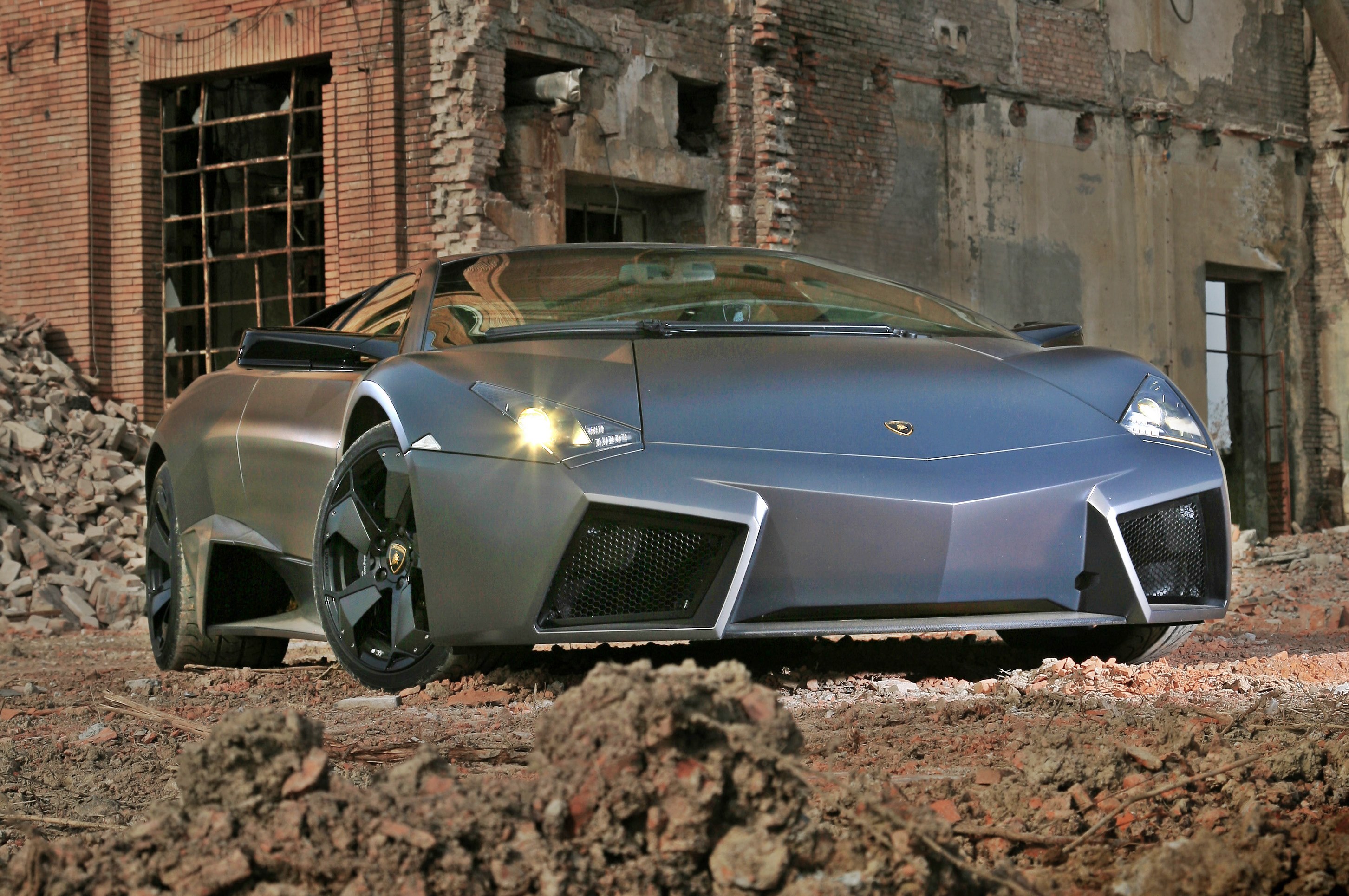
At Lamborghini, the designers would of course have been much influenced by jet fighters and the highly aerodynamic shapes make this obvious. The Reventon, which was unveiled 15 years ago, was a clear example of such influence and Lamborghini even mentioned the aircraft that was the source of inspiration: the McDonnell Douglas F-15 Eagle. Many also saw elements of the F-117 with the sharp and angular form, especially with the dark finish.
20 units for sale
The Reventon, displayed at the 2007 Frankfurt Motor Show, appeared like a one-off concept with an extreme design but it was to be an exclusive model built for sale to 20 customers. The ex-factory price then was quoted as 1 million euros, which made it the most expensive Lamborghini up till that time.
The supercar was based on the Murcielago LP640 and had similar proportions as the Gallardo as well. It was not so obvious then but much of the design language used for the car would later appear in the Aventador as well.
“The Reventon is the most extreme of all, a true automotive superlative. Our designers at the Lamborghini Style Centre took the technical base of the Murcielago LP640 and compressed and intensified its DNA, its genetic code,” said Stephan Winkelmann, President & CEO of Lamborghini then (and still in the same position today).
Lamborghini’s naming tradition
Keeping to Lamborghini tradition, the name was that of a fighting bull, owned by the Don Rodriguez family. It is included in the list of the most famous bulls ever and is known for killing the famed bullfighter Felix Guzman in 1943.
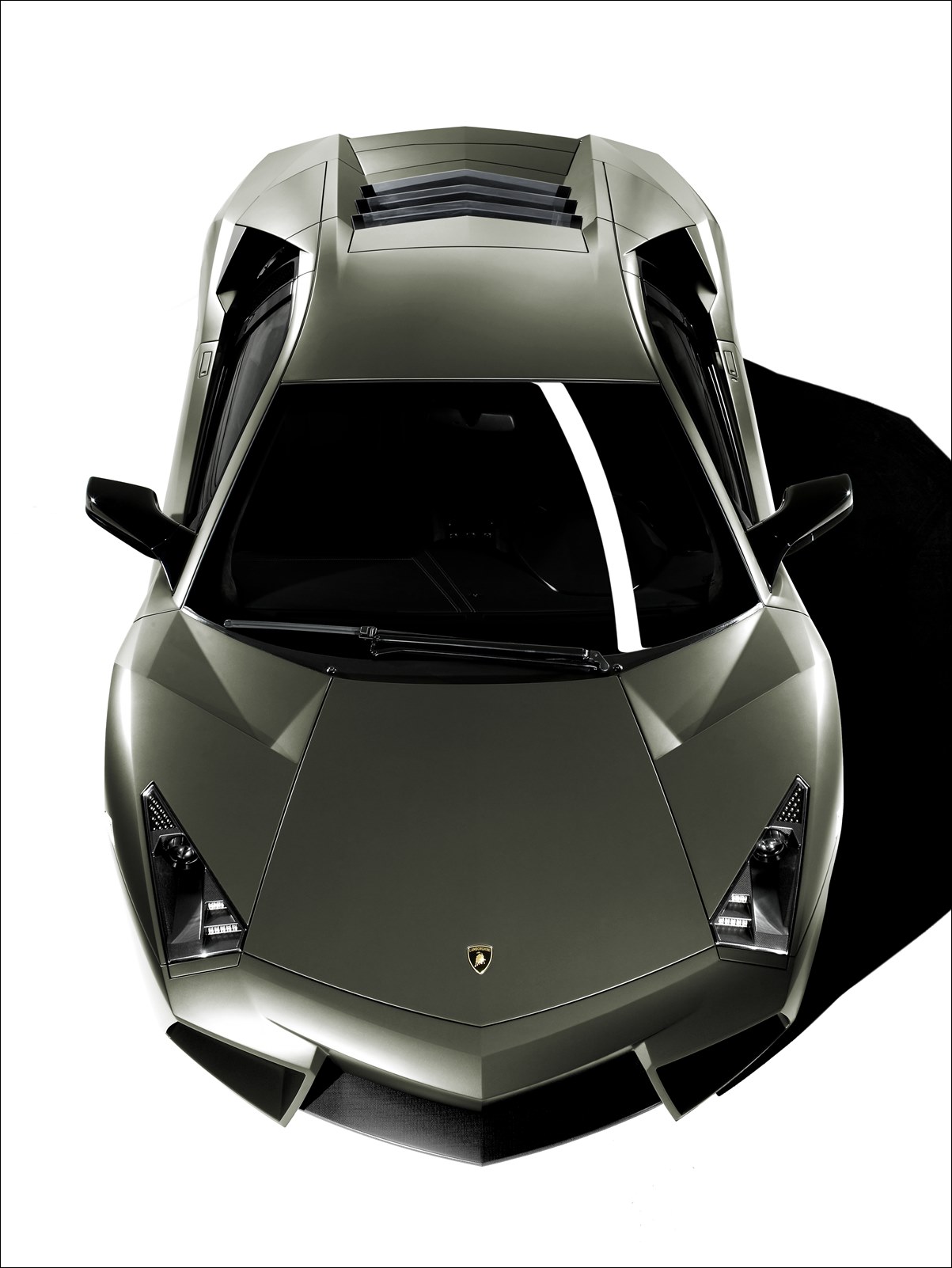
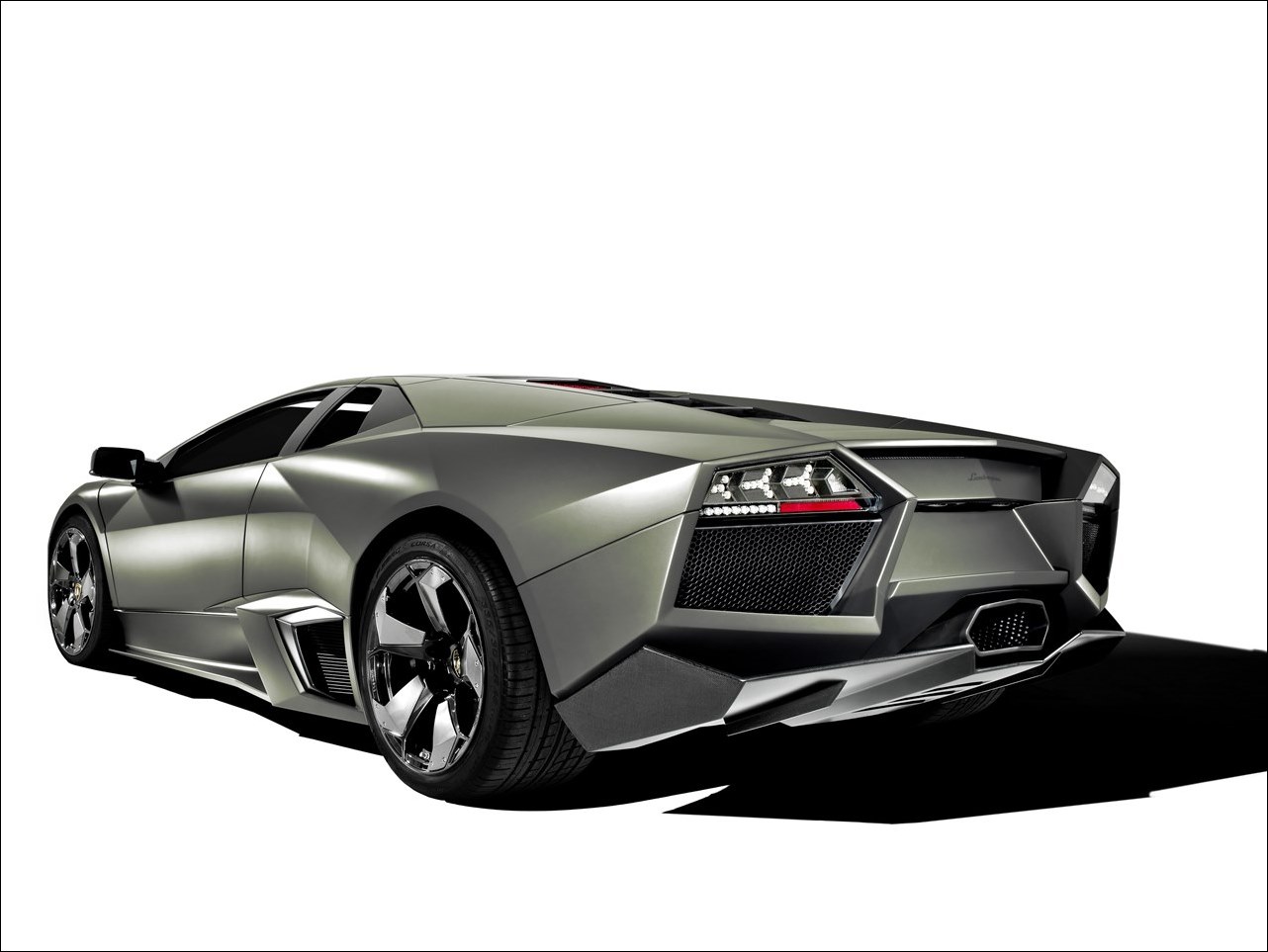
Like today’s Lamborghini models, the edges of the body are sharp, with precise lines and clean surfaces – these are ingredients of a style reduced to the essential. Each element is created exactly according to its function; ornaments and decorations are totally foreign to a Lamborghini.
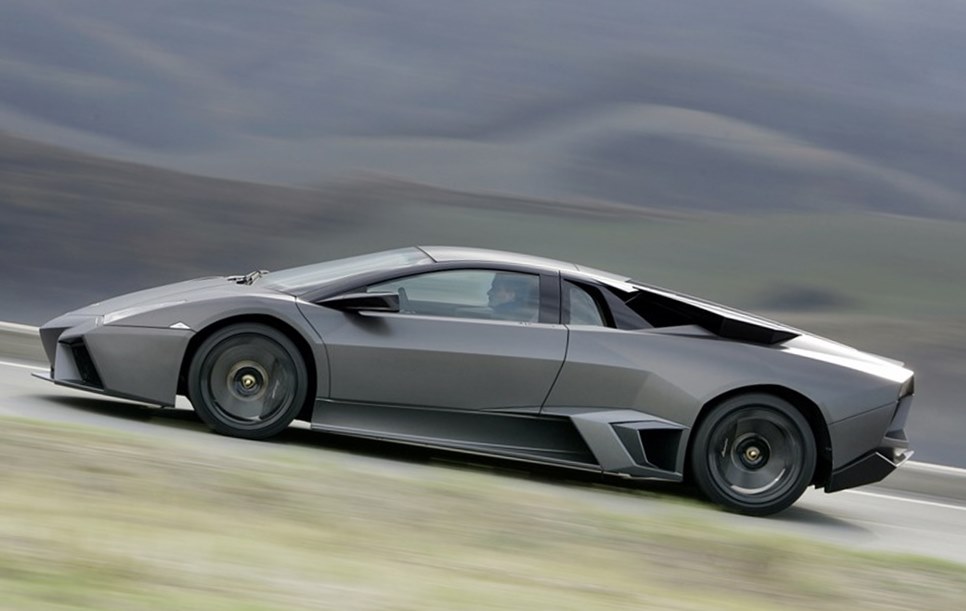
With the Reventon, the Centro Stile designers developed this philosophy with an extremely precise, technically striking style that mimicked the fastest fighter jets. The bodyshell was made of a composite carbonfibre material (CFC) and steel, with the exterior components glued and fixed on.
The front was characterized by the acute angle of the central ‘arrow’ and by the powerful forward-facing air intakes. Although they did not supply air directly to the turbine like an airplane, an abundant volume of air was still necessary to cool the carbon brake disks and the 6-cylinder calipers.
From the time of the legendary Countach, Lamborghini’s V12 models have had ‘scissors doors’ which open upwards. With their asymmetric configuration on the Reventon, the large air intakes below the doors provided an example of the extreme coherence with which a Lamborghini fulfils its function. On the driver’s side, it was large to increase the flow of oil to the radiator. On the passenger’s side, the air intake was flat because, in this case, it only had to ensure the flow below the floor.
The aerodynamically optimised flat floor structure terminated at the rear with a diffuser featuring an accentuated shape. This guaranteed superior road grip and stability even at the 340 km/h the car was capable of. Because of such a high speed, aerodynamics had to be optimized. The airflow and the section of the variable geometry air intakes of the engine and the rear spoiler (adjustable) were specially shaped and designed after lengthy wind tunnel studies.
The engine was the classic 12-cylinder unit with a 6.5-litre displacement and tuned to produce 650 bhp/660 Nm. For super-fast and precise shifting, there was a robotised e.gear system with a permanent Viscous Traction 4-wheel drive system to get all that power to the road.
The engine cover was made of glass laminate with open ventilation slits that offered a glimpse of the 12 cylinders within. The glass also featured the marked arrow angle that characterized the design from the front to the rear spoiler.
The Lamborghini designers’ love for detail was illustrated by the fuel tank lid: a small mechanical work of art, achieved by milling a solid aluminium block. The combination lights transformed the incisiveness of the design into light, with the front having LEDs alongside Bi-Xenon headlights. Seven LEDs served as Daytime Running Lights while another nine diodes were used for the indicator and hazard lights. Because of the high temperature in the rear lower section of the car, special heatproof LEDs were used for the indicator and hazard lights, brake lights and rear lights with a triple arrow optical effect.
Aircraft display for driver
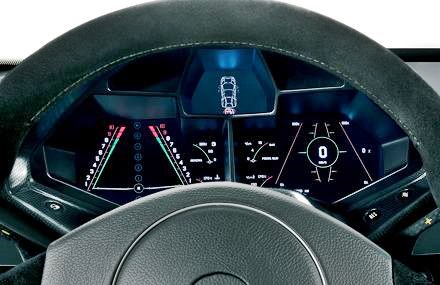
The cockpit of the Reventon certainly had a lot of aircraft inspiration, with the instrument panel housing three TFT liquid crystal displays. The instruments were housed in a structure milled from a solid aluminium block, protected by a carbonfibre casing. At the touch of a button, the driver could choose from two vehicle information display modes. Today, with fully graphic and digital displays, a driver can customize the instrumentation even more.
An interesting feature was the g-force meter, something which was novel then but would later appear in some high-performance models. This display showed the dynamic drive forces, longitudinal acceleration during acceleration and braking, as well as transversal acceleration around bends. The forces were represented by the movement of an indicator on a graduated 3D grid depending on the direction and intensity of the acceleration. A similar instrument can be found in aircraft and Formula
It took less than a year for the Reventon project to progress from the first ideas to the finished car. Centro Stile, which was just a few years old then, was able to carry out the entire design process at Lamborghini for the first time without any external collaboration with design studios like Bertone.
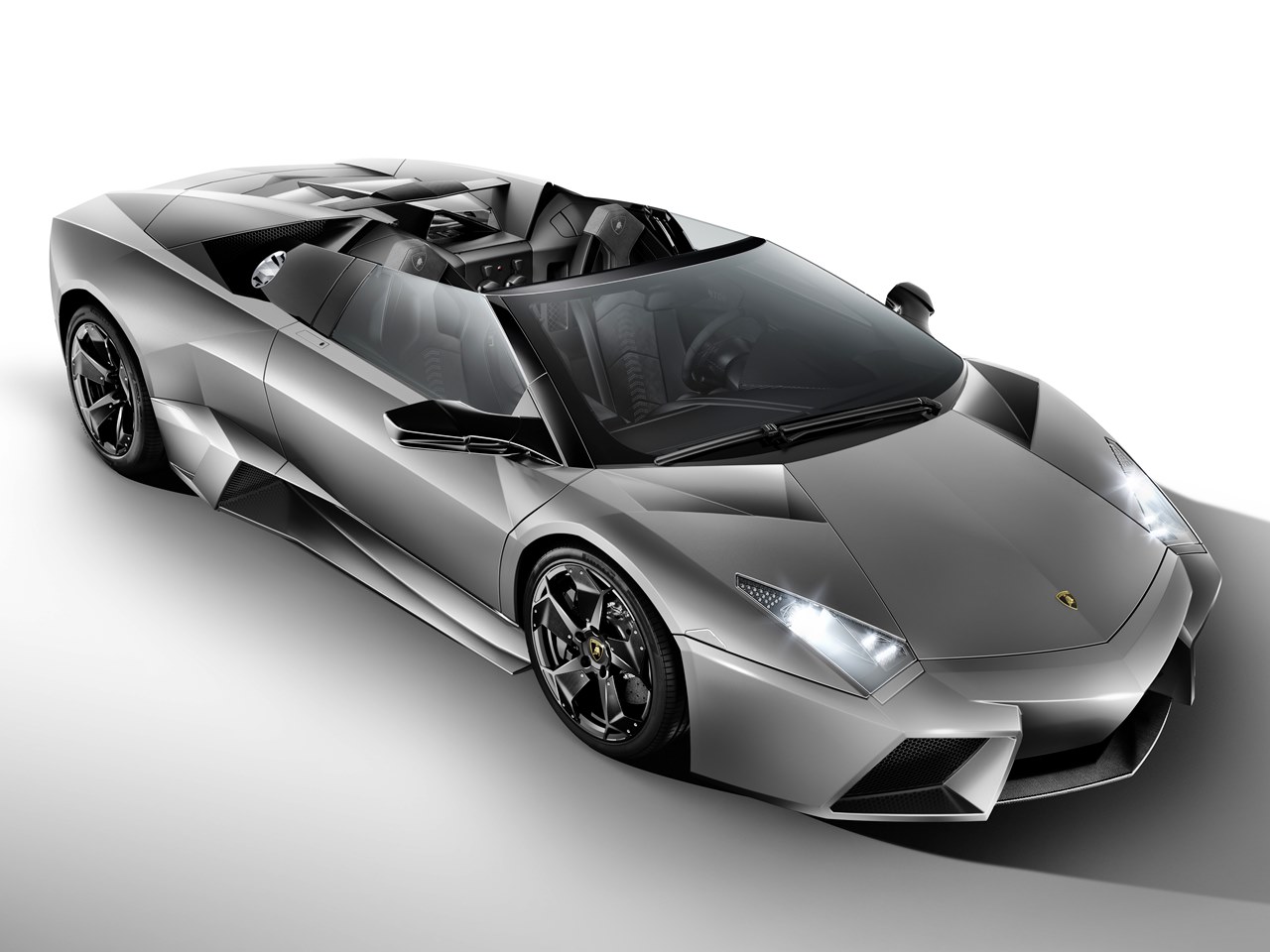
2009 Reventon Roadster.
The Reventon Roadster
Two years after unveiling the Reventon coupe, Lamborghini showed a roadster version at the 2009 Frankfurt Motor Show. It had a slightly more powerful engine but the top speed was 10 km/h less. Lamborghini offered it for 1.1 million euros but never revealed just how many were sold, although it said that there would be less than 20 units.
The original Reventon production was done between 2007 and 2009 and besides the 20 units that were sold, one more unit was built and is displayed at the Lamborghini Museum of Technologies. Half of the cars made are known to have gone to the USA and the rest went to other countries. The Reventon was one of the first ‘few-offs’ from the brand and remains as one its most iconic models too.
The Lamborghini Urus is celebrating 4 years since its launch in December 2017, during which time 16,000 units have been delivered worldwide. With 650 bhp, the Super SUV has supercar performance for the road but it has also shown an ability to face extreme challenges. On Lake Baikal in Russia, the Urus set a speed record on ice with a top speed of 298 km/h and an average speed from a standing start of 114 km/h over 1,000 metres. It also reached the highest motorable road in the world at the top of the Umling La Pass in the Himalayan part of India, more than 5,800 metres above sea level.
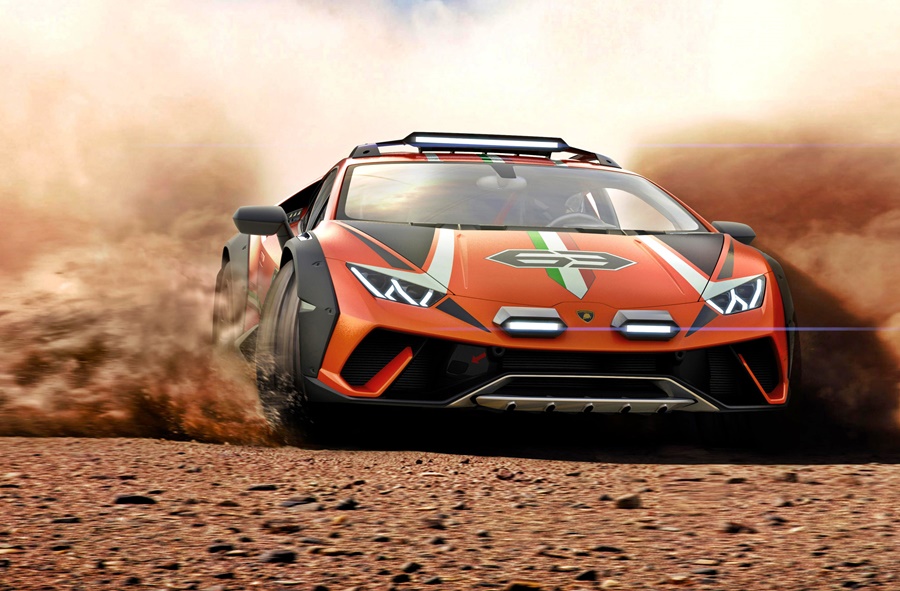
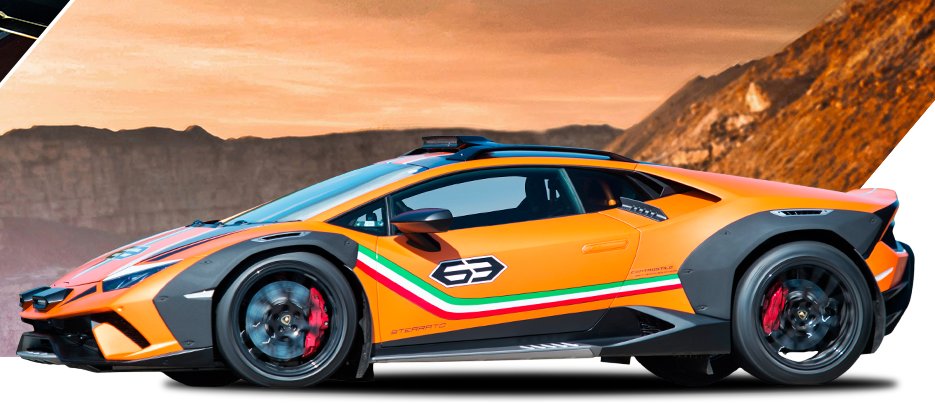
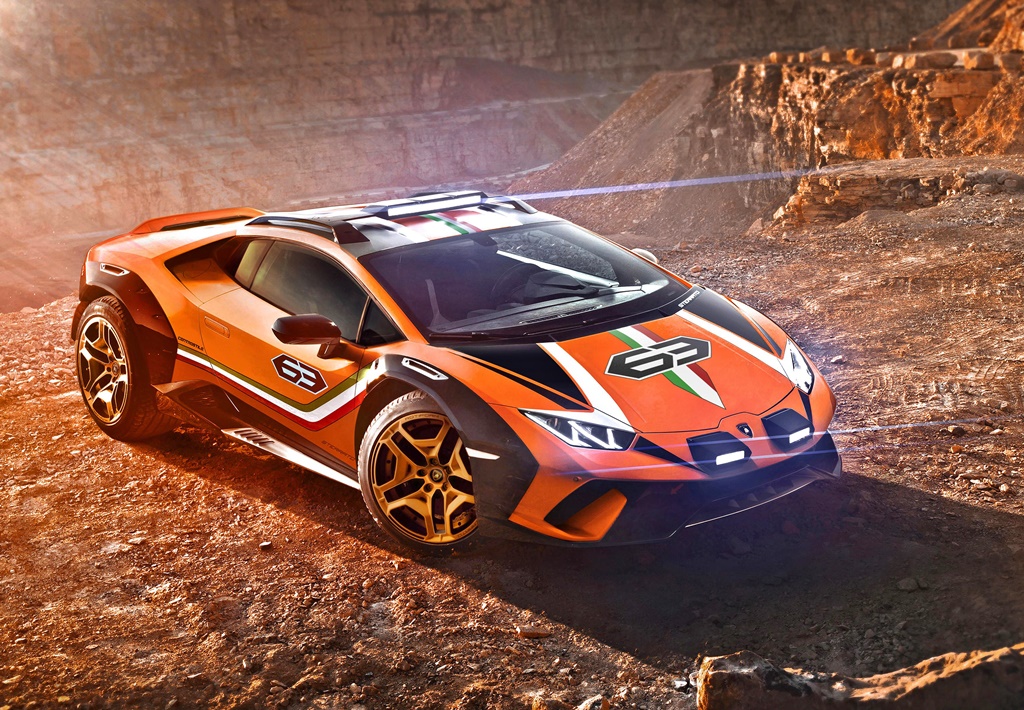
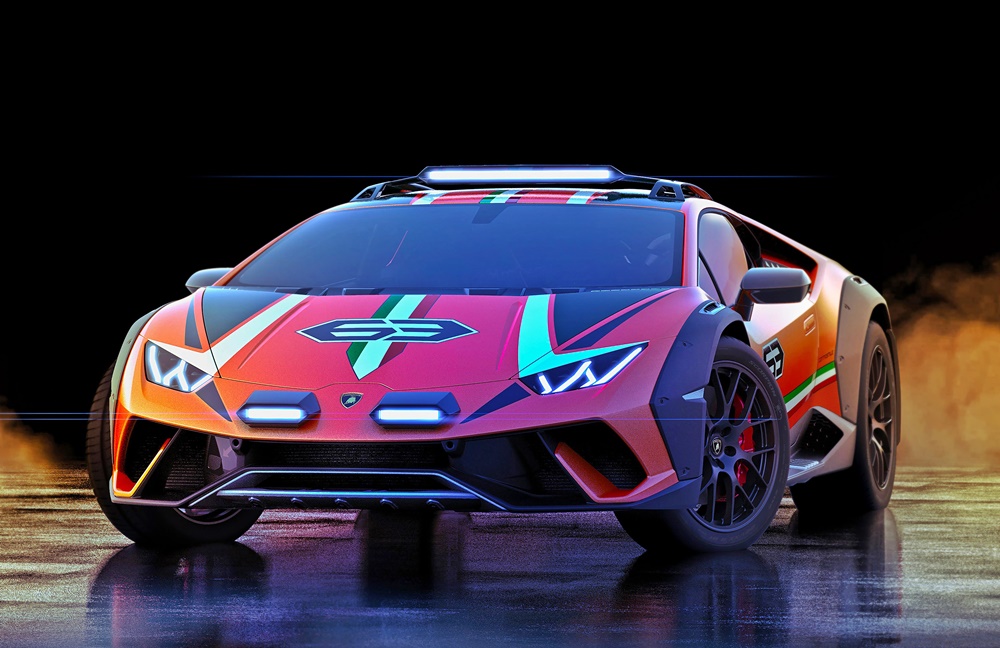
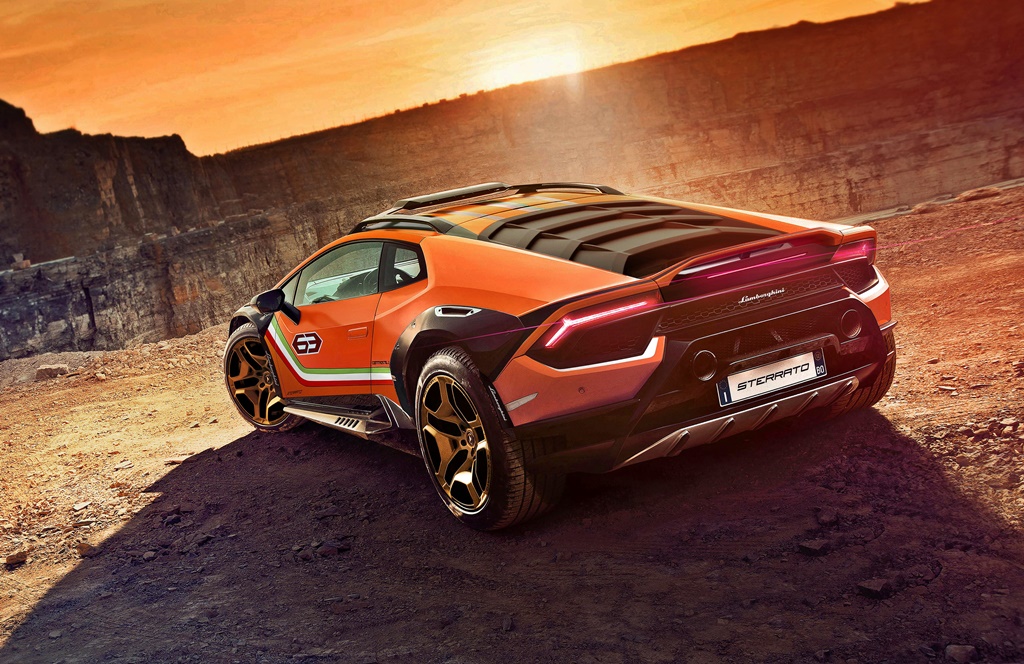
The capability of the Urus inspired Lamborghini’s designers to explore new possibilities for off-road super sportscars and in 2019, they came out with the Huracan Sterrato, a concept car based on the V10 Huracan which drew on off-road expertise developed with the Urus.
It was not the first time that Lamborghini’s designers explored high performance and off-road capabilities. In the 1970s, Lamborghini’s test driver Bob Wallace modified two models to create desert-going high performance sportscars – the Jarama Rally and the Urraco Rally.
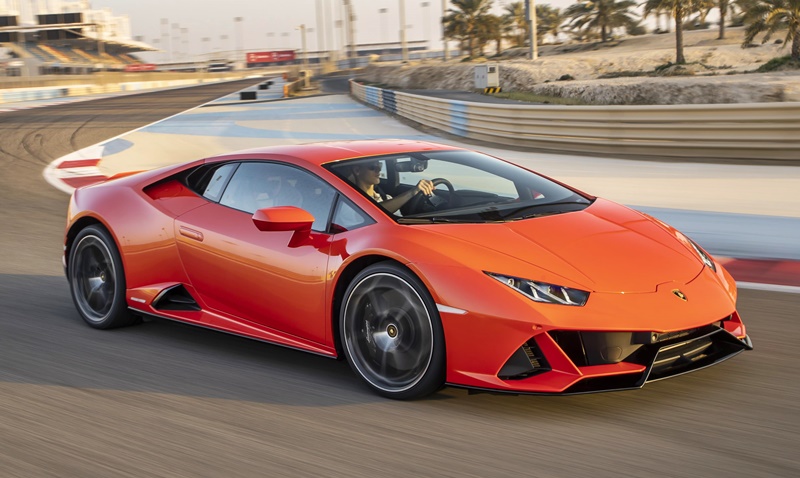
The Sterrato concept is based on the Huracan EVO with the same 5.2-litre naturally-aspirated engine producing 640 bhp. The Huracan EVO’s LDVI (Lamborghini Dinamica Veicolo Integrata) with predictive logic, controls the Sterrato’s systems including 4-wheel drive, 4-wheel steering, modified suspension and torque vectoring, anticipating the next moves of the driver to ensure perfect driving dynamics.
Calibrated for off-road driving (including low-grip surfaces) and tuned to maximize traction and acceleration, the LDVI system in the Sterrato provides enhanced rear-wheel drive behaviour, producing more torque together with additional stabilization in oversteering manoeuvres.
Huracan EVO
The Sterrato is intended for rough and demanding environments and its appearance illustrates this. More ground clearance is necessary in rough terrain so 47 mm is added, with the car’s front approach sharpened by 1% and the departure angle enhanced by 6.5%.
The wheel track is enhanced front and rear by 30 mm, with 20-inch wheels on balloon tyres set into widebody wheelarches with integrated air intakes. The larger tyres have been specially developed with increased sidewalls to improve the absorption of bumps and also provide good grip. Wide, rugged, open shoulder blocks with self-cleaning qualities provide excellent off-road surface adherence with improved traction and braking and are highly damage-resistant.
When driving over rough terrain with rocks and loose stones, the underside is at risk of being damaged. To prevent this, the Sterrato is fitted with underbody reinforcements and body protection, including a rear skidplate that acts as a diffuser. Aluminium reinforcements are integrated within the front frame and covered with an aluminium skidplate, with aluminium-reinforced sideskirts.
The bodywork’s special protective composite material includes stone-deflecting protection around the engine and air intakes and mud guards in hybrid materials of carbonfibre and elastomeric resin. An off-road LED light package puts a LED light bar on the roof and LED lights with flood function on the bumper.
A specially-designed interior trim reflects the sporty off-road character of the Sterrato, featuring a new lightweight titanium roll-cage, 4-point seatbelts to the new carbonfibre bi-shell sports seats, and aluminium floor panels.
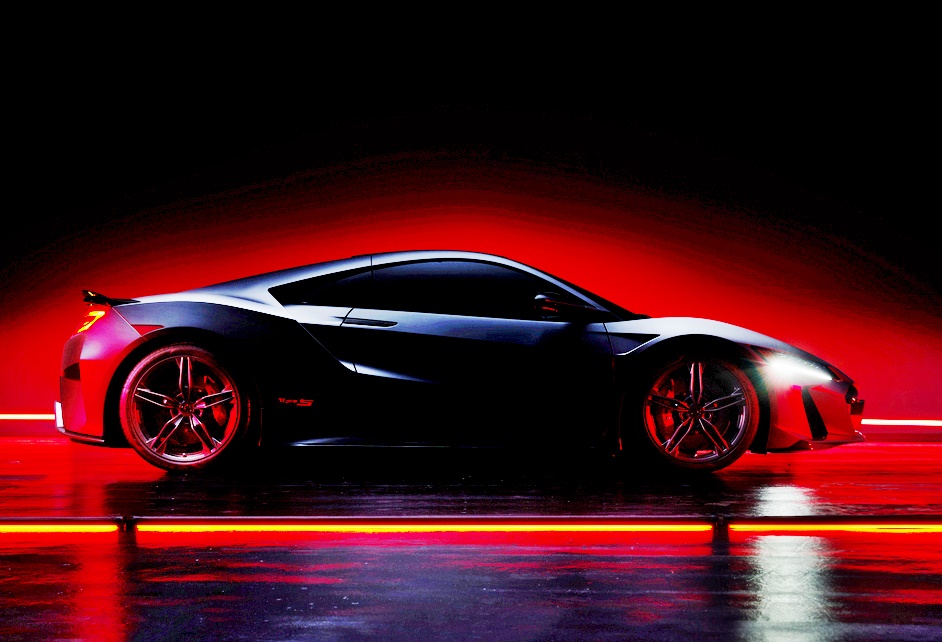
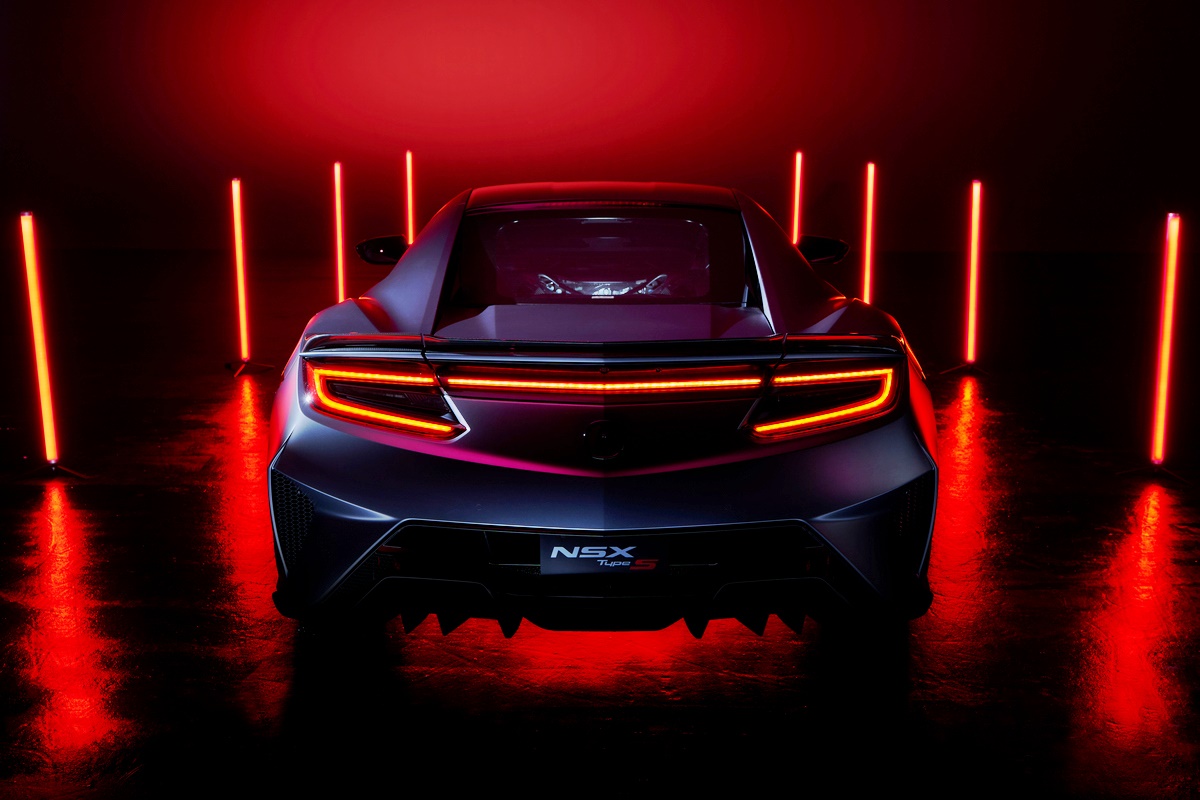
The Honda/Acura NSX is in its final year of production after having been launched in 2016 as the successor to the world’s first mass-produced car with an all-aluminium monocoque body. Like the first generation, which was produced from 1990 to 2005, the second generation also pushed the boundaries of engineering and sportscar dynamics.
The current NSX, made at Honda’s Performance Manufacturing Centre in the USA, was the first supercar to utilize three electric motors. It also introduced a number of industry firsts, including the first production 9-speed Dual Clutch Transmission (DCT) for a passenger automobile (and is still the only car having it).
First Type S officially sold outside Japan
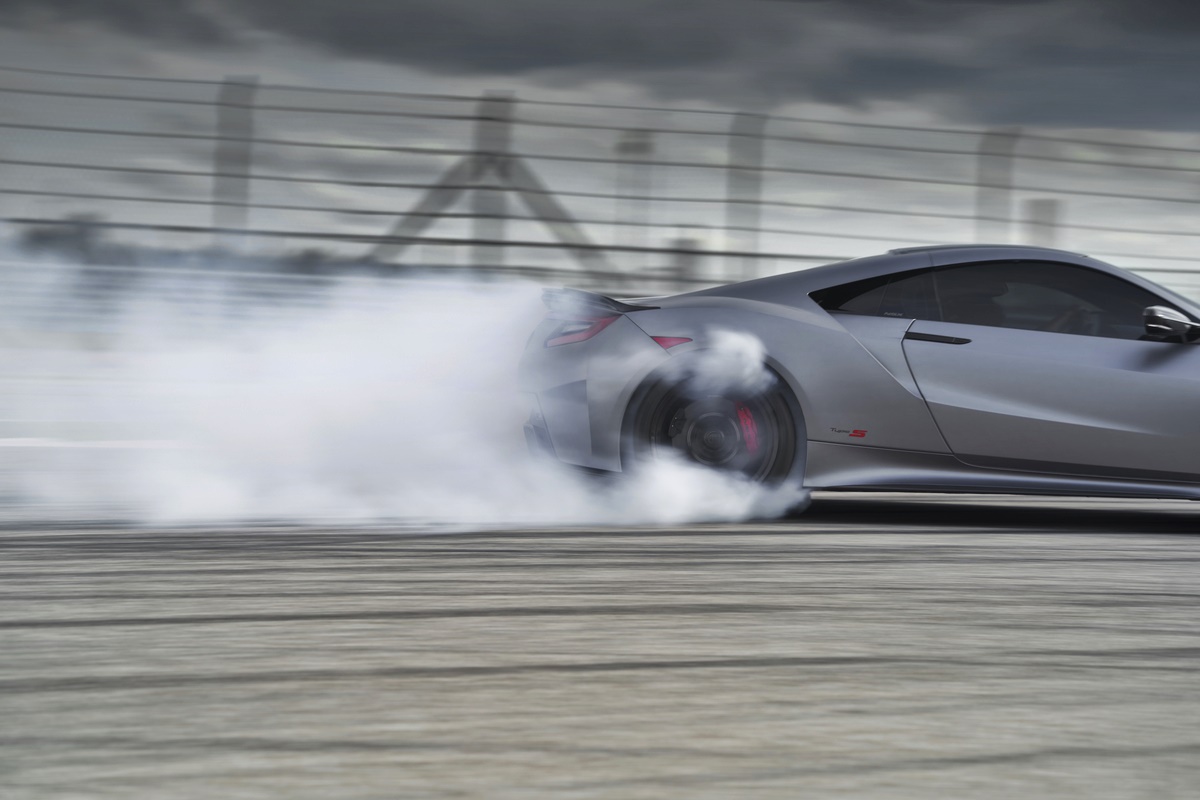
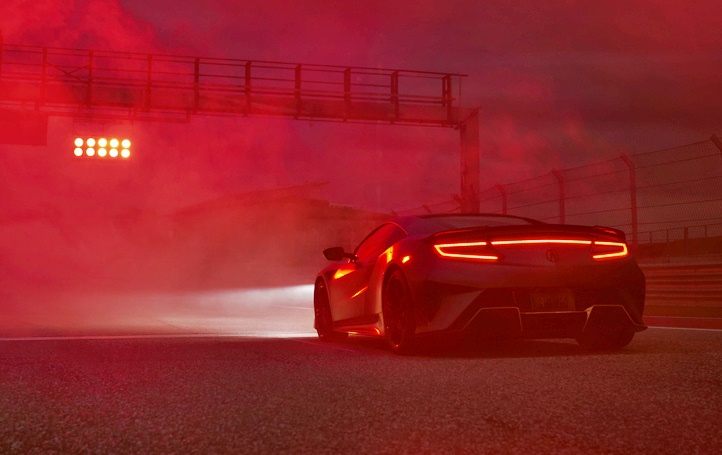
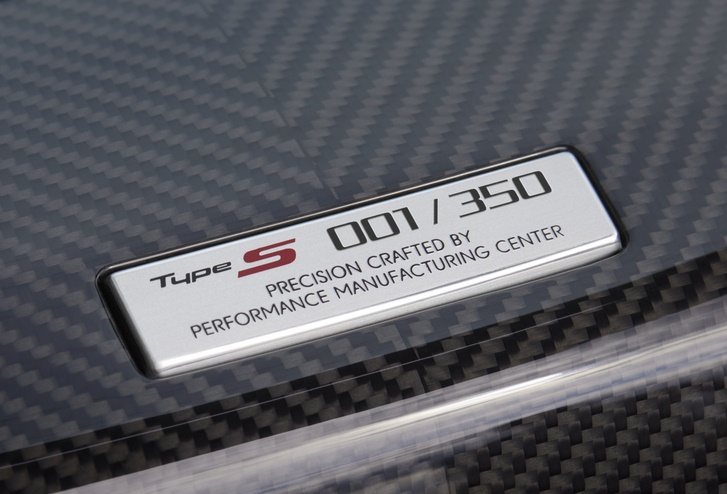
As a prelude to the end of production by December 2022, Honda has announced that it will offer a NSX Type S version. Only 350 units will be available, of which 30 are reserved for the Japanese market and 300 for the US market. This is the first time that a Type S version is officially sold outside Japan and the first unit will be displayed at the Monterey Car Week event in California on August 12, 2021.
The NSX Type S is destined to join the ranks of unique and collectable first-generation NSX models. These are models such as the 1999 NSX Zanardi Edition (51 units produced) and JDM variants like the NSX-R (483 units produced between 1992 and 1995), NSX Type S (209 cars built between 1997 and 2001) and NSX Type S-Zero (no more than 30 produced between 1997 and 2001). To date, second-generation NSX sales total more than 4,000 units globally.
Unit No. 1 to be auctioned for charity
The first NSX Type S with VIN #001 will be sold to the highest bidder at a Mecum Auction’s Monterey event in California. All proceeds from the sale of the supercar will benefit charity, including an innovative STEAM (science, technology, engineering, art and math) education program for underserved youth nationwide in partnership with the Centre of Science and Industry (COSI).
The event, to be held on August 14, marks the return of the NSX to the auction scene. The first production version of the second-generation 2017 NSX was auctioned for a record US$1.2 million (about RM5.07 million) through the Barrett-Jackson auction house in January 2016.
While the NSX is celebrating its final year of production, Acura will continue to pursue sportscars in the electrified era. “Acura is a performance brand, a company of enthusiasts, and we will continue moving forward, actively investigating what the next generation of sports cars should be in an electrified era,” said Jon Ikeda, Vice-President and Acura Brand Officer.