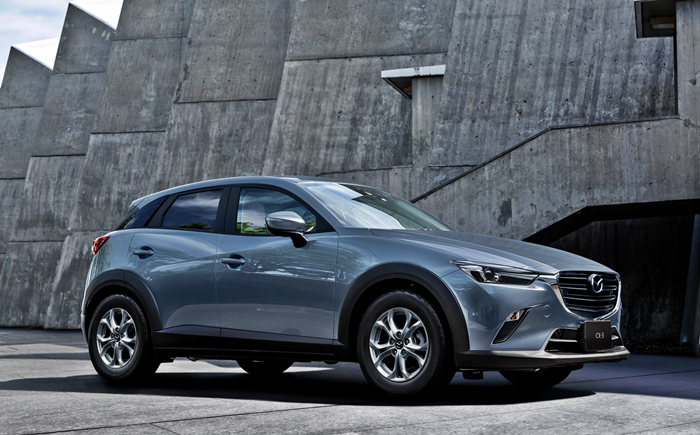
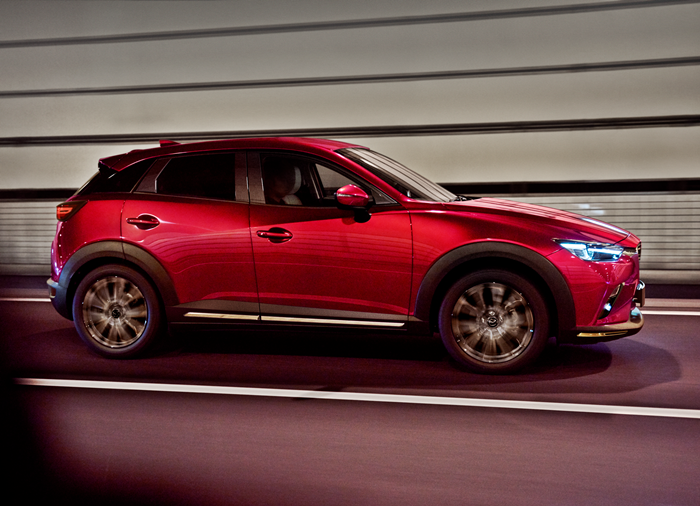
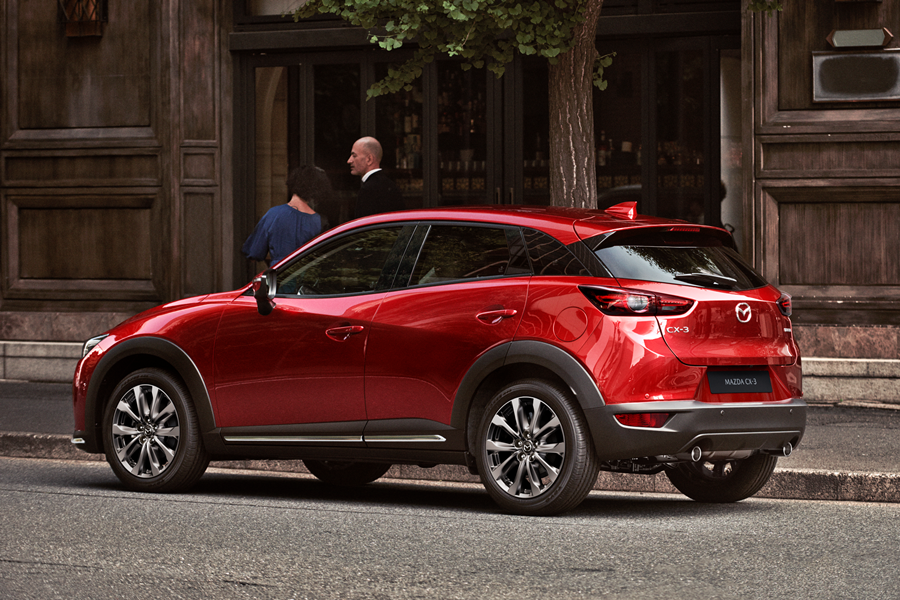
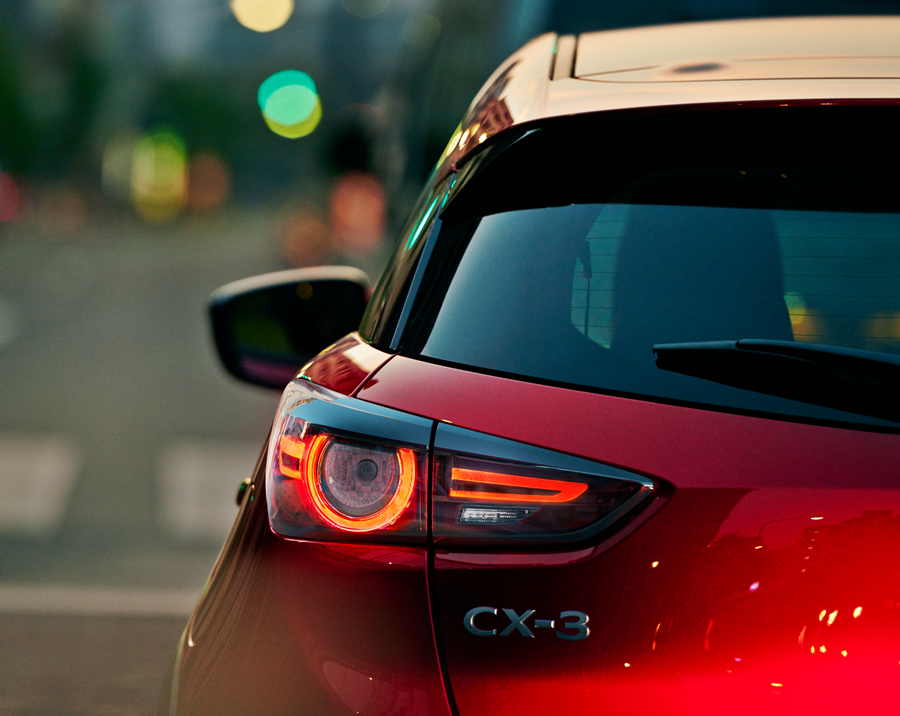
The current Mazda CX-3 has been in the Malaysian market since 2018 and although there have been many new SUVs appearing over the past 3 years, the Mazda SUV’s looks are still fresh. Perhaps this has to do with the KODO design language which gives a timeless quality to the appearance.
So not a lot needs to be done for the usual mid-cycle update in as far as exterior aesthetics are concerned for the CX-3. However, in keeping with market trends, Bermaz Motor has upgraded the specs with All-LED exterior lighting as standard. The headlights also come with automatic on/off and self-levelling capabilities.
Power sunroof added for 2021 model
Other standard equipment for the model, which comes from Japan in CBU form, include 18-inch aluminium alloy wheels, a roof spoiler, shark fin antenna, dual stainless-steel tailpipes, and new for 2021, a power sunroof as well as front parking sensors.
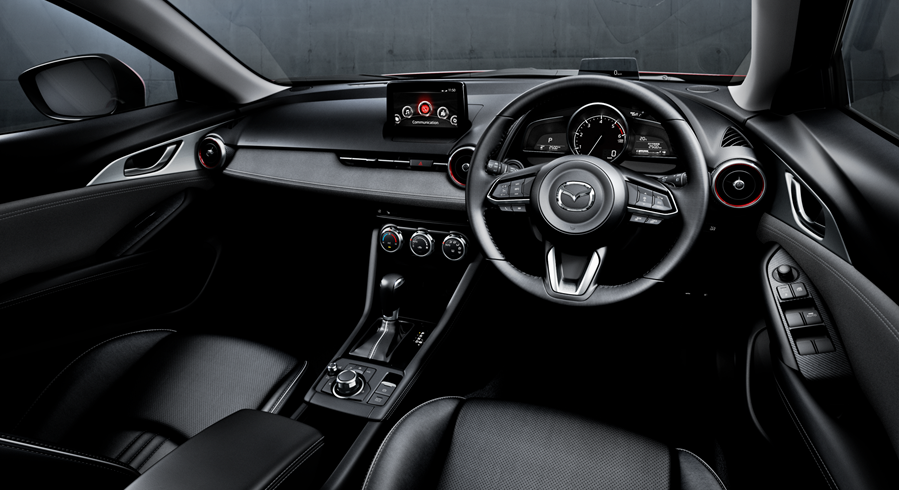
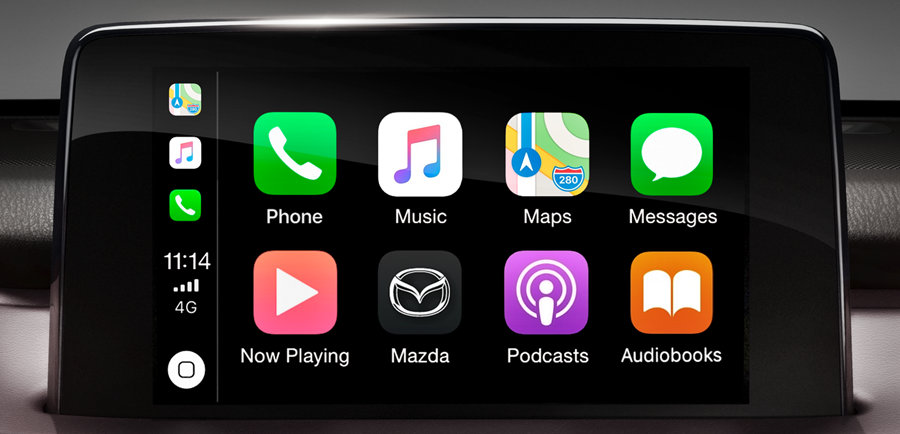
Some interior features have also been updated and there are new leatherette-fabric seats and a 360° View Monitor for the latest model. The infotainment system is equipped with Apple CarPlay and Android Auto connectivity software so smartphone apps can be transferred onto the dashboard system. Other premium standard features include an Active Driving Display, a 7-inch, full-colour touchscreen display with Mazda Connect, Bluetooth hands-free phone and audio, and a 6-speaker audio system. For ease of operation and safer motoring, the functions can be managed using the multi-function command knob between the front seats or steering wheel-mounted controls.
2-litre engine but no AWD
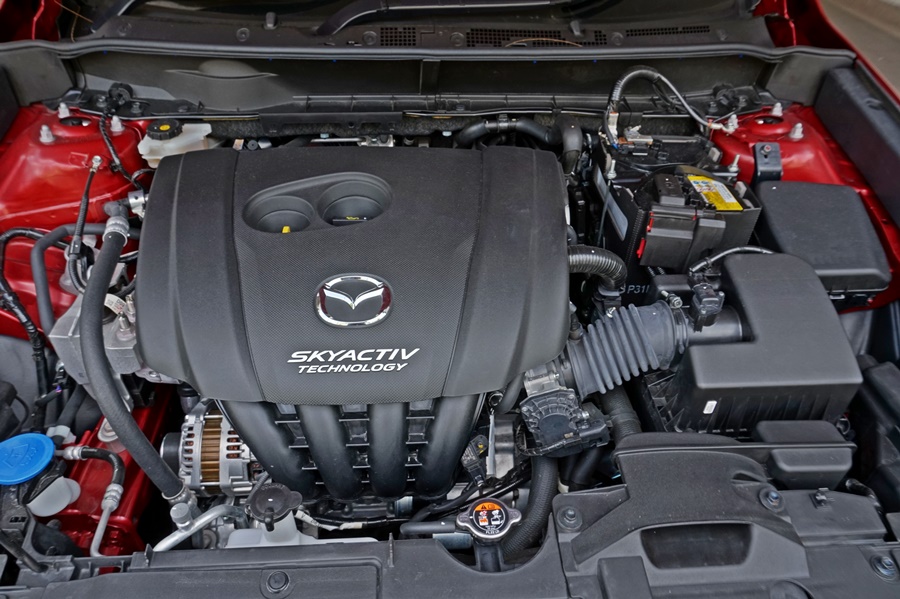
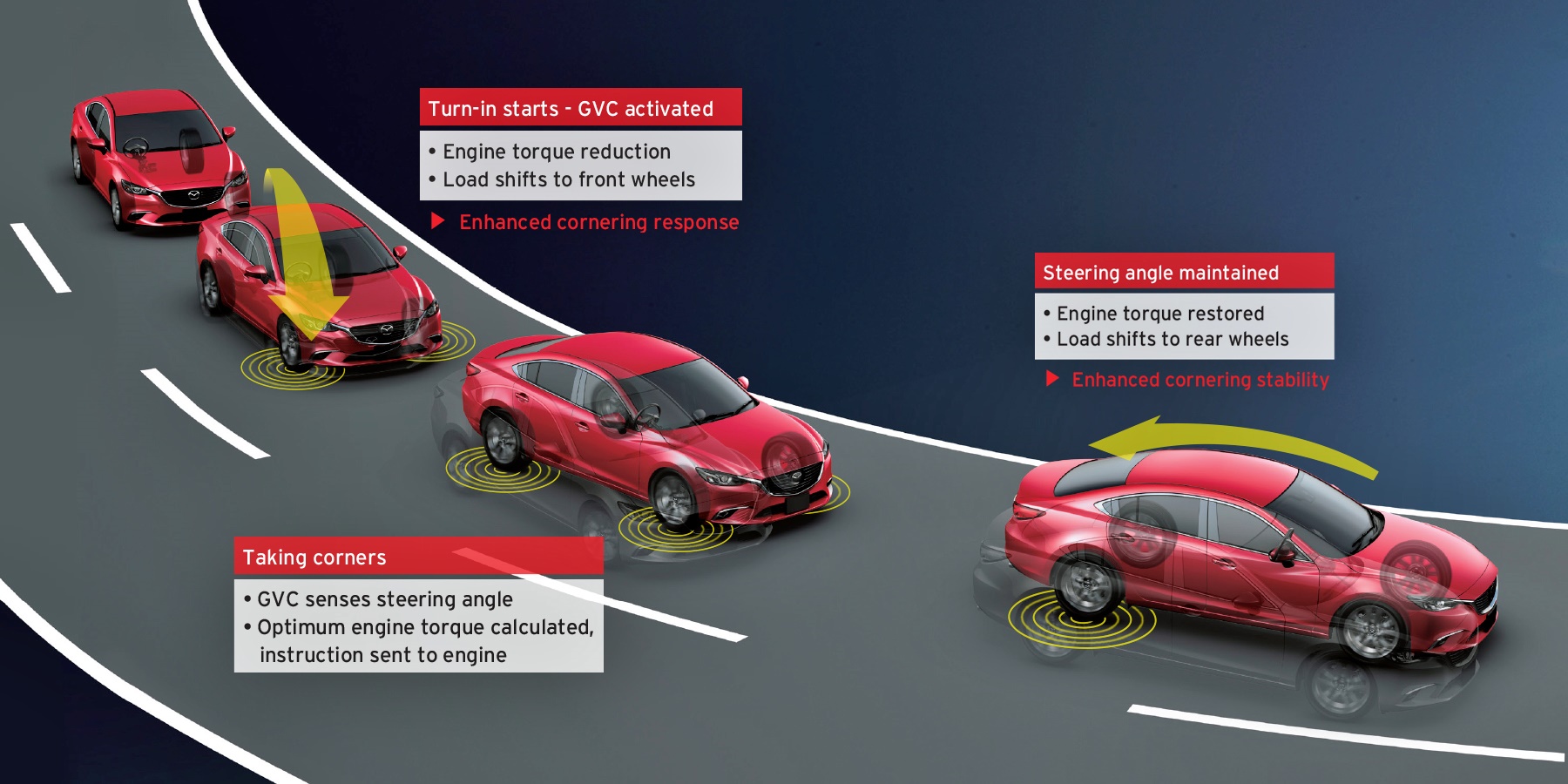
The 2021 CX-3 continues with the Mazda SKYACTIV-G 2-litre petrol engine – a rather large displacement for a small body – which produces 154 bhp/206 Nm. Power delivery is only to the front wheels through a SKYACTIV-DRIVE 6-speed automatic transmission with manual shift mode. In addition, there’s Mazda’s G-Vectoring Control technology which improves driving dynamics by making acceleration smoother and more linear.
How Mazda G-Vectoring Control (GVC) works
Comprehensive safety systems
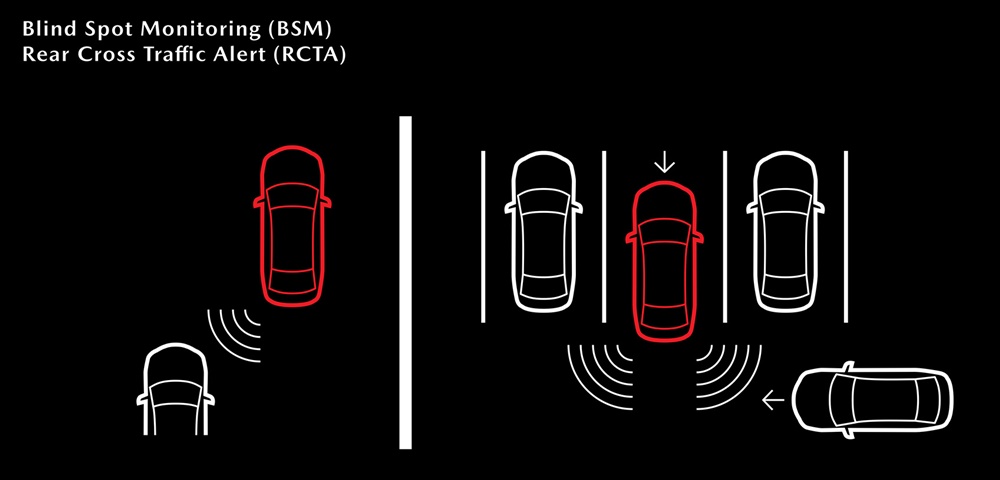
The CX-3 comes with an extensive list of safety equipment and systems that include 6 airbags, and i-ACTIVSENSE, Mazda’s integrated safety system which helps the driver to avoid accidents. The system includes automatic emergency braking and also alerts the driver if the vehicle departs from its lane. Besides a blindspot monitor, there is also active scanning of the rear as the CX-3 is reversing out. In the event of approaching vehicles from either side, the driver will be alerted, reducing the possibility of an accident.
Bermaz Motor is now accepting booking for the 2021 CX-3 which is priced from RM130,729 (excluding insurance). The price has 50% sales tax deducted under the exemption provided by the government. Although registration and deliveries will only start from July 2021, customers who make their booking before June 30 (the expiry date for the sales tax exemption) will still be entitled to the exemption.
Colours available are Soul Red Crystal, Snowflake White Pearl, Deep Crystal Blue, Machine Gray, with Polymetal Gray being a new choice for the range. All new vehicles will come with a factory warranty as well as free scheduled maintenance for the first 5 years or maximum of 100,000 kms after original registration (terms and conditions apply).
For more information, visit www.mazda.com.my or any authorised Mazda dealership in Malaysia.
Since 2009, a group of female motoring experts from 5 continents has got together to pick the Women’s World Car of the Year/Best Car of the Year. It is the only car awards group in the world with only women motoring journalists.
Jury of 50 women from 38 countries
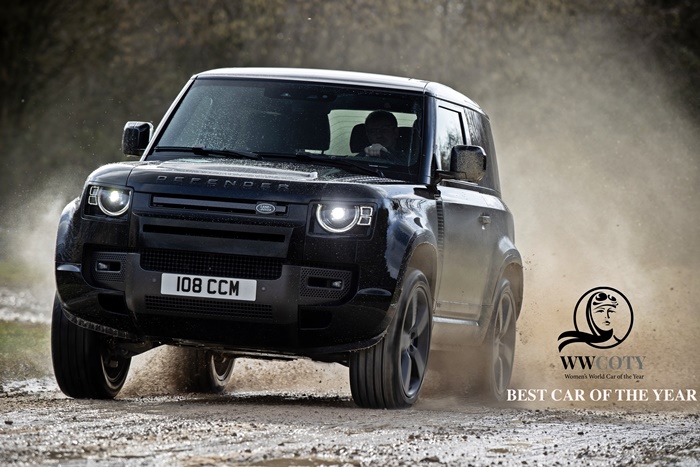
This year, the group that formed the jury numbered 50 and they were from 38 countries. Before casting their votes, they tested dozens of models and evaluated each accordingly. Nine models reached the final phase, each of them winners in their category, and all of them worthy candidates for the overall award which went to the Land Rover Defender.
The voting system of the Women’s World Car of the Year was based this year on choosing in the first round the three best cars in each category, taking into account models launched between January and December 2020. The Defender won with high scores for aspects such as safety, performance, comfort, technology and value for money.
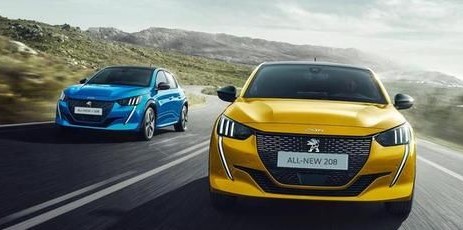
Peugeot 208 – Best Urban Car
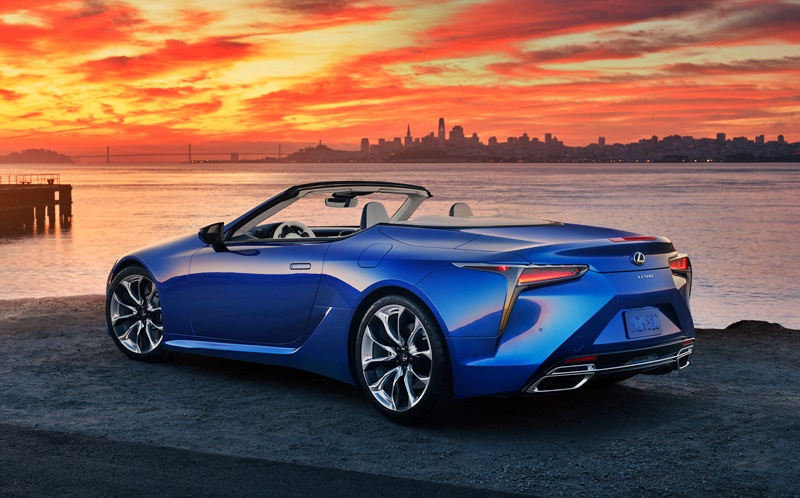
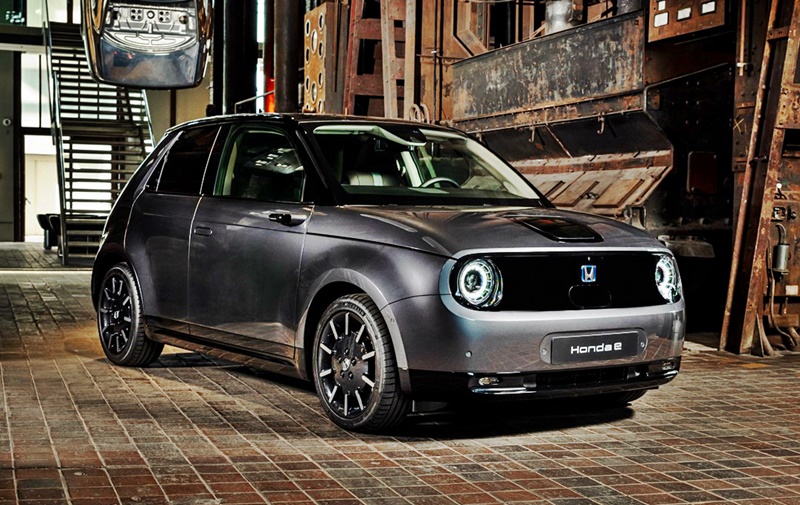
Besides the Defender, other models which were tops in the various categories were: Urban Car – Peugeot 208 Family Car – Skoda Octavia Luxury Car – Lexus LC 500 Convertible Performance Car – Ferrari F8 Spider Urban SUV – Peugeot 2008 Medium SUV – Land Rover Defender Large SUV – Kia Sorento 4×4 & Pick-up – Ford F-150 Electric Vehicle – Honda e
Lexus LC500 Convertible – Best Luxury CarHonda e – Best EV
Of interest to women
“The Women’s World Car of the Year is the only jury in the world made up entirely of women motoring journalists. This gives it enormous value because its decisions represent the liking and preferences of millions of women drivers around the globe. But cars have no gender and are not subject to stereotypes so the winners of these awards are, quite simply, the best cars in the world. And this year’s top winner is the Land Rover Defender,” said Marta Garcia, Executive President of the Women’s World Car of the Year.
The voting was verified by Grant Thornton, from its office in New Zealand, which has been certifying the results of the Women’s World Car of the Year awards since its inception. Paul Kane, a partner in the company, said it is always a hard-fought process.
Perodua has always been in a challenging position as an entry-level carmaker in Malaysia. Although its models are priced at the lowest levels in the market, it has had to also provide features that are expected by Malaysian consumers, regardless of how cheap the car may be. Where, in other markets, an entry-level model can have minimum features – and customers accept it – Malaysians are often not happy if, say, there are no power windows.
Thus, the challenge for Perodua has been to keep its production costs as low as possible so that it can still provide all the ‘must-have’ features in its models. Being affiliated with Daihatsu Motor (which is part of the Toyota Group) has made it easier as there is a lot of sharing of technology and components, so economies of scale push costs down.
Higher safety standards with ASA 3.0
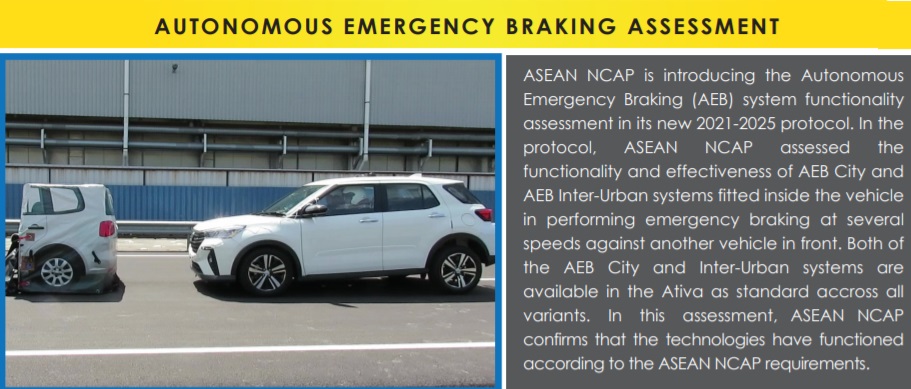
Apart from its services being a much higher standard than would normally be expected of a brand in the entry-level segment, Perodua has also been pushing ahead in the area of safety. With the third generation of the Myvi, Perodua introduced its Advanced Safety Assistance (ASA) system with, among other active safety features, Automatic Emergency Braking (AEB). Unlike ABS, this is something that is not common in all cars yet but Perodua customers have it.
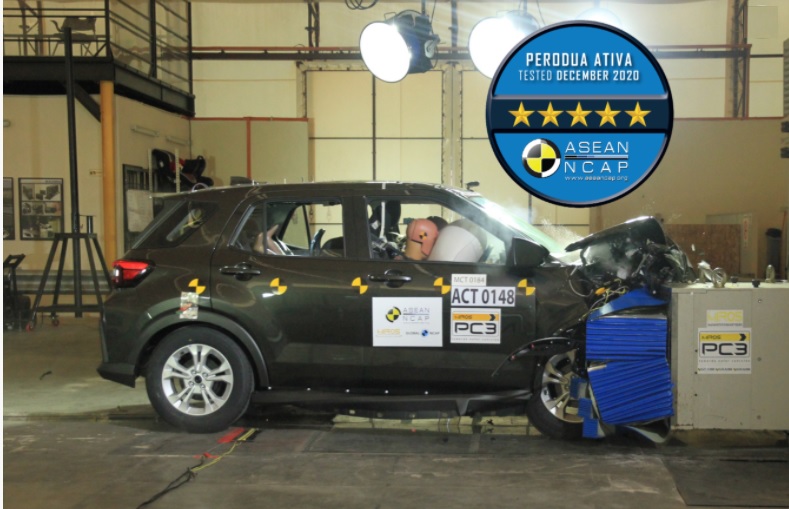
With the new Ativa, the company has raised its safety standards further with ASA 3.0 which has even better capability. ASEAN NCAP, the independent safety assessment organisation, has also tested the Ativa at its own facility in Melaka. It released a statement that commends the company for making ‘a remarkable performance by achieving 5-Star ASEAN NCAP rating with a total score of 83.40 points’.
New, tougher protocol
The Ativa is the first model ASEAN NCAP has assessed under its new and tougher 2021-2025 protocol. In this first assessment using the new assessment protocol, the Ativa obtained 37.48 points over 40.00 points for the Adult Occupant Protection (AOP) category, 17.36 points over 20.00 for the Child Occupant Protection (COP) category, 18.57 points over 20.00 for Safety Assist Technologies (SAT) category, and 10.00 points over 20.00 for the Motorcyclist Safety (MS) assessment category.
Detection capability of the third generation of the Perodua Advanced Safety Assist (ASA) system works at higher speeds – up to 120 km/h for vehicles; up to 60 km/h for pedestrians); and it can now detect 2-wheeled vehicles as well as function at night.
Many standard safety systems
ASEAN NCAP noted that the new compact SUV offers as standard fitment on all its variants items such as SRS airbags(6 in total), Electronic Stability Control, ABS, Seatbelt Reminder System for both front and rear occupants, Autonomous Emergency Braking City, AEB Inter-Urban and AEB Pedestrian.
In addition to these technologies, other advanced safety assist technologies are also available either as standard or optional fitment (depending on the variant). These are Lane Departure Warning System, Forward Collision Warning System, and Lane Keep Assist (LKA). These are systems which you would find in more expensive high-end models nowadays but the Ativa is priced no more than RM72,000 (excluding insurance).
The model has successfully met the items requirement under the new MS assessment pillar in which it offers Blind Spot Detection and Auto High Beam as optional equipment and a Pedestrian Protection technology or vulnerable road-user as standard fitment.
“We would like to congratulate Perodua Ativa for being the first car model to be assessed under the new ASEAN NCAP 2021-2025 protocol. As the motorization industry advanced, ASEAN NCAP has ensured the new protocol will enhance the safety performance of the vehicles in the ASEAN region,” said MIROS Director-General who is also ASEAN NCAP Secretary-General and Acting Chairman, Adjunct Prof. Ir. Ts. Dr. Khairil Anwar Abu Kassim.
“With this protocol, we are not only protecting the safety of the vehicle occupants but also taking into consideration the safety of other vulnerable road- users especially motorcyclists as statistics showed a high number of fatalities amongst this group of road-users in the South East Asian region,” he said.
“Thus, we are proud our own local manufacturer has stepped up to the challenge and true to their words, they have successfully claimed the 5-Star rating under this newly stringent protocol. We hope the achievement by Perodua Ativa will be an example for other new vehicle manufacturers to follow in their development process of producing safer cars for the ASEAN road users,” he added.
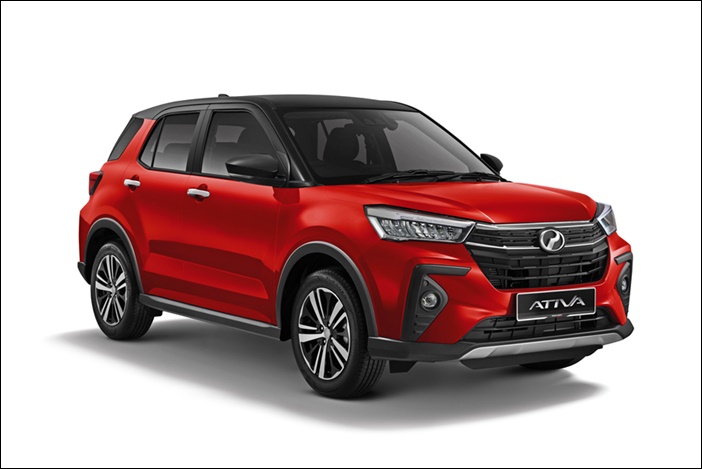
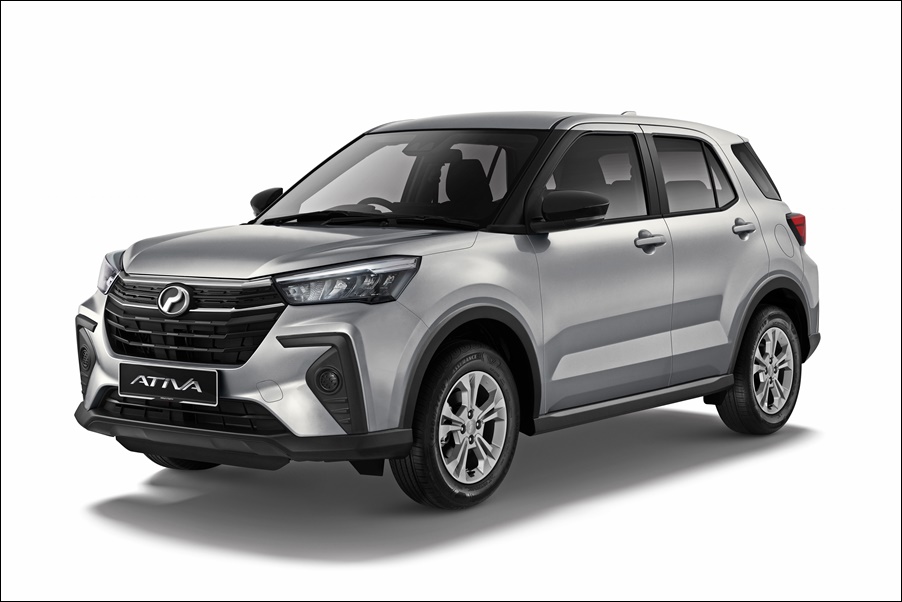
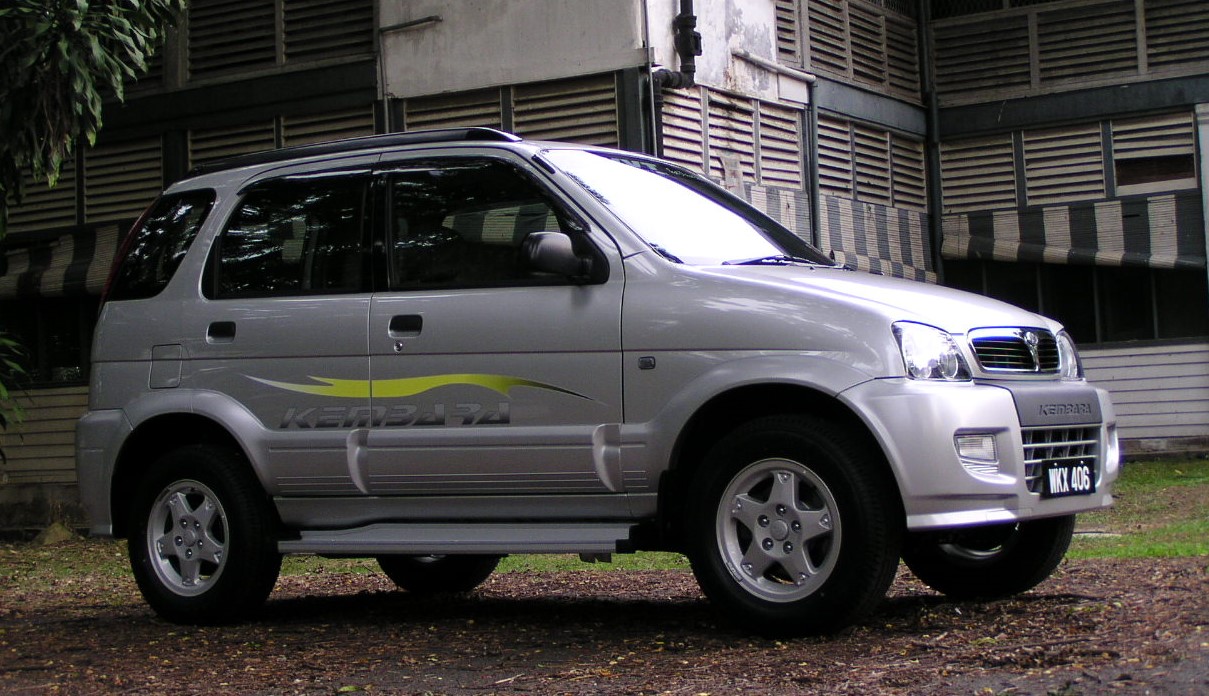
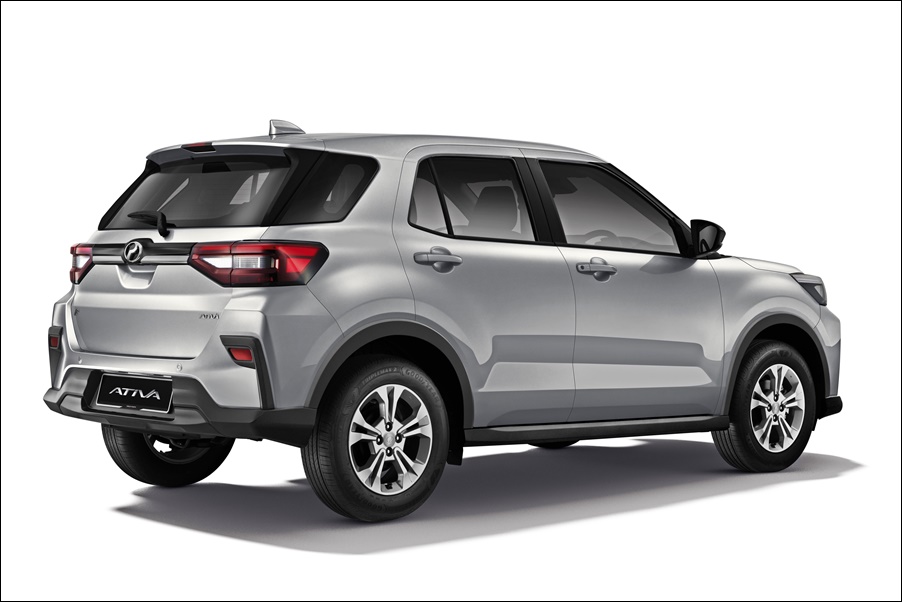
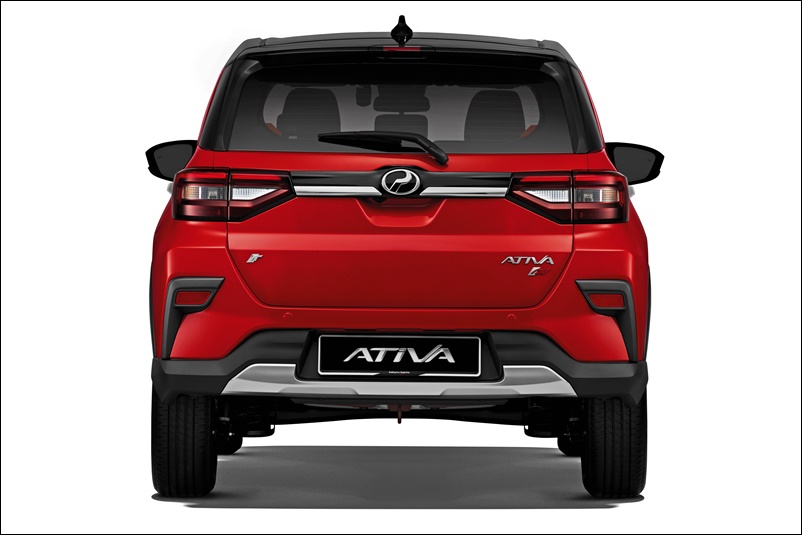
Perodua tonight launched the all-new Ativa compact SUV which can be regarded as the spiritual successor of the Kembara, its first SUV sold from the late 1990s till the mid-2000s. While the Ativa (taken from the Portuguese word for ‘active’) is adapted from a Daihatsu model, as the Kembara was, the involvement of Perodua in the development of this new model was far greater. In fact, a team of 54 Malaysian engineers went to Japan in 2018 to be part of the development team for the new model being developed by Daihatsu which would also be shared with Toyota.
The Kembara – Perodua’s first SUV which was sold between 1998 and 2006.
This is significant because it meant that the requirements of Malaysian customers would also be considered in the overall design, whereas for the Kembara before, the model was already completed and then Perodua only adapted it cosmetically. The Ativa is the result of the first truly smart partnership between Perodua and its technical and technology partner and shareholder, Daihatsu.
Another difference is that the Ativa has a higher level of localisation than the Kembara, which has helped bring costs down. In fact, at 95%, it has the highest local content rate for any Perodua model right at the time of launch.
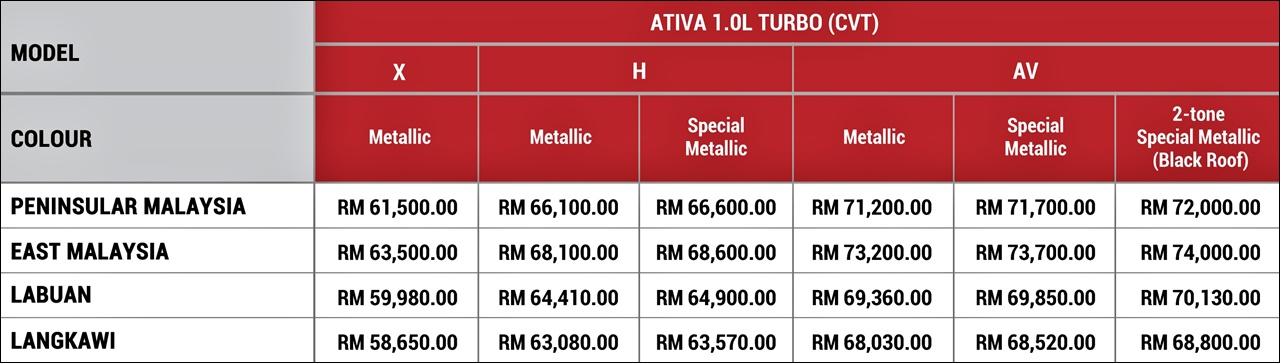
Prices shown exclude insurance and 10% sales tax (until June 30, 2021).
“The Perodua Ativa’s competitive pricing was made possible by its 95% localisation rate. Even the engine and transmission are locally manufactured,” Perodua President & CEO, Dato’ Zainal Abidin Ahmad said, adding that it is also the first model under the Perodua Smart Build blueprint.
According to Dato’ Zainal, the Ativa brings Perodua’s collaboration with Daihatsu to a new level and allows Perodua and its suppliers to commonise components and processes for maximum cost efficiency. “This close collaboration allowed us to include the Malaysian automotive ecosystem in the development of this model, and the suppliers rose to the challenge and were able to reduce their costs,” he added.
As a result, Perodua has been able to push the prices down a bit more and the actual retail prices are lower than the estimated range of RM62,500 to RM73,400 announced earlier. The three variants will be priced between RM61,500 to RM72,000 (excluding insurance premiums in Peninsular Malaysia, with full exemption of sales tax until June 30, 2021).
“We have so far received some 5,000 bookings for the Perodua Ativa since we began collecting orders on February 19. We thank the public very much for their support. Deliveries will begin tomorrow (March 4), and we aim to deliver an average of 3,000 units a month,” said Dato’ Zainal.
HIGHLIGHTS OF THE NEW PERODUA ATIVA
First turbocharged model
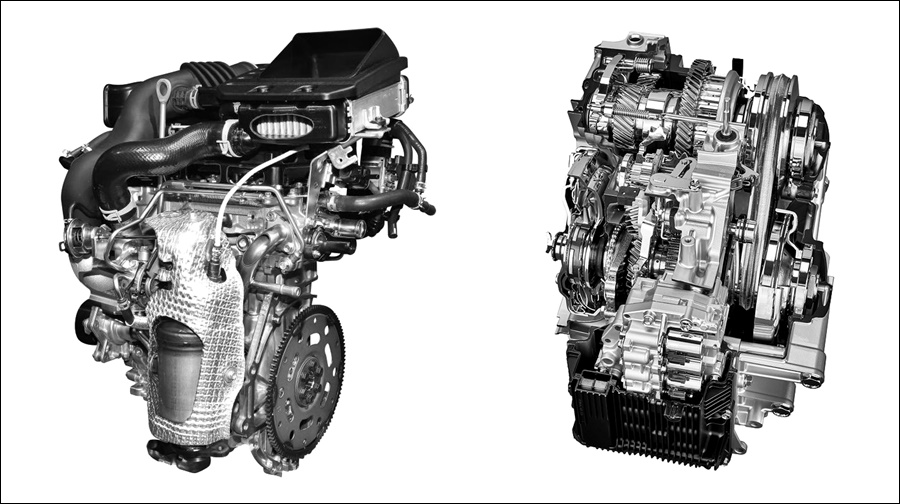
The Ativa’s powertrain has a number of firsts for the brand. One is the 1-litre 3-cylinder engine (1KR-VE) has turbocharging and direct fuel injection, delivering a maximum output of 98 ps/140 Nm, with strong torque coming in at the lower range. Considering that the kerb weight is 1,035 kgs, thanks to weight-saving measures, the performance should be zippy even with a full load.
The Ativa is also the first model to use a Continuously Variable Transmission (D-CVT) which has 7 ‘virtual speeds’ (manual transmission is not available). With the efficient engine and CVT, the claimed fuel consumption is 18.9 kms/litre, which qualifies the model as an Energy Efficient Vehicle (EEV) in Malaysia.
The Ativa’s 1-litre turbocharged engine and 7-speed D-CVT (right).
DNGA Platform
The Ativa shares the same platform used for the Daihatsu Rocky and Toyota Raize, the models from the same joint development program that Perodua participated in. This platform is referred to as DNGA or Daihatsu New Global Architecture (DNGA) that encompasses not just the platform but also many other structural aspects of the vehicle. It is a highly rigid platform for enhanced handling, stability and comfort. With DNGA, the structure is optimized and high tensile steel is used in many areas to save weight without losing strength.
Dimensions of the Ativa
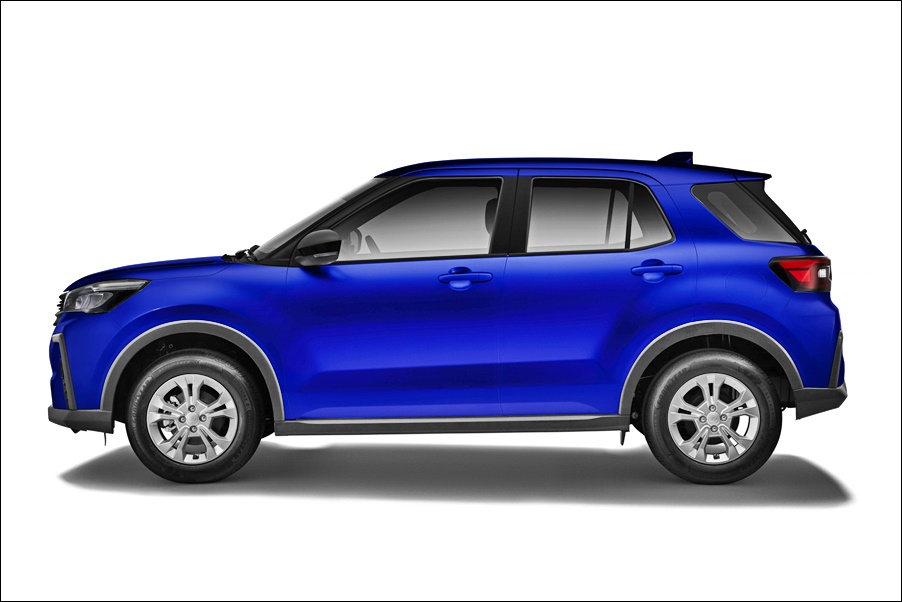
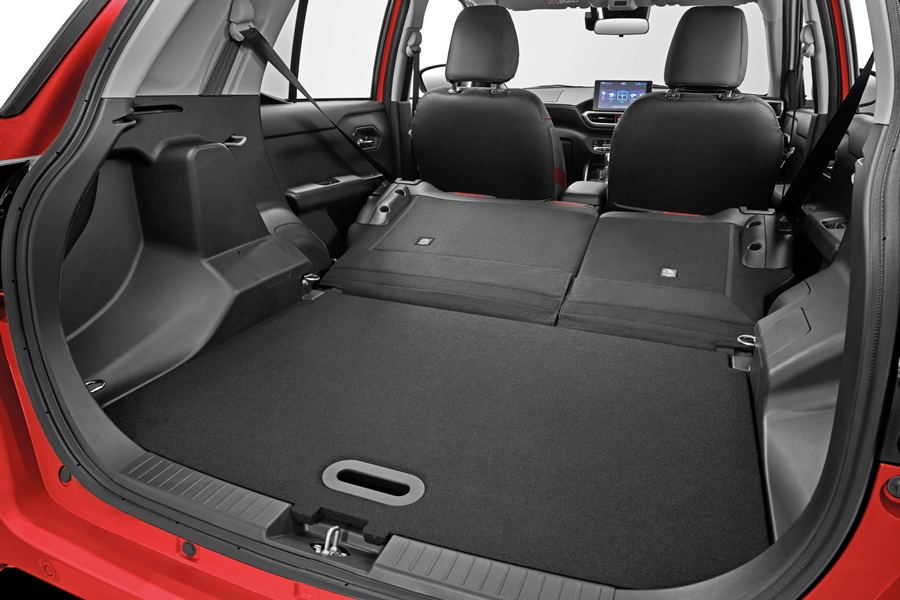
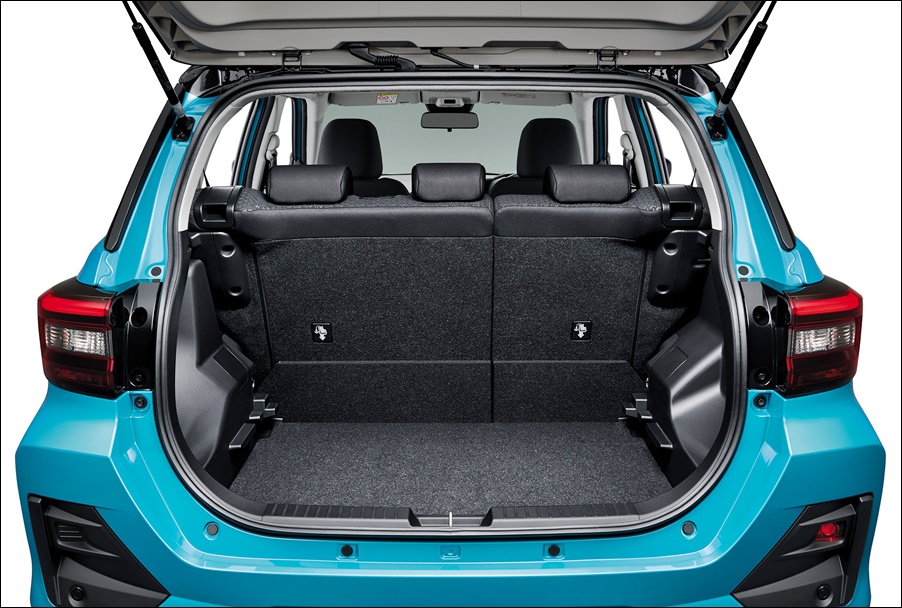
The Ativa has compact dimensions that position it below the Aruz. Its overall length is 4065 mm while the overall width is 1710 mm and it stands 1635 mm tall. The wheelbase is 2525 mm and unlike the Aruz, there are only two rows of seats in the cabin. There are two storage modes for the cargo area which give 303 or 369 litres of space and as with most SUVs, the rear backrests can be folded down individually to expand the floor length for longer items.
Advanced safety features
Since the 3rd generation of the Myvi, Perodua has been introducing progressively more advanced safety systems in its models. Many of these are integrated as the Advanced Safety Assist (ASA) system which helps the driver avoid accidents. For the Ativa, the system has reached the third generation which works at higher speeds (up to 120 km/h for vehicles, up to 60 km/h for pedestrians), and can now detect 2-wheeled vehicles as well as function at night.
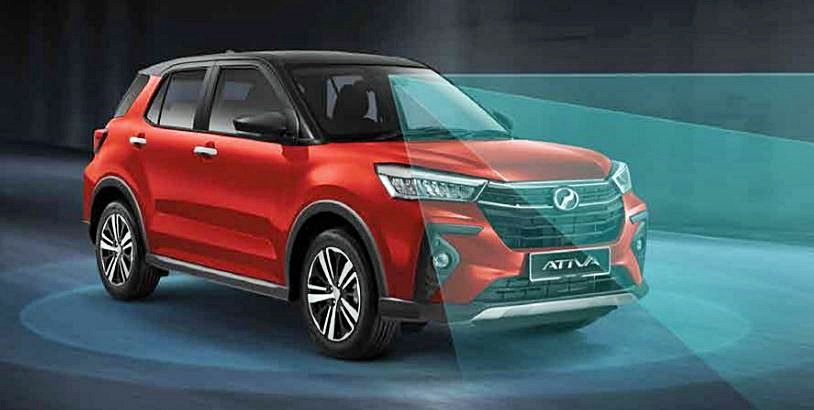
ASA 3.0 consists of Pre-Collision Warning and Automatic Braking, Front Departure Alert, and Pedal Misoperation Control. ASA uses a camera at the top of the windscreen to monitor the road ahead and assess conditions. In the event of a collision, the driver will first be warned and if no action is taken to reduced speed or brake, the brakes will activate automatically. This would certainly avoid an expensive repair job or even if the collision cannot be avoided (due to the road surface conditions), the pro-active braking would have reduced the speed and effects of the impact.
Front Departure Alert will remind the driver that the car in front has moved off, while the Pedal Misoperation Control can prevent the car from accidentally being driven into a wall due to pressing on the accelerator pedal inadvertently (it does happen). Additionally, complementing ASA are Lane Departure Warning and Prevention.
The top AV variant gets additional systems which give semi-autonomous (Level 2) capabilities to the Ativa while driving. These are Adaptive Cruise Control, Lane Keep Control and Blind Spot Warning. You would have heard of these systems which are found in cars costing more than the Ativa, and it’s impressive that Perodua can offer them as well – even if in the most expensive variant only.
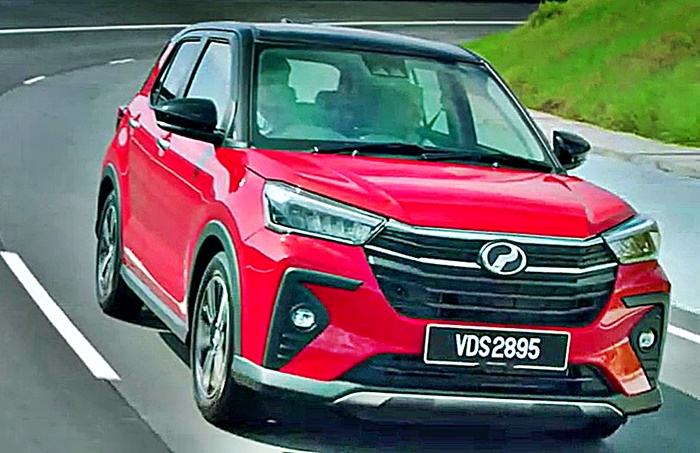
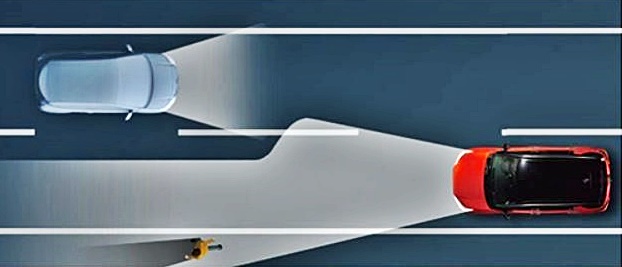
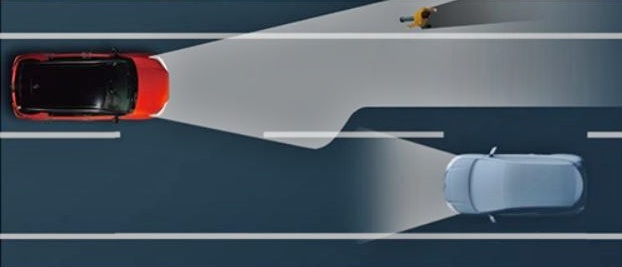
The Adaptive High Beam (red car) can adjust the areas of illumination to avoid blinding oncoming drivers while still maximising coverage.
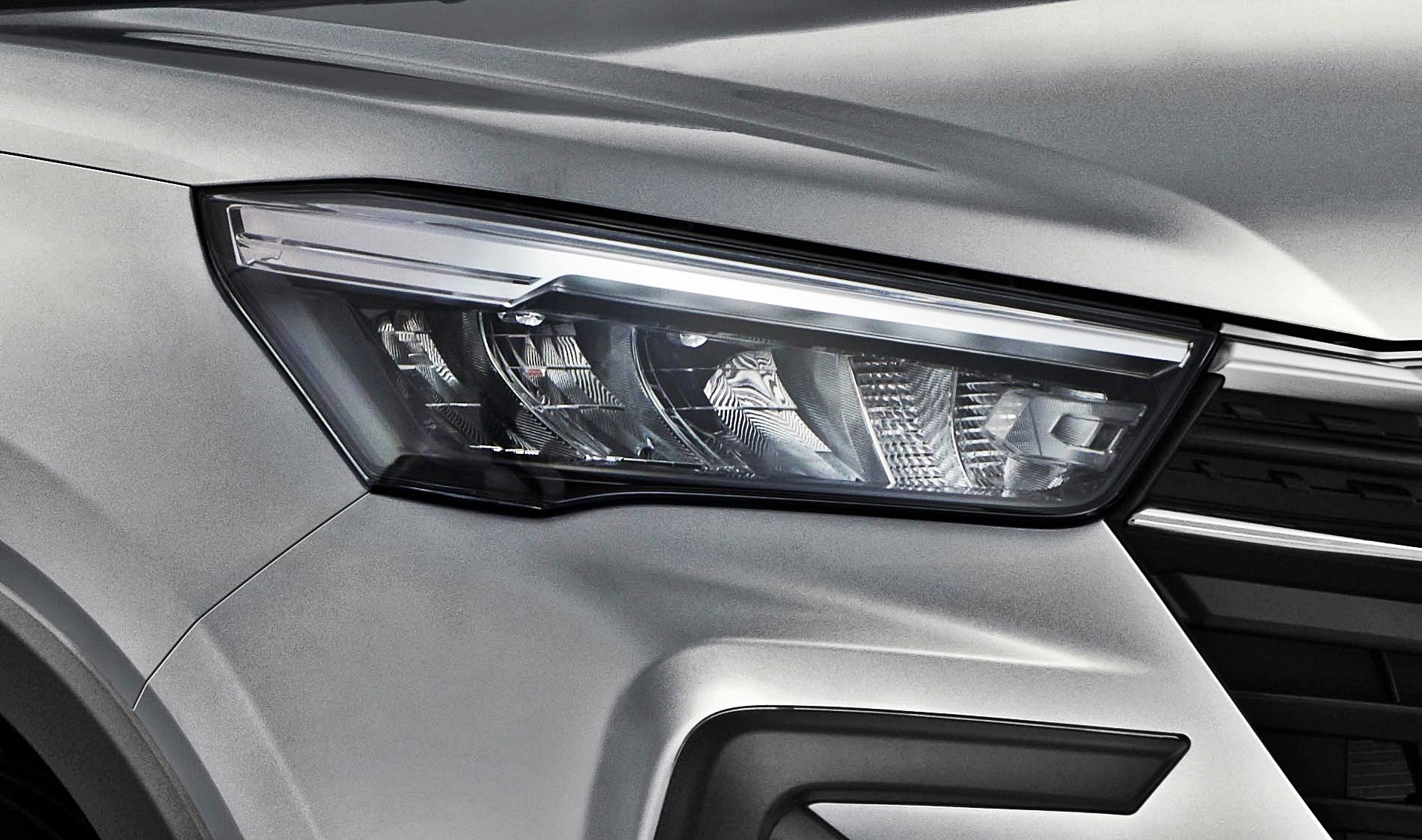
Even more amazing is the standard provision of an Adaptive Driving Beam (ADB) system for the upper two variants. ADB allows better illumination of the road ahead but can also selectively dim certain areas where there are oncoming cars so as not to dazzle the drivers. It’s intelligent technology and even cars a few price classes higher do not have such technology.
For the lowest-priced variant, there is still the convenience of an Auto High Beam which means that the driver does not have to keep switching between high and low beams. Whenever the headlights of a vehicle are detected, the high beams will automatically be switched to low beams, reverting when there is no longer a vehicle approaching. Imagine if all companies in Malaysia were like Perodua and provided this as standard, night driving would be less tiring without the glare of strong headlights.
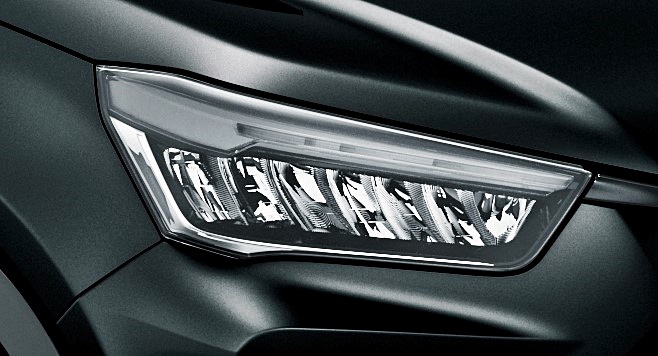
Incidentally, all variants have LED headlights which usually have a longer service life. They are also equipped with a follow-me-home function that keeps them on for a while after the car is locked. This provides illumination of the ground ahead for peace of mind.
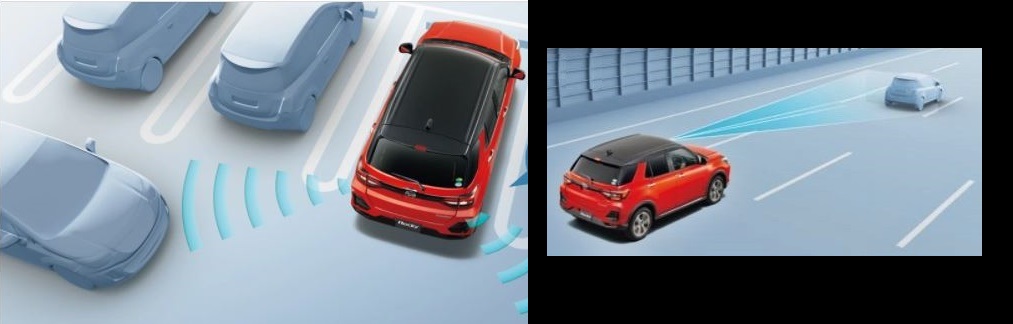
The top two variants also get a reverse camera but the Ativa AV gets Rear Cross Traffic Alert (RCTA) as well. Again, this is a feature that has yet to be found in models of this price class. RCTA uses the rear sensors to monitor the situation on either side as the vehicle is reversing out of a parking bay. The driver might not be able to see due to adjacent cars blocking the view, but if the sensors pick up approaching vehicles, an alert will be sounded so that an accident can be avoided.
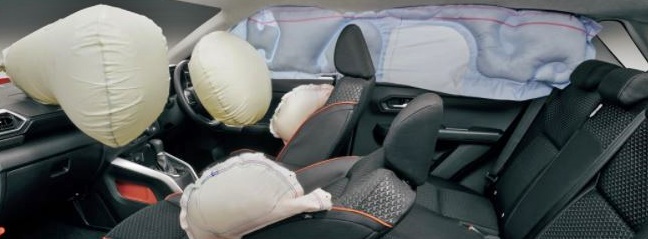
Besides the A.S.A. and active safety systems, the Ativa also comes with a very comprehensive list of other safety items – standard for all variants. These include 6 airbags (4 at the sides), Vehicle Stability Control, ABS, Electronic Brakeforce Distribution, Brake Assist and Hillhold Assist. ISOFIX points are, of course, provided since parents must now have put small children in childseats. ISOFIX-compatible childseats are convenient to install and stay securely in place.
Infotainment and connectivity
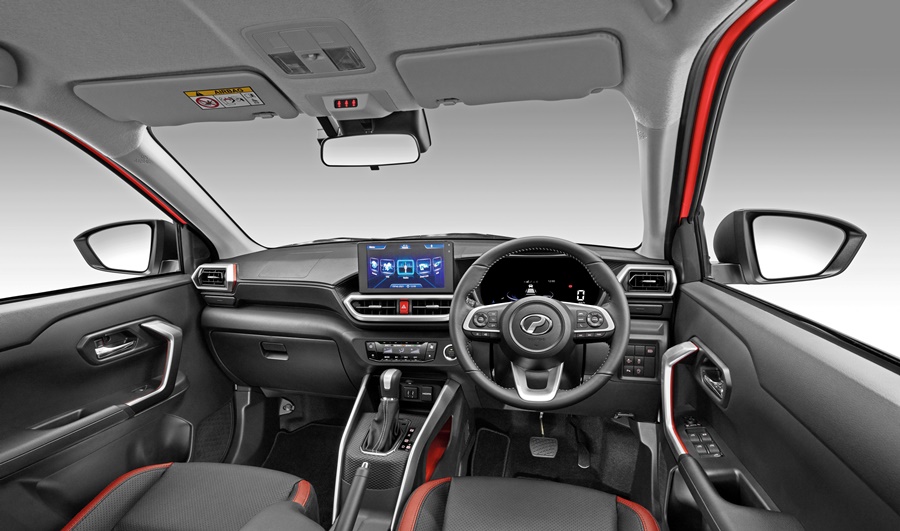
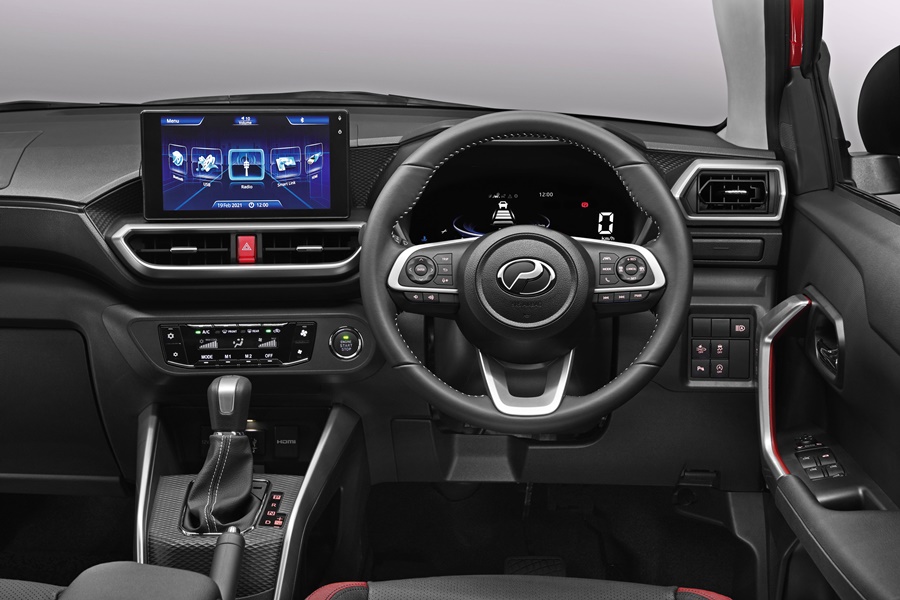
These days, every model has to have a capable infotainment system with good connectivity to provide the driver with more useful features as well as connect to smartphones. The top two variants come with a 9-inch LCD touchscreen with a bright and spacious display. There is also Smart Link (for Android devices) and Voice Recognition that allows active voice commands for certain functions.
Storage and convenience features
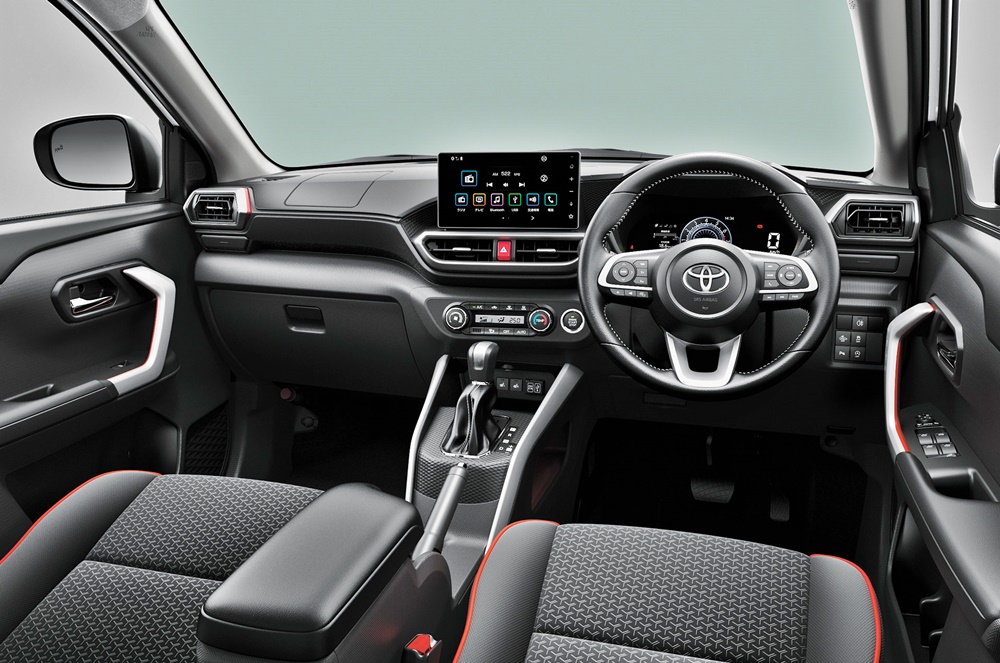
The interior designers have made sure that everyone in the cabin has spaces to keep their stuff and there are also USB ports that can provide power to recharge devices. Some clever ideas for storage spaces – a slot by the side of the gearlever housing, and slide-out cupholders in front of the vents on either side of the dashboard (good for keeping drinks cool!).
All variants have Smart Entry and Start/Stop System which does not require using a key or even pressing on the remote (but it has to be in the pocket or handbag). The doors can be unlocked by touching an electrostatic button on the door handle, and the engine can be started or stopped with the press of a button.
Instrumentation
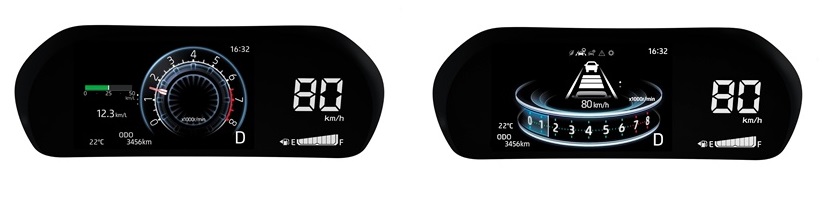
While the Ativa X comes with a conventional instrument panel, the Ativa H and AV have a customisable display to change how the information is presented to the driver. The speed is always shown as a digital display while the fuel level is a bar graph. However, the tachometer can be configured in one of four graphic styles. Additionally, there is also a Reminder Display which will flash reminders on special days.
GearUp accessories
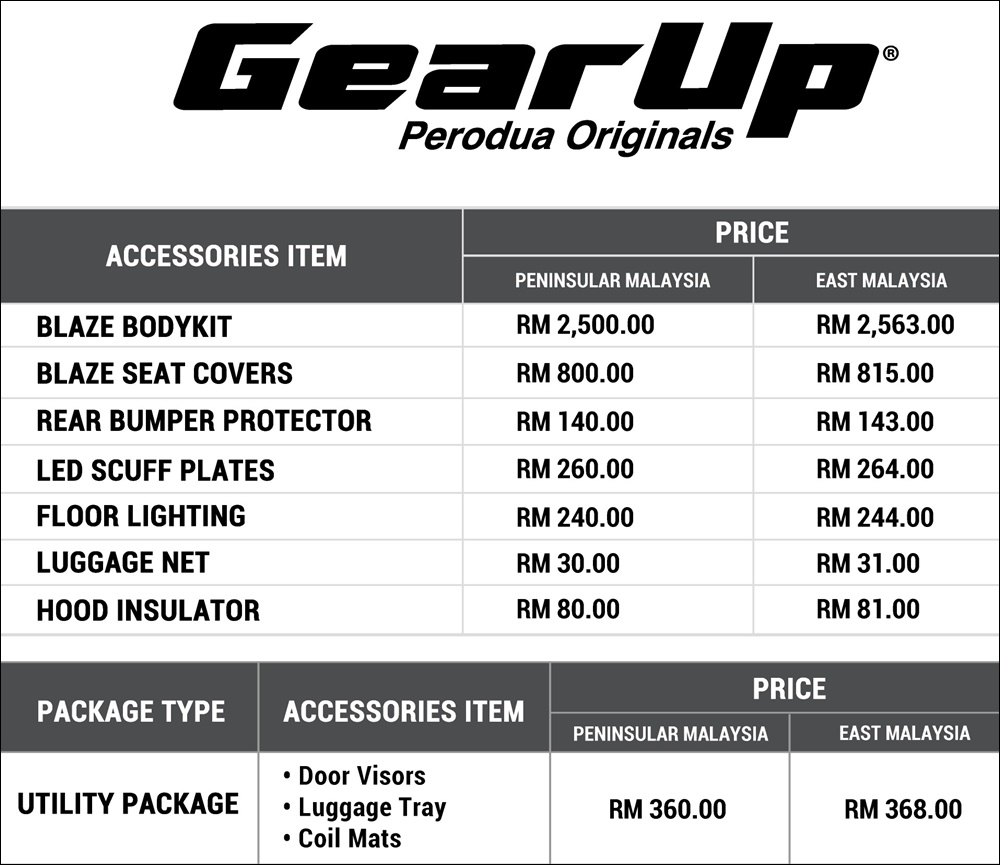
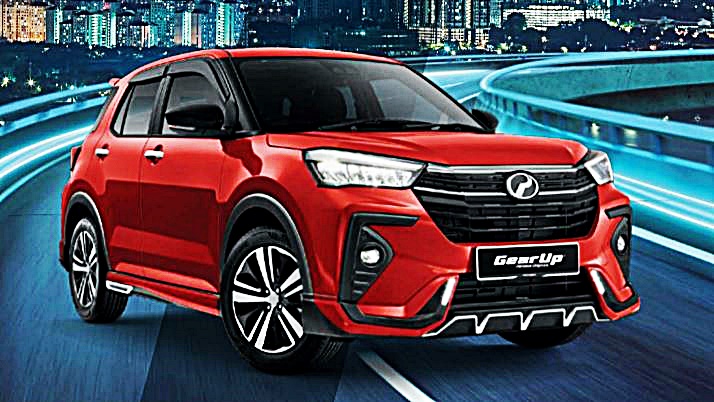
As with every Perodua model currently on sale, there is also a range of specially developed accessories to go with the adventurous looks. The items include a bodykit, front and rear seat upholstery, luggage tray, bumper protectors, luggage net, high quality coil mats and even an insulation kit for the bonnet. Prices range from RM80 to RM2,500 (in Peninsular Malaysia).
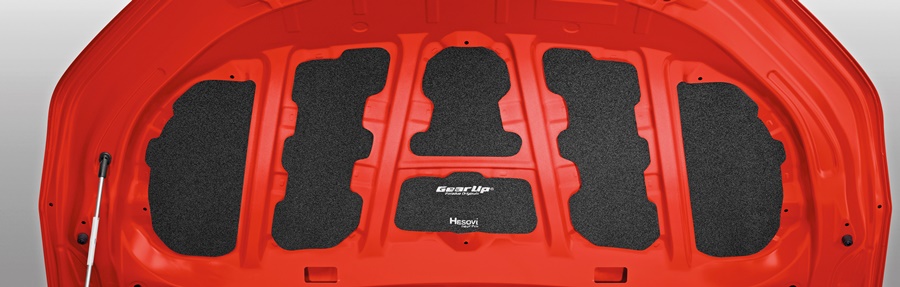
The GearUp accessories include a bonnet insulator kit which has pads that can be inserted in cavities in the bonnet panel. These pads can absorb engine noises to give a quieter ride.
There are also many other general accessories, all of which have been evaluated by Perodua so you can be sure they are of high quality, Furthermore, for the GearUp accessories that have to be installed, these are by Perodua’s own installers so the job will be professionally done. And the cost of all the extras can be included in the total loan for the vehicle if you specify them at the time of the purchase. That means the extra cost is also repaid over a number of years… something which no accessory shop would be give you.
To locate a showroom to view, test-drive or buy the new Perodua Ativa, visit www.perodua.com.my.
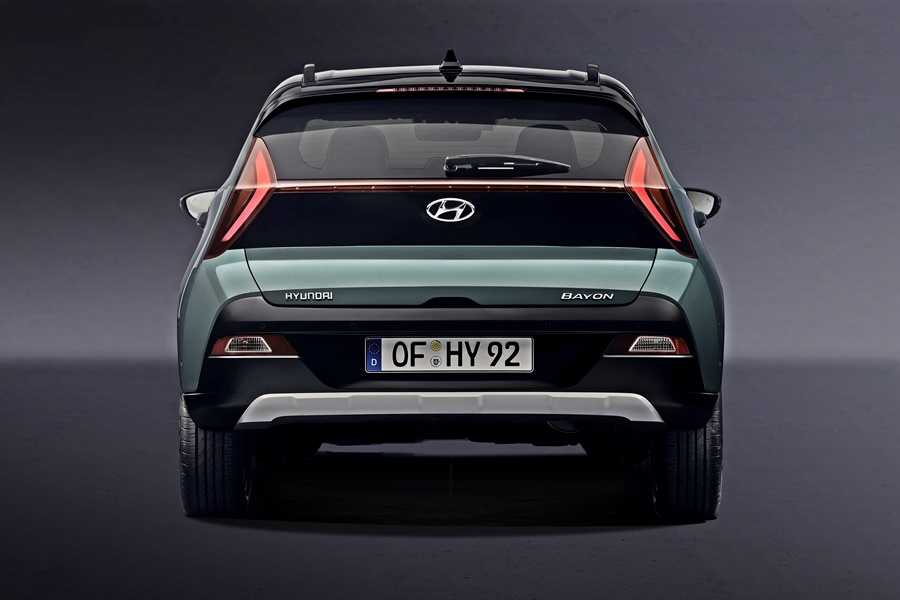
Perhaps the slowdown in activities last year deferred some product introductions and now, carmakers like Hyundai Motors are launching new models almost every month. Just a week ago, the IONIQ 5 was unveiled as the first model of the all-electric sub-brand. Today, we are introduced to the new BAYON, a crossover SUV designed specifically for Europe’s B-segment which will be in showrooms by the middle of this year.
As the smallest member of Hyundai’s SUV family, the all-new BAYON has a compact exterior but a roomy cabin. As would be expected, it will come with a long list of intelligent safety and connectivity features. This is in line with Hyundai’s aim to ‘democratise technology’, making high-tech safety and connectivity features accessible for all.
Hyundai likes to use place names for its model names (eg Tucson, Palisade, Kona, Encino, Santa Fe, etc) and in the case of this new model, BAYON is inspired by Bayonne, a vacation hotspot in the south-west of France. The choice of a European place is in view of the market that the BAYON is to be marketed.
With the BAYON, Hyundai has now launched or enhanced no less than 7 new models in just 12 months – or 20, counting all body types and powertrain variations. 2020 was thus a record year for its fleet expansion.
Sharp, distinctive design
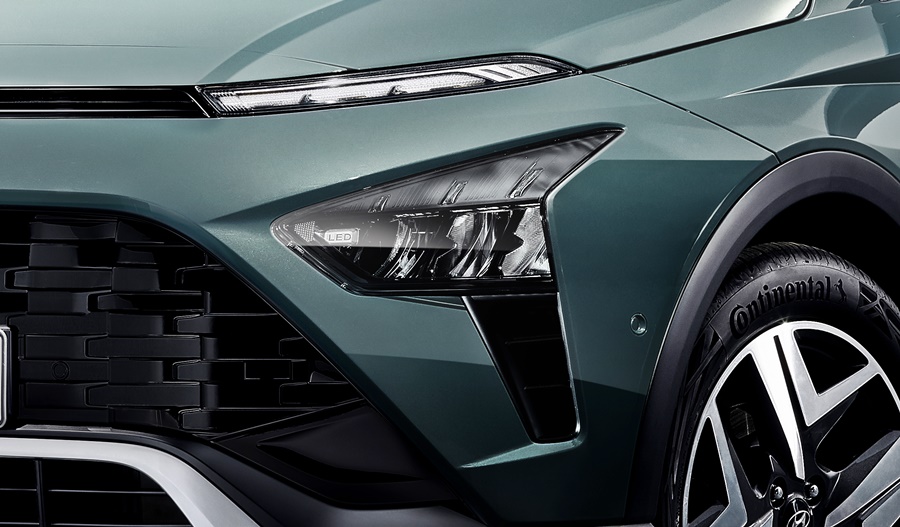
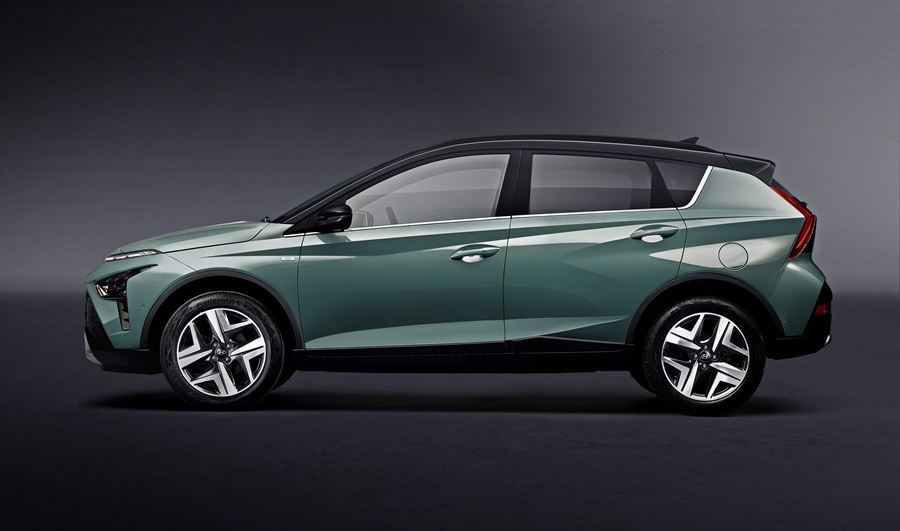
The BAYON is the latest design statement within the Hyundai SUV family, distinctive through unexpected and eye-catching proportions and strong graphic features. As with other recent models, it encompasses the Hyundai design identity ‘Sensuous Sportiness’, defined by the harmony between proportion, architecture, styling and technology. This latest interpretation of ‘Sensuous Sportiness’ combines emotional values with innovative solutions.
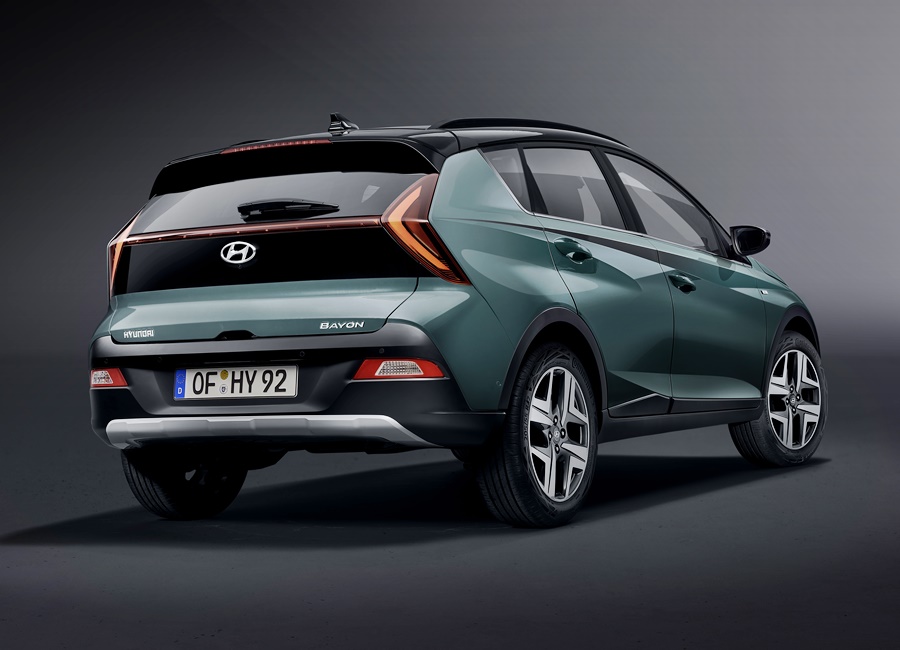
The distinctive exterior design will make it stand out from its competition. Unique design solutions have been incorporated along with high-tech looking details while maintain a clean look. On the side, a dynamic shoulder provides a wedge-shaped appearance. The arrow-shaped C-pillar provides dynamic and unexpected architecture which, in combination with the fender feature and cladding, defines its unique character.
To the rear, arrow-shaped lights underline the pillar dynamics. Their far-out position creates a wide stance. In addition, a thin horizontal line connecting the taillights further emphasises width and connects the rear and the side in one gesture. Angular lines above the rear arch emphasise volume, creating a vivid section.
The strong rear section and visually extended rear window initiate a unique and expressive rear design. Full LED lights and indicators complete its modern look.
Modern, digital interior
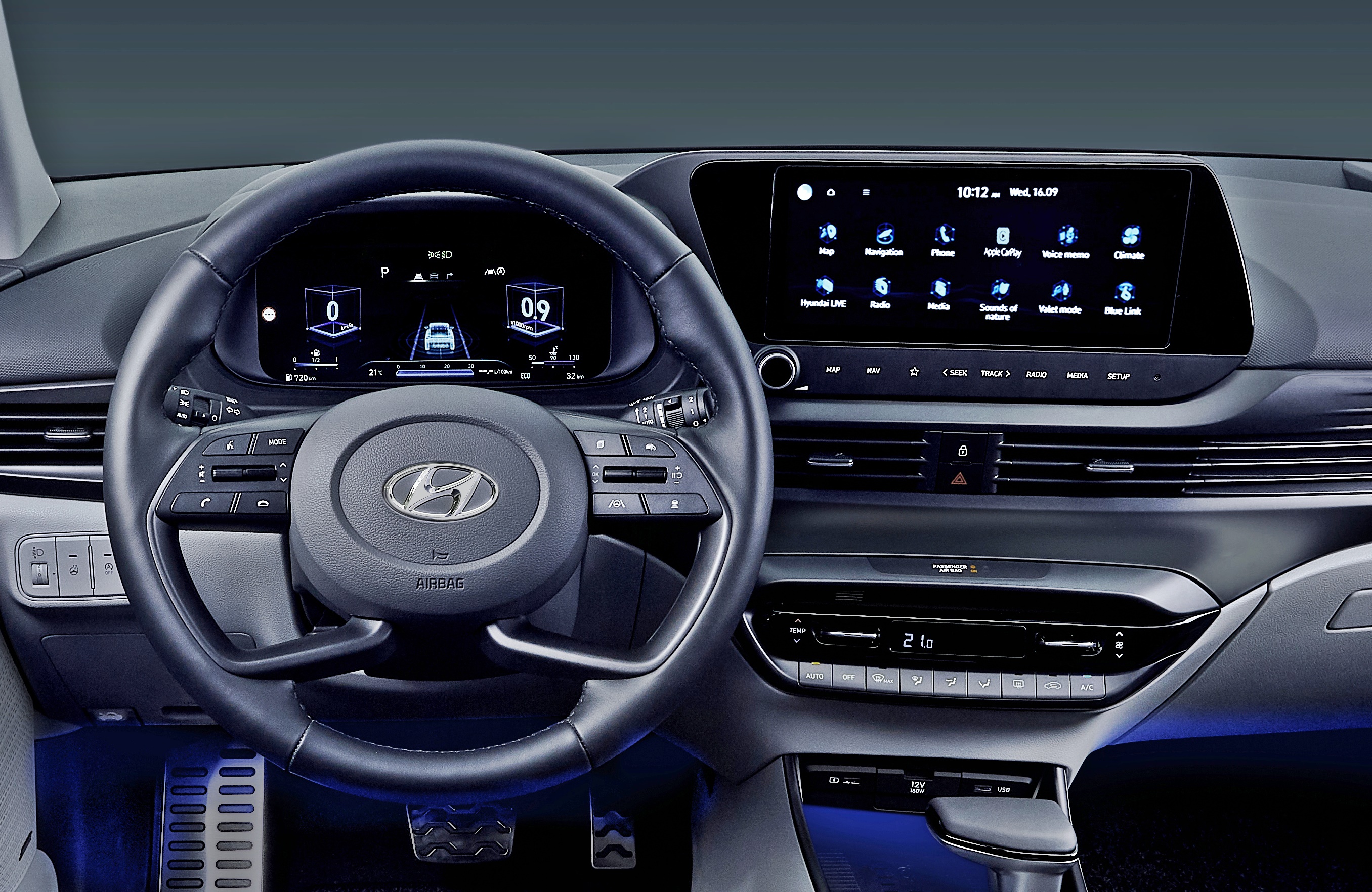
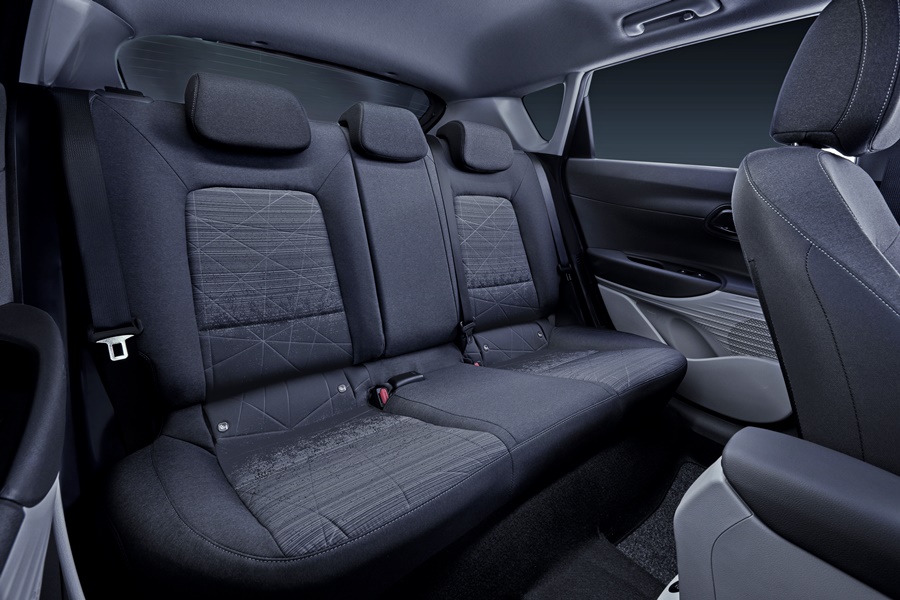
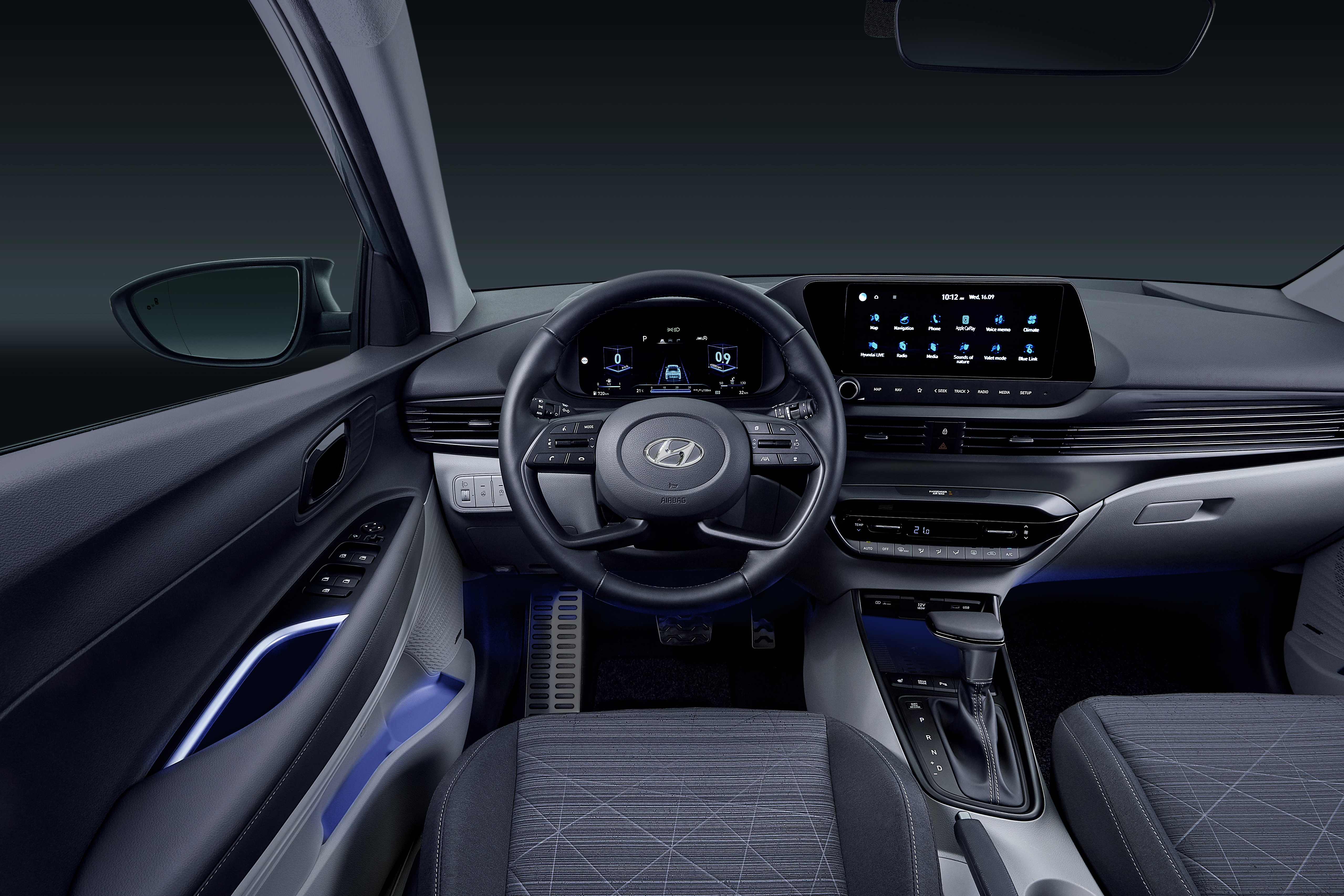
Within, there is a strong focus on maximising front and rear passenger comfort and increasing boot space. As with other Hyundai models, the BAYON offers advanced connectivity technology rarely found in its segment. The driver and occupants are provided with a 10.25-inch digital cluster and a 10.25-inch AVN or 8-inch Display Audio.
In addition, BAYON is equipped with the latest Hyundai Bluelink upgrade, meaning users can benefit from state-of-the-art Connected Car Services. New to this generation of Bluelink is Calendar Integration. This means the driver can mirror their Google or Apple calendar in the vehicle’s infotainment system. If the calendar appointment also has an address, it can be imported directly into the vehicle’s navigation system.
Owners can also locate, lock and unlock their car remotely using the Bluelink app, or check vehicle information such as maintenance required or fuel levels.
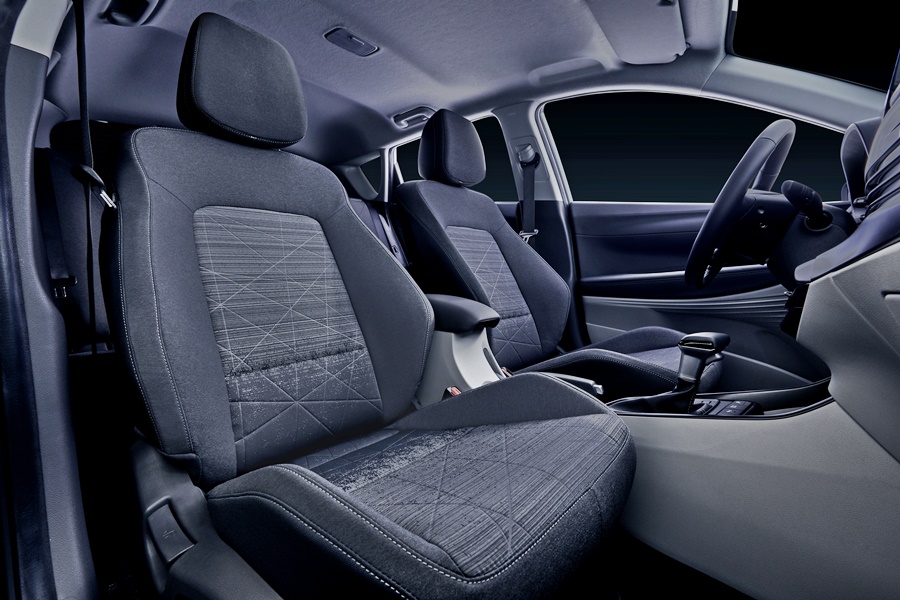
A carefully-selected neutral range of interior colours and materials provides maximum compatibility with the exterior colour range. A calm colour and trim concept with small and subtle accents creates a serene atmosphere which allows the driver to focus. Generally, the BAYON will come standard with a Full Black cloth interior, with two other optional colour combinations. LED ambient lighting technology is integrated into the front passenger foot areas, door wells, and front door pull handle areas, as well as the storage area below the centre console.
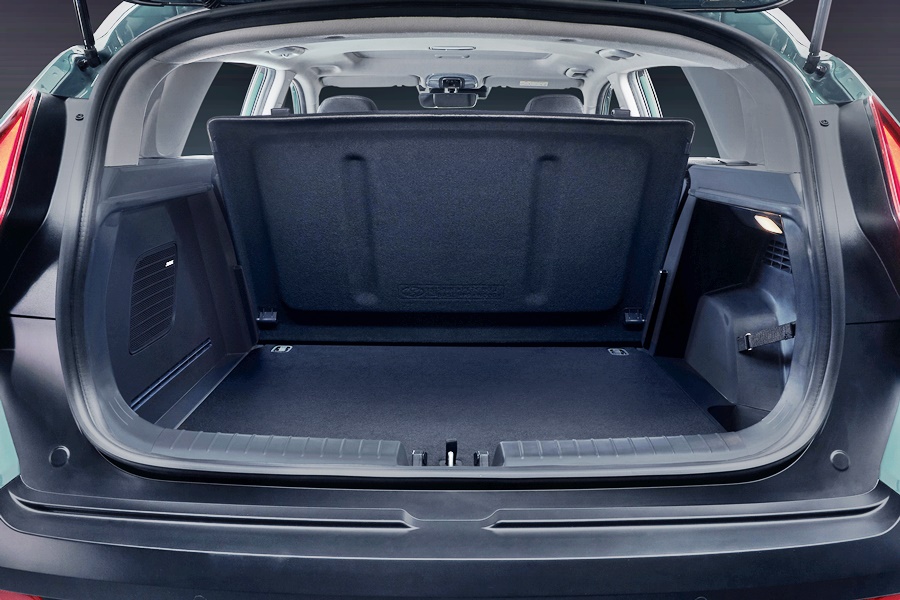
Despite its compact size (4180 mm long, 1775 mm wide, and 1490 mm tall), the BAYON has 411 litres of boot space. An intelligent cover which can be slid along the rear of the back seat can be used to cover the cargo as an added benefit.
Best-in-class safety package
European consumers have a strong awareness of safety features and expect a high standard of safety. Hyundai provides this in the BAYON with an extensive list of Hyundai SmartSense safety features, many of them included as standard equipment. In case of an accident, eCall will automatically alert emergency services if the vehicle’s airbags are deployed. Alternatively, the occupants can also activate this feature with the press of a button.
There are also semi-autonomous driving features such as Lane Following Assist, Forward Collision-Avoidance Assist, Junction Turning, and Navigation-based Smart Cruise Control. Other driver assistance systems include Driver Attention Warning, Leading Vehicle Departure Alert, and Rear Occupant Alert.
Still other features ensure safety when driving at low speeds or when parking. Parking Collision-Avoidance Assist-Reverse provides a warning and, if necessary, applies the brakes when a rear obstacle is detected when the car is reversing slowly. Rear Cross-Traffic Collision-Avoidance Assist assists drivers in a similar manner when they are backing out of a parking space and another vehicle is approaching or passes by. Parking Assist allows for semi-autonomous parking, with a range of sensors and software working together to help drivers get into tight spaces.
Powertrain choices
The BAYON will be offered with an updated Kappa engine family. The 1-litre T-GDi engine is a downsized turbocharged engine with direct fuel injection for optimum efficiency. When combined with Hyundai’s unique 48-volt mild hybrid technology with intelligent Manual Transmission (iMT), this results in even more enhanced fuel savings and efficiency.
iMT disengages the engine from the transmission when the driver releases the accelerator. This allows the vehicle to start coasting, reducing emissions and saving fuel. There are two different coasting levels associated with iMT: first, when the engine is idle, and second, when the engine is turned completely off. The engine is restarted again as soon as the driver presses either the brake or the accelerator pedal, and starts running again in the same gear as when it was switched off. This results in better fuel efficiency with no compromises on performance.
There is also Hyundai’s unique Continuously Variable Valve Duration technology which regulates the duration of the valve opening and closing according to driving conditions. This optimises engine performance while also improving fuel efficiency, resulting in reduced emissions and saving fuel.
The engine output is either 120 ps or 100 ps and it can be paired with a 6-speed intelligent Manual Transmission or 7-speed dual clutch (7DCT) transmission. The 100 ps version is also available without 48V technology and can be paired with a 6-speed manual transmission or 7DCT.
The 1.0-litre T-GDi engine with and without 48V also comes with three drive modes to optimise the engine response and steering performance based on driving conditions. These are Eco, Normal and Sport. The BAYON will be the first Hyundai SUV to come equipped with Rev-Matching, a feature usually reserved for its high-performance models. Rev-matching synchronises the engine to the output shaft, allowing for smoother or sportier downshifts.
An option for some markets will be a 1.2-litre MPi engine with 84 ps output, paired with 5-speed manual transmission. This is likely to be a low-cost entry-level variant.
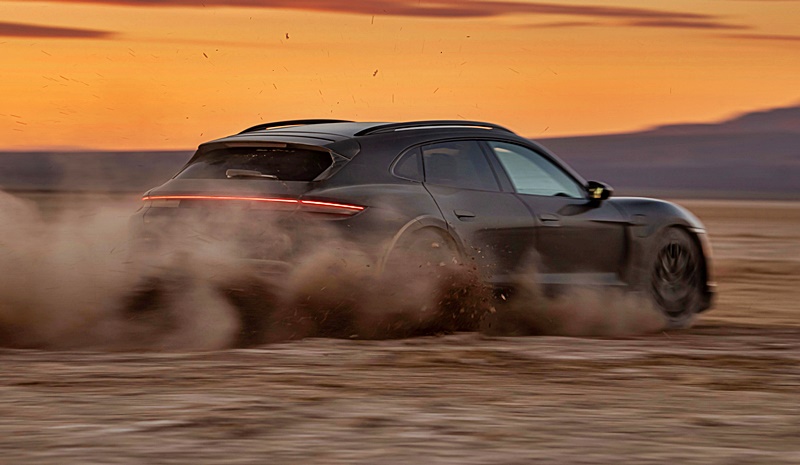
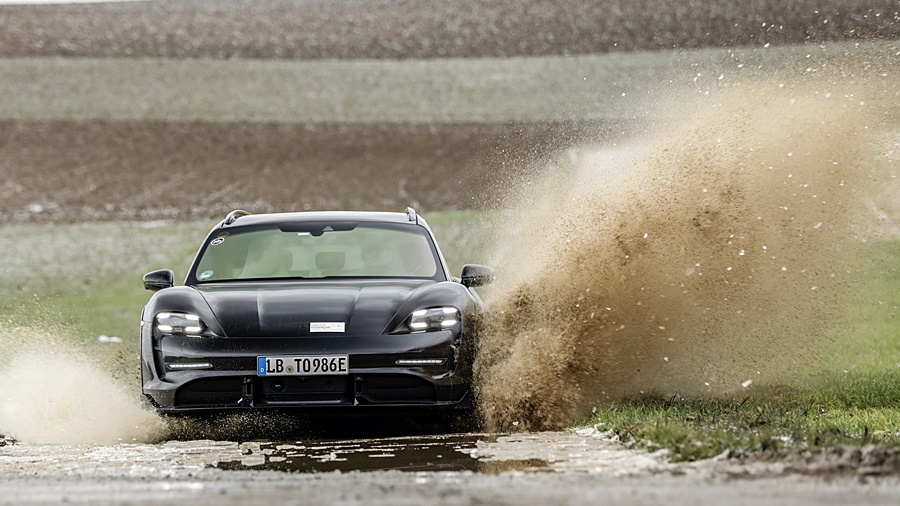
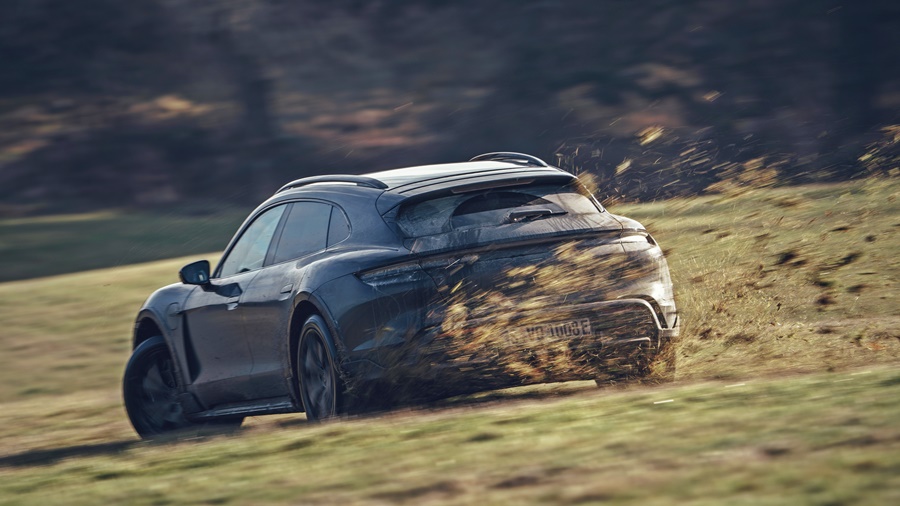
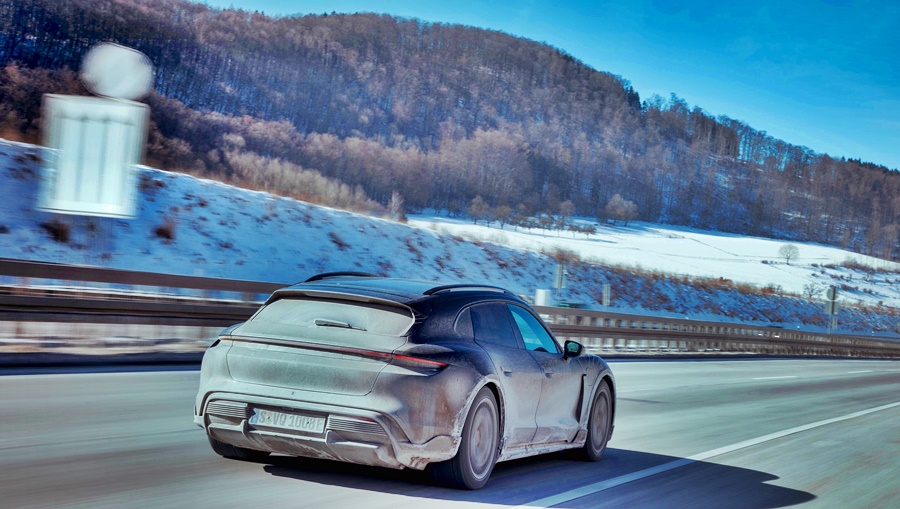
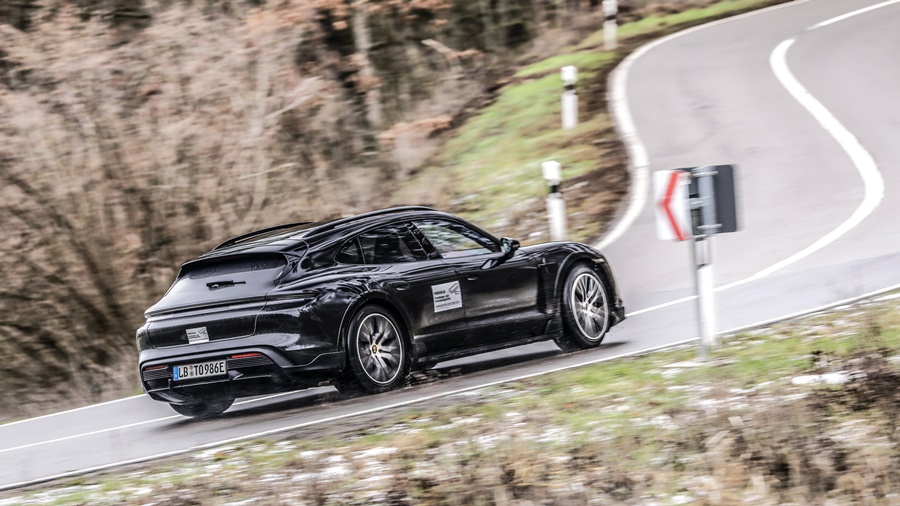
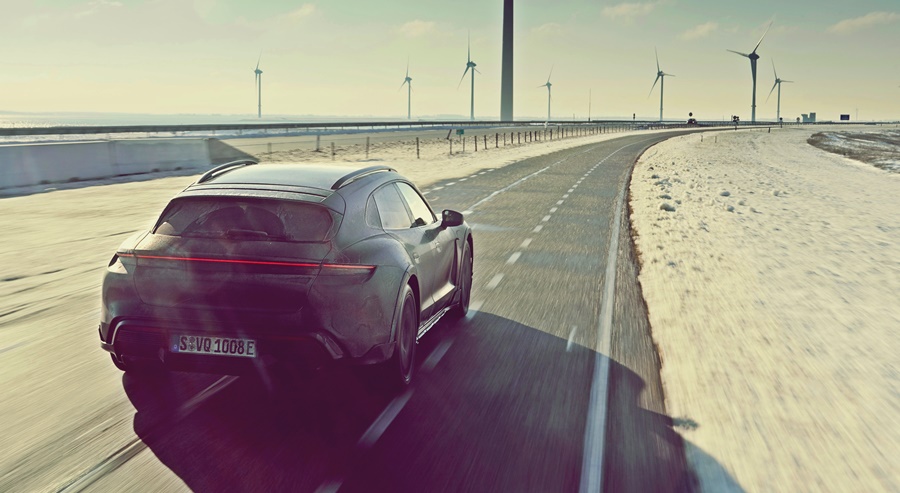
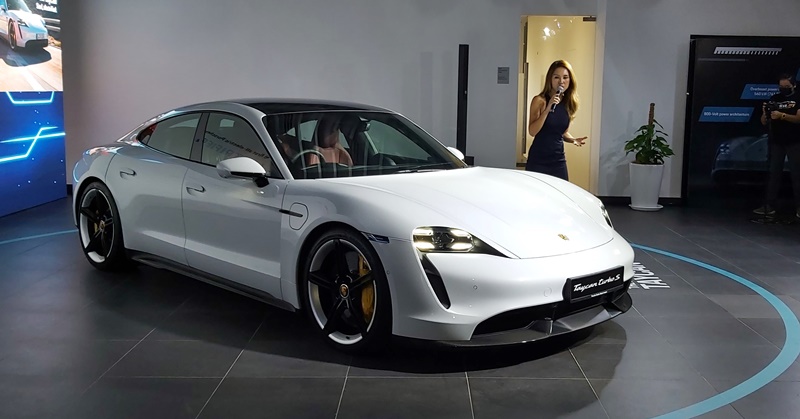
With the Taycan – Porsche’s first production all-electric sportscar – successfully launched and progressively entering various markets, including Malaysia, the carmaker is now busy following up with final development work of the Taycan Cross Turismo. Prototypes have already covered more than 998,361 testing kilometres, a distance that equals almost 25 times around the planet (measured at the equator).
“When developing the Cross Turismo, we were of course able to build on our experience with the Taycan sports saloon. The biggest challenge was combining the requirements of sportiness with off-road capabilities,” explained Vice-President Model Line, Stefan Weckbach. “The Cross Turismo has to be capable of high performance on the racetrack and must also be able to handle mud and gravel.”
25 times around the planet
The latter conditions were simulated on the Endurance Testing Ground at the Development Centre in Germany. The conditions at this facility include a ‘Safari’ track that mimics terrain in Africa. Having completed a total of 998,361 testing kilometres, the Cross Turismo prototypes have circumnavigated the globe almost 25 times (measured at the equator).
The extensive Porsche testing programme has also taken place on racetracks such as the Nurburgring Nordschleife and the Grand Prix track in Hockenheim (both in Germany) as well as on testing grounds worldwide. The Cross Turismo has also been tested off the beaten track in the south of France and in the Pyrenees region.
‘Swiss army knife on wheels’
“The result is impressive. However, the Cross Turismo is not a hardcore off-road vehicle, but specialises in unpaved and dirt roads. It’s like a type of ‘Swiss army knife on up to 21-inch wheels’,” added Weckbach.
The new derivative, which features all the strengths of the Taycan sportscar, will have a chassis with all-wheel drive and height-adjustable air suspension. There is also significantly more headroom for the passengers in the rear and a large load capacity under the tailgate. The package and space conditions have been optimised down to the very last detail.
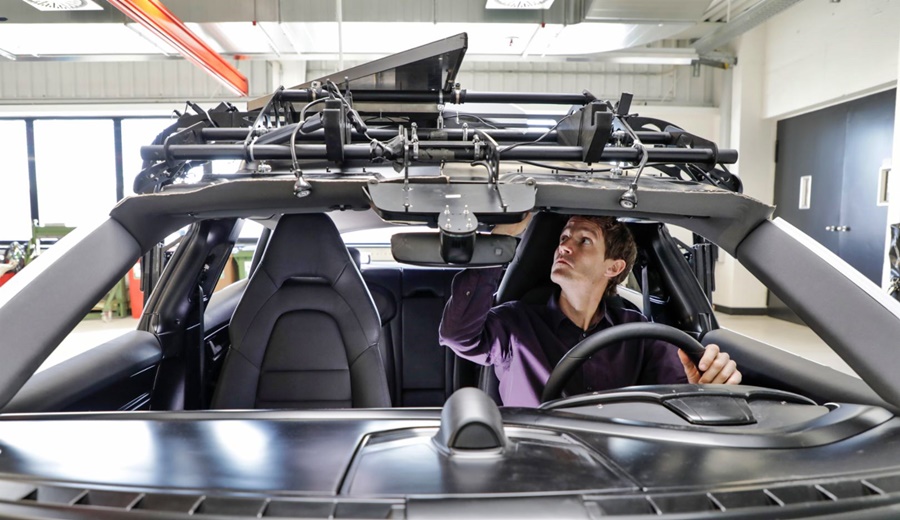
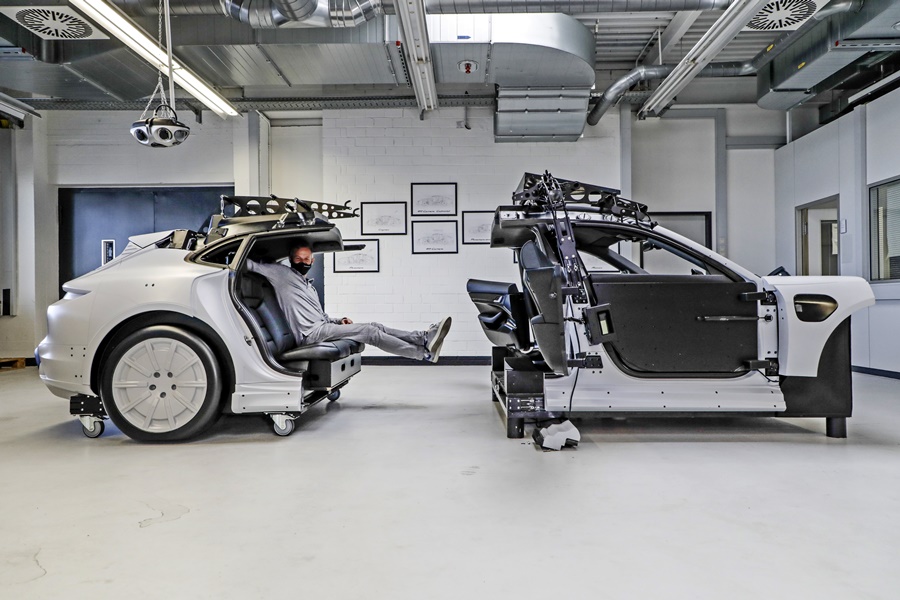
The mock-up – a faithful, physical representation of the interior – and the package function model alone took 650 design, electronic and coordination hours and 1,500 workshop hours to complete.
Same test programme as other sportscars
At Porsche, electric cars have to undergo the same rigorous testing programme as all its other sportscars with combustion engines. In addition to displaying superior performance, this always includes proving unrestricted everyday usability in all climatic conditions. Particularly demanding tasks such as charging the battery, or controlling the temperatures of the powertrain and interior under extreme temperatures, are additional aspects that are tested in the battery-powered electric models.
Other development goals typical for Porsche include racetrack performance, the ability to perform repeated acceleration runs at full throttle, and a range suitable for everyday use. Extensive testing is also carried out in the laboratory and on test rigs, and includes development and validation of the aerodynamic design. The Cross Turismo braved the storm in the wind tunnel for around 325 hours, part of the 1,500 hours spent there during its development process.
The new rear bicycle carrier designed by Porsche for this model also underwent its own rigorous testing programme with rough road tracks and driving dynamics tests. It sets new benchmarks when to comes to handling, ergonomics, driving safety and stability. Several e-bikes can be transported on its generously spaced wide rails.
The Taycan Cross Turismo combines Porsche E-Performance with enhanced suitability for everyday use. It will go on sale in Europe in mid-2021. To date, more than 20,000 Taycans have been delivered worldwide.
The Taycan was launched in Malaysia last September by Sime Darby Auto Performance.
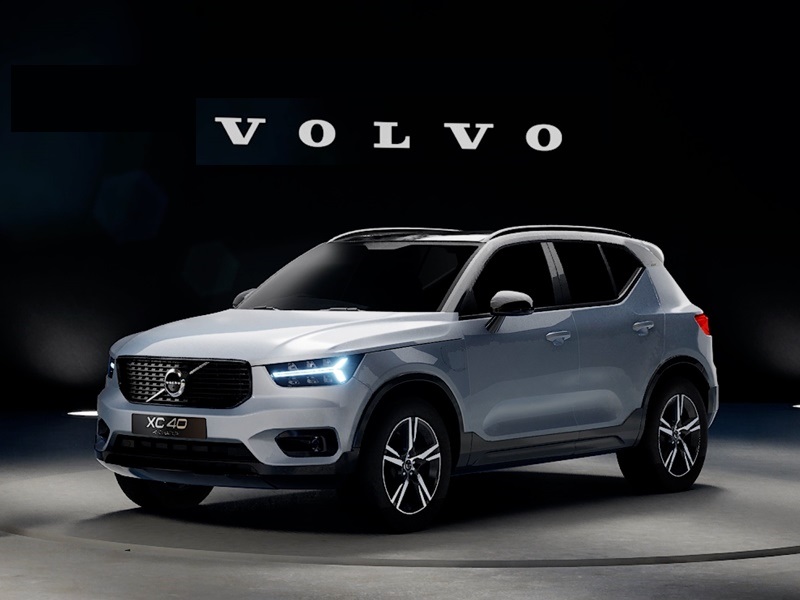
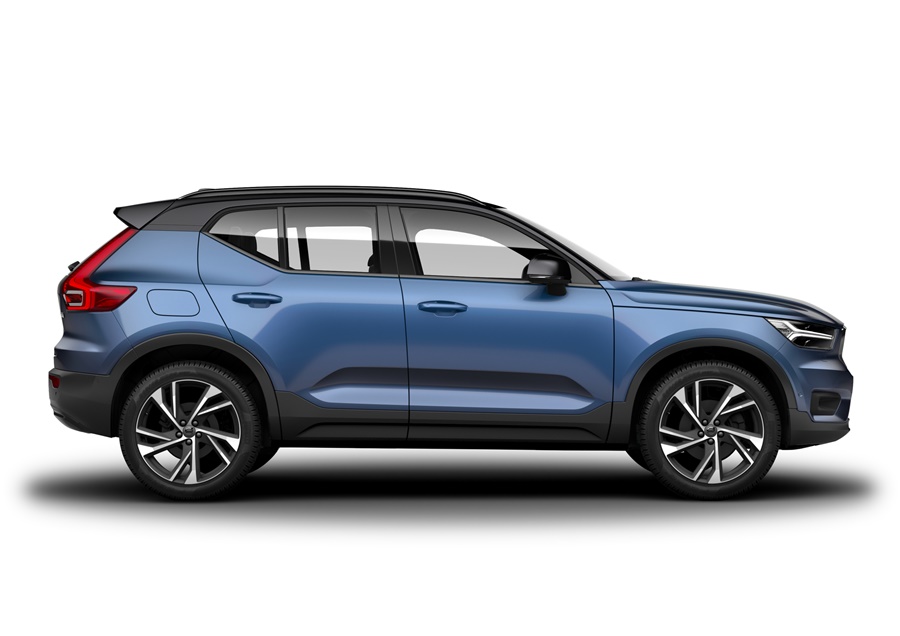
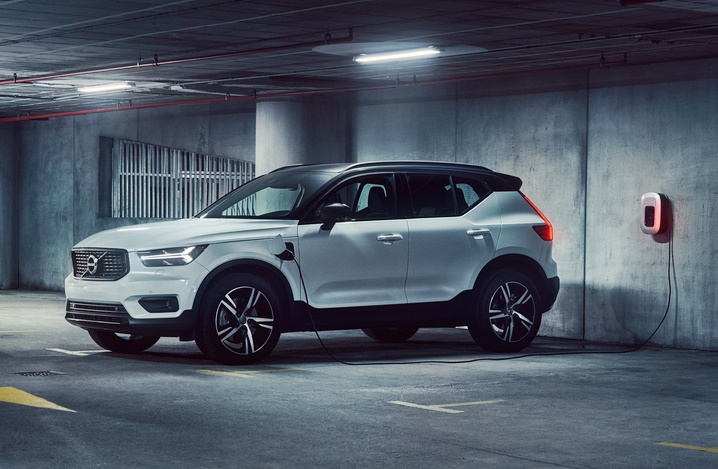
The locally-assembled Volvo XC40 range in Malaysia now has a second variant – the XC40 Recharge T5. The ‘Recharge’ indicates it is a Plug-In Hybrid Electric Vehicle (PHEV), so it extends the already varied PHEV range available from Volvo Car Malaysia.
The second model in the XC40 range is priced at RM241,997.04 for private registration in Peninsular Malaysia (excluding insurance and with full sales tax exemption until the end of June). This is RM10,346 more than the XC40 T5 R-Design.
1.5-litre petrol engine + electric motor
Unlike the XC40 T5 AWD R-Design with a 2-litre turbocharged engine, the XC40 Recharge T5 has a hybrid powertrain which is composed of a 1.5-litre turbocharged 3-cylinder petrol engine that works together with an 82 ps/160 Nm electric motor. The total system output is 262 ps/425 Nm, which flows to the front wheels only through a 7-speed dual-clutch (wet type) transmission.
Performance-wise, the hybrid powertrain gives a zippy feel as maximum torque kicks the moment the car moves off and the level remains the same to 3,000 rpm. But if run against the T5 with just the petrol engine, the 0 to 100 km/h time is shown to be slower – 7.3 seconds versus 6.4 seconds. Nevertheless, both cars have the same top speed of 180 km/h and that is a maximum speed set by Volvo as a measure for safer motoring. You may grumble but that maximum speed is 70 km/h over the highest speed limit in Malaysia anyway.
0% to 100% in 3 hours
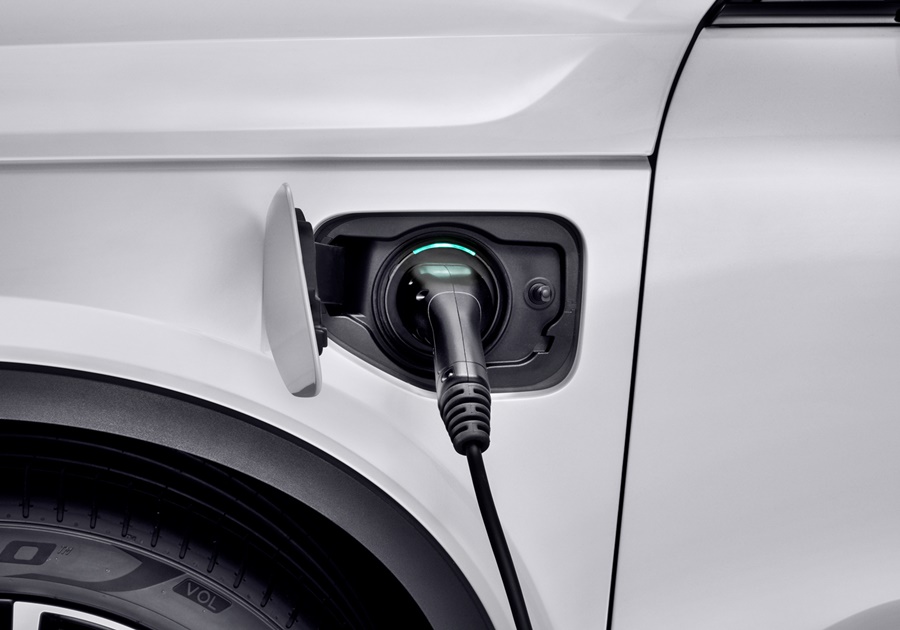
As PHEV, it’s possible to recharge the 10.7 kWh lithium-ion battery pack from an external source. This can be a household power supply – which will take up to 5 hours to fully recharge the battery pack – or a charging station which can bring the time to around 3 hours. Of course, that assumes a fully drained empty battery pack and in practice, it is likely that an owner would be ‘topping up’ the capacity the same way as with a fuel tank.
45 kms on electricity alone
While driving, the petrol engine will be used and consume fuel but because the electric motor also provides part of the propulsion, fuel consumption will be reduced and can be as economical as 45.5 kms a litre. If conditions permit, it is possible to go up to 45 kms on just electricity alone which is not only good for your wallet but also the environment. And with the fuel tank having a volume of 49 litres, the potential range with a full tank is over 2,000 kms so refuelling will probably be much less frequent.
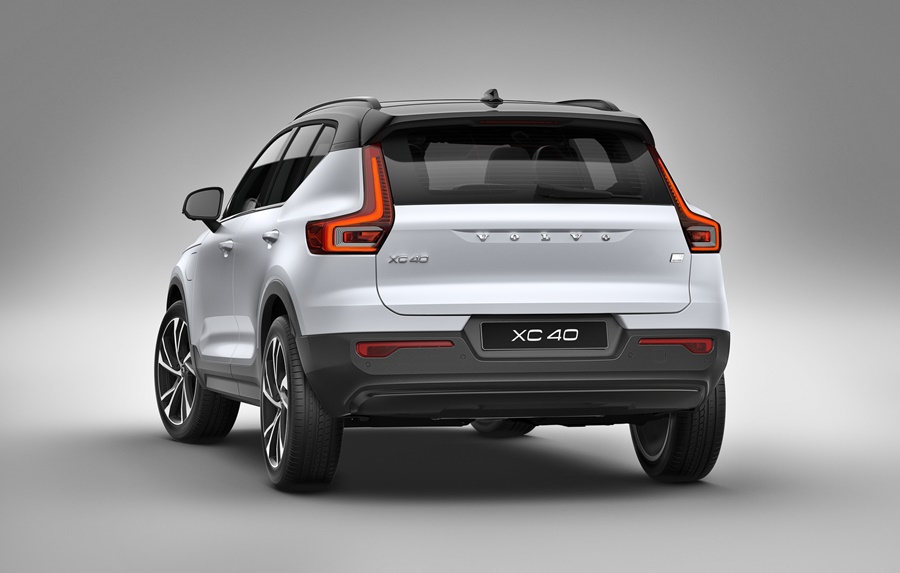
Built on Volvo’s Compact Modular Architecture (CMA) platform, the XC40 Recharge T5 has the same looks as the T5 AWD with the black roof contrasting with the 5 colour choices (although it is less evident with the Black Stone finish). The black-themed R-Design package is also fitted, probably to simplify assembly by having the same accessories and equipment.
Scandinavian with R-Design interior as well
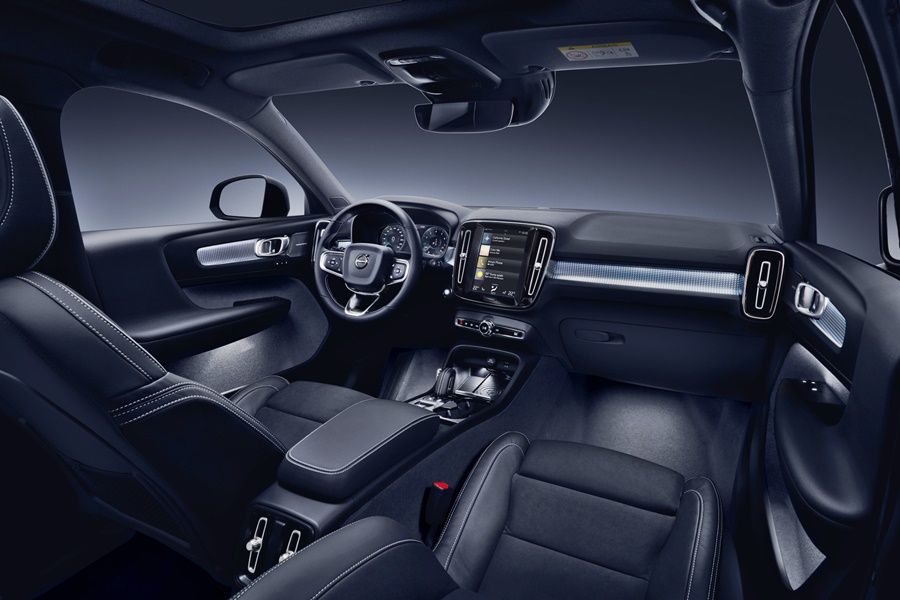
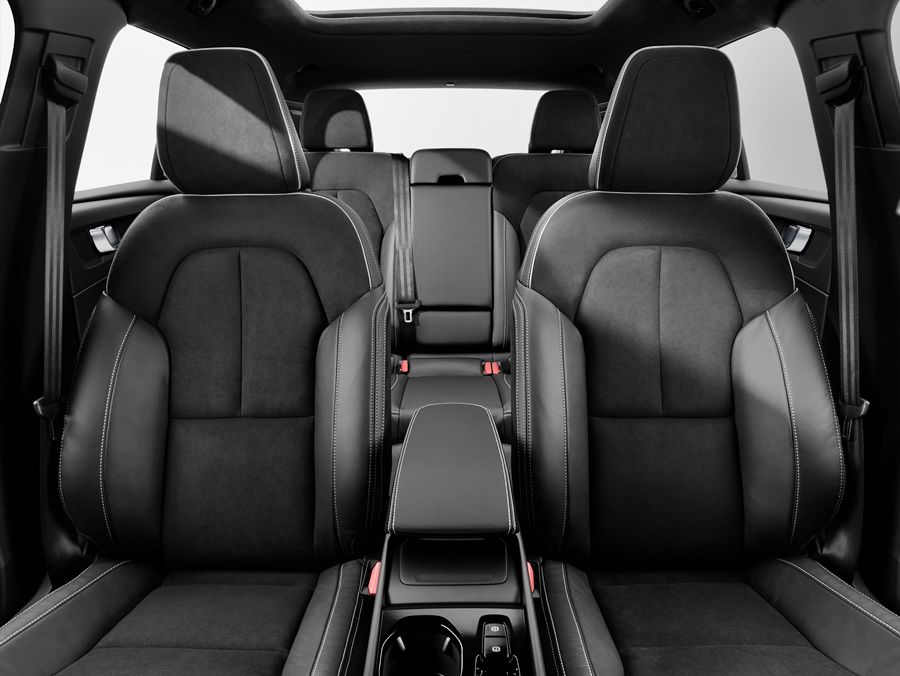
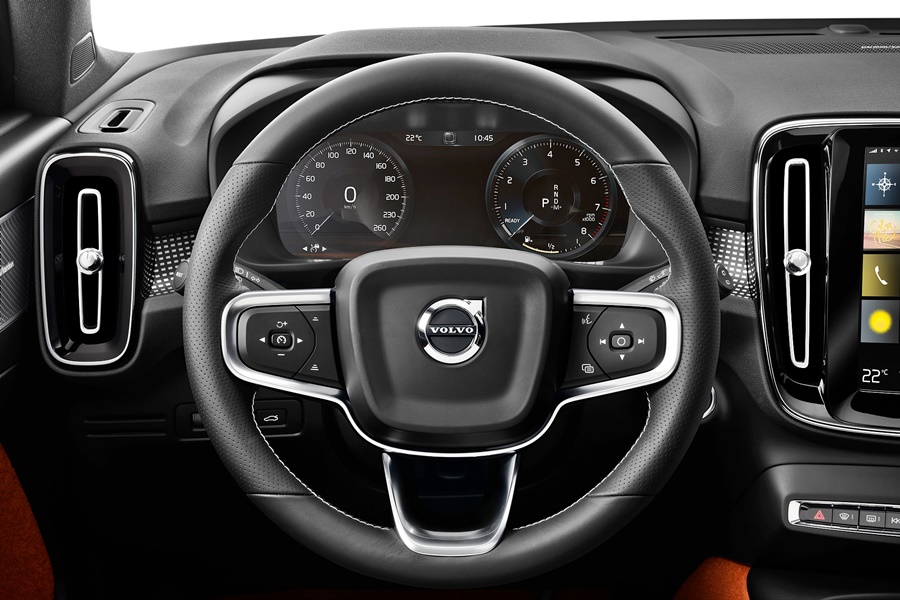
The interior has the typical Scandinavian ambience that every Volvo today possesses. It’s in the colours , textures and minimalism that is evident around the cabin. Blended into this is underlying high-tech with the fully digital-graphic instrument panel, Intelligent Driver Information System and SENSUS, which is a fully integrated, connected navigation system. Information is shown on a 9-inch colour touchscreen display.
The R-Design package is not just to make the exterior sportier but is also applied within with sporty elements in the trim and items like the shifter and pedals. Also notable is the effort to keep the environment clean, even more important in these times. Volvo’s ventilation system has been upgraded to clean the air more effectively and ensure air quality is premium, just like the car.
Leadership in safety, as always
Being a Volvo, the XC40 comes with a very extensive list of safety systems and features, categorised under two areas of the Intellisafe package – active and passive. The active systems include City Safety which helps the driver avoid accidents with automatic emergency braking if necessary. The camera and radar systems have been improved further to be able to detect not just pedestrians but also cyclists and large animals.
One of the things which Volvo engineers worked hard to prevent was the roll-over and since the first XC90 – which was the carmaker’s first SUV – a roll-over protection system has been present to prevent such situations due to the tallness of the vehicle.
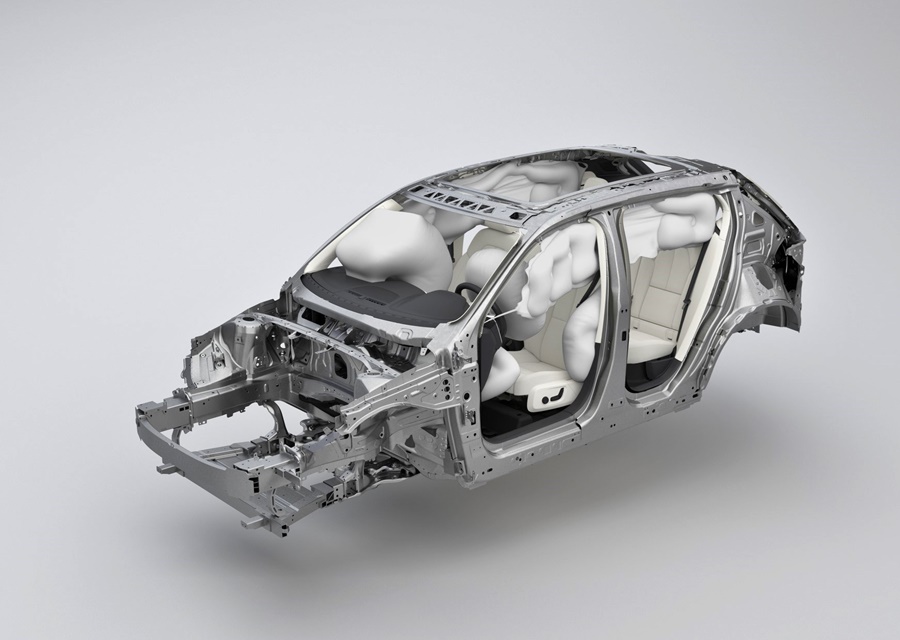
For passive protection – which is prevent or reduce injuries in an accident – the XC40 has a strong structure with the Side Impact Protection System (SIPS) that has been in use since the days of the 850 in the early 1990s. This includes a Dual-Chamber SIPSBag which deploys at the sides of the seats for additional protection.
“We are excited that we can finally offer one of our most successful SUVs as a plug-in hybrid electric vehicle, and thus completing our full line-up of PHEVs. The launch of the XC40 Recharge T5 is a sign of greener times ahead as we continue to strive towards a more sustainable future and do our part to not only reduce our carbon footprint, but also help our customers reduce theirs as well,” said Nalin Jain, MD of Volvo Car Malaysia.
Special deal for online booking
Customers who book online will receive a complimentary Bowers & Wilkins PX5 wireless headphone set worth RM2,800. This offer is limited to the first 50 customers who book online and must take delivery of the car before May 31, 2021 (terms and conditions apply).
Perodua will launch its all-new SUV a week from today, on March 3. Unlike all is other launches, this one will not be done in a public setting with lots of people. Due to the ongoing restrictions of the Movement Control Order (MCO), the Malaysian carmaker will launch the new model online, just as many other companies have done. It is very conscious of its responsibility to help prevent the spread of the coronavirus and even today’s media preview was conducted with very strict conditions.
While we still cannot show any pictures of the actual vehicle, we have additional information which can give you a better idea, and which may even persuade you to quickly place a booking for the D55L, as it is being referred to, although it is already known that the model will be called the Ativa.
Perodua is presenting the Ativa as its most advanced model to date, and it certainly does seem that way where technology and safety are concerned, with the typical excellent value-for-money proposition that the brand has always given customers. The actual prices are still not released but will be between RM62,500 and RM73,400 (excluding insurance), with a choice of three variants – X, H and AV.
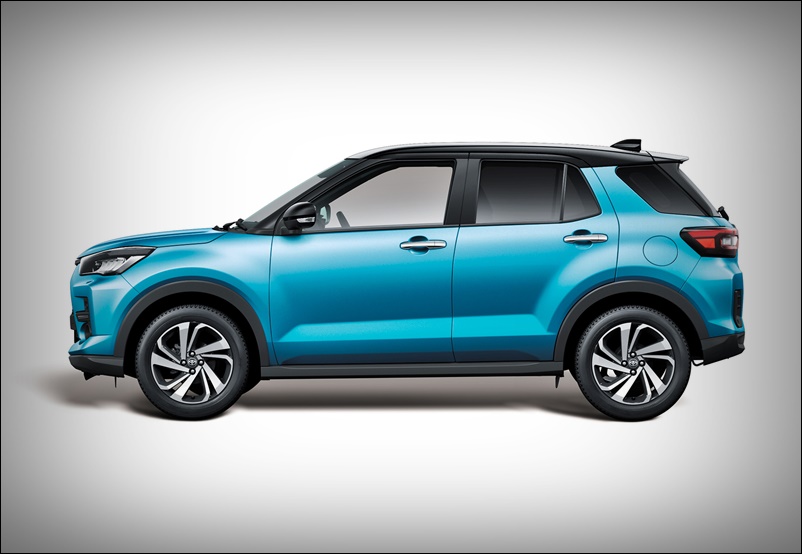
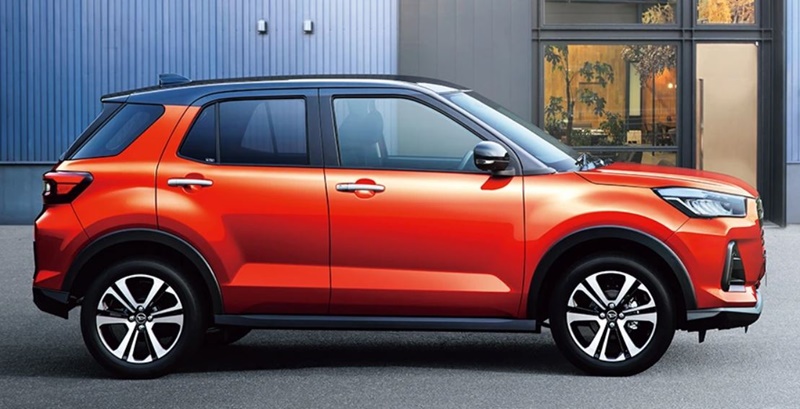
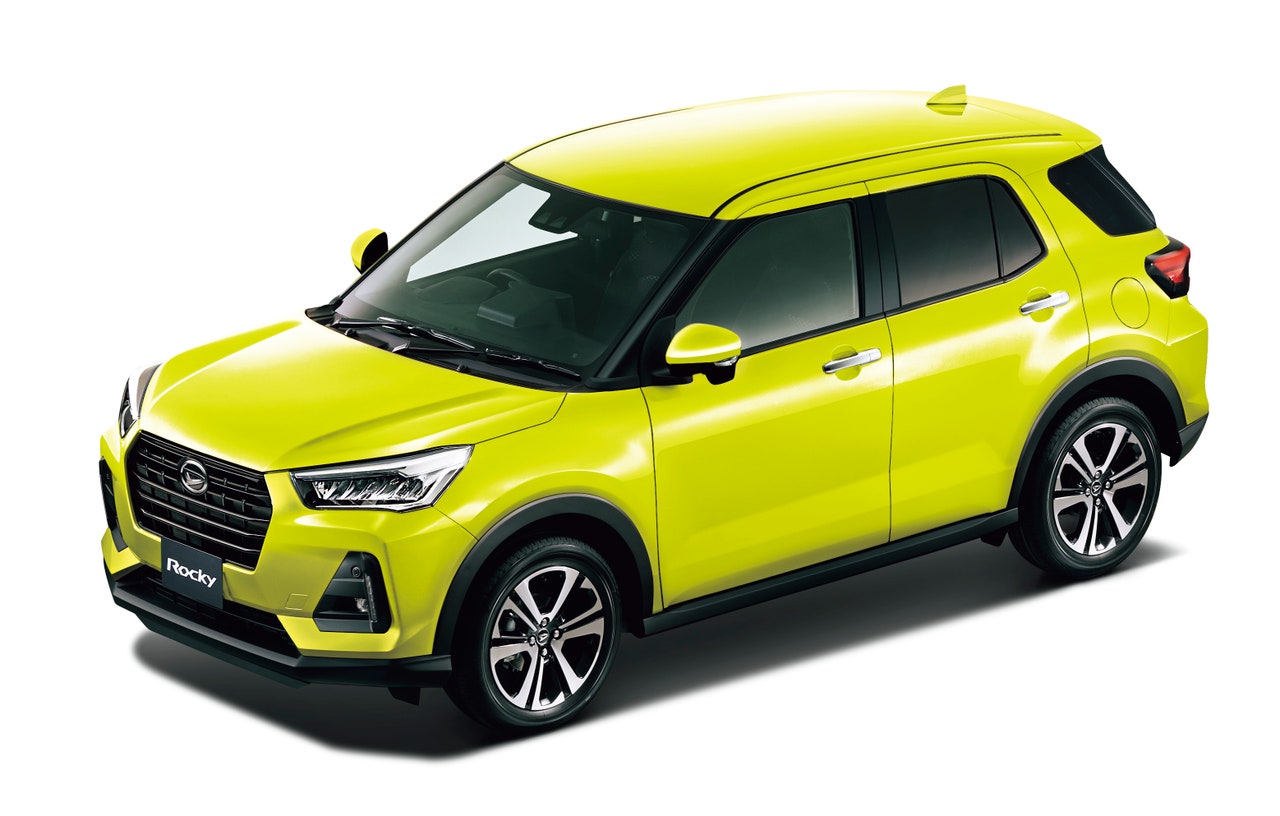
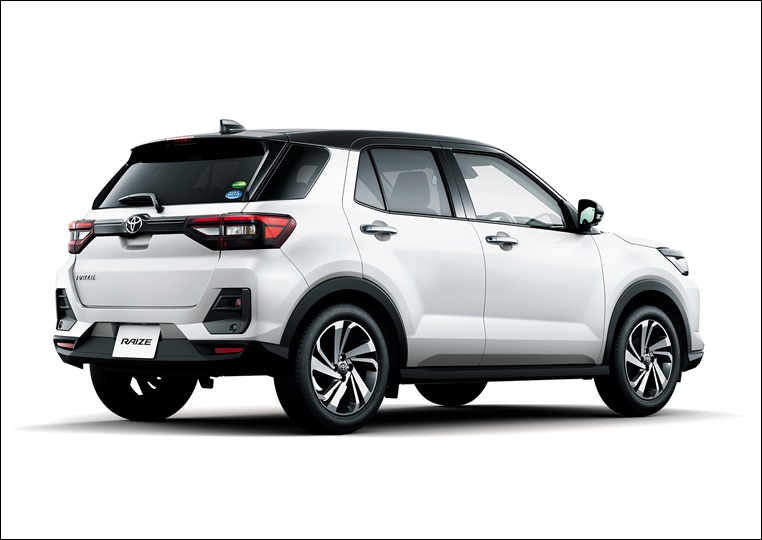
So here’s a quick overview of what to expect in the new Ativa. Please note that all images are of the Daihatsu Rocky or Toyota Raize, and the Perodua Ativa will have differences in some areas as well as trim colours and materials.
DNGA
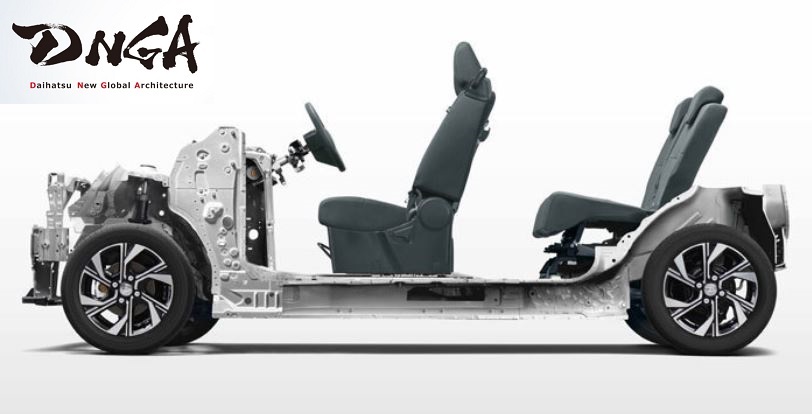
We already know that the Ativa is adapted from the Daihatsu Rocky/Toyota Raize models sold in Japan (which went on sale at the end of 2019). This means that the Ativa will also have the newly developed Daihatsu New Global Architecture (DNGA) that encompasses not just the platform but also many other structural aspects of the vehicle.
It is unlikely that Perodua will alter it to be Perodua New Global Architecture; after all, even Toyota makes reference to DNGA for its model. The fact that Perodua is getting DNGA reflects the closer cooperation that exists between the carmaker and its technical partner and shareholder, Daihatsu Motor. DNGA is fairly new technology and in the past, Perodua didn’t have access to the very latest technologies. But then again, it was still a ‘student’, diligently learning to be a carmaker, and it has graduated and can now be provided with more advanced products.
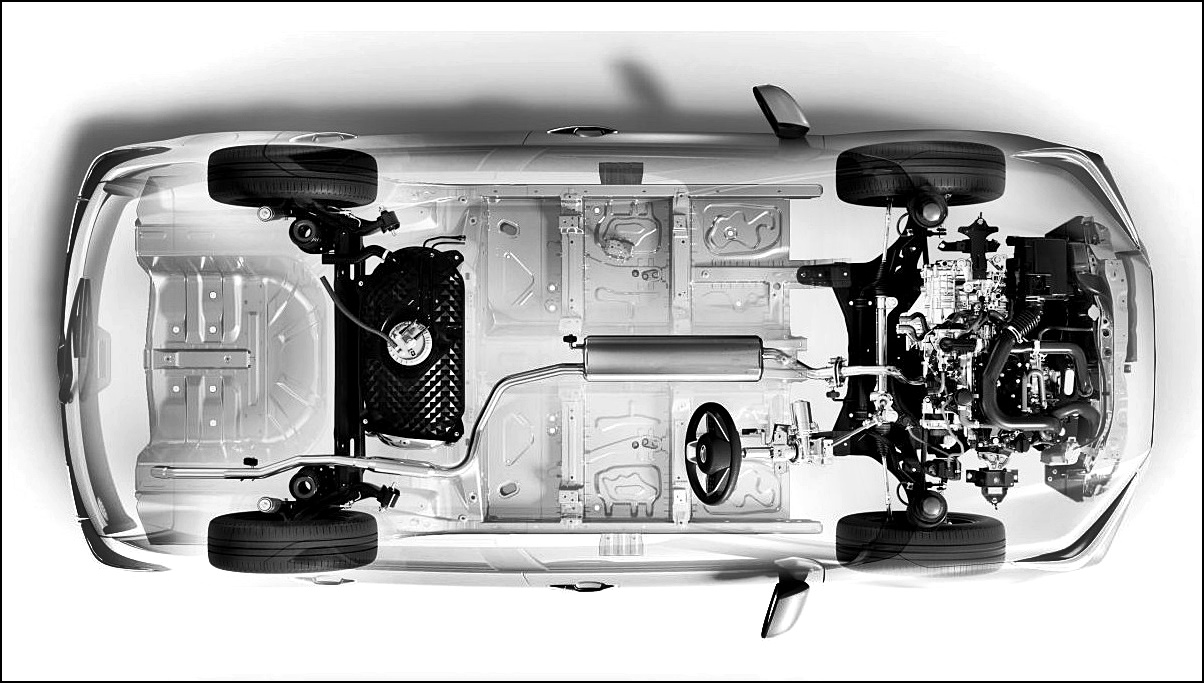
DNGA, like TNGA – Toyota’s New Global Architecture – used for many of Daihatsu’s latest models, provides flexibility for the designers and engineers to optimize designs for different types of compact vehicles. It starts with a highly rigid platform for enhanced handling, stability and comfort.
The optimized structure is constructed with reinforced underfloor tunnel parts and crossmembers. Besides resin for certain panels, high tensile steel is used in many areas to save weight without losing strength. Comprehensive development of the powertrain and suspension provide optimum balance and efficient space utilisation of the enlarged footprint.
Turbocharged engine with CVT
Compact cars with small engines have been Daihatsu’s speciality which it has shared with Perodua. In fact, back in the 1970s, Daihatsu came out with a 1-litre 3-cylinder engine in its Charade which was innovative. Now, for the Ativa, the 1-litre 1KR-VET 3-cylinder engine is being used with a turbocharger, which is in keeping with global downsizing trends. And in case you are not aware, the annual roadtax is just RM20.
This is Perodua’s first turbocharged engine and the output figures revealed are 98 ps/140 Nm, which is plenty for a vehicle that won’t be too heavy. So expect zippy performance – which you don’t always get with a SUV.
The Ativa’s 1-litre turbocharged engine and Direct-Shift CVT (right)
The engine will be coupled to a CVT (Continuously Variable Transmission), also a first for Perodua. CVTs help to achieve better fuel economy. The one for the Ativa – called a Direct-Shift CVT – is a fairly new development with reduced mechanical loss, a wider gear range, and improved shift tracking.
There are 7 virtual ratios which will be selected smoothly and fuel consumption is claimed to be 18.9 kms/litre with the higher transmission efficiency. The good fuel efficiency means the fuel tank can be smaller and its volume is 36 litres.
How big?
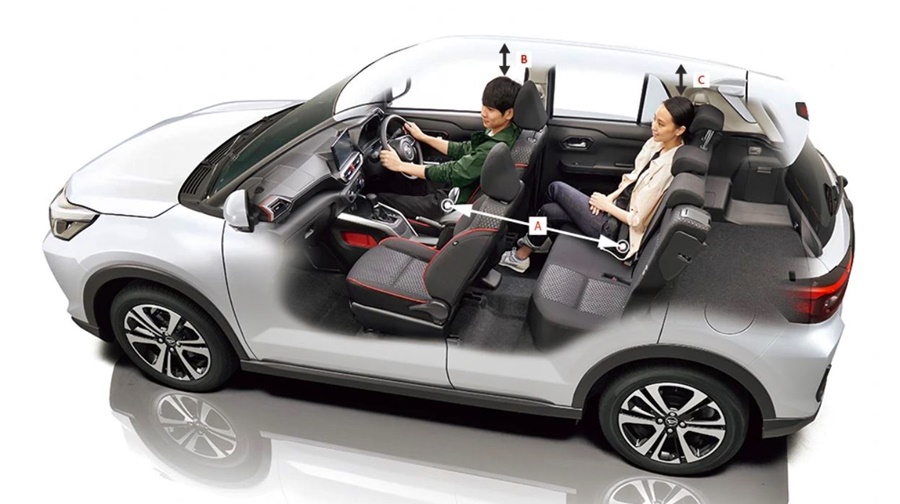
We don’t have the dimensions of the Ativa but those of the Daihatsu Rocky should be close enough. The overall length of 3995 mm means it is 440 mm shorter than the Aruz, and it is also shorter than the popular Honda HR-V. The wheelbase is 2525 mm, also less than the Aruz. The 1695 mm overall width is the same as the Aruz. With 17-inch wheels, the overall height should be around 1620 mm or 85 mm lower than the Aruz.
The boot space will be variable, of course, with 369 litres at least. The Aruz would offer more but it depends on whether the third row is used, in which case it would be less.
Advanced Safety Assist (ASA) 3.0
Within just a few years, the ASA system has gone from first generation to third generation, which will be offered with the top variant of the Ativa. All variants, however, get the basic ASA suite with Pre-Collision Warning and Automatic Emergency Braking (with detection of bicycles and motorcycles), Departure Alert (to let the driver know when the car ahead has moved off), Pedal Misoperation Control (preventing accident application of excessive power when starting off), and Lane Departure Warning and Prevention.
The top variant has ASA 3.0 which includes additional driver assistance systems that complement the ASA system. The Lane Departure Warning will include a Lane Keep Control function, while a Blind Spot Monitor (BSM) will alert the driver if there is another vehicle in the blind spot behind. Reversing out of a parking bay will also be safer with Rear Cross Traffic Alert (RCTA) which detects vehicles coming from either side.
Rear Cross Traffic Alert (left) and Adaptive Cruise Control (right).
Finally, there’s Adaptive Cruise Control (ACC) which adjust the cruising speed to maintain a safe gap. This gives the Ativa a semi-autonomous capability as the driver need not constantly monitor the distance and adjust the speed manually (although attention is still needed. It will certainly help to reduce fatigue on long journeys along the highway.
Higher safety standards
All variants will have 6 airbags, the additional ones (besides the two at the front) covering the side windows when there is an impact from the side. The side curtain airbags can also help to prevent ejection of occupants during violent accidents.
While it is nice to have all-wheel drive for better stability and grip, Vehicle Stability Control (available in all variants) can also provide the same thing in most situations. It doesn’t mean you can go faster around corners but it will prove valuable if there is a skid which can cause a dangerous spin as the system will react with corrective measures.
The Ativa also comes with intelligent LED headlamp systems. For the lowest-priced variant, there is an Auto High Beam function which will automatically switch to low beam if an oncoming vehicle is detected. The driver doesn’t have to do anything and can give full attention to looking ahead.
For the middle and top variable, there are adaptive headlamps and this is rare even in more expensive cars. We don’t know how Perodua has been able to offer this so soon as such advanced technology usually takes a while to trickle down. The adaptive headlamps can provide optimised illumination without causing glare. The lighting areas are intelligently spread (as shown in the graphic above) so that they will not shine into the eyes of an oncoming driver, even while on high beam.
With the strong structure and such an extensive list of standard safety equipment, we would not be surprised if the Ativa easily scores the maximum of 5 stars in ASEAN NCAP’s evaluations.
“True to our aim to continually bring more and more advanced technology to the masses, the Perodua D55L AV is Malaysia’s most affordable Level 2 Autonomous vehicle, bringing state-of-the-art safety and convenience to a wider audience,” said Perodua’s President & CEO, Dato’ Zainal Abidin Ahmad.
“This is the first model under the Perodua Smart Build blueprint, spearheading breakthroughs for Perodua in style, safety, technology, equipment levels and value,” he added.
If you want to be among the first to own an Ativa, you can make a booking at any Perodua showroom nationwide. The locations can be found at www.perodua.com.my.
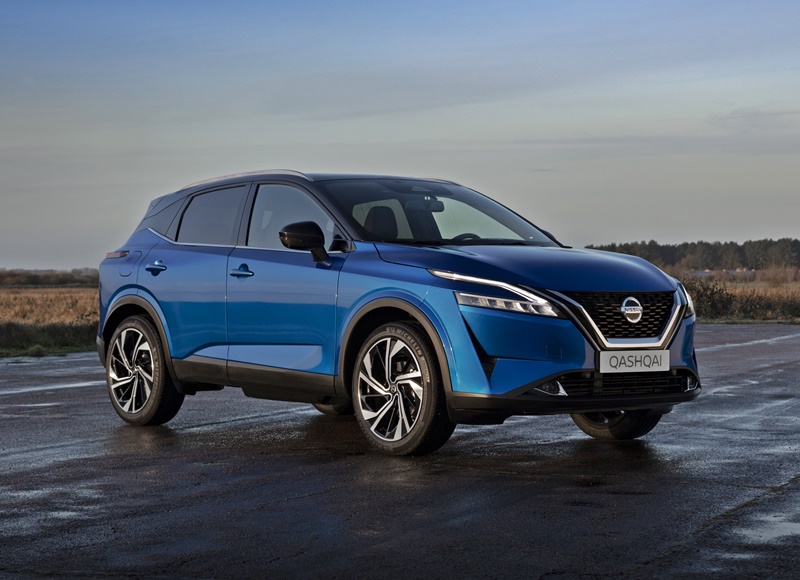
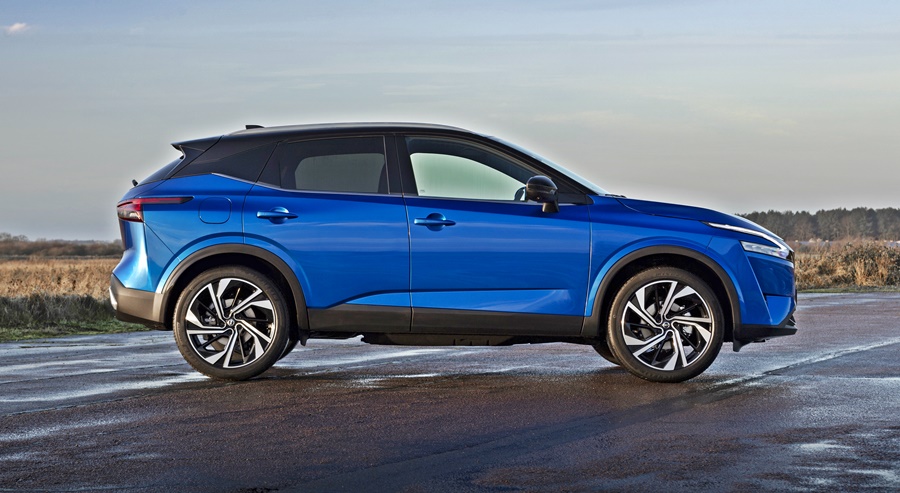
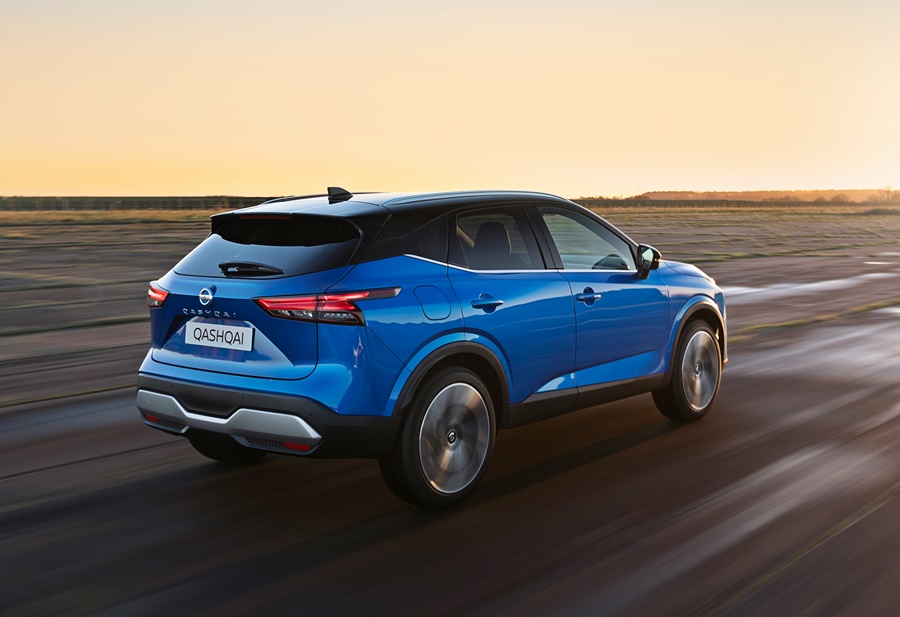
The Nissan Qashqai (the name is derived from that of a community in Iran) has a history going back to 2006 and has been sold under a few names in different parts of the world. It has however been largely associated with the European market and is made in Nissan’s UK plant, so it’s not surprising that the new third generation has its debut in Europe.
As a top-selling vehicle for Nissan in the European market, the Qashqai is the latest to be introduced under the Nissan NEXT transformation plan, which prioritizes sustainable growth and profitability across the company’s global operations. It will go on sale in a number of markets from mid-2021
Striking, elegant exterior design
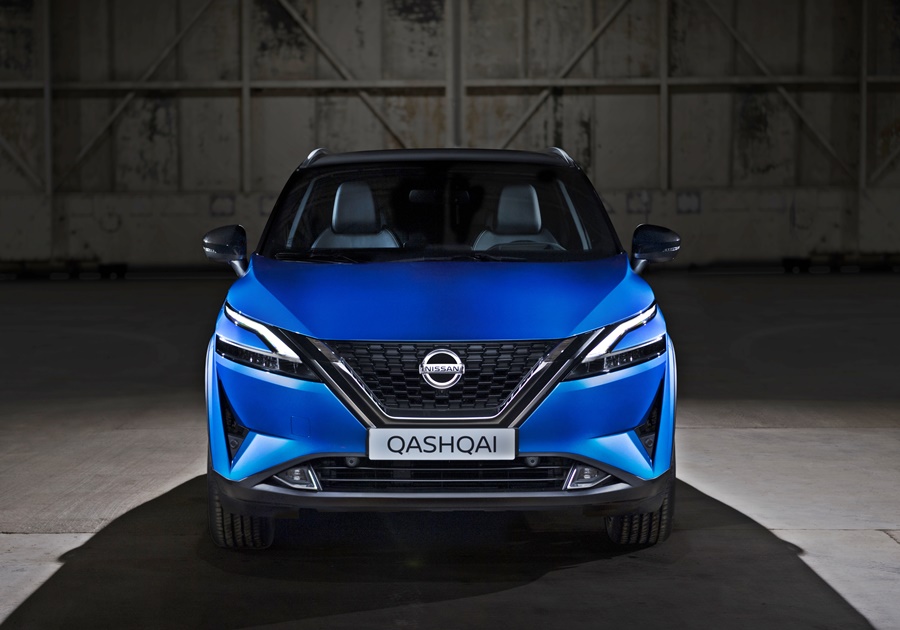
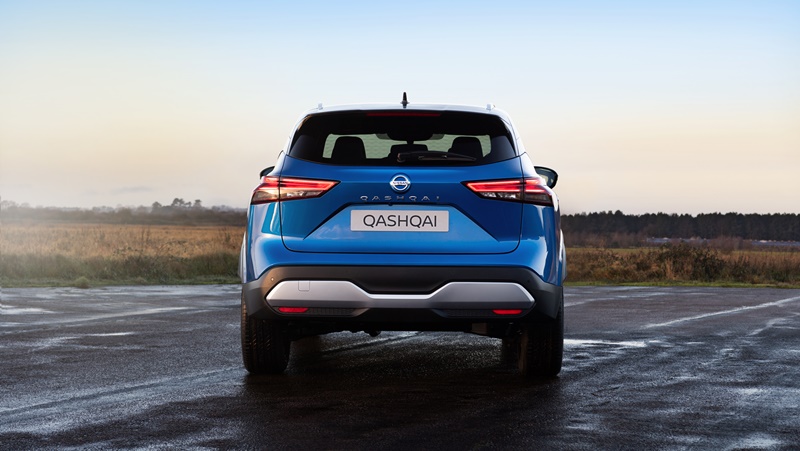
As with just about every Nissan model since 2015, the new Qashqai has the V-Motion grille which was introduced in the Sport Sedan Concept of 2014. It has become part of the global design language of the brand and integrates well in the latest style of the Qashqai.
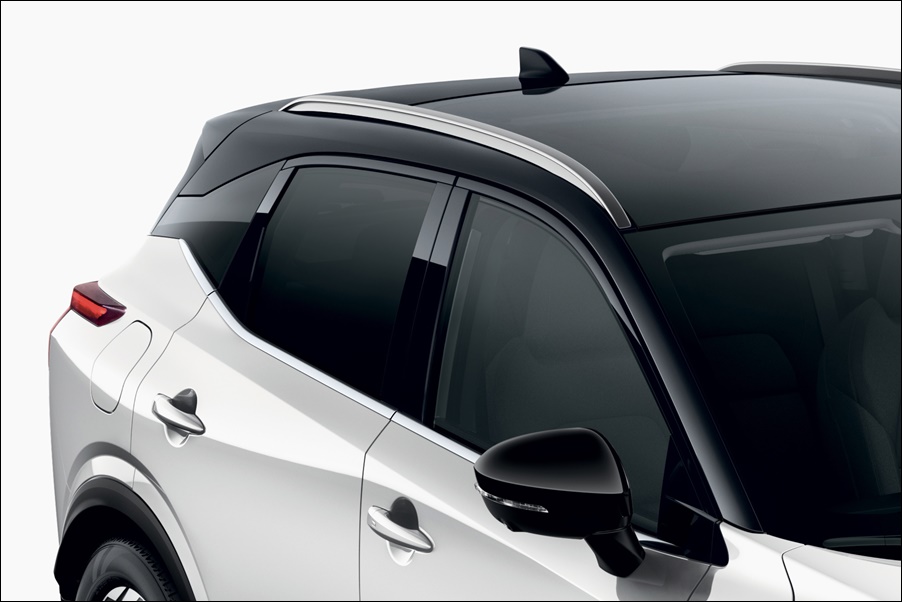
The body. With a ‘floating roof’ has a more purposeful stance, with prominent shoulder lines, while the wheelbase has been extended by 20 mm. The LED headlamps are slimmer and sharper, and employ technology that adapts the shape of the beam according to the road conditions and the presence of other road-users. The design of the rear lights creates a 3-D effect, generating a unique visual signature for the model.
The Qashqai is the first model in Europe to use the Alliance CMF-C platform with an entirely new automotive structure and technology architecture. In terms of construction, the body-in-white makes use of more lightweight material, advanced stamping processes and welding techniques to increase strength and reduce weight. For the first time, the rear hatchback door is now made of a composite material, which saves 2.6 kgs. Other advanced manufacturing techniques result in weight savings of 60 kgs while raising structural rigidity by 41%.
With the new CMF-C platform, the Qashqai gets an updated Macpherson strut set-up at the front and rear. The rear suspension features a torsion beam equipped for 2-wheel drive models and a multi-link configuration for all-wheel drive models with 20-inch wheels.
Elevated interior ambience
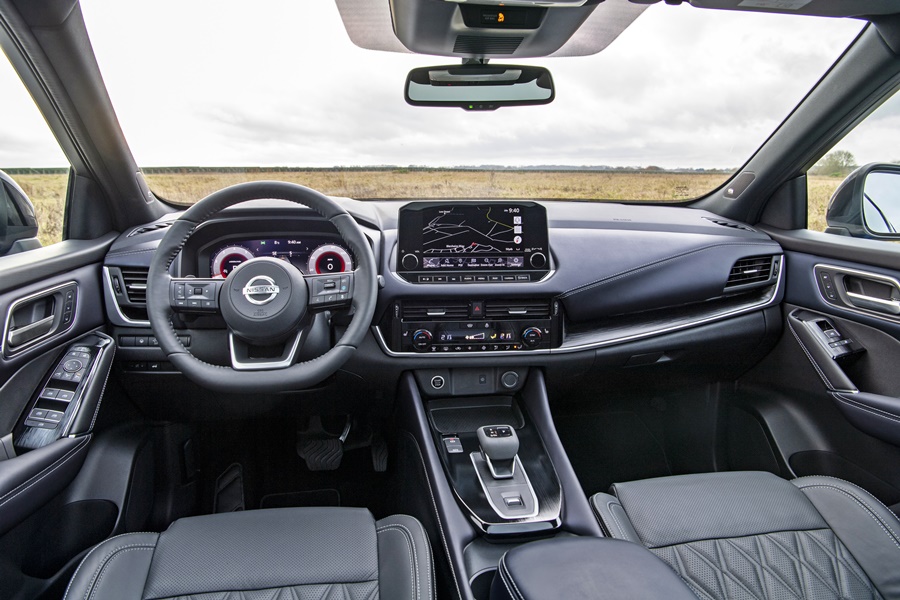
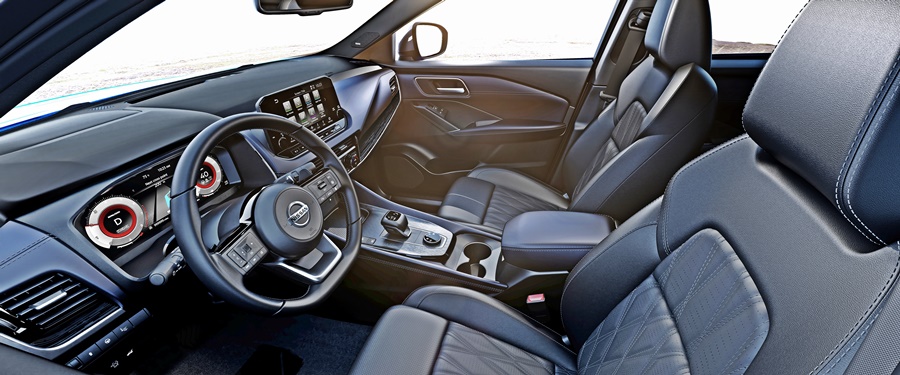
Connected, comfortable and commanding are the strong features of the cabin and Nissan claims that the Qashqai sets ‘a new segment standard for an elevated feel and enhanced usability’. It has new premium materials and new white ambient lighting which creates a premium and harmonious experience inside the vehicle.
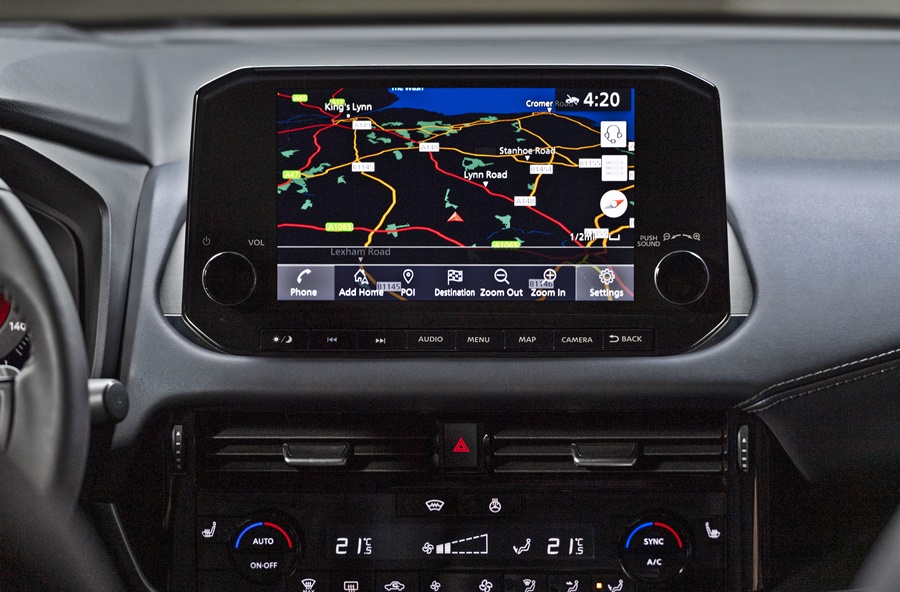
Smart features to make motoring easier include an advanced infotainment system with connected services, in-car wifi for up to 7 devices and NissanConnect Services, which is a dedicated app to control and monitor the vehicle.
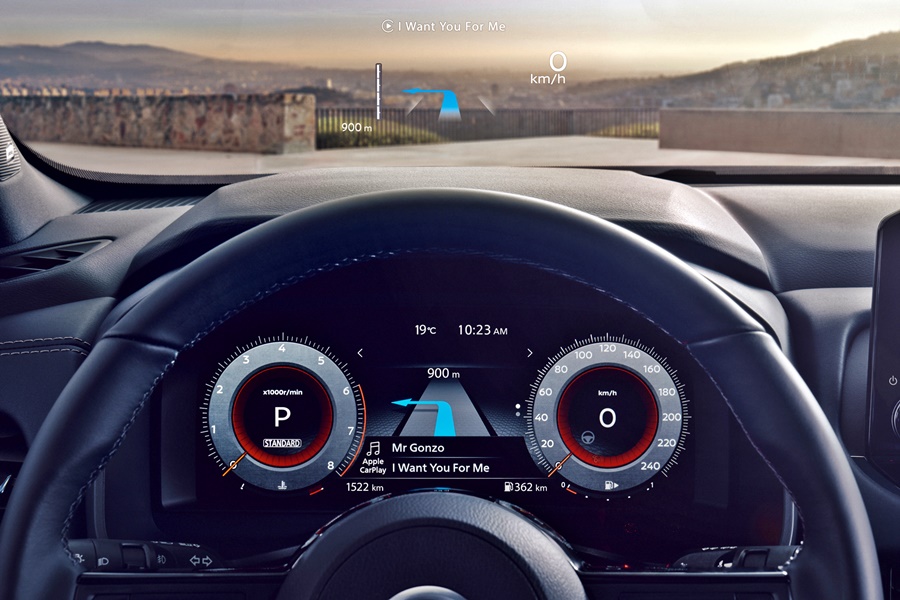
A new high-definition, fully electronic 12.3-inch TFT multi-information screen offers a choice of configurable layouts to display navigation, entertainment, traffic or vehicle information, controlled from a new tactile dial switch on the steering wheel. The TFT’s digital background has a Japanese Kiriko cut glass motif that references Nissan’s Japanese DNA.
A new 10.8-inch Head-Up Display (HUD) projects key navigation, driver assistance and road information onto the windscreen within the driver’s line of vision, allowing drivers to maintain their focus on the road for more comfort and confidence at the wheel.
There’s also a high resolution 9-inch NissanConnect display screen for navigation, entertainment and viewing vehicle settings. This can be interfaced using Android Auto and Apple CarPlay. Google Assistant and Amazon Alexa home-to-car compatibility are also available.
e-POWER comes to Europe
The Qashqai will be offered with a 12-volt mild hybrid system comprising a 1.3-litre turbocharged engine and a lithium-ion battery pack. The system enables energy regenerated during deceleration to be used while driving to contribute to both fuel economy and CO2 emissions reduction.
The new model also introduces Nissan’s e‑POWER drive system to Europe in a second variant. To meet the typical needs of European consumers and their daily drive, the e-POWER system has been significantly upgraded for the new Qashqai with the adoption of Nissan’s world-first variable compression ratio petrol engine as the dedicated electricity generating unit. The result is a compact, high-output electrified system that, thanks also to the high combustion efficiency of the engine, delivers more efficiency.
PROPilot driver assist system
Besides the array of safety features and tech that offer driver support in a wider array of circumstances, the Qashqai also has ProPILOT with Navi-link to help reduce fatigue and stress. The system, which has the same intuitive controls as ProPILOT, uses navigation data to smoothly assist with driving, especially with sharp cornering and off-ramp exiting. It can provide assistance with acceleration and braking within a single lane on a highway.
Visit www.bhpetrol.com.my to find out more about other promotions at BHPetromart.
The Perodua D55L SUV (likely to be just the codename for now) was ready for launch earlier but due to the COVID-19 pandemic, the Malaysian carmaker delayed its launch. Now the time is right for it to enter the market and bookings are accepted from today at all authorised Perodua showrooms nationwide.
Spiritual successor of Kembara
Adapted from the latest Daihatsu Rocky/Toyota Raize, the spiritual successor of the Kembara is said to be the most advanced Perodua yet. It will be available in three variants – X, H and AV – at prices estimated to range from RM62,500 and RM73,400 (excluding insurance). As the model should be in the market before June 30, 2021 when the sales tax exemption is set to expire, customers will also get the money-saving benefit.
“The Perodua D55L is the first model under the Perodua Smart Build blueprint, spearheading breakthroughs for Perodua in style, safety, technology, equipment levels and value,” Perodua’s President & CEO, Dato’ Zainal Abidin Ahmad said.
The new Perodua D55L is known to be adapted from the latest Daihatsu Rocky/Toyota Raize.
Autonomous motoring for all variants
The claim of being the most advanced Perodua comes from being the model of the brand’s model to offer Level 2 Autonomous motoring. The second of 5 levels in the industry-accepted standards established by the SAE (the American Society of Automotive Engineers), Level 2 allows automatic operation of certain driving functions. These can be related to cruising, steering and braking, but the driver must still monitor the road ahead and take action if necessary.
In the D55L, Perodua’s Advanced Safety Assist (ASA) – standard in all variants – will allow higher operating speeds than the current version and is capable of detecting 2-wheeled vehicles. Also available will be Lane Departure Warning and Prevention, while the top AV variant has Lane Keep Control, Blind Spot Monitor, Rear Cross Traffic Alert and Adaptive Cruise Control.
That’s certainly a lot of advanced technology which would never have been expected from an entry-level brand like Perodua. “True to our aim to continually bring more and more advanced technology to the masses, the Perodua D55L AV is Malaysia’s most affordable Level 2 Autonomous vehicle, bringing state-of-the-art safety and convenience to a wider audience,” said Dato’ Zainal.
First Perodua with turbo engine and CVT
The D55L will also be Perodua’s first turbocharged vehicle, in line with the global trend of using forced induction while downsizing engine displacements. Perodua has not mentioned the engine size although it is likely to be a 1-litre 3-cylinder unit similar to that of the latest Rocky. Additionally, it will be the first Perodua to use a Continuously Variable Transmission (CVT) which will help it achieve fuel consumption claimed to be up to 18.9 kms/litre.
Other features include LED headlamps (standard across the range), while H and AV variants get Adaptive Driving Beams, a 7-inch TFT multi-info display and a 9-inch touchscreen infotainment system with voice command capability.
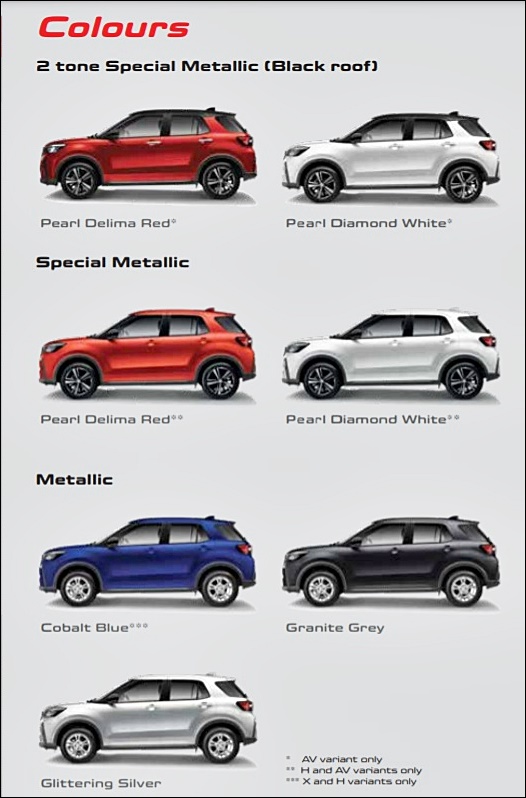
Built and painted at Perodua’s factory, the X and H variants are available in Glittering Silver, Granite Grey and Cobalt Blue, with the H variant also available in Pearl Diamond White and Pearl Delima Red. The last three colours are new for Perodua. The top AV can be had in Glittering Silver, Granite Grey, Pearl Diamond White, Pearl Delima Red, or the last two colours with a black roof. A 5-year or maximum of 150,000 kms warranty is offered with every new vehicle.