Piston.my

Volvo

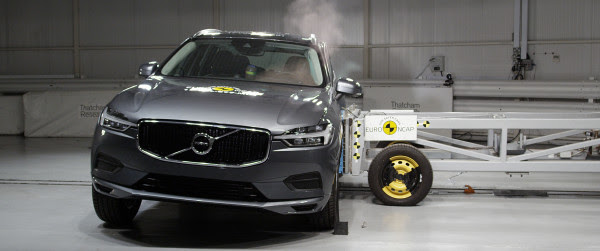
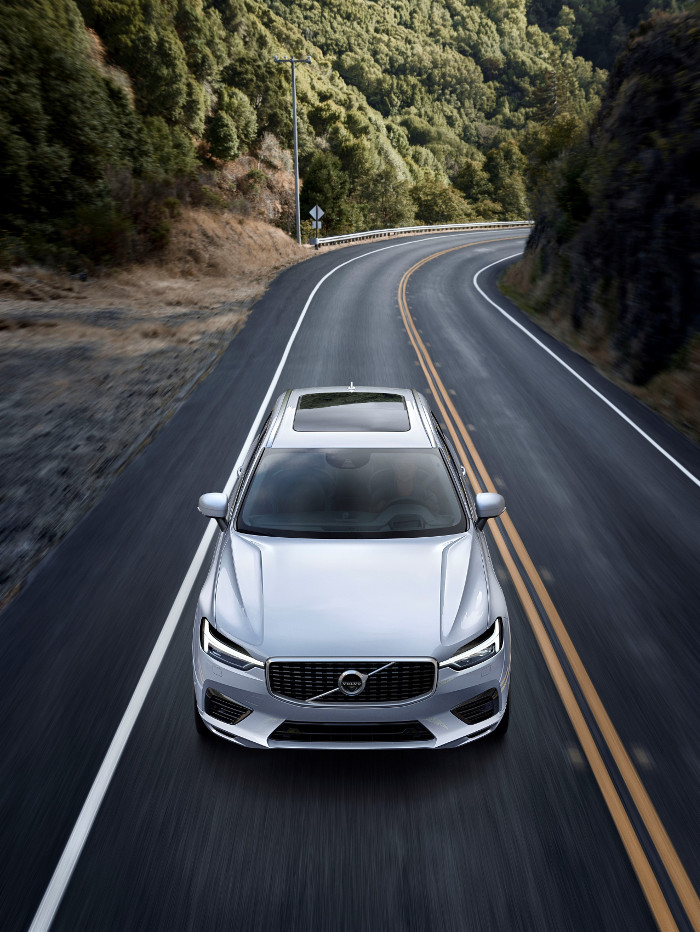
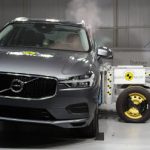
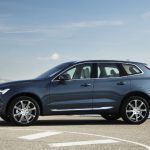
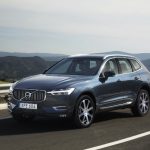
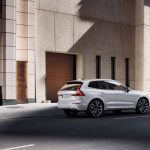
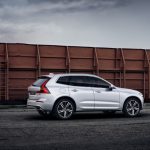
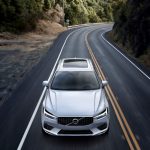
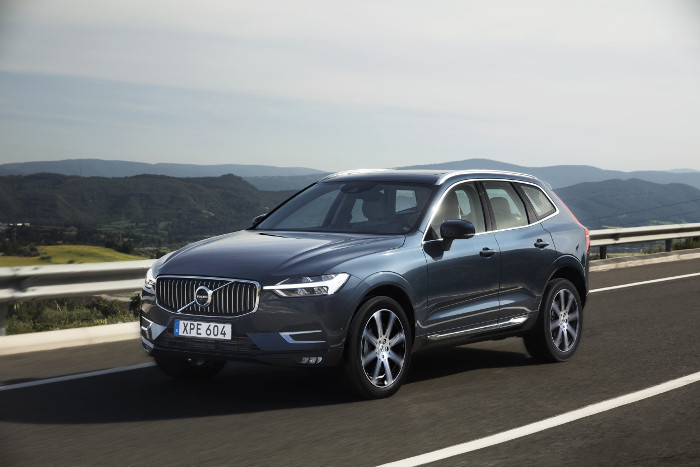
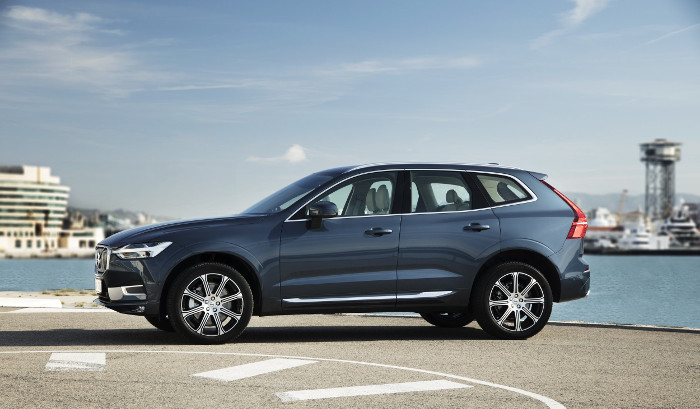
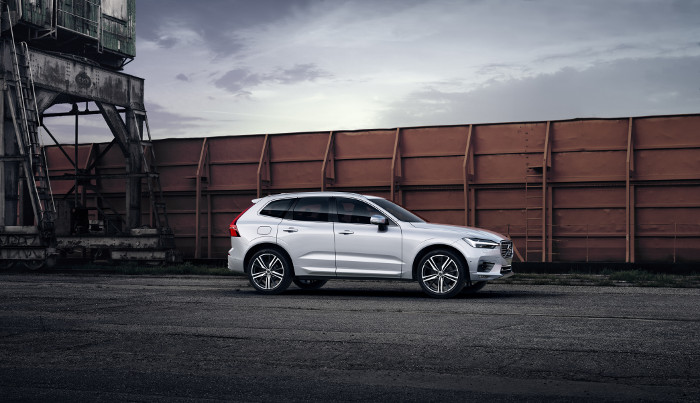
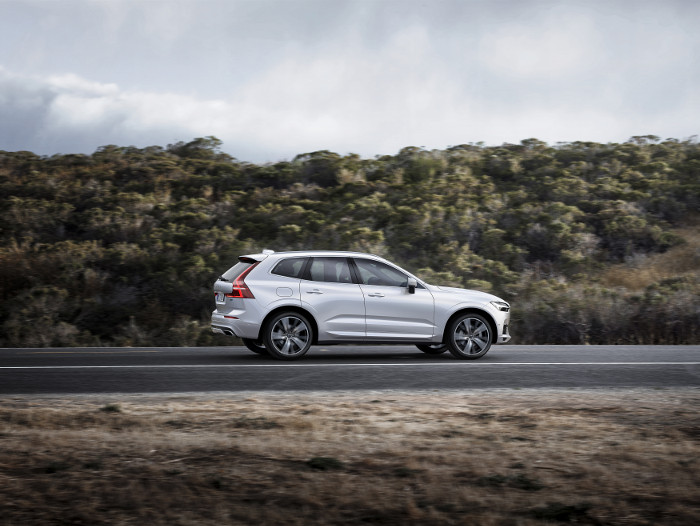
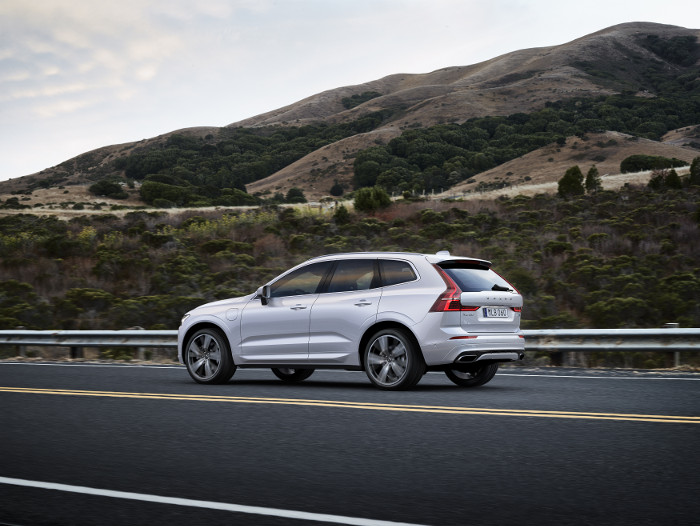
Thatcham Research is an independent advocate of automotive safety & repair as well as an adviser to motorists, insurers and vehicle manufacturers in aiding the reduction in accident frequency, severity and costs. This world leader in crash safety and research, has awarded the Volvo XC60 with top marks for vehicle safety.

In fact, the Swede scored 95% in the Safety Assist category, which is about 40% higher than the average for cars that were tested this year. Contributing to this stellar score was its Autonomous Emergency Braking (AEB) system that scored maximum points when tested at highway speeds and was successful at avoiding all collisions.

“The new Volvo XC60 has “aced” the exacting test protocols,” said Matthew Avery director of research at Thatcham Research. “It’s exceedingly rare for a vehicle to score so favourably across the board. The adult occupant protection result for the Volvo XC60 is one of the best on record.”

“But it’s in active safety that Volvo is really maintaining its lead. The XC60’s standard-fit safety technologies are excellent – or rather those that we were able to test, as its Turn Across Path and Run off Road systems are not yet a feature of the Euro NCAP programme,” he added.

Other SUVs that were tested during the same period included the Citroën C3 Aircross, Opel / Vauxhhall Crossland X, VW T-Roc, Skoda Karoq and Mitsubishi Eclipse Cross. All of them performed relatively well by achieving the Euro NCAP 5-star rating respectively.

Besides crash and track research, Thatcham Research also conducts tests and accredits crash repair parts, vehicle repair technicians, as well as others services. The acquired data is then used to benefit the collision repair industry for insurers, motor manufacturers, equipment manufacturers and suppliers.

Geely is looking to spend big bucks to ensure its EV performance brand gets the head start it needs to become a global player in the electrified performance market. It, together with its subsidiary, Volvo Cars, have announced that they will jointly invest RM3.18 billion to support the initial phase of Polestar’s development.

This investment will ensure that the newly formed sub-brand (Polestar) of Geely will be able to develop a strong product portfolio as well as have a state-of-the-art facility to build these vehicles. Apart from this, Polestar will also benefit from being able
to rummage through the treasure trove that is Volvo designs and technology.

Volvo Cars and Polestar will continue to enjoy a symbiotic relationship that will see them working together on next-generation technologies, bear shared procurement costs, joint development and economies of scale. Unlike Volvo, Polestar has been chosen to spearhead Geely’s charge for EV dominance by producing enticing EV products.

Rather than start from scratch, Polestar will benefit from Volvo Cars’ technology and take it to the next level, at least that is what they hope to do. But based on what we know so far, Polestar vehicles will closely resemble that from Volvo, albeit they will feature high performance electrified drivetrains rather than the current petrol and diesel ones.

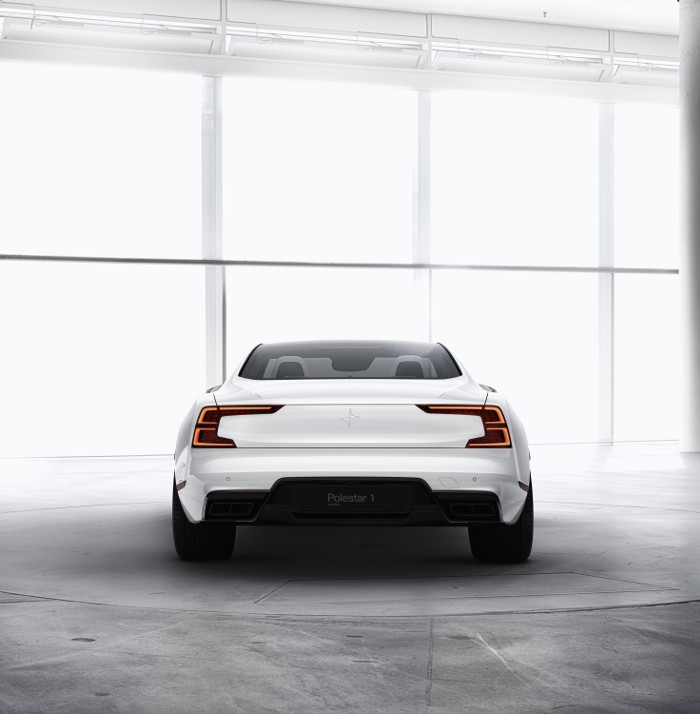
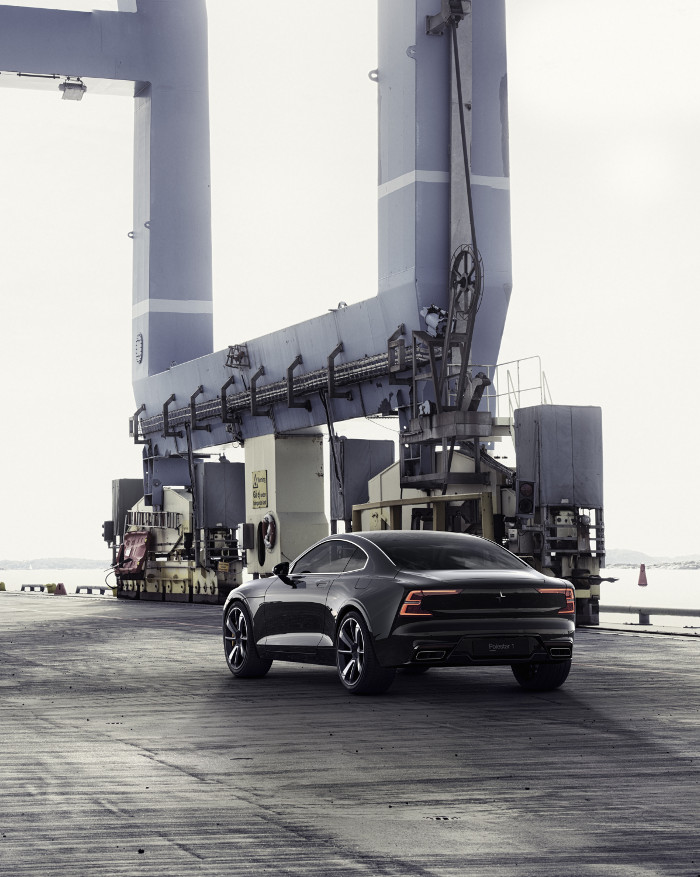
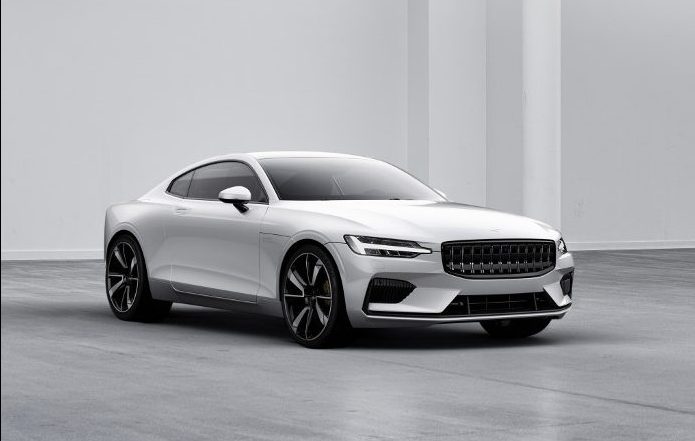
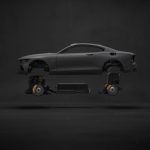
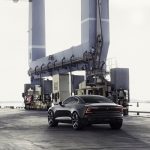
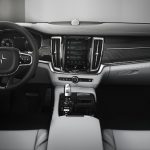
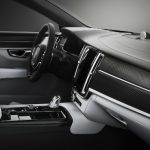
Polestar has finally revealed its first ever production car to the world. Called the Polestar 1, the vehicle is a Volvo S90 based Coupe that is built upon the Swedish automaker’s Scalable Platform Architecture (SPA).

The company stated that parts sharing with its Volvo cousin has enabled it to build the Polestar 1 in record time, taking just a fraction of what usually amounts to years worth of research & development as well as testing. That said, 50% of the components used are new while the remaining half are inherited from Volvo.

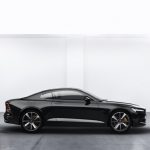
Sporting similar a silhouette as the S90 sedan, Polestar has done away with Volvo’s signature chrome grille and placed an understated yet menacing louvered grille. The projector headlights with DRL’s resembling Thor’s hammer are still present but subtle tweaks have been made to the front and rear sections of teh car for better aero efficiency.
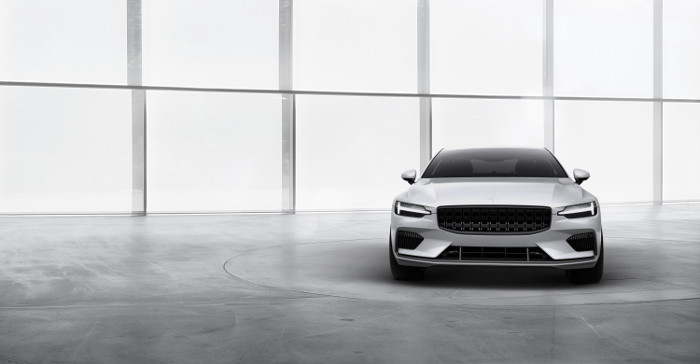
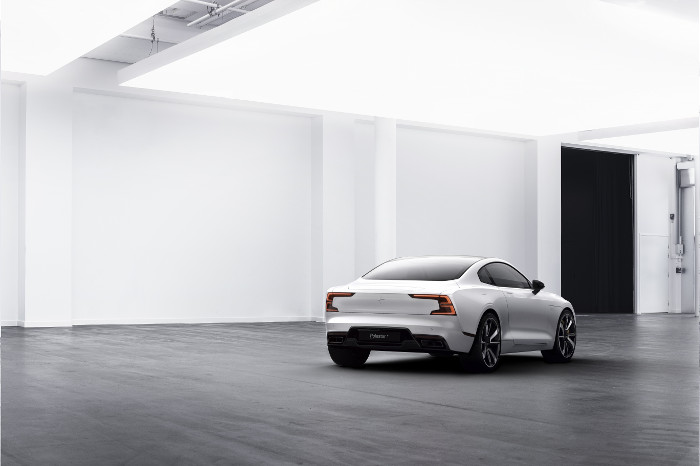
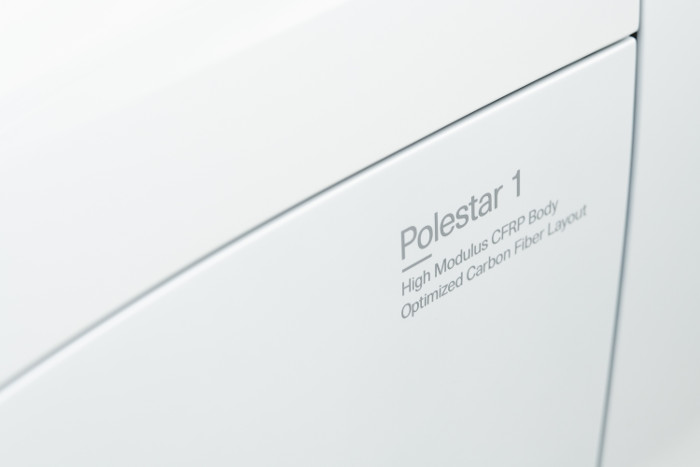
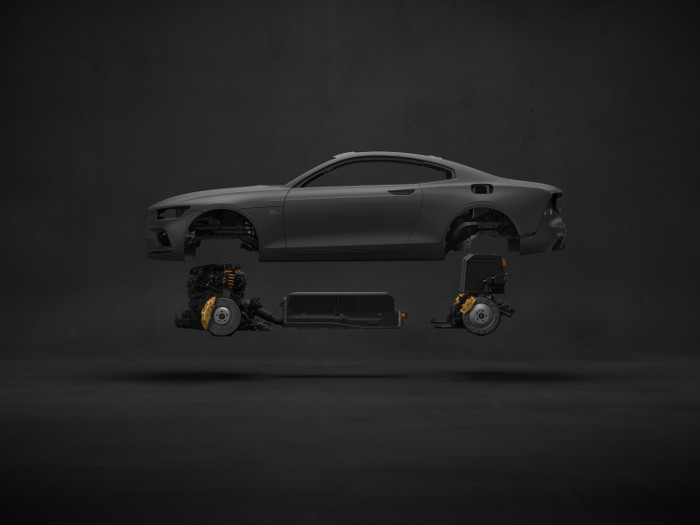
The body is made from carbon-fibre, which has enabled the improvement of torsional stiffness by 45% and lowered the car’s centre of gravity. This will result in a massive weight reduction compared to the standard Volvo meaning, that agility and nimbleness should be better too.

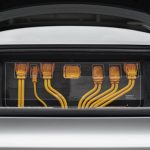
The car features a hybrid powertrain that brings total output to a colossal 600bhp and 1000Nm of torque. Called the Electric Performance Hybrid, the Polestar 1 is able to travel about 150km on pure electric power, making it the only hybrid vehicle currently on sale that can achieve such a feat on a single charge.

Another first, the Polestar 1 is the first car in the world that will be fitted with the Öhlins Continuously Controlled Electronic Suspension (CESi) advanced chassis technology. That coupled with a double electric rear axle for torque vectoring, will enable the car to remain planted while cornering at high speeds.

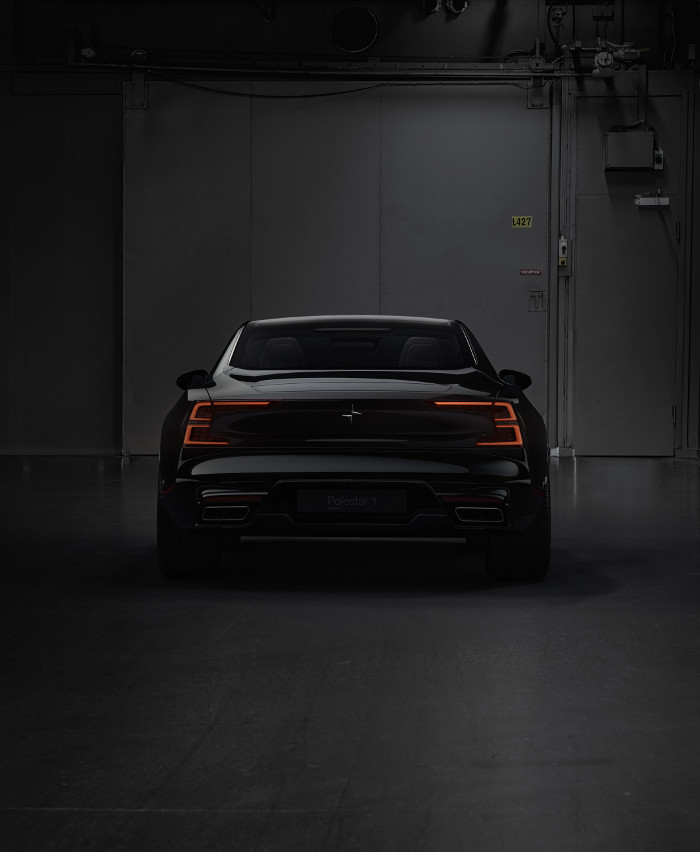
Marketed as a 2+2 seater grand tourer, the Polestar 1 is a concept vehicle that previews what the production version may look like when it is unveiled in mid-2019. The vehicle will be built in Polestar’s state-of-the-art production centre in Chengdu, China. Due for completion in mid-2018, the facility will be responsible for manufacturing future models from the automaker.

During the reveal, Polestar made it known that it will be launching two further models called the Polestar 2 and Polestar 3. The former will be an electric vehicle that will take on the Tesla Model 3, while the latter is poised to be an SUV styled EV.

Apart from this, the automaker is also planning on revolutionising the way we buy our cars. It will allow its vehicles to be purchased/rented online and will also introduce a substription service that will enable ownership with zero-downpayment at a steady monthly fee. In addition to that, owners can also rent alterntavie vehicles within the Volvo family.
The exact details are still a bit hazy at the moment as Polestar has yet to lay down concrete framework that will enable the public to its subscriptions service for a 2-3 year lease of its vehicles rather than opt in to an out-right purchase.

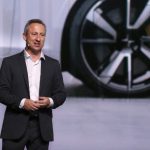
Thomas Ingenlath, Chief Executive Officer of Polestar said, “Polestar 1 is the first car to carry the Polestar on the bonnet. A beautiful GT with amazing technology packed into it. All future cars from Polestar will feature a fully electric drivetrain, delivering on our brand vision of being the new standalone electric performance brand.”

Despite this, Polestar will still have its brick and mortar showrooms around the globe to facilitate customers how prefer the old fashion way of buying vehicles. The order books of the Polestar 1 begins today, and Polestar says its ready to facilitate all interested parties.


Polestar will be revealing its first ever vehicle in Shanghai on the 17th of October. It will be the first vehicle that Polestar, as a separate entity from Volvo, has designed and built from the ground up as a standalone electric performance brand.

This comes after an announcement made by parent company of both Volvo and Polestar, Geely, regarding its intentions to spin-off Polestar into is own sub-brand that specializes in building performance EVs.

Though Volvo will eventually turn into an EV manufacturer too, it’s main area of focus will be on building mainstream vehicles that the general public need, basically – a Volvo. The logic of this move is still unclear, because Polestar’s symbiotic relationship with Volvo can be likened to that of Mercedes-Benz and AMG.

Polestar’s wealth of knowledge on track has been incorporated into Volvos to produce vehicles that not only safe, but can handle just as well as their German rivals. That said, a separate entity called Cyan Polestar Racing still exists in Motorsport. It is effectively the remnant of the resulting buyout of Polestar by Volvo in 2015.

As such, how well Polestar is able to do without Volvo remains to be seen but we hope cross-platform sharing continues to take place because we have just gotten used to the idea of Volvos that offer incredible level of safety while having the ability of going head to head with a BMW M5.

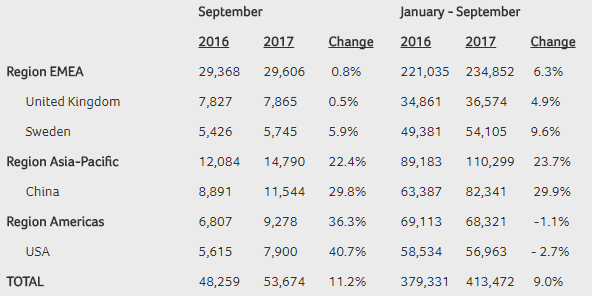
The once ailing Swedish automaker is doing quite well in 2017 by announcing impressive sales figures compared to the same period last year. This September alone, Volvo managed to sell 53,674 cars, which is a 11.2% increase compared to the same month last year.

Until the end of September, the company has managed to sell 413,472 vehicles this year alone,which is a steady 9% climb compared to last year’s figures. Volvo has partly attributed this rise in demand to customers interest in its new 90 series vehicles and its newly launched XC60 SUV.
Speaking for the UK market, Jon Wakefield, Managing Director of Volvo Car UK, said, “These impressive figures show that we are well on track for another record year of sales for Volvo. They are a result of the desirability of our cars, and of all the hard work from everyone at Volvo Car and the dealer network.”

Volvo’s largest market, China, recorded an exceptionally good 29.8% sales growth this September compared to the same month last year with 11,544 cars sold. In Asia pacific, sales were up 23.7% in September compared to the same period in 2017, which is said to to be the strongest growth for the brand.

The Swedish automaker says that the Chinese assembled XC60, S60L and S90 models contributed quite a bit to the surge in demand in that particular market. This is understandable considering that its latest crop of vehicles are equipped with the company’s latest tech and incredibly beautiful design language.

https://youtu.be/fatNLD6m21E

In the US, Volvo reported that it achieved a 40.7% increase year-on-year sales for the month of September due to strong demand for the XC90, S90 sedan and XC60. For other regions in the Americas as a whole, demand grew by 36.3% for the month of September.

Since Geely’s acquisition of Volvo, the Swedish marque has been able to turn things around. Thanks to an influx of cash from the Chinese automotive giant, it has managed to throw more capital investment into new technology and vehicles that are able to rival offerings from the likes of BMW, Mercedes-Benz and Audi.

That said, Volvo aren’t done yet, because it has plans of electriying its upcoming models while gradually phasing out its fully fossil fuel-dependent ones by 2019.

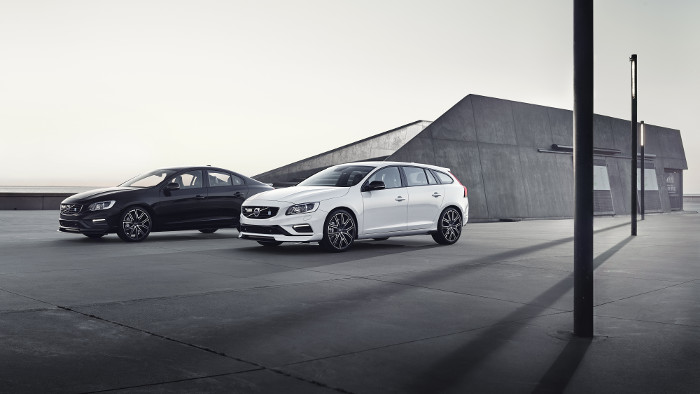
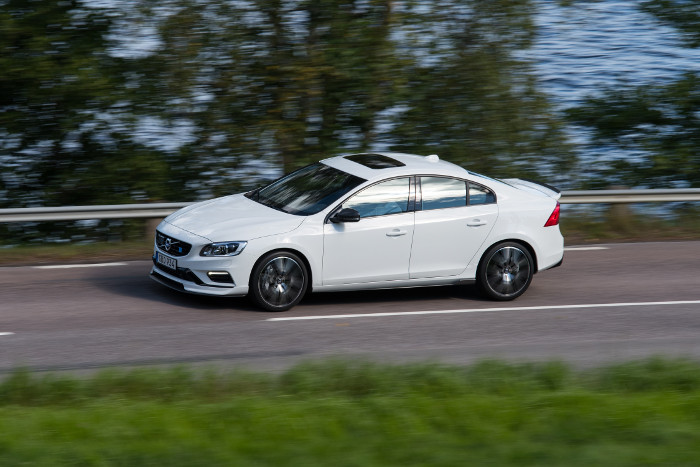
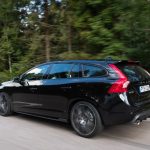
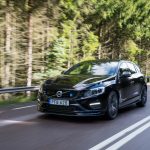
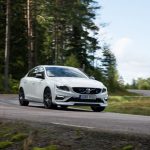
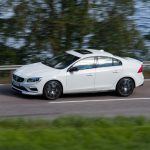
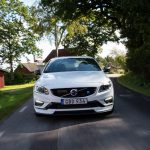
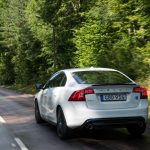
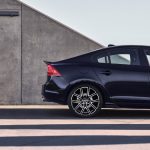
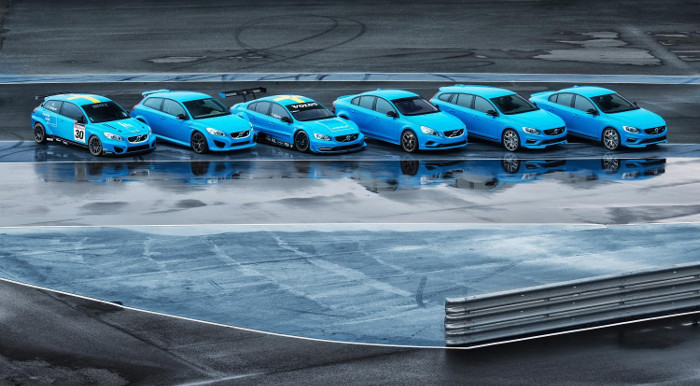
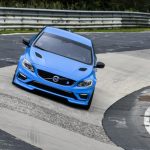
Volvo has released aero updates for its S60 and V60 Polestar variants that improve their general aerodynamics. According to Polestar, Volvo’s performance arm, this is a culmination of research and development honed on the racetrack with its Motorsport partner, Cyan Racing.
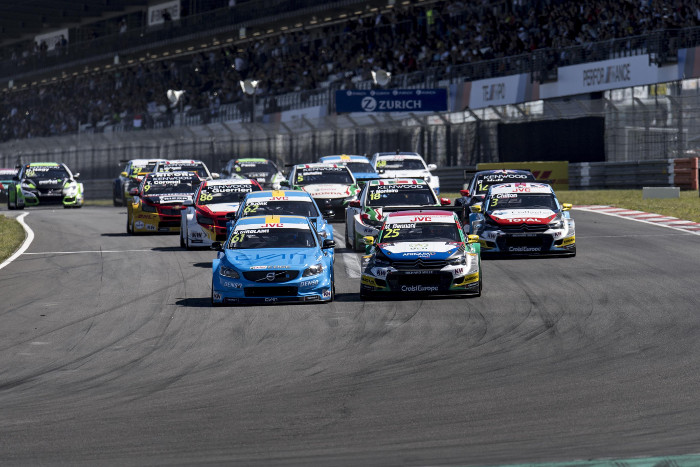
A lot of this data and feedback was learnt from Volvo and Cyan Motorsports involvement in the World Touring Car Championship (WTCC), where the brand has been a dominant force these past few years.

“The Model Year 18 S60 and V60 Polestar models are the pinnacle of our road car programmes that we have been developing successfully since our first road car was launched in 2013,” said Jörgen Ronstad, Vice President, Product Strategy & Management at Polestar.

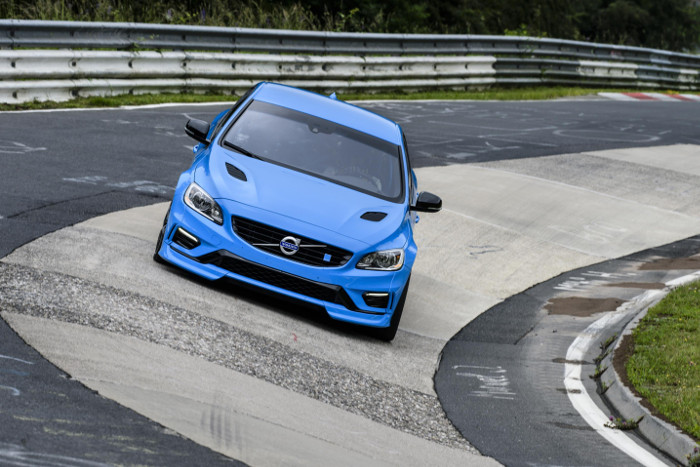
Polestar, modest as they are, managed to incorporate a lot of what they had learnt after completing the ‘infamous’ secret Nürburgring test. This was where a Polestar S60 claimed the record for the fastest four-door road legal car around the infamous Nordschleife circuit.

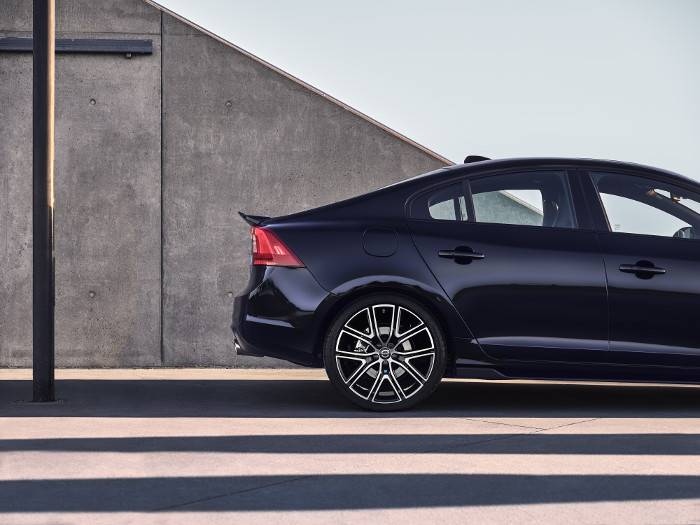
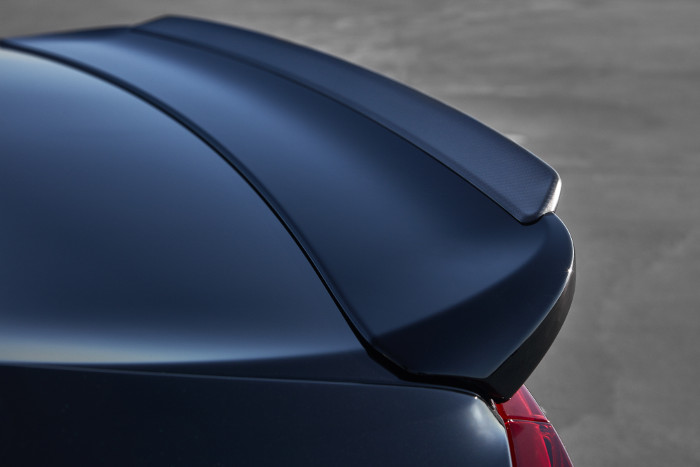
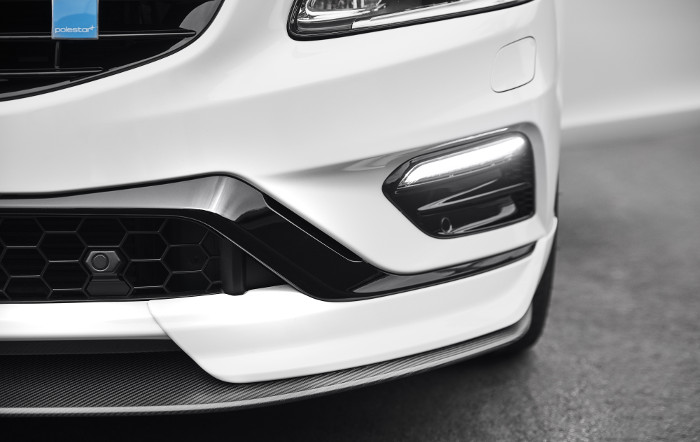
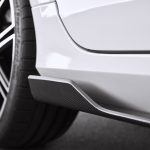
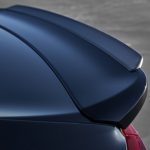
These aerodynamic tweaks include a new front splitter, side sills and a rear spoiler extension, which are made from carbon fibre. Not only is this material considerably stronger than steel, but is significantly lighter too.

Working together, the aero kit provide the vehicle with an increased downforce of 30 per cent. They also increase grip and high-speed stability, which allow for the cars be comfortable daily drivers but sharp enough to be enjoyed around a racetrack.

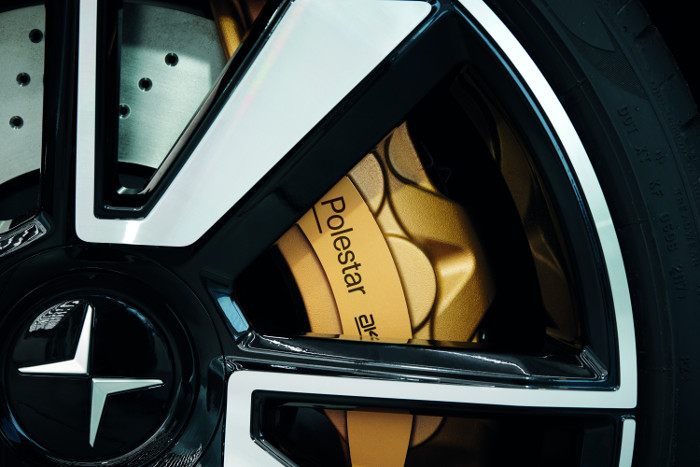
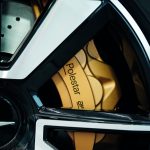
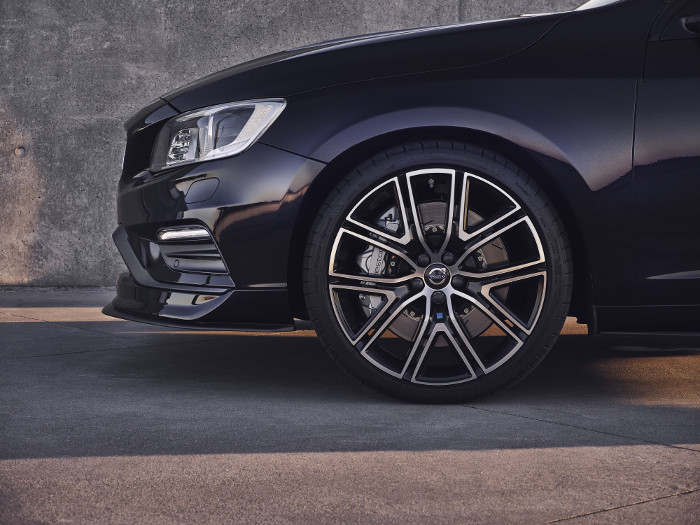
It has been said that more than 250 components have been changed compared to the ‘standard’ Volvo models. But the most noteworthy changes of the lot are the adjustable Öhlins shock absorber system and six-piston Brembo brake calipers with 371 millimeter discs.

Besides these, other visual changes include high-gloss black Polestar diamond cut wheels, carbon fibre door mirror casings and a new colour, Bursting Blue Metallic. On the inside, the interior has been updated with a new seat upholstery with blue contrast stitching and Polestar embroidering.

As such, gone are the days when Volvo cars used to be boxy and relatively slow compared to their German rivals. Today, the Swedish automaker produces some of the best vehicles on the road right now.

Polestar, Volvo cars’ performance arm has fitted an optimized powertrain to the XC60, which moves it inline with the XC90 T8 as the most powerful models the Swedish automaker produces at the moment. It’s engine now offers 421bhp, putting it in the big leagues of powerful 4×4 vehicles that you can buy today.

The work that Polestar did has resulted in improved engine performance and gearbox functionality specifically in the mid-range. The gear-hold function maintains the same gear when cornering with high lateral g-force in order to avoid unsettling the balance of the vehicle.

“Our goal is to create usable performance in everyday driving situations for Volvo owners who want an enhanced driving experience,” said Henrik Fries, Vice President, Research and Development at Polestar. “The new XC60 has provided us with an excellent base to work on with a dynamic chassis and a state of the art powertrain. With the Polestar optimization, it makes the new Volvo XC60 a true drivers’ car.”

Polestar’s expertise in making super Volvos, is a culmination of more than two decades’ worth of motorsport derived R&D with Cyan Racing, its on track partner. As such, the XC60 now has better engine performance, throttle response, off-throttle response, gearshift speed and hold.

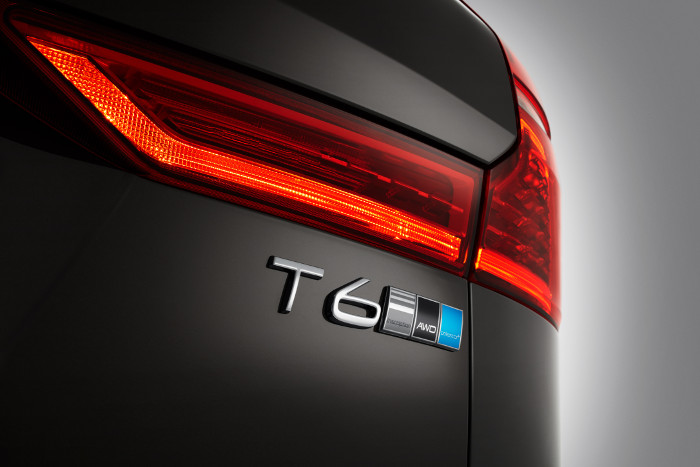
In total, there are five variants of the XC60 that have been made available with the Polestar optimization option, which are the T8, T6, T5, D5, and D4. We don’t know if the option will be made available over here, but we are sure it will be welcomed with open arms.

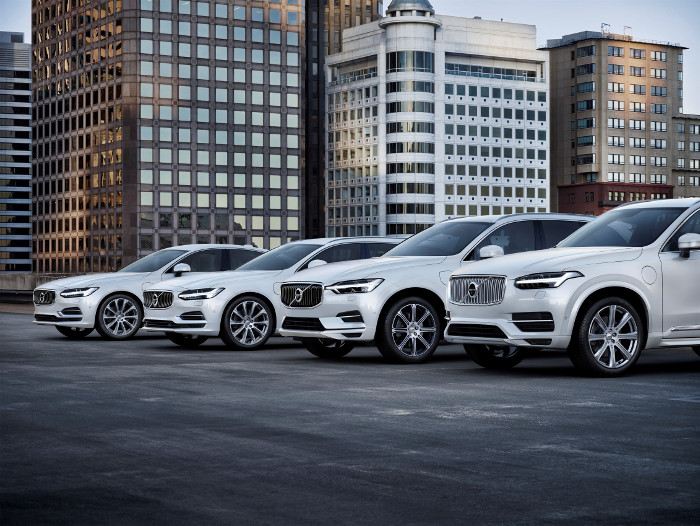
Volvo has announced that from 2019 and onwards, all cars that it produces will have some form of electrification. This means that in two years time, Volvo will only be producing vehicles with hybrid or fully-electric propulsion systems.

This move confirms Volvo Cars’ commitment to minimizing its environmental impact on our planet and making the cities of the future, cleaner. Volvo Cars is focused on reducing the carbon emissions of both its products as well as its operations. It also aims to have manufacturing operations that have no detrimental effect to the climate situation, by 2025.

The company has also said that between 2019 and 2021, it would have produced five fully electric cars, three of which will be from Volvo and two from Polestar, which is currently the automaker’s performance arm. This confirms the earlier reported news that parent company, Geely, intends on turning Polestar into a separate brand that focuses on electrified global high-performance cars.

These five vehicles will be produced along with a range of petrol and diesel plug-in-hybrid and mild-hybrid 48-volt ones. And if it does manage to pull it off, it will make Volvo one of the first automakers to offer some form of electrification in its entire product portfolio.

This announcement signals an end to non-hybrid petrol and diesel powered Volvo vehicles, which is a significant and drastic shift in the current mindset. If Volvo does manage to keep its word, this could spur more automakers to join the bandwagon and push for a higher production volume of electrified vehicles.

That said, until there is a proper infrastructure in place around the world, it will take quite a while before electric vehicles win over the hearts and minds of people, globally. And as such, Volvo is taking a huge gamble by taking such a move, in such a short timeframe. If it doesn’t pay off for the Swedish marque, the automaker could find itself in a very tough situation.
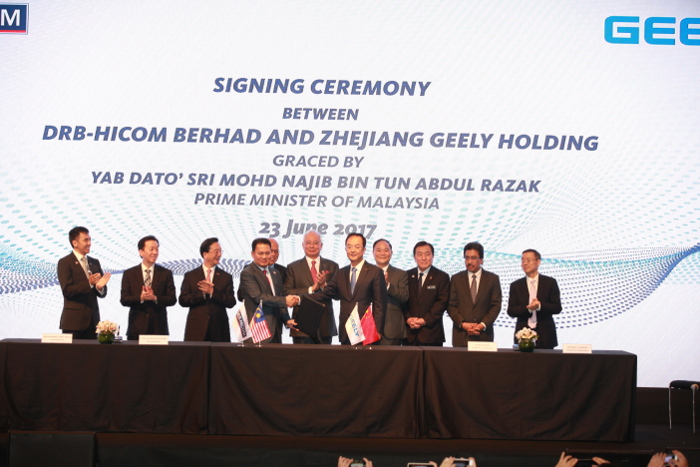
DRB-HICOM Berhad has officially signed an agreement with China’s Zhejiang Geely Holding Group (ZGH) for the latter to take 49.9% equity in Proton Holdings Berhad. At the same time, it also sold its stake in Lotus Advance Technology Sdn Bhd to ZGH and Etika Automotive Sdn Bhd.

The signing was presided over by Prime Minister YAB Dato’ Sri Mohd Najib Tun Abdul Razak, along with DRB-HICOM Chairman, Brig. Gen. (K) Tan Sri Dato’ Sri Haji Mohd Khamil Jamil and ZGH Chairman, Li Shufu. DRB-HICOM Group Managing Director, Dato’ Sri Syed Faisal Albar signed on behalf of the Group while An Conghui, President and CEO of Geely Auto Group did the honours for ZGH.

Speaking of the signing, DRB-HICOM Group Managing Director, Dato’ Sri Syed Faisal Albar, said, “ZGH, which also owns Sweden’s Volvo Cars, The London Taxi Company and the Geely car brand, is the right partner for PROTON. Their success with Volvo and The London Taxi Company, and of course their own Geely marque shows their capability both as a bona-fide carmaker and as a partner. With ZGH on board, PROTON can now eye the huge ASEAN passenger car market with renewed confidence.”

Geely, has big plans for Proton because it plans to make the national automaker its ASEAN manufacturing hub for right-hand-drive cars. This will allow Proton access to areas it found difficult to penetrate before as well as enable it to have a better investment for R&D purposes.

Geely is also the parent company of Volvo, which it acquired in 2010 much to the surprise of many. After a significant investment in the ailing automaker’s business, Geely helped turn the Swedish marque’s fortunes around. In 2016, Volvo recorded an operating profit of $1.25 billion (RM5.36 billion), the highest it has ever since it first started operating in 1927.

Despite the Chinese automaker’s significant stake in Proton, DRB-HICOM is still the majority shareholder and is confident that Proton’s future as a national automaker is secure and that we can expect things to improve further with Geely’s help.
Whether Volvo’s success rubs off on Proton remains to be seen, but we hope that platform and technology sharing does take place, which will enable Proton to offer its next generation of vehicles with Volvo engineered technology.

Changes are a foot at Volvo, according to an article on Auto Express. Apparently, Volvo’s parent company, Geely, wants Polestar (Volvo’s performance arm), to build electric sports cars. It has plans to rival the might and appeal that Volkswagen has enjoyed these past few years.

The article states that Geely wants Polestar to take on a sportier role, sort of what AMG is to Mercedes-Benz. It also wants Polestar to be the face of its Motorsports arm, fielding championship winning vehicles that bear the Volvo name.

Volvo’s SPA (Scalable Product Architecture) and CMA (Compact Modular Architecture) will probably be the platfroms used as the base for the development of these upcoming performance vehicles. That said, we might not have to wait too long for these vehicles to be launch, because word has it that the first of them should hit showroom floors later this year.

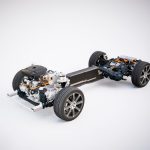
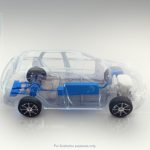
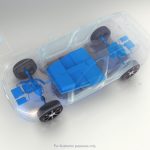
The SPA platform underpins the current XC60, XC90, V90 and S90 vehicles with more to follow. And for a while now, the Swedish automaker has been very vocal about producing more and more vehicles with some form of electrification in its propulsion system with the use of the SPA and CMA platforms. And as such, the latest task that has been handed to Polestar, falls in line with Volvo’s current business plan, only Polestar’s creations will be more powerful versions.

Geely acquired Volvo from Ford Motor Company in 2010 for $1.8 billion (RM7.68 billion), a lot less than the latter paid for it in 1999. Since the acquisition, the Swedish marque seems to be flourishing especially in Asia, where the brand has seen in an increase in demand for Volvo branded vehicles.

Source: Auto Express

Archive

Follow us on Facebook

Follow us on YouTube