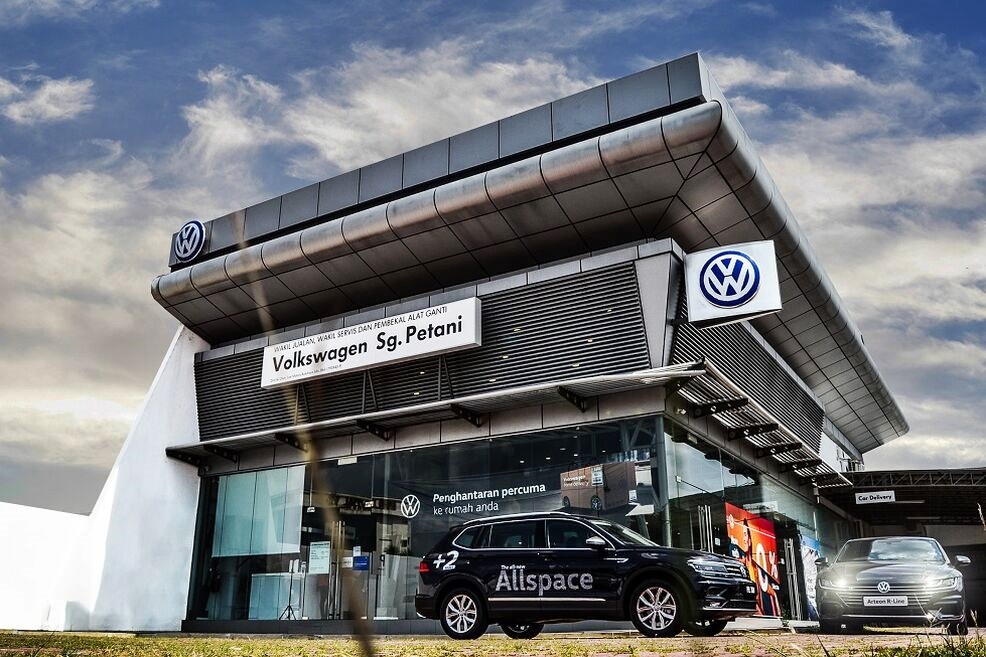
Were you planning on getting a new Volkswagen this month and then the Movement Control Order (MCO) started and you can’t get to the showroom to finalise the purchase? Don’t worry because Volkswagen Passenger Cars Malaysia (VPCM) has one outlet even in your pyjamas at 2 am!
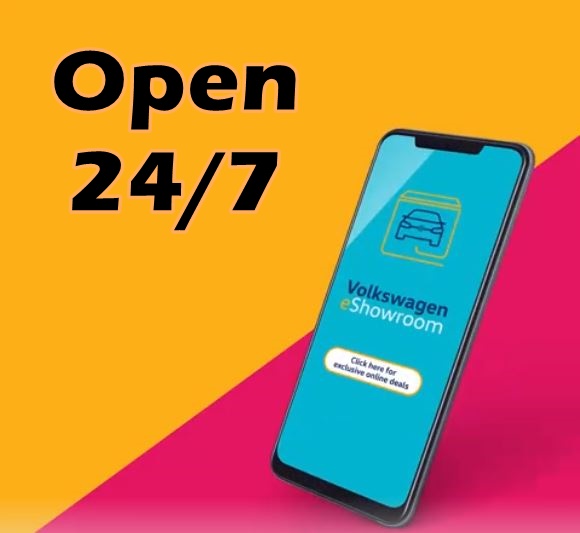
It’s the Volkswagen eShowroom where you can find out about the various models available and start the purchase process. Special rebates are also offered for bookings made during the period specified so you can also save money. Additionally, these exclusive deals are also available on its flagship store on Lazada.
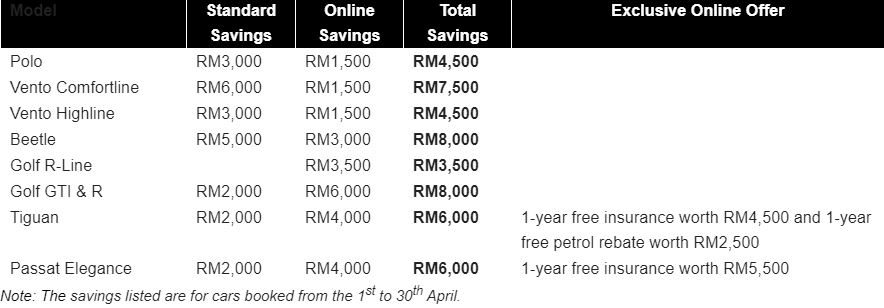
The eShowroom exclusive savings are on top of the ongoing promotion campaign. Customers who make a booking for a model and are entitled to the exclusive offers must register and take delivery of their vehicle by June 30, 2020.
In the event delivery by June 30, 2020 is not possible (due to any additional government-imposed MCO), VPCM will provide further extension and inform customers accordingly.
At present, the eShowroom has 8 models/variants to choose from. Although production of the Beetle ended last year, there are still a few units left so don’t miss the last opportunity to own a ‘future classic’.
VPCM has given assurance to existing owners that if their vehicle’s service appointment happens to fall within the MCO period (currently March 18 to April 14 2020, the company will still honour the warranty.
The Roadside Assistance service will remain operational for owners who can call the toll-free number at 1-800-88-2389. Your vehicle will be towed to the nearest authorized dealer but repair work will only commence after the MCO ends. Customer Care services remain available during this period and can be contacted by calling 1-800-18-8947.
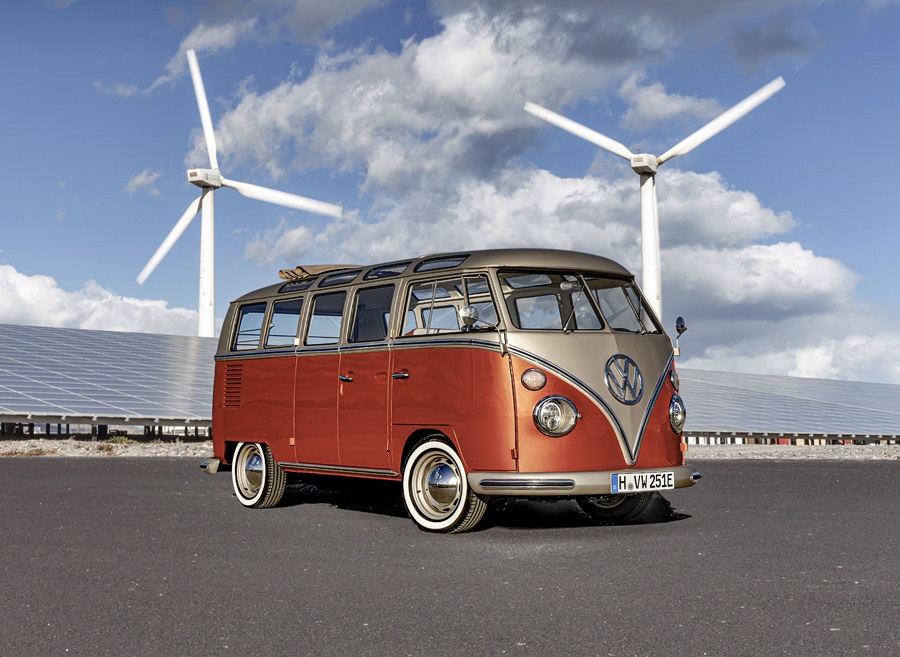
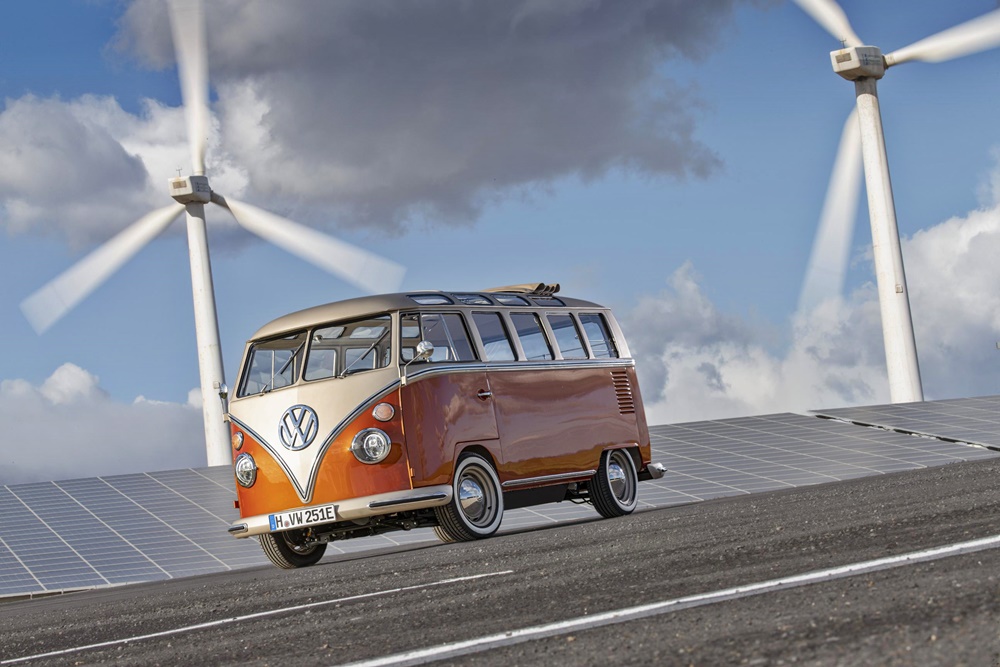
In due course, it will be possible for owners of the original Volkswagen T1 to make a conversion of the powertrain to a zero emissions electric drive system. Volkswagen Commercia Vehicles (VWCV), collaborating with eClassics, has developed a conversion package which is demonstrated in the e-BULLI all-electric concept vehicle.
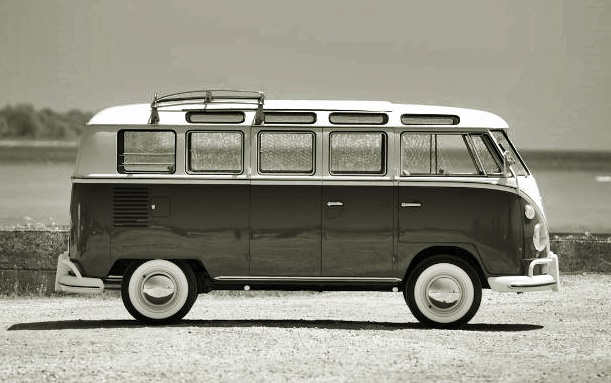
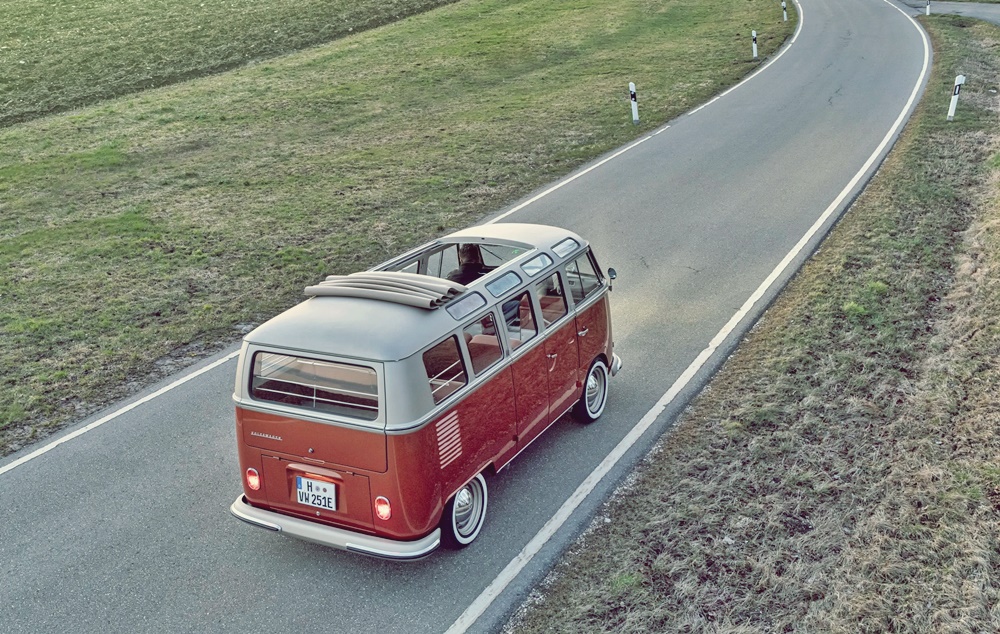
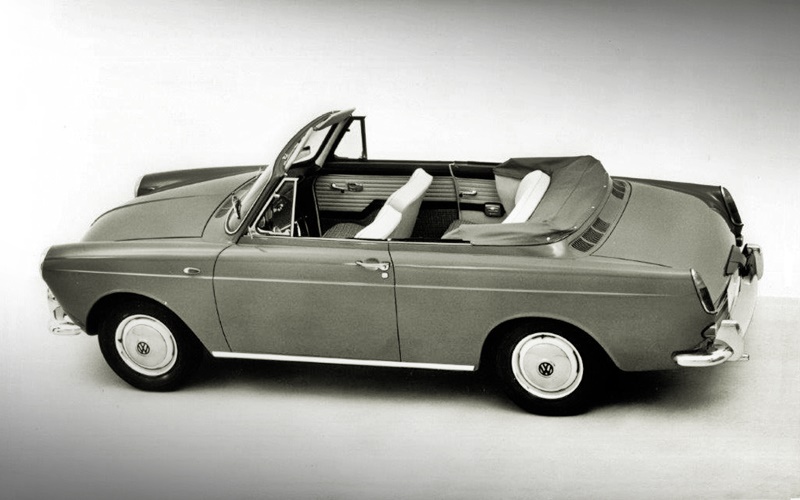
VWCV engineers and designers formed a team along with drive system experts from Volkswagen Group Components and eClassics (a company which specialises in electric car conversions) to develop the e-BULLI. For the concept model, they chose a T1 Samba Bus produced in 1966 which, prior to its conversion, spent half a century on the roads of California.
New electric drive system components
The original 44 ps 4-cylinder boxer engine is replaced by a silent Volkswagen electric motor generating 61 kW (83 ps) and 212 Nm, the torque being more than double that from the engine before. The comparison of the engines’ power output alone makes it very evident that the concept vehicle will have completely new drive characteristics with performance unattainable using the original combustion engine.
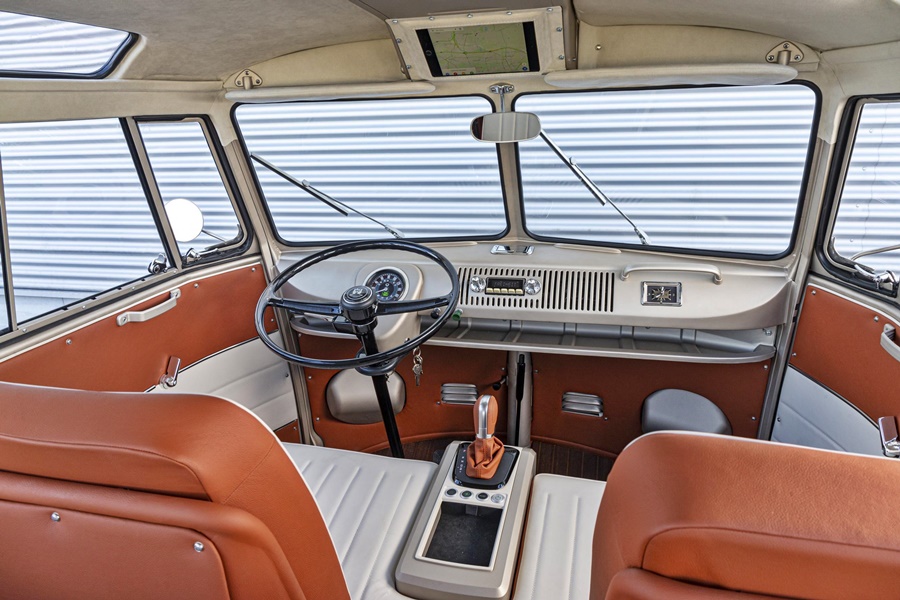
Power transmission is by means of a 1-speed gearbox. The automatic transmission has 5 positions (P, R, N, D, B) and in position B, the driver can vary the degree of recuperation, ie of energy recovery when braking. The e-BULLI is claimed to have top speed of 130 km/h (electronically limited), 25 km/h more than the original T1.
The original T1 Samba Bus
Just like the powertrain of the 1966 T1, the combination of gearbox and electric motor integrated in the back of the 2020 e-BULLI drives the rear axle. A 45 kWh lithium-ion battery pack provides energy for the electric motor while a DC/DC converter provides 12V power for on-board electronics.
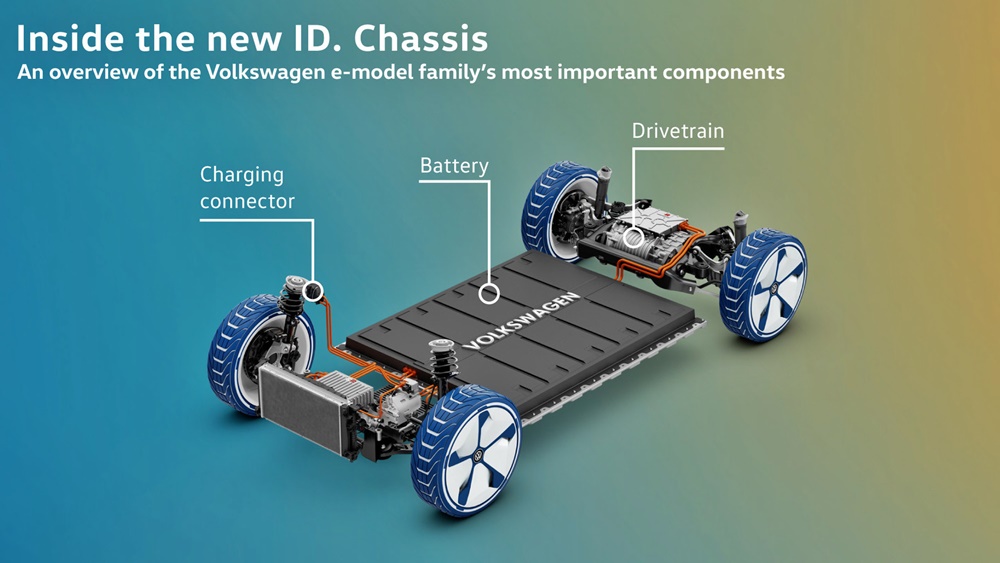
As in the new ID.3 and future ID.BUZZ, the battery pack is housed centrally in the vehicle floor. This layout lowers the e-BULLI’s centre of gravity and thus improves its driving characteristics.
80% recharge in 40 minutes
The battery pack is charged via a combined charging system (CCS) socket. It enables charging with AC or DC electrical supply. Thanks to the CCS charging socket, the battery pack can also be charged at DC fast-charging points with up to 50 kW of charging power. In this case, recharging up to 80% energy levels can be done within 40 minutes. The range with a fully charged battery packs is claimed to be more than 200 kms.
Redesigned chassis
Compared to the T1, riding in the e-BULLI will feel completely different. This is due to the redesigned chassis which consists of multi-link front and rear axles with adjustable shock absorbers and coil-over struts. There is also a new rack-and-pinion steering system and 4 internally-ventilated disc brakes.
New looks
In parallel with the new electric drive system, an interior concept has been created for the e-BULLI that is both stylish and avant-garde. The new look and corresponding technical solutions were developed by the VCVW design centre together with a team from VWCV Vintage Vehicles and the Communications department.
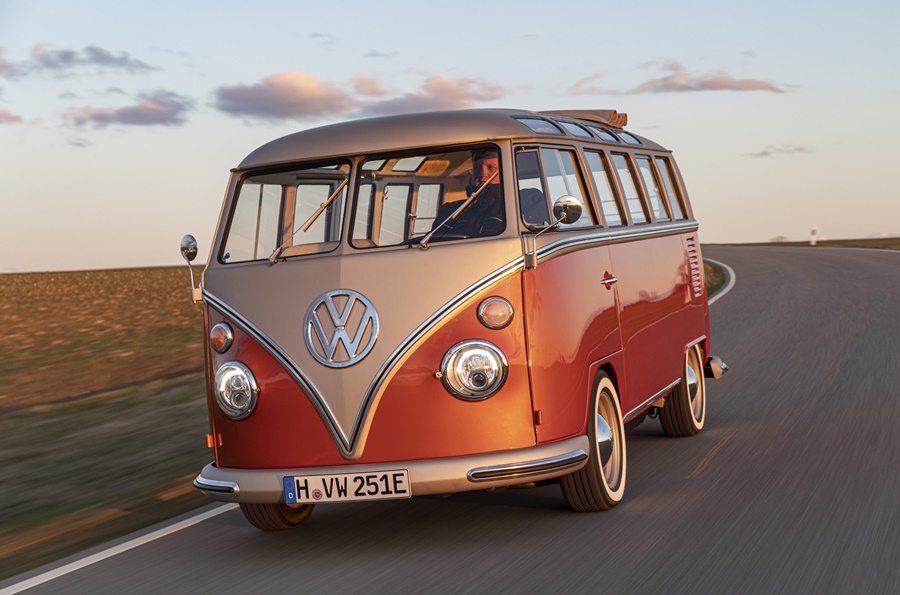
The designers modernised the exterior of the iconic vehicle with great sensitivity and finesse, including giving it a two-tone paintwork finish in Energetic Orange Metallic and Golden Sand Metallic MATTE.
Details such as the new round LED headlamps with daytime running lights modernise the looks. On the outside at the rear, there are also LED charge indicators. They signal to a driver walking up to the e-BULLI how much charge the lithium-ion battery still has.
Original interior concept modernised
The 8-seat interior has a few things not expected to be in a T1. While the designers have re-imagined a lot of the interior, they did not forget the original concept and the seating is one of the new features. In keeping with the external paintwork, it is also in two colours. Solid wood looking like that of a ship’s deck is used for the floor throughout and, with the nice bright leather tones, the electrified Samba Bus takes on a maritime feel. This impression is strengthened by the large panoramic folding roof.
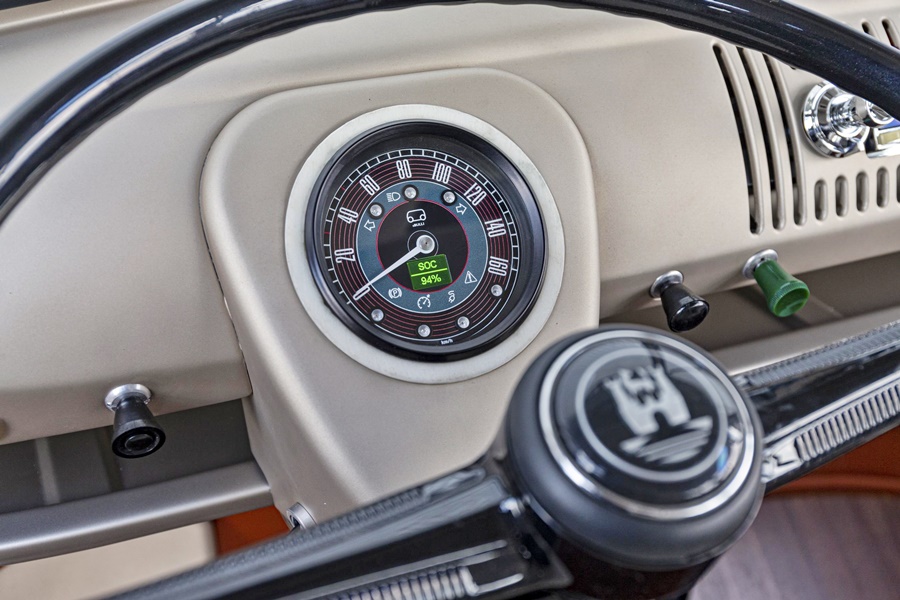
The new speedometer is based on the original while a two-digit display within it creates a link to the modern era. There is a small detail in the centre of the speedometer: a stylised Bulli symbol. A multitude of further information is shown via a tablet integrated into the roof console.
Music on board comes from an authentic-looking retro-style radio which is equipped with cutting edge technology such as DAB+, Bluetooth and USB. The radio is linked to a sound system with high quality components, including an active subwoofer.
The e-BULLI will be available at prices starting from 64,900 euros (about RM307,000) for the T1 conversion (complete with redesigned front and rear axles), with T2 and T3 conversions also being offered by eClassics in Europe.
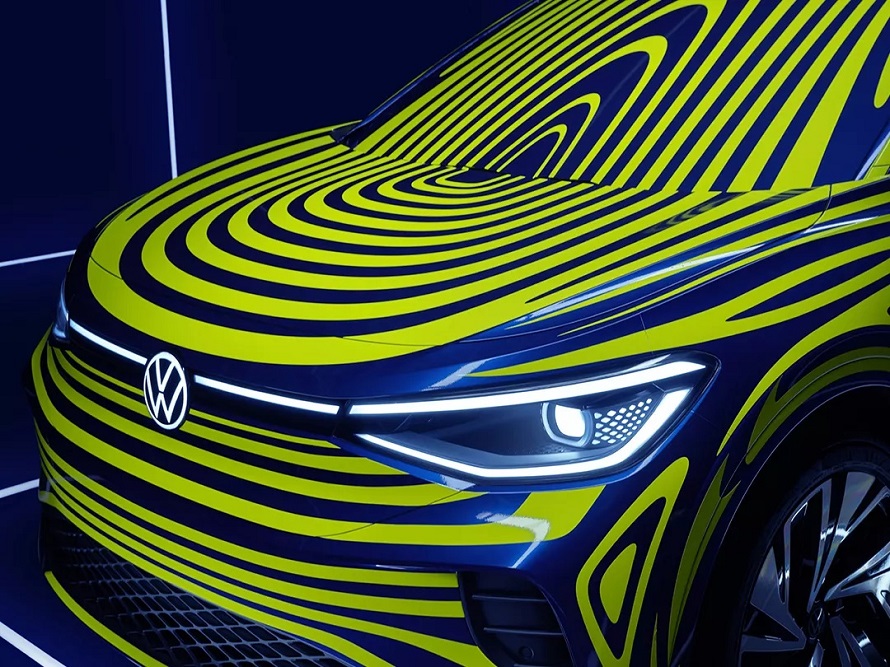
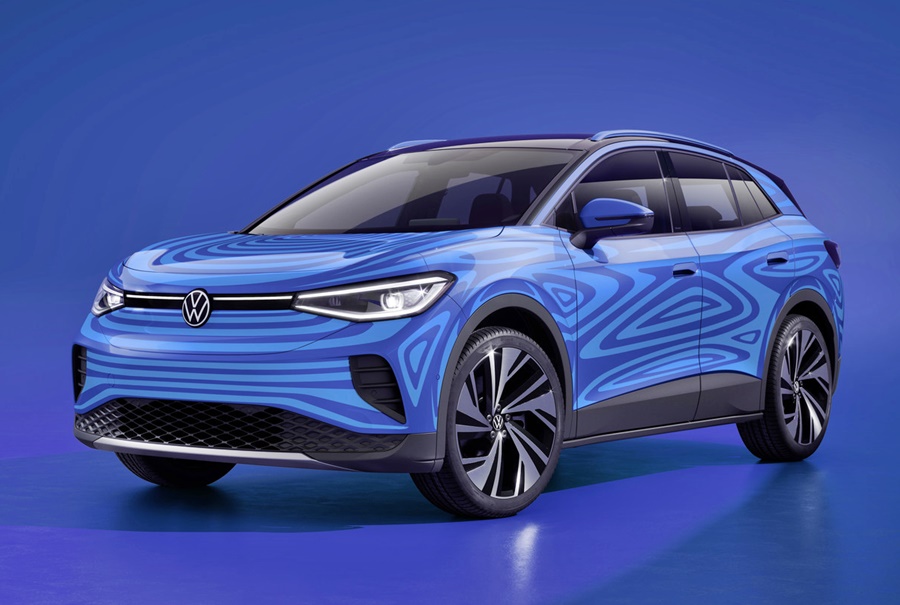
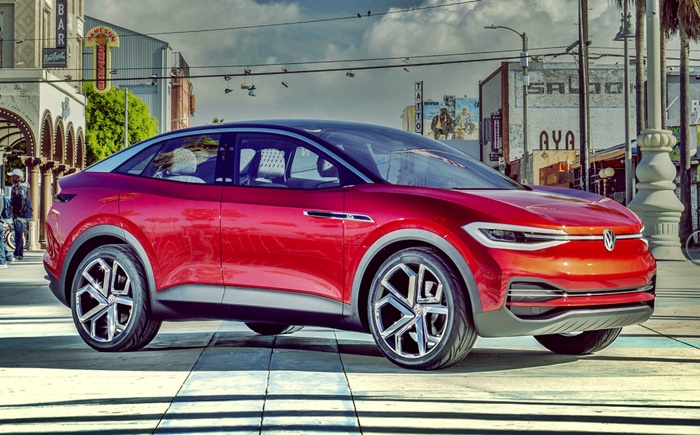
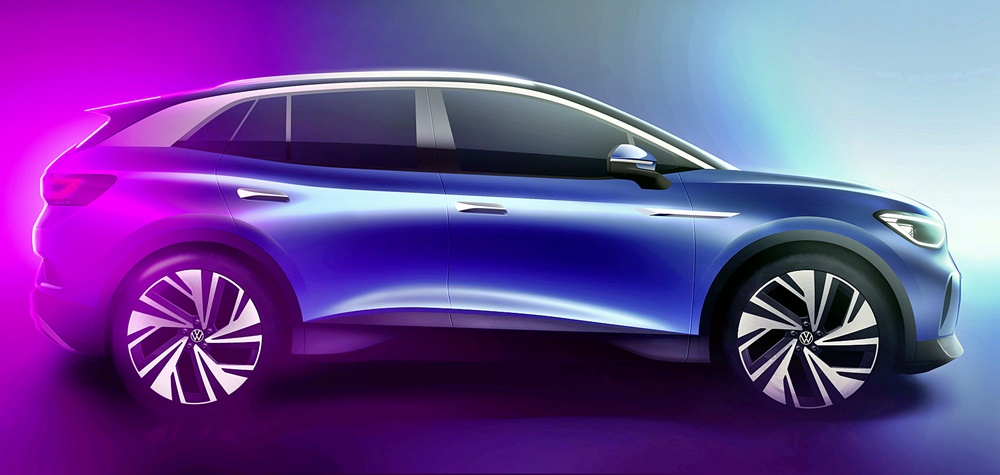
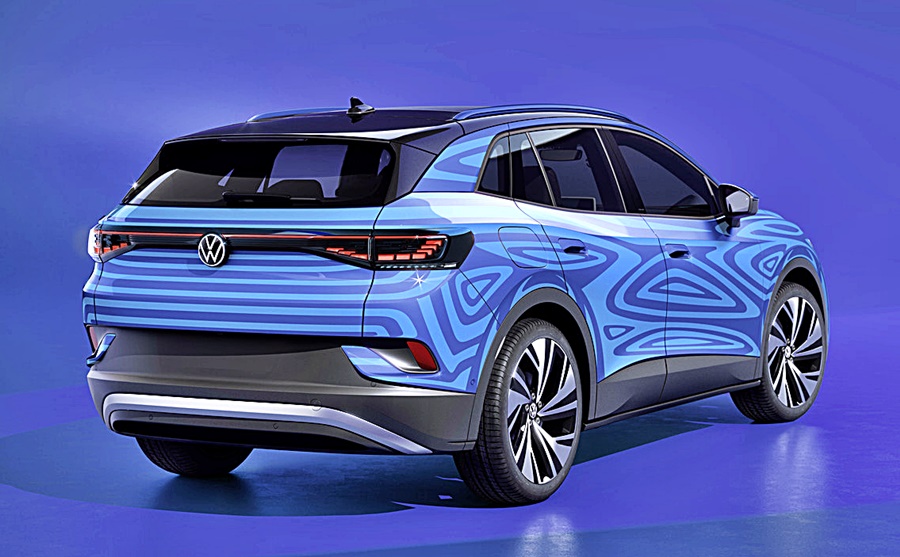
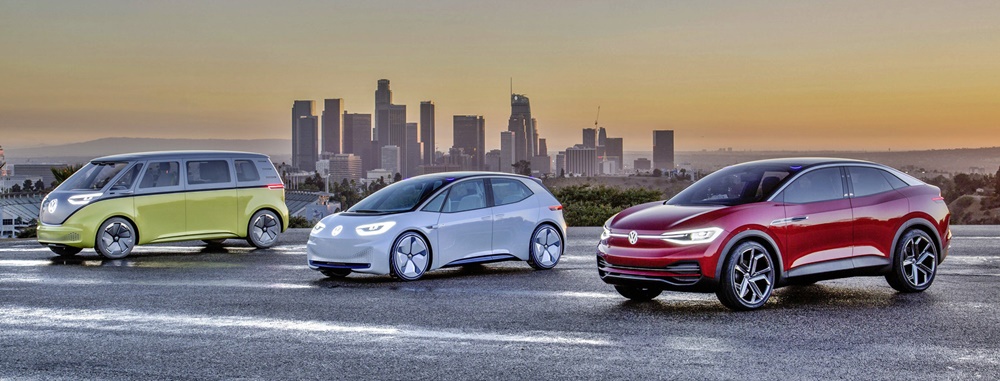
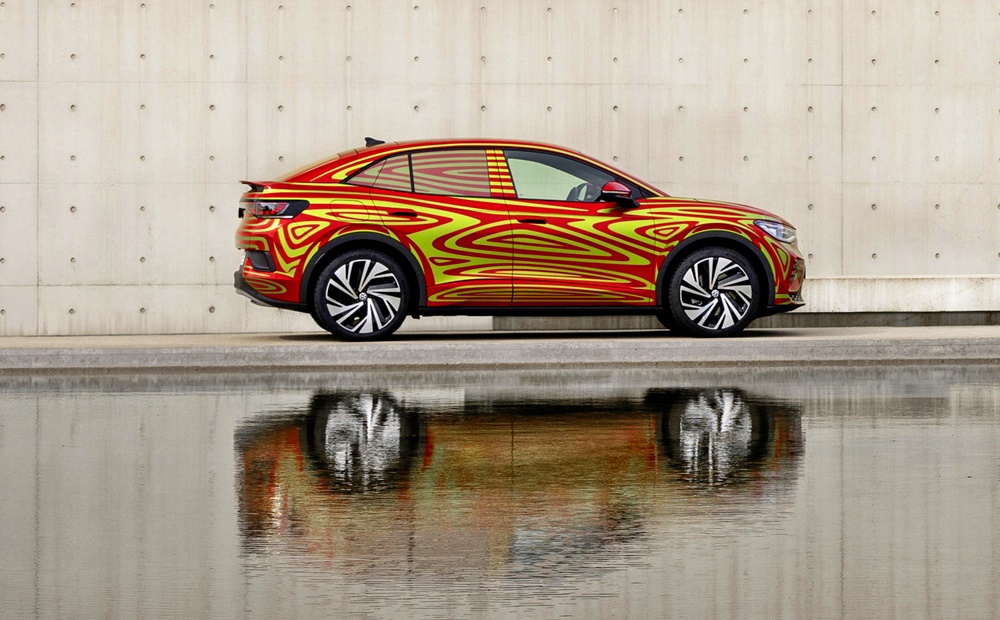
What was presented as the ID. CROZZ showcar by Volkswagen earlier will become a production model known as the ID.4. The two letters, ‘ID’, indicate it as being part of the ID family that will use all-electric powertrains.
The ID range is part of the carmaker’s electric mobility strategy and following in the tracks of the ID.3, the countdown has already begun for this second model based on the new modular electric drive matrix (MEB). The new ID.4 will also be launched this year, possibly after the ID.3 which is scheduled to be in showrooms from mid-2020.
The ID.CROZZ concept displayed in 2017.
“Just like the ID.3, the ID.4 will also come onto the market as a carbon-neutral vehicle,” said Ralf Brandstätter, Chief Operating Officer of the Volkswagen brand. “We will produce and sell the ID.4 in Europe, China and the U.S.”
The design of this zero-emission SUV is particularly aerodynamic. This is especially necessary for EVs that need every advantage to maximise energy use. More efficient aerodynamics will reduce drag and the electric motor won’t have to work so hard to achieve a desired speed. This can help boost the ID.4’s range to up to 500 kilometres, depending on the drive package.
The ID.4 will initially be launched with rear-wheel drive, while an electric all-wheel drive version will be added at a later date. The high-voltage battery is positioned near the centre of the underbody to create a low centre of gravity and optimise driving dynamics, along with an extremely well-balanced axle load distribution.
Just like all other MEB models, the ID.4 will offer plenty of interior space as its electric drive technology is compactly packaged. The fully digital cockpit of the SUV has been clearly structured and is operated primarily using touch surfaces and intelligent, intuitive voice control.
For Volkswagen, the ID.4 and ID.3 represent important milestones in the brand’s bid to become entirely carbon-neutral by 2050 – in line with the Paris climate agreement. Plans have been put in place to reduce the Volkswagen fleet’s CO2-emissions by a third by as early as 2025.
Prototypes of the initial ID family
Volkswagen is currently investing one billion euros to electrify its model range while also offering an increasing number of hybrid vehicles. This is based on the fact that, just like electric powertrains, new mild and plug-in hybrid drives in high-volume product lines such as the Golf will significantly help to reduce fleet exhaust emissions in the future.
The ‘GTI’ suffix has been used by some manufacturers on their high-performance models, largely inspired by the success and popularity of the Volkswagen Golf GTI that came out in 1976. The German carmaker produced the original ‘hot hatch’ and was so protective of the ‘GTI’ badge that it even took Suzuki to court to try to stop its use on the Swift in the early 2000s. The General Court of the European Union favoured Suzuki, declaring that ‘any visual, phonetic or conceptual similarity” between the two cars was negated by the Swift model name’.
The court also stated that most customers ‘would not assume that all vehicles, parts and accessories come from the same manufacturer simply on the basis of the three letters ‘GTI,’ and accordingly any likelihood of confusion was excluded’.
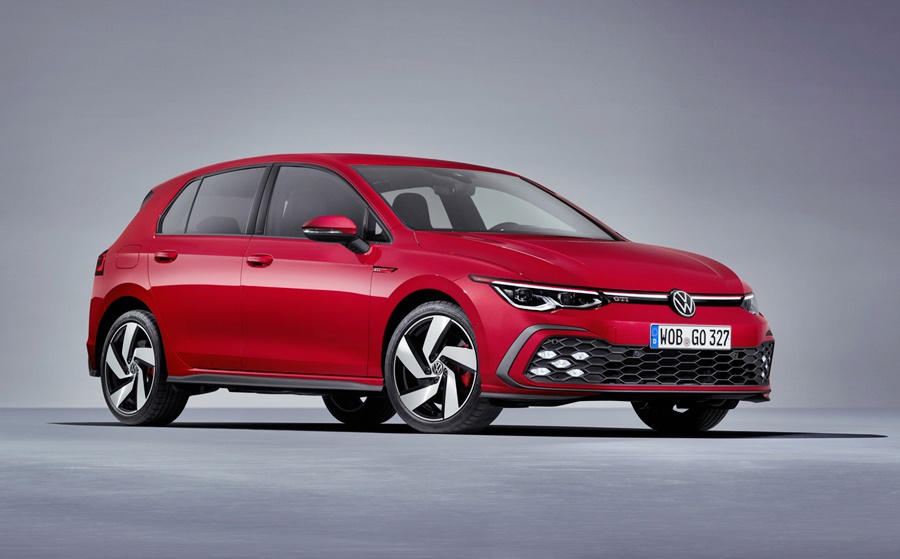
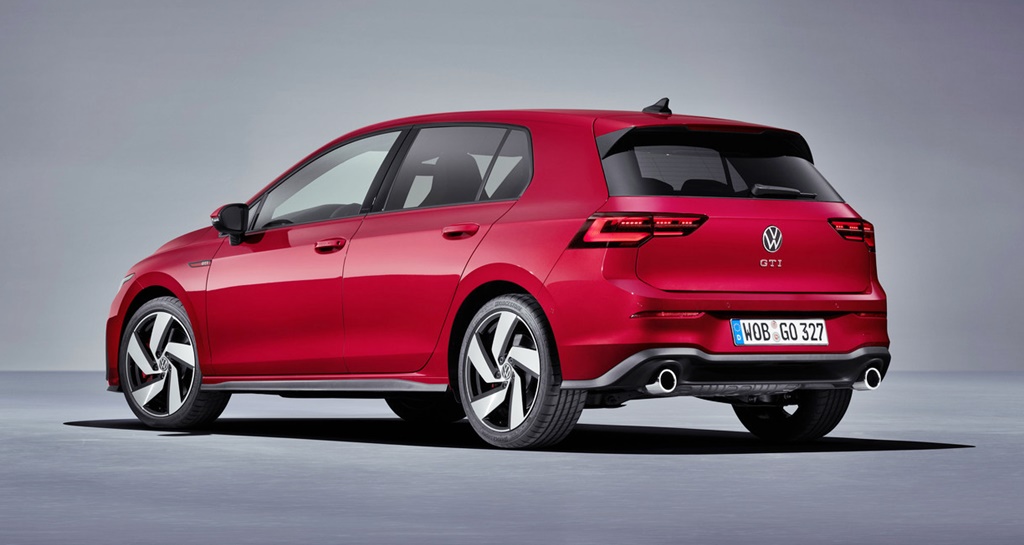
Still, ‘GTI’ remains very strongly associated with the Golf and with the launch of the 8th generation of the model line, a new version has been eagerly awaited. The new Golf GTI will maintain its design DNA and character – a relief when you see how Volkswagen is also accelerating electrification of its models.
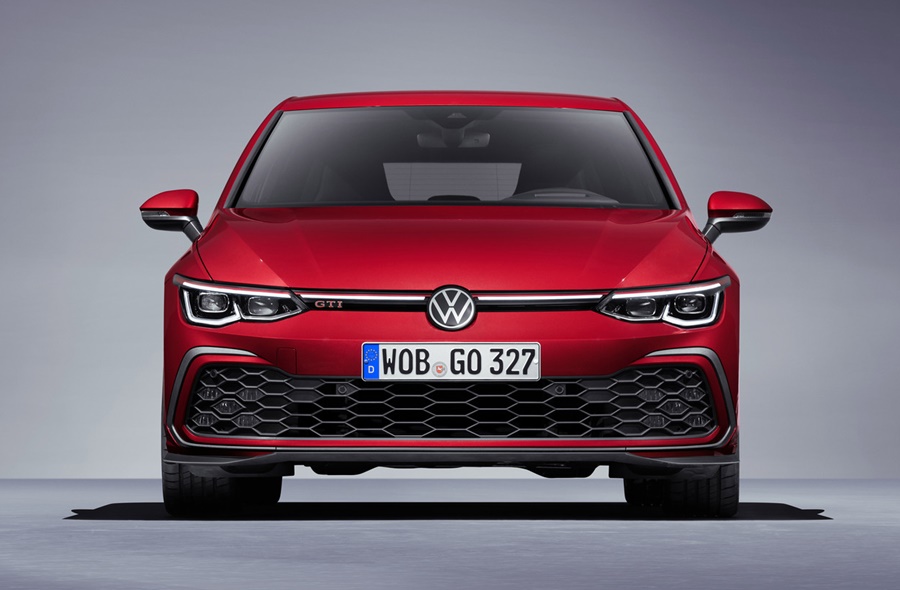
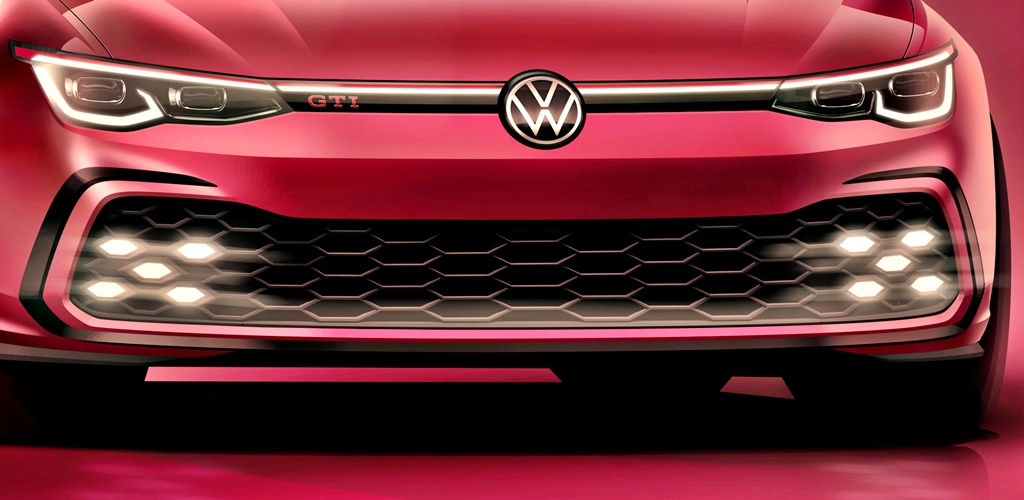
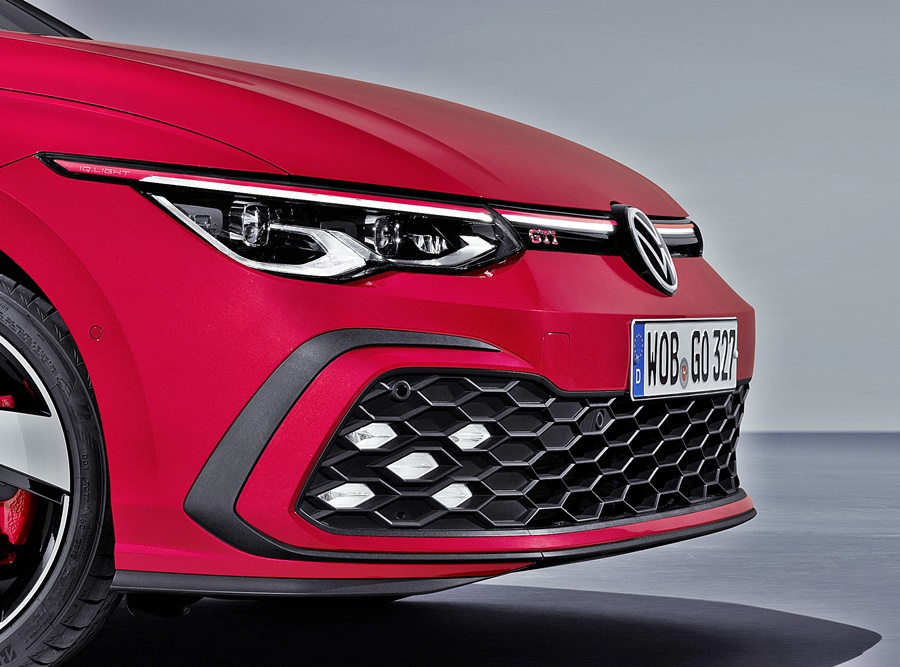
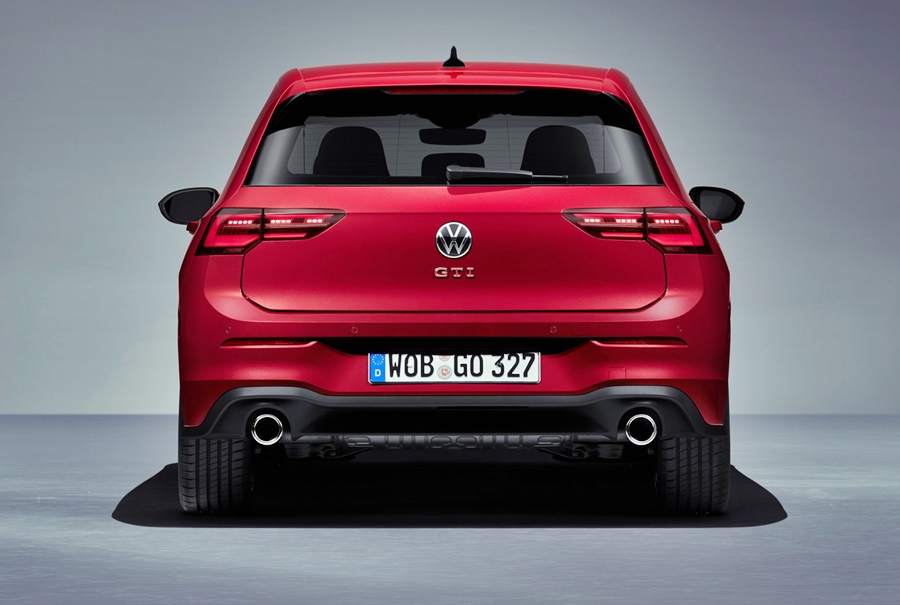
As before, the new GTI has an understated look which makes it a ‘wolf in sheep’s clothing’. However, GTI fans will recognise familiar elements like the red pinstripe. The standard LED headlights are positioned low down and dominate the striking front end in conjunction with the radiator grille. A narrow edge below the bonnet, red in colour, reaches across the entire front.
Upon activating the daytime running lights, two continuous LED strips up to the Volkswagen logo emphasise this striking line. This creates the completely new, unmistakable headlight design of the Golf GTI. Just as striking is the large, continuous, air inlet grille at the bottom featuring the honeycomb pattern so typical of this model as well as the integrated foglights.
Output raised to 245 ps/370 Nm
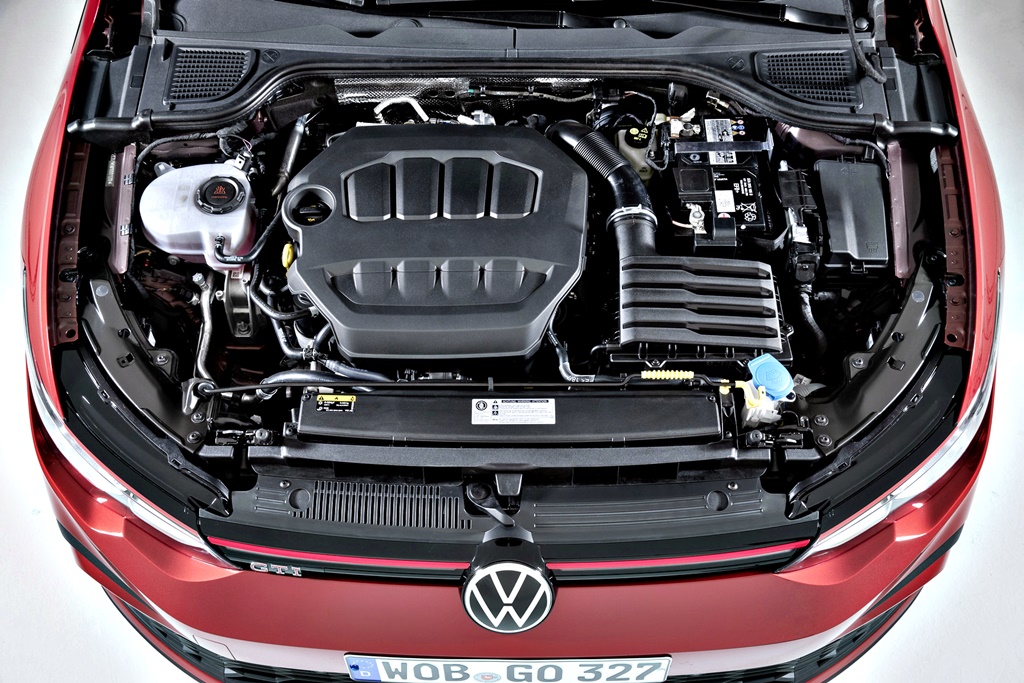
Preliminary information available (the model will have its debut at the Geneva International Motor Show next month), we know that it will have a 245 ps 2.0-litre turbocharged direct injection petrol engine which also produces maximum torque of 370 Nm. The numbers of this latest EA888 engine represent increases of 15 ps and 20 Nm when compared to the GTI of the last generation, and on par with the Performance Pack version of that same car.
The 4-cylinder engine can be ordered with either a 6-speed manual gearbox or 7-speed dual clutch DSG. Volkswagen says that top speed is limited to 250 km/h with a slight improvement in the 0 – 100 km/h sprint.
GTI character, digital capabilities
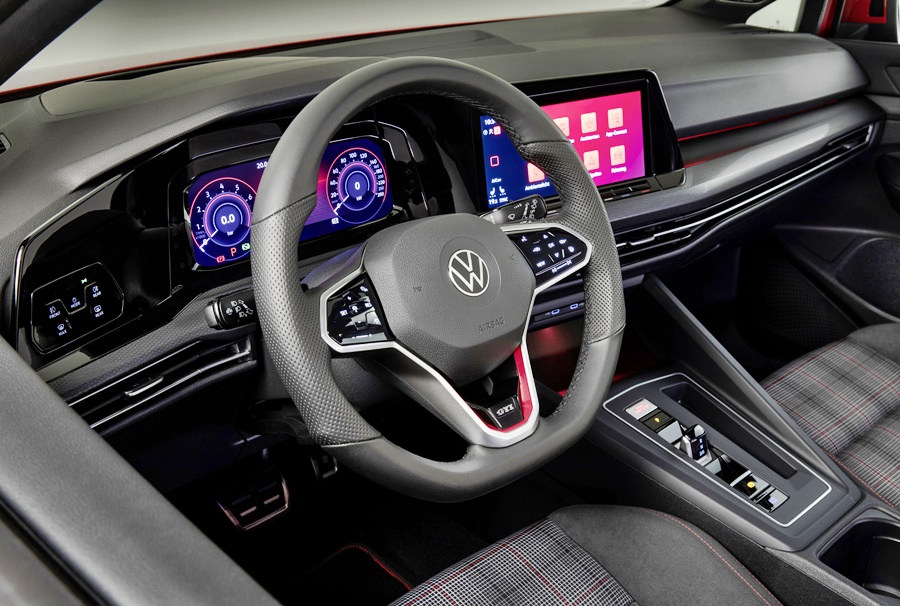
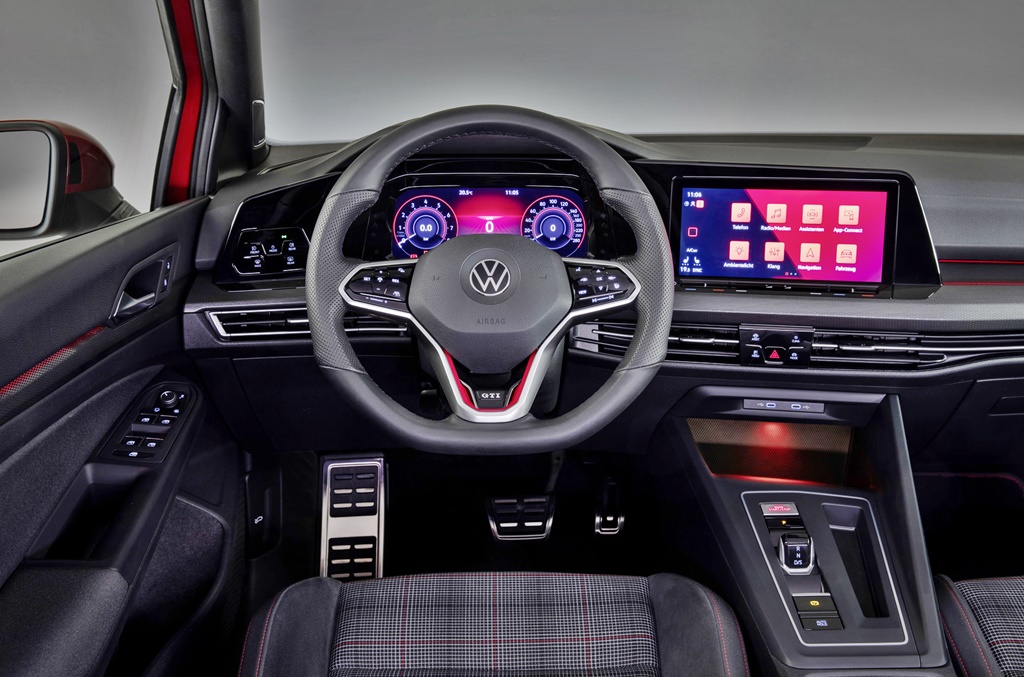
Although Volkswagen is enhancing the digital and networking capabilities of the eighth-generation Golf to an unprecedented extent, many of the original GT insignia can still be found on board. However, the sports steering wheel of yesteryear has been transformed into a new multifunction leather sports steering wheel with touch controls and an optionally integrated Travel Assist button to allow the powerful Golf to run at a top speed of 210 km/h while Travel Assist is engaged.
The three silver spokes on the steering wheel have been retained the central area having a red finish. The classic checked pattern of the sports seats is also retained, the new checked design now being called ‘Scalepaper’. Incidentally, this pattern was the influence of one of the company’s first female designers, Gunhild Liljequist, who joined Volkswagen’s Department of Fabrics and Colours 30 years ago.
She had gained a lot of inspiration from her travels around England and was always taken by high-quality fabrics with checked patterns. This would lead her to use the tartan design, then known as ‘Clark Plaid’, for the Golf GTI which would go on to become a familiar sight in the hot hatch.
More information will be available when the car is launched and if we’re lucky, we may get to see it in Malaysia by the end of 2020, if not earlier.
Visit www.volkswagen.com.my to know more about Volkswagen products and services available in Malaysia.
Four months ago, the last Sumatran rhinoceros in Malaysia died and with its death, the species became extinct in this country. Scientists estimate that the rapid loss of species today is between 1,000 and 10,000 times higher than the natural extinction rate. This depressing fact is blamed on humans – population growth, consumption, habitat destruction and wildlife trade.
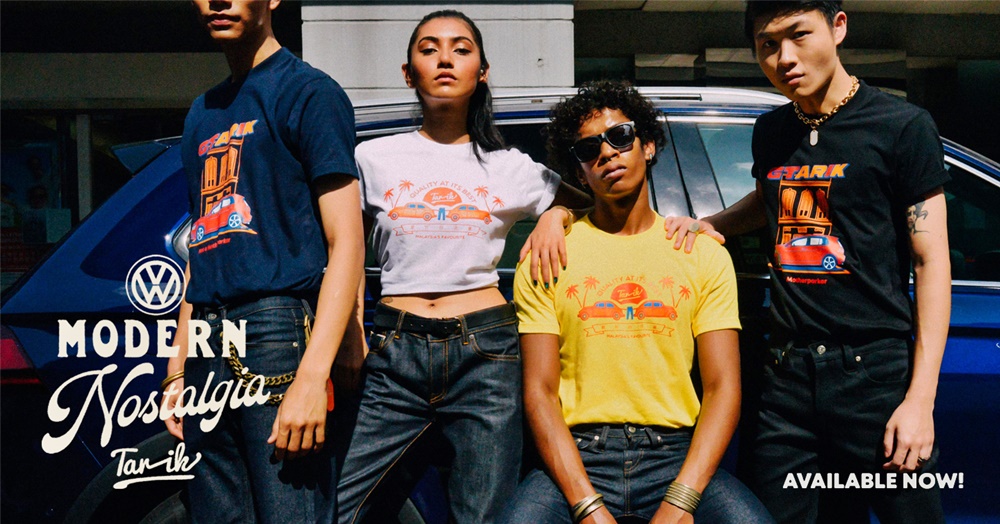
So it is humans who must do something about ensuring that what is referred to as ‘the 6th extinction crisis’ is diminished if not stopped. Individuals and companies are putting in efforts in various way and Volkswagen Passenger Cars Malaysia (VPCM) recently teamed up with local denim streetwear brand, Tarik Jeans, to raise funds and awareness for the endangered Malayan Tapir.
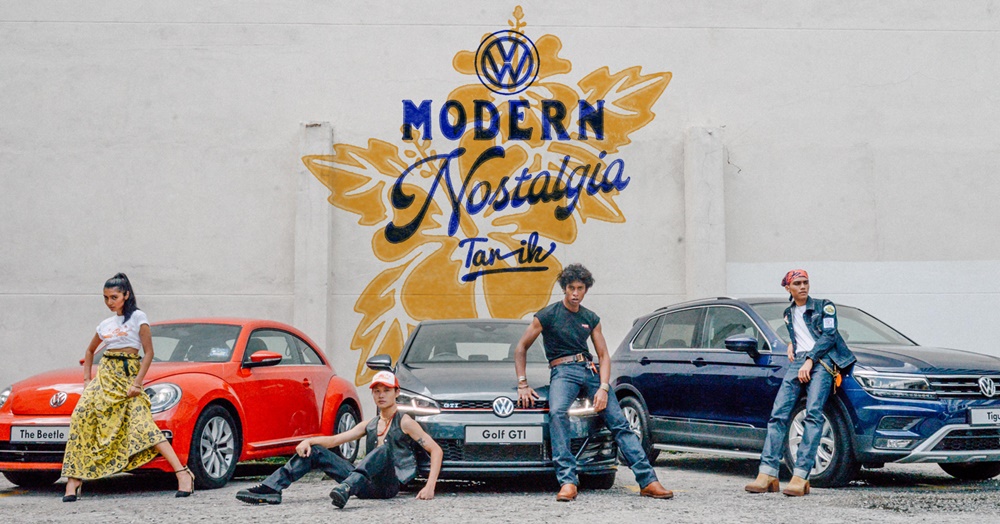
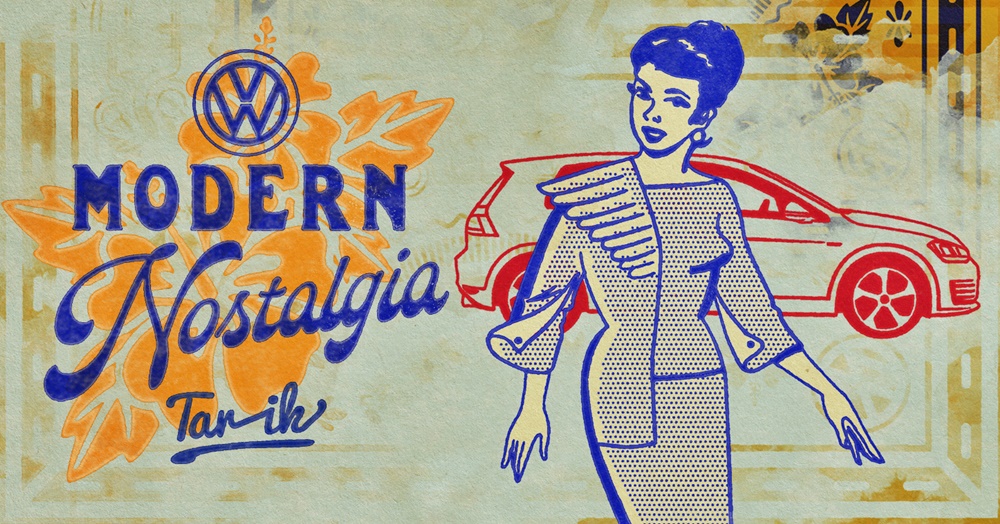
An exclusively designed capsule collection, ‘Modern Nostalgia’, has been created which features key elements from both brands, where modern and iconic Volkswagen models are married with local classic and vintage design elements. The limited edition collection comprises of a variety of items such as T-shirts, caps, bandanas, tote bags, key chains and clothing patches.
Erik Winter, Managing Director of VPCM, expressed delight in being able to partner with Tarik Jeans on this cause. “A key pillar for Volkswagen is sustainability, and the group is investing heavily in this cause with over 500 sustainability projects worldwide. We are pleased to play our part in this meaningful project, and we will certainly not stop here as we will continue to explore ways to contribute to making a difference,” he said.
According to Afiq Iskandar, Founder & CEO of Tarik Jeans, the Malayan Tapir has always been part of the Tarik design aesthetics so much so that it was added as the brand’s logo (in addition to the main logo of the mamak ‘teh tarik’). “In commemorating Tarik’s 10th year anniversary, we are honoured to partner with an innovative global automotive brand such as Volkswagen. ‘Modern Nostalgia’ as a capsule collection speaks a lot about the archetypal Volkswagen models and Tarik’s penchant for the retro-futurism Malaysian design scheme,” he said.
About the Malayan Tapir
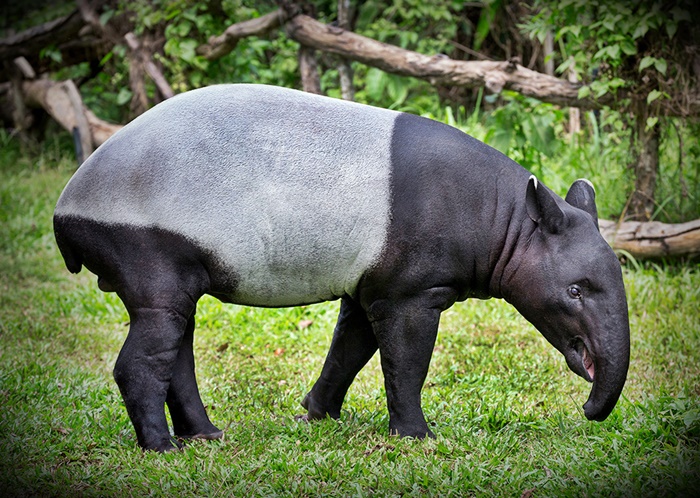
The Malayan Tapir is an endangered species here, together with the Malayan tigers, Borneo elephants or orangutans. As ‘gardeners of the rainforest’, the tapir plays a crucial role in maintaining the biological diversity of their habitat as they help disperse and fertilize seeds much needed for the reproduction of trees. It would be terrible to also lose them as we have lost the Sumatran rhinoceros.
The Malayan tapir is the only Asian species native to the island of Sumatra, Peninsular Malaysia and Southern Thailand with a distinctive coat pattern. The tapir has a lifespan of up to 30 years, but agricultural developments and deforestation, being hunted for food and even sport as well as illegal animal trafficking have resulted in an alarming decrease in their numbers. It is estimated that there are less than 3,000 of them left.
Merchandise from the ‘Modern Nostalgia’ collection can be purchased via the Volkswagen and Tarik Jeans websites, Shopee, Zalora and at all Volkswagen authorized dealerships nationwide. 50% of all proceeds generated from the sales of this campaign will be donated to the Kenaboi Forest Reserve in Negeri Sembilan on World Tapir Day on April 27, 2020.
To locate an authorised Volkswagen dealership in Malaysia, visit www.volkswagen.com.my.
Want to know more about the Volkswagen range in Malaysia? There are 23 authorised dealerships around Malaysia where you can view the various models. Better still, because Volkswagen Passenger Cars Malaysia (VPCM) believes that Volkswagen products are Better Experience than Explained, you should also go for a test-drive.
Until February 23, there’s also a 24th location you can check out Volkswagen models if you’re in the Klang Valley. VPCM is having the first Volkswagen Tour of the year at the 1 Utama Shopping Centre. The display of vehicles is at the Ground Floor of the Centre Court in the old wing, from 10 am to 10 pm.
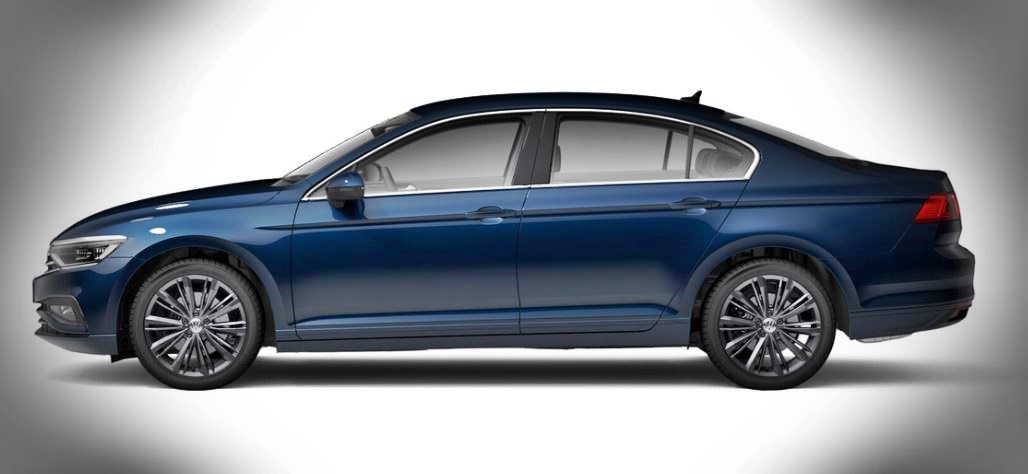
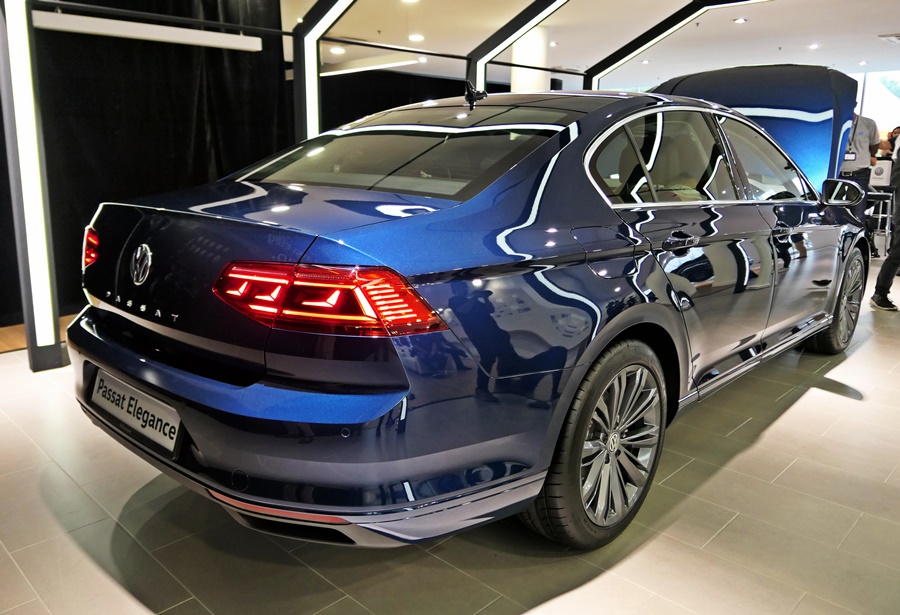
2020 Volkswagen Passat Elegance
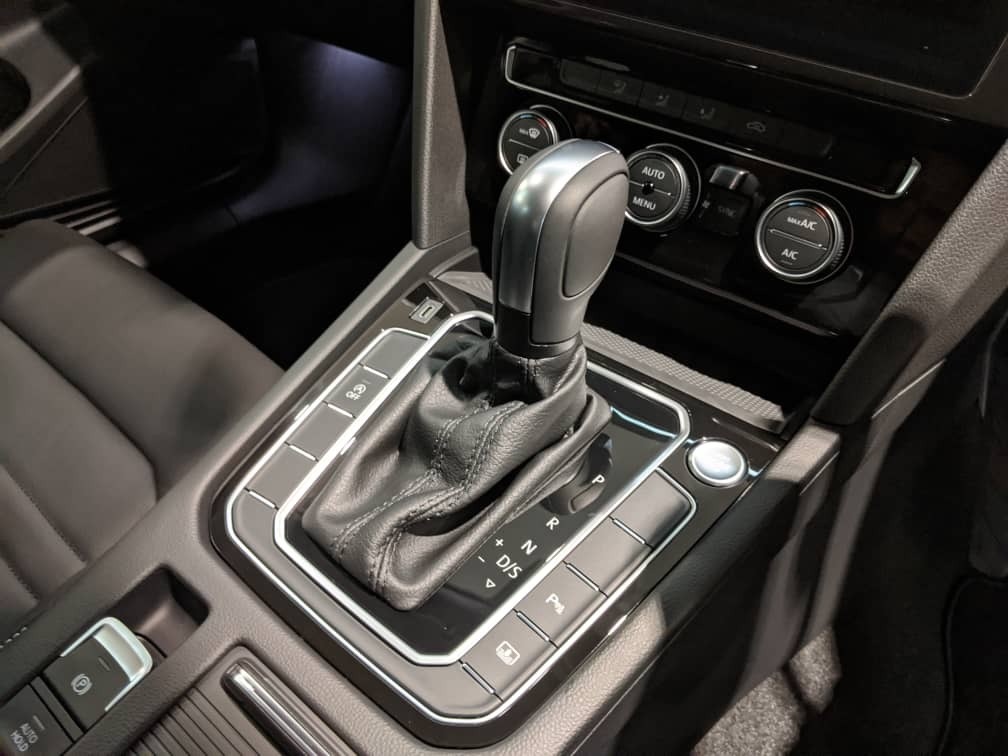
Models that are on display are the iconic Beetle, Vento, Tiguan, Golf R-Line and GTI as well as the new Passat Elegance which was launched just last month. A benchmark within its class, the new Passat has an updated 2.0TSI petrol engine and is the first front-wheel drive Volkswagen model in Malaysia to come with a new 7-speed wet clutch dual-speed gearbox (DSG).
Test-drives are also available at the venue and if you are convinced that you want to buy a Volkswagen, you can place a booking there. Customers who make a booking at the event will receive an additional RM1,000 petrol cash voucher on top of existing rebates.
If you really can’t get to the event or any showroom, you can still find out more about Volkswagen vehicles, services and offers in Malaysia online at www.volkswagen.com.my.
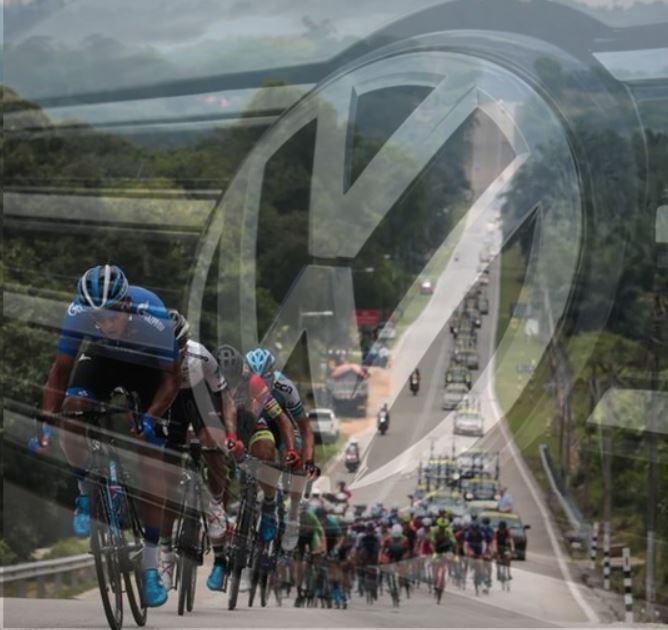
Volkswagen Passenger Cars Malaysia (VPCM) is once again the Official Automotive Partner of the PETRONAS Le Tour de Langkawi (LTDL). It is the third time for Volkswagen’s involvement in the event which is being run for the 25th time.
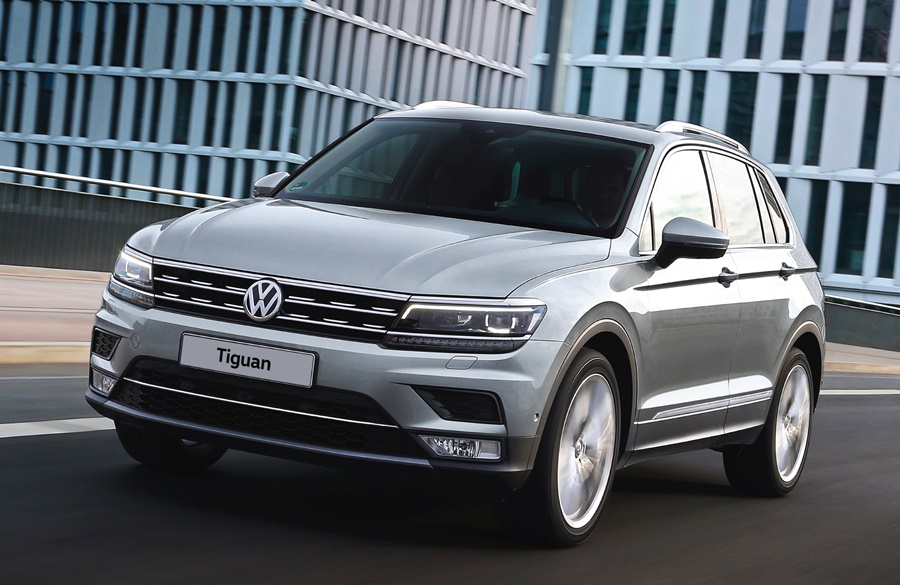
VPCM has provided 120 units of the Tiguan Highline for use throughout the 10-day event by riders, safety marshals and officials. The model provided has a 1.4-litre turbocharged direct injection TSI petrol engine with a 6-speed wet clutch direct shift gearbox (DSG). Its output of 150 ps/250 Nm means there is adequate power for all situations while also being economical.
Latest Volkswagen Tiguan Highline, priced from RM165,990.
The Tiguan’s SUV bodystyle makes it ideal for its role in the LTDL. It has a spacious cabin and cargo area to transport gear and other items. To date, 5 million units of the Tiguan have been sold globally, the bestselling SUV in Volkswagen’s range.
“We are honoured to be back as part of LTDL this year as the race celebrates its Silver Jubilee, and we are confident that the Tiguan will be a good fit and support to the operations team in terms of safety, endurance, agility and speed. On behalf of Volkswagen, we wish the participants all the very best for this year’s race,” said Erik Winter, Managing Director of VPCM.
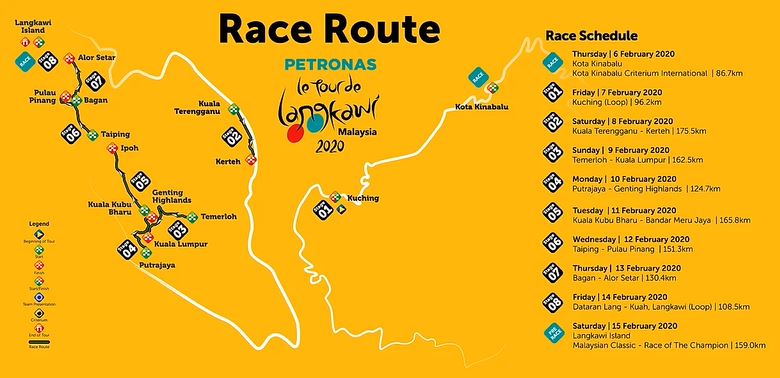
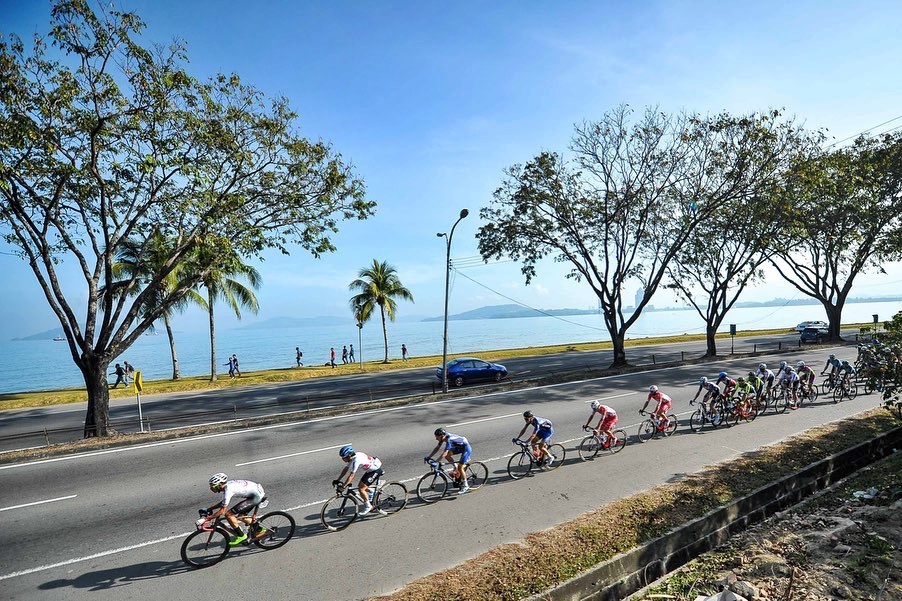
Le Tour de Langkawi is a multiple stage bicycle race that has gained many accolades and is now recognised as a highlight in the global competitive cycling calendar, attracting the world’s top road cyclists. 21 teams are taking part in the event which started in East Malaysia and continue across Peninsular Malaysia from Kuala Terengganu. The finale will be at its birthplace in Langkawi on February 14.
Visit www.volkswagen.com.my to know more about the Tiguan and where to test-drive one.
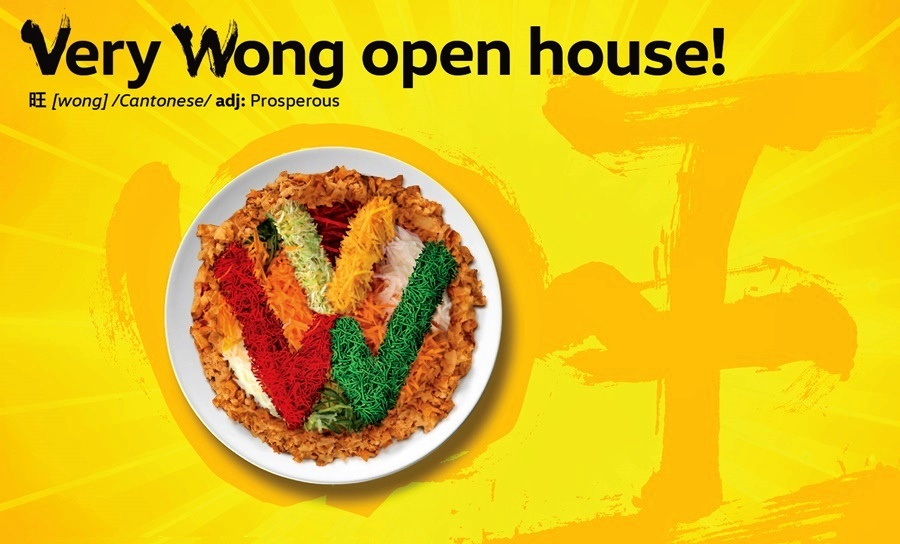
Authorised Volkswagen dealers nationwide are having an Open House this Saturday (February 8) and they have offerings which follow the tradition of ‘wong’, Volkswagen’s Chinese New Year’s theme that focuses on the Chinese character “旺”. This means good luck and prosperity, which Volkswagen Passenger Cars Malaysia (VPCM) is giving to new and existing owners through rebates and aftersales offerings. And not forgetting a CNY feast complete with ‘yee sang’ and other exciting activities for the whole family.
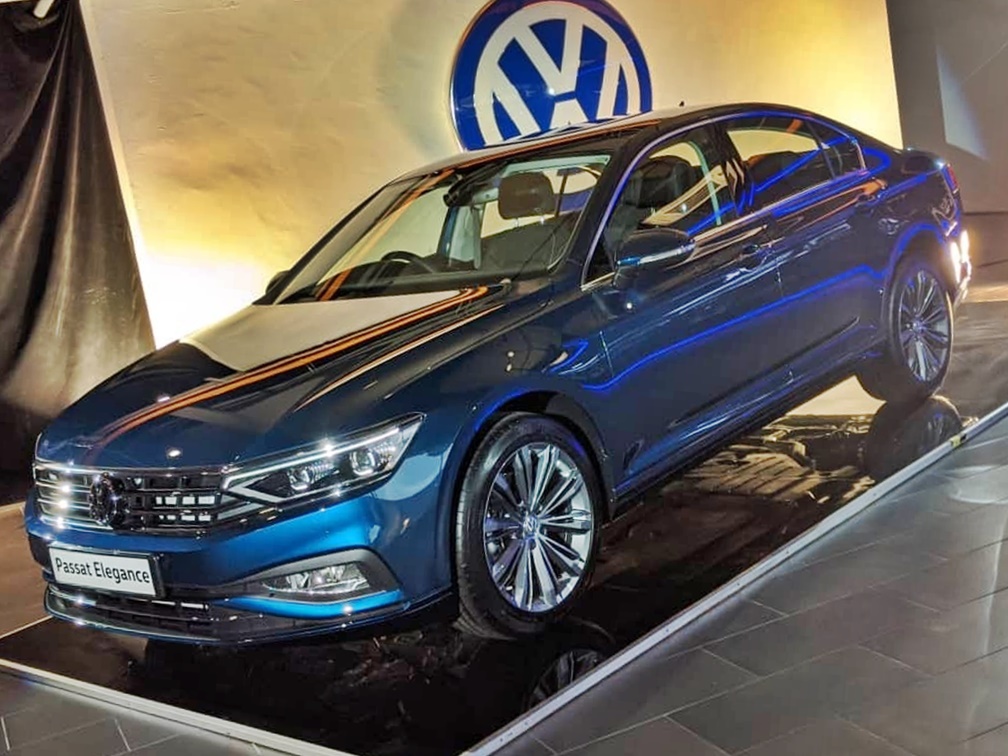
The newly launched Passat 2.0TSI Elegance, priced from RM187,990, will be a highlight of the event. Featuring a redesign of the exterior and interior, improved connectivity and updated lighting signatures, it also comes with the first year of insurance coverage paid by VPCM (limited time only).
Another offering which comes with one year of insurance paid by VPCM as well as a year’s supply of petrol is with the Tiguan variant (Highline, JOIN and Sound & Style).
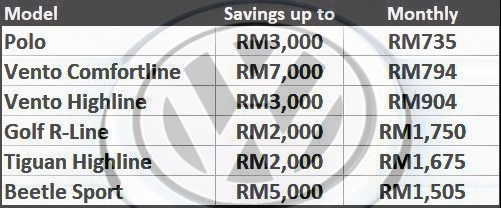
Note: Savings applicable to all model variants. Monthly calculation based on 9-year H-P loan tenure with 10% downpayment and based on 2.5% interest rate. Subject to terms & conditions, while stocks last.
All new Volkswagen models come with 3 years of free scheduled maintenance, 5 years warranty with no mileage limit, and 5 years of complimentary roadside assistance.
Existing owners are not forgotten
Volkswagen owners are also invited to book a slot for complimentary 20-point vehicle inspection while they are at the showroom. They can also enjoy up to 20% discount on batteries and tyres.
Those with free maintenance vouchers who spend a minimum of RM388 will receive a free fluid top-up consisting of coolant, windscreen cleaner and engine oil, while those without a voucher will only need to spend a minimum amount of RM488 to take advantage of the offer.
VCP (Volkswagen Care Plus) customers can enjoy the same with a minimum spend of RM288. This offer is subject to terms and conditions and is valid till February 29, 2020.
As part of the INDIA 2.0 project, Skoda Auto, the Czech subsidiary of the Volkswagen Group, is leading the activities of the Group brands on the Indian sub-continent. Several cross-brand Skoda and Volkswagen models will be created based on the MQB A0 IN variant of the Modular Transverse Matrix, which the 125-year old carmaker is developing with a focus on India and Indian customers.
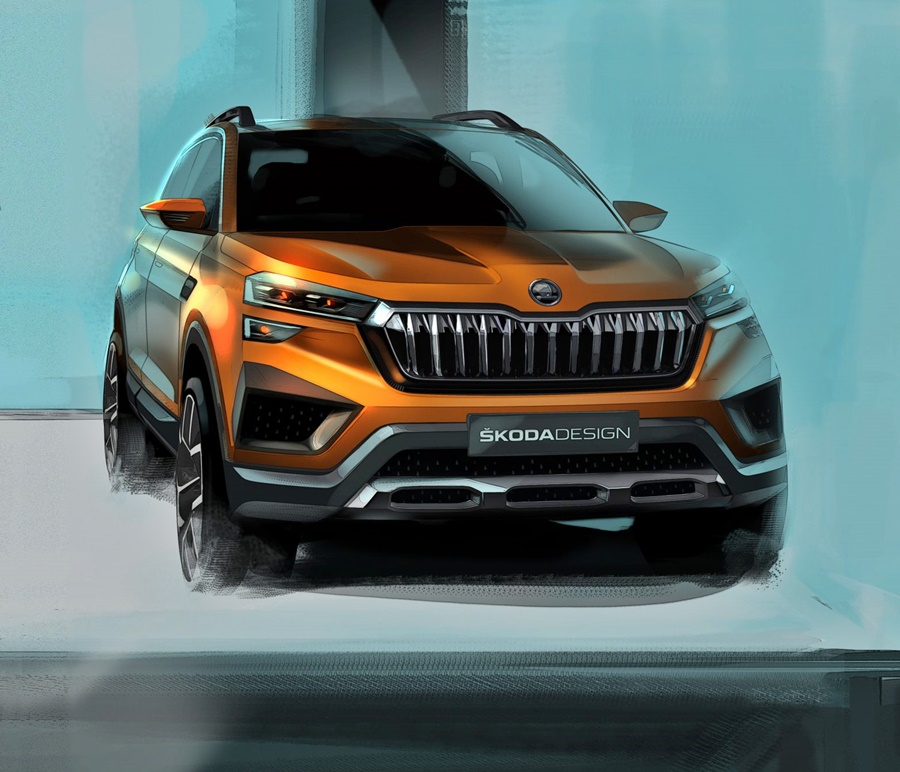
The new localised sub-compact platform is being showcased for the first time in the Skoda VISION IN concept model with two design sketches that show the exterior style of the VISION IN. The vehicle, which is approximately 4.26 metres long, have been serving as a study for a new compact SUV model developed especially for the Indian market.
The first design sketch shows the dynamic front which has a wide bonnet with a large Skoda grille incorporating solid ribs shapes the visual impression. The upper, very flat units of the split headlights progress directly to the grille. Beneath is a robustly designed front apron with large side air intakes and a massive front spoiler made of aluminium.
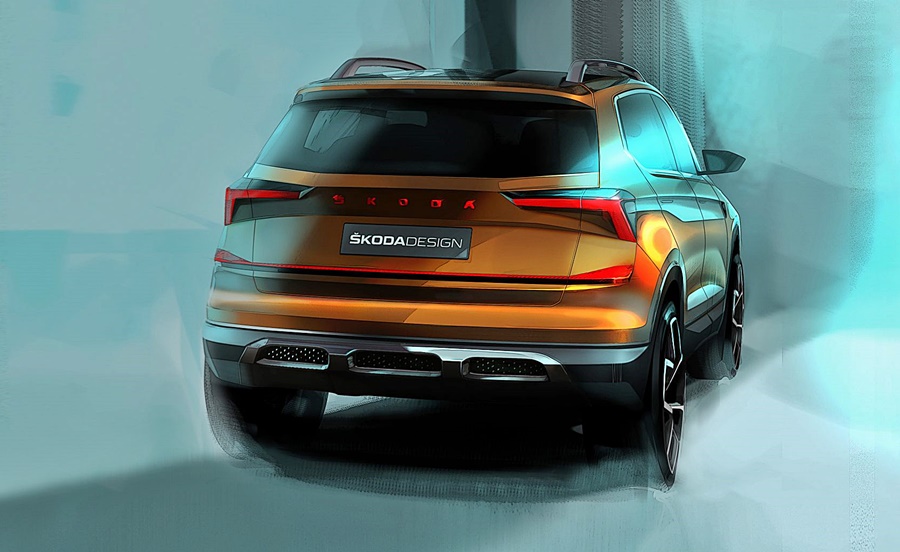
The second sketch illustrates a clearly structured, distinctive rear with sharply contoured, three-dimensional rear lights; an additional horizontal light strip connects the reflectors. Illuminated Skoda lettering is prominently positioned in the centre of the rear; an aluminium diffuser is integrated into the rear apron underneath.
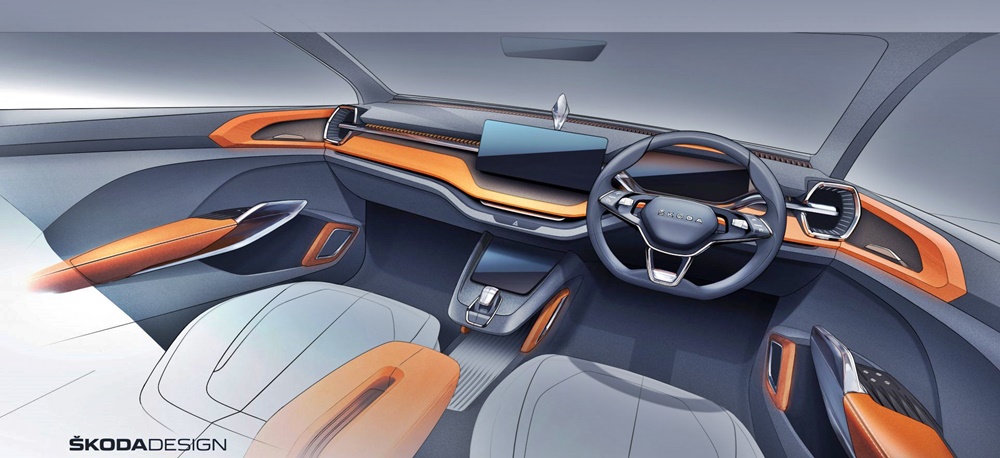
Earlier, the interior was revealed in a sketch which showed a wide dashboard arranged on several levels, echoing the symmetrical contours of the Skoda grille in the centre. The colour orange, which inspires vitality and creativity, is used extensively throughout the interior, for example, on the centre armrest and door panels.
In addition to the large, free-standing central screen and virtual cockpit, a new crystalline element on the instrument panel creates an optical highlight. The three-spoke multifunction steering wheel features buttons and knurl wheels following Skoda’s new operating concept. The reduced and clearly structured centre console has a small control lever for gear selection.
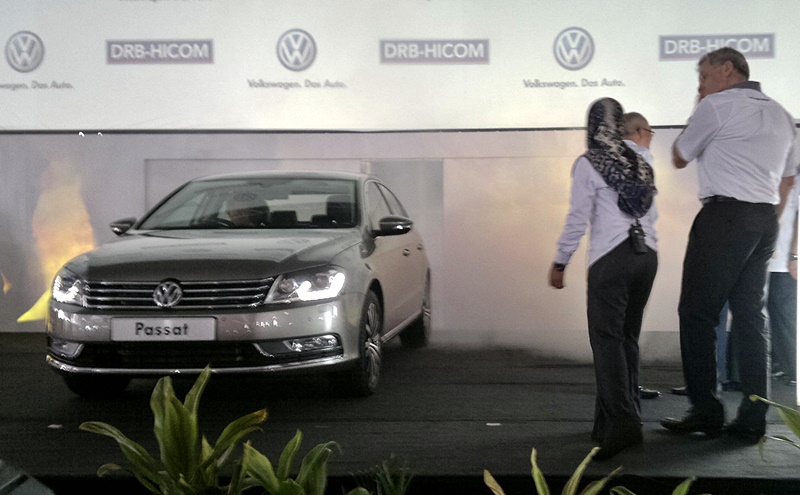
With more than 30 million units sold to date, the Volkswagen Passat ranks second to the Golf as one of Volkswagen’s most successful models. More significantly, this model (along with the Golf) has also been among the Top 10 bestselling cars of all time. That’s an achievement which makes it the most successful mid-size sedan worldwide.
Its widespread popularity could be one of the reasons why Volkswagen chose the model to be the first one to be assembled locally in Malaysia. That was in 2011 and since then, it has been a strong seller in the range.
Launch of the first locally-assembled Passat in 2011 at the DRB-HICOM complex in Pekan, Pahang.
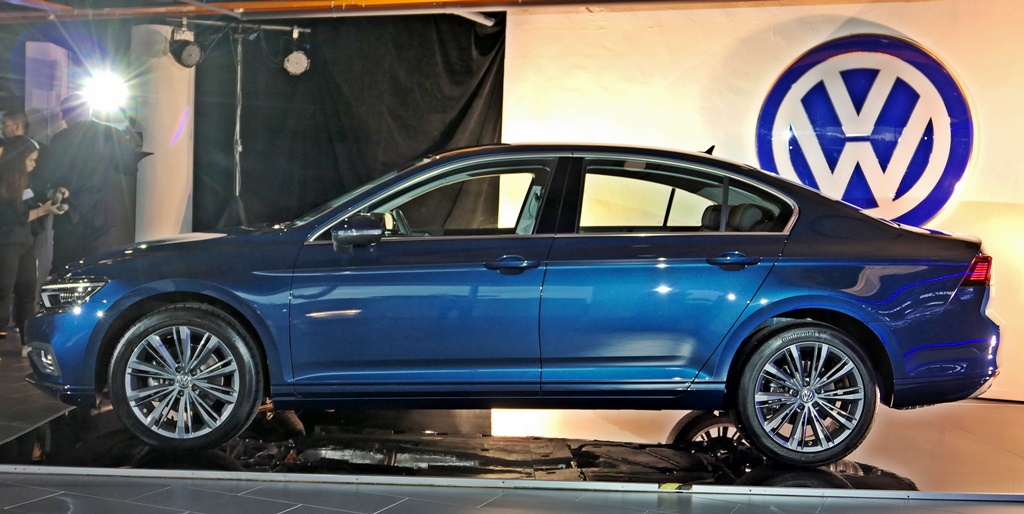
It’s still in its eighth generation and in March last year, an updated version was unveiled but the German market launch only began in September. It’s clear now that planning to assemble the new version, which is in the form of the Passat 2.0TSI Elegance, must have begun some time back because just 4 months after going on sale in Germany, it is now launched in Malaysia.
That’s quite a quick development for a model that’s assembled locally as it normally takes 9 months or so (unless there has been advance planning) because of localisation of parts. In this case, Volkswagen must have worked closely with the local suppliers earlier so the model can be launched today.
Targeted enhancements for a proven design
At a glance, the new Passat seems to retain the familiar formal profile that is appropriate for an executive sedan as well as a family car. However, look longer and you will notice the subtle changes that give a sharper and more dynamic appearance. The enhancements have been targeted because the design concept is a sound one which won’t age quickly.
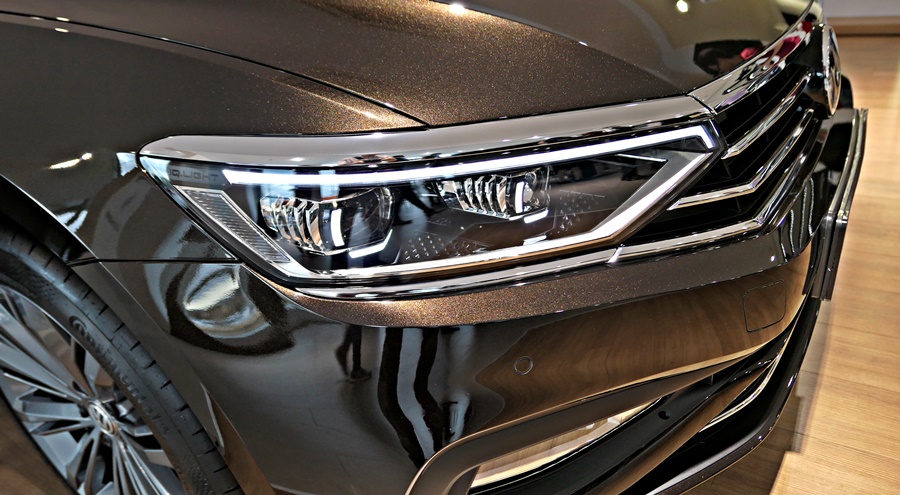
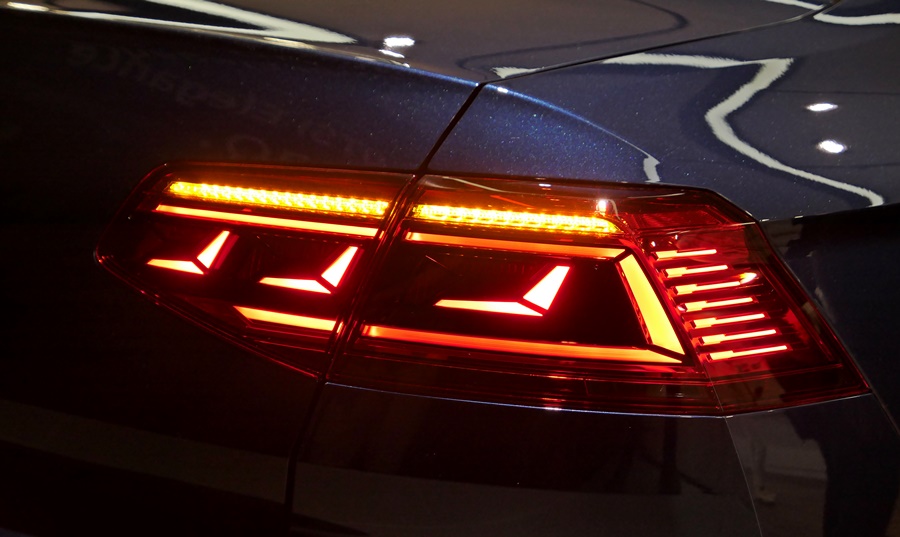
The IQ Light Matrix LED headlights present a new lighting ‘signature’, complemented by front and rear sequential turn signals and a three-wing tail light design. An identifier of the 2020 version is the ‘PASSAT’ lettering that is now stretched across the rear end while at each corner are bold 18-inch ‘Liverpool’ alloy wheels.
New powertrain with 7-speed DSG
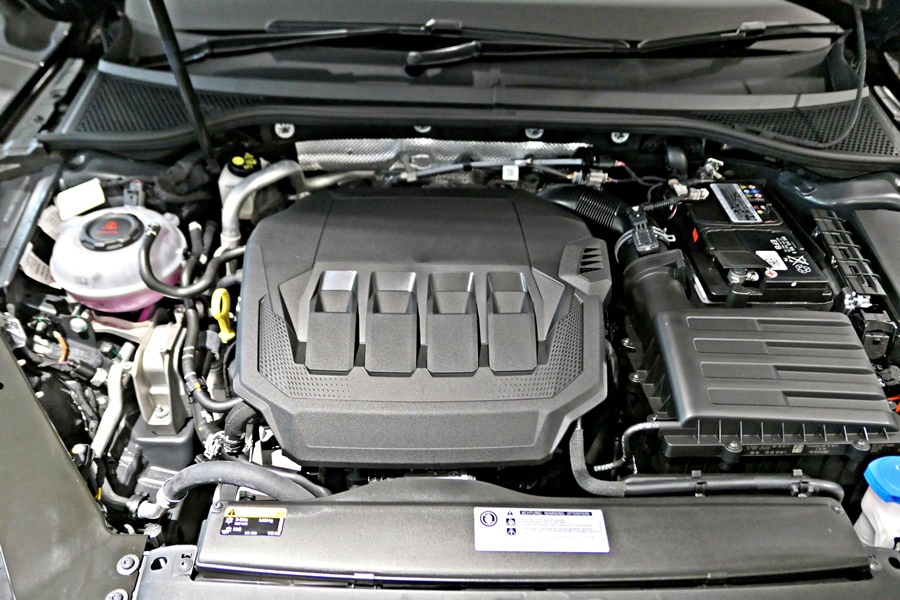
Under the bonnet, the new Passat is powered by a new 2.0TSI turbocharged petrol engine with an output of 190 ps/320 Nm. This goes to the front wheel through a new and improved wet clutch direct shift gearbox (DSG) which has quick shifting between 7 ratios. This is the first FWD Volkswagen model in Malaysia to come with a new 7-speed wet clutch DSG. The output may be high but the performance is balanced by efficiency that is reflected in the claimed 15.4 kms/litre fuel consumption, based on real-life driving data as defined by the WLTP (Worldwide Harmonised Light Vehicle Test Procedure).
Functional but luxurious too
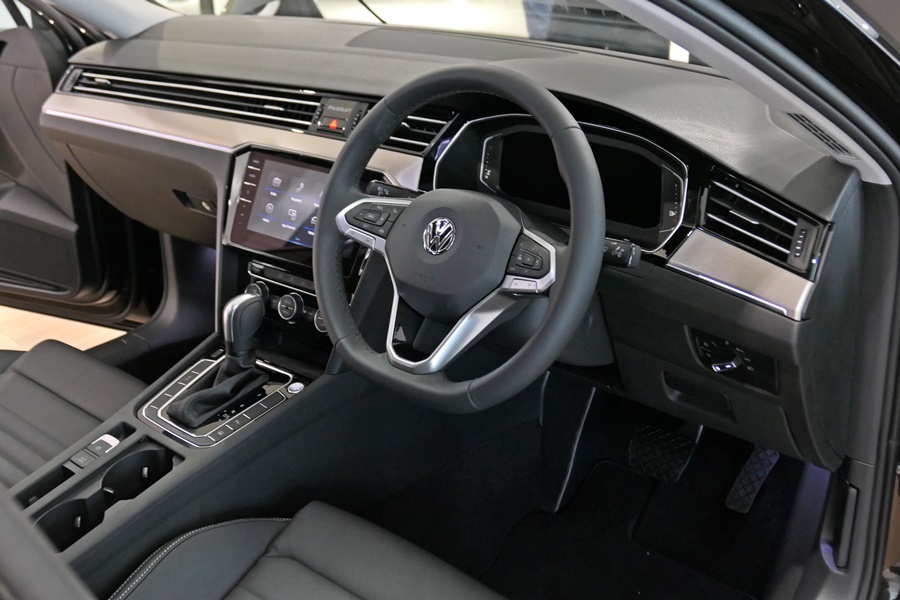
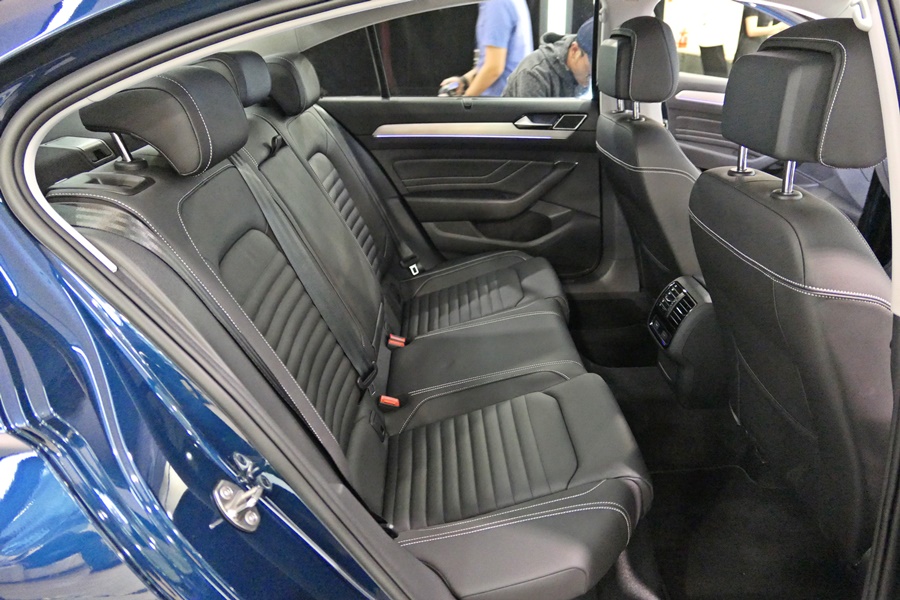
Being a German product, there is the emphasis on functionality but a luxurious and stylish ambience is also created with an assortment of new materials and decorative design elements around the cabin. Updates include newly-designed door trims, a 30-colour (yes – thirty colours!) ambient lighting system, and a new leather multi-function steering wheel with a new ergonomic multifunction button pad for convenience and connectivity.
The Passat is well known for its comfort and with the new one, there’s supple leather upholstery and 12-way adjustment for the driver’s seat. Coolness throughout the cabin on the hottest days is ensured by the 3-zone Climatronic air-conditioning system and if the sunshine is too strong, there’s now a power-operated roll-up rear sunshade.
Better connectivity
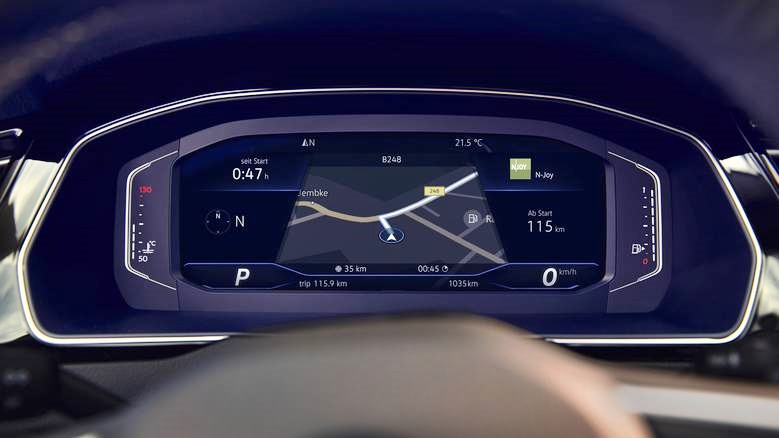
‘Connectivity’ is commonly used nowadays and each carmaker tries to provide connectivity that is as advanced as can be. For the new Passat, there’s a new and improved 11.7-inch Digital Cockpit with its high-resolution display colour thin-film transistor (TFT) similar to that of a premium smartphone. Under any lighting condition, there’s absolute clarity for the 2D and 3D graphic display. A 6-view customizable screen offers a new level of personalization with over 30 variations.
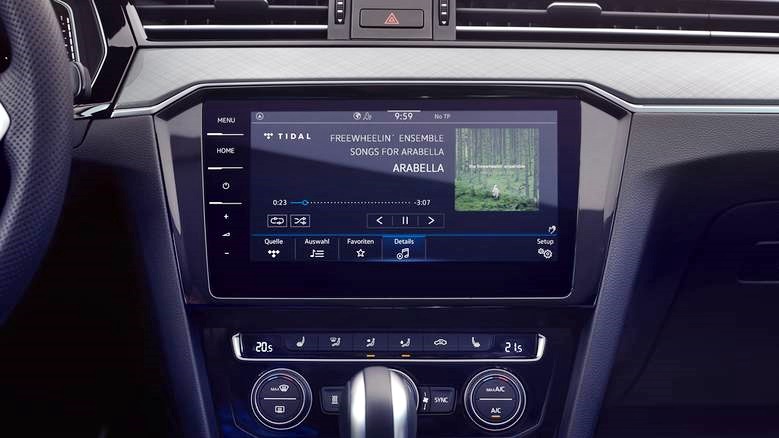
The infotainment system has a 9.2-inch touchscreen and management can be by voice or gestures. The 3-view split screen is customisable to suit personal preference on what information is to be shown.
Android Auto is not mentioned by the wireless AppConnect with Apple Car Play is available in the new Passat for the very first time in Malaysia. Other connectivity options for mobile and audio streaming are Bluetooth and 3 illuminated USB ports. The USB ports are the new Type-C version which do not require a specific orientation for insertion of cables.
Enhanced safety
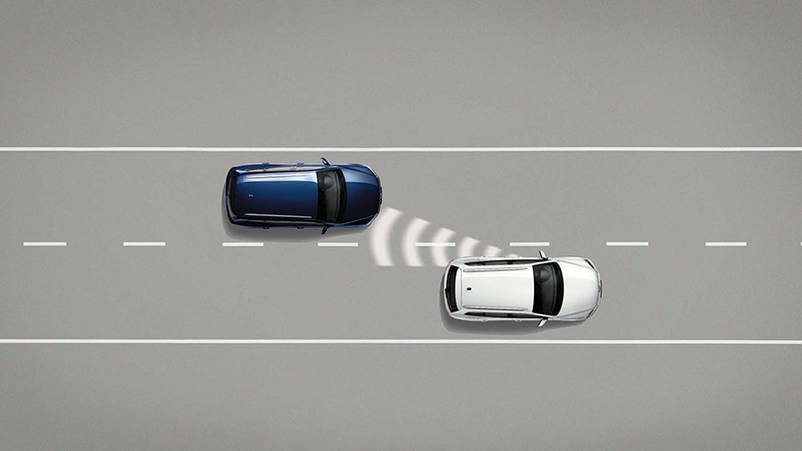
New for 2020 is Side Assist with Rear Cross Traffic Alert, complete with 180-degree detection range of up to 50 metres. This is specially useful when reversing out of a parking bay and the view is blocked by other cars. On the move, the Blind Spot Monitoring System constantly scans the area along both sides of the car up to 70 metres. If another vehicle or motorcyclist is detected but the driver might not be aware, warnings will alert him or her.
Blind Spot Warning System
An added convenience is the new Tyre Pressure Monitoring System, with integrated sensors on all four tyres to monitor individual pressure readings based on user preference. This not only means your hands don’t have to get dirty checking tyre pressures but you also have peace of mind. In the case of a slow leak, you will be aware so you can check before the tyre gets damaged due to under-inflation.
“The new Passat features not only a technical update but a complete redesign of the exterior and interior, improved connectivity and updated lighting signatures. These advanced enhancements are executed, without any compromise on performance. This is what we believe today’s discerning customers are looking for,” said Erik Winter, MD of Volkswagen Passenger Cars Malaysia.
Priced from RM187,990, The new Passat Elegance is available in 6 colours and 2 pearl finishes. The metallic colours are Aquamarine Blue, Manganese Grey, Reflex Silver and Tamarind Brown, while pearl-effect colours are Deep Black and a new Oryx White. Pearl-effect colours are available without any additional surcharge.
Visit www.volkswagen.com.my to know more about the new Passat and locate a showroom where you can test one.