Piston.my

English

A Rolls-Royce draws attention not only by its prestigious presence but also by the wealth of details around the car. Every model has been meticulously crafted and the most familiar elements have always been the Spirit of Ecstasy, Pantheon Grille and ‘Double R’ monogram. Unless the windows are heavily tinted (or the curtains drawn), passers-by can also admire the opulence which the occupants enjoy from the many luxurious appointments.

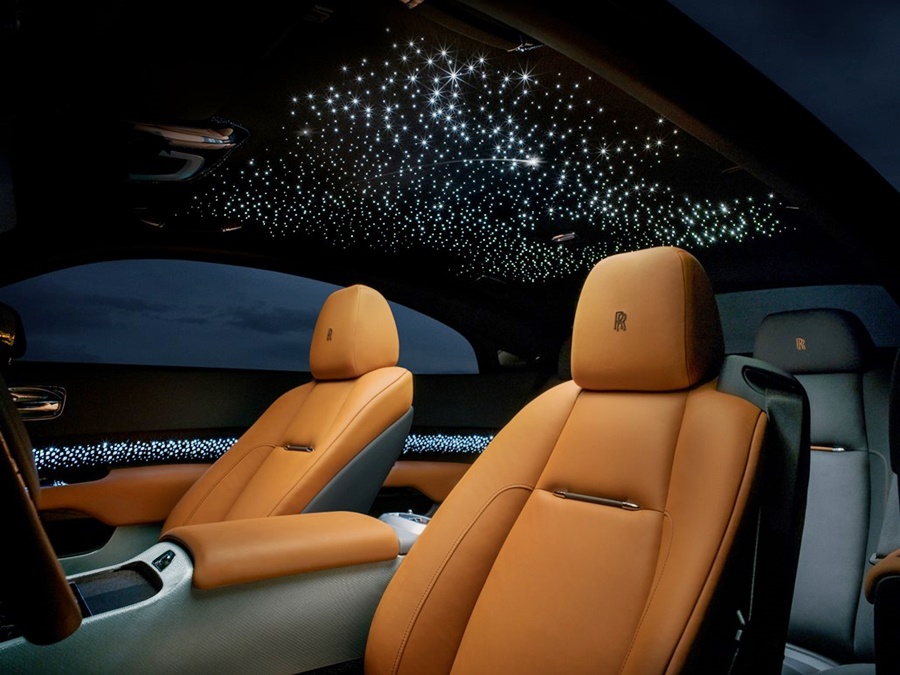
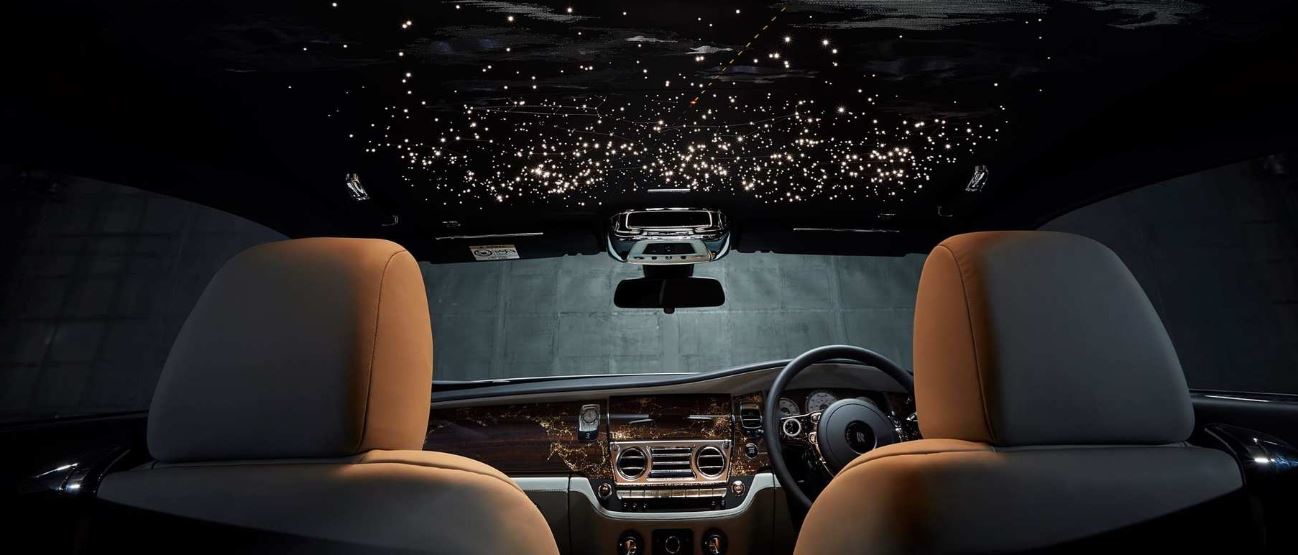
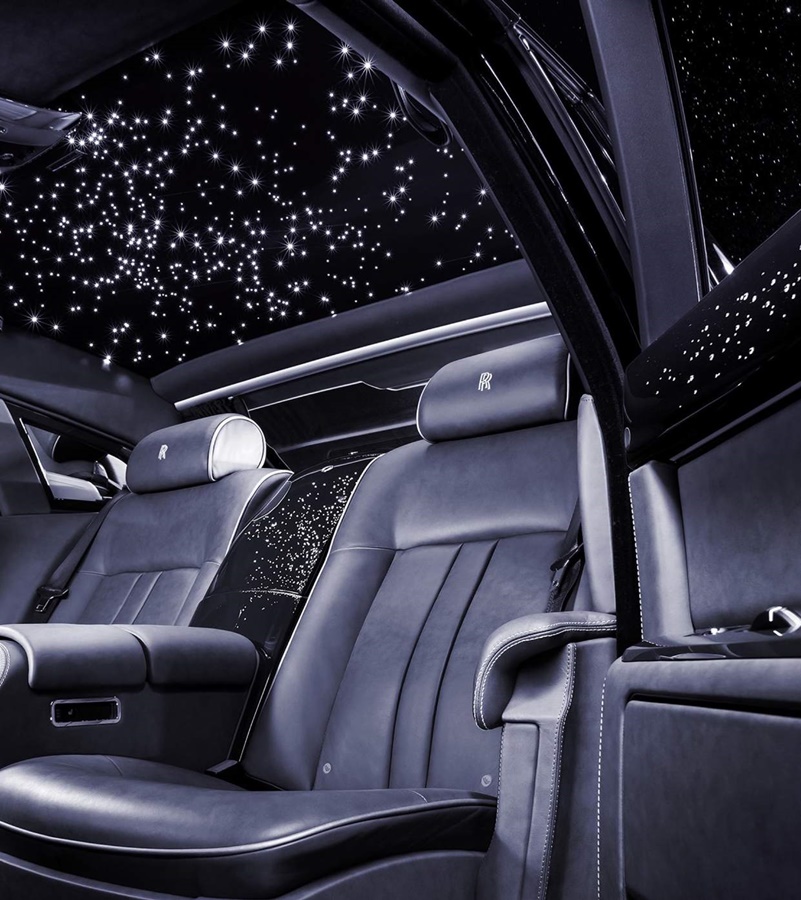
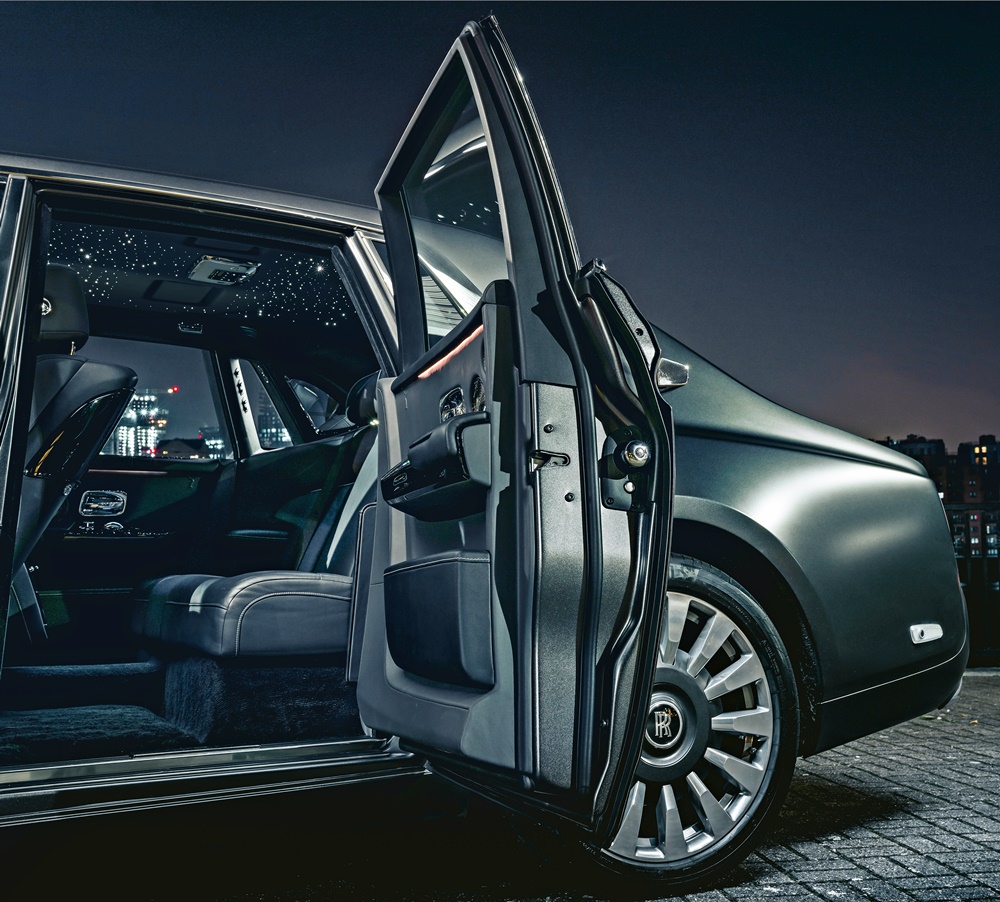
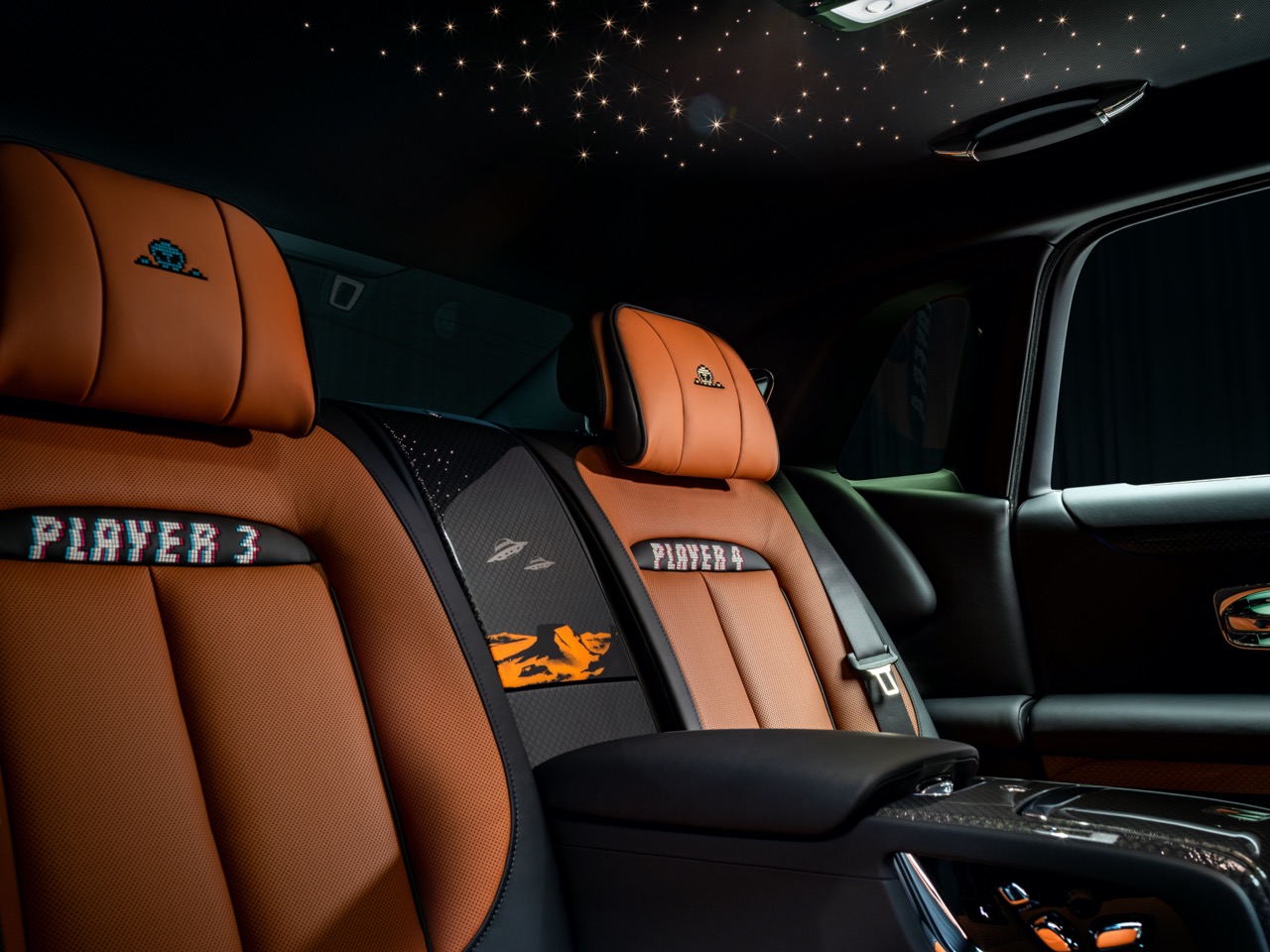
However, one feature which is not readily visible (especially in the daytime) to those on the outside but is spectacular in presentation is the Starlight Headliner. Now a part of Rolls-Royce iconography, the Starlight Headliner, in the spirit of the marque’s dedication to fulfilling the wishes of its patrons, began as a Bespoke request.

Rolls-Royce Starlight Headliner

Rolls-Royce Starlight Headliner

This came from a Rolls-Royce client who was suffering from photophobia (an extreme sensitivity to light) and was only able to enjoy reading his daily newspaper under the starlight on his rural ranch. He therefore requested that they develop a similar ambience within his Rolls-Royce.

As virtually nothing is impossible to the specialists at the Bespoke division (and it has been proven on many occasions), the Bespoke Collective of designers, engineers and craftspeople came up with a way to replicate stars on the ceiling of the cabin. They embedded no less than 800 stars, creating a star-filled night sky which gave just the right level of illumination the client needed, allowing him to read while travelling.

The client took delivery of his Phantom in 2006 and gave Rolls-Royce permission not only to publicise the Starlight Headliner but also offer the same feature to other customers. Thus was born the option of the Starlight Headliner which has been refined over the past 13 years. It can extend to the entire length of the roof and the intensity of light emitted by each star varied to better reflect the night sky.

The design for the Starlight Headliner is unique to each customer.

The constellation of each Starlight Headliner is completely unique to the customer. One customer requested that the lights be configured to represent the Ursa Major and Minor constellations while another customer wanted the Rolls-Royce monogram to illuminate separately from the rest of the stars. Some may like to have their loved one’s constellation twinkling from above. Whatever the customer wants, the Bespoke Collective will make sure he or she will have it.

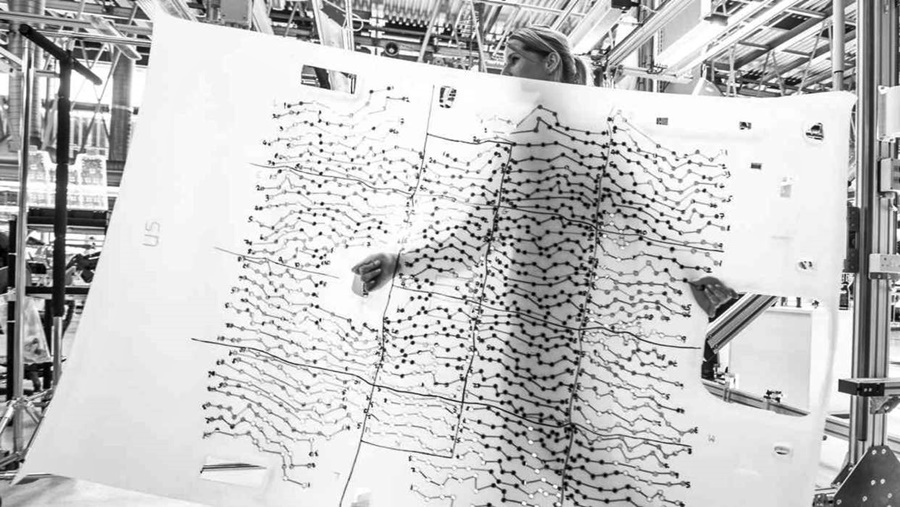
Typically, it takes nine hours to craft, but a personalized pattern needs its own template, which can take more than 17 hours to complete. Two Rolls-Royce craftspeople marry their skills to create this extraordinary feature. It’s the perfect alliance of traditional craftsmanship and modern-day technology.

Rolls-Royce Starlight Headliner

Rolls-Royce Starlight Headliner

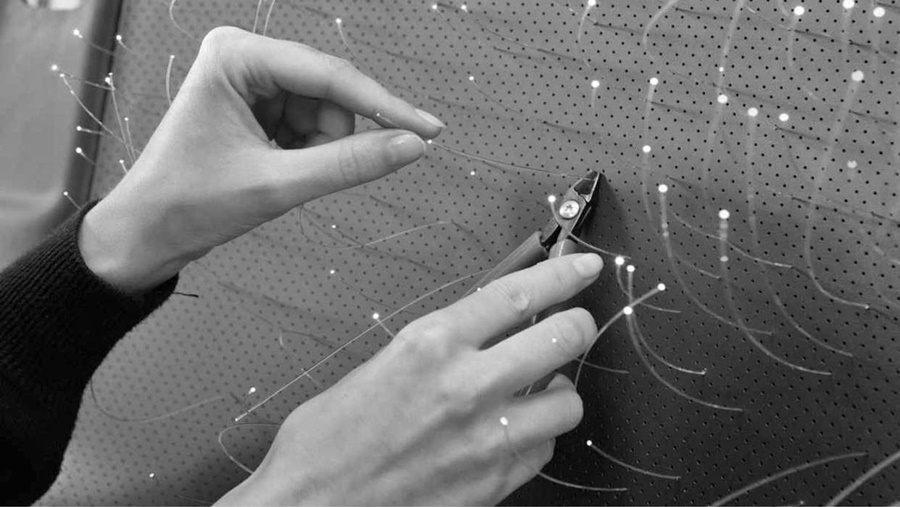
The Starlight Headliner’s unique effect is achieved by fitting delicate fiberoptic strands at varying depths and at different angles – to cause light to escape in multiple directions and at different intensities. First, the leather is perforated with 1,400 to 1,600 holes, each carefully counted. Fibreoptic threads, which are hand-trimmed at different angles to achieve a twinkling effect, are set into these holes by hand. The craftsperson then ensures that the fibres are perfectly seated on the visible leather surface, ready to shine.

Rolls-Royce Starlight Headliner

Customers can order the Starlight Headliner as an option for their Rolls-Royce and the additional cost depends on the requirements and the model. For a Phantom, Rolls-Royce Motor Cars KL says that the price would start from RM65,000.

Creating a rose garden within a Rolls-Royce Phantom

PISTON.MY

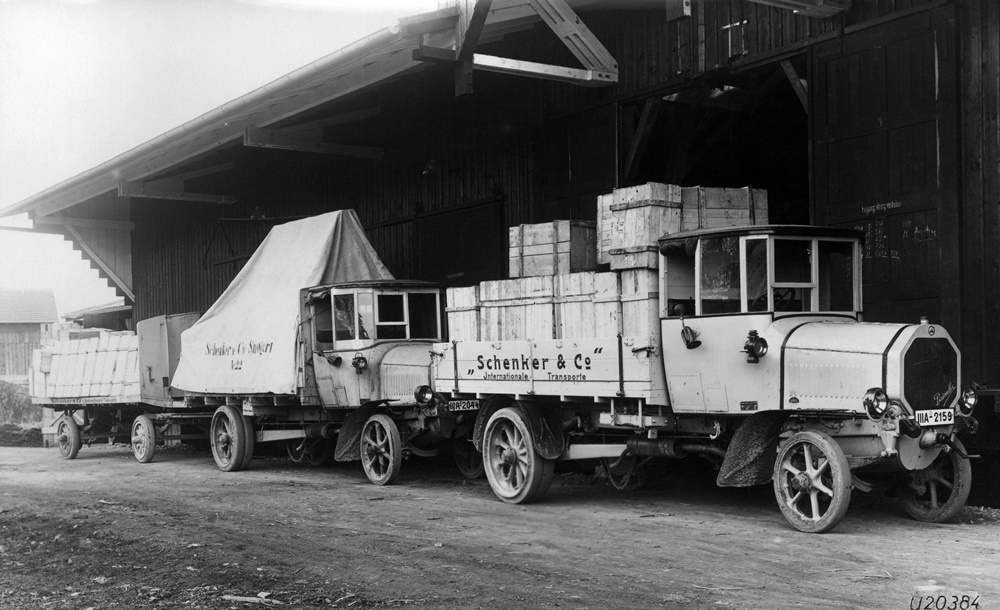
Beginnings are sometimes difficult and where the truck is concerned, its earliest years saw a great deal of resistance. In fact, it did not attract even a single buyer in Germany. Whereas the high society had welcomed the car with open arms as an enrichment of their personal freedom, the truck came up against severe scepticism in industry: capital goods had to earn money but the idea of sending goods by motorized vehicles seemed less efficient and not as fast as by railway.

The truck was a creation of Gottlieb Daimler, who sought to find more applications for his engine. He came up with the motorcycle, the motorized handcar, a motorized fire-fighting pump, and – eventually and almost inevitably – with the truck. Back in 1896, he set up the first truck on iron-clad wooden wheels – a type of carriage without a drawbar but with an engine instead.

Strictly speaking, it was a converted horse-drawn cart whose chassis featured transversely mounted, fully elliptic leafsprings at the front and coil springs at the rear. This complex suspension was important not only because of the poor road conditions at the time but also because of the engine’s distinctive sensitivity to vibrations.
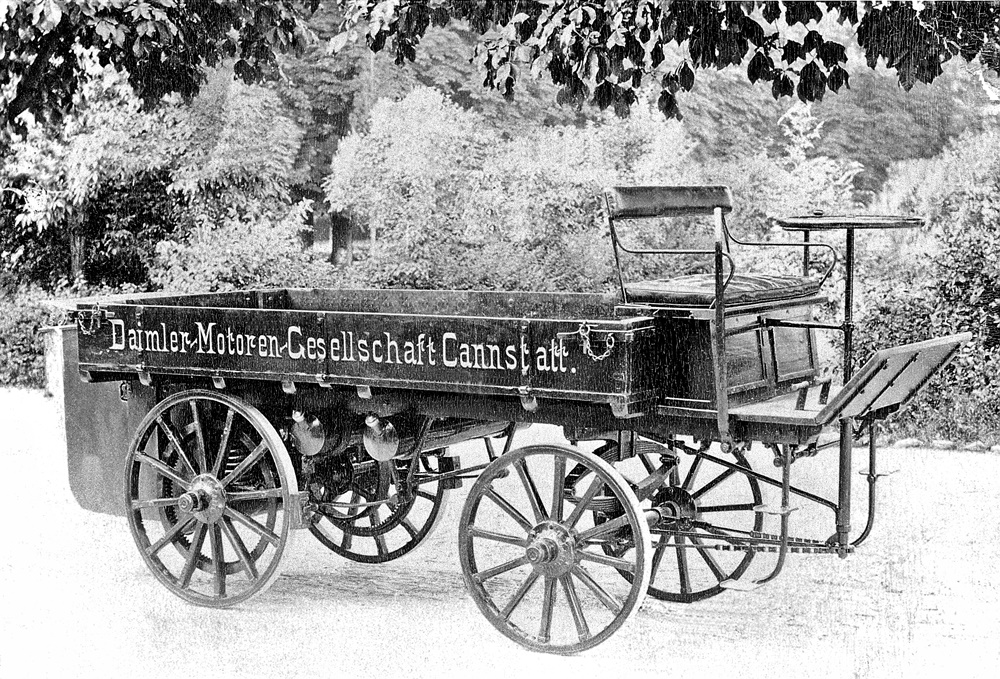
Daimler truck history

The rear-mounted 4-hp 2-cylinder engine called ‘Phoenix’ had a displacement of 1.06 litres. It had been adopted from the passenger car and its features included glow-tube ignition and spray-nozzle carburettor. Gottlieb Daimler promoted ‘the compactness and elegance of the design, the noiseless and jerk-free operation and the odourless exhaust gases’ as the major advantages of the Phoenix engines. They could run on petrol, coal gas and lamp fuel.

Belts transmitted the power produced by the engine, which was installed in an upright position underneath the rear end, to a shaft – with pinions at both ends – mounted transversely to the vehicle’s longitudinal axis. Each of these pinions meshed with the internal teeth of a ring gear which was firmly connected with the wheel to be driven.

Interest in England
While there was lack of interest in Germany, a buyer was found in the mother country of industrialization – England. In that country, steam-powered vehicles had long since managed the transition from rail to road. At the same time, however, England was a country in which coke and coal were particularly cheap – which is why a vehicle with a petrol engine was hardly considered. And it was only after 1901 that his truck proved to be superior to the steam-powered truck, customary on the island at the time, in a comparative test in Liverpool.
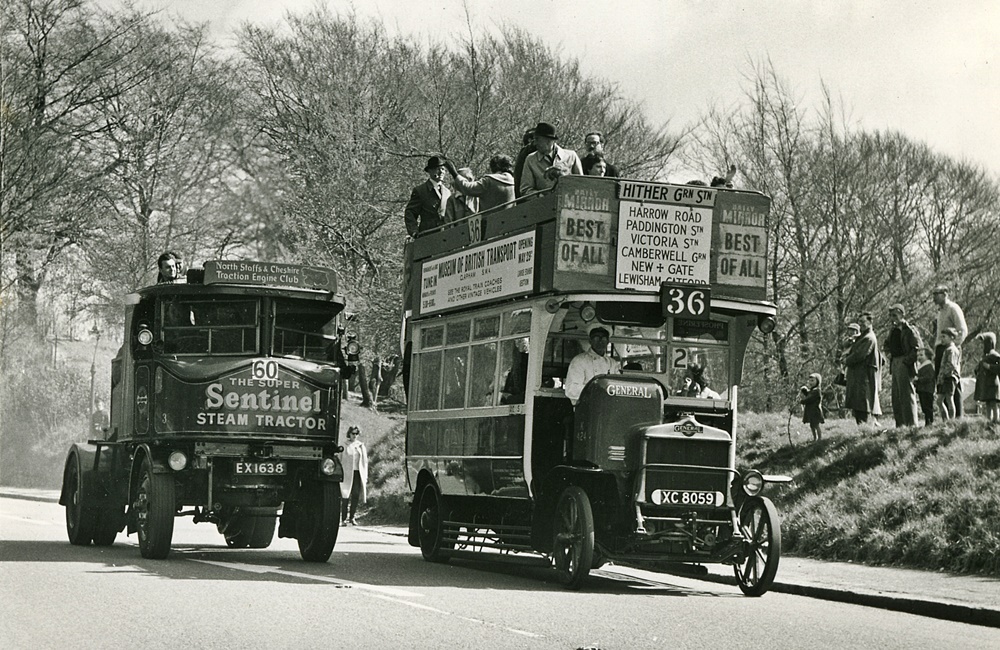
Daimler truck history

It goes without saying that the engineering needed time to mature. Nevertheless, Daimler rapidly advanced into the 5-ton payload category. The output of the first truck range launched soon after-wards ranged from 4 to 10 hp, payload capacity from 1,500 to 5,000 kgs. Shortly after the world’s first truck had been supplied to England, Daimler presented a range comprising as many as 4 models from September 1896.

In the same year, Daimler and Wilhelm Maybach moved the 6-hp 2-cylinder Phoenix engine, previously mounted at the rear in the style of an underfloor engine, to underneath the driver’s seat, and the 4-speed belt transmission equally moved to the front.

More improvements from 1897
However, this solution still left a lot to be desired, especially as the belt transmission, which had proved itself in passenger cars, was suitable for heavyweights only to a limited extent. Therefore, as early as 1897, just one year later, the truck was finally given a face that clearly distinguished it from the car and paved the way towards ever greater output and payload.
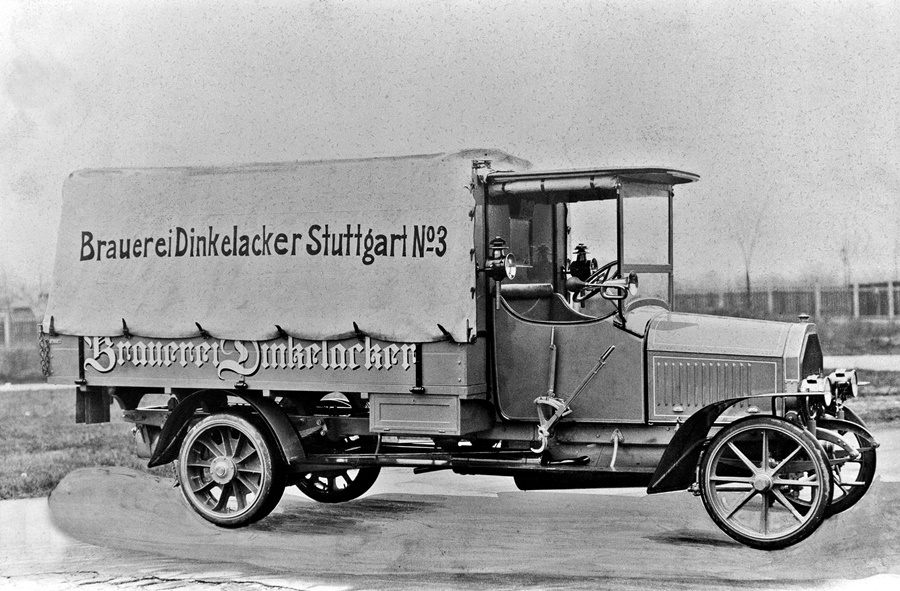
Daimler truck history

The engine found its traditional place right at the front, ahead of the steered axle, and transmitted its output via a 4-speed gearbox and a full-length longitudinal shaft and pinions to the rear wheels which continued to be iron-clad.

Not only the powertrain was improved but also the engine, which was enlarged to 2.2 litres. A completely new design principle was adopted for the radiator: the tubular radiator represented a significant improvement of the cooling system, an indispensable precondition for a higher power output.

Promoting the truck across Europe
As the 20th century approached, Daimler stepped up promoting his trucks. With his 5-tonner, he went to Paris to show it off alongside a 4-hp belt-driven car. Yet there were many who were not convinced of the value of a truck with a combustion engine. It was generally assumed in Europe that combustion engines were right for passenger cars, but for commercial vehicles, the powerplants should be steam engines or electric motors.
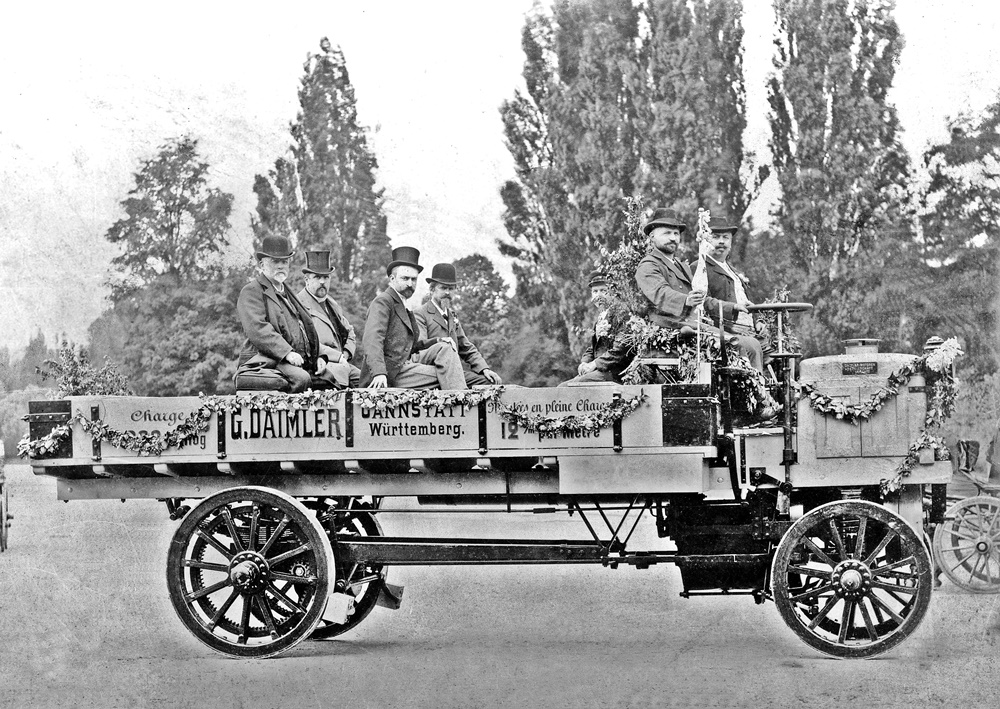
Daimler truck history

People were reluctant also because petrol had to be bought at the chemist’s shop but. Few people understood the engineering which was far from being able to cope with all the hardships the roads had in store for vehicles at the time. The buyer of Karl Benz’s first bus, for instance, returned the vehicle to him because of the difficulties negotiating the ruts carved by heavy-duty horse-drawn carts into the roads.

Another general problem was the fact that the spoked wooden wheels customary at the time could even catch fire under certain circumstances! The conventional combination of journal and bushing was susceptible to crushing at the edges, leading to burn marks on the hollow hub. To make things worse, iron wheels provided poor traction, while there was little to prevent solid-rubber tyres from melting or crumbling under the impact of heat. And through to the 1920s, pneumatic tyres were suitable only for light loads.

Nevertheless, things got better for the truck as the industrial revolution gathered momentum and demand for distribution was rising. As the 20th century started, truck engineering had sufficiently advanced to be considered a viable proposition. Transport operators engaged in heavy-duty distribution began to discover the advantages of the new engineering for themselves. Brickworks and breweries were among the first branches of industry, which bought trucks in large numbers.
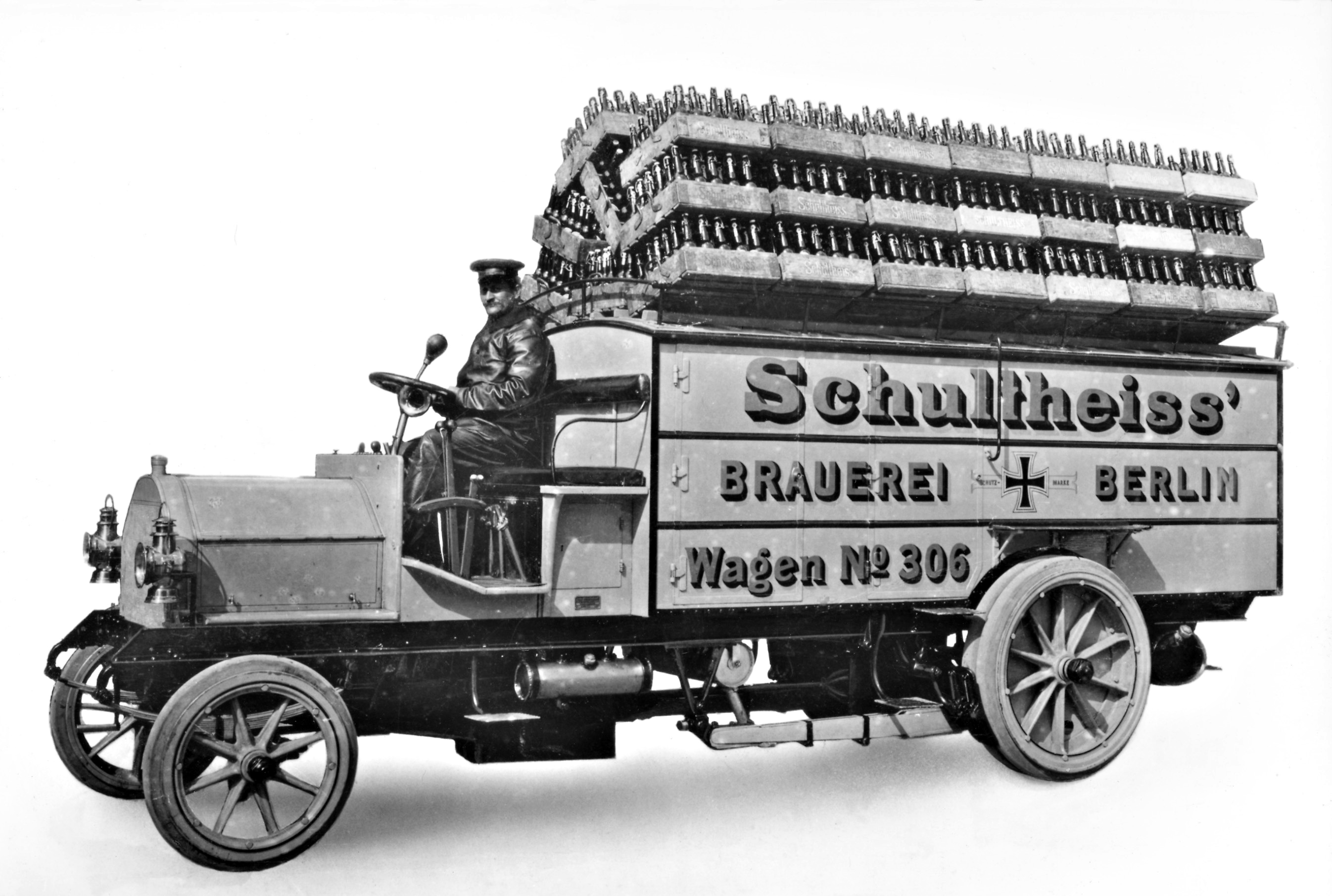
Daimler truck history

Gaining momentum in the 20th century
However, long-distance transport remained the domain of the railways for a long time to come. The distribution of labour at a time when the truck was still in its infancy was like this: while the railways linked the industrial centres with each other, traditional horse-drawn carts and trucks distributed goods to smaller towns and villages.

The onset of the first World War did create demand for trucks by the military although when the war ended, so too did demand for some time. Nevertheless, by the 1930s, truck engineering had matured and advanced greatly that it was able to be a viable alternative for delivery over the long distances that had been handle by the railway services.

Birth of sub-segments
During the 20th century, as the truck segment began to grow, sub-segments appeared in different markets. There were large trucks, medium-sized trucks and small trucks, the vehicle type typically defined by having a large cargo space behind. Huge trucks were designed for mining operations while smaller trucks – referred to as pick-up trucks – were useful for business operators to carry small loads.
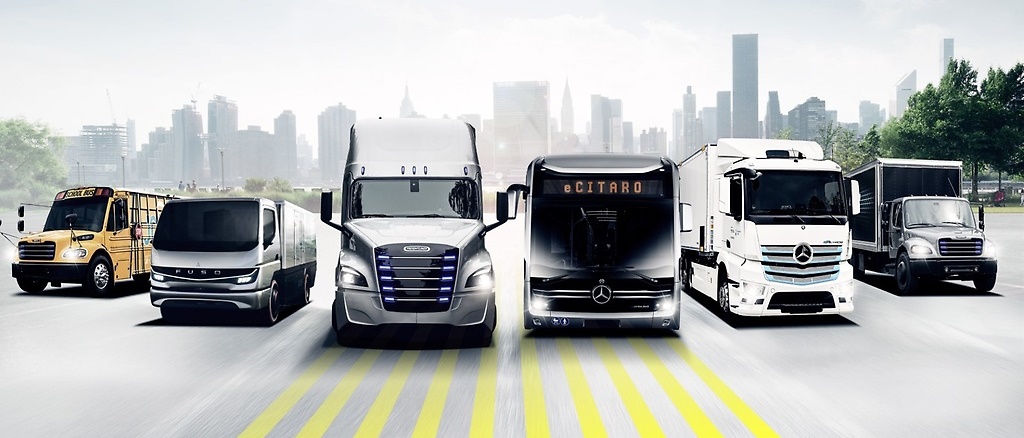
Daimler truck range in 2019

Not surprisingly, Daimler Truck AG, with its 120-year history, has consistently set standards for the entire transportation industry – in terms of safety, fuel efficiency and driver and passenger comfort. It is today one of the world’s largest commercial vehicle manufacturers. Its portfolio has 7 vehicle brands to serve various segments.


PISTON.MY

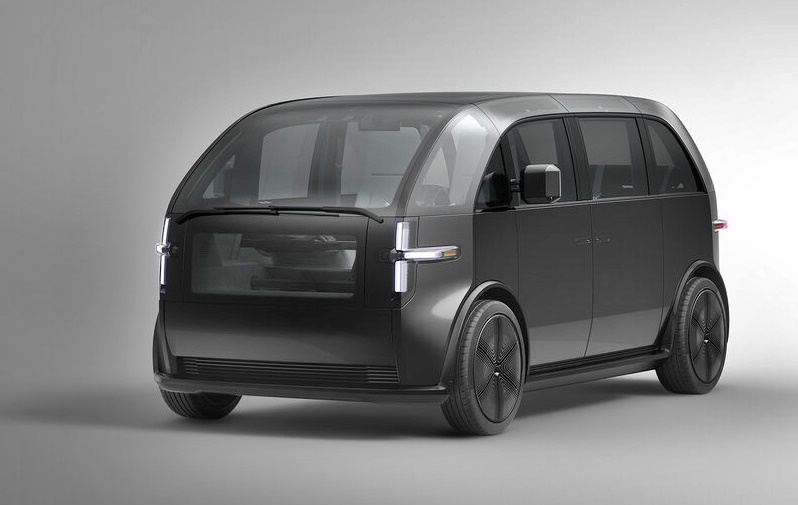
Canoo, a Los Angeles-based company, aims to carve its own presence in the coming era in which transportation is becoming increasingly electric, shared and autonomous. It will do this by challenging traditional automotive shape and functionality and capitalizes on EV (electric vehicle) architecture in a way that provides significantly more interior space.

Canoo

“We believe that the potential of EV architecture can enable a post-SUV era that addresses the ever-growing desire for space and value,” said Ulrich Kranz, In Charge at Canoo. “We promised a truly different approach for EVs, and our canoo proves that we can deliver on that vision. In my 30 years’ experience, I have never seen so many quality achievements in such a short time. We are on track for our launch date in 2021.”

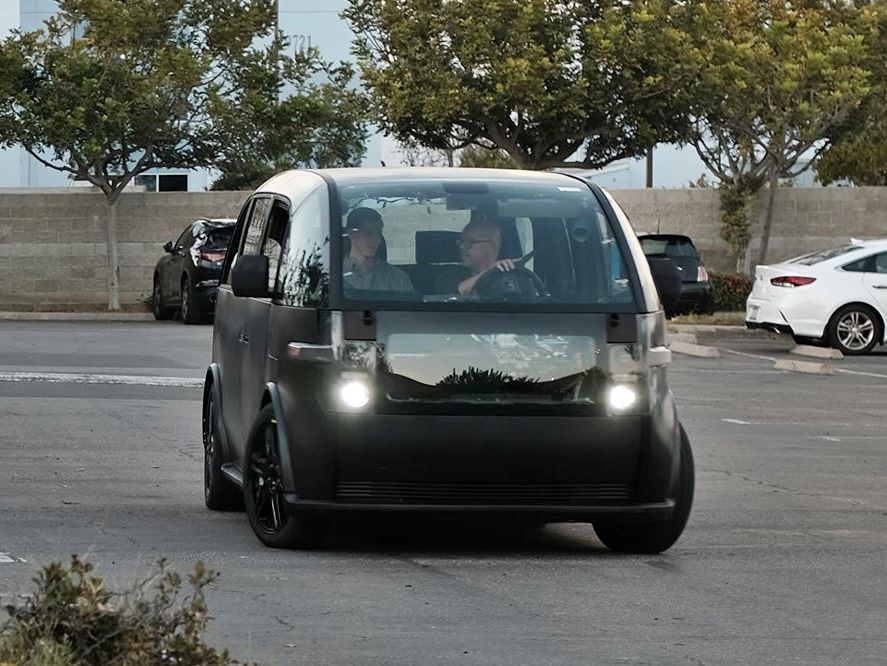
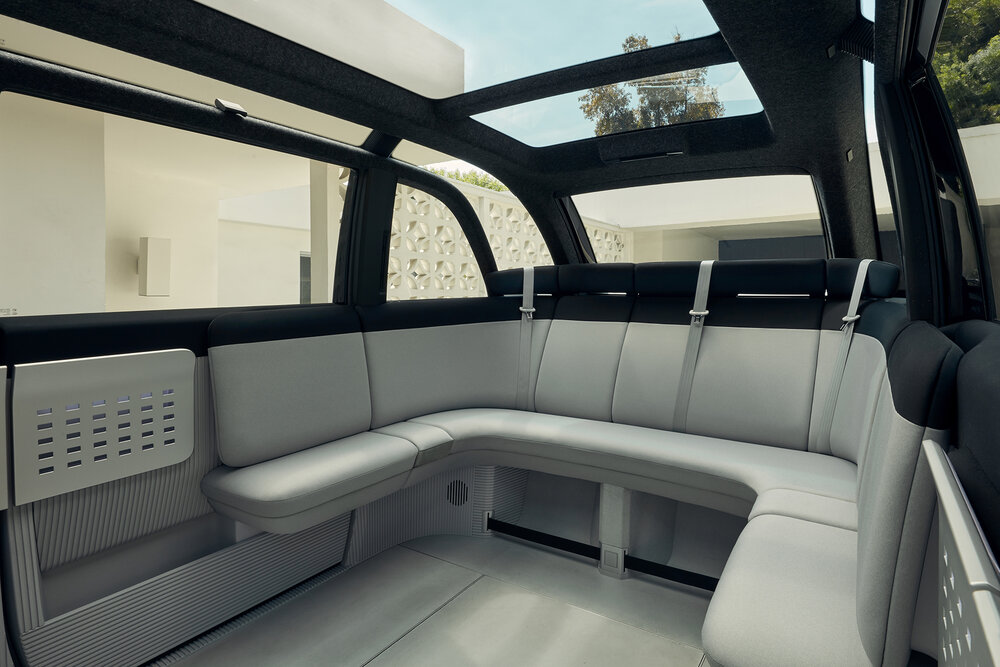
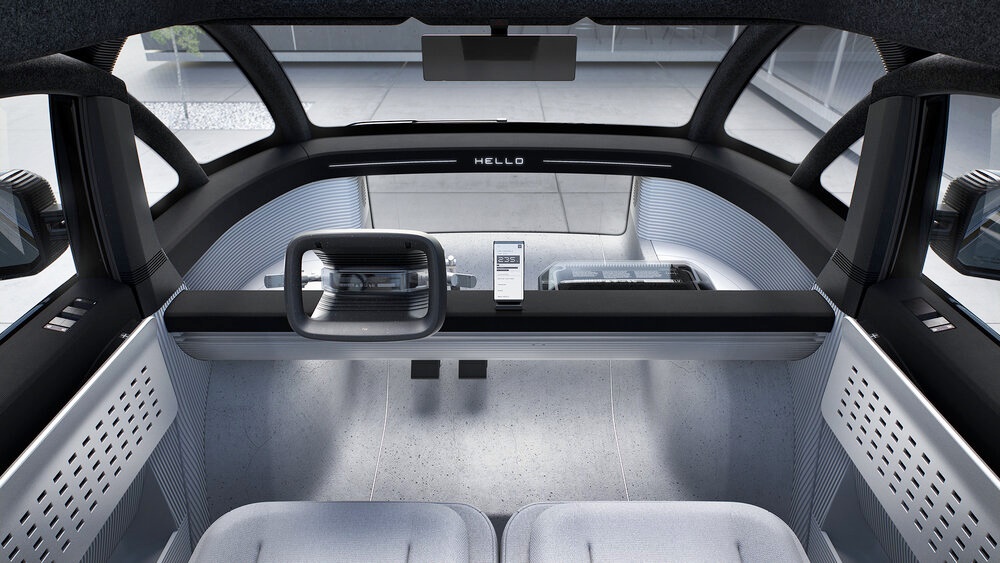
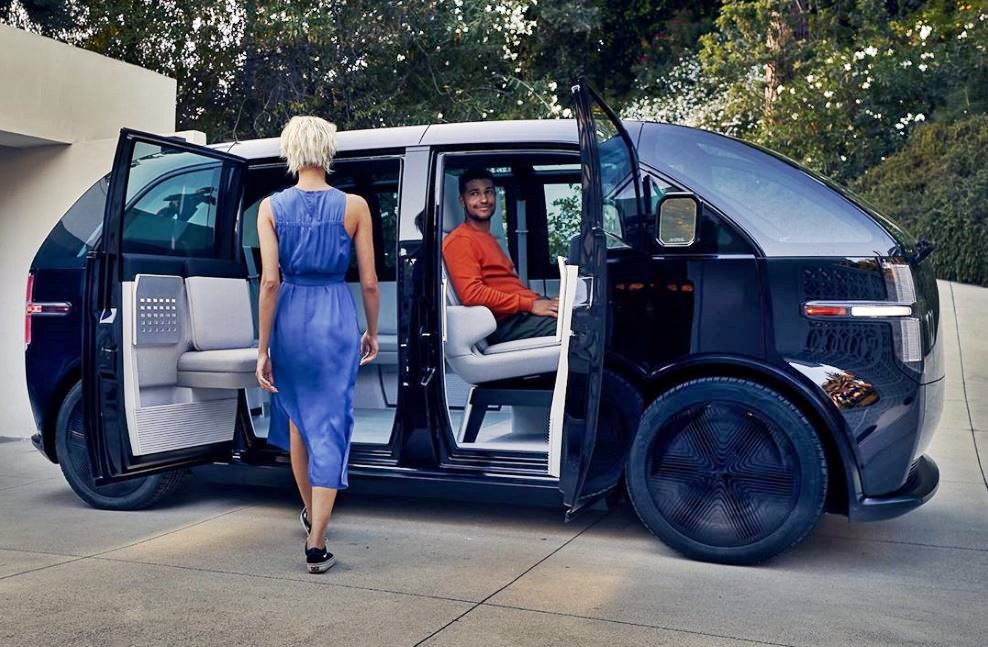
The canoo is the result of a completely re-engineered vehicle design, eliminating wasted space throughout the vehicle and providing exceptional utility to the user. By capitalizing on EV architecture, the canoo eliminates compartmentalization and comes across as an urban loft on wheels.

Canoo

As spacious as a large SUV
With the interior space of a large SUV and the exterior footprint of a compact car, the canoo offers enough space for 7 people. All seating is designed to feel more like furniture than traditional car seats. For example – the rear seats are more like a sofa to lounge on than a cramped and segmented backseat, and the front takes inspiration from mid-century modern chairs.

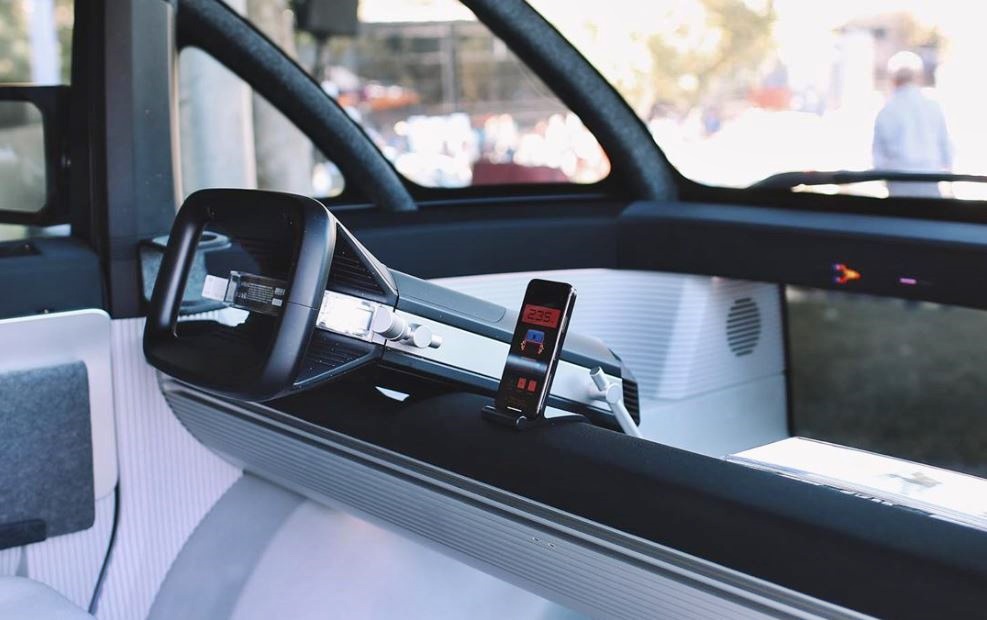
A minimalist approach for the user interface provides an experience comparable to a connected home. The occupants bring their own devices, which are naturally personalized, intuitive and secure. Therefore, the non-driving features such as navigation, music or heating can be controlled via phone or tablet to be consistent with the user’s daily connected life.

Canoo

Proprietary ‘skateboard’ architecture
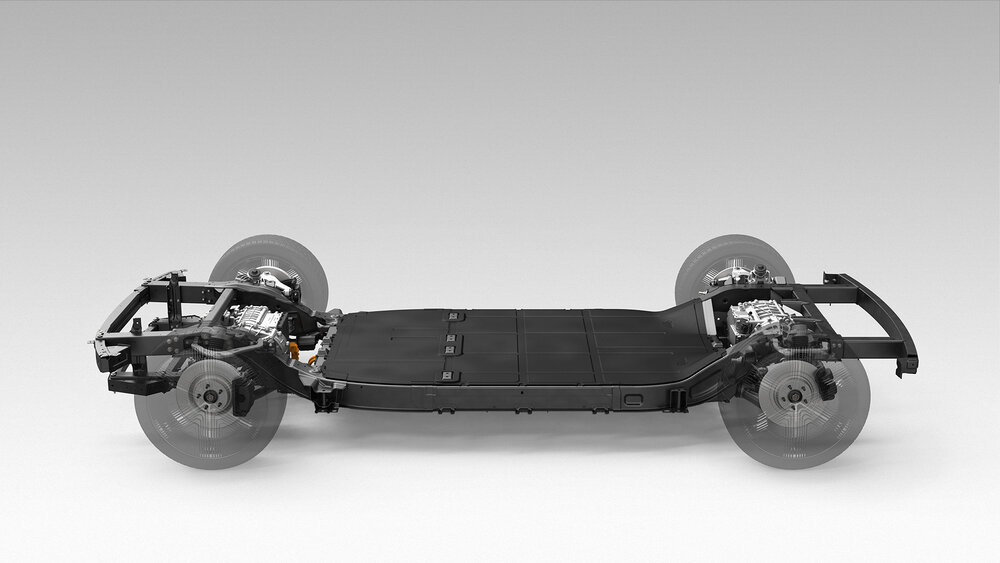
Canoo has developed a proprietary ‘skateboard’ architecture, directly housing the batteries and electric drivetrain. All of Canoo’s vehicles will share the same underpinning and different cabins or ‘top hats’ can be married on top to create unique vehicles. Leveraging the same fixed and flat skateboard allows for reduced R&D costs, efficient production and a better use of interior space.

The vehicle and skateboard are designed for an overall 5-star safety rating. The skateboard houses the most critical components of the vehicle with a strong emphasis on functional integration; the premise that all components should fulfil as many functions as possible. This helps reduce the total number of parts, skateboard size and weight.

While traditional suspension systems intrude into the passenger compartment, reducing the ability to maximize interior space, Canoo has a composite transverse leafspring suspension that creates a completely flat skateboard, enabling maximum passenger space.

Whereas other companies need a cabin to be secured to a skateboard for it to drive, Canoo’s skateboard is a self-contained unit which means it can drive on its own with any cabin placed on top. The skateboard is also set up in a way that it could support a dual, front or rear motor configuration.

Canoo

Canoo

Multi-function battery pack
The canoo has a claimed range of up to 400 kms (EPA rating) and can reach an 80% charge in less than 30 minutes. The battery pack is fastened directly to the skateboard structure and avoids the redundant structure and space taken up by a separate battery enclosure. The pack provides torsional rigidity to the skateboard and to the overall vehicle.

The parts inside the battery module also serve multiple purposes in order to reduce the number of parts and to eliminate redundancies. For example, cold plates serve to cool the batteries, hold the batteries and increase the stiffness of the skateboard. The skateboard architecture also allows for future models to leverage the same battery pack.

Canoo

Subscription concept offered
Canoo believes that there is a better solution than traditional car ownership. Currently, consumers are forced to go to a dealership and deal with insurance, maintenance and repairs. And the vehicle’s value drops immediately as the owner drives off a dealer’s lot.

Instead, Canoo will free its customers from the burden of ownership by offering a hassle-free and commitment-free EV subscription for one monthly, affordable price and with no set end date. The subscription may include services such as registration, maintenance, insurance management and charging—all from a single app.

PISTON.MY

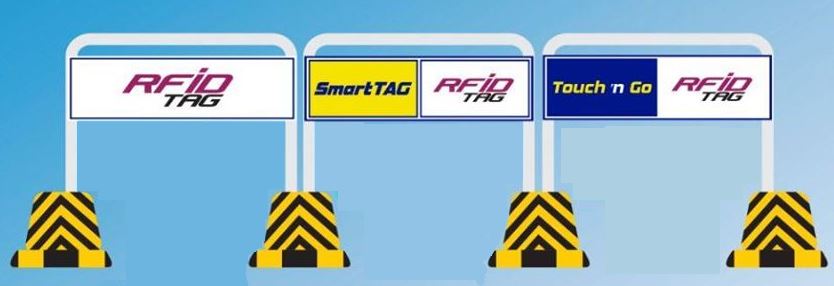
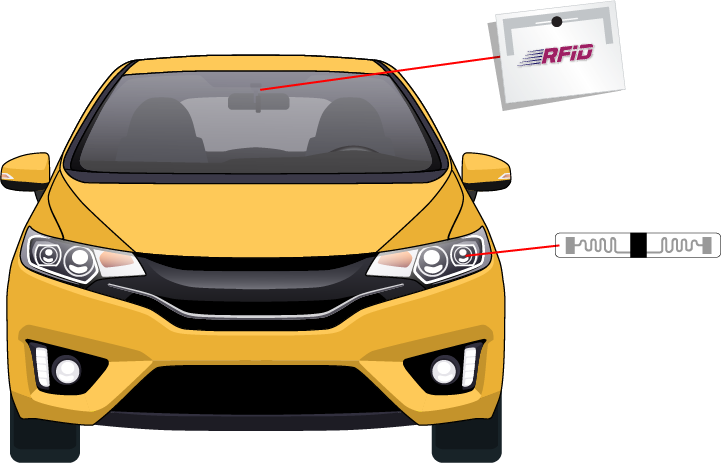
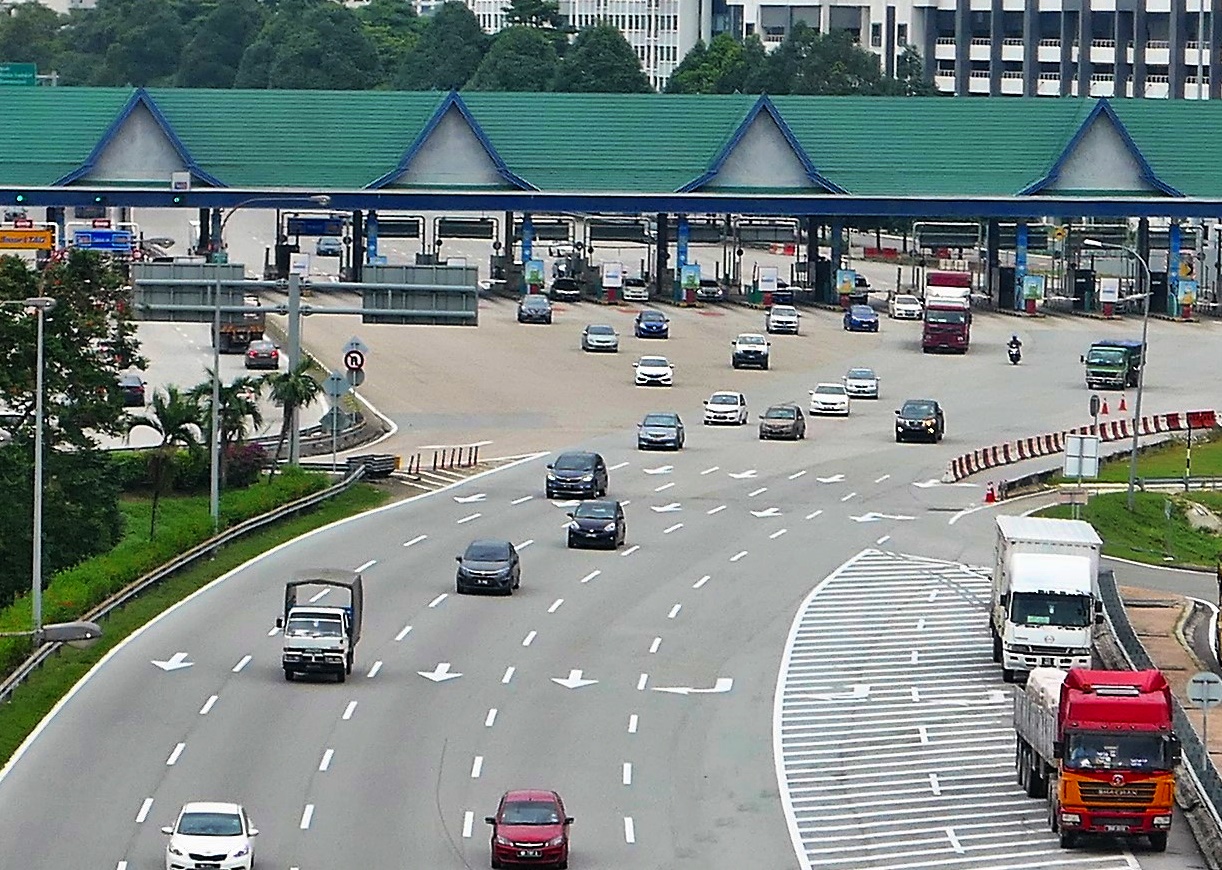
If you have a RFID tag on your vehicle, you’ll be pleased to know that from January 1, 2020, all 62 open-system toll plazas will have lanes to allow you to motor through without stopping. The move has become possible possibly because PLUS agreed to adopt the RFID system by Touch ’n Go to support the future introduction of the Multi-Lane Free Flow (MLFF) system. With this system, toll booths won’t be needed any longer although it might not be like the Singapore ERP (Electronic Road Pricing) system where only gantries are installed over the roads.

RFID

The open-system tolled highway is the one where you pay a fixed amount as you pass through the toll plaza. It differs from the closed-system which charges toll according to the distance travelled along the highway. You pay only when you pass through the second toll plaza leaving the highway.

In the case of PLUS highways, the RFID services will be available at 10 toll plazas (eg the two Penang Bridges and the Second Link in Johor)) from January 1, 2020. The concessionaire says that the remaining 83 toll plazas with the closed system will accept RFID payments from April 1, 2020.

According to the Malaysian Highway Authority (Lembaga Lebuhraya Malaysia), the RFID electronic payment system will co-exist with the existing Touch ‘n Go and SmartTAG systems. So you don’t have to rush to install the RFID tag (if you have not done so), at least not just yet.

Toll plaza

The introduction of the RFID system is aimed at making traffic flow smoother through toll plazas.  The system is linked to the app-based Touch ’n Go eWallet which enables easy topping-up whenever needed. RFID transactions are in real-time and highway users will receive immediate notification of their balance.

To date, over 830,000 vehicles have been fitted with the RFID tag. Touch ’n Go has appointed 18 fitment centres around the country and also has a fleet of 112 mobile fitment centres.

PLUS to accept TnG RFID system on its highways, also addressing reload issues

PISTON.MY

As the year comes to an end, PPG – a leading supplier of automotive paint globally – looks at the colours motorists chose for their new vehicles in 2019. Because PPG operates in some 70 countries, it has been able to get data on consumer preferences although it must also be said that the data can be influenced by local assemblers who pick certain colours.

Nevertheless, collaboration between PPG’s more than 20 colour experts generates a fact-based approach to trends and consumer preferences, resulting in a unified voice on colour direction. The company believes this is reflective of current consumer attitudes and spans cultures, regions and markets.

PPG 2019 Colours

Blue reflects consumers’ desire for adventure, relaxation and reliability
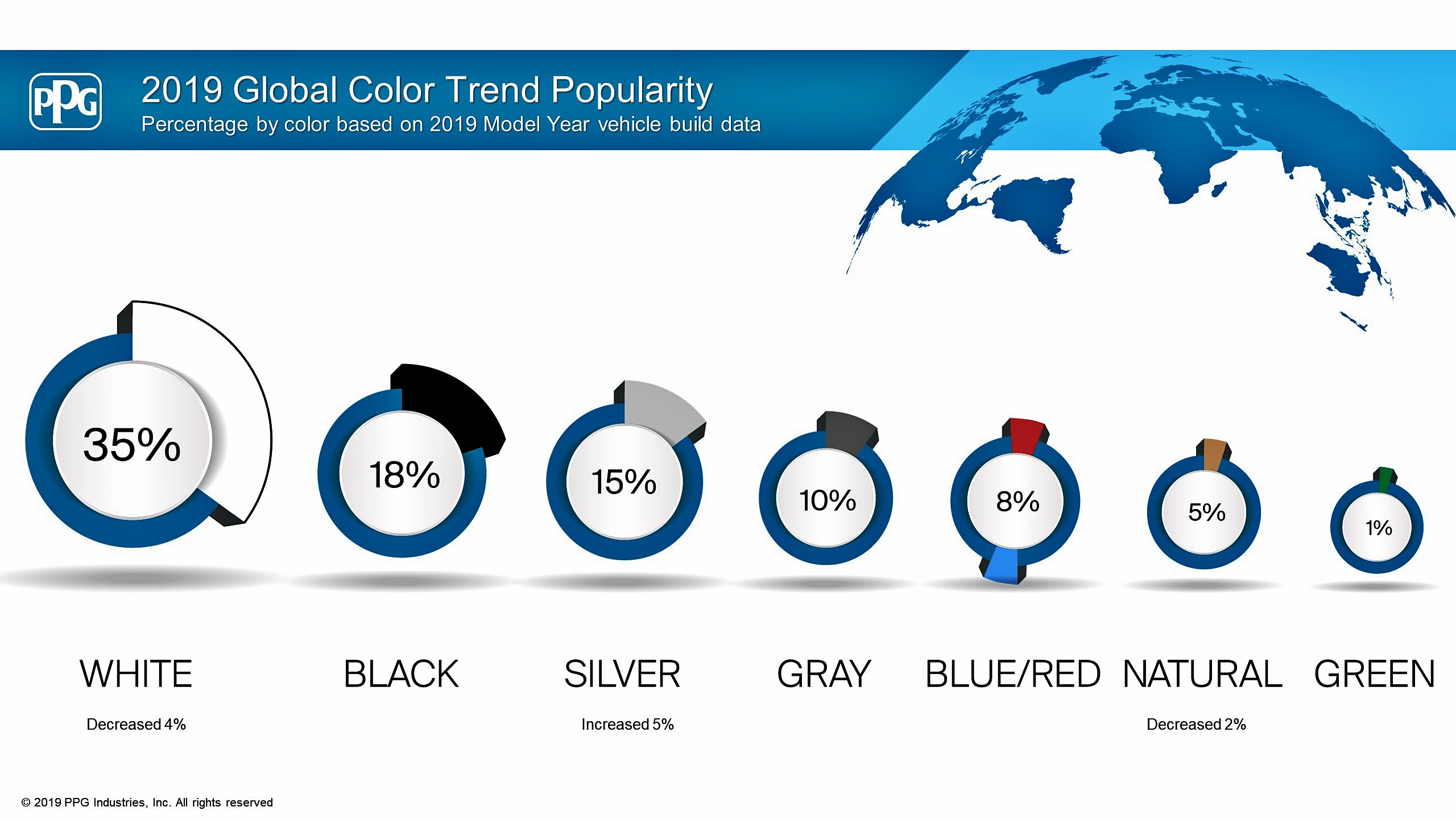
For 2019, blue was found to be increasingly popular, albeit holding a steady 8% of the total global colour popularity data – second only to neutrals like white, black, silver and grey. According to the experts, blue reflects consumers’ desire for adventure, relaxation and reliability.

“We see bolder colours making a comeback in many consumer segments. The versatility of automotive blues – from light sky blue to rich indigo – allows consumers to make a statement, while also ensuring the colour maintains a certain level of practicality,” said Jane Harrington, PPG Manager, Colour Styling, Automotive OEM Coatings.
“Now more than ever, consumers have a desire to make a statement – whether it be through their colour choices or the brands they buy,” Ms Harrington said.

PPG 2019 Colours

Europeans love the blues
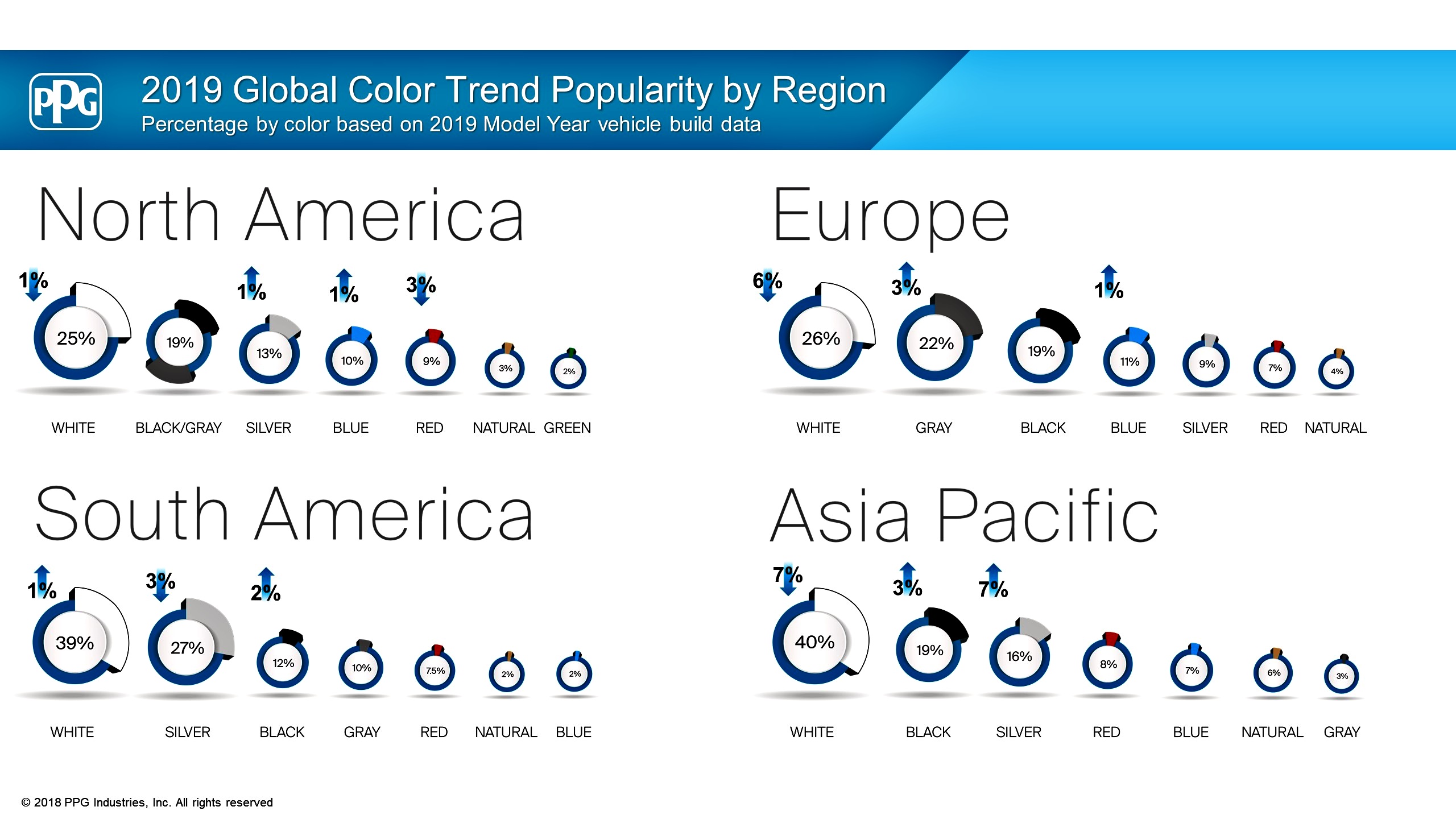
Europe saw the largest number of consumers choosing blue for their vehicles in 2019, at a high of 11%, up 1% from last year. Close behind, in North America, blue was on 10% of vehicles leaving factories – the highest next to neutral hues. The Asia Pacific area saw 7% of consumers choosing blue, with South America having only 2% blue automobiles.

PPG 2019 Colours
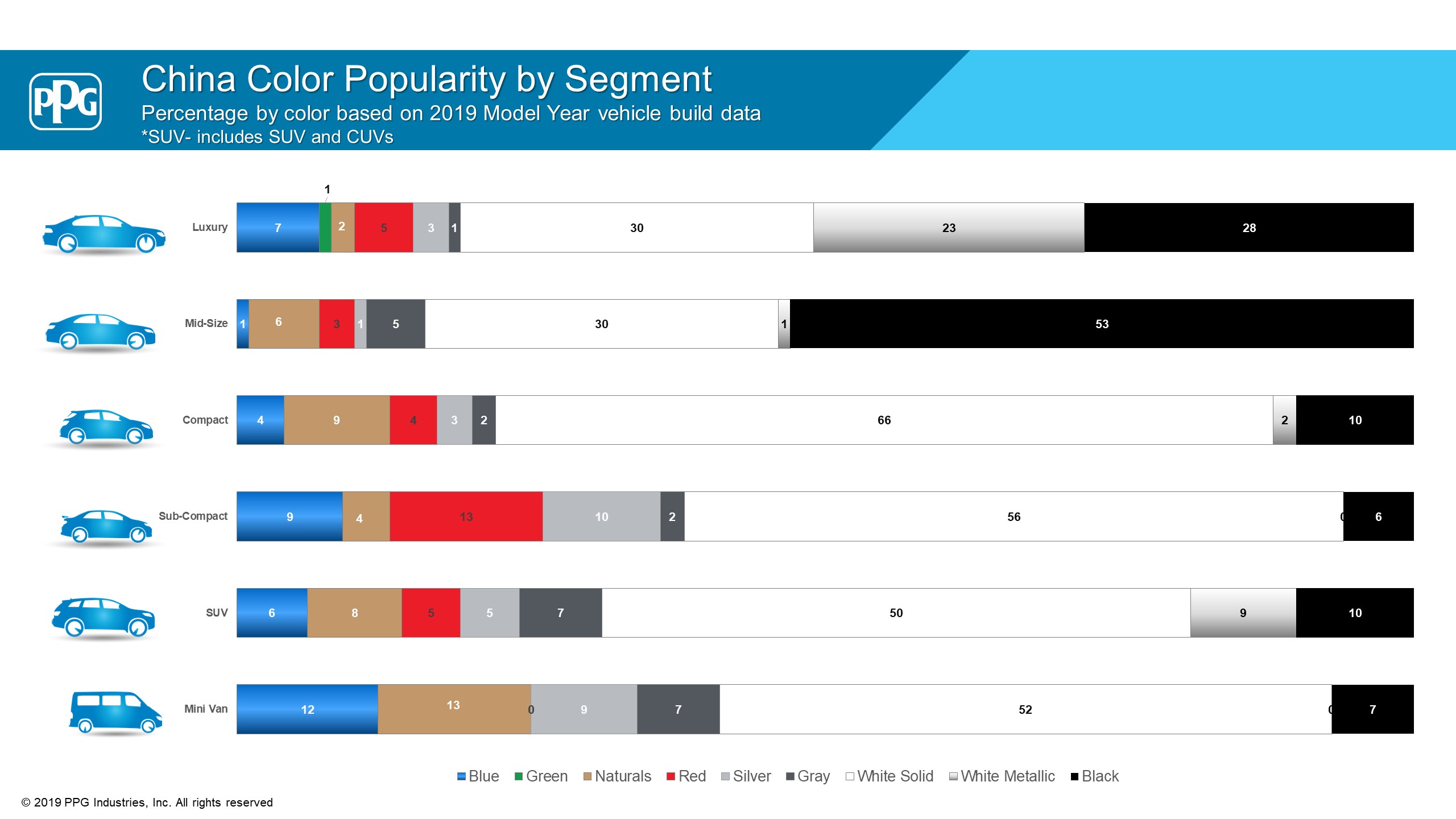
In China, white is still the most popular choice for all types of vehicles.

While it’s anticipated that we could see more blue automobiles for the next 4 years, the hue offers many nuanced shades that can be transformed with different pigment effects, fine or coarse metallic flakes, luminous micas and sparkling glass flakes. Chromatic blues with slight red or green undertones are already appearing across the automotive market and will continue to evolve over the coming years.

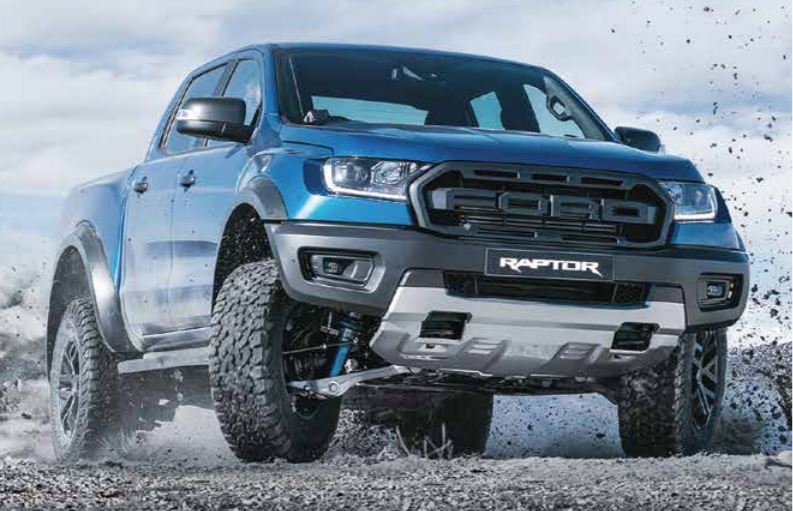
Ford Ranger

Consumers aren’t just choosing blue hues in their automobiles, but also gravitate toward the colour in their homes, electronics and automotive accents. The PPG paint brand earlier this year announced its 2020 Colour of the Year – Chinese Porcelain – a blend of cobalt and moody ink blue that imparts calmness, hopefulness and restful sleep – precious commodities in a restless world.
“The need for simplicity and escapism from technology is, in part, the reason that consumers are craving blues that bring us closer to natural elements such as the sea and sky – elements that represent peace and serenity,” said Dee Schlotter, Senior Colour Marketing Manager, PPG Paint Brand. “The increasing need for connection in an unmoored world was a reoccurring theme at PPG’s Global Colour Workshop.”

Blue for wheels too!
“Beyond colour preferences on the exterior of automobiles, consumers are looking to incorporate more colourful choices for their wheel accents,” said Jennifer Solcz, PPG Global Segment Manager for Wheels, Industrial Coatings. “We’re seeing wheel designers now opting for complementary blue and blue-grey tones, and bolder choices for logos, racing stripes and other embellishments for a cohesive, custom look.”

PISTON.MY


In accordance with the government’s directive, all petroleum companies must supply RON95 petrol meeting Euro4M standards from January 1, 2020. As it takes times to replace the fuel in storage tanks, the companies would already have been sending the new supplies by now and at some stations, the pumps would already be dispensing the Euro4M petrol.

It would seem that PETRONAS stations have seen a quicker replacement rate – perhaps due to the increased demand during the holiday season as well as the popularity of their fuels – and the national oil corporation has announced that all its stations nationwide are now supplying Euro4M RON95 fuel.

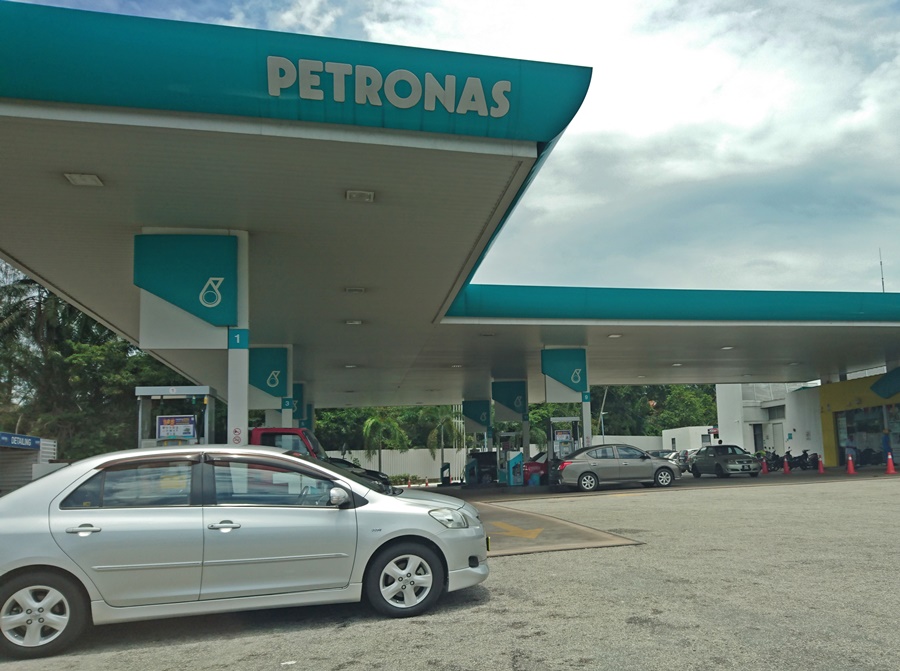
PETRONAS
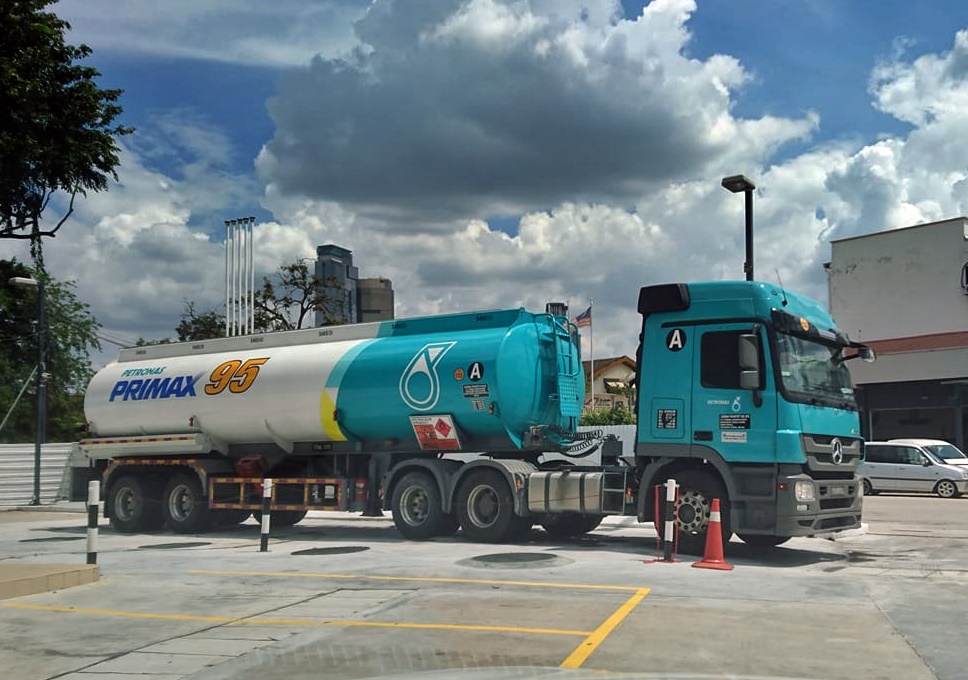
New supplies of petrol being delivered to a station (file picture).

No change in price
The price of the upgraded fuel is unchanged from before and follows whatever is set by the Automated Pricing Mechanism (APM) which is used to determine the retail prices each week. At present, the price of RON95 has been maintained at RM2.08 a litre although it would actually cost motorists RM2.28 a litre if not for subsidies amounting to RM70.61 million for this week. RON97, which is a Euro4M fuel already, is unsubsidised so its price fluctuates each week.

The new fuel specifications contain just 50 parts per million (ppm) sulphur, which is 10 times less than the Euro2M standard that has been applied for RON95 petrol for a long time. Additionally, the benzene content is reduced by 30% to 3.5% while vapour pressure is reduced by 7% to 65kPa. All this means that the fuel is cleaner, which is good for both the engine and the environment.

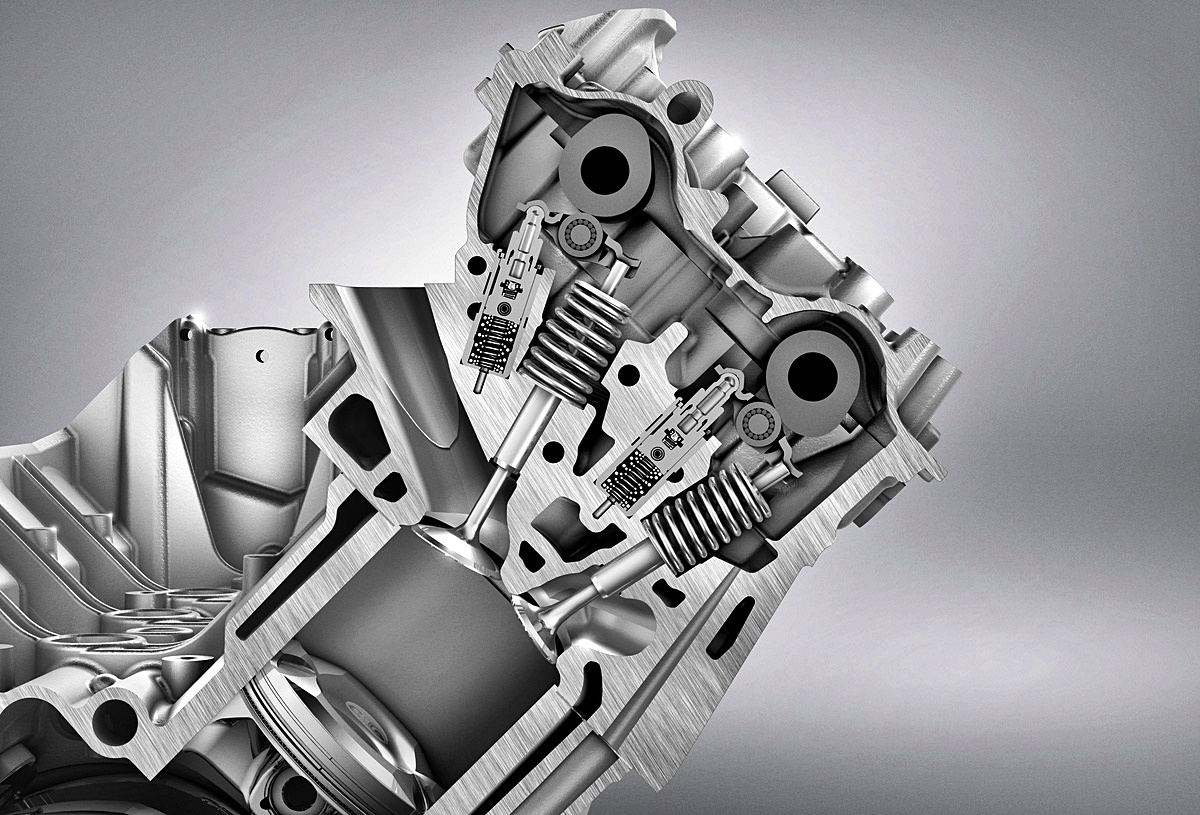
Upgrading to the Euro4M spec does not mean that the engine will become more powerful, as some people mistakenly think. The engine has a rated output which will be produced when it is new. However, over time, due to wear and tear and formation of deposits, the actual output may start to go down and the engine’s efficiency will also change. The change will be gradual but it happens, which is why regular maintenance is important if you want optimum performance all the time.

Mercedes engine
The much lower sulphur content means less clogging of the tiny passages in the fuel delivery system, allowing the engine to run more efficiently. Less sulphur is also good for the environment.

Fuel efficiency improved
What this new cleaner fuel – which PETRONAS calls Primax 95 with Pro-Drive – can do is enable the engine to run more efficiently as it has a lower sulphur content so things like the injectors don’t get clogged up. The various additives in the petrol also work to remove deposits and prevent formation, allowing the engine to run at its best, often accompanied by smoother operation. But you cannot expect an engine that it originally rated to produce 100 ps to produce 110 ps just by changing to Euro4M!

“Our RON95 fuel has been upgraded to Euro4M standard at all our stations since early December. With this upgrade, our customers will not just enjoy a smoother, more responsive and efficient drive, but also a cleaner fuel which works together with today’s modern vehicles in reducing air pollution to deliver both health and climate benefits. Ultimately, PETRONAS Primax 95 with Pro-Drive is good for the engine, and the environment,” said the MD & CEO of PETRONAS Dagangan Berhard, Dato’ Sri Syed Zainal Abidin Syed M. Tahir.

To find out more about the new enhanced PETRONAS Primax with Pro-Drive that is Euro4M- compliant, visit www.mymesra.com.my.

‘Pay, Pump & Go’ with Setel at all Petronas stations in Klang Valley

PISTON.MY


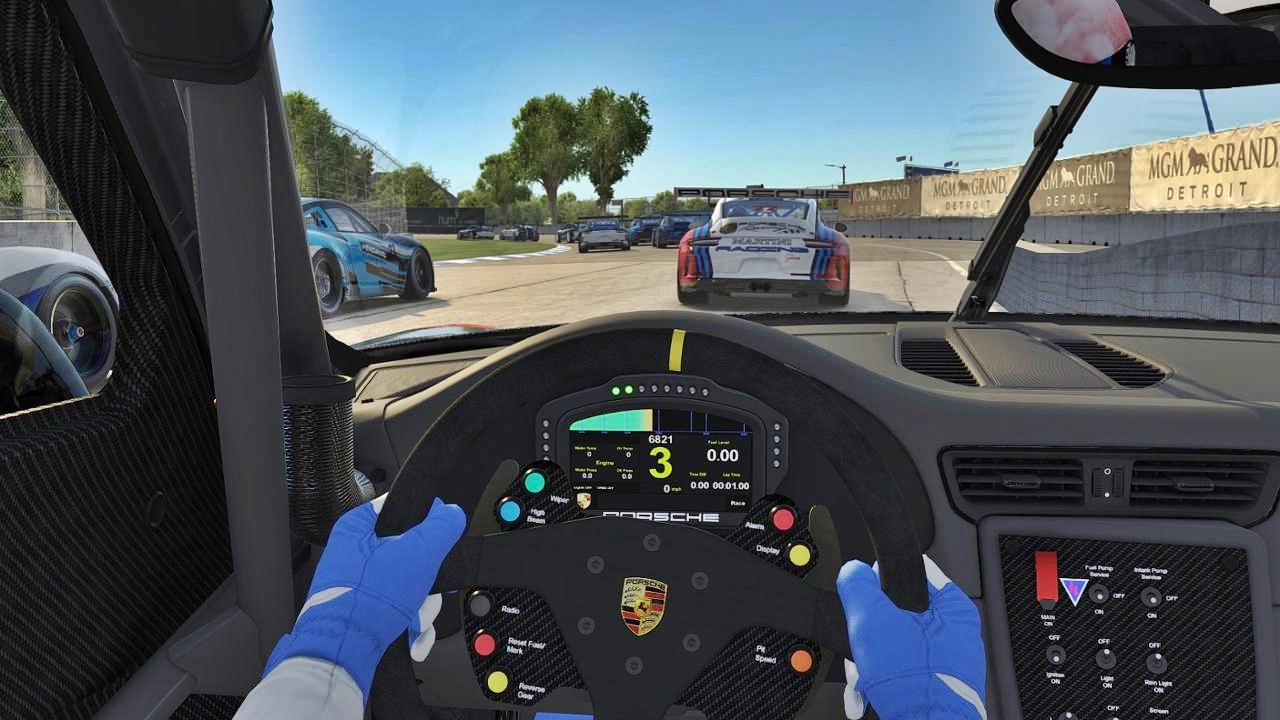
Videogames have been around since the early 1970s, with players challenging each other on machines in the same room. In tandem with the development of the internet and global connectivity, videogames moved online to evolve into ‘Esports’ from around 2000. In recent years, some car companies have started to become involved in Esports since there are also highly sophisticated motorsports simulators like Playstation 4’s Gran Turismo.

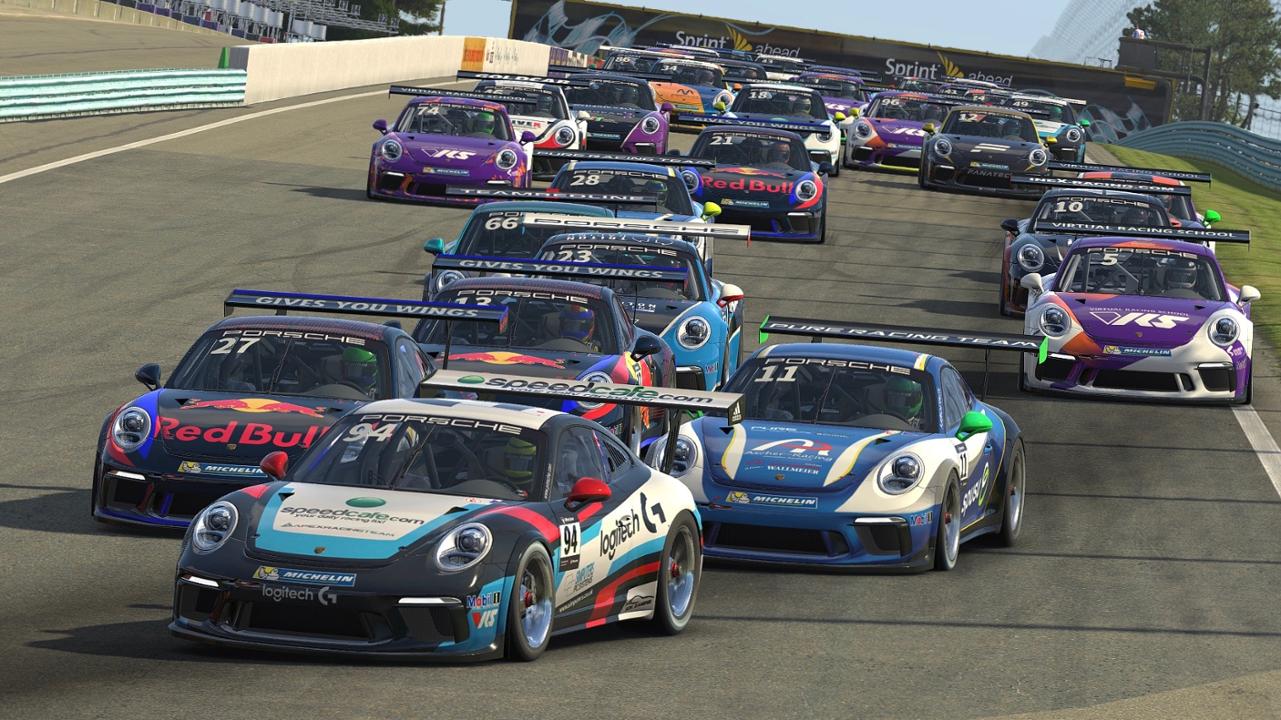
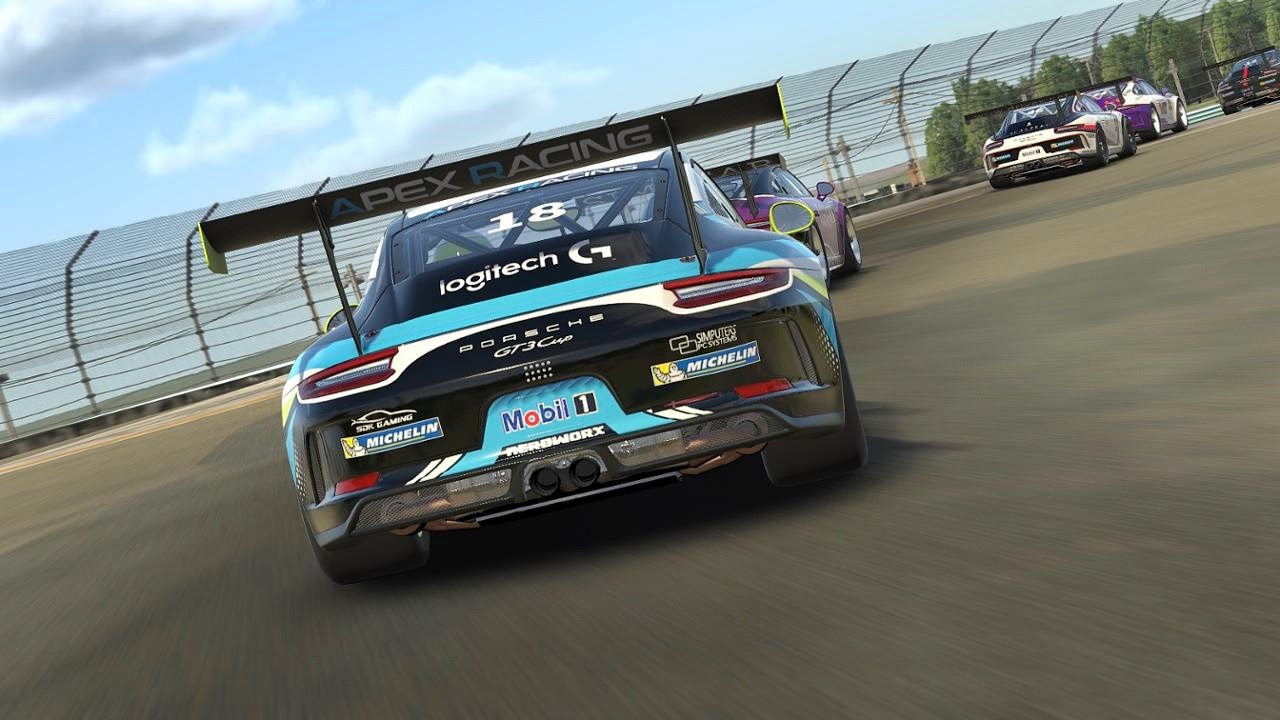
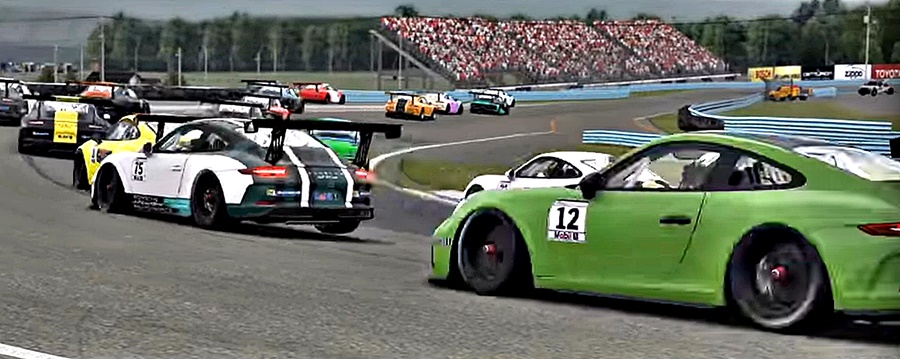
One of the companies is Porsche which organised the inaugural Porsche Esports Supercup online racing series. Encouraged by a successful first season this year, the company is now getting the second season started. Qualifying rounds to the virtual brand cup jointly organised by Porsche and iRacing have been ongoing since mid-December and will last 12 weeks.

Porsche ESports

10 racing weekends at iconic racetracks
As of May 2020, the top 20 simulation racing drivers of the qualification and the first 20 drivers of the previous season will be competing against each other on 10 racing weekends at iconic racetracks and circuits forming part of the Carrera Cup brand cups.

“The first year of the Porsche Esports Supercup was dominated by thrilling races. In 20 races, we saw 10 different winners! We have achieved our aim of bringing together the best worldwide sim racers in a racing series. We are all the more looking forward to the 2020 season, where we race on the Circuit de La Sarthe in parallel to the Le Mans 24-hour race. In addition, drivers need to prove themselves at Nurburgring Nordschleife – the world’s most challenging racetrack,” said Marco Ujhasi, Porsche Motorsport Esports Manager.

Porsche ESports

Pre-season testing in Barcelona
The new features of the virtual supercup in 2020 include a 2-day, pre-season test in Barcelona where drivers can prepare for the season. The Porsche Esports Sprint Challenge will also be taking place for the very first time. A new series that is part of the Supercup involving Porsche Cayman GT4 Clubsport vehicles, it is open to all drivers not taking part in the Porsche ESports Supercup.

40 drivers from a total of 16 countries took place in the first edition of the online racing series. Australian Joshua Rogers came out top and was also the first virtual racing driver to receive an award at the ‘Night of Champions’, a gala event that took place at the beginning of December to honour the year’s Porsche motorsports winners.

Porsche ESports

20 years of the Porsche 911 GT3

PISTON.MY

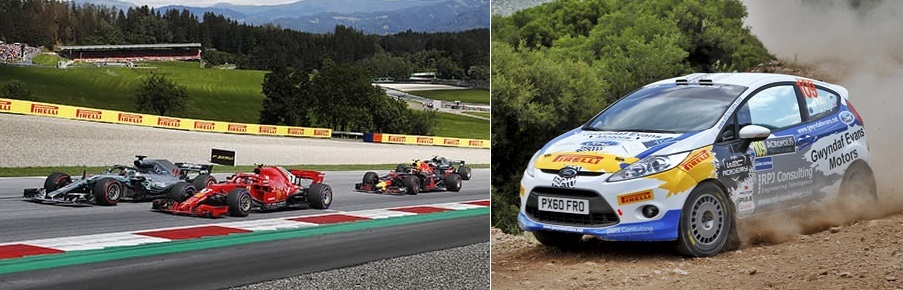
Pirelli has been the tyre-supplier to Formula 1 teams since 2011 and from 2021, the tyremaker has also been chosen by the FIA as the sole supplier for the World Rally Championship (WRC). Taking over from Michelin, the supply contract is to run until the end of 2024.

Pirelli will supply all the 4WD cars that compete on the championship, from the WRC category that fights for the overall title, to the R5-specification WRC2 class, which is also the headlining category on regional and national championships throughout the world.

WRC
Pirelli will supply tyres to all classes in the WRC.

Commitment to supporting young drivers as well
“Our return to the top level of rallying is something that we were considering for a while, and it’s particularly fitting that this appointment from the FIA comes in the year that Ott Tanak – a graduate of the Pirelli Star Driver programme – was crowned World Champion. Supplying the WRC alongside F1 will enable us to improve our products still further by putting them against some of the most varied and demanding conditions seen in motorsport,” said Mario Isola, Pirelli’s Head of F1 and car racing.

Pirelli’s commitment to supporting the careers of young drivers is set to continue as well. Alongside the continued supply to the Junior WRC, Pirelli will also carry on equipping the Junior ERC3 class on the European Rally Championship.

Pirelli F1 WRC
Pirelli has been sole tyre-supplier to F1 since 2011 but its involvement in the WRC goes back longer.

25 world titles and 181 wins
The tyremaker has long experience in WRC, having been involved since 1973 and being the tyres used by teams that won 25 world titles and 181 WRC events. It was sole supplier to the WRC from 2008 to 2010 and since 2018, it has supplied tyres for drivers in the WRC2 category.
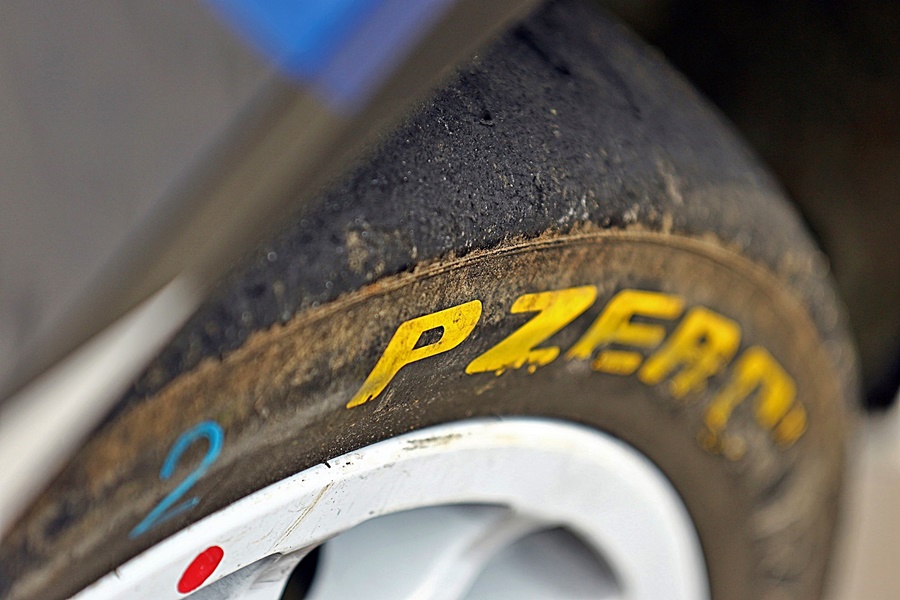
“Technology and passion are two key elements that Pirelli bring to motorsport, and these have allowed us to secure the single tyre supply for the World Rally Championship. We’ve supported young drivers in the Junior category for many years and now we’re returning to the top class as well,” said Giovanni Tronchetti Provera, Pirelli’s Senior Vice-President of Prestige and Motorsport.

He added that rallying has always been a perfect open-air laboratory for Pirelli’s engineers to test out new technologies that are eventually destined for road use, thanks to the extreme conditions that characterise the sport.

Pirelli WRC

Tyres to be supplied
Pirelli will supply the WRC teams with tyres that have already successfully been seen on different rally championships throughout the world. The P Zero RA is for asphalt, with different compounds available to suit the terrain and weather conditions. The Sottozero Snow (with or without studs) is used for snowy conditions, the Sottozero Ice J1 is specifically designed for Rally Sweden, while on gravel, the reinforced Scorpion K can cope with a wide variety of loose surface conditions.
PISTON.MY

The new company formed by the merger of Fiat Chrysler Automobiles (FCA) and the PSA Group will see 14 brands – mainly European – coming under one group. That’s a lot of brands to manage and in an age when economies of scale are paramount, there’s the big question mark of whether some brands will be discontinued. Or if they are retained, will they lose their uniqueness and be just badge-engineered products that are needed for certain regions where the brand has been popular?

Carlos Tavares (currently PSA’s chief), who will be the CEO of the new combined company, has said that no brand will be axed while acknowledging that it will be a challenge to manage so many brands. But these are early days and the new company has not even started business; once the new management starts to look at the numbers and formulates long-term plans, it may be necessary to make the hard decisions and cut off some brands that just cannot deliver revenues.

Alfa Romeo

A struggle to be kept in existence
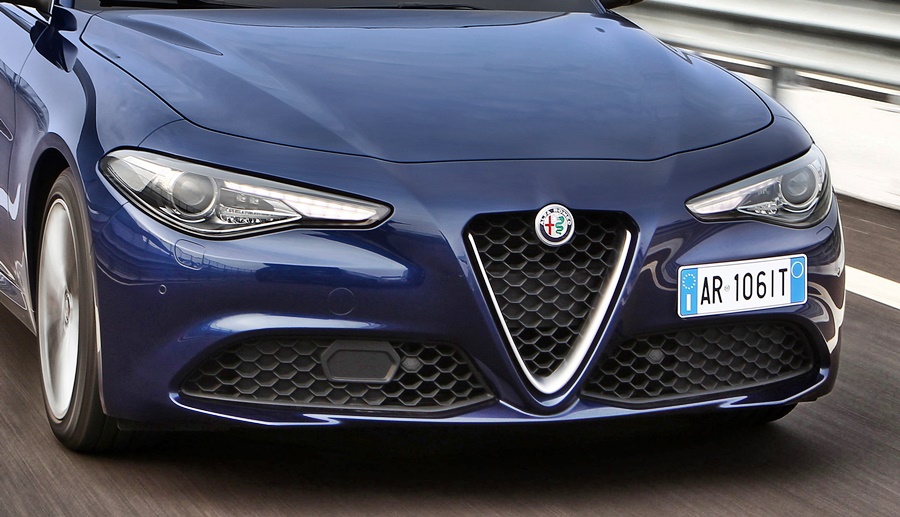
One brand that many worry about is Alfa Romeo. The sporty Italian brand has a history spanning over 100 years and has a strong following of alfisti all over the world. Fiat acquired it in 1986 but struggled to get it to make money for the past 20 years. When former FCA CEO Sergio Marchionne was alive, he tried to boost the brand but three efforts still failed. His successor, Mike Manley, was less sentimental about the brand and had announced decreased investments for it.

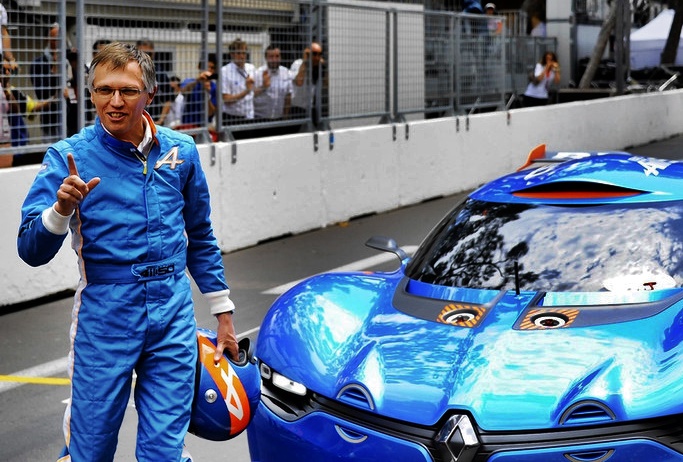
There is a glimmer of hope for Alfa Romeo though, simply because 61-year old Tavares is a true car guy. His first job after university was as a test driver at Renault and apart from a strong  personal interest in cars, he also goes racing on many weekends (though that may have to be sacrificed in future). So while he is also known as a cost-cutter like his former boss (Carlos Ghosn), he may well make a decision ‘from the heart’ and keep the Italian brand going somehow.

Carlos Tavares
Carlos Tavares, who will be the CEO of the new combined company, is a real car-guy. And like Akio Toyoda, he also goes racing!

Trying unconventional ideas like the SZ
He may look at unconventional ideas to breathe new life into Alfa Romeo, as Vittorio Ghidella, President of Fiat in 1986, did when he initiated the ‘Experimental Sportscar, 3.0 litre engine (ES30) project. Ghidella specified a puristic coupe with the sporty performance and sensational design as the target for the development contract.

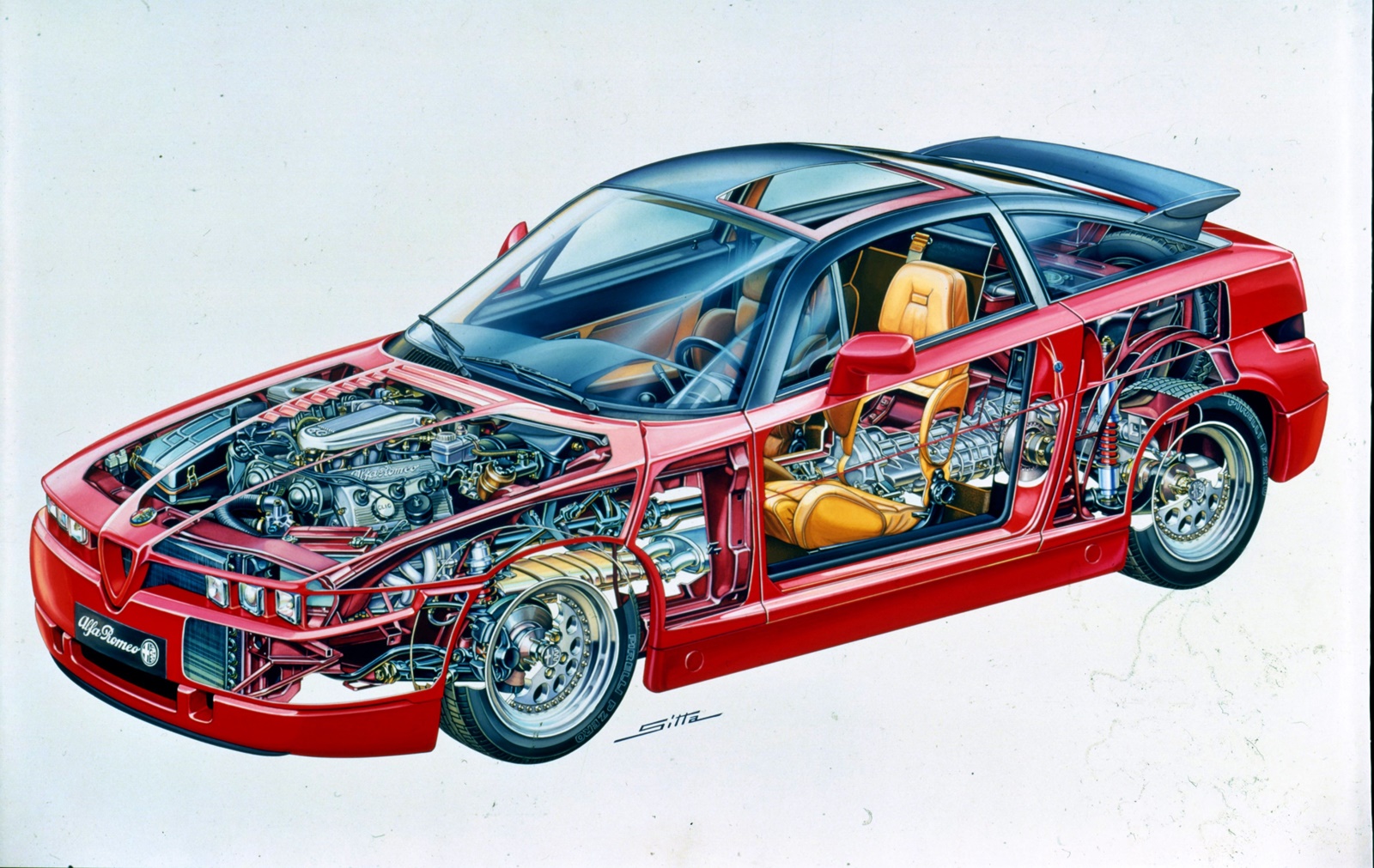
Alfa Romeo SZ 1987

Three teams took care of the second point of the task description in parallel – the Alfa Romeo design department, Fiat Centro Stile and design studio Zagato (responsible for some of the most spectacular and most successful models from Alfa Romeo in racing). This team of three was also given a low weight and the most efficient aerodynamics including ground effect possible, as in a Formula 1 racing car, which was supposed to suck the finished model onto the road through the wind.

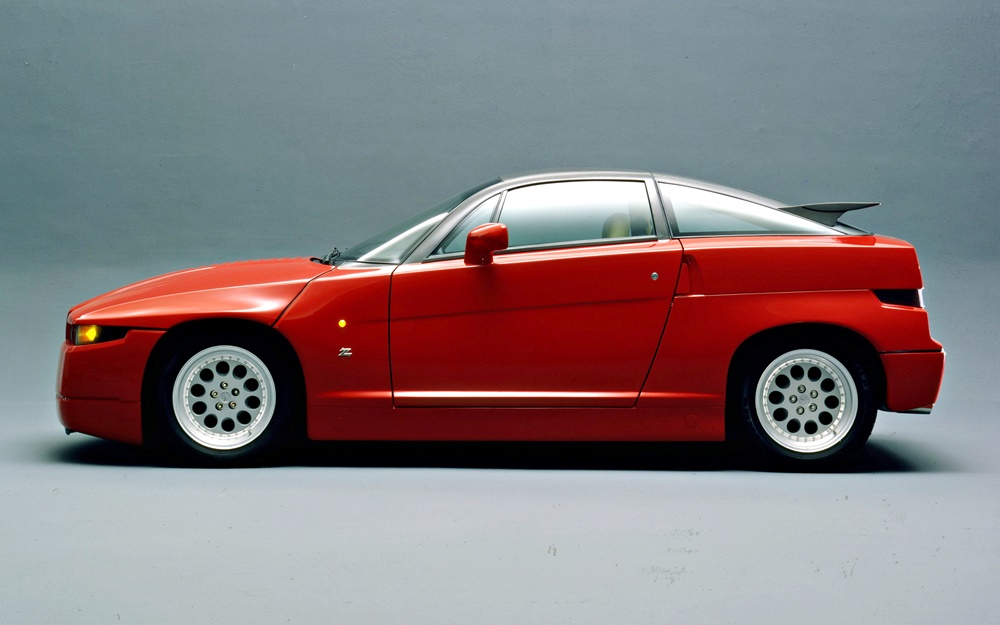
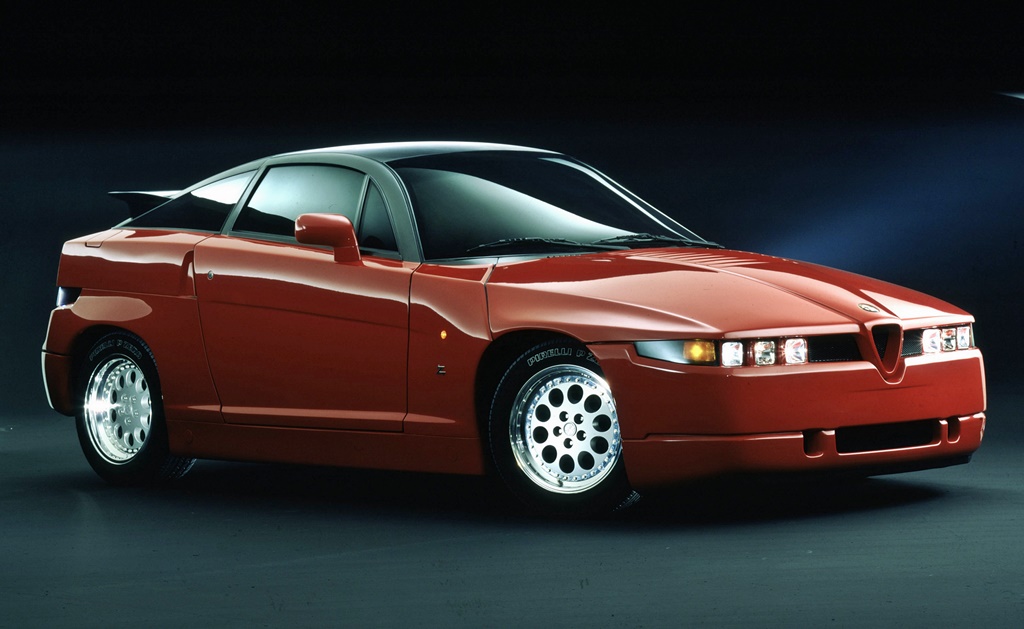
The result was an avant-garde design with narrow, square triple headlights, a distinctive wedge shape with a high beltline and a short hatchback. The ES30 was undoubtedly the most radical thing there was at the time as a production vehicle. The coupe corresponded entirely to the aesthetics at the time of Italian design in furniture and fashion.

Alfa Romeo SZ 1987

The elaborate body was made of a glassfibre-reinforced synthetic resin. A new process ensured a particularly smooth surface. A steel skeleton served as the load-bearing structure, which, in addition to high torsional rigidity, also guaranteed low weight. The light metal aluminium was used for the roof skin. The finished car would finally weigh a comparatively low 1,256 kgs.

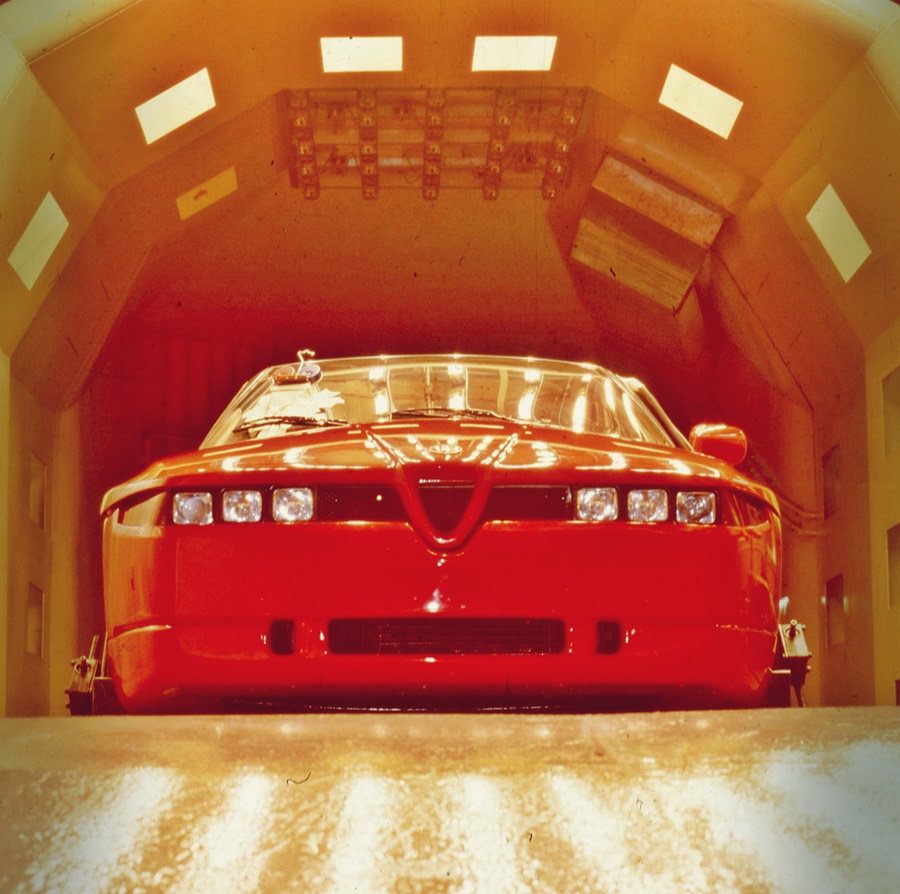
The drag coefficient of 0.30 was also excellent for the time. Wind tunnel tests indicated a top speed of 245 km/h and a time of 7.5 seconds for the sprint from 0 to 100 km/h. In order to achieve the required ground effect, however, the body had to have such a low ground clearance (around 6 cm) that it would have led to problems with, for example, driveways. The solution was an electrical level control, with the help of which the body could be raised by 5 cm when necessary.

Alfa Romeo 75 technology
As the other requirement was to keep the development costs low, the team used the proven technology of the Alfa Romeo 75. However, the chassis with the gearbox on the rear axle (transaxle design) was in some places know-how the Alfa Romeo racing department adapted to the desired performance. The torsion spring bars on the front axle gave way to conventional McPherson struts, stiff Uniball joints instead of the conventional rubber elements, eliminating inherent movements in the chassis.

Alfa Romeo SZ 1987

The technicians selected the V6 petrol engine with 3 litres displacement from the 75 America model as the drive source. They increased its output to 210 bhp through sharper camshafts and newly programmed engine electronics (Bosch Motronic).

Zagato even developed a racing version of the ES30, which appeared in its own one-make cup in 1993 as part of some Formula 1 races. But the comfortable driving behaviour also proved itself in everyday life, even long tours were a pleasure in the two-seater coupe.

After just 19 months of development, just in time for the planned world premiere at the Geneva Motor Show in March 1989, the ES30 project was ready for production. Since production at Zagato was to take place in the Milan suburb of Rho, the company remembered a legendary combination of letters – SZ for ‘Sprint Zagato’. Despite the relatively high base price, 1,036 cars were sold between 1989 and 1993.

PISTON.MY

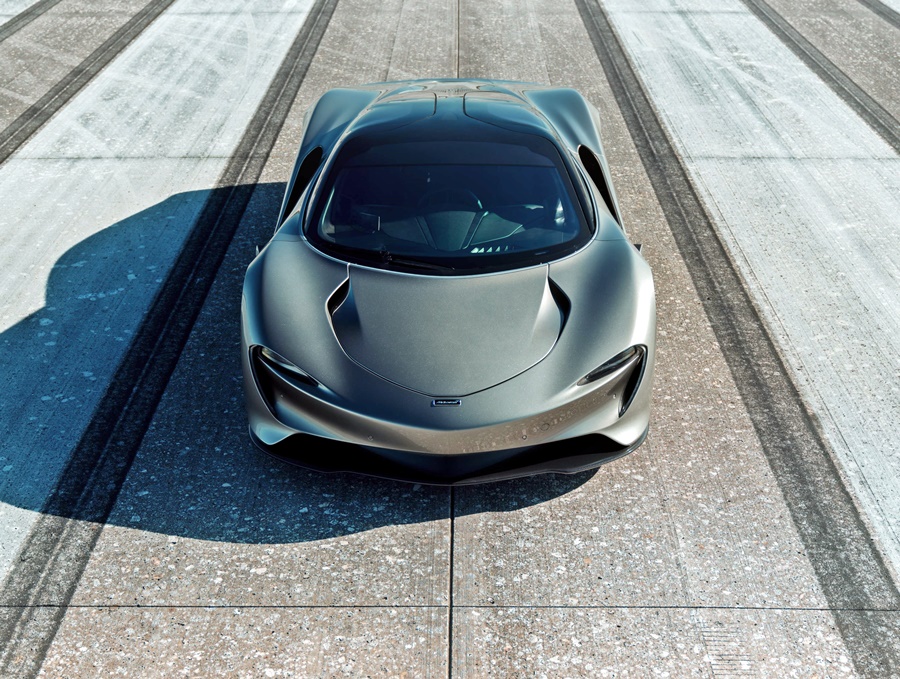
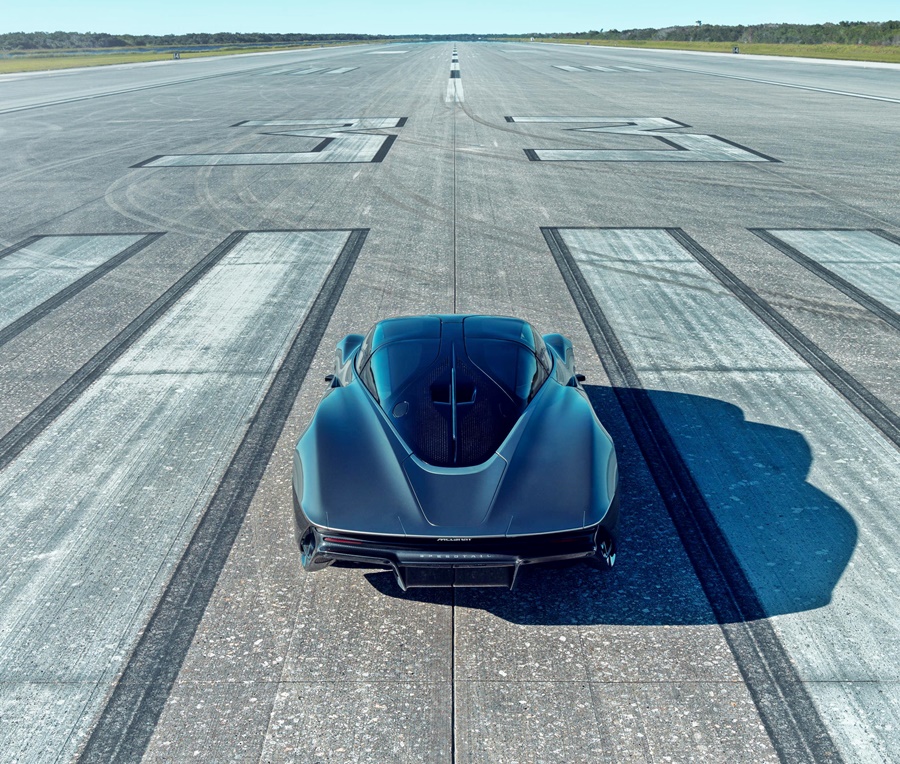
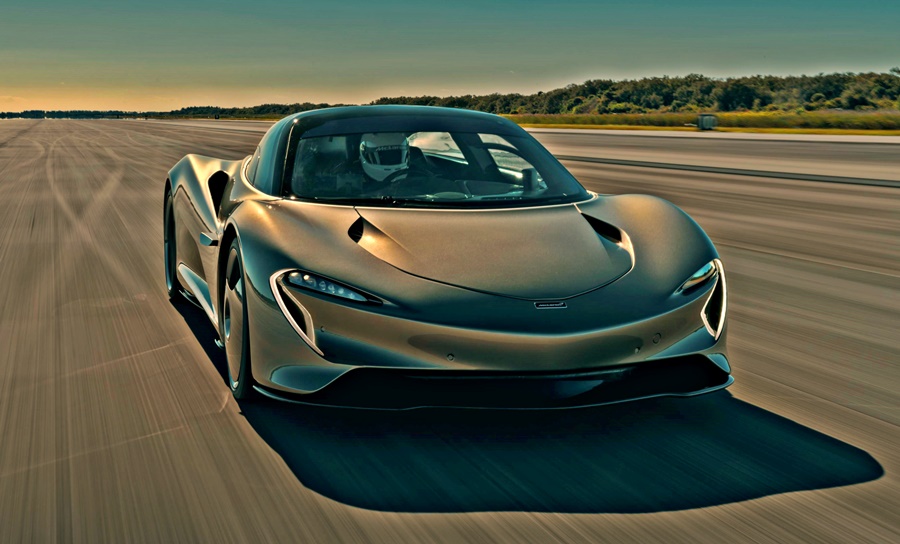
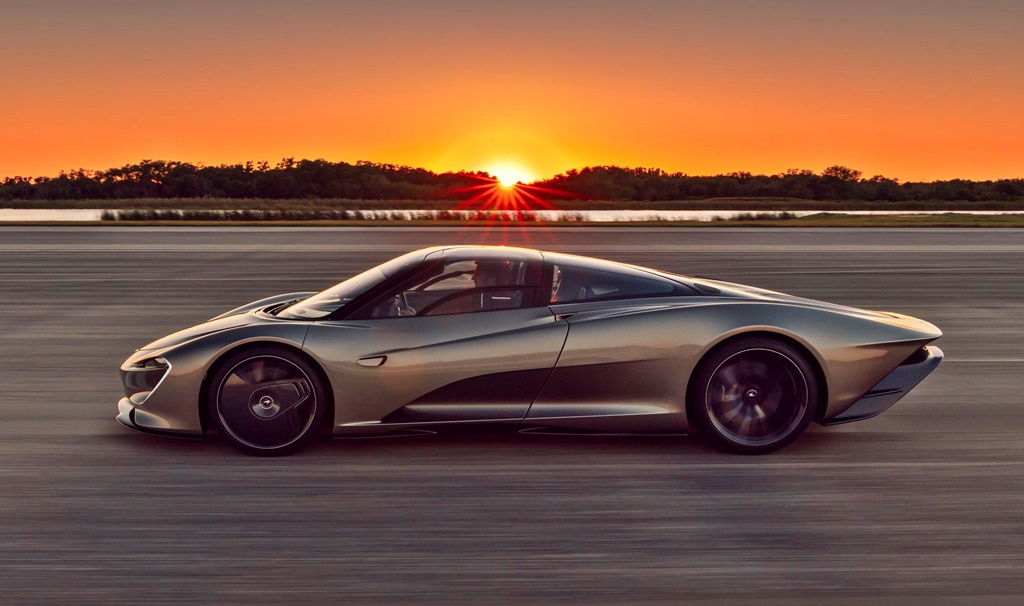
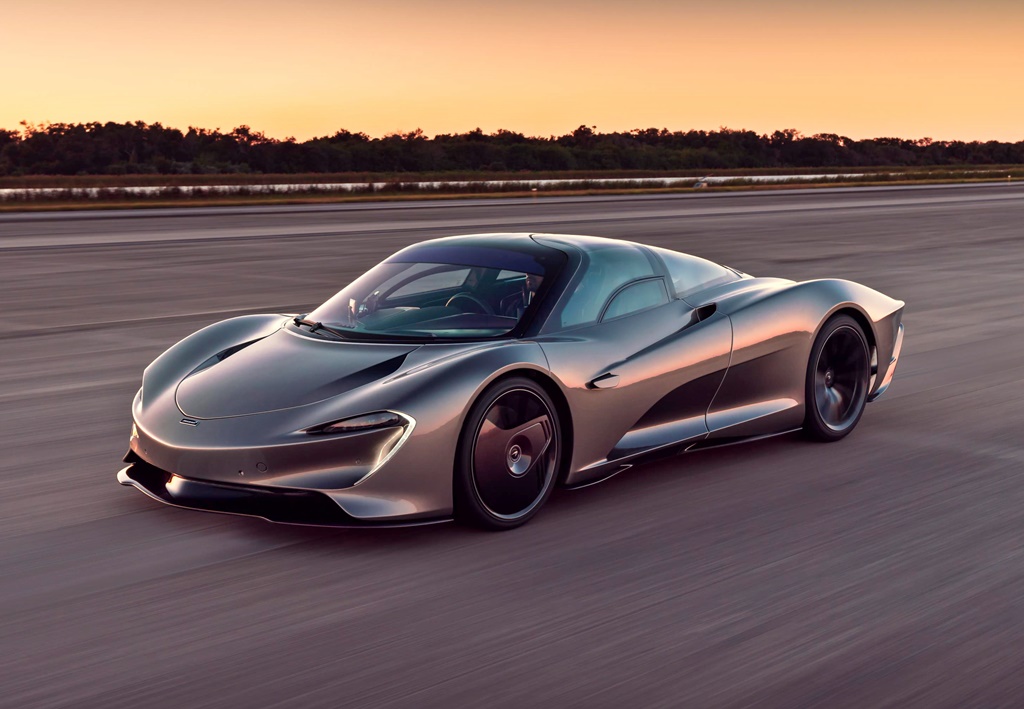
The dynamic development programme for the fastest and most technically advanced McLaren ever ended with McLaren chief test driver, Kenny Brack, taking the new Speedtail up to its maximum speed of 403 km/h at the Kennedy Space Centre in Florida, USA.

McLaren Speedtail Hypercar
The final high-speed tests were done on the runway that the space shuttles landed on.

McLaren Speedtail Hypercar

McLaren Speedtail Hypercar

The final high-speed tests in the ground-breaking hypercar’s extensive engineering validation process saw Speedtail prototype designated ‘XP2’ reach its maximum speed more than 30 times on the space shuttle landing runway. The exercise concluded a programme of high-speed running carried out at multiple test facilities worldwide, including Idiada in Spain and Papenburg in Germany.

“It’s fitting that the Speedtail’s high-speed test programme concluded with multiple maximum-speed runs at a location strongly associated with pushing the boundaries of extreme performance and engineering excellence,” said McLaren Automotive CEO, Mike Flewitt. “The Speedtail is a truly extraordinary car that epitomises McLaren’s pioneering spirit and perfectly illustrates our determination to continue to set new benchmarks for supercar and hypercar performance.”

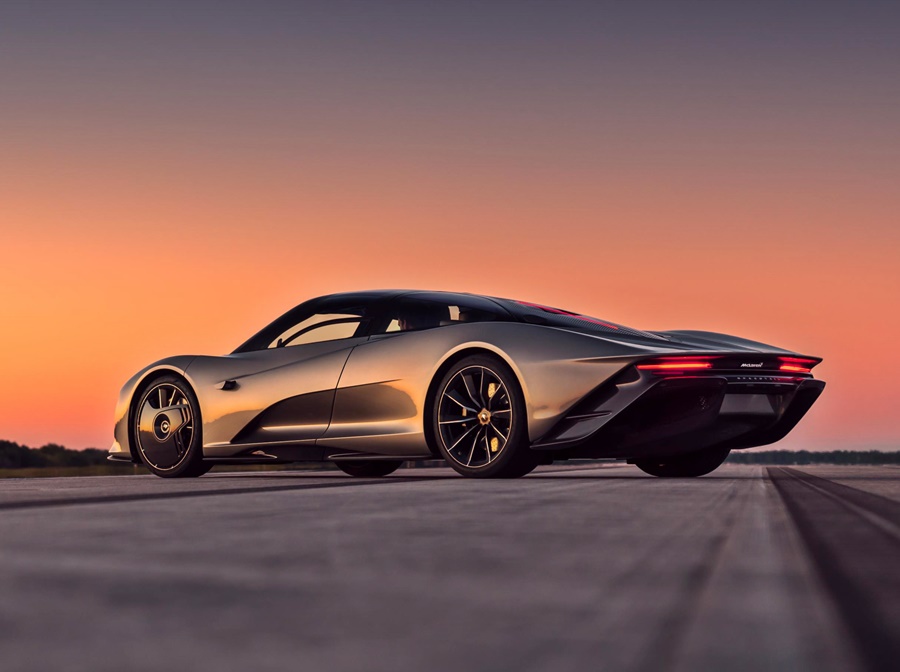
Blending sleek and seamless beauty with pioneering technologies and truly remarkable performance, the Speedtail sits at the pinnacle of the McLaren Ultimate Series. At almost 5.2 metres long, the carbonfibre-bodied 3-seat Hyper GT is the most aerodynamically drag-efficient McLaren ever and a showcase for the brand’s expertise in lightweight engineering.

McLaren Speedtail Hypercar

1,070 ps, 1,150 Nm, 0 – 300 km/h in less than 13 seconds
The Speedtail’s petrol-electric hybrid powertrain delivers the greatest power and torque of any McLaren road car, with a combined 1,070 ps and 1,150 Nm. The straight-line acceleration and maximum speed of the car set new benchmarks for McLaren, with 0 – 300 km/h achieved in less than 13 seconds and a maximum speed reached of 403 km/h.

McLaren Speedtail Hypercar

The McLaren-developed battery pack has a power density of 5.2 kW/kg, said to be the best power-to-weight ratio of any automotive high voltage battery system. The batteries constantly self-charge when the Speedtail is driven – there is no ‘plug-in’ element – however, a wireless charging pad that trickle-charges and maintains the battery’s status when the vehicle is not in use is also included as standard.

McLaren Speedtail Hypercar

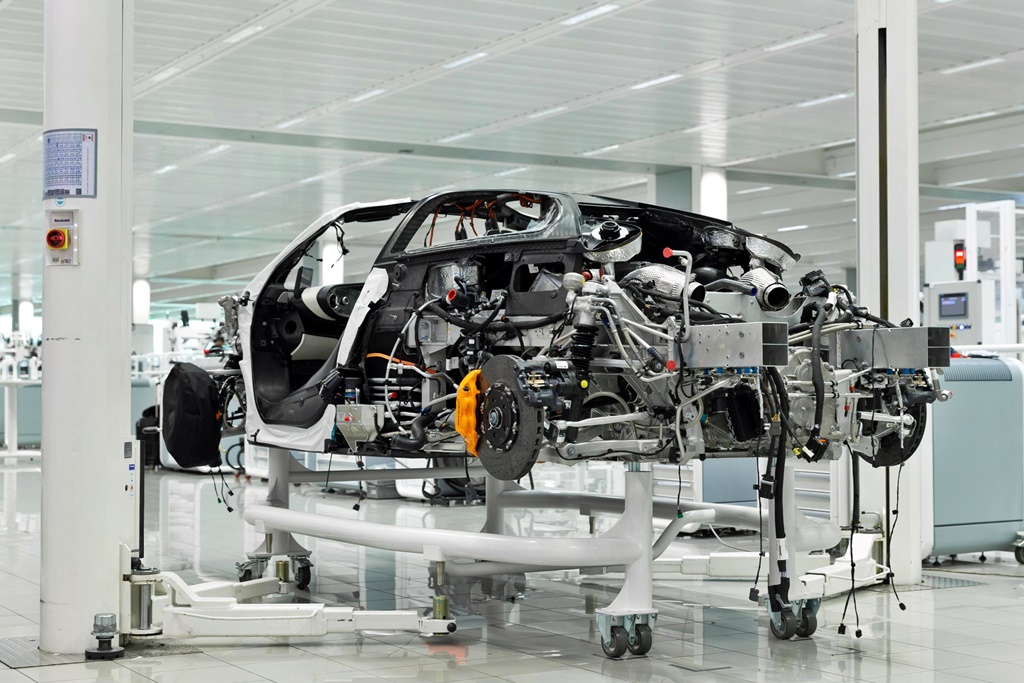
The first of 106 Speedtails that will be hand-assembled to customer order has now commenced at the McLaren Production Centre in the UK, with deliveries scheduled from February 2020. Each customer will pay more than US$2.25 million (equivalent to RM9.32 million today) which is the base price for the car before personalisation.

This is the 800hp McLaren Elva – no roof, windscreen or windows!

PISTON.MY


Archive

Follow us on Facebook

Follow us on YouTube