Want to know more about the Volkswagen range in Malaysia? There are 23 authorised dealerships around Malaysia where you can view the various models. Better still, because Volkswagen Passenger Cars Malaysia (VPCM) believes that Volkswagen products are Better Experience than Explained, you should also go for a test-drive.
Until February 23, there’s also a 24th location you can check out Volkswagen models if you’re in the Klang Valley. VPCM is having the first Volkswagen Tour of the year at the 1 Utama Shopping Centre. The display of vehicles is at the Ground Floor of the Centre Court in the old wing, from 10 am to 10 pm.
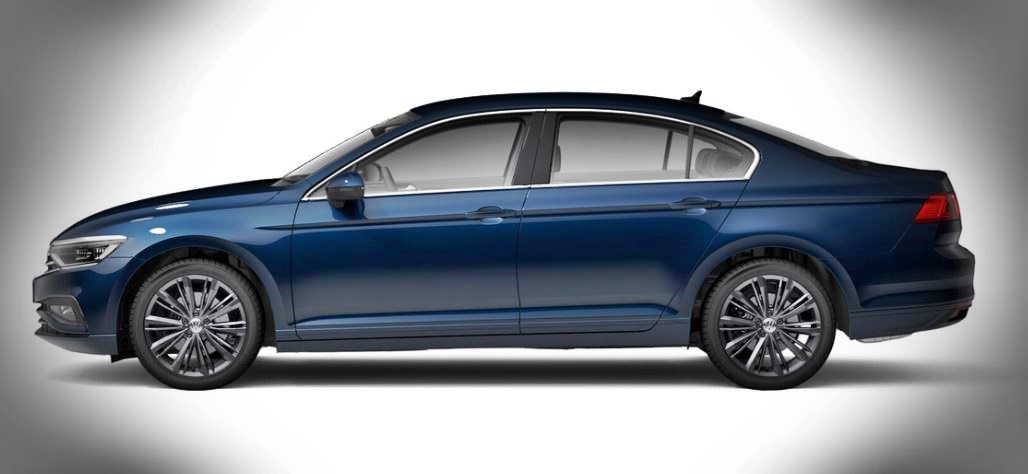
2020 Volkswagen Passat Elegance
Models that are on display are the iconic Beetle, Vento, Tiguan, Golf R-Line and GTI as well as the new Passat Elegance which was launched just last month. A benchmark within its class, the new Passat has an updated 2.0TSI petrol engine and is the first front-wheel drive Volkswagen model in Malaysia to come with a new 7-speed wet clutch dual-speed gearbox (DSG).
Test-drives are also available at the venue and if you are convinced that you want to buy a Volkswagen, you can place a booking there. Customers who make a booking at the event will receive an additional RM1,000 petrol cash voucher on top of existing rebates.
If you really can’t get to the event or any showroom, you can still find out more about Volkswagen vehicles, services and offers in Malaysia online at www.volkswagen.com.my.
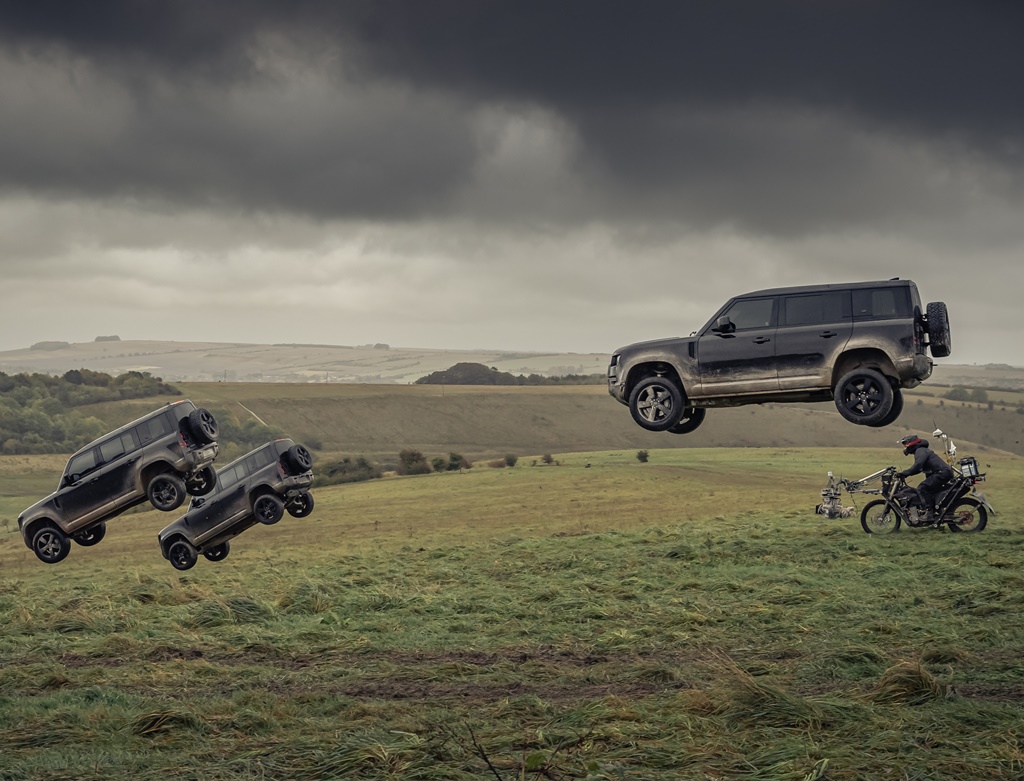
The age of flying cars for the masses has yet to start but it must be coming, going by what the new Land Rover Defenders are shown doing in a movie. The 4×4 brand’s products have always been known and admired for their off-road capability on any terrain, wading ability across rivers and extreme durability. Now it appears that they will soon develop some sort of flying capability too!
That they can fly and mimic motocross bikes that swoop 30 metres over ground made them the natural choice for use in ‘No Time To Die’, the James Bond movie that will be in cinemas this April.
It’s not the first time that the Defender has starred in a Bond movie, but it is the first movie for the all-new Defender that was launched last September.
Ten Defenders were acquired for the movie for use in an exciting chase scene, and one of the SUVs has the VIN (Vehicle Identification Number) 007 which indicates it was the seventh vehicle to be produced. Customers who have ordered their Defenders will soon be getting them but demand has been very great so Land Rover expects it to exceed supply.
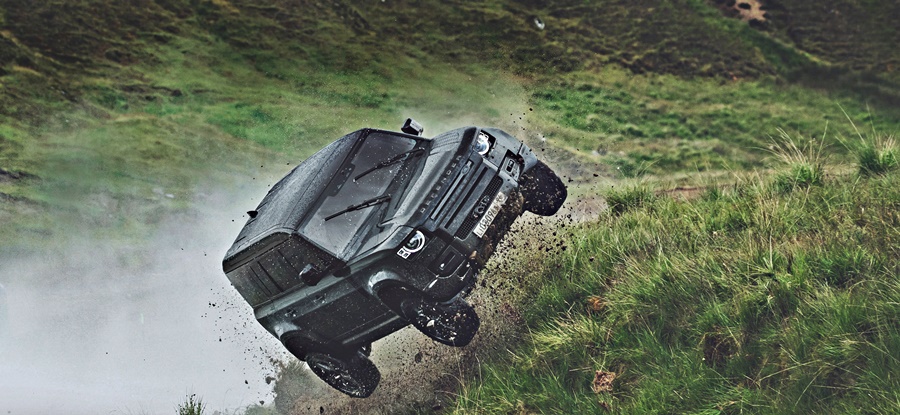
The dramatic scenes are used in Land Rover’s television commercial for the new Defender and demonstrate its various capabilities on tough terrain. The commercial also give an exclusive, behind-the-scenes look at how those flying scenes were done so you can see it wasn’t CGI. The rehearsal footage includes further extreme tests as the vehicle is driven at top speed through swamps and rivers.
The chase sequence in ‘No Time To Die’ was led by stunt coordinator Lee Morrison, working alongside Oscar-winner Chris Corbould, the special effects and action vehicles supervisor. “We pushed the Defender further than we believed possible to generate the maximum excitement, and to give fans an insight into the uncompromising challenge of producing an incredible chase sequence which you can look forward to seeing in ‘No Time To Die’,” said Morrison.
“We developed a new test standard for Defender, the most challenging we’ve ever had and unique to this vehicle. Physical strength and durability is measured by a number of different tests including a bridge jump test which gave us confidence to deliver what the stunt team needed to create for ‘No Time To Die’, with no modifications to the body structure except the installation of a roll cage,” revealed Nick Collins, Vehicle Line Director for the Defender at the factory.
Putting these vehicles through their paces was Jessica Hawkins, whom Morrison handpicked from the Formula 3 W Series after spotting her potential. He wasted no time in giving her the opportunity to feature in what will be her first ever motion picture.
This has been a decade of change in the motoring landscape, for the carmakers, the industry as a whole and also motorists. Concerns about the environment and safety have forced the manufacturers to be serious about ‘electrification’ of their products to drastically reduce emissions, and add more safety systems. At the same time, pressures from an increasingly competitive market mean that costs have to keep going down to stay competitive.
For motorists, competition in the market is good, of course, as it means that they have more choices, better deals and more affordable prices. However, times have changed too and priorities are different because of uncertainties of the future. Saving to buy a home is still important to many but the second most expensive purchase – a car – is no longer that important.
Nevertheless, while the public transport system continues to improve, having a car is still a necessity for many people but they don’t necessarily need outright ownership of it. In fact, a recent study has found that to be the case, with 51% of Malaysians (who participated in the survey) saying that they did not need outright car ownership and would be fine with long-term ‘rental’ of vehicles for personal transport.
A new mobility solution
Renting vehicles in its traditional form is expensive but what if there is some way where a company can offer a ‘subscription’ to use the car over a long period. It’s a different approach to car ‘ownership’ and now it’s available to Malaysian consumers as a new mobility solution.
Known as the Nissan Subscription Program (NSP) and offered by Edaran Tan Chong Motor, this new approach can prove to be more advantageous than the traditional hire-purchase (H-P) way of buying and owning a new car. It removes the long-term commitments (up to 7 years these days) of having to pay instalments and being stuck with the same old car over a long period. With new models coming out all the time, having the flexibility to change more frequently would be more desirable for today’s consumers.
Beyond just removing the commitment, the NSP also has other advantages, one of them being no requirement to provide a hefty downpayment at the start. There is the full factory warranty, of course, and all maintenance costs are also covered by the NSP. Sounds great, doesn’t it? And when you work out the costs between a conventional H-P loan and the NSP, there are meaningful savings so your hard-earned money can be used for more important things in life.
Savings of almost RM48,000
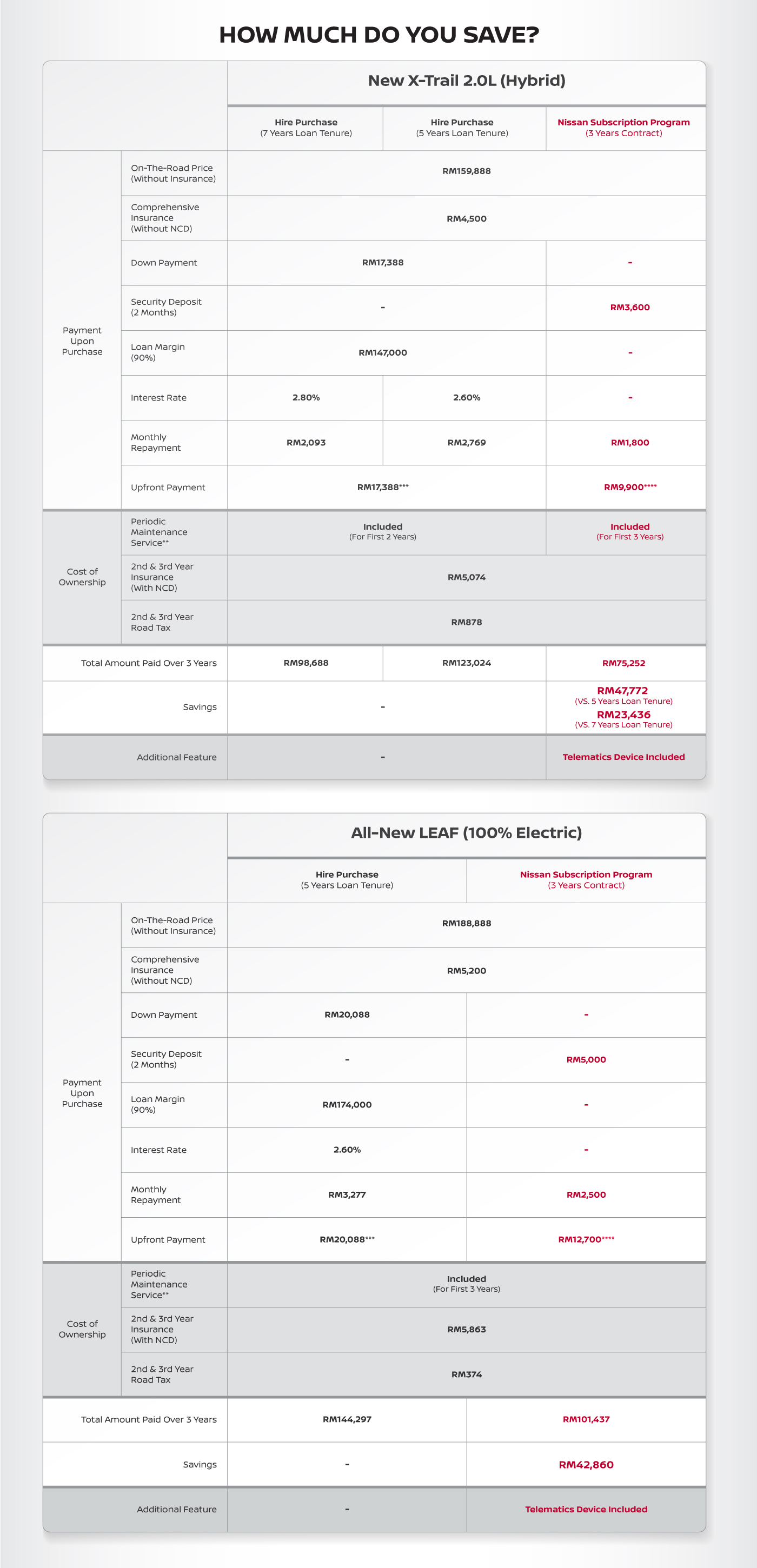
Taking the latest Nissan X-Trail HYBRID as an example, the savings can be almost RM48,000 when compared to all the costs involved in a 5-year H-P loan and a 3-year Nissan Subscription Plan (the chart below shows the detailed costing). More importantly, for those who have had concerns about replacement of the battery pack, this too is covered under the maintenance provision, so it won’t be a cost to worry about at any time.
The NSP is also available for the all-electric Nissan LEAF and just as with the X-Trail HYBRID, all maintenance costs are covered over the entire 3-year period of the subscription. Besides saving RM6,800 over 3 years, compared to the costs for a 5-year H-P loan, there’s also no worry about the costs relating to the battery pack.
There are some terms and conditions to the NSP but generally, the main thing is that consumers now have an easier way to maintain personal mobility. At the end of the subscription period, the car can be returned to ETCM or purchased at an agreed price. For those who dislike the hassle of having to sell off their car, the NSP takes that hassle away.
Change every three years
And for those who like to have the latest cars in their driveway or porch, this approach allows them to change their car every 3 years… certainly more frequent than most Malaysians! That’s usually the interval when manufacturers will introduce either the next generation of a model or an updated version.
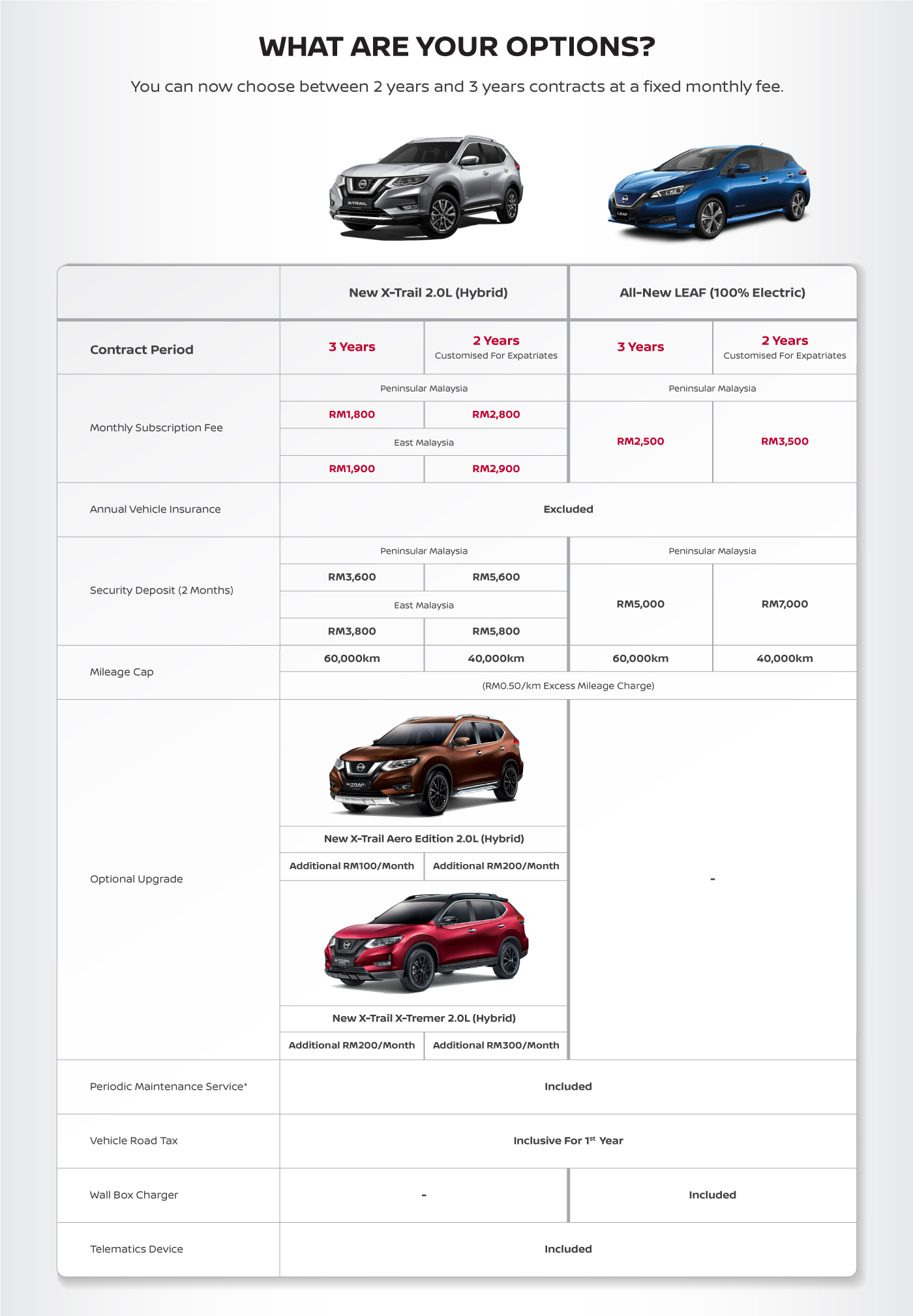
The NSP is available for periods of 2 or 3 years, with monthly rates starting from RM1,800 for a Nissan X-Trail HYBRID. There are also plans customized for non-Malaysian citizens who may be working in the country and require a car. The NSP can be a more convenient way for them and when they are ready to leave, ETCM can offer them a hassle-free and quick process.
Interested in using the Nissan Subscription Plan for your next car purchase? All you need to do is visit any authorized Nissan dealership and make an application. Within 7 days, when the status of the application is known, payment of the security deposit (refundable), first month’s subscription and insurance premium can be made. Thereafter, depending on vehicle availability and the necessary registration processes, delivery should be within 2 weeks.
For more information on the Nissan Subscription Plan or to locate an authorized Nissan dealership, visit www.nissan.com.my.
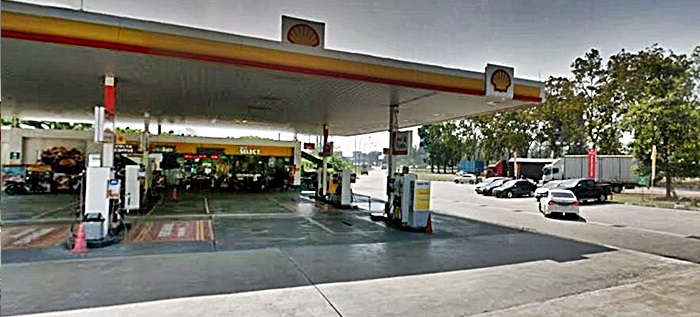
The day when you no longer have to ‘lose’ 50 sen for every reload of the Touch ‘n Go (TnG) card is fast nearing with more and more places waiving the charge. The latest is Shell Malaysia which has announced that all its stations along the PLUS Expressways (NKVE and ELITE) and the East-Coast Expressway (ECE) will no longer charge the 50 sen.
The broader expansion to all stations along these expressways is an addition to Shell’s recent initiative in waiving the TnG top-up fee at all stations along the North-South Expressway (NSE) earlier in January. As part of Shell’s effort, the expansion to the number of stations from the earlier initiative also includes 25 other Shell stations at various locations nationwide.
“Shell understands the challenge Malaysians face against the rising cost of living. We know it can be difficult to save when there are increasing necessary expenses like food, transportation, utilities and education, which form a huge part of one’s expenditure. This drives us to help Malaysians save more and ultimately, get more out of their journeys. Hopefully, forgoing the Touch ‘n Go top-up charges at all stations along NSE, NKVE, ELITE, ECE, and other Shell stations will give our customers one less worry when travelling or fuelling up at Shell during long journeys,” said Shairan Huzani Husain, MD of Shell Malaysia Trading Sdn Bhd and Shell Timur Sdn Bhd.
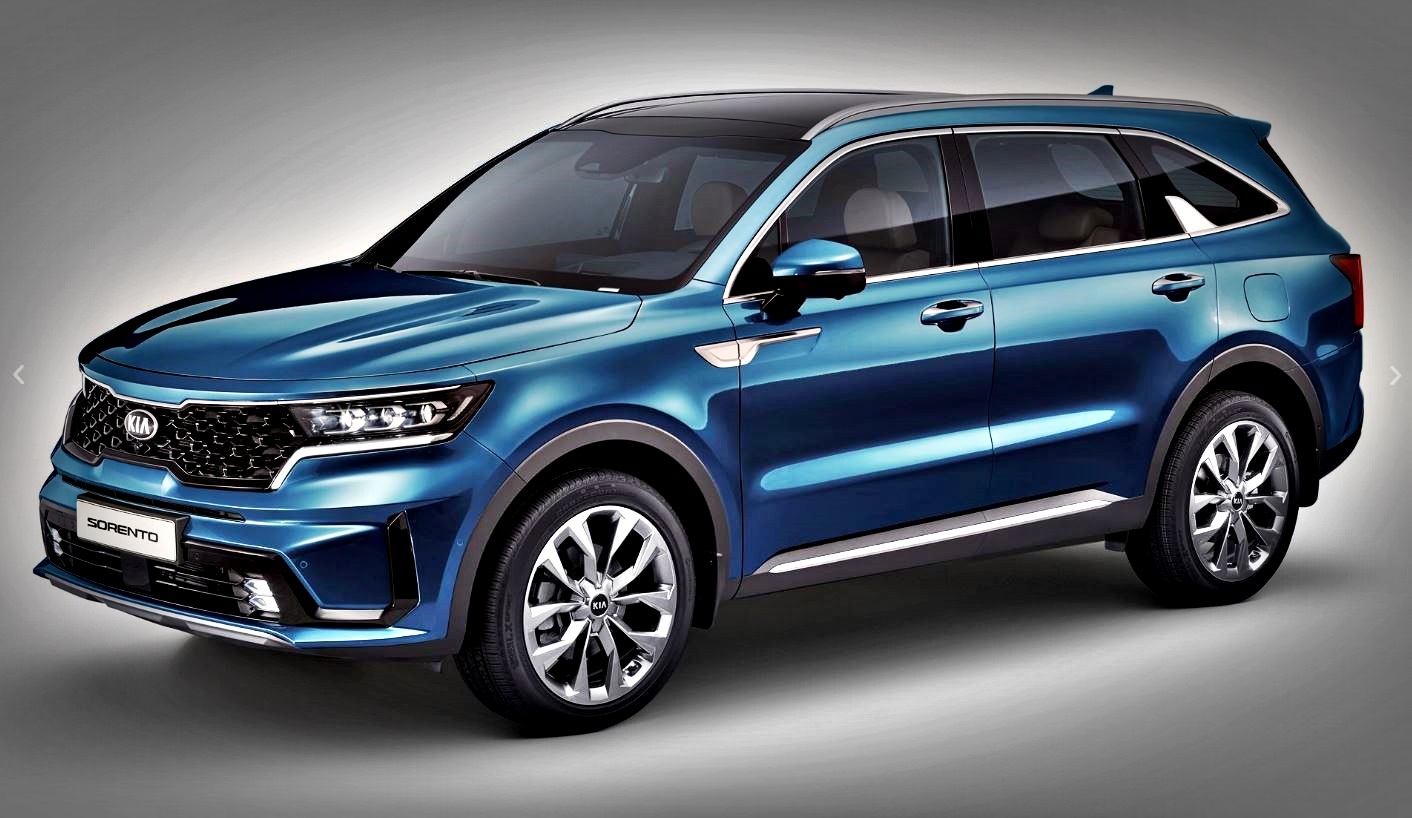
Following the release of the first official pictures of the all-new Kia Sorento that will have its global debut next month, the Korean carmaker has now revealed details of its new platform and powertrains. The latest Sorento will be the first SUV to use Kia’s new platform when production commences later this year.
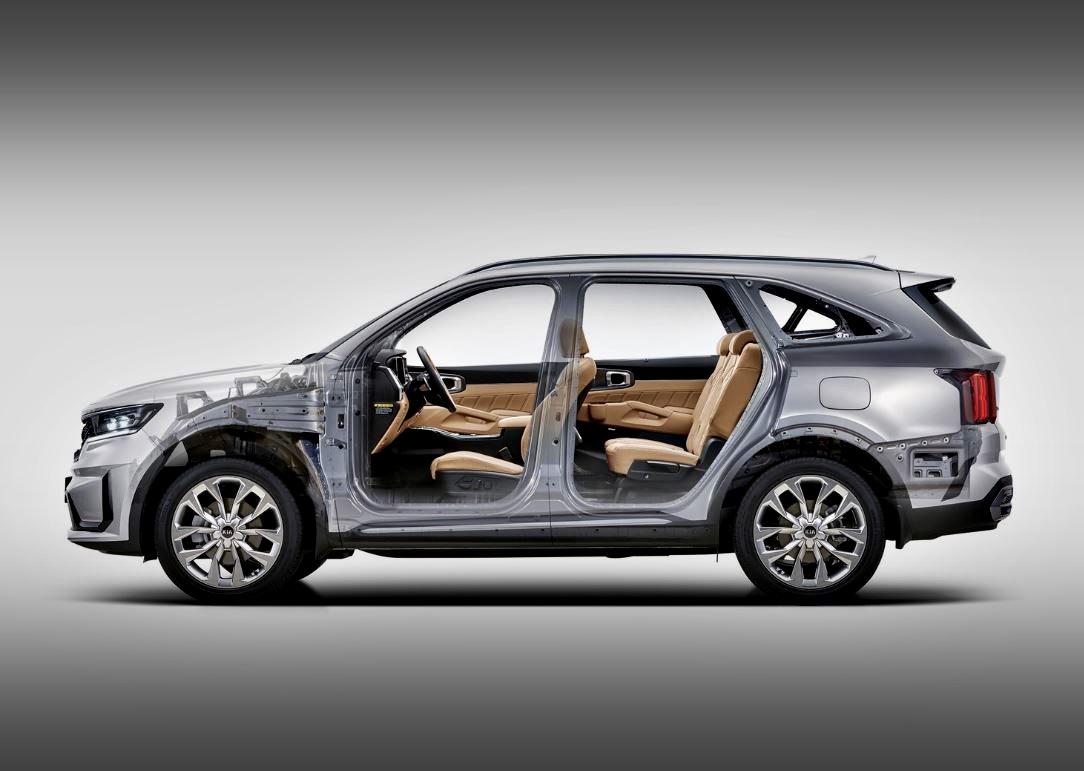
The overall length of new Sorento is 10 mm more than its predecessor while the wheelbase is lengthened 35 mm to 2815 mm. The cabin is now claimed to provide more room than in many other midsize SUVs with intelligent packaging offering class-leading cargo space.
When the first-generation Sorento was launched in 2002, it sat on a robust body-on-frame chassis, a typical approach for most SUVs at that time. The shift to a monocoque structure – similar to passenger cars – for the second generation Sorento in 2009 marked a major change on-road character and behaviour.
Kia’s new midsize SUV platform represents a similarly important leap forward for the next-generation Sorento, allowing new standards to be set in its segment for space, practicality, efficiency and quality. The new platform positions the battery pack beneath the passenger cell so there is no impact on cabin or luggage space.
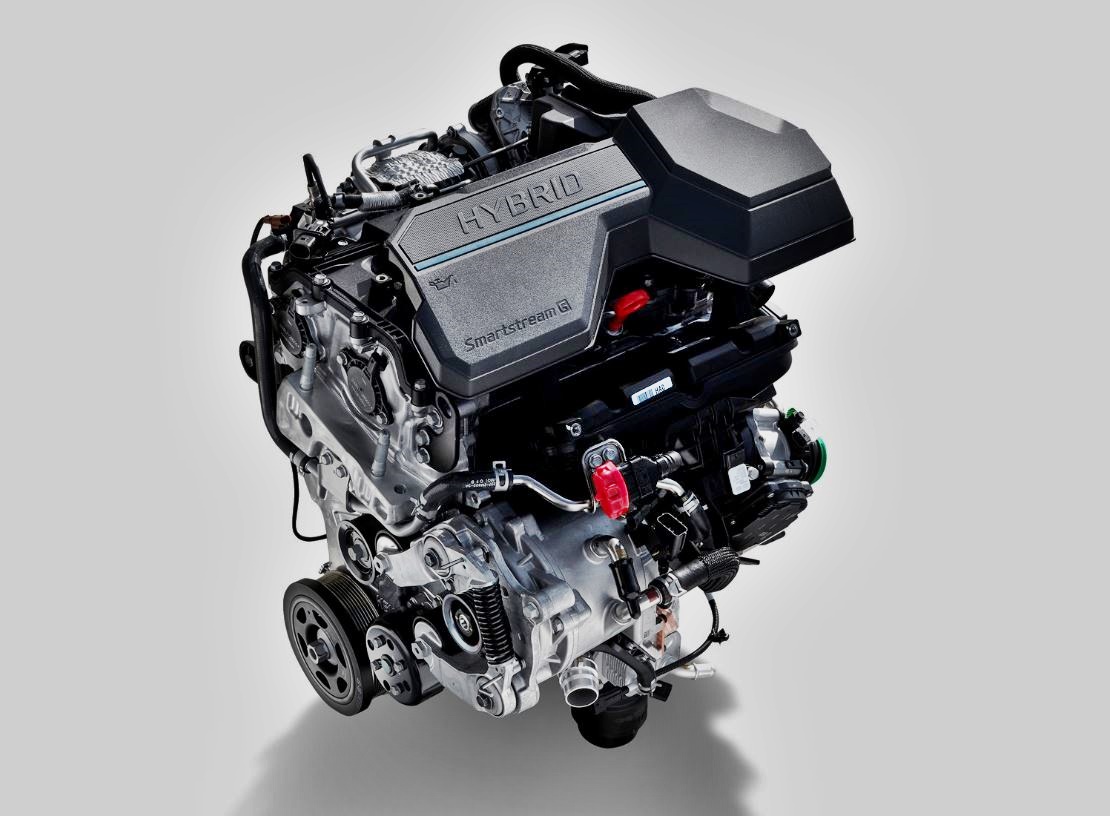
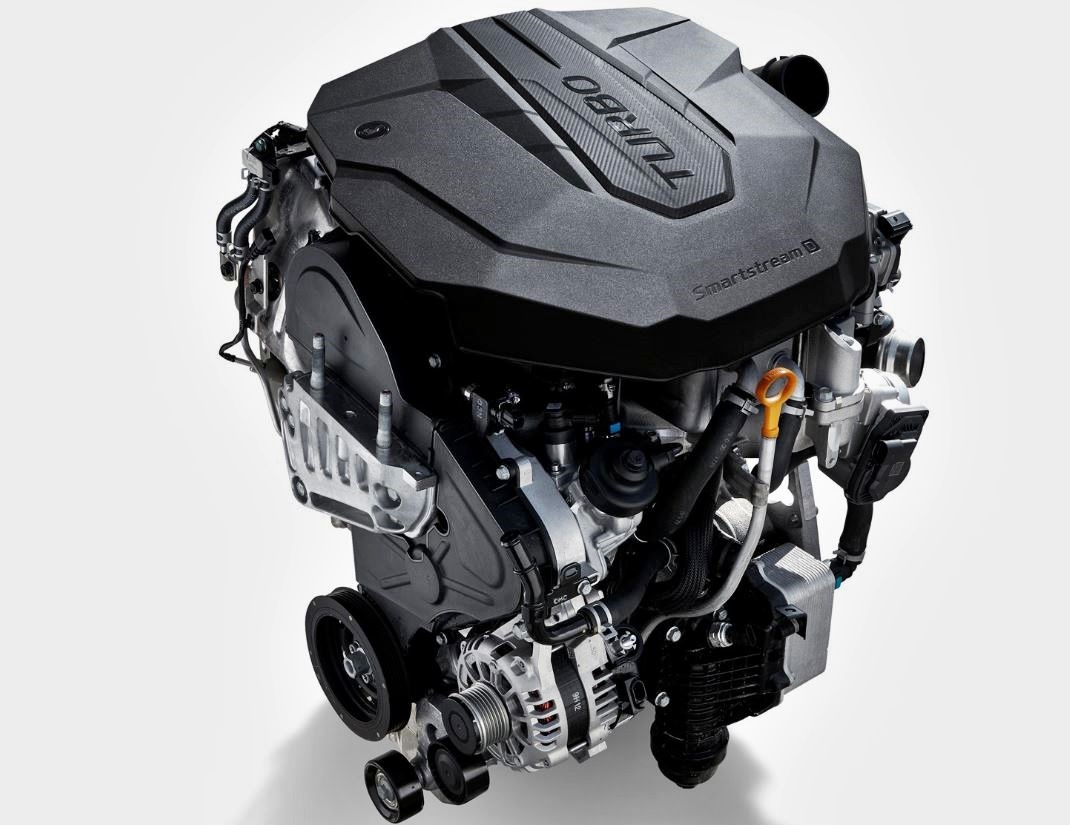
For Korea, Europe and North America, the structure and layout of the platform accommodates the new Smartstream turbocharged hybrid powertrain. Representing the first application of electrified power in the Sorento line-up, the new powertrain comprises a 1.6-litre T-GDi (turbocharged gasoline direct injection) engine, and a 44.2 kW electric motor which draws energy from a 1.49 kWh lithium-ion polymer battery pack. The electrified powertrain produces a combined total output of 230 ps power and 350 Nm torque, with high levels of performance but low exhaust emissions.
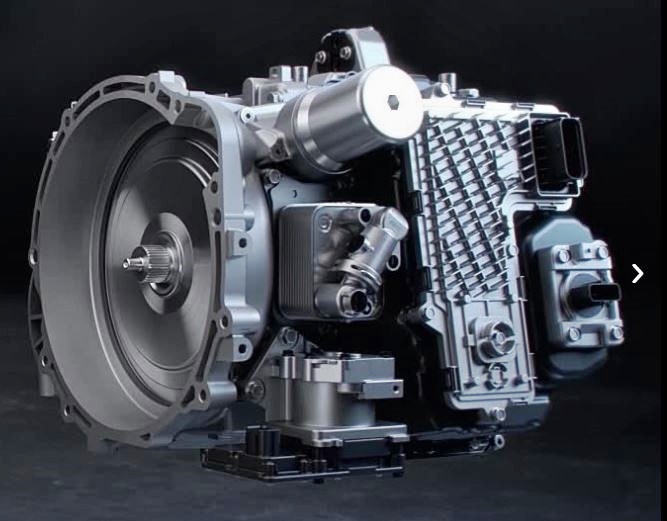
There is also a new 4-cylinder 2.2-litre Smartstream diesel engine producing 202 ps/440 Nm. This is paired with Kia’s new 8-speed wet double-clutch transmission (8DCT), developed to offer the smooth shifting characteristics of a conventional automatic while enhancing efficiency over dry clutch DCTs.
Another powertrain option is the Smartstream 2.5-litre T-GDi engine (281 ps/421 Nm) which is also paired with the new 8DCT. This turbocharged petrol engine combines direct injection and multi-point injection technology, enabling it to subtly adapt its combustion cycle at different engine speeds to enhance performance and efficiency in everyday use.
Additional powertrains will be announced in future, including petrol engines and a powerful new plug-in hybrid variant.
In addition to its new platform and powertrains, the new Sorento introduced a range of high-tech safety and convenience features said to differentiate it further from other midsize SUVs. It will have Kia’s first Multi-collision Brake system which can mitigate the severity of secondary collisions. This system automatically applies vehicle brakes when the airbags (up to 8 available) have been deployed after an initial collision, further protecting occupants from secondary frontal or side impacts.
In some markets, the Sorento will also have a remote smartphone Surround View Monitor option. This allows users to check the vehicle’s surroundings with their smartphone in conjunction with the in-vehicle Surround View Monitor to maximize parking convenience.
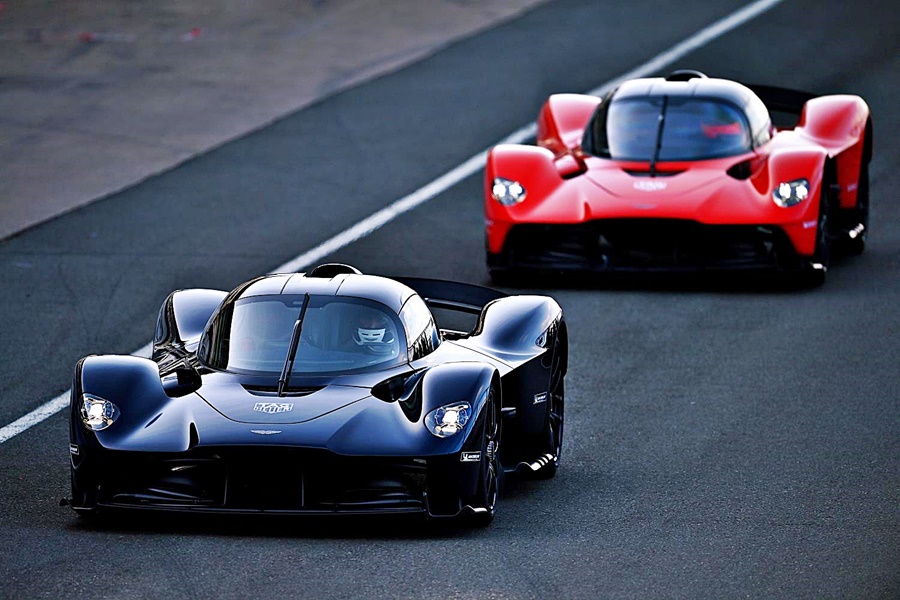
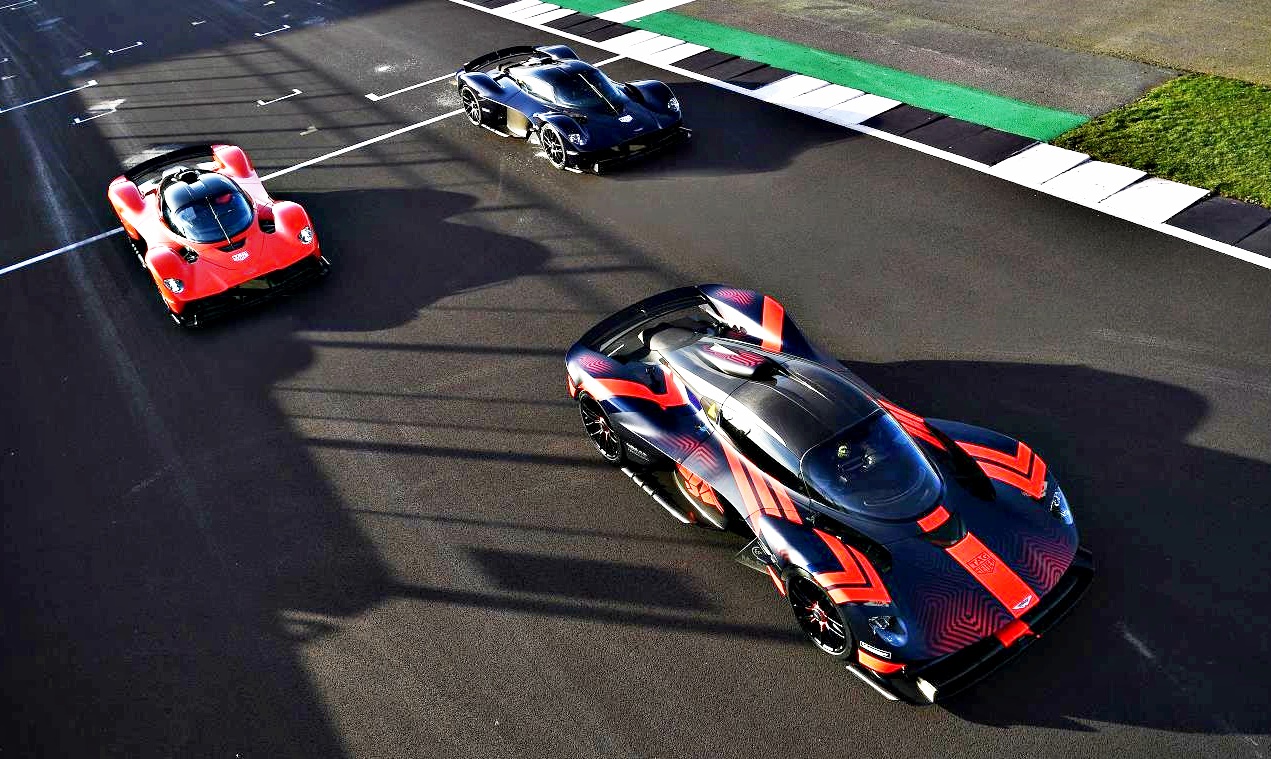
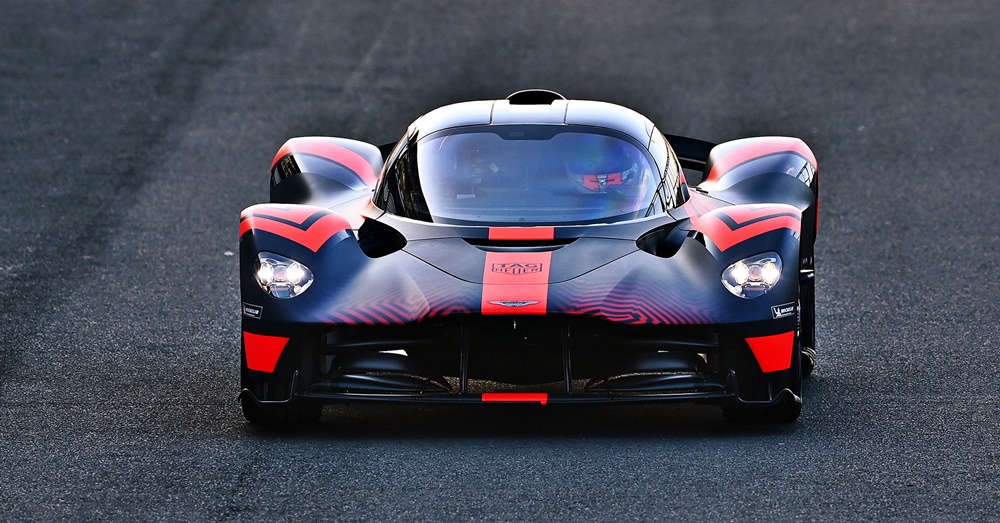
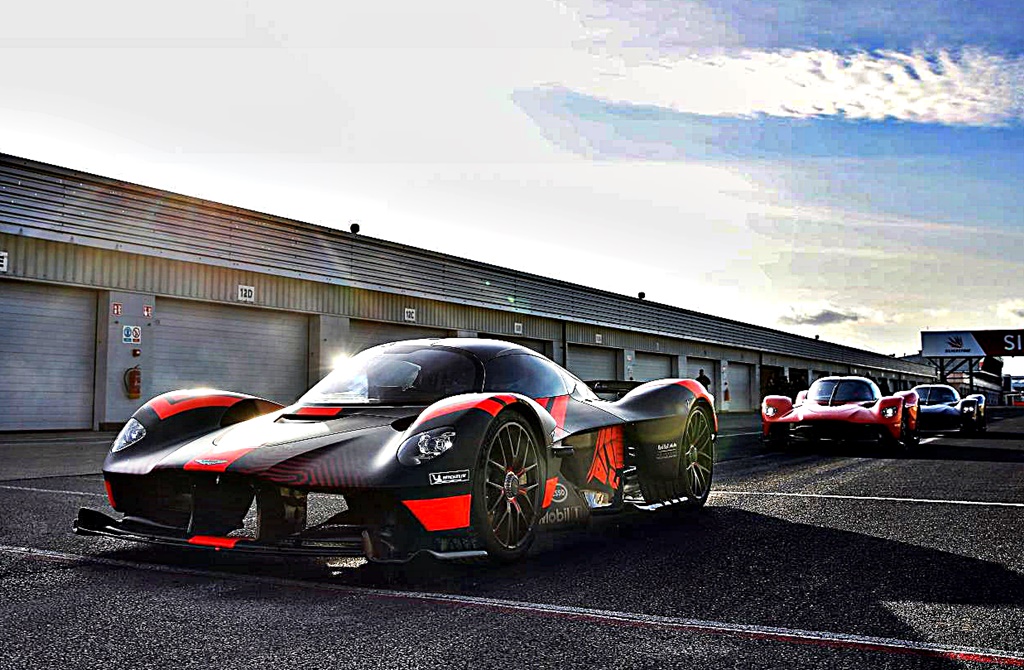
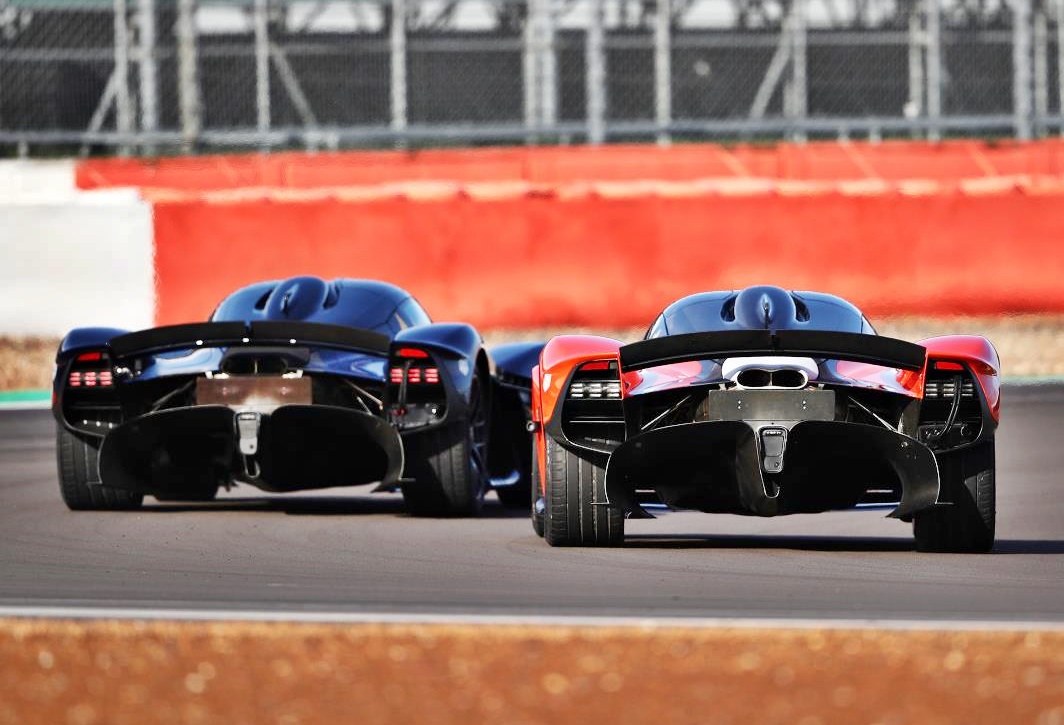
Aston Martin has unleashed the power of three of its Valkyrie models, with Max Verstappen and Alex Albon – the Aston Martin Red Bull Racing drivers – getting their first taste of the revolutionary hypercar.
While each Formula 1 driver drove the first verification prototype (VP) that made its public debut at last year’s British Grand Prix (Aston Martin Valkyrie VP1), both VP2 and VP3 were taken round by the company’s high-performance test driver Chris Goodwin and Aston Martin Racing WEC drivers Darren Turner and Alex Lynn.
Each verification prototype, of which there will be 8 built in total, is subjected to a variety of intense testing programmes designed to develop and validate specific attributes that contribute to achieving the performance of the world’s fastest ever road-going hypercar. These programmes are focussed on supporting first customer deliveries starting in the second half of this year.
“This event has been an incredibly important step in Aston Martin Valkyrie’s story. To have three cars now running will see the rate of physical development for this exceptional hypercar increase exponentially. Both Max and Alex were really positive of the direction that we’re currently taking and could see that the ingredients for an exceptionally high-performing car are already there ready to be untapped. To have that second opinion and validation doesn’t mean the hard work is done already, but this is a great step on our journey,” said Goodwin.
8-time Grand Prix winner Verstappen came away elated by his first laps in the Valkyrie. He said: “I was here at Silverstone to watch the first runs of the Aston Martin Valkyrie at the British Grand Prix last year but of course it’s always better to be behind the wheel yourself! To be one of the first guys to drive an insane car like this was really exciting… it was amazing to get a first taste of it.”
“Of course, it’s still in the development phase but you can already feel the pace, which compared to a normal car is… pretty different! The Aston Martin Valkyrie and its levels of downforce are incredible, and it looks super aggressive. It was a lot of fun out there,” he added.
Albon was equally pleased with his drive. “It was incredibly exciting to have this opportunity to drive the Aston Martin Valkyrie and the first thing that struck me was the visual aspect – it looks awesome! It also really feels like a racing car,” said the Thai driver.
“Obviously there’s still some development to do, but already it feels very good, especially the balance between the corners. It’s light; it feels sharp. Sure, compared to an F1 car, you’re missing the outright downforce, but you still feel the g-forces in the corners and it definitely reacts closer to an F1 car than a normal roadcar. It’s pretty special. I just need to get my hands on one!” he said.
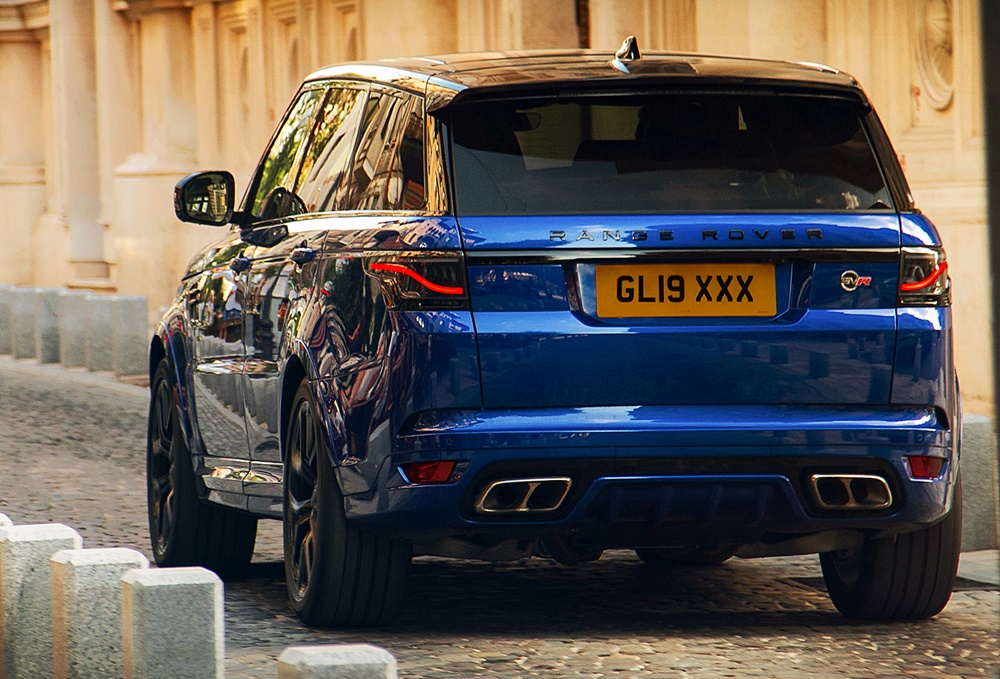
Ever since LEDs started to be used for lighting units on cars, designers have had greater freedom to create more striking and unique visual signatures with the front and rear lights. The lighting units from Glohh, a British company specialising in the design of specialist lighting for luxury automobiles, have stood out and drawn attention from owners wanting more exclusivity and individuality.
Following the 2018 introduction of their GL-5i taillight which quickly became a favourite amongst Land Rover Range Rover Sport owners and automotive tuning companies, the Glohh design team has now come out with GL-5x taillight that is the flagship product.
Direct fit for Range Rover Sport
The GL-5x is a direct replacement for the Range Rover Sport’s original tail lights. Alongside introducing features never seen on the luxury SUV, it is a straightforward upgrade; no additional components are needed to complete the installation. It complies with all stringent European ECE and US Department of Transportation regulations. Pricing starts from US$1,449 (about RM6,000) for markets outside Europe.
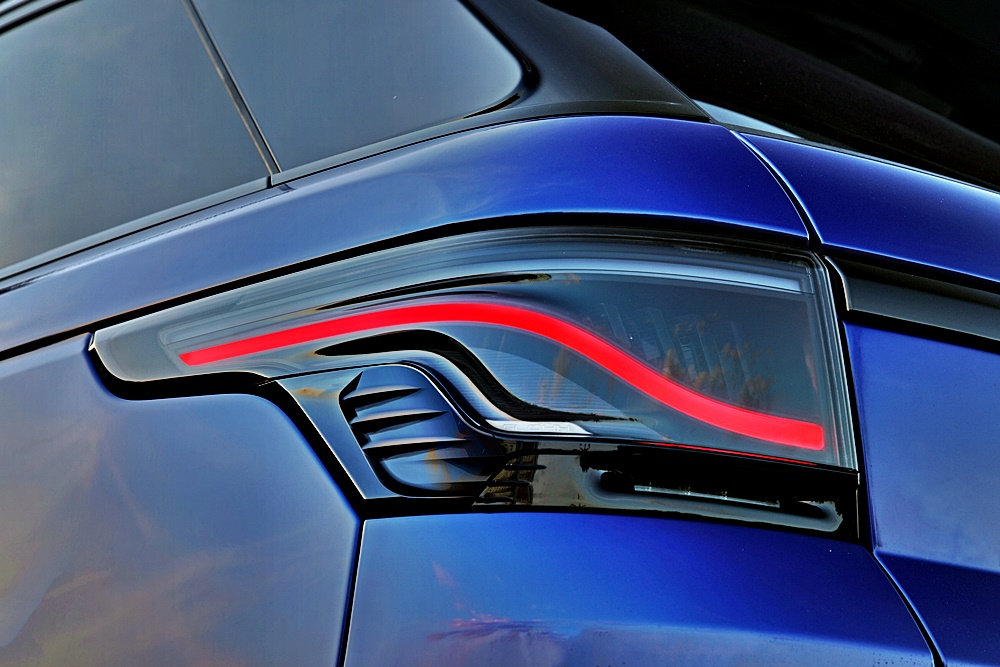
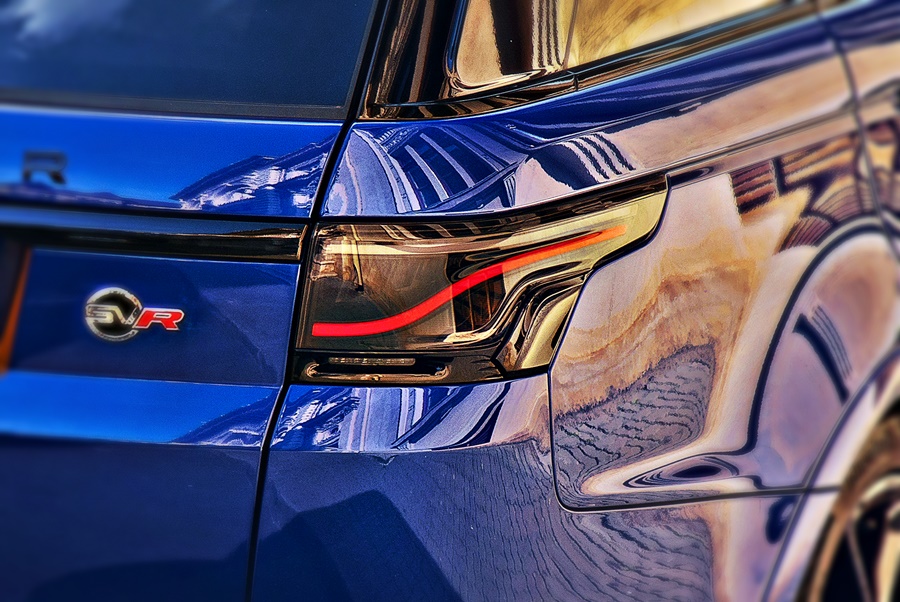
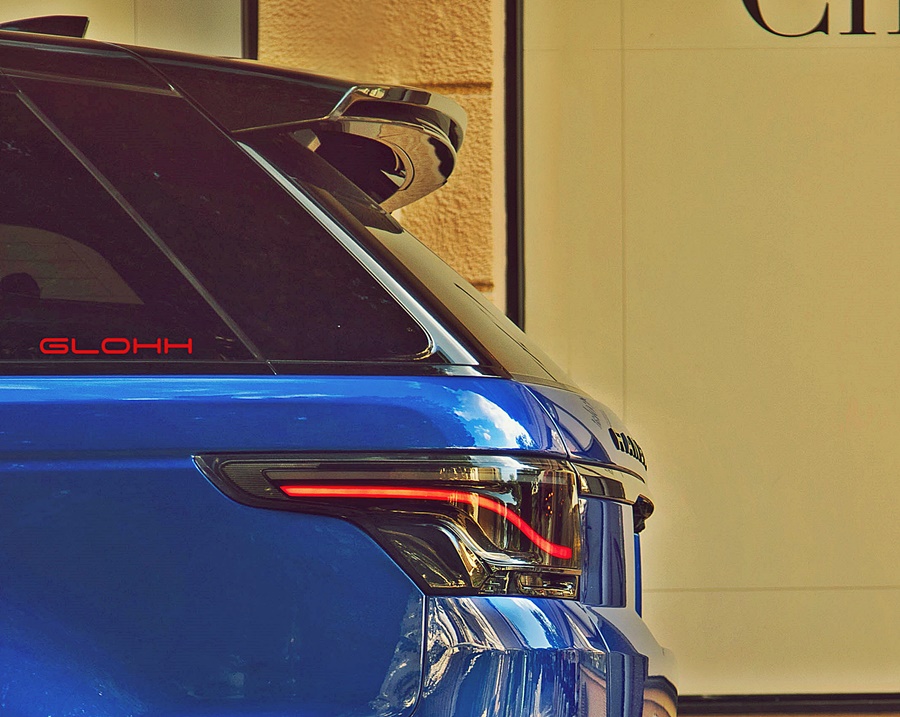
The GL-5x features a dark-polish lens, a world-first interchangeable aerodynamic fin, an enhanced ambient light value for reduced glare, better human eye sensation and a safer road presence. Inheriting the fundamental design characteristics of the GL-5i, the GL-5x utilises shades of grey fused with a transparent lens to add mystery and intensity to the original design. This formula allows the refined internal details, previously concealed by its predecessor, to become a core part of the GL-5x identity while emphasising the Range Rover Sport’s strong stance.
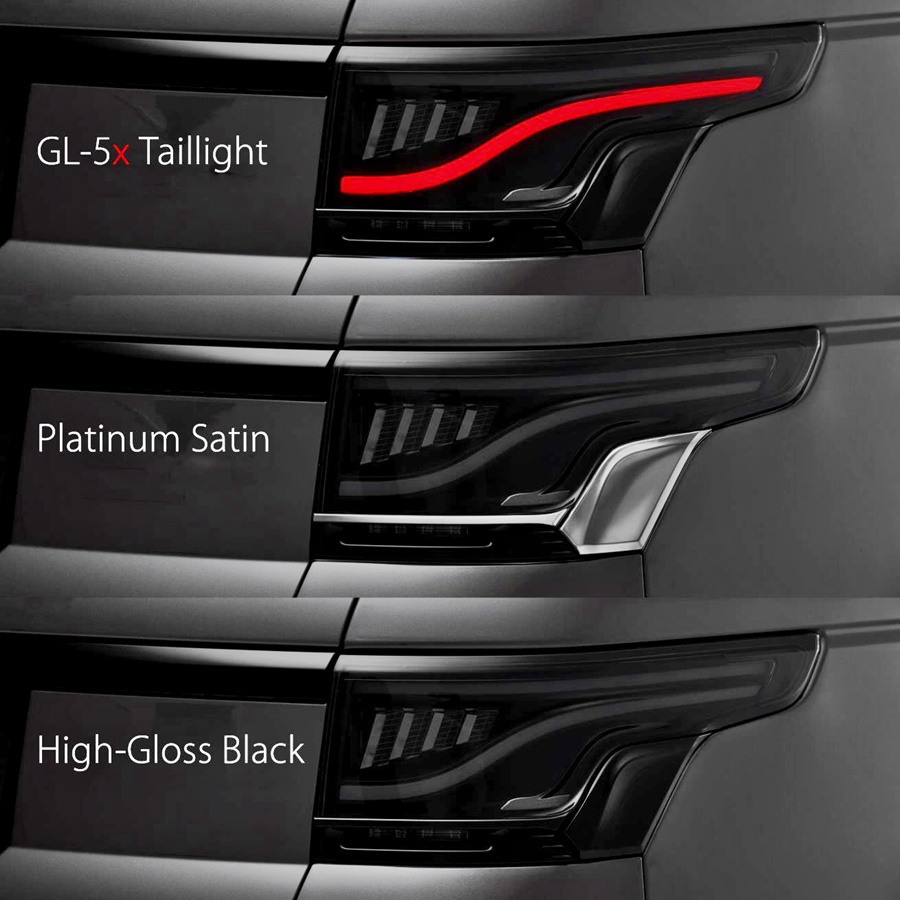
“Our continued evolution is driven by a devotion to fulfil our clients demand for unique, we achieve this feat by delivering the GL-5x, the most exquisite taillight in our line-up” said Lead Designer Dr. Faheem Rafiq. “As with all Glohh products, the new GL-5x rear light combines first-class craftsmanship, state-of-the-art technology and fine design. This time, we went a step further with the introduction of a world-first interchangeable aero-fin, available in Platinum Satin and High-Gloss Black finishes, designed to appeal to the most discerning clientele.”
Uniquely tailored aerodynamic fin
The world’s first interchangeable aerodynamic fin is available in two tailored profiles – AF+ and AF-Elite – both designed to channel airflow, reducing drag and increasing stability.
AF+ features exquisite lines for a clean and elegant integration of style while AF-Elite is a highly advanced aerofoil. It further streamlines the taillights wind-cheating functionality with the introduction of sharply styled strakes. Aesthetically, it delivers powerful lines for a bold and sporty appearance, fusing form and function.
Individuality and safety
To allow owners to further individualise the identity of their taillight, both aerodynamic fins are available in exclusive colour variants High-Gloss Black or Platinum Satin, a feature unseen on an automotive taillight.
With the GL-5x, safety remains a top priority, including the introduction of an enhanced dynamic indicator. Utilising 15 eco-low energy LEDs, the turn signal spans a wide 450 mm band and has been fine-tuned to deliver a signal that is 47% brighter. Output is further sharpened by a polycarbonate diffuser, designed to distribute highly homogenous light spanning a 125-degree range, making turn indications safer for all road users.
In the 1950s, carmakers envisioned sleek cars with advanced powertrains and autonomous operation on the roads of the 21st century while futurists and science fiction writers imagined flying cars. Well, we have the sleek designs with advanced powertrains due to make changes in this decade as electric motors take over from the internal combustion engine. But flying cars have yet to be available in showrooms although there have been developments in recent years with prototypes taking to the air.
UK’s Auto Trader takes a look at what vehicles might look like 30 years from now with concept designs based on the expertise of futurologist Tom Cheesewright, market trends, the rate of technological development and research into consumer demand.
“Tomorrow’s car takes you from A to B with minimum fuss and in maximum style. Future technologies will give designers free reign to create more space and comfort, so that we can get on with our lives while an AI assistant takes care of the driving. While our cars won’t be flying any time soon, we can all benefit from cleaner, quieter, safer roads. In just twenty years, the age of the combustion engine will be well and truly over,” predicts Cheesewright.
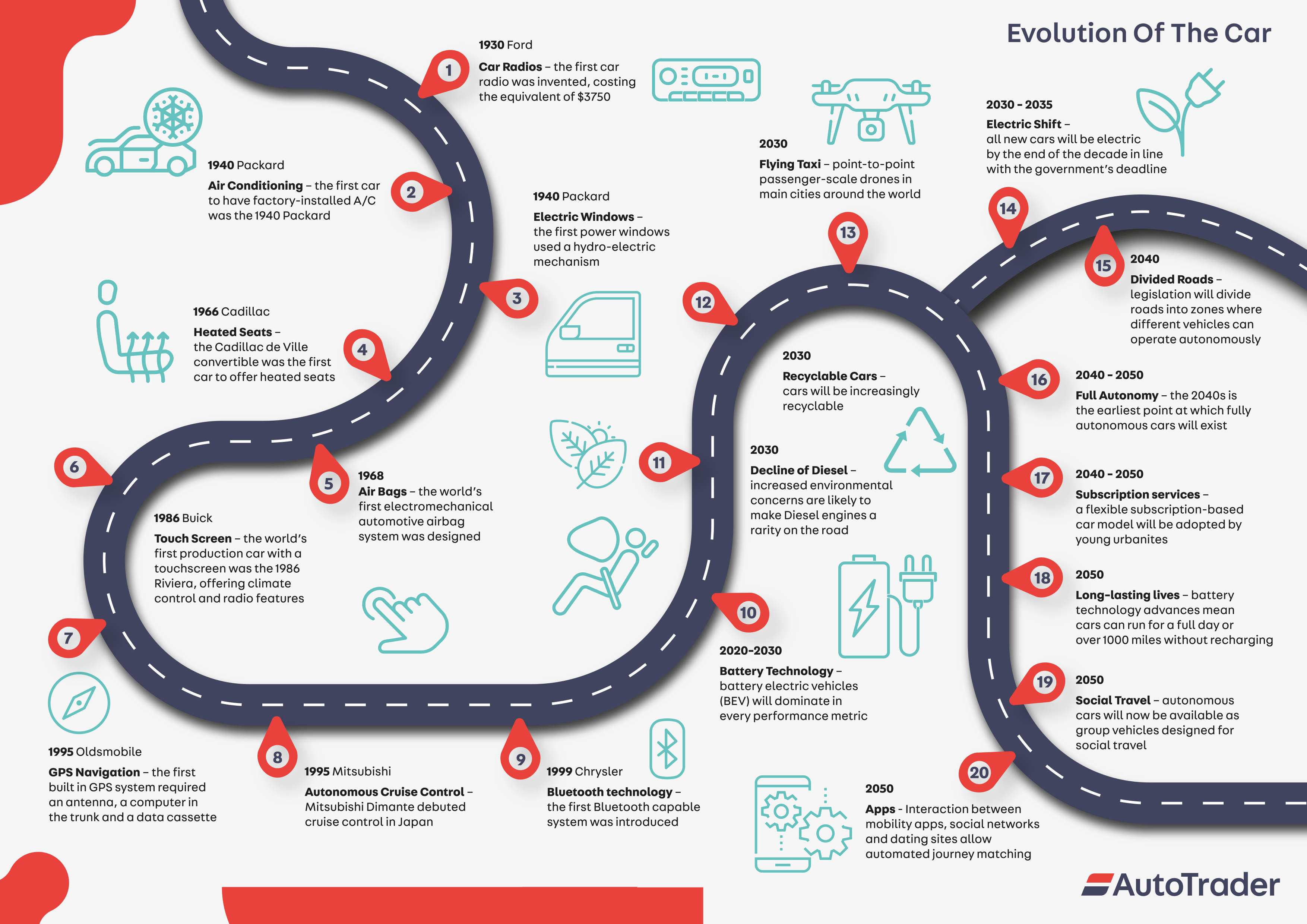
Past, present and future of the motorcar and motoring
Digital paint for different colours
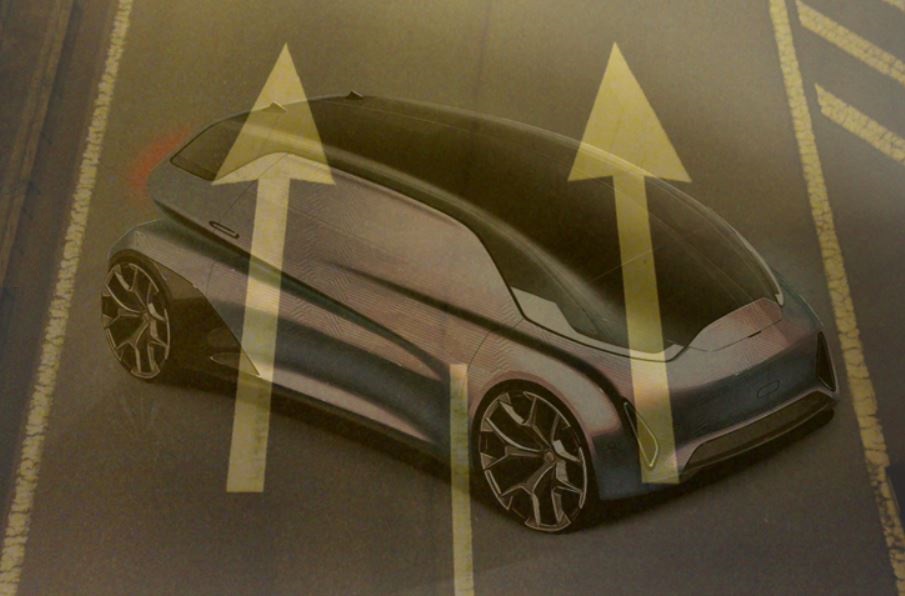
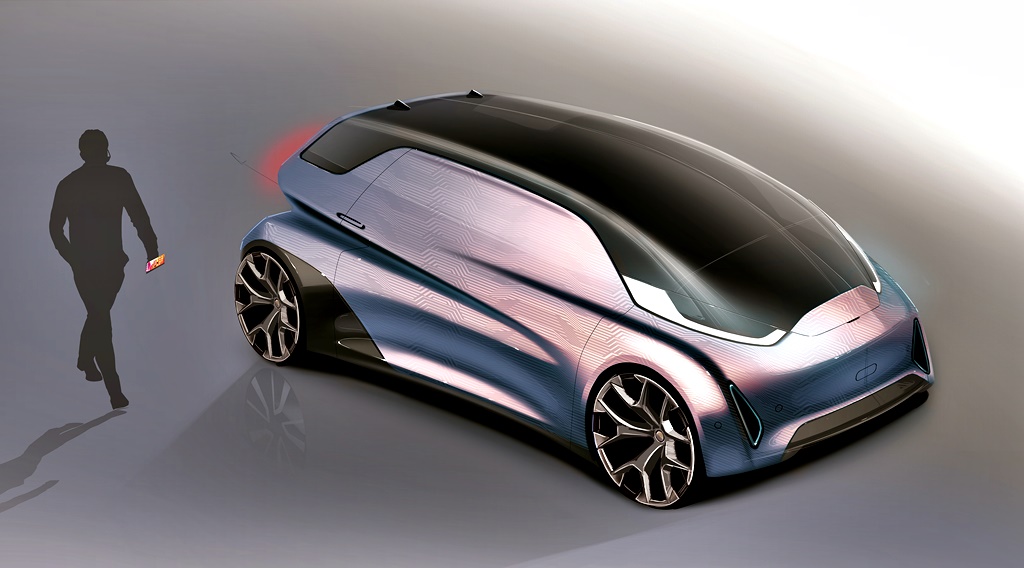
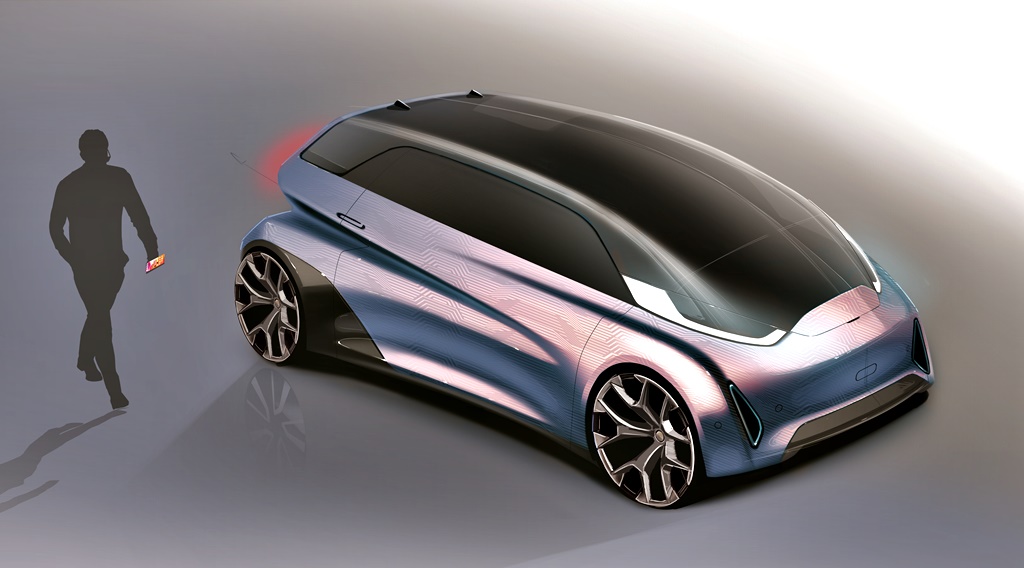
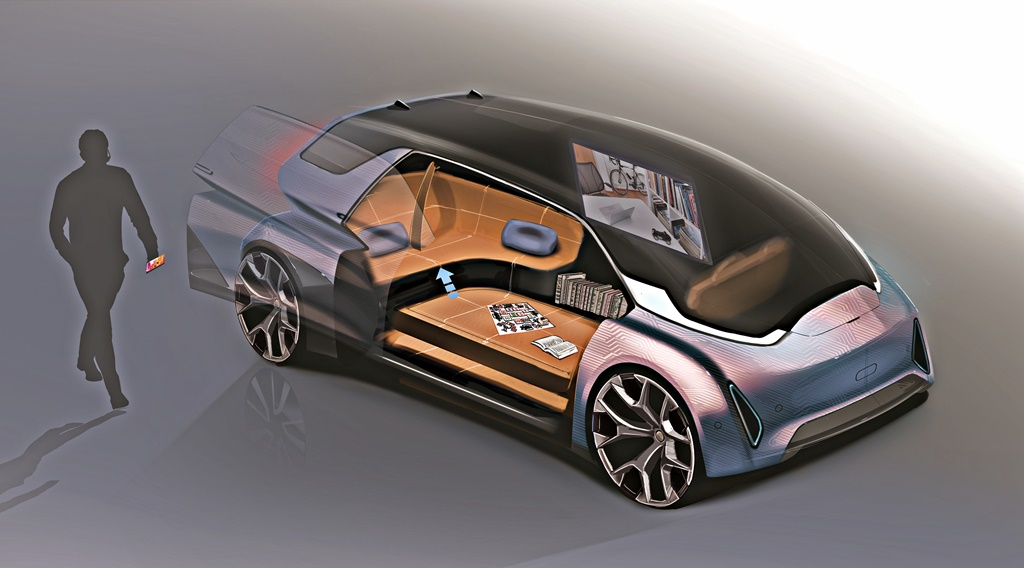
Auto Trader’s 2050 concept car is a fully electric, colour-changing vehicle with space for passengers to make the most of the time they spend in the autonomous vehicle – by relaxing, doing yoga and even sleeping during the commute. Featuring ‘digital paint’, the car allows passengers to change the colour and style of the car from the tap of an app, depending on their mood, with advances in technology meaning this feature could be widely available as early as the year 2040.
Designed to be a home away from home, passengers can relax and unwind on the built-in mattress in the centre of the spacious cabin – a feature which 24% of motorists said they’d use for catching up on much-needed sleep and a cheeky 13% of men would use for some intimate time with a partner.
Reading or watching TV on the move
Drivers also said they’d like to reclaim their commute time by delving into a good book from the built-in library (22%) or watching their favourite Netflix shows and movies from the large in-built TV screen (19%).
Other popular recreational uses for the spacious design include beating friends and family at board games (16%), getting hair and make-up done on the way to an event (15% of women would do this), and 4% would even practice yoga whilst in transit.
AI assistant
Catering to the 10% of drivers who want cars to be fully voice-operated in future, the car welcomes passengers with a friendly AI (Artificial Intelligence) assistant that helps them set their preferred driving speed and style, whether out for a leisurely Sunday drive or rushing home for dinner. Given that the car is likely to be operating autonomously, rushing will not be done recklessly so an accident is unlikely to occur.
The 2050 car is fitted with windows that extend right over the roof in one large bubble, offering more head room to allow passengers to freely move around during transit. It also features 360-degree panoramic views for those wanting to sit back, relax and enjoy an autonomous ride, plus black-out functionality on the windows, which can be activated with a quick tap.
All images and Timeline provided by Auto Trader UK.
Hypercars are the supercars of the 21st century and breaking away from the traditional big internal combustion engines of the 20th century, they are propelled by electric motors or hybrid powertrains. And where it was only car manufacturers that had the resources to develop powerful cars, the availability of modern technologies like 3D printing has made it possible for anyone with enough money to start a small company to develop and make a few.
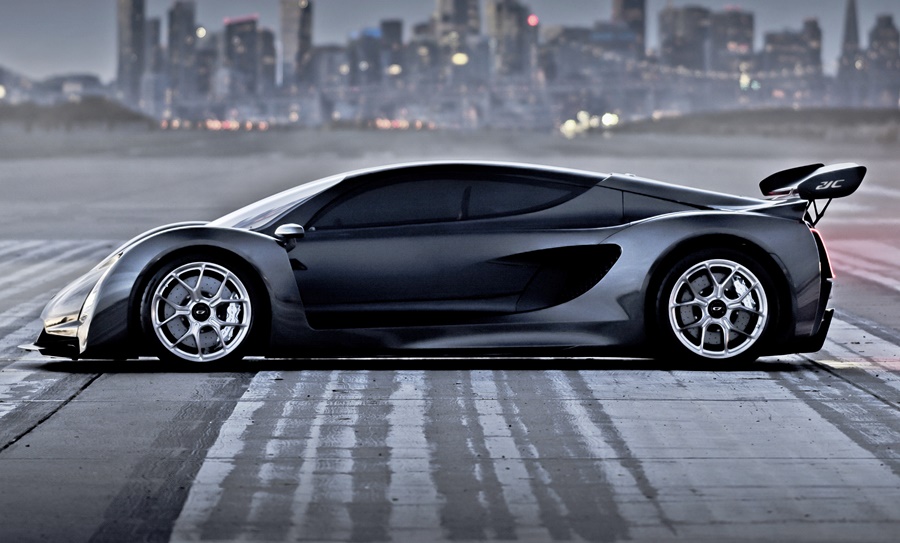
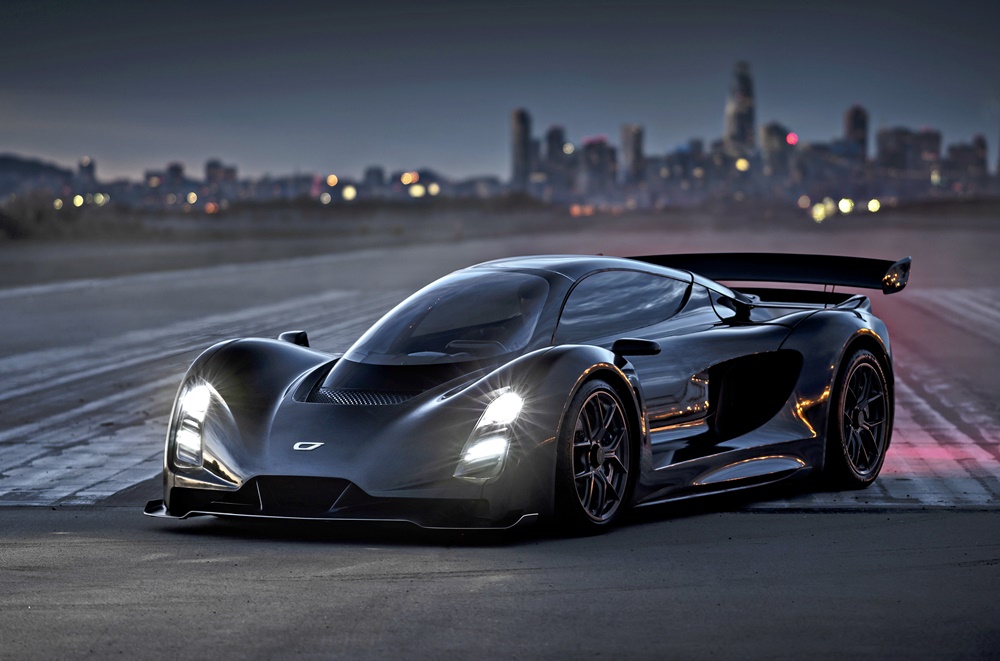
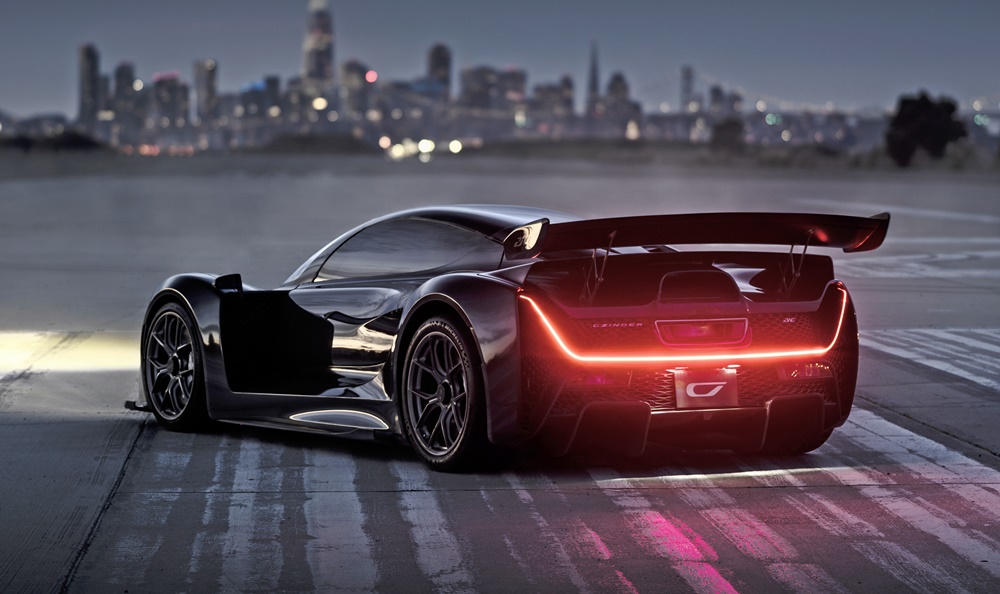
Kevin Czinger (pronounced ‘zinger’) is one such entrepreneur who has developed and built a hypercar with proprietary hybrid powertrain and additively manufactured chassis that is claimed to be an evolutionary leap in performance vehicle creation.
Though he went to law school, Czinger has been involved in advanced car development for more than 10 years, employing advanced production technologies. The Czinger 21C hypercar is designed, manufactured and assembled at his base in Los Angeles, California. It incorporates vehicle architecture that is centered around driver-focused, 2-person in-line seating configuration within what would almost certainly be a carbonfibre shell.
Details of the powertrain are not revealed at this time, but it is said to have been tested and generated 1,233 bhp. This can get the 21C from standstill to 100 km/h in 1.9 seconds, it is claimed.
The brand launch and 21C’s debut will be at the Geneva International Motor Show next month. In the meantime, Czinger has released two videos which show the car moving very fast across a naval base in San Francisco and on the Pacific Coast Highway in California.
‘GM Accelerates Transformation of International Markets’ is the title of General Motors’ press release issued today and it might be meant to have an optimistic tone for shareholders but when you start to go through it, you find that it is shows how the corporation is retreating from global markets because it cannot compete. The decline of what was once the largest company on the planet, the No.1 in automobile manufacturing (by volume, to be clear), and top of the list in the Fortune 500, is not something that has come in recent times. It began in the 1970s and kept getting worse to the extent that it went bankrupt by 2009, forcing reorganization.
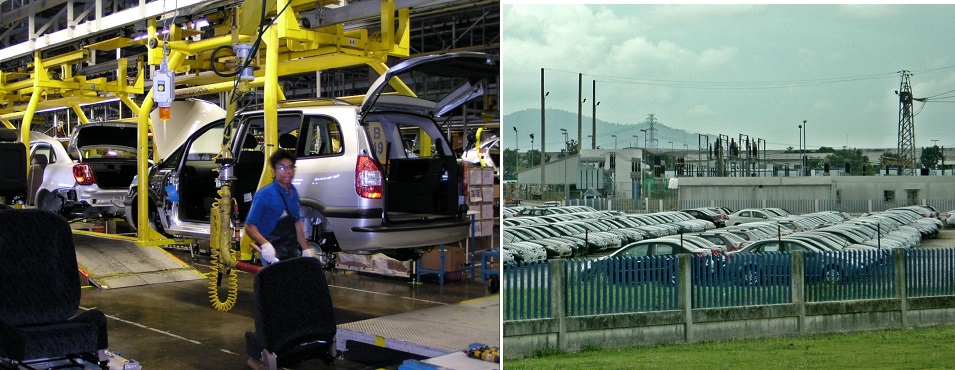
Like many big and old American corporations, the way the business has been run has depended on big numbers for economies of scale to stay competitive and dominant. That’s still crucial in the auto industry but GM for too long was an insular company, not giving much meaningful attention to markets outside North America. It had units like Opel and Vauxhall in Europe and Holden in Australia, as well as joint-ventures in China. Opel and Vauxhall were sold off to Groupe PSA three years ago and now, Holden, the 164-year old Australian company, will also be shut down 89 years after GM acquired it. Sales, design and engineering operations in Australia and New Zealand will cease, with the Holden brand retired by 2021.
The move is explained as a continuation of the comprehensive strategy laid out in 2015 ‘to strengthen its core business, drive significant cost efficiencies and take action in markets that cannot earn an adequate return for its shareholders’. The last part is a similar theme used by Ford when it shut down its manufacturing operations in Australia four years ago.
GM President Mark Reuss said the company explored a range of options to continue Holden operations, but none could overcome the challenges of the investments needed for the highly fragmented right-hand-drive market, the economics to support growing the brand, and delivering an appropriate return on investment.
“After considering many possible options – and putting aside our personal desires to accommodate the people and the market – we came to the conclusion that we could not prioritize further investment over all other considerations we have in a rapidly changing global industry,” he said.
Like Ford, GM just doesn’t care to compete anymore in Asian markets and is pulling out, with the exception of Korea (notwithstanding its 10 joint ventures in China). Its factory in Rayong, Thailand, which was set up to produce for the ASEAN markets using duty-free incentives is also to be sold to China’s Great Wall Motors.
In the mid-1990s, GM built a big factory in Thailand when the AFTA (ASEAN Free Trade Area) benefits were offered and expected to be a major player in the region.
GM Senior Vice President and President GM International Steve Kiefer said the detailed analysis of the business case for future production at the Rayong facility (which includes an engine plant) indicated low plant utilization and forecast volumes have made continued GM production at the site unsustainable. Without domestic manufacturing, Chevrolet will be unable compete in Thailand’s new-vehicle market. Years earlier, GM also pulled out of Indonesia and ended attempts to grow its presence in the Malaysian market.
These are difficult decisions, but they are necessary to support our goal to have the GM International region on the pathway to growth and profitability,” said Kiefer, adding that GM would also sell its Talegaon manufacturing facility in India.
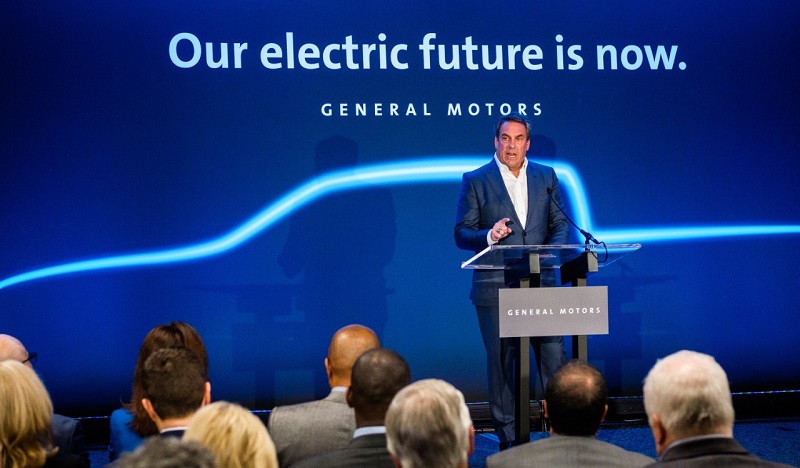
GM wants to focus on markets where it can get ‘robust returns’ and prioritizing global investments in the areas of EVs and autonomous vehicles – and it’s not interested in righthand drive markets.
Outside of North America, it still sees the possibility of continuing business in South America and the Middle East. “In markets where we don’t have significant scale, such as Japan, Russia and Europe, we are pursuing a niche presence by selling profitable, high-end imported vehicles – supported by a lean GM structure,” said GM International Operations Senior Vice-President Julian Blissett.
GM in Malaysia
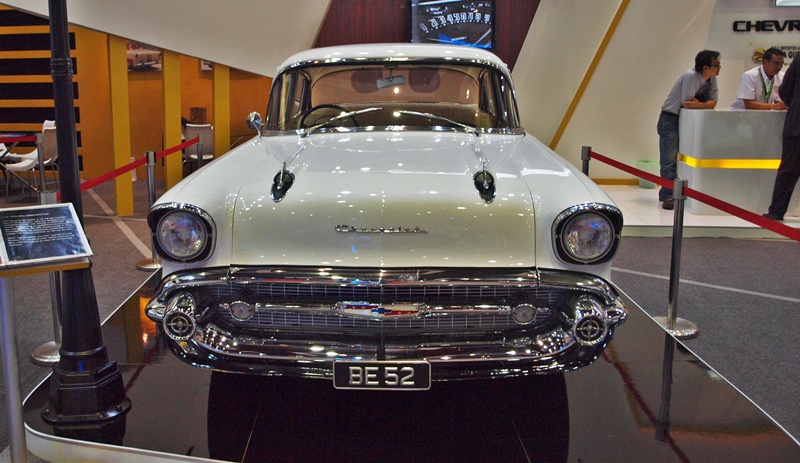
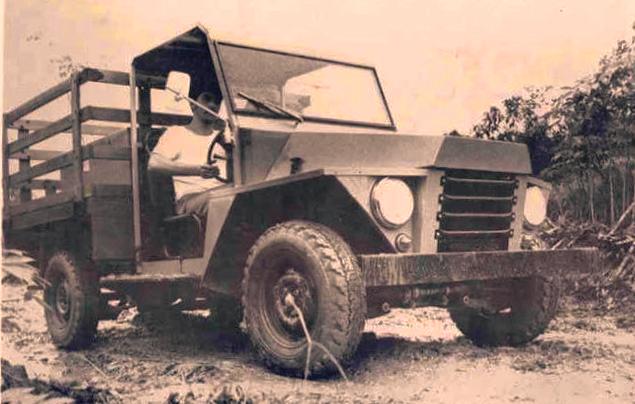
Like Ford, GM was selling its cars in Malaysia decades before the Japanese brands arrived in the 1960s. It had a range of brands like Bedford, Chevrolet, Vauxhall, Opel and even Holden, and even set up an assembly plant in Johor in the 1960s. And before Toyota came out with its Kijang in Indonesia in the mid-1970s, GM’s Bedford unit had developed a simple Basic Utility Vehicle called the Harimau that was intended for the developing countries in the region.
Chevrolet was sold in the country decades before the Japanese brands arrived. Even Tunku Abdul Rahman used one of its models to travel around the country and a fleet was also purchased to transport VIPs during the first Merdeka celebrations.The Bedford Harimau was specially developed by GM for developing countries.
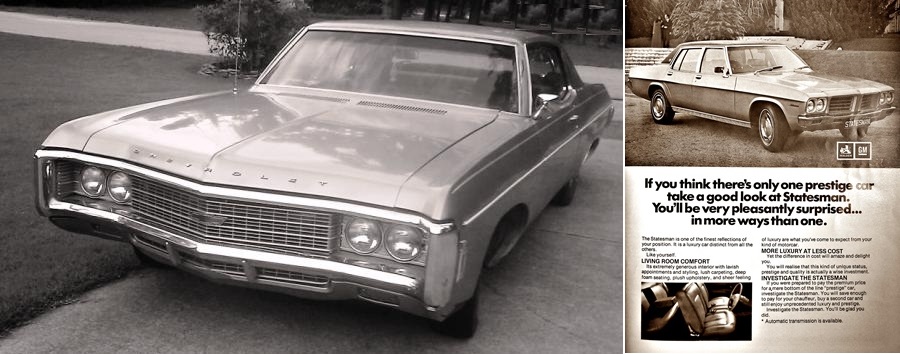
For a while, it tried to sell Holden models like the Kingswood and Statesman (assembled locally) which were rather inappropriate for this market. They had huge engines (2.7 litres and bigger!) and were heavy, thirsty cars. There was a joke that if you bought one, its value depreciated by 50% the moment the new numberplate was attached. 44 units of the Chevrolet Impala were also assembled at the ASSB plant in Shah Alam, Selangor, in the late 1960s and it took a while for them to clear.
The GM models assembled in the late 1960s were the Chevrolet Impala (left) and the Holden Statesman (right). Both were big, thirsty and heavy and depreciated very quickly.
Besides the assembly plant, GM had a marketing office in Kuala Lumpur which mainly handled the Opel business until the late 1970s when it closed down and Opel faded from the market like the other brands. In the mid-1990s, a small effort was made to return with the Opel and Holden brands. GM even sent Mike Kimberley, former CEO of Lotus, to oversee the business in Malaysia as there was even talk of assembling the Opel Vectra. But the financial crisis at the end of the decade saw the attempt forgotten.
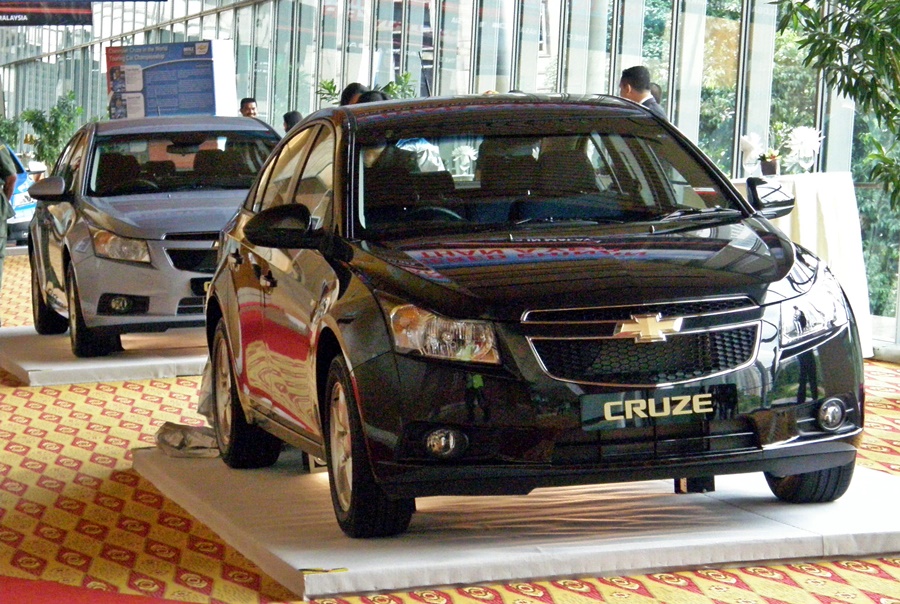
It would be another 4 years before GM returned to Malaysia with what seemed like renewed confidence in the regional market. It had invested in a huge factory in Thailand to produce what was touted as a market that would reach 500 million consumers and it believed it could be a significant player. In fact, in 2004, a senior GM executive told this writer that he expected Chevrolet to be among the top 5 in Malaysia within 4 years. The over-optimistic prediction was accompanied by a remark that ‘the Malaysian market is the same as the Indonesian one so we can apply the same product strategies’. Later, another senior GM executive would boast of how the Cruze was ‘100 times better than the Honda Civic’. It showed how disconnected from the market the Americans were and why they were doomed to fail.
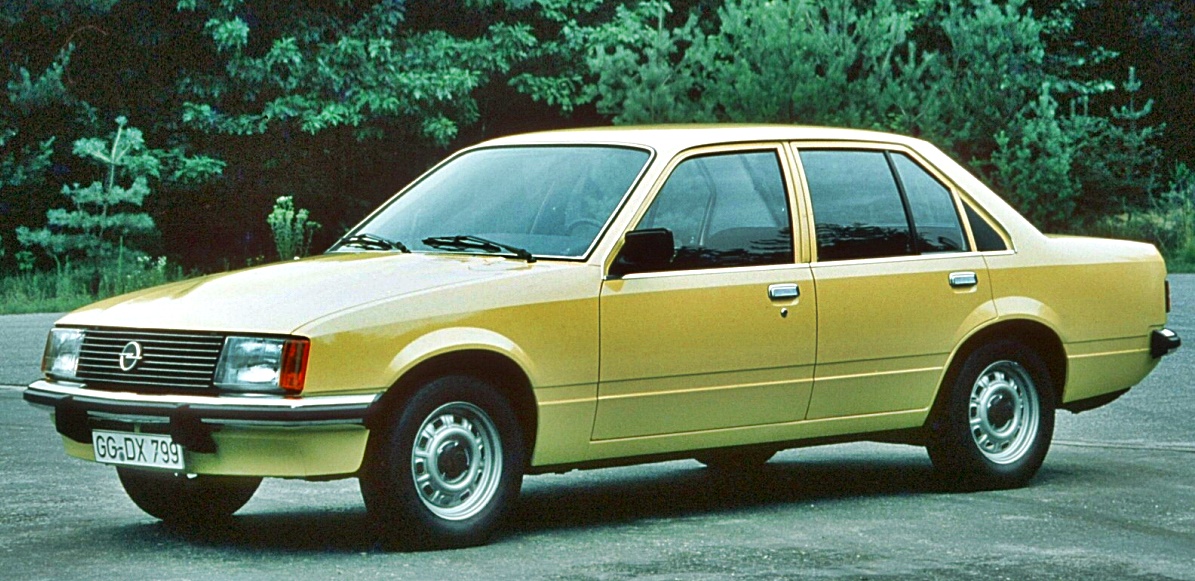
Although its Opel brand from Germany (the Rekord model shown above) was respected in the Malaysian market, GM chose to discontinue it and instead used the Chevrolet brand for Asian markets, saying it was ‘the most international of GM brands’.
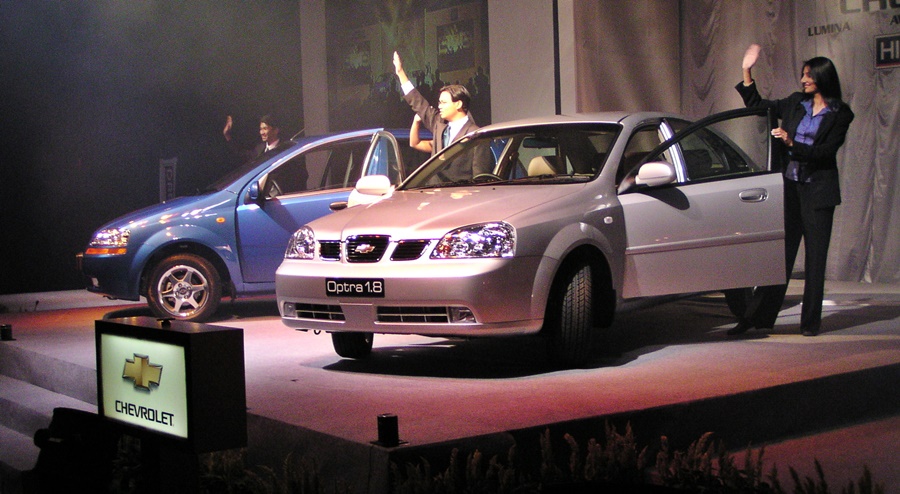
Although Opel, with its German DNA in models like the Rekord, was a respected brand in the Malaysian market, GM chose to use Chevrolet for the region because it was ‘the most international GM brand’. To the older generation, Chevrolet was associated with those Detroit ‘aircraft carriers’ – huge machines on four wheels – even though the range offered was more oriented to ASEAN markets with models like the Nabira and Optra.
For its initial return in 2002, GM let DRB-HICOM handle the business but eventually found difficulties in managing differences with its distributor in approaches taken for the business. So GM came in to directly run the business in the mid-2000s, around the time Ford was pulling out of Malaysia and leaving the business to Sime Darby. There was a lot of enthusiasm in the early years as GM ASEAN probably had a business plan which appealed to the big bosses in Detroit (remember how they believed that they could become No.4 in Malaysia).
To be fair, a lot of marketing initiatives – like cutting parts prices by up to 65% – were carried out to grow the brand but that’s a long-term thing and the problem is that Americans are impatient. Jeep came into the market in the mid-1990s and sold well, but the moment things slowed down and numbers fell, it pulled out right away. They also want big numbers and a veteran local car guy recalls how he went to Detroit to talk to Chrysler about representing them in Malaysia and was told that if he was not taking a thousand cars a month, forget it.
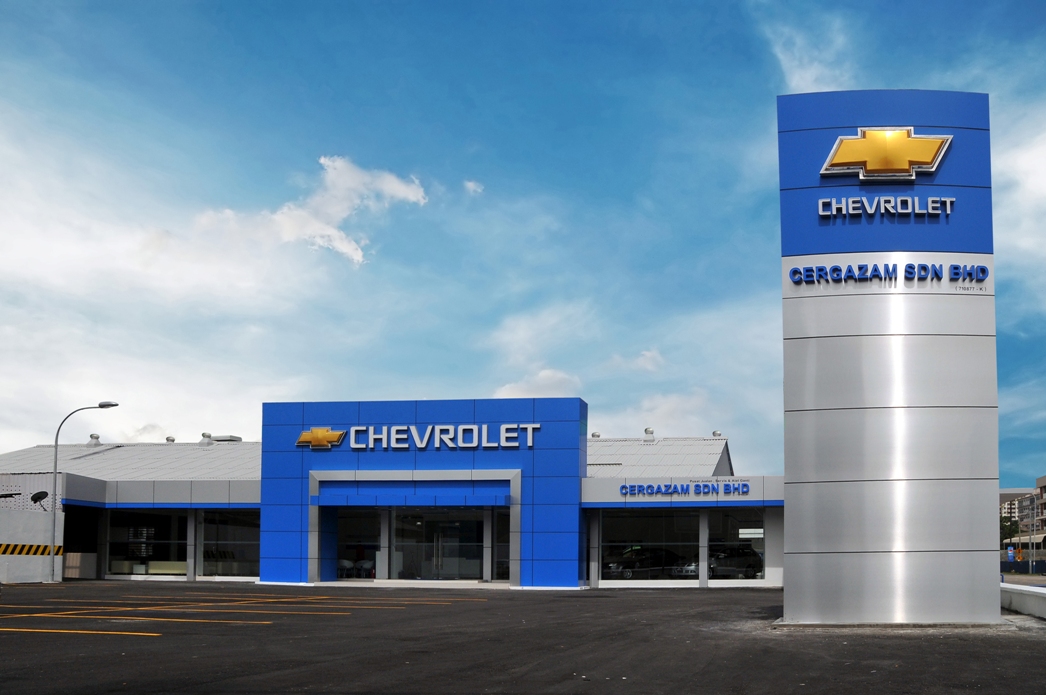
After giving up being directly involved in the Malaysian market, GM gave the franchise to the Naza Group which had the Cruze, a brand new model which seemed promising, to start off with in 2010.
Eventually, GM also gave up on Malaysia (again) but managed to get the Naza Group to take over the brand. Like DRB-HICOM before it, Naza felt it could build the brand and put in much effort. But the products were not competitive enough and the only one that could sell well was the Colorado pick-up made in Thailand. And again, expectations and commitment differed between the two sides with a frustrated Naza suddenly announcing it would cease representing Chevrolet after an 8-year association. Its explanation for the move contained the words ‘long-term sustainability and profitability’, which suggested that GM’s brand could not deliver that.
As GM regards righthand drive markets as not being worth its time, we will probably not see Chevrolet or other GM brands again. Anyway, Chevrolet’s departure from Malaysia has not made much difference since the numbers were insignificant anyway. They were also not particularly big in neighbouring markets so there isn’t really an empty space to be filled.