
Piston.my

Latest News

To know more, visit www.bhpetrol.com.my.

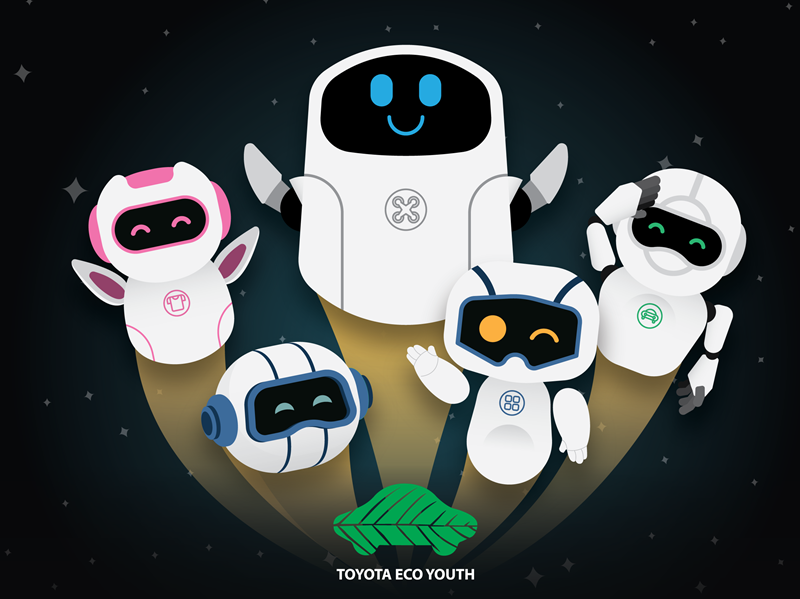
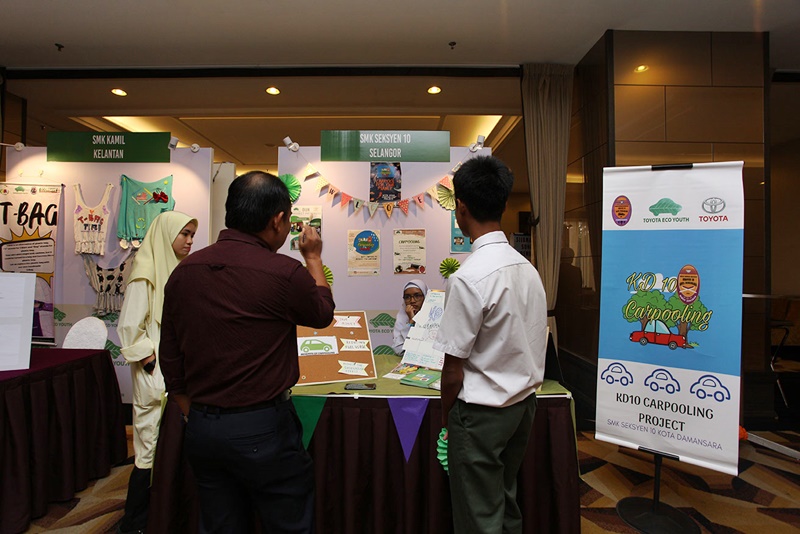
The Toyota Eco Youth (TEY) program, organised and managed by UMW Toyota Motor (UMWT)  for the past 19 years, will continue into its 20th edition with a longer program. Unlike previous years which have been completed within a year, the concept for this year’s TEY program is that it will run for 3 years. For this 20th edition of TEY, the winners will return as facilitator in the 2nd year to mentor the new  batch and establish a TEY Apprentice Online Club. The winners will then continue with proof of concept and Intensive Prototype Development.

283 teams registered to participate
To date, it has involved 258 schools, 1,910 secondary school students and 762 teachers throughout the country. The program is open to secondary school students aged 13 – 16 years old and there is unlimited  school participation. For this year, 283 teams from 177 schools have submitted registrations but only a maximum of 16 teams from schools will take part.
Toyota Eco Youth TEY
In the 19 previous years, the teams have set up displays of their work but for this 20th edition, in view of the COVID-19 pandemic, the whole program will be conducted online.

“The Toyota Eco Youth has been running continuously for 20 years and we hope that those who  have participated continue to grow their creativity help propagate a greener future for all of us,” said Akio Takeyama, Deputy Chairman of UMW Toyota Motor.

For the 20th edition of TEY, UMWT is again collaborating with the Ministry of Education and will  run state and national level competitions. Additionally, for this year, the Leaderonomics  Community also joins as a working partner.

Activities conducted online
In view of the present COVID-19 pandemic situation, the official launch of the National-level competition took place online recently. UMWT Executive Director of Sales, Mohd  Shamsor Mohd Zain, announced the teams which come from all over the country, including Sabah, Sarawak and Labuan.

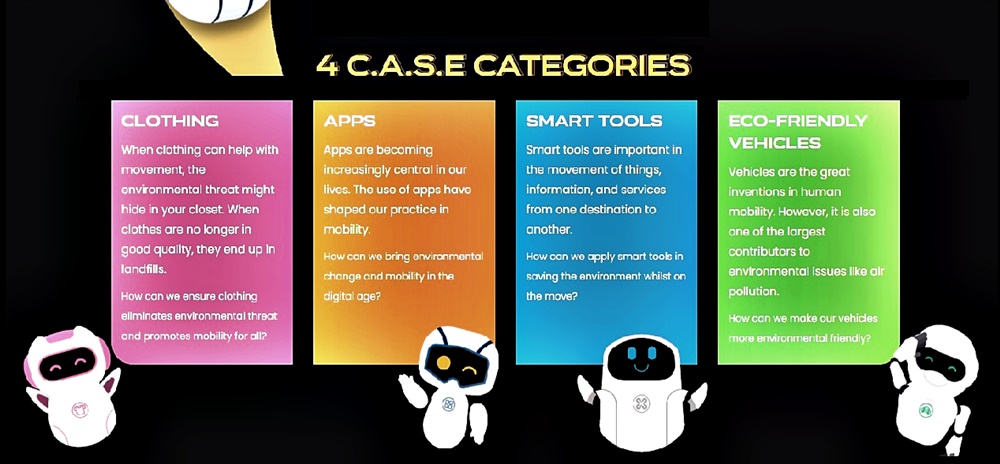
Encik Mohd Shamsor also introduced Agent M (Mobility), consisting of 3 – 4 members per team.  Each Agent M will select a C.A.S.E. (Clothing, Apps, Smart Tools or Eco-Friendly Vehicles) and  present solutions to environmental issues. Their solutions will be presented in a video uploaded for judging and public viewing.
‘Reimagining Mobility’ is the theme
The format of this program will be fully online, and the 16 teams will be equipped and trained with project management skills that incorporate Toyota’s Problem Solving Methodology. They will then be required to build a prototype solution based on the theme of ‘Reimagining  Mobility’. This theme depicts the creation of safe and eco-friendly mobility solutions for the nation with a dual-pronged approach to ensure that they are both theoretically and practically comprehensive which includes the interactive e-learning lessons and workshops.

The final judging phase will require the team to showcase their progress through social media and livestream channels. The prize money has been doubled with the total pool of cash prizes amounting to RM64,000.
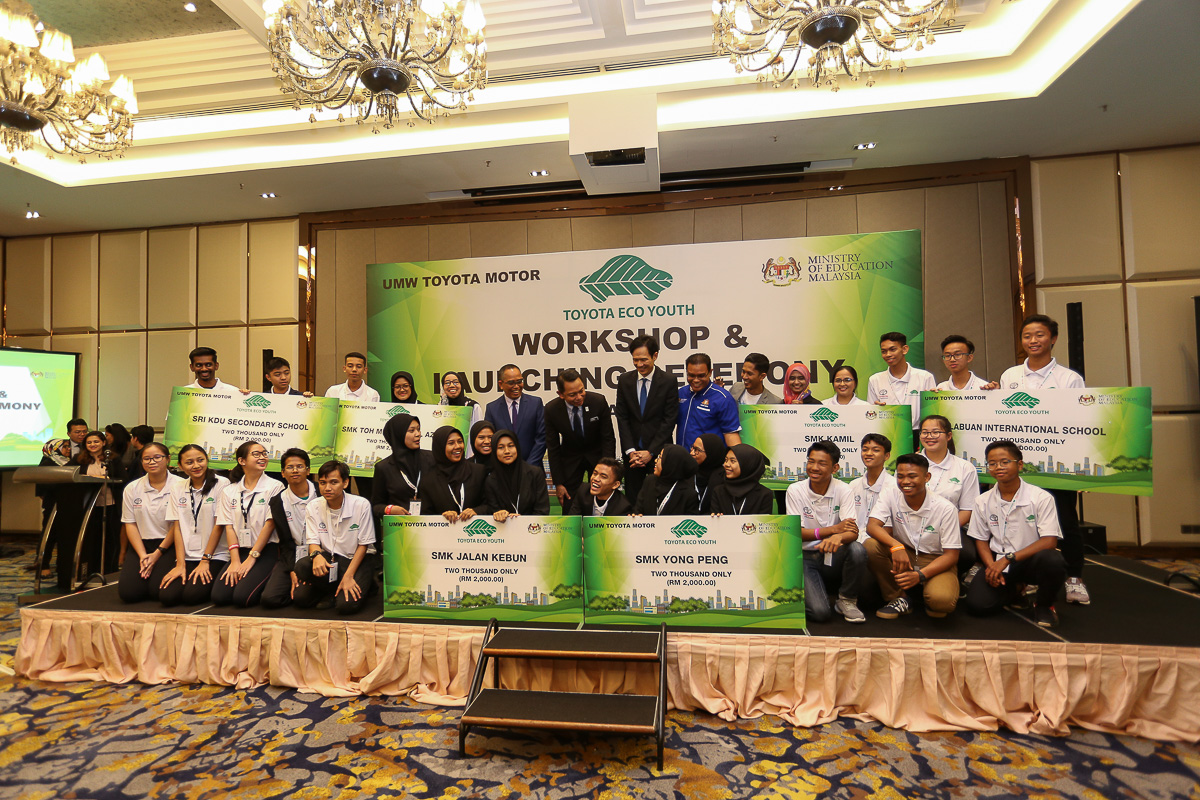
Some of the winning teams in the 2019 event.

“Since the inception of Toyota Eco Youth, UMW Toyota Motor has spent over RM7 million on the program,” said Ravindran K., President of UMW Toyota Motor. “In spite of pandemic, we will not diminish our support for such programs as they are an important part of our Corporate Social Responsibility.”

For further information on the 2020/2021 Toyota Eco Youth Program and updates, the public can  visit www.toyota.com.my/toyotaecoyouth.

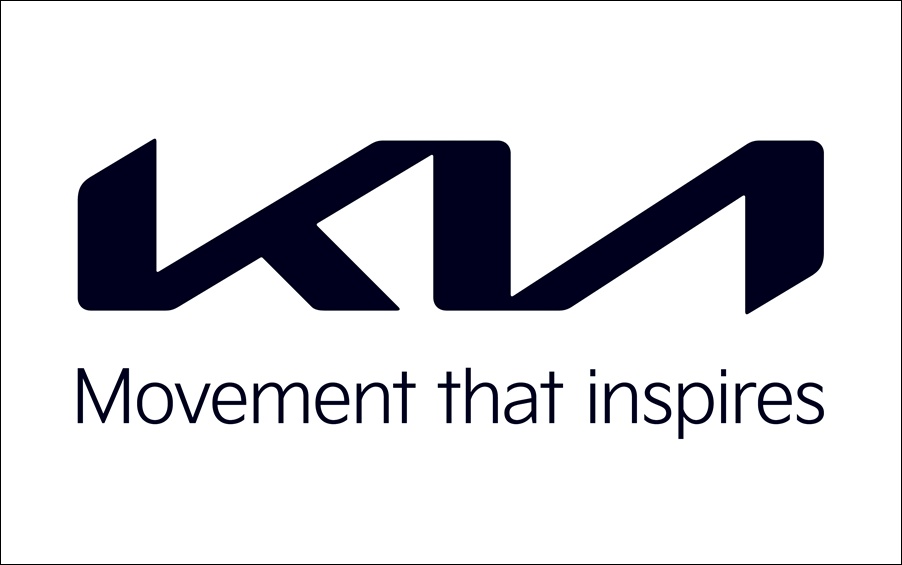
Earlier this month, Kia unveiled its new corporate logo with the new brand slogan of ‘Movement that inspires’. This slogan replaces ‘The Power to Surprise’ which has been in use since 2005 (although the US also had a new slogan in 2019 – ‘Give It Everything’). With the new slogan also comes a new strategy which the Korean carmaker will probably use throughout this decade, or into the next one.

Signalling the brand breaking away from its traditional manufacturing-driven business model, the corporate name will now be Kia Corporation, instead of Kia Motors Corporation, though the public has usually used just ‘Kia‘ anyway.

Beyond vehicle manufacturing
The strategy will see the company go beyond vehicle manufacturing to create sustainable mobility solutions for customers. According to Ho Sung Song, President & CEO of Kia Corporation, the company’s vision is to create sustainable mobility solutions for consumers, communities, and societies globally.

“At Kia, we believe that transportation, mobility, and movement represent a human right. Today, we start putting the company vision into action with the launch of our new brand purpose and strategy for the future,” he said.

New brand purpose
Kia’s new brand purpose emphasises that movement is at the genesis of human development. Movement enables people to see new places, to meet new people, and to have new experiences. This connection is the essence of Kia’s new brand – to enable human progress by providing innovative in-car spaces, exciting new products, and meaningful, convenient services that inspire customers and free up time for the activities that they enjoy the most.

Kia has been in the ‘movement’ industry for more than 75 years, starting with Korea’s first domestic bicycles and then manufacturing motorcycles and delivery trucks. As in past decades, it will meet changing customer expectations about how they move, and how their movement impacts the world around them.

The broader vision for sustainable mobility
Reflecting the brand’s broader vision for mobility, Kia is expanding its business to encompass EVs, mobility solutions and services, purpose-built vehicles, and more. Alongside these efforts, Kia will simultaneously promote more sustainable production through the usage of clean energy and recyclable materials.

The company is focused on popularising battery electric vehicles (BEVs) and plans to reinforce its global product line-up with the introduction of 7 new dedicated BEVs within the next 6 years. These new models will be in several segments, each incorporating advanced technologies for long-range driving and high-speed charging from Hyundai Motor Group’s new Electric-Global Modular Platform (E-GMP).

Purpose-Built Vehicles
Kia is also developing a range of new Purpose-Built Vehicles (PBVs) for corporate customers. These specialised vehicles will be based on flexible ‘skateboard’ platforms, with modular bodies designed to meet the specific mobility needs of a broad range of corporate and fleet customers. Partnerships with the likes of Canoo and Arrival will mean Kia PBVs can offer different bodies mounted on top of an integrated modular ‘skateboard’ platform, tailored to users’ functional requirements.

To know about other promotions, visit www.bhpetrol.com.my.

Demand for PBVs is expected to grow 5-fold by 2030 due to rapid and sustained growth in e-commerce and car-sharing services. Bespoke Kia PBVs will be tailored to meet the needs of corporate and fleet customers. For instance, these could include car-sharing vehicles, low-floor logistics vehicles, and delivery vehicles.

The change in the company’s corporate name also means transforming the organisation’s working culture. “Changing our corporate name and logo is not only a cosmetic improvement. It represents us expanding our horizons and establishing new and emerging businesses that meet and exceed the diverse needs of our customers worldwide. More importantly, it also means adapting our working culture, enabling the creativity of all our employees and establishing an inspiring work environment,” President Song explained.

First dedicated BEV coming soon
With its growing range of BEVs, Kia is targeting a 6.6% share of the global BEV market by 2025, and global annual sales of 500,000 BEVs by 2026. The first of Kia’s next-generation BEVs will be revealed in the first quarter of 2021, embodying Kia’s shifting focus towards electrification.

Based on new E-GMP technology, this dedicated BEV will boast a crossover-inspired design, while offering an electric driving range of over 500 kms and a high-speed charging time of under 20 minutes. This will also be the first global model to bear Kia’s new logo.

Kia introduces new corporate logo as part of bold transformation move

To know more, visit www.bhpetrol.com.my.

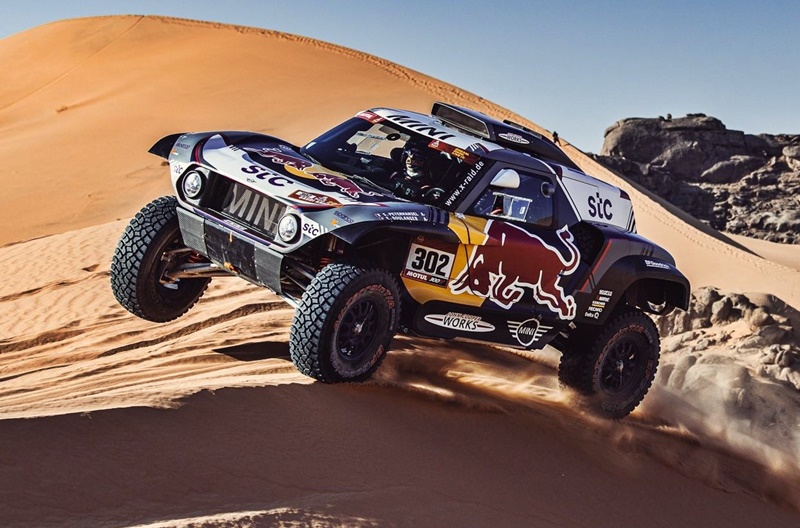
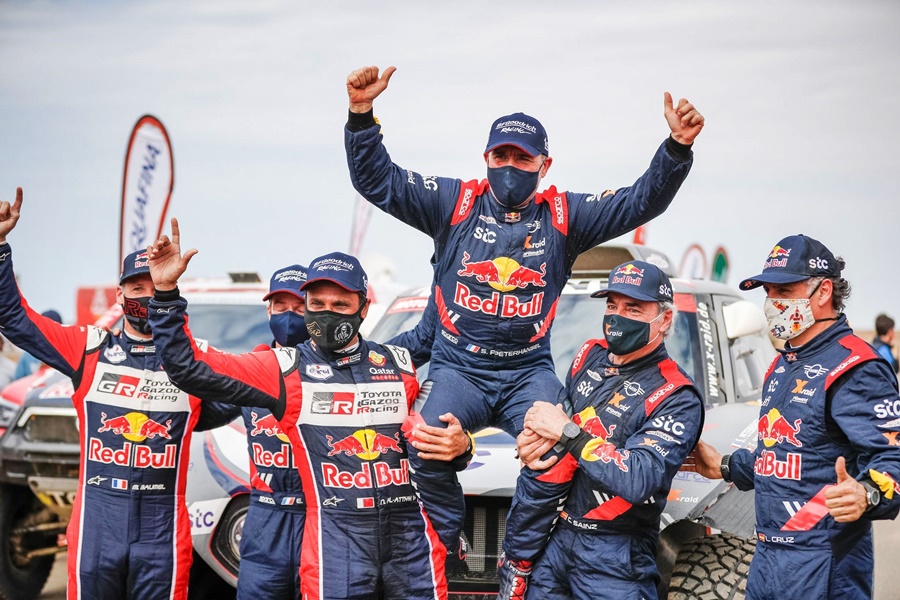
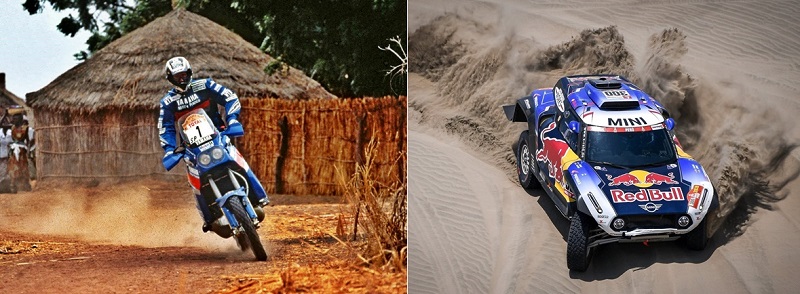
Since the Dakar Rally began in 1979, MINI has won it 5 times, adding a sixth overall title this year. While not matching Mitsubishi’s 12 wins, XRAID MINI JCW driver Stephane Peterhansel has the record of 14 wins in the event with his latest this week. His total of 14 wins over 30 years of participation in the event, includes winning 6 times on a motorcycle.

Consistency was the secret of success
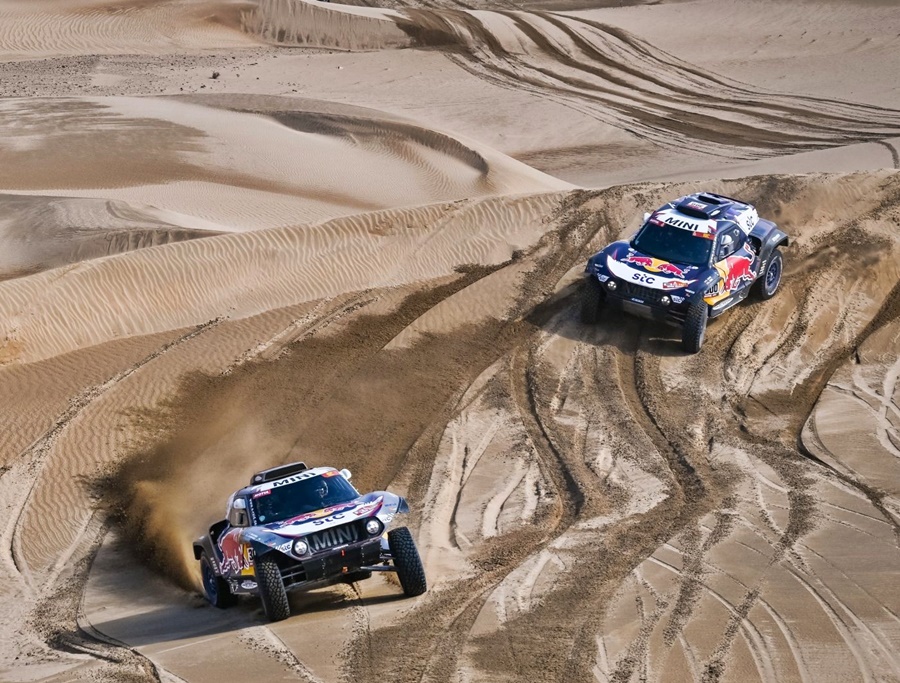
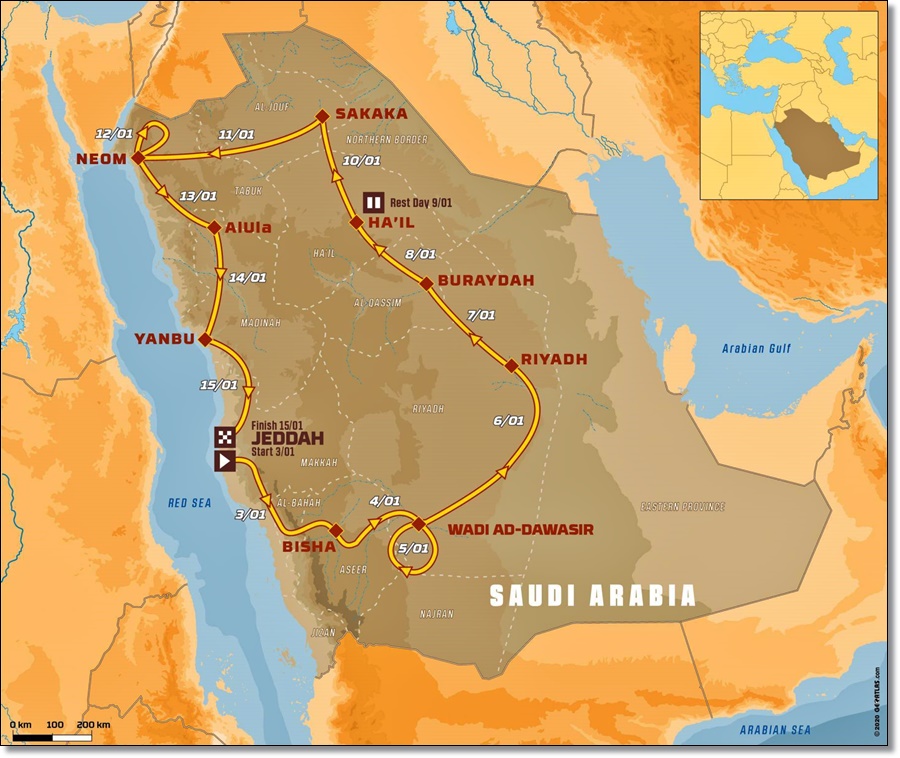
The event this year was held in the deserts of Saudi Arabia with 12 stages that took the participants from Jeddah on January 2 in a clockwise route of 7,646 kms to finish in the same city 13 days later. Driving a XRAID MINI JCW Buggy, Peterhansel, with Edouard Boulanger, successfully defended the title won in 2020.

While Peterhansel was fastest only on one stage, his consistency in remaining among the top runners throughout the event showed kept him within sight of victory, finishing with a lead of 14 minutes 51 seconds.

“The pressure was immense since we were leading the overall standings for much of the race. You can only lose in that situation. But I have to say, we drove almost a perfect Dakar without any major errors and once again that was the key to success. Things were perfect between Edouard and me, and I was delighted to have him sat next to me. He couldn’t have done anything better,” the French driver said.

Stephane Peterhansel, 55, has won the Dakar Rally 14 times, using motorcycles for the first 6 wins.

In addition to Peterhansel, a third MINI crew finished in the top 10. Vladimir Vasilyev and Dmitry Tsyro crossed the finish line in sixth place in a MINI JCW Rally. A total of eight MINI cars competed in Saudi Arabia this year, 6 of which reached the finish line.

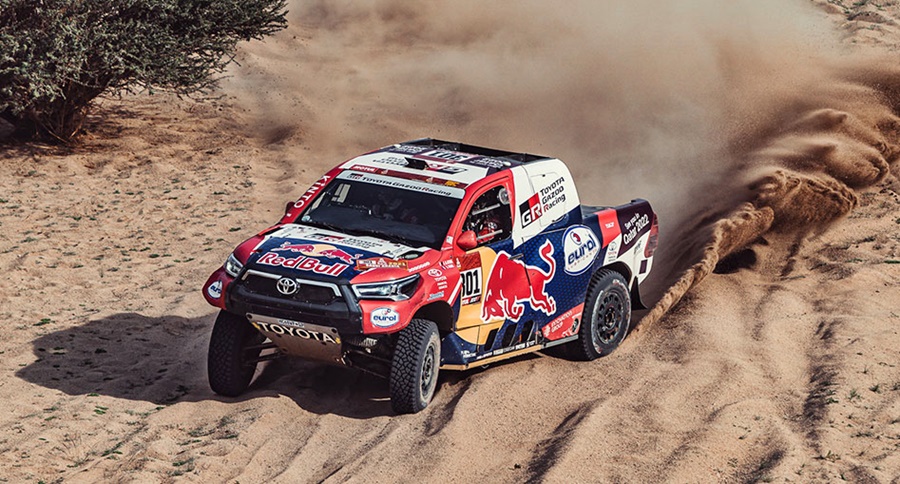
Nasser Al-Attiyah, Toyota GAZOO Racing Hilux, finished second between Peterhansel and Sainz.

Toyota finishes between two MINIs
The MINI was in close competition with Qatari driver, Nasser Al-Attiyah, who won 5 stages. However, difficulties with finding the route and a few punctures lost him a lot of time and by the finish, he could manage only second place with his Toyota Hilux.

Reigning champion Carlos Sainz (the father of the F1 driver) – who last year won the event – was unable to repeat the achievement as mechanical issues dogged him. Putting in a strong effort and winning the final stage got him third overall position, but his total time was an hour behind Peterhansel and Al-Attiyah.
Dakar 2021 route
The route for Dakar 2021.
MINI Countryman Powered by X-Raid

COVID-19

To know more, visit www.bhpetrol.com.my.

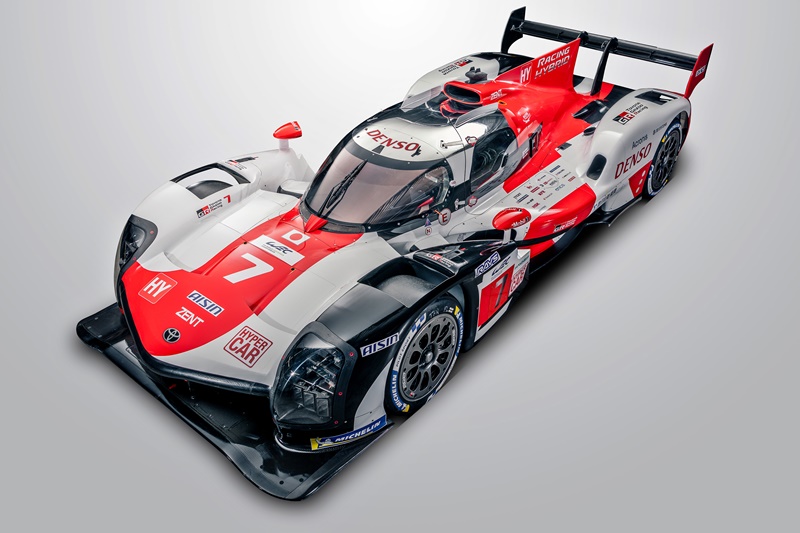
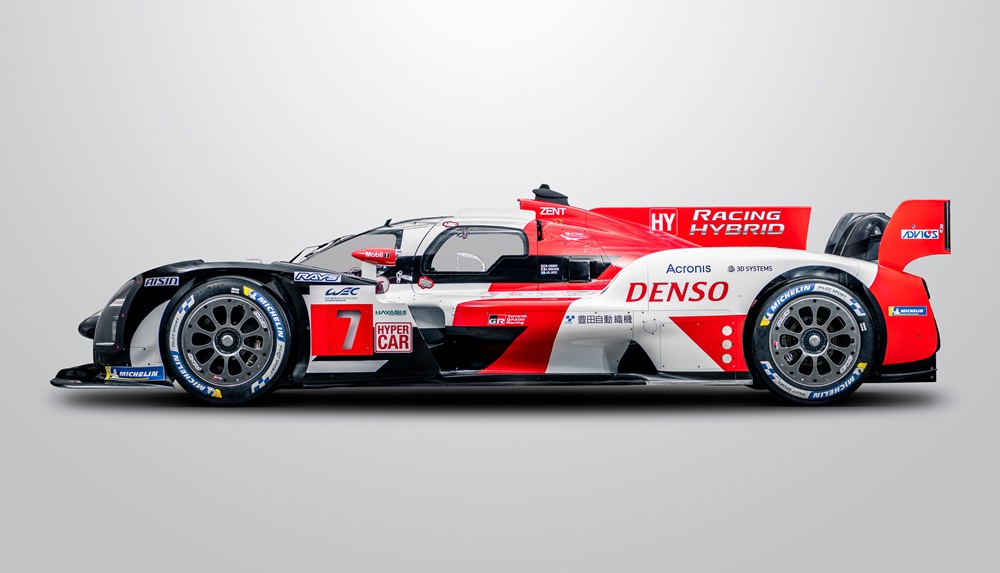
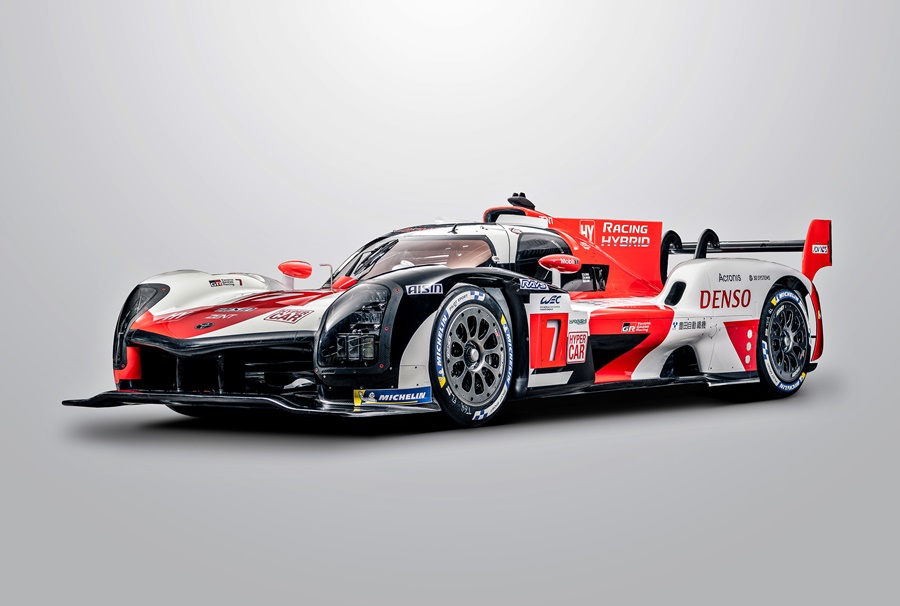
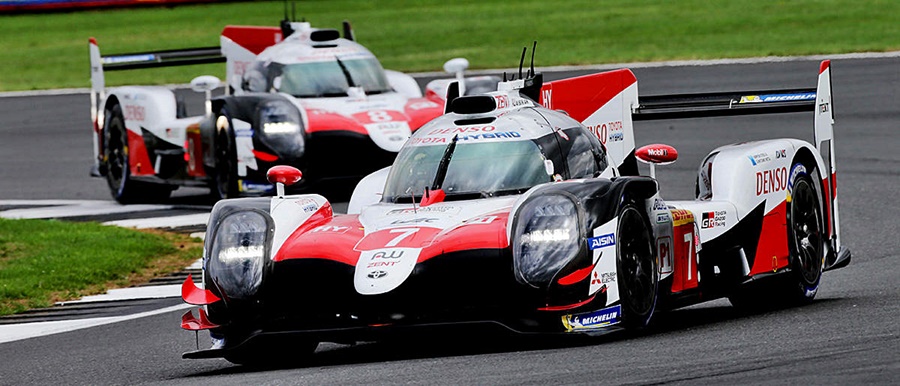
Toyota GAZOO Racing (TGR) will enter its ninth season in World Endurance Championship (WEC) with a brand new racing car – the GR010 HYBRID Le Mans Hypercar. The reigning World Champions and 3-time Le Mans winners will defend those titles in the 2021 championship against new manufacturer competitors using a racing version of the upcoming hypercar road car.

The GR010 HYBRID is a prototype racer developed over the last 18 months in partnership by engineers at TGR’s headquarters in Germany, and the electric hybrid powertrain experts at Higashi-Fuji in Japan. It confirmed to regulations that herald a new era in WEC competition.

The GR010 HYBRID incorporates a 4-wheel drive racing hybrid powertrain, with a 3.5-litre V6 twin turbocharged petrol engine. The electrified powertrain generates 680 ps to the rear wheels, together with a 272 ps motor generator unit on the front axle. Total output is capped at 500 kW (680 ps), meaning the sophisticated electronics reduce engine power according to the amount of hybrid boost deployed.

2021 Toyota GAZOO Racing GR010 HYBRID Le Mans Hypercar

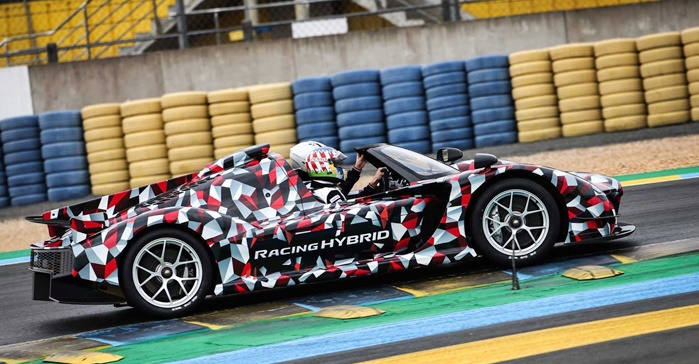
The GR Super Sport hypercar which made its public debut last year.

The appearance of the racing prototype has been inspired by the GR Super Sport hypercar which made its public debut during a demonstration run and ceremonial trophy return at the 2020 Le Mans 24 Hours and is currently in development. To mark this new era for TGR, a new livery includes the iconic GR lettering to indicate the strong link between race and road cars.

As part of a cost-cutting initiative incorporated in the regulations, the new GR010 HYBRID is 162 kgs heavier and with 32% less power than its TS050 HYBRID predecessor. It also has bigger dimensions – 250 mm longer, 100 mm wider and 100 mm higher. The implication of this is that Le Mans lap times are expected to be around 10 seconds slower.

For the first time since the beginning of its WEC project, TGR will participate without a rear motor generator unit (MGU), with the single permitted MGU located on the front axle. This means a starter motor must be fitted on the GR010 HYBRID while fully hydraulic rear brakes are also required.

2021 Toyota GAZOO Racing GR010 HYBRID Le Mans Hypercar

The racing car’s aerodynamics, optimized for efficiency, have been developed using powerful Computational Fluid Dynamics software and extensive wind tunnel testing. The new technical regulations permit only a single homologated bodywork package, with only one adjustable aerodynamic device. The GR010 HYBRID will therefore compete in the same specification at both low and high downforce circuits, with an adjustable rear wing modifying the aerodynamic characteristics.

For the first time too, the top class of WEC and Le Mans will feature a balance of performance, meaning organisers will modify the performance of each car on a race-by-race basis, regulating energy usage and weight, targeting identical performance potential from each Le Mans Hypercar. That should ensure close racing between TGR and its hypercar competitors Scuderia Cameron Glickenhaus and ByKolles Racing, as well as Alpine, which will present an additional challenge with its LMP1 car.

The TGR Team is reigning WEC Champion and 3-time Le Mans winner.

The championship will be fought over 6 races on three continents, beginning with the 1000 Miles of Sebring on March 19, followed by the 6 Hours of Spa-Francorchamps on May 1. The traditional season highlight – the Le Mans 24 Hours – will take place on 12-13 June. The first World Championship endurance race in Monza since 1992 takes place on July 18 before trips to Fuji Speedway (September 26) and Bahrain (November 20), all of which are 6-hour races.

The story behind TOYOTA GAZOO Racing and why it was created

BHPetrol Euro5 Diesel

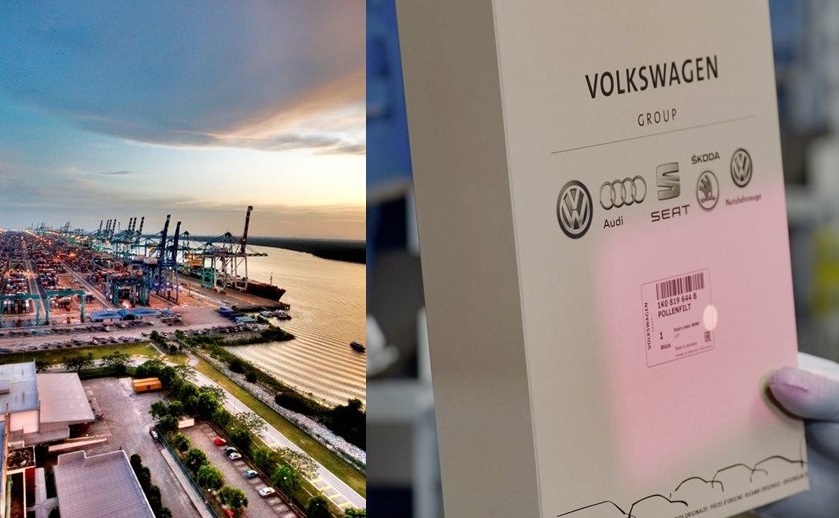
Almost 5 years ago, Volkswagen AG moved its regional aftersales centre from Singapore to Malaysia, opening a new facility at the Port of Tanjung Pelepas (PTP), a free trade area in Johor. It was the second major carmaker after BMW AG to use PTP as a regional facility for Asian markets. However, BMW, which had moved its facility from Sembawang in Singapore to PTP in 2003, shifted to an industrial zone next to Senai Airport in 2017.

Parts for four brands
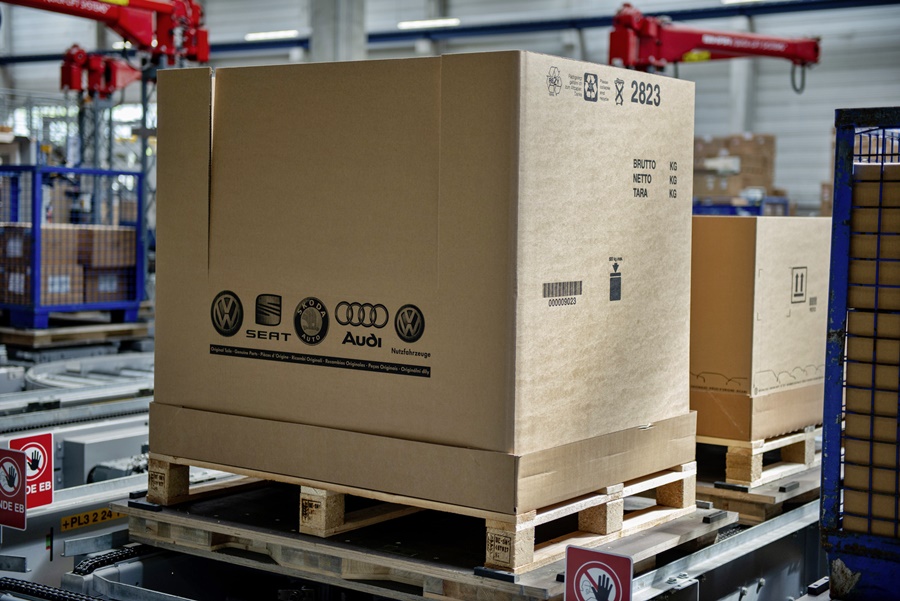
Volkswagen’s facility would eventually serve 21 markets in the Asia-Pacific region, storing tens of thousands of parts for the Volkswagen, Audi, Skoda and Volkswagen commercial vehicle brands of the German group. The idea of having a warehouse in Malaysia is to speed up deliveries of parts to distributors in Asia. By keeping parts in a strategic location, delivery times can be shortened compared to having them come all the way from Europe.

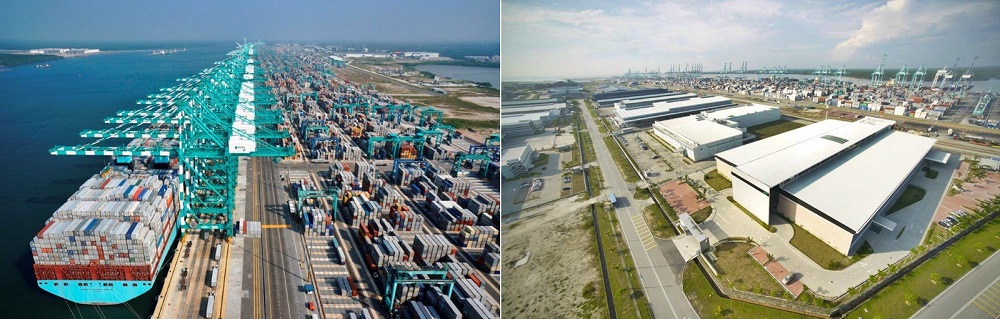
PTP Johor
The Port of Tanjung Pelepas in Johor includes a Free Trade Zone (right) for companies using the strategic location as a regional hub to operate their warehouses.

Enlarged facility
With its business continuing to grow in Asia, Volkswagen must see a need to stock more parts and has set up a new Regional Parts Distribution Centre in PTP with a larger area of 50,000 square metres.

The new and larger facility, with direct port connectivity, offers up to 15% improved distribution and process efficiency. It is customised to Volkswagen Group’s requirements, where storage systems like semi-automated paternoster and vertical narrow aisle are built for better warehouse space and process optimisation.

Improving parts delivery in the region
“Our new Parts Distribution Centre in Malaysia undoubtedly strengthens Volkswagen Group’s global aftersales supply chain, a key milestone in providing improved genuine parts delivery to our customers in Asia Pacific,” said Roman Havlasek, Head of Volkswagen Group’s After Sales.

“Malaysia offers a central and well-connected location which perfectly suits our plans to expand our foothold in the region,” added Head of Volkswagen Group Sales, Dr Christian Dahlheim.

“Our electric product range already consists of very attractive models like the Volkswagen ID.3 and ID.4 as well as the Audi e-tron that is fast growing. Besides vehicles, a strong aftersales performance is key for customer satisfaction,” he said.

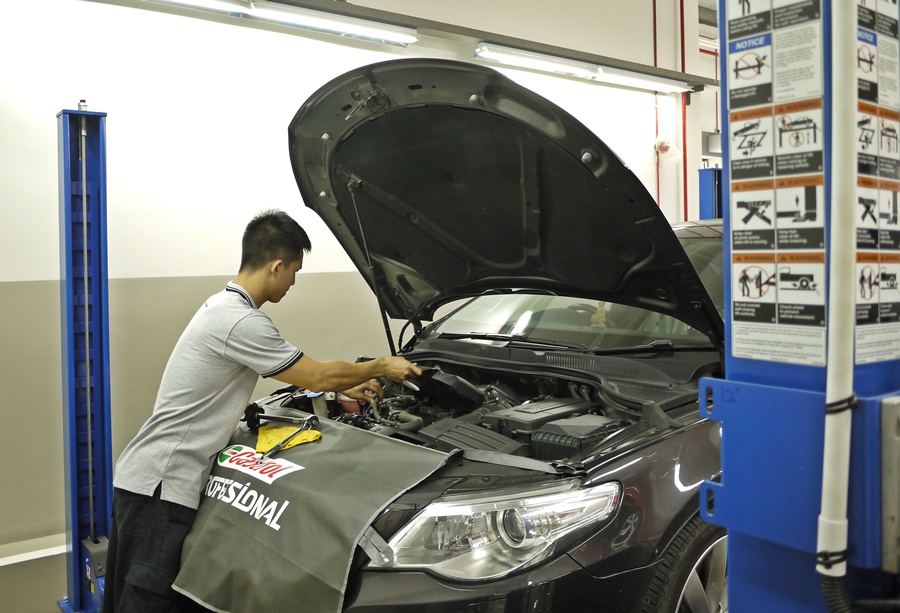
Having a regional centre as well as a local hub means service centres can get parts faster.

Contrary to what some parties in Malaysia suggest, this is not a factory making automotive parts. It is only a storage facility for completed parts shipped from Europe and then despatched to various markets.

Parts from the Regional Parts Distribution Centre will be shipped to distributors in the various markets by air or sea, or in the case of Malaysia and Singapore, by road. For the Malaysian market, Volkswagen has a Parts Hub in Shah Alam, Selangor, to serve the market. It has been in operation since 2016, initially getting parts from the regional centre in Singapore and then PTP in Johor.

It is unlikely that the facility at PTP serves the assembly plant in Pahang which makes Volkswagens for the Malaysian market. That plant, within the HICOM Automotive Manufacturers (Malaysia) Sdn. Bhd. complex in Pekan, would receive the CKD (completely knocked-down) packs of parts from Port Klang. Genuine parts come from the master depot in Kassel while CKD packs are prepared at Wolfsburg in Germany.

Volkswagen Passenger Cars Malaysia introduces additional online aftersales services

StayAtHome

Archive

Follow us on Facebook

Follow us on YouTube