
Piston.my

Latest News

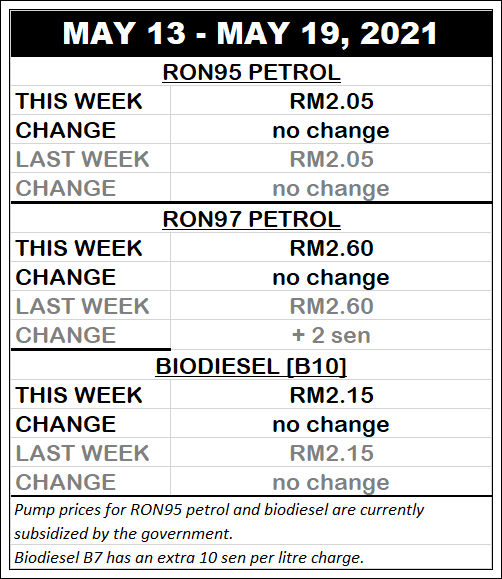
Visit www.bhpetrol.com.my for more information.

Henry Ford created a revolution when in introduced mass production, using high volume to bring the cost of making cars down significantly – and making them affordable for the masses. The more cars he could build and sell, the cheaper they became and the world was motorised.

But mass production also meant that thousands and thousands of cars of the same model looked the same and at one point, Ford even made customers accept his Model T ‘in any colour as long as it was black’. Colour did provide a little bit of differentiation but generally, mass-produced vehicles were all the same although as time went on, ‘variants’ were produced.

‘Personalising’ a mass-produced car is possible today to a limited degree as many manufacturers offer optional accessories. Perodua, for example, has its GearUp range which customers can choose from to add some items which other owners may not. Sometimes the manufacturers or their distributors will prepare limited editions with exclusive accessories, eg Isuzu Malaysia with its D-MAX ‘Stealth’ edition.
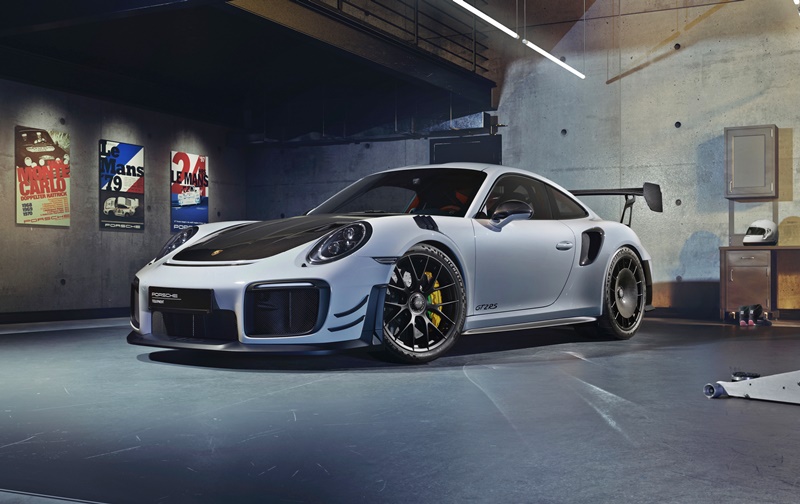
As you move higher up, the level of personalization changes and it’s no longer just accessories which are available to every customer. With brands that offer very expensive cars, personalization is something which is sophisticated and elaborate, with divisions set up to meeting personal customer wishes.

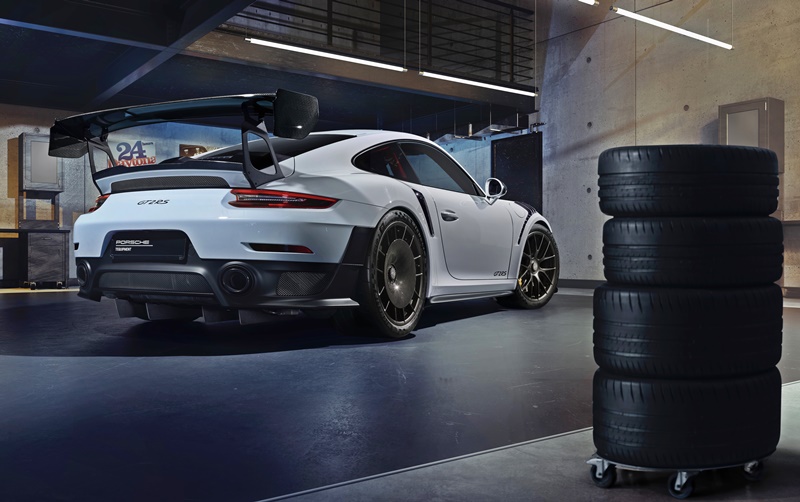
For Porsche, personalization has been offered to customers since the 1970s and in recent times, the sportscar manufacturer has set up business divisions such as Porsche Exclusive Manufaktur, Porsche Tequipment and Porsche Classic for the purpose. The company now plans to respond to the wishes and needs of its customers to an even greater extent with a new and significantly extended range of products and services.

Rising demand for personalisation
This includes various options for individualization of Porsche sportscars, turning them into unique one-offs. The personalization options for individual components are extended directly in the Car Configurator, supplementing its offering for new, used and classic vehicles with a ‘Performance Parts’ range. According to Porsche Exclusive Manufaktur, 25% all 911 models delivered worldwide have undergone extensive vehicle enhancement.

As part of its Co-Creation strategy, the company is also offering a new interpretation of the legendary Sonderwunsch (special request) program of the late 1970s. This will make it possible to design individualized one-off cars in future – co-created by the customer and realized professionally by Porsche.
The range of individualization options for new vehicles currently extends from personal customer consulting during the configuration process through to realization of limited small series. Through Tequipment, Porsche can offer numerous accessory products and retrofit options and even for classic models, spare parts supply and factory restorations are available.

“It is our goal to provide customers around the globe with even more accurately tailored and demand-based products within the context of classic, existing and new cars, and to also offer a comprehensive range of individualization options,” said Alexander Fabig, Vice-President Individualization and Classic. “With the new offerings we are responding to the great global demand for our products. Starting with new possibilities for individualization and personalization of individual components, through the additional range of Performance Parts, up to realisation of uniquely individualized sports cars, we have the right option for every customer.”
More personal than ever
Porsche Exclusive Manufaktur is expanding the range of products (currently more than 700) that can be individualized and personalized. Examples include various exterior wrap options, prints on the floor mats, illuminated door entry guards and logo projectors in the vehicle doors. In addition, customers can choose to become designers themselves in the ordering process, with advice and guidance from specialists at Porsche.
Using a digital application in the Porsche Car Configurator, it is possible to specify own designs for various items. For example, a customer can have their own signature embossed on elements in the vehicle interior. This could be on the cover of the centre console or the seats, while personalized wraps and decals can be placed on selected exterior areas and even individual paint finishes applied on the wheels.

New components for GT models/classic cars
Porsche will offer a large number of new components for new vehicles as well as used and classic cars under the name ‘Performance Parts’. The Porsche Tequipment range for new and used vehicles is aimed at drivers who are motorsport enthusiasts and amateur race drivers. Porsche Classic will offer new developments with a historical reference, components for performance enhancement and also lifestyle products for both young and older classic cars. These will increase the performance of the classic vehicles or improve their everyday usability.
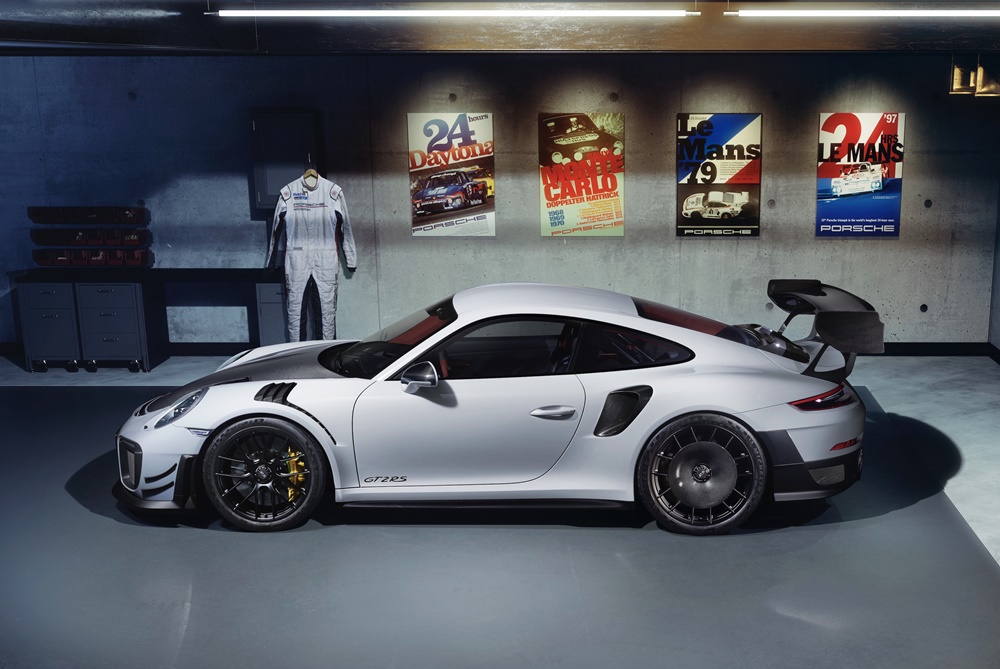
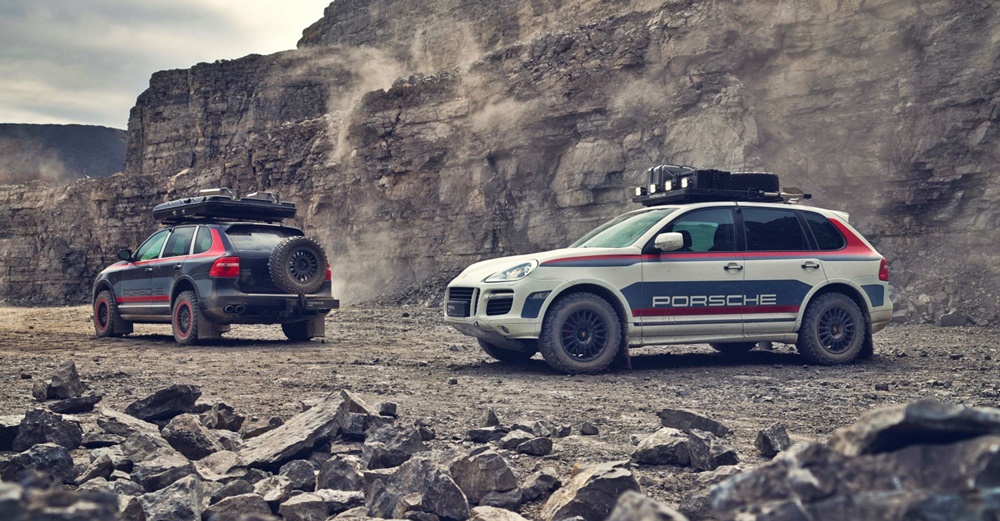
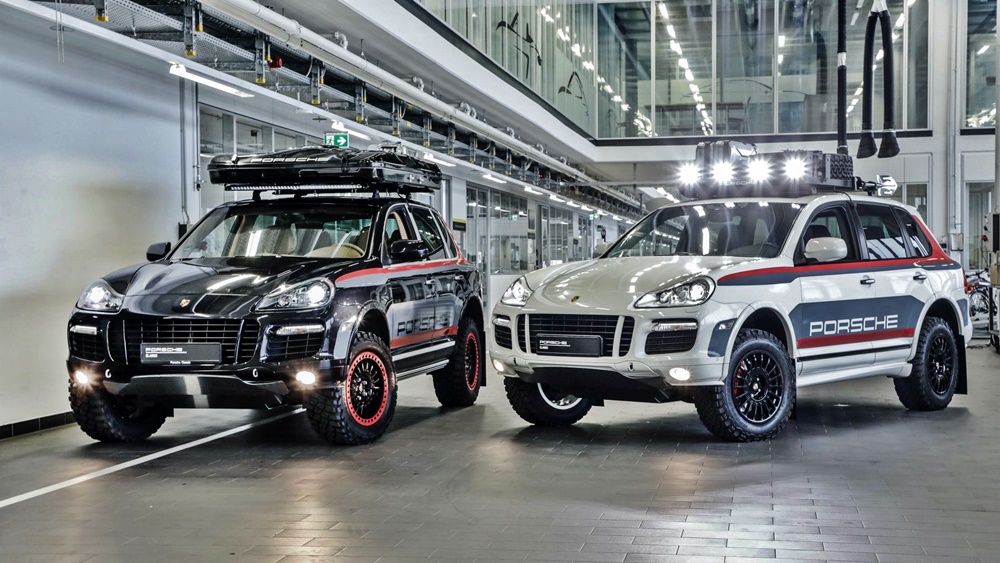
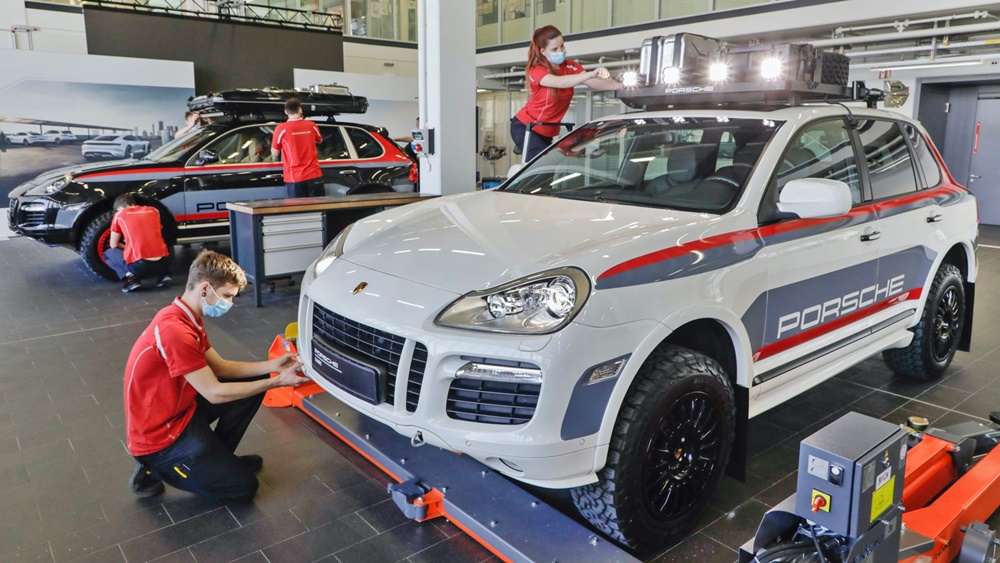
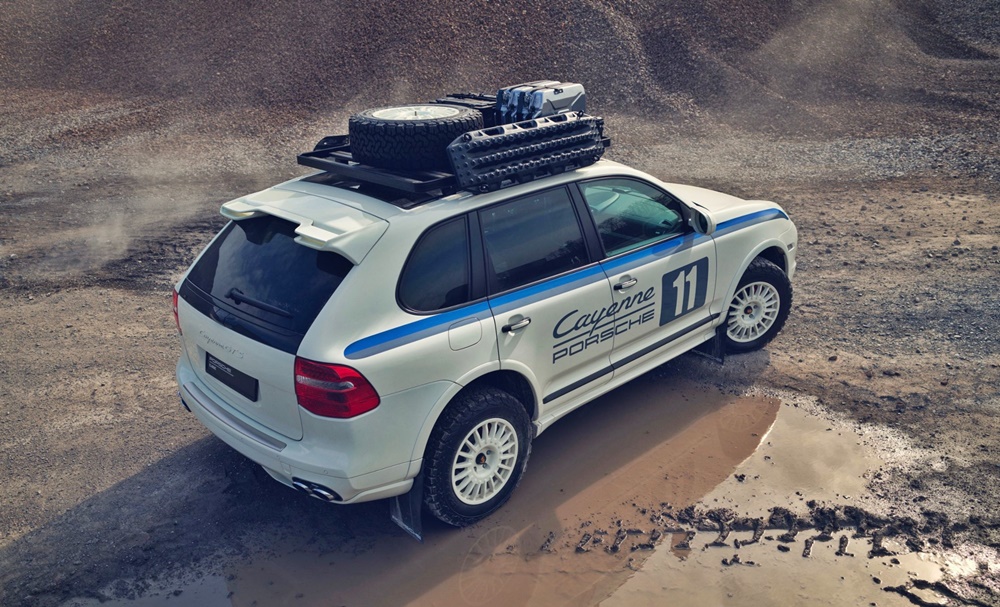
With two show cars based on two first-generation Cayenne models, the Classic division is also providing a preview of possible additional individualization offerings with an outdoor and off-road focus.

One-off models
As part of its Co-Creation strategy, Porsche will make it possible to design individualised one-off cars in future. While this doesn’t mean totally unique designs, it does allow individual customer colour and material wishes to be conveyed directly in production and subsequent Factory Re-Commissioning and Factory One-Off after vehicle delivery to the customer.
Whereas Factory Re-Commissioning is also aimed at implementation of individual colours and materials, the Factory One-Off is a systematic technical new development. Depending on the age of the vehicle in question, either the technical experts at Porsche Exclusive Manufaktur or the specialists at Porsche Classic take care of implementation.

Porsche distributors worldwide can provide more information on the personalization services available. In Malaysia, this would be Sime Darby Auto Performance.
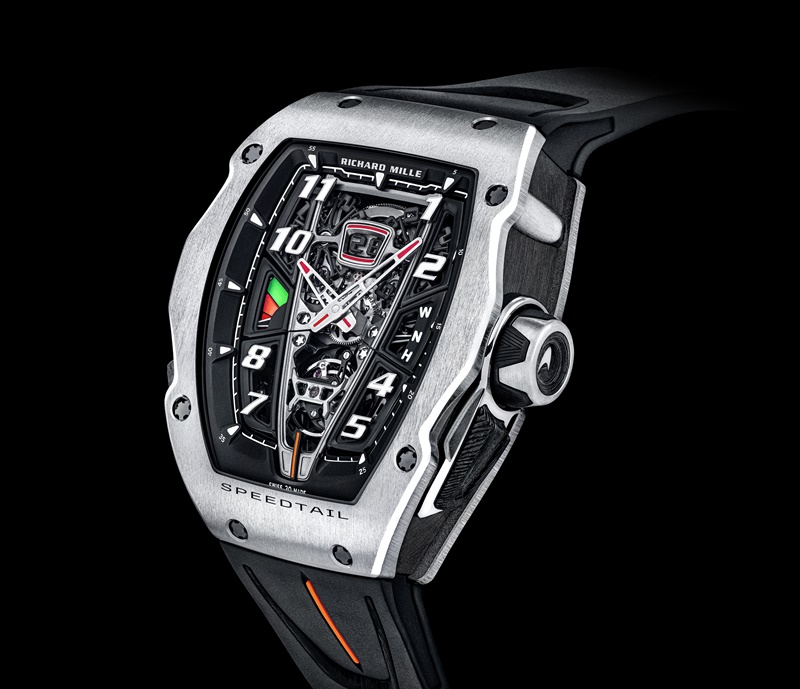

 

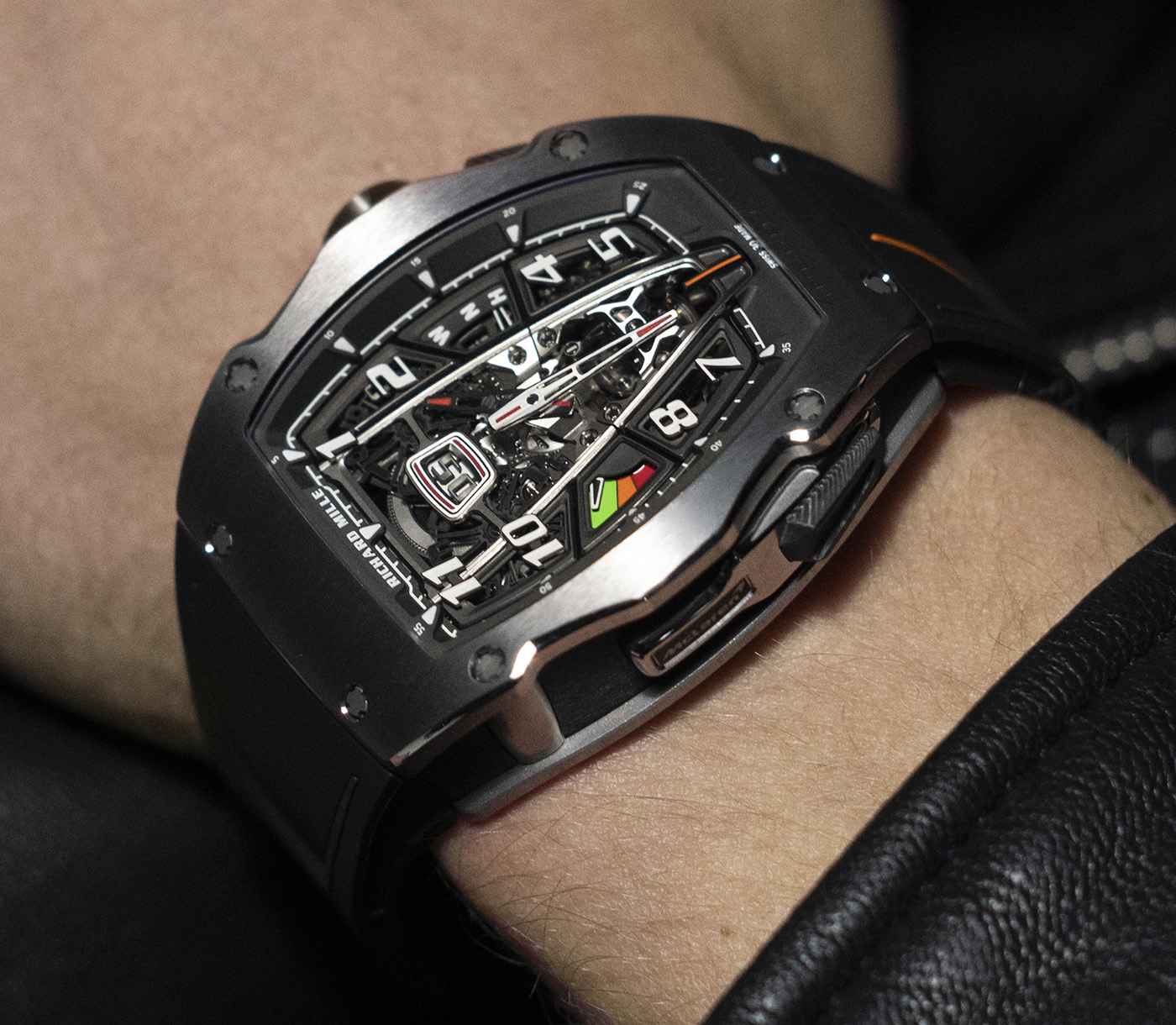
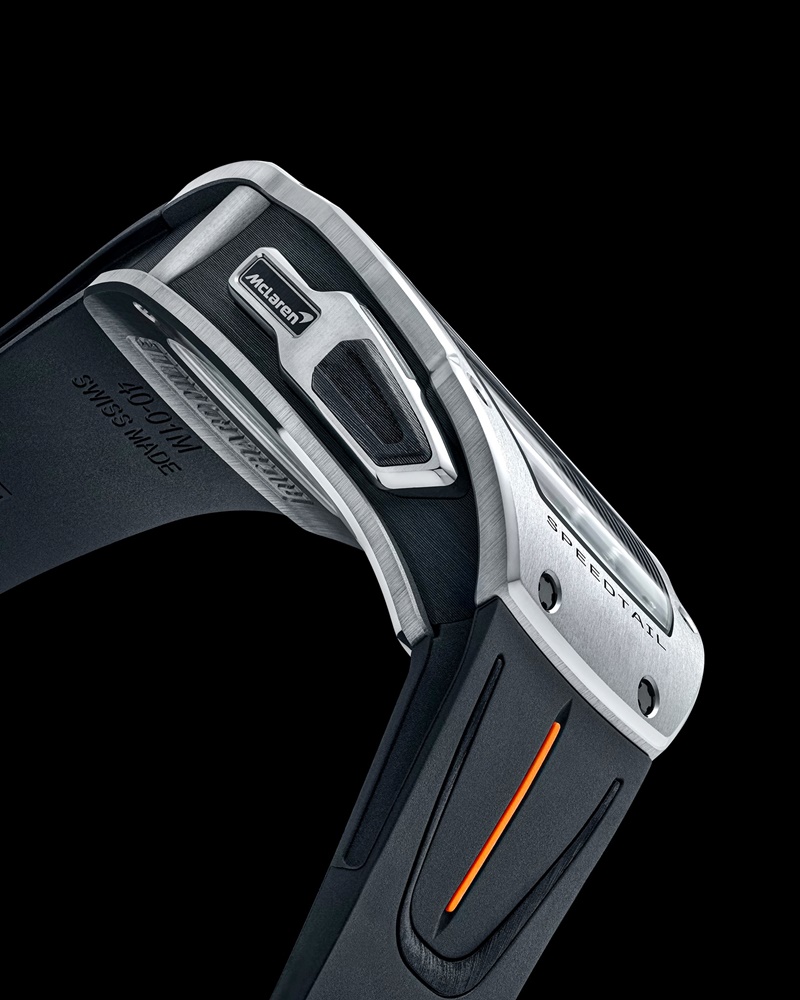
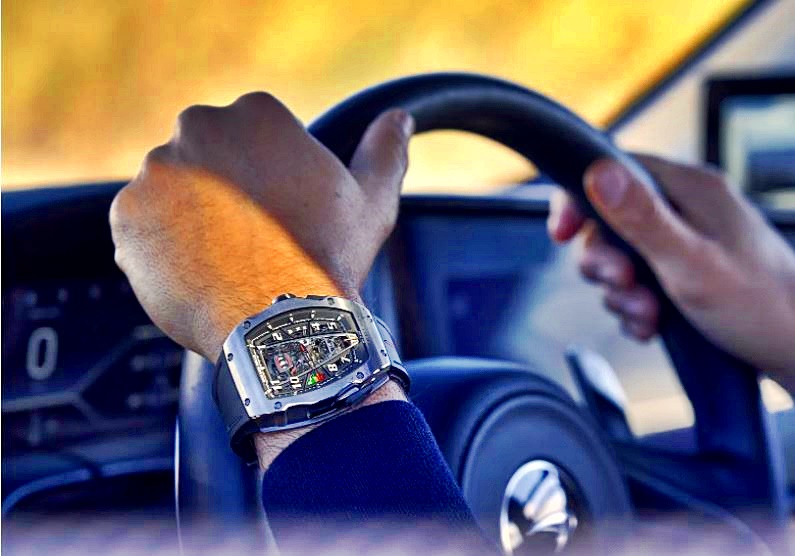
McLaren Automotive and Richard Mille, the Swiss watchmaking brand, have had a partnership since 2017 and to mark the beginning of the fifth year of that relationship, they have revealed their latest and most ambitious collaboration to date – the RM 40-01 Automatic Tourbillon McLaren Speedtail.

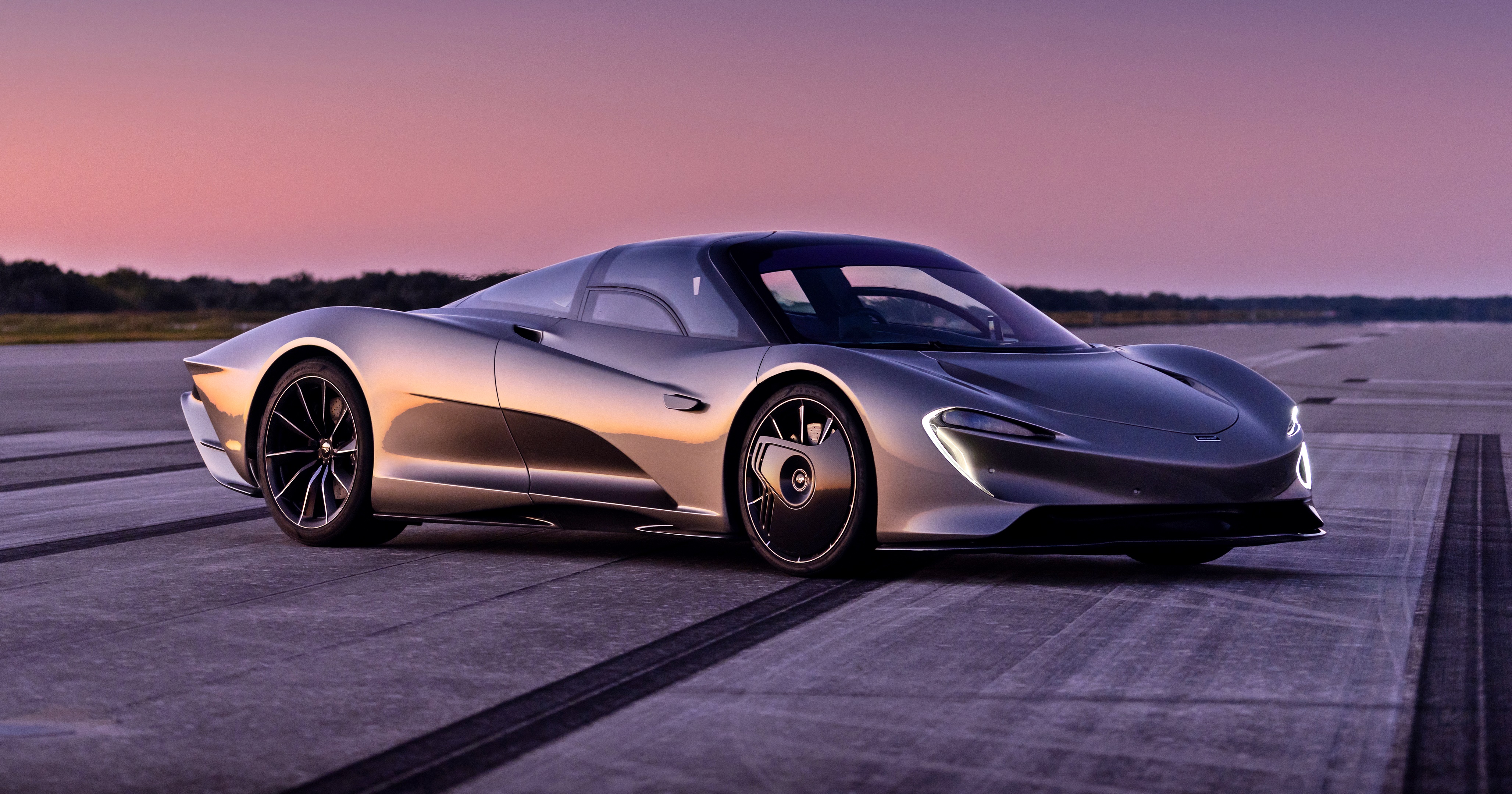
As the name suggests, this watch is associated with the futuristic looking Speedtail model – the fastest, most advanced and most exotic road car McLaren has yet produced. Only 106 cars will be produced, and mirroring this, only 106 RM 40-01 Automatic Tourbillon McLaren Speedtail watches are planned.

Based on the form of a teardrop, the most aerodynamically efficient shape found in nature, the 3-seat Speedtail is the ideal form for a streamlined hypercar. With its 1,070-bhp hybrid powertrain, the Speedtail can cover 112 metres per second when travelling at its top speed of 403 km/h, making it the fastest McLaren road car to date.

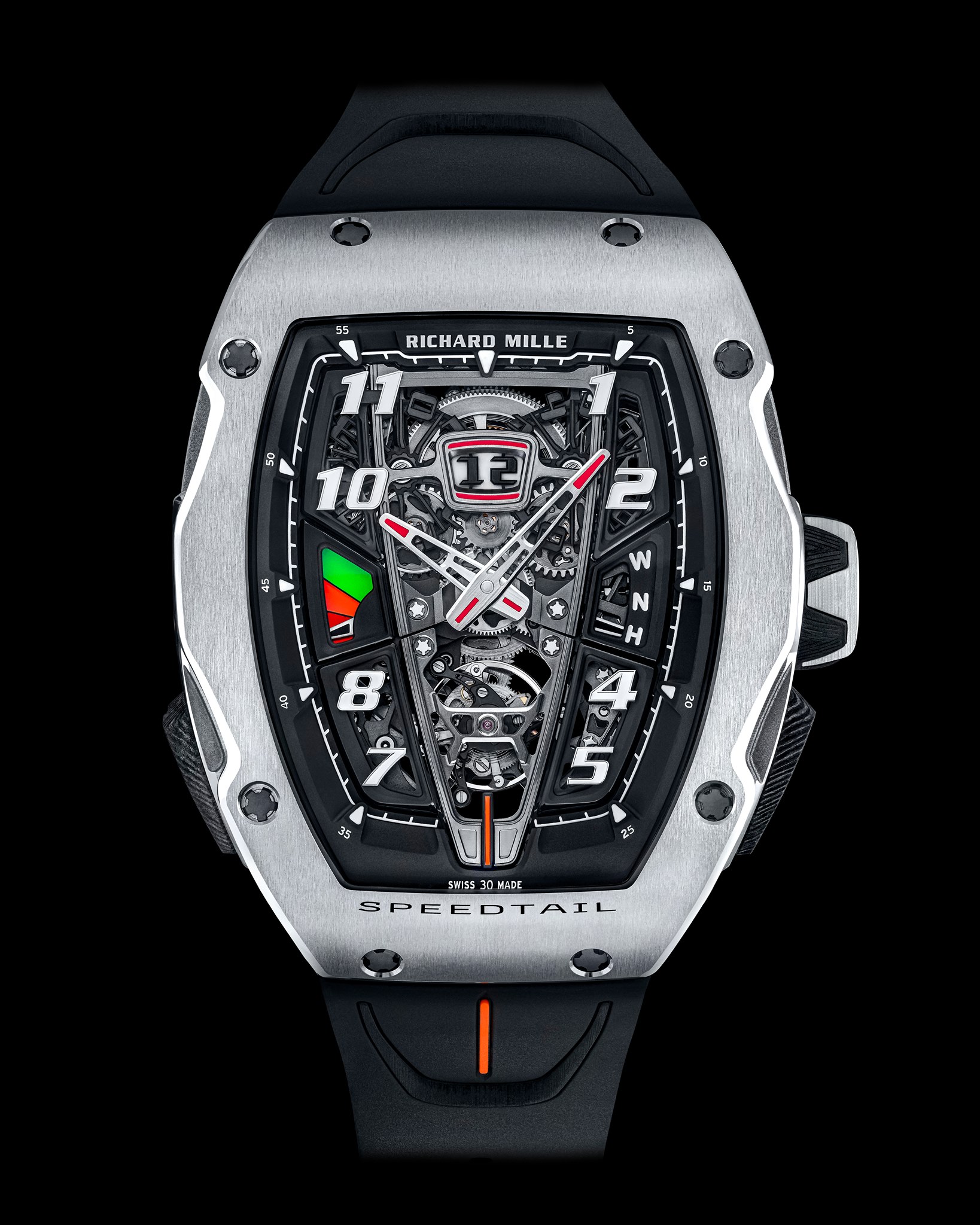
RM 40-01 Automatic Tourbillon McLaren Speedtail

2,800 hours over 18 months to create
The aerodynamic efficiency of the hypercar provided the starting point for the design of the RM 40-01 Automatic Tourbillon McLaren Speedtail. It took Richard Mille’s casing department an unprecedented 2,800 hours over 18 months to perfect the lines.
“When it came to the RM 40-01, we had considerable input in sharing the highlights of the car and the philosophy behind it. With the Speedtail, we set out to produce a car that had an artistic quality to it. That has certainly come through in the watch, which beautifully mirrors the many various details of the Speedtail in its finish, materials and its uncompromising design,” said Rob Melville, McLaren Automotive’s Design Director.

“There are many similarities between the way that Richard Mille and McLaren approach common design and engineering challenges, such as saving weight, reducing vibrational impact and minimizing resistance,“ he added.

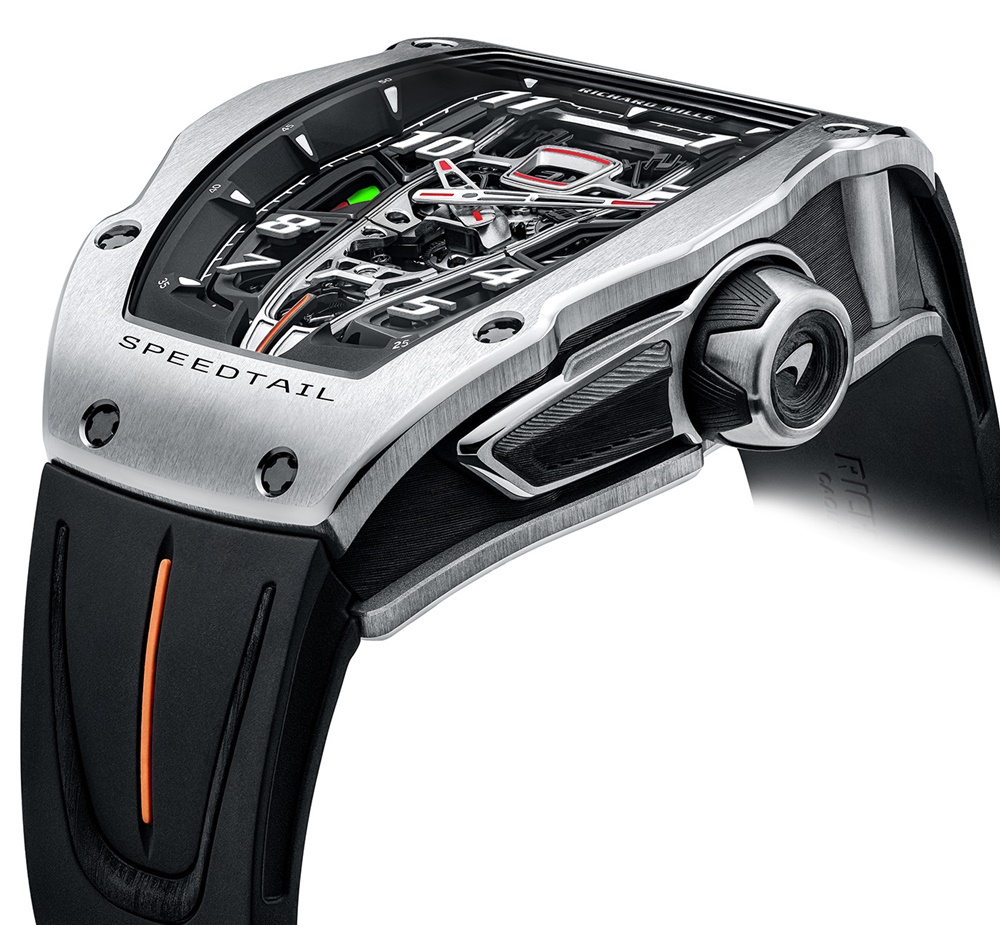
Like the Speedtail on which its based, the watch’s lines mimic the form of a water droplet while bezel indentations evoke the bonnet openings, and pushers that recall the air outlets behind the front wheels.

RM 40-01 Automatic Tourbillon McLaren Speedtail

Extreme attention to detail
“The watch has one of the highest levels of finishing ever executed at Richard Mille. There has also been a lot of development with our anglers and polishers. The attention to detail is extreme, with mirror polished, plain and satinised effects in different areas and the combined use of titanium and Carbon TPT. The case itself is made from 69 individual parts,” explained Technical Director Julien Boillat.

Due to the unprecedented complexity of the design, 5 prototypes were created before the optimum shape was achieved. The challenge lay in the fact that the case is significantly wider at 12 o’clock than at 6 o’clock, with a further taper between the titanium bezel and case back, which are separated by a caseband made from Carbon TPT and unequal length titanium pillars.

RM 40-01 Automatic Tourbillon McLaren Speedtail

Unique strap design
To protect the RM 40-01’s state-of-the-art movement, Richard Mille developed a unique upper crystal featuring a ‘triple contour’ to account for the decreasing taper and thickness of the bezel. It alone took 18 months to perfect. The strap is also a unique design, being asymmetrical and with the rubber version using Vulculor technology from Biwi SA. This has a special process that enables coloured rubber to be over-moulded – so allowing the iconic McLaren orange accent coloured stripe seen at 6 o’clock on the movement to extend to the wrist.

RM 40-01 Automatic Tourbillon McLaren Speedtail

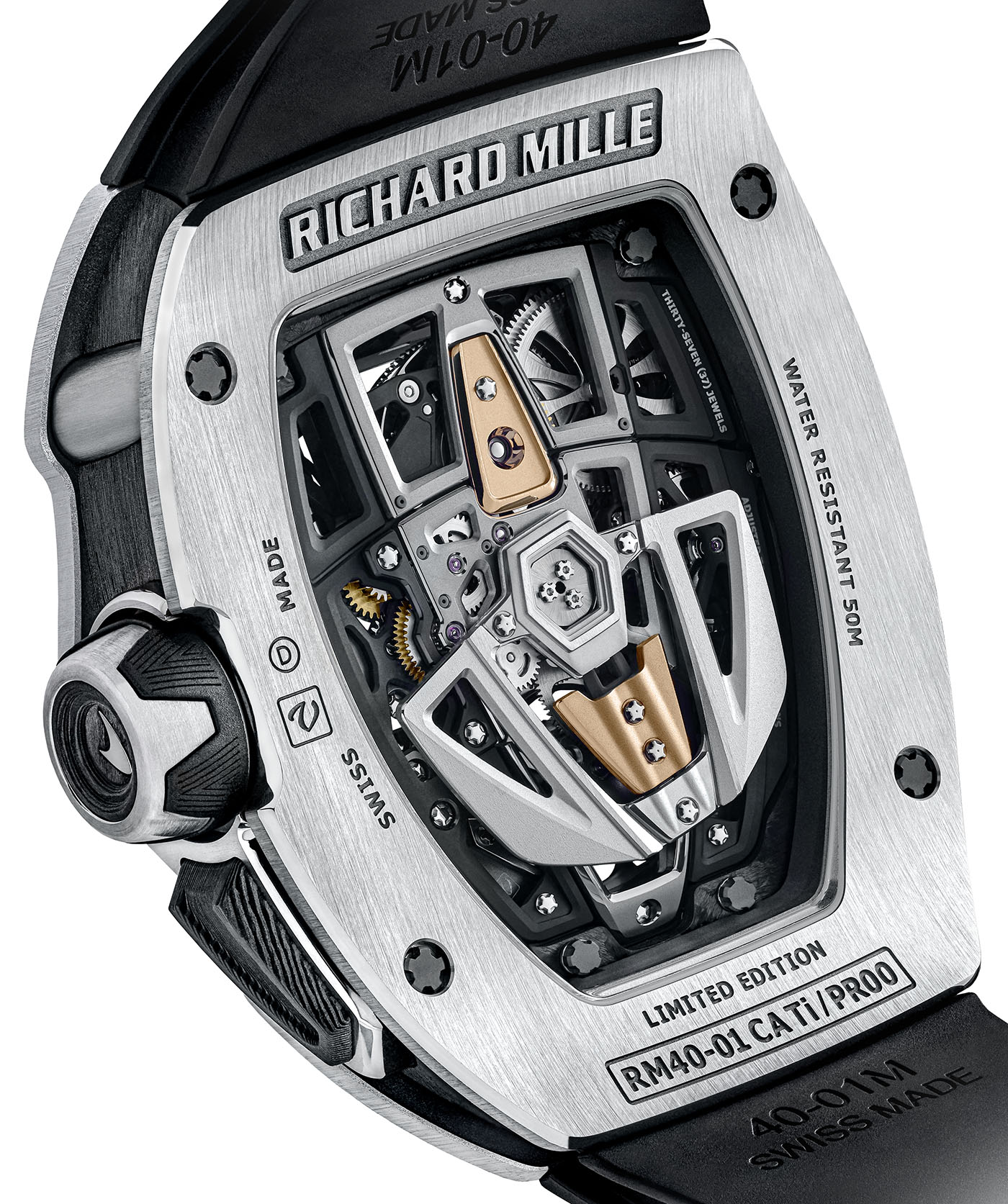
Despite the extraordinary anatomy of the case, a horological ‘engine’ was created that seamlessly occupies all the available space and introduces a level of mechanical sophistication that makes the RM 40-01 Automatic Tourbillon an appropriately extraordinary companion to the Speedtail. Grade 5 titanium has been used for key components such as the bridges, the bridge screws, the baseplate and the rotor core. The CRMT4 movement that drives the RM 40-01 introduces the mechanism’s first power reserve display as well as the oversize date and function selector complications, all of which are firsts at Richard Mille for an in-house tourbillon.

In the pursuit of perfection, three power reserve systems were developed before the definitive version was arrived at which is integrated into the watch. The entirely new movement architecture demanded a remarkable 8,600 hours of development, much of which went into finalising the extreme level of detail.

RM 40-01 Automatic Tourbillon McLaren Speedtail

An often-forgotten detail, the finishing is applied not only to visible parts but also to parts that are hidden, such as the lower component surfaces. Some wheels are machined with the famous iconic McLaren logo that adorns the bonnet of the Speedtail, while the domed parts usher in new surface profiles that were required to translate the car’s curves.

Design elements from hypercar
The platinum and red gold winding rotor is inspired by the Speedtail’s bonnet and the barrel-setting by its roof line. The gentle, downward curve that the mechanism follows from 12 o’clock to 6 o’clock recalls the brushed metal divider between the car’s cockpit and its bodywork. An orange line running from the lower part of the movement and on to the strap mimics the vertical stoplight mounted in the Speedtail’s rear screen.

RM 40-01 Automatic Tourbillon McLaren Speedtail

The price of the latest watch has not been announced but the McLaren watch range has prices which start from around US$100,000 (about RM412,000) and the most expensive model is believed to cost around US$2.81 million (around RM11.6 million). Of course, that sort of price won’t bother someone who has a Speedtail which has a price starting from US$2.46 million (about RM10.2 million).

McLaren Hyper-GT prototype reaches 403 km/h at Kennedy Space Centre

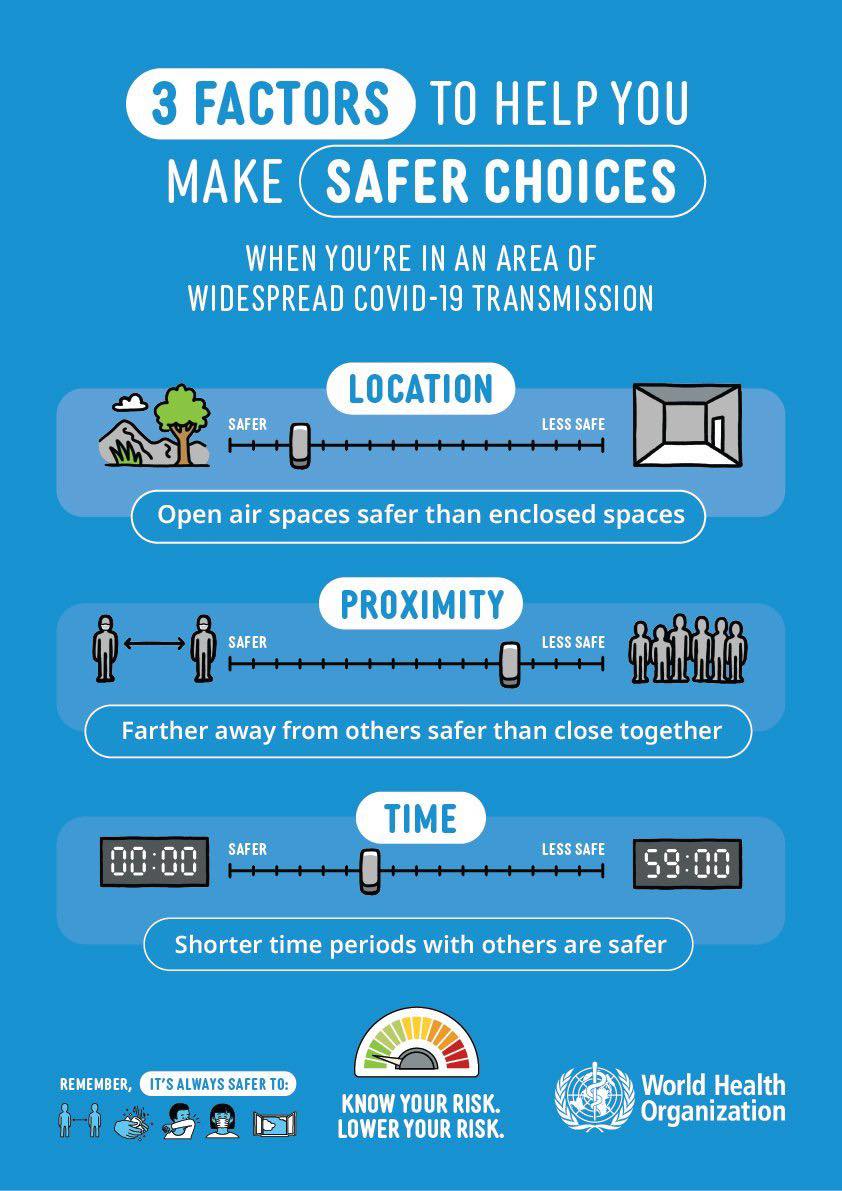
Social distancing

Social distance
And wear a facemask too!

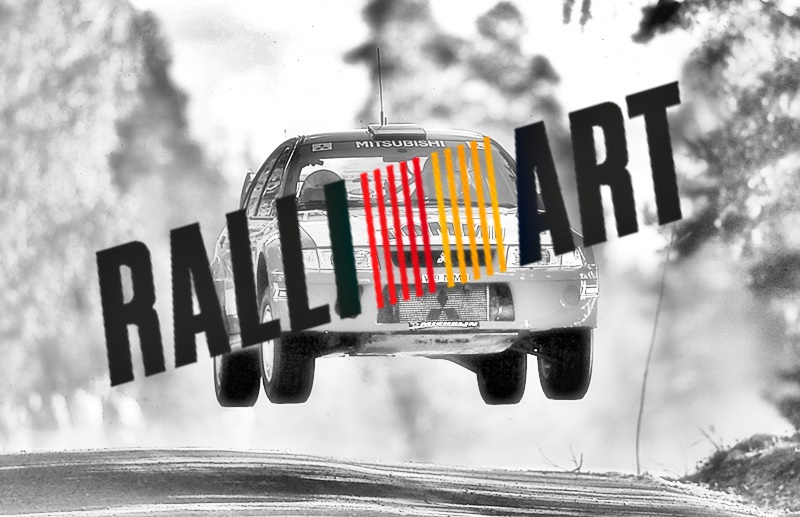
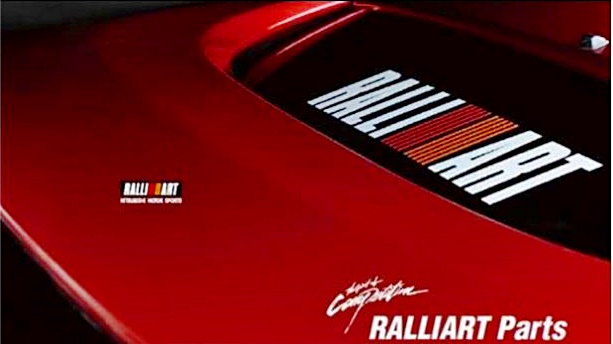
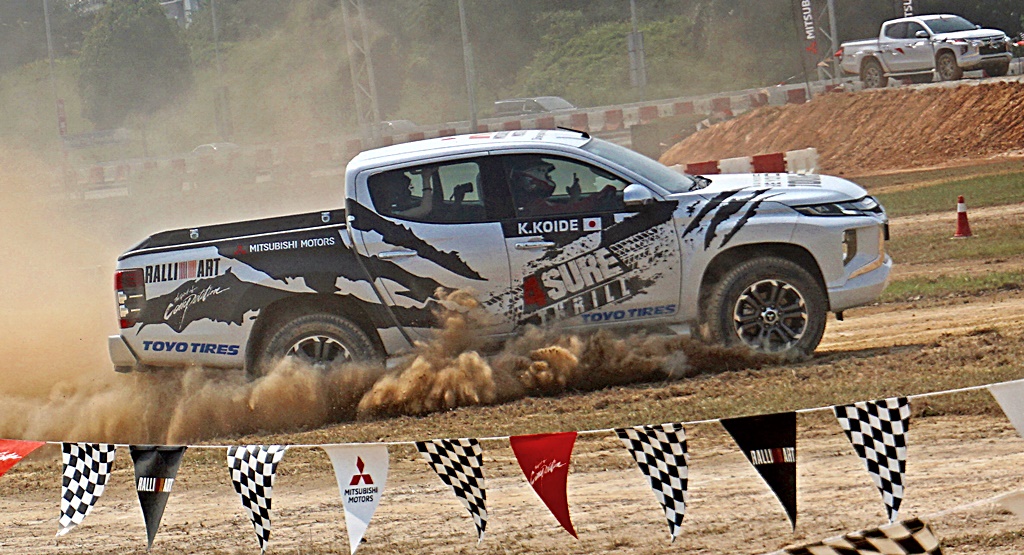
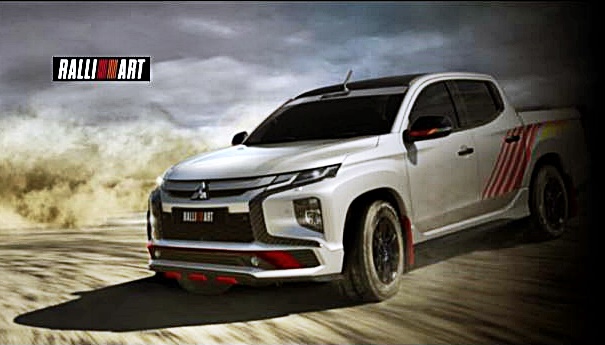
Mitsubishi fans around the world are buzzing with excitement as news of the return of the Ralliart performance brand of Mitsubishi Motors Corporation (MMC) will be making a return. This is based on a single slide shown with the presentation of the FY2020 Financial Results that MMC made public. No details are shown at all other than one image of a Triton kicking up dust and the other showing the Ralliart logo and wording which says ‘Ralliart Parts’.

So we don’t know what exactly MMC has in mind with this revival and how Ralliart will be used. Other carmakers have invested more in performance sub-brands in recent times – eg Toyota with GR, Hyundai with Hyundai N and of course, Mercedes with Mercedes-AMG and BMW with BMW M. These brands have been used for high-performance products with the division upgrading performance of some models as well as providing accessories.

MMC may well be thinking of the same thing, especially since Ralliart is still a strong brand and although its activities were scaled down considerably 11 years ago, there were some licensees outside Japan that continued to sell Ralliart items.

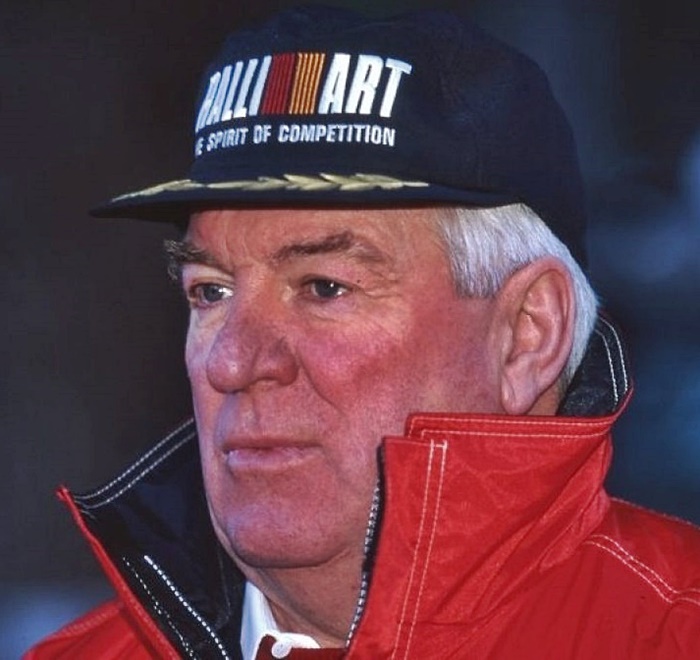
Andrew Cowan, the rally driver who started the company that developed Mitsubishi rallycars from the 1980s before it was acquired by MMC in 2002.

The story of Ralliart did not actually start in MMC but in Europe. In the 1970s, Andrew Cowan, who drove Mitsubishi cars in many rallies (as well as cars of other brands) worked closely with the factory. The close relationship and his successes saw the establishment of the predecessor of the Ralliart organization in 1983. It was then known as Andrew Cowan Motor Sports (ACMS) and it provided services for MMC’s motorsports activities, especially in the World Rally Championship as well as the Dakar Rally.

Cowan (who passed away in 2019) also drove although as time went on, he spent more time managing the organization and providing his experience in vehicle preparation. It’s not clear when the Ralliart name started to appear although it was on Mitsubishi vehicles that participated in the early years of the Paris-Dakar Rally.

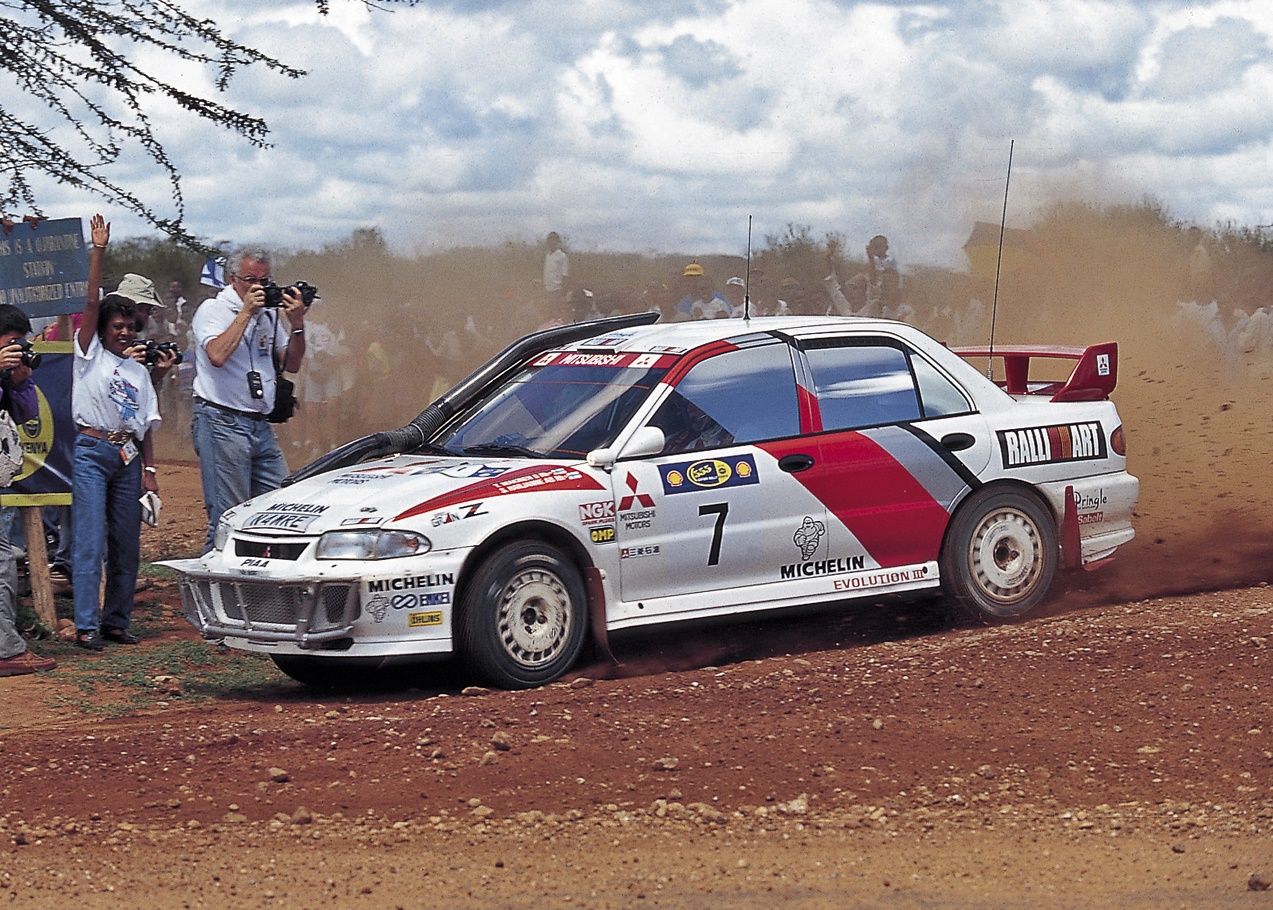
During the era of the Group B super rallycars, ACMS was responsible for developing a prototype Starion with 4-wheel drive (it entered a round of the Rally of Malaysia) and later on, operating under the name of ‘Mitsubishi Ralliart Europe’, it was responsible for the World Rally Championship (WRC) cars of drivers like Tommi Makinen.

By the 1990s, the Ralliart name was strongly associated with Mitsubishi Motors and appeared on rallycars in international events. MMC made the decision in 2002 to acquire ACMS and make it a subsidiary of the company to be directly involved in motorsports and related businesses.

Unfortunately, MMC went through difficult times in later years and had to reorganize itself, which led to the Ralliart division having to cease its operations. Though it did not promote the brand anymore, the Ralliart name continued to be seen as it had always been associated with a performance image.

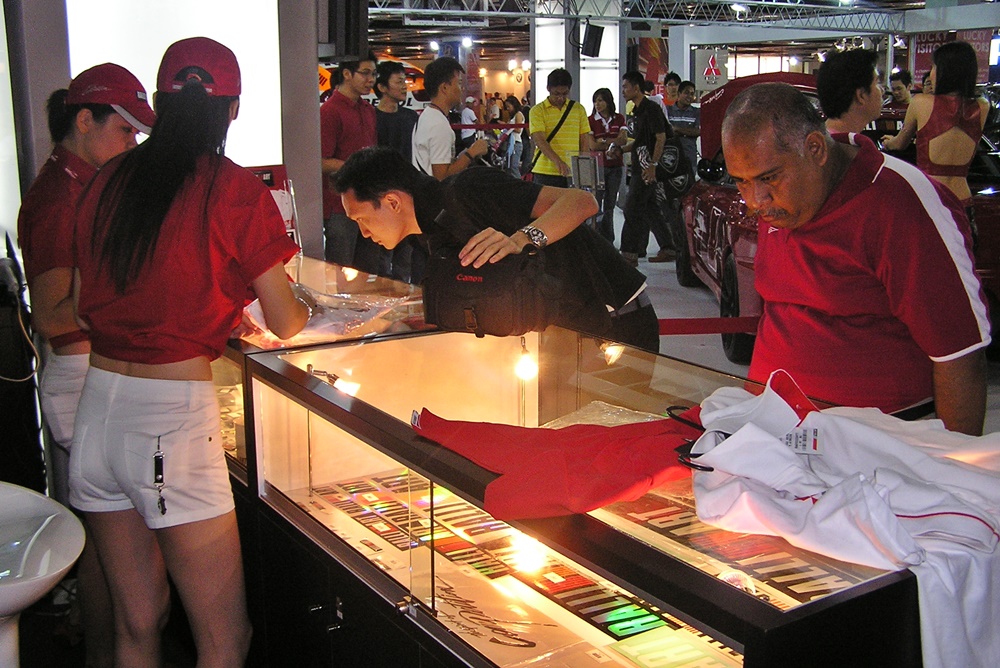
Ralliart items have always been popular with motorsports fans. Pictured is the Ralliart merchandise area at the Mitsubishi Motors Malaysia booth in the 2006 KL International Motorshow.
Although MMC ceased having its Ralliart division 11 years ago, the name has continued to be used by Mitsubishi distributors even as recently as 2019 when the new Triton was launched in Malaysia.

The revival of Ralliart may provide MMC with an opportunity to retain a sporty side although it has plans to get more seriously into electrification. It could provide expertise for performance variants (although the Mitsubishi range is rather thin now), even with electric vehicles. In fact, the company entered specialized electric vehicles in the Pikes Peak International Hillclimb in 2012, 2013 and 2014 and was placed among the top finishers in class.

Will the Triton get Ralliart treatment when the business starts up again?

Visit www.mitsubishi-motors.com.my to know more about Mitsubishi vehicles and services in Malaysia, and the locations of authorised dealerships.

Genesis, like Lexus and Infiniti, was created as a sub-brand for Toyota and Nissan to more effectively enter the premium luxury segments. The parent brands, while having gained strong reputations for reliability, durability and quality over many decades, were not necessarily acceptable in the upper strata of the market. By creating new brands with no historic ‘baggage’ and even an ‘unknown’ origin, they stood a better chance of being more accepted.

Hyundai Motor used the same playbook with the Genesis brand, which had originally been used for its flagship models. It became a standalone brand in 2015, from which a more sophisticated design and product philosophy was developed so it could compete in the segment beyond what Hyundai’s models reached.

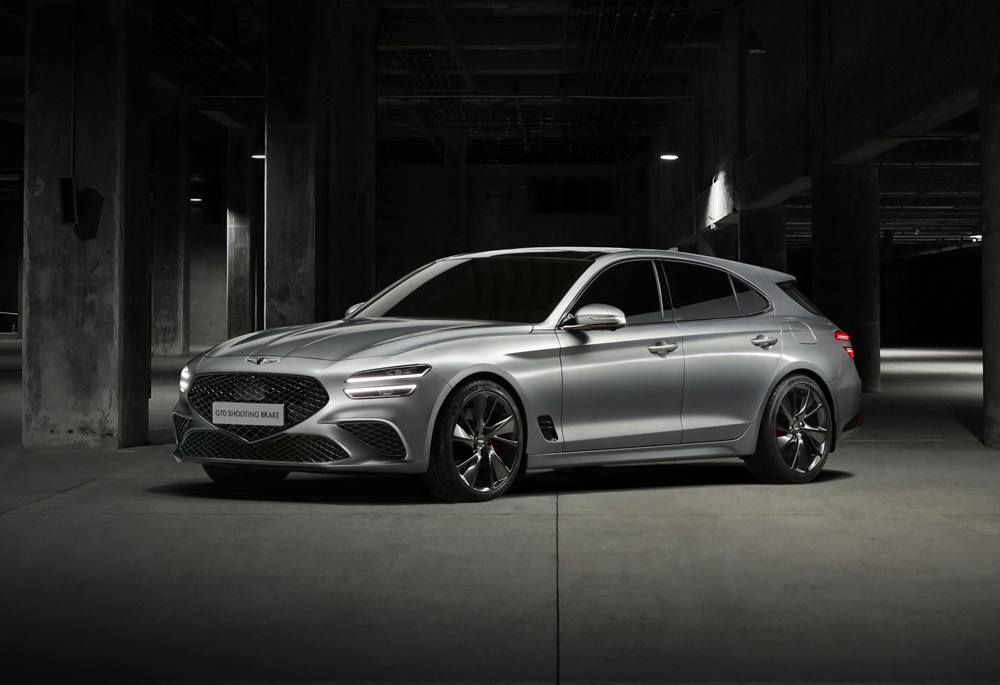
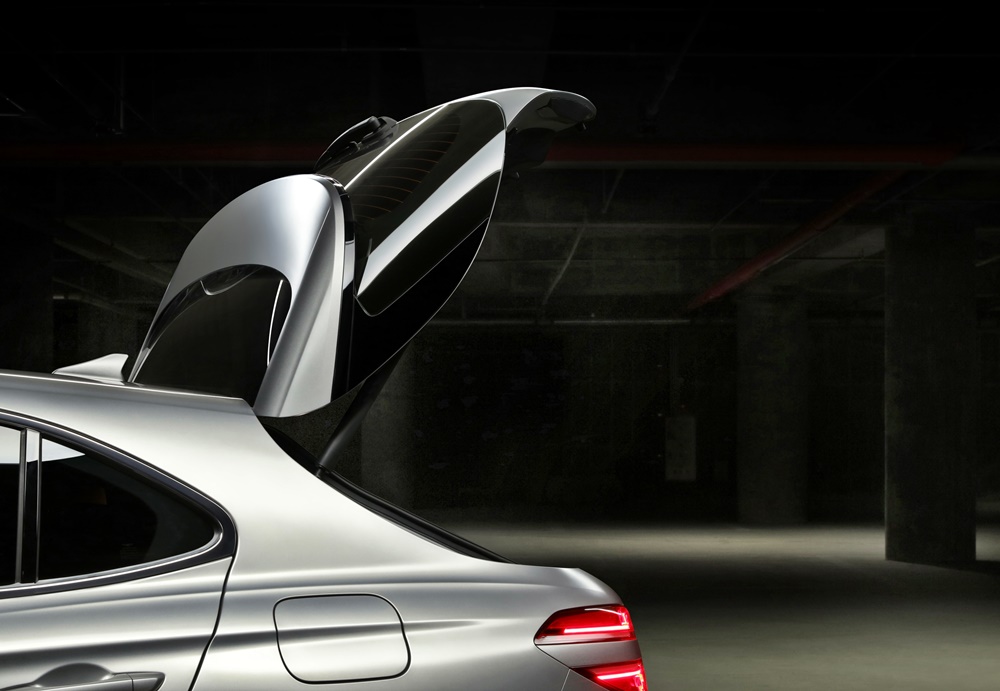
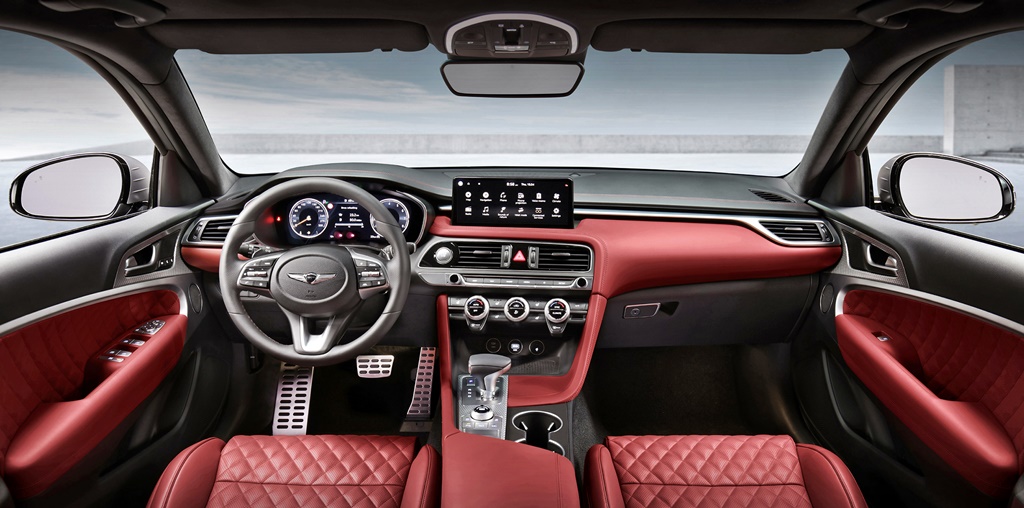
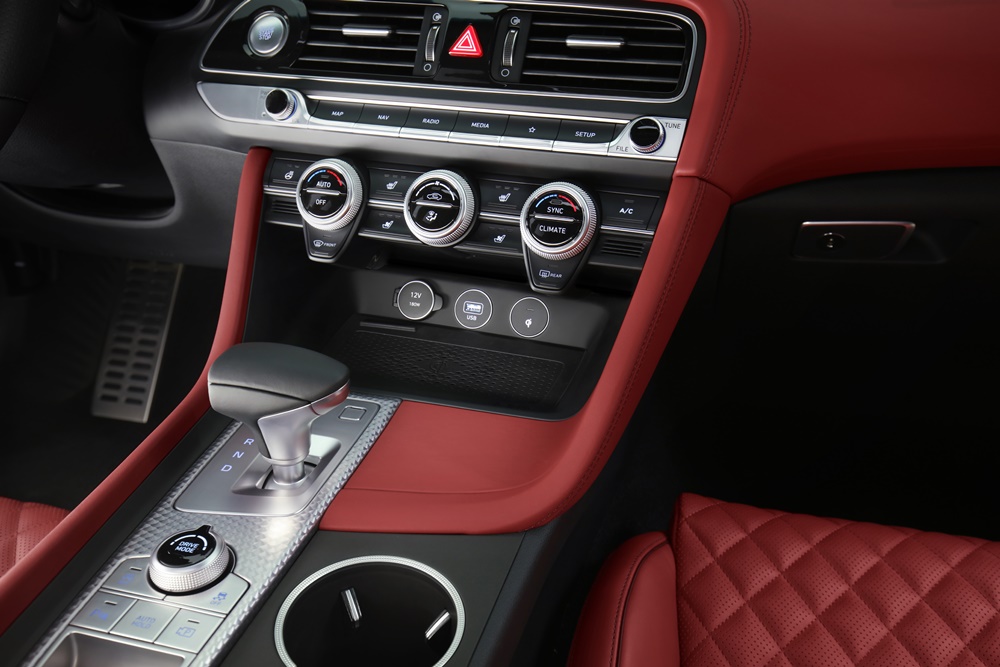
2021 Genesis GV70 Shooting Brake
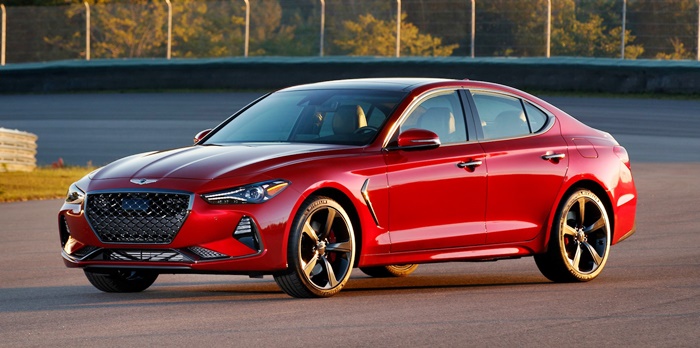
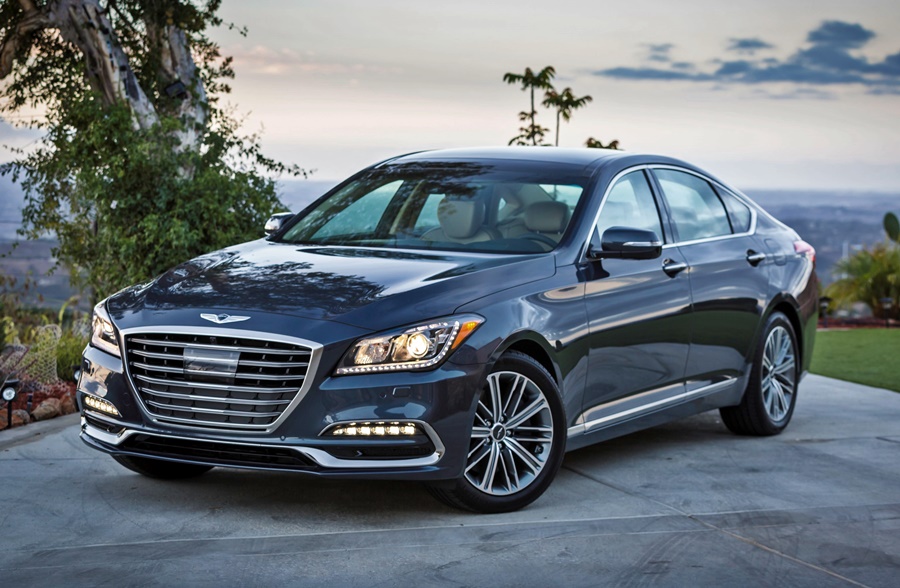
The Shooting Brake shares architecture and design language with the G70 Sedan (below) but its roof extends further back over the cargo area.

Primarily for Europe
The Genesis line-up currently consists of 3 model lines, some with variants. For the G70 line, the brand will soon add a Shooting Brake which has been revealed recently. The primary market for this new variant is Europe, which will see the Genesis brand for the first time in July this year.

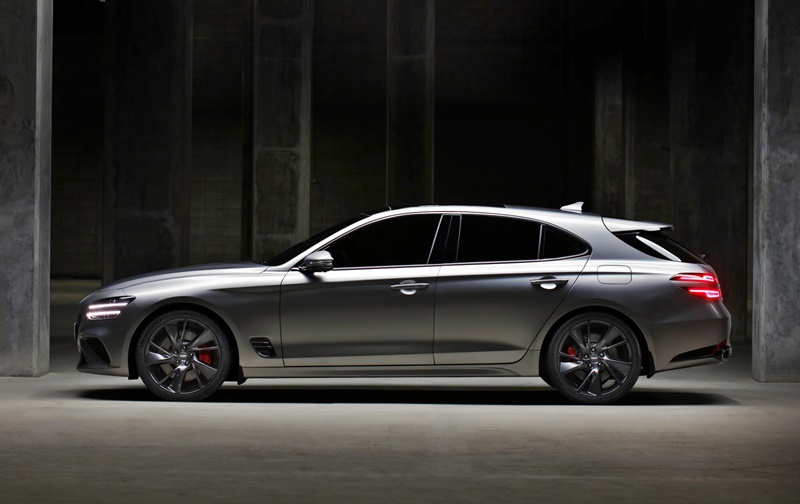
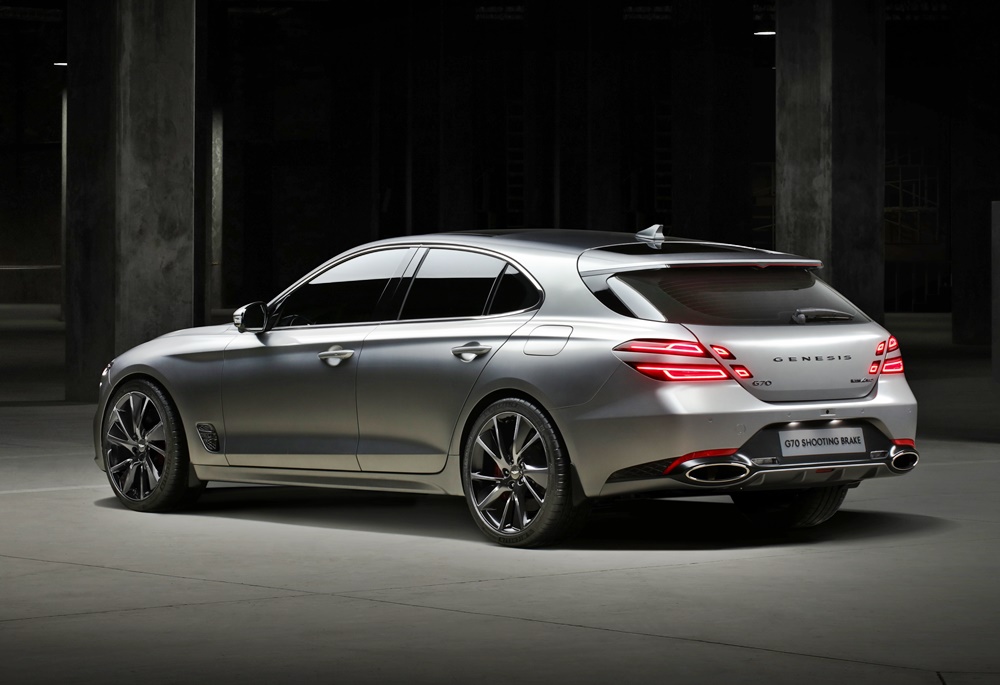
The G70 Shooting Brake is based on the G70 sedan revealed last year, adding enhanced practicality with its stationwagon form. The ‘Shooting Brake’ name refers to a bodystyle firmly rooted in European automotive history and favoured by customers in the premium luxury sector.

Though it looks long in the pictures as a result of its profile, the G70 Shooting Brake is actually the same size as the G70. It measures 4685 mm long, 1850 mm wide and 1400 mm tall, with a 2835 mm wheelbase. The dimensions are slightly smaller than those of the Hyundai Santa Fe SUV but the design offers a similar level of storage versatility.

2021 Genesis GV70 Shooting Brake

2021 Genesis GV70 Shooting Brake

2021 Genesis GV70 Shooting Brake

Similar design language with sedan
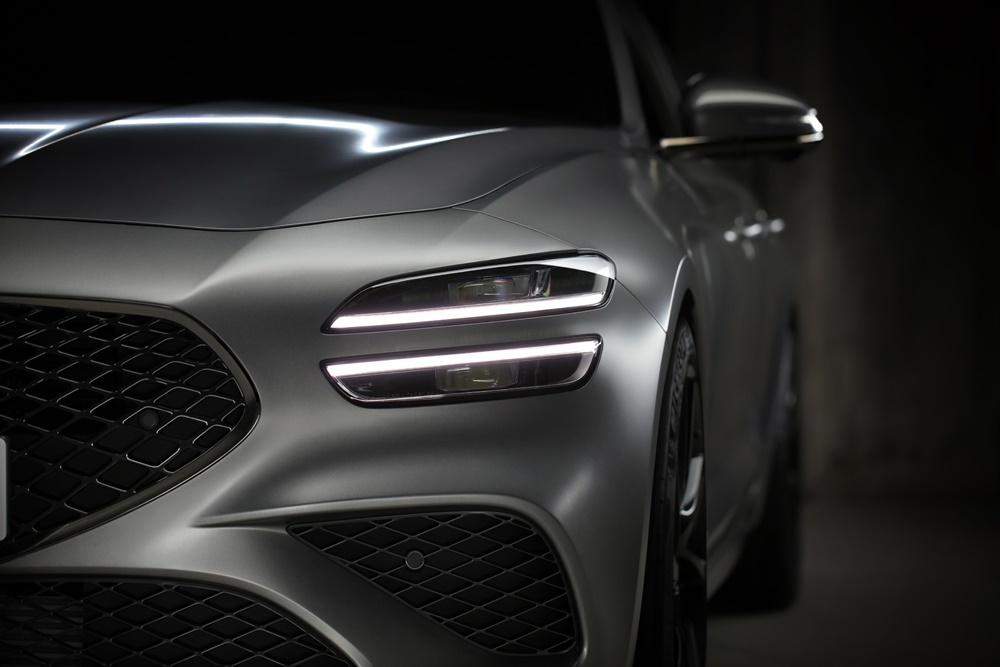
Viewed directly from the front, the Shooting Brake would not be easily differentiated from theG70 Sedan as it has similar design language, including the signature Crest Grille. However, with a longer look, it will be seen that the grille is set lower than the Quad Lamps, which spread outward to evoke a sprinter’s pre-race posture and give the model an athletic image.

The athletic look is also communicated in the side view. This is achieved by the combination of the single-piece glass hatch extending to the rear. Basically, it is a variation of the sedan with the roof extended further back over the cargo area. The luggage space is maximised by moving the tailgate hinges forward.

2021 Genesis GV70 Shooting Brake

Technical details are not revealed at this time although they can be expected to be similar to the sedan. A close look at the official pictures shows that the car has a 2-litre engine and AWD. The sedan is available with 3.3-litre and 2.0-litre turbocharged petrol engines and a 2.2-litre turbodiesel, as well as rear-wheel drive.

Electric G80 for Europe in 2022
The G70 Shooting Brake will be part of the full line-up for the European market, and sales will start in Germany, followed by the UK and Switzerland. Besides the G80 and G70 Sedans and their SUV variants, Genesis also plans to offer electrically-powered models in 2022.

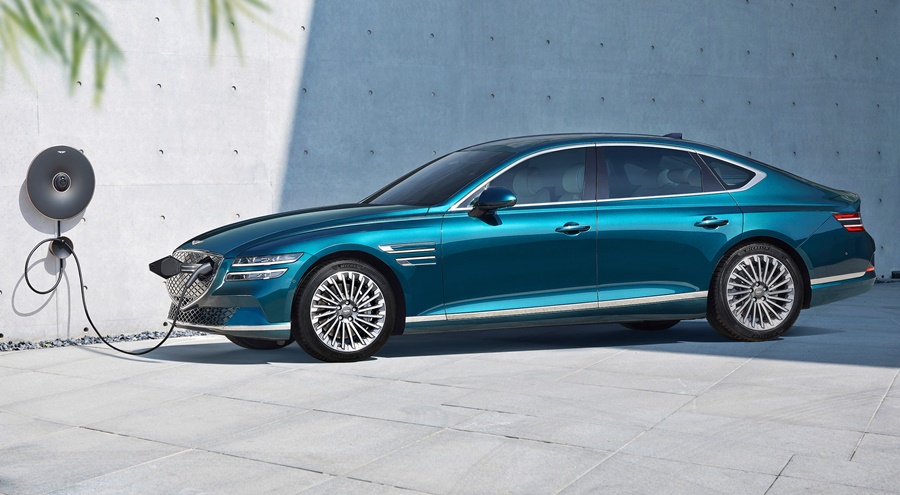
Genesis will introduce the brand in Europe this year starting with the G80 and in 2022, it will also start selling the electric version of the same model (below).

StayAtHome

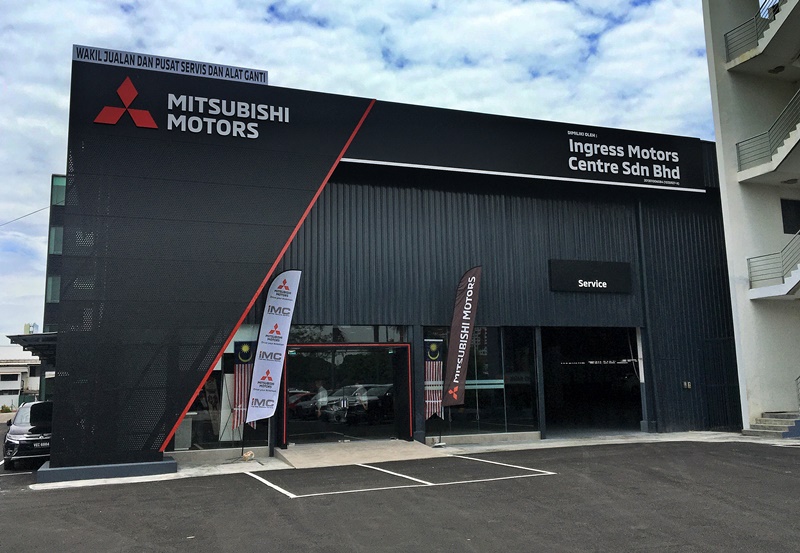
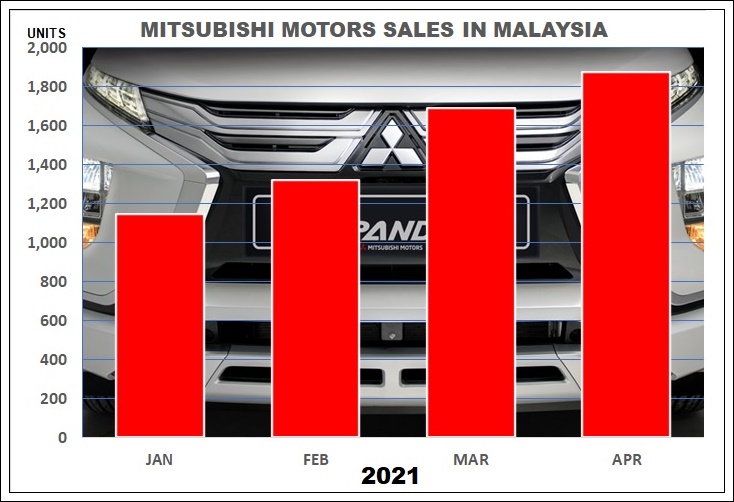
While official industry sales data for April 2021 has not been released by the Malaysia Automotive Association, Mitsubishi Motors Malaysia (MMM) believes that its strong sales performance during the month would put it among the top 3 positions in the non-national brand rankings for the fourth consecutive month.

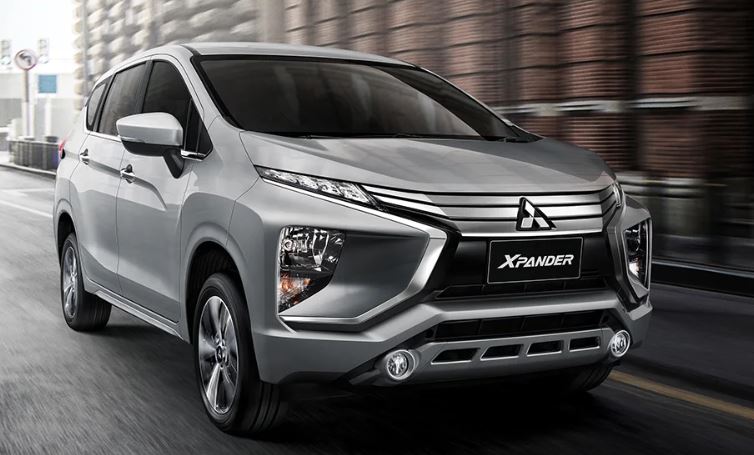
The brand’s sales have been on an upward trajectory since the year began and April saw a historical high with 1,872 vehicles sold. The major contributor was the XPANDER MPV which accounted for 52% of the total sales volume. Since being launched in the Malaysian market, MMM has collected more than 10,000 bookings for the model which is assembled in Pekan, Pahang.

Mitsubishi XPANDER

Increased XPANDER production
“We are very pleased that the Mitsubishi XPANDER sales remain healthy and its demand is ahead of the number of units supplied. Despite the challenges we are facing with the recently announced Movement Control Order (MCO) or even with the Conditional Movement Control Order (CMCO) prior to MCO, we are continuing our best efforts to meet with the strong demand for the XPANDER by increasing our production capacity while maintaining a high level of product quality,” said Tomoyuki Shinnishi, Chief Executive Officer of MMM.

Triton maintains strong position
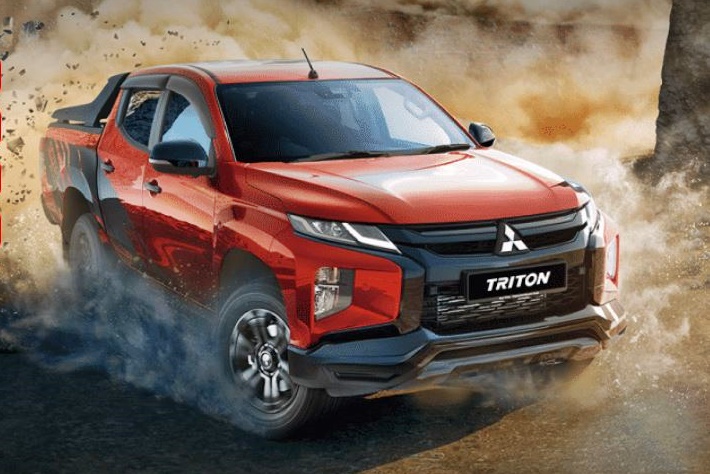
The Triton pick-up truck is the other strong seller in the range locally, maintaining a market share close to 20%. The company delivered 680 units in April. including 142 units of the new Triton Athlete.

The Triton Athlete was launched in early April as the flagship of the pick-up range, taking over from the Adventure X variant. It is powered by a 2.4-litre MIVEC turbodiesel engine which produces 181 ps/430 Nm. Priced from RM141,500 (without insurance in Peninsular Malaysia), it comes with a factory warranty of 5 years, or maximum of 200,000 kms after registration.

“Although there was a decline in many economic sectors and the environmental sentiments starts to take a toll on people caused by the COVID-19 pandemic, we are relieved to see our sales remain optimistic and constantly moving towards a positive direction. We are aware that a large number of our customers aim to purchase their cars before the SST exemption expires by end of June. Despite the challenges of supply constraints, Mitsubishi Motors is working our best to meet the expectation of our customers on the delivery preference,” Mr. Shinnishi added.

Besides the XPANDER and Triton, MMM also sells the Outlander SUV which is also assembled locally at the Tan Chong plant in Kuala Lumpur. It is available in two variants with a choice of 2-litre of 2.5-litre engines.

Visit www.mitsubishi-motors.com.my to know more about Xpander and other Mitsubishi vehicles in Malaysia.

StayAtHome

Visit www.bhpetrol.com.my for more information.

Stay in your state

Archive

Follow us on Facebook

Follow us on YouTube