With the ID.4 GTX that Volkswagen launched in May last year, the company showed that ‘performance’ can also be associated with battery electric vehicles (BEVs), just as combustion engine models have performance variants. A member of the brand’s BEV range, it is the first fully electric high-performance model that is said to add a new dimension to sportiness and dynamics. Just as ‘GTI’ has been used to identify Volkswagen’s performance models, ‘GTX’ will do likewise with the electric vehicles.
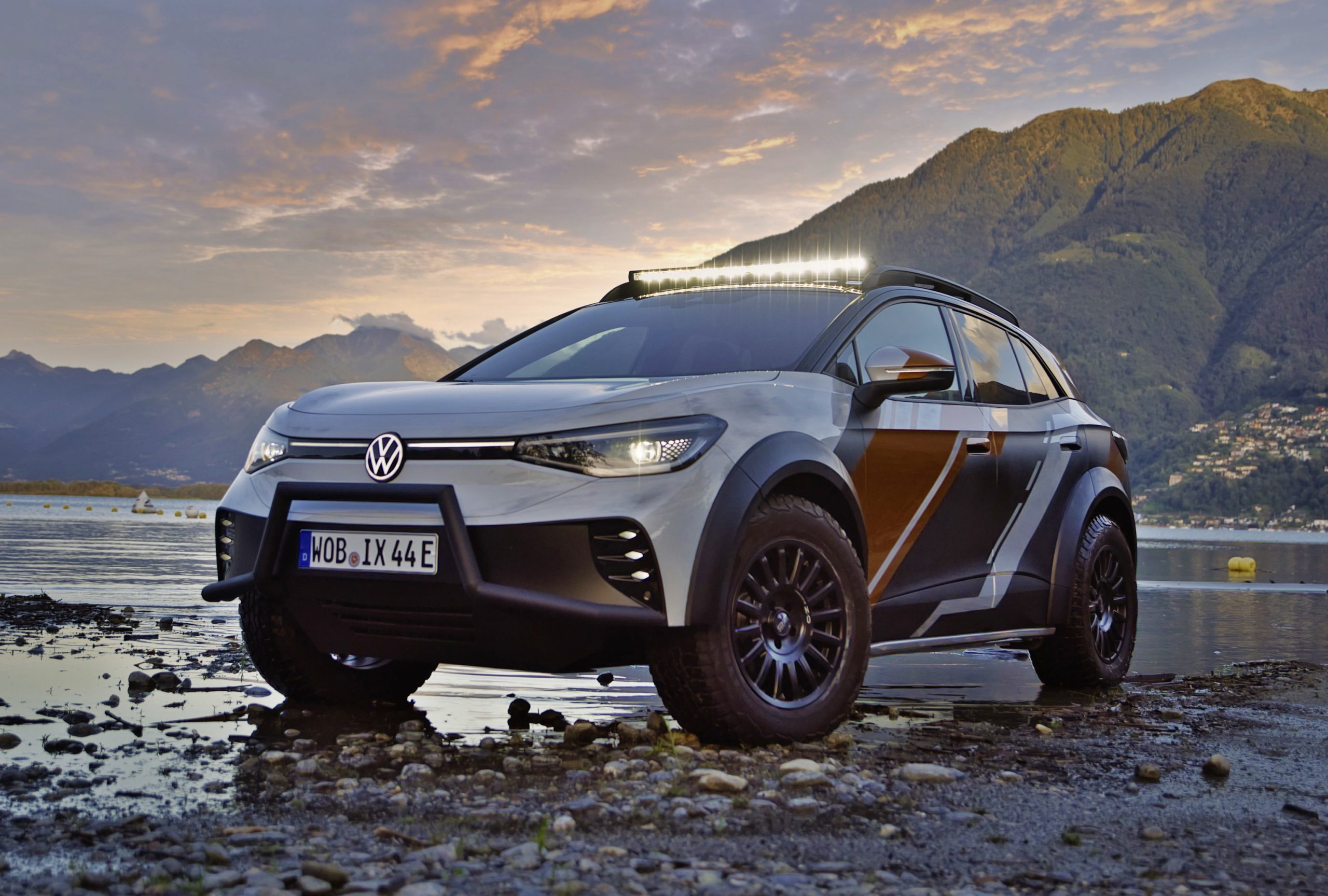
To show that there is still much potential to extend the performance envelope, Volkswagen has come out with the ID. XTREME concept car based on the ID.4 GTX. This is the most powerful ID model yet revealed and shows the performance potential and versatility of the modular electric drive matrix (MEB).
Equipped with all-wheel drive, the ID. XTREME combines the strengths of a modern SUV with the sense of adventure embodied by a rugged off-road vehicle. It was created by the team of Andreas Reckewerth (Head of overall vehicle) in the Volkswagen Development department.
Following the signing of its General Distributorship Agreement (GDA) with smart last month, Proton has established a new subsidiary company to handle sales and distributorship for the smart vehicles which are available only with battery electric powertrains.
The new company, known as Proton New Energy Technology Sdn. Bhd. (PRO-NET), will also be responsible for Proton’s own future new energy vehicle (NEV) offerings. ‘NEV’ is a term which originated in China around 2010 and refers to vehicles which are electrified (including plug-in hybrids). The category was created to facilitate the provision of incentives to boost development and sales of electrified vehicles.
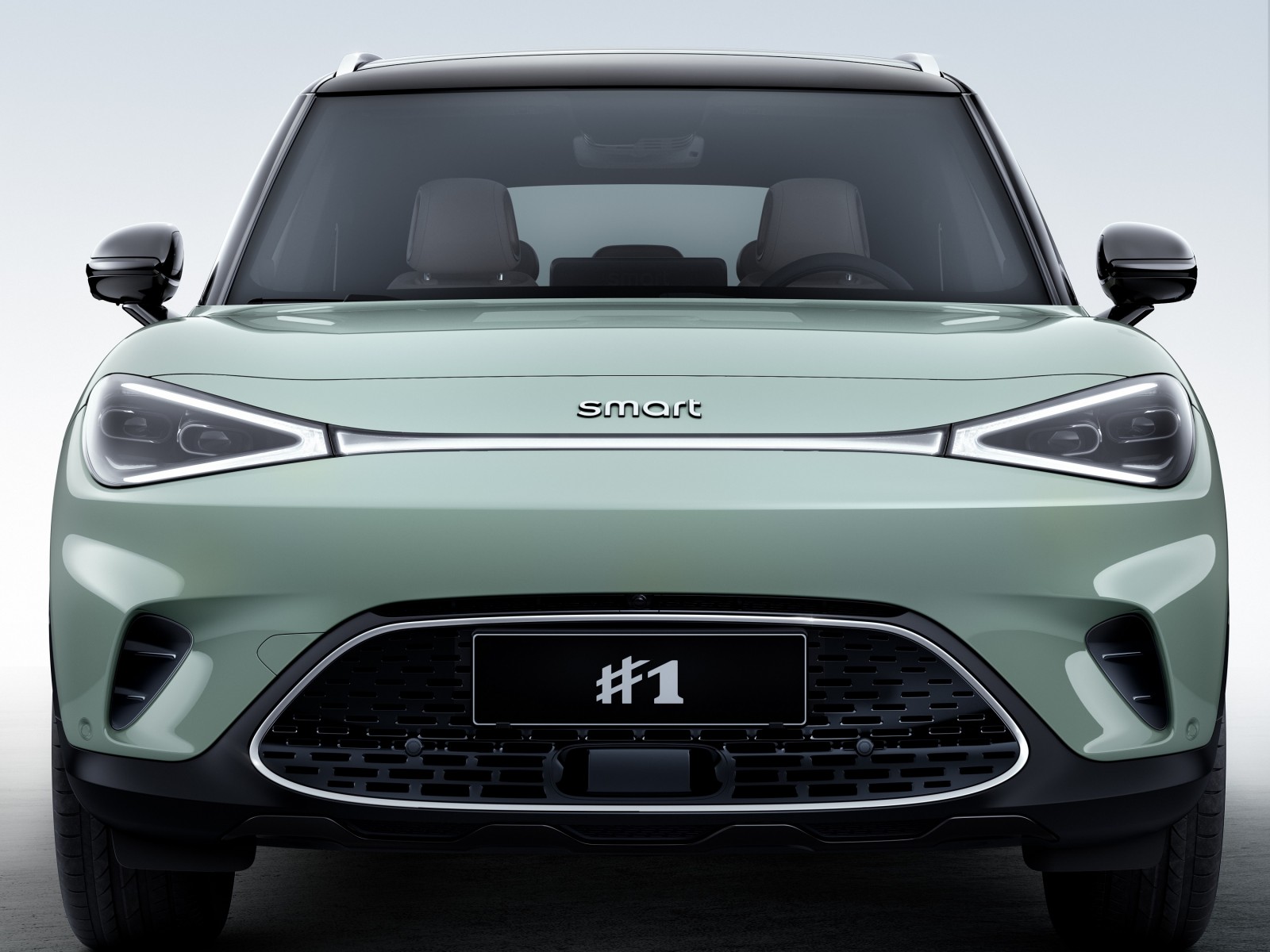
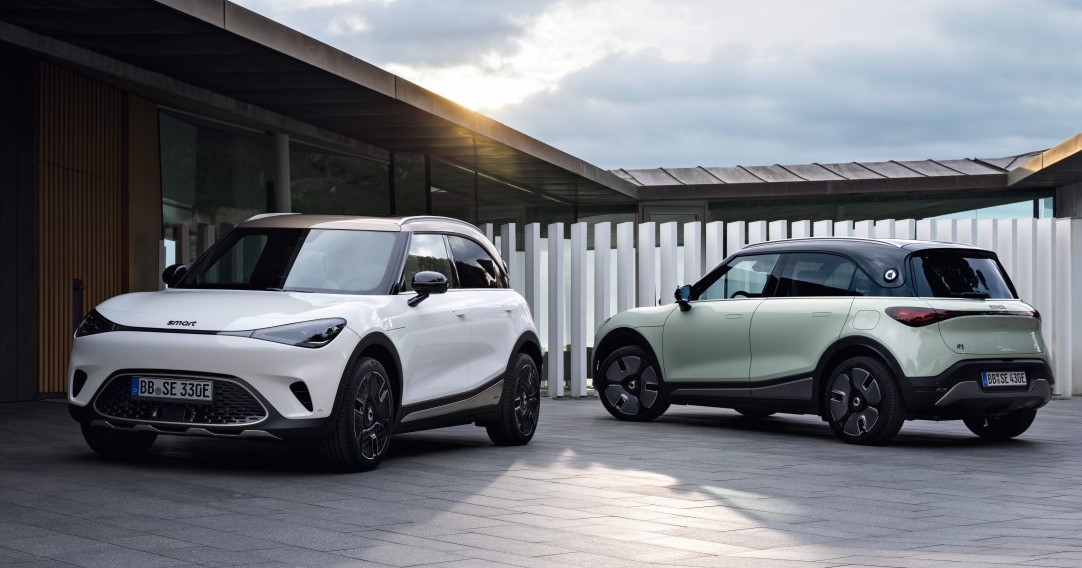
The new smart #1 battery electric vehicle that will go on sale in Malaysia next year.(more…)
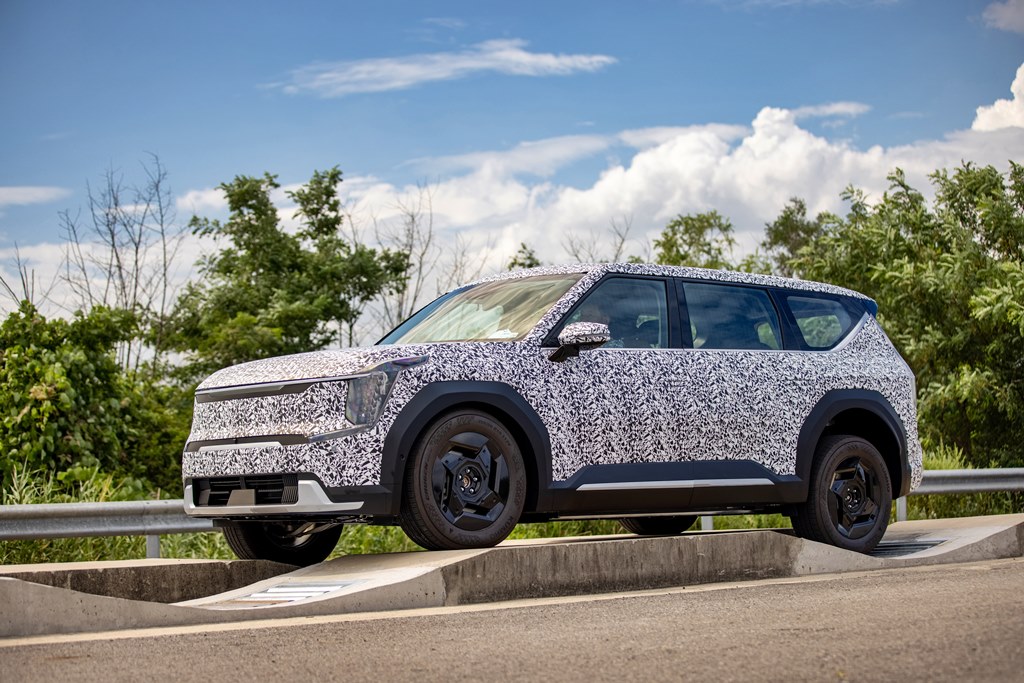
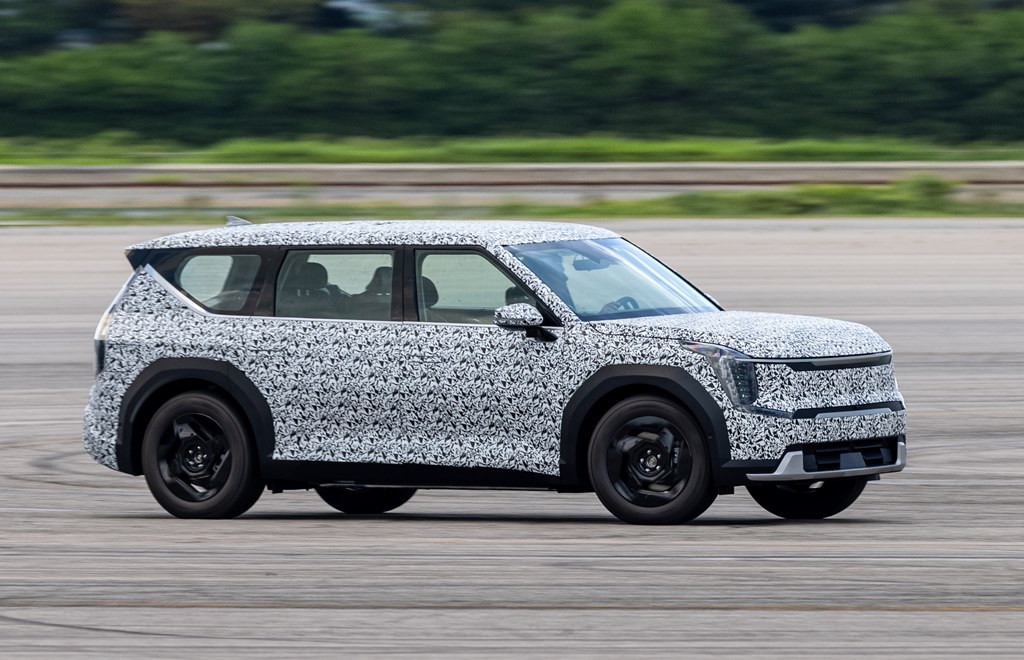
Before finally appearing in showrooms and being delivered to customers, one of the final stages in the development of a new model is extensive testing in all kinds of conditions representative of the real world. The testing will identify areas that need to be improved or changed and also validate many operating parameters.
Every manufacturer has a similar process and at Kia, the new EV9 is going through this final phase. As the model designation indicates, this is an electric vehicle (EV) and will be the second dedicated EV from the Korean carmaker after the EV6. Its launch date is set for the first quarter of 2023 so there’s about 6 months left to complete testing.
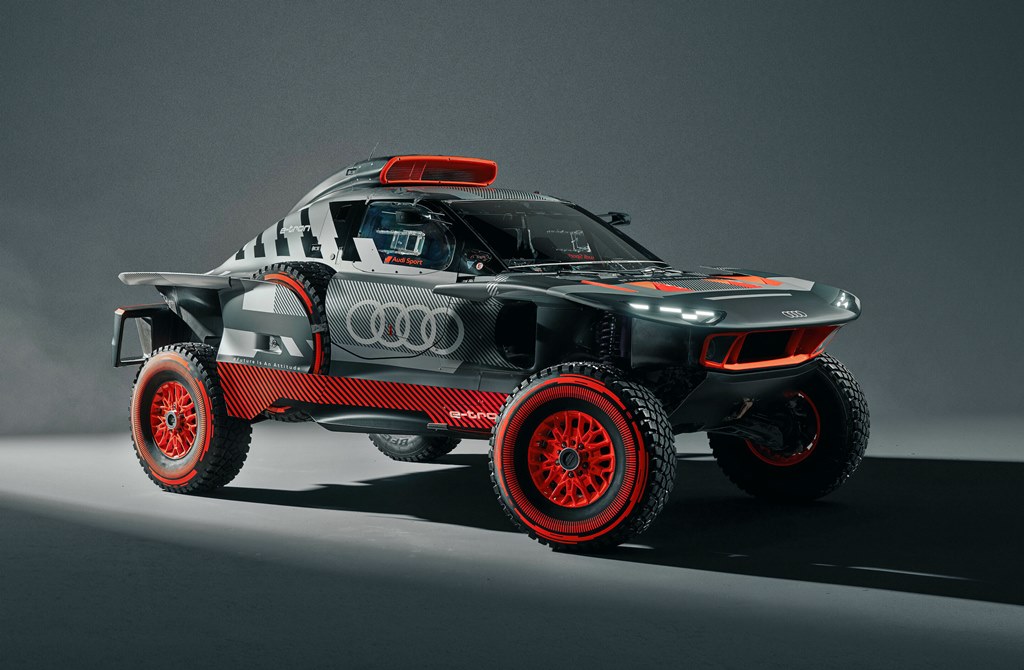
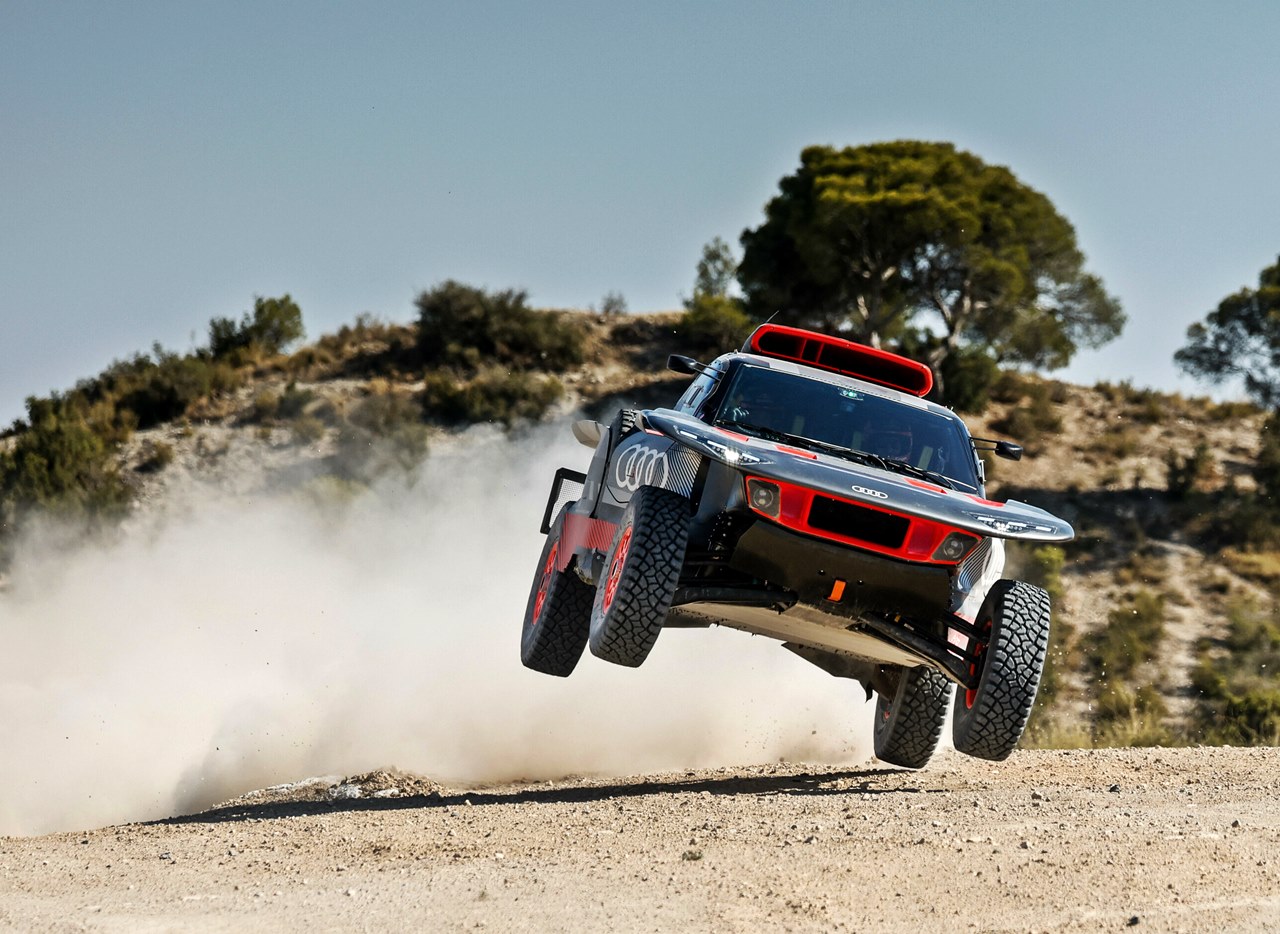
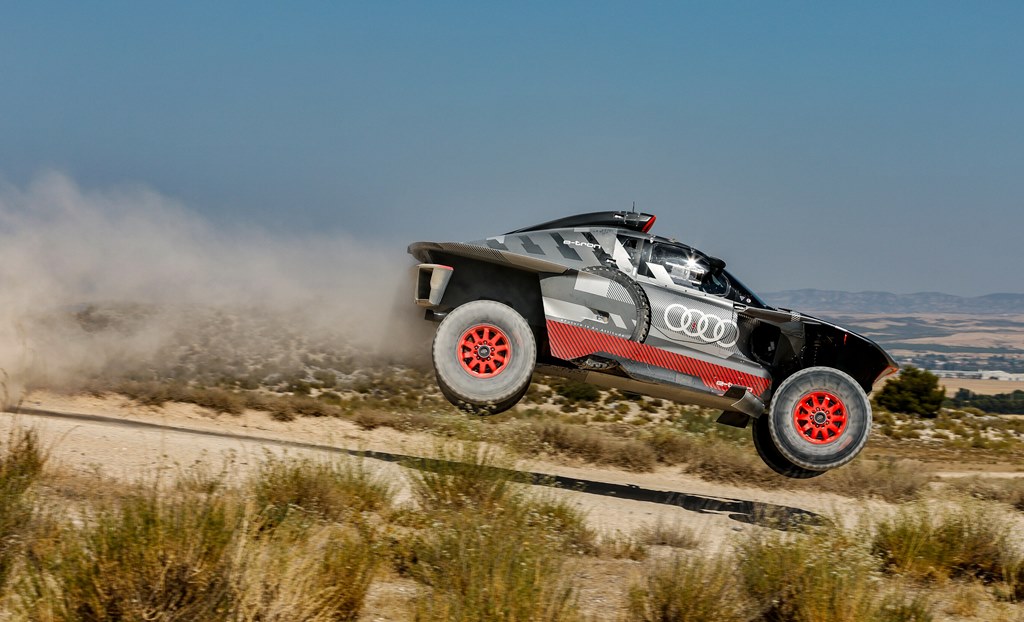
In March 2022, the Audi RS Q e-tron won its first desert rally in Abu Dhabi, an important achievement for an electrically-powered vehicle. Audi was the first carmaker that committed to develop a viable alternative drive concept for the gruelling event, making it a pioneer in motorsport.
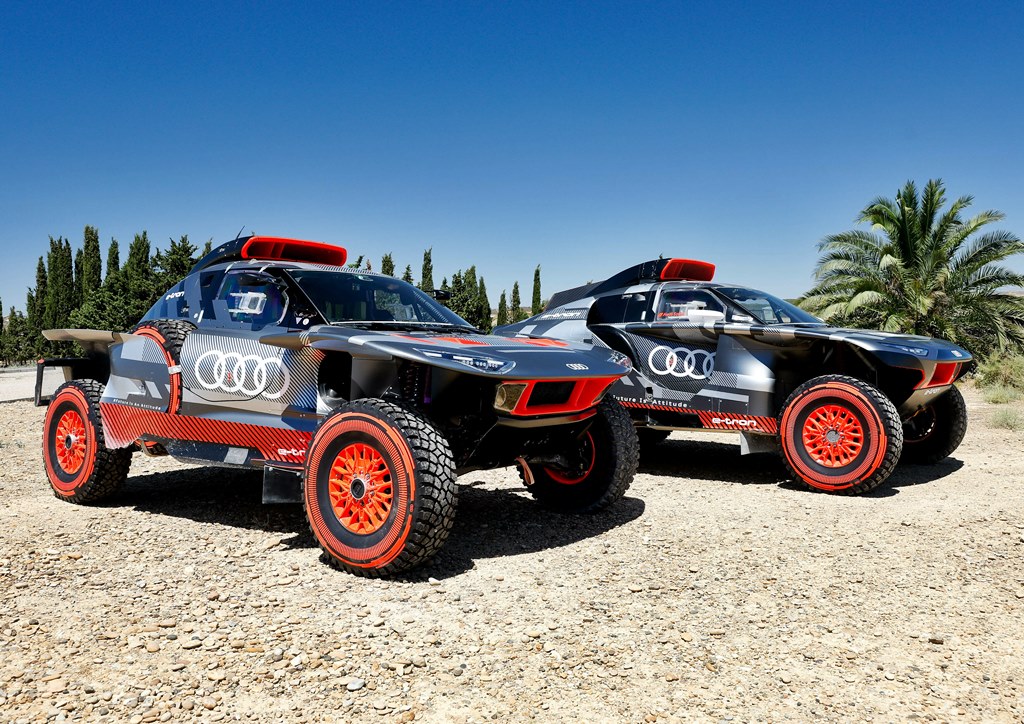
The original RS Q e-tron development had been rushed as it had to be done during the difficult period of the coronavirus pandemic in 2021 and limited testing opportunities. However, with the experience and learnings from that tough first event, Audi Sport’s engineers have developed a new and significantly improved prototype which will be entered in the 2022 Morocco Rally and the 2023 Dakar Rally.
“We’ve managed a good debut at the Dakar with the Audi RS Q e-tron and even our first stage victories in a motorsport discipline that is new to us,” said Rolf Michl, Managing Director of Audi Sport GmbH and responsible for motorsport at Audi. “The entire team is working excellently together and pulling in the same direction. As is usual at such an early stage, the drivers, co-drivers and technicians quickly agreed on the next development targets. We have summarized the result in a new evolution package – the RS Q e-tron E2.”
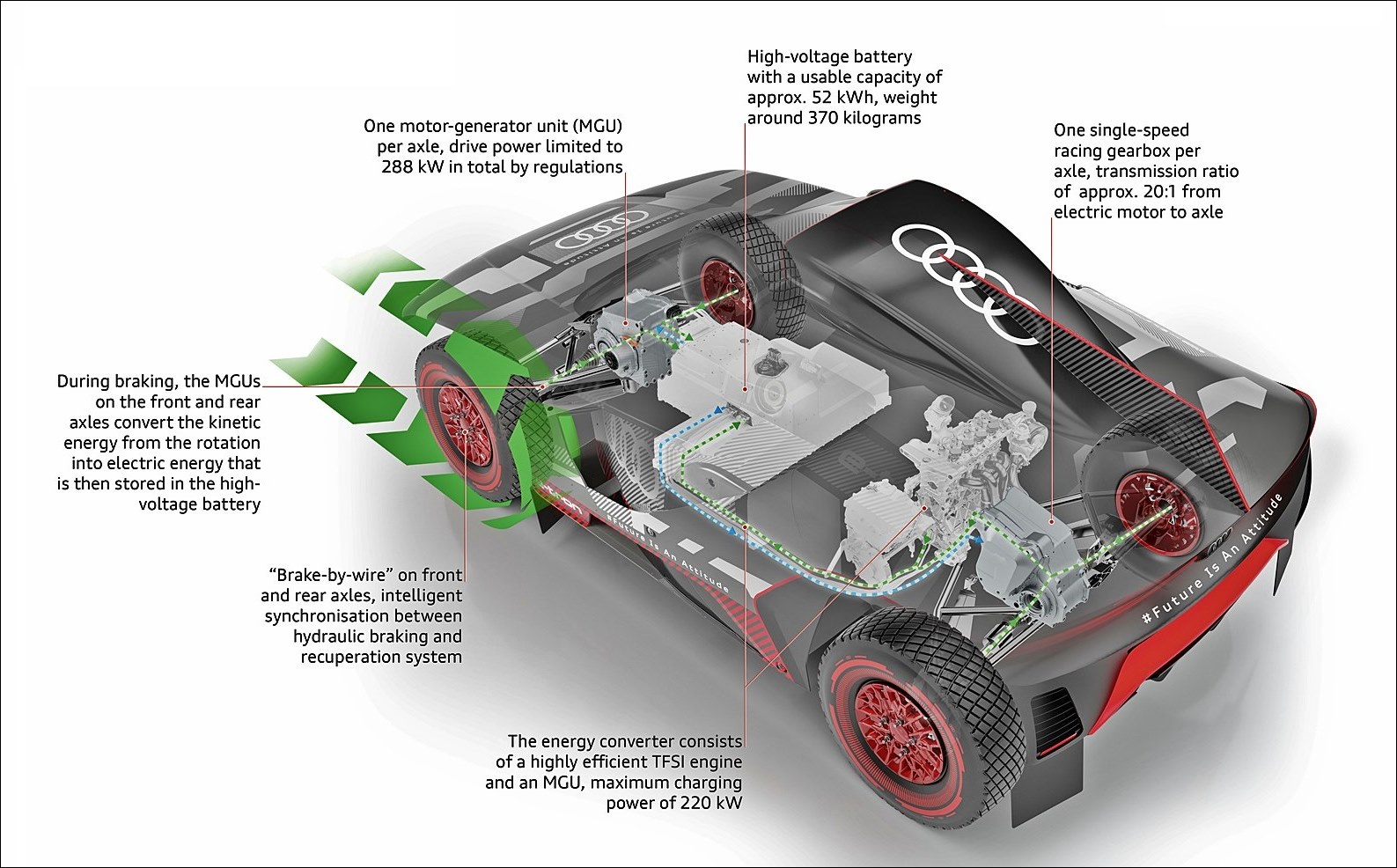
Main components of the first RS Q e-tron
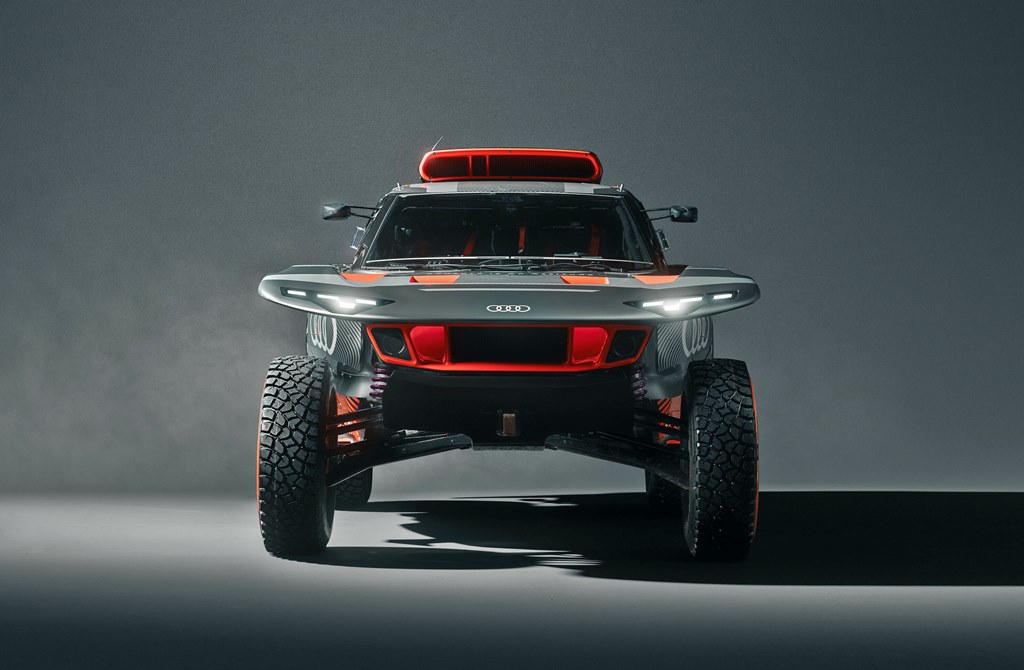
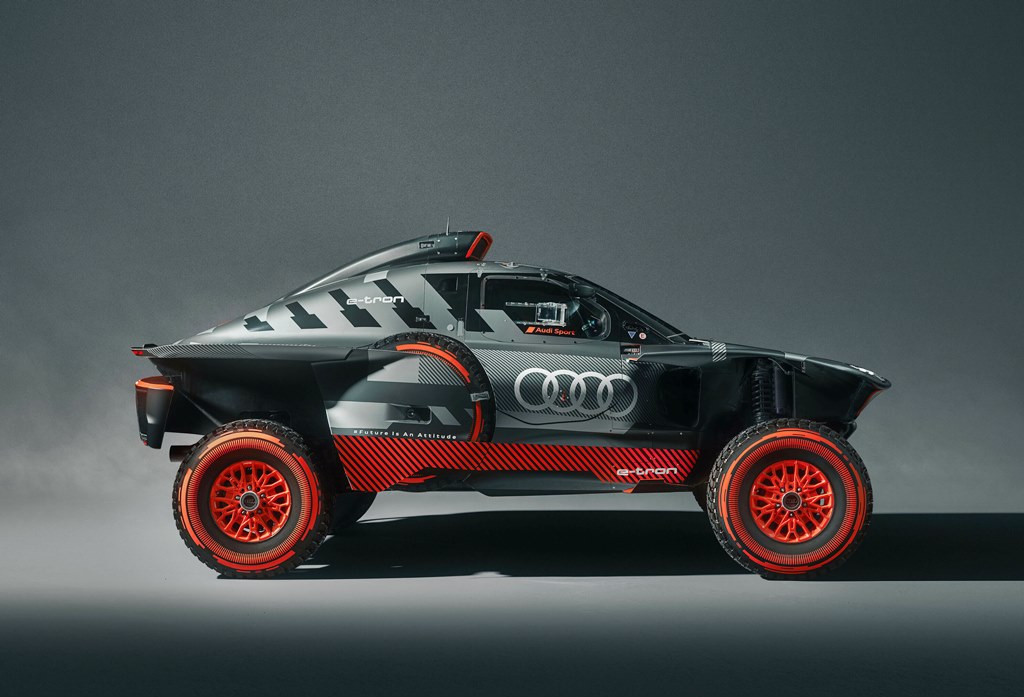
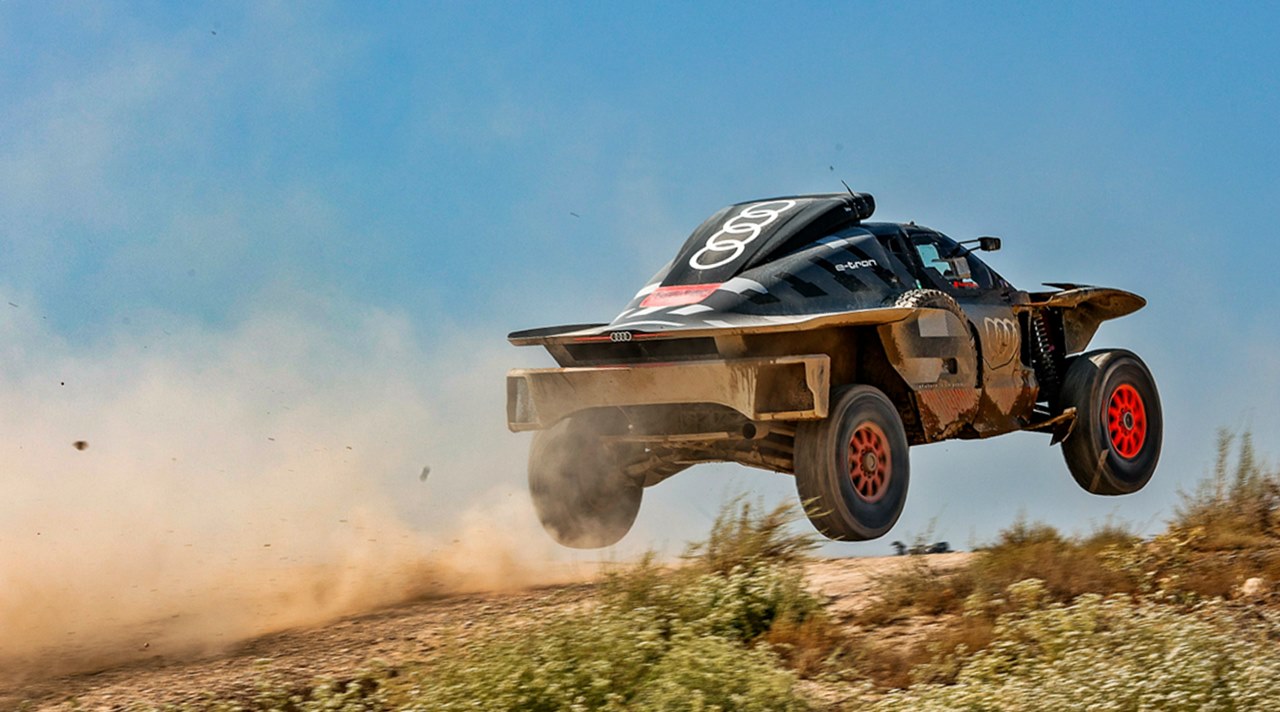
Second phase of development program Reminiscent of the legendary Audi Sport quattro in its final development stage for Group B rallying in the 1980s, the body is completely new and features significantly enhanced aerodynamics. It also has a lower weight and centre of gravity.
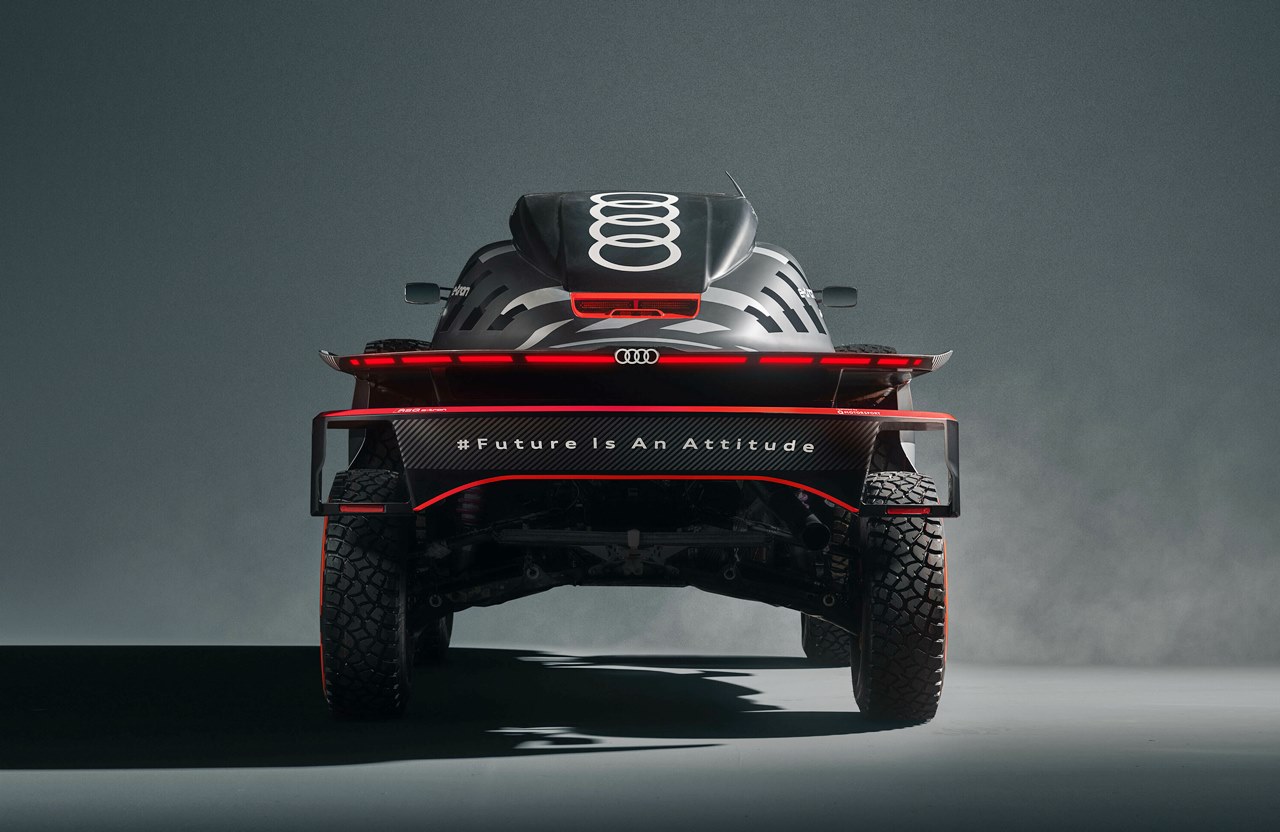
“The Audi RS Q e-tron E2 does not adopt a single body part from its predecessor,” said Axel Loffler, Chief Designer of the RS Q e-tron. In order to comply with the prescribed interior dimensions, the cockpit, which was previously narrowly recessed towards the roof, is now significantly wider. The front and rear hoods have also been redesigned.
“We are now doing away with the underflow of the rear hood to the left and right of the B-pillars. In conjunction with modified lay-ups – optimized fabric layers of the composite materials – this solution reduces weight,” said Loffler.
The T1U prototypes will have to weigh 2,100 instead of 2,000 kgs in the future. Given that the first generation of the RS Q e-tron was overweight, it was still necessary to save several dozen kilograms. This is accompanied by the lowering of the vehicle’s centre of gravity.
New aerodynamic concept The aerodynamic concept in the area of the body below the hoods is completely new. This section is somewhat like the shape of a boat’s hull: its widest point is at the height of the cockpit, while the body tapers significantly towards the front and rear.
The designers dispensed with the part of the fenders that was behind the front wheels and formed the transition to the door. Internally, this structure was called the ‘elephant foot’ and as a result, it saved more weight and optimized the airflow.
“The aerodynamic aspect should not be underestimated in desert rallying either,” said Axel Loffler, Chief Designer of the RS Q e-tron. “Admittedly, the new cockpit dimensions mean that the body has a larger and therefore less favourable cross-section. Nevertheless, it was possible to reduce the overall aerodynamic drag by around 15%. But this does not change the top speed, which remains limited to 170 km/h in the regulations.”
Nevertheless, the improved airflow offers one major advantage. “It further reduces the energy requirements of the electrically powered car,” explained Loffler. “We implemented the aerodynamic calculations entirely using computational fluid dynamics. These computer simulations replace the time-consuming work in the wind tunnel and still deliver highly precise results.”
Simplified operation in the cockpit The drivers can look forward to their new workplaces. The displays are still in the driver’s field of view and located in the centre console in the usual style, and the central switch panel with its 24 fields has also been retained. However, the engineers have restructured the displays and controls.
They can also work much more easily when there is a puncture, which is not uncommon in off-road events. Simple, flat and easily removable body components replace the previous bulky covers for the spare wheels in the flanks. The new 10-spoke rims are much easier to handle, making the change of wheels safe and quick.
New operating strategies further improve the efficiency of the electric drivetrain. The drivetrain of the RS Q e-tron E2 comprises an energy converter consisting of an internal combustion engine and a generator, as well as a high-voltage battery pack. Two electric motors are used to power the front and rear axles.
Better energy management Energy management plays a crucial role here. The electronic control system of the complex electric drivetrain proved its worth in the first rally events and issues only occurred in extreme cases. At the Dakar Rally, for example, it was noted that there were short-term surpluses of power in situations where the wheels made less contact with the ground while jumping or on uneven terrain.
The so-called auxiliary consumers also benefit from optimized control. The servo pump, the air-conditioning cooling pump and the fans have a measurable impact on the energy balance. In the course of the debut season this year, the Audi and Q Motorsport rally team gained valuable experience that enables better assessment.
The air-conditioning system, for example, works so aggressively that it could cause the coolant to freeze when constantly running at its maximum output. In the future, the system will run in an intermittent mode. This saves energy, yet the interior temperatures only fluctuate slightly, even over longer periods.
“We have combined all the important lessons in a very short time. The result of our ideas is the E2 evolution,” says Uwe Breuling, Head of Vehicle Operations Audi Sport. “Our development team’s determined and cost-efficient work has prepared us perfectly for our second Dakar Rally.”
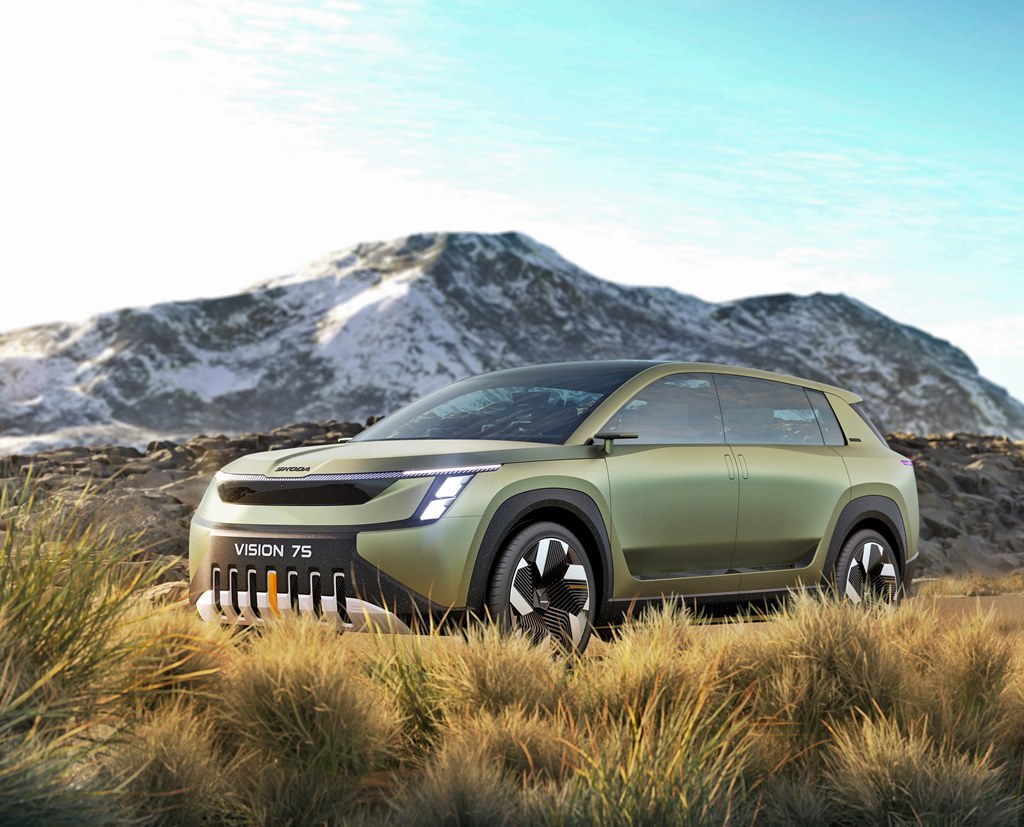
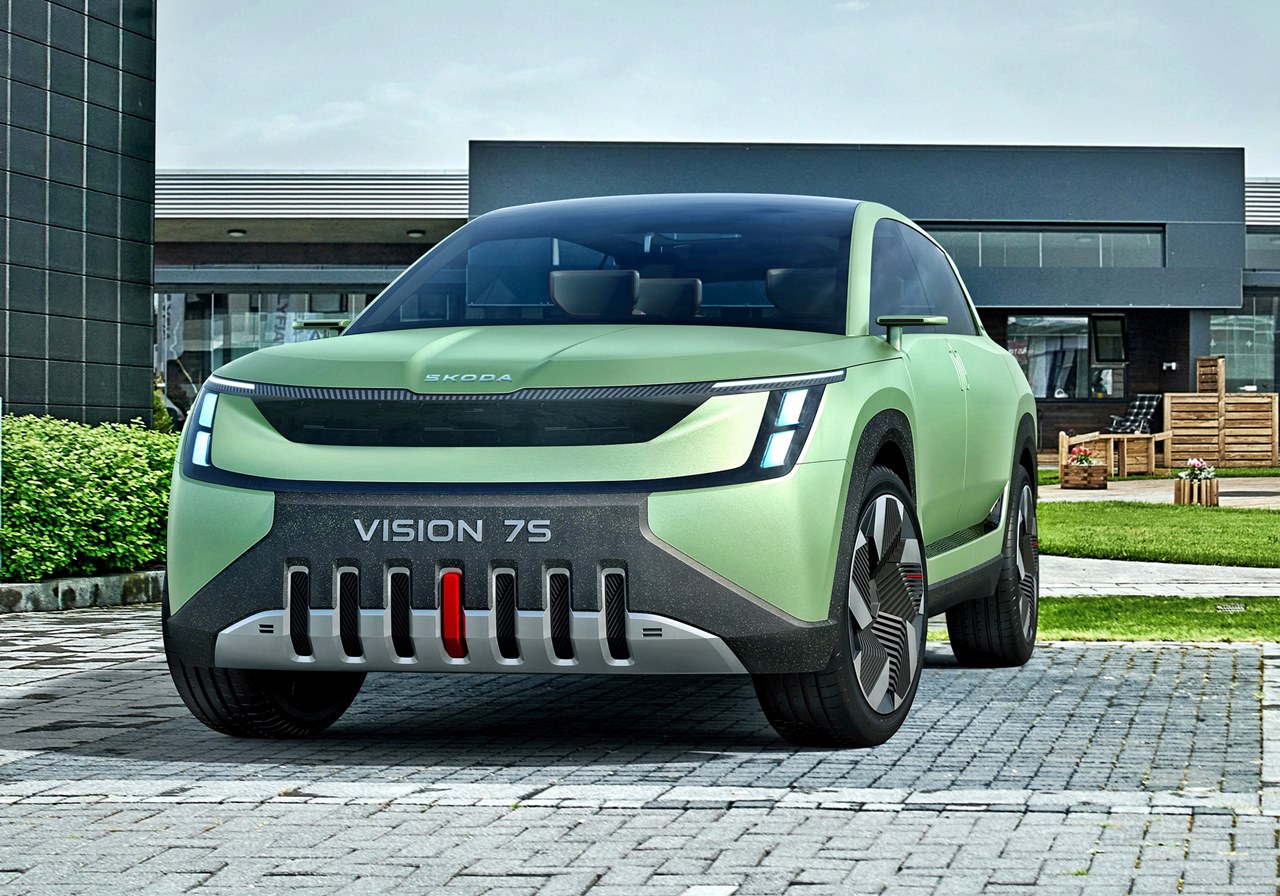
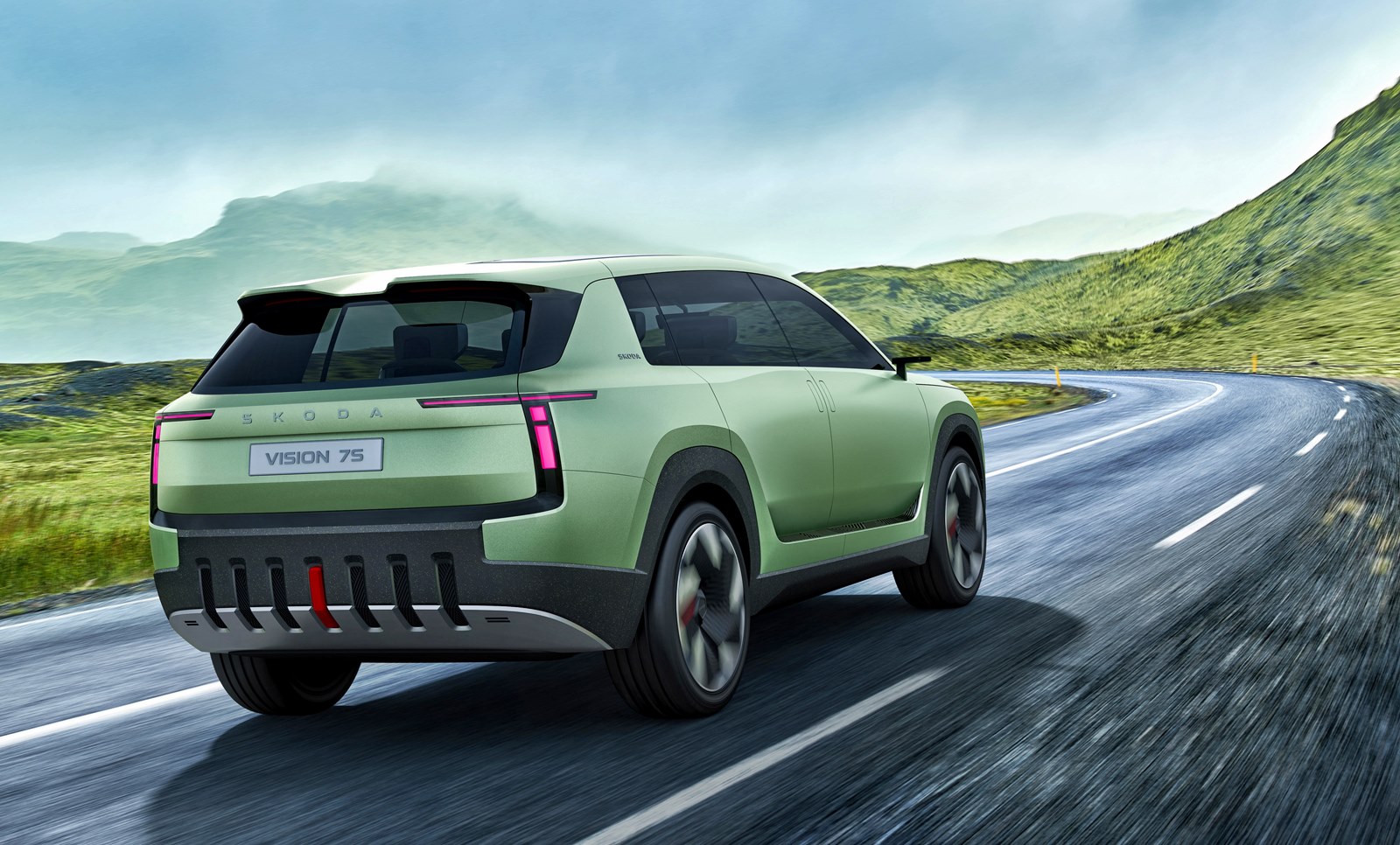
With the VISION 7S concept, Skoda is providing a preview of an all-new battery electric SUV as well as the Czech brand’s new design language. There is also a new brand logo which no longer uses sculptural 3D graphics, a response to a growing shift in marketing activities from print to online.
The 7-seater VISION 7S SUV, which is 3 to 4 years from appearing in Skoda showrooms, sits on the Volkswagen Group’s Modular Electrification Kit (MEB). Proposed with an 89 kWh battery pack, it has a projected range of over 600 kms.
With the new design language comes the ‘Tech-Deck Face’ at the front end with a a solid underbody and aerodynamic roof lines. The Tech Deck Face embodies a modern reinterpretation of the familiar Skoda grille. Though it has similar lines, the appearance is significantly flatter and wider than the previous styling. The ribs have been replaced by dark glass that conceals the vehicle’s sensors.
The redesigned SKODA wordmark replaces the brand’s picturemark and is complemented by a new ambient light strip. This extends across the entire width of the vehicle at the upper edge of the front section and features illuminated graphics.
The robust bumpers are made of durable, recycled tyres. This material is also used for the wheelarch linings and adds a rugged visual highlight. Seven vertical air intakes are integrated into the front, through which air is directed to the cooling systems and brakes, and another nine vertical air outlets are in the rear bumper.
A control element in bright Flashy Orange is located in the centre of both the front and rear. These can be pulled out to serve as hooks. In addition, they can be used to safely cut off the vehicle’s high-voltage current from the outside, if required.
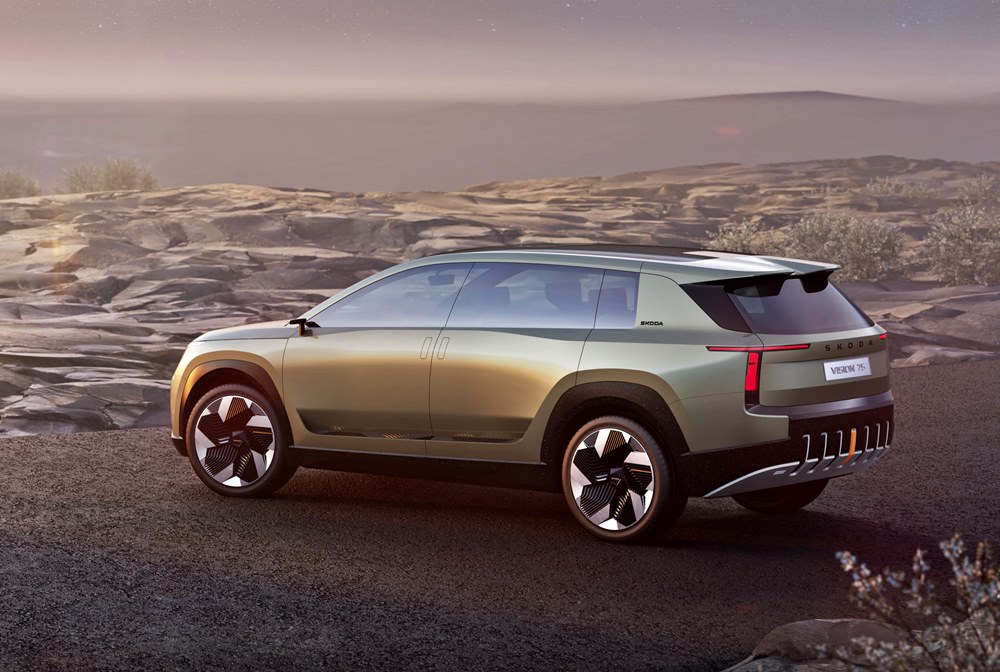
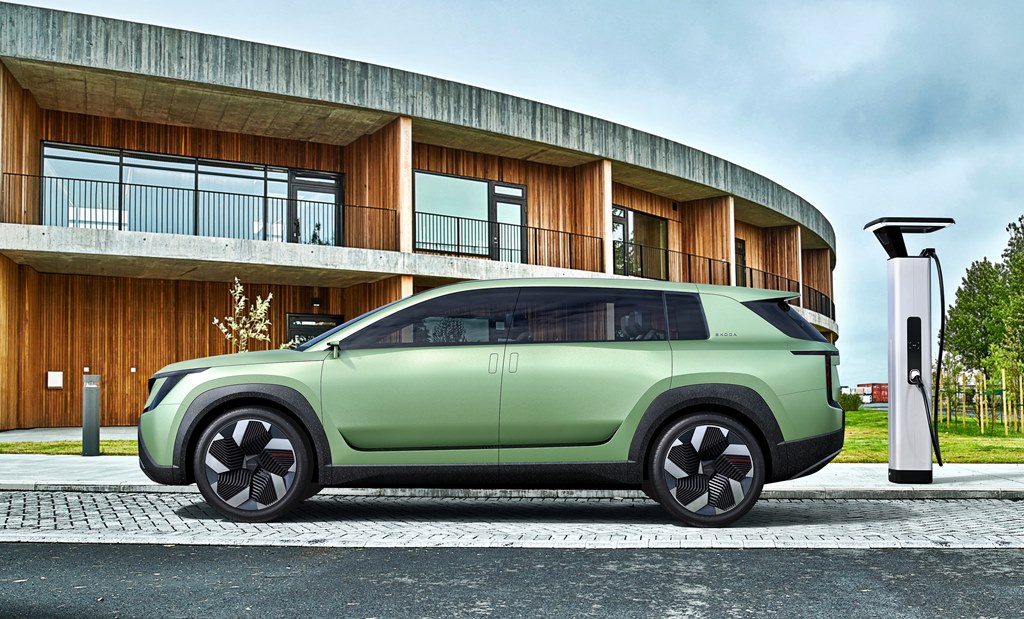
A high tornado line separates the solid underbody from the side windows and emphasises the powerful shoulder sections through its curve. The squared-off wheel arches beneath it are prominent and clearly recessed. Within them, the wheels are aerodynamically optimized rims and almost completely closed.
Additional air outlets are positioned between the wheel arches and above the side skirts. These act as running boards for the portal doors that swing up in opposite directions and also have cover grilles. These grilles channel the warm air generated from cooling the high-voltage battery pack to the outside.
The flat roofline gently slopes to the rear and merges with a pronounced roof spoiler for high aerodynamic efficiency. The triangular D-pillar extending to the rear features a bold design; at the bottom, it bears the new SKODA wordmark, which also appears on the tailgate and is lit up in the same way as at the front of the vehicle.
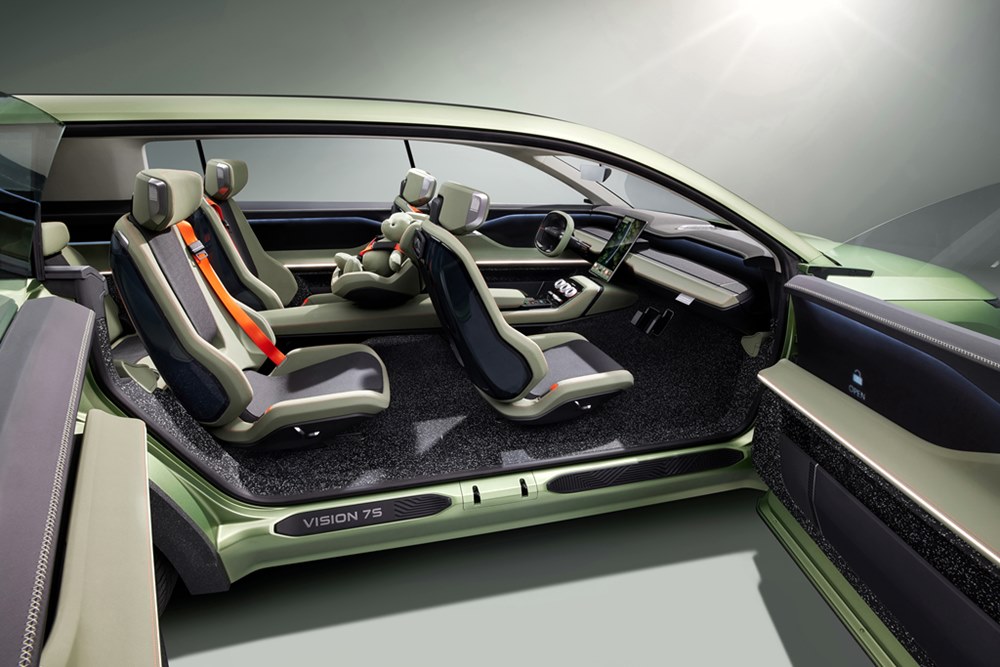
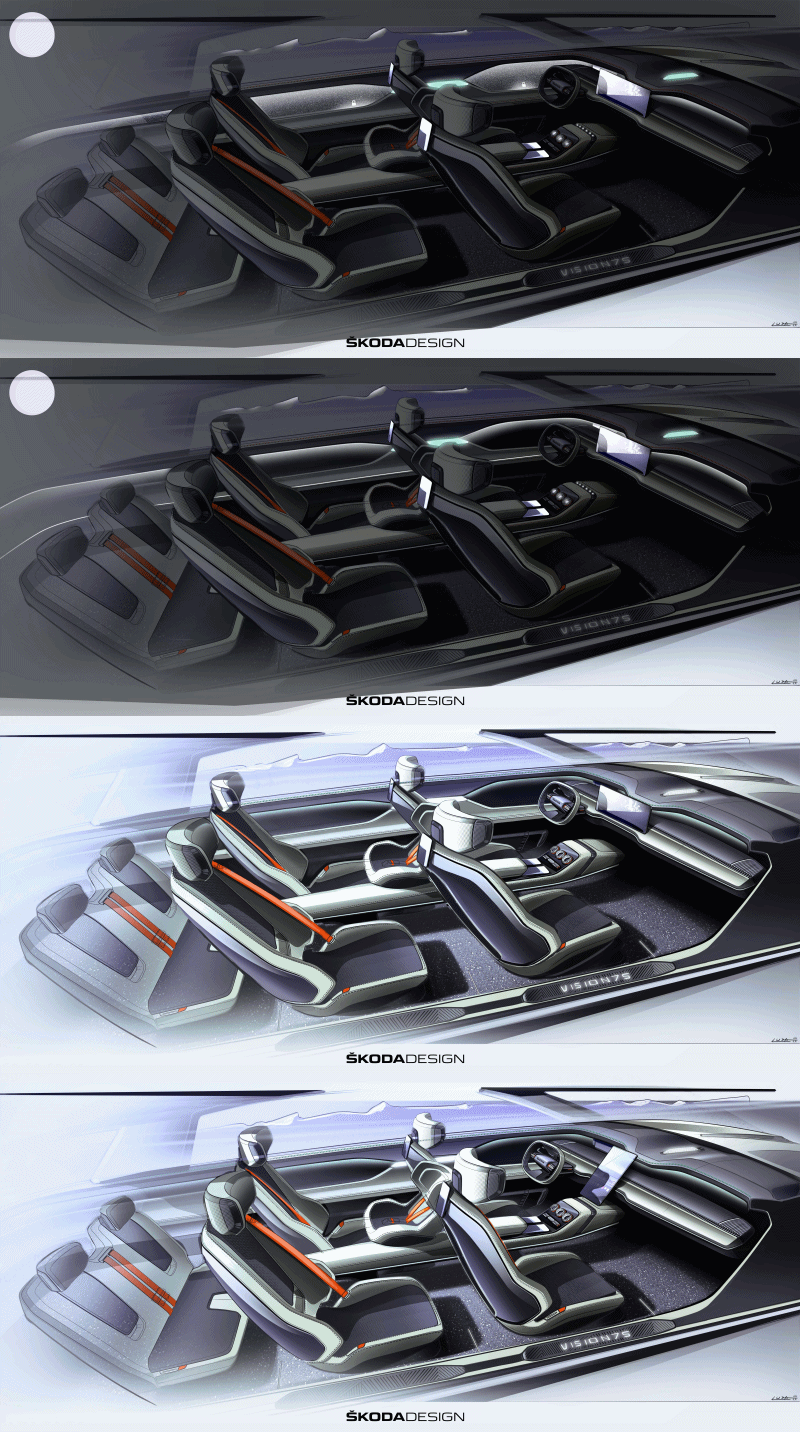
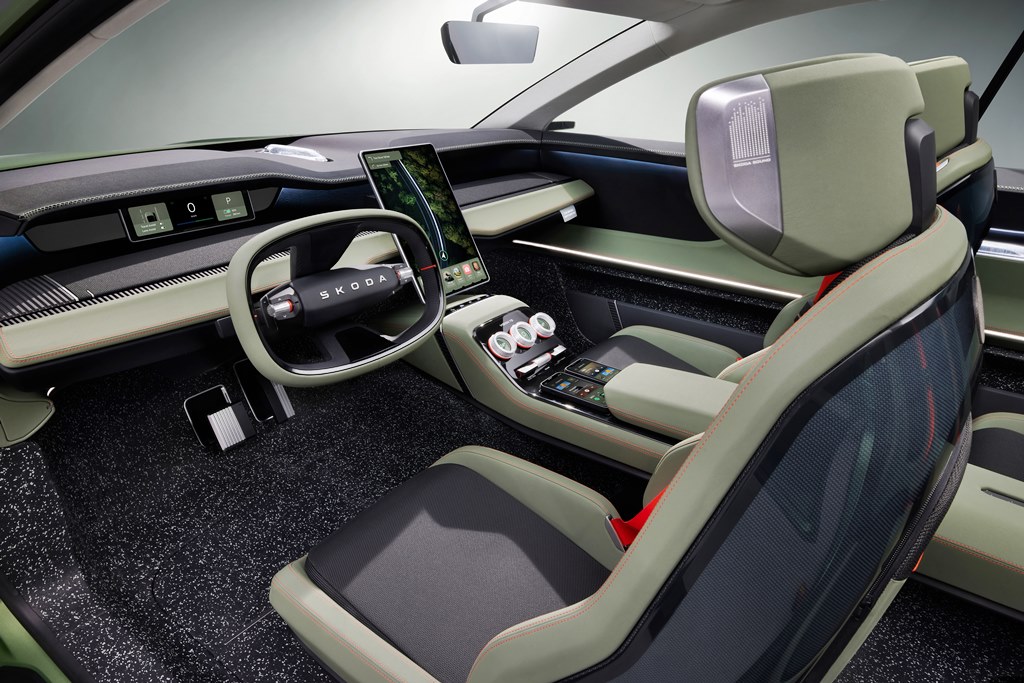
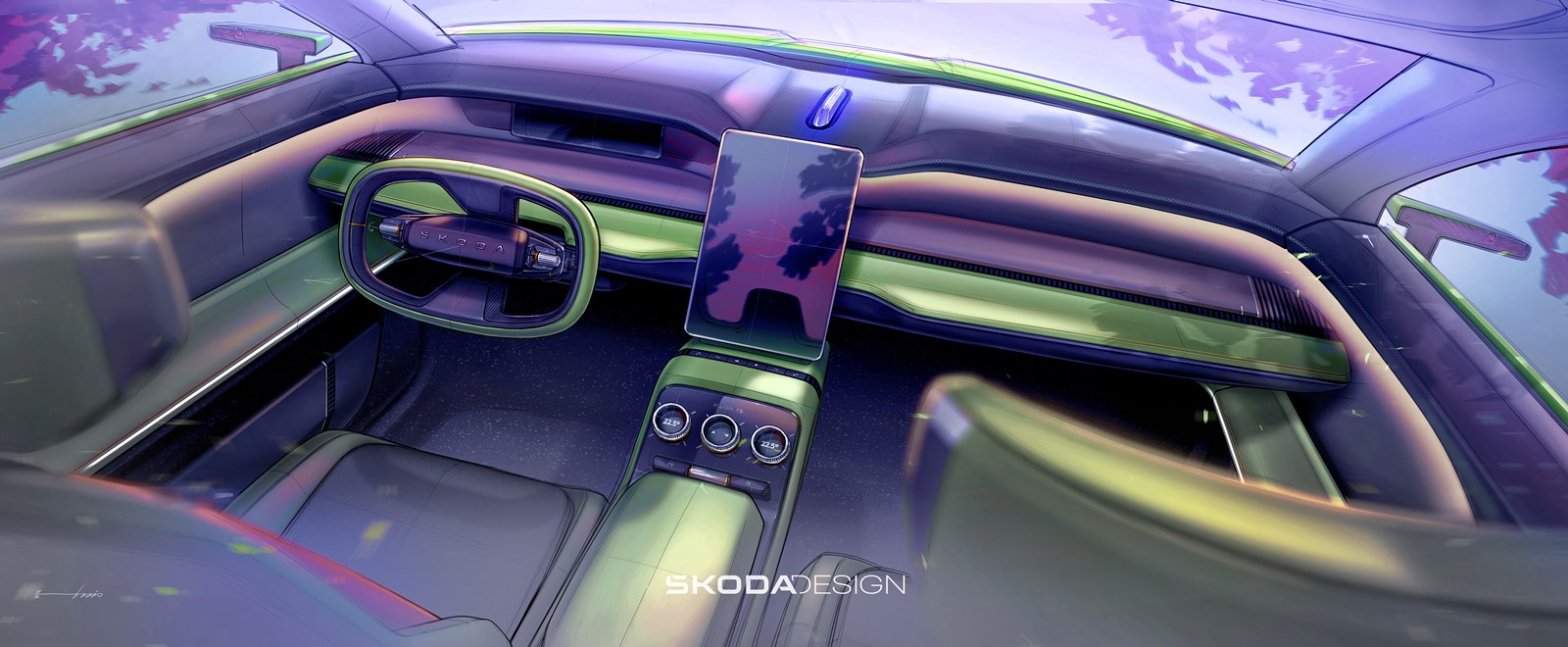
The minimalistic interior is as spacious as the exterior proportions of the Skoda concept suggest. The sense of security further enhanced by the combination of dark and light materials. These are leather-free (mostly from sustainable sources) and are extremely durable, thanks to some smart material combinations.
One example is the floor, which is also made from recycled tyres. The interior trim is also sustainable and coated with a fine, matt metallic layer, thus conserving valuable resources. The fabrics are made of 100% recycled polyester yarns.
Great emphasis was placed on further optimising usability. In addition, the vehicle’s menu structure and infotainment functions have been streamlined, and the controls on the central, free-standing touchscreen, as well as haptic keys for important or frequently used functions, are particularly intuitive.
In front of the central screen on the instrument cluster is a large crystal that indicates the battery and charging status using different colours. This can be seen easily from outside the Skoda SUV.
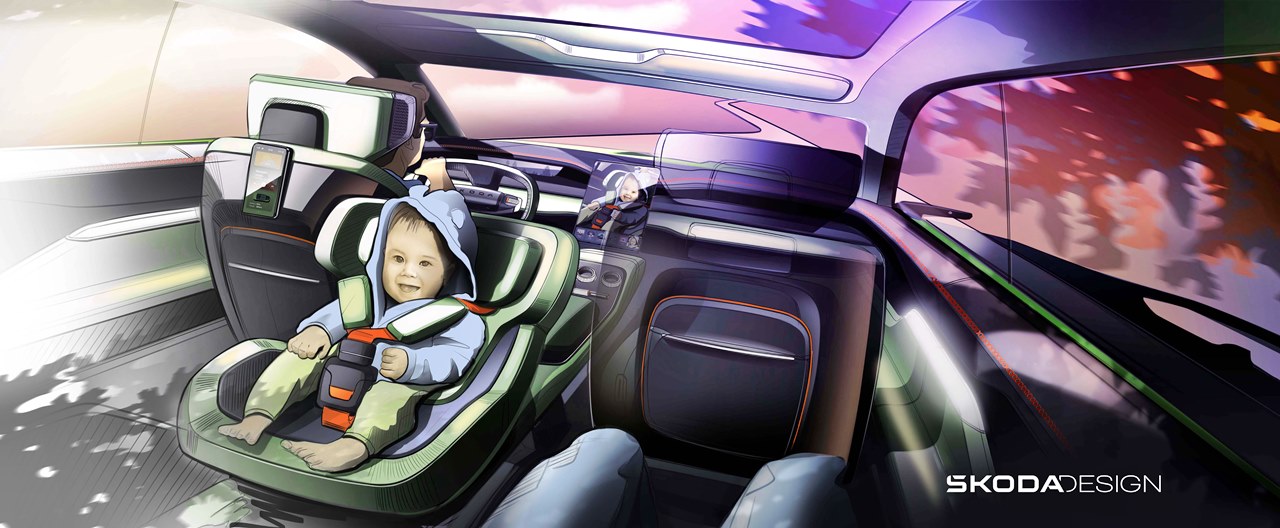
The position of the childseat may seem unsuitable from the safety point of view but it is actually in the safest place in the vehicle. It is integrated into the centre console, which extends to the second row of seats, opposite to the direction of travel. This means the child is optimally protected, and the passengers in the second row can always keep an eye on him or her.
An optional interior camera in the rear roof area can also transmit a video of the child to the central infotainment display. This makes it possible for the driver and front passenger to see the little ones on board at all times.
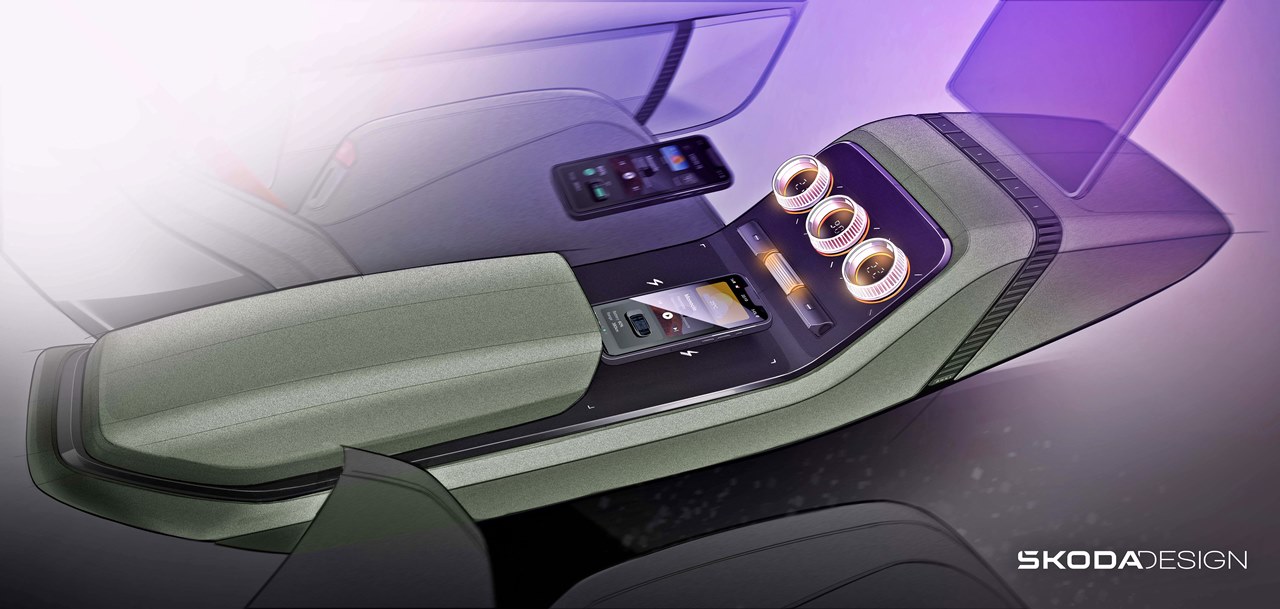
The VISION 7S also introduces a new series of ‘Simply Clever’ features, well known in Skodas. For example, the air vents on the dashboard work in a discreet, diffuse mode until more direct ventilation is needed. Passengers will also find magnetic surfaces under the floating centre console, where metal Skoda drink bottles or a first-aid kit can be securely attached. There are also backpacks that are magnetically attached to the seat backrests, easily taken off when leaving the vehicle for a hike.
“The VISION 7S is the forerunner of our new design language that we’ll be rolling out across the entire product portfolio over the coming years. We’ll also be using it to sharpen our customer appeal; with the new styling, we are taking the brand to the next level and aligning it to our customers’ new needs and expectations, particularly regarding UX (user experience), connectivity and the entire customer journey,” said Martin Jahn, Skoda Auto Board Member for Sales and Marketing.
Dodge, an American brand in the Stellantis Group, knows that going electric is not an option but something which has to happen. Over its 122 years of existence, Dodge has had a wide variety of vehicles although in the 21st century, its line-up has shrunk and it is better known for its musclecars especially the Dodge Charger, which Torreto (Vin Diesel) used in various Fast & Furious movies.
Moving into the electric age, Dodge wants to maintain its performance image so unlike other manufacturers which have been giving previews of sleek, efficient EVs with a focus on range, the carmaker has been working on an electric musclecar.
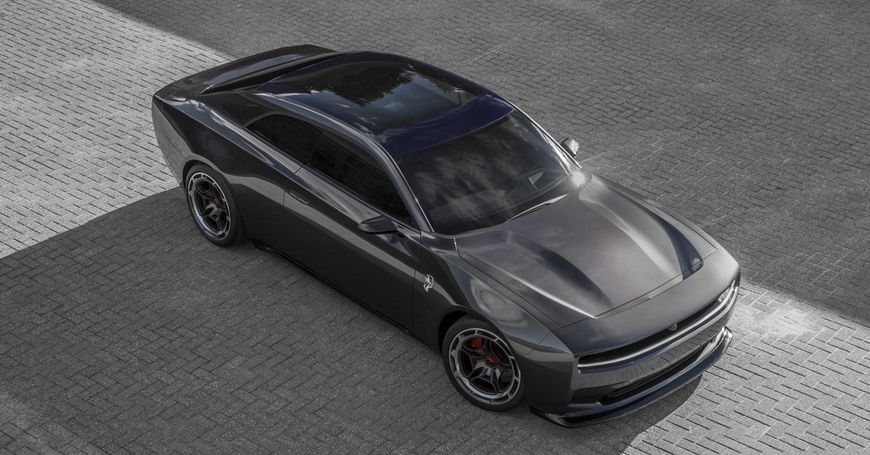
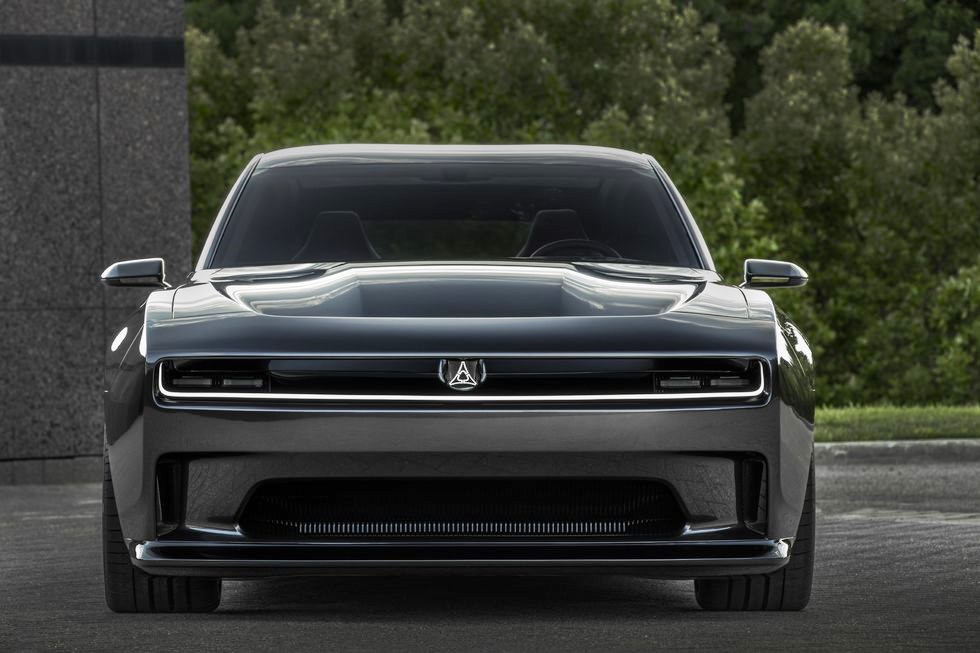
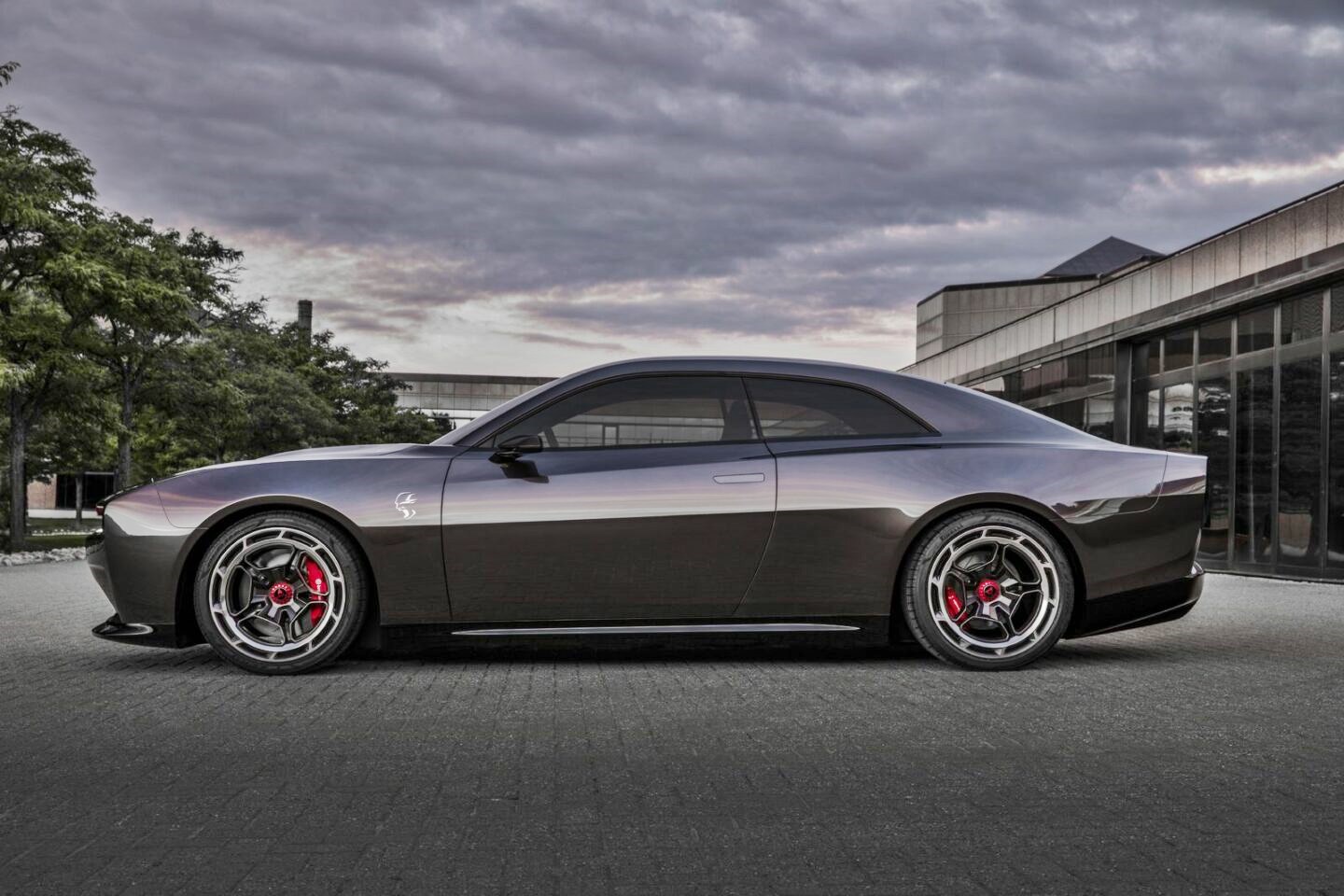
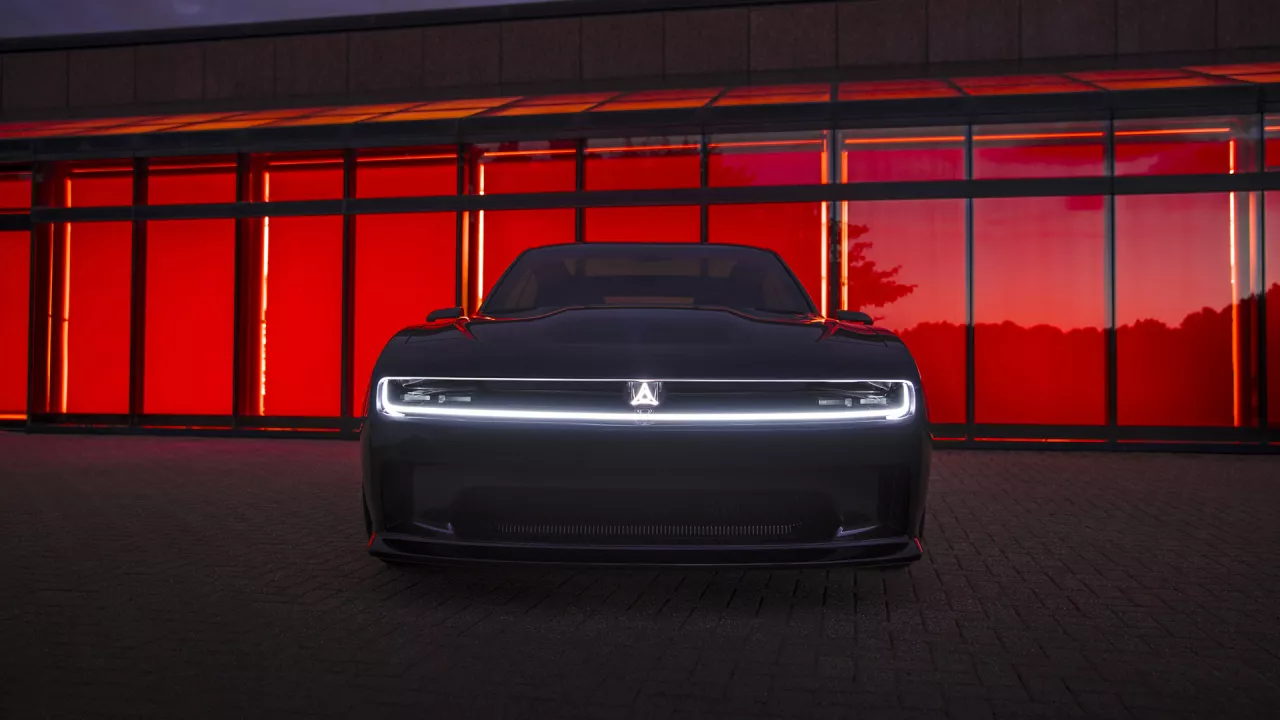
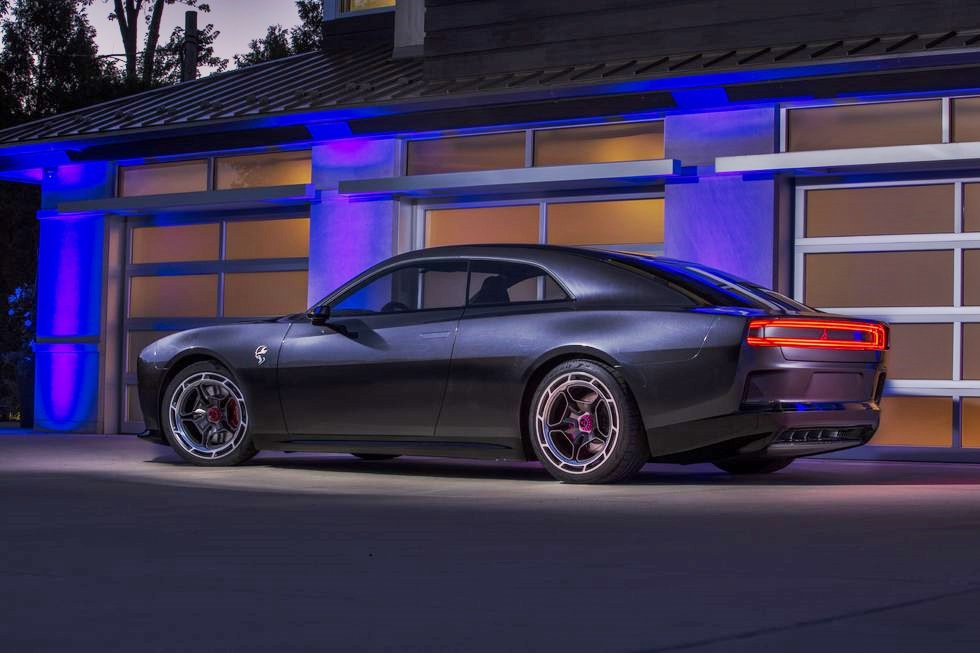
The Charger Daytona SRT Concept shows how the company will shape its future musclecar. It retains the sporty styling cues of Dodge musclecars and is said to also go like one, but it runs on electricity instead of high-octane petrol.
The 2-door concept’s exterior styling incorporates subtle Dodge heritage cues that are reminiscent of the iconic 1968 Charger, with the vertical grille details adding texture. The patent-pending R-Wing redefines the typical Dodge front end, maintaining the characteristically blunt Dodge profile while developing a more aerodynamic vehicle.
The R-Wing, which pays homage to the original Charger Daytona, allows air to flow through the front opening, enhancing downforce. Incorporated into this functional performance bonnet, the R-Wing delivers an aerodynamically improved pass-through design. Carbonfibre intakes tucked into both sides of the front and rear lower fascias provide an air curtain to assist in exceeding aerodynamic performance targets.
Giving the concept the ‘Daytona SRT’ name carries with it great performance expectations because it recalls the famed Charger Daytona model that was the first vehicle to break 320 km/h on a NASCAR track in 1970.
This performance will be delivered by a new propulsion system that Dodge calls ‘Banshee’. Its 800V system will give performance levels faster than the Hellcat. Unlike typical EVs, the eRupt multi-speed transmission for the concept car has electro-mechanical shifting with distinctive shift points. All-wheel drive provides stability and grip as well as all-weather capability.
The Charger Daytona SRT Concept also boasts a PowerShot push-to-pass feature. Activated by the push of a button on the steering wheel, this feature creates a boosted output (figures are not given) that quickens acceleration for brief periods.
While quietness is used as a selling point of EVs, Dodge has given this electric musclecar the sort of sound that will be missed in future. It’s 126 dB roar comparable to that of the SRT Hellcat, generated through a new, patent-pending Fratzonic Chambered Exhaust system (yes, an exhaust on an EV).
The industry-first Fratzonic Chambered Exhaust works by generating sound through an amplifier and tuning chamber located at the rear of the vehicle. So far, enthusiasts have had mixed feelings about this special feature, some finding it weird as they know it is artificially created. Torreto would probably not appreciate it, even if the performance is as strong as his Charger.
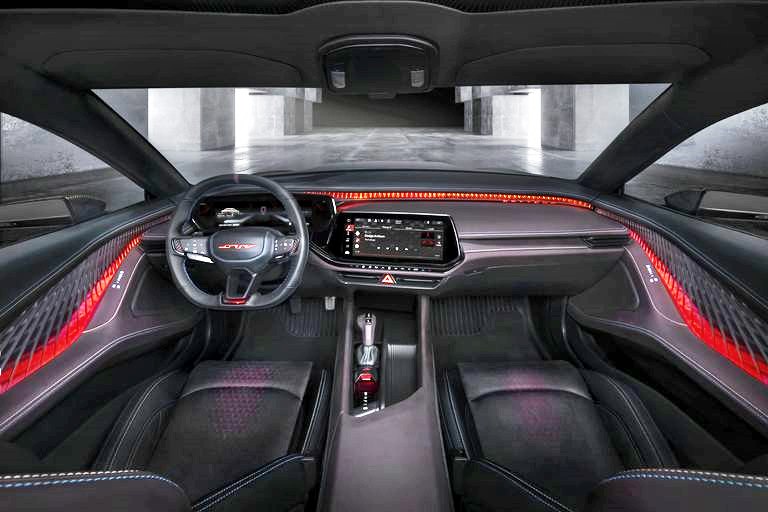
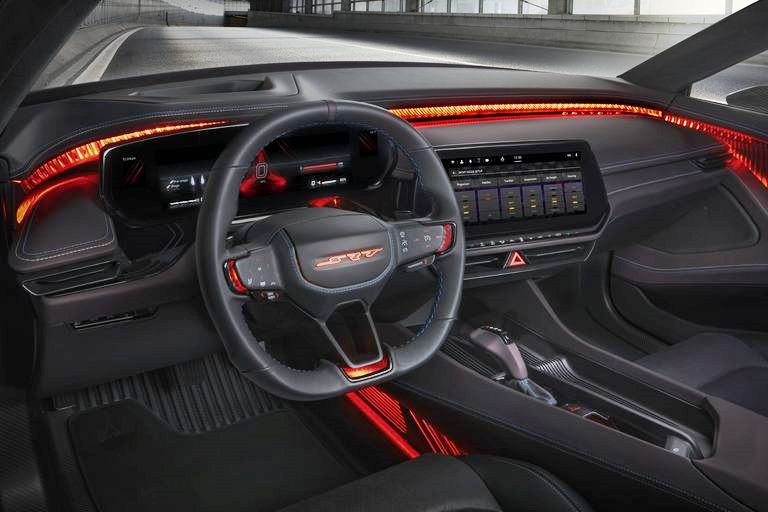
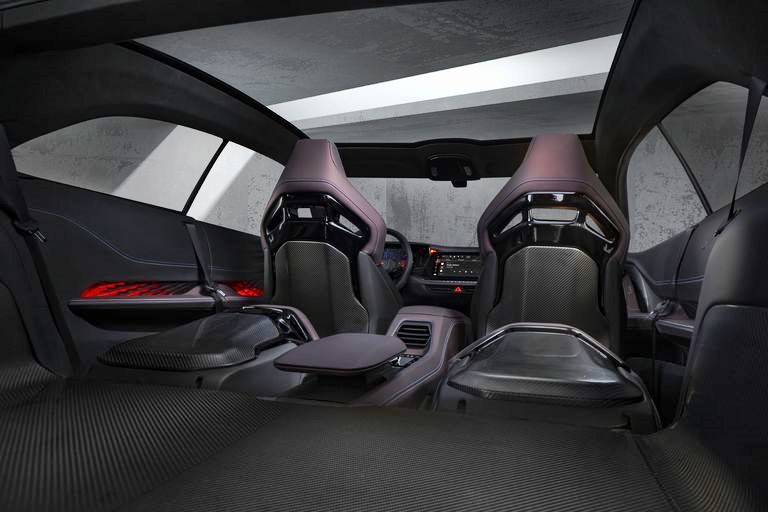
The interior is modern, lightweight and athletic, providing a driver-centric cockpit with all essentials cohesively packaged. The 12.3-inch centre screen is the largest ever fitted in a Dodge vehicle, complemented by a 16-inch curved instrument. An 8×3-inch H ead-up Display puts additional information ahead of the driver on the windscreen.
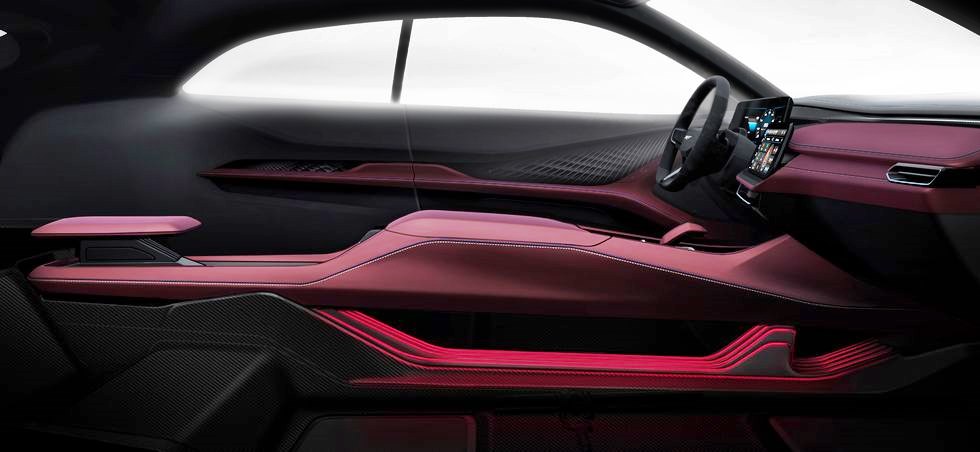
The slim, instrument panel (IP) and mid-bolster in Ultraviolet colour with blue and silver accent stitching feature a ‘waterline’ that extends cross-car. The upper IP is a step higher, an elevation change that creates a sculptural surface floating above the cluster. The Ultraviolet colour also touches multiple interior surfaces, such as the console, doors and seats, creating a halo that works with the Attitude Adjustment Lighting to enhance shadows and highlights.
A parametric texture unites the interior and provides a connection to the exterior by continuing the inspiration of the 1968 Charger grille detail on the inside. The parametric pattern adds fluidity and sculpture, spanning from the IP to door appliques, beneath the console and continuing to the rear armrests and rear console.
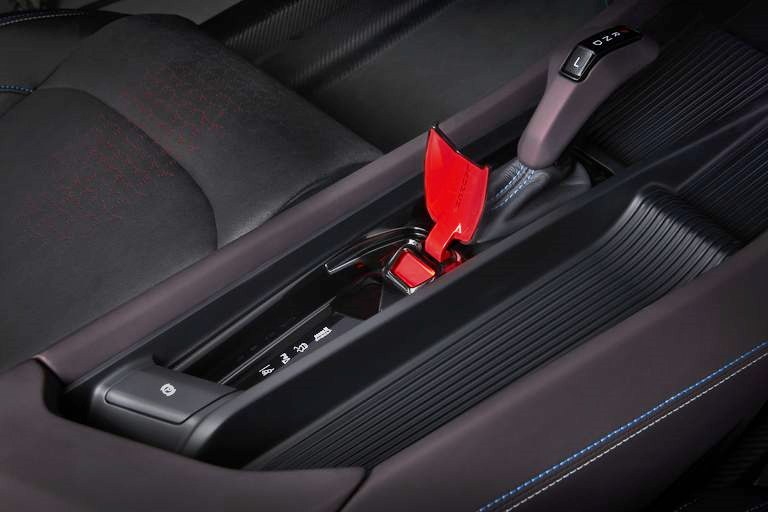
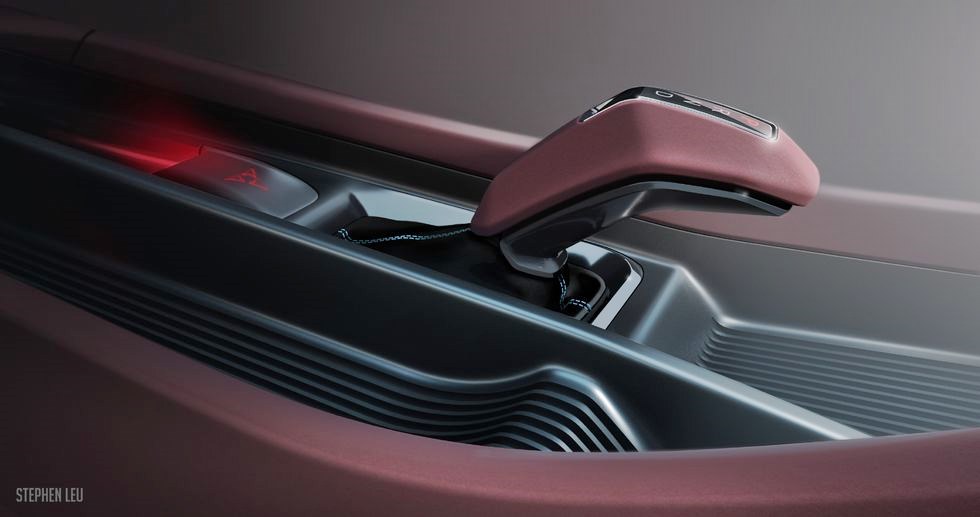
Circuit-like graphics originate on the carbonfibre floor and are strategically placed to surround occupants, flowing under the seats, moving to the centre console and dashboard, and coming back to the driver, a subtle detail that acts as a circuit board, connecting one to another The.centre console includes a unique jet-fighter-inspired cap that flips up to allow engagement of the start button and a pistol-grip shifter design inspired by the past,
The concept seats are lightweight, race-inspired and slim in design, with an insert that features an abstract, perforated pattern of the Fratzog logo. The unique pattern fades out as it travels down the seat and reappears as it flows toward the centre of the seatbacks. The upper seatbacks feature openings and seat bolsters that provide an airy, race-oriented feel, while holding occupants.
“The Dodge Charger Daytona SRT Concept exists because performance made us do it,” said Tim Kuniskis, Dodge brand CEO – Stellantis. “Dodge is about muscle, attitude and performance, and the brand carries that chip on its shoulder and into the EV segment through a concept loaded with patents, innovations, and performance features that embody the electrified muscle of tomorrow.”
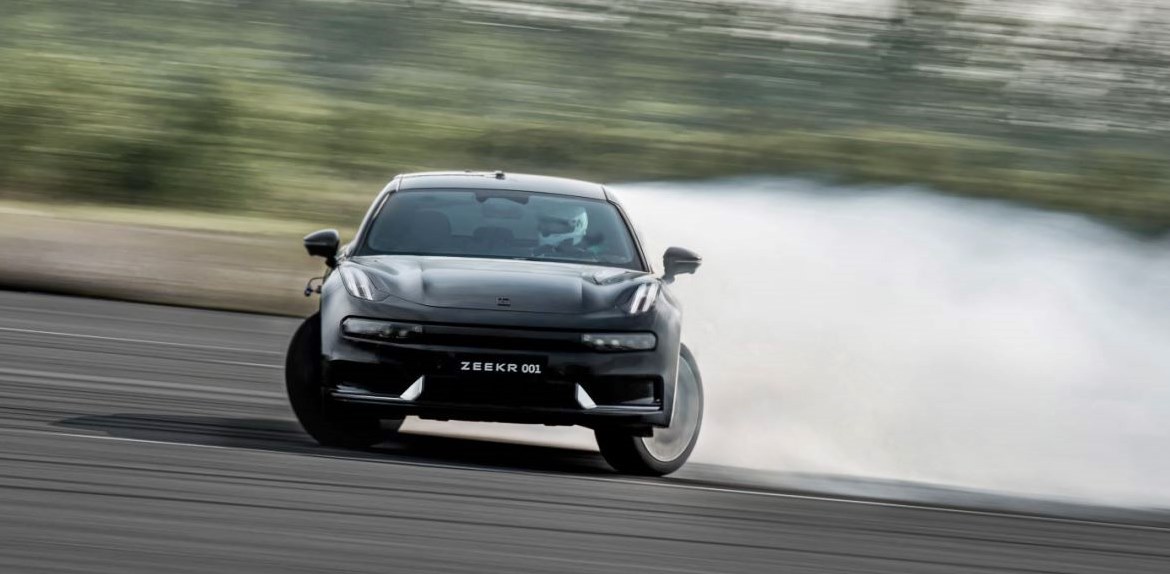
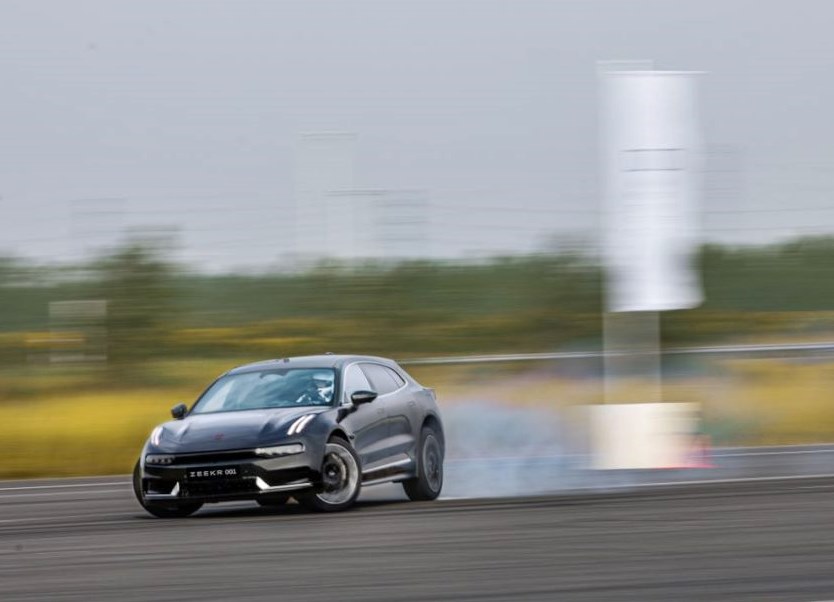
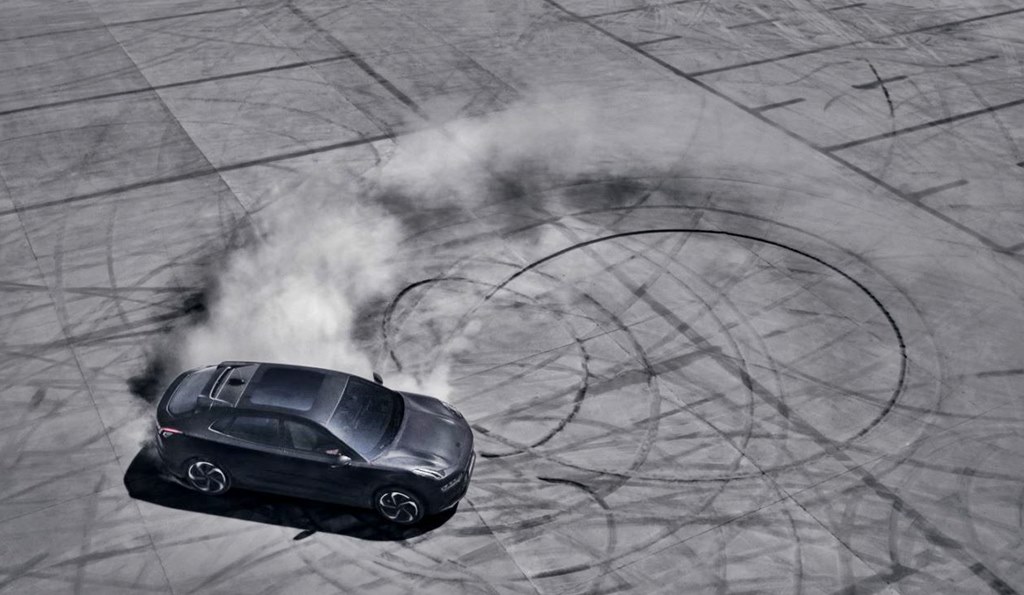
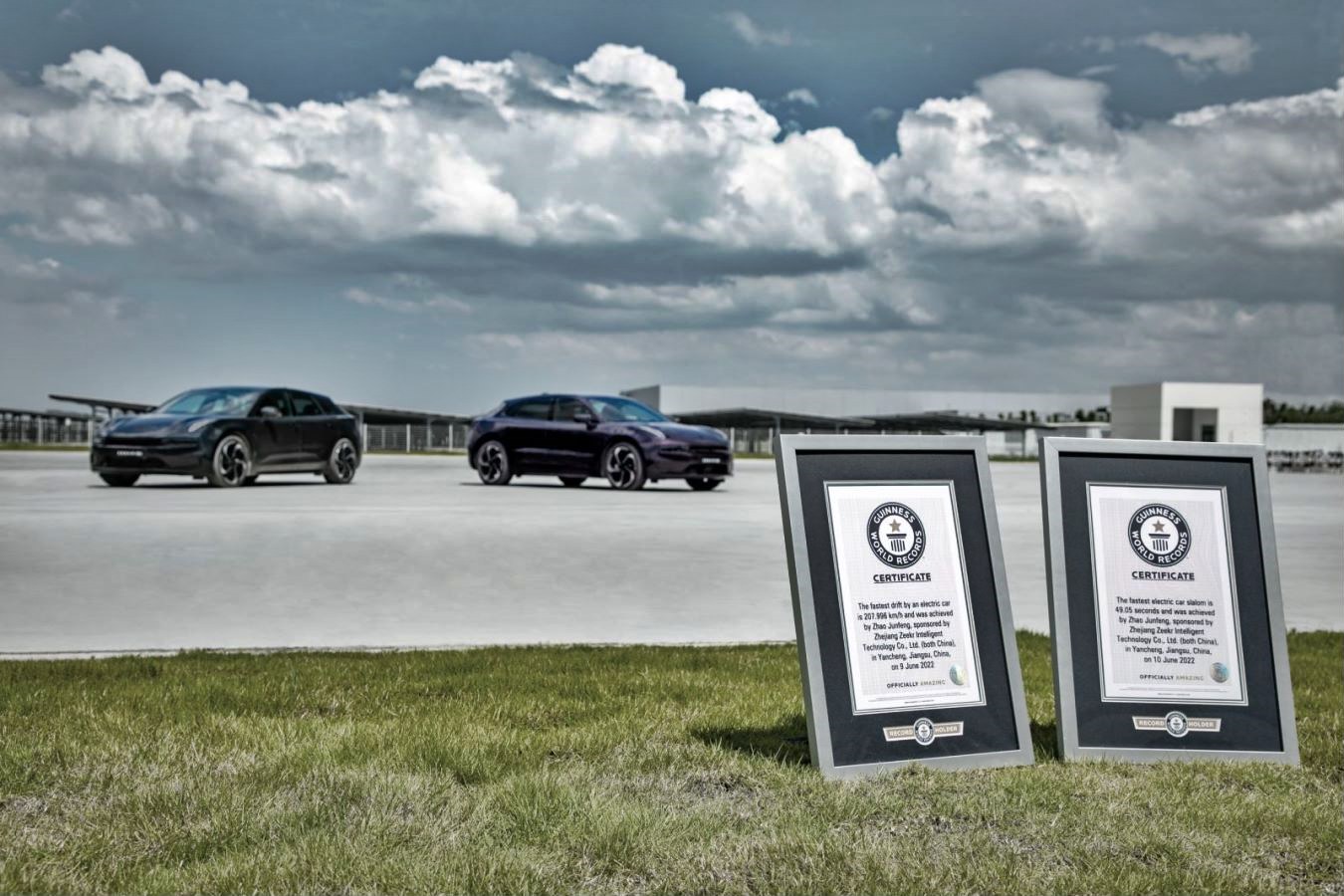
ZEEKR, a brand in the Geely group dedicated to EVs, has set two new Guinness World Records for electric cars – one for the fastest drift and the other for the fastest through a slalom. The records were achieved less than a year since the brand started delivering cars to customers in China.
The fastest EV drift requires the vehicle to achieve greater than 160 km/h and the 001 model was able to reach a maximum speed of 207.996 km/h. The EV has a high-performance dual electric drive powertrain which generates instantaneous torque of up to 7,680 Nm. It is capable of going from standstill to 100 km/h in 3.8 seconds.
Of course, when you hit such a high speed and put the car sideways, superior control is needed and ZEEKR says that the 001’s high-performance chassis suspension system maximizes body stability so the driver can maintain consistent and precise drifting right on the edge of the performance envelope.
For the second record, the 001 weaved between 50 cones equally spaced and completed the course, without touching or knocking any down, in 49.05 seconds. The stability and precision were maximized by the electric 4-wheel drive, with the intelligent power distribution and the balance between the front and rear wheels allowing the 001 to switch directions qucikly as it travelled at high speed around each cone .
The records were set recently under the supervision of an adjudicator from the Guinness World Records organization at the CATARC proving ground in China.
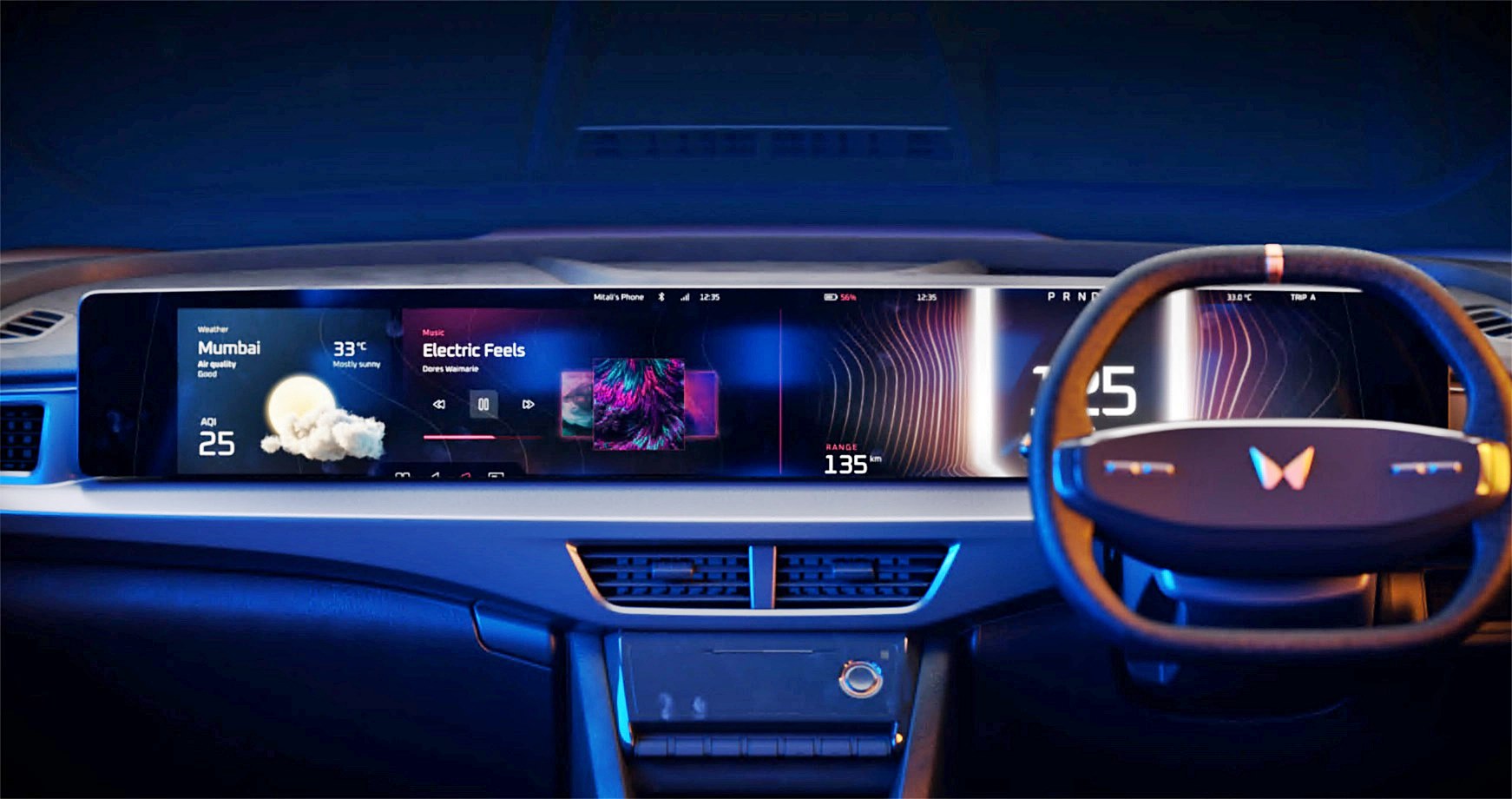
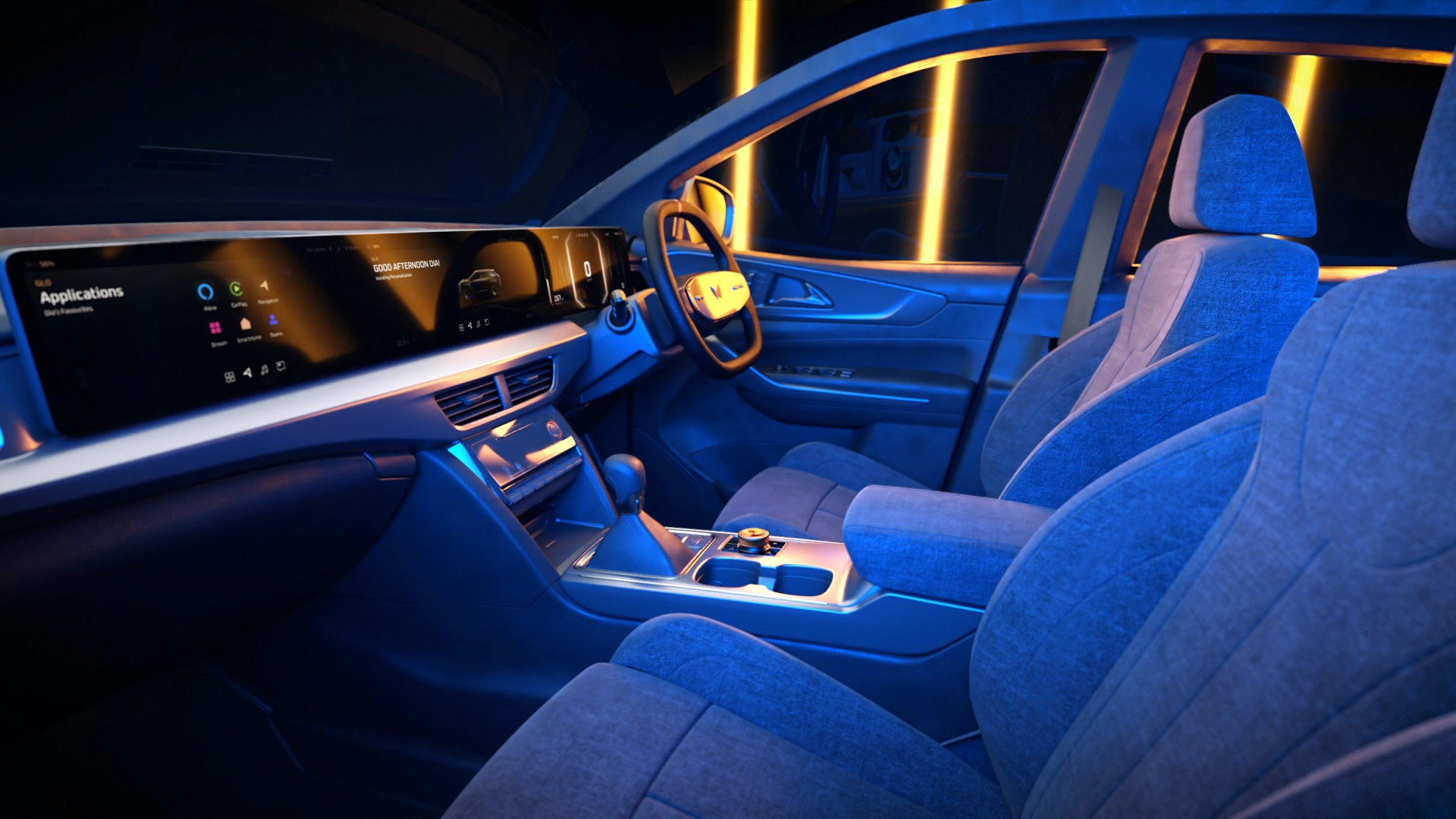
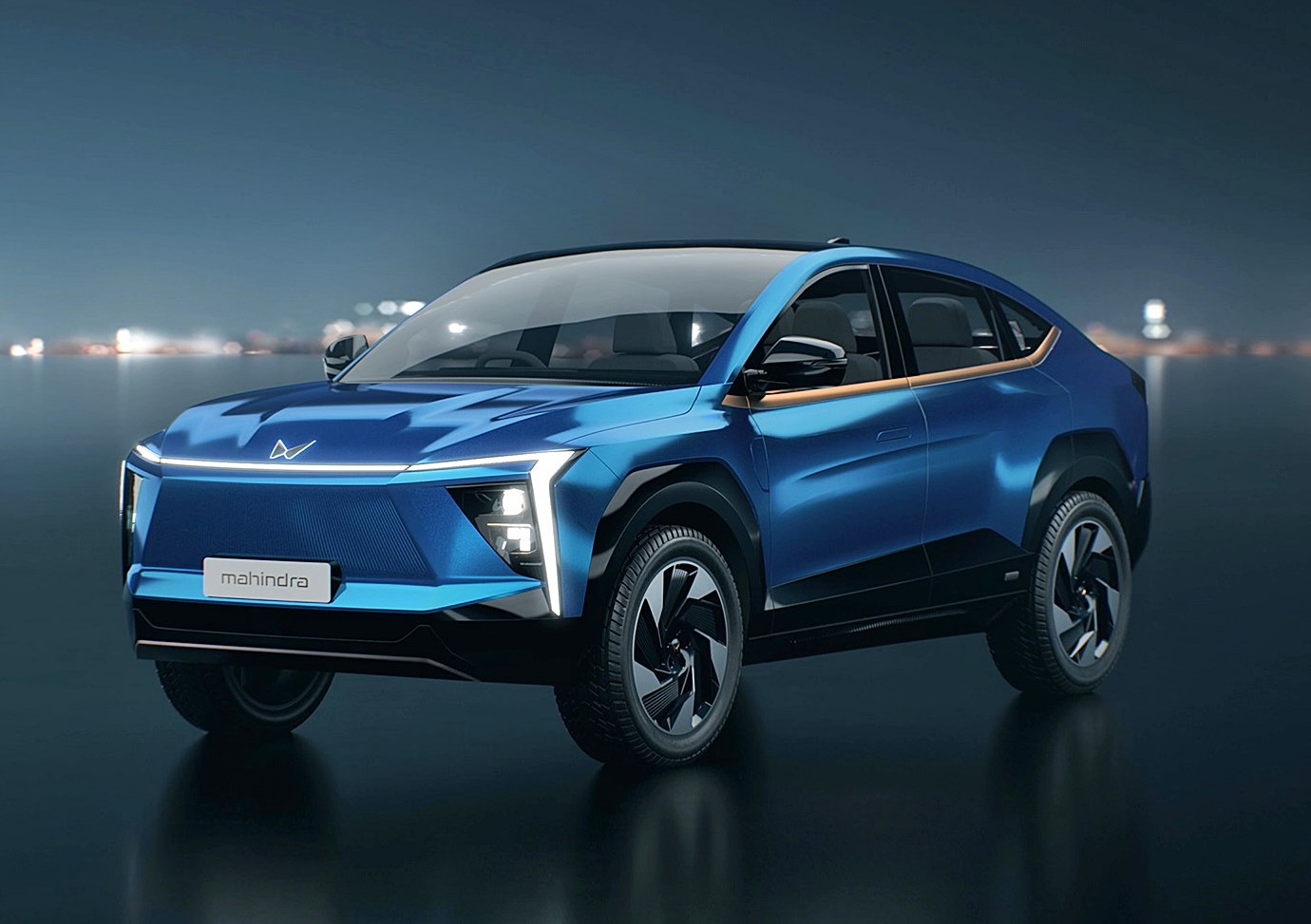
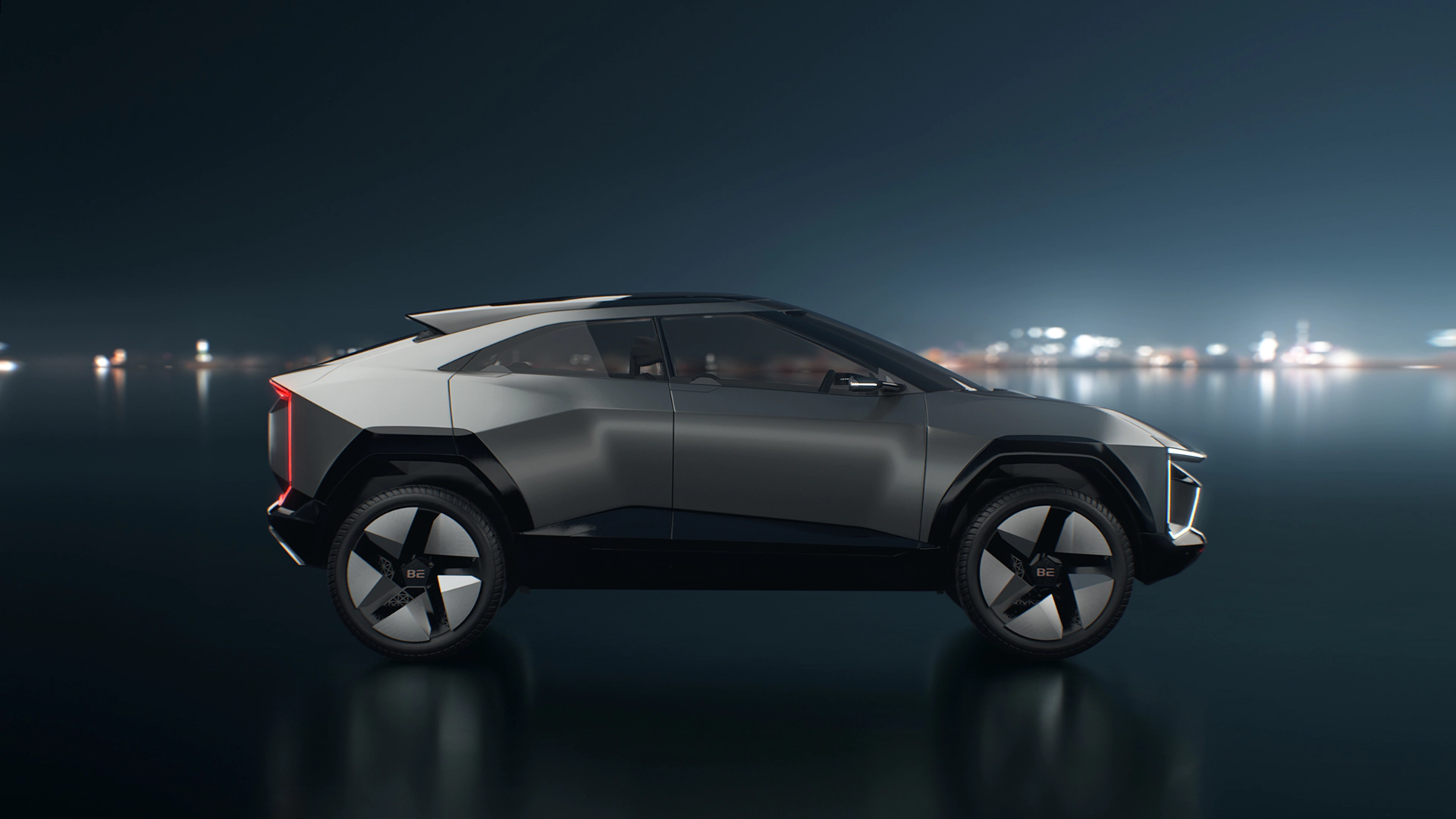
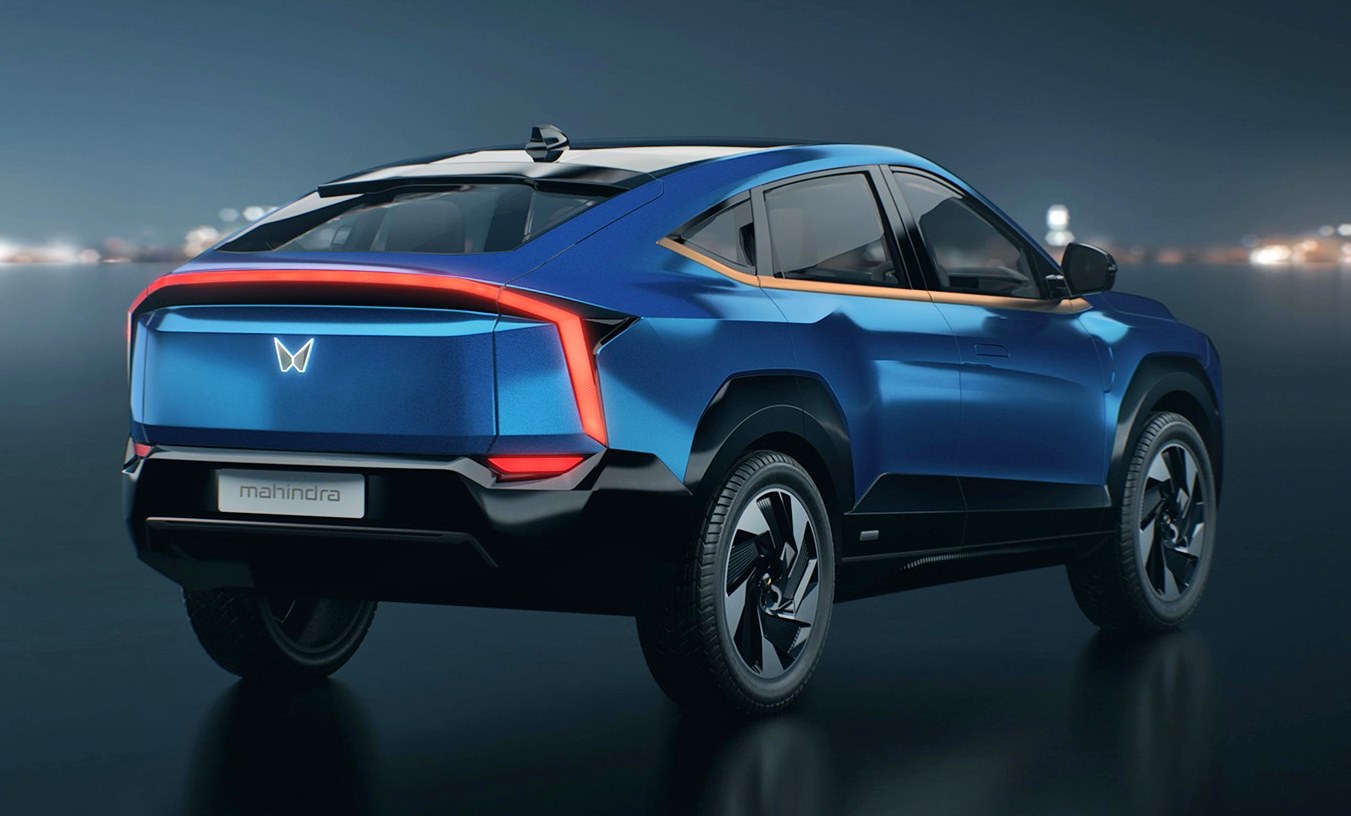
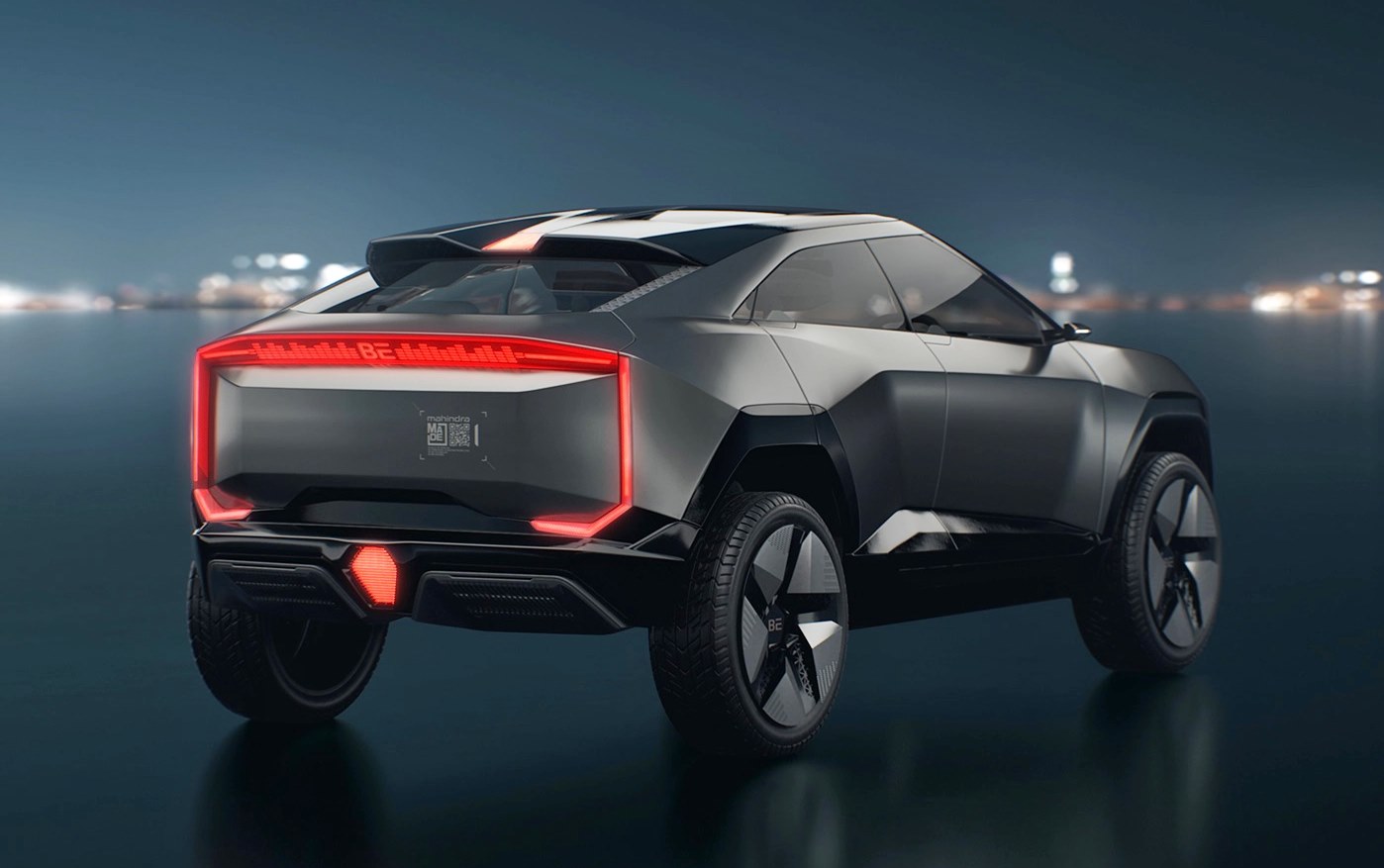
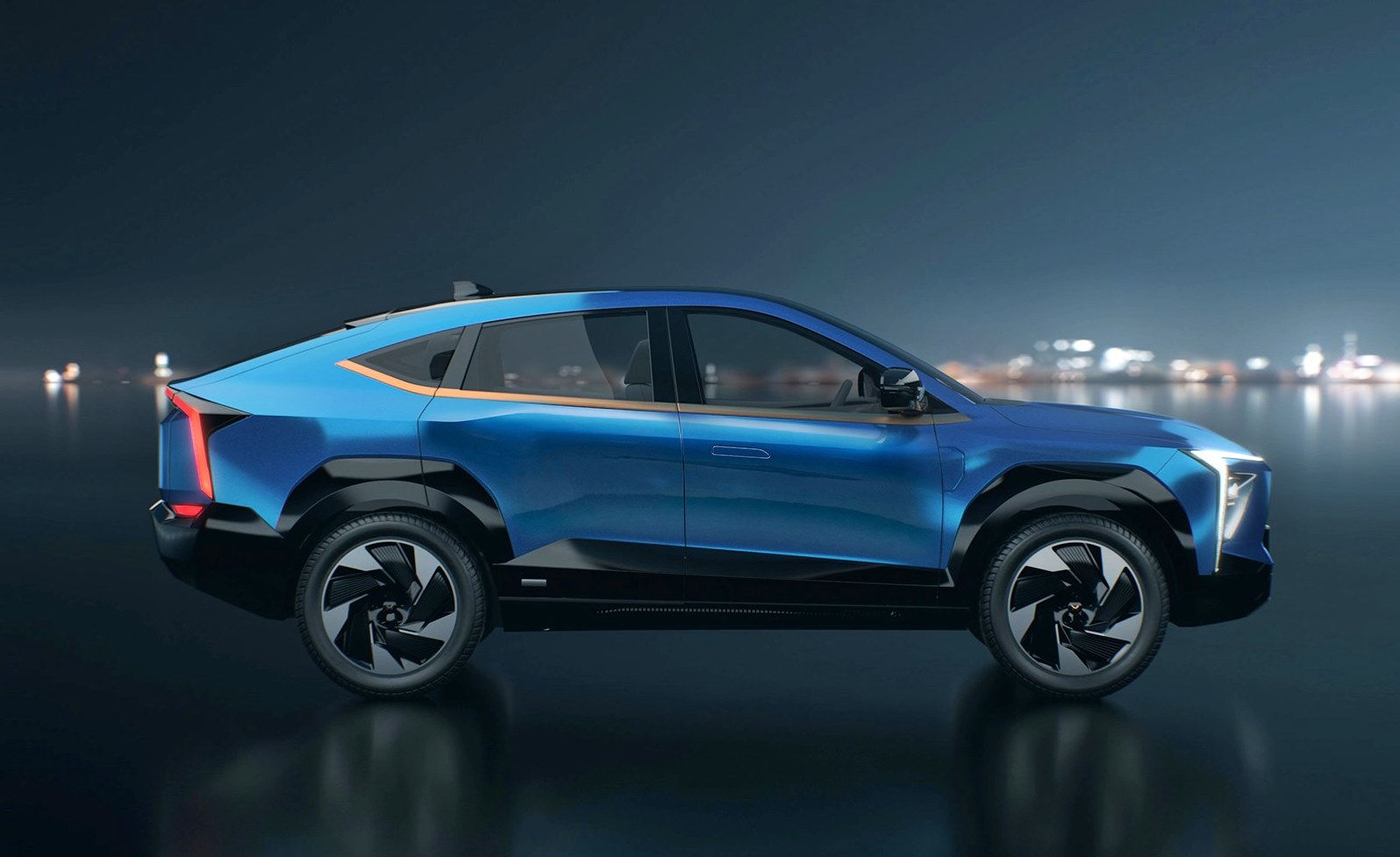
Mahindra & Mahindra, India’s leading SUV manufacturer, has officially opened its new design centre of excellence in England which will serve as the ‘conceptual hotbed’ for the company’s portfolio of future EV products. Known as Mahindra Advanced Design Europe (M.A.D.E), the facility is part of the Mahindra Global Design Network that includes the Mahindra India Design Studio in Mumbai.
To create future EVs The role of M.A.D.E. is to conceive and create all future EVs and advanced vehicle design concepts. It is equipped with state-of-the-art design tools, enabling it to handle end-to-end design activities including conceptualisation, 3D digital and physical modelling, Class-A surfacing, digital visualisation and Human-Machine Interface (HMI) design.
It also incorporates a complete digital visualisation suite, clay modelling studio, VR digital modelling and digital as well as physical presentation areas.
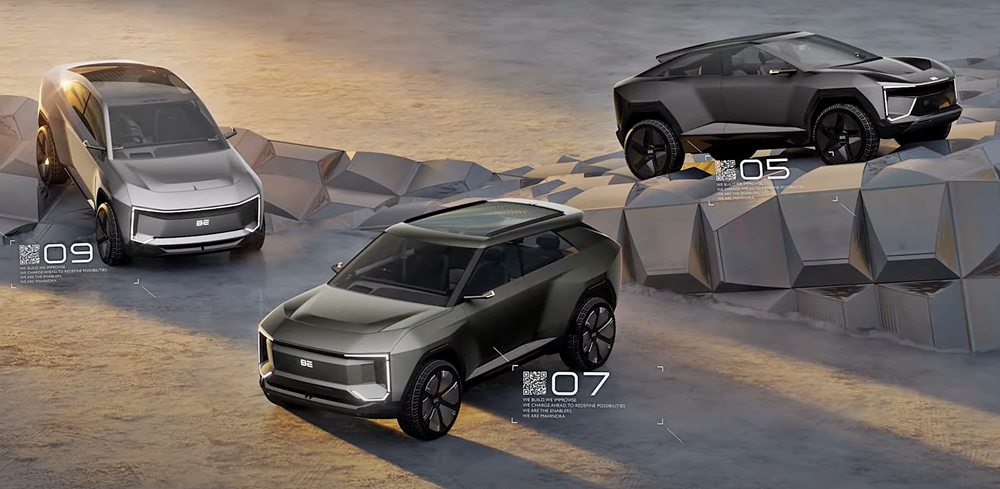
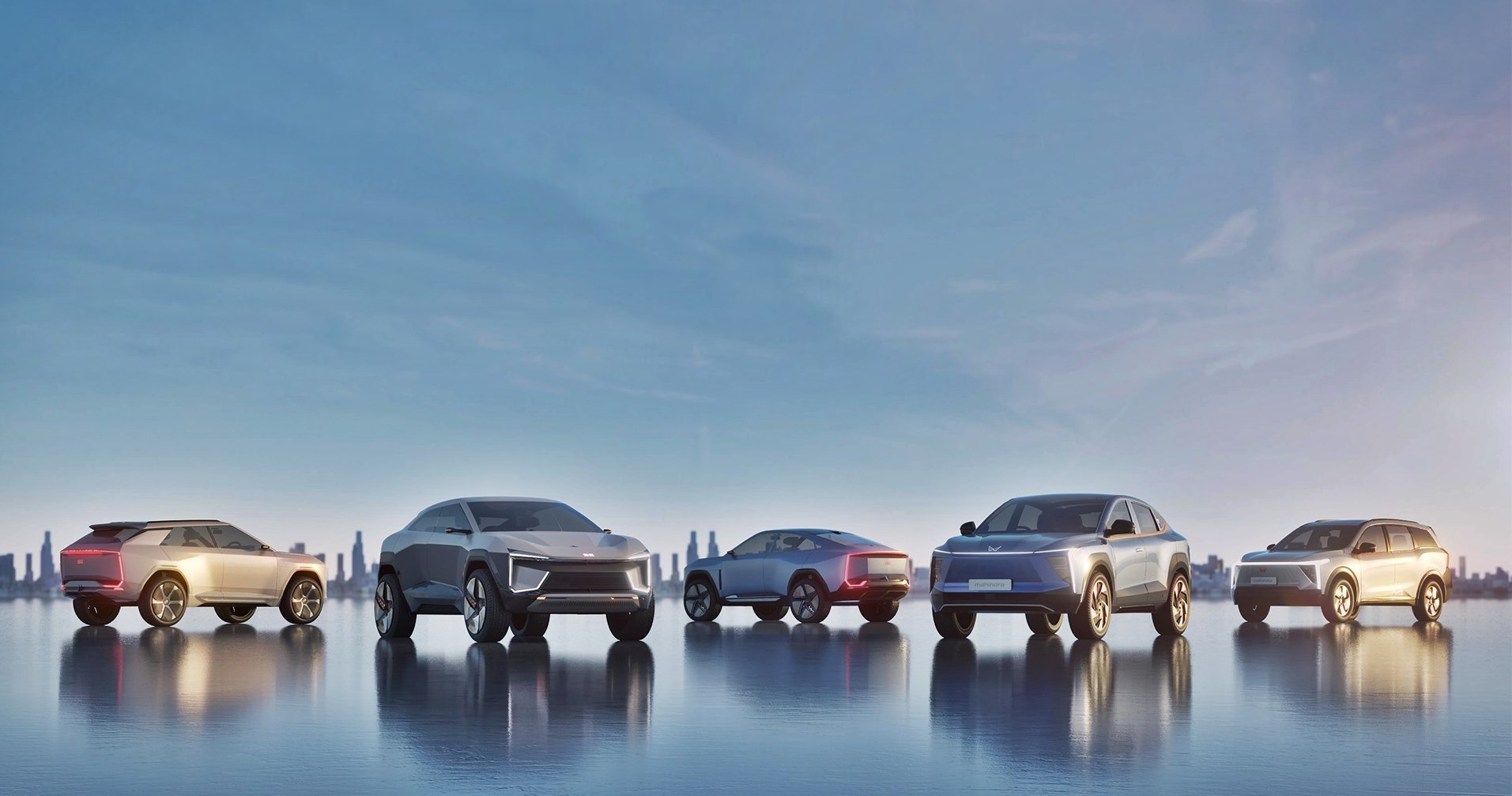
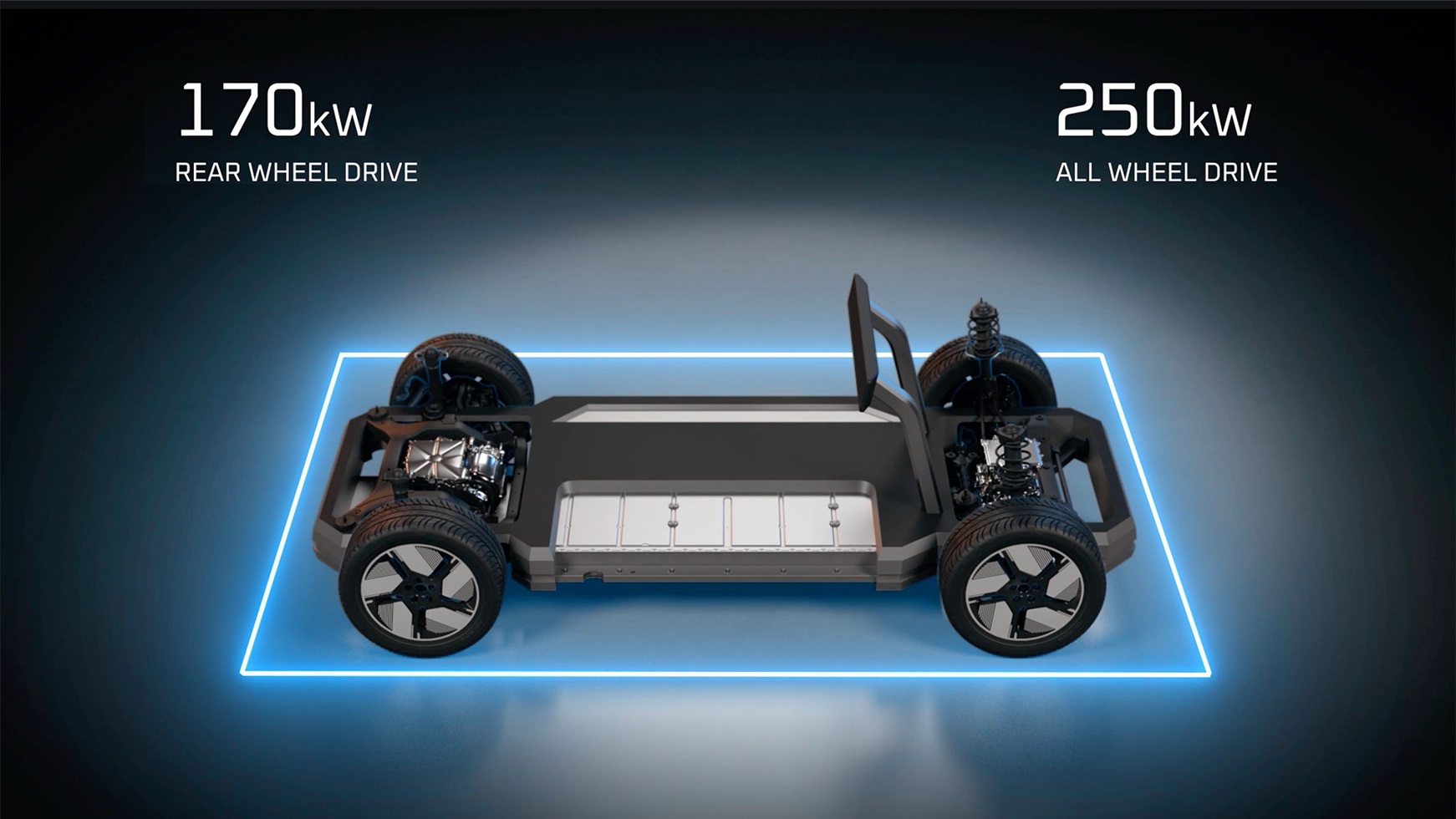
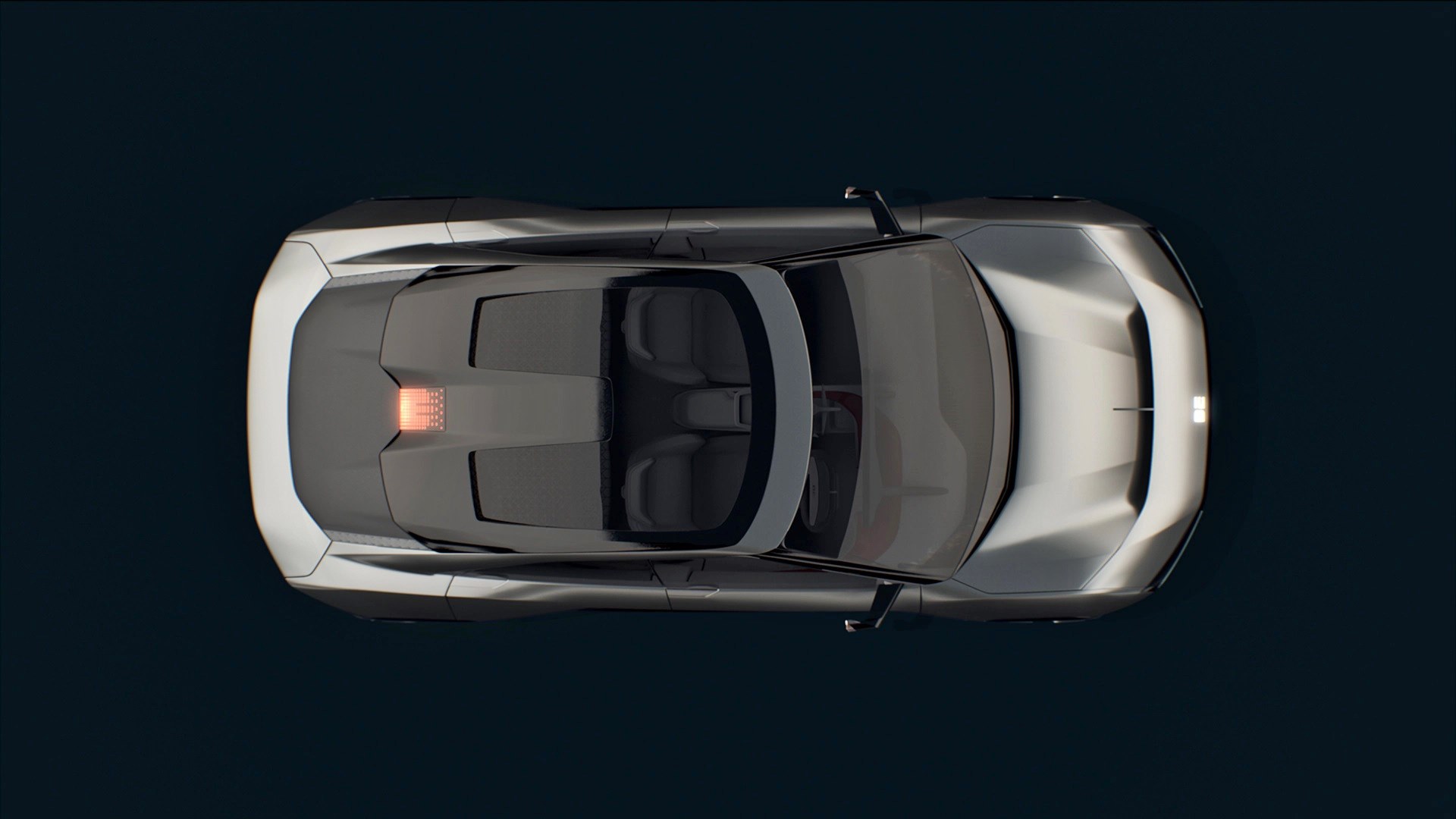
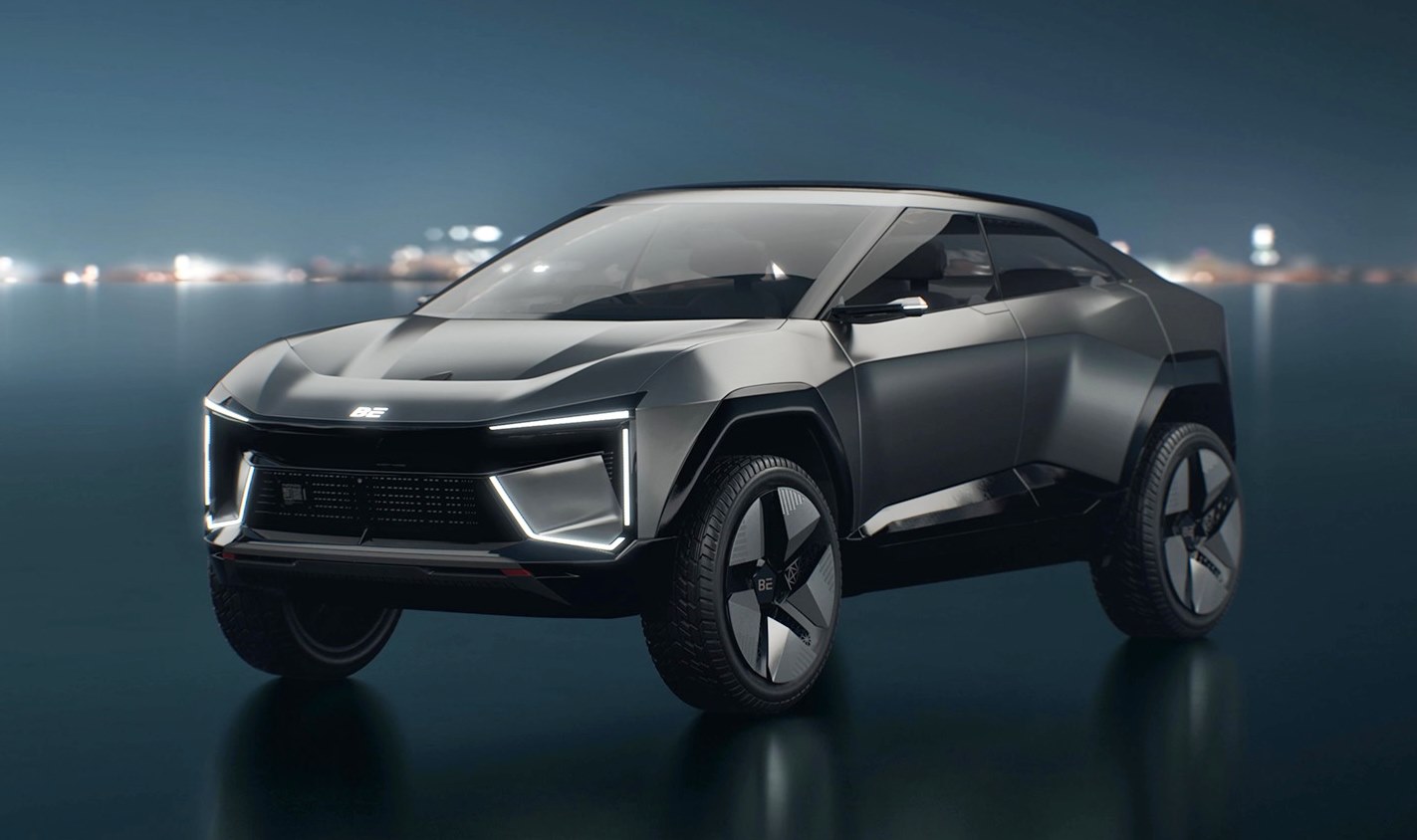
Two brands, 5 e-SUVs During the official opening recently, Mahindra & Mahindra, also presented its new INGLO EV platform (shown above) and 5 e-SUV proposals under two EV brands, showcasing its vision for the future of electric mobility. The new brands, created specifically for EV products are XUV and BE.
The first of the e-SUVs will be launched in December 2024, followed by two in 2025 and one in October 2026. The launch date for the fifth model is not confirmed but it will be a SUV grand tourer.
Cooperation with Volkswagen Group Additionally, Mahindra & Mahindra also announced a strategic cooperation plan with the Volkswagen Group which will see the German carmaker supplying its MEB electric components (electric drivetrain, battery system and battery cells) for the INGLO purpose-built electric platform.
The cooperation intends to have a volume of more than one million units over lifetime for the 5 proposed all-electric SUVs. The two companies also intend to explore further opportunities for collaboration, opening the perspective towards a broader strategic alliance to accelerate the electrification of the Indian automotive market.
This will encompass potential areas of collaboration in the field of e-mobility, including vehicle projects, the localization of battery cell manufacturing, and charging and energy solutions for the electric ecosystem in India.
“We are happy that we have identified a larger scope of collaboration between our two companies. Together, Volkswagen and Mahindra can contribute significantly to the electrification of India, a huge automotive market with ambitious climate protection commitments. The MEB Electric Platform and its components are key to affordable sustainable mobility around the globe. The partnership not only demonstrates that our platform business is highly competitive, but also that the MEB is well on track to become one of the leading open platforms for e-mobility,” said Thomas Schmall, Volkswagen Group Board of Management member for Technology and CEO of Volkswagen Group Components.
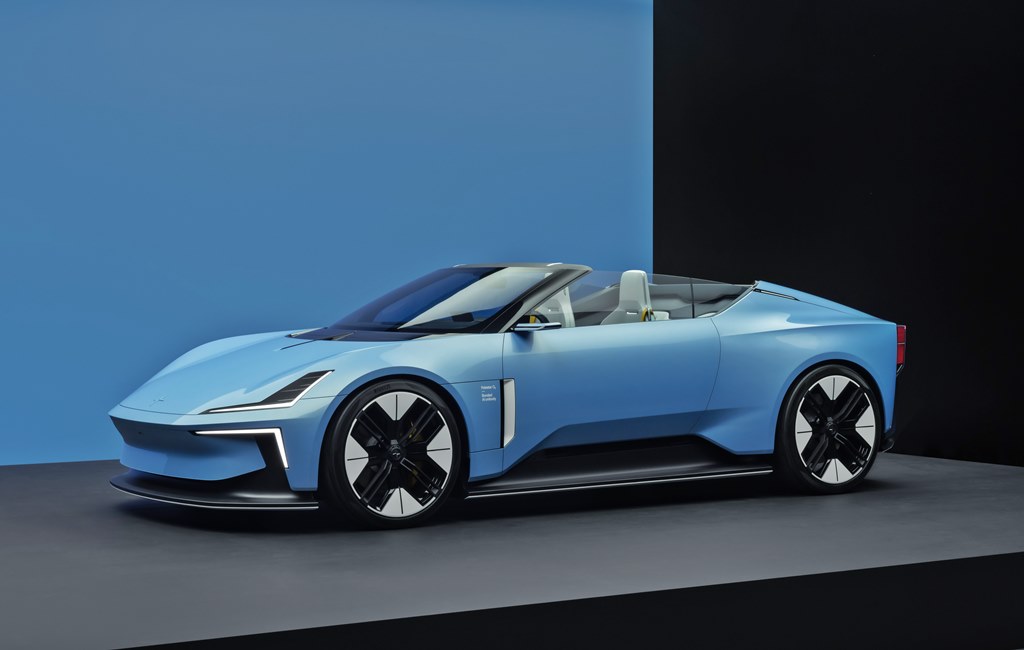
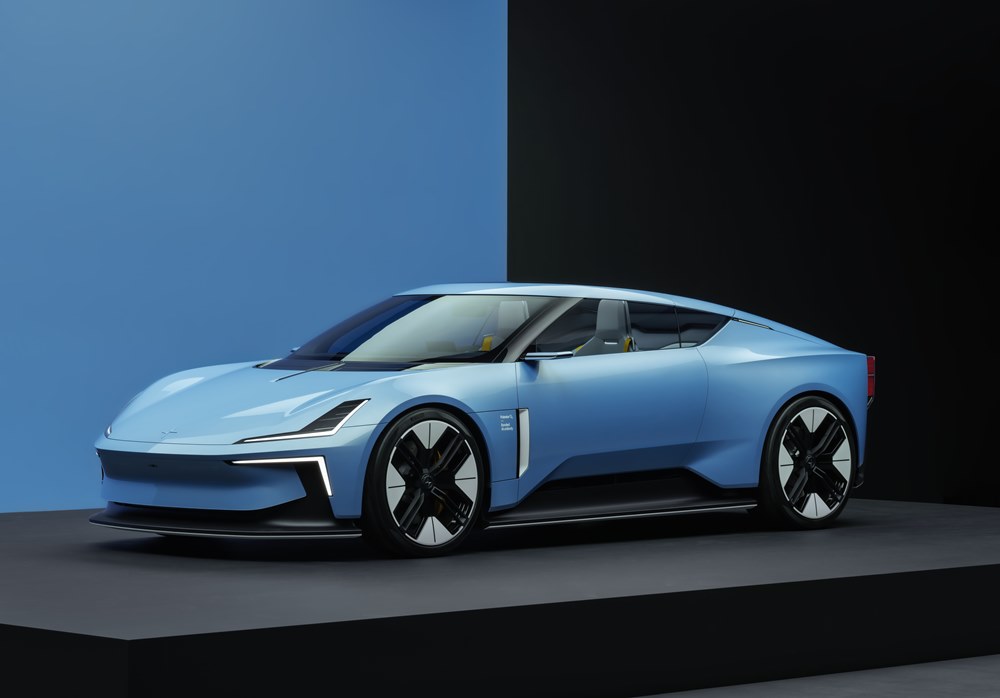
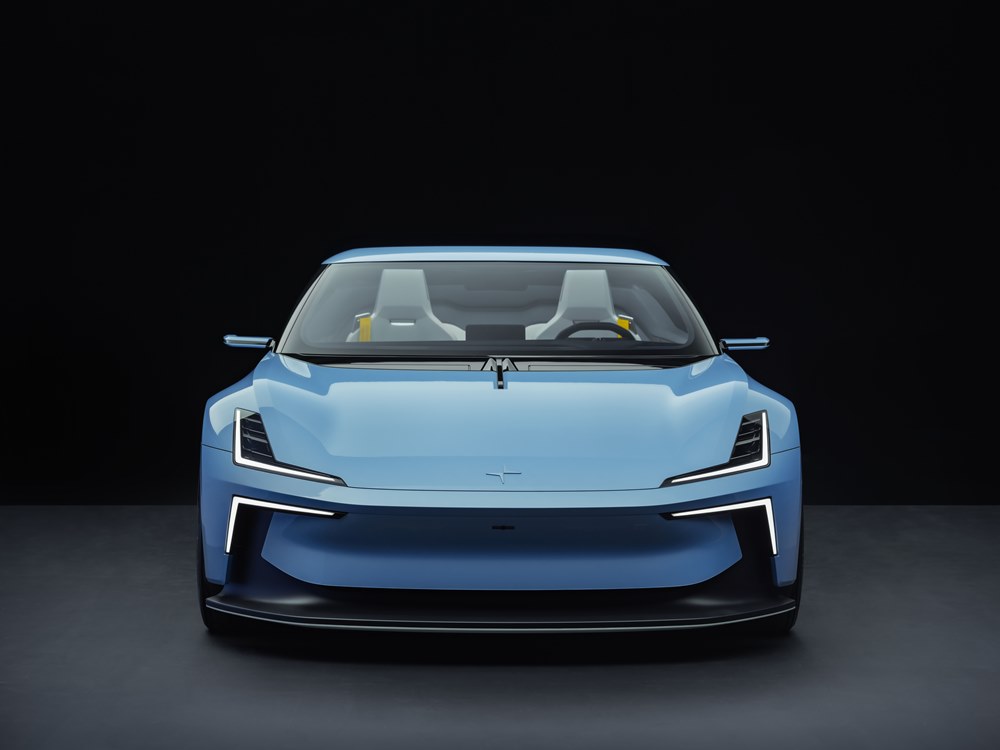
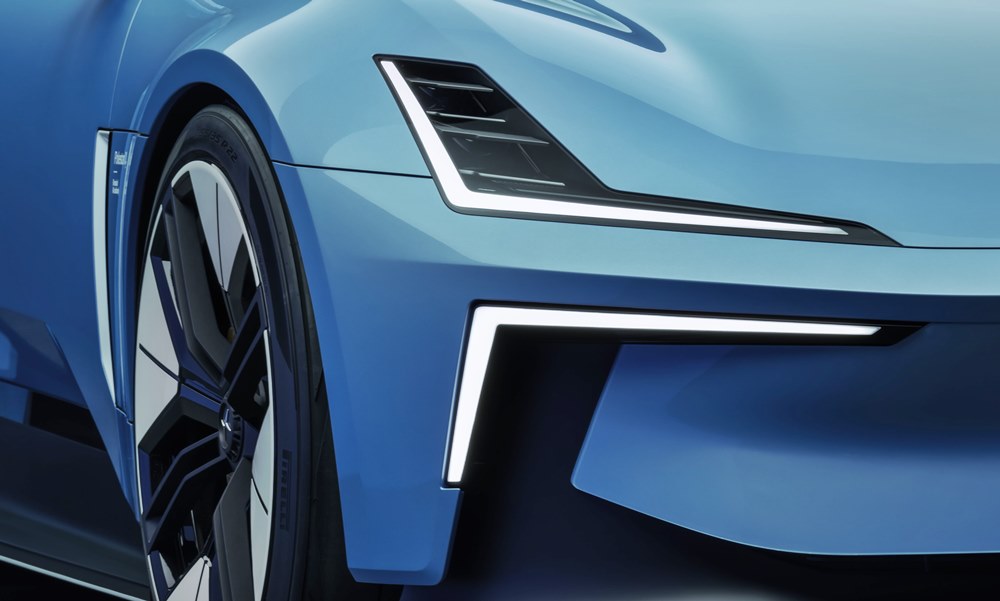
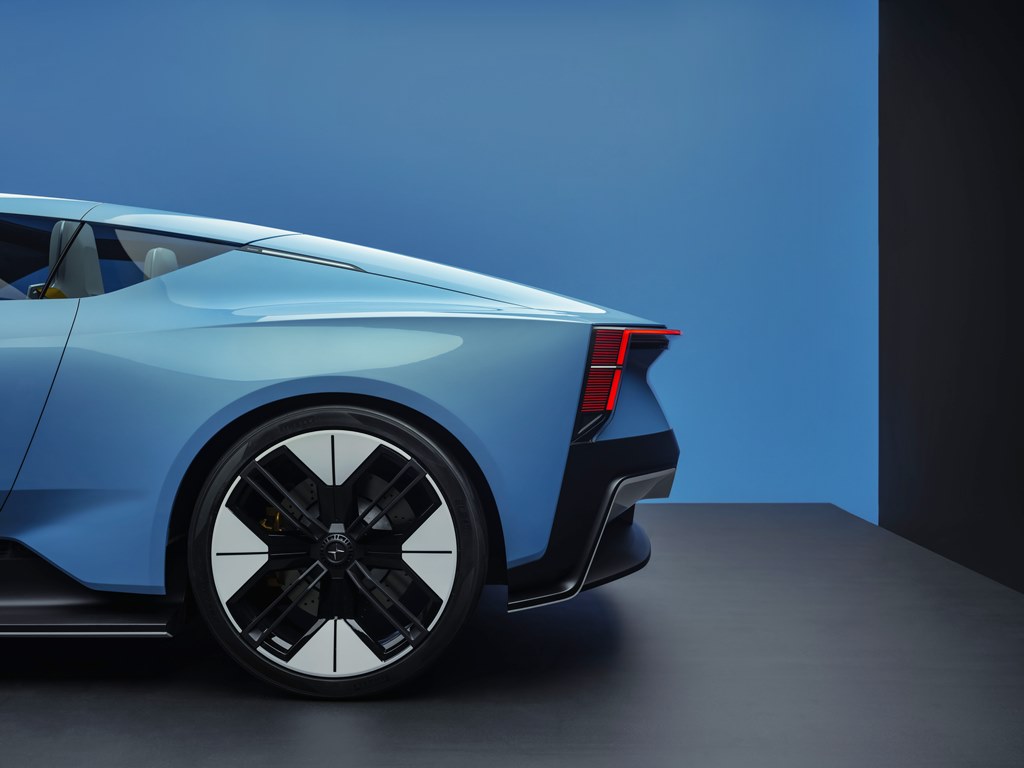
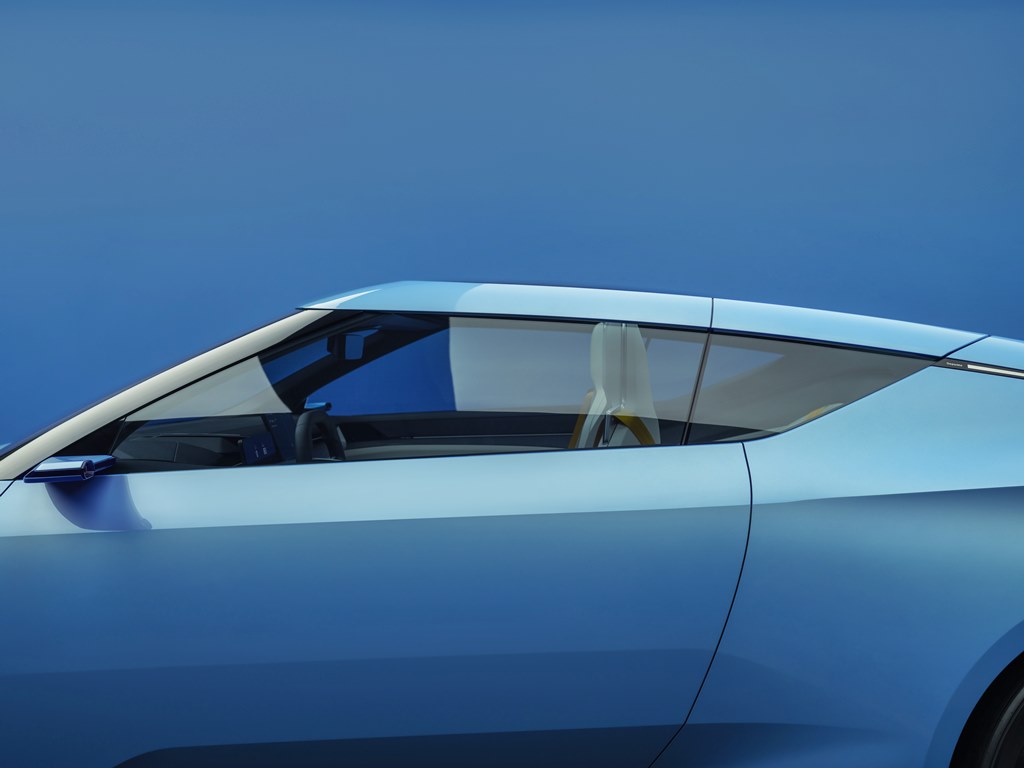
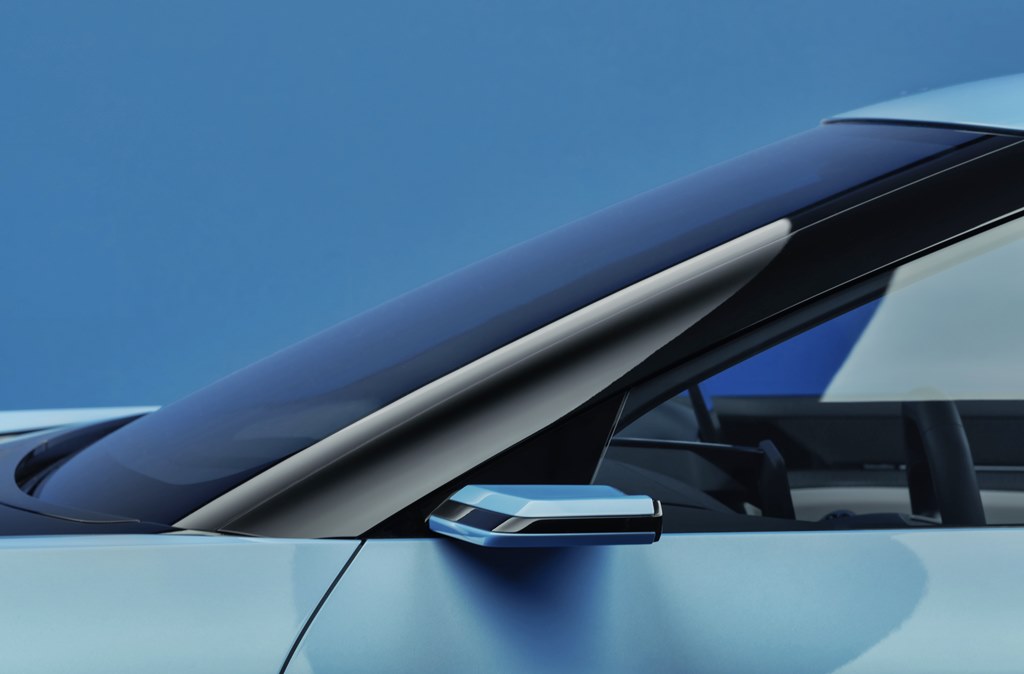
Polestar’s O2 concept shown in March 2022 received such positive and strong response that the Swedish company (part of the Geely Group) has decided to put it into production. The roadster model will be called the Polestar 6 and is expected to make its debut in 2026. Online bookings are now being accepted in markets where the brand has representatives.
884 ps/900 Nm electric powertrain The carmaker makes only battery electric vehicles (BEVs) and the Polestar 6 will have the high-performance, 800V architecture already confirmed for the Polestar 5. This will be able to generate up to 650 kW (884 ps) and 900 Nm from a dual-motor powertrain. The carmaker is targeting a 0 to 100 km/h time of 3.2 seconds, with a top speed of 250 km/h.
When it was presented as the O2 concept, the electric roadster was said to build on the design, technology and sustainability ambitions laid out by the Precept, showcasing the brand’s vision for future sportscars.
“With the overwhelming consumer and press response, we took the decision to put this stunning roadster into production and I am so excited to make it a reality,” says Thomas Ingenlath, Polestar’s CEO. “Polestar 6 is a perfect combination of powerful electric performance and the thrill of fresh air with the top down.”
The hardtop convertible will be built on Polestar’s bespoke bonded aluminium platform. It’s unlikely that the integrated autonomous drone will be included in the production model. This was a special feature with the O2 concept where a drone could be launched from the car and follow it, autonomously recording video from above and around it.
LA Concept Edition To celebrate the launch, 500 numbered units of a special ‘Polestar 6 LA Concept Edition’ are to be produced. They will exclusively feature the unique ‘Sky’ Blue exterior, light leather interior and unique 21-inch wheels of the original O₂ concept.
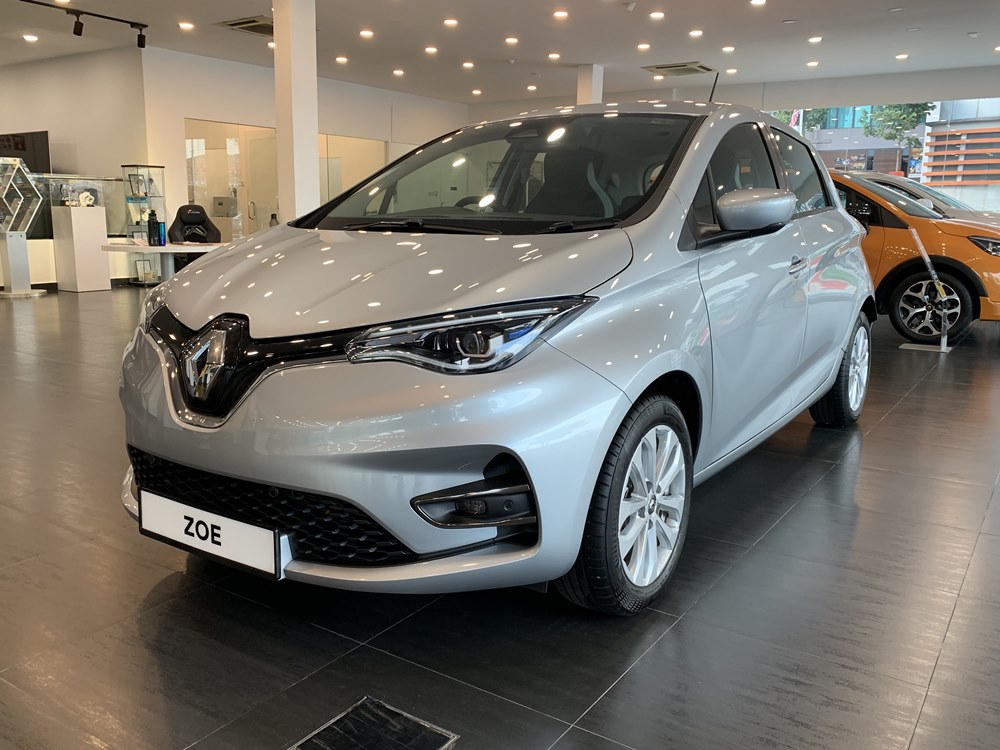
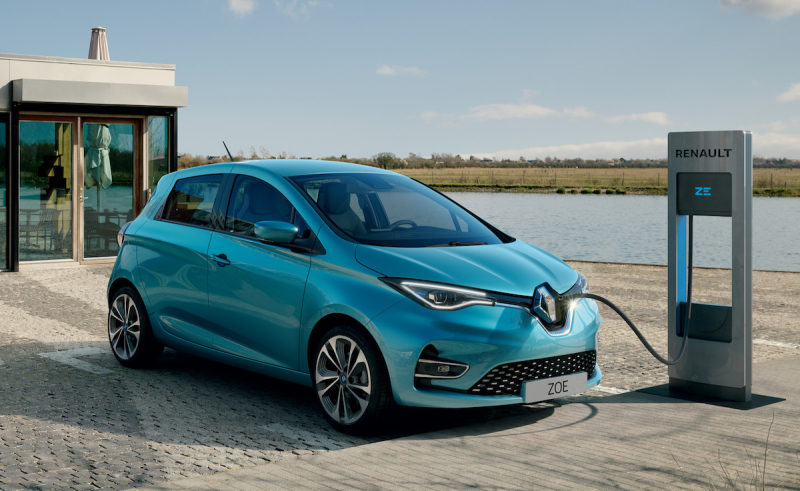
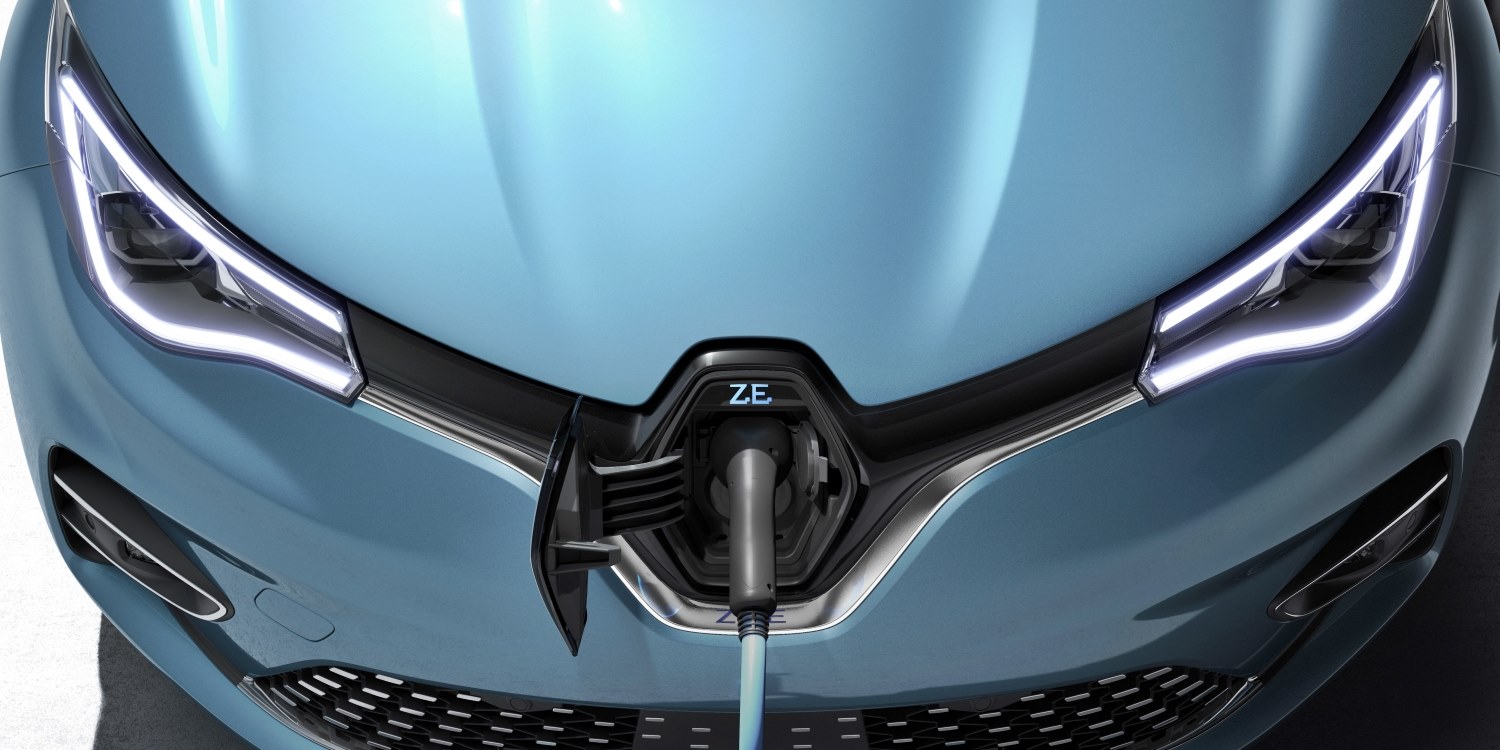
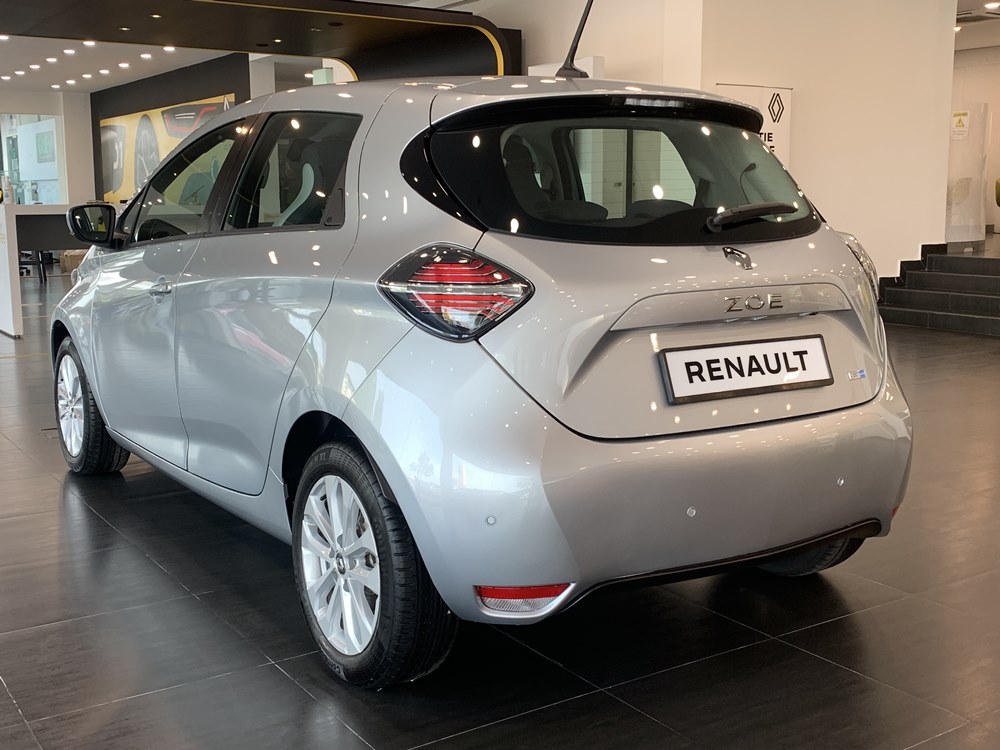
Joining the growing list of electric vehicles (EVs) available in the Malaysian market is the Renault Zoe, imported by TC Euro Cars (TCEC), the sole franchise holder of Renault passenger vehicles in Malaysia. The Zoe is actually not to TCEC as the company brought in a small batch six years ago. However, without incentives from the government and with the limited number of public charging stations then, interest was not great so TCEC focussed on other models in the Renault range.
Now, with the government providing full exemption on import duties, there’s greater interest and there is also a push to develop the charging station network. This will encourage people to consider an EV as they will feel confident of travelling long distances and be able to get their EV ‘refuelled’ with electricity.
The Zoe (its name is derived from ZerOEmission) is a battery electric vehicle (BEV) which means it runs only on electricity, as opposed to be hybrid electric vehicle (HEV) which has a petrol engine and electric motor working together). The model, originally introduced in Europe in 2012, was designed from the outset as a BEV and this latest second generation has the benefit of many technical improvements over the past 10 years.
Two versions TCEC will offer the Zoe in two versions – the Zoe R110 at RM163,000 (without insurance) and the Zoe R13 at an estimated price of RM175,000 (without insurance).
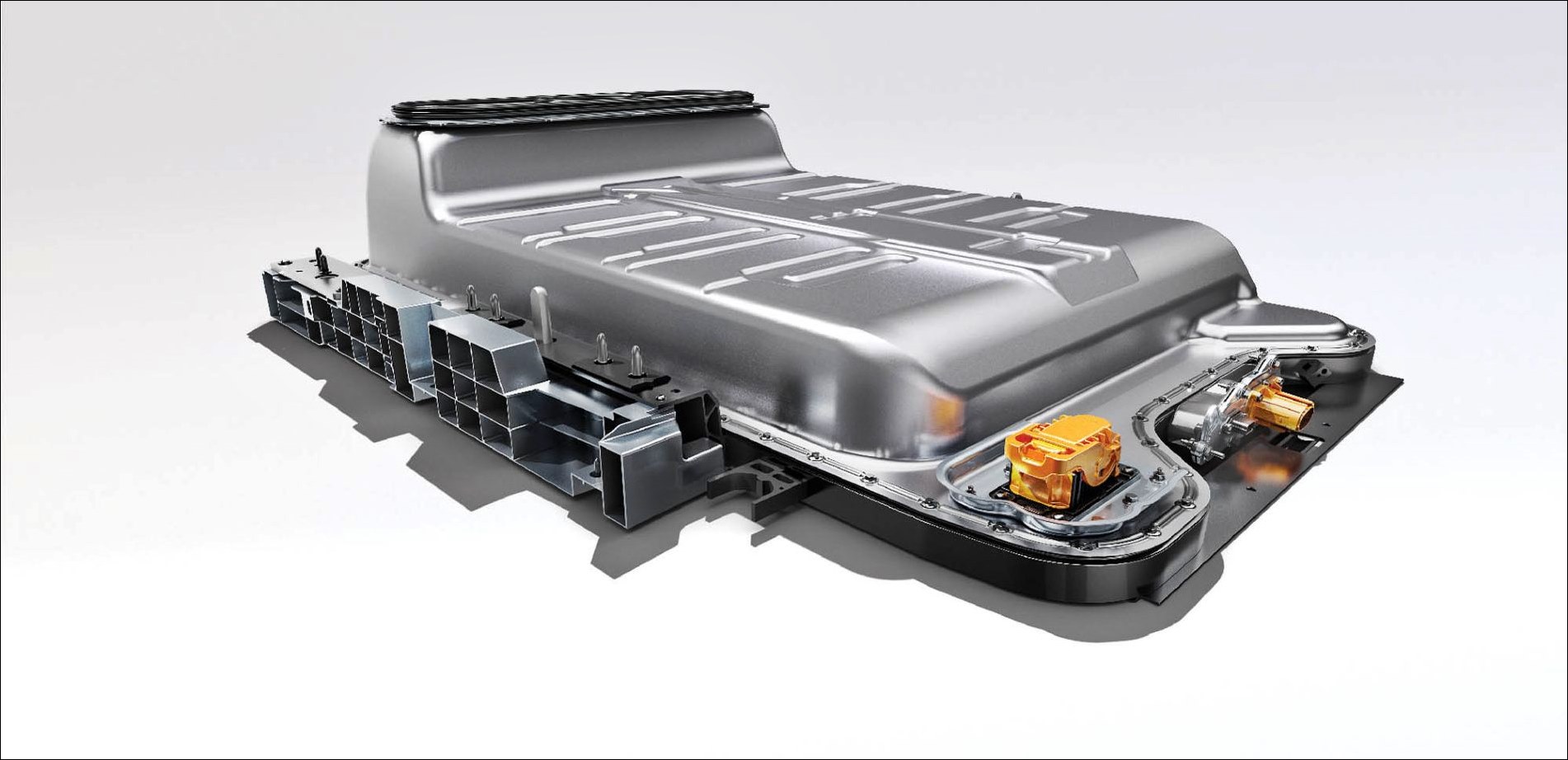
Both have Renault’s new 52 kWh Z.E. 50 lithium-ion battery pack which has a claimed range of up to 395 kms per full charge. This is a 25% increase over the previous battery pack without any changes in size. To achieve this, Renault’s engineering wing worked specifically with their supplier, LG Chem, on the shape and arrangement of the lithium-ion cells that make up the battery pack. Their collaborative work showed that it is possible to increase the storage density by developing cells that are slightly higher than usual.
Capacity is one thing, but range also depends on energy efficiency which is optimised in the Z.E. 50 battery packs. Regenerative braking and ECO mode also help extend the range although, like a petrol engine, how far the car can go depends on driving style and conditions.
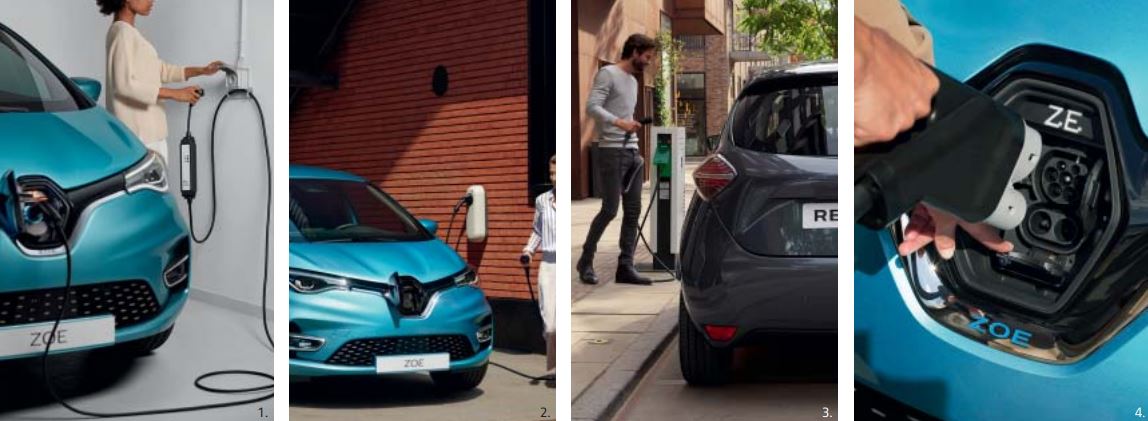
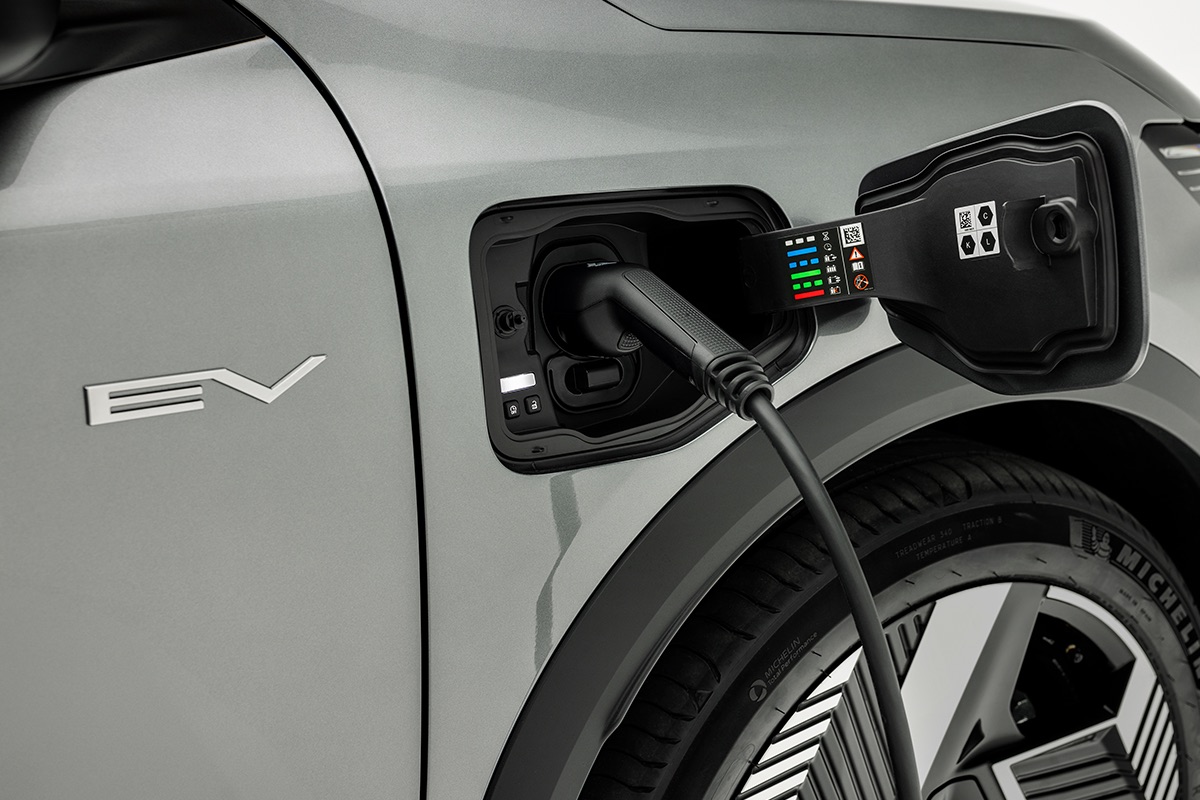
30 minutes for 145 kms Recharging time is an important consideration for owners and for now, it takes a lot longer than filling up petrol so EV owners will just have to get used to it. In the case of the Zoe, it is possible to charge the battery pack to provide up to 145 kms of range within 30 minutes if you use a DC fast-charger.
You can also use AC Type 2 charging which will take between 3 hours (with a 22 kW supply) or 9.5 hours (with a 7.4 kW supply). This is to recharge a fully empty battery pack to full. In practice, owners might be topping up periodically, just as you would recharge your mobilephone from time to time. So the long period might not be the case in actual use.
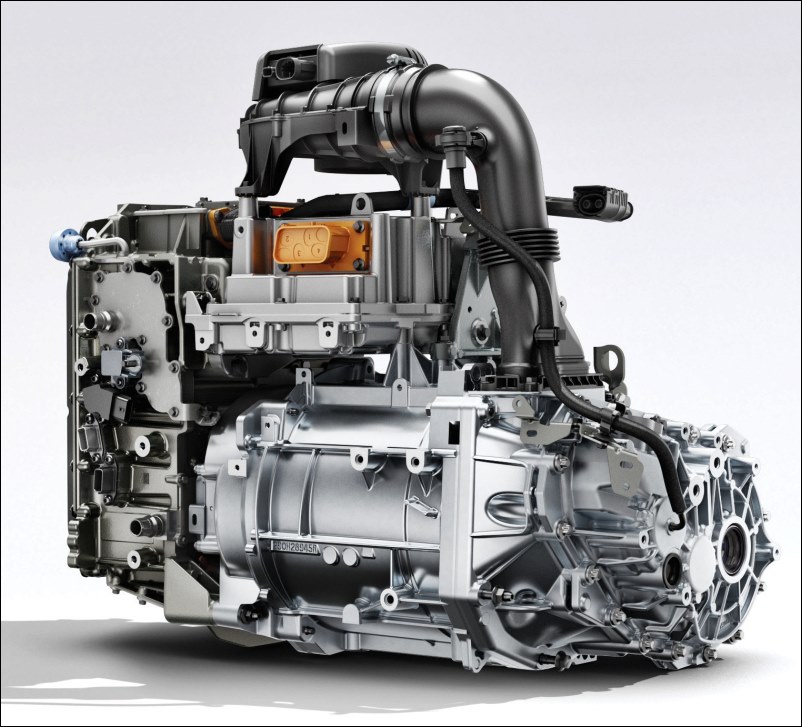
The Zoe powertrain is quite straightforward with a single electric motor powering the front wheels. The R110 has an output of 80 kW/225 Nm while the R135 produces 100 kW/245 Nm. That should be sufficient for brisk performance around town although the Zoe does weigh around 1,500 kgs.
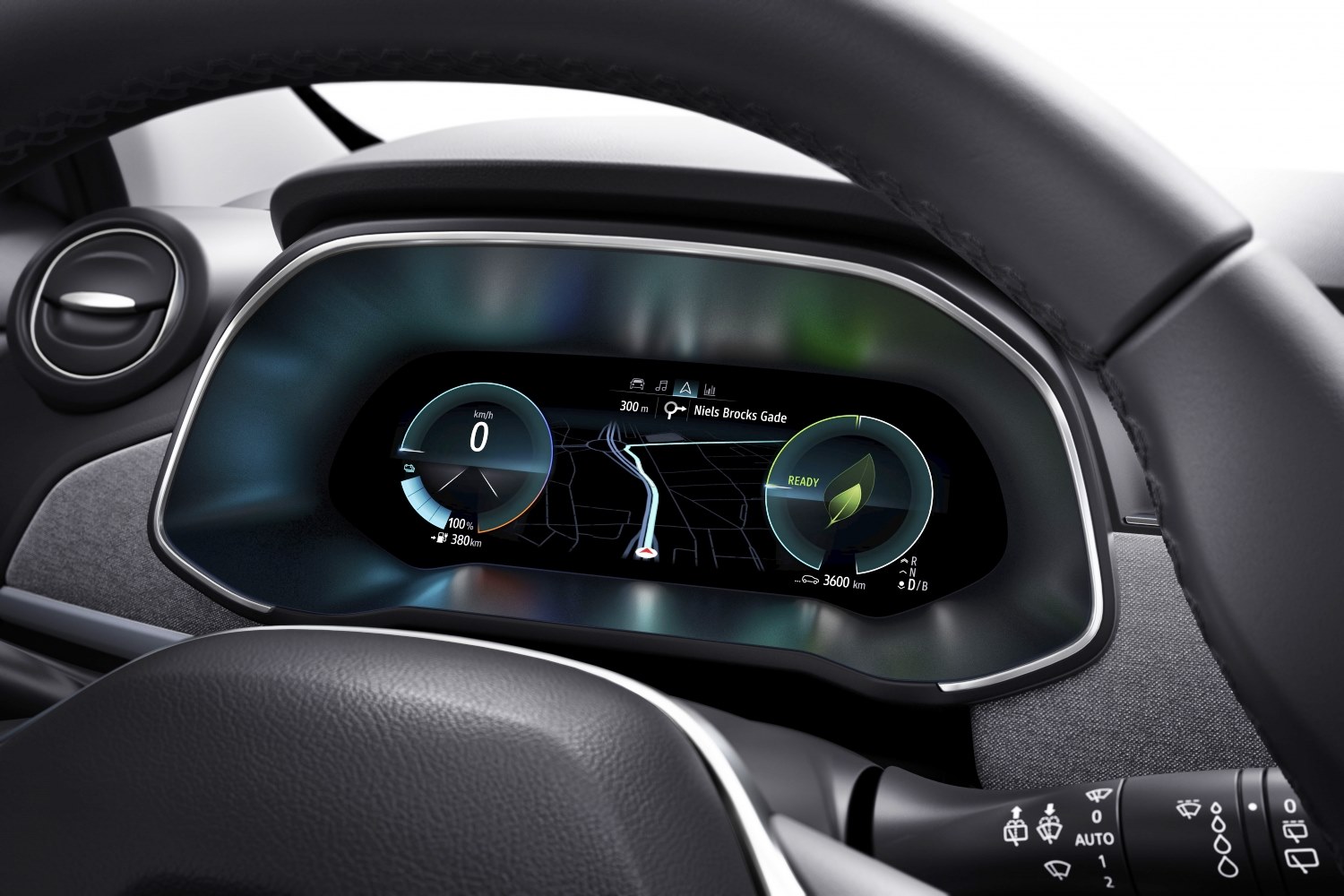
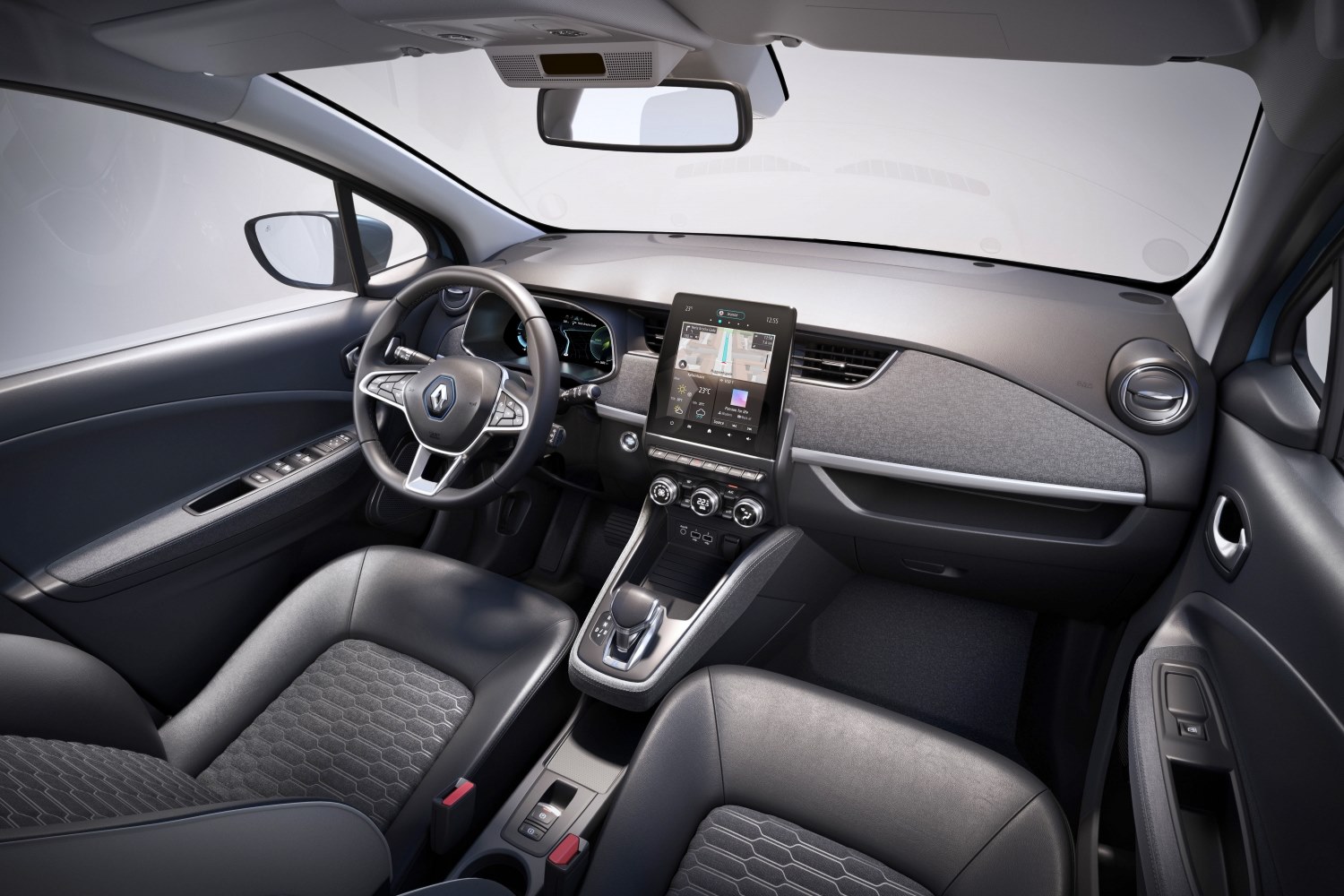
Updated technology As mentioned earlier, the Zoe has been in the market for 10 years and the one now being imported by TCEC is a new generation. As such, it has a redesigned cabin with modern features such as a wide 10-inch customisable TFT instrument cluster and the Renault EASY LINK multimedia system.
The infotainment system has a 7-inch colour touchscreen with smartphone replication made possible using Android Auto and Apple CarPlay.
Eco-friendly materials Even with the first generation, there was emphasis on eco-friendliness and sustainability, not just in the powertrain but also in the way the car is made. Renault has also made smart use of ethical and sustainable materials in the interior featuring tactile textiles on key touchpoints. Up to 22.5 kgs of recycled synthetic materials are used, mostly in housings and other hidden parts of the car that provide protection. Floor mats are usually the only visible parts made from these recycled synthetic materials.
For those who wish to take a closer look at the Zoe, there’s a unit on display at the Renault showroom in Petaling Jaya, Selangor. Orders are also being accepted and customers can register their interest to be kept informed of further developments.