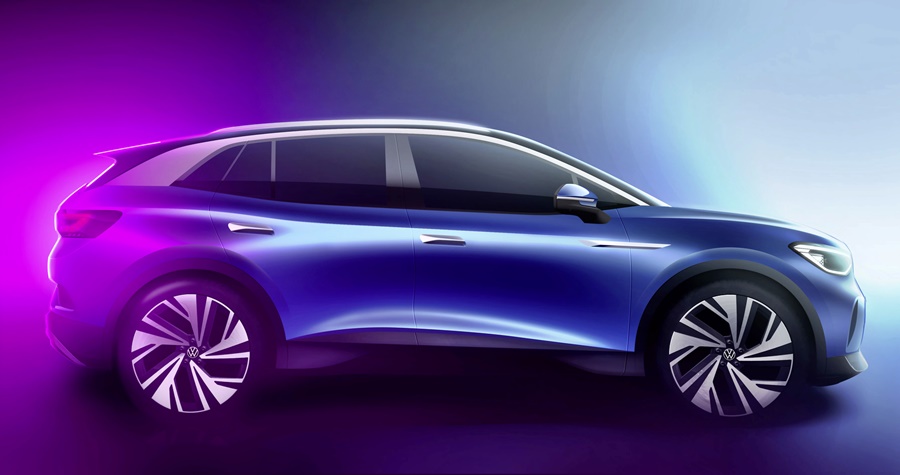
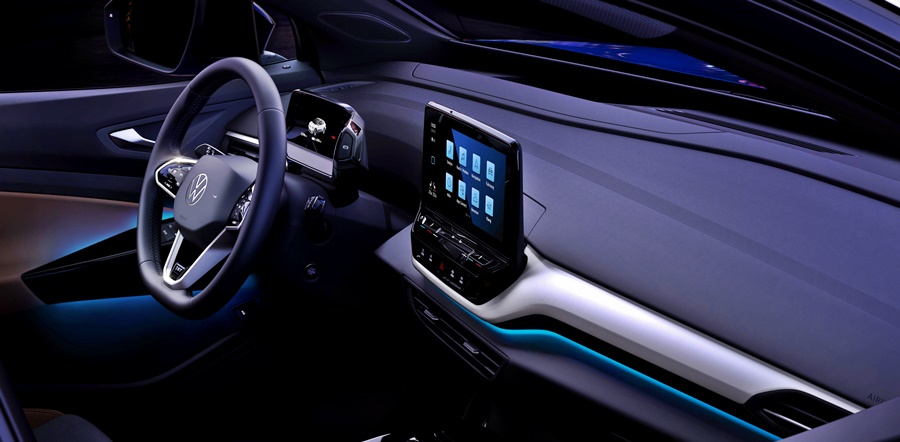
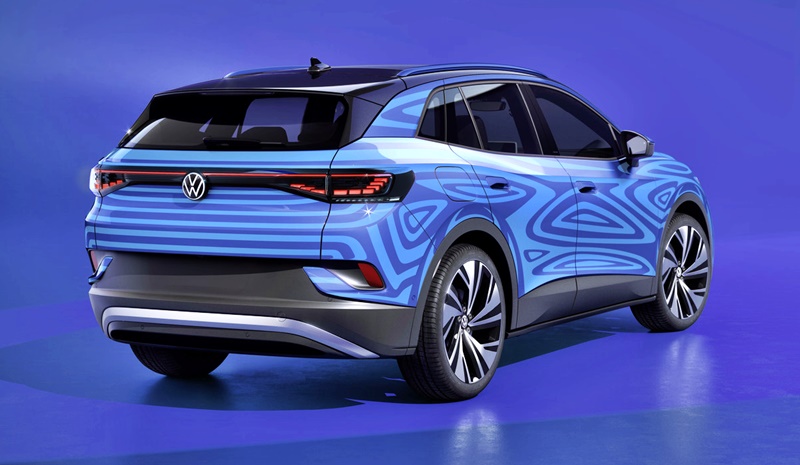
Many of today’s electric vehicles (EVs) have a battery pack that can store a considerable amount of energy. The energy is used to power the electric motors that move the vehicle, but the battery packs can also be used as mobile power supply units in areas that have experienced natural disasters.
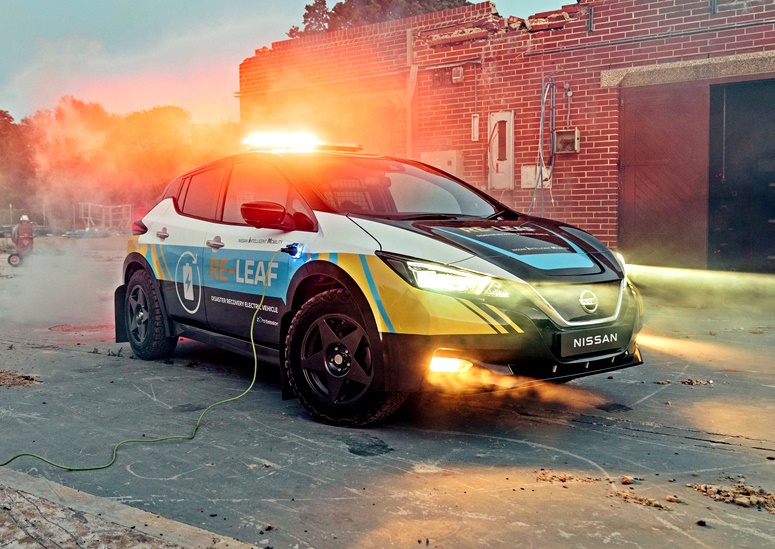
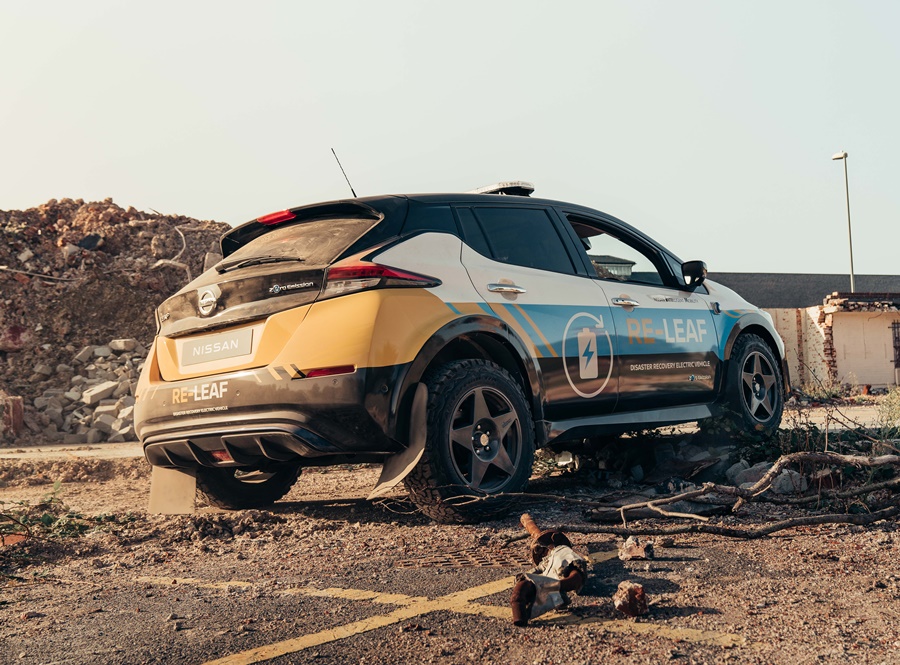
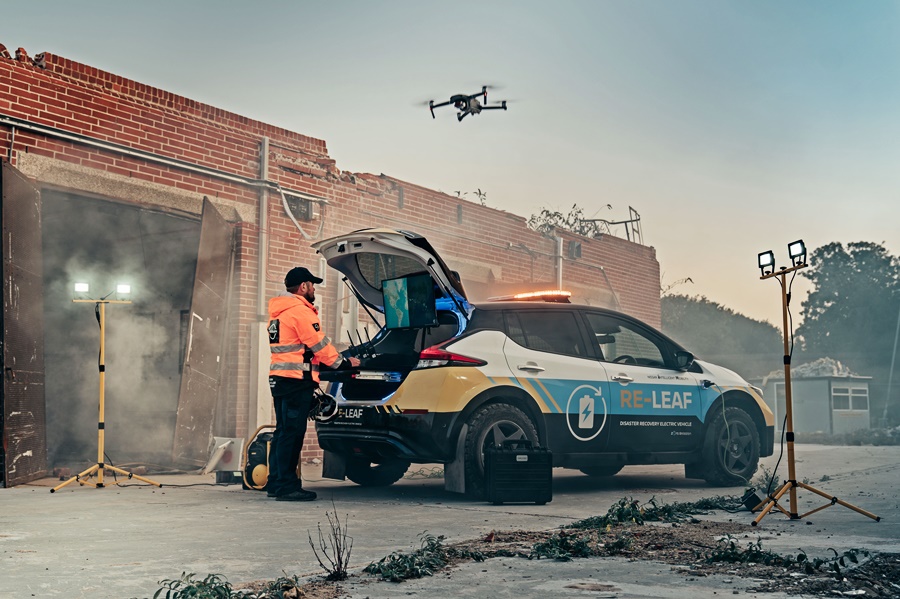
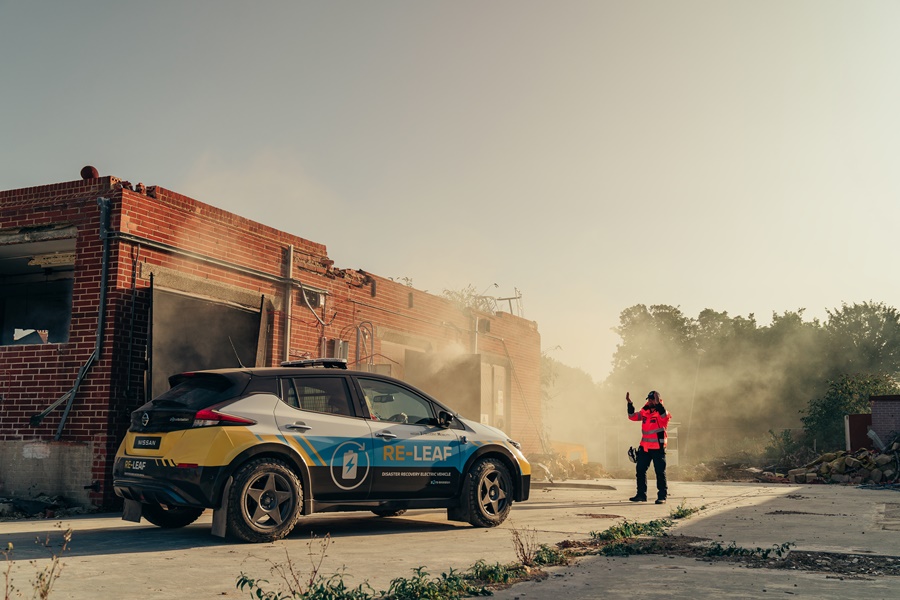
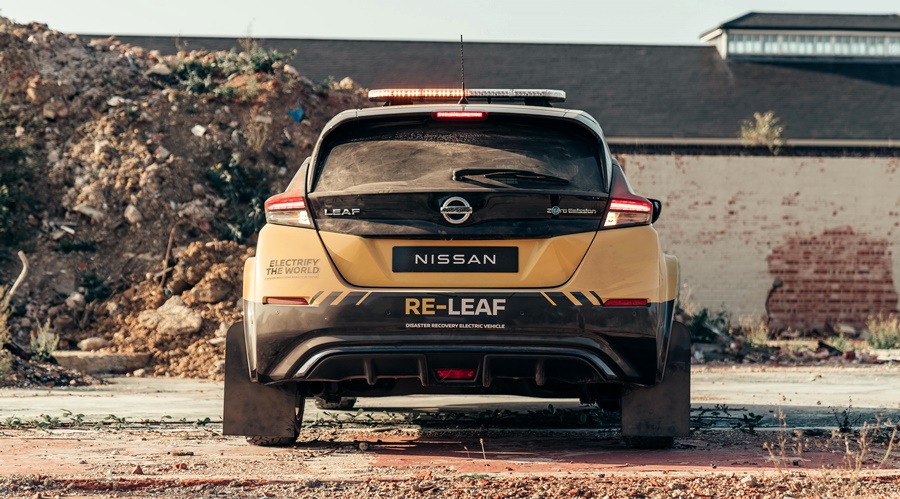
Nissan is exploring such an idea with the RE-LEAF, a working prototype based on its current LEAF EV. The RE-LEAF can be driven into a disaster zone and provide a fully mobile power supply for machinery or other equipment on-site used by rescue teams.
Electricity for all kinds of devices
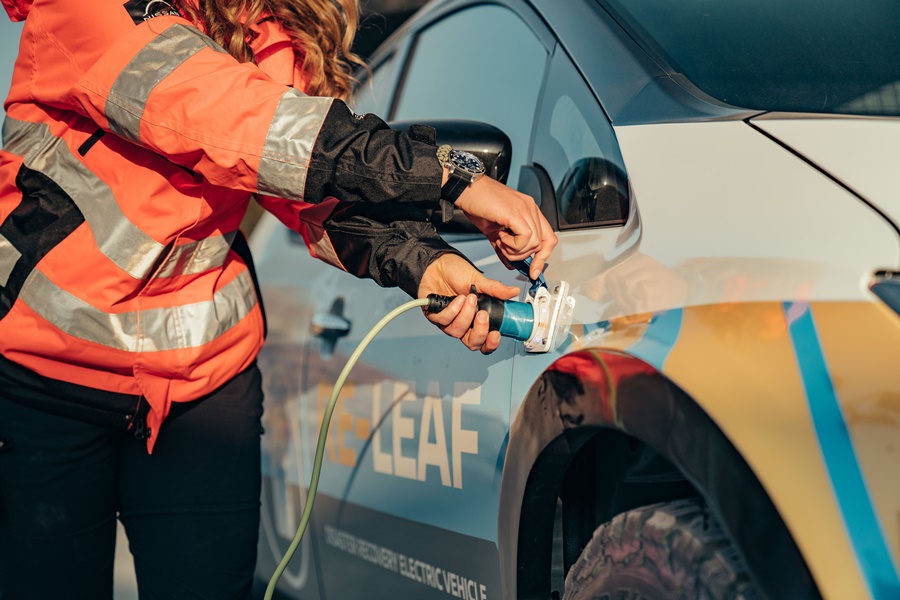
Alongside modifications to navigate roads damaged or covered in debris, the RE-LEAF has weatherproof plug sockets mounted directly to the exterior of the vehicle. These can be connected to 110V to 230V devices which can be supplied electricity from the car’s high-capacity lithium-ion battery pack.
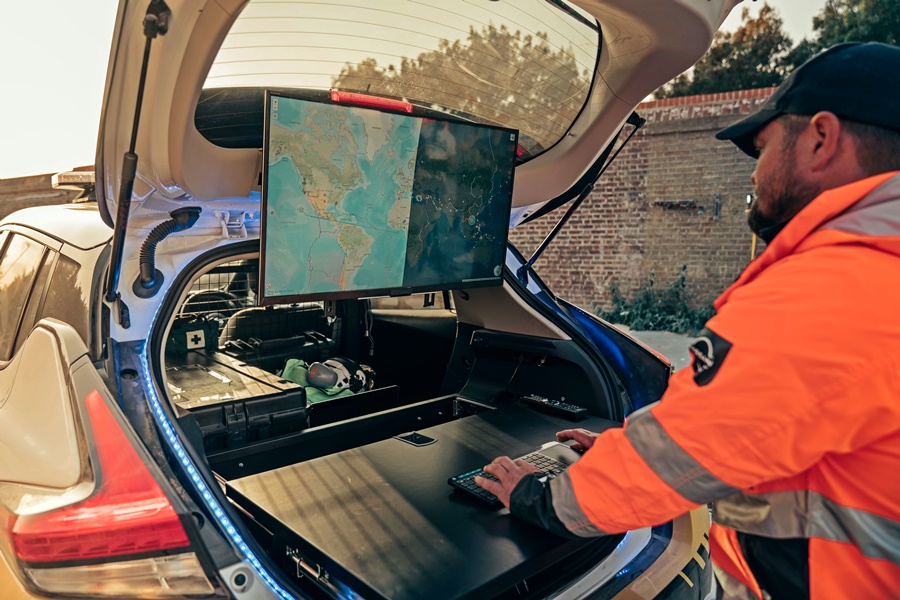
The integrated energy management system can run medical, communications, lighting, heating and other life-support equipment.
“We’re constantly exploring ways that electric vehicles can enrich our lives, beyond just zero-emission transportation,” said Helen Perry, Head of Electric Passenger Cars and Infrastructure for Nissan in Europe. “Concepts like the RE-LEAF show the possible application of EVs in disaster management and demonstrate that smarter, cleaner technology can help save lives and provide greater resilience.”
Real-world applications
Nissan developed the RE-LEAF to demonstrate the potential of electric vehicles in disaster recovery. Although it’s just a working concept, the technology is already being used in the real world. In Japan, Nissan has used the LEAF to provide emergency power and transportation following natural disasters since 2011, and the company has formed partnerships with more than 60 local governments to support disaster relief efforts.
Natural disasters are the biggest cause of power outages. A 2019 World Bank report found natural shocks and climate change caused 37% of outages in Europe between 2000 and 2017, and 44% of outages in the U.S. over the same period.
When a disaster hits, the time for electricity supply to be restored is typically 24 to 48 hours, depending on the severity of the damage. During that period, EVs can provide zero-emission mobile emergency power.
Portable power station
Acting as a portable power station, the latest LEAF e+ model with a fully charged 62 kWh battery pack can provide enough electricity to power the average European household for 6 days. As a disaster recovery vehicle, it can power multiple devices simultaneously for a period of up to 24 hours.
Some examples which use 230V power are an electric jackhammer, pressure ventilation fan, 10-litre soup kettle, intensive care medical ventilator, and 100W LED floodlight.
Once electricity is restored to the area, the EVs can then be recharged and provide zero-emission transport – up to 385 kms for the LEAF e+.
Nissan EVs can also act as mobile storage batteries to supply homes and society with electricity during non-emergency situations through Nissan Energy Share, creating a distributable energy model that can be used to help stabilize supply and demand.
“Electric vehicles are emerging as one of the technologies that can improve resilience in the power sector,” Perry said. “By having thousands of EVs available on standby, either as disaster support vehicles or plugged into the network through Vehicle-to-Grid, they’re uniquely capable of creating a virtual power plant to maintain a supply of energy.”
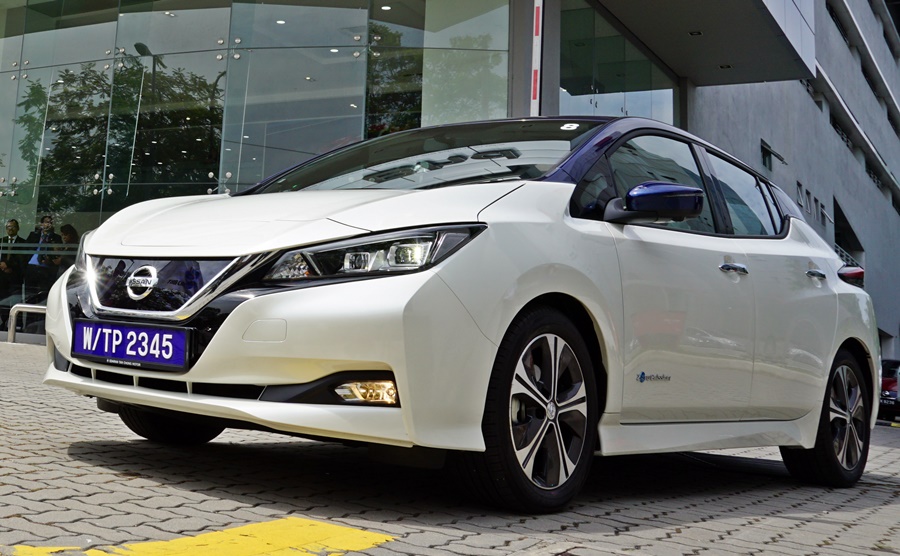
The latest Nissan LEAF EV is available in Malaysia. For more information, visit www.nissan.com.my.
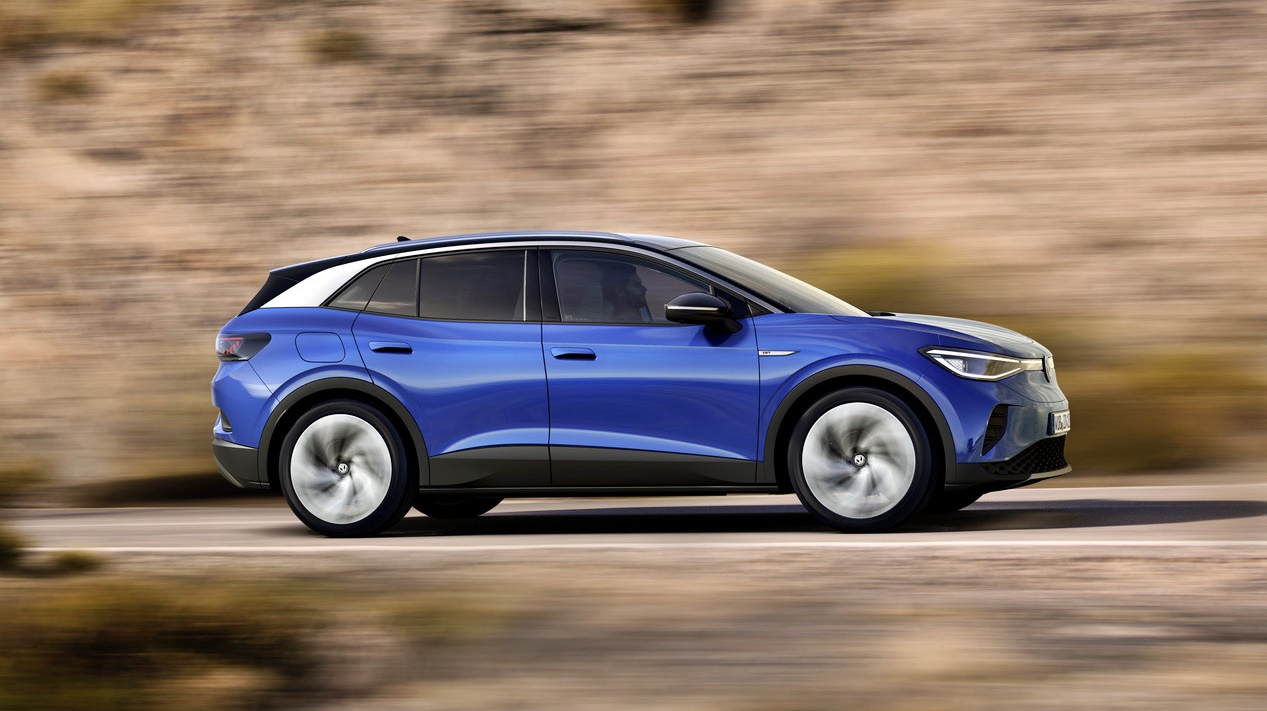
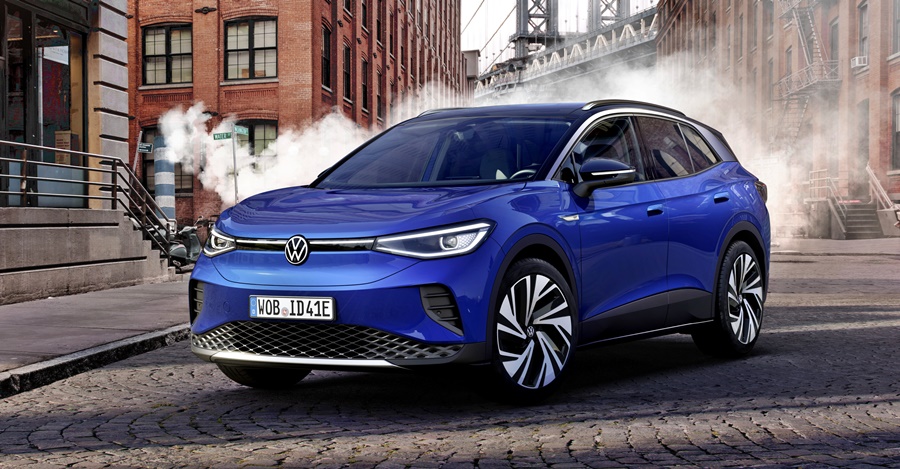
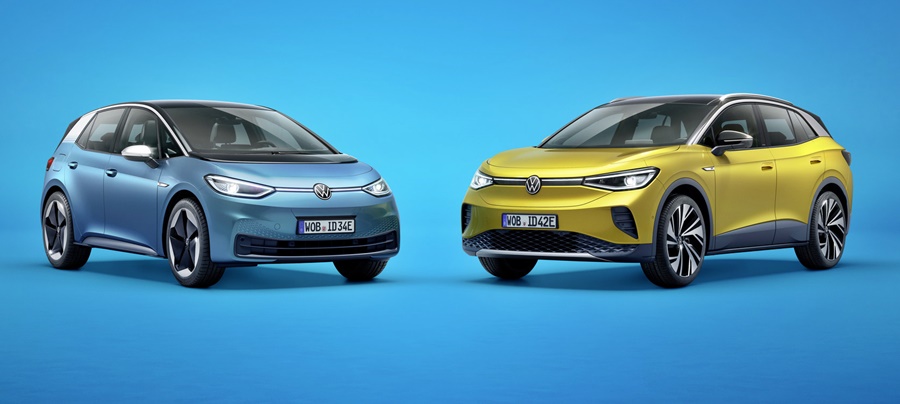
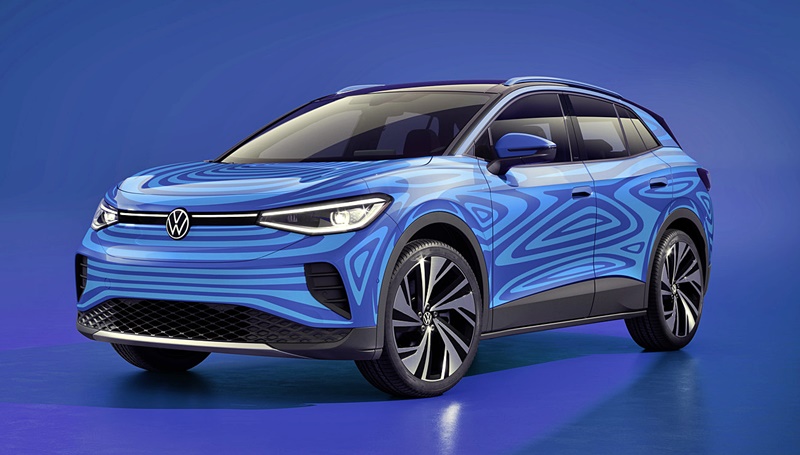
Volkswagen’s ID. family, which consists of only all-electric models, releases its second which is a SUV. The first of the ID. models was the ID.3, a hatchback launched in 2019, and this new model is designated ID.4. There are known to be at least 7 models in total, with the others currently planned to go into production within the next 3 years.
“As the first global electric car, this model will roll out our modular electric drive matrix platform that has been developed specifically for electric mobility the world over. Volkswagen is thus once again demonstrating its leading role in innovation, technology and quality on the high-volume market,” said Ralf Brandstatter, CEO for the Volkswagen brand.
The ID.4 is Volkswagen’s first fully electrically-driven SUV and has dimensions which put it within the compact SUV class. This is now a highly competitive segment, especially in Europe where SUVs were once disliked as they were considered to be not environment-friendly due to their higher consumption.
No environmental issues
The ID.4, of course, has no such issue and is a zero emissions vehicle with the space and comfort that any buyer will appreciate. Its 77 kWh battery pack powers a 150 kW (equivalent to 204 ps) electric motor that gives a claimed 0 to 100 km/h time of 8.5 seconds and a top speed of 160 km/h.
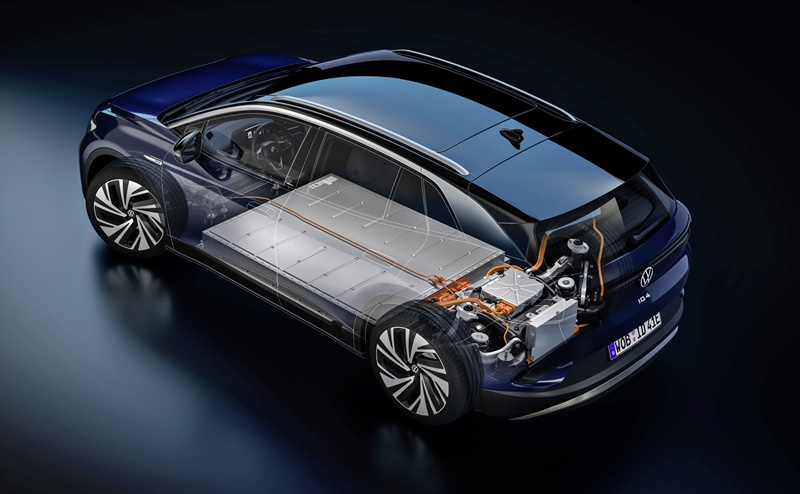
The battery pack is installed below the passenger compartment for a low centre of gravity, while the electric drive motor is positioned at the rear axle, which also helps with grip. In the event that the driver wants to wander off the highway, there’s 21 cm of ground clearance with 21-inch wheels.
We Charge anywhere
Volkswagen is launching on the European market a complete package for convenient, connected and sustainable charging of electric cars under the name ‘We Charge’. This provides recharging at home, around town or on a long journey. The ID.4 can be recharged within 30 minutes with at a DC (direct current) quick-charging station to provide a claimed 320 kms of range. On a full battery pack, the range is claimed to be up to 520 kms.
Sleek exterior
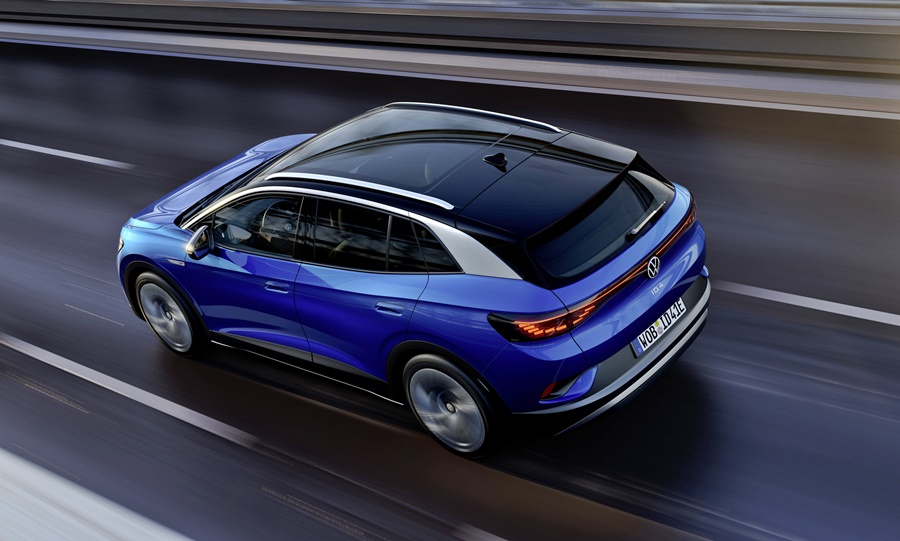
The ID.4’s exterior has a clear, flowing design inspired by nature. Aerodynamic efficiency has been tuned to a low 0.28 Cd, which will reduce the wind resistance that needs to be overcome by the electric motor.
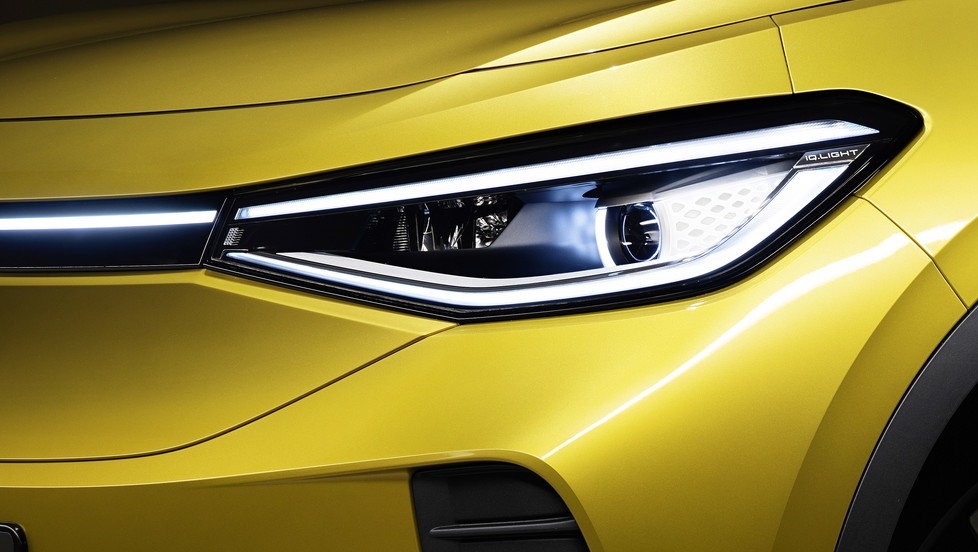
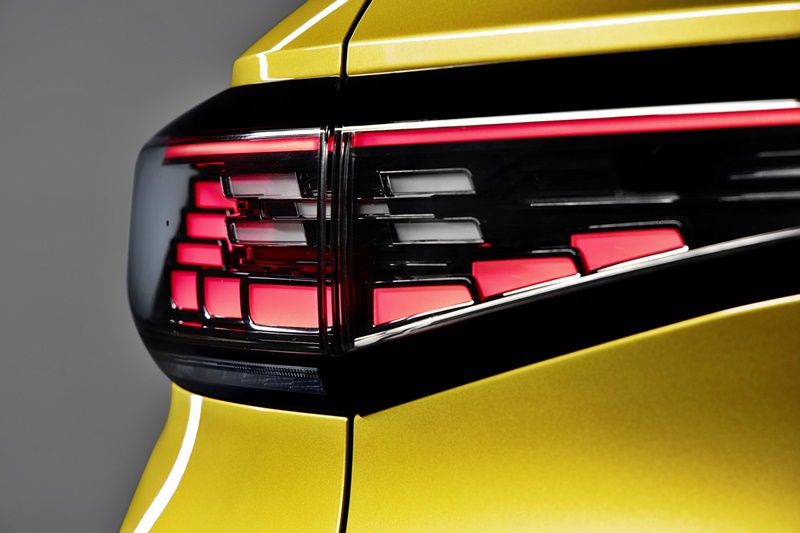
The front and rear lighting units use LEDs (partial at the front) and for the most expensive ID.4 version, there are interactive IQ.Light LED matrix headlights. These feature swivelling lens modules and generate an intelligently controlled main beam for optimised spread. At the rear are new 3D LED taillight clusters with a homogeneous appearance that fully illuminates in an intensive red.
MEB for more space
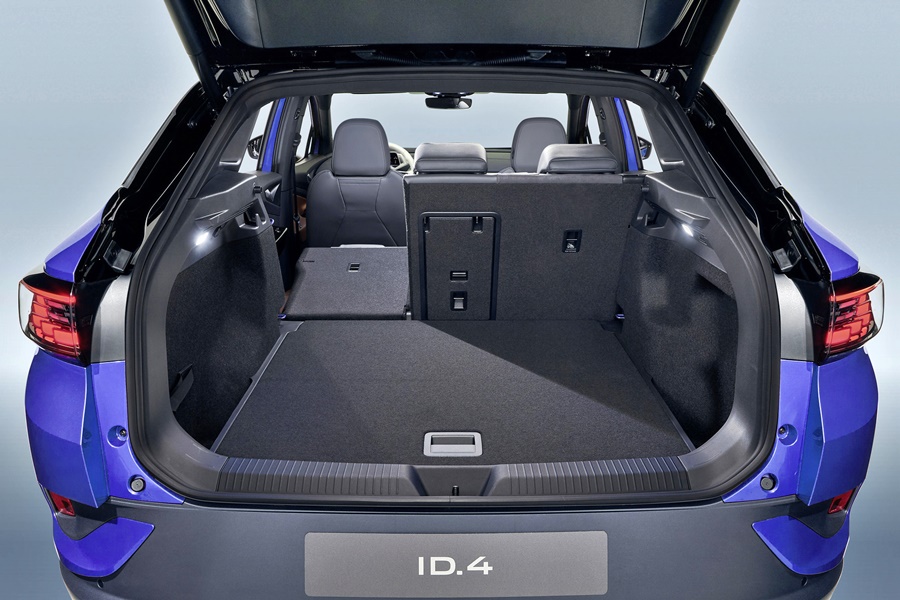
The 4.58-metre long ID.4 sits on Volkswagen’s modular electric drive matrix (MEB) architecture. It divides the space for occupants and technology in a completely new way in favour of passengers. The space available in the cabin is said to be comparable to conventional SUVs in the next category up. Depending on the rear seat backrest’s position, the luggage compartment can have a volume from 543 to 1,575 litres.
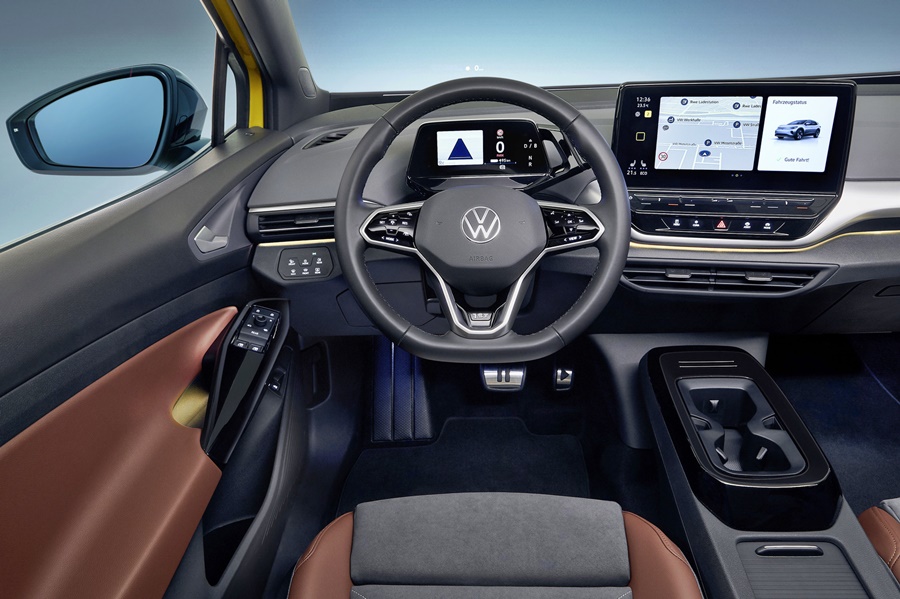
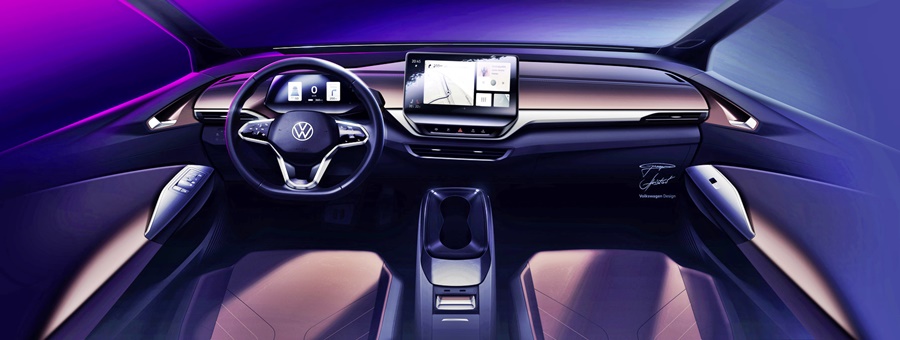
The operating concept on the dashboard of this E-SUV, as Volkswagen refers to it, does not depend on physical buttons and switches. There are two displays, one of which diagonally measures up to 12 inches and features touch functionality, as well as a ‘Hello ID’ natural voice control assistant. The new ID.Light – a narrow light strip under the windscreen – intuitively supports drivers.
An augmented reality (AR) head-up display is optionally available to blend a host of displays with reality. Navigation arrows telling drivers to turn off are projected onto the road surface in exactly the right lane. IQ.Drive assist systems help the driver to enjoy safer and more relaxed motoring, while software is part of a completely new architecture and updates can be downloaded ‘over the air’.
Plans for global sale
The ID.4 will be gradually turned into a global model; Volkswagen has plans to produce and sell the E-SUV not only in Europe but also in China and later, in the USA.
Will we see it in Malaysia? Probably not so soon as there are a number of issues which would prevent it from being sold in sufficient numbers. It would be a CBU model and that would push its price up – and it would already be high as it has brand new technology. Malaysians are still not entirely sold on fully electric cars and the recharging network is also limited. While neighbouring countries’ governments are starting to promote EVs, our government is only ‘talking’ about being a hub for ‘energy efficient vehicles’ in the region, but is not doing much to make it attractive for manufacturers to set up here.
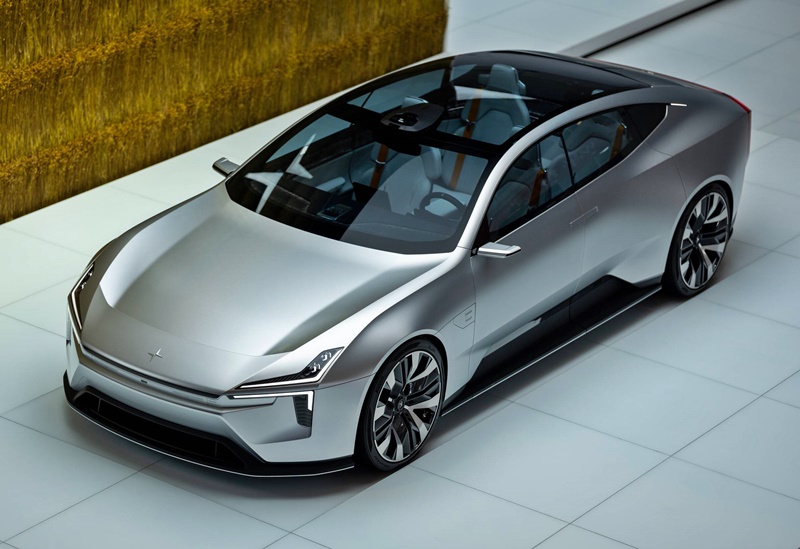
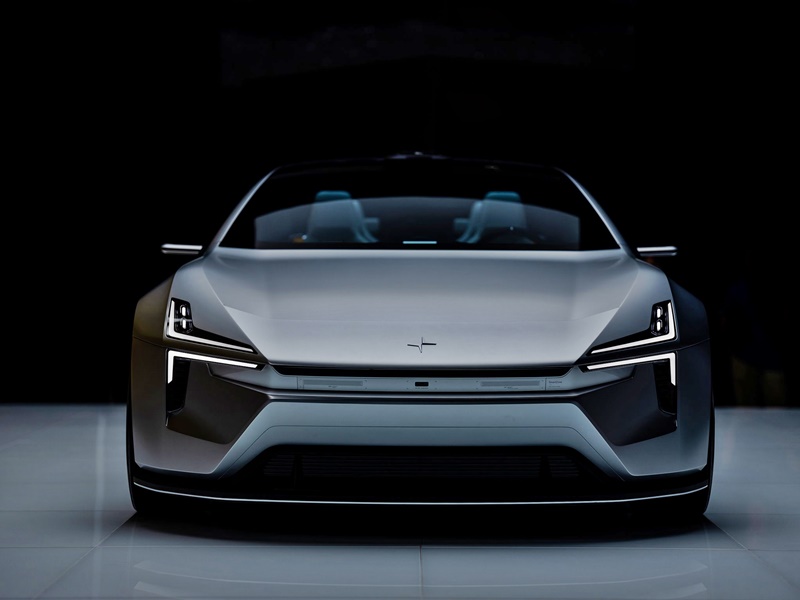
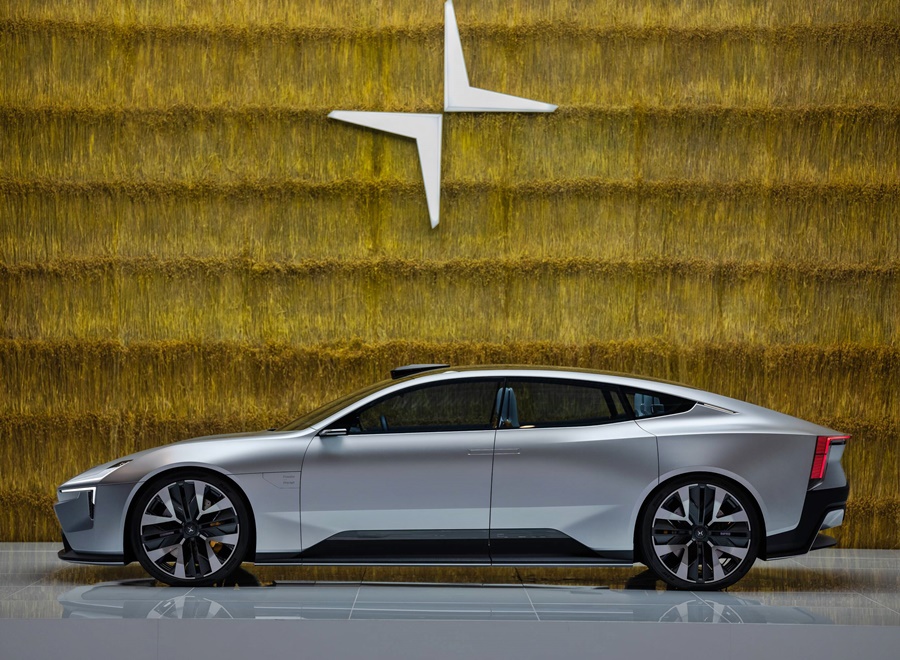
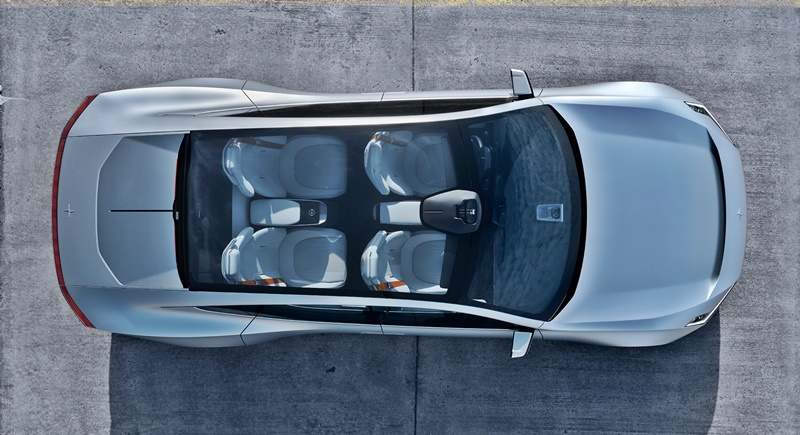
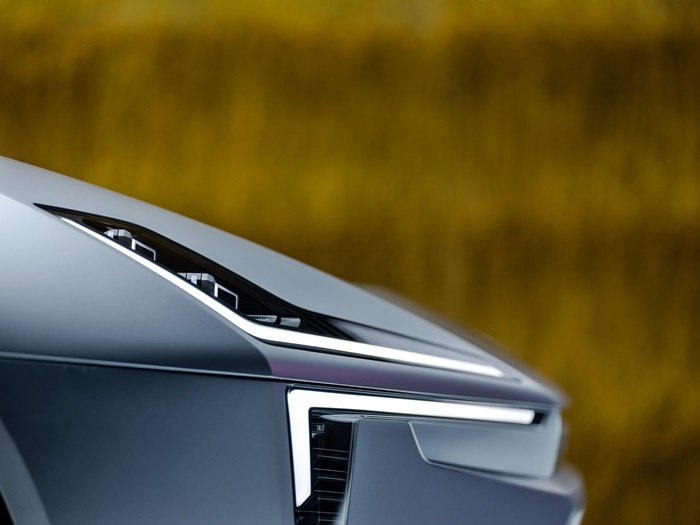
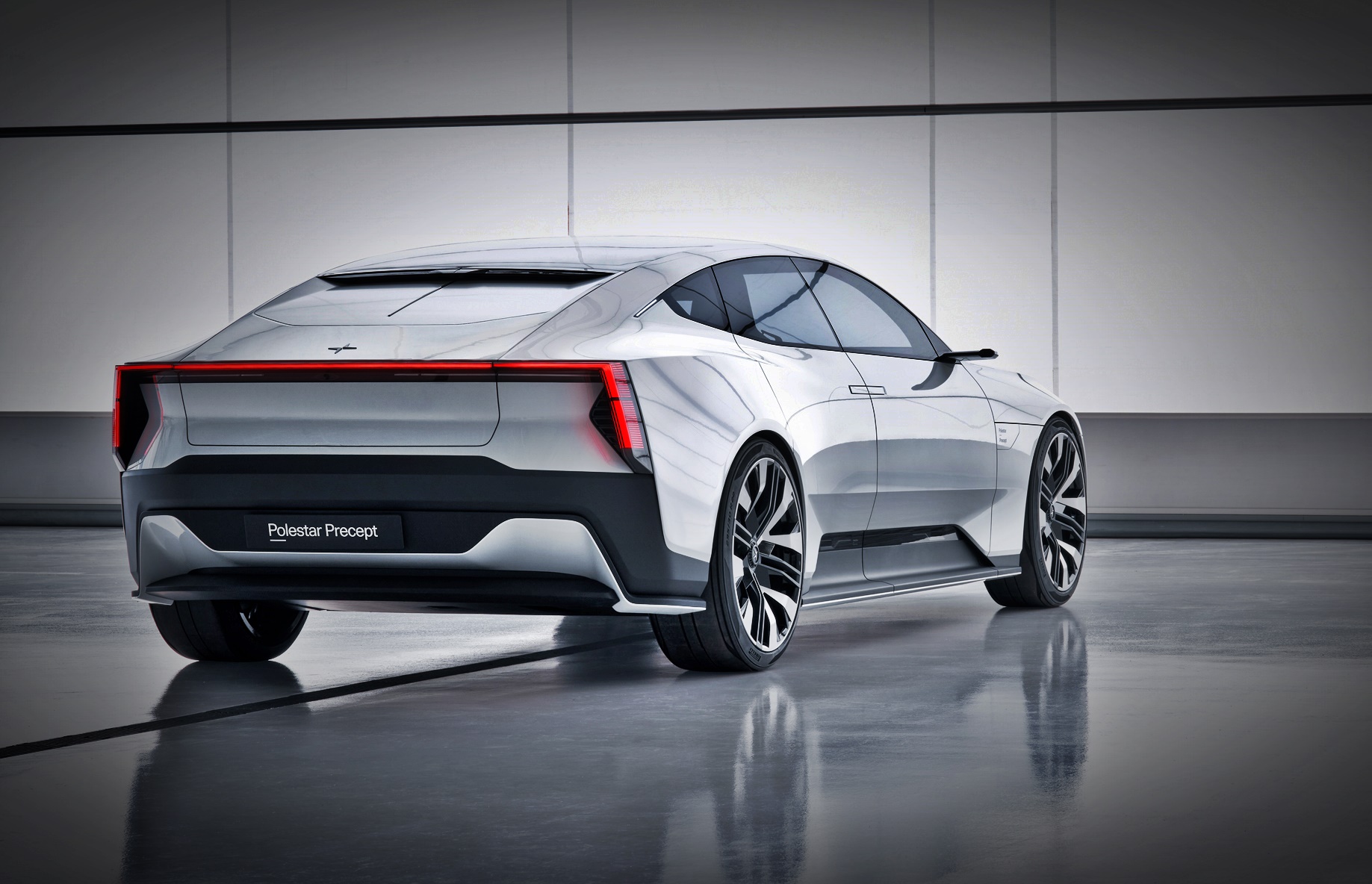
Polestar, the joint-venture company owned by the Volvo Car Group and Geely, has confirmed it will put the Precept into production. Revealed earlier this year, the Precept started life as a manifesto to illustrate the brand’s future vision and was described as a ‘commitment car’, not a concept car.
Besides showcasing the electric performance brand’s future design direction, the Precept also highlights Polestar’s path for digital technology and the use of innovative sustainable materials, inside and out.
Encouraged by positive feedback
Polestar was encouraged to turn it into a production model after encouraging response from the public.”’We’d like to see it on the road!’ – this is what the press wrote about Precept and the public said, ‘We want it’, so we decided to build it,” said Thomas Ingenlath, Polestar’s CEO.
“Consumers want to see change from this industry – not just dreams. Now, Precept becomes an even stronger statement. We are committed to reducing the environmental impact of our cars and our business. The aim has to be climate neutrality, even though I recognize that is a long-term goal,” he explained.
Advanced and sustainable
The interior of the Precept features a mix of sustainable materials including recycled PET bottles, reclaimed fishing nets and recycled cork vinyl. A flax-based composite, developed by external partner Bcomp Ltd., is featured in many interior and some exterior parts. Polestar’s ambition is to bring much of this sustainability into production.
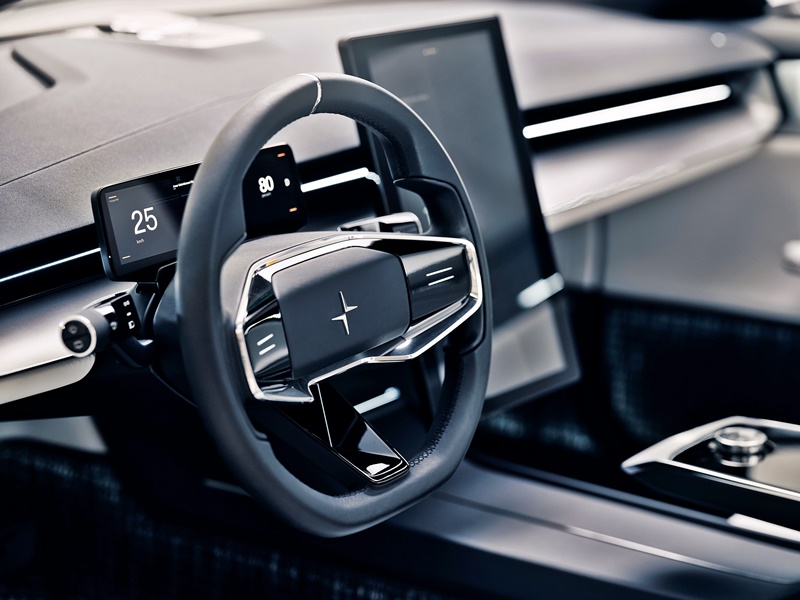
In the model shown earlier this year, the next generation HMI (Human-Machine Interface), powered by Android, was demonstrated. Developed in close collaboration with Google, it features an enlarged, portrait-oriented 15-inch centre touchscreen that complements a 12.5-inch driver display. The two are linked by an illuminated blade that encompasses the entire interior.
Supporting the advancement of a personalised and dynamic digital interface, the instrument panel also hosts an array of smart sensors. Eye tracking will allow the car to monitor the driver’s gaze and adjust the content of the various screens accordingly. Proximity sensors also enhance the usability of the centre display when driving.
The name ‘Precept’ was chosen to emphasise the car’s role in setting out Polestar’s intent as the contemporary electric performance brand. A precept is a manifesto of things to come; a declaration. The car signifies an important milestone for Polestar as a standalone brand, describing a unique design philosophy that remains firmly embedded in Polestar’s brand values: pure, progressive and performance.
To be made in China
With product development underway, Polestar says it will produce Precept in China, where a new production facility will be established. The aim is to ensure the facility will be carbon-neutral and one of the most intelligent and connected automotive production facilities in the world.
The climate-positive narrative was started by a facility in Chengdu. Inaugurated in 2019, the Polestar Production Centre became the first LEED Gold-rated automotive production facility in China and runs on 100% renewable energy. It is producing the Polestar 1 – an exclusive, carbonfibre-bodied Electric Performance Hybrid – for both China and global markets.
With the way electrification of cars is going, there will come a time when electric power replaces combustion power in racing cars. In fact, it’s already started with the Formula E series for single-seaters and the electric version of the TCR.
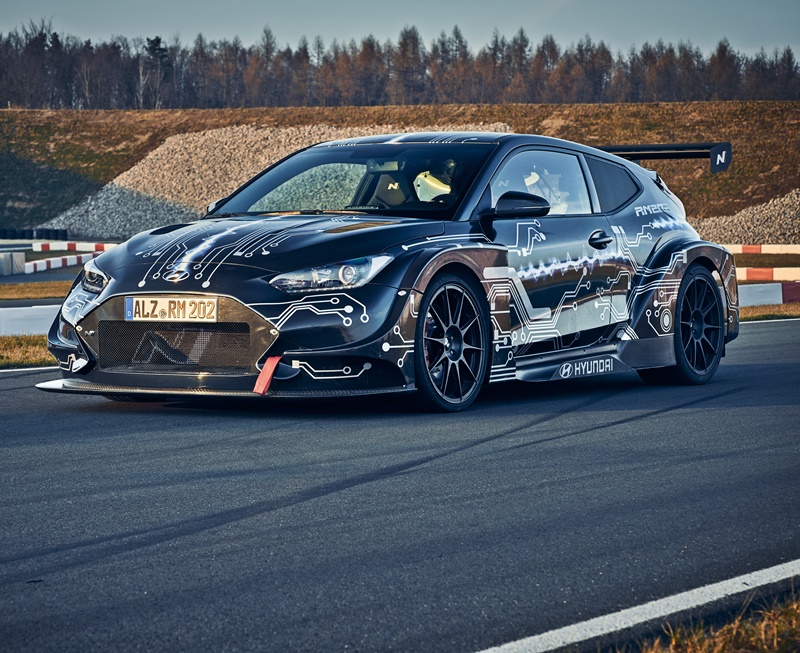
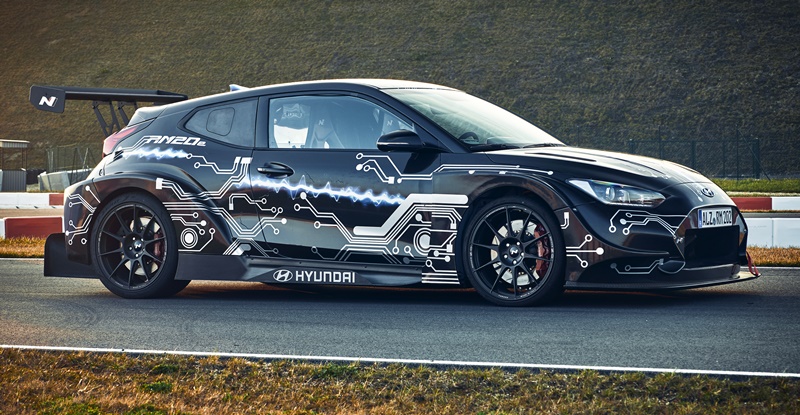
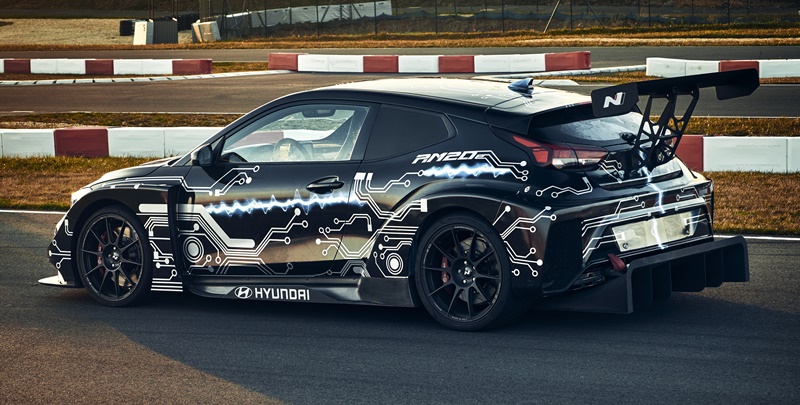
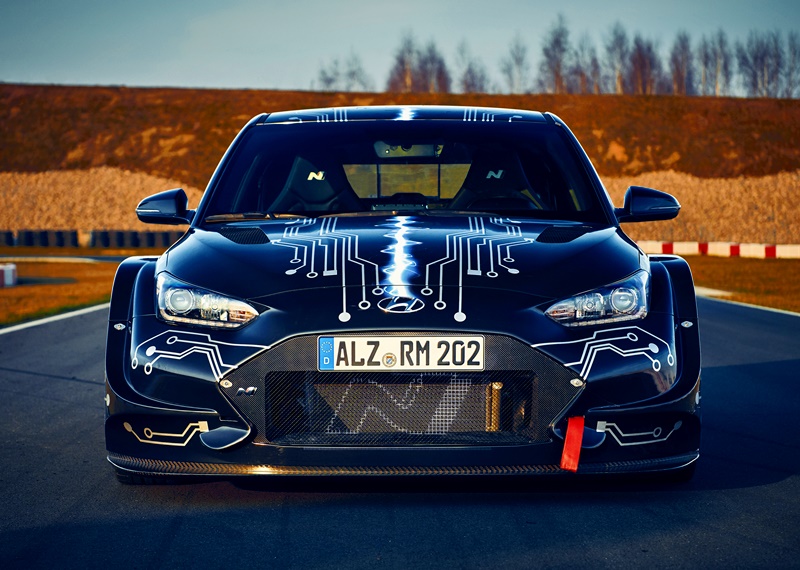
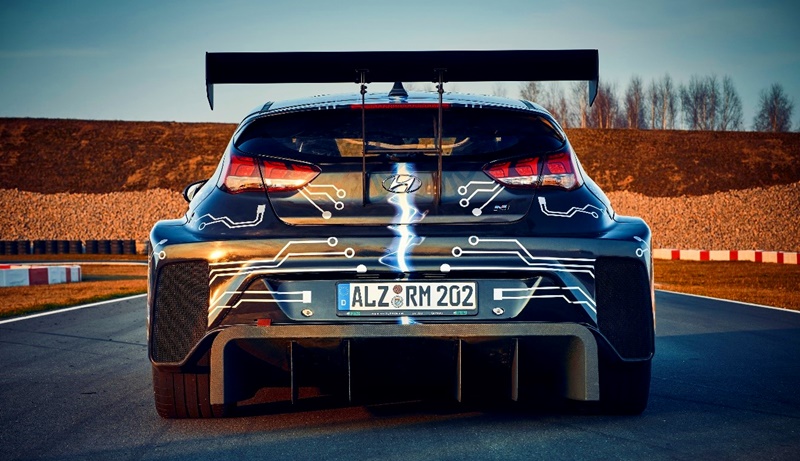
Manufacturers like Hyundai Motor are preparing for this change and one project that the company’s high-performance N division has revealed its next-generation electrified RM20e Racing Midship Sports Car. ‘RM’ refers to the prototype model’s ‘Racing Midship’ rear-drive, midship powertrain configuration, a fundamental design differentiator that yields ideal handling balance and agility from a low polar-moment of inertia.
“Our new electrified RM20e pushes the proven RM platform forcefully into a new, environmentally-focused decade of the 21st century, stretching the performance envelope of electrification on normal road environments,” said Albert Biermann, President and Head of Research and Development Division at Hyundai Motor Group.
“RM20e represents a revolutionary new chapter of electrified performance for the Racing Midship series, and our N engineers continue to garner valuable insights in the arena of zero-emission performance dynamics,” he declared.
Testing high-performance technologies
The RM platform is an engineering ‘rolling lab’ for testing high performance technologies at all speeds and driving conditions. The testing is especially important to ensure that the RM20e’s copious 596 kW/810 hp and 960 Nm output can be effectively transmitted to the ground on all types of surfaces.
Performance times are expected to be less than 3 seconds from 0 – 100 km/h and less than 10 seconds from 0 – 200 km/h. The positioning of the motor in the middle and the rear-drive layout provides optimal traction required for this level of acceleration. While having racing car-like levels of performance, balance, braking and grip, the engineers have been working to also provide quietness, responsiveness and road-going capability for daily drivers.
Variety of powertrains available
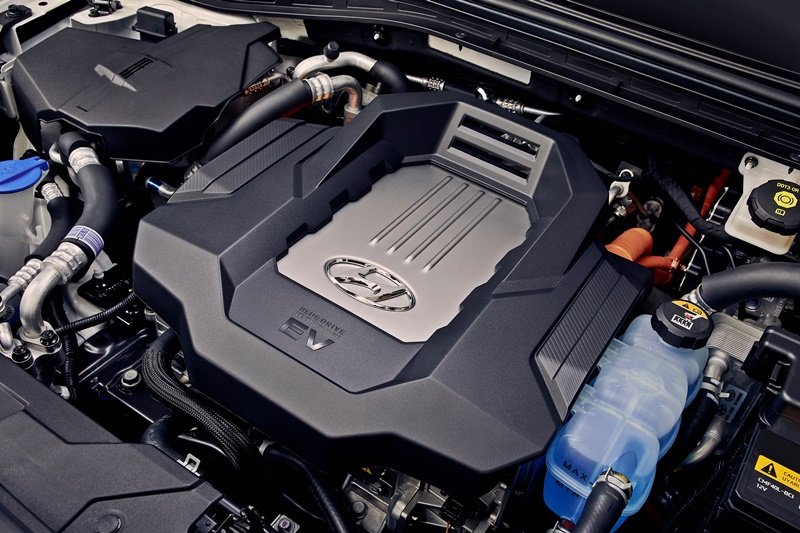
The electrified powertrain has zero-emissions, of course, and as Hyundai has developed a variety of electrified-propulsion solutions. Therefore a full spectrum of electrified powertrains is available for testing with this high-performance sportscar platform.
Hyundai’s recent investment and strategic partnership with Rimac Automobili has facilitated co-development of both BEV (Battery Electric Vehicle) and FCEV (Fuel Cell Electric Vehicle) prototypes. The electrified RM platform will continue to evolve along with the growth of this RIMAC partnership.
44 eco-friendly models by 2025
The Hyundai Motor Group, which includes Kia Motors, has set a strategic plan to deploy 44 eco-friendly models by 2025, which will include products from the N brand as well.
“The RM20e sports car prototype clearly signals future electrified brand aspirations for Hyundai’s performance N brand, moving N into the prestigious genre of supercar-level performance. RM20e proves that N driving excitement will not be compromised, even in electrified model variants.,” said Thomas Schemera, Executive Vice-President and Head of Product Division at the Hyundai Motor Group.”
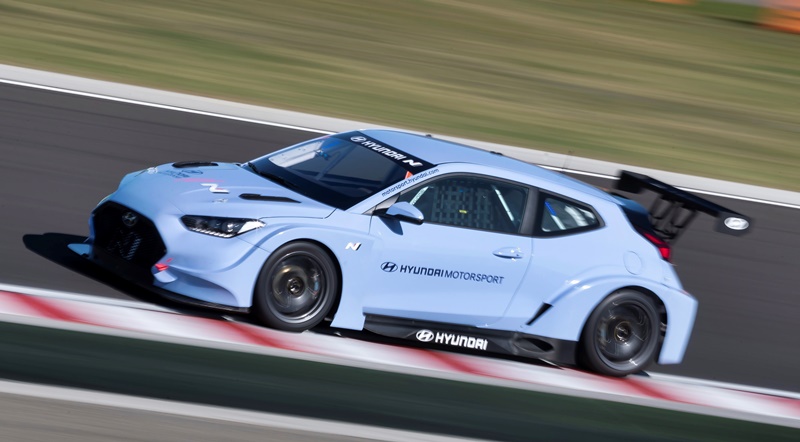
The history of the RM project goes back some 8 years and has served to develop and connect new high-performance motorsports technologies with future N models. Since the initiation of project RM, there has been a progressive evolution of the RM series with prototypes RM14, RM15, RM16 and RM19. In 2019, Hyundai’s first electric racing car – the Veloster N eTCR (pictured above) – was developed for the eTCR electric touring car series.
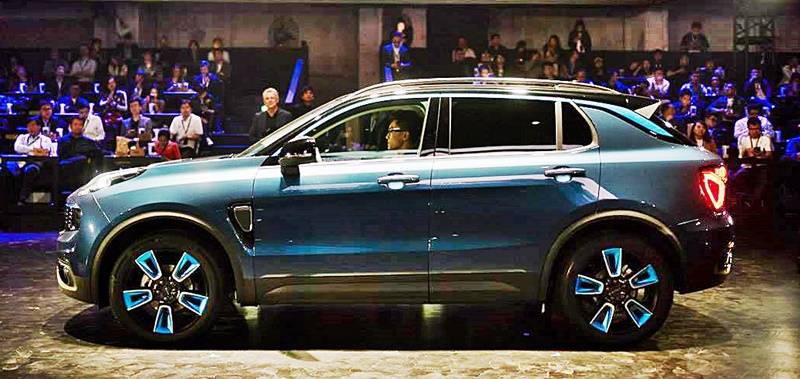
Lynk & Co, the global premium brand created in the Geely Auto Group, clearly has its eyes on the future and the future is going to be all about electric vehicles (EVs). Its ideas for the future therefore focus on pure electric vehicles and Geely Holding has even developed Sustainable Experience Architecture (SEA) for this.
Pure electric architecture for all
SEA is a pure electric architecture that will be used as the basis for all new EVs within the Geely Holding Group portfolio. It is the world’s first open-source electric vehicle architecture, and ‘open-source’ means that other third-party vehicle manufacturers will be able to use it for their own EV development. In this way, EVs can more quickly grow in numbers and enable manufacturers to reach efficient economies of scale for production costs to start dropping.
It’s like the architecture for the first Personal Computer (PC) that IBM developed in the early 1980s. This was open-source architecture that was freely available to everyone and very quickly, the availability of the PC from numerous companies led to it becoming the dominant system in what had been an industry fragmented by many different architectures and operating systems.
Next production model previewed
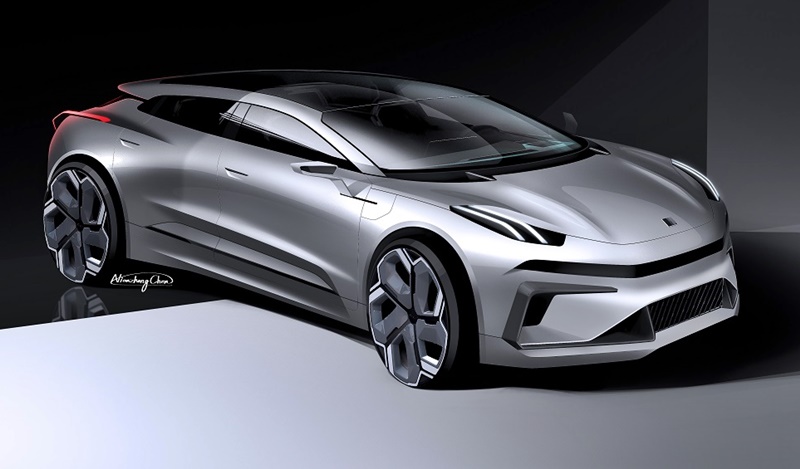
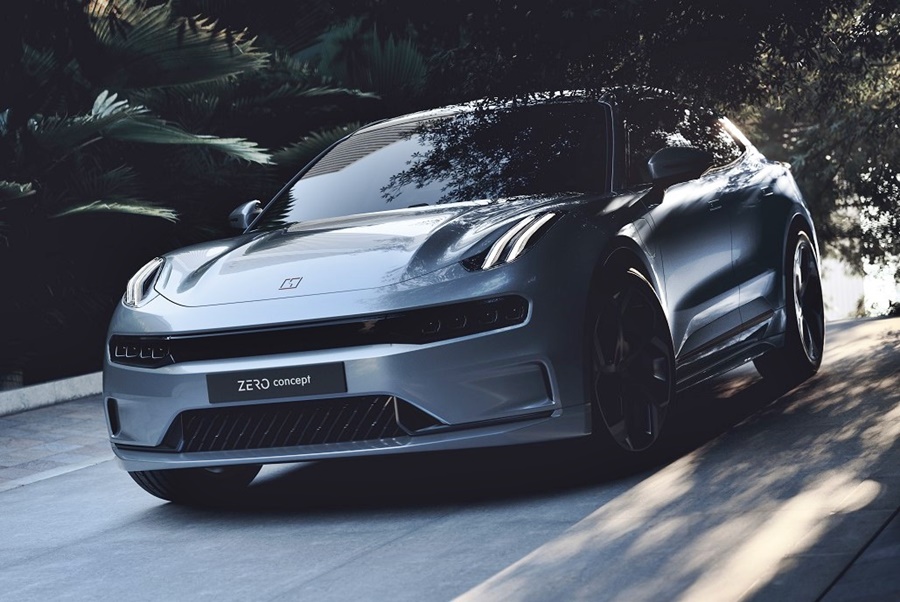
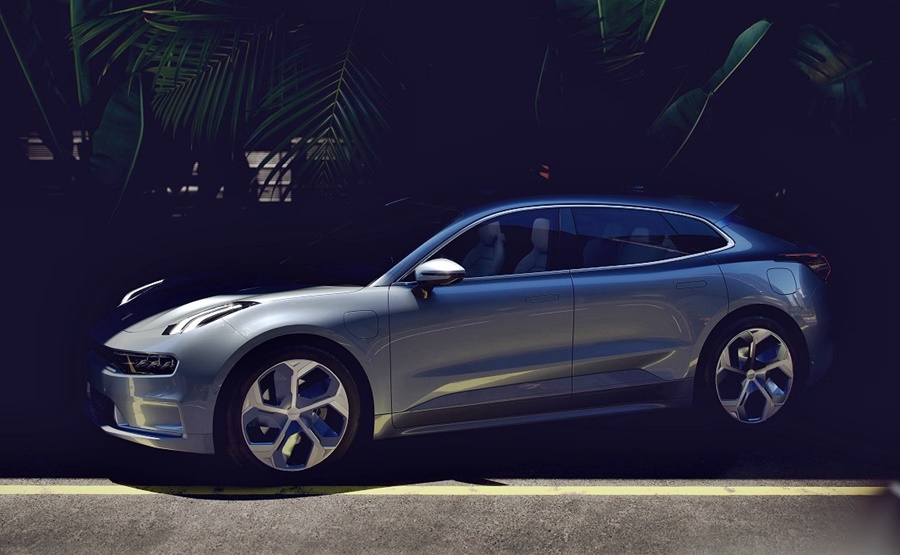
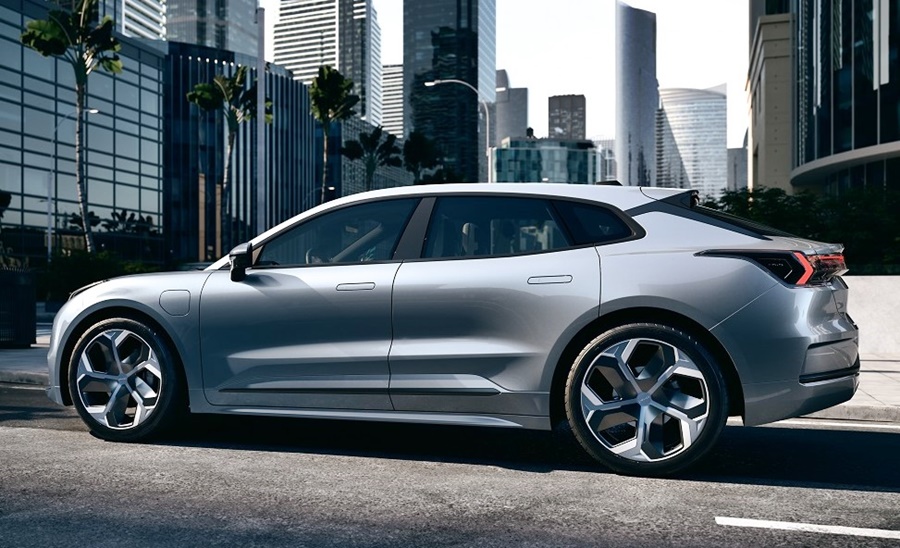
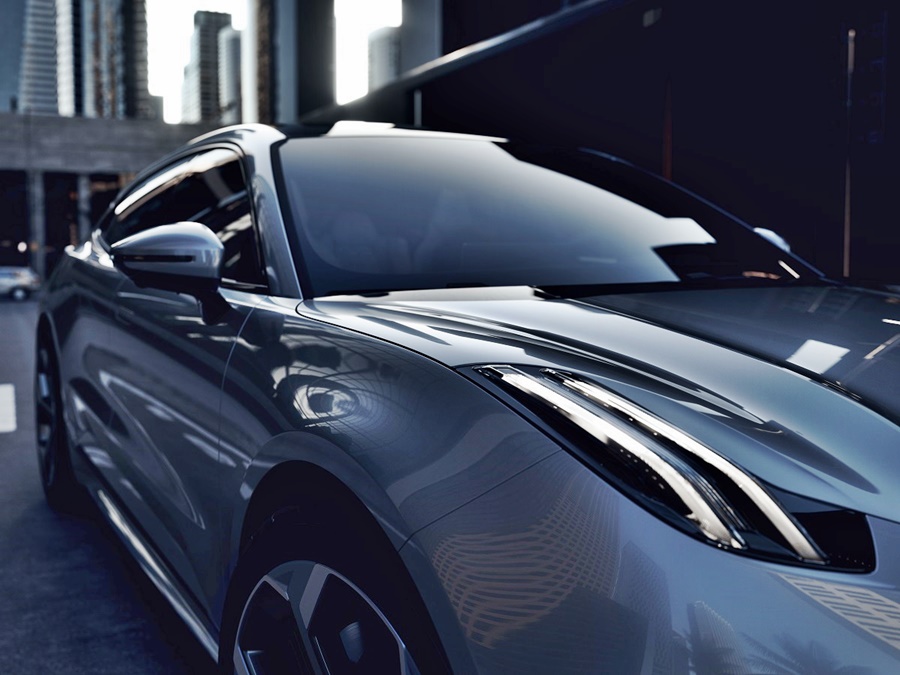
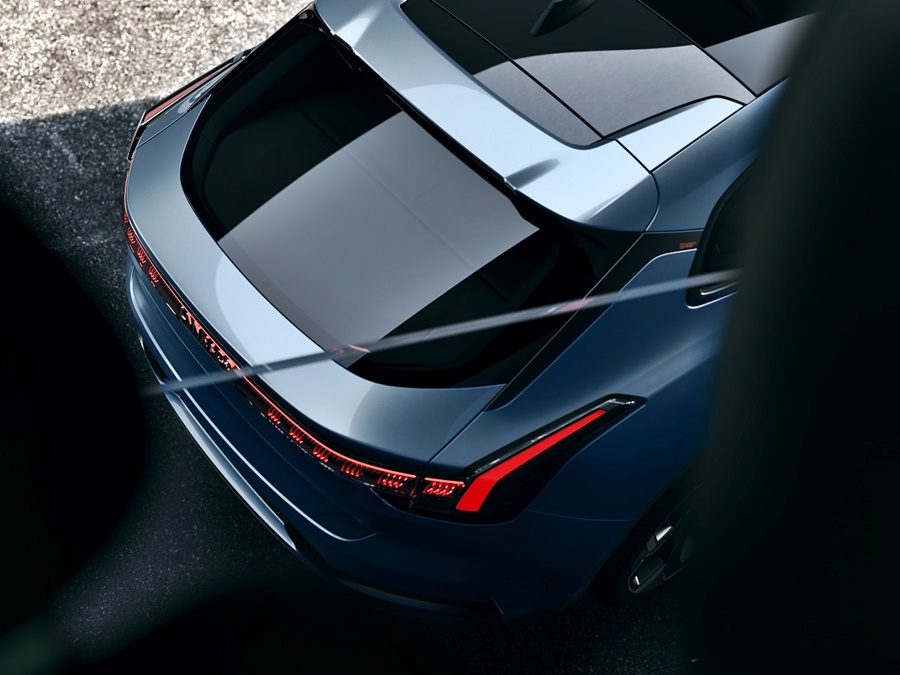
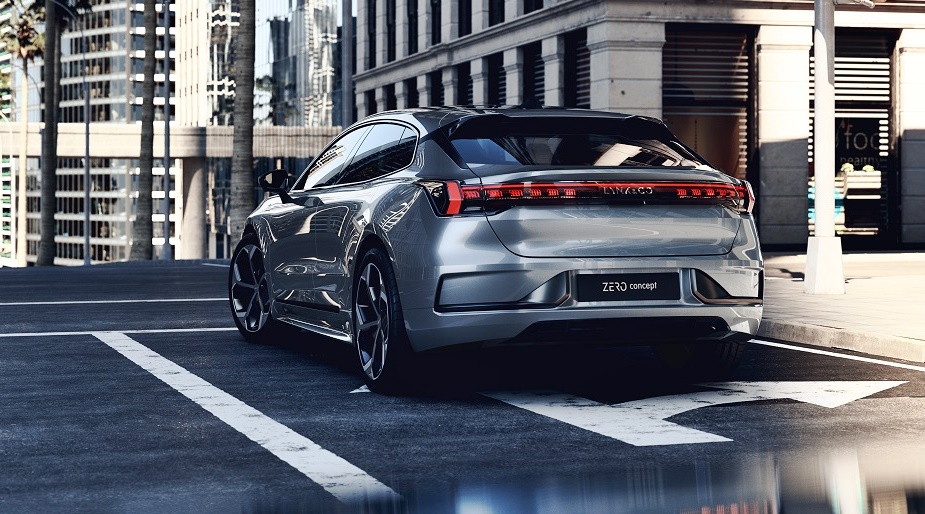
The Zero Concept model that Lynk & Co will display at the coming Beijing Auto Show will be the first model to be based on the SEA architecture. It will be the basis for a new model to go into production next year and also enter the market before the end of 2021.
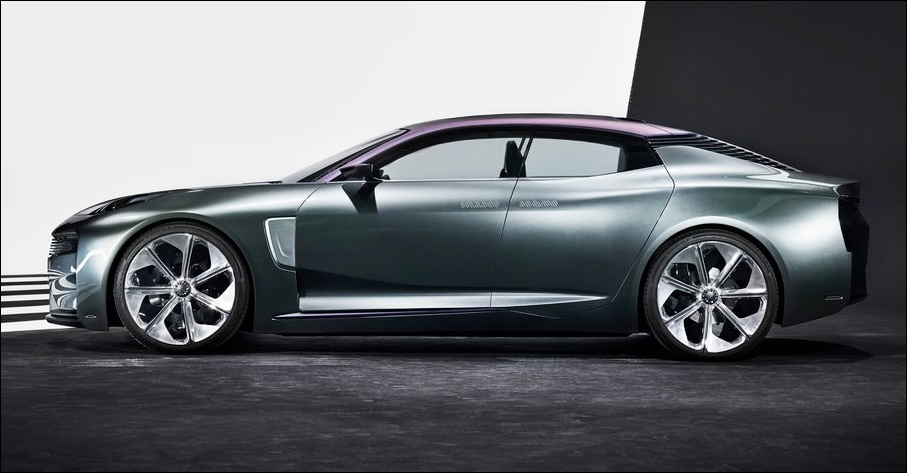
The Zero Concept was designed in Lynk & Co’s Gothenburg design studio in Sweden. It is the second concept car from the brand after the CCC Concept Car which was unveiled in 2016. It set the design direction for the Lynk & Co brand as it grew from one model, the 01, to encompassing 5 different variants – SUV, crossover, coupe SUV and sedan.
CCC concept model displayed in 2017.
The Zero Concept is an extension of the original CCC Concept in its execution, utilizing Lynk & Co’s unique design language that has a clear expression. Clear graphical lines push boundaries and work to highlight the technological aspects of the Zero Concept’s design language.
“The dedication that went into the Zero Concept was incredible, and the result has been first class design with state-of-the-art technologies that allow for a zero-emission future. We have encompassed passion, performance and pure electrification into the Zero Concept,” said Peter Horbury, Senior Vice-President of Geely Design.
Positioned as performance touring coupe
The SEA architecture has given the designers the possibility to create a vehicle with perfect proportions with low overhangs both front and rear, with a wheelbase that is just under 3000 mm. Its dynamic sporting profile positions the Concept Zero as a technology-orientated performance touring coupe.
Sustainability has been placed at the forefront of the Zero Concept with the use of high-tech sustainable materials being used throughout the design strategy that will further enhance the production variants zero emission credentials.
Drivers can expect the range of the production model to be in excess of 700 kms with a fully charged battery pack, according to Lynk & Co. Like many EVs, it will also off brisk and zippy performance with a claimed 0 to 100 km/h time of under 4 seconds.
About Lynk & Co
Although the brand is already 4 years old, it is still not well known globally as much of its marketing focus has been in China. The company was formed as a joint venture between the Geely Auto Group and the Volvo Car Group as ‘a challenge to the established automotive industry with an offering that meets the needs and requirements of a new generation of globally connected consumer’.
It developed a new business model, an open API, personalized services, sharing possibilities and the first dedicated app store for cars.
Since entering the market with the 01 SUV in 2018, Lynk & Co has sold over 300,000 cars. The tech-laden SUV is built on the Compact Modular Architecture (CMA) that was co-developed between the Geely Auto Group and Volvo Cars.
Lynk & Co’s first model
The brand has planned a roll-out of products in the Netherlands, Sweden, Germany, Belgium, Italy, France and Spain towards the end of this year, with the North American market to follow.
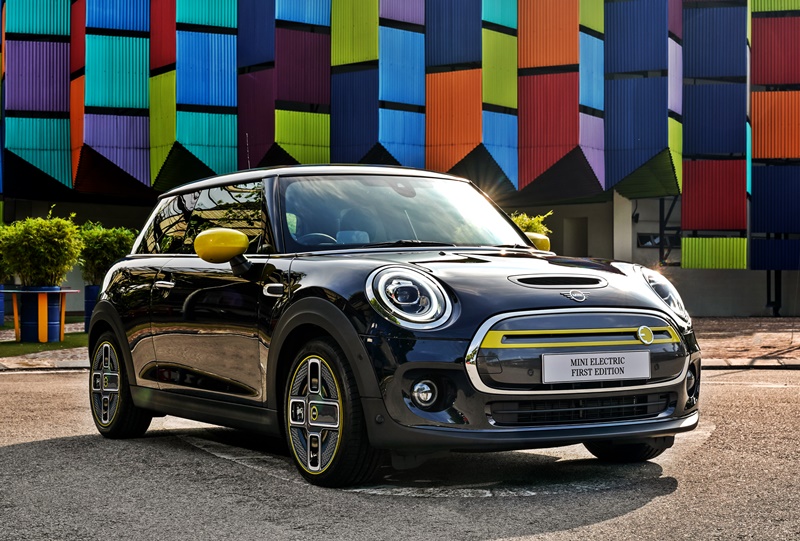
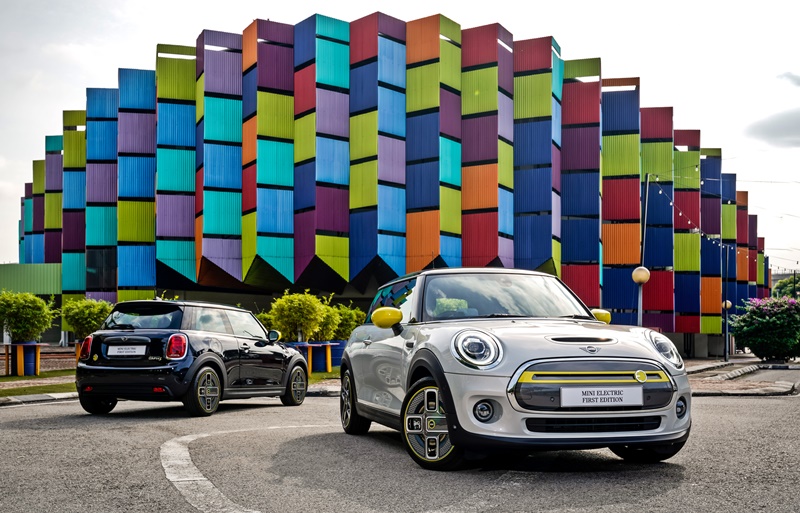
Following the launch of the MINI Electric last month, MINI Malaysia now offers the First Edition and only 15 people in Malaysia will be able to own one. First Edition models are usually produced in limited runs and come with exclusive or unique features.
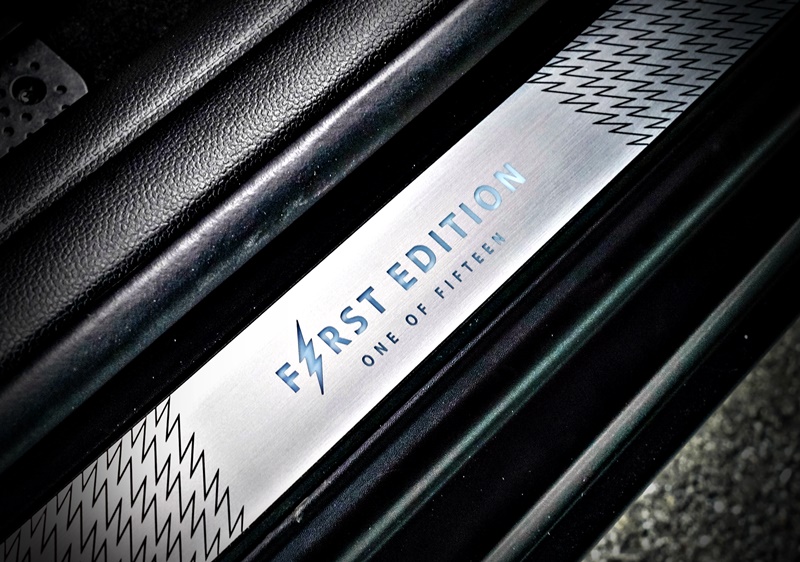
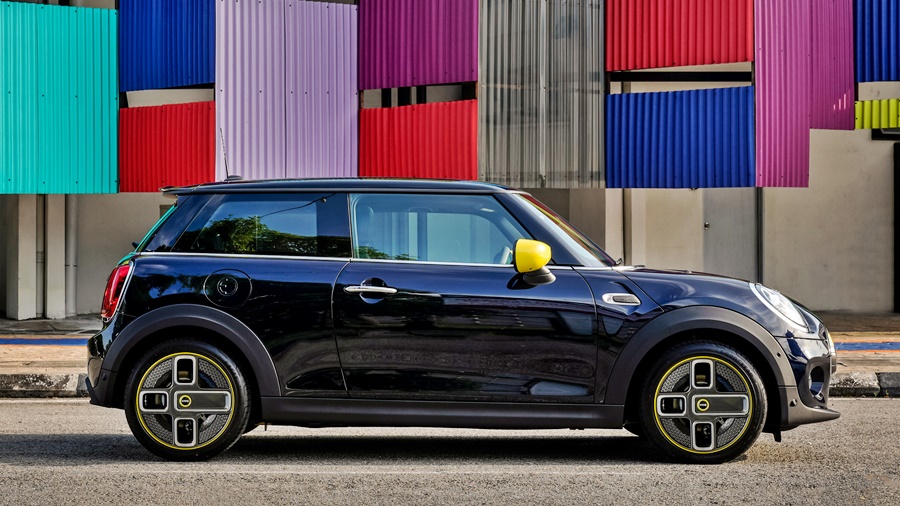
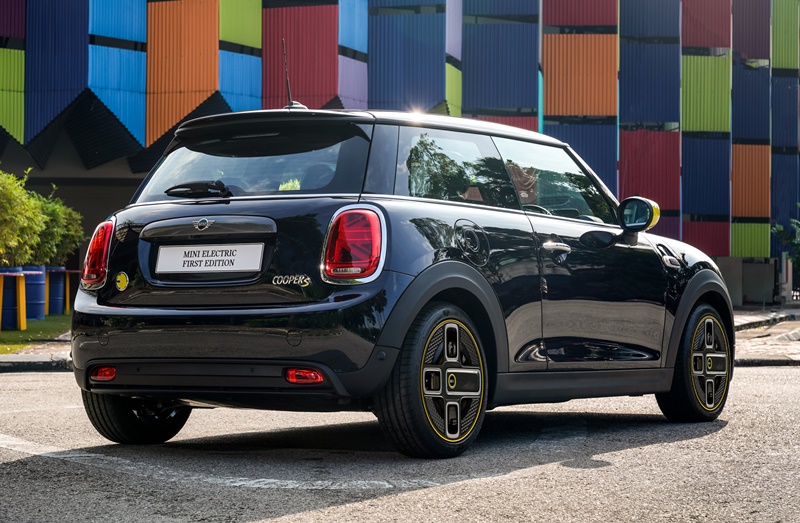
In the case of the MINI Electric First Edition, priced from RM238,380.78, there are bespoke side scuttles and door sills which identify each unit as ‘ONE OF FIFTEEN’. An all-new exterior colour, Yours Enigmatic Black, almost makes it debut with this special edition. 17-inch Power Spoke two-tone wheels come with run flat tyres.
MINI Yours appointments
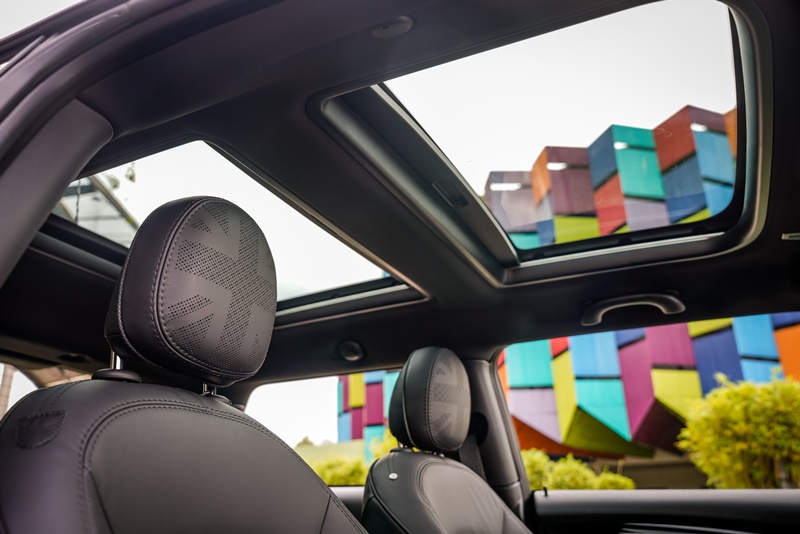
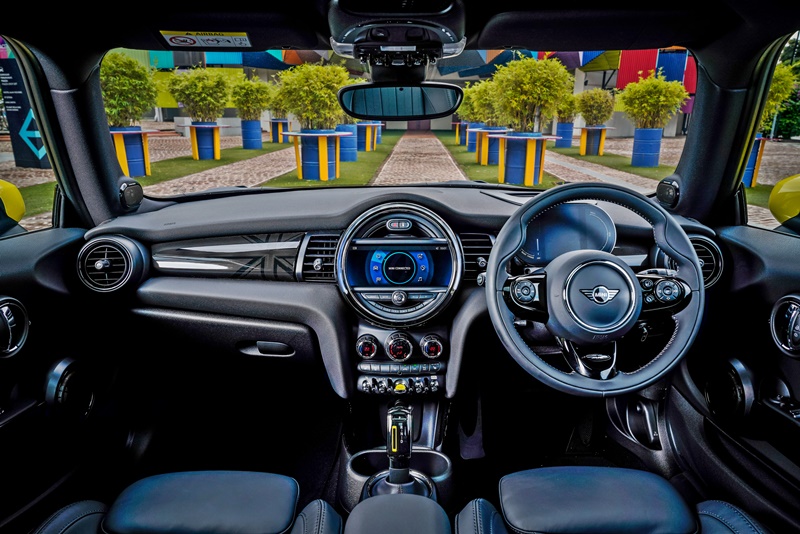
The interior has MINI Yours Walknappa Leather Lounge Upholstery and Walknappa Leather-wrapped steering wheel. At night, the MINI Yours Illuminated Interior Surface lights up from a choice of 12 ambient light colours. Additionally, the Panorama Glass Roof enhances the sense of openness day or night.
ELECTRIC-specific features
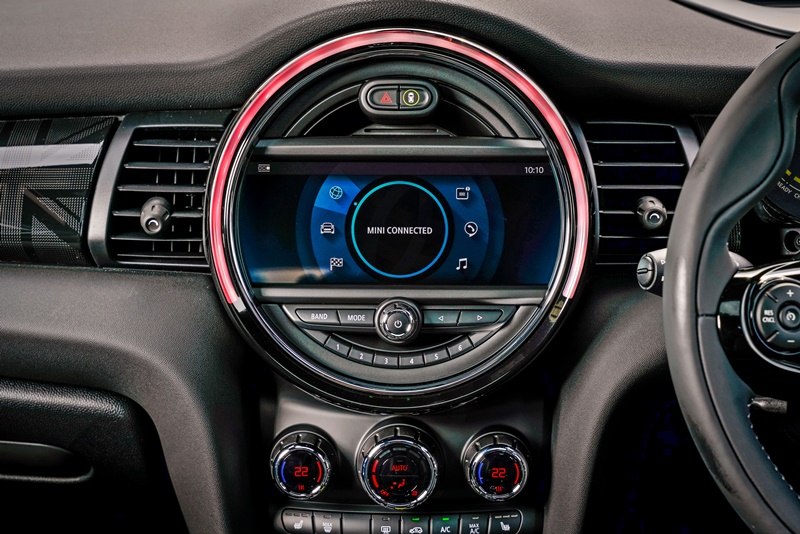
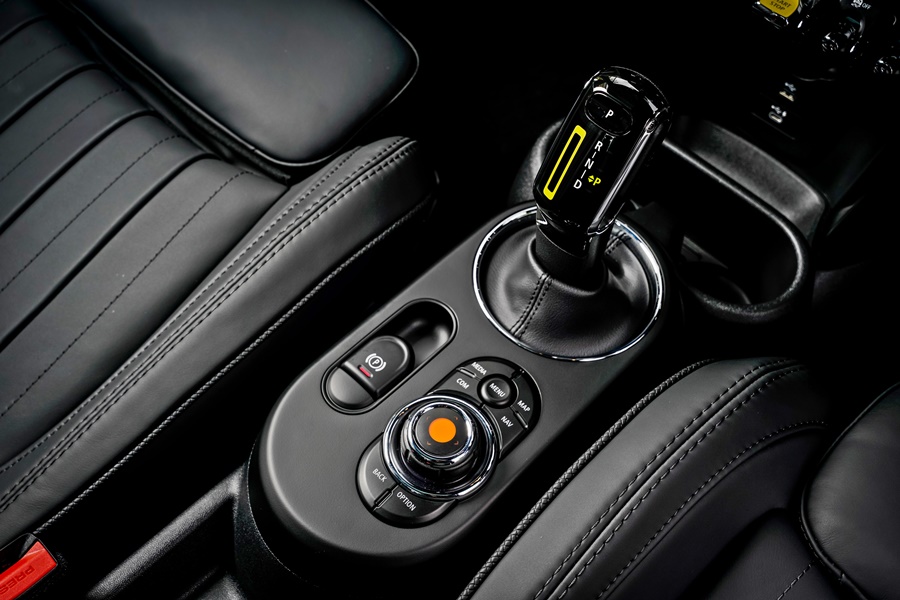
The Electric version has its own specific features such as the Electric Cockpit Fascia, Electric Start/Stop button in Yellow, Electric velour floor mats, an electronic selector lever with Electric design, as well as the brake energy recuperation toggle. The driver can refer to the Head-Up Display or the Digital Instrument Cluster which displays key information like speed, range, state of charge of the battery.
The body colour features its front blade and aero-optimised mirror caps in Energetic Yellow. Alternatively, the First Edition is also available in the popular White Silver with Energetic Yellow accents. The roof for both exterior body colours will be available in black. It is equipped with the Lights Package which includes the Matrix LED headlights and LED rear lights featuring the iconic Union Jack design to remind of its British heritage.
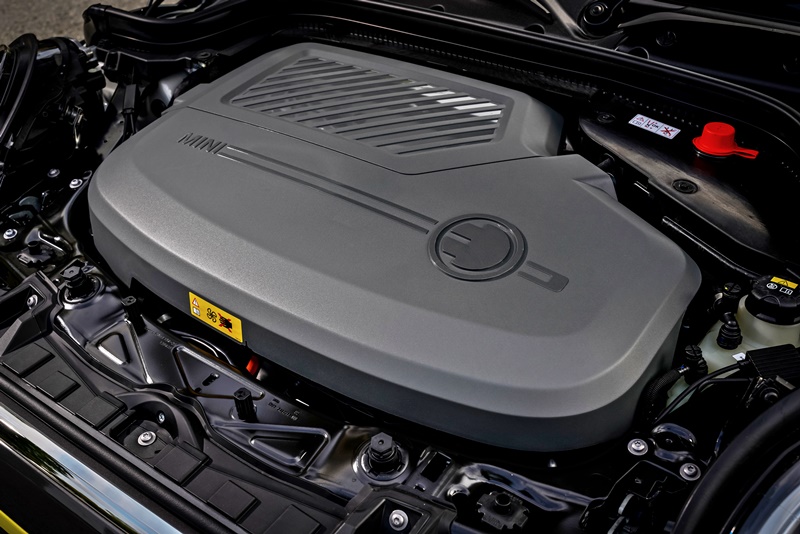
In place of an internal combustion engine is a synchronous electric motor developed by the BMW Group. The front-axle electric motor generates 135 kw/184 hp, drawing energy from a 12-module T-shaped battery pack with a net capacity of 28.9 kWh. Peak torque is 270 Nm which is available from the moment the car moves off, providing zippy performance with a claimed 0 to 100 km/h time of 7.3 seconds.
Up to 270 kms of range
With a single-speed transmission and integrated differential, the MINI Electric First Edition can reach a claimed maximum speed of 150 km/h and depending on driving conditions and style, travel for up to 270 kms on a fully-charged battery pack.
Recharging a fully empty battery pack requires approximately 36 minutes to reach 80% capacity when recharging at a DC charging station. Similarly, the MINI Wallbox Plus provides an 80% charge in just two and half hours. At home, recharging can be done in 12 hours using a household power supply. Of course, most owners would not run the battery till it’s completely empty so the actual time required may not be as long.
Electrically-powered cars have been in the news more and more in recent years but they have actually been around since the 1800s. In fact, between 1900 and 1912, a third of all vehicles on US roads were powered by electricity, However, when the internal combustion engine (ICE) improved in reliability and performance, electric cars were pushed into extinction as their performance stagnated. After the 1930s, there was little interest in such cars.
It would not be until the 21st century began that pure electric cars would make a comeback, although the hybrid powertrain which used an electric motor with an ICE debuted just as the 20th century was ending. The electrification of cars got underway and this decade will see a surge of models appearing as a number of companies have them in final stages of development.
The early electric cars have had limited performance which raised the question of whether one of the elements of driving pleasure – high performance – would eventually be lost. Hybrid technology advanced a lot and showed that it was possible to have electrification and high performance – but that still included a ICE. What about a pure electric propulsion system?
Full electric but with Porsche DNA
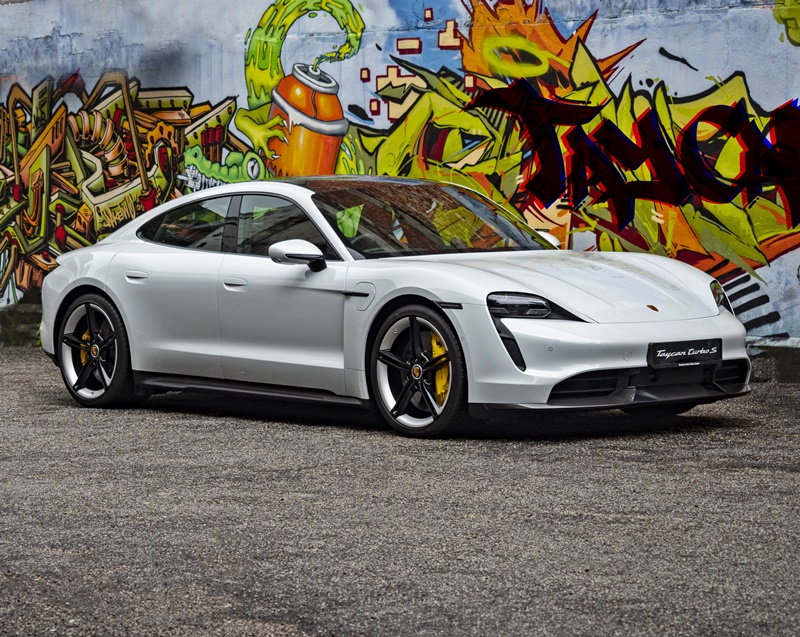
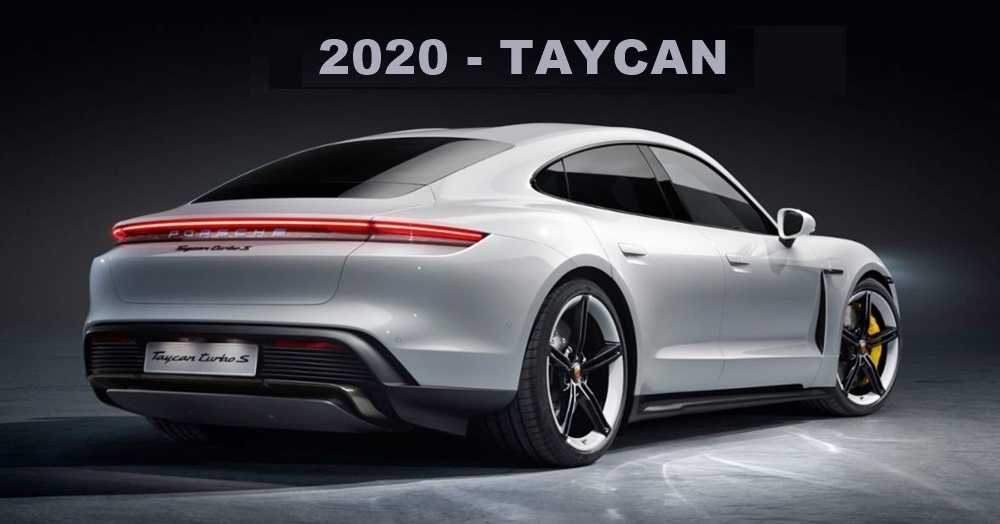
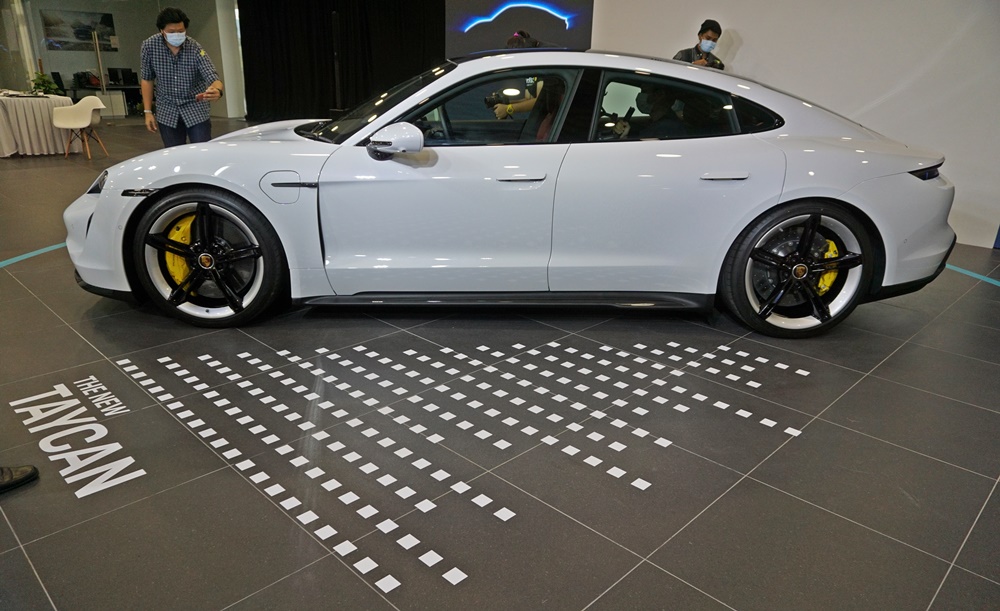
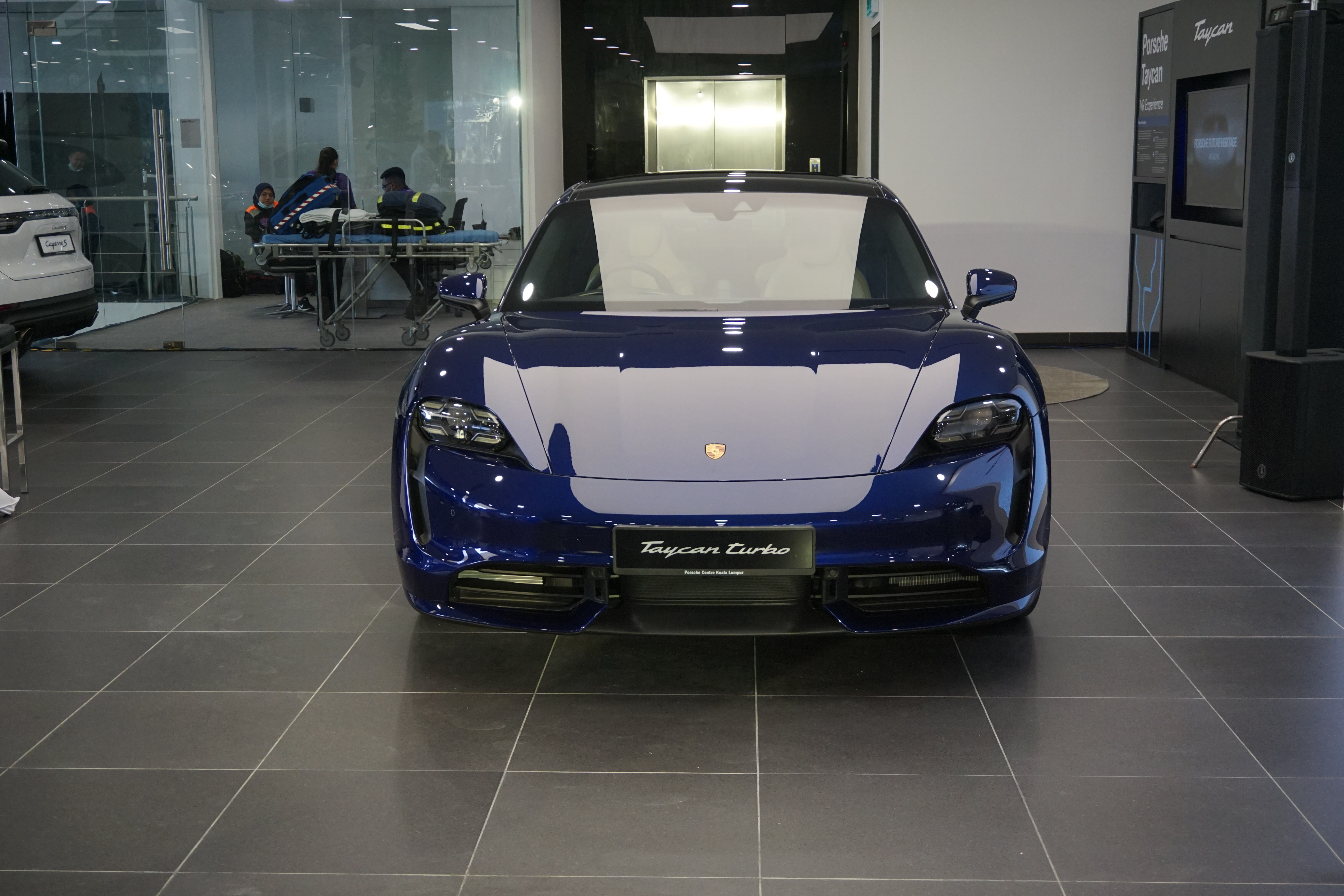
With the new Taycan, launched today in Malaysia by Sime Darby Auto Performance (SDAP) , Porsche shows that high performance need not be lost just because of electrification. Just as its engineers made sure that when the company introduced its first SUV, it would still have the dynamics of a sportscar and the character of a Porsche, they also made sure that the brand’s first all-electric car would do justice to the name ‘Porsche’.
Actually, an electrified car is not entirely new to Porsche and with much attention given to the pioneering Toyota Prius hybrid, and Nissan LEAF and Tesla electric cars, the company reminded the world that Dr. Ferdinand Porsche designed what can be considered the world’s first hybrid powerplant for a car back in the late 1890s. And it was even produced until 1915 although only a small number of cars were actually sold.
Advanced battery technology
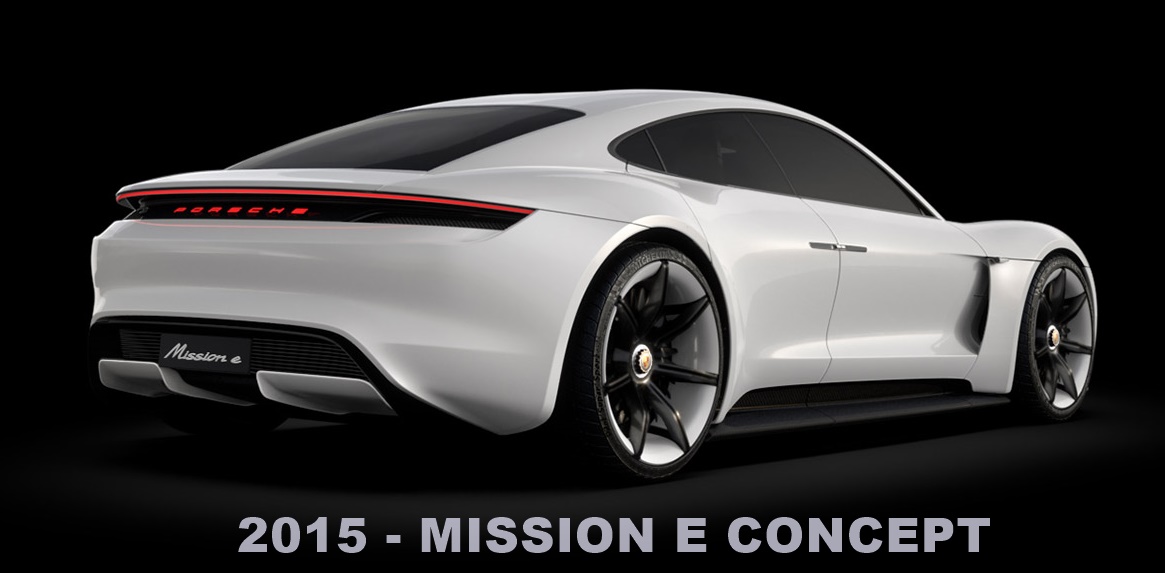
100 years later, automotive technology has of course progressed greatly, along with the technologies more specific to electric cars, such as battery technology. Porsche has stayed at the forefront of the technological envelope and used the latest hardware for the Taycan which began as the Mission E concept 5 years ago.
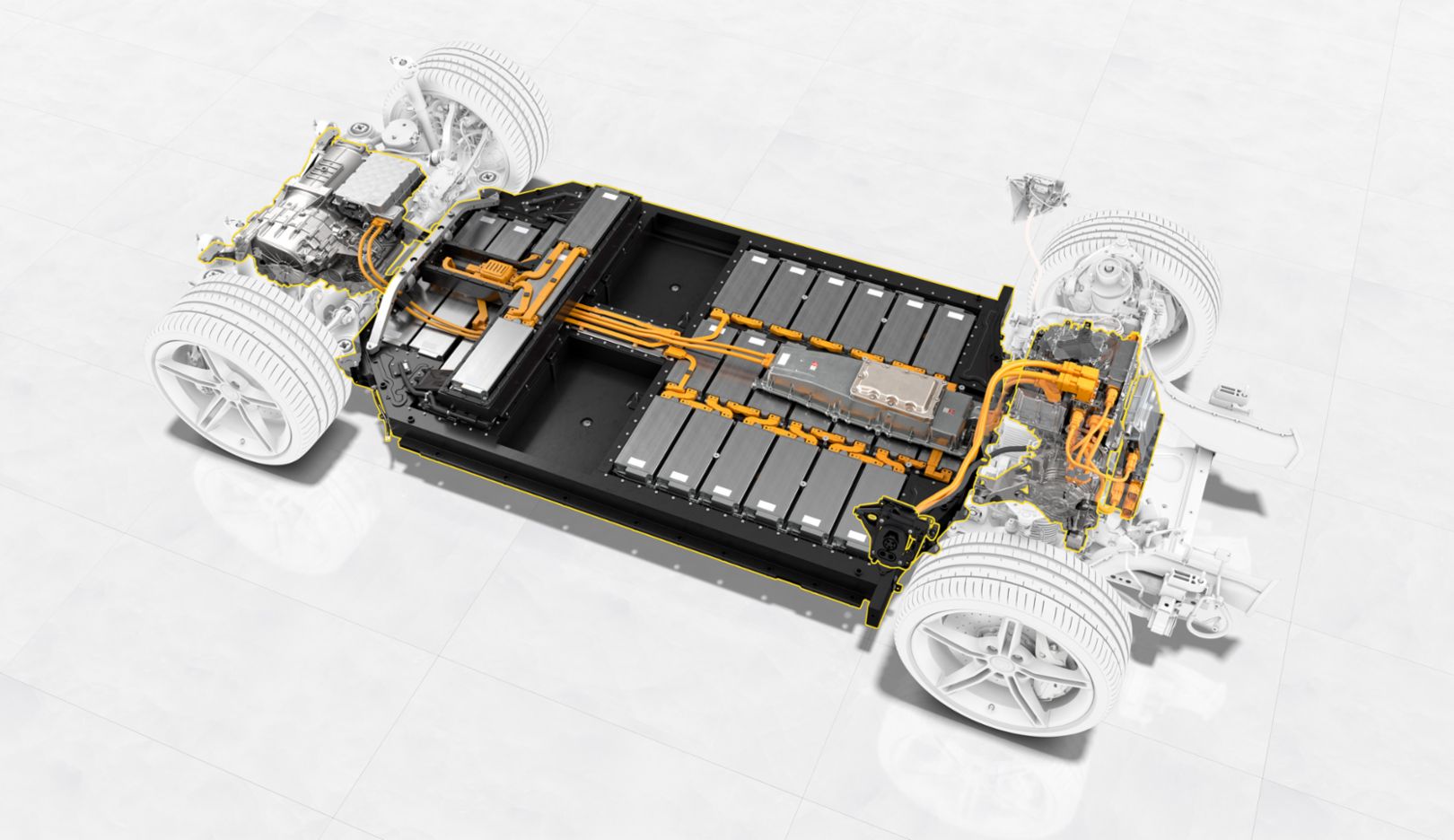
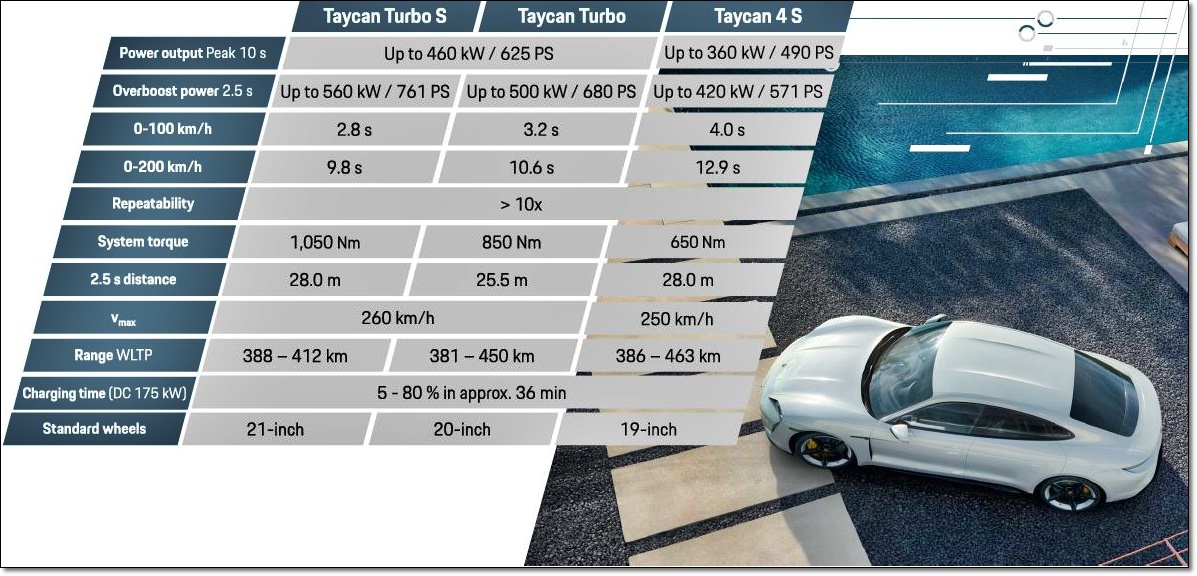
For example, the Taycan is the first production electric vehicle with a system voltage of 800 volts, instead of the usual 400 volts. This is a particular advantage for owners while on the move as full recharging of the lithium-ion battery pack can be done in just over 36 minutes. However, this requires a 175 kW direct current (DC) charger.
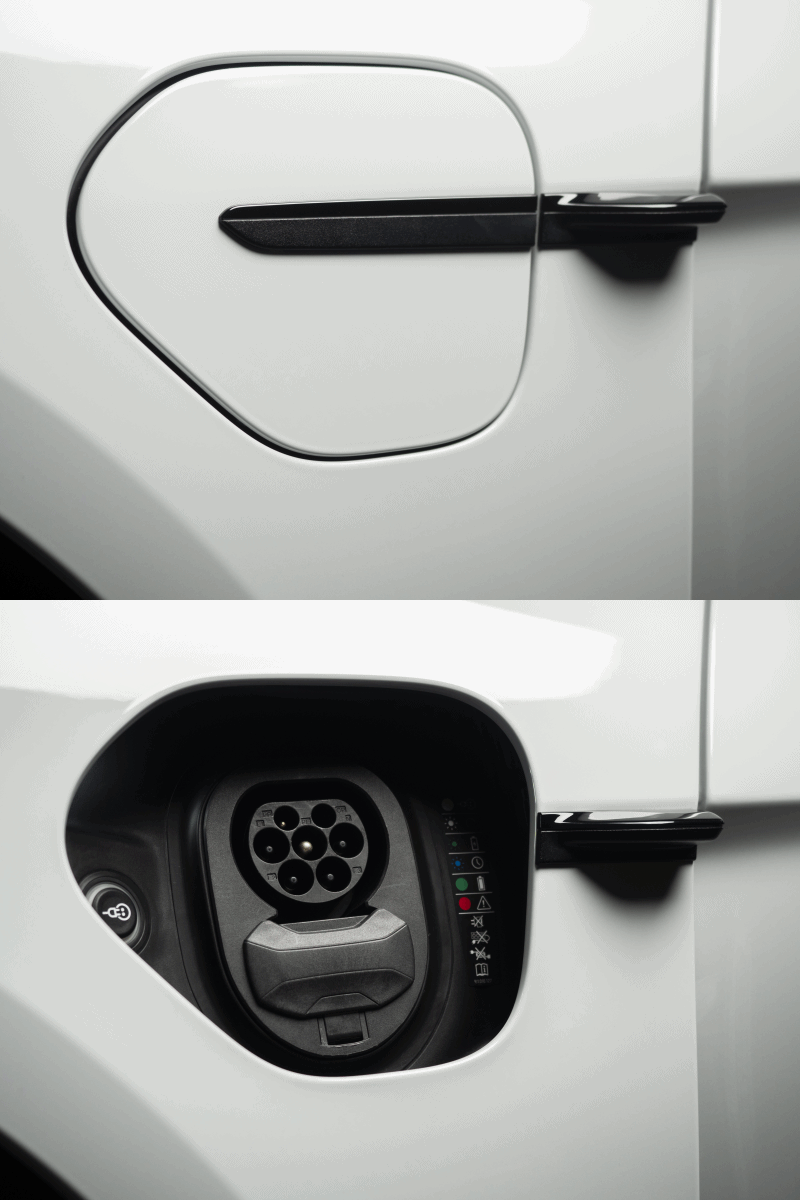
Recharging port is behind a flap on the front fender.
The overall capacity of the Performance Battery Plus is 93.4 kWh and can conduct higher currents, thus speeding up the charging process significantly. Taycan drivers can also charge their cars with up to 11 kW of alternating current (AC) at home using the Porsche Mobile Charger Plus kit. The car can also be recharged at public charging stations, some of which do have the DC facility.
Those who are close enough to a Porsche Centre in Malaysia can get free use of the DC chargers installed at each location. During the charging time of around half an hour, the owner can enjoy a cup of coffee at the lounge or even do some work.
Porsche performance levels
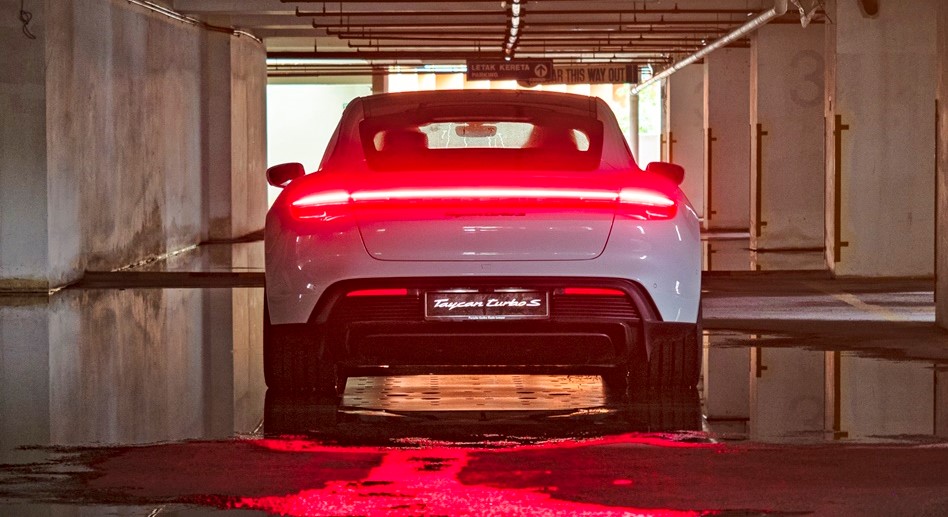
Energy from the battery pack, located under the middle of the car, powers the electric motors which can generate up to 560 kW (761 ps) overboost power in combination with Launch Control in the flagship Taycan Turbo S, and up to 500 kW (680 ps) in the Taycan Turbo. If you wonder why ‘Turbo’ is used when there is no turbocharger, it’s just Porsche’s way of providing a sort of reference point to the relative performance levels of the models.
There’s also a third model – the Taycan 4S – which has a standard Performance Battery. This gives a performance level of up to 390 kW (530 ps) via overboost power in conjunction with Launch Control. It can be increased to a maximum of 420 kW (571 ps) with the optional Performance Battery Plus.
As would be expected, the performance numbers reflect the high torque characteristic that electric motors generate from almost standstill. The Taycan Turbo S, with 1,050 Nm of torque will go from 0 to 100 km/h in a claimed 2.8 seconds while the Taycan Turbo, with 850 Nm, does the same run in 3.2 seconds. The Taycan 4S is no slowpoke either and will still do 0 to 100 km/h within 4 seconds and get up to 250 km/h.
The profile of the driving modes essentially follows the same philosophy as in other Porsche models. This is supplemented by special settings which enable optimum use of the electric drive. Sport Plus and Individual modes are part of the Sport Chrono Package, which comes as standard on the Taycan Turbo S.
So in as far as straightline performance is concerned, these Porsches can provide the same adrenalin rush as their ICE brothers. However, the feeling won’t be the same with the electric motors being smoother as there isn’t that distant reverberation from reciprocating pistons that can be discerned through the steering wheel and pedals.
Perhaps Porsche engineers are working on creating some sort of ‘classic feel’ but for now, there is the Porsche Electric Sport Sound. This is basically a sound clip that comes on during acceleration, adding a sense of ‘drama’ in spite of the electric whine. In some markets, it’s an optional feature but SDAP has specified it as standard for all the Taycan models.
How far can you go?
What about range? This is something that is on the minds of most people who consider an electric car because you can’t just pull into a station to get extra volts when you need them. The recharging network is growing but nowhere close in coverage to the petrol station network which is the product of over 100 years.
Just like the ICE Porsches, the more powerful the car, the less range it will have (and how the car is driven is still a factor). In this case, the range is dependent on the capacity of the battery pack. The 79.2-kWh battery pack of the Taycan 4S can last for a claimed range of 408 kms and if the owner installs the Performance Battery Plus upgrade with about 18% more capacity, the range can be extended another 55 kms. The more expensive Taycan Turbo and Turbo S come with the 93.4-kWh battery pack and for the former, the range is claimed to be up to 452 kms while for the latter, it’s between 390 and 416 kms.
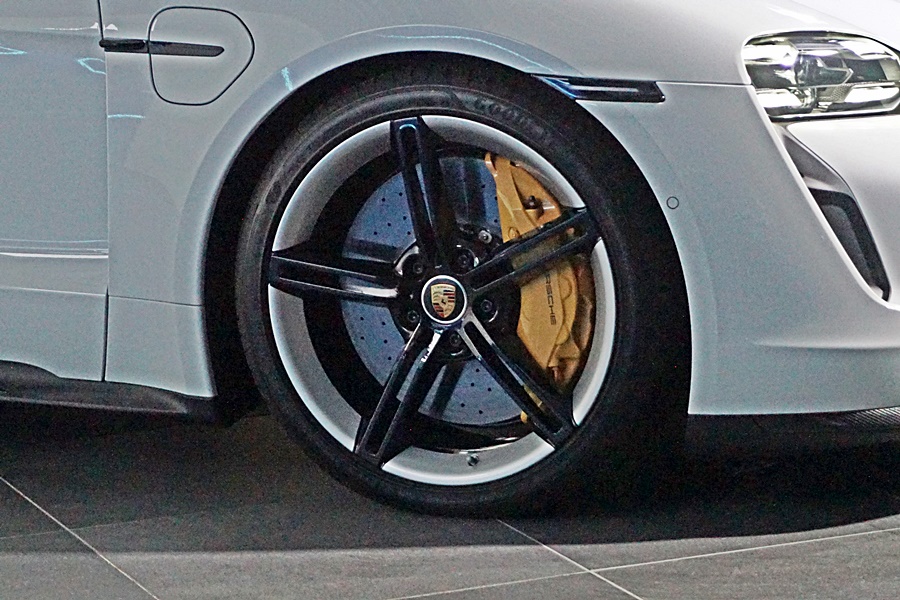
While the ICE is non-existent, there are still many elements of the Taycan which are still ‘conventional’ and familiar. Around the chassis, there’s still adaptive air suspension with 3-chamber air springs and Porsche Active Suspension Management (PASM). The double wishbone front axle and multi-link rear axle are of aluminium and at each wheel are Porsche Ceramic Composite Brake discs.
Futuristic look but still familiar
While Toyota sought to make an impact with a ‘futuristic look’ for the world’s first mass-produced hybrid car, Porsche’s designers have given their first all-electric model a blend of a familiar form with some advanced styling elements. We were already given a preview with the Mission E concept in 2015 and many of the ideas of designer Mitja Borkert have been retained.
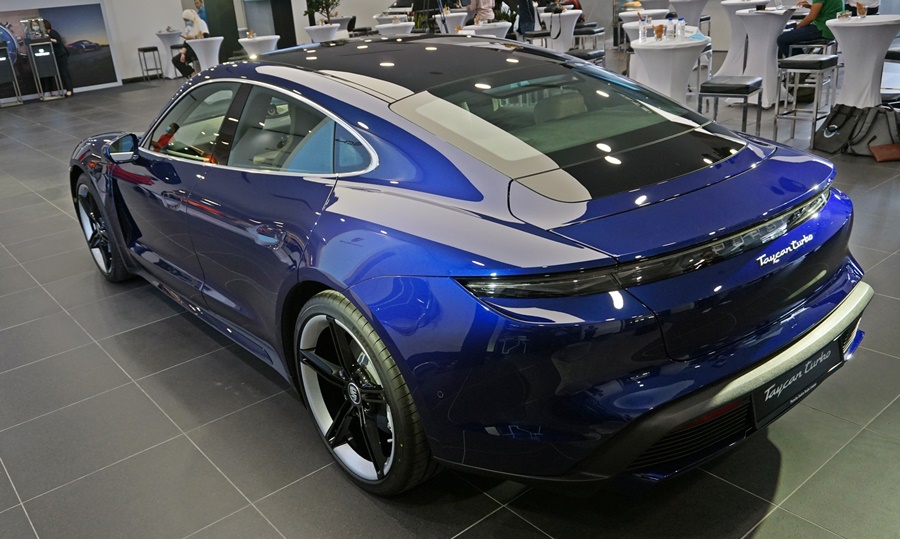
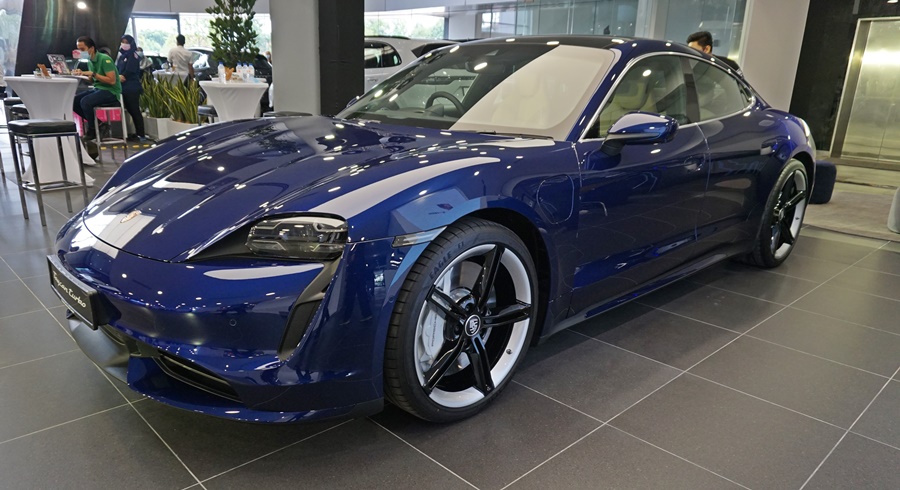
The traditional Porsche form (with a Cd of 0.25) is evident, with the Panamera coming to mind. The LED matrix headlights which form a visual unit with the air curtains, provide a futuristic touch. The 4-point daytime running lights that are typical of the brand are flatter and wider than any other Porsche.
The lighting technology includes PDLS Plus where the matrix deactivates segments of the permanent high beam cone in a targeted way. 84 individually controlled LEDs can be adjusted as required by switching off or being dimmed so specific areas ahead can be fully illuminated.
Look of 1963 – as well as tomorrow
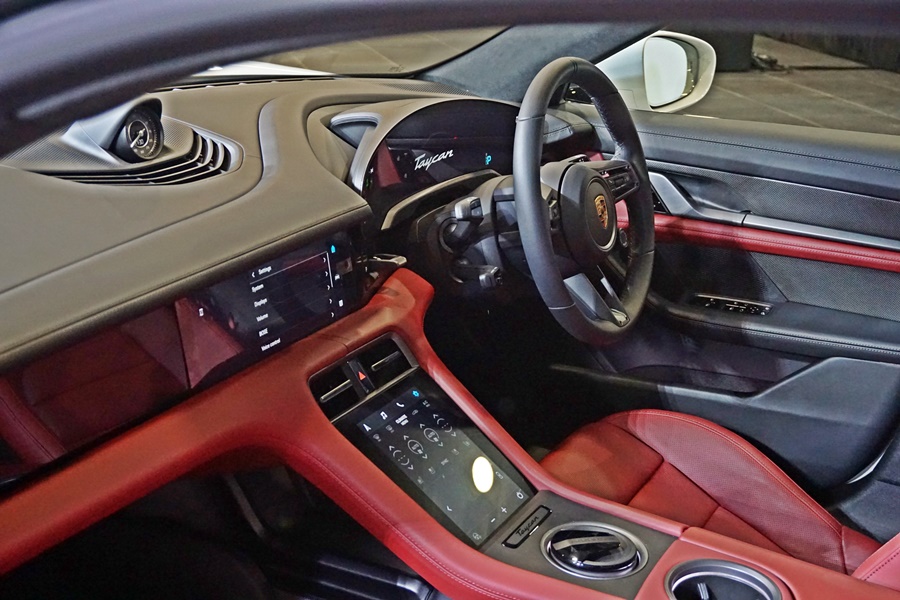
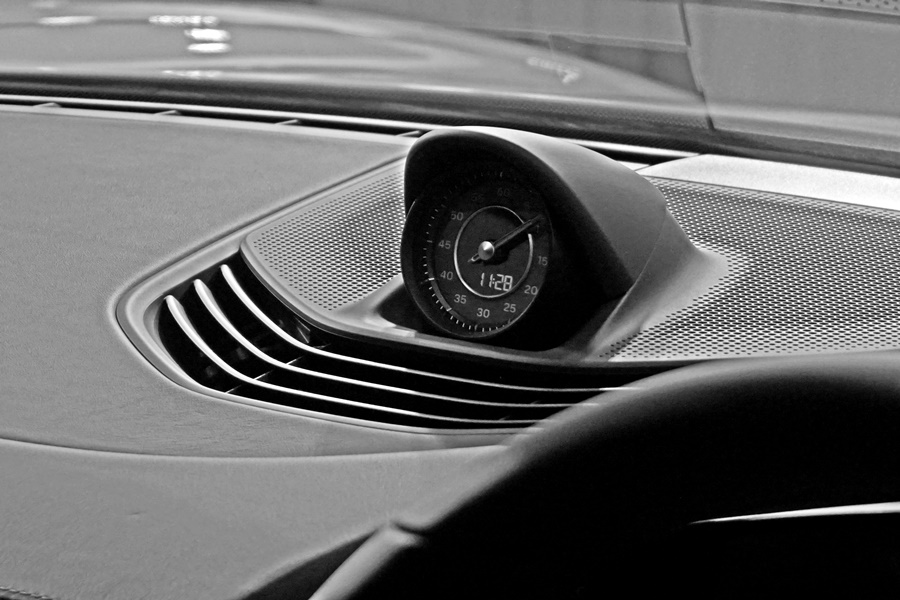
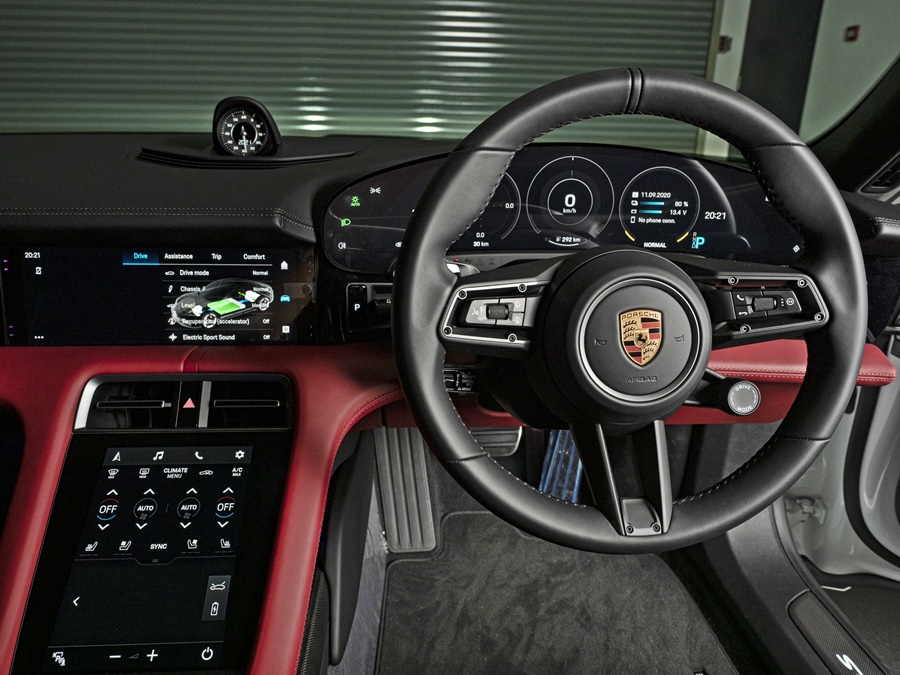
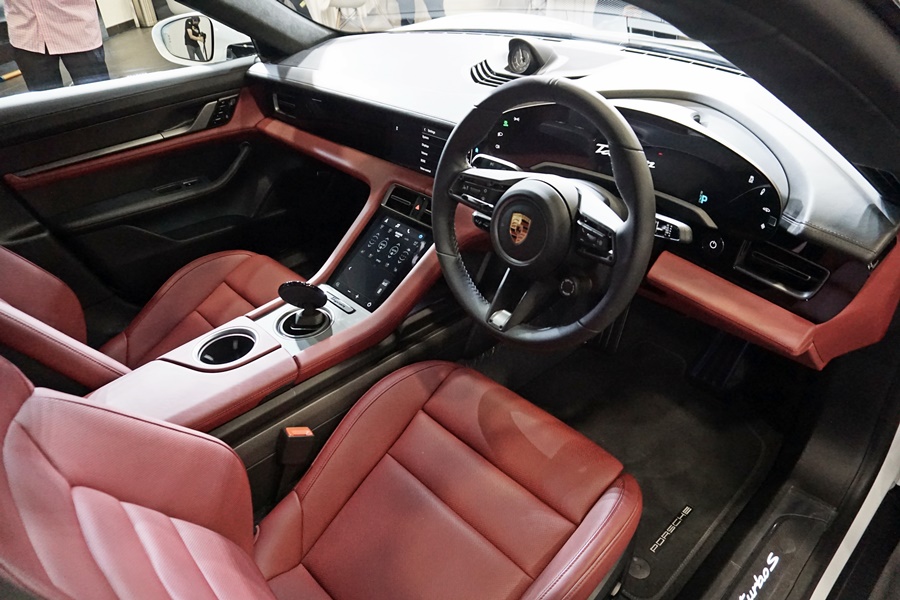
As with the exterior, the designers also gave the interior a familiar look and feel. They even looked to the original 911 from 1963 for inspiration when designing the dashboard. The freestanding 16.9-inch curved instrument cluster forms the highest point on the dashboard while a central, 10.9-inch infotainment display and an optional passenger display are combined to form an integrated glass band in a black-panel look and provides the ‘look of tomorrow’.
All user interfaces have been completely re-designed for the Taycan. The number of traditional hardware controls, such as switches and buttons, have been greatly reduced. Instead, control is intelligent and intuitive – via touch operation or voice control.
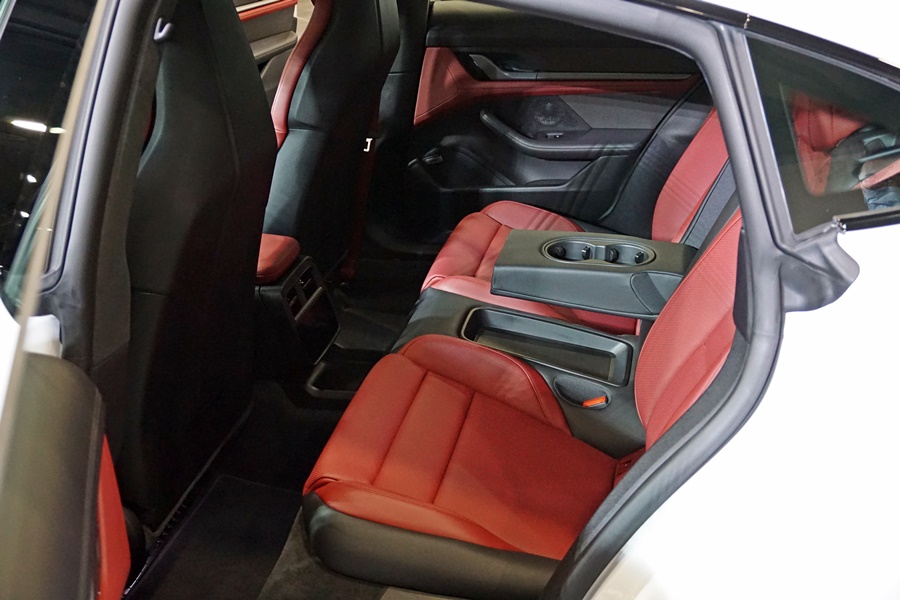
Sustainability is a big thing in manufacturing today and the sustainable concept of the electric sports car is promoted by offering an entire leather-free interior standard for the Taycan Turbo S and Taycan Turbo (option for the Taycan 4S). The upholstery uses Race-Tex microfibre, a textile partly made from recycled polyester fibres while the flooring is of Econyl recycled fibre, made from recycled fishing nets.
As safe as any Porsche
Needless to say, all the active safety systems are provided and there are up to 8 airbags around the cabin to cushion the occupants from serious injuries. The Taycan has already been tested by EuroNCAP which gave it a maximum score of 5 stars. While the lightweight bodywork structure is conventional in one sense, it has also had to take into consideration the presence of the high-voltage battery pack which is cleverly integrated into the bodyshell structure.
The crash sensors of the Taycan were developed to meet the specific requirements of electric vehicles. Additional sensors are therefore used to reliably disconnect high-voltage equipment in the event of a crash. Also in the event of an accident where the airbag is deployed, the battery connection to the vehicle is disconnected as a precaution so that no voltage is live.
First deliveries in 2021
Prices for the Taycan start from RM725,000 for the Taycan 4S, RM999,000 for the Taycan Turbo, and RM1,195,000 for the Taycan Turbo S – all with applicable taxes but without insurance. Unfortunately, you will have to pay the full sales tax as the first deliveries can only start from the first quarter of 2021, after the expiry of the exemption period.
Click here to find out more about Porsche’s first all-electric sportscar.
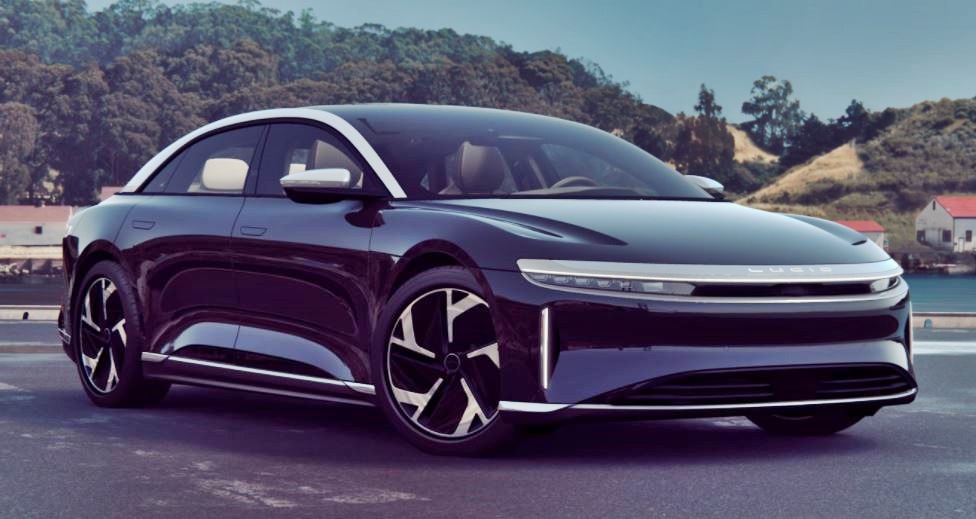
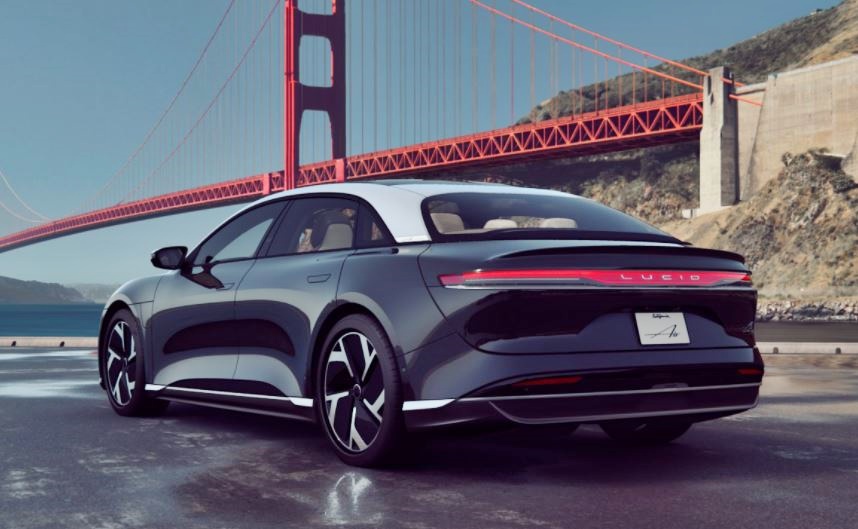
Most people would never have heard of Lucid Motors but that’s how the auto industry is these days, with many new players joining it. Lucid, originally known as Atieva and based in California, is one of those start-ups which has focussed on electric vehicles during the 13 years since its founding.
From making EV hardware (batteries and powertrains) for other companies, Lucid has developed its own technology and has embarked on developing and producing its own electric cars. Its first model will be the Lucid Air with up to 4 versions at prices expected to start from US$80,000 (about RM332,000).
“Lucid Motors is driven to make the electric car better, and by doing so, help move the entire industry forward towards accelerated adoption of sustainable mobility. The goal of this relentless approach to developing the world’s most advanced electric vehicle is to benefit all mankind with sustainable, zero emission transportation, and to also attract new customers to the world of EVs,” said Peter Rawlinson, CEO and CTO of Lucid Motors.
Using space to create the Air
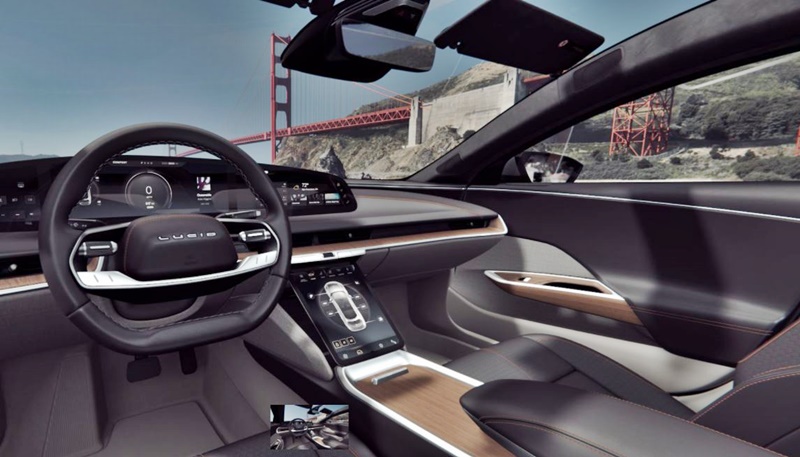
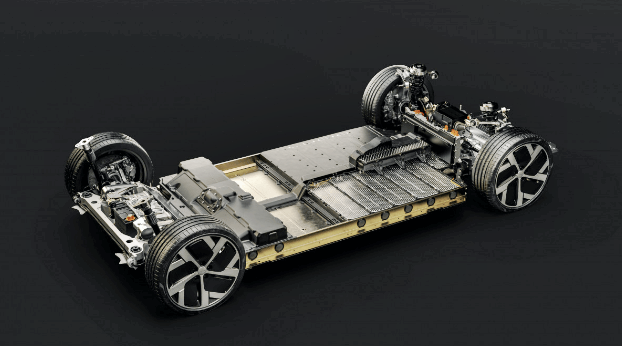
The Lucid Air is said to be the result of a revolutionary approach to automotive packaging called the Lucid Space Concept. It capitalizes upon the miniaturization of Lucid’s in-house developed EV drivetrain to optimize interior cabin space.
The concept is central to the architecture of the Lucid Electric Advanced Platform (LEAP) upon which the Lucid Air, and forthcoming Lucid vehicles, will be built. It’s a holistic, clean-sheet approach to advanced EV construction, without using existing ‘off the shelf’ solutions so often seen in EVs from legacy automakers.
By simultaneously making smaller yet more powerful electric motors and improving the packaging of the entire electric powertrain, Lucid is able to reclaim that space for passengers and their comfort. This extends the philosophy of hyper-efficiency embedded in the car, from energy to spatial efficiency, to achieve longer range, practicality, higher performance, and luxury.
The Space Concept
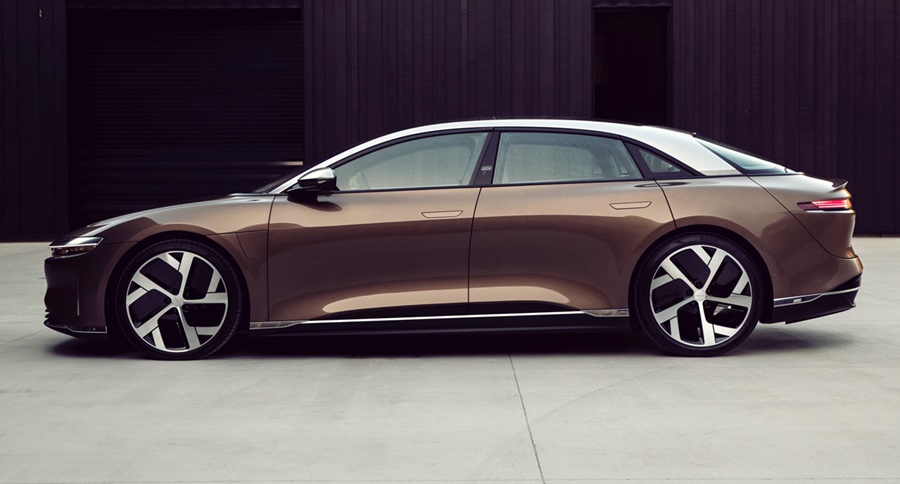
The Space Concept also contributes to the subtly different and modern proportions for the Lucid Air, without relying on any traditional automotive design cues, instead delivering a car that can look distinctive on the road.
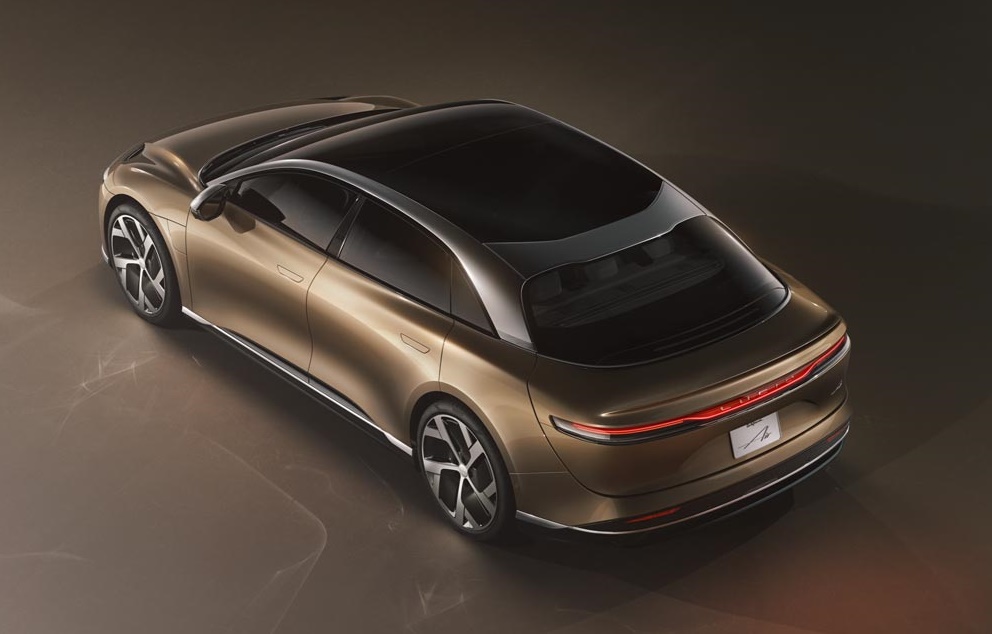
Lucid designers have also made the Air the world’s most aero-efficient luxury car. Tests in an advanced rolling-road wind tunnel have returned results of a Cd of 0.21. This aspect is particularly important for EVs as wind resistance must be kept to a minimum so as to enable motor output to be used to propel the car.
Advanced lighting
The car’s headlamps employ advanced technology with the revolutionary Micro Lens Array system. This has literally thousands of ‘light channels’ to provide the brightest, most precise and advanced lighting. Digital ‘steering’ of light direction is possible by digitally switching light channels in different directions to give the best spread and coverage.
Lucid will also create special retail and digital experiences for the brand which will be different. These are summed up in the brand tagline of ‘Dream Ahead’, which is also the company’s vision for rejecting the status quo and always pushing the boundaries in EV technology.
Record-breaking performance and range
Initial specifications claimed for the Lucid Air show output of up to 1,080 hp available in a dual-motor, all-wheel-drive architecture. It is claimed to be able to do the quarter-mile (about 400 metres) as quick as 9.9 seconds on a consistent, repeatable basis. To date, no other electric sedan has been able to do a time under 10 seconds, according to the company.
High performance can usually mean less range; at least that is how it has been with internal combustion engines. But for electric cars, advanced technologies are continuously extending the range and up to 832 kms is the claim for the Lucid Air with a full-charged battery pack. The compact 113 kWh extended-range battery pack is developed in-house.
World’s fastest charging EV
When it arrives in the market in 2021, the Lucid Air will be the fastest charging electric vehicle ever offered, with the capability to charge at rates of up to 32 kms per minute when connected to a DC Fast Charging network. For owners charging their car in real-world conditions on the road, that can translate into 480 kms of range within just 20 minutes of charging.
To enter the market sometime next year, the cars will be offered in North America, and some countries in Europe and the Middle East.
Volkswagen’s ID family of all-electric vehicles designed from scratch consists of at least seven models, of which two are ready for the market. The first is the ID.3, a hatchback based on the original ID concept shown 4 years ago. Production is underway and order-taking began in July this year, with first deliveries starting in October 2020.
Now attention is being switched to the ID.4, which will be the brand’s first all-electric SUV, to reach the first customers before the end of this year. Like what some other carmakers have been doing, highlights are being revealed prior to the commercial launch (at the end of this month).
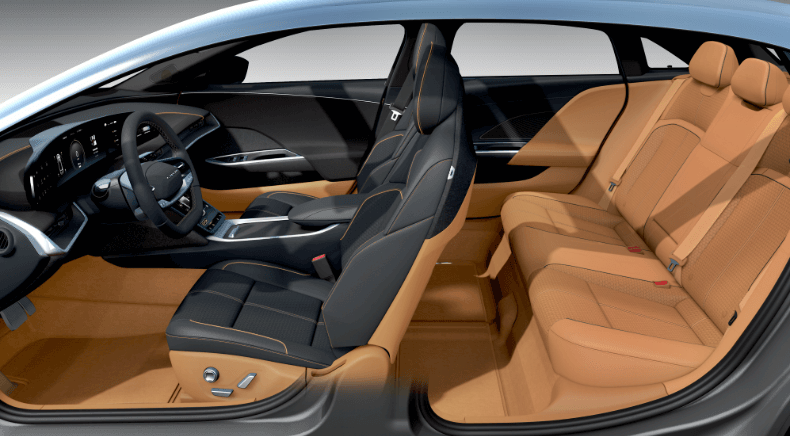
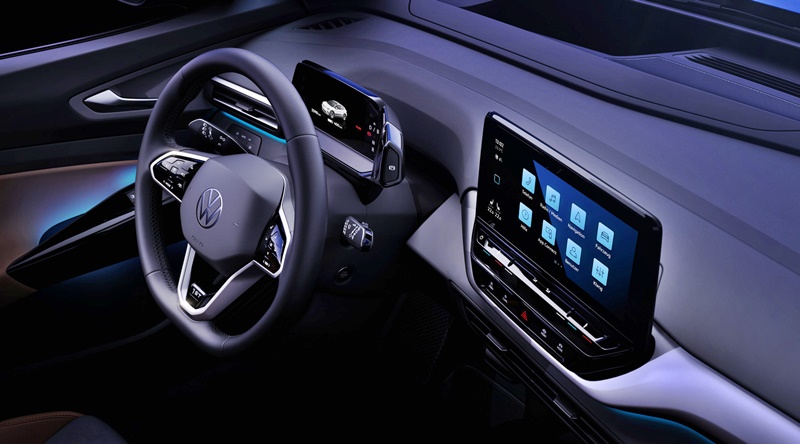
Following a description of the aerodynamic exterior, we are now being told about the interior. Having had the opportunity to start from a clean sheet – or perhaps a clean hard disk might be a more appropriate term – the interior designers have been able to provide plenty of space with a purist approach. This has been partly helped by the use of the new MEB platform, developed for electric vehicles.
Traditional SUV elements maintained
While there is much departure from traditional SUVs, some elements are maintained – like the large door openings, commanding all-round view and high seating position. These are what people have been buying SUVs for and would still expect even if the powertrain is entirely different.
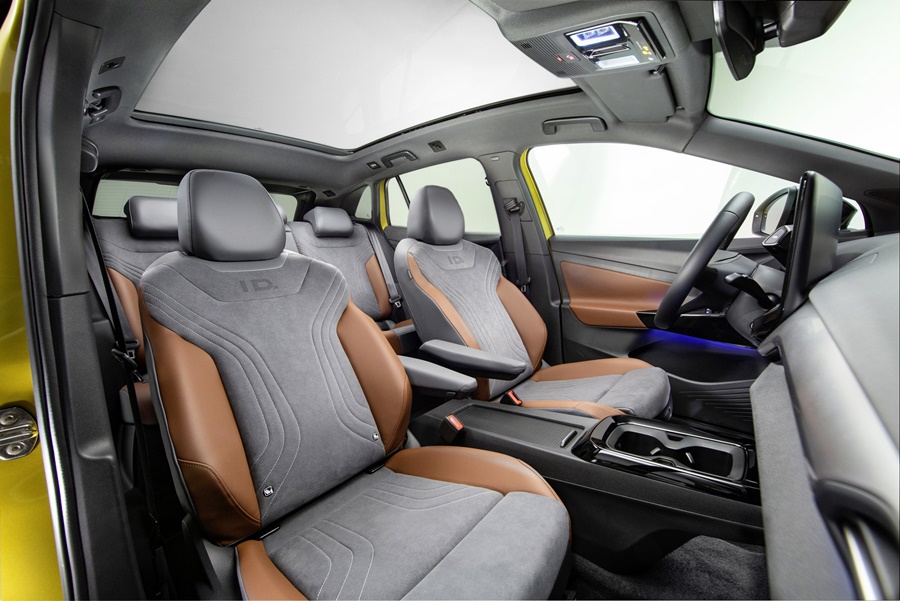
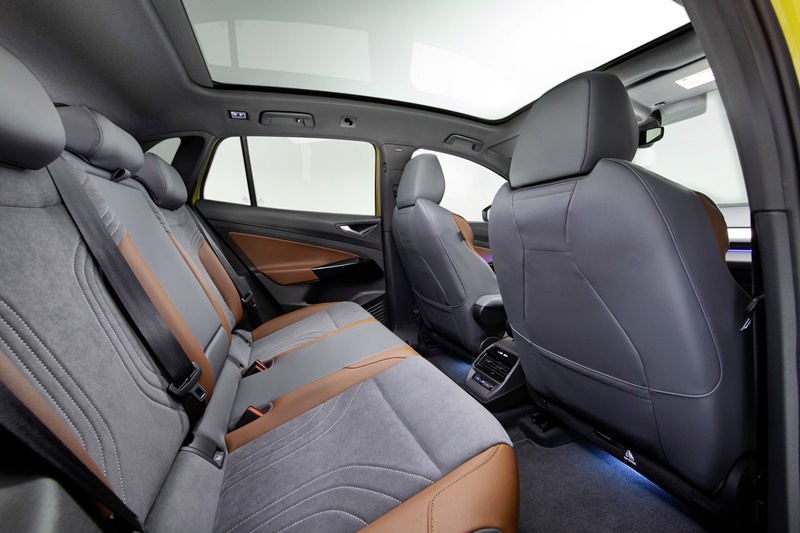
The door handles on the ID.4 lie flush with the body and come with electric unlocking. Inside, the cabin area is a generously planned space with the rear seat bench offering as much space as a conventional SUV in the next higher category. There’s also plenty of luggage space and even with the rear seats in use, the available volume is 543 litres.
The front seats are sporty and comfortable, their design and structure bearing the seal of approval by the German Campaign for Healthier Backs. They will come with a number of electrical adjustment options, while their pneumatic lumbar supports have a built-in massage function.
The materials used underline the character of the ‘feel-good’ lounge. There will be versions with seat covers made from animal-free materials. They are constructed of a combination of leatherette and ArtVelours – a microfibre material that consists of around 20% recycled PET bottles.
Ample sense of space
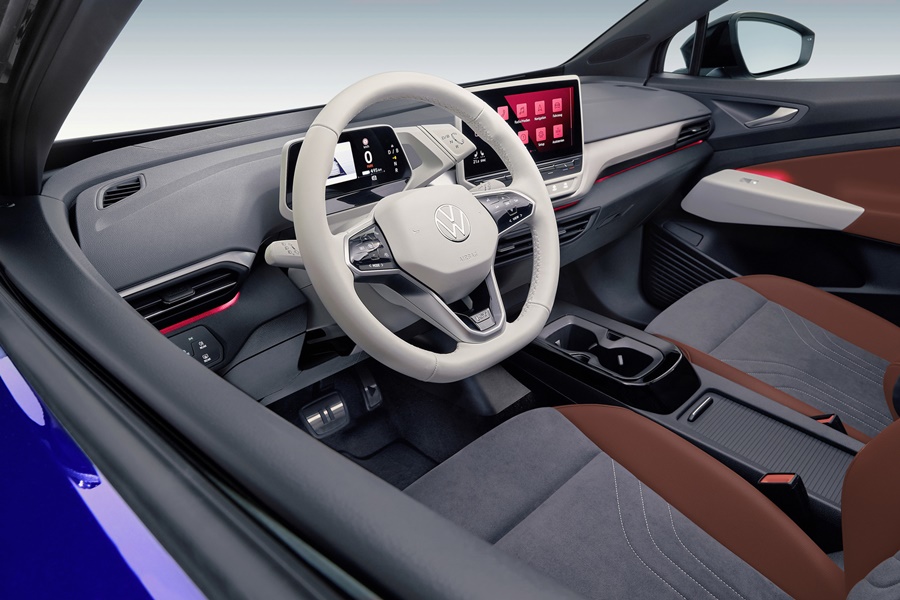
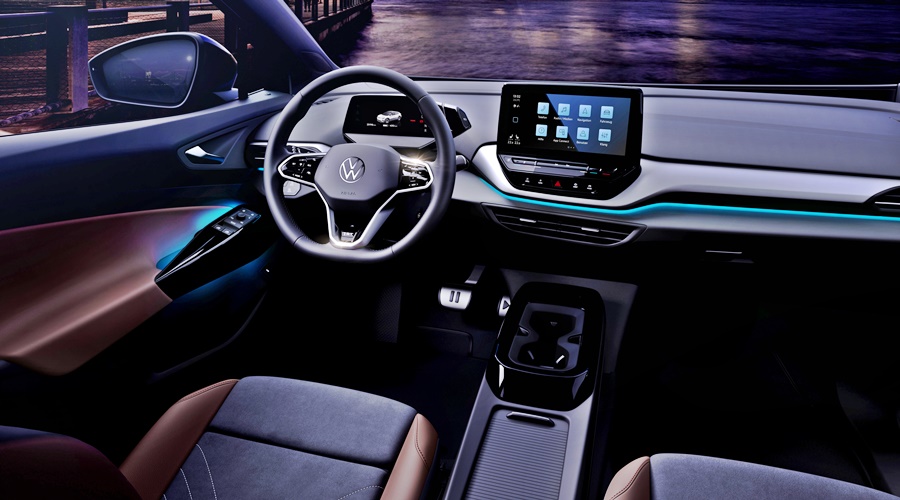
The ID.4’s interior design underlines the ample sense of space. Similar to the exterior design, it appears flowing and lightweight, focussing on the essential. The dash panel seems to be floating, as it is not linked to the centre console, which has been designed as an independent component.
The steering wheel, steering column, the housings of the display and control panels in the doors come in trendy Piano Black or purist Electric White. The bright colour sets a futuristic highlight throughout the vehicle interior and underlines its clear-cut design.
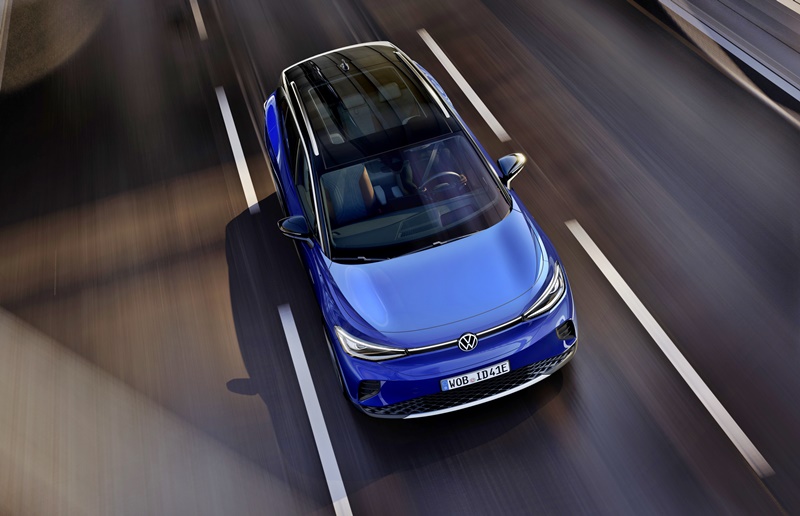
A large, tilting panoramic sunroof made of glass (optional) gives unrestricted view of the sky. As darkness falls, the background lighting can be adjusted within a 30-colour spectrum to set striking highlights in the vehicle interior.
Klaus Zyciora, Head of Volkswagen Group Design, emphasises that the entire display and operating concept has been designed logically and with a straightforward character. “The intuitive operability of the ID.4 brings a new, electric ease to the crossover SUV category,” he explained.
ID.Light
ID.Light is a new feature that will be offered in all ID. models. This is a light strip below the windscreen which supports drivers in a host of situations with intuitive lighting effects in different colours.
For instance, ID.Light will signal to the driver that the vehicle’s drive system is active and that the car has been unlocked or locked. It accentuates information issued by the driver assist and navigation systems and signals braking prompts and incoming phone calls.
In conjunction with the navigation system, ID.Light helps to smoothly guide drivers through traffic. By blinking, it recommends a lane change and can also warn the driver if their ID.4 is in the wrong lane.
For sale in major regions
The ID.4 will be part of the globally booming, compact SUV segment and Volkswagen’s plans call for it to be produced and sold not only in Europe but also in China and later in the USA. For this reason, the Volkswagen brand will be investing 11 billion euros in electric mobility by 2024 as part of the Transform 2025+ strategy.
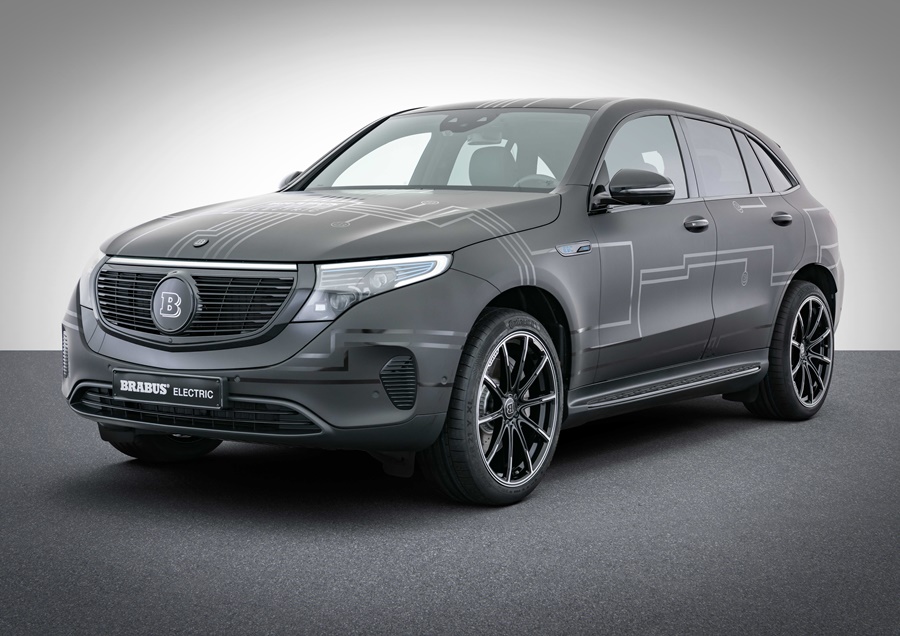
BRABUS declares itself to be the world’s largest independent automotive tuner for more than 4 decades and during that time, it has established a reputation for raising the performance levels of Mercedes-Benz models. Its expertise in petrol and diesel internal combustion engines (ICE) is considerable but with the industry moving towards electrification, will the company be able to continue its business of providing performance upgrades?
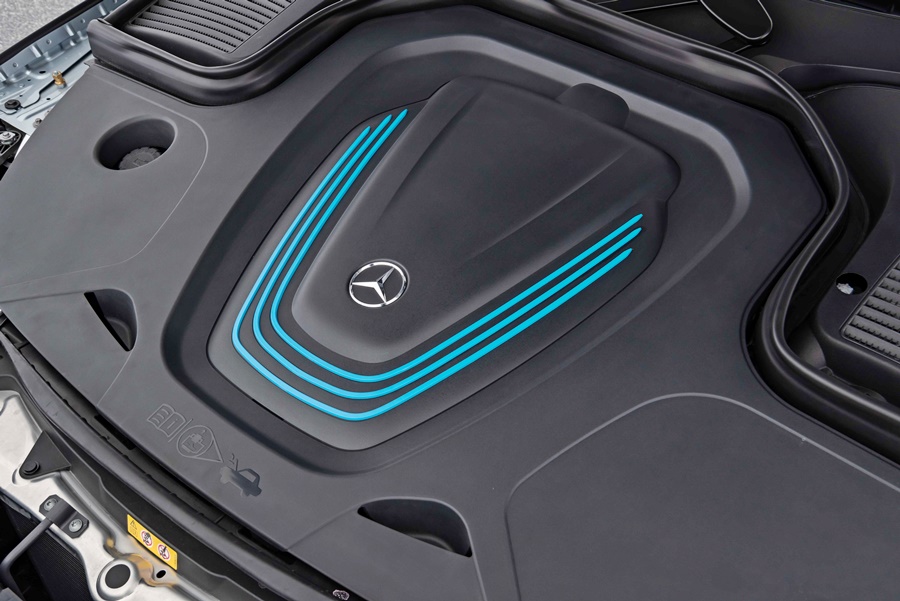
The answer would be yes and BRABUS is already showing that it can do for electrically-powered cars what it has done for ICE cars. In fact, it already has a Zero Emission Division for some time now and this division began looking at the EQC 400 4MATIC by Mercedes-Benz when it arrived on the market.
It has developed a performance upgrade for the EQC’s electric powertrain and delivers even more agile driving dynamics. Known as the E-PowerXtra performance upgrade, output goes up by another 10 kW to 310 KW (416 bhp) and peak torque is raised to 830 Nm from 760 Nm. As a result, the 5-door SUV can zip from standstill to 100 km/h within a claimed 4.9 seconds. The top speed remains limited to 180 km/h.
The upgrade is designed to become active when the driver selects drive mode ‘S’ with the standard DYNAMIC SELECT switch. When drive mode ‘E’ is active, , the PowerXtra ELECTRIC upgrade offers ‘one pedal driving’, a feature often requested by drivers of electric vehicles. The SUV decelerates sharply when the driver just lifts off the accelerator pedal. This requires far less frequent use of the brakes in normal traffic and further increases the energy recovery rate.
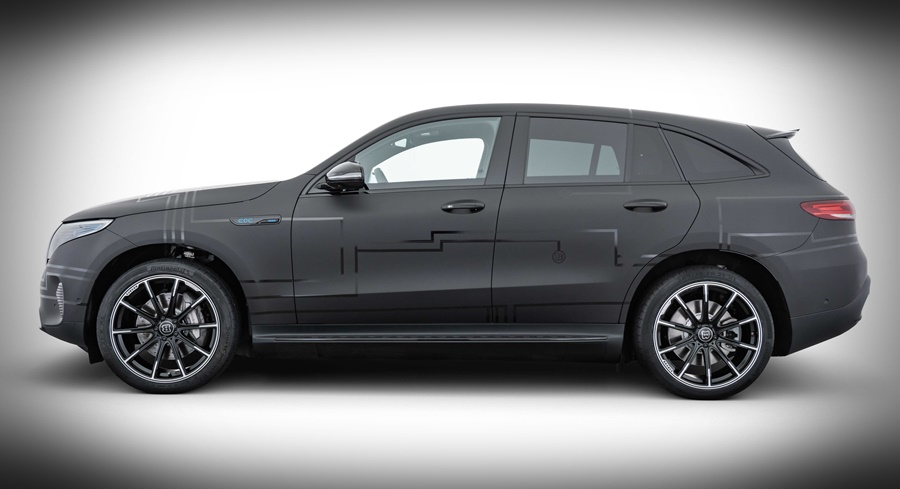
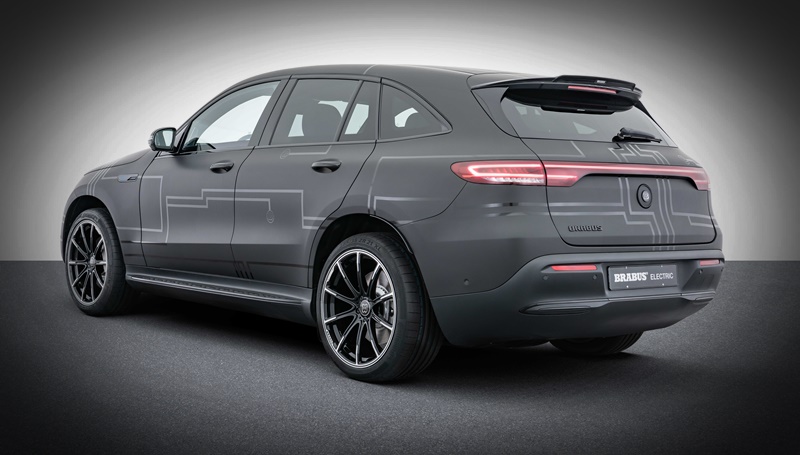
While the aerodynamic-enhancement kit with the exception of the already available rear spoiler is still under development, the appearance can already be upgraded with tailor-made BRABUS Monoblock Z alloy wheels with diameters of 20 or 21 inches. The eCrossover can be refined with two variants of the sporty and elegant 10-spoke design available for this model.
The BRABUS Monoblock Z PLATINUM EDITION wheels with 21-inch diameter are even more exclusive. The product of a high-tech forging process, these rims offer a combination of lightweight construction and maximum strength. The front axle runs on size 9Jx21 wheels with 255/40R21 ContiSportContact tyres of size. The rear fender wells accommodate forged 10.5Jx21 rims with tyres sized at 285/35R21.
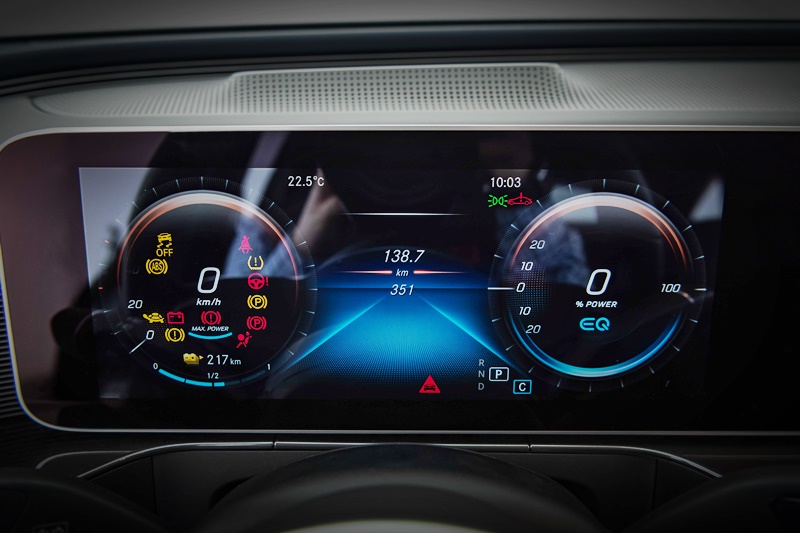
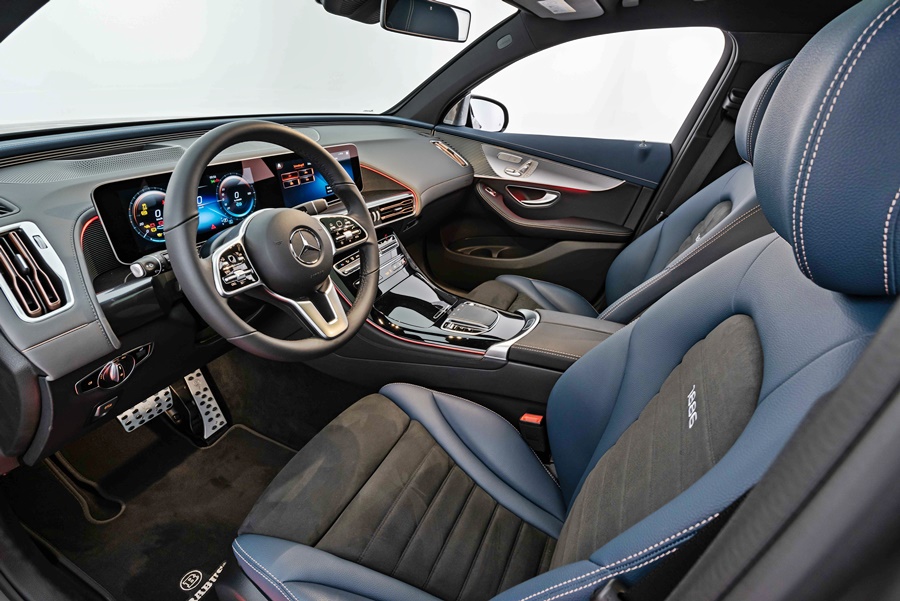
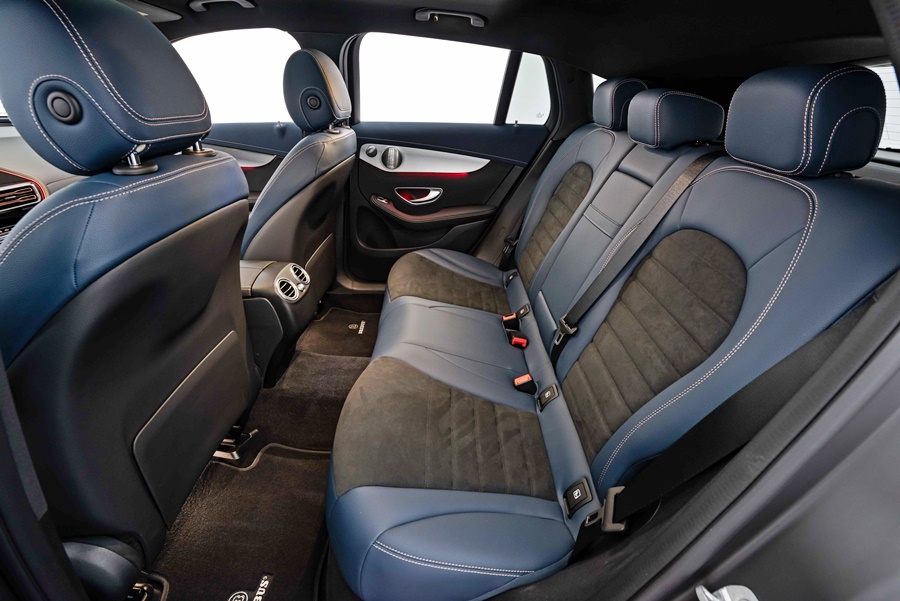
As for all Mercedes-Benz models, BRABUS offers a host of custom refinement options for the interior of the EQC 400 4MATIC that include an exclusive fine leather interior crafted by the company’s own upholstery shop.
BRABUS offers exclusive options for the interior that create numerous possibilities for the customer. The line-up ranges from aluminium pedals and door-lock pins to scuff plates with backlit BRABUS logo in changing colours and a complete redesign of the cockpit.
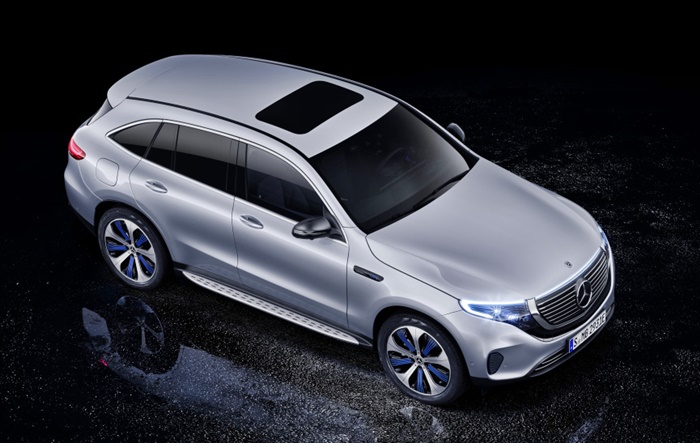
The Mercedes-Benz EQC 400 4MATIC made its global debut 2 years ago.