Piston.my

EV

Besides range anxiety – the concern of whether you can reach a recharging point in time when your vehicle’s battery pack is low – those contemplating buying an electrically-powered vehicle (EV) also worry about the cost of replacing the battery pack. This issue has never before been in motorists’ minds as the battery has been used mainly for starting the engine. And though its life is just a year or a few years, the cost is not particularly high.

With hybrids and EVs, the battery packs are crucial items (more so with EVs) as they are constantly needed to power the electric motor. Over the past 20 years, battery pack technology has advanced rapidly and more energy can be stored to extend the range. However, the cost has not fallen to the level similar to that of the small batteries that have been in use for decades. Admittedly, the technology is far different and the battery packs for EVs are extremely advanced.

The first owner of an EV probably doesn’t feel the financial impact of having to replace a battery pack unless it’s damaged (and even then, insurance may cover the cost). Understanding that there was a discouraging factor in the cost of replacement – which can be RM4,000 upwards – most companies started to offer separate warranties for the battery pack of up to the first 8 years, in the event it was defective. Such warranties are still offered although the incidence of defects is not high as quality has improved.
Why can’t battery packs last forever?
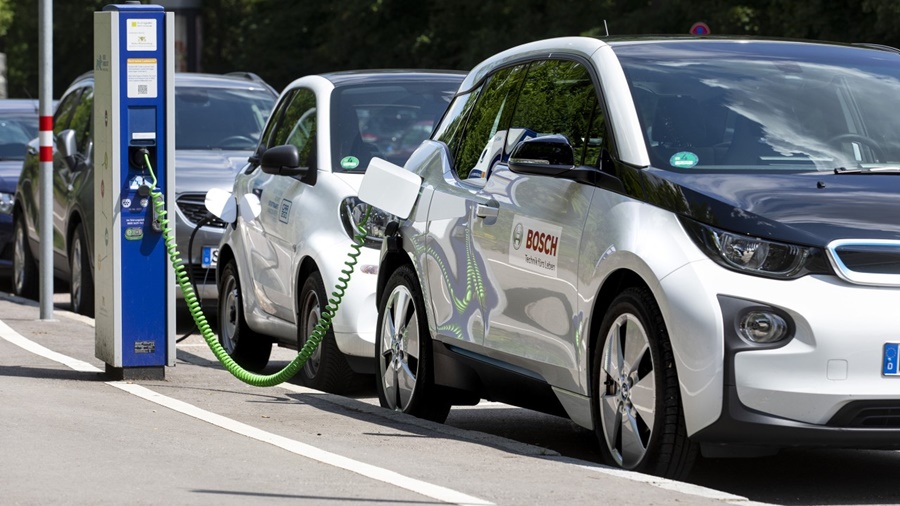
Still, the fact that the battery pack has a limited lifespan and needs to be replaced at some point in the vehicle’s life. The reason for the deterioration is like that in humans. Stress makes cells age faster; something that geneticists have long since demonstrated for the human body is also true for EV battery cells. The older the batteries get, the lower their performance and capacity, and the shorter the range of the vehicle.

This obviously has implications on resale values. The second owner of the vehicle would want to factor this cost in, or as an incentive, the first owner changes it before offering it for sale so as to improve the resale value.

To help batteries last longer, Bosch is developing new cloud services that supplement the individual vehicles’ battery-management systems. “Bosch is connecting electric-vehicle batteries with the cloud. Its data-based services mean we can substantially improve batteries’ performance and extend their service life,” said Dr. Markus Heyn, Member of the Board of Management of Robert Bosch GmbH.

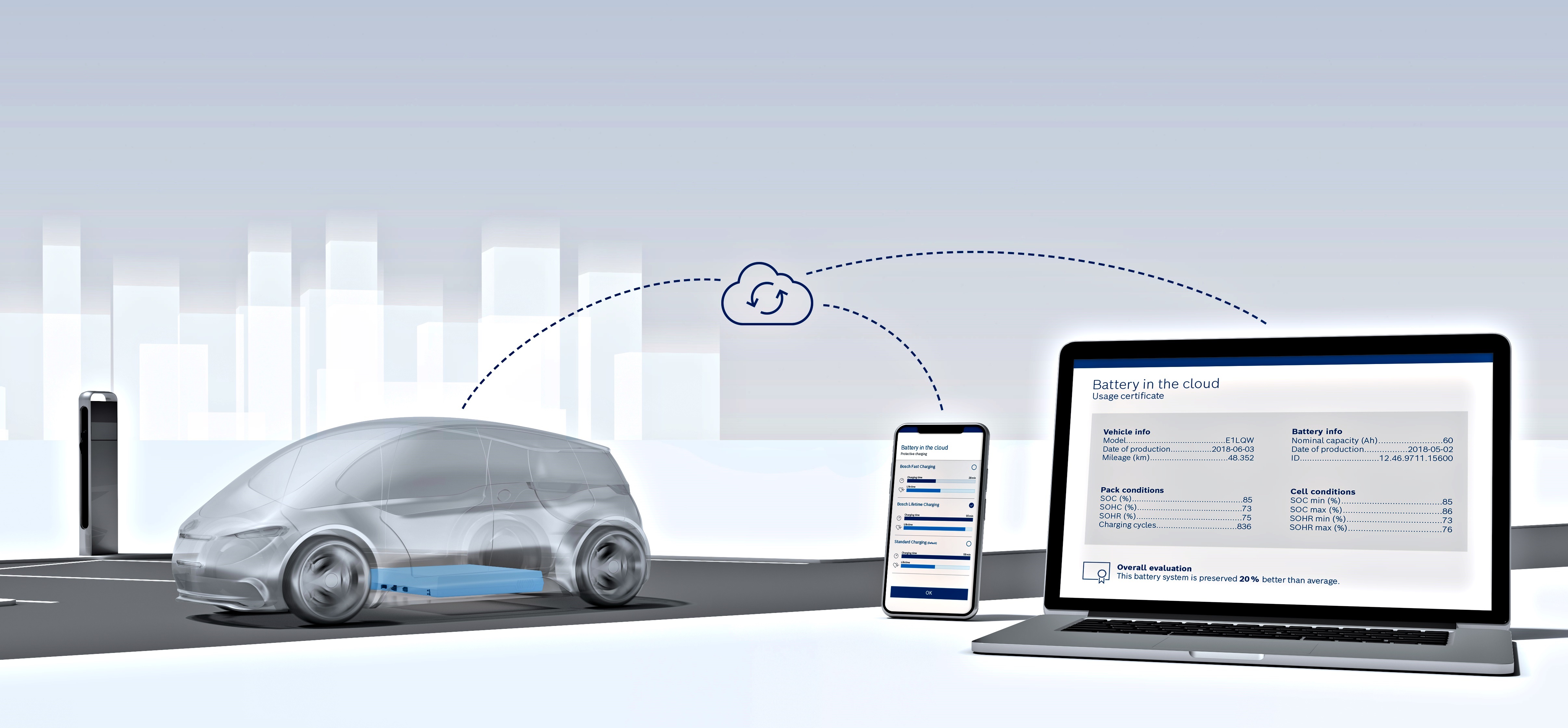
Smart software functions in the cloud continually analyze the battery status and take appropriate action to prevent or slow down cell aging. These measures can reduce the wear and tear on the battery, the most expensive component of an electric vehicle, by as much as 20%. Real-time data gathered from the vehicle and its surroundings plays a key role here. The cloud services utilize this data to optimize every single recharging process and to provide drivers with tailored driving tips on how to conserve battery power via the dash display.

Didi Chuxing, a globally leading mobility platform based in China, is working with Bosch to introduce Battery in the Cloud across DiDi’s electric vehicle fleet. The aim is to optimize battery performance, thus benefiting both drivers and fleet operators within DiDi’s ecosystem.
Precise real-time analysis
According to the experts, the average service life of today’s lithium-ion batteries is 8 – 10 years or between 500 and 1,000 charge cycles. Battery makers usually guarantee mileage of between 100,000 and 160,000 kms. However, rapid battery charging, high numbers of charge cycles, an ‘aggressive’ driving style, and extremely high or low ambient temperatures are all sources of stress for batteries, which makes them age faster.

Bosch’s cloud-based services are designed to recognize – and counter – these stress triggers. All battery-relevant data – eg current ambient temperature and charging habits – is first transmitted in real-time to the cloud, where machine-learning algorithms evaluate the data. With these services, Bosch is not only offering a window into the battery’s current status at all times, but enabling a reliable forecast of a battery’s remaining service life and performance to be made for the first time.
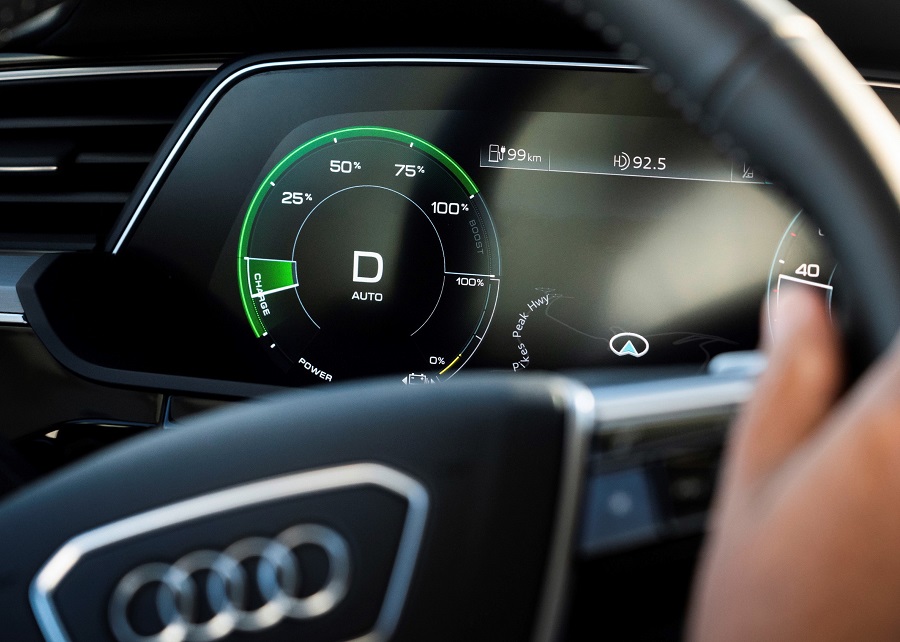
Previously, it was not possible to make any accurate forecast of how quickly an electric-vehicle battery would wear out. “Powerful batteries with long service lives will make electromobility more viable,” said Heyn.

Another feature of the smart software functions is their use of the swarm principle: the algorithms used for analysis evaluate data gathered from an entire fleet, not just from individual vehicles. Swarm intelligence is the key to identifying more of the stress factors for vehicle batteries, and to identifying them more quickly.
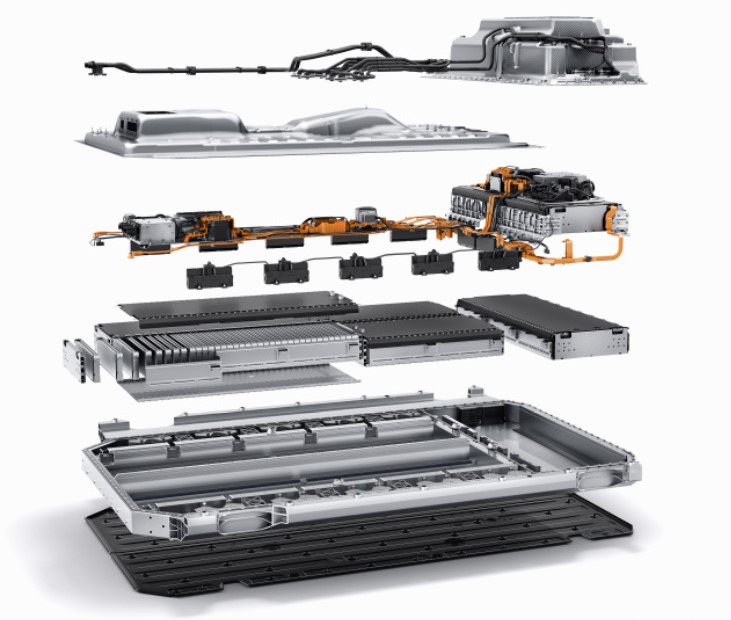
Various parts of a battery pack in the all-electric Mercedes-Benz EQC

Protecting cells against aging
The new insights gained into a battery’s current status enable Bosch to also actively protect it against aging. To give one example: fully-charged batteries age more quickly at particularly high or low ambient temperatures. The cloud services thus ensure that batteries are not charged to 100% when conditions are too hot or too cold. By reducing the battery charge by only a few percentage points, the battery is protected against inadvertent wear and tear.

Data in the cloud will also help improve battery maintenance and repair. As soon as a battery fault or defect is identified, for example, the driver or fleet operator can be notified. This increases the chances that a battery can be repaired before it becomes irrevocably damaged or stops working altogether.

Finally, the cloud services also optimize the recharging process itself. The recharging process – which, by the way, is one of the biggest obstacles to creating a mass market for electromobility – harbours the danger that the battery cells permanently lose some of their performance and capacity. Smart software in the cloud can calculate an individual charge curve for each recharging process, regardless of whether it takes place at home or elsewhere. This means the battery is recharged to the optimum level, helping conserve the cells.

Whereas existing apps with charge timers merely allow drivers to time the recharging process so that it is carried out when demand for electricity is low, the Bosch solution goes much further, offering a specially developed recharging process as part of the company’s new battery services. They optimize both fast and slow charging and control electricity and voltage levels during the recharging process, thus prolonging battery life.

Further reading: Mercedes-Benz EQC goes into production – First all-electric Mercedes

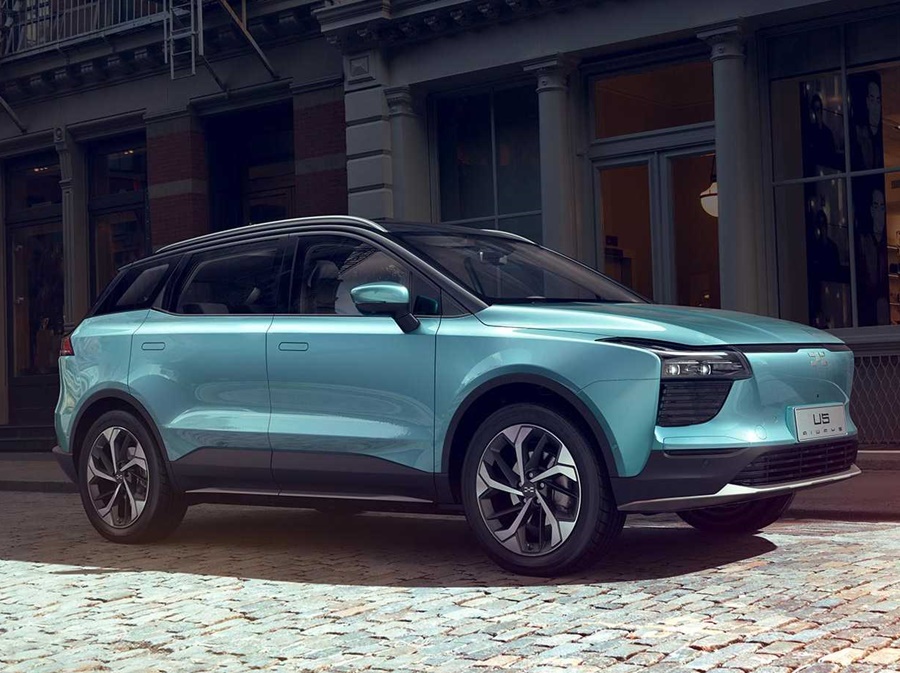
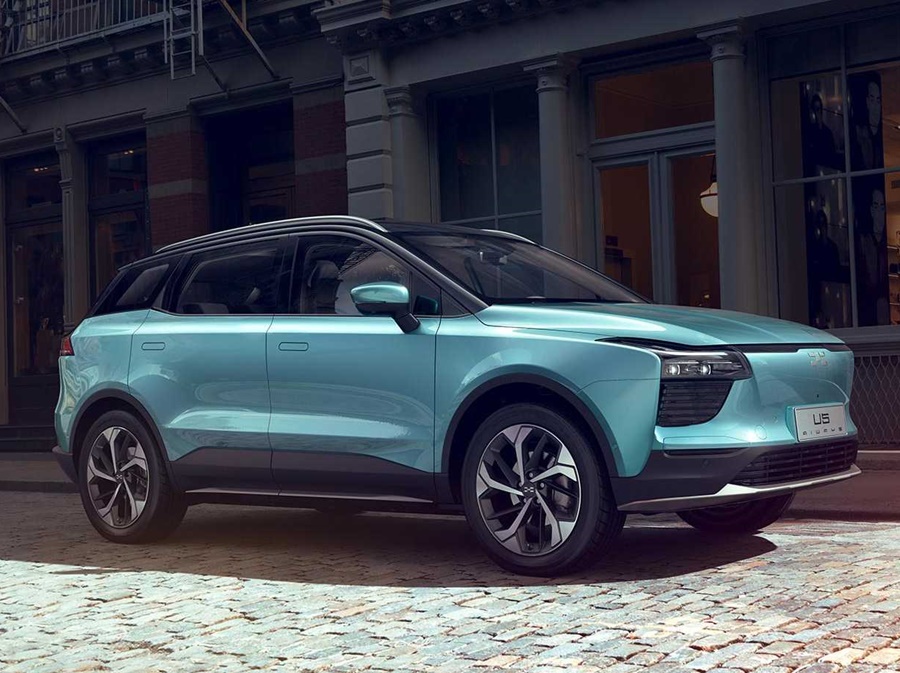
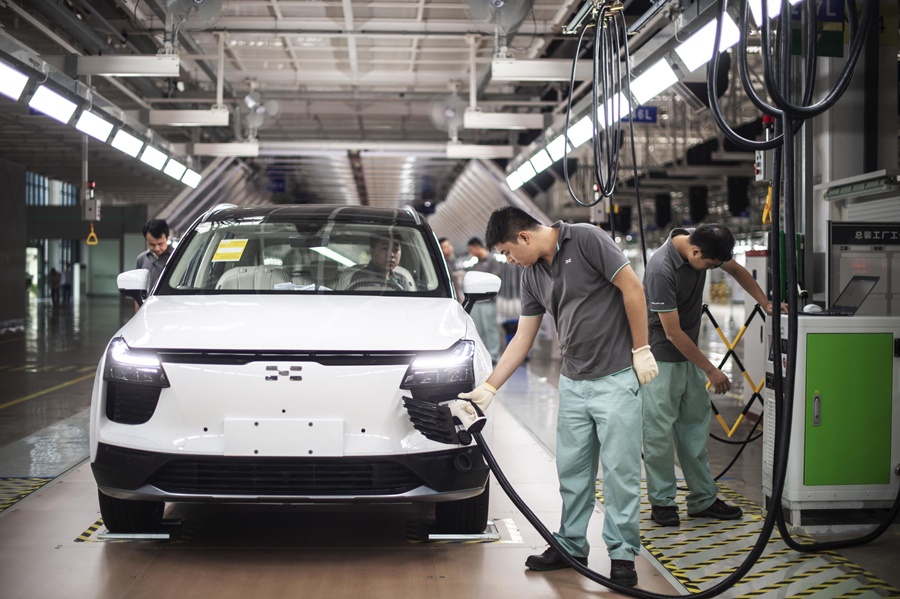
AIWAYS, a Shanghai-based personal mobility provider, is poised to embark on what is believed to be the longest point-to-point drive of a prototype electric vehicle ever attempted. Its U5 battery-electric SUV will carry out a 14,231-km drive from Xi’an in China to Europe starting next week.

The initiative is part of the comprehensive test and development programme for the first vehicle of its kind to be launched by a Chinese brand in Europe when it arrives in April 2020. The route chosen is from the start of the Silk Road and has historical significance as a hub for trading, cultural exchange and communication between China and Europe.

Extreme testing to meet demands of customers
AIWAYS is subjecting the U5 to extreme conditions which will be encountered along the journey to ensure it delivers the real-world performance, reliability and range demanded by European consumers. The engineering team will also explore how simple and easy it is to live with the U5, driving and recharging as they pass through different countries where temperatures, road conditions and available charging infrastructures differ considerably.

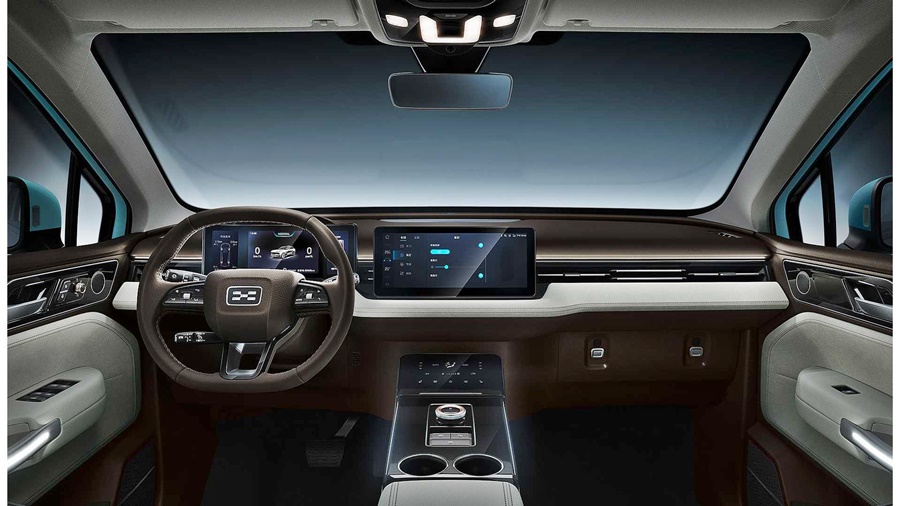
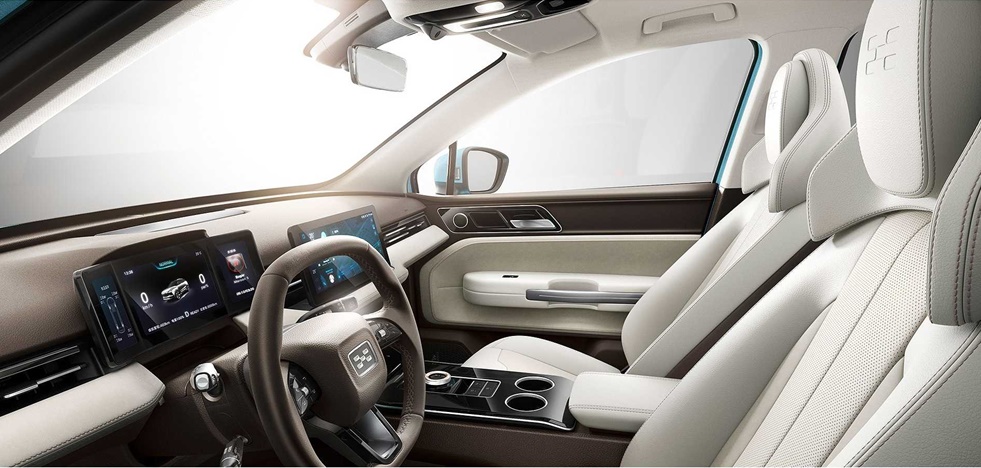
The U5 is a mid-size SUV built on the company’s innovative aluminium-steel More Adaptable Structure (MAS) platform. It is claimed to have a range of 460 kms on a fully-charged battery pack. Its price is expected to be in the region of €25,000 (equivalent to about RM116,000).

To be built at a new production plant in Jiangxi Province, the U5 is the first of a range of electrically-powered family SUVs. AIWAYS plans to introduce one new model to its range each year. Initial production output is planned at 150,000 units a year with a second phase of expansion planned to bring capacity to 300,000 units.

AIWAYS is a Sino-German company which has the involvement of Roland Gumpert, a former Audi engineer who led the team that campaigned the Audi Quattro in the World Rally Championship in the 1980s.

One of the prototypes being prepared for the journey to Europe which starts next week.

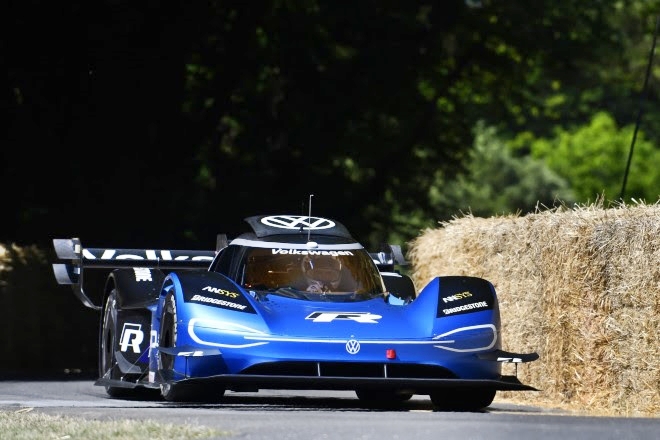
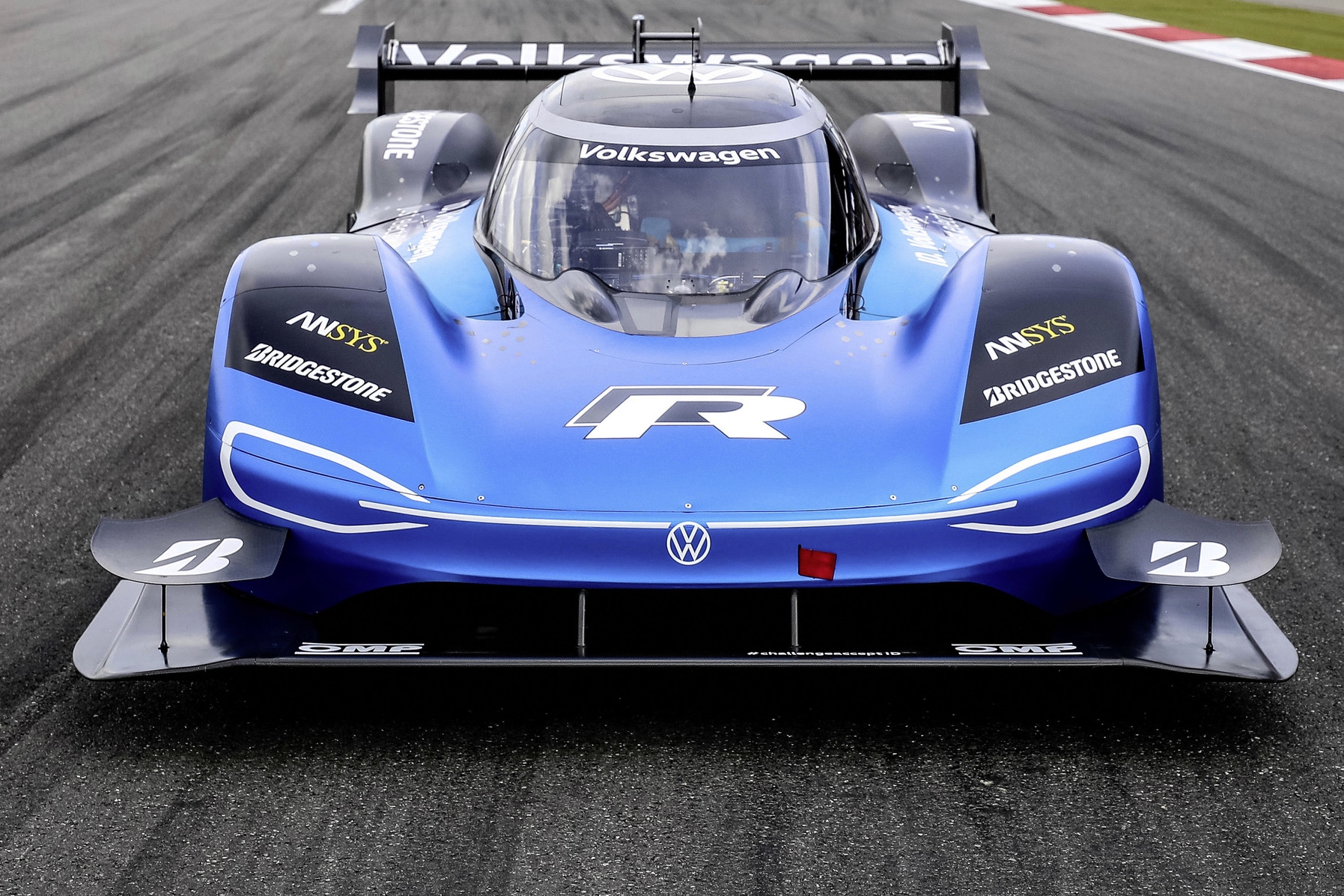
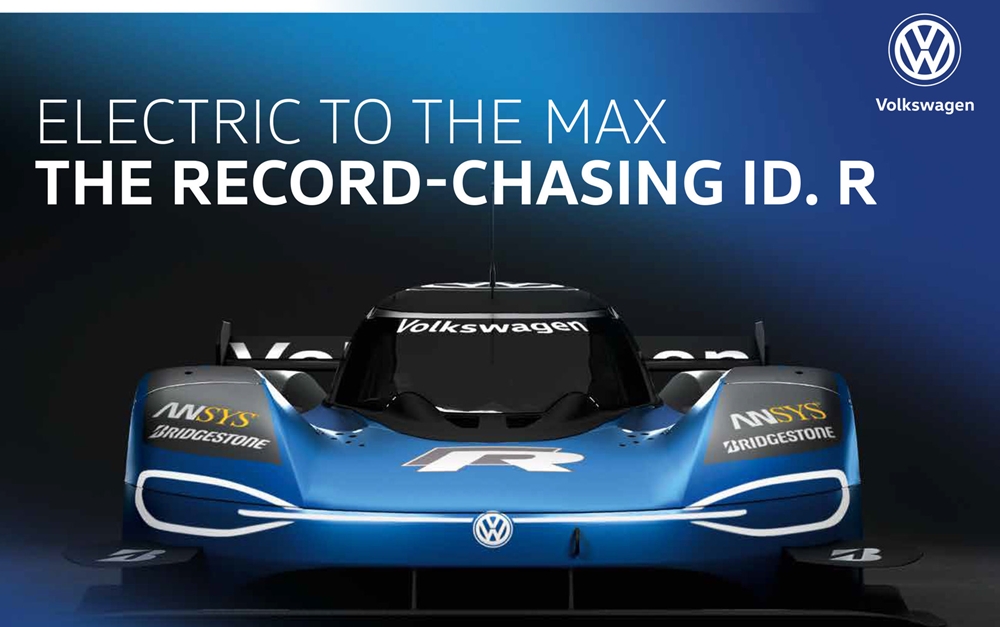
The all-electric Volkswagen ID. R continues to set new records, adding the outright Hillclimb record at the Goodwood Festival of Speed to the records set at Nurburgring and Pikes Peak.

The new record in England comes 20 years after it was set by ex-F1 star Nick Heidfeld in a McLaren MP4/13 that, of course, used a conventional internal combustion engine. Heidfeld’s time was 41:60. By stopping the clock in a time of 41.18 seconds, the ID. R averaged 101.4 mph (163.2 km/h) along the challenging 1.16-mile (1.86 km) course.

Further development
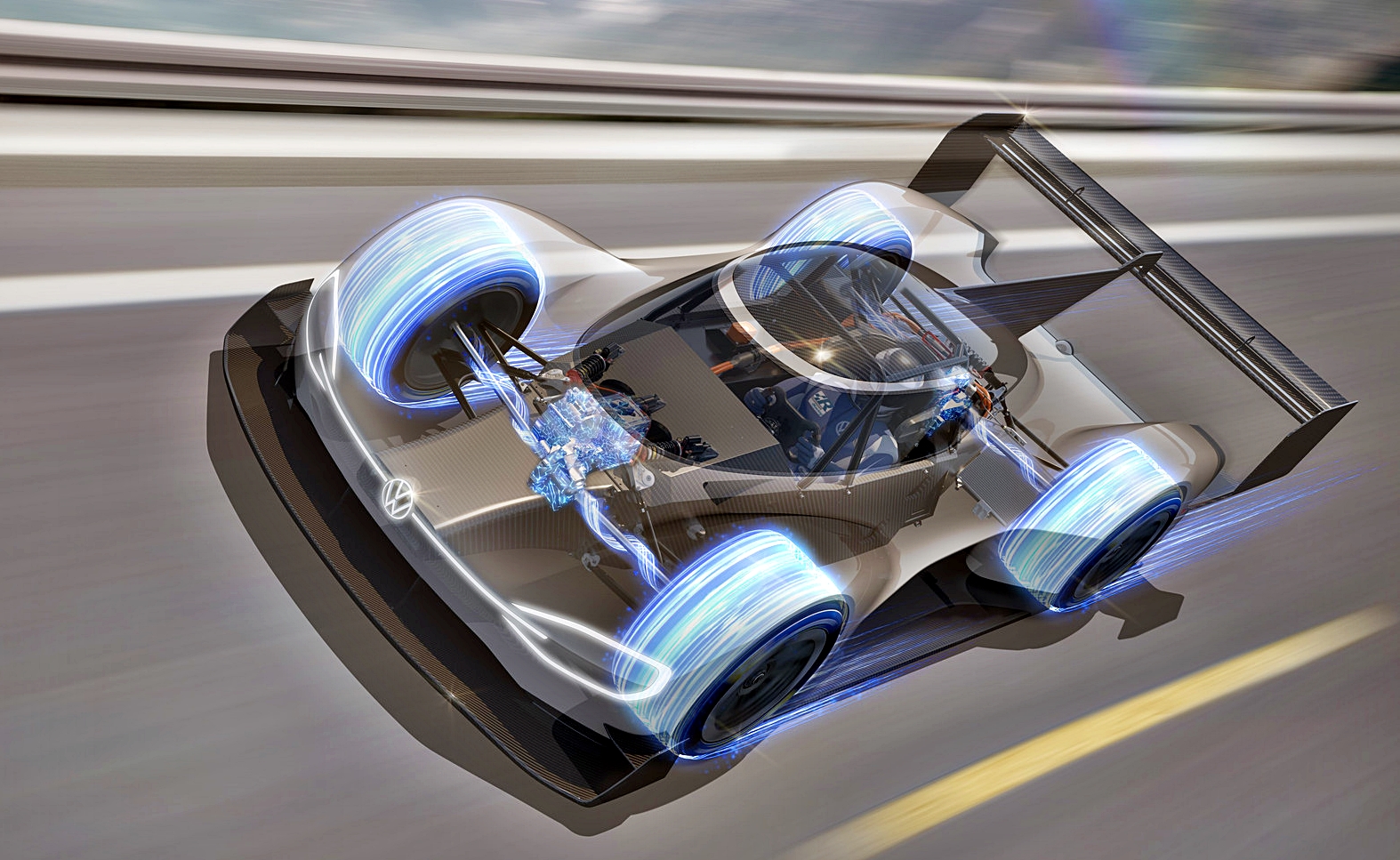
With a further year of development behind it, the ID. R produces 500 kW (670 bhp) and 650 Nm of torque, and weighs less than 1,100 kgs with the driver on board. The remarkable Volkswagen can accelerate from 0 – 100 km/h 2.25 seconds, topping out at 270 km/h.

The biggest differences in the technical configuration of the ID. R compared to last year are the size of the lithium-ion batteries on board and the energy management. “The latest evolution of the ID. R has been optimised for a sprint,” explained François-Xavier Demaison, Technical Director at Volkswagen Motorsport. “In Goodwood, the only things that count are maximum power and minimum weight.”

EVs getting more powerful
“A change is taking place in the field of production vehicles and in motorsport. Electric cars are becoming increasingly more powerful and it’s great to see them now rivalling combustion engines on track. To get an idea of how far we’ve developed the car, in 2018, we did 00:43.86 – this year we were almost 3 seconds faster,” noted Volkswagen’s Motorsport Director, Sven Smeets.

https://www.facebook.com/piston.my/

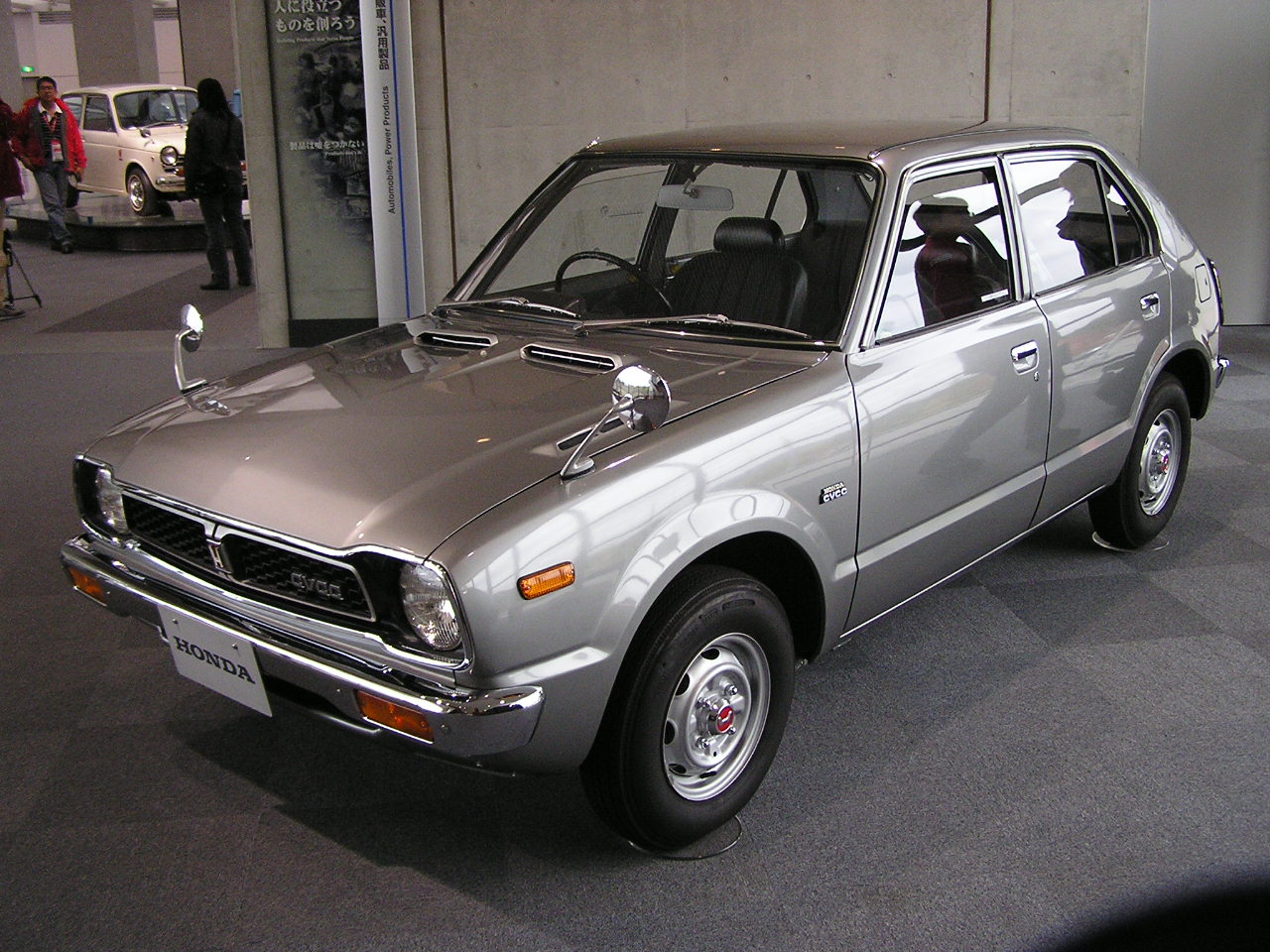
Back in the early 1970s, Honda launched a new car model called the Civic and although the company had already been making cars for a while, this new model was remarkable in many ways. It came at a time when the new regulations in the US forced manufacturers to introduce solutions to reduce toxic exhaust emissions – and the innovative CVCC system in the Civic could meet those demands without a even using a catalytic converter.

The Civic’s popularity also grew quickly because consumer preferences were shifting to smaller cars, in part because fuel prices shot up during the energy crises. The Civic’s fuel-efficient engine was just the thing and it also helped to draw more people to Japanese cars.

The original Honda Civic launched in 1972

Almost 50 years later, Honda is about to launch another new model that again addresses environmental issues. This time, it has done away with the internal combustion engine altogether so there will be zero emissions.

Another standard-setter
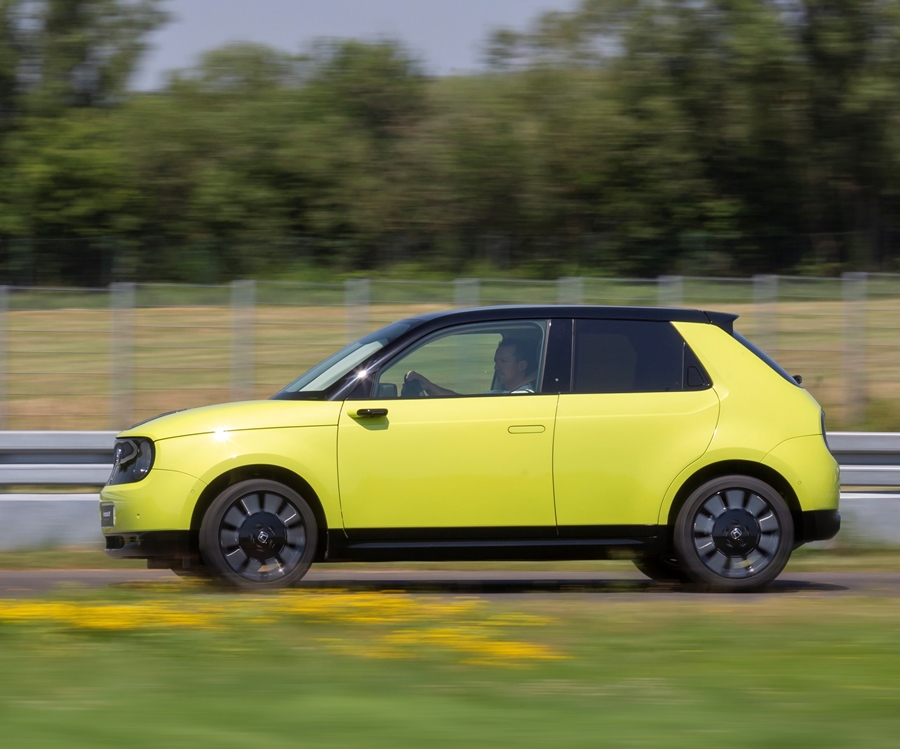
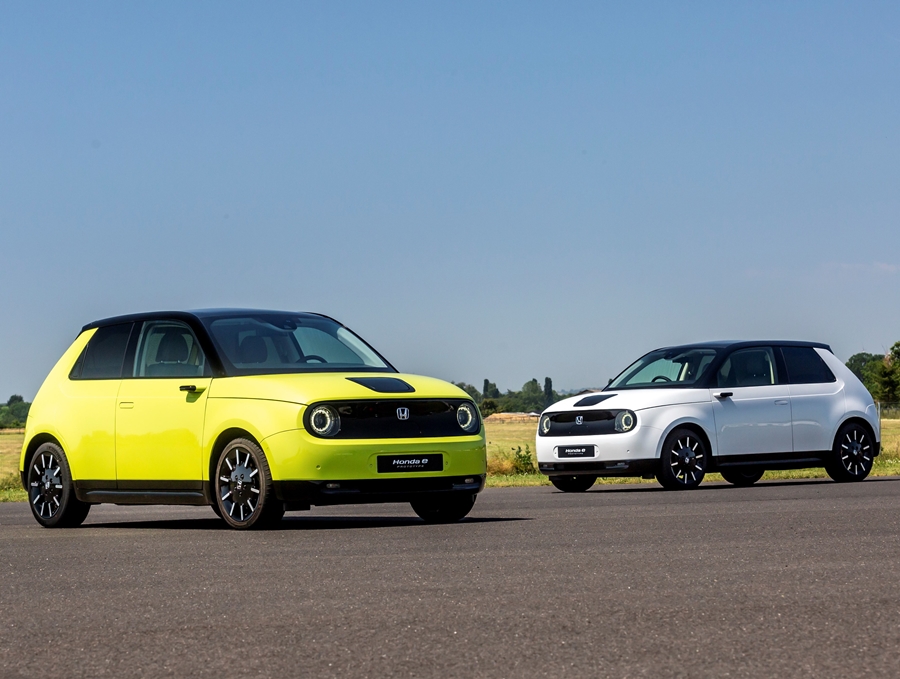
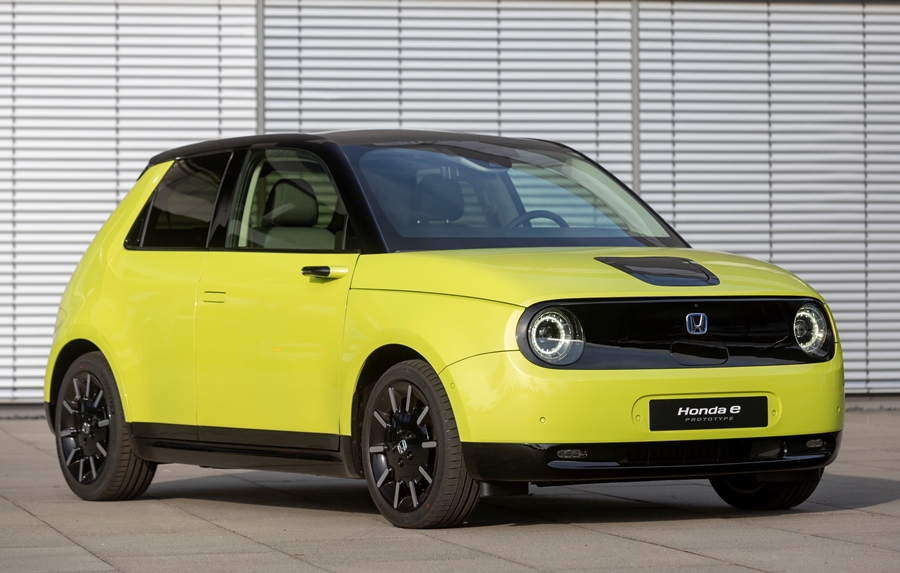
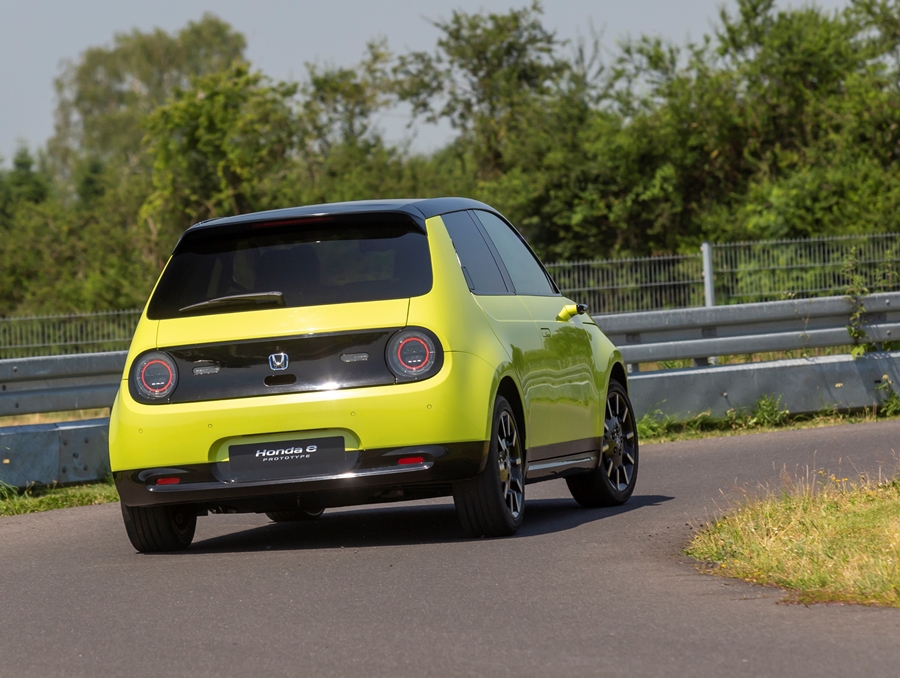
The new model is the Honda e, to go on sale in Europe later this year. It’s been engineered to set new standards in the compact electric car segment.

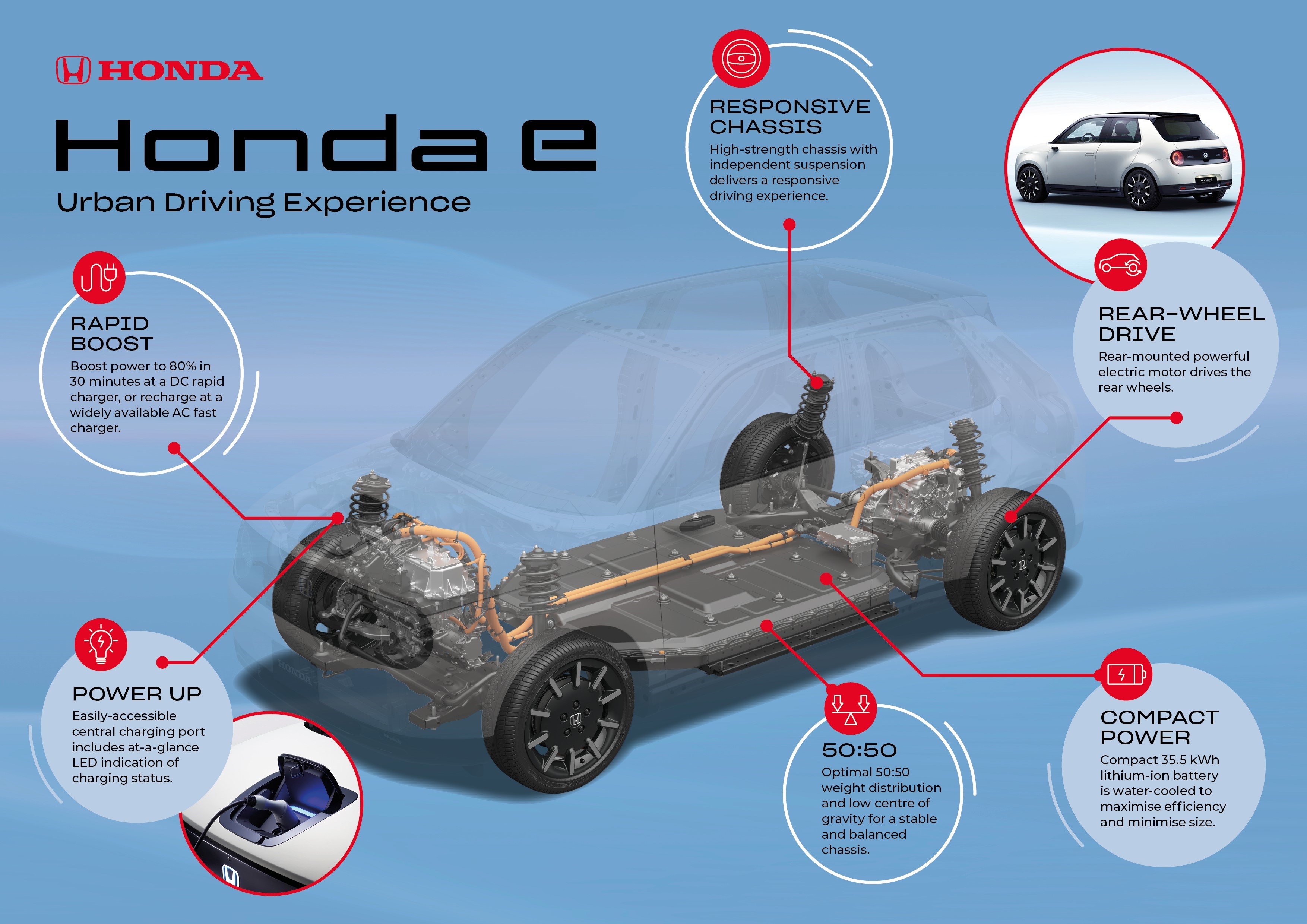
The Honda e is equipped with a high-power electric motor delivering up to approximately 100 kW (150 ps) and torque in excess of 300 Nm. The 35.5 kWh battery in the Honda e is one of the most compact in its class, contributing to an exceptional balance of low weight, fast-charging capability of 80% in 30 minutes, and a claimed range of over 200 kms, more than enough for daily urban commuting.

Honda engineers paid special attention to enhancing the driving dynamics to deliver a fun and engaging experience. With the battery located low under the vehicle floor, the car’s centre of gravity is approximately 50 cm from the ground. With a 50:50 weight distribution, wide yet compact size and short overhangs at the front and rear, the Honda e delivers an optimal balance of stability and handling performance.

To help deliver a sporty character, power is delivered through the rear wheels, which also enables a greater steering articulation for the front wheels. As a result, the turning radius is approximately 4.3 metres, giving the car good manoeuvrability in small city streets.

Only one pedal
The Honda e will have Single Pedal Control, enabling the driver to accelerate and slow the car using only the accelerator pedal. When the accelerator pedal is depressed, the car will accelerate as normal; when it is released, automatic regenerative braking will occur, and will slow the car.

The Single Pedal Control improves driving efficiency in urban environments and reduces the need to use multiple pedals, making the drive more engaging, exciting and seamless with maximum control for the driver. Older drivers may probably need a while to get used to this feature.

Having been originally developed to be an electric vehicle, the engineers started with a clean sheet and did not have to use traditional construction methods. High-strength materials used in the skeletal structure contribute to structural rigidity while also reducing weight. The lightweight chassis provides the ideal platform from which to fine tune suspension and steering settings for a dynamic driving experience.

It is unlikely that Honda will offer this model in Malaysia in the near future as the focus is on Europe where it aims to sell a large proportion of EVs and hybrids by 2025.

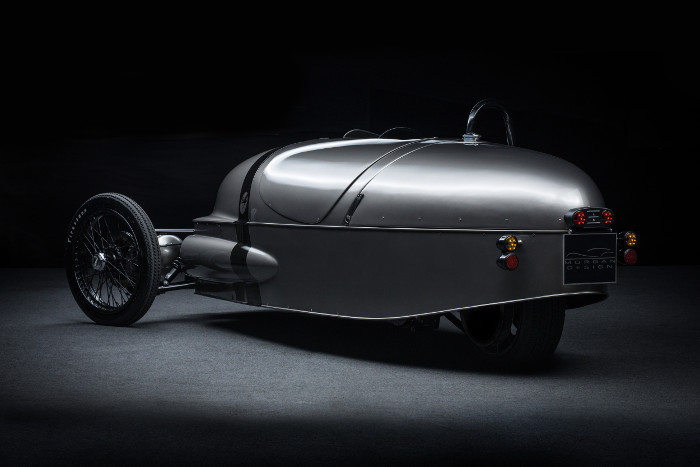
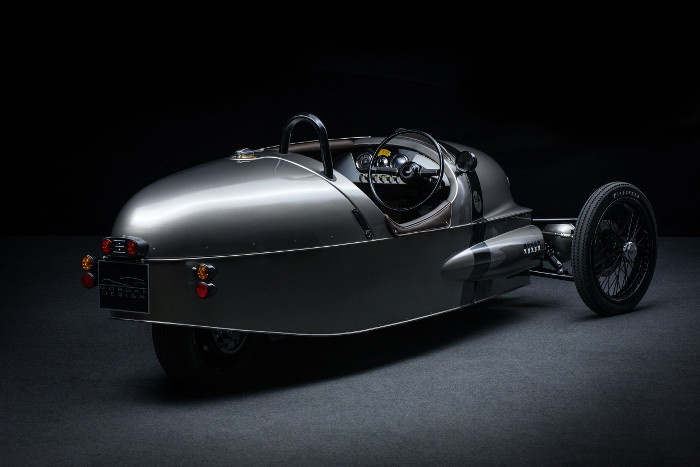
Morgan Motor Company, an automaker best known for producing classic three-wheeled vehicles, has entered into a technical partnership with Frazer-Nash Energy Systems. The move is a nod to the impending release of the company’s new EV.

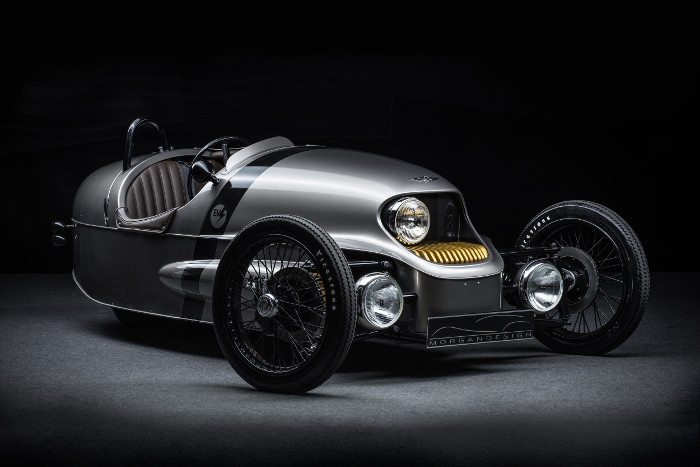
Called the EV3, the vehicle which was first revealed in 2016, will be the British automaker’s first model that will feature an all-electric drivetrain. Despite this, the car still retains familiar design cues seen on previous generation cars.

Unlike most automakers, Morgan’s design inspiration comes from 1930s Aero-engine race cars, classic motorcycles and 1950s fantasy automatons. The EV3 combines this vintage tubular styling with new technology to deliver a raw driving experience and traditional British craftsmanship.

Regarding the tie-up, Steve Morris, Managing Director of Morgan Motor Company, said, “We are delighted to announce our technical partnership with Frazer-Nash Energy Systems as we enter this exciting phase of EV3 production.”

He added, “We have been working closely on optimizing the EV3’s architecture in every way to develop a car which will offer proven reliability range and cooling performance, combined with the pure driving experience that is expected of every hand-crafted Morgan.”

As a result of the partnership with Frazer-Nash Energy Systems, Morgan will be able to utilize certain technologies that will allow further development of the EV3. It will come with all-new, more robust architecture, greater levels of torque, a stiffer chassis and under-slung battery.

Enclosed within the tubular space frame chassis sits a 21 KWh Lithium Battery and a liquid-cooled 34.8kW (41.8kW peak) motor that drives the rear wheel. On a full charge, the EV3 will be able to travel a full 193km without needing a recharge. This, the automaker says will be enough to allow for the kind of driving pleasure that is absent in the EV industry.

The Morgan EV3 is expected to enter production in 2018 and thanks to Frazer-Nash Energy Systems, will have greater performance and rapid charging technology. Once launched, the EV3 will be part of a niche market, offering enthusiasts unrivaled driving enjoyment.

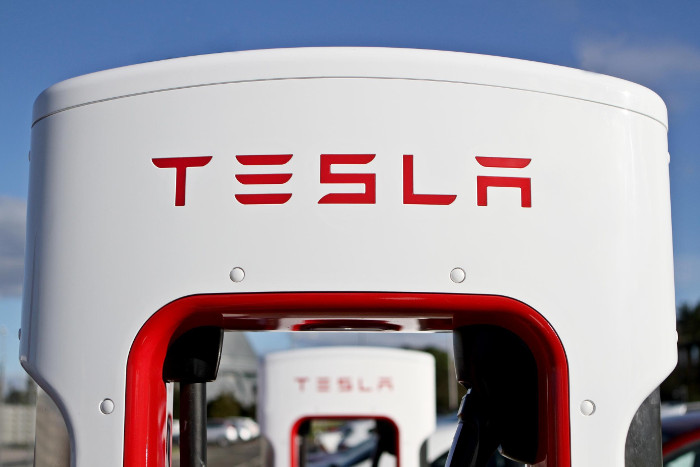
Tesla has caused a bit of a stir in the battery market. Many electronics companies that require supply of cylindrical batteries for their products, are facing a significant supply shortage. This is due in part to Tesla sweeping Panasonic’s entire inventory of such batteries to meet its own demand.

The company’s Gigafactory, which functions as its battery manufacturing facility, has run into production problems and other delays. And as such, it has looked to Panasonic to shore up demand. According to a news article by etnews, it says that it’s almost impossible to source these batteries from within Japan.

Companies all over the globe have rushed to alternative suppliers that include Samsung, SDI, LG Chemicals and Murata for the required material. Demand has been so high that, even these manufacturers aren’t able to cope. The problem may have some serious repercussions for the businesses of various smaller entities, if left unresolved.

This Gigafactory is Tesla’s crown jewel that plays a major role in its parts supply chain as well as having the ability to run on renewable energy. The EV maker is looking to this sate-of-the-art facility to play a pivotal role in the company’s operations.

Source: etnews

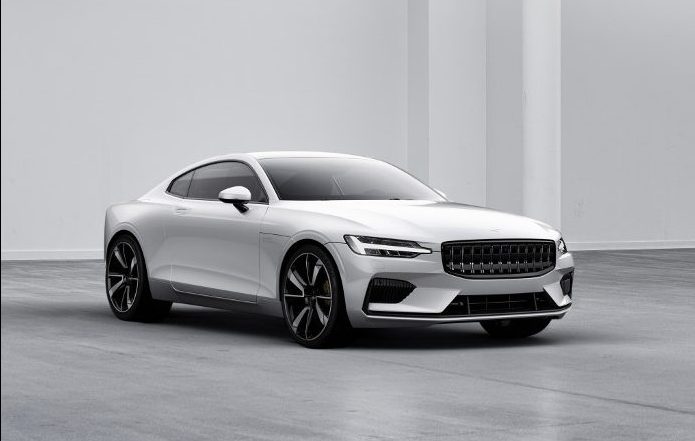
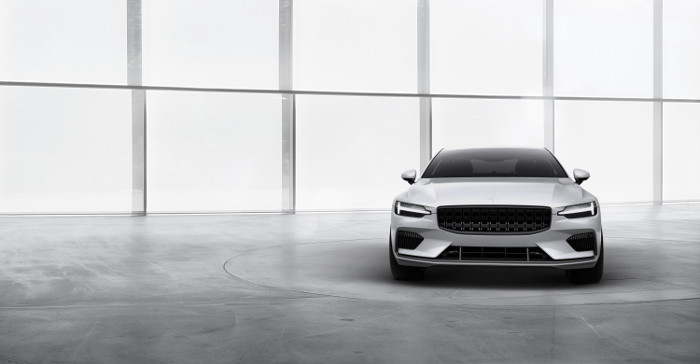
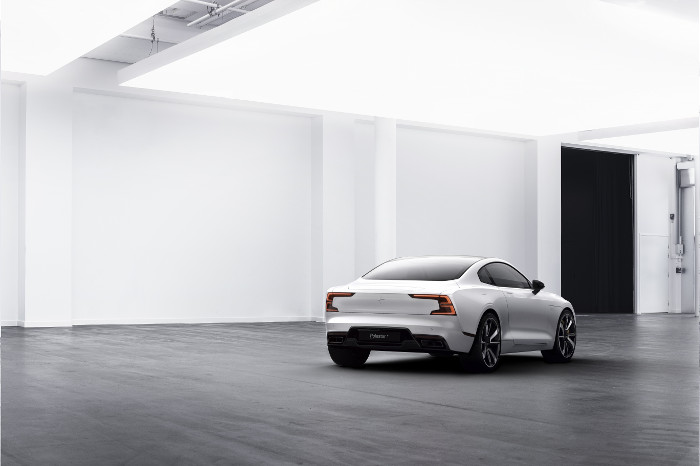
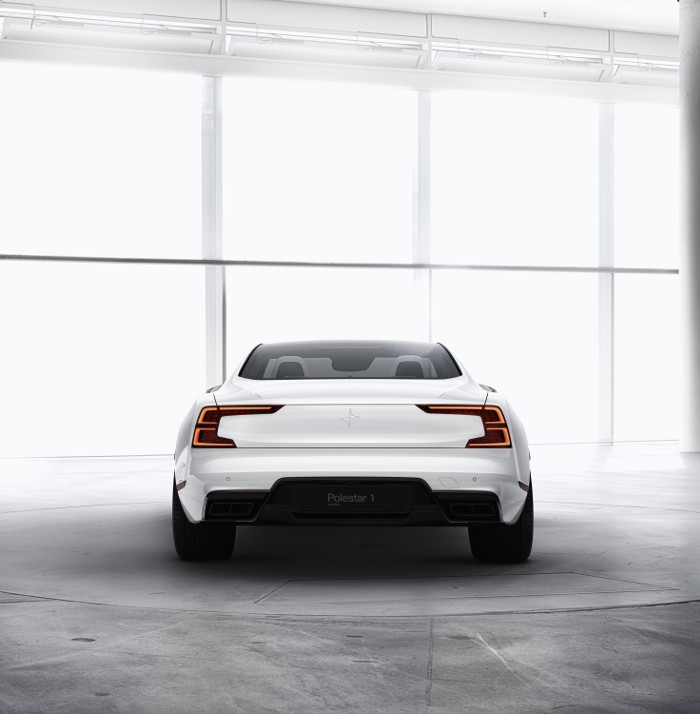
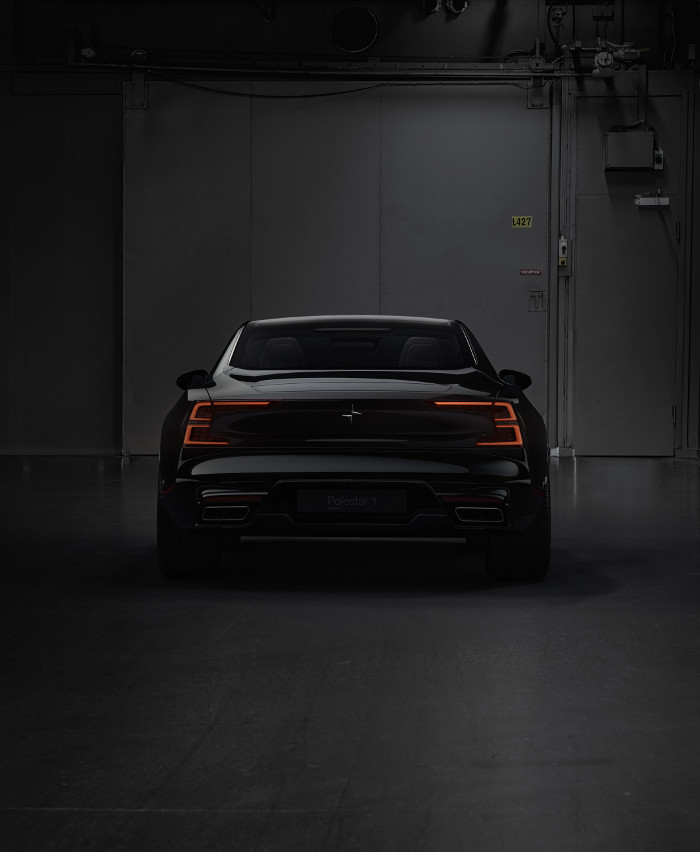
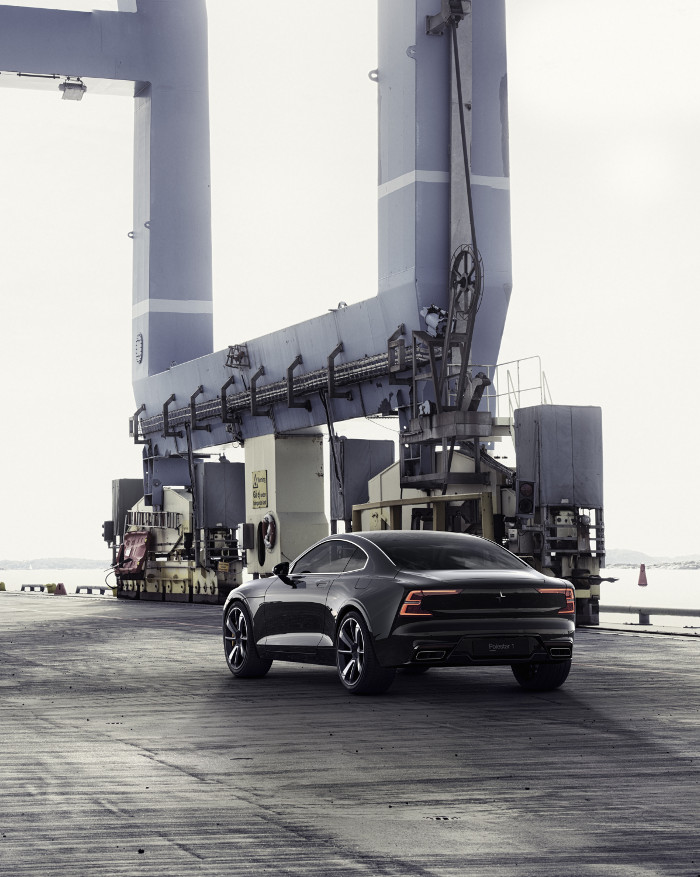
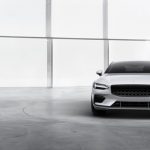
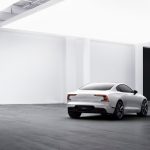
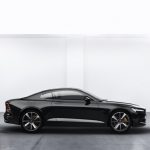
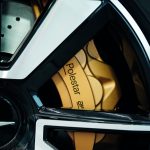
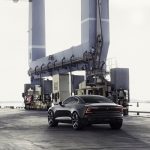
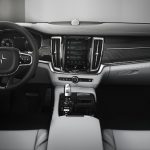
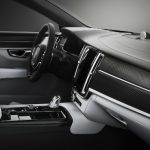
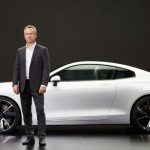
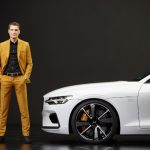
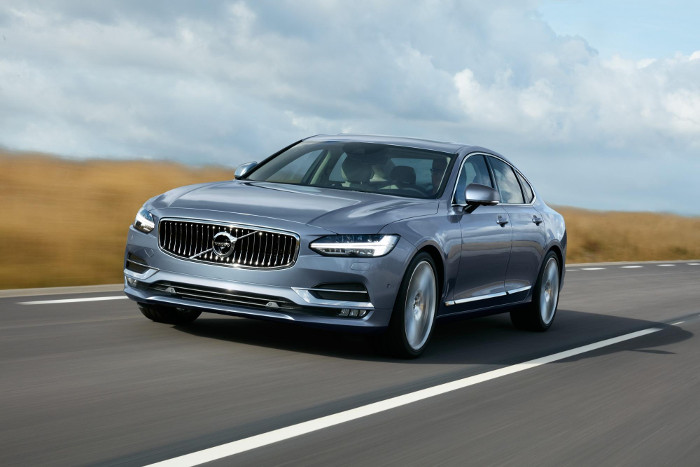
Polestar has finally revealed its first ever production car to the world. Called the Polestar 1, the vehicle is a Volvo S90 based Coupe that is built upon the Swedish automaker’s Scalable Platform Architecture (SPA).

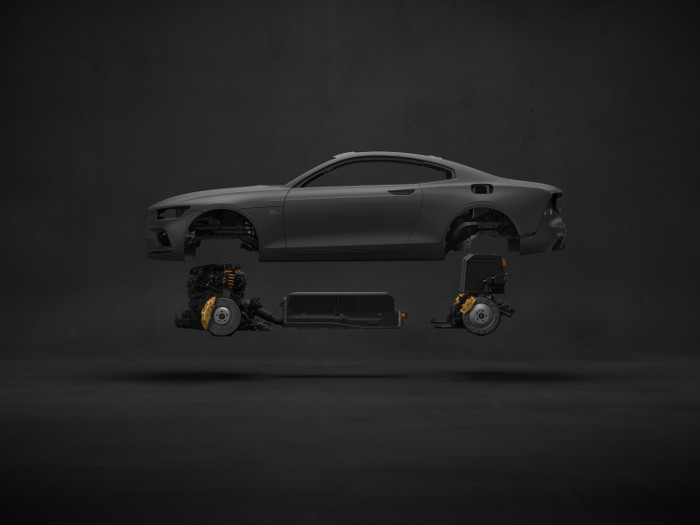
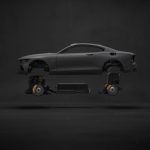
The company stated that parts sharing with its Volvo cousin has enabled it to build the Polestar 1 in record time, taking just a fraction of what usually amounts to years worth of research & development as well as testing. That said, 50% of the components used are new while the remaining half are inherited from Volvo.

Sporting similar a silhouette as the S90 sedan, Polestar has done away with Volvo’s signature chrome grille and placed an understated yet menacing louvered grille. The projector headlights with DRL’s resembling Thor’s hammer are still present but subtle tweaks have been made to the front and rear sections of teh car for better aero efficiency.

The body is made from carbon-fibre, which has enabled the improvement of torsional stiffness by 45% and lowered the car’s centre of gravity. This will result in a massive weight reduction compared to the standard Volvo meaning, that agility and nimbleness should be better too.

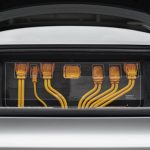
The car features a hybrid powertrain that brings total output to a colossal 600bhp and 1000Nm of torque. Called the Electric Performance Hybrid, the Polestar 1 is able to travel about 150km on pure electric power, making it the only hybrid vehicle currently on sale that can achieve such a feat on a single charge.

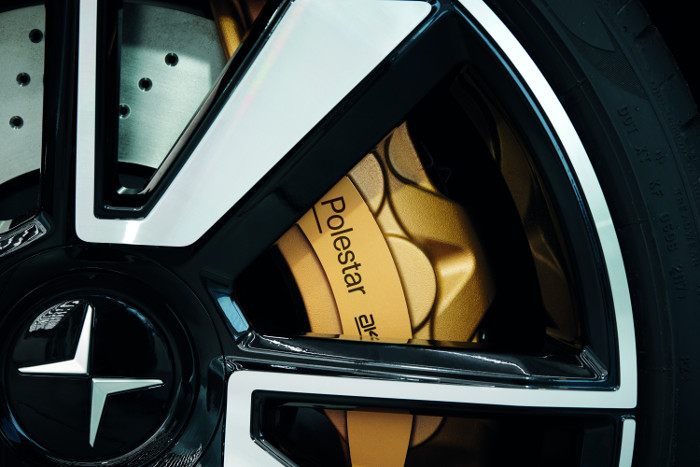
Another first, the Polestar 1 is the first car in the world that will be fitted with the Öhlins Continuously Controlled Electronic Suspension (CESi) advanced chassis technology. That coupled with a double electric rear axle for torque vectoring, will enable the car to remain planted while cornering at high speeds.

Marketed as a 2+2 seater grand tourer, the Polestar 1 is a concept vehicle that previews what the production version may look like when it is unveiled in mid-2019. The vehicle will be built in Polestar’s state-of-the-art production centre in Chengdu, China. Due for completion in mid-2018, the facility will be responsible for manufacturing future models from the automaker.

During the reveal, Polestar made it known that it will be launching two further models called the Polestar 2 and Polestar 3. The former will be an electric vehicle that will take on the Tesla Model 3, while the latter is poised to be an SUV styled EV.

Apart from this, the automaker is also planning on revolutionising the way we buy our cars. It will allow its vehicles to be purchased/rented online and will also introduce a substription service that will enable ownership with zero-downpayment at a steady monthly fee. In addition to that, owners can also rent alterntavie vehicles within the Volvo family.

The exact details are still a bit hazy at the moment as Polestar has yet to lay down concrete framework that will enable the public to its subscriptions service for a 2-3 year lease of its vehicles rather than opt in to an out-right purchase.

Thomas Ingenlath, Chief Executive Officer of Polestar said, “Polestar 1 is the first car to carry the Polestar on the bonnet. A beautiful GT with amazing technology packed into it. All future cars from Polestar will feature a fully electric drivetrain, delivering on our brand vision of being the new standalone electric performance brand.”

Despite this, Polestar will still have its brick and mortar showrooms around the globe to facilitate customers how prefer the old fashion way of buying vehicles. The order books of the Polestar 1 begins today, and Polestar says its ready to facilitate all interested parties.

It looks like cities around the world are taking turns to drop bombshells in terms EV regulations, in the recent weeks. Now, Oxford has decided to jump in and propose its own heavy-handed regulatory policy, which effectively bans all non-electric vehicles from its roads by 2020.

As absurd as that may sound, it gets a whole lot worse because the ban doesn’t just encompass the sale of new cars, rather it involves all vehicles, including taxis, buses and HGV (Heavy Goods Vehicles) used to transport shipments and cargo into the city.

Skeptics believe that the rushed effort reflects the lack of consideration given by the city council to the current infrastructure. Based on an article by Car Throttle, it is estimated that Oxford is home to about 160,000 residents but the current EV infrastructure isn’t able to match their EV demands.

The city plans on investing in this area by creating 100 more charging outlets, which wouldn’t be able to do much good considering the influx of electric cars by 2020. That said, the ban will only be fully enforced by 2035. Oxford only plans to banish fossil fuel burning vehicles from its busy city streets in the next couple of years, the complete ban, will only take place 15 years later.

This news can serve as an indication of things to come in terms of environmental regulations. Governments around the world are beginning to realize that the use of electric vehicles will help reduce our carbon footprint, improve air quality and lessen the effects of global warming.

Source: Car Throttle

Arnold Schwarzenegger, the famous hollywood actor and former governator of the state of California, has collaborated with Kreisel Electric to develop an EV Hummer. Based on the original H1, the all-electric prototype was unveiled by Schwarzenegger himself to hoards of fans and members of the media.

The civilian version of the US military Humvee, the EV H1 forgoes its gas guzzling V8 in favour of two electric motors, one for each axle. Juice is supplied via a 100 kWh battery pack that enables this behemoth to reach a top speed of 120km/h and cover a distance of 300km.

https://youtu.be/sHe485QW3zE
Video taken from königstein performance Youtube Channel

Weighing 3300kg, this isn’t even in the same ballpark as your average Prius. It retains the entire shell of the original vehicle and as such, still has the macho and go anywhere appeal of the original that made it a staple of the US military.

As daunting a task as it maybe to convert the H1 into an all-electric vehicle, it took Kreisel a mere two months to complete the project. This labour intensive effort may have been well worth the cost because it shows the general public that any car can be an EV.

That said, this project isn’t the first time that the governator and Kreisel has collaborated on creating a new vehicle. He previously worked with the company to develop an EV Mercedes-Benz G-Wagon that is capable of holding its won against the legendary vehicle that it is based on.

Unlike the unruly nature of the standard V8 powered G-Wagon, Kreisel’s version operates quietly yet is able to match the capabilities of the world famous vehicle that it is based on.

https://youtu.be/nSMpmMskqXM

https://youtu.be/1y4evYuPGgk

Kreisel Electric is a mobility company who believes that the electric motor is the most efficient method of propulsion. They have developed their own battery solutions for high performance applications.

The company’s founders Philipp, Johann and Markus have been involved in the electronics sector for the past 35 years. Philipp is the mechanical engineer, Johann the electronic specialist while Markus concentrates on the commercial aspects of the business.

Their company website provides an in-depth knowledge of the inner workings at Kreisel Electric and the amazing work that they are doing. This goes to show that you don’t need to be a fortune 500 company to do amazing things in the automotive industry.
Source: Road & Track, Kreisel Electric

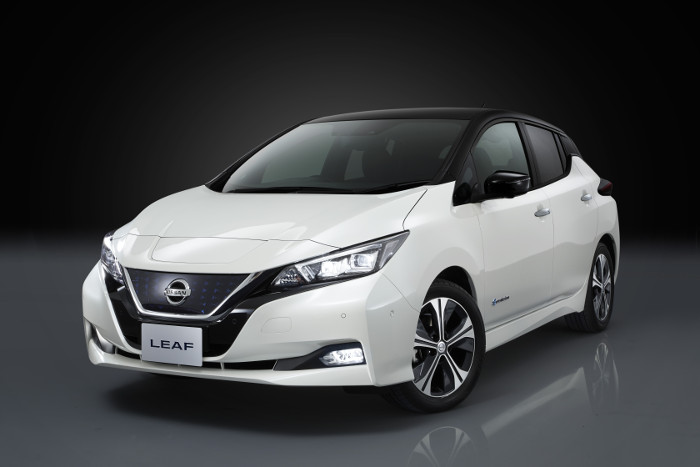
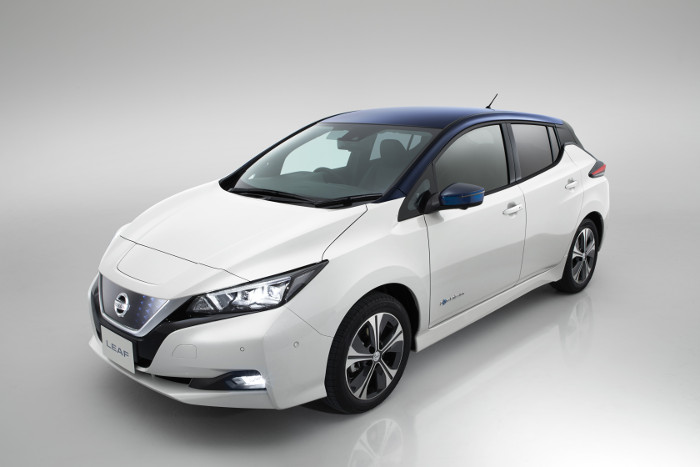
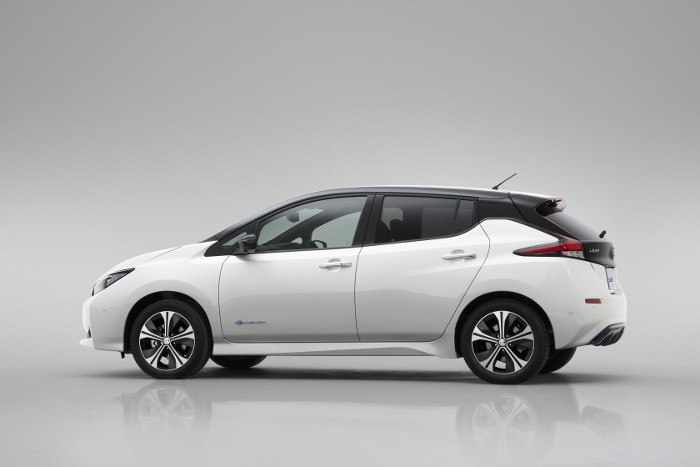
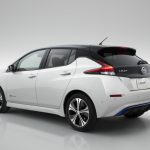
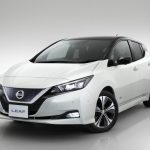
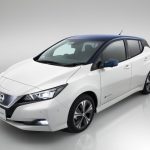
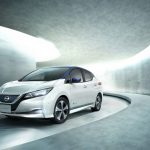
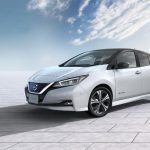
Nissan has unveiled the highly anticipated second generation EV, the Leaf. Building on the success of its predecessor that burst onto the scene in 2010, the new car aims to be the smartest electric vehicle on the market.

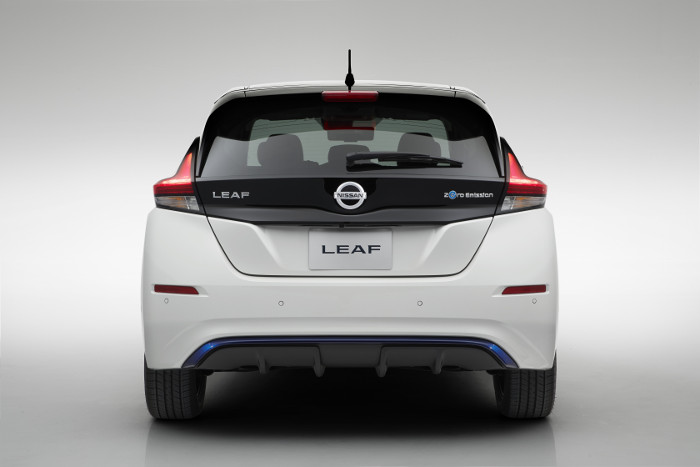
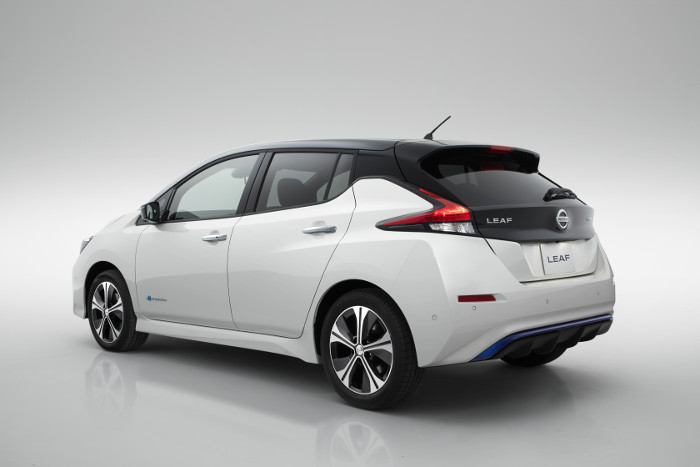
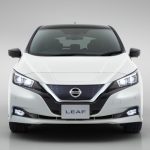
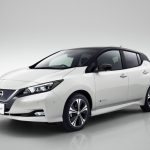
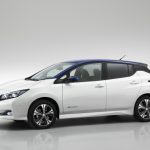
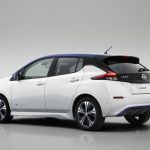
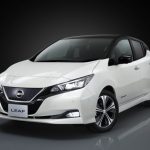
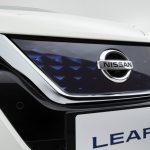
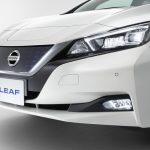
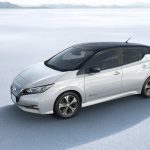
Though it features the same basic silhouette as its predecessor, the car has been given a completely new look. Gone is the fish eye-like front end and in its place, a more contemporary look with sharp projector headlights that meet the narrow yet prominent V motion chrome grille.

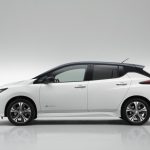
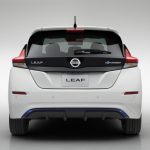
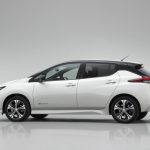
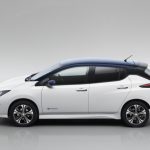
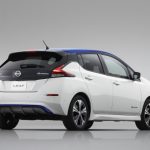
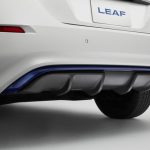
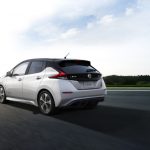
The new Leaf stills sports the swept back look of its predecessor but seems to feature a sportier side profile thanks to a pair of decent side skirts and a two-tone paint scheme. This theme is carried to the rear as well because part of the hatch has a gloss black finish.

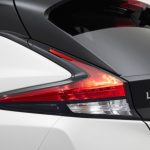
It also features more angular but less prominent rear taillights that are smaller than its predecessor. The bottom section of the rear bumper resembles that of a diffuser, but we aren’t sure whether its fully-functional or just there for vanity purposes.

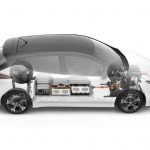
Fitted at the base of the car is a higher density battery pack that is about 40% more efficient than the one fitted to the 2010 car. As such it enables the new Leaf to cover a distance of 378km on a single charge.

Nissan is very proud of the car’s e-powertrain, which offers better efficiency and is able to deliver 148bhp and 320Nm of torque. The smart thing about the new car is that it is able to charge as and when necessary as well as when tariffs are lower.

The car can also feed power back into the power grid and power your home during the day to help reduce your electricity bill. Though these features won’t be beneficial in all global markets, it will help owners in places where sufficient infrastructure is in place to support EVs.

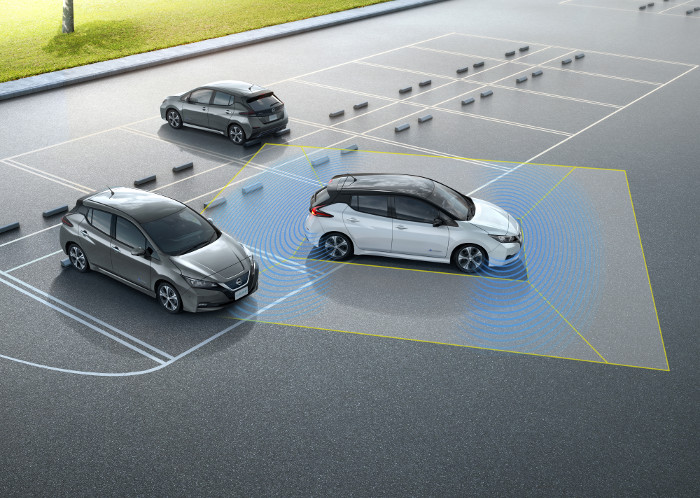
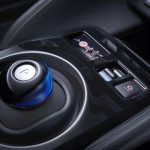
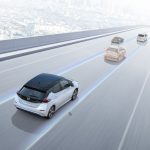
As expected, the new Leaf comes with all the latest tech which include ProPILOT, ProPILOT Park and e-Pedal. ProPILOT is an intelligent autonomous system that keeps the car in its respective lane as well as at a safe distance from the vehicle at the front. It uses mutiple ultrasound sensors to offer drivers extra security especially on long journeys.

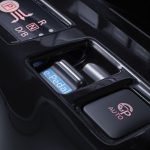
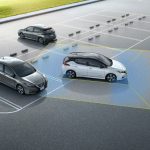
ProPILOT Park, allow the Leaf to manouver into parking spots without the need for human intervention. Though this is nothing revolutionary, it still is impressive to witness. Lastly, there’s the e-Pedal. This system will enable the car to decelerate without the driver pressing the brake pedal.

When a driver lifts his/her foot off the accelerator pedal, the regenerative braking feature kicks allowing the car to gradually come to a complete stop. It works by applying regenerative and friction brakes automatically, which even works for steep inclinations.

This new Leaf will go on sale in Japan in October of this year with deliveries for other parts of the world slated for the beginning of 2017. Nissan aims to sell this car in more than 60 markets globally, which should include Malaysia.

Archive

Follow us on Facebook

Follow us on YouTube