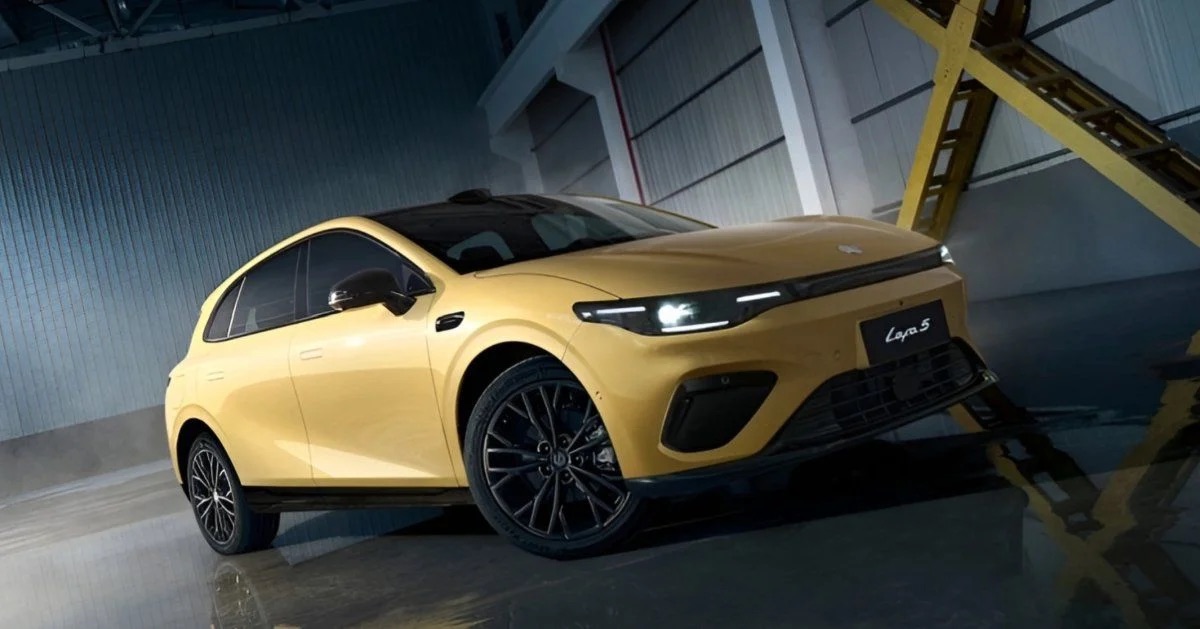
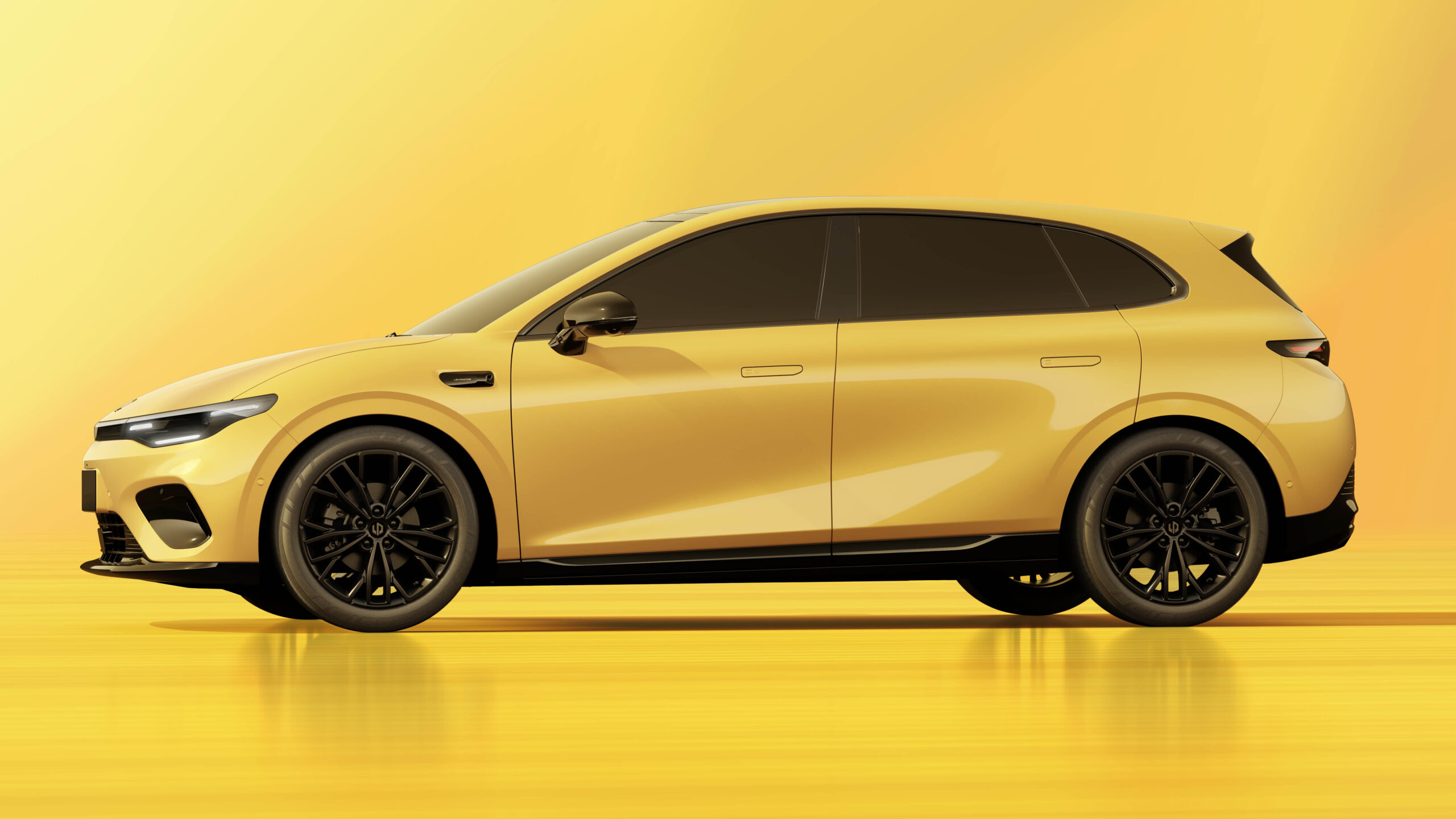
Leapmotor has unveiled its latest compact electric hatchback, the B05 — known in China as the Lafa5 — with five trim levels designed to meet varied budgets and driving needs. The model starts with the 515 Plus at 97,800 yuan (about USD 13,800), while the top-end 605 Max fetches 121,800 yuan. Early buyers benefit from a roughly 5,000 yuan discount across the line-up.
Built on the LEAP 3.5 platform, the B05 measures 4,430 mm in length, 1,880 mm in width and 1,520 mm in height, riding on a 2,735 mm wheelbase, similar in size to the smart #3. Buyers can choose between two battery configurations — a 56.2 kWh pack for a CLTC-rated 515 km range, or a 67.1 kWh pack for 605 km. Both use a rear-mounted electric motor, available in outputs of 177hp or 215hp.
Inside, the B05 offers a modern cabin complete with an 8.8-inch digital instrument cluster and a 14.6-inch 2.5K central touchscreen running Leapmotor OS 4.0 Plus on a Snapdragon-based processor. Depending on trim, equipment may include ventilated and heated seats, a panoramic roof, 256-colour ambient lighting, wireless charging built into a cleverly designed “magic expansion island” centre console, and upholstery spanning fabric, faux-suede, or Nappa leather.
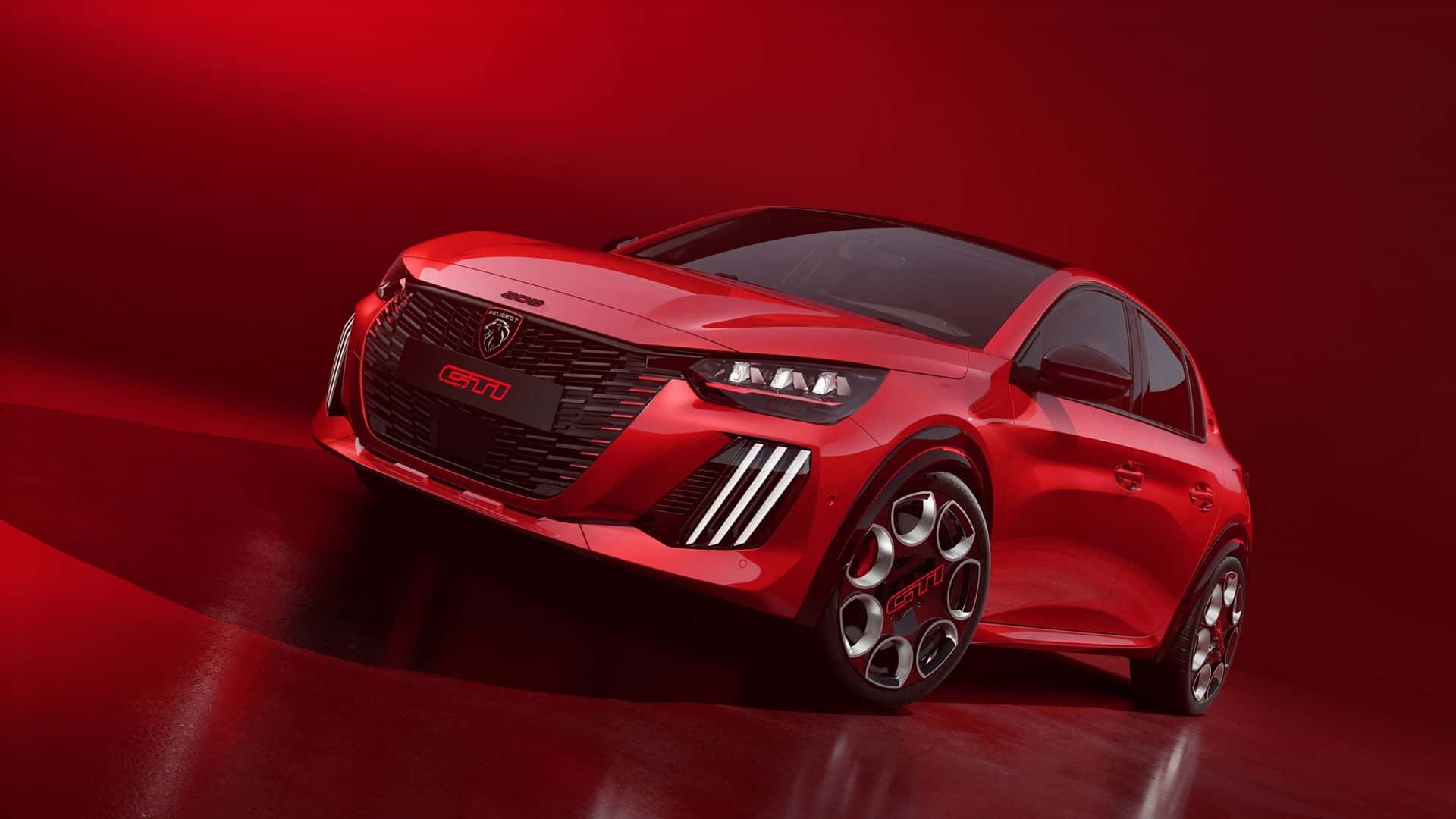
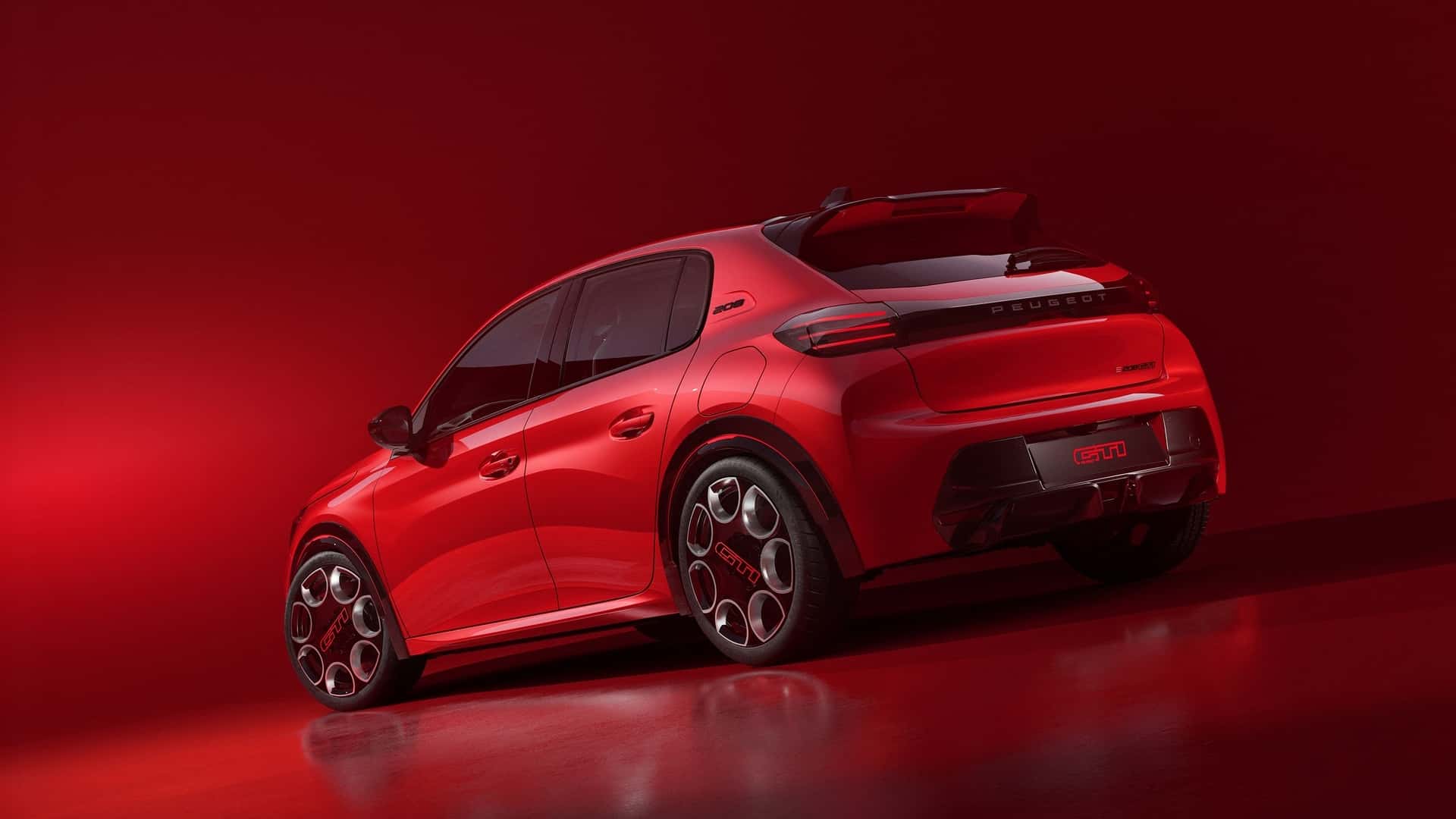
Peugeot is preparing to launch an all-new 208 in 2026, a car that will not only redefine the brand’s compact offering but also mark one of Stellantis’s most important global introductions in recent years. The next-generation model will debut the all-new STLA Small platform, showcase a futuristic tech-led cabin, and arrive as a fully electric vehicle from day one.
The new 208 represents a turning point for Stellantis’s compact cars, setting the tone for future models that will span the A- to C-segments. The STLA Small platform replaces the existing CMP and e-CMP architectures that currently underpin models like the 208, 2008, and Vauxhall Corsa. It also serves as a cornerstone for Stellantis’s ambition to remain at the forefront of Europe’s affordable EV market—a segment that continues to heat up as mainstream automakers accelerate their electrification plans.
Peugeot’s decision to introduce the platform through the 208 speaks volumes about the model’s importance within the company’s line-up. The hatchback has been a consistent bestseller for the brand, with 109,146 units sold in the first half of 2025 alone. That figure placed it among Europe’s top three compact cars, trailing only the Renault Clio and Dacia Sandero, according to data from Jato Dynamics.
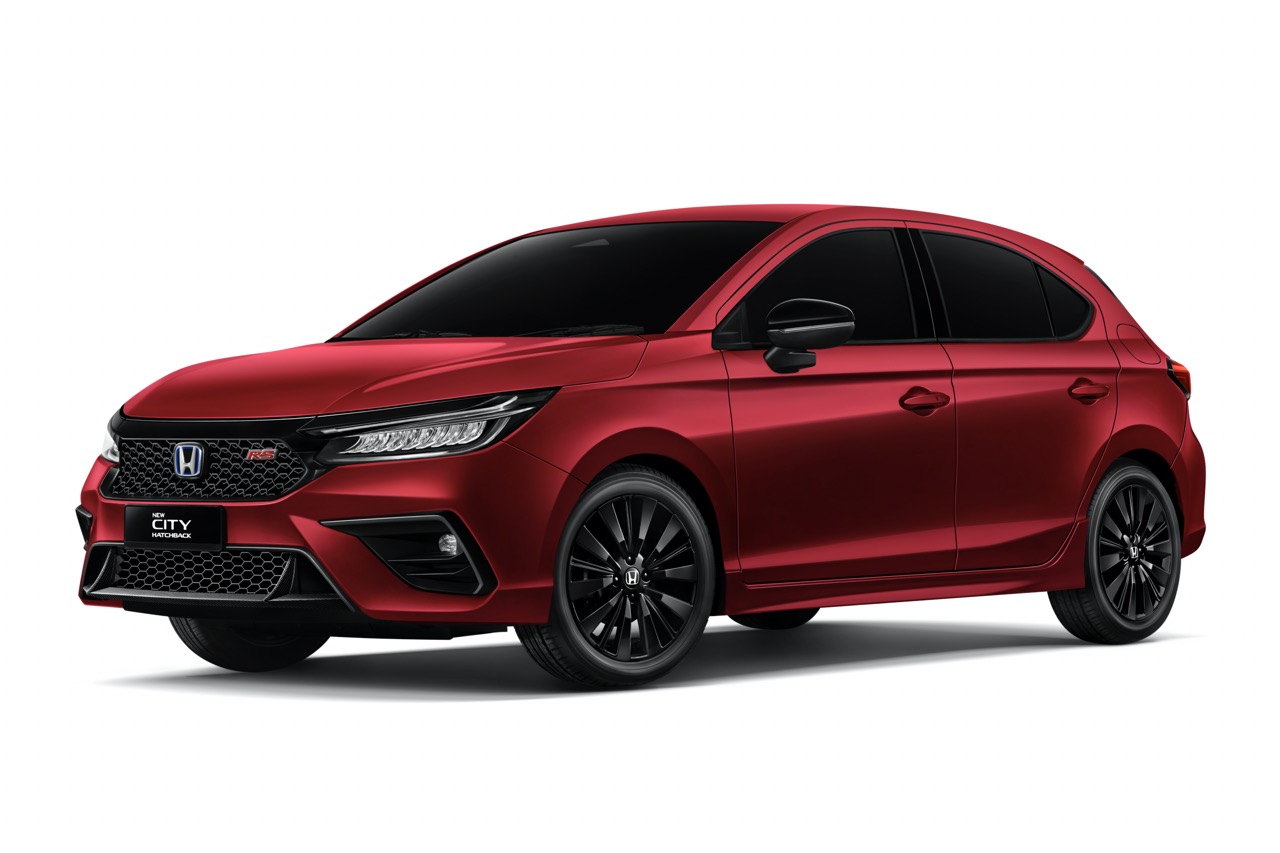
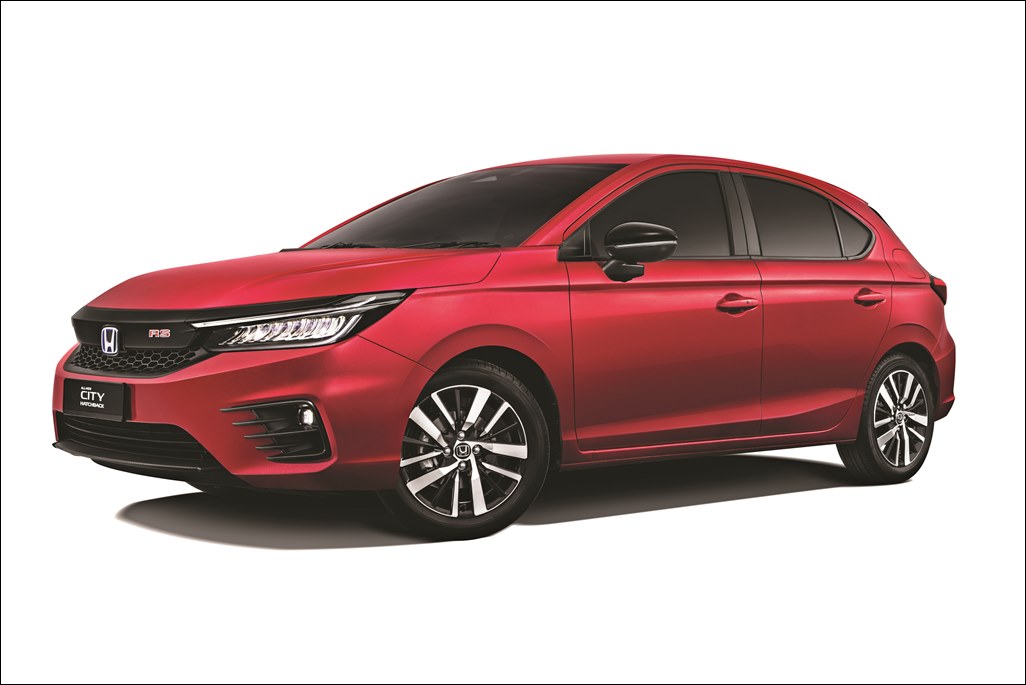
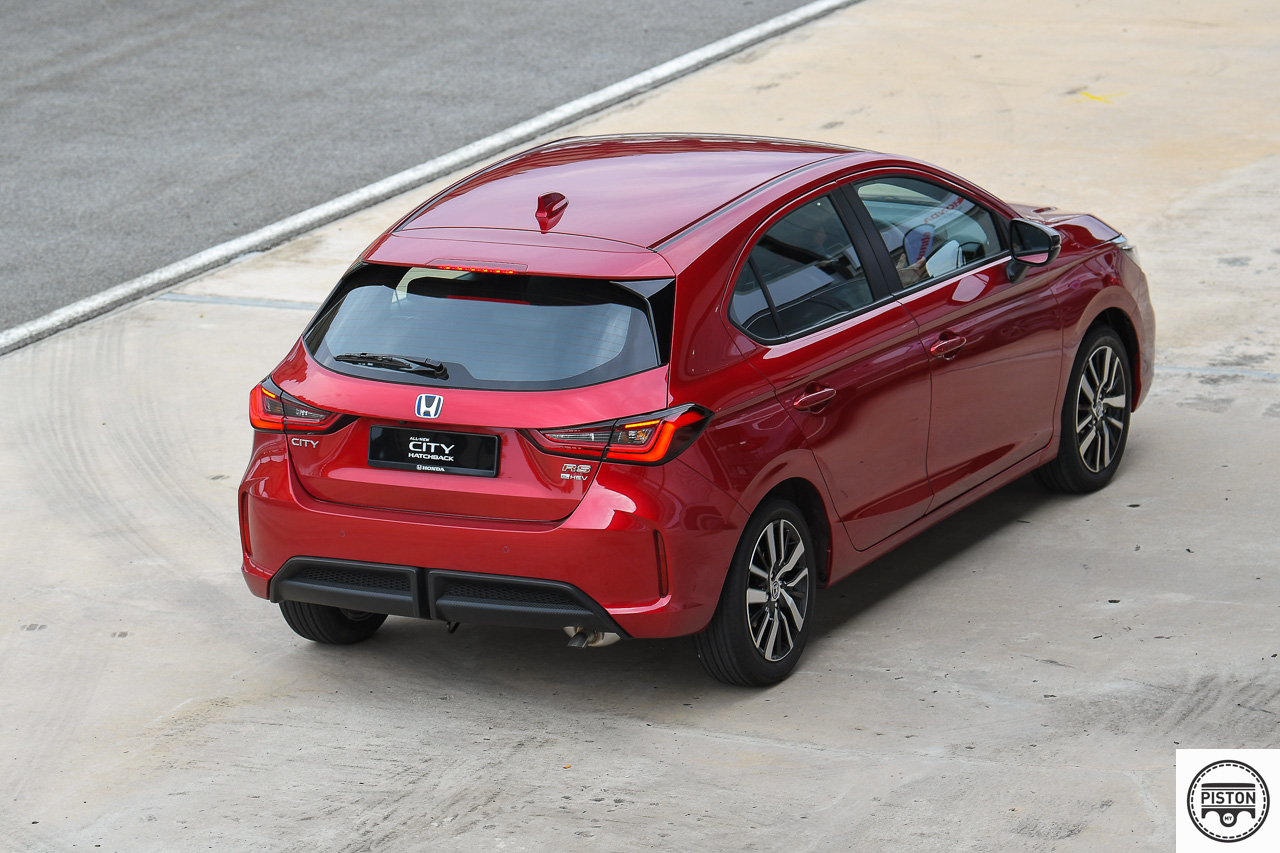
Honda Malaysia has announced the upcoming launch of the new City Hatchback in Quarter 2, 2024, reaffirming its position as one of the top-selling hatchback models in the Non-National segment. The facelifted model is now available for bookings at all Honda dealerships nationwide.
Mr. Hironobu Yoshimura, Managing Director and Chief Executive Officer of Honda Malaysia, expressed enthusiasm for the New City Hatchback, reflecting on its initial success since its introduction in 2021. With over 28,700 units sold, it has established itself as Malaysia’s ultimate hatchback sensation, thanks to its captivating design, advanced technology, and practicality.
Introduced in 2021, the City Hatchback was Honda Malaysia’s second model featuring the e:HEV technology. The e:HEV RS variant, known for its sporty appeal, contributed significantly to the Company’s hybrid sales, accounting for 16% of total hybrid sales. In 2023, the City Hatchback achieved strong sales figures, solidifying its presence in the Non-National hatchback segment.
The facelifted City Hatchback boasts upgraded looks and appearance, with a sleeker and more dynamic design aimed at captivating onlookers. The e:HEV RS variant stands out with its sharper and more aggressive exterior, featuring newly designed front grille, lower grille, bumper, and fog garnish.
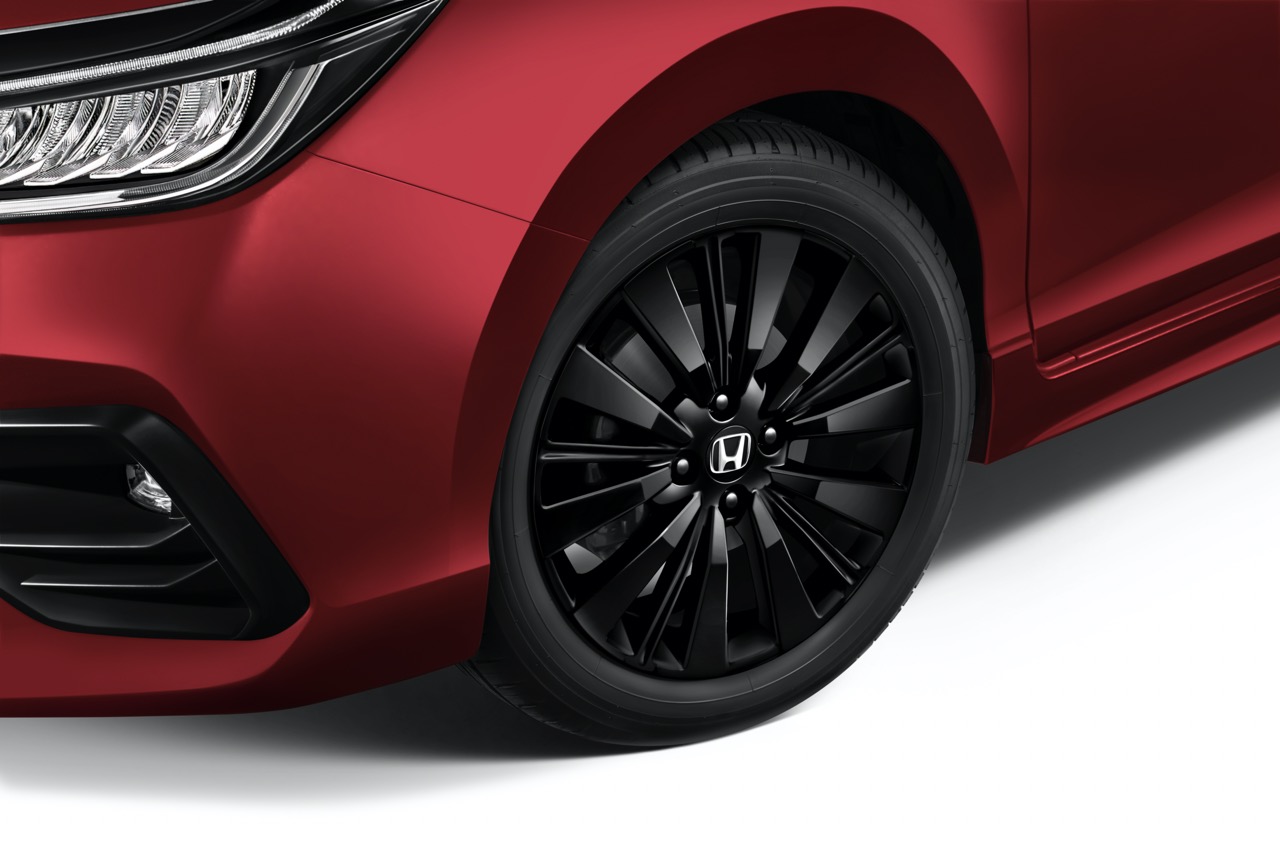
Adding to its sporty appeal, the e:HEV RS variant now includes sleek rear bumper lower garnish and side sill garnish designs, along with captivating Berlina Black 16-inch Alloy Wheels. Powered by the 1.5L e:HEV powertrain, the RS variant delivers dominant torque performance, while the 1.5L DOHC i-VTEC petrol version ensures a balance of performance and fuel efficiency.
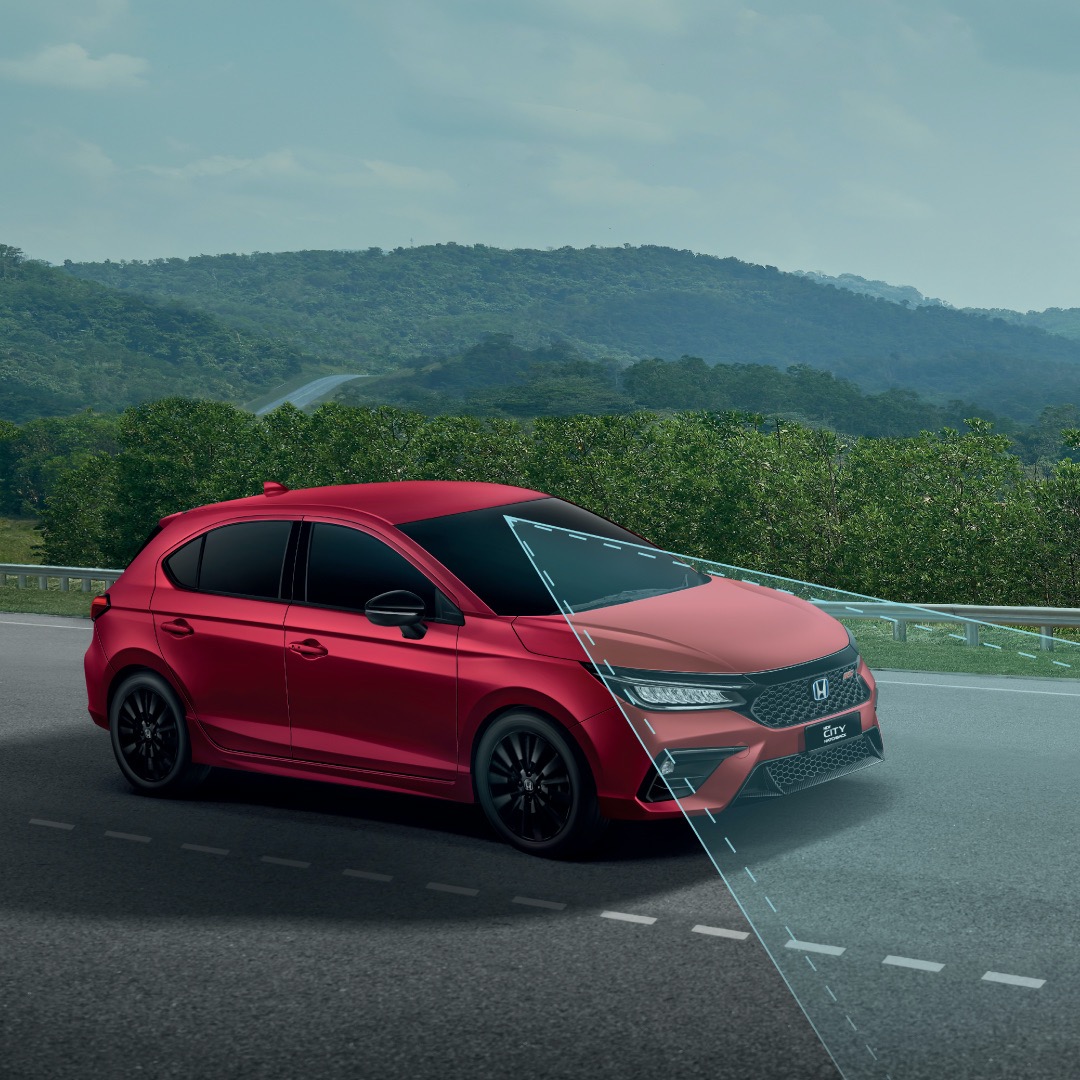
Safety features have been enhanced in the new City Hatchback, with Honda SENSING technology available in all variants, including Lead Car Departure Notification (LCDN). The e:HEV RS variant further benefits from Low Speed Follow (LSF) for added driving convenience.
The new City Hatchback is poised to appeal to young adults and professionals seeking advanced technology, style, and practicality in their daily commute, catering to the current trend of youthful automotive preferences.
Mate Rimac, pengasas Rimac Group, telah mencetuskan keterujaan di kalangan peminat dengan pratonton baru-baru ini di media sosial, membayangkan model baharu yang akan didedahkan pada 26 Jun. Teaser itu mencadangkan kenderaan seperti hatchback, dibalut dengan misteri dan daya tarikan urban dan diiringi muzik futuristik yang membayangkan inovasi.
Walaupun Rimac terkenal dengan kenderaan elektrik berprestasi tinggi seperti hypercar elektrik Nevera yang terkenal, model yang digoda itu nampaknya menyimpang daripada konsep hot hatch tradisional yang dilihat dalam model R3 dan R3X Rivian. Terdapat spekulasi bahawa pelancaran ini boleh dikaitkan dengan projek robotaxi Rimac, yang dikenali sebagai Project 3 Mobility yang telah dibangunkan sejak lima tahun lalu.
Pertama kali diumumkan pada 2021 dan disokong oleh syarikat automotif seperti Kia dan Hyundai, Project 3 Mobility menyasarkan untuk merevolusikan pengangkutan urban dengan robotaxis autonomi. Ia dijangka akan muncul di Zagreb, Croatia, dengan rancangan untuk pengembangan ke 20 bandar di seluruh Eropah dan Timur Tengah menjelang 2026. Sudut windshield and di tunjukkan mengingatkan robotaxi Johnny Cab yang ikonik dari filem “Total Recall,” menambah kepada spekulasi mengenai reka bentuk dan tujuan model.
Ketika Kumpulan Rimac bersiap sedia untuk memperkenalkan inovasi terbaharunya pada 26 Jun, keterujaan membina potensi pengenalan kenderaan berinspirasikan hatchback yang futuristik yang boleh mentakrifkan semula mobiliti urban dengan teknologi canggih dan reka bentuk berwawasan.
Mate Rimac, the visionary founder of the Rimac Group, has stirred excitement among enthusiasts with a recent social media teaser hinting at a new model set to be unveiled on June 26. The glimpse suggests a hatchback-like model, shrouded in mystery and urban allure, accompanied by futuristic music evoking a sense of innovation.
While Rimac has made waves in the realm of high-performance electric vehicles, such as the acclaimed Nevera electric hypercar, the teased model appears to deviate from the traditional hot hatch concept exemplified by Rivian’s R3 and R3X models. Speculation swirls around the possibility of this unveiling being linked to Rimac’s ambitious robotaxi project, known as Project 3 Mobility, which has been in development for the past five years.
Initially announced in 2021 and supported by automotive giants Kia and Hyundai, Project 3 Mobility aims to revolutionise urban transportation by introducing autonomous robotaxis. The project is slated to debut in Rimac’s home city of Zagreb, Croatia, with plans for expansion to 20 cities across Europe and the Middle East by 2026. The teaser’s windshield angle, reminiscent of the iconic Johnny Cab robotaxi from the film “Total Recall,” further fuels speculation regarding the model’s design and purpose.
As Rimac Group prepares to unveil its latest innovation on June 26, anticipation mounts for the potential debut of a futuristic, hatchback-inspired vehicle poised to redefine urban mobility through cutting-edge technology and visionary design.
At the Los Angeles Auto Show this week, visitors will get to see the new 6th generation of the Subaru Impreza. The Los Angeles event was the same place that Subaru first launched the Impreza 30 years ago, the only vehicle in the compact class at the time to offer all-wheel drive. The Impreza also laid the foundation for the legendary WRX, the performance car with rally championships spanning four decades.
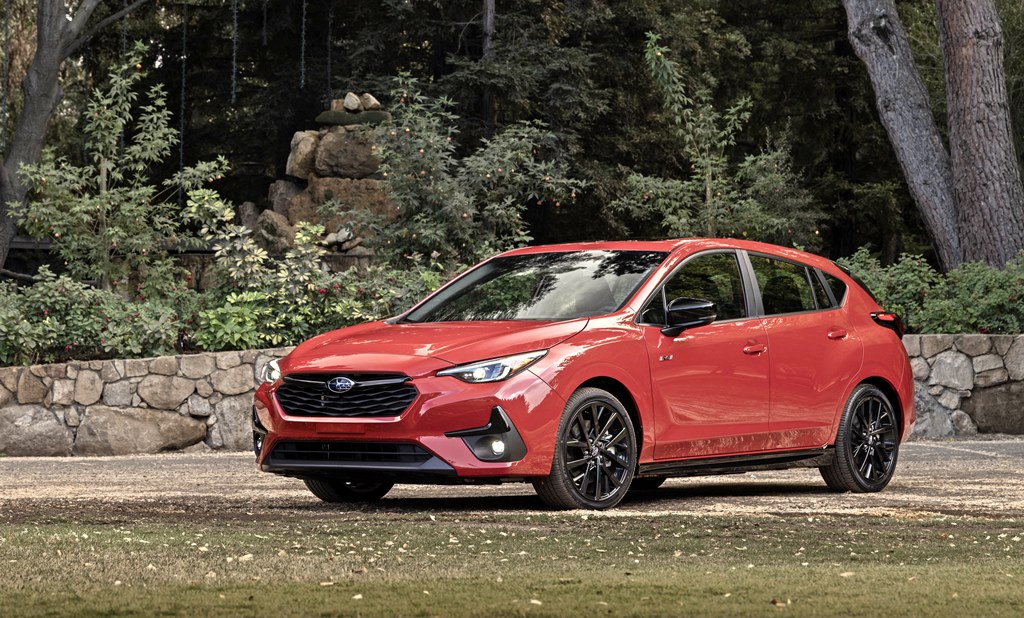
For this new generation, Subaru has dropped the sedan bodystyle and will only offer the Impreza as a 5-door hatchback. Compared to the fifth generation’s hatchback, the new bodystyle is less bulbous with sportier looks and styling elements like the new Crosstrek.
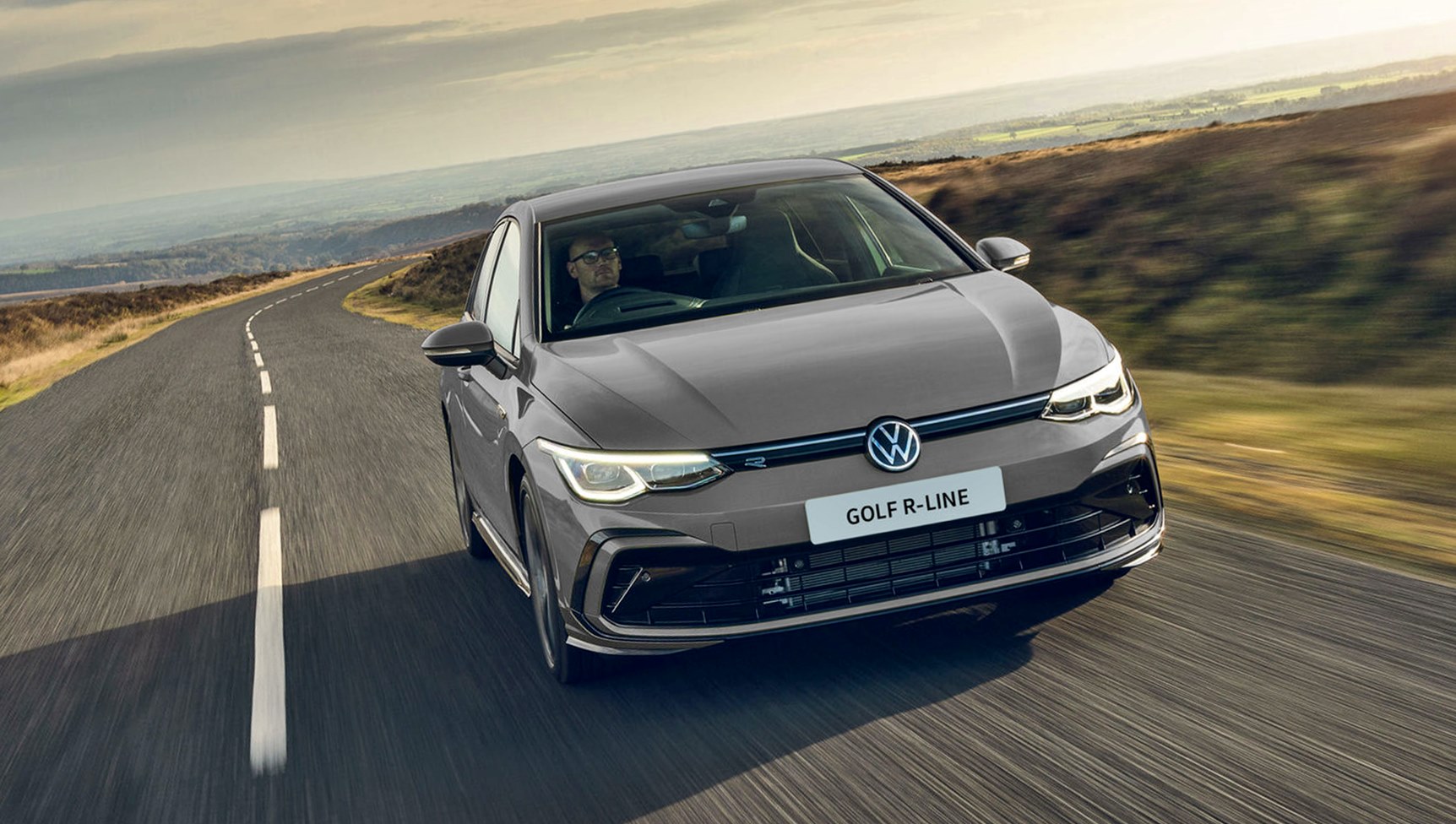
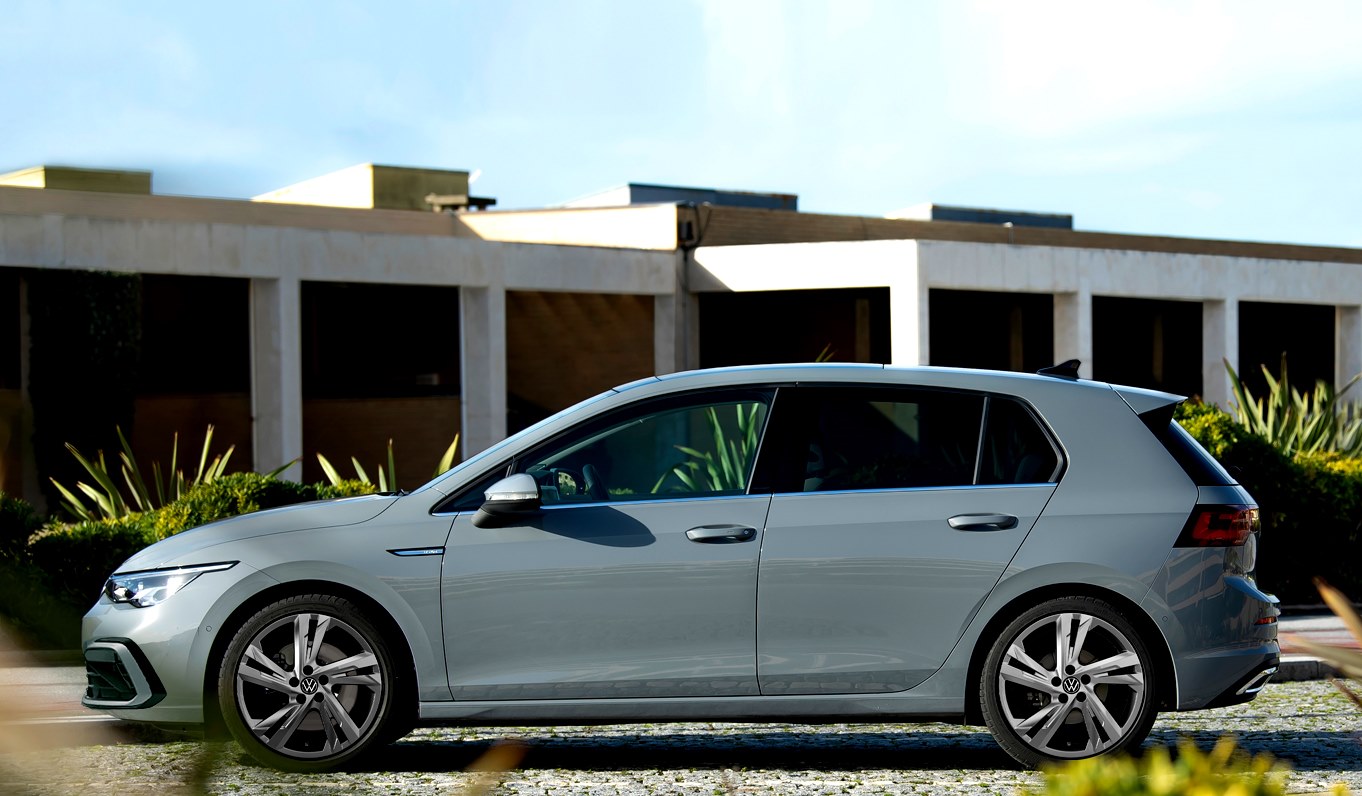
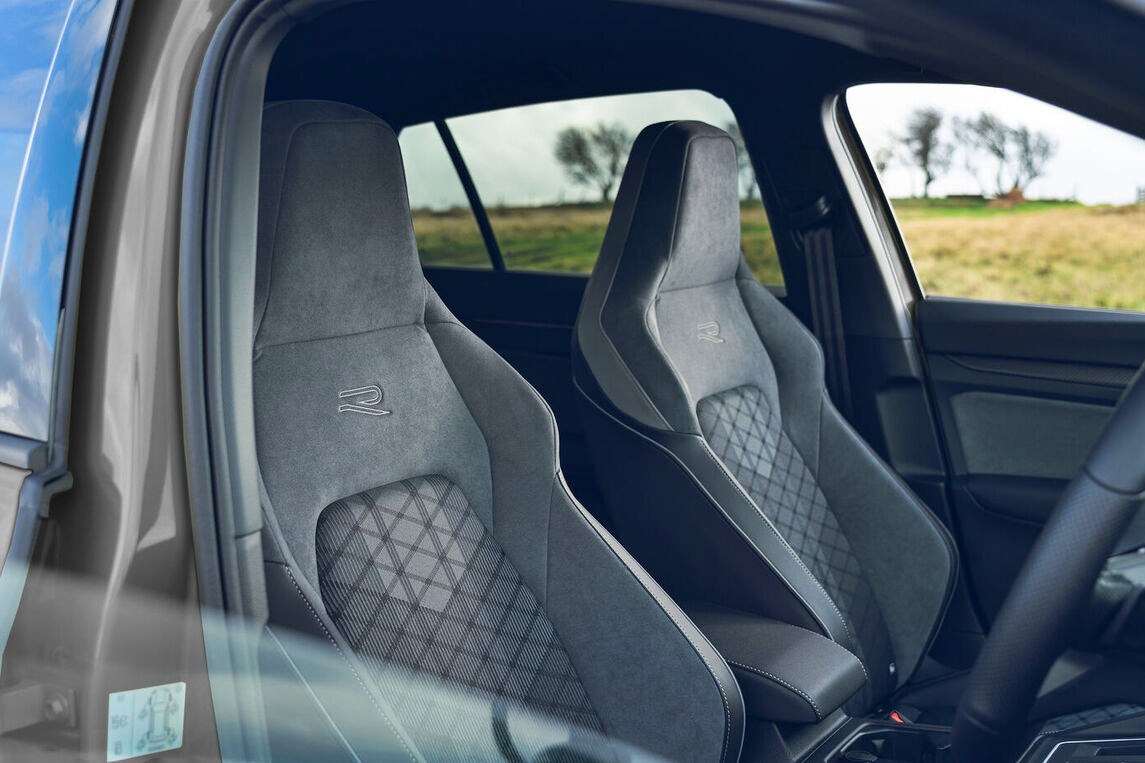
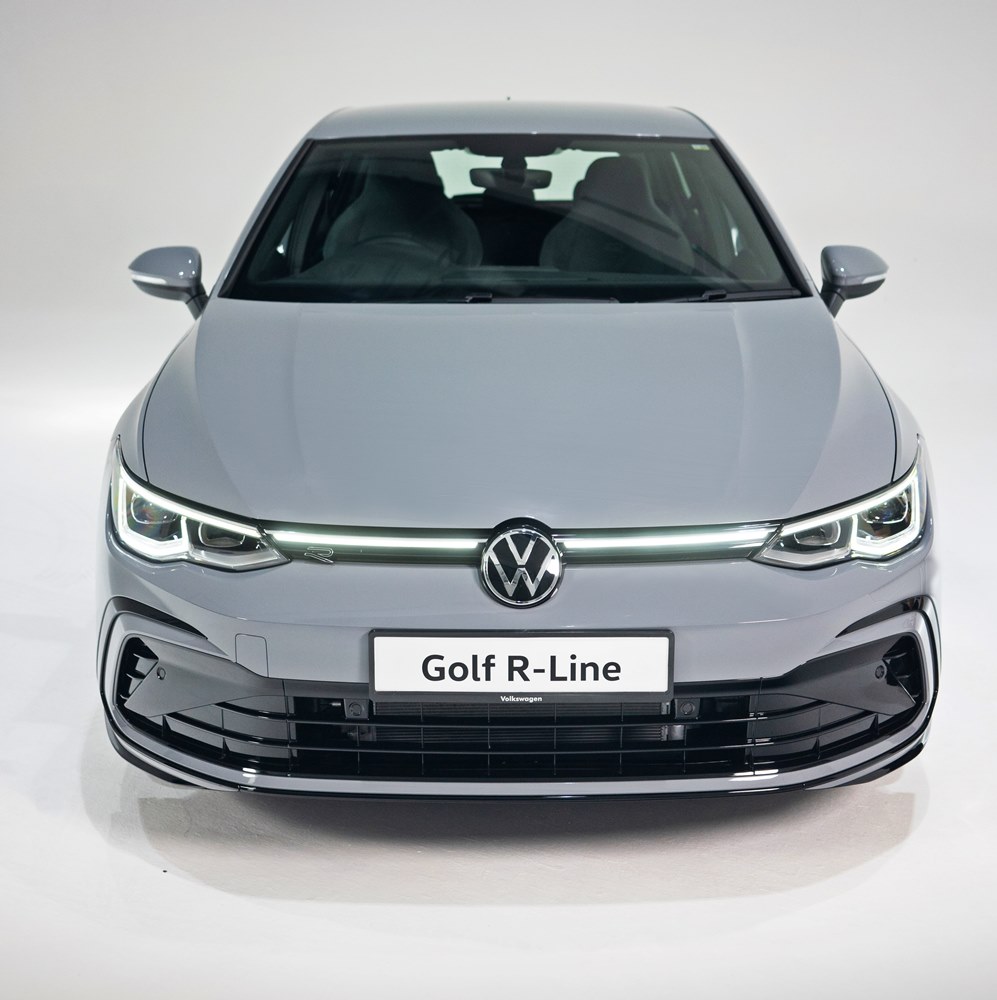
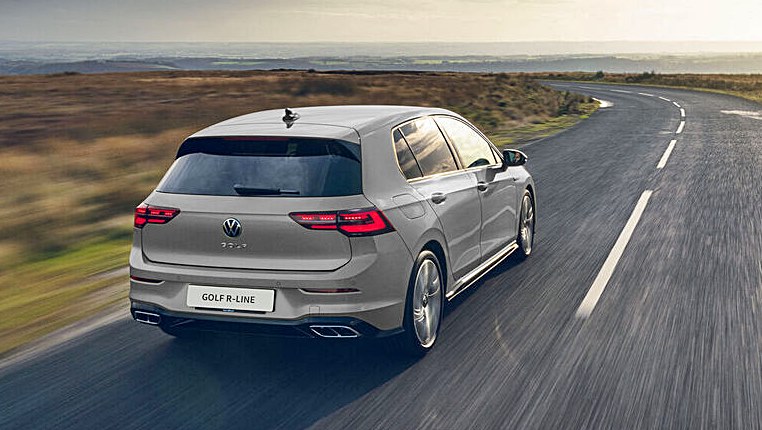
The latest Volkswagen Golf 8 R-Line now has a price which starts from RM169,990. The model, one of the versions of the new Golf 8 range launched in February this year, was displayed but at that time, Volkswagen Passenger Cars Malaysia (VPCM) did not have a price for it yet. The Golf GTI and Golf R (CBU) are priced from RM214,900 and RM389,990, respectively.
1.4TSI engine with torque-converter AT
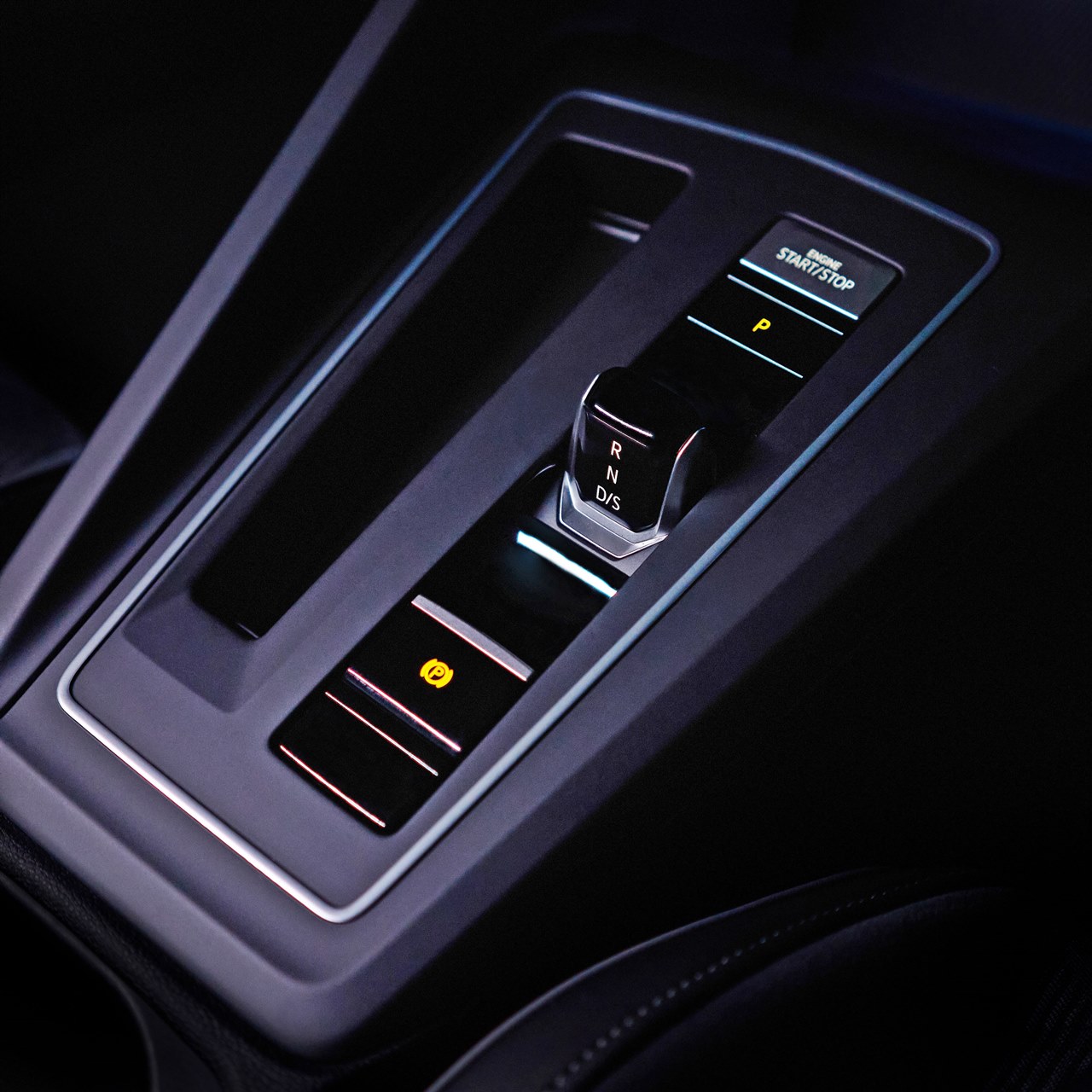
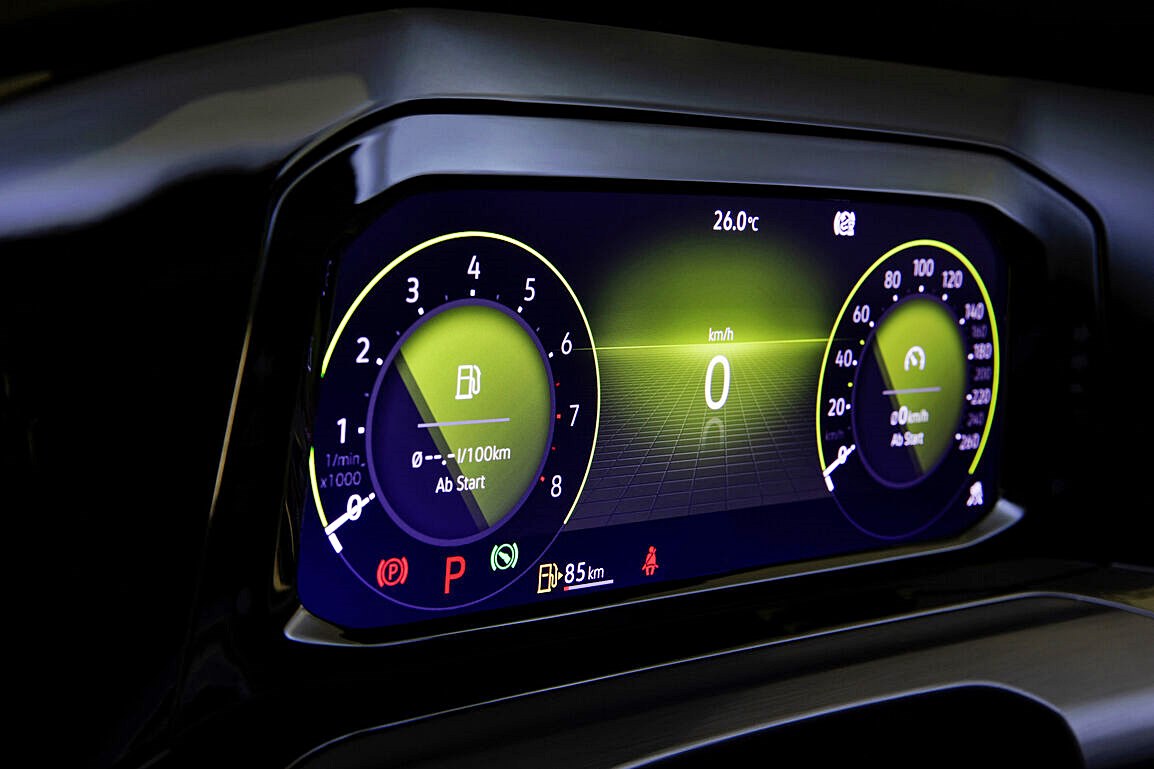
Like the Golf GTI, the Golf R-Line is assembled at the Volkswagen facility in the DRB-HICOM manufacturing complex in Pekan, Pahang. Under the bonnet is a 1.4TSI turbocharged engine with an output of 150 ps/280 Nm, mated to an Aisin-supplied 8-speed automatic transmission (the trusty torque converter type) with shift-by-wire control. Fuel consumption is claimed to be 17.2 kms/litre.
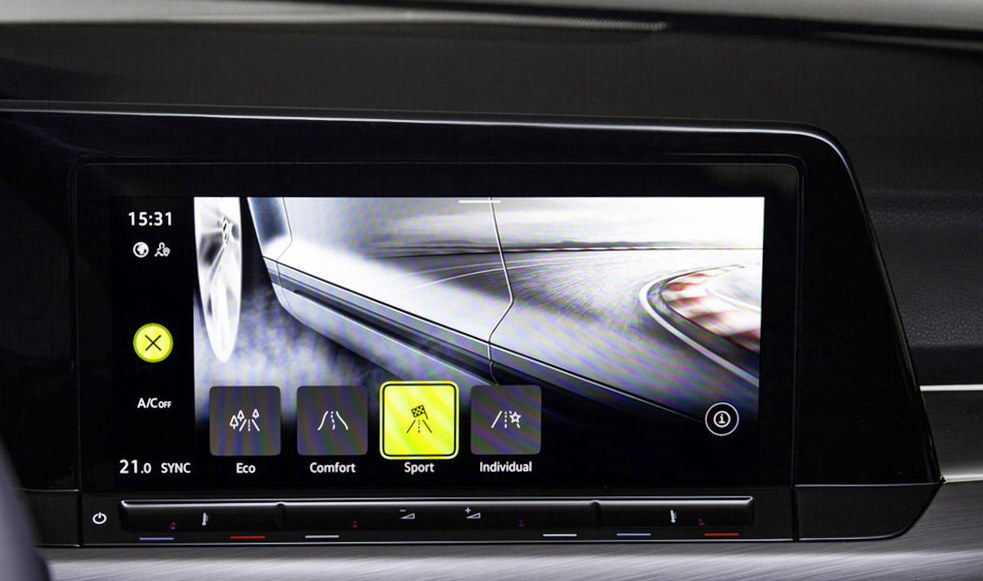
The driver can select from 3 driving modes to suit driving conditions or personal preference, and can customise the settings as well.
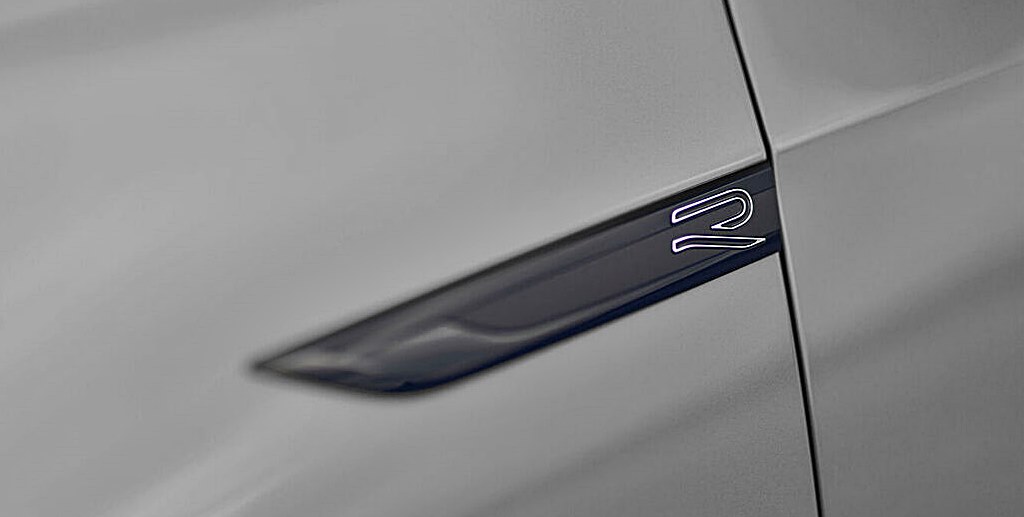
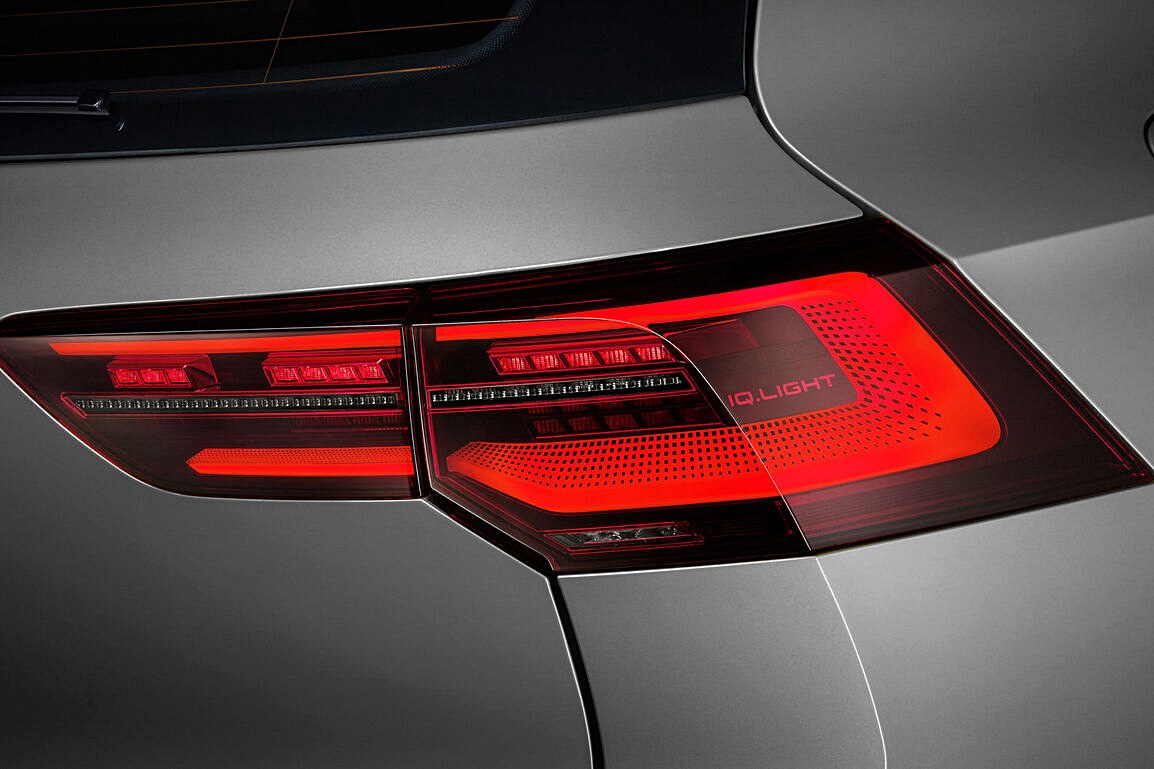
Apart from the R-Line styling and low C-signature front bumper, the new model comes with 17-inch Valencia alloy wheels and chrome-effect trapezoid faux exhaust tailpipes.
Better connectivity
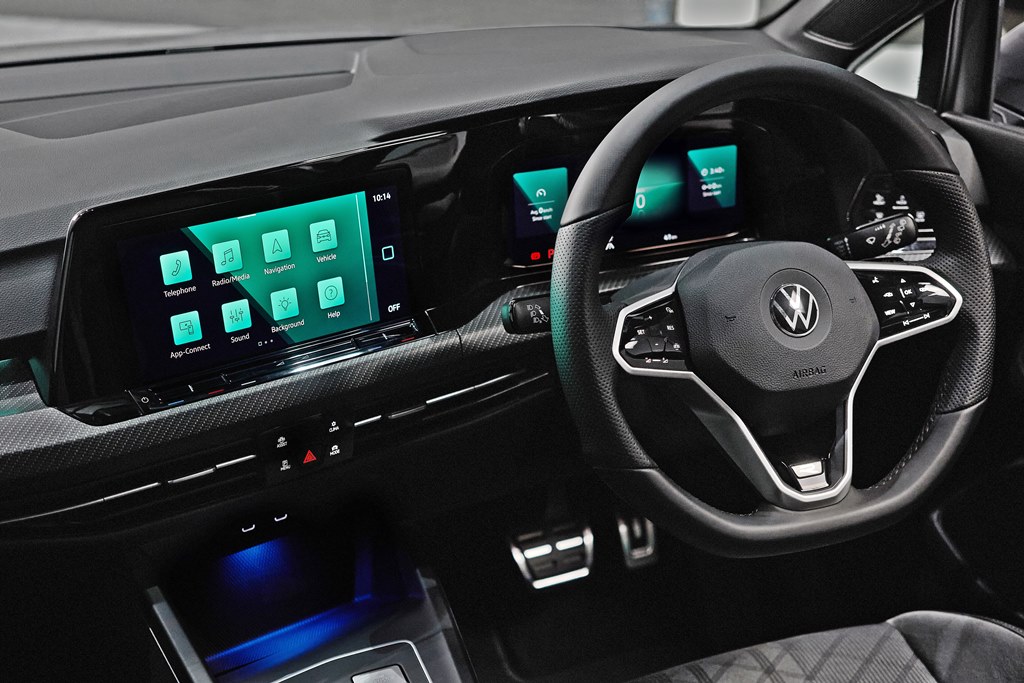
The latest Golf generation has enhanced digitalisation in the cockpit with far greater connectivity than before. It also comes with intelligent voice control system to manage various functions. The ‘trigger phrase’ is ‘Hello Volkswagen’ which will ‘wake up’ the system to await a command. Alternatively, pressing a button on the steering wheel also activates the system.
The voice recognition system has been improved from earlier systems and uses digital microphones. The new software has fewer system interfaces than before, and comprehension rate is said to reach a level of around 95%. It recognises whether the driver or the passenger is speaking. which means it can adjust the air conditioning system (to colder or warmer, for example) specifically for the person making the request.
The Golf has always had optimised interior packaging with space for the occupants as a priority. The hatchback offers plenty of room for all the family while, at the rear, is a 381-litre of luggage compartment.
Like the Golf GTI, the Golf R-Line has a tough structure constructed using a combination of high-quality steel extensively engineered to provide maximum occupant protection in the event of an accident. Other key safety features include Electronic Stability Control; Post Collision Braking System that prevents a second collision; Electronic Differential Lock that improves traction and reduce understeer; and 6 airbags at the front and sides.
Customers can choose from a range of 5 colours for the Golf R-Line – Moonstone Grey, Metallic Kings Red, Atlantic Blue (in metallic finishing), Deep Black and Oryx White with pearl effect.
The price includes a 5-year unlimited mileage warranty, free scheduled maintenance for the first 3 years of ownership, and complimentary roadside assistance for the first 5 years. To locate a showroom in Malaysia to view and test-drive the new Golf GTI, visit www.volkswagen.com.my.
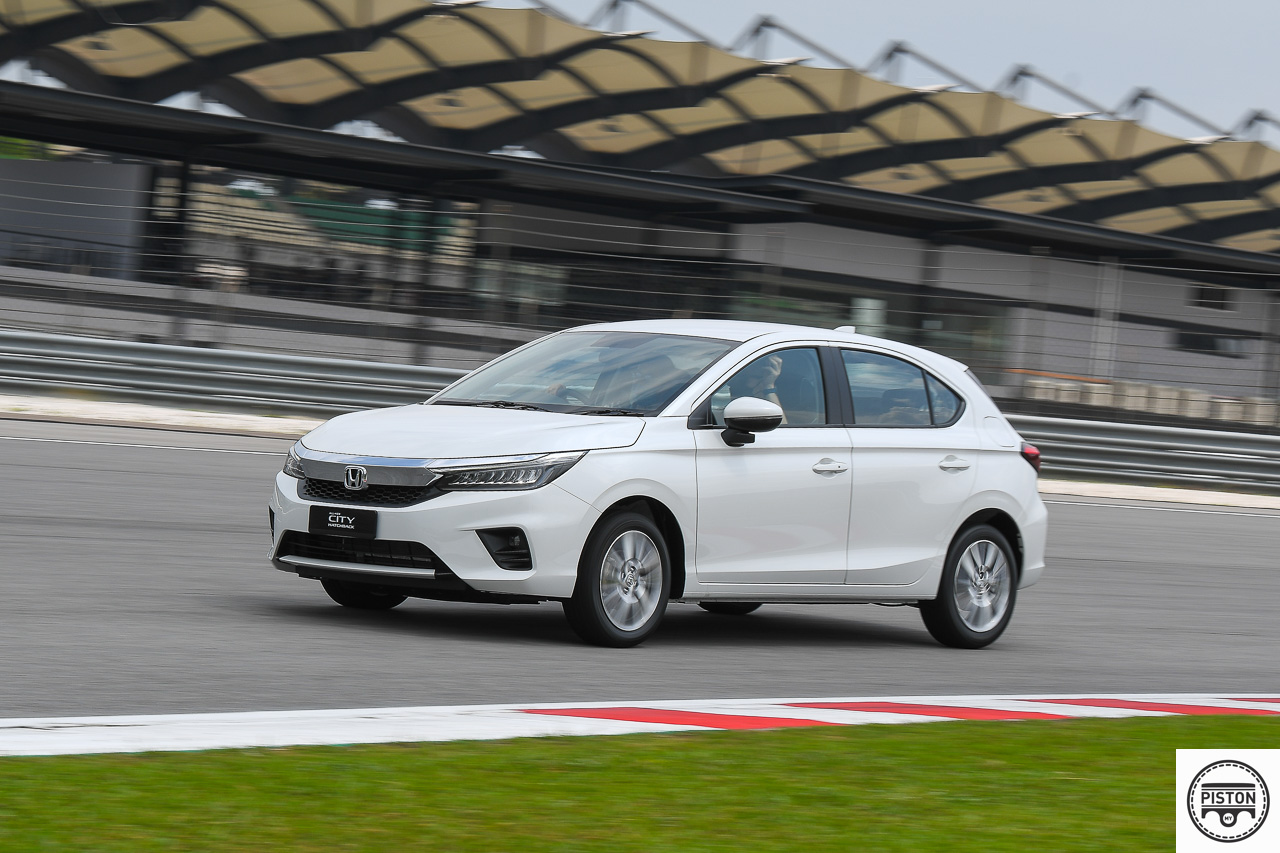
As with the City Sedan, Honda Malaysia has now added another variant of the City Hatchback with the Honda SENSING driver-assistance package for those who want more advanced safety systems. The new City Hatchback V-SENSING variant is similar to the City Hatchback 1.5V and is priced from RM91,708.51 (excluding insurance and sales tax), which is around RM3,852 more than the 1.5V without Honda SENSING.
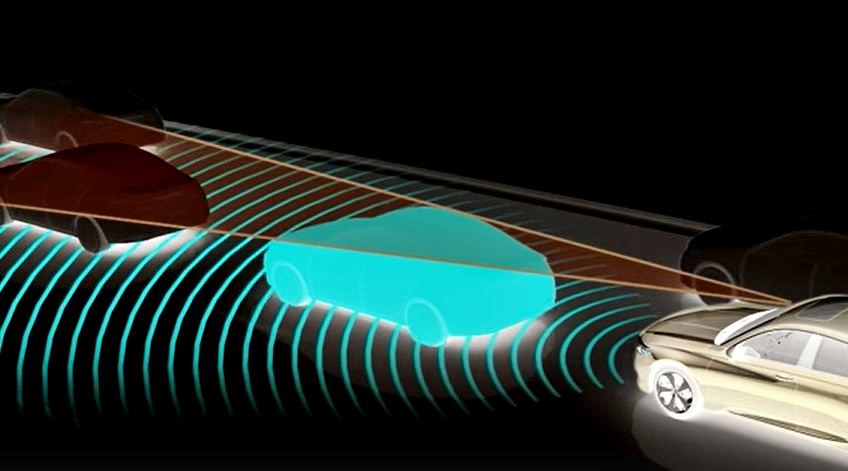
While Honda has provided various types of active safety systems over the years such as ABS, Vehicle Stability Assist and Traction Control, these have been independent in their functions. With Honda SENSING, which was first introduced in 2015 in Japan and 2017 in Malaysia (with the 5th generation CR-V), the active systems function in a collaborative manner and expand the capabilities of recognizing as well as reacting to potential accident situations.
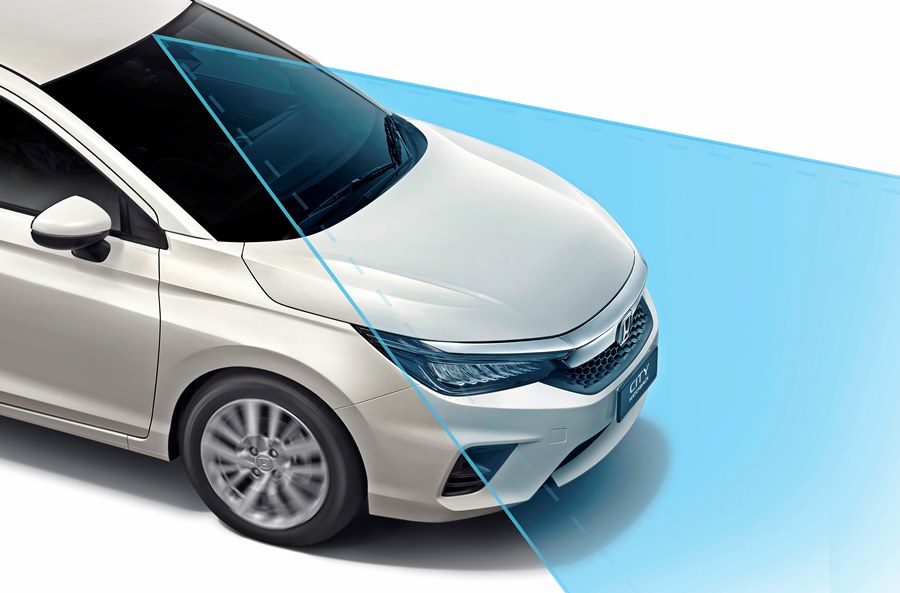
Such unified systems use either a radar or a camera, or both, to scan the road ahead for other vehicles and road-users as well as road markings. More expensive models usually have the radar as well but for the City Hatchback (and Sedan), Honda uses only a camera, probably to reduce the cost. However, compared to the earlier Honda SENSING system, the camera (mounted in the space above the rearview mirror) in the latest one has a wider view and improved imaging capabilities in all lighting conditions. The imagery captured by the camera is constantly analysed and also picks up lane markings on the road as well as the edge of the road.
Compared to the original Honda SENSING system first introduced in Malaysia, today’s system has increased features and consists of:
Adaptive Cruise Control (ACC)
Collision Mitigation Braking System (CMBS)
Forward Collision Warning (FCW)
Lane Keep Assist System (LKAS)
Road Departure Mitigation (RDM)
Lane Departure Warning (LDW)
Auto High Beam (AHB)
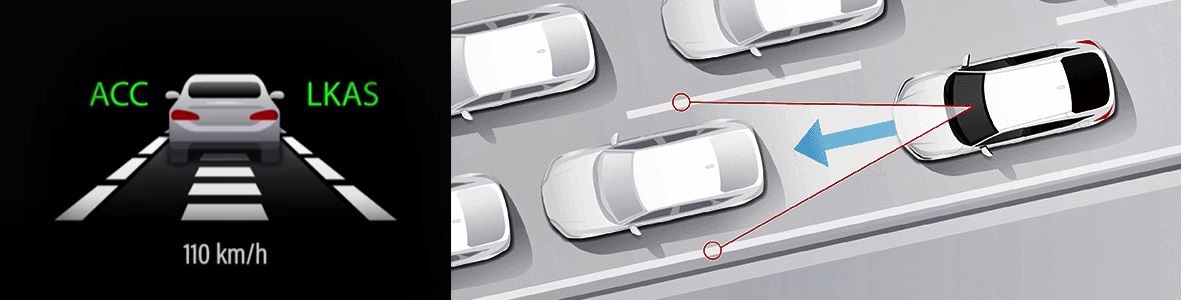
With ACC, the desired cruising speed can be set as well as the length of the gap with the vehicle ahead. The system will adjust the speed to maintain the gap.
ACC is a more advanced type of cruise control where the car can run in semi-autonomous mode. The driver still needs to pay attention and steer but once the cruising speed is set, there is no need for the driver to use the brakes to slow down if there is a vehicle ahead. The system will do it automatically to maintain a safe distance, returning to the set speed when there is no vehicle ahead. This will not only make driving easier in heavy traffic but also help to reduce fatigue on long journeys, improving safety.
CMBS and FCW are related systems, both functioning to prevent a collision with a vehicle ahead or hitting other road-users. FCW will warn the driver by sound and by warning lights if there is a risk of a collision. If the driver does not act to prevent this from happening – ie slowing down or braking – CMBS then activates and the brakes will be applied automatically. While the automatic emergency braking may or may not prevent a collision (depending on road conditions and speed), the earlier deceleration could reduce the damage of the impact if it occurs.
With CMBS, the brakes will automatically be applied if the Honda SENSING system determines that a collision will occur and the driver has not taken action to prevent it.
Incidentally, when CMBS occurs, the rear brake lights automatically flash and the hazard warning lights will also come on. This is to alert drivers in vehicles behind of the sudden braking so they won’t also collide… not all cars may have systems like Honda SENSING.
LDW, LKAS and RDM also related and their main function is to keep the car within its lane. These systems were developed as studies have found that many accidents have occurred due to the car wandering out of its lane without the driver being aware (usually due to lack of attention or drowsiness). The systems will not activate if a turn signal is in use, signifying that the car’s movement out of its lane is deliberately done.
The process starts with LDW which relies on the camera imagery to recognise lane markings. This may not be 100% perfect since the markings may not be present or worn out, or the road may be wet with rain. If the car is not positioned within its lane, there will be alerts to make the driver aware. Should the car keep drifting out of the lane, LKAS will start and the steering wheel will receive a slight turning action to guide the car back into the lane. Like ACC, this feature can also reduce driving fatigue on long journeys.
RDM operates like LKAS except it is for a more extreme situation such as when the car is about to leave the road unintended. The system will apply steering torque to bring the car back into the lane but if that is not likely to work, braking action may also occur to prevent further departure from the road.
How Road Departure Mitigation works.
AHB is a straightforward system which just switches the headlights between high and low beams automatically. When driving at night, the illumination should be maximised as much as possible and this is usually with high beams. However, they can dazzle oncoming drivers so they need to be switched low beams. AHB takes away the need for the driver to do this and the lighting will be kept at maximum as much as possible. Having high beam in use also enhances the effectiveness of the camera at night.
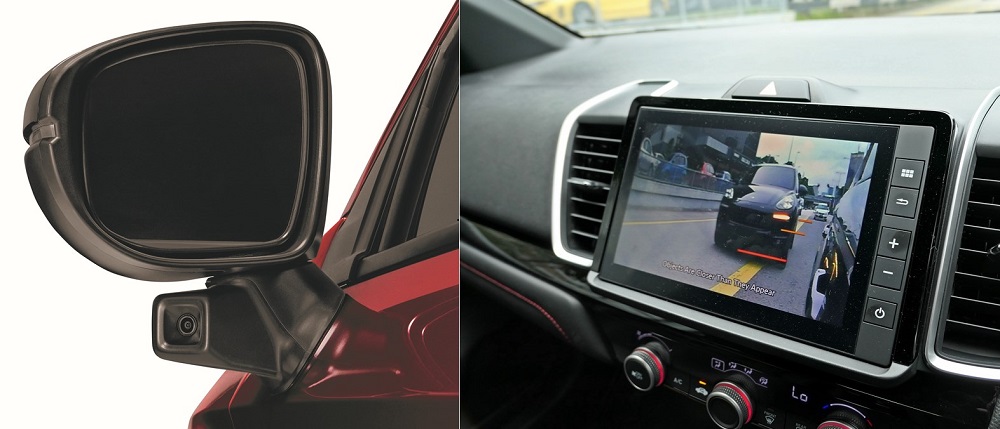
Also of note in the safety department is Honda Lanewatch, an innovative feature which provides the driver with a view of the blind spot on the left side of the car by using a small camera mounted on the door mirror. The real-time image is displayed on the 8-inch panel in the middle of the dashboard so the driver doesn’t have to turn the head all the way to the left to see the mirror. The camera is only on when the left signal is activated.
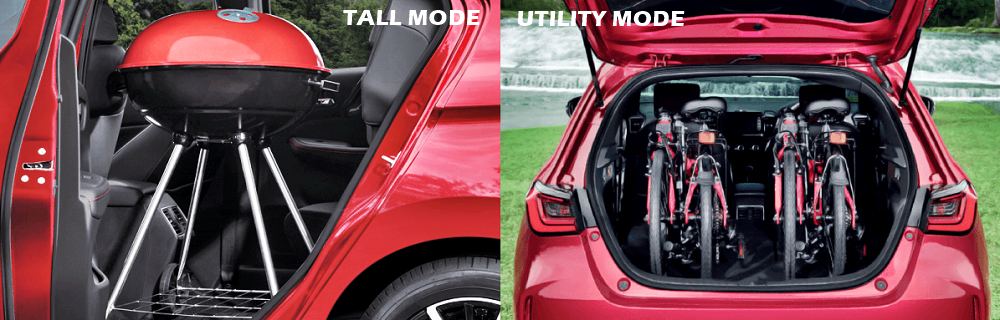
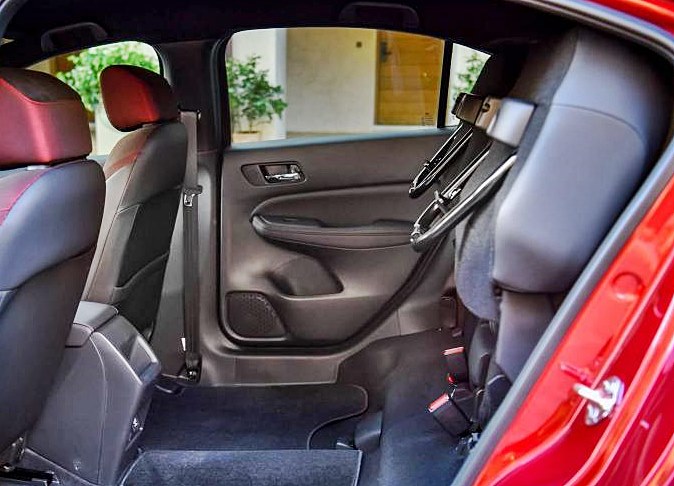
Besides having the same standard equipment as the Sedan, the City Hatchback also comes with the ULTRA seats at the rear. This is a simple but clever idea which originated in the first generation of the Jazz some 20 years ago. Where hatchbacks usually have rear backrests that fold flat to expand the cargo volume and floor length of the boot, the ULTRA seat folds up to also create extra cabin height for carrying tall items like plants.
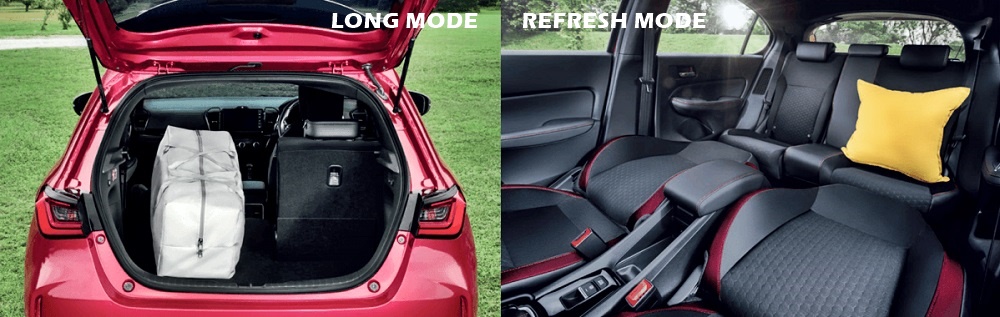
Besides this TALL mode, there are three other modes – UTILITY, LONG or REFRESH. For the LONG and REFRESH modes, the front passenger’s seat can also be folded flat so there is an open space from the back door all the way to the dashboard to carry a really long item or just to stretch out. The UTILITY mode is essentially like what you get in other hatchbacks with the rear backrests folded down to enlarge the boot space which can accommodate bicycles.
Performance-wise, there is the same well proven 1.5-litre DOHC i–VTEC engine. This produces 121 ps/145 Nm which is the highest in its class and the power gets to the front wheels through a CVT.
For more information on the City Hatchback V-SENSING and other Honda models, visit www.honda.com.my or any authorised Honda showroom.
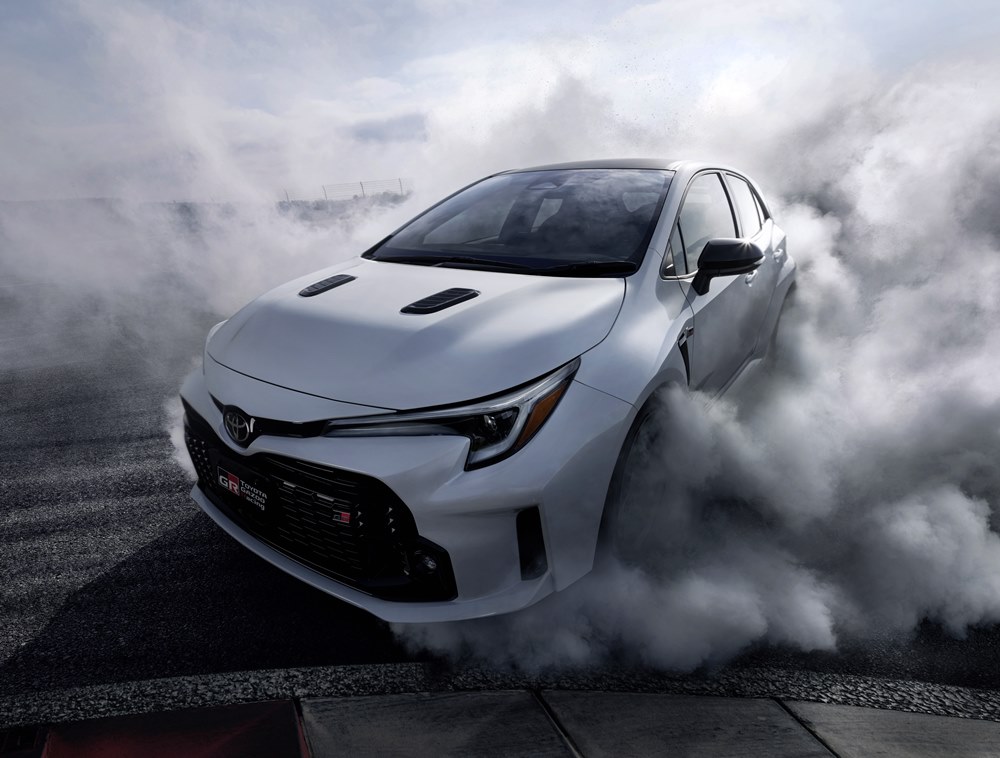
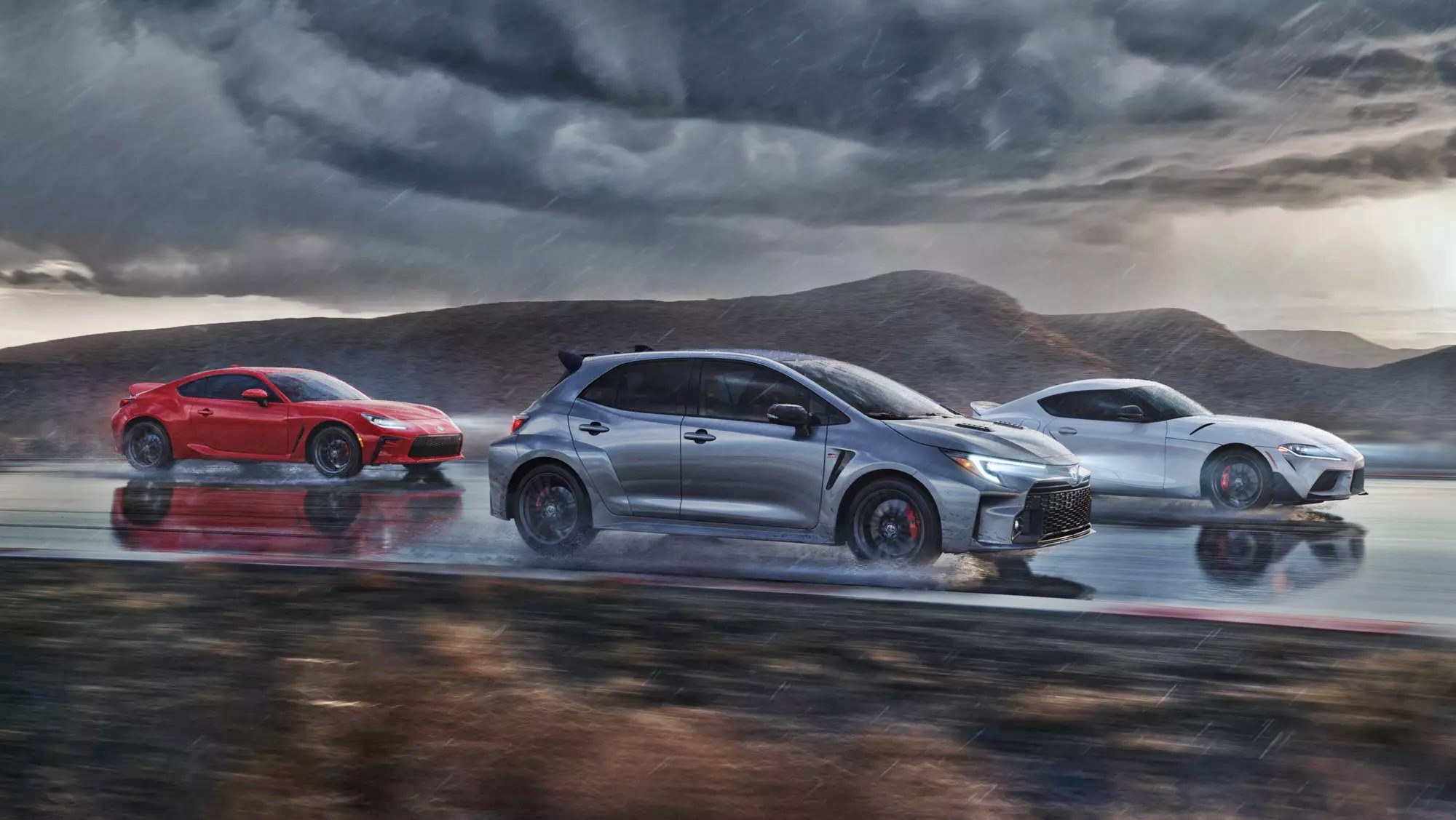
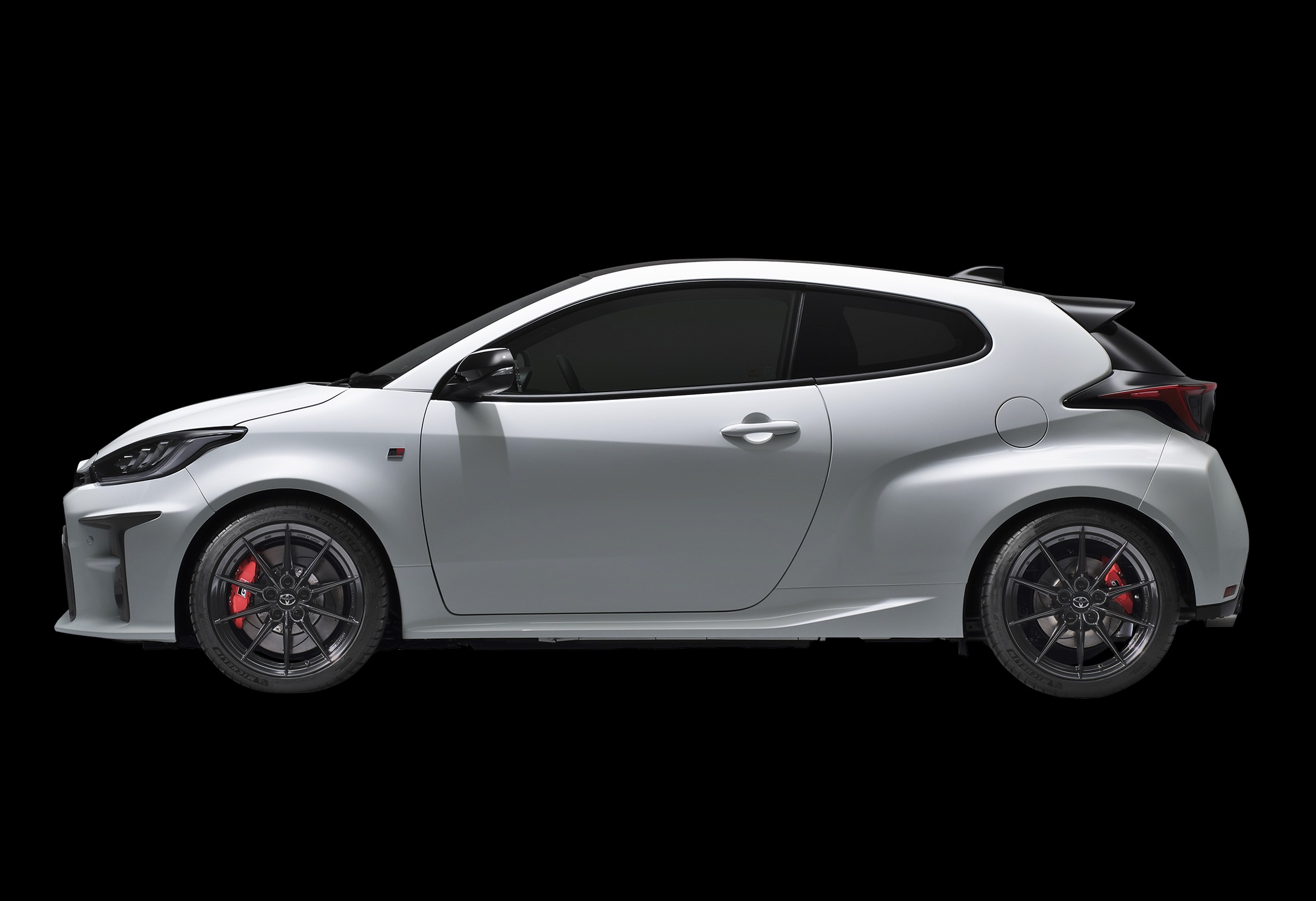
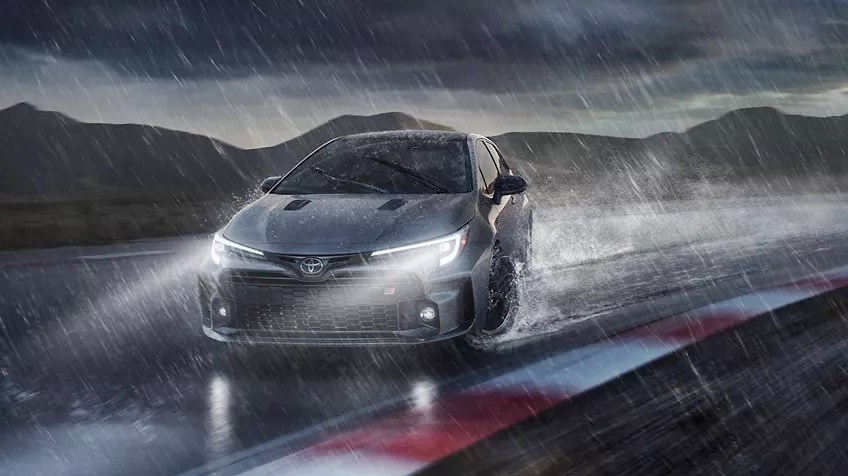
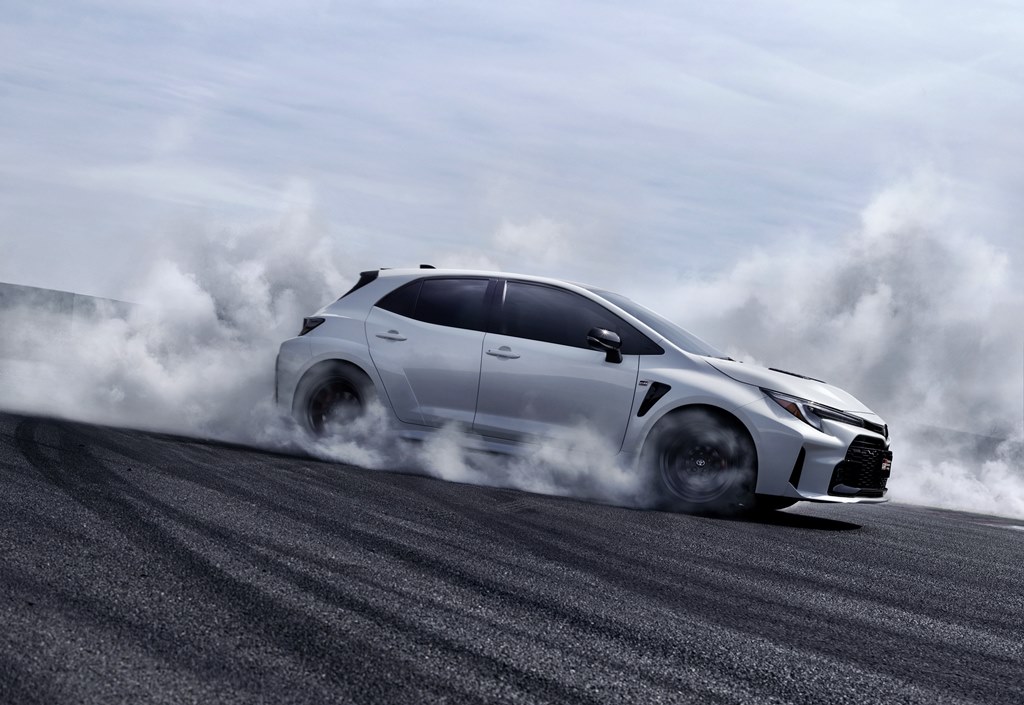
With the success story of the GR Yaris, it’s not surprising that Toyota has now followed up with another model and this time, it’s not on a limited production run. It’s the GR Corolla that has long been rumoured and it’s a full-fledged GR model developed from scratch rather than adapted from existing models. As with other GR models, which started with the Supra, the GR Corolla has been developed with a strong focus on high performance that will make it competitive for motorsport.
And with the company president, Akio Toyoda, being passionate about racing and being a racing driver himself, the engineers must have had a lot of encouragement and perhaps even given a bit of freedom in the budget. Naturally, the boss himself got involved in development and ensured that the final product would be as impressive as the GR Yaris.
GR Yaris
100 bhp per cylinder
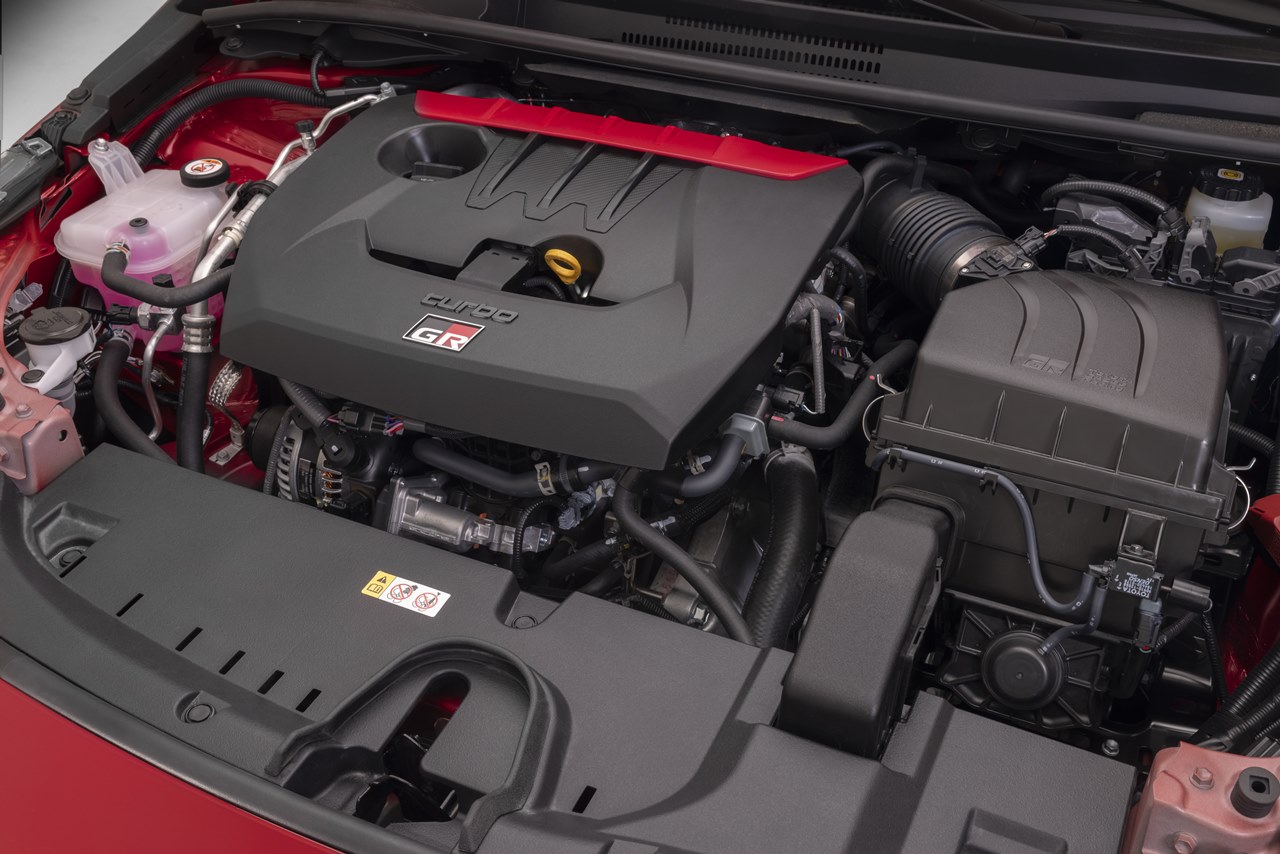
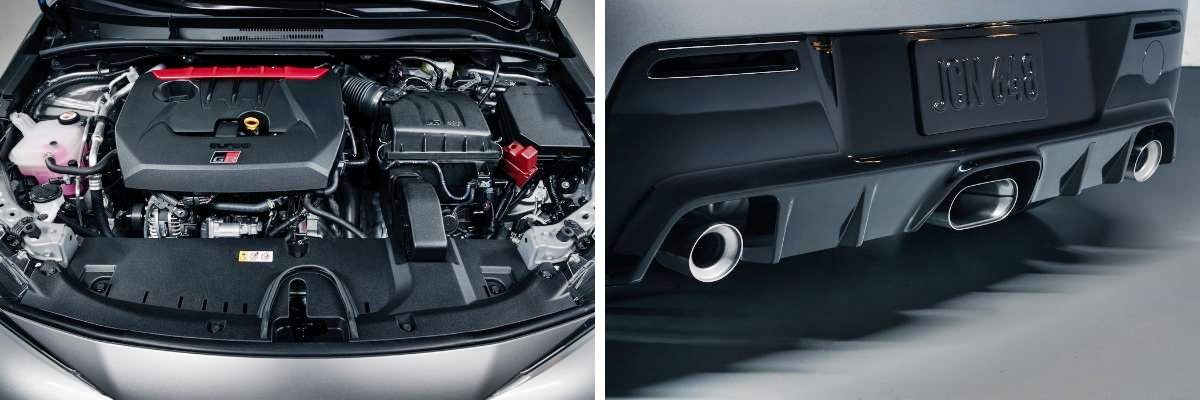
Under the bonnet is the familiar G16E-GTS turbocharged, direct/port injected 3-cylinder engine, first seen in the GR Yaris. For GR Corolla, the output from the 1681 cc engine is boosted to 300 bhp/307 Nm, which equates to an impressive 100 bhp per cylinder. The boost in power is partly due to using a 3-piece muffler which reduces exhaust pressure (and outside noise), which are essential to backpressure performance.
As would be expected, the compact and lightweight G16E benefits has technologies from TOYOTA GAZOO Racing’s long and broad racing experience – and successful too. Features include multi-oil jet piston cooling, large-diameter exhaust valves and a part-machined intake port. Combustion is fed by Toyota’s D-4S direct and port fuel injection system, which operates at high pressure for maximum fuel dispersion and efficiency.
The 12-valve engine uses a single-scroll ball-bearing turbocharger integrated in the exhaust manifold, reducing weight, while control of wastegate bypass gases is used to improve the catalyst’s warm-up efficiency.
Delighting drivers is the provision of a 6-speed manual transmission – and only a manual transmission. ‘Morizo’ (Toyota President Akio Toyoda’s racing name) probably approved and encouraged that, being a racing driver himself. It’s called an Intelligent Manual Transmission (iMT) though it is not explained what the ‘intelligent part is, although Toyota says the rev-matching is engineered to accommodate high torque levels.
Toyota has long experience with high-performance 4-wheel drive since its days with the Supra GT-Four and with experience gained in WRC participation, it has advanced its all-wheel drive technologies. These technologies are used in the GR Corolla’s GR-Four All-Wheel-Drive system which was originally developed for rallying. The system gives drivers a choice of 60:40, 50:50 or 30:70 power distribution to the front and rear wheels with the twist of a dial.
The GR Corolla Circuit Edition (limited production run) is also equipped with front and rear Torsen Limited-Slip Differentials, for further enhancement of cornering performance and grip. Left and right-hand drive torque distribution are more effectively controlled on the front and rear axles.
Wide and rigid for superior dynamics
To fully use all the power (and also to be worthy of the GR badge), the GR Corolla has a specially constructed bodyshell that is highly rigid. Based off the GA-C platform with Toyota New Generation Architecture (TNGA), its increased rigidity comes from significantly more weld points in the frame, particularly to strengthen joints. Further gains are made through extensive use of structural adhesive, increasing the joint rigidity between component parts.
The front suspension is a straightforward MacPherson-type strut with circuit-tuned coil springs, shock absorbers and stabilizer bars, For the rear suspension, there is a double-wishbone type multilink system that accommodates the AWD system’s goal of maximum agility and stability.
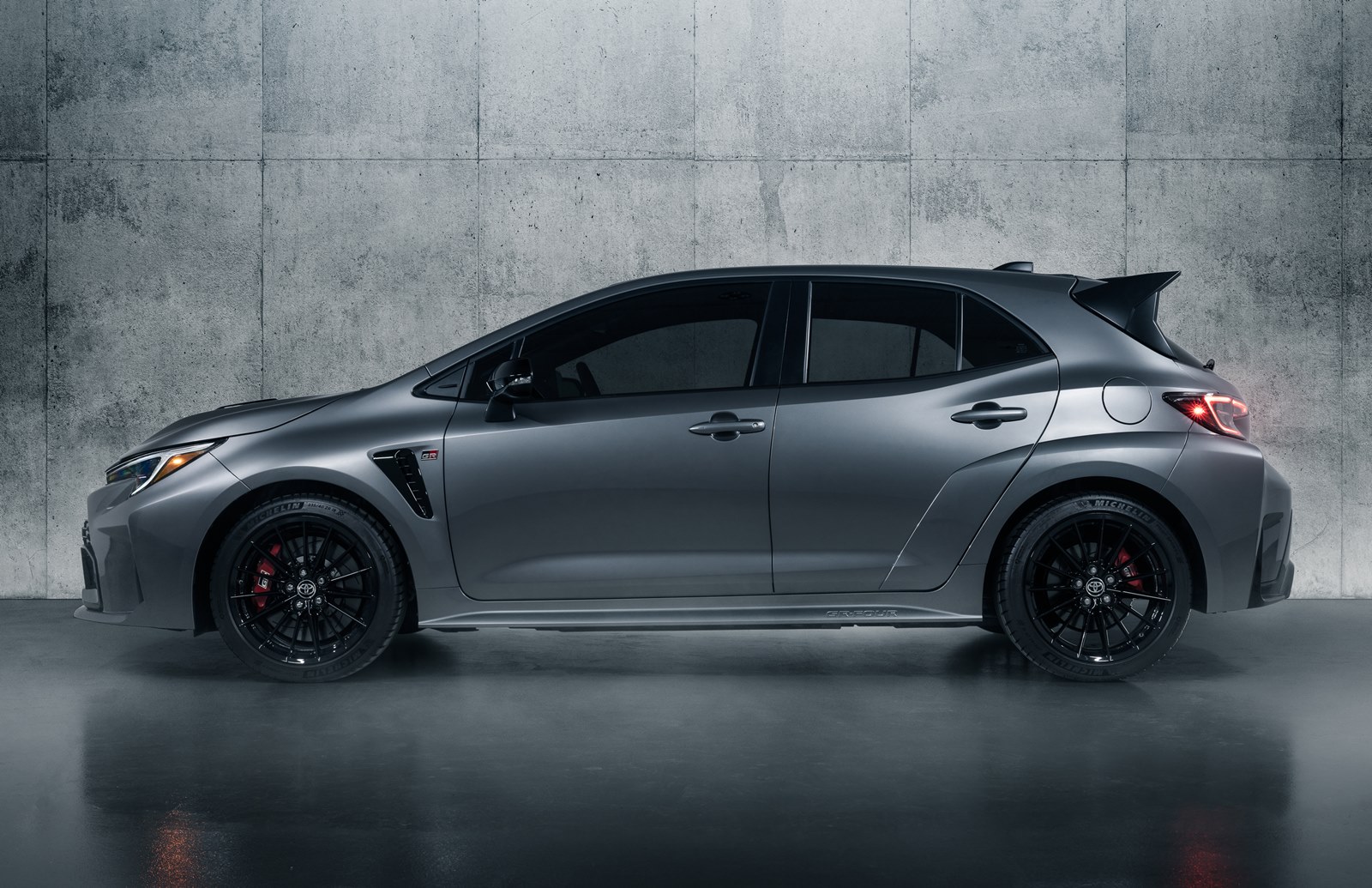
Wide tyres are installed for maximum cornering grip and high speed stability. Standard rubber provided from the factory are Michelin Pilot Sport 4 tyres sized 235/40R18 on 18-inch gloss-black 15-spoke cast alloy wheels.
Braking power comes from opposed, fixed-caliper disc brakes with 14 x 1.1-inch ventilated and slotted rotors clamped by 4-piston aluminium calipers. At the rear are 11.7-inch x 0.7-in. ventilated rotors with 2-piston aluminium fixed-caliper disc brakes.
Light and aerodynamic
Like the GR Yaris, there has been a focus on saving weight to maximize the performance potential, without compromising strength and safety, of course. This rigorous approach is particularly evident in the car’s construction, with extensive use of lightweight metals and materials used in key areas. Aluminium is used for the bonnet and front door panels, with light and strong high-tensile steel in critical areas to ensure the car’s structure can safely absorb and dissipate impact forces.
On the Circuit Edition, the roof is made of a forged (rather than woven) carbonfibre sheet molding compound. This lightweight, highly rigid material cuts weight and helps lower the car’s centre of gravity. The lower centre of gravity, which benefits stability and handling, is also a feature of the TNGA platform.
Aerodynamics are also vital for performance and it’s not just on the circuit but also in rallies as the speeds are also very high (not to mention literally flying through the air). From competition experience, the engineers have designed the GR Corolla with optimum aerodynamic efficiency. As with rally cars, the shaping of the front and rear canards and lower rockers efficiently channel airflow down the sides of the car. Bonnet, fender and rear bumper ducts and a flat underfloor reduce drag, add downforce and improve stability. Wind flow is directed onto the rear spoiler to generate extra downforce.
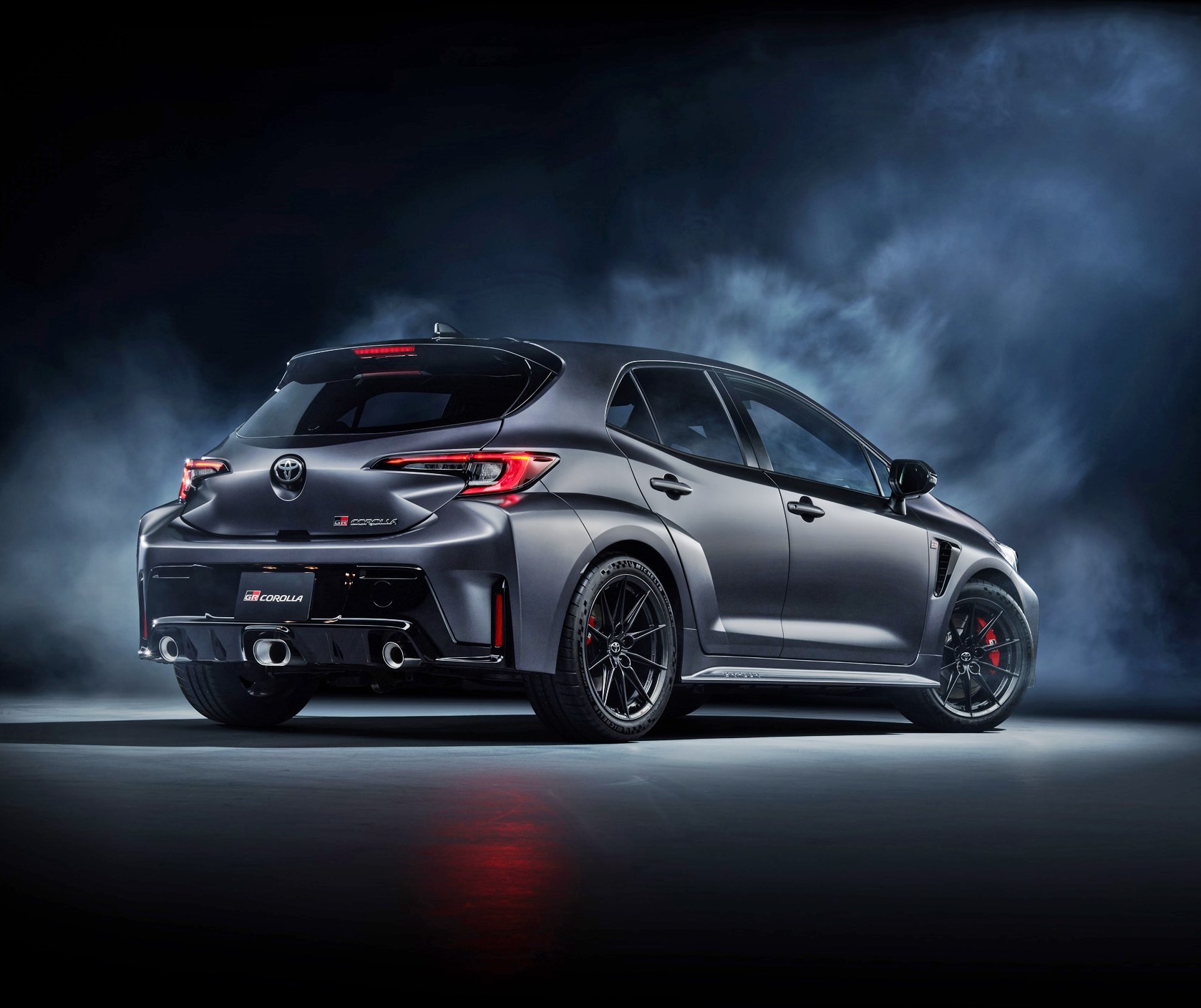
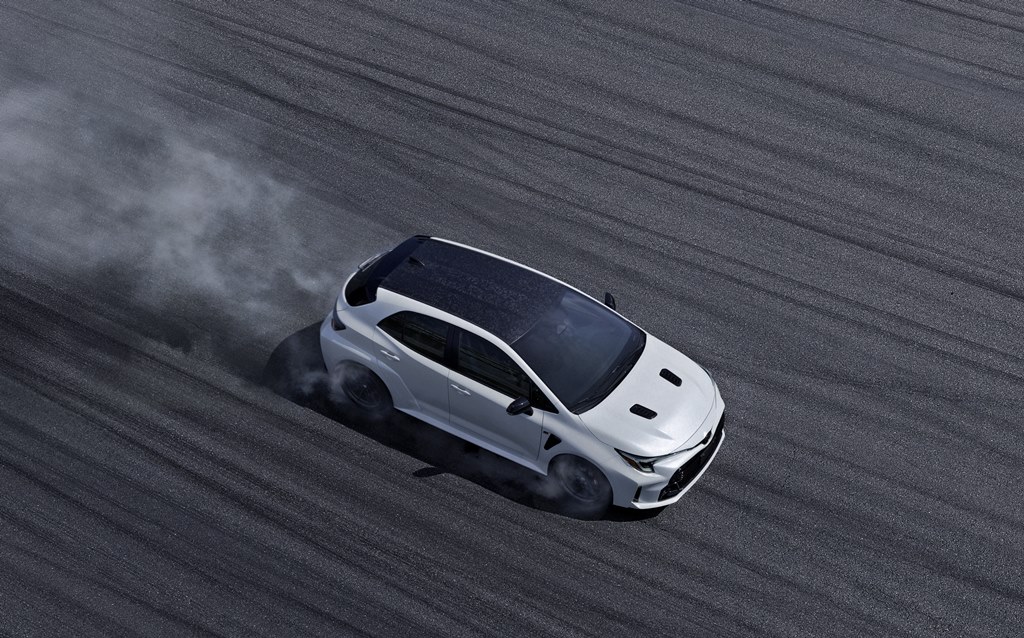
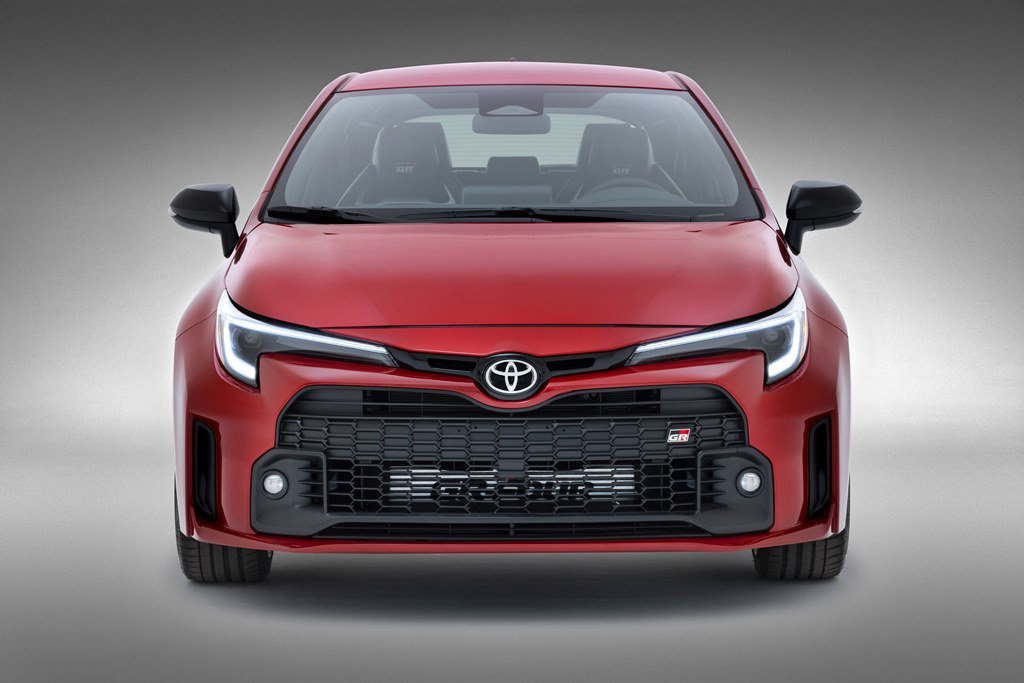
The exterior design of the GR Corolla follows that of the GR Yaris with its wide stance and hatchback form. The Core Grade’s aluminium bonnet is matched with a colour-keyed roof and matching shark-fin antenna, while the Circuit Edition features a bonnet bulge with functional gloss-black air ducts.
At the rear, a lower bumper cover with functional air vents. The wide track and flaring of the rear wings emphasize the car’s wide and low silhouette, with a spoiler on the roof to control airflow as it departs from the roof.
Race-inspired interior
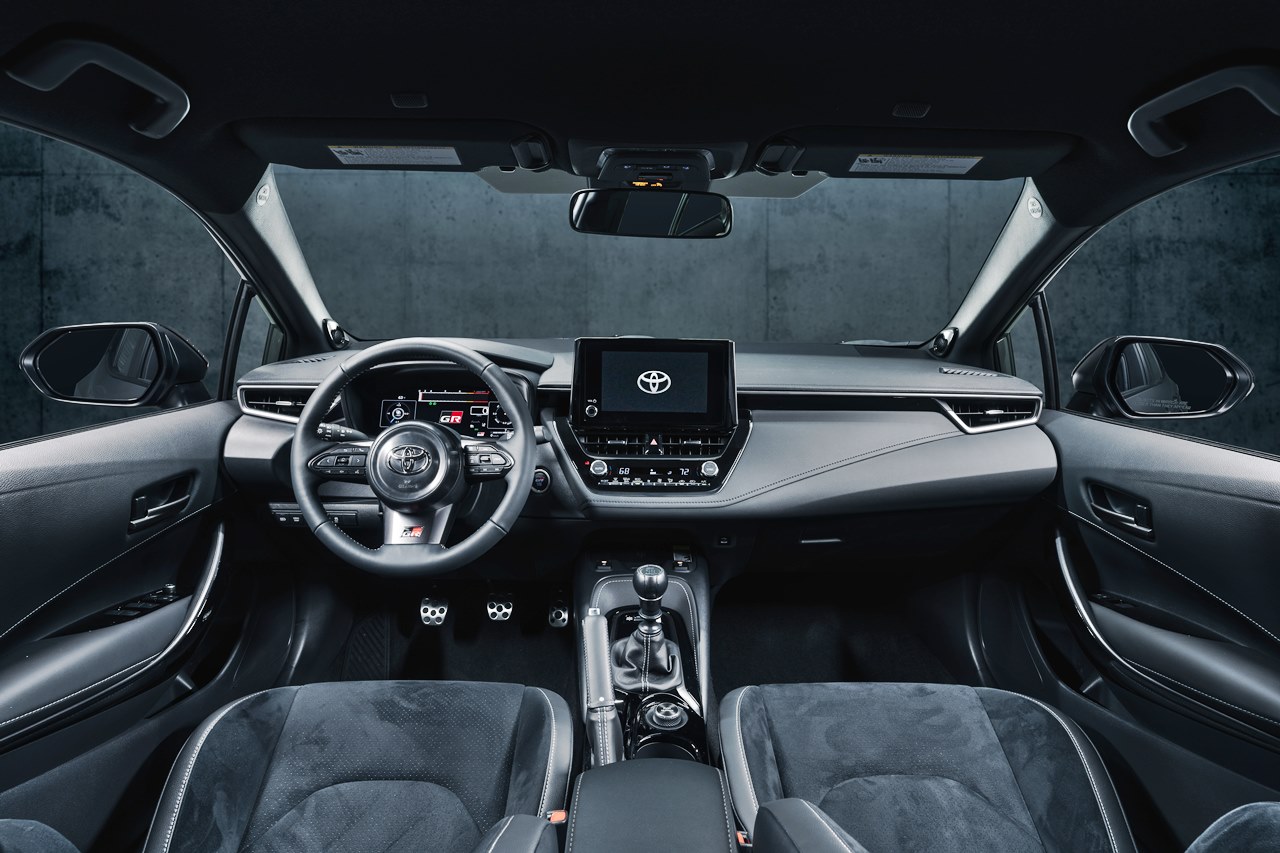
The GR Corolla’s interior is very functional, thanks to feedback from professional drivers who obviously wanted a true driver’s cockpit. Facing the driver is a GR Full TFT meter with a 12.3-inch colour Multi-Information Display that has a GR meter with 4WD mode, turbo pressure, gear position indicator and tachometer.
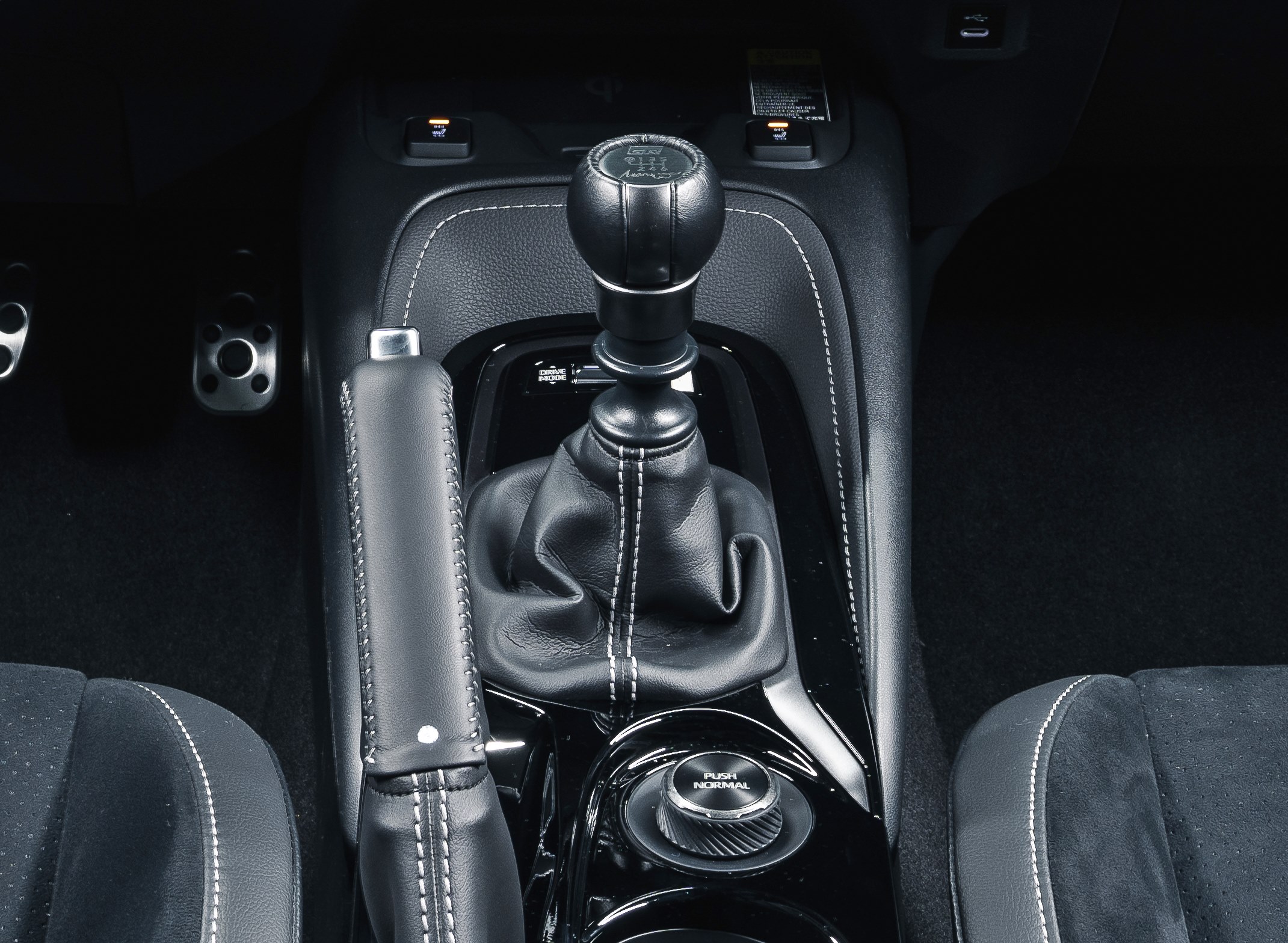
The shift lever has a shortened stroke for a quick throw between gears. The subject of much testing, it is positioned where the driver’s arm is naturally lowered from steering. The action is light with short shift strokes. A pull-type mechanical parking brake is still used, something which is slowly disappearing as electric parking brakes replace the simple mechanical system. Incidentally, for the Circuit Edition, the shifter knob has an exclusive ’Morizo’ signature.
The GR Factory
The GR Corolla is built at the Motomachi plant in Japan, where as the Lexus LFA and Supra A80 have been built. It has a dedicated GR production line which has also produce the GR Yaris. Instead of the traditional conveyor system, the body and assembly lines comprise several different cells connected by automatic guided vehicles rather than the conveyors featured in conventional car plants. This fully flexible method of working, with many manual assembly techniques, enables precise body and suspension alignment, with variations in vehicle dimensions and weight kept to a minimum.
While the assembly of each GR Corolla takes longer than a conventional mass-produced car, the production line has been streamlined for performance, TOYOTA GAZOO Racing has brought together highly skilled technicians from throughout the company to work on the new model. This team not only assembles the GR Corolla but also contributes to the technical skills of workers at other Toyota facilities.
The pricing has not been announced though whatever price it has, there will undoubtedly be no shortage of buyers. While the GR Yaris was a limited run, the GR Corolla will be produced in larger numbers as it will also be sold in North America (which did not get the GR Yaris).
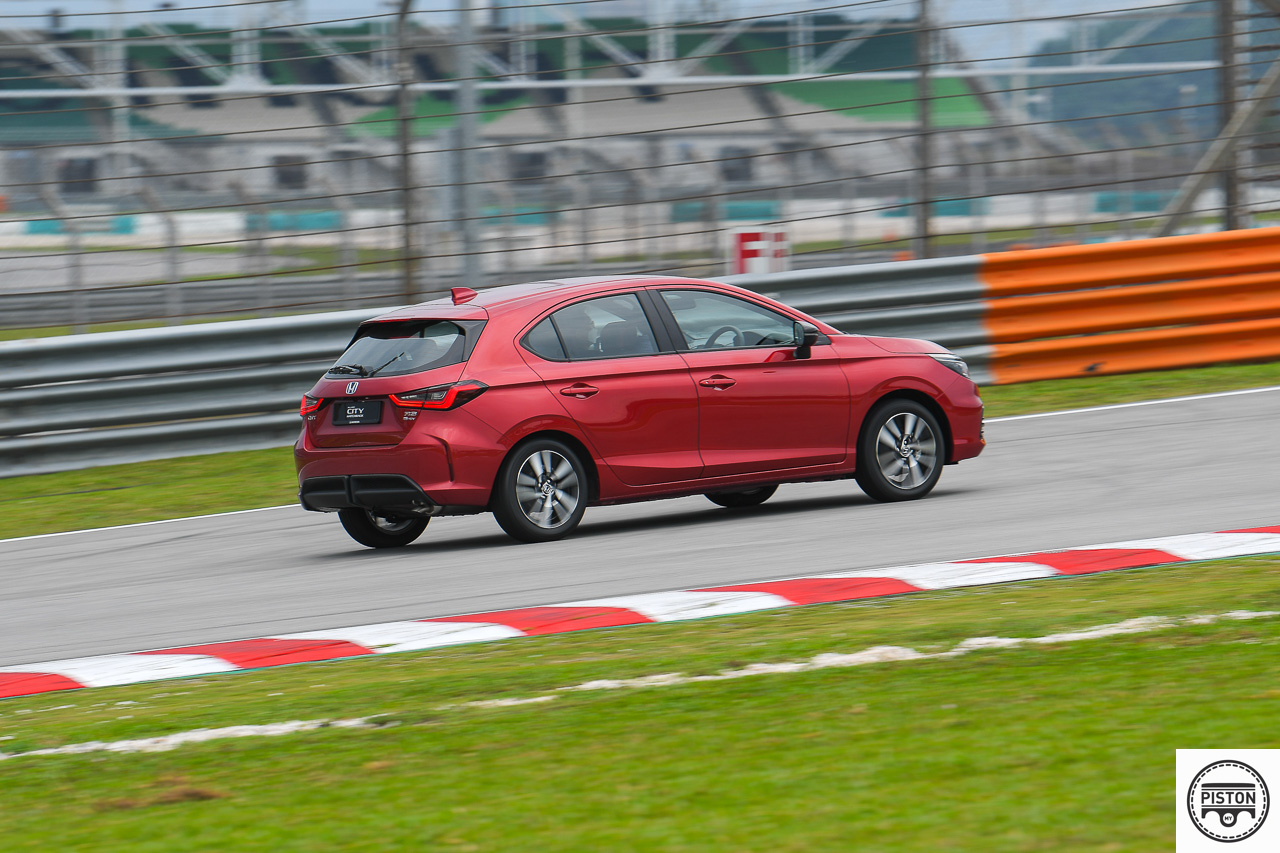
Following the launch of the Honda City Hatchback in December, for which there are more than 5,200 bookings, Honda Malaysia has now announced the price of the City Hatchback RS e:HEV which was not revealed earlier. Without insurance, the price is RM107,783.09 and this price without sales tax will be applicable until June 30, 2022. There are 3 colour options – Ignite Red Metallic, Meteoroid Gray Metallic and Platinum White Pearl.
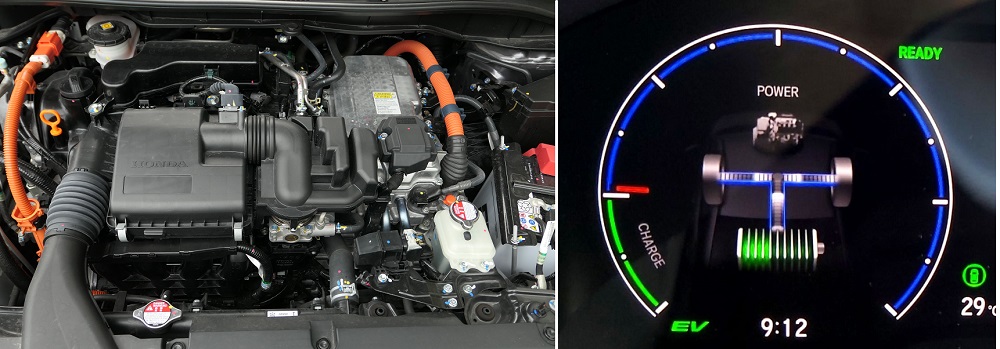
This is the first time that the City model is offered in a hatchback bodystyle and the flagship version also comes with e:HEV technology that uses the 1.5-litre Sports intelligent Multi-Mode Drive (i-MMD) powertrain coupled with Electric Continuous Variable Transmission (e-CVT). The hybrid powertrain produces 109 ps/253 Nm and can run in hybrid, engine or even fully electric mode, the latter available for a limited distance depending on the battery pack level.
The City Hatchback’s e:HEV system can run on just the electric motor powered by the battery pack, saving fuel and with no exhaust emissions.
However, as a hybrid electric vehicle, there is no need for recharging from an external source as the battery pack will recharge while the car is being driven. Recharging constantly takes place either by the engine or through regeneration during braking and coasting. This is therefore a more practical approach to electrification for Malaysians at this time when the network of recharging stations is still very small.
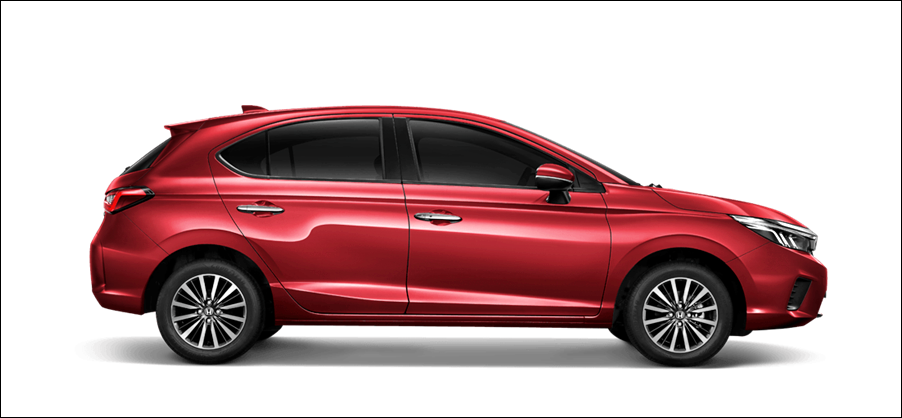
Specific to the City Hatchback are a Gloss Black front Grill, Solid Wing and Door Mirrors, and standard are LED headlights with LED Daytime Running Lights, LED front foglights, a rear spoiler and LED rear light units, along with 16-inch alloy wheels.
The interior follows the layout of the sedan and comes with red-stitched Ultrasuede® Seats. The City Hatchback offers additional versatility as it comes with the 4-mode ULTRA Seat, a feature that originated in the first Jazz. The ULTRA Seat allows for different seating layouts in the cabin to suit different usage requirements, including one for carrying tall items like plants.
With the ULTRA Seat, it is possible to fold the seats upright to create more vertical space to carry tall items like plants.
This variant also comes with a 7-inch Interactive TFT meter, 8-inch Display Audio with Apple CarPlay and Android Auto Connectivity as well as rear air conditioning. Other first-in-segment features are Honda LaneWatch to monitor the blind spot on the left side, Electric Parking Brake and Remote Engine Start.
Honda LaneWatch uses a small camera on the left door mirror to monitor the blind spot behind the car and display real-time images on the centre screen.
Like the City Sedan RS e:HEV, this hatchback variant also has Honda SENSING, the camera-based driver-assistance system which allows Level 2 autonomous driving as well. Honda SENSING consists of Adaptive Cruise Control, Collision Mitigation Braking System, Forward Collision Warning, Lane Keep Assist System, Road Departure Mitigation, Lane Departure Warning and Auto High Beam. With the systems active, the workload on the driver is less so fatigue on long journeys can be reduced as well as motoring safety being enhanced.
Honda CONNECT is also included and this smart Telematics Technology allows owners to connect with the City Hatchback via a smartphone application. The owner can be easily informed of the car’s status as well as other useful information.
For more information or to locate a showroom for a test-drive, visit www.honda.com.my.