

Piston.my

Mercedes-Benz

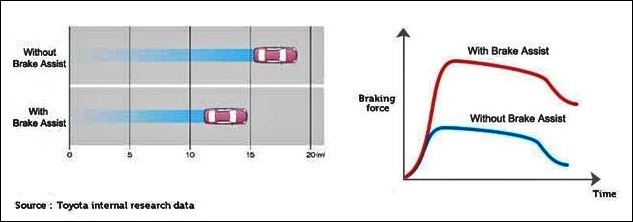
Brake Assist (BA) is a feature which is listed among the active safety systems of many cars today but how it works and why it enhances stopping may not be known by most motorists. BA, which appeared in the second half of the 1990s, is a supplementary brake system which can also be considered a driver assistance system.

A simple explanation of BA would be that it boosts braking pressure to the maximum available as this can have a positive effect on the stopping distance, especially with anti-lock braking systems, better known as ABS.

Helping older people brake better
When Toyota first introduced it in 1997 in the Raum model, it said that one of the reasons for developing BA was to help older drivers. These drivers might not apply full pressure on the brake pedal in an emergency, or may not have sufficient strength. Thus, the system will detect when there is emergency braking, eg sudden pressure on the pedal, and boost the pressure to maximum.
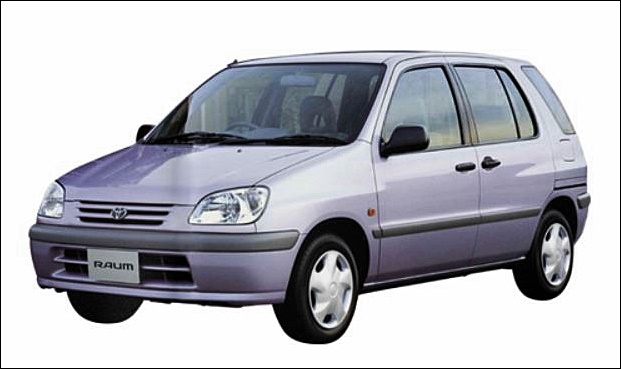
Brake Assist was introduced by Toyota in 1997 with the Raum model (below).

Emergency braking can save lives. However, many drivers then step on the brake pedal quickly but not forcefully enough – this is what Mercedes-Benz engineers discovered in the early 1990s during tests in the company’s own driving simulator. Their answer was BAS, considered one of the key links in the chain of important Mercedes-Benz safety developments.

BAS evolved from ESP
Mercedes-Benz introduced their version of Brake Assist, which they referred to as BAS, in late 1996.  It was standard initially in the S-Class (W 140) and SL (R 129) and built upon the functions of the Electronic Stability Program (ESP), or vehicle stability control as it is also known.

These advanced systems not only use the sensors installed in the car but also state-of-the-art radar technology in order to capture the scene in front of the car and to identify a situation in which an accident is imminent. Mercedes-Benz offers very similar systems for its commercial vehicles known as Active Brake Assist (in the Actros heavy-duty truck).
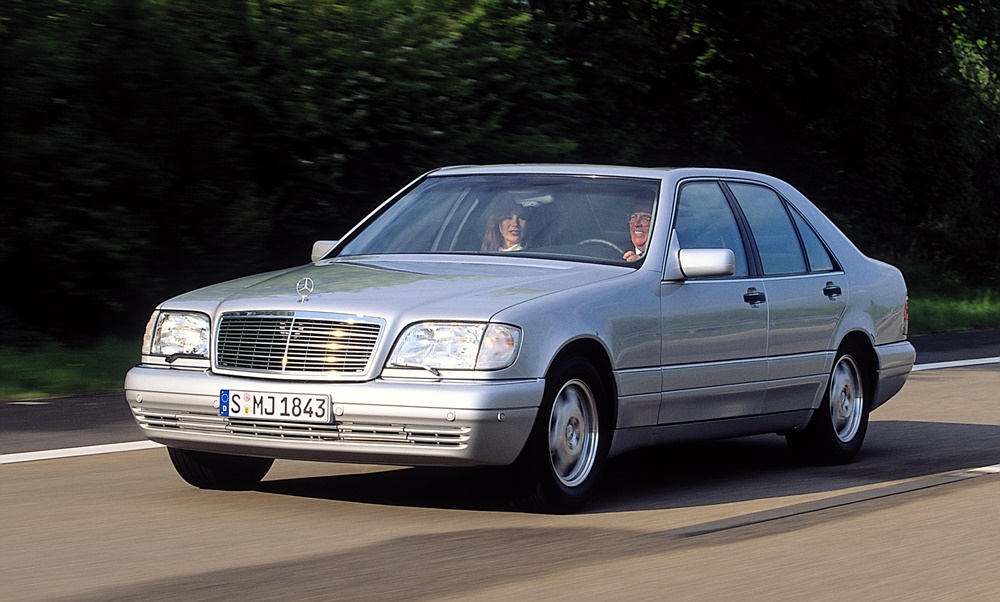
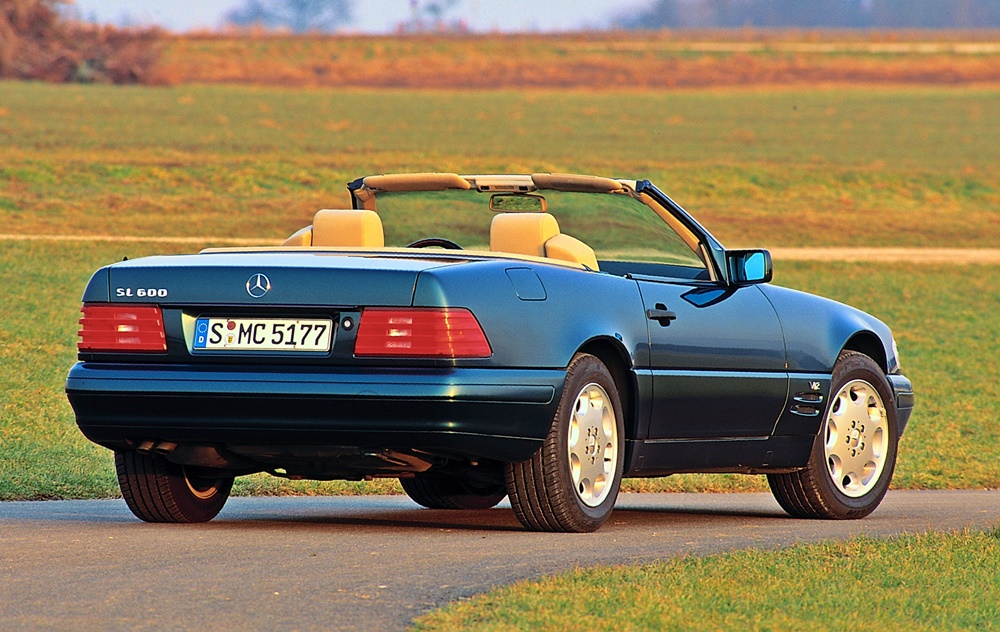
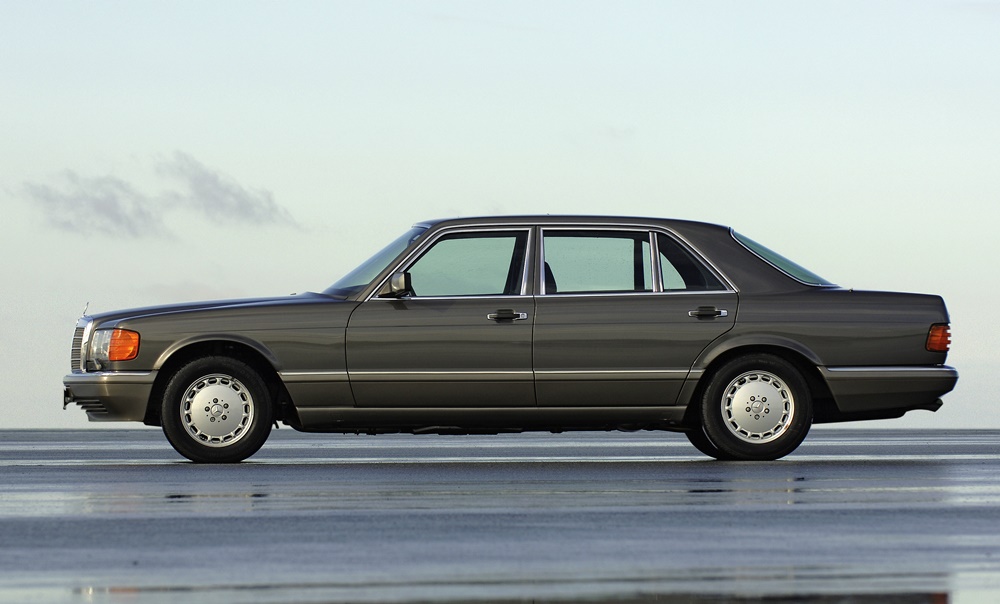
BAS was introduced as standard in the 1996 Mercedes-Benz S-Class W 140 (above) and SL (below).

How well does BAS work?
BAS interprets a certain speed at which the brake pedal is depressed as an emergency situation and builds up maximum brake boost within fractions of a second. This significantly shortens the braking distance – at 100 km/h on dry roads, for example, by up to 45%. Mercedes-Benz investigated its effect in the driving simulator and found that BA was able to mitigate or even prevent rear-end collisions.

It also made an effective contribution to pedestrian protection. In a series of experiments, 55 car drivers drove through a town at 50 km/h when suddenly a child ran onto the carriageway. Only full braking prevented the accident.
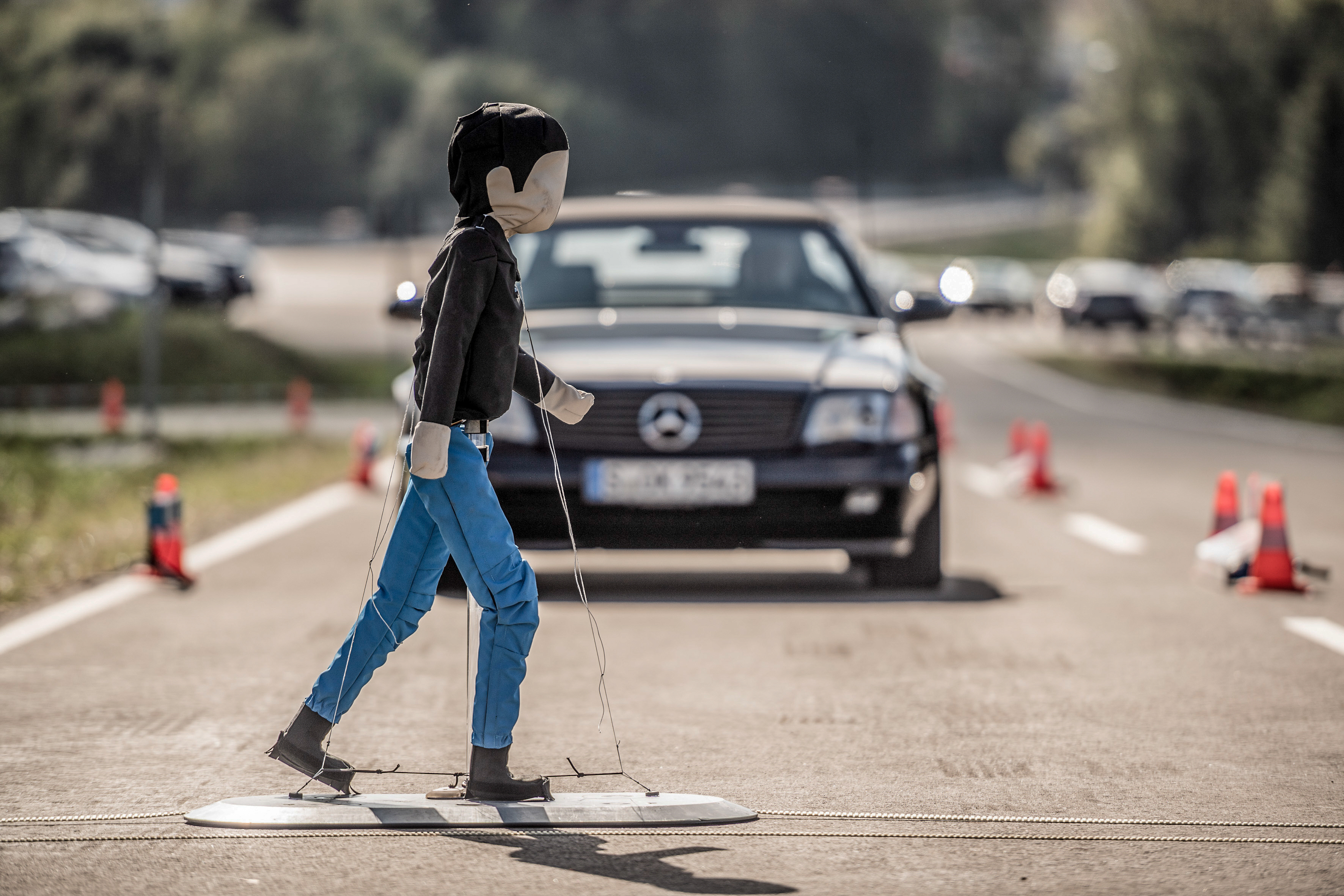
BAS can make the difference between hitting a pedestrian and stopping in time with reduced braking distance due to maximum braking pressure being applied.

Additional functions with BAS PLUS
The next evolutionary stage by the German carmaker was Brake Assist PLUS which made its debut in the S-Class from the W 221 series in late 2005. Besides warning the driver of an imminent head-to-tail crash by means of visual and acoustic signals, it automatically computes the brake pressure required to prevent the accident.

BAS and BAS Plus are integrated in the PRE-SAFE brake system that is today available in every Mercedes-Benz car. PRE-SAFE can automatically brake the car if a collision is predicted, and the PRE-SAFE  brake works together with the BAS PLUS, the latter making its brake boosting effect available as soon as the driver steps on the brake pedal. If the driver does not react to the warning signals emitted by BAS PLUS, the PRE-SAFE brake initiates automatic partial braking to decelerate the car with some 40% of the maximum brake power.
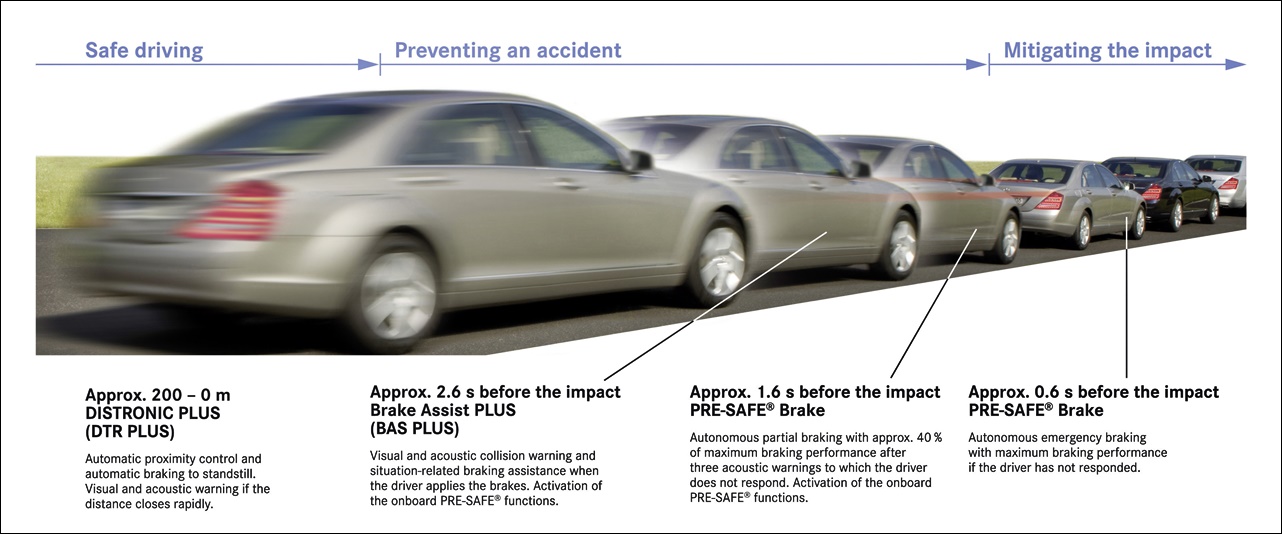
Radar technology made the advanced capability of BAS PLUS possible. It detected the distance to cars ahead, warned the driver of insufficient distance and calculated the necessary braking assistance in the event of an imminent collision. If traffic came to a standstill and the driver actually had to step on the brake pedal, BAS PLUS built up the brake pressure calculated for the respective situation instantly.

BAS PLUS uses two radar systems: a 24-gigahertz short-range radar scanning the surroundings in front of the vehicle with an aperture angle of 80 degrees and a range of 30 metres. In addition, the 77-gigahertz radar of DISTRONIC scans 3 lanes of a motorway up to a distance of 150 metres with an aperture angle of 9 degrees. Tested in the driving simulator, the results were impressive: while the accident rate in tests with conventional braking technology was 44% on average, it dropped by three quarters with the help of BA PLUS.
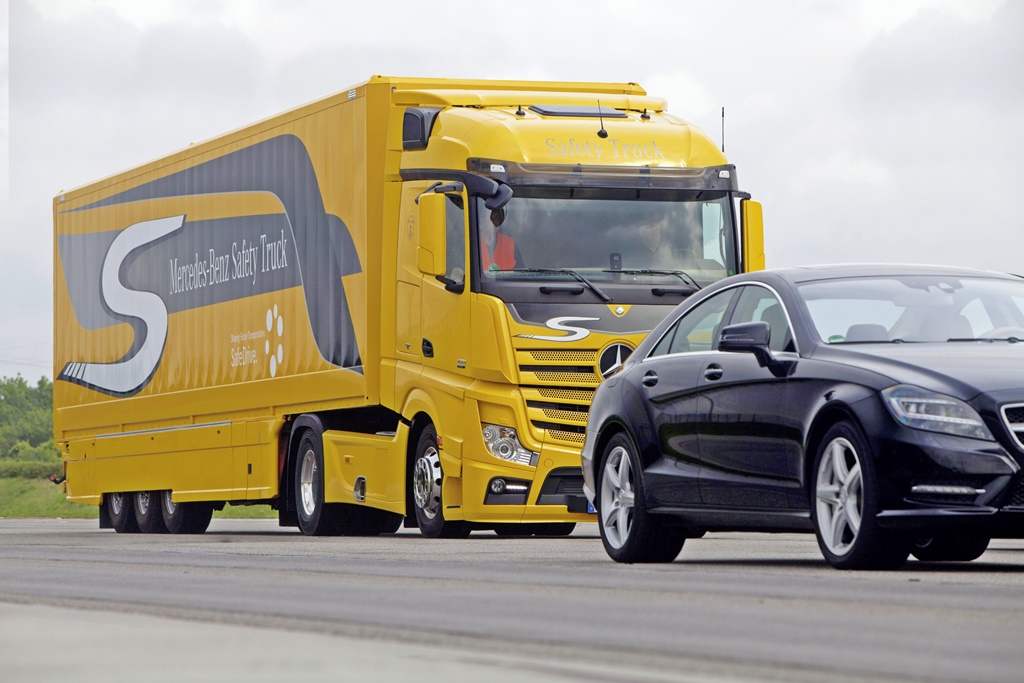
Brake Assist is also available for heavy-duty trucks like the Mercedes-Benz Actros… certainly crucial for preventing such a big and heavy vehicle from colliding with a vehicle ahead.

Braking systems remain essential for road safety. In addition, emergency braking systems triggered on the basis of detecting potential accidents are an important foundation for the highly automated vehicles to come, and thus an essential part of the vision of accident-free driving.

Data for Road Safety initiative in Europe provides advance warning of dangers ahead

If there is one thing that this writer missed during the lockdown, it was the drives organised by automotive manufacturers.

These drives are usually well planned, coordinated, offers stops at places we never heard of and at restaurants we never ate at. Media drives as we motoring scribes call it, is the highlight of this career.

But they can be annoying as well. Planned convoys can be dull, with the lead car constantly conveying orders over a walkie-talkie.

And other members of the motoring journalism fraternity constantly complaining about getting lost, or their tyres lacking pressure. It can all be quite annoying.

But the one I recently attended which was also the first after the lock down ended, was a refreshing welcome into a stale ‘modus operandi’.

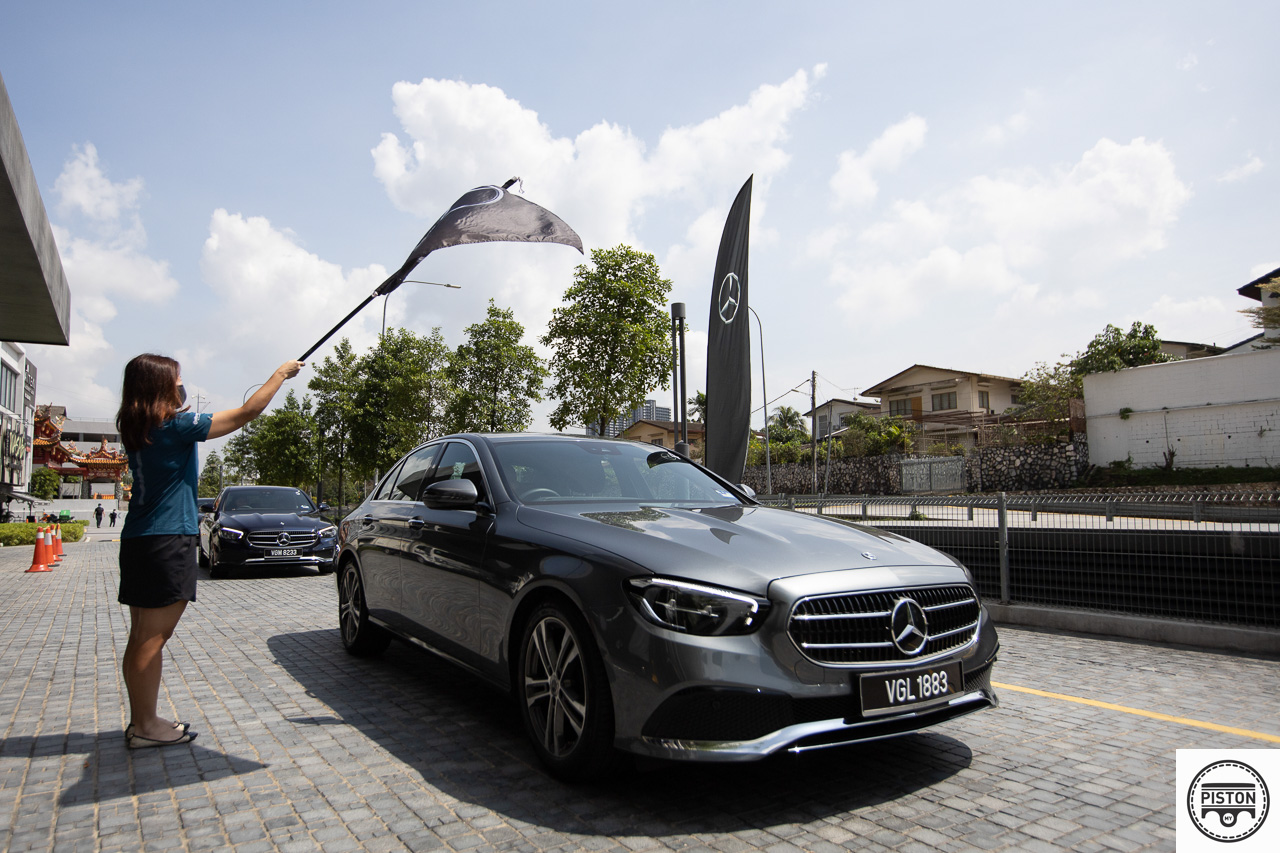
Organised by Mercedes-Benz Malaysia, the drive was as simple as passing us the keys, telling us where to meet, and a simple “see you there”.

Of course there was the classic flag-off for photos sake but that’s as close as it got to being ‘just another media drive’.

And there was the timing as well, a very humanly possible 10am meet up time rather than the usual 8am. Every manufacturer should take a cue from MBM on how to organise a media drive.

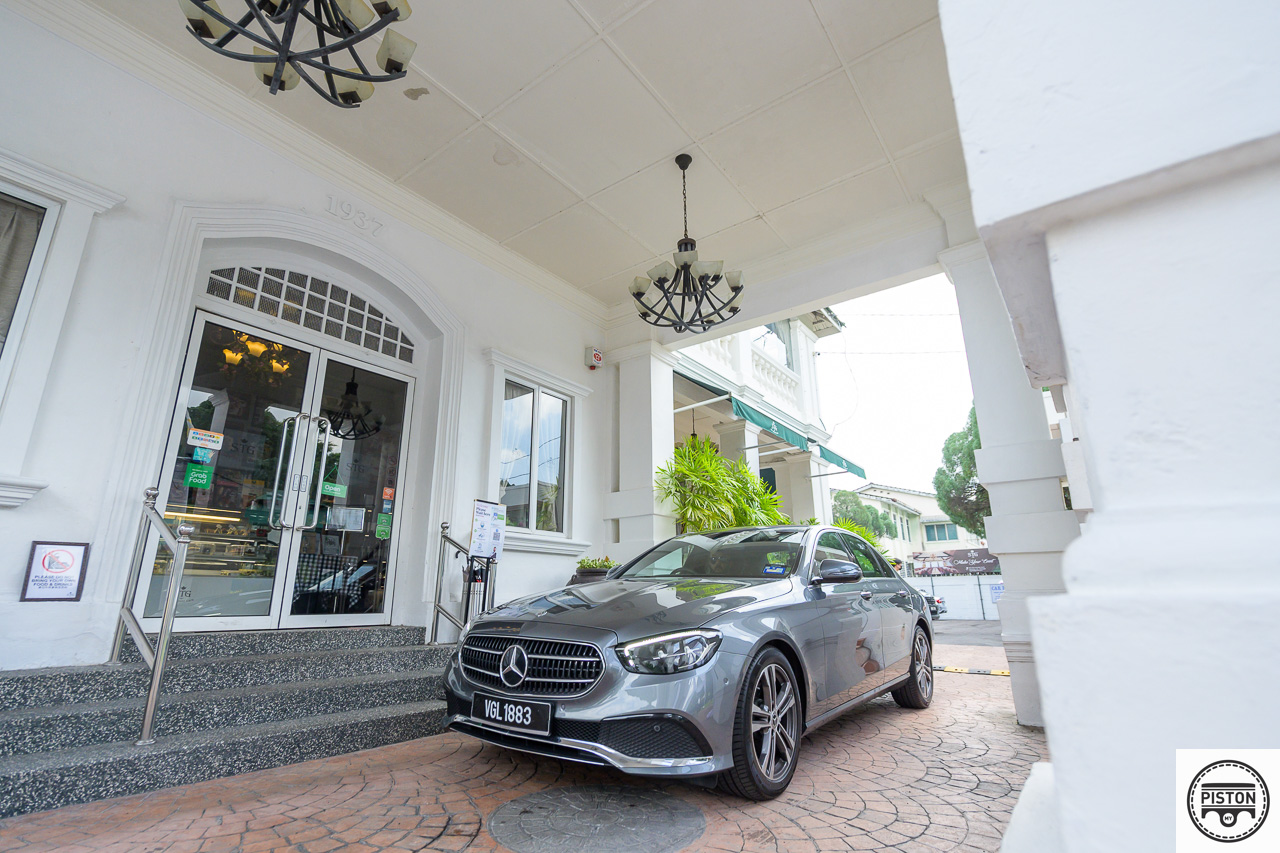
So I showed up at 10 at a cafe in PJ, did the Covid test, presented my result, had a simple breakfast since I already had one at home since the generous start time gave me time to have breakfast with my wife and kid before starting my work day.

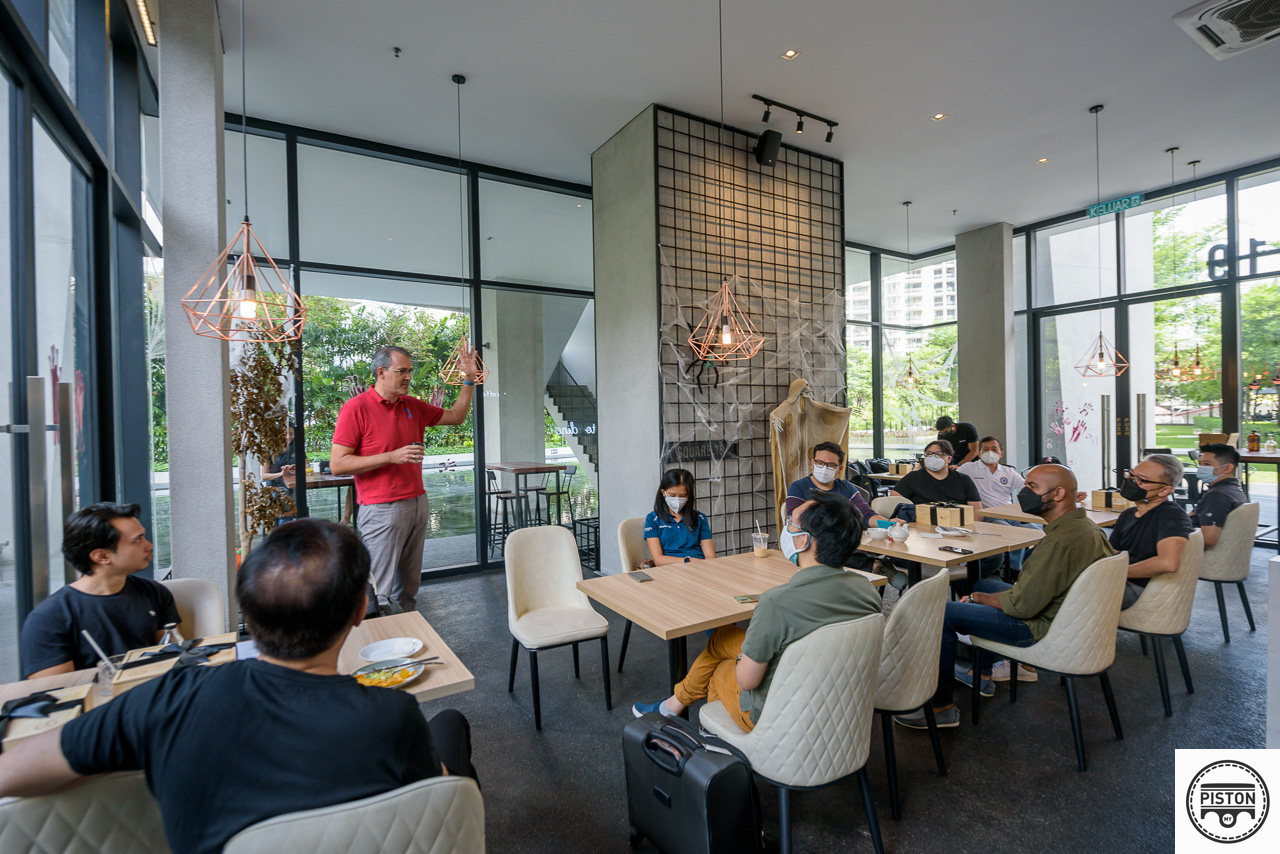
Then there was a 2 minute speech by the Vice President of Sales and Marketing of MBM, Michael Jopp, telling us about our day, and after that we were told which car we would be driving.

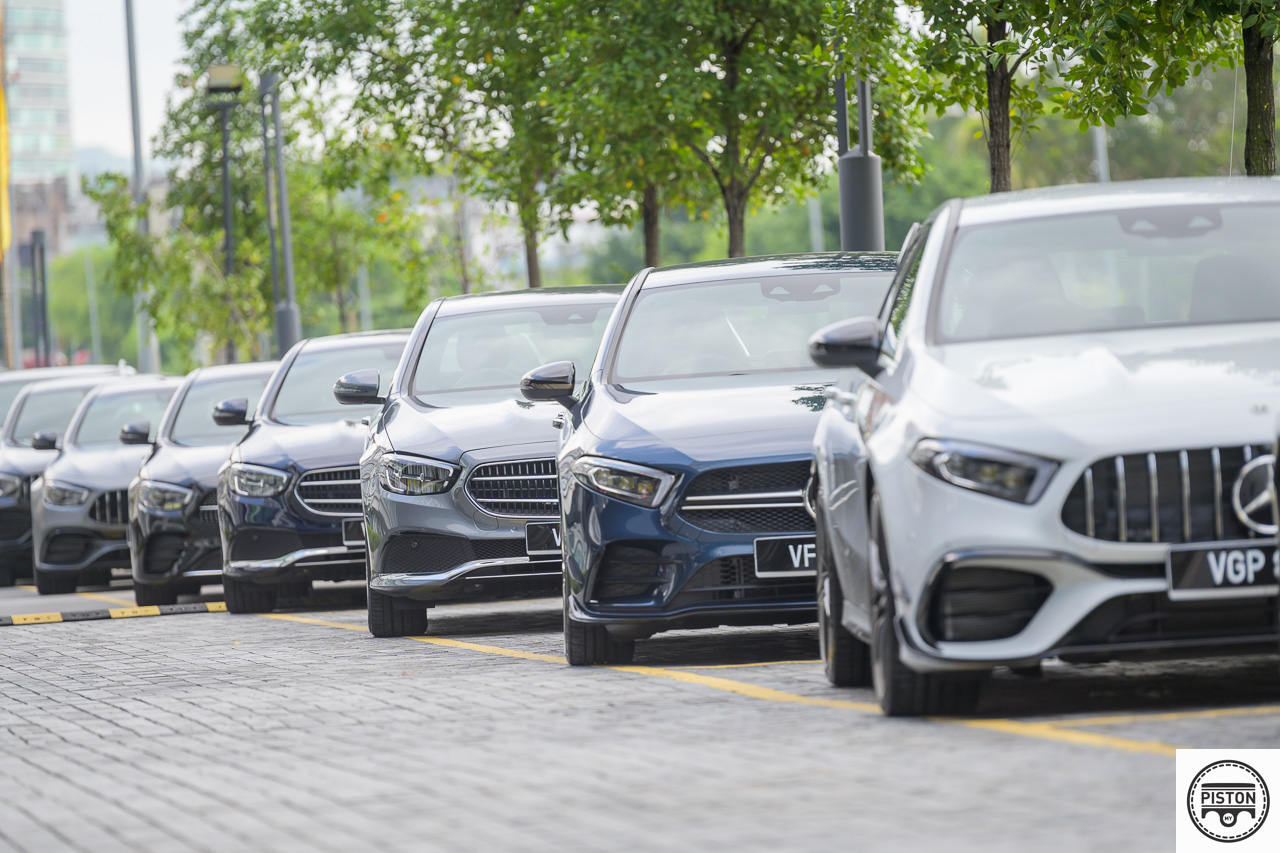
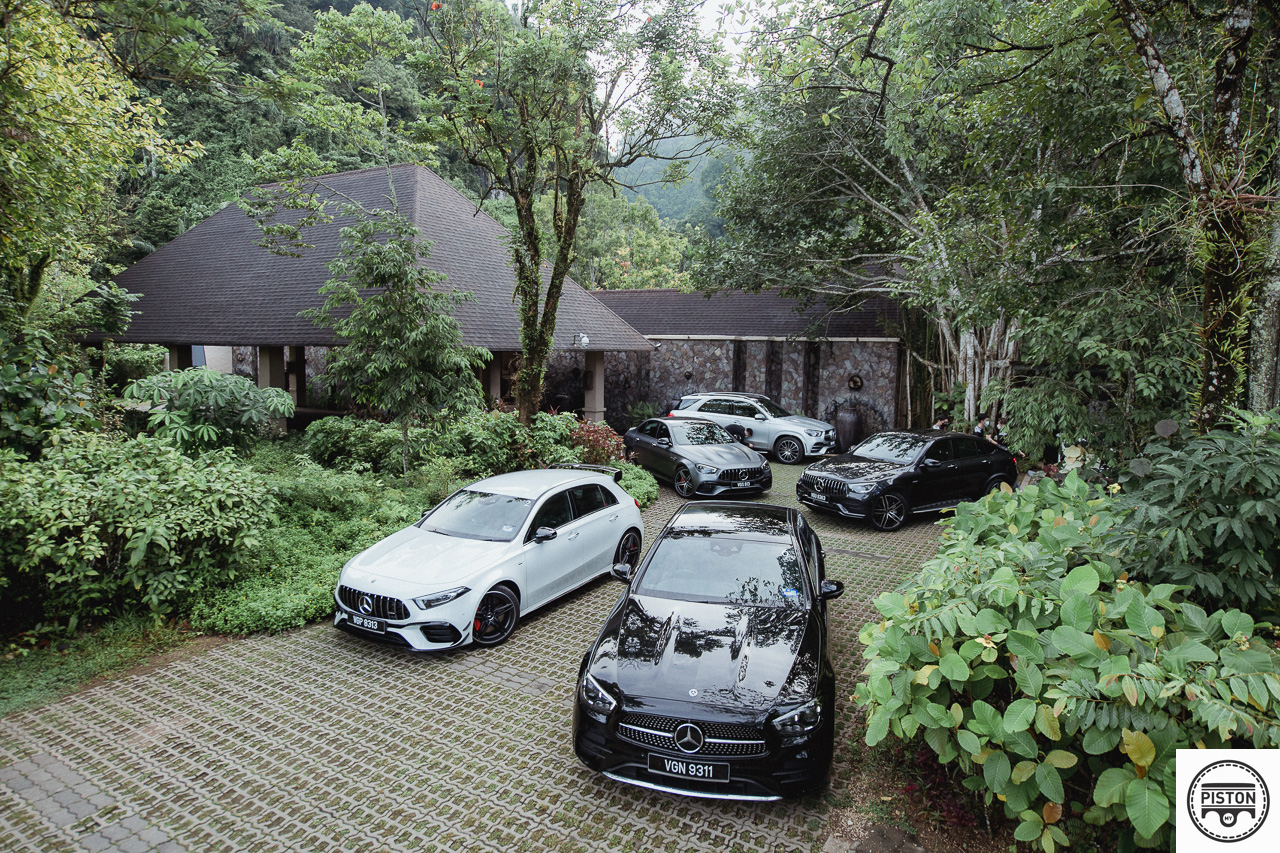
The cars available included the Mercedes-Benz E63 AMG, A45S AMG, A35 AMG, E300, GLE 450 and others.

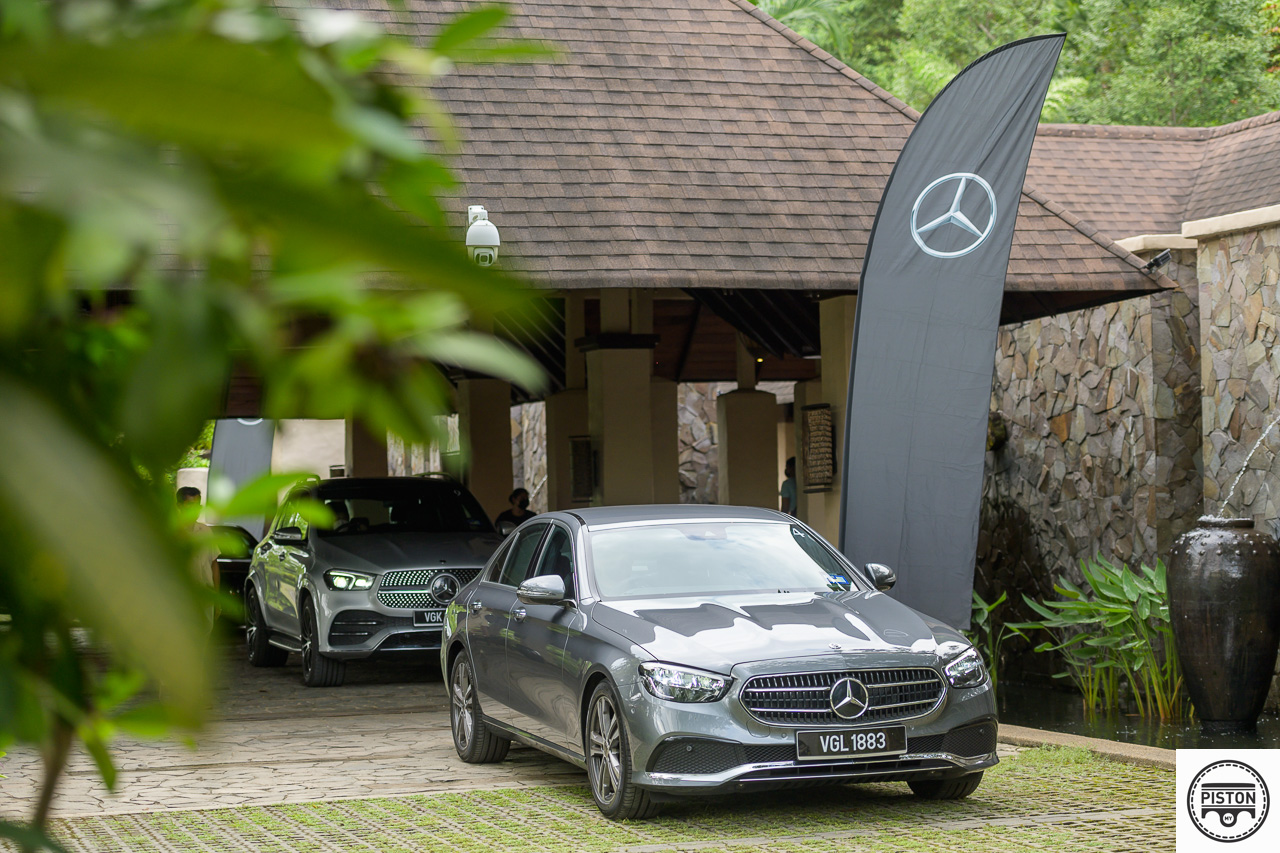
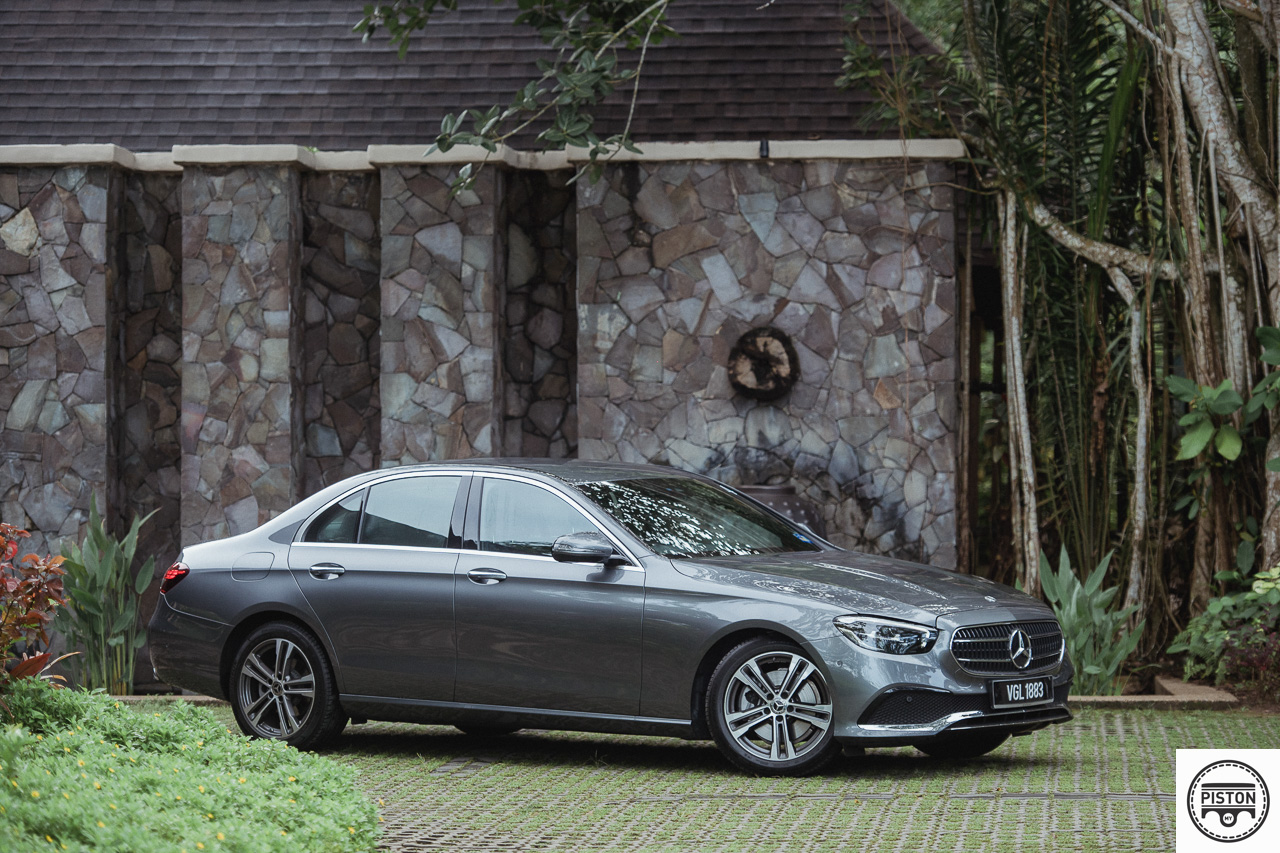
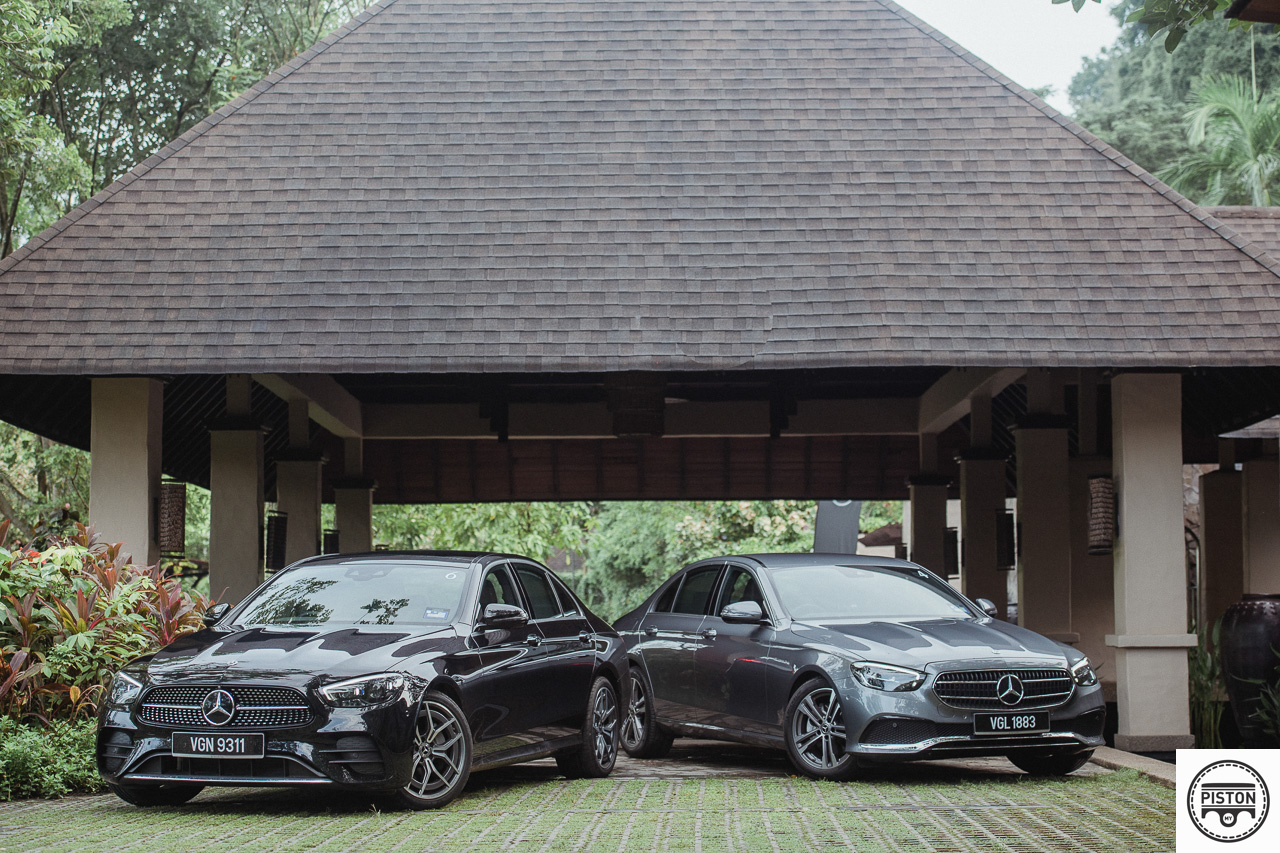
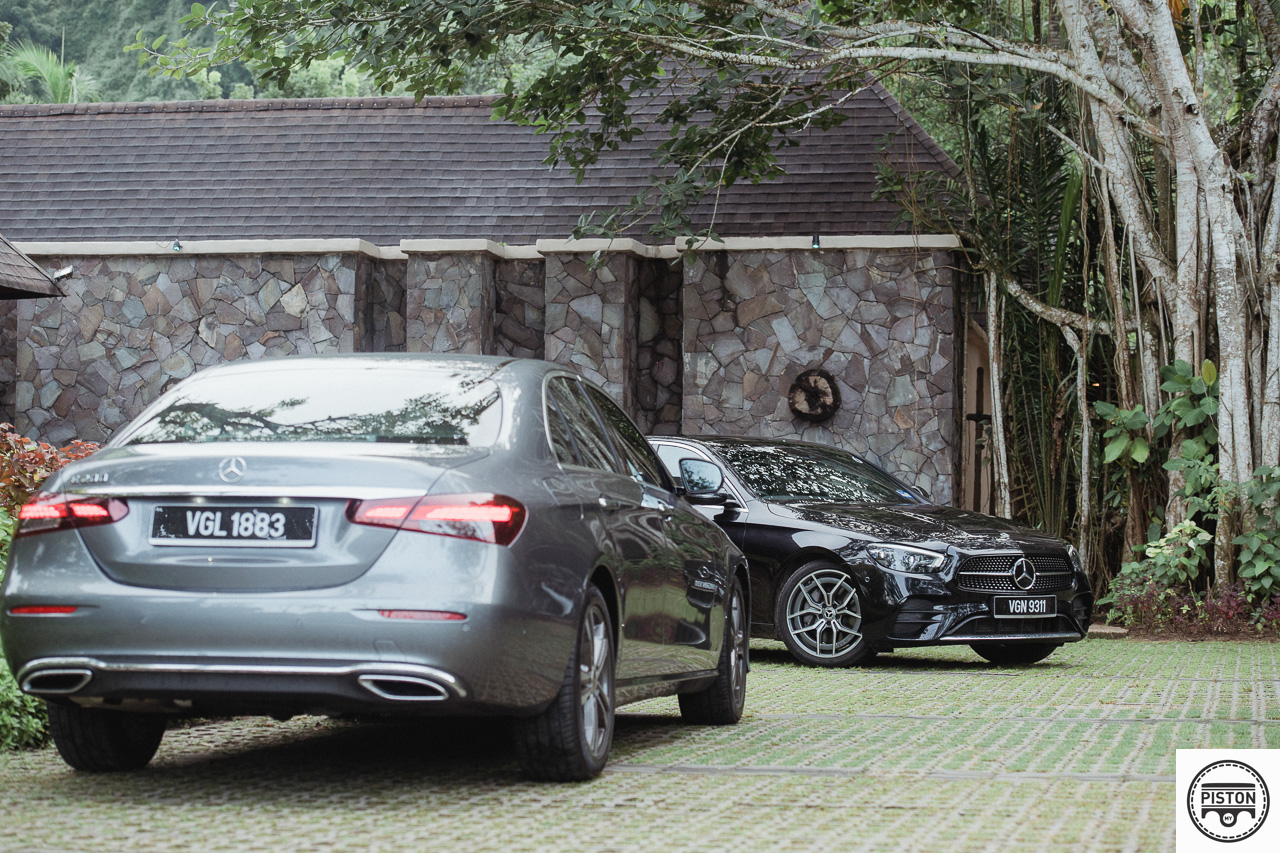
I got the E200 which may seem like the short end of the stick considering what was on offer, but I didn’t mind since the car had just been launched in Malaysia, and I was quite curious to know how it was like.

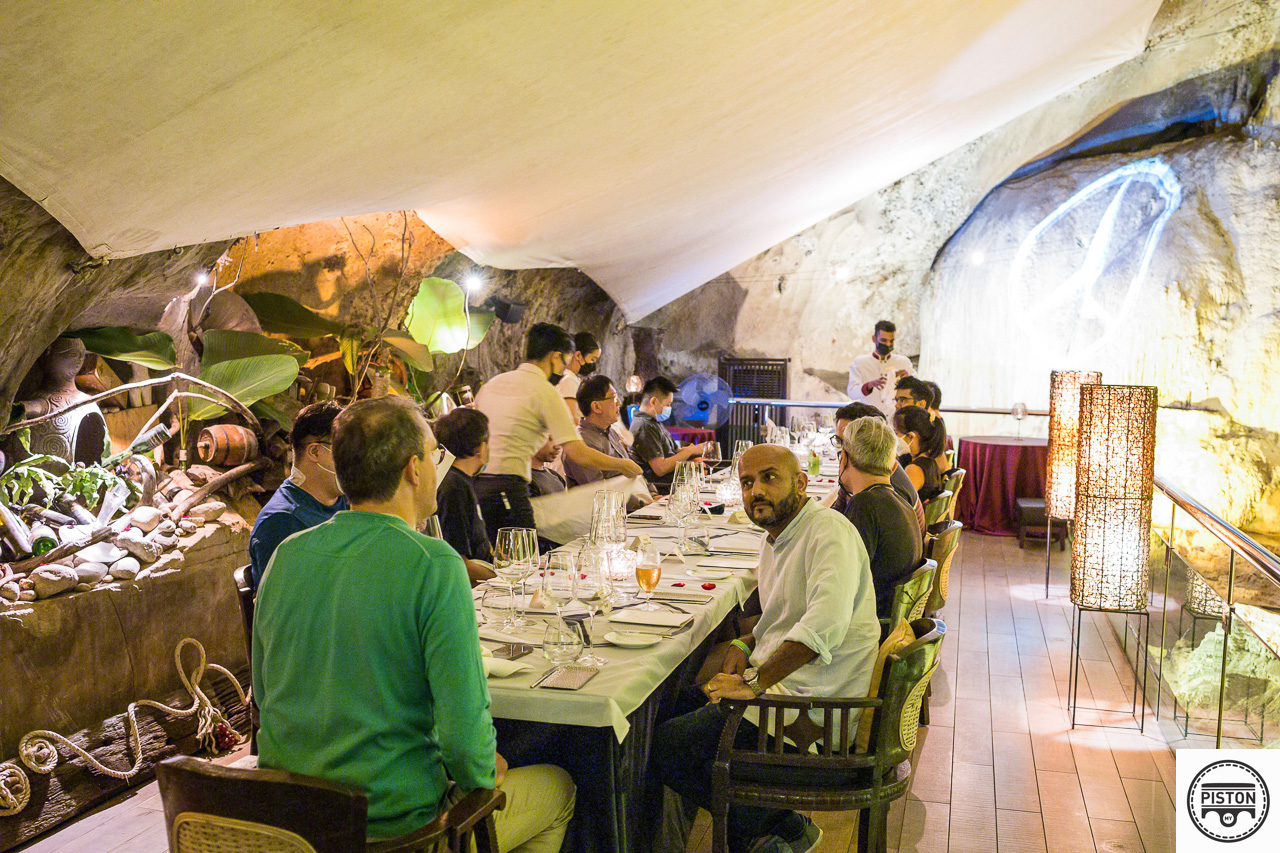
Our final destination was Ipoh where we would be staying the night at The Banjaran – a resort that is famous for its hot springs, it being situated among mountains that are a couple million years old, and a one of a kind, possibly the only one of its kind, bar and restaurant in a 250 million year old cave. Talk about dining like cave men.

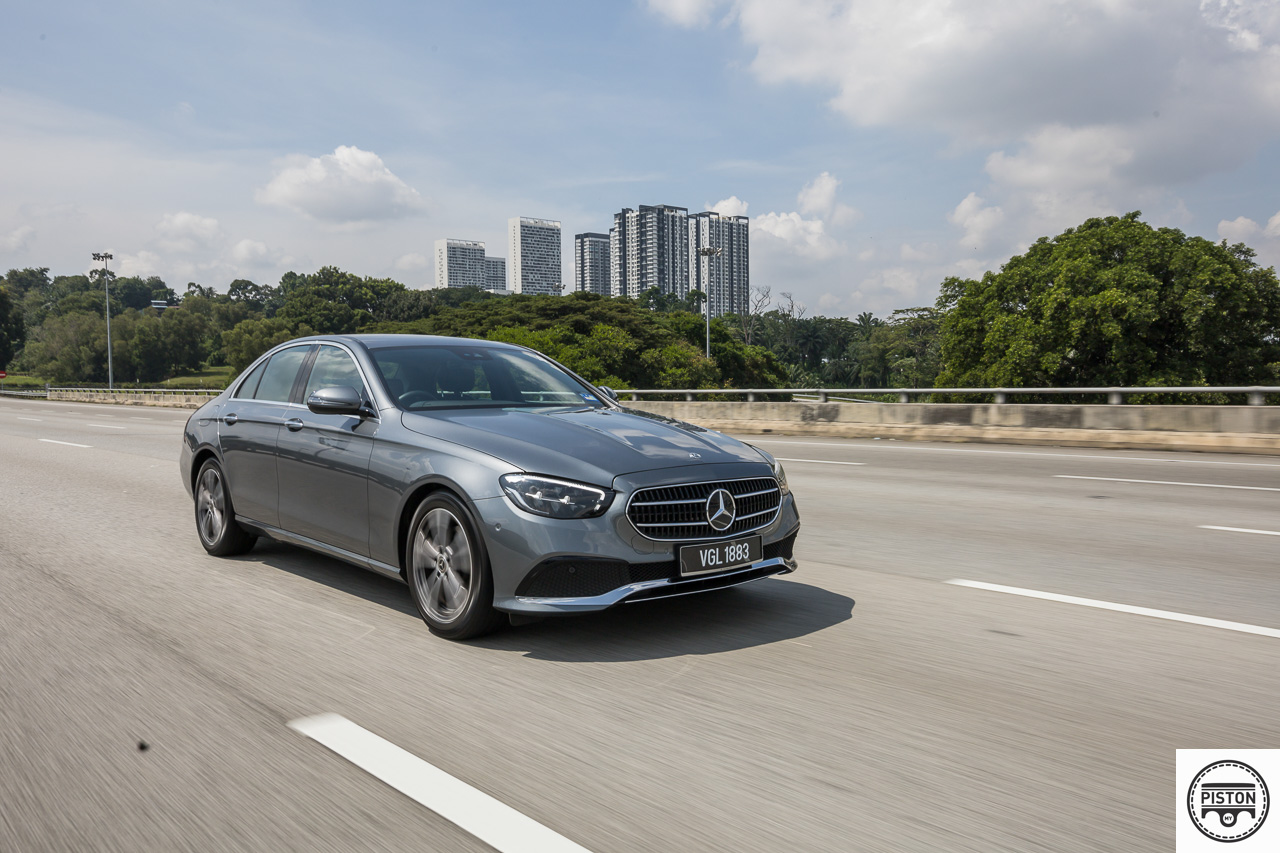
Though we weren’t required to travel in a convoy, most of us somehow found ourselves travelling together on the highway. Each to his own car. No sharing during the pandemic. Which was excellent.

The new Mercedes-Benz E200 may be the entry level model to the E-Class world, but it certainly doesn’t feel that way.

The refinement is typically Mercedes-Benz, though I did think the run-flat tyres were noisy at highway speed; a typical character of run flat tyres since it is made of a stronger and harder thus noisier compound.

I was also rather surprised by how well power was laid down by the E200 on the highway. But in hindsight, it shouldn’t have been surprising at all.

The E200 is powered by a 2.0-litre turbocharged petrol engine producing 194hp and 320Nm of torque.

That is quite decent for an entry level E-Class.

And then you consider that the suspension has been tuned for comfort and the interior offers exemplary refinement.

As an entry-level model, the interior of the E200 offers only the most basic of things. But don’t get this statement wrong, I mean the most basic of things at a Mercedes-Benz level.

So you get the usual electronic seats with memory function though this do not come with adjustable thigh support.

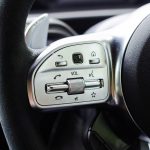
The new generation steering wheel in the E200 looks and feels great, but I am not a fan of the touch pads on the steering as that can be tricky to operate when the car is moving. I guess this takes time to get used to.

I did think the seats were quite comfortable and the interior was spacious, which is ultimately what an executive car like the E-Class is all about.

I am not a fan of the aluminium inserts that run along the dash and onto the doors and neither am I impressed by the black open-pored ash wood that is situated on the centre console.

I found myself thinking that a lighter choice of wood finishing instead of aluminium would have been nice. But then again, I was driving the sportier Avantgarde model. So that was to be expected.

I prefer an E-Class to be more luxurious than sporty this side of an AMG. But that’s just me.

What I really liked about the new E200 though was that massive MBUX screen, which stands for Mercedes-Benz User Experience.

Now this is a display screen that is 24.6 inches long and is divided into two parts. Each part measures 12.3-inches.

The screen on the left is touch-enabled and lets you access the usual stuff like radio, GPS, seat and air-conditioning settings and general settings to do with the driver and passenger.

The one on the right however is not touch enabled and this is where you get the usual speedometer, rpm dial, and other information to do with the internals of the car.

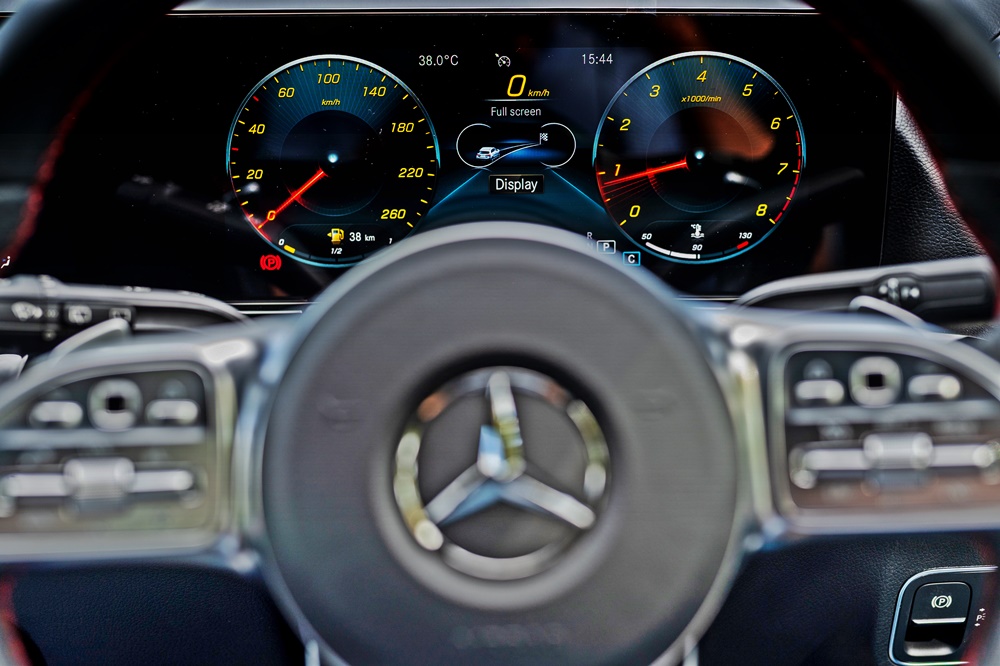
The display settings on the right can be adjusted according to your mood – Sporty, Classic and even Basic which throws everything away and just gives you the speedometer and clock and just a little bit more such as which gear position you are in.

This makes the E200 feel high-tech and the power makes it feel sporty. You also get drive modes but that only adjusts the sensitivity of the accelerator, the heft of the steering wheel, and the speed at which the gears shift. It doesn’t do anything to the suspension so that is one constant in this car.

Driving it is generally comfortable and the power is decent while the engine makes a nice throaty sound during acceleration. But it is ultimately an E200 and I did found myself wondering how the E300 would feel like.

The following day, after spending some time with the wonderful Mercedes-Benz team over lunch and dinner, I was asked which car I would like to take home.

Not just home, Mercedes-Benz Malaysia told us to keep the car till the end of the week. Didn’t I say this drive was one of a kind?

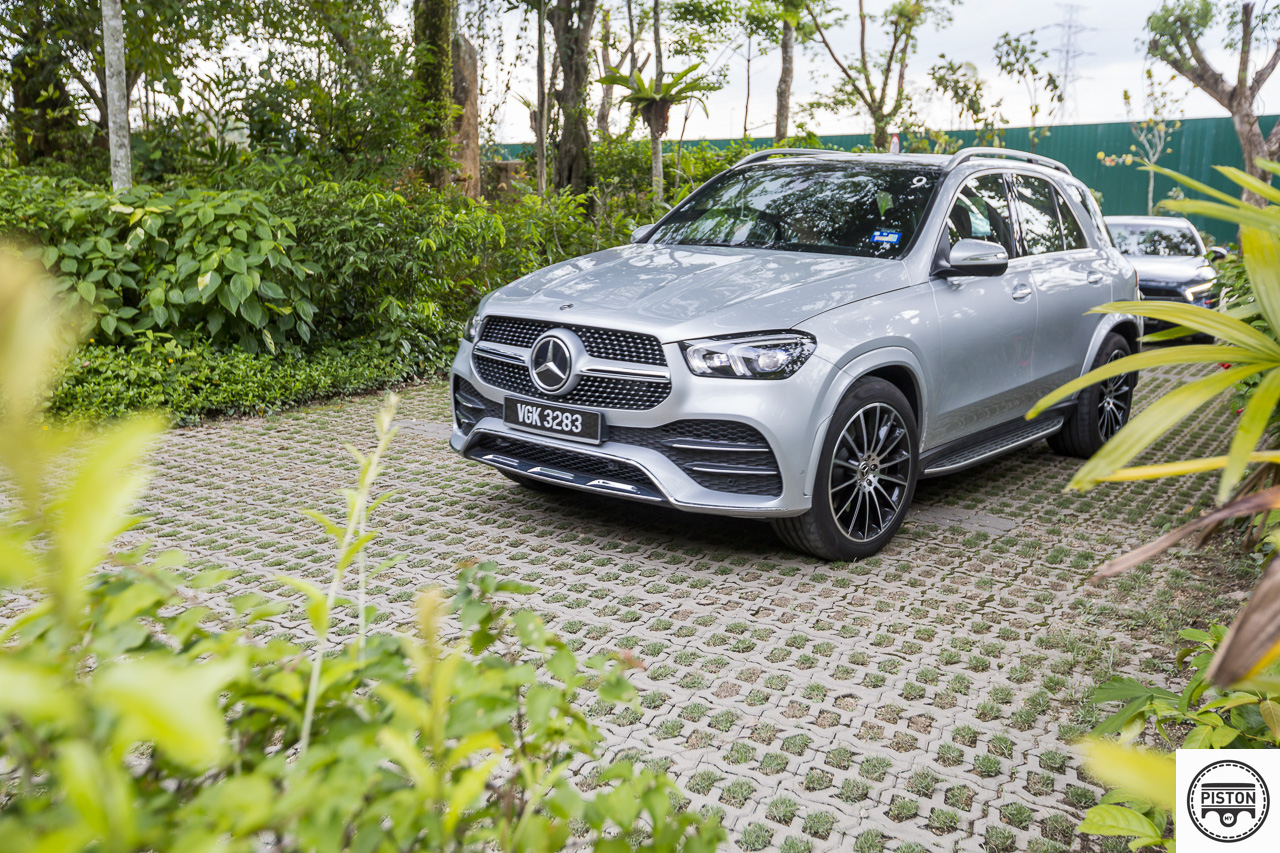
I chose to drive the GLE 450 – an SUV that I had been hugely curious about because I think it looks great and is one of those cars that doesn’t know how to put a wheel wrong.

And as expected, the Mercedes-Benz GLE 450 was so impressive that it deserves an article and a video review of its own. So I will put down my thoughts on that in a separate article, but let me just tell you this – the GLE 450 is one of the most complete car/SUV that I have driven in recent times.

And so was the drive to Ipoh.

The Takata airbag issue started some 7 years ago, and millions of vehicles have been recalled over the years to have their airbag systems replaced. The urgency of the recall was because a dangerous condition in the system’s inflator module could cause the pressure to become too high and break up the module, sending metal pieces towards the driver (and front passenger) at 300 km/h. In some cases, people died as a result of severe injuries.

Takata supplied the airbag systems to many different carmakers so all of them had to make a recall and some companies, like Honda Malaysia, put in a really serious and costly effort to get owners to bring their vehicles in. However, because vehicles change owners over time, recall notices did not reach everyone and there are probably many vehicles still with the dangerous airbag systems.

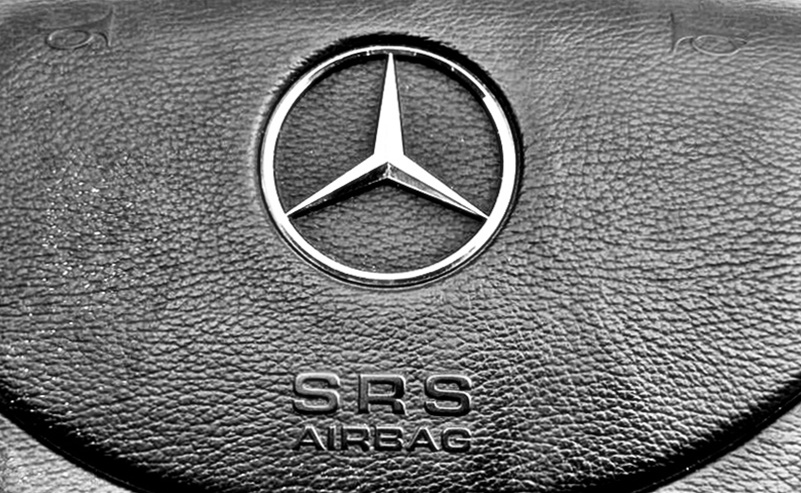
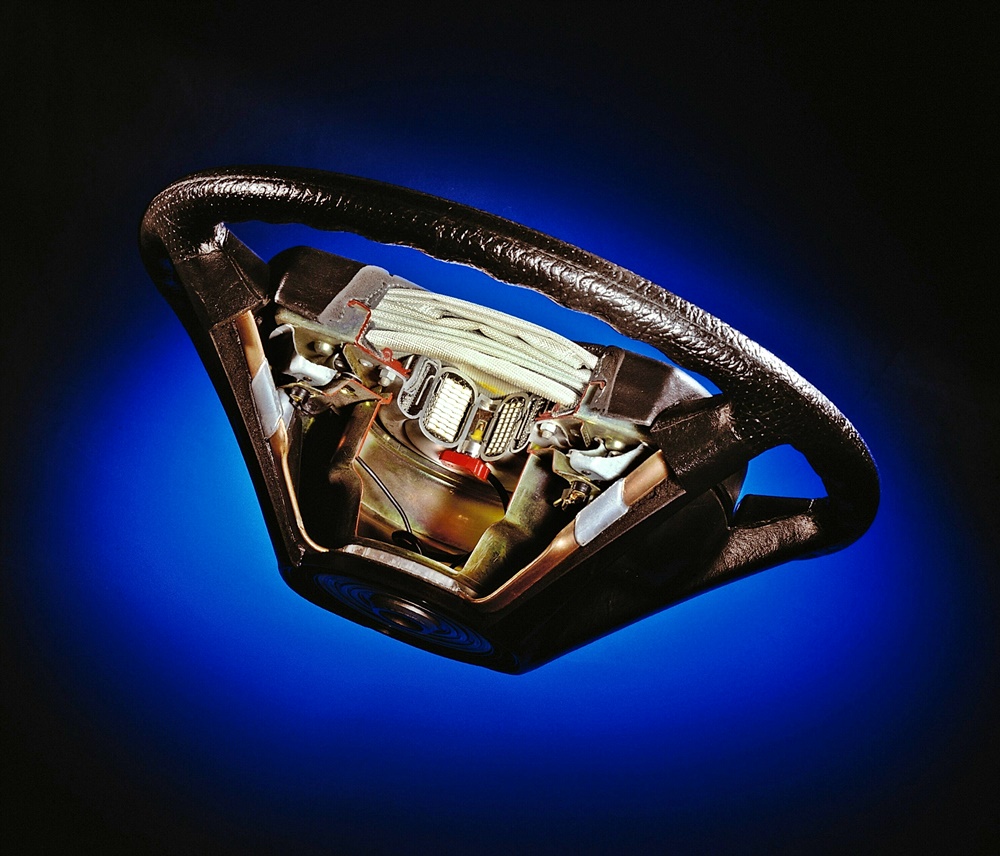
Inside a steering wheel with an airbag system.

The manufacturers continue to try to make the replacements as much as possible and Mercedes-Benz Malaysia is conducting a safety recall of potentially affected Takata airbag modules from specific models in compliance with the European type approval. This is after gaining a deeper understanding of the condition of airbags modules in the vehicle after a prolonged period. This can be particularly in certain climatic conditions in high humidity countries with high temperatures.

Models poduced between 2004 and 2016 affected
In fact, in mid-2019, the carmaker made a worldwide recall of affected models of its passenger cars, vans and trucks. Locally, the models affected include the models 169 (A-Class), 203, 204 (C-Class), X204 (GLK), 207 (E-Coupe/ Convertible), 212 (E-Class), 164 (ML and GL-Class), 251 (R-Class), 171 (SLK), and 197 (SLS AMG) which were produced between 2004 – 2016.

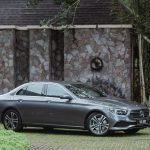
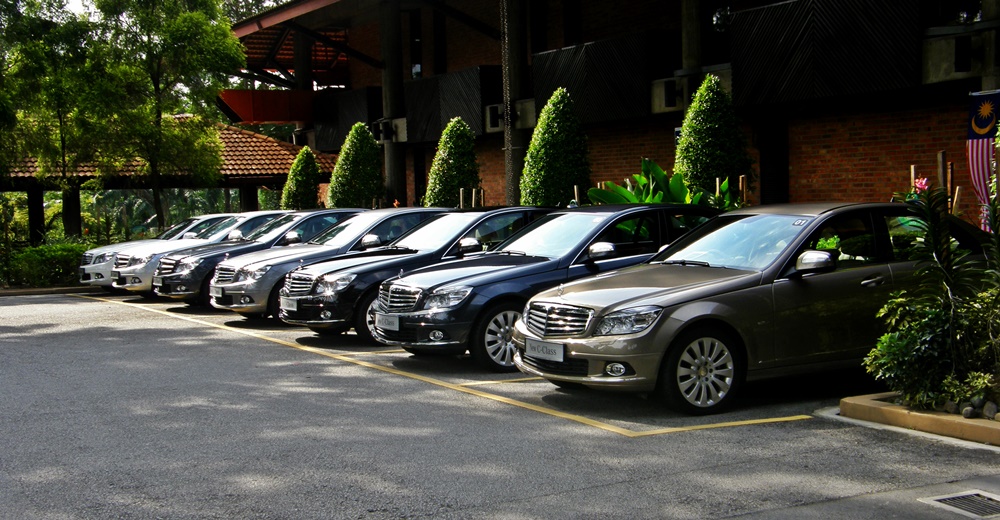
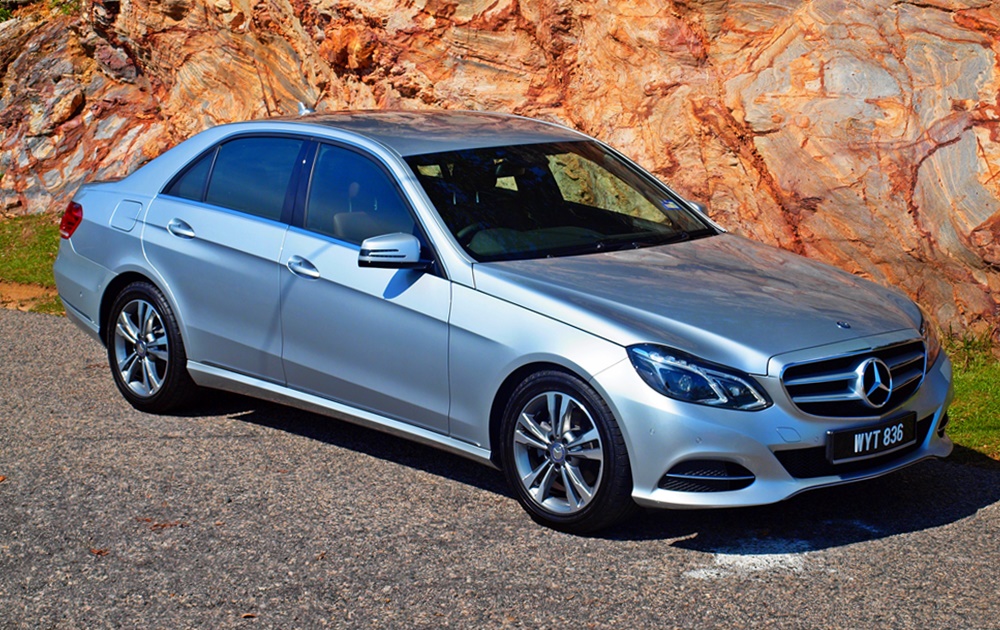
The largest number of cars being recalled in Malaysia would be from the C-Class (above) and E-Class (below) produced between 2004 and 2016.

Mercedes-Benz Malaysia and Daimler AG reassures its customers that all its presently produced passenger car models are no longer equipped with Takata (or other manufacturers’) airbags which have ammonium nitrate as the primary propellant. This element was a key factor in the cause of the problem.

Notifications sent out
Mercedes-Benz owners can check their vehicle VIN on the Mercedes-Benz microsite mb4.me/airbagrecall or by calling the Malaysian Customer Care Centre on 1-800-88-1133 to confirm if their vehicle has been identified for this voluntary program. Mercedes-Benz Malaysia urges all affected customers to contact authorized Mercedes-Benz dealers, the Customer Care Centre or use our online booking facility upon the receipt of the notification to replace the airbag, subject to parts availability. The replacement airbag will be provided free of charge if there is a need for it to be changed.

In the event that you are not the original owner, you might not receive any notification as the contact details with MBM may not be updated to yours. You will still be entitled to the replacement (if needed) so contact their Customer Care Centre for assistance.

The explosion that saves lives instead of kills…

Vaccination does not make you immune to COVID-19 infection. You can still get infected and although you may not show symptoms, you can spread the coronavirus to others. Do not stop taking protective measures such as wearing a facemask, washing hands frequently and social distancing.

There was a time when hot hatches were the ultimate in driving experience. They offered the purest driving experience despite being small in size and power.

Then came the mid-2000s and the power craze that ensued. That’s when all car makers seemed to hurry to lay down as much power as they could as quickly as possible.

This meant doing away with some of the basics that made a hot hatch such as light weight, only the barest of necessities, and as little in the form of driving aids as possible.

That was when the likes of the Ford Focus RS, the Megane RS and Clio RS as well as the Civic Type R reigned supreme. This was in Malaysia of course. Europeans had other contenders, but let’s keep it local. On that note – we also had the Satria GTI (not really mid-2000s) and the Satria R3.

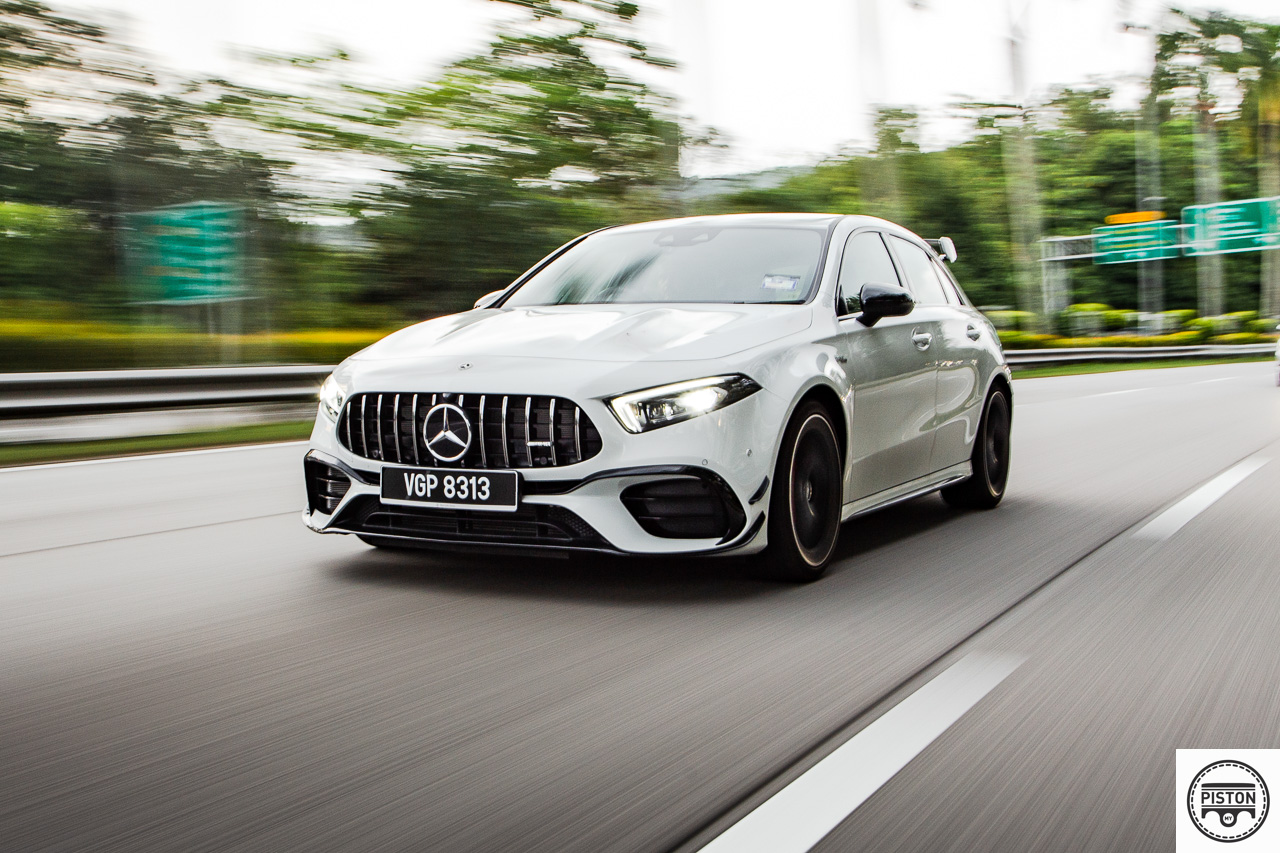
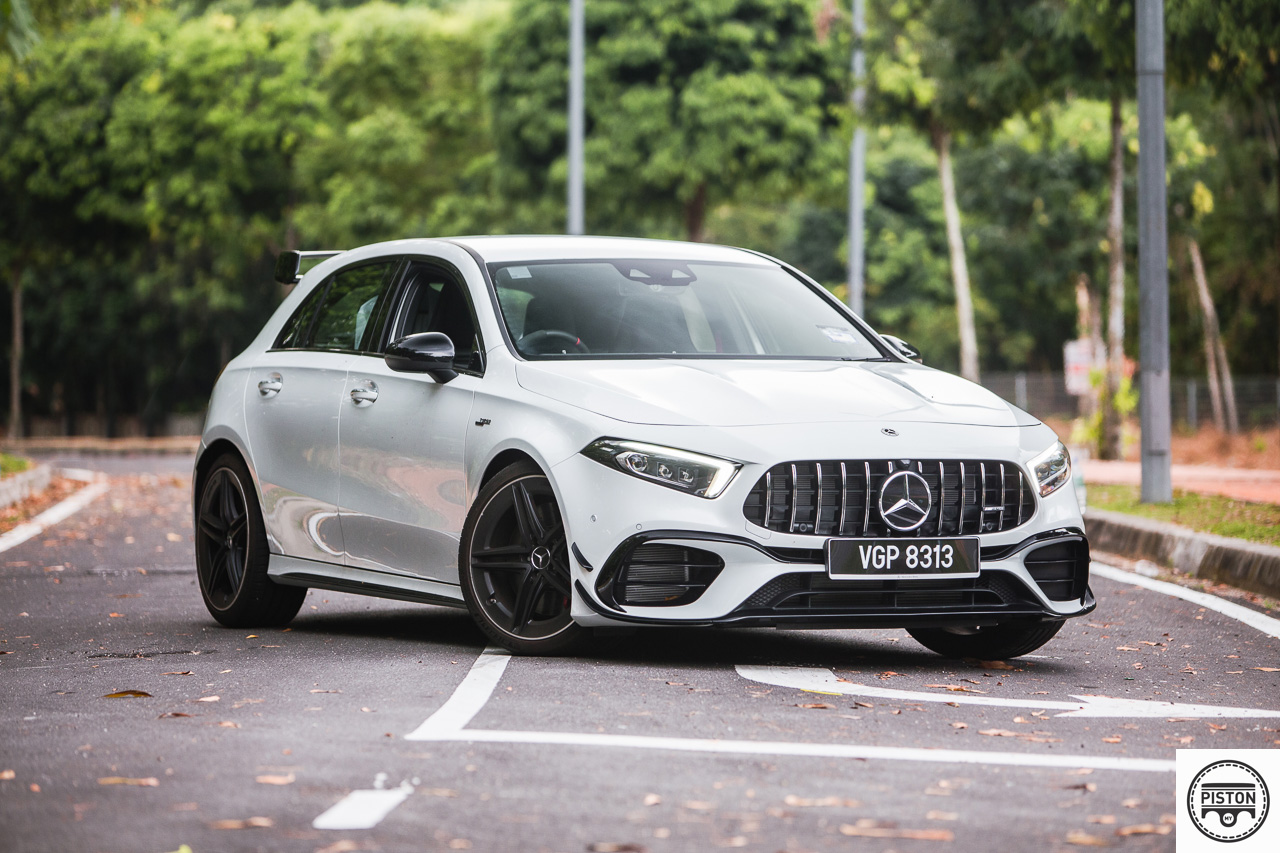
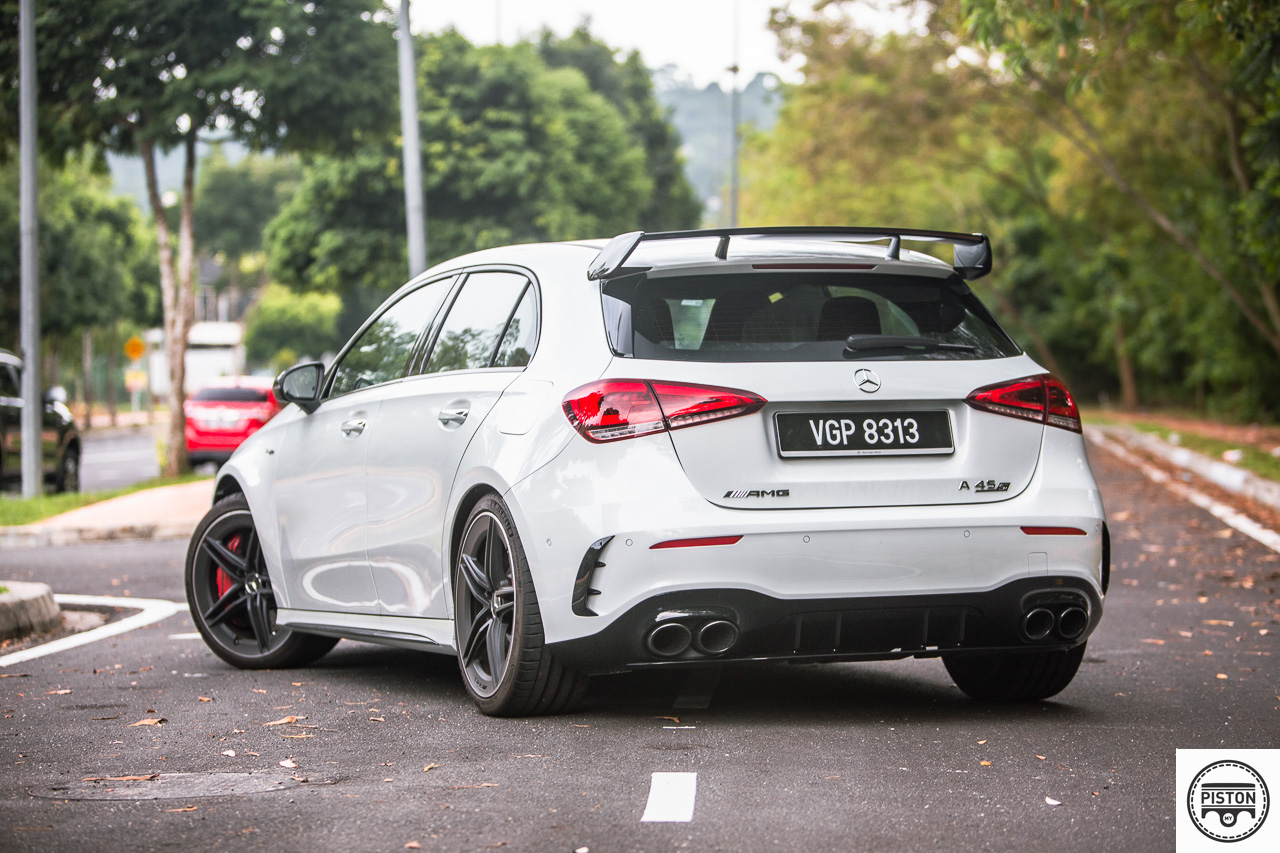
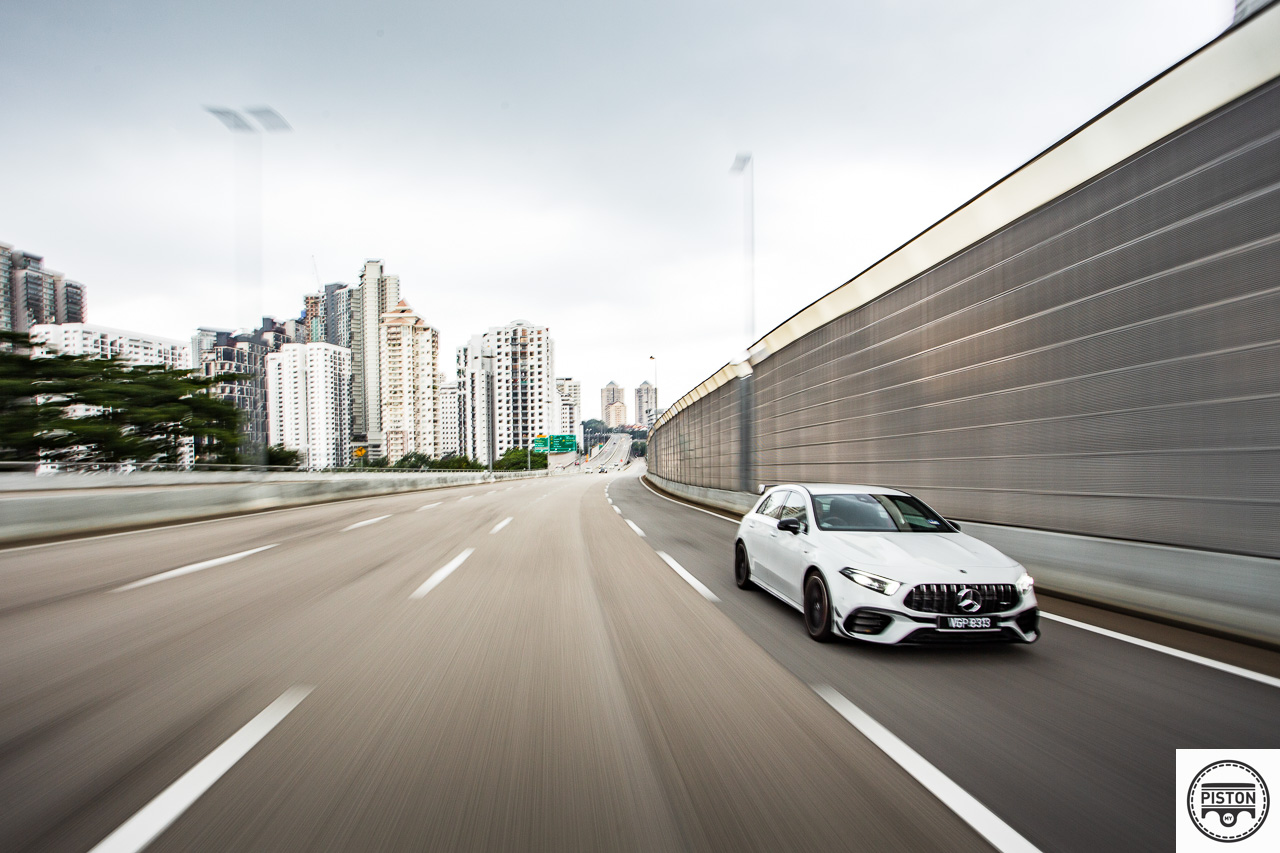
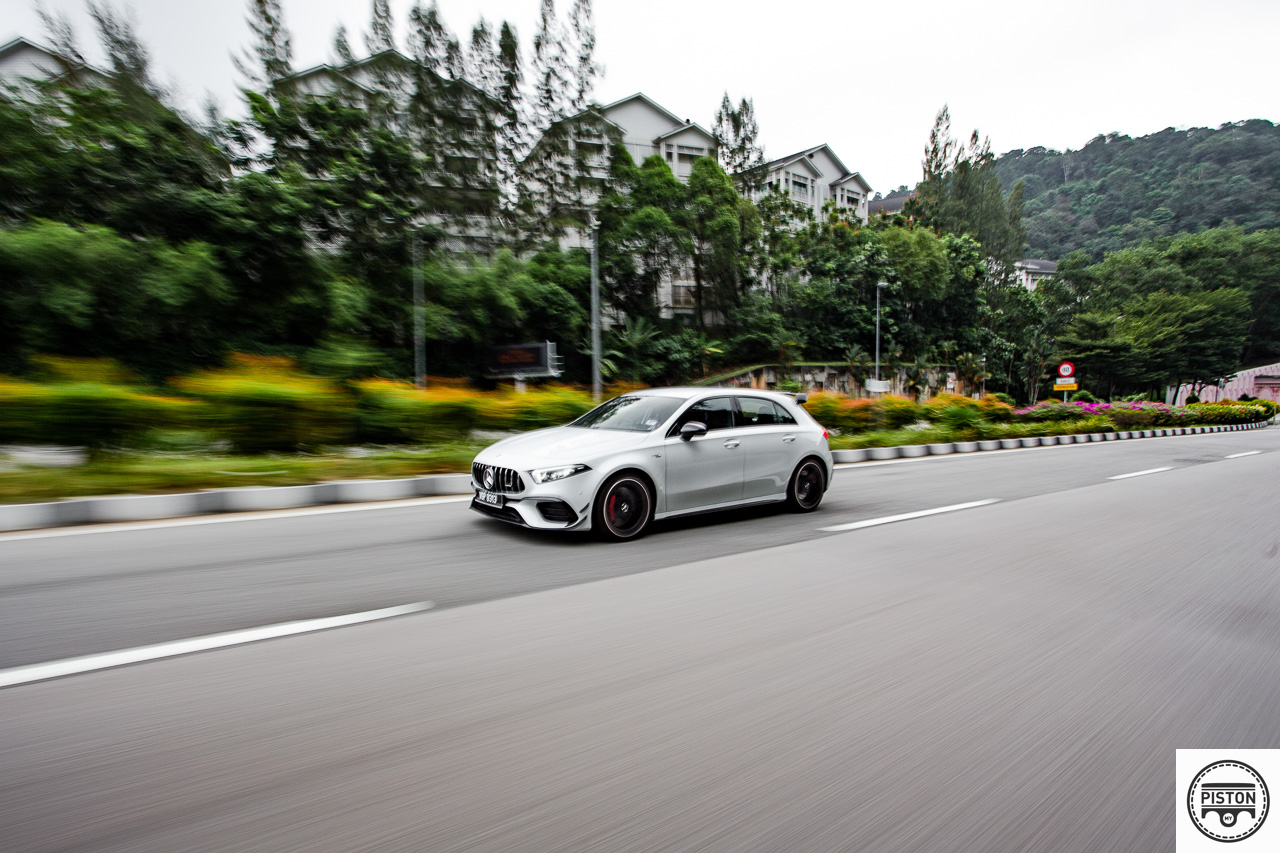
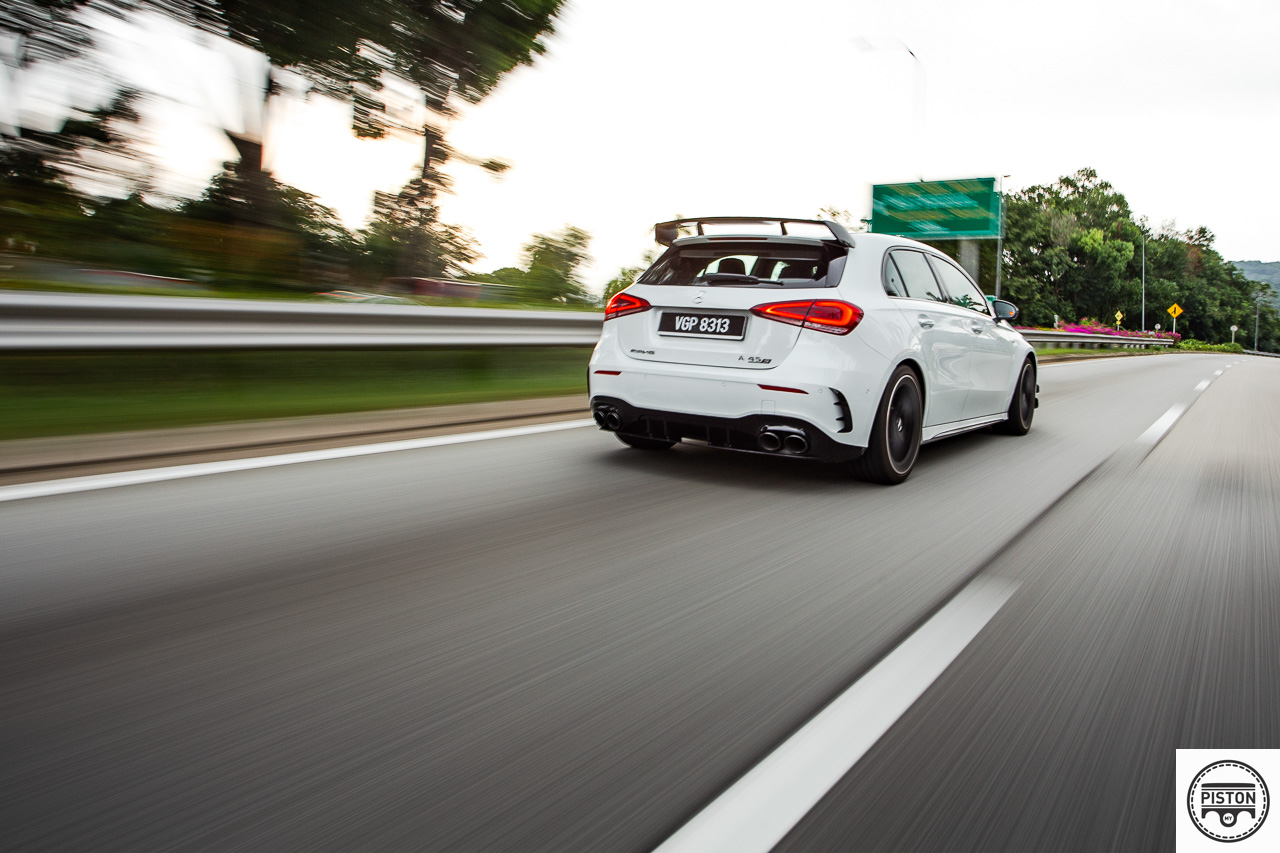
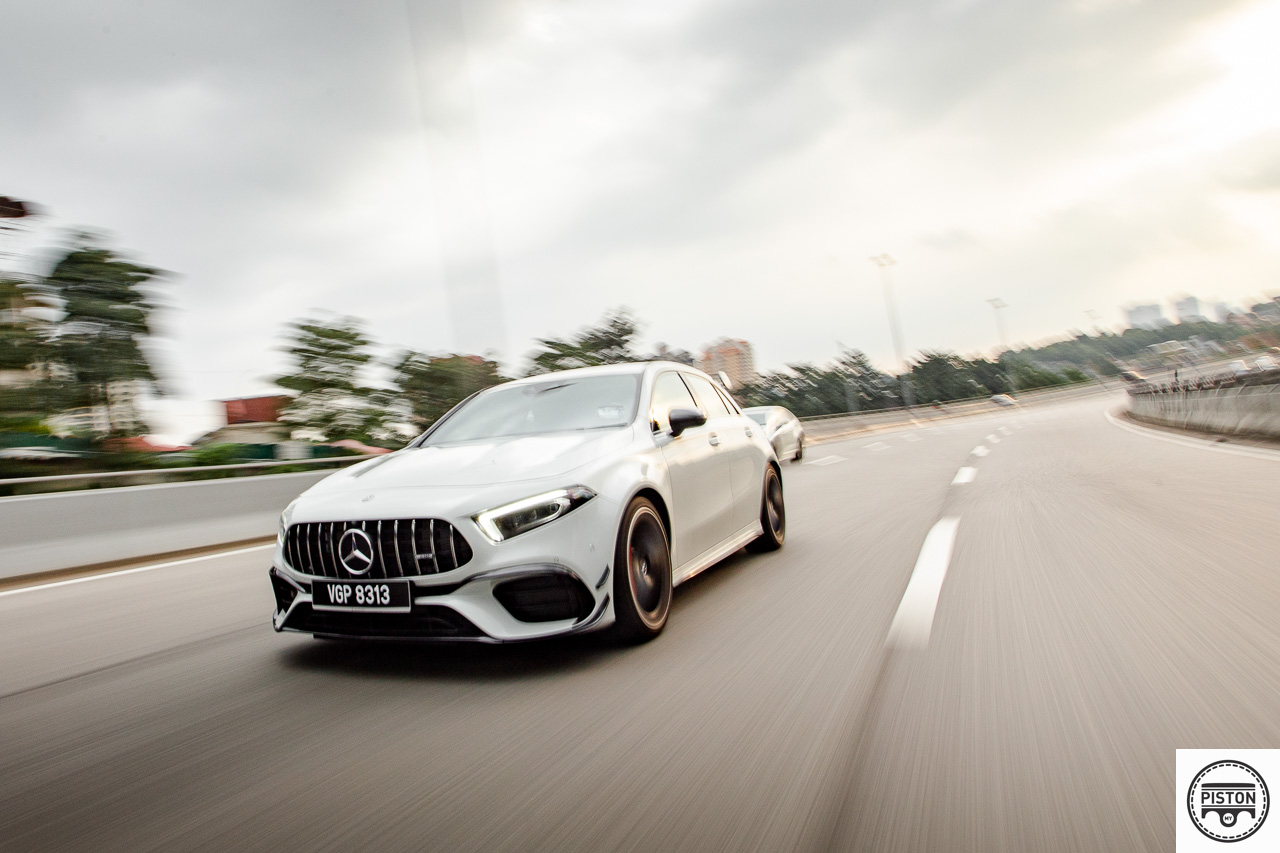
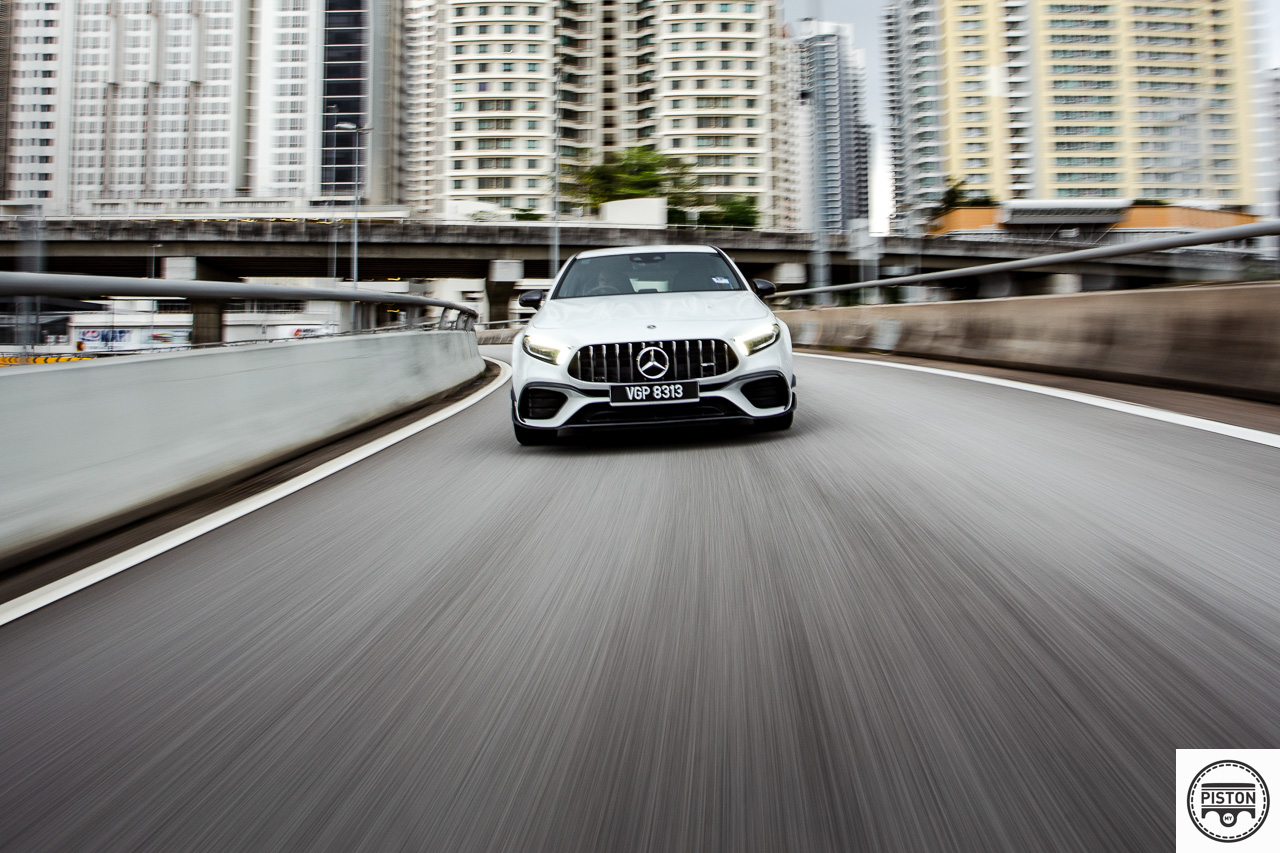
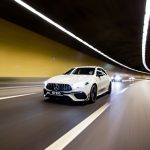
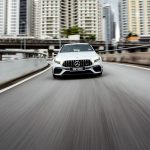
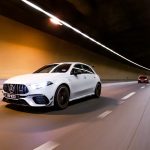
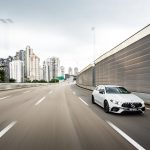
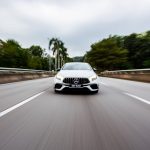
Now though we have the Mercedes-Benz A45S AMG, a hot hatch that is powered by the most powerful four-cylinder ever made.

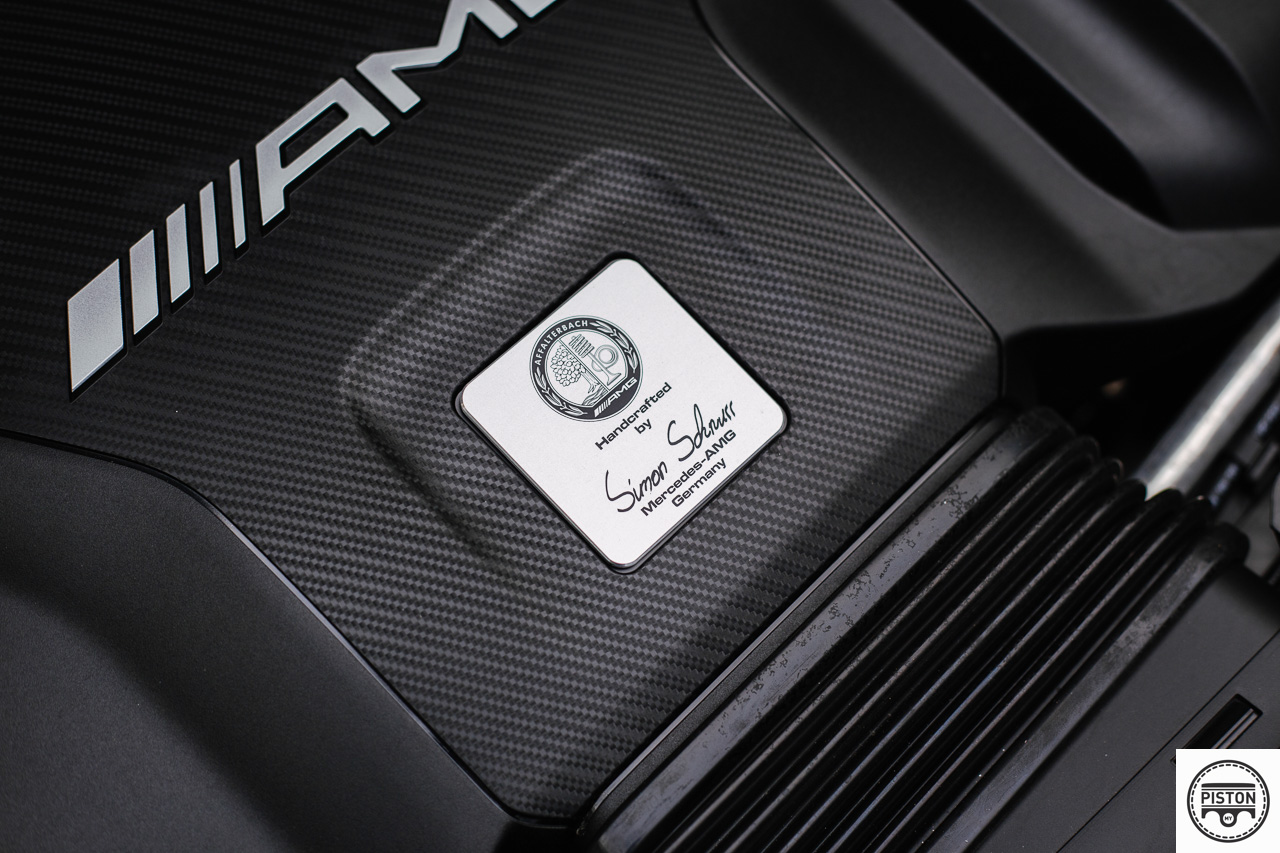
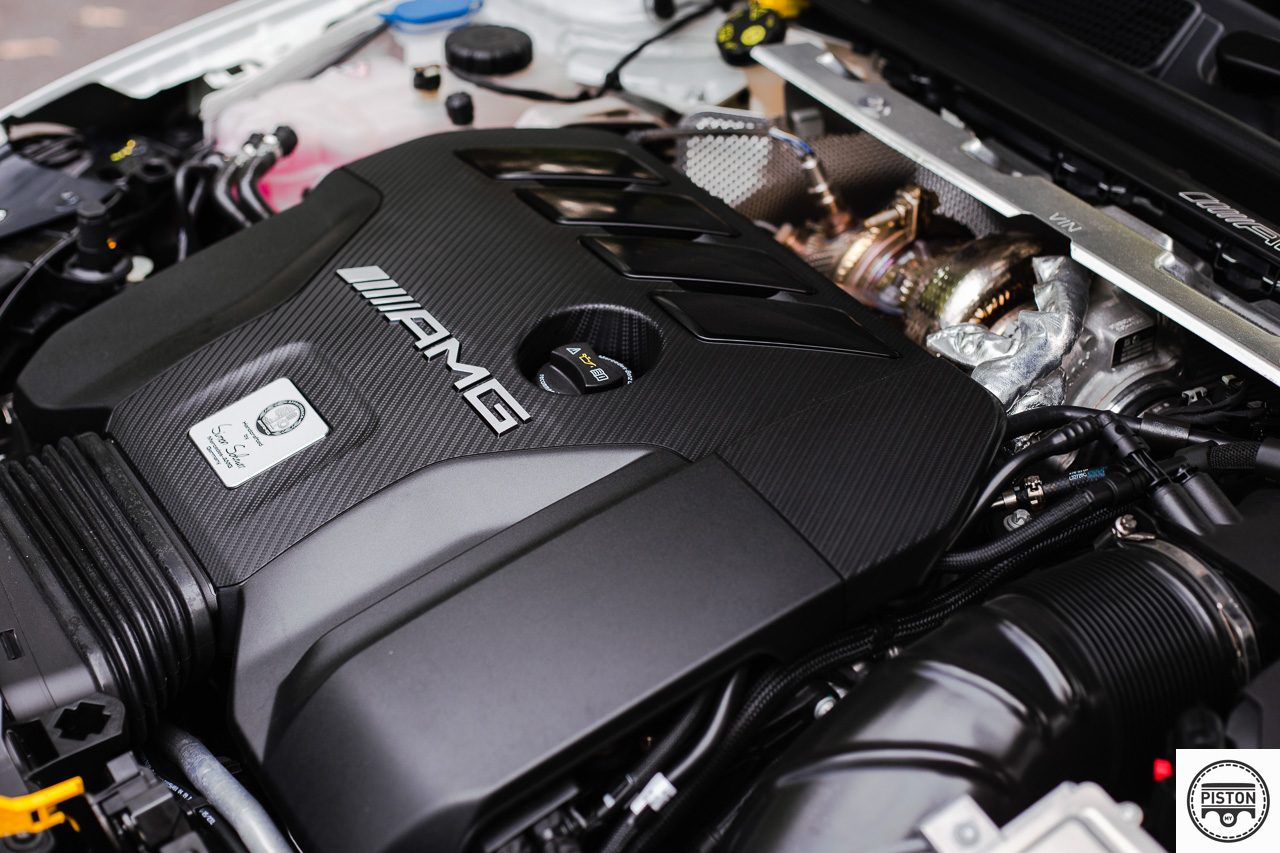
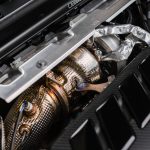
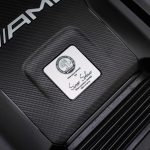
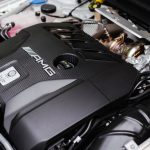
This AMG is so intelligent that it is able to send power to individual wheels when needed rather than between the front and back axle, like the cheaper but less intelligent A35 AMG. It’s also interesting to note that the engine of the A45S is still made by a single person who then signs off on the engine (shown below), but the A35 though is powered by an engine that was put together on a conventional assembly line.

The A45S AMG offers 421hp and 500Nm of torque.

It does the 0-100km/h in just 3.9 seconds.

These were numbers that Porsche, Ferrari and Lamborghini once offered. Today, these numbers are available in an A-Class.

Let that sink in.

But that aside, the A45S is such an animal to drive, that it almost make you doubt your driving skills.

It makes you think that you don’t have the skills to fully exploit its potential.

At one moment it is just chugging along, and with just a tap of the accelerator it threatens to tear your face off with unbelievable acceleration.

You truly have to feel it at least once in your life. Forget paying for a roller-coaster ride, pay an owner of an A45S AMG to let you feel its launch control.

Let’s start with the design

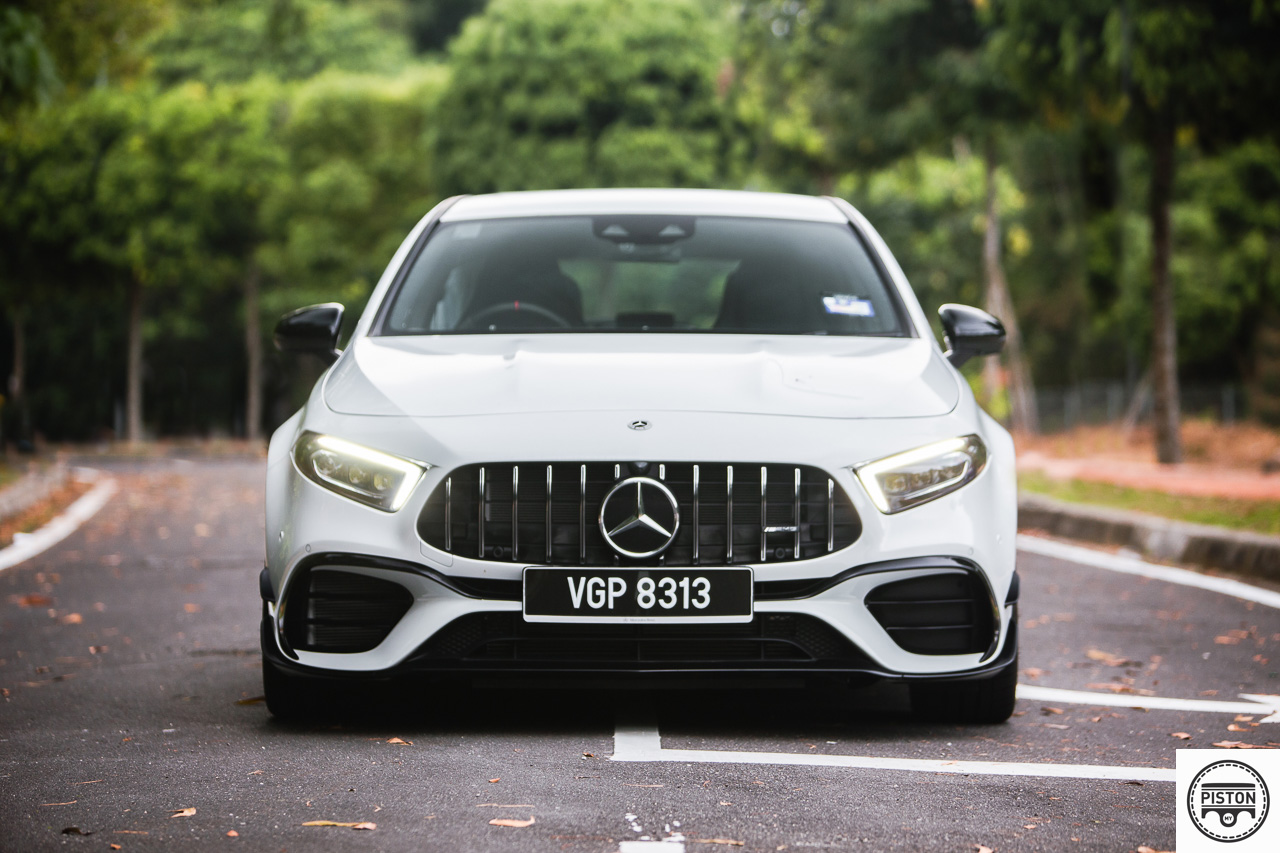
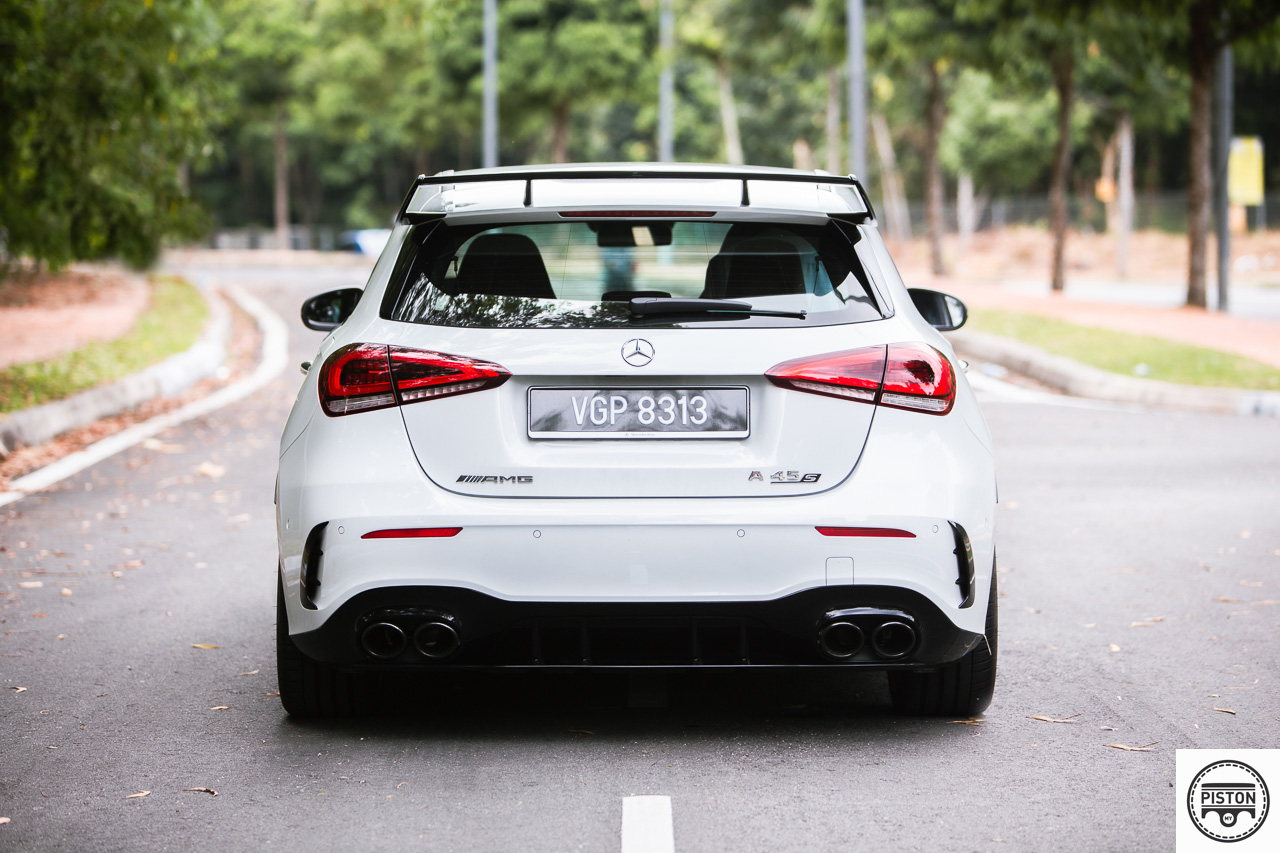
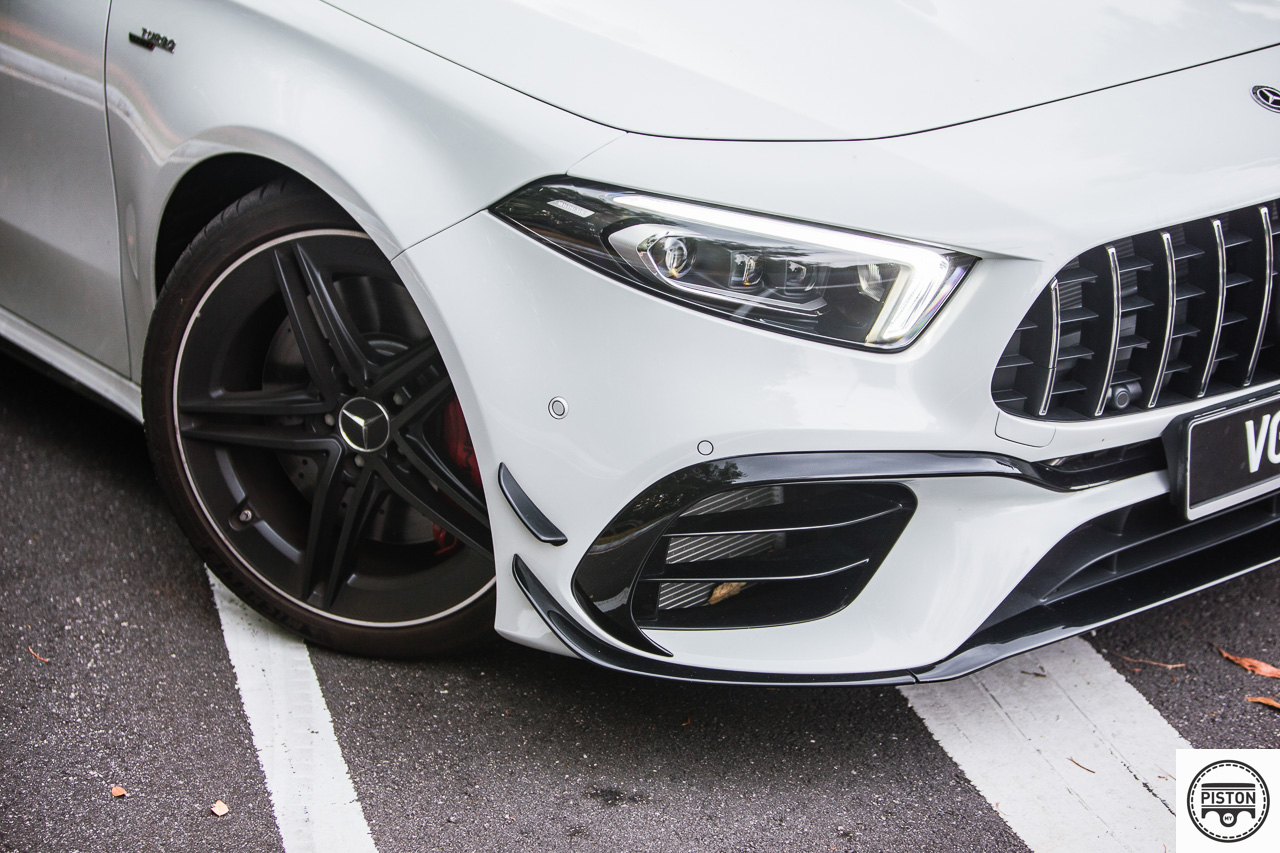
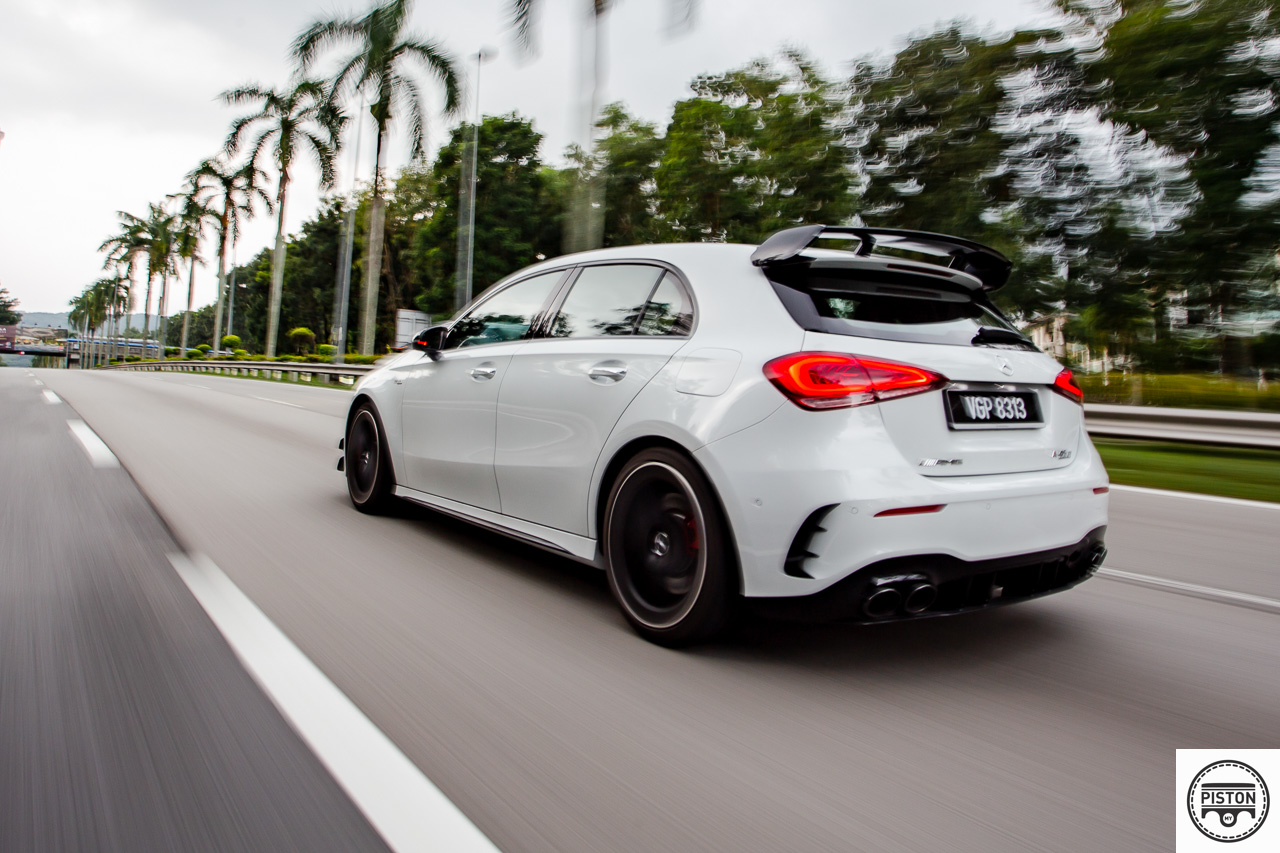
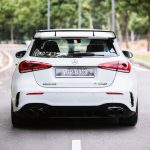
A standard A-Class on steroids is the easiest way to sum it up. You will probably see a lot of pretenders on the road, those that have spent their fair share of time in a local body shop in Sunway or someplace.

The front aero works are functional though and work to cool the brakes and channel air to the radiator mounted at the bottom of the front bumper.

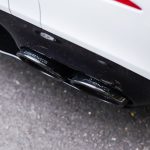
The design is basically acceptable, except for those fake exhausts that are basically regular exhaust housings for a regular set of exhausts. The kind that you could find on a Proton Iswara.

What about the interior?

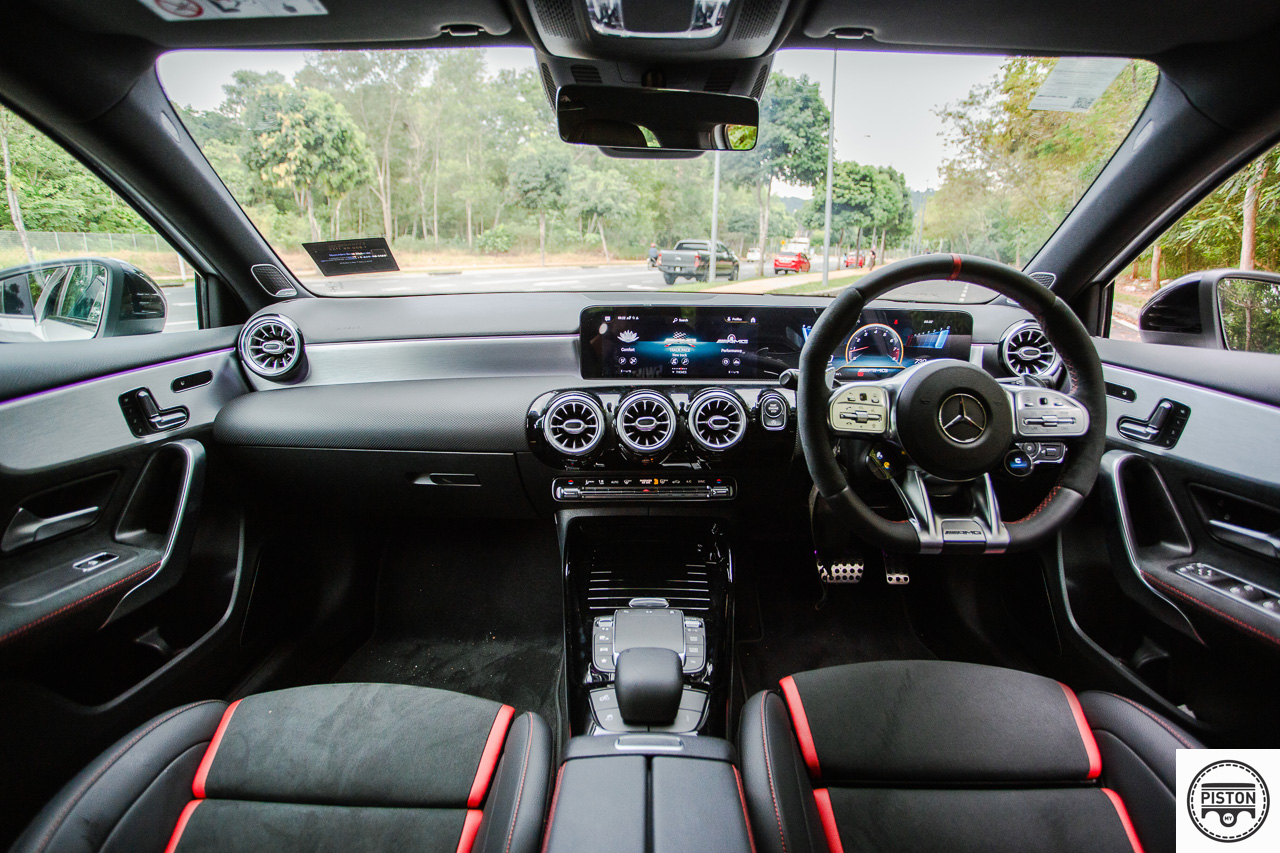
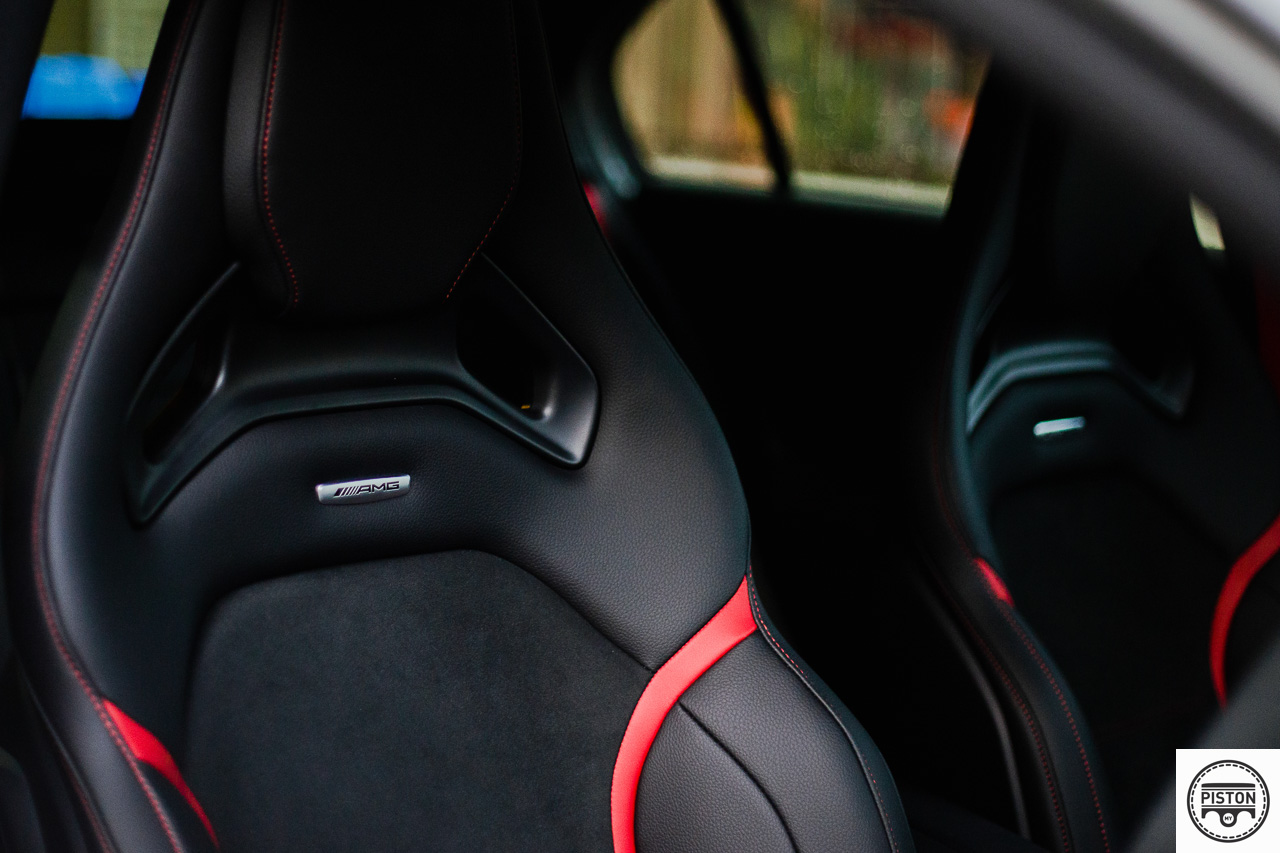
A fantastic place to be in and that is putting it lightly. Let’s start with the seats because that’s where you will be spending all your time on whenever you are driving this car.

Fantastic, adjustable and intelligent – that’s how I would describe it.

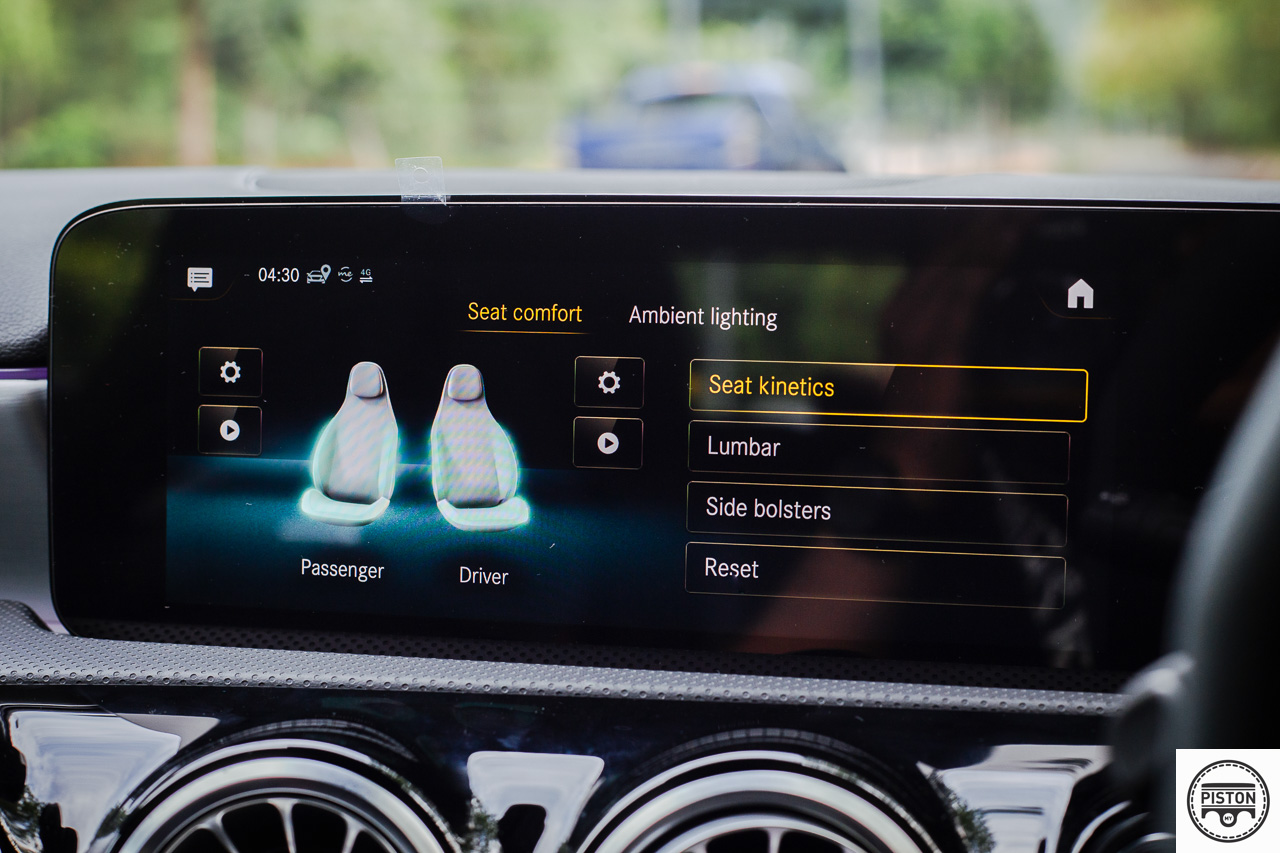
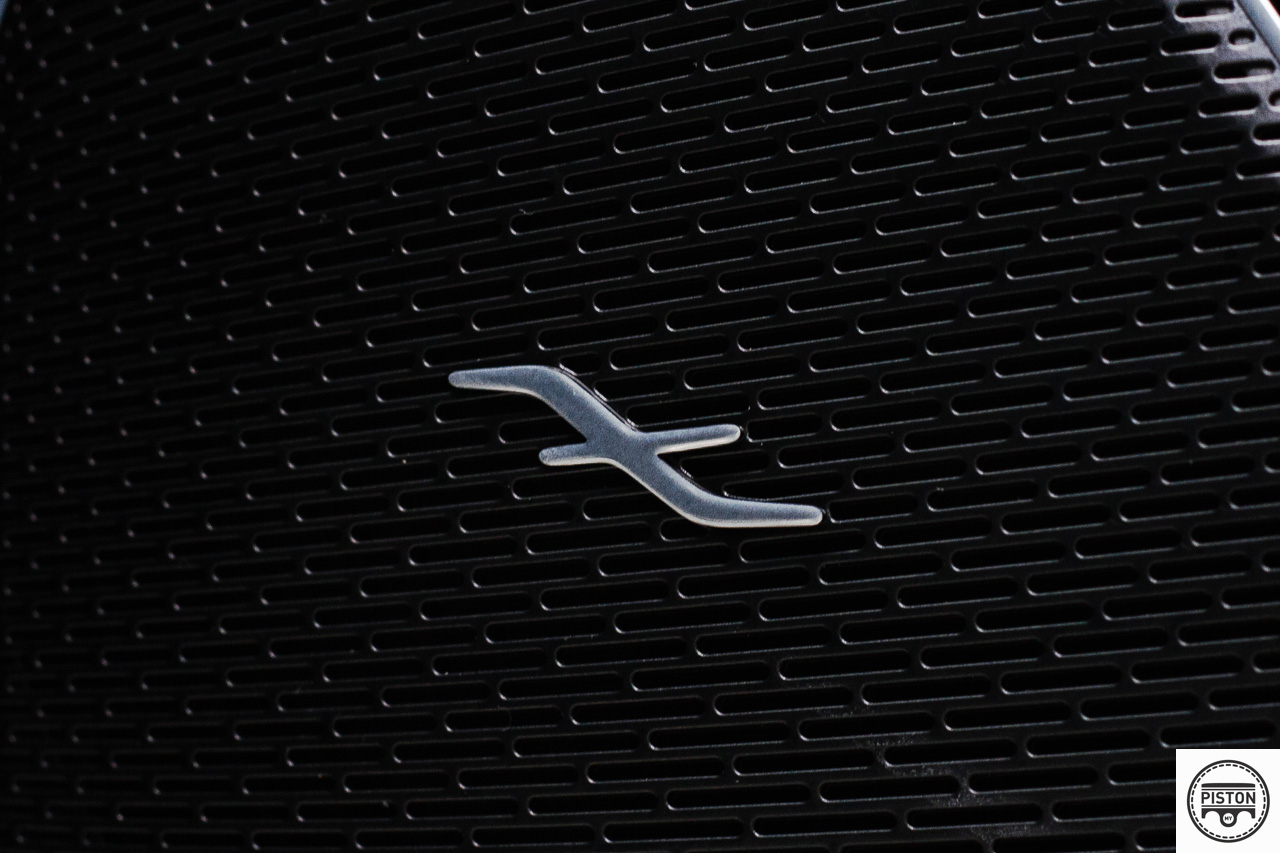
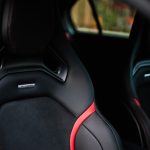
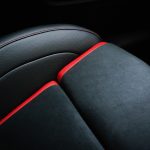
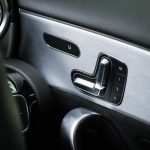
Not only are the seats in the A45S AMG full sports seats with adjustable side bolstering. But the seats also feature a technology called Mercedes-Benz Seat Kinetics.

This tech is aimed to improve comfort and to safeguard your back and discs. When selected, this mode constantly and minutely adjust the seat settings by a few degrees or millimetres, and it is all aimed at improving comfort over long hours.

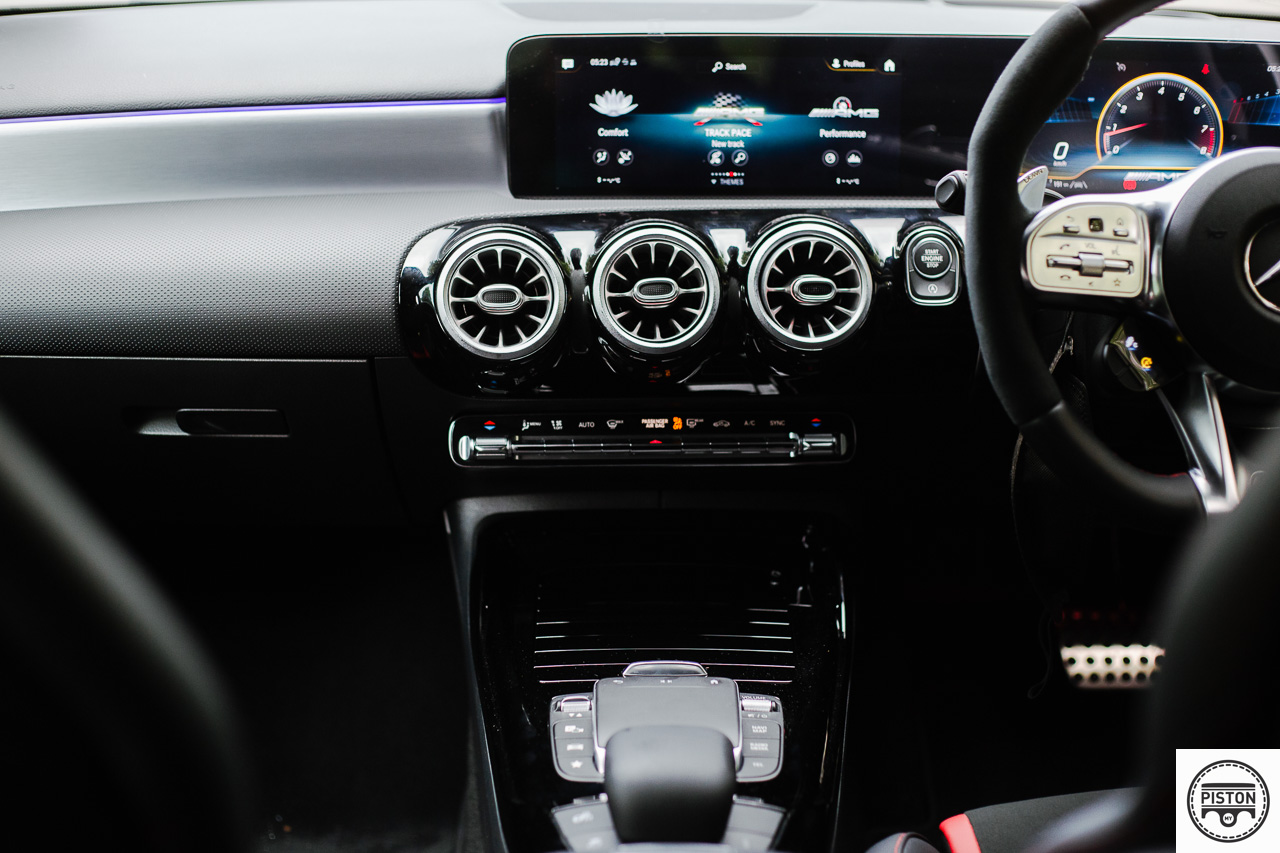
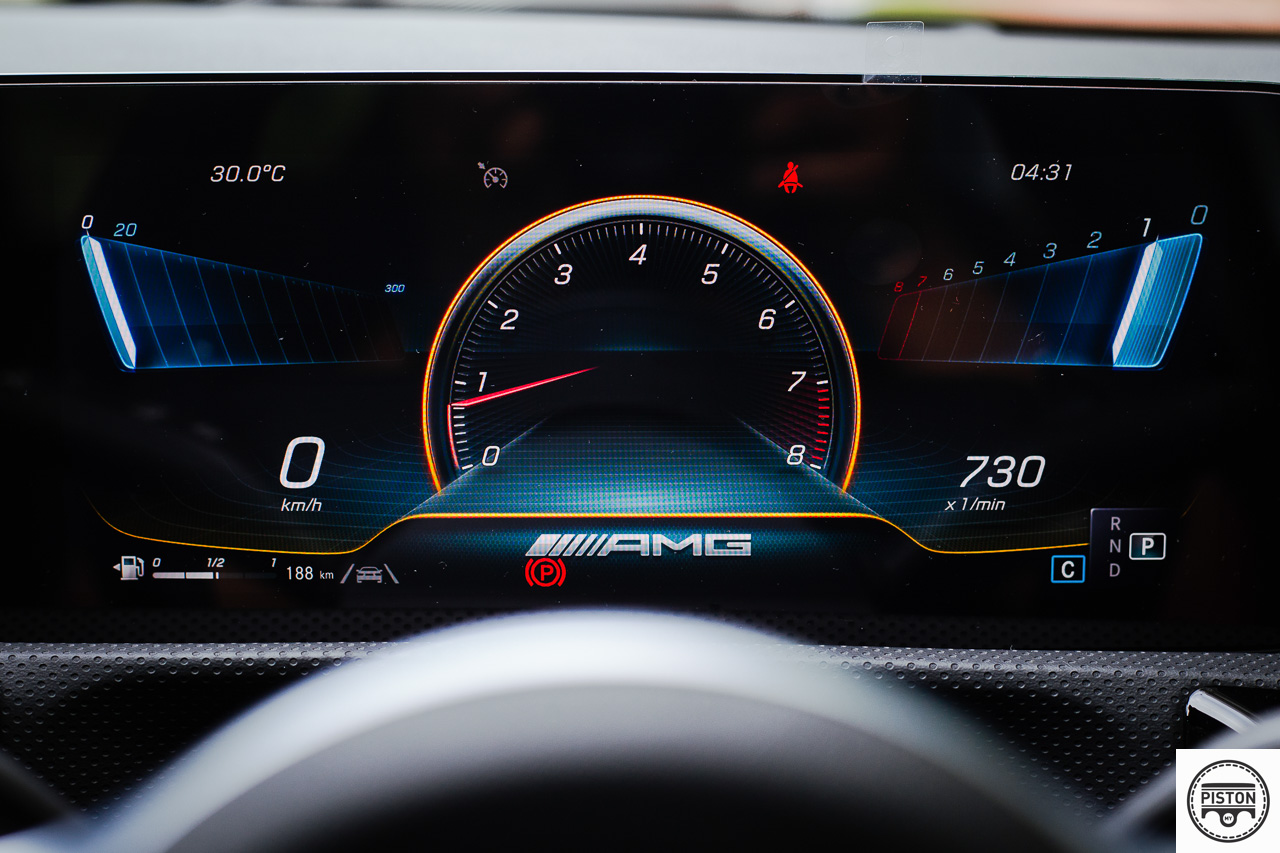
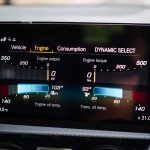
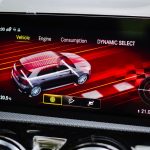
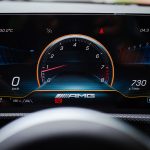
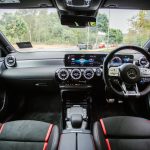
Besides that, there is the massive twin-screen Mercedes-Benz User Experience (MBUX) display, with each monitor measuring in at 12.3-inches, which results in a massive 24.6-inch screen just ahead of you.
As you would expect, the MBUX is basically the avatar through which you access all the digital goodies the A45S has to offer. Digital goodies like Apple CarPlay, Android Auto, all the settings of the car, and even the different driving modes.

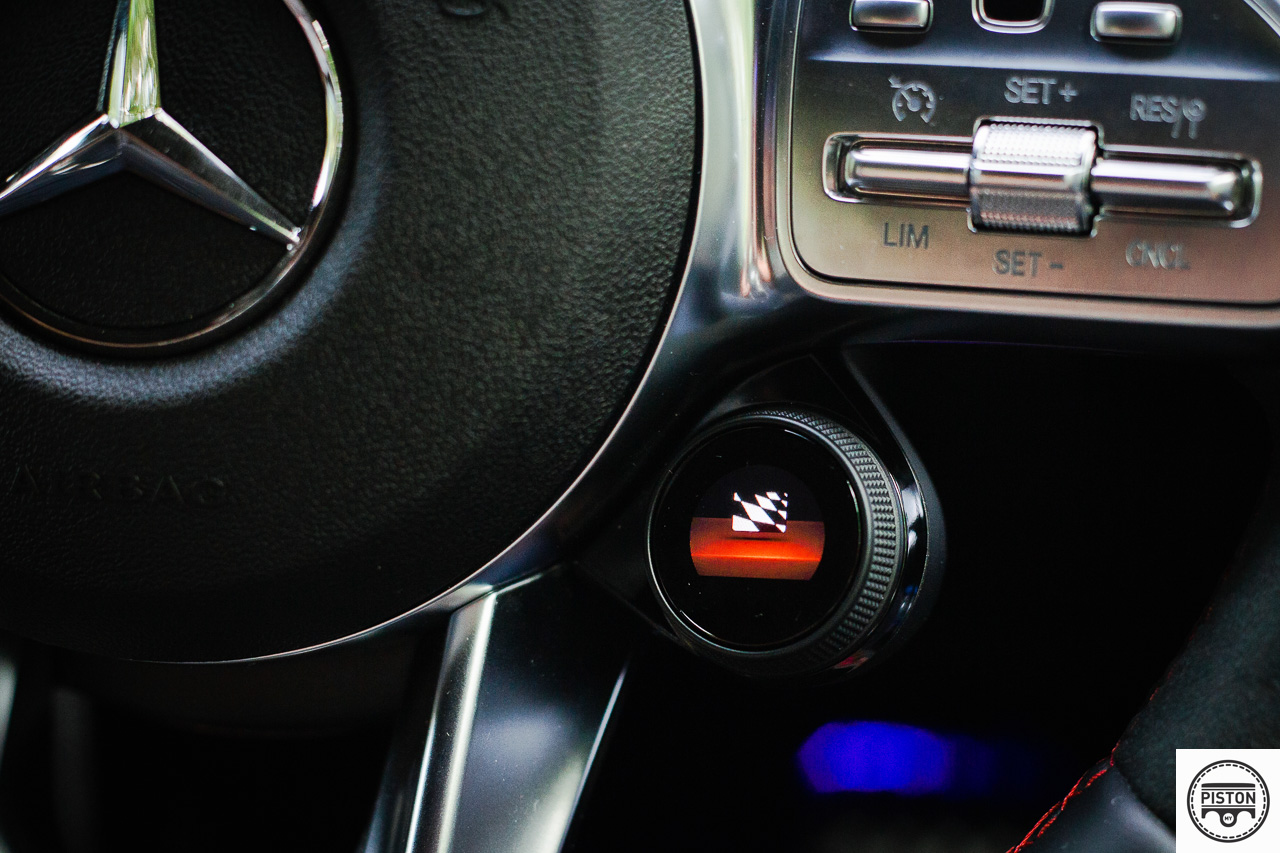
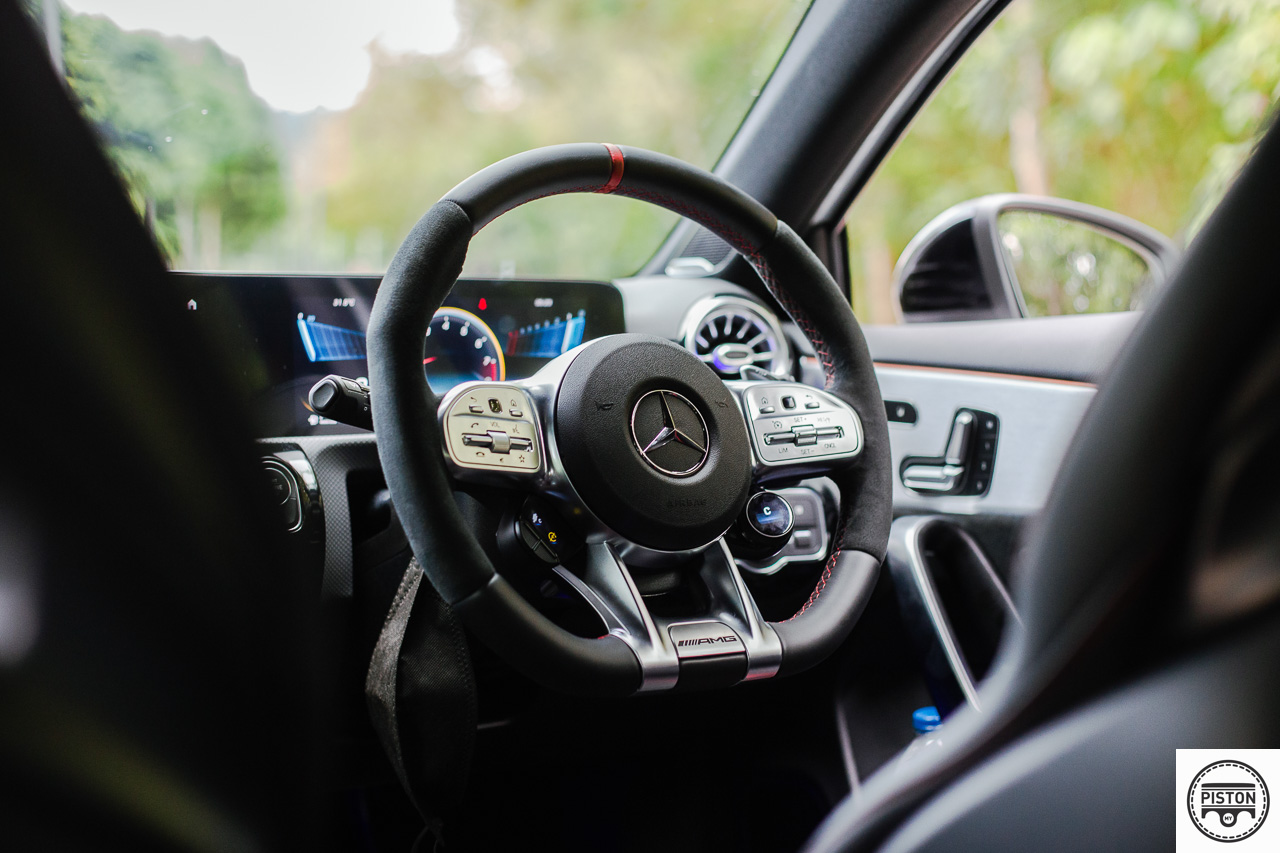
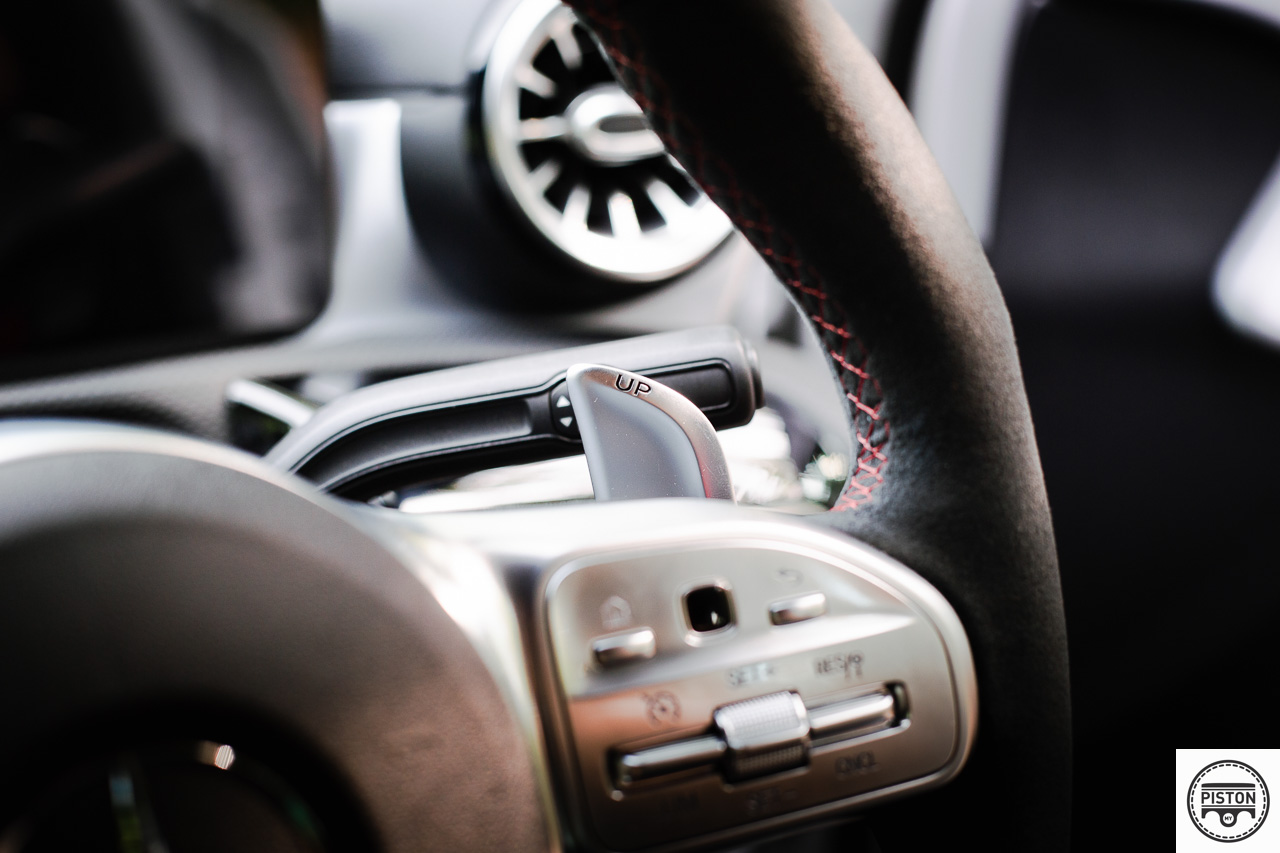
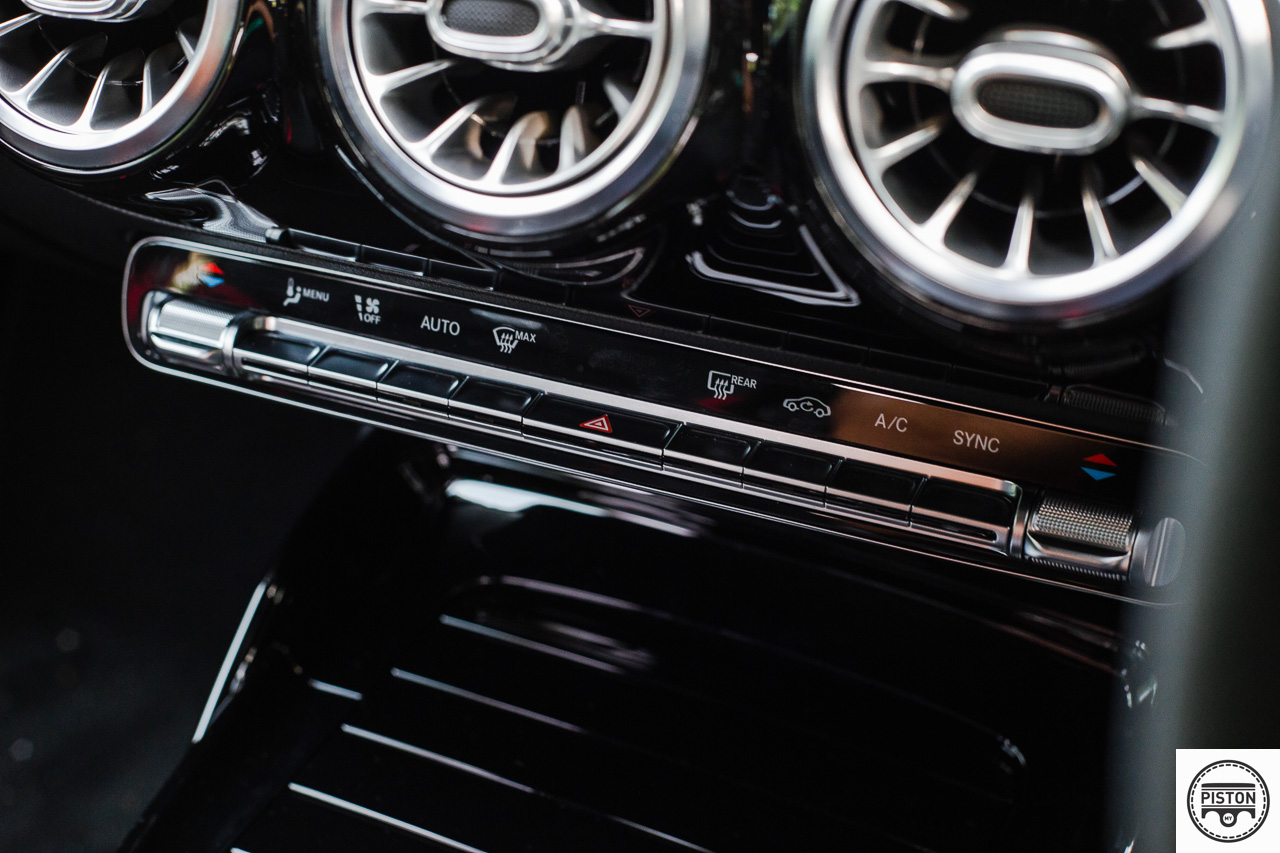
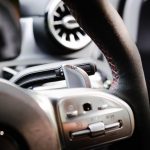
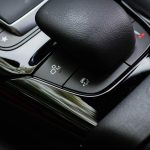
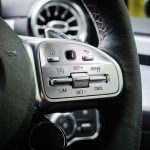
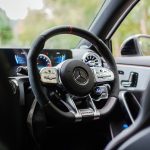
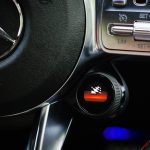
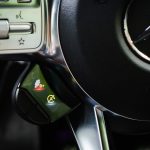
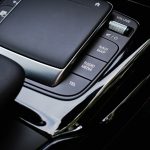
I like the driving modes because it turns the beast into a little charmer when the going is steady. And you select the different driving modes via a switch at the centre console, or a dial located on the steering wheel. Which curiously looks like it was inspired by Porsche’s boost button that is similarly located at the same place as the Mercedes. Talking about drive modes, this takes me to my next point.

How does it drive?

As you would expect of an AMG – but more! Because of the aforementioned driving modes, the car really does have a near Jackyl & Hyde character at the touch of a button.

Select Race mode and it turns into a fire breathing dragon that will have your passengers unashamedly offering their recently consumed lunch to the floor mats.

This is of course the point at which the car is at its finest. The most AMG you can get in a hot hatch.

In this mode, the acceleration is so fierce that I sometimes forget to breathe. This mode is also way past my skill level so I only dabbled with it a couple of times, for giggles.

In Sport mode though, the car simply offered a glimpse of what it was capable of doing. I am not sure why anyone would select this mode when you can simply go full power in Race mode. Perhaps this is to scare passengers without scaring yourself.

Comfort is the mode I spent most of my time in because I reckon the people who buy this car will be spending a lot of their time commuting in this mode except for that occasional blast up to their favourite roads.

Unless you have a car for different purposes.

Simply put – the A45S AMG has a mode for every mood you are in. And if you don’t know what mood you are in, there is individual mode that lets you select how you want certain elements of the car to feel like. Such as the suspension, the accelerator and the heft of the steering wheel.

But it can also be very tiring to live with. Simply because you are always aware of what is under your right foot, you tend to take short cuts.

Such as when you are cruising along in traffic and see an opening that would get you to your destination quicker. Usually you would not think of such a manoeuvre because it wouldn’t be very nice to cut anyone off.

But with 421hp under your right foot in such a small car, it is as simple as nudging the throttle, and listening to the turbos spool in about a quarter of a second and before you know it you are already in that small opening in traffic. All this without disrupting the pace of traffic, save for that small annoyance to the driver you just cut off.

Should you buy it?

Of course you should! This car will go down in history books as a legend. It is up there with the hot hatch greats such as the Renault 5 Turbo. It is a car that history will remember and will forever speak about as that car that once had the most powerful four-cylinder engine in the world.

It doesn’t only have the most powerful engine, but it is also incredibly fun to drive.

As tiring as it can be, I looked forward to getting into the seat every chance I got.

The interior too can be a charming place to be in. With a Burmester sound system offering a orchestra-ish experience and enough USB plugs to light up an LED christmas tree, it has almost everything you could want.

Buy it if you can. Get someone else to buy it if you can’t afford it. Create opportunities to drive it every chance you get. Because cars like this don’t come often. We motor heads are lucky to be alive during the era of the A45S AMG. Enjoy it any chance you get.

As for the price, Mercedes-Benz Malaysia wants RM437,673.41 for the A45S AMG. Which is a lot of coin for an A-Class. But don’t think of it as an A-Class, because it will never make sense to fork out that much for such a small car. Instead, think of it as a fire-breathing baby-AMG – perhaps then it would make sense.

There is a scientific theory that a ‘Big Bang’ occurred at the beginning of the universe. Likewise, it was many ‘bangs’ which were at the beginning of a development in the automobile’s history which would save thousands of lives. These were the tests conducted by the engineers at Mercedes-Benz in the 1960s to develop the airbag system which almost every car sold today must have.

“We used missile technology,” Helmut Patzelt, one of the founding fathers of the airbag and an expert in pyrotechnics, remembered. “A missile receives its thrust from discharged gas, and we applied this very principle. The only difference is that we trapped the gas – inside an airbag.”

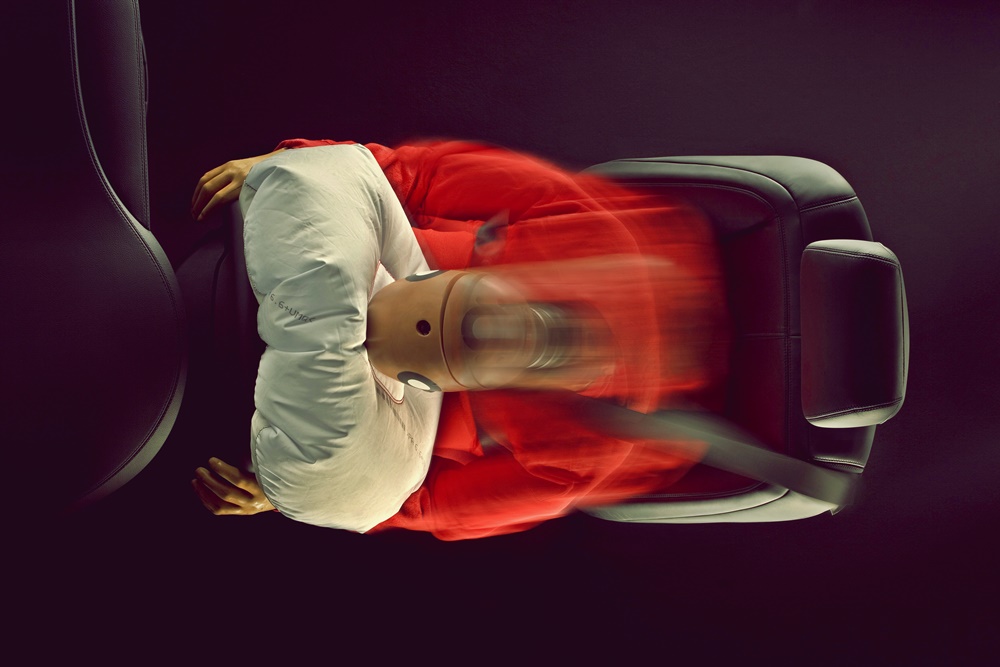
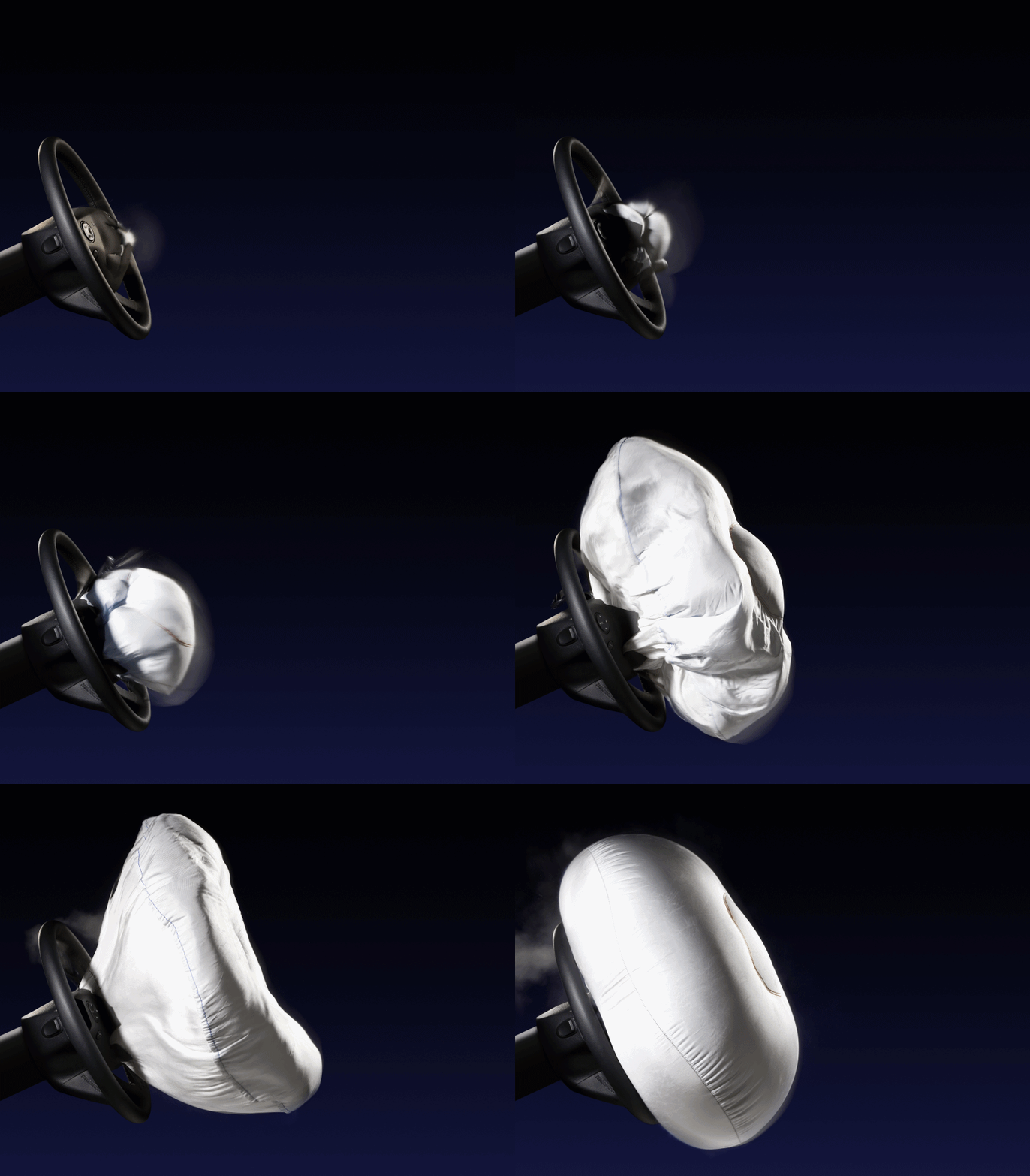
At the moment of a frontal collision, the airbag starts to inflate at over 300 km/h and immediately after it is fully inflated, the pressure is released to have an absorbing effect. The entire process takes place in the blink of an eye and is certainly much quicker than what this animation shows.

It was with this type of triggering test that Mercedes-Benz began to develop the idea of the airbag in 1967, prompted by two developments which affected automobile design: the rapidly spiralling number of accidents during the 1960s and a resultant series of new laws in the USA, one of which required an ‘automatic occupant protection system’ for every car in the USA from 1969 onwards. “We can no longer tolerate unsafe automobiles,” declared Lyndon B. Johnson, the President of the USA then.

And so it was that previously ignored inventions – for which patent applications had been submitted by German Walter Linderer and American John W. Hedrik as early as 1953 – suddenly took on a whole new meaning. “A folded, deployable receptacle which inflates automatically in the event of danger” was a fascinating idea; yet, at that time, the technology required to make it happen simply did not exist. This was the cue for the automotive engineers to commence their explosive experiments.

By 1970, the pressure on the developers increased when the newly-formed US highway safety authority (NHTSA) stipulated that driver airbags would be a legal requirement for all new cars – starting as early as January 1, 1973. No sooner had it been made a requirement than the airbag became the subject of a long-running dispute. “The airbag will kill more people than it saves,” claimed critical voices that joined the debate in the USA.

As a consequence, the introduction date was changed to 1976. And even after that, the production launch had to be postponed on several other occasions. Alarmist statements and uncertainties had people wondering if the airbag was just ‘a lot of hot air’. Hansjurgen Scholz, who was then project manager for passive restraint systems at Mercedes-Benz, remembered that period only too well: “When a fatal accident involving an airbag occurred in the USA in 1974, most of those involved deserted the project like a sinking ship!” All of a sudden, the development team at Mercedes-Benz found that they were left on their own, without any outside support. Other German manufacturers also failed to see the potential of the life-saving airbag at the time.

But the team of engineers was not ready to give up. “We had recognised the enormous potential of the air cushion. And we were not going to throw away our trump card,” said Professor Guntram Huber, a former director of development for passenger car bodywork at the German carmaker. He  would later be awarded the ‘Safety Trophy’ by the American Department of Transportation for his role in the introduction of the airbag.

The inside of a steering wheel with an airbag system. The white section is the folded airbag and below it are the pellets which reaction to generate a gas that inflates the airbag at very high speed – like the firing of a rocket exhaust.

And so it was that, in 1974, Mercedes-Benz decided to go ahead and put the airbag into production, regardless of the seeming negative sentiment in the US market concerning airbags. What’s more, the idea was to offer the safety device in the world market and not just the US alone.
The technological challenges that had to be overcome when developing this innovation, which finally led to the unveiling of the world’s first driver airbag in December 1980, were immense. A new product had to be created entirely from scratch. Problems that required solutions included the sensor-triggered deployment mechanism, the gas generation process, the tear-resistance of the airbag fabric, the effects on health and hearing, functional reliability and the crucial issue of how to prevent unintentional activation. Given the intrepid test methods employed – they were, after all, based on missile technology – the authorities were quick to offer resistance, at first putting the triggering mechanism used to inflate the airbag in the same category as fireworks. In Malaysia too, early perception of airbag systems by the authorities was similar and required companies to have rooms akin to bomb shelters to store airbag systems! For this reason, all those involved in the development of the airbag had to attend an explosives course. Following initial tests with liquid gas cylinders, the breakthrough was finally achieved by using a solid fuel for firing the airbag.

Toxicologists also had their say, querying the emissions left behind inside the car after deployment of the airbag. But the developers were able to allay these fears as well, since the solid fuel pressed into tablet form – consisting of sodium azide, calcium nitrate and sand – left behind predominantly non-hazardous nitrogen gas and small quantities of hydrogen and oxygen. It did, however, get smoky inside the cabin, leading people to sometimes fear that a fire had started.

In their efforts to overcome the technical hurdles before them, many of the ideas the engineers came up with were highly unconventional. Since the sound of the deploying airbag was above the pain barrier but only lasted for 10 milliseconds, the effect on the eardrums could not be clearly ascertained at first. The engineers therefore installed a cage containing 15 canaries in a test car to determine the harmful effects of the noise, gas emissions and air pressure during deployment of the airbag. Not only did all the canaries survive the test, they also remained their usual lively selves…

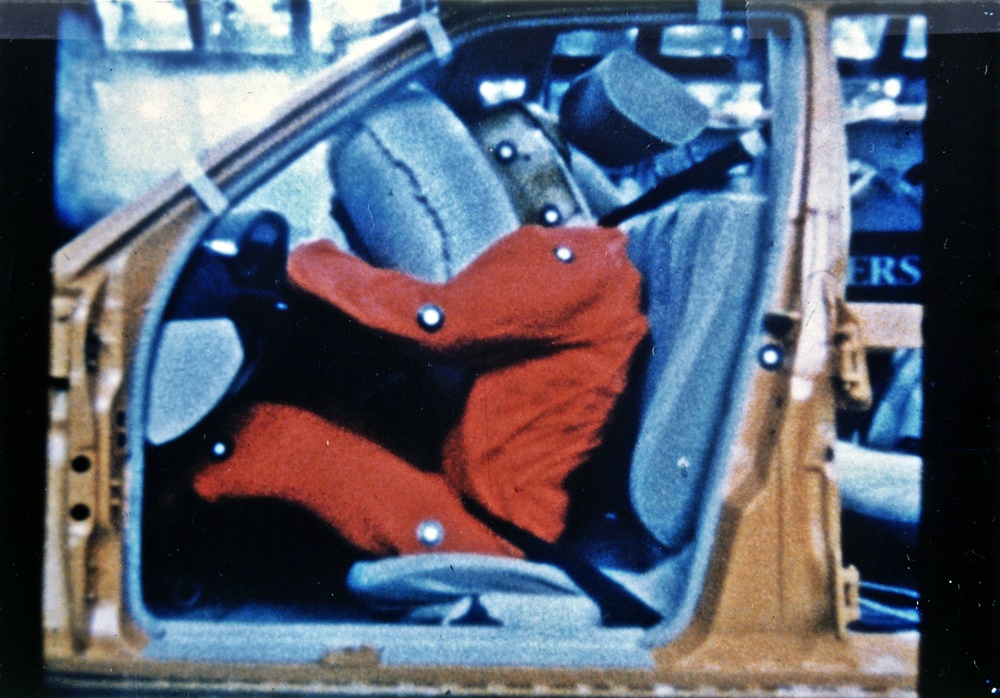
Testing airbags under development in 1969.

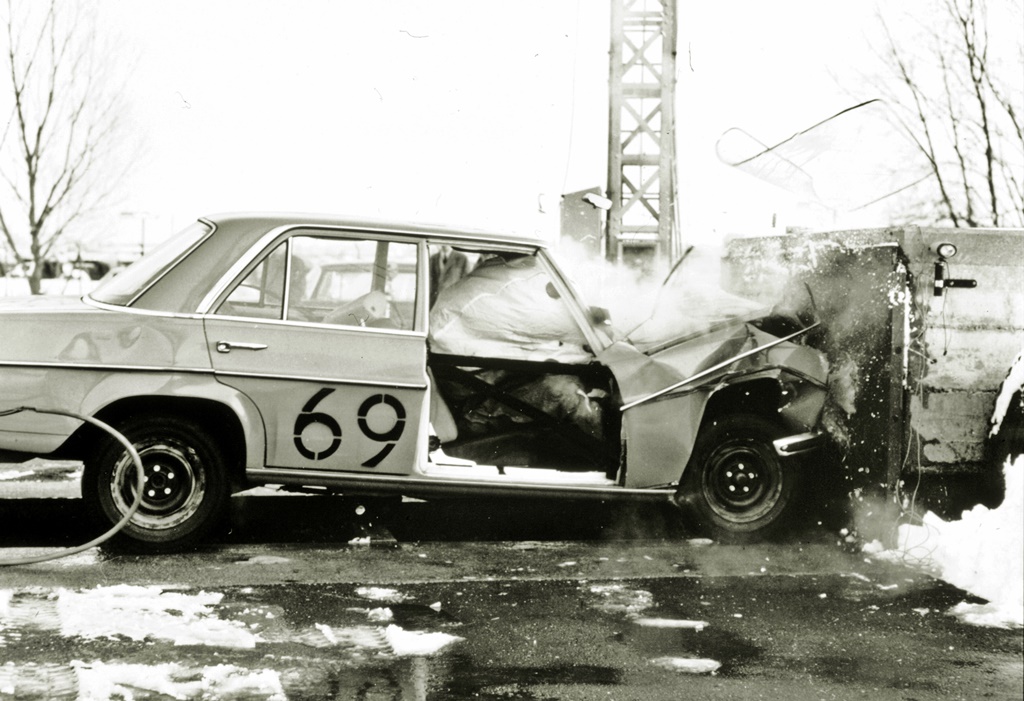
Some 250 crash tests on complete vehicles, around 2,500 sled tests and thousands of component tests provided the airbag pioneers with invaluable knowledge to help the airbag on its way to full series production. The primary concern in all the tests was stopping the car airbag from deploying unintentionally – a horror scenario for the developers. In early tests, the airbag would sometimes go off even when the vehicle was at a standstill, meaning that the engineers also had to develop the electronic system from scratch. The sensor only had a few milliseconds in which to deploy the airbag – still very much a fanciful idea in those days. As if that were not enough, the sensor had to be able to function reliably for several years at extremely low or very high temperatures with constant fluctuations in humidity, depending on the country.

Some 600 test cars took part in road tests, off-road trials and rally events, clocking up in excess of 7  million kilometres, in order to ensure that the sensor could perform its vital, life-saving function. In addition, the engineers, technical experts and office staff had to literally put themselves in the firing line. They sat at the steering wheel to gauge the effects of the airbag as it deployed in an emergency, all under the watchful eye of the project team who recorded the results.

Last but not least, another issue which had to be resolved before the first airbag was allowed to be installed a production car in December 1980. Even 40 years ago, Mercedes-Benz was thinking of the environment and had to consider disposal of airbags; in other words what to do with the airbag when the car reached the end of its life or after it actually did its life-saving work.

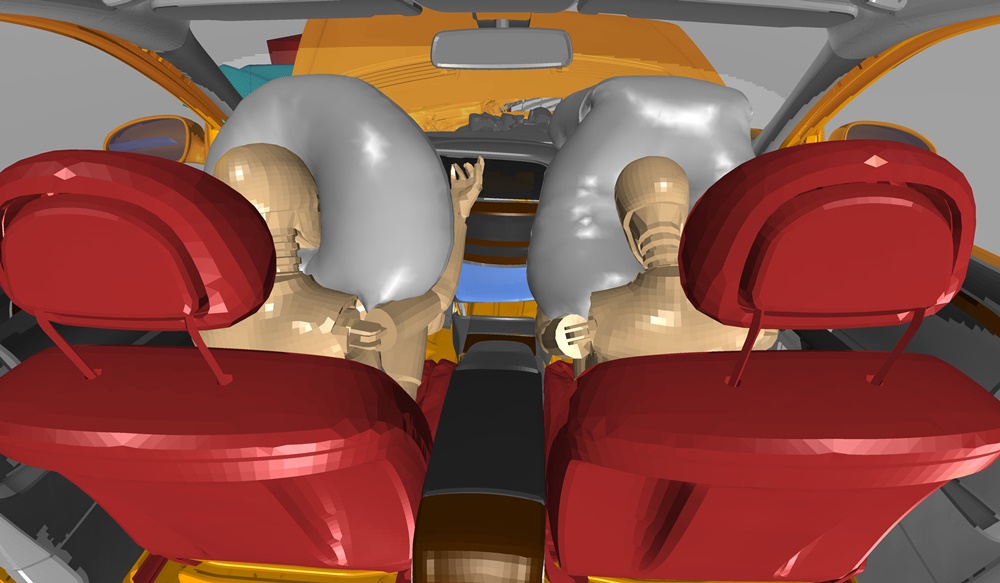
Following the world premiere of the driver’s airbag in a W126 S-Class in 1980 (above), the specialists in the safety development department set about building upon their lead, using their know-how to further develop the safety system. This led to the installing a second airbag for the front passenger which was introduced in 1988. Then, in 1992, all Mercedes-Benz models were fitted with a driver’s airbag as standard globally, with the passenger airbag eventually becoming standard as well in 1994.

A further milestone in passenger car safety was achieved in 1995 when the side airbag made its debut in the E-Class following a development period of around 10 years. The side airbag against each front door presented new challenges for the developers as it only had 20 milliseconds in which to deploy following a crash. In contrast, the front airbag enjoyed the comparative ‘luxury’ of around 40 milliseconds (a millisecond is one-thousandth of a second… quicker than even a blink of an eye).

Mercedes-Benz Airbag Story
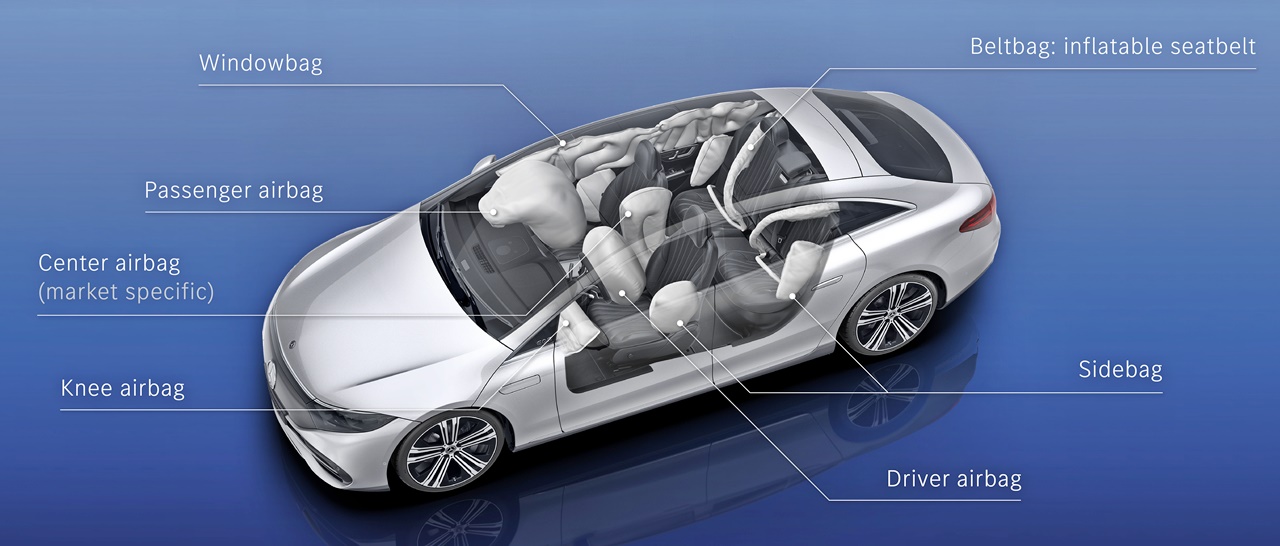
Today, most Mercedes-Benz models have multiple airbags systems around the cabin to provide maximum protection during an accident, even from collisions against the sides.

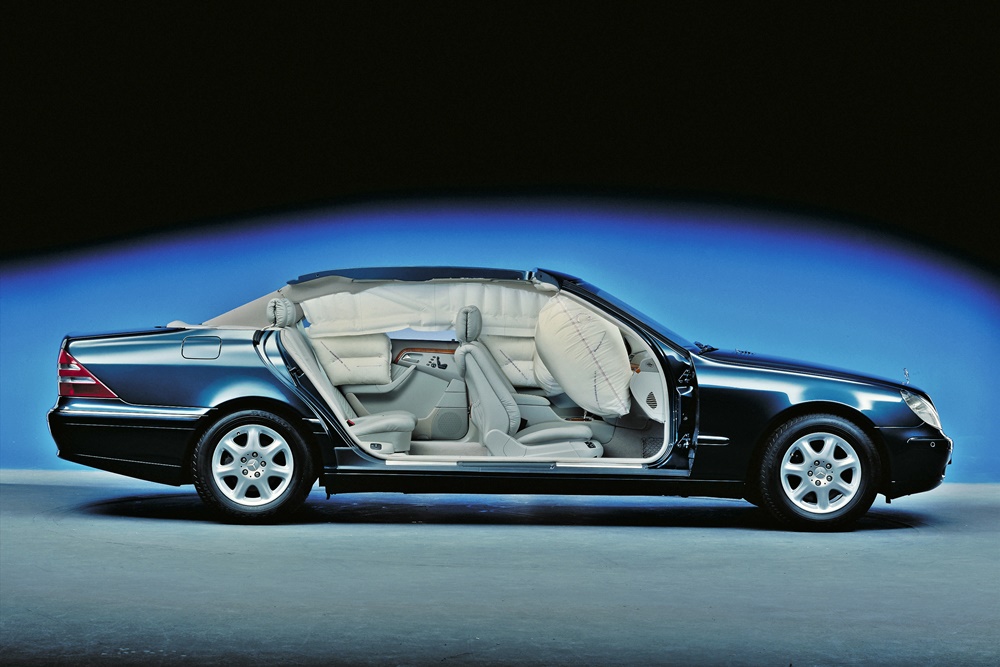
The next milestone in airbag history – the windowbag – came in 1998. In the event of a side impact, it inflates across the side windows to form a curtain, its large dimensions providing a wide area to protect the heads of both the front occupants and the rear passengers. Windowbags can prevent the head from hitting the side window, roof pillars or roof frame and are also capable of catching any fragments of glass or other objects propelled into the interior following a collision or subsequent roll-over, which constitute an additional injury hazard. They can also prevent people from being ejected during a violent impact.

An early concern was the presence of a childseat on the front seat – a very dangerous situation which manufacturers warn drivers of. The powerful impact of a deploying airbag can force the childseat against the backrest and cause serious injury to the child in it and it will be lethal if the child is facing forward. For this reason, Mercedes-Benz engineers developed automatic child-seat and front-passenger recognition systems which enable the ideal airbag response given the situation in hand. Similarly, the front airbag, sidebag and belt tensioner on the front passenger side are deactivated when the seat is not occupied.

The development of airbag systems has not stopped at Mercedes-Benz. On the contrary, new technologies have improved performance and functions. Today, the airbag has evolved into a highly complex and sensitive electronic system – a high-tech product that adapts to suit the seat occupant and the accident situation, responding accordingly before the driver has even had time to fully register any precarious accident situation. This lightning-fast reaction time is down to electronic triggering sensors and gas generators which allow the front airbags to deploy in stages, depending on the severity of the accident.

The life-saving air cushion will continue to be a vital component at the heart of the safety equipment package for all Mercedes-Benz vehicles. And apart from regulatory requirements, which Mercedes-Benz has always met or exceeded, many future features and improvements will also be guided by what happens in real-life accidents. For the engineers, this means making airbags effective enough to cover a wide range of accident scenarios and ensuring that they can be deployed in accordance with the severity of the accident.

Mercedes-Benz S 680 GUARD 4MATIC comes with protection against bullets and explosives

The resumption of activities in the car industry seems to be bringing a flood of new models… as if these were all parked in the yards just waiting to be launched. Of course, during the two and a half months of shutdown, plants were not turning out cars so there must be a rush to complete assembly since permission was given to restart from mid-August.

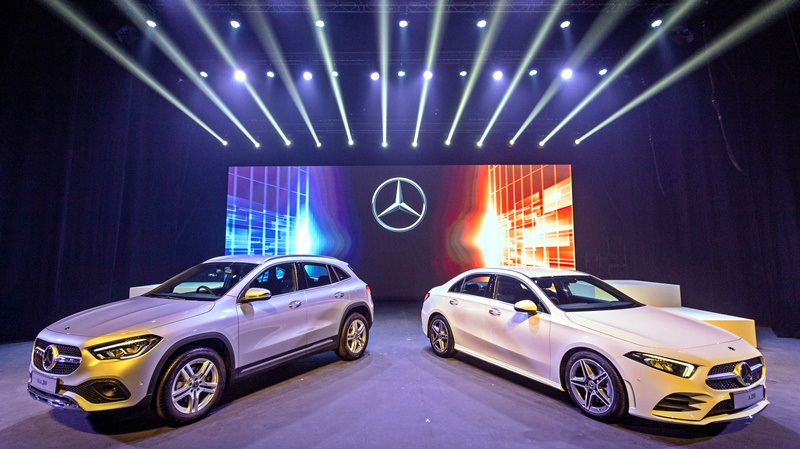
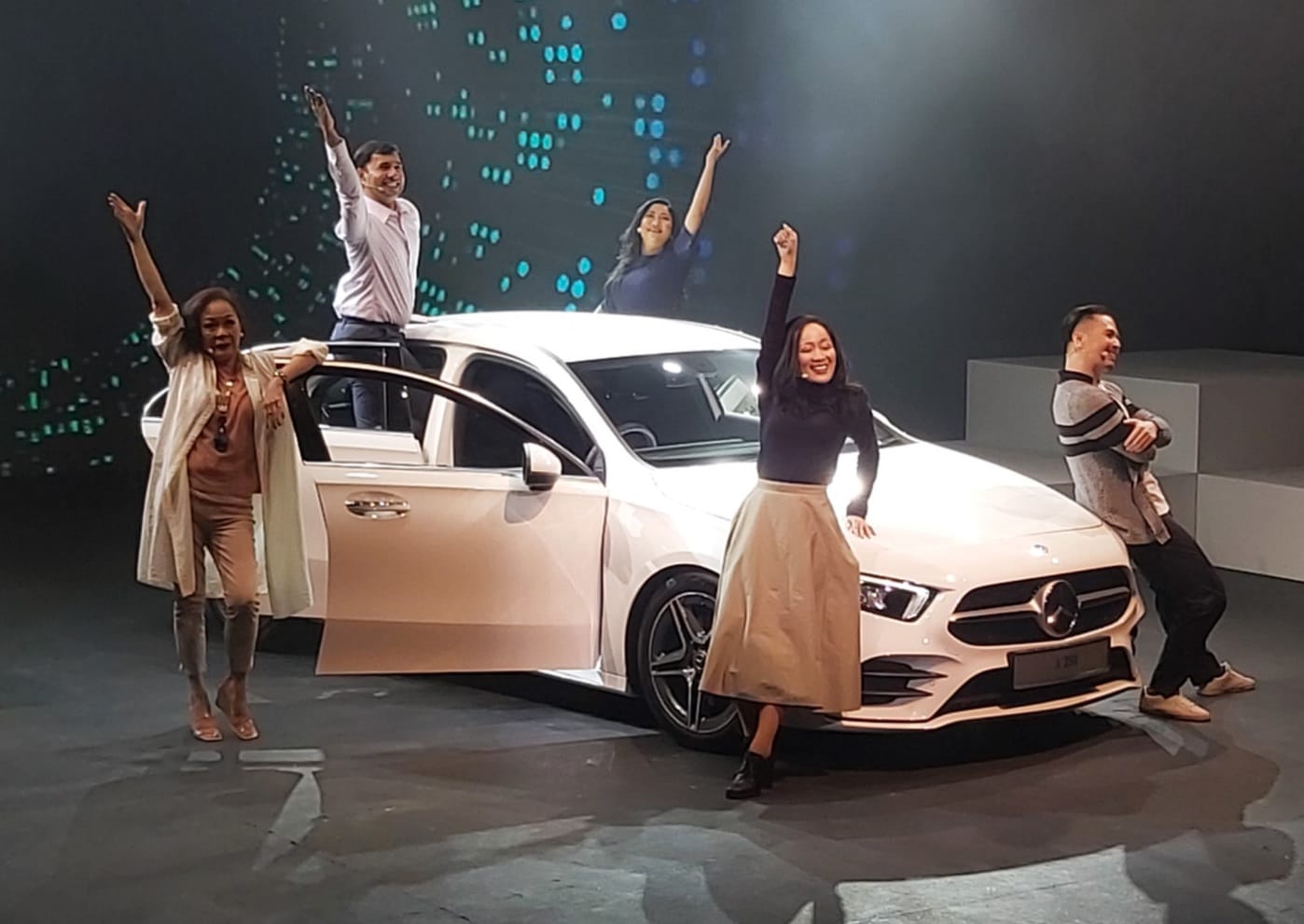
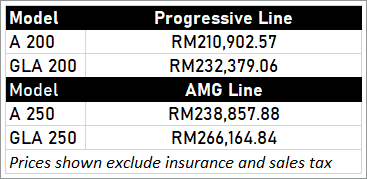
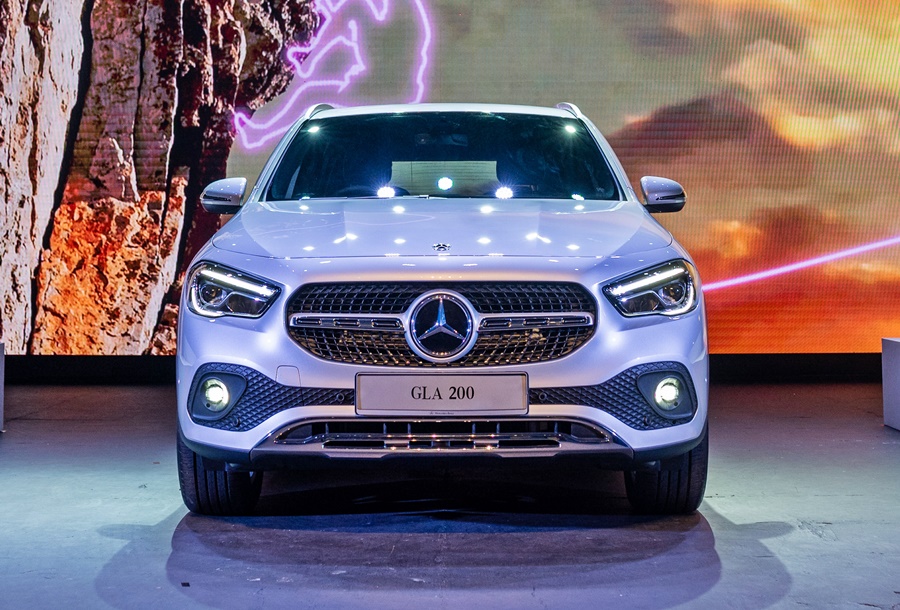
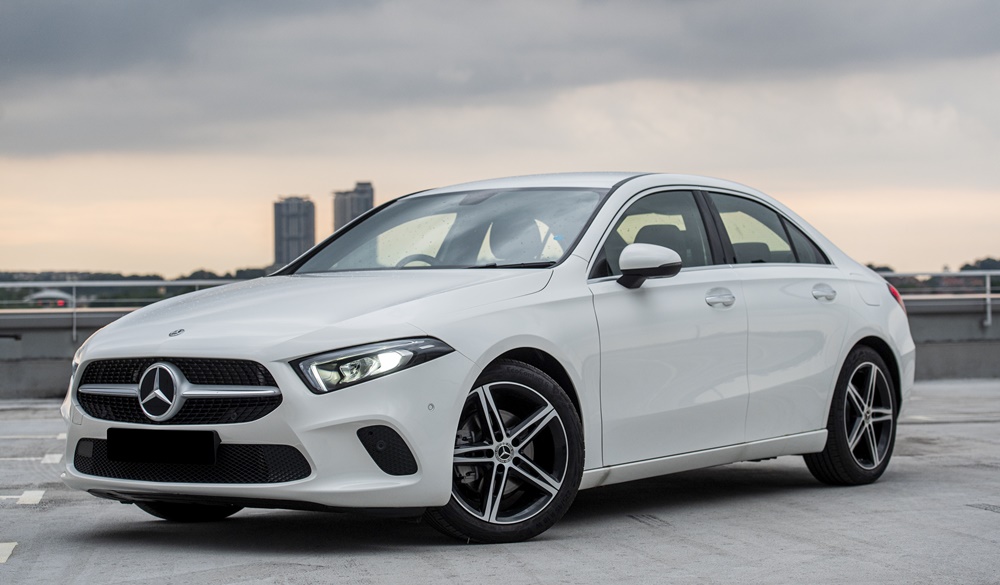
Launched into the market today are the locally assembled versions of the Mercedes-Benz A-Class Sedan and GLA, both offered in Progressive Line (A 200 and GLA 200) and AMG Line (A 250 and GLA 250). Assembling locally at the plant in Pekan, Pahang, means that the entry-level models can be priced lower due to incentives offered by the government. Depending on the model, reductions (compared to the price if the model was imported as a CBU) are up to RM17,100 as the following chart shows:

Mercedes-Benz

Mercedes-Benz

If the cars are purchased before the end of 2021, there are additional savings from the exemption of sales and service tax which is significant at these pricing levels. And because the models are assembled locally, the exemption is 100%, rather than 50% for models that are not assembled locally. So if you are keen on one, you have about two months left to get it at a cheaper price. Units are immediately available so you won’t be made to wait past the exemption period.

Returning to the new models, both are already familiar to Malaysians, having been available earlier. In fact, the latest GLA was introduced late last year but where the imported CBU GLA 250 had 4MATIC all-wheel drive, the locally assembled one does not. The A-Class Sedan, in its current form, has been in the market since April 2019.

Mercedes-Benz
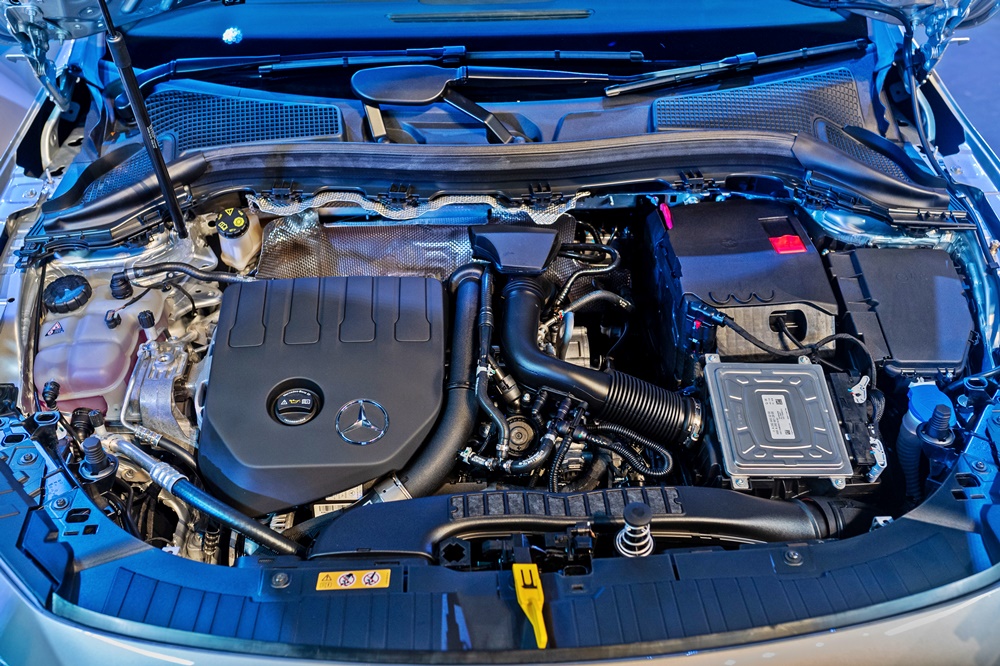
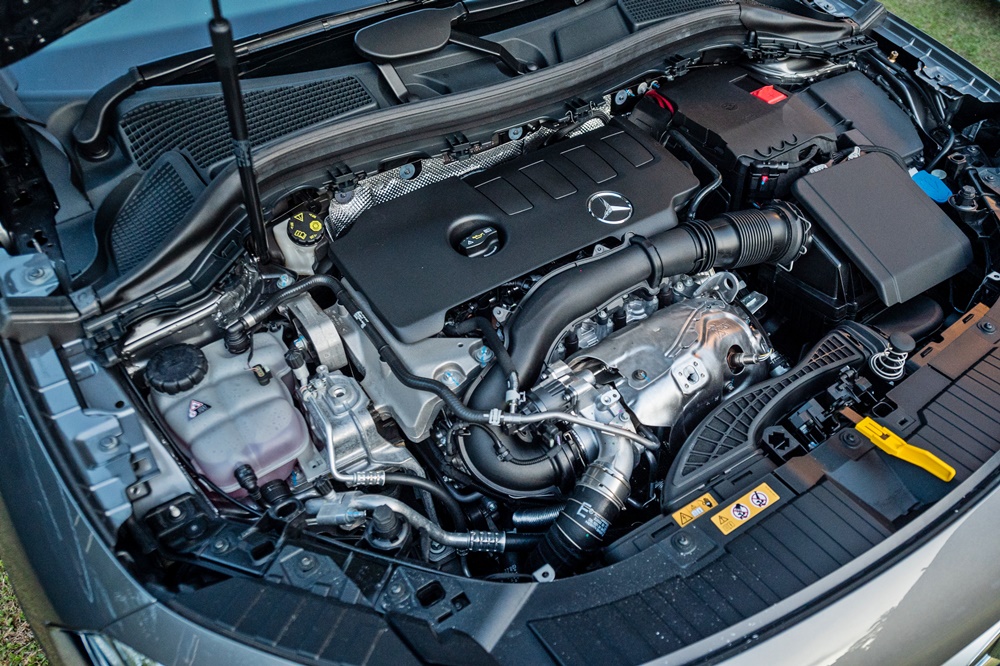
The A 200 and GLA 200 have a 1.3-litre turbocharged engine (above), while the A 250 and GLA 250 have a more powerful 2-litre engine (below).

Mercedes-Benz

Same platform and engines
Both models sit on the same platform with MFA2 (Modular Front-wheel drive Architecture 2) which makes it possible for the plant to assemble two different bodystyles. They also share 4-cylinder turbocharged powertrains – the A 200 and GLA 200 using the 1332 cc M282 unit with 163 ps/250 Nm, and the A 250 and GLA 250 powered by the 1991 cc M260 engine that produces 224 ps/350 Nm. The smaller engine is paired with a 7-speed automatic transmission while the bigger one has an 8-speed DCT.

Though the A-Class began life as a hatchback over 20 years ago, the sedan version that was added in 2018 has gained greater popularity, especially in markets like Malaysia. The formal appearance seems to be more appealing to customers and though defined as a ‘compact’ model, it still has pretty good interior space and a generous boot volume.

Mercedes-Benz

Mercedes-Benz

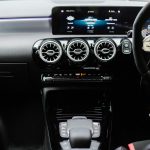
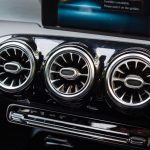
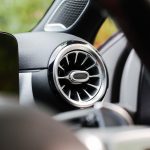
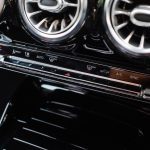
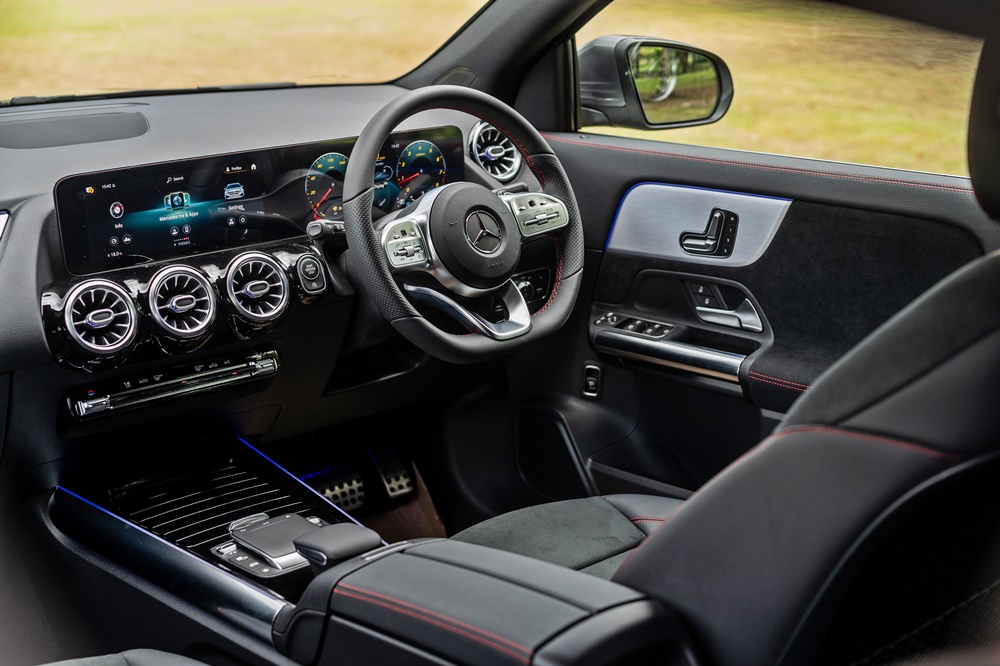
The cabin has the modern, avant-garde look that characterizes the current generation of models with the 3-pointed star. A lot of attention has been given to the dashboard design and its integration with the interior architecture. The designers completely dispensed with a cowl and created a wing-shaped form that extends without visual discontinuity from door to door. The five air vents are also a highlight of the dashboard with their high-quality turbine look and meticulously designed air guidance vanes.

Mercedes-Benz

Mercedes-Benz

Mercedes-Benz

Intelligent and intuitive MBUX
Also present in all models is the intuitively operated MBUX infotainment system (Mercedes-Benz User Experience). The much-publicised MBUX system comes with standard features, but an owner can very quickly personalize the system with the wide range of options. The intelligent system keeps learning about the owner, enhancing personalization, and the software can also be updated periodically to provide new or improved features.

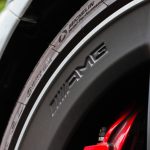
While the equipment of the Progressive Line is fairly comprehensive and includes extras like a Comfort-oriented suspension option, the AMG Line has sportier features that are in keeping with the high performance image of the sub-brand. These include the detailed grille and larger 19-inch AMG alloy wheels. Incidentally, all variants come with the same LED High Performance headlights as well.

Utility and variability
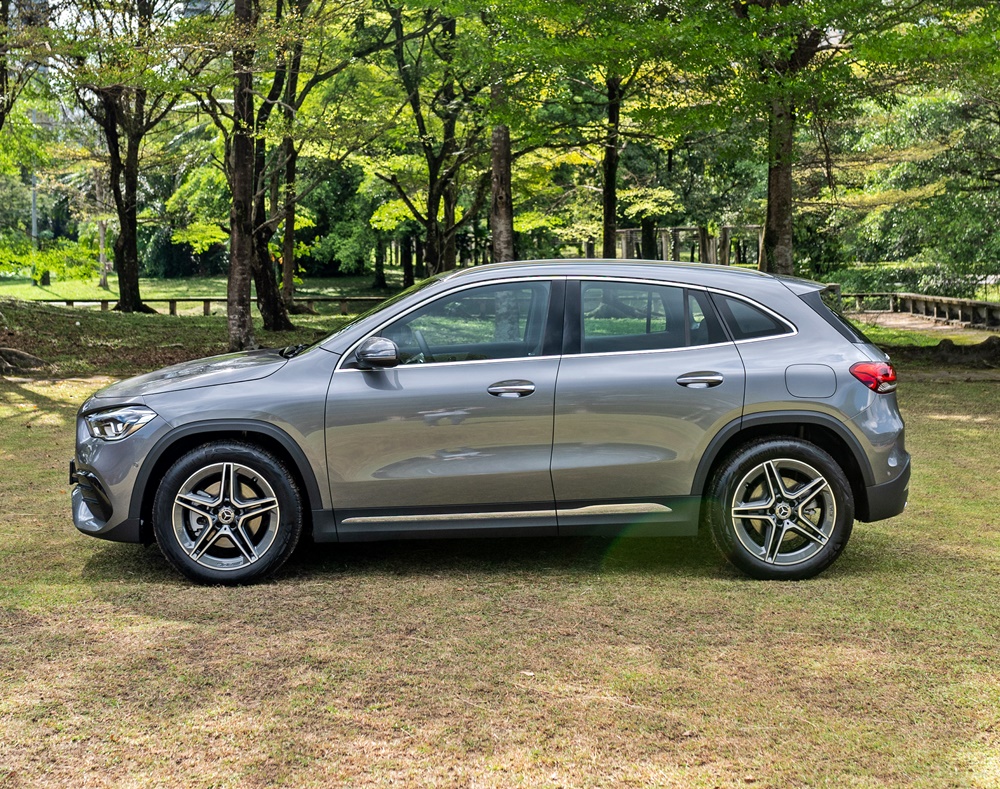
The GLA, being a SUV, offers more space inside and the occupants are also seated higher up. With ‘utility’ in the middle of its name, there is much utility value with flexibility to move people or cargo or both with variable layouts. The load floor is also height-adjustable and can be configured into a long, almost flat, space all the way to the front seats.

Mercedes-Benz

Both models come with many driving assistance systems which offer the driver cooperative support to avoid accidents. The systems can automatically activate the brakes if a collision is imminent and the driver has taken no action to prevent it. In the GLA 250, Blind Spot Assist warns of vehicles, including bicycles, in the blind zone and also signal the driver with a visual warning in the exterior mirror if a vehicle is driving past if the door is about to be opened.

Mercedes-Benz

Review: Mercedes-Benz A35 AMG – A double edged sword that will have you loving it and hating it!


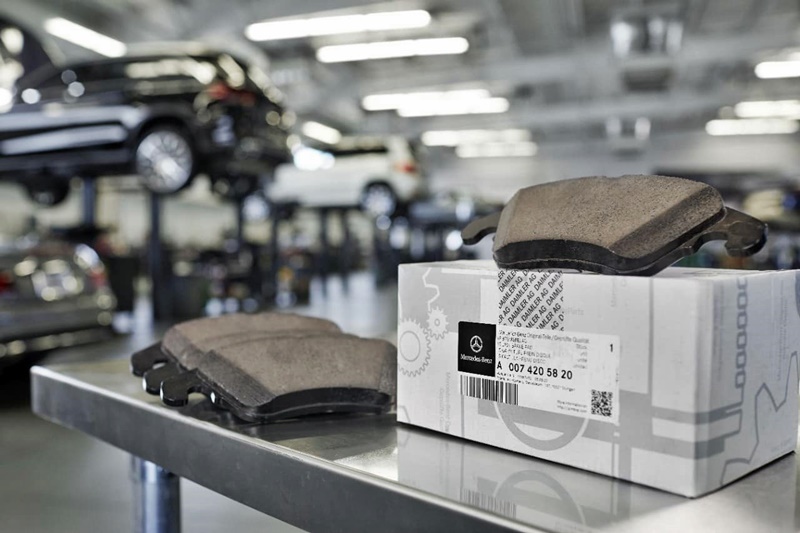
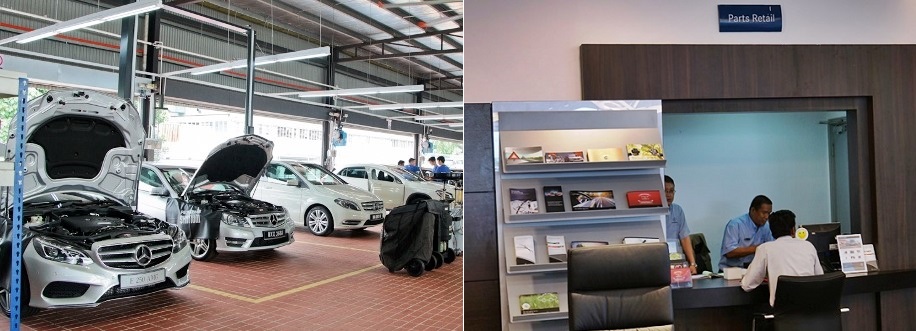
Mercedes-Benz has finalized the planning for a regional After-Sales Logistics Centre in Malaysia which will start operations from 2024.The German carmaker has signed a long-term lease agreement for the location and will partner with Tiong Nam Logistics Solutions Sdn Bhd to establish the new facility in Senai Airport City outside Johor Bahru.

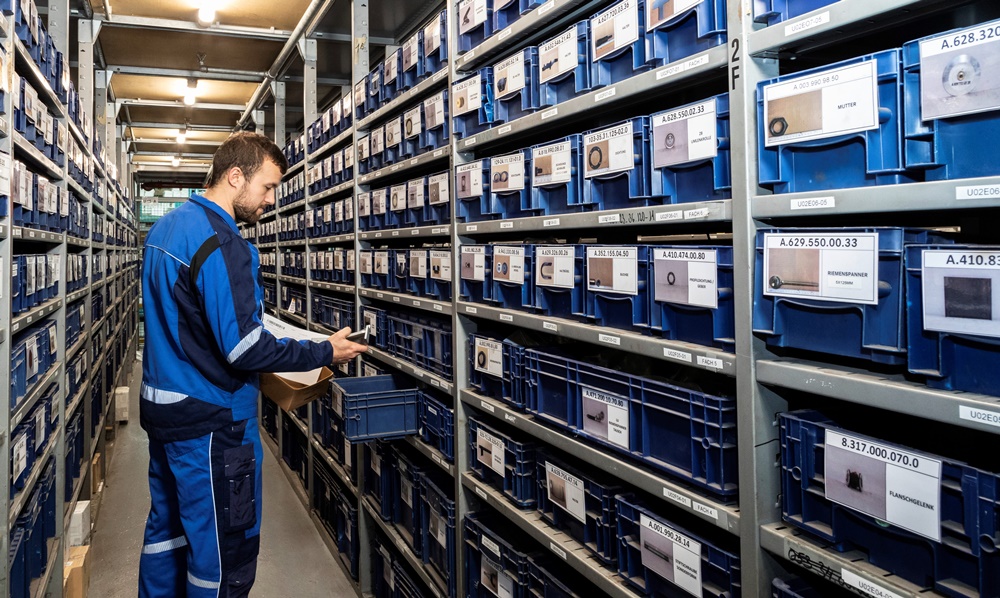
The warehouse size of the planned location will be approximately 1,000,000 square feet. The building management system of the new warehouse will be equipped with the latest storage and material-handling systems. Operation of the facility will be by Mercedes Benz Parts Logistics Asia Pacific (Malaysia) Sdn. Bhd, a 100% subsidiary of Mercedes-Benz AG.

Part of global supply chain network
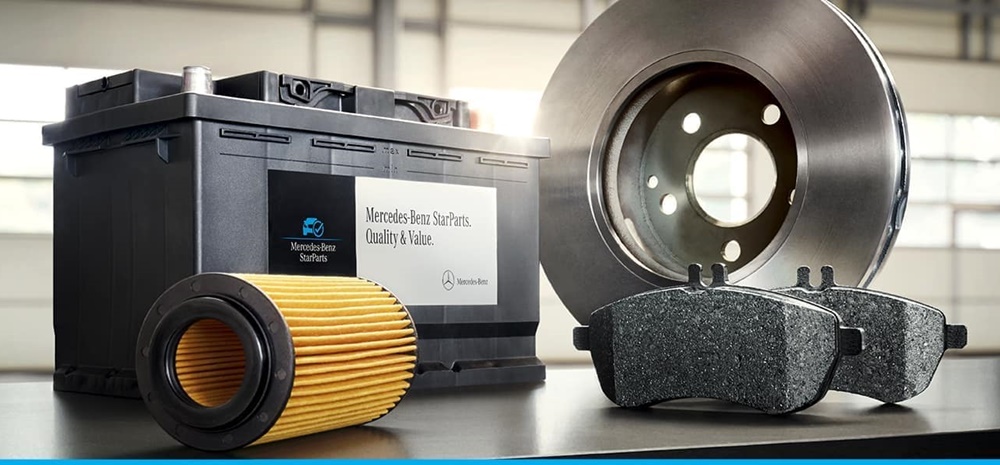
The new distribution centre will be a part of the global Daimler AG After-Sales Supply Chain Network and will serve as a distribution site for spare parts in the Asia-Pacific region and other countries. It will take care of the importation, the storage as well as the regional management of spare parts and accessories distribution.

“With our planned After-Sales Logistics Centre, Mercedes-Benz is committed and will invest to strengthen our foothold in Malaysia. We have found excellent conditions and great support in cooperation with MIDA and the related ministries. Located strategically in Johor Bahru, this new After-Sales Logistics Center will enable us to reaffirm our position as a global and regional distribution hub whilst creating new jobs for the region. Both our customers and our dealer networks will enjoy a good service and high-quality standards through this new infrastructure,” said Thomas Schulz, Vice President Global Service & Parts Operations.

Historically strategic location 
Historically, Singapore’s location at the southern tip of the Malayan peninsular has made it a strategic point for trade. It served as an ideal transit point between East Asia and Europe, and even Australia, hence its development as a bustling trading port. Over the years, while Singapore has been an obvious choice for regional storage by various companies, nearby Johor has also become attractive for logistics activities.

Parts from the regional facility are sent to dealers for use at authorised service centres or for retail sale.

In 2003, the BMW Group moved its regional parts storage facility from Singapore to the Port of Tanjung Pelepas (PTP) in Johor and then in 2017, it again relocated the facility to an industrial zone adjacent to Senai Airport. The facility is a logistics warehouse and parts distribution centre serving over 20 countries.

The Volkswagen Group likewise moved its regional parts facility from Singapore to PTP in 2016. It stores tens of thousands of parts for the Volkswagen, Audi, Skoda and Volkswagen commercial vehicle brands of the German group for distribution to over 20 markets.

Having a storage facility in Johor (or Singapore) is useful for the carmakers as it can speed up deliveries to customers on this side of the world. Customers will benefit as delivery times can be shortened compared to having them come all the way from Europe.  The proximity to the airport as well as the port also mean that logistics can be more efficiently managed.

Upgraded Mercedes-Benz Autohaus in Johor Bahru enhances retail experience for C&C customers

Vaccination does not make you immune to COVID-19 infection. You can still get infected and although you may not show symptoms, you could spread the coronavirus to others. Do not stop taking protective measures such as wearing a facemask, washing hands frequently and social distancing.

For many who have been in a car when it has been involved in a serious accident, the safety features that they may thank for having saved their lives would likely be the seatbelt and perhaps the airbag as well. There’s no doubt that these two safety features have saved tens of thousands of lives and reduced the severity of injuries for many thousand more.

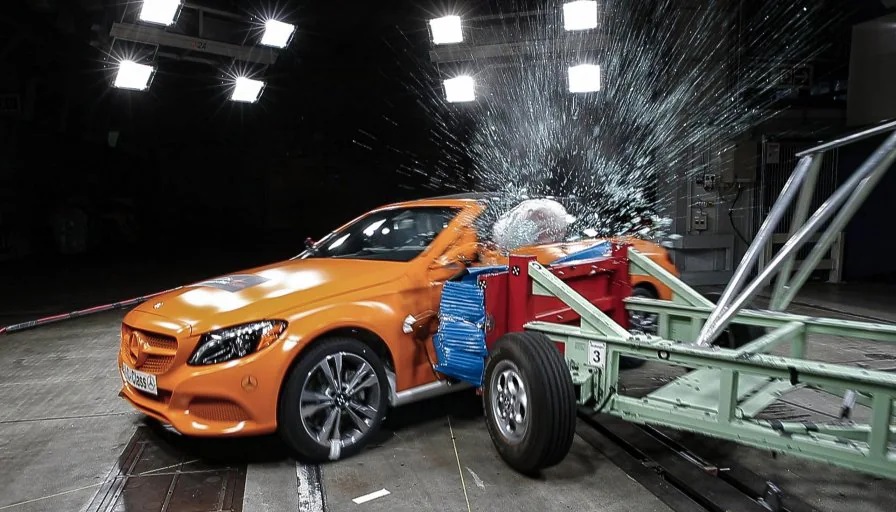
However, just as vital to preventing deaths and reducing injuries has been the structure of the car itself. This is what has first contact with another object – a vehicle, a tree, a lamp post or even a building – and it receives the enormous forces of impacts. These forces are transmitted through the body and each the cabin where they can cause injuries as various parts are smashed into humans.

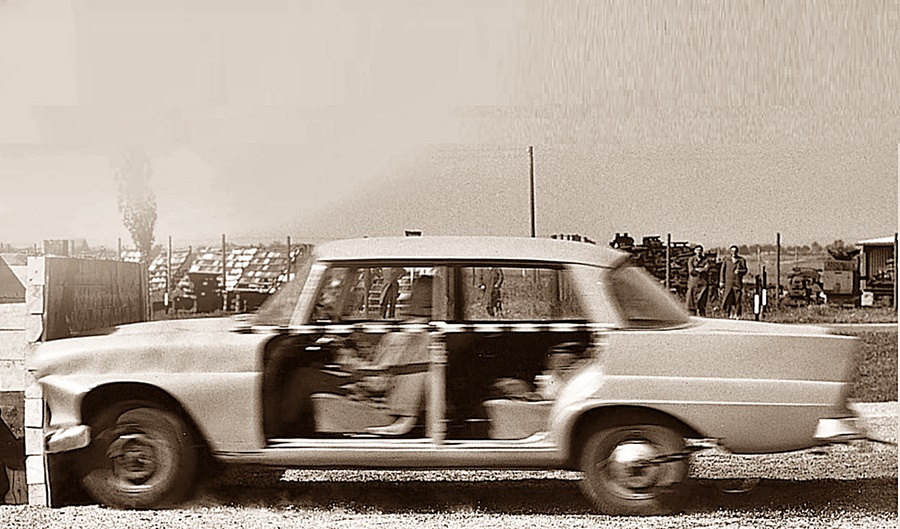
Thanks to pioneering work by a Daimler Benz engineer in the late 1940s, modern car structures have been engineered in such a way as to diminish the impact forces so they do not cause great harm. The engineer was Béla Barényi and his innovation – called the passenger car safety cell – is a fundamental feature of passive automotive safety to this day. It was patented in Germany by Daimler-Benz and described as ‘a passenger car body with a passenger safety cell’. The Patent No. 845 157, which also identified Barényi as the inventor, had the title ‘Motor vehicle, specifically for personal transport’.

The engineer was fortunate to work at Daimler-Benz which was just as passionate about safety as he was. There were other carmakers at that time who carefully avoided topics about crash safety; particularly in the post-war period, nobody wanted to be reminded about the dangers of driving. The topic was viewed as a sales killer right up to the 1970s.

Barényi’s innovation had completely changed how vehicle construction should be with regard to occupant protection. For decades, engineers had taken the approach that the more rigid the body could be made, the better the protection would be during an accident. So a tank would have been very safe – but rather impractical on public roads.

Barényi’s studies showed that that the forces generated during an impact were transferred to the occupants with hardly any prior absorption. And with no seatbelts to retrain them (airbags would come 30 years later), they would also be thrown about the cabin, if not out of it.

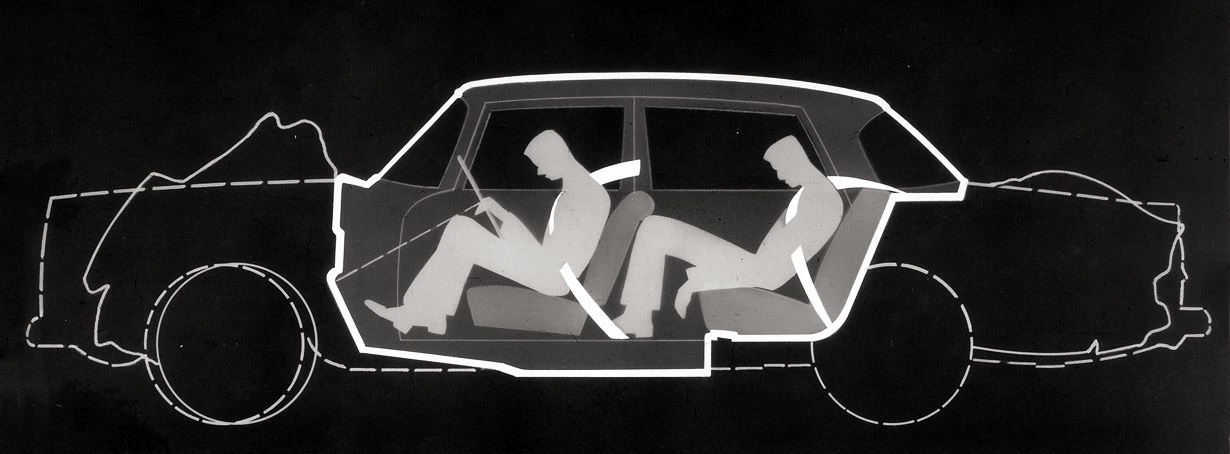
These findings led Barényi to find a way to have absorb the kinetic energy built up during a collision. He came up with an overall vehicle concept which consisted of three cells: the safety cell in the middle where the occupants were seated, and cells at the front and rear which were connected to it. This concept was developed some years earlier when Barényi did his own ‘Terracruiser’ and ‘Concadoro’ studies, and when he joined Daimler-Benz, he was able to realise them.

The text of the patent application explained the purpose of this design as follows: “The forces generated during a collision are […] absorbed by the [front or rear] cell section.” Later on, a catchy expression was coined for these areas of controlled deformation: crumple-zones. The safety cell that encircled the occupants and protected them from the impact forces acting on the vehicle structure also came to be referred to as a ‘safety cage’.

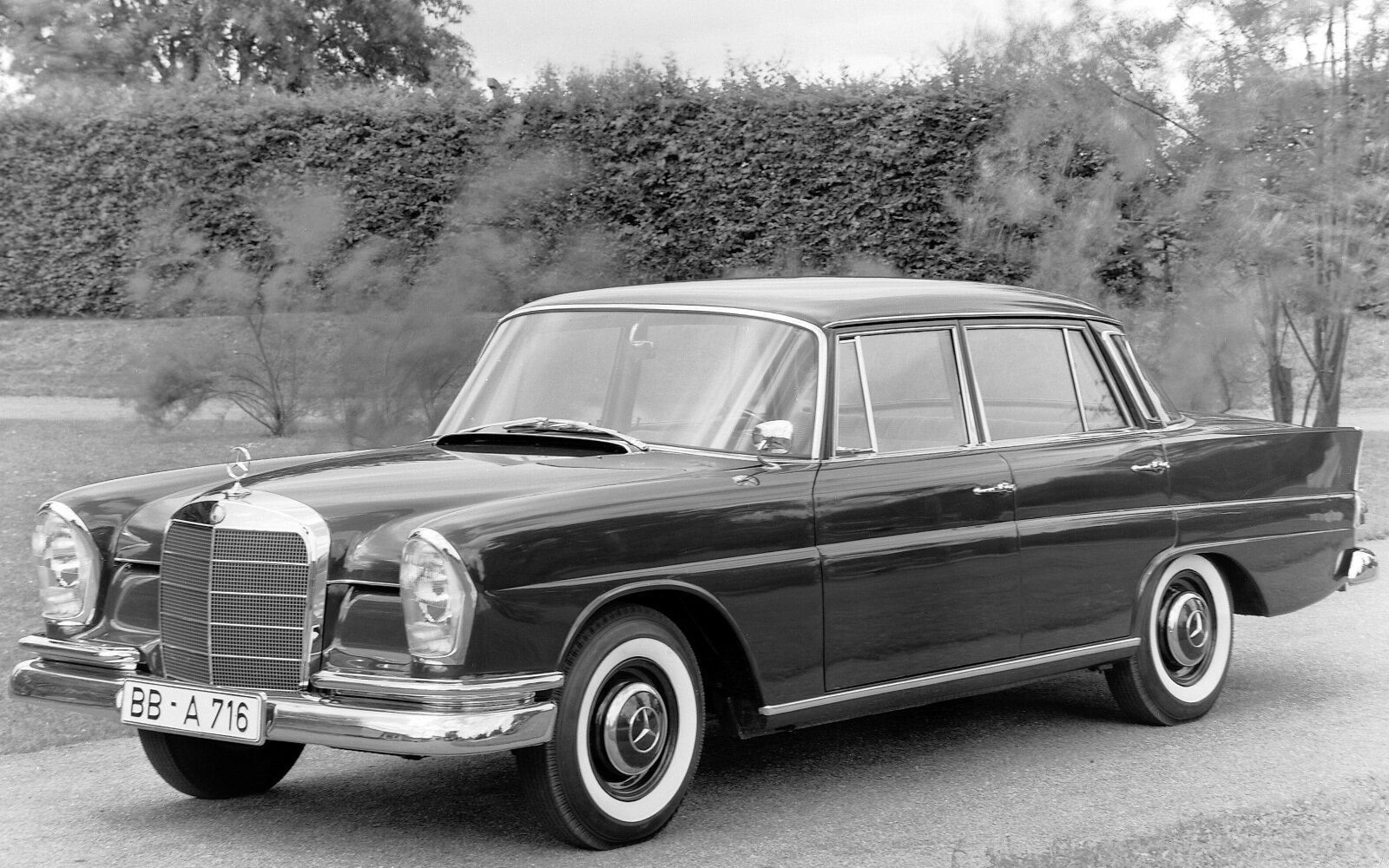
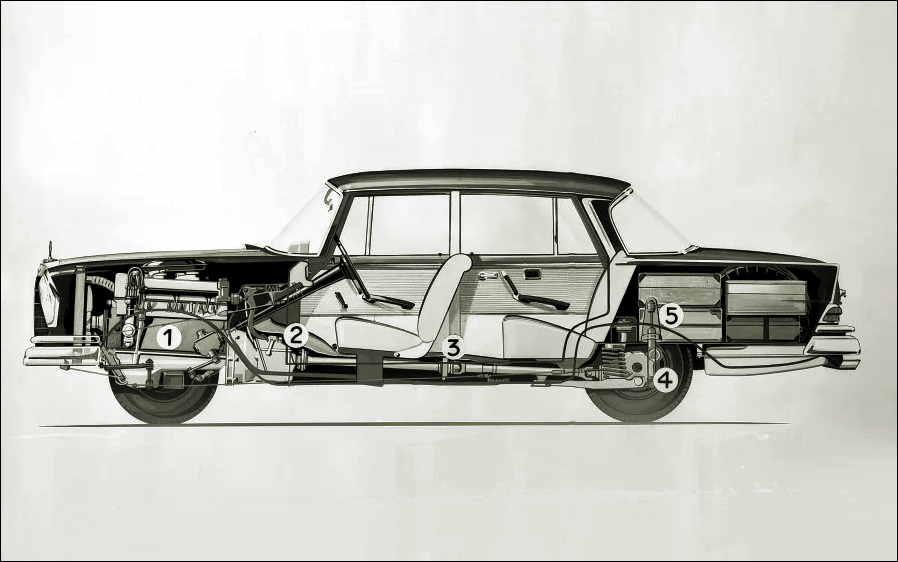
The 1959 Mercedes-Benz W 111 model (referred to as ‘Fintail’) was the first car to have the safety cell concept in its design.

In 1959, the safety body with its rigid passenger cell was used for the first time in a production model – the Mercedes-Benz W 111 series which had the distinctive ‘fintail’. Mercedes-Benz also increased the awareness of developers where automotive safety in general was concerned. The W 111 model also had a new safety steering wheel (also developed by Barényi) with a large impact plate and a deformable connecting piece between the plate and the end of the steering column, which was moved forward.

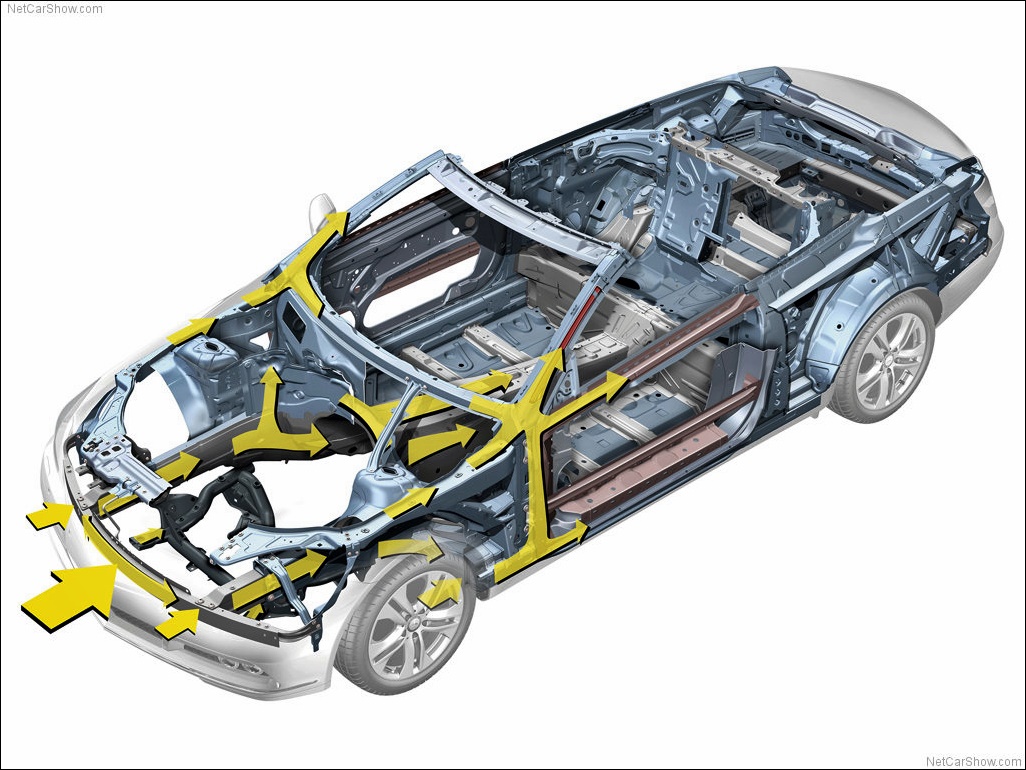
With new technologies, especially computer-aided engineering, the concept of the safety cell has evolved further. The impact forces are not just absorbed but also dissipated by carefully designed structural members to provide ‘paths’ around the cabin area. Nevertheless, the fundamental objective remains and that is to prevent or minimize the forces that reach the occupants. Béla Barényi received more than 2,500 patents for his inventions, most of which related to automotive innovations and enhancements.

Today’s cars have even better protection all round, not just at the front and back, but Barényi’s fundamental idea of having a strong safety cell around the occupants remains.

All-new Mercedes-Benz S-Class set to be a pioneer in safety features again (w/VIDEOS)

Vaccination does not make you immune to COVID-19 infection. You can still get infected and although you may not show symptoms, you may be spreading spread the coronavirus to others. Do not stop taking protective measures such as wearing a facemask, washing hands frequently and social distancing.

In the near future, people will be able to travel in cars without humans having to be in control. Perhaps it can no longer be called ‘driving’ if there is no human involved and it is just ‘mobility’. Such autonomous vehicles are already in existence and will grow in numbers.

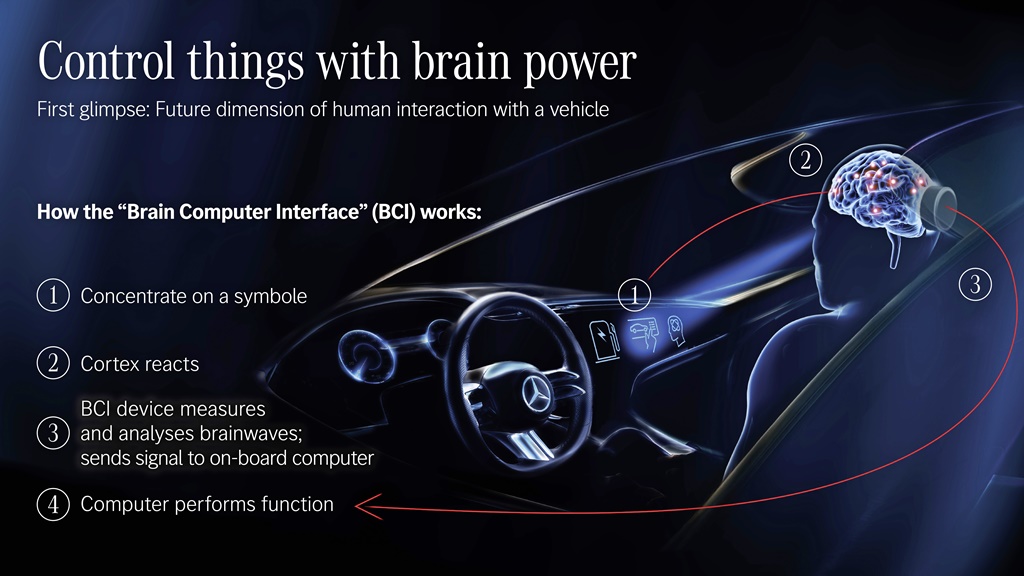
In looking ahead, Mercedes-Benz also sees way into the future where there could be  new dimension of human-vehicle interaction: brain-computer interface (BCI) technology. It sounds like science fiction and it is, but some parts of the technology are already available. BCI will be a new form of machine control, perhaps not in everyday life tomorrow but in areas like medical research. Applications with BCI are considered a viable option for helping people with physical handicaps to become more independent.

Integrated with VISION AVTR
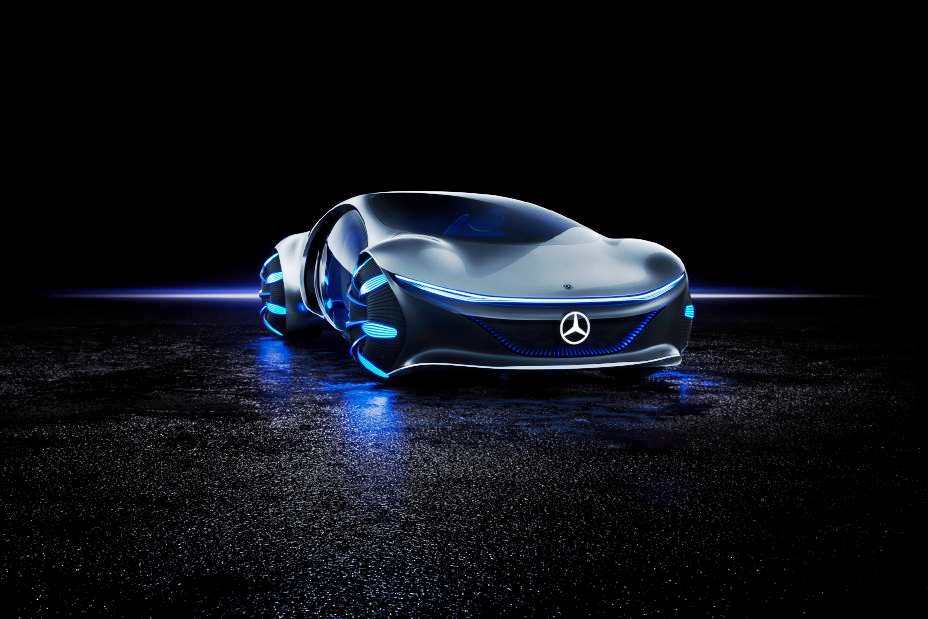
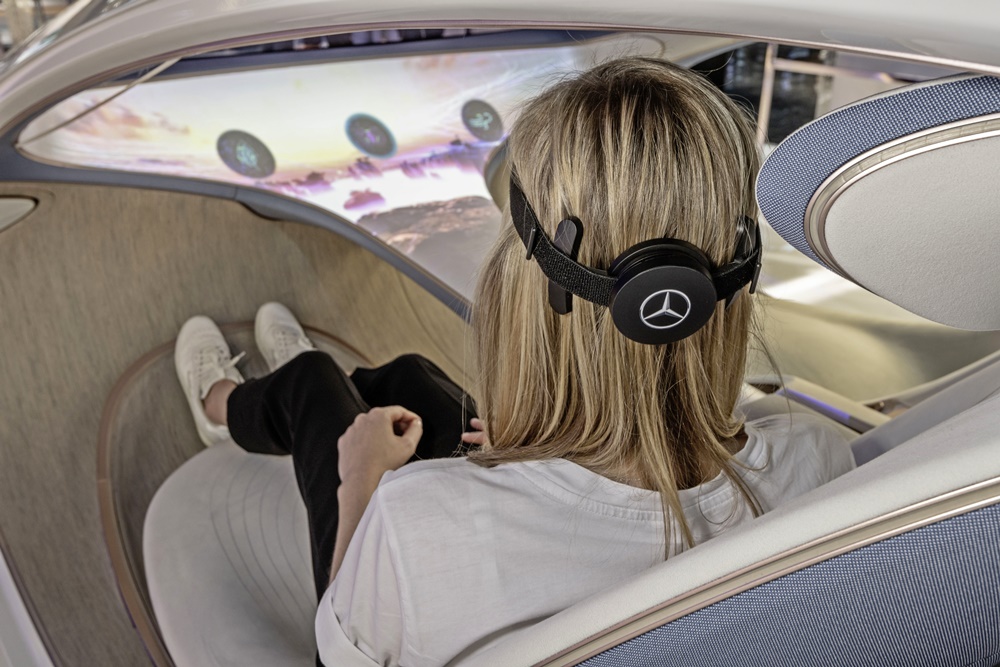
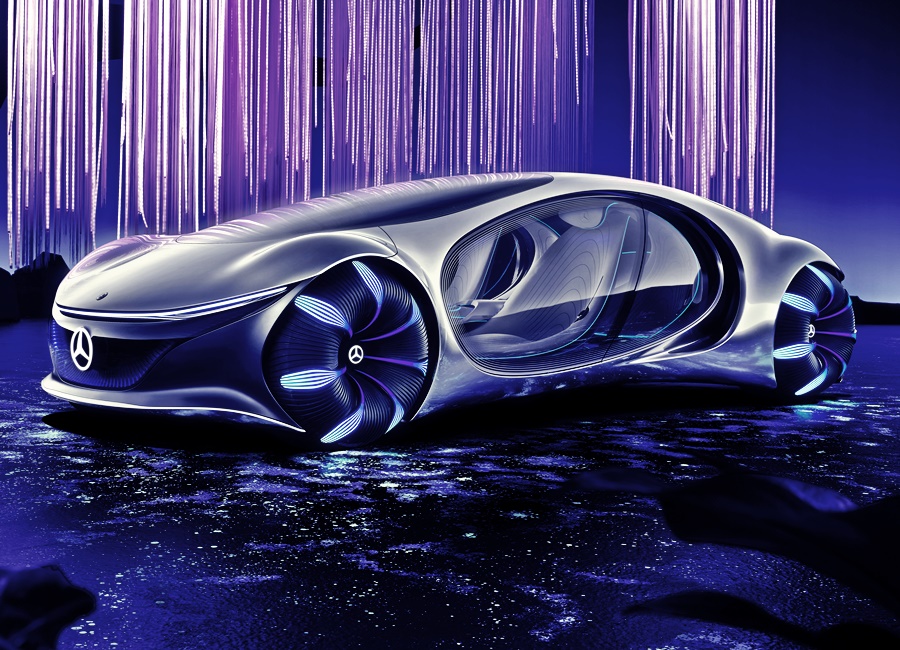
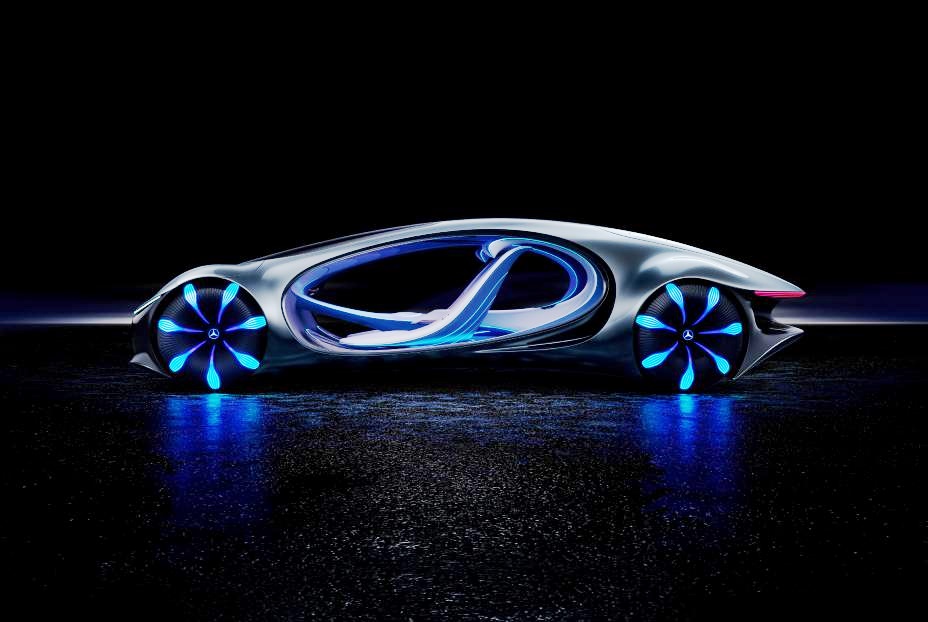
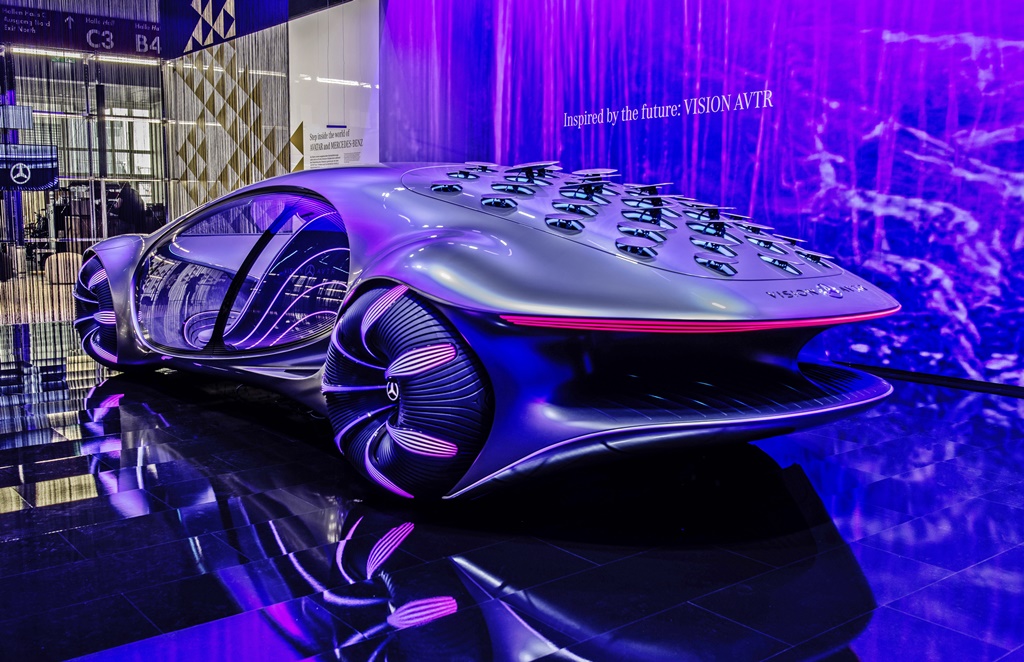
Mercedes-Benz is also looking at the possibility of BCI with vehicles and has integrated it in the VISION AVTR concept vehicle which it first displayed in January last year. It will give a preview of mind control as a new dimension of human interaction with the vehicle. This will use a BCI device attached to the user’s head analyzes the measured brainwaves and triggers a defined function. At the IAA Mobility 21 event in Germany recently, visitors were able to experience controlling the user interface in the vehicle with their own thoughts and interacting with it in real-time.
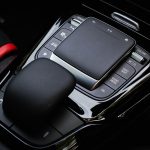
“Mercedes-Benz is setting another milestone in the merging of man and machine with the research and development of brain-computer interface applications in cars. BCI technology has the potential to further enhance driving comfort in the future, for example,” said Britta Seeger, Member of the Board of Management of Daimler AG and Mercedes-Benz AG, responsible for Sales. “Mercedes-Benz has always pioneered intelligent, innovative solutions to provide our customers with the best product and service experience. BCI technology works completely independently of speech and touch. This opens up revolutionary possibilities for intuitive interaction with the vehicle.”

Directly connected to the brain
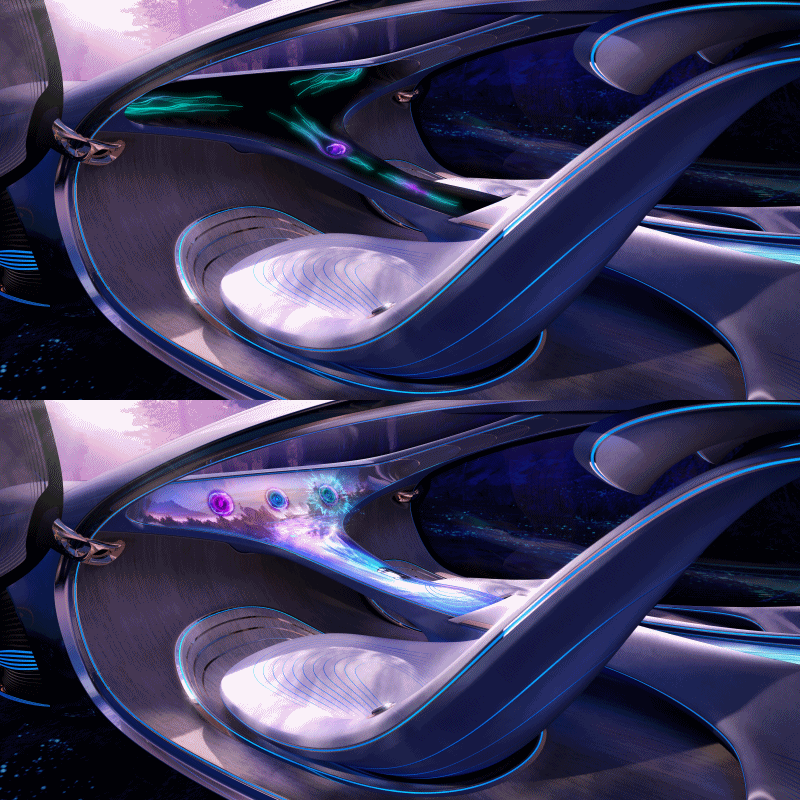
The biometric interaction with the vehicle is complemented by a direct connection to the human brain. At the IAA, the first approaches to mind control based on visual perception will be demonstrated in the visionary seat mock-up of the VISION AVTR. For this purpose, light dots are projected onto the fully digital dashboard. A BCI device with wearable electrodes attached to the back of the user’s head records brain activity and establishes a direct connection to the vehicle after a one-minute calibration. The brain reacts to the visual stimuli on the dashboard.
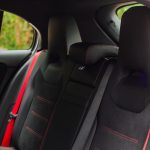
The BCI device measures the neuronal activity at the cortex in real time. It analyzes the measured brain waves and recognizes on which light points the user directs his focus and full attention (attention-sensing interface). The stronger the focus, the higher the neuronal activity. The device then triggers the targeted function in the vehicle.

Using several functions linked to BCI technology, visitors experienced how quickly their own brain connects with the vehicle – similar to the neuronal connection between the Na’vi and the nature in the visionary Hollywood blockbuster ‘AVATAR’. By focusing on points of light, they used the power of their thoughts to perform various functions in the digital VISION AVTR worlds displayed on the dashboard: for example, generate wind, grow plants, select parking spaces to charge or turn day into night.

Mercedes-Benz VISION AVTR at CES 2020

Concept vehicle developed with Disney
The VISION AVTR was previous presented at the 2020 CES in Las Vegas. It was the result of an extraordinary global collaboration between entertainment company Disney and Mercedes-Benz. The name of the concept vehicle stands for ADVANCED VEHICLE TRANSFORMATION which looks at mobility in the distant future.

The stretched ‘one-bow’ design and organic design language combine exterior and interior into an emotional whole. Sustainable materials such as vegan DINAMICA leather made from recycled materials, fast-growing Karuun (rattan) that can only thrive in biodiversity, and organic, compostable battery technology create a closed-loop economy.

33 bionic flaps on the back of the vehicle can communicate with the outside world – with and through the driver – using naturally flowing movements in subtle gestures. Instead of a conventional steering wheel, the VISION AVTR has a multifunctional control element in the centre console. By placing the hand on the control, the interior comes to life and the vehicle recognizes the passenger by their heart rate. Simply raising the hand projects a menu selection onto the palm of the hand, allowing the user to intuitively choose between different functionalities.
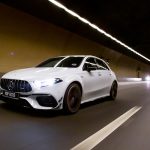

The biometric connection enables a completely new interaction between man, machine and nature in the autonomous-driving concept vehicle. Continuing development of the ‘Hey Mercedes’ voice assistant and the zero-layer concept of the MBUX Hyperscreen have already simplified vehicle operation. In future, BCI technology could make it possible to relieve the user even more, in order to be able to focus on the driving experience.

Mercedes-Benz puts a ‘Home Theatre’ in the car cabin

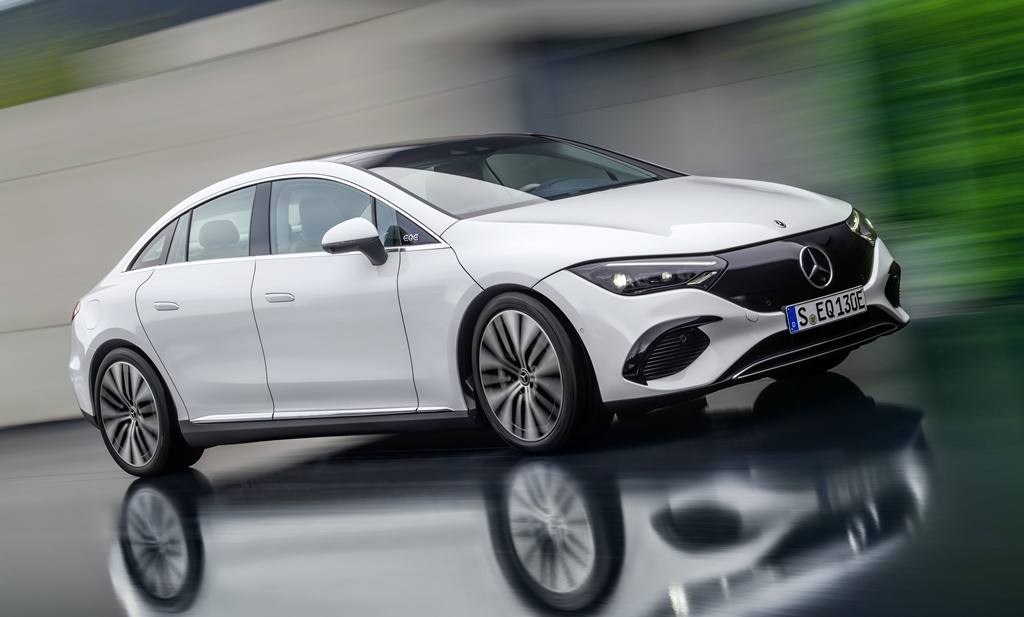
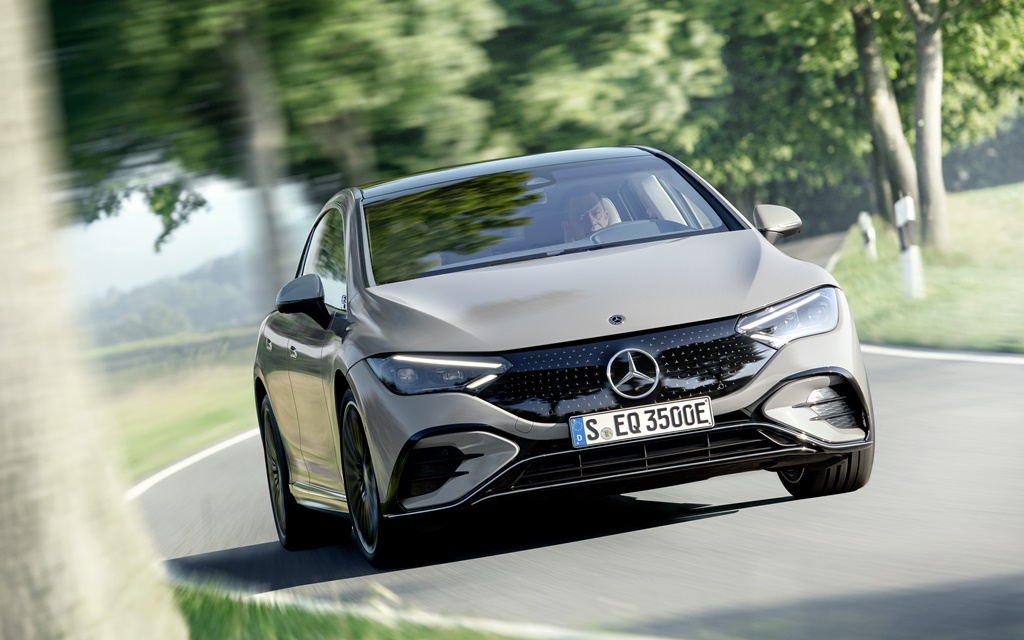
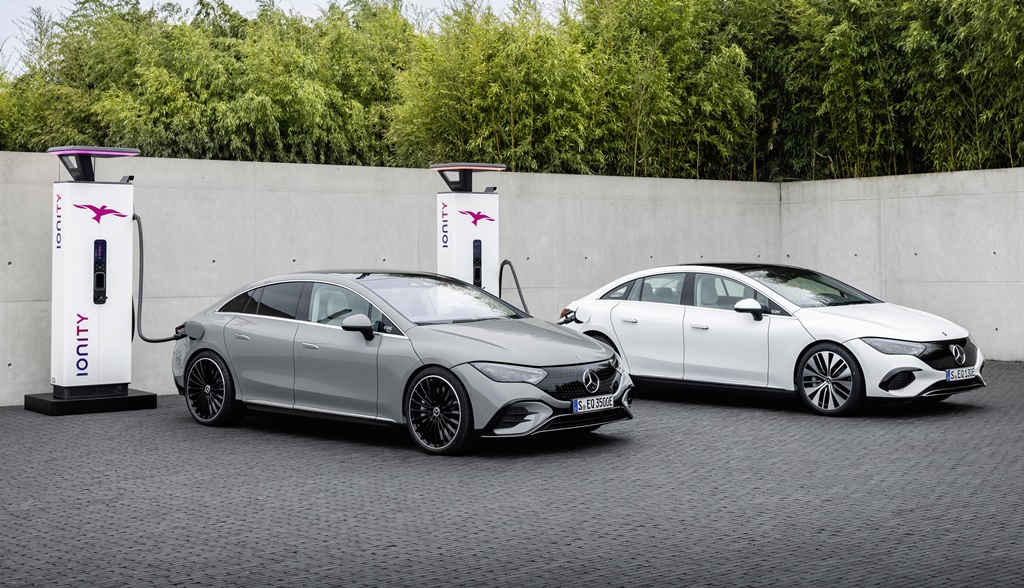
Mercedes-Benz is steadily building up its Mercedes-EQ range of all-electric models and just a few months after the launch of the EQS flagship comes a smaller version – the EQE. As the last alphabet suggests, this would be positioned in the same way as the successful E-Class as a business sedan. It will be produced at factories in Germany as well as China (at a joint venture facility for that market only).

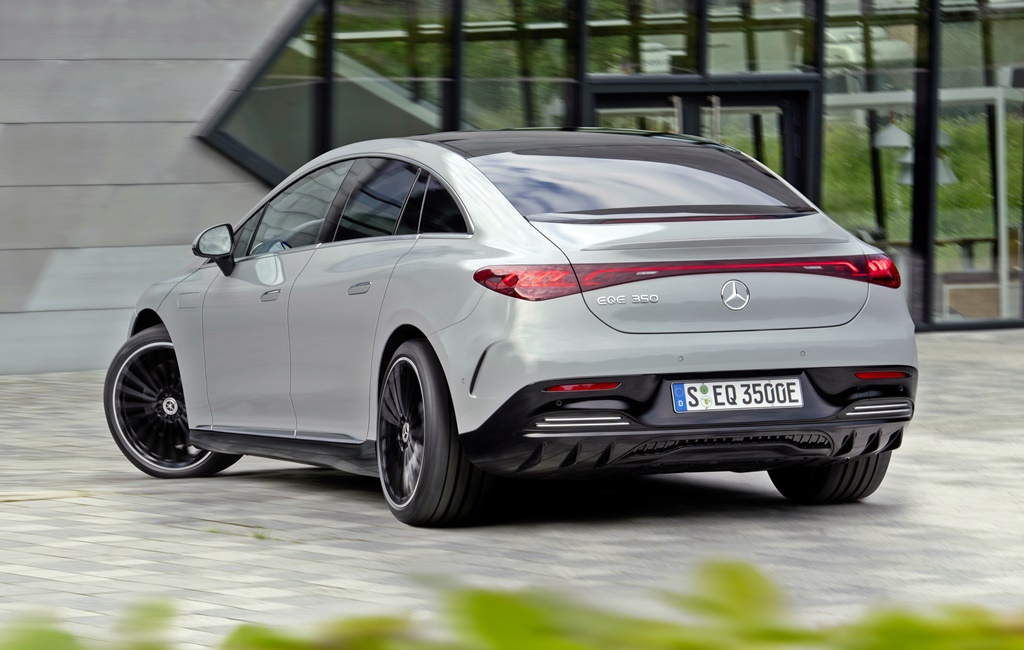
Compared to the EQS, the EQE has a more streamlined shape with a slightly shorter wheelbase, shorter overhangs and more recessed flanks to give a sportier image. The Sensual Purity design language is reflected in generously modelled surfaces, reduced joints and seamless transitions. Besides the pronounced muscular shoulder section, the rear gets a dynamic accent with a sharp rear spoiler to give an athletic character.

2021 Mercedes-EQ, EQE 350

2021 Mercedes-EQ, EQE 350

2021 Mercedes-EQ, EQE 350

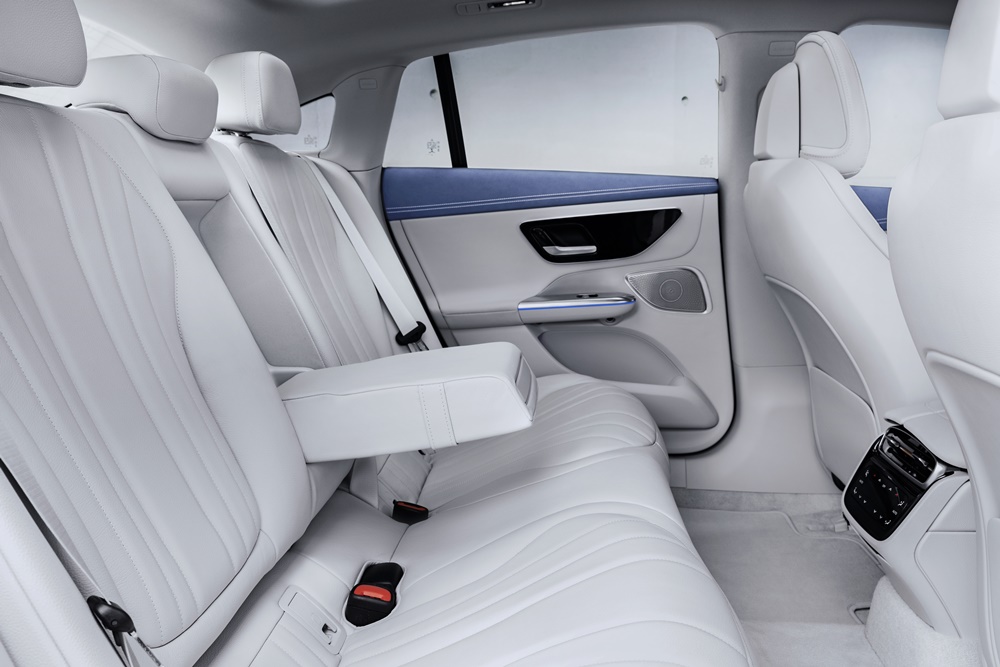
The overall body dimensions  are comparable to those of the CLS but thanks to the EVA2 architecture that is dedicated to electric vehicles, the cabin space is more generous than the E-Class (W213 model) with 80 mm more length.

Unconventional interior design
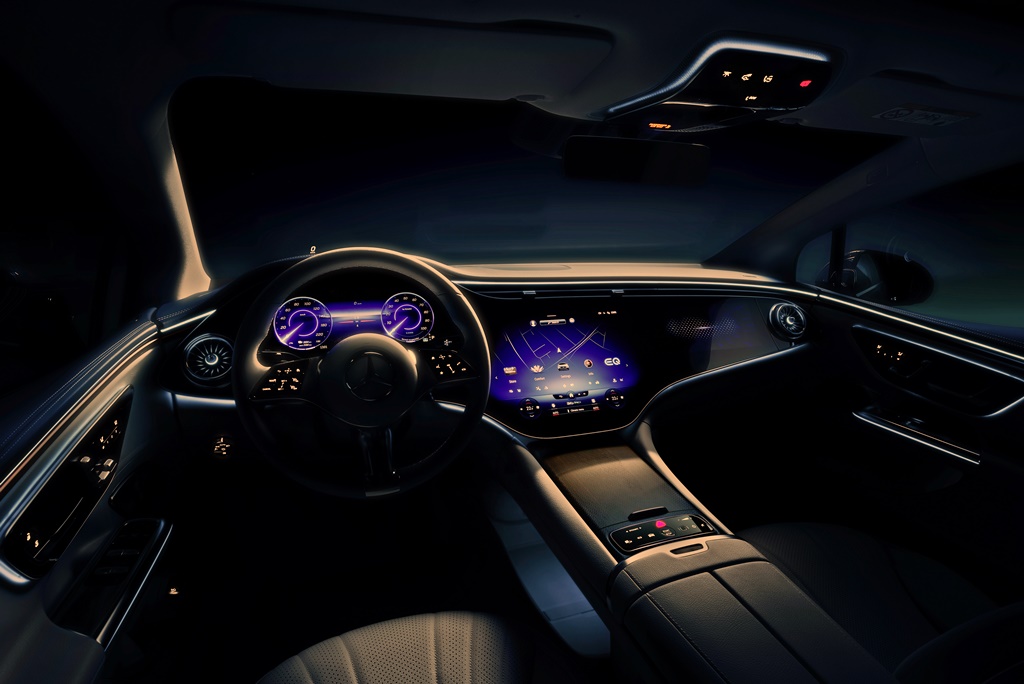
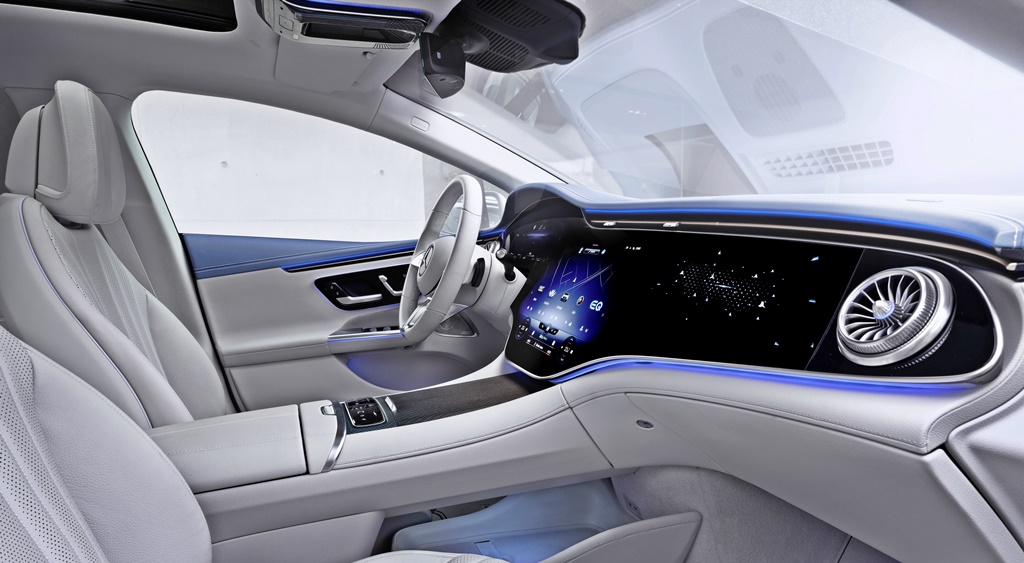
With the optionally available MBUX Hyperscreen, the entire instrument panel is a single widescreen. This determines the aesthetics of the entire cockpit and interior. The high-resolution screens merge seemingly seamlessly under the shared glass cover, integrated into the instrument panel in minimalist fashion.

2021 Mercedes-EQ, EQE 350

The 12.3-inch OLED display for the front passenger provides a personal display and control area. On it, the passenger can watch videos, TV or even wander around the internet. As a safety measure in some markets, an intelligent, camera-based blocking logic can be included. If the camera detects that the driver is looking at the front passenger display, the display will be automatically dimmed for certain content.

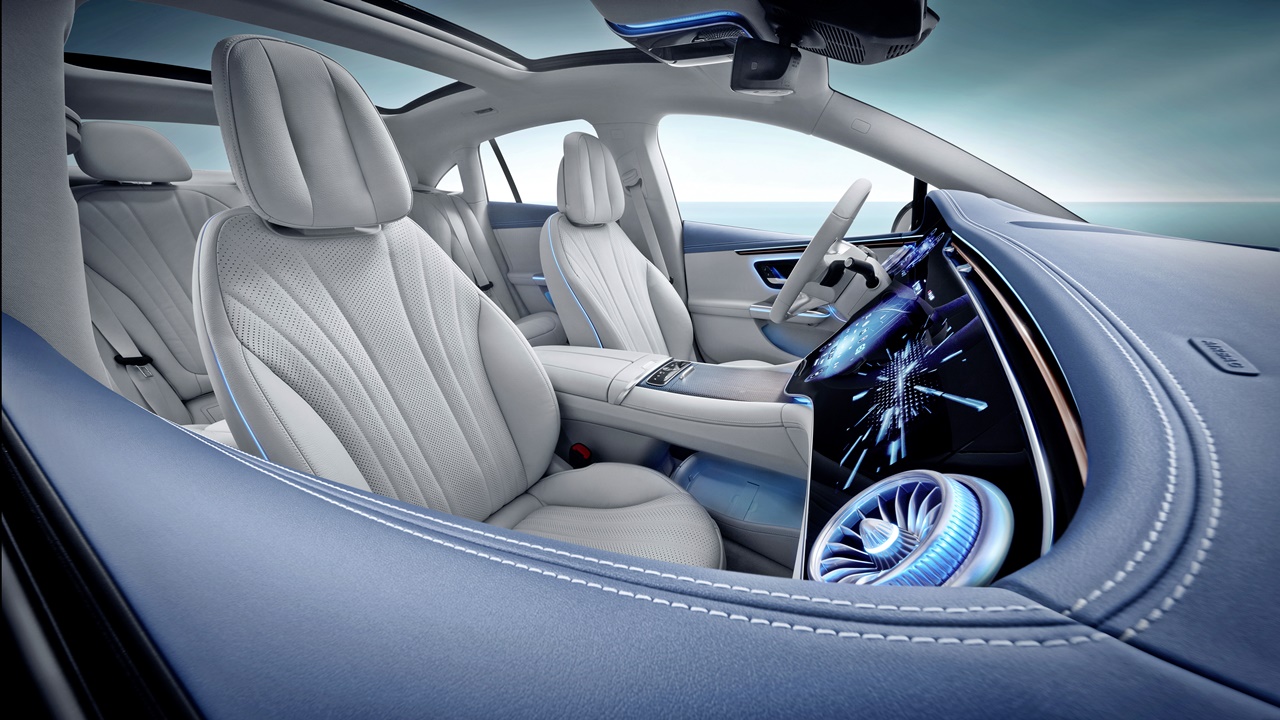
The vent band spans across the entire width at the top and is very slim at the same time. These extreme proportions, together with the glass wave of the MBUX Hyperscreen, create the avant-garde architecture of the cockpit. The outer nozzles feature a turbine design. They play on the theme hyperanalogue through the contrast between high-tech precision mechanics and digital, glass display world.

2021 Mercedes-EQ, EQE 350

‘Zero-level’ design for MBUX
The EQE has the latest MBUX generation, introduced with the EQS. With adaptive software, the control and display concept completely adapts to its user and makes personalised suggestions for numerous infotainment, comfort and vehicle functions. Unlike the early systems with many layers in the menus, MBUX has a ‘zero-layer’ design so the user does not have to scroll through submenus or give voice commands. The most important applications are offered situationally and contextually on the top level in the field of view. In this way, the EQE driver is relieved of certain operating steps and can focus more on driving.

The EQE will come with the Electric Art interior ex-factory. Wraparound surfaces in the side bolsters of the seats enhance body support and stand in stark contrast to the seat centre panel which has a sophisticated seam pattern similar to a fan palm.

2021 Mercedes-EQ, EQE 350

2021 Mercedes-EQ, EQE 350

If the AMG Line interior is specified, there will be sports seats. These are characterised by a slim and monolithic shape and act like integral seats. The seat surfaces are designed in such a way that they give the impression of draped-on leather covers, a technical term known as ‘layering’.

Two models initially
The EQE 350 with 215 kW plus a second model will be the initial offering. All EQE models have an electric drivetrain (eATS) on the rear axle. The later performance versions (with around 500 kW) with all-wheel drive 4MATIC will also be equipped with an eATS at the front axle. The lithium-ion battery pack consists of 10 modules and has a usable energy content of 90 kWh. The innovative battery management software, developed in-house, allows updates over the air so that energy management remains optimised throughout the life cycle.

To avoid electric shocks and short circuits, Mercedes-Benz engineers developed a multi-stage high-voltage (HV) safety concept comprising 7 key elements. Alongside the battery, part of the high-voltage system includes all components with a voltage level higher than 48V. The protection concept provides a high degree of safety when driving, both during and after a crash. All HV components are protected with to the IP 6K9K class, which means that they are completely sealed against dust as well as protected against water when cleaned with high pressure/steam jets.

2021 Mercedes-EQ, EQE 350

Special seals help to protect the HV components against water penetration. In flood situations, the components may be switched off by appropriate over-current protection measures, such as fuses. An electrical hazard can be ruled out as the HV voltages do not become accessible to the user despite water penetration and the HV system is deactivated immediately.

Integral Safety for all models
The principles of Integral Safety, in particular accident safety, apply regardless of the platform. Like all other Mercedes-Benz models, the EQE therefore has a rigid passenger cell, special deformation zones and modern restraint systems. With its new architecture for EVs, new possibilities for the safety concept were available. For example, a favourable location could be chosen for the installation of the battery, in a crash-protected area in the underbody. Because there is no large crankcase in the engine, the behaviour in a frontal crash could also be modelled even better. Internally the new body structure bears the designation ‘flat-floor concept’.

2021 Mercedes-EQ, EQE 350

The all-electric future of Mercedes-Benz

Vaccination does not make you immune to COVID-19 infection. You can still get infected and you may not show symptoms but spread the coronavirus. Do not stop taking protective measures such as wearing a facemask, washing hands frequently and social distancing.

Archive

Follow us on Facebook

Follow us on YouTube