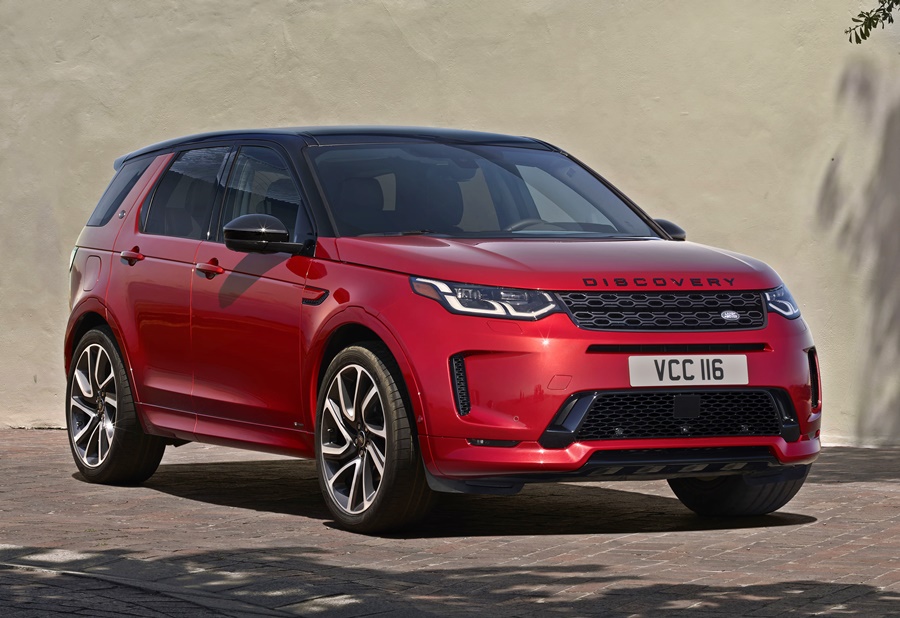
A new Land Rover Discovery Sport is now in Malaysian showrooms, available in two variants priced from RM379,800 (excluding insurance and roadtax). Customers can choose from the 5-seater or the higher-spec R-Dynamic variant with 5+2 seating which is priced at RM409,800.
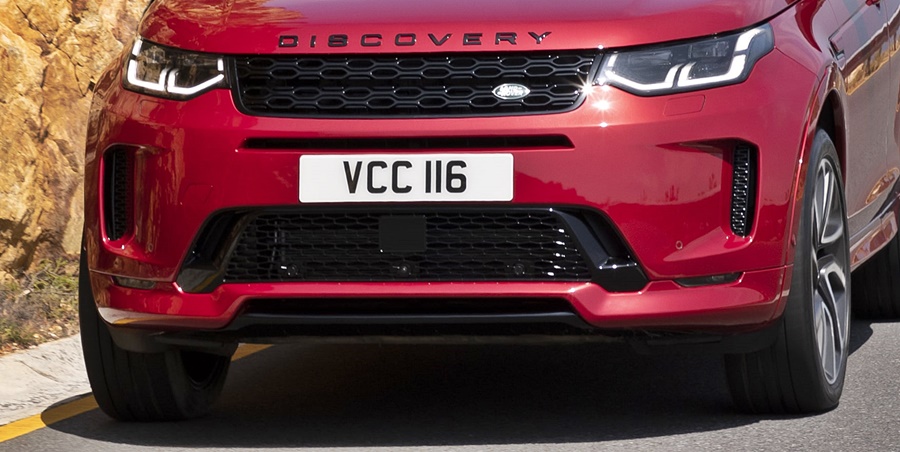
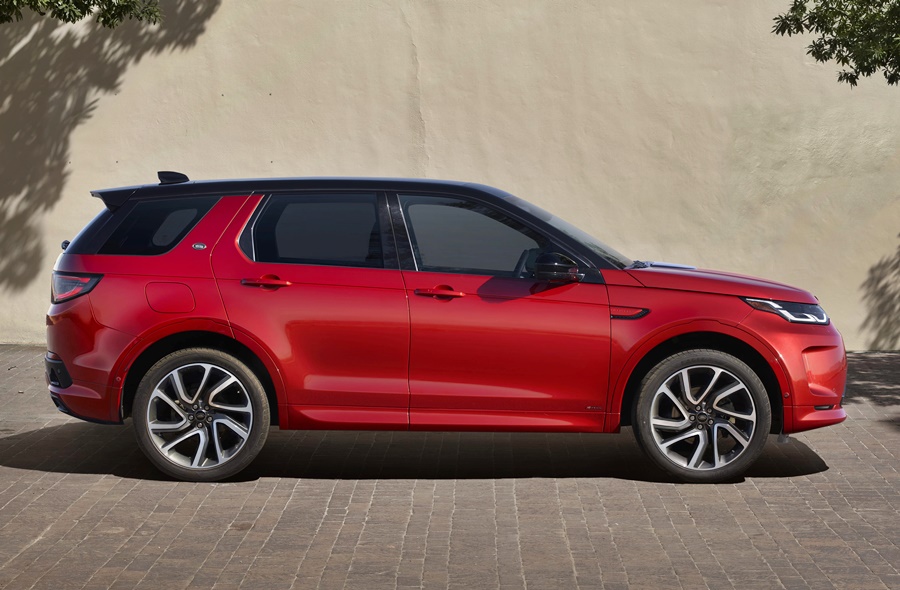
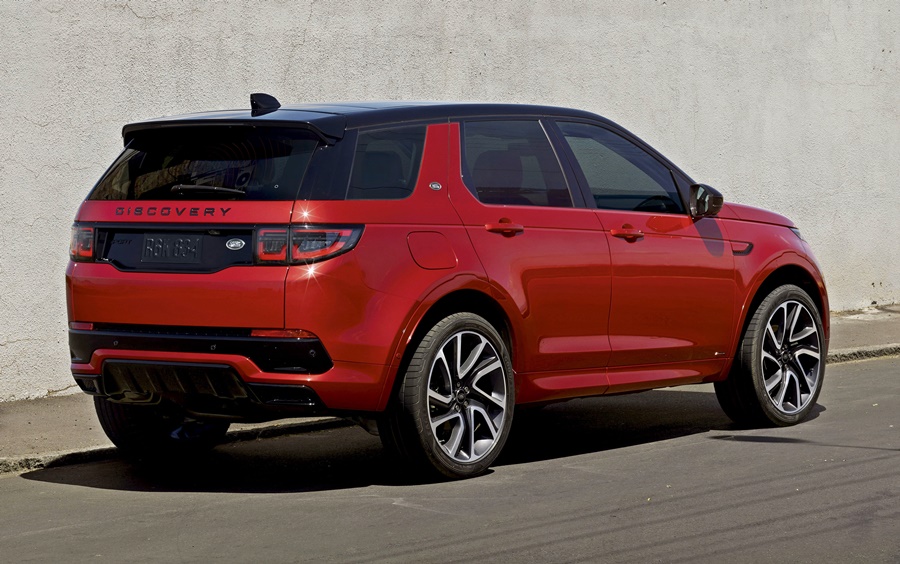
New design cues on the bolder front end and a sportier silhouette identify the latest Discovery Sport R-Dynamic. Modernity and refinement are also reflected in the new signature LED lighting systems front and rear. Of course, the traditional Land Rover design features are still present – a prominent clamshell bonnet, rising beltline and tapered roof.
Now with Driveline Disconnect
The driving experience is said to be improved with the new power transfer feature called ‘Driveline Disconnect’. Incorporated in the All-Wheel Drive system, this feature works by disconnecting the drive of the front axle to the rear wheels under steady state cruising, thereby reducing frictional losses and re-engaging AWD in less than 500 milliseconds.
In addition, the Terrain Response 2 system is now a standard feature. Developed with Land Rover’s decades of experience in 4×4 systems, Terrain 2 Response optimises performance, traction and control on a variety of surfaces. A simple twist of a dial selects the appropriate driving mode (Comfort, Sand, Grass-Gravel-Snow, Mud & Ruts) and adjusts the characteristics of the throttle, brakes, differentials, and transmission. An AUTO mode automatically adjusts torque delivery to suit the terrain.
As with other Land Rover models, the Discovery Sport uses an engine from the Ingenium family, in this case a 2-litre turbocharged unit. Power flows through a ZF 9-speed automatic transmission with a very low first gear for strong low-end acceleration and a tall top gear for reduced engine revs at higher cruising speeds.
Smart technologies
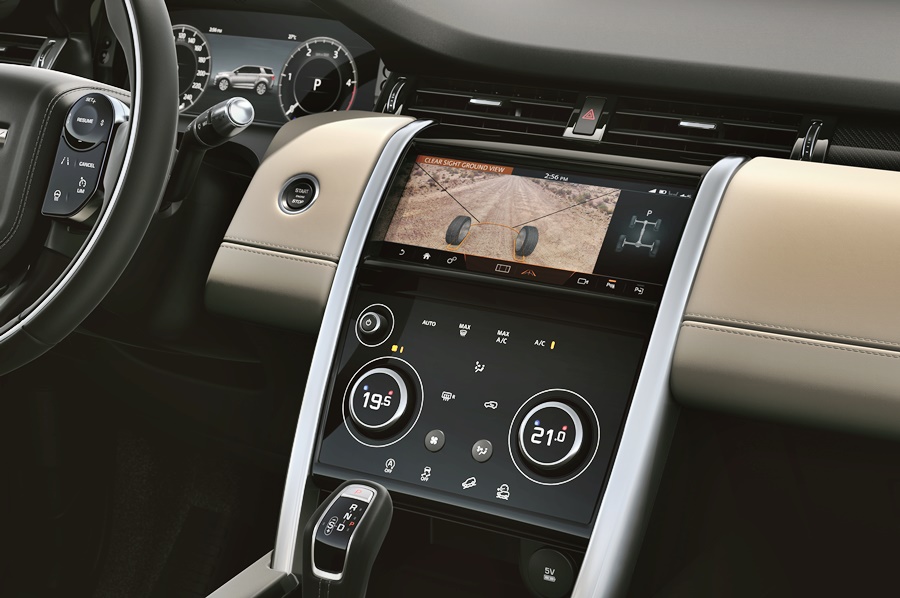
Unlike the early Land Rovers which were engineered to be extremely tough but were technologically simple (which was an advantage off-road), today’s Land Rovers offer advanced smart technologies. Drivers of the Discovery Sport have, for instance, ClearSight Ground View, Land Rover’s world-first technology which is a new feature for the Discovery Sport. It provides drivers with a clear virtual view of the ground ahead so they can navigate over rough ground, park in tight spaces and avoid hitting kerbs.
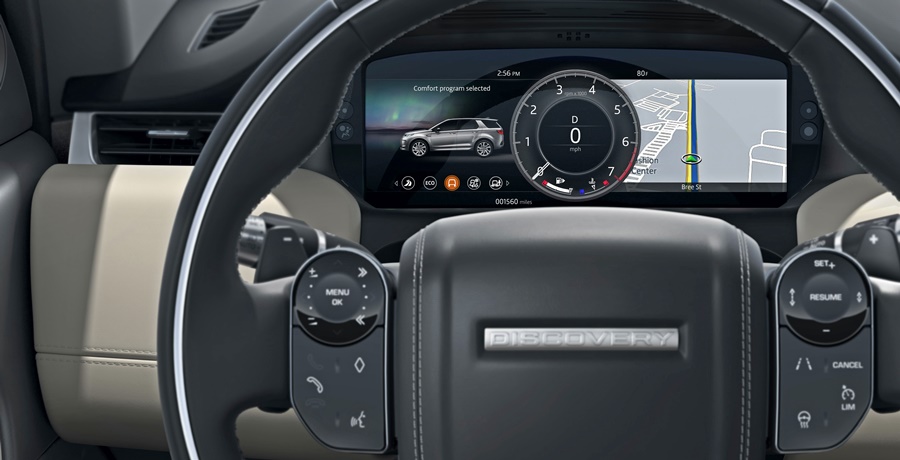
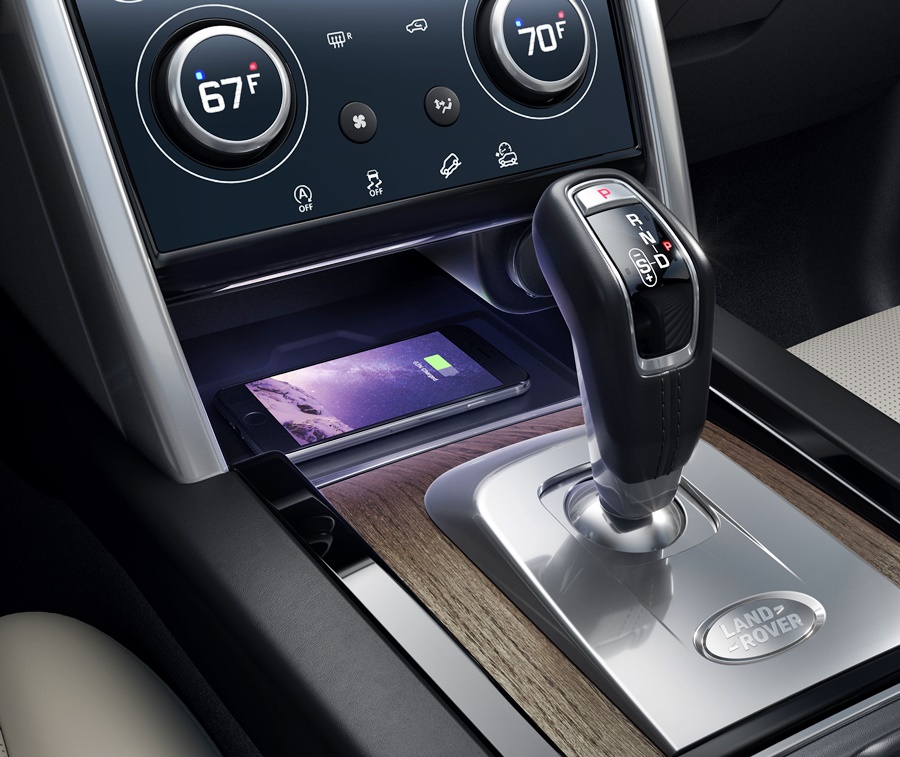
Connectivity is also advanced with a 10-inch high-definition Touch Pro infotainment system which includes Apple CarPlay and Android Auto. The system also allows the driver to control the climate system and Terrain Response 2, while an Interactive Driver Display with a large 12-inch high-definition screen displays multiple types of information. The new Discovery Sport also comes with wireless charging which can be used for devices that have the capability.
Also available is a Generation 2 Head-Up Display (HUD), with vehicle speed, gear position and navigation directions projected onto the windscreen ahead of the driver. The high-resolution, full-colour graphics are visible in any lighting conditions and allow the driver to keep his or her eyes ahead.
As safe as passenger cars
With 4X4 SUVs spending almost all their time on highways and able to travel at high speeds, safety is even more important and Land Rover has provided a host of advanced safety technologies. These include High-speed Emergency Braking, Adaptive Cruise Control, Lane Keep Assist and Driver Condition Monitor as well as the 360° Surround Camera that is equipped with Wade Sensing features. Should an accident occur, there are no less than 7 airbags to help reduce serious injuries.
All new vehicles distributed by Jaguar Land Rover Malaysia have been engineered and tuned for Malaysian conditions and fuel quality. They come with a ‘Land Rover Care’ programme which is based on whichever comes first – a warranty of 5 years or 150,000 kms; scheduled servicing for 5 years or 65,000 kms; and 3 years of Roadside Assistance.
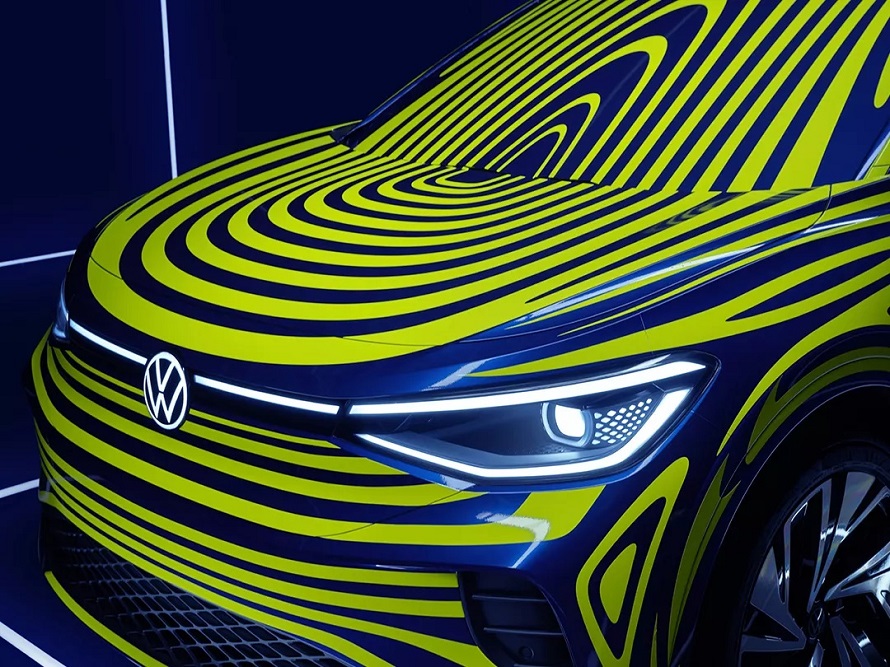
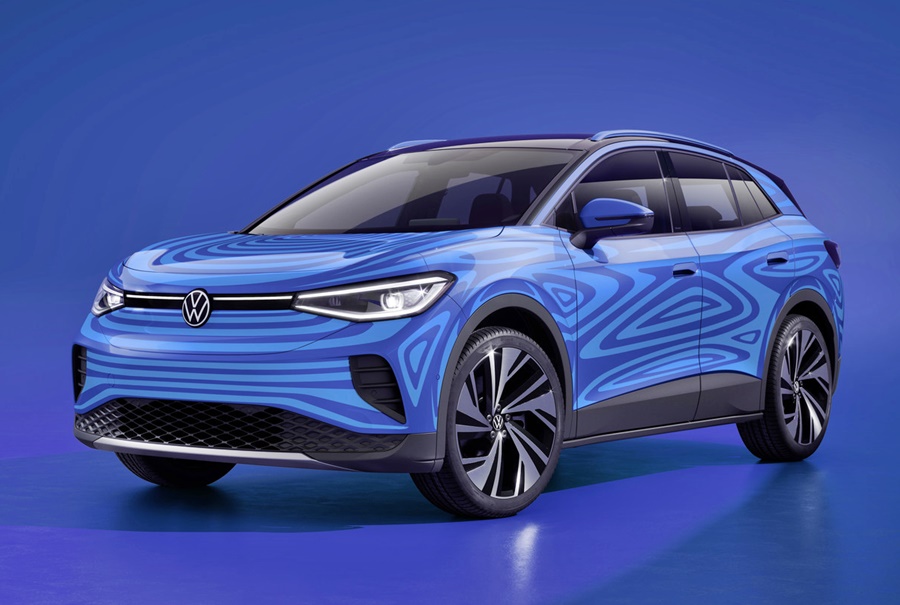
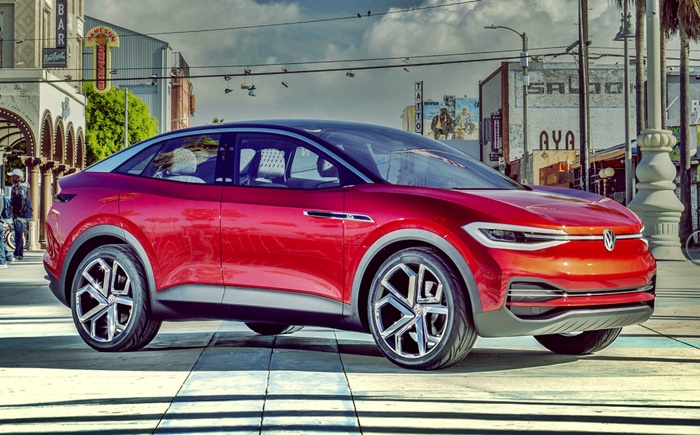
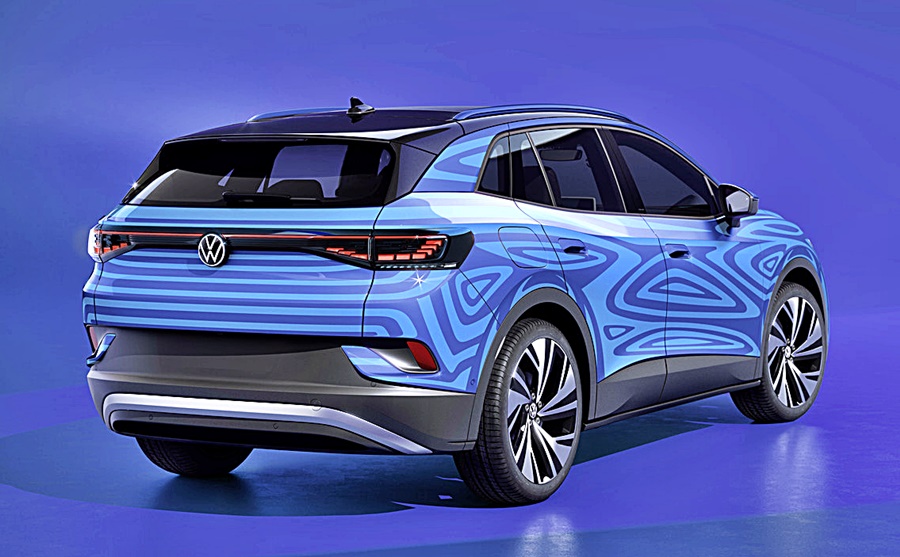
What was presented as the ID. CROZZ showcar by Volkswagen earlier will become a production model known as the ID.4. The two letters, ‘ID’, indicate it as being part of the ID family that will use all-electric powertrains.
The ID range is part of the carmaker’s electric mobility strategy and following in the tracks of the ID.3, the countdown has already begun for this second model based on the new modular electric drive matrix (MEB). The new ID.4 will also be launched this year, possibly after the ID.3 which is scheduled to be in showrooms from mid-2020.
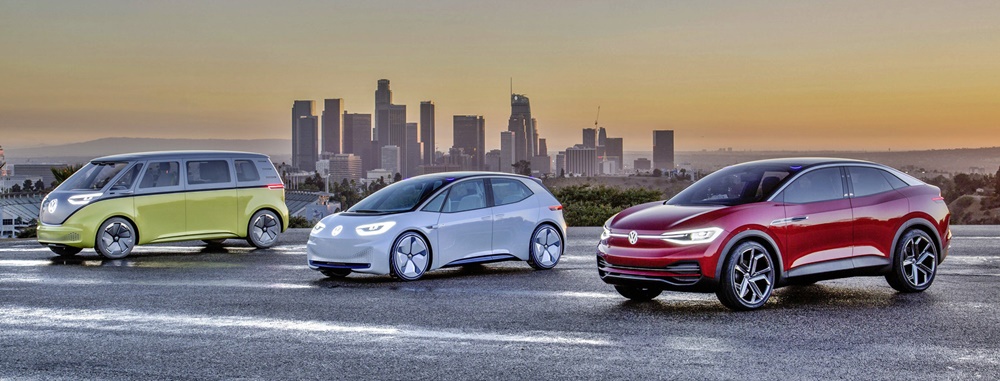
The ID.CROZZ concept displayed in 2017.
“Just like the ID.3, the ID.4 will also come onto the market as a carbon-neutral vehicle,” said Ralf Brandstätter, Chief Operating Officer of the Volkswagen brand. “We will produce and sell the ID.4 in Europe, China and the U.S.”
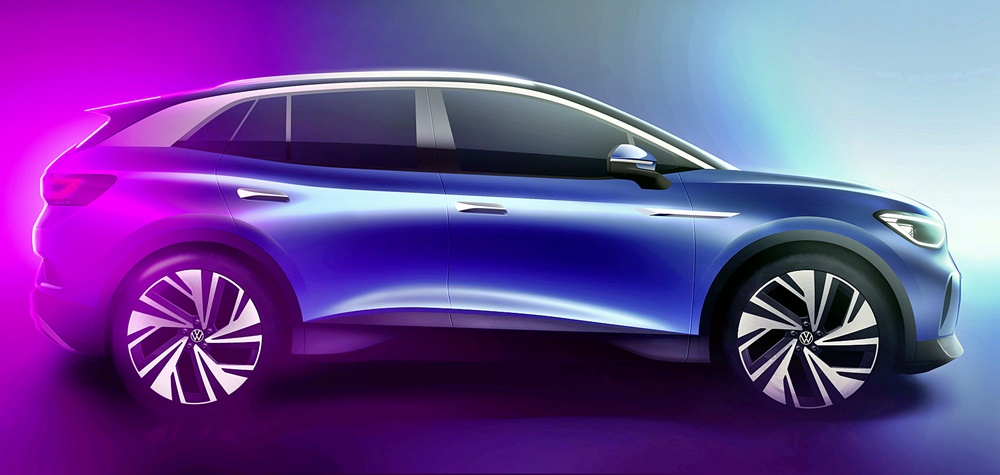
The design of this zero-emission SUV is particularly aerodynamic. This is especially necessary for EVs that need every advantage to maximise energy use. More efficient aerodynamics will reduce drag and the electric motor won’t have to work so hard to achieve a desired speed. This can help boost the ID.4’s range to up to 500 kilometres, depending on the drive package.
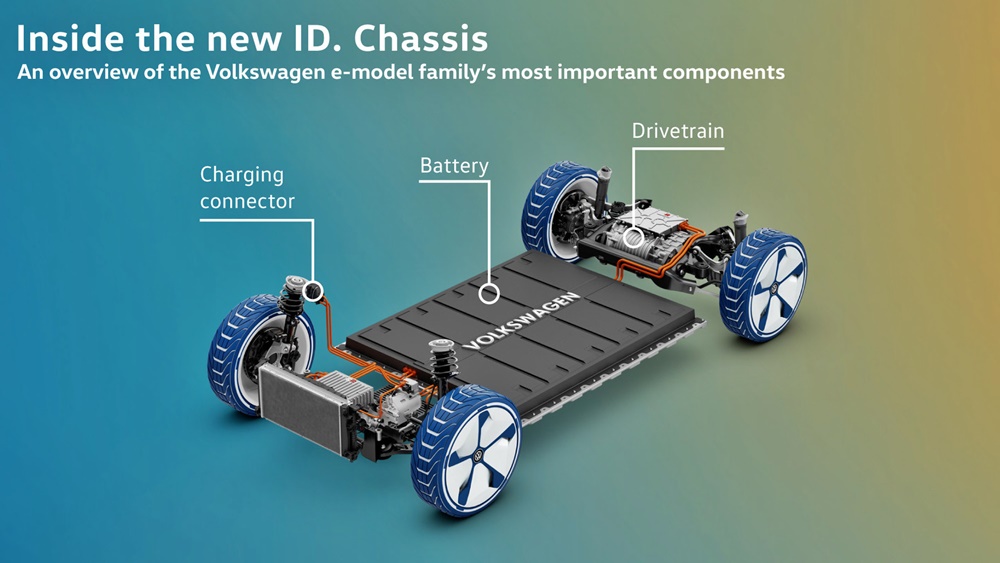
The ID.4 will initially be launched with rear-wheel drive, while an electric all-wheel drive version will be added at a later date. The high-voltage battery is positioned near the centre of the underbody to create a low centre of gravity and optimise driving dynamics, along with an extremely well-balanced axle load distribution.
Just like all other MEB models, the ID.4 will offer plenty of interior space as its electric drive technology is compactly packaged. The fully digital cockpit of the SUV has been clearly structured and is operated primarily using touch surfaces and intelligent, intuitive voice control.
For Volkswagen, the ID.4 and ID.3 represent important milestones in the brand’s bid to become entirely carbon-neutral by 2050 – in line with the Paris climate agreement. Plans have been put in place to reduce the Volkswagen fleet’s CO2-emissions by a third by as early as 2025.
Prototypes of the initial ID family
Volkswagen is currently investing one billion euros to electrify its model range while also offering an increasing number of hybrid vehicles. This is based on the fact that, just like electric powertrains, new mild and plug-in hybrid drives in high-volume product lines such as the Golf will significantly help to reduce fleet exhaust emissions in the future.
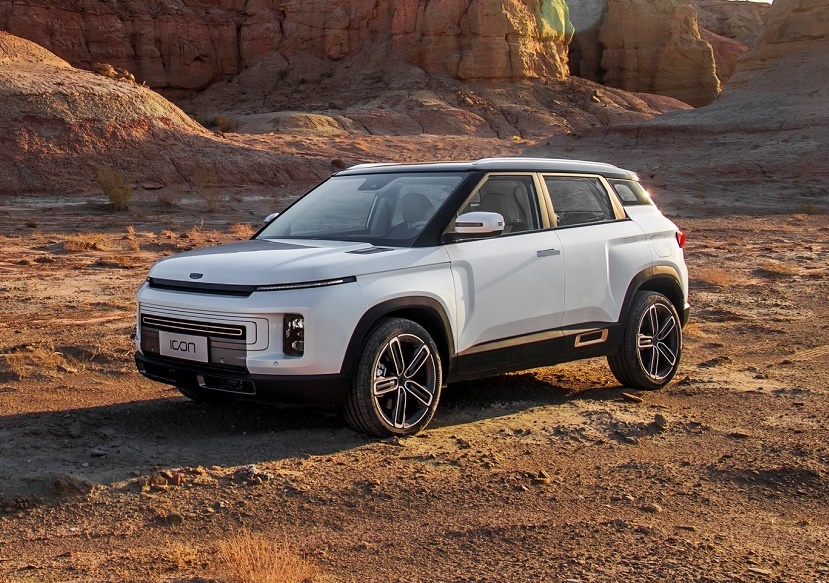
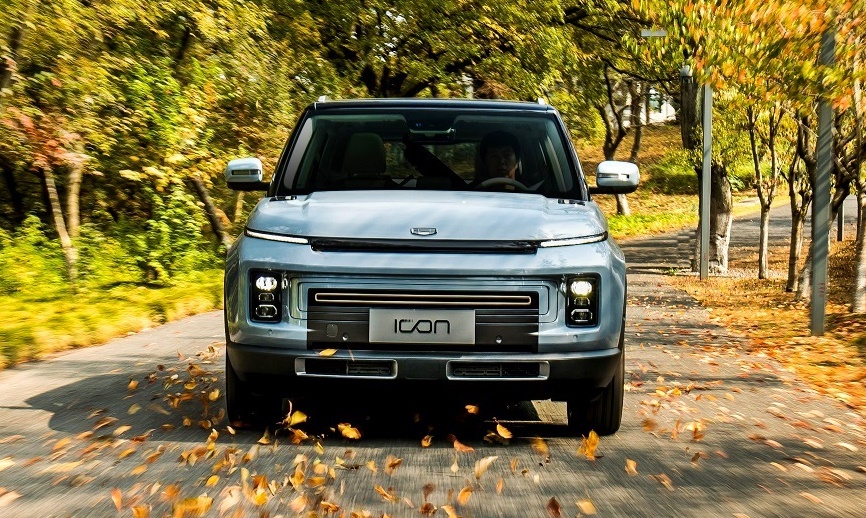
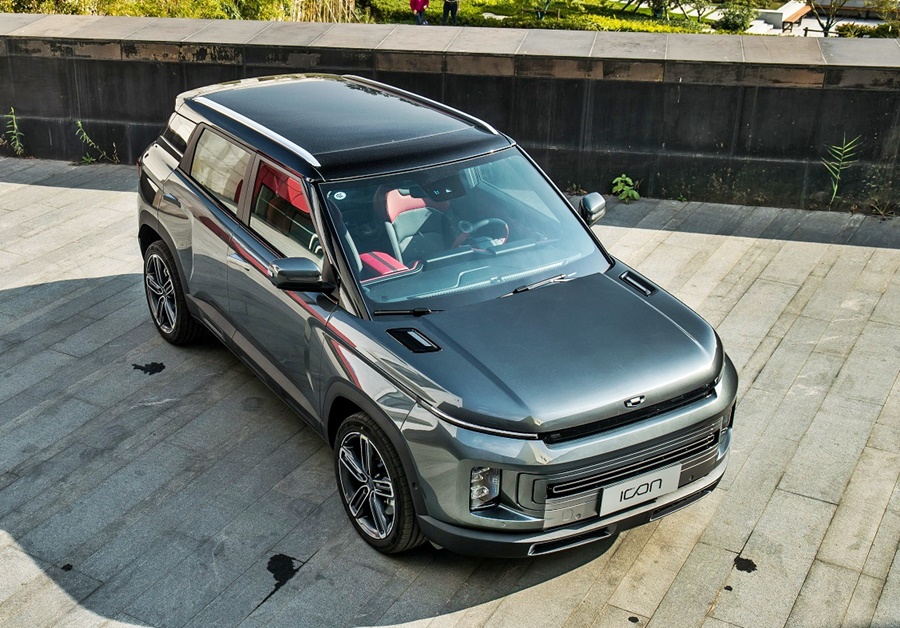
As some carmakers have done in recent years, Geely Auto used online media to launch the ICON, its latest compact SUV, to an audience across China. Just like its online vehicle purchasing service that was launched earlier this month, this online event was appropriate given the restricted movements in many areas due to the COVID-19 epidemic.
Geely Auto received over 30,000 orders in the hours leading up to its launch through online pre-ordering.
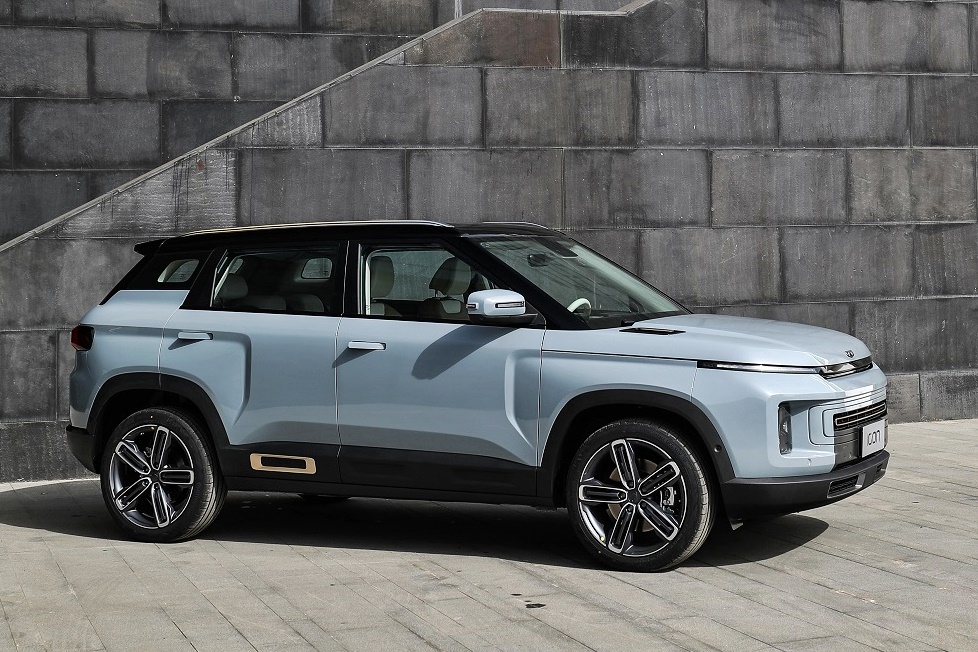
The ICON’s design began life with a concept model of the same name which was shown at the 2018 Beijing Auto Show with a style described as ‘avant-garde minimalistic analogue-inspired’. Breaking from the traditional SUV design trend, Geely designers used a ‘less is better’ design ethos to move towards a purer ‘more 8-bit analogue’ form.
Global collaboration in design
The ICON is the result of global collaboration with input from Geely’s five global design centres. In particular, the exterior that was developed at its California design studio while the interior was conceived in the Barcelona studio with both being revised and brought to completion at the Shanghai studio.
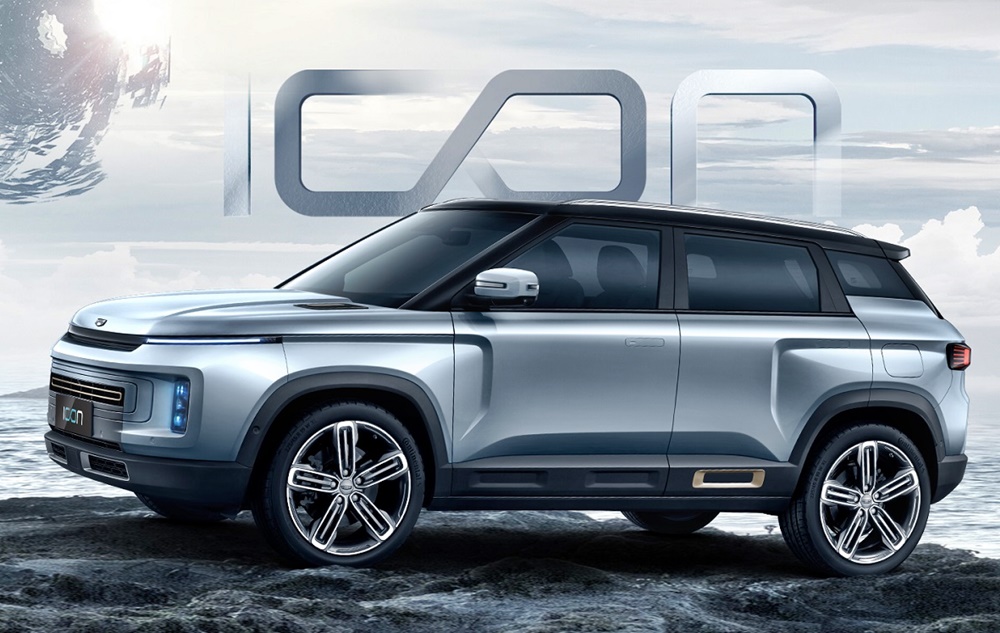
On the exterior, the arrangements of the headlamps has been patterned after an infinity loop, a symbol of time, creating a unique split design. The arrangement is not only visually appealing but also improves lighting efficiency by 30% and extends road visibility to 165 metres.
Visually minimalistic with focus on technology
While being visually minimalistic, the ICON has put a focus on technology. One example: intelligent flushed door handles pop out when users approach and retract when they leave, giving the ICON a clean visual image while in motion or parked.
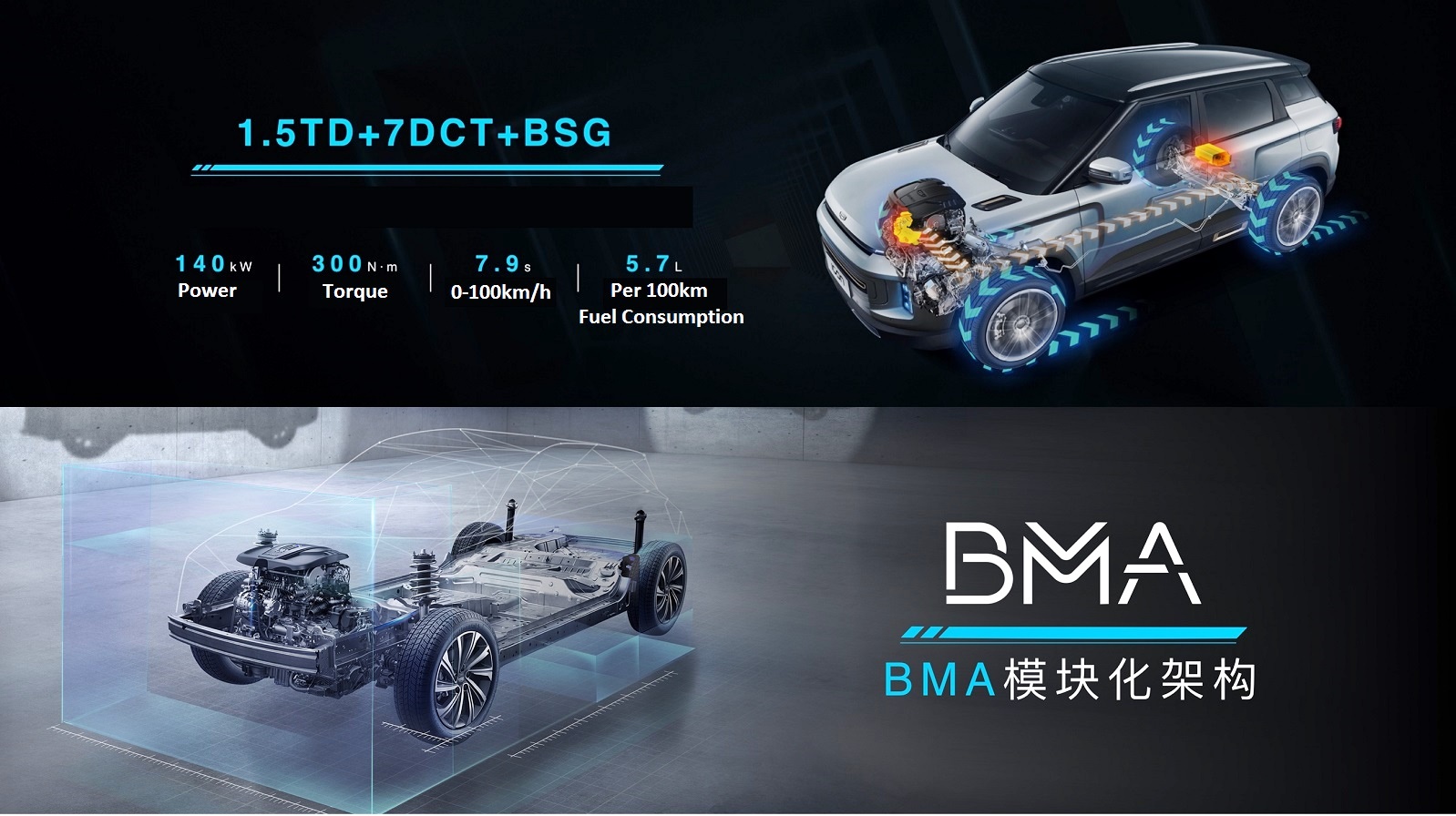
This new Geely model is the first in its segment to make use of 48V mild hybrid technologies that help extend fuel consumption to 17.5 kms/litre. The 48V system boosts the powerplant with a further 10 kW of power and 45 Nm of torque giving a total of 140 kW and 300 Nm. With a 7-speed Dual Clutch Transmission, the claimed 0 – 100 km/h acceleration time is 7.9 seconds.
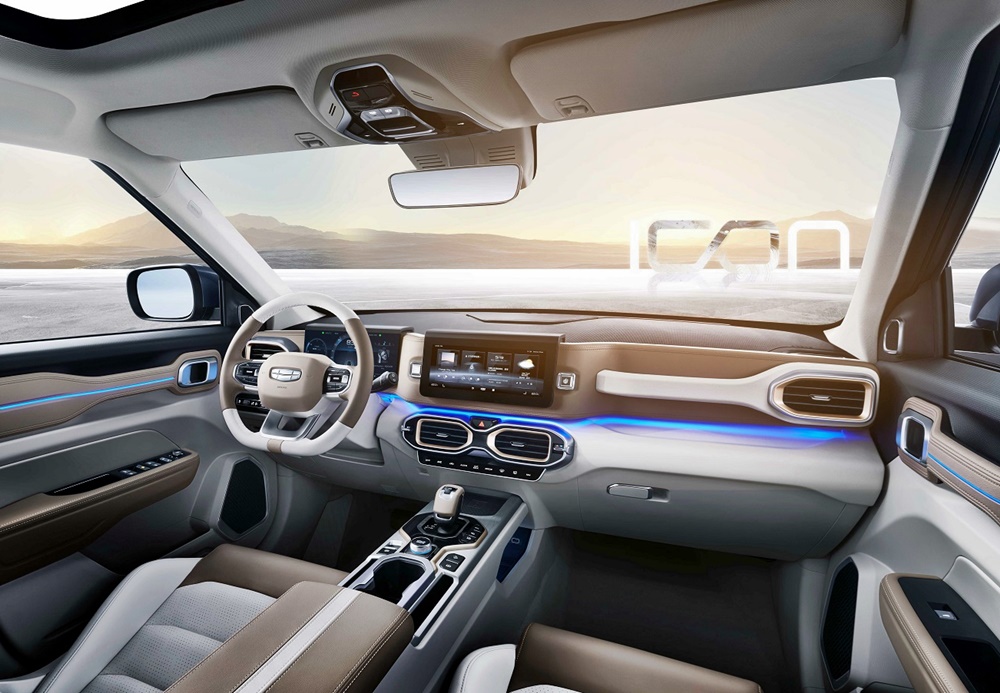
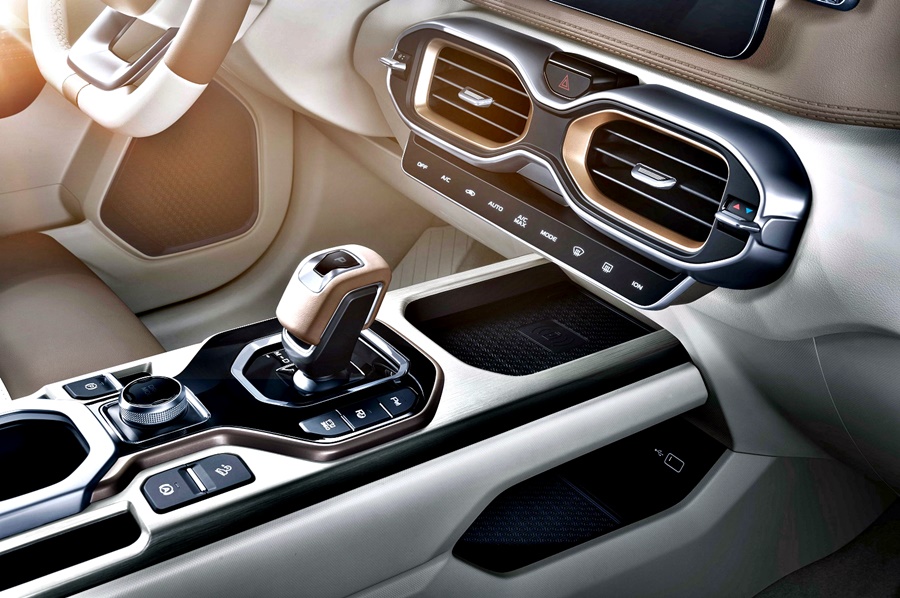
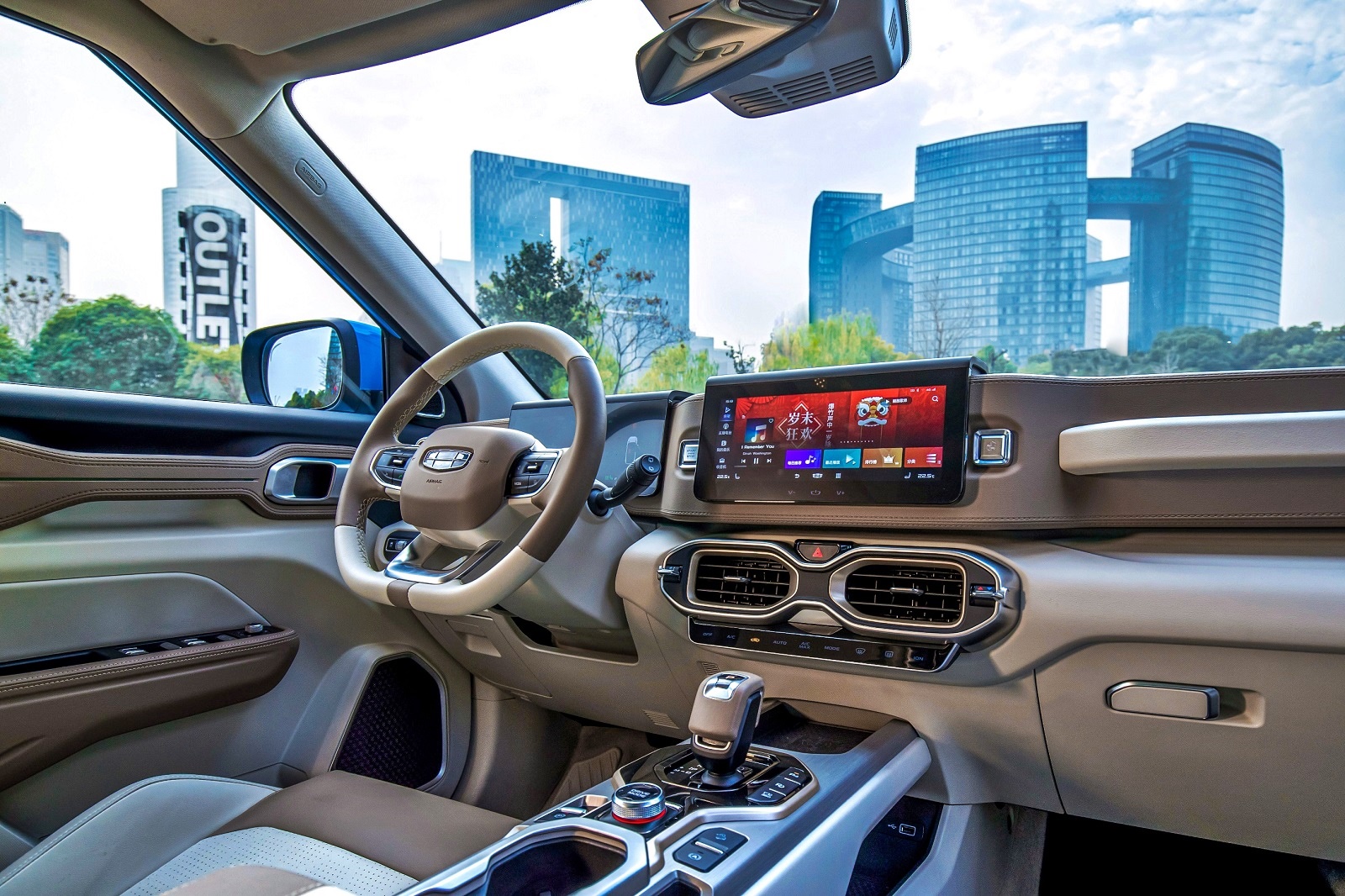
Inside the ICON, the same design philosophy as used for the exterior helps give the cabin a futuristic sci-fi feel. The symbol of time is once again visually present in the design form of the air vents and central console.
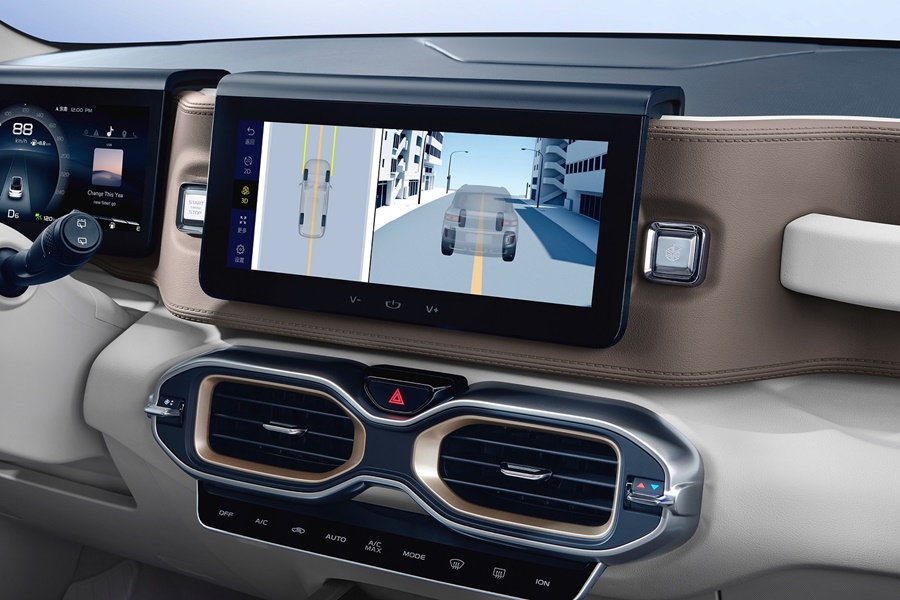
Large dual interactive 10.25-inch screens, an information panel and central infotainment console dominate the dashboard. From the two interior screens and mobile devices, users can interact with ICON and connect to the world through the GKUI Geely Smart Ecosystem.
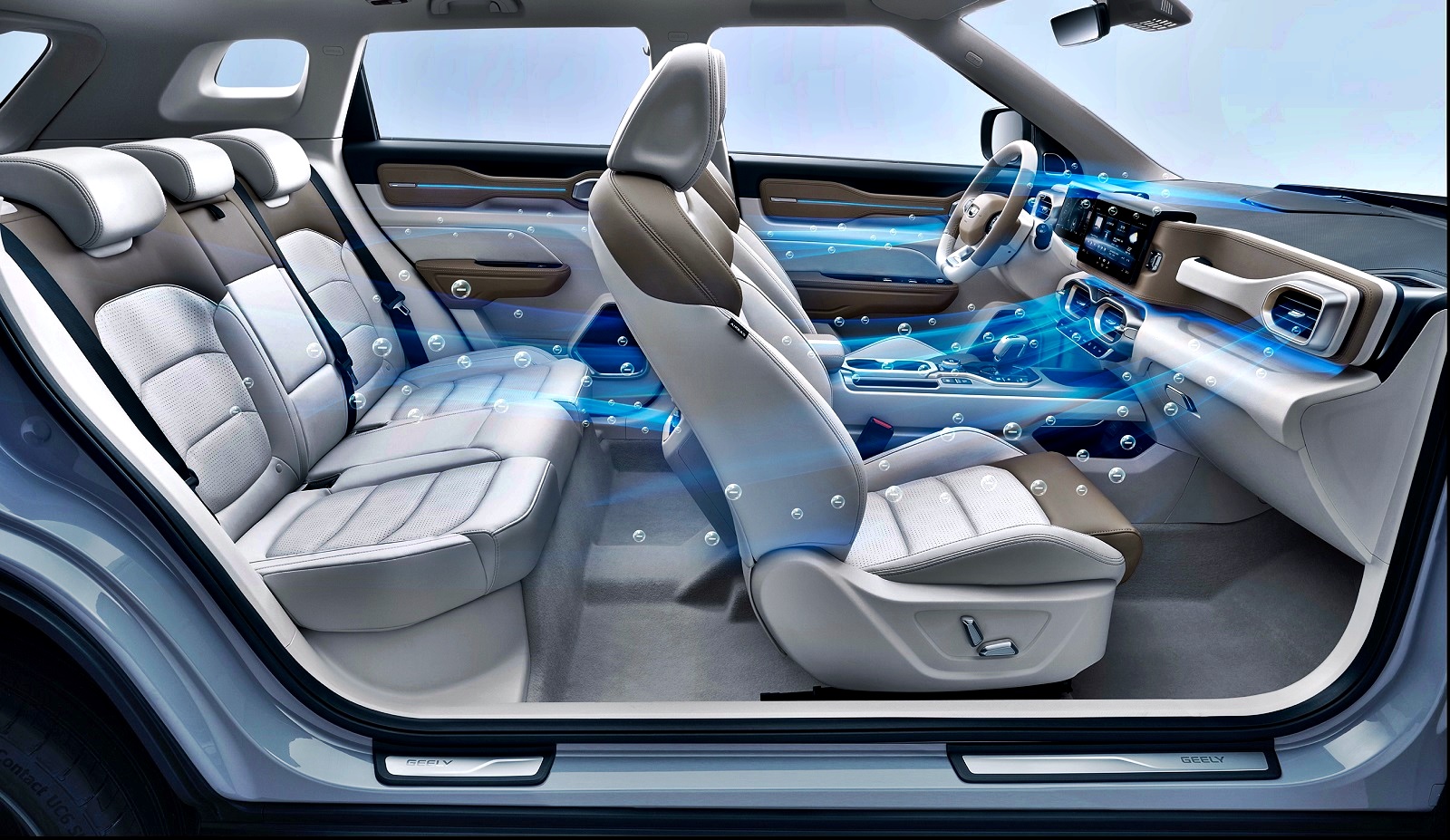
The ICON will have, as standard, a new Intelligent Air Purification System (IAPS) that is N95 certified. This system, developed in record time as an immediate response to the ongoing epidemic, is a works together with the air conditioner to isolate and eliminate harmful elements in the cabin air including bacteria and viruses.
Smart technologies for safety
The ICON comes with benchmark-setting smart technologies. Its Level 2+ intelligent driving technologies are supported by 12 ultrasonic radars, millimetre-wave radar, and 5 high-definition cameras. Other driver-assist features include intelligent cruise control, lane-keep assistance, automatic emergency braking and pedestrian recognition, and one-button automatic parking.
Geely’s 360 ° Safety Identification Circle is enhanced by an additional 180°. On top of being able to see a 360° panoramic image of the vehicle on the interior screens, there is also a 180° view from the side, front, or rear of the car, effectively eliminating all blind spots from the driver’s seat.
Addressing millions of viewers online, Geely Auto Group President & CEO, An Conghui said: “Geely ICON’s launch not only showcases the core strength of Geely’s global development network, it also shows our forward thinking and demonstrates the high-tech digital future we are all moving toward. It represents Geely’s leap from merely meeting user demands to creating leading trends. Just as the Geely ICON will become a new icon for global SUVs, Geely Auto will also become an icon in terms of automotive technologies and global auto brands.”
Will Proton get the ICON?
Every time Geely launches a new model, there seems to be the expectation that it will also carry a Proton badge in due course. While Geely would be contributing some models and certainly sharing platforms, it doesn’t mean that it will let Proton have every model. There will be marketing considerations, R&D costs (since a righthand drive version would have to be developed) and also positioning of the product against other brands in the group.
Having said that, the ICON looks like a good candidate as a global model and we would not be surprised if Azlan Othman and his Proton Design team are already coming up with Malaysianised proposals.
The age of flying cars for the masses has yet to start but it must be coming, going by what the new Land Rover Defenders are shown doing in a movie. The 4×4 brand’s products have always been known and admired for their off-road capability on any terrain, wading ability across rivers and extreme durability. Now it appears that they will soon develop some sort of flying capability too!
That they can fly and mimic motocross bikes that swoop 30 metres over ground made them the natural choice for use in ‘No Time To Die’, the James Bond movie that will be in cinemas this April.
It’s not the first time that the Defender has starred in a Bond movie, but it is the first movie for the all-new Defender that was launched last September.
Ten Defenders were acquired for the movie for use in an exciting chase scene, and one of the SUVs has the VIN (Vehicle Identification Number) 007 which indicates it was the seventh vehicle to be produced. Customers who have ordered their Defenders will soon be getting them but demand has been very great so Land Rover expects it to exceed supply.
The dramatic scenes are used in Land Rover’s television commercial for the new Defender and demonstrate its various capabilities on tough terrain. The commercial also give an exclusive, behind-the-scenes look at how those flying scenes were done so you can see it wasn’t CGI. The rehearsal footage includes further extreme tests as the vehicle is driven at top speed through swamps and rivers.
The chase sequence in ‘No Time To Die’ was led by stunt coordinator Lee Morrison, working alongside Oscar-winner Chris Corbould, the special effects and action vehicles supervisor. “We pushed the Defender further than we believed possible to generate the maximum excitement, and to give fans an insight into the uncompromising challenge of producing an incredible chase sequence which you can look forward to seeing in ‘No Time To Die’,” said Morrison.
“We developed a new test standard for Defender, the most challenging we’ve ever had and unique to this vehicle. Physical strength and durability is measured by a number of different tests including a bridge jump test which gave us confidence to deliver what the stunt team needed to create for ‘No Time To Die’, with no modifications to the body structure except the installation of a roll cage,” revealed Nick Collins, Vehicle Line Director for the Defender at the factory.
Putting these vehicles through their paces was Jessica Hawkins, whom Morrison handpicked from the Formula 3 W Series after spotting her potential. He wasted no time in giving her the opportunity to feature in what will be her first ever motion picture.
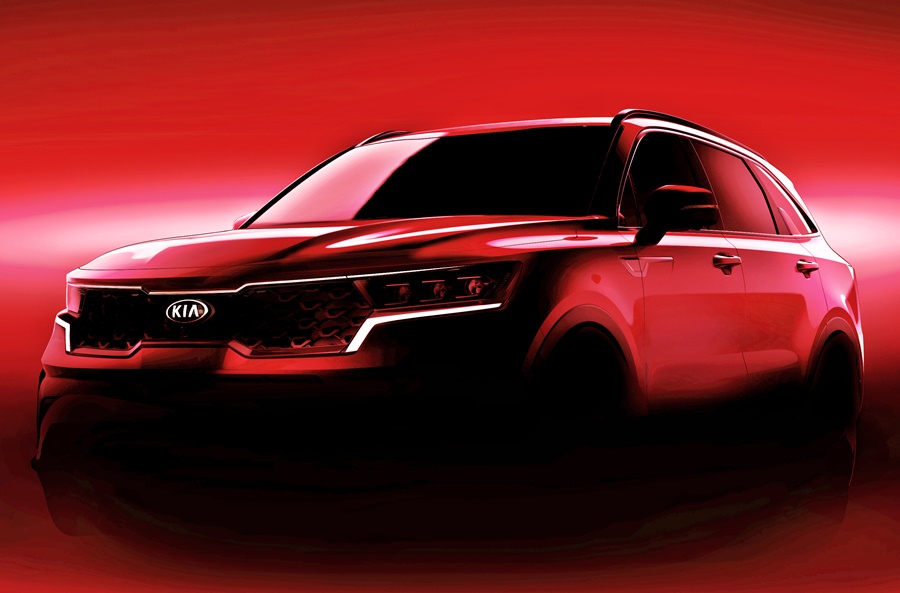
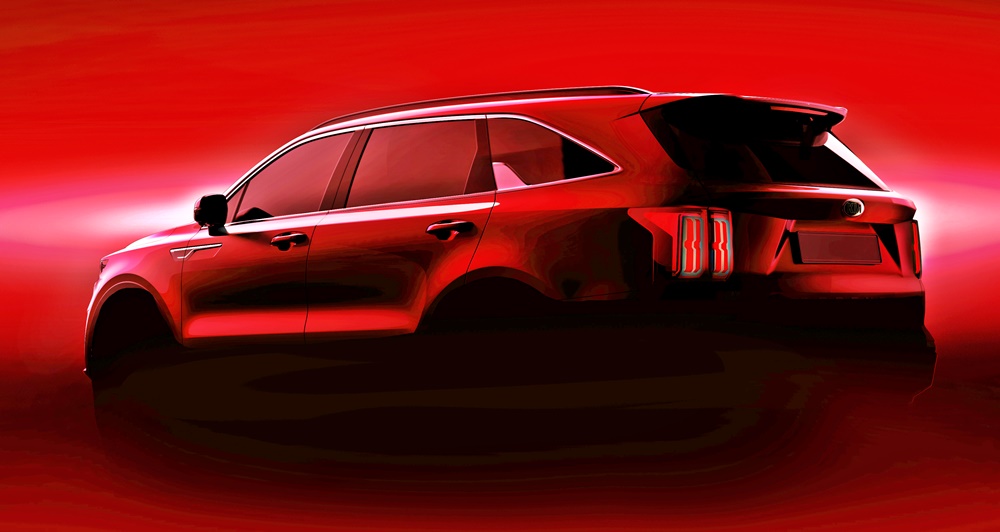
Following the release of the first official pictures of the all-new Kia Sorento that will have its global debut next month, the Korean carmaker has now revealed details of its new platform and powertrains. The latest Sorento will be the first SUV to use Kia’s new platform when production commences later this year.
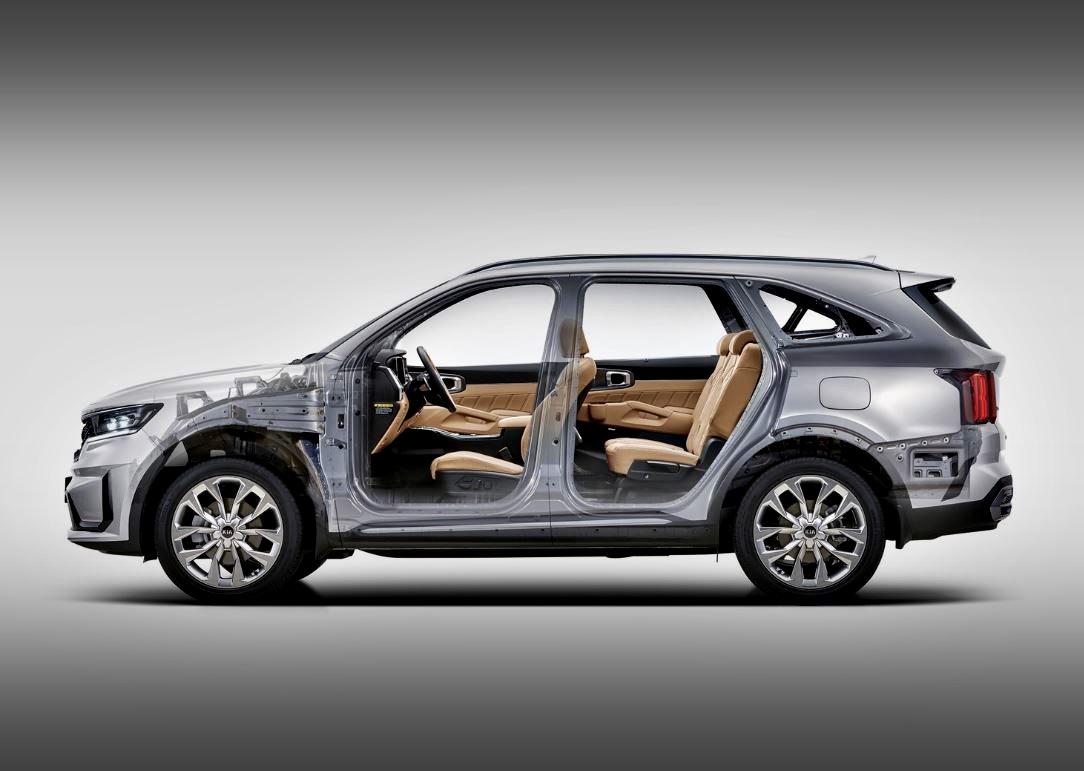
The overall length of new Sorento is 10 mm more than its predecessor while the wheelbase is lengthened 35 mm to 2815 mm. The cabin is now claimed to provide more room than in many other midsize SUVs with intelligent packaging offering class-leading cargo space.
When the first-generation Sorento was launched in 2002, it sat on a robust body-on-frame chassis, a typical approach for most SUVs at that time. The shift to a monocoque structure – similar to passenger cars – for the second generation Sorento in 2009 marked a major change on-road character and behaviour.
Kia’s new midsize SUV platform represents a similarly important leap forward for the next-generation Sorento, allowing new standards to be set in its segment for space, practicality, efficiency and quality. The new platform positions the battery pack beneath the passenger cell so there is no impact on cabin or luggage space.
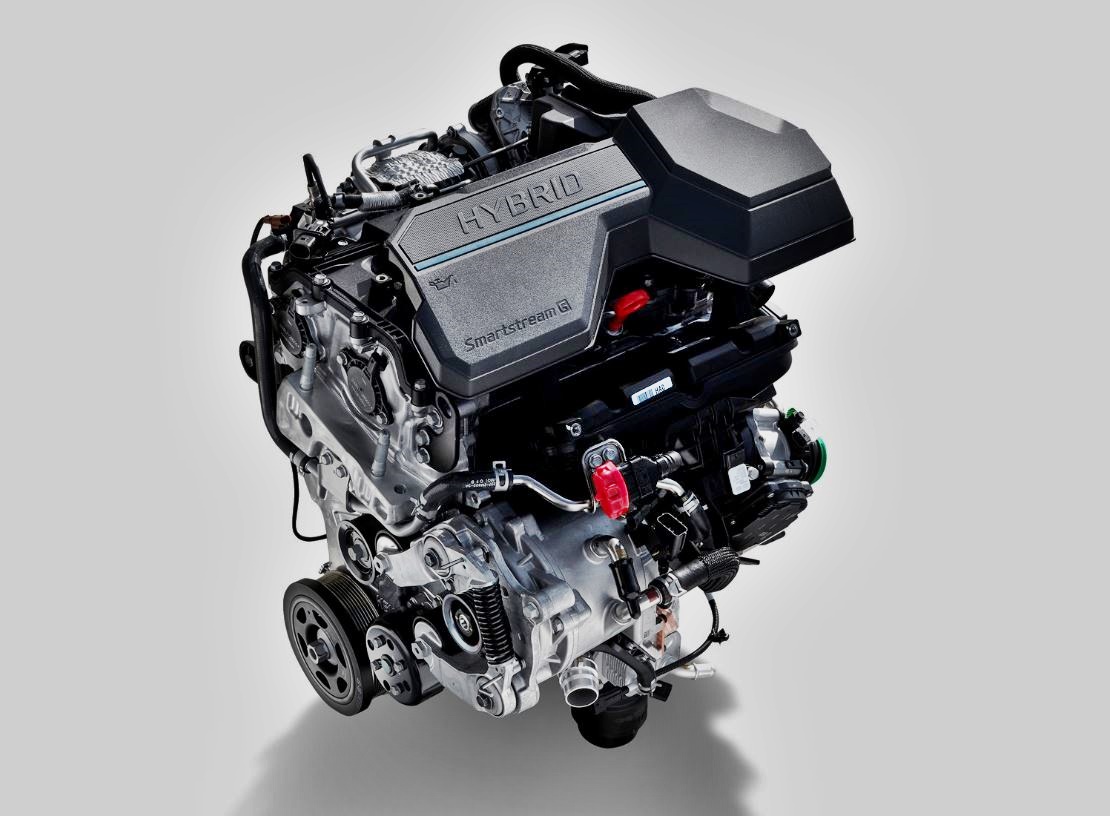
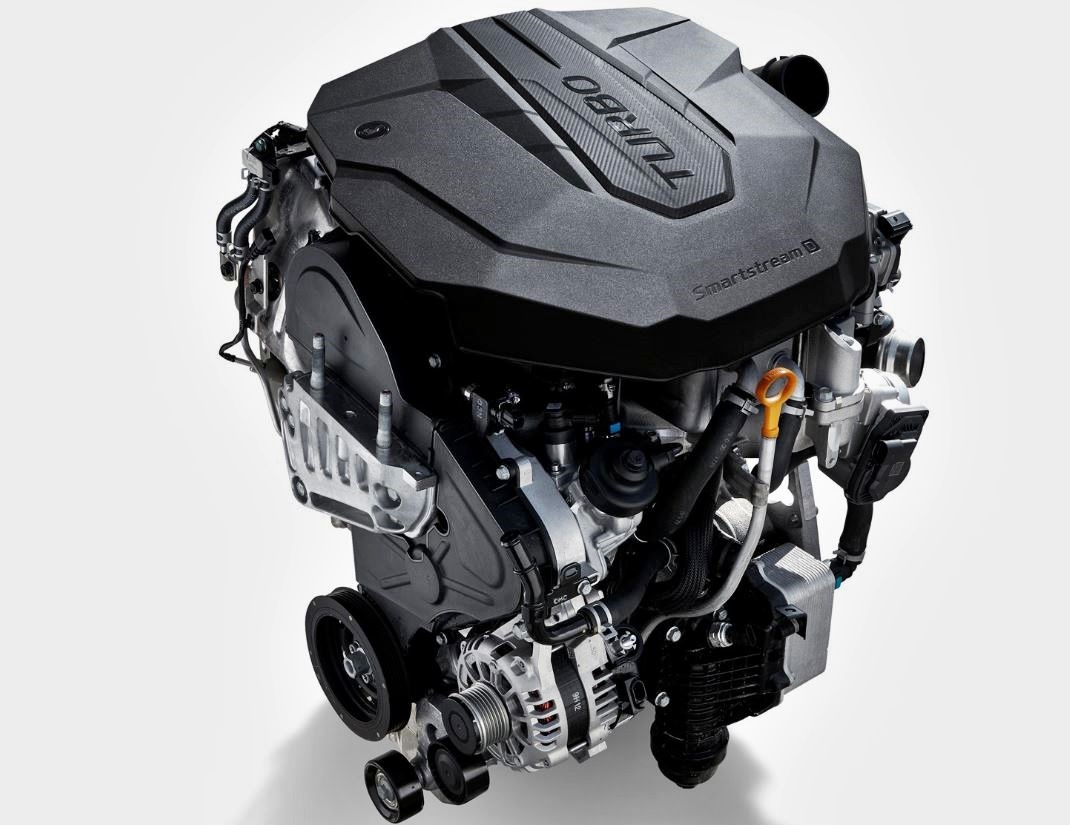
For Korea, Europe and North America, the structure and layout of the platform accommodates the new Smartstream turbocharged hybrid powertrain. Representing the first application of electrified power in the Sorento line-up, the new powertrain comprises a 1.6-litre T-GDi (turbocharged gasoline direct injection) engine, and a 44.2 kW electric motor which draws energy from a 1.49 kWh lithium-ion polymer battery pack. The electrified powertrain produces a combined total output of 230 ps power and 350 Nm torque, with high levels of performance but low exhaust emissions.
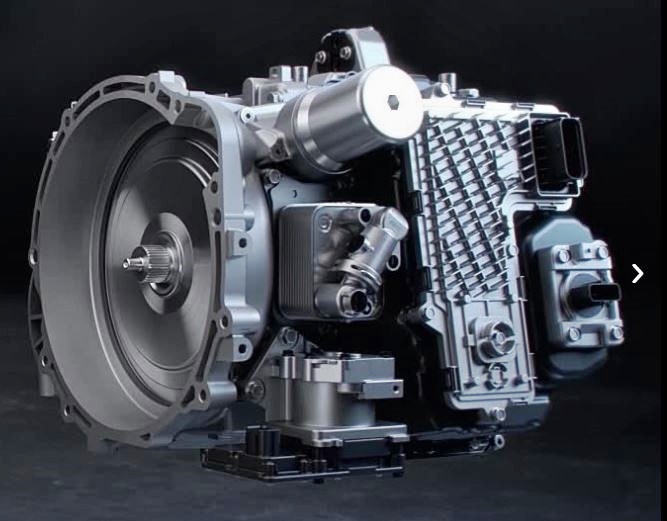
There is also a new 4-cylinder 2.2-litre Smartstream diesel engine producing 202 ps/440 Nm. This is paired with Kia’s new 8-speed wet double-clutch transmission (8DCT), developed to offer the smooth shifting characteristics of a conventional automatic while enhancing efficiency over dry clutch DCTs.
Another powertrain option is the Smartstream 2.5-litre T-GDi engine (281 ps/421 Nm) which is also paired with the new 8DCT. This turbocharged petrol engine combines direct injection and multi-point injection technology, enabling it to subtly adapt its combustion cycle at different engine speeds to enhance performance and efficiency in everyday use.
Additional powertrains will be announced in future, including petrol engines and a powerful new plug-in hybrid variant.
In addition to its new platform and powertrains, the new Sorento introduced a range of high-tech safety and convenience features said to differentiate it further from other midsize SUVs. It will have Kia’s first Multi-collision Brake system which can mitigate the severity of secondary collisions. This system automatically applies vehicle brakes when the airbags (up to 8 available) have been deployed after an initial collision, further protecting occupants from secondary frontal or side impacts.
In some markets, the Sorento will also have a remote smartphone Surround View Monitor option. This allows users to check the vehicle’s surroundings with their smartphone in conjunction with the in-vehicle Surround View Monitor to maximize parking convenience.
One of the earlier SUV models from the Korean carmaker, the Sorento enters its 4th generation this year, with the global debut to be at the 2020 Geneva International Motor Show. The Sorento sits at the heart of Kia’s reinvigorated global SUV line-up which also includes the Seltos, Stonic, Sportage, and Telluride.
It is the result of a global collaborative effort between all Kia’s design network which has studios in Korea, Europe and North America. For this new generation, the designers adopted the concept of ‘refined boldness’, maintaining the robust, tough-looking aesthetic of earlier generations.
All-new platform with new design
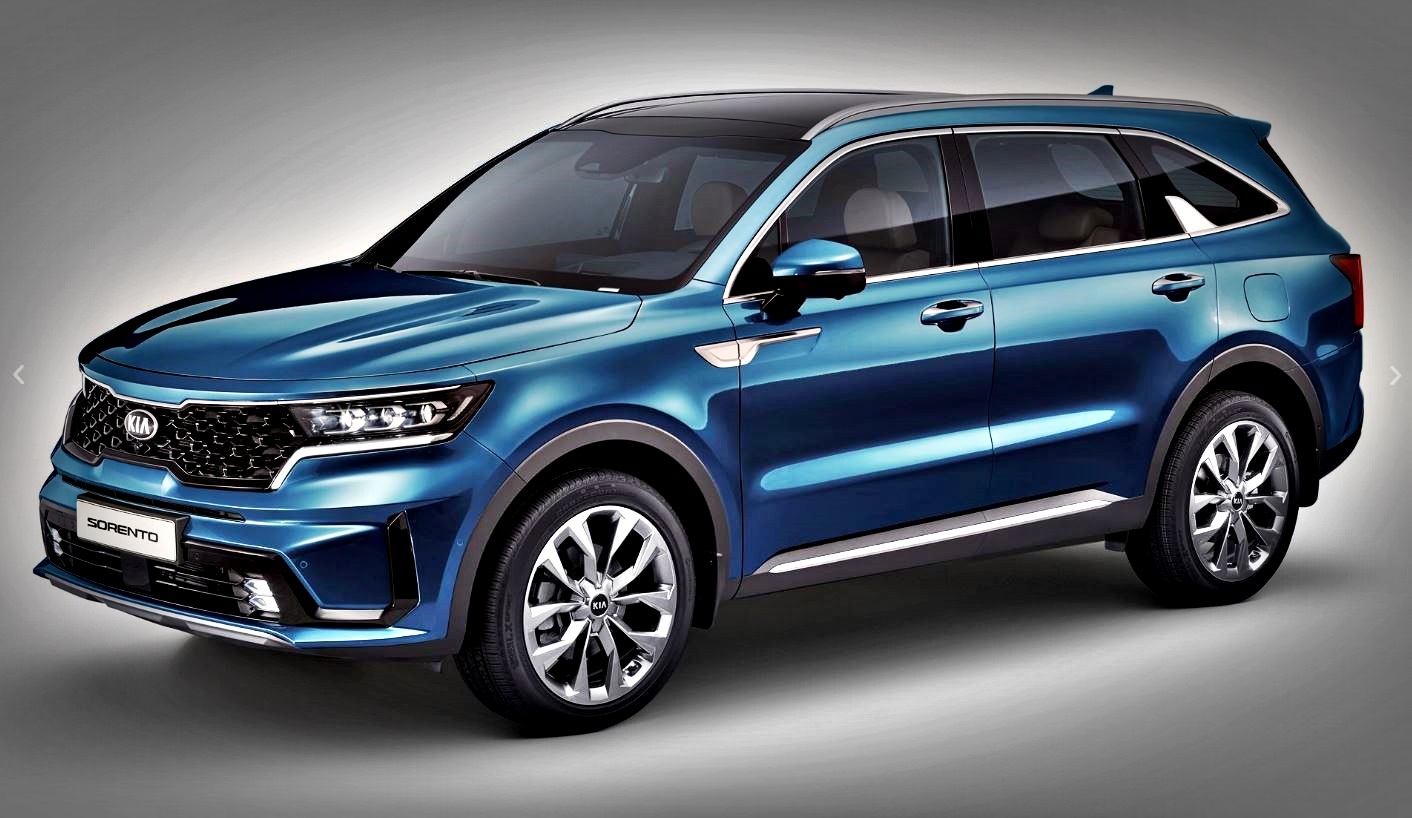
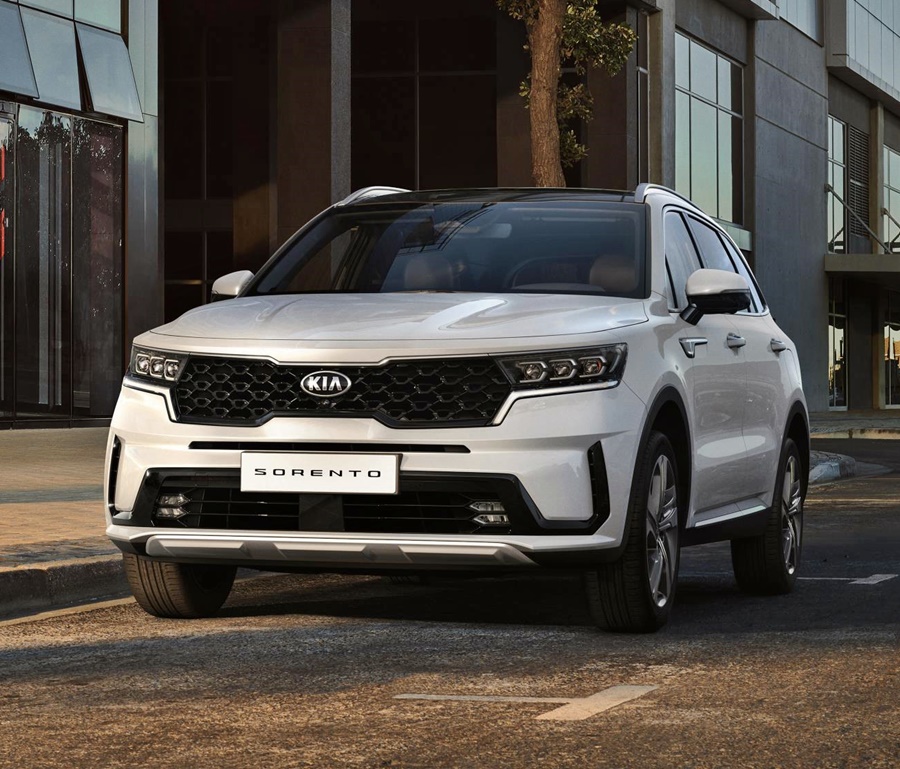
The fourth-generation model sits on an all-new platform that is said to raise standards in the midsize SUV segment for space, practicality, efficiency and quality. The latest design incorporates sharper lines and uninterrupted surfaces, making it noticeably more sculpted than its more round-edged predecessor.
Besides more contemporary geometric details and swept-back, elongated proportions, the assertive ‘face’ of the Sorento has evolved too. There’s a new interpretation of Kia’s hallmark ‘tiger nose’ grille. It’s wider and more expansive, wrapping organically around the integrated headlamps on each side. The headlamps themselves feature a new ‘tiger eye’ LED daytime running light, adding extra focus to the design by depicting the intense impression of the lines around a tiger’s eyes.
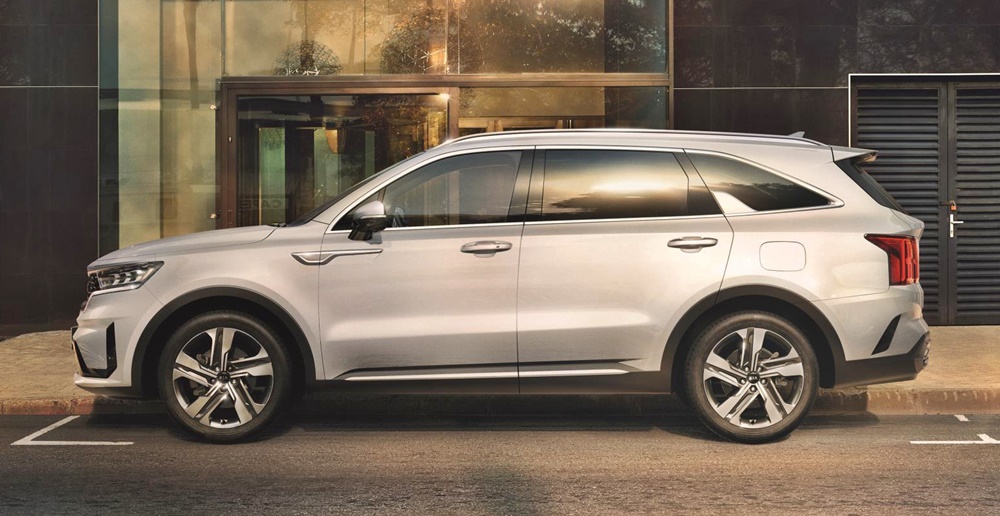
In profile, the proportions of the SUV are subtly adapted to make it appear longer, with shorter front and rear overhangs and a longer wheelbase. Its new proportions also extend the length of the bonnet, drawing the A-pillar 30 mm further back from the front axle for a more ‘cab-rearward’ design.
The trailing edge of the bonnet wraps around the front wings and turns into a single, strong character line which extends along the side of the Sorento and flows into the new vertical taillights.
Most high-tech Kia model to date
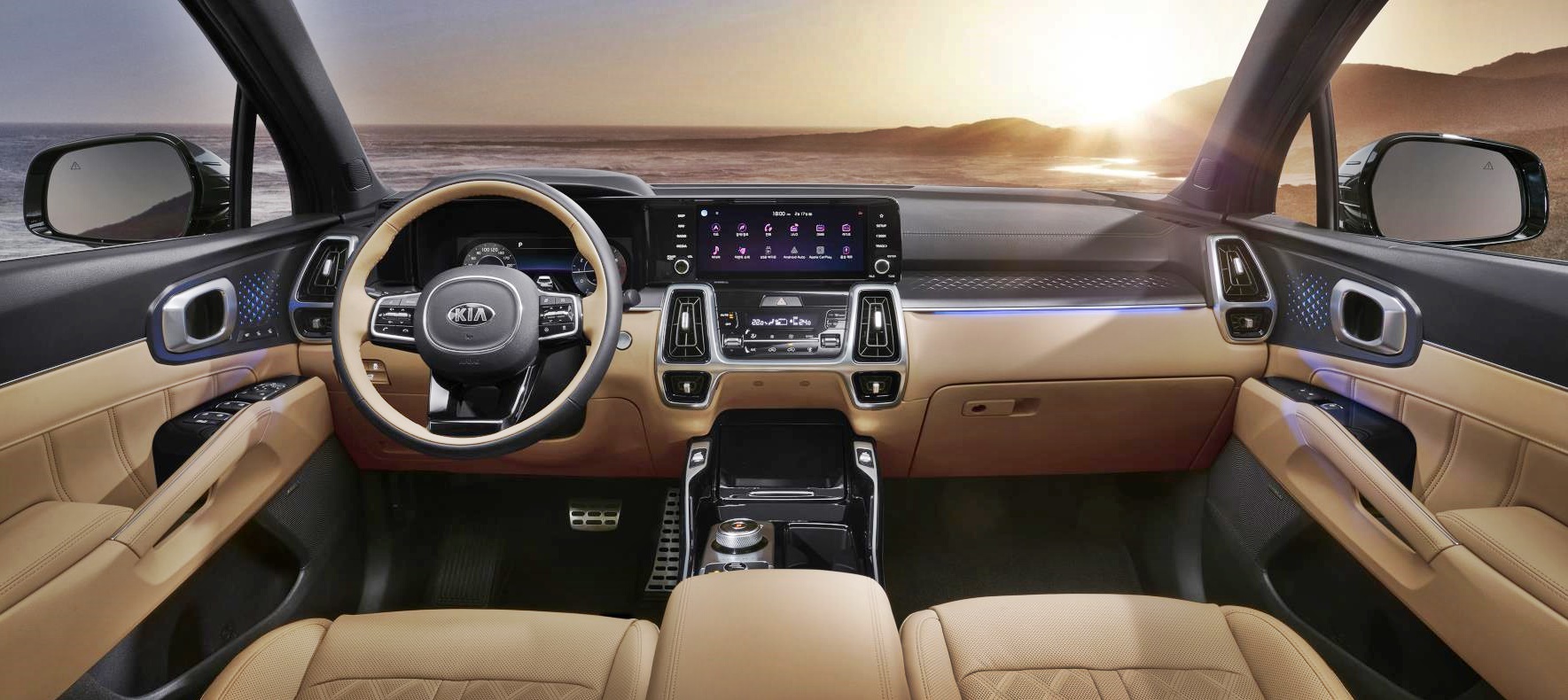
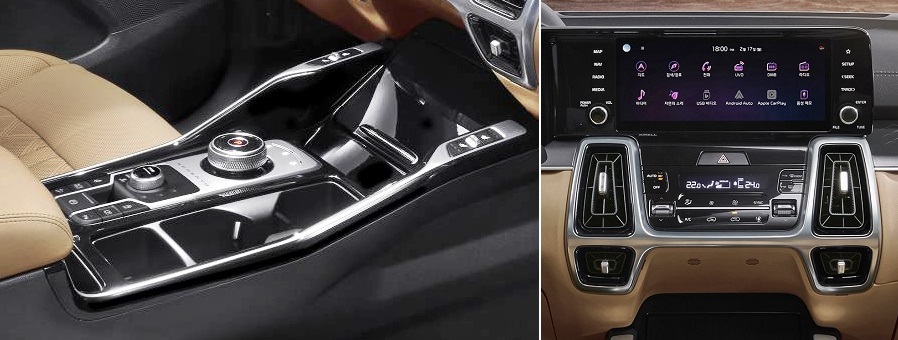
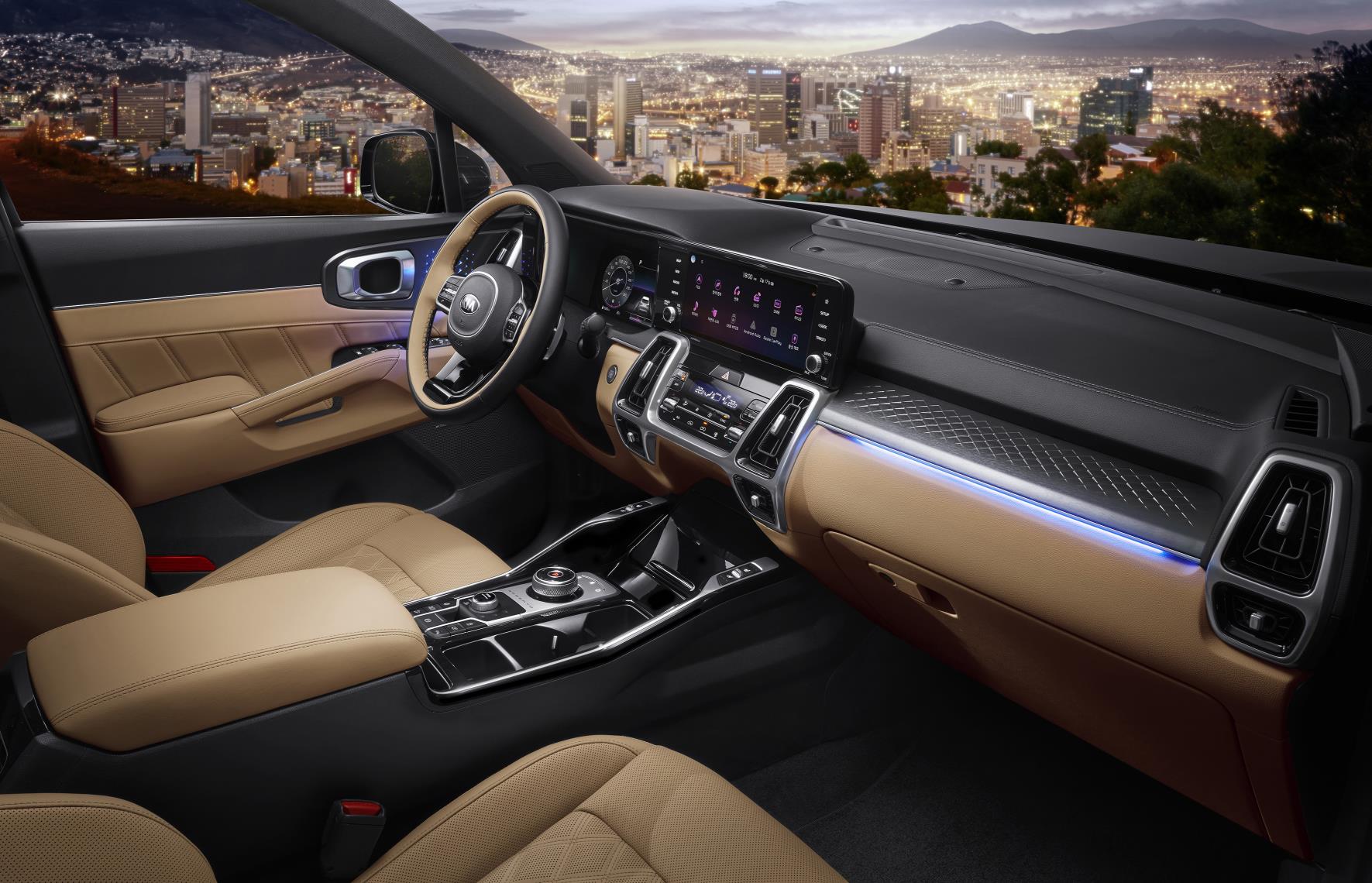
Inside, the upscale cabin has a sophisticated new design incorporating cutting-edge infotainment, supreme practicality, and premium-grade materials. It is described as one of the highest quality interior spaces found in any Kia to date. The progressive technologies available in the new model also make it the most high-tech vehicle Kia has ever put in showrooms.
Blending metallic trims, leather upholstery and embossed wood-effect surfaces, the interior also subtly integrates other technologies to enhance connectivity, driver assistance and infotainment. Its 10.25-inch touchscreen infotainment system with audio-visual navigation system is complemented by a new 12.3-inch high-resolution digital instrument cluster.
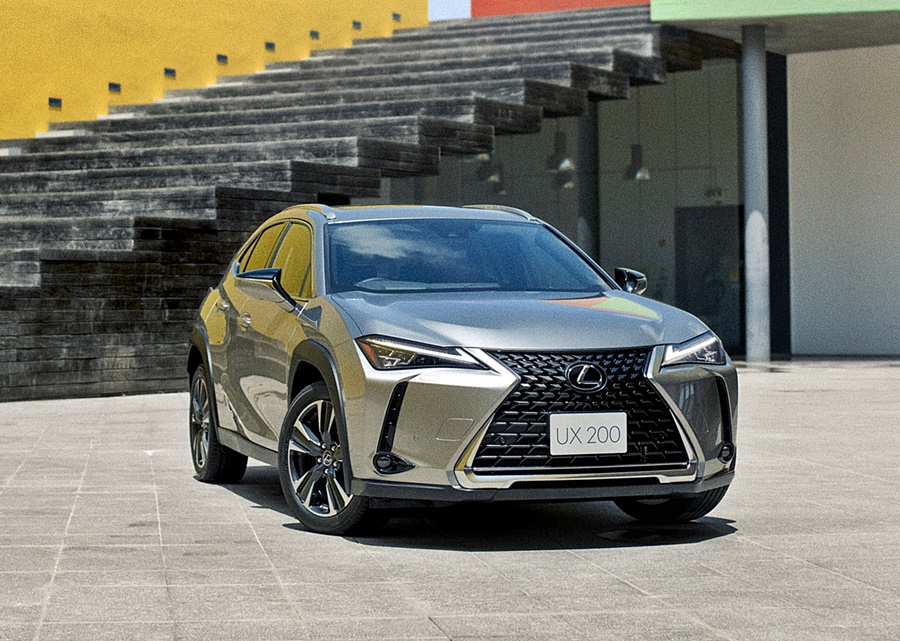
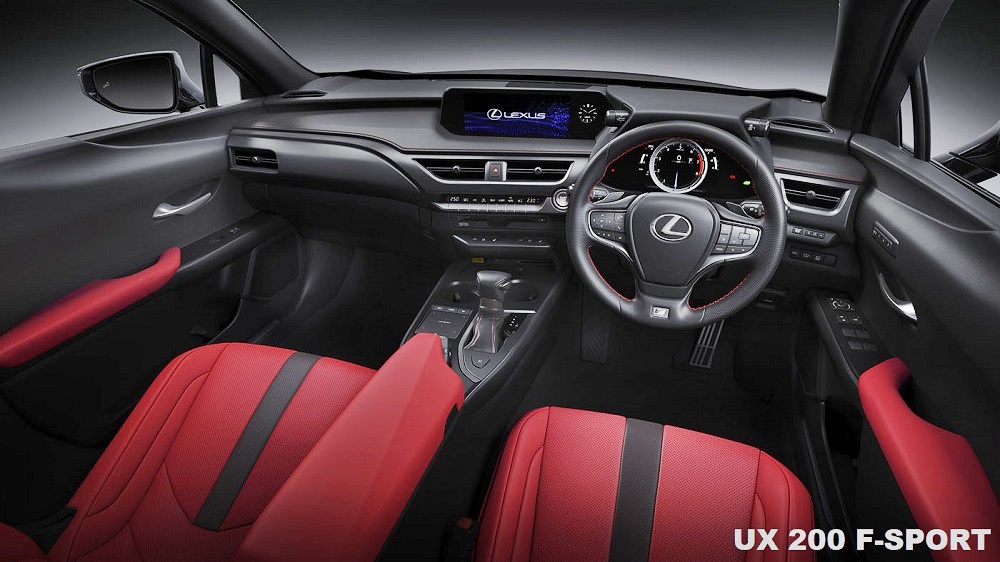
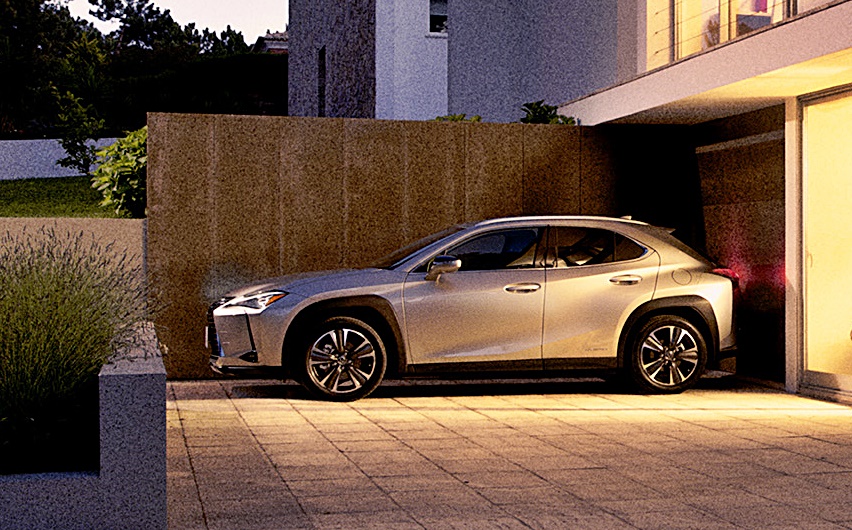
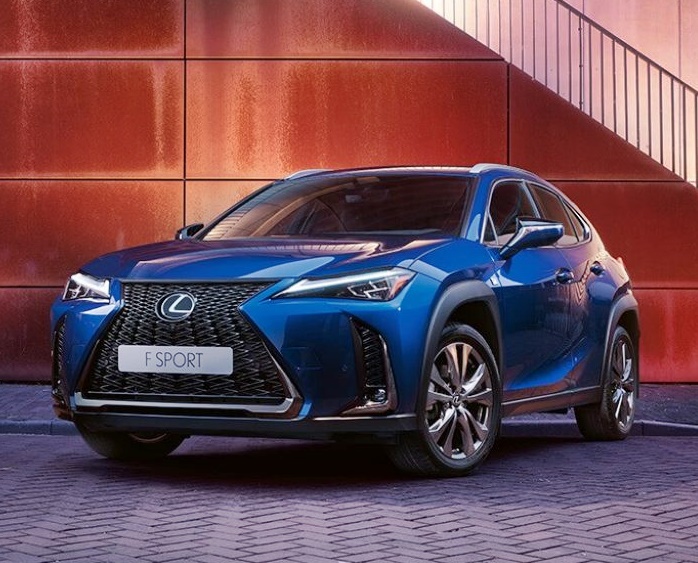
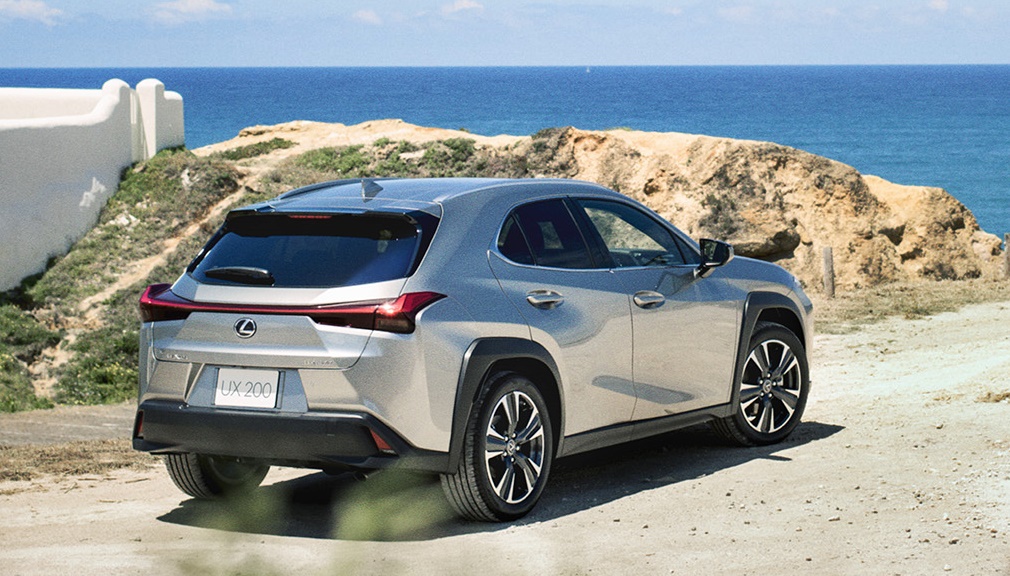
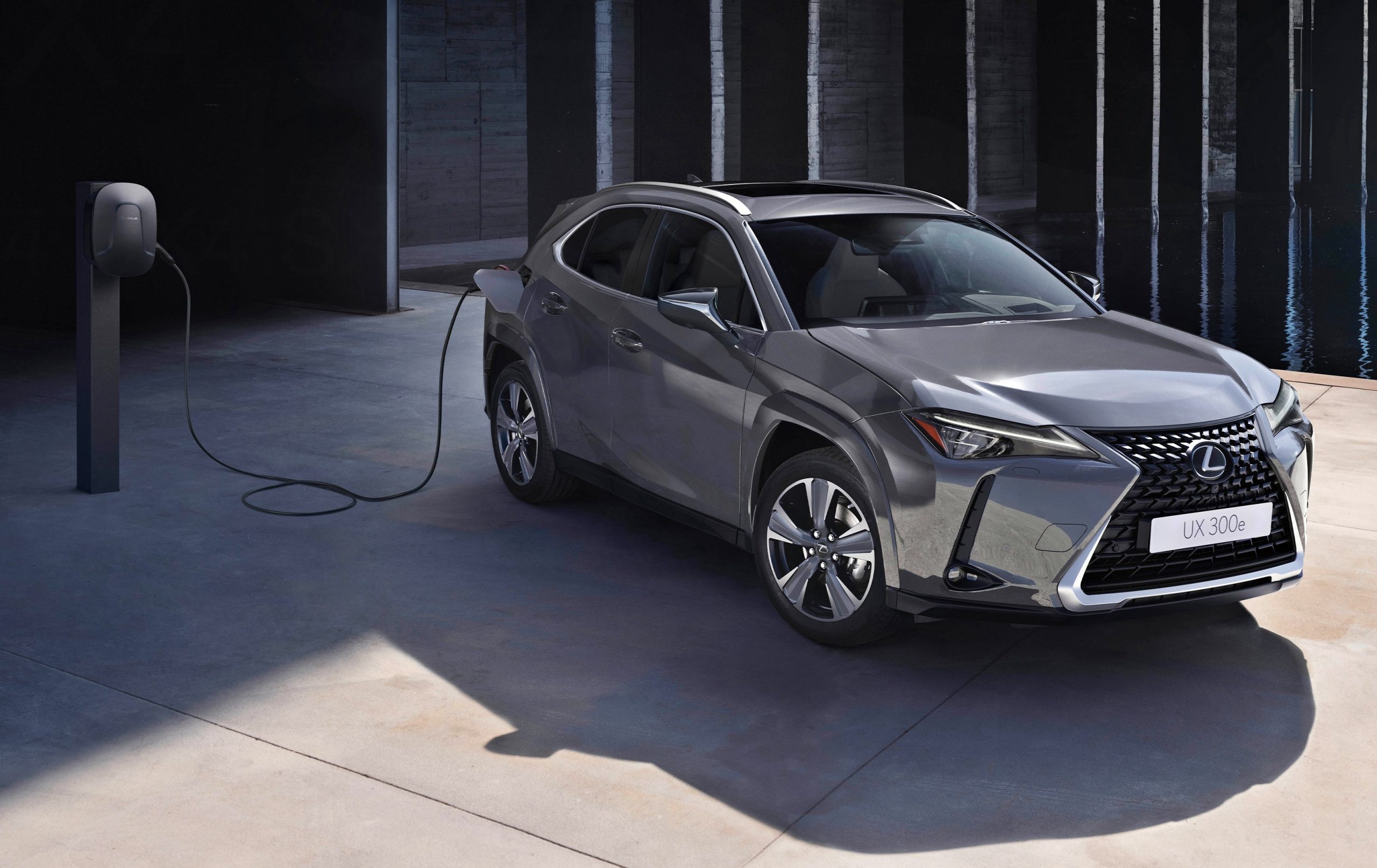
Bookings are now accepted by Lexus Malaysia for the new UX 200, the premium brand’s compact SUV. Presumably, the stocks from Japan have arrived in Malaysia so the company should be launching it in the near future in three versions – UX Urban, UX Luxury and UX F-Sport. Prices (exclusing insurance) in Peninsular Malaysia range from RM243,888 to RM299,888 but if you buy and register in the duty-free zones, the price range would be RM156,472 to RM191,841.
“This dynamic new model is truly a product of creative engineering by Lexus led by its first female Chief Engineer. The design itself connects strongly with any audience as a car that is beautifully styled in the spirit of Engawa (Japanese traditional architecture seamlessly to connect inside with the outside). It also includes such high-end Japanese design elements as Sashiko upholstery (a Japanese stitching technique). The UX is the first Lexus model to offer a new trim grain finish that’s inspired by the grain of Japanese paper know as Washi, familiar in traditional Japanese home” said Deputy Chairman of Lexus Malaysia, Akio Takeyama.
Global Architecture-C Platform
The UX 200 has the signature spindle grille that unifies every Lexus model and of course, keen attention to detail and quality that have always been hallmarks of the brand. The compact SUV, developed on the latest Global Architecture-C Platform (GAC Platform), has a stable and dynamic chassis to give a distinctive driving character with refined driving dynamics.
Aiming to help lower road accidents, Lexus has installed the Lexus Safety System + (LSS+), an integrated suite of safety systems that assist the driver and enhance motoring safety. This system employs sophisticated sensors and cameras on board to not only reduce or avoid accidents but also removes the daily stresses of commuting through some of its functions.
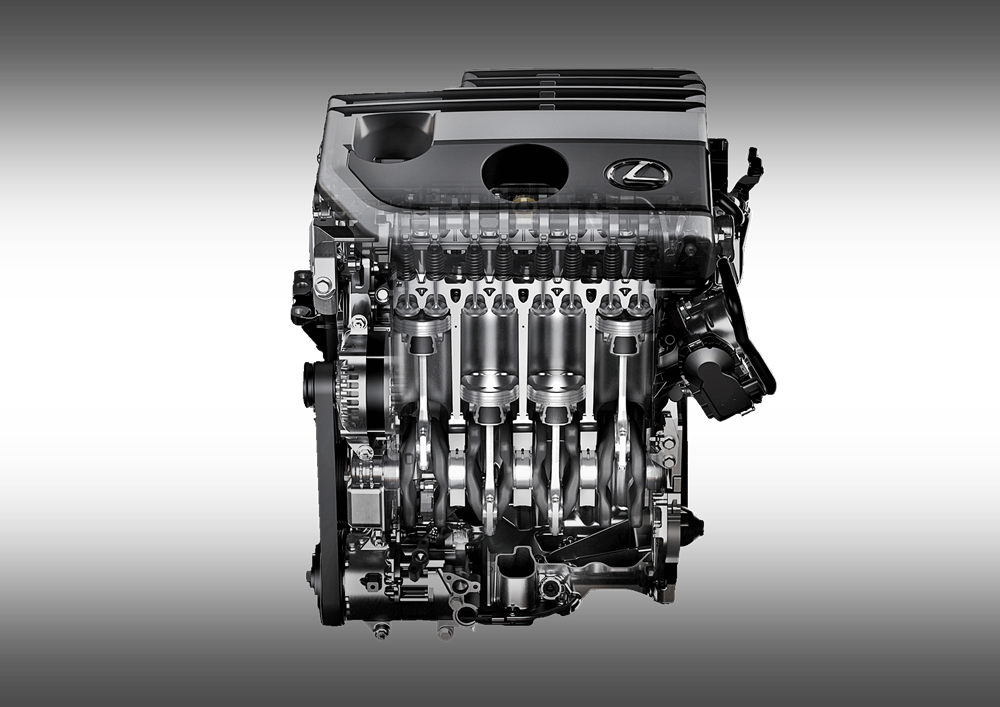
Lexus UX 200 engine
10-speed direct-shift CVT
Features-wise (depending on the version), the UX 200 will have items such as a power back door with ‘kick-open’ function, wireless charging, panoramic-view mirror, and a 10-speed direct-shift CVT with the new M20A-FKS petrol engine.
“We believe that this All-New Lexus UX 200 model will be a head-turning model with a strong appeal to the urban motorist. Its high level of sophistication and technology with Lexus engineering makes this one of the most appealing compact SUVs available on the market today,” added President of Lexus Malaysia, Ravindran K.
All units of the UX 200 imported and distributed by Lexus Malaysia come with a comprehensive warranty of 5 years with unlimited mileage. Being the authorised distributor, Lexus Malaysia ensures that there is complete aftersales support available to its customers and has 7 locations across Malaysia with Lexus-trained technicians, diagnostic equipment and genuine replacement parts.
Visit www.lexus.com.myto know more about Lexus products and service in Malaysia.
It’s been just about 14 months since the Proton X70 was launched, during which time over 29,000 units have been delivered throughout Malaysia. The strong and positive response to the model has rejuvenated Proton, which has Geely as its partner, as well as brought back respect for the company from Malaysians. In retrospect, perhaps Proton should have found a partner earlier but being a national carmaker, it was important that anyone who partners Proton would need to be the ‘correct fit, as Proton Chairman Dato’ Sri Syed Faisal Albar put it some years ago when DRB-HICOM was looking for a partner.
The speed at which the X70 was brought to the market was impressive although it must be said that the development and engineering work had all already been done earlier for the Geely Boyue. It was not as time-consuming and Azlan Othman and his team at Proton Design ‘Malaysianised’ it with styling cues that made reference to local culture and landscape. Of course, it still required an engineering program since there was no righthand drive version of the Boyue.
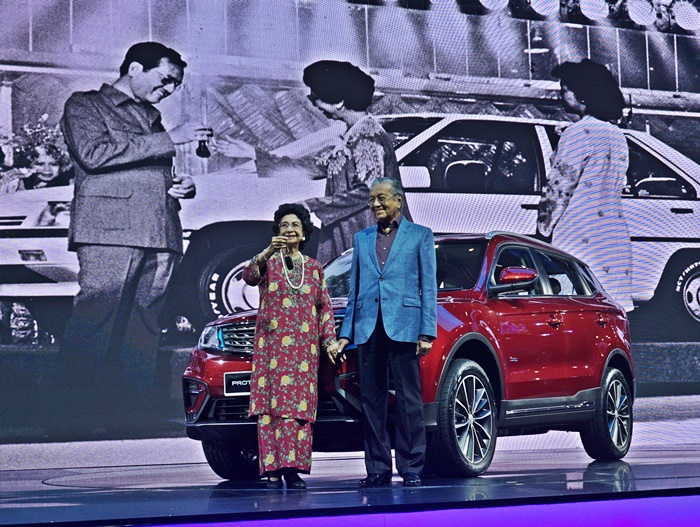
Launch of the Proton X70 in December 2018
Not wanting to waste time, a decision was made to build the SUV at a Geely factory in China first while renovating the factory at Tg. Malim in Perak. It needed changes and extensions to accommodate planned growth as well as a significant improvement in quality, something which had contributed to the brand’s downturn.
Geely would probably have preferred to keep building the vehicles in China where there would be economies of scale but understanding the aspirations of the Malaysian government to develop the domestic auto industry, it was agreeable to assembling the X70 here with a plan of making Malaysia a production hub for righthand drive models.
As the renovation works, costing RM1.2 billion, were completed, trial production of 130 units began in October 2019 alongside lines for the Iriz and Persona. Well aware that Malaysian buyers were skeptical of Made-in-Malaysia quality, much attention was put into quality control and ensuring that the locally-assembled or CKD (completely knocked down) X70 would be as good as the one that came from China. Proton acknowledged that the quality score of its products compared to other brands in the Geely Group was lower but had improved greatly with guidance and assistance from its partner.
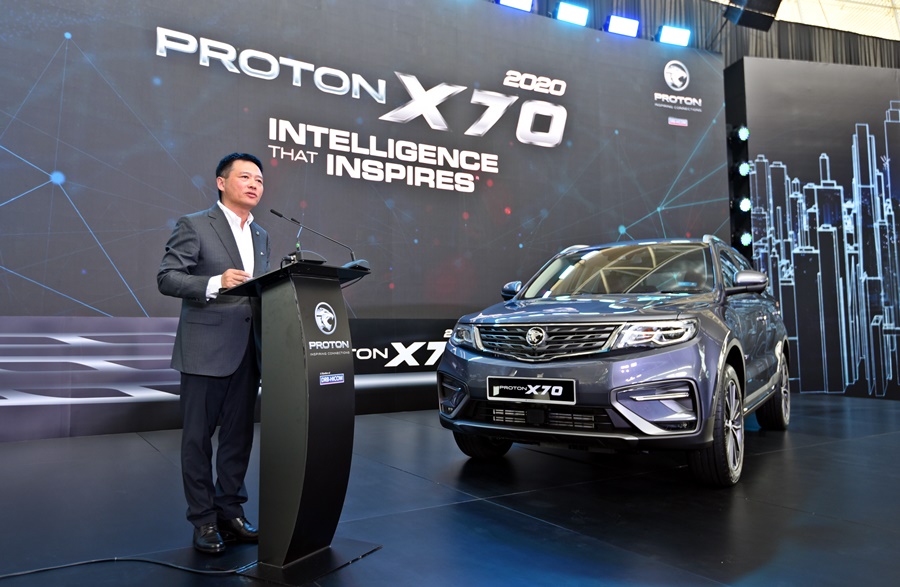
And so today sees the CKD X70 being officially launched, and presumably ending the imports. According to Dr. Li Chunrong, CEO of Proton, the next model – which will be the X50 – will not have the same approach; local assembly will be done from the start, perhaps by the end of this year.
14 months is a rather short time in the market and with the looks of the X70 still fresh and appealing, the focus was on adding value to the product as well as addressing issues which owners complained about. The launch of the CKD model provided a good opportunity to make the changes and offer a product that would be better than the imported one.
Local assembly = lower prices
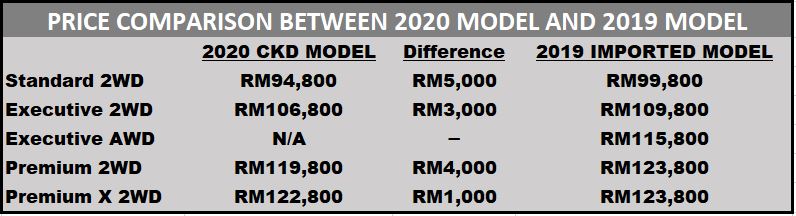
There are 4 variants to choose from – Standard, Executive, Premium and Premium X. All come only with 2WD (front-wheel drive) with no AWD variant. Meeting expectations that a locally-assembled model should be cheaper, the CKD X70 in Standard spec is priced at RM94,800 and that is RM5,000 less than the imported 2019 model. The Executive is also RM3,000 cheaper at RM106,800, while the Premium version which sold at RM123,800 last year is now RM119,800 – RM4,000 lower. the top-of-the-line Premium X is priced RM3,000 more than the Premium and you get a panoramic sunroof for the extra money. By Proton’s calculations, the total value added ranges from RM11,640 to RM13,140 with customers saving between 9% and 13%, depending on the variant. And as with the imported model, the prices are the same for Peninsular and East Malaysia.
On-the-road prices (excluding insurance) for private registration in Peninsular and East Malaysia.
Every version comes with a 5-year unlimited mileage warranty, a 5-year data package (1GB/month), free labour for scheduled maintenance (first 5 times) and for the first 3,000 X70 buyers, Proton is also throwing in an additional 4GB/month data package along with a package of accessories worth RM2,000. Customers who take their H-P financing from Proton’s partners can enjoy low interest rates as well as premium insurance coverage.
Until March 15, 2020, Proton is also having an Online Flash Booking offer for just RM99 (terms and conditions apply).
What’s new?
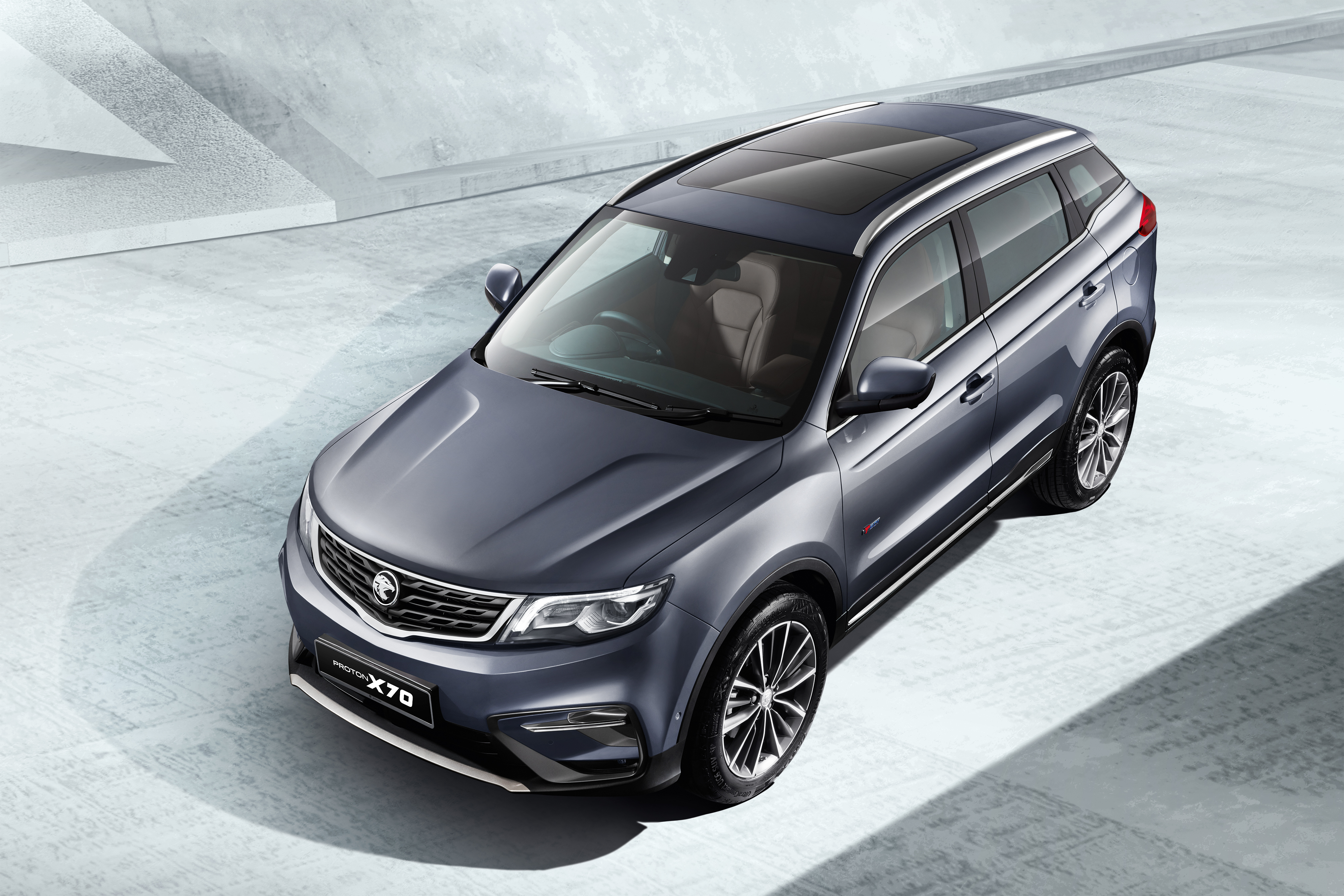
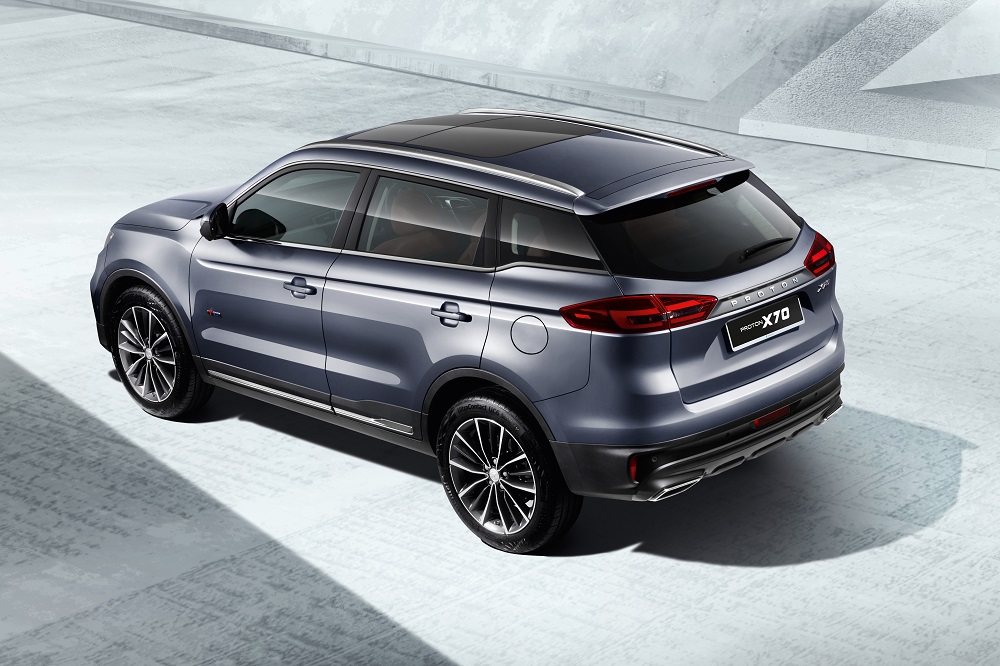
If you live in Malaysia, you will already know what the X70 looks like. As mentioned earlier, over 29,000 units on roads and in homes all over the country. Right off, we can tell you that there are no changes to the exterior and interior styling. The only exterior ‘change’ is the addition of a new colour choice – Space Grey – which joins the existing range of 5 colours.
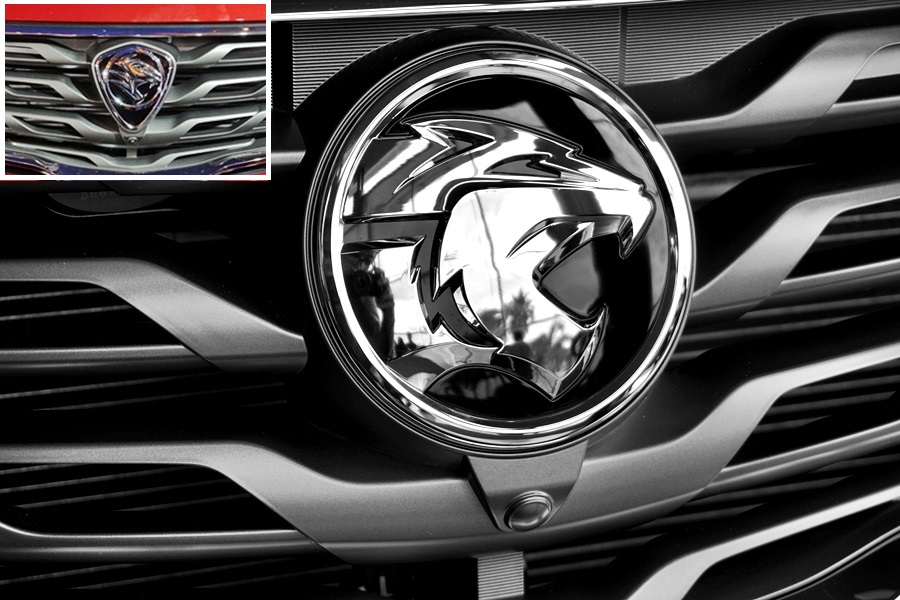
New Proton logo, introduced last September, is used for the 2020 X70 (previous logo design shown in inset on top left).
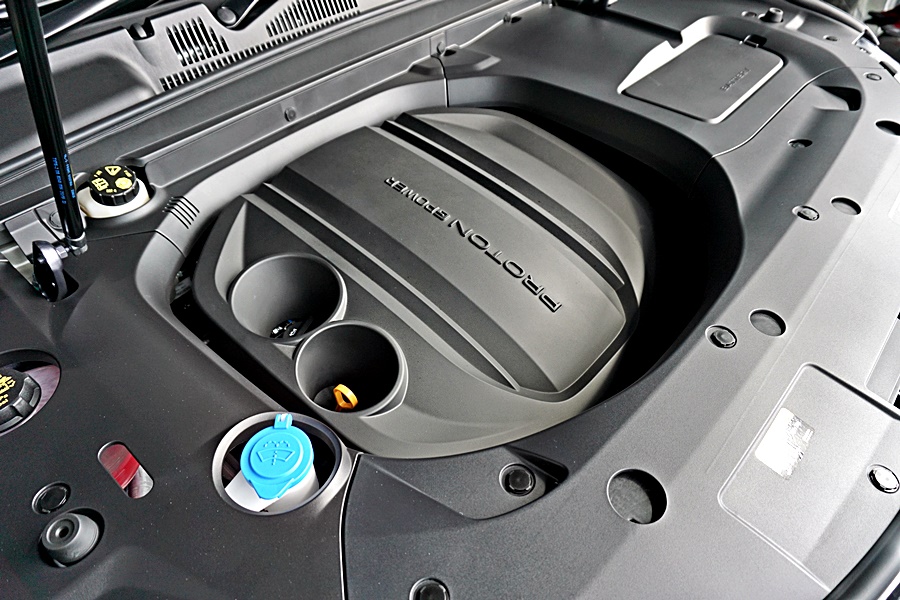
While there are small improvements all over the vehicle to make it better, there are 5 which are significant and notable. The first is the engine which is still the 1.8-litre TGDI petrol engine (no, it is not a Volvo engine, as some people think) but retuned to give 15 Nm more torque (300 Nm) with power still at 184 ps. The extra torque improves 0 – 100 km/h acceleration by 1 second (9.5 seconds vs 10.5 seconds) which probably doesn’t sound like much but should prove useful when overtaking. The retuning has also made the engine less thirsty with a significant 13% reduction to 13.2 kms/litre, it is claimed.
Besides the retuning, what has also helped in increasing fuel efficiency and performance is the switch to a dual-clutch transmission, referred to as 7DCT. You may have heard bad things about fuel-clutch transmissions (of other brands) but those were the early generation and Geely would certainly have studied what the problems were and designed its DCT to be problem-free. Besides, the 7DCT is a wet-clutch type and the problems were with DCTs having a dry clutch.
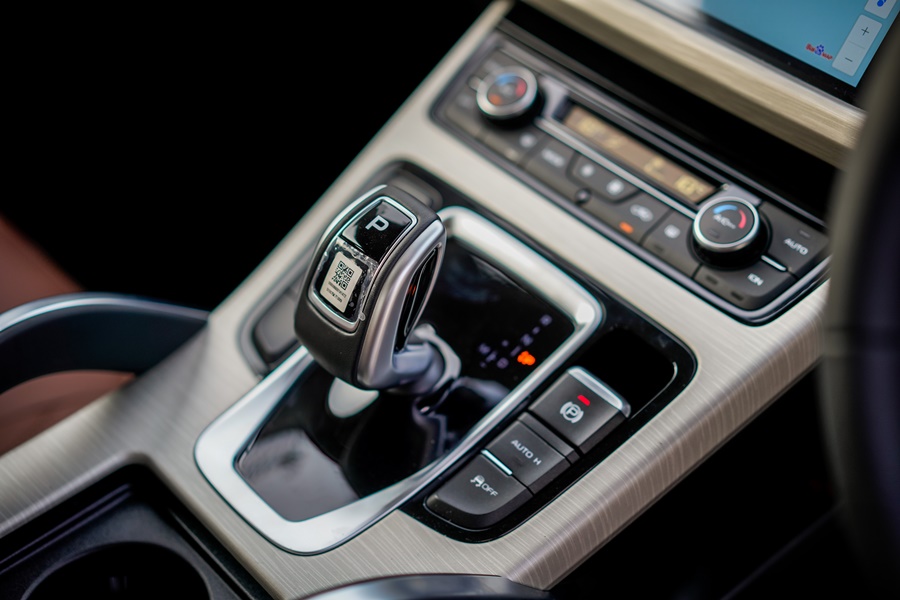
The 7DCT in the X70 has shift-by-wire control, which means that electronic signals execute the changes instead of a cable. This enables shifts to be quicker and smoother, complementing the inherent benefits of the dual-clutch concept. The driver can choose from 3 driving modes and also shift manually but there are no paddle shifters.
The engine and 7DCT come from Geely’s factory in China already assembled, which is also the case with many locally-assembled models of other brands. It is likely that engines may also be assembled here later on if the production volume rises and justifies additional investment in an engine assembly plant.
New/improved comfort and convenience features
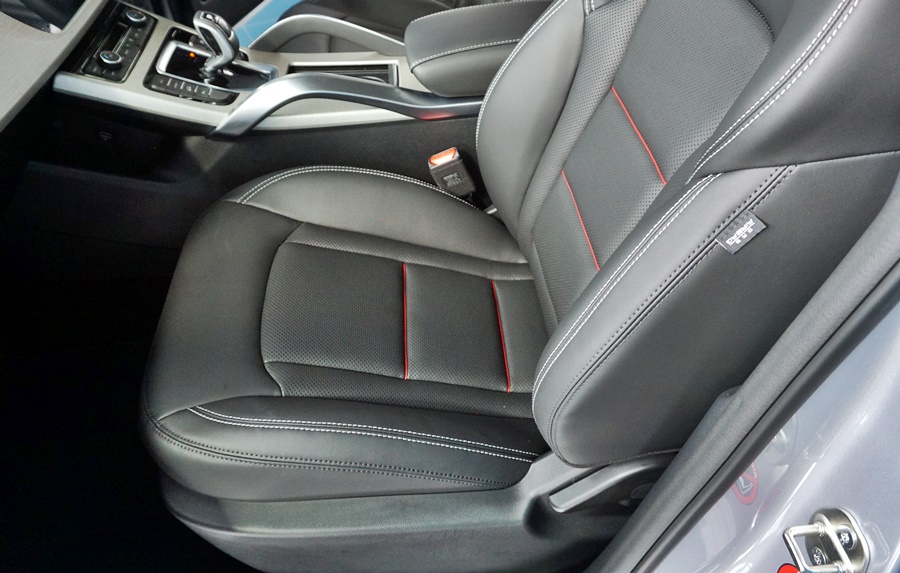
Next on the list would be comfort and convenience features, starting with ventilated front seats. This is a feature that is usually found on premium luxury models and is still rare at this price level. There are fans inside the seats which can be set at three different speeds. With air blowing upwards, things should be cooler on hot days. Presumably, Proton has omitted the HOT mode which is often found on imported models as they are also intended for markets where there is cold weather.
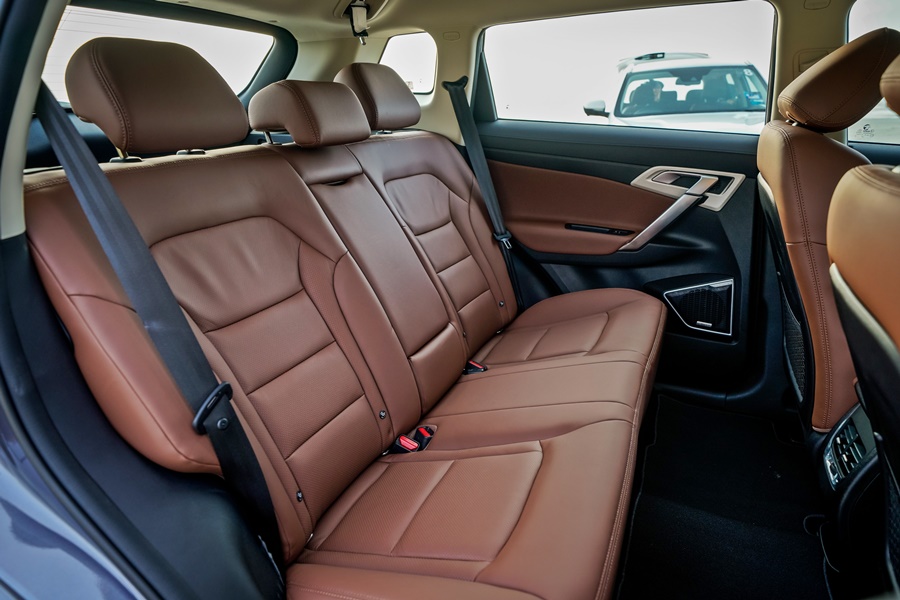
The fixed angle of the rear seat backrest was something owners (or rather their passengers) complained about. It’s not something we would have noticed as we spend most of the time testing the car from the driver’s seat. But Proton heard about the dissatisfaction and decided to make it possible to set the backrest at 2 angles over a range of 27 degrees to 32 degrees. As the backrest is divided (60:40), the left and right sides can be separated adjusted.
Another high-end feature which has been added is the powered tailgate with automatic opening (from Executive variant upwards). A sensor under the bumper will detect a foot and unlock/raise the tailgate. It’s a feature which is really useful when both hands are carrying bags or other items.
Other specs maintained
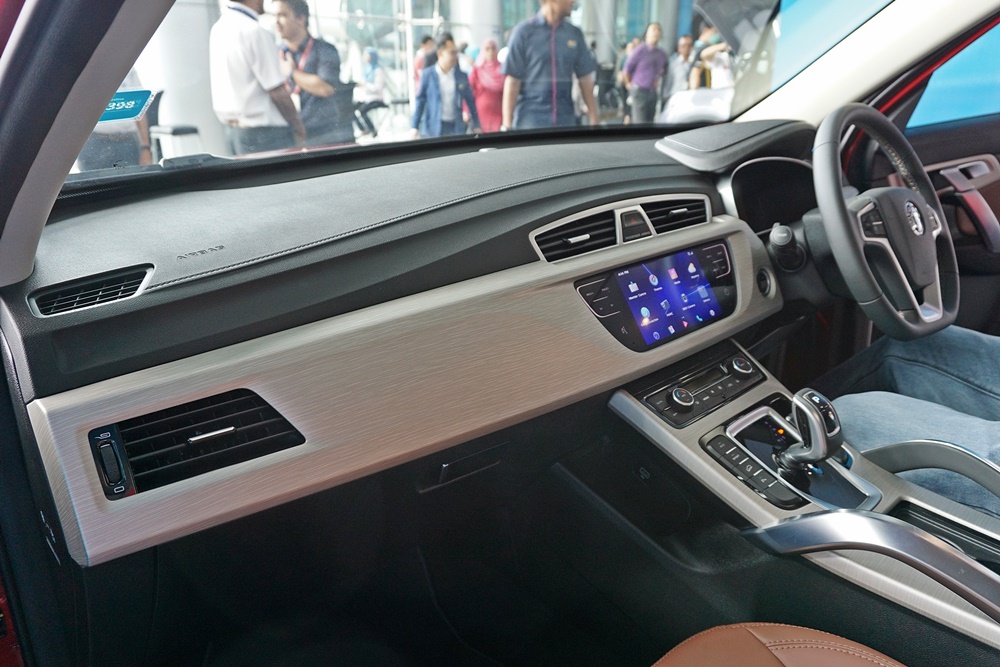
The prices are lower and Proton has even improved the value of the X70 with new and improved features but without taking away what it already had – which is a lot of good stuff. All variants are offered with the Integrated Cockpit Information System (GKUI) system via an 8-inch Android based touchscreen interface. With an embedded eSIM card for internet connectivity, the system can provide online music streaming, GPS navigation and weather forecasts.
It also has voice recognition and the Proton Link app which allows owners to stay connected to their vehicle via their mobile device. The app and creating a driving profile based on distance travelled, fuel economy and journey times while keeping them informed of service intervals.
5-star safety
The X70 has been tested by ASEAN NCAP and scored the maximum of 5 stars. That’s not surprising since it has a very extensive list of safety features and systems. Of note is the 360 Camera (Executive, Premium and Premium X variants) which gives the driver an all-round view to aid parking. On the Premium and Premium X variants, there’s also a Tyre Pressure Monitoring System.
The Advanced Driver Assistance System (ADAS) suite is also standard on the two Premium variants. This provides Autonomous Emergency Braking, Forward Collision Warning, Adaptive Cruise Control, Lane Departure Warning, Blind Spot Information System, Door Opening Warning System, and Intelligent High Beam Control.
Visit www.proton.com to locate a showroom where you can view, test-drive and purchase the new 2020 X70.
The Indian market has long received the attention of Korean carmakers who have seen its potential in the longer term. As such, they have been willing to make investments in production facilities as well as develop models just for the market since there is sufficient volume.
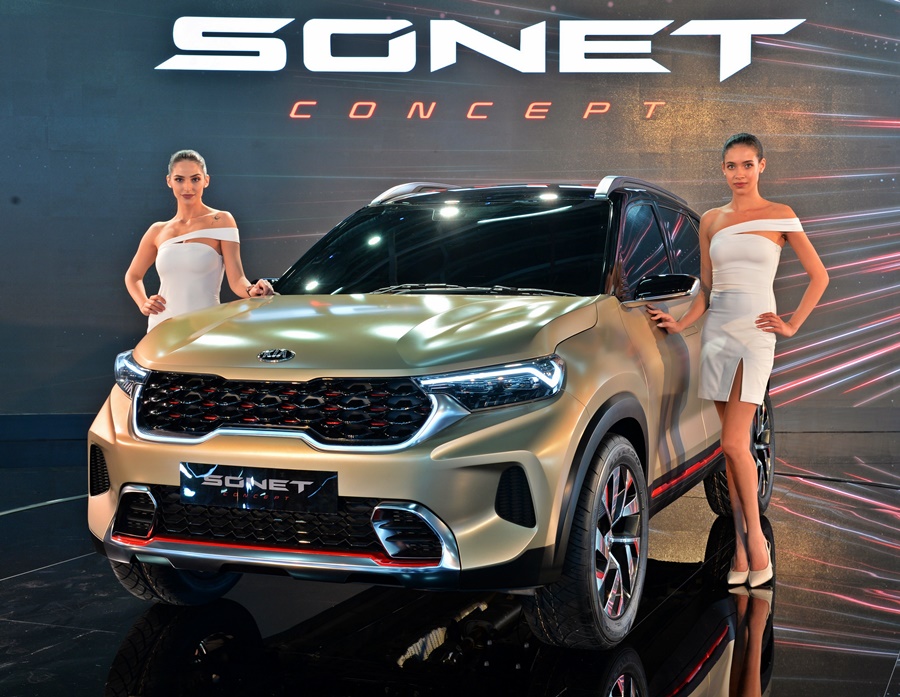
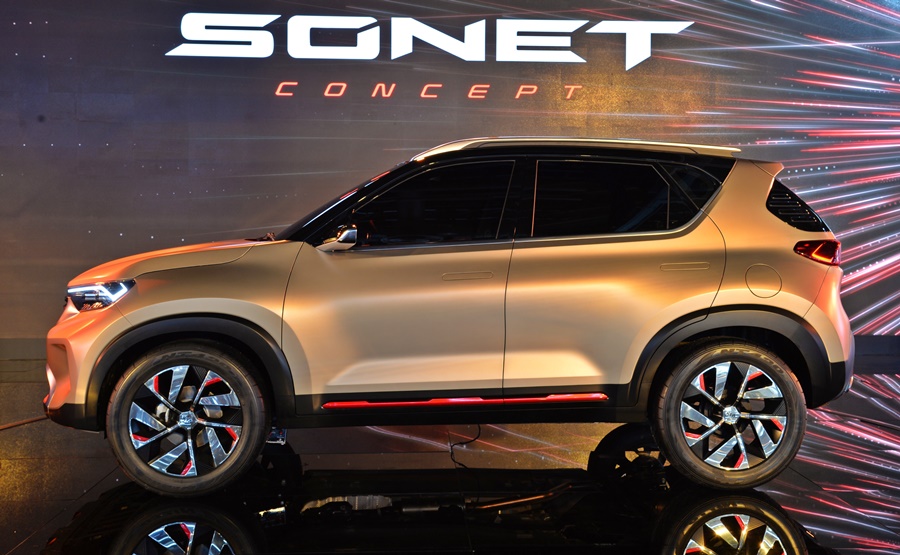
At India’s Auto Expo 2020 this week, Kia Motors India is not only showing off new products but also unveiled, for the first time ever, a concept model of a future global compact SUV. The concept will be developed further ahead of a launch in the Indian market in the second half of 2020.
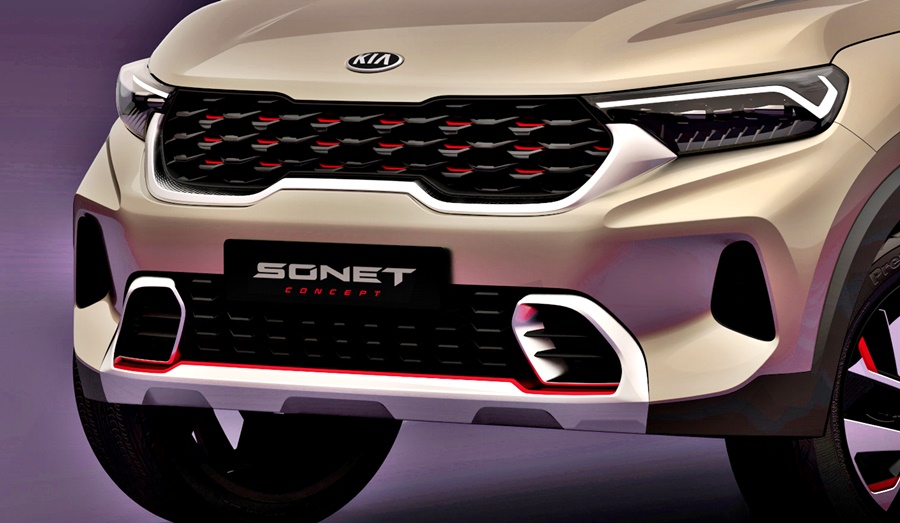
The concept model is called the Sonet and is a preview of the third product offering from Kia Motors in India. Targeted at a demographic that is ‘always connected to the world in more ways than one, the Sonet is designed to exceed customers’ lifestyle and technology expectations’.
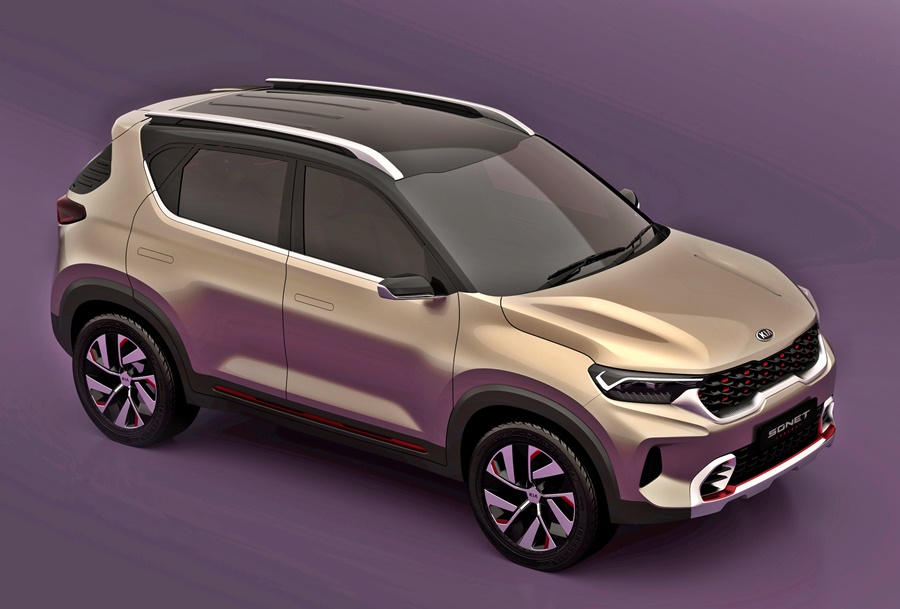
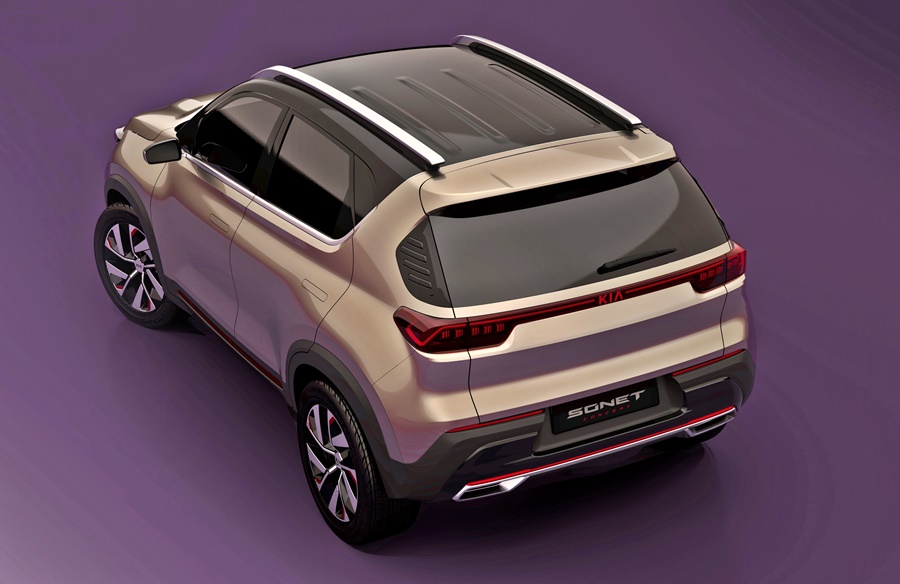
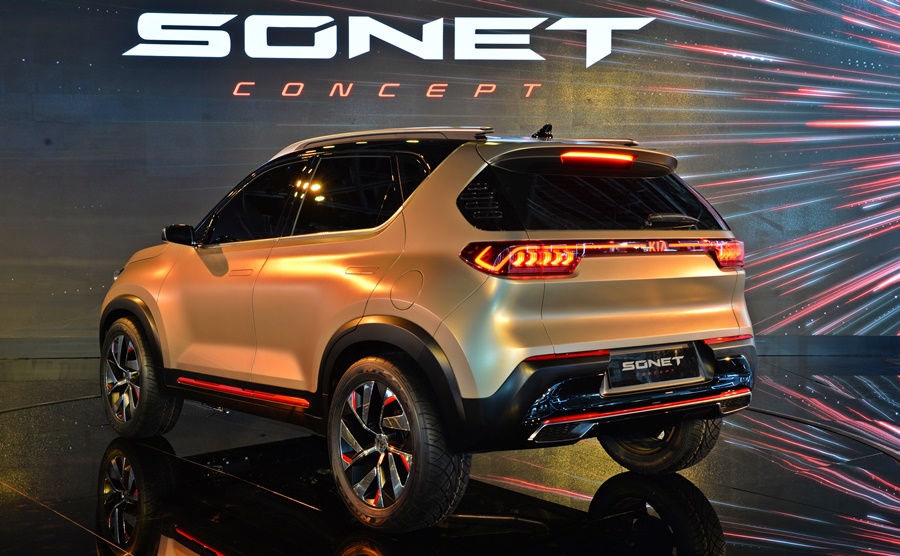
The Sonet has several first-in-class features, most of which are likely to be available in the production model. The dynamic and bold design incorporates Kia’s signature ‘tiger-nose’ grille, stepwell geometry within the grille mesh, ‘tiger-eyeline’ daytime running lights, and wide rear signature lighting.
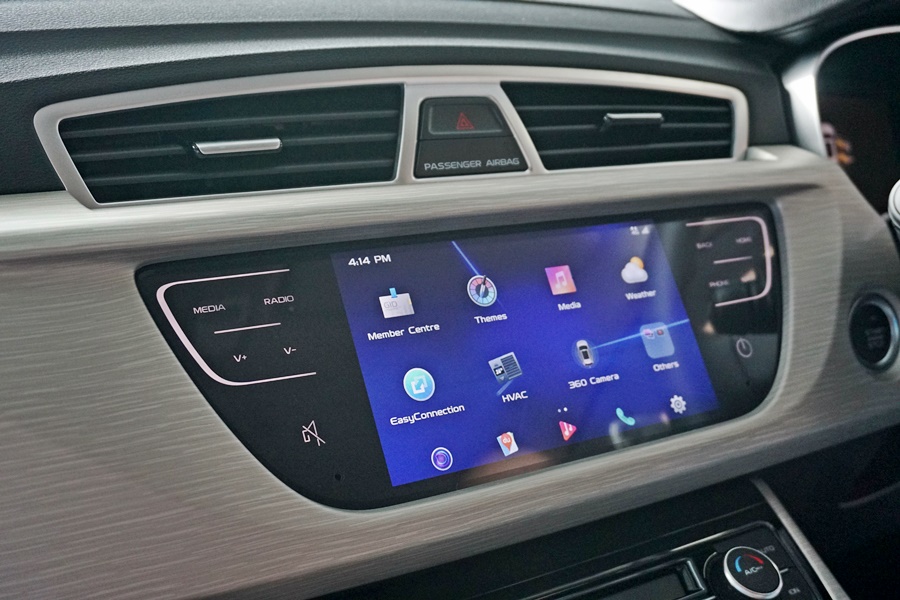
The interior is designed to appeal to the young, social, connected, tech-savvy Indian customer. The cabin is fitted with a 10.25-inch infotainment and navigation system with UVO Connect and a Bose premium audio system Kia says the Sonet concept indicates best-in-class interior space.
From the pictures, the Sonet has compact dimensions so it would be taking on models like the Ford Ecosport. The engines would therefore be small, possible in the 1.0-litre to 1.5-litre range with both petrol and diesel options as well as turbocharging. An intelligent manual transmission will also be offered.
After cumulative sales of more than 3 million units since 2002, Kia’s Sorento SUV will enter its fourth generation this year with the world premiere of the model at the 2020 Geneva International Motor Show early next month.
The Korean carmaker’s flagship global SUV will be the latest addition to the brand’s reinvigorated SUV line-up. The new model also marks the first-time adoption of hybrid power in the Sorento range.
The first vehicle based on Kia’s new-generation midsize SUV platform, the Sorento is said to raise standards in its segment for practicality, offering space on a par with larger vehicles.
Kia aims to outdo competitors in the global SUV market by applying a range of innovations to the new Sorento. These include advanced driver assistance systems and progressive connectivity and infotainment features.
Three generations of the Sorento have been produced since 2002.