

Piston.my

SUV

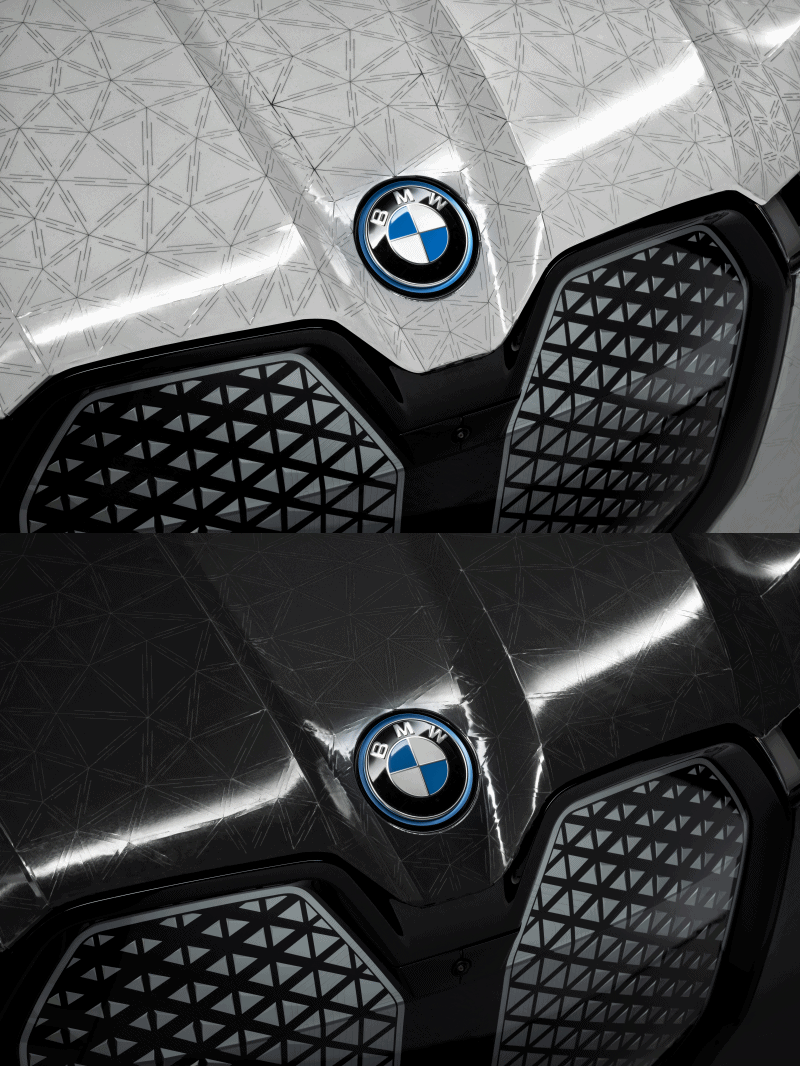
In the 1960s, James Bond’s Aston Martin had changing numberplates and in 2021, BMW’s iX Flow featuring E Ink has changing body colours. But just like the feature on James Bond’s car, don’t expect it to be offered on BMWs anytime soon. It is a demonstration of future technology for a model displayed this week at CES 2022 (the consumer electronics trade show in Las Vegas) to show how digitisation can be used to adapt the exterior of a vehicle to different situations and individual wishes.

The fluid colour changes are made possible by a specially developed body wrap that is tailored precisely to the contours of the all-electric Sports Activity Vehicle from BMW. When stimulated by electrical signals, the electrophoretic technology brings different colour pigments to the surface, causing the body skin to take on the desired colouration.

More sophisticated personalisation
The use of innovative E Ink technology opens completely new ways of changing the vehicle’s appearance in line with the driver’s aesthetic preferences, the environmental conditions or even functional requirements. The technology thus offers unprecedented potential for personalisation in the area of exterior design and the iX Flow demonstrates this potential to impressive effect.
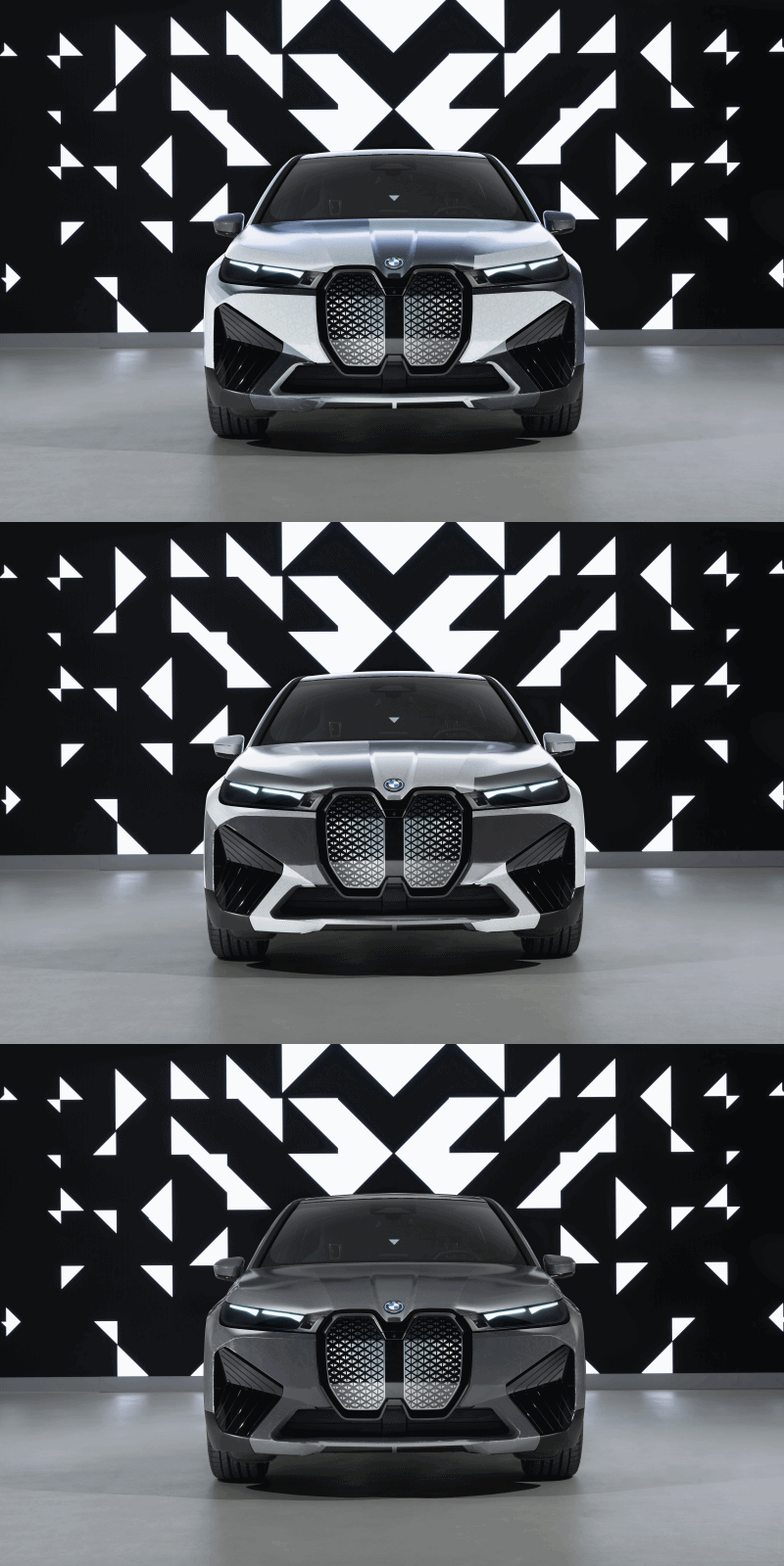
Already today, the colour chosen for a car is an expression of the driver’s personality. The choice of exterior finishes available for current BMW models covers a wide colour spectrum. In this way, the longing for a wildly expressive, extravagant, or sporty appearance on the outside can be taken into account as well as the desire for an understated, subtle or elegant appearance.

Against this background, the BMW Group is driving the development of the technology so that a new form of personalisation can be experienced both on the outside and in the inside of future production vehicles. Apart from a greater degree of personalisation, a customer will also not have to settle for just one colour – he or she can have many more for different occasions!

“This gives the driver the freedom to express different facets of their personality or even their enjoyment of change outwardly, and to redefine this each time they sit into their car,” said Stella Clarke, Head of Project for the BMW iX Flow featuring E Ink. “Similar to fashion or the status ads on social media channels, the vehicle then becomes an expression of different moods and circumstances in daily life.”

Increased efficiency too
A variable exterior colour can also contribute to wellness in the interior and to the efficiency of the vehicle. This is done by taking account of the different abilities of light and dark colours when it comes to reflecting sunlight and the associated absorption of thermal energy. A white surface reflects a lot more sunlight than a black one. By implication, heating of the vehicle and passenger compartment as a result of strong sunlight and high outside temperatures can be reduced by changing the exterior to a light colour. In cooler weather, a dark outer skin will help the vehicle to absorb noticeably more warmth from the sun.
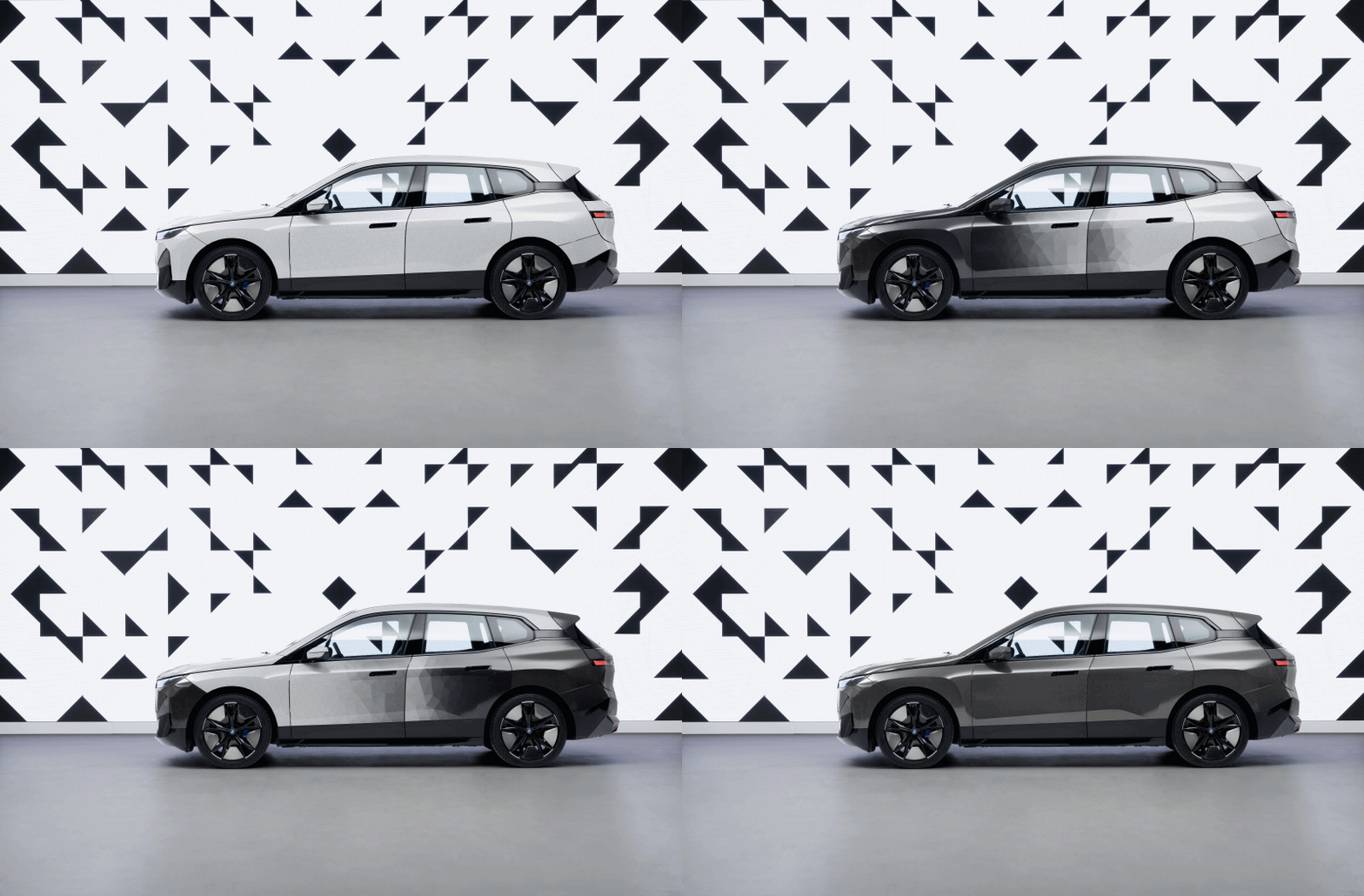
In both cases, selective colour changes can help to cut the amount of cooling and heating required from the vehicle’s air conditioning. This reduces the amount of energy the vehicle electrical system needs and with it also the vehicle’s fuel or electricity consumption. In an all-electric car, changing the colour in line with the weather can therefore also help to increase the range. In the interior, the technology could, for example, prevent the dashboard from heating up too much.

E Ink technology itself is extremely energy efficient (though, at this time, it would be very expensive technology). Unlike displays or projectors, the electrophoretic technology needs absolutely no energy to keep the chosen colour state constant. Current only flows during the short colour changing phase.

Millions of paint capsules
Electrophoretic colouring is based on a technology developed by E Ink that is most well-known from the displays used in eReaders like Kindle. The surface coating of the iX Flow contains many millions of microcapsules, with a diameter equivalent to the thickness of a human hair. Each of these microcapsules contains negatively charged white pigments and positively charged black pigments. Depending on the chosen setting, stimulation by means of an electrical field causes either the white or the black pigments to collect at the surface of the microcapsule, giving the car body the desired shade.

Achieving this effect on a vehicle body involves the application of many precisely fitted ePaper segments. Generative design processes are implemented to ensure the segments reflect the characteristic contours of the vehicle and the resulting variations in light and shadow. The generative design algorithms enable the necessary formability and flexibility required to tailor the ePaper exactly to the design lines of the vehicle.
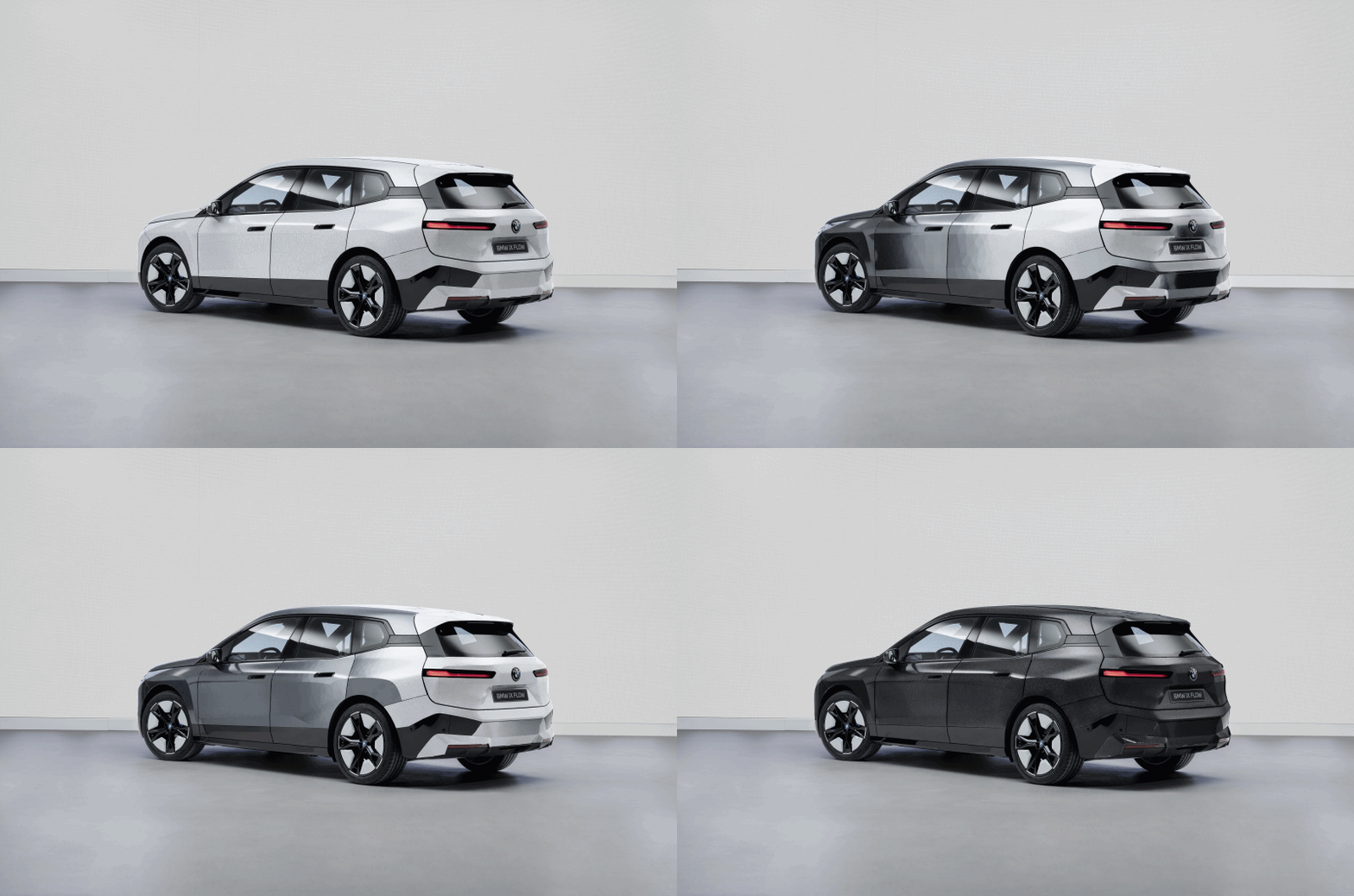
Laser cutting technologies are used to guarantee high precision in generating each segment. After the segments are applied and the power supply for stimulating the electrical field is connected, the entire body is warmed and sealed to guarantee optimum and uniform colour reproduction during every colour change.

“Digital experiences won’t just be limited to displays [inside the car] in the future. There will be more and more melding of the real and virtual. With the BMW iX Flow, we are bringing the car body to life,” said Frank Weber, Member of the Board of Management of BMW AG, Development.
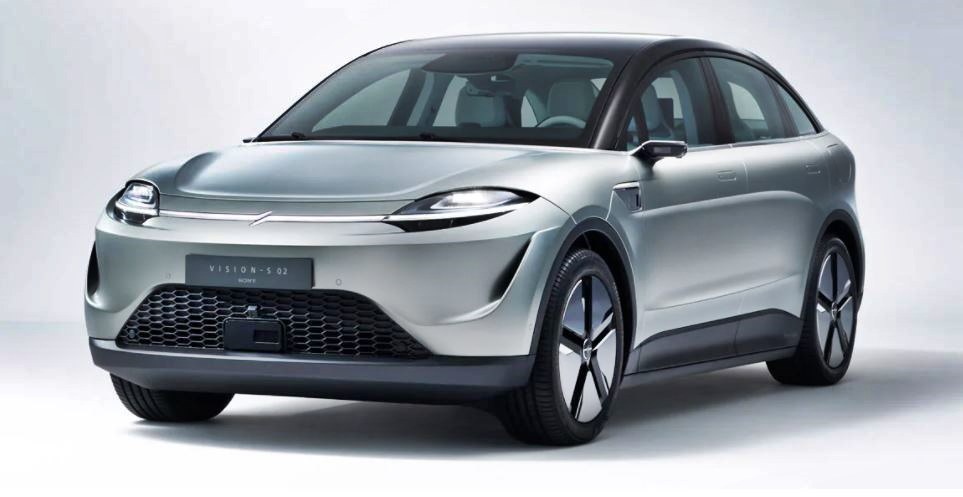
 

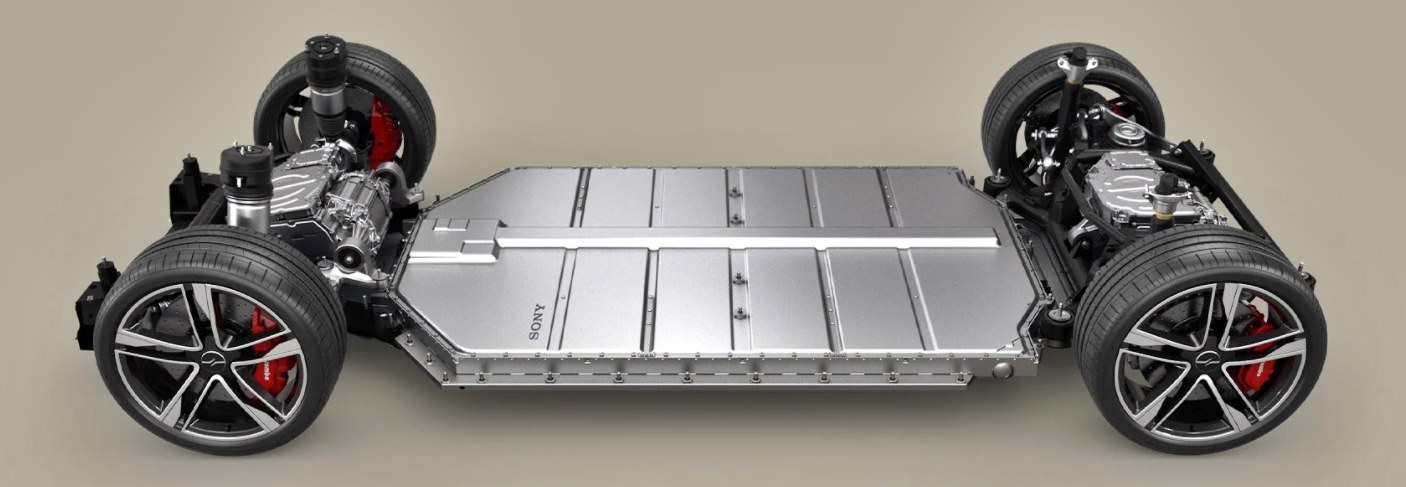
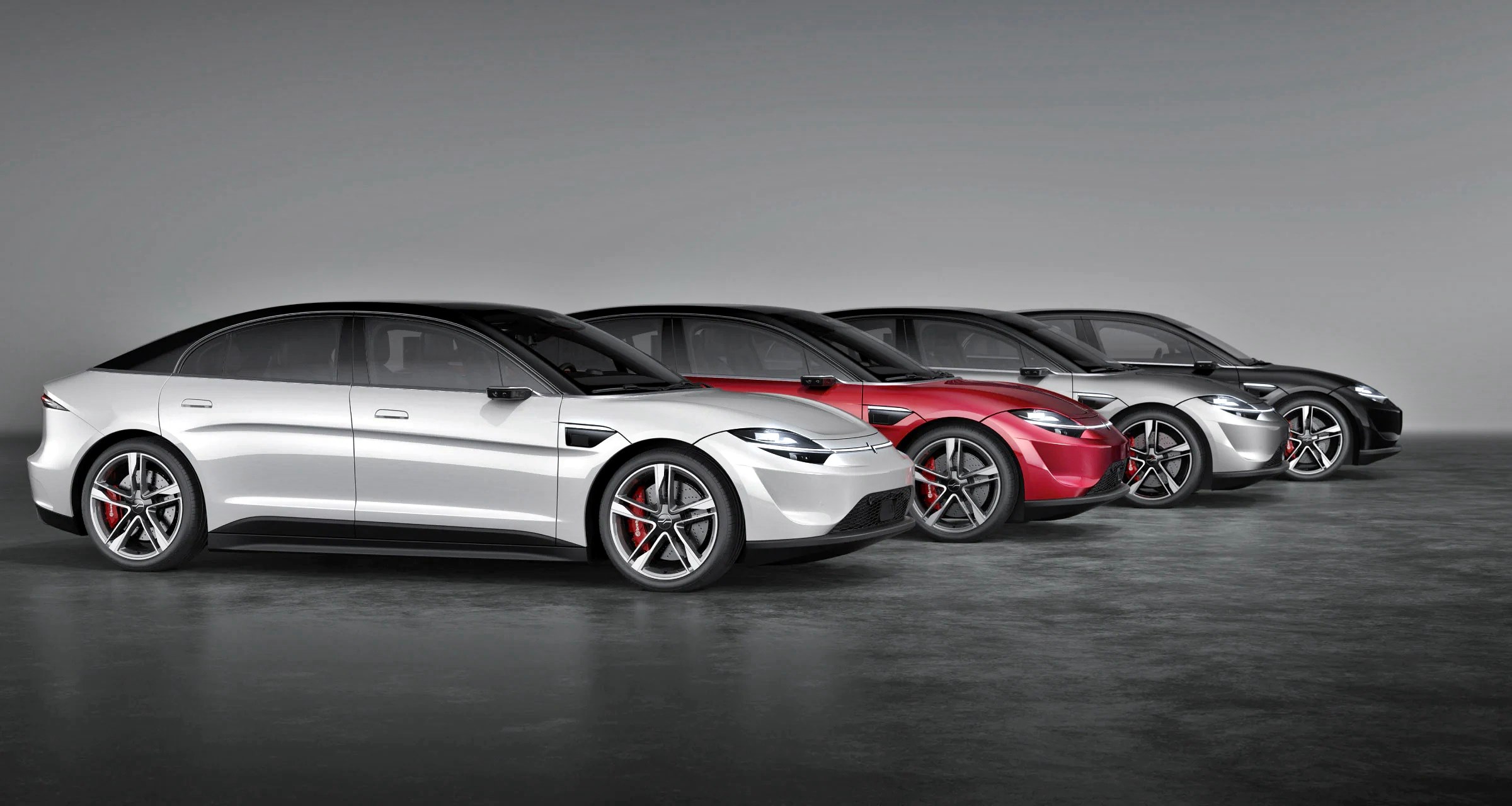
At CES 2020 (the major consumer electronics trade show in Las Vegas), the Sony Group announced that it would be venturing further into the mobility business, with a sleek prototype car called the VISION-S. At that time, though, what it displayed seemed to be a concept car to show off various technologies, which is also done by other electronics companies

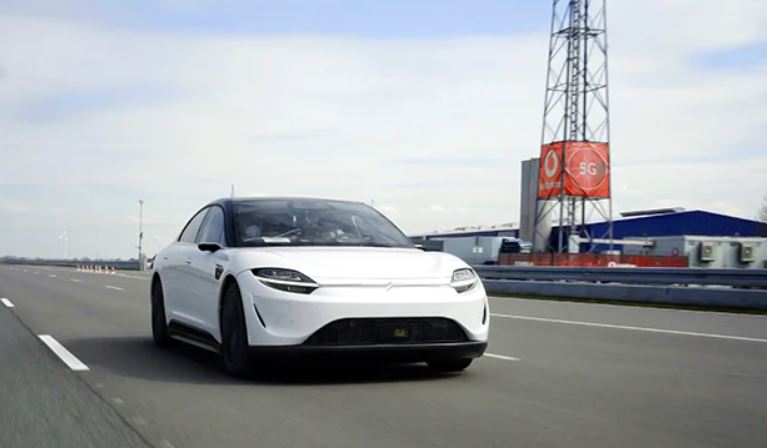
However, the company was actually going further with the concept car and began quietly developing it into a running prototype. By CES 2021, it revealed that there was a running prototype and it was being tested on public roads and on a test track in Austria. Engineers also started verification tests of the safety and user experience of the imaging and sensing technology installed inside and outside the vehicle, along with the human-machine interface (HMI) system.

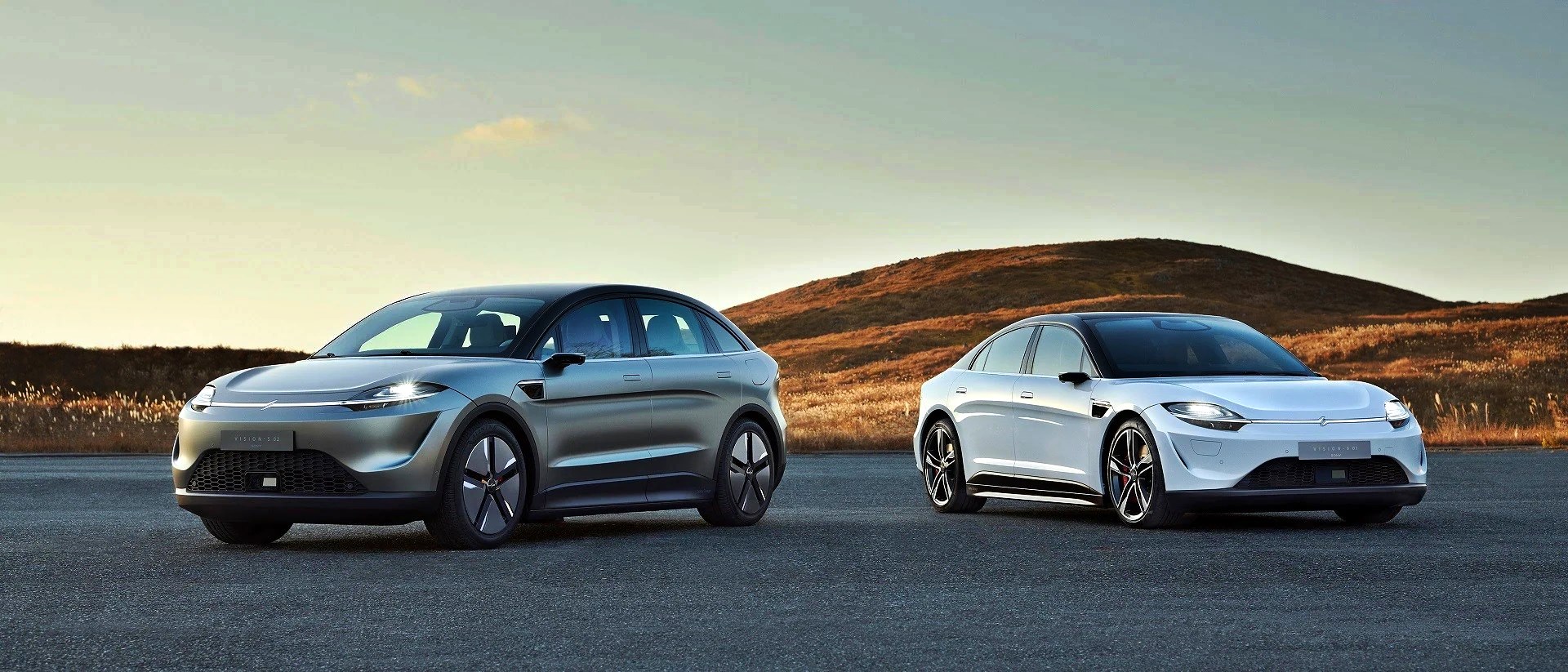
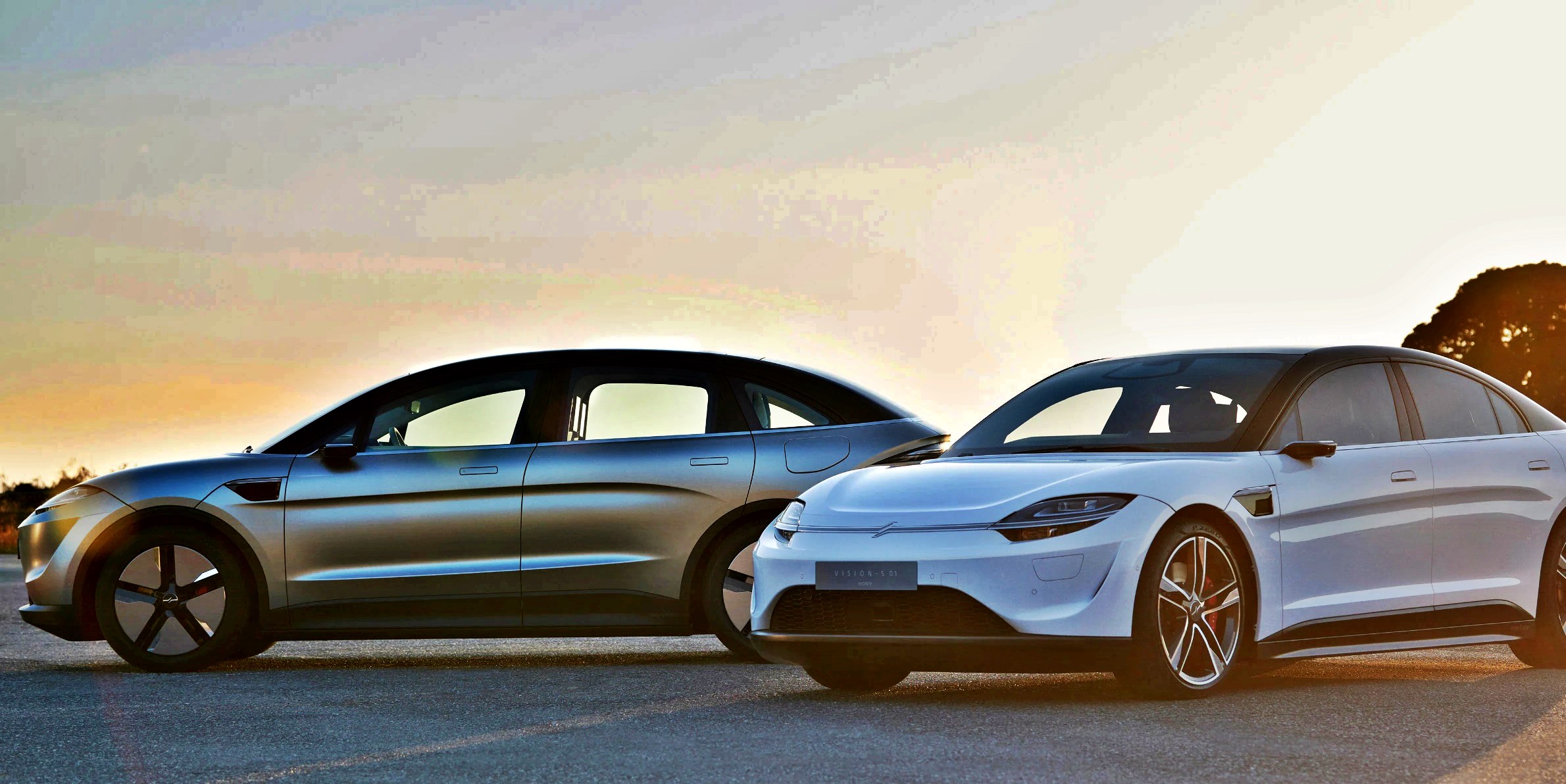
The VISION-S 02 concept (left) joins the original VISION-S 01 prototype.

Second prototype displayed
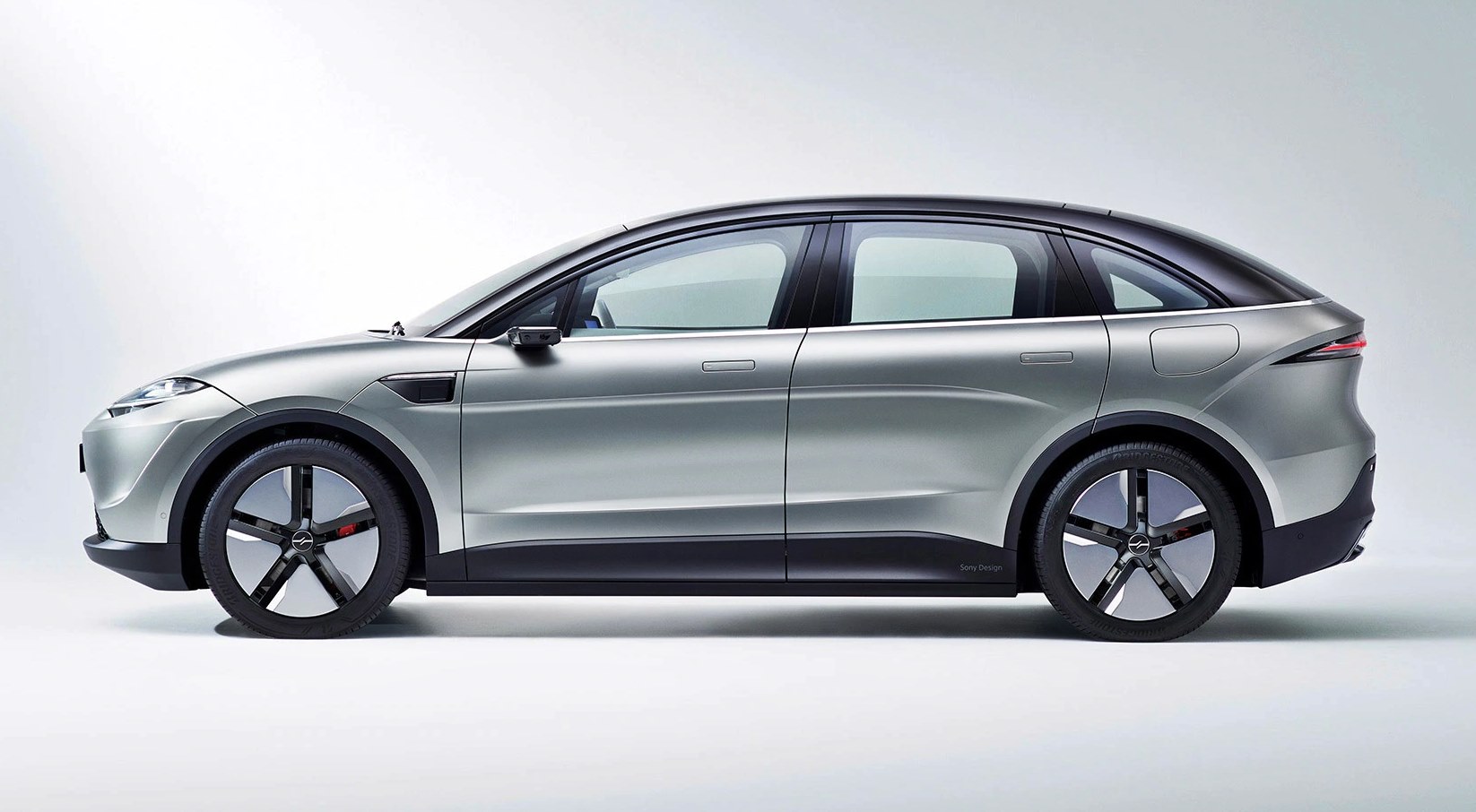
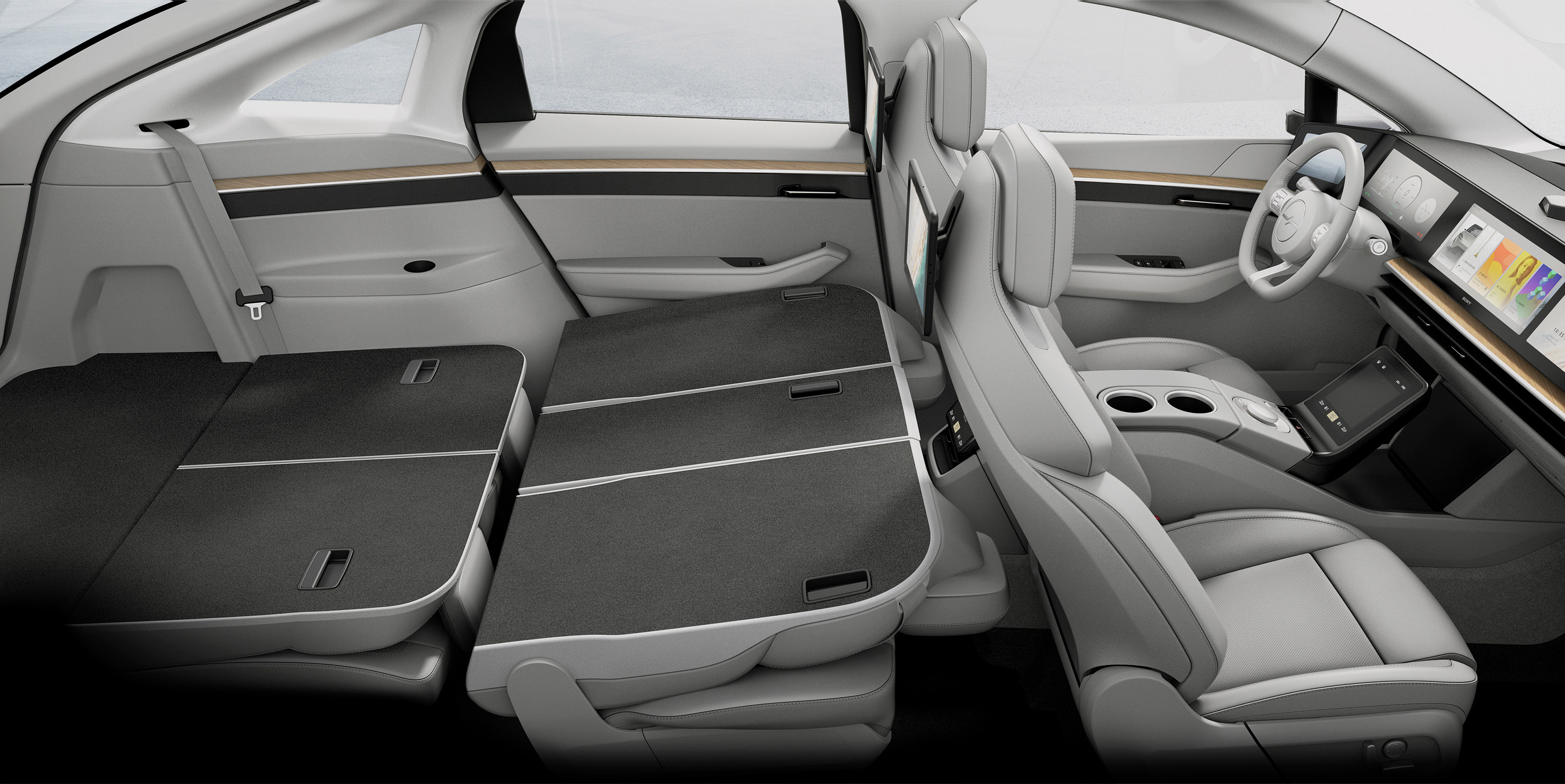
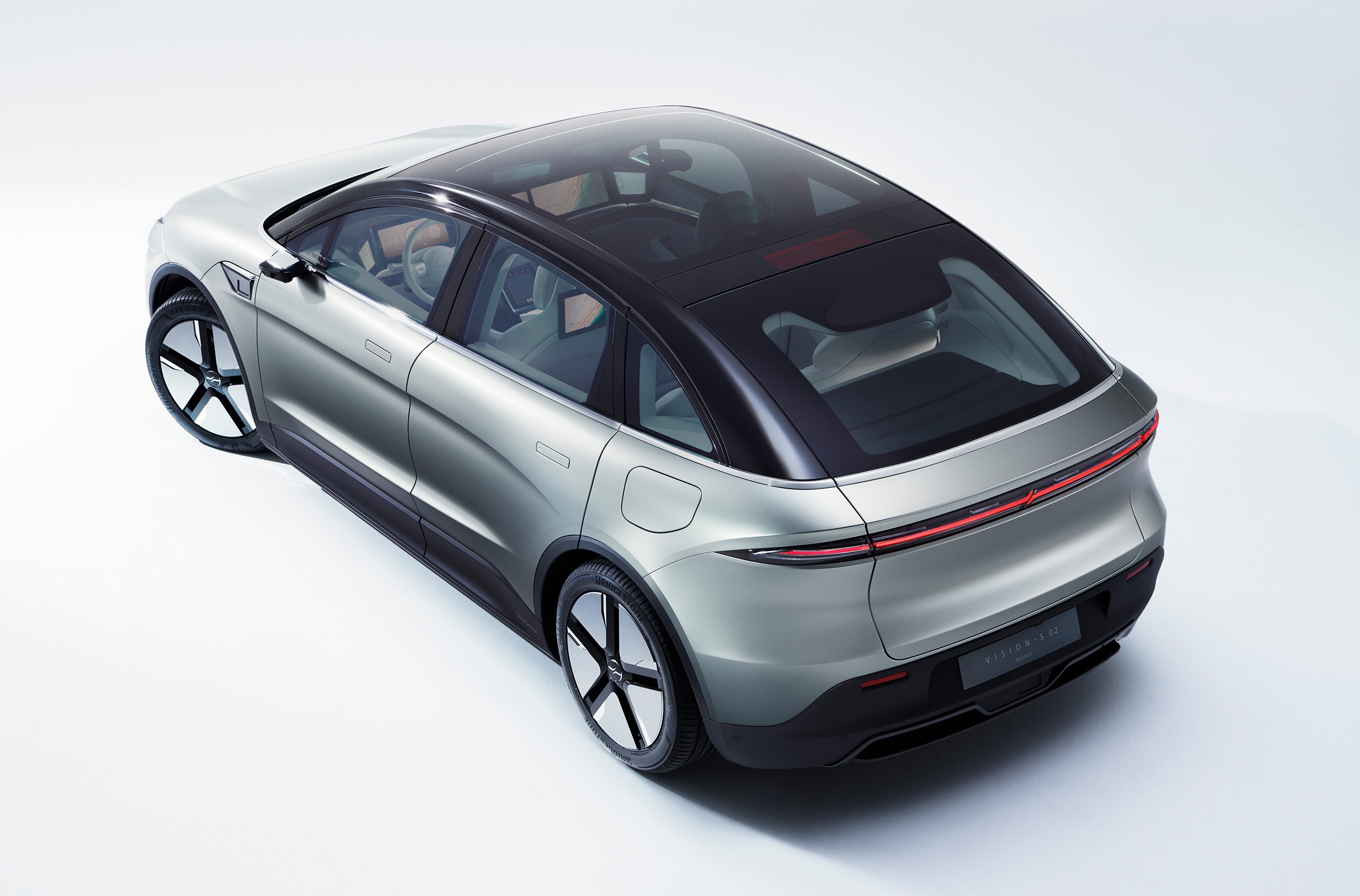
At CES 2022 this week, Sony has not only provided an update on the progress of the project but is also displaying a second prototype, the VISION-S 02. This has a SUV design as a new form factor and rides on the same EV/cloud platform as the original VISION-S 01 prototype. By offering entertainment experiences utilizing the large interior space and variations of a 7-seater, this new prototype will promote the accommodation of a large variety of lifestyles within a society where values are becoming increasingly diversified.

The VISION-S 02 measures almost 4900 mm long and 1930 mm wide, which is about the size of a Lexus RX300. It has 200 kW electric motors powering the front and rear wheels so there’s all-wheel drive and the claimed top speed is expected to be over 180 km/h.

Advanced sensor system
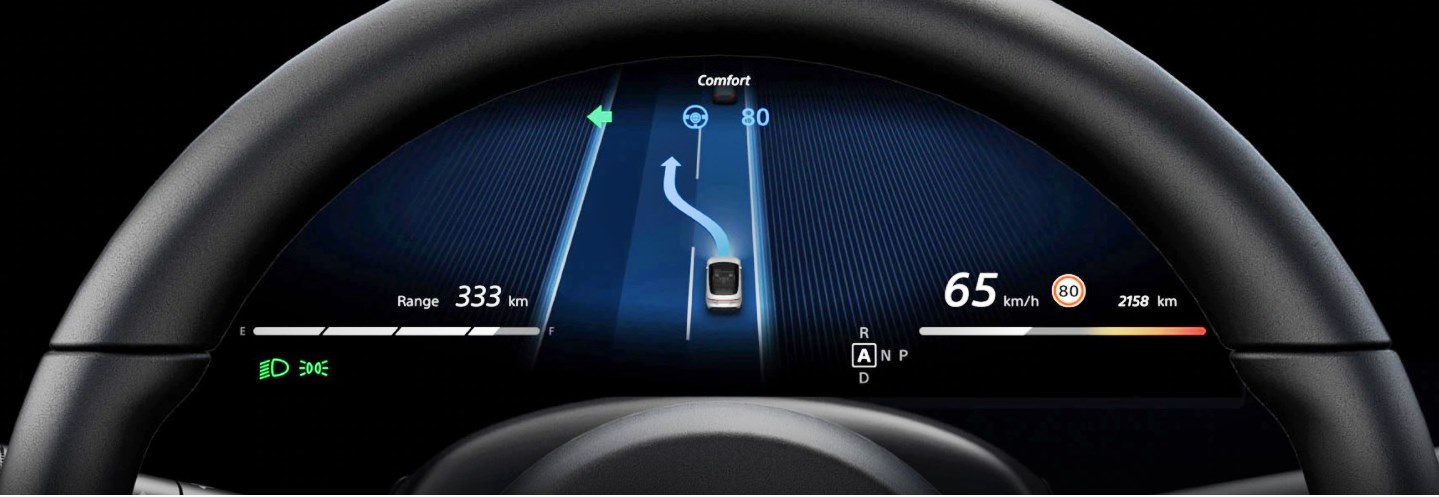
Electronics are obviously one of Sony’s strengths and it has been developing a sensors system to support the driver. The system recognizes and analyzes the surrounding environment in real-time, using sensors installed to cover all around the vehicle. These sensors include high-sensitivity, high-resolution, wide dynamic range CMOS image sensors and LiDAR sensors that accurately sense 3-dimensional space.

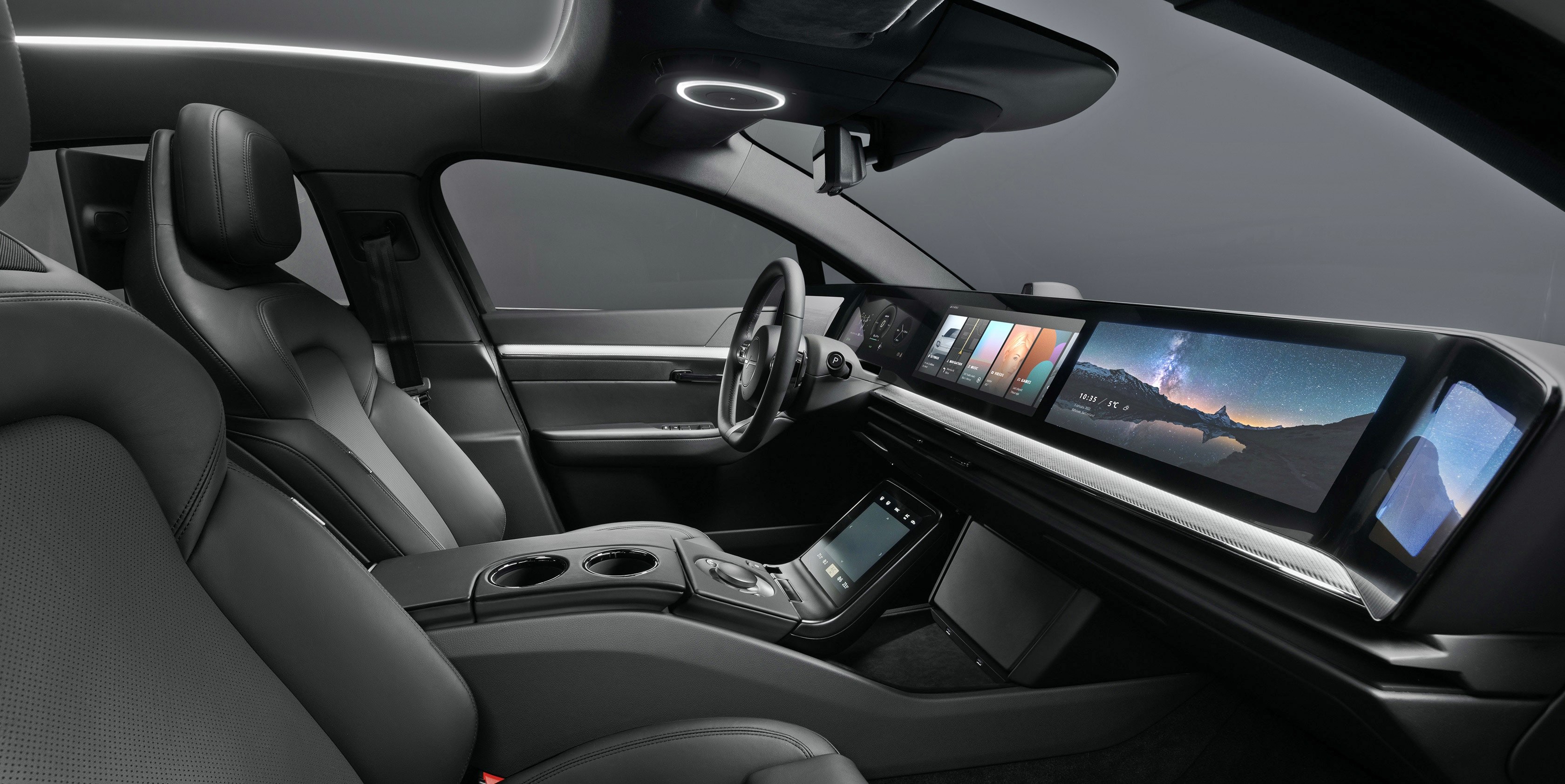
In addition, the system provides intuitive driver interaction in conjunction with the vehicle’s sound system and HMI system, so that the driver can accurately judge the status of the surrounding environment, such as the presence of emergency vehicles, even from inside the vehicle.

Time-of-Flight (ToF) sensors are used to provide monitoring functions for driver authentication and to watch over passengers. They also support intuitive gesture and voice commands that are intended to enhance usability of the car interface. Additionally, in order to deliver an environment that suits each user’s preferences, the vehicle will include a new function that allows users to customize the display theme and the acceleration and deceleration sounds of the vehicle.

Vehicle settings, key locks, and user settings can be synchronized by linking the vehicle to the cloud using mobile communication, including 5G communication, which features low-latency, high-capacity, and high-speed capabilities. In addition, since updates are reflected in the vehicle via over the air (OTA), it is possible to provide security and evolve service functions and value-added offerings continuously.

5G connectivity
5G driving tests were also conducted from April 2021, the next-generation network connectivity enabling a continuous connection between the in-vehicle systems and the cloud, in order to synchronize data and control signals, and update the systems OTA (Over The Air).

“Real time mobile communication turns cars into databases on wheels. In our 5G Mobility Lab, the VISION-S Prototype learns to communicate in real time. Together with Sony, we are preparing the first prototype for 5G so that in the future new features can be imported into the car over the air and with a simple software update,” said Hannes Ametsreiter, CEO of Vodafone Germany, which is collaborating with the Japanese company.

Utilizing Sony’s in-house technologies and knowledge of communication technology and security cultivated through the development of smartphones, it has positioned remote operation as an important technology in anticipation of the arrival of the autonomous driving era.

Enriching the mobility entertainment space
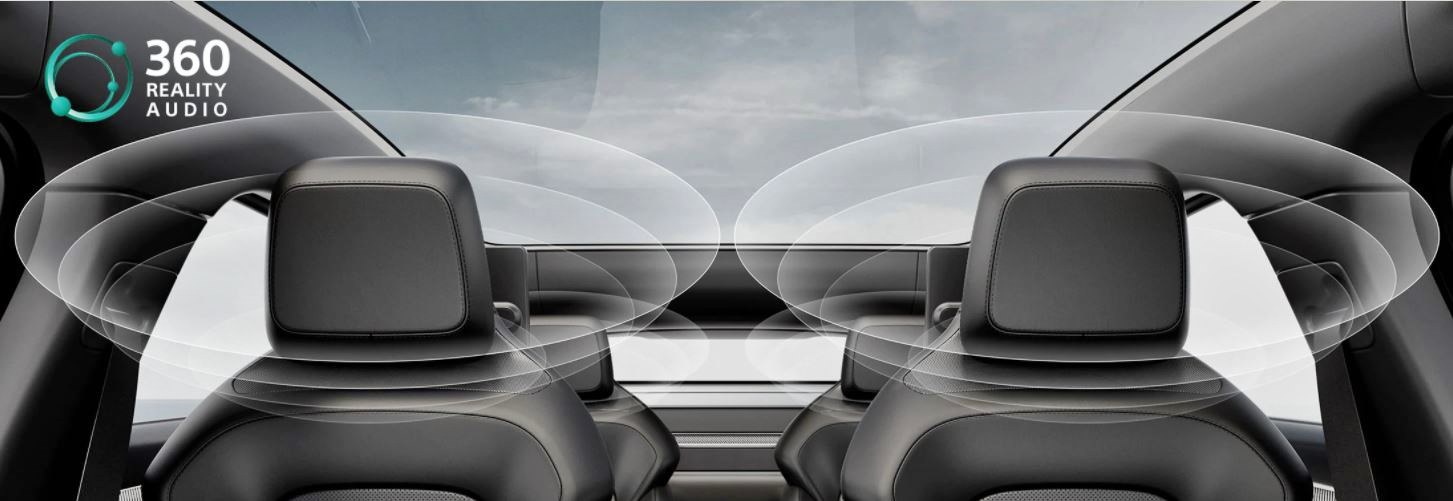
The seat speakers, which create a three-dimensional sound field, and the streaming service compatible with ‘360 Reality Audio’ provide an immersive music experience. The high quality would only be expected from Sony, which has a strong reputation in this field.

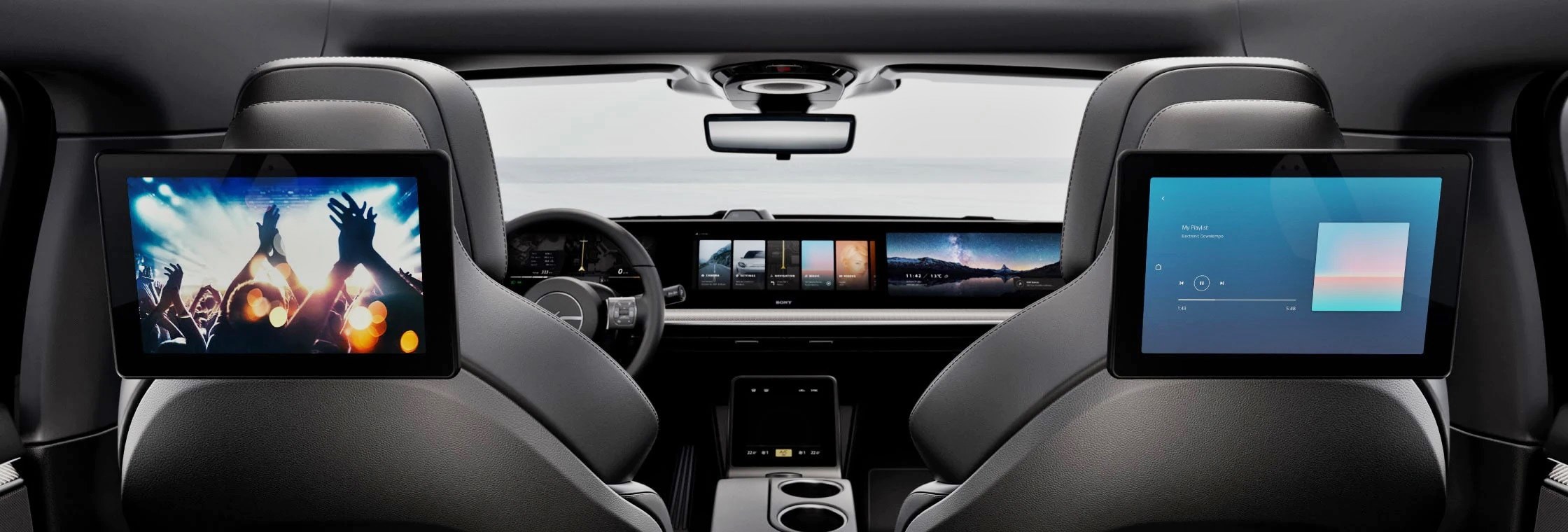
In addition, to provide a high-quality movie experience, the VISION-S models include the fully integrated digital video service ‘BRAVIA CORE for VISION-S’. The service enables shared or individual video playback on the front panoramic screen and individual rear-seat displays. Further extending the possibilities of in-vehicle entertainment, gaming capabilities have expanded to being able to play PlayStation games through a remote connection to a console at home, in addition to the ability to play streaming games through the cloud.

To make the best use of AI and robotics technologies, Sony will soon establish an operating company called Sony Mobility Inc., through which the company intends to explore entry into the EV market.

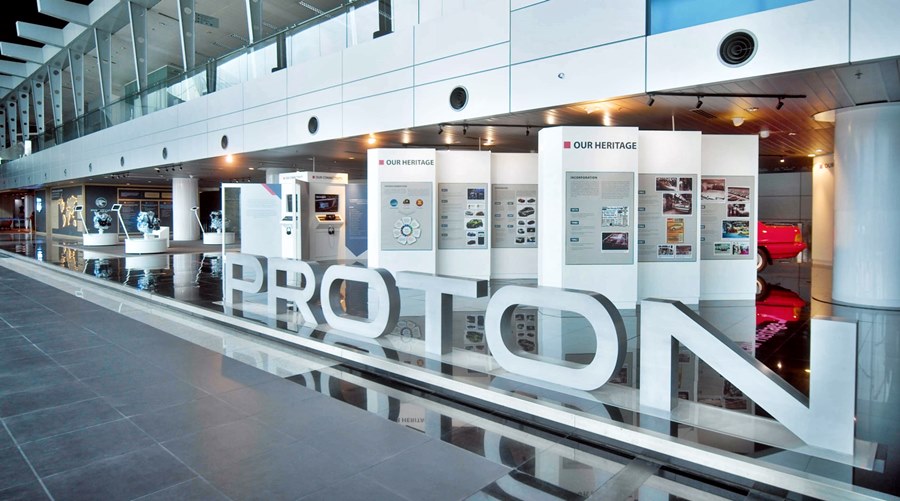
Although it is estimated that the Total Industry Volume (TIV) of new vehicles sold in Malaysia last year dropped by at least 4.6% to just over 505,000 units of passenger cars and commercial vehicles, Proton’s sales for the year rose by 4.5% over its 2020 volume. With December contributing 14,147 units, the Malaysia carmaker ended the year with a total of 114,708 units delivered (including export sales). It was the highest closing figure since 2014 and is the third consecutive year of volume growth for the company.

The brand’s market share in December is estimated to be 20.6% but for the whole of 2021, it would likely be 22.7% (pending official data from the Malaysian Automotive Association). This would be an increase of 2% over the market share in 2020, putting it is a firm second position in overall sales.

SUVs make big contribution
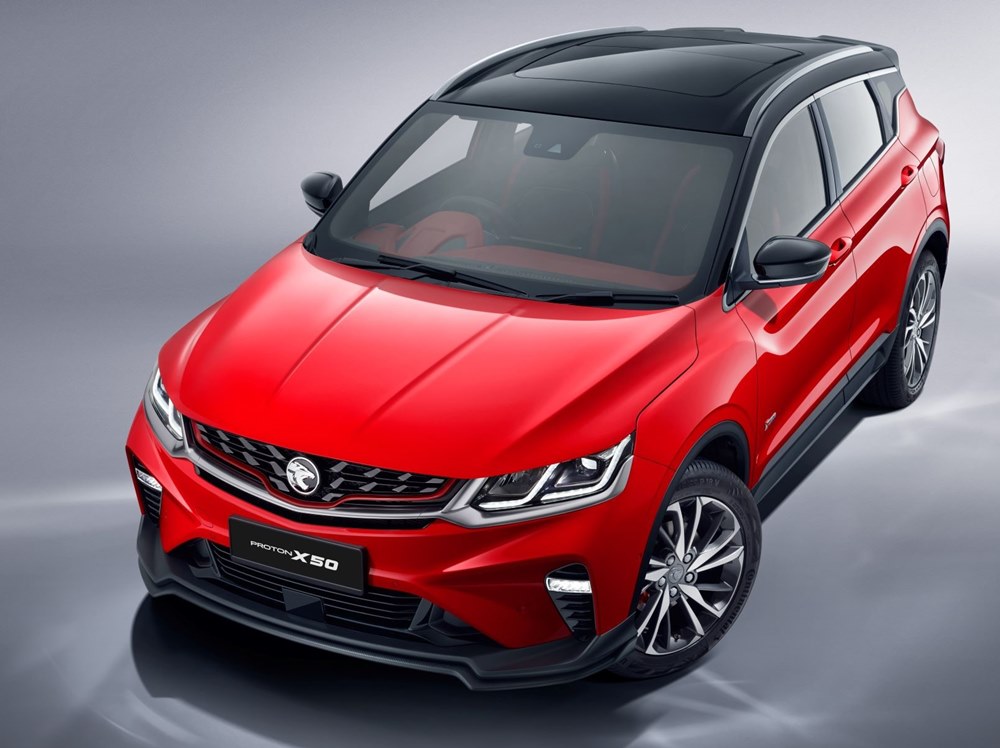
It’s not surprising that the two SUV models – the X70 launched in December 2018 and the X50 in October 2020 – have made major contributions to Proton’ sales numbers. This mirrors the global trend that has been going on many years now where SUVs are very popular.

With a total of 45,149 SUVs sold in 2021, Proton can claim to be the best-selling SUV brand in Malaysia. That number accounted for nearly 40% of its total sales volume. Individually, the X50 ended the year with 28,774 units, with December being its best month when 4,310 units were delivered nationwide. It was the second consecutive month the model exceeded more than 4,000 units.

Meanwhile, 16,375 units of the bigger X70 were delivered in 2021 with a final month figure of 1,616 units. This put it at the top of the SUV C-segment, and third in terms of overall SUV sales.

Saga still the bestseller
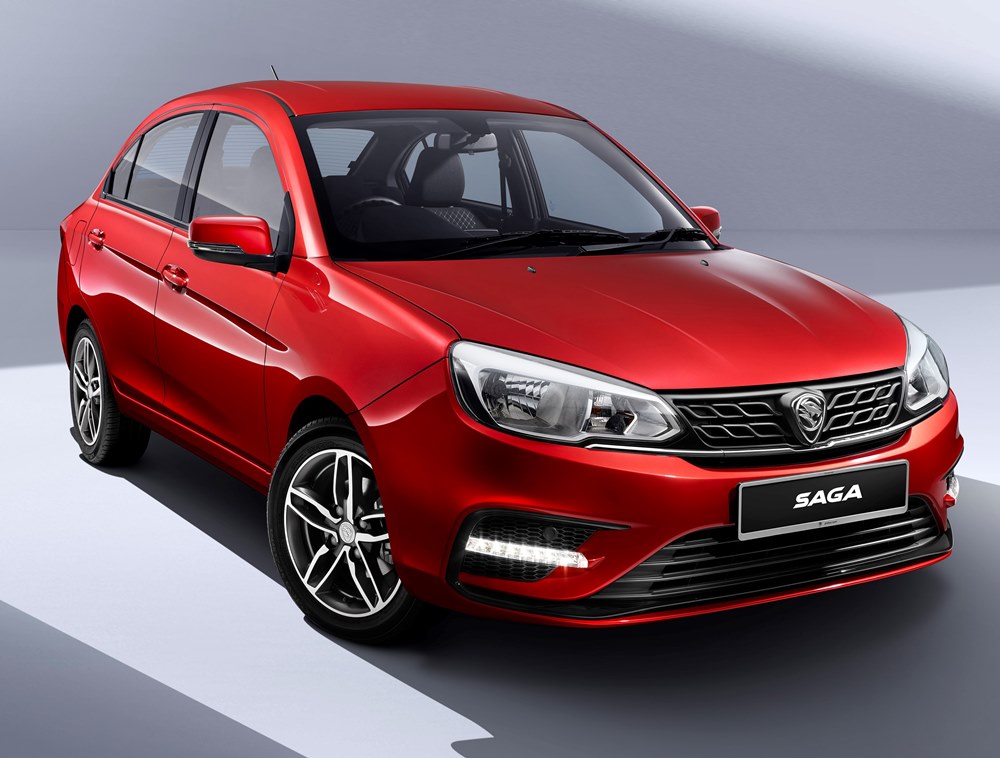
Nevertheless, the bestselling model for Proton was still the evergreen Saga, with 42,627 units sold. The model is also sold overseas and assembled in some countries as well, enabling better supply of cars to those markets.

Other models that performed well in 2021 were the Exora (4,035 units), Persona (16,153 units) and Iriz (6,708 units). Deliveries rose a bit during December as chip supply issue improved slightly.

Growing international sales
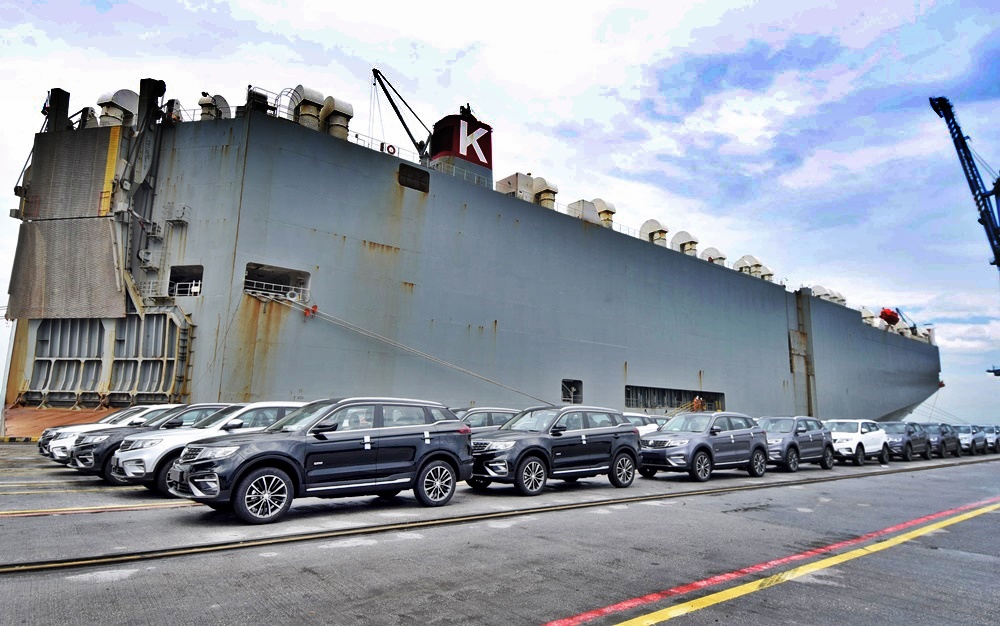
International sales were also a major highlight for the company. With 3,018 units exported in 2021, the total volume grew by over 100%. This made Proton the number one local automotive brand for export sales last year. With local assembly operations ramping up in overseas markets coupled to a hopeful loosening of trade restrictions, there is optimism the upward trend will continue in coming years.

“2021 was tough for the automotive industry as a whole and this is reflected in the reduction in TIV compared to the previous year. From a global chip shortage to a spike in COVID-19 numbers that led to another lockdown to skyrocketing transport costs, there were many challenges for industry players to overcome. That is why PROTON’S sales growth in a year where the market contracted was significant as it was the result of careful planning and juggling of available resources,” said Roslan Abdullah, CEO of Proton Edar.

“Regarding export sales, we are equally proud about being the brand with the highest export volume in 2021 as it proves we are gaining traction overseas thanks to the joint efforts of our International Sales division and our foreign partners. While increasing shipping costs are a growing concern, our planned activities in 2022 means we expect export sales growth to accelerate in the coming years,” he added.

7 new outlets opened
The Proton network of 3S/4S outlets started 2021 with 140 outlets and despite the challenges faced in terms of financing and construction works, another 7 outlets were in operation by the end of 2021.

“The growth of Proton’s ancillary businesses such as Proton Commerce and the increase in the number of outlets is directly linked to the number of vehicles we sell. As sales have grown so have our facilities to cater to an increased number of customers. I would also like to announce we have extended the warranty for the 6-speed automatic gearbox used by the CBU Proton X70 to 5 years with unlimited mileage. This is to further benefit our customers and give them added peace of mind,” added Encik Roslan.

Proton enhances flood assistance offers to owners with more discount on selected parts

BHPetrol RON95 Euro4M

Although there have been commercial vehicles from China for some time, the first passenger cars from the country appeared around the mid-2000s. Chery was an early brand but it did not make much of an impact and the brand eventually faded away. In recent years though, perhaps encouraged by Geely’s partnership with DRB-HICOM in Proton, we are slowly seeing new brands from China coming in.

The latest is Guangzhou Automobile Group Co., Ltd. , or GAC, as it is more readily known. This is a fast-growing carmaker which began business in 1997 and has entered 25 countries, making an appearance in the USA in 2007. Last year, it sold over 2 million vehicles worldwide.

2022 GAC GS3 SUV

Part of the Tan Chong Group
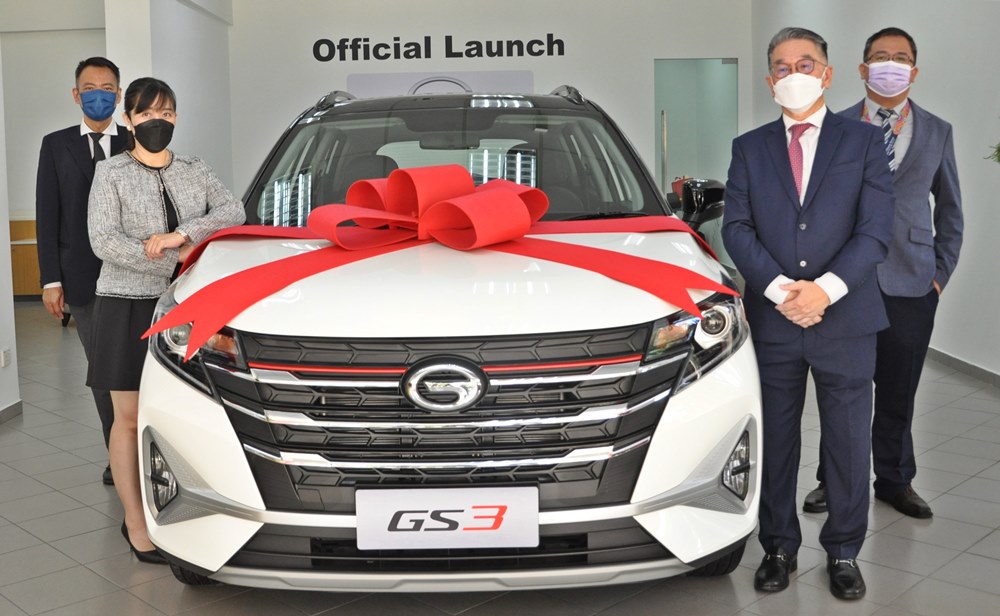
It has now added Malaysia to its list of export markets with the appointment of WTC Automotif (WTCA) as its official distributor. Though you may have never heard of WTCA, it has a team with long experience in the auto industry as it is a subsidiary of Warisan TC Motor Holdings Bhd, a member of the Tan Chong Group of companies. Tan Chong is one of the oldest car companies in Malaysia, having been established by Malaysians in the 1950s. It is synonymous with the Nissan/Datsun brand which it continues to represent with Edaran Tan Chong Motor.

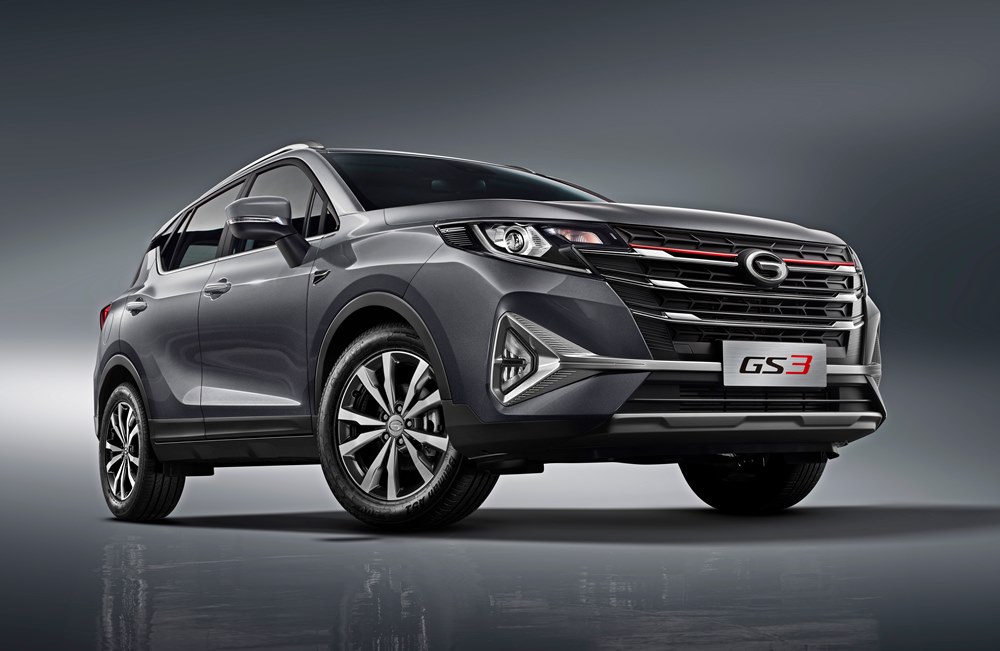
The first product from GAC in the new showrooms is the GS3, a popular compact SUV in China which has a B-segment size. At this time, the model is being imported from China but WCTA is already making plans to have it assembled locally, most likely at the Tan Chong assembly plant near Rawang in northern Selangor.

Local assembly to start in future
“The GS3 is a global model sold in 25 other countries and it arrives in Malaysia as a fully imported vehicle, with Malaysia being the first country to launch the RHD model. However, we are working closely with GAC International to start the local assembly programme for the GS3 and other models. WTCA has already set up a dedicated showroom for GAC in the heart of Kuala Lumpur and plans to expand beyond the Klang Valley region very soon,” said Tan Keng Meng, CEO of Warisan TC Holdings Bhd., the publicly-listed parent company of WTCA.

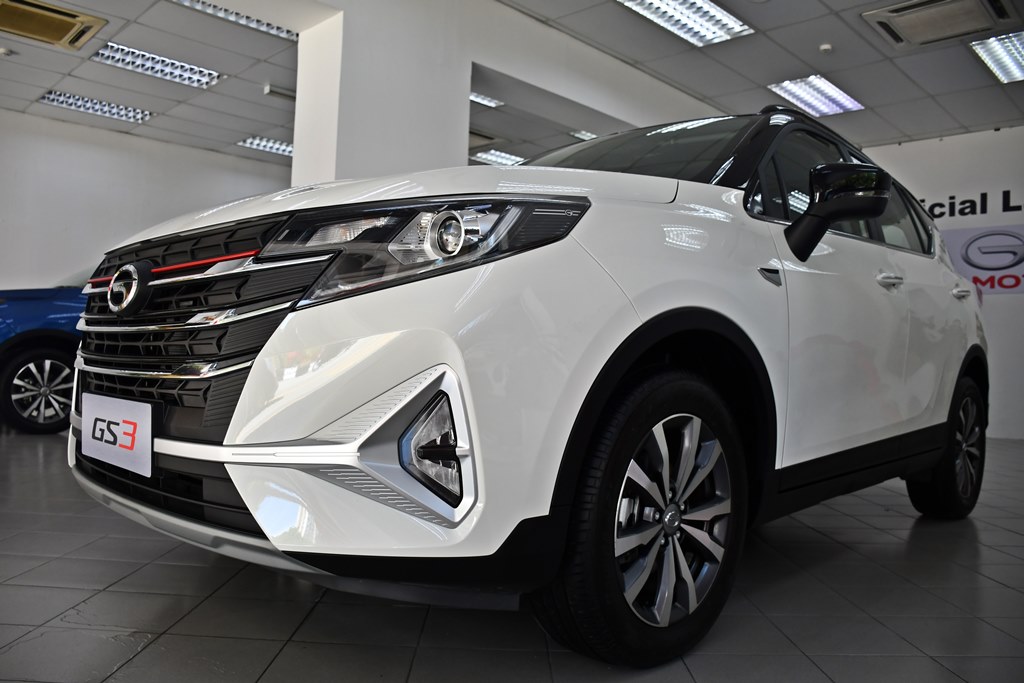
The GS3 imported to Malaysia is the latest model with GAC’s latest design language known as ‘Flying Dynamic Wing 3.0’. This has an intricately shaped front grille with subtle chrome strips that connect the projector headlamps and a lower bumper cladding linking the foglamps, both visual elements emphasizing the width and dynamism of the vehicle.

2022 GAC GS3 SUV

The curvature of the grille and front bumper is carried through to the sides which feature a strong shoulder line and deeply sculptured doors, while the cleverly concealed D-pillars accentuate the ‘floating’ roof design and sporty silhouette of the GS3. The sweeping roofline then tapers to a subtle rear spoiler with an integrated third brake lamp, complemented by slim LED tail-lamps that wrap around contours of the body for a noticeable presence on the road.

Large and wide interior
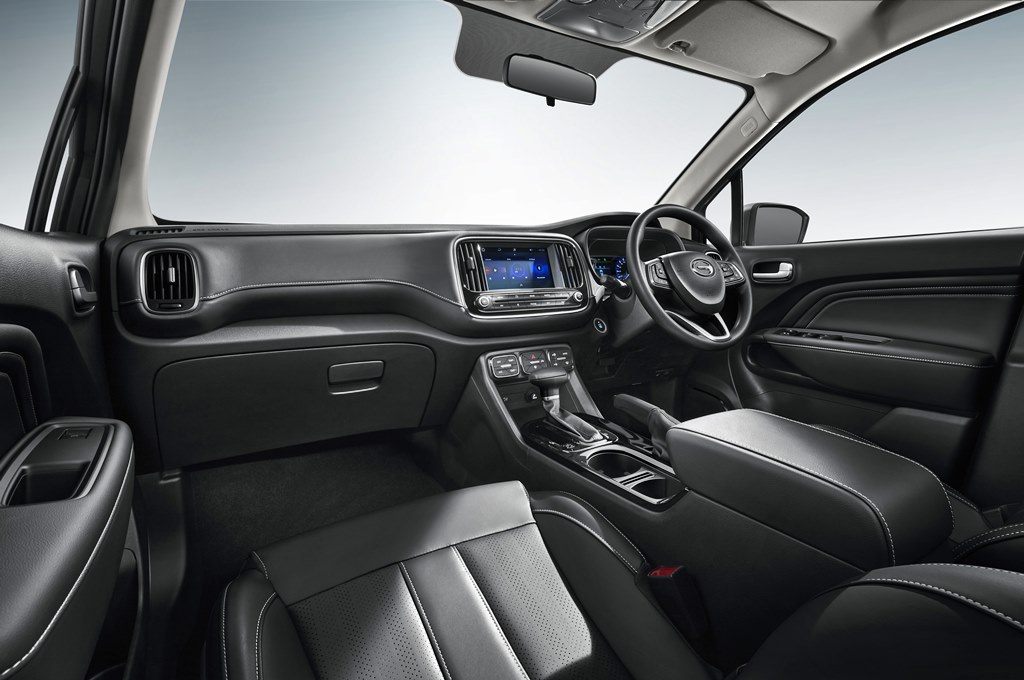
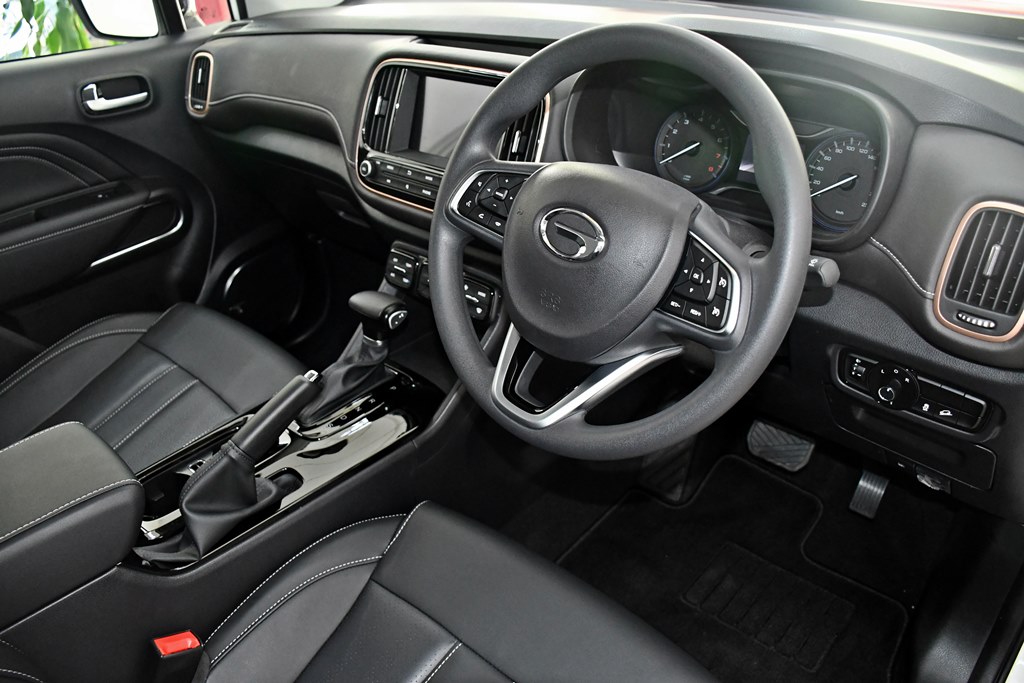
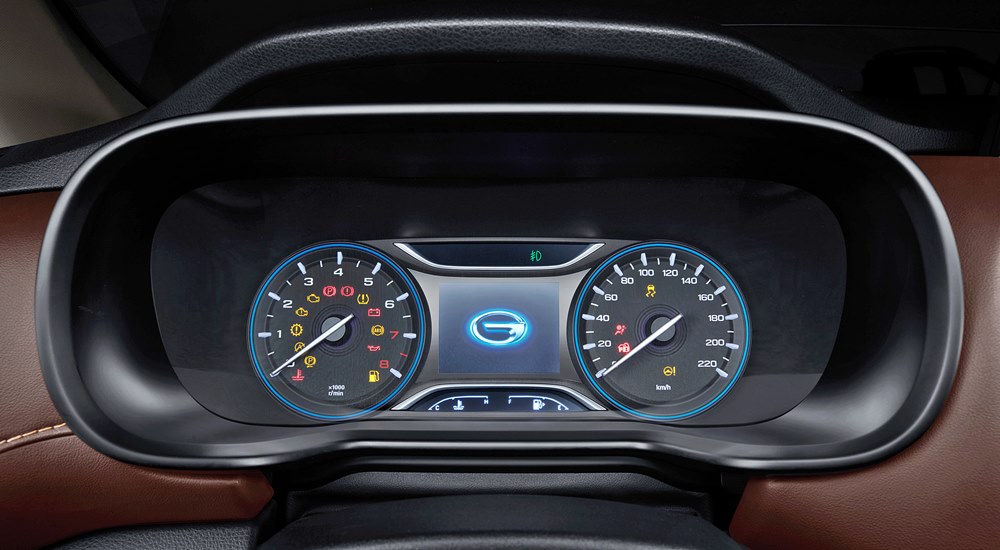
Like the exterior, the interior of the GS3 follows a similar theme with a ‘floating’ horizontal dashboard design that’s clean and classy. A large 8-inch infotainment touchscreen sits centrally with switches and controls for the climate control laid out neatly below them for ease of use. There’s also a sporty 3-spoke multifunction steering wheel that’s wrapped in leatherette and incorporates a multitude of steering controls to handle multimedia and can handle handsfree voice calls. The Climate Control System has PM2.5 particulate filtration which helps to keep the cabin air clean.

2022 GAC GS3 SUV

The GS3 cabin has been planned for maximum comfort, with one of the widest cabins in the compact SUV class at 1500 mm. This allows the occupants to enjoy a comfort level comparable to one class above, with generous legroom and shoulder room at the rear, even with 3 persons seated.

2022 GAC GS3 SUV

2022 GAC GS3 SUV

2022 GAC GS3 SUV

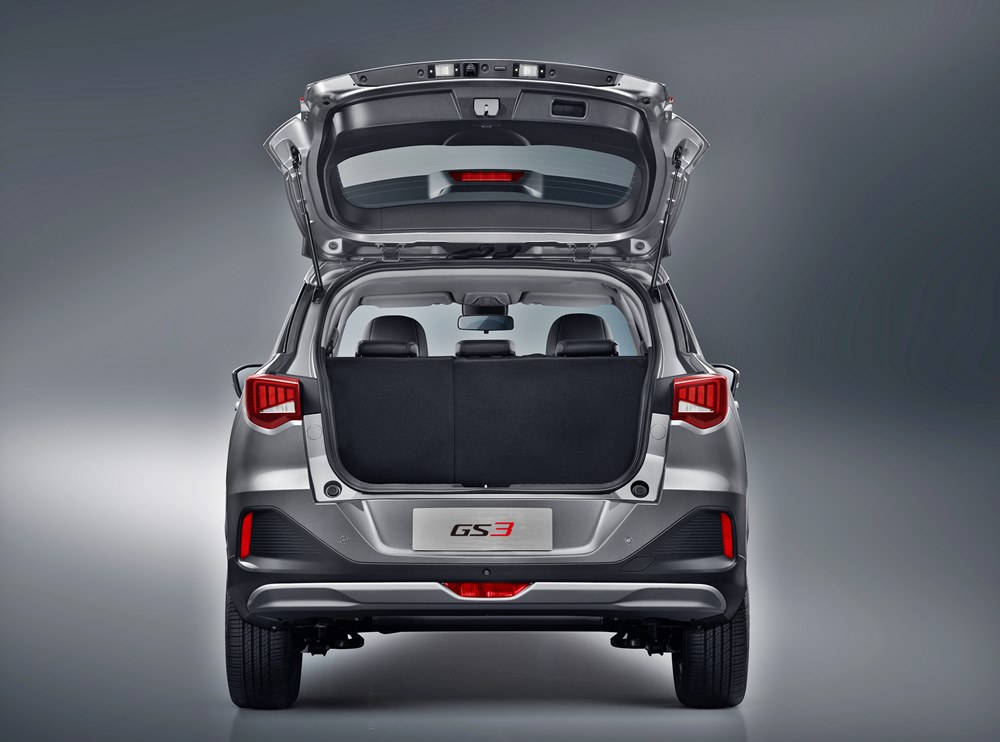
Attention was also given to seating comfort for the rear occupants and the seats have a good ergonomic structure, with optimal thigh support which some B-segment vehicles don’t have enough of. In addition to that, there are no less than 25 storage spaces around the cabin, plus a cargo volume of 356 litres which can be enlarged by folding down the one of both backrests.

2022 GAC GS3 SUV

Global safety standards
China, though having only gotten into modern automobile manufacturing in the 1980s, has caught up with the rest of the industry. Although some of the early models were known to have poor safety ratings, Chinese authorities today set global standards for safety which must be met. Thus the GS3 comes with the usual active safety systems like ABS and Electronic Stability Control as well as driver-assistance systems like Blind Spot Detection and a rearview camera. In the event of a sever collision, there are up to 6 airbags for added protection, and ISOFIX childseat mounts are also provided for easy installation of compatible childseats.

2022 GAC GS3 SUV

Power for the GS3 is provided by a 1.5-litre engine with continuously variable valve control at the intake and exhaust sides (Dual-CVVT). GAC engineers also developed a combustion control technology for enhanced combustion efficiency which the company has patented. With enhanced efficient, the 4-cylinder engine produces 114 ps/150 Nm which goes to the front wheels through an Aisin 6-speed automatic transmission with adaptive intelligent control. The claimed fuel consumption is 14.5 kms per litre.

Prices for the GAC SUV start from RM88,800 for the Standard variant and RM96,800 for the Premium variant (prices excluding insurance and 50% of sales tax). Test drives and static viewing are available at the first GAC showroom which is located at Lot 72, Jalan Sultan Azlan Shah, 51200 Kuala Lumpur. For more information, visit www.gacmotor.com.my.

How numberplates are issued in China


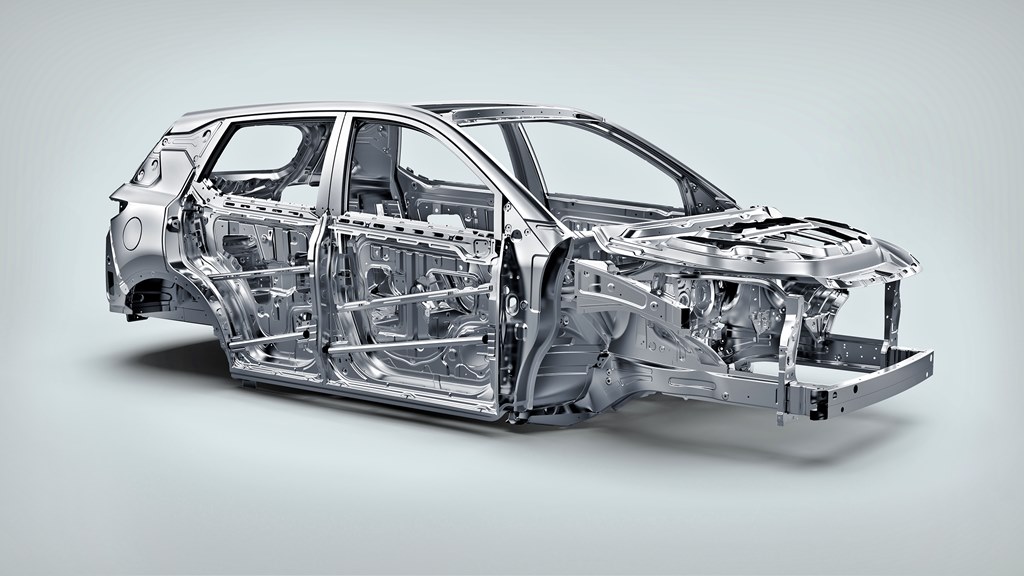
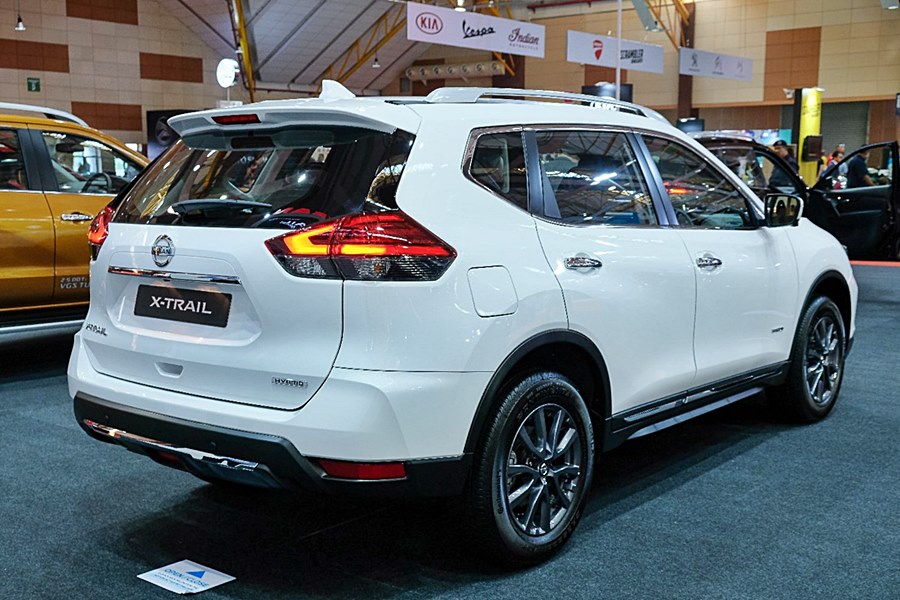
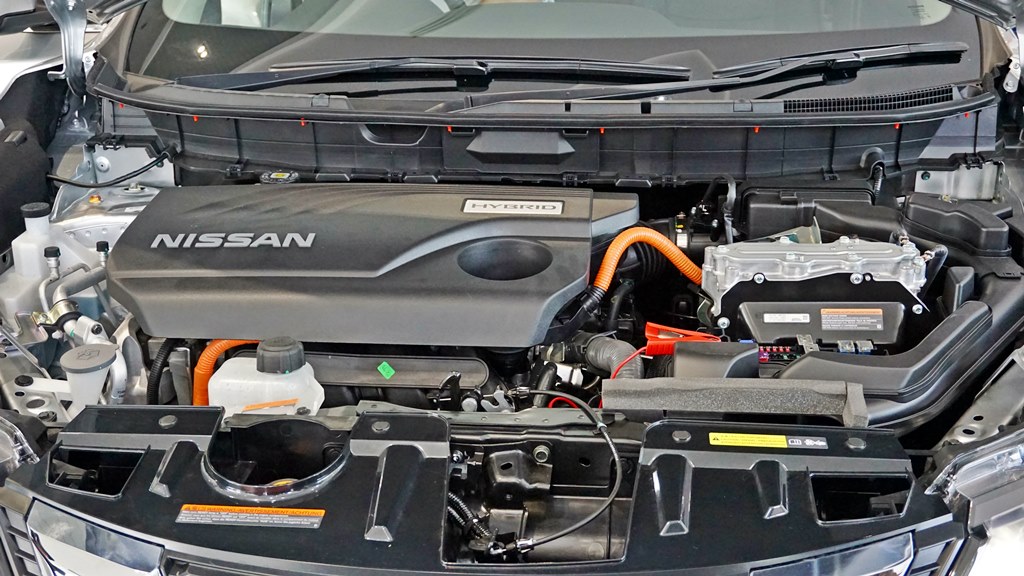
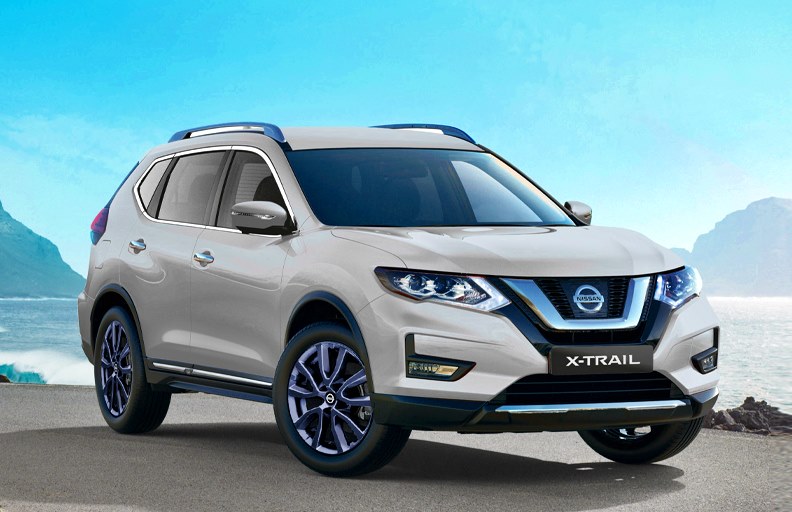
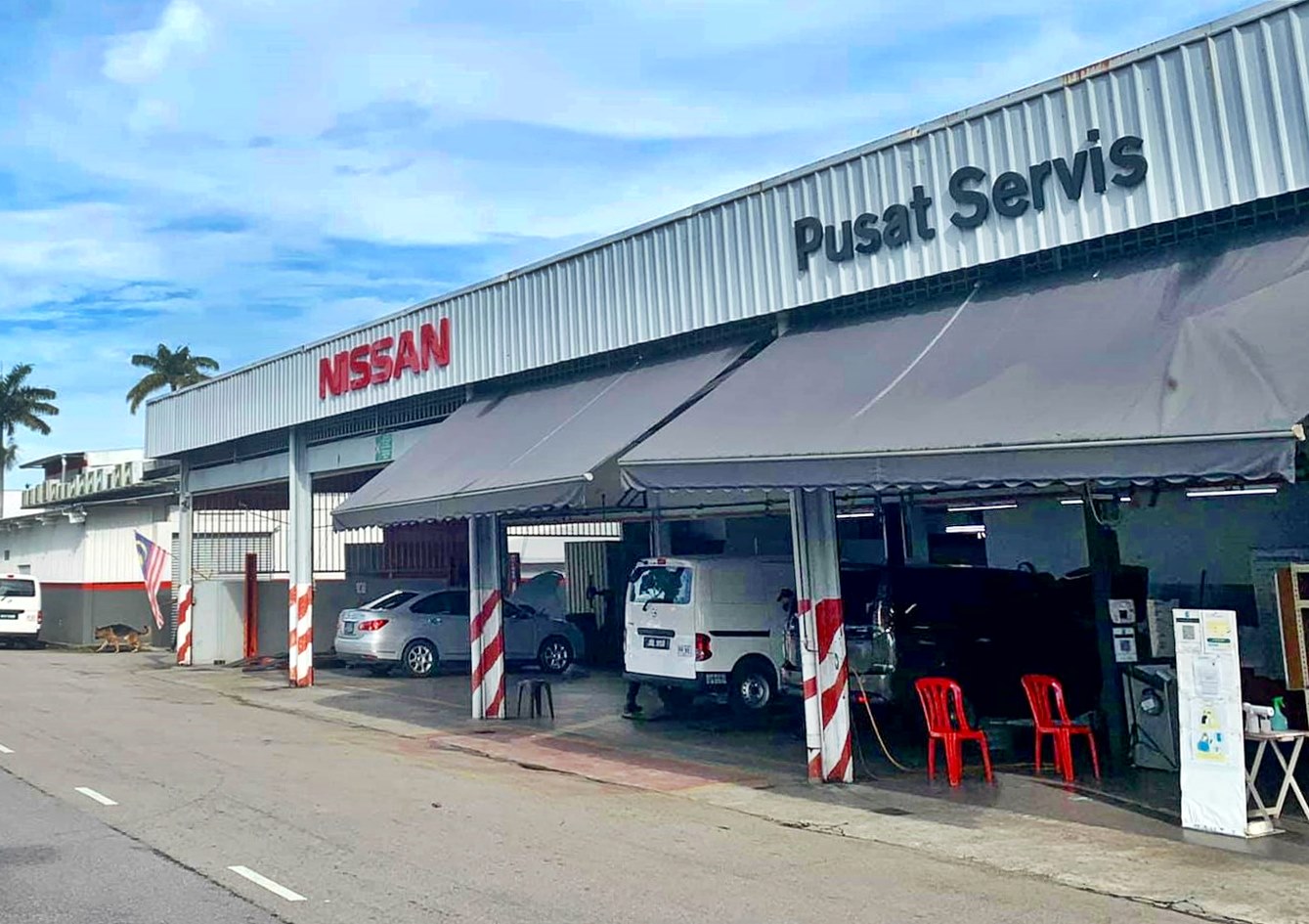
The Nissan X-Trail Hybrid, which has been on sale for some years now, is being recalled by Edaran Tan Chong Motor Sdn. Bhd. (ETCM) to enhance its Engine Bay Harness – Hybrid Power Line. It is understood that the Hybrid Power Line could be damaged due to interference with the edge of engine or  transmission control module bracket.

The affected units of the model, coded ‘T32’, were manufactured between June 2018 and May 2021. Units produced from June 2021 onwards have already had the fix, so they are not affected by this recall.

X-Trail Hybrids manufactured from June 2021 are not affected by the recall.

If you are not original owner
ETCM will contact owners of the affected SUVs based on contact details registered with them. The notification requesting them to bring their vehicles in will come from Tan Chong Ekspres Auto Servis Sdn. Bhd. (TCEAS) in the form of a letter or by SMS/Whatsapp. It is possible that vehicle ownership may have changed over the years and the current owner may not receive such a notification. In this case, contact a TCEAS outlet for assistance and to make an appointment as well.

As always with such recalls, all labour and enhancement parts for this campaign will be at no cost to owners.

Certain TCEAS outlets have extended operation hours and are open 365 days a  year. This will make it easier for vehicle owners to service their vehicles on weekends and public  holidays.

To locate a TCEAS outlet, call the Nissan Customer Care Centre Hotline at 1800-88- 3838. Or visit www.tceas.com/servicecentre.

Nissan recognises top performance of aftersales services by Tan Chong in Malaysia

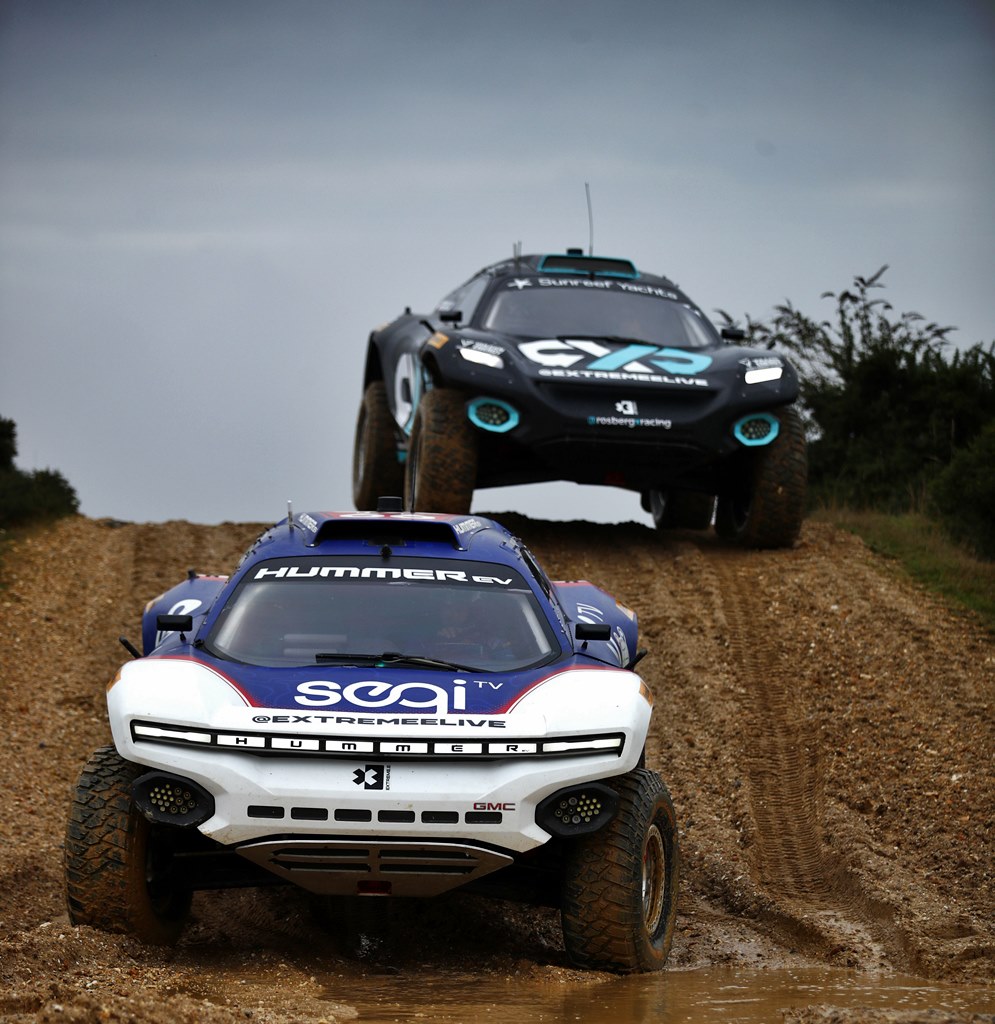
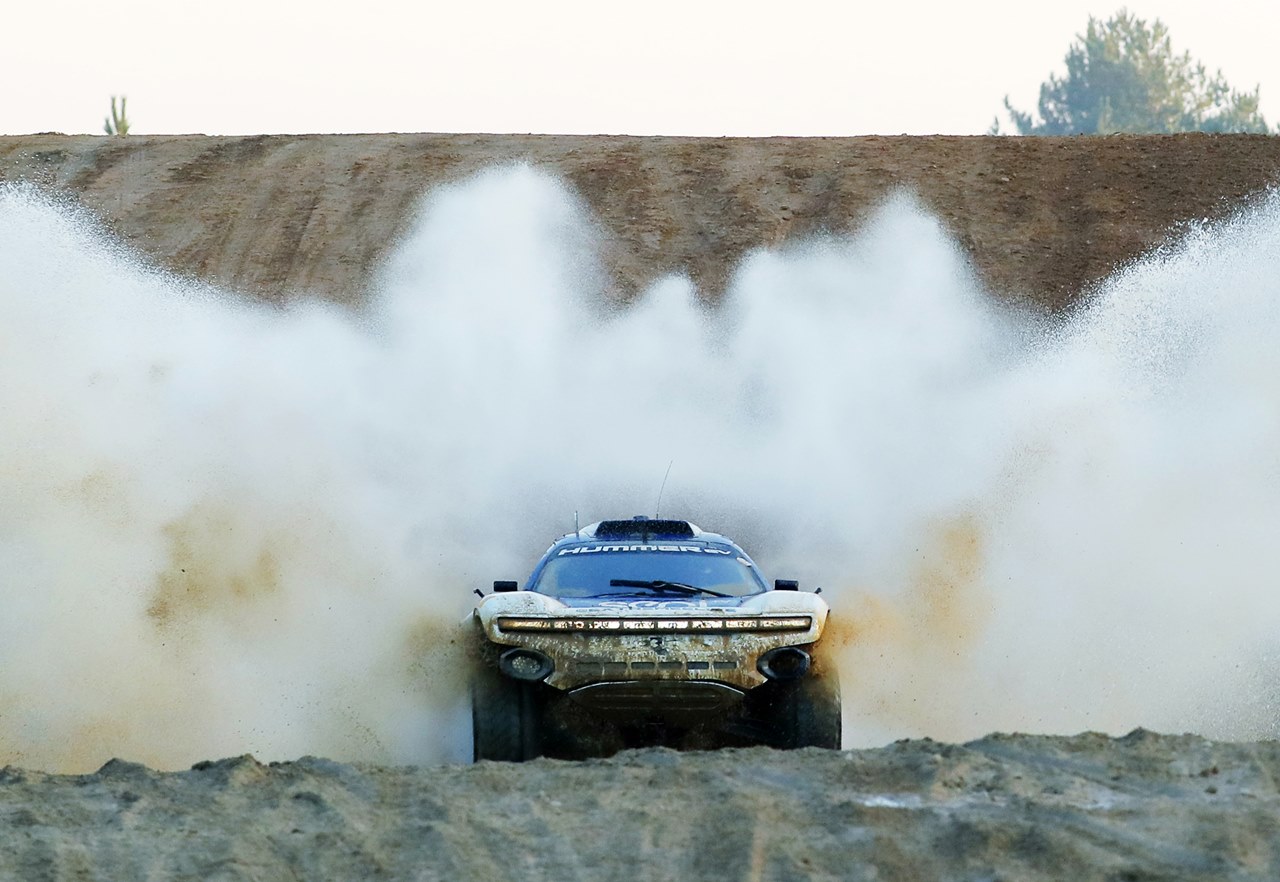
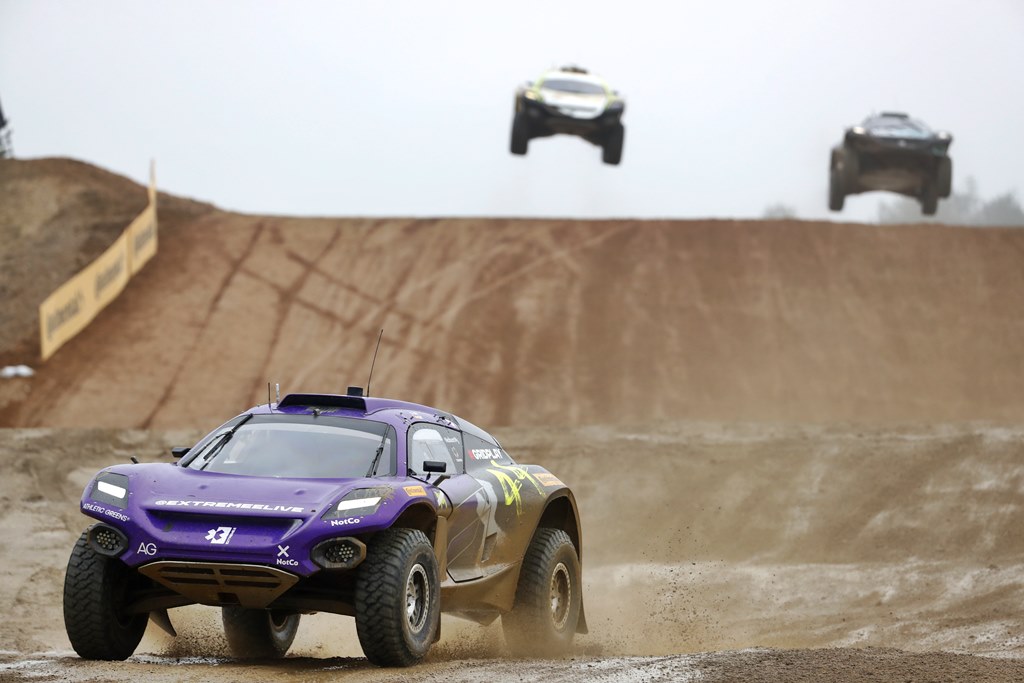
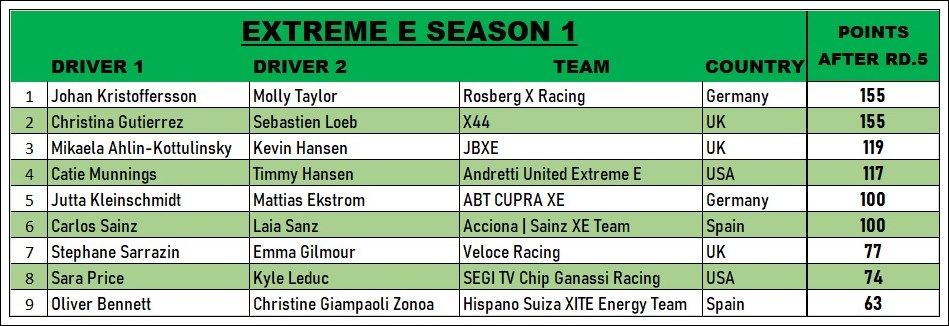
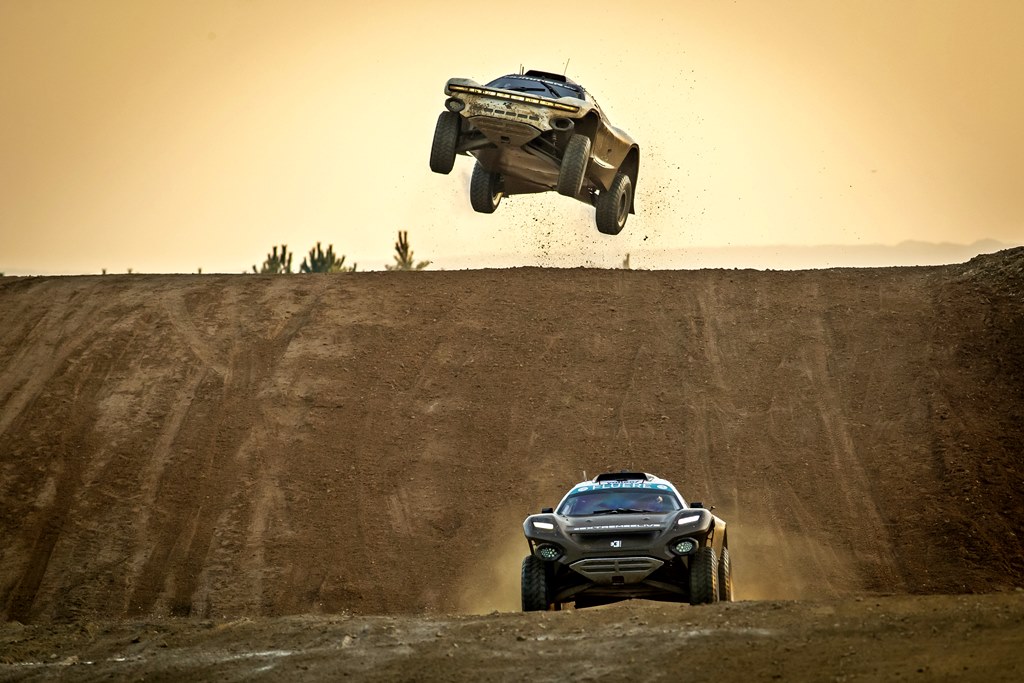
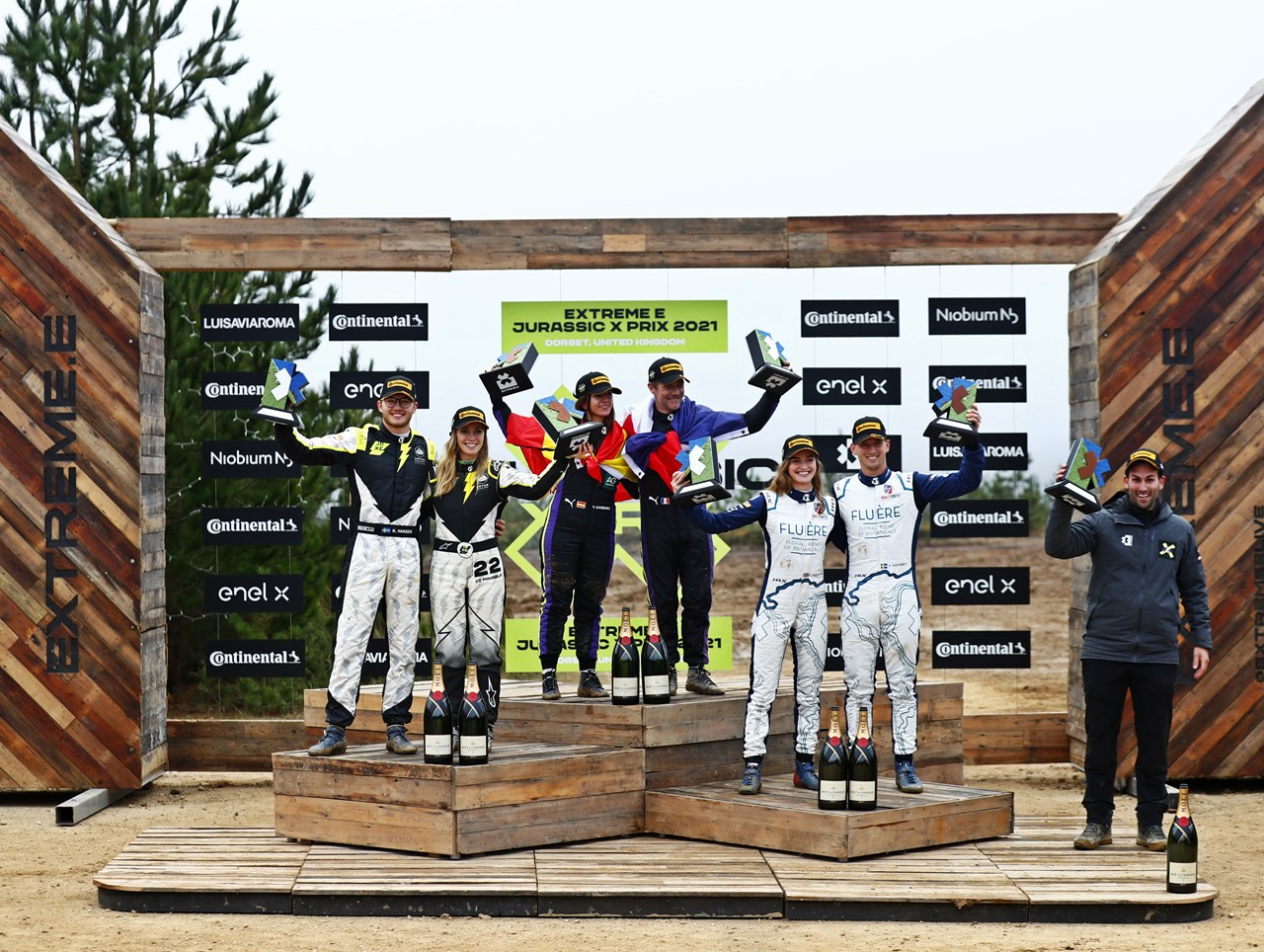
Nico Rosberg, Formula 1 World Champion in 2016, can add another title to his name – the first champion of the Extreme E series. His team (but he did not drive) – Rosberg X Racing (RXR) – claimed the title after finishing fourth in the season-ending Jurassic X Prix in the UK recently. Despite finishing level on 155 points with Jurassic X Prix winners X44, RXR’s Johan Kristoffersson and Molly Taylor took the championship due to having more X Prix victories, with 3 wins from 5 events.

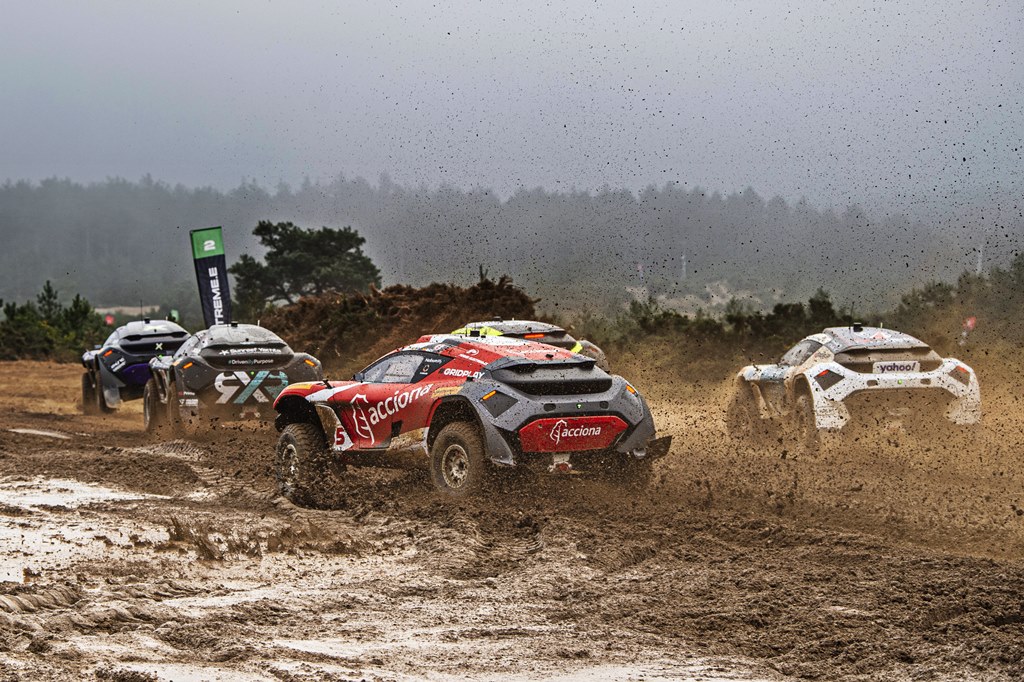
Sebastien Loeb and Cristina Gutierrez finally took their first Extreme E win at their fifth attempt, as well as 5 extra points for being fastest through the Continental Traction Challenge at the wet and muddy course.

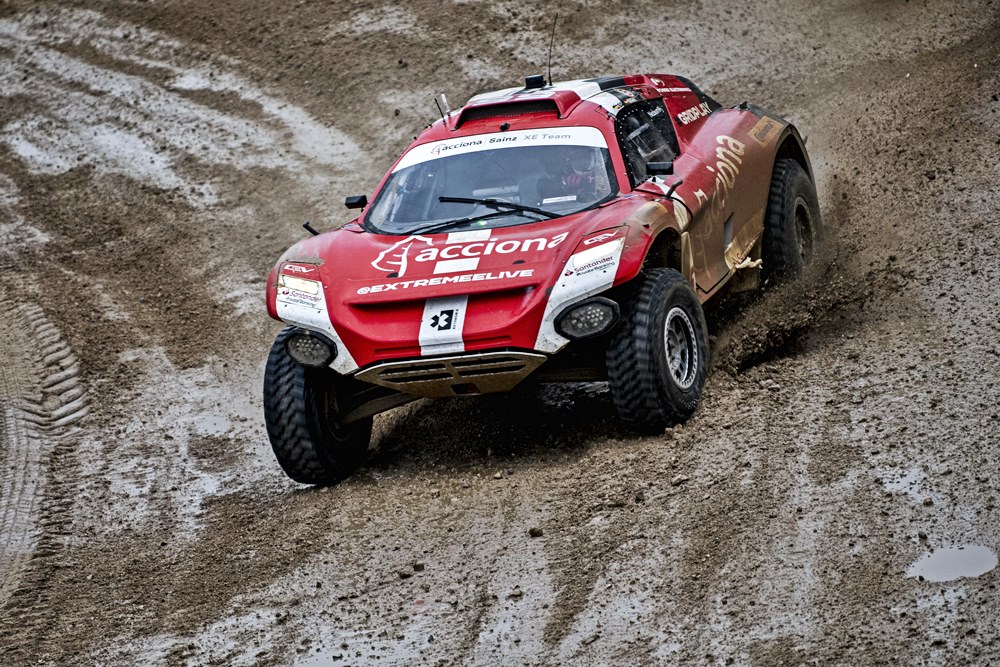
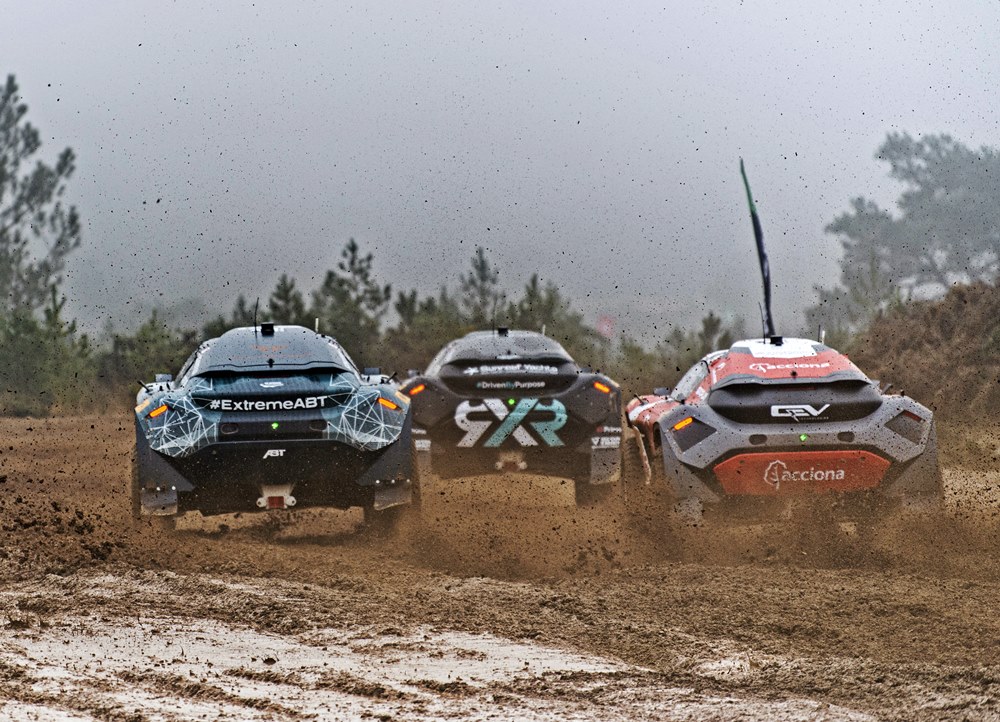
With 5 cars vying for position to get the best traction and grip off the line in the final, the start was crucial. It was the championship contenders who got the best getaway, with X44’s Gutierrez flying into the lead ahead of RXR’s Taylor, and then JBXE’s Mikaela Ahlin-Kottulinsky, Andretti United Extreme E’s Catie Munnings and ACCIONA | Sainz XE Team’s Laia Sanz fighting for positions behind.

2021 EXTREME E FINAL

2021 EXTREME E FINAL

As Gutierrez began to pull away from the chasing pack, the tension began to grow in the RXR team as Taylor fell into the clutches of those behind, losing places to Ahlin-Kottulinsky and Munnings to slip back to fourth, just ahead of Sanz in fifth place. This was dangerous territory for RXR, who needed to finish fourth or higher to claim the title.

The battle for third place in the standings was similarly competitive – with just a point separating JBXE and Andretti United Extreme E ahead of the Jurassic X Prix. Their closely fought contest continued as Munnings closed in on Ahlin-Kottulinsky, but there was drama as they both attempted to enter the Driver Switch Zone, with contact between the pair sending Munnings into a spin.

2021 EXTREME E FINAL

2021 EXTREME E FINAL

Fortunately, she was able to get going again and retain third place, such was the pace advantage the leading trio had over RXR and ACCIONA | Sainz XE Team. The order was maintained after the driver switch, with Loeb preserving X44’s lead over JBXE’s Kevin Hansen in second and Andretti United Extreme E’s Timmy Hansen in third.

The stage was set for Kristoffersson and Carlos Sainz Snr. to fight it out for the title-deciding fourth place finish, but it was a battle which fizzled out after problems in the Driver Switch Zone meant ACCIONA | Sainz XE Team lost ground. This gave RXR breathing space in their bid to score the crucial points needed to seal the championship.

“We are really happy with the first Extreme E season. It has not been easy in the middle of a pandemic, but we have delivered five X Prix events, and the Finale in Dorset, UK produced some spectacular racing. Since our first event in Saudi Arabia, we have had a lot of eventful and incredible moments ending in a brilliant title decider today,” said Alejandro Agag, Founder and CEO of Extreme E. “We are now looking forward to what we hope will be a fantastic Season 2.”

2021 EXTREME E FINAL

Although having same number of points as the X44 team, RXR is the overall winner due to having more X Prix victories, with 3 wins from 5 events.

Drones provide a more exciting perspective of motorsports events like Extreme E

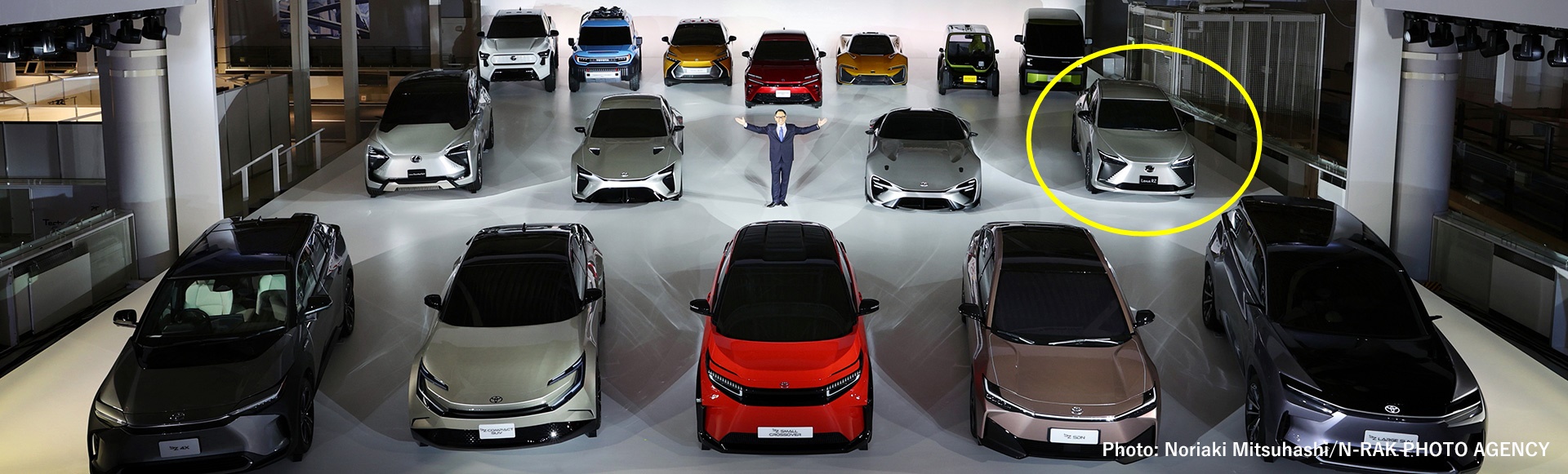
At the recent press conference where Toyota’s President, Akio Toyoda, gave a broad overview of the company’s electrification strategies during this decade, 16 fully electric – also known as BEVs or battery electric vehicles – were shown on stage. Most are probably just 3-dimensional models of future products but they certainly attracted a lot of speculation and attention, especially the electric Hilux and a SUV that has styling reminiscent of the FJ Cruiser.

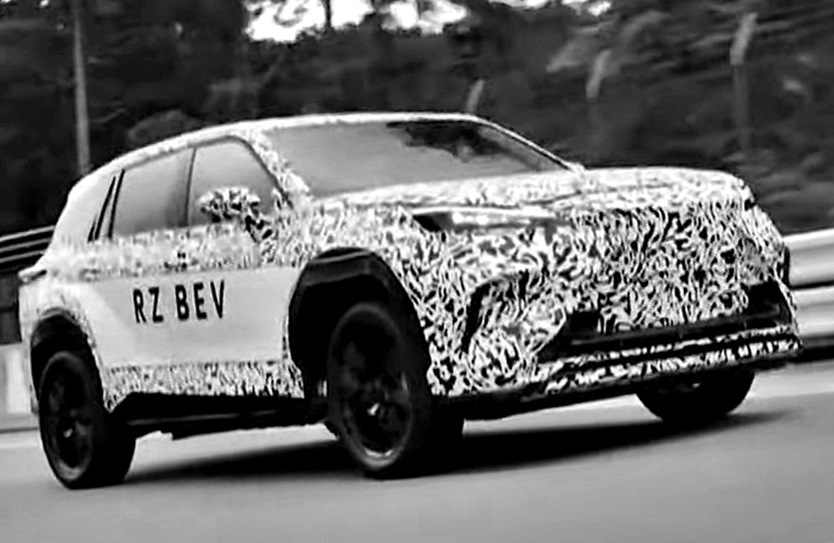
To date, Toyota has launched one BEV model which will go on sale in 2022. This is the bZ4X, which is said to have been developed with involvement of Subaru, which will sell a similar model it calls the Solterra. Mr. Toyoda also showed a video of himself and Koji Sato, President & Chief Branding Officer of Lexus International, testing a Lexus BEV prototype around a test course. It’s typical of the Toyota President who, being a racing driver himself, also gets involved in product development.
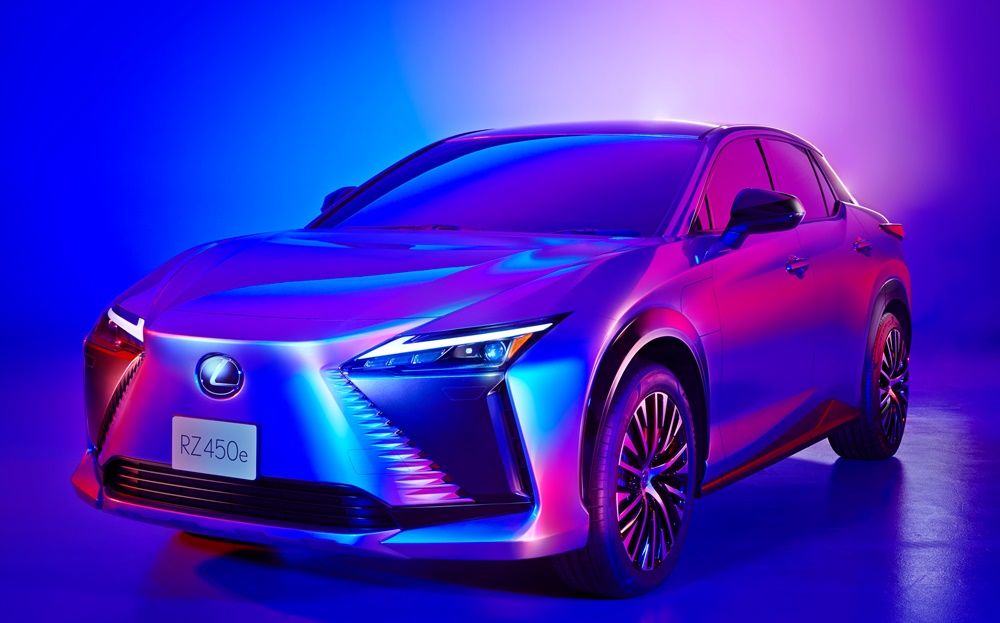
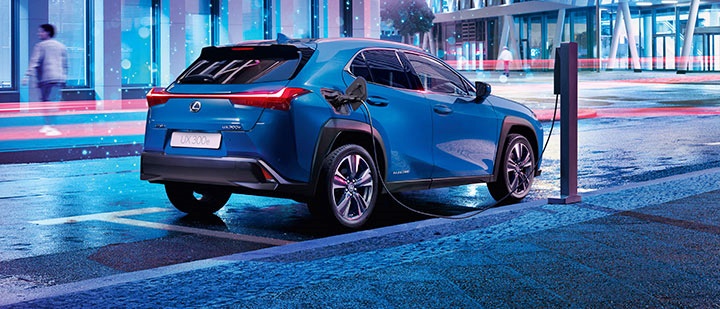
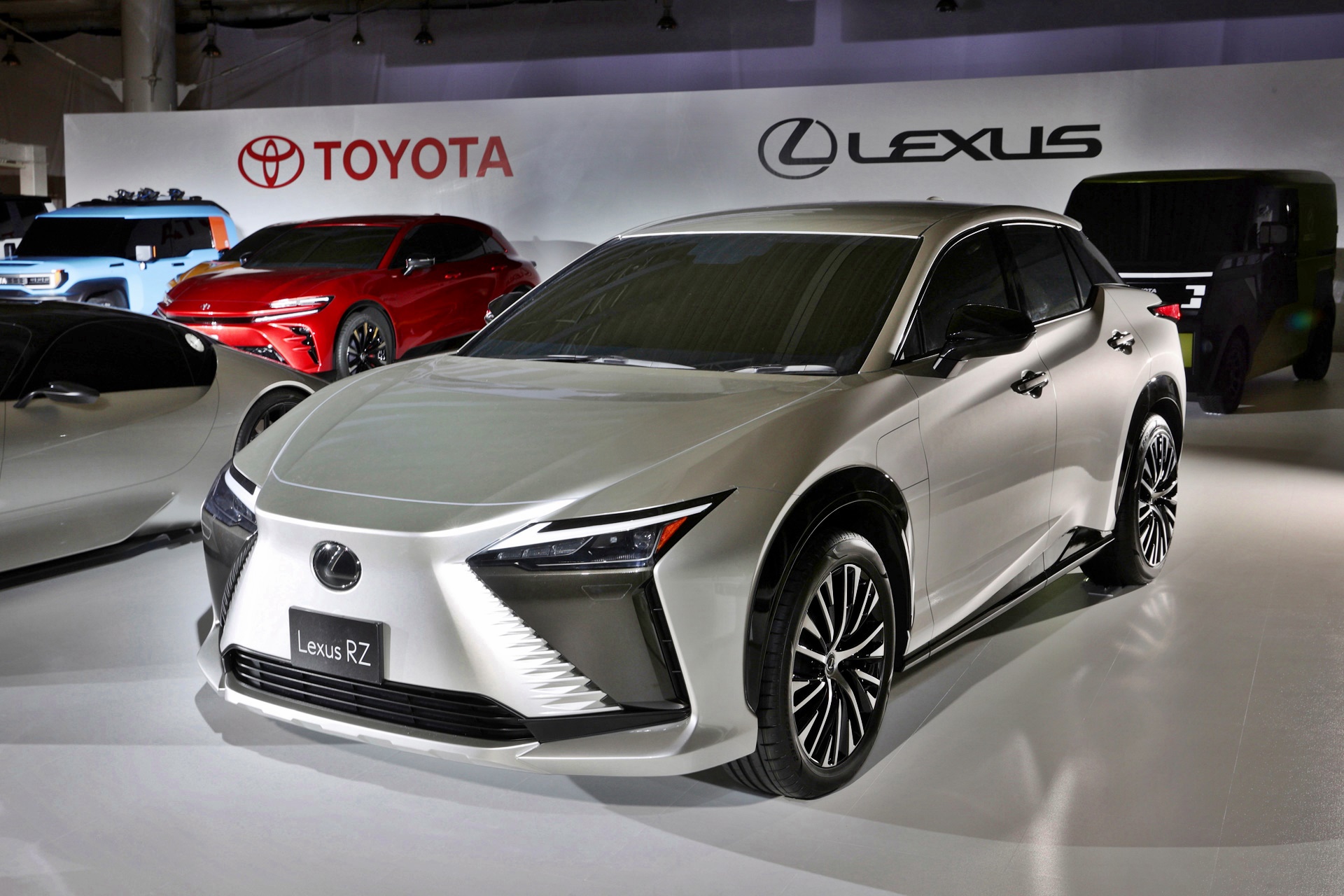
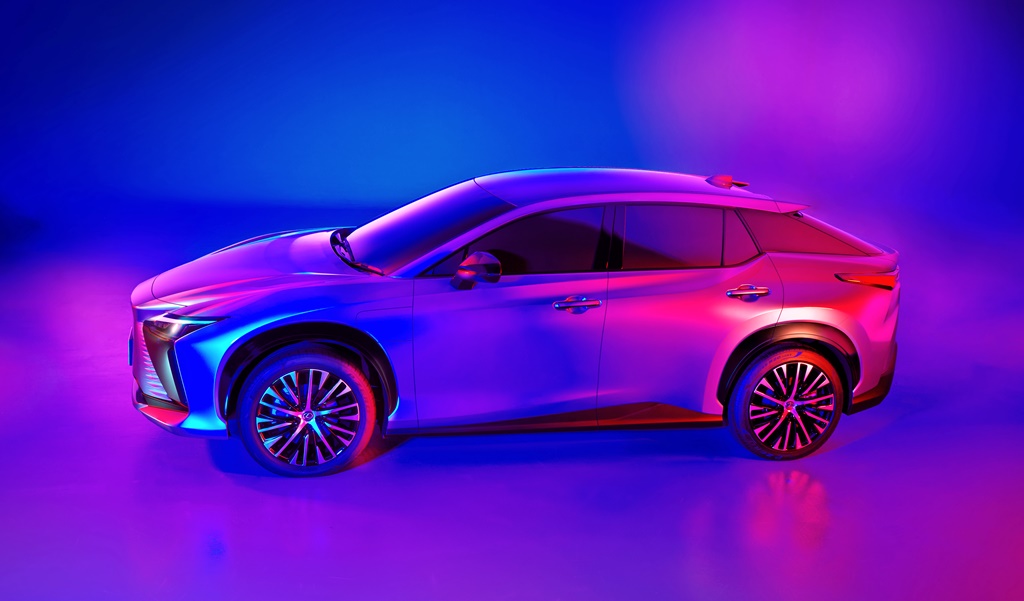
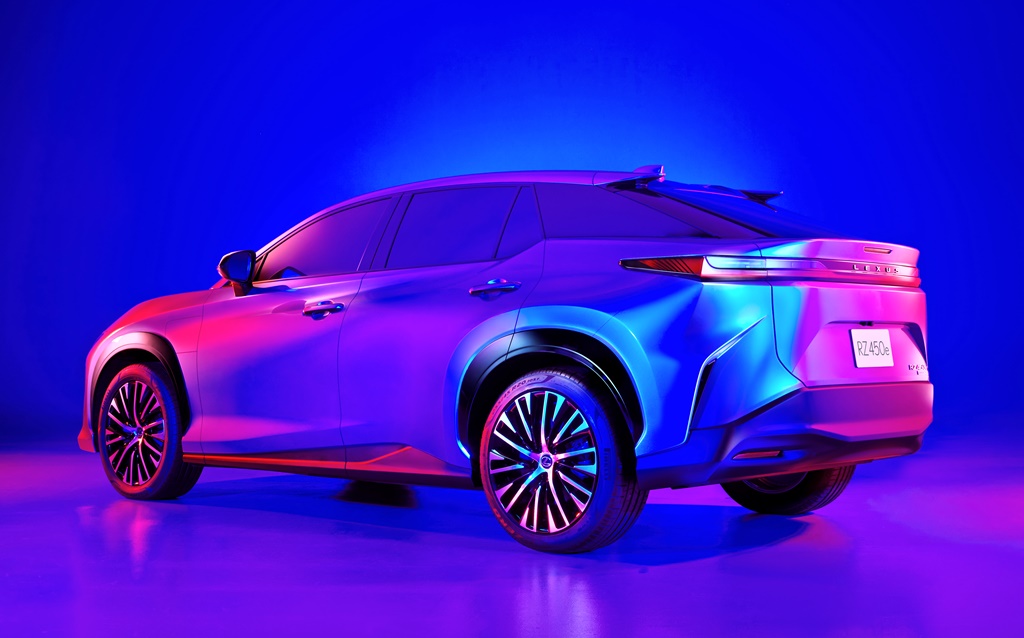
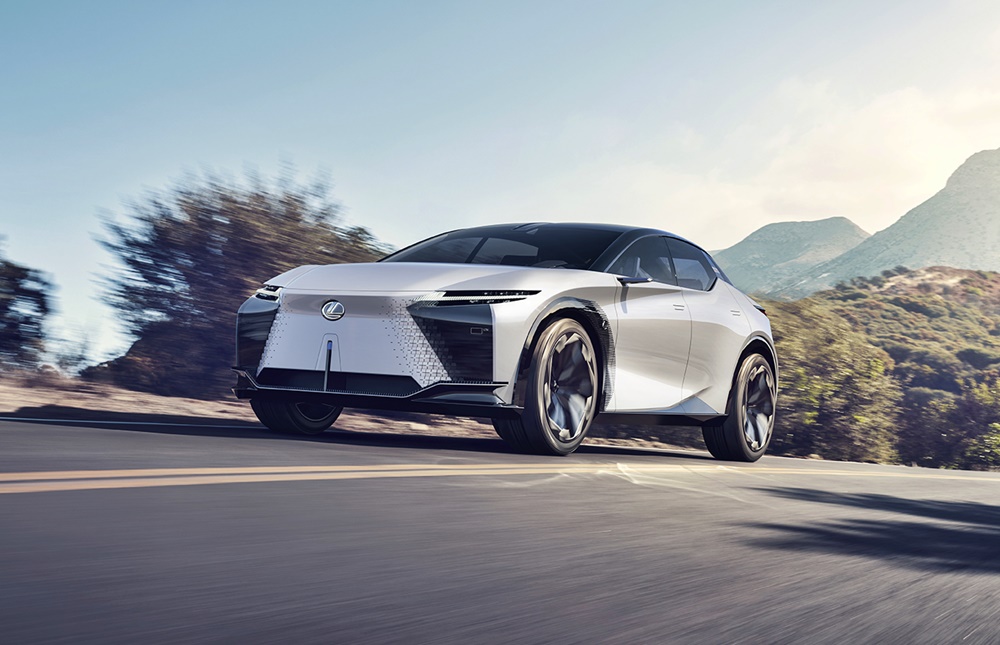
An uncamouflaged model of that BEV appeared to be in the group of Lexus prototypes also displayed. The BEV will go into production in 2022 and while details have not been released, Lexus has shown more uncamouflaged pictures of the car. The BEV prototype will be the new RZ, a SUV crossover that will be the first of range of Lexus vehicles that have been designed from the start to be BEVs. Apart from having sold hybrids for many years, this will not be the first fully-electric Lexus model as the all-electric UX 300e has been available for about 2 years now. However, that model was not developed only as a BEV.

UX 300e is the fully electric version of the UX compact crossover.

e-TNGA
With the RZ, which will start with a 450e variant, the vehicle is built on a completely new dedicated platform called e-TNGA, a version of the TNGA (Toyota New Generation Architecture) that has been used for all recent new models. While the bz4X is RAV4-sized, the RZ 450e looks like a RX-sized model with similar styling themes but a closed front end typical of EVs.

All-wheel drive with  DIRECT4
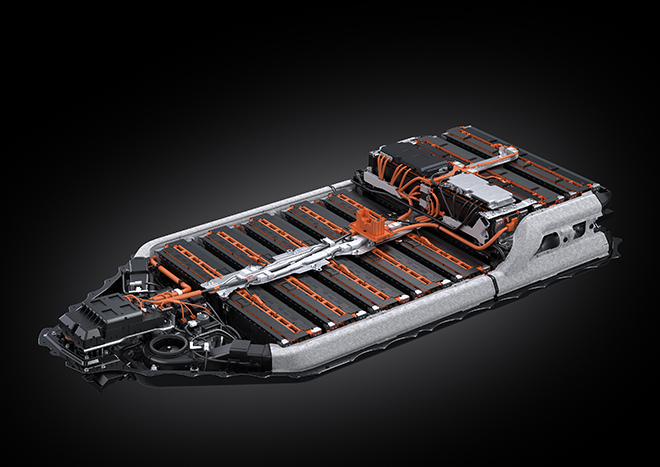
Not many details are available at this time though it can be expected that the powertrain will be something similar to what is in the bZ4X, with higher output and a bigger battery pack. The all-wheel drive system will be an exclusive control system called DIRECT4 which dynamically controls the drive force to the wheels constantly optimizing the power delivery. It can be fully front wheel drive or rear wheel drive or varying combinations of front and rear drive as conditions require.

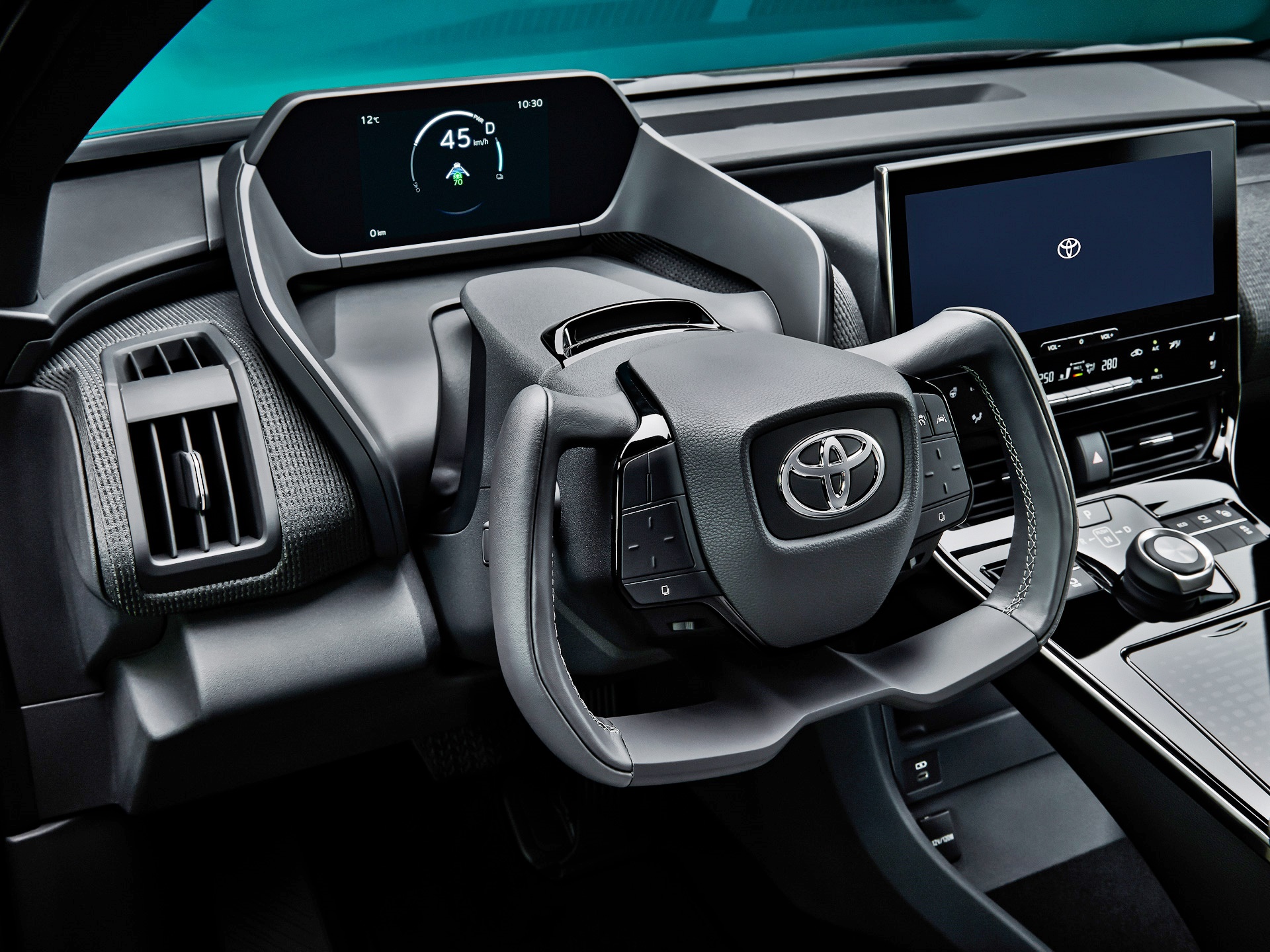
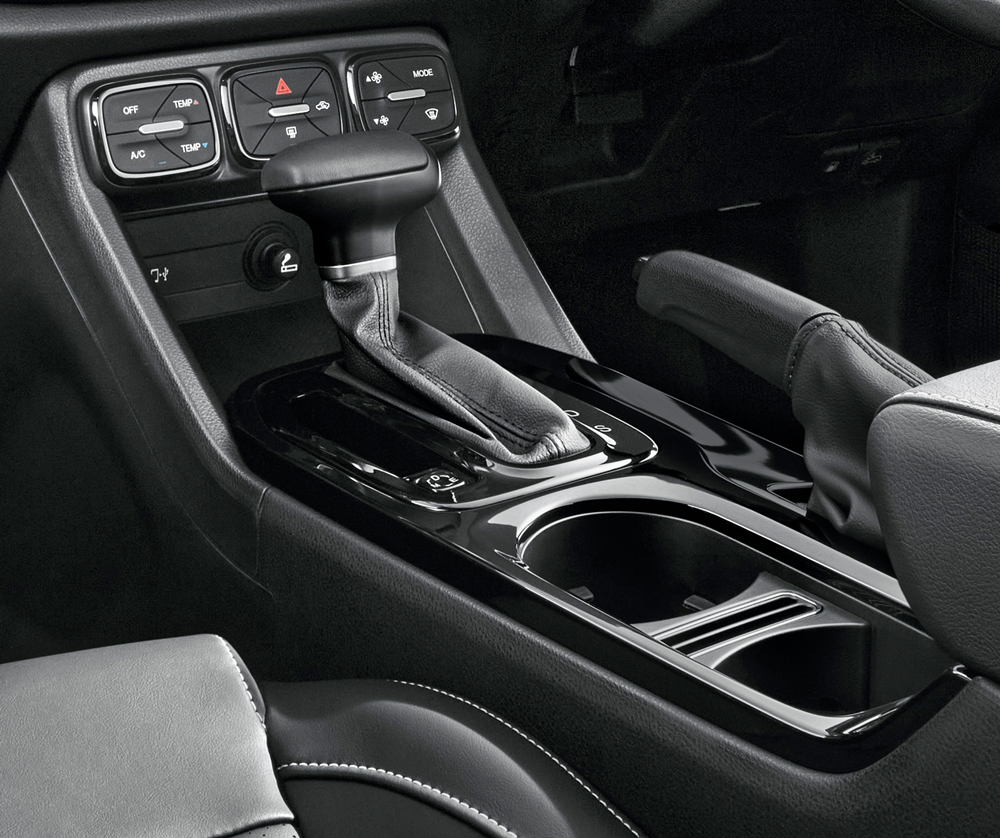
The new RZ will also be available with a steer-by-wire system. This is said to eliminate the traditional hand-over-hand action for lower speed driving or parking. It would be possible to do a full U-turn with a simple rotation of the steering wheel.

Steering wheel in the Toyota bZ4X which will initially be offered in SUVs for the China market.
Lexus says there will be a ‘comfortable and unique shape’ which provides a clear view to all relevant information from the instrument panel to the heads-up windshield display. This suggests that the RZ may also have that steering column with a wing-shape. In the bz4X, it will initially be offered in China and then progressively appear in other markets.
Battery warranty up to 10 years
As a measure of the brand’s confidence in its BEV technology, Lexus is offering (in some markets) a 10-year (or up to 1,000,000 kms) extended care on all functional defects of the vehicle’s main battery pack and capacity degradation below 70%, provided that the regular health checks foreseen in the maintenance program are followed. This is a separate warranty from the vehicle warranty which covers the powertrain.

The new RZ range will begin the Lexus offensive to have BEVs in every segment, and account for 100% of the brand’s total sales in Europe, North America, and China by 2030.

LF-Z Electrified concept shows design direction for future BEVs from the brand.

External designers create Virtual Interiors for Lexus LF-Z Electrified concept

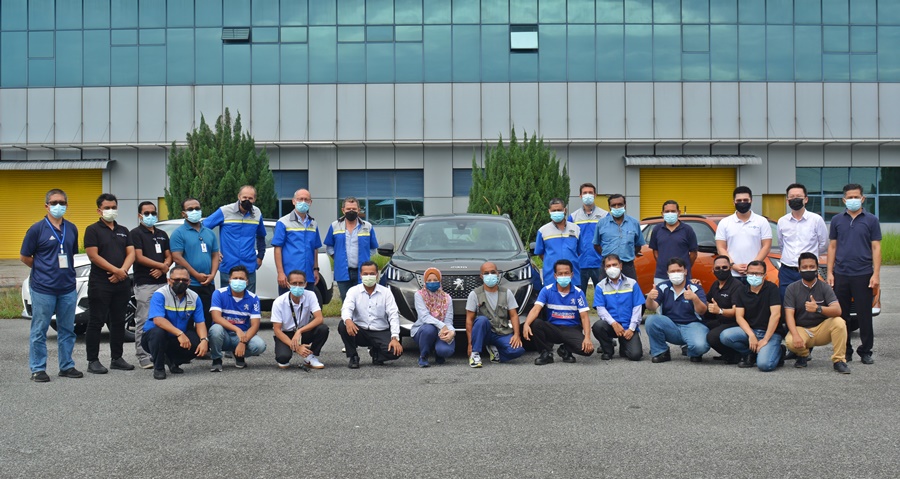
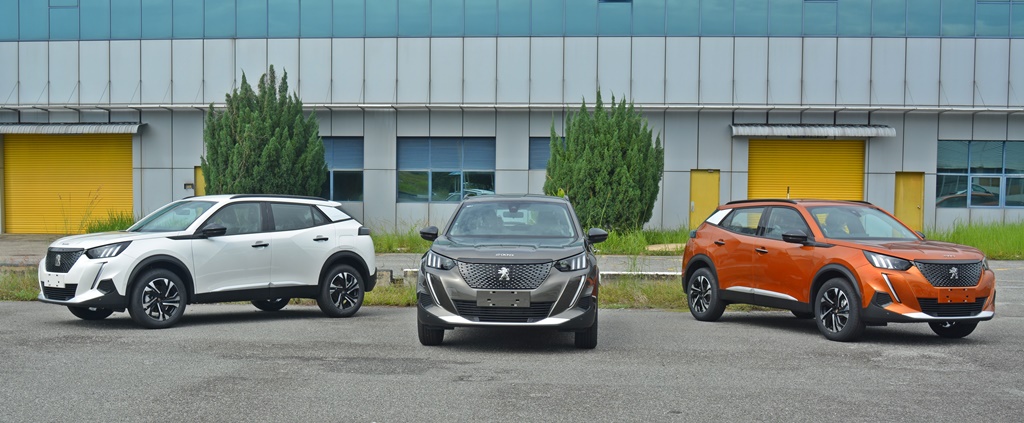
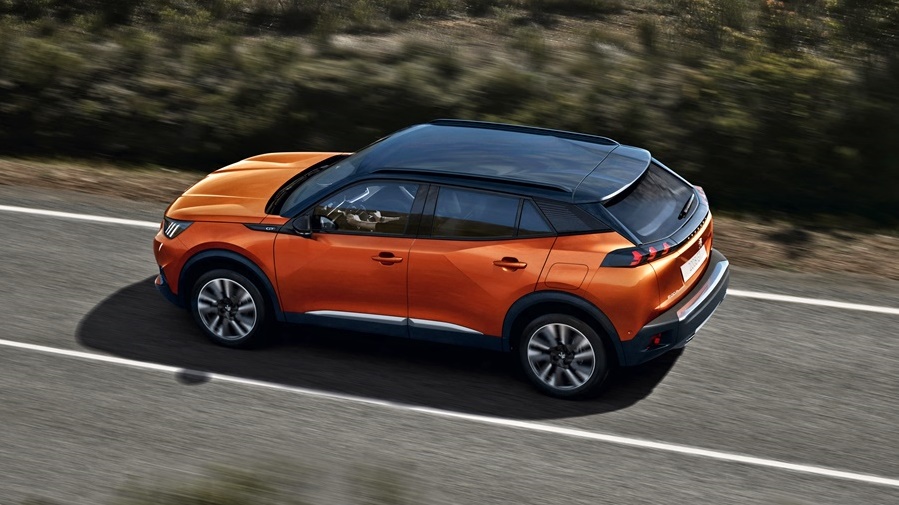
The first units of the new Peugeot 2008 have left the production line at the Stellantis manufacturing plant in Gurun, Kedah. The production is meant for the Malaysian market as well as for export to neighbouring countries. Sales will start in Thailand this month and there will also be lefthand drive versions produced for markets such as the Philippines.

“Built in ASEAN for ASEAN, we’re proud to announce that the first locally-produced new Peugeot 2008 vehicles will be on their way to customers in Southeast Asia in the coming months,” said Christophe Musy, Senior Vice-President, ASEAN & General Distributors at Stellantis.

“This is an important step in our plan to enlarge the Stellantis manufacturing footprint in the region and the first example of our ambition to expand the portfolio of Stellantis vehicles built in Southeast Asia,” said Mr. Musy.

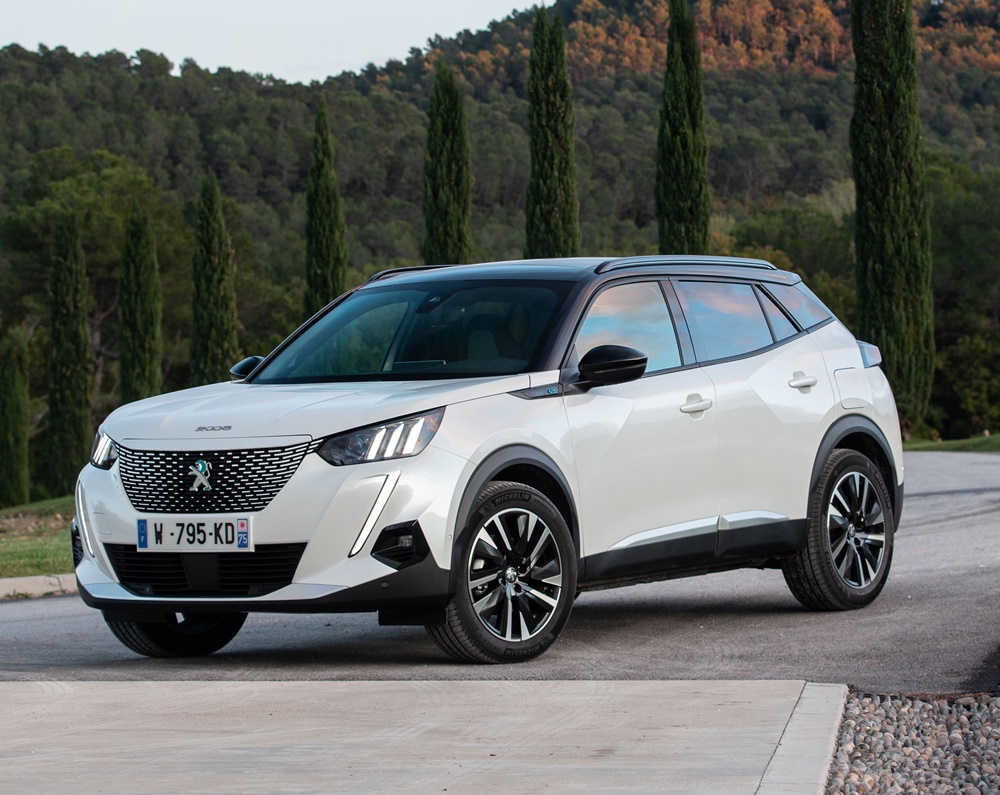
The 2008 comes with Full LED Headlights, Peugeot’s signature 3-claws Light, the new Peugeot i-Cockpit 3D, 3D Quartz Cluster and 7-inch HD Touchscreen with Toggle Switches. It also has the latest Advanced Driver Assistance Systems (ADAS) that include Automatic Emergency Braking, Driver Attention Assist 3, and Active Blind Spot Detection + Lane Keep Assist.

Peugeot engineers have done extensive endurance and quality testing in local conditions, with up to 200,000 kms around Malaysia in the diverse local climate and environmental landscape to ensure it is suited for Southeast Asian conditions.

New Peugeot 2008.

Despite forced closure of the plant for an extended period (due to government actions to fight the pandemic), the Stellantis manufacturing team in Malaysia was able to keep to production timelines. By utilizing dynamic online tools and methodologies, they virtually collaborated with colleagues in China and Europe.

“What we’ve been able to achieve at the Gurun plant in Malaysia over the past few months is a great achievement, and we are now focused on continuing the momentum to keep up with the increased customer demand for locally-manufactured Peugeot vehicles in the region,” said Mr. Musy.

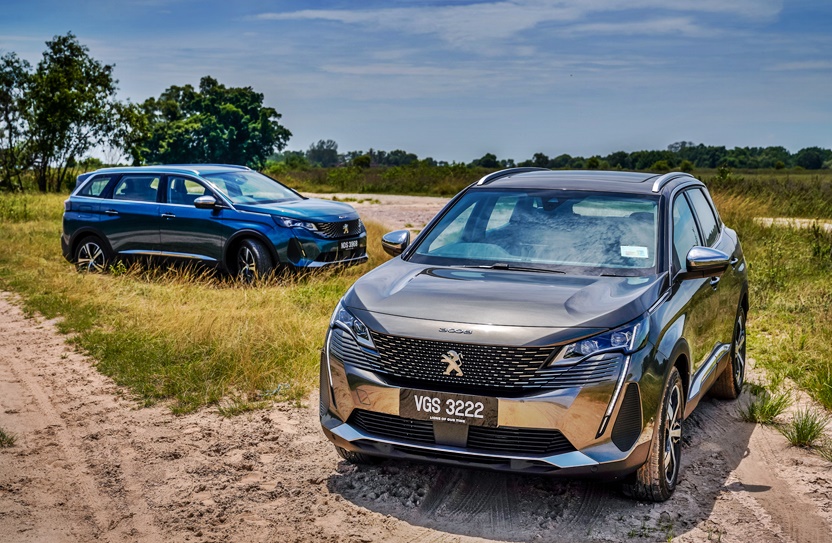
Besides the 2008, the plant in Gurun also assembles the latest Peugeot 3008 and 5008.

Stellantis (a merger between the Fiat Chrysler Automobiles and the French PSA Group) acquired the NAZA Automotive Manufacturing Sdn. Bhd. plant in October this year. Over 170 employees have returned to work and the company is working with more than 50 local suppliers with production ramping up for the remainder of 2021 to meet local demand. The plant assembles the 3008 and 5008, besides the 2008.

To know more about Peugeot models and aftersales services in Malaysia, visit www.peugeot.com.my. Peugeot owners in Malaysia are urged to provide their contact details to Bermaz Auto Alliance Sdn Bhd which is the new distributor for the brand.

Chrysler (FCA) ‘re-marries’ to form another mega corporation with Groupe PSA

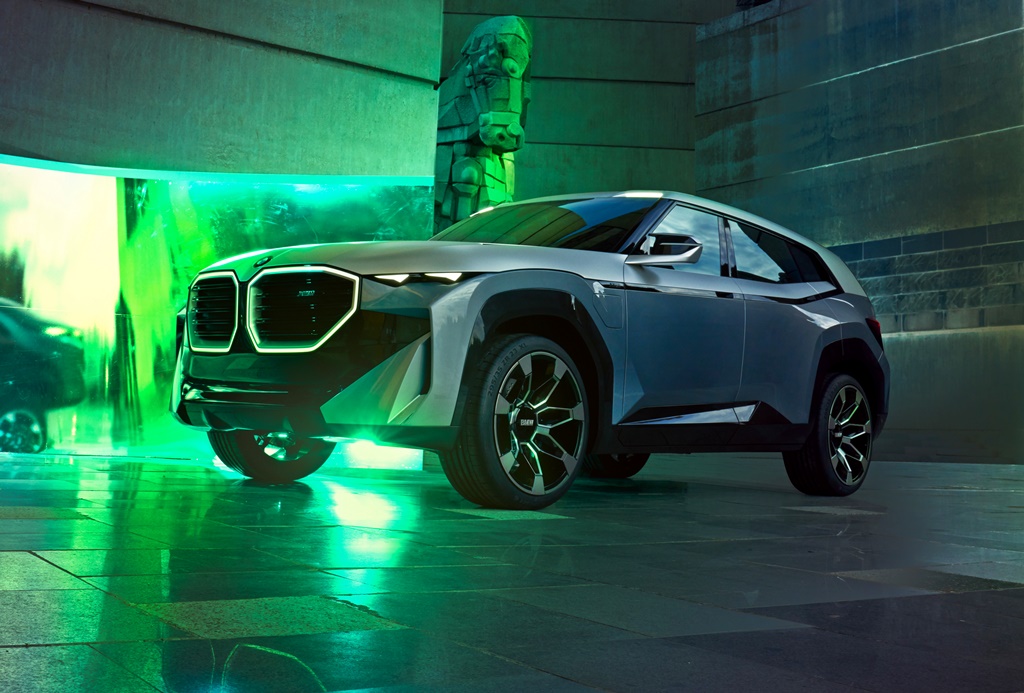
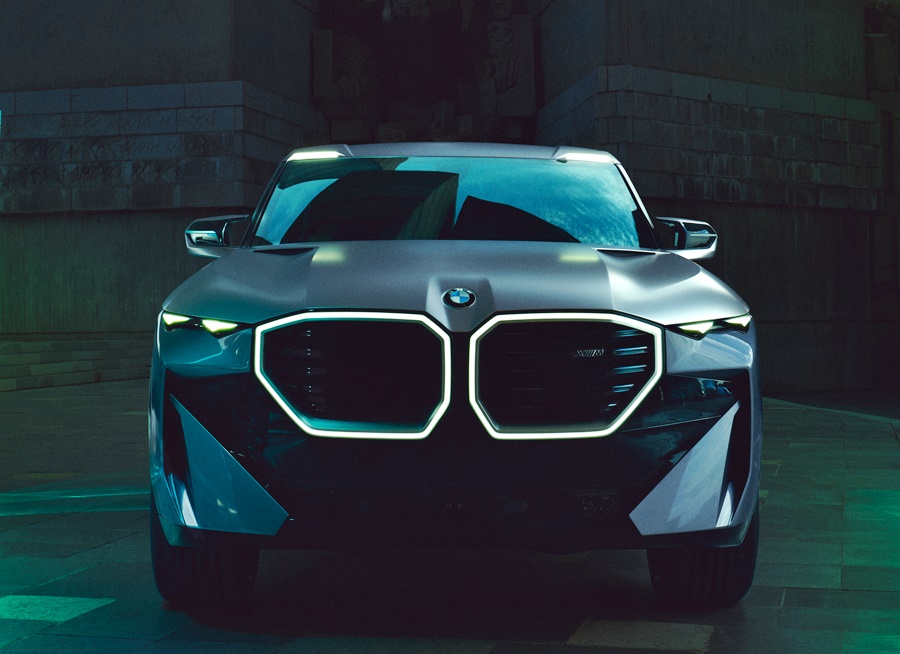
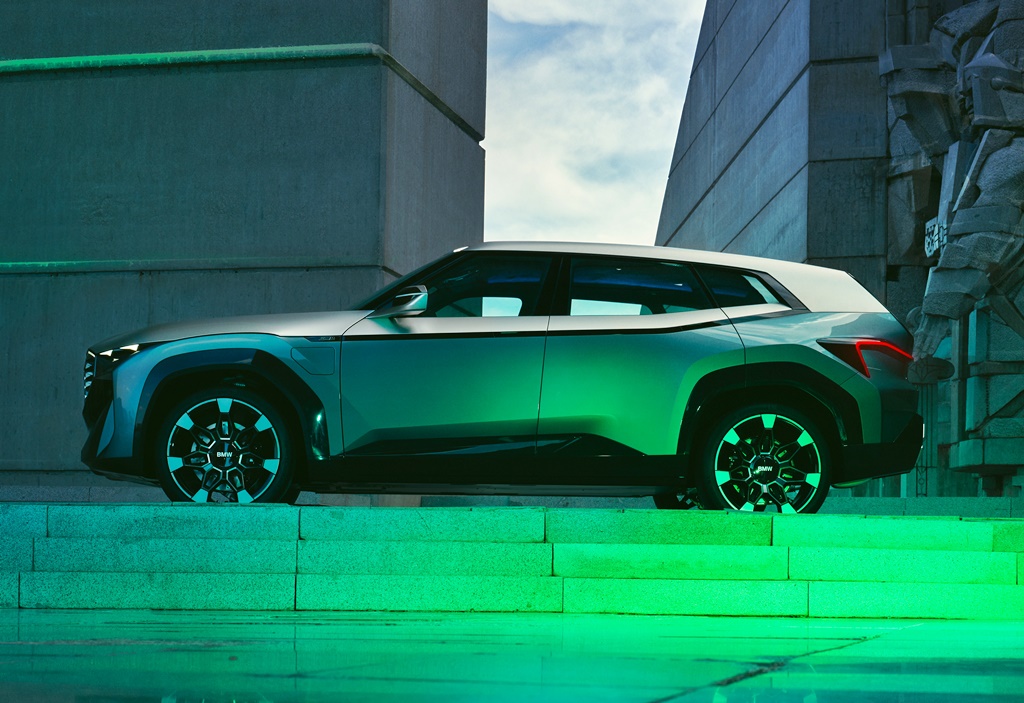
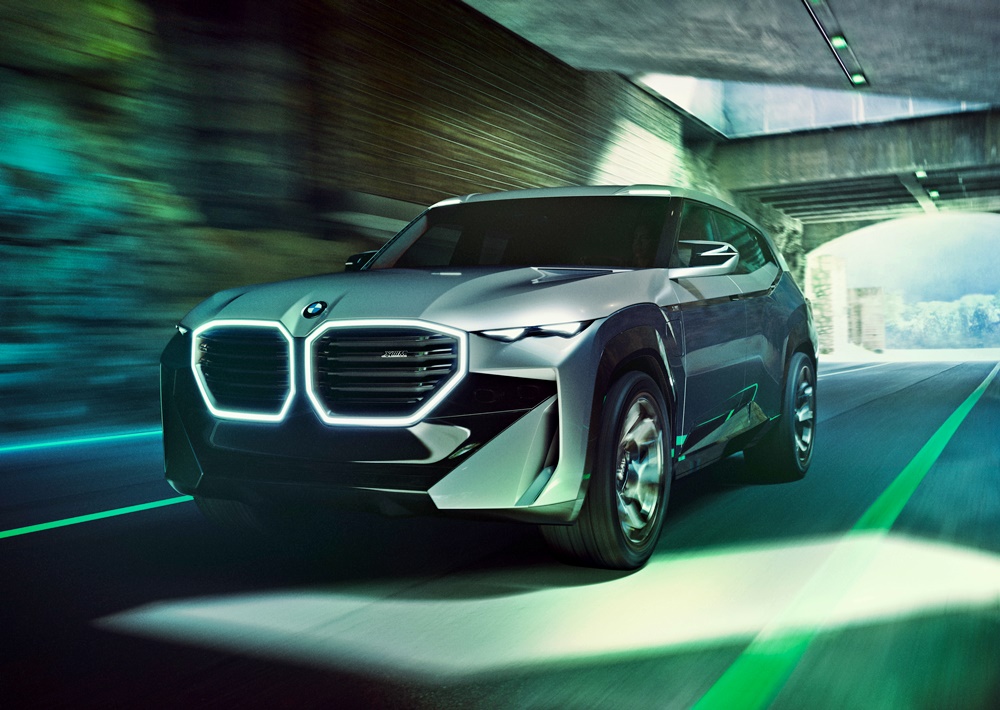
At the Art Basel 2021 Miami Beach show in Florida this week, BMW M will present the Concept XM as a look ahead to the most powerful BMW M car ever to go into volume production. It also provides a first glimpse of the new front-end design for BMW’s forthcoming luxury-class models with its distinctive take on BMW X model design.

The new design language
The slim and iconic daytime driving lights (DRLs) and the contour lighting of the emotive kidney grille are the main focal points. The horizontal grille sits prominently between the headlights and tapers towards the outer edges, producing a near-octagonal outline that emphasizes the front end’s dynamic character. The black kidney grille elements are enclosed within an intricate surround and appear almost to be floating freely within a high-gloss black surface. M-style double bars within the grille add to the perception of width.

2021 BMW Concept XM

The boldly sculpted bonnet extends the contours of the kidney grille back in the form of two power domes. A pair of air intakes in the bonnet mimic the appearance of the LED searchlights in the roof and framing the statuesque body at its lower edge are the clean-cut black surfaces of the front apron. Triangular body-coloured blades at the outer edges accentuate the vertical air intakes while emphasizing the sporty and robust stance.

2021 BMW Concept XM

The visually expressive silhouette exudes presence with its size and the design language uses strikingly sculpted surfaces and extravagant lines. The two-tone paint finish further accentuates its distinctive lines, with the upper section in matt gold-bronze, while the lower section sports the Space Grey metallic shade.

Below the window graphic, a broad, High-gloss Black line – the ‘black belt’ – separates the two exterior colours. The signature M exterior mirrors give the car a clean-cut and technical, sporty edge. Throughout the side view, deliberately short character lines, which start off boldly before fading softly, accentuate the car’s agile, modern feel.

2021 BMW Concept XM

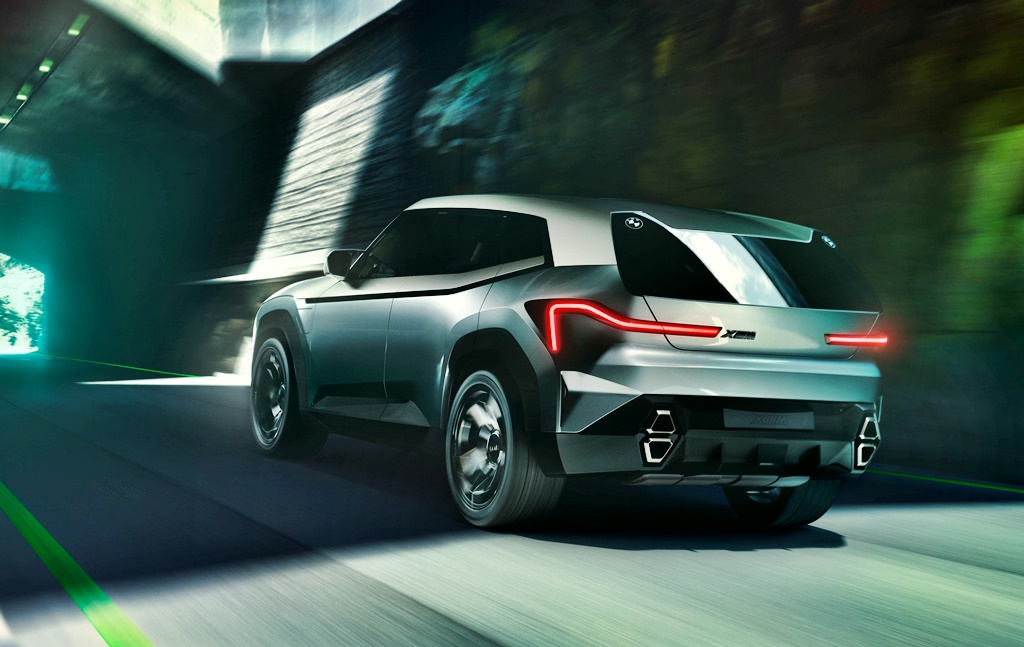
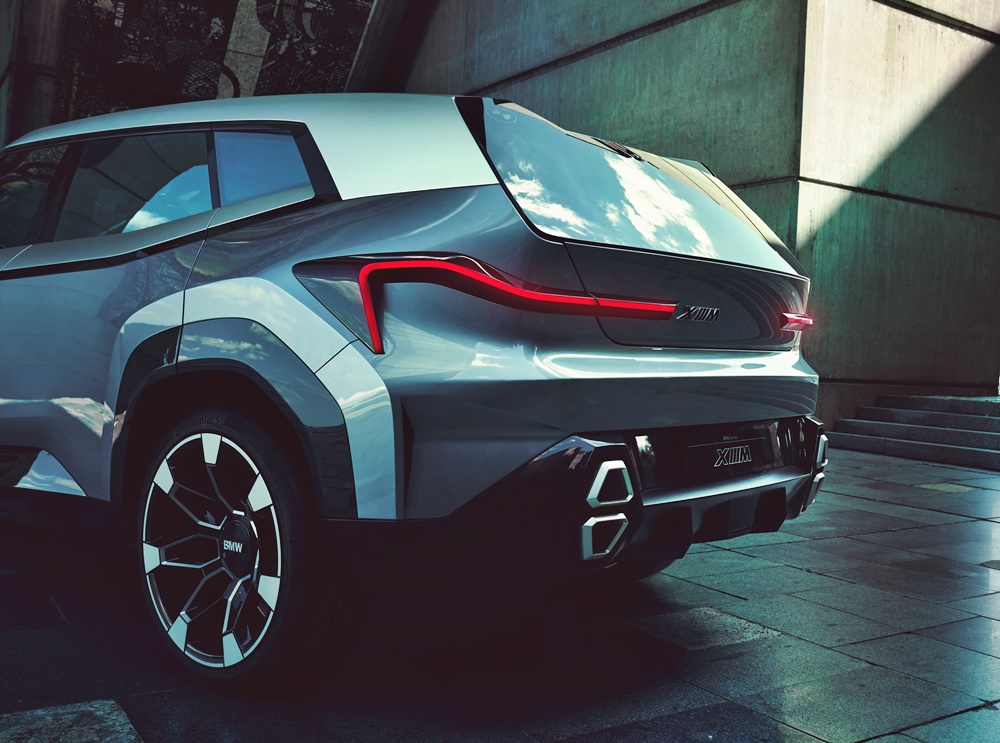
The expressive rear lights extend well into the car’s flanks and create an eye-catching transition into the rear. The black cladding typical of BMW X models above the wheels and on the sideskirts is very clearly defined and gives the body an elevated appearance.

The glasshouse of the Concept XM rises vertically and the colour of the roof contrasts with the black finish of the A-pillars. The windscreen seems to have an even heavier rake as a result, injecting modern dynamism into the front end. Slim LED searchlights have been incorporated into the roof above the A-pillars, adding to the SAV (Sport Activity Vehicle) image.

2021 BMW Concept XM

At the back, the rear window is inserted almost seamlessly into the rear end. The fresh interpretation of the design can also be seen in the arrangement of the BMW logo, which is laser-etched into the window below each of the two rails. This is a stylistic reference to the BMW M1, to date the only example of a standalone model developed exclusively by BMW M (and that was back in 1978).

Lower down, dominating the rear apron, are the characteristic twin tailpipes of BMW M models. The dual-branch, twin-tailpipe exhaust system reduces backpressure for the engine and also generates the emotionally rich M-typical soundtrack accompanying the engine’s imposing power delivery. The vertical arrangement and hexagonal interpretation of the tailpipes are a new take for this classically iconic feature.

2021 BMW Concept XM

PHEV only
The production model will have only a plug-in hybrid powertrain (PHEV) and it will be BMW M’s first electrified high-performance model. In the Concept XM, the powertrain is a M Hybrid drive system which combines a V8 engine and a high-performance electric motor to develop maximum output of 750 ps and 1,000 Nm. More detailed technical information is not available at this time but there is a claim of up to 80 kms running on just electric power.

Driver-focused cockpit
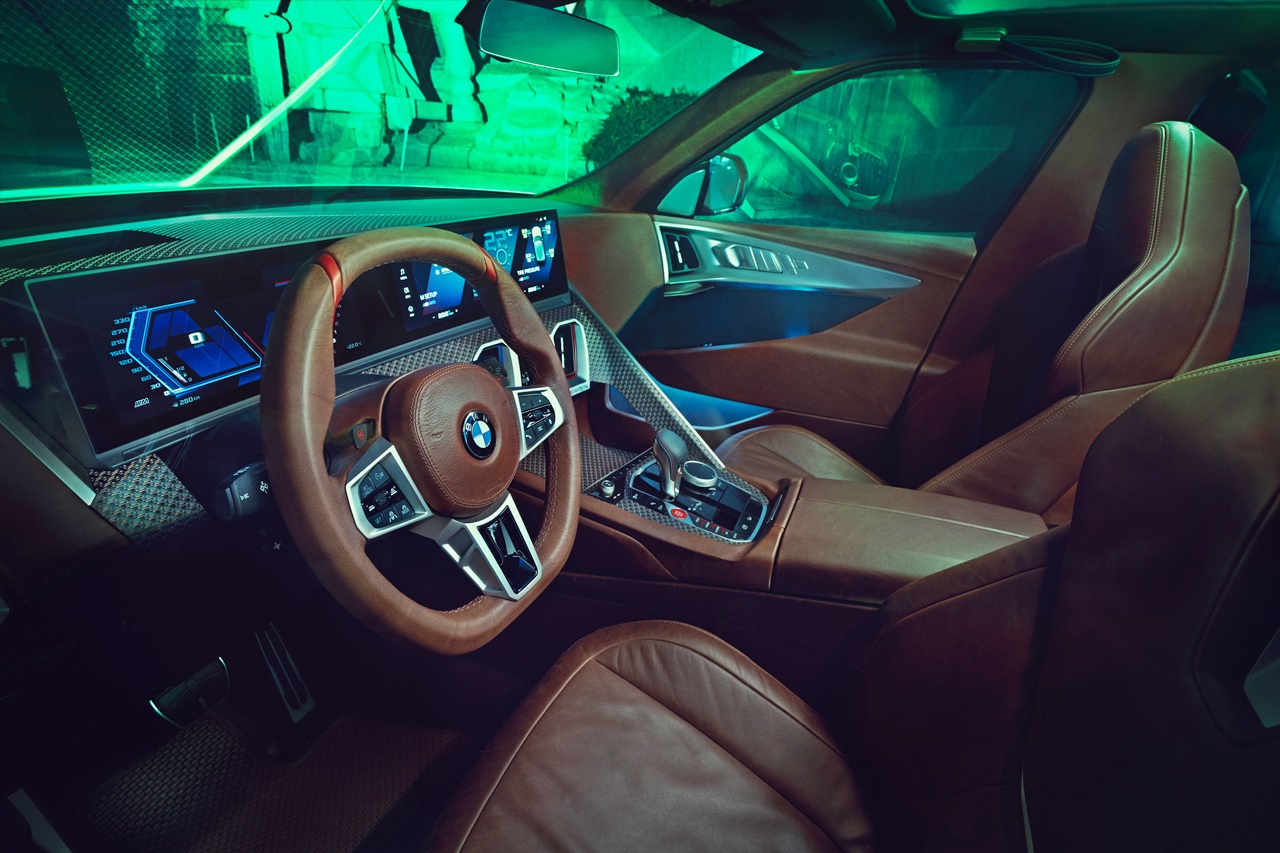
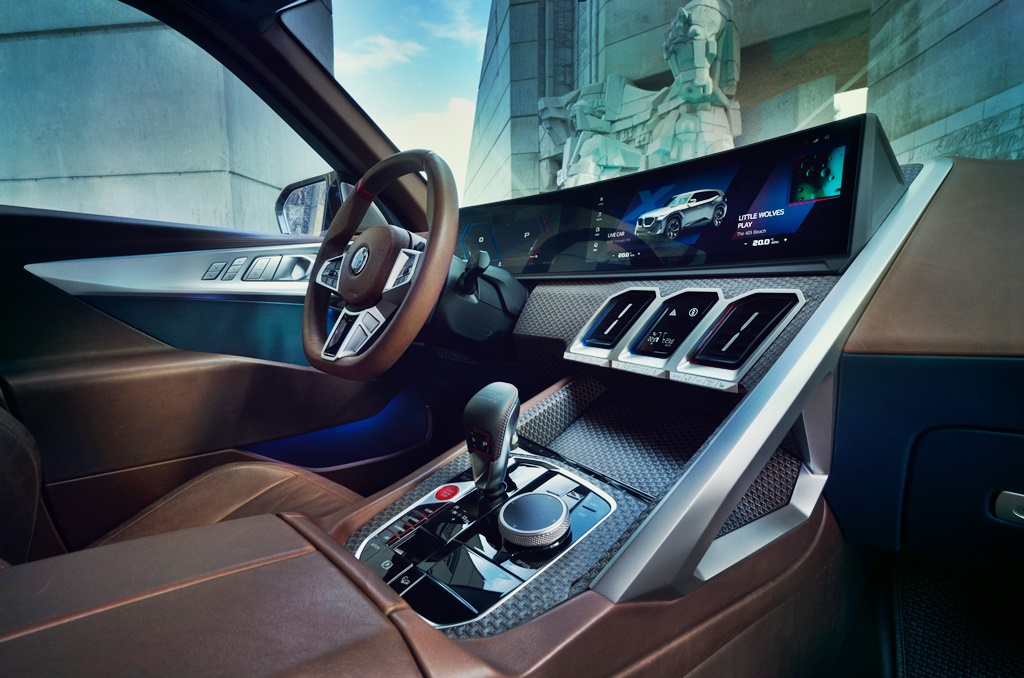
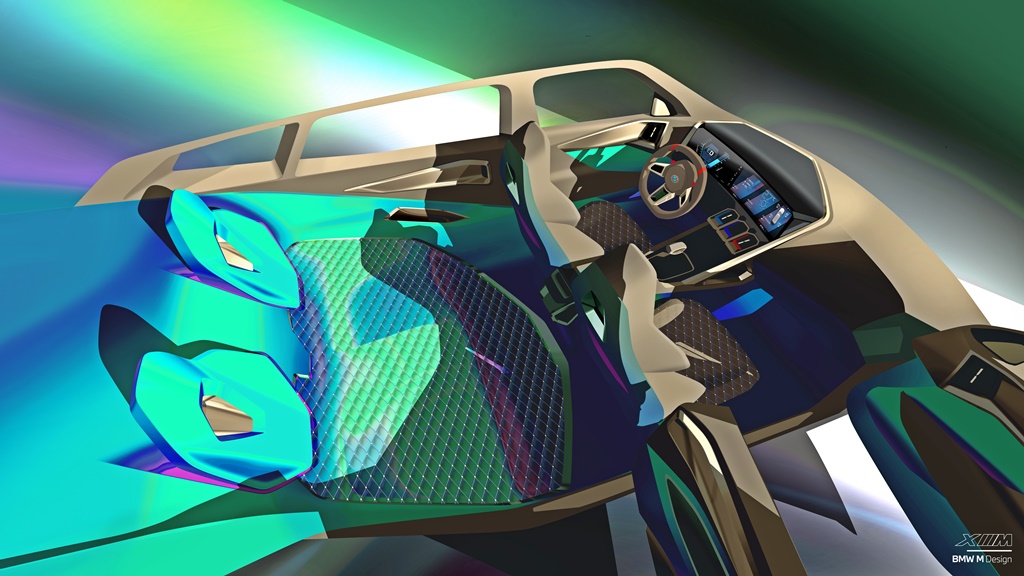
Like other M models, the cabin of the Concept XM has a driver-focused cockpit design. The lines and surface design of the instrument panel, centre console, door trim and seats give the ambience in the front compartment a progressive feel with their powerful geometry and high-quality materials. A bold trim element provides clear visual separation between the driver’s area and the other sections of the car.

2021 BMW Concept XM

2021 BMW Concept XM

The new BMW Curved Display screen grouping positioned creates a neat balance between traditional driver focus and modern digitality. Red accents on the steering wheel and centre console are M-specific references, while a trio of vertical elements presented in the three colours of the BMW M brand logo form the heart of the centre console.

The M Lounge
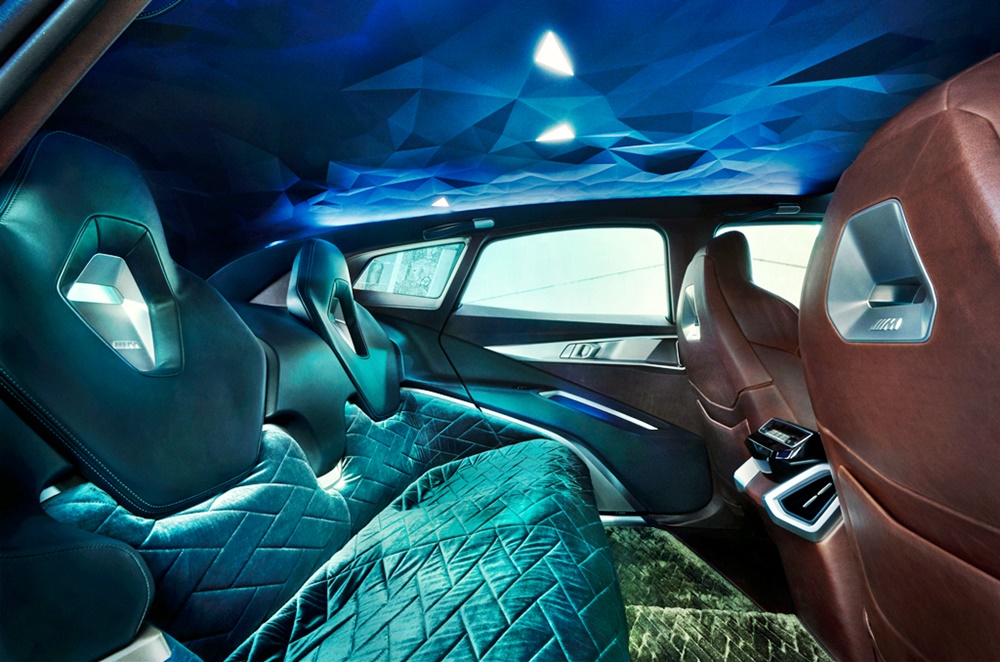
The rear area is referred to as the ‘M Lounge’, with special materials and expressive details for the seats along with black-tinted rear side windows. The large rear seat bench with its deep seat recesses forms an inviting space to relax. Only the diamond-shaped area of the head restraints – which provides the supporting function familiar from BMW M Sport seats in other models – is leather-trimmed. The lower sections of the seats offer high comfort and an exclusive couch character with their luxurious velvet upholstery and diamond quilting.

2021 BMW Concept XM

2021 BMW Concept XM

Illuminated and sculptural headliner
The visual highlight of the cabin is its headliner with a 3-dimensional prism structure. A combination of indirect and direct lighting produces a relief-like structure which showcases the headliner as an exclusive work of art. Together with the ambient lighting, it highlights the Concept XM’s blend of luxury and comfort to extremely striking effect. The ambient lighting can be activated in the three BMW M colours.

Production from end of 2022
The production model – the BMW XM – will be built from the end of 2022 at BMW’s factory in the USA which was also where the company first SAV, the X5, was built in 1999. The US market is a big market for BMW SAVs and is expected to be the most important sales market for the new high-performance model.

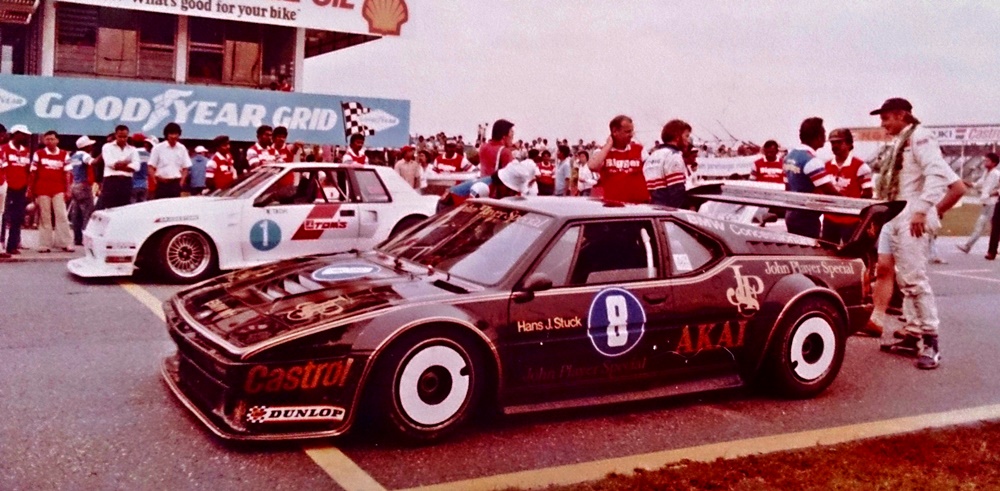
The BMW M1 has so far been the only example of a standalone model developed exclusively by BMW M (in 1978). This picture shows one of the 453 cars built at the end of a race in Malaysia’s Batu Tiga circuit in the 1980s.

As mentioned in May, Mitsubishi Motors Corporation (MMC) is reviving Ralliart, the motorsport brand of the company. No details were given as to what the scope of the revival would be but an image of a Triton with Ralliart treatment was shown in a presentation on the carmaker’s FY2020 financial results that were made public.

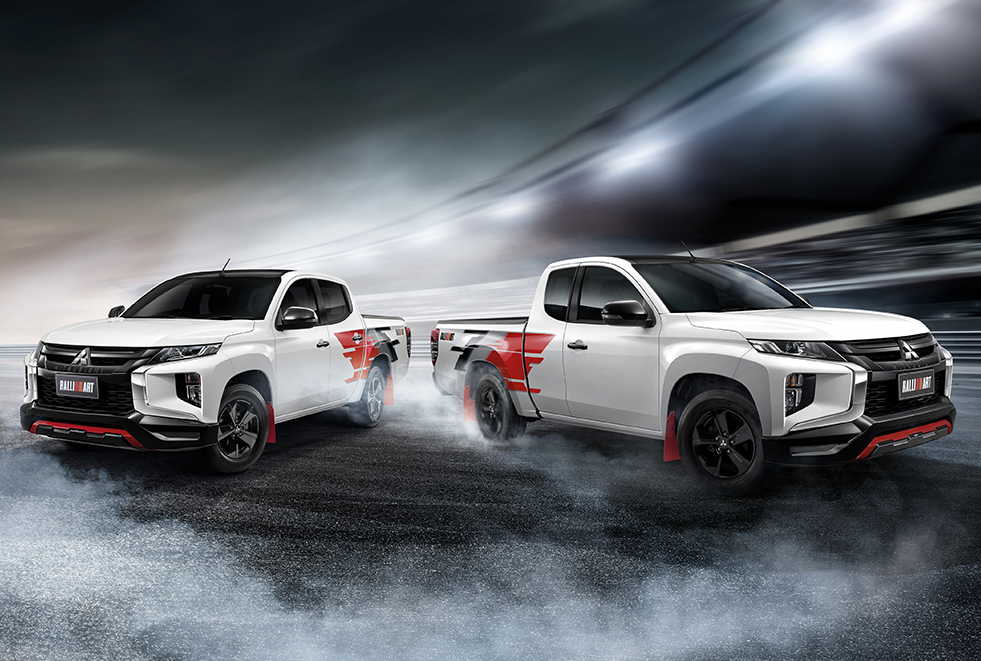
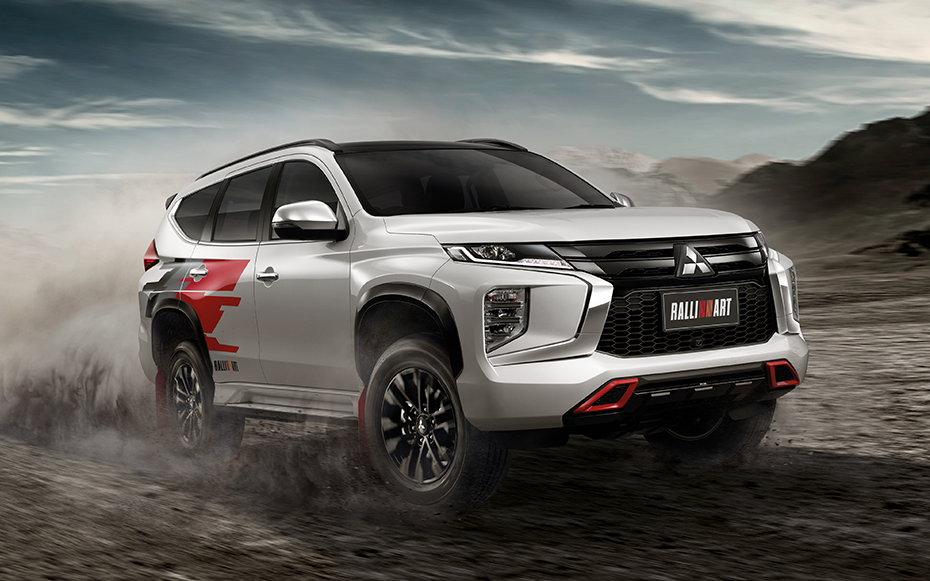
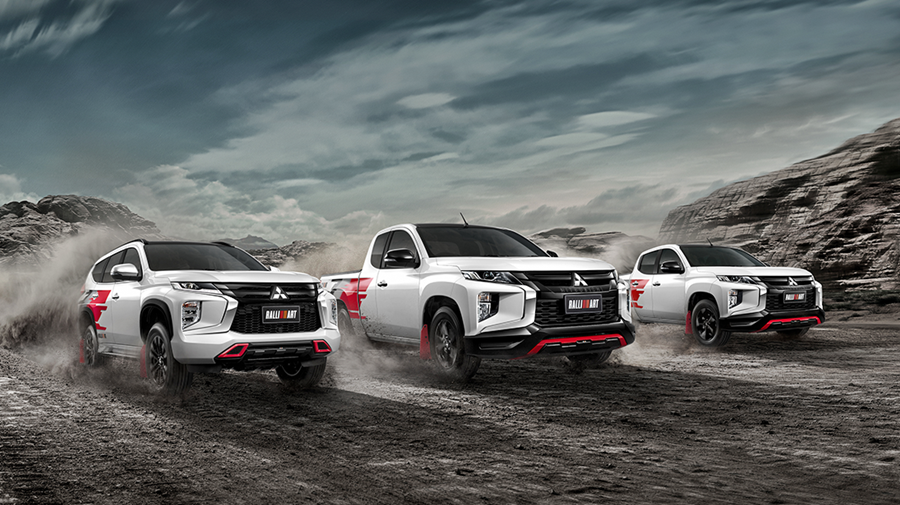
At the 38th Thailand International Motor Expo in Bangkok this week, the first models of the revived Ralliart brand will be unveiled. These are the Triton Ralliart and the Pajero Sport Ralliart as special editions, based on the popular pick-up and SUV models made at the factory in Thailand.

Mitsubishi Ralliart Special Edition

No performance upgrades yet
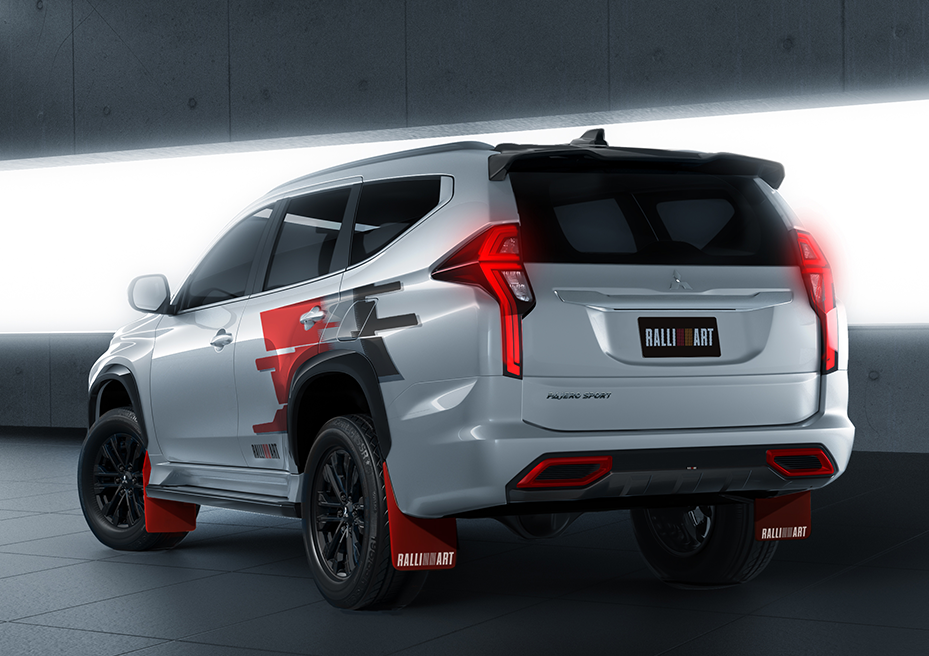
For now, it appears that the special editions do not have any performance upgrades and are essentially differentiated from the standard models by Ralliart-themed cosmetics reminiscent of the historic cars in rallies.

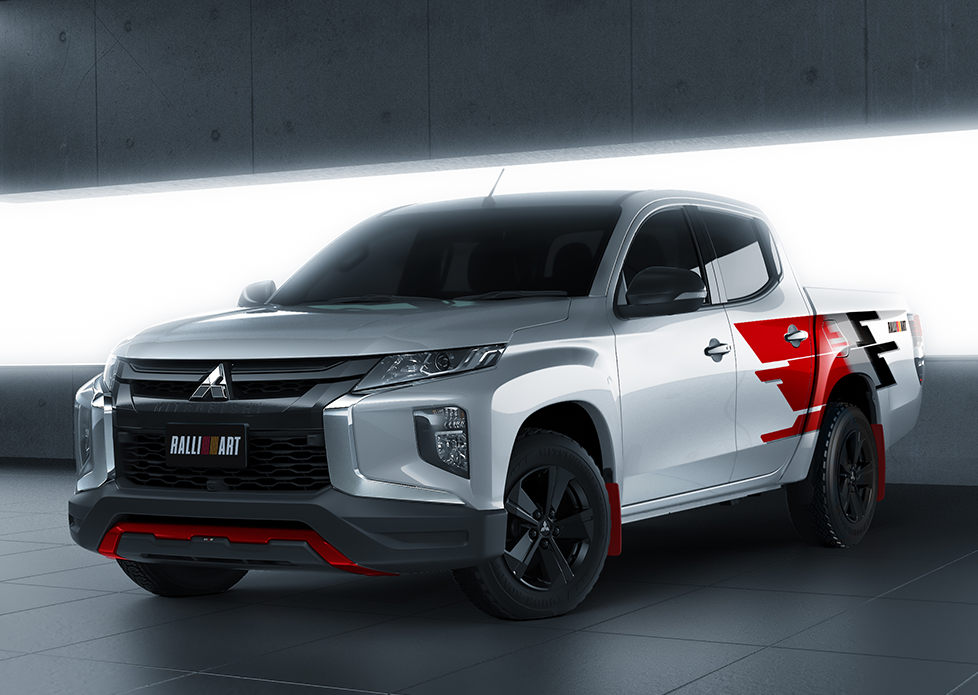
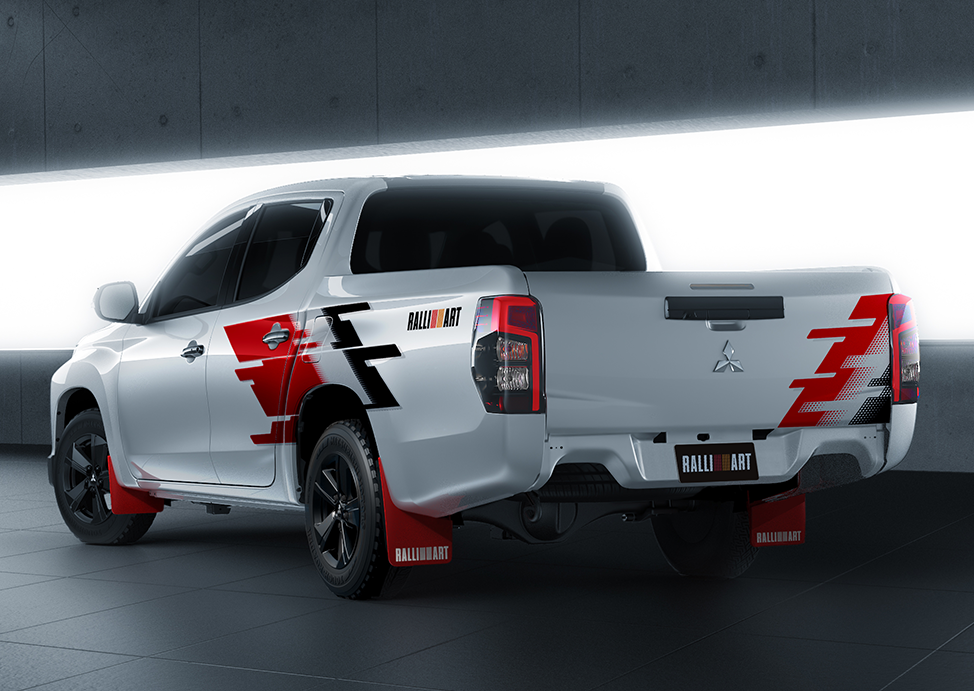
Both models feature iconic side decals with red, silver and black stripes, and mud flaps with the Ralliart logo. The front grille and alloy wheels are painted black to differentiate from the standard trim. As for the interior, the floormats have the Ralliart logo and red-accent overlocks are specially fitted.

Mitsubishi Ralliart Special Edition

Exclusive accessories
The Triton Ralliart is based on the low-rider variant of the Triton Club Cab (Mega Cab) and Double Cab. For these two models, in addition to the common cosmetic features are front bumper garnish with a red accent and bedliner with the Ralliart logo. In addition, the two-tone model features black door mirrors, black door handles, black rear gate handle and black rear bumper.

The Pajero Sport Ralliart has front and rear under garnish with red accents and the Ralliart logo. Exclusive to the two-tone colour model are black fender arch moldings, black roof rails, black shark fin antenna and black tailgate spoiler. Two exterior colour options are available – a two-tone exterior with a White Diamond body and a black roof, and Jet Black Mica.

Mitsubishi Ralliart Special Edition

Mitsubishi Ralliart Special Edition

“We are truly honoured to bring back the Ralliart brand products to the fans of Mitsubishi Motors and Ralliart,” said Takao Kato, president and chief executive officer, MMC. “Starting from these Ralliart special editions in Thailand, we are planning to introduce more of the attractive items sequentially. We are also considering some exciting activities in the near future, so that the fans can feel and enjoy our Ralliart spirit. Please stay tuned with our revived Ralliart… there is more to come!”

Mitsubishi Ralliart Special Edition

The Ralliart special editions will be available from Mitsubishi Motors’ dealerships in Thailand but no word on whether other markets will get them. Quite likely, distributors in other countries like Mitsubishi Motors Malaysia may offer Ralliart accessories first and then progress to fully-equipped models at a later stage.

To know more about the Triton and to test-drive one, visit www.mitsubishi-motors.com.my for the location of an authorised dealer in Malaysia.

Mitsubishi Motors to revive Ralliart

Archive

Follow us on Facebook

Follow us on YouTube