
Piston.my

Toyota Malaysia

Season 5 of the Vios Challenge, the one-make series that is part of the TOYOTA GAZOO Racing Festival (TGR Festival), got off to a hot and exciting start with the younger drivers firing an early warning salvo by dominating the top two classes – the Super Sporting Class and Sporting Class.

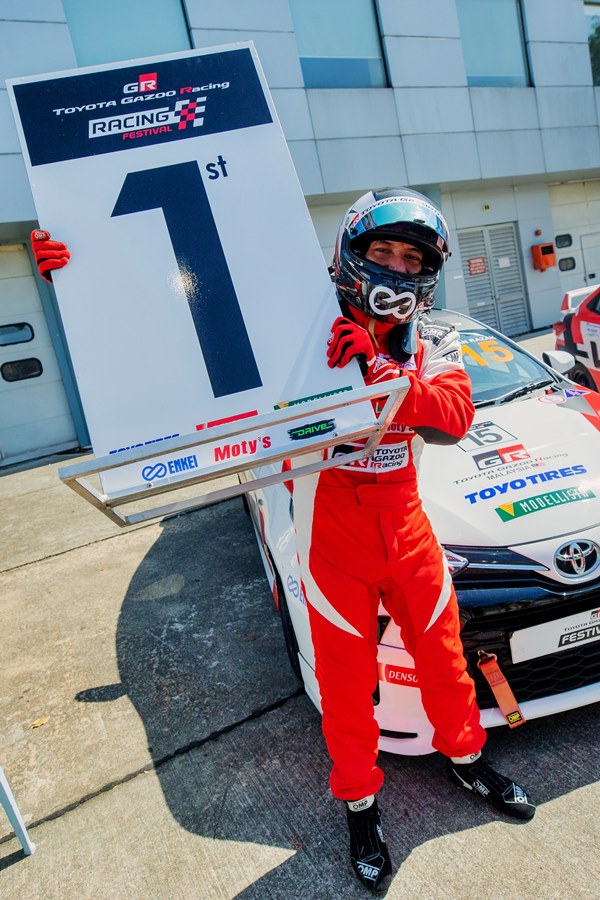
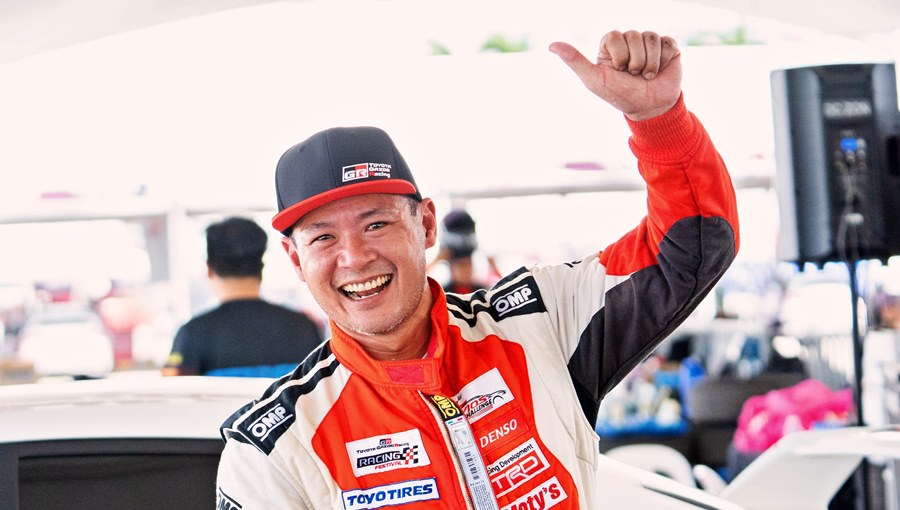
In the Super Sporting Class for veteran and professional drivers, 17-year old Hayden Haikal catapulted  himself from being fastest in qualifying to winning the race while, in the Sporting Class for amateurs, 22-year old Naquib Azlan shot to victory in only his second year of competitive racing  after making a transition from simulator racing.
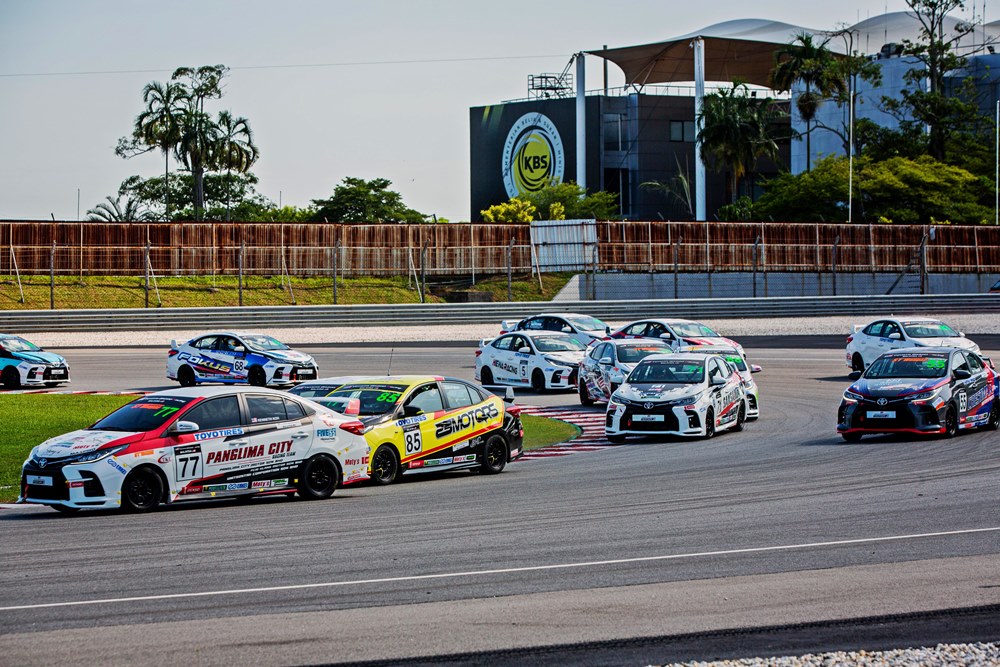
Incidentally, Naquib’s younger brother, 20-year old Nabil, who is  also making his debut in the Rookie Class (competing in a real saloon car race for the very first time) also won his class for new drivers under GAZOO Racing’s Young Driver Development Program.

Super Sporting Class
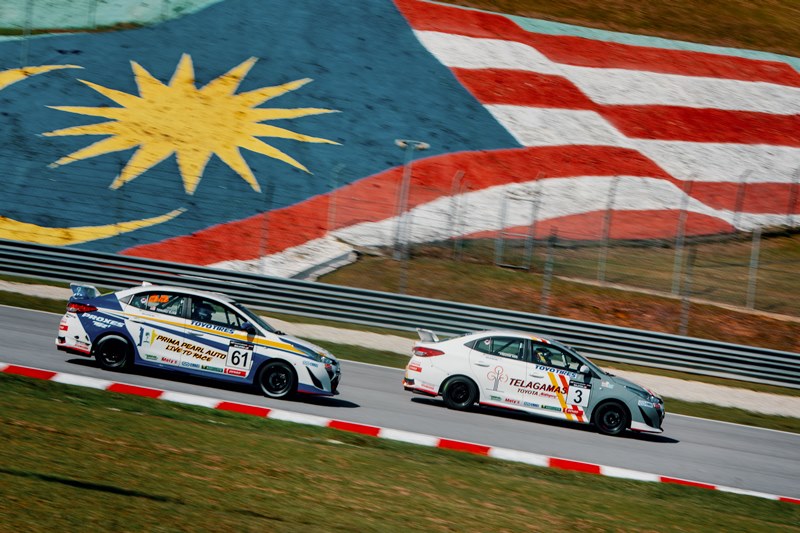
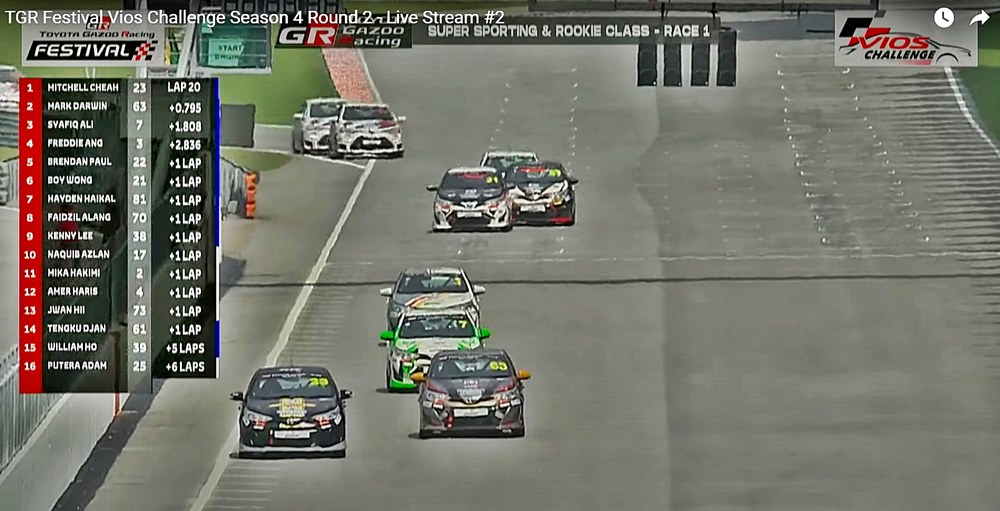
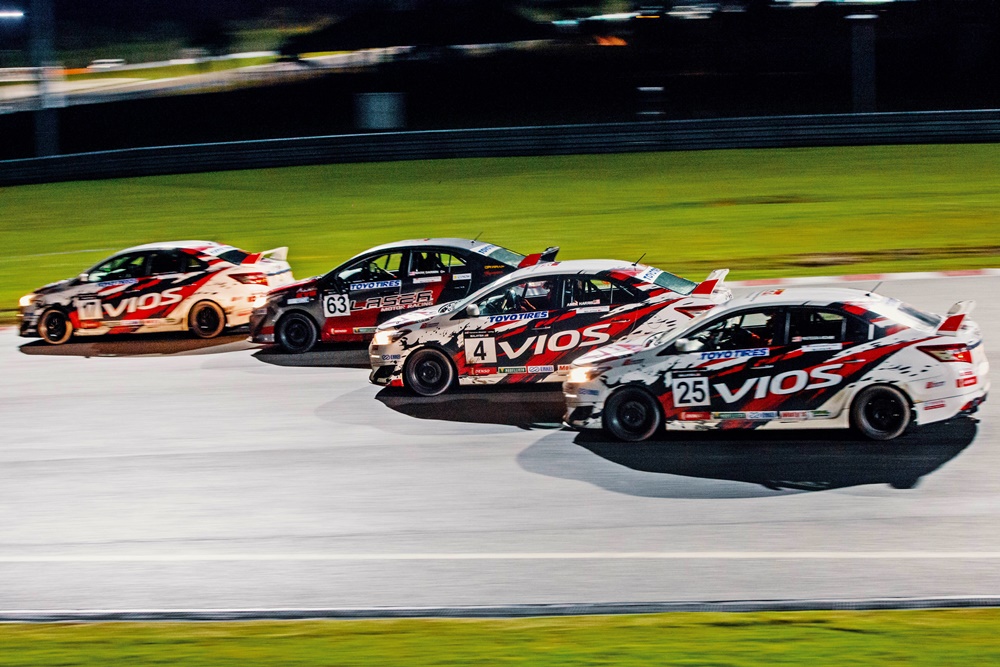
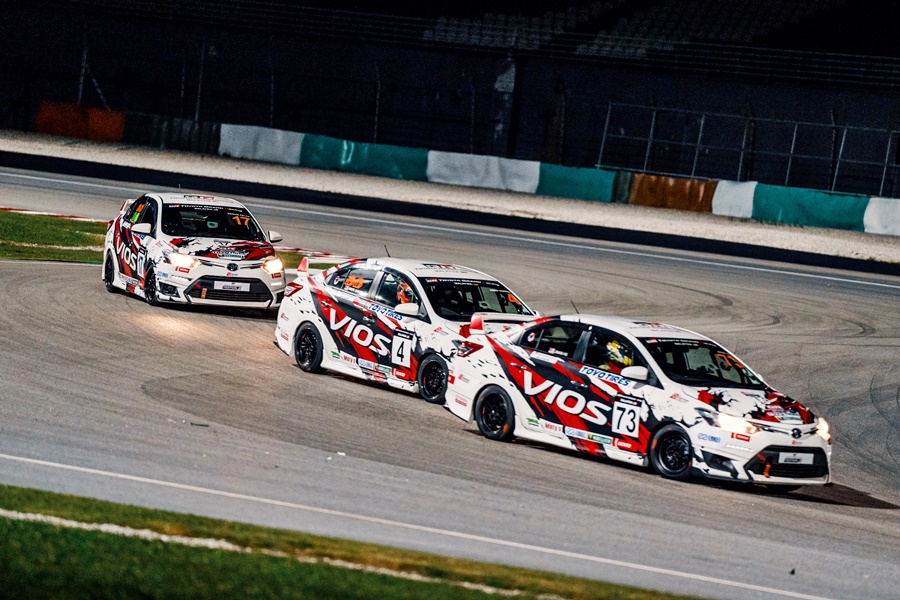
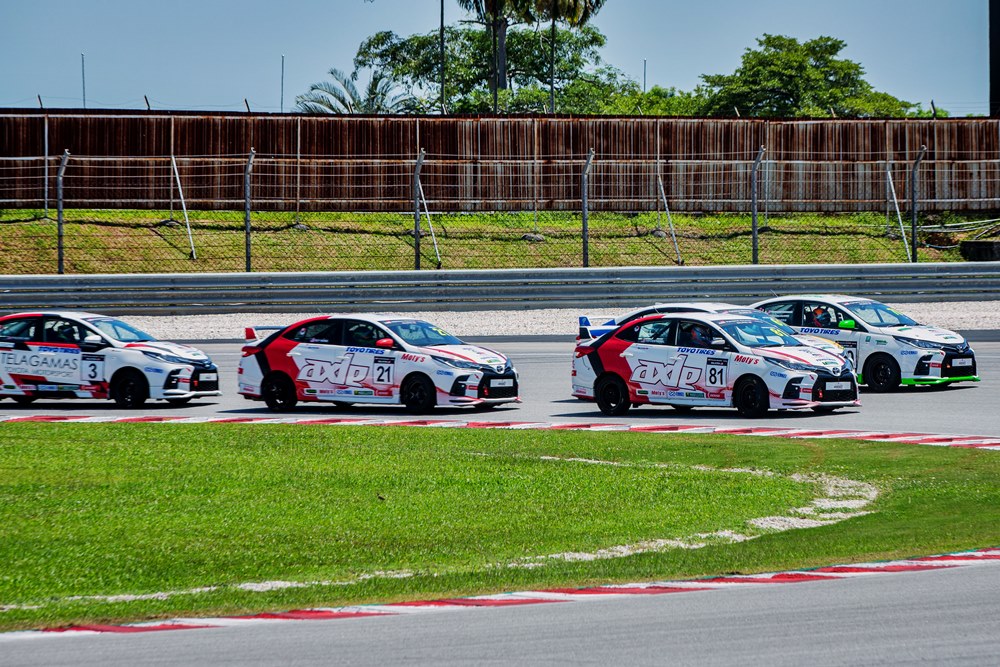
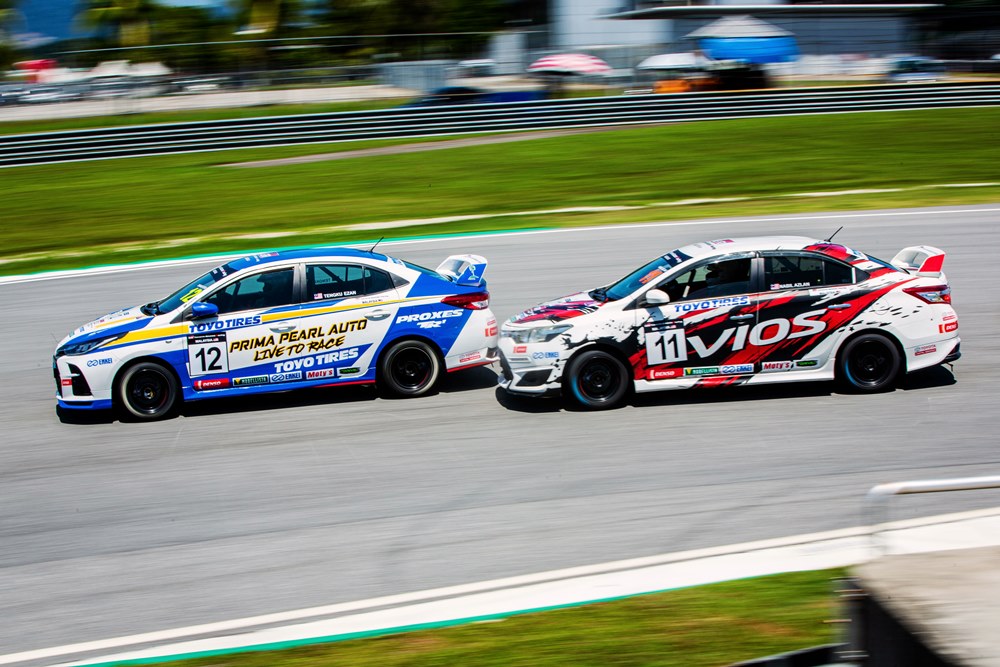
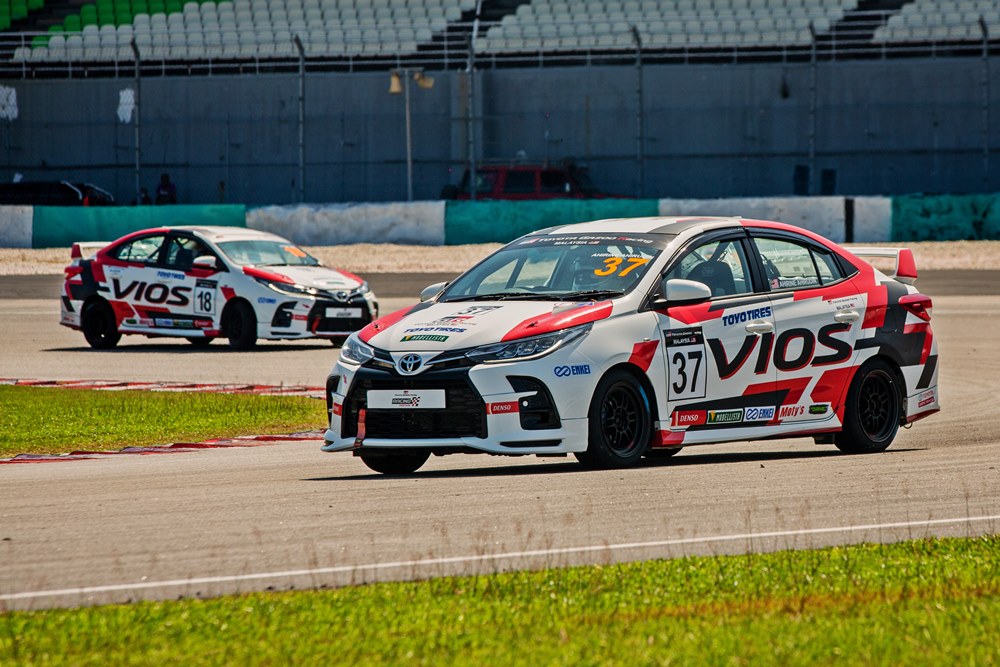
In the Super Sporting Class, Hayden won a closely-fought race, finishing just half a second ahead of  Telagamas Toyota’s Freddie Ang with Laser Motor Racing’s Eddie Liew coming in third. The teenager had led an Axle Motorsports 1-2 in the opening lap of the race with team mate and  senior driver Boy Wong in tow before being passed in the second lap by both Wong and Prima Pearl Auto’s Mitchell Cheah to drop into third place.
Toyota Vios Challenge Season 5 2022

Toyota Vios Challenge Season 5 2022

The battle that ensued at the front between Wong and Cheah, however, got the better of the two  drivers who took one another out of contention in Lap 6 after a miscalculated overtaking manoeuvre. That allowed Hayden to regain the lead, with Ang and Liew also becoming the beneficiaries of the misfortunes up front. The race was tight between Hayden and Ang right to the chequered flag, with both drivers trying their best to get to it first.

Sporting Class
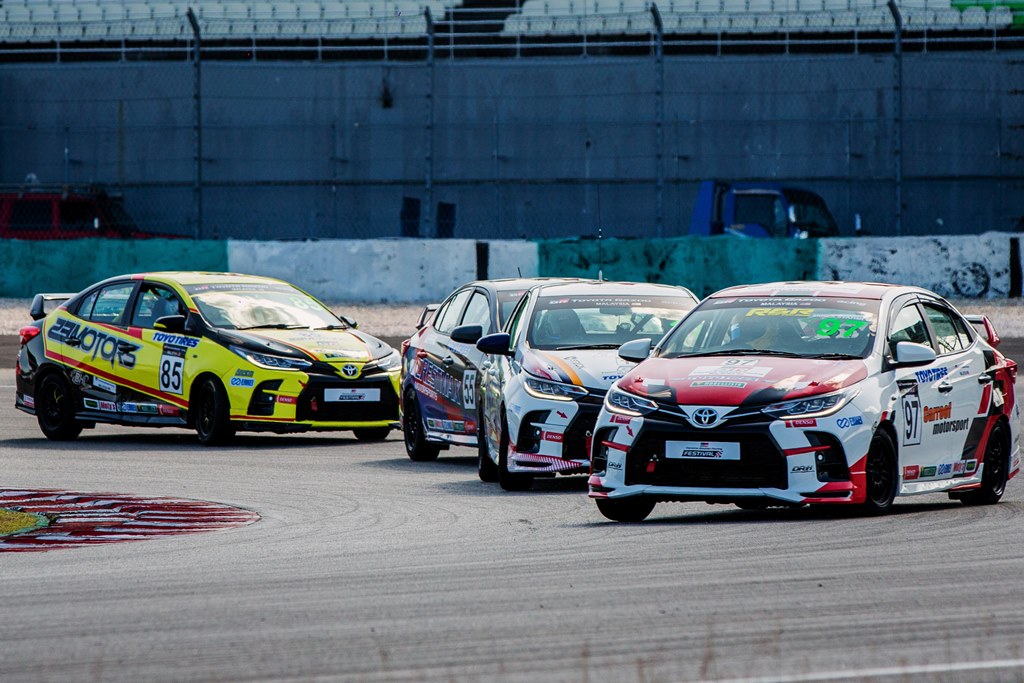
In the Sporting Class, Naquib won his class with a comfortable 15-second margin ahead of S&D  Tama Motorsports’ Tom Goh, while another youngster 19–year old Bradley Benedict Anthony of  Crestmax Motorsport followed them home in third place. Moving up to the Sporting Class after winning last year’s Rookie Class, Naquib had clocked the fastest time in qualifying but both he and Bradley were penalized for a technical infringement which dropped them to fifth and sixth on the starting grid. That however, proved not to  be a big enough setback as they were able to make their way up the leaderboard.
Toyota Vios Challenge Season 5 2022

“I was certainly looking forward to come back to race this season. I really enjoyed racing last year in the Rookie Class  and I am now looking forward to competing against much more experienced drivers. Thankfully, Axle Motorsports decided to field a team this season and to move from virtual racing into the real world. Therefore I am very thankful to them for this opportunity and I want to make  the most of it,” said Naquib.

On why he feels younger drivers in the series are beginning to propel themselves to the front of  the field, he said: “We, the younger generation of drivers, are very lucky and fortunate that we have  facilities that the senior or veteran drivers did not have back in their days. In my view, they had to  work much harder to get to where they are now. We have the benefit of things like simulator racing because it helps us to prepare better and to accelerate our learning curve. We also have the benefit of having guidance from these more experienced drivers in the sport because they have spent many more years on track.

“To be honest, I never expected anything making the transition from simulator to real world racing.  I do have a lot of self-belief and self-confidence, but I never knew I could do it until I got onto the  track last season,”  he added.

Toyota Vios Challenge Season 5 2022

That sentiment is shared by Bradley adding that investing in training has been one of the  important elements of his growth. “Being young, I am very passionate about racing and I would like to believe that we young drivers put in the extra time and effort into practice and training. For instance, my preparation for Season 5 involved a lot of training to prepare myself physically and mentally before coming to the track’” he said.

“My goal when I first joined the series was to finish the race or to get into the top 10. I did not set  high expectations because it was my first time racing a saloon car, but the learning curve has just  been phenomenal and really valuable,” added Bradley.Rookie Class

Rookie Class
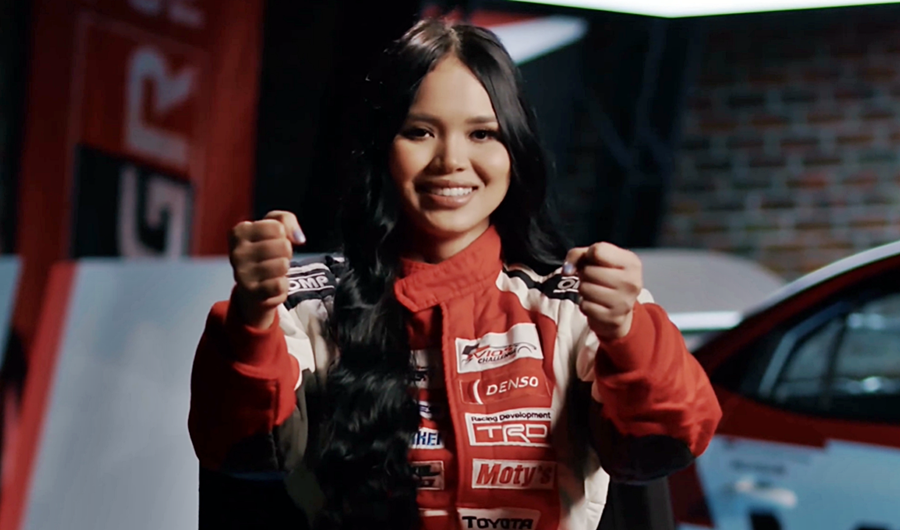
In the Rookie Class, Nabil drove to his first ever saloon car race victory after making a transition  from simulator racing. Finishing second and third were karters Sharique Zulqarinain and  Muhammad Hamdany Abdul Hamid, respectively. Finishing fourth was 20-year old and the only  female in the group, Adele Liew, while in fifth was another karter Muizz Musyaffa.
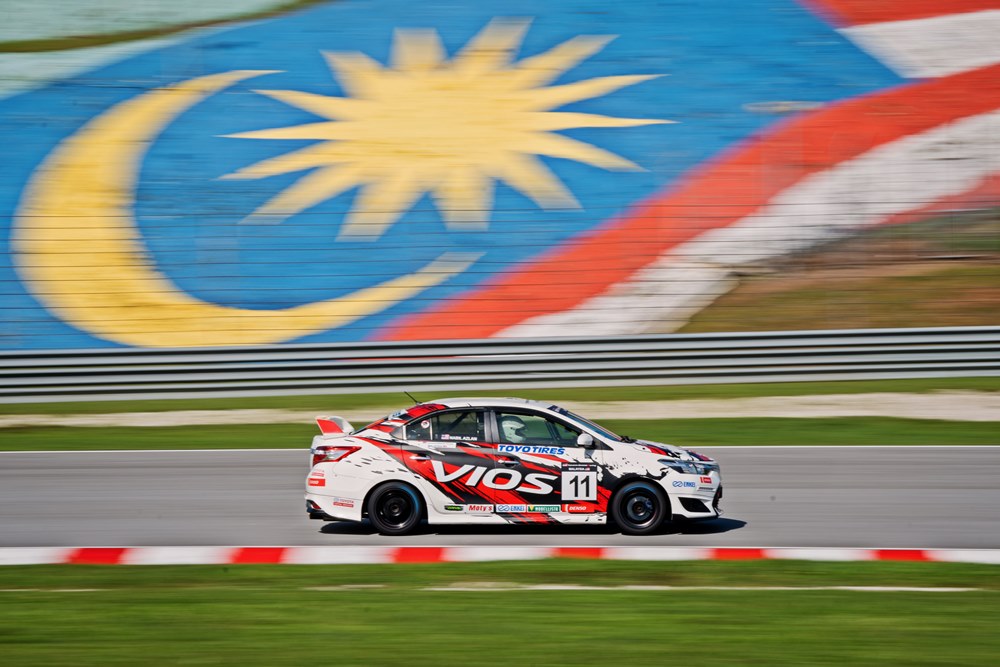
“I’m surprised how a lot of the things I’ve done in simulator racing can be applied to real world  racing and I was very happy with my racecraft in this first race. I wanted to pace myself and try to  get as close as I could to the other drivers in the Super Sporting Class (both the Super Sporting and  Rookie Classes start together) but just enough to steer clear of any incidents,” said Nabil. “The most difficult part with real racing is dealing with the high temperature in car and this is something I will need to focus more on moving forward.”

Promotional Class
In the popular Promotional Class for celebrities, actor Zizan Razak did not leave anything to chance this year as he shot off from pole position to finish more than 15 seconds clear of defending Promotional Class champion and fellow actor, Shukri Yahaya. In third place was presenter Ahirine Ahirudin who is also an accomplished motorcycle rider.
Toyota Vios Challenge Season 5 2022

Toyota Vios Challenge Season 5 2022

Toyota Vios Challenge Season 5 2022

Singer Nabila Razali had been in contention for fourth place until a mistake sent her into the gravel  at the very last lap. That promoted presenter/comedian Nabil Ahmad into fourth, with singer Wany  Hasrita, actress Janna Nick, presenter Ain Edruce in fifth, sixth and seventh positions, respectively.

Today’s racing is just half of the first round of Season 5 and the second series of races will run tomorrow (Sunday, March 20) at the Sepang International  Circuit. Racing fans and enthusiasts can catch all the action and stage performances by local celebrities streamed live on the UMW Toyota Motor website at www.toyota.com.my and on the Toyota Malaysia and TOYOTA GAZOO Racing Malaysia Facebook pages..

The Father and Daughter racers in the Vios Challenge

This weekend, besides the start of the 2022 Formula 1 World Championship, there will also be the start of the Vios Challenge one-make series in Malaysia, going into Season 5 in 2022. Now a firmly established event on the country’s motorsports calendar, the event, which originated as part of the TOYOTA GAZOO Racing Festival (TGR Festival), is the most lucrative motorsports event in the country. In total, more than a half a million ringgit in prize money is offered by organisers UMW Toyota Motor and GAZOO Racing Malaysia, with RM70,000 and RM50,000 to the overall champions of the Super Sporting and Sporting Classes, respectively.

“The Vios Challenge and TGR Festival continue to evolve in line with our aspirations to contribute to the development of Malaysian motorsports. From a series that attracts professionals, gentlemen drivers and local celebrities, it has today grown into one of the most ideal, accessible and affordable platforms to hone the skills and experience of young drivers coming up the ranks in motorsports. And this year, we want enthusiasts and fans to become even more invested in the series by introducing a fantasy game that will enable them to better relate to their favourite drivers on the track,” said UMW Toyota Motor President, Ravindran K.

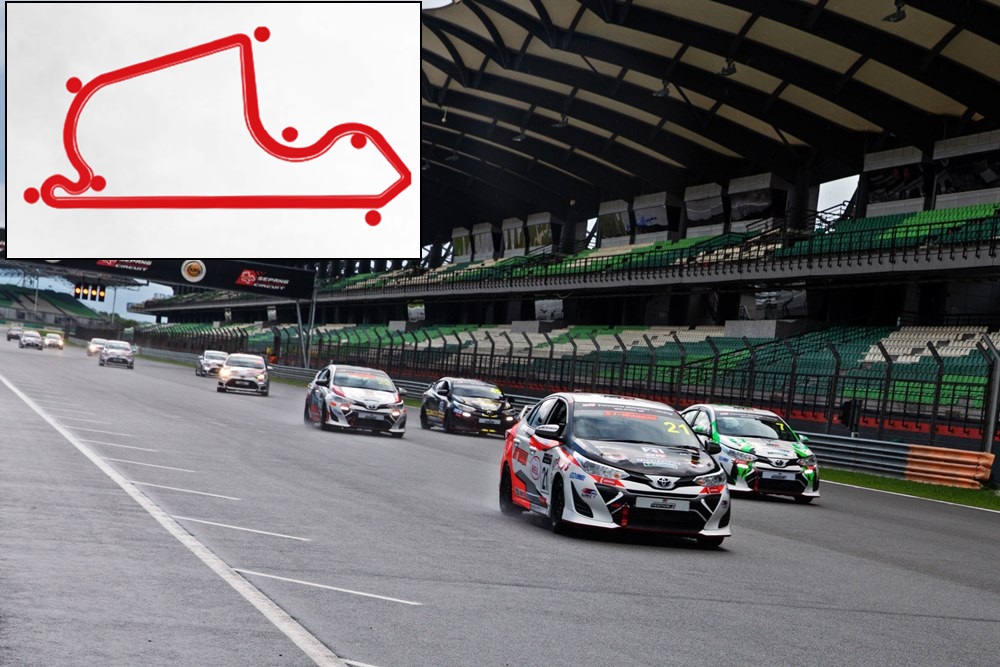
The first round will be held at the Sepang International Circuit using the North Track which is 2.706 kms per laps and has  5 straights with 9 turns.

“The Vios Challenge, in more ways than one, is growing into what we would like to call ‘the people’s race’ and, in 4 seasons, we have kept to this objective by not only promoting motorsports to the masses both on ground and online, but maintaining a one-make race format that makes the event attractive to all levels of racers,” he added.

3 rounds, 6 races up till September
Season 5 will have 3 rounds with a total of 6 races. After the first round at the Sepang International Circuit this weekend, Rounds 2 and 3 will be held in June and September, respectively. Over the past 4 seasons, the event has attracted more than 8 million spectators and online viewers, garnering a social media reach exceeding 19 million, making it one of the most viewed domestic motor-racing events.

Due to the ongoing pandemic and the need for safety of everyone, spectators will not be able to watch from the stands. As in previous years, the races will be streamed live throughout the two days so wherever you are, you will still be able to catch the action.

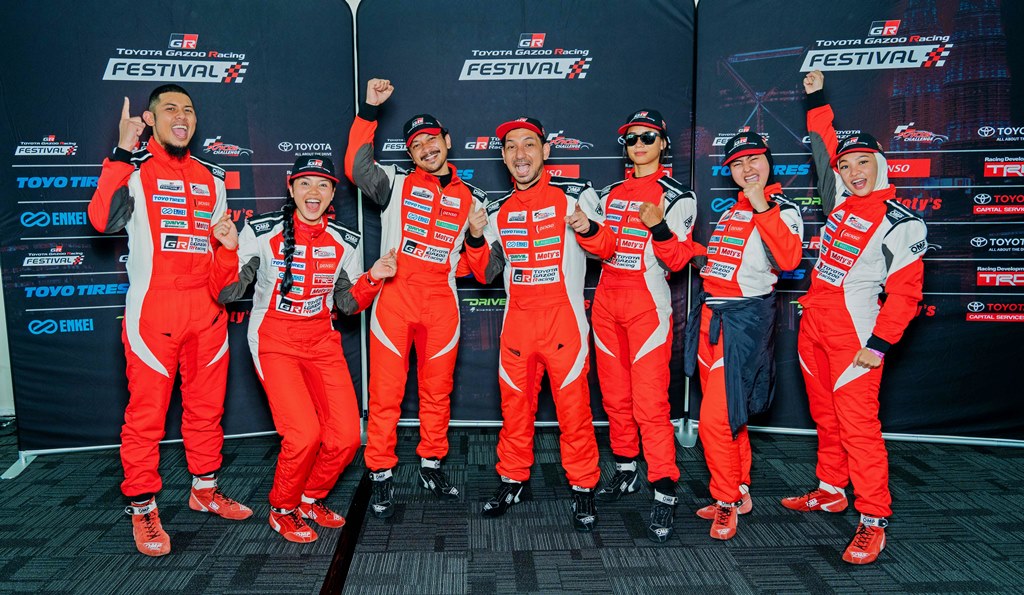
There are 4 classes as before: the popular Promotional Class; the Super Sporting Class; the Sporting Class; and the Rookie Class. For the Promotional Class, there will be 9 personalities competing against each other. Returning to defend his title is Season 4 champion and actor Shukri Yahaya; last year’s runner-up and actor Zizan Razak; television host Nabil Ahmad; actress Janna Nick; singers Wany Hasrita, Nabila Razali and Khai Bahar; TV personality Ahirine Ahiruddin; and actress and presenter Ain Edruce who is making her return to the Vios Challenge from a break last year after welcoming her first child.

Ain Edruce took part in the Promotional Races during Season 3 in 2019/2020 but was absent after that. The 28-year old actress and presenter returns after having given birth to her first child and is ready for the challenge in Season 5.
Reigning and triple-crowned Super Sporting Class champion Tengku Djan Ley will be looking to add another crown to his Vios Challenge collection.

Veterans to duel again
The Super Sporting Class will see an epic battle with a field of former champions, veteran drivers, talented young drivers and several former internationals. Reigning and triple-crowned Super Sporting Class champion Tengku Djan Ley returns with the Prima Pearl Auto team this season but instead of a solo entry, he will be partnering international touring car Mitchell Cheah in a 2-car assault for the team.

Also fielding two-car teams are Laser Motor Racing’s Mark Darwin who will be alongside veteran racer Eddie Liew; and M7 Japan Project Team who will take to the grid with international touring and GT car driver Mohamed Fariqe Hairuman and young gun Amer Harris who moves up the ladder after graduating from the very first Vios Challenge Rookie Class last season.

Amer joins two other young drivers who are under the age of 20 competing in the Super Sporting Class. They are teenage prodigy and former Sporting Class champion Hayden Haikal and international single-seater driver Alister Yoong who is also the son of ex-F1 driver Alex Yoong. Both will drive for the Axle Motorsports team which was established by Alex. Driving a third entry for Axle Motorsports will be former Super Sporting Class champion Boy Wong.

“The TGR Festival and the Vios Challenge is by far the best platform for racing in Malaysia at the moment. It is professionally run, the cars are great and why wouldn’t we want to seize the opportunity to be part of it,” said Alex. “Boy is one of the most underrated senior drivers in the country. He is, and has been very quick throughout his racing career. In the academy that I run, we have brought in close to 1,500 new young drivers into the sports via our simulator competition and races but only tens have successfully made the transition to driving real race cars. This,  however, doesn’t mean we are going to ignore senior drivers. I hope to see Boy Wong, Naquib, Hayden and Alister being very competitive this season.”

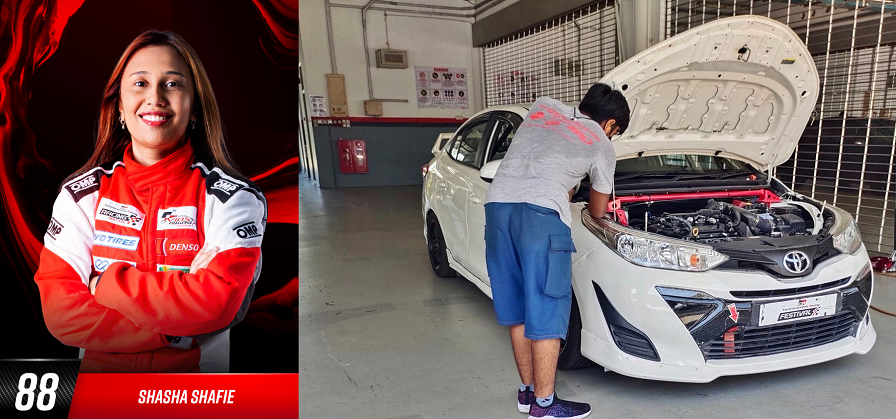
Although she is not the first female to race in the Vios Challenge, Shasha Shafie will be the first woman to compete in a category outside of the Promotional Class. As with every participant, her Vios will have to meet strict regulations for the one-make race where the performance of every car is virtually identical and it will be driver skill that makes the difference.

In the Sporting Class – one of the most fiercely contested with a field of 20 drivers – there will also be a female among the drivers on the starting grid. She is R&R Sport Speed Garage’s Shasha Shafie, one of three new drivers to the class who also include Super Evergreen Motorsports’ Muhamad Roni Risman and 23 Motors’ Abdul Miqail.

Two racing families
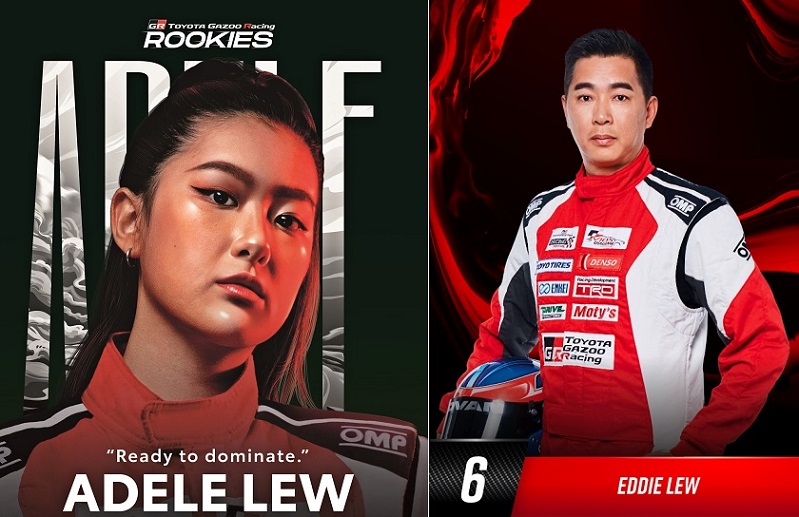
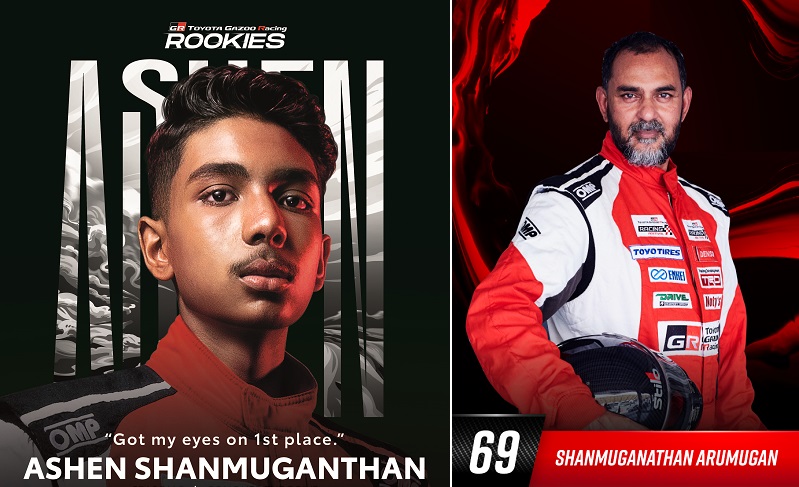
The Rookie Class will see a fresh group of newcomers who have received training to develop their skills. The 6 new faces are Adele Liew, Ashen Shanmuganathan, Muhammad Hamdany Abdul Hamid; Nabil Azlan, Sharique Zulqarnain; and Muizz Musyaffa. The parents of Adele and Ashen, Eddie Liew and Shanmuganathan Arumugan, are also taking part in the Super Sporting and Sporting Classes, respectively, while Nabil is the brother of last year’s Rookie Class champion, Naquib Azlan. Like his brother, he has developed skills through sim racing and now get to use them in real-world racing.

Adele Lew and Ashen Shanmuganathan, both newcomers to the Vios Challenge, have been inspired by their fathers who will also be racing in other categories.

“This is a very special moment for the both of us,” said Adele, 20, who has had limited experience in fun karts. “In order for me to be able to race with my father means that he has been in motorsports for a very long time. And to my knowledge, there has never been a father-daughter racing in the same event and on the same weekend in Malaysia! This is going to be a whole new experience for the both of us and my father is equally very excited. He is definitely the best mentor I could have ever hoped for to prepare me for my first race weekend.

GAZOO Racing Dream Team TGR Fantasy
While the event remains closed to the public as a safeguard against the pandemic, the action will be live streamed during each day. This year, a new feature that gives the public a chance to be more involved is the GAZOO Racing Dream Team TGR Fantasy. This is a racing platform where players sign up and compete against each other by creating their very own TGR Dream Team of racers they think will perform best throughout the season. Participants will have to select 3 drivers from each of the 4 classes of racing, and their team will accumulate or lose points based on the real racing results throughout the 3 rounds in Season 5. The player with the most number of points will be declared the winner at the end of each round and prizes will be given out at the end of the season.

Racing fans and enthusiasts can catch the weekend’s action and stage performances by local celebrities streamed live on the UMW Toyota Motor website at www.toyota.com.my and on the Toyota Malaysia and TOYOTA GAZOO Racing Malaysia Facebook pages.

The story behind TOYOTA GAZOO Racing and why it was created

Toyota and Lexus sales in Malaysia mirrored the Total Industry Volume (TIV) of November, which is expected to be less than the October TIV. However, demand for the two brands distributed by UMW Toyota Motor remains strong and the difference was only 14 units compared to the total volume for October when the total number sold nationwide was 8,500 units.

The total sales volume for November is 8486 units consisted of 6,620 passenger cars and 1,866 commercial vehicles (including pick-ups). For the period from January to November 2021, total sales for the Toyota and Lexus brands have reached 63,105 units, 26% higher than the same period in 2020 when a total of 50,074 units had been sold.

Toyota Vios and Hilux bestsellers
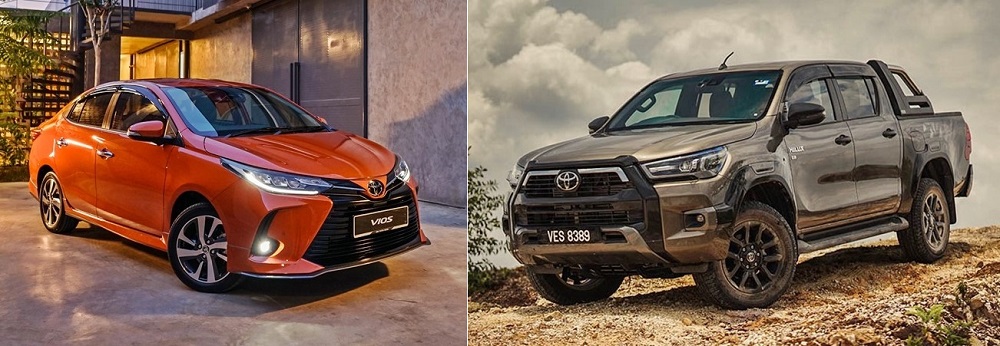
Among the passenger car models, the Vios continued to be the bestselling Toyota model, accounting for 33% of sales, while the Hilux continued to be the bestselling pick-up truck in Malaysia, a position it has held since 2005.

Toyota’s bestselling models in Malaysia – the Vios and Hilux.

“The continued growth of the market is a sign that we are steadily progressing towards recovery. The New Normal means that some things have to be done differently and we have to be conscious of SOPs, and at Toyota, we have adapted our processes accordingly. Customers can visit our showrooms or send their vehicles to authorized service centres with peace of mind that they are protected health-wise,” said UMW Toyota Motor President, Ravindran K.

“During the final month of the year, we will have great deals and with our ‘Now Is The Time’ promotion, there are savings of up to RM5,500 on selected models. Additionally, the government’s exemption of sales tax is ongoing which means additional savings,” he said.

Countdown to hybrid launch
Preparations are being finalized for the launch of the first locally-assembled Toyota hybrid electric vehicle in the near future. This will be the new Toyota Corolla Cross Hybrid which is now undergoing pre-production activities at ASSB, UMW Toyota Motor’s assembly plant in Bukit Raja, Selangor.

“Since we opened for bookings for the new Corolla Cross Hybrid, response has been good and we are happy to see that many Malaysians are keen to switch to Hybrid Electric Vehicle Technology. Toyota has been producing hybrid electric vehicles since the late 1990s and has constantly improved and advanced the technology so Malaysians will benefit from this long experience,” said Akio Takeyama, Deputy Chairman of UMW Toyota Motor.

ASSB Bukit Raja, Selangor
The ASSB plant in Bukit Raja, Selangor is now assembling the first Toyota hybrid model in Malaysia, alongside the Vios and Yaris.

“We are aware that many customers are eager to receive their Corolla Cross Hybrid and we ask for your patience. There are many quality processes which ASSB must complete to ensure that the cars delivered are of the highest standard in every respect. And I would also add that once the car is delivered, the new owners will also be assured of an ownership experience of the highest standard,” Mr. Takeyama added.

The new Corolla Cross Hybrid has an estimated price starting from RM137,000 (without insurance) and comes with a 5-year/unlimited mileage factory warranty. Additionally, for peace of mind, there is a separate 8-year/unlimited mileage warranty covering the hybrid battery pack, inverter and Power Management Control Unit. Customers can also extend their warranty for a further 2 years to make it a total of 10 years, the first such warranty in the local industry.

Toyota Corolla Cross Hybrid nearing launch as orders are accepted; pricing from RM137,000

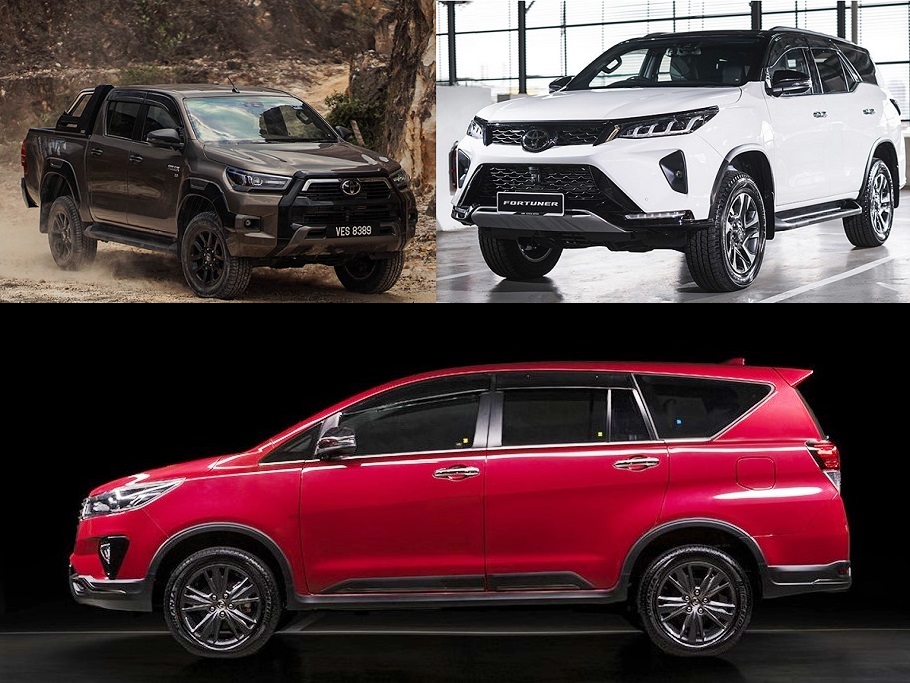
The Toyota IMV (Innovative International Multi-Purpose Vehicle) range which has been in the market since 2005 has continuously received updates over the two generations produced. The range consists of the Hilux pick-up, Fortuner SUV and Innova MPV, all conceived within the same development programme although the platforms differ due to the different operating requirements.

Another round of updates has taken place and the latest models have been announced with the following prices (without insurance):
Toyota Hilux (5 variants) – from RM92,880
Toyota Fortuner (3 variants) – from RM169,167
Toyota Innova (3 variants) – from RM115,553

Orders are now being accepted at all authorised Toyota showrooms nationwide and while the Hilux pick-up is readily available, deliveries of the Fortuner SUV and Innova will commence only in January 2022. With the extension given by the government, customers can still enjoy the full sales tax exemption next year for the Fortuner and Innova but the Hilux, being a light commercial vehicle, does not qualify for the exemption. All the models are assembled locally at the ASSB plant in Shah Alam, Selangor.

The engines have been retuned to meet stricter exhaust emission standards that will be introduced in Malaysia next year.

The updates  improve convenience and comfort, with the petrol engines tuned to meet stricter emission control standards in advance of implementation of the Euro4 standards in 2022.

“The IMV range of products has been a great success in Malaysia and other markets around the  world, providing durable and reliable mobility for thousands. The Hilux, in particular, has been the  best-selling pick-up in Malaysia for many years and even today, we see demand exceeding supply.  Rest assured that our assembly plant is rushing to fulfil outstanding orders but as always, without  sacrificing quality,” said UMW Toyota Motor President, Ravindran K.

New Hilux
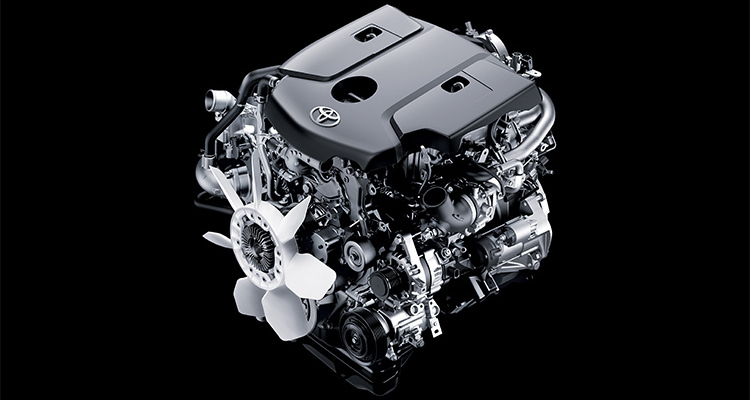
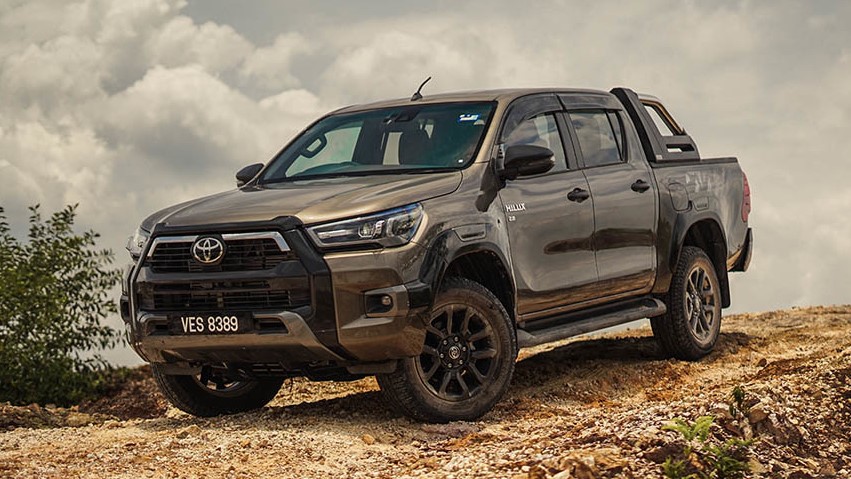
Malaysia’s best-selling pick-up truck is available in 5 with a choice of 2 turbodiesel 4-cylinder engines with 2.4-litre and 2.8- litre displacements. Both engines are fuel-efficient and extra fuel-saving can be achieved with the use of an ECO mode.

2021 Toyota Hilux

The passenger-oriented double cab variants – Hilux 2.8 Rogue, 2.4 V and 2.4 E – have 6-speed  automatic transmissions and a dual-range 4×4 system. The other variants – Hilux Double Cab 2.4 G and Single Cab 2.4 – are equipped with 6-speed manual transmissions but both also have 4×4  drivetrains. These are intended more for customers who require vehicles for heavy-duty work.

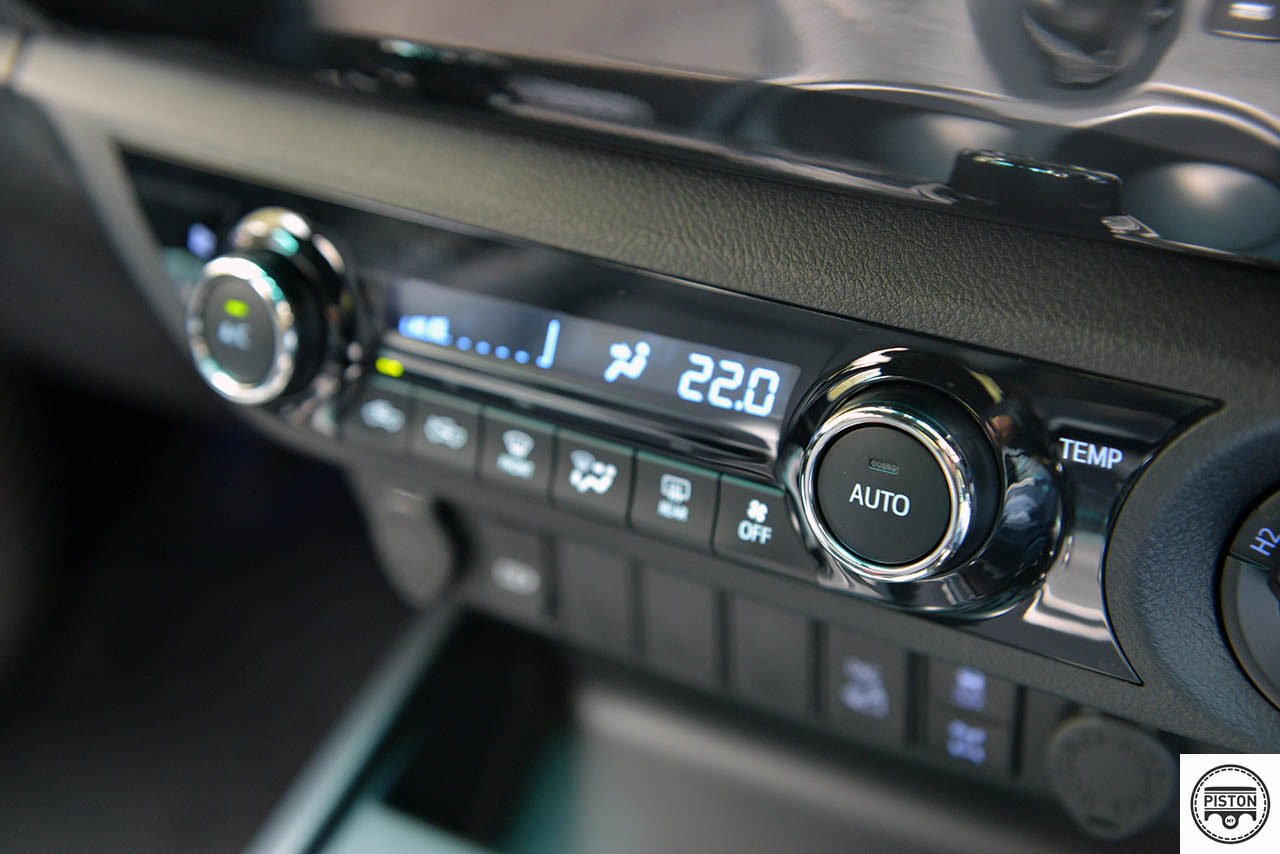
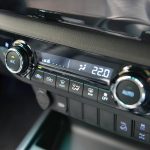
The Hilux is well equipped with a wide range of features and equipment for convenience and safety. For the latest Hilux 2.8 Rogue and 2.4 V, the front air-conditioning system is upgraded to a dual zone type in place of the single-zone type. With the dual-zone feature, the driver and front  passenger can set their preferred temperatures separately.

New Fortuner
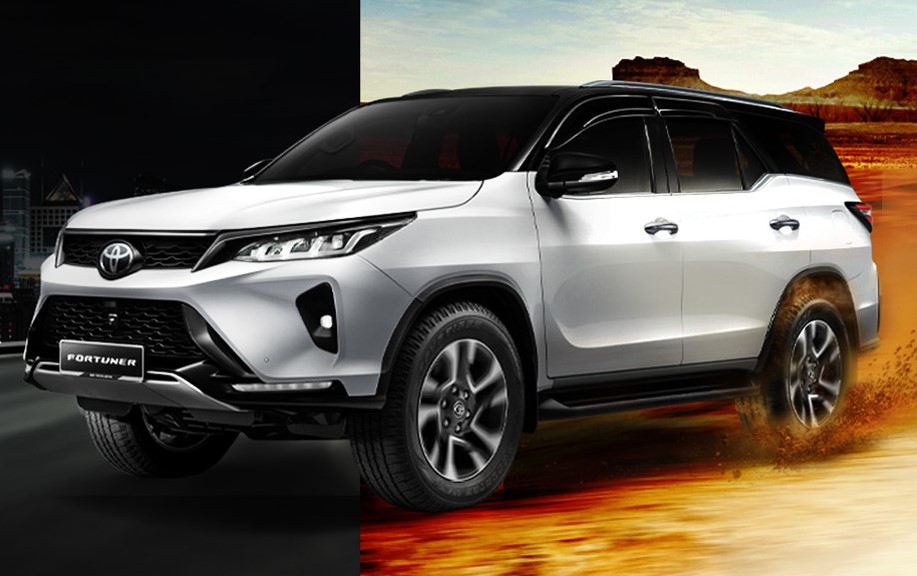
The Fortuner is a 3-row 7-seater SUV which took over the role of the Land Cruiser in ASEAN markets, The medium-sized SUV is available in three variants – Fortuner 2.8 VRZ, Fortuner 2.7 SRZ and  Fortuner 2.4. Responding to market demand, the Fortuner 2.4 is now made available throughout  Malaysia, together with Fortuner 2.8 VRZ and 2.7 SRZ.

2011 Toyota Fortuner

Like the Hilux, the front air-conditioner of the latest Fortuner 2.8 VRZ and 2.7 SRZ  have a  dual-zone feature to allow separate temperature settings for the driver and front passenger. A  wireless charger pad for compatible smartphones is now standard for all variants. The rear USB  port for the Fortuner 2.8 VRZ has also been changed to the newer Type-C port, making it more  convenient to recharge for those with the newer generation of smartphones.

The same proven and reliable powertrains are used with 6-speed electronic automatic  transmissions and dual-range 4×4 systems. The 2.7-litre petrol engine has been retuned so that it can meet stricter emission control standards, upgrading to Euro4 from Euro2 standards.

New Innova
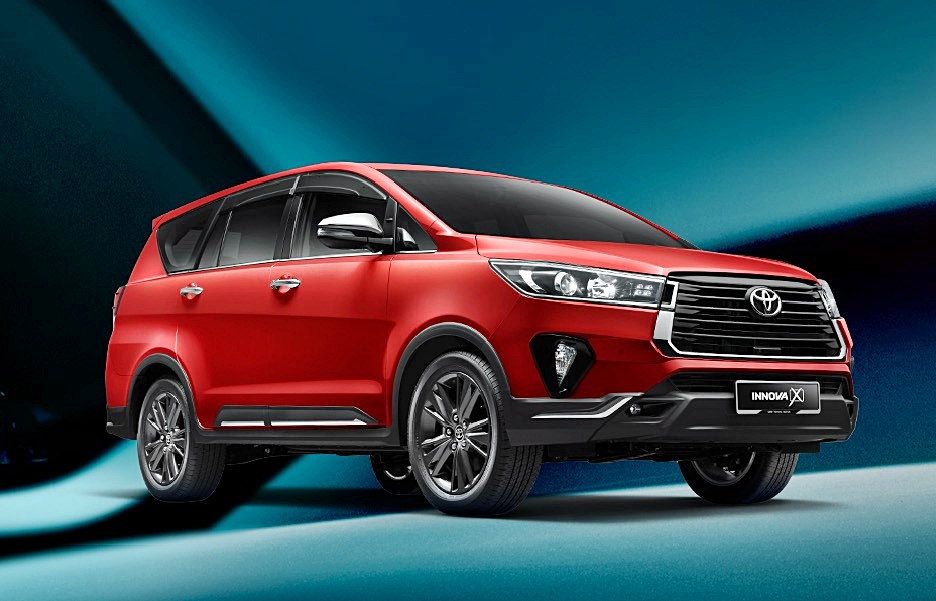
The Innova offers seating for 8 persons with generous storage space.  Currently in its second generation, this Toyota MPV is available in three variants – Innova  2.0X, 2.0G and 2.0E. While all three variants have the same 3-row cabin, the Innova 2.0X comes with generously sized Captain’s Seats in the middle (so the occupancy is reduced by one person).

For those who have compatible smartphones, a wireless charging pad is now standard in every variant. This makes it simpler to recharge a compatible phone as no cables are needed. Multiple USB ports are also available around the cabin, making it  easier to charge phones and tablets.

The fuel-efficient and reliable 2-litre 16-valve petrol engine for all three variants has also been upgraded  to meet the stricter Euro4 emission control standards.

5-year warranty
All three models come with a 5-year warranty with unlimited mileage for the Fortuner and Innova,  and a maximum of 150,000 kms for the Hilux (terms and conditions apply). UMW Toyota Motor also offers a wide range of financing plans, including subscription plans, to suit different needs. There are also financing and leasing programs for those who are purchasing vehicles for  commercial use.

For more information, visit www.toyota.com.my.

Enhanced ownership experience with new Toyota Loyal-T Programme

As announced in July this year, UMW Toyota Motor (UMWT) is making a big investment to introduce hybrid electric technology in Malaysia in a bigger way. The last time the company actively sold hybrid models was about 10 years ago when the government allowed hybrids and electric vehicles to be sold duty-free to everyone. After that exemption ended, prices were no longer as cheap and sales of hybrids dwindled. UMWT didn’t give up though, and besides making available hybrid variants of Lexus models, it also sold the Camry Hybrid for some years.

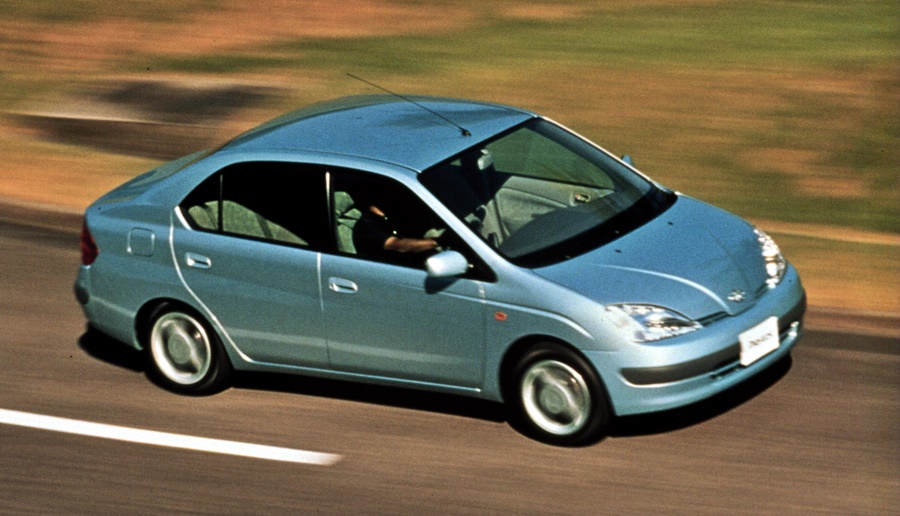
Now comes not just another push but a bigger one which the company says is officially launched today. It’s a RM270 million investment which will bring hybrid electric technology to more Malaysians and contribute to the more than 18 million hybrid vehicles already sold by Toyota worldwide since the first model – the Prius – was launched in 1997.

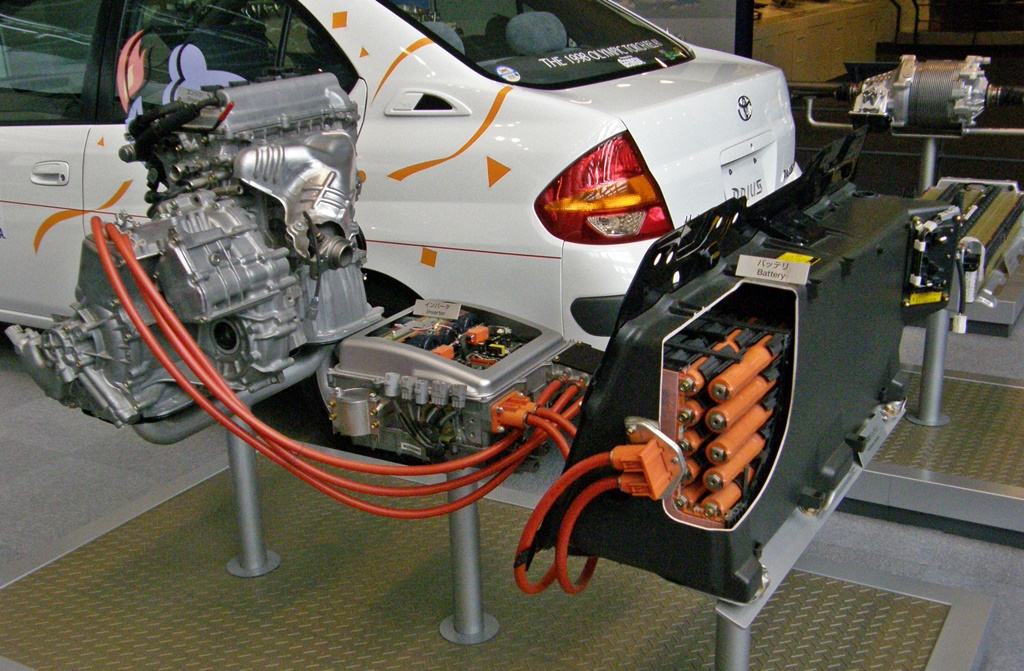
Toyota Prius – first mass-produced hybrid electric vehicle in the world.

Long experience in hybrid technology
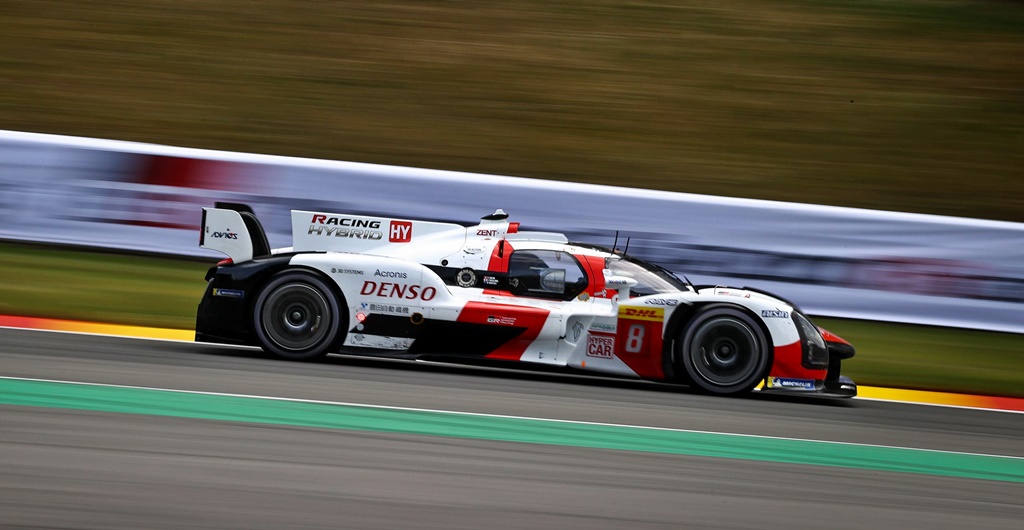
Toyota can promise Malaysians advanced hybrid technology because it has long experience developing them. Starting with fundamental technology, Toyota’s engineers have constantly made advancements and innovations that put the brand at the forefront of hybrid technology. To show that the technology is not just about fuel efficiency, Toyota has also demonstrated how hybrid powertrains can also offer high performance with 4 consecutive wins at the Le Mans 24-Hour endurance races.

Toyota’s hybrid racing cars have won the 24-Hour Le Mans endurance race 4 times in a row, demonstrating that hybrid powertrains can also offer high performance.

UMWT’s push towards greater electrification follows the trend globally and support’s Toyota’s commitment to achieve carbon neutrality in all its activities. This means achieving net-zero CO2 emissions throughout the cycle of manufacturing, transporting, energy generating, fueling and/or charging, and the recycling and disposal of vehicles.

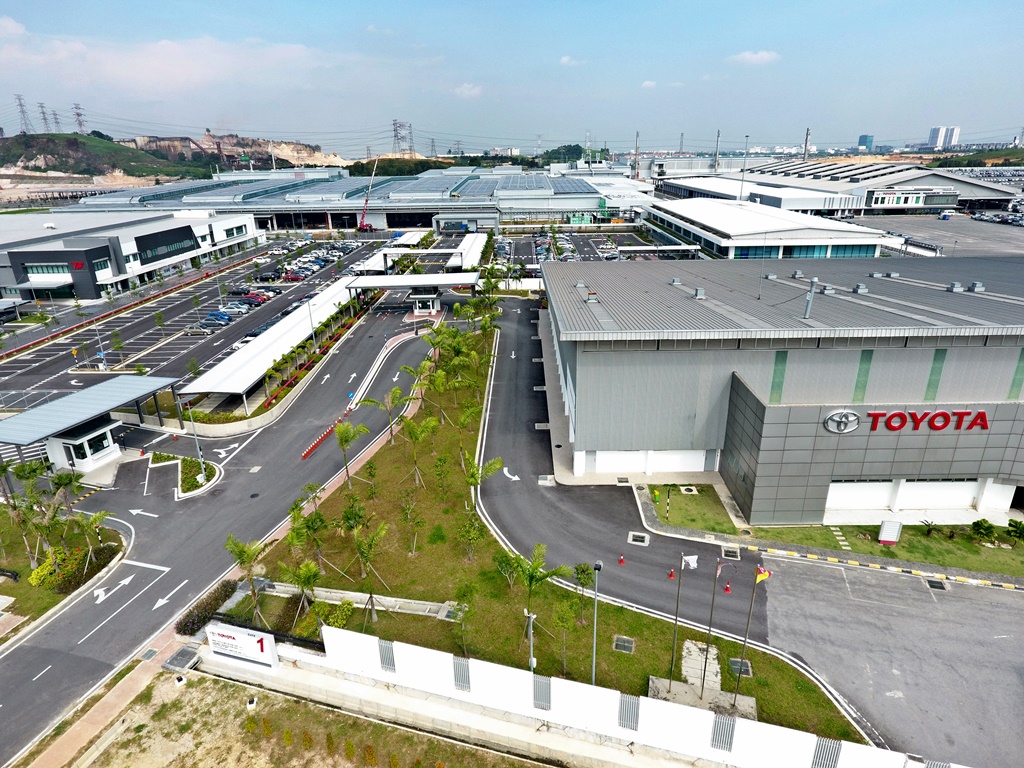
Toyota aims to achieve carbon neutrality not only in its products but also in all its activities, including those at factories. This is the ASSB, UMW toyota Motor’s assembly plant in Bukit Raja, Selangor, where the hybrid models will be assembled in the near future.

Deputy Chairman of UMW Toyota Motor, Akio Takeyama, said that for the automotive industry, carbon neutrality involves a very challenging process to ensure that zero emissions can be achieved. It requires offering consumers sustainable solutions which meet their diverse needs.

Toyota already has various types of electrically-powered vehicles, some with hybrid powertrains (a small petrol engine working with an electric motor, battery electric vehicles (BEVs) that only use electric motors and even powertrains that get energy from hydrogen fuel cells. All these are already available in the market but availability depends on the energy policies and readiness of different countries. So in countries which may still lack certain elements for fully electric models, the hybrid approach may be the best and more practical in the short term.

“For the immediate future, we are absolutely positive that the Hybrid Electric Vehicle (HEV) is the most accessible and realistic choice for Malaysian customers in terms of practicality and infrastructure, with an enormous potential  in Malaysia. It is a realistic bridge towards vehicle electrification while efforts are still being undertaken to help realize enablers for BEVs, such as cost-reduction, energy mix improvement and infrastructure  development,” said Mr. Takeyama.

HEVs comparable to fully electric vehicle in emissions
While BEVs may not generate CO2 emissions at all, HEVs have almost similar values in the process of vehicle  production, energy generation and ownership over a period of 10 years. This means that, given the current situation in Malaysia, HEVs can be equally effective as BEVs.

“Toyota HEVs are at their most advanced today, and present the most realistic, immediate,  economical and practical solution for mass market production and sale in terms of reduced CO2 emissions, practical usage, and price acceptance by customers,” Mr. Takeyama said.

He added that no new infrastructure needs to be built – referring to charging stations – as HEVs do not need to be recharged. The battery pack is constantly recharged while driving. This will help to eliminate the ‘range anxiety’ that is a concern to consumers who worry that they may be stranded if they run out of electricity in the battery pack. Furthermore, the HEV can be driven like a car with a combustion engine, and go long distances without any problem.

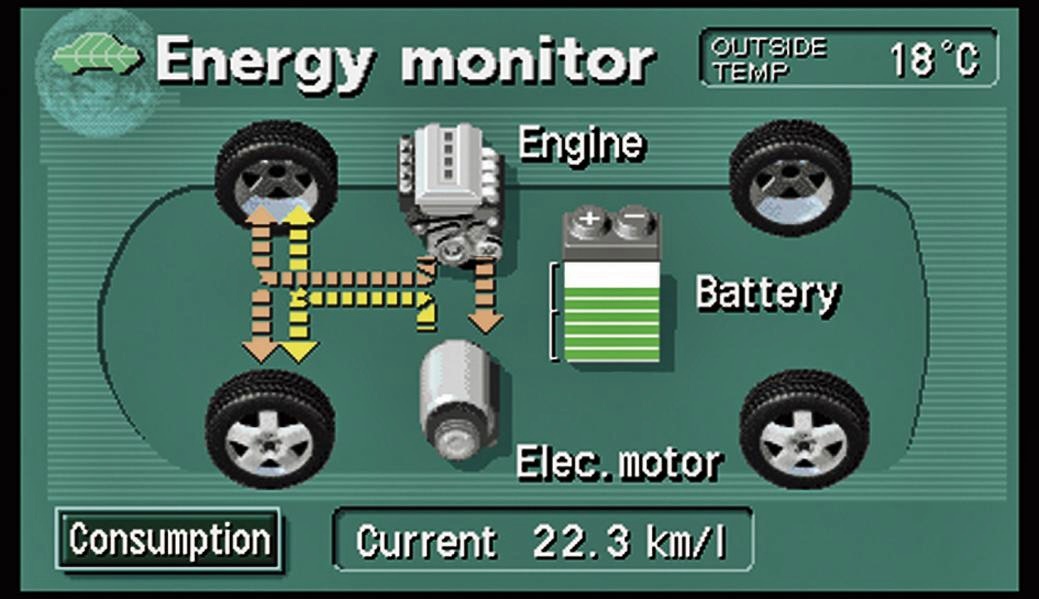
The Toyota Hybrid Electric System has a petrol engine and electric motors working together and in certain conditions, it is possible to run using just the electric motor alone. The battery is constantly recharged – even during braking – so owners do not have to worry about finding a recharging station. And even if the battery does not have sufficient energy remaining, it is still possible to continue using the petrol engine.

Constant improvement of hybrid system
Since 1997, the Toyota’s Hybrid Electric System has been constantly improved with new technology, becoming more efficient and the cost has also been going down as volumes have rapidly risen. It is now in its fourth generation and of the various versions for different models, UMWT has mentioned ‘dual power’ with a petrol engine and two electric motors. It is possible, under certain conditions, to run entirely on electric power for a short distance, with quiet movement and zero emissions.

A concern which was apparent among buyers of the hybrids sold before was the reliability of the battery pack which is manufactured by a subsidiary of Toyota. Admittedly, the early battery packs did have issues but battery technology has advanced very quickly and manufacturers addressed the issues quickly. To give peace of mind, companies offered extended warranty coverage specifically for hybrid battery packs, with UMWT giving up to 8 years coverage.

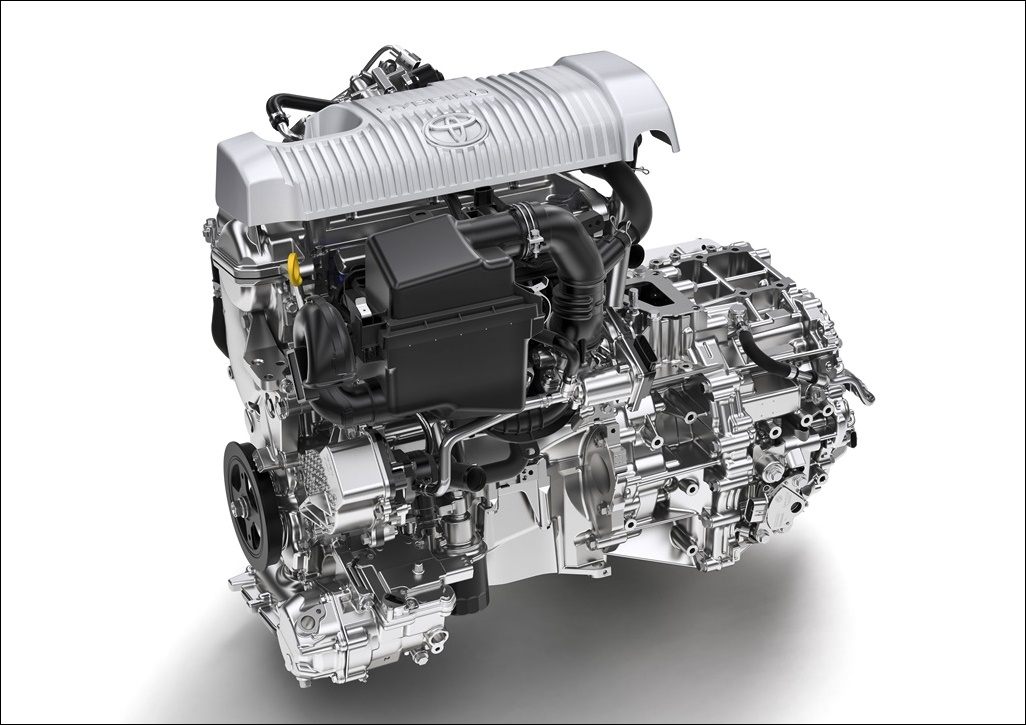
The Toyota Hybrid Electric System has evolved greatly from the one in the first Prius which occupied a lot of space (above), to the latest one (below) which is more compact and also offers better efficiency and performance. The battery packs have also become less bulky and can store larger amounts of energy to provide better range.

More reliable and durable battery packs
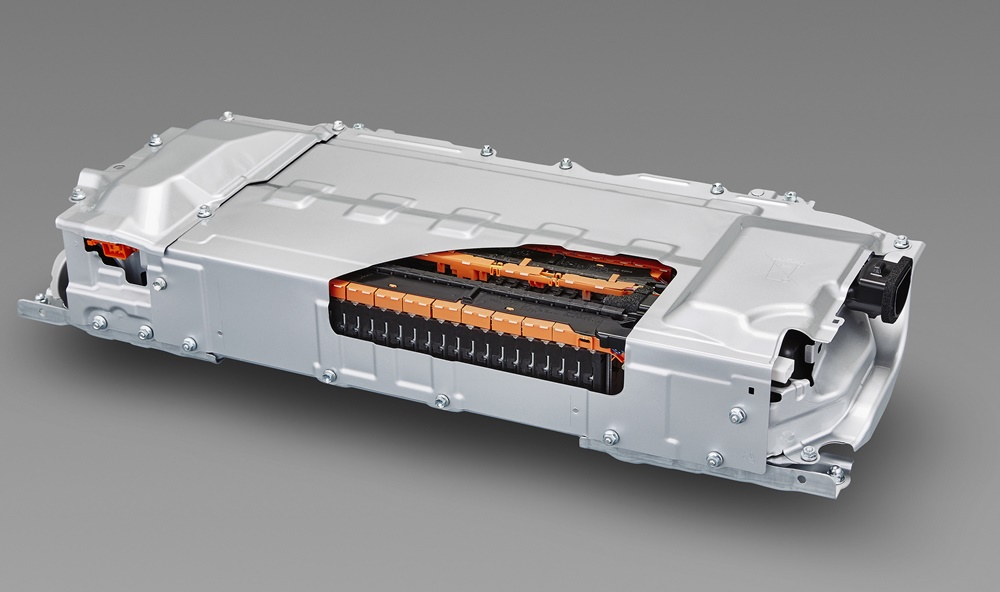
Today’s battery packs (lithium-ion type shown above) are much more reliable and durable – and have even better energy storage – as they are designed to last as long as the vehicle. They offer safety, long life service, a high level of quality, and a high level of performance. Toyota’s own subsidiary – Prime Planet Energy & Solutions, a joint venture with Panasonic – has extensive experience in battery development and manufacture. It has achieved battery durability and performance through understanding how the  vehicle is used and the state of the battery under such conditions.

“We have the right technology, the right products in support of the existing infrastructure and energy policies. We are in an ideal position to contribute to Malaysia’s ambition of becoming a hub for advanced  technologies and to reduce its carbon footprint. This will be an important cornerstone towards ensuring future policies and the people are well positioned and prepared to accept vehicle electrification,” said  Ravindran K., President of UMW Toyota Motor.

What models for Malaysia?
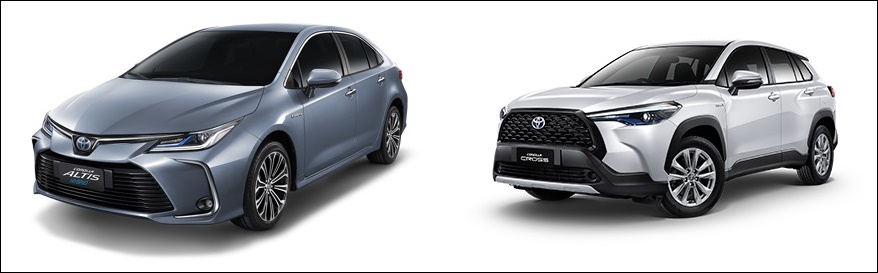
The question now on everyone’s mind is what models will be assembled locally. Over the years, Toyota’s range of HEVs has expanded considerably and in 2021, there are at least 45 different models available. Obviously, UMWT won’t be able to offer all of them and the logical thing would be to choose models in common with other ASEAN markets. In both Thailand and Indonesia, there are HEV versions of the Corolla Cross, Corolla Altis, C-HR and Camry.  Since the models are to be assembled locally, the Corolla Altis Hybrid would be a very strong possibility and as the Corolla Cross Hybrid is a variant on the same TNGA platform, it too can be easily added to the assembly line at the plant in Bukit Raja, Selangor.

Toyota currently has 45 hybrid models in its global range. These two, which are already sold in neighbouring countries, would be strong candidates for assembly in Malaysia.

It’s often been said that Toyota is like an oil tanker; it may take a while to change course but once it has, it has massive ‘force’ behind it to push ahead strongly. In the case of hybrid models, UMWT may not be the first in the market to assemble such vehicles but now that the decision has been made to do so, it can be expected to become a major brand in the growing HEV segment.

UMW Toyota Motor (UMWT) will be making a major announcement on Monday, September 27, 2021, which it says will be ‘inviting Malaysians on a journey that will give them the opportunity to experience a part of the future, today’. According to the company’s Deputy Chairman, Akio Takeyama, this development will have ‘a big impact on not only the brand but the industry as a whole, and the lifestyle as well as choices that we have become so accustomed to’.

Details of the announcement are not revealed but Mr. Takeyama associates it with Toyota Motor Corporation’s global commitment by 2050. This would refer to the Toyota Environmental Challenge 2050 (Challenge 2050) which has 6 challenges that are the most demanding and most inspiring environmental commitments the world’s No.1 carmaker has ever made. The goals of Challenge 2050 apply to all Toyota subsidiaries around the world, including UMWT which is a joint-venture between United Motor Works (UMW), Toyota Motor Corporation and Toyota Tsusho Corporation.

It is therefore likely to be related to the July announcement about UMWT planning to invest RM270 million for assembly of Toyota hybrid models in Malaysia. The investment will be additional to the RM2 billion that was made the construction and commissioning of a second assembly plant in Bukit Raja, Selangor, which began operations in January 2019.

UMW Toyota Motor to invest RM270 million for assembly of Toyota hybrid models

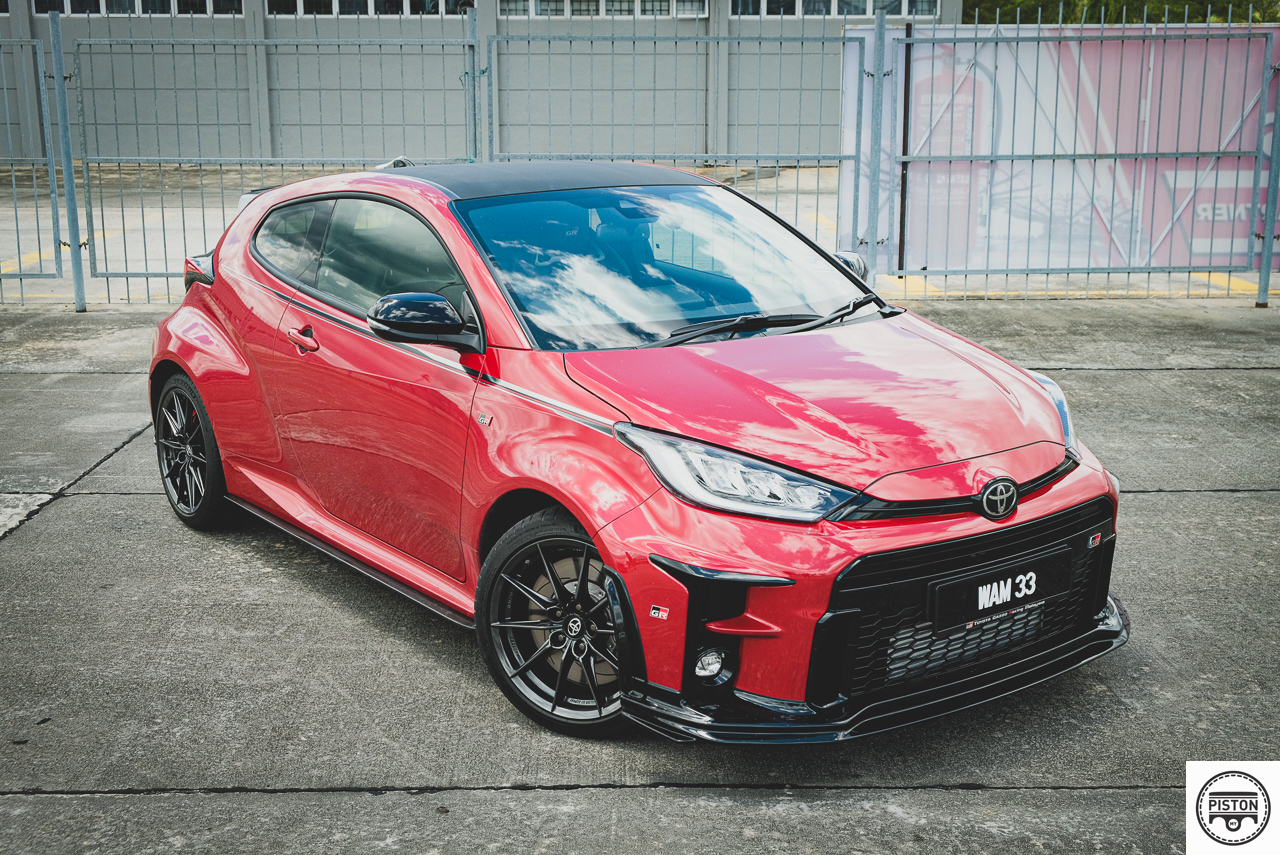
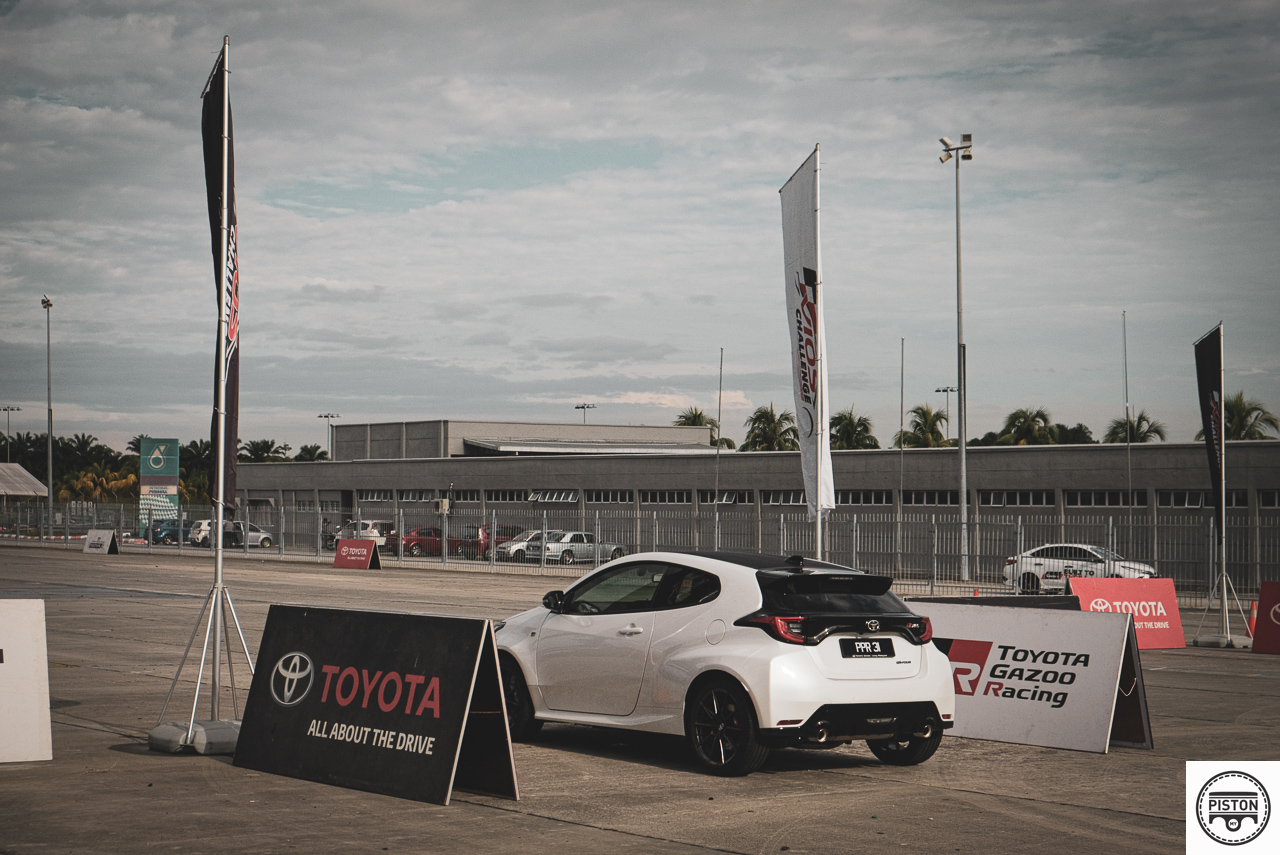
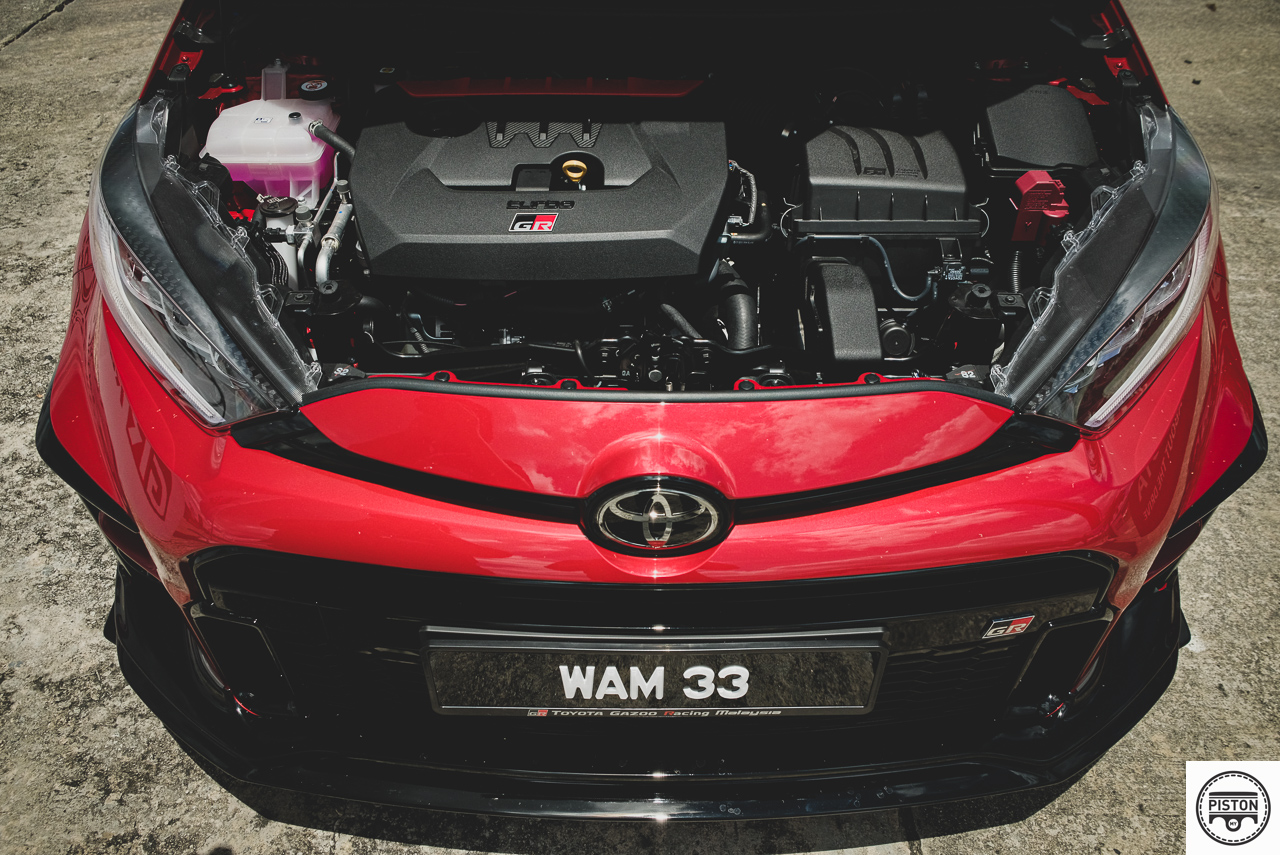
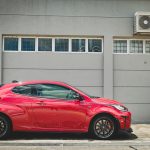
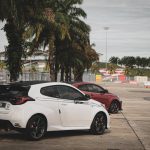
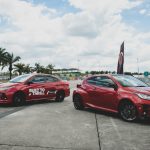
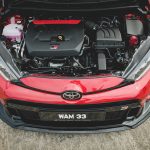
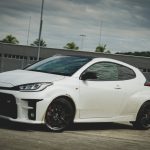
I would be lying if I said I was not excited about driving the GR Yaris.

“You go la bro, do a written and video review of the drive experience,” said Chips in our Piston/BikesRepublic/MotoMalaya Whatsapp group chat.

I saved the formalities, thanked Chips and dove right in. There was no, “are you sure, bro?”

I love my colleagues, but I love the cars more. There was no way was I going to say no to driving what is arguably the 10 most interesting drivers cars of the past decade. Or maybe 20.

The invite said to be there by 8, the sheer excitement woke me up by 530. I got there by 820. Traffic was bad.

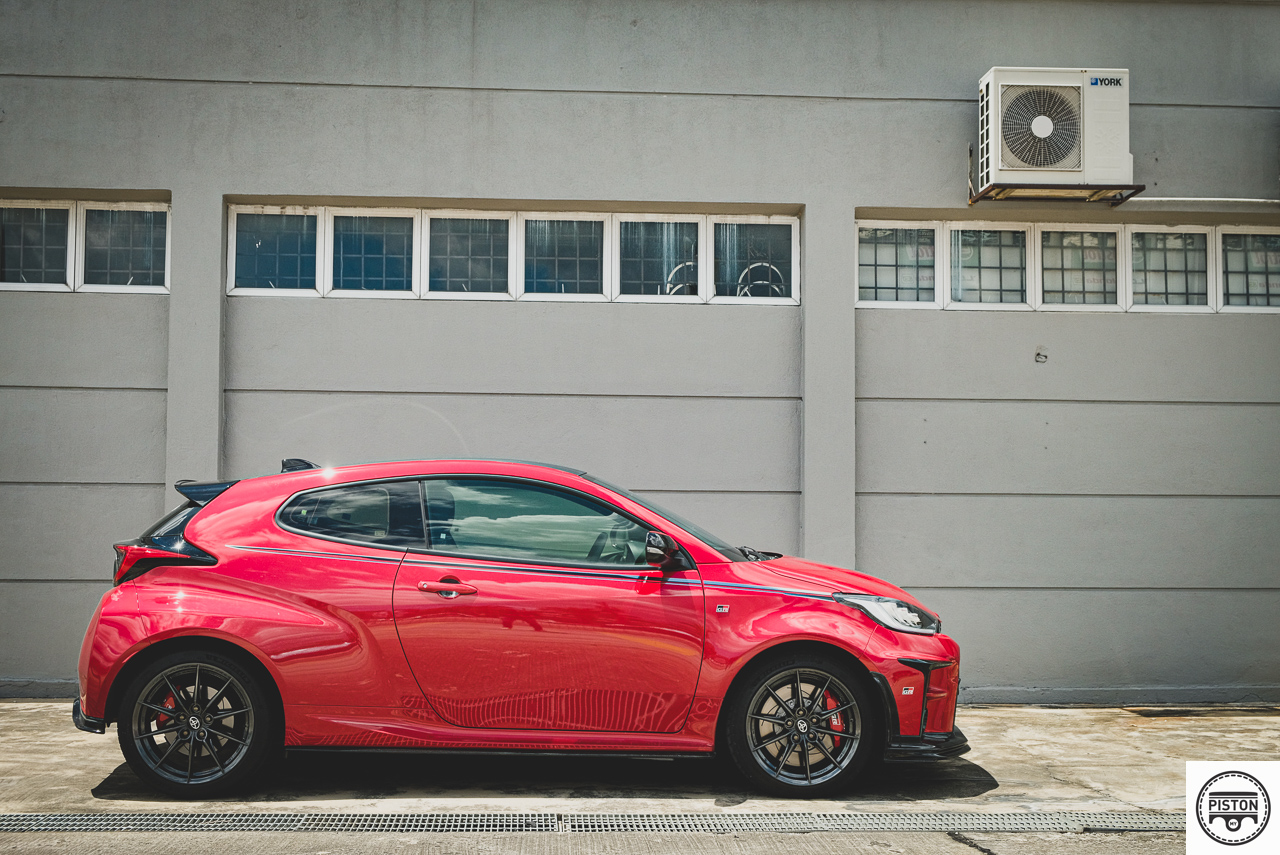
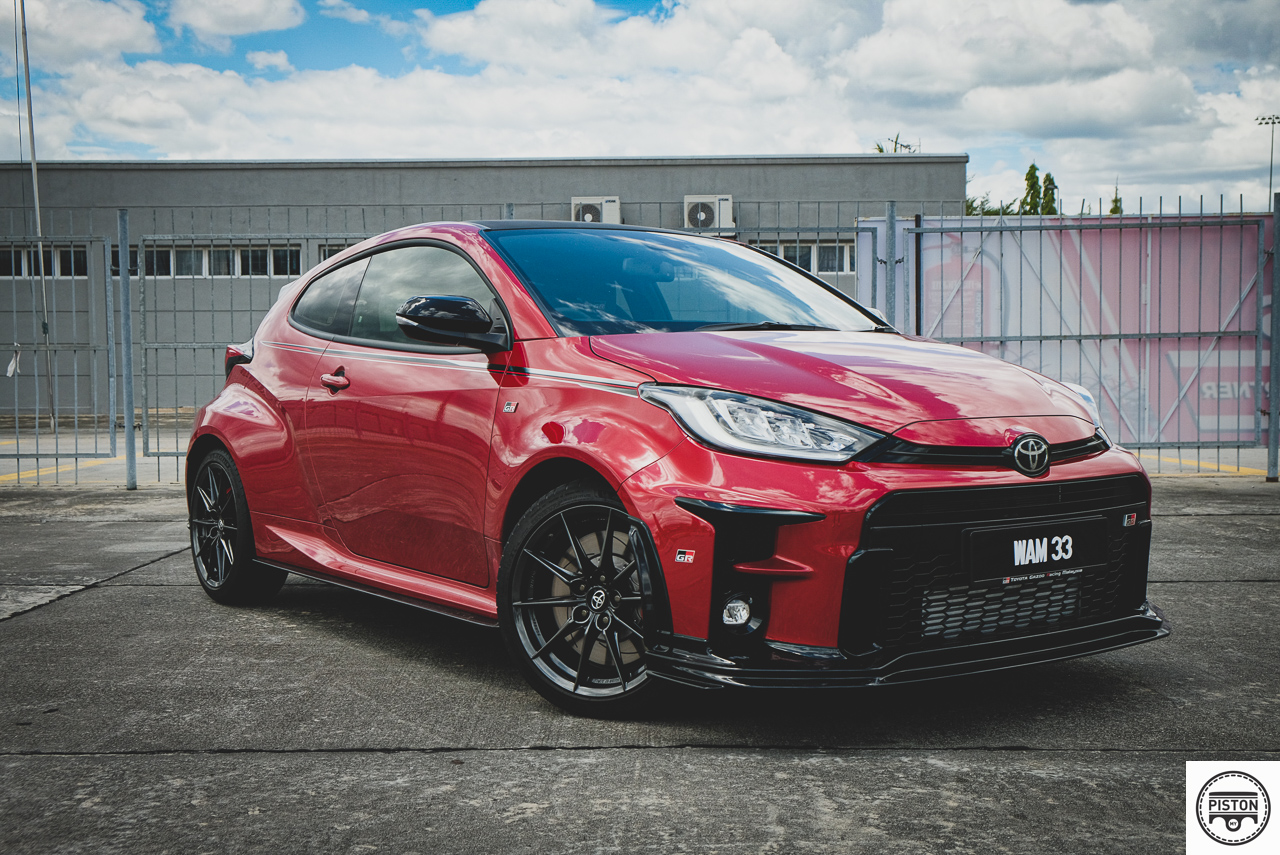
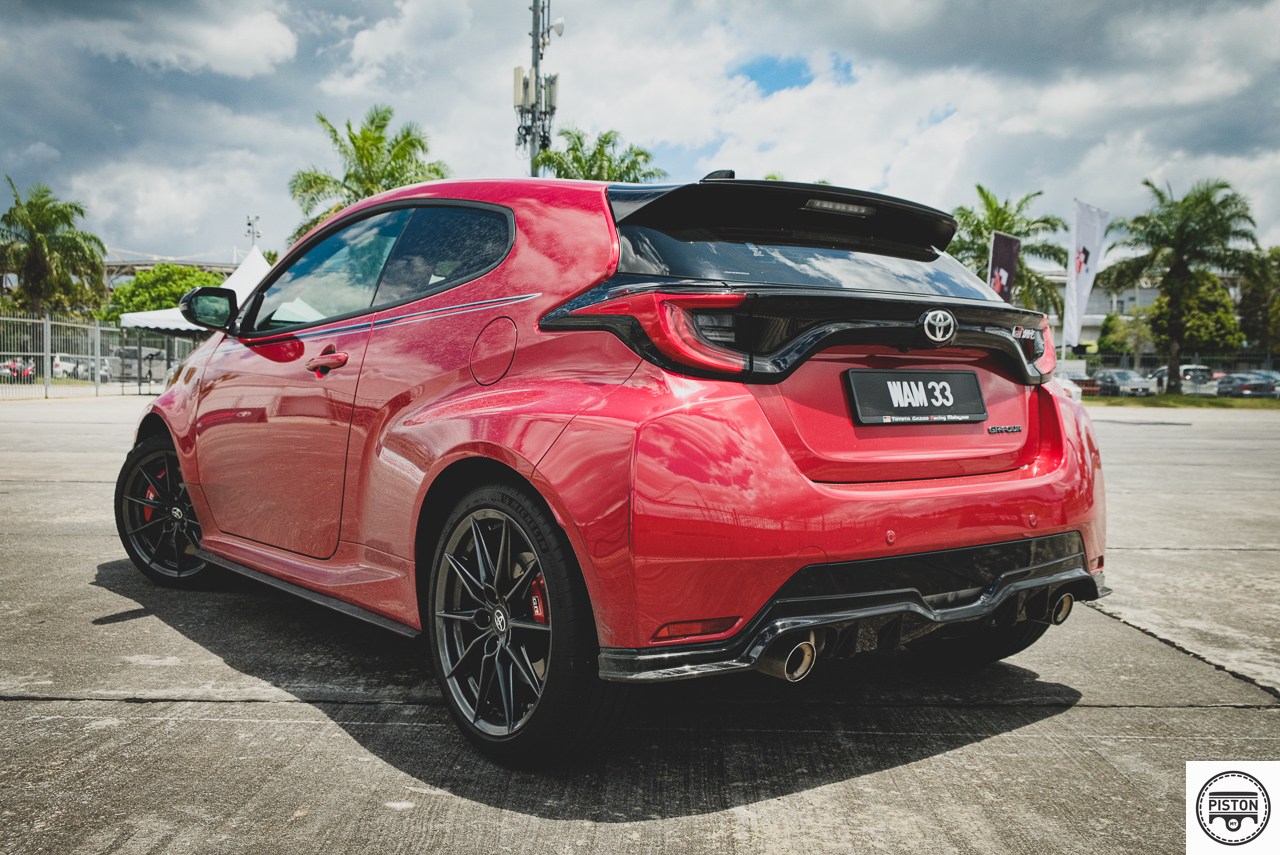
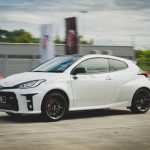
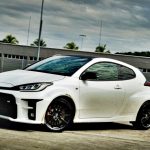
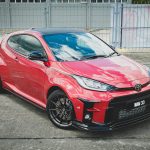
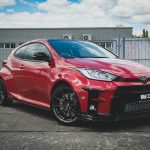
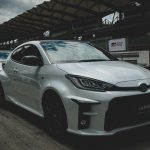
After all the formalities, hellos and a quick breakfast, there it was, the car that had dominated the news for a while, and was deemed as the most exciting hot hatch in a while, and I was unimpressed. I found myself thinking, “damn, it is rather small and unassuming.”

It really is small. Tiny almost. Almost the size of a Mini Cooper 3-door. But wider. Which is not a bad thing. Some of the greatest cars are all short, wide and low. That’s the basics of a great hot hatch. Think Renault Clio V6.

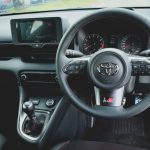
But sit inside and it feels comfortable, with an almost family sort of friendliness to it; the type that feels like you could drive it all day and then some.

And despite all that, there was an aura in the air inside the GR Yaris that set the purpose straight. Telling whoever it is that sits in it that it was something special. This was not a regular Toyota and you could feel it.

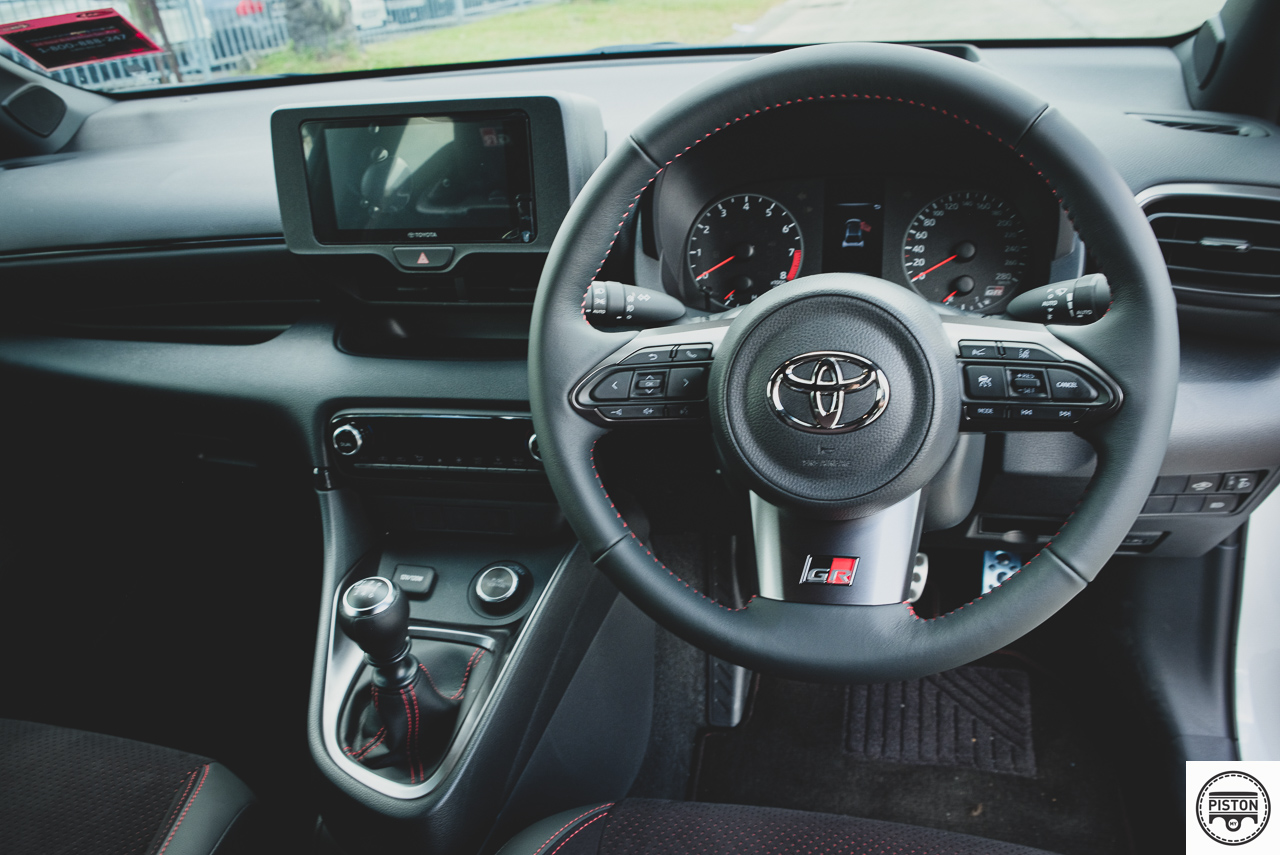
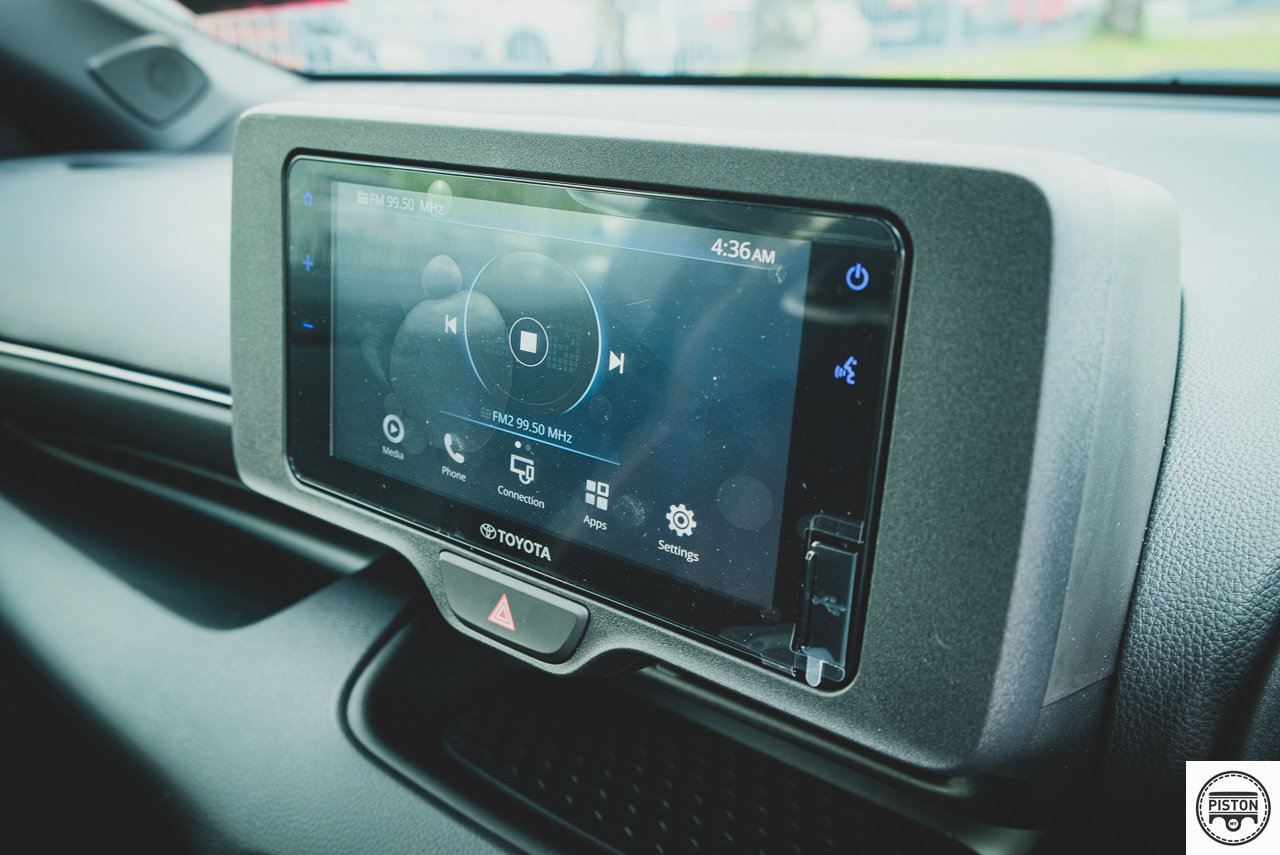
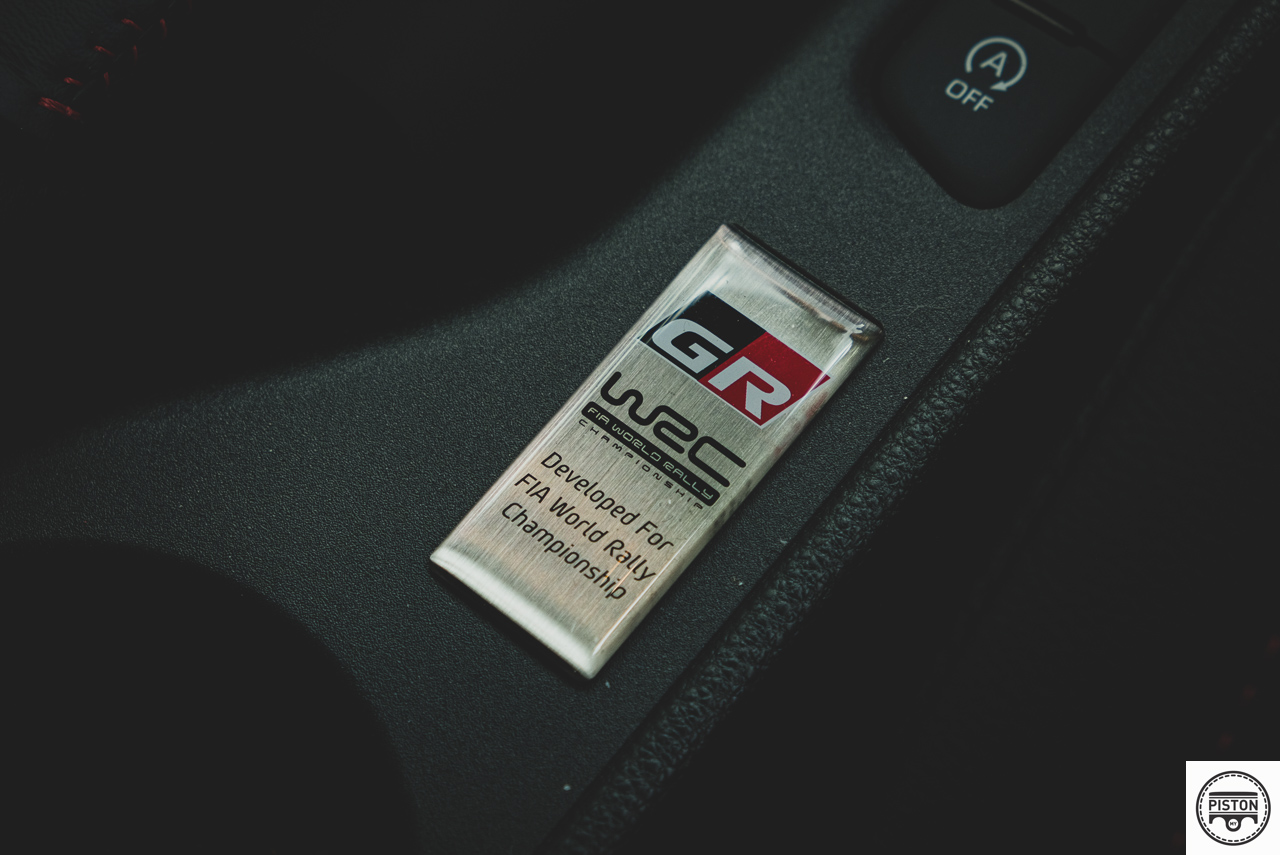
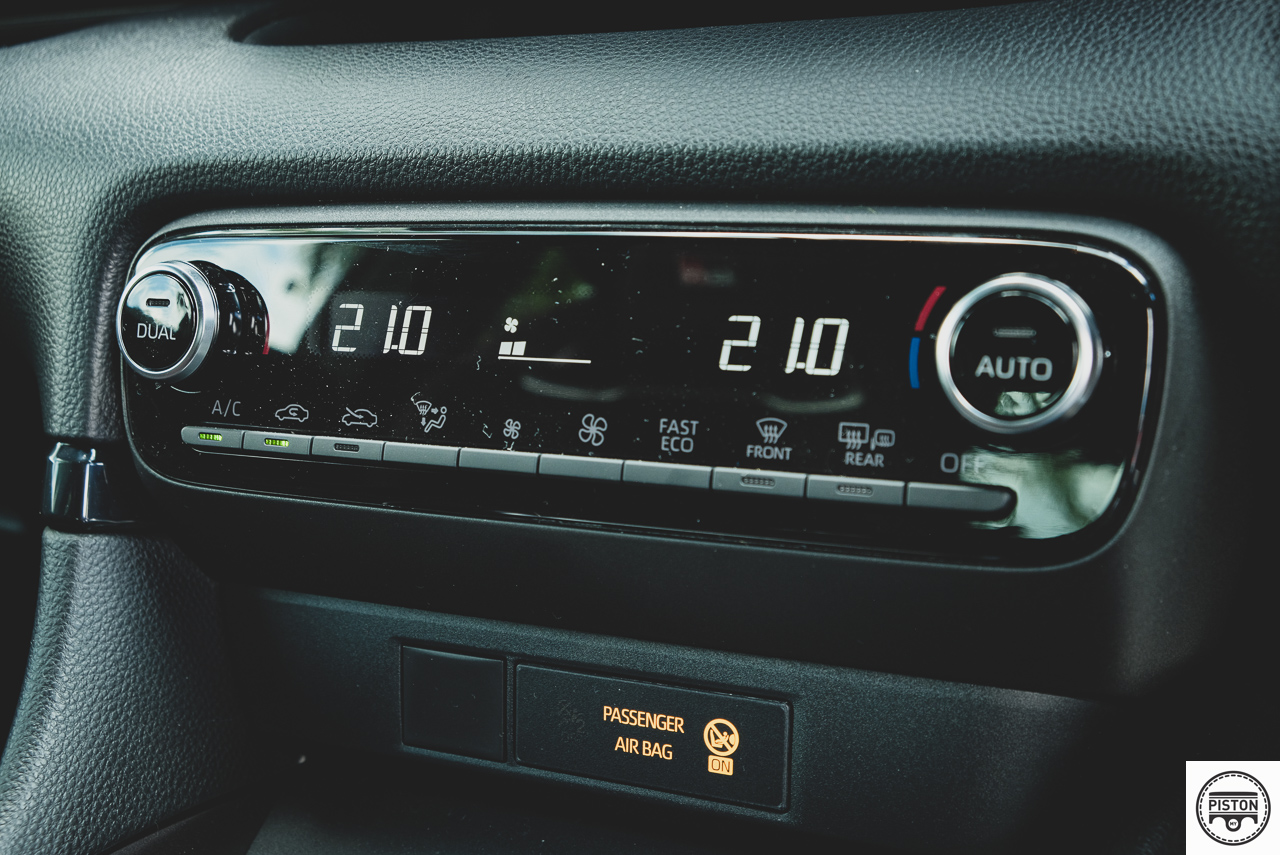
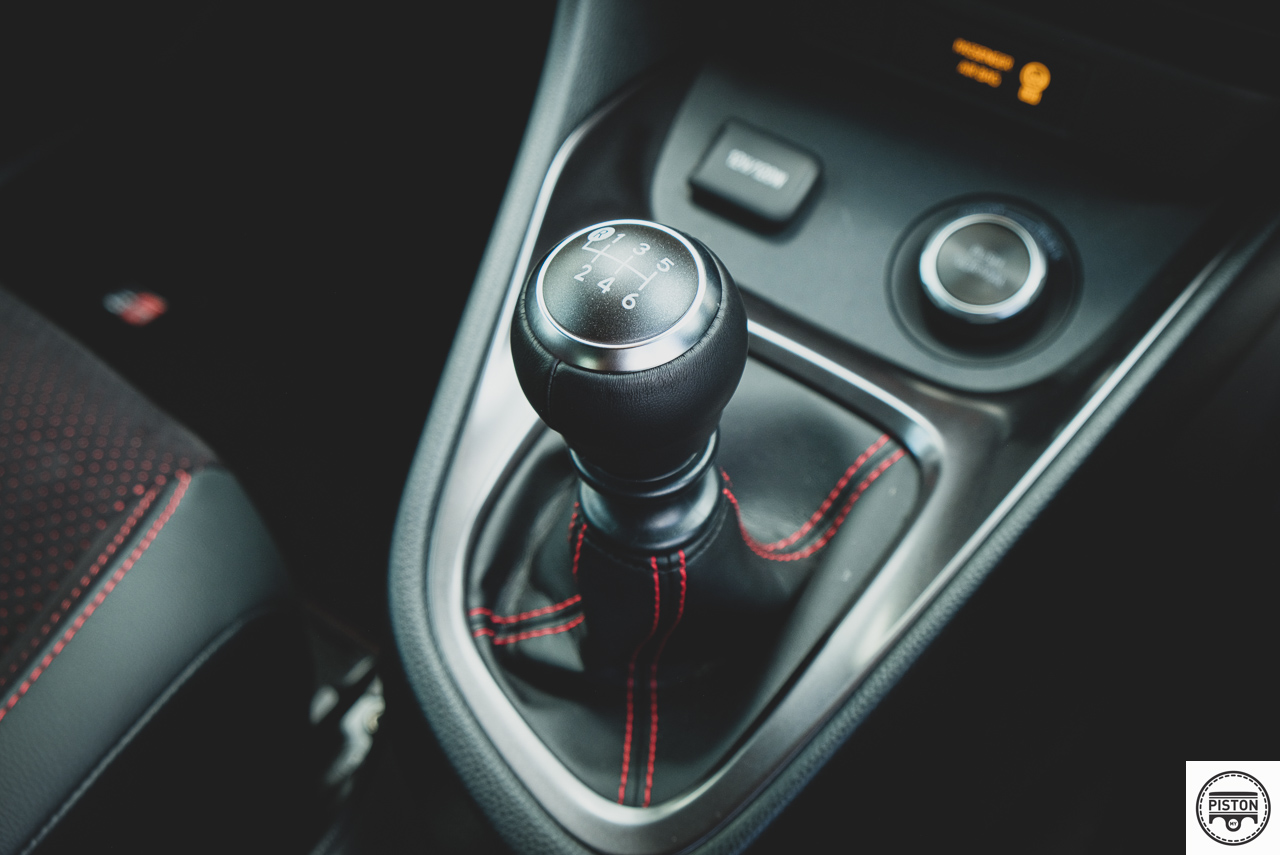
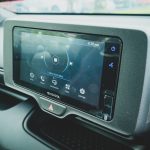
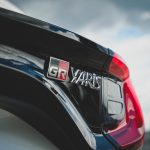
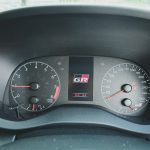
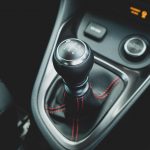
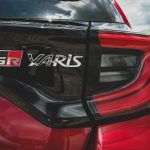
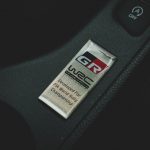
Perhaps it was the data logger lookalike head unit that dominated the central dashboard. Or perhaps it was the very obvious focus of the 6-speed manual with an aluminium shifter. Or perhaps it was the plastic laminated sticker that read out the car’s purpose in life – ‘Developed For FIA World Rally Championship’. But the biggest giveaway to the purpose of this Yaris was in its name – Toyota Gazoo Racing Yaris.

“I sat in one of those things,” says my cousin Miki the day after my drive at Sepang.

I drove the Yaris from London to Cardiff, and it was horrid,” he said.

“Yes, but I bet it wasn’t the GR Yaris,” was my answer.

“Of course not, I heard those things are quite special,” was his answer.

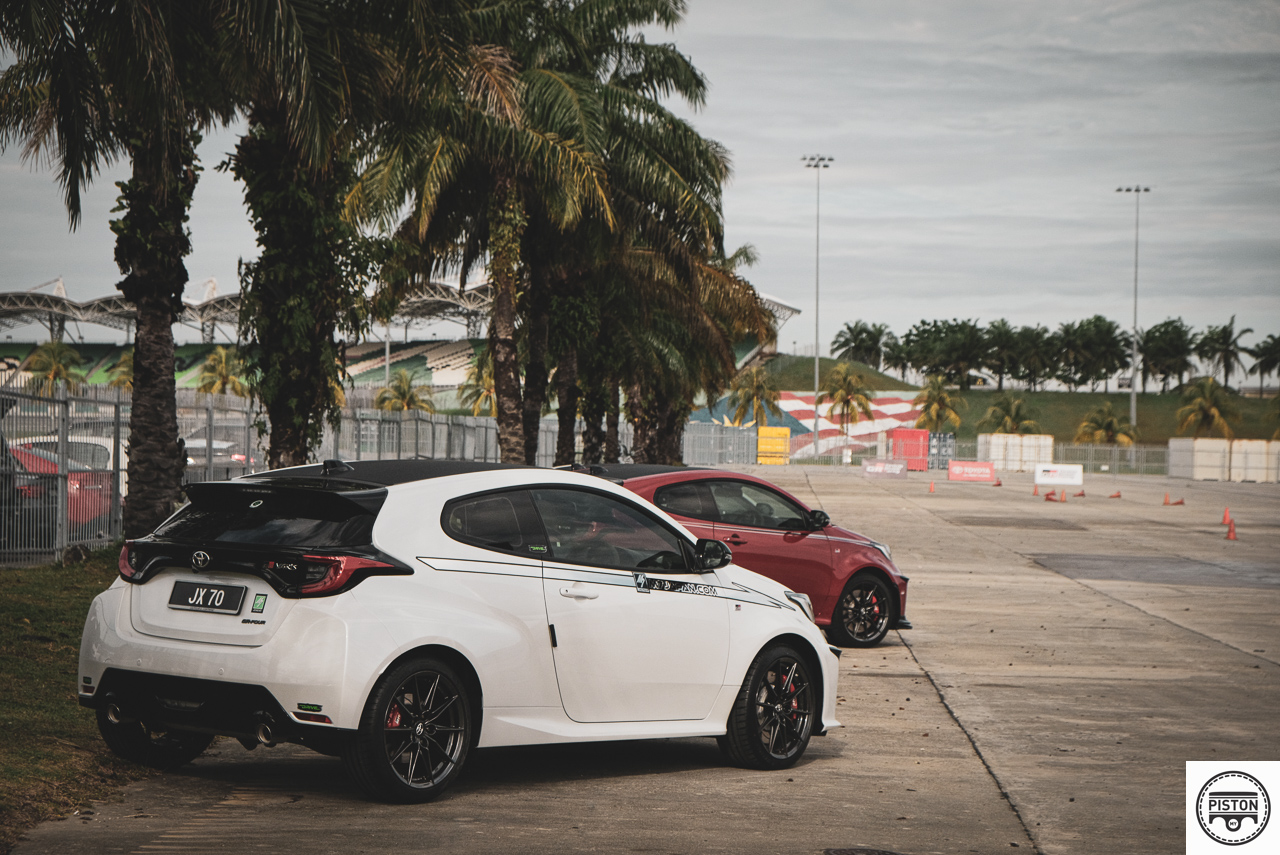
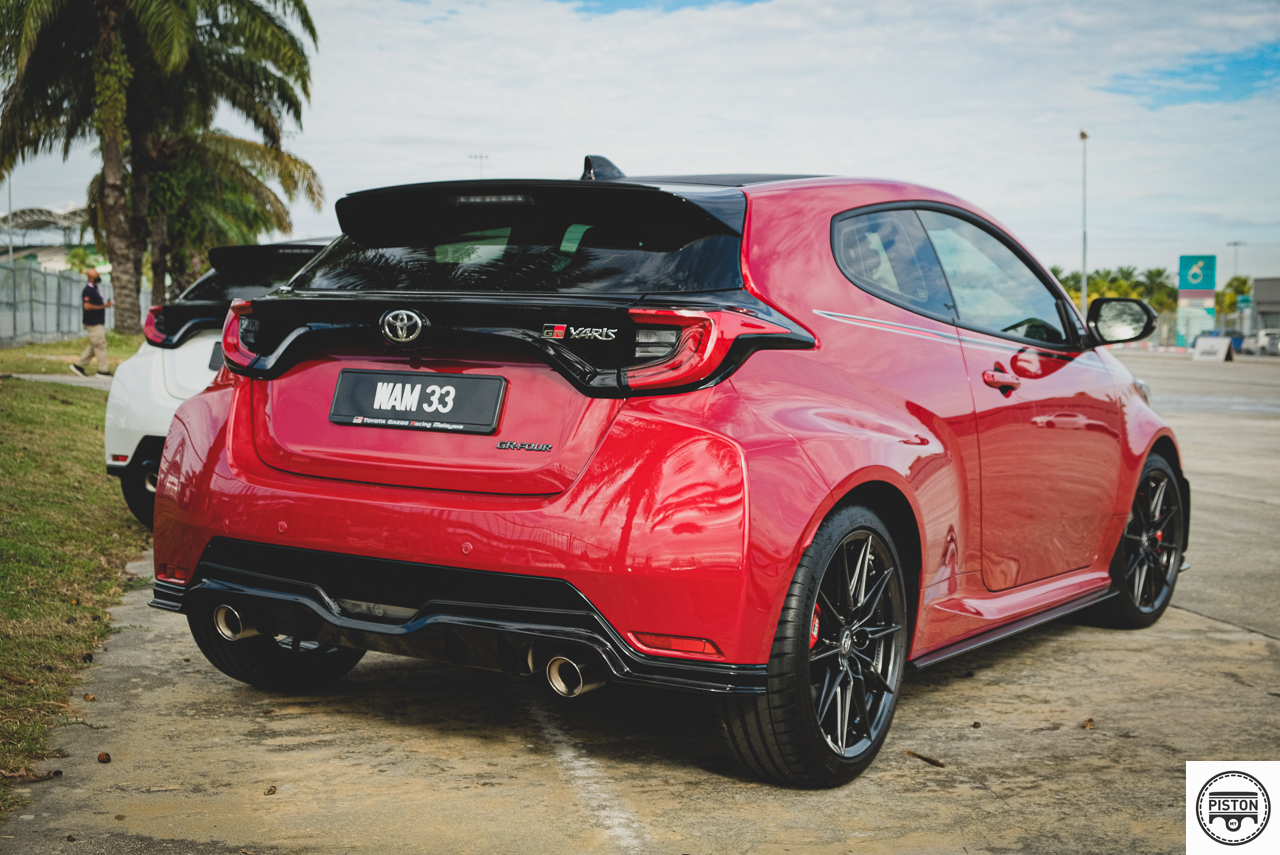
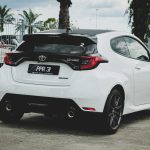
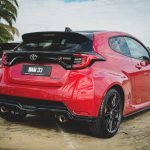
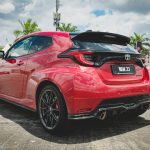
He could not be more right. The GR Yaris truly is special. It is also a Frankenstein of sorts as it is the combination of a Toyota Yaris front and a Toyota Corolla back. Hence why it looks so wide at the back, because it is all-wheel-drive, and the wider track helps it go rallying. A perfect canvas for Tommi Makinen’s Toyota GR Rally team to develop a world dominator.

But there is little point in going further here, even if I were to wax lyrical about how much fun the car is to drive, which it really is, on track at least because I haven’t driven it on road – the fact of the matter is that you cannot buy a Toyota GR Yaris anymore. Not a brand new unit in Malaysia at least.

UMW Toyota Malaysia offered only 125 units of the GR Yaris to the Malaysian public, and all of them have been spoken for.

I did question the need to write this article before starting, since you won’t be able to buy it brand new here anyway. But the car is undoubtedly amazing, and deserves an article of its own.

And I totally understand the demand for it, I want one too. I can’t remember the last time I drove something that made me want to do some very illegal things with it. Every couple of years, a manufacturer will release something truly special that will blow away even the most dedicated of passionists – the GR Yaris is one of them.

Visually though there is nothing special about the car – inside or outside.

The uninitiated could easily be fooled into thinking it were a custom Myvi with a wide body kit which had spent time at the chop shop to get rid of the two back doors.

It really isn’t visually impressive. It won’t make your children squeal in delight when they see one, it will make your wife question her marriage to you should you spend over a quarter of a million ringgit in a car the size of a Myvi. It won’t get you the girls.

It will however get you lots of questions from fanboys. Myvi’s will want to race you, the Type R boys will “cucuk” you every chance they get. And the AMG and Golf R boys will have a laugh smoking you.

But that’s okay though, because as soon as you hit the corners, you will have the last laugh, because in the corners is where this Yaris becomes at one with its element.

In fact I dare say that in tight corners and in the right hands, this Yaris will “re-smoke” the AMG and Golf R. Such is its talent and capabilities, but a short wheel-base all-wheel-drive car will always need some experienced, talented hands that know what to do in case things get hairy. And things will get hairy very quickly.

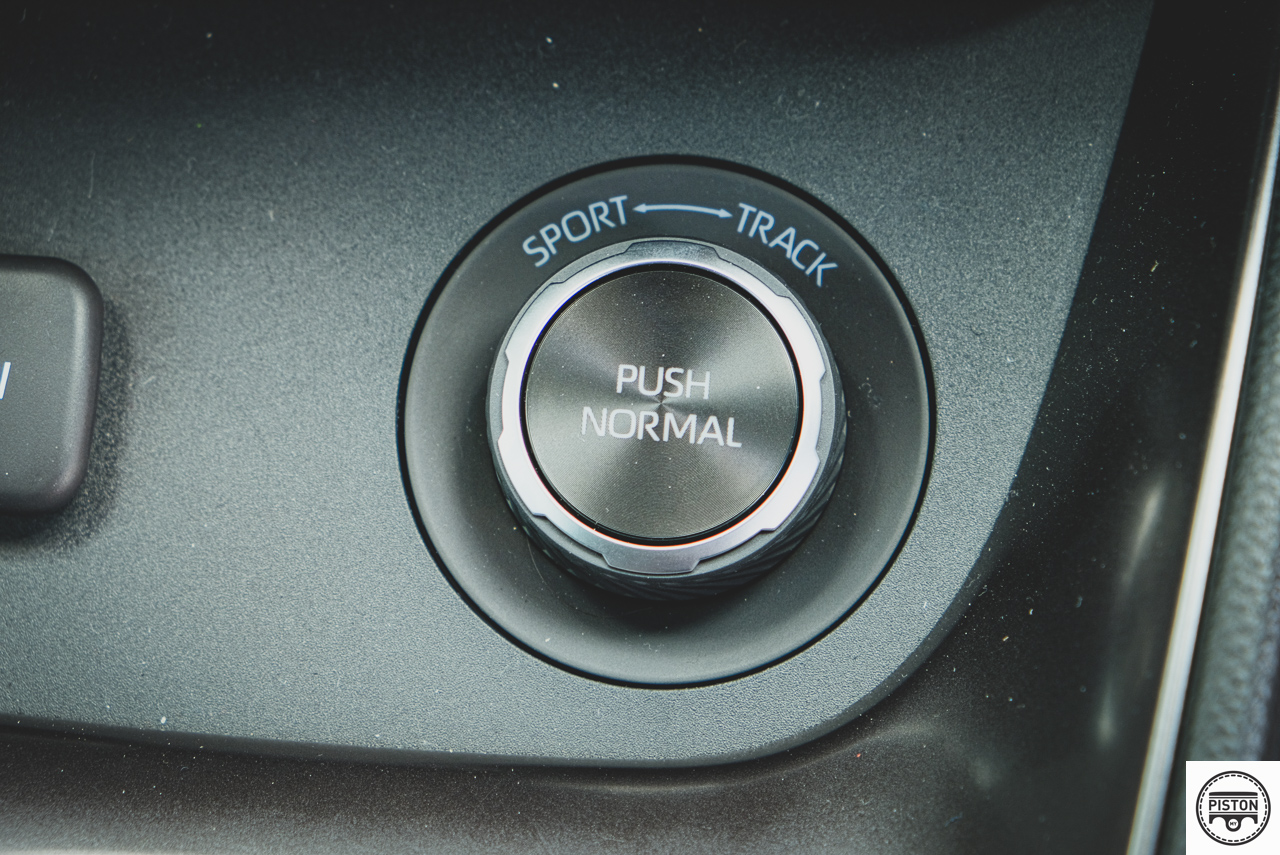
The all-wheel drive system is intelligent, in normal mode, it sends 60% of power to the front wheels, while in track mode it sends 50% of the power to the rear for perfect power distribution, and in sport mode it sends 70% of power to the back wheels, making it a tiny tail happy car.

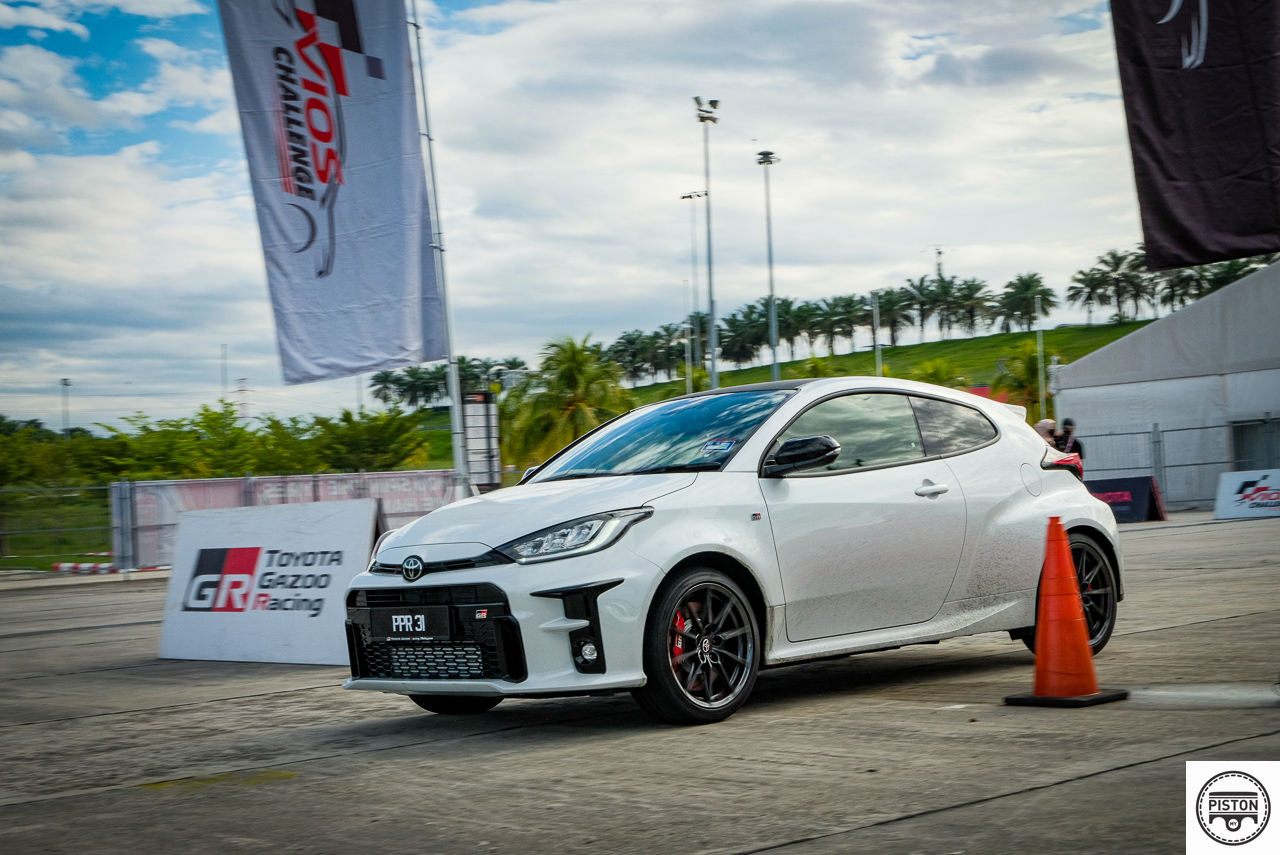
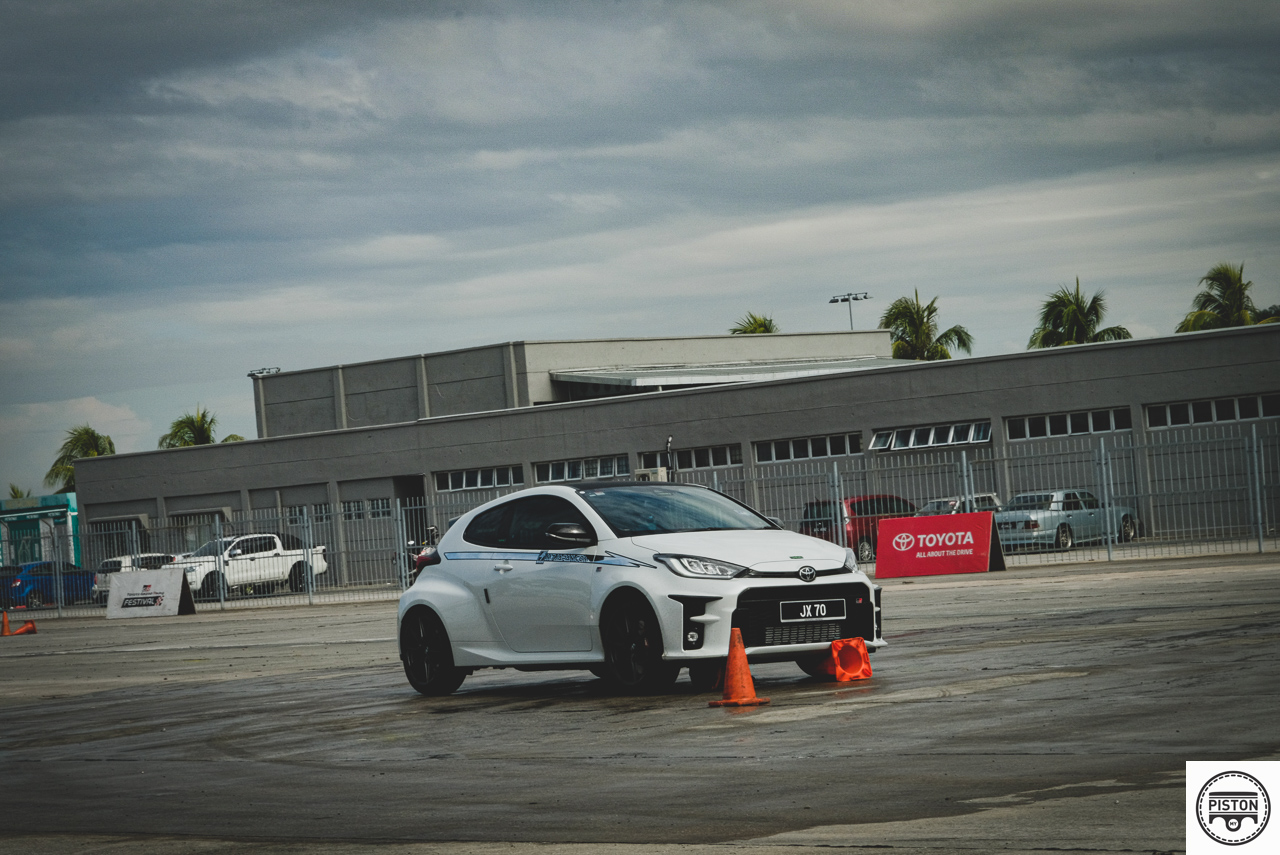
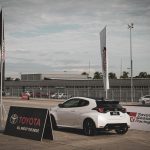
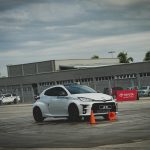
We did get a chance to feel this layout for ourselves, the sport mode around the gymkhana track which was set up to initiate a slide – a 360 degree donut drift, a slalom course then into a high speed gets the tail out if you pull the handbrake hard enough. Onto another slalom then hard on the brakes.

It was in the track mode that really made me realise that there are certain limitations to the car. Brake hard into a slow corner like turns one, four, nine and 15 of the Sepang Circuit and the rear will threaten to break loose. In fast corners especially turns five and six you have to modulate the pedal and even then there is this niggling sensation that the back just wants to break free.

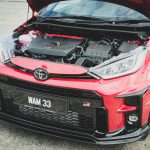
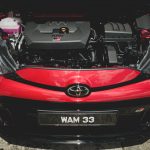
Power is from a three-cylinder, 1.6 turbocharged engine. It puts out 261PS and 360km/h. Get the shifts right and this Yaris will reach 100km/h in just 5.5 seconds. Top speed is rated at 230km/h.

But it is not how much power it puts out, it’s how it feels doing it.

Floor the pedal and there is no roar or scream that follows the acceleration. It is more of a “whoosh” of the turbocharger. Did you really expect a three-cylinder engine to scream?

I am not mocking the engine here. What Toyota has achieved with a three pot engine makes it the most power three-cylinder engine in the world. Ever! Read that sentence again, perhaps then we can truly appreciate the magnificence of this small car.

Then there is the fact this Yaris is in fact a homologation special – meaning that it was bred for racing. Rallying, to be more accurate.

Toyota built 25,000 units of the GR Yaris, because the rules of homologation says a manufacturer needs to build 25,000 units of a model, and it goes on to say that 2,500 of those can be high performance variants as well. Which suggests that rumours around Toyota building a more hardcore version of the GR Yaris may actually be true. Hello GRMN!

There is no doubt that the Toyota GR Yaris is a special car to drive, though it may not look like it to the untrained eye. This is a car that needs to be driven to be appreciated, and those that know, they know.

My biggest gripe with this car? That UMW Toyota Motor is not able to offer more units than the 125 already sold. That more people are not able to enjoy such a fantastic machine. This is a car that could potentially define a generation, a legend like the Golf GTI and the Renault Megane. And unfortunately enthusiasts will have to turn to the grey import market to buy it, robbing them of official Toyota after sales support.

There is also word from friends who have booked the GR Yaris that their bookings are a money making tool now. Some are getting random phone calls offering to buy their booking for double the booking fee paid. Demand is so hot that at the point of writing, the GR Yaris offers better return on investment than any form of investment type, be it properties, gold, petroleum or energy stock.

A great car it is, one of the modern legends, but it remains to be seen how that three-cylinder engine deals with all that abuse.

And if your wife threatens to leave you because you spent a quarter of a million ringgit on a car that looks like a Myvi, tell her that it is a better investment than the jewellery she forced you to buy her. For now at least.

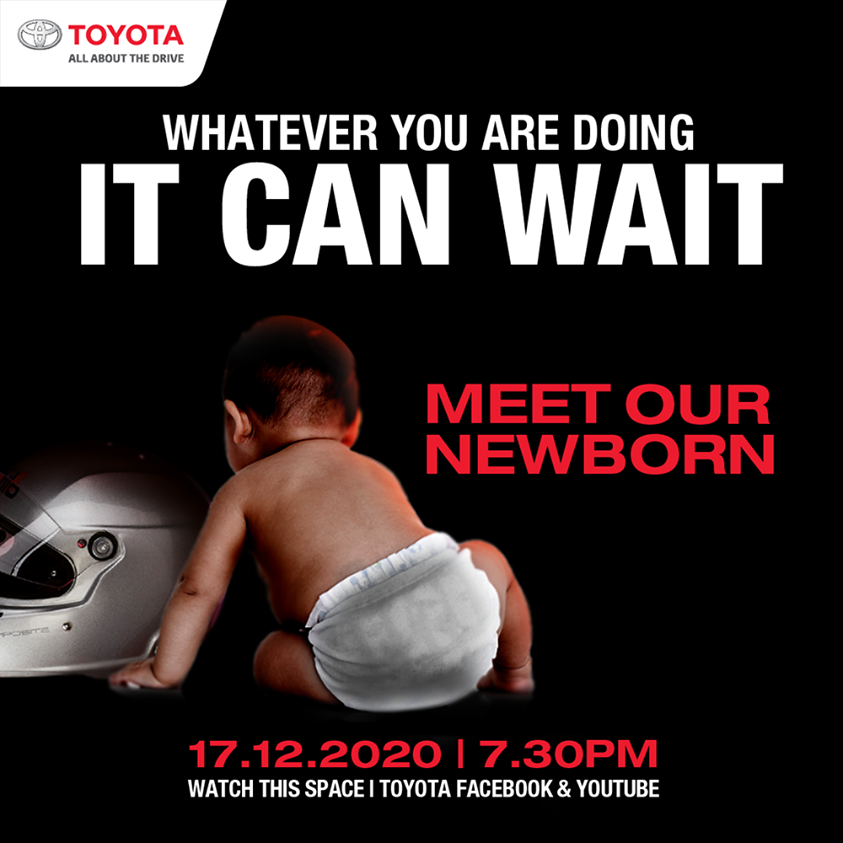
In the past week, you would have noticed an unusual post in your social media feeds which advised you to set aside whatever you planned to do on the evening of December 17. The message was from UMW Toyota Motor (UMWT) which said that they have a surprise to announce.

Well, it is December 17 and if you are curious to know what the exciting news is all about, be at UMW Toyota Motor’s Facebook, YouTube or Instagram pages at 7:30 pm tonight.

“Whatever you’re doing on 17 December 2020 – IT CAN WAIT! We have surprise to share, and let’s just say that there’s a bit of something for everyone to appreciate especially after what has been an incredibly challenging year for Malaysians on all fronts ,” said Ravindran K., President of UMW Toyota Motor.

“In many ways, what will be announced during the online event tonight will be an industry first for Toyota, and will be the foundation to ushering in an exciting 2021,” he hinted.

The company statement has not revealed what will be revealed or announced. Given how the company has been increasingly active in motorsports, it could be something related to motorsports (a new series?). In fact, recent teasers have mentioned ‘a newborn’ so it could even be a new sporty model as a helmet is shown.

Not only has UMWT been having racing events like the one-make Vios Challenge series but it is also providing serious training for a new generation of racers, as the video below shows.

UMWT’s Deputy Chairman, Akio Takeyama, said the brand seeks to ramp up its involvement, activities and programs in an even bigger and meaningful way in 2021. “The full details will be disclosed tonight but suffice to say we are going big!” said Mr. Takeyama, who is also the company’s Chief Motorsports Officer and participates is the Vios Challenge.

“At Toyota, we do not just build cars, we build people. Developing exceptional people is Toyota’s Number 1 priority. Reflecting on the challenges of 2020, I have seen this same spirit being manifested to bring out the best in Malaysians who have demonstrated strength, perseverance and determination in overcoming what has undoubtedly been a very difficult 2020. Now, it is time to move forward!” he said.

Click here for other news and articles about Toyota.

There used to be a time when the Toyota Hilux used to be the first and last word in the world of pick up trucks. Nothing else came close.

Conceived from a time when the world needed hardcore work horses to help with everything from construction sites to moving timber and such, the Hilux made a reputation for itself as a reliable truck that never seemed to give up.

But it was too utilitarian. It served a singular purpose – to work, to complement a worksite and to never give up.

It was far from comfortable, had very little creature comforts save for air-conditioning and radio, and safety equipment was almost non-existent.

Then the market shifted. Suddenly people wanted a pick up truck that looked cool, impressed the office mates and looked in place at the valet parking lot of the hottest club in town.

The mighty Hilux was caught off guard in a territory it once dominated. People no longer wanted a hardcore workhorse alone, but they wanted that workhorse to also come with comfortable suspension, interior comforts for the family, entertainment and yet at the same time unrelenting reliability and the ability to tow a bungalow.

There is no doubt in the world that the Hilux offered Toyota’s renowned reliability and durability in all conditions, but it was caught out in every other category that involved the passengers.

Come the second decade of the 2000s and the Hilux was pinned. Faced with an onslaught of modern pick ups like the Ranger, Navara and the Triton, the Hilux seemed like it only had a couple of things going for it – Toyota’s unrelenting reliability and a reputation for toughness forged over decades of hard work.

But that did not seem like a bad thing, because though the market was shifting towards more urbanised pick up trucks so to speak, the Hilux still sold in the tens of thousands and has always been among the top three best selling pick up trucks. Talk about a grand old reputation.

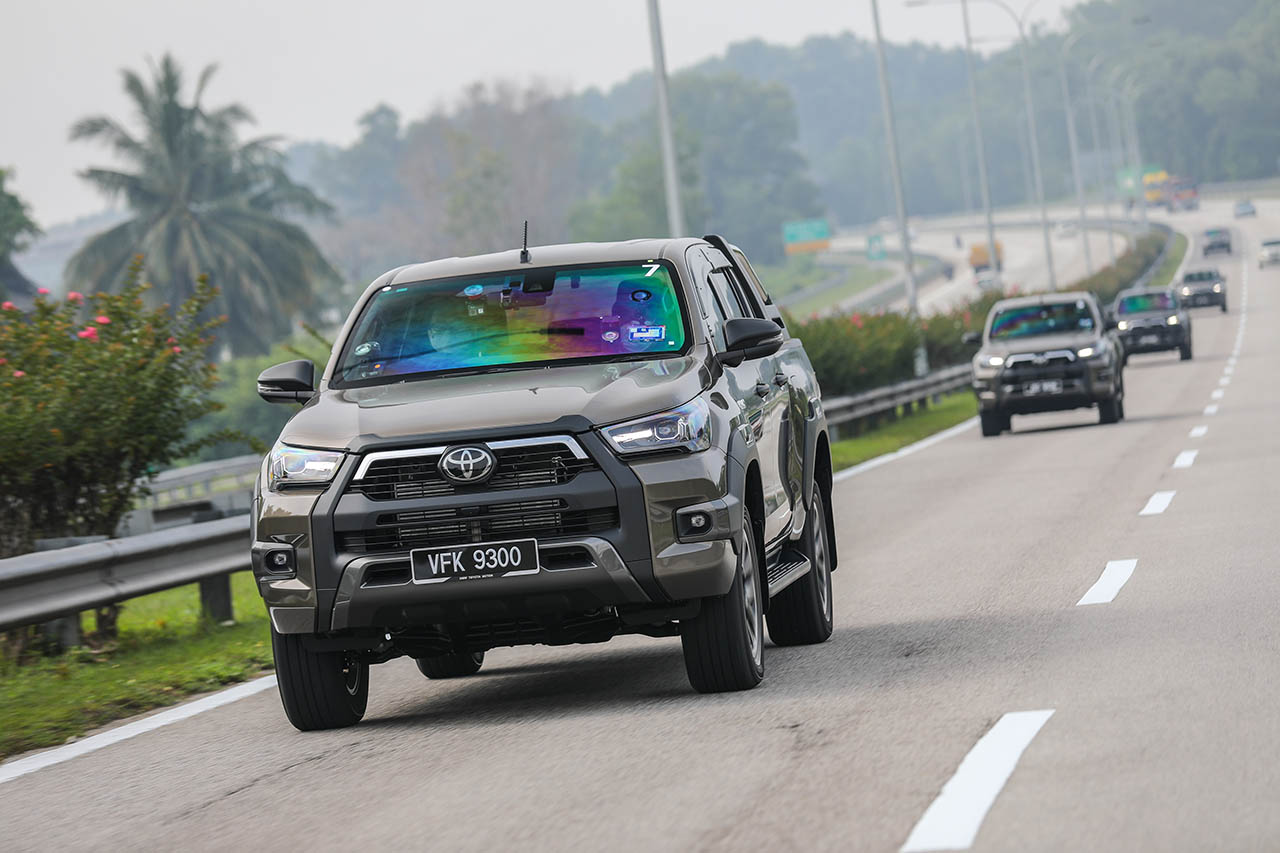
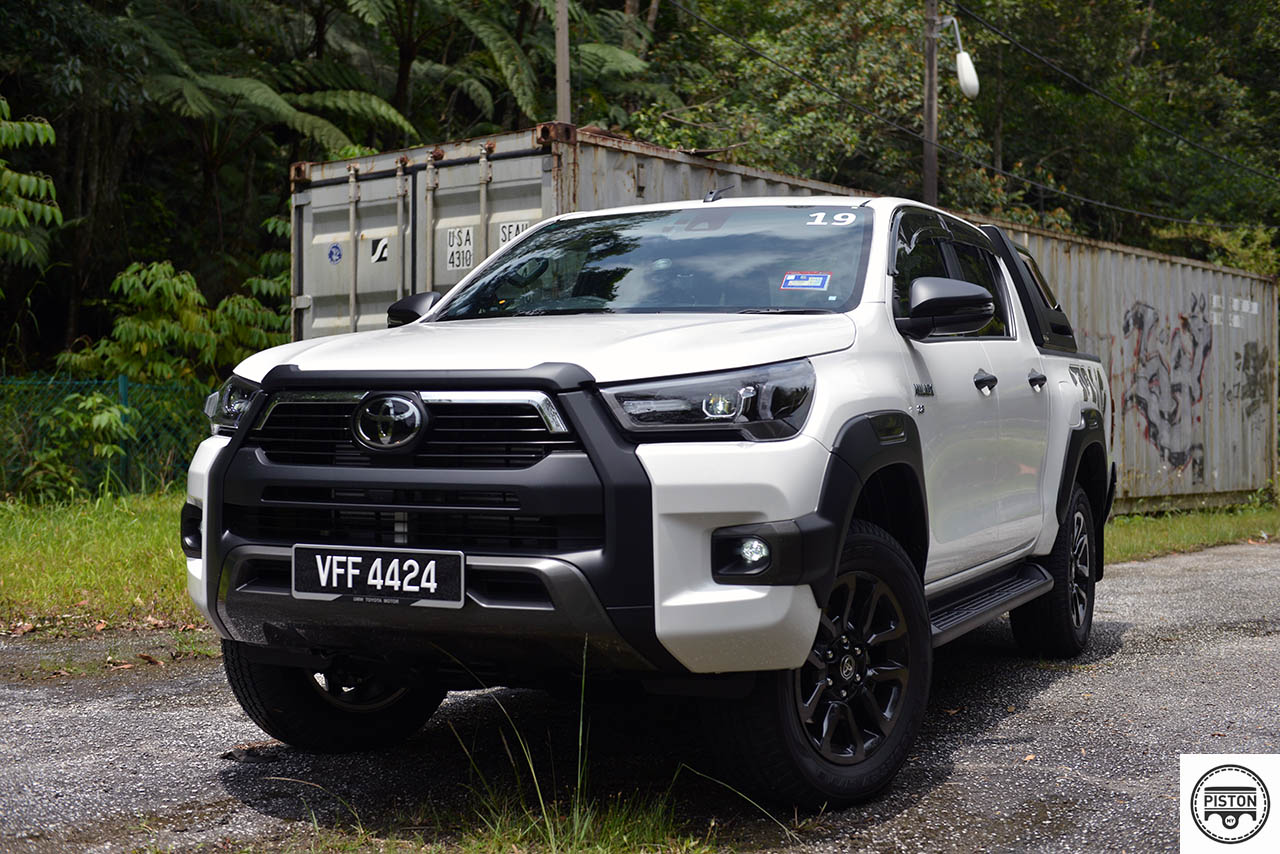
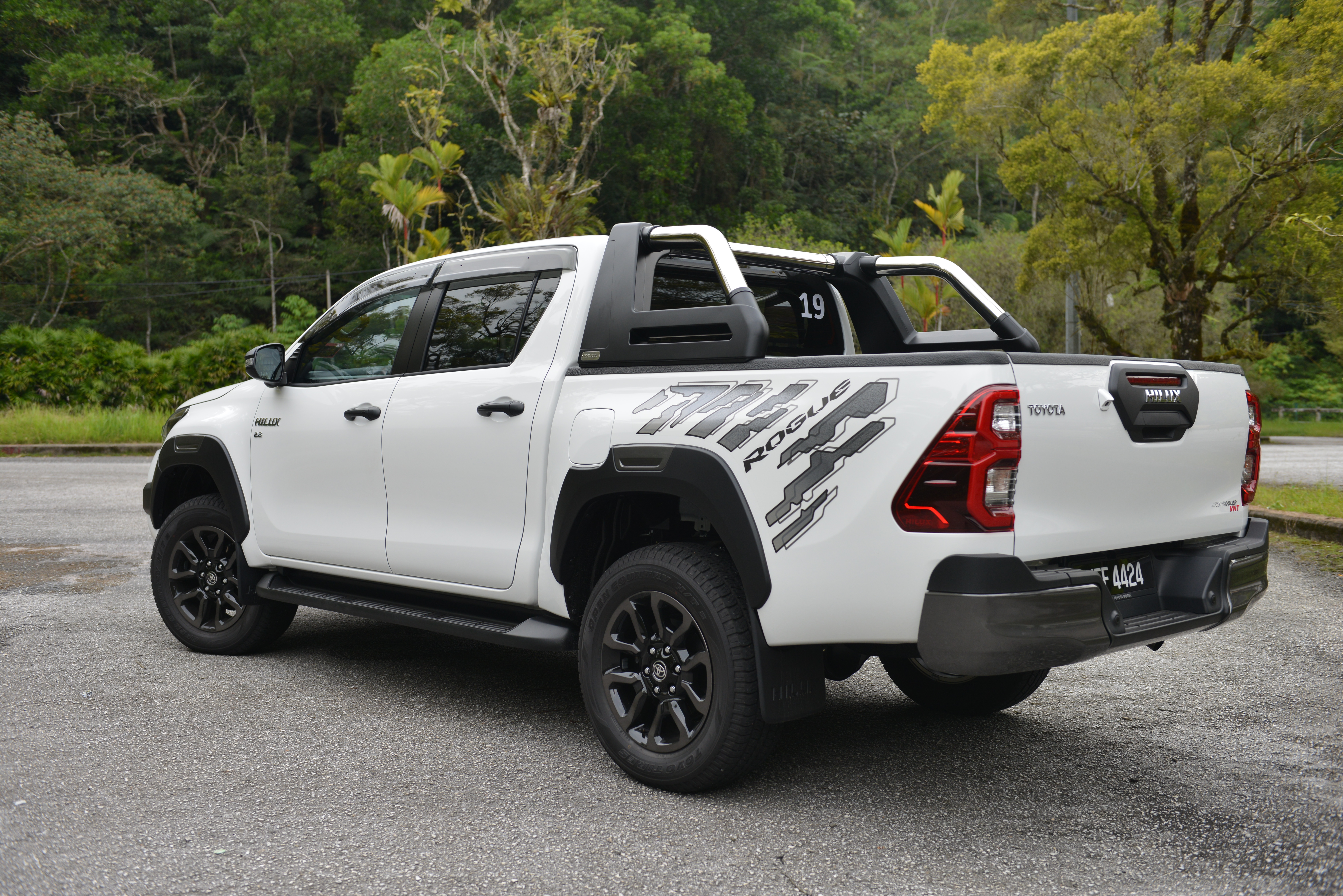
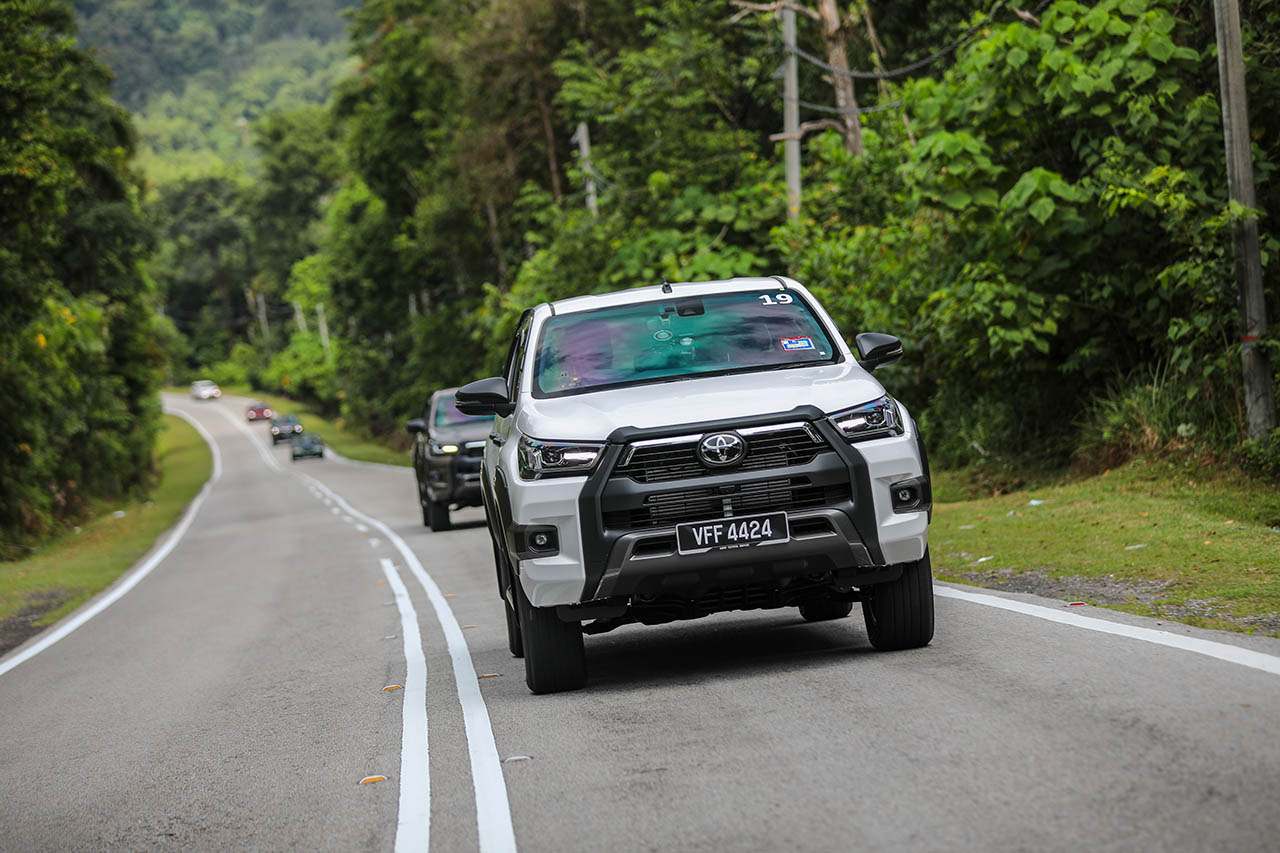
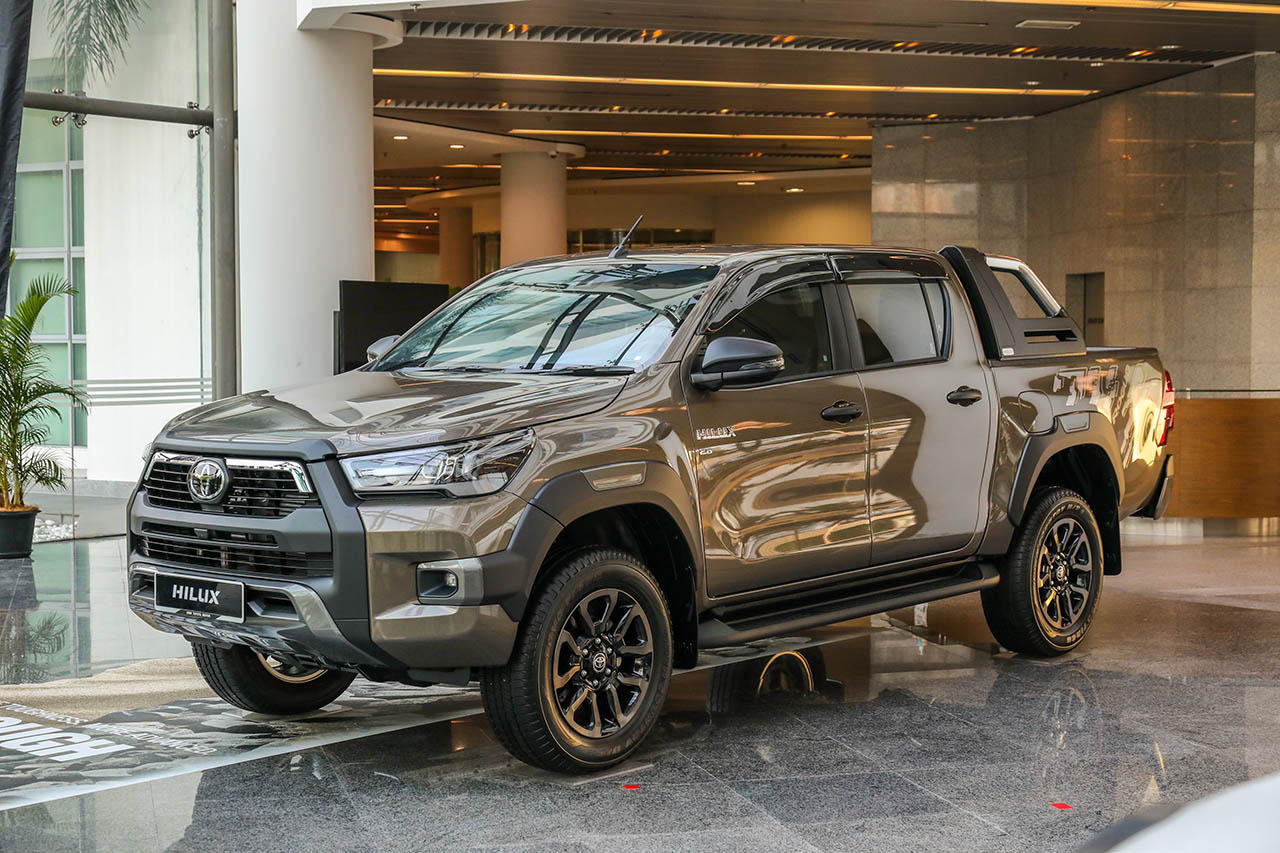
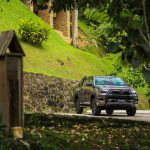
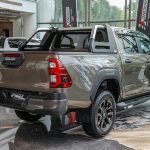
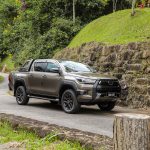
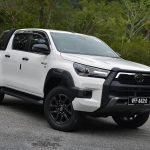
So here we were then, at the introduction and test drive of the latest Toyota Hilux – the Hilux Rogue. A supposedly more urbanised version of the Hilux with creature comforts meant to cuddle and entertain its passengers.

But has the Hilux really softened down to become one of those urban pick ups that do well on tarmac as their owners indulge in car like comforts but are totally hopeless when it comes time to get down and dirty with tough work?

Well, did Arnold Scharzenegger soften up and lose his muscles in his role as a kindergarten teacher in the 80s flick – Kindergarten Cop? No, he did not. Likewise with the Hilux Rogue, it is still as tough as ever and you feel it from the moment you get inside.

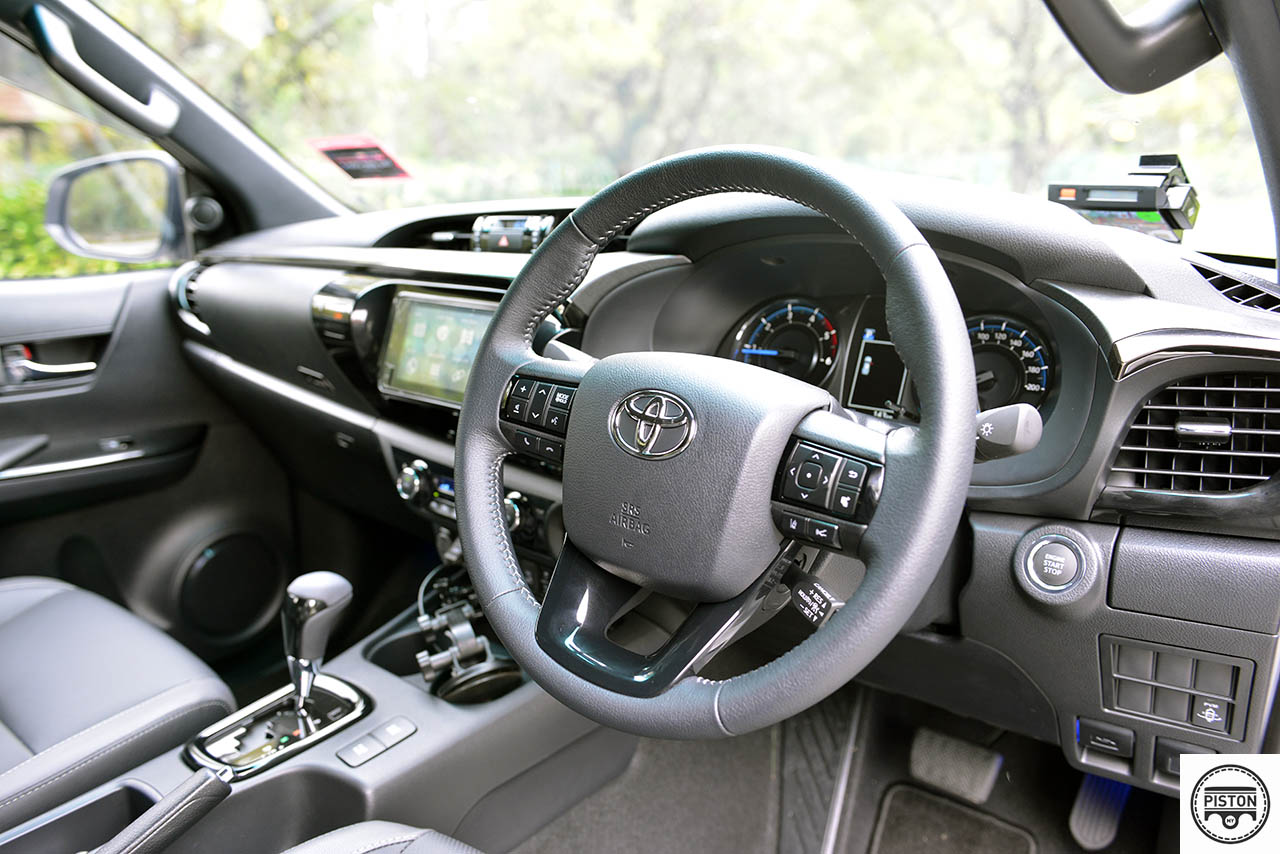
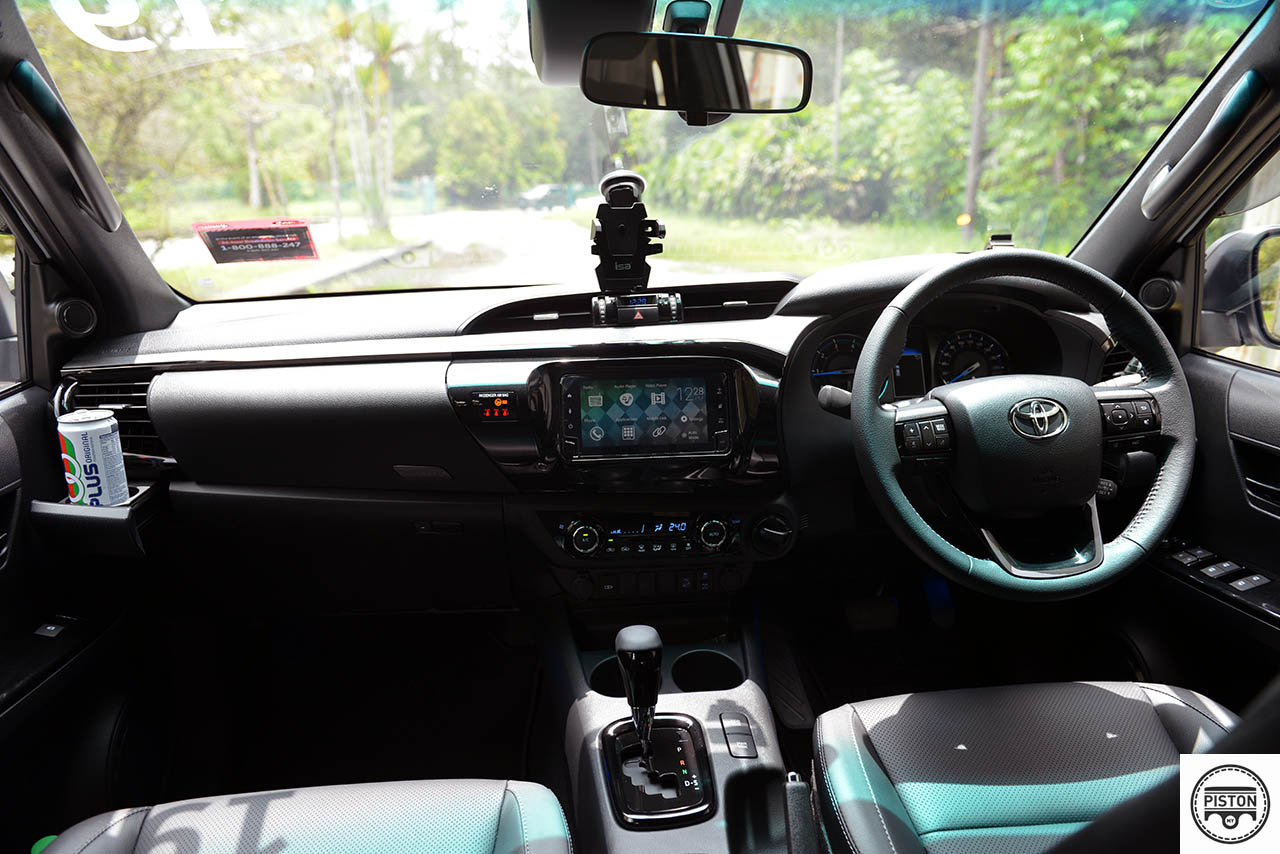
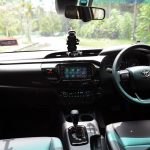
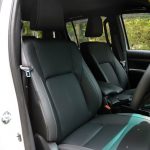
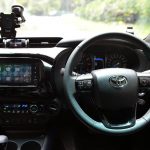
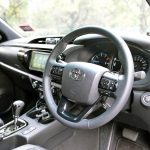
The steering wheel feels like it would survive a nuclear fall out and we simply love the near vertical dash that gives you ample of knee space and adds to the overall macho feel of the interior.

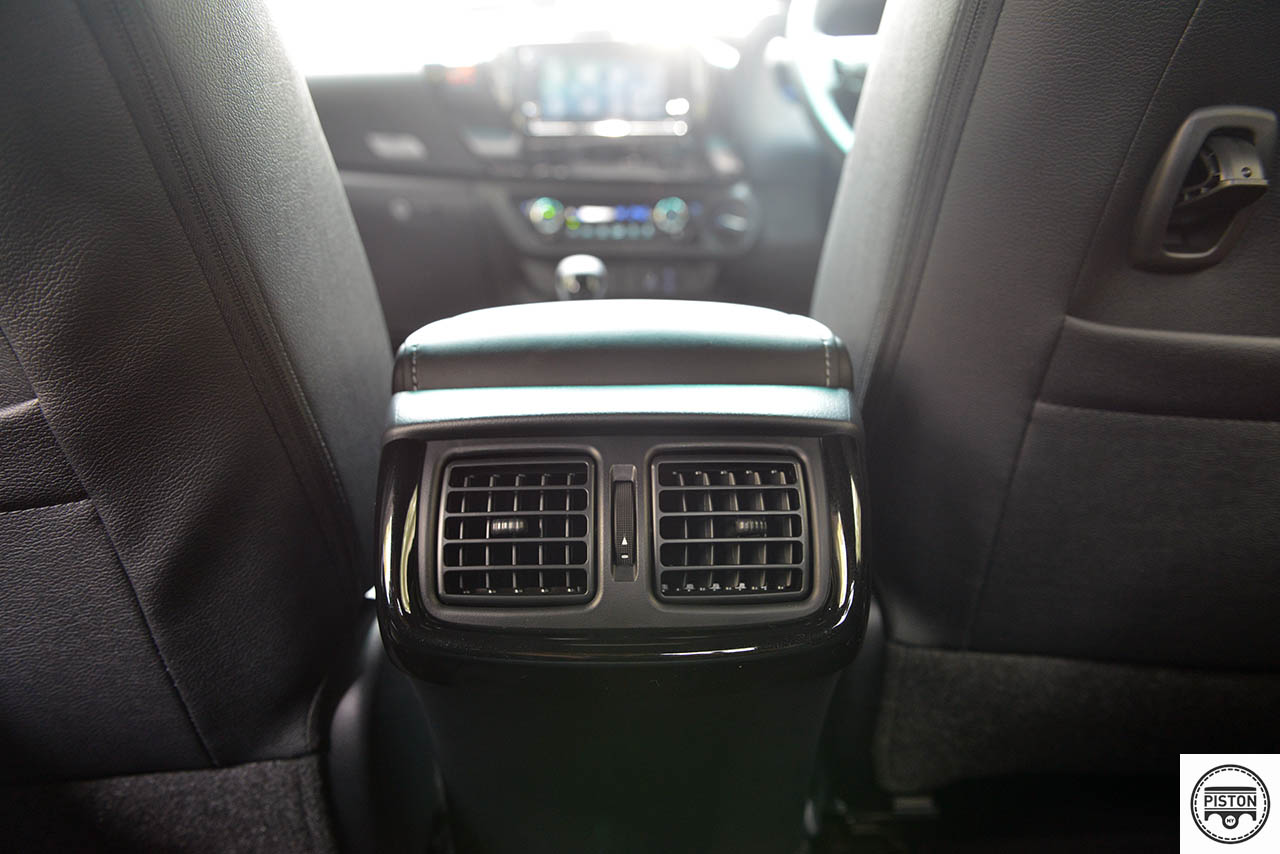
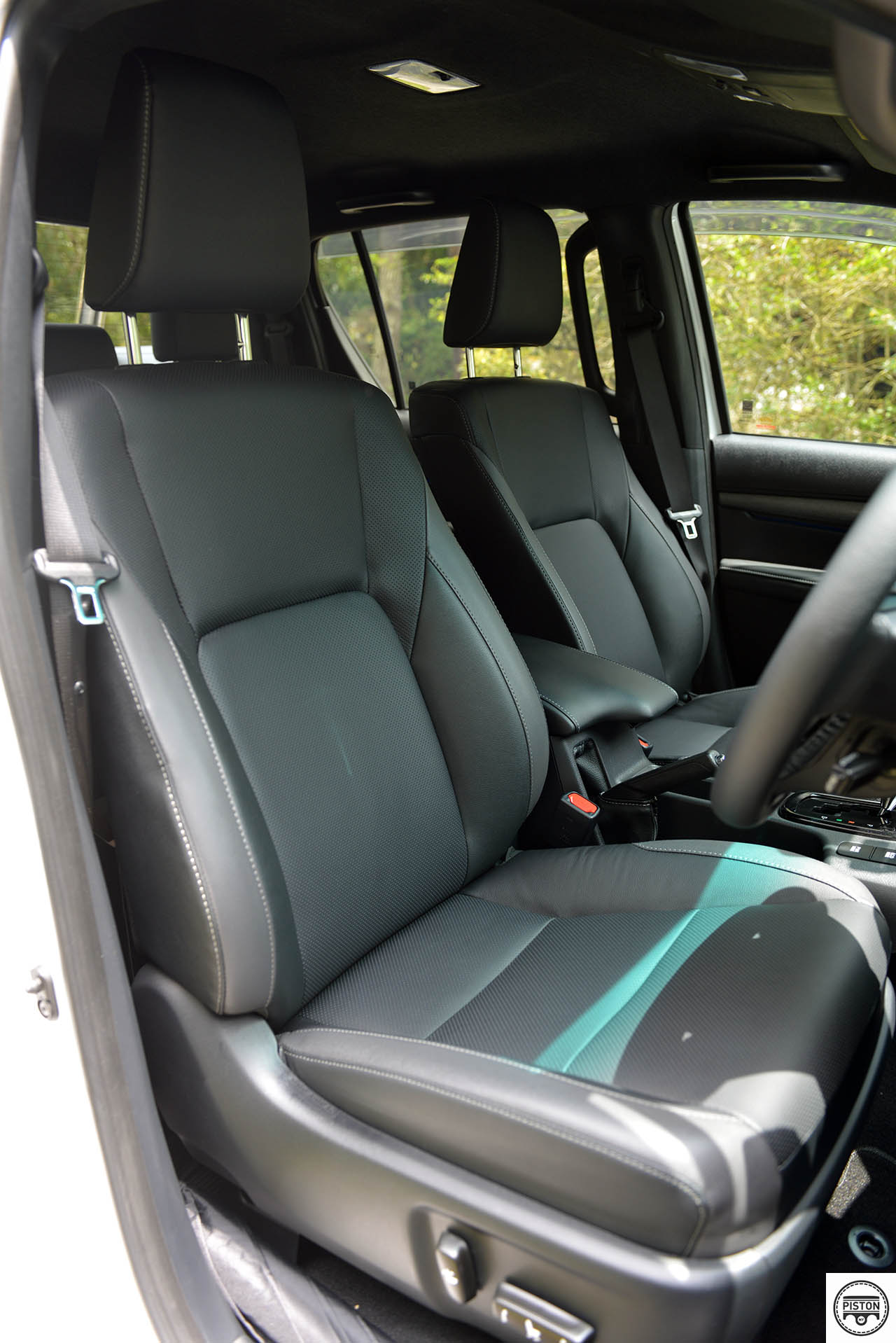
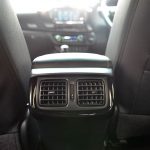
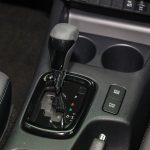
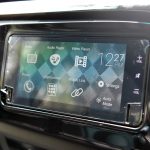
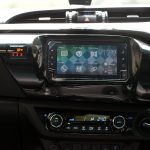
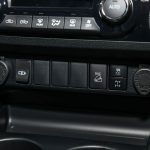
Interior quality is great and the buttons are soft to the touch. On the topic of pampering its passengers, the Hilux Rogue offers automatic air-conditioning, an entertainment system that offers Apple Carplay and Android Auto as standard (a must have in cars these days if you ask us), and even rear air-conditioning vents. Now surely anyone can appreciate that.

But that’s not all for the interior actually, it also comes standard with a Digital Video Recorder so you don’t have to get a third party unit with the cables dangling in your line of sight. And though we didn’t actually see it, Toyota says that the interior of the Hilux now features an illuminated door trim that “elevates the atmosphere within the cabin”.

But it doesn’t end there – the Hilux Rogue also comes loaded with technology designed to make life behind the wheel all the better. This comes in the form of passive safety systems such as Pre-Collision System that alerts you of an obstacle and automatically applies the brakes in case you do not respond.

And then there is the Lane Departure Alert with Yaw Assist that lets you know when you drift out of your lane, gently tugs at the steering wheel to pull you back into your lane, and if all else fails and you still keep straying out of your intended lane, it will apply brake pressure to the two inner wheels as a final effort to keep you from crashing.

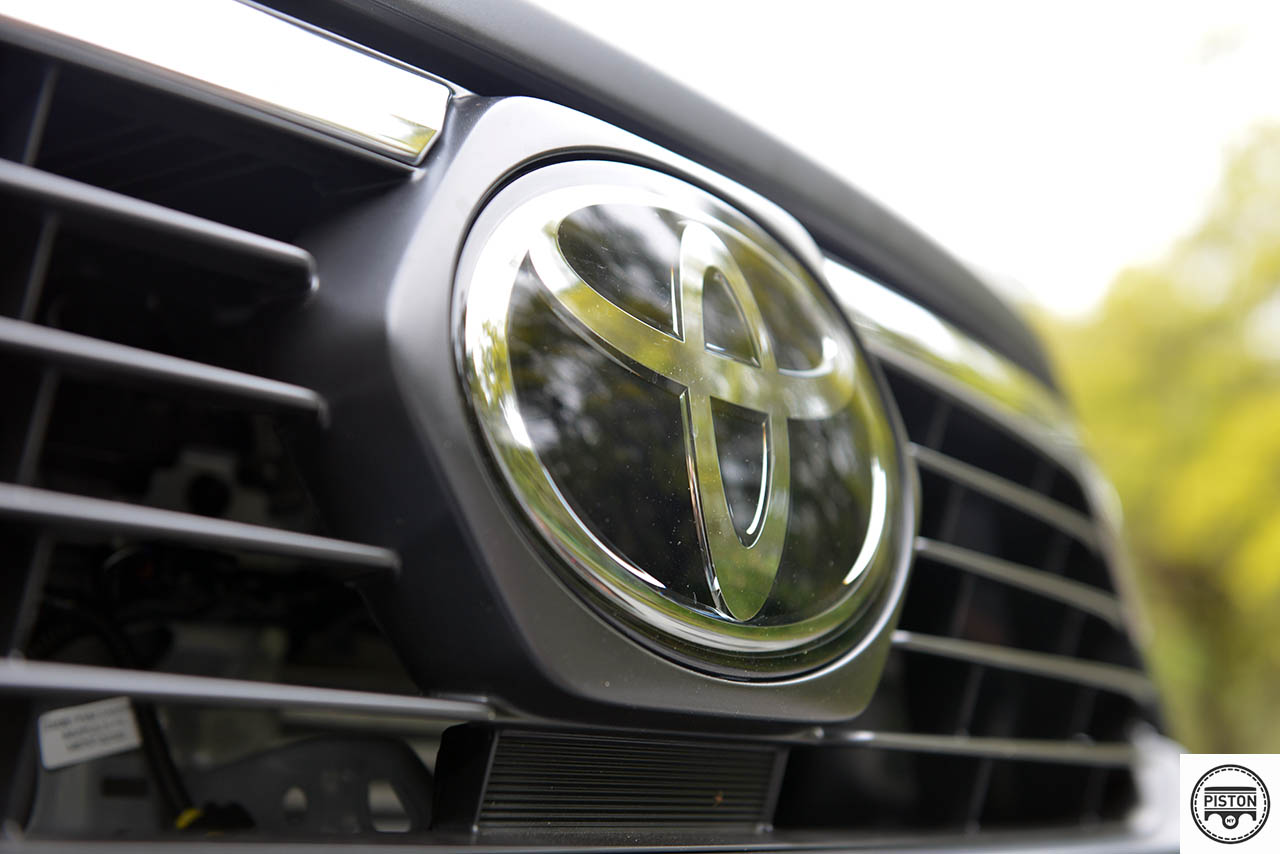
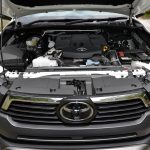
And our favourite feature that truly makes life behind the wheel comfortable is the Dynamic Radar Cruise Control. Simply set your desired cruising speed and let the car do the braking and accelerating, all you have to do is steer. It is even smart enough to accelerate slightly to help you overtake the car in front. The radar mounted into the Toyota emblem in the grille (seen above) will detect obstacles and other cars and will brake the car automatically, and once that gets out of the way the Hilux Rogue will then automatically accelerate again.

Combined, all these systems are called the Toyota Safety Sense. And so far it is only available in the top of the line 2.8 Rogue edition. But expect this to trickle down the model line or to be offered as an option in other variants as well.

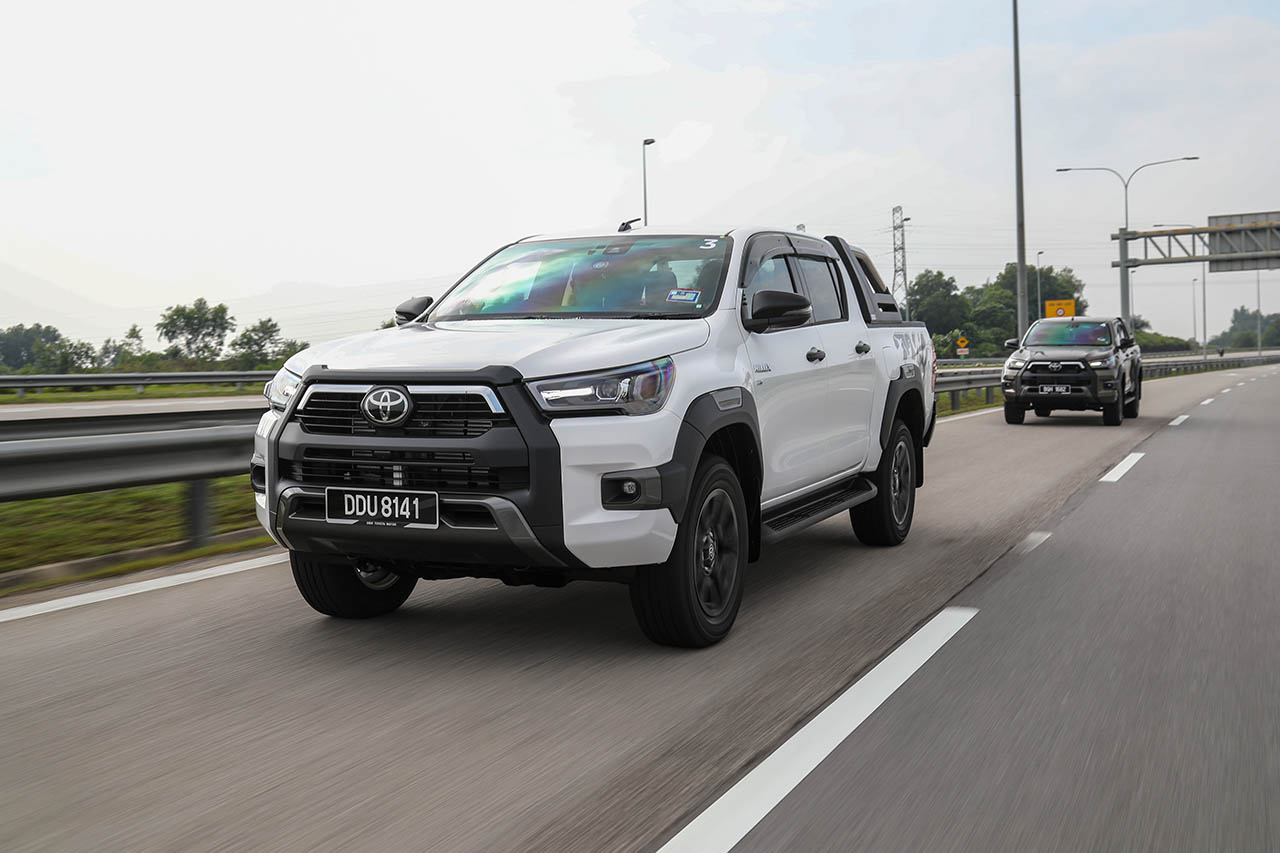
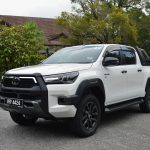
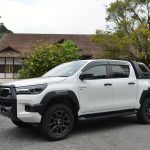
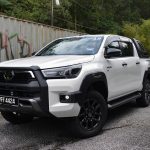
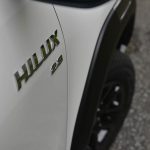
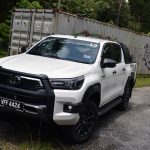
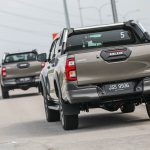
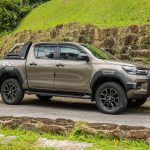
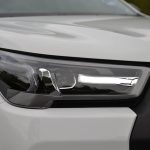
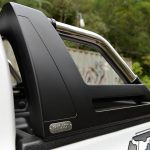
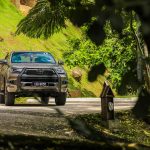
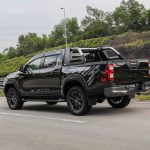
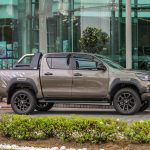
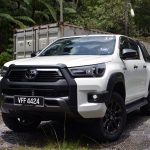
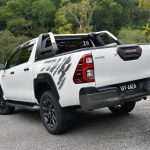
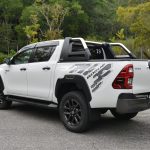
Outside the Hilux Rogue takes on a love it or hate it design. The overall design is still typical Hilux, there is no mistaking it for anything but, and the new LED headlights look fantastic with the Daytime Running Lights. But from a personal point of view, the blacked out body kit that starts from the grille and loops over the wheel arches looks a little cheapish – as if the paint shop had forgotten to paint it. But if ruggedness and machoism is the name of your game, then the Rogue body kit should appeal to you.

BHPetrol Euro5 Diesel

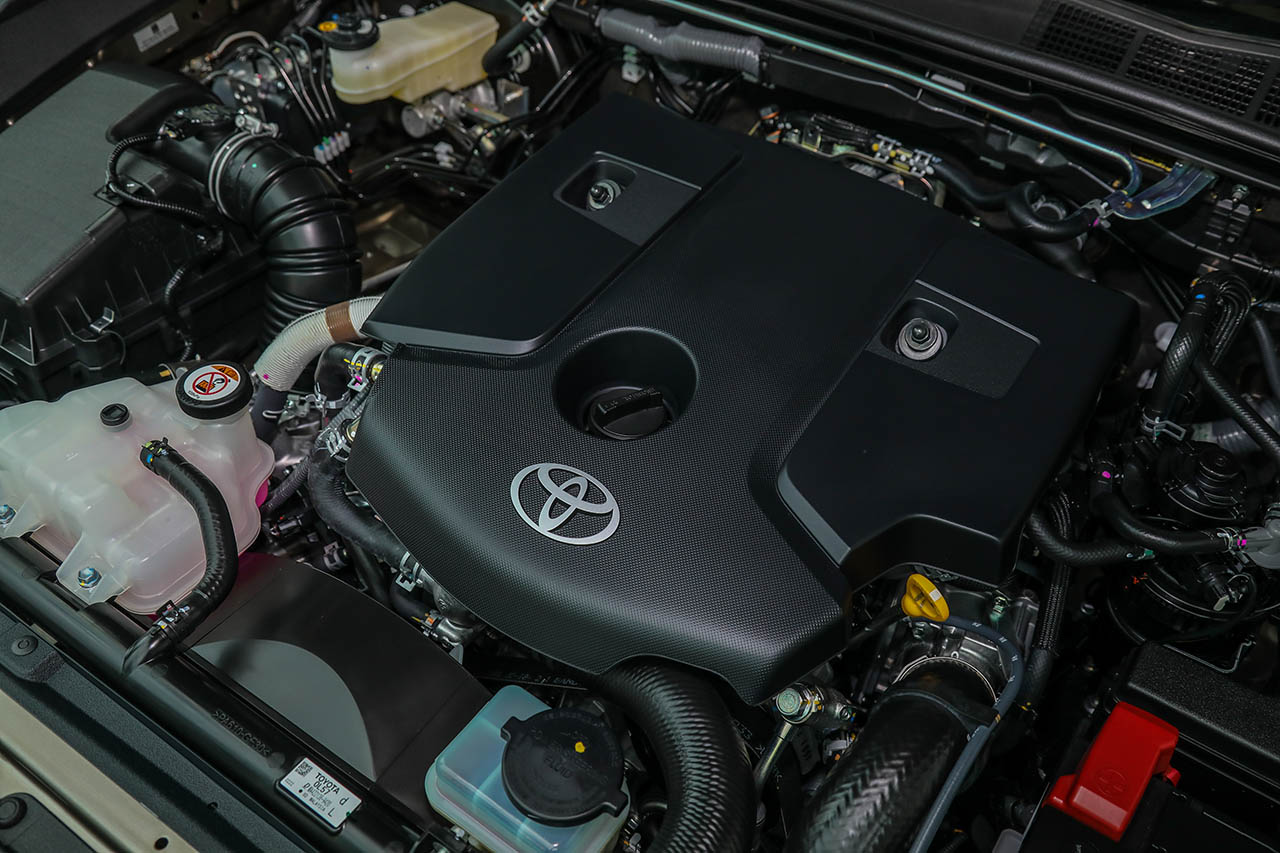
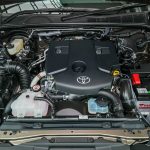
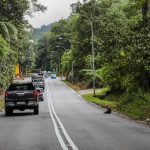
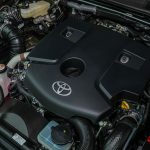
Driving the Hilux Rogue is still a mundane affair – a character typical of pick up trucks, save for perhaps a Tundra TRD, F-150 Raptor or a Dodge Ram SRT-10. Power is of course available in abundance thanks to an improved 2.8-litre turbocharged engine that puts out 204hp and 500Nm of torque. Despite that fuel economy has also improved by 4%, something we will testify to after driving from Shah Alam to Rawang and up to Janda Baik via Ulu Yam and then to Goh Tong Jaya and back to Shah Alam. The damage? Just a quarter tank of fuel, which is quite impressive considering stop start traffic, uphill climbs and lots of acceleration.

As for handling, Toyota has updated the Hilux with something called a Variable Flow Control Power Steering, this makes the steering speed sensitive – light at low speeds, and heavier at high speeds. But interestingly it is not an electronic steering rack, it is still hydraulic. Which is not a bad thing because a hydraulic rack requires fewer sensors, which means there is a lesser chance of failure.

In the product brochure of the new Hilux Rogue, Toyota says that the suspension has been improved and now offers a more comfortable ride. But as a first impression, we found that the suspension still picks up on the slightest unevenness, bumps and even hops and skips over rumble strips rather than absorbing them.

Now this is also typical of a pick up as it comes with all pick-up trucks (except for the Nissan Navara) come with independent suspension up front with leaf springs at the back. This is normal because pick-ups are designed to carry loads rather than offer a plush ride, absorbing bumps and such. The direct consequence of which is a somewhat stiff ride, which is a character of the new Hilux Rogue.

But what the Hilux Rogue does have though is an impressively quiet interior, it is not as quiet as the interior of a Ranger Wildtrak (which uses Anti-Noise Cancellation technology to cancel out ambient sounds), but it is still quite good, almost like the interior of early 2000 continental cars. Well done to Toyota for that.

All in all, the new Toyota Hilux Rogue is a mighty impressive machine. It is still not as urban centric as some of its competitors but it is fast catching up. And you can always rely on a Hilux to never fail you in any situation. It still comes with the usual array of off-roading gizmos like Downhill-Assist Control and an Automatic Limited-slip Differential, so you can trust that it will always deliver in any situation.

If there ever was an award for the most hard working and most reliable pick-up truck to ever grace the earth – the Hilux would win it hands down. And if ever the call came for this writer to suddenly drive to the end of the world, the Toyota Hilux would be the vehicle of choice, each and every time.

The new Toyota Hilux Rogue is now available for RM146,880, but if you go to a Toyota showroom as soon as you’re done reading this, Toyota will give you a RM2,000 early-bird discount. It also comes with a 5-year warranty.

Click here for the New Toyota Hilux pricelist for all Malaysian regions.

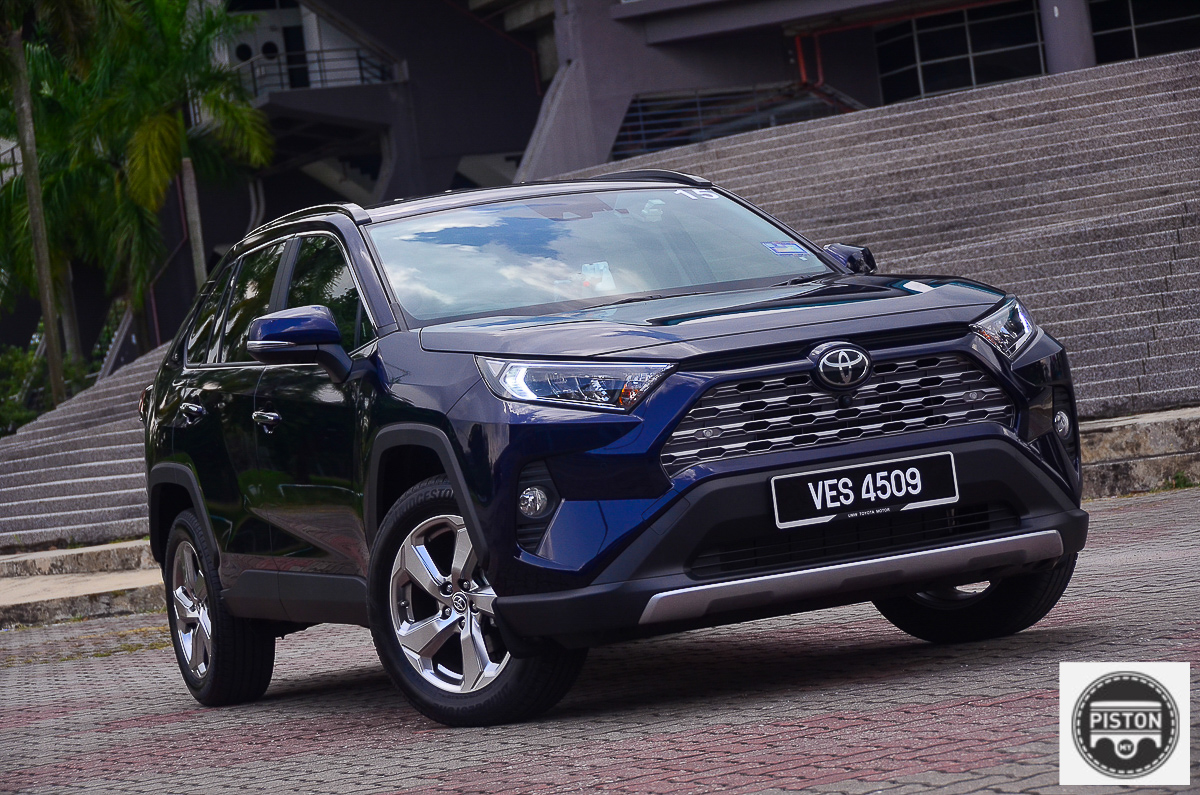
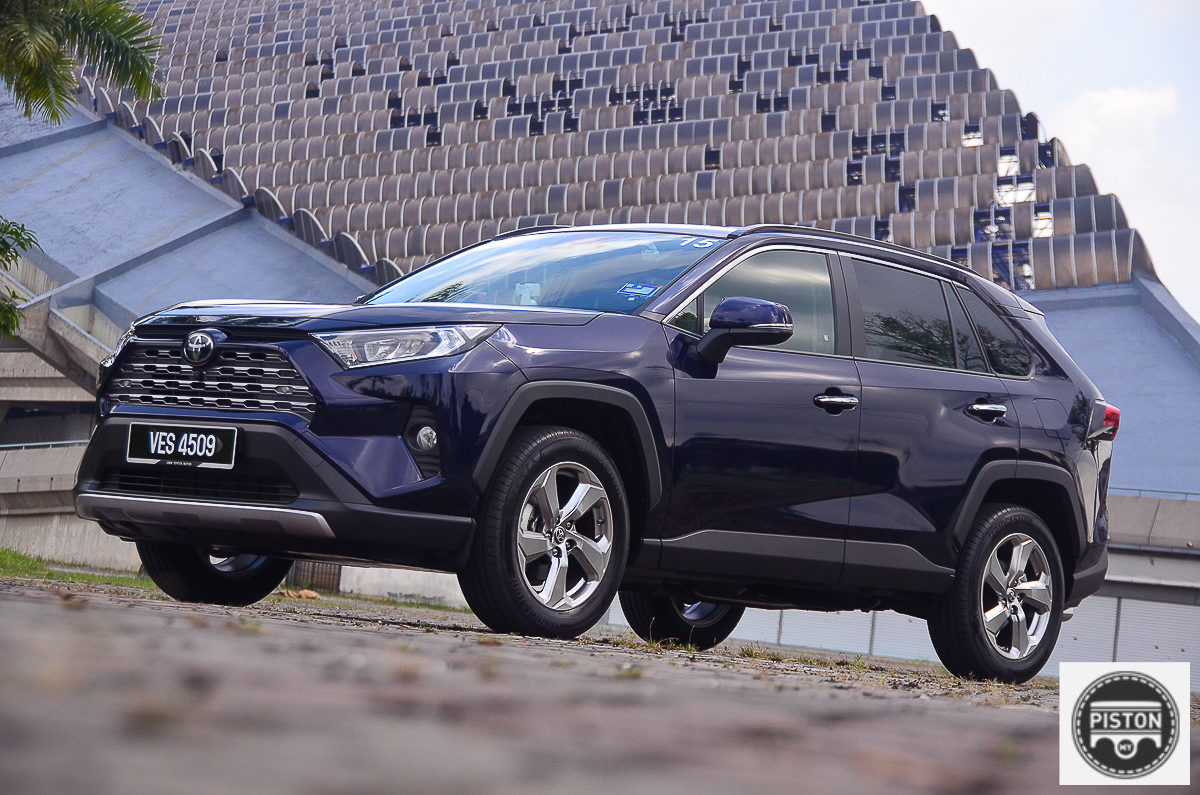
UMW Toyota Motor has just unveiled their latest model for the Malaysian market, the 2020 Toyota RAV4. The fifth-generation model has seen a lot of excitement built up in the past few weeks prior to the launch and now, the Toyota RAV4 is bigger and better than ever before.

We were given the opportunity to test out the 2.5-litre variant yesterday during a very well-organised media drive (with social distancing and hygiene being their number one priority due to the COVID-19 pandemic) and we had a few hours of fun driving around in the SUV. (more…)

Archive

Follow us on Facebook

Follow us on YouTube