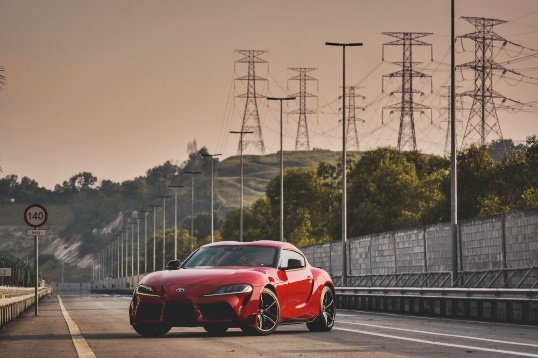
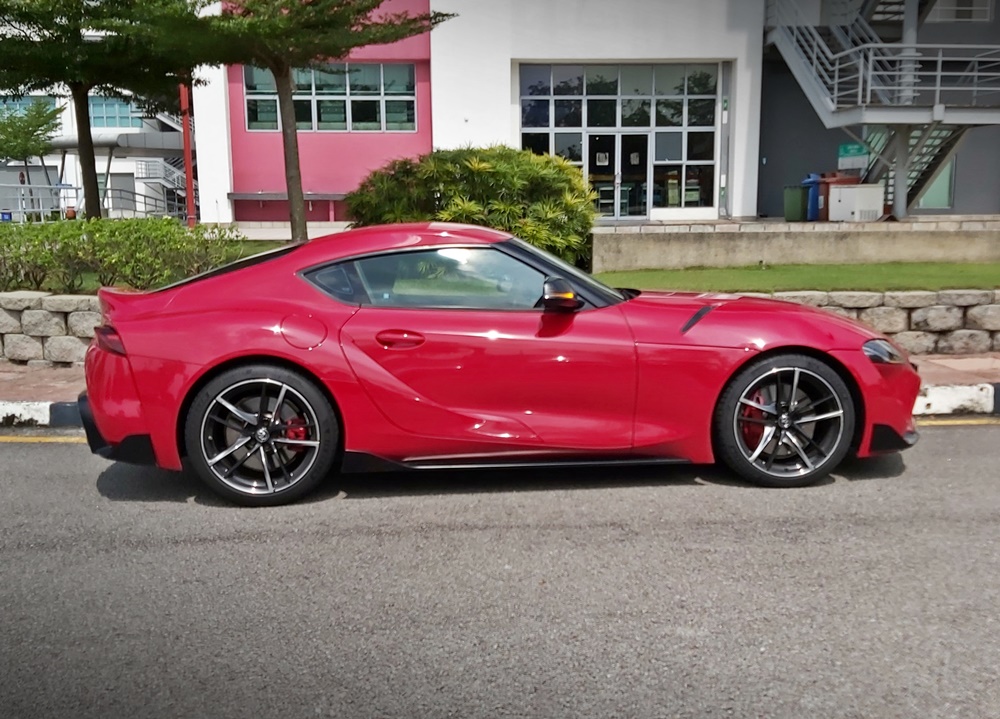
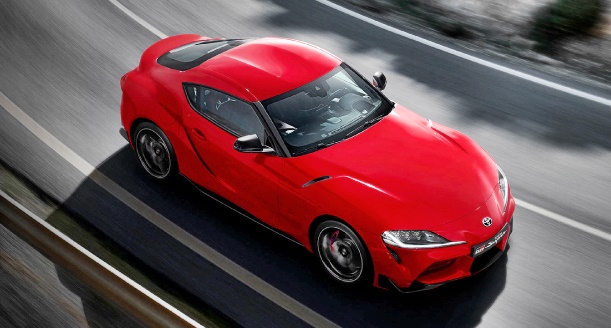
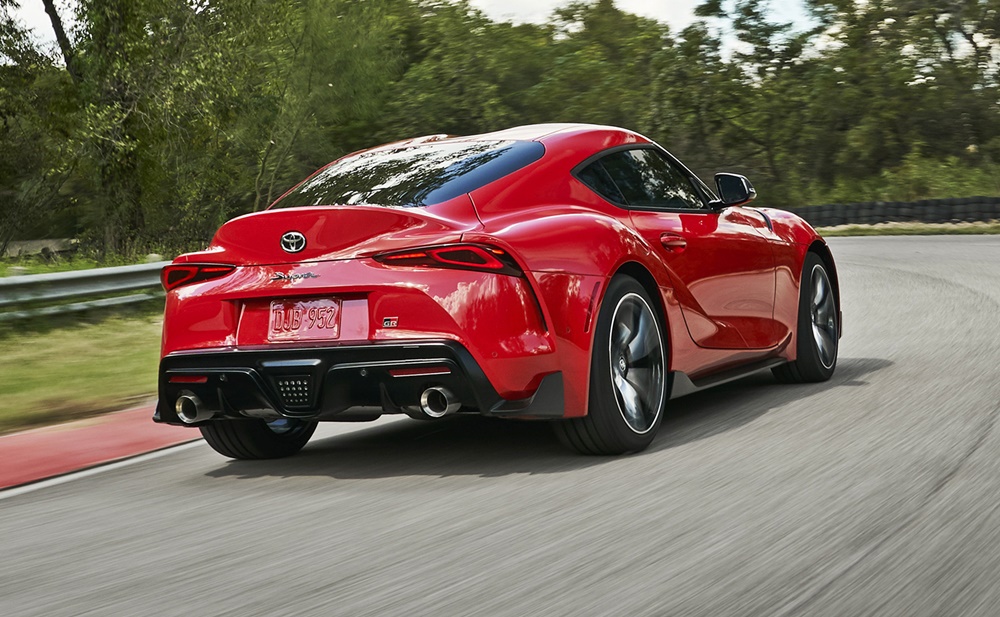
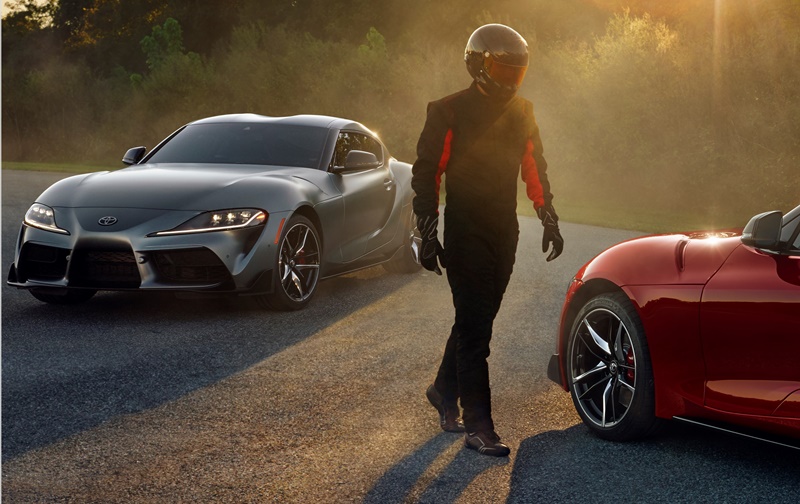
The latest Toyota GR Supra imported by UMW Toyota Motor has refinements and upgrades as part of the second update for the sportscar following a performance upgrade in July 2020 (the model was launched in Malaysia in September 2019).
The updates are available in the 3-litre variant priced from RM589,987 (excluding insurance and with 50% sales tax exemption until December 31, 2021). Seven colour choices are available – White Metallic, Silver Metallic, Ice Grey Metallic, Black Metallic, Prominence Red, Lightning Yellow and Matte Storme Grey Metallic.
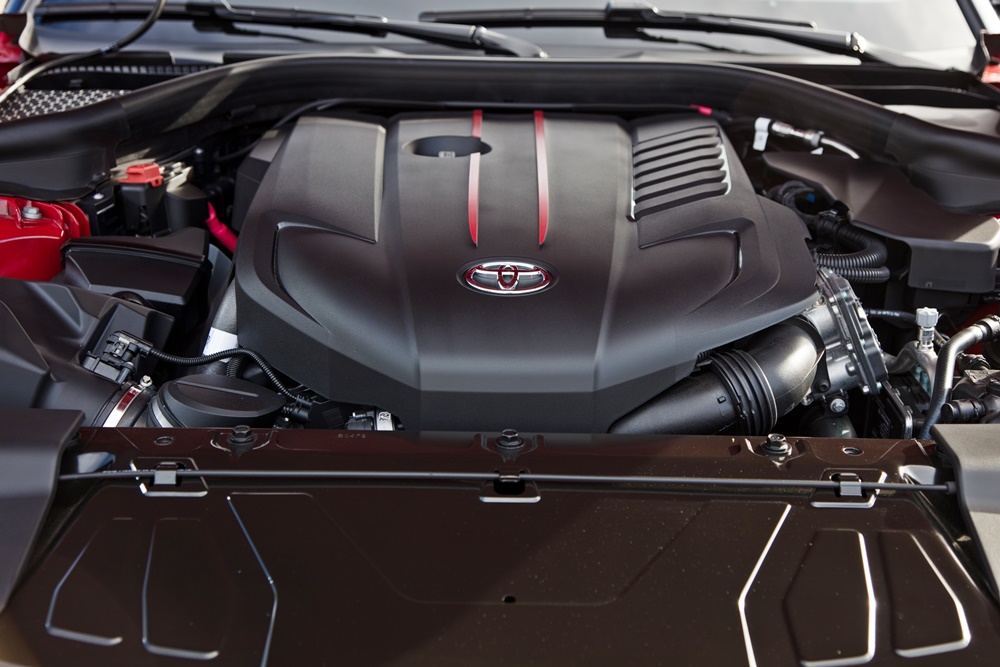
The performance upgrade centered on the turbocharged inline-six engine which now delivers 388 ps (a 14% increase) with torque remains at 500 Nm but and 100% is available between 1,800 and 5,000 rpm. The performance improvement comes from tuning as well as adding a new dual-branch exhaust manifold with 6 ports (instead of two), which improves heat management. A new piston design also drops the engine’s compression ratio from 11:1 to 10.2:1.
With increased power output, the GR Supra (equipped with an 8-speed automatic transmission) is claimed to be able to accelerate from 0 to 100 km/h in 4.1 seconds, marginally quicker than the previous 4.3 seconds.
The extra measure of performance available can be enjoyed fully with the chassis being further tuned and the addition of a Performance Rod to increase lateral rigidity and greater cornering stability.
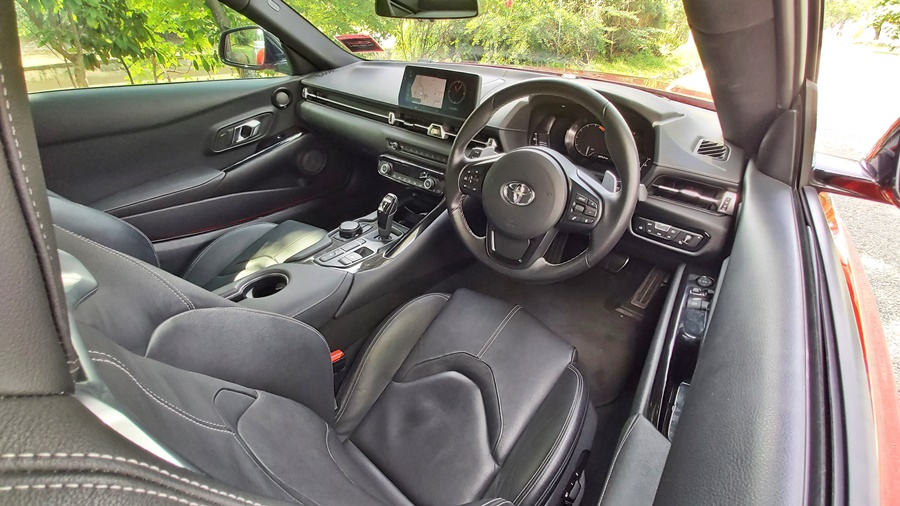
Inside the improved GR Supra, there is now Apple CarPlay (wired) for easy connectivity with iOS devices. Management of many functions and features can be done via an 8.8-inch touchscreen with a touchpad. A GPS navigation system is included and for high-quality sound, the standard JBL HiFi Surround Sound System comes with 12 speakers optimally positioned around the cabin.
Safety is always a priority and even more important with high-performance models like the GR Supra. Toyota provides safety technologies in the GR Supra so that drivers can take the car safely to its high limits. These technologies include a variety of active systems which work together to assist the driver when necessary.
“The design and engineering parameters of the GR Supra from the onset placed great importance on performance, driving superiority and styling, elements that defined not only the heritage of the Supra but also represent the very the foundation of GAZOO Racing (GR). Having said this, GR models are built to continually evolve, not only enhancing on these three key parameters, but to also incorporate Connected Mobility and intelligent driving systems as these new advancements become available and can further enhance our customers’ overall driving and ownership experience,” said GAZOO Racing Malaysia’s Chief Motorsport Officer, Akio Takeyama.
The GR Supra is imported from Austria where it is manufactured for global sale. In Malaysia, it is available for booking from selected authorized dealers with Toyota GR Garage showrooms. To locate a dealer, visit www.toyota.com.my.
After over two months of closure, the local auto industry is relieved that operations at all its facilities, including assembly plants, can resume. As the summary of new vehicle sales showed, the Total Industry Volume for the months of June and July were at rock bottom, and for August, there remain only two weeks in the month to do business.
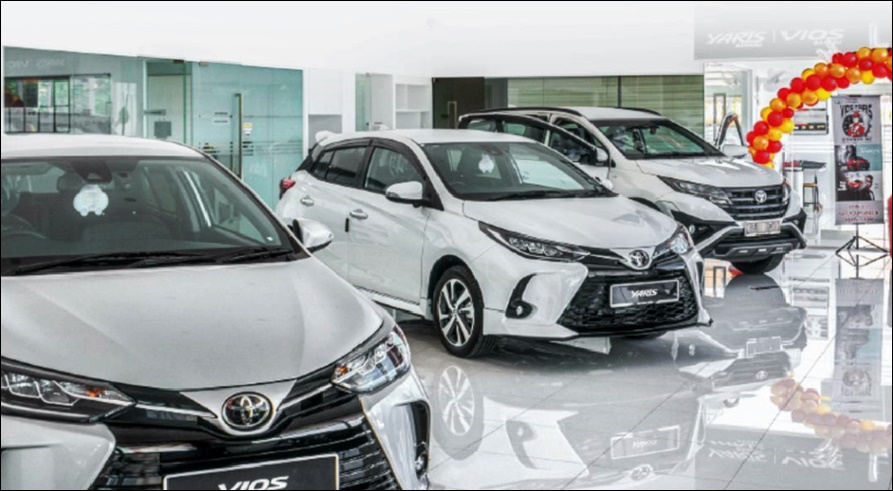
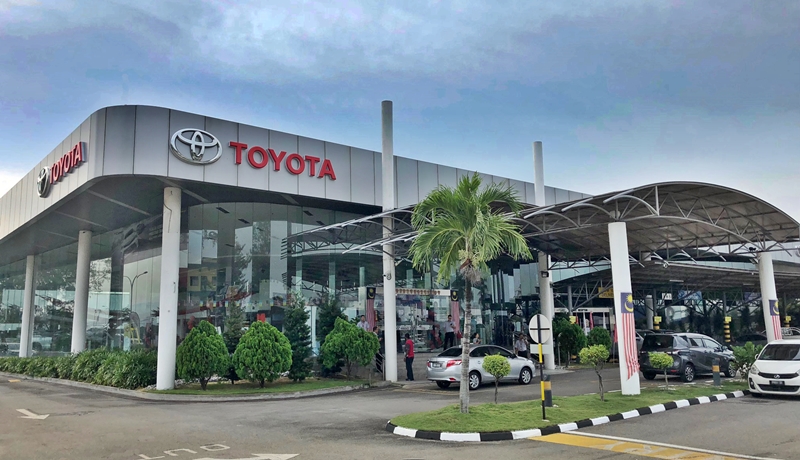
Nevertheless, it is good news that showrooms can open again, and customers can visit them to make purchases. Besides serving customers, the showrooms will also be rushing to register and deliver new vehicles to customers, while plants will also be trying to meet the backlog of orders.
“Resuming our business activities, especially at Toyota and Lexus retail outlets, will enable a return to some form of normalcy so we can move forward and do our part to help in the economic recovery of the country,” said Ravindran K., President of UMW Toyota Motor.
Strict adherence to SOPs
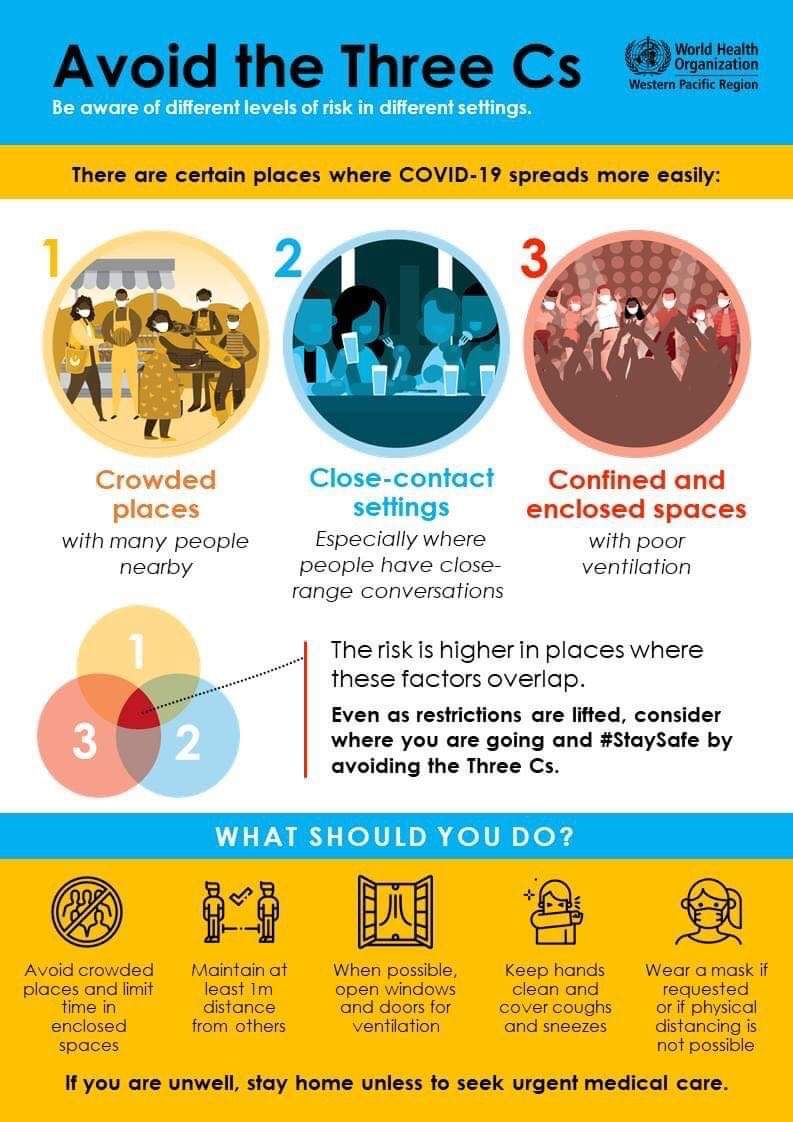
He said that the company understands the seriousness of preventing the spread of COVID-19 and will follow all the Standard Operating Procedures (SOPs), conditions and guidelines provided by the Health Ministry and the National Security Council. These will be implemented throughout the company and will be strictly followed to ensure the safety of the public as well as its employees.
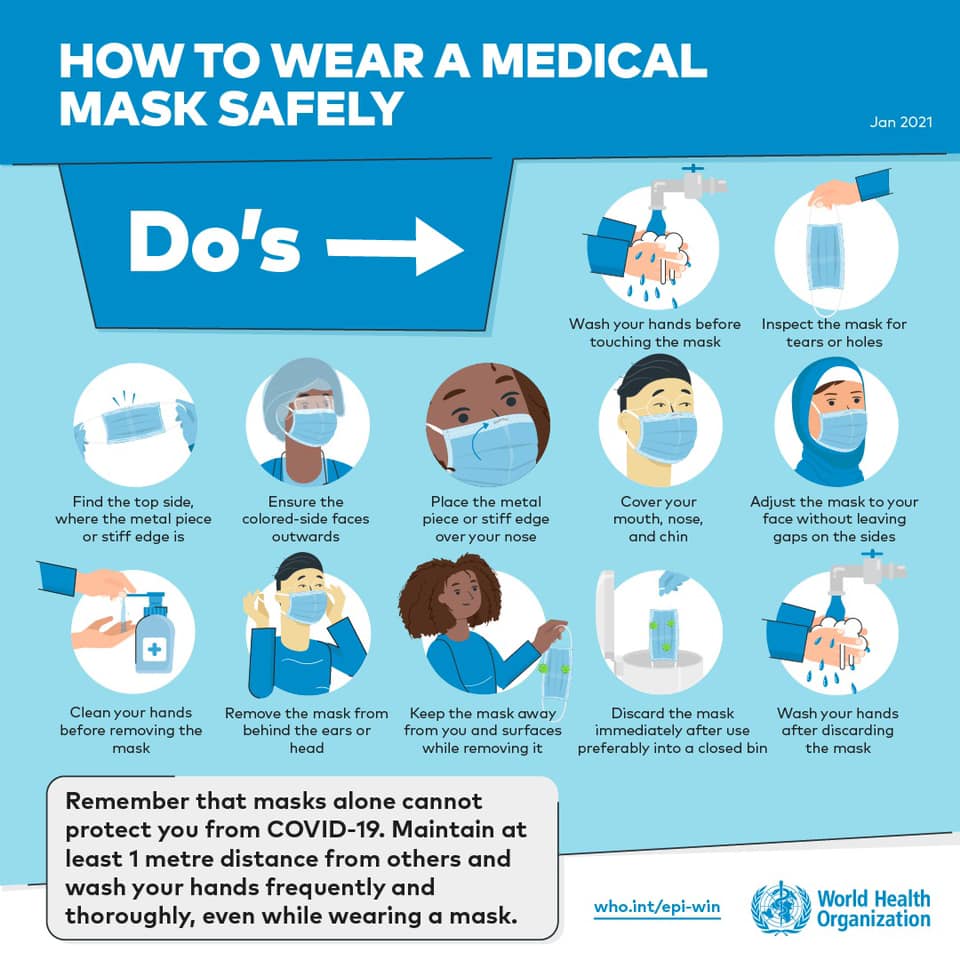
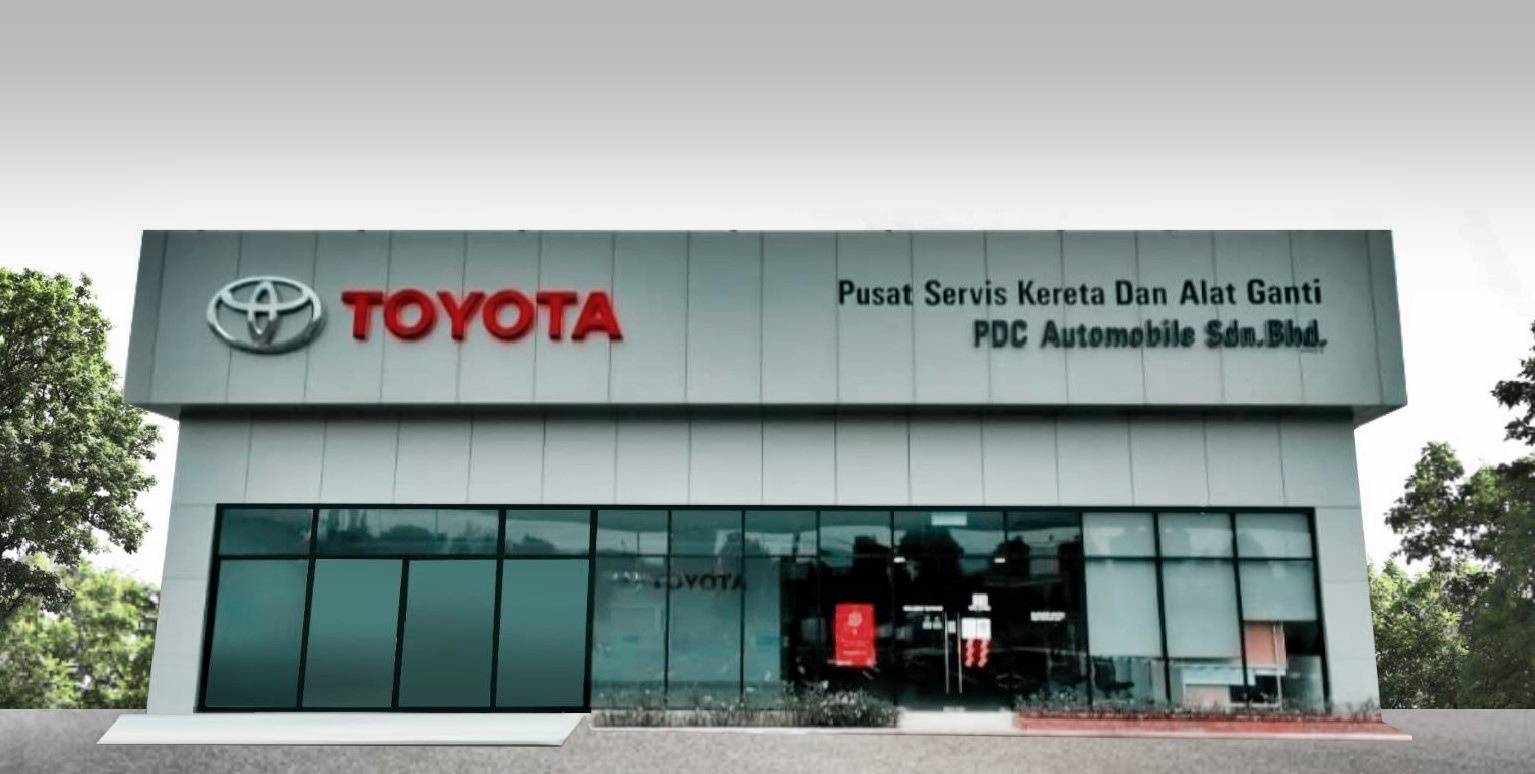
“In fact, after the MCO last year, we already implemented many of the SOPs at our showrooms and service centres, and these have been maintained even until now. These include temperature scanning of everyone, registration with MySejahtera, use of hand sanitisers and facemasks, and regular sanitisation of premises,” he said.
“Vehicle owners visiting service centres are also requested to make appointments in advance. As far as possible, contactless payments are encouraged and social distancing is to be observed at all times. We assure our customers that we have made sure that our premises have a safe environment for them to visit,” Mr. Ravindran added.
Specified capacities for factories
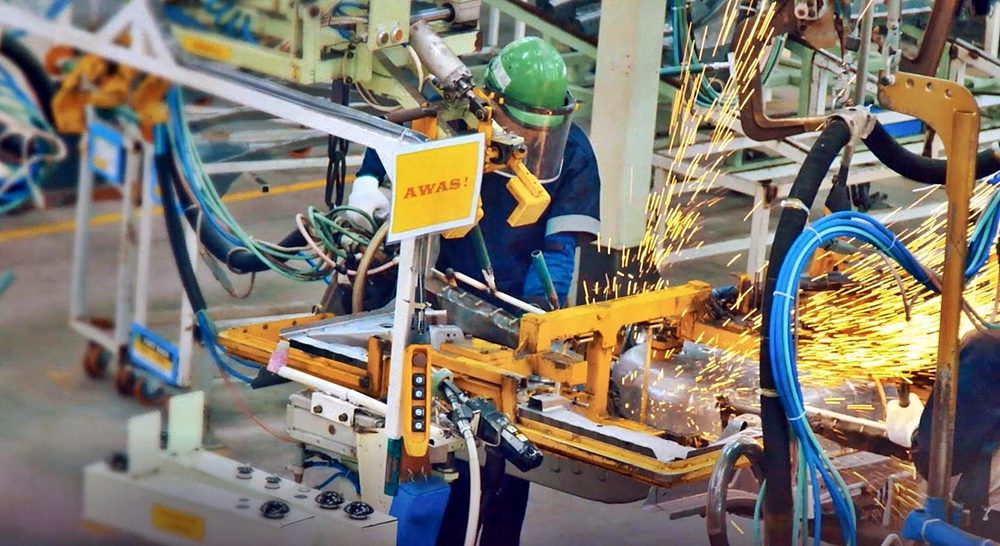
On the resumption of manufacturing activities, Mr. Ravindran said the two assembly plants and related factories in the UMW Toyota Motor group will be able to operate at specified capacities, depending on the percentage of workers who are already vaccinated, with full capacity permitted if more than 80% are vaccinated. “The company has been carrying out a vaccination programme and all our employees have already been vaccinated or will be vaccinated very soon,” he said.
“Now that the restrictions are lifted, we have more certainty as there are many important plans in the pipeline. For example, we have been preparing for the local assembly of Toyota Hybrid Electric Vehicles and while the past 2 months have disrupted planning, we will now proceed as quickly as possible to make up for the time lost,” said Akio Takeyama, Deputy Chairman of UMW Toyota Motor.
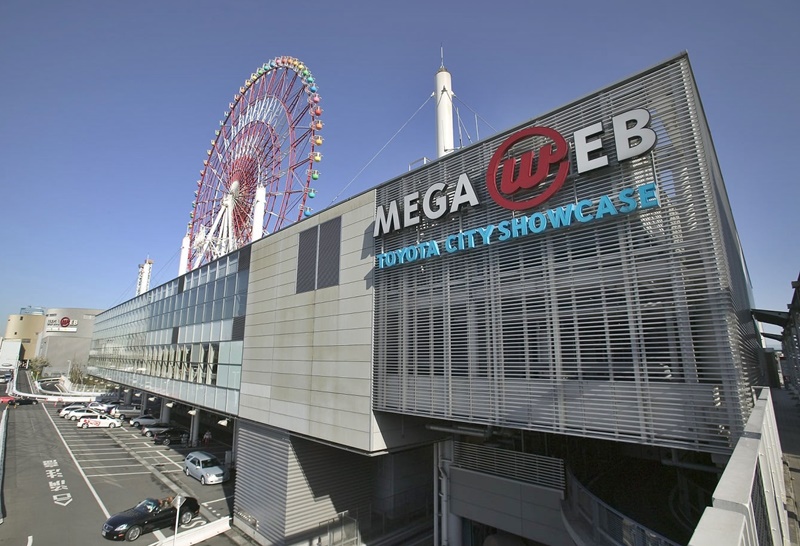
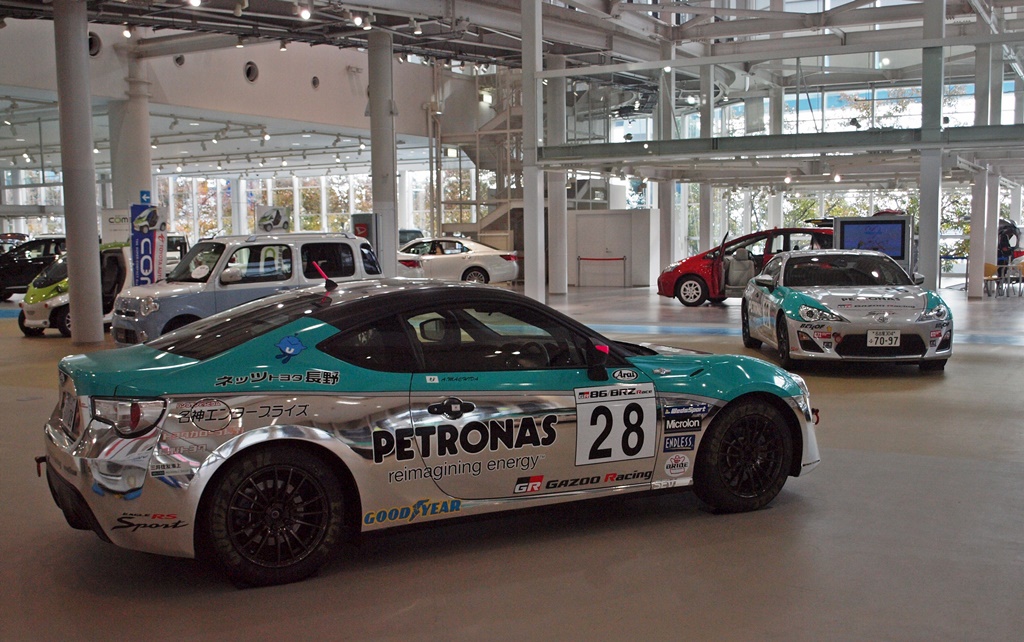
Car enthusiasts, especially Toyota fans, who have been to Japan would probably have had a chance to visit Megaweb, a huge Toyota showroom in Tokyo. Opened in March 1999, Megaweb is part of a commercial complex known as Palette Town in the Odaiba area that fronts the Tokyo Bay. Although it is described as an amusement theme park, it also has big stores, restaurants, a digital art museum and even a large music space. Almost 127 million people have visited Megaweb to date.
The sad news is that Megaweb will be closing at the end of this year. While the pandemic may have reduced the number of visitors, the reason for closure is said to be related to a move by the owner of Palette Town which wants to redevelop the site as an arena.
‘Look’, ‘Ride’ and ‘Feel’ automobiles
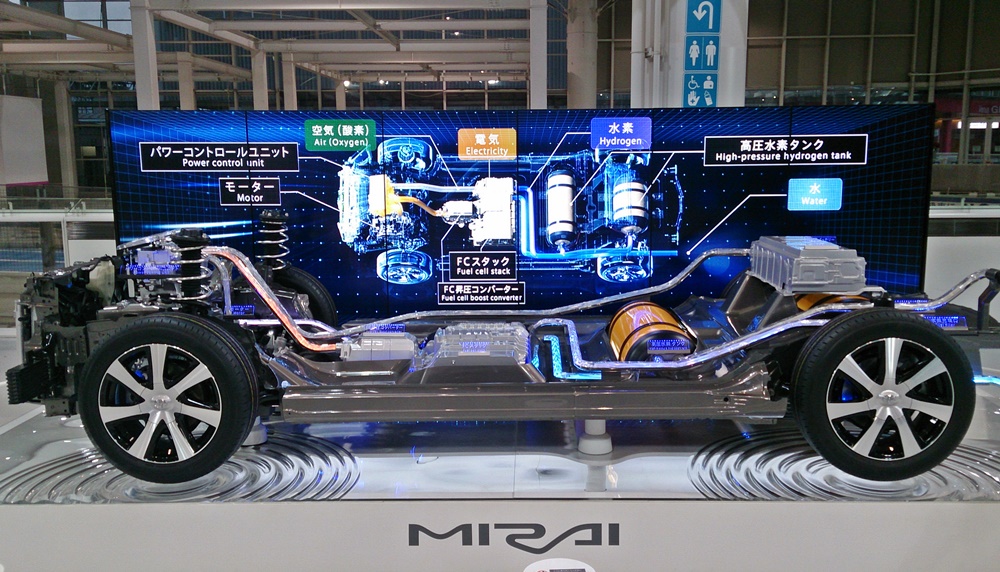
While everyone refers to it as ‘Megaweb’, it is officially the Toyota City Showcase and it offers visitors a chance to ‘Look’, ‘Ride’ and ‘Feel’ automobiles. As a car showroom, the latest Toyota models are on display, with special exhibits related to some of the models. For instance, when the Mirai FCEV was launched, there were displays to provide insights into the hydrogen fuel cell system.
A special display showing the hydrogen fuel cell system of the first Mirai FCEV when it was launched 7 years ago.
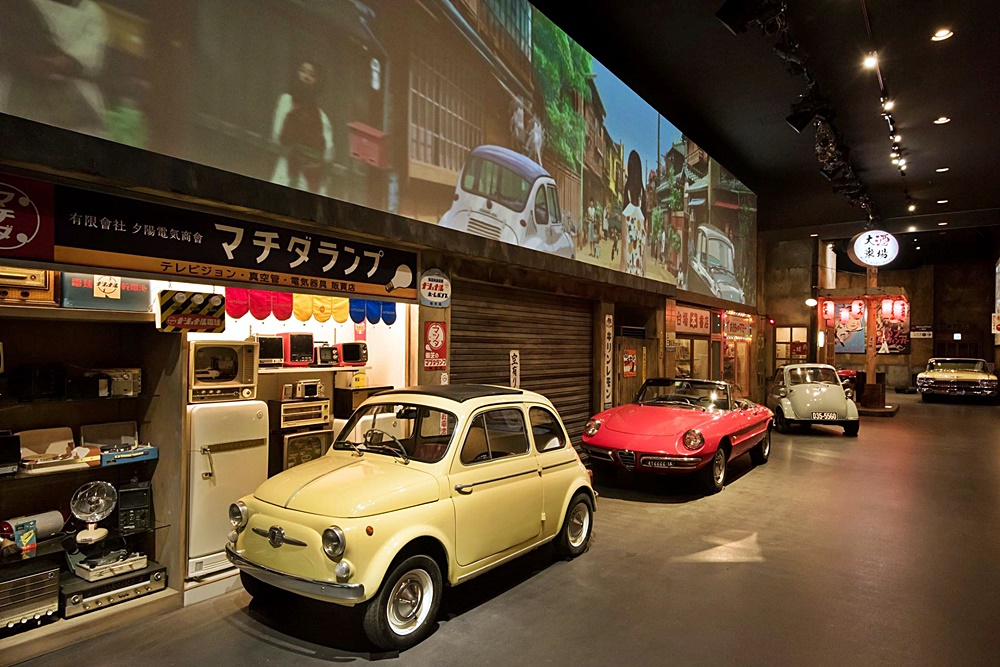
The History Garage
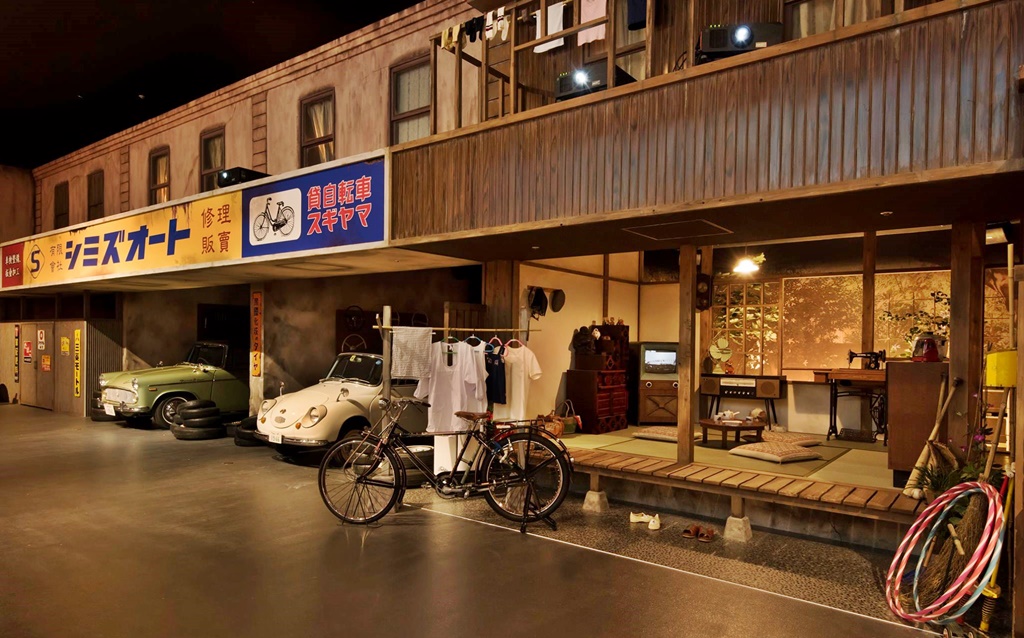
The 2-storey History Garage is the most popular area with many classic models of different makes. There are special themes and lots of historical items as well. Many of the displays are parked in front of vintage facades that give just the right atmosphere.
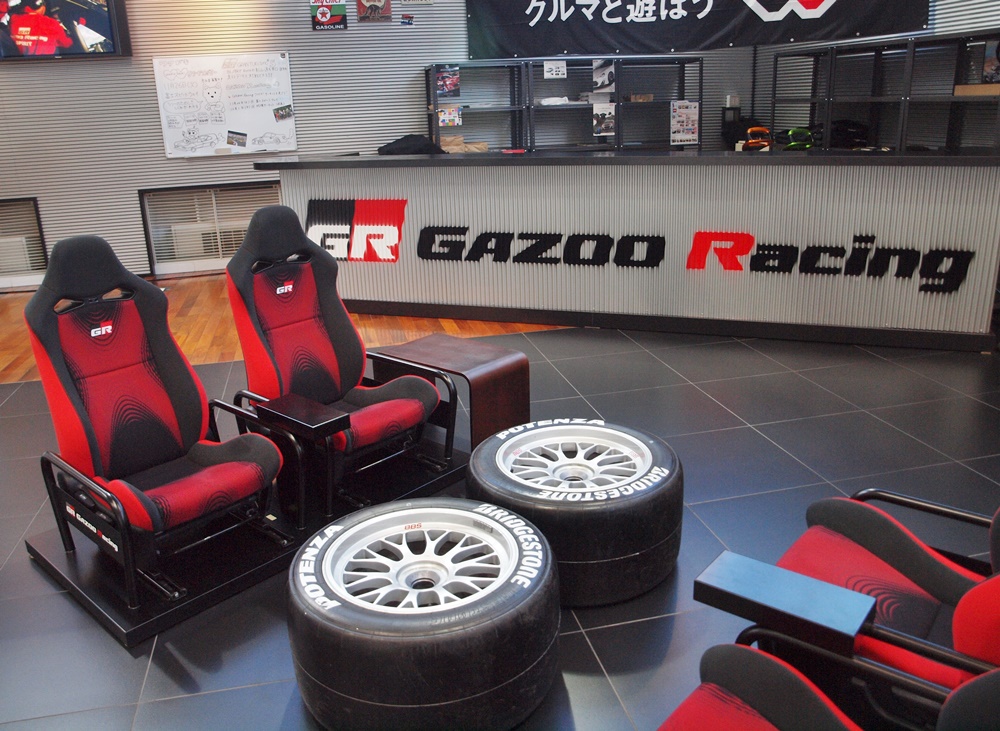
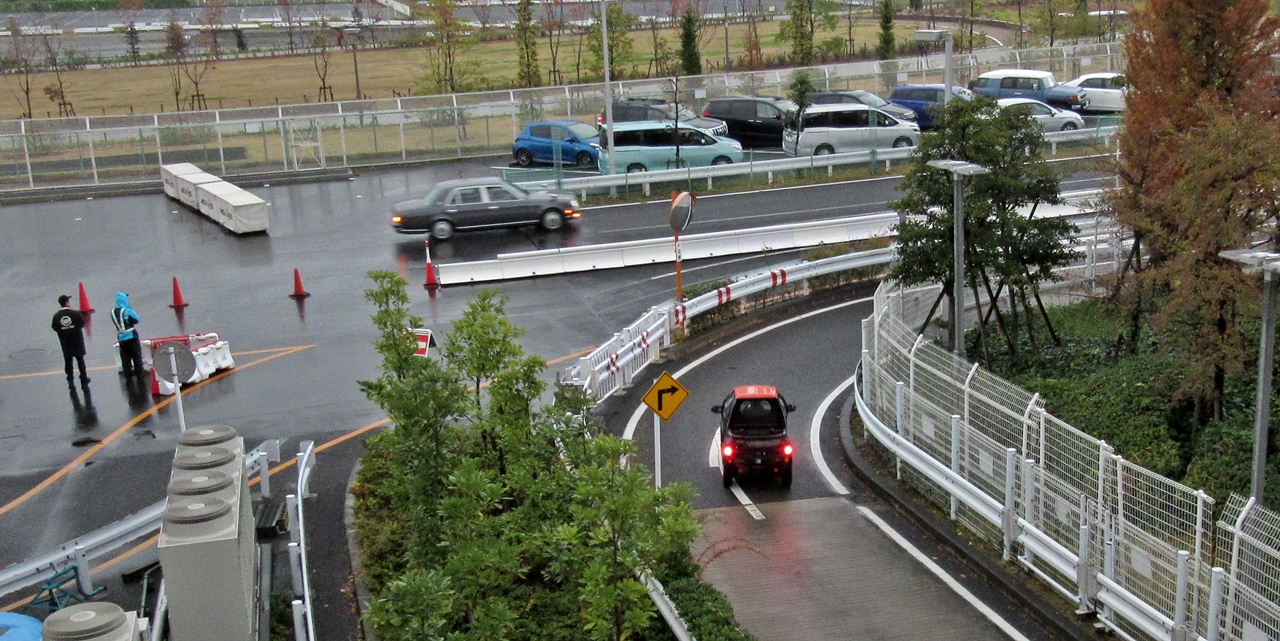
For the ‘Feel’ part, there is a small outdoor driving course where the public can try some of the latest models. Of course, there is also a shop at Megaweb where the usual souvenirs can be purchased as well as performance parts.
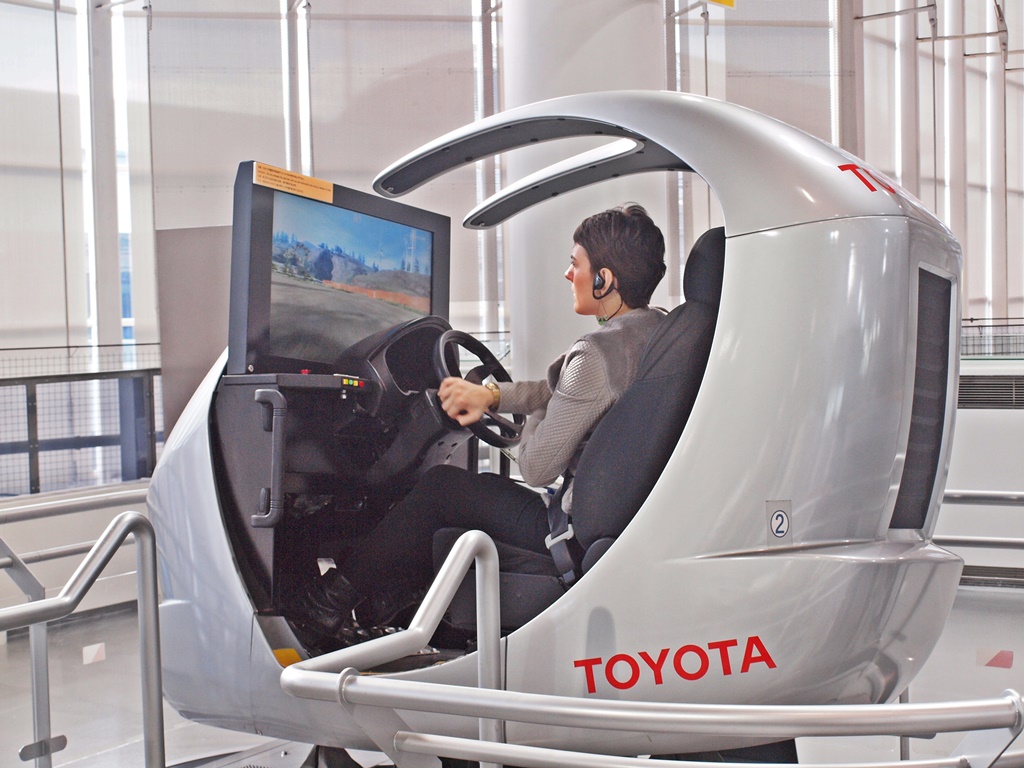
Many of the latest models can be driven on a small test course (above) and for those who prefer to experience the technologies in a simulator, there are also such units available (below).
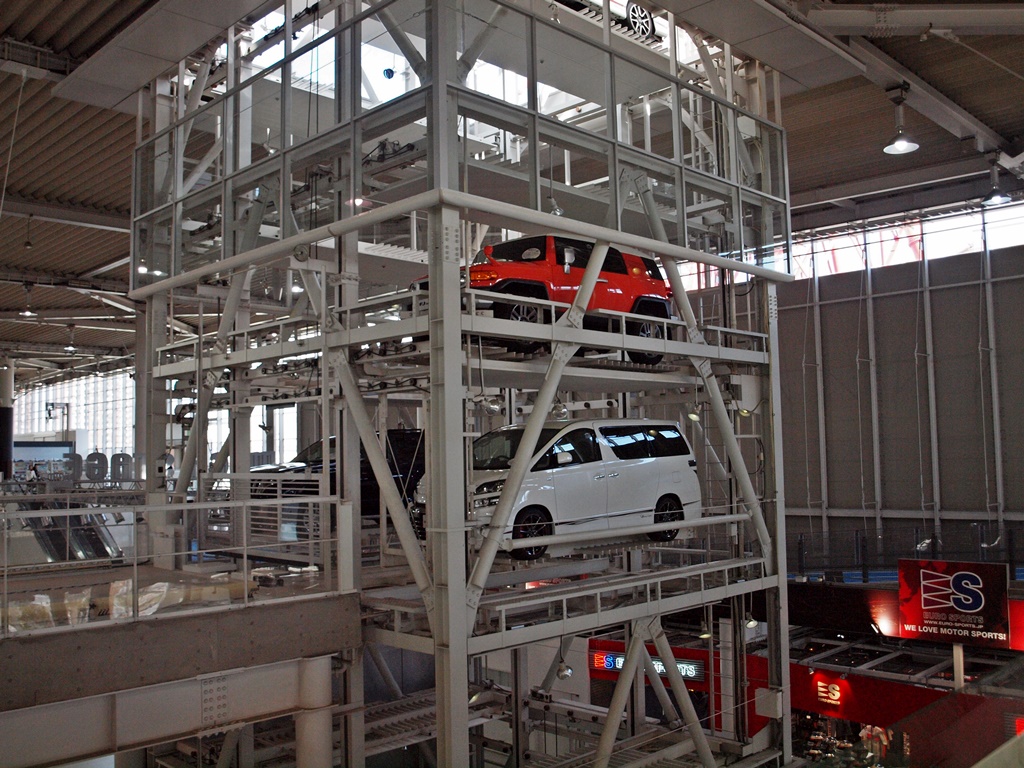
Vehicles are parked in this vertical structure which automatically brings them to the display floors when needed.
AMLUX Tokyo
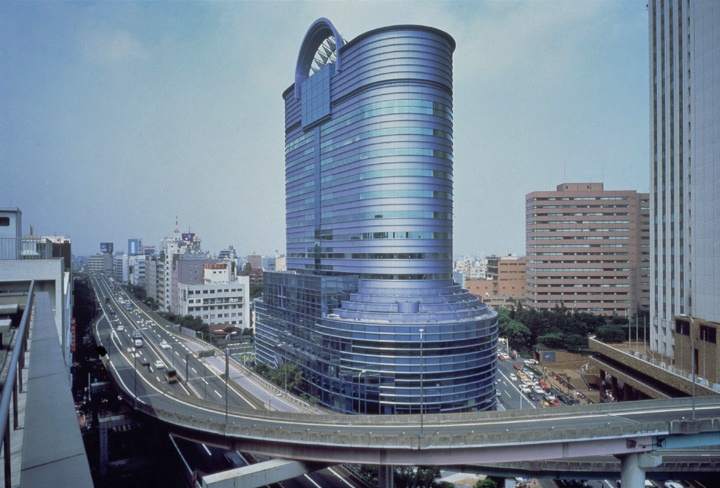
Before Megaweb, Toyota also had another huge showroom in another part of Tokyo which was in existence from 1990 to 2013. This was called AMLUX and it was developed and owned by a subsidiary of the carmaker. It was conceived in the days before Japan’s ‘Bubble Economy’ burst so it had a certain extravagance. Toyota noted that a trend began to emerge that found consumers thoroughly examining products on their own before purchasing them. To improve recognition of Toyota vehicles in response to this trend, it began to work on creating non-sale showrooms based on a new concept, and AMLUX was a prime example.
AMLUX in Tokyo
AMLUX was intended as a showcase of Toyota vehicles and technology. It had four floors and each floor had a theme, with special displays of old models in the basement. There was even a small cinema with seats that moved and at times, certain smells were introduced if the scene was one of driving through a countryside! There were also restaurants and AMLUX was one of the first auto sector showrooms in Japan where visitors could also dine (Honda was the first to put a restaurant in a showroom).
With increased use of online channels for shopping, which even the auto industry has shifted to, lavish showrooms may not be justifiable. However, people may still want to see the real machines close up, and certainly experience them as well if possible. For the future generation of car enthusiasts, we certainly hope carmakers like Toyota will continue to provide such facilities.
Even after you recover from COVID-19 infection, your quality of life may be affected and you may suffer for a long period after that. So do your best to avoid being infected by taking the necessary measures to protect yourself as well as others, and also get vaccinated.
Right from the start, the battery pack has been a crucial element for the development of electric vehicles (EVs). The earliest EVs in the 1930s used very heavy batteries which made them unappealing, apart from the fact that performance was poor. Not much development of batteries took place in the decades that followed as the internal combustion engine dominated the auto industry and the battery’s role was minimal – mainly to start the engine.
It was only by the end of the 20th century that development of batteries started picking up, as interest in EVs started growing. Although the lead-acid type (the small one in the engine bay of cars) was used, it was totally unacceptable as its storage capacity was small and it was heavy. But R&D into this area accelerated and it was possible to use other chemical processes that could achieve a higher density and capacity for battery packs. Currently, it is the lithium-ion battery pack that is widely used in many EVs and hybrids.
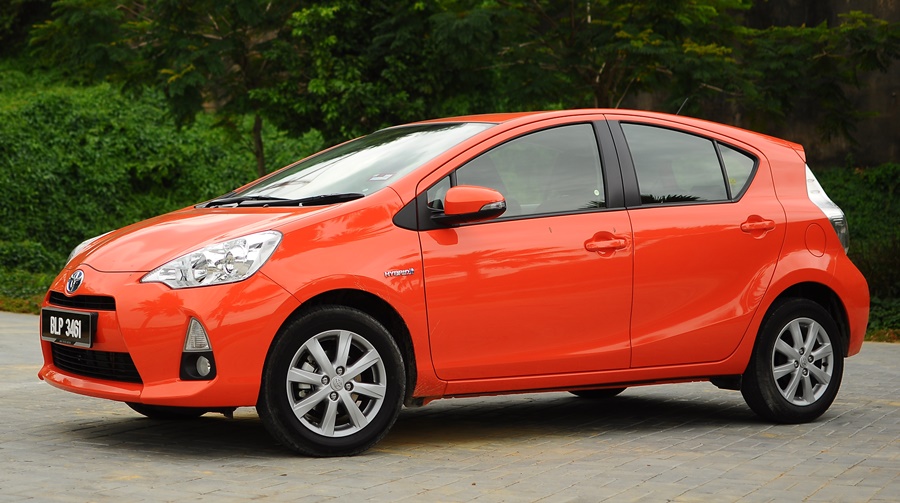
Second generation of the Prius Aqua/Prius c
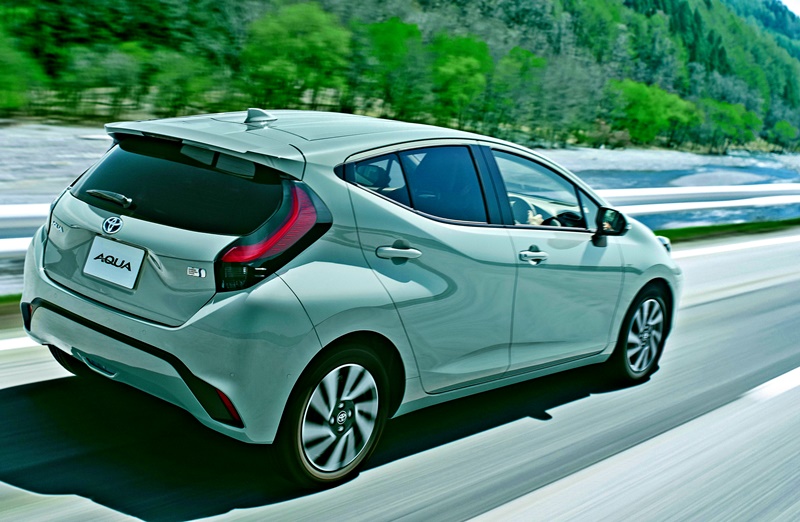
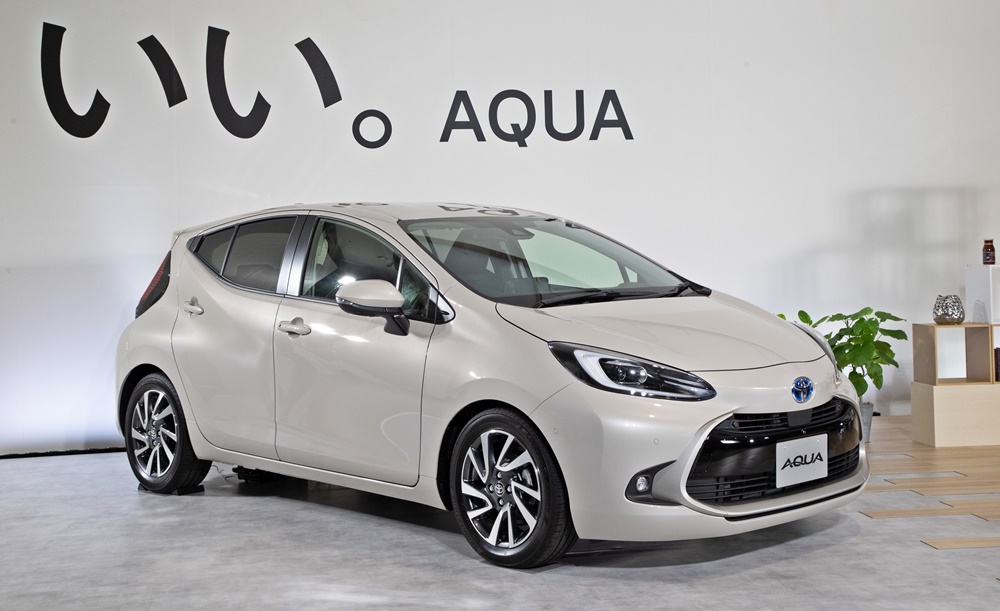
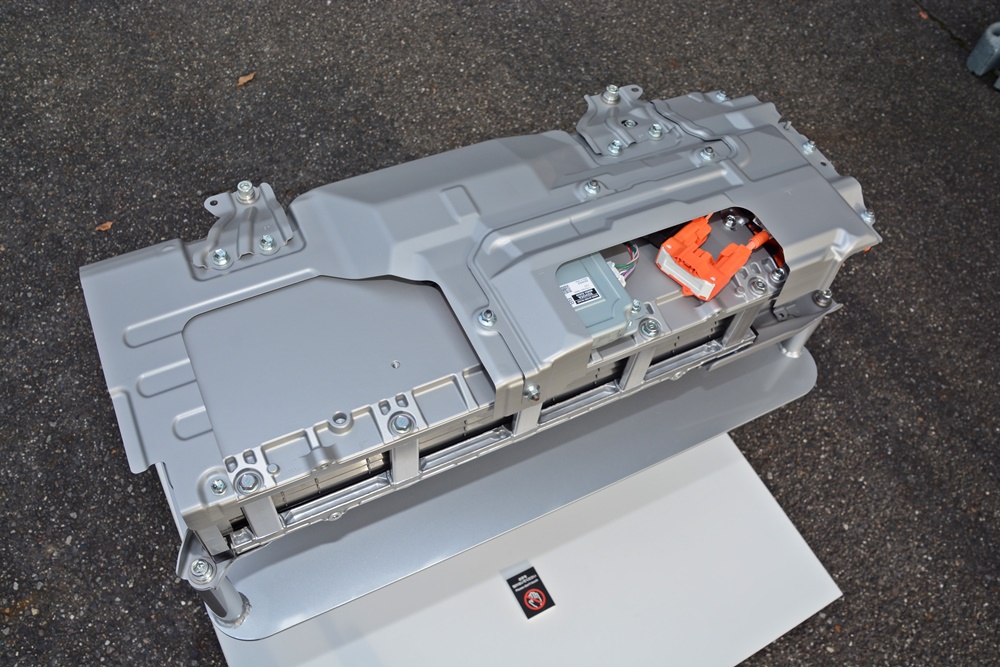
Now, Toyota has come out with another type of battery with a high output bipolar nickel-hydrogen battery. This is installed in the all-new Aqua (also known as Prius c) that is launched in Japan today and it is the first vehicle in the world to use this type of battery. Compared to the nickel-hydrogen battery that was used by the previous generation of the Aqua, the new more compact battery can provide approximately twice the output while enhancing performance and range.
Since the launch of the first-generation Prius in the late 1990s, Toyota has accumulated expertise both in the technological development and the quality management of batteries and hybrid systems. One subsidiary, Toyota Industries Corporation, has developed proficiency in analysis technologies for the development and performance assessment of materials through many years of developing batteries for electrified forklift trucks. By combining their respective fields of knowledge, the companies have worked to develop better batteries and their efforts have led to the development of bipolar nickel-hydrogen batteries.
First generation of the Prius c was sold in Malaysia for a few years when the government allowed full tax exemption on hybrid vehicles.
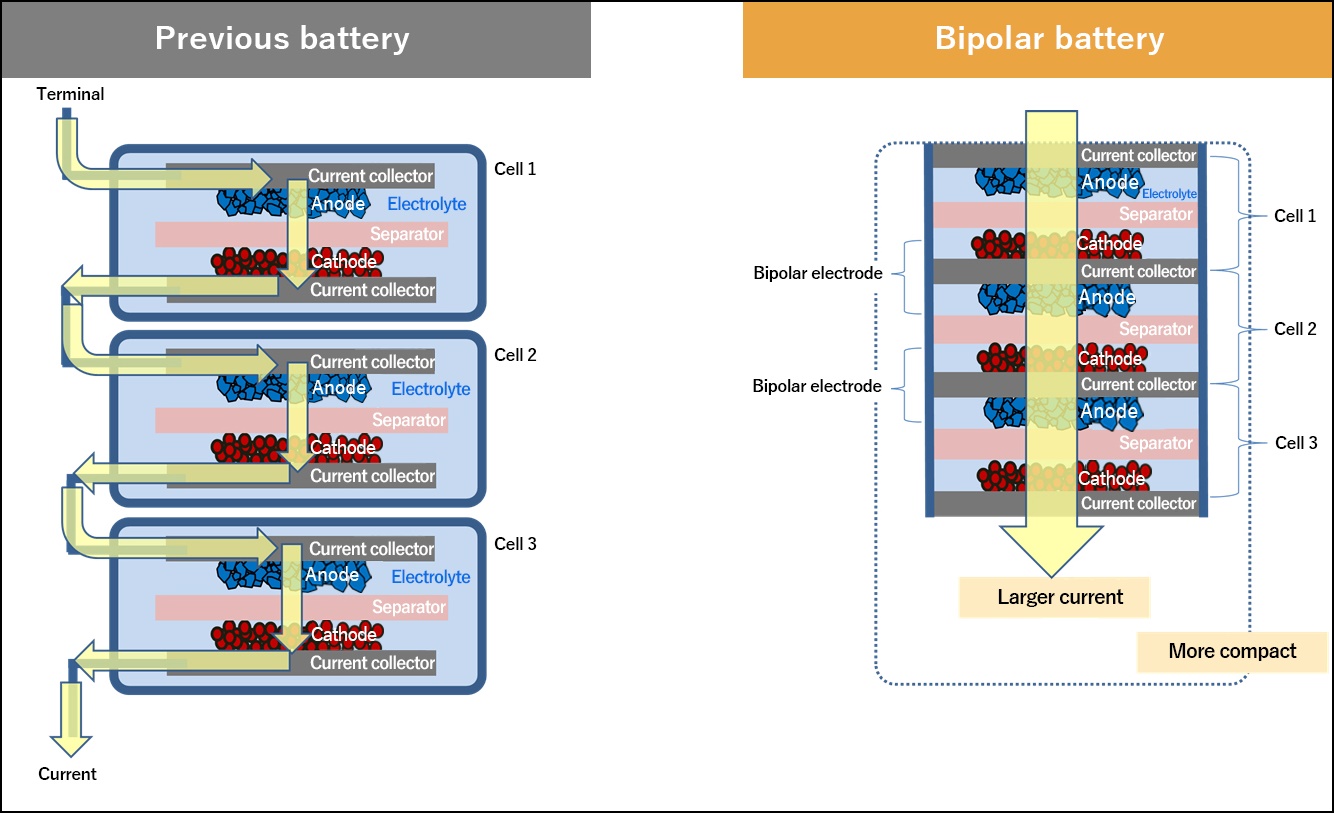
What is a bipolar battery?
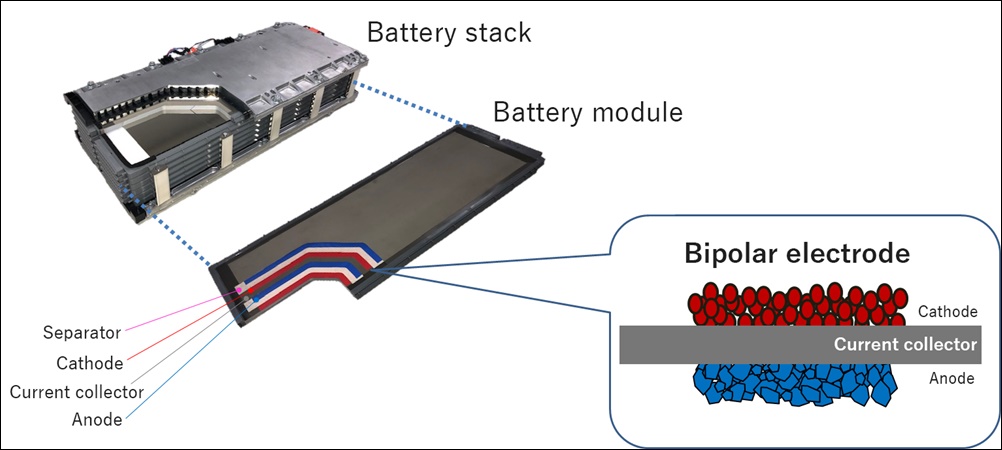
In bipolar nickel-hydrogen batteries, a cathode is applied to one side of the current collector, and an anode to the other; several of these structures, which are known as ‘bipolar electrodes’, are stacked together to form the battery architecture. Compared to non-bipolar nickel-hydrogen batteries, bipolar versions consist of fewer current collectors and other parts, enabling them to be made more compact. It is possible to stack a larger number of cells in bipolar nickel-hydrogen batteries than in non-bipolar nickel-hydrogen batteries of the same size.
In addition, since bipolar batteries have a greater active surface area and a simpler construction, there is lower resistance within the battery itself. This enables the flow of larger currents, leading to increased output. As an example, the bipolar nickel-hydrogen battery equipped to the all-new Aqua has an output approximately 2 times higher than the non-bipolar nickel-hydrogen battery used in the previous Aqua.
Toyota’s own battery factories
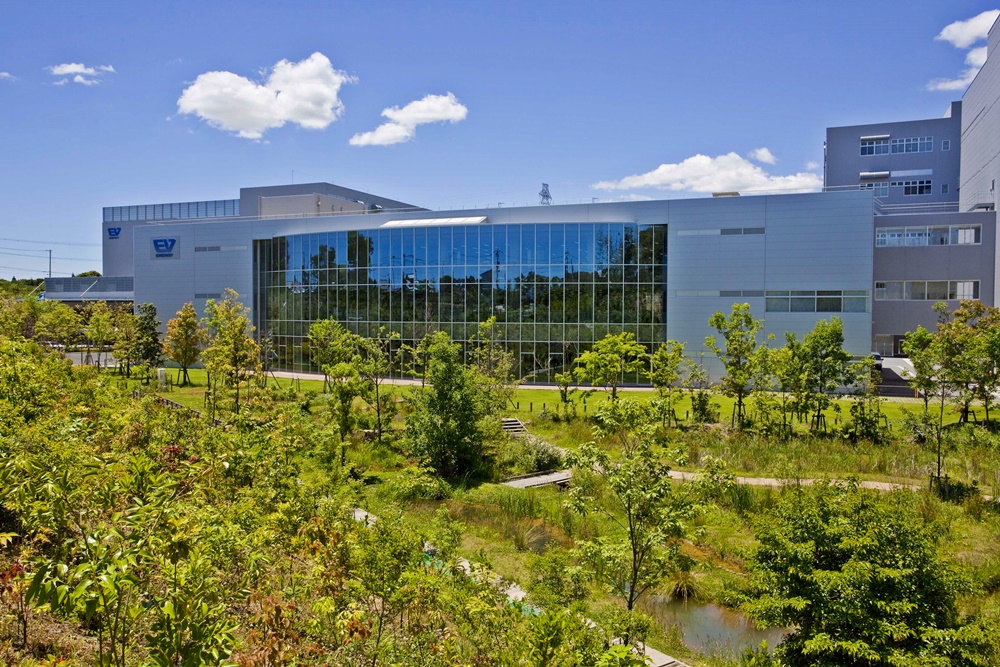
Toyota has its own battery manufacturing subsidiaries but it’s not known which company is producing these new batteries. Back in 1996, Toyota formed a joint-venture with Panasonic to develop and manufacture batteries for electrified vehicles. It was first known as the Panasonic EV Energy Company but changed its name to Primearth EV Energy Co., Ltd. (PEVE) in 2010 when Toyota became the majority shareholder.
Primearth EV Energy, Toyota’s first joint venture with Panasonic to develop and produce batteries for its hybrid vehicles.
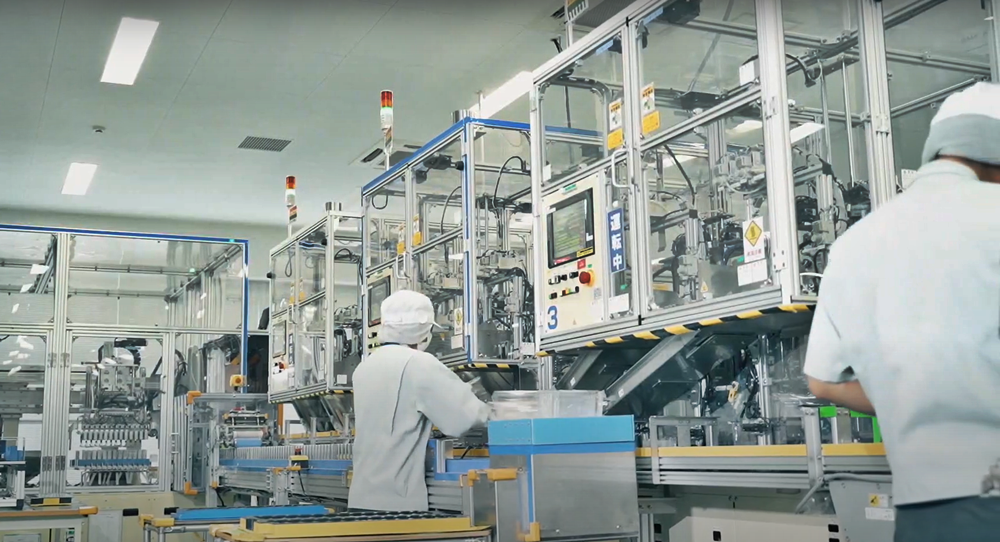
PEVE focussed on making prismatic nickel–metal hydride (NiMH) as it worked on improving the quality of lithium-ion batteries. It began mass production of these higher performance batteries in early 2011.
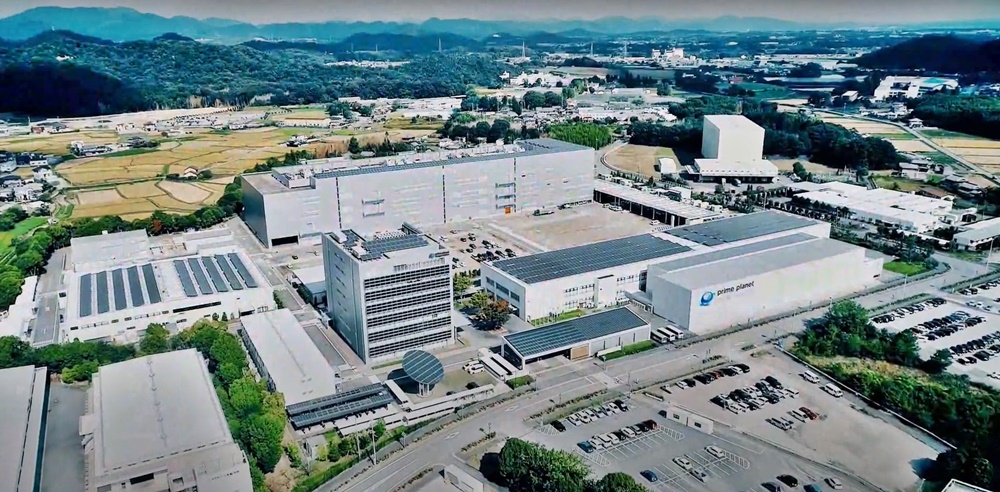
Toyota also has a second joint-venture with Panasonic which was established just last year. Known as Prime Planet Energy & Solutions (PPES), it will handle development, manufacture, and sales of high-capacity and high-output prismatic lithium-ion batteries, solid-state batteries and next-generation batteries for automotive application.
Prime Planet Energy & Solutions is the second joint venture that Toyota has with Panasonic to make batteries for electric powertrains in motor vehicles. The company has two factories with the one in Japan (below) to have a capacity of 80,000 batteries annually and a second one in China which is expected to supply batteries for up to 400,000 hybrid electric vehicles per year.
PPES has an ambitious target to reduce battery costs by up to 50% this year. This will be achieved by expanding production capacity at two factories – one in Japan which will supply up to 80,000 battery electric vehicles annually, and a second one in China which is expected to supply batteries for up to 400,000 hybrid electric vehicles per year.
UMW Toyota Motor (UMWT) has announced plans to assemble Toyota hybrid models in Malaysia, joining the still-small group of companies that are doing so. The move is driven by Toyota Motor Corporation’s (TMC) global commitment to deliver ‘mobility for all’ and produce ‘happiness for all’ through its commitment towards a ‘Clean, Safe and Secure Society’.
On a larger scale, TMC is aiming for carbon neutrality by 2050 in all its processes. Carbon neutrality means almost zero emissions of carbon dioxide (CO2) which is a ‘greenhouse gas’ that is known to have a significant effect on global warming, causing climate change.
TMC’s reduction of CO2 emissions will encompass the lifecycle of manufacturing, transporting, operating, fuel and/or charging, and recycling and disposal of vehicles. This is in line with the global approach towards lifecycle assessments of the potential environmental impact of a product throughout its lifecycle.
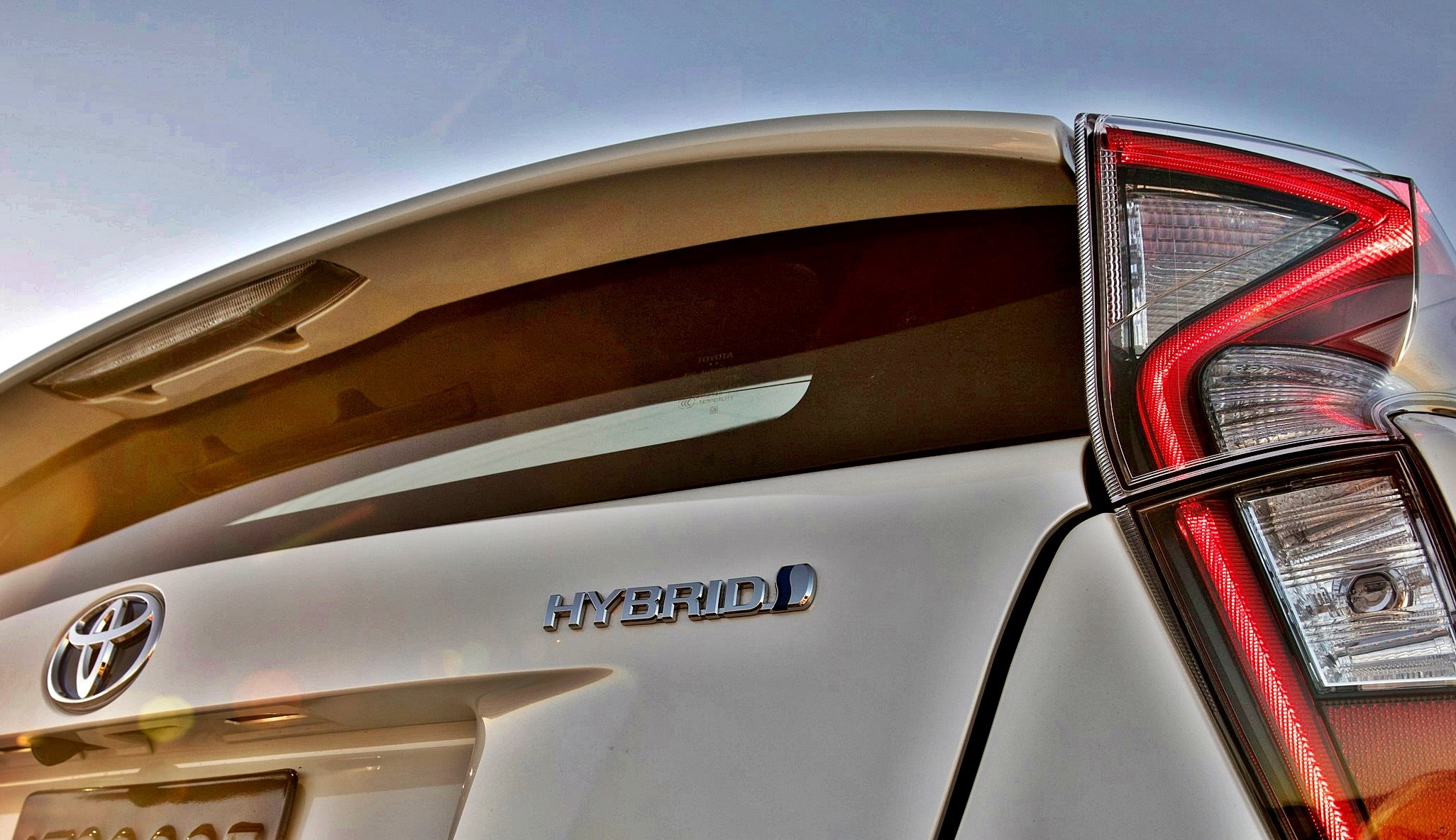
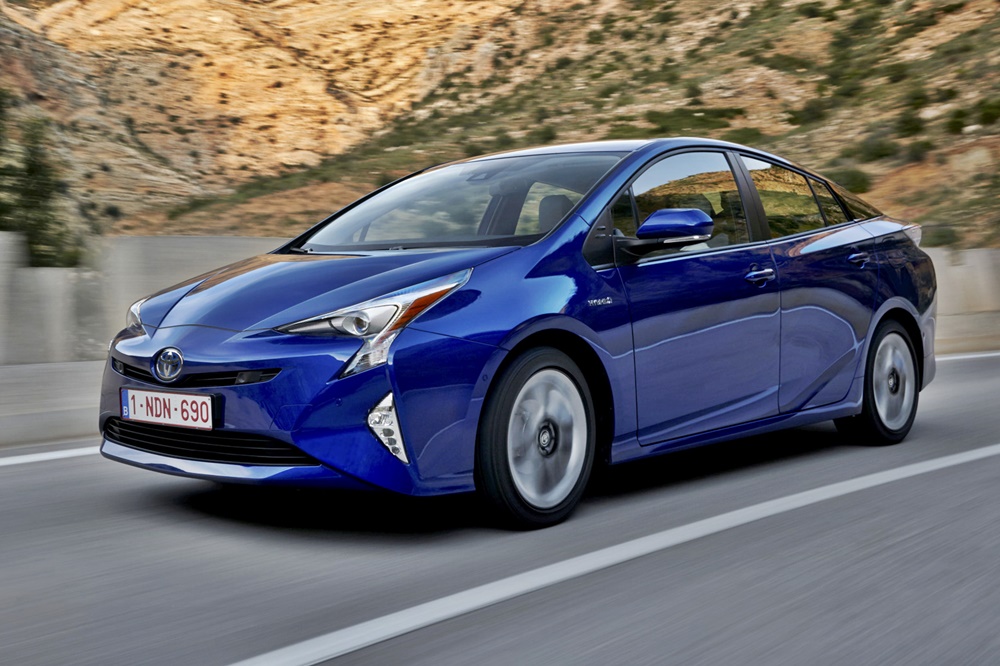
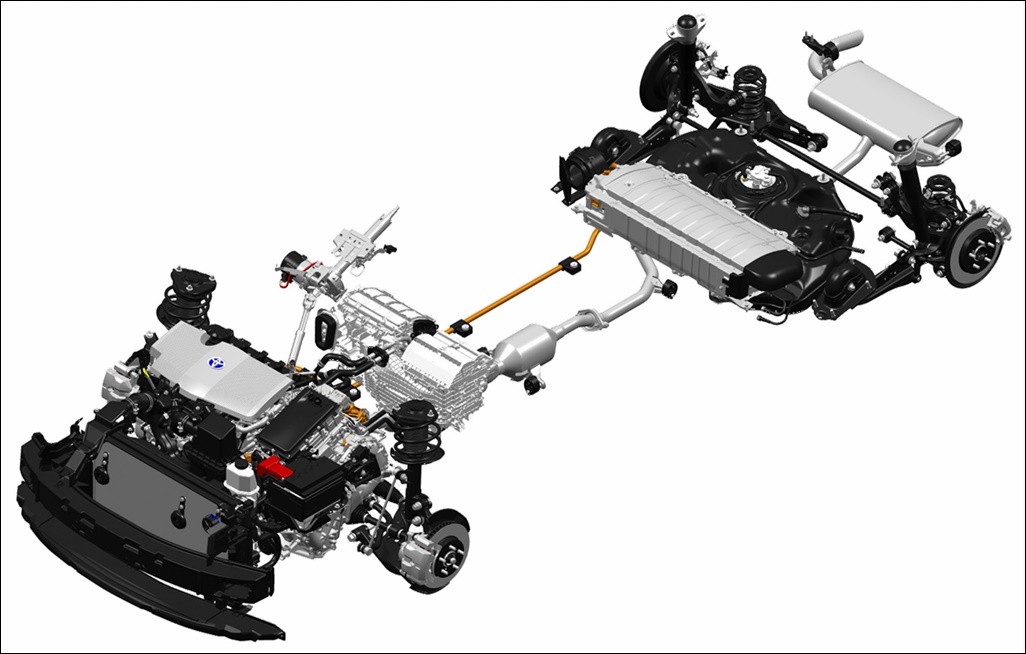
The Prius – one of the many models in Toyota’s range of hybrid electric vehicles.
Full line of Low Emission Vehicles
As part of this strategic initiative, the carmaker will produce a full line-up of Low-Emission Vehicles which will have electrified powertrains. There will be various powertrains to meet diversified mobility demands all over the world as well as the different rates of vehicle electrification.
“Toyota’s global direction is to achieve carbon neutrality by 2050. This is also in line with the Malaysian government’s aspirations to position the country as a progressive nation that promotes more green technology and environmental sustainability,” said UMW Toyota Motor’s Deputy Chairman, Akio Takeyama.
“This is indeed an exciting time for the Malaysian automotive industry and UMW Toyota Motor is fully charged and ready to champion this Malaysian dream. In order to achieve this, the most realistic, practical and immediate solution is Toyota Hybrid Electric technology and vehicles,” he added.
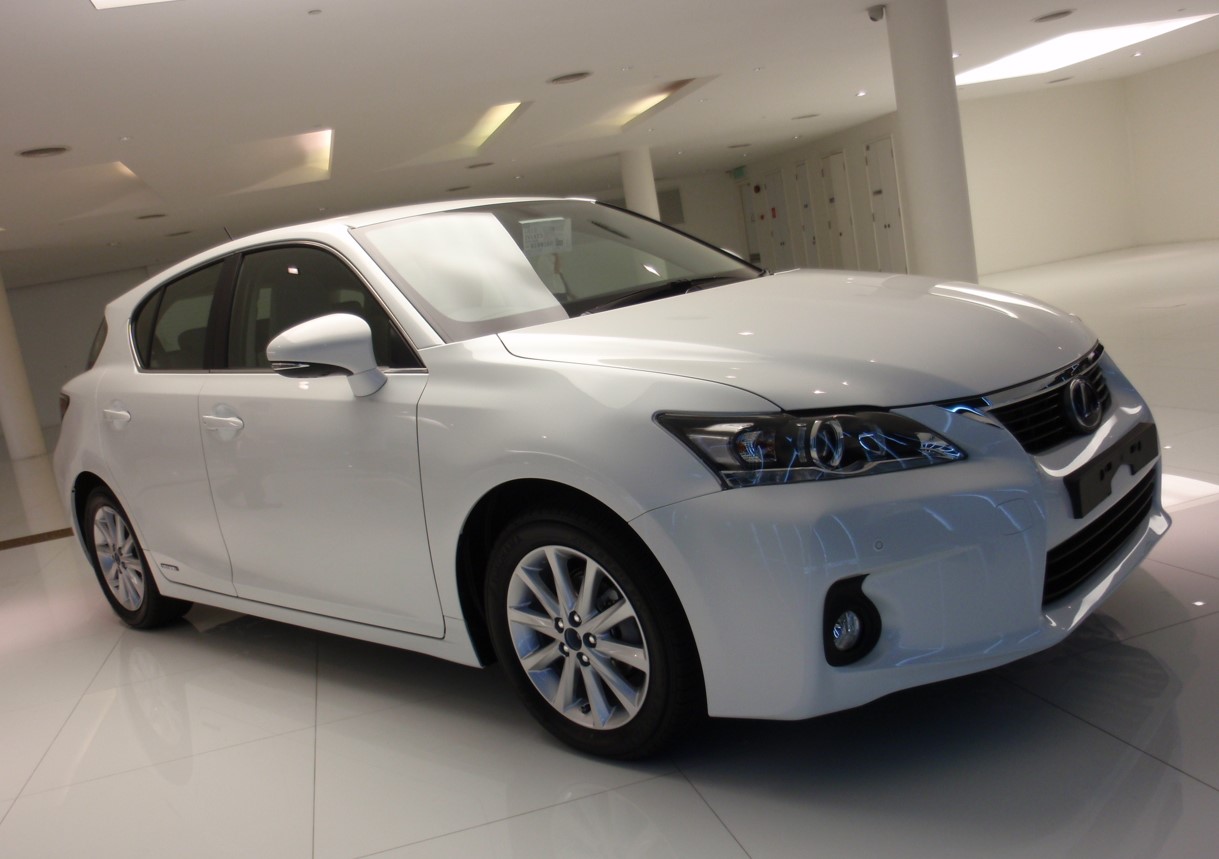
Toyota is among the pioneers of mass-produced hybrid electric vehicles, having started selling them in the late 1990s. The hybrid technology has also been used in Lexus models like the CT-200h (shown below).
A pioneer in hybrid technology
Toyota has long experience in electrification and was a pioneer in the production and marketing of hybrid vehicles. Since the late 1990s, the company has sold more than 17 million hybrid electric vehicles as well as Hydrogen Fuel Cell Electric Vehicles (FCEV) worldwide.
This number of vehicles with low emissions has made Toyota’s cumulative contribution to CO2 reduction amounting to 140 million tonnes of CO2, or approximately 1.5 million conventional passenger vehicles per year over the past 20 years.
The CO2 reduction will continue and even increase as TMC aims to sell 8 million electrified vehicles annually by 2030. In April this year, the company announced an electric vehicle strategy that will see 15 new Battery-Electric Vehicles (BEVs) introduced by 2025. Including FCEVs, the total number of electrified vehicle models will be 70 by 2025.
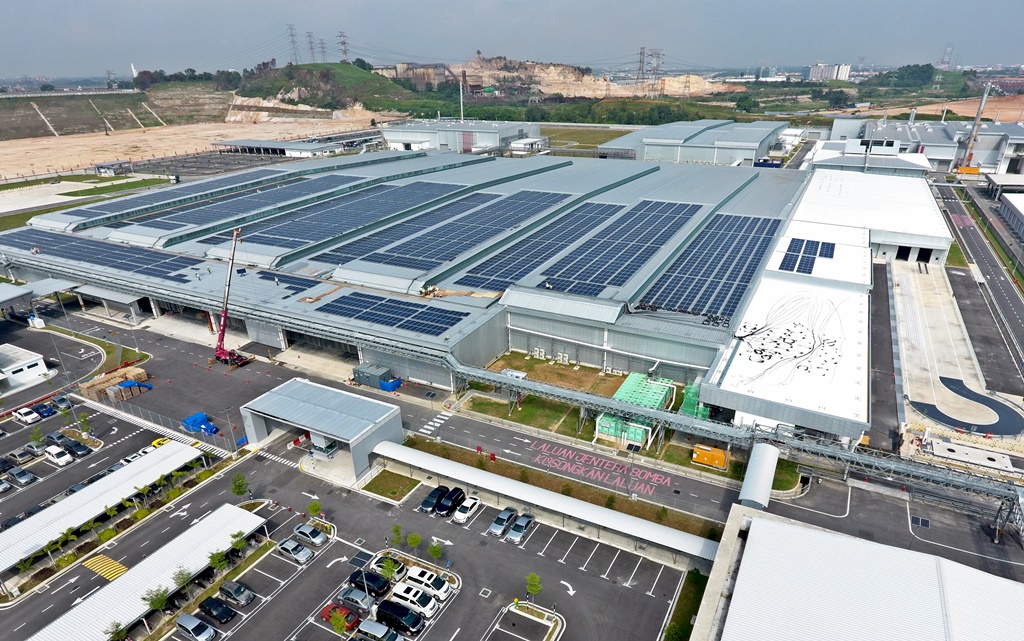
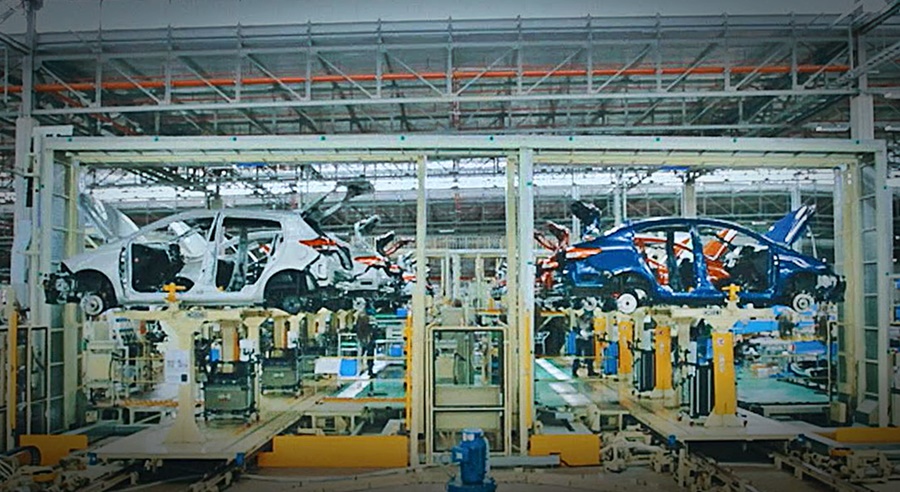
Located in Bukit Raja, Selangor, Assembly Services Sdn Bhd (a subsidiary of UMW Toyota Motor) currently assembles the Yaris and Vios models. It began operations in January 2019.
RM270 million additional investment
Toyota’s operations in Malaysia, via the 39-year old joint-venture UMWT, will support the ‘big picture’ in achieving carbon neutrality by investing RM270 million in its manufacturing operations. This amount includes, amongst others, the introduction of a new and technologically-advanced generation of hybrid models.
“We are ready [with the introduction of Hybrid Electric Vehicles], and the technology; service support; current infrastructure; global and domestic policies; the level of affordability and cost effectiveness; and, consumer awareness and demand, particularly in Malaysia, are now at its most ideal conditions to pursue a new and exciting journey towards achieving carbon neutrality,” said Mr. Takeyama.
While neighbouring countries are encouraging the introduction full electric vehicles, Mr. Takeyama said that research has shown that the reduction in CO2 emission levels between fully electric and hybrid electric vehicles are almost similar when considering electricity source, and from production and throughout ownership.
For Malaysian consumers, the local assembly of Toyota hybrid vehicles will mean they are offered at a price point that is practical and accessible to the greater masses. “While time is still needed for full electrification, the hybrid electric technology is ready today and the current infrastructure permits it to be rolled out on a greater scale in Malaysia,” added Mr. Takeyama.
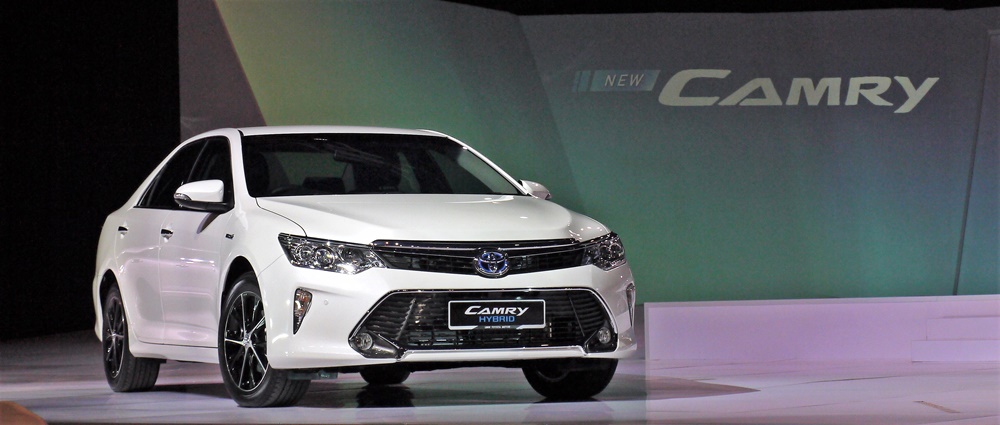
The locally-assembled Camry Hybrid introduced in 2015.
The time-frame for the introduction of locally-assembled hybrid models is not known yet, but this will not be the first time that UMWT is selling and assembling hybrid models for the Malaysian market. During the period when the government provided full duty exemption on hybrid and electric vehicles, UMWT imported models such as the Prius, Prius c and Lexus CT-200h. Later on, it assembled the Camry Hybrid which could be sold at a competitive price due to incentives offered by the government.
The investment will be additional to the RM2 billion that was made the construction and commissioning of a second assembly plant in Bukit Raja, Selangor, which began operations in January 2019. The original assembly plant, which continues to operate in Shah Alam, was among the earliest assembly plants in Malaysia and was one of the largest as well.
Other environment-related initiatives
“As a manufacturer, the immediate steps we can take to prevent global warming are to address our vehicles and manufacturing processes. But the initiatives do not and cannot stop here. It involves a conscientious change in mindset in society, educating the young of the importance of protecting the environment and requiring the active participation of all stakeholders,” said Ravindran K., President of UMW Toyota Motor
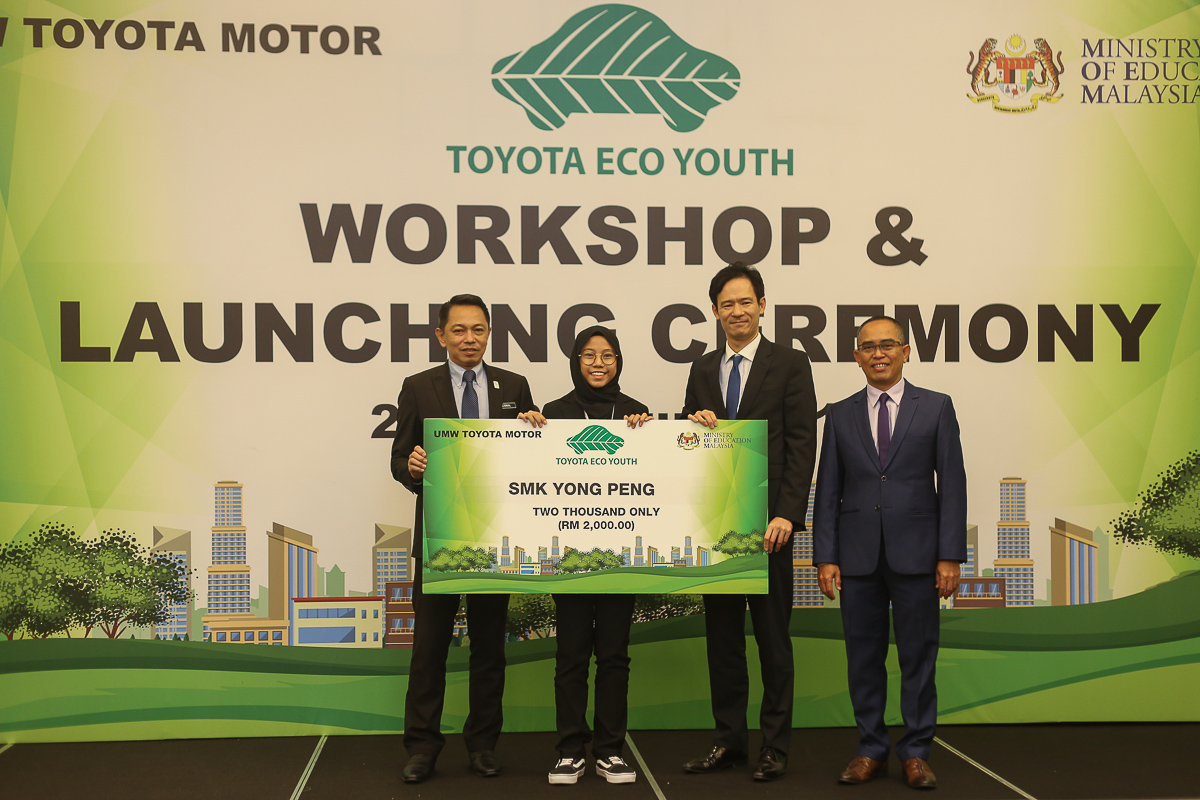
He added that that the interests of both Toyota and UMWT have gone beyond the automotive realm to offset the effects the CO2 emissions. For example, UMWT continues to be at the helm of numerous environmental initiatives. For 20 years, it has organised the Toyota Eco Youth program to cultivating environment consciousness and innovation amongst the youth of the nation involving schools, secondary school students and teachers.
“The ultimate goal will not rest solely on vehicle electrification, but to achieve carbon neutrality and zero emissions on all fronts – from putting cleaner vehicles on the road and addressing manufacturing processes, to helping to create greater awareness for the protection of the environment,” said Mr. Ravindran.
Mr. Ravindran believes the introduction of Hybrid Electric technology will quickly transform the automotive landscape in Malaysia for Malaysians. “We hope that our endeavours to popularise tomorrow’s technology today through the mass introduction of Hybrid Electric Vehicles (HEV) will receive due support from the government in the pursuit of a full-scale realisation of vehicle electrification. We hope that the government will also consider UMW Toyota Motor’s efforts to be included in the National Low Carbon Mobility Blueprint alongside Battery Electric Vehicles which is in line with the government’s plans,” he added.
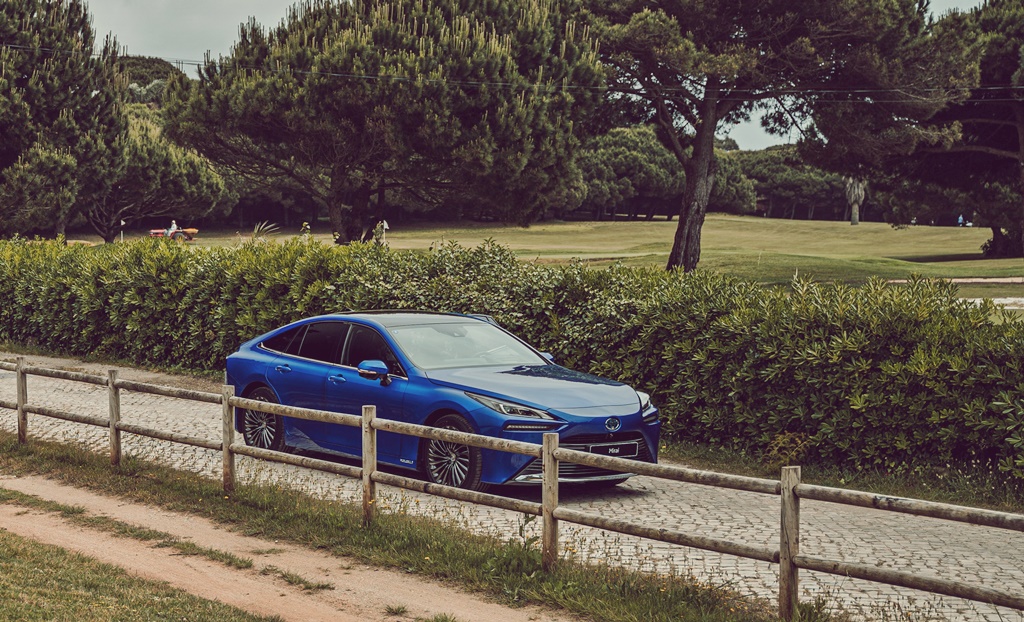
Fuel cell technology for use in cars is still something in its infancy and only a few manufacturers have started to offer them commercially and even then, in limited numbers and markets. The Toyota Mirai is one of the fuel cell electric vehicles (FCEV) already in production, its first generation having been launched in 2014.
The second generation of the Mirai went on sale late last year and is currently available in Japan, North America and some European markets. As would be expected, has more advanced fuel cell technology that improves performance in many areas.
The compact, high-output Fuel Cell stack has smaller and lighter parts, and it has been specially designed for use with the TNGA GA-L platform. The FC stack sets a new record for specific power density at 5.4 kW/litre as maximum power has risen from 114 kW to 128 kW.
More fuel capacity
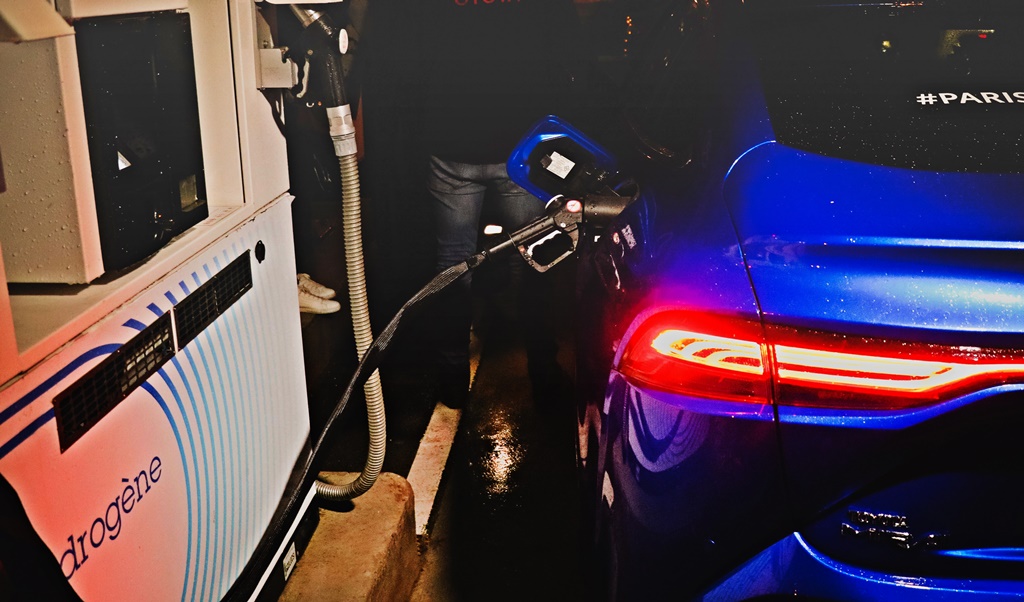
The new Mirai also has increased fuel capacity (approximately 20%) which extends range. Hydrogen can be pumped in much faster than the fastest recharging time for an electric vehicle which can be up to 25 minutes. Its refuelling time is less than 5 minutes at a 700-bar refuelling station.
Over 1,000 kms travelled
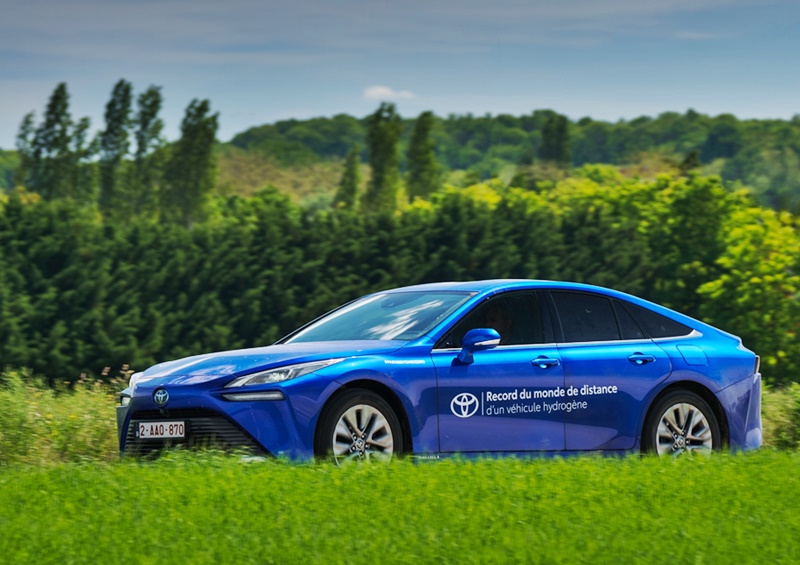
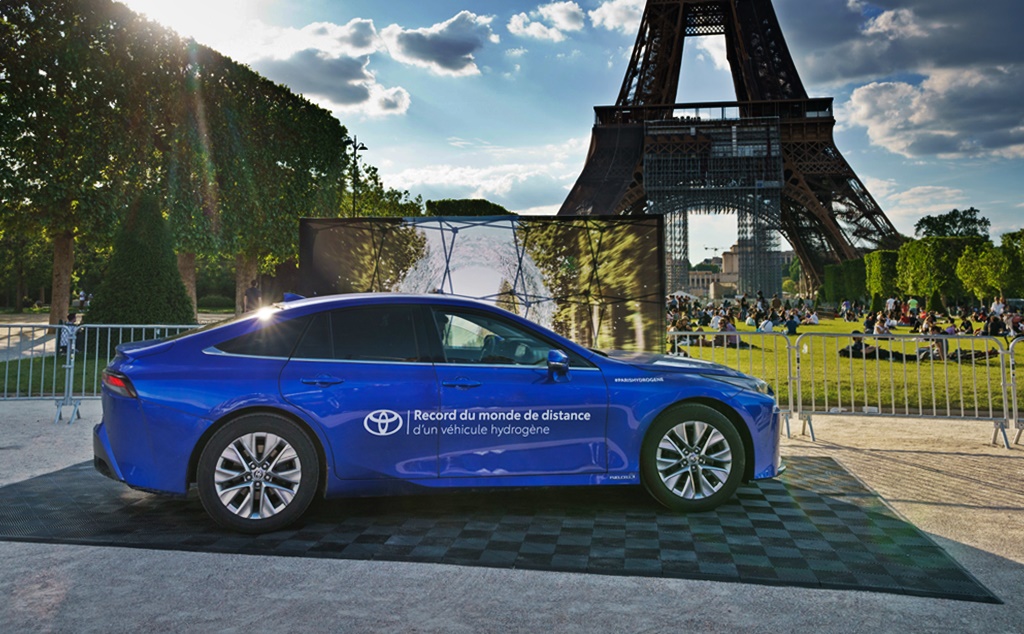
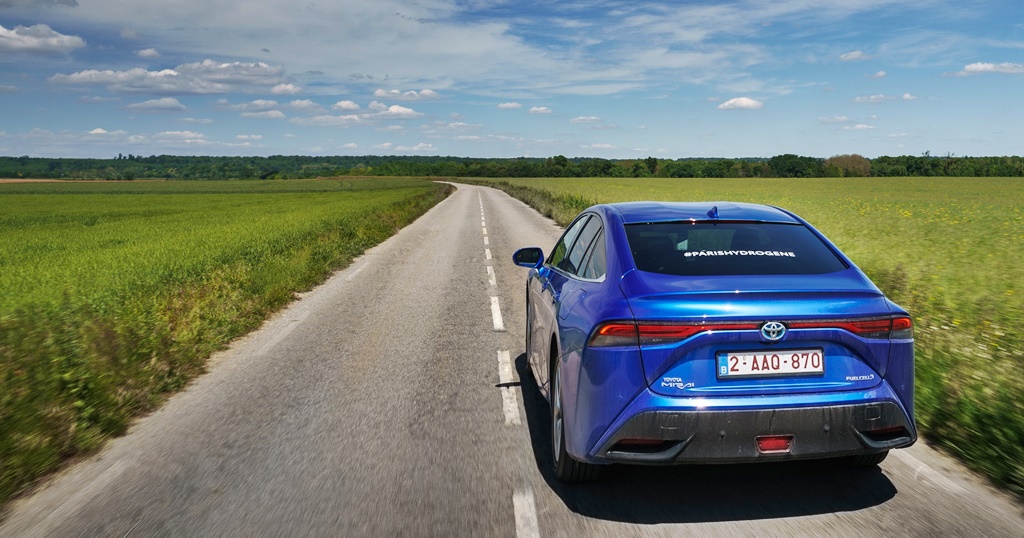
This increased range has enabled the Mirai to break the world record for the distance driven with one fill of hydrogen – over 1,000 kms. The record-breaking run was done in France last month and the car was driven on public roads.
The Mirai can store a total volume of 5.6 kgs of green hydrogen. During the run, the average fuel consumption was 0.55 kg/100 kms, the distance and consumption being certified by an independent authority.
‘Eco-driving’ style used
Toyota does mention that, to achieve the 1,003-km driving distance record, the 4 drivers adopted an ‘eco-driving’ style. However, they did not use any special techniques and everyday drivers can also apply a similar driving style if they want to achieve good fuel economy. Under normal driving conditions, the Mirai has a claimed range of 650 kms with all tanks full.
“It’s an amazing challenge that we achieved with the new Mirai. Internally, it is the mindset of ‘Start your Impossible’, going beyond our own limits, that drives us, and we proved it again,” said Frank Marotte, CEO of Toyota France.
Even after you recover from COVID-19 infection, your quality of life may be affected and you will still suffer for a long period after that. So avoid being infected by taking the necessary measures to protect yourself as well as others – and also get your vaccination.
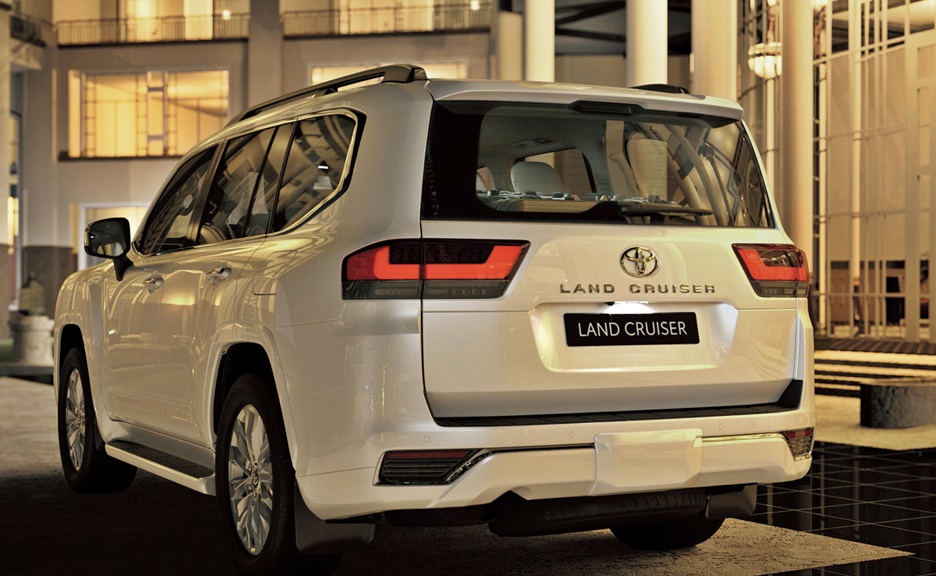
SUVs are the most active and growing segment in the market these days but most of the focus has been on the medium and compact segment although new larger models have also been drawing new customers.
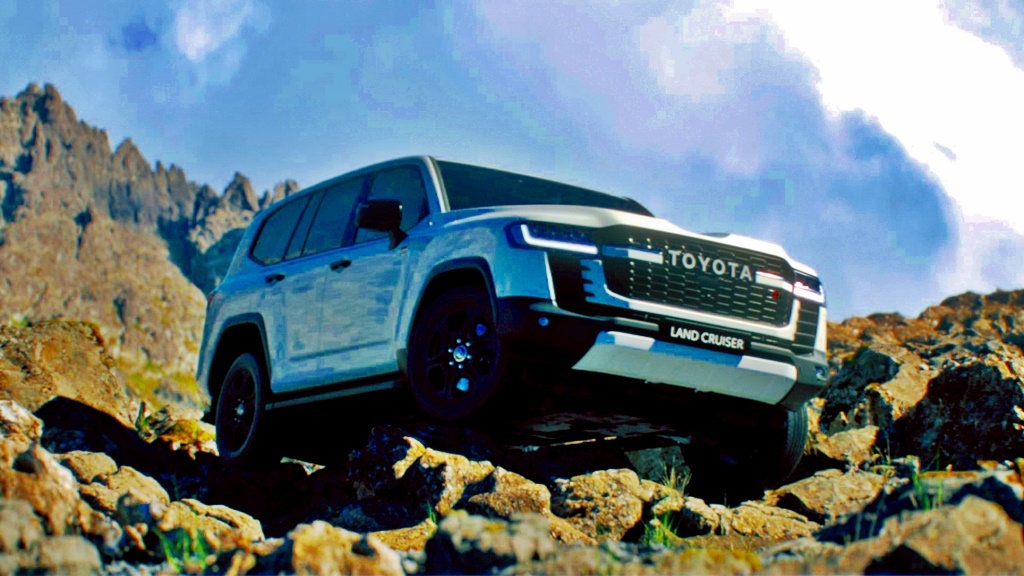
What of the older models… the original SUVs? Their evolution slowed down but there has still been demand due to their proven reputation for toughness and reliability. The Land Cruiser is one of them and over the 70 years it has been around, approximately 10.4 million units have been sold in 170 countries and regions all over the world.
First generation of the Land Cruiser went on sale in 1951.
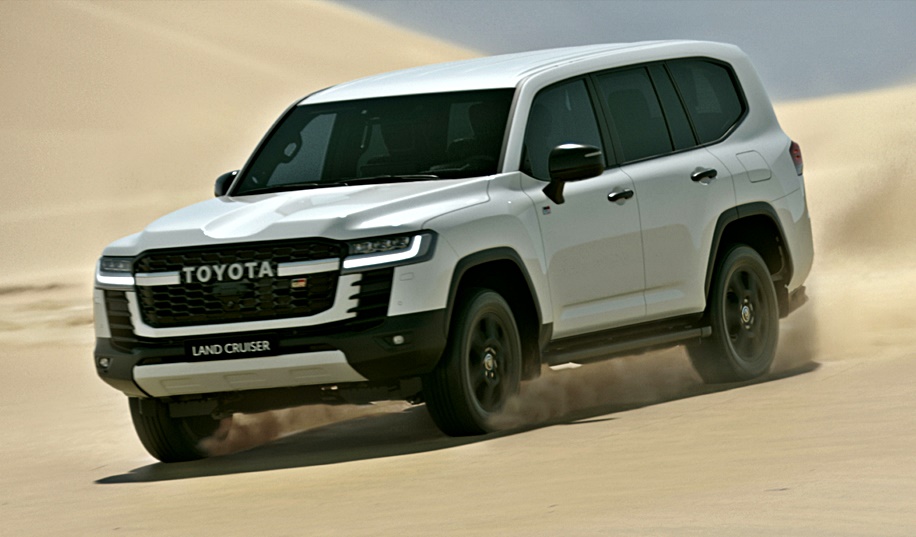
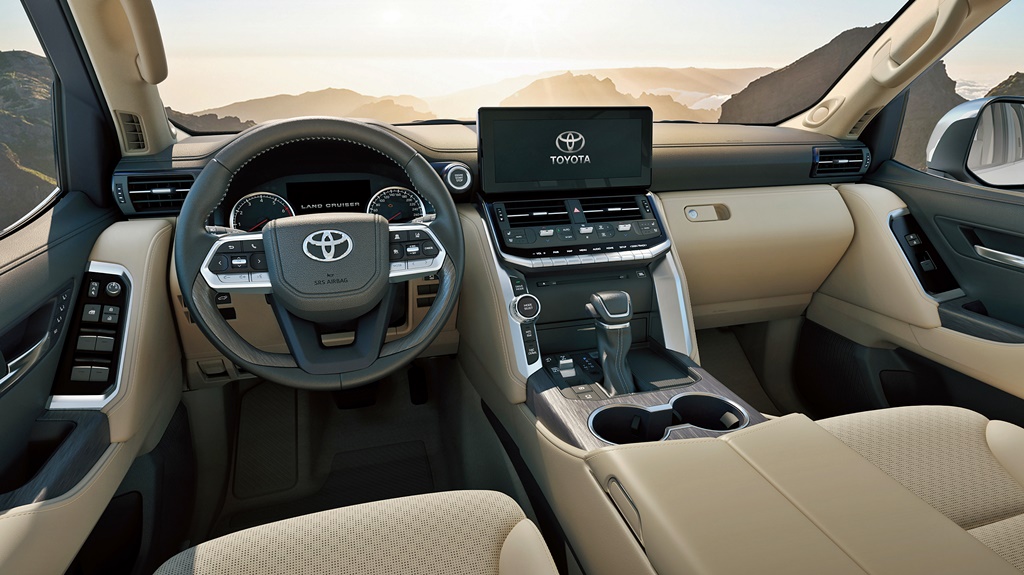
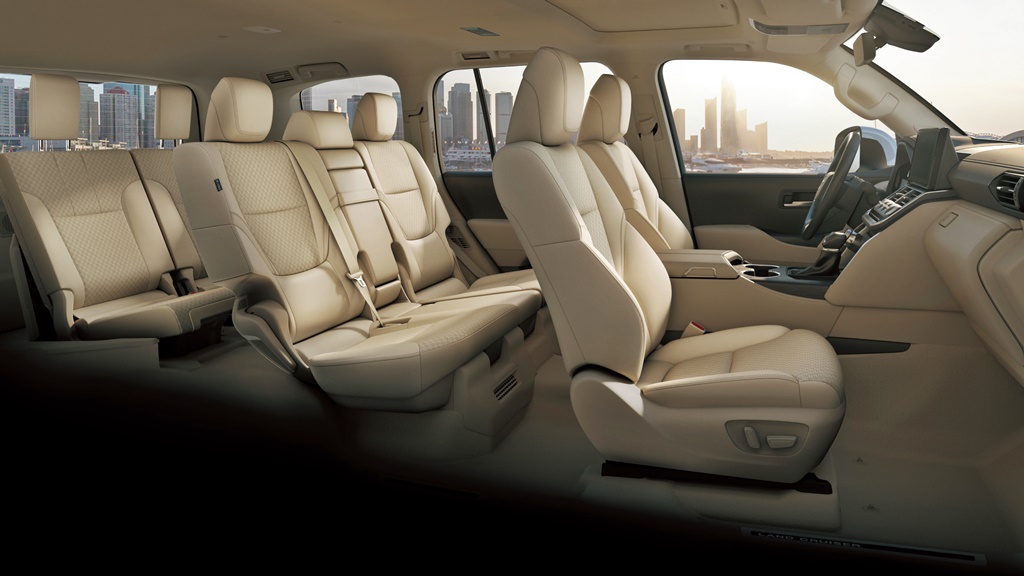
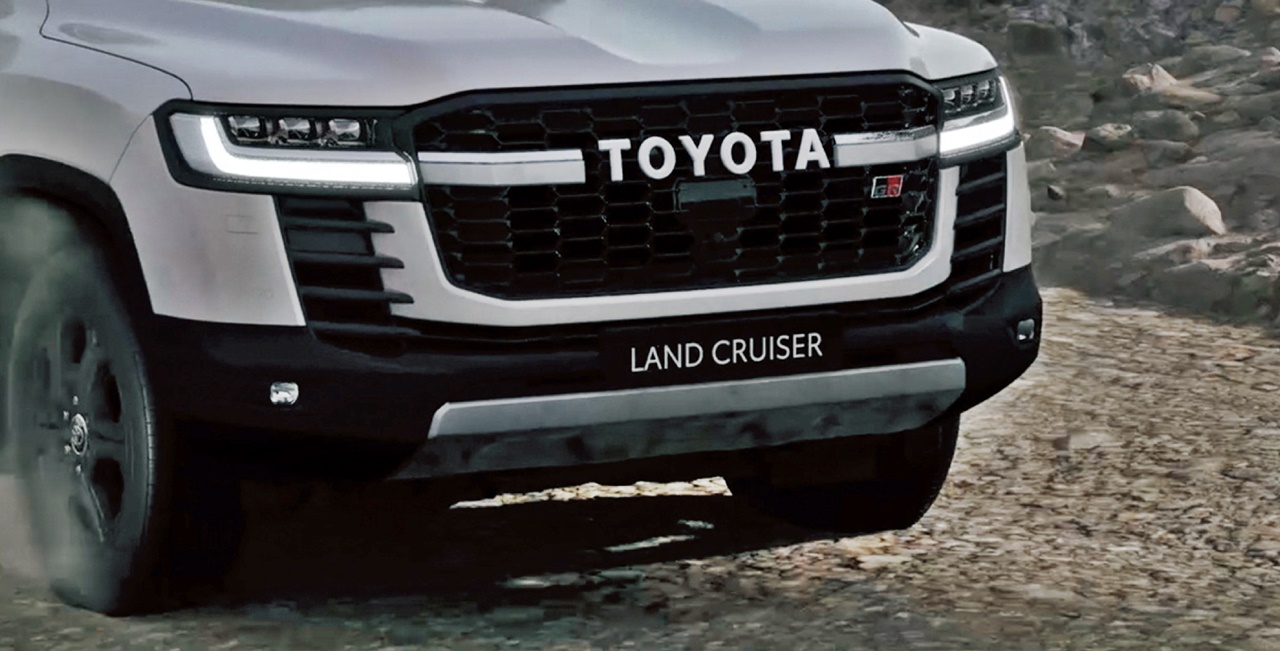
In this 70th anniversary year of the model, Toyota has completely redesigned it by merging technologies accumulated over many years with the latest technologies. The redesigned SUV is designated the 300 Series, replacing the 200 Series that has been in production since 2007. First shipments will start from next month.
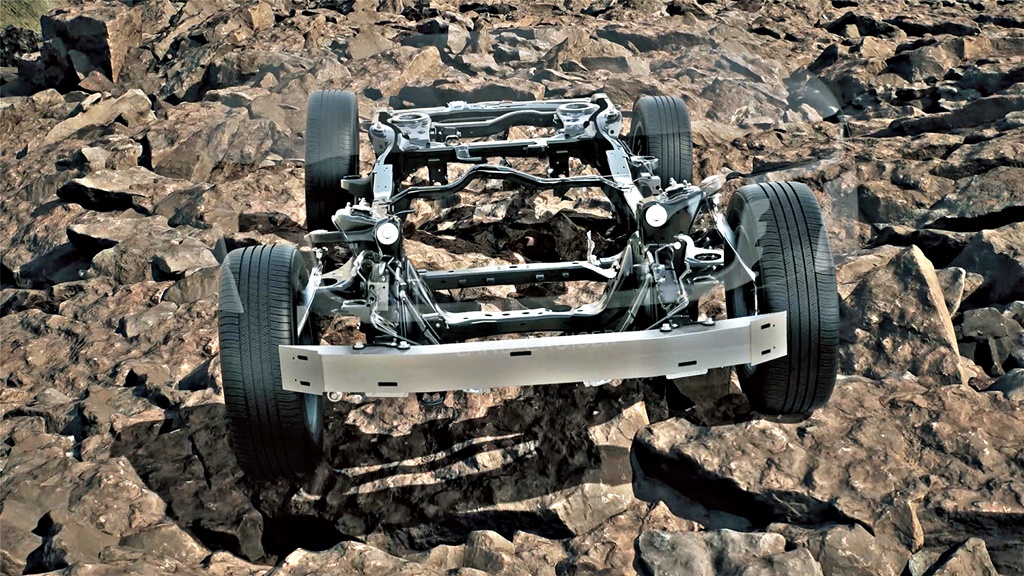
It sits on the new lighter GA-F platform based on TNGA (Toyota New Global Architecture) while keeping the chassis frame structure. The vehicle size is the same as the previous model but there is a kerb weight reduction across the range of more than 100 kgs.
New twin-turbo engines
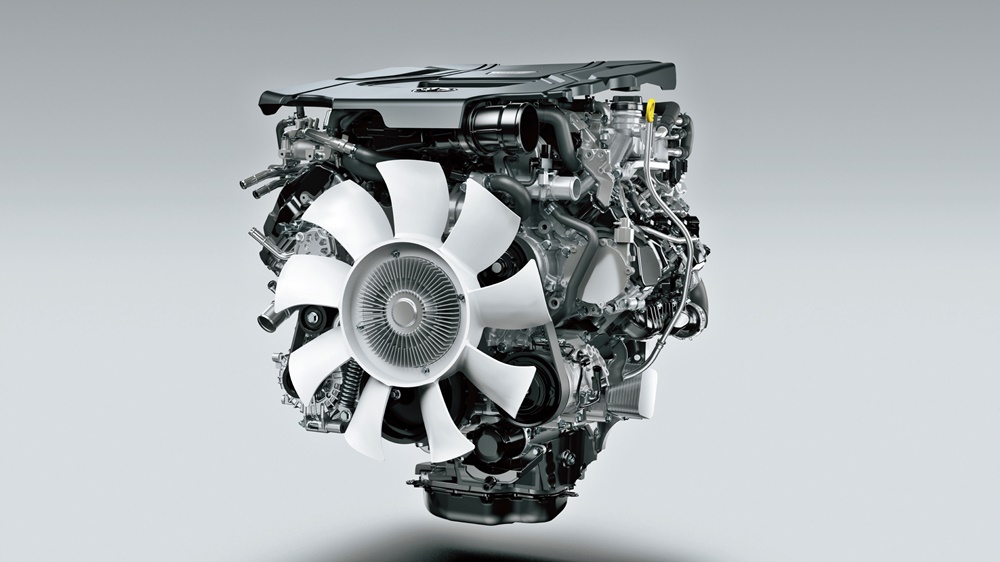
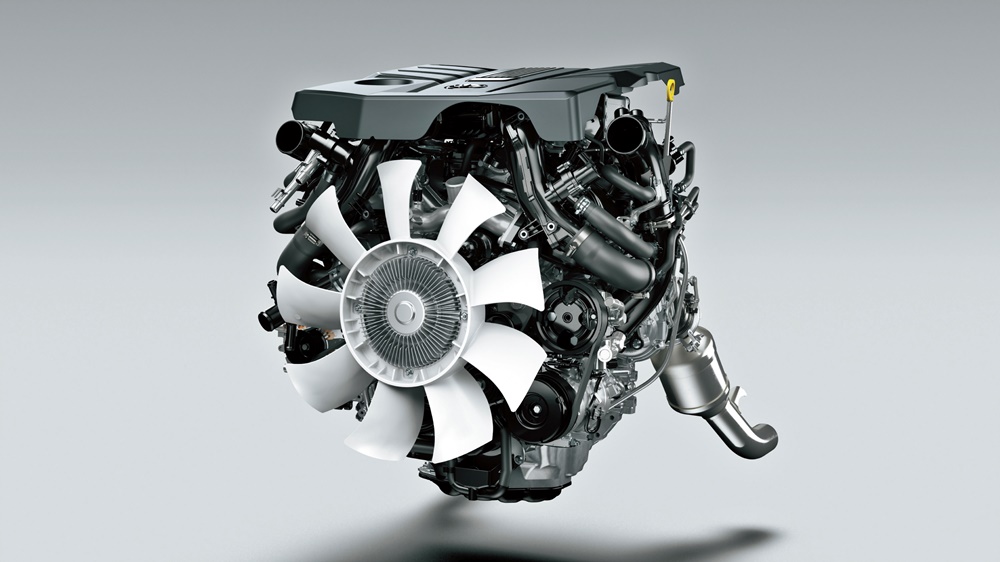
Newly developed powertrains include a V6 twin-turbo engine (3.5-litres petrol, 3.3-litres diesel). The turbodiesel has V8-beating performance and flexibility, lifting power output by 13.5% (to 309 ps)and torque by 7.7% (to 700 Nm). The petrol engine has an output of 415 ps/650 Nm. Some markets may a non-turbo V6 petrol engine.
A Multi Terrain Select 4×4 system automatically judges the road surface and selects the best driving mode. The twin-turbo engines will have a Direct Shift 10-speed automatic transmission but the non-turbo V6 engine will have a 6-speed automatic transmission.
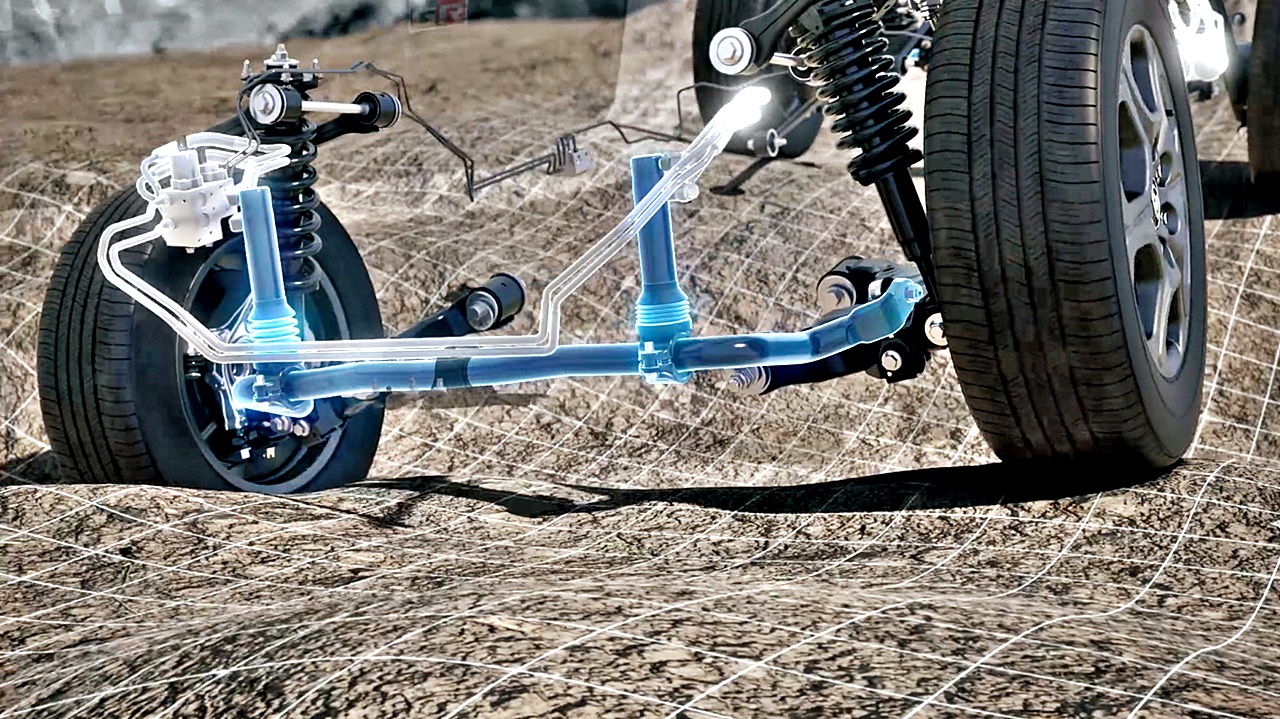
The suspension layout is essentially the same as before but with Improvements that increase wheel articulation. A world first is the new electronic Kinetic Dynamic Suspension System (e-KDSS) that increases off-capability with a larger suspension stroke achieved by effectively disabling the front and rear stabiliser bars.
Toyota Safety Sense
Like all the latest Toyota models, the new Land Cruiser has the Toyota Safety Sense active safety package. The latest version is installed with additional advanced functions. Two functions have been added to the pre-collision system that helps avoid a collision or reduce damage by detecting pedestrians (daytime and nighttime) and cyclists (daytime).
The first is a function that detects oncoming vehicles at intersections and oncoming pedestrians crossing the street when the vehicle is turning in either direction. The second is an emergency steering and crash avoidance function, which assists with steering and lane-keeping and is triggered when the driver performs a steering manoeuvre to avoid a collision.
There is also a new Parking Support Brake which helps prevent accidents by recognizing obstacles in front and back of the vehicle in a parking lot, approaching vehicles when the vehicle is backing, and pedestrians.
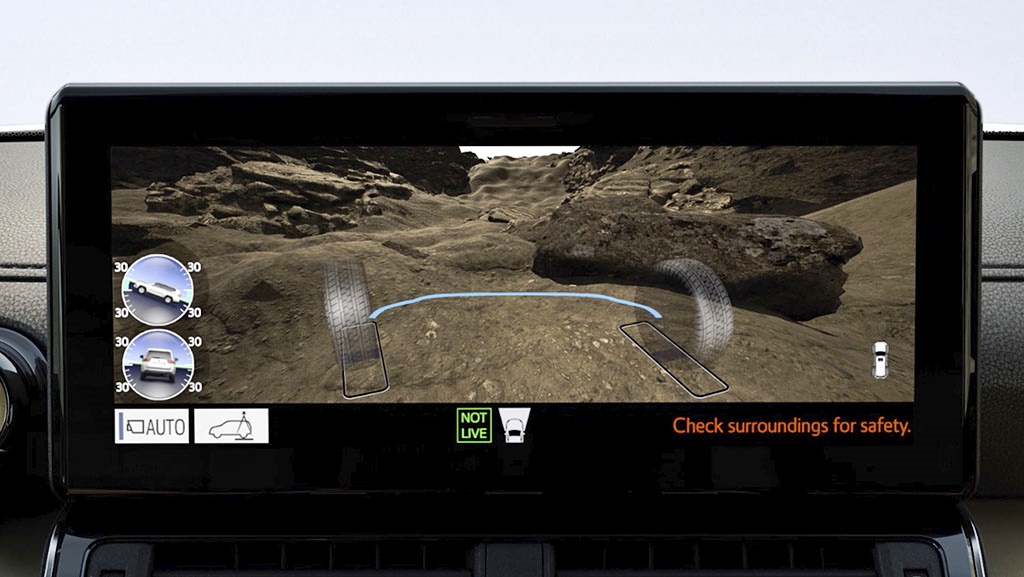
Also helping drivers over rough ground is the Multi-Terrain Monitor (shown below) that displays obstacles as viewed from the driver’s viewpoint. It is available when driving at low speeds and enables the driver to check the vehicle surroundings while moving along.
Coming to Malaysia?
The Land Cruiser was the first Toyota model sold in Malaysia, although some may argue that in 1957 when it was delivered to a customer in Tawau, the state of Sabah was not yet part of Malaysia. It impressed with its toughness and reliability and the Land Cruiser, like the Hilux, became synonymous with 4×4 vehicles in East Malaysia.
The Land Cruiser was first assembled locally in Sarawak in the 1970s. Later on, in the 1980s when UMW Toyota Motor took over the franchise, it transferred assembly to ASSB in Shah Alam, Selangor. The Land Cruiser was a popular 4×4 model but as it evolved, it gained more advanced technological features and became more expensive, just like the Mitsubishi Pajero, another popular large 4×4 SUV.
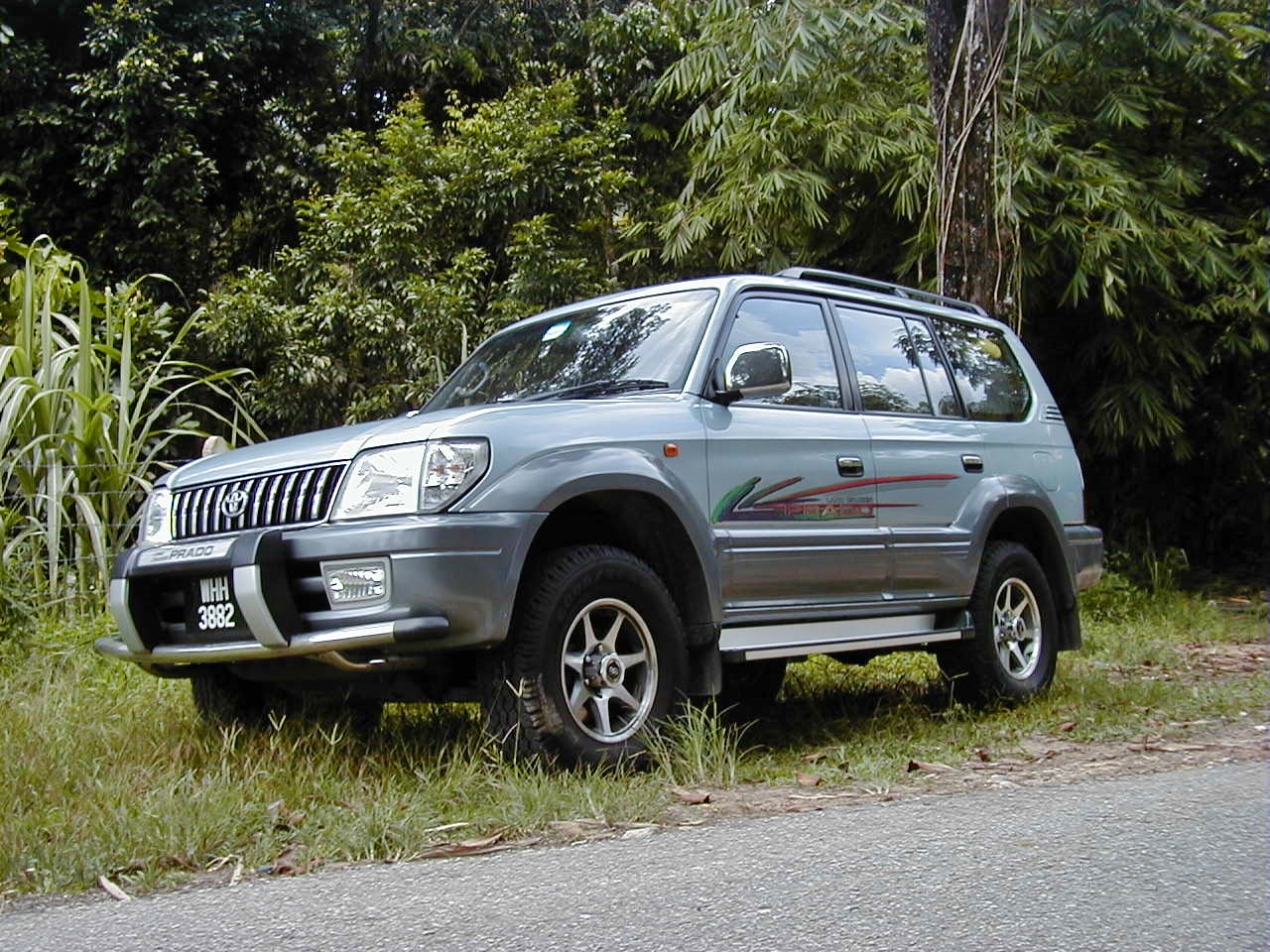
Land Cruiser Prado was the last generation of the SUV model assembled in Malaysia. Its role in the market was taken over from 2005 by the Fortuner, a product of the IMV program.
The Asian financial crisis of the late 1990s impacted sales of large 4x4s, especially with increased taxes and after the Land Cruiser Prado, local assembly ended. Though SUVs became increasingly popular, the trend was with the smaller models and with its big engines, the Land Cruiser remained popular in markets like America and the Middle East. However, the IMV (Innovative International Multi-purpose Vehicle) program gave birth to the Fortuner which took over the role of the Land Cruiser in many markets, including Malaysia.
As UMW Toyota Motor is bringing in more CBU models from Japan these days, perhaps they might consider importing the new Land Cruiser as well (otherwise the grey importers will). After all, they do offer the Lexus LX, which is adapted from the Land Cruiser.
Like many companies in various industries across the country, UMW Toyota Motor (UMWT) is abiding by the requirements of the full Movement Control Order (FMCO), which started on June 1, 2021, by temporarily suspending all its sales and manufacturing operations. However, while all non-essential services remain closed, Toyota and Lexus owners can still be assured of support for vehicle emergencies and breakdowns.
Assistance and support for owners
“The past few weeks have been challenging for all of us. During these difficult times, we at Toyota and Lexus stand with all of you in solidarity in our fight against the pandemic. We have temporarily shut down our non-essential services. At the same time, we understand that during this time of uncertainty, we can still be of assistance and support. This is why we continue to be here for vehicle emergencies and breakdown,’ said Ravindran K., President of UMW Toyota Motor.
Although Toyota and Lexus outlets are closed in compliance with the FMCO, owners can still get emergency assistance by calling the Hotline number below.
Warranty will be extended
He added that all vehicles purchased from UMW Toyota Motor or its authorised dealers nationwide which have warranties that are expiring during this period will enjoy a 30-day extension calculated from the last day of the MCO.
“We are extremely grateful to the Government for taking numerous intervention measures to not only safeguard Malaysians from the threat of the pandemic, but in introducing financial and industrial policies to ensure that the pandemic does not have a too severe impact on the economy. This includes a further extension of the SST (Sales & Service Tax) exemption which we believe has, and will continue, to contribute significantly towards restoring consumer purchasing confidence,” added UMW Toyota Motor’s Deputy Chairman, Akio Takeyama.
Recovering consumer purchasing confidence
UMWT has seen clear signs of consumer purchasing confidence improving with the sales of its Toyota and Lexus vehicles rising for many months now. In May, 7,595 units of vehicles from the two brands were delivered. The volume was largely driven by models such as the Vios sedan which accounted for 32% of sales, followed by the Yaris hatchback (25%) and the Hilux pick-up truck which contributed 21% of the units sold in May.
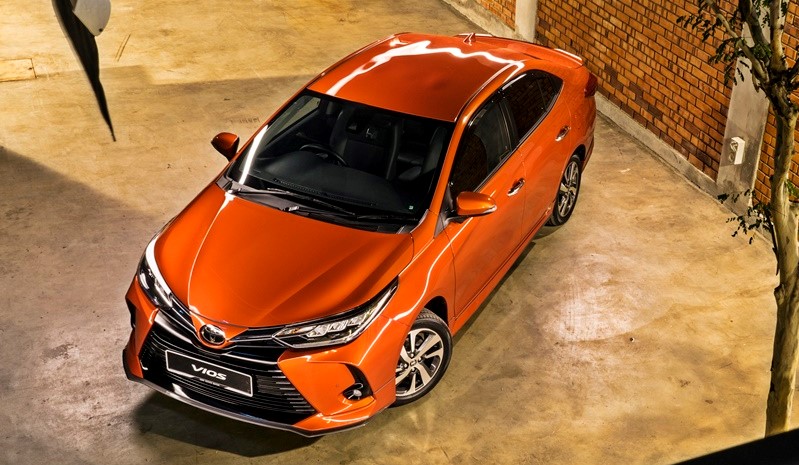
Vios was company’s bestselling model in May, accounting for about a third of total sales.
Mr. Takeyama added that the impact of the pandemic has been both unpredictable and unprecedented, but the introduction of several new models throughout the year combined with the SST incentives for consumers has helped the local automotive industry to navigate the storm in a position of strength.
Meanwhile, Mr. Ravindran said the company will continue to extend service excellence to all customers and continue to introduce numerous sales and aftersales initiatives to assist with savings in these difficult times. “We are here for you. This is an effort that is not only solely on the shoulders of the government, but it involves everyone and all stakeholders. We thank our customers for their continued support and in return, rest assured that we will continue to support you through these challenging times,” he said.
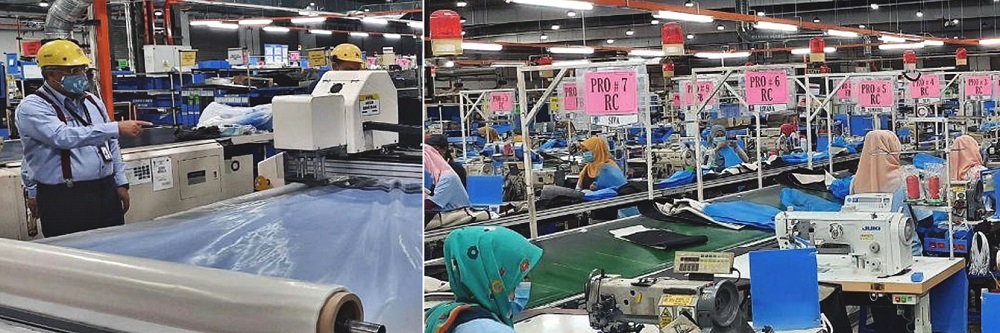
Last year. a subsidiary of UMW Toyota Motor made Personal Protective Equipment (PPE) for frontliners who needed them urgently.
‘Thank you’ to frontliners
UMW Toyota Motor encourages everyone to stay home, stay safe and to take care of one another. It assures all customers that support, where necessary, will be provided during this period. “To all of our healthcare workers and those upholding peace and order in every way big and small, we owe each of you a profound debt of appreciation and gratitude for your selfless service. We would like to say a big ‘Thank You’ you to all of you,” said Mr. Ravindran.
The American market was always a strong market for the Toyota Supra, to the extent that some generations were born at Calty, its advanced design centre in California. When it made its return after an absence of 17 years, it was the North American International Auto Show that was chosen for its global debut.
So the American market is special to Toyota, especially where the Supra is concerned, and to recognise that, Toyota USA has developed a limited edition of the GR Supra just for the market. It’s the most exclusive 5th generation Supra to date and only 600 units will be available.
Carbonfibre treatment
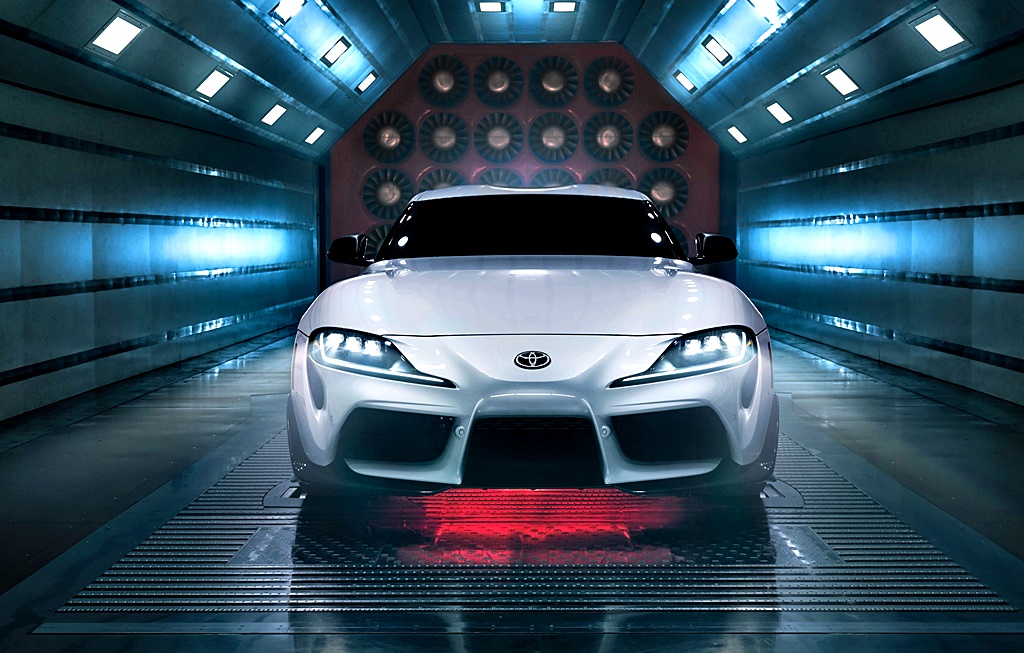
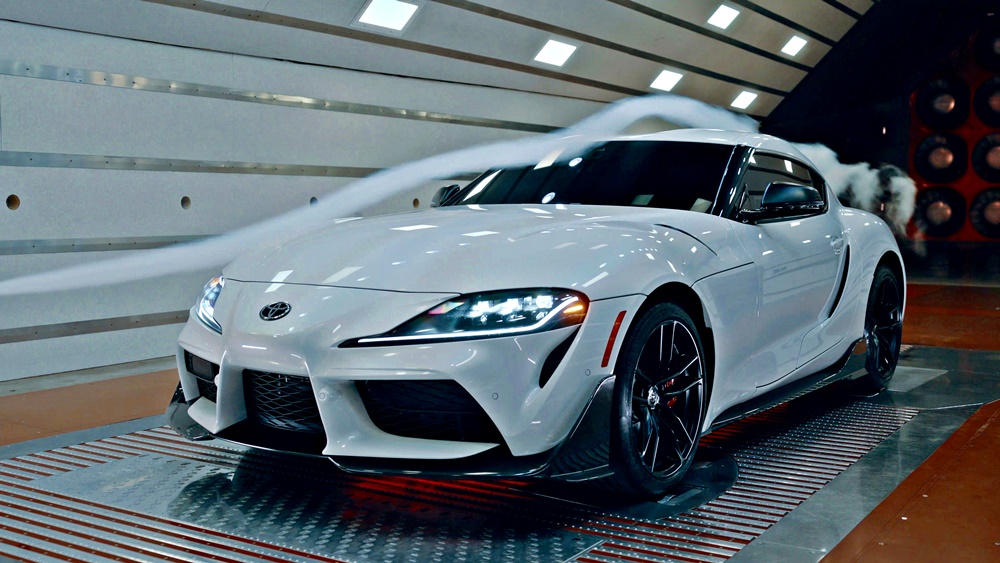
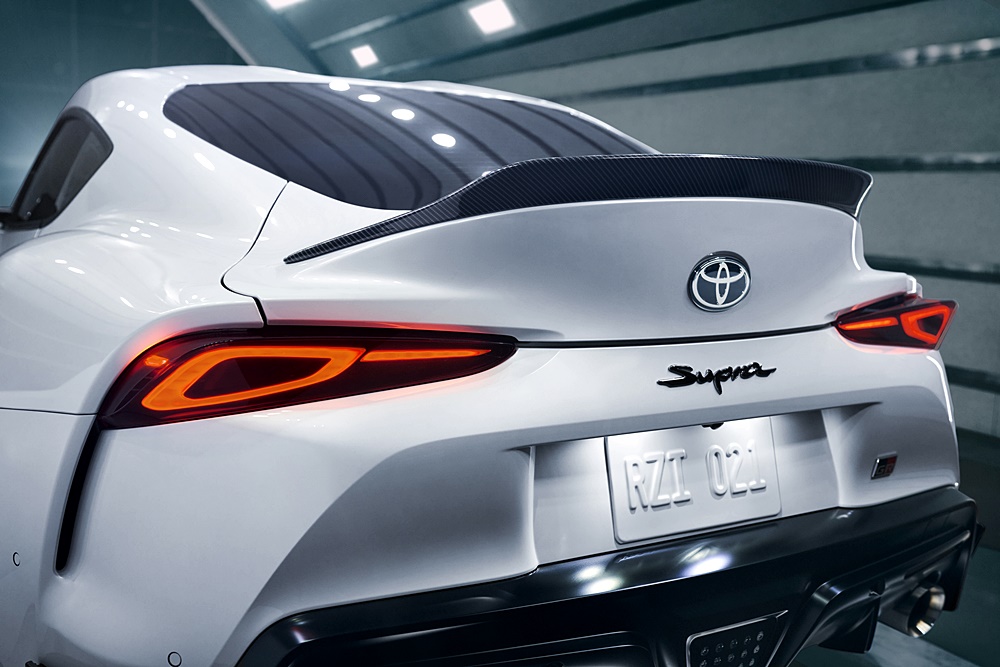
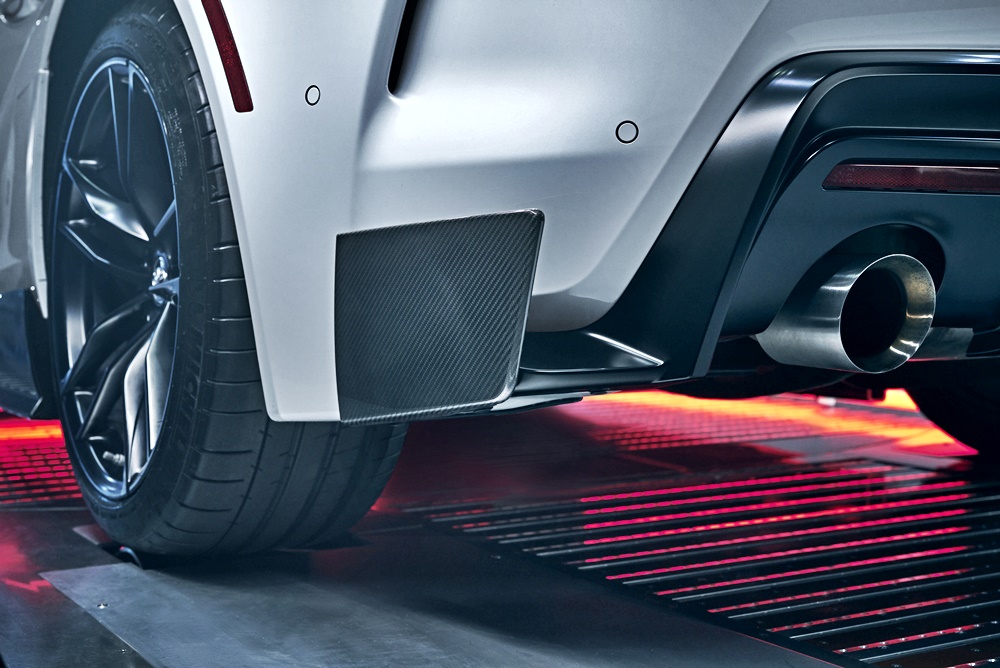
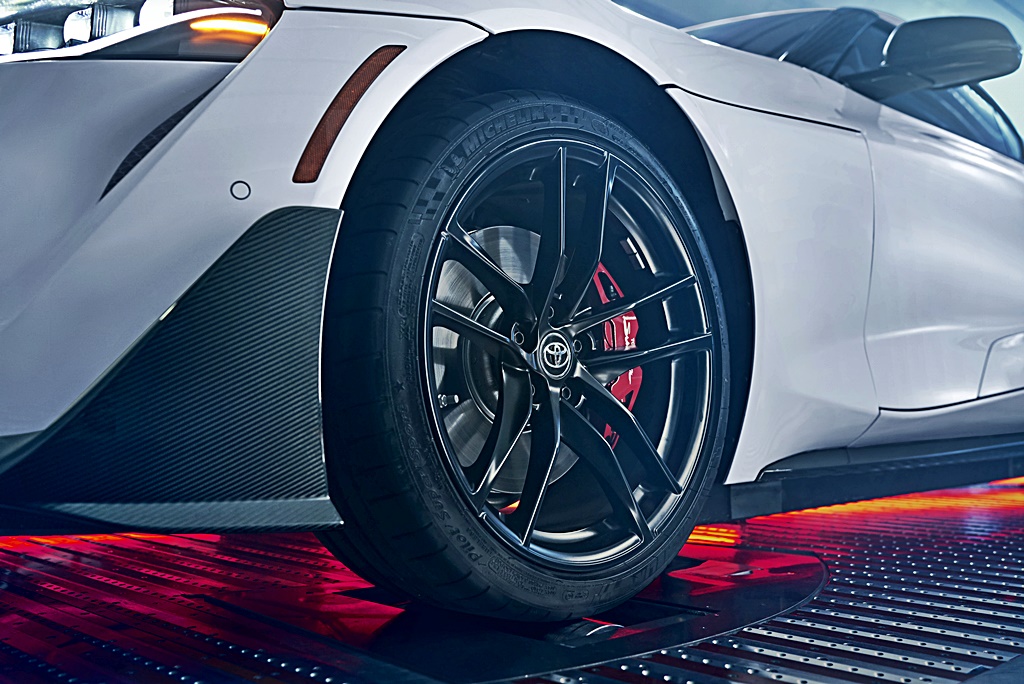
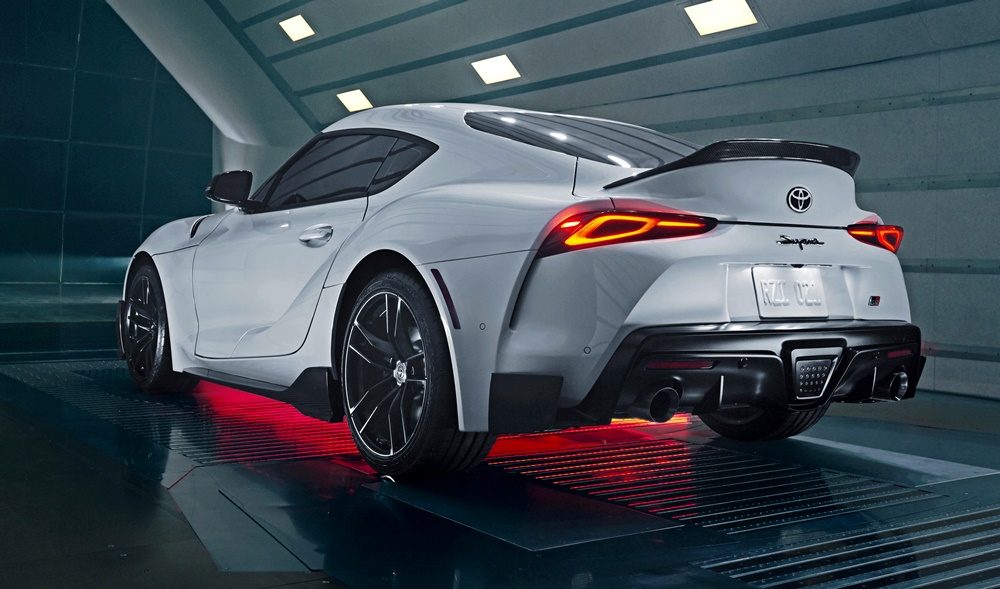
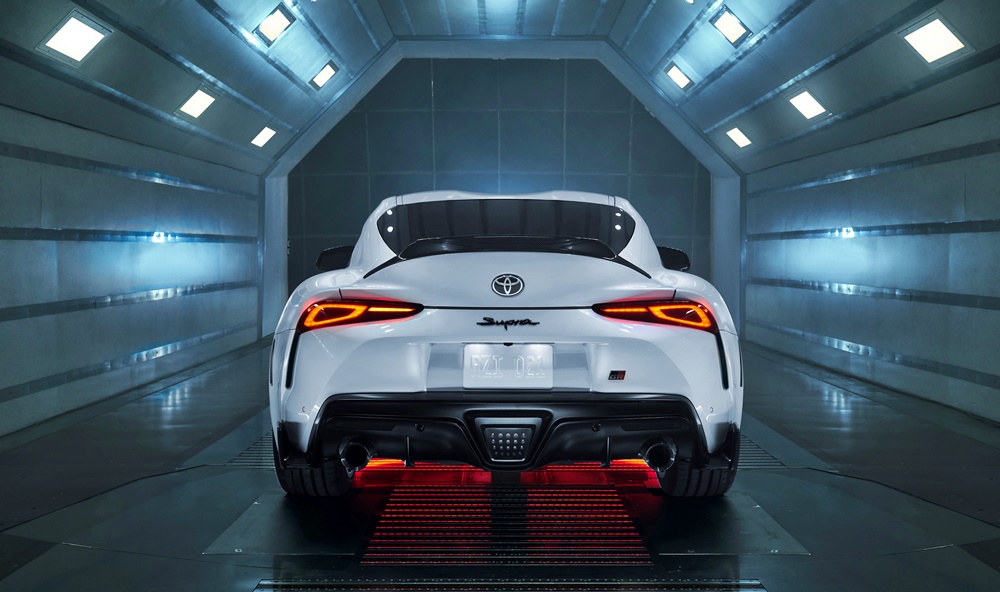
The highlight of the GR Supra A91-CF Edition, as it is known, is a carbonfibre front splitter and larger canards, with carbonfibre side rockers define the lower edge along the sides. The carbonfibre treatment (hence ‘CF Edition’) continues at the rear end, with a duckbill spoiler catching the air up top and lower canards doing so down below.
Wind tunnel-tested
The aerodynamic features are not just for looks. Extensive testing has been done in a wind tunnel to shape them to improve downforce and stability, especially when on the racetrack. The performance should be almost similar to the other GR Supra as it uses the same 3-litre 6-cylinder engine.
Additionally, unique 19-inch wheels sport a matte-black texture that complements A91-CF Edition’s available matte-gray Phantom paint colour. The other technical specs are the same too, with an 8-speed Z-F8 transmission, Adaptive Variable Sport suspension and active rear sport differential. The front brakes are from Brembo, with red calipers.
Exclusive interior trim
The interior, with a red-and-black theme, also has some exclusive features that include carbonfibre interior trim. The Alcantara-and-leather-trimmed cabin includes red stitching details with a leather-wrapped 3-spoke steering wheel and sport pedals.
In Malaysia, the model is officially available through selected authorised dealers with the GR Garage. It is priced from RM589,987 (with sales tax exemption, without insurance). Visit toyota.com.my for more information or to locate a GR Garage showroom in Malaysia.
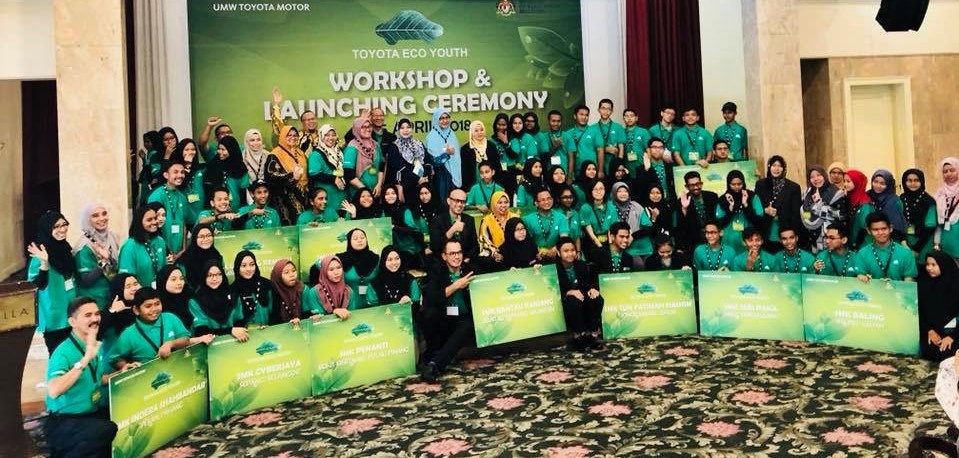
One of the longest running environmental program for Malaysian youth has reached its 20th edition this year. It’s the Toyota Eco Youth (TEY) program organised by UMW Toyota Motor (UMWT) in collaboration with the Ministry of Education.
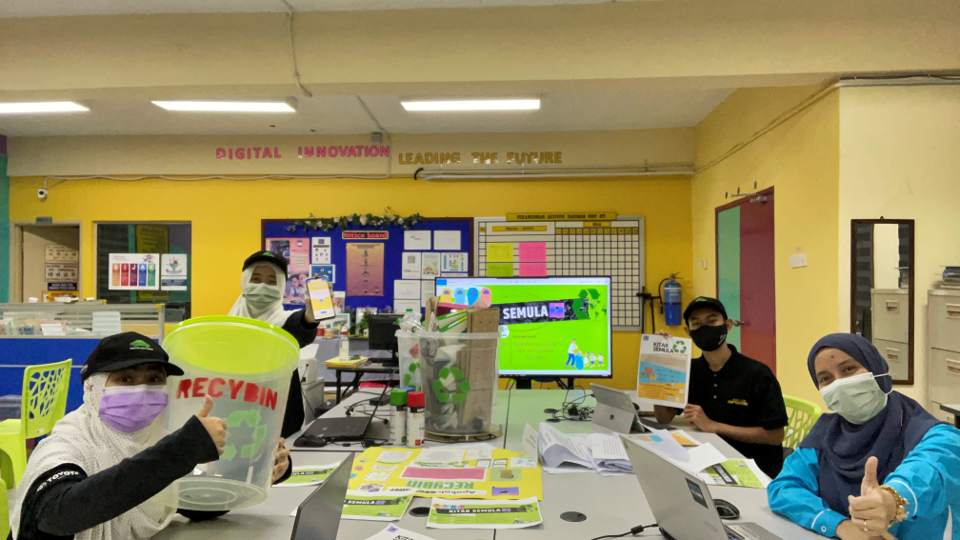
The 20th edition recently came to a satisfying and exciting conclusion with the announcement of the Top 5 winning teams from secondary schools around Malaysia. A total of 16 teams participated in the program which had a revised format and presentation due to the ongoing COVID-19 pandemic. To overcome the new challenges and limitations brought on by the Movement Control Order (MCO), the activities were moved online with interactive e-learning lessons and workshops. In all previous years, TEY activities involved face-to-face interactions but the need for social distancing and to protect each other meant that this approach could no longer be used.
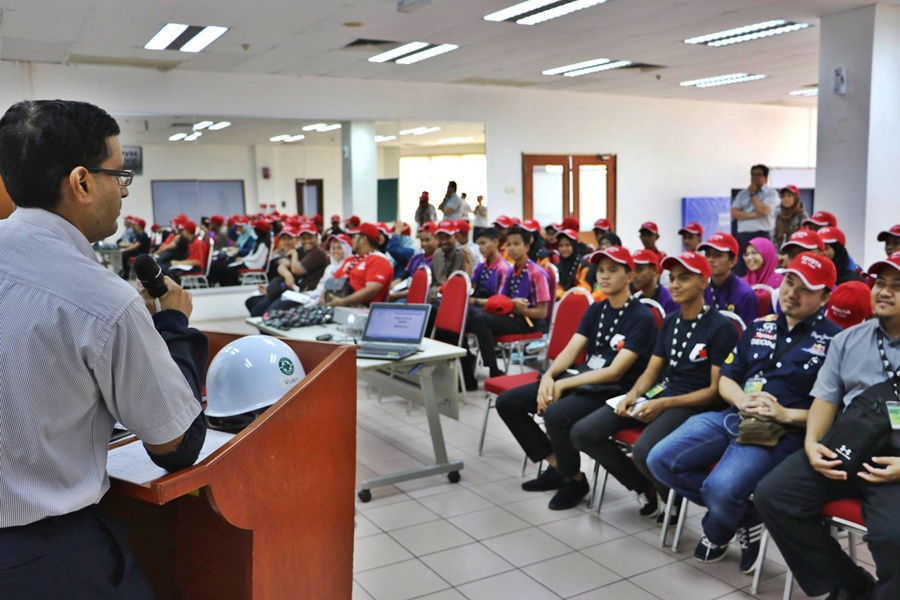
During the online sessions, the participants were trained on project management skills that incorporate Toyota’s Problem-Solving Methodology. This new e-learning approach, conceived within a few months, proved so successful that it will be adopted for future programs.
This year’s program had the theme of ‘Reimagining Mobility’, with the spirit of inclusivity and freedom of ideas as the foundation to this theme which depicts the creation of safe and eco-friendly mobility.
The winning teams
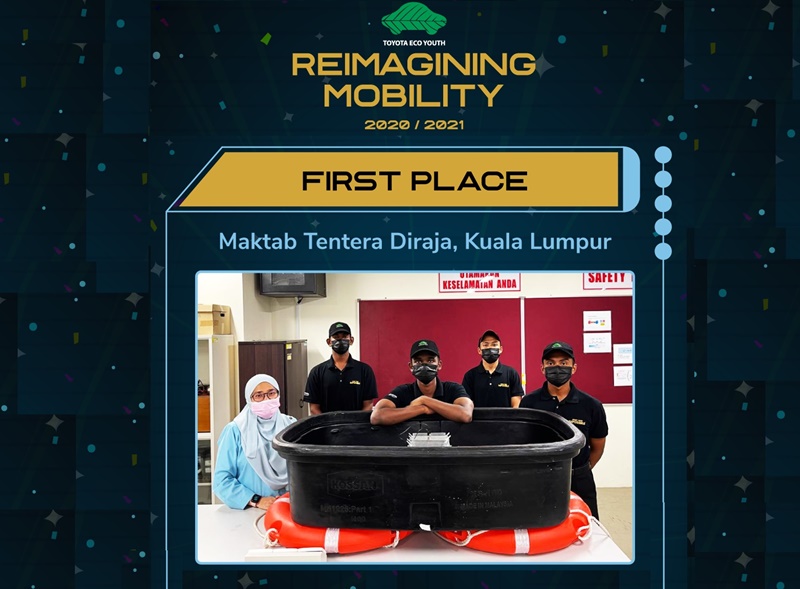
Following the final judging phase after each of the 10 finalists made their respective ‘pitches’ with live presentations on May 29, 2021, the winning teams were chosen. They are, in first place, Maktab Tentera Diraja, Kuala Lumpur (We-Sea-It Smart Tool); second place, SMAP Labu, Negeri Sembilan (UCOnverter Smart Tool); third place, SMK Kubang Kerian, Kelantan (Recybin App); fourth place, SMK Chung Hua, Sarawak (Recyclo Smart Tools), and in fifth place, SMJK Katholik, Selangor (MOSS AFV Smart Tools).
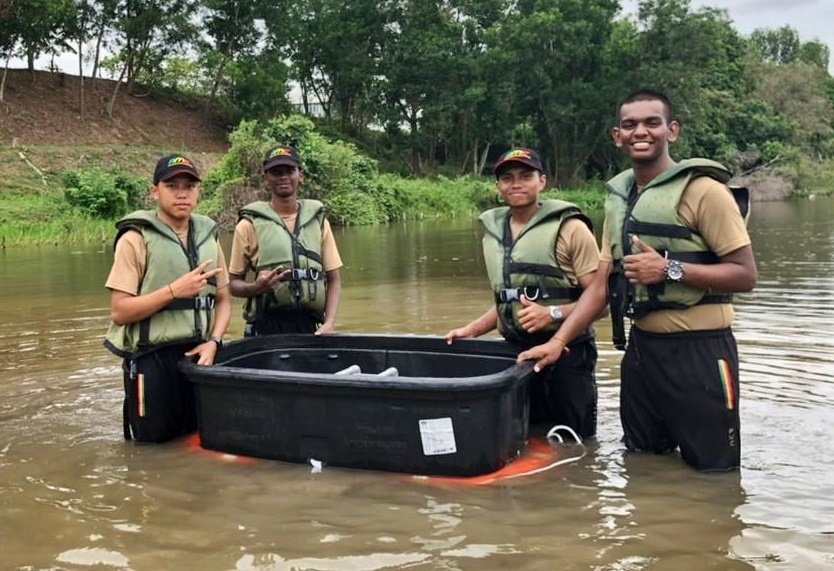
The winning team from Maktab Tentera Diraja with their project that developed the ‘We-Sea-It Smart Tool’ that can help to address microplastics pollution in water sources.
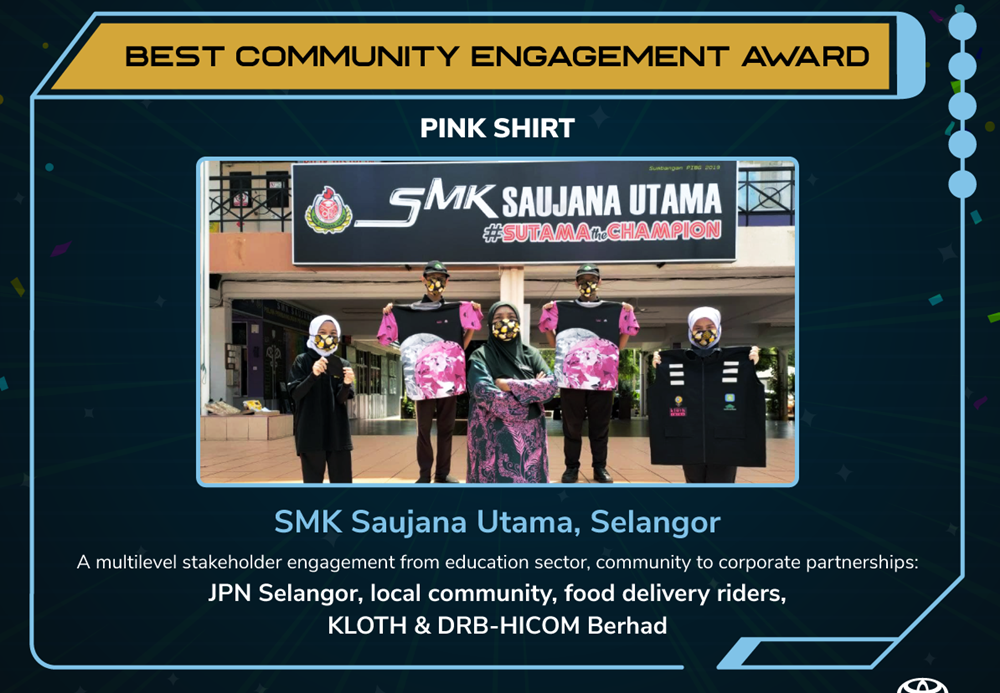
SMK Saujana Utama, Selangor won recognition for the ‘Best Community Engagement’, with Noor Liyana Shamsudin from Maktab Tentera Diraja nominated as the ‘Most Supportive Teacher’. Three students were selected as the Top ‘Agent M’ – Hani Nabila from SMAP Labu, Negeri Sembilan; Lim Bo Jing from SMJK Katholik, Selangor and Muhammad Uwais Darwis from SMK Majakir, Sabah.
Increased prize money
For 2021, the total prize money has been doubled to RM64,000 to further reward ingenuity amongst the youth. This year, the winning team received RM20,000 in cash, followed by RM15,000 for second place; RM 10,000 for third place; RM7,000 for fourth place and RM5,000 for fifth place. The Most Supportive Teacher was rewarded with RM3,000 and RM1,000 each was offered for Best Community Engagement and Top Agent M.
The Closing Ceremony was conducted live via a virtual platform with Dato’ Haji Adzman bin Talib, Deputy Director-General of Education Malaysia (School Operational Sector), Ministry of Education, as the Guest of Honour. Also present for the virtual gathering was Mohd. Shamsor Mohd. Zain, Director of Marketing, UMW Toyota Motor, as well as other senior representatives from the Ministry of Education and UMWT.
Holistic learning experience
“This year’s Toyota Eco Youth program reflected the adaptability of the new generation to embrace technological advancements and take on an innovative approach in solving the environmental problems. The fundamental training which is the Toyota Problem-Solving methodology was done virtually and I’m proud to say that all students were extremely receptive towards it,” said Encik Mohd Shamsor.
“Throughout the program, with the guidance of teachers and mentors, the participants would have learnt team spirit, confidence, communication, presentation skills, all of which encompass a more holistic learning experience,” he added.
The well-thought proposals of the 16 teams were posted on social media channels for the public to view. Additionally, each team developed a podcast episode presented on the TEY Channel in two platforms – Agency on Leaderonomics FM and On TEY Channel.
Winners continue involvement
For the winners, the program does not end, as it did in previous years. The duration of the program will now be for 3 years and the winners from the 2020/2021 edition will continue as facilitators for the following year’s batch. They will thus be able to contribute their experience to the next batch. At the same time, digitalization of TEY is taken up a notch by setting up a TEY Apprentice online club.
About the Toyota Eco Youth program
Over the course of two decades, participants in the TEY have included 258 schools, 1,910 secondary school students and 762 teachers. Each year, challenging and interesting themes have been provided, and participants have come up with interesting, innovative solutions and proposals applicable to their school or community. Over RM7 million has been spent by UMWT to run the program annually.
“Toyota Eco Youth is a unique event in the Toyota world. Toyota Motor Corporation and UMW Toyota Motor are proud to be playing a part in cultivating environmental consciousness and innovative thinking for the young generation. It is assuring to know that the next generation will be ready to face new challenges that arise as we all strive to make our planet a better place for everyone,” said Akio Takeyama, Deputy Chairman of UMW Toyota Motor.