


Piston.my

Volvo

BHPetrol RON95 Euro4M

The 760 is remembered as the model that saved Volvo and allowed it to exist up till today. Though the company had line of smaller models (the 300 series) from its Dutch subsidiary, it still needed a large volume-seller to take over from the aging 240/260 that had done well before the world got hit by the first of the oil crises.

When the first plans for the 760 were formulated in the mid-1970s, the automotive industry in general was experiencing a lot of difficulties. The first oil crisis had just passed and increasing concerns about air pollution caused by exhaust fumes had brought on stricter emission-control regulations, requiring new engineering solutions at extra cost. It was also a very difficult time as production costs increased and currency issues also made exports more expensive.
Volvo 760

The 760 had taken a longer time to develop because it was a crucial model and not just a successor to the 200-series. It was to take Volvo further into the premium segment for the first time and had to be able to attract customers who usually considered the BMW 5-Series or the Mercedes-Benz E-Class (W123 at that time).

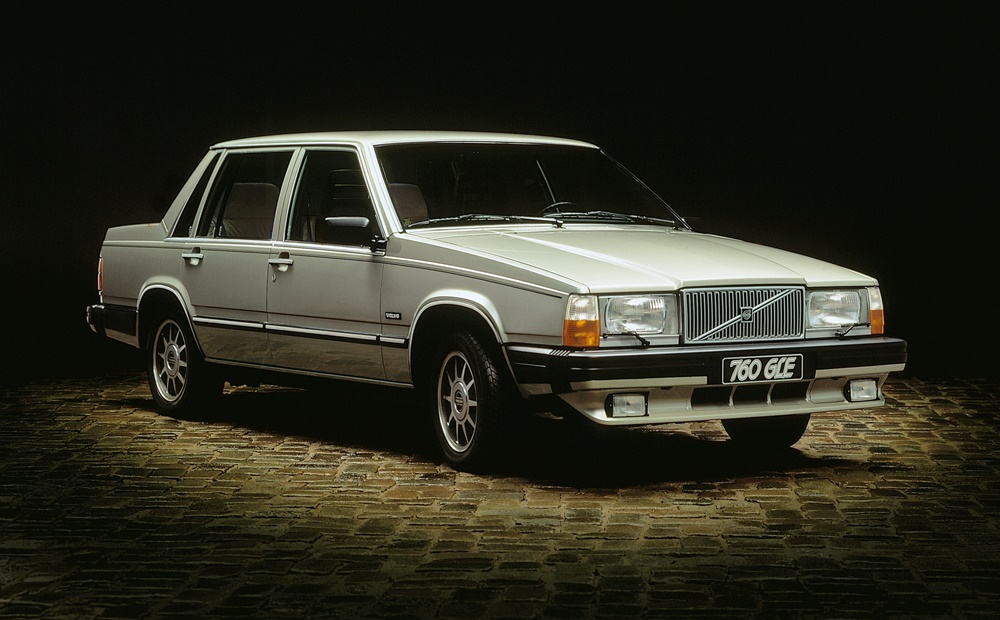
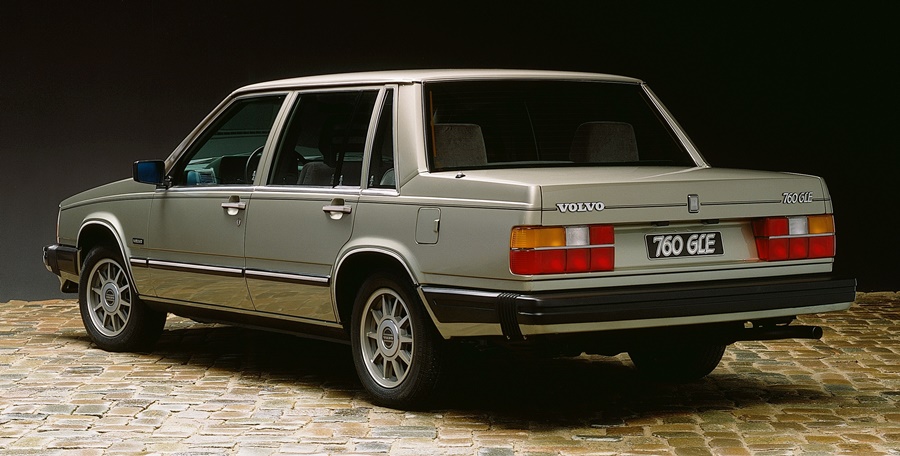
The car that was launched in 1982 was entirely new with a design that epitomised the Swedish obsession with ‘function having priority over form’ and it was taken to an extreme. Elegant in some ways, it was also slab-sided – at a time when car designs were ‘softening’ with rounded edges and more curves.
Volvo 760

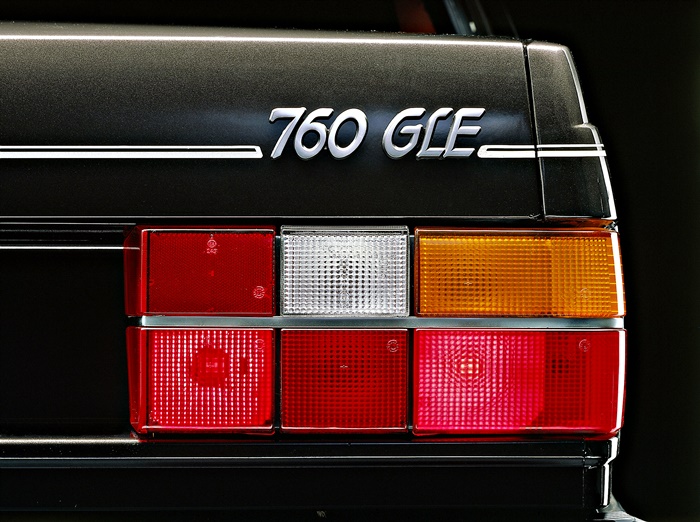
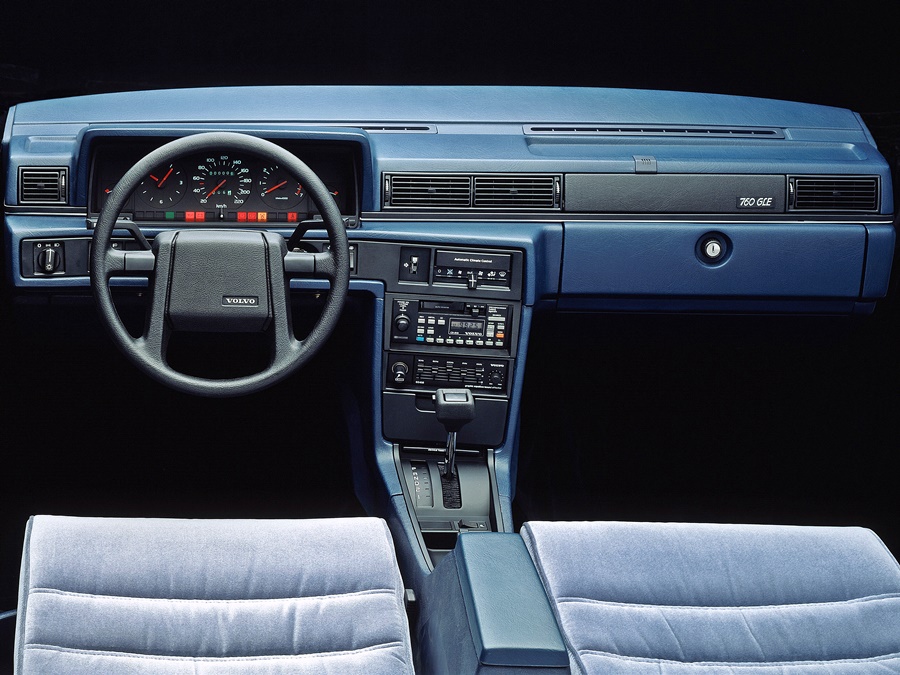
Volvo 760 GLE

Some thought the looks were rather ‘American’ and that Volvo’s designers wanted to appeal to that market where the company sold the most cars but that was never admitted. Jan Wilsgaard, then Volvo’s head of design, said the car looked the way it did because ‘of function and space optimization’.

Apparently, the finance department wanted a design with straight and flat surfaces, as well as angular lines, preferably 90 degrees, in order to reduce the production costs as much as possible. This led to Volvo’s looking rather boxy for a long time and it would only be in the mid-1990s, with the C70 Coupe that Peter Horbury, who was the design chief, could declare that Volvo had finally gotten rid of ‘the box’.
Volvo 760

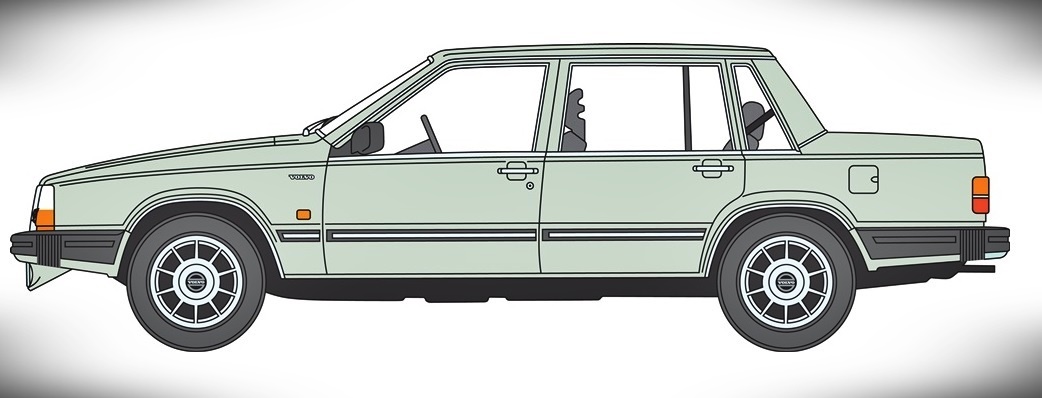
Wilsgaard’s proposal somehow satisfied the different groups within the company: the rear end was somewhat like a stationwagon with straight body sides and with an abruptly cut-off boot. This led to having almost vertical rear screen and boxy rear section. Designers were in pursuit of ever-lower drag coefficients by making shapes sleeker and it was pointed out that the 700’s Cd of 0.29 was as good as the Porsche 928’s and 10% better than the 264.

The 760 was conceived in a time when conditions changed almost daily and in the company, there were many strong and different opinions regarding the new car. There was no Internet to surf in order to understand consumer thinking but Volvo designers made use of the best possible tool available at the time, a very thorough analysis of the surrounding world.

Very valuable during this process was the use of product clinics which Volvo used for the first time and at which people’s reactions regarding the new car were studied without revealing any details like the brand of car or its origins.
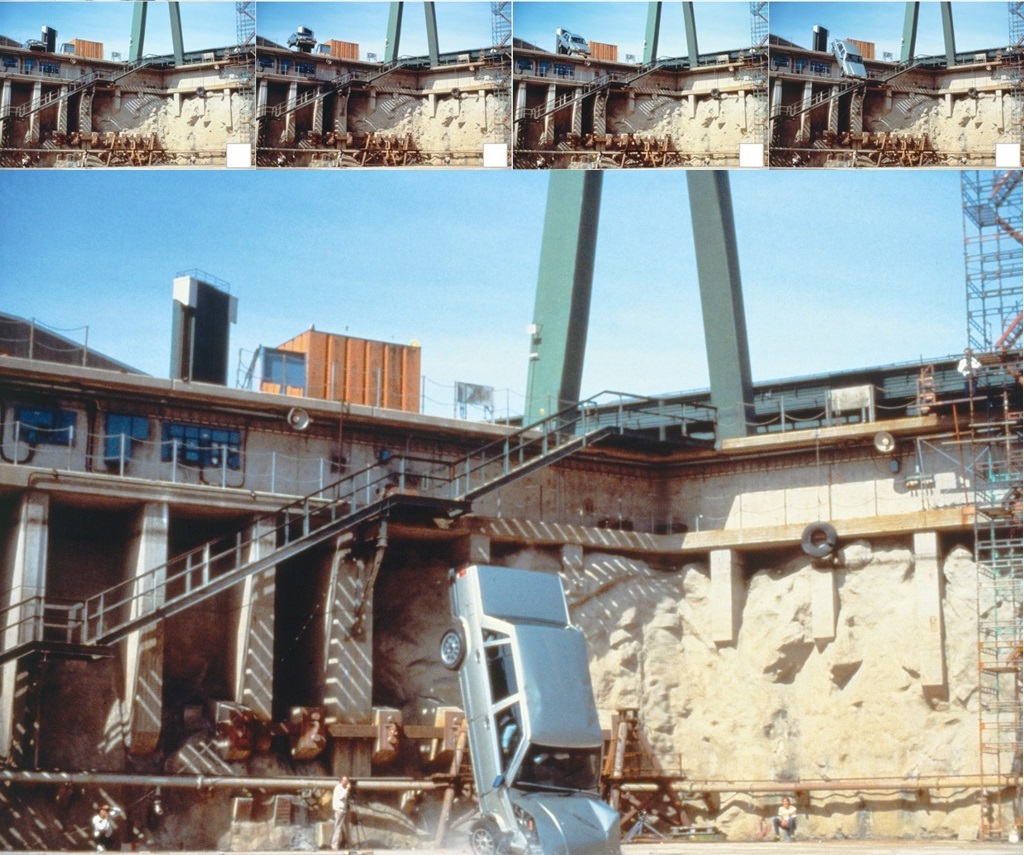

Volvo 760
No, this wasn’t from a James Bond movie. It was a dramatic film demonstrating the car’s strength by dropping it from 3 storeys.

Volvo 760

Besides safety, it was decided that reliability, fuel efficiency, longevity, serviceability, low noise levels, design and performance – in that order – should guide the development work on the new project which was given the code ‘P31’. It was also decided that rear-wheel drive should be employed, and that the wheelbase should be 10 cm longer than that of the 264 which was Volvo’s flagship then.

The car was also to be somewhat shorter than its predecessor but had to be the same width. Volvos were still being viewed as ‘tanks’ because of their bulk and weight but Volvo was never discouraged by that label though the engineers were told that the 760 should be at least 100 kgs lighter than the 264.
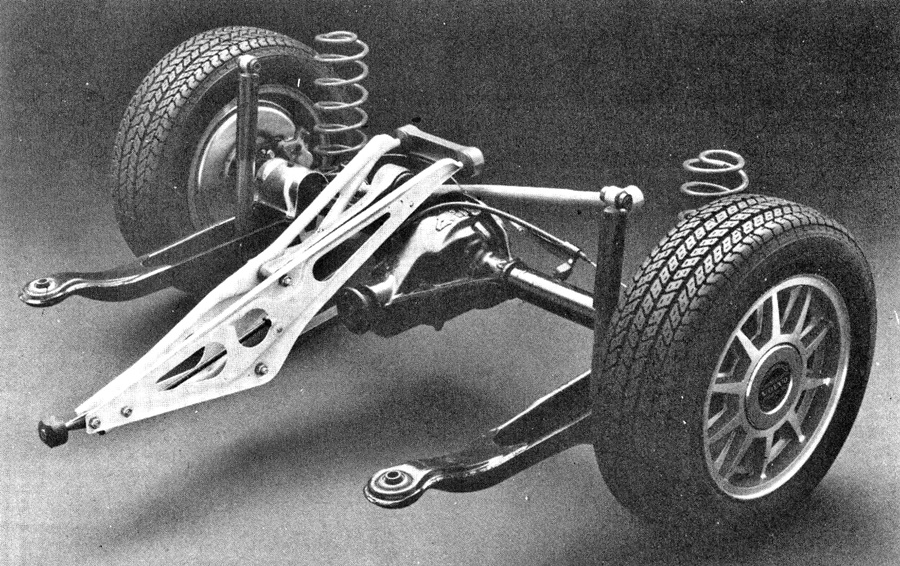
Volvo 760
Constant-track rear suspension with subframe in the middle.

What people saw of the exterior was entirely new but Volvo didn’t have the financial resources to develop a brand new platform for the car. So the powertrain and chassis were carried over from the 264, the primary engine being the 2.8-litre ‘Douvrin’ V6 engine which was jointly developed by Volvo, Peugeot and Renault and built at one plant for all of them.
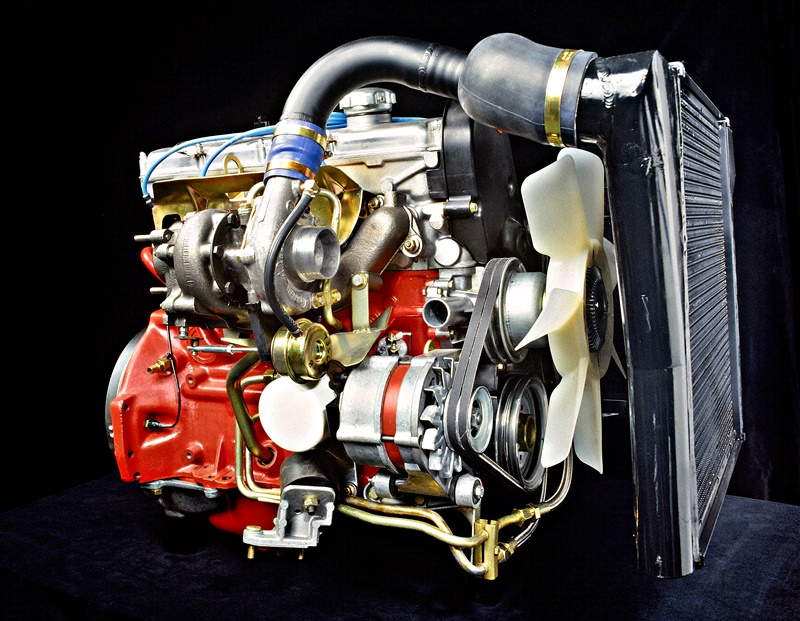
Volvo 760
The B23ET turbocharged engine used in the 740 Turbo.

There was also a 6-cylinder turbodiesel unit supplied by Volkswagen and tuned to Volvo’s specifications. It was the quickest diesel car at that time. Later on, Volvo would also offer the 760 Turbo which had unusually quick performance – 8.5 seconds from 0 to 100 km/h – which was very quick for a Volvo in those days.
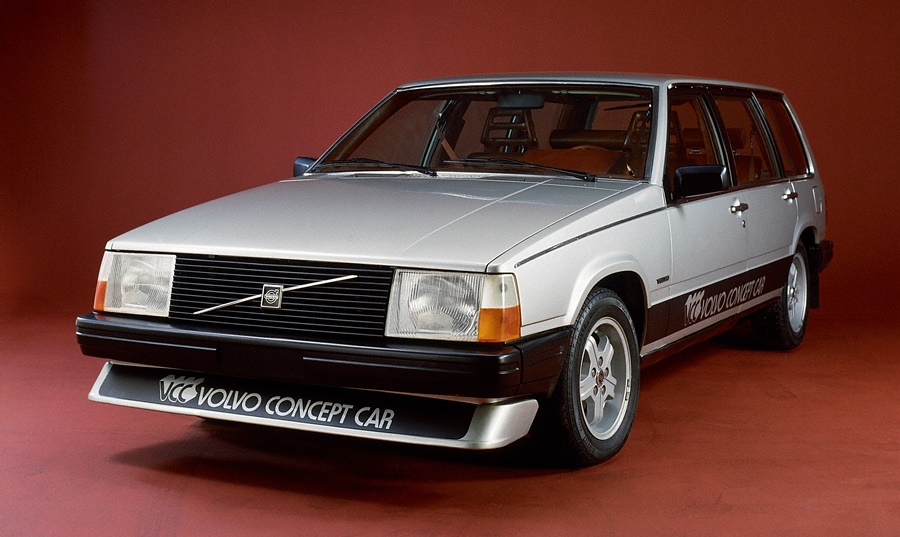
Volvo Concept Car
Prior to the launch of the 760 in 1982, Volvo previewed the new shape as a stationwagon concept car at the 1981 Frankfurt Motorshow

Volvo also examined the idea of shutting down cylinders selectively when a high power output was not necessary. This was a fuel-saving strategy but it was very crude in operation and it was only some 2 decades later than Honda would be able to get the concept refined enough for use (GM did introduce such an engine in some of its models but it failed to catch on).

The 760 became a turning point for Volvo, product-wise and financially, and formed the basis for the continuation of the company. Like the later Galaxy project which saw Volvo moving into front-wheel drive cars with the 850, the P31 project was a massive industrial undertaking.
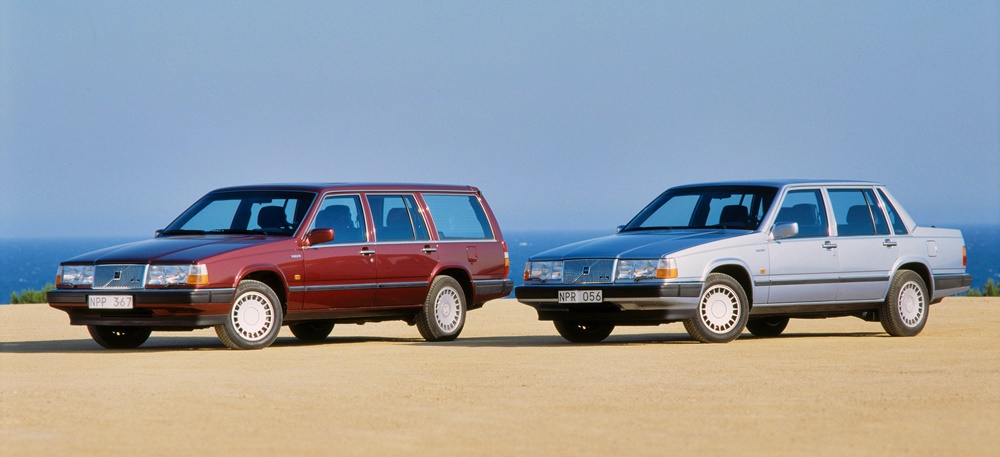
Volvo 760

Longevity was also evident in the platform which continued to evolve up till 1998 when the last model with its roots in 760 technologies ended production. Records show that 221,309 units of the 760 were made (1,230,704 if the smaller-engined 740 is included) before it was replaced in late 1992 by the 960.

Volvo Cars and Geely to merge engine operations to create stand-alone business

COVID-19

PISTON.MY

BHPetrol RON95 Euro4M

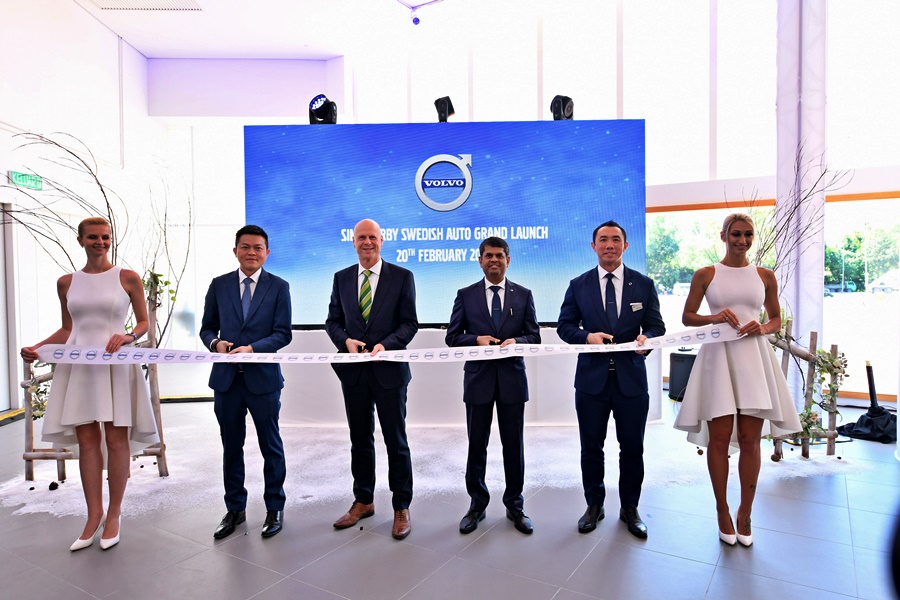
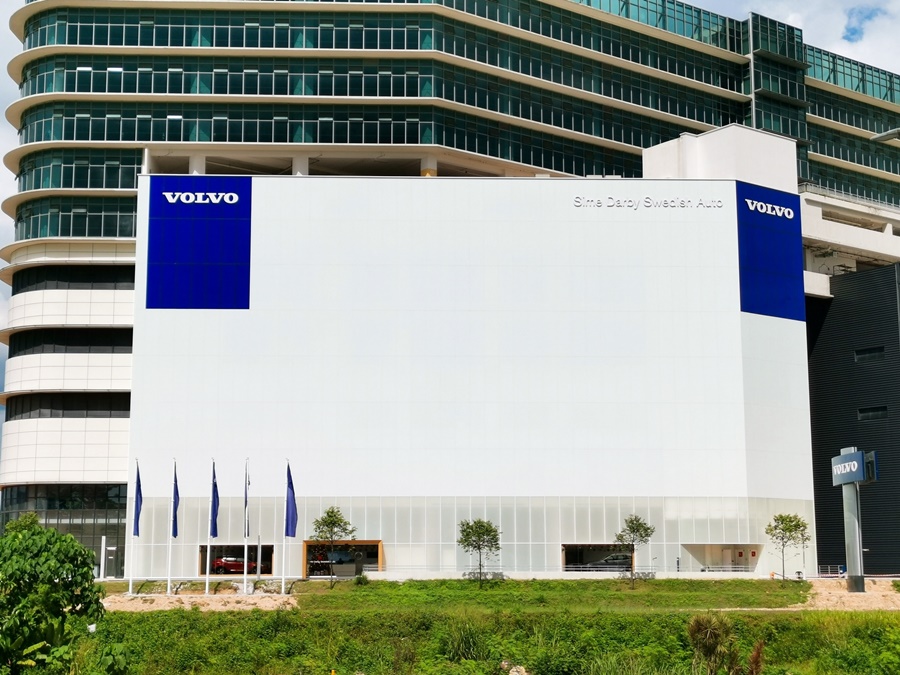
Sime Darby and Volvo have been part of the Malaysian landscape for a long time, with the latter having begun selling its cars in the 1960s. Both companies have now established a partnership with the establishment of Sime Darby Swedish Auto at Sime Darby Motors City in Ara Damansara, Selangor.

The new dealership officially opened its Volvo 3S (Sales, Services & Spare Parts) Centre today with the aim of delivering the brand’s vision to the market and bolster customer confidence. According to Nalin Jain, MD of Volvo Car Malaysia, the Swedish automaker has been continuously looking to expand its presence nationwide with a like-minded partner.

Sime Darby Swedish Auto

“Building off our accomplishments in 2018 and further growth in 2019, Volvo is set to have a great 2020. The partnership we have with premium dealers such as Sime Darby Swedish Auto is the key to expanding the Volvo brand’s Swedish-inspired ideals and heritage especially within regard to its retail experience, new car sales and customer service improvement. There is an amazing potential,” he said.

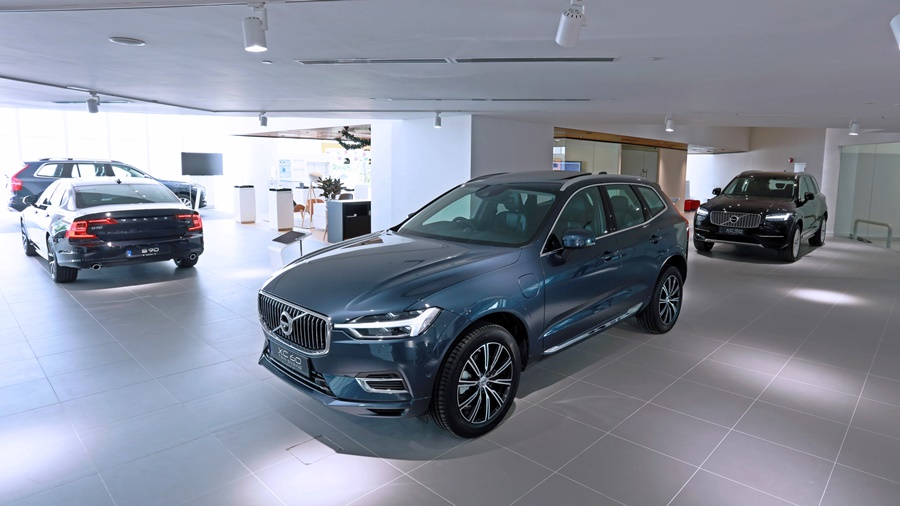
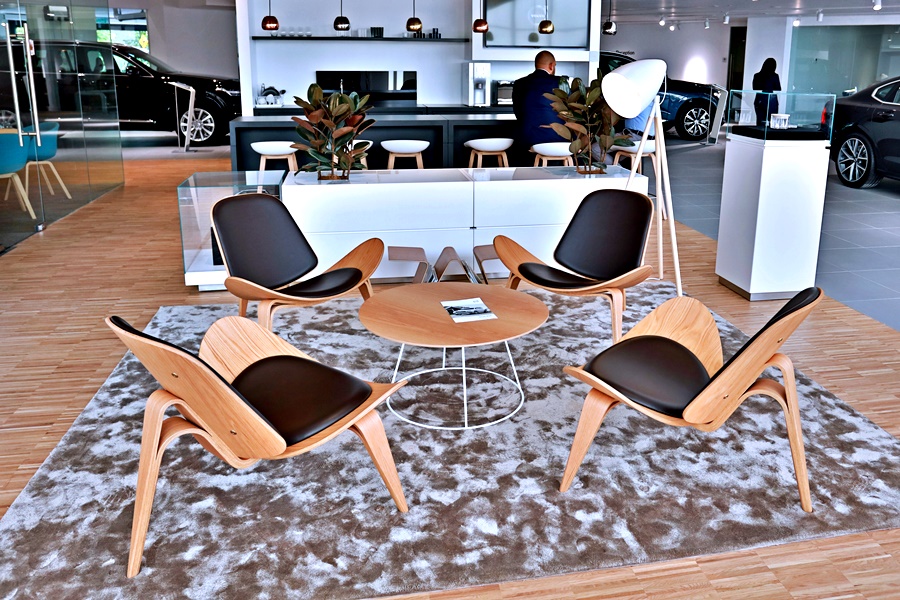
The new 4-storey state-of-the-art Volvo 3S Centre adheres to Volvo Car’s retail standard – the Volvo Retail Experience (VRE). It is also the first 3S Centre to be equipped with a VR Studio (Virtual Reality Studio) and a ‘Reception at the Counter’ bay.

The 3S Centre was designed to deliver a contemporary luxury experience featuring a showroom at the ground floor and a service centre (with car detailing area) spread across the second and third floors. There are 8 repair and service bays, with a wheel alignment and balancing zone located on the fourth floor.

Sime Darby Swedish Auto

Sime Darby Swedish Auto

All customer parking bays have a designated Electric Vehicle Charger which aligns with Volvo’s goals for environmental sustainability through the introduction and promotion of clean energy technologies.

Commenting on the new partnership, Andrew Basham, MD of Sime Darby Motors, the automotive division of Sime Darby Berhad, said: “From the start of our relationship with Volvo Cars Malaysia, it was imperative that we focus on delivering peak customer satisfaction and this is reflected in the many offerings at our 3S centre”.

Mr. Basham added that the partnership with Volvo is a meeting of minds, as the principles of sustainability of Volvo are perfectly aligned to that of Sime Darby Motors. “We are going digital and just one way this is expressed is through our Digital Silent Salesman (DSS) platform which means that even price lists will be shared digitally,” he said.

Record-breaking results in 2019 for Volvo, thanks to its SUV models

PISTON.MY

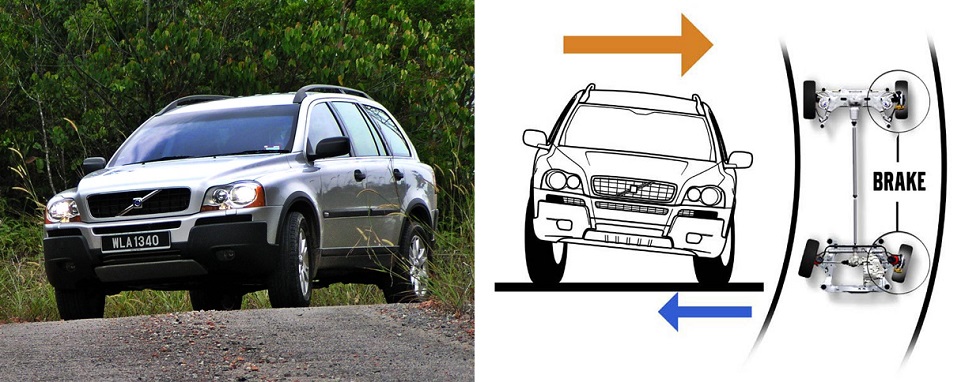
Volvo Cars was rather late in adding a SUV to its range, with its first model – the XC90 – launched only in 2002. The reason given for the delay was that it wanted to offer a SUV only when it could address known safety issues (like the effect on a tall body on handling) and resolve them. It had a strong reputation for safety, on which the brand’s strength grew, and it was not going to lose that. The XC90 certainly proved to be a SUV with innovative safety features like Roll-Over Protection which worked to counteract the risk of tipping over during hard cornering.

Volvo XC90 2002
Volvo’s first SUV – the XC90 – was launched in 2002 after the carmaker addressed safety issues with innovations like Roll-Over Protection that reduced the risk of the tall SUV tipping over during hard cornering.

Like the other carmakers, Volvo Cars gave increasing attention to SUVs, expanding its range as the segment grew. 17 years later, its SUVs have helped the company gain market share in China, the USA and Europe amid stagnating car markets.

Volvo Cars

More significantly, in 2019, the Swedish carmaker set a new, sixth consecutive global sales record, breaking the 700,000-unit level for the first time in its 93-year history. 705,452 Volvo vehicles were delivered worldwide last year, an increase of 9.8% compared to 2018, solidly outgrowing the overall market across all regions.

During the past few years, Volvo has also been moving towards electrification of its range. It aims for plug-in hybrid models to make up 20% of total sales this year. Overall, Volvo sold 45,933 plug-in hybrid vehicles in 2019, an increase of 22.9% compared to 2018 and more than double the number in 2017.

Illustrating the strength of its portfolio and its sales performance in 2019, Volvo surpassed the previous full-year sales record of 642,253 cars, set in 2018, nearly a full month before the end of the year. December was the company’s best ever sales month, with a 23.4% year-on-year increase to 74,239 cars sold.

Volvo Cars

Sales by markets
In China, home of Volvo’s parent company, the brand sold 154,961 cars in 2019, an increase of 18.7% compared to 2018 and comfortably outperforming the overall market. The result was an all-time record for Volvo in China and the highest sales number it has ever reached in a single market.

Volvo Cars
Volvo Cars manufacturing plant in China

In the USA, a market that has usually been Volvo’s strongest customer, the 100,000-unit threshold was crossed for the first time since 2007 when 108,234 vehicles were registered by December 31. Compared to 2018, the sales increase was 10.1%.

European sales were particularly strong in Germany, where the company sold more than 50,000 vehicles for the first time in its history, while it achieved its best sales result since 1990 in the UK. Other markets that recorded their best ever sales performance in the company’s history included Australia, Belgium, Brazil, the Czech Republic, Hungary, Korea, Poland and Portugal.

Sales by models
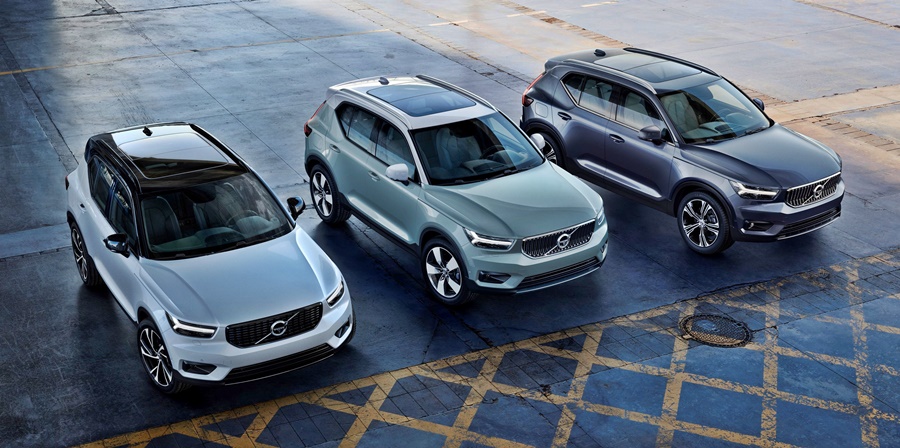
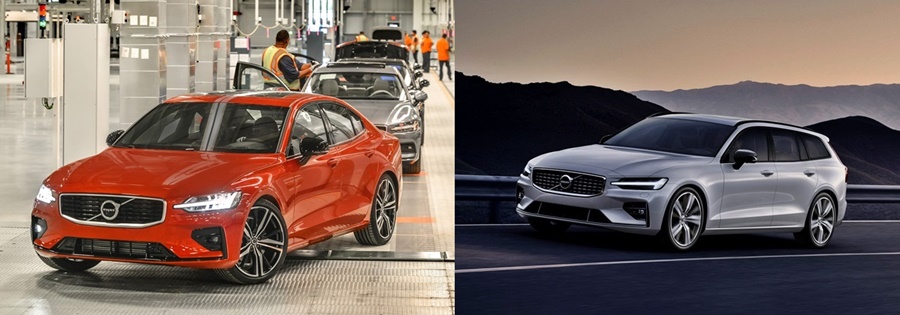
The XC60 SUV continued to be the best-selling model for the company globally, followed by the XC40 and XC90 SUVs. Sedans and stationwagons remained popular, adding to volume growth in China and Europe, respectively.

Volvo Cars

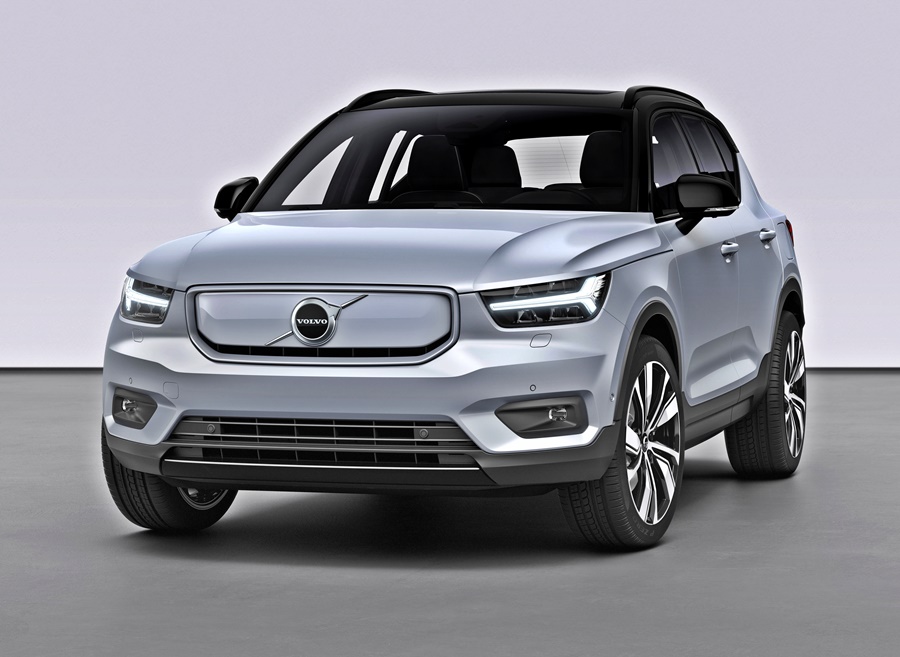
Volvo XC40 Recharge P8
The first Recharge model shares styling with the XC40 but is powered only by an electric motor.

The company will introduce its Recharge line-up in markets around the globe. Recharge will be the umbrella name for all chargeable Volvos with a fully electric and plug-in hybrid powertrain. The Recharge car line aims to further boost sales of Volvo Cars’ chargeable cars and encourage plug-in hybrid drivers via incentives to use Pure mode as much as possible.

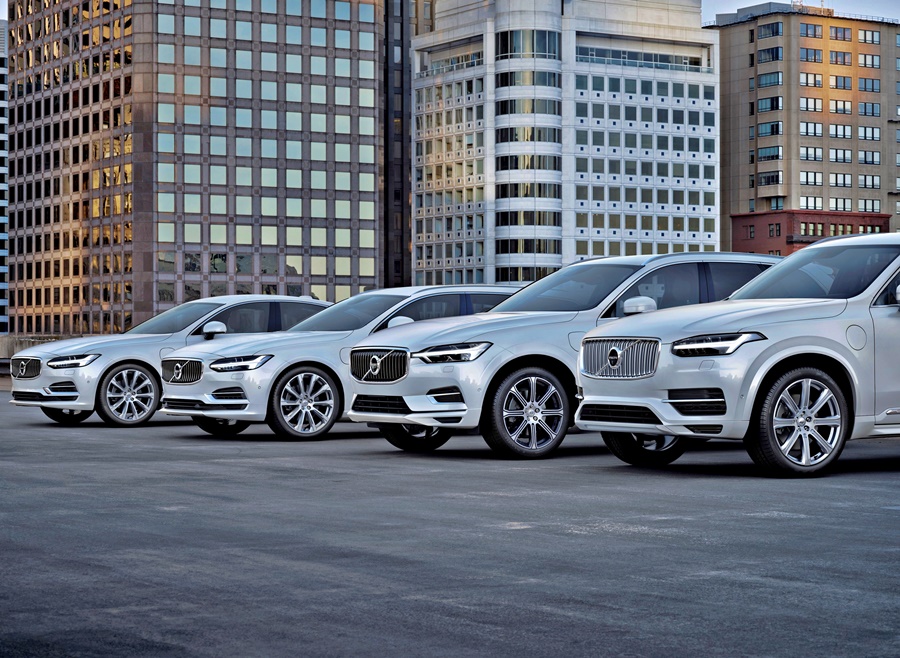
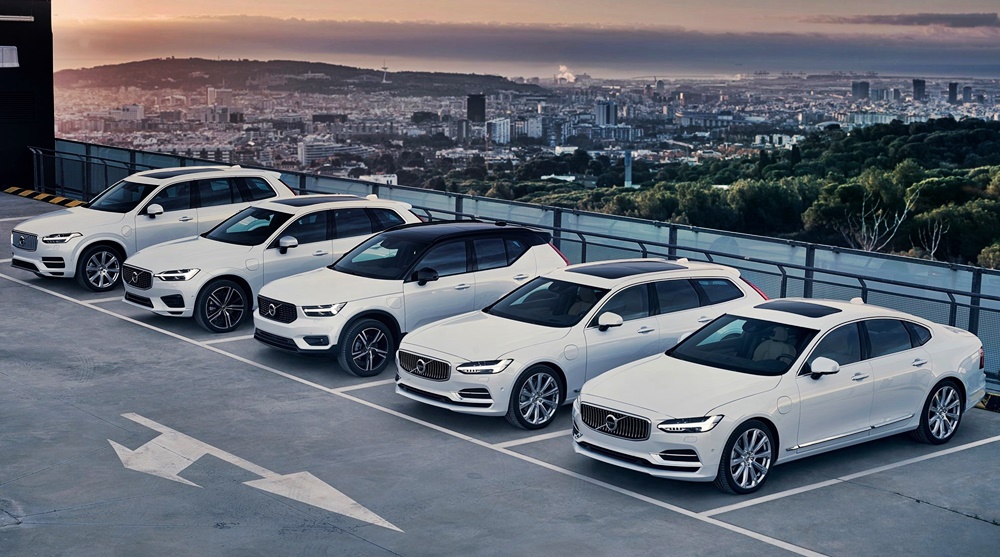
Every Volvo model already includes a Recharge option, from the XC40 SUV via the 60-Series cars to the large XC90 SUV flagship. Volvo is the only carmaker to offer a plug-in variant on every model in its line-up, with a fully-electric model – the XC40 Recharge P8 – to appear in showrooms in due course.

Volvo Cars and Geely to merge engine operations to create stand-alone business

PISTON.MY

Sime Darby Swedish Auto Sdn Bhd, which was appointed Volvo Car Malaysia’s dealer-partner in October last year, has completed its new 3S (Sales, Service & Spare Parts) Centre for Volvo customers. To be officially opened on February 20, 2020, the brand new facility is located at Sime Darby Motors City in Ara Damansara, Selangor.

Besides drawing inspiration from the brand’s Scandinavian-inspired ideals and heritage, the 3S Centre also adheres to Volvo Car’s global retail standard – the Volvo Retail Experience (VRE). It is the first 3S Centre to be equipped with a VR Studio (Virtual Reality Studio) and a Reception at The Counter (RATC) Bay. The 4-storey centre also boasts of being the first fully air-conditioned workshop in Malaysia.

Virtual Reality Studio

While the showroom is situated on the ground floor, the layout differs from traditional retail facilities in that the service centre is on the upper floors. The service centre, which has a car detailing area, is spread across the second and third floors, while a wheel alignment and balancing zone is located on the fourth floor.

There are 14 repair and service bays, of which two are specifically RATC Bays. All customer parking bays will also be equipped with an Electric Vehicle Charger.

Volvo XC40
Volvo XC40 – one of the popular models in the range. It recently won the Premium Compact SUV award in the 18th Malaysia Cars Of The Year Awards.

Volvo’s first fully electric model line starts with the new XC40 Recharge

PISTON.MY

Volvo Car Malaysia has announced that their best-selling Volvo XC90 SUV now comes in an updated version for the Malaysian market and those who are interested can start viewing in from this month onwards. Labelled as the brands top-of-the-line flagship model, the XC90 marks the company’s next step into electrification. (more…)

Volvo Car Malaysia has officially launched the latest Volvo 3S centre and showroom over in Ipoh, Perak last weekend. Aimed to provide customers in the region with greater access to the brand and services, the new showroom is being operated by their dealer-partner, iRoll Ipoh Sdn Bhd. (more…)

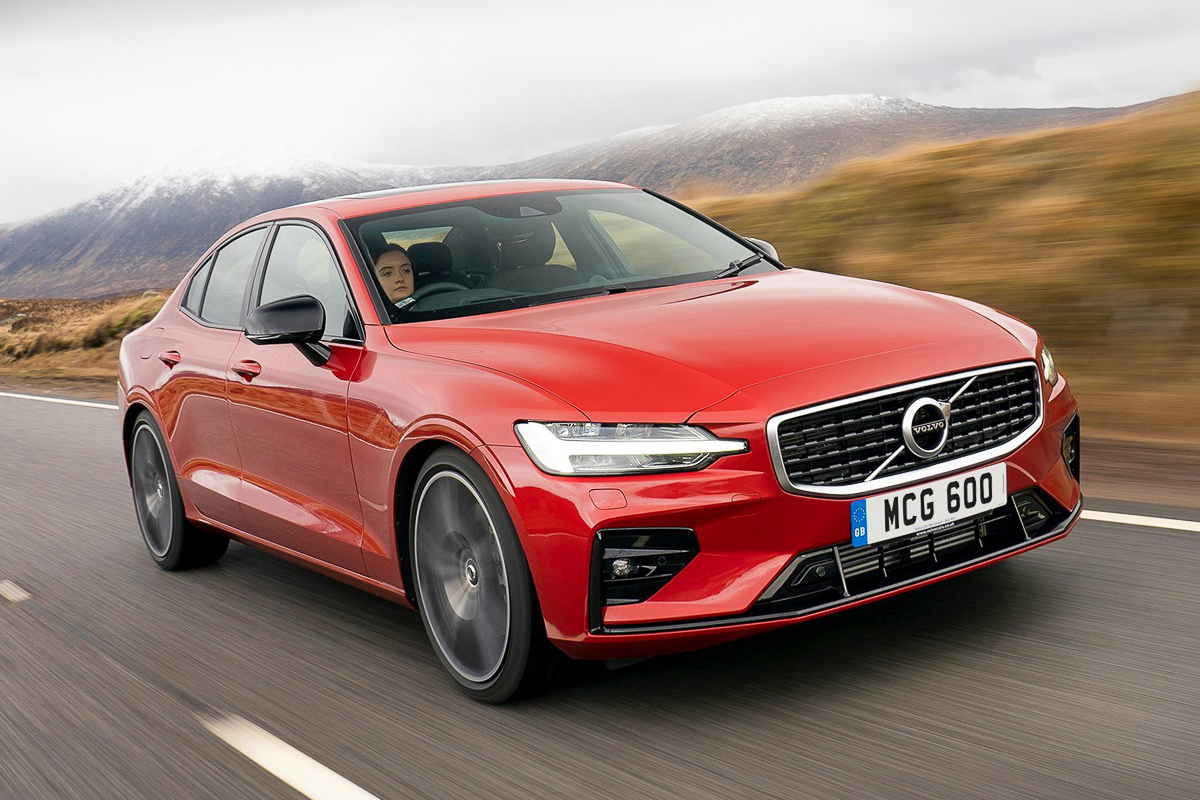
The latest 2020 Volvo S60 T8 R Design was just launched recently for the Malaysian market and for those who are still doubting whether this beauty is worthy of your ownership, the Volvo S60 has just been crowned as the best executive car at the 2019 Scottish Car of the Year Awards. (more…)

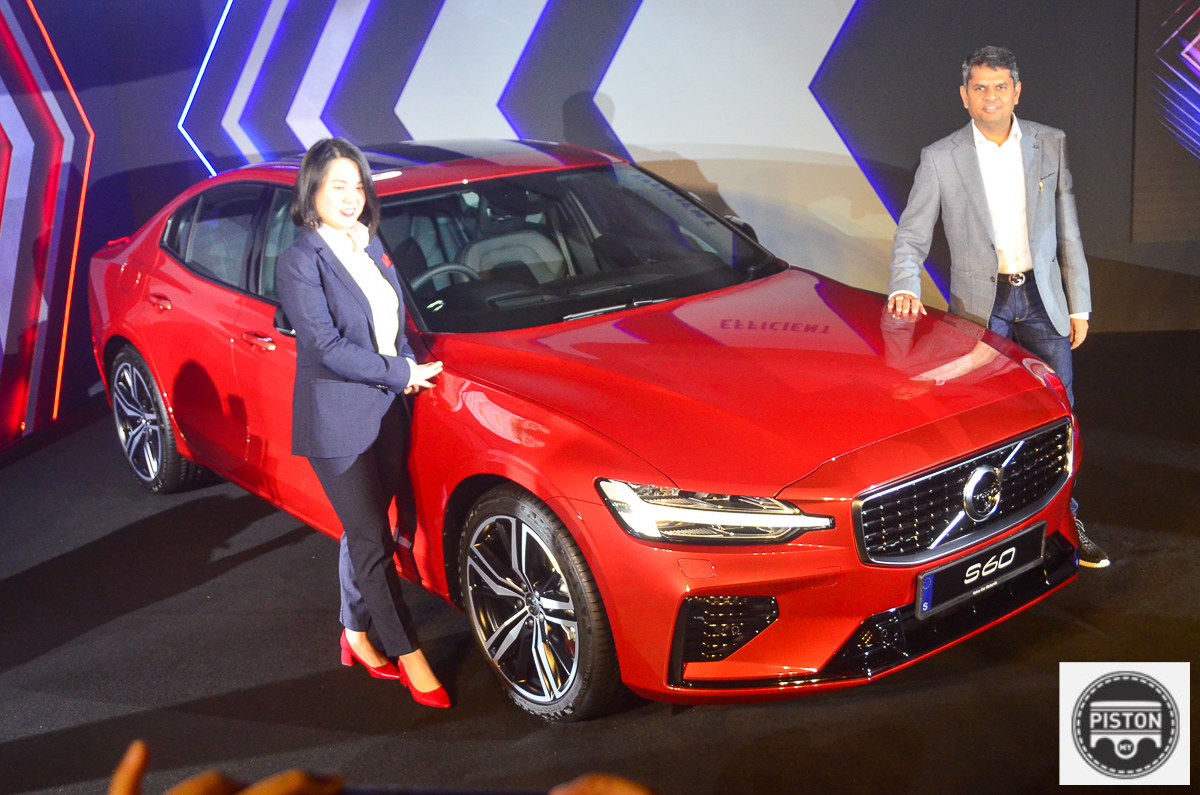
After months of anticipation and teasing, Volvo Car Malaysia has finally unveiled the latest 2020 Volvo S60 sedan for the Malaysian market in the form of the powerful 2020 Volvo S60 T8 R Design. The latest third-generation S60 four-door oferring marks the new wave of Volvo offerings here in Malaysia with its Scalable Product Architecture (SPA), Volvo’s advanced modular product platform.

(more…)

BHPetrol

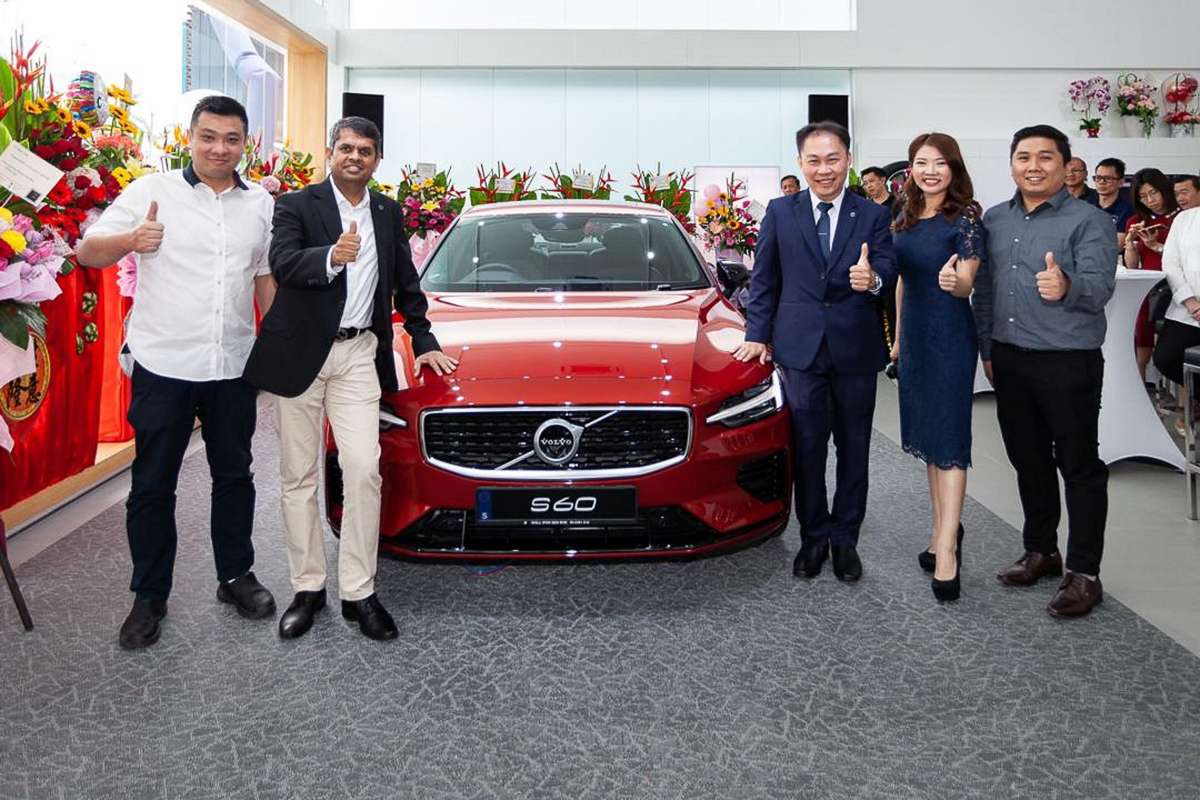
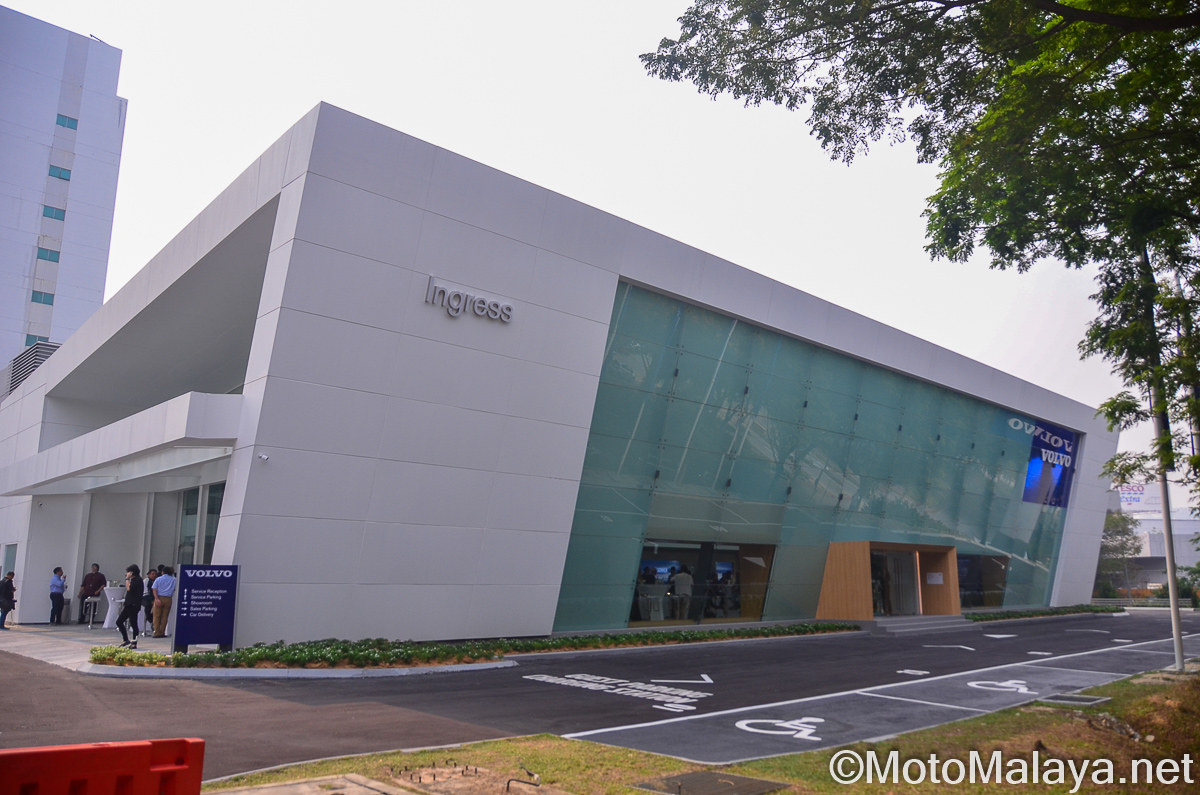
Volvo Car Malaysia together with their dealer-partner Ingress Swede Automobile Sdn Bhd have launched the latest Volvo 3S Centre earlier today. Located at the heart of Mutiara Damansara, the newest Volvo showroom aims to strengthen the brand’s foothold in and around the Damansara area. (more…)

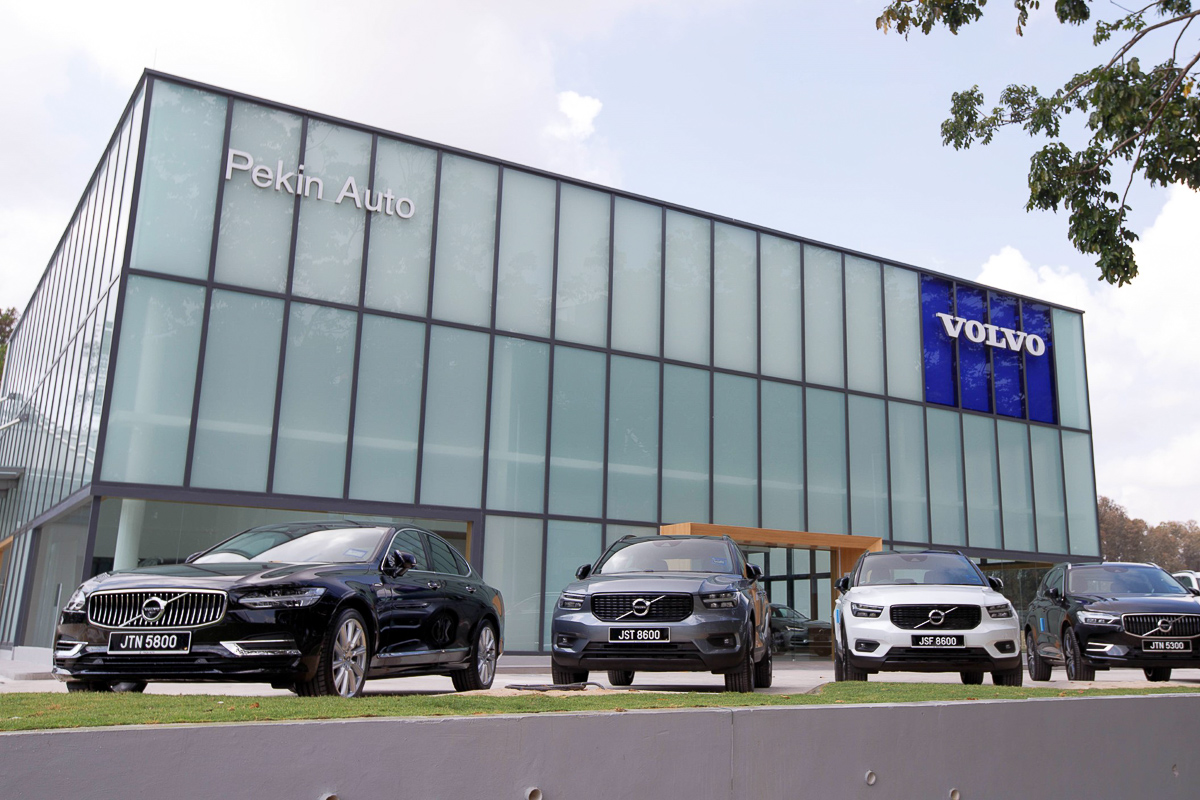
Volvo Car Malaysia together with its dealer-partner, Pekin Auto Sdn Bhd, has launched a new Volvo 3S Centre in Skudai, Johor. The new showroom will further boost the brand presence and premium choices for the folks in the Southern region.

Located right at the very outskirts of Johor Bahru, the new Volvo 3S Centre focuses on sales, services, and spare parts while adhering to Volvo’s latest retail standard called the Volvo Retail Experience (VRE). (more…)

Archive

Follow us on Facebook

Follow us on YouTube