Piston.my

Archive

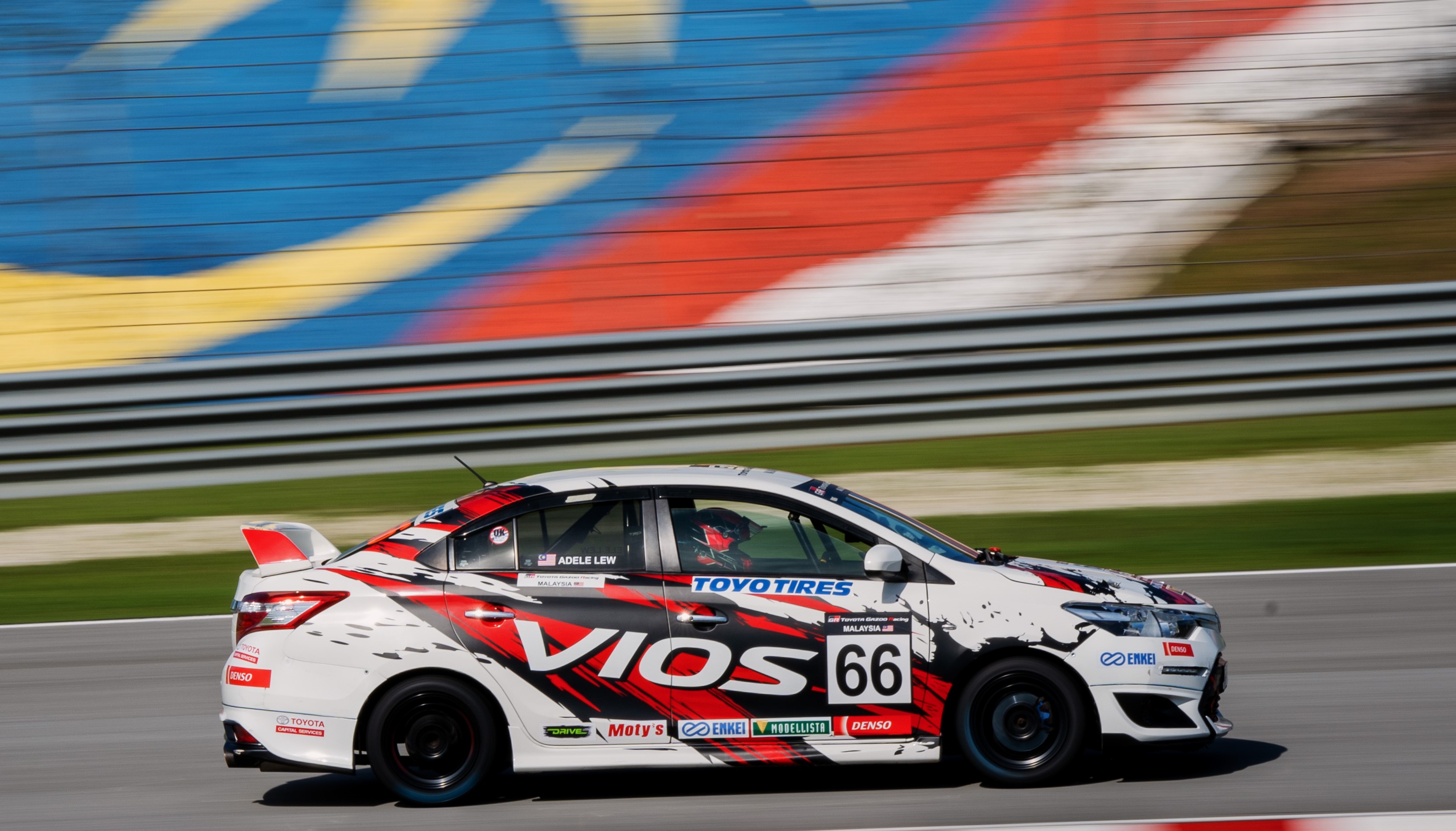
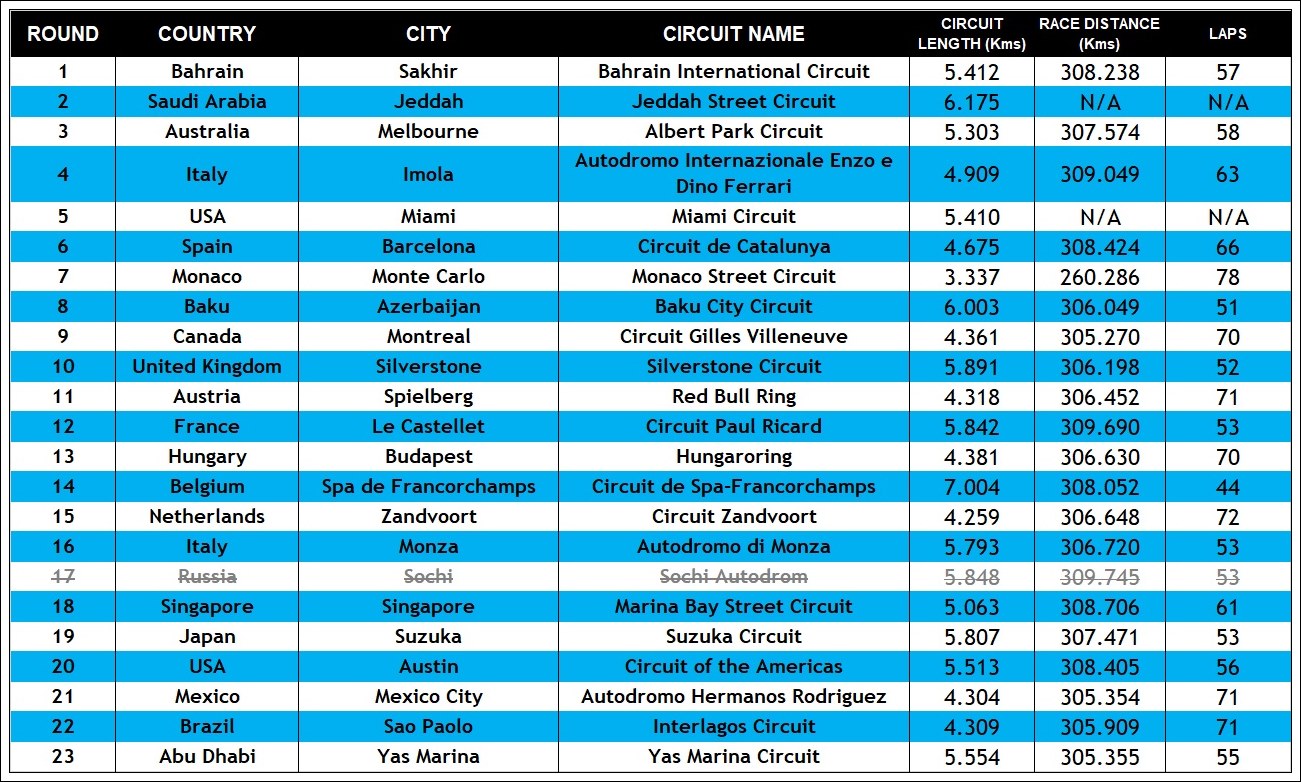
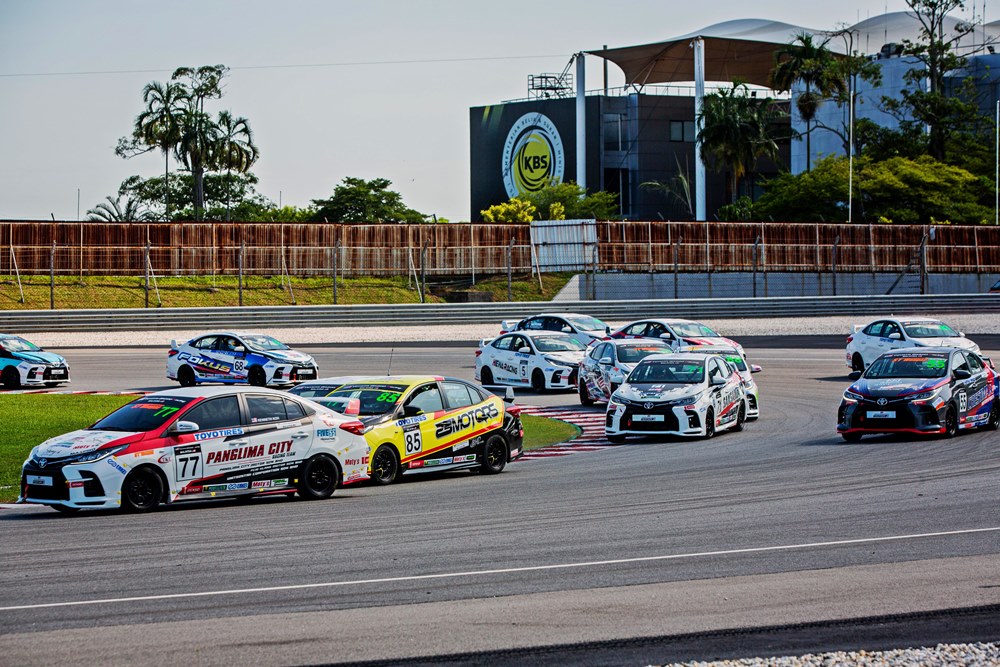
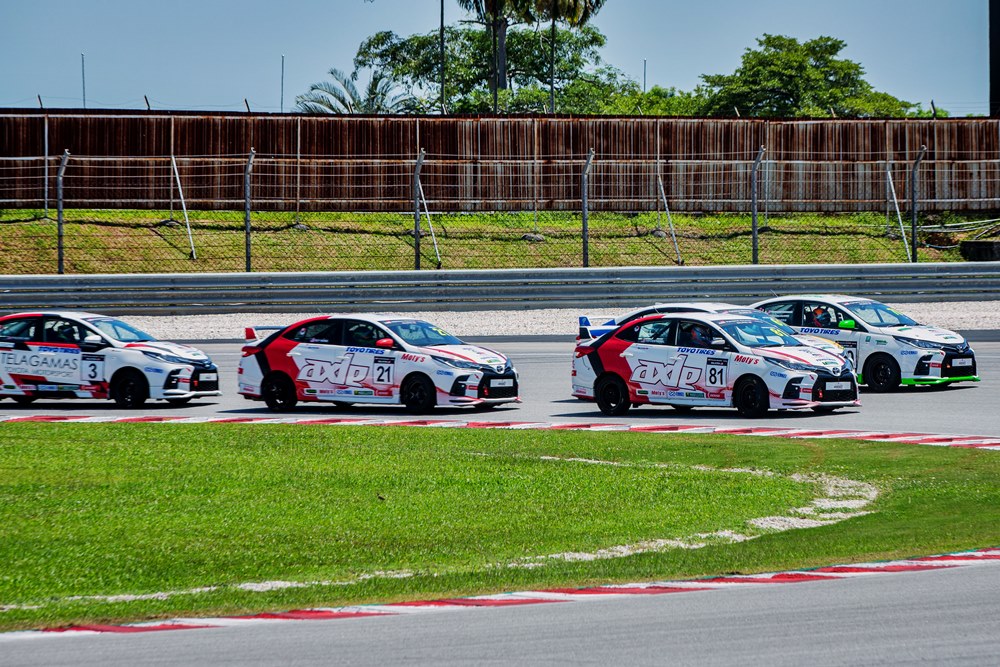
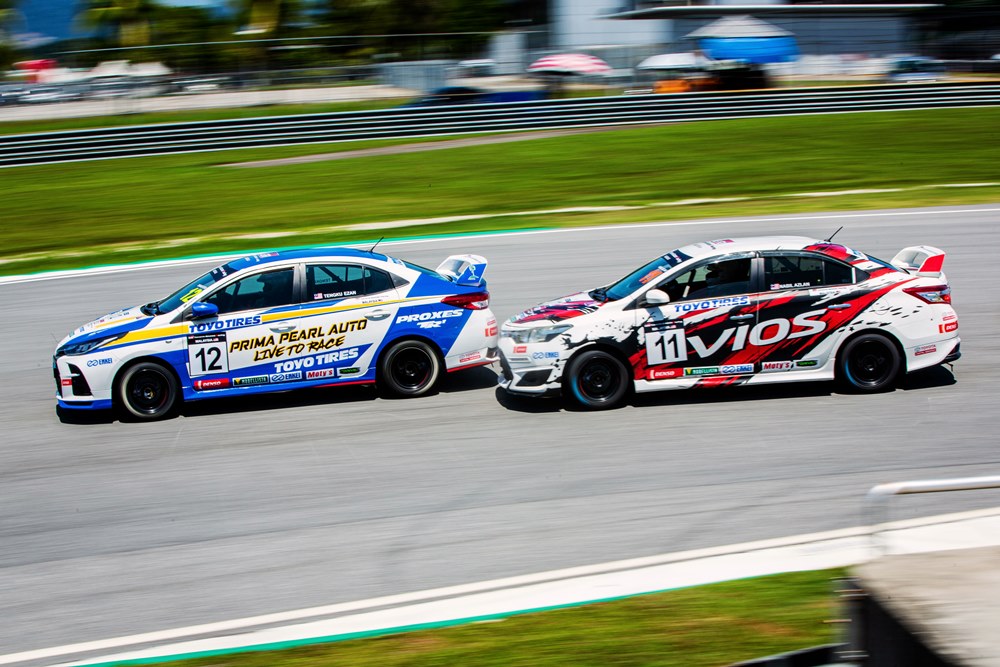
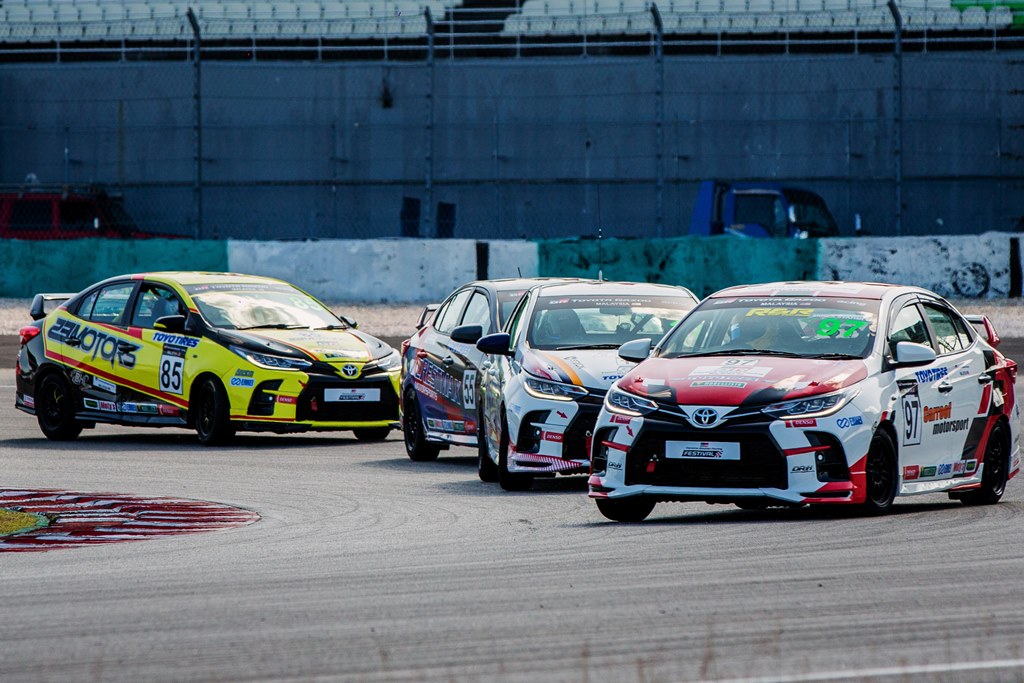
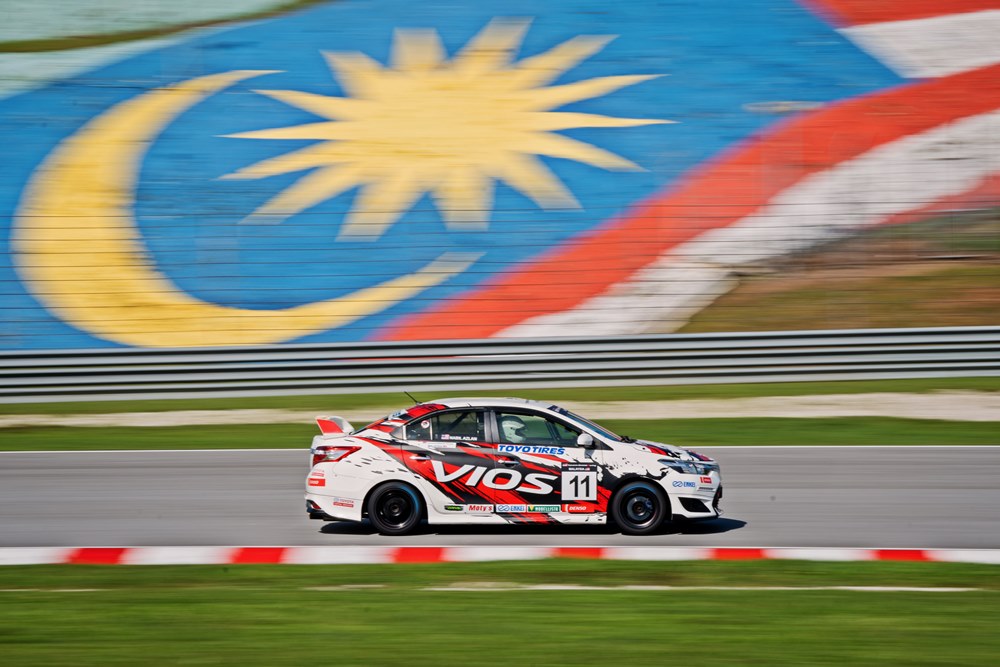
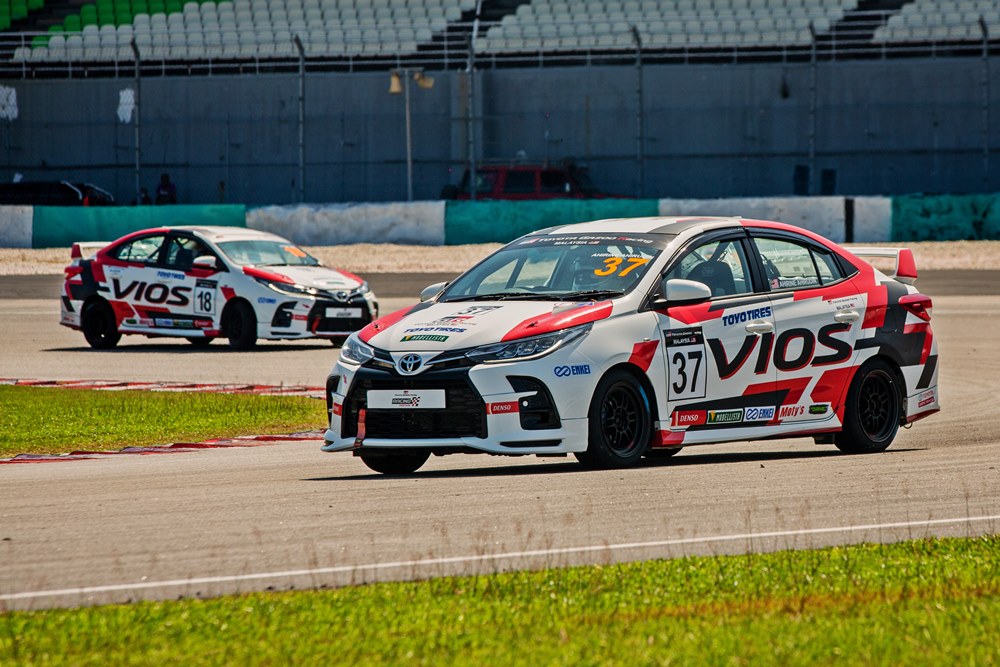
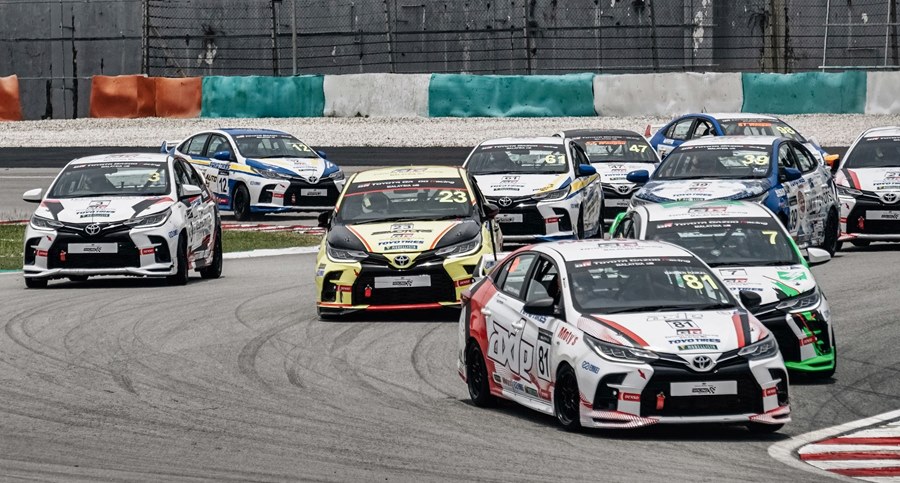
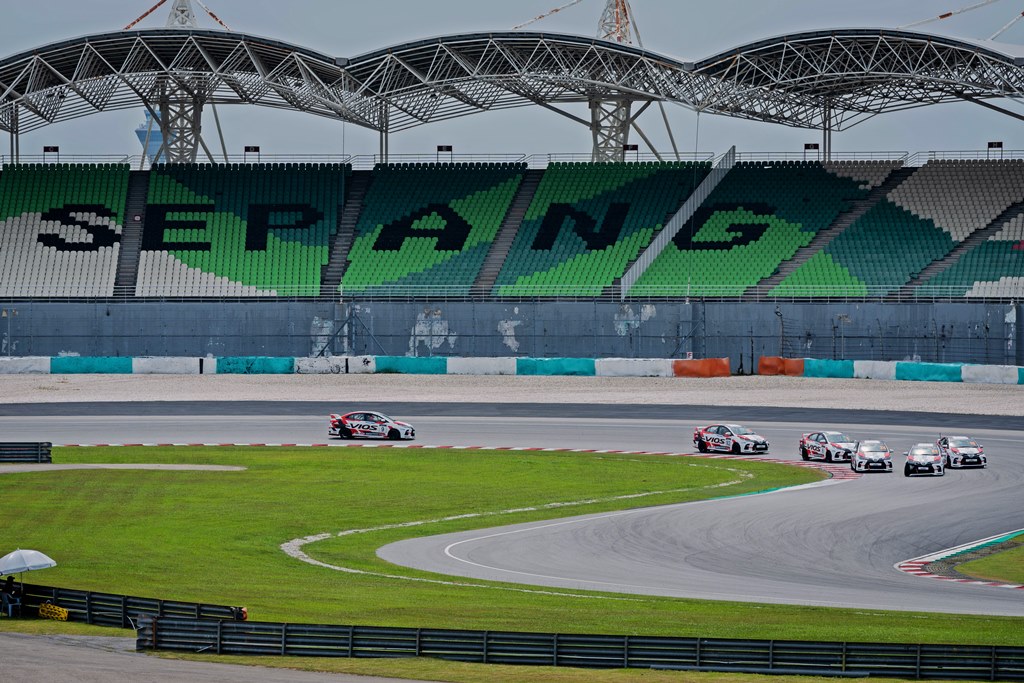
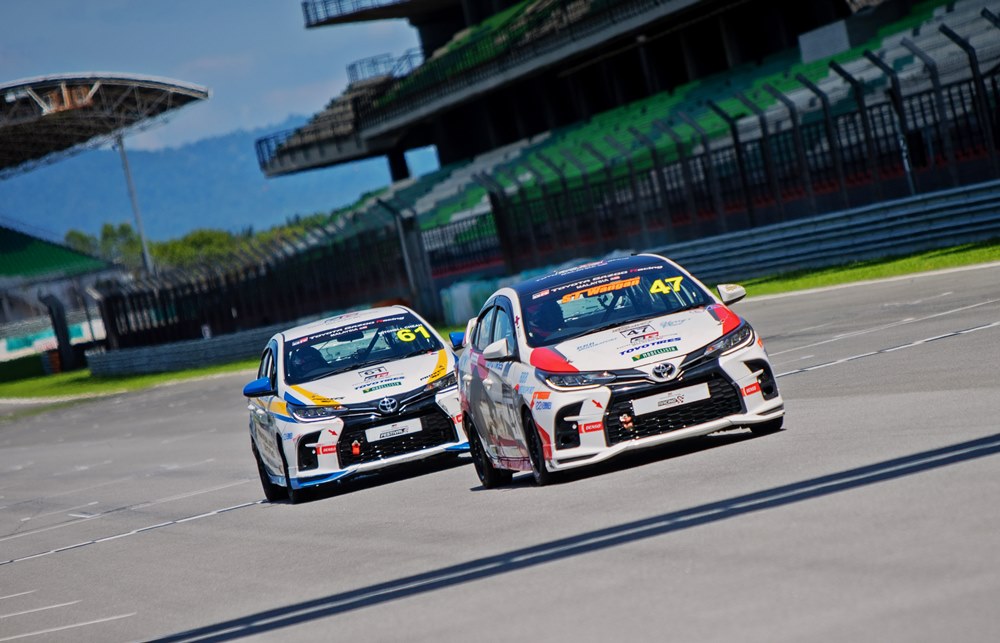
It was another hot and sunny day as Day 2 of the first round of the Vios Challenge one-make series started today. Throughout the afternoon, there were close and hard-fought battles around the Sepang International Circuit, an element that has traditionally defined the racing action in the series. Clearly, the drivers in all 4 classes have warmed up with the start of Season 5 of the popular series that is part of the TOYOTA GAZOO Racing Festival (TGR Festival). As in every round in the past, the battles were intense from start to finish, with incidents and body contact that showed the determination of the participants, young and old, experienced and rookie.

“The one-make format of the Vios Challenge, the increasing number of younger drivers, and the emphasis we have placed on the GAZOO Racing Young Driver Development Program has certainly been able to make a significant impact on the track. It levels the competition between the younger and more experienced drivers, rewards skill and racecraft, and promotes an even higher quality of racing on the track,” said UMW Toyota Motor President, Ravindran K.
Super Sporting Class
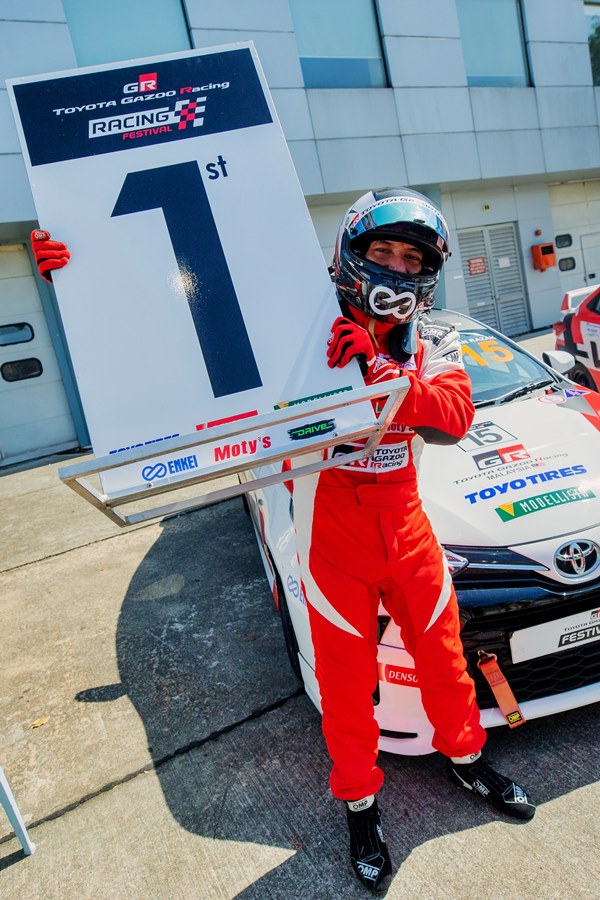
In the Super Sporting Class for veteran and professional drivers, Eddie Lew got off to an incredible start from 4th position on the grid and kept his lead in the 20-lap race from start to finish. The battle for second and third was super intense with no less than 5 drivers in contention. The duels between the drivers allowed Lew to speed ahead to extend his lead from 3 to as much as much as 10 seconds at one stage in the race.
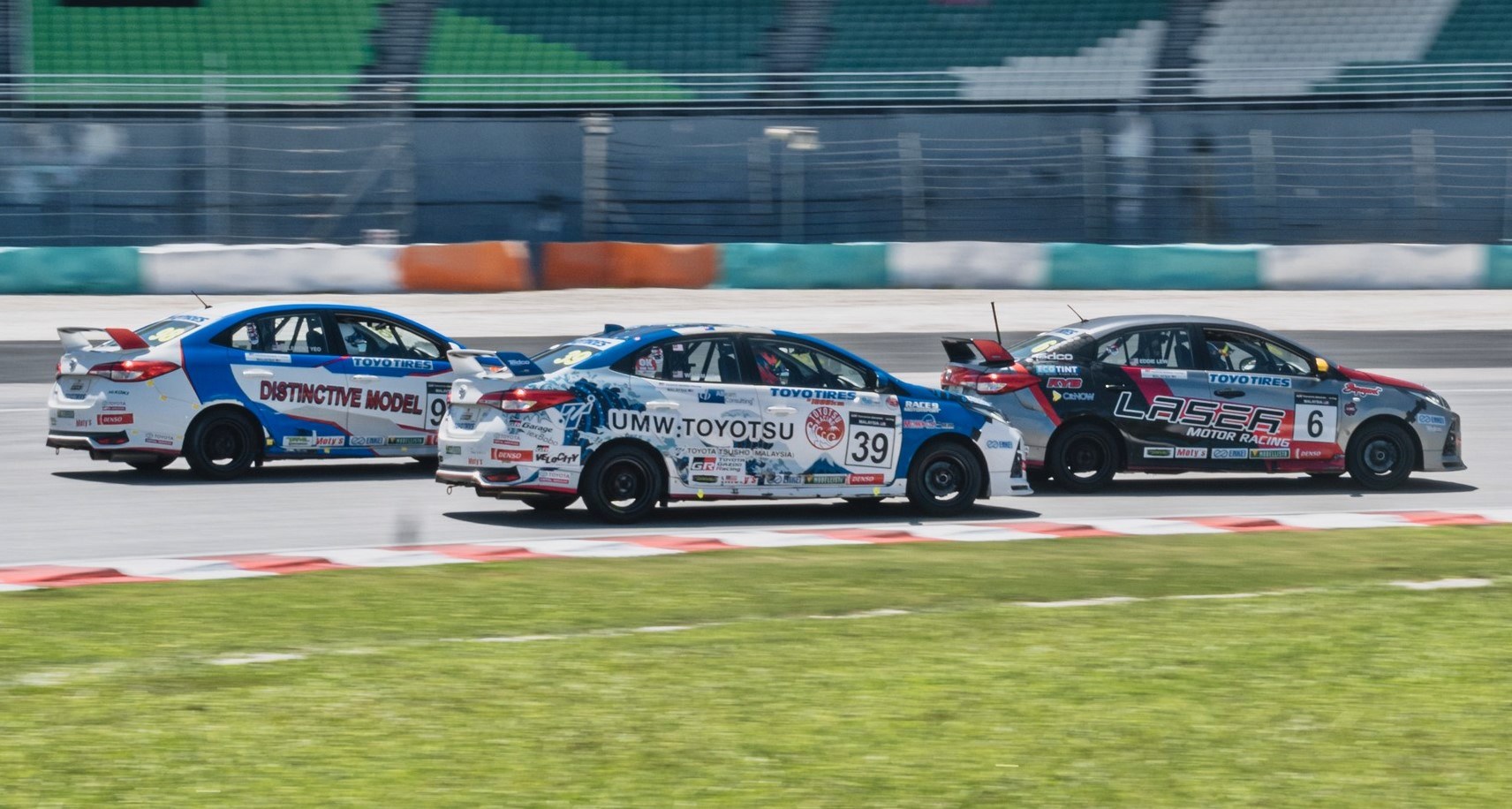
The Laser Motor Racing driver, who has been racing since the 1990s, eventually took the chequered flag with a comfortable 5.58-second gap ahead of his nearest rival. The battle for second and third positions saw Race 1’s winner and Axle Motorsports driver Hayden Haikal, team mate Boy Wong, M7 Japan Project Team’s Fariqe Hairuman and Amer Harris, as well as 23 Motors’ Ady Rahimy and Distinctive Model’s Clement Yeo trading places lap after lap before contact on the track put all of them out of contention for a podium finish.

Their misfortunes promoted Prima Pearl TD Racing Team’s Mitchell Cheah to second and Telagamas Toyota’s Freddie Ang to third until the finish. It was also Ang’s second podium finish after completing yesterday’s Race 1 in second place.
“I got a very good start and pulled away. I just maintained a good pace at the front but I took notice of Cheah catching up,” said Lew, 48, who rounded off the weekend with a race win in Race 2 and a third place finish in Race 1. “Luck was certainly on my side today. Both Cheah and Ang are, in fact,  very fast drivers.”

Rookie Class
In the Rookie Class for the second batch of drivers who have undergone the GR Young Talent Development Program, 18-year-old Sharique Zulqarinain rounded up his racing weekend with a double podium finish, with victory in Race 2 and a second place in Saturday’s Race 1. Finishing second was 20-year-old Muizz Musyaffa. Securing third in both Race 2 and 1 was Muhammad Hamdany Abdul Hamid.
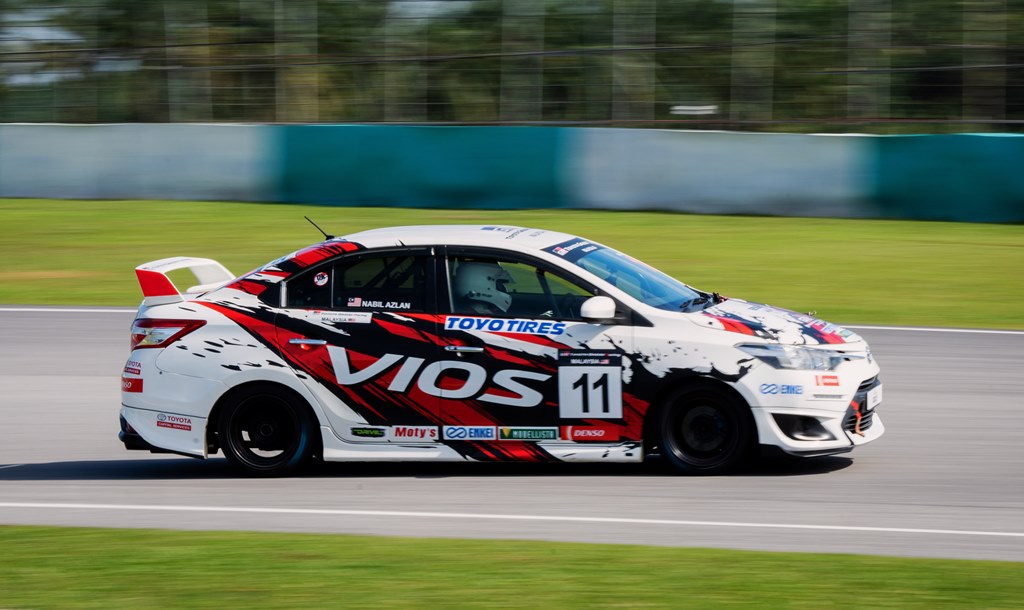
“I had a really bad start in Race 2 and I was honestly not filled with hope but throughout the race, I remembered what my mechanics and Dad had told me which was to just keep a cool head and have fun. I was just trying to set a consistent time on every lap and in the process, I began overtaking the other competitors. From then on, it was just a job of maintaining my pace,” said Sharique.

Sporting Class
The Sporting Class, which also has experienced and skilled drivers, also produced a fair share of drama on the track but at the end of the 20-lap race, it was Crestmax Motorsports Bradley Benedict Anthony who was declared the official winner, with Panglima City Racing Team’s Kenneth Koh and 23 Motors’ Abdul Miqail in second and third places, respectively.
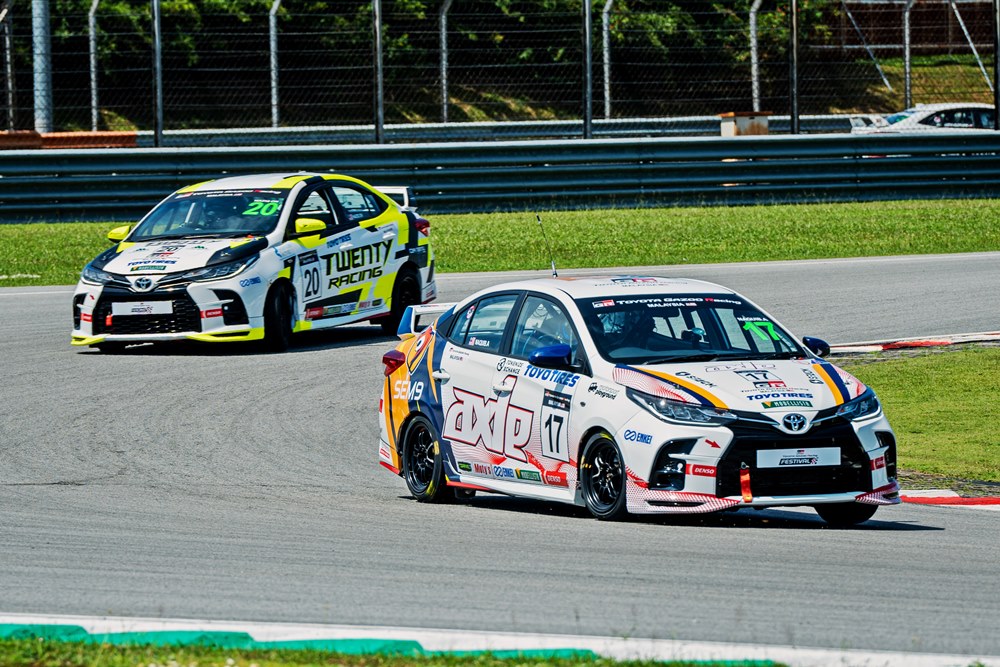
Actually, Race 1’s winner, Naquib Azlan of Axle Motorsports, had been first to cross the finish line but his hopes of a double race victory weekend were shattered when he was later handed a 30-second penalty, effectively dropping him to seventh position overall.
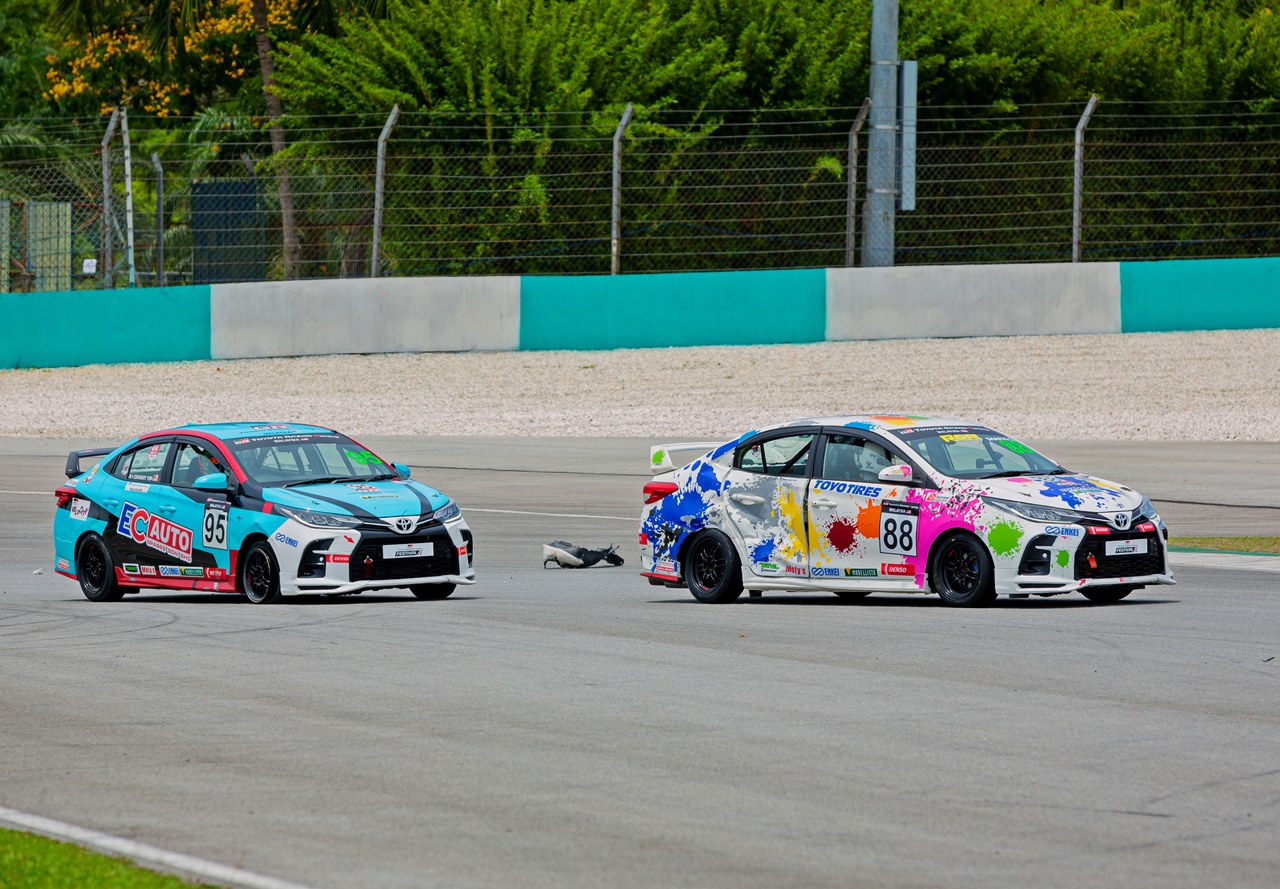
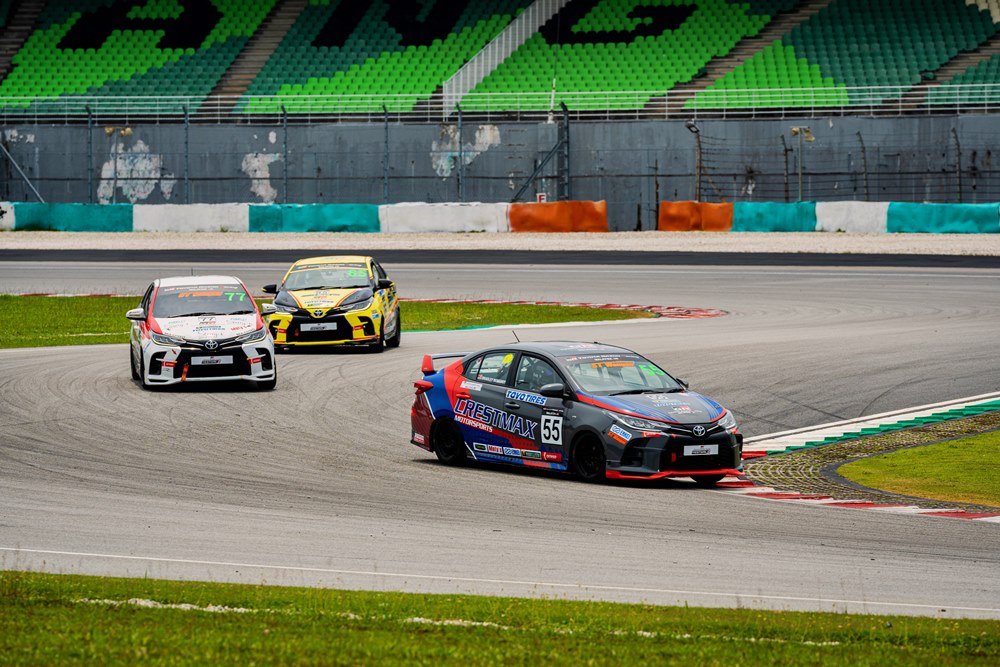
“I started from fourth position and paced myself with the incidents that occurred in front allowing me to take advantage of the situation. My main goal in every race has been to collect as much valuable points as I can with the overall championship in my sights,” said Bradley who had a third place finish in Race 1.

Promotional Class
The battle of the celebrities in the Promotional Class, always a popular race, saw actor Shukri Yahaya clinching victory, which was also his second visit to the podium following Race 1’s second placing. Fellow actor Zizan Razak however, was determined to pass him after having fought his way up from last place to finish second in the 18-lap race. Presenter Nabil Ahmad rounded up the top three podium finishers.

Starting from sixth on the grid, Zizan endured the misfortune of being spun around on the opening lap which dropped him to last place. His pace on the track, however, was visibly quicker as he made quick passes to move forward.
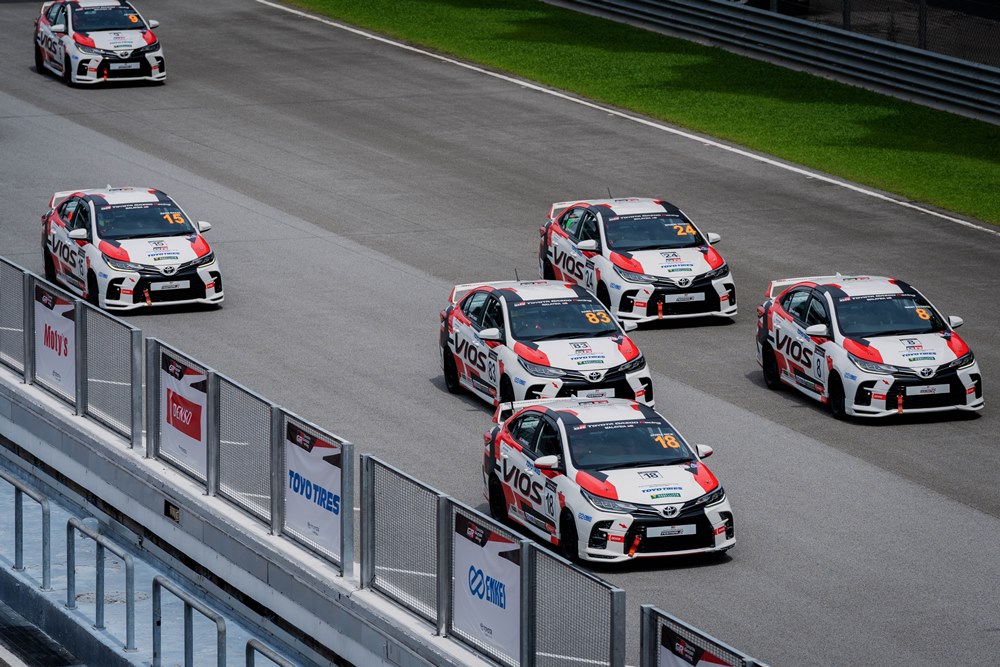
“I take racing very seriously. It’s something that has interested me since I was very young. As my entertainment career progressed, it slowly allowed me to begin venturing into tracks days, taking up karting and even to the extent of competitively racing karts. It came to a point that I realized that one of my weaknesses was the limited time I had driving on the track and that was when I eventually invested in a simulator to practice,” said Zizan.

“This enabled me to improve on my braking and racing lines, and I have been able to effectively apply all that I have learnt in the Vios Challenge. And when we have practice sessions conducted by TOYOTA GAZOO Racing Malaysia to prepare for the series, I do my best to spend an entire day of driving to make sure I can achieve the lap times I am targeting for,” he added.
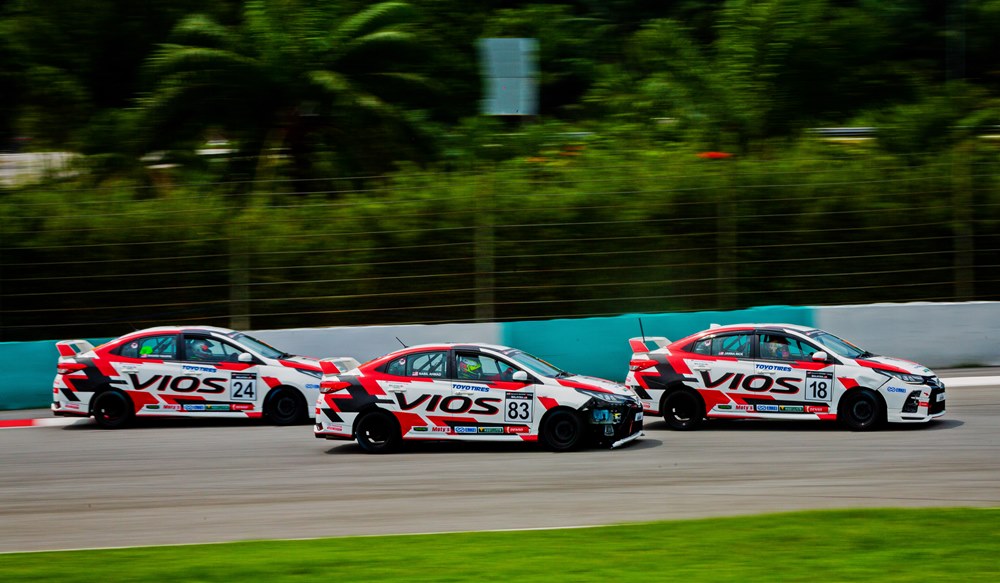
The next round of the Vios Challenge is scheduled for June and UMW Toyota Motor hopes that, by then, the pandemic will have diminished so that it will once again be possible to safely invite the public to watch from the stands. For the past two seasons, the event has been held without spectators being invited and has been streamed live during the race weekends.
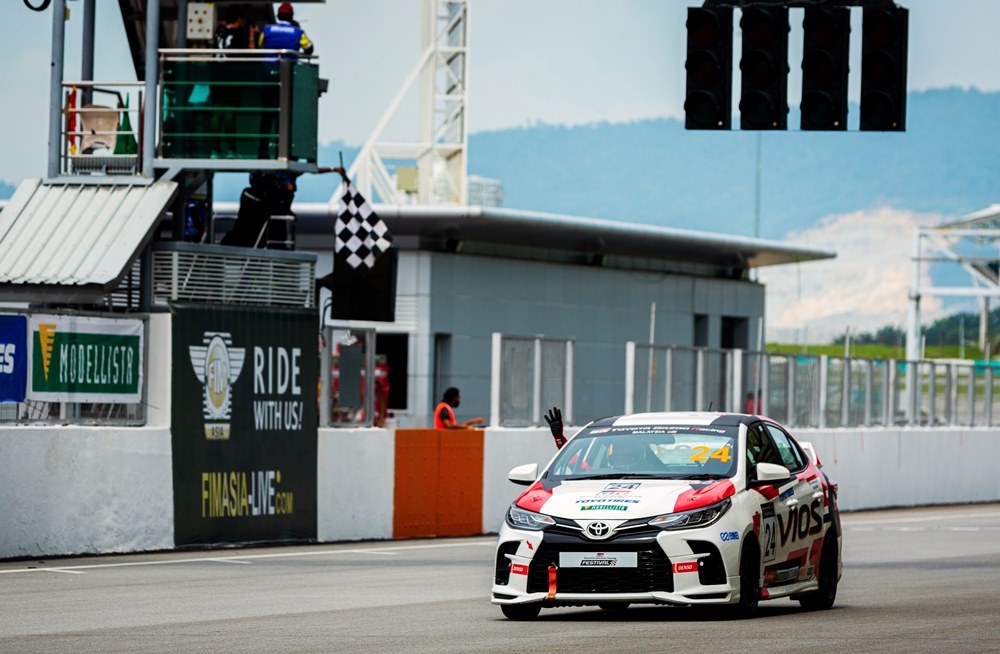
GAZOO Racing parts now available in Malaysia for sporty personalisation
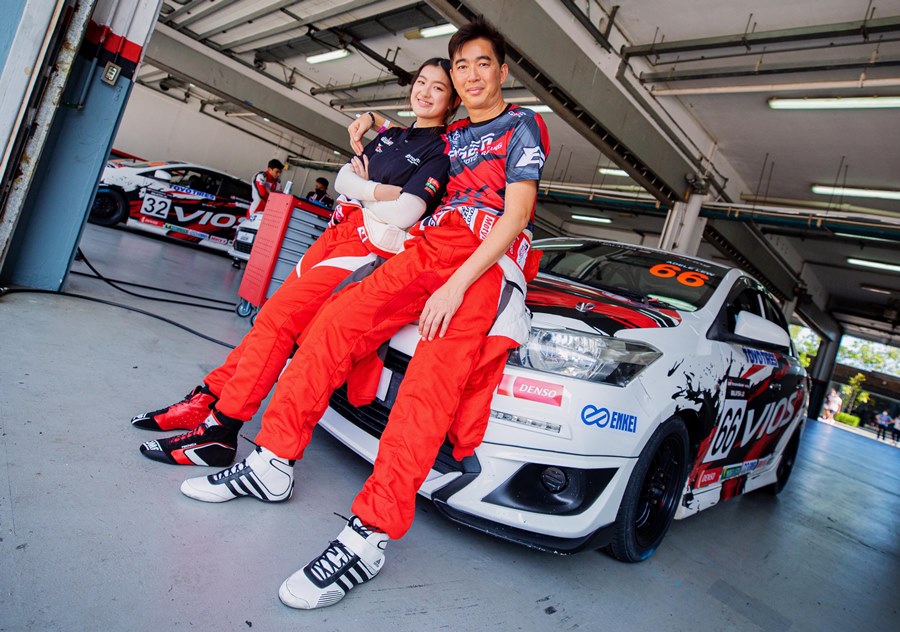
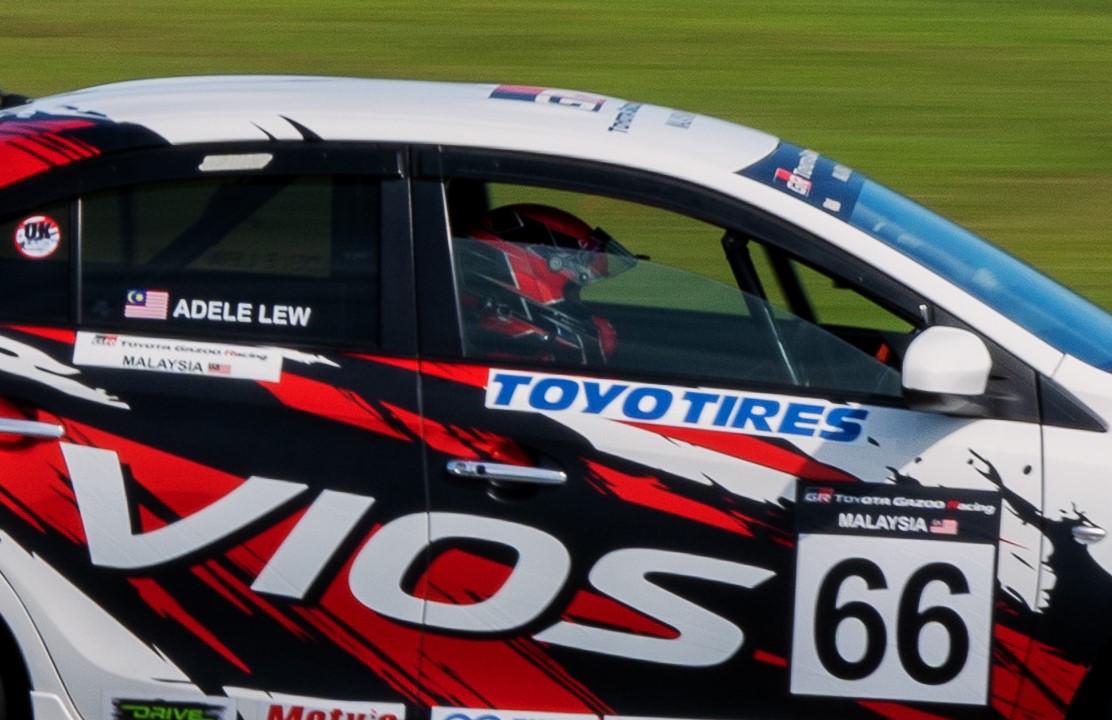
When a father has a passion for a sport, it often gets picked up by his children too and as they grow up, they learn the skills from him and can one day also become stars. In many cases, it’s often the boys who get the father’s encouragement and support but in Eddie Lew’s case, it’s his daughter and clearly, he believes that the sport is not restricted to just males.

So at this weekend’s Season 5 opening round of the Vios Challenge one-make race series (part of the TOYOTA GAZOO Racing Festival) at the Sepang International Circuit, we have the presence of a father and daughter in the racing. It is probably the first such pair in Malaysian motorsports and while they are not racing directly against each other (in the same class) or even on the same team, perhaps one day that might happen.

Exposed to racing since 3 years old
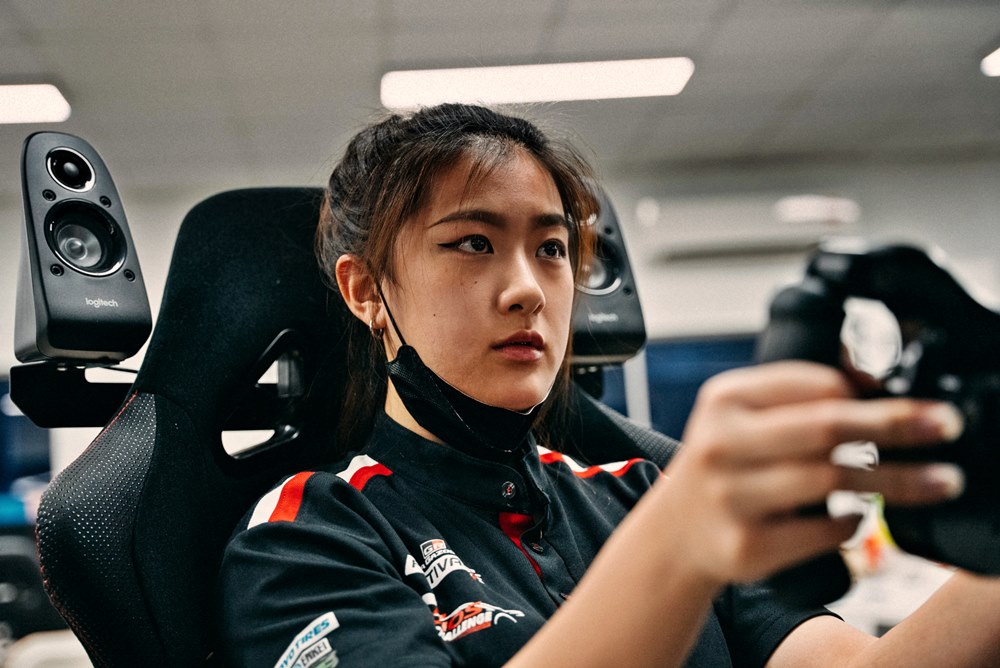
Eddie’s daughter is Adele, 20, who’s been tagging along with him and his friends to races since she was 3 years old. “He used to compete a lot at the then Pasir Gudang Circuit (Johor Circuit), and I’ve been following him to all his races ever since, from the Malaysia Championship Series and the MSF Series to the Sepang 1000km Endurance Race,” Adele said, revealing that she started driving fun karts only last year and just managed to do it for a month before the Movement Control Order (MCO) came into force.

She is currently an undergraduate at one of the private institutions of higher learning in Kuala Lumpur and her father resides in Johor. So Adele’s training sessions have since gone online with the two spending hours communicating. “Believe me, our calls can last for hours with super long conversations on racing!” she revealed.

“When we’re together, he makes me drive a manual transmission car and we spend time on the racing simulator where he teaches me to become familiar with the many racing lines and braking points,” added Adele.

GR Young Talent Development Program
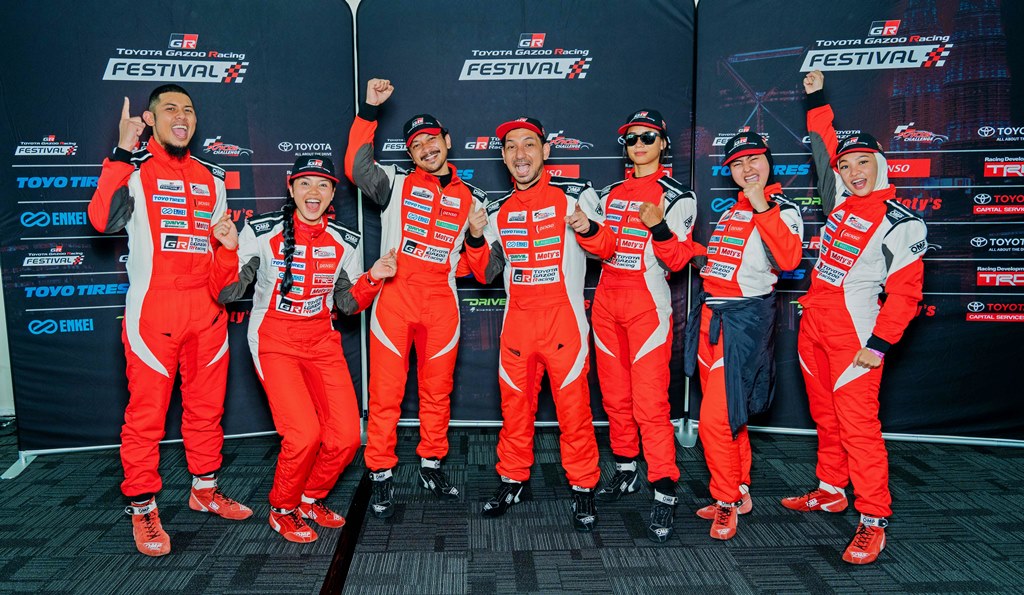
While her father, an accomplished racing veteran with a history that dates back to the early 90s, inspires her, Adele has also been given an opportunity to develop her racing skills through the TOYOTA GAZOO Racing Malaysia/GR Young Talent Development Program. She is among the six young Malaysians who make up the second batch of the program. Candidates selected are between the ages of 16 and 20 who are keen to transition from karting and simulator racing to real-world  saloon car racing. It is part of UMW Toyota Motor’s initiative to provide young drivers with a platform to climb the motorsports ladder, and to bring new blood into the sport.

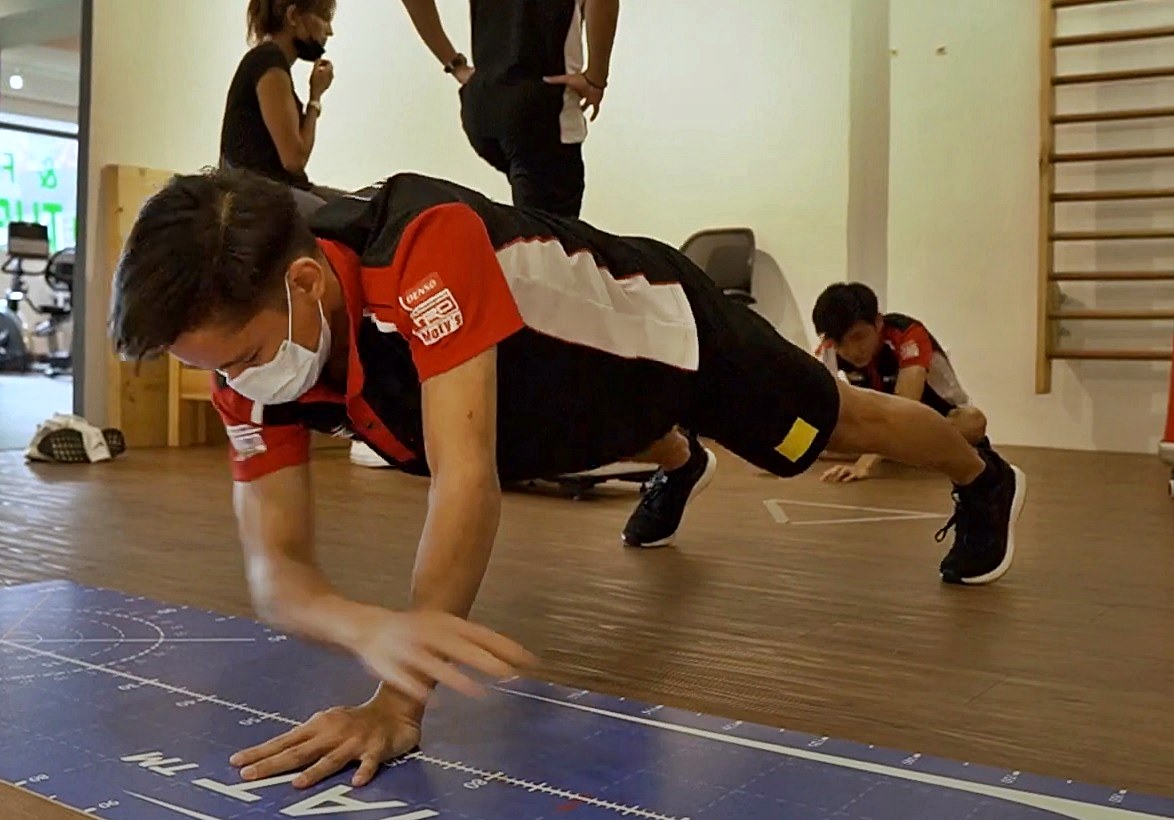
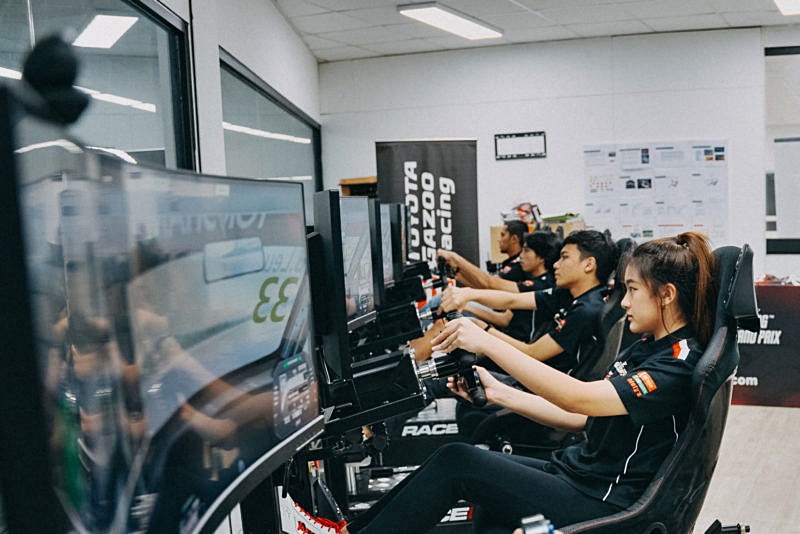
The GR Young Talent Development Program provides intensive training just like what professional racing drivers go through. Simulator time is an important activity and top Malaysian drivers provide valuable guidance.

Adele and the other 5 rookies have undergone systematic training which covers core aspects of becoming a professional driver. From top drivers like Alex Yoong, Tengku Djan Ley and Mark Darwin, they learn racecraft and how to prepare themselves in fitness, nutrition and even psychologically. It is quite an intensive program and when they have graduated, they are given opportunities to race in the Vios Challenge and other events, as Adele will be doing this year.

“Compared to the others, I am a real beginner with limited experience and that means I have to put in twice the effort. We’ll see how things go as the season progresses, but I’d really like to get on to the podium and make my Dad proud. From several sessions on the track with the Vios racing car and being guided by several different coaches – some of whom were last year’s Rookie Class racers – I’ve learnt a lot especially in mentally preparing myself. And the car is also very easy to drive,” she said.

Not racing directly against Dad – yet
Technically, Adele will be competing in the Rookie Class (for the graduates of the program) while her father is in the Super Sporting Class for veteran and professional drivers. However, father and daughter will be in the same race as the two classes run together. So who knows – Dad might just see his daughter’s car appearing in his mirrors one day!

“This is a very special moment for the both of us. In order for me to be able to race my father shows just how long he has been in motorsport. This is going to be a whole new experience for the two of us and my dad is equally very excited. He is definitely the best mentor I could have ever hoped for to prepare for my first ever race weekend,” said Adele.

Racing fans and enthusiasts have been able to catch the weekend’s action and stage performances by local celebrities streamed live on the UMW Toyota Motor website at www.toyota.com.my and on the Toyota Malaysia and TOYOTA GAZOO Racing Malaysia Facebook pages

UMW Toyota Motor starts GAZOO Racing Young Talent Development Program

Race starts at 6 pm in Bahrain/11 pm in Malaysia

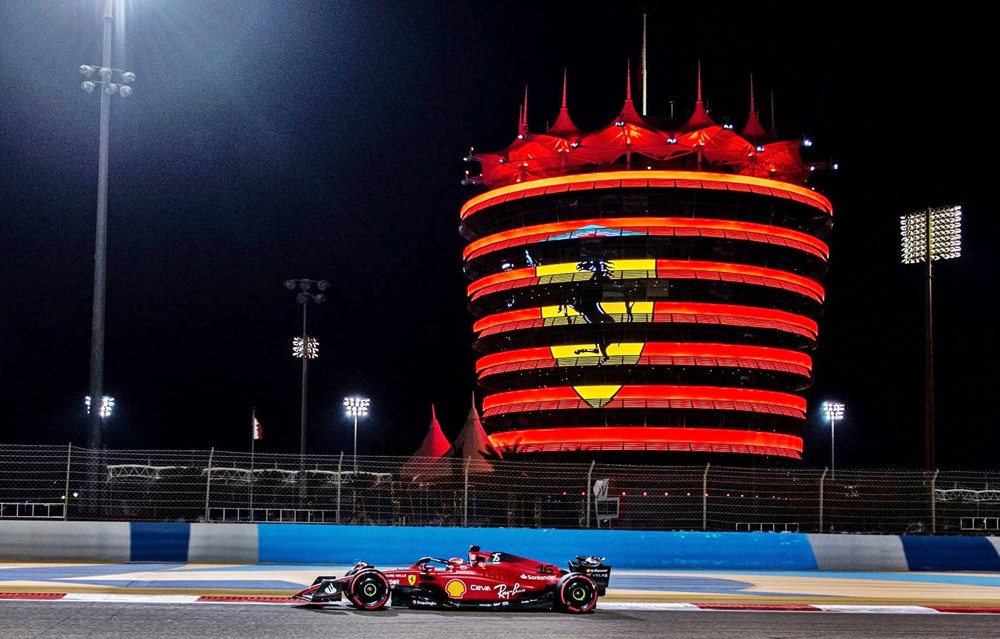
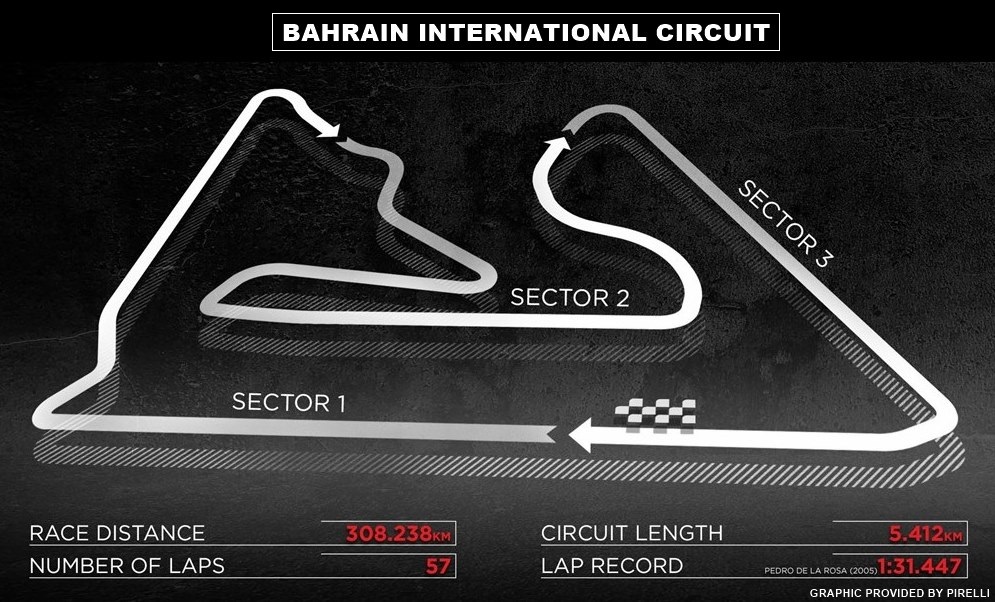
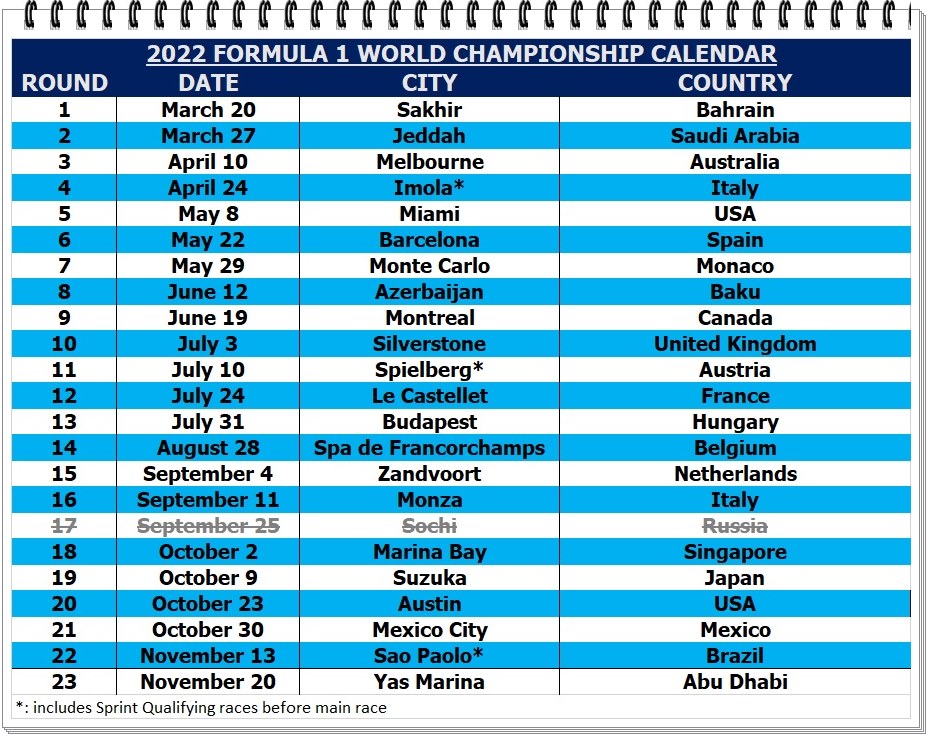
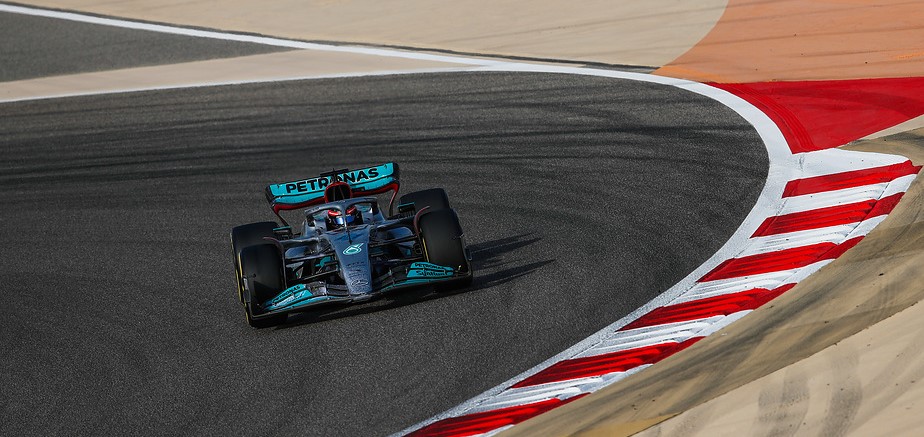
The 2022 Formula 1 World Championship starts a new season this weekend in Bahrain which, as in 2021, was the venue for the season-opener and replaced Australia (which had complications due to its pandemic restrictions and requirements). This is the 18th time Bahrain has hosted a round of F1 and has done so every year since 2004, except in 2011.

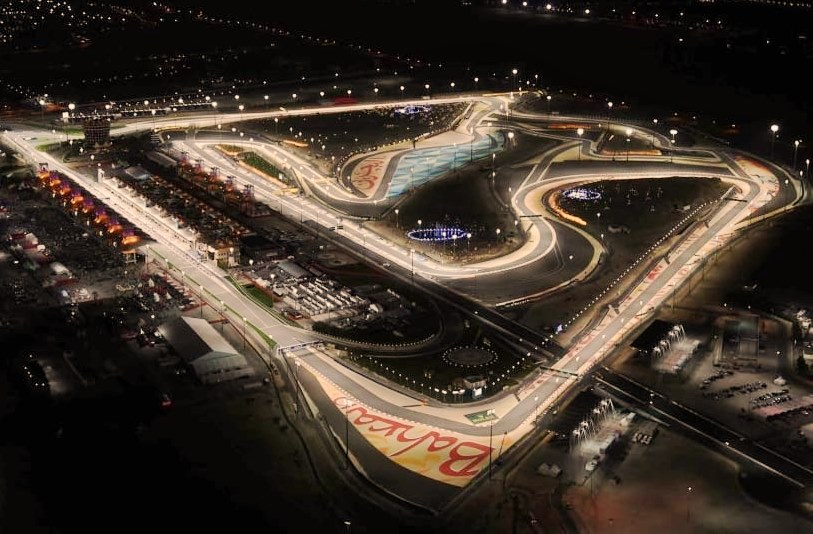
Although the last race at the Bahrain International Circuit was at the end of March last year, the drivers have fresher memories of the track as they had test sessions there just last month. The circuit at Sakhir is located in the middle of the desert (on what was formerly a camel farm) and has no less than 1,120 palm trees around the site. But while it may be located in a desert, sand doesn’t present much of an issue for the teams and cars, and the track surface cleans up quickly.

The majority of the F1 races held in Bahrain have used the 5.412-km Grand Prix layout, but on one occasion in 2010, the 6.299-km Endurance layout was used. It was not a popular switch as drivers found that the additional corners did not offer passing opportunities, so the GP circuit was used thereafter up till today.

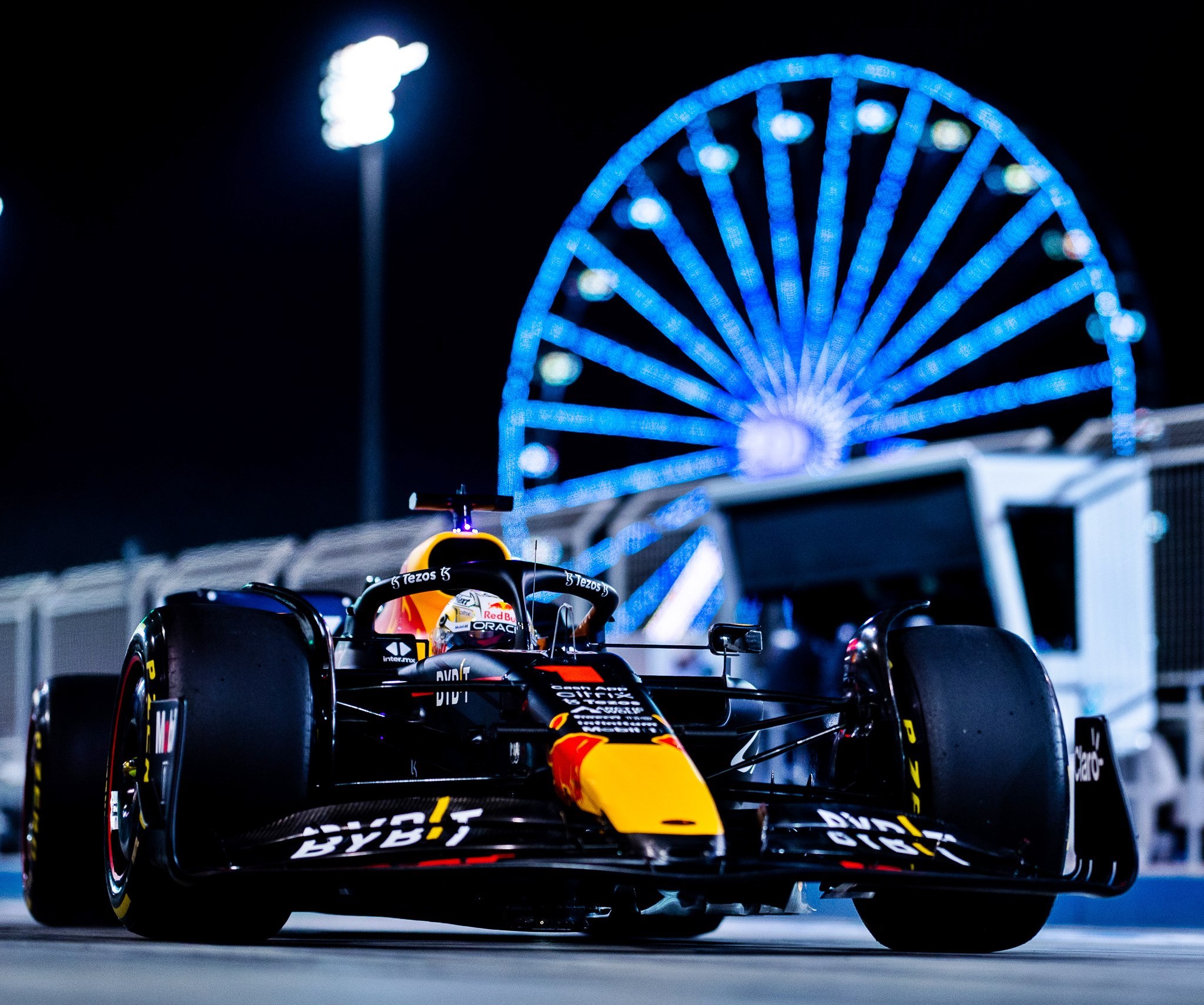
The Bahrain Grand Prix is a twilight race, starting at sunset and finishing after dark when 495 lighting posts are switched on to bring daylight onto the track. Despite the new F1 weekend format, FP1 and FP3 still take place in daylight, while FP2.and qualifying take place in the evening. FP2 is therefore a crucial session for all the teams as it is the one chance to run the car in similar conditions to those experienced in qualifying and the 57-lap race.

Because of the various changes to the weekend format, there is less time for mechanics to work on the cars and less engineering time, due to the earlier curfew. So, more emphasis is put on hitting the ground running with good preparation and simulation work, hence more emphasis being on the pre-weekend preparations.
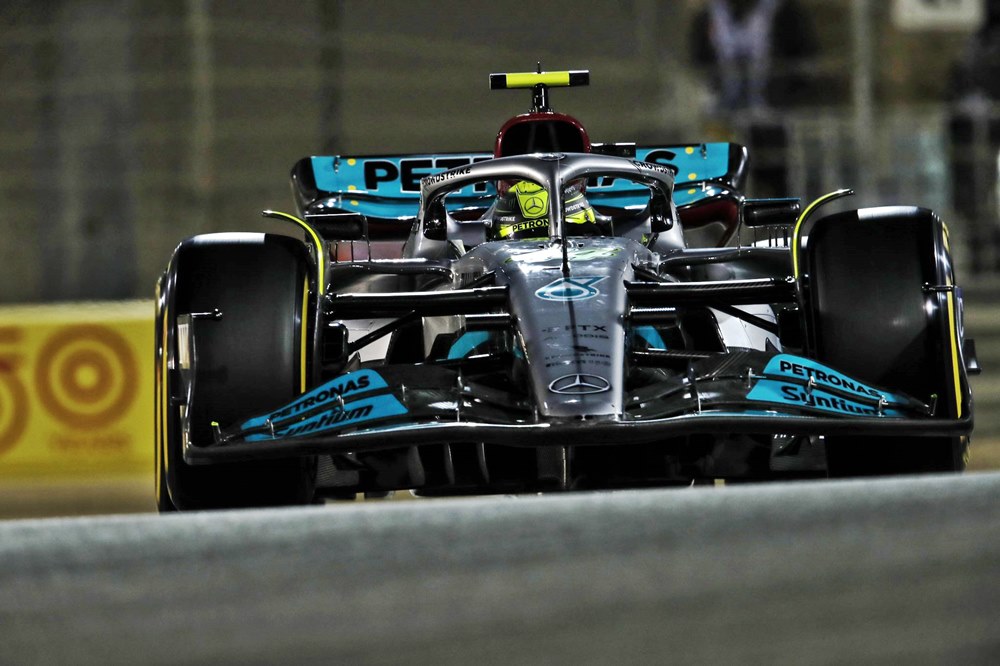
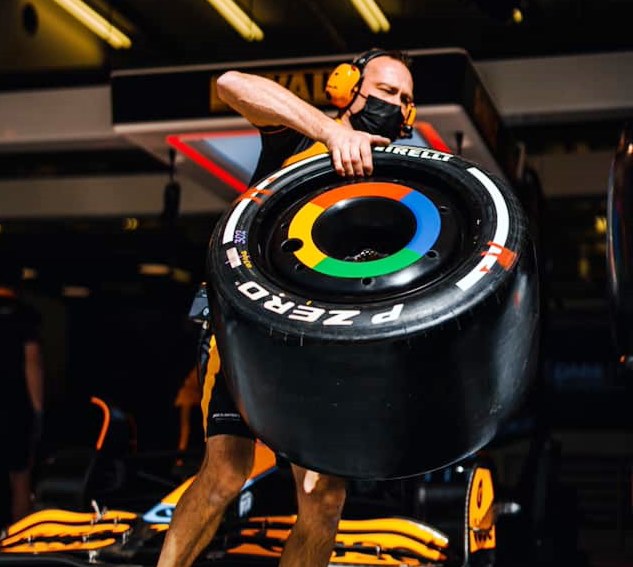
By now, racing fans will know that this year sees major changes in technical regulations to the extent that even wheel sizes have been increased. So this first round will be very interesting, and everyone will be watching to see how the changes affect performance. Toto Wolff, the Mercedes-AMG team boss, expects the performance of the cars through the corners will change. “For example, we expect the cars to take Turn 4 in Bahrain at 115 km/h in 2022, compared to 135 km/h last year. Similarly, a high-speed corner like Turn 12 will now be taken at 240 km/h, compared to 265 km/h,” he said.

“The teams had the chance get familiar with the 2022 18-inch tyre range, having spent a total of 6 days of testing with all the compounds, although not always in representative conditions. We know from the past that track temperatures can play an important role in Bahrain, affecting tyre degradation, and that’s something we noticed at the recent test as well. During the race temperatures should be milder compared to FP1 and FP3, so the teams will have to focus on their data from FP2 and qualifying. It’s still hard to predict the race strategy as, in the past, Bahrain has been a multi-stop race, but it will be interesting to see if anyone will try something different this year,” said Mario Isola, Pirelli’s Motorsport Director.

The official tyre-supplier has chosen the hardest compounds in the new low-profile range. Removing the requirement for the top ten to start the race on their Q2 rubber will, however, alter the established pattern in which the teams choose their tyres during the weekend.

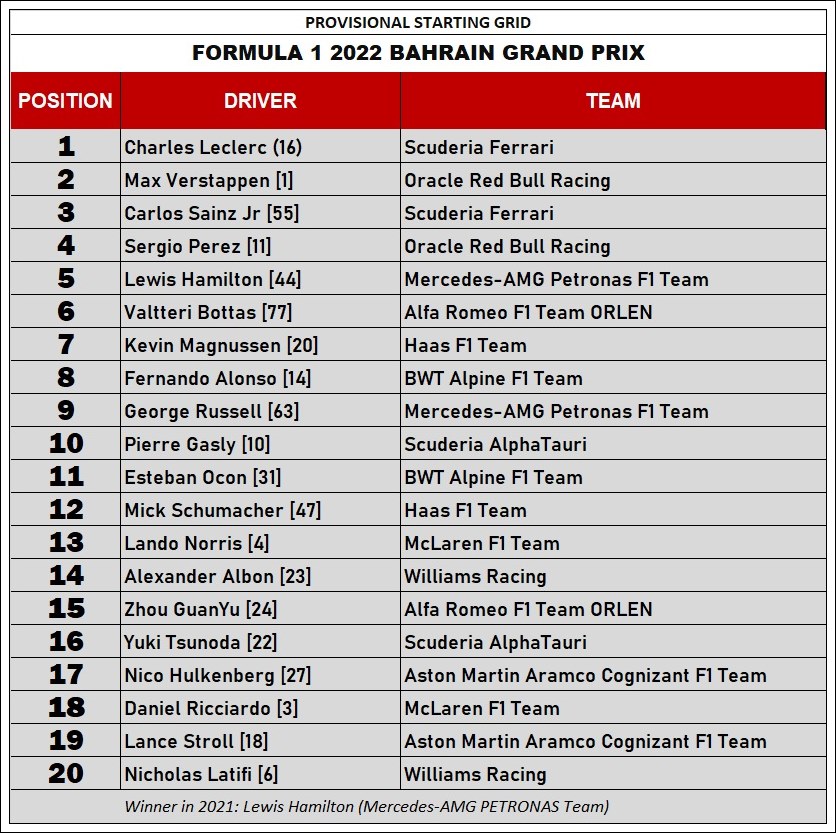
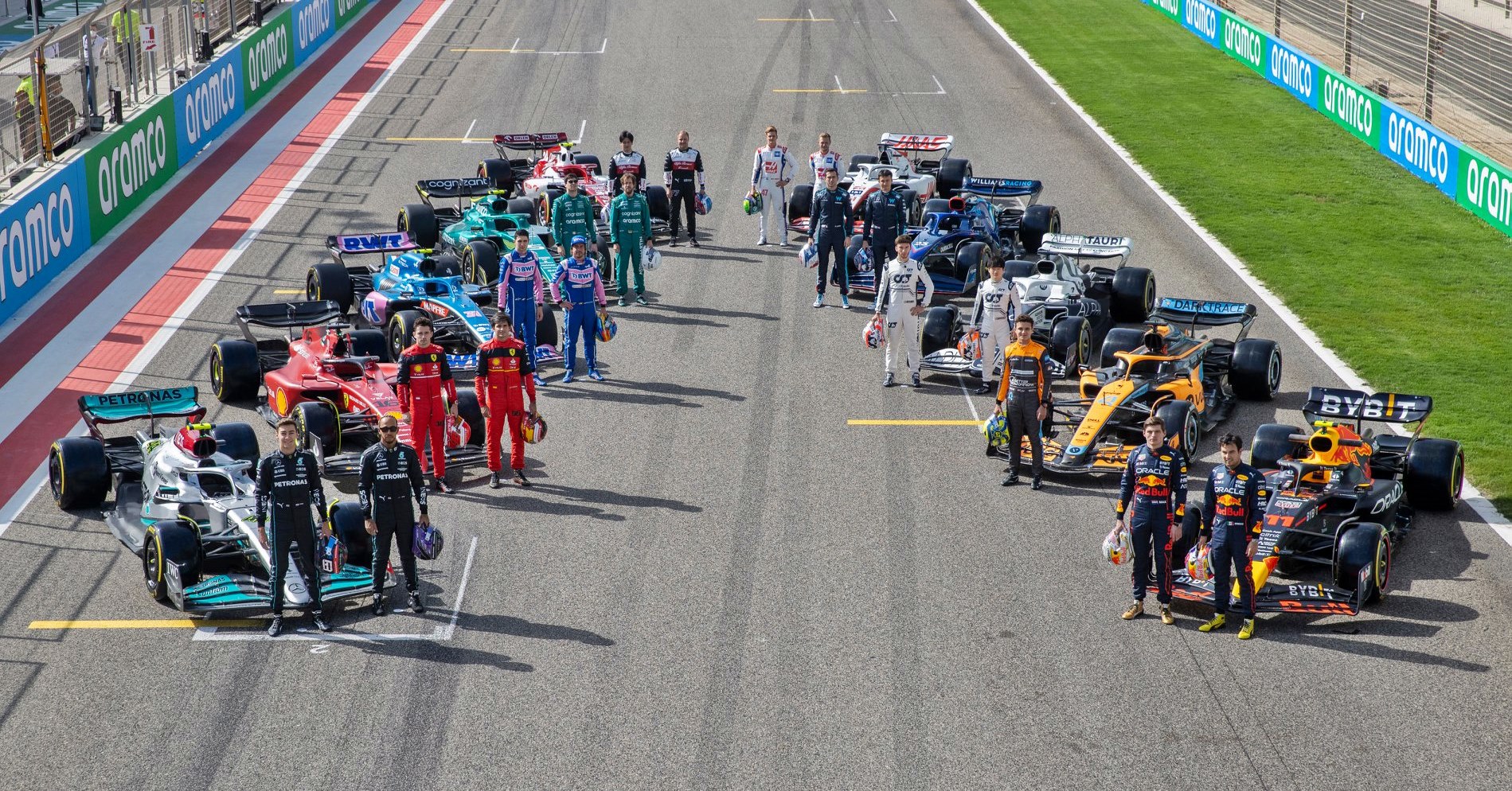
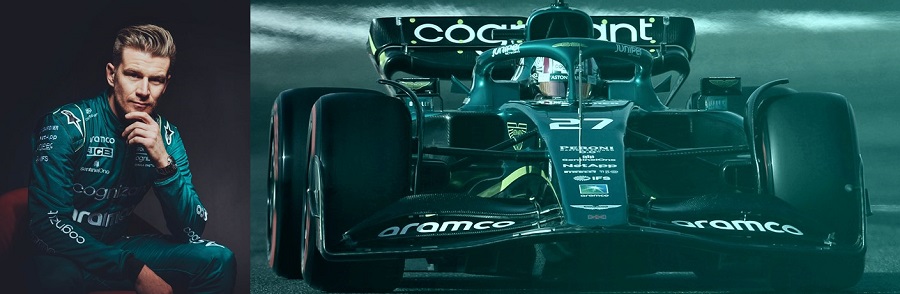
The No. 5 Aston Martin won’t be in the race and instead, you’ll see No. 27 which is the number for Nico Hulkenberg. He takes over Sebastian Vettel’s place as the German driver tested positive for COVID-19.
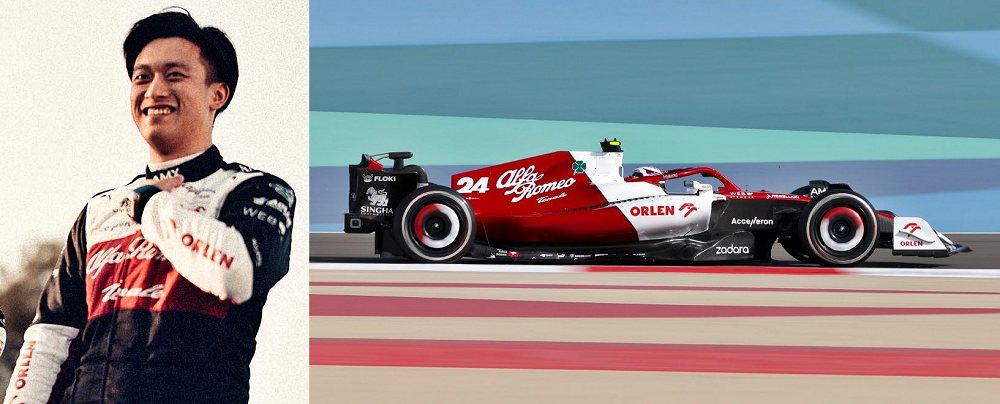
Zhou GuanYu, the first F1 driver from China, will be racing for Alfa Romeo F1 Team ORLEN, alongside Valtteri Bottas.

2022 sees former driver Kevin Magnussen returning to take Nikita Mazepin’s place in the Haas F1 team, while Thai-British Alexander Albon gets another go at F1 with Williams Racing, along Nicholas Latifi. Joining Alfa Romeo F1 Team ORLEN is Zhou GuanYu who is the first F1 driver from China, and he will partner Valtteri Bottas who has moved over from the Mercedes-AMG PETRONAS Team. You’ll notice Nico Hulkenberg listed with the Aston Martin Aramco COGNIZANT Team and that’s because Sebastian Vettel cannot take part due to being tested positive for COVID-19.

F1 tyres to go from 13 inches to 18 inches in 2022 (w/VIDEO)


Season 5 of the Vios Challenge, the one-make series that is part of the TOYOTA GAZOO Racing Festival (TGR Festival), got off to a hot and exciting start with the younger drivers firing an early warning salvo by dominating the top two classes – the Super Sporting Class and Sporting Class.

In the Super Sporting Class for veteran and professional drivers, 17-year old Hayden Haikal catapulted  himself from being fastest in qualifying to winning the race while, in the Sporting Class for amateurs, 22-year old Naquib Azlan shot to victory in only his second year of competitive racing  after making a transition from simulator racing.
Incidentally, Naquib’s younger brother, 20-year old Nabil, who is  also making his debut in the Rookie Class (competing in a real saloon car race for the very first time) also won his class for new drivers under GAZOO Racing’s Young Driver Development Program.
Super Sporting Class
In the Super Sporting Class, Hayden won a closely-fought race, finishing just half a second ahead of  Telagamas Toyota’s Freddie Ang with Laser Motor Racing’s Eddie Liew coming in third. The teenager had led an Axle Motorsports 1-2 in the opening lap of the race with team mate and  senior driver Boy Wong in tow before being passed in the second lap by both Wong and Prima Pearl Auto’s Mitchell Cheah to drop into third place.

Toyota Vios Challenge Season 5 2022

Toyota Vios Challenge Season 5 2022

The battle that ensued at the front between Wong and Cheah, however, got the better of the two  drivers who took one another out of contention in Lap 6 after a miscalculated overtaking manoeuvre. That allowed Hayden to regain the lead, with Ang and Liew also becoming the beneficiaries of the misfortunes up front. The race was tight between Hayden and Ang right to the chequered flag, with both drivers trying their best to get to it first.

Sporting Class
In the Sporting Class, Naquib won his class with a comfortable 15-second margin ahead of S&D  Tama Motorsports’ Tom Goh, while another youngster 19–year old Bradley Benedict Anthony of  Crestmax Motorsport followed them home in third place. Moving up to the Sporting Class after winning last year’s Rookie Class, Naquib had clocked the fastest time in qualifying but both he and Bradley were penalized for a technical infringement which dropped them to fifth and sixth on the starting grid. That however, proved not to  be a big enough setback as they were able to make their way up the leaderboard.

Toyota Vios Challenge Season 5 2022

“I was certainly looking forward to come back to race this season. I really enjoyed racing last year in the Rookie Class  and I am now looking forward to competing against much more experienced drivers. Thankfully, Axle Motorsports decided to field a team this season and to move from virtual racing into the real world. Therefore I am very thankful to them for this opportunity and I want to make  the most of it,” said Naquib.

On why he feels younger drivers in the series are beginning to propel themselves to the front of  the field, he said: “We, the younger generation of drivers, are very lucky and fortunate that we have  facilities that the senior or veteran drivers did not have back in their days. In my view, they had to  work much harder to get to where they are now. We have the benefit of things like simulator racing because it helps us to prepare better and to accelerate our learning curve. We also have the benefit of having guidance from these more experienced drivers in the sport because they have spent many more years on track.
“To be honest, I never expected anything making the transition from simulator to real world racing.  I do have a lot of self-belief and self-confidence, but I never knew I could do it until I got onto the  track last season,”  he added.
Toyota Vios Challenge Season 5 2022

That sentiment is shared by Bradley adding that investing in training has been one of the  important elements of his growth. “Being young, I am very passionate about racing and I would like to believe that we young drivers put in the extra time and effort into practice and training. For instance, my preparation for Season 5 involved a lot of training to prepare myself physically and mentally before coming to the track’” he said.
“My goal when I first joined the series was to finish the race or to get into the top 10. I did not set  high expectations because it was my first time racing a saloon car, but the learning curve has just  been phenomenal and really valuable,” added Bradley.Rookie Class

Rookie Class
In the Rookie Class, Nabil drove to his first ever saloon car race victory after making a transition  from simulator racing. Finishing second and third were karters Sharique Zulqarinain and  Muhammad Hamdany Abdul Hamid, respectively. Finishing fourth was 20-year old and the only  female in the group, Adele Liew, while in fifth was another karter Muizz Musyaffa.

“I’m surprised how a lot of the things I’ve done in simulator racing can be applied to real world  racing and I was very happy with my racecraft in this first race. I wanted to pace myself and try to  get as close as I could to the other drivers in the Super Sporting Class (both the Super Sporting and  Rookie Classes start together) but just enough to steer clear of any incidents,” said Nabil. “The most difficult part with real racing is dealing with the high temperature in car and this is something I will need to focus more on moving forward.”

Promotional Class
In the popular Promotional Class for celebrities, actor Zizan Razak did not leave anything to chance this year as he shot off from pole position to finish more than 15 seconds clear of defending Promotional Class champion and fellow actor, Shukri Yahaya. In third place was presenter Ahirine Ahirudin who is also an accomplished motorcycle rider.

Toyota Vios Challenge Season 5 2022

Toyota Vios Challenge Season 5 2022

Toyota Vios Challenge Season 5 2022

Singer Nabila Razali had been in contention for fourth place until a mistake sent her into the gravel  at the very last lap. That promoted presenter/comedian Nabil Ahmad into fourth, with singer Wany  Hasrita, actress Janna Nick, presenter Ain Edruce in fifth, sixth and seventh positions, respectively.

Today’s racing is just half of the first round of Season 5 and the second series of races will run tomorrow (Sunday, March 20) at the Sepang International  Circuit. Racing fans and enthusiasts can catch all the action and stage performances by local celebrities streamed live on the UMW Toyota Motor website at www.toyota.com.my and on the Toyota Malaysia and TOYOTA GAZOO Racing Malaysia Facebook pages..

The Father and Daughter racers in the Vios Challenge

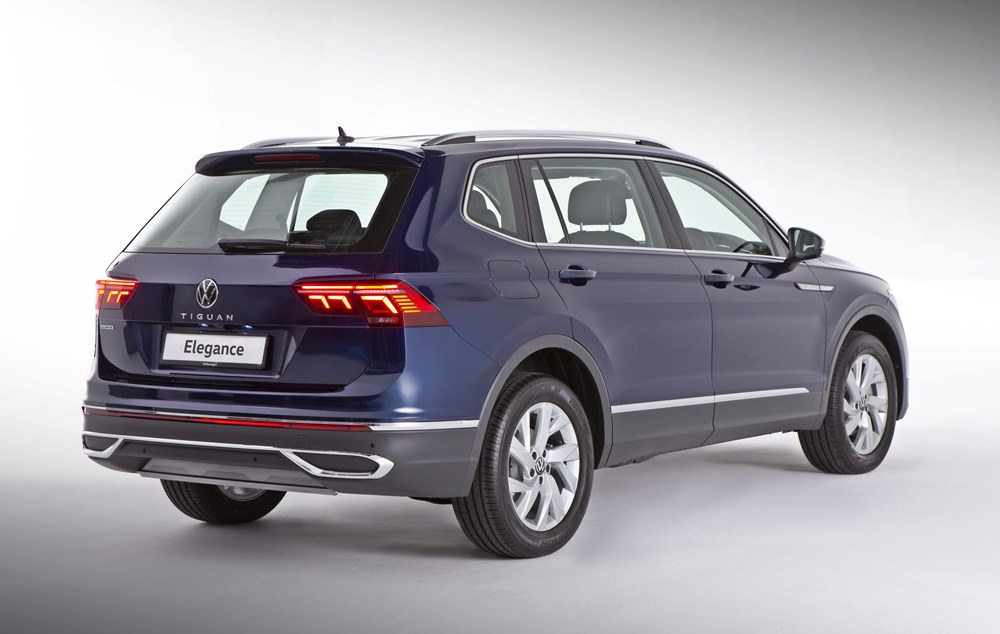
When the second generation of the Volkswagen Tiguan was launched around 6 years ago, there were two body versions – short wheelbase with 2-row seating and long wheelbase with 3-row seating. Initially, it was thought that the 3-row version was for China where extended bodies are preferred but it turned out that the longer Tiguan, known as the Tiguan Allspace, is offered globally as well.

The Tiguan Allspace has become a success story for Volkswagen as around 1.5 million units were sold worldwide, and this version accounts for 55% of all Tiguan production. With SUVs being popular, Volkswagen Passenger Cars Malaysia (VPCM) chose the model to add to its locally-assembled range with the completely knocked-down (CKD) kits coming from the global production hub in Mexico.

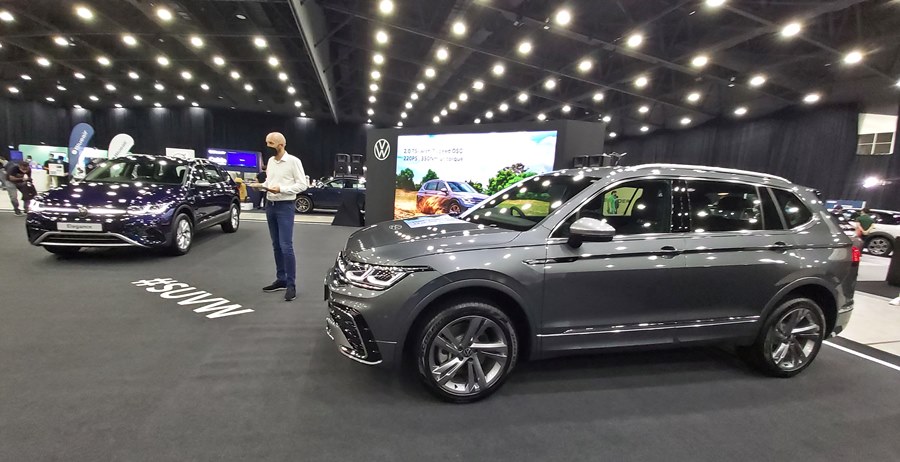
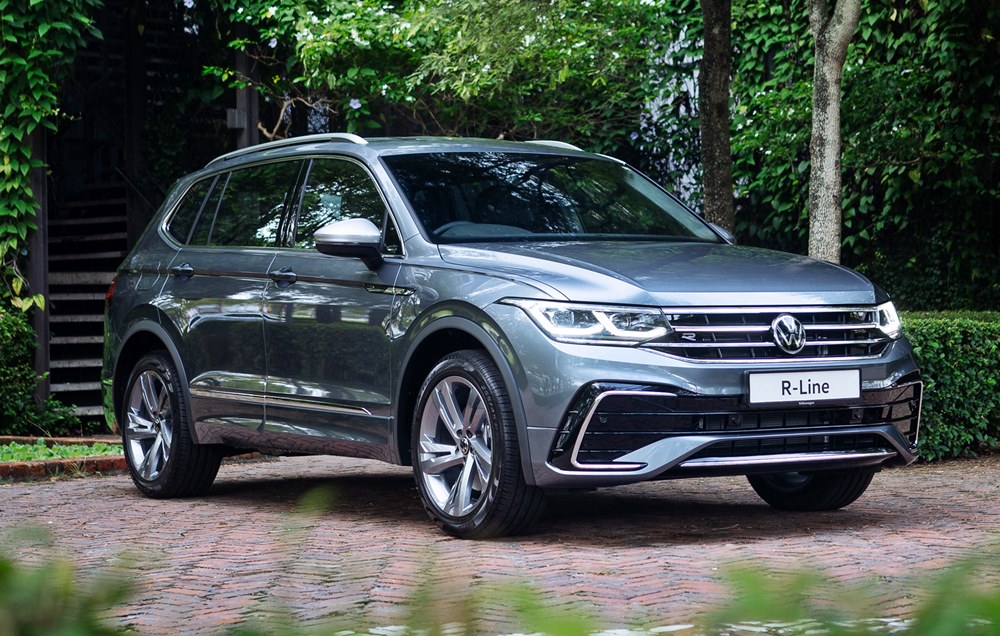
With the addition of the Allspace version, VPCM decided to stop assembling the 2-row version and now has two offerings – the Tiguan Allspace Elegance and R-Line 4MOTION. Both have been updated for 2022 with cosmetic changes and upgrades within. They are priced at RM174,745.68 and RM219,443.59, respectively, without insurance and with full exemption of sales tax (until June 30, 2022).

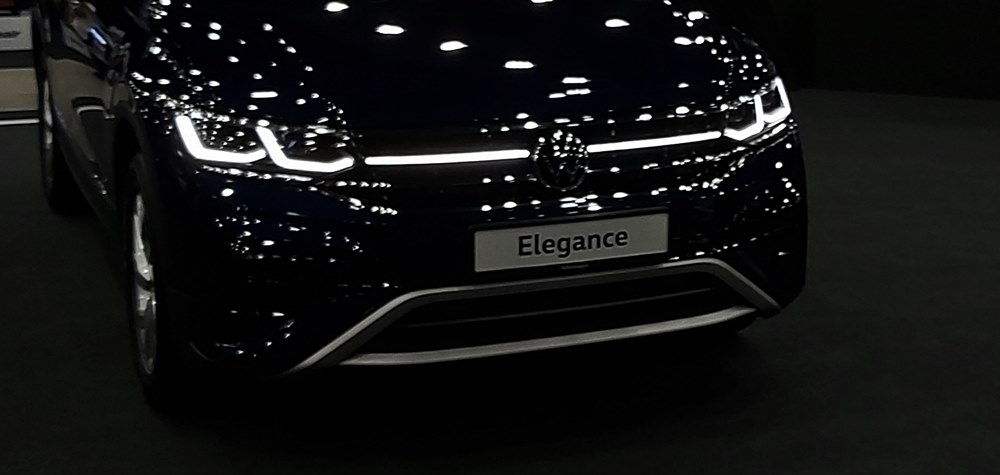
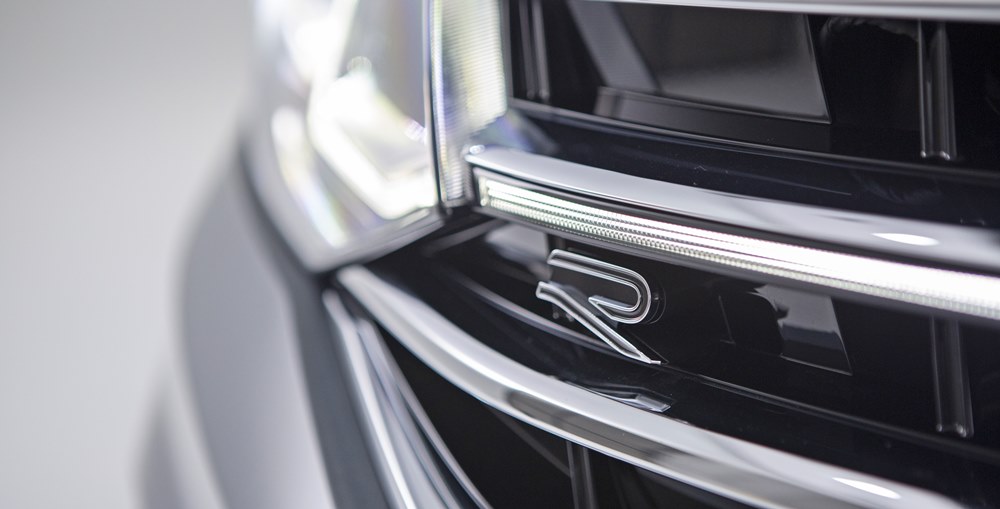
The overall form of the Tiguan Allspace remains recognizable but up front is a redesigned grille flanked by slimmer headlamps. The headlamps are LED units and said to have wider light distribution to better illuminate the sides of the road. The headlamps also include an all-weather light system and dynamic cornering function.

Volkswagen Tiguan Allspace

Volkswagen Tiguan Allspace

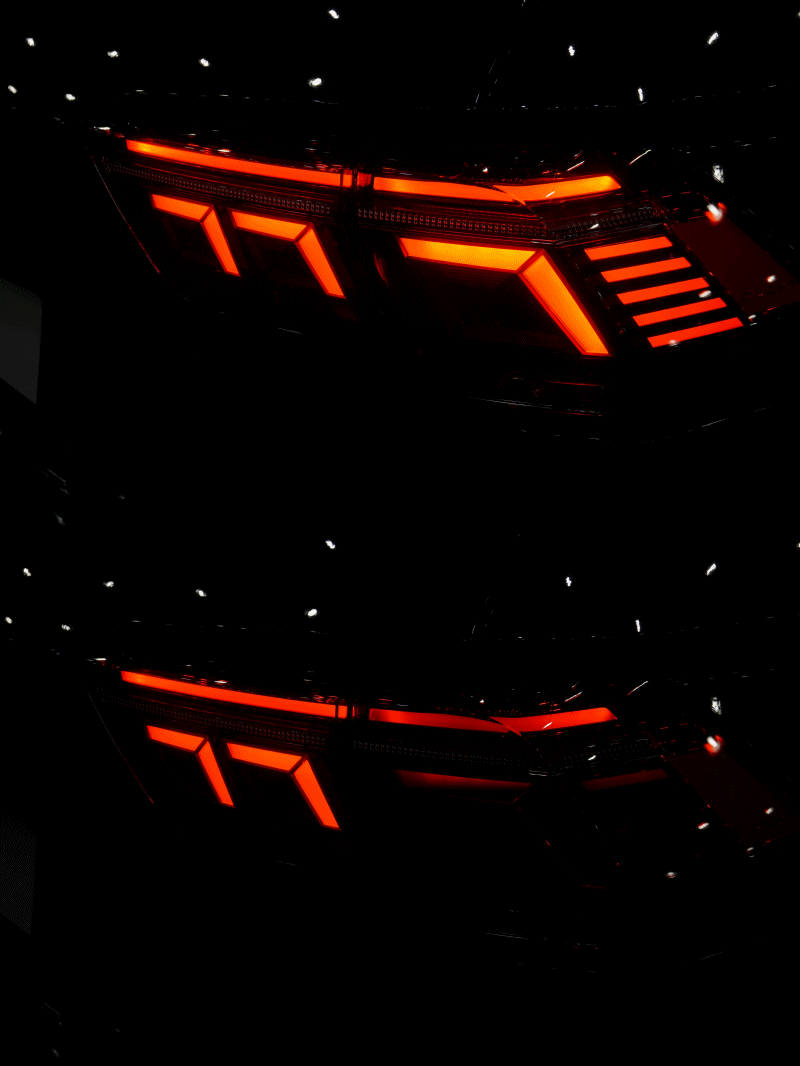
Like the front, the rear lights also use LEDs, with dynamic turn indicators typically found on premium models these days. The taillight cluster with a distinctive lighting signature puts on an interesting ‘show’ (Click-clack effect) when braking.

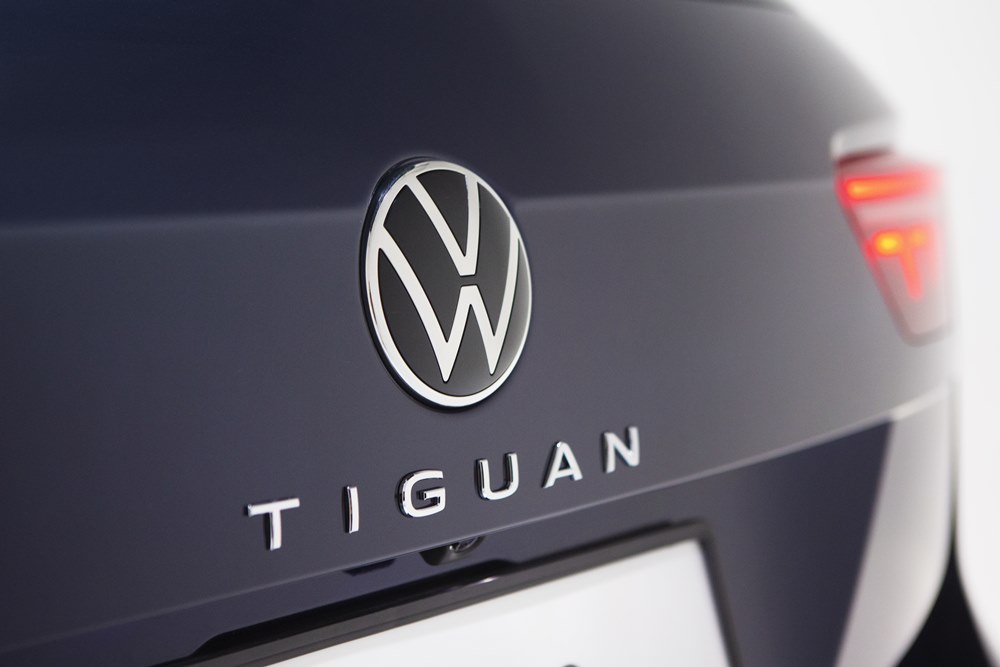
Other changes include redesigned bumpers and the signature LED illuminated light strip. Sharp-eyed observers will also notice that the brand logo is new, the result of what was said to be one of the world’s largest rebranding campaigns carried out in 2019 and 2020. The logo is reduced to its essential elements and has a new design that is flat and two-dimensional.

Volkswagen Tiguan Allspace

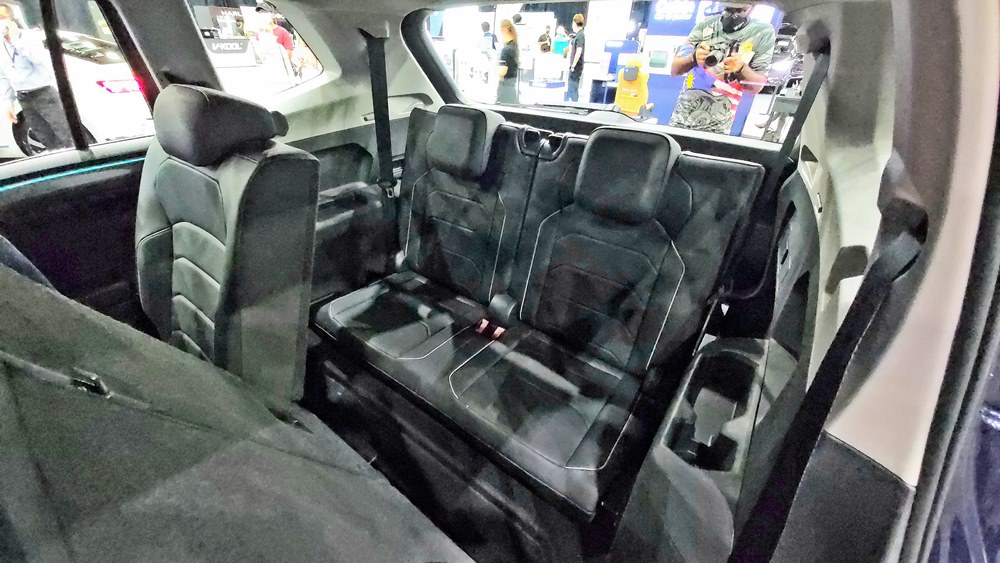
Plush and functional space for 7
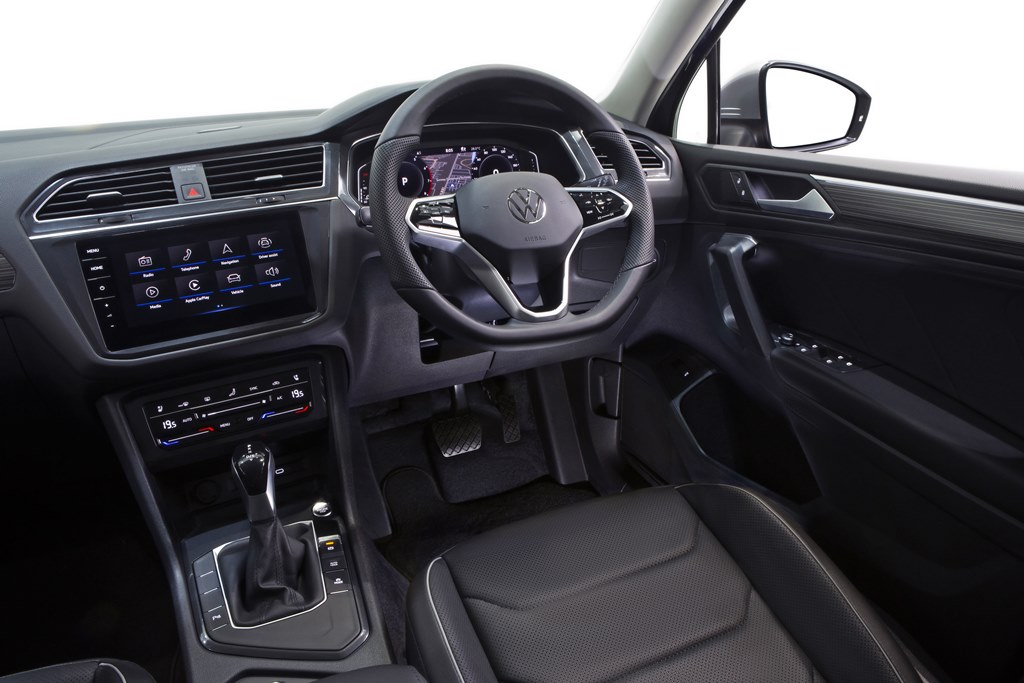
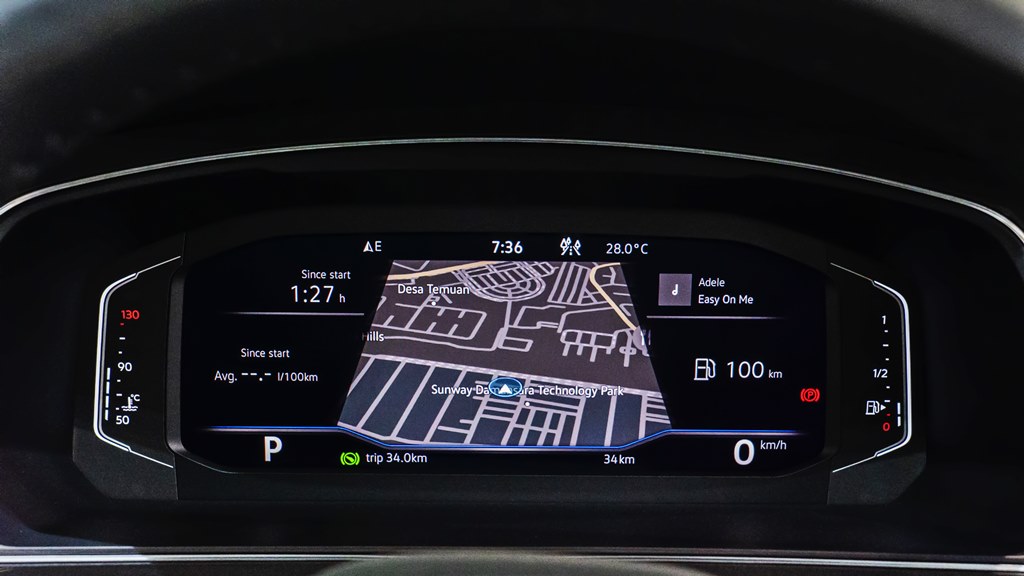
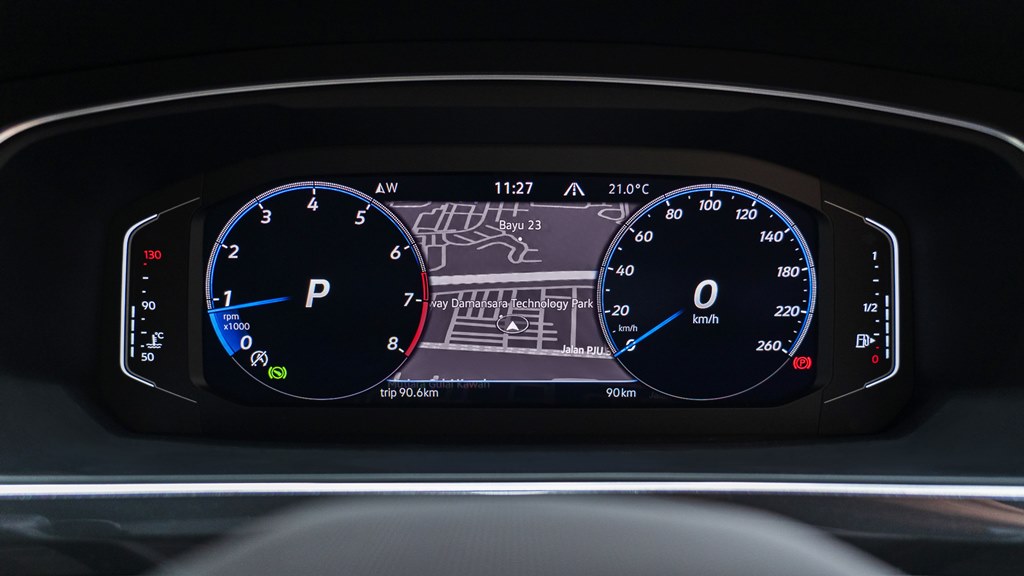
Inside the new Tiguan Allspace is a plush and functional interior for 7 persons. Seats are all wrapped in Vienna leather with the addition of active climate 12-way adjustable seats at the front. The 11.7-inch Digital Cockpit has been improved and offers customizable displays on a TFT colour panel with resolution comparable to a premium smartphone.

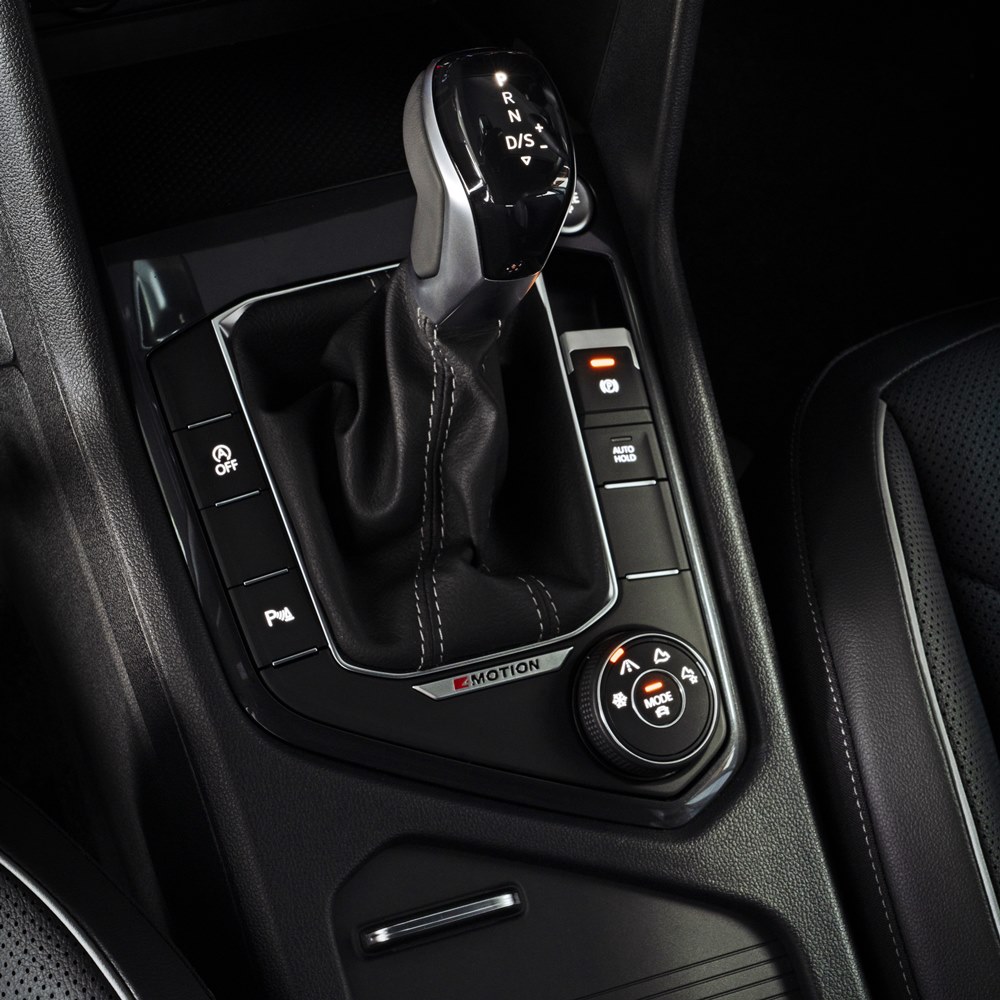
The driver can operate and manage numerous functions from the multifunction sports steering wheel which has haptic-touch controls (needs a bit of getting used to). However, for more intuitive operation, there are upgrade knobs and buttons on the dashboard to adjust the air-conditioning systems. The shifter panel display has also been redesigned and gear positions are shown on the interface with illumination to highlight which gear is engaged.

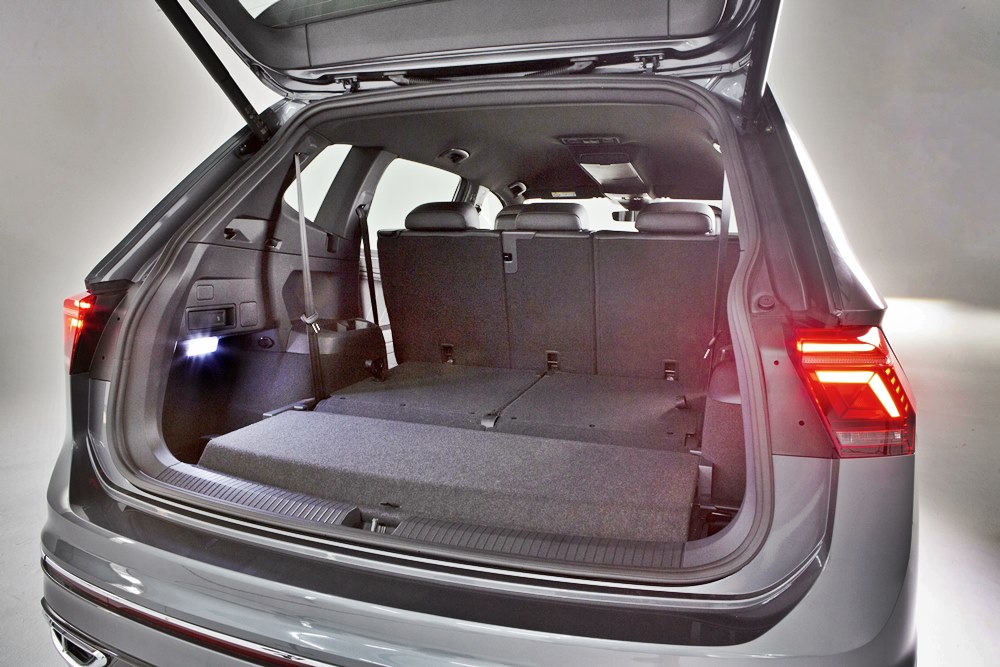
Around the cabin, 30-colour ambient lighting is provided with light strips extending across the doors, creating a contemporary and personalised atmosphere to suit any driving modes, occasions, or moods. Newly added is the Easy Open and Easy Close feature that enables handsfree opening and delayed closing of the tailgate. The cargo volume can be expanded to 1,775 litres by folding down the rear backrests.

Volkswagen Tiguan Allspace

Volkswagen Tiguan Allspace

The infotainment system has also been upgraded to a new generation 9.2-inch Discover Pro unit. It now supports wireless Apple CarPlay and Android Auto, and includes a navigation system as well as accepts voice commands. For the Tiguan Allspace R-Line, there is an additional Off-road display to provide information when this driving mode is selected. Also exclusively for the R-Line 4MOTION is the premium Harman Kardon 480W audio system with 10 speakers.

2-litre and 1.4-litre powertrains maintained
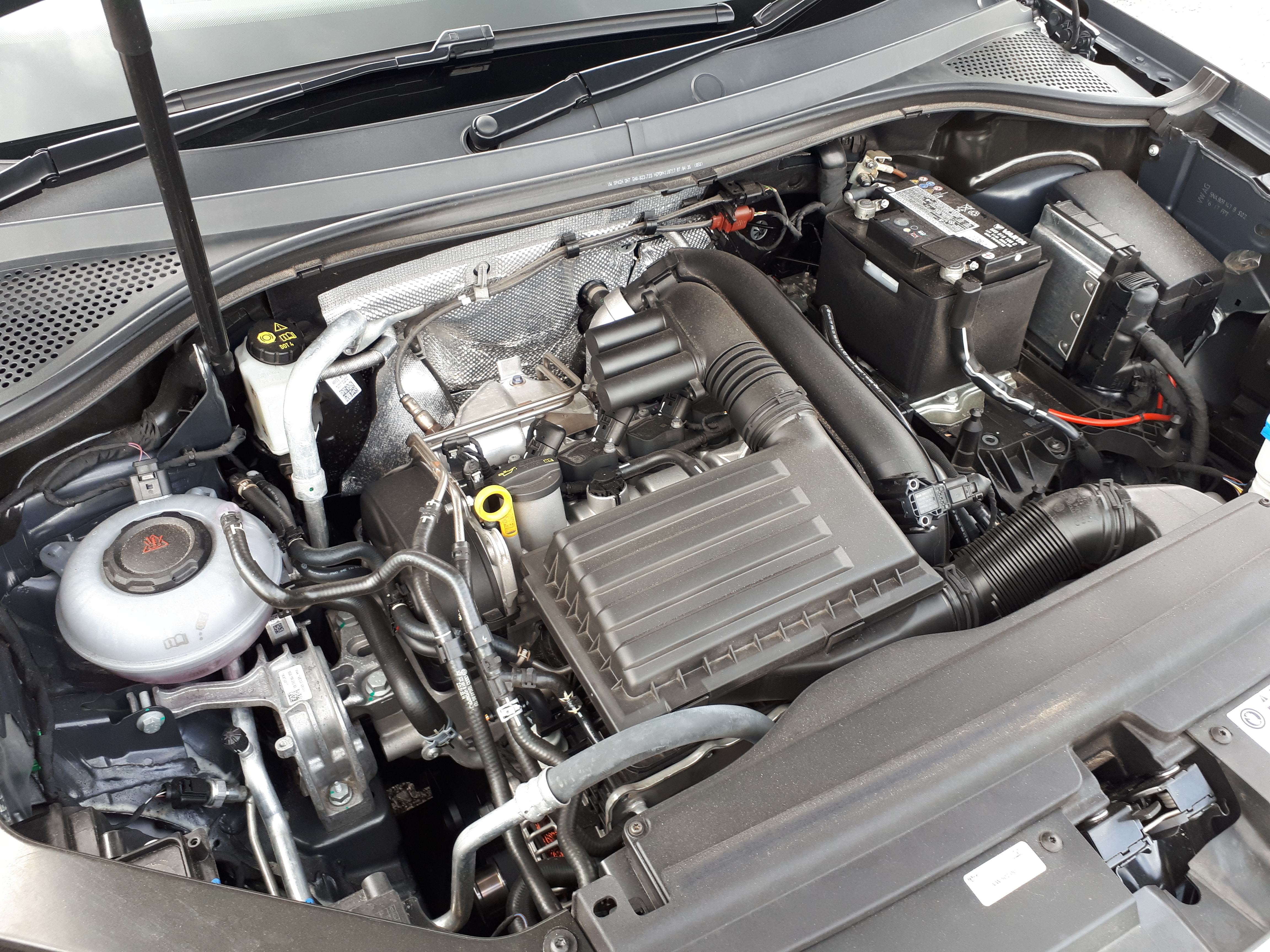
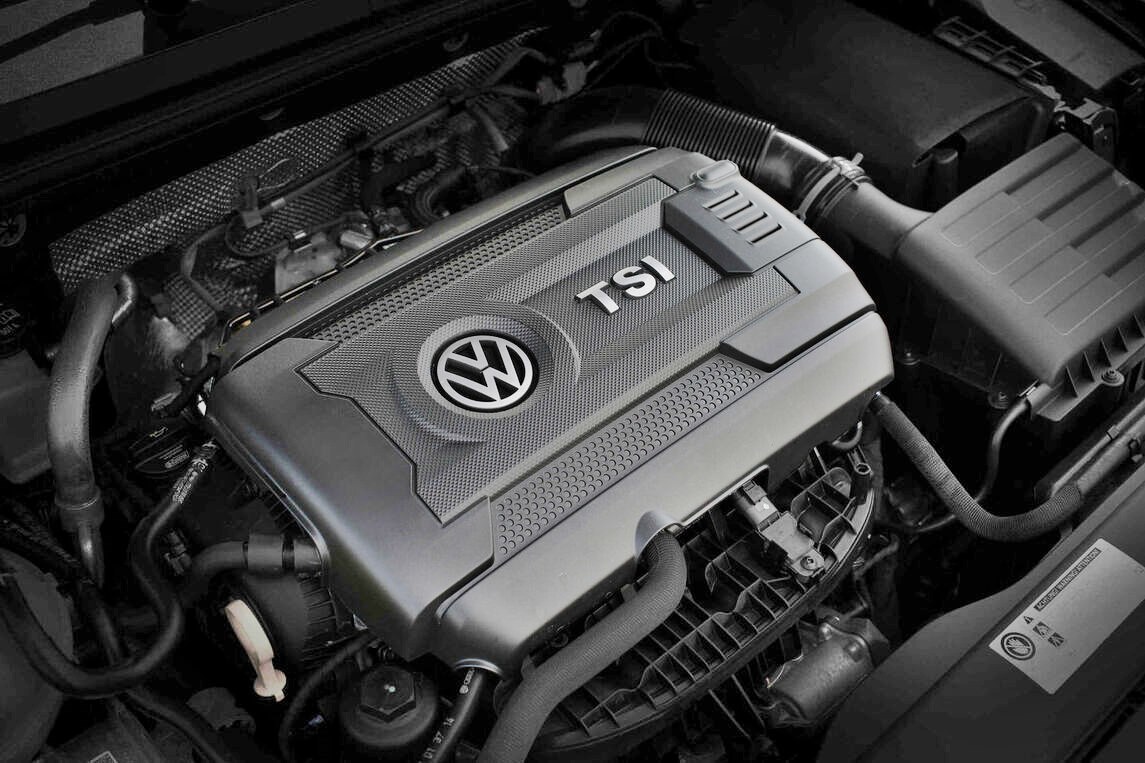
Technically, the powertrains are unchanged with the Elegance version having a 1.4-litre TSI turbocharged engine and 6-speed DSG (150 ps/250 Nm) and only front-wheel drive, while the R-Line 4MOTION uses the 2-litre TSI turbocharged engine and 7-speed DSG (220 ps/350 Nm). Power is transferred to all four wheels via the all-wheel drive system.

1.4-litre TSI turbocharged engine for Tiguan Allspace Elegance
Volkswagen Tiguan Allspace
2.0-litre TSI turbocharged engine for Tiguan Allspace R-Line 4MOTION.
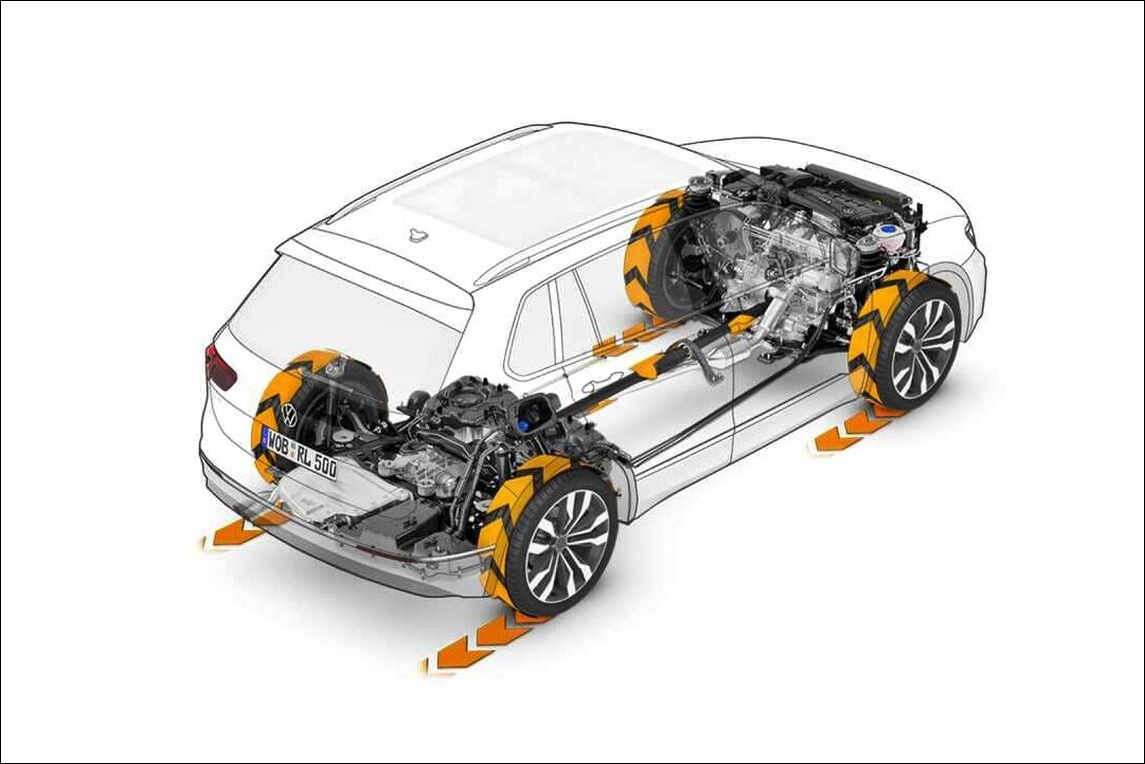
The 4MOTION all-wheel drive system distributes power between front and rear axles on an infinitely variable basis. continuously adjusted to actual driving conditions. Mostly, it would be towards the front wheels but in slippery conditions, there will also be distribution towards the rear wheels for stability and grip.

The Tiguan comes with Dynamic Chassis Control for more personalised settings for driving behaviour, and there are 4 additional modes as part of the 4MOTION system – On-road, Off-road, Off-road Expert, and Snow. It is also fitted with progressive steering for sharper and more precise maneuvering.

Volkswagen pays a lot of attention to safety and would be right up there with other global brands. But unusually, the Tiguan doesn’t seem to have an integrated active system package that usually includes autonomous emergency braking. It does, however, come with a Lane Assist system which helps to keep the SUV within its lane. If it starts to move out of the lane, a gentle steering force will guide it back.

Volkswagen Tiguan Allspace

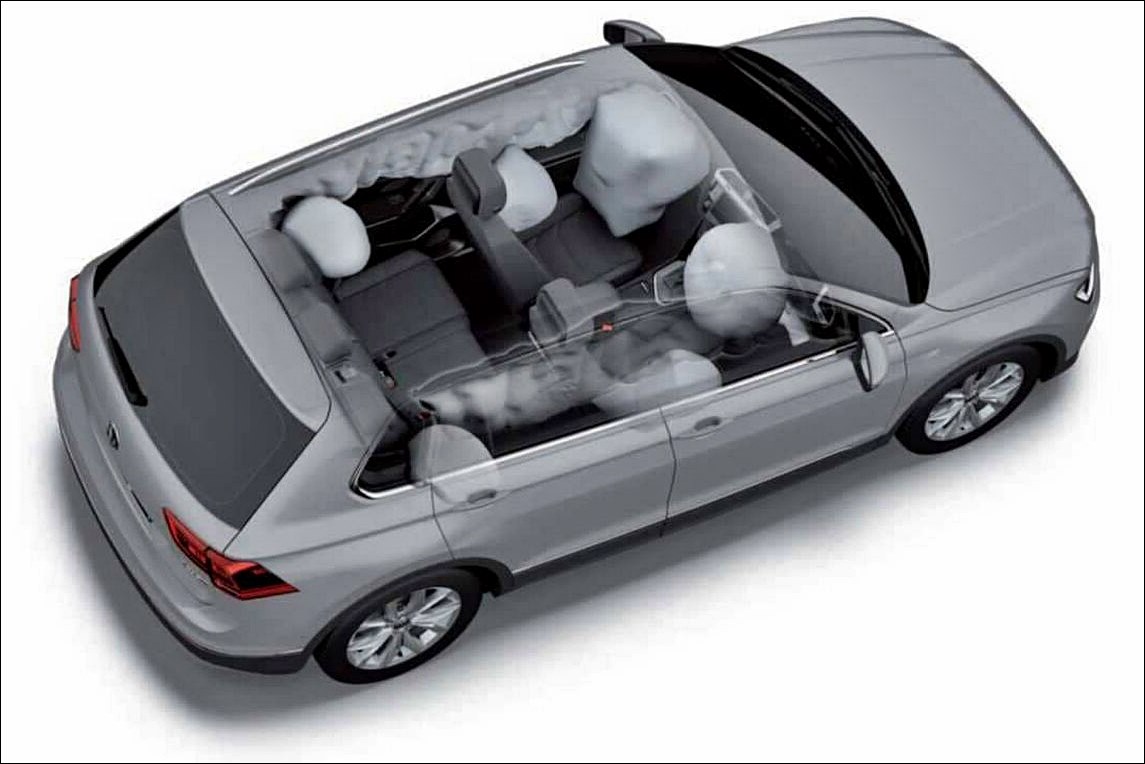
Nevertheless, all the other usual active safety systems like ABS, and stability control which works with the advanced Electronic Differential Lock (XDS). 6 airbags are also installed in the front and sides of the cabin and ISOFIX childseat points are provided in the front passenger’s seat as well as the rear seats.

The new Tiguans are now in authorized Volkswagen showrooms which have specific test-drive events this weekend. For those who do buy one, there’s a 5-year/unlimited mileage warranty, free scheduled maintenance for the first 3 years as well as complimentary roadside assistance for the first 5 years.

“SUVs are increasingly popular among Malaysians, and we see an opportunity for us to fill the gap in providing premium SUVs for the discerning. What we have in the Tiguan Allspace is an all-rounder that has more to give – more space, more performance, more value,” said Erik Winter, Managing Director of VPCM.

To know more about the new Tiguan Allspace or to locate a showroom, visit www.volkswagen.com.my.

Review: 5 Reasons You Should Get The VW Tiguan Allspace R-Line

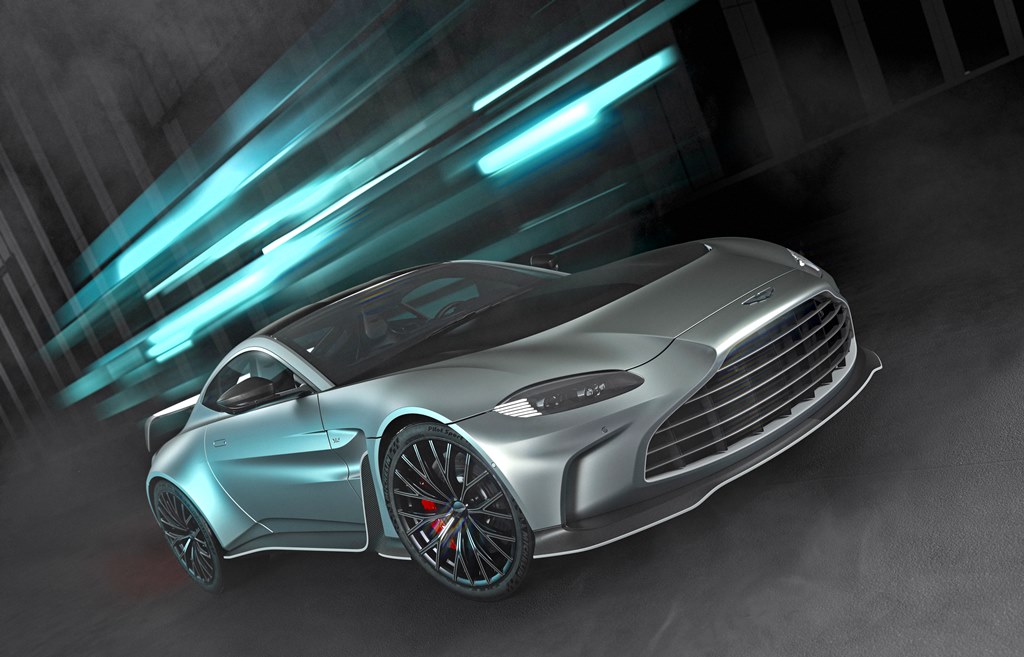
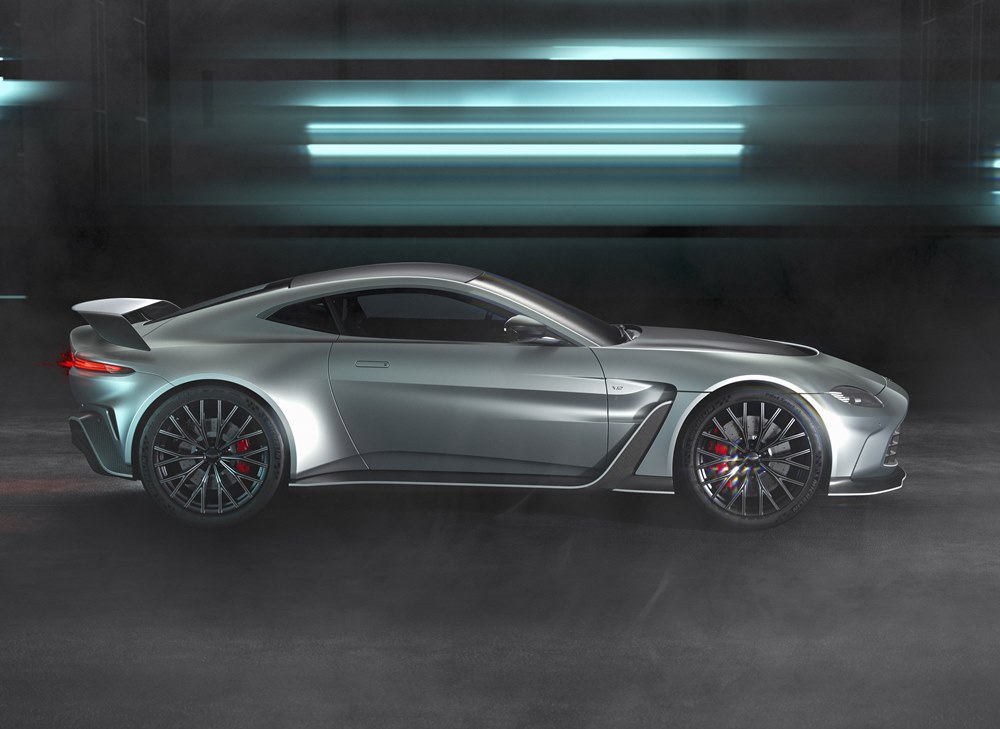
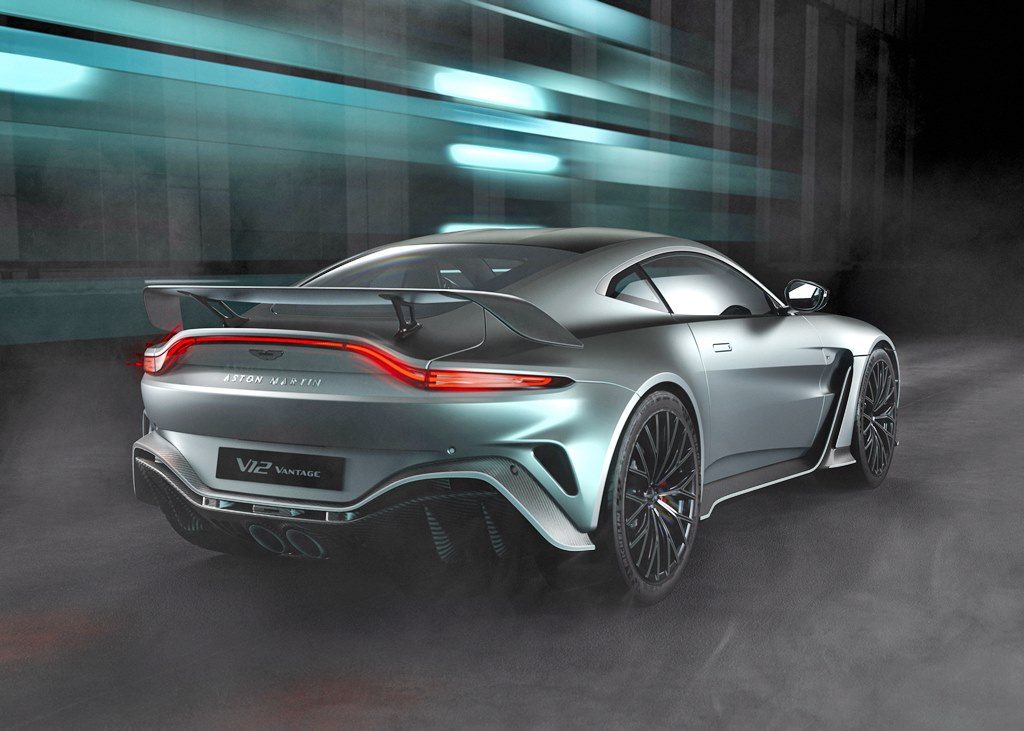
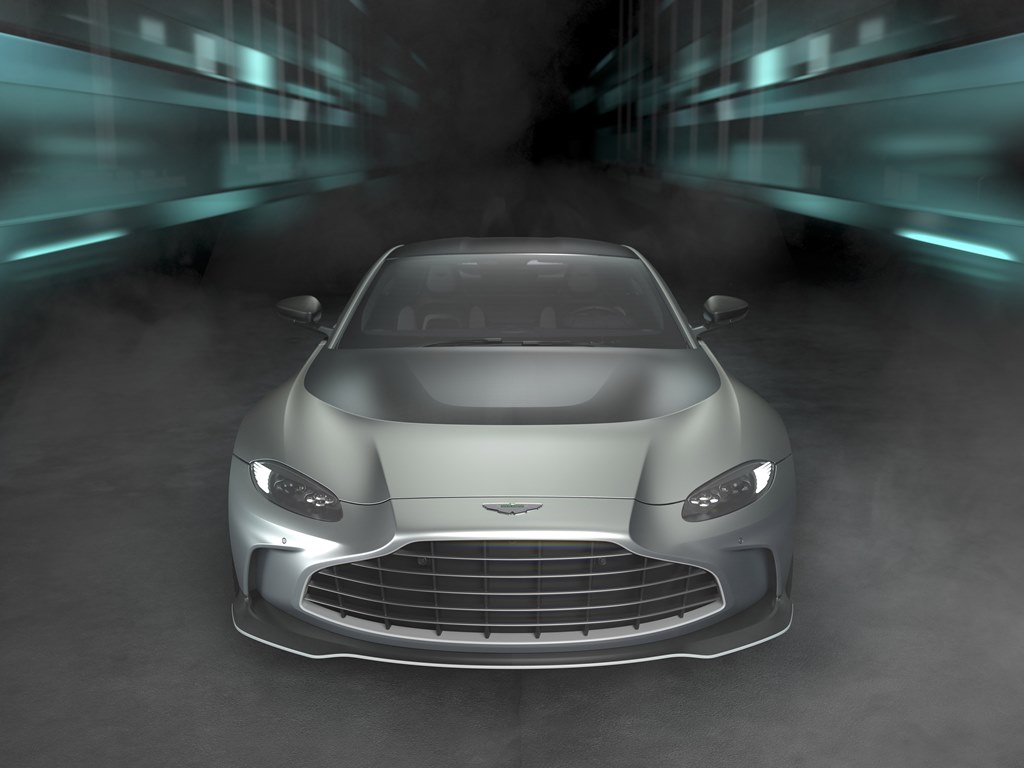
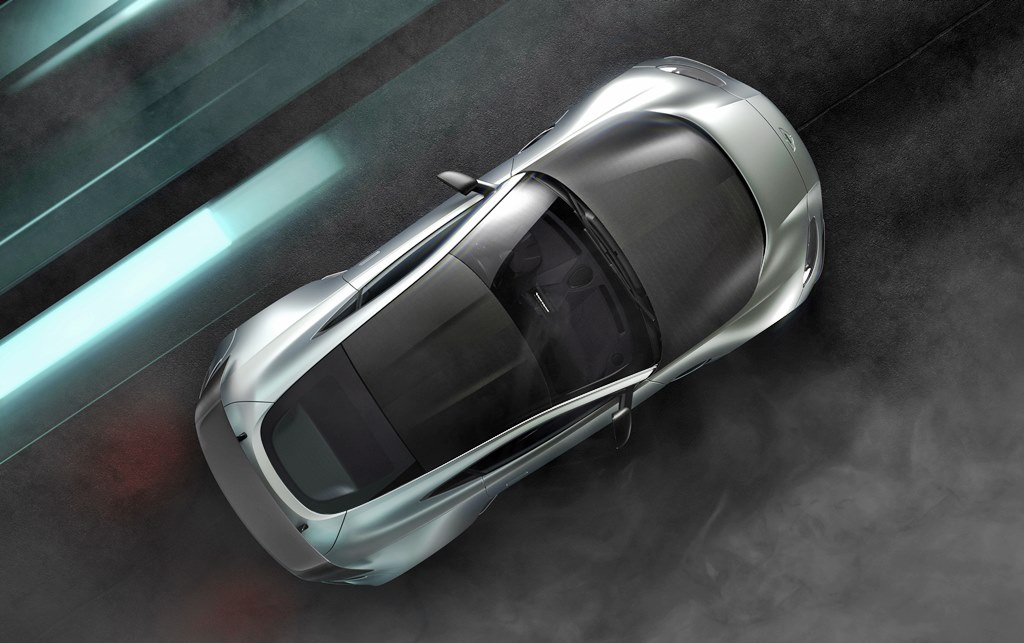
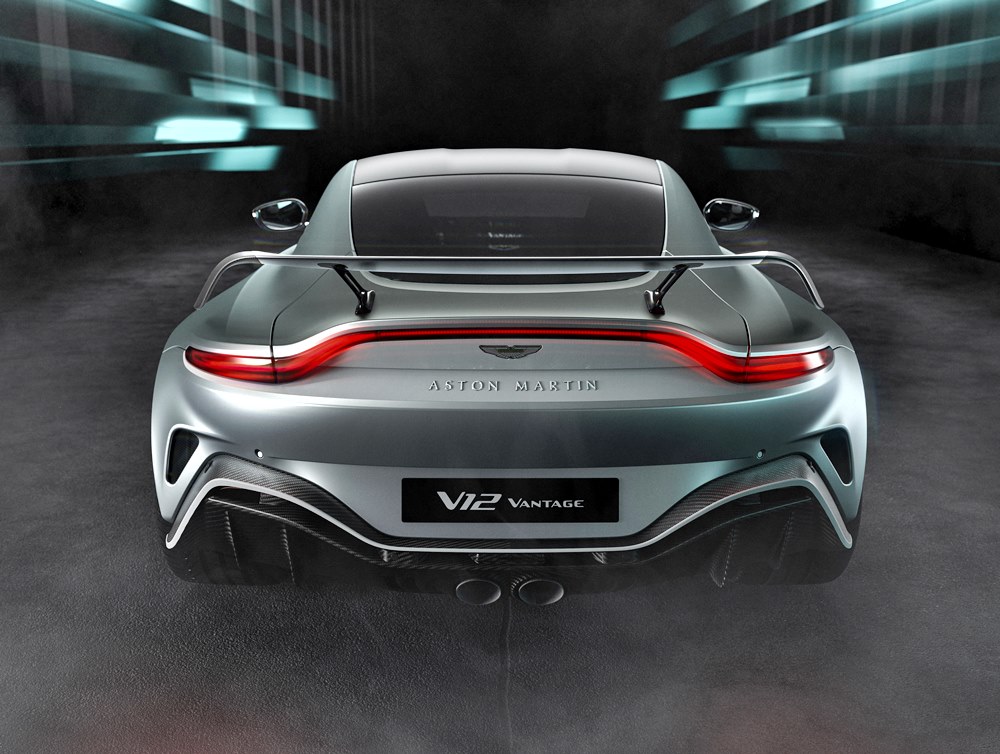
15 years ago, Aston Martin revealed a new car built around the premise of fitting the most compact and driver-focussed model with the largest and most potent series production engine. It was the V12 Vantage RS Concept that would go into production and through successive version that have formed an iconic bloodline.

This lineage is now nearing its end and it ‘goes out on the highest of highs’, as Aston Martin’s CEO, Tobias Moers, says with the fastest, fiercest and most dynamically accomplished version of them all. While other manufacturers present ‘First Editions’ of their new models, Aston Martin is presenting the ‘Final Edition’ of the V12 Vantage. There will never be a car like it again.

2022 Aston Martin V12 Vantage

2022 Aston Martin V12 Vantage

Production of the V12 Vantage is strictly limited to 333 units, all of which have already been taken right after the new V12 Vantage was confirmed in December last year. As with many such limited editions, the number who want it exceeds the supply so there is a register of interest for hopefuls who wait for someone to change their mind. The first customers will get their cars before June this year.

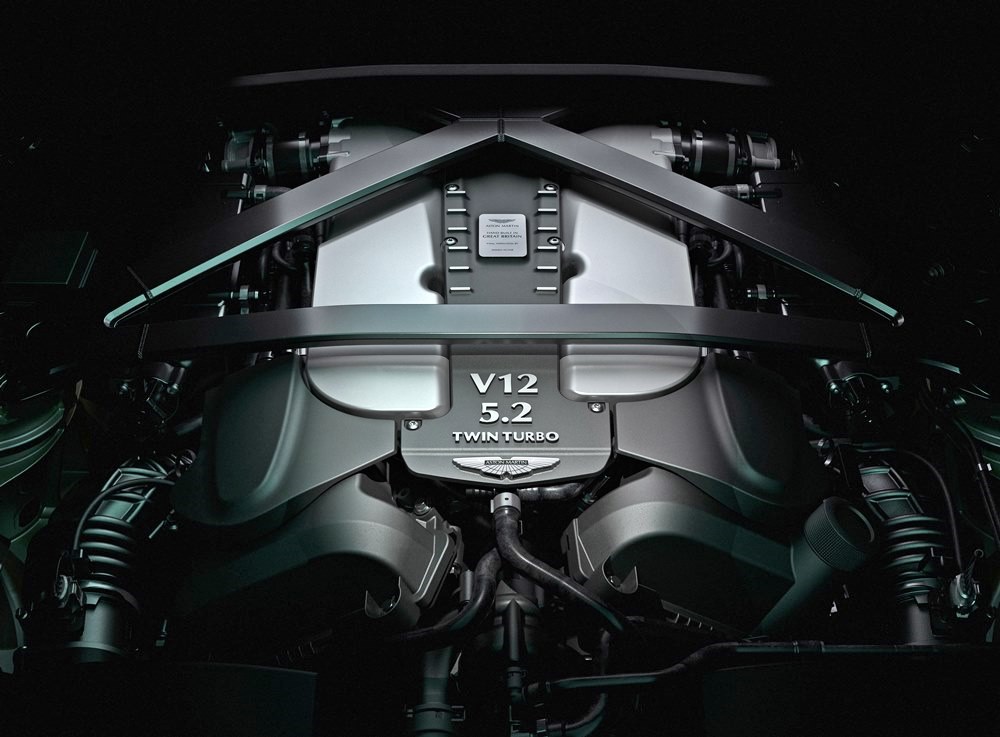
The engine is the heart of every Aston Martin but never has it been more so than in this car which is  the fastest and most powerful Vantage ever built. The quad-cam 60-degree 5.2-litre V12 develops 700 ps at 6,500 rpm and 753 Nm, fully available between 1,800 rpm and 6,000 rpm. That can send the V12 Vantage from standstill to almost 100 km/h in around 3.4 seconds, and on to a top speed claimed to be 320 km/h.

2022 Aston Martin V12 Vantage

While the muscular engine provides the strong propulsion, extensive weight-saving measures have also  brought the overall weight down so that it has a power-to-weight ratio of 390 ps per ton, or more than 20% compared to the V8-powered Vantage.

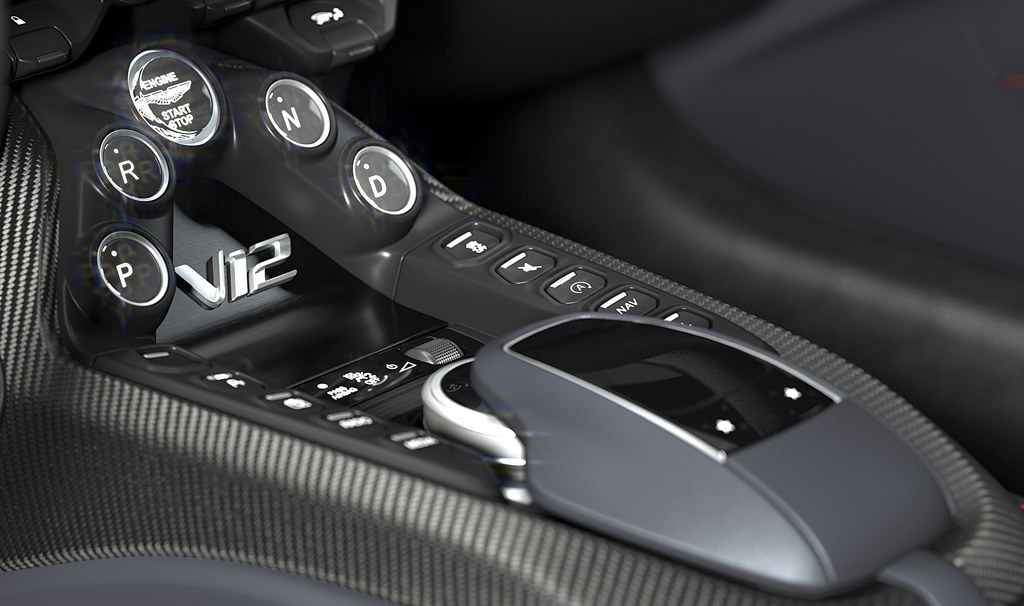
The power flows through a ZF 8-speed automatic transmission and mechanical Limited-Slip Differential mounted at the rear of the car. Unique transmission calibration enhances shift speeds and driver interaction, with learnings taken from the V12 Speedster and Vantage F1 Edition. This specially calibrated software delivers a level of shift refinement and usability which is beyond that seen on dual clutch gearboxes.

2022 Aston Martin V12 Vantage

The weight-saving measures include a carbonfibre front bumper, clamshell bonnet, front fenders and side sills, composite rear bumper and decklid, and a special centre-mounted twin-exit exhaust system. Tuned to ensure the V12 Vantage has a voice to match its looks and performance, this new exhaust system is made from lightweight 1 mm stainless-steel, saving some 7.2 kgs compared with the system fitted to the Vantage. Even the battery is a specially sourced lightweight unit.

To complement the engine performance and character is the dynamic driving experience, improved in this last V12 Vantage. It comes with a new adaptive damping suspension system including new anti-roll bars, bushes, and spring and damper assemblies. Suspension spring rates have been increased by 50% at the front and 40% at the rear, combined with top mount stiffness increasing by 13% and new anti-roll bars are 5% stiffer at the front and 41% softer at the rear. To maintain comfort for the driver, a secondary tender spring has been introduced to the rear.

2022 Aston Martin V12 Vantage

2022 Aston Martin V12 Vantage

Body stiffness has also been increased with additional front and rear sheer panels, a rear suspension tower strut brace and fuel tank bracing, increasing body stiffness by 8% and lateral stiffness  by 6.7%, giving the optimum platform stiffness for superior driving dynamics.

For stopping power, Aston Martin has installed its Carbon Ceramic Braking system as standard, saving 23 kgs in weight. This comes with 410 mm x 38 mm discs with 6-piston calipers at the front, and 360 mm x 32 mm discs paired with 4-piston calipers at the rear. The CCB discs maintain consistent braking performance at high temperatures and have been engineered to resist brake fade at very high temperatures.

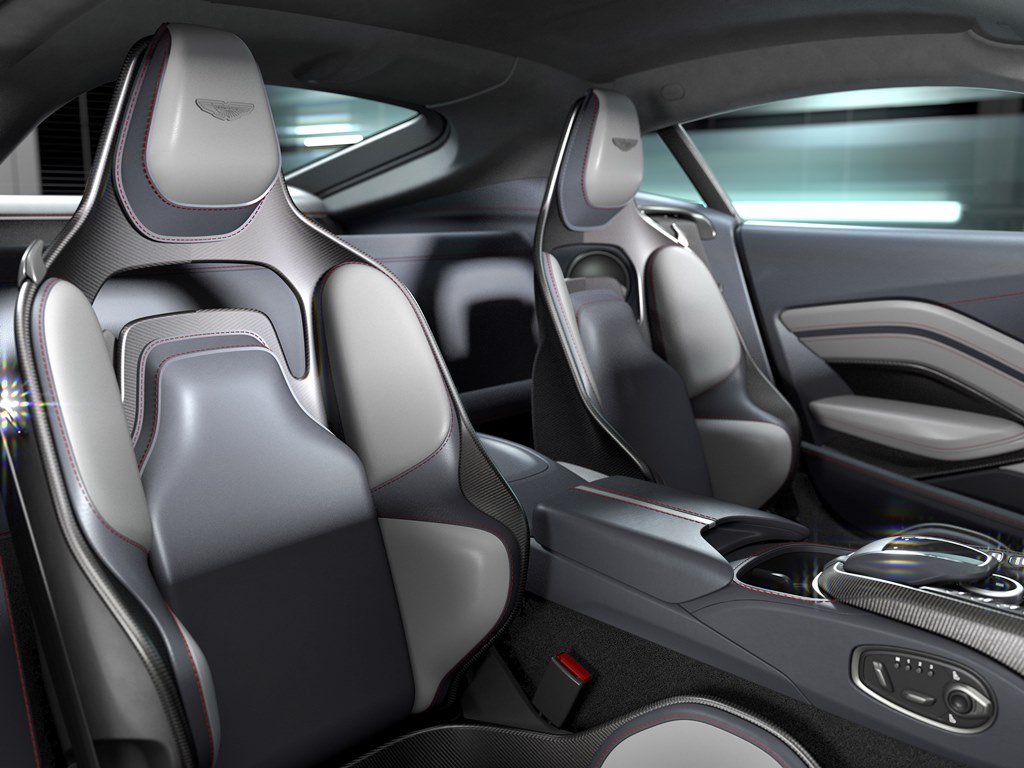
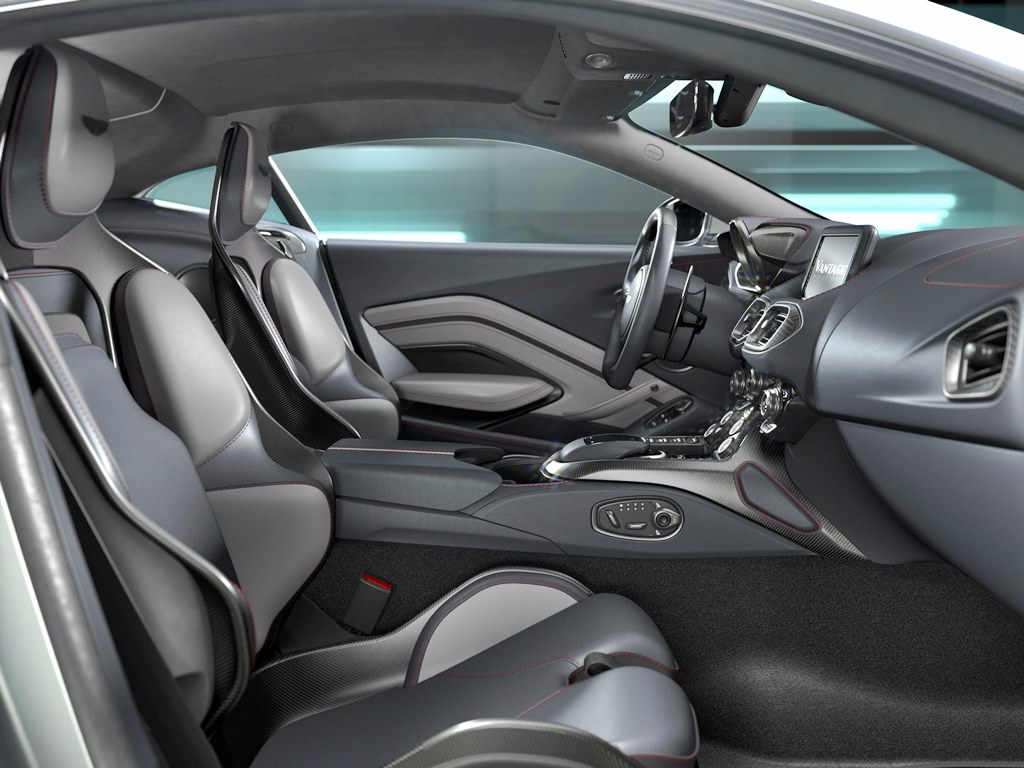
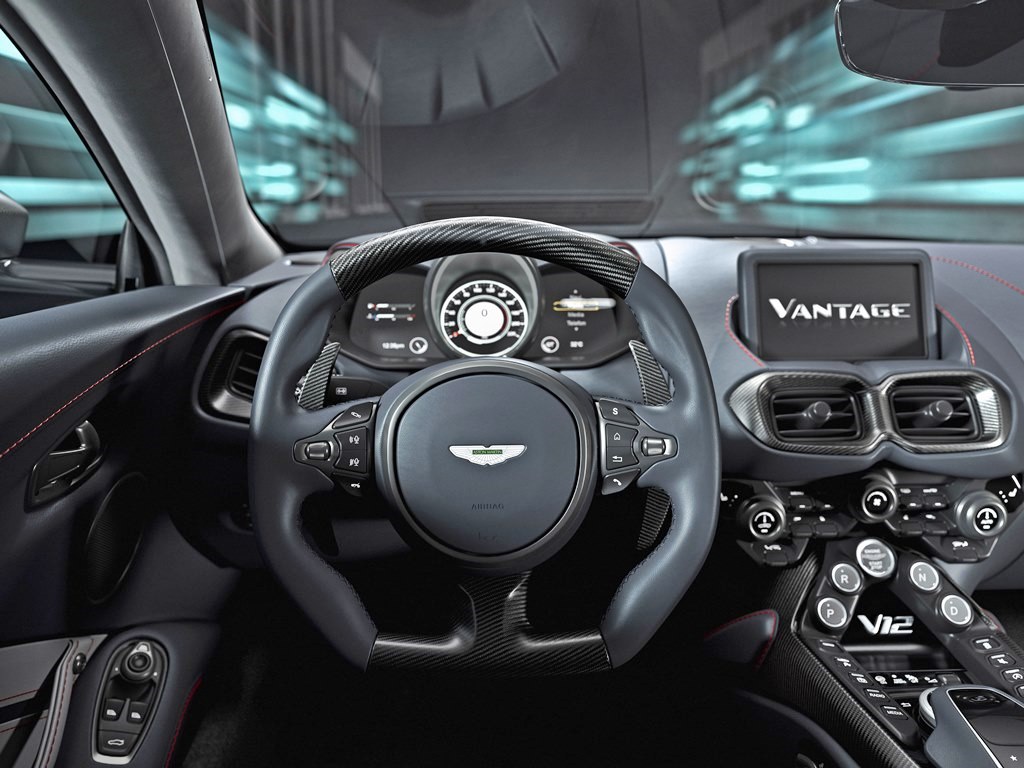
Moving to the interior, the V12 Vantage retains the instantly recognisable layout of the current Vantage, whilst signifying its halo positioning with a Sports Plus Seat trimmed in full semi-aniline leather featuring ‘Wings’ quilt and perforation pattern as standard.

2022 Aston Martin V12 Vantage

2022 Aston Martin V12 Vantage

2022 Aston Martin V12 Vantage

There is also a new carbonfibre performance seat with exposed twill carbonfibre shell and manual 6-way adjustment available as an option, offering a supportive seat design for those enhanced driving dynamics and a distinct design character. This is an Aston Martin patented design inspired by motorsport, optimised to save 7.3 kgs without compromising comfort.

Woven leather or Alcantara seat inserts, trim inlays and the anodised rotary dials found in the centre console can coloured in a way to match or contrast with the exterior body or graphic colour, providing a more subtle injection of colour inside the cabin. With so many design combinations available, it would not be a surprise to see no two cars the same.

2022 Aston Martin V12 Vantage

Aston Martin provides F1 Safety and Medical Cars again for 12 races in 2022

Like many other carmakers, Audi too has firm plans on electrifying its range and within this decade, it will have a range of models running only on electric power. The models will come under the ‘e-tron’ umbrella which is the name Audi uses for its battery electric vehicles (BEVs). Some are already in the market, the first having been launched in 2018, and more are on the way.

Not just a design exercise
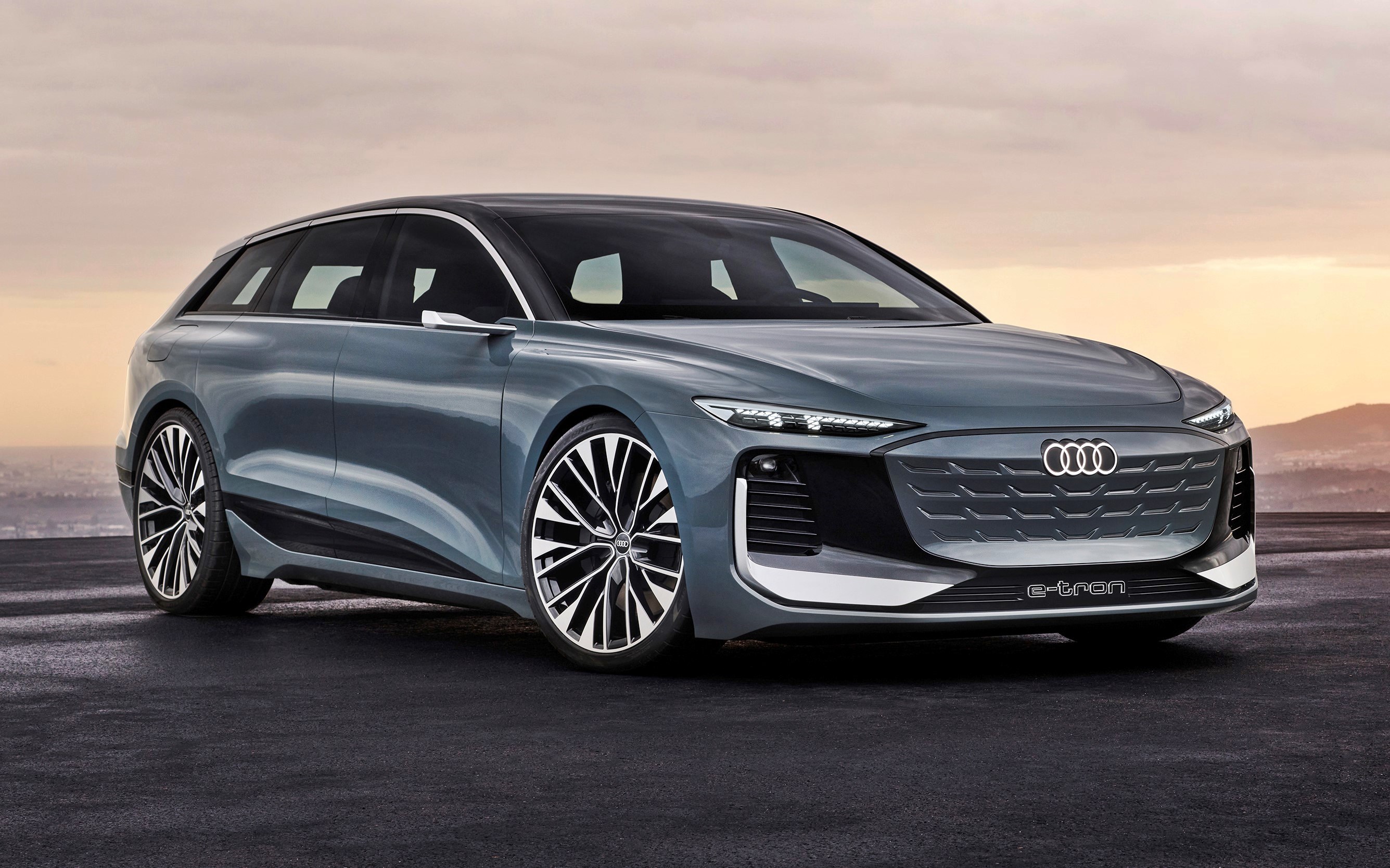
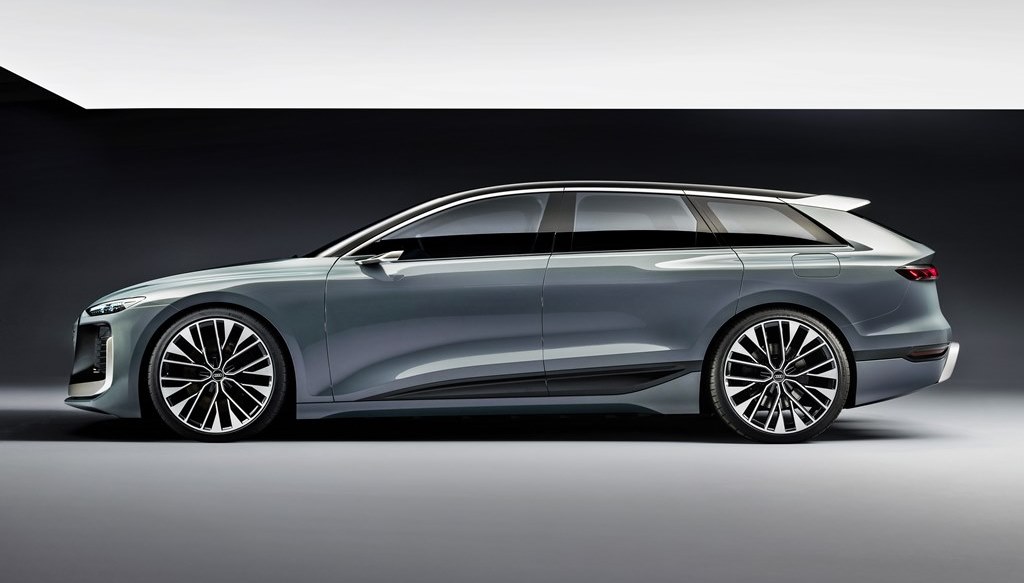
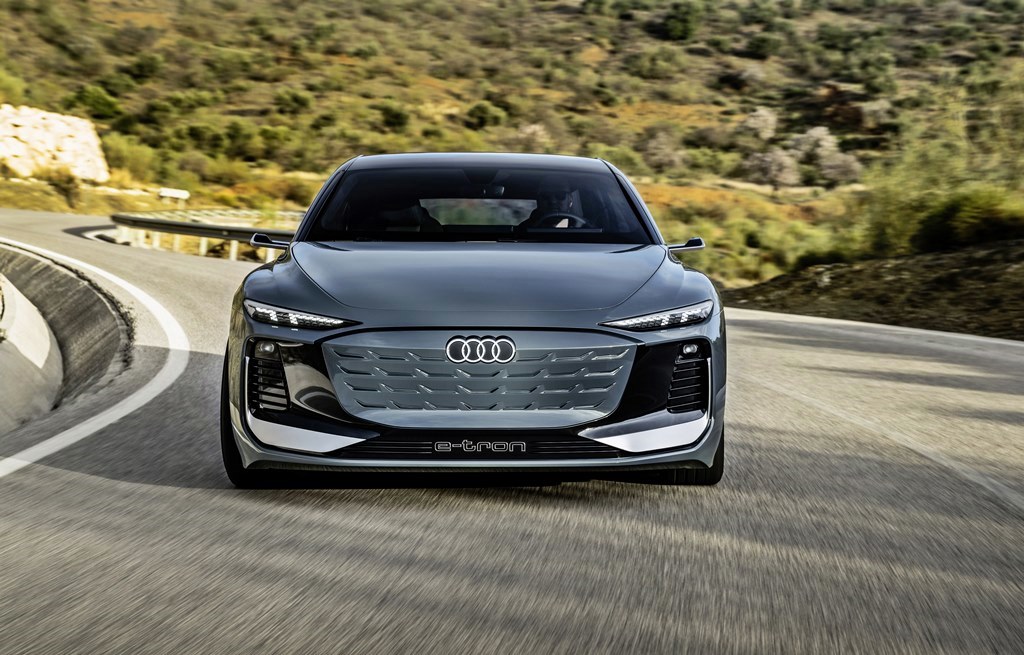
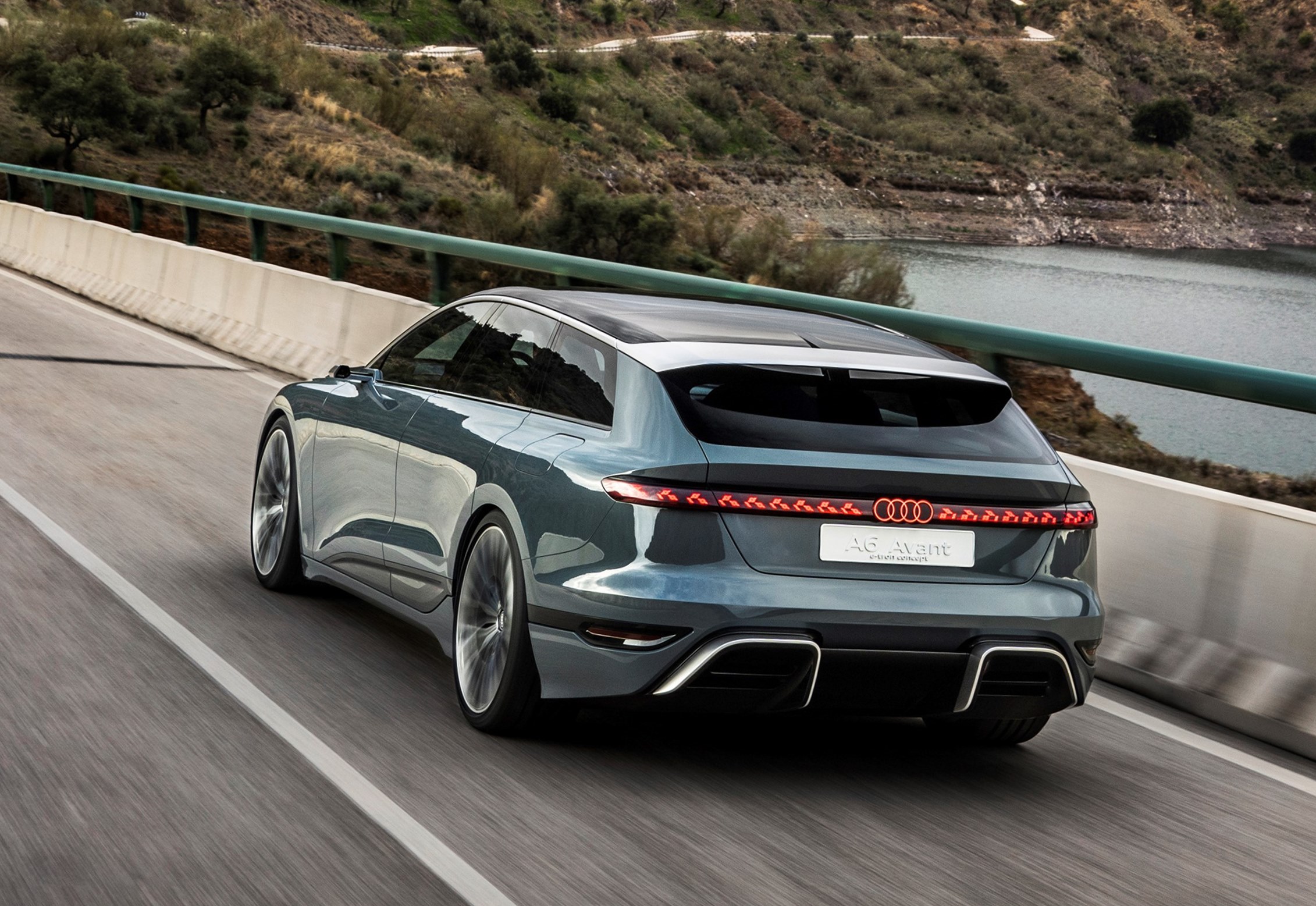
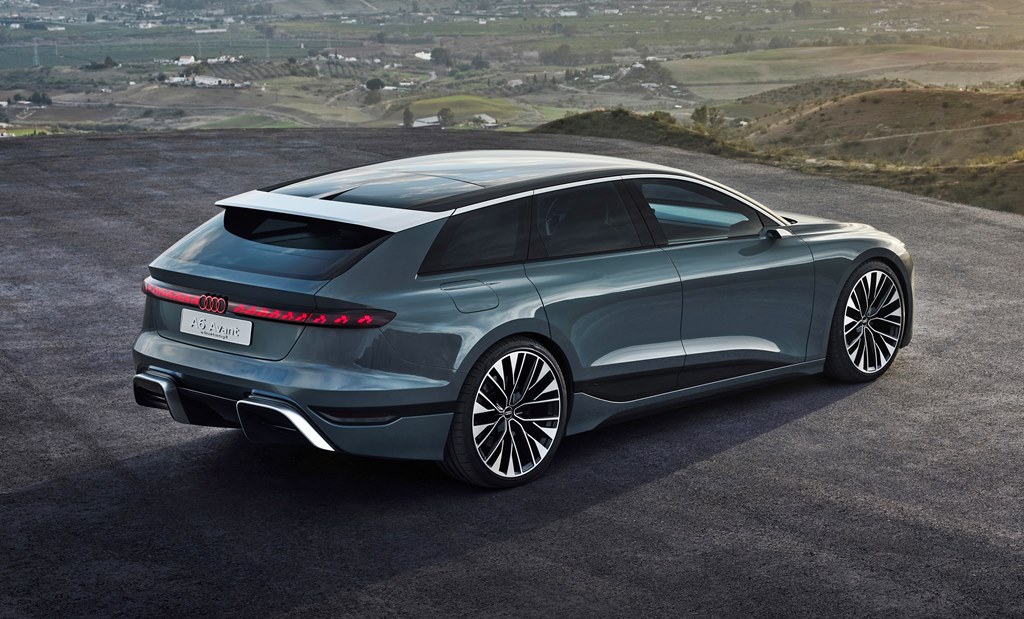
The A6 Avant e-tron concept shows what a future BEV stationwagon will be like and Audi says it is not just a simple design exercise. Its lines and proportions preview future Audi production models which Premium Platform Electric (PPE) platform developed jointly with Porsche. The lines are a consistent development in Audi’s contemporary formal language, and significant elements like the closed Singleframe and the continuous strip of lights in the rear link it to the other e-tron Audis.

Audi A6 Avant e-tron concept

The concept car appears monolithic, as if from a single mould – particularly when viewed from the side. The gently backward sloping roof arch with the slanted D-pillar is a typical feature of Avant window design; the D-pillar rises from the stable base of the vehicle’s back end in an especially streamlined manner. The eye-catching quattro wheel arches effectively accentuate the width of the body and are simultaneously integrated organically into the side surfaces.

The wheel arches are connected by the specially sculpted battery area above the rocker panel, which is highlighted with a black inlay – a design element that is now a hallmark of the Audi’s fleet of BEVs. Also typical of e-tron models are the sleek, camera-based virtual exterior mirrors at the base of the A-pillar.

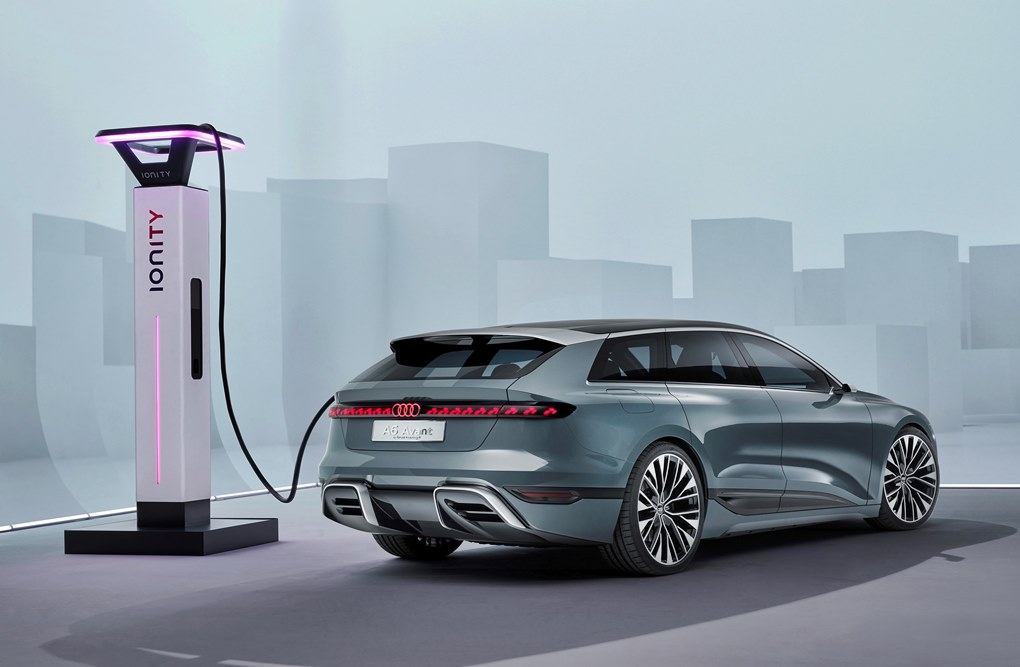
Audi A6 Avant e-tron concept

Advanced lighting units
The lighting units at the front and rear are technologically advanced. Digital Matrix LED and digital OLED technology make it possible to achieve maximum brightness and a wide range of features even with a minimal surface area while, at the same time, offering customizable light signatures.

Three small, high-resolution LED projectors are built into each side of the body, transforming the ground beneath them into a stage when the doors are opened – small, extended, dynamic lighting effects greet the occupants with messages in their own language. The projectors also display warning symbols on the ground  to warn a bike rider that the car door is about to open, for example.

Another four high-resolution LED projectors – inconspicuously integrated into the corners of the vehicle – generate turn signal projections. The design of these projections can be modified to address different markets and approval regions as required.

Audi A6 Avant e-tron concept

The Digital Matrix LED front headlights deliver almost cinematic quality. If, for example, the car is parked in front of a wall during a break to recharge the battery, the driver and passengers can pass the time playing a video game projected onto it. Instead of on a small screen in the cockpit, they’ll see their current game’s virtual landscapes projected onto the wall in XXL format – and all this via the Digital Matrix LED headlights.

The rear end of the concept car features a new generation of digital OLED elements that, as a continuous strip of lights, act as a display for various digital light signatures and even dynamic lighting displays. The 3-dimensional architecture of the digital OLED elements – adapted to the shape of the body – makes it possible to perfectly integrate the night design into the overall look. This makes it possible to experience the dynamic light show not only in two dimensions – as was previously the case – but with an impressive, 3D spatial effect.

Audi A6 Avant e-tron concept

Cd of 0.22
Aerodynamics have always played a key role in Audi’s designs. The cd value of the 100 (C3) sedan at 0.30 was the lowest in its day back in the early 1980s. Now the electrically-powered Avant e-tron concept has a value of 0.22, said to be unprecedented in the electrified C-segment. This means greatly lowered aerodynamic drag, which initially translates into lower energy consumption to help extend range.

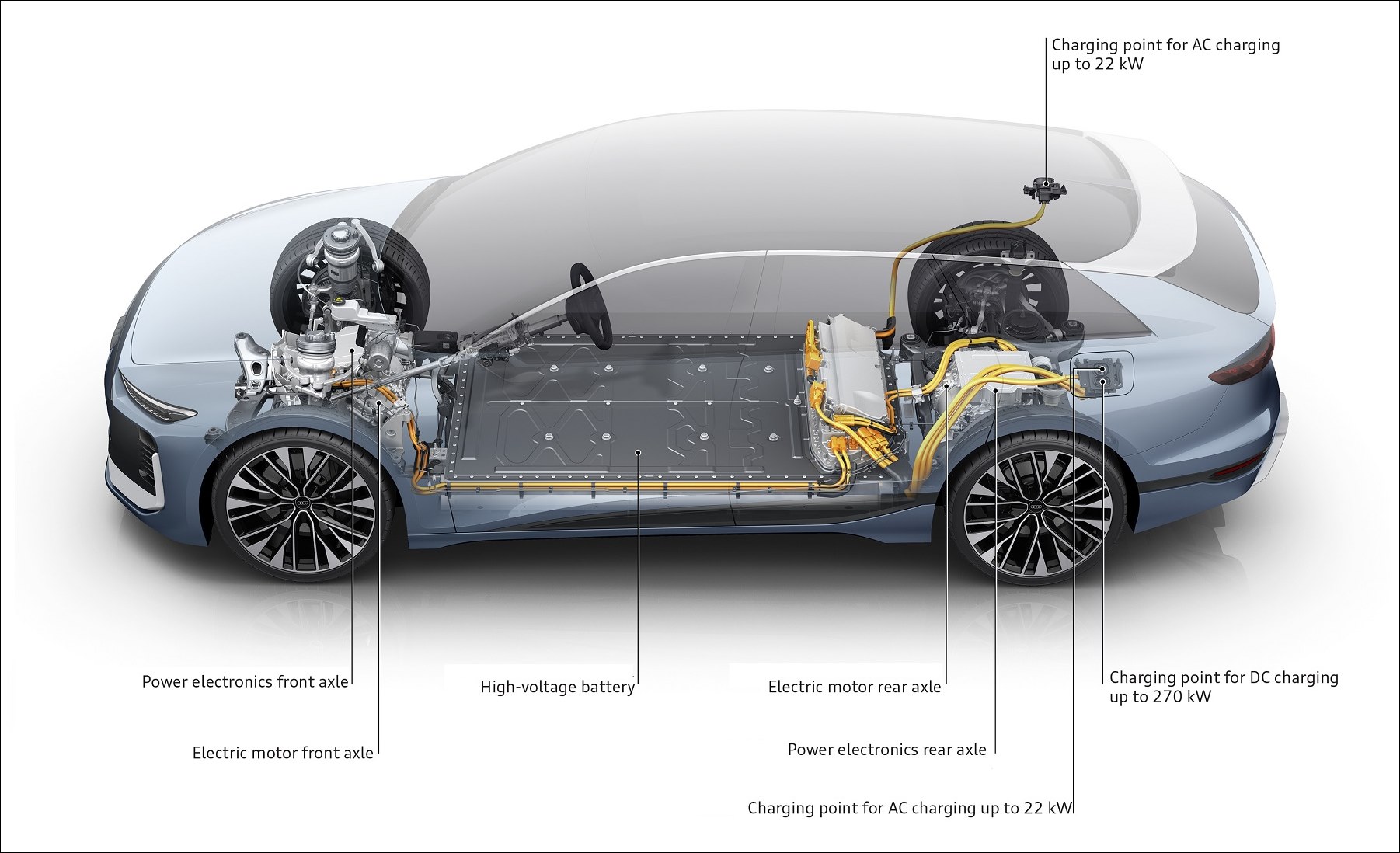
As this is a concept car, performance numbers quoted can be taken as targets: 700 kms of range with an 800V system, with 2 electric motors are capable of delivering 350 kW (469 ps) of total output and 800 Nm of torque to go from 0 to 100 km/h in less than 4 seconds.

High degree of variability inside
The Avant concept has the high degree of variability that has been a hallmark of this line of models since 1977. ‘Avant’ is a term derived from avant-garde and a 1995 Audi ad slogan. Measuring almost 5 metres in length and almost 2 metres in width, the A6 Avant e-tron is certainly a large and long car. It will not only provide comfortable accommodation but also take lots of cargo, just like the other Avant models past and present.

Audi A6 Avant e-tron concept

Audi grandsphere concept shows Audi’s future electric flagship and technology

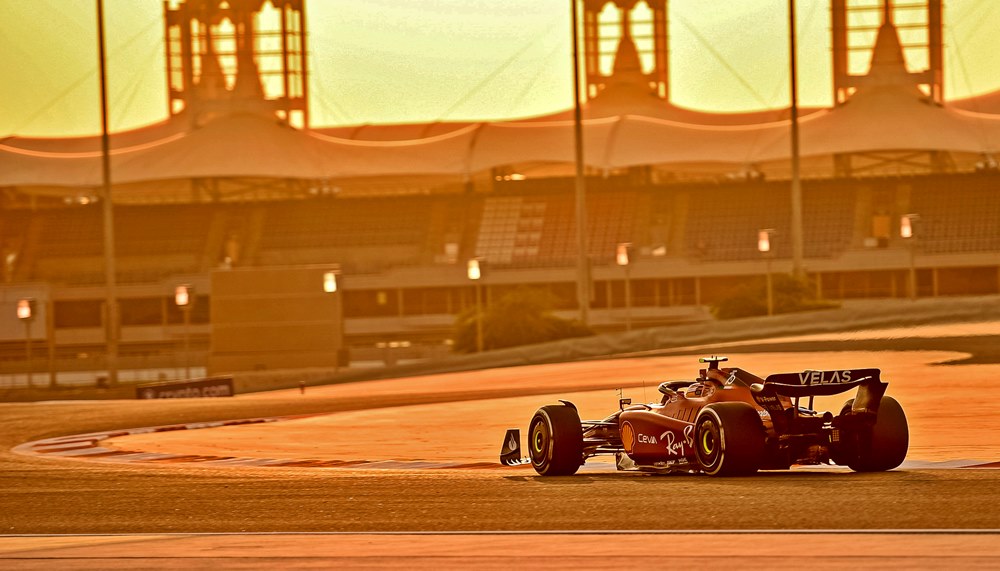
This weekend sees the start of the 2022 Formula 1 World Championship in Bahrain, and it will be a bit different from previous seasons. The cars will be new, not just upgraded from the previous year, to meet the biggest technical changes in F1 regulations in some four decades. The changes made include a switch from 13-inch wheels to 18-inch wheels, which has also meant new custom brake systems.

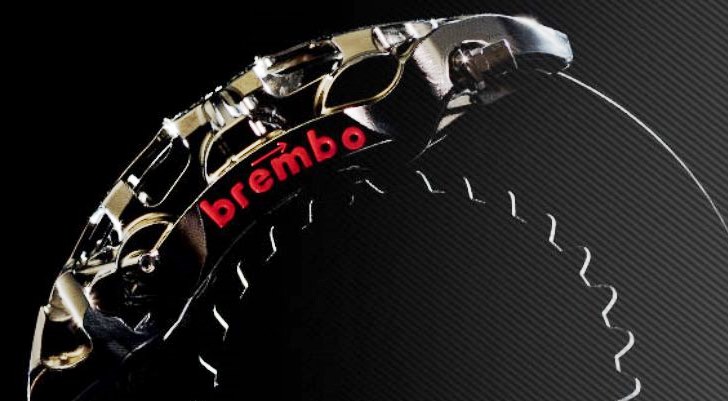
As before, Brembo is the main supplier of the brake systems, and the engineers are starting off the season on a circuit known to be one of the most demanding for brakes. On a difficulty index scale of 1 to 5, it is a 4 – exactly the same as legendary tracks like Monza and Spa-Francorchamps, albeit with very different characteristics than these.

The Bahrain GP will be a test bench for the new systems, partly because of an asphalt that is usually extremely abrasive, with the sand clearing off lap after lap and where the wind often plays a determining role. Furthermore, the race will start after sunset, so temperatures will change as well However, this year the presence of lenticular wheel covers, also brand new, will keep spectators from enjoying the view of the incandescent carbonfibre discs during braking at the end of the straights.

 Disc size and hole size change​​
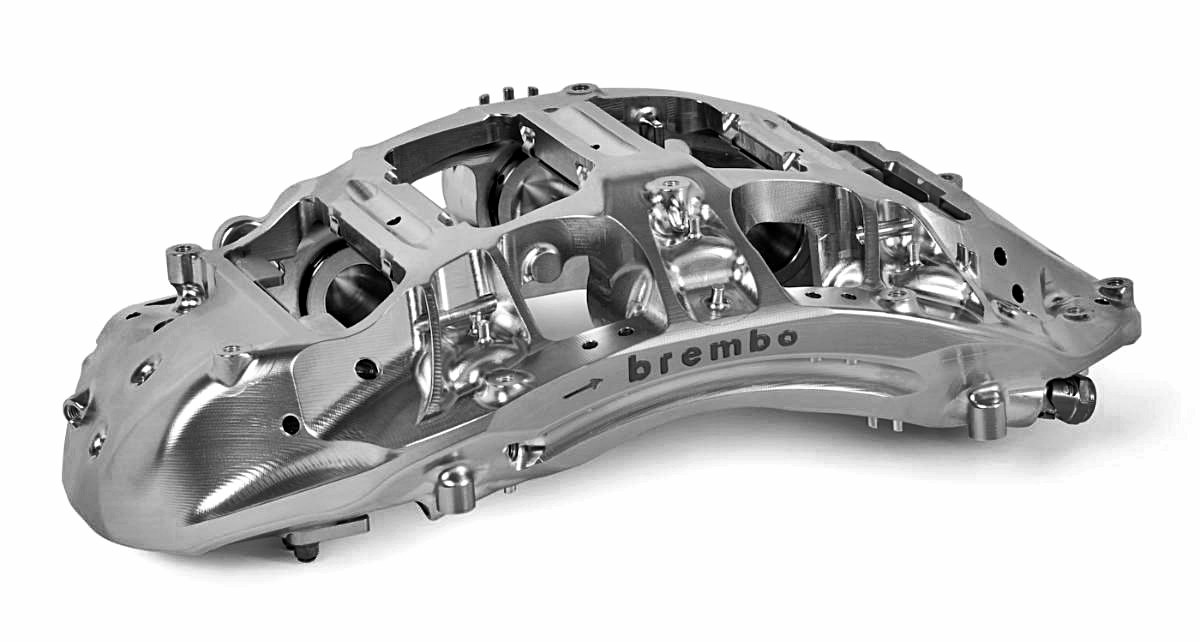
​​The increase in wheel diameter from 13 inches to 18 inches provides more space in the wheel corner for the carbonfibre disc. This has allowed their diameter to increase from 278 mm to 328 mm for the front and from 266 mm to 280 mm for the rear.

The thickness of the discs is now identical for both axles, 32 mm, compared to last year when the rear discs did not exceed 28 mm. However, the architecture of the discs has also changed because the new technical regulations impose a minimum diameter of 3 mm (0.12 in.) for the ventilation holes whereas, in the past, Brembo pushed the envelope as far as 2.5 mm.

Brembo has researched the shape of the ventilation chamber in brakes for over a quarter of a century. The use of thermo fluid dynamic calculations allowed the best choice between traditional fins and pillar ventilation for each disc type. The latter, ideal when there is not a constant airflow within the disc, are arranged on three circumferences along the braking band with geometry designed to ensure the best performance for fluid dynamics. In these conditions, the pillars increase resistance to thermal cracking by up to 30%, ensuring longer life for the discs which can reach 1,200°C in the racing cars.

 4 hard braking sections ​​​
On each lap of the Bahrain track, the drivers use the brakes 8 times for a total of 16.5 seconds, although a large part of this time is spent on the 4 hardest braking sections which require the braking system to work for just under 2.9 seconds on average. On the other hand, on 3 turns, the braking time is less than 1.5 seconds and the braking distance is 90 metres.

The twisty nature of the circuit is best represented by the fact that there is only one point where speeds reach well above 300 km/h. Nevertheless, there are 6 braking sections with maximum deceleration of almost 4g, with a peak of 4.6g on the first turn. ​

 131 metres to decelerate 248 km/h
Of the 8 braking sections at the Bahrain GP, 3 are classified as very demanding on the brakes, 4 are of medium difficulty, and the remaining one is light. The most difficult time for the brake system is at the first turn because the cars are coming off a 1.1 km straight. The drivers will hit the brakes at 328 km/h and the speed must drop to 80 km/h in just 131 metre (429.8 feet). To achieve this, the drivers brake for 2.95 seconds and experience a 4.6g deceleration.

A tip for videogames
​​Tackling Turn 1 on the Bahrain International Circuit in the Formula 1 videogame only takes a few things: you have to start braking with the wheels straight at the end of the section where you can use the DRS, using the 100-metre sign as your point of reference. You should reduce the pressure on the pedal progressively and then move to the right, but without touching the curb in order to avoid being unbalanced, which would make you lose power.​ ​


Source: Monthly reports of Malaysian Automotive Association.

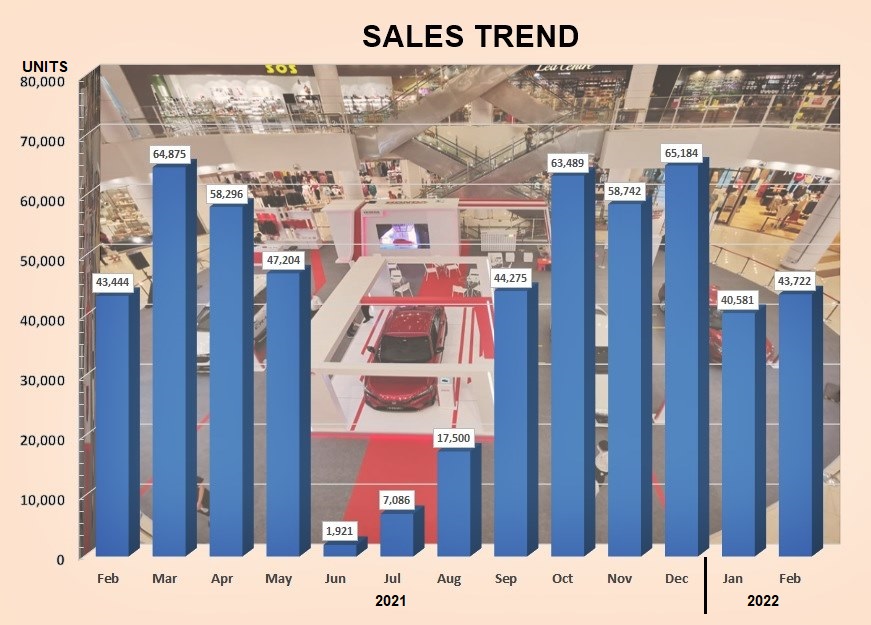
Historically, February is a ‘low’ month as it has the least working days of the year and often, there are also major festive periods during the month, further reducing the number of selling days. However, February in 2022 bucks the trend and saw an 8% increase over January sales to close at 43,722 units. Compared to 2021, the Total Industry Volume (TIV) was quite close, with a difference of 274 units.

The surge in sales (or more correctly deliveries) was due to the big backlog of orders being fulfilled as much as possible. The severe floods in December had caused shortages in the supply chain as some parts suppliers had to suspend operations due to their factories being flooded. This resulted in the TIV for January being lower than it should have been and as supplies resumed, the plants quickly rushed to complete vehicles, and send them to dealers.

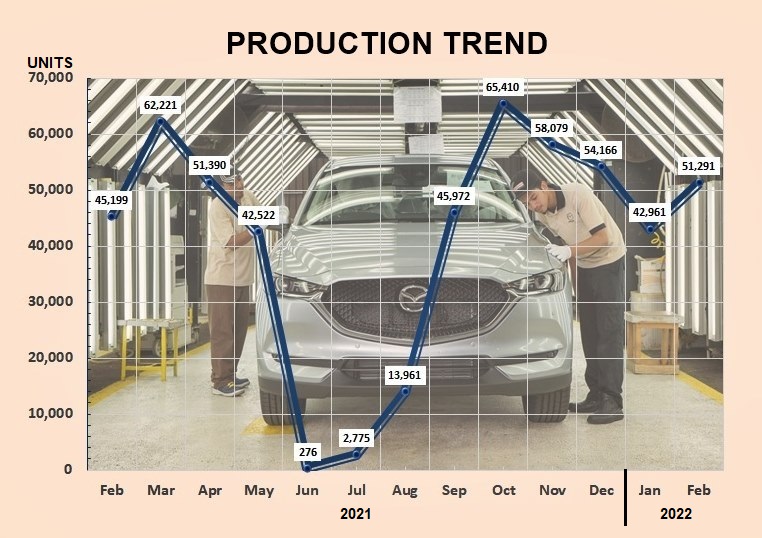
The resumption of regular production was reflected in the high output of vehicles from plant in February – 51,291 units, which was 13% more than for the same month in 2021. 92% of the output was passenger vehicles. There are still constraints to production due to the global shortage of microchips and the backlog continues as it is beyond control of assemblers and suppliers.

The upward trend is expected to continue through March which has more working days. The companies still have many outstanding orders to fulfill, while new models are being launched every month. March is also the final month of the financial year for some companies, so they will be pushing hard to finish off with their best possible numbers.

As for cumulative TIV, this year looks like it will be a better year if the performance – in spite of shortages – is any indicator. Within just the first two months, the TIV for sales is 10% higher than the same period in 2021, while the TIV for production is 11% higher. Sales of commercial vehicles (including pick-up trucks) is 33% higher, suggesting that companies are confident enough to expand or update their fleets in anticipation of improving business.

Perodua to surge forward in 2022 with RM1.326 billion investment

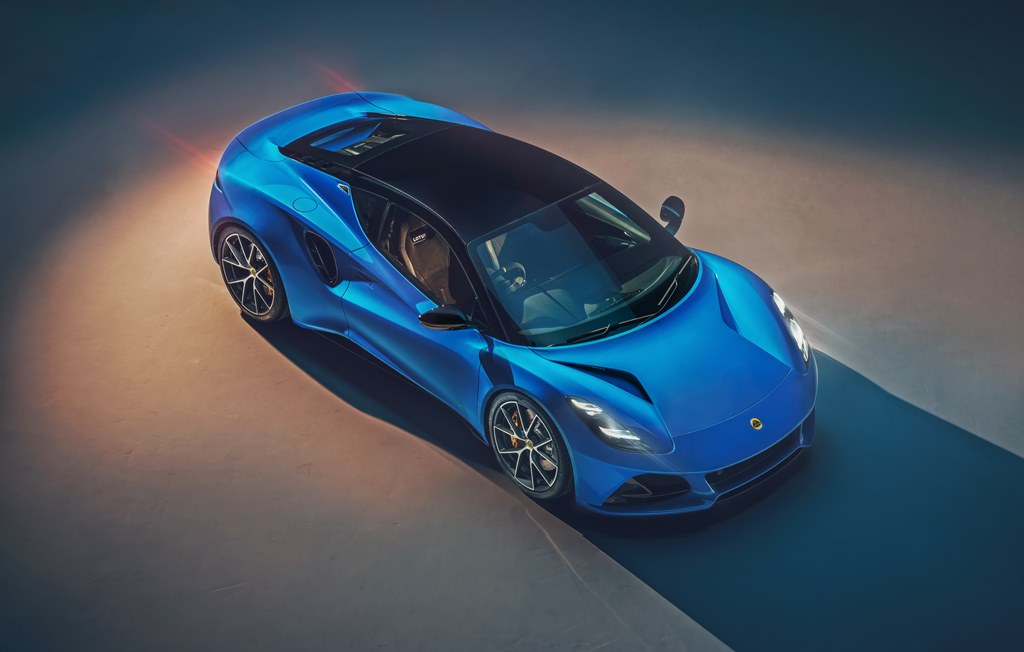
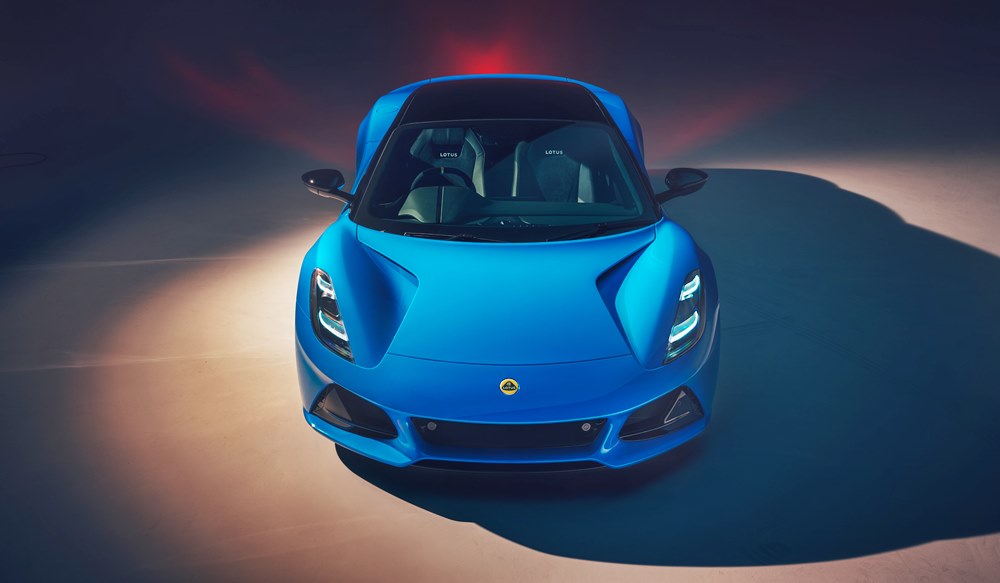
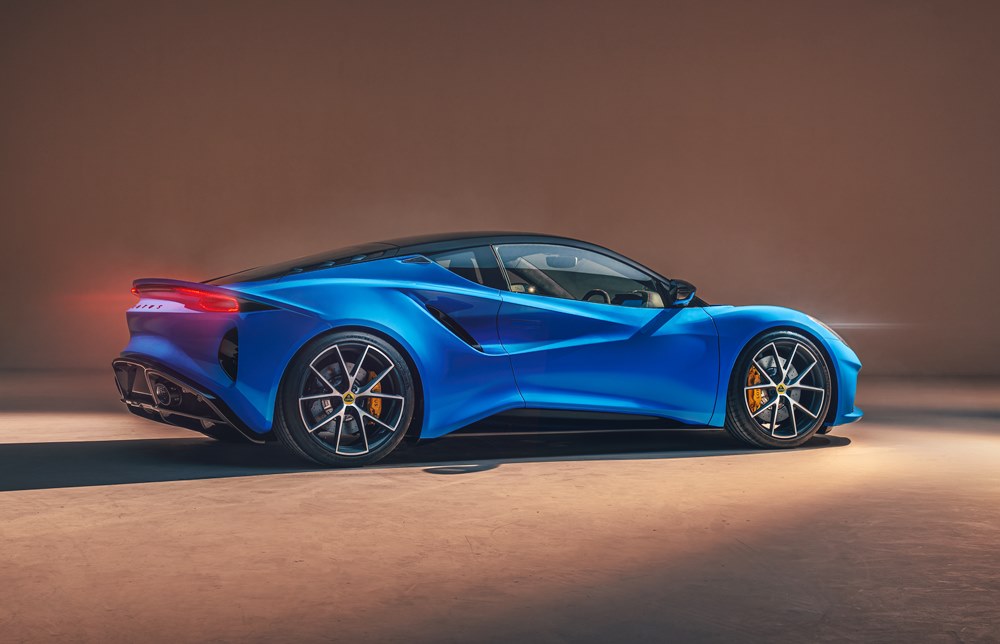
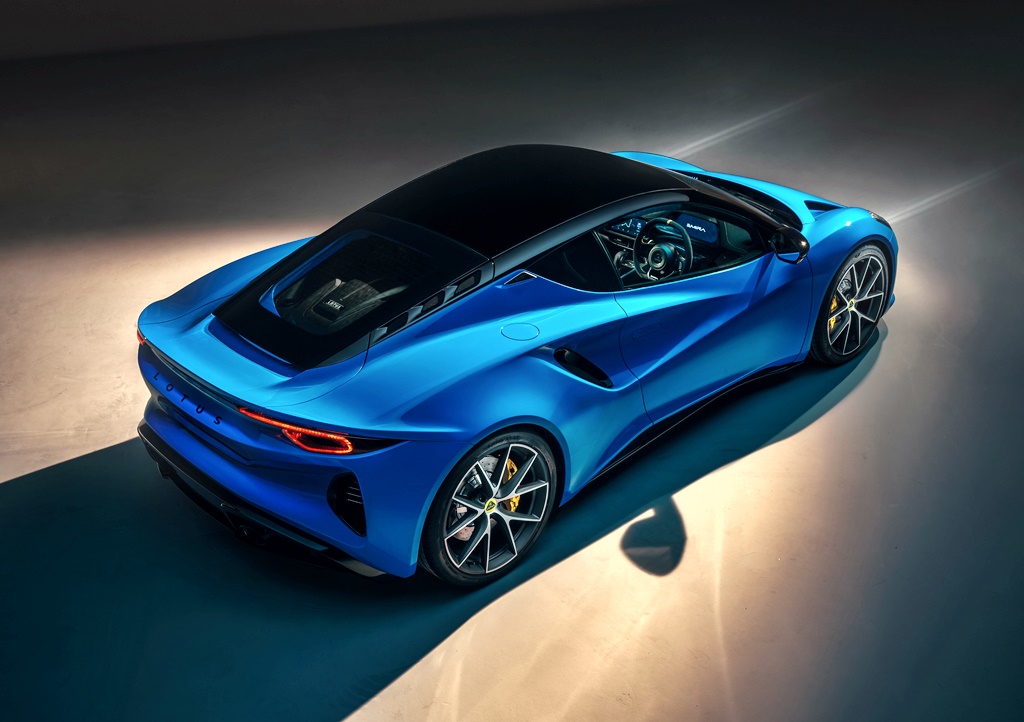
Lotus will enter the electric era on March 29, 2022 when its Type 132 debuts. There will be no more combustion-engined sportscars from the company and the last one is the Emira which has been seeing increased interest following overwhelmingly positive global coverage of prototype ‘first drives’.

First Editions with V6 or 4-cylinder engines
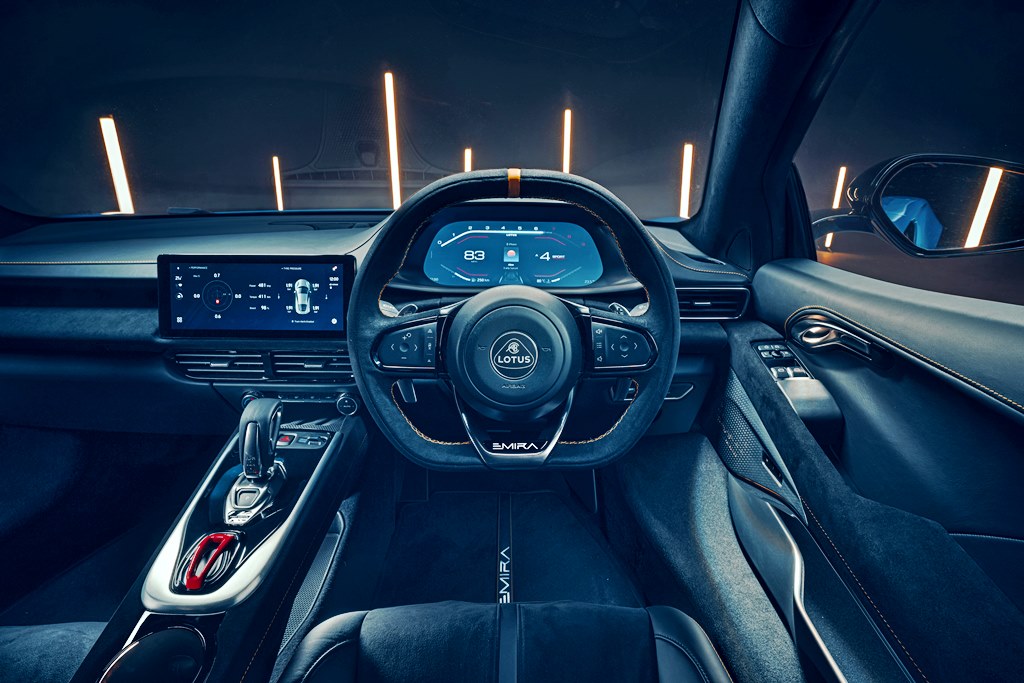
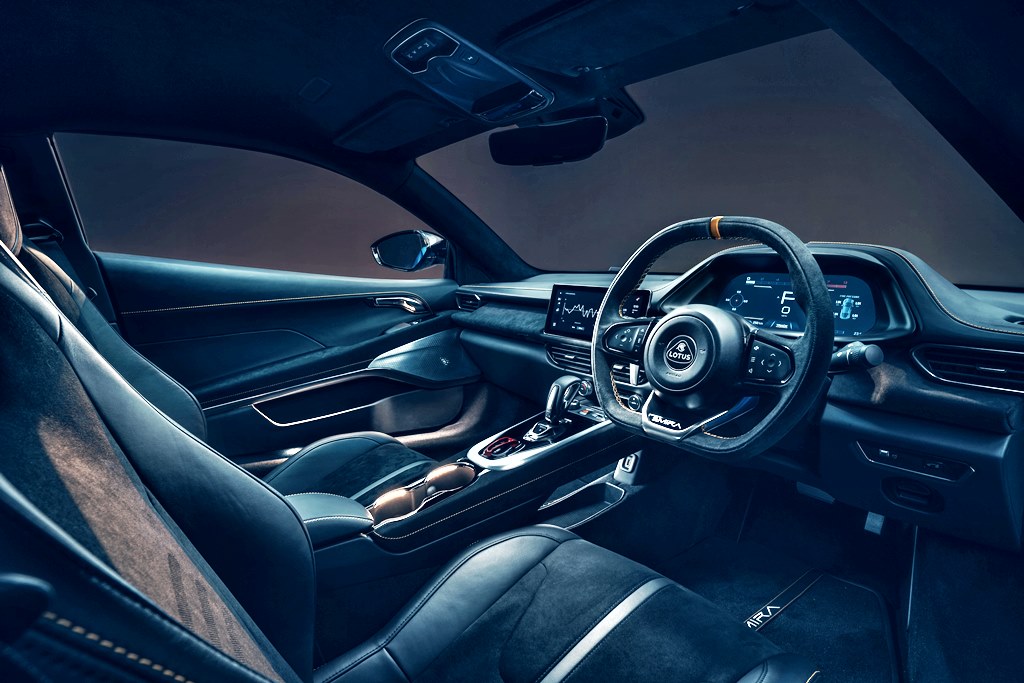
The company has confirmed full details on the price and spec of the Emira First Edition which will be fully loaded with ‘desirable’ technology, infotainment and comfort features, plus unique badging. There will be a V6 version as well as an entry-level 4-cylinder version.

2022 Lotus Emira

2022 Lotus Emira

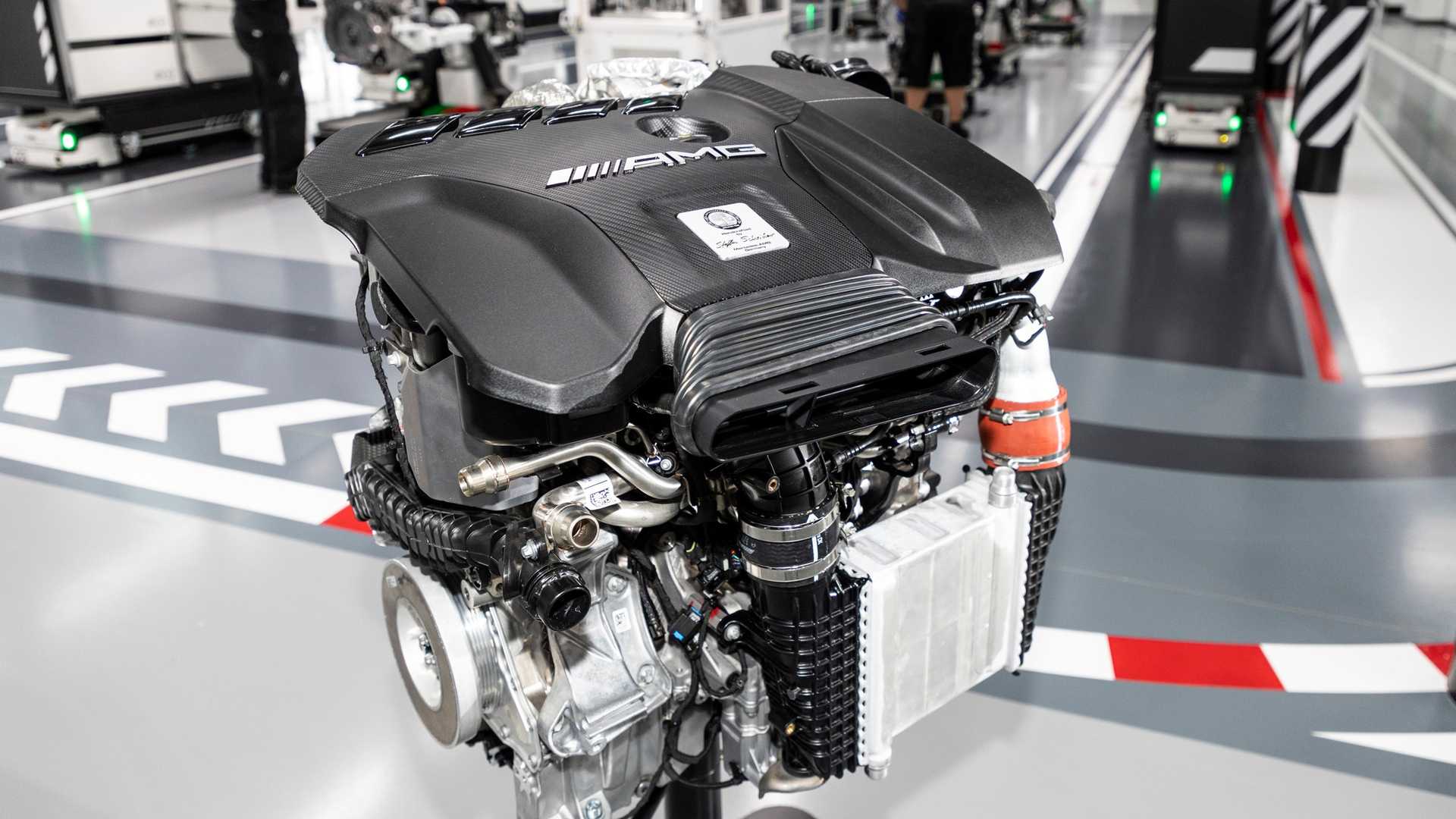
The 4-cylinder Emira is powered by AMG’s M139 direct injection engine, manufactured specifically for the car with hardware changes to suit mid-mounted placement and new software to give it a true Lotus character.

World’s most powerful 4-cylinder engine
First introduced in 2019, the M139 is still the world’s most powerful 4-cylinder engine homologated for road use (up to 208 bhp/litre) and is used in the Mercedes-AMG A45, along with the CLA45 and GLA45. Its twin-scroll turbocharger with roller bearings is optimized for fast spool-up and minimum lag, while the exhaust system has been designed by Lotus exclusively for the Emira.

The Mercedes-AMG M139 4-cylinder engine supplied to Lotus for the Emira.

2022 Lotus Emira

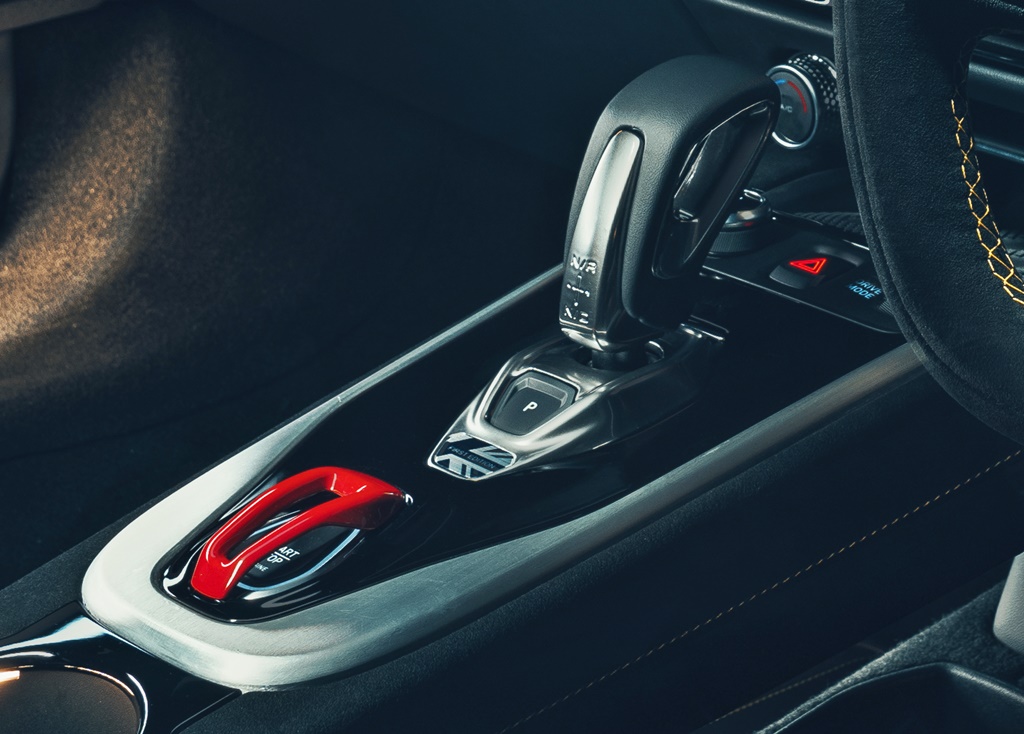
The engine is coupled to an 8-speed dual-clutch transmission (DCT) with paddle-shifter – a first for Lotus. “It’s a bespoke rear-wheel drive variant of the transmission developed by Lotus in collaboration with AMG. On top of that, the gearshift strategy has been defined by the Lotus team as part of the car’s performance attributes. It is unique to the Emira and optimized for the best blend of outstanding driving engagement and performance, fuel consumption and emissions,” revealed Gavan Kershaw, Director, Vehicle Attributes at Lotus.

The 360 bhp engine comes with a unique engine bay cover and C-pillar badging. As with the Emira V6 First Edition, this version offers a high level of standard equipment and is available with a variety of ‘no-cost’ optional finishes and materials to enable customers to personalize the car to their own style.

2022 Lotus Emira

2022 Lotus Emira

The car rides on 20-inch ultra-lightweight V-spoke forged alloy wheels, diamond-cut to create a premium 2-tone finish. Two-piece brake discs – with branded calipers in either red, black, yellow or silver – are part of the First Edition spec, plus a Tyre Pressure Monitoring System so the driver doesn’t have to make physical checks.

Additional features
Exterior details include LED lights all round, a titanium exhaust finisher, heated power-fold door mirrors and rear parking sensors. The Lower Black Pack is fitted as standard, which means the front bumper air blades, front splitter, side sills and rear diffuser are all in finished in gloss black.

The Emira First Edition with the 4-cylinder engine costs £59,995 (about RM330,000), while the First Edition with the V6 costs £71,995 (about RM396,000). Deliveries of the V6 start towards the end of this year but the entry-level 4-cylinder version will only be available in 2023.

2022 Lotus Emira

Lotus to offer competition-spec GT4 version of Emira

Archive

Follow us on Facebook

Follow us on YouTube