Piston.my

English

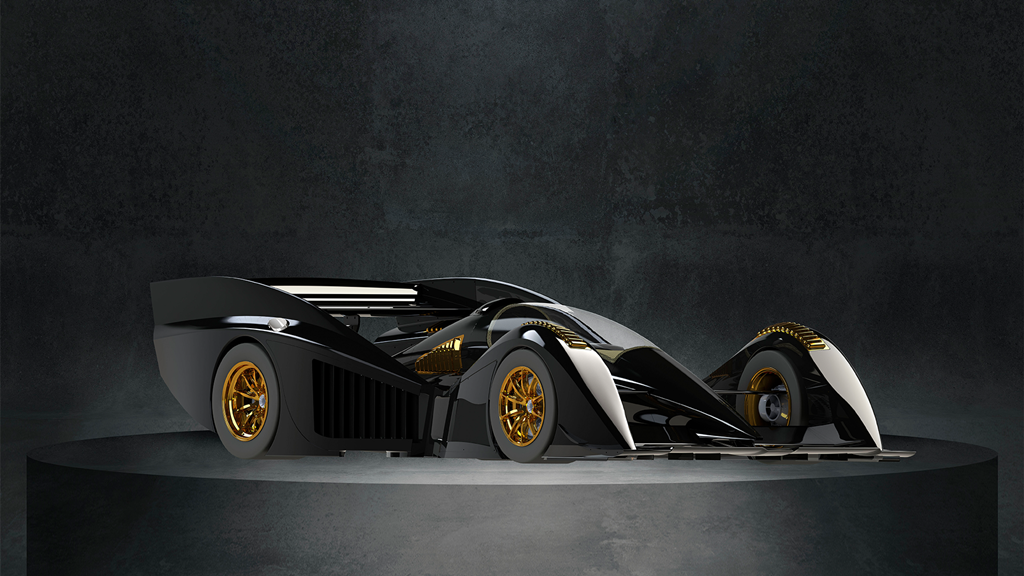
New Zealand may be some distance ‘down under’ from the rest of the world, but the country does not lack expertise when it comes to high performance machinery. Rodin Cars, one of the performance car manufacturers there, has announced its plan to produce the FZERO as the world’s fastest track car. It will be engineered to lap a circuit faster than a current Grand Prix Formula 1 racer.

The FZERO, revealed 3 years ago, is a follow-up to the FZED, which provided the same sort of experience behind the wheel of a modern Formula 1 car. With the FZERO, Rodin Car can aim for the ultimate in track performance as it is designed without the restrictions of road laws or motorsport regulations. Thus it can be developed right to the edge of the performance to reach a top speed targeted to be 360 km/h.
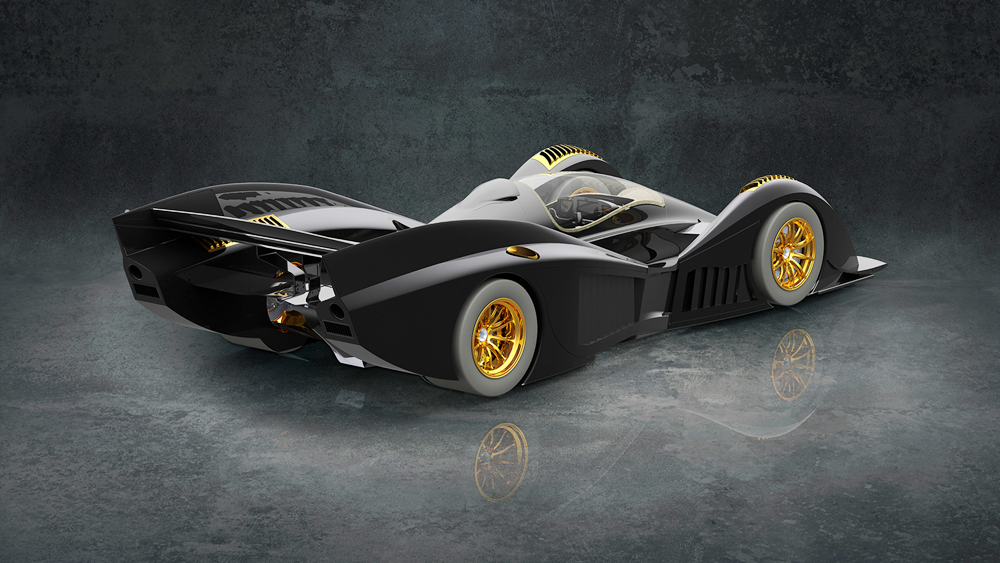
“The Rodin FZERO is the physical representation of the ultimate heights in vehicle performance. Without the restrictions of building to a set of rules, we are able to make the car lighter, more powerful, and produce significantly more downforce. The only real restrictions we face are the laws of physics, and we have even pushed those to the absolute limit. We look forward to bringing the most intense driving experience conceivable to tracks around the world,” said David Dicker, Founder of Rodin Cars.

Based in New Zealand, Dicker has developed Rodin Cars from scratch in to possibly the most unique and technically advanced vehicle manufacturing facility in the world. Located on a remote 550-hectare property in the South Island, the site includes world-leading 3D printing resources and 3 test tracks.

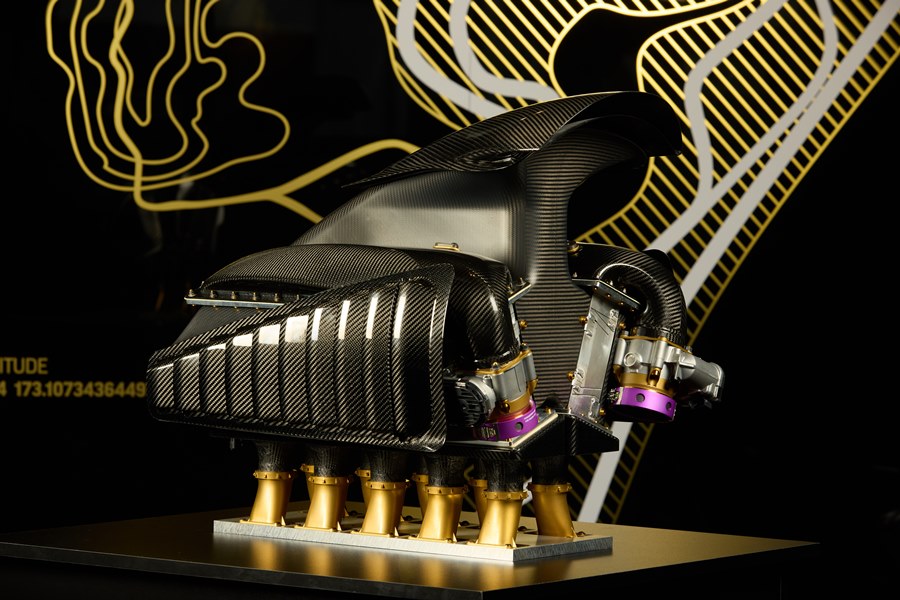
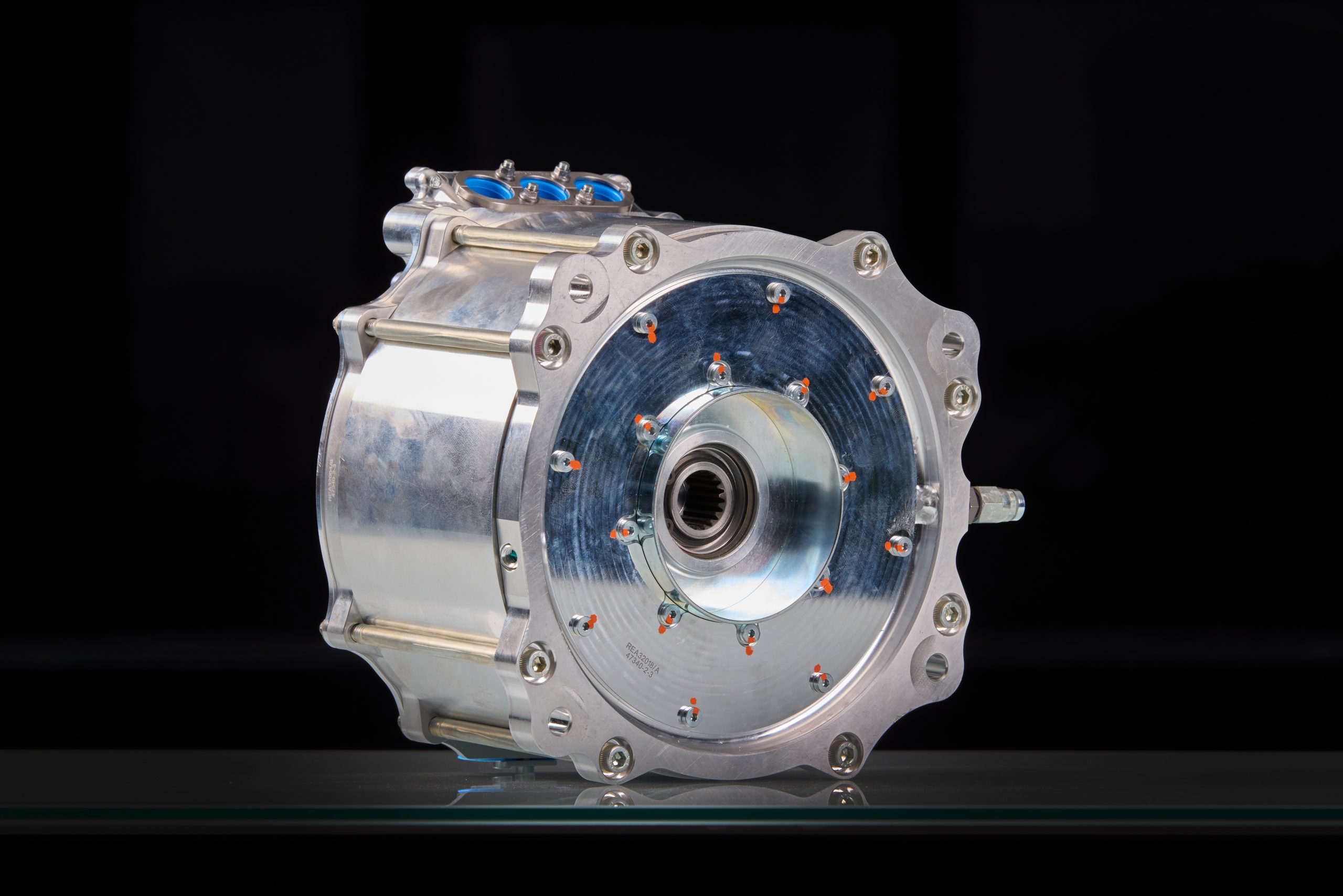
The FZERO will be use a hybrid powerplant consisting of a 4-litre V10 twin-turbo engine and a 130-kW electric power unit. At just 132 kgs, the 1,176 ps/1,026 Nm engine named ‘RCTEN’ is designed to be the lightest and most compact V10 ever built, it is claimed.
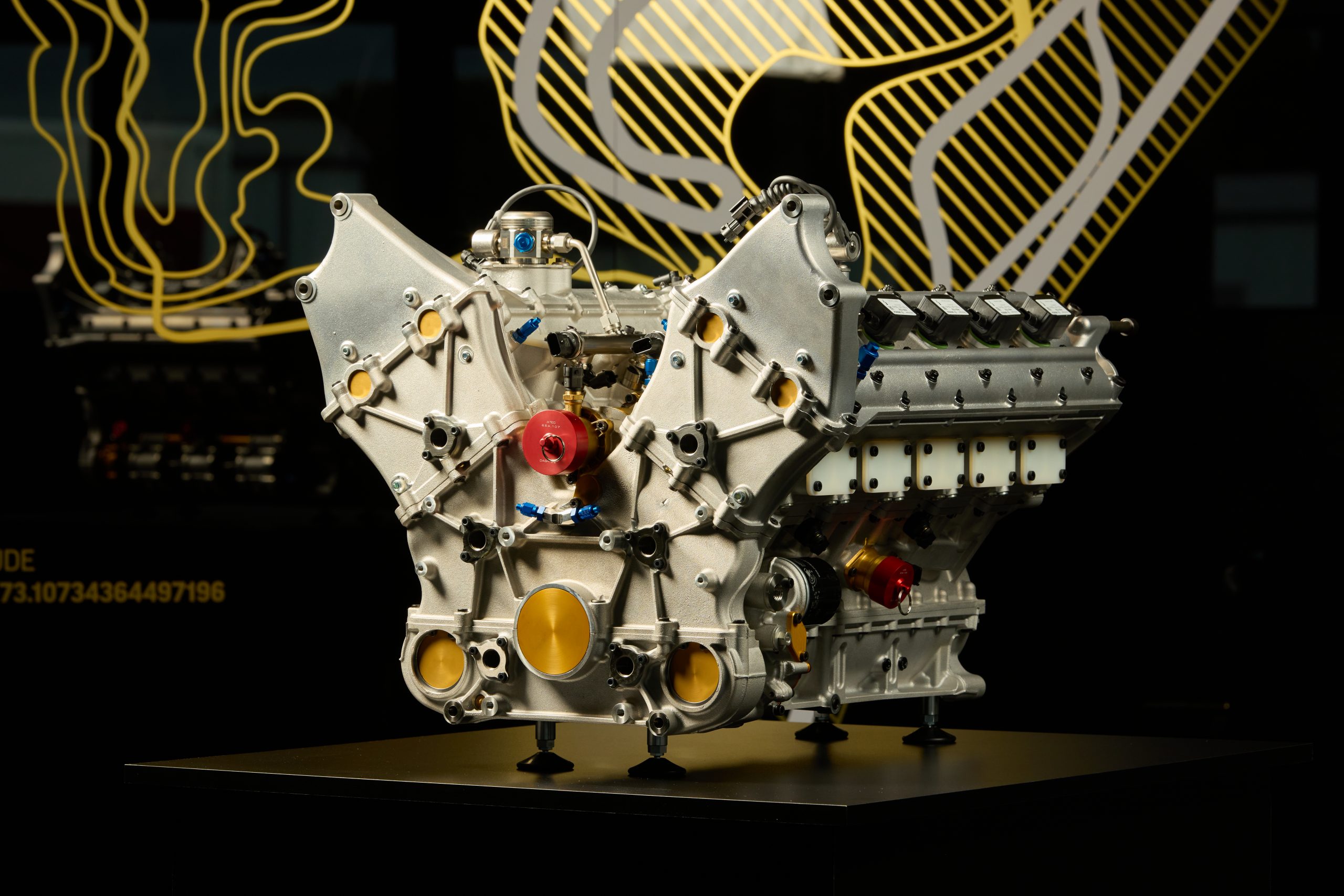
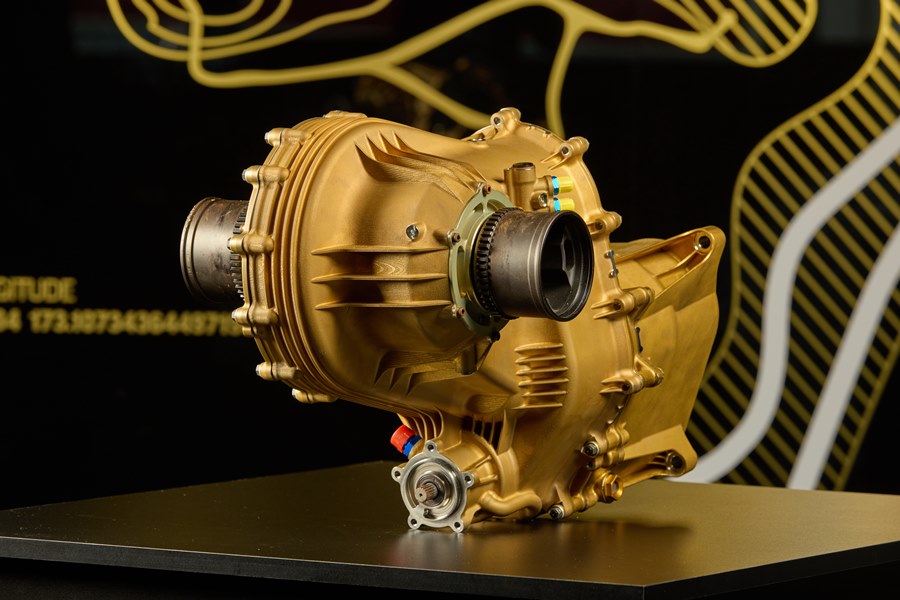
Designed and developed in-house in conjunction with engine manufacturer Neil Brown Engineering, the RCTEN can spin all the way to 10,000 rpm. A bespoke gearbox unit manufactured in conjunction with Ricardo UK has 8 gears and adds less than 66 kgs. The gearbox is encased in a titanium 3D-rinted case, printed on site in Rodin Cars’ state-of-the-art 3D printing facility. The differential is hydraulic, and computer-controlled.

As the car is made to clock super-quick lap times, the emphasis of the FZERO is on weight and airflow aerodynamics. The chassis is constructed from entirely of carbonfibre composite, with all components manufactured on site.
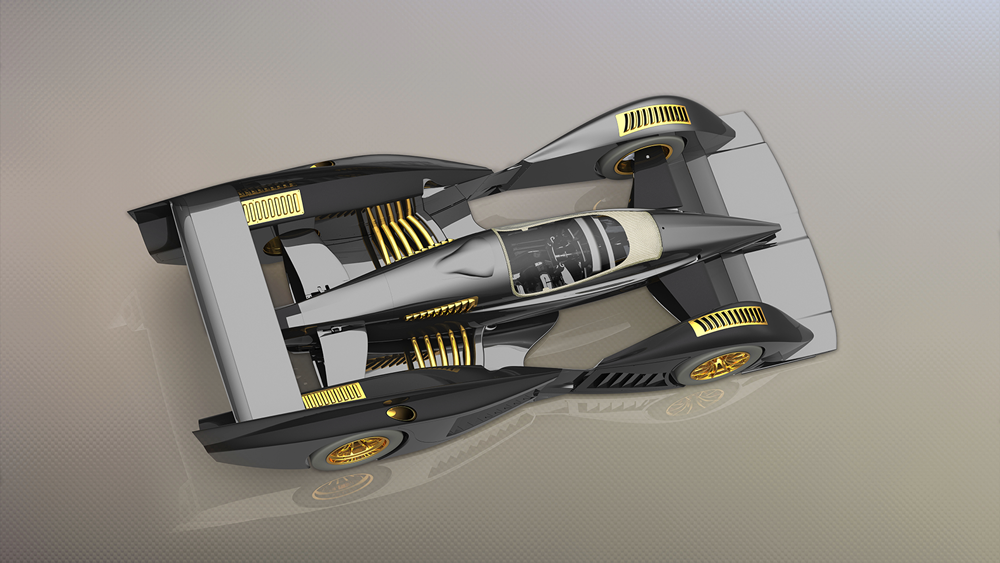
The massive wings and floor are capable of producing up to 4000 kgs of downforce which. when compared to the cars weight of just 698 kgs, is impressive.

The low weight is helpful when it comes to stopping but given the very high speeds the car can travel at, stopping power has still to be powerful. To ensure this, there are front and rear 380 mm PFC Carbon-Carbon brakes, with Titanium calipers (6-piston front and 4-piston rear. The brakes also have regenerative capability to capture energy that would otherwise be wasted away during braking.

One of the three test tracks at the Rodin Cars site in New Zealand’s South Island.

The FZERO will be available to customers in a configuration of their choice, allowing them to customize specific aspects of the car based on their driving style and the track on which they will be using it. In addition, owners receive access to custom racewear services, vehicle storage and delivery, and full driver training at Rodin’s picturesque private racetracks.

27 Rodin FZEROs, each to be priced from £1.8 million (about RM9.71 million), will be offered available to buyers worldwide, with the first coming off the assembly line in the middle of 2023.
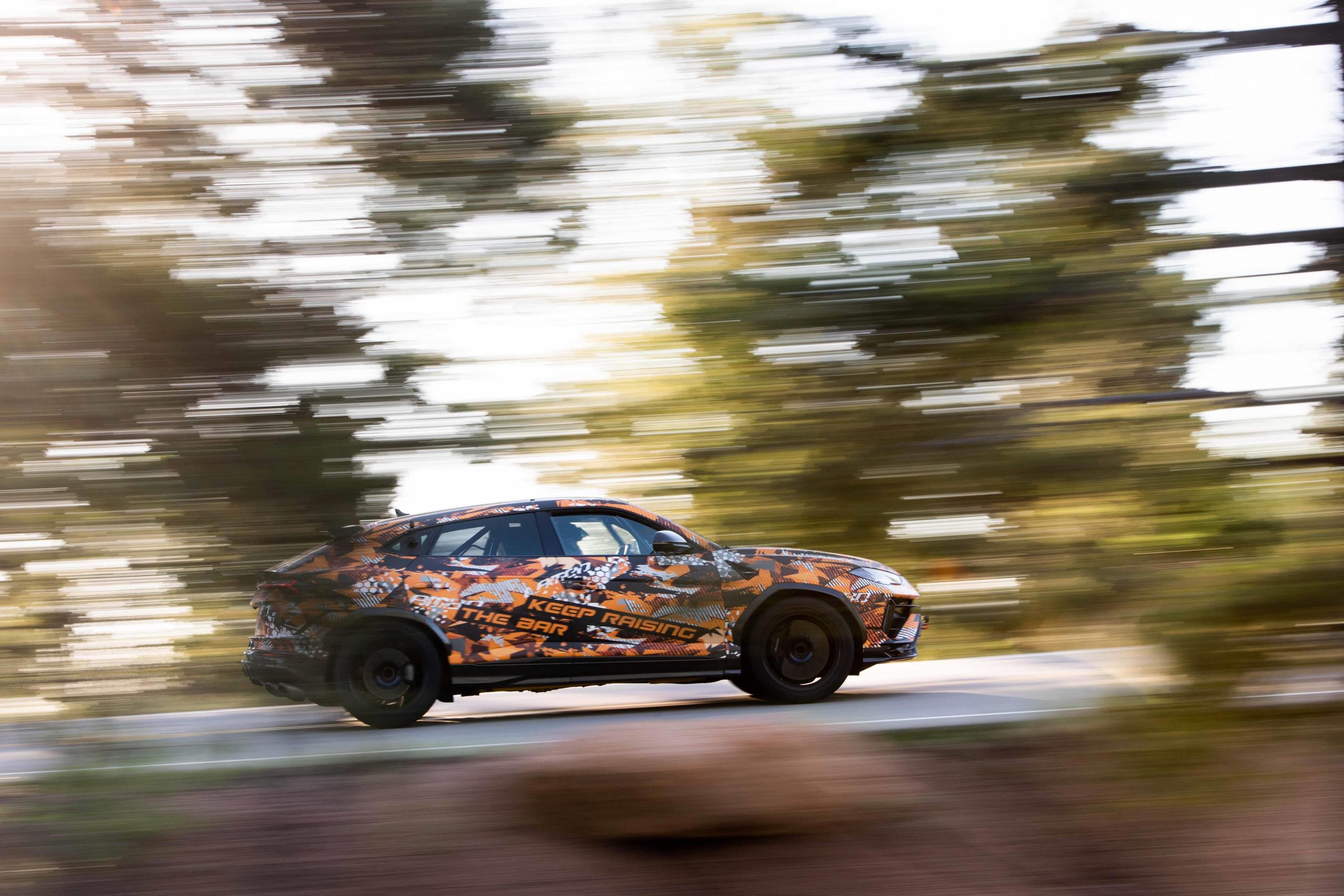
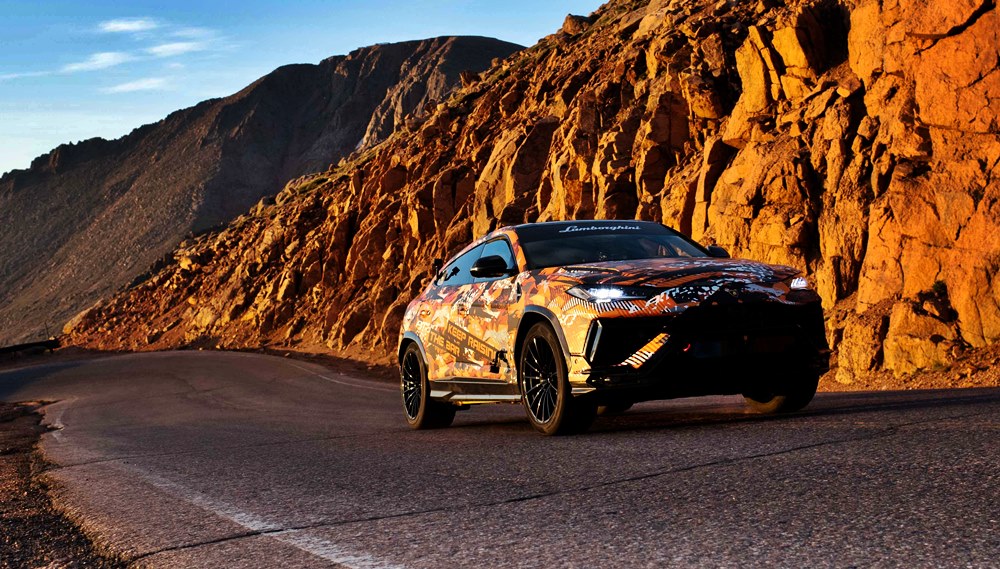
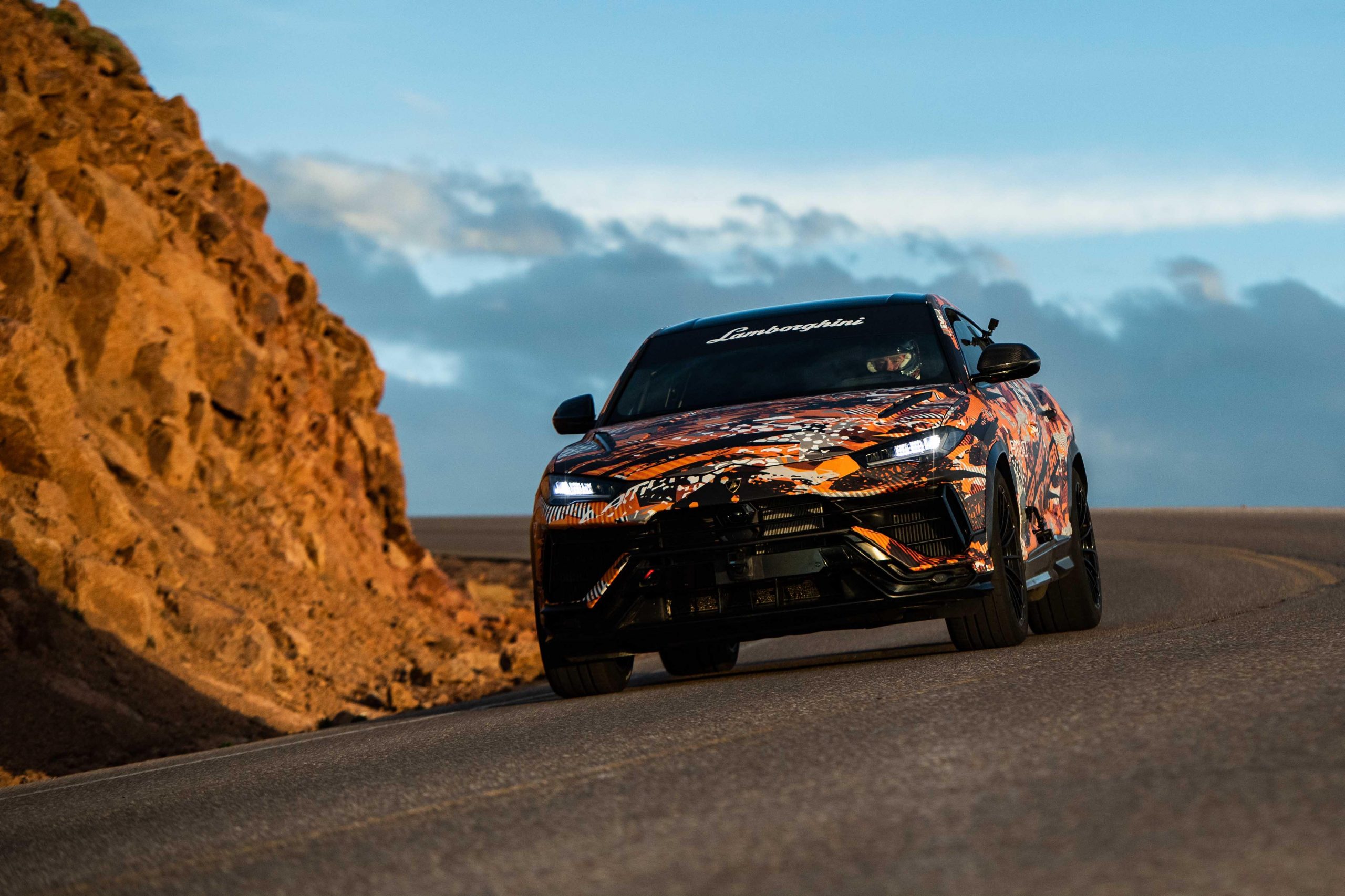
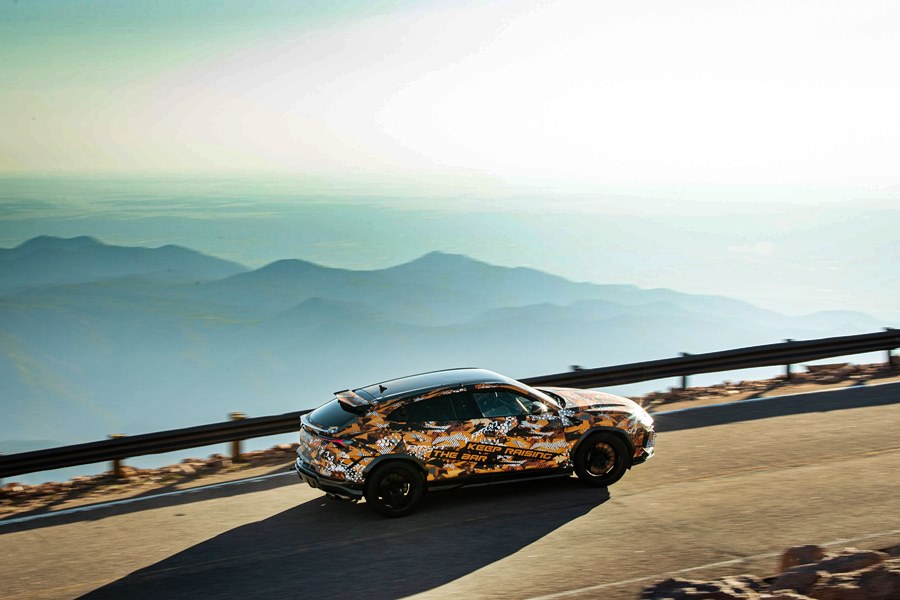
A new Urus SUV will make its debut in the near future but even before its world premiere, it has already collected a new record in the production SUV category on the track used for the Pikes Peak International Hill Climb (PPIHC) in America.

Yet to make its formal debut, the new Urus was not entered in the official race but the time was recorded by the official timekeepers of the event. When it reached the peak, its record time was quicker than both the previous PPIHC-sanctioned non-race day manufacturer record of 12:35.610 set by Paul Dallenbach in 2014, and the current race day record of 10:49.902 held by Rhys Millen, set in 2018, in a Bentley Bentayga.

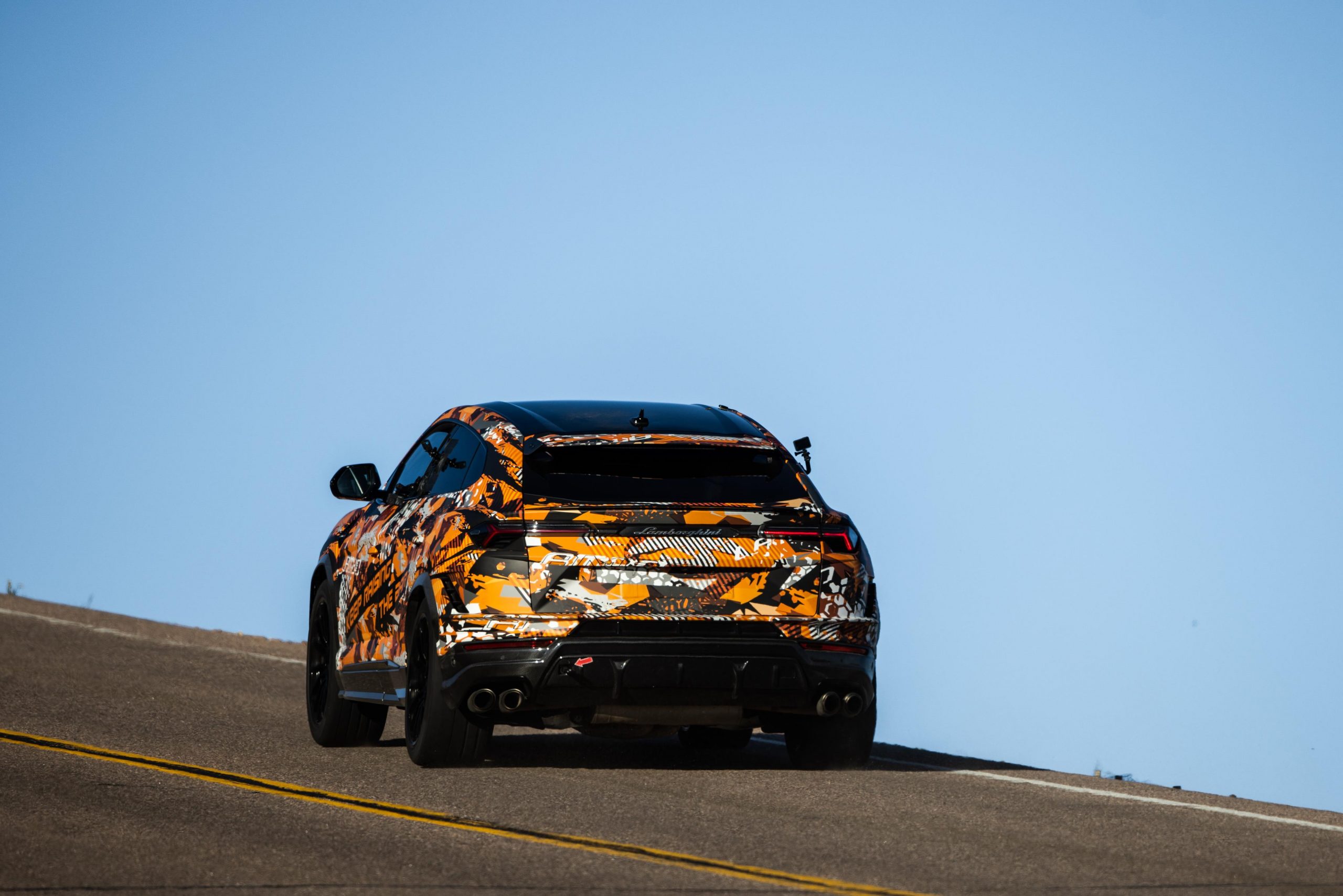
The Urus was piloted by hillclimb champion and Pirelli test driver, Simone Faggioli, holder of the rear-wheel drive record set in the 2018 ‘Race to the Clouds’, the name given to the PPIHC. Because it has not made its official debut, the SUV was covered with a camouflage wrap to conceal some of its styling features.

The timed drive took place on the same route as the race, with the road closed to traffic for the occasion. Starting from an altitude of 2862 metres, Faggioli tackled the 156 turns that wind for 20 kms, rising a further 1,439 metres to reach the finish-line at the top which is at an altitude of 4,302 metres. It took him 10:32.064.

Lamborghini Urus 2022 at Pikes Peak

“The decision to test ourselves at Pikes Peak reflects the Lamborghini spirit of ‘expect the unexpected’, and demonstrates the outstanding performance of the new Urus model to be presented shortly,” said Rouven Mohr, Automobili Lamborghini Chief Technical Officer. “Pikes Peak is the most famous hillclimb event in the world, as well as being extremely challenging for the car: the uneven track layout tests the chassis’ balance; the significant altitude differences stress the powertrain; and the weather conditions can change very rapidly between start to finish.”

The Urus, equipped with the standard twin-turbo V8 engine, was modified to comply with the safety regulations of the event. Some of the changes and additions were the roll-cage installed around the cabin; the standard seats replaced by a racing seat with 6-point harness; and a fire extinguishing system.

The tyres fitted (285/40 R22 and 325/35 R22) were an evolution of the Urus’ Pirelli P Zero Trofeo R. For the first time, the Pirelli semi-slick tyre has been developed to meet the characteristics of an SUV, with this particular variant developed in cooperation with Lamborghini.

The result of the collaboration is a tyre with increased versatility, returning high performance both on dry asphalt with high ambient temperatures and on wet surfaces with colder temperatures.

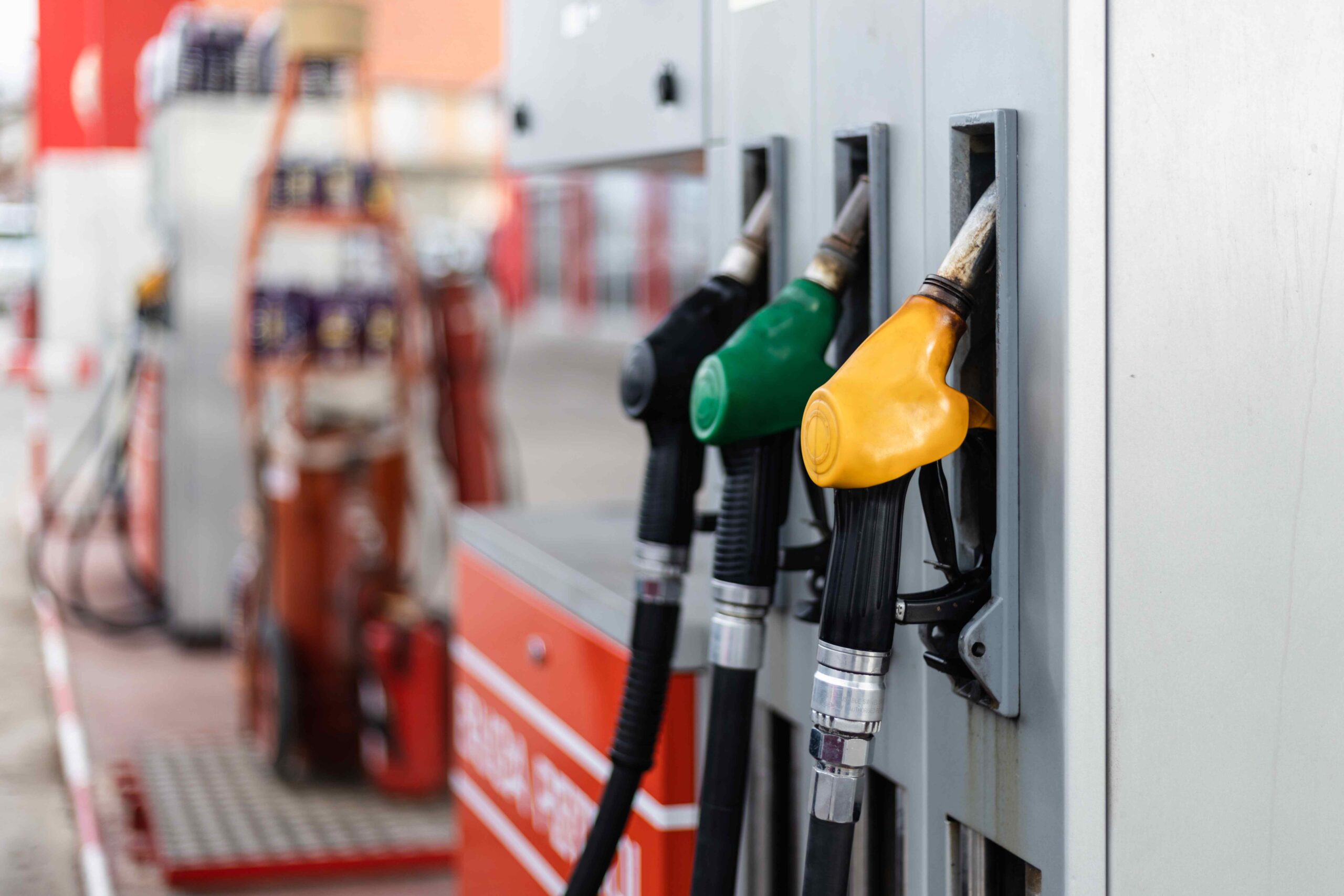
While most people associate the RFID (Radio-Frequency IDentification) tag with electronic toll payment, the potential of the system is actually greater and it can be used for other types of transactions as well. Touch ‘n  Go, the company running the RFID and eWallet service in Malaysia, is exploring other services to hook up with and one of them which is now officially active is fuel purchases – specifically at Shell stations.

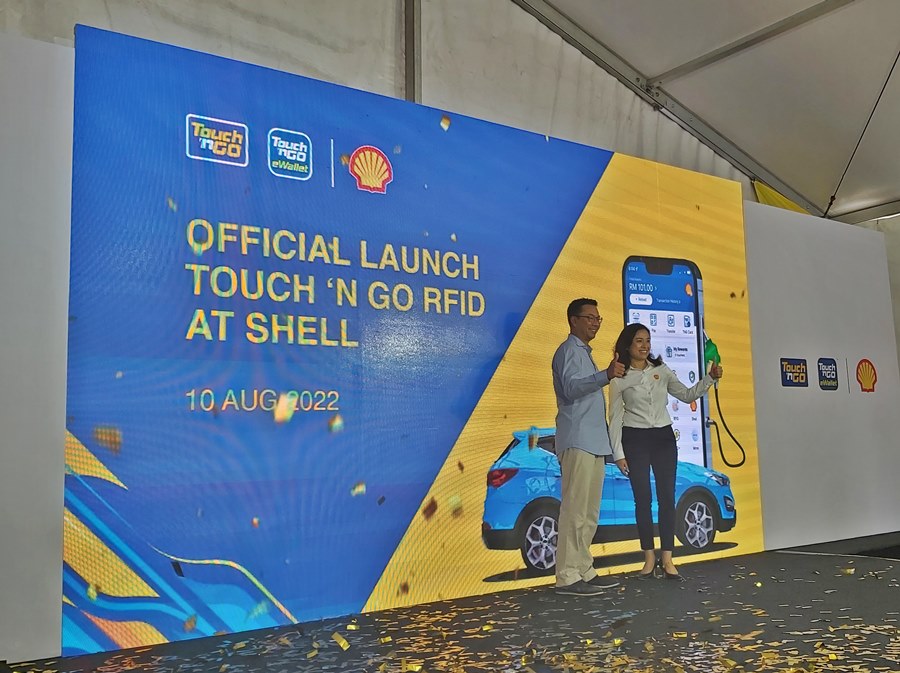
The company today launched the Touch ‘n Go RFID payment channel which will be available at 88 Shell stations nationwide. The number of stations will double by the end of this year, and within 3 years, motorists will be able to pay for fuel purchases using RFID at 50% of Shell stations.

“In line with our commitment in making our customers’ daily journeys more seamless through innovative offerings, we embarked on this partnership with Touch ‘n Go to develop a new payment method that provides cashless convenience, using RFID technology, without the hassle of a mobile app, said Seow Lee Ming, General Manager, Mobility for Shell in Malaysia and Singapore.

“Over the last year, we have received positive response from over 10,000 pilot users, and we have been working closely with Touch ‘n Go to continuously optimise the technology to ensure a truly hassle-free payment experience. We are confident that this collaboration with Touch ‘n Go will further enhance our customer experience at Shell,” she added.

In order to make payment with Touch ‘n Go RFID at Shell petrol stations, motorists must of course first have the RFID tag on their vehicle, and linked to their Touch ‘n Go eWallet account. There is a one-time registration and activation through the Touch ‘n Go eWallet app, which will also link to the motorist’s Bonuslink account for points to be awarded.

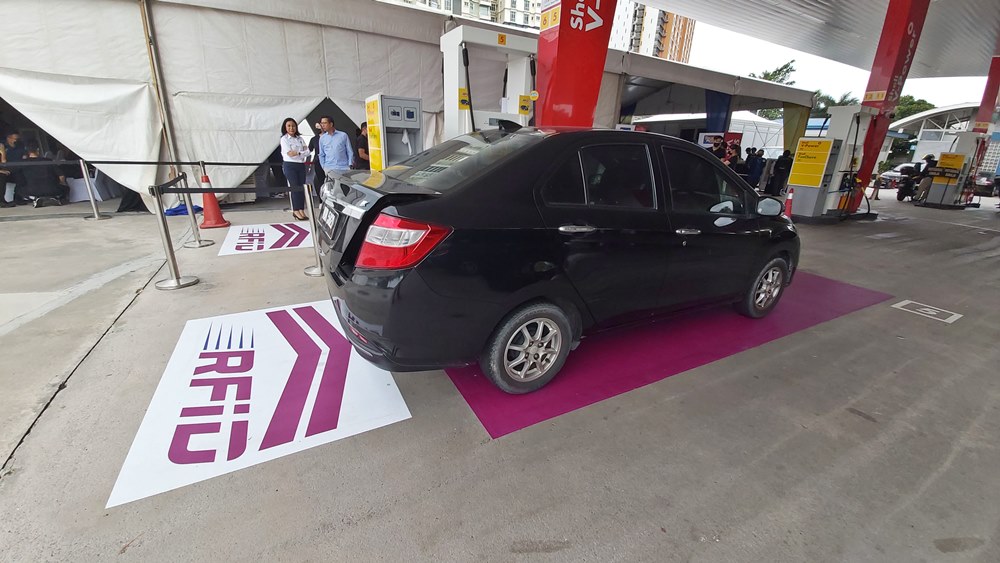
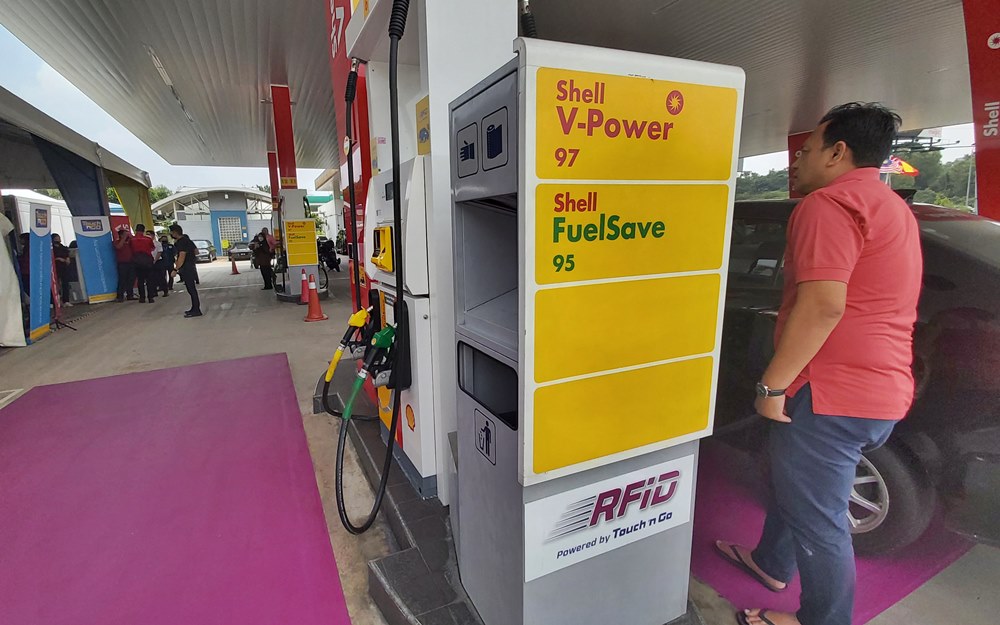
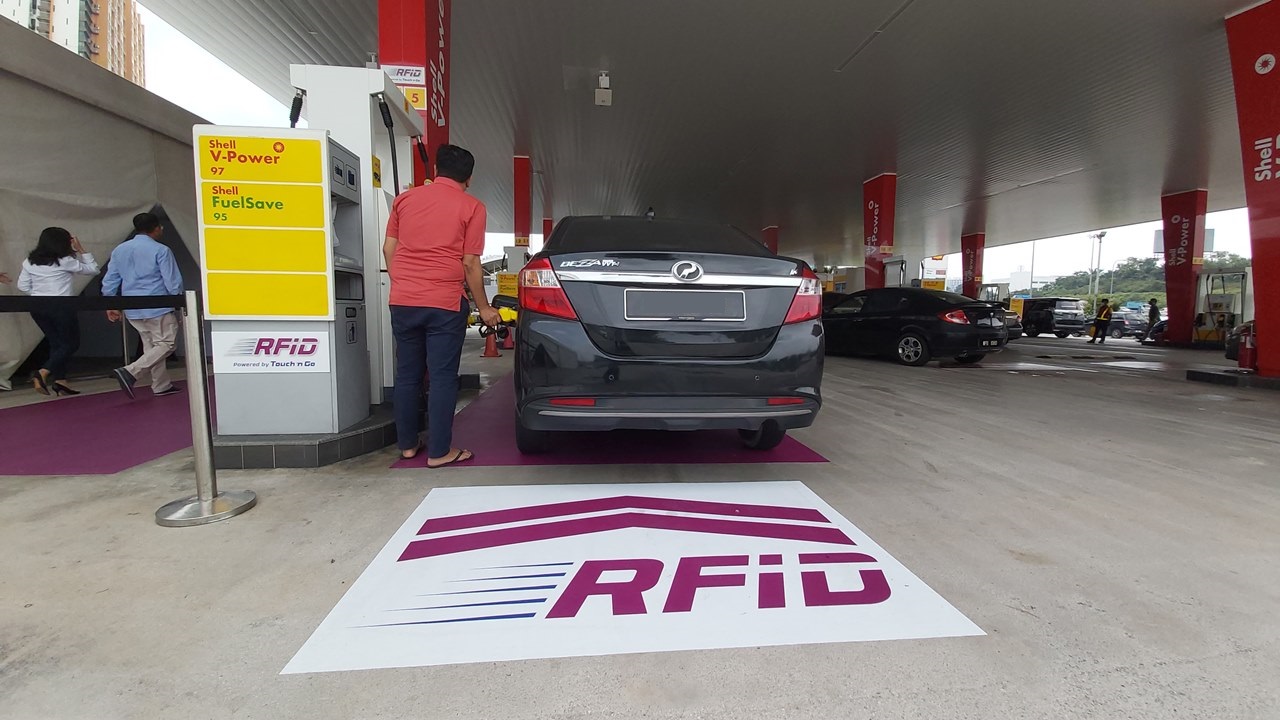
Once the registration and activation are done, the motorist can then look for stations which have RFID scanners installed over the pump area. These stations will be identified on the signs outside the station and the pumps with RFID will have bays designated with clear markings.

The vehicle’s RFID tag should be detected within seconds, and payment will be auto-debited from the customer’s Touch n’ Go eWallet, allowing refuelling to commence. Any unutilised amount will be immediately refunded to eWallet account when refuelling ends.

One thing to keep in mind is that the fuel purchase will usually be more than a typical toll payment so the e-Wallet balance will be significantly lower after the transaction. For those with autoload enabled to top-up the e-Wallet balance, there should be no issues. However, if topping-up is done manually, then it would be a good idea to check the balance and take action to top up if necessary.

From August 10 to September 16, 2022, Shell and Touch ‘n Go will be rewarding the first 25,000 customers who purchase fuels at Shell stations using Touch ‘n Go RFID. They need to pump a minimum of RM50 on their first Touch ‘n Go RFID transaction at Shell to receive a RM10 cashback. Customers eligible for this cashback would have to be first-time users of this feature.

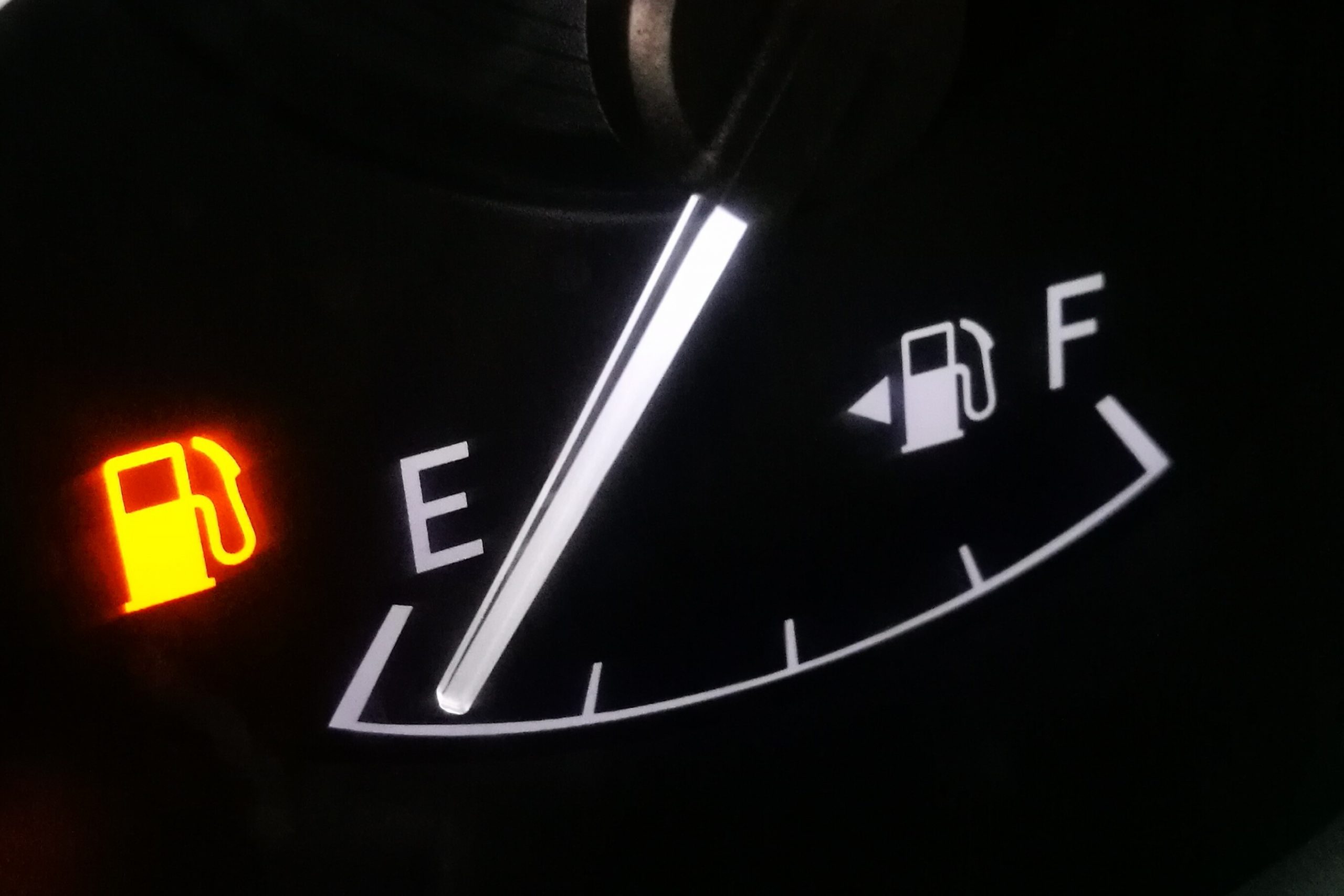
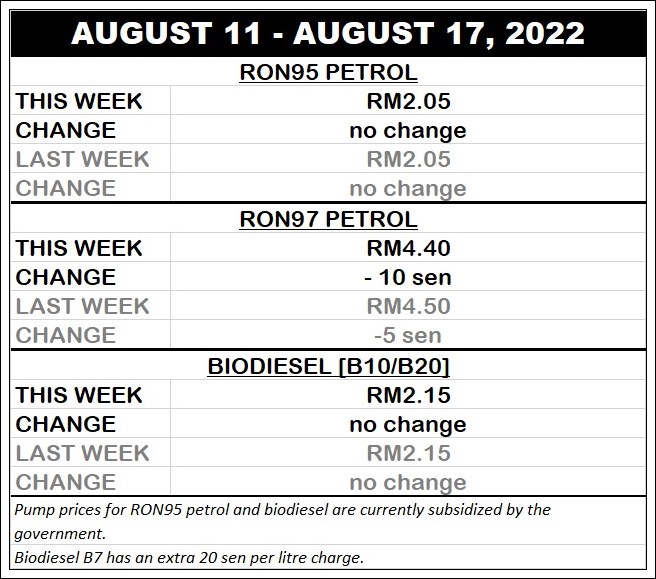
Fuel Price Updates for coming 7 days has a 10 sen drop while other prices of other grades are controlled.

BHPetrol

Fuel saving tips
Slow and steady: You don’t have to drive at a crawl to save fuel but if you just drive more frequently at 80/90 km/h instead of 100/110 km/h, you could save 10 to 15% in fuel. Keeping a steady speed rather than ‘pumping‘ the pedal will also save on fuel.

Switch off the engine more: Many motorists do not fully realise that the engine is burning fuel every second it is running. They will keep the engine running for long periods while waiting for someone to buy things or waiting for their children to come out from school. This is very wasteful and running the air-conditioner at the same time wastes more fuel. Switch off the engine when you are going to be stationary for more than 5 minutes and you’ll find your fuel consumption improving.

Right tyres pressures: Under-inflated tyres will cause more rolling resistance (not to mention faster wear) which will worsen fuel consumption. Be sure they are inflated to the minimum recommended by the manufacturer and a bit more might also be better.

Service the engine regularly: Engine parts wear out or get dirty over time and reduce the operating efficiency of the engine. Regular servicing ensures that adjustments are set correctly and periodically, parts like filters or sparkplugs need to be replaced.

Don’t carry unnecessary weight: The less weight your car has to move, the less hard the engine has to work. So whatever you do not need to keep in the boot should be taken out. This includes those golfbags.

Plan trips: If you have different places to go on a single journey, spend a few minutes to think about the route so that you avoid congested areas. You may have to travel a few extra kilometres using a less congested route but you will actually use less fuel because the car won’t be stuck in a jam burning fuel going nowhere. Plus you will probably be less stressed out when you reach your destination.

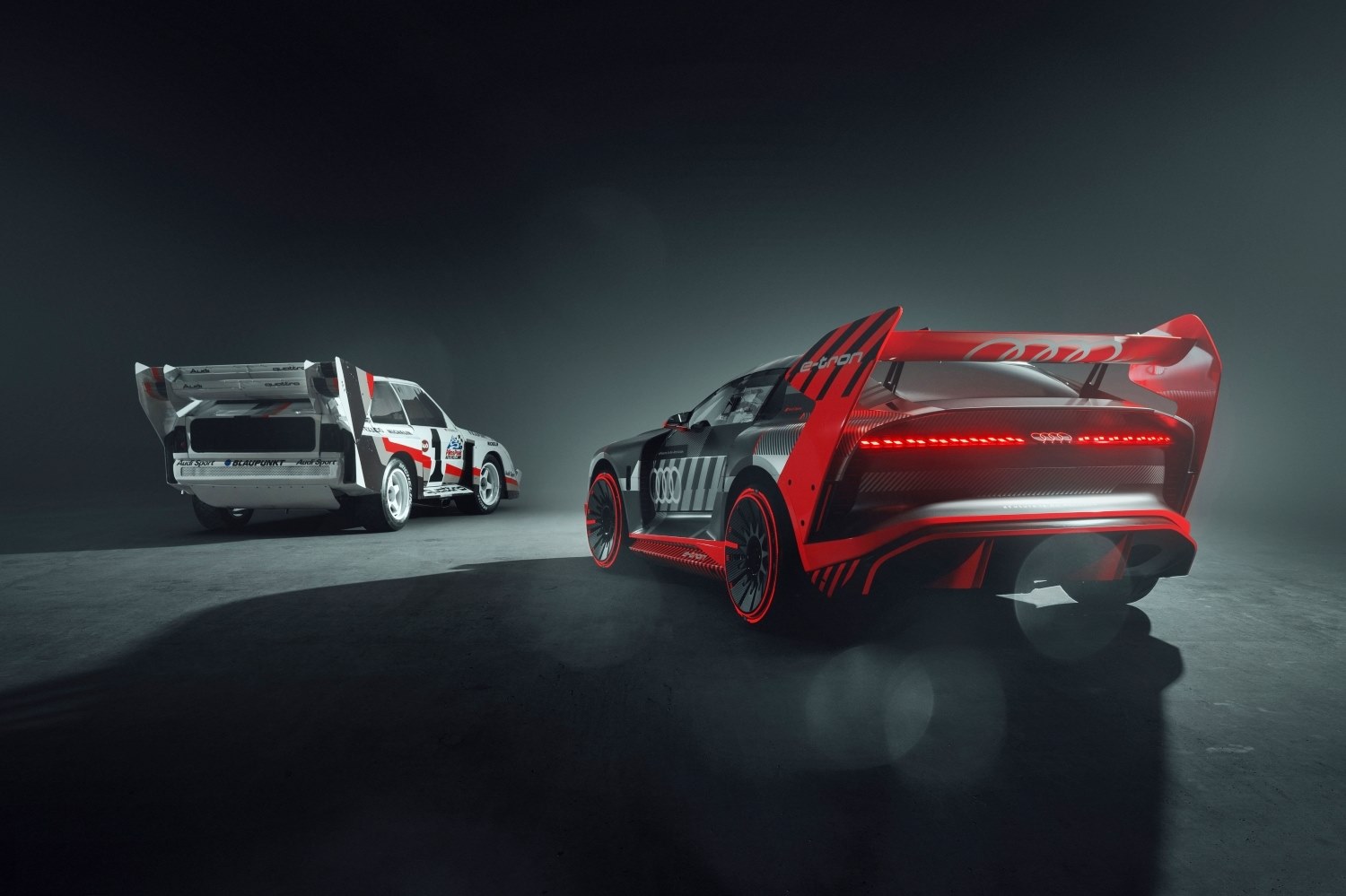
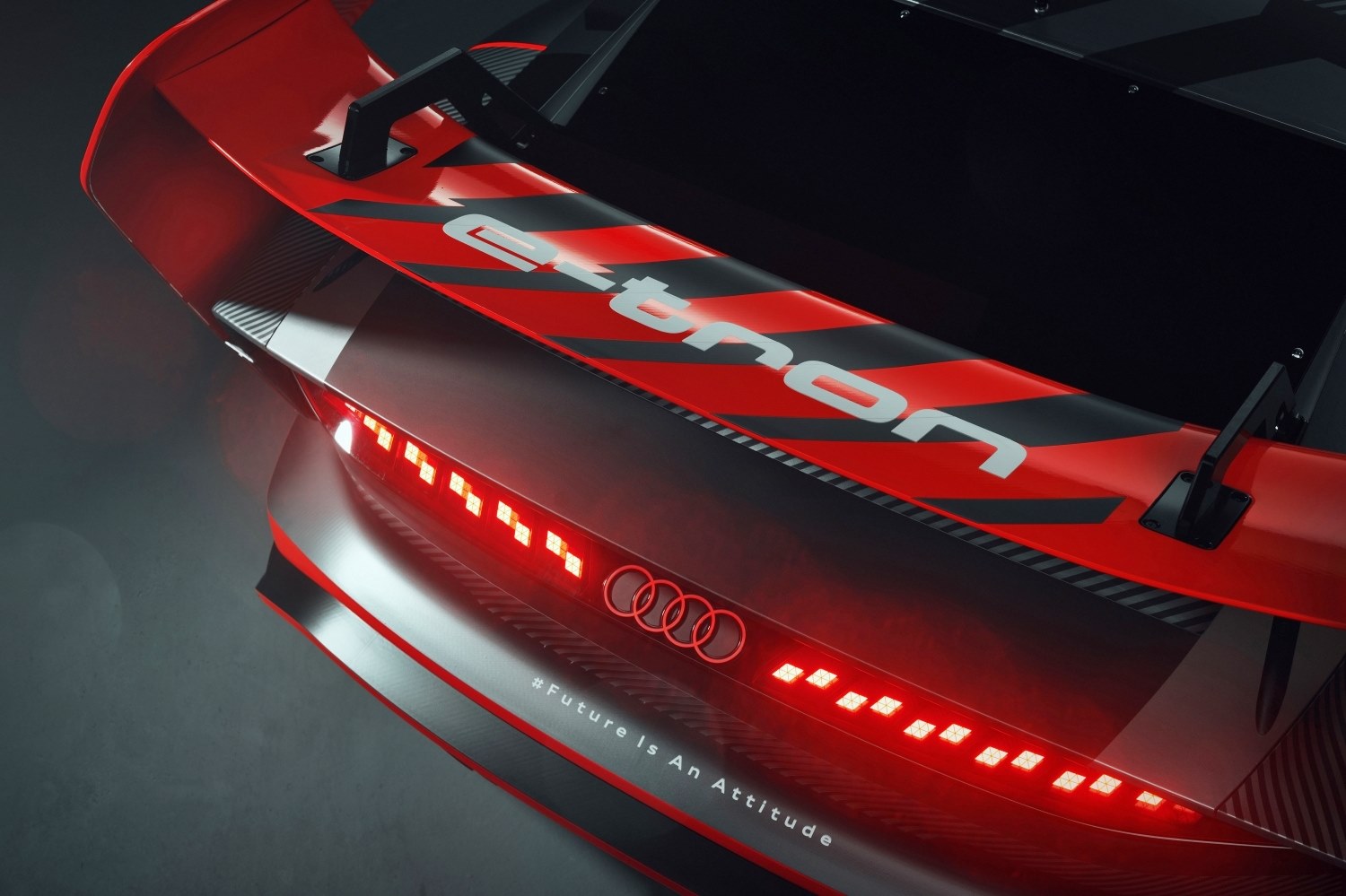
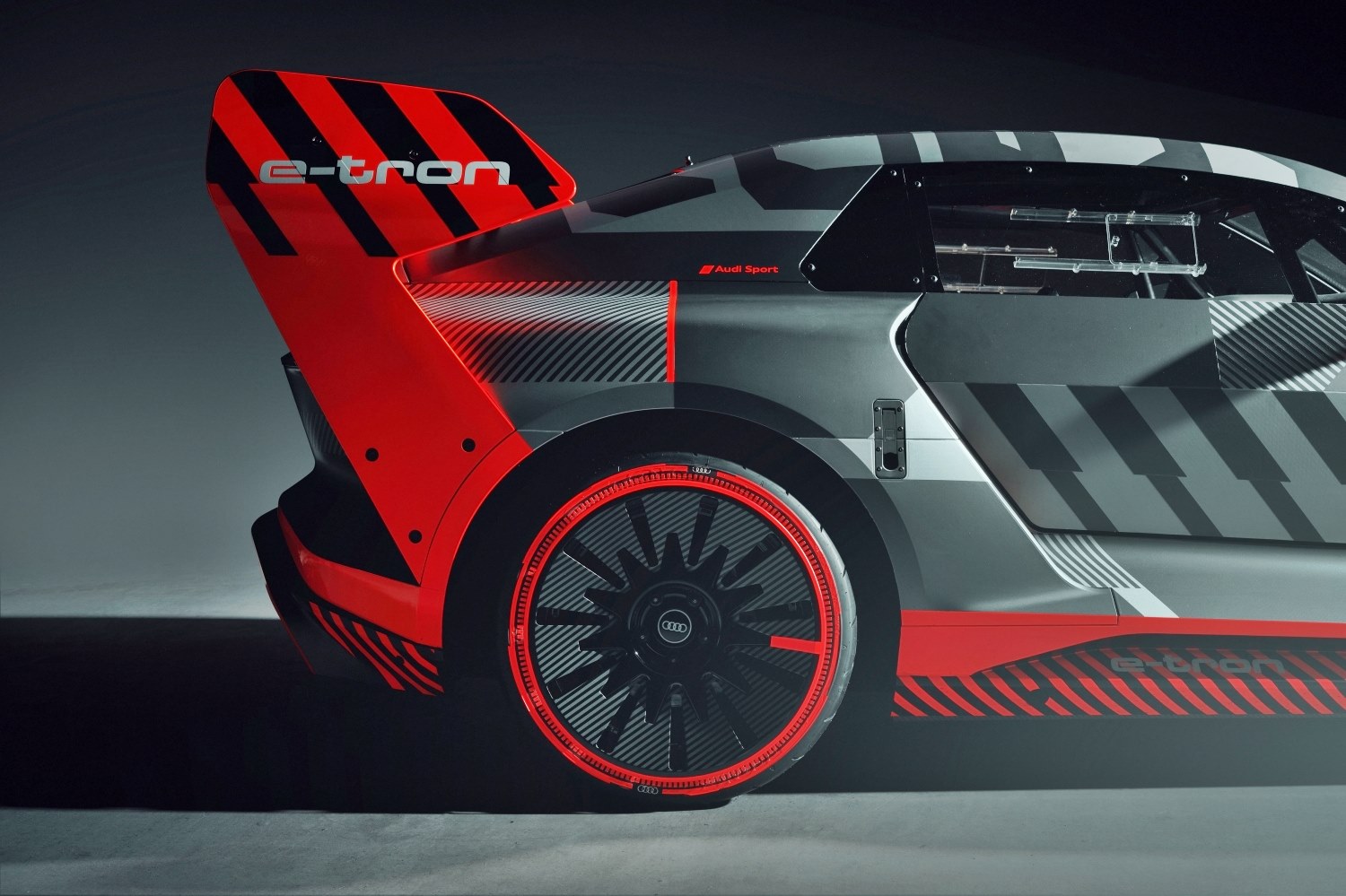
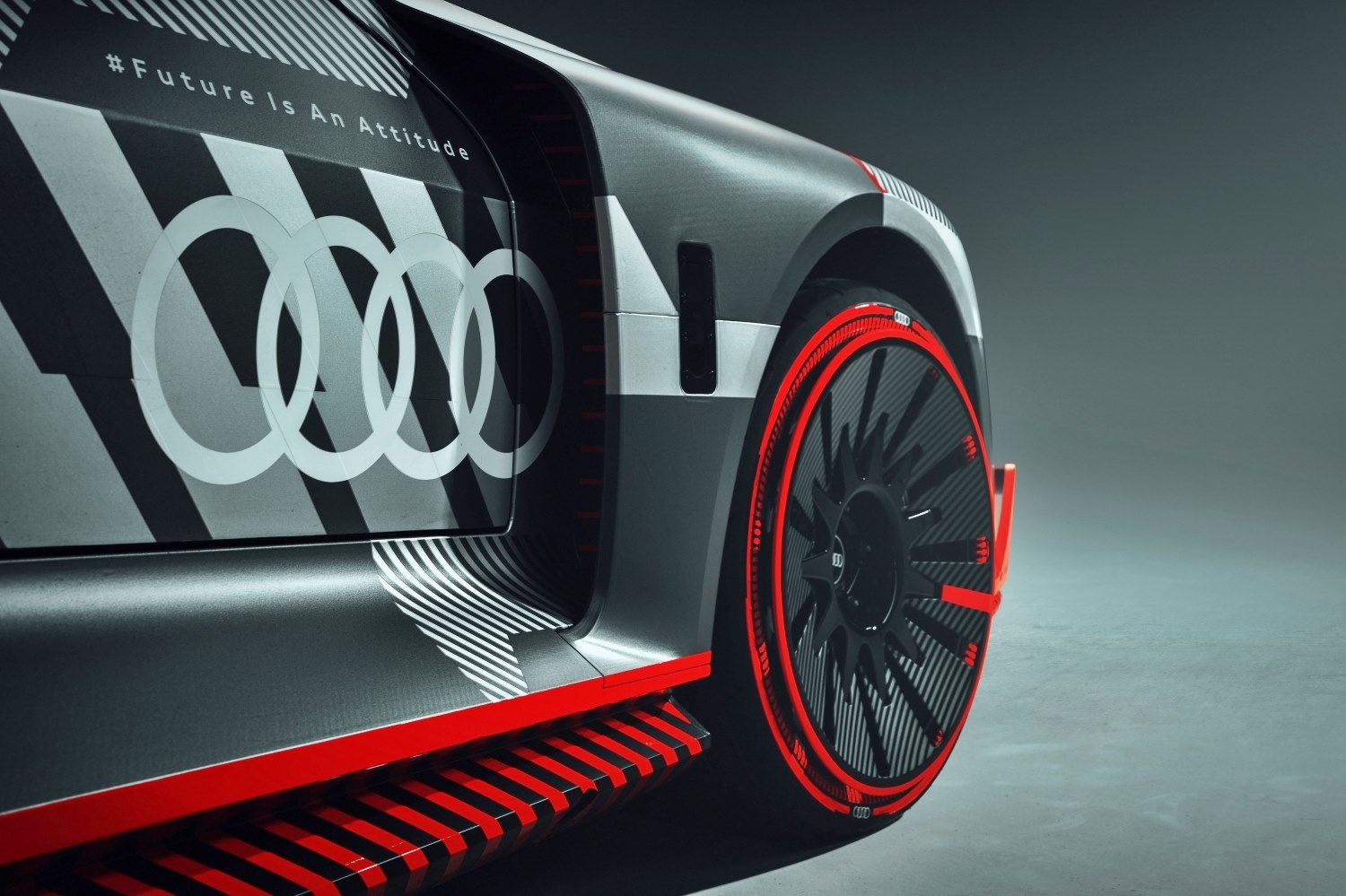
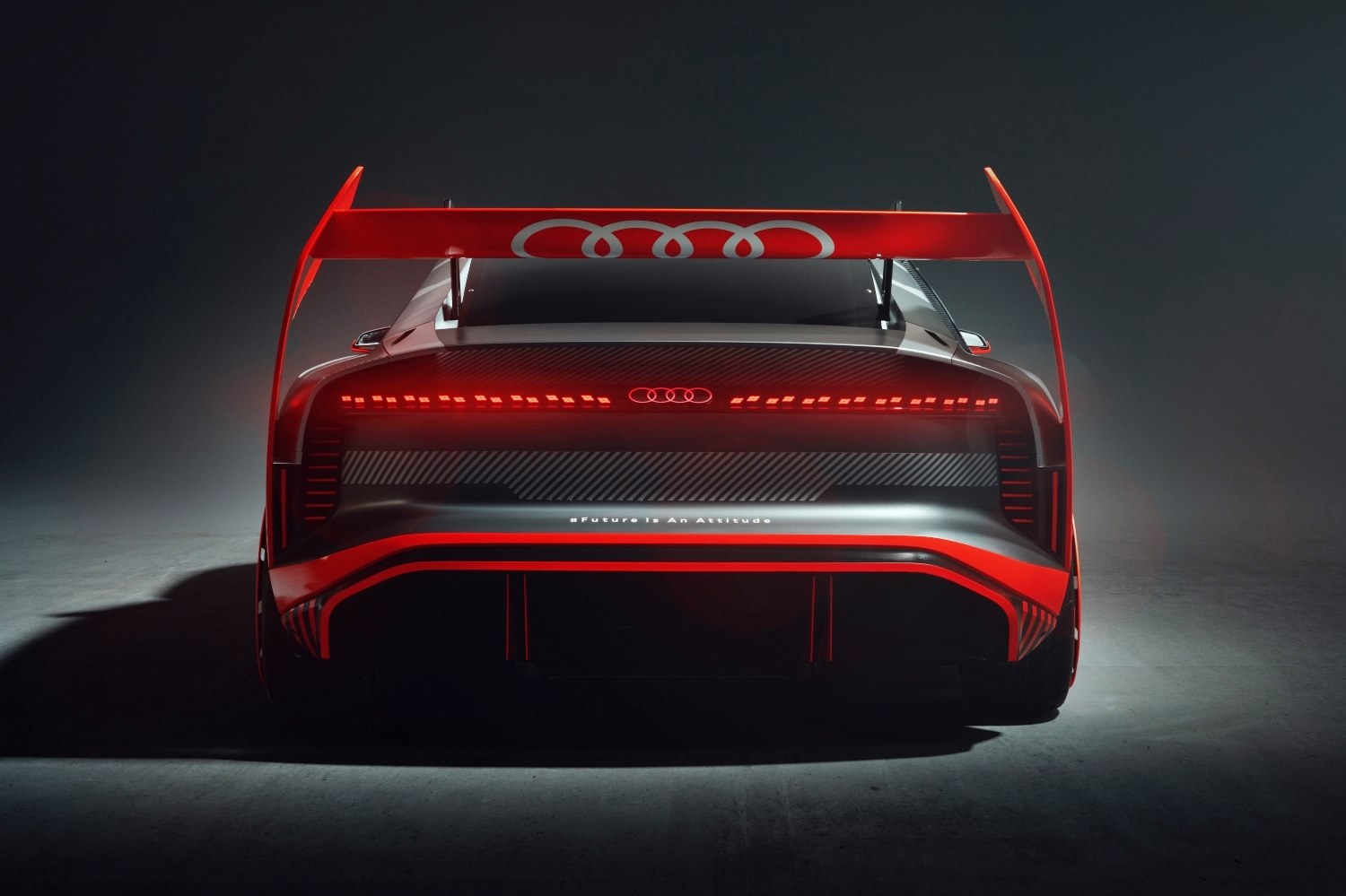
The Audi S1 e-tron quattro Hoonitron to be driven by Ken Block has been completed and will make its North American debut at the Rolex Motorsport Reunion later this month. This is the first time the drift artist is working with Audi after having long associations with Ford and Subaru.

Unlike all previous cars that Block has used, the S1 e-tron quattro – to be used in the next installment of his famous Gymkhana series, ‘Electrikhana’ – does not run on petrol because it has no combustion engine. Instead, it has dual motors powered by electricity, and Block will show that even with electrification, extreme performance is still possible.

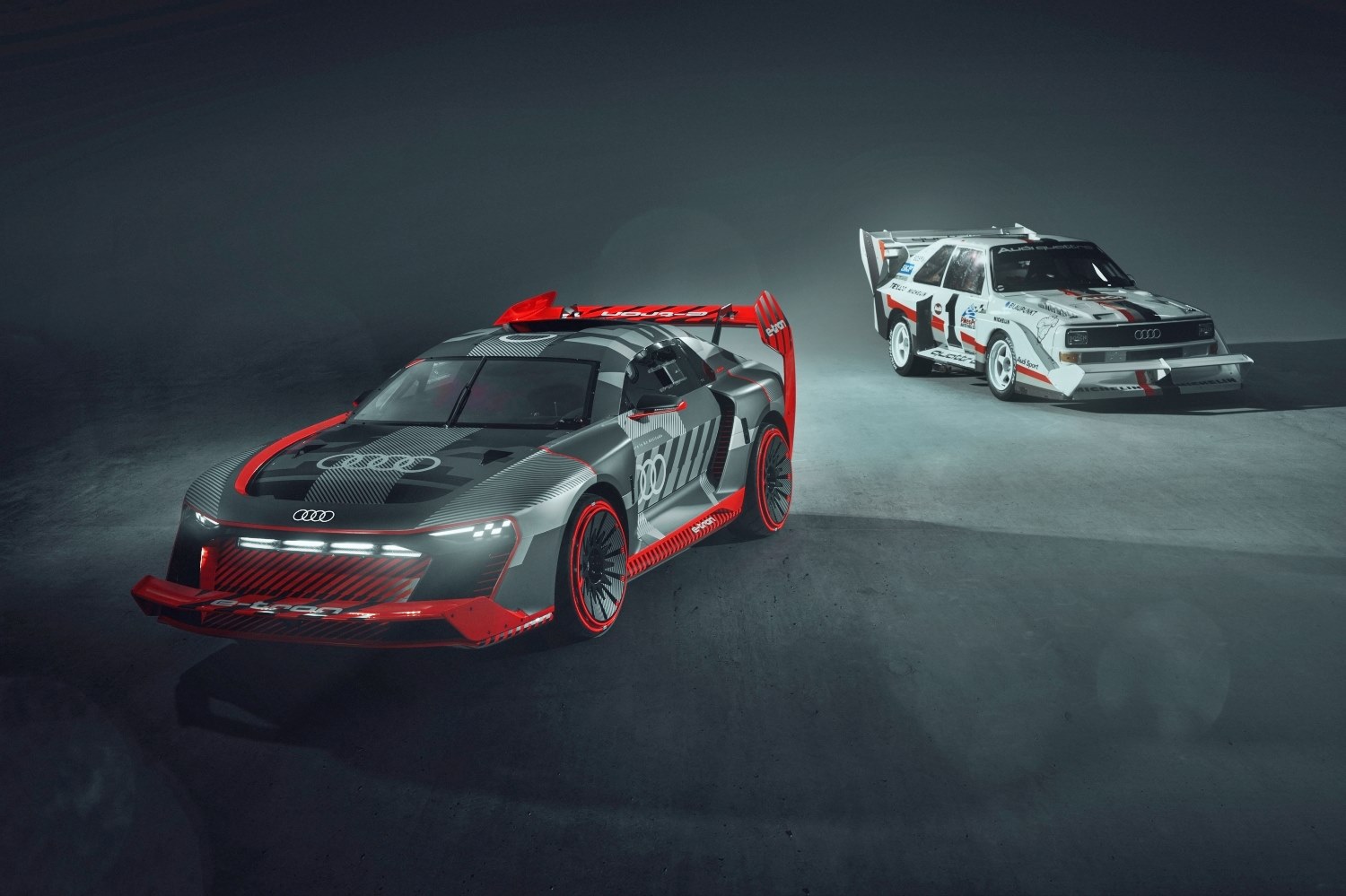
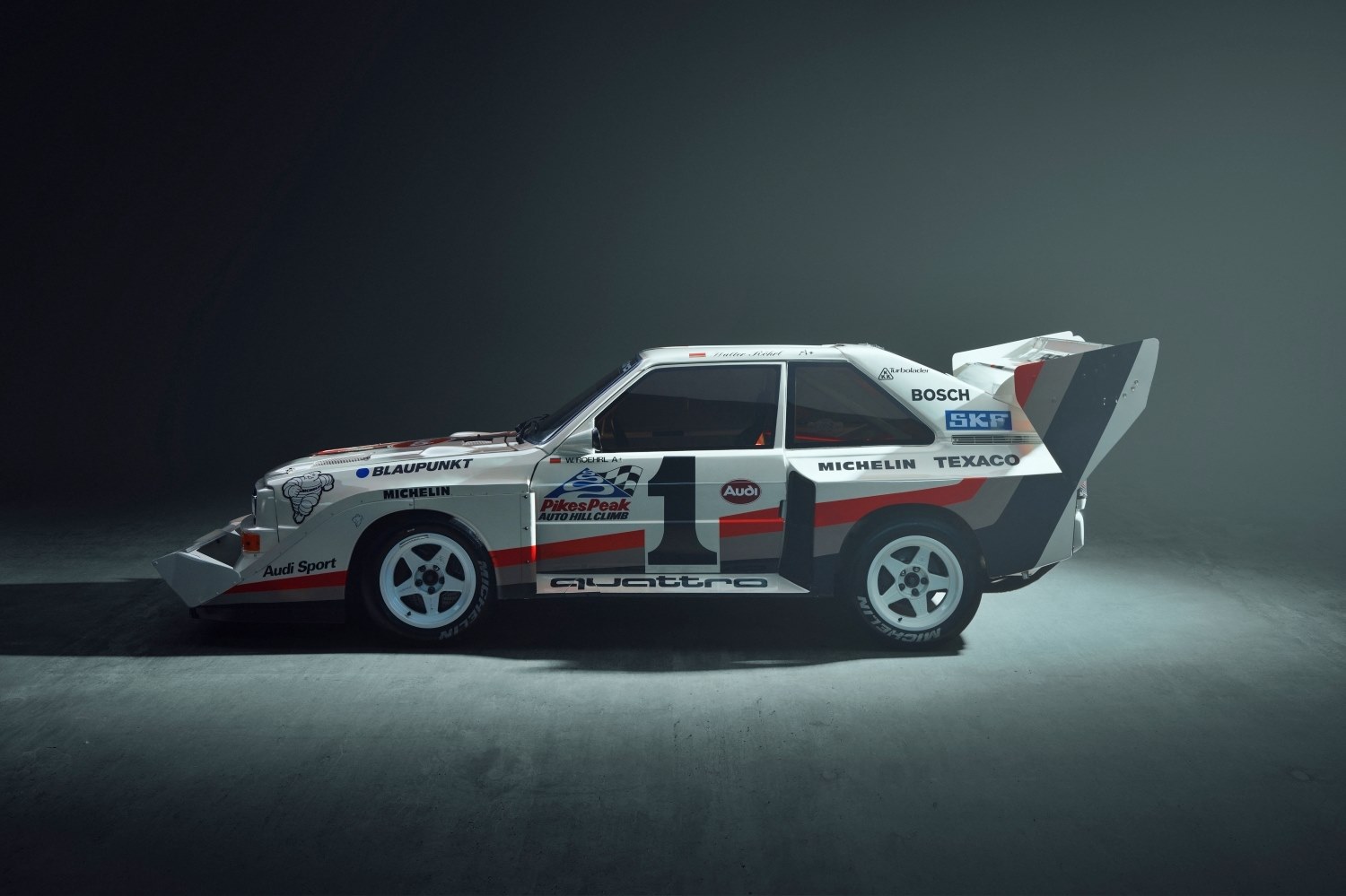
Design of the S1 e-tron quattro Hoonitron was inspired by the legendary quattro S1 (below) that set a new record in the Pikes Peak Hillclimb in the 1980s.

Inspiration for the design of the one-off car came from the legendary quattro S1 rallycar that sped up Pikes Peak in record time. The entire development, including the technology, of the S1 Hoonitron was conducted by Audi Sport.

Audi Design was brought in for the styling work only in December 2021. Typically for a project of this magnitude, designers and engineers would spend a year or more just developing the concept. However, in the case of the S1 e-tron quattro Hoonitron, an accelerated timeline of just 4 weeks was targeted at the Audi Sport facility in Germany.

2022 Audi S1 e-tron Hoonitron

After about a month of labour-intensive work, the S1 Hoonitron was finalized. Block flew over to provide his input and also learn how to drive an all-electric car sideways and in circles. “I’m familiar with a wide variety of cars using internal combustion engines and transmissions, but there were a lot of new things for me to learn. Spinning into a donut at 150 km/h directly from standstill – just using my right foot – was an all-new experience for me! Our work was focused on getting the car and I used to each other. My thanks go to the whole Audi Sport squad for their outstanding teamwork,” he said.

2022 Audi S1 e-tron Hoonitron

“The S1 e-tron quattro Hoonitron combines a lot of what Audi was already famous for in the 1980s,” added Block. “For instance, the car’s spectacular aerodynamics have now been translated into a totally modern form. I think it’s cool that the Audi designers have been inspired by their own past and uniquely transferred the car’s technologies and appearance into the present.”

The S1 e-tron quattro Hoonitron brings electrification directly to the performance car enthusiast’s doorstep. Besides powerful electric motors, there’s all-wheel drive, a carbonfibre chassis, and incorporation of the full suite of safety standards as dictated by the FIA.

2022 Audi S1 e-tron Hoonitron

From 1984 to 1987, Walter Rohrl, as a member of the Audi Sport team, drove the original Sport quattro S1 during the Group B era of rallying. Audi had gained an unfair advantage in the early 1980s when it used the quattro all-wheel drive system in its rallycars. The ‘unfair advantage’ propelled the success of the brand in off-road, pavement, and track competitions alike, with significant performance benefits.

Today, the Audi quattro system has evolved with the latest technologies and credentials adapted from the world of motorsports. The modern interpretation, the S1 Hoonitron, serves as a nod to this significant period, while remaining sharply focused on the commitment toward electrification.

2022 Audi S1 e-tron Hoonitron
BHPetrol

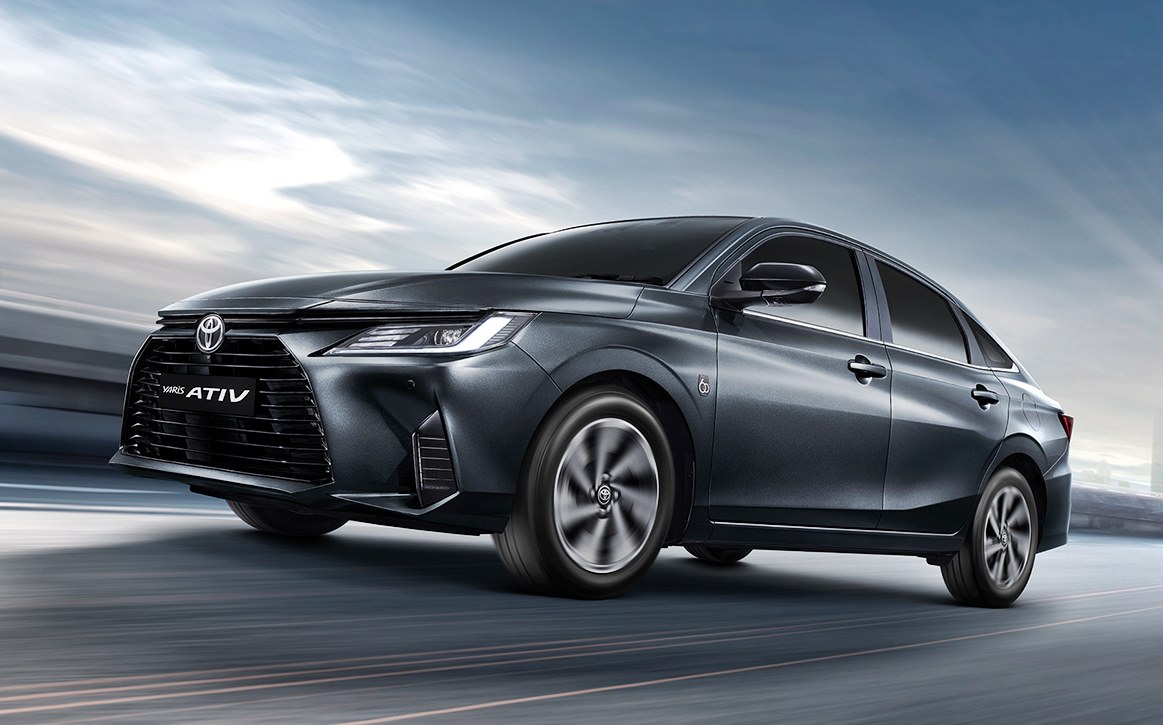
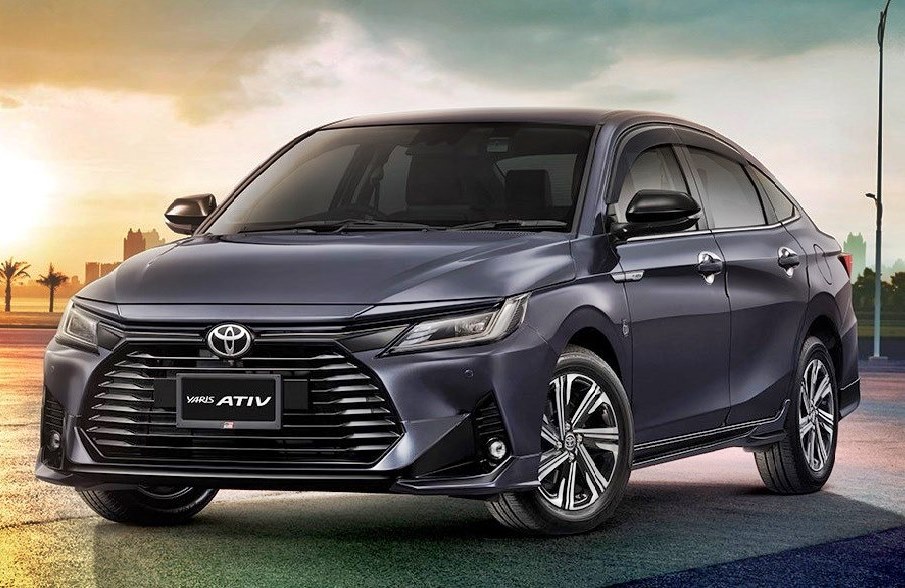
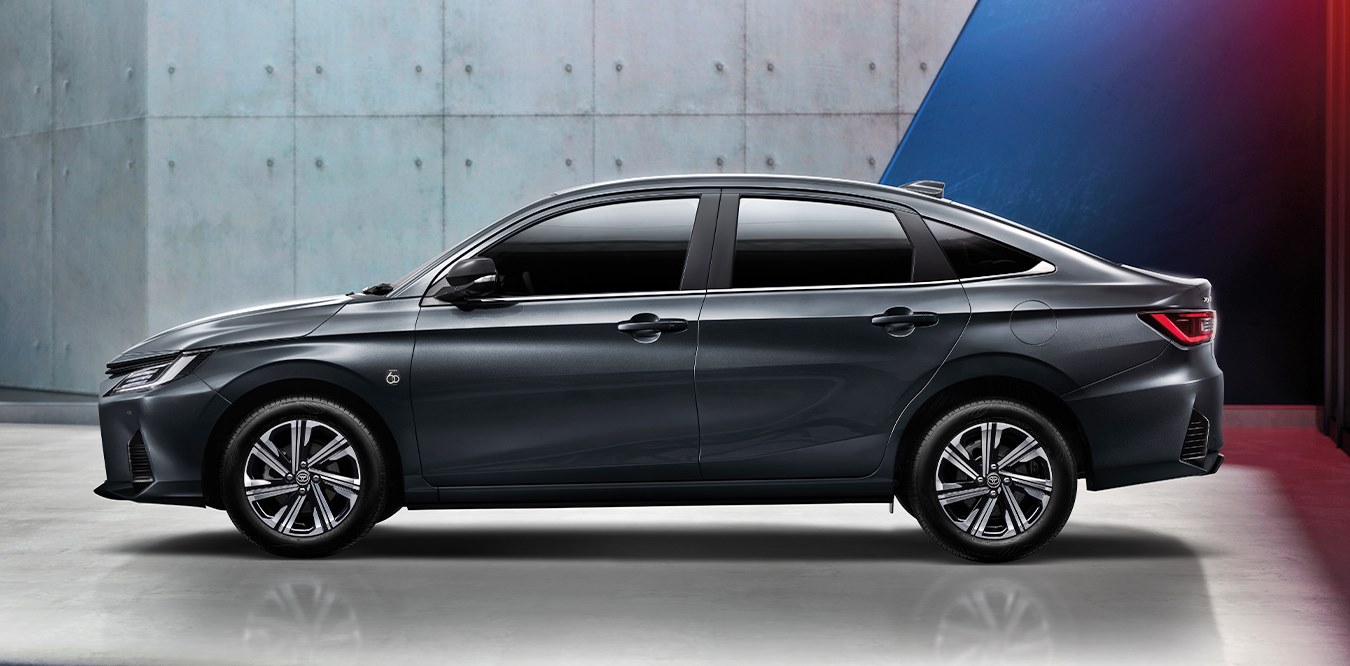
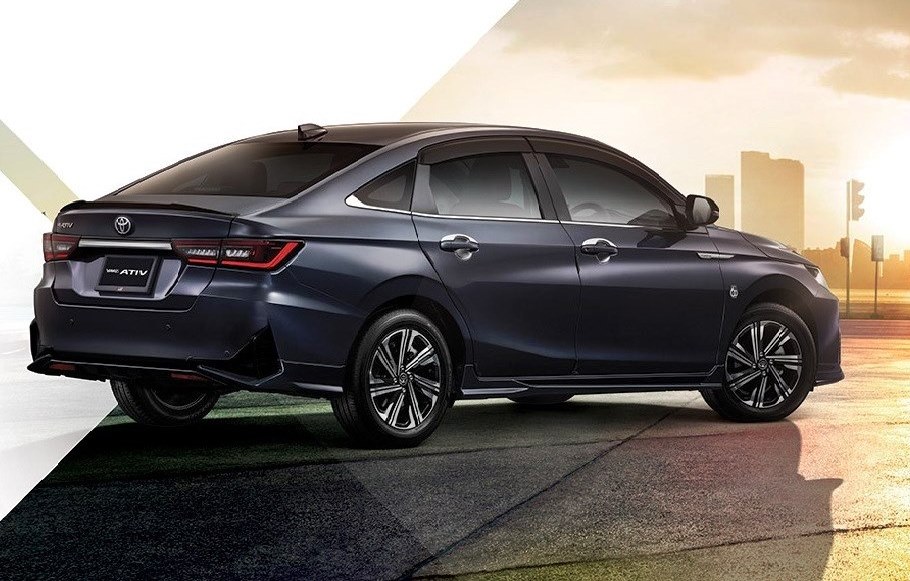
A new generation of the Toyota Yaris Ativ was unveiled in Thailand this evening and while it is known by that name there, Malaysians know it as the Vios, one of the best-selling sedans in the non-national brand segment. With this new DNGA-based Yaris Ativ, the Vios goes into its fourth generation since 2002. To date, around 3.5 million units have been sold worldwide, with a large number in ASEAN.

DNGA – Daihatsu New Global Architecture –is a platform and structure which is used for the smaller models in the Toyota Group which Daihatsu is part off (and which is also extended to Perodua since it is partnered with Daihatsu).

2022 Toyota Yaris Ativ Vios
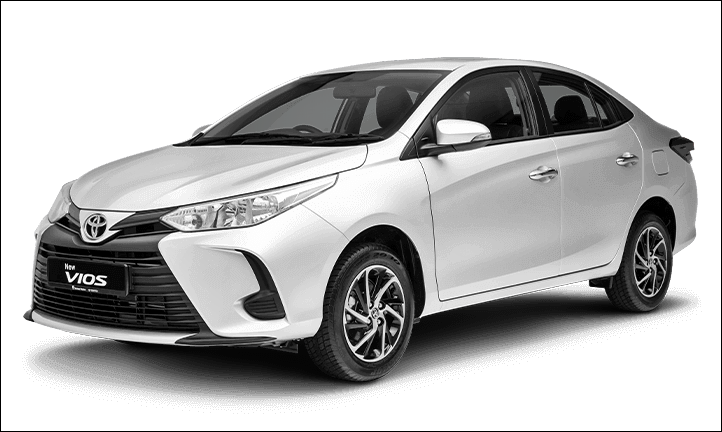
2021 Toyota Vios
Current third generation Vios

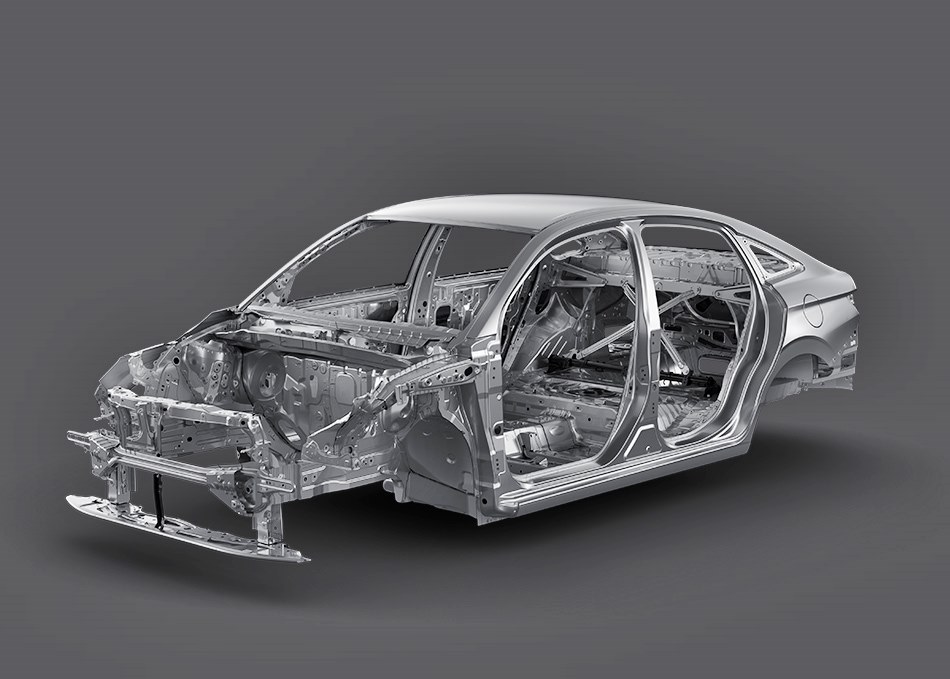
DNGA has been developed with weight-saving approaches while the rigid structure and suspension geometry provide high standards of stability and comfort. Besides giving much attention to aerodynamics, DNGA also provides generous interior space with a quiet environment.

2022 Toyota Yaris Ativ Vios

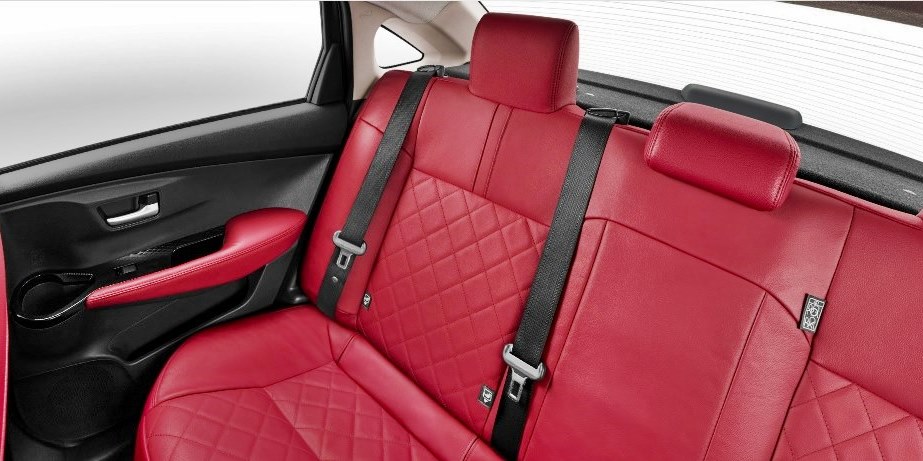
Size-wise, the new Vios (we’ll call it that since the name is more familiar to Malaysians) is almost the same as its predecessor with 5 mm more length, 10 mm more width and an extra 5 mm in overall height. Of greater significance is the widening of the wheelbase by 70 mm to 2620 mm which will have positive implications on handling and stability and more importantly, cabin spaciousness.

For now, only the specs for the Thai Yaris Ativ model are available and the engine fitted is the 3NR-VE 1.2-litre petrol engine which is partly dictated by the need to meet the country’s Eco Car requirement for incentives. This engine produces 94 ps/110 Nm which flows through a Super CVT-i transmission to the front wheels. As is common these days, the driver can choose an Economy or Sport mode, or just leave the engine to run in the default Normal mode.

2022 Toyota Yaris Ativ Vios

It’s not known whether Malaysia will continue with the 1.5-litre 2NR-VE unit (107 ps/140 NM) in the current Vios. As the model is assembled locally, it may be possible to use the engine and if we’re not mistaken, it is produced at a factory in Negeri Sembilan. Using the engine would be important for the model to maximise its local content level and get better government incentives to help keep its pricing competitive.

2022 Toyota Yaris Ativ Vios

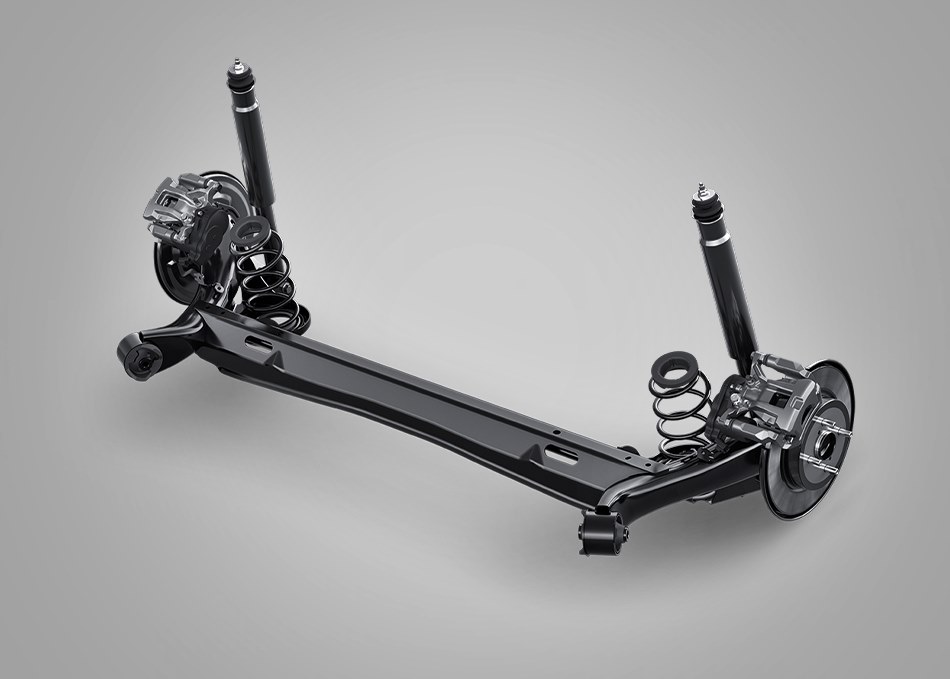
The suspension remains straightforward with MacPherson struts in front and a torsion beam with coil springs at the rear. Some versions come with rear disc brakes as an extra selling point although most engineers will tell you that drum brakes are good enough.

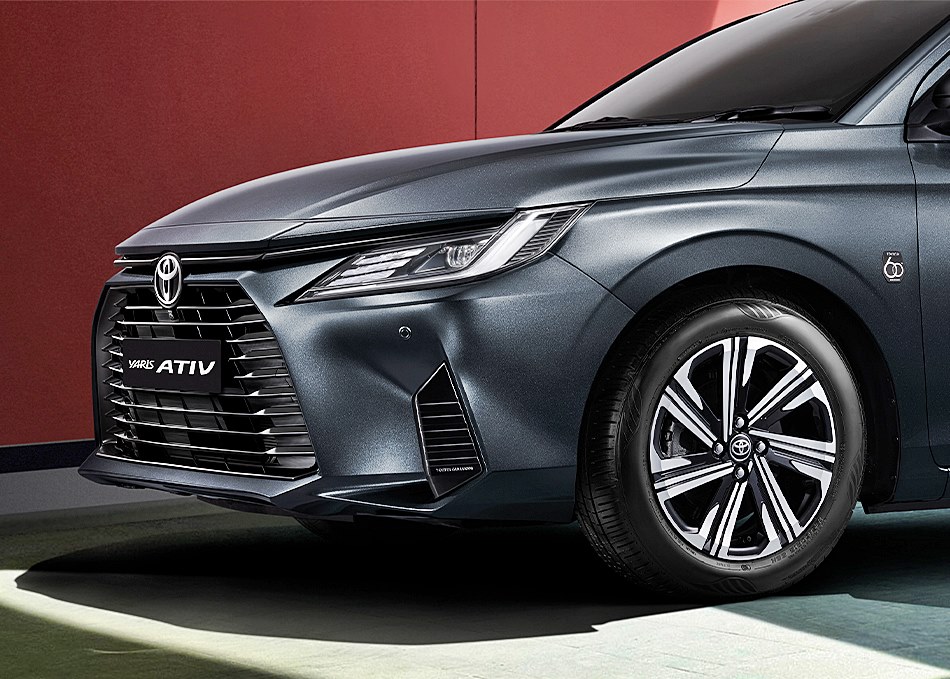
As we’ve seen in the new models launched in recent times, Toyota’s design approach has become more ‘aggressive’ with a bolder appearance. Where appropriate, models are also given a sportier image and in the case of the new Vios/Yaris Ativ, the profile has gained a sleeker fastback style which brings the Cd down to 0.284.

2022 Toyota Yaris Ativ Vios

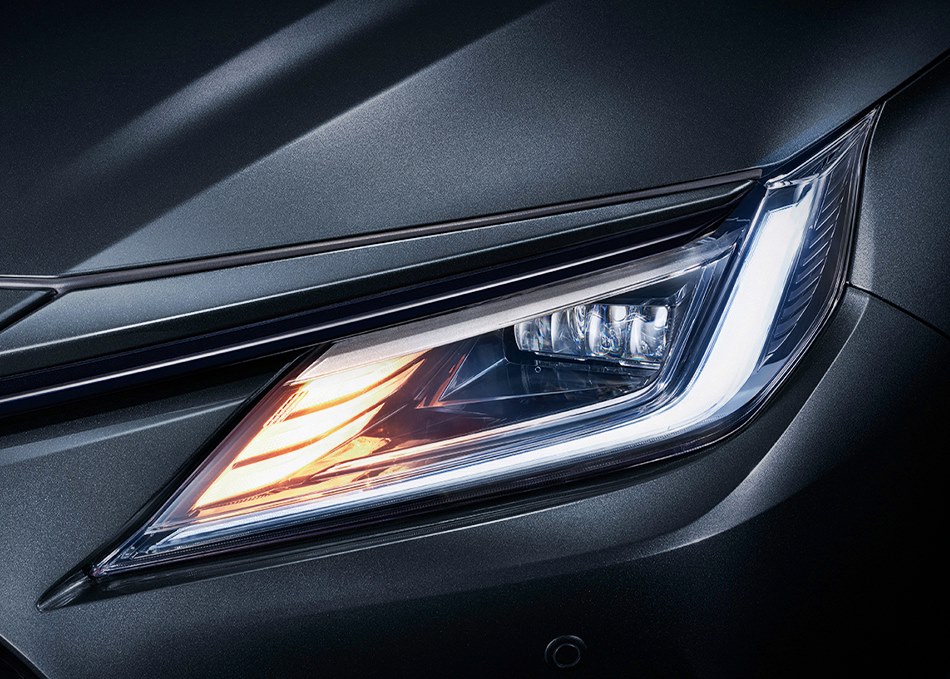
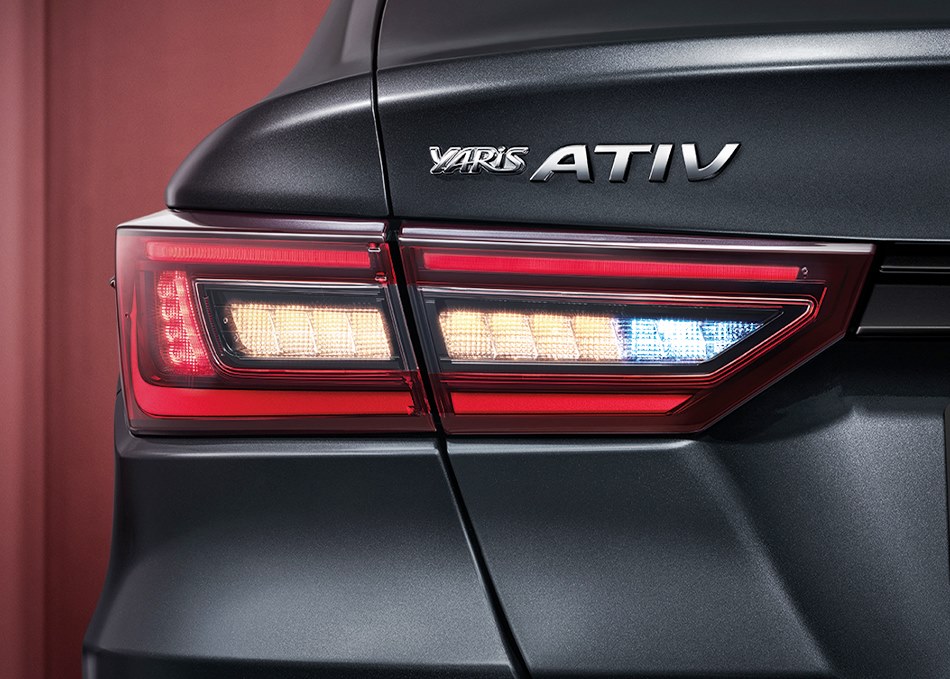
The frontal appearance, now more angular and chiseled, has hints of the larger Camry with the dominant grille. Sequential turn signals and LED headlamps/tail lamps have now come down in price that they can be offered in this class.

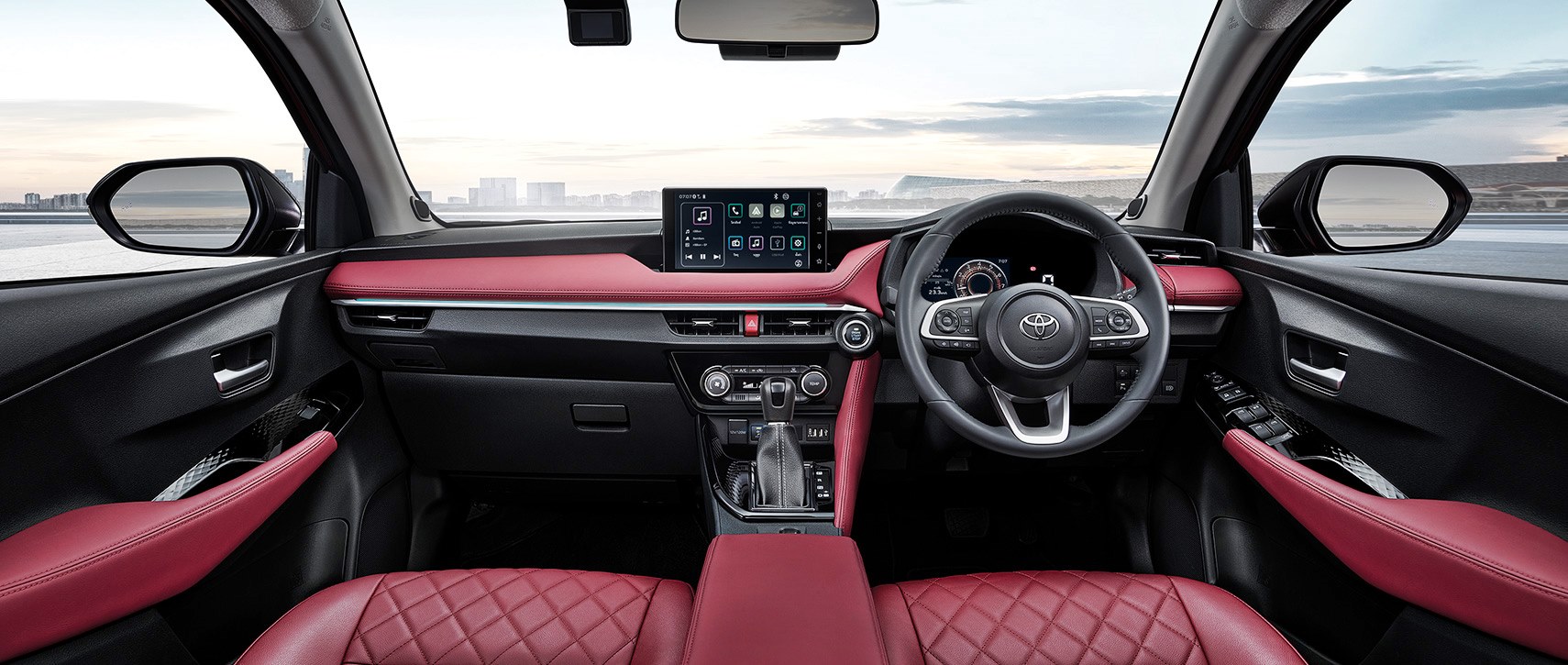
With each new generation, the level of quality has risen and texturing is even finer. Adjustable ambient lighting, common in more expensive models, has now trickled down to the Vios and the driver can choose from 64 colours to set the mood for each journey.

2022 Toyota Yaris Ativ Vios

The dashboard layout follows current trends with a tablet-like touchscreen display to show infotainment and navigation information. In the middle area of the dashboard are the manual controls for the ventilation and air-conditioning system, a more practical approach than having everything done by just touch.

2022 Toyota Yaris Ativ Vios

Over on the driver’s side, the digital instrument panel shows all the operating information (with variable displays) while there are switches on the steering wheel for easy setting changes without taking the hands of the steering wheel.

Depending on the version, the new Vios comes with features such as automatic air-conditioning, a PM 2.5 air filtration system and an electric parking brake. Connectivity with smartphones is easily done with Android Auto or Apple CarPlay.

An extensive Toyota Safety Sense package (which includes Adaptive Cruise Control) is provided to reduce drive workload as well as help avoid accidents. There’s also the Panoramic View Monitor which provides an all-round view and Toyota also has its own DVRs (dashcams) that are installed as standard or offered as accessories, depending on the version.

2022 Toyota Yaris Ativ Vios
BHPetrol

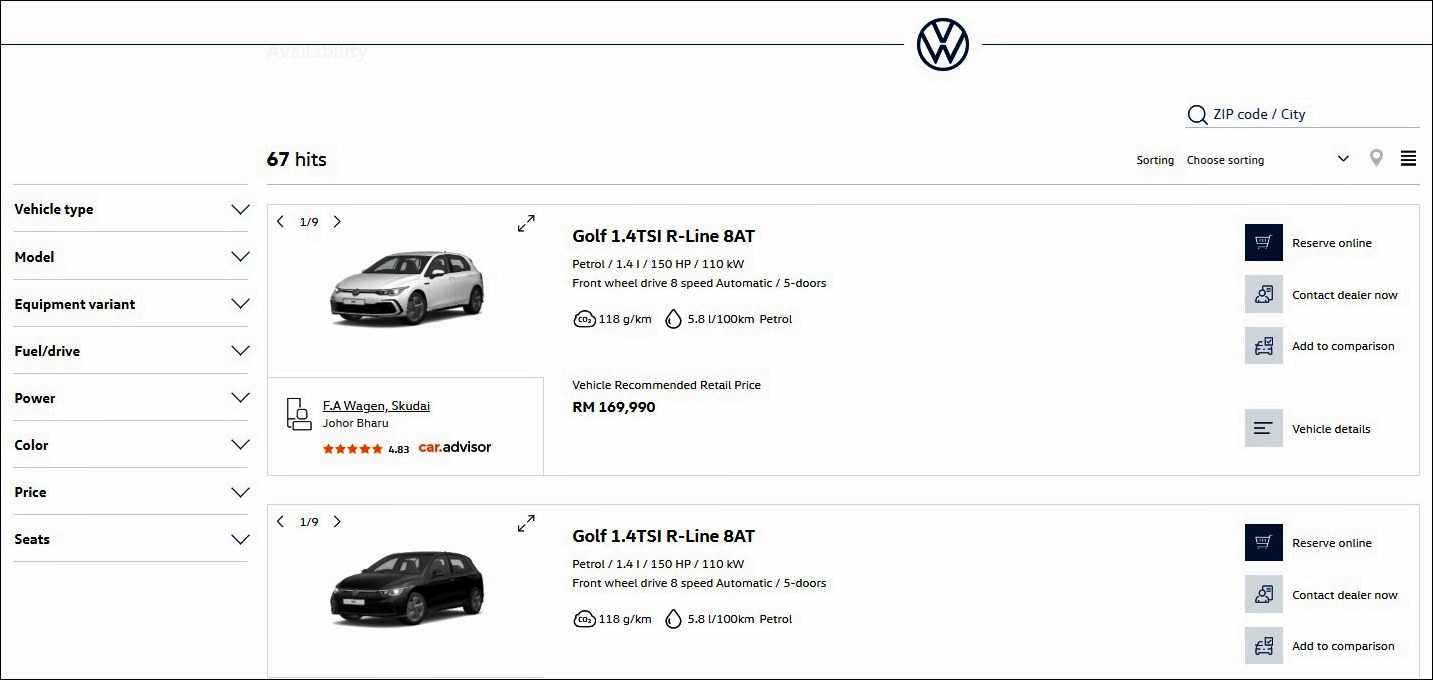
Volkswagen Passenger Cars Malaysia (VPCM) has refreshed its eShowroom to provide greater convenience and clarity for those looking to purchase a Volkswagen. On the revamped website, customers will know what models are available for sale at the respective authorised Volkswagen dealers nationwide in real-time.

Loosely based on the concept of “what you see is what you get”, only vehicles that in stock at the showrooms of dealers will be featured. In this way, a customer will be able to know that he or she can have the vehicle right away (subject to loan approvals and completion of other processes related to a new vehicle registration).

Customers can browse through the website to see the models currently available and their showroom locations. They can either book a test drive, or reserve the unit online with a standard booking fee of RM1,500. After that, a representative of their preferred dealer will be in touch to assist them through the next steps to complete the purchase.

Special offer
As part of the Merdeka and Malaysia Day celebrations over the next 2 months, those who place a booking via the eShowroom will also receive an exclusive RM500 rebate on their purchase.

“Volkswagen Malaysia is always looking for ways to enhance the ownership experience for our customers, and begins at the moment of purchase. With this in view, our eShowroom is anchored on the concept of bringing a dealership right to the customer’s fingertip, and we are pleased to now bring it up a notch by introducing real-time availability. This will bring greater convenience, thus ensuring a smoother journey for our customers,” said Erik Winter, Managing Director of VPCM.

Online sales channel since 2020
VPCM was among the early companies to establish an online channel for customer to shop when the COVID-19 pandemic started. In fact, the company ‘opened shop’ for its eShowroom in March 2020, the same month when the Movement Control Order (MCO) was first introduced. It was timely as businesses, including showrooms, had to stop operating. But with the e-Showroom, they could still ‘visit’ to know more about Volkswagen products and initiate a purchase if they were interested.

The availability of an eShowroom has provided customers with another channel to obtain information at their convenience – even at 2 am in the morning! From time to time, there have been special offers for purchases made only at the eShowroom, saving money for customers.

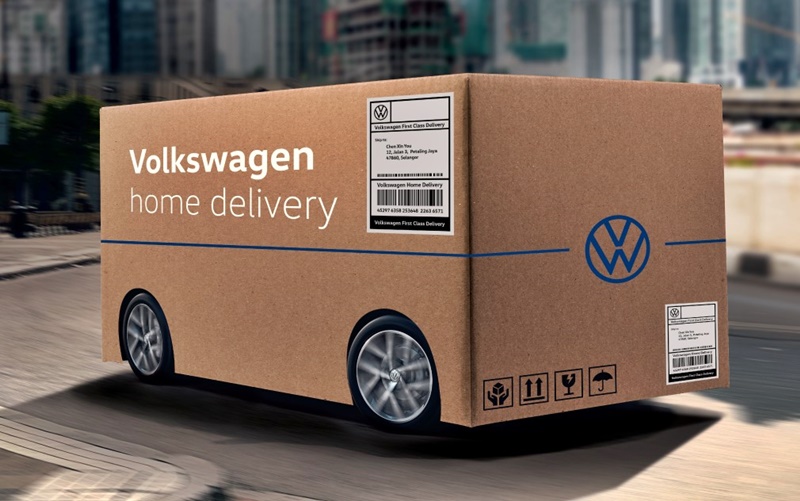
VW Free Home Delivery
Illustration only as delivery methods may vary! But customers are assured that the new vehicle will be protected from risk of damage while being transported to their home.

With social distancing being urged to reduce spread of the coronavirus, authorised Volkswagen dealers have also been offering a home delivery service for the past 2 years. The service is available nationwide up to a distance of 20 kms from an authorised dealership serving the customer. To avoid any risk of damage, the new vehicle (which is covered) is delivered using a flatbed carrier truck right to the customer’s doorstep.

The sale of electric vehicles (EVs) in high volumes began 12 years ago, when Nissan introduced its LEAF. Since then, the number of EVs in use has grown rapidly and the question of what to do with the batteries at the end of their life powering vehicles is becoming a serious matter. The batteries can still be used for other purposes and some manufacturers are exploring practical ways of reusing them.

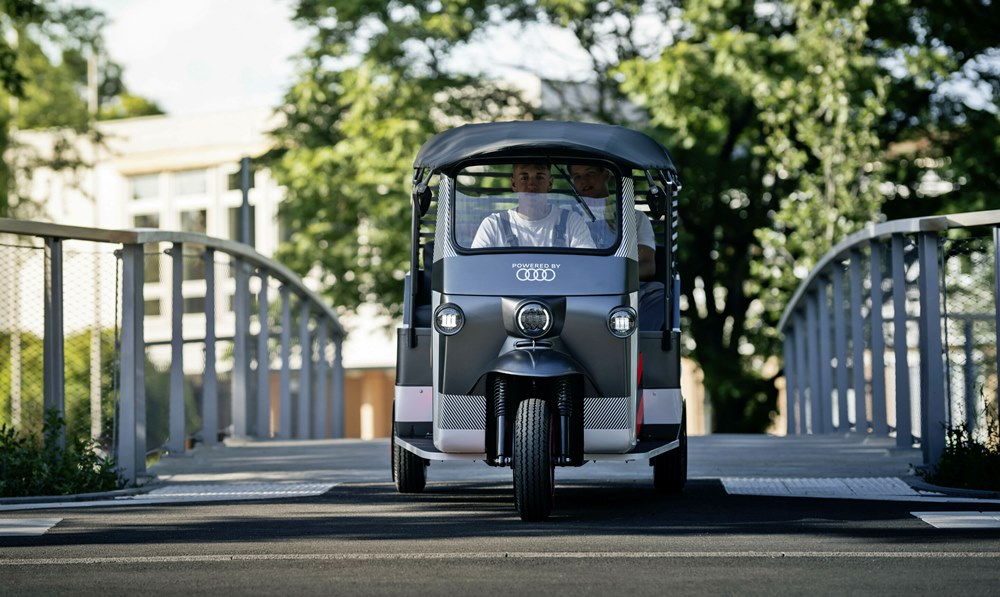
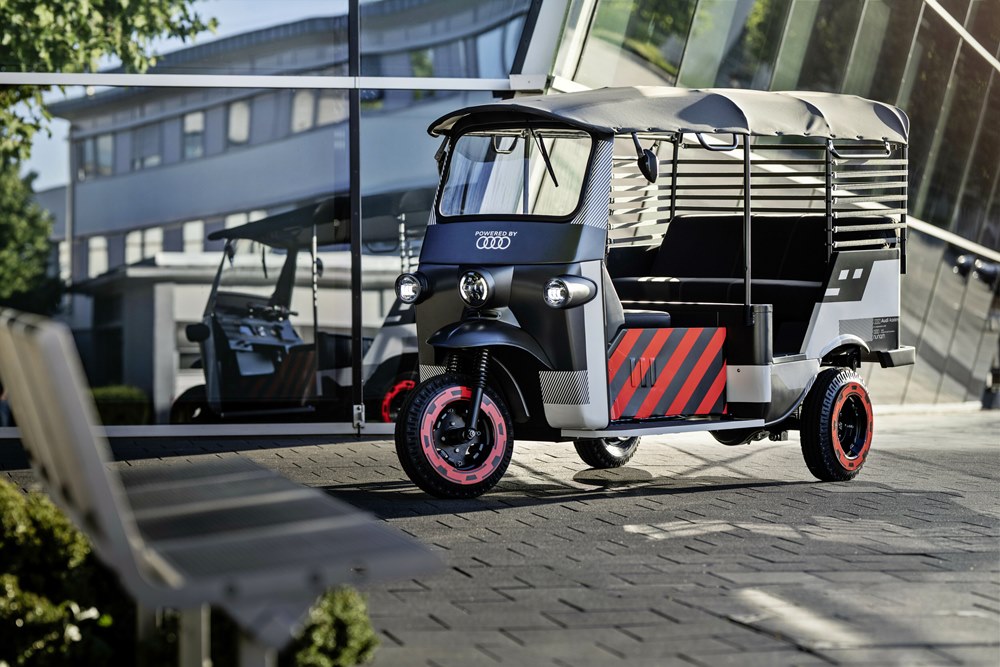
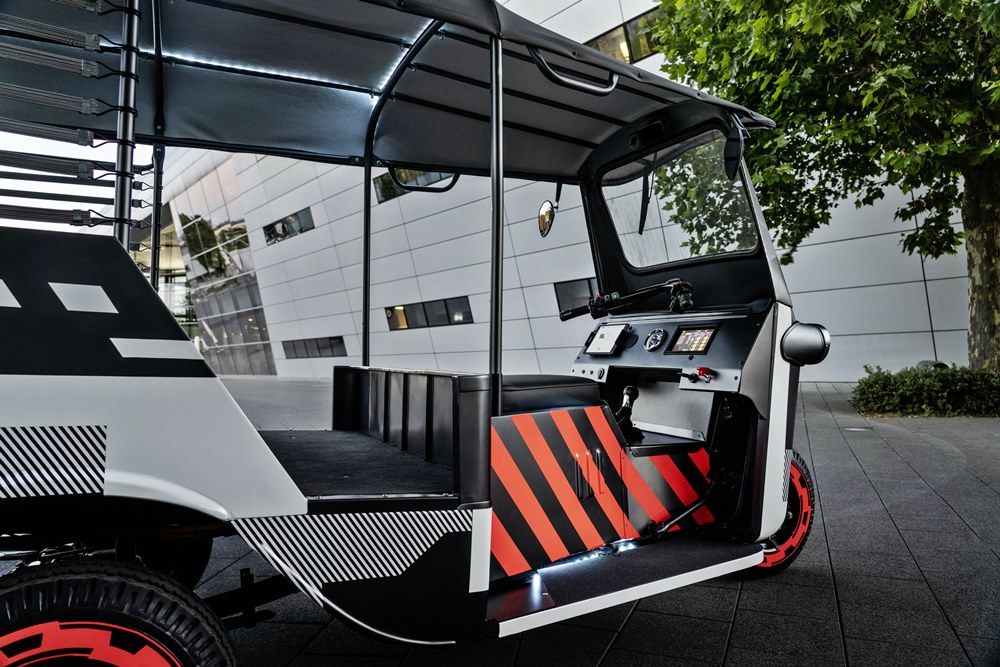
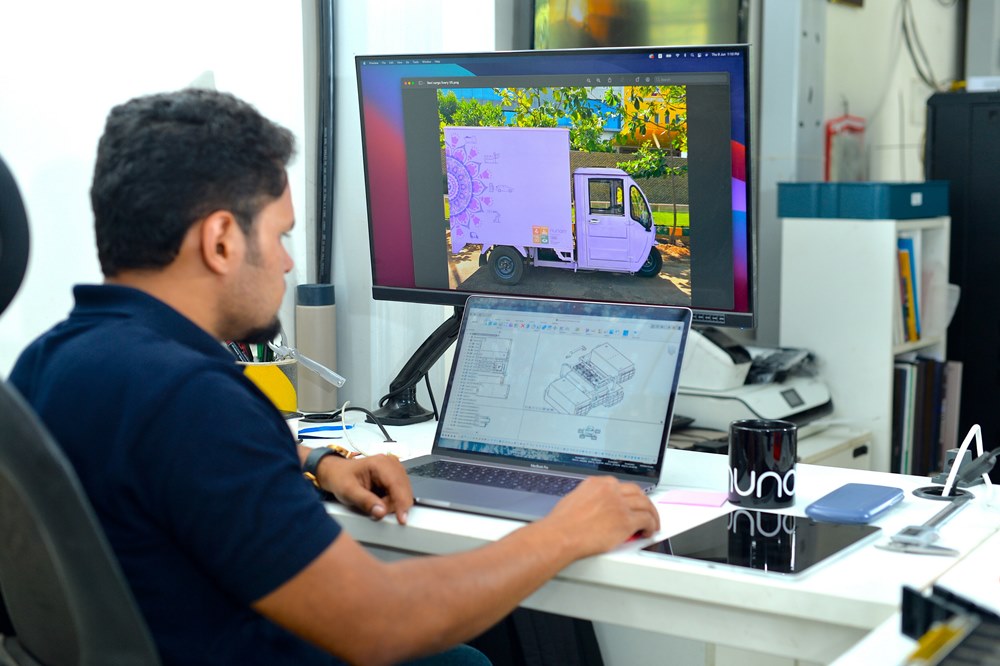
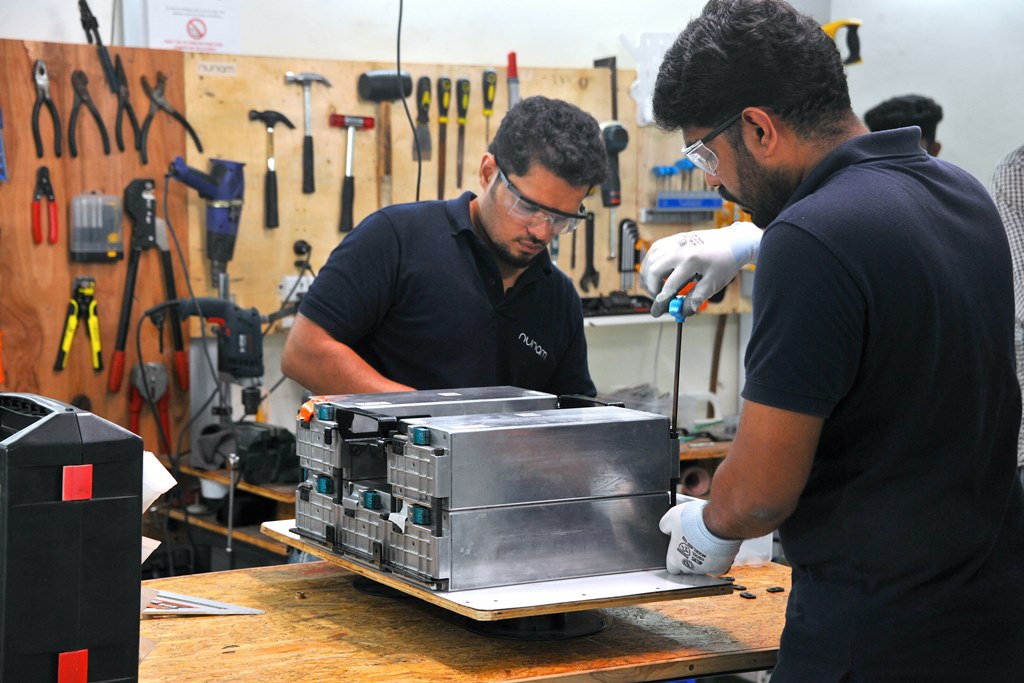
One possible second-life use case is being tested in India by a German–Indian start-up called Nunam. The aim of the project is to explore how modules made with automotive high-voltage batteries can be reused by installing them in electric rickshaws.

“The old batteries are still extremely powerful,” says Nunam co-founder Prodip Chatterjee. “When used appropriately, second-life batteries can have a huge impact, helping people in challenging life situations earn an income and gain economic independence – everything in a sustainable way.”

3 prototypes
The non-profit start-up based in Berlin and Bangalore is funded by the Audi Environmental Foundation. Nunam developed the three prototype rickshaws in collaboration with the training team at Audi’s Neckarsulm site which, in turn, benefits from the intensive intercultural exchange. This is the first joint project between both AUDI AG and the Audi Environmental Foundation in addition to Nunam.

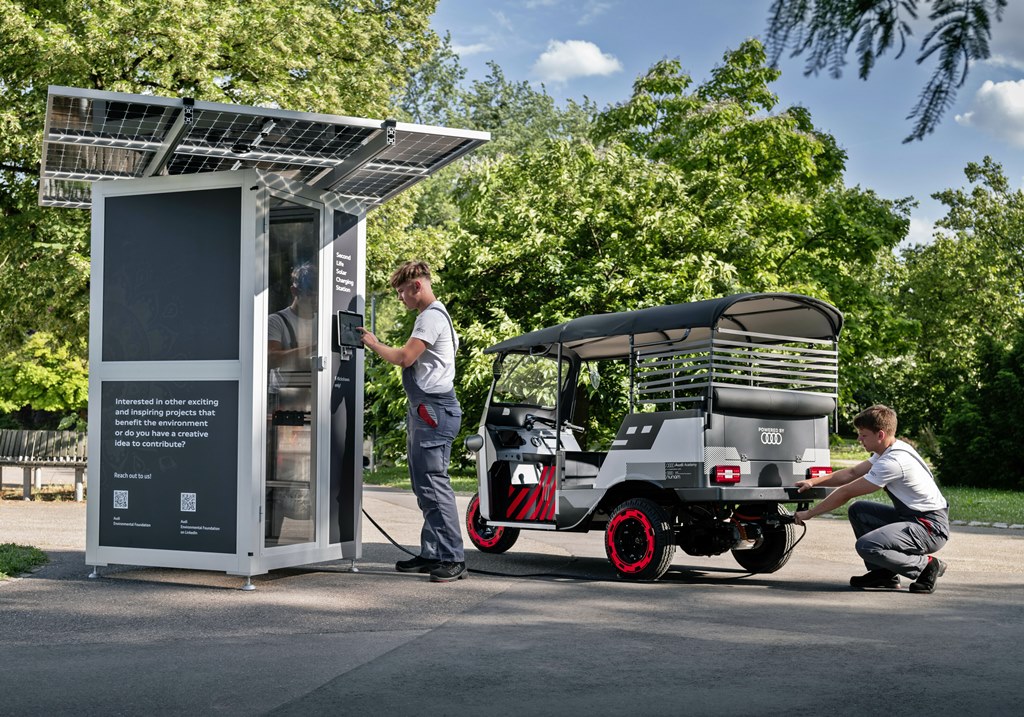
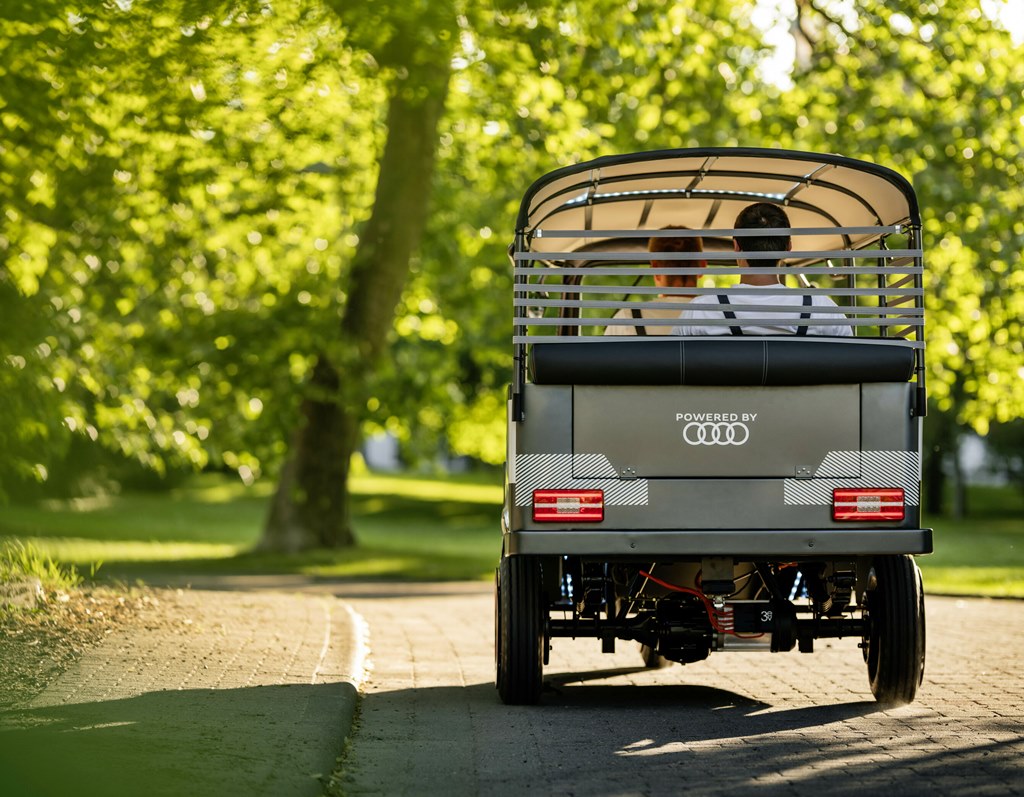
The 3 electric rickshaws are powered by used batteries taken from test vehicles in the Audi e-tron test fleet. They will appear on Indian roads in early 2023 when the pilot project gets underway with a non-profit organization. Women in particular will be able to use the all-electric rickshaws to transport their goods to market for sale, all without the need for intermediaries.

Looking for new uses
The start-up’s primary goal is to develop ways to use old batteries as second-life power storage systems, thus both extending their lives and using resources more efficiently. “Car batteries are designed to last the life of the car. But even after their initial use in a vehicle, they still have a lot of their power,” Chatterjee explained. “For vehicles with lower range and power requirements, as well as lower overall weight, they are extremely promising.”

“ In our second-life project, we reuse batteries from electric cars in electric vehicles; you might call it electric mobility ‘lite’. In this way, we’re trying to find out how much power the batteries can still provide in this demanding use case,” he said.

Reusing e-waste
E-rickshaws have an ideal eco-efficiency. With a high-energy-density battery pack and comparatively low vehicle weight, the electric motor doesn’t have to be particularly powerful – especially since rickshaw drivers in India travel neither fast nor far. While electrically-powered rickshaws are not an uncommon sight on the roads of the sub-continent today, they often run on lead-acid batteries, which have a relatively short service life and are often not disposed of properly.

At the same time, rickshaw drivers charge their vehicles primarily with public grid electricity, which has a high proportion of coal-fired power in India. Nunam has a solution for this as well: The e-rickshaws charge using power from solar charging stations. The solar panels are located on the roofs of the local partner’s premises. During the day, sunlight charges an e-tron battery, which acts a buffer storage unit. And in the evening, the power is passed on to the rickshaws.

This approach makes local driving largely carbon-free. The benefit is that the electric rickshaws can be used throughout the day – and still be charged with green power during the evening and night. In India, where the sun shines all year round, placing solar panels on the roof is an obvious solution.

Open-source platform encourages imitators
Nunam will continuously monitor the e-rickshaws’ performance and range. The social entrepreneurs make all the e-rickshaw data they collect available to potential imitators on the open-source platform. In fact, imitation is expressly encouraged.

“Initiatives like the one pioneered by Nunam are needed to find new use cases for e-waste. Not only in India, but worldwide. So Nunam shares its knowledge to motivate more initiatives to develop products with second-life components that can drive the eco-social revolution forward,” said Audi Environmental Foundation Director Rudiger Recknagel.

And even after the battery has spent its first life in an Audi e-tron and its second in an e-rickshaw, it has not necessarily reached the end of the road. In a third step, the battery could still be used for stationary applications such as LED lighting. “We want to get everything possible out of each battery before recycling,” said Chatterjee.

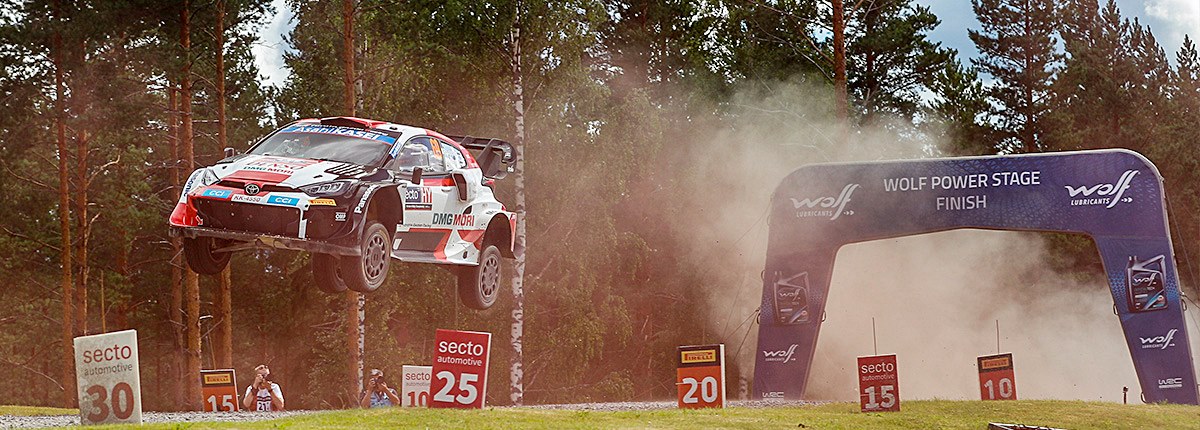
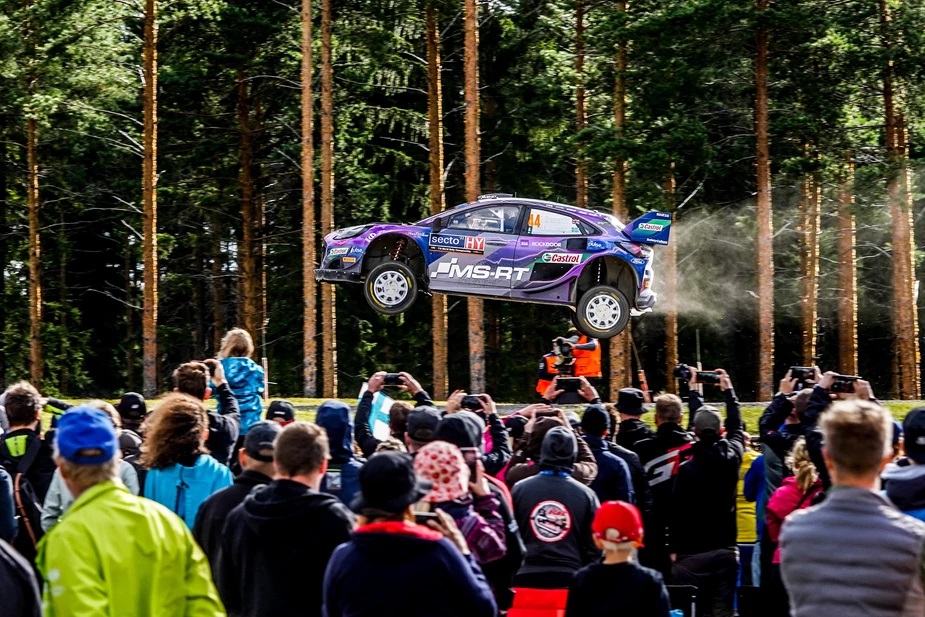
Toyota has dominated the World Rally Championship (WRC) news this year with victory after victory, so it was refreshing to have a different brand celebrating its win on the podium. Ott Tanak secured Secto Rally Finland victory to give Hyundai Motorsport its first ever triumph in the event with a perfect drive.

The Estonian driver led from the second stage of the rally to finish the 4-day gravel road fixture 6.8 seconds ahead of Toyota GR Yaris rival, Kalle Rovanpera. Though enjoying a lead, Tanak did not have it easy in his Hyundai i20 N but was still able to produce top times throughout, thanks to hard grit and determination.

Hyundai WRC

At the opening stage of the Rally Finland, Rovanpera had been slow to move forward but then went on to win 5 stages the next day, climbing from fourth to second overall. He ended the penultimate day just 8.4 seconds behind after managing to narrow the gap despite the unpredictable conditions.

Dry conditions ensured further fast-paced action for closing leg, but Tanak was clearly not willing to lose his leading position. He gave just 1.8 second away to his rival over the 4 speed tests, and Rovanpera virtually resigned himself from a maiden home WRC victory.

With a strong collection of points in the bag, the 21-year was unwilling to take any unnecessary risks. Even without winning this round, he has extended his championship lead to 94 points after 8 rounds (with another 5 to go). Meanwhile, the Toyota GAZOO Racing team has a gap of 88 points in the lead in the Manufacturers’ standings with all three Yaris hybrid rallycars in the top four.

WRC2
Finishing eighth overall, Teemu Suninen finished the event with what was to be his first WRC2 victory of the season. However, it was not to be as he was disqualified due to this i20 N Rally2 car being underweight.

In post-event scrutineering, the weight of the front bumper was recorded as 3,931 gms – below the minimum allowed weight of 4,510 gms required to comply with homologation.

The team did not dispute the finding and explained that the front bumper was not an original part produced by Hyundai Motorsport but a copy. It has been used as a replacement for the original bumper during testing and was fitted to Suninen’s car wrongly.

Suninen’s disqualification meant that Skoda Fabia Rally2 driver Emil Lindholm, who finished 7.7 seconds behind in the rally in a Fabia Evo, received the maximum points as category winner.

WRC3
In the WRC3 category, Lauri Joona outran his rivals to secure a convincing victory in his home round. The FIA Junior WRC regular won all but 1 stage across the weekend in the all-Ford Fiesta Rally 3 category despite experiencing steering issues on both Friday and Saturday.

Already having a comfortable lead over second-placed Jan Cerny into Sunday, Joona did not let up his relentless push and took a clean sweep on all 4 of the final leg’s speed tests. His win moved him within a single point of championship leader Sami Pajari, who was contesting the WRC2 category.

After Rally Finland, the WRC returns to asphalt in less than 2 weeks when Belgium is again a WRC host country with Ypres Rally Belgium to take place on August 18 – 21.

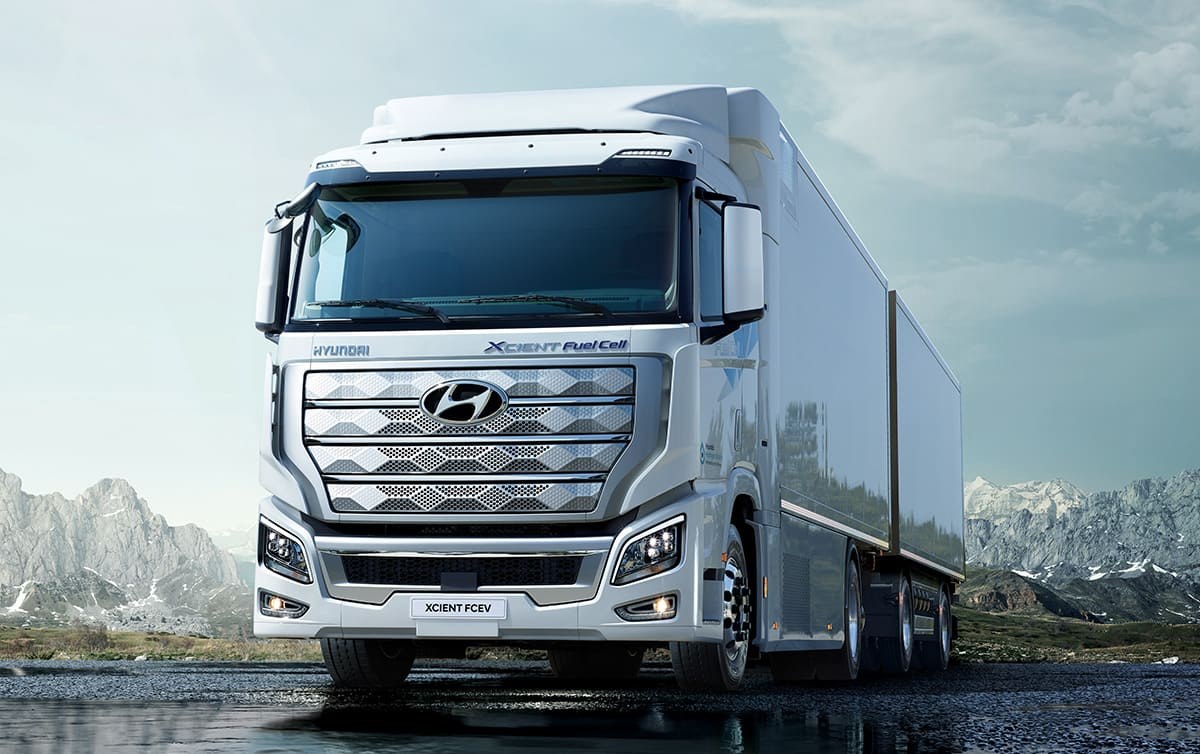
Even before full electrification with battery electric vehicles (BEVs) has gone mainstream in global markets, some manufacturers are already moving ahead with fuel cell electric vehicles (FCEVs). Hyundai Motor was among the first with production FCEV passenger models and is steadily growing its hydrogen fuel cell commercial trucks with the XCIENT Fuel Cell model.

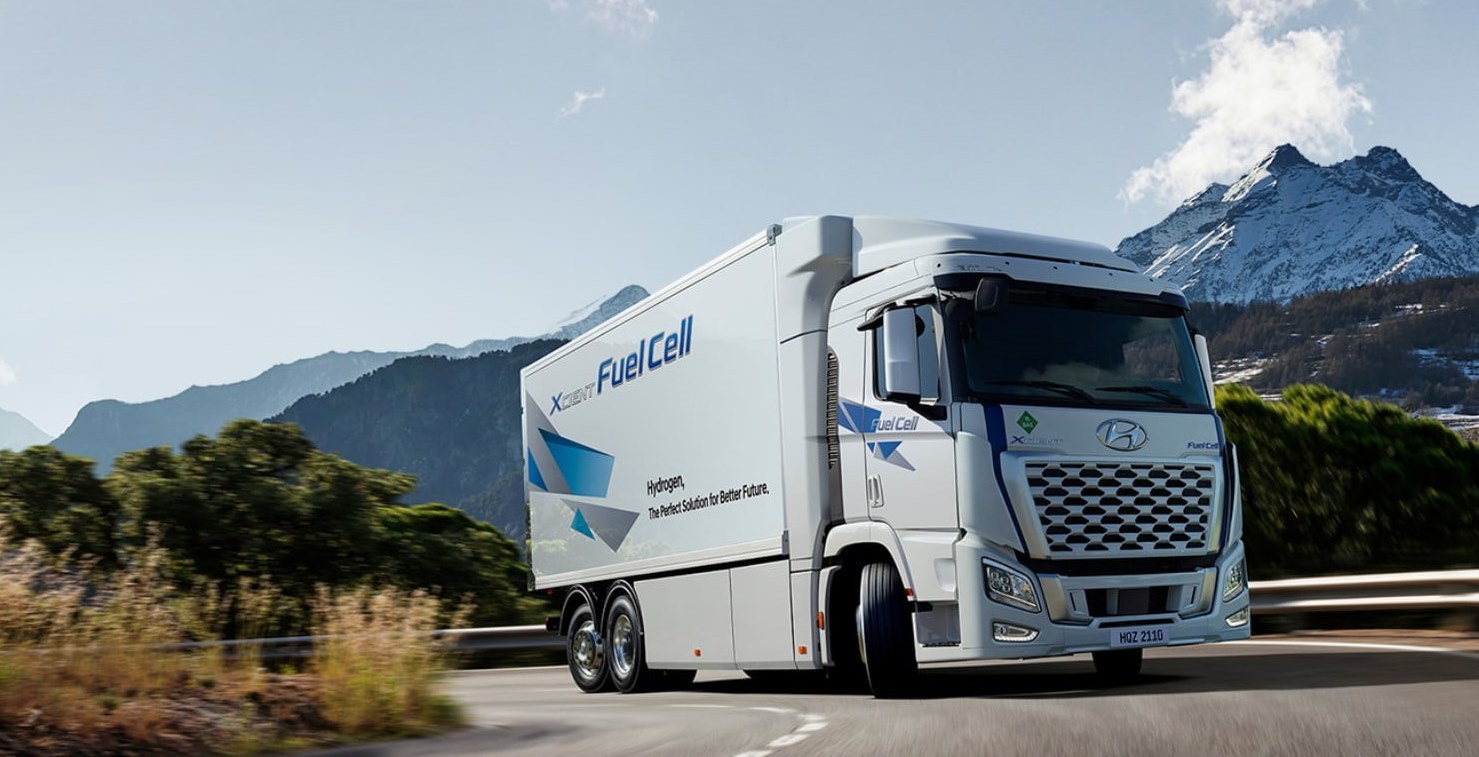
Fuel cell (FC) technology is particularly well-suited to commercial shipping and logistics due to long ranges and short refueling times. The dual-mounted fuel cell system provides enough energy to drive the heavy-duty trucks up and down regions with mountainous terrain.

Hyundai XCIENT FCEV truck

“XCIENT Fuel Cell is a present-day reality, not as a mere future drawing board project. By putting this groundbreaking vehicle on the road now, Hyundai marks a significant milestone in the history of commercial vehicles and the development of hydrogen society,” said In Cheol Lee, Executive Vice-President and Head of Commercial Vehicle Division at Hyundai Motor. “Building a comprehensive hydrogen ecosystem, where critical transportation needs are met by vehicles like XCIENT Fuel Cell, will lead to a paradigm shift that removes automobile emissions from the environmental equation.”

Joint venture in Switzerland
The XCIENT Fuel Cell trucks, manufactured in Korea, are marketed a joint venture company which has Swiss company H2 Energy as a partner. The joint-venture company, Hyundai Hydrogen Mobility (HHM), offers the XCIENT Fuel Cell in a leasing deal which includes all costs, from import to technical support to the availability of green hydrogen. The big advantage is that there are no initial costs for the end customer.

Hyundai chose Switzerland as the starting point for its business venture for various reasons. One of the reasons is that zero-emission trucks do not have to pay Swiss roadtax charges. This nearly equalizes the hauling costs per kilometre of the FC truck compared to a regular diesel truck.

400 kms of range
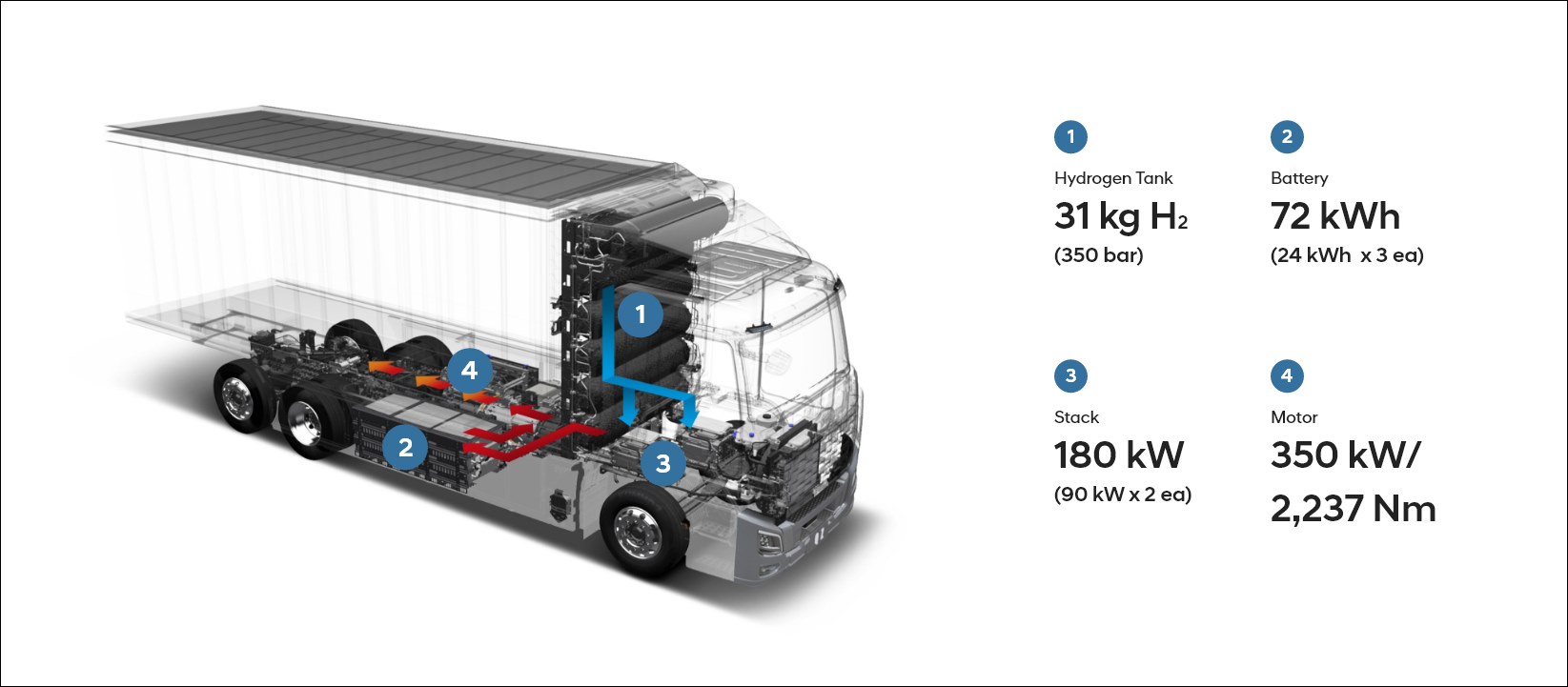
The XCIENT Fuel Cell, the hydrogen FC version of its Xcient truck, is equipped with a 180-kW hydrogen FC system incorporating two 90-kW fuel cell stacks. With a 350-kW e-motor, the vehicle is claimed to be able to travel 400 kms on a full tank and requires only 8 to 20 minutes to fill up. Seven large hydrogen tanks offer a combined storage capacity of around 32.09 kgs of hydrogen.

To date, Hyundai has exported XCIENT FC trucks to Switzerland, where it has 23 corporate fleet clients, and more recently, to Germany where 27 units will be used by 7 companies in the logistics and manufacturing sectors.

(more…)

Archive

Follow us on Facebook

Follow us on YouTube