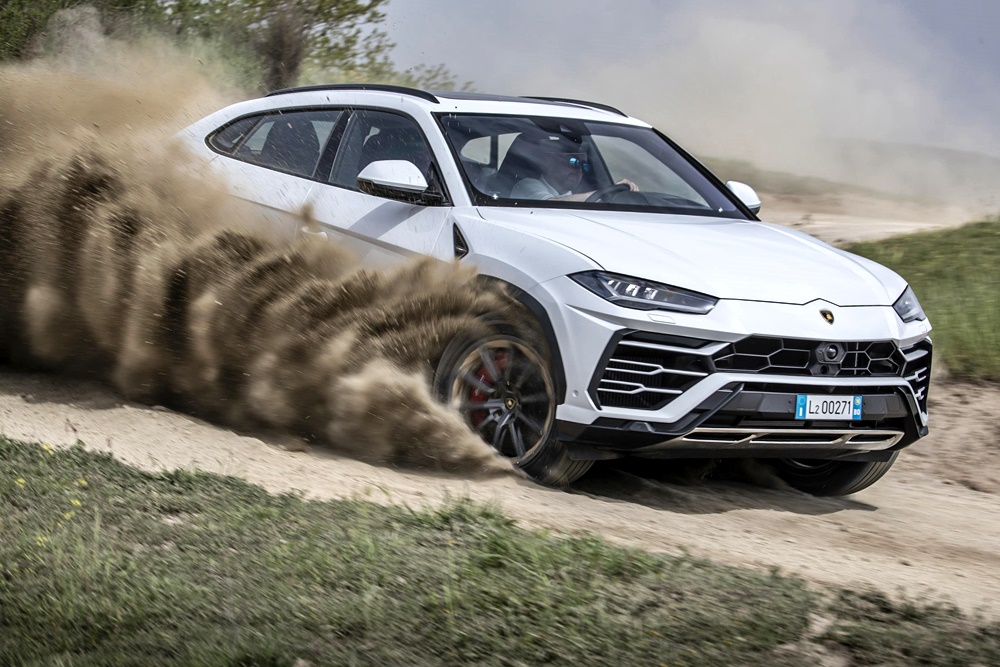
The Lamborghini Urus is celebrating 4 years since its launch in December 2017, during which time 16,000 units have been delivered worldwide. With 650 bhp, the Super SUV has supercar performance for the road but it has also shown an ability to face extreme challenges. On Lake Baikal in Russia, the Urus set a speed record on ice with a top speed of 298 km/h and an average speed from a standing start of 114 km/h over 1,000 metres. It also reached the highest motorable road in the world at the top of the Umling La Pass in the Himalayan part of India, more than 5,800 metres above sea level.
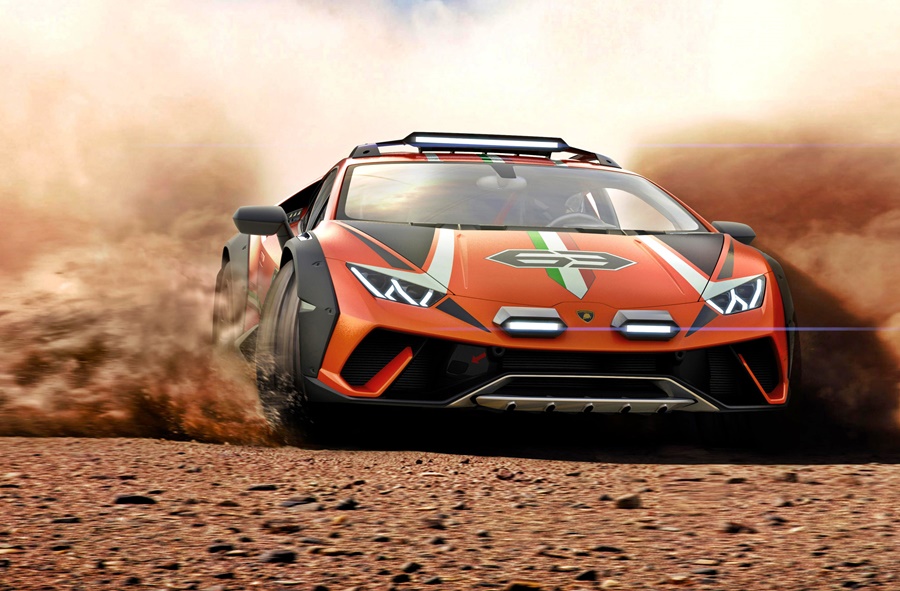
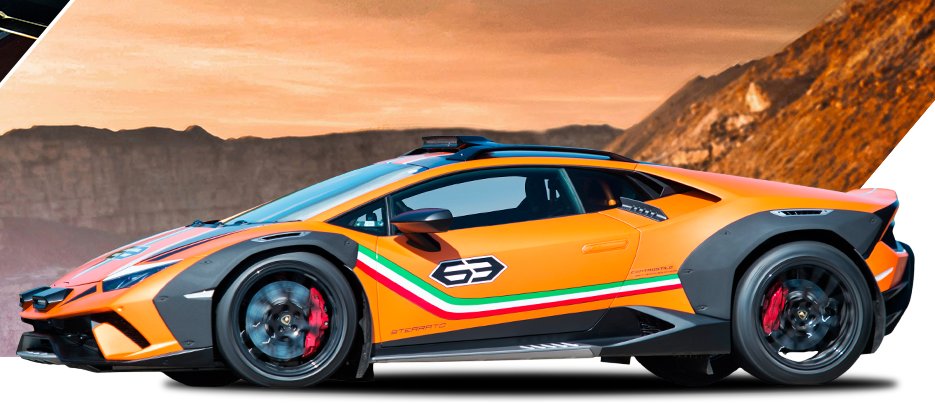
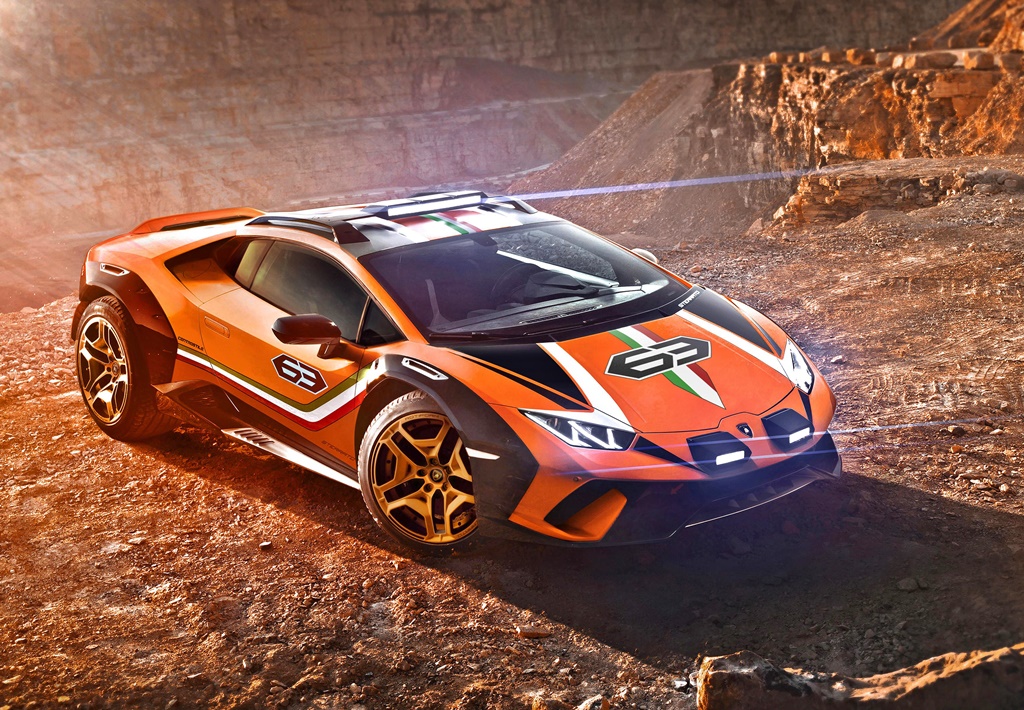
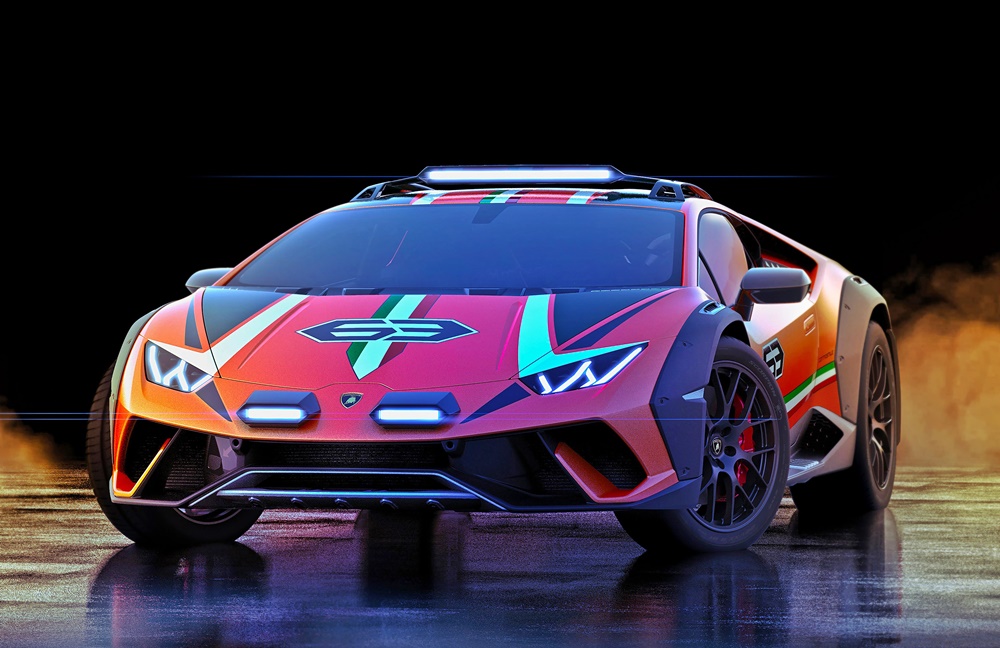
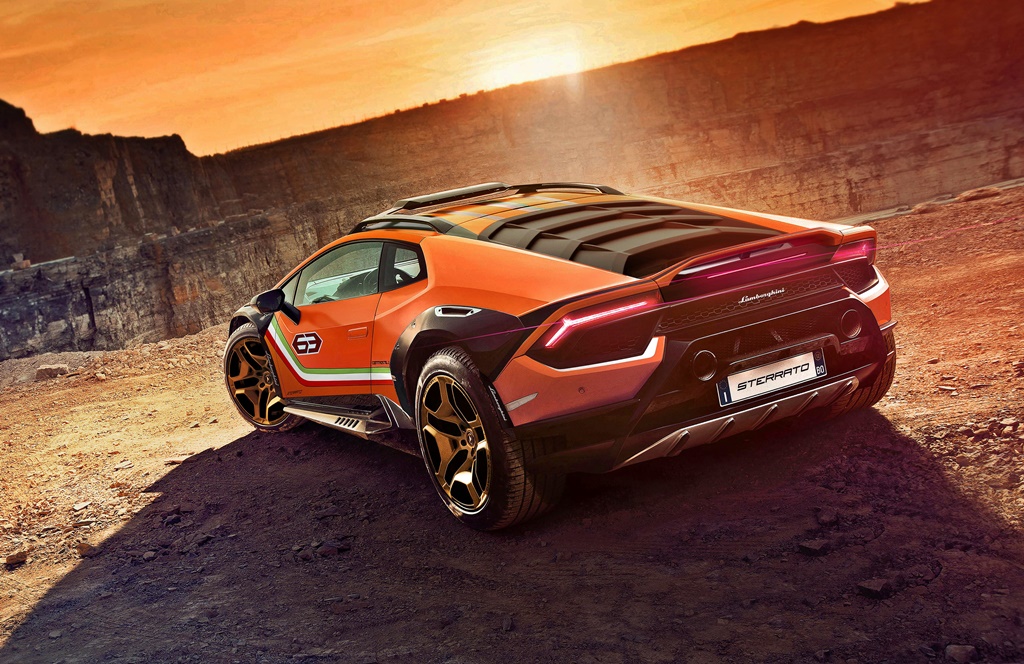
The capability of the Urus inspired Lamborghini’s designers to explore new possibilities for off-road super sportscars and in 2019, they came out with the Huracan Sterrato, a concept car based on the V10 Huracan which drew on off-road expertise developed with the Urus.
It was not the first time that Lamborghini’s designers explored high performance and off-road capabilities. In the 1970s, Lamborghini’s test driver Bob Wallace modified two models to create desert-going high performance sportscars – the Jarama Rally and the Urraco Rally.
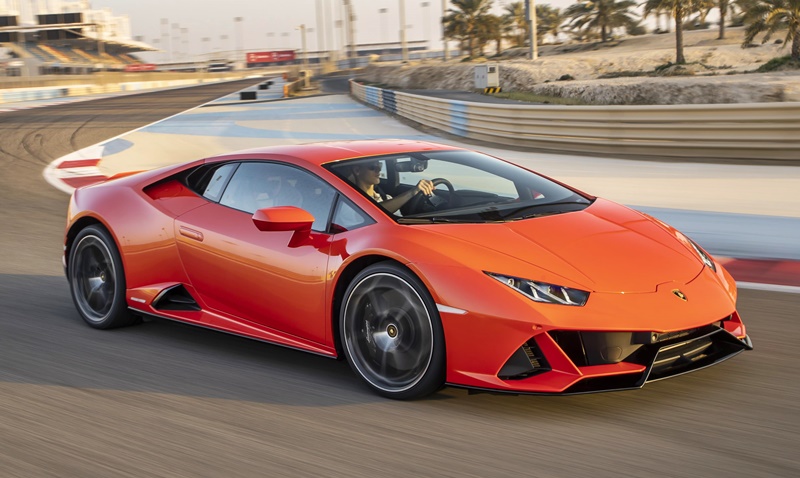
The Sterrato concept is based on the Huracan EVO with the same 5.2-litre naturally-aspirated engine producing 640 bhp. The Huracan EVO’s LDVI (Lamborghini Dinamica Veicolo Integrata) with predictive logic, controls the Sterrato’s systems including 4-wheel drive, 4-wheel steering, modified suspension and torque vectoring, anticipating the next moves of the driver to ensure perfect driving dynamics.
Calibrated for off-road driving (including low-grip surfaces) and tuned to maximize traction and acceleration, the LDVI system in the Sterrato provides enhanced rear-wheel drive behaviour, producing more torque together with additional stabilization in oversteering manoeuvres.
Huracan EVO
The Sterrato is intended for rough and demanding environments and its appearance illustrates this. More ground clearance is necessary in rough terrain so 47 mm is added, with the car’s front approach sharpened by 1% and the departure angle enhanced by 6.5%.
The wheel track is enhanced front and rear by 30 mm, with 20-inch wheels on balloon tyres set into widebody wheelarches with integrated air intakes. The larger tyres have been specially developed with increased sidewalls to improve the absorption of bumps and also provide good grip. Wide, rugged, open shoulder blocks with self-cleaning qualities provide excellent off-road surface adherence with improved traction and braking and are highly damage-resistant.
When driving over rough terrain with rocks and loose stones, the underside is at risk of being damaged. To prevent this, the Sterrato is fitted with underbody reinforcements and body protection, including a rear skidplate that acts as a diffuser. Aluminium reinforcements are integrated within the front frame and covered with an aluminium skidplate, with aluminium-reinforced sideskirts.
The bodywork’s special protective composite material includes stone-deflecting protection around the engine and air intakes and mud guards in hybrid materials of carbonfibre and elastomeric resin. An off-road LED light package puts a LED light bar on the roof and LED lights with flood function on the bumper.
A specially-designed interior trim reflects the sporty off-road character of the Sterrato, featuring a new lightweight titanium roll-cage, 4-point seatbelts to the new carbonfibre bi-shell sports seats, and aluminium floor panels.
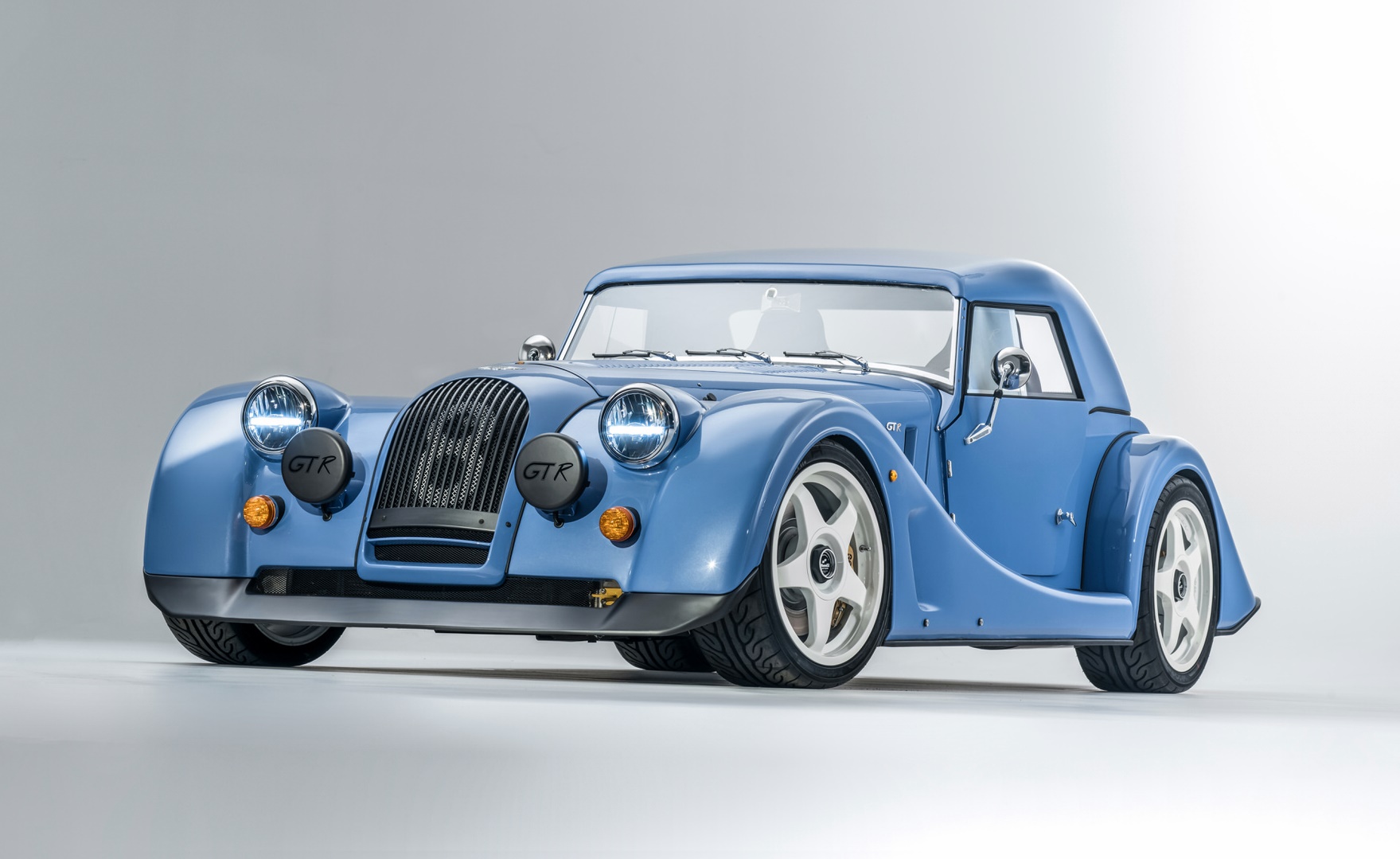
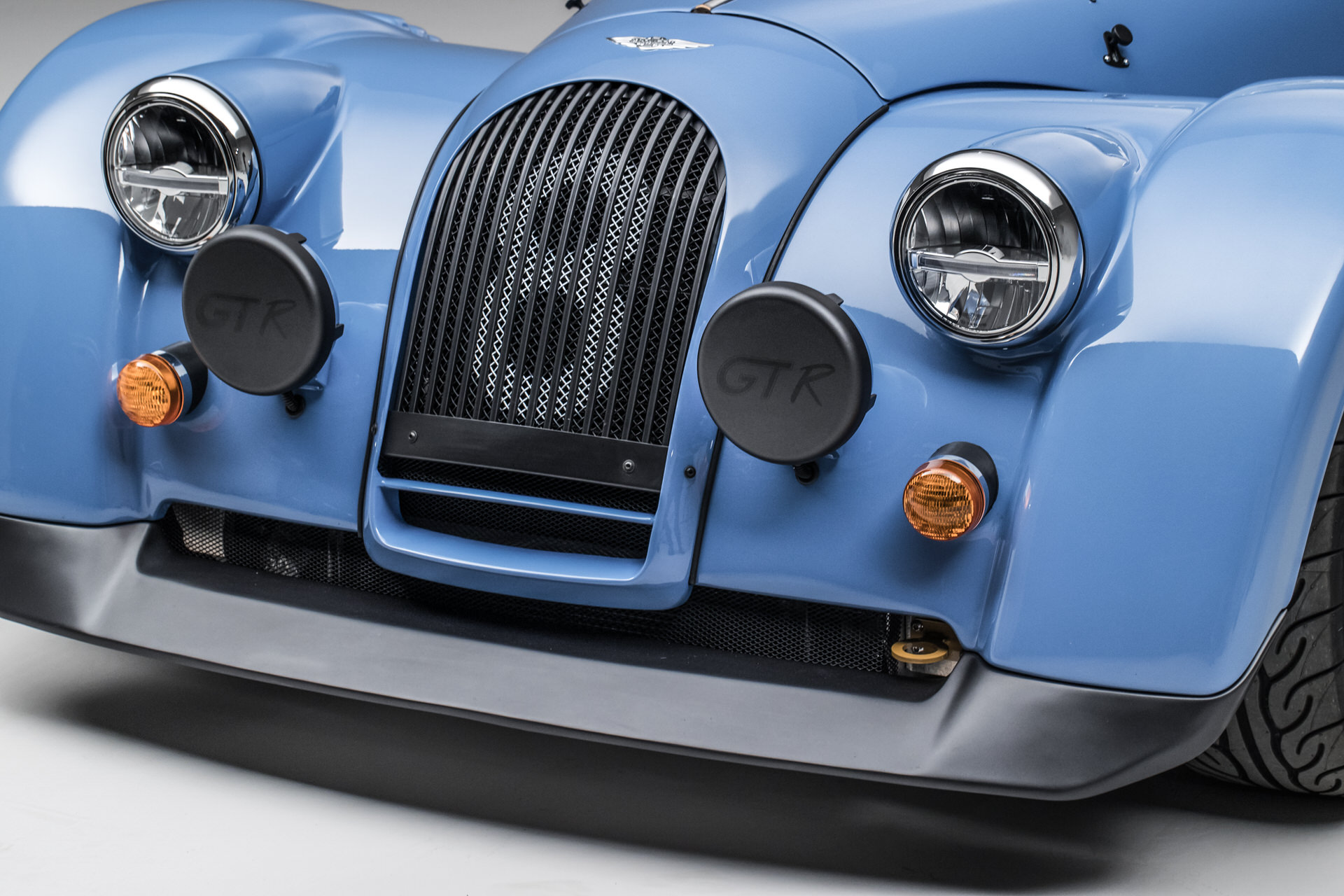
With an output of 375 bhp from its BMW-sourced 4.8-litre V8 (N62) engine, the Morgan Plus 8 GTR is the most powerful car in the company’s history. Only 9 cars will be built – all having customers waiting – and following the first unit which has been completed today, the rest will be finished by the first quarter of 2022.
Each customer has worked closely with Morgan’s design team to commission their own bespoke example. The 9 cars are built in varying configurations of transmission and drive side according to customer requirements, with 5 to be exported from the factory in England. Pricing has not been revealed although it is not expected to be more than £250,000 (about RM1.39 million).
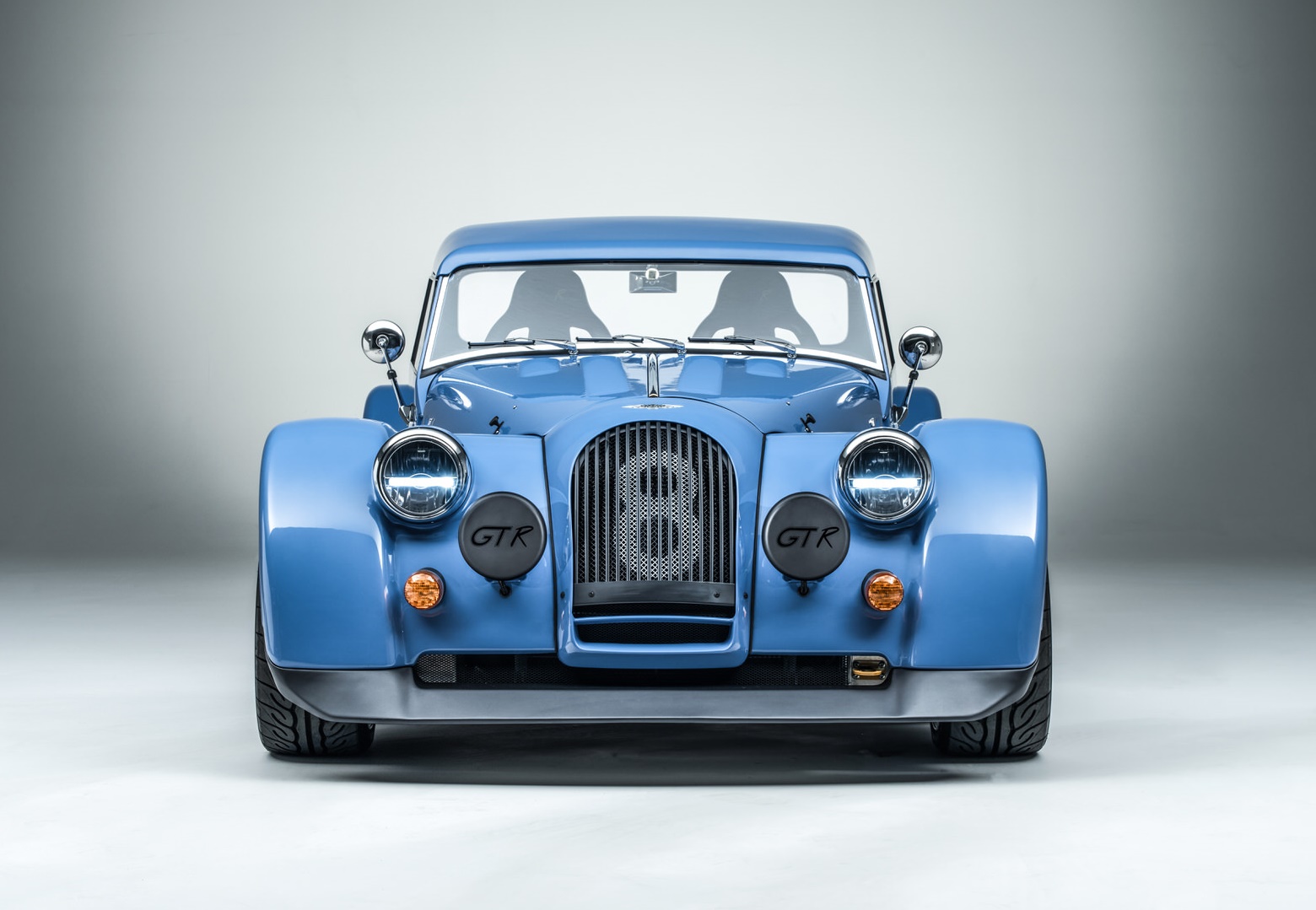
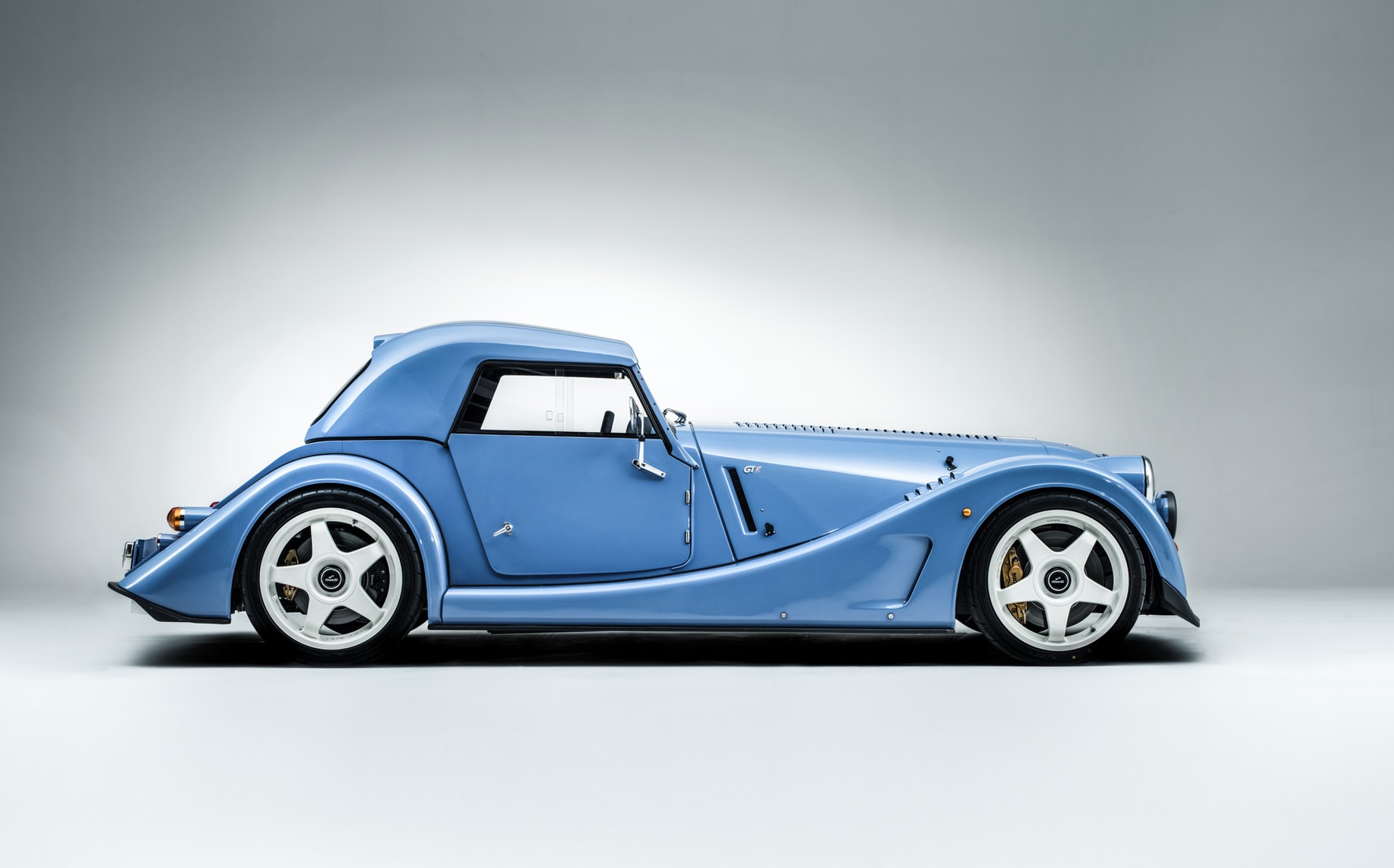
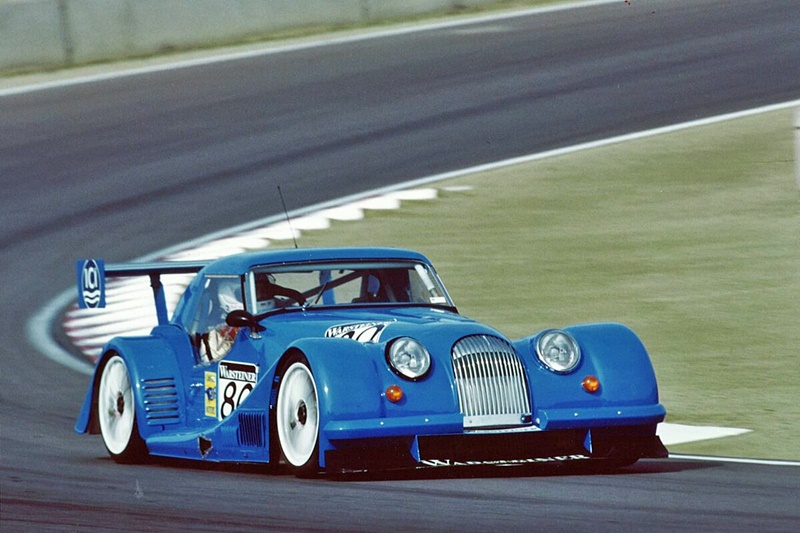
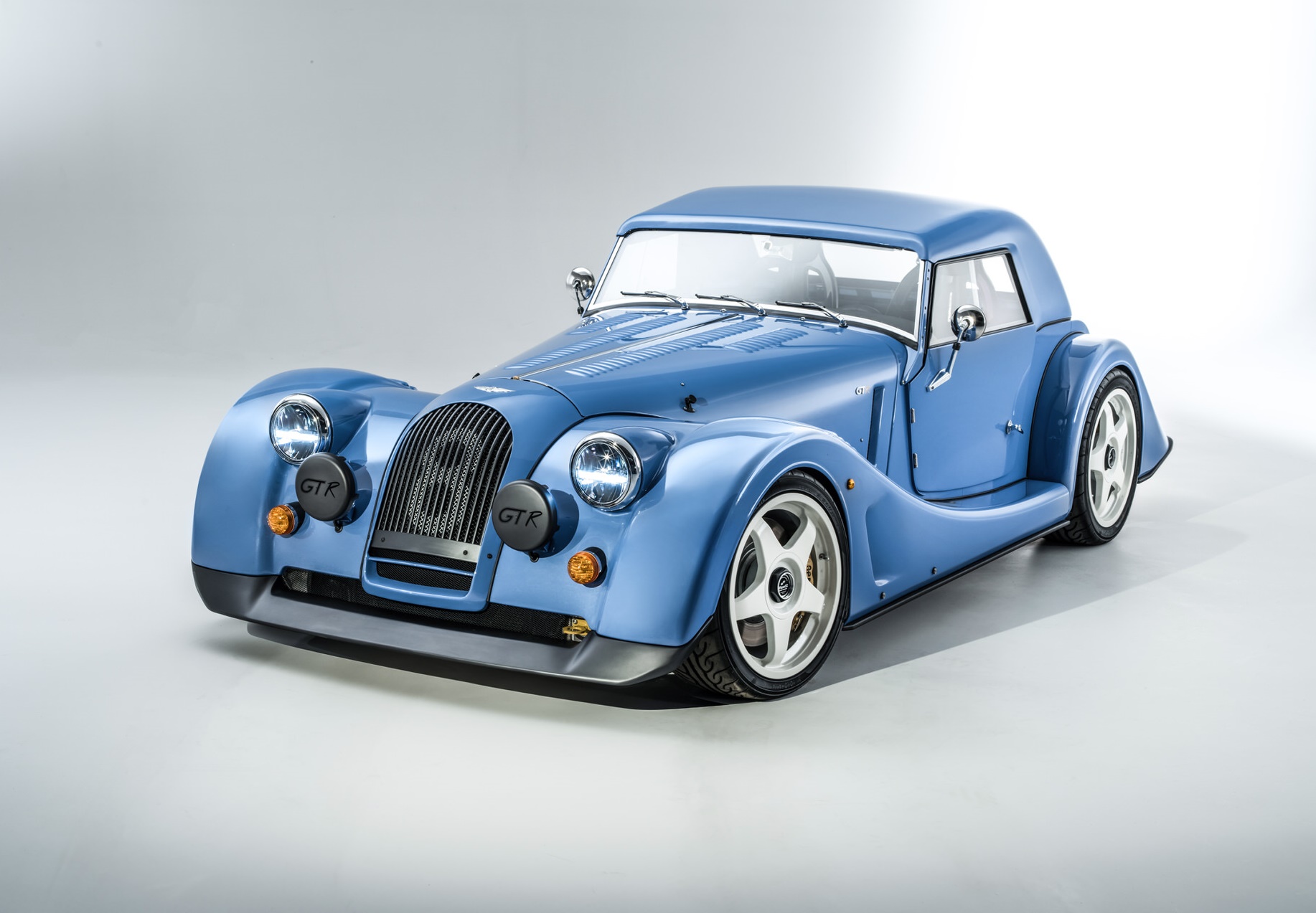
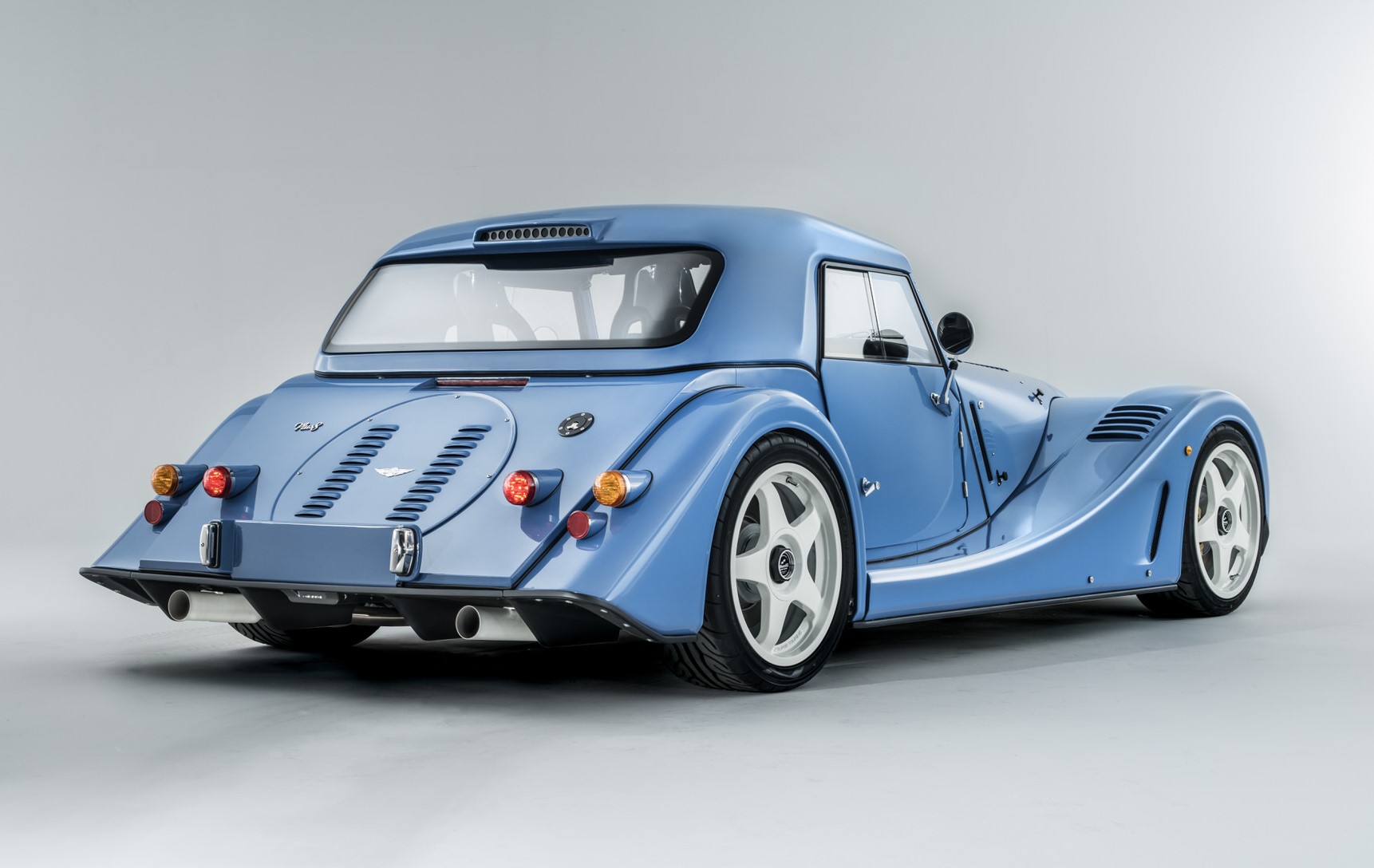
The first Plus 8 GTR is finished in a striking Yas Marina Blue, similar to the original design sketches which pay homage to prominent nineties Plus 8 racing car ‘Big Blue’. The Plus 8 GTR explores design themes such as the high shoulder line, not seen on a traditional Morgan body for decades. Its 5-spoke centre-lock wheels are reminiscent of Morgan’s 1990s Plus 8 racing cars, framed perfectly by subtly re-sculpted wheel arches.
The ‘Big Blue’ racing car of the 1990s.
Further design elements include a revised rear end, front wings, and front splitter, all of which are hand crafted using aluminium. Fitment of a hard top with cockpit vent completes the race-inspired aesthetic.
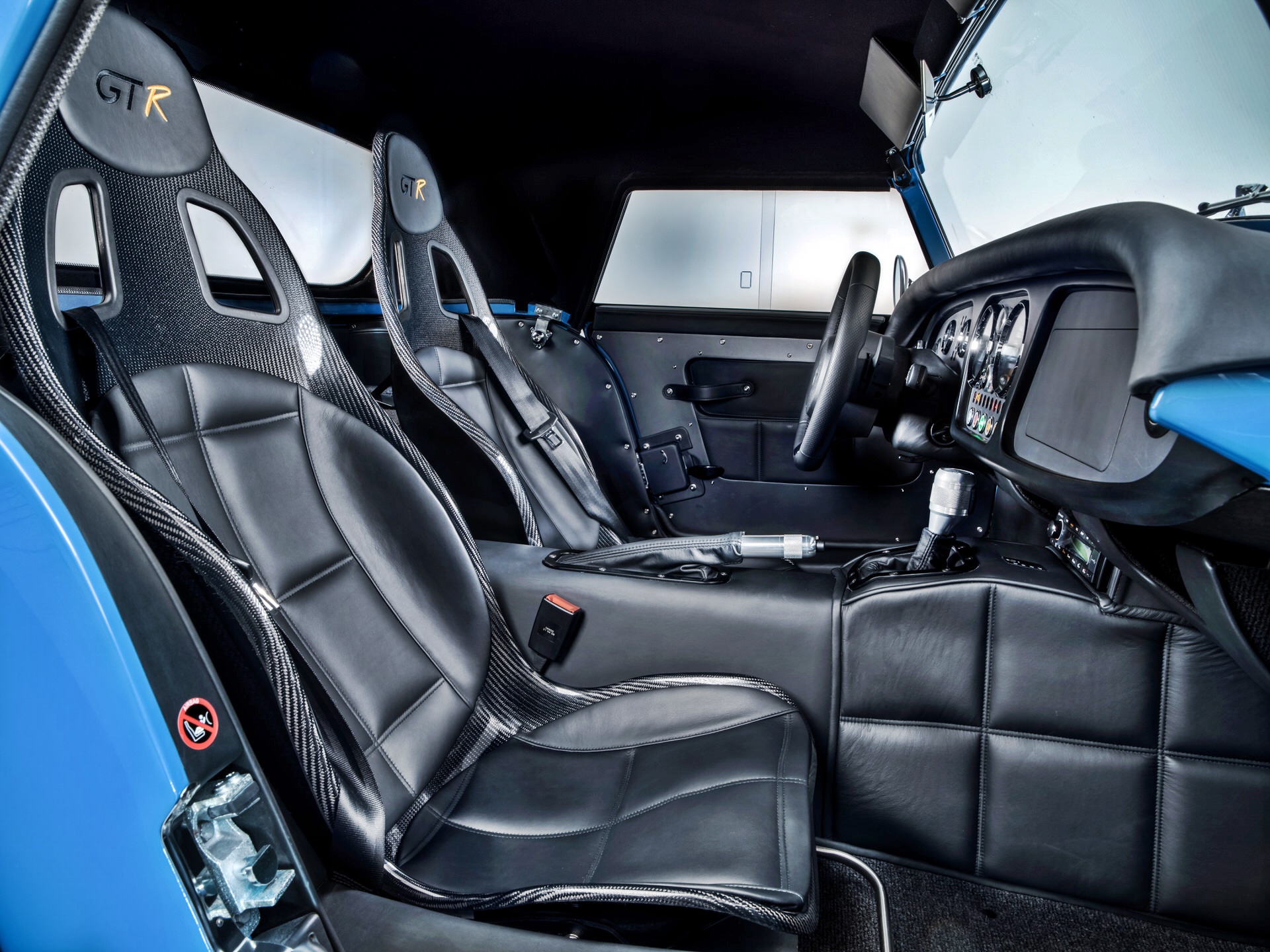
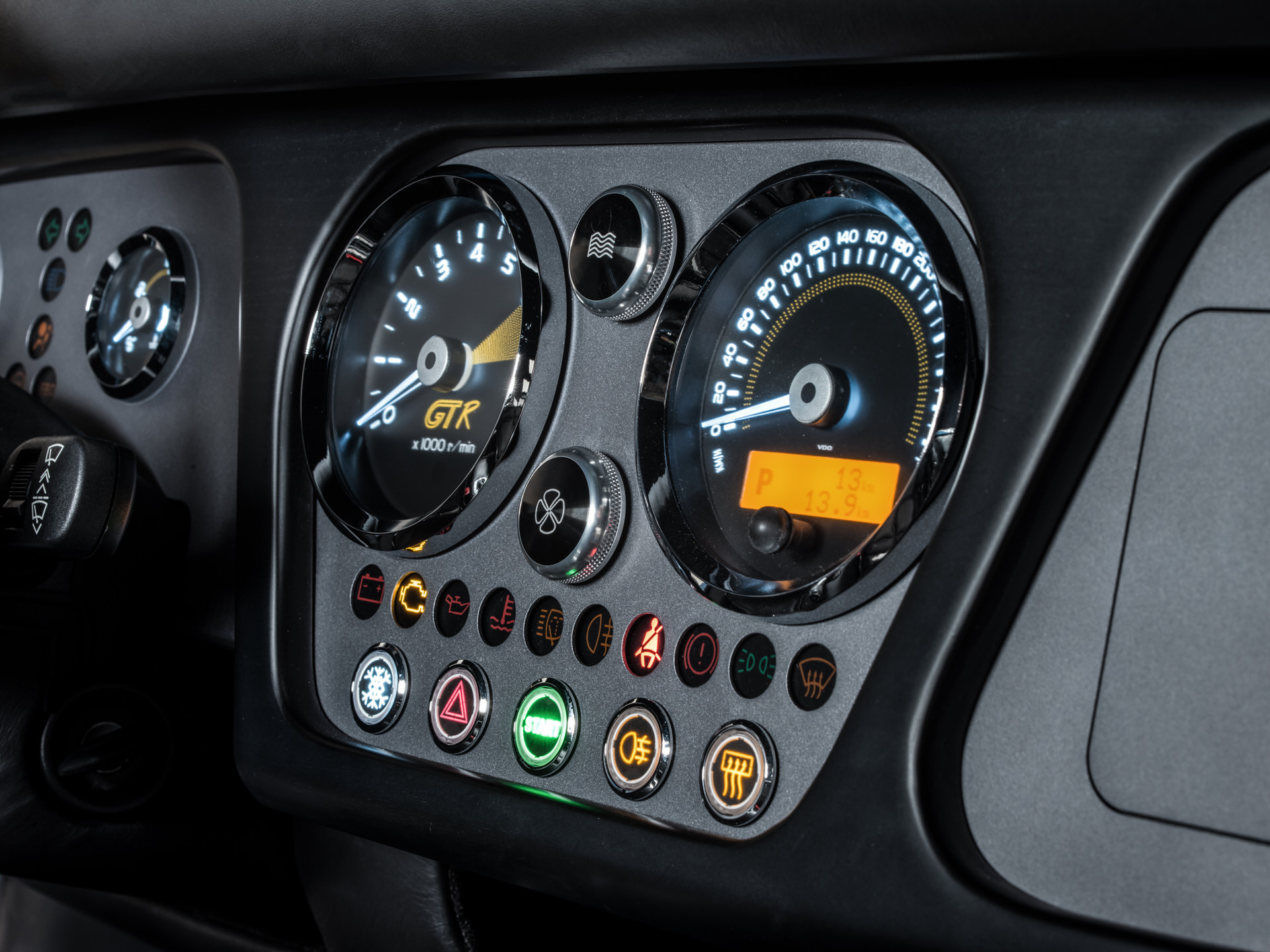
The interior features new door cards to fit with the high door tops, bespoke GTR dials and the option of carbonfibre racing seats and harnesses. Unique graphics feature throughout and each GTR is fitted with a plaque denoting its number in the build sequence.
The Plus 8 GTR project has only been possible due to the recent availability of a number of Plus 8 rolling chassis. Performance upgrades include a new engine tune and cannon-style twin-exit sports exhausts. These enhancements improve throttle response and increase the power output over the previous production Plus 8.
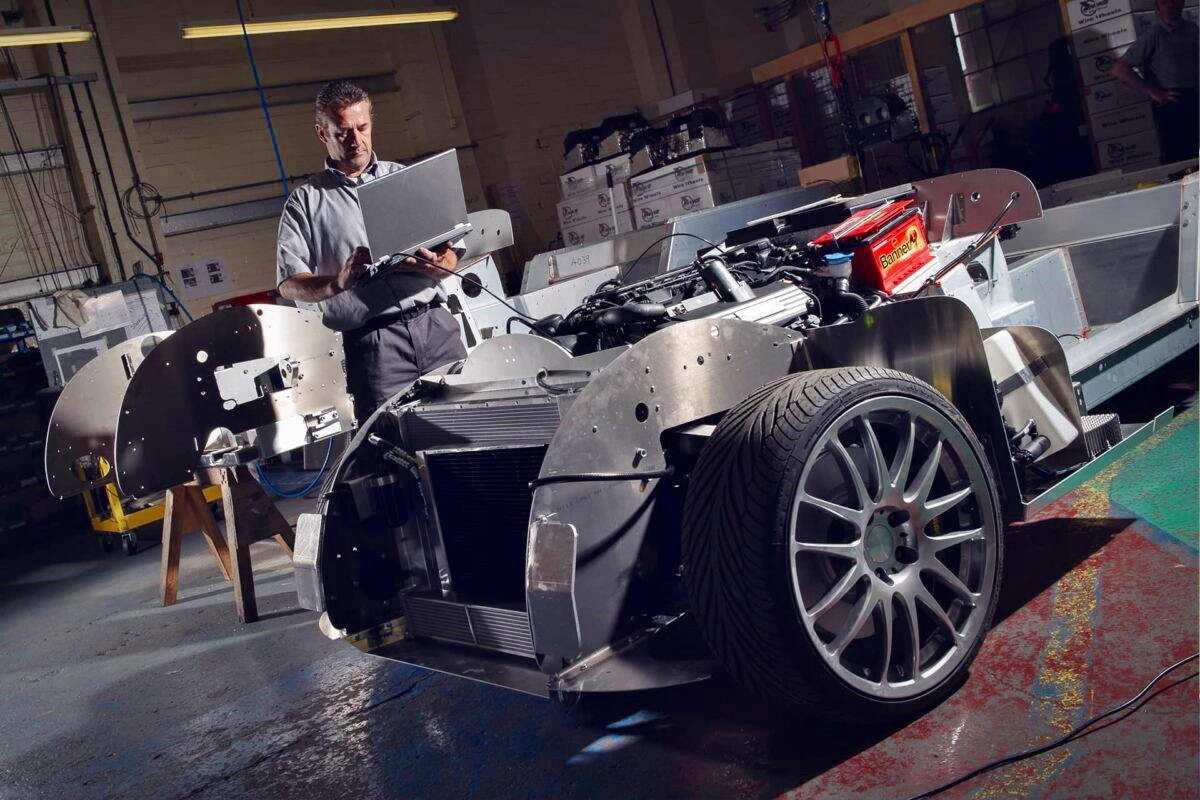
One design inspiration was the Plus 8 race car that competed in the GT series throughout the late 1990s, more commonly known as ‘Big Blue’. This car served as the testbed for Morgan’s first bonded-aluminium chassis, which would go on to underpin the Aero 8 and ‘Aero-chassis’ Plus 8 models. It seemed fitting, following the more recent launch of Morgan’s CX-Generation bonded-aluminium platform, to use this opportunity to pay tribute to the car that pioneered Morgan’s use of aluminium structures.
“We are excited to release the first images of the Plus 8 GTR following the design sketches published earlier this year. The Plus 8 GTR represents an opportunity for Morgan to celebrate the V8 engine once again, something we did not expect to do since finishing the Plus 8 and Aero 8 models in 2018. Striking design, the finest craftsmanship, and an exhilarating sports car to drive, the Plus 8 GTR is the perfect swansong to the Morgan V8. We have been delighted to work alongside customers from around the world during the design and build process, and we look forward to sharing the final examples over the coming month,” said Steve Morris, Chairman & CEO of Morgan Motor Company.
The Plus 8 GTR is the second Morgan special project of the year, following the Plus Four CX-T. Whilst different in their function and appearance, both models demonstrate the flexibility of the Morgan brand and, as with every Morgan, each Plus 8 GTR is handcrafted using traditional coachbuilding techniques.
At different periods, manufacturers have different strategies which require investments in different parts of the world. In the 1990s, Ford decided that it must ‘control its own destiny’ in the ASEAN region and was attracted by the ASEAN Free Trade Area (AFTA). This would be a single trading region and those who made their products in any country in the region could export to another ASEAN country with no import duties imposed. For a mass producer like Ford (and the company was the one that introduced mass production to the auto industry), this was ideal as it meant that a mega-factory could be set up in one country to supply to other countries. Great for cost efficiencies which would also mean more competitive prices in the markets.
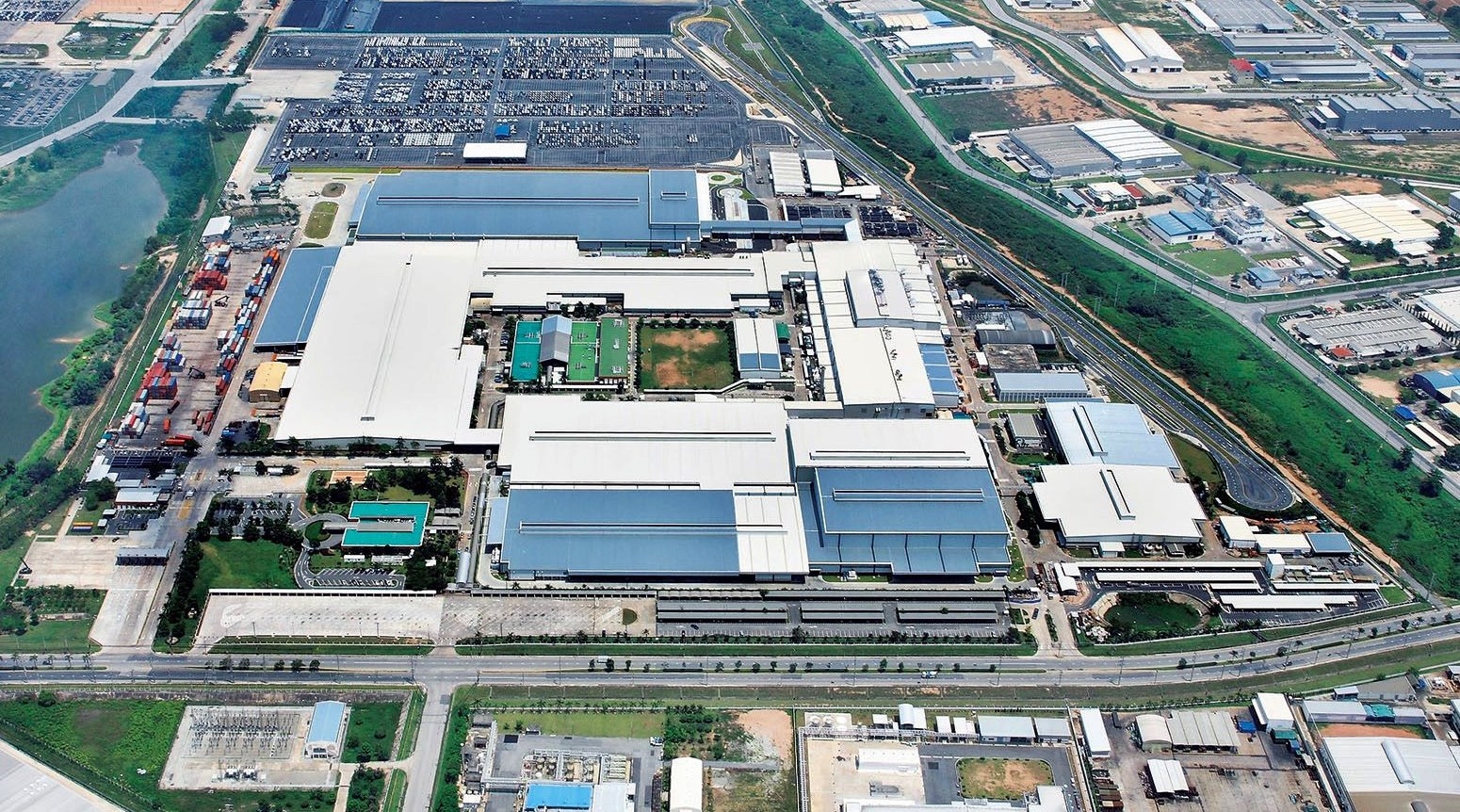
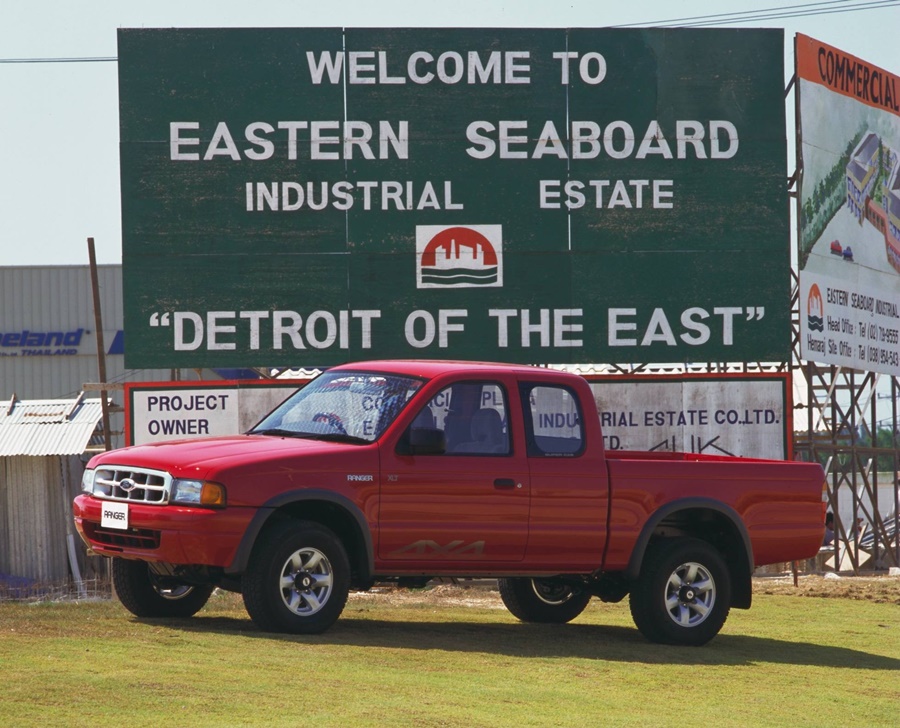
So Ford invested US$500 million (RM2.107 billion) to establish a brand new factory in Rayong, on the Eastern Seaboard of Thailand. The factory, called Auto Alliance Thailand (AAT), was a joint-venture with Mazda, which was then an affiliate. Its main product would be the new Ford Ranger truck and Mazda equivalent, the BT-50, with the Everest SUV being added later. Besides supplying the Asian market, the factory also supplied to other global markets which was helpful during the regional downturn when the Asian Financial Crisis hit.
Auto Alliance Thailand, the factory set up in the mid-1990s as a joint-venture between Ford and Mazda. Its first product was the Ranger (below) which was exported around the ASEAN region as well as globally.
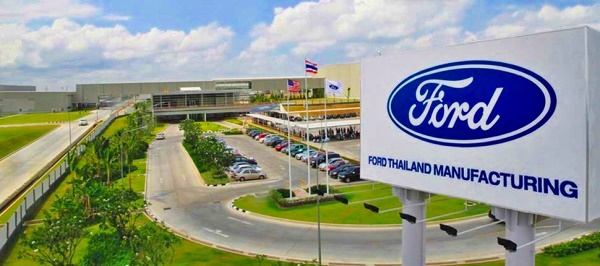
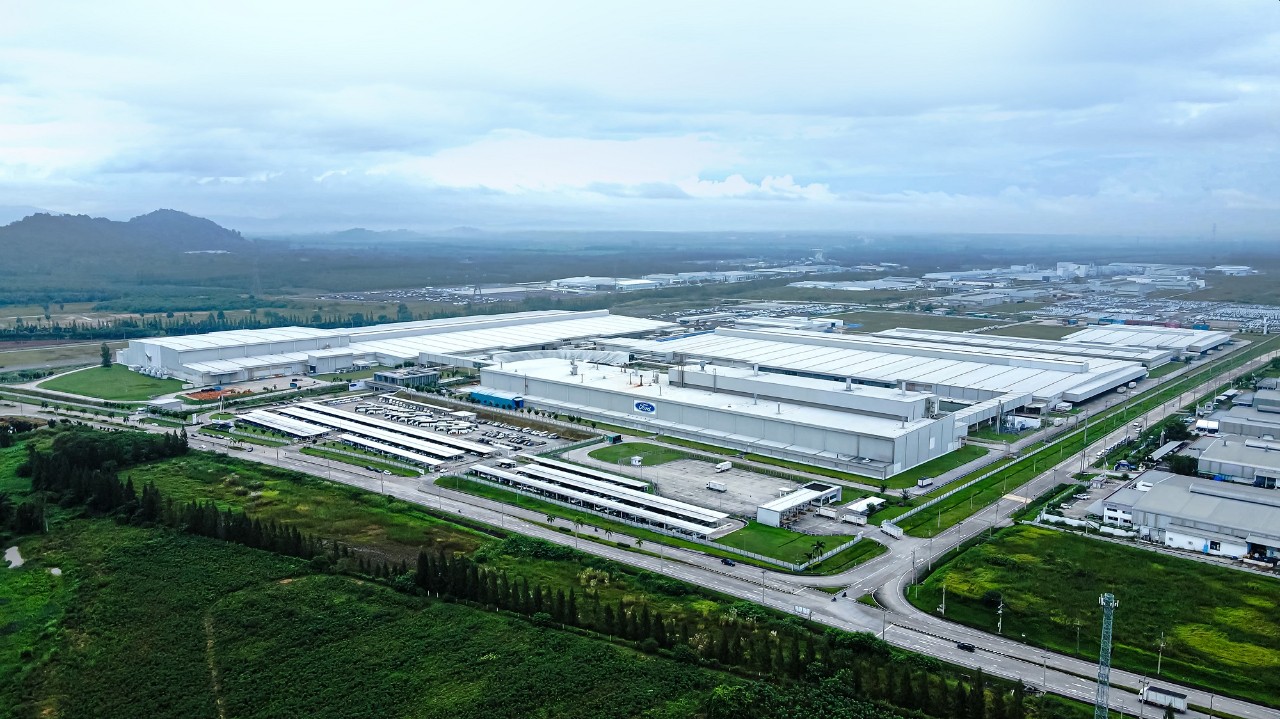
17 years after AAT began operations, Ford set up another factory in the same area with an investment of US$450 million (about RM1.9 billion) and it was wholly owned by the carmaker. Known as Ford Thailand Manufacturing (FTM), it was initially producing passenger car models like the Fiesta and Focus but when Ford decided to change strategies in the Asian region and focus on trucks, the factory switched to making only Rangers.
Ford built the second factory as demand for the Ranger grew. This was necessary as the 270,000-unit output from AAT was strictly fixed at 50:50 for each of the brands. This meant that Ford could get no more than 135,000 vehicles a year, even if Mazda did not use up its full allocation. Mazda too would have experienced the same frustration as the popularity of its models grew and one solution has been that its new BT-50 truck is now being produced at Isuzu’s factory (also in Thailand). In order to raise its output, Ford moved some production of the Ranger to FTM in 2016.
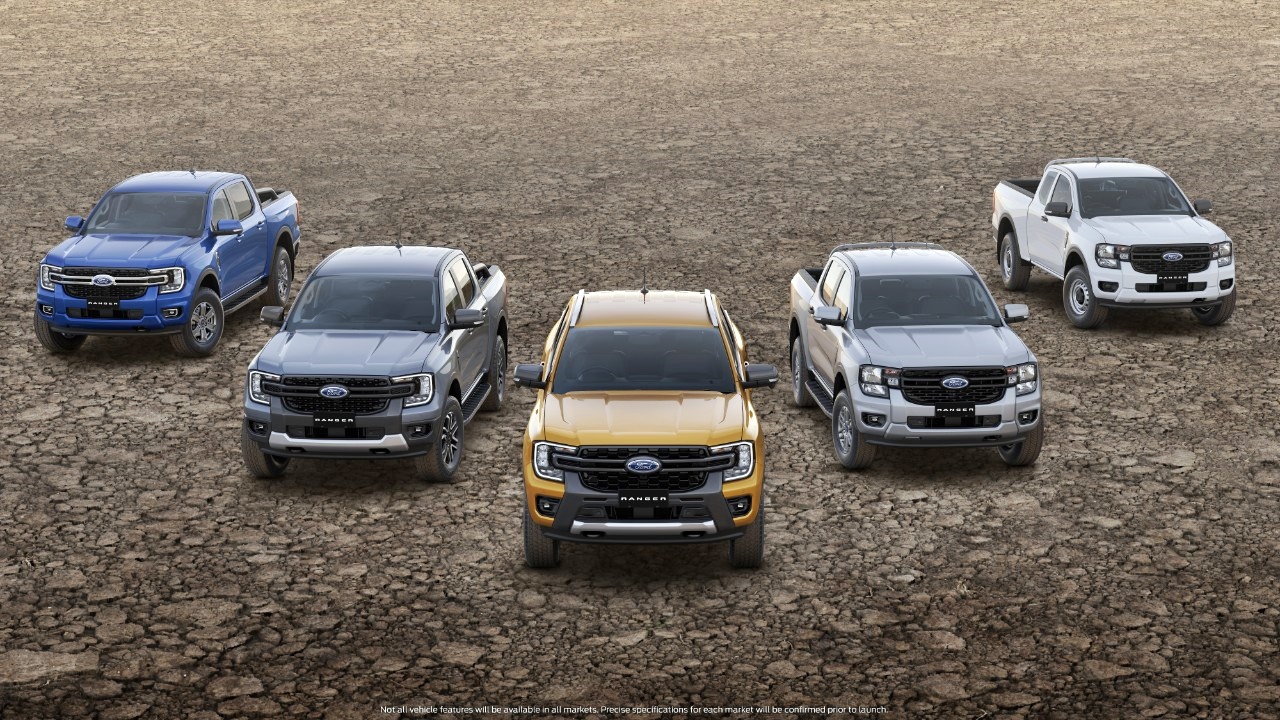
Next year will see the new generation of the Ranger entering the market and Ford expects demand to be even higher. Since its output from AAT remains capped, it is expanding FTM and is spending another US$900 million (about RM3.8 billion) on upgrading its manufacturing facilities and capabilities in Thailand, at both FTM and AAT. Over 44% of the investment is in the supply chain network to provide opportunities for local supply chain partners.
Ford Thailand Manufacturing, located 14 kms from AAT, began operations in 2012. It produced the Fiesta, Focus and EcoSport models but now only does the Ranger, and has been upgraded to produce the new Ranger (below) next year.
This is the largest-ever single investment in Ford’s 25-year history in Thailand and is recognition of the importance of the country as a global export production base for the company. “This is an important milestone to build on our quarter-century of commitment to producing vehicles in Thailand, enabling us to further modernize and upgrade our local operations, and support production for the exciting upcoming launch of the next-gen Ranger, one of Ford’s highest volume and most successful vehicles anywhere in the world, and the next-gen Everest SUV,” said Yukontorn ‘Vickie’ Wisadkosin, President, Ford ASEAN and Asia Pacific Distributors Markets.
Besides adding a second shift at FTM which provides over 1,200 new jobs, the overall investment also brings Ford’s manufacturing facilities in Thailand in line with the latest global efficiency, flexibility, and quality processes through extensive upgrades and new state-of-the-art manufacturing technologies.
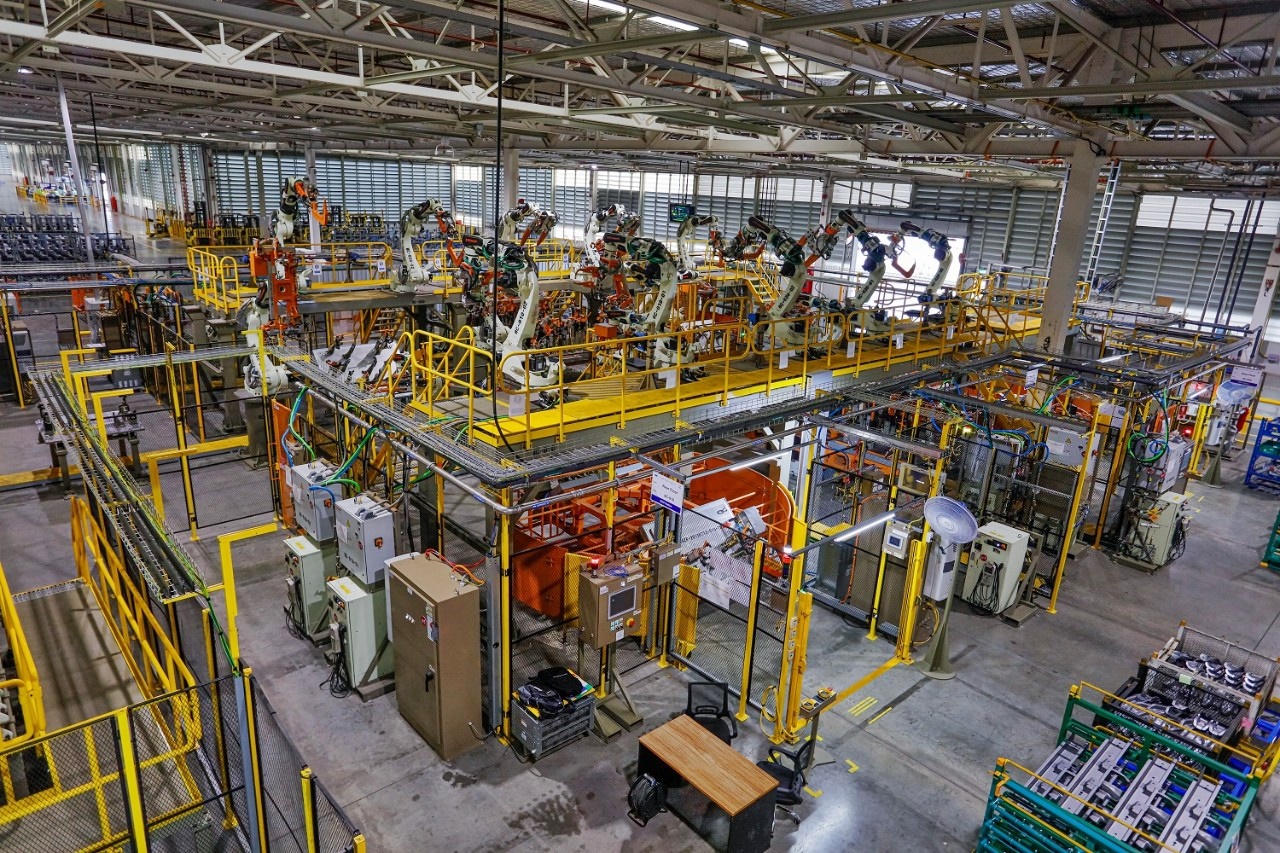
The company is almost doubling the number of robots at both FTM and AAT, with the addition of 356 robots at the body shop and paint shop. This brings the level of automation at the body shop at FTM and AAT from 34% to 80% and 69%, respectively.
Ford also has increased its production capability for multi-variant truck production in FTM. By increasing model flexibility, the plant can produce multiple cab styles – single cab, open cab and double cab – on the same production line. This allows more flexibility in planning and scheduling so the plant can react more quickly to customer demand and reduce customer waiting time for a new vehicle.
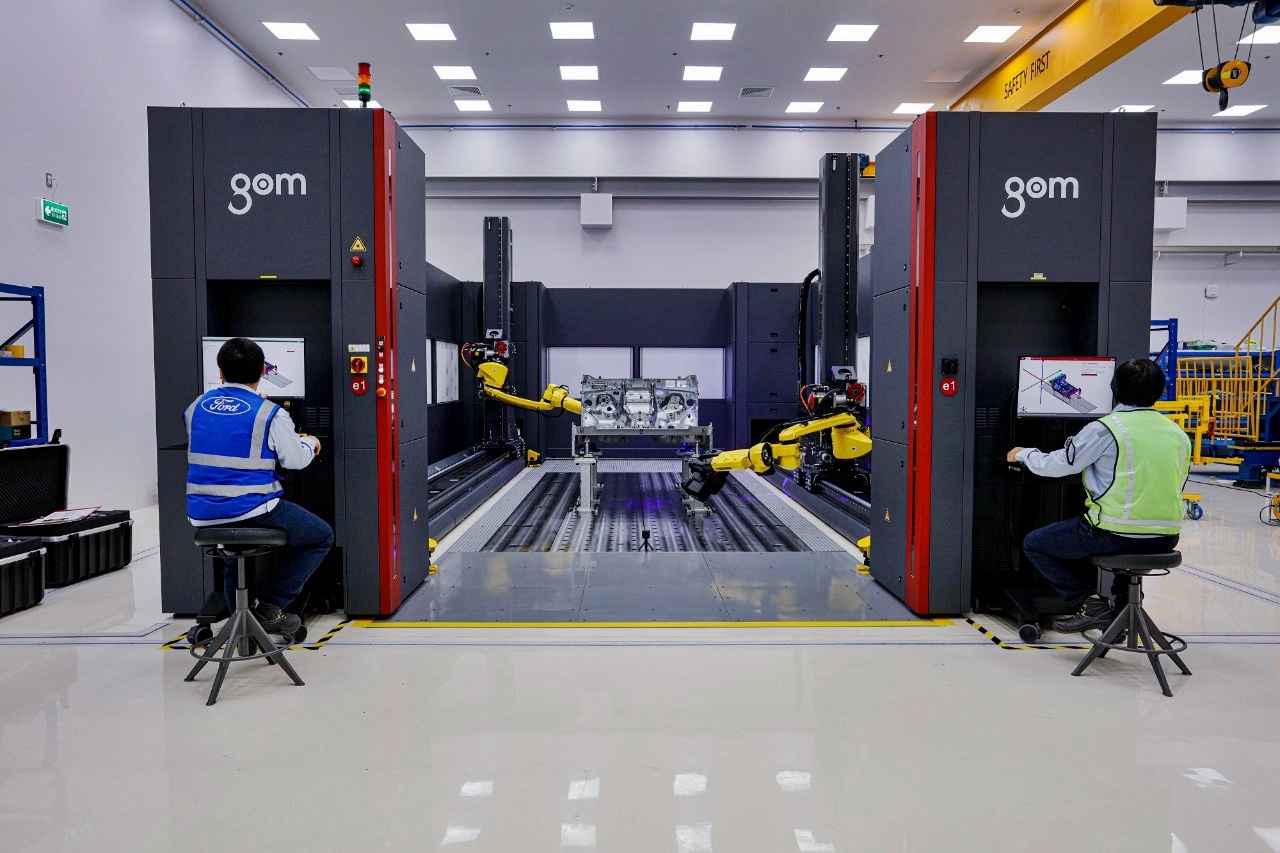
As part of the investment, Ford is the first auto manufacturer to implement ScanBox technology in Southeast Asia. This latest surface scan capability improves the time used to accurately measure the whole vehicle by 5 times during the assembly process, helping Ford to increase efficiency in problem solving for better quality control.
In addition, FTM and AAT are making significant efforts to support environmentally friendly initiatives, including using renewable energy, reducing CO2 emissions, and practicing zero waste to landfill.
Exporting vehicles is a significant part of Ford’s manufacturing business in Thailand, with the Ranger going to over 180 markets around the world. AAT will be the lead production hub for the upcoming next-gen Everest SUV which would almost certainly be based on the new Ranger.
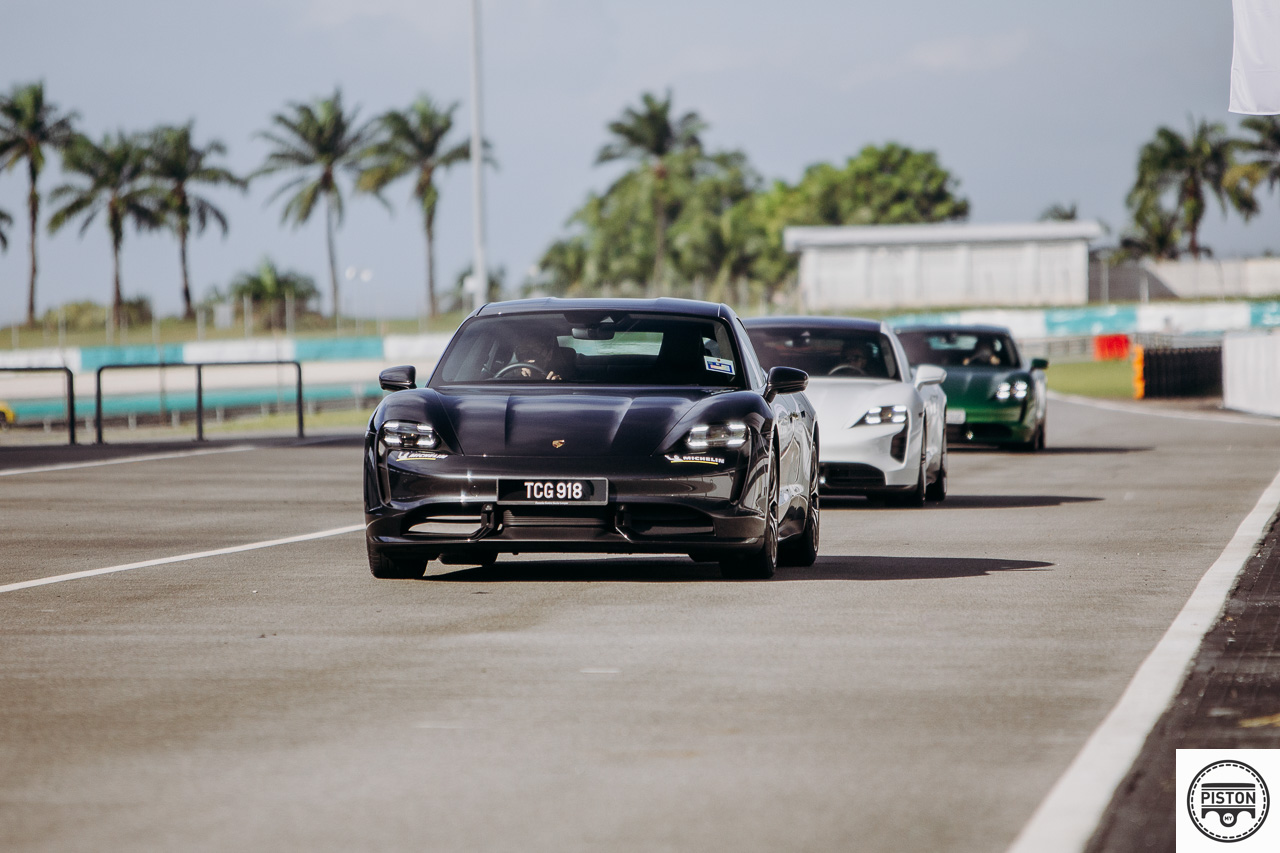
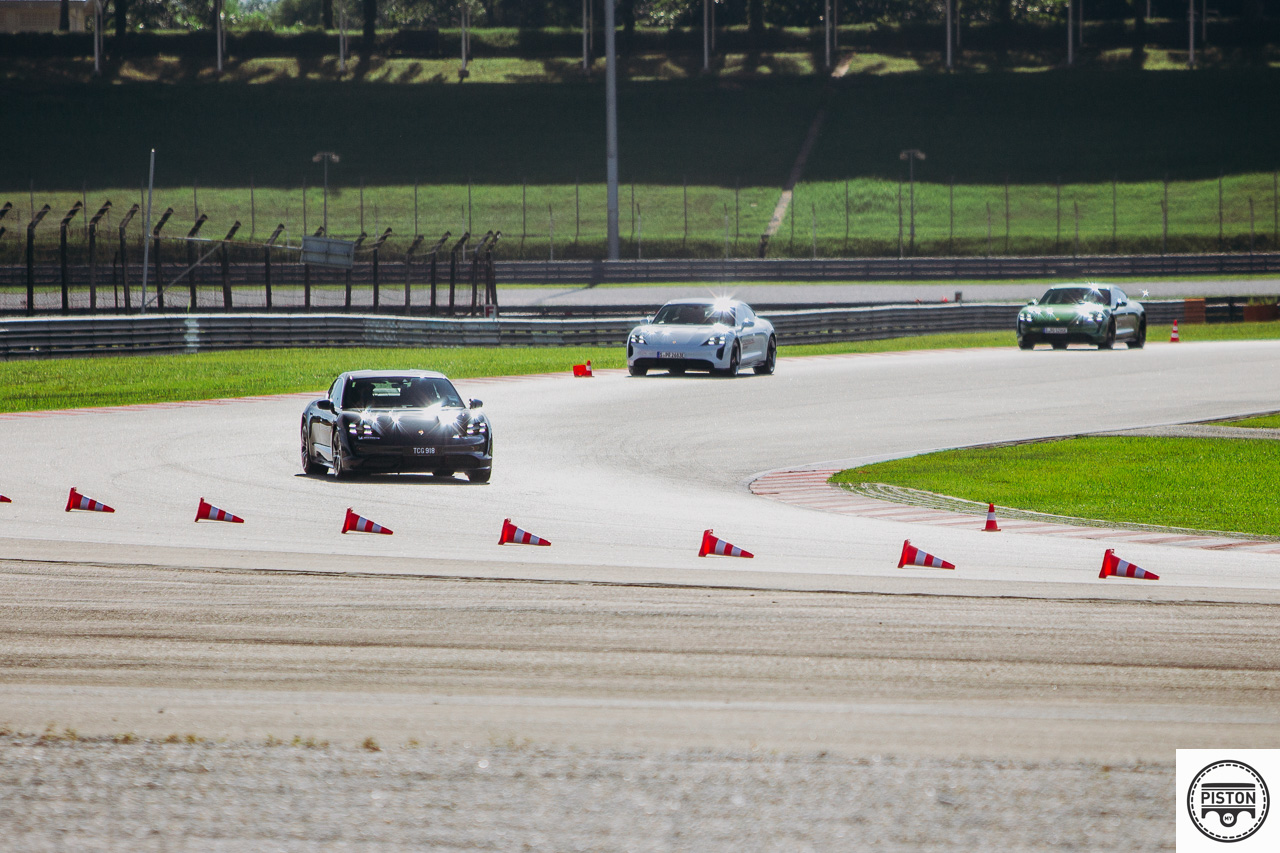
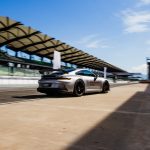
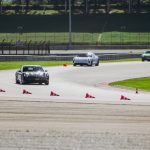
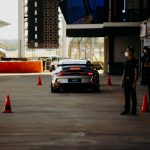
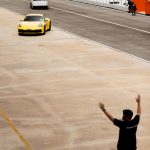
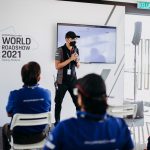
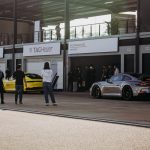
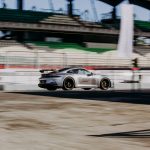
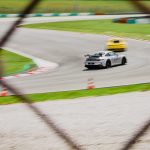
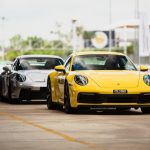
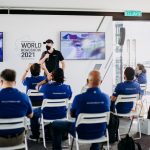
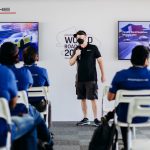
The Porsche World Road Show is a unique event that takes place the world over.
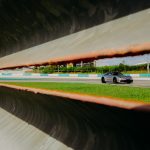
It is held at circuits that allow a driver to fully exploit a Porsche’s potential.
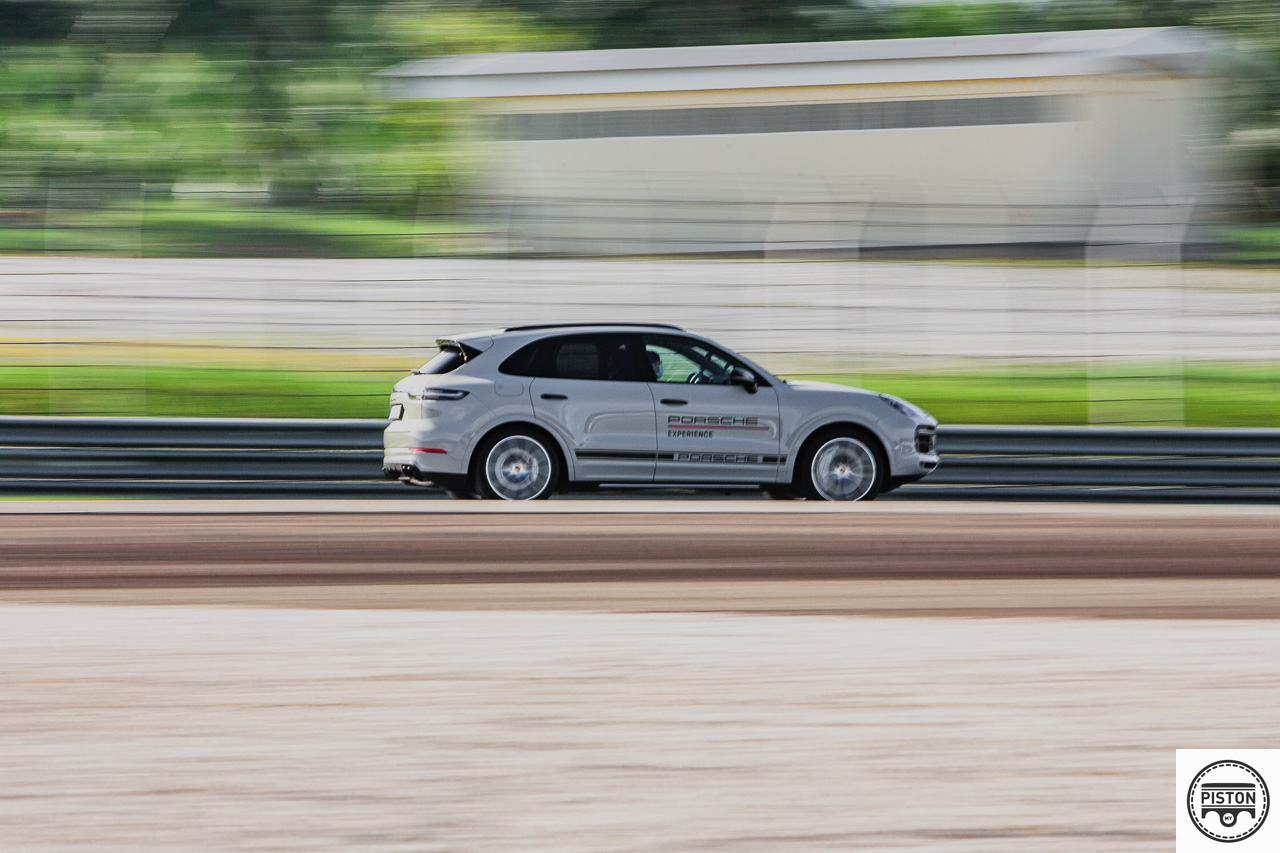
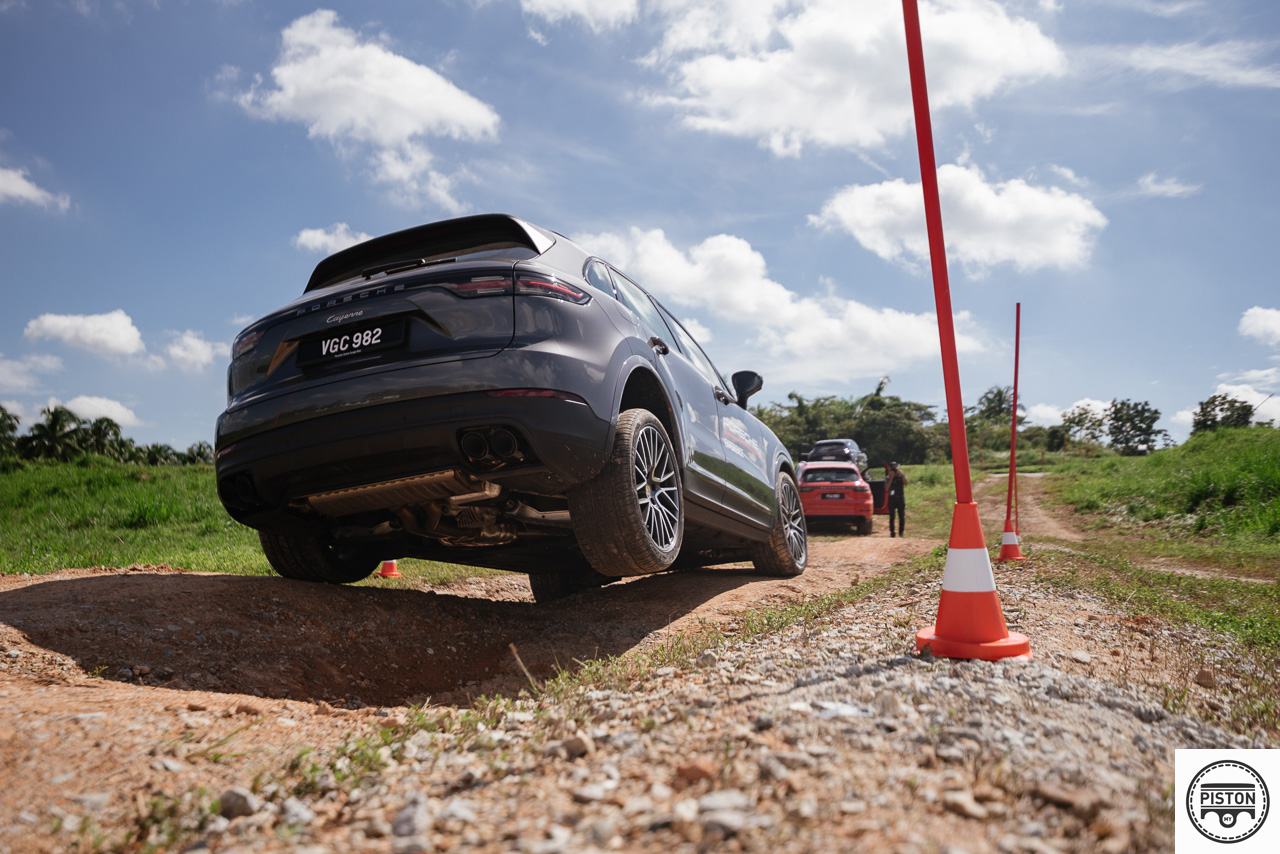
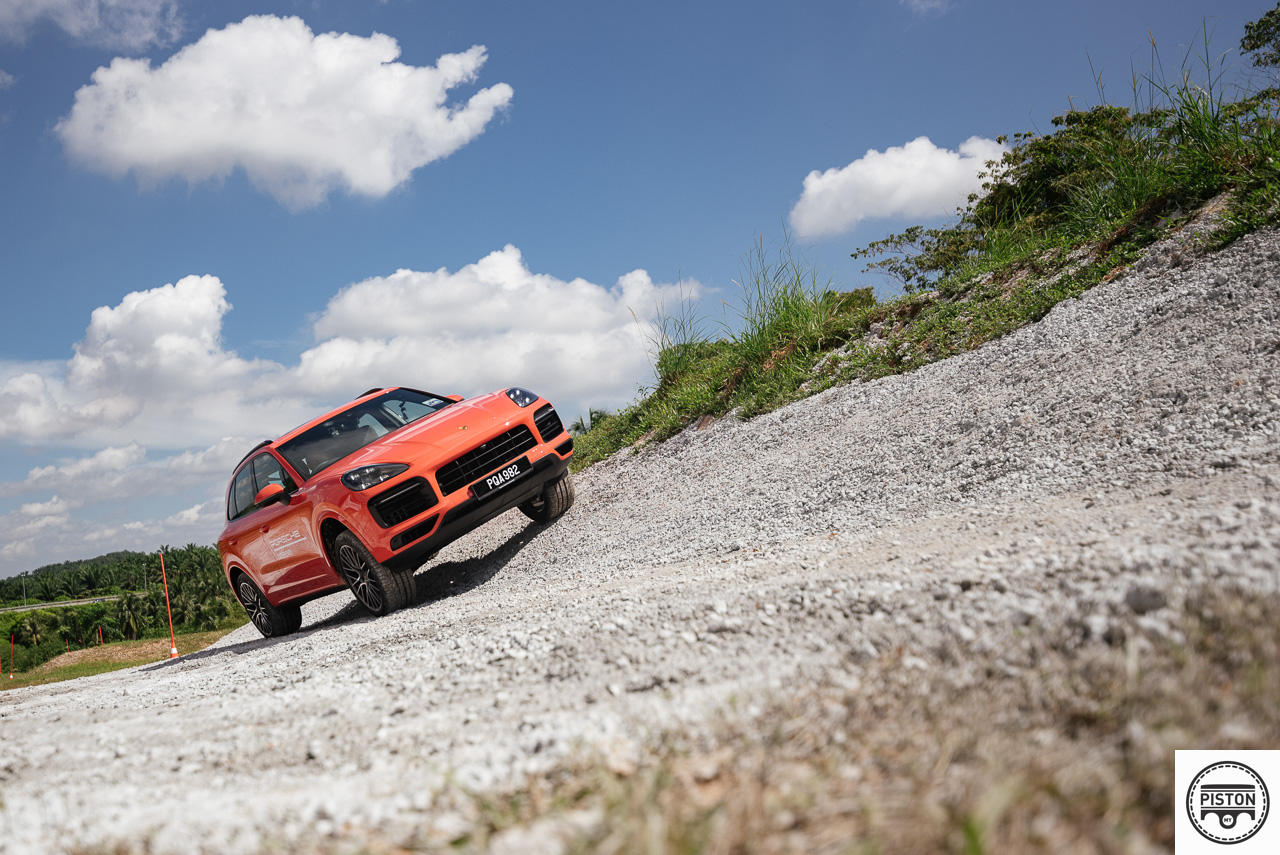
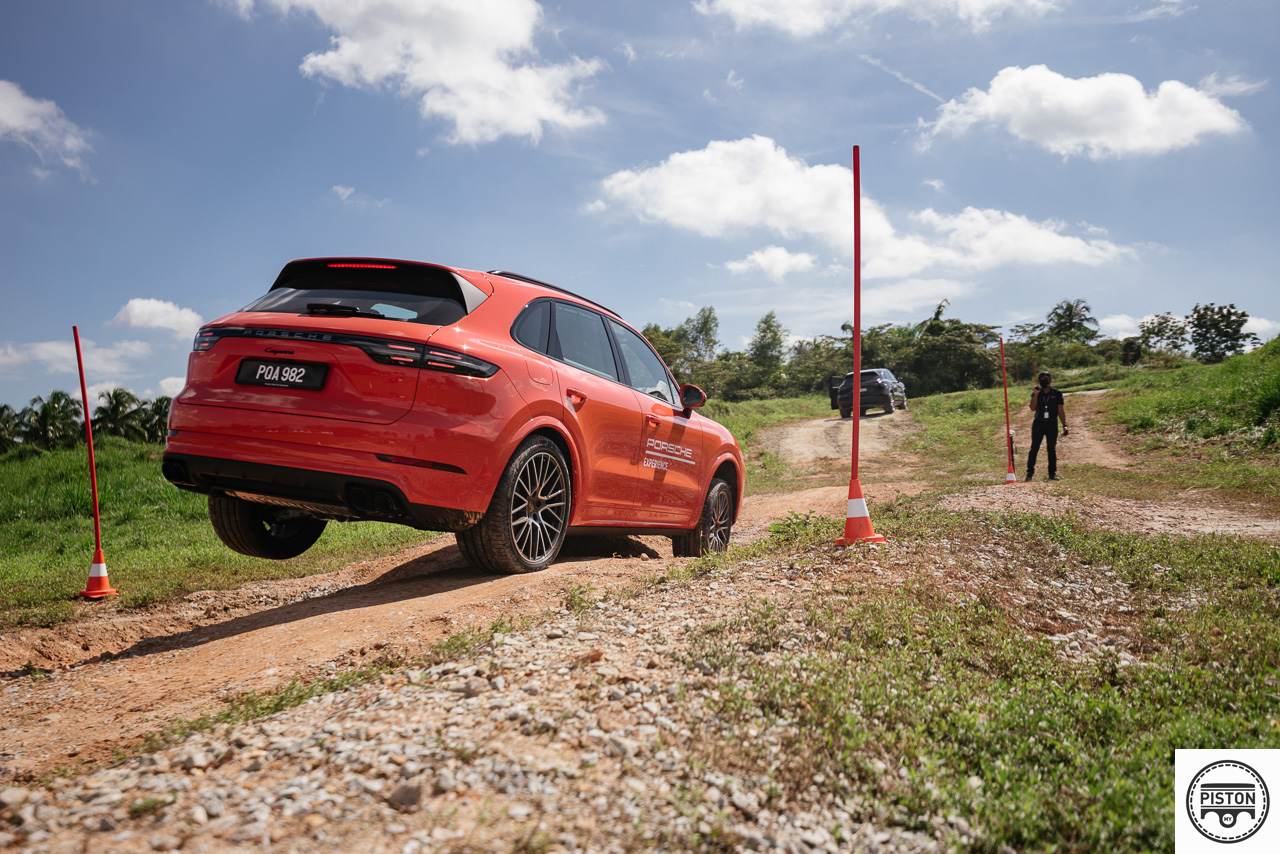
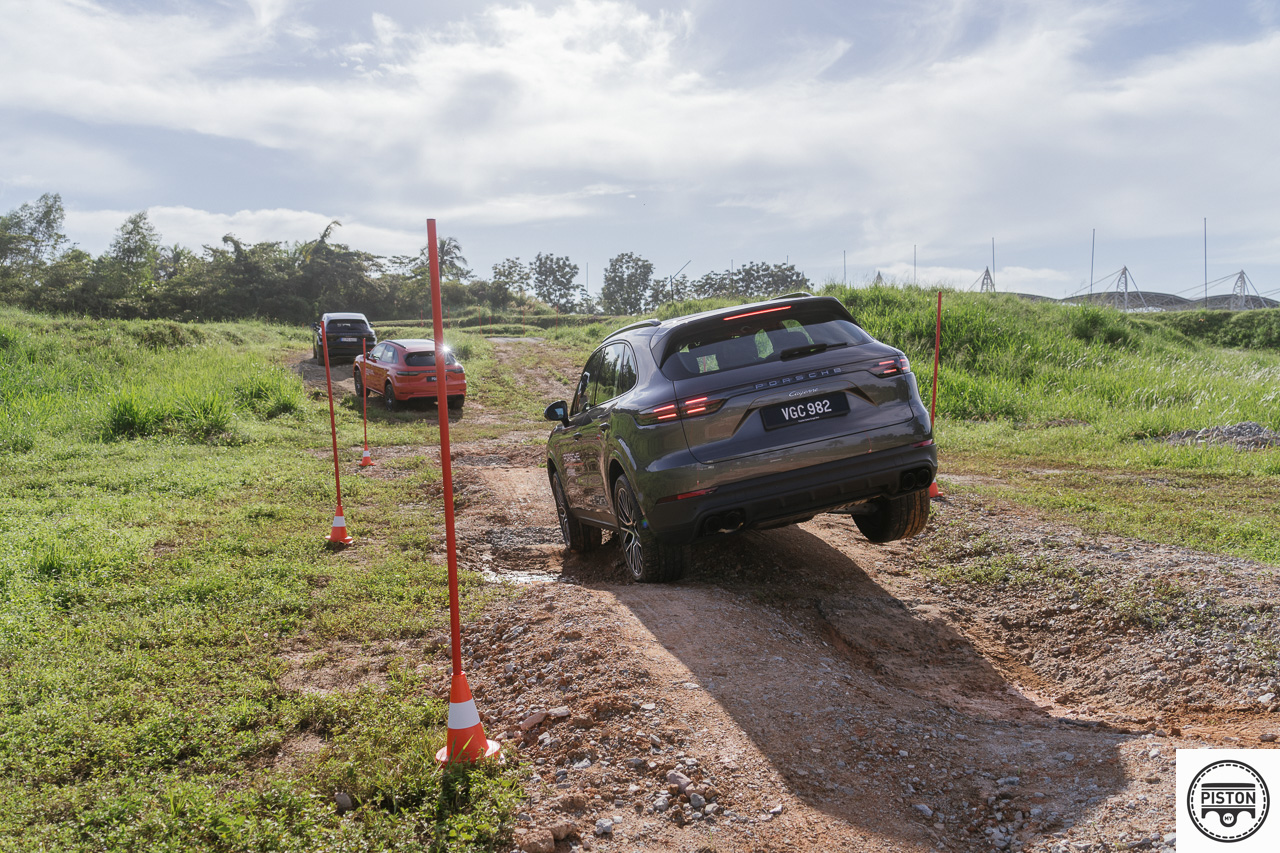
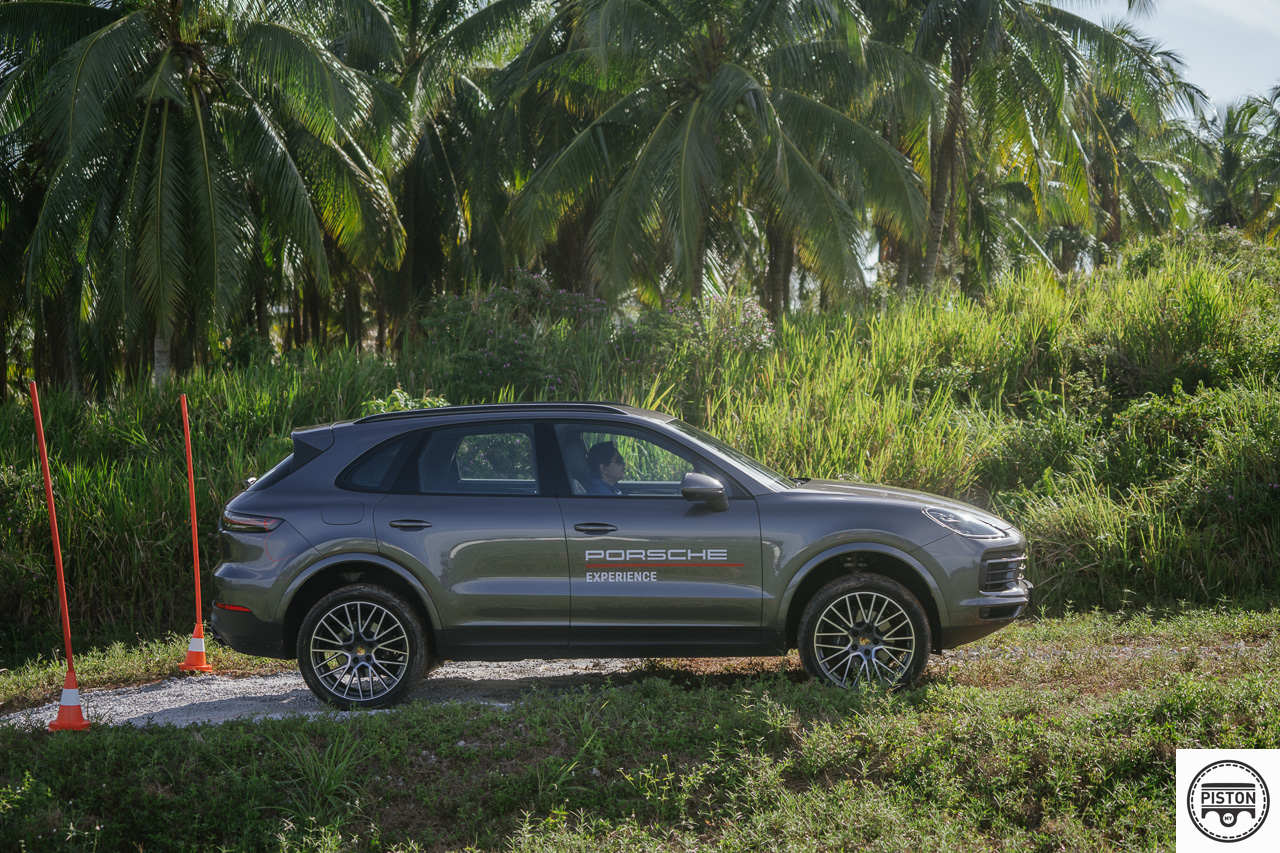
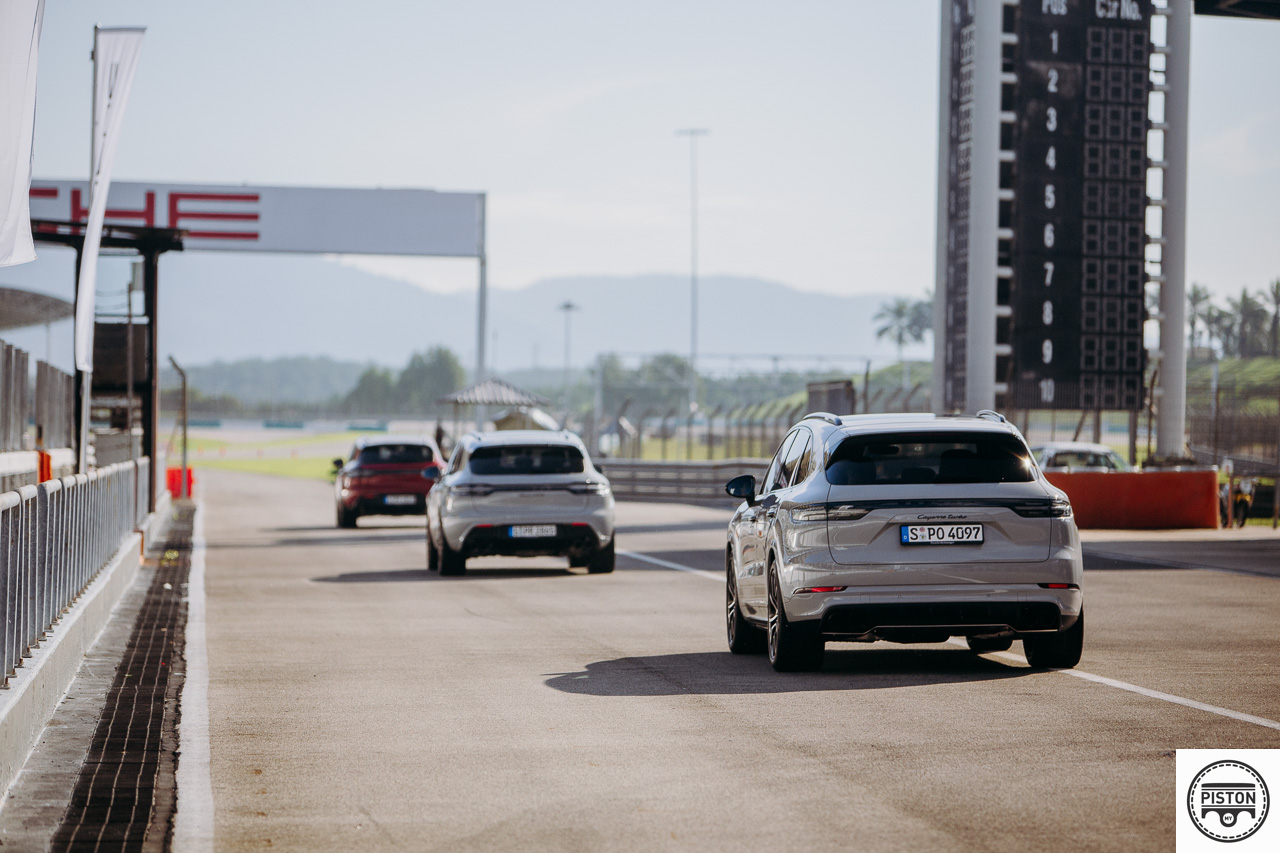
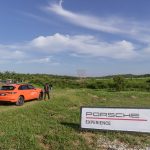
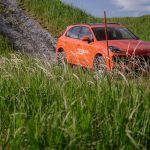
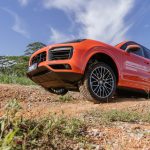
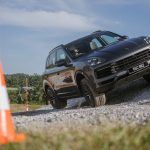
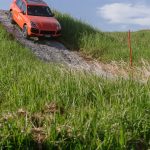
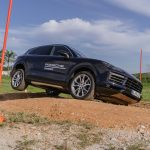
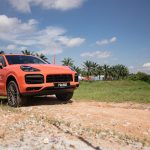
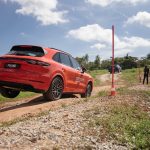
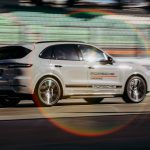
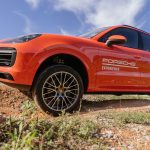
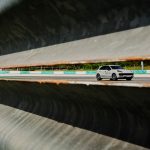
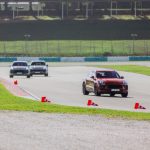
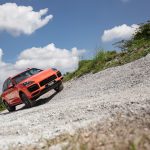
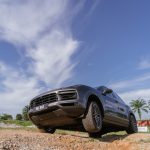
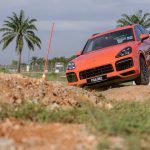
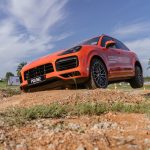
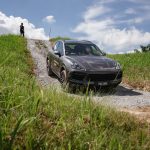
And when it comes to the Cayenne, rather than on-circuit driving, the now iconic SUV is driven on dirt tracks to show off its off-roading capabilities.
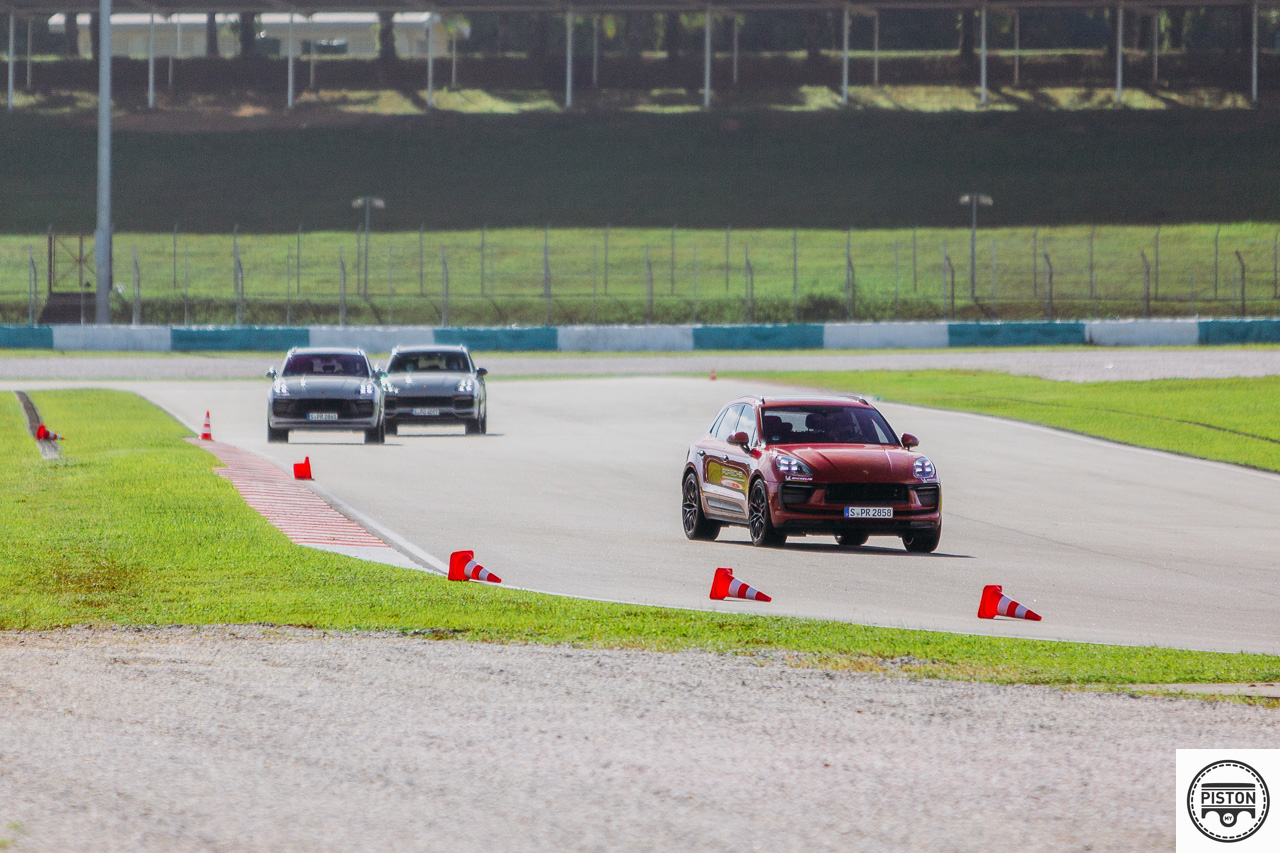
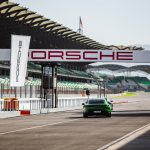
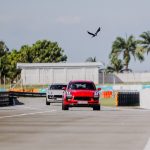
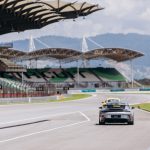
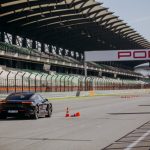
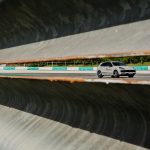
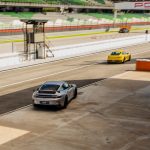
The PWRS in short, was recently held at the Sepang International Circuit.
And the entire circuit was booked, because half-track driving in a Porsche is borderline nonsense.
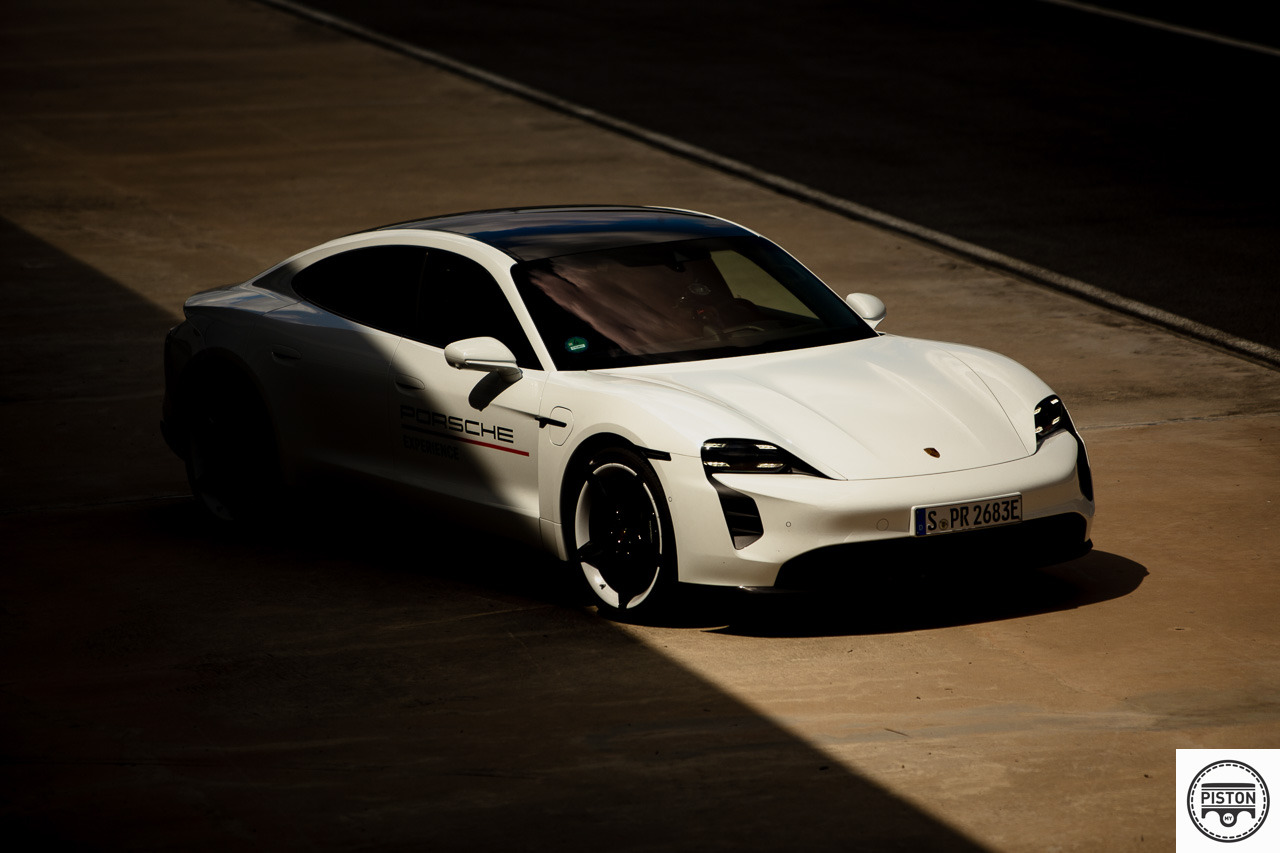
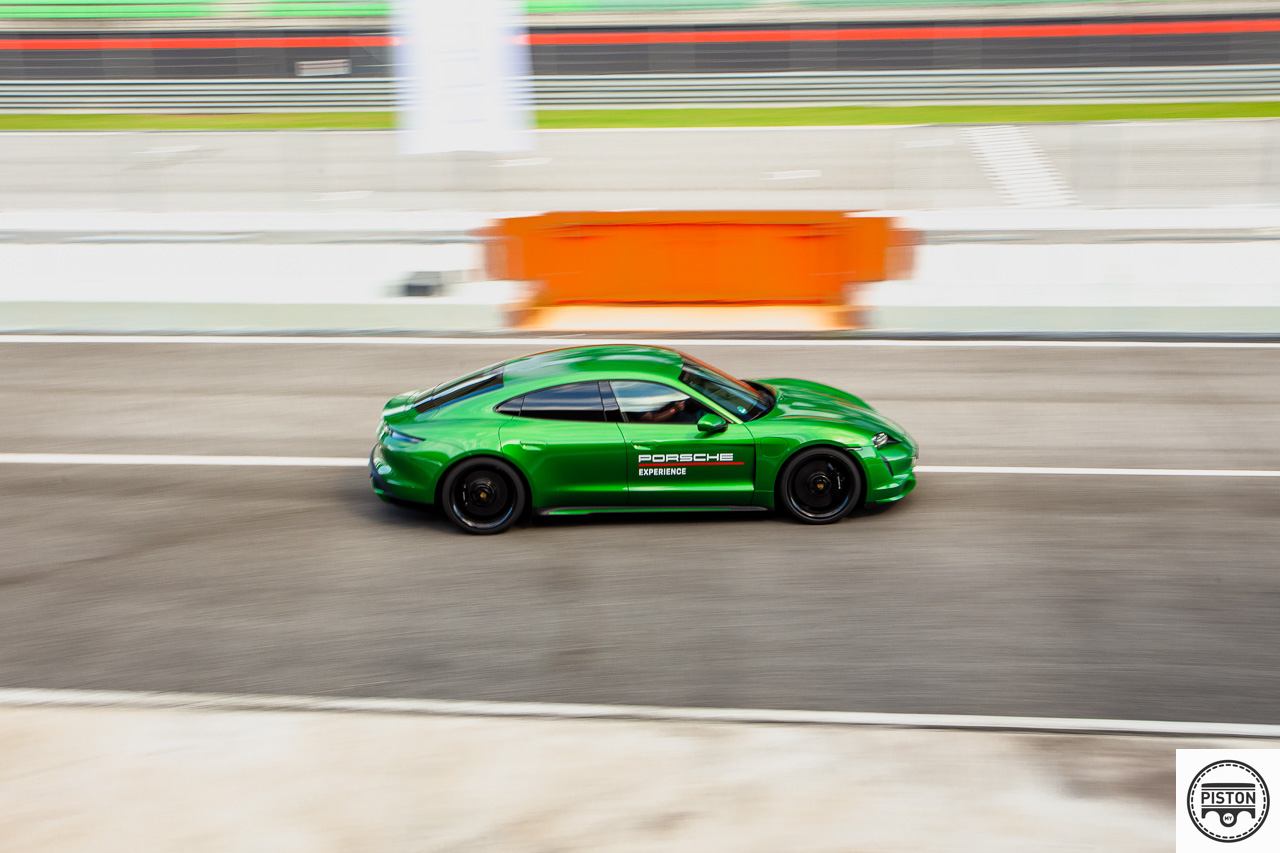
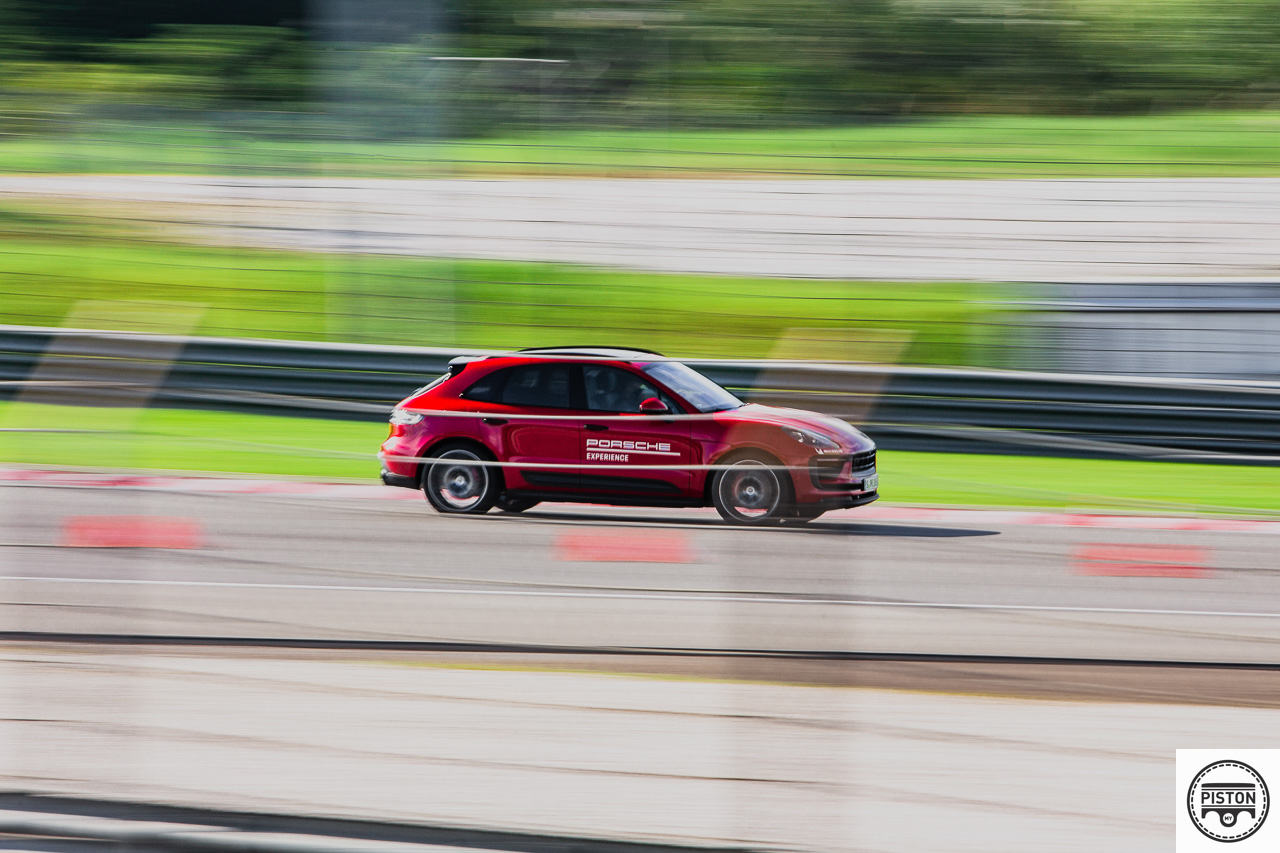
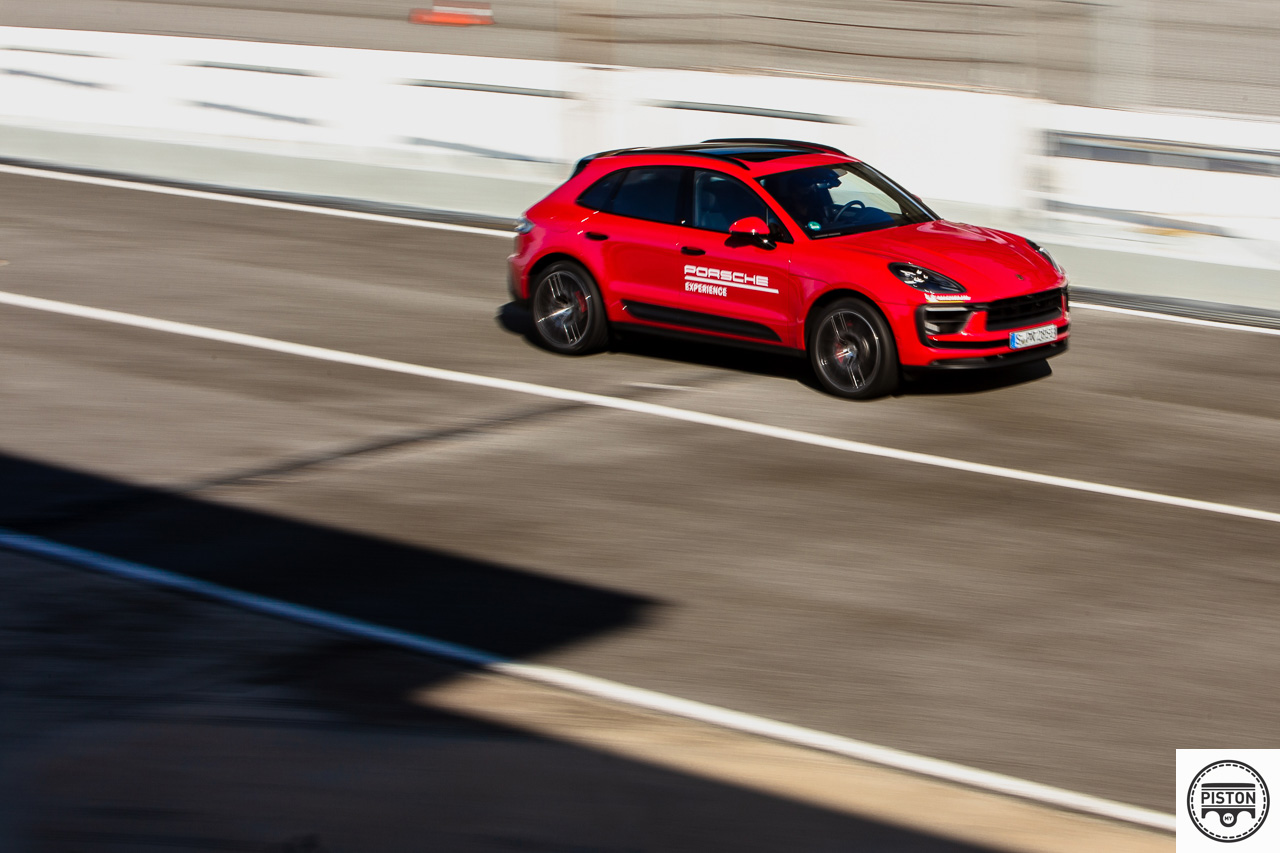
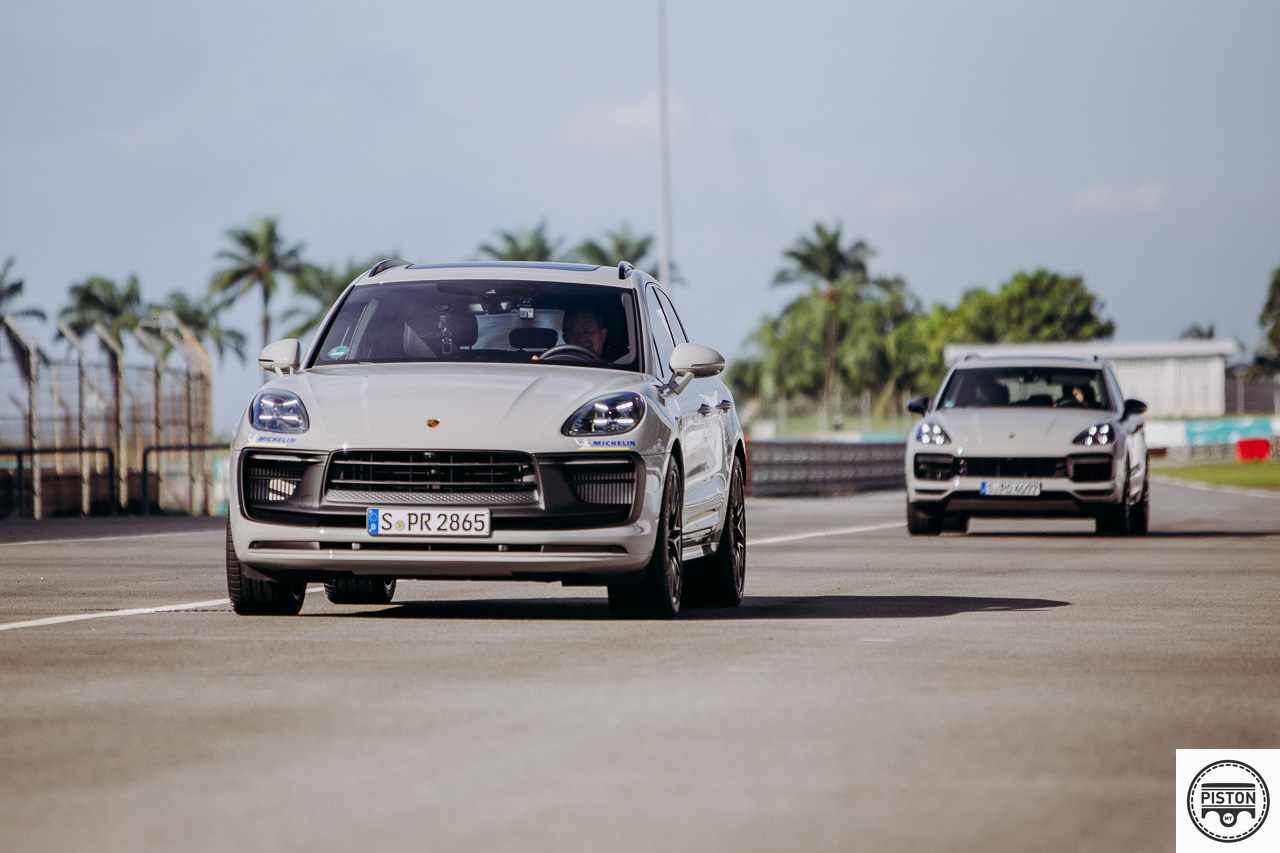
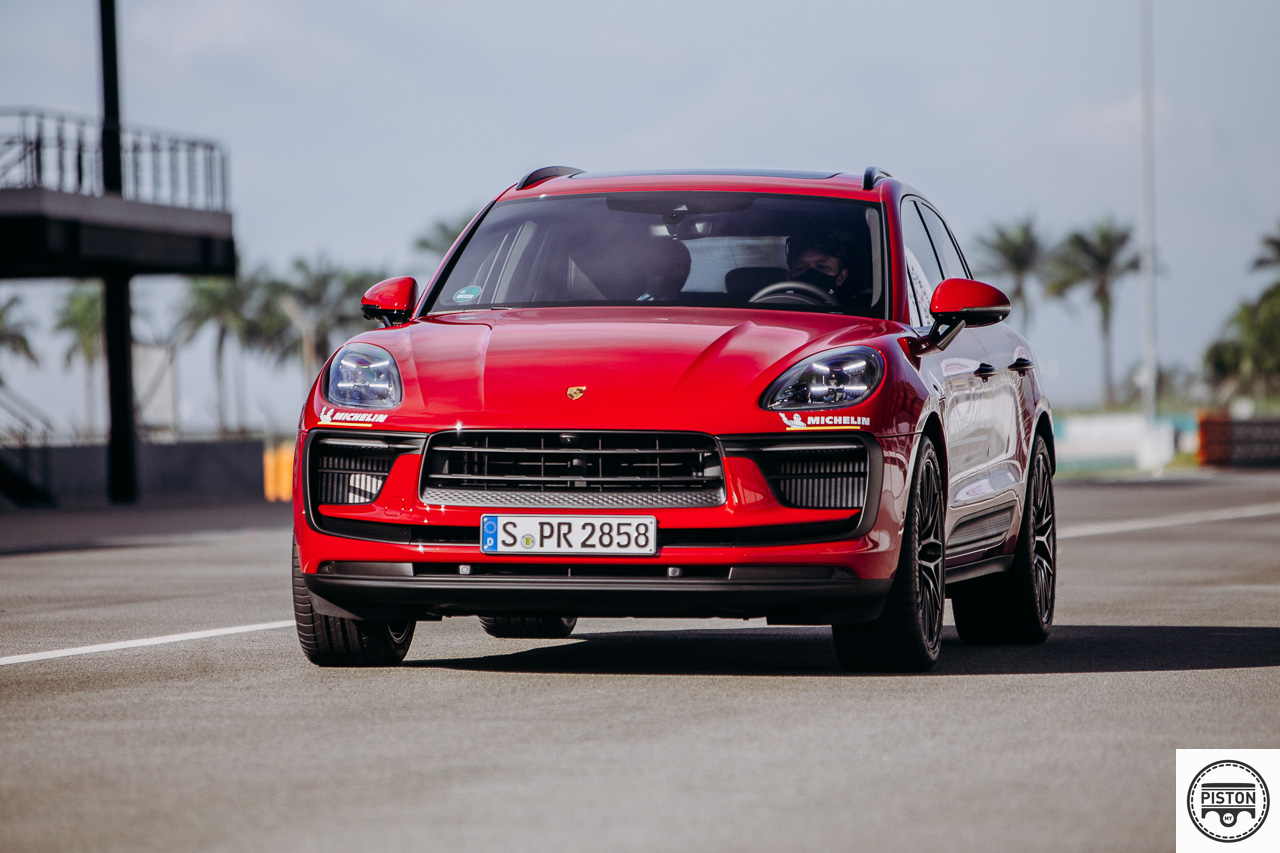
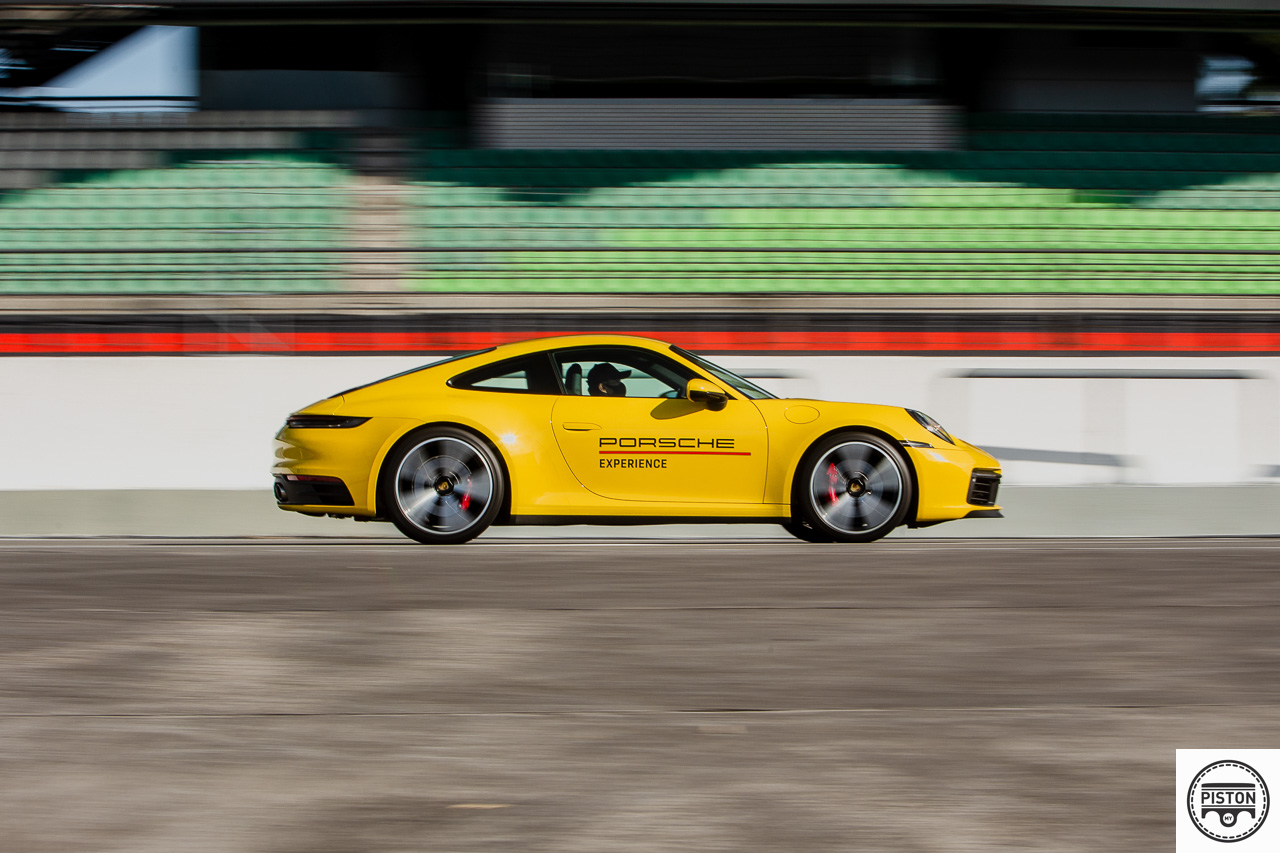
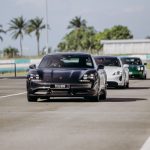
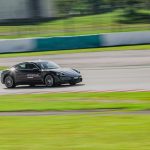
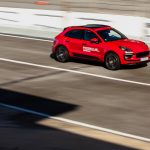
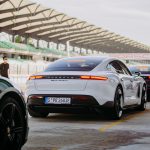
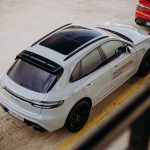
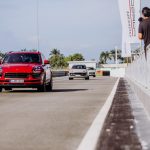
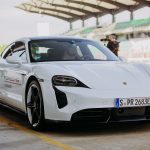
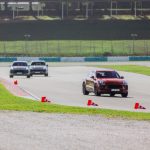
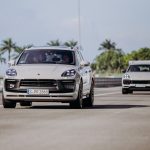
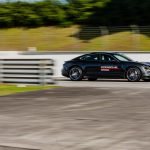
The cars were pretty amazing too – we got to spend time behind the wheel of the Cayenne, Macan GTS, Macan Turbo, Taycan Turbo and the Taycan Turbo S.
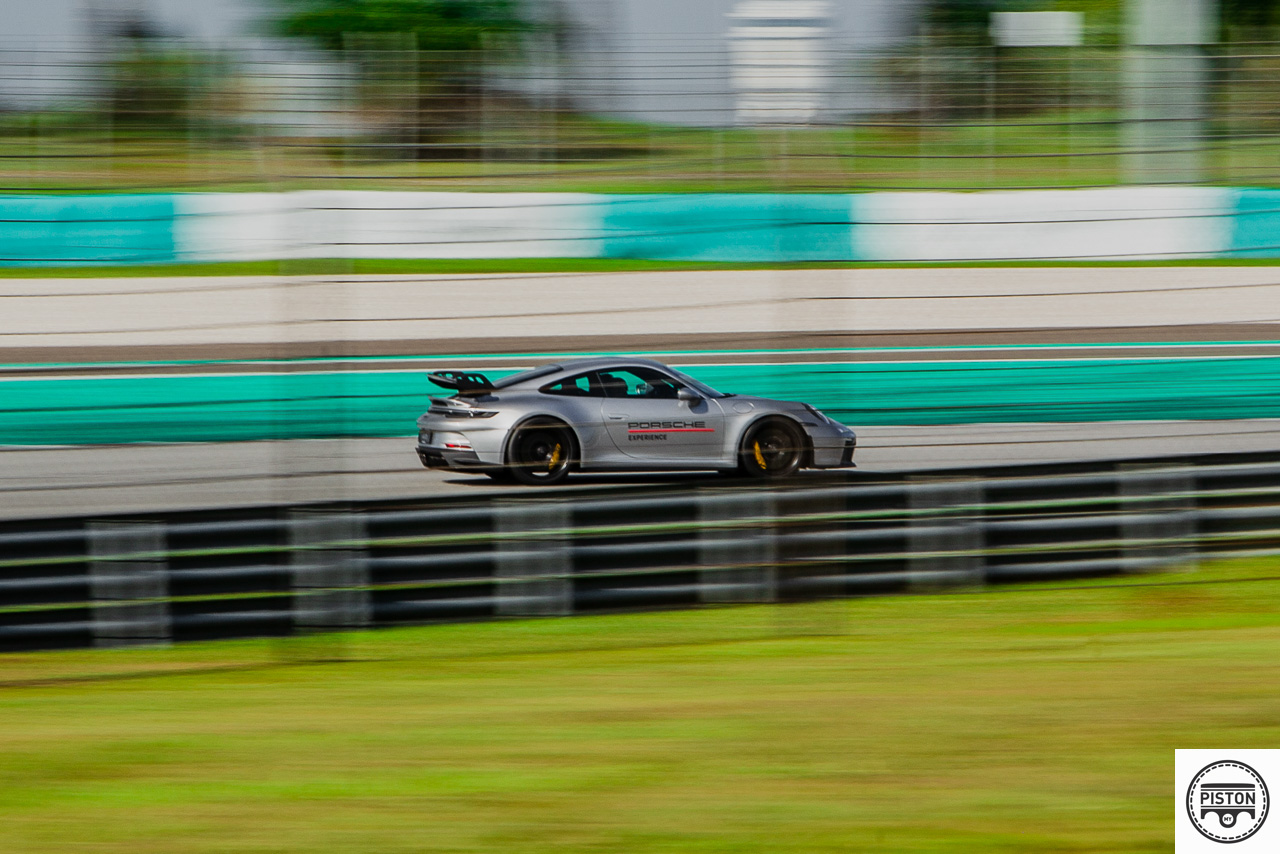
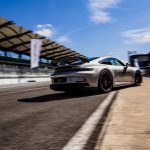
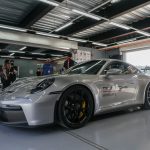
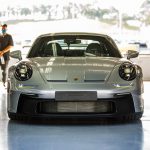
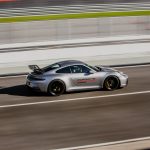
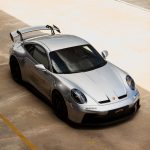
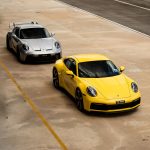
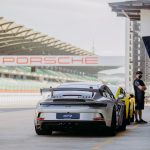
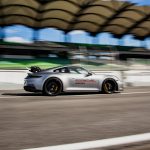
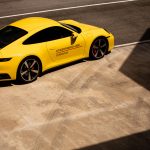
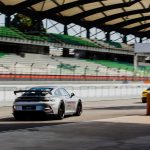
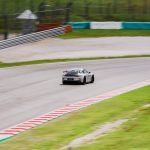
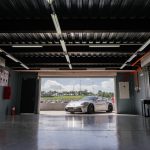
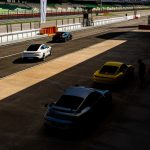
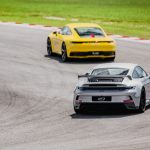
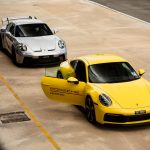
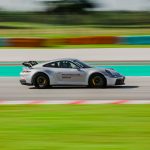
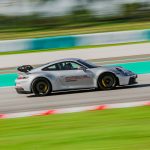
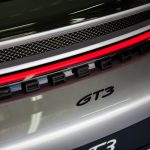
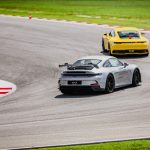
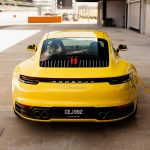
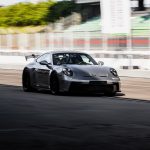
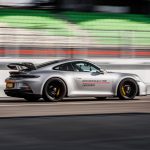
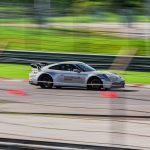
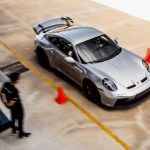
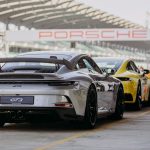
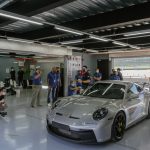
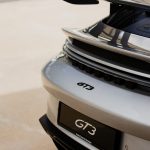
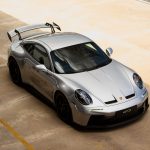
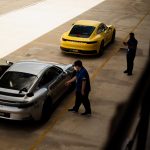
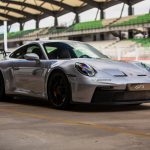
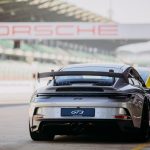
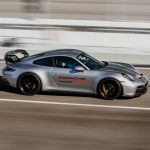
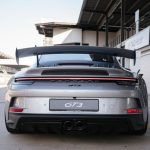
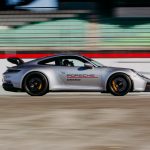
The star of the show though was the new 992 Porsche GT3. A car so brilliant that it deserved an article of its own, which you can read here.
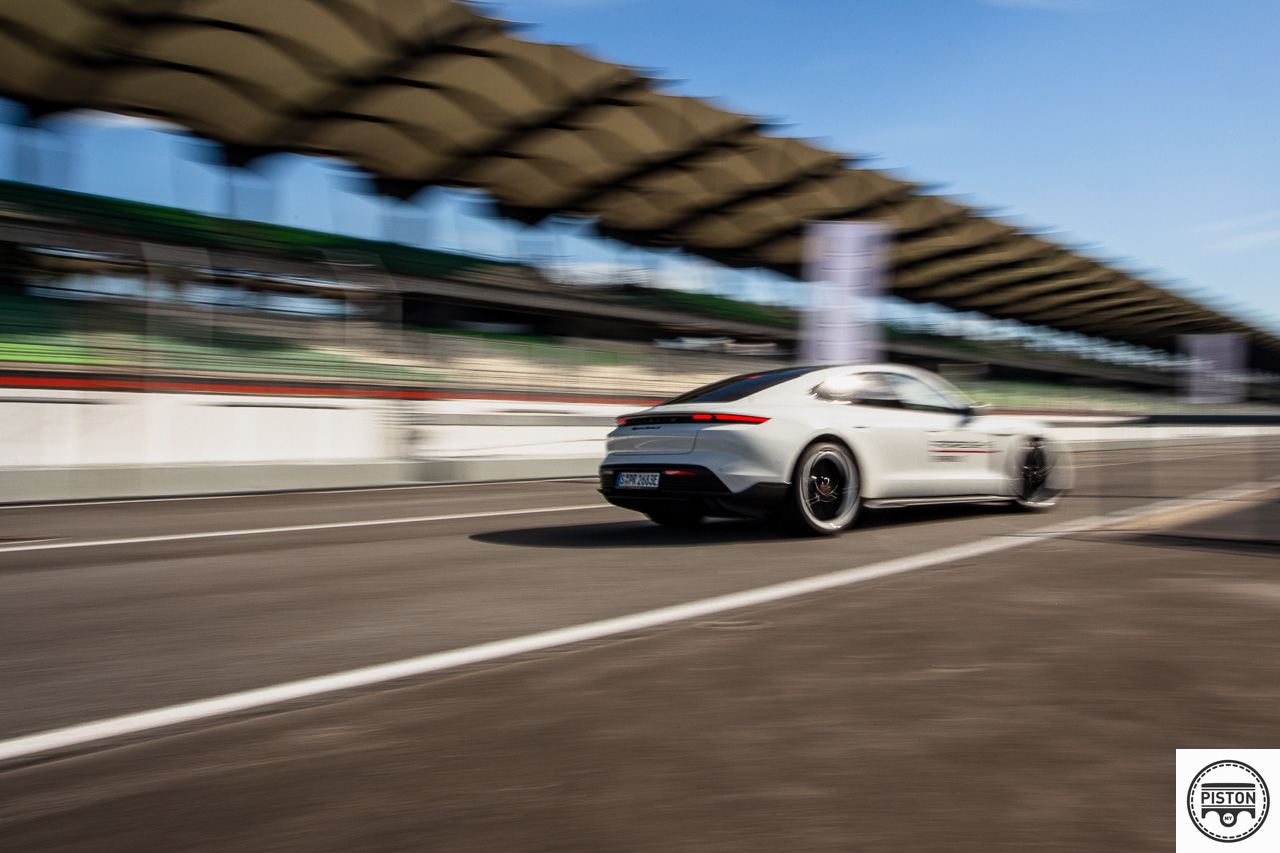
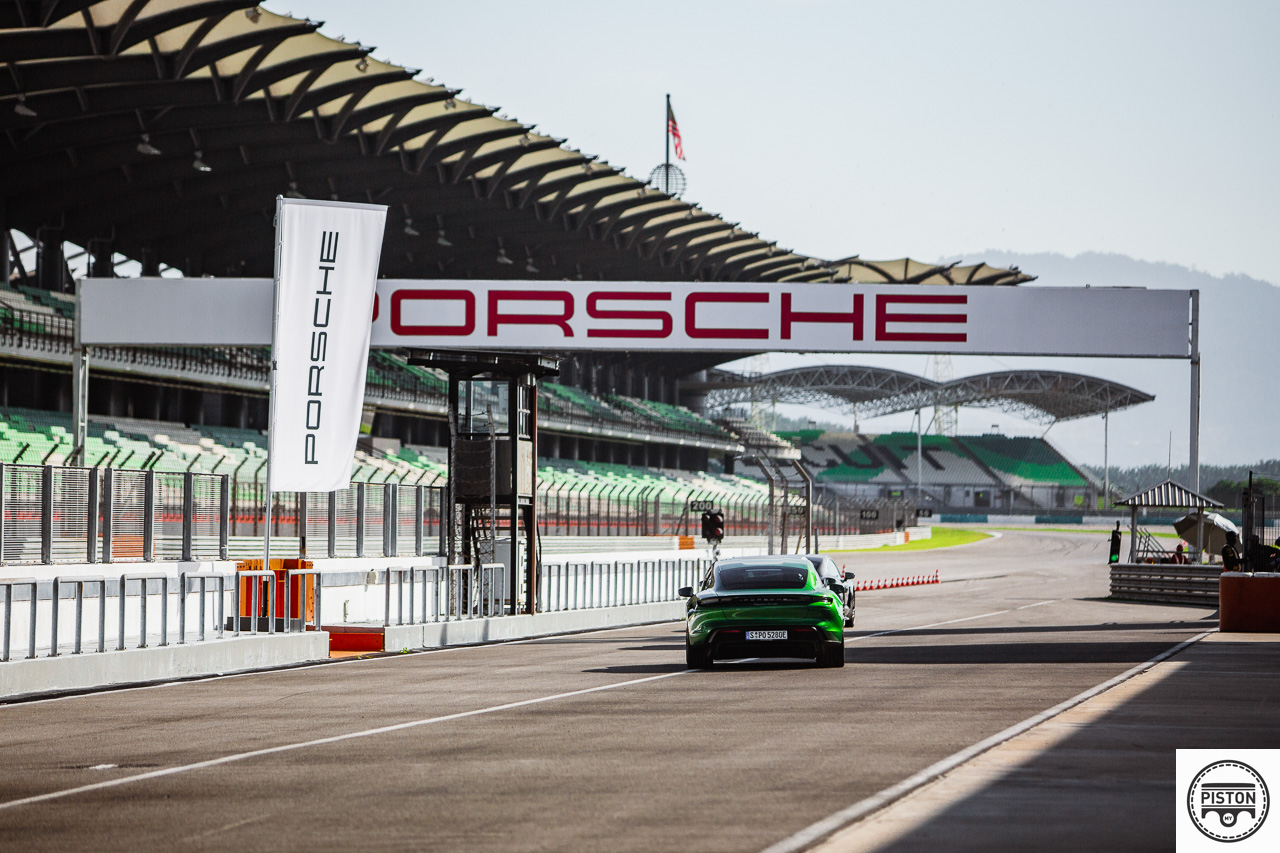
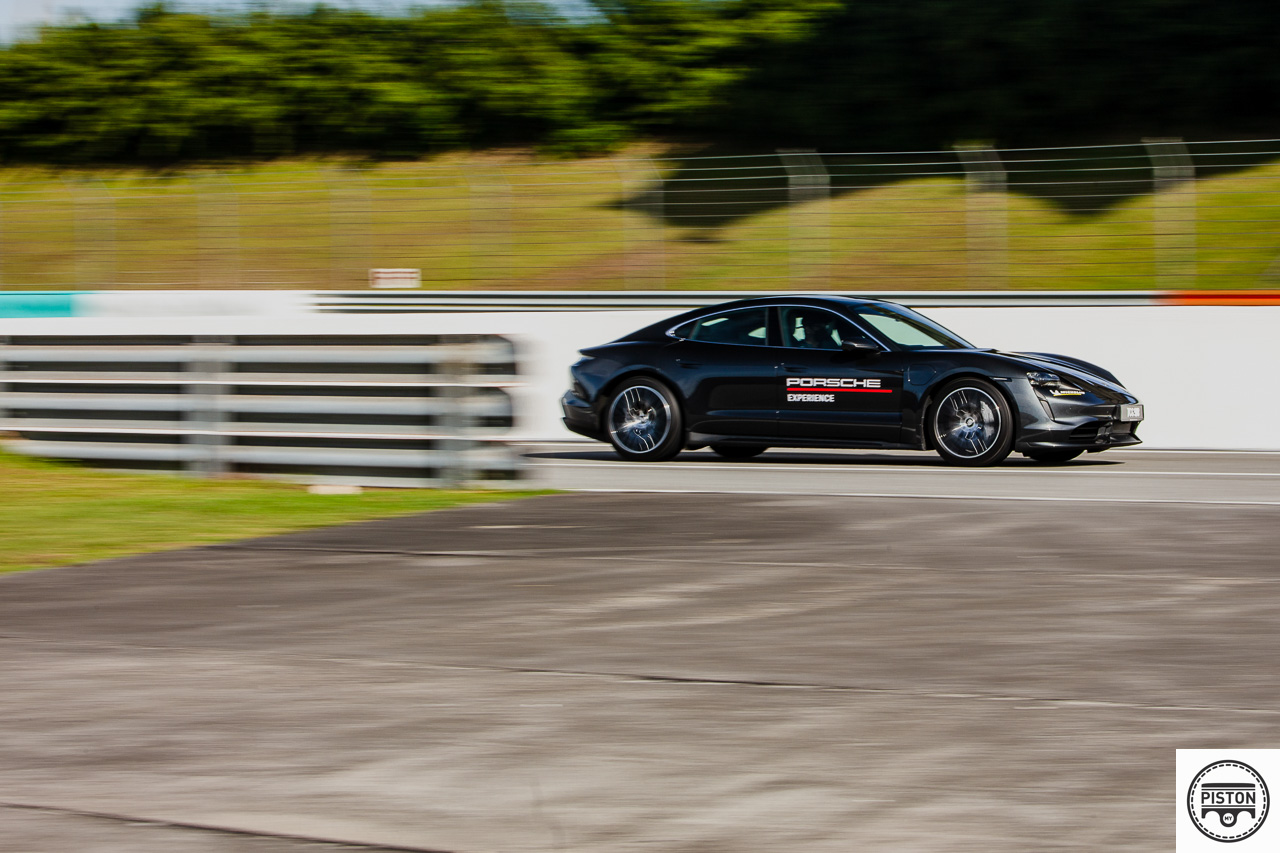
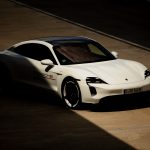
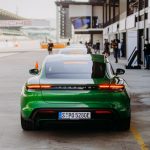
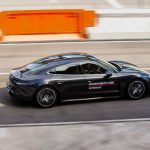
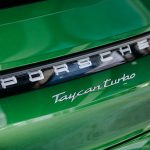
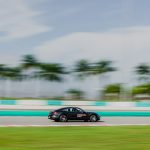
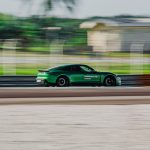
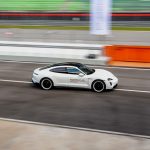
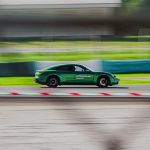
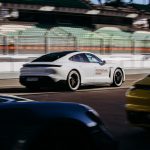
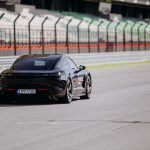
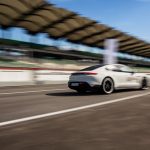
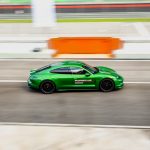
Our day started in the Taycan Turbo S – a car deemed as the hardest accelerating electric car ever built.
It does the 0-100km/h in just 2.8 seconds, and reaches a top speed of 260km/h.
The electric motors that power the car are also some of, if not the best in the industry.
The motors give the car 622hp and 1050Nm of torque.
But with the overboost function selected, the car puts out a staggering 750hp!
Of course, such amazing capabilities doesn’t come cheap – the Taycan Turbo S costs an eye watering RM1.15 million!
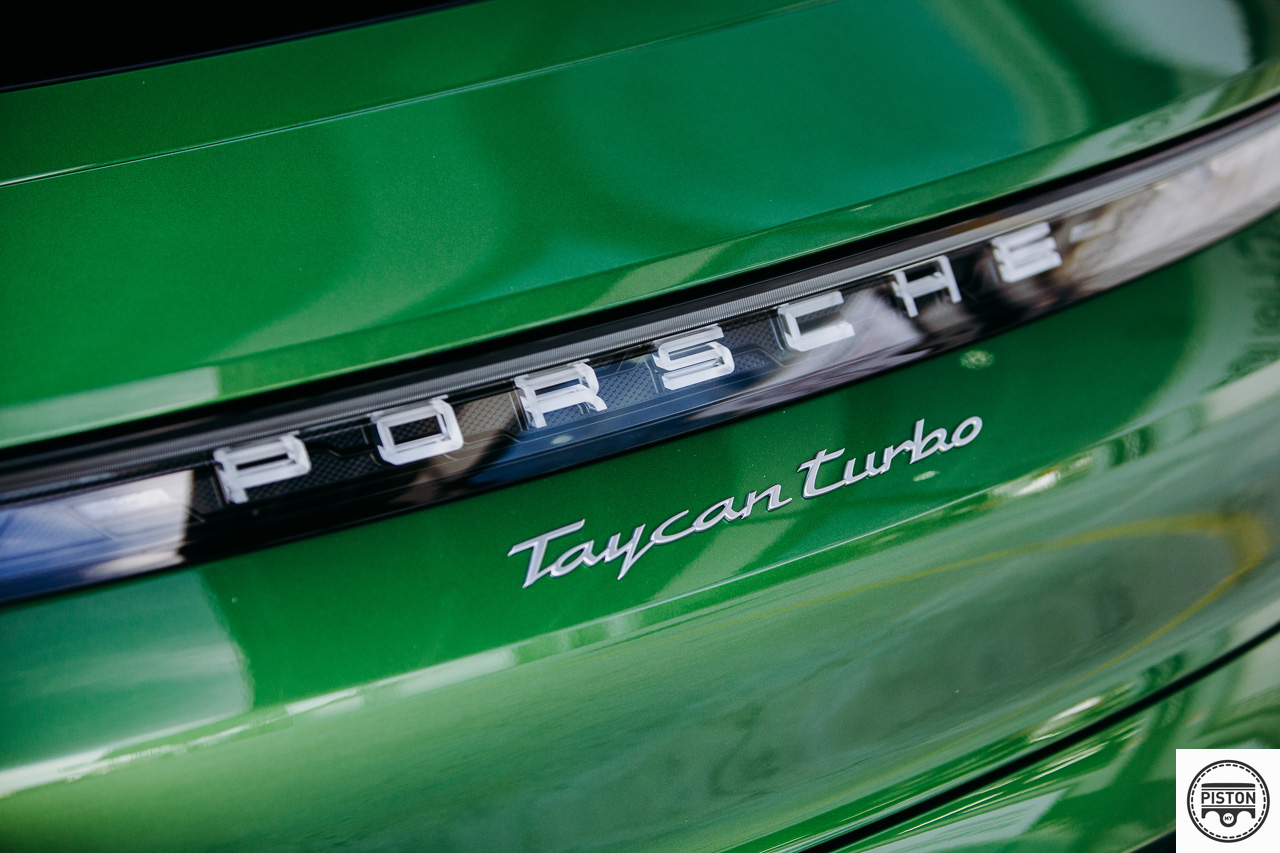
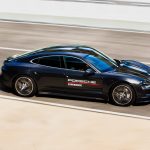
Then we hopped into the Taycan Turbo.
I do wish we would have done it the other way around though.
Because after the brutality of the Turbo S – the Taycan felt subdued. Like a hungover horse being asked to gallop.
But despite that, it too puts out some unworldly numbers.
It too offers 622hp but torque stands lower at 850Nm.
However, unlike the Turbo S, the Turbo puts out 670hp when you select the overboost function.
The Turbo though is slightly more affordable than the Turbo S, with prices starting from a little over RM963,000.
This was the first time I got to drive both Taycans.
There was a similar drive event held at SIC when Porsche introduced the Taycan to the Malaysian market earlier this year.
But back then, we had passed our seat to legendary Malaysian rally driver Karamjit Singh to get his thoughts on a car the world was raving about.
You can watch that video below.
As a first timer behind the wheel of the Taycan, it was the acceleration that really blew me away, especially in the Turbo S.
Handling too was sharp but that is to be expected of a Porsche.
But you really do feel the weight of the car because the Taycan weighs over two tons.
You feel this going into corners, but then the acceleration more than makes up for it.
The brakes too felt spongy, but that is a typical character of electric and hybrid cars as the brake pedal also regenerates the batteries.
So you don’t really feel the initial bite of the brakes, and if you get caught out by it, you could end up with an expensive repair bill.
But once you learn to trust the brakes though, you realise that behind all that sponginess is the same iconic Porsche anchors that the German marque is so well known for.
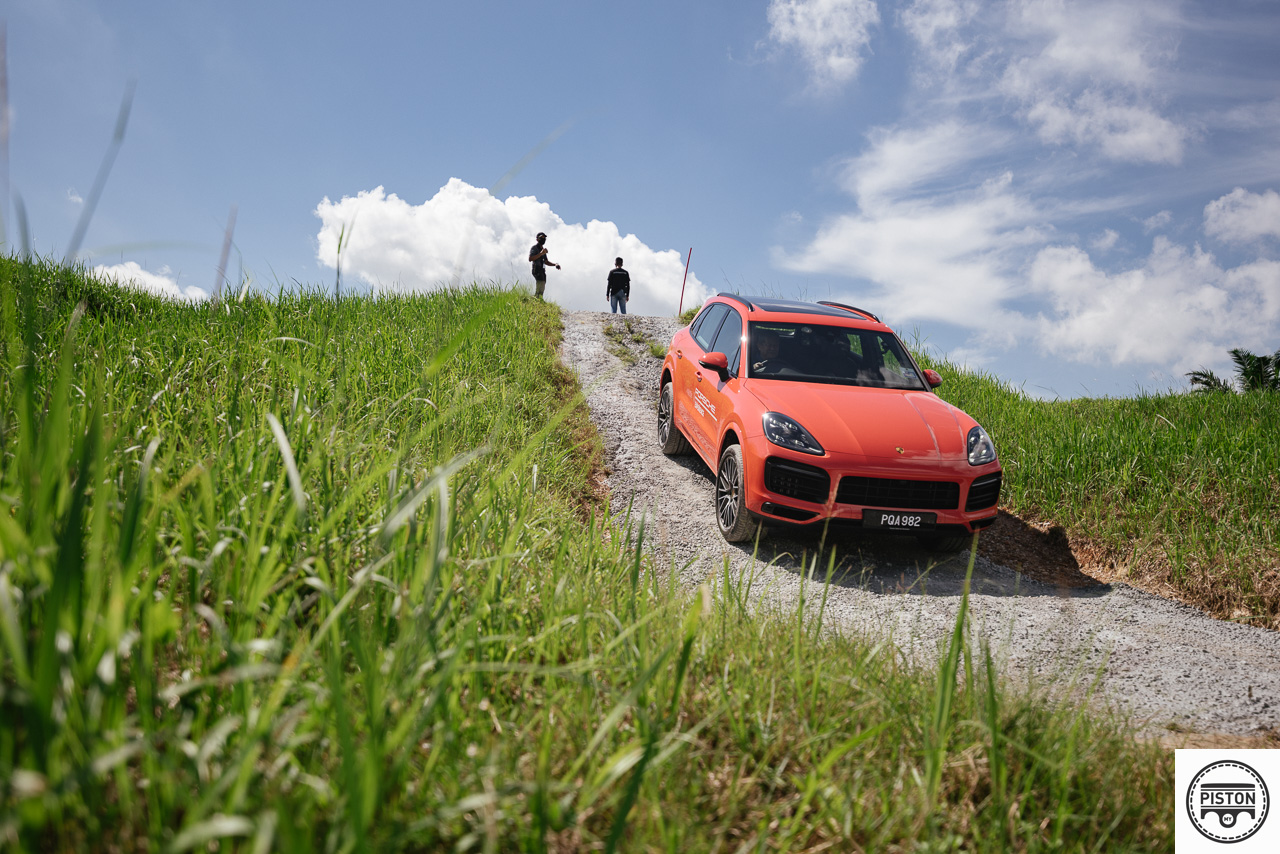
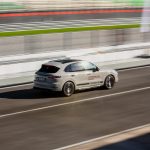
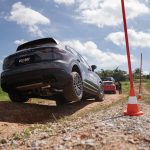
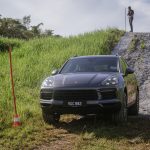
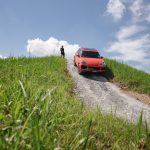
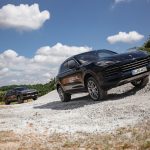
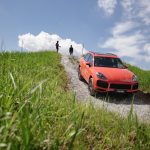
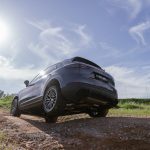
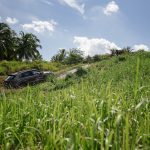
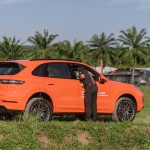
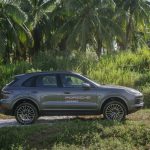
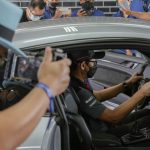
We later jumped into the Cayenne for a spot of off-roading.
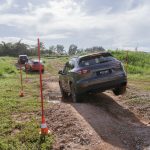
The off-road section was a purpose built course on the outskirt of the SIC.
The course was initially designed for dirt bikes.
But it was also a perfect place to display the Cayenne’s off-roading abilities.
In just about 300-500 metres, we found out that the Cayenne could hold its own in gravel, some loose mud, and some very uneven surfaces.
This involved some dabbing on the massive touch screen at the centre to raise the ride height of the Cayenne.
And some further dabbing was needed to tell the Cayenne that you were about to take it off-road.
And then you drive.
The off-road section is where the Cayenne truly put on a show as it sent power to wheels that were planted on the ground.
And sent zero power to wheels that were hanging in the air.
Intelligent is an understatement.
But I wasn’t too surprised here, because the Cayenne has already been proven to be a very capable off-roader plenty of times before.
If you didn’t already know, a couple of years ago, a few rally teams had contested the Cayenne in the gruesome Trans-Siberian rally that takes place in Russia, Siberia and Mongolia every spring.
It is a hardcore 4,400km rally where only road-legal cars with a few modifications are allowed.
The Porsche Cayenne won that race three years in a row.
There’s even a special edition Cayenne to commemorate that feat.
So there really is no better testament to the Cayenne’s off-roading capabilities than that.
But the Cayenne is unlikely to be used in such a manner, but just in case you needed to drive your Cayenne to the end of the world, know that you could.
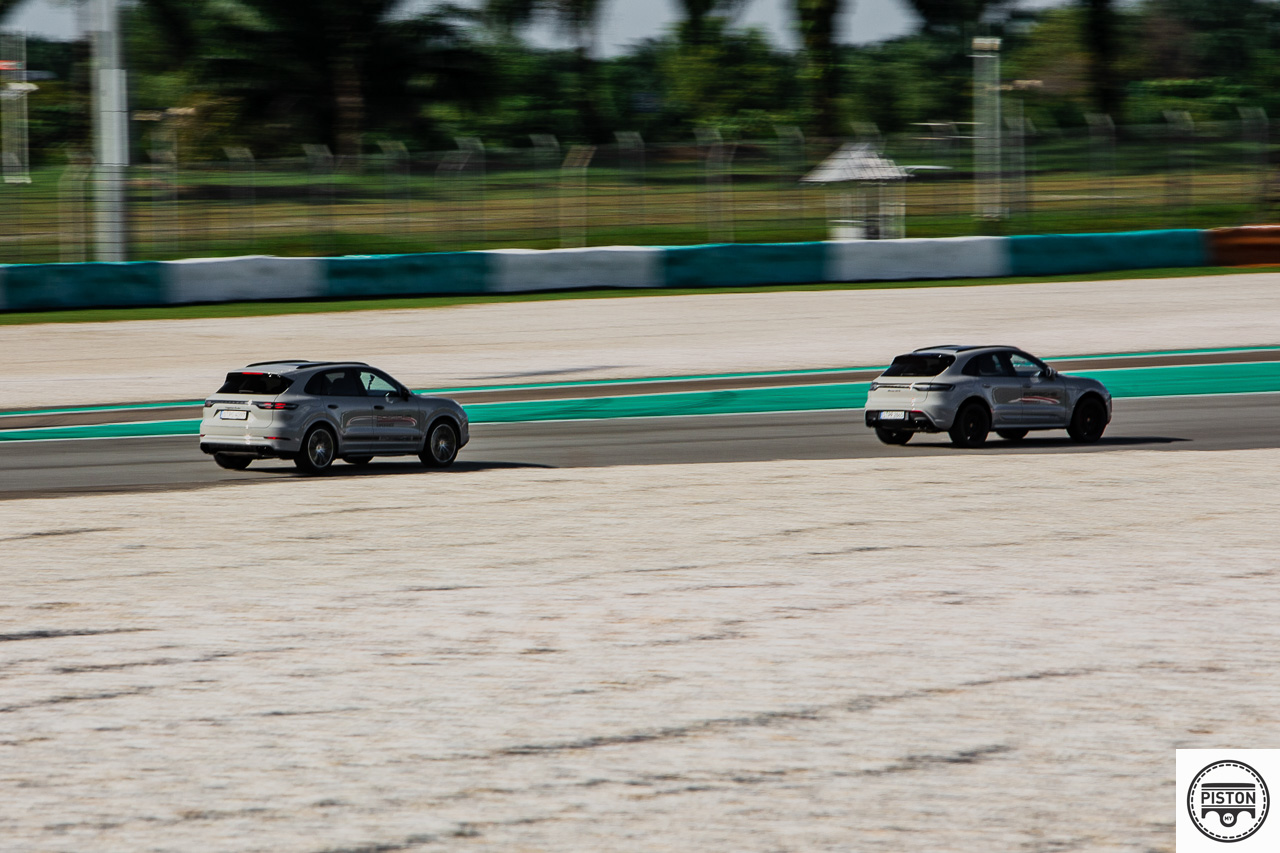
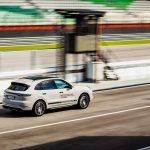
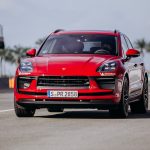
After spending time with the Cayenne, we jumped into the Macan – a baby-SUV named after a Tiger.
This is another SUV that does not need any introduction, but it was a refreshment of sorts to show what it is really capable of doing when the road opens up.
First the Macan GTS.
I love Porsche’s GTS models because it’s a nod to what cars were like in the past.
Fun beasts that make you miss the old times when men drank their whisky (or whiskey if you’re so inclined) without worrying about it being fake, and chased girls without their antics being posted on social media.
There was a time when the GTS models were pure naturally-aspirated models.
But times have changed and the Macan GTS is now a twin-turbo’d V6 model with a 2.9-litre engine putting out 437hp and 550Nm of torque.
It’s still capable of some brutal numbers though with the 0-100km/h sprint seen off in a little over four seconds with a top speed rated at 272km/h.
These are numbers that were once associated with the top of the line Macan Turbo.
Of course, we were not given a chance to fully exploit its potential.
Just enough to tell you that acceleration was fantastic, and that it makes some encouraging sounds along the way, and that for an SUV that weighs a little under two tons, it actually handles quite well.
I was quite surprised by the brakes though because they lacked that initial bite.
Porsche didn’t give us the spec sheet of all the cars we drove but I suspect the Macan GTS had regular brakes fitted rather than the optional Porsche Surface Coated Brakes or the Ceramic Brakes. Both optional of course.
The Macan Turbo though was a whole different ball game, and that’s the car we got to drive next.
The Macan Turbo is the big dog of the Macan line-up. The Macan you want to have.
It offers the same performance figures as the Macan GTS, and that’s because the updated Turbo model is yet to be introduced.
Despite that, the driving experience between the two is vastly different.
Both cars have twin-turbo engines.
But the engine note in the Turbo is deeper while the GTS has a screaming engine note that mimics a naturally-aspirated engine.
It almost sounds like the sound has been artificially induced and piped into the cabin through the speakers, similar to what Porsche has done with the Taycan.
Artificially induced sounds are not new to the industry, but it is a bit of a let down because there’s nothing better than a raw engine note. Not what a car maker thinks an engine should sound like.
But it is what it is.
And that is quickly overlooked as you put your foot down and the car lurches forward before your brain even registers what is going on.
Jumping from the GTS into the Turbo, we really didn’t think the difference will be all that big. But it is truly vast.
Perhaps it is the way that power is delivered, or how the sound is generated. But the performance in the Macan Turbo is how a Porsche should ideally perform.
Brakes too are much more confidence inspiring in the Turbo model we drove.
We found ourselves braking later and turning in deeper into a corner. A true performance machine the Macan Turbo definitely was.
And that is no surprise considering the Turbo is the flagship model of the Macan line up.
Our experience at the Porsche World Road Show at SIC ended with the Macans.
And though it was similar to the one we attended in 2018/2019, it was still perfectly laid out for us to experience Porsches at their finest.
And if there is one thing we can say about modern Porsches, it is that they are a complete paradox.
On one side you have a race car for the road with the GT3.
And on another side you have a tree-hugging electric supercar in the Taycan Turbo S.
Then you have the ultra-capable go anywhere Cayenne.
And the Macans are the cute in betweens if you don’t want something too big but with fun performance.
If there is one car maker that is completely future-proof to whatever may come in the next 10 years, it would be Porsche.
And there are rumours that Porsche may make an entry into the wonderful world of Formula 1.
Either as an engine supplier or as a works team remains to be seen.
Whatever comes, it is an awesome time to be a Porsche owner.
Toyota and Lexus sales in Malaysia mirrored the Total Industry Volume (TIV) of November, which is expected to be less than the October TIV. However, demand for the two brands distributed by UMW Toyota Motor remains strong and the difference was only 14 units compared to the total volume for October when the total number sold nationwide was 8,500 units.
The total sales volume for November is 8486 units consisted of 6,620 passenger cars and 1,866 commercial vehicles (including pick-ups). For the period from January to November 2021, total sales for the Toyota and Lexus brands have reached 63,105 units, 26% higher than the same period in 2020 when a total of 50,074 units had been sold.
Toyota Vios and Hilux bestsellers
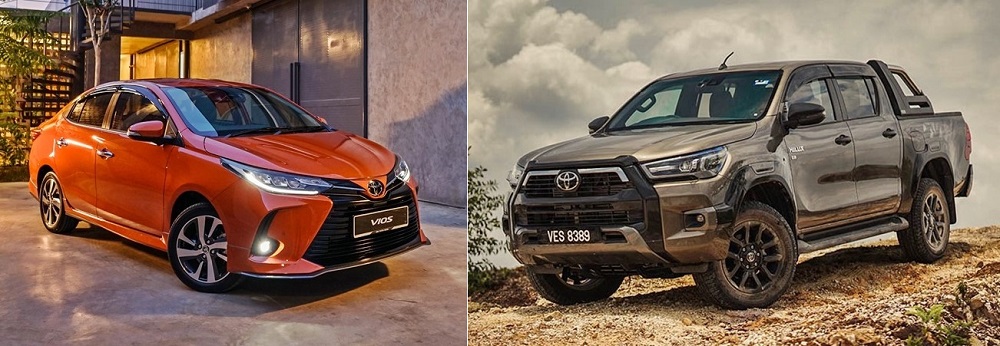
Among the passenger car models, the Vios continued to be the bestselling Toyota model, accounting for 33% of sales, while the Hilux continued to be the bestselling pick-up truck in Malaysia, a position it has held since 2005.
Toyota’s bestselling models in Malaysia – the Vios and Hilux.
“The continued growth of the market is a sign that we are steadily progressing towards recovery. The New Normal means that some things have to be done differently and we have to be conscious of SOPs, and at Toyota, we have adapted our processes accordingly. Customers can visit our showrooms or send their vehicles to authorized service centres with peace of mind that they are protected health-wise,” said UMW Toyota Motor President, Ravindran K.
“During the final month of the year, we will have great deals and with our ‘Now Is The Time’ promotion, there are savings of up to RM5,500 on selected models. Additionally, the government’s exemption of sales tax is ongoing which means additional savings,” he said.
Countdown to hybrid launch
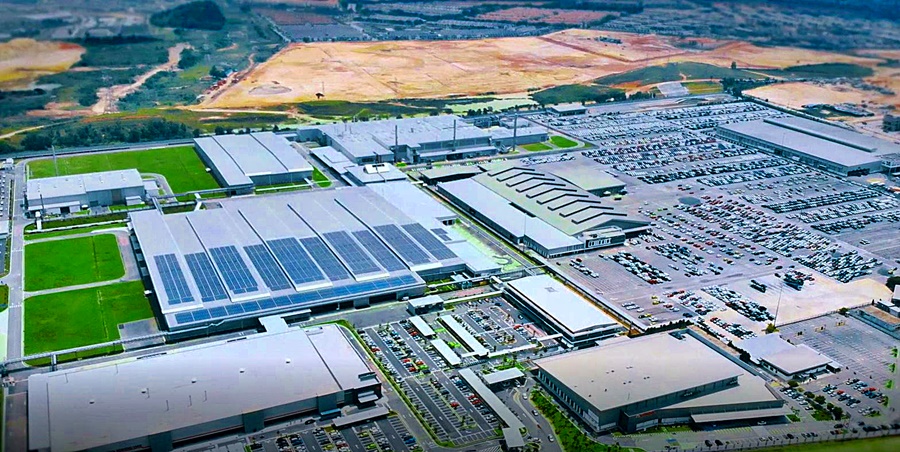
Preparations are being finalized for the launch of the first locally-assembled Toyota hybrid electric vehicle in the near future. This will be the new Toyota Corolla Cross Hybrid which is now undergoing pre-production activities at ASSB, UMW Toyota Motor’s assembly plant in Bukit Raja, Selangor.
“Since we opened for bookings for the new Corolla Cross Hybrid, response has been good and we are happy to see that many Malaysians are keen to switch to Hybrid Electric Vehicle Technology. Toyota has been producing hybrid electric vehicles since the late 1990s and has constantly improved and advanced the technology so Malaysians will benefit from this long experience,” said Akio Takeyama, Deputy Chairman of UMW Toyota Motor.
The ASSB plant in Bukit Raja, Selangor is now assembling the first Toyota hybrid model in Malaysia, alongside the Vios and Yaris.
“We are aware that many customers are eager to receive their Corolla Cross Hybrid and we ask for your patience. There are many quality processes which ASSB must complete to ensure that the cars delivered are of the highest standard in every respect. And I would also add that once the car is delivered, the new owners will also be assured of an ownership experience of the highest standard,” Mr. Takeyama added.
The new Corolla Cross Hybrid has an estimated price starting from RM137,000 (without insurance) and comes with a 5-year/unlimited mileage factory warranty. Additionally, for peace of mind, there is a separate 8-year/unlimited mileage warranty covering the hybrid battery pack, inverter and Power Management Control Unit. Customers can also extend their warranty for a further 2 years to make it a total of 10 years, the first such warranty in the local industry.
With Ford having revealed their next generation of the Ranger pick-up truck, Volkswagen is also releasing more details and images of its new Amarok. Why, you may wonder, is Volkswagen associated with Ford’s model reveal? It’s because the two carmakers have been working together on their new pick-up trucks. Ford had previously been collaborating with Mazda for its earlier Rangers, with Mazda’s version known as the BT-50. However, the two companies decided to end that collaboration and Mazda has teamed up with Isuzu, while Ford teamed up with Volkswagen.
Like the Ford-Mazda collaboration, a similar arrangement is now with the German carmaker’s Commercial Vehicles subsidiary. Just how much each party contributes is not known, just as it was never known with Ford and Mazda which had worked together since the first Ranger in the mid-1990s. However, Ford probably brings much truck expertise to the collaboration since it has been making such vehicles for more than 100 years, and it also makes the bestselling truck on the planet (albeit largely in North America).
Volkswagen has not had a strong presence in the truck market and even back in the 1990s, it was taking the Toyota Hilux and rebadging it to sell as a Volkswagen Taro. It developed its own model, the Amarok, ten years ago but that has not made a big impact in the time it has been in the market (over 800,000 sold globally). Now, with the new model to be adapted from the new Ranger, Volkswagen will have a more capable truck to sell. The carmaker is certainly expecting it to impress with numerous innovations.
New Amarok to be built at Ford plant
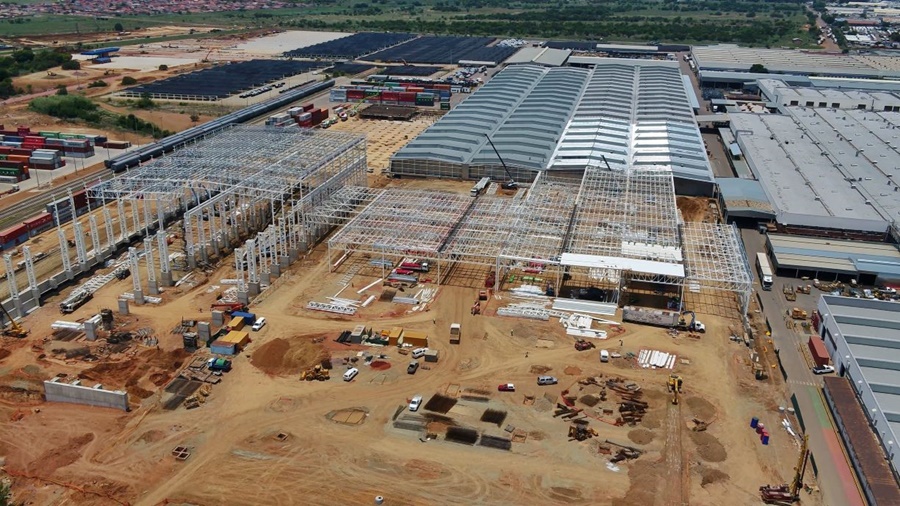
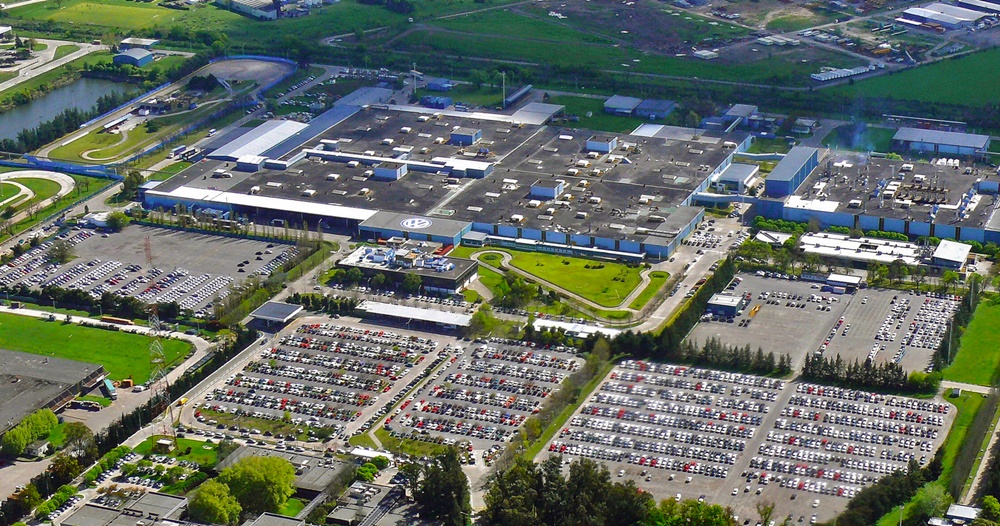
The Ranger was mainly developed in Australia and Volkswagen adds that there were also project teams in Europe. The Ford models will be built at two production hubs – in Thailand and in South Africa – and Volkswagen says its product will be built in South Africa (at Ford’s plant) as well in Pacheco, Argentina, where the current generation is built. Volkswagen has plant in South Africa as Uitenhage but it is not set up as a truck plant (it makes only the Polo and Cross Polo). Incidentally, Mazda’s new BT-50 is also made at the Isuzu plant in Thailand rather than the original facility which is jointly owned with Ford.
This is considered as the third generation and unless Volkswagen plans on entering more markets with the new Amarok, it will be sold in considerably less than the 180 markets the Ranger is in. It is mainly on sale in South America, Europe, South Africa, Mongolia and there are plans to sell it in North America.
The new Amarok will be built at Ford’s factory in South Africa (above) which was upgraded this year for the new Ranger. Another production site will be at Volkswagen’s factory in Argentina (below) which builds the current Amarok.
Premium truck
To go on sale in late 2022, the new Amarok is presented as a premium truck and will have ‘clear Volkswagen DNA’, the company stresses. This probably refers largely to aesthetics and perhaps some specific equipment or features. The new vehicle has significantly more driver assistance systems and connectivity than before, which the Ranger is already well known for.
As is the case with shared models, the designers can only individualise areas like the lights and grille, and perhaps some of the bodywork as many of the structural ‘hard points’ are fixed. To alter them means additional engineering work and cost, defeating the benefit of joint development.
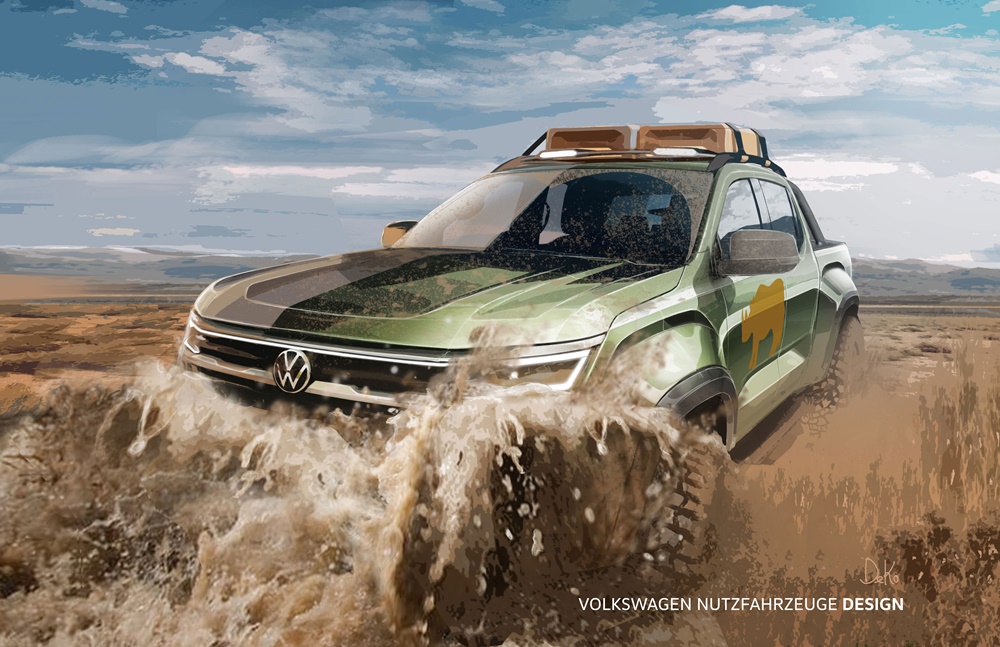
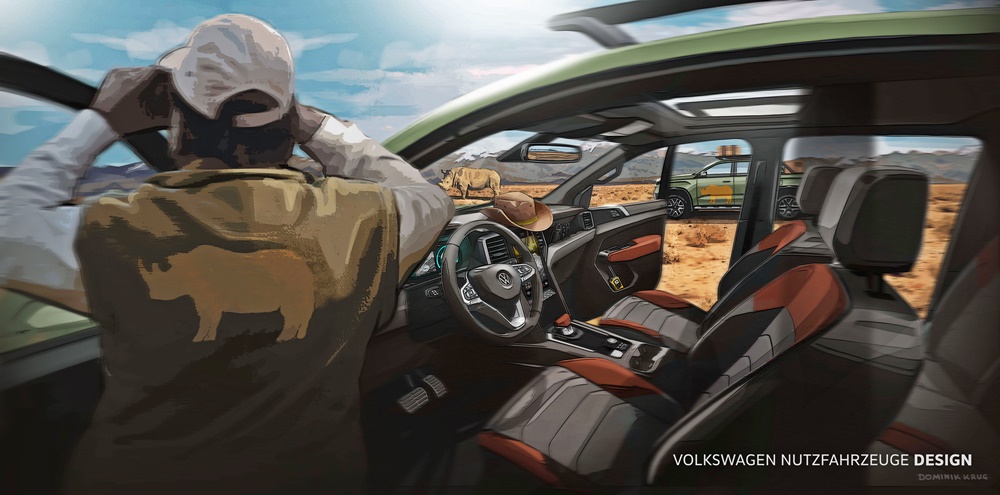
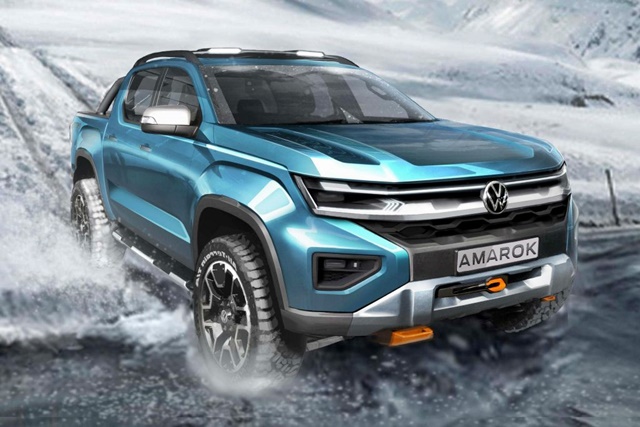
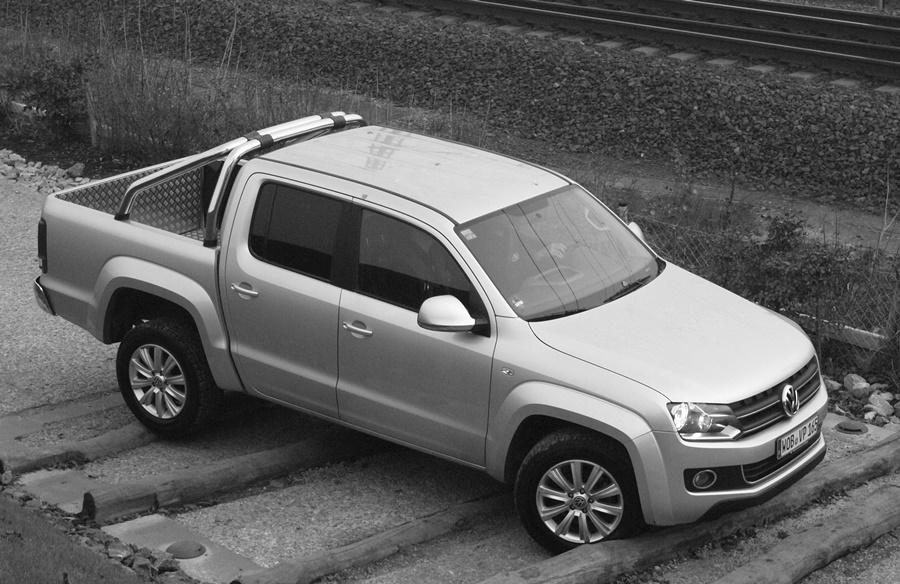
The new Amarok will get Volkswagen DNA at the front end and looks a lot more muscular than the model it will replace (below).
‘X design’ and Volkswagen DNA
In the case of the Amarok, Volkswagen is giving it a striking front end with defining ‘X design’, according to Albert-Johann Kirzinger, Head of Design at Volkswagen Commercial Vehicles. “We’ve given the strength and power of the new Amarok an unambiguous expression – with clear Volkswagen DNA, inside and out.”
“The Amarok makes possible what in many places appears impossible at first sight: it makes things easier for its users by assisting them in their work and everyday lives,” said Dr. Lars Krause, Brand Board of Management Member for Sales and Marketing at Volkswagen Commercial Vehicles. “That’s because the Amarok provides solutions that enable our customers to achieve their goals – especially when things get difficult.”
To know more about Volkswagen models available in Malaysia, visit www.volkswagen.com.my.
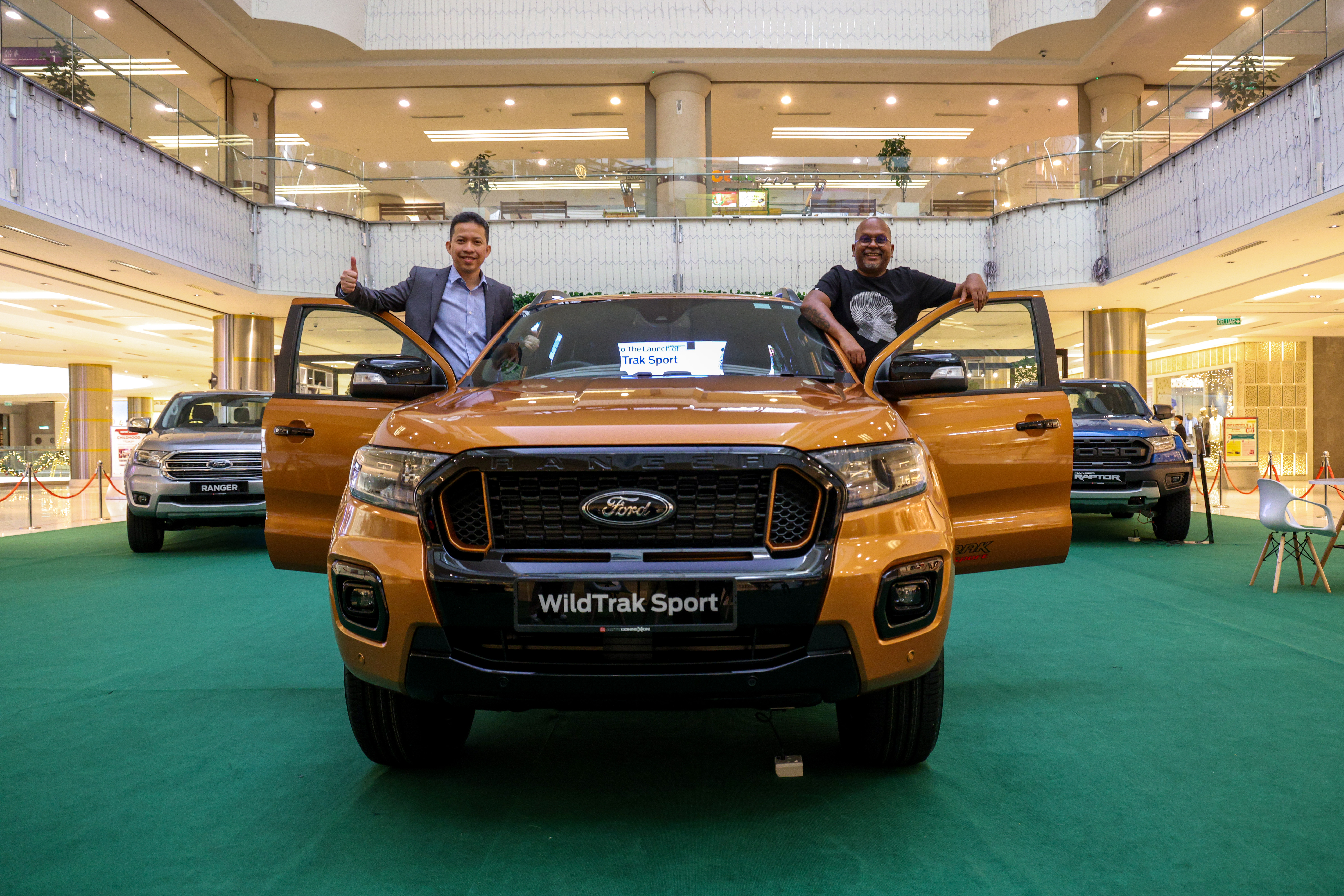
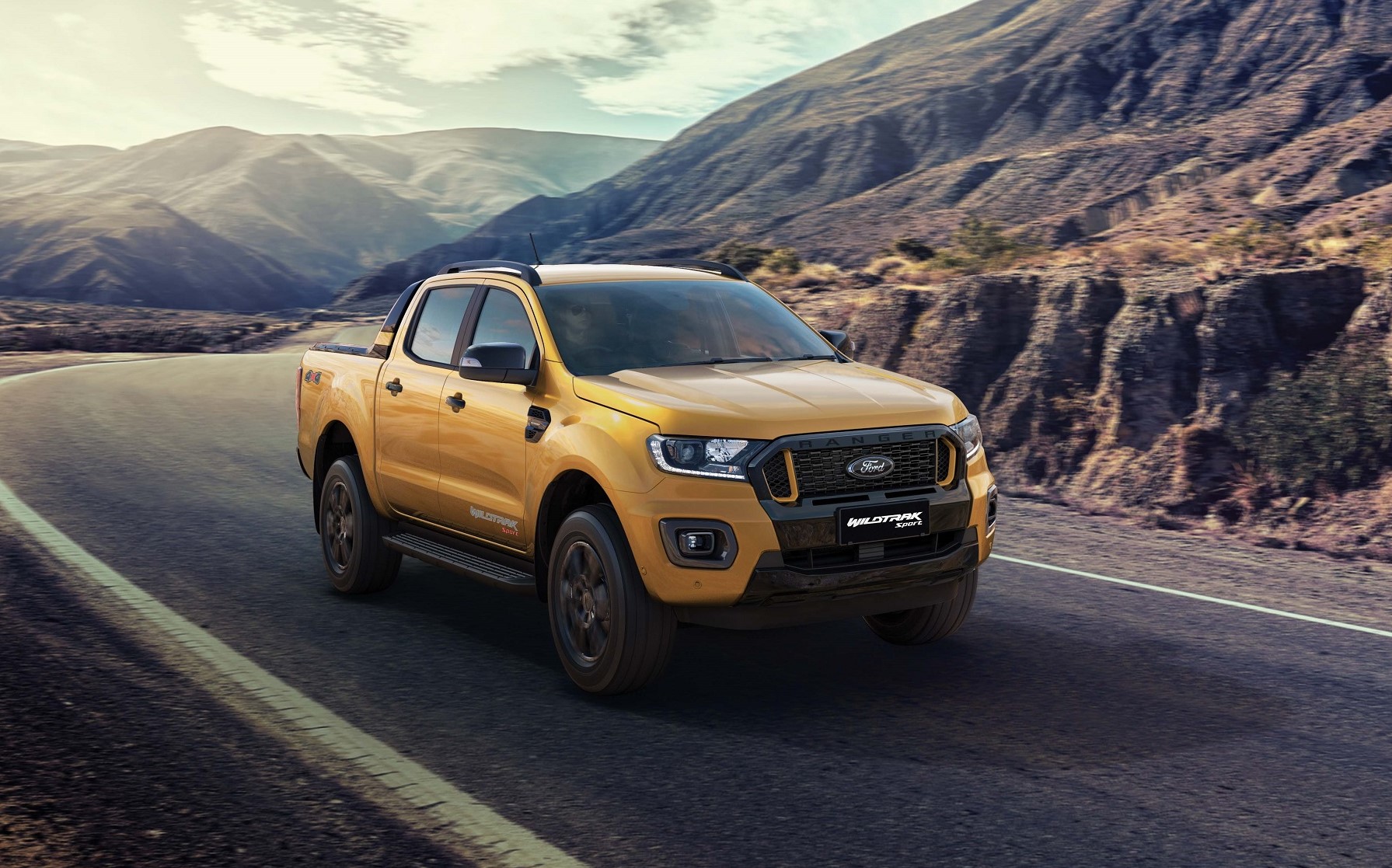
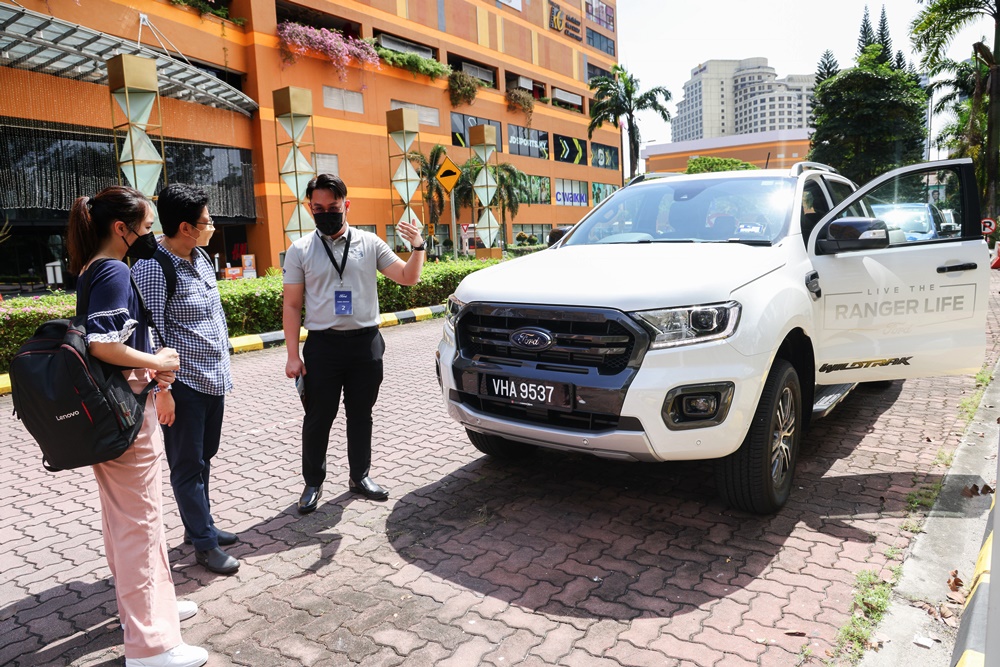
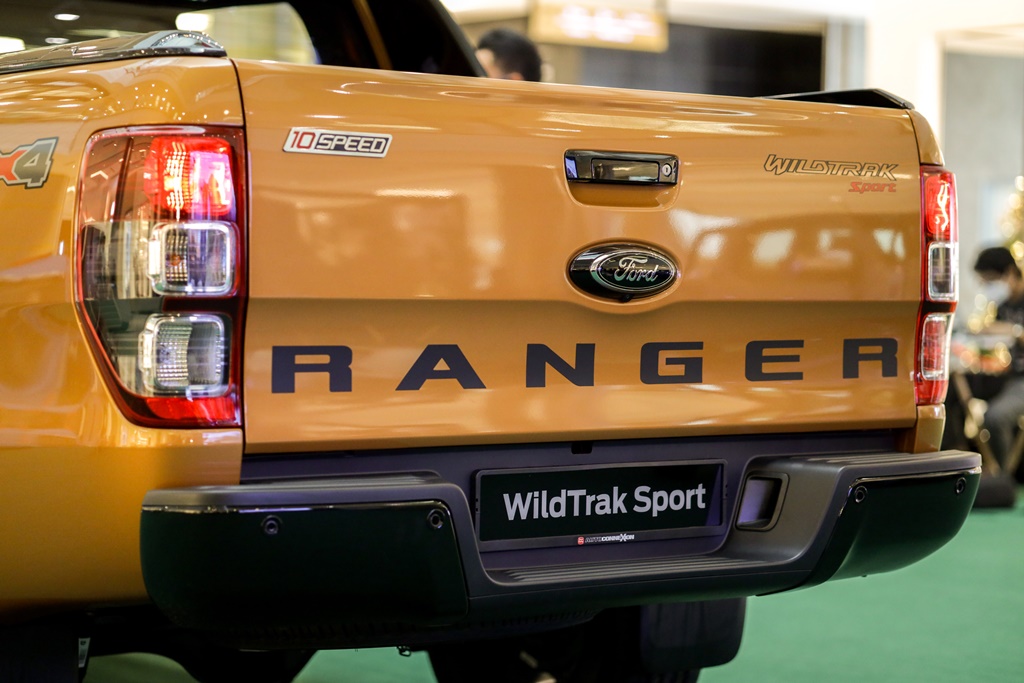
The Ford Ranger Wildtrak is a well-equipped, value-for-money version of the popular pick-up truck sold by Sime Darby Auto ConneXion (SDAC), Now, there’s an even better Wildtrak and only a limited number of units have been imported from the factory in Thailand.
Known as the Ranger WildTrak Sport, this special edition is priced from RM158,388 (excluding insurance, Peninsular Malaysia private registration). Each new unit is backed by Ford’s manufacturer’s warranty of 5 years or 160,000 kms (whichever comes first). Customers will also get an 18-month free service package if they purchase the vehicle before December 31, 2021.
Exclusive features inside and outside
As a special edition, the Ranger Wildtrak Sport has exclusive features on the exterior as well as inside the double cab. On the outside, the two available colours of Saber and Absolute Black identify the Wildtrak Sport. The dominant grille area has a new design while the door mirrors are finished in Ebony Black. The door handles and rear lift handle also follow the black theme, and likewise for the alloy wheels which are 18 inches in diameter.
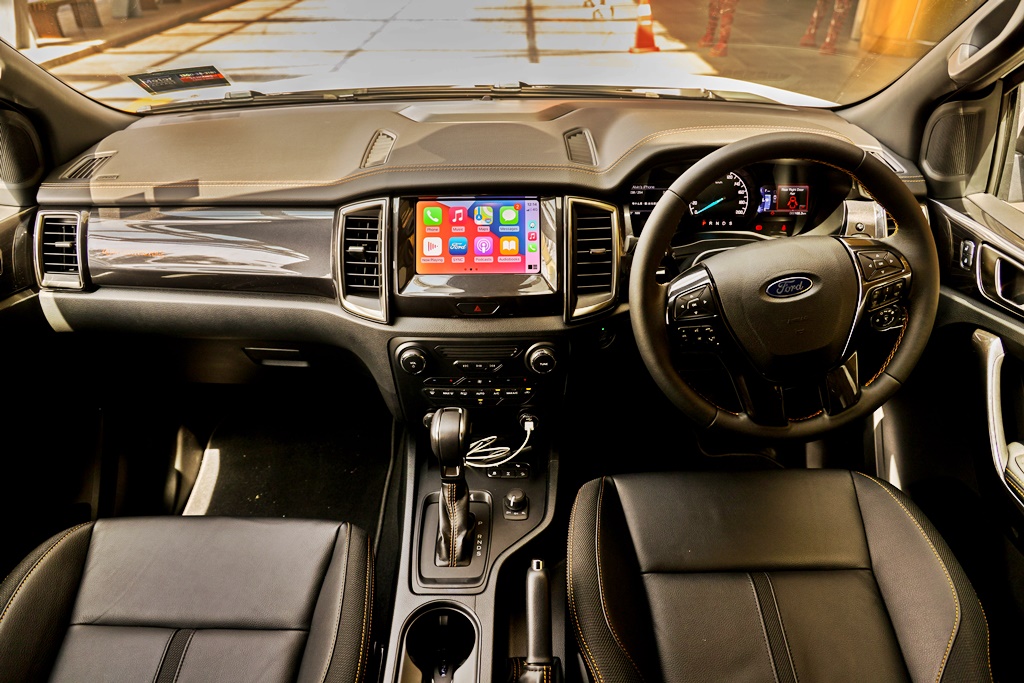
The passenger car-like cabin gets illuminated front scuff plates with a logo and the seats have embossed leather upholstery, along with the steering wheel which has stitching.
Same technical specifications
The technical aspects are the same as the regular Ranger Wildtrak so under the bonnet is the proven 2-litre Bi-Turbo diesel engine with a 10-speed automatic transmission. The output of 213 ps/500 Nm means the vehicle can go anywhere easily, especially with its robust and capable 4×4 system.
Besides its performance, the Ranger WildTrak Sport also has smart safety technologies that make it safer when driving. Active safety systems include Autonomous Emergency Braking with Vehicle and Pedestrian Detection, Forward Collision Warning and Lane Departure Warning and Assist. Airbags are installed on the front and sides of the cabin to provide additional protection during collisions.
Test-drives are also available at the event in 1Utama as well as at showrooms of authorised Ford dealerships nationwide.
“As the country transitions to normalcy, we see the introduction of our New Ford Ranger WildTrak Sport Special Edition timely, being a perfect addition to our already renowned Ranger portfolio where customers use it for work, family or play,” said Turse Zuhair, Managing Director, Sime Darby Auto ConneXion.
Take part in the challenge
The Ranger Wildtrak Sport Special Edition is being introduced to the public at Ford’s first ‘new normal’ roadshow from today until December 12 at the Ground Floor of the Luxe Wing in the 1Utama Shopping Centre, Petaling Jaya, Selangor. Activities will be broadcast from the event daily so those who cannot be there can still ‘participate’ and stand a chance to win Ford exclusive merchandise. The broadcast is on Facebook Live on Ford Malaysia’s Facebook page.
The public can also participate in the #FORDeverysecondcount social challenge to win Ford exclusive merchandise. This challenge aims to inspire people by asking them to make a montage of 1-second footages expressing the type of life they want to live from now on as we progress towards normalcy, and to include the #FORDeverysecondcount and #fordmalaysia hashtags.
Special offers
Normally, special offers are only available to those who visit events, but authorised Ford dealerships nationwide will also be giving the same offers as the roadshow during the 5-day period. Customers who buy the Ranger WildTrak Sport during this period stand a chance to win with a local Getaway package.
To know more about the Ranger WildTrak Sport and other versions available, WhatsApp Chat a Ford Ranger Specialist or visit www.sdacford.com.my.
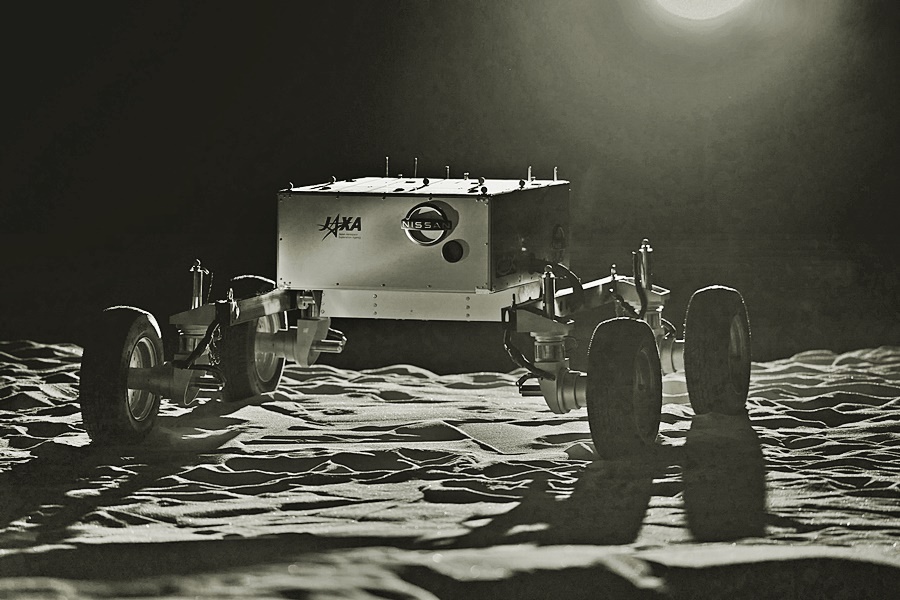
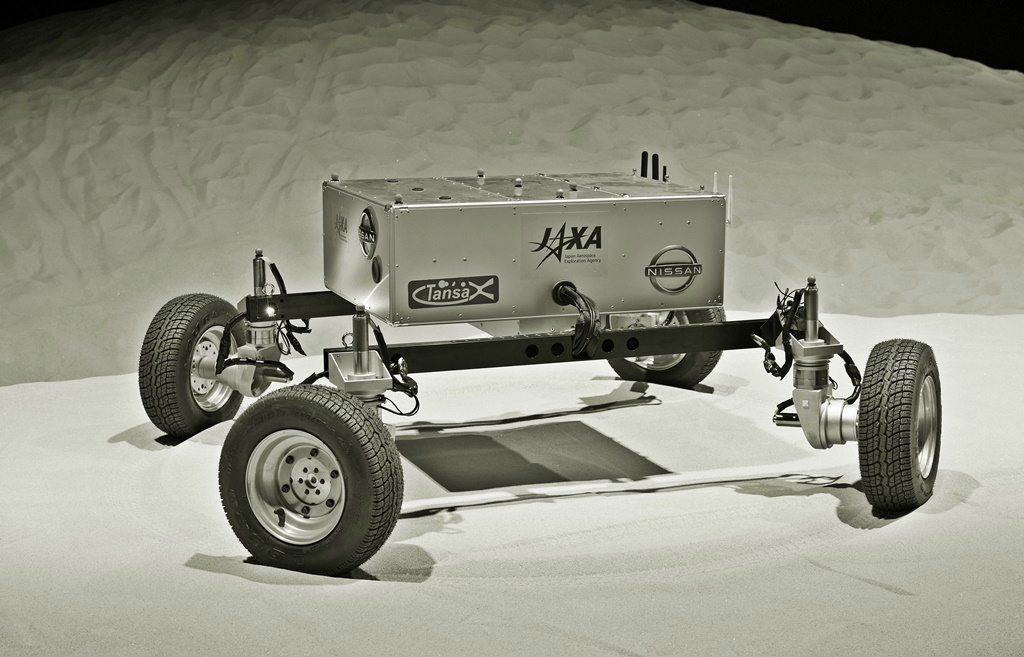
Nissan’s 4×4 SUVs like the Patrol and Navara pick-up trucks can travel over all sorts of terrain on the planet. Soon, there will also be a Nissan vehicle moving around on even more hostile terrain which won’t even be on Earth. It will be on the moon and the vehicle will technology which Nissan has developed for use on Earth.
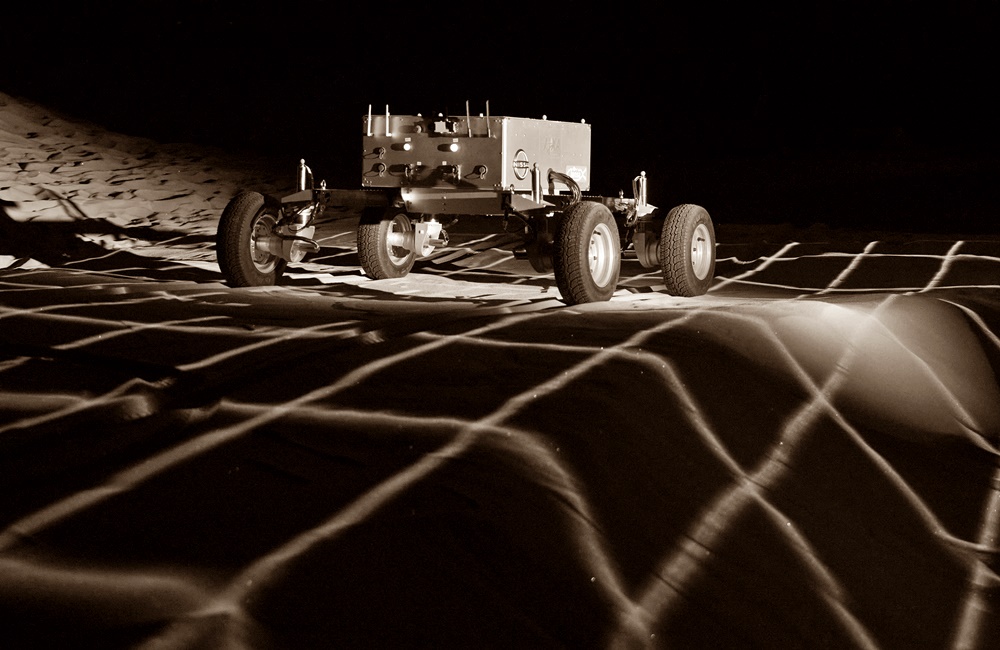
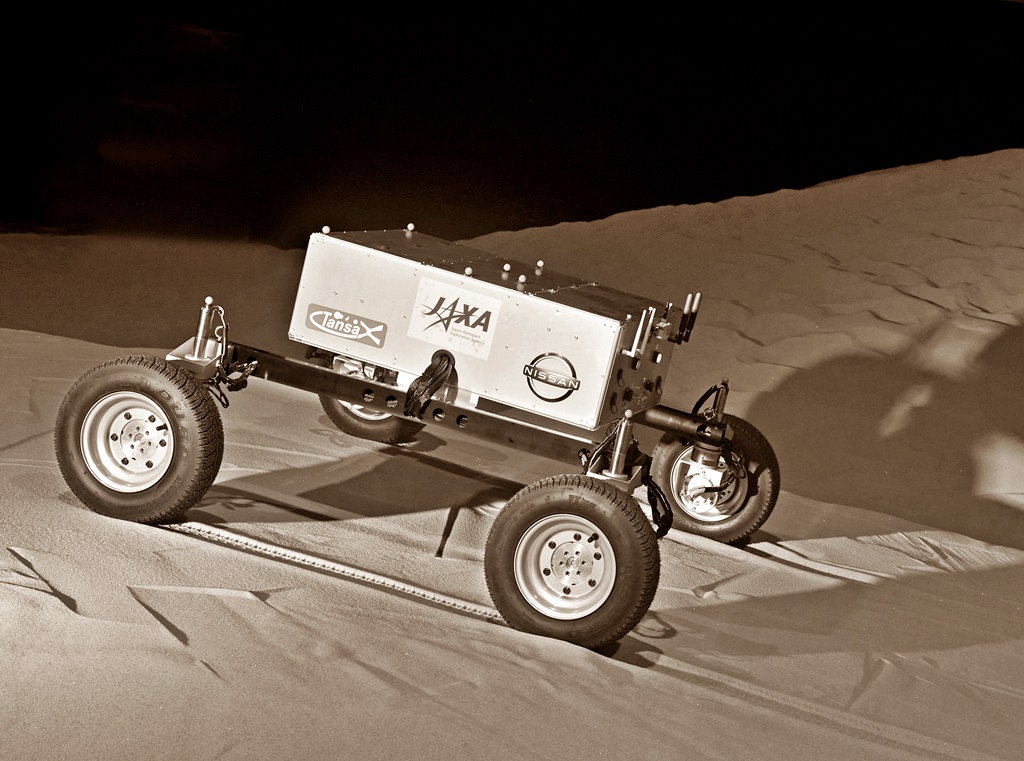
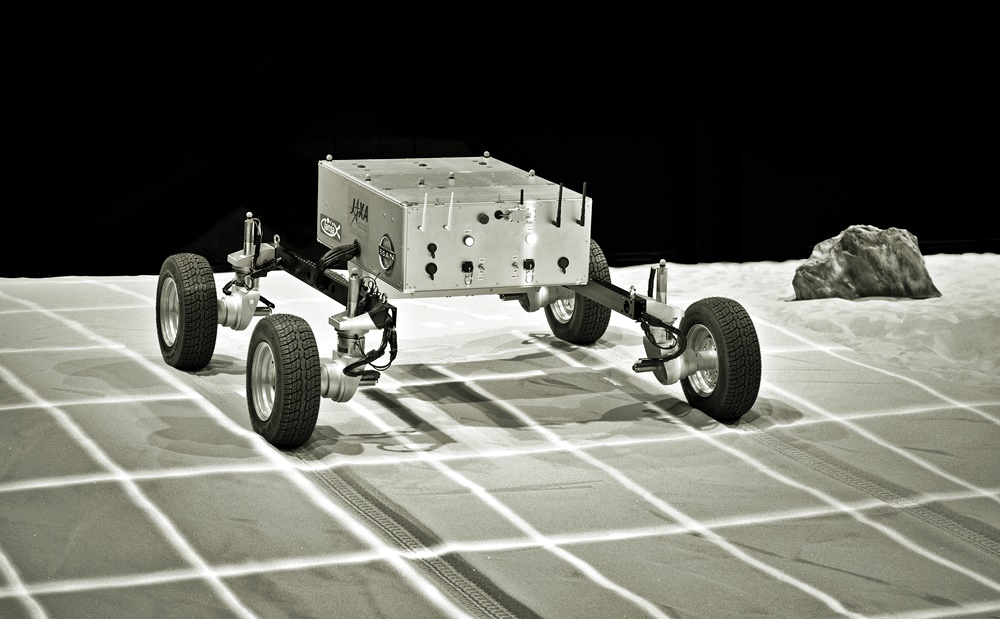
The Lunar Rover Prototype jointly developed by Nissan and the Japan Aerospace Exploration Agency (JAXA) is a project which has been ongoing since January 2020. Nissan’s research work applies the motor control technology it has developed through its production of mass-market electric vehicles such as the LEAF as well as the e-4ORCE all-wheel control technology featured in the all-new Ariya electric crossover.
A lunar rover must be able to traverse the moon’s powdery, rocky and undulating terrain and be energy efficient. Furthermore, energy sources for operating vehicles in space are limited. With e-4ORCE, the vehicle’s performance can be boosted over tricky terrain.
Ultimate driving performance
Nissan has focused on the development of stable driving performance that enables customers to drive their cars with greater confidence. Its e-4ORCE technology precisely controls all 4 wheels independently, providing the driver with confidence in various conditions.
In its joint research with JAXA, Nissan is evolving e-4ORCE technology to improve its performance in sandy terrain and other harsh conditions. When vehicles are driven in sand, their wheels frequently spin and dig in, limiting forward progress. A high level of driving skill is required to avoid getting stuck. To meet this need, Nissan has developed driving-force controls that minimize the amount of wheelspin in accordance with surface conditions.
Sharing knowhow
Through the joint research, Nissan aims to contribute to the technological evolution of automotive technology and space exploration technology by sharing knowhow gained from test-vehicle development and combining it with JAXA’s knowledge of rover research.
“The uses of automobiles and driving situations are wide-ranging. We aim for the ultimate driving performance through our research and development, and believe the knowhow gained from this joint research with JAXA will lead to innovations in our vehicles that will bring benefits to customers,” said Toshiyuki Nakajima, General Manager of the Advanced Vehicle Engineering Department in charge of e-4ORCE control development at Nissan.
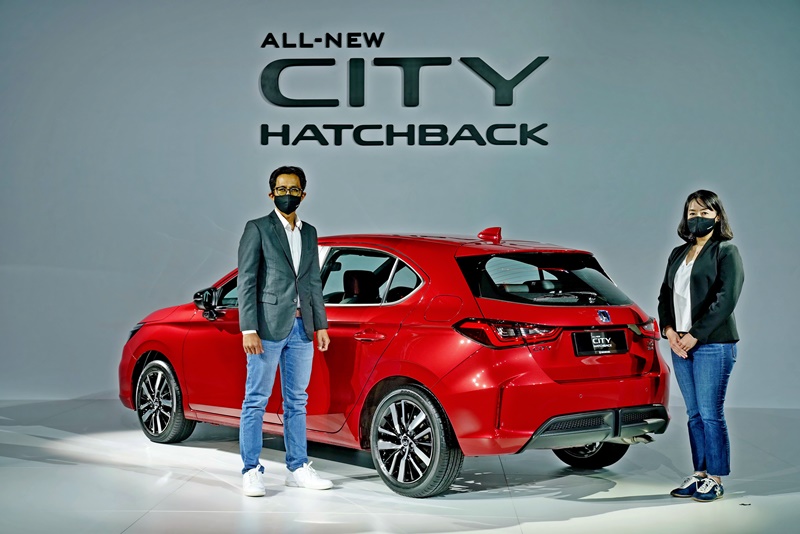
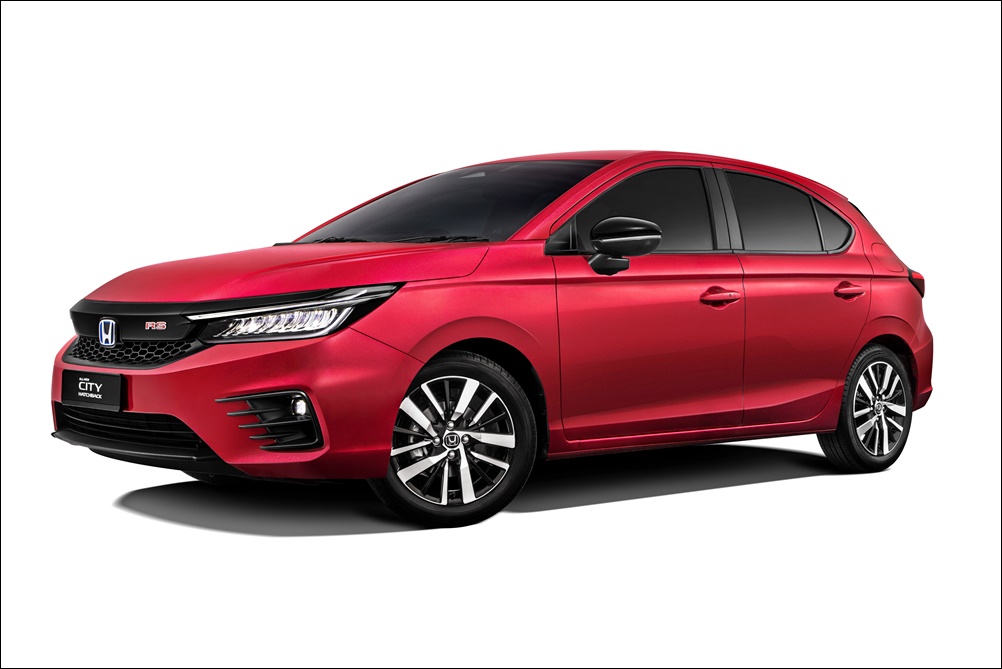
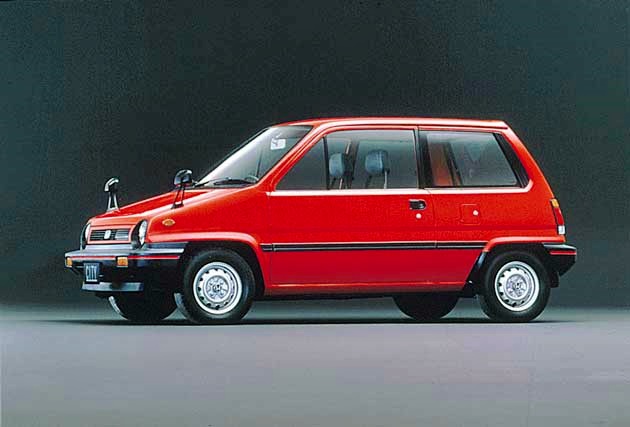
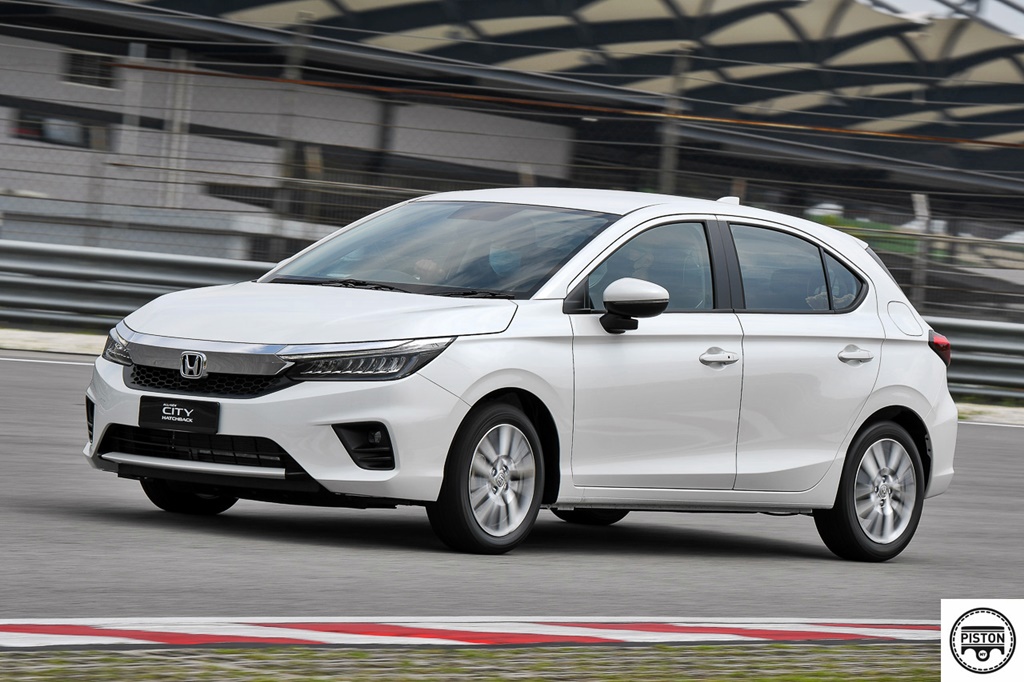
Not everyone may know that the City name did not begin with the model that is known today which was born in the mid-1990s. There was another Honda City – a small car mainly sold in Japan which was called the City as well. That model was interesting in the interior packaging that made it even possible to include a tiny scooter called the MotoCompo in the boot. And it was a hatchback. So it is interesting that while the original City was not mentioned before as a predecessor of today’s City – which is a sedan – it was mentioned with the launch of the new City Hatchback.
The original City was a small hatchback produced between 1981 and 1986. It was only around 3.8 metres long with a wheelbase of 2.2 metres – while the modern City Hatchback is 4.3 metres long and sits on a wheelbase of 2.6 metres.
The City Hatchback takes the place of the Jazz which will no longer be offered in Malaysia but will still be sold elsewhere outside the region. Some may ask why it is necessary to drop the Jazz. It has been a successful product since being launched in 2001 and was the first model to beat the Toyota Corolla in the domestic Japanese market in overall sales. Like the Civic, which began as a low-priced hatchback, the Jazz evolved and perhaps became more sophisticated and more expensive to build.
It could be for this reason that Honda decided to develop a hatchback on the City platform which was originally conceived as a ‘Asian Car’. It was created at a time when the Civic began to cost more and could no longer be an entry-level model so a new lower-cost approach was needed to offer a new model at the entry level.
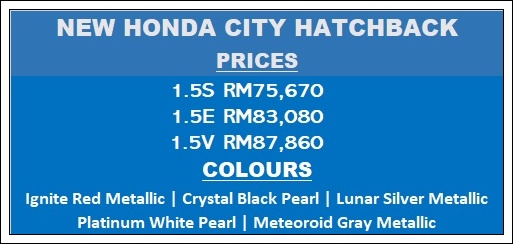
Prices shown above do not include insurance and sales tax. For private registration in Peninsular Malaysia.
The City Hatchback was planned and developed at the same time as the current 5th generation City Sedan but its introduction was delayed due to the pandemic. While the Jazz will be sold in other regions, this model is intended mainly for the Asia-Oceania market. The factory in Thailand is the hub for producing the City in both variants and markets like Malaysia also have it assembled locally.
Four variants, two powertrains
For the Malaysian market, there are four variants being assembled at the Melaka plant, essentially like what is offered for the sedan. And like the sedan too, one of them (the RS variant) has a more advanced i-MMD e-HEV powertrain. This is a hybrid powertrain which is greatly improved from the first Integrated Motor Assist (IMA) hybrid system Honda used over 20 years ago. It uses a 1.5-litre petrol engine working with dual electric motors and can generate up to 253 Nm of torque – which is a figure normally seen from bigger engines. The City Hatchback RS will not, however, be immediately available (which was the same case with the City RS), so we won’t get into too much detail at this time.
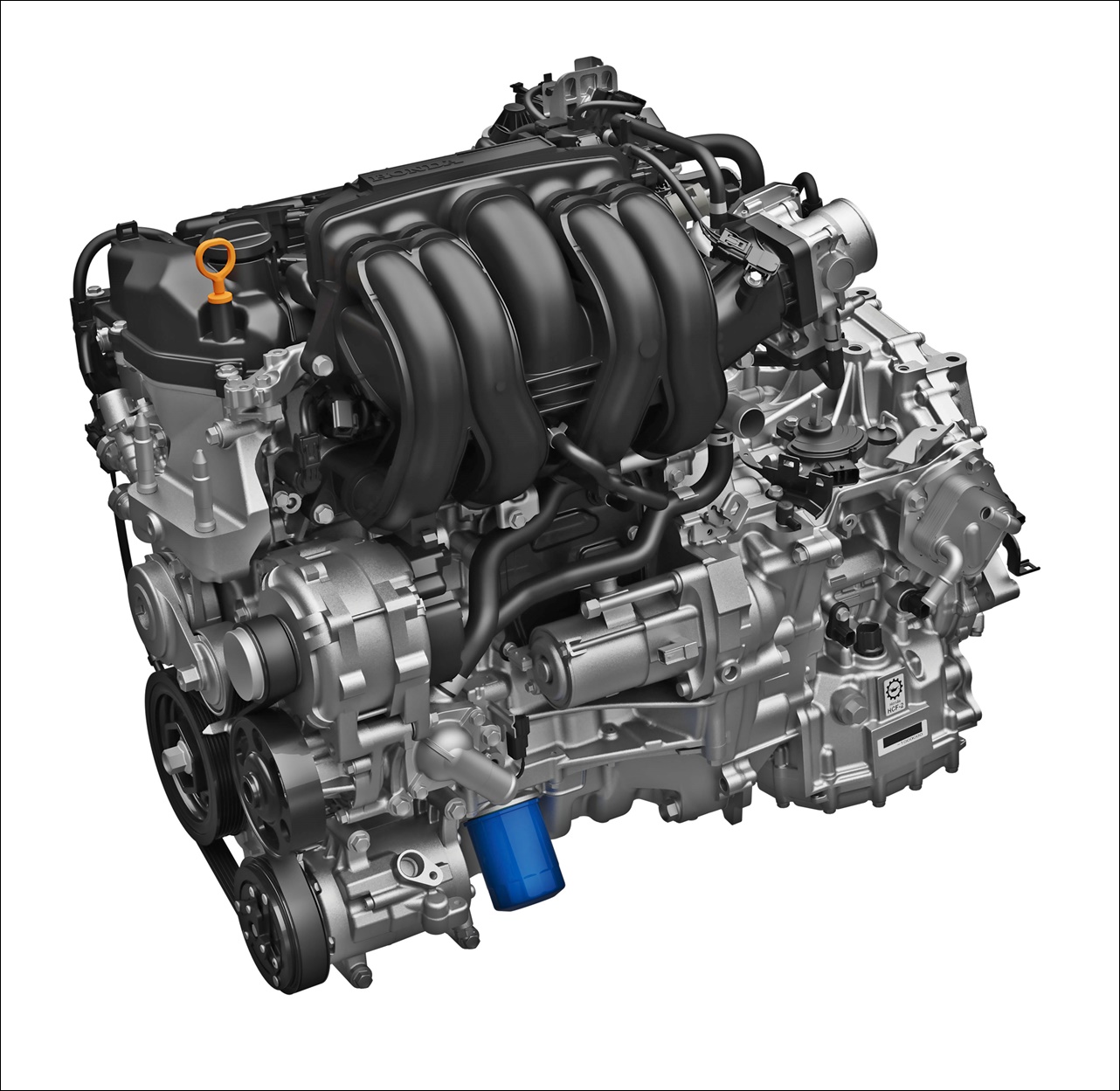
As for the other three variants (S, E and V), these all share the same 1.5-litre i-VTEC engine with a DOHC cylinder head. This engine (also used in the sedan) produces 121 ps/145 Nm which is the highest in its class and the power gets to the front wheels through a CVT. These three variants are expected to account for 95% of the sales, the same proportion as for the City Sedan.
Shorter but heavier
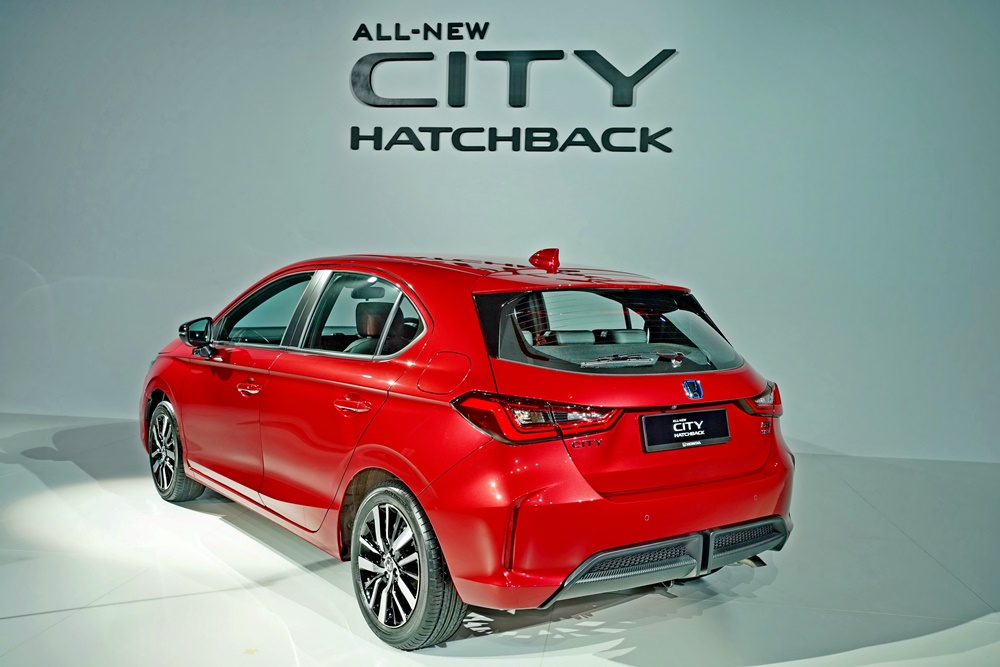
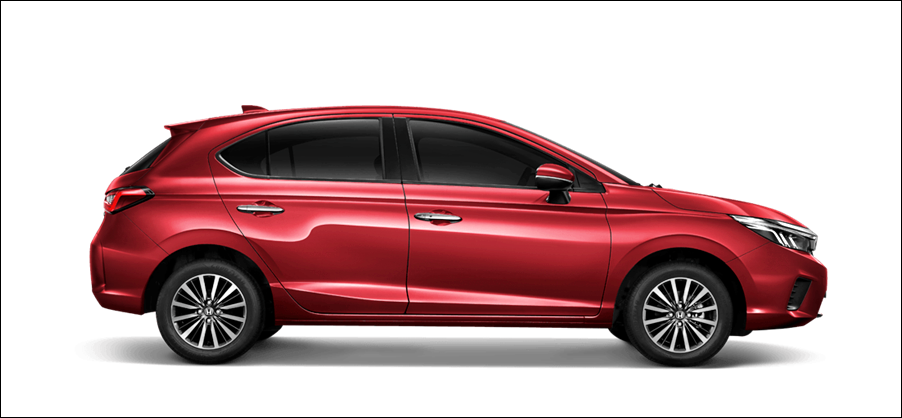
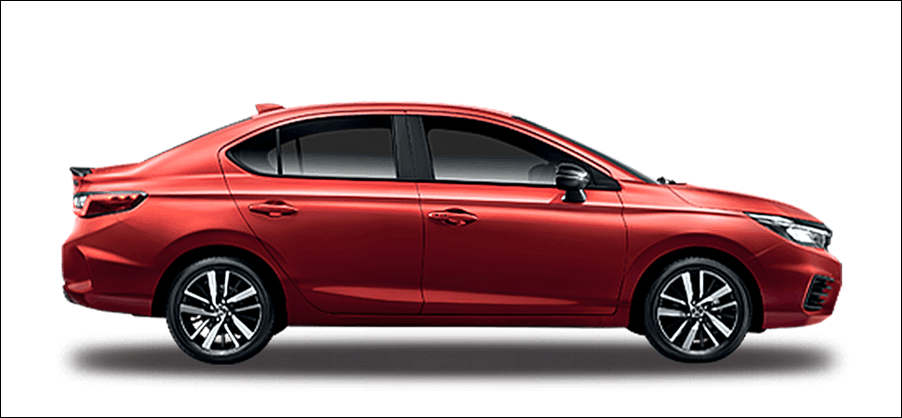
While the sedan and hatchback have similar mechanical items and parts, the bodywork is obviously different at the rear with the absence of the ‘third box’ for the boot. The rear side doors appear similar, probably retaining the same hard points but further back, the rear end is shorter. The difference in overall length is about 206 mm but the wheelbase is identical at 2600 mm as is the 1748 mm width. The hatchback is a bit heavier even though it is shorter and that’s likely to be because it has a larger piece of glass at the back.
The versatility of a hatchback
When hatchbacks started to appear in the 1970s, the selling point was their versatility. SUVs as we know them today were not in existence yet so to have a car that could provide comfortable transport and yet carry more stuff than a sedan, the hatchback with its large rear opening was a practical approach.
While one can say that when folding rear seats were also available in sedans, the extended load capacity also became possible, along with a longer floor. But what a hatchback offers is more vertical space so more items can be stacked or taller items can be accommodated (keeping in mind the rear view, of course).
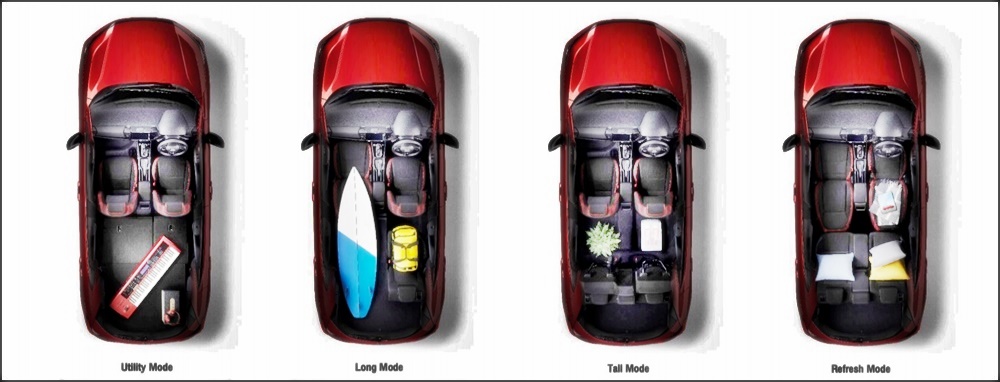
The ULTRA Seat
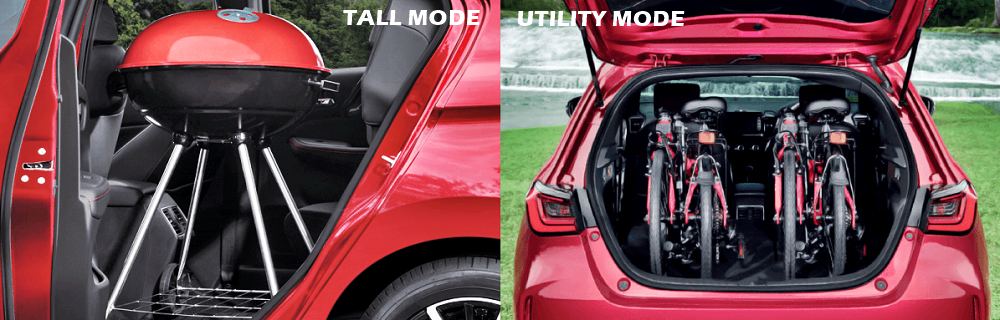
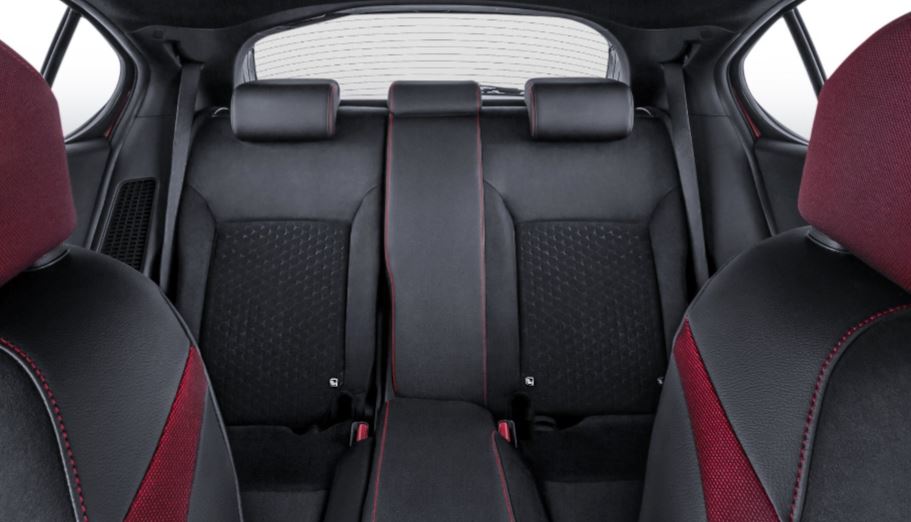
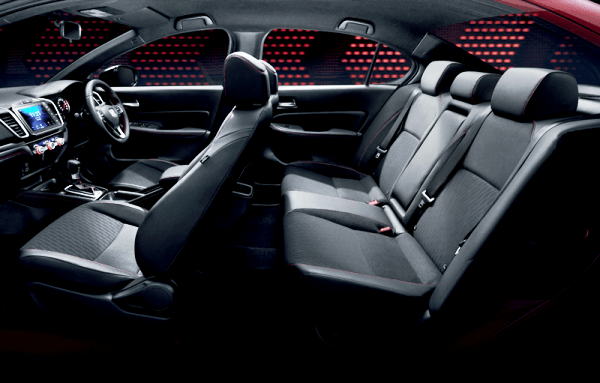
Honda’s designers went one step further in making the cabin of a hatchback versatile by adding the ULTRA seat. This innovation was developed after hours of watching people at supermarkets and shopping centres. They took note of the sort of items loaded and saw that there were items that were tall (like plants) and could not readily fit. This led them to design the rear seat to fold upwards against the backrest and create a generous vertical space from the floor to the ceiling.
The ULTRA seat was introduced in the first generation of the Jazz in the early 2000s. It was then offered in the second generation of the City, giving it a unique selling point. However, it was not consistently offered and then disappeared.
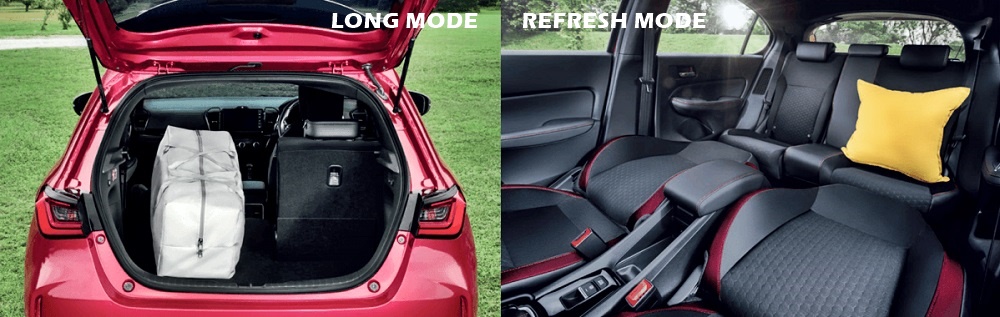
Now the ULTRA seat is back in the City Hatchback which extends its versatility. Instead of being bolted to the floor and fixed in place, the seats have a hinge under the backrest and are supported on U-shaped tubular bars. They can be flipped up against the backrests, or the backrests flipped down flat to get more floor length.
While they are similar in concept to the original ULTRA seats, they no longer have a hard plastic panel underneath. In the early version, the panel was moulded and included circular teh tarik hooks which were useful if you had some plastic bags to hang.
As before, the ULTRA seats have four ‘modes’ – UTILITY, LONG, TALL or REFRESH. For the LONG and REFRESH modes, the front passenger’s seat can also be folded flat so there is an open space from the back door all the way to the dashboard to carry a really long item or just to stretch out. For those who frequent IKEA, this would definitely be the sort of car to own.
Similar design and features as sedan
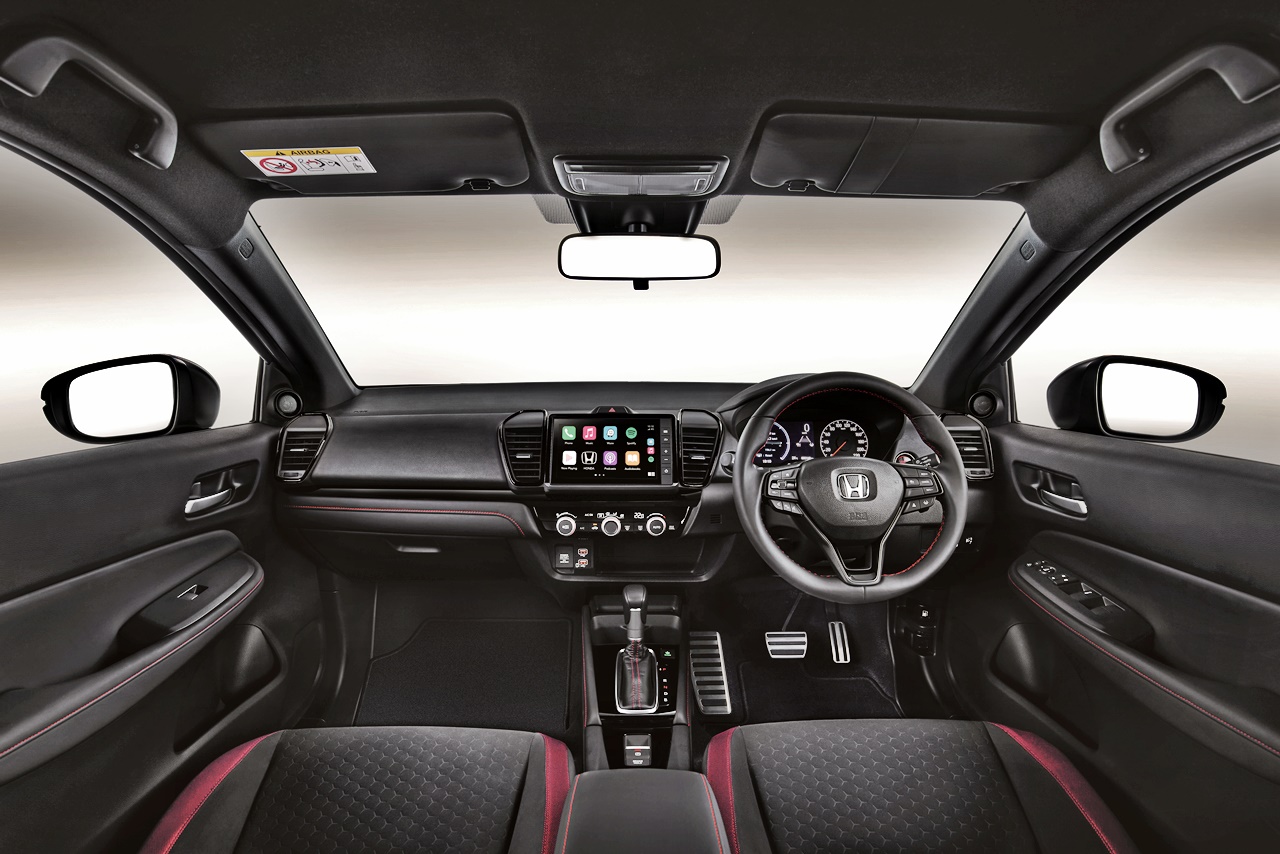
The cabin layout is the same as the sedan’s and the equipment levels are also similar. The best-equipped version is the top RS e:HEV which has Honda SENSING and Honda CONNECT. However, this version would cost more than the RM87,860 that the top version (1.5V) of the petrol-engined variants is priced at. For the sedan, Honda Malaysia introduced an additional version which brings Honda SENSING to the 1.5V version and they might do the same for the City Hatchback later on.
In any case, the City Hatchback 1.5V is still pretty well equipped and good value for money. It has standard features like Auto LED headlights (high beam automatically switches to low beam when necessary), LED front foglights, 16-inch alloy wheels, Honda LaneWatch and 6 airbags.
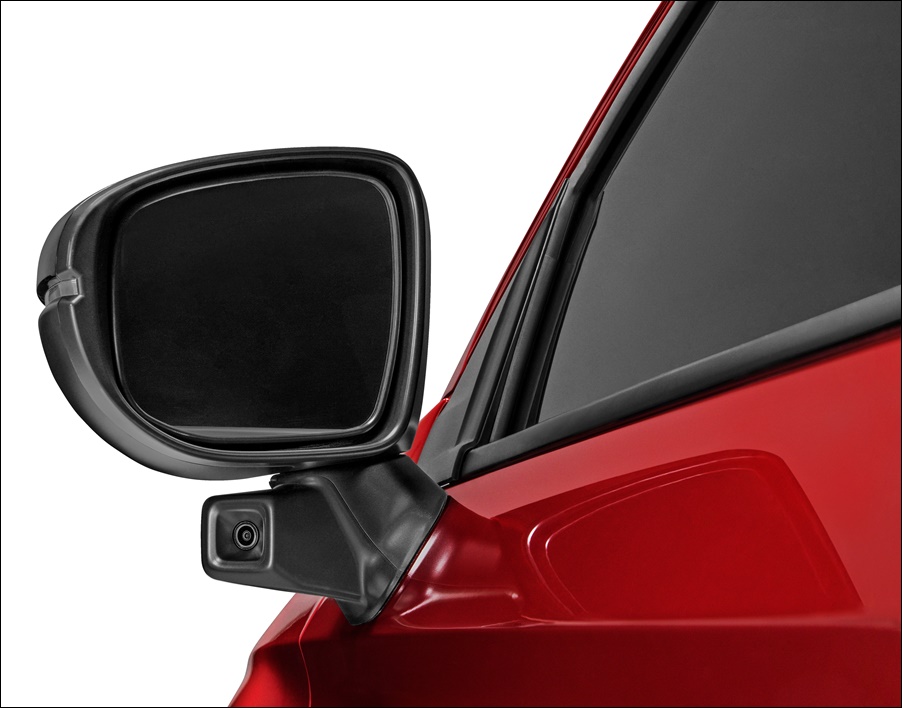
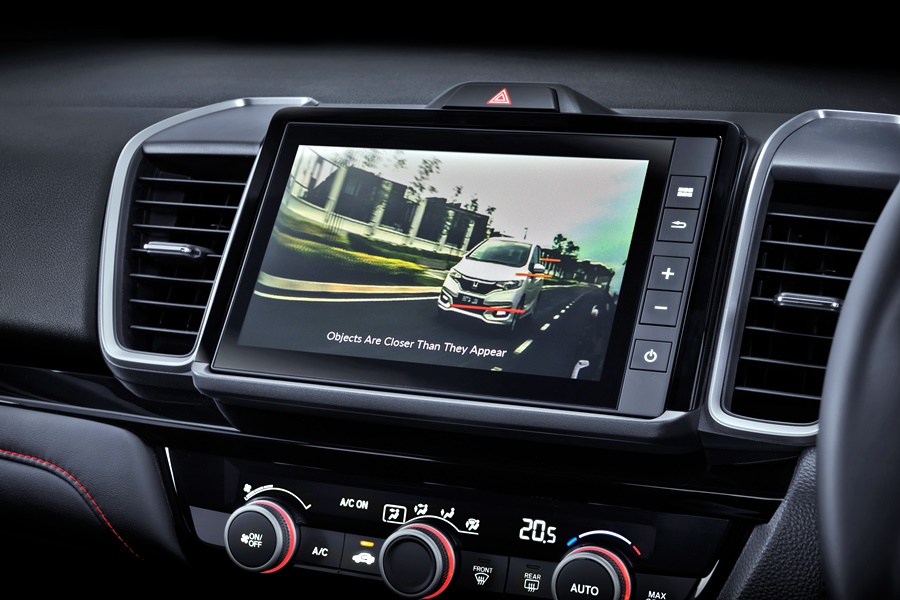
Honda Lanewatch is another innovative feature which provides the driver with a view of the blind spot on the left side of the car by using a small camera mounted on the door mirror. The real-time image is displayed on the 8-inch panel in the middle of the dashboard so the driver doesn’t have to turn the head all the way to the left to see the mirror. The camera is only on when the left signal is activated.
Other notable features are Remote Engine Start, paddle shifters, cruise control, automatic air-conditioning a reverse camera (these items are also standard for the 1.5E). For those with compatible smartphones, there’s added connectivity with Apple CarPlay and Android Auto.
Comprehensive safety systems
While the Honda SENSING package is available only for the very top RS variant, the safety systems that come standard with the City Hatchback are also pretty comprehensive and can help to reduce accidents. These include ABS with Brake Assist, Vehicle Stability Control, Electronic Brakeforce Distribution, and Hillstart Assist.
There’s also an Emergency Stop Signal system which will keep the brake lights illuminated and activate the hazard lights automatically if the braking action is sudden and heard (indicating emergency braking). This can alert drivers behind so that they will respond earlier and possibly avoid a rearend collision.
As childseats are now required by law, there is an ISOFIX point for compatible childseats to be installed easily and securely. The Seatbelt Reminder is also wired to include the rear seatbelts so that the driver will be aware when someone is not belted up (an offence).
For those who don’t like SUVs
The Jazz may be missed by some but if it is versatility that you are looking for, then the City Hatchback would be just as practical. This extra capability is available without compromising on space and comfort and can be considered something like a stationwagon too. And for those who want the versatility of a SUV but don’t like the tallness, the City Hatchback could also be a great alternative as it sits as low as the sedan.