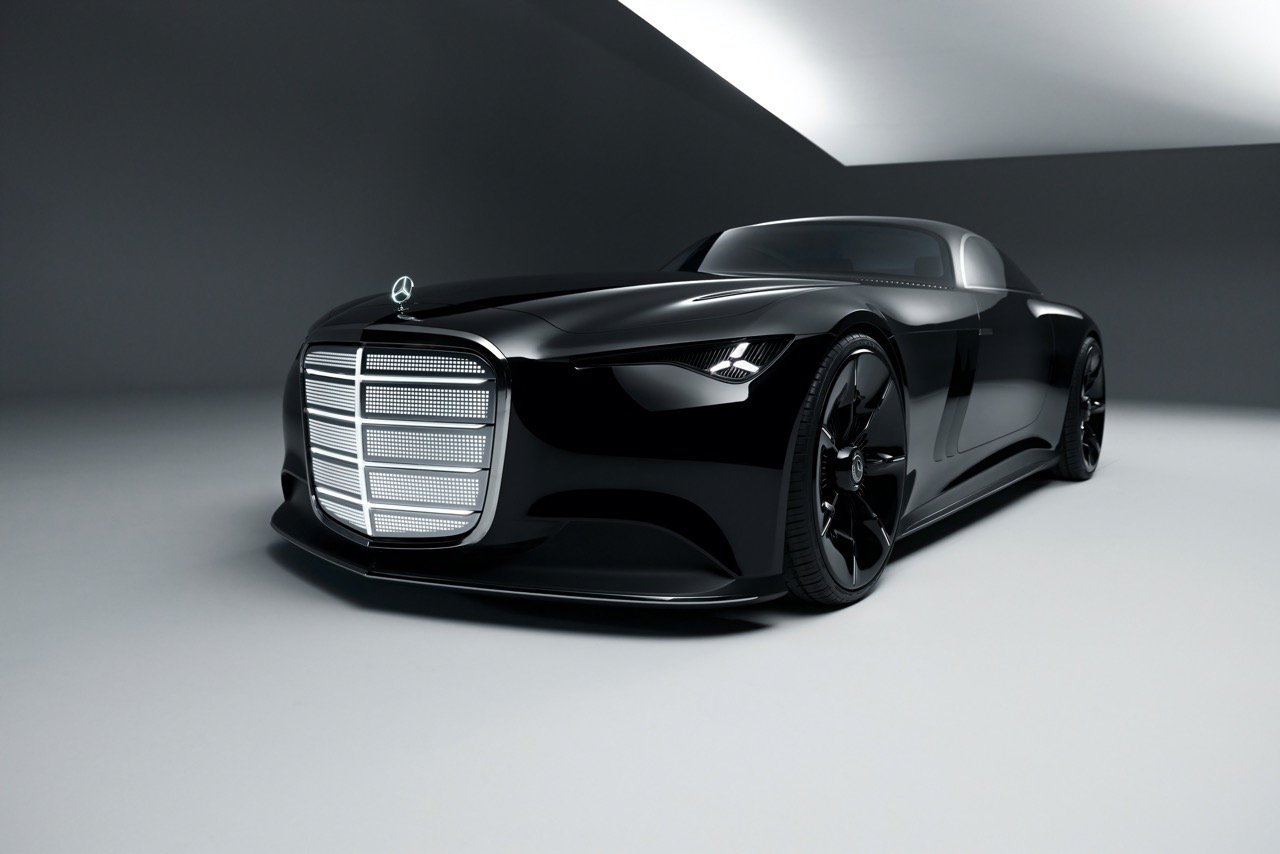
Every major global carmaker, especially those in Europe, have announced electrification plans that will see their brand going fully electric or having a mix of hybrid electric and battery electric (BEV) models. This is an industry-wide move to address climate change and environmental issues, and the auto industry is responding by switching to vehicles with electrified powertrains that generate very low or zero emissions. There is an urgency so the end of this decade is set as the target for completing the changes.
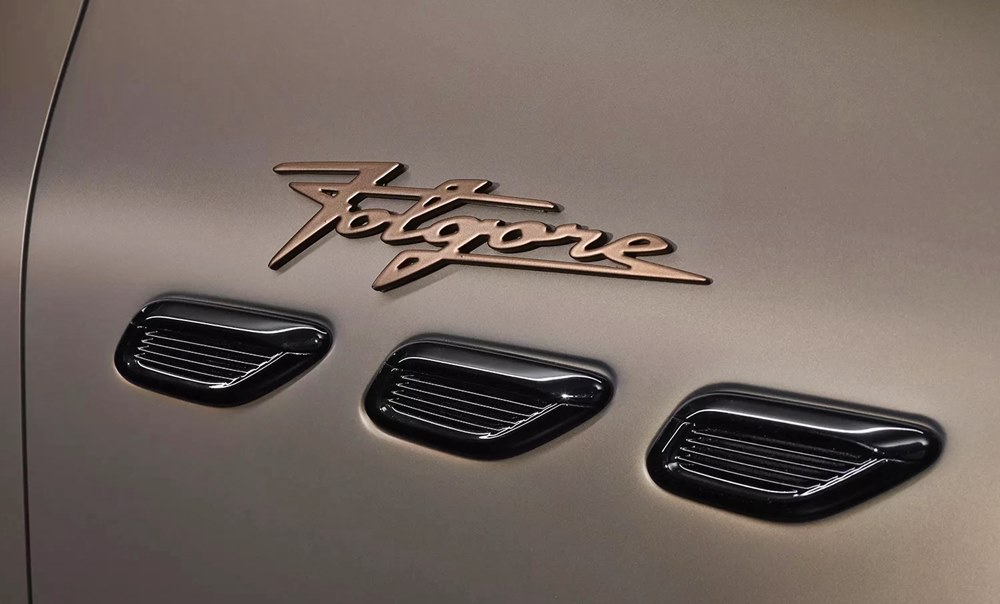
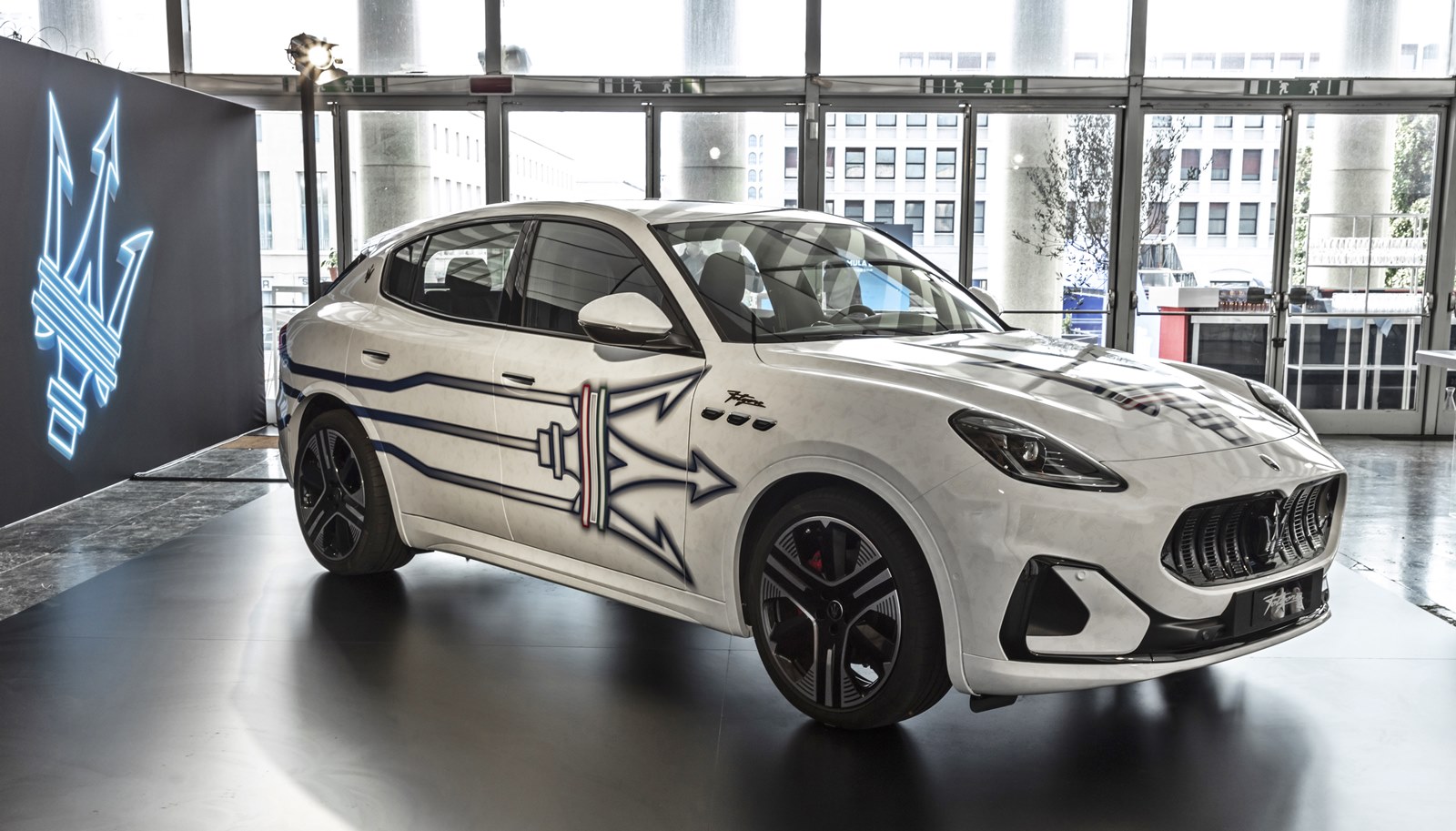
Maserati will be the first among the Italian luxury car brands to produce full-electric models, with the first one to be launched in 2023 and an aim to be the first to complete its electric line-up by 2025. All the fully electric models will be developed, engineered and entirely produced in Italy and form the new Folgore range (‘folgore‘ is Italian for ‘lightning’).
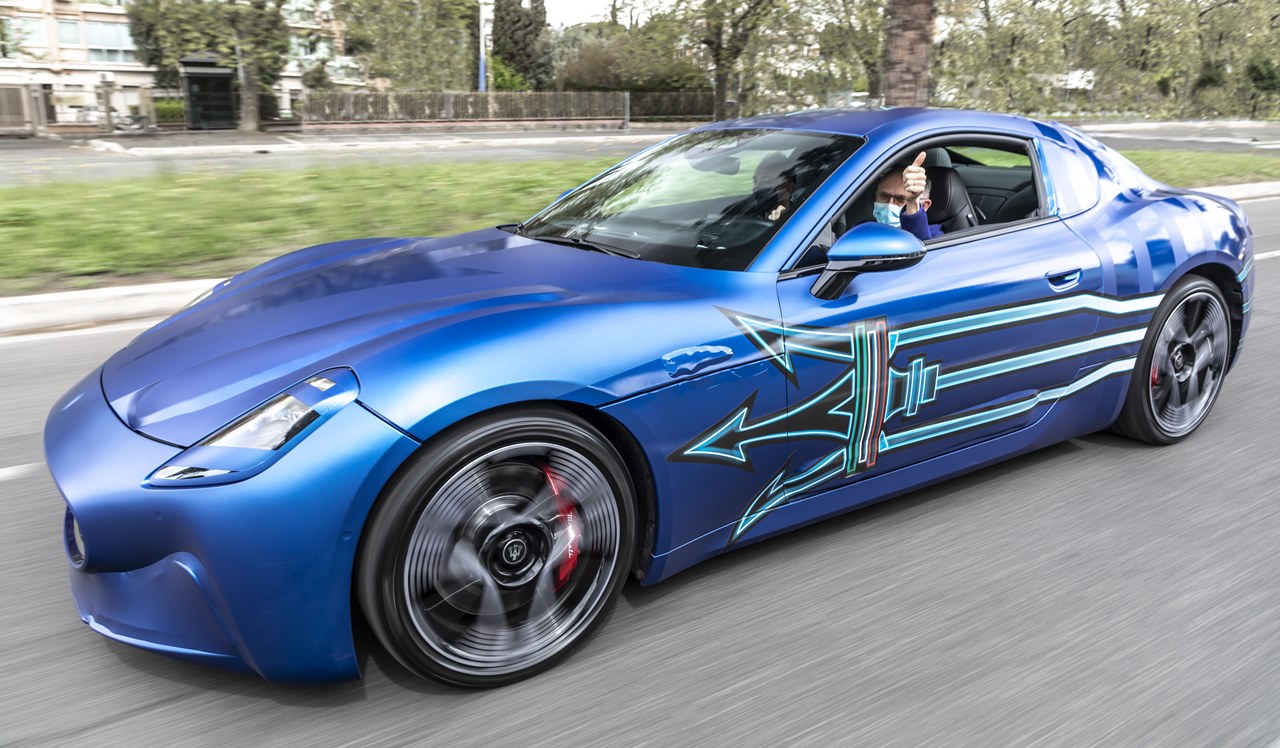
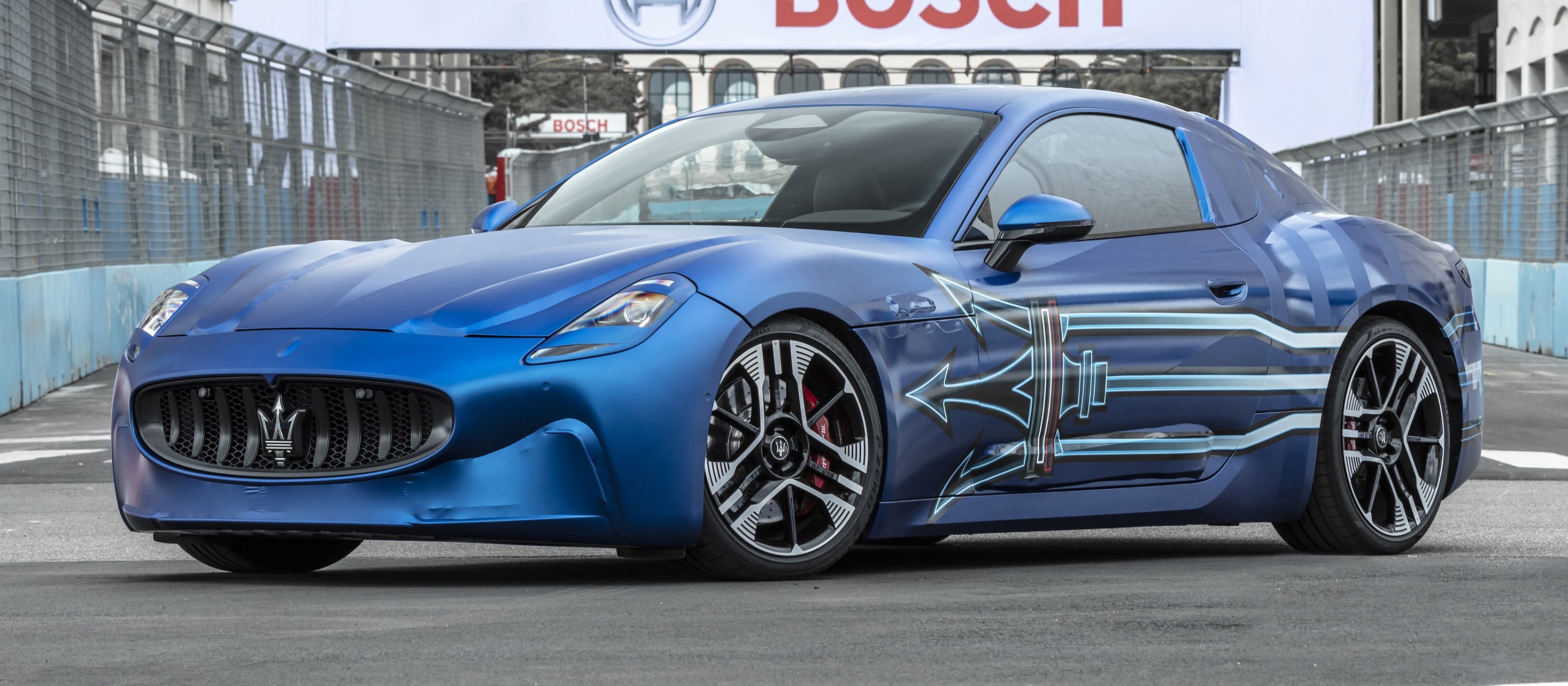
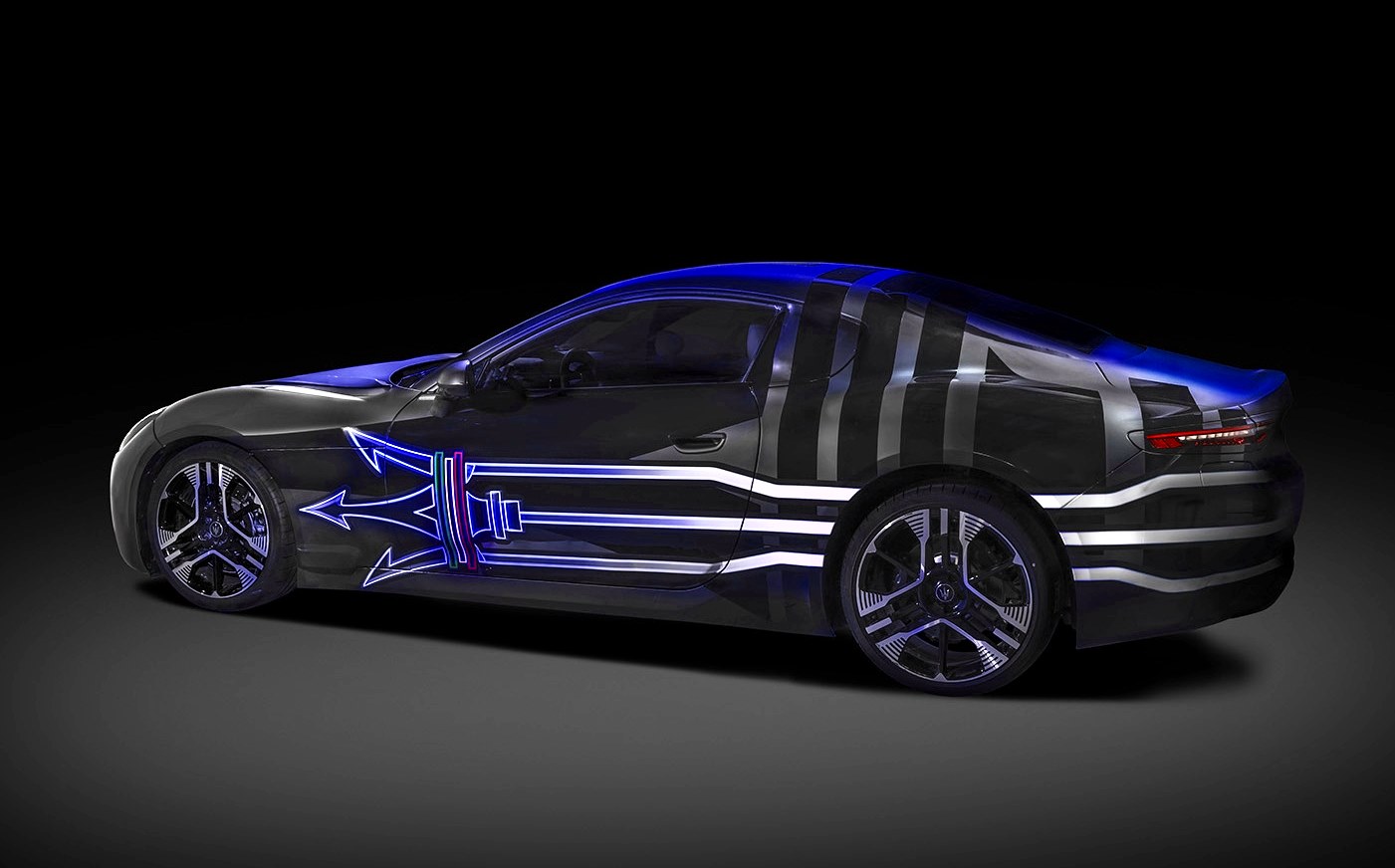
A prototype of the Gran Turismo Folgore was shown at the recent Formula e-Prix in Rome, Italy. It was driven by Carlos Tavares, CEO of Stellantis, which Maserati is part of.
The first model will be the Gran Turismo Folgore, a coupe which the company says will have ‘cutting-edge technical solutions, superb performance, comfort and elegance’. Technical details are not revealed yet although it is believed that the powertrain will have 3 motors and a total output of up to 1,200 ps.
Maserati has given assurance that while exhaust emissions will fall to zero, one iconic element of the cars with the Trident will still be present: the distinctive growl. Of course, the equivalent for electric motors would usually be a high-pitched whine so it will be interesting to see how the engineers incorporate that familiar adrenalin-pulsing roar.
The Grecale Folgore.
Following the Gran Turismo Folgore will be the Grecale Folgore, which is a fully electric variant of the second Maserati SUV model. It will have a 105-kW/h battery pack using 400V technology and two motors which will generate a total of up to 800 Nm of torque. This is also scheduled for launch towards the end of 2023 so it might go on sale only in 2024.
For 2025 or 2026, the next generation of the Quattroporte sedan and Levante SUV will make their debut and are likely to be only available with electric powertrains. By then, as mentioned earlier, Maserati will have every model in its range electrified. The other target for the end of the decade would be when it no longer has a combustion engine powertrain in any of its models.
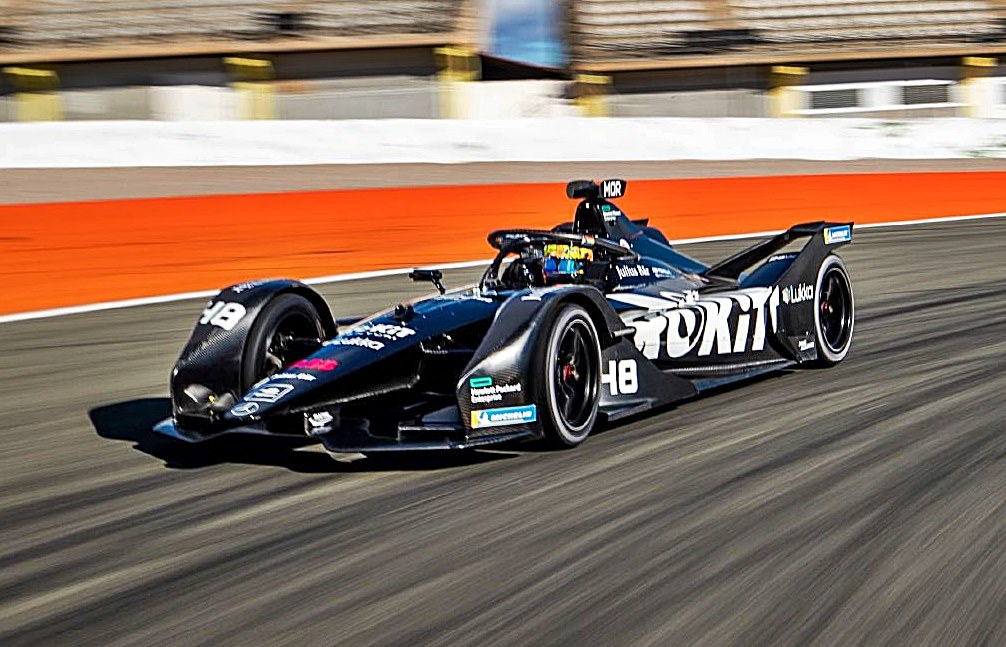
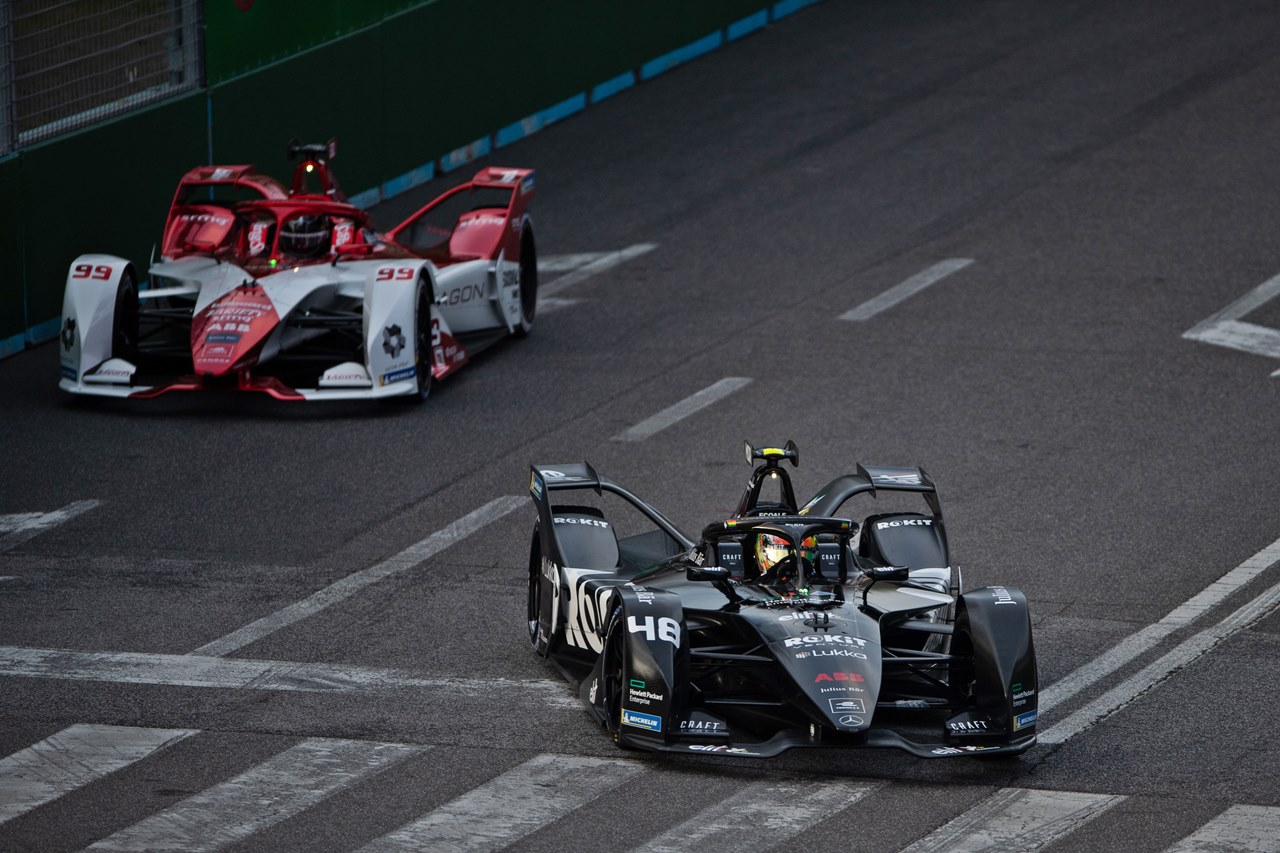
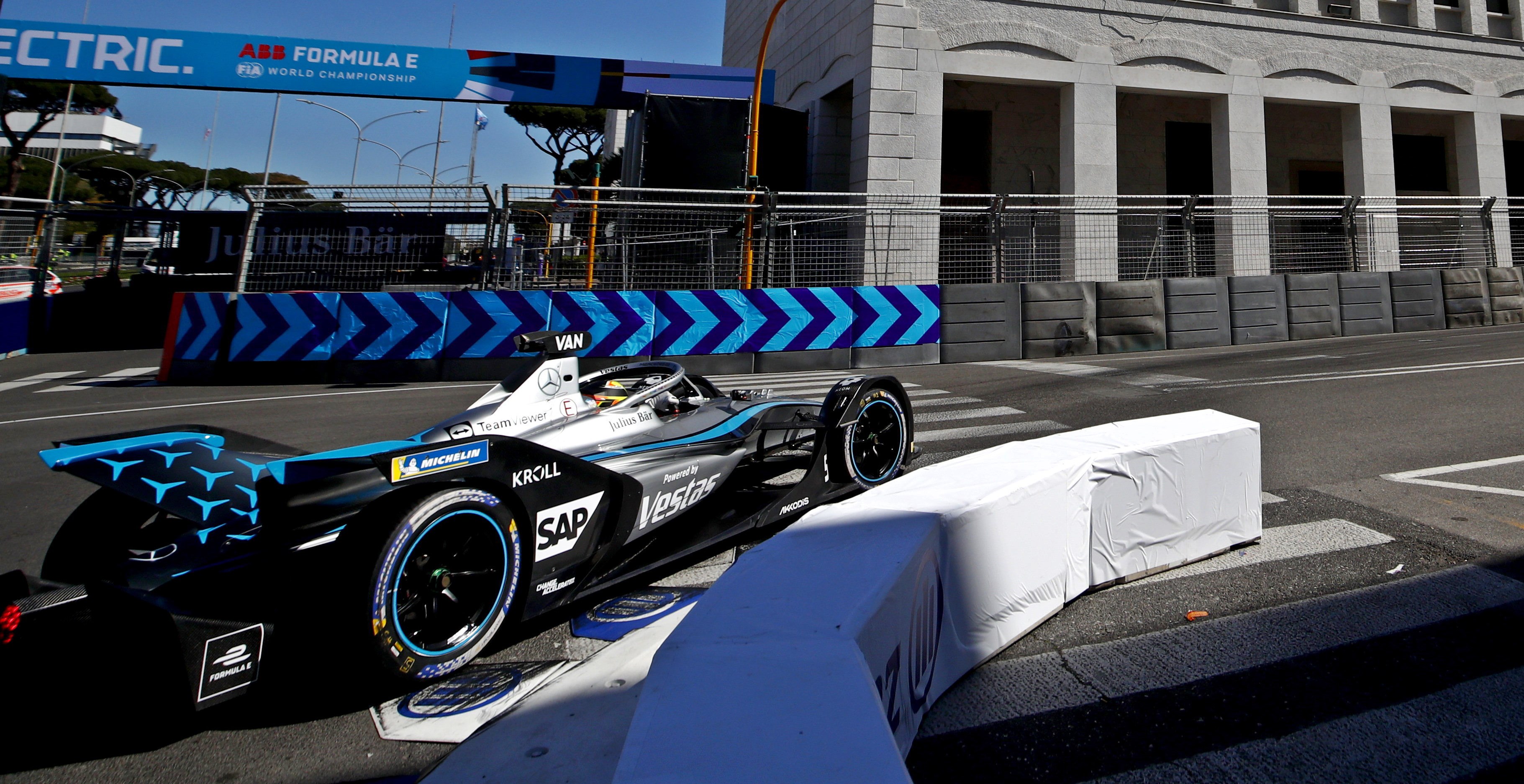
Next year, Maserati will partner the ROKIT Venturi team to participate in the Formula E World Championship for all-electric single-seaters.
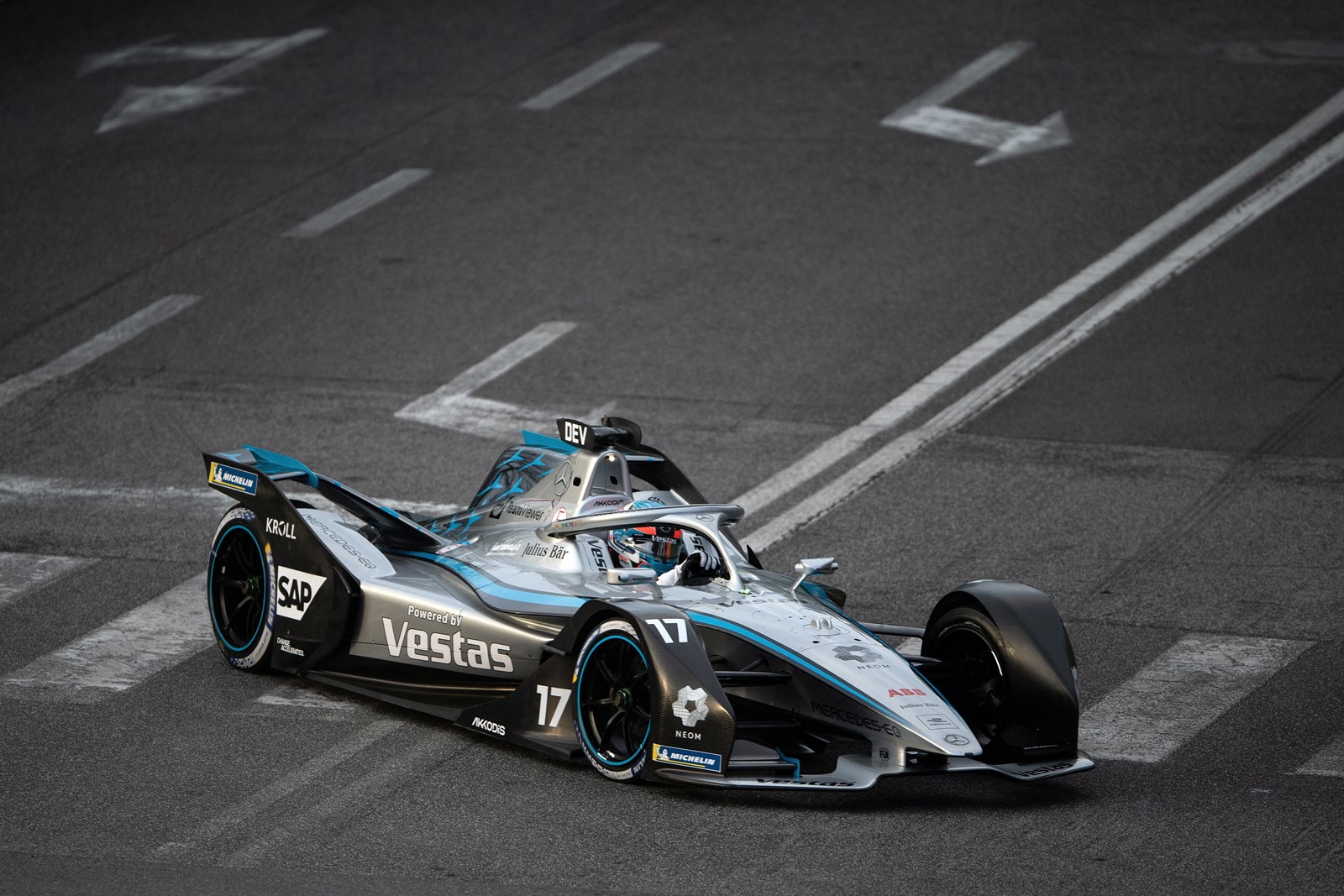
As part of its journey onwards to electrification, Maserati will also make its debut in the next season of Formula E (season 9) next year. It will be the first Italian brand to enter Formula E and its partner will be the ROKiT Venturi Racing team, already successfully running in the series. Season 9 will see a new generation of racing cars that have a range of innovations in terms of design, production and technology.
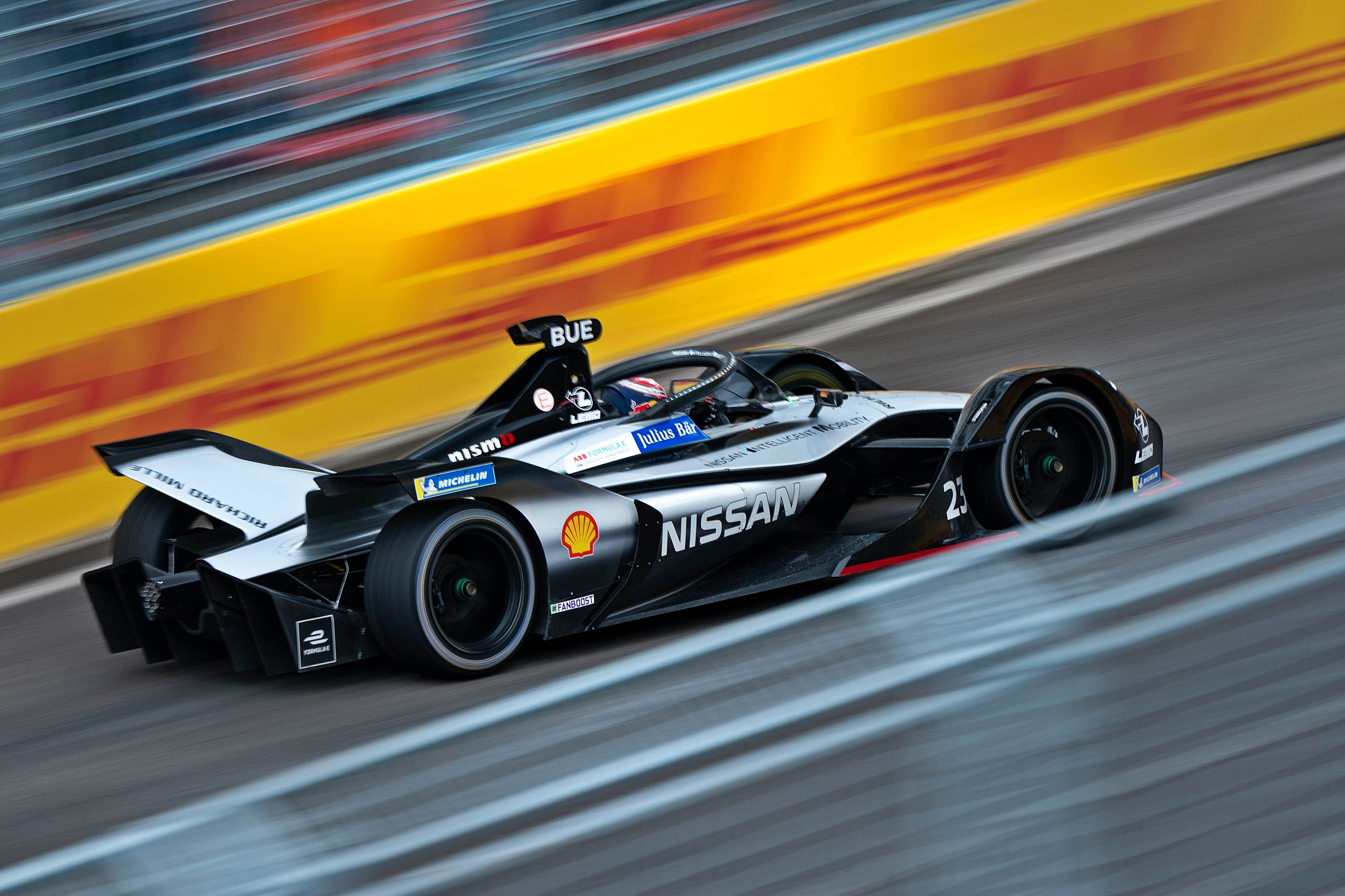
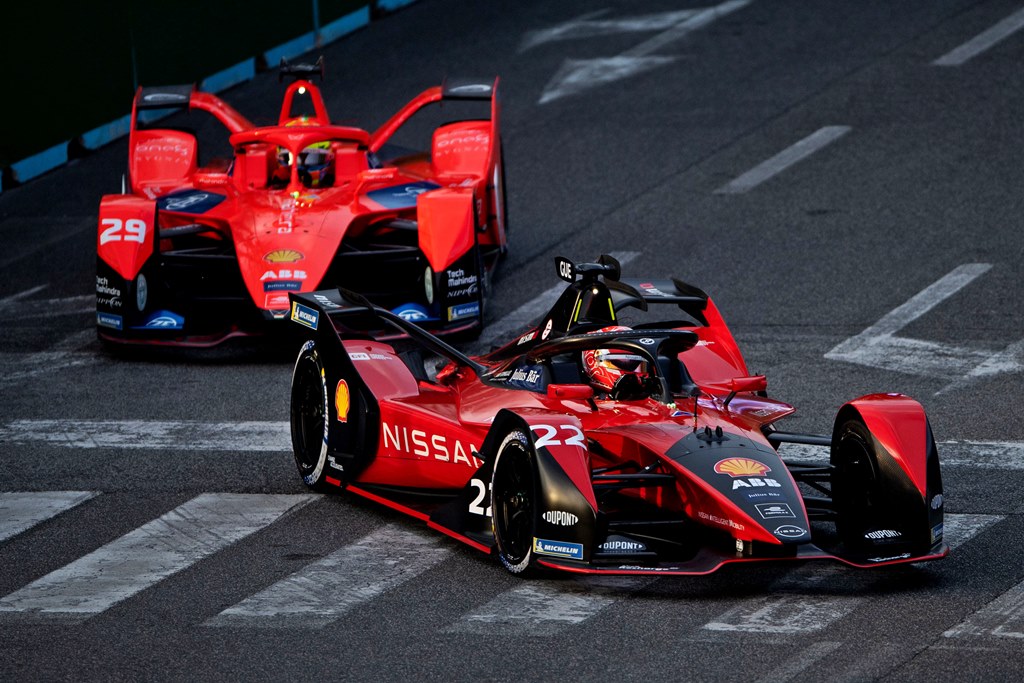
It wasn’t surprising when Nissan was the first Japanese carmaker to become involved in Formula E which is now a world championship. The carmaker became dominant in the electric vehicle (EV) segment after introducing the world’s first mass-produced EV, the LEAF in 2010, so it was natural for it to participate in the all-electric series.
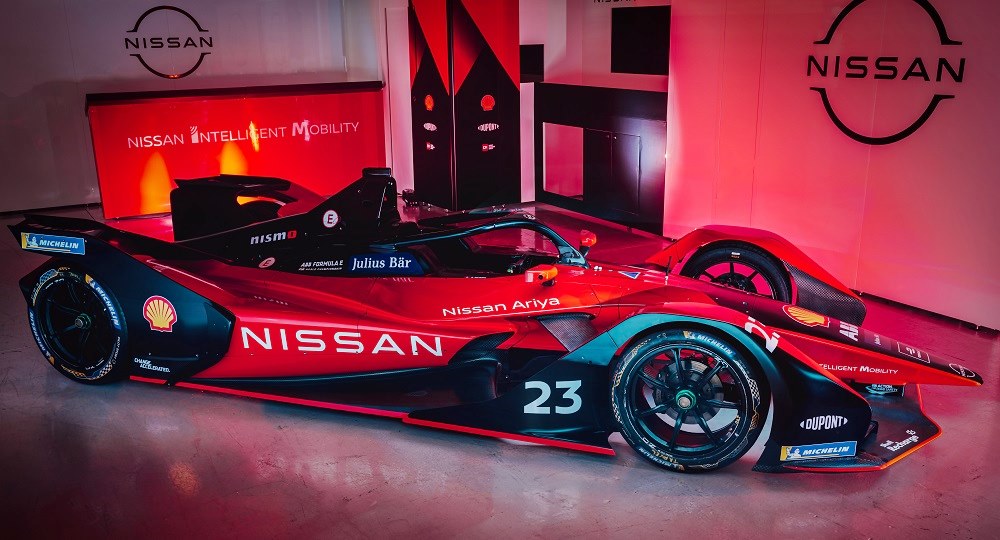
That was back in 2018 when the company partnered the e.dams team and started off in the fifth season of the series. It drew on its experience developing EVs to develop a new powertrain package for its Formula E car, including a new electric motor, inverter, gearbox and software.
The Nissan e.dams all-electric racing car in its first season of Formula E.
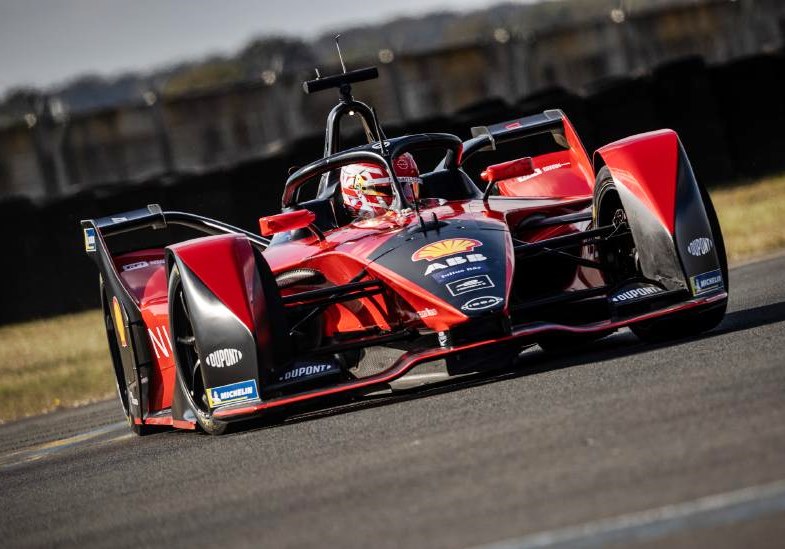
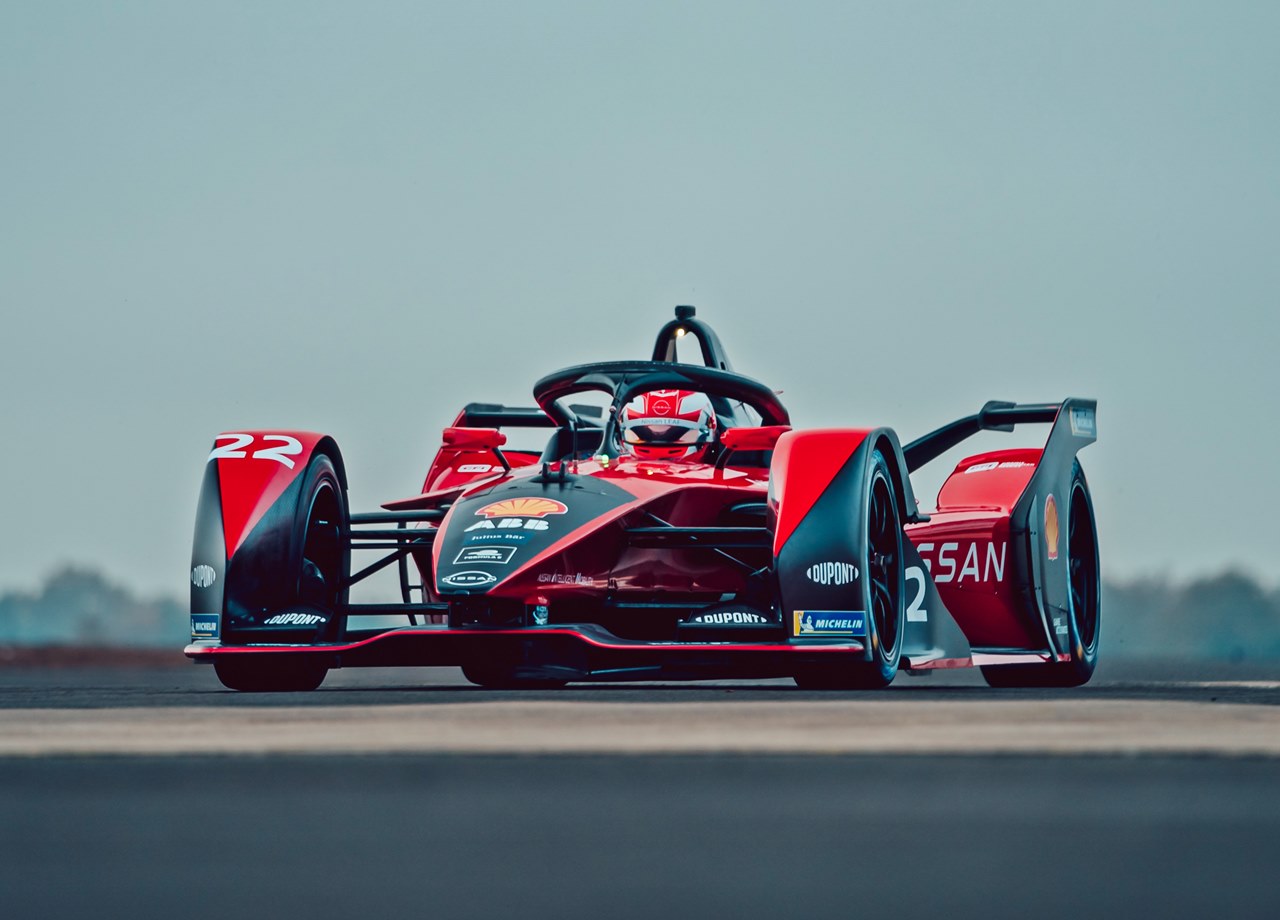
Following its entry in the fifth season, the team has been among the regulars each season and in March 2021, Nissan confirmed further commitment to Formula E. Now, the company is going on step further by acquiring the French-based e.dams team which will finish off this season with the Gen2 car and then start the next season with the new Gen3 racing car. Nissan will be present until the end of Season 12 (2025/26).
“It’s taken years of planning and months of intense preparation, but we’re now ready to hit the track for our Formula E race debut,” said Michael Carcamo, Nissan’s Global Motorsports Director. “We’ve drawn on our experience as a global leader in electric vehicles for the road to help develop our Formula E powertrain – and what we now learn on the track will go back the other way, benefiting Nissan’s electric-car customers.”
Nissan’s participation in Formula E supports the company’s long-term commitment to electrification and sustainability laid out in Nissan’s ‘Ambition 2030’ plan. “These are exciting times for all of us at Nissan, our fans and customers everywhere,” said Ashwani Gupta, Nissan’s Chief Operating Officer. “We have been on the grid for over 85 years, and our desire to win continuously accelerates us forward. We learn as we race, and the relentless pace of technological progression that drives the Formula E championship will provide us with many opportunities to inform and develop even better cars for customers.
As part of its goal to achieve carbon neutrality across its operations and the life cycle of its products by 2050, Nissan intends to electrify all its new vehicles by the early 2030s in key markets. The Japanese carmaker aims to bring its expertise in transferring knowledge and technology between the Formula E racetrack and road for better electric vehicles for customers.
“I am delighted that Nissan is taking over e.dams and today we are thinking of Jean-Paul Driot who, together with Nissan, had the vision for the team and helped to develop our partnership,” said Tommaso Volpe, who will become the Managing Director of the Nissan Formula E team. “Since his passing in 2019, Olivier and Gregory Driot took over and made sure the legacy of their father’s success would continue. It has been a pleasure working together and I would like to thank them for their commitment and support.
“We are very proud to hand over the e.dams team to such a committed and innovative company as Nissan. We’ve had several open discussions in recent months with Nissan and we decided that it was the right time for them to take the reins and continue the legacy of our family and secure the long-term future of the employees,” said the Driot brothers.
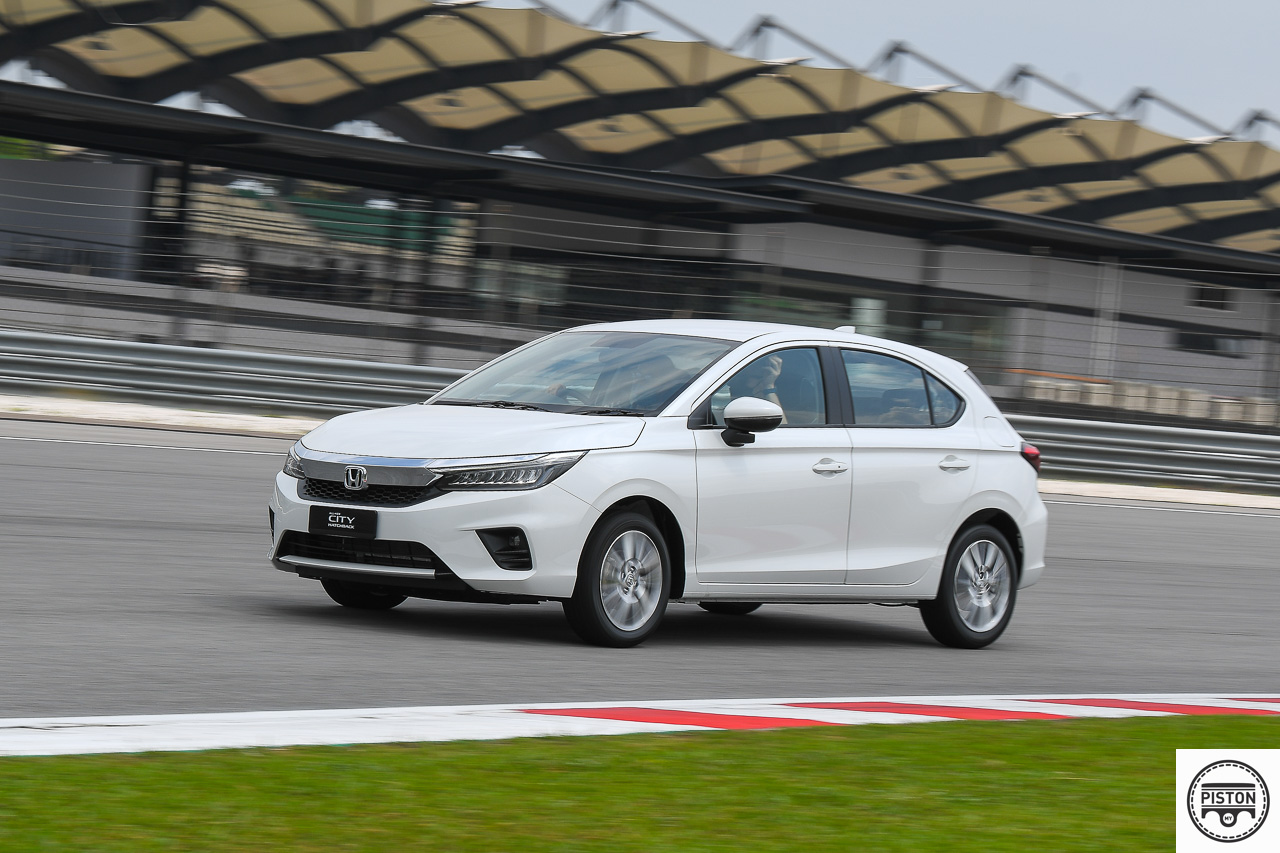
As with the City Sedan, Honda Malaysia has now added another variant of the City Hatchback with the Honda SENSING driver-assistance package for those who want more advanced safety systems. The new City Hatchback V-SENSING variant is similar to the City Hatchback 1.5V and is priced from RM91,708.51 (excluding insurance and sales tax), which is around RM3,852 more than the 1.5V without Honda SENSING.
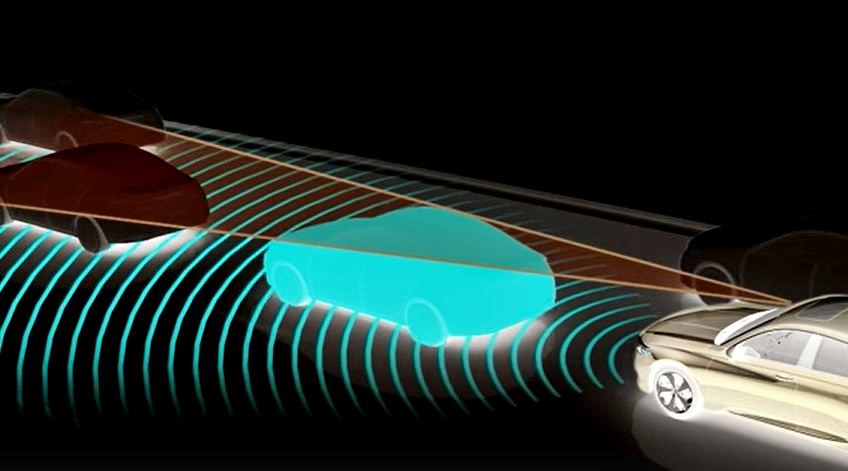
While Honda has provided various types of active safety systems over the years such as ABS, Vehicle Stability Assist and Traction Control, these have been independent in their functions. With Honda SENSING, which was first introduced in 2015 in Japan and 2017 in Malaysia (with the 5th generation CR-V), the active systems function in a collaborative manner and expand the capabilities of recognizing as well as reacting to potential accident situations.
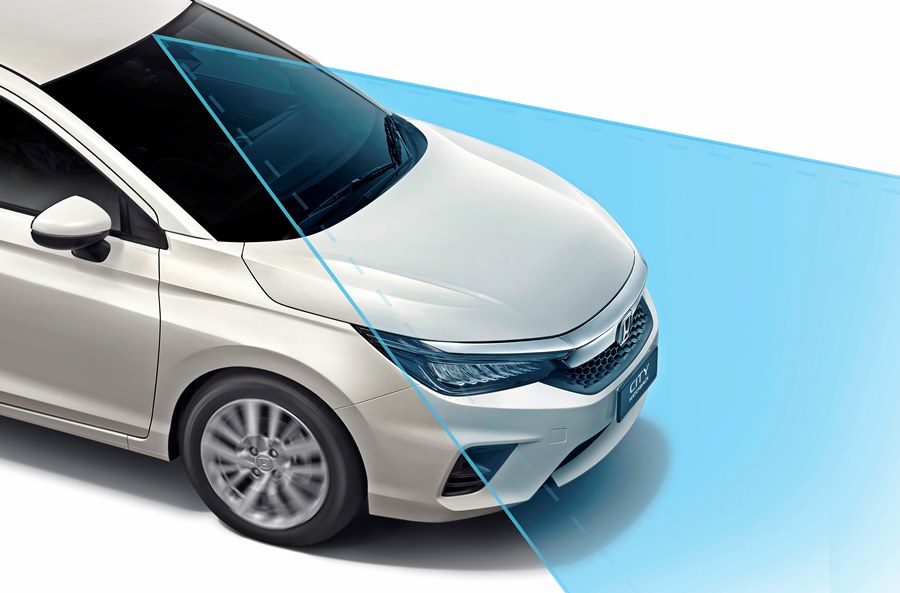
Such unified systems use either a radar or a camera, or both, to scan the road ahead for other vehicles and road-users as well as road markings. More expensive models usually have the radar as well but for the City Hatchback (and Sedan), Honda uses only a camera, probably to reduce the cost. However, compared to the earlier Honda SENSING system, the camera (mounted in the space above the rearview mirror) in the latest one has a wider view and improved imaging capabilities in all lighting conditions. The imagery captured by the camera is constantly analysed and also picks up lane markings on the road as well as the edge of the road.
Compared to the original Honda SENSING system first introduced in Malaysia, today’s system has increased features and consists of:
Adaptive Cruise Control (ACC)
Collision Mitigation Braking System (CMBS)
Forward Collision Warning (FCW)
Lane Keep Assist System (LKAS)
Road Departure Mitigation (RDM)
Lane Departure Warning (LDW)
Auto High Beam (AHB)
With ACC, the desired cruising speed can be set as well as the length of the gap with the vehicle ahead. The system will adjust the speed to maintain the gap.
ACC is a more advanced type of cruise control where the car can run in semi-autonomous mode. The driver still needs to pay attention and steer but once the cruising speed is set, there is no need for the driver to use the brakes to slow down if there is a vehicle ahead. The system will do it automatically to maintain a safe distance, returning to the set speed when there is no vehicle ahead. This will not only make driving easier in heavy traffic but also help to reduce fatigue on long journeys, improving safety.
CMBS and FCW are related systems, both functioning to prevent a collision with a vehicle ahead or hitting other road-users. FCW will warn the driver by sound and by warning lights if there is a risk of a collision. If the driver does not act to prevent this from happening – ie slowing down or braking – CMBS then activates and the brakes will be applied automatically. While the automatic emergency braking may or may not prevent a collision (depending on road conditions and speed), the earlier deceleration could reduce the damage of the impact if it occurs.
With CMBS, the brakes will automatically be applied if the Honda SENSING system determines that a collision will occur and the driver has not taken action to prevent it.
Incidentally, when CMBS occurs, the rear brake lights automatically flash and the hazard warning lights will also come on. This is to alert drivers in vehicles behind of the sudden braking so they won’t also collide… not all cars may have systems like Honda SENSING.
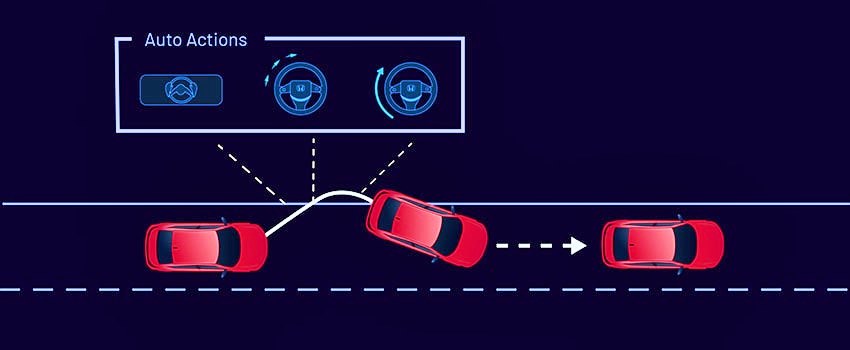
LDW, LKAS and RDM also related and their main function is to keep the car within its lane. These systems were developed as studies have found that many accidents have occurred due to the car wandering out of its lane without the driver being aware (usually due to lack of attention or drowsiness). The systems will not activate if a turn signal is in use, signifying that the car’s movement out of its lane is deliberately done.
The process starts with LDW which relies on the camera imagery to recognise lane markings. This may not be 100% perfect since the markings may not be present or worn out, or the road may be wet with rain. If the car is not positioned within its lane, there will be alerts to make the driver aware. Should the car keep drifting out of the lane, LKAS will start and the steering wheel will receive a slight turning action to guide the car back into the lane. Like ACC, this feature can also reduce driving fatigue on long journeys.
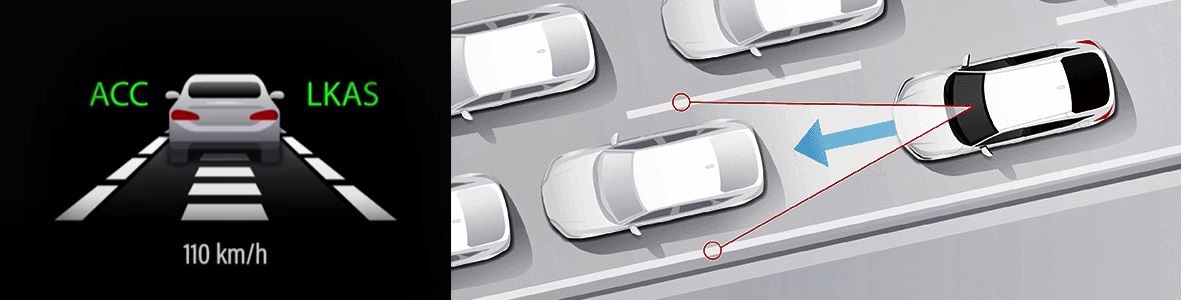
RDM operates like LKAS except it is for a more extreme situation such as when the car is about to leave the road unintended. The system will apply steering torque to bring the car back into the lane but if that is not likely to work, braking action may also occur to prevent further departure from the road.
How Road Departure Mitigation works.
AHB is a straightforward system which just switches the headlights between high and low beams automatically. When driving at night, the illumination should be maximised as much as possible and this is usually with high beams. However, they can dazzle oncoming drivers so they need to be switched low beams. AHB takes away the need for the driver to do this and the lighting will be kept at maximum as much as possible. Having high beam in use also enhances the effectiveness of the camera at night.
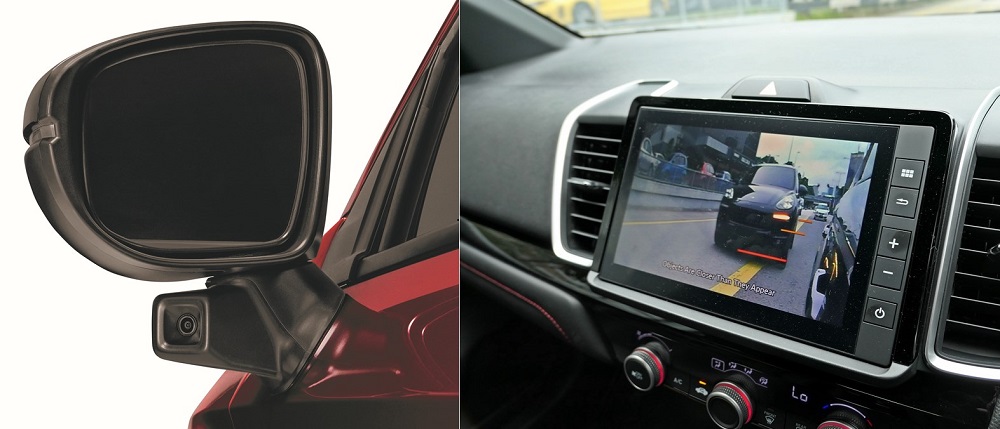
Also of note in the safety department is Honda Lanewatch, an innovative feature which provides the driver with a view of the blind spot on the left side of the car by using a small camera mounted on the door mirror. The real-time image is displayed on the 8-inch panel in the middle of the dashboard so the driver doesn’t have to turn the head all the way to the left to see the mirror. The camera is only on when the left signal is activated.
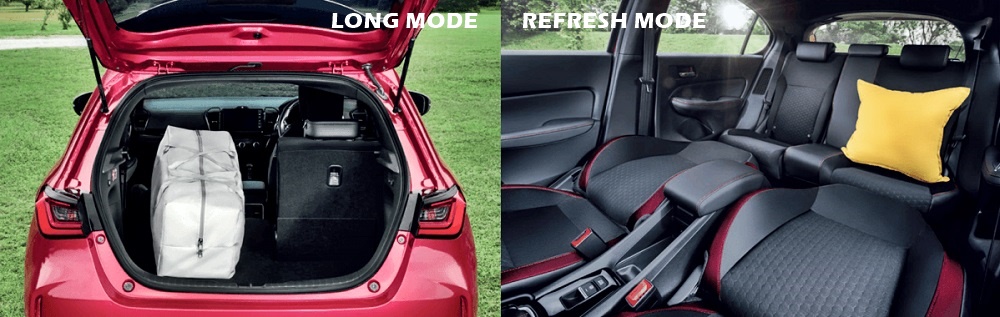
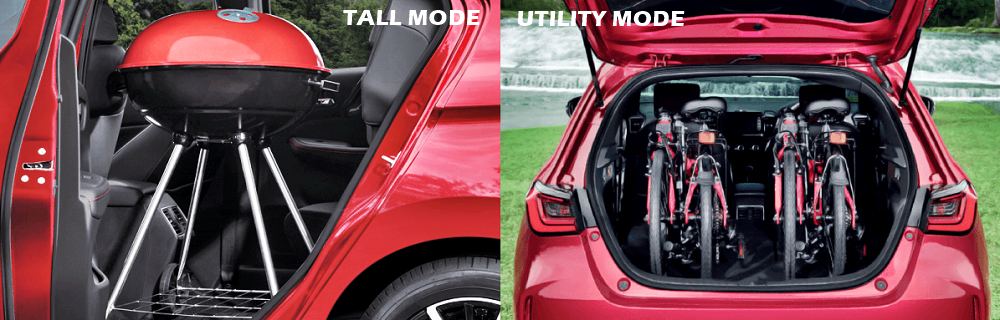
Besides having the same standard equipment as the Sedan, the City Hatchback also comes with the ULTRA seats at the rear. This is a simple but clever idea which originated in the first generation of the Jazz some 20 years ago. Where hatchbacks usually have rear backrests that fold flat to expand the cargo volume and floor length of the boot, the ULTRA seat folds up to also create extra cabin height for carrying tall items like plants.
Besides this TALL mode, there are three other modes – UTILITY, LONG or REFRESH. For the LONG and REFRESH modes, the front passenger’s seat can also be folded flat so there is an open space from the back door all the way to the dashboard to carry a really long item or just to stretch out. The UTILITY mode is essentially like what you get in other hatchbacks with the rear backrests folded down to enlarge the boot space which can accommodate bicycles.
Performance-wise, there is the same well proven 1.5-litre DOHC i–VTEC engine. This produces 121 ps/145 Nm which is the highest in its class and the power gets to the front wheels through a CVT.
For more information on the City Hatchback V-SENSING and other Honda models, visit www.honda.com.my or any authorised Honda showroom.
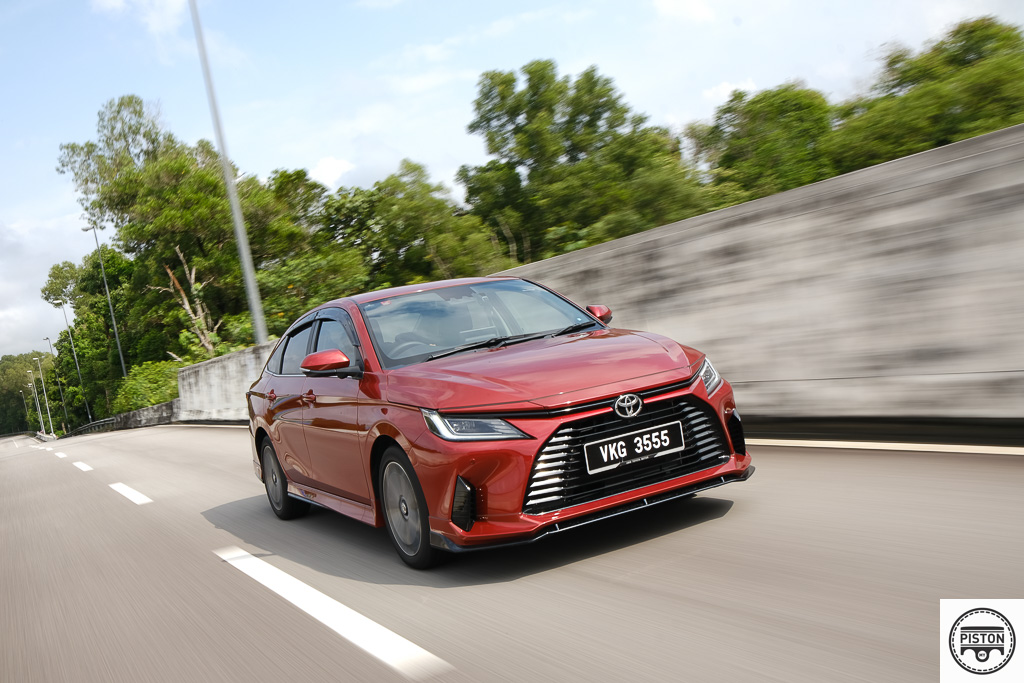
UMW Toyota Motor (UMWT) had a significant jump of 32% in its March sales volume with 8,487 units reported, compared to 6,432 units the month before. The improvement in sales is attributed to promotions during the month which offered value-added benefits worth RM4,000 for popular models such as the Vios and Yaris.
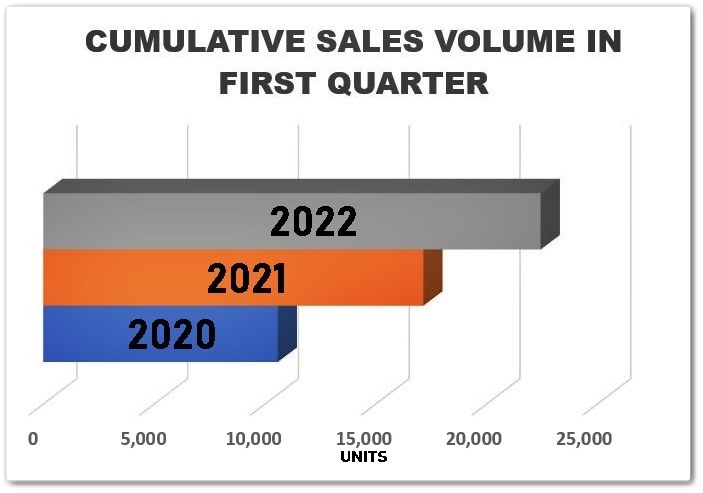
Although conditions were challenging with the floods in Selangor causing some parts suppliers to temporarily stop operations, UMWT’s first quarter cumulative sales volume total of 22,447 units was 31% greater than for the same period in 2021 when 17,151 vehicles were sold.
The positive trend is expected to continue through the second quarter, with a boost expected when new and improved models make their appearance later in the year
Circumventing the global challenges on parts supply shortage, Ravindran K., President of UMW Toyota Motor, said: “We are constantly reviewing and adapting to the changing circumstances and uncertainties. Toyota has always been known for our proficiency in supply chain management and risk mitigation measures. Leveraging on these experiences, we are working closely with our suppliers and monitoring the developments closely to ensure minimal impact to our production and our customers.”
“As Malaysia transitions towards the endemic phase, UMW Toyota Motor is appreciative of the support we have received from our customers throughout these unprecedented times. We remain committed towards achieving continuous growth for the Toyota brand as well as for the local automotive industry through our cutting-edge innovative product and solution offerings. As we transform towards sustainable mobility, Toyota aims to leave no one behind as we continue to be at the forefront in offering value for money innovations equipped with technological advancements and state-of-the-art safety features across all our products,” he added.
Promotions for Hari Raya festive season
Until May 1, 2022, UMWT will be running the ‘Pandu Uji dan Menang Duit Raya’ contest at showrooms nationwide. During this period, those who test drive any Toyota model could collect ‘duit raya’. Each test drive will entitle the customer to a contest entry to win ‘duit raya’ worth RM100. Those who take the test drive and complete a vehicle purchase can win RM200 ‘duit raya’. A total of 30 winners will be selected every week.
In addition, all Toyota showrooms will continue their ‘Bersama Lebih Bermakna’ celebrations with the Ramadan Weekender on April 16 and 17. Customers can visit the showrooms to find out more about ‘Bulan Puasa’ deals and value-added offers as well as receive exclusive gifts (while stocks last) when they test drive any of the Toyota vehicles available.
New 3S centre in Cyberjaya
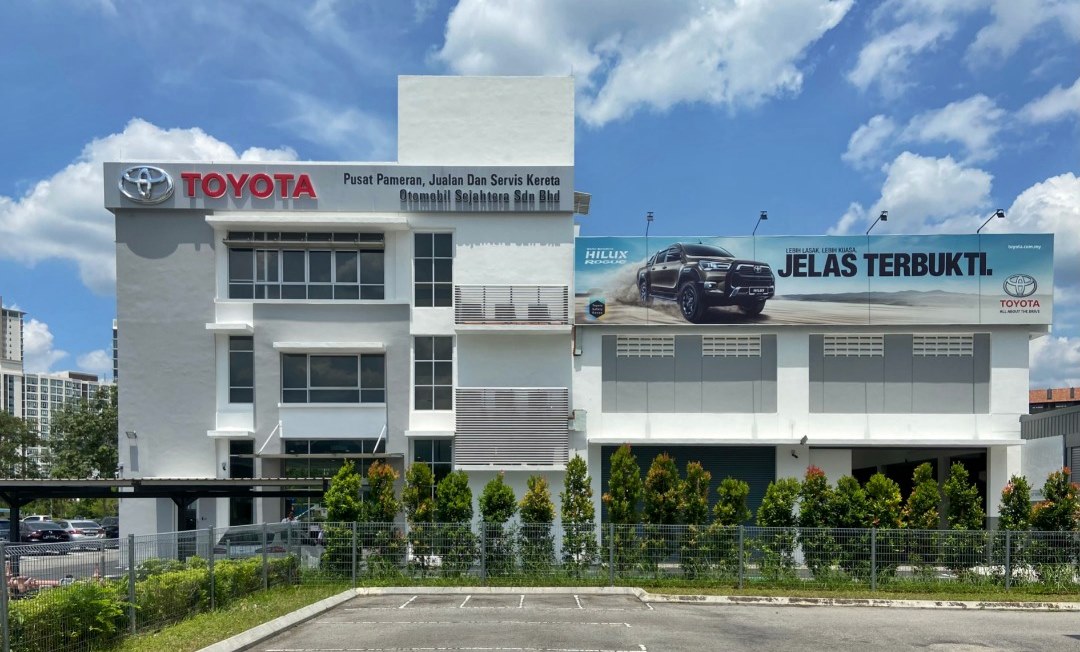
Toyota owners in Cyberjaya now have an authorised service centre close to them. Operated by Otomobil Sejahtera Sdn Bhd, the new facility is a 3S centre offering sales, service and spare parts as well as Body and Paint services for repairs or repainting vehicles.
“From the point of purchase, to aftersales service, and on to their next repurchase, it is important that customers feel the Toyota touch at every step. This new 3S service centre is just our way of bringing our brand closer to our customers, wherever they may be, while ensuring they have seamless access to our services whenever they need them,” Mr. Ravindran said.
For more information about Toyota vehicles or to locate an authorised dealership in Malaysia, visit www.toyota.com.my.
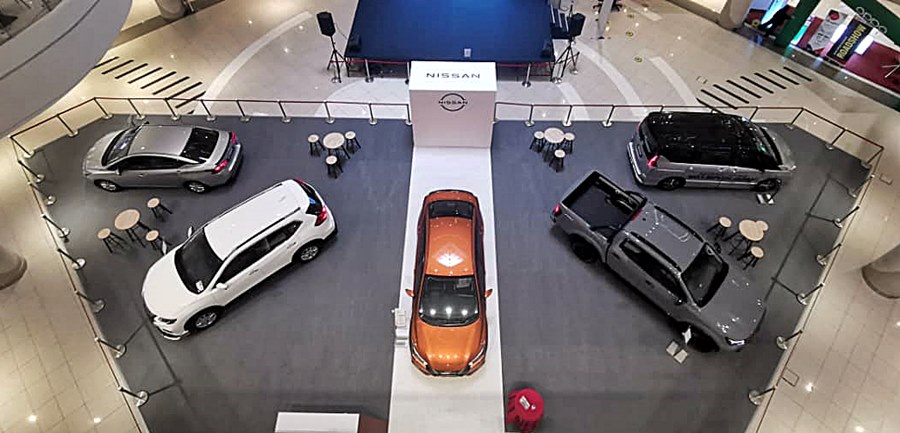
Hari Raya Aidilfitri is coming soon and for those planning to have a new vehicle to celebrate, Edaran Tan Chong Motor is offering some special deals. Selected models come with accessories packages worth up to RM10,150, and there’s still the sales tax exemption (except for pick-up trucks) which the government is allowing until June 30, 2022.
During the month of April and May, ETCM is also having a contest with RM50,000 worth of Lazada e-Vouchers to be won. Lucky purchasers of new Nissan vehicles will have a chance to win Lazada e-Vouchers (RM5,000 per winner. T&C apply). The e-voucher can be used for purchases on the Lazada e-commerce website which would be great for those who are doing Hari Raya shopping.
While some companies have indicated that their order bank has become quite full and ready stocks are not available right away, ETCM says it has anticipated the festive season demand and has prepared stocks for fast delivery. After all, the company has been selling cars to Malaysians since the 1950s and understands the market well.
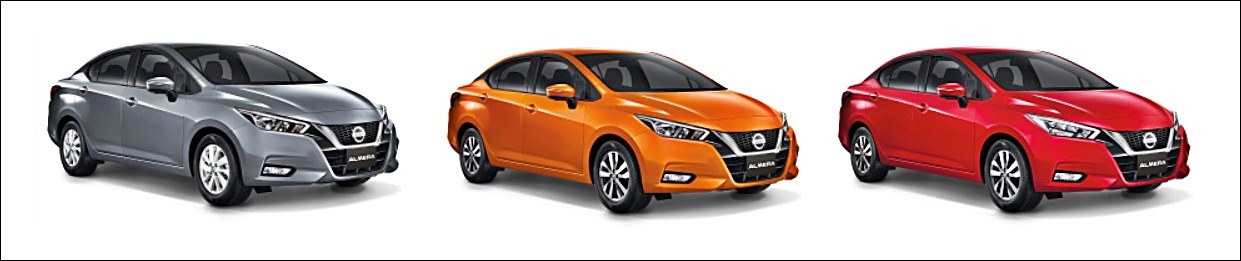
For those interested in the Almera Turbo, a test-drive will provide an opportunity to experience its advanced technology, especially in the turbocharged engine. The high torque output gives strong acceleration but at the same time, fuel consumption can be up to 18.4 kms/litre as one owner proved. Those who test-drive the Almera Turbo will receive a Watsons Voucher worth RM30 in appreciation of their interest.
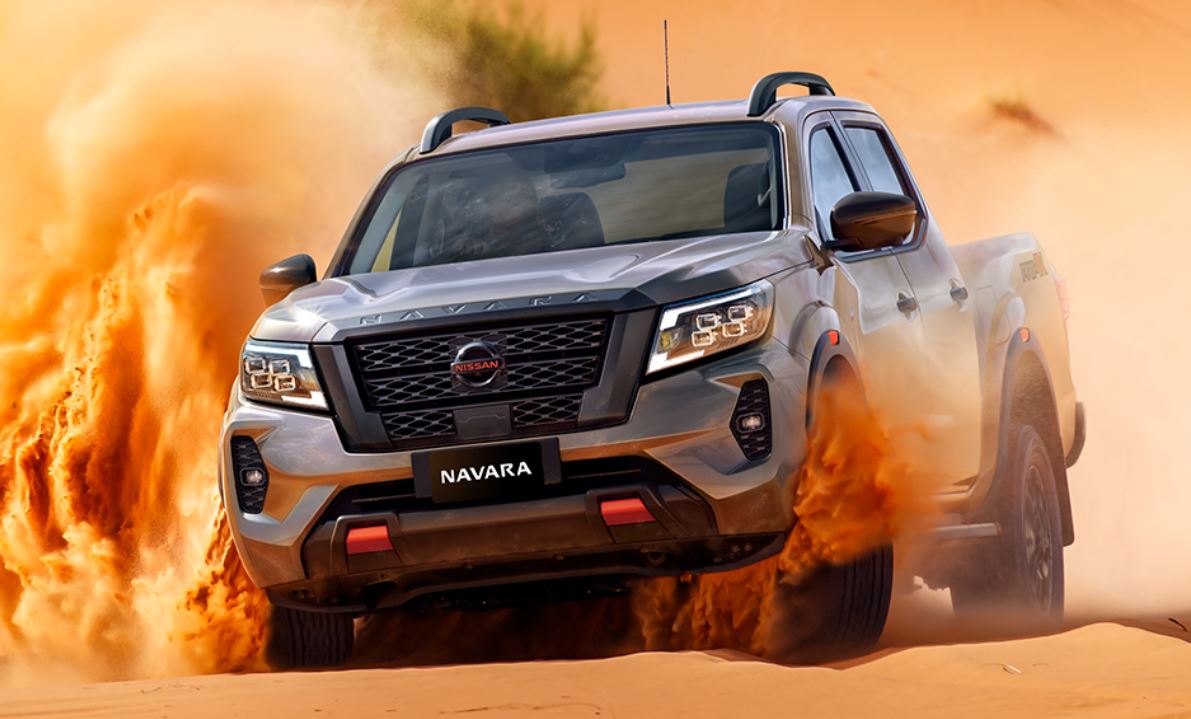
The ’Mothertrucker’ Navara has proven to be well suited for dual roles of personal transport as well as workhorse. There are five variants to choose from for different requirements and budgets, with prices starting from RM111,050.
Nissan owners, wherever in Malaysia they are, are assured of aftersales services from Tan Chong Expres Auto Servis (TCEAS). Appointments can also be booked online using the DriveOn app available at the Apple App Store or Google Play Store.
All new Nissan vehicles come with a 5-year warranty covering manufacturing defects and other than the Navara, there is no limit on mileage travelled after registration. For the Navara, the mileage limit is 150,000 kms or 5 years, whichever comes first.
For customers who are not able to visit Nissan showroom, there’s the Nissan Online Showroom where information on the models and offers available can be found, and test-drives can also be requested. If a purchase decision is made at the Lazada Nissan Flagship store, a low-booking fee payment online is now available and a Sales Representative will assist in completing the purchase process.
For more information, www.nissan.com.my where the locations of authorised Nissan showrooms can also be found.
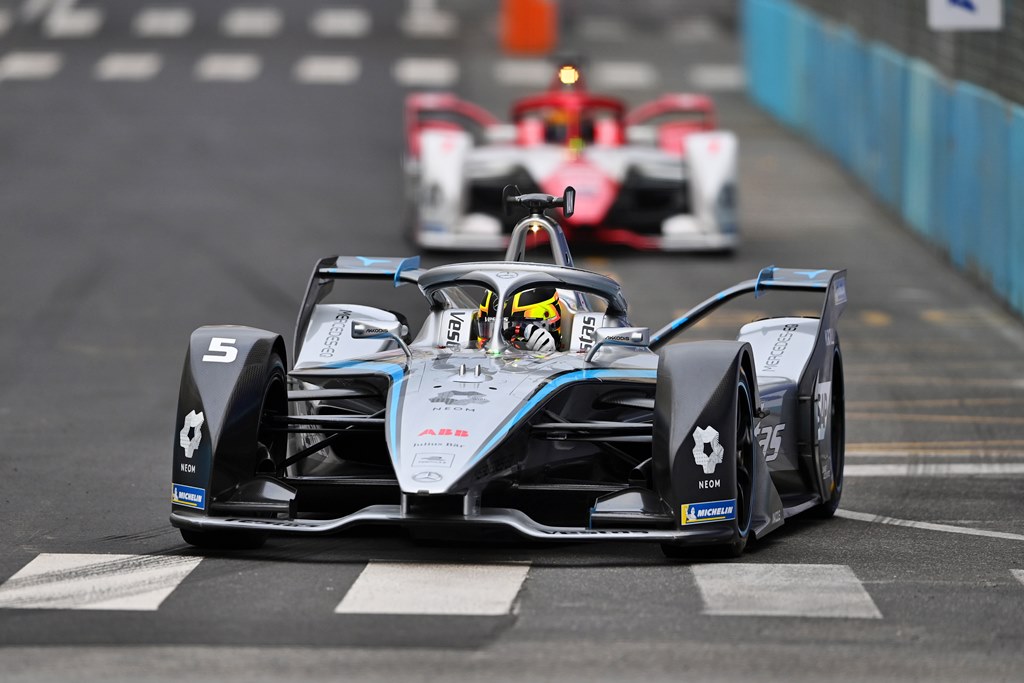
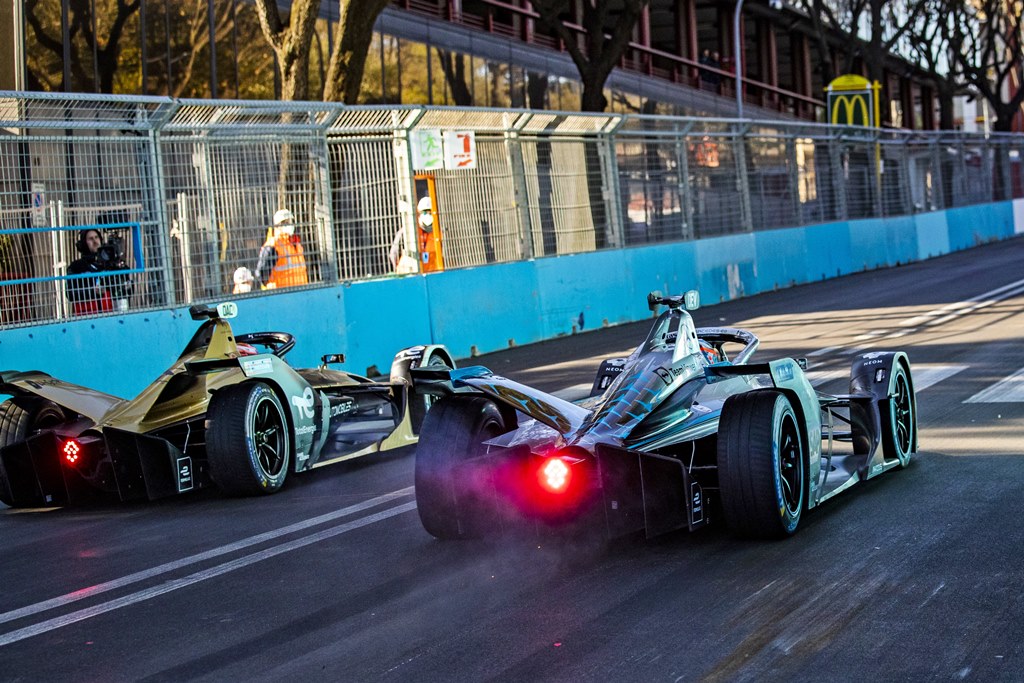
Jaguar TCS Racing’s Mitch Evans claimed back-to-back victories in the Formula E Rome E-Prix double-header of races with a dramatic win in Round 5 after a first place finish in Round 4 the day before. The Kiwi driver led Poleman Jean-Eric Vergne (DS TECHEETAH) in second and Envision Racing’s Robin Frijns.
DS TECHEETAH’s Vergne had pulled away from pole position while his former teammate and TAG Heuer Porsche Formula E Team driver Andre Lotterer passed Avalanche Andretti’s Jake Dennis into second. By the top of the hill and Turn 7, Dennis had reclaimed second, dropping Lotterer back down to third.
With a collision between Mahindra Racing’s Alex Sims and Nissan e.dams’ Max Gunther, the German driver retired to the pits, ending his race in the first 5 minutes. Despite setting the fastest lap in Qualifying earlier in the day, Dennis started losing ground after Lotterer attacked at Turn 7, reclaiming second. Shortly after, Evans managed to slip past into third.
Squeezing into Turn 4 side by side, standings leader and ROKiT Venturi Racing driver Edoardo Mortara tried to pass DS TECHEETAH’s Antonio Felix da Costa, with the Portuguese racer closing the door on the Swiss, damaging the front wing of his car. Mortara then clipped the wall on Turn 19 and coasted to safety, retiring from the race with a suspected driveshaft failure.
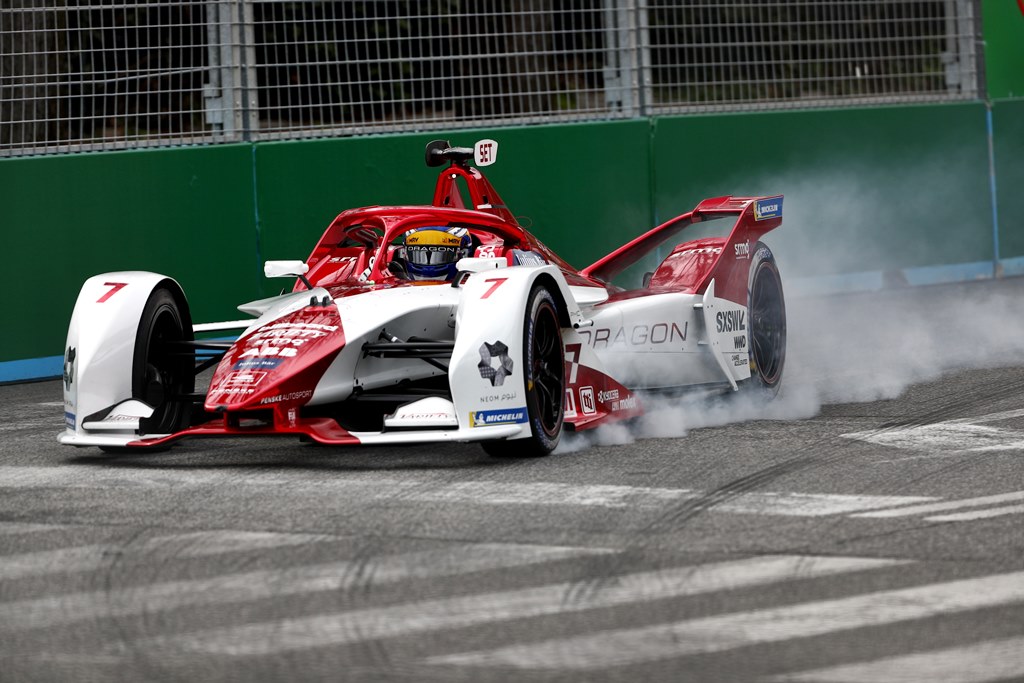
Italian driver Antionio Giovinazzi had lots of support from the crowd but the DRAGON/PENSKE AUTOSPORT drivers’ car came to a stop on the track between Turn 8 and 9, which brought out the Porsche Taycan Safety Car. When the Safety Car was brought in and the racing recommenced, 24 minutes remained. Vergne led Evans for less than a lap before the opportunist Evans overtook into Turn 4 to take the lead.
Dennis continued to slip down the order to seventh as the race passed the halfway mark. At the front, Evans continued to lead Vergne, with Porsche’s Lotterer in second and Frijns in third. Enjoying the benefit of the extra power gained through his 8-minute ATTACK MODE, Frijns made his way up the order and took race leader Evans up the hill on Turn 7.
Paying the price for closing the door earlier on Mortara, da Costa received a 5-minute time penalty while back at the front, Lotterer was looking to take the lead with extra power gained through ATTACK MODE. Now in second, the German driver was close on the tail of Frijns who was desperately trying to hold on to the lead.
With seconds of his ATTACK MODE power left, Lotterer made his move on Frijns to take the lead into Turn 4. Now setting the pace, the German driver was closing in on his first victory in the Formula E World Championship with 10 minutes left on the clock.
After a short Safety Car outing while Sims’ Mahindra racing car was recovered when it spun on Turn 14, racing was back underway. Added Time provided an extension of the race.
Saving his ATTACK MODE until the end of the race, Evans took the boost with less than 8 minutes of the race remaining. With extra power, Evans went after Lotterer, hunting the German driver before taking the lead on the hill up to Turn 7. With Evans holding firm, Vergne slipped past his former teammate Lotterer, jumping to second, before Frijns made a move on the German to knock him off the podium and into fourth.
With Envision Racing’s Nick Cassidy in the wall at the top of Turn 7, the Taycan Safety Car again made a brief appearance before coming in to leave a last lap dash for the finish. Evans was out in front and Vergne close behind, with the Frenchman was on the attack to regain his lead. However, he was unable to catch Evans and the Jaguar driver made it across the finish line first. Close behind, Vergne to join on the podium in Rome was Frijns.
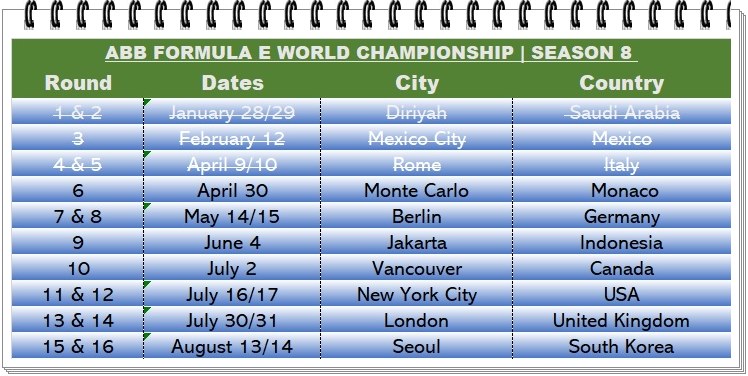
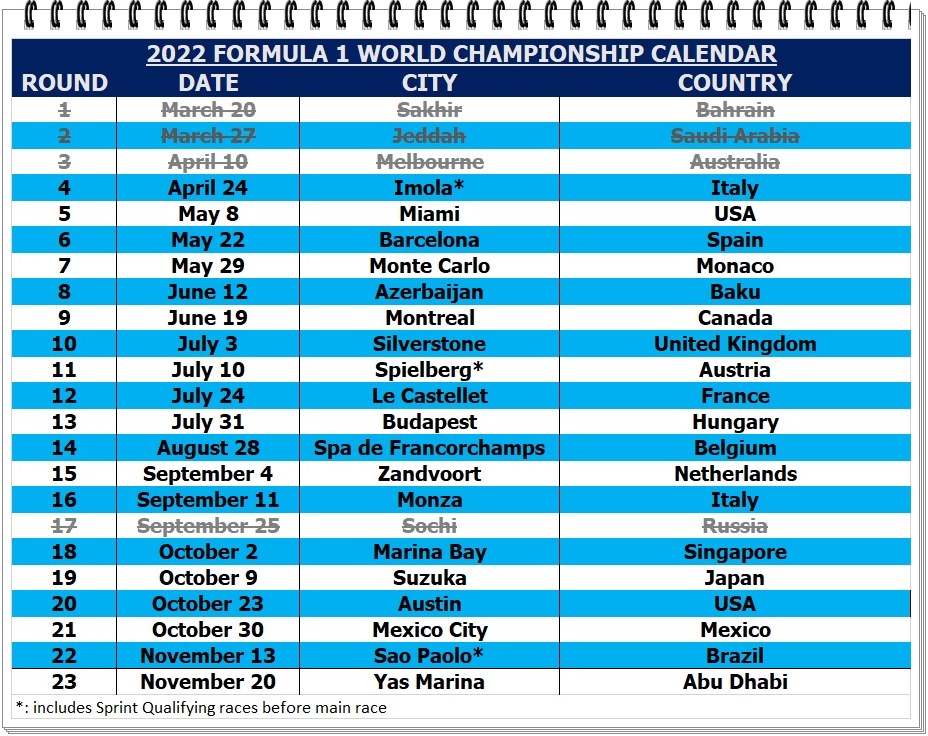
The championship next moves to Monaco for a single round on April 30. This is a much-anticipated event as the Gen3 cars for the next season will be unveiled for viewing.
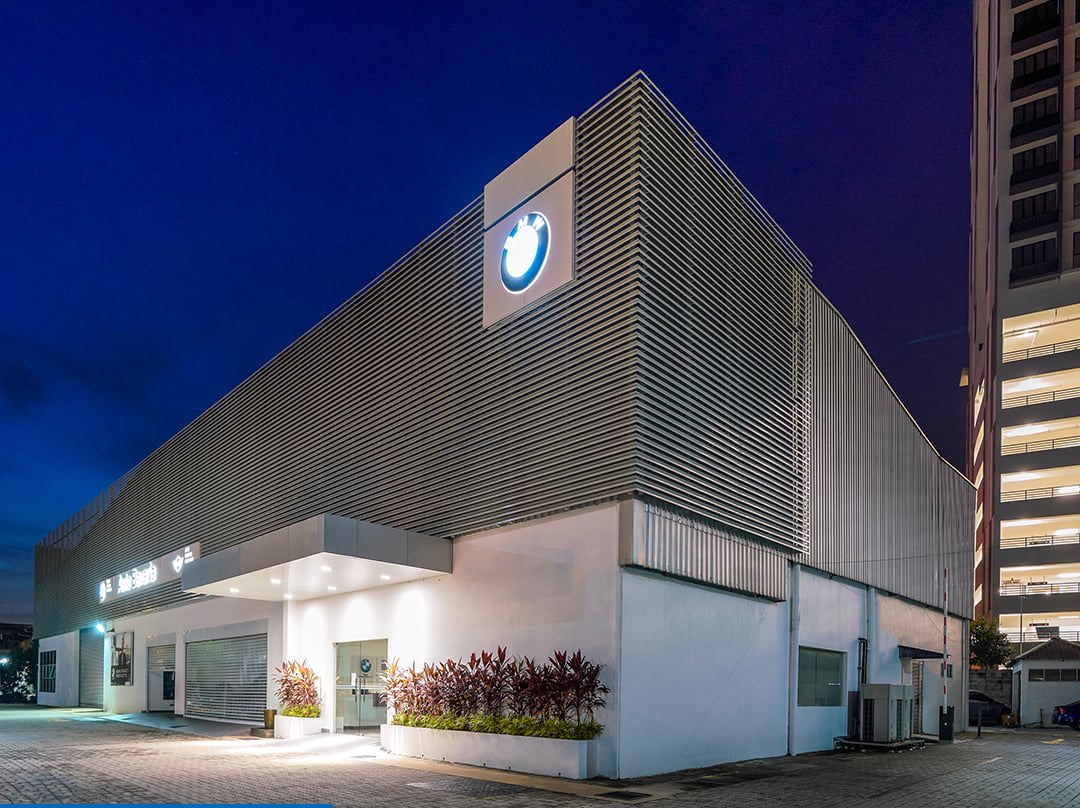
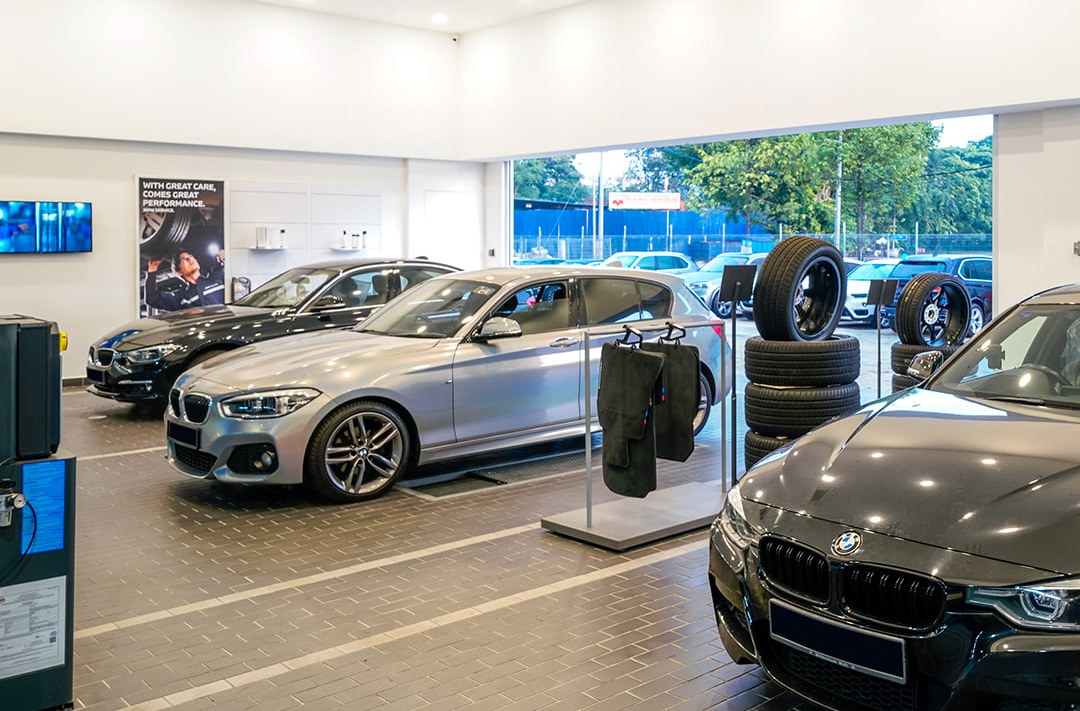
Auto Bavaria, a dealership group for the BMW Group in Malaysia, has opened its new outlet in Jalan Chan Sow Lin, Kuala Lumpur, to complement the aftersales services at Auto Bavaria Kuala Lumpur. The facility, referred to as Auto Bavaria CSL, focusses on providing quick service and repairs for BMW and MINI vehicles with the BMW & MINI Service Fast Lane.
It is the third Auto Bavaria service workshop in the city centre, alongside Jalan Tun Razak and Sungai Besi. It operates 6 days a week, except on public holidays
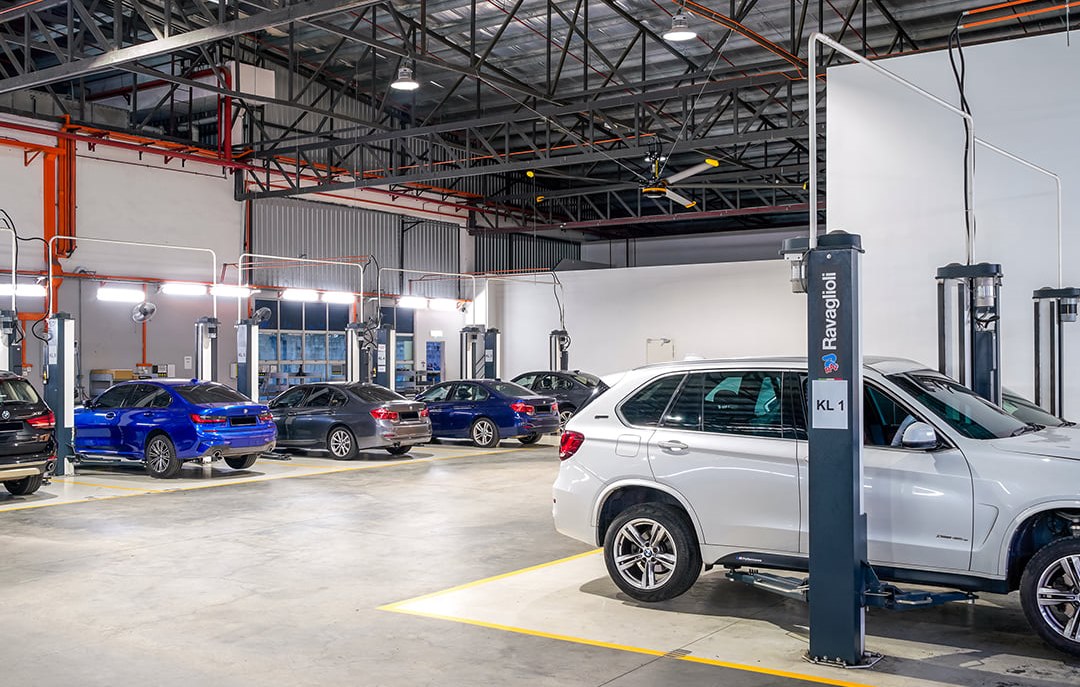
Offering regular vehicle maintenance, wear and tear repairs, tyre replacements, cosmetic repairs, etc, the new 39,800 square-foot facility has a customer lounge, Isetta Bar, reception bays for incoming vehicles and a BMW AC charging station. At this time, it has a team of 23 employees
According to Vi Thim Juan, Managing Director of Auto Bavaria, Auto Bavaria CSL can provide BMW and MINI owners with the necessary service and repairs for their vehicles within 2 hours, further optimising the Premium Ownership Experience for customers in Malaysia.
“For BMW Group Malaysia, the commitment that we share with our dealers across the country to fulfil the promise of Sheer Driving remains our greatest pride. Part of this commitment is ensuring that we deliver exceptional customer service to all our BMW, MINI and also BMW Motorrad customers – and to do so efficiently. We are pleased to be celebrating with Auto Bavaria today –the establishment of their second BMW & MINI Service Fast Lane centre in the country,” said Hans de Visser, Managing Director of BMW Group Malaysia.
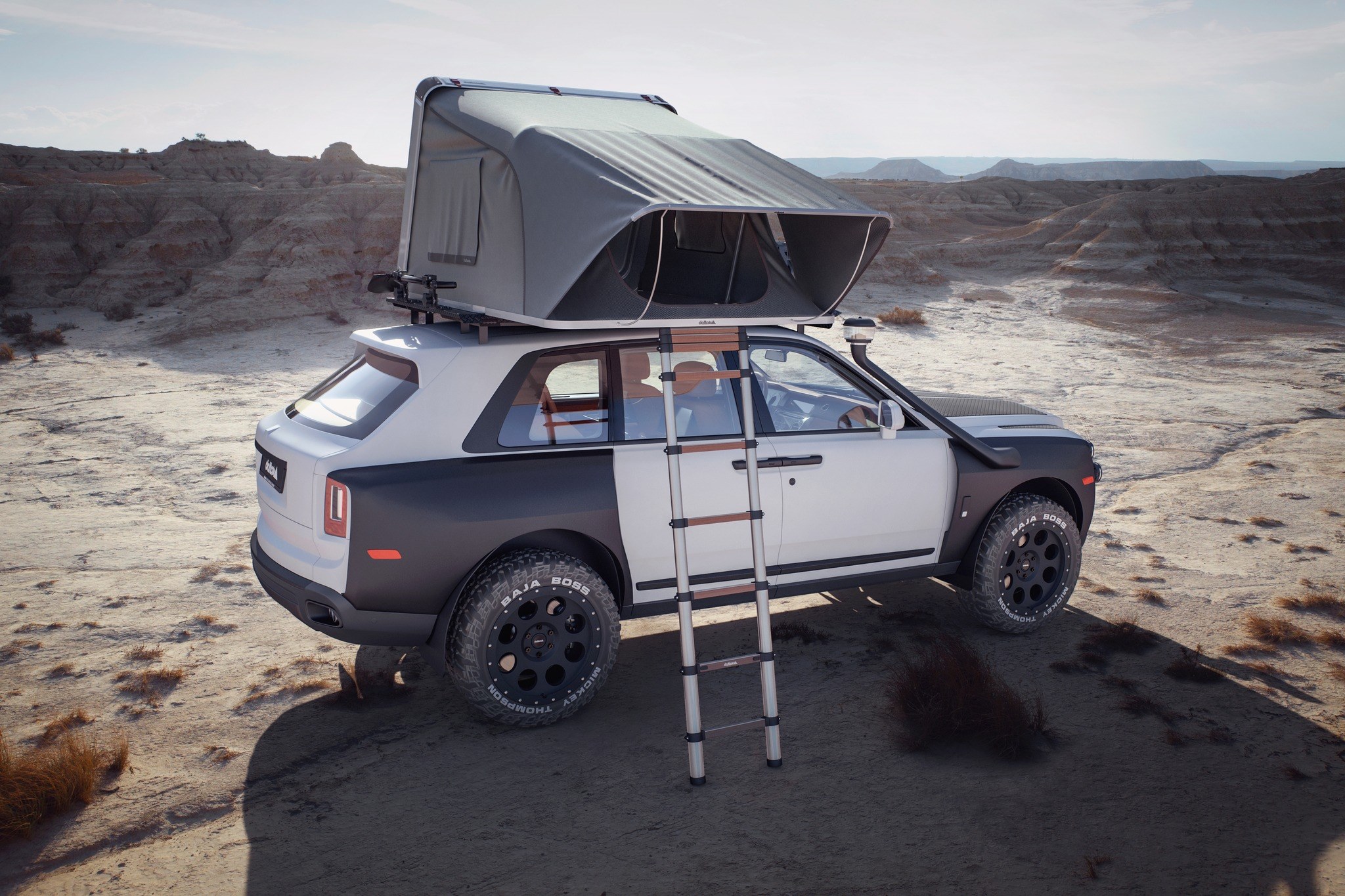
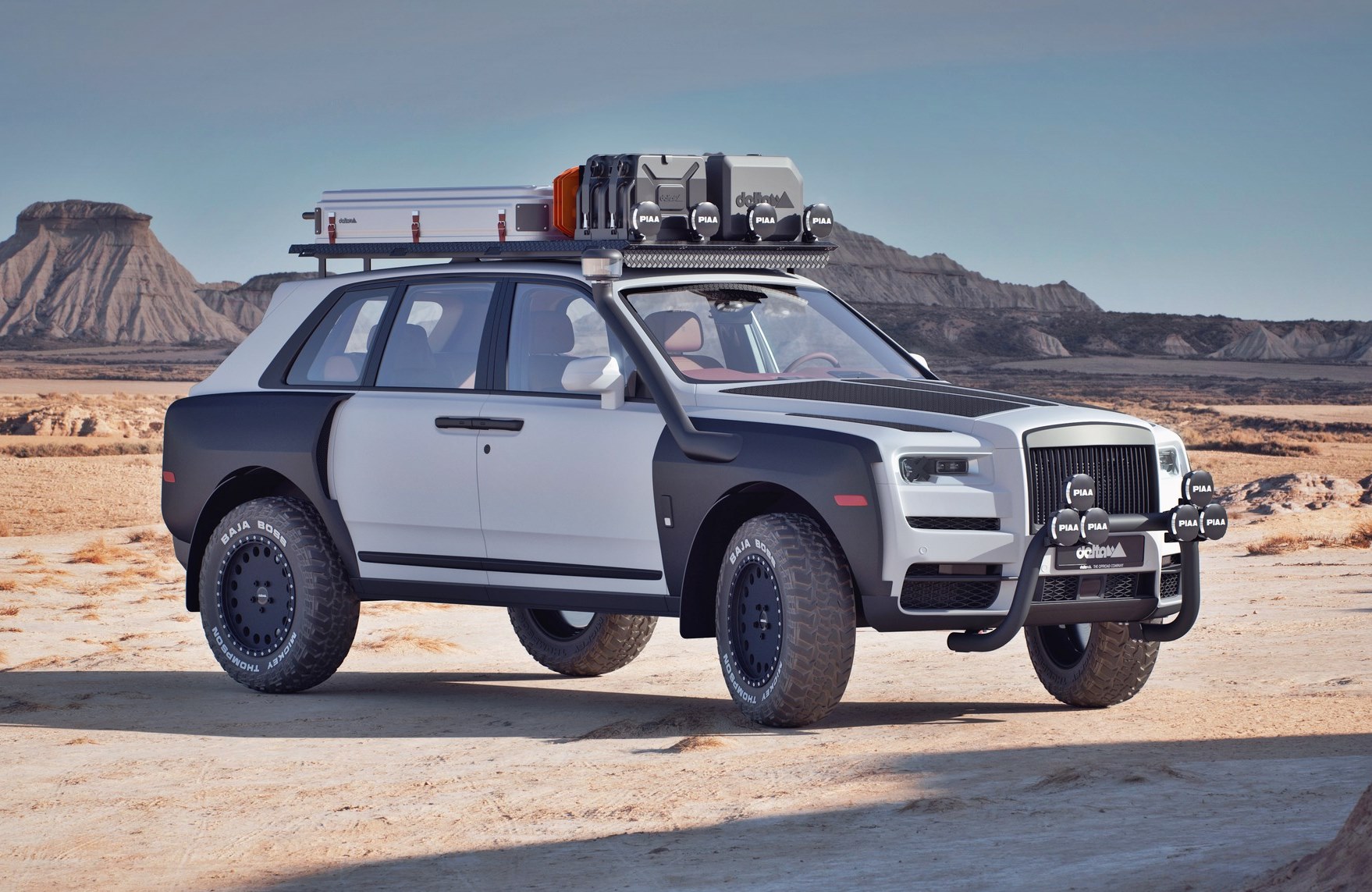
The Cullinan SUV by Rolls-Royce costs upwards of RM1.8 million and for most owners, it would probably be part of a fleet, perhaps used for occasions when some rough conditions are expected. There might be some owners who will want to make use of all the off-road capability that Rolls-Royce engineers have given it and travel far off-road.
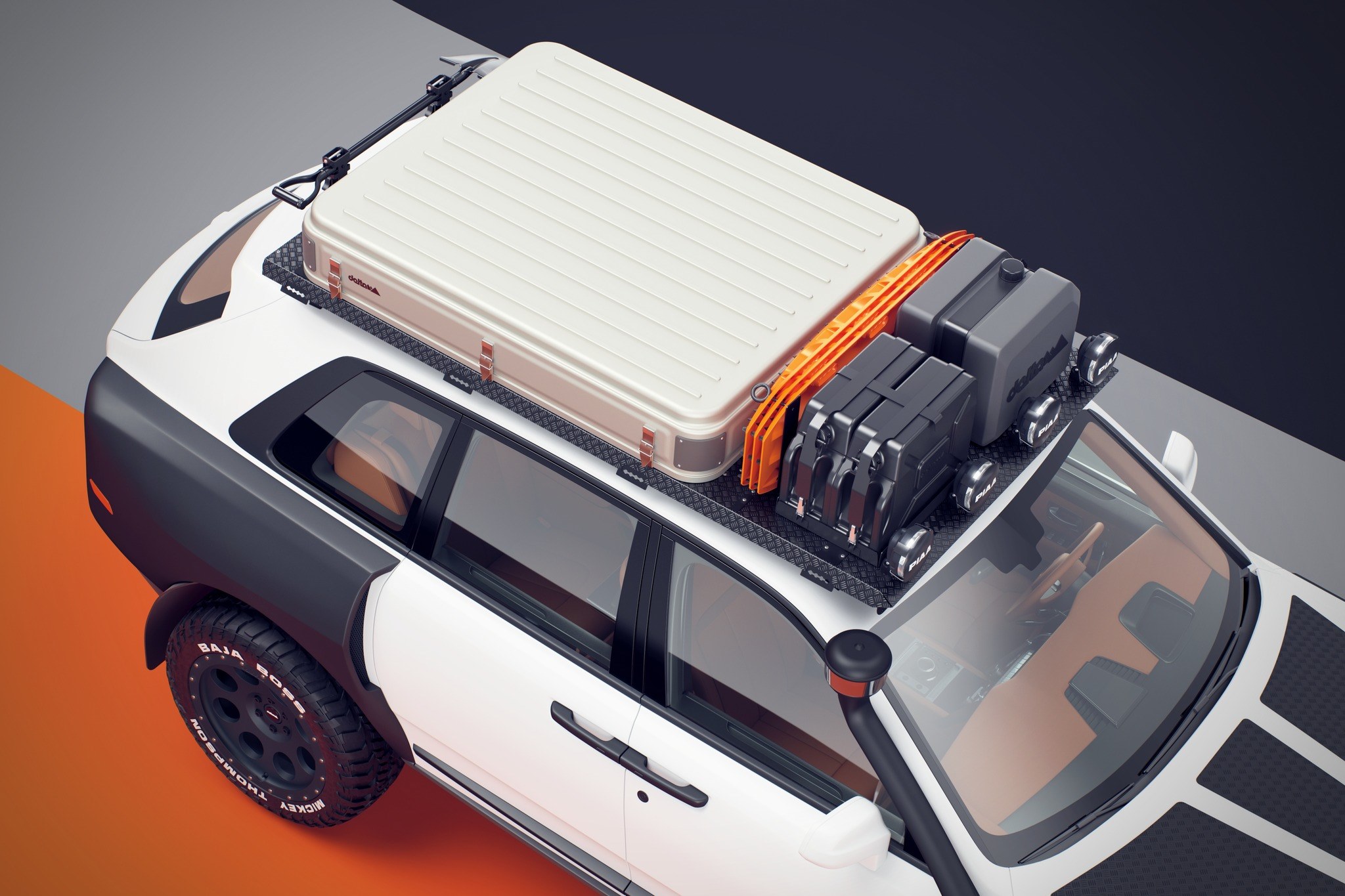
One such customer in the Arabian Peninsular seems to have such an intent and got Delta 4×4, a German tuning company, to ruggedize his Cullinan and also add some accessories for camping in comfort (probably in the desert). In total, the project would have cost the owner at least 150,000 euros (about RM690,000).
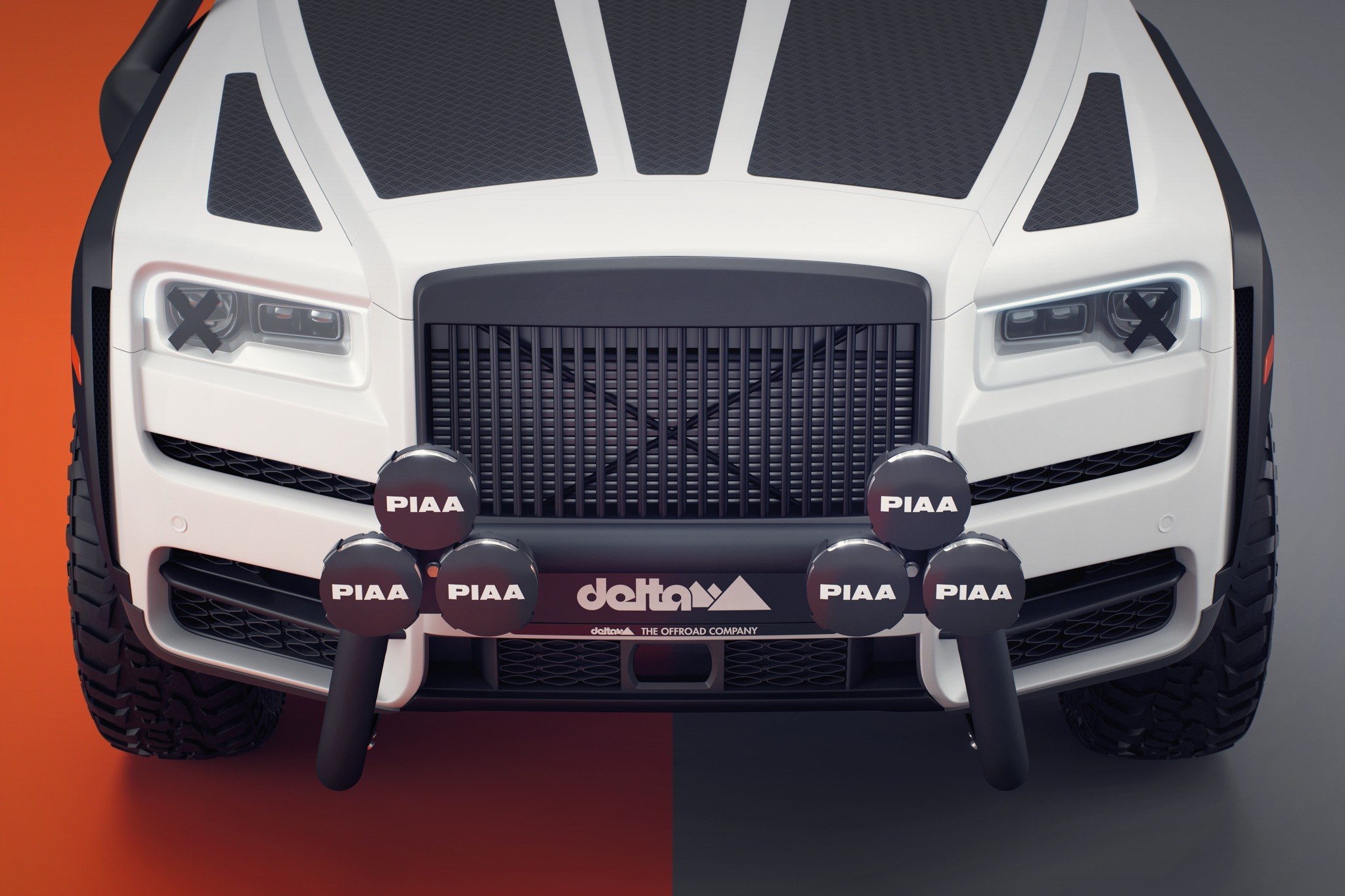
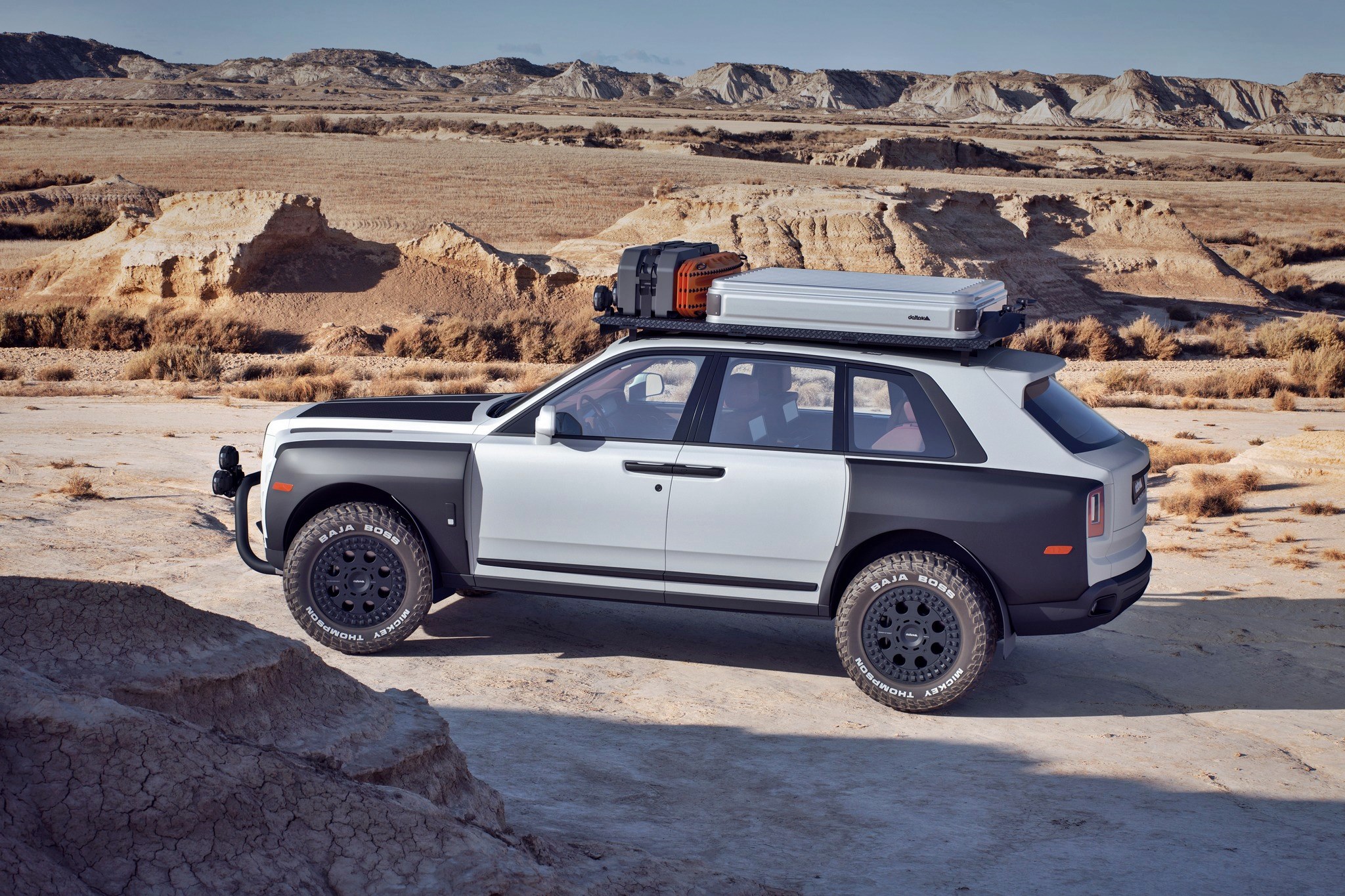
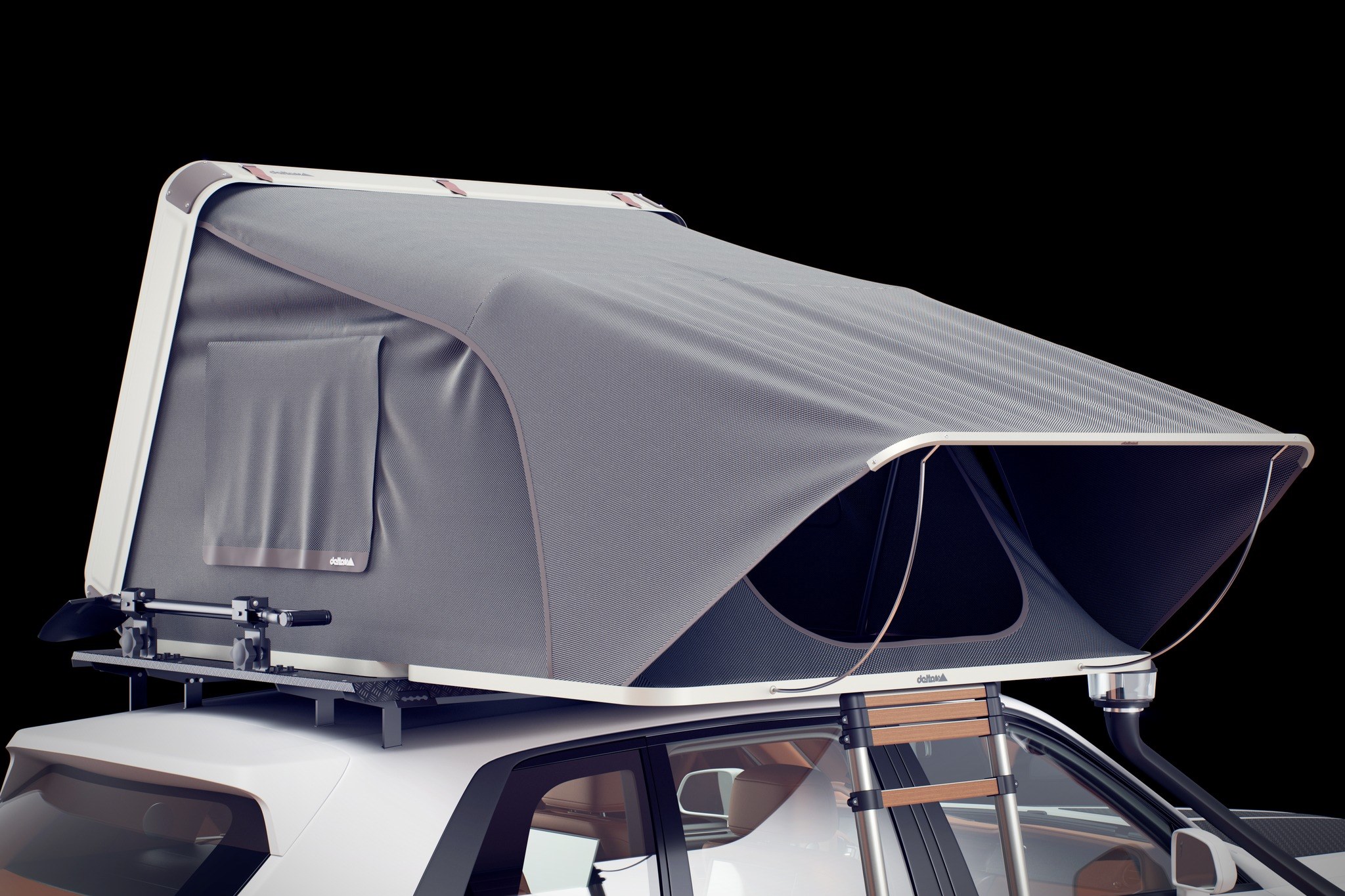
It’s the sort of assignment that Delta 4×4 has expertise in and apart from installing its own line of accessories like a brush bar, spotlights (10 PIAA units in total), skid plates, and a snorkel, it also incorporated a roof rack with a rooftop tent.
To enable it to cross rougher terrain, Delta4x4 added wider fenders over the custom bead-lock 20-inch wheels and Mickey Thompson off-road tyres. Ground clearance is extended with a 3.15-inch lift kit to add 150 mm more than a standard Cullinan.
The 6.75-litre twin-turbo V-12 engine under the long bonnet has plenty of power – 563 bhp with 850 Nm of torque – so no upgrading would be necessary. The exhaust system, however, is customised ‘for a nicer sound’ and improved performance. Likewise with the 8-speed automatic transmission and all-wheel drive which are also unchanged from the standard model the customer purchased originally.
While this is a one-off conversion for the Cullinan, Delta 4×4 can apply the same expertise for other models and it has done so with vehicles like the Mercedes-Benz G-Class and X-Class, Ford Ranger, Volkswagen Amaro, Mitsubishi Triton and even a Porsche 911 Carrera 4S.
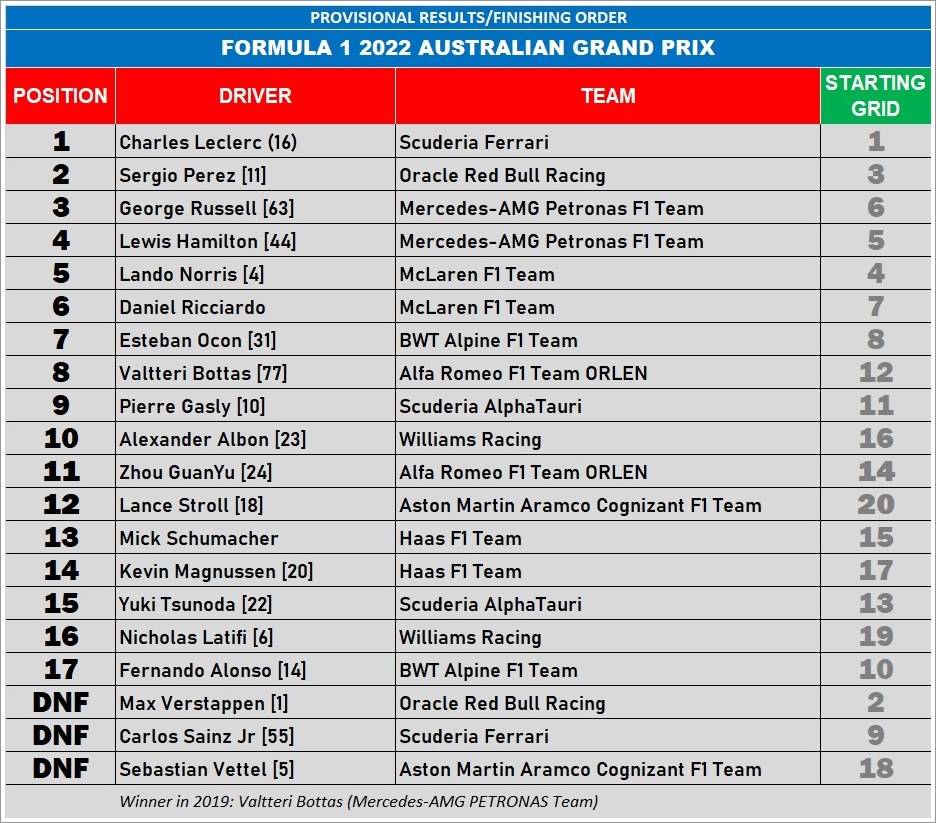
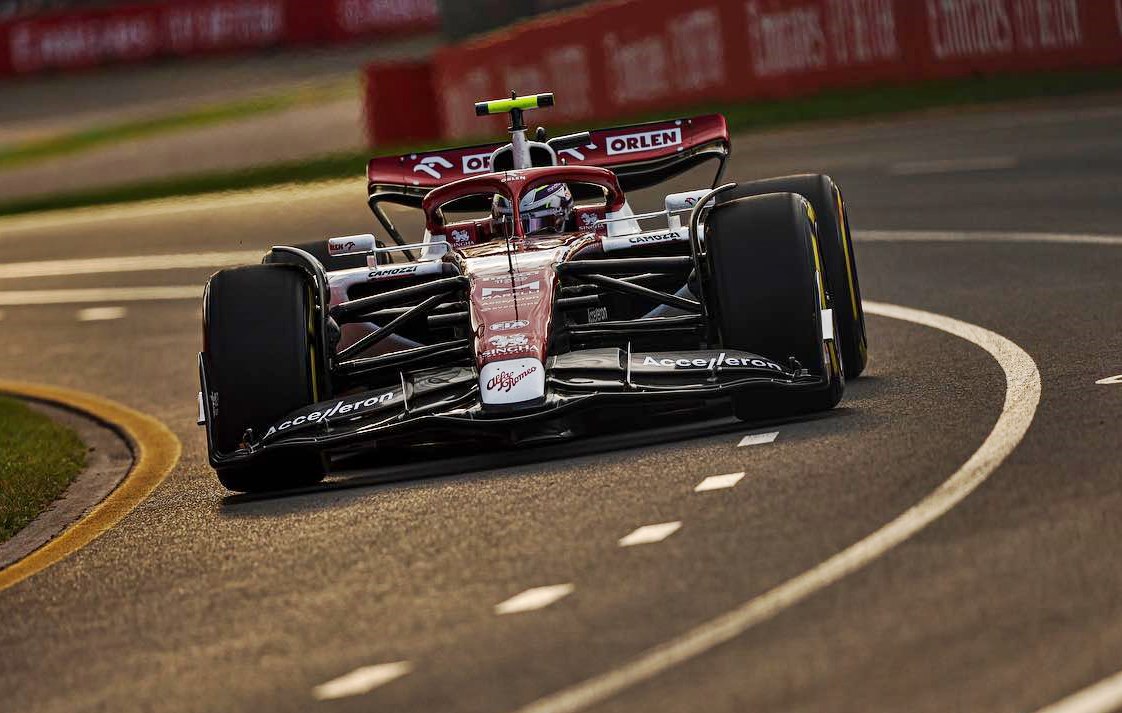
Pole man Charles Leclerc got his Ferrari off to a clean start for the 2022 Australian GP as Max Verstappen pursued him into the first corner. However, things were not good for Carlos Sainz, who had started in P9 and then fell to 13th right away. Trying hard to make up, he lost it in Turn 9 and slid into the gravel. This brought out the Virtual Safety Car to enable marshals to clear the Ferrari.
Shortly after, the F1 Safety Car entered the track to manage the racing cars. During that time, Aston Martin’s Lance Stroll was the first to come back to the pits to move to hard tyres. The early appearance of the Safety Car meant that tyre temperatures did not get up to optimum fast enough as the cars slowed down.
The Safety Car departed on lap 7 and racing resumed with Leclerc still in the lead. The regulations for race restarts after the Safety Car departs have been made clearer and the tactics which Verstappen used in the previous 3 races (running alongside the leader) are no longer permitted.
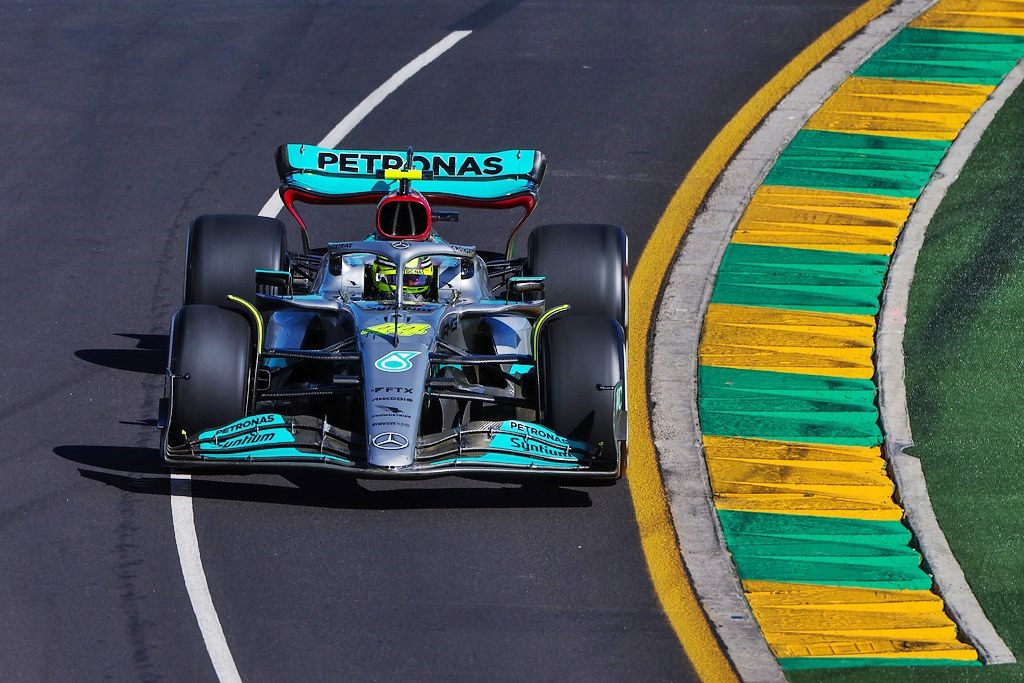
On restart, Leclerc shot forward to try to widen the gap with the Red Bull and in doing so, set the first fastest lap of the day, putting himself almost a second ahead of Verstappen. Behind them, Hamilton was busy keeping Sergio Perez from getting past to take his third place.
Though the track is familiar to most of the drivers, the resurfacing had made it a bit slippery too and this was something they had to contend with. Sebastian Vettel slid off momentarily and Verstappen was complaining of tyre graining.
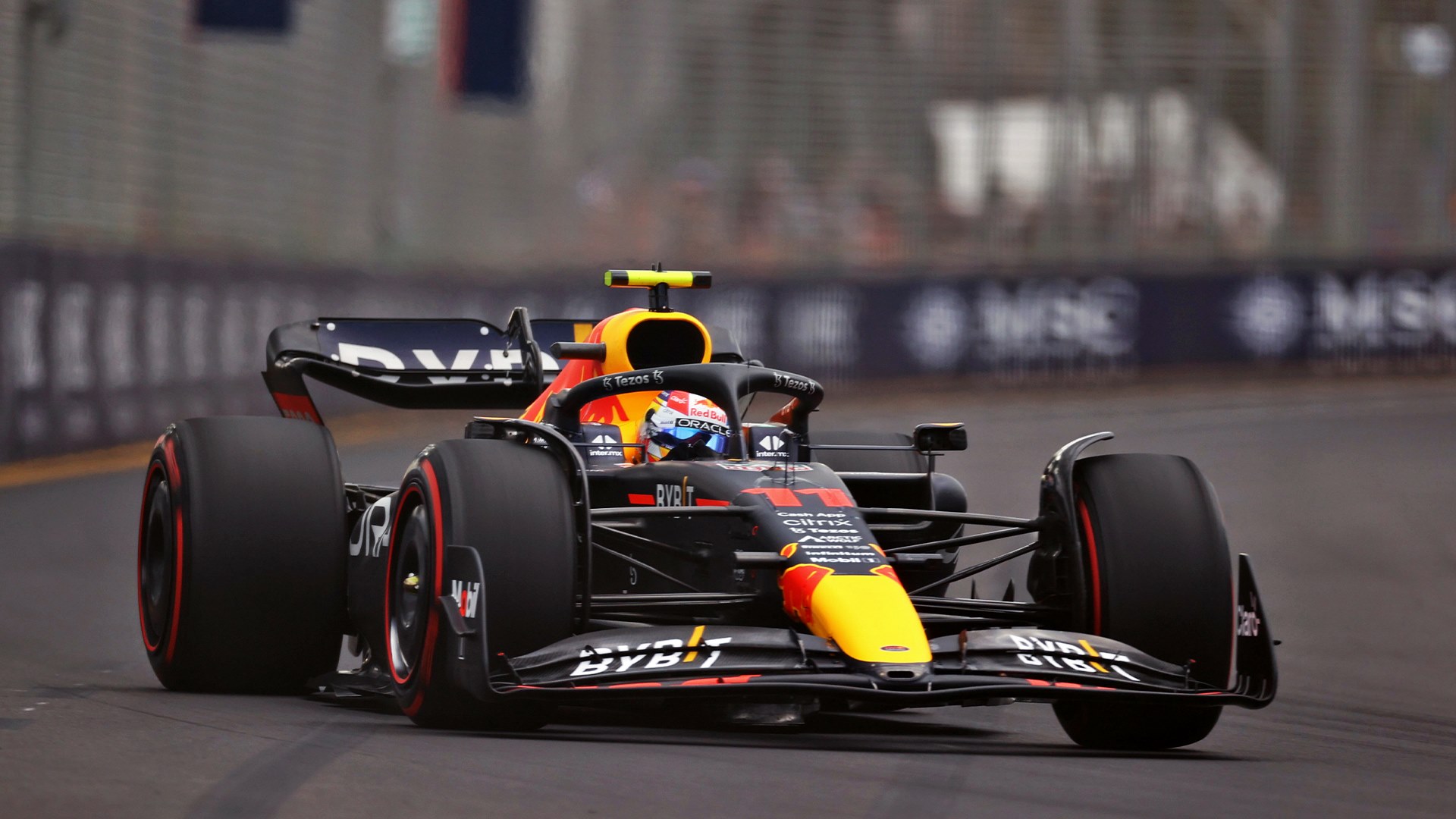
On lap 10, Perez flew past Hamilton on DRS to take over third and the Mercedes-AMG driver clearly could not do anything. With two Red Bulls behind him, albeit with a 3-second gap from Verstappen, the pressure on Leclerc increased.
Verstappen’s struggles saw him dropping back further to 9 seconds from Leclerc by lap 17, amd he came in 2 laps later for a tyre change, rejoining at 7th ahead of Fernando Alonso. This moved Perez up to second but he too came in on lap 21 to get onto hard tyres. The Red Bull pit stops moved Hamilton and George Russell up to second and third places behind Leclerc, albeit some 17 seconds away.
Finally on lap 22, Leclerc came in and so did Hamilton, and the Ferrari did not lose its lead while Hamilton was able to get ahead of Perez. Verstappen had moved back to second and was 4 seconds behind the Ferrari and then Vettel lost it and crashed into a barrier near Turn 4. Out came the Safety Car, negating the Dutchman’s advantageous position. Russell took the opportunity to come in for his tyre change and managed to get back in third place.
Racing resumed on lap 27 and Leclerc took off but just barely stayed ahead of Verstappen as they both entered Turn 3. Russell was also close but had to watch out for Alonso who was making a bid for the third place. But before long, Perez was the one to hassle the new Mercedes-AMG driver as Alonso dropped back and became the target for Hamilton.
With more than half the race completed, only three drivers had not changed from their hard tyres – Alonso, Kevin Magnussen and Alex Albon, The others would be managing their tyres to make it to the 58th lap.
Magnussen’s battle with Daniel Riccardo ended on lap 34 when he could not prevent the McLaren from getting past and joining team mate Lando Norris.
On lap 38, disaster struck again for Verstappen as smoke and then fire appeared from his car and his engineer ordered him to stop immediately near Turn 2. The Virtual Safety Car (VSC) was activated to allow marshals to take action to remove the car. It was lap 40 when the VSC was deactivated and just prior to its activation, Russell was advised to not fight Perez so as not to damage his tyres, and he reluctantly let the Red Bull pass. So it was a Red Bull still second, though 12 seconds behind Leclerc. Verstappen’s fire was of concern to Perez who recalled how his own car had also died just after Verstappen’s in the first round. However, his engineer told him not to worry.
For Hamilton and Russell, running in third and fourth, the gap was not enough to make an effort to go for Perez so they focussed on tyre management to make sure that they finished the race. If bad luck hit the Mexican Red Bull driver, then it would be a bonus for them but for Leclerc, things were very much in control with a 14-second gap.
With 5 laps remaining, it appeared that the frontrunners had settled into maintaining positions to complete the race. Further back, Pierre Gasly was fighting hard to keep at least 10th place and stay in points as Lance Stroll and Guanyu Zhou kept duelling with him.
And so it was Ferrari’s day again as Leclerc crossed the line, a comfortable 20 seconds ahead of Perez, with the two Mercedes-AMGs in third and fourth.
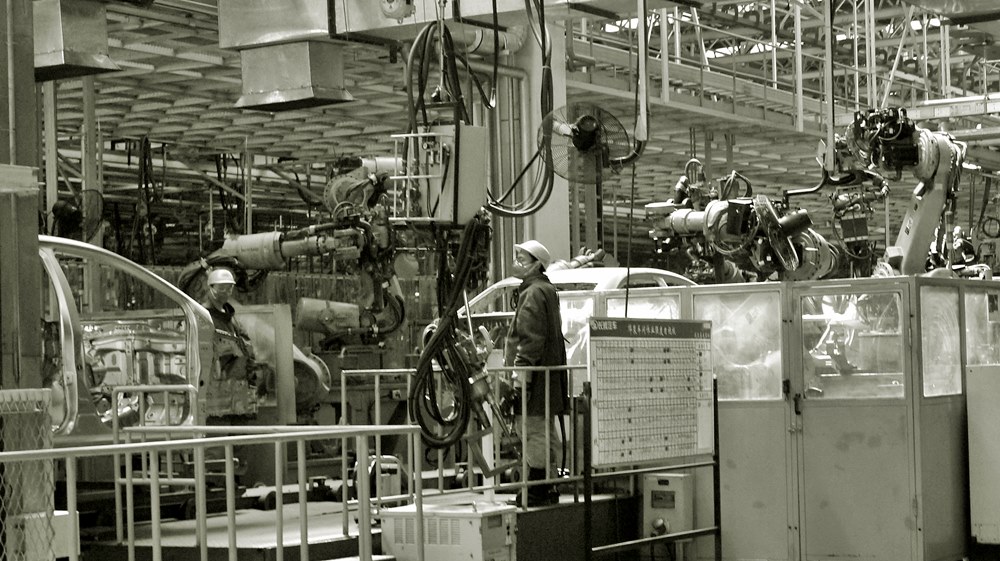
China’s auto industry goes back many decades but it was only in the 1980s, as the country’s economy opened up, that the industry began to expand. Numerous new car companies were established, largely with government support to help them get going, and apart from joint-ventures with foreign carmakers, there were also many that developed on their own.
In the auto industry, the name of the game is numbers – to achieve the biggest volumes possible so that economies of scale can push production costs down. To build up to the critical levels, aspects like quality and safety may not be as high a priority as producing as many vehicles as possible. It’s a normal evolutionary process in the auto industry and once the critical annual volume is reached, then attention can be given to other areas as increasing profits provide the financial resources for more R&D.
So it’s not unusual that the early cars from Chinese companies had low quality and it should be remembered that the Japanese and Koreans also went through that phase. In the 1960s, when the Japanese cars started to sell in noticeable numbers in Malaysia, they were considered fragile and thought to be ‘made from Milo tin can materials’, which was really a myth. But in time, they improved quality and moved so far ahead as to lead the industry in that aspect.
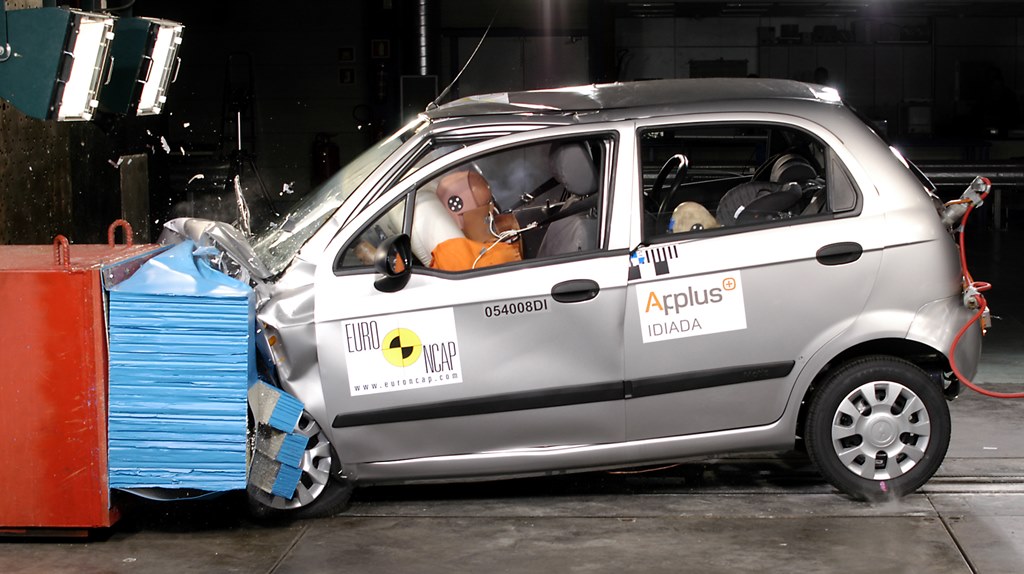
For the Chinese carmakers, the 2000s were a time of rapid growth and getting into world markets. While their vehicles were selling well in China and there was then little emphasis on safety, the same was not the case in other countries. Safety standards were well established and independent organizations like Euro NCAP and Germany’s TUV and ADAC conducted assessments on new vehicles which included crashing them.
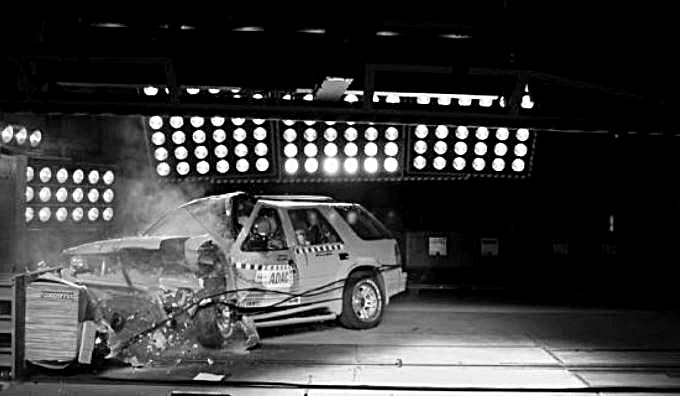
The severely damaged Landwind X6 tested by Germany’s ADAC in 2005 increased the negative perception of the passive safety of Chinese vehicles.
The early Chinese cars exported to Europe had poor ratings then, and a SUV model called the Landwind X6 showed a shocking result in Euro NCAP’s crash test in 2005 when it was so severely damaged that it got zero stars. Though testing by some other organizations suggested that it was not all that bad, the negative publicity became associated with cars from China.
The need for better engineered cars with better protection for occupants saw the establishment of safety standards by the China Automotive Technology Research Centre in 2006. This was the start of C-NCAP (China’s New Car Assessment Program) which would eventually adopt international standards typically led by Euro NCAP. There is now a Global NCAP organization which coordinates and assists national and regional organizations in this field.
NCAP tests are not required by law in any country, but their results are of interest to car-buyers who will be better informed of the level of safety a model offers. Manufacturers therefore aim to achieve the best result – 5 stars – for their new models. During development, they are made aware of the various requirements in the tests and engineer their vehicles to meet or even exceed those requirements.
Many new models nowadays can score the maximum of 5 stars but some get less either because of their design or because they may not have sufficient protective capability or features. In some cases, reduced equipment may also mean a lower score, but the vehicle will also cost less. So it is up to the buyers to decide whether they value their lives enough to pay the extra for better safety or settle for a less safe car and save money instead.
The NCAP requirements or protocols are constantly evolving and are periodically updated with tougher requirements as new technologies become available and also to push manufacturers to make their cars safer. Thus a model which may have scored well in 2003 might not achieve the same result today because the requirements have become tougher. For example, in 2008, Euro NCAP (and other NCAPs followed later) made it a requirement that Electronic Stability Control (ESC) must be present to be able to get 5 stars. If a model scored well in all areas but had no ESC, it would get only 4 stars. This basically forced the industry to make ESC a standard feature before long, providing motorists with better active safety.
Another example is the provision of airbags for both front occupants. This was promoted by ASEAN NCAP for models sold in the region and before long, manufacturers made dual front airbags standard across the range.
The upgrading of protocols is done in discussion with the industry to ensure that sufficient time is given for carmakers to improve their engineering or further develop technologies that will make it possible to meet new tests. There is also the cost factor as imposition of new technology too fast can make cars more expensive.
In the case of China, C-NCAP (which set standards) was behind the global NCAP standards at the start. However, by 2012, the protocols were upgraded to become close to what Euro NCAP had. For example, the main frontal offset impact speed was increased from 56 km/h to 64 km/h, and there was a general increase in the thresholds for injury scores of the dummies.
By 2018, the vehicles that were made in China and also the regulations set by the authorities were comparable to those in Europe. This meant that Chinese vehicles had safety standards that could be considered as world-class, with most of the models sold globally being able to match those from other makes.
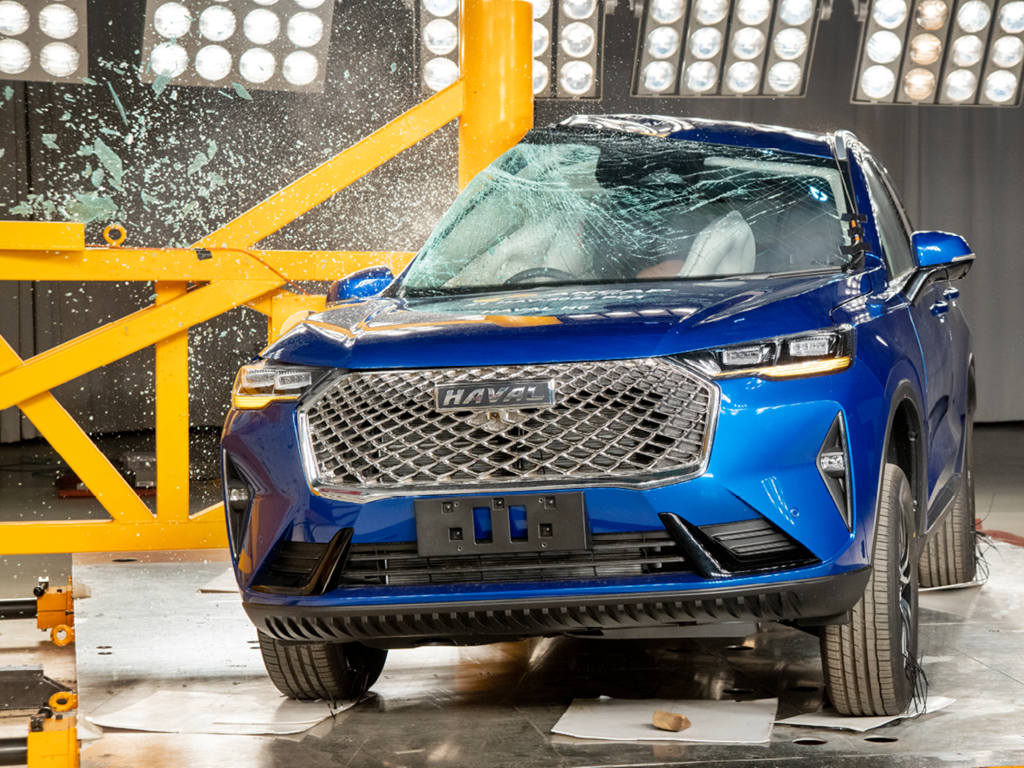
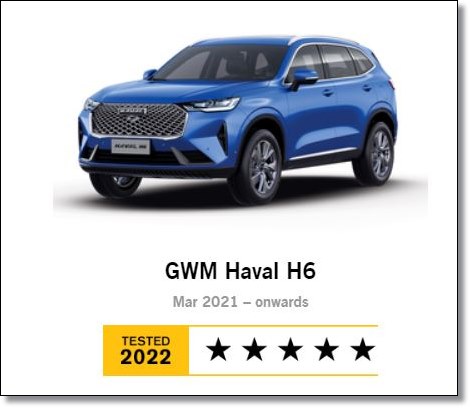
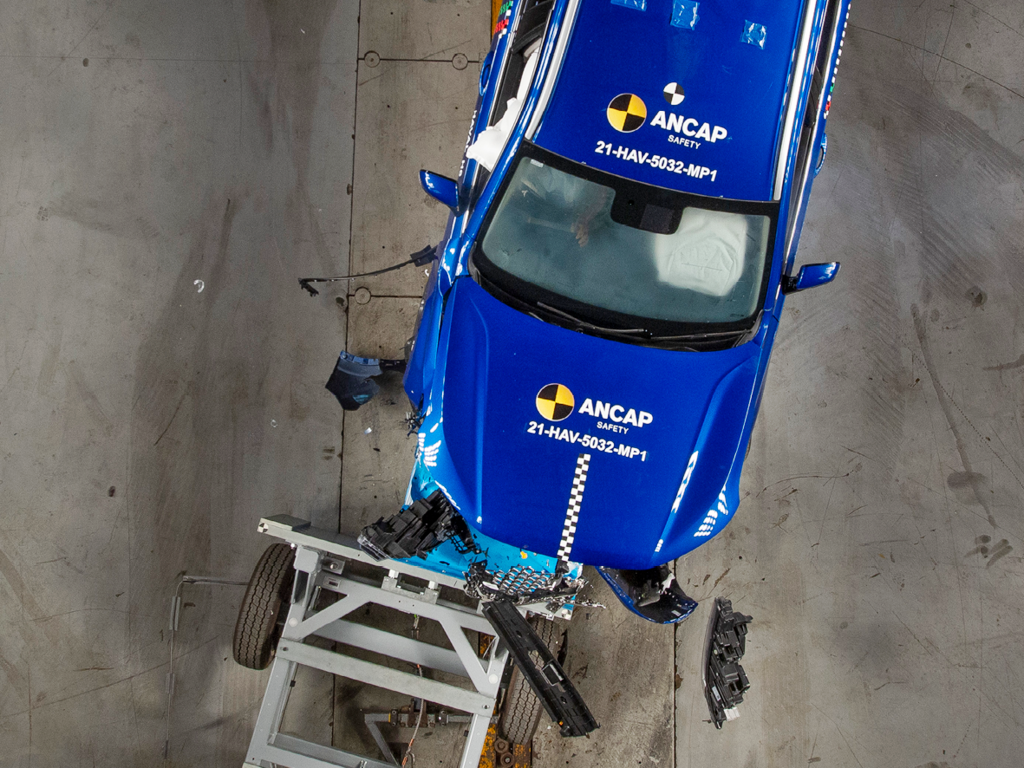
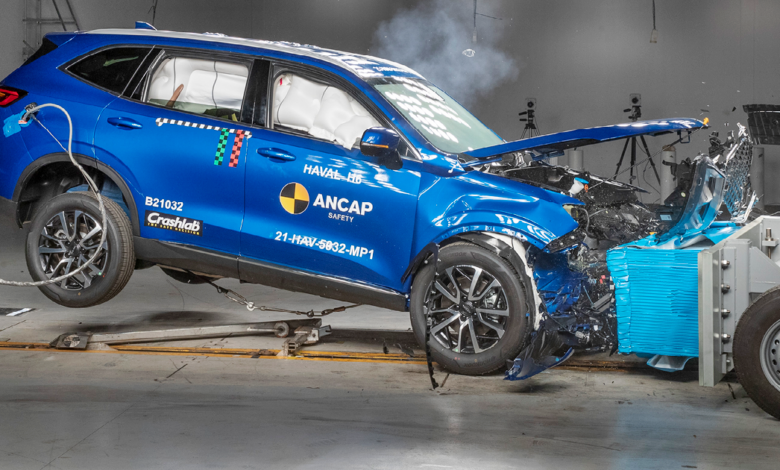
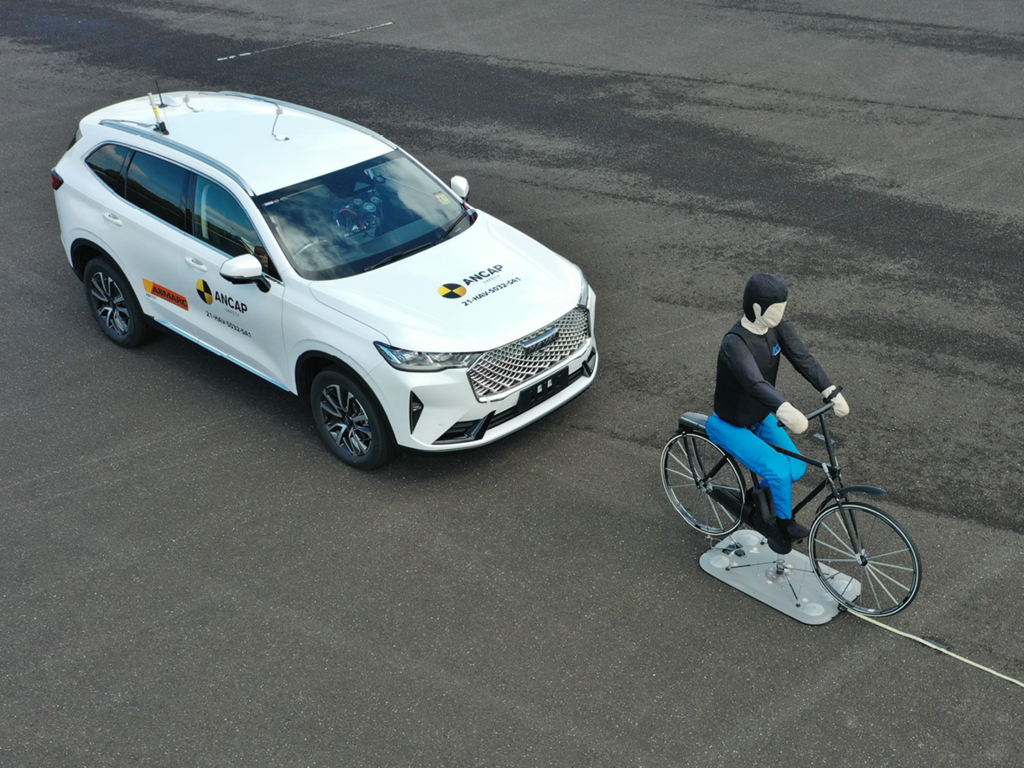
A recent example of this achievement is with the latest HAVAL H6 from GWM (Great Wall Motors). The new SUV was given a 5-star rating by ANCAP, the NCAP organization for the Australasian region. Even more impressive was that the model had met ANCAP’s latest 2022 protocols which are tougher.
“This is GWM’s first new HAVAL SUV model to the Australasian market for a number of years. Delivering a 5-star vehicle to the market – against ANCAP’s latest 2022 protocols – demonstrates the brand has kept pace with the latest ANCAP safety standards and consumer safety expectations,” said ANCAP’s CEO, Carla Hoorweg.
The H6 achieved excellent results in 4 aspects – Adult Occupant Protection (AOP), Child Occupant Protection (COP), Safety Assist and Vulnerable Road-User Protection, with scores of 90%, 88%, 81% and 73%, respectively.
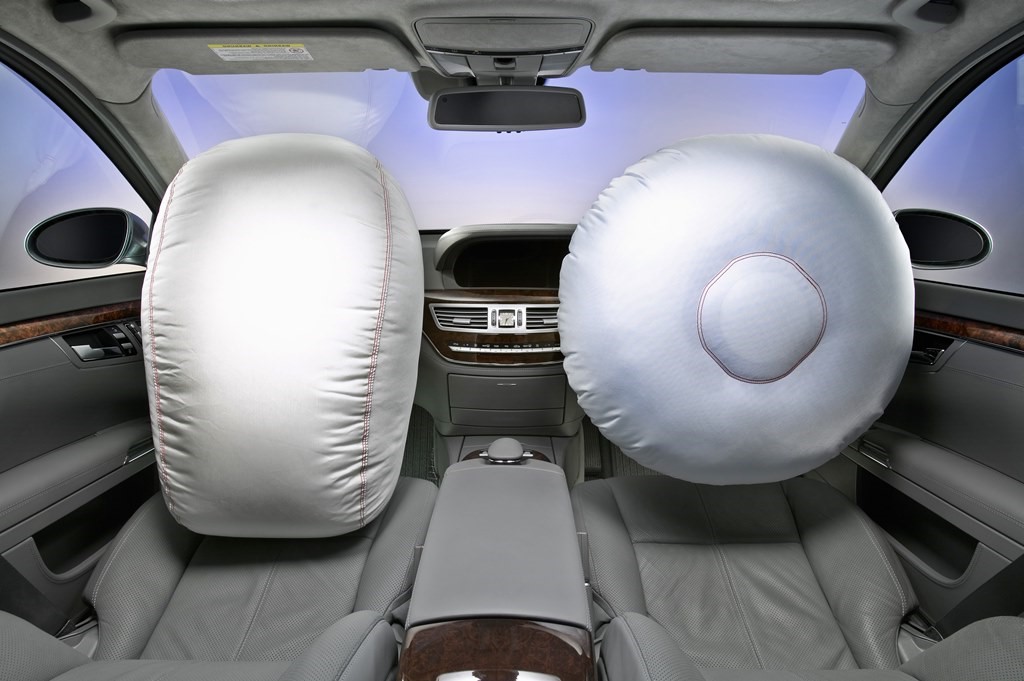
Details of the results showed that the H6 got a ‘GOOD’ grade in AOP. It has got a full score in tests such as side impact, oblique pole, whiplash protection, and rescue and extrication. In addition to the 70%+ high-strength steel vehicle frame, the vehicle is also equipped with an omnidirectional airbag that can effectively protect front and rear passengers from injury during a crash.
In terms of COP, the H6 also did very well. It received a full score in dynamic test (side) due to the lower ISOFIX anchorages and top tether anchorages installed in the rear seat. These further strengthen the connection between the childseat and the vehicle body, thus providing better safety protection for children.
Vulnerable Road User Protection is something which GWM would have given attention to earlier because C-NCAP had already been looking into it for some years now. The China In-Depth Accident Study (CIDAS) which was developed like Germany’s GIDAS identified that around 22% of serious crashes involved pedestrians. This led C-NCAP to also evaluate vehicles to rate how well pedestrians were protected in a collision.
The H6 also performed well in this aspect, thanks to features like an energy-absorbing space in the front bumper. Also, the Automatic Emergency Braking (AEB) system can detect pedestrians and cyclists ahead and automatically brake the car if the driver does not take action to prevent it.