While a large proportion of Perodua’s sales are in Peninsular Malaysia, the carmaker does not also forget that the East Malaysia markets have also contribute to its ascent to being the No. 1 brand in the country. And like a good corporate citizen, the company has been giving back to the local community there.
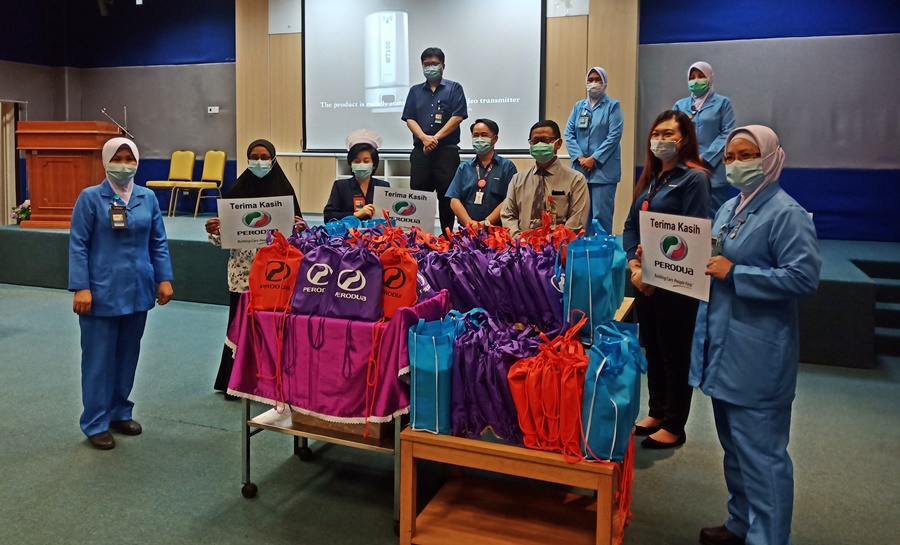
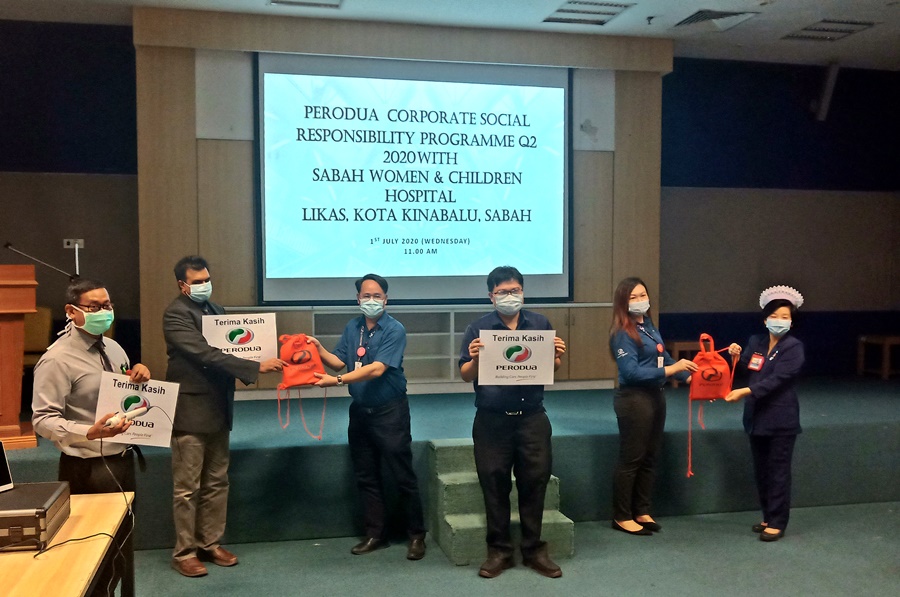
Recently, the Sabah Women and Children’s Hospital received a portable flexible videoscope set, while 250 underprivileged paediatric patients received contributions ranging from school supplies to prescription glasses, courtesy of Perodua.
Of the 250 child patients, 200 patients aged below 12 received stationery while the remaining 50 outpatient kids were given prescription glasses. “While Malaysia is showing positive signs in the fight against COVID-19, we now include other priorities to ensure the quality of life improves in this country,” said Perodua President & CEO, Dato’ Zainal Abidin Ahmad.
“In addition to that, our contributions here are our way of thanking the good staff of Sabah Women and Children’s Hospital for tirelessly and selflessly caring for the patients,” he added.
Perodua first engaged with the Sabah Women and Children’s Hospital in 2018, contributing two laryngoscope blade sets and 40 bed pillows, and toys for some 250 child patients. “Based on feedback from the hospital, we have decided to further assist this health institution to further increase its capabilities as well as contribute directly to the community.
“It is important that Perodua continues its role as a responsible and caring organisation towards the Malaysian community who has strongly supported us over the years,” he added.
Last month, ahead of the reopening of schools, the carmaker distributed over 5,000 face shields to 17 secondary schools in the Hulu Selangor district which its vehicle manufacturing complex is situated in.
Very often, you would read about how technology developed for racing cars eventually gets transferred to production models sold to the public. The new technology has been proven in the extreme conditions of racing and before it is used in production models, it is refined and most importantly, tested thoroughly for durability and reliability.
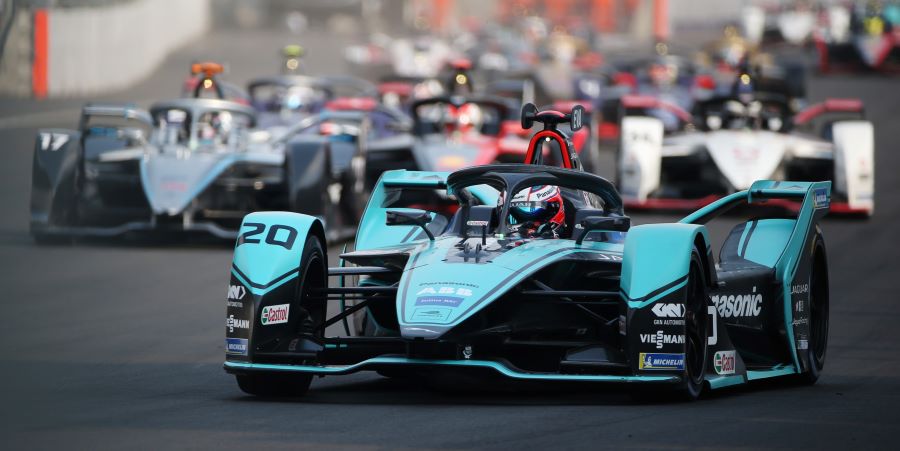
But here’s an example of the reverse taking place – from production model to racing car. Engineers at Panasonic Jaguar Racing have taken a technology used in the Jaguar I-PACE all-electric SUV for their racing cars in the single-seater all-electric championship series.
Traffic Sign Recognition system
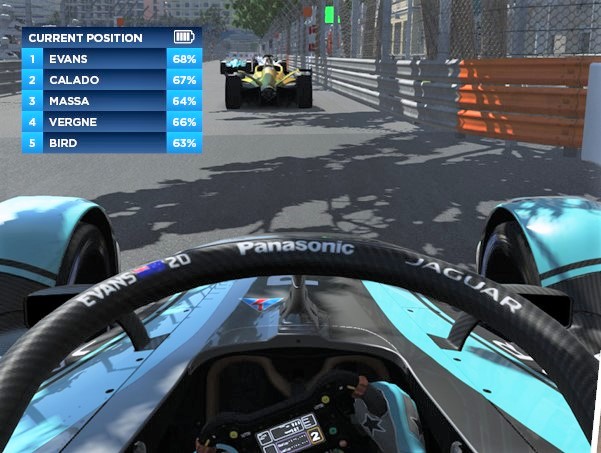
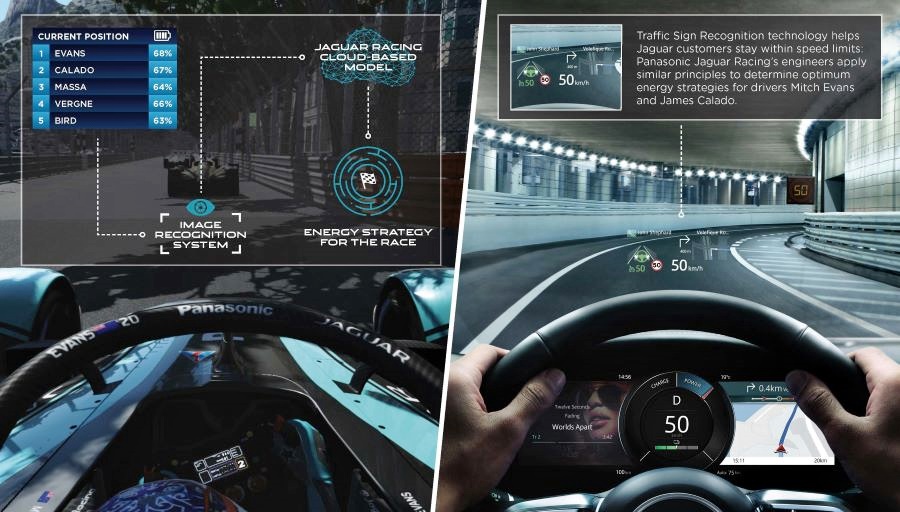
The technology is from the Traffic Sign Recognition system (TSR) but the principles are adapted for a very different purpose: to monitor the battery status of the I-TYPE and competitors’ racing cars – automatically and in real time. This data can then be used to determine the optimum energy strategies for the drivers.
TSR uses an advanced stereo camera and image processing software to detect and read road signs, informing drivers of speed limits, temporary speed limits, and no-overtaking restrictions. This information is also used by the Adaptive Speed Limiter system, helping drivers stay within the permissible speed by automatically slowing the vehicle down, if necessary, when entering areas with a lower limit.
Learnings from the system help the engineers understand when to push and when they can afford to ease off – optimising energy management throughout a race. Adopting digital vision systems with image recognition as the enabler for the new energy strategy modelling process delivered a step-change in speed, accuracy and flexibility compared to the tools used previously, and is future-proofed to make even more detailed analyses possible in seasons to come.
Racing to improve vehicles
The technology transfer is one example of advances in Jaguar’s road cars being used to support success on the track. This advantage is complemented by the on-going application of knowledge gained from the extremes of racing to improve vehicles such as the all-electric I-PACE.
One of the most significant benefits to date – underpinned by invaluable learning gained from the I-PACE eTROPHY race series and Formula E – was a software update to the I- which gave customers worldwide up to 20 kms more real-world range from a full charge. This was delivered though further optimisation of battery management, thermal systems, regenerative braking and all-wheel drive torque distribution.
The on-going collaborative partnership between engineers in Jaguar Racing and those working on core Jaguar vehicle programmes ensures that knowledge, processes and technologies continue to pass from road to track and also vice-versa.
When you look at any car, one of the first things you will often notice is its colour. The colour can enhance the image of the car, complementing its other qualities. Mazda’s designers understand this and in their belief that ‘colour is an element of form’, there is a focus on developing colours that highlight the beauty, quality and uniqueness of its KODO design aims to evoke the same feelings as appreciating a work of art.
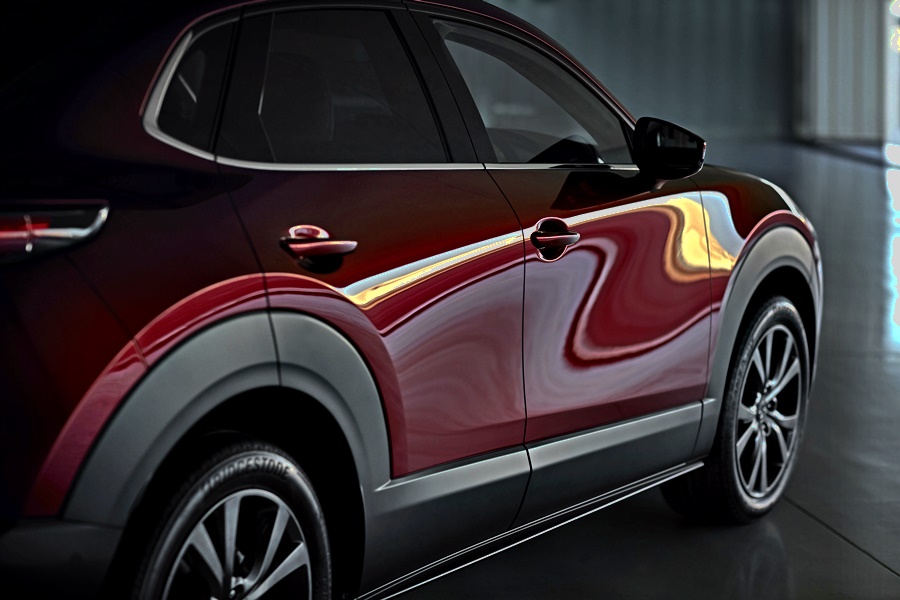
Since colour is an important element, Mazda has developed a selection of premium paints that use advanced technology to highlight exterior shape and beauty. With flowing body lines that show off the nuances of curves that are highlighted by the shifting reflections from the interplay of light and shadow, developing a paint to match this is a complex craft. The designers work relentlessly to stretch the possibility of paint and scrutinise the ideal colour.
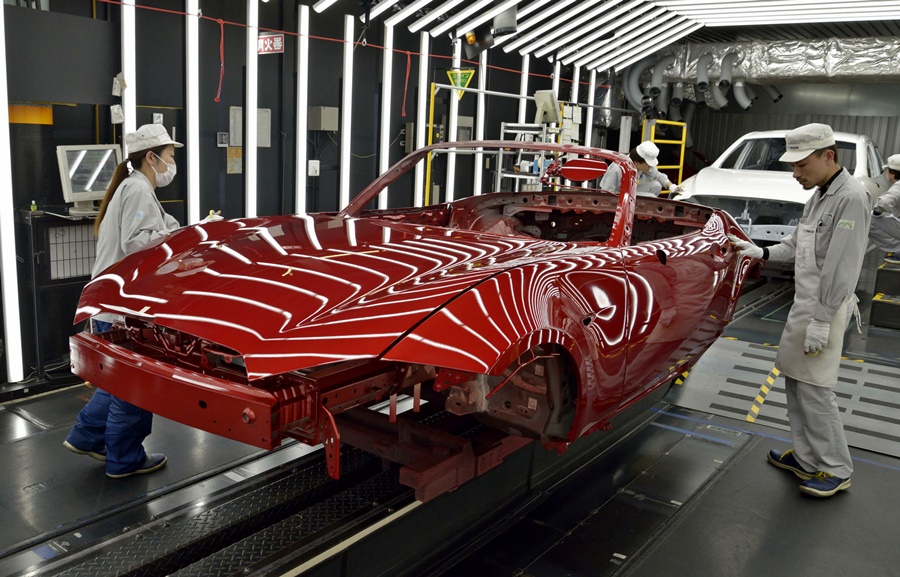
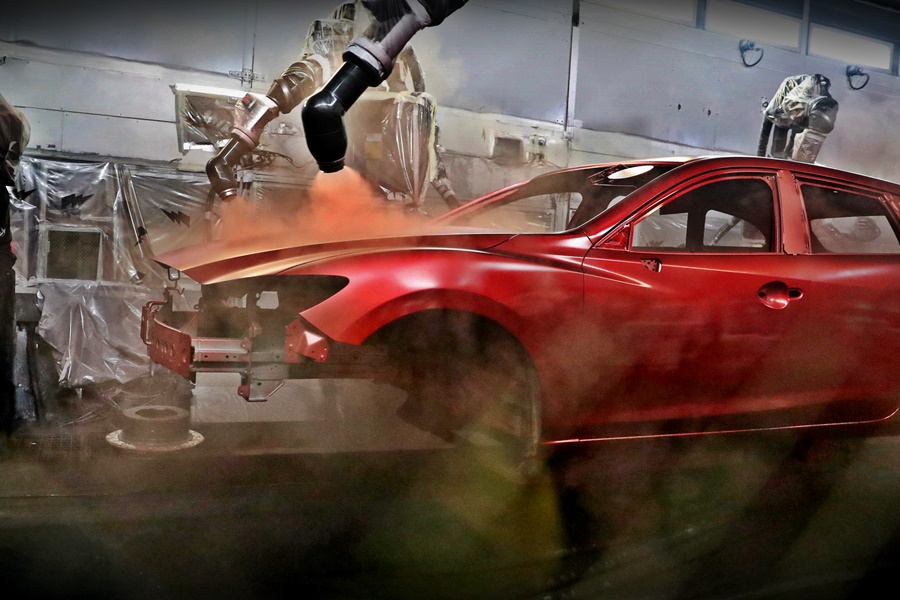
In a process called Takuminuri (Takumi: master craftsman, Nuri: painting), cutting-edge painting robots use data obtained through simulation painting with Mazda’s best craftsmen to replicate traditional techniques to give mass-production vehicles a precise, high-quality and hand-sprayed finish.
The first premium colours
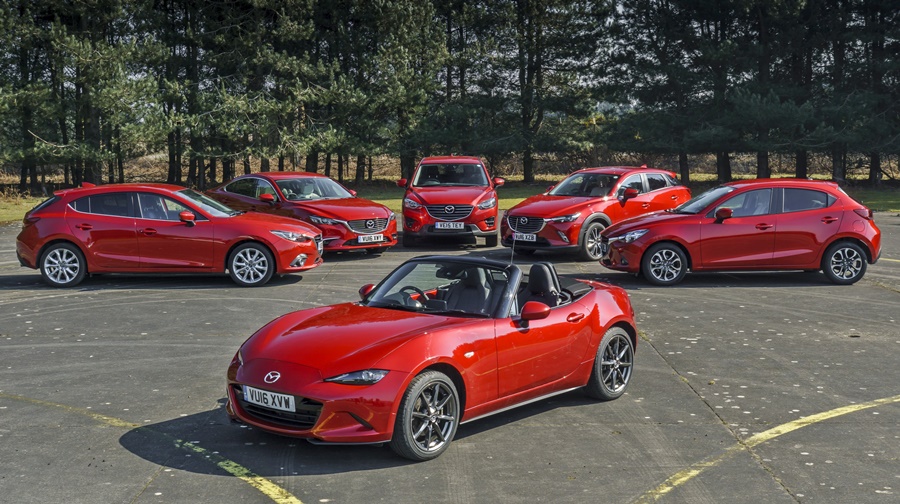
Starting with Soul Red Metallic and later Machine Grey in 2016 as the first premium colours offered, the three-layer structure comprising clear, translucent and reflective coats with aluminium flakes allowed Mazda designers to achieve colour brightness and depth at the highest level.
Building on the Takuminuri technology and with the idea to create the ‘world’s most beautiful red’ to symbolise the KODO: Soul of Motion philosophy, Mazda designers studied how people perceived colour and light and translated this ideal red into numerical values based on ergonomics to spray with Mazda’s Aqua-tech system.
Not wanting to add a fourth layer of paint due to its environmental impact, the design experts challenged convention to combine light-absorbing flakes along with high-brightness aluminium flakes in a single paint layer.
Soul Red was one of the first two premium colours from Mazda and it is available for all models today. It is also available for the Mazda models assembled in Malaysia.
Further enhancement of Soul Red
Boasting an increase of approximately 20% greater colour saturation and 50% more depth than the already popular Soul Red Metallic, the development of Soul Red Crystal achieved precisely controlled reflections which produced more vivid highlights and even deeper shadows for a fresher, lustrous appearance.
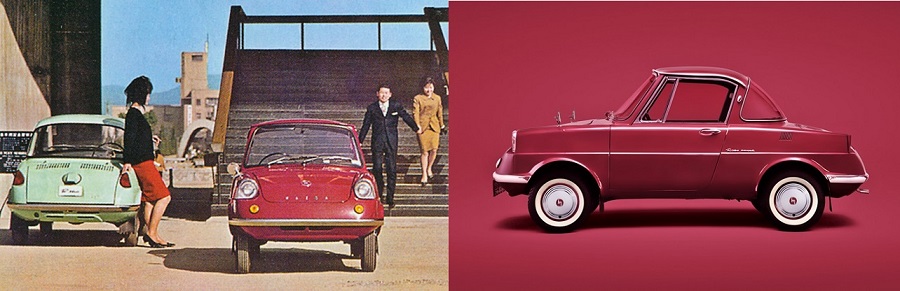
The R360 Coupe of the 1960s.
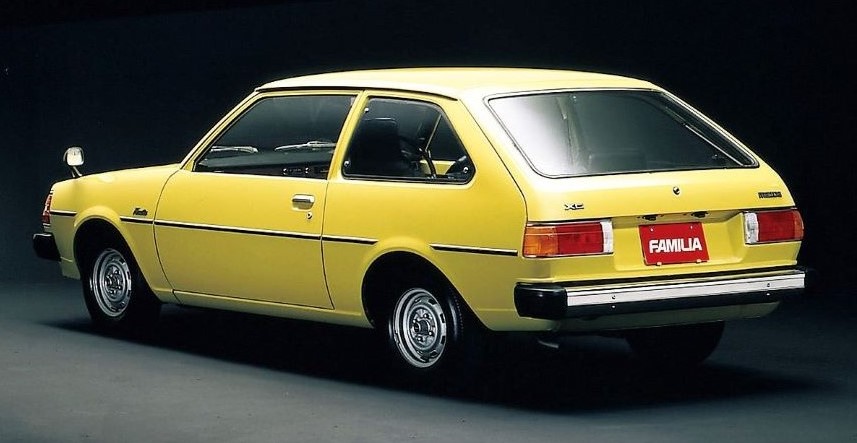
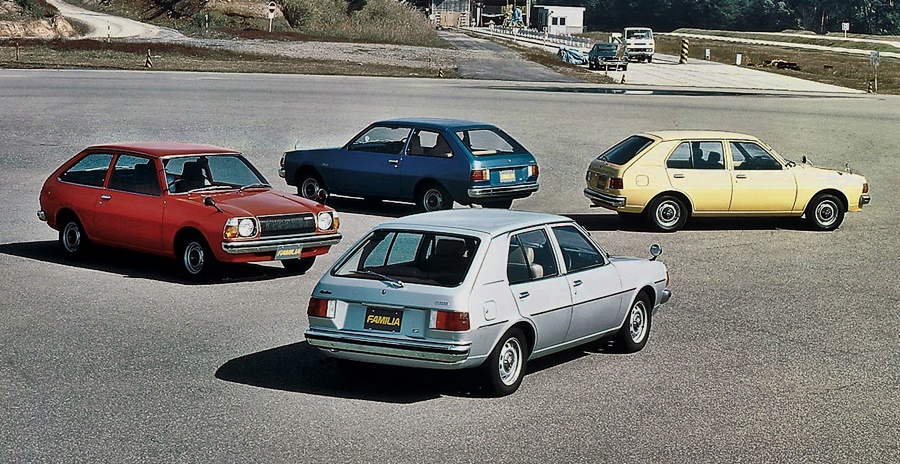
Throughout Mazda’s history, the brand has often innovated in paint technology and colours. Examples are the bright colours to highlight the form of Mazda’s first passenger car, the R360 Coupe, and colours such as ‘Grand Prix Red’, ‘Corn Yellow’ and ‘Impulse Blue’ on the 323/Familia to appeal to chic couture in the late 1970s.
Corn Yellow was the ‘hero’ colour for the 323/Familia, along with other colour choices available (below) which appealed to the consumer tastes of the 1970s.
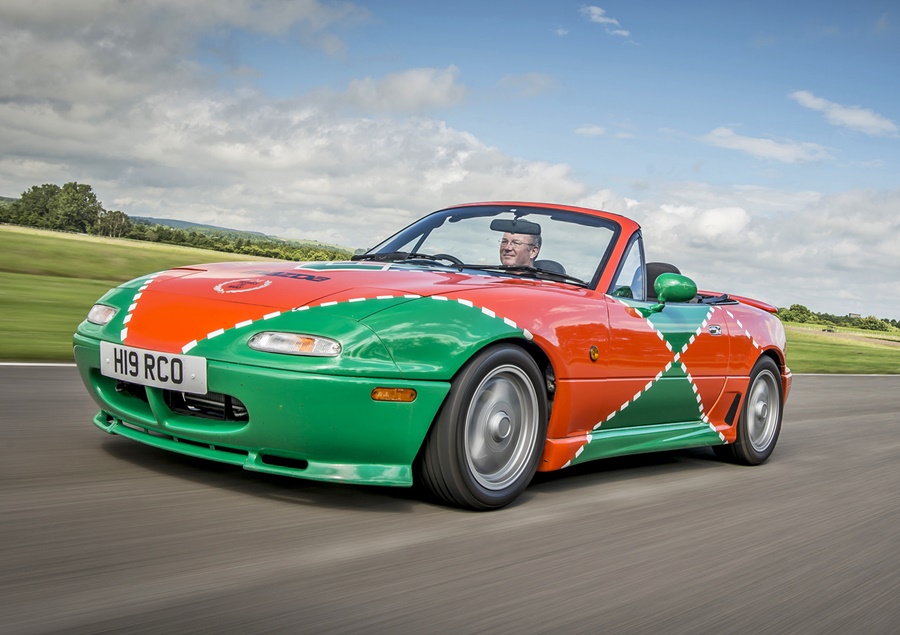
Special edition of the MX-5 in the colours of the Mazda 787B racing car which was the first Japanese car to win the Le Mans 24 Hours in 1991.
And not forgetting the world’s best-selling sportscar, the MX-5 which has had an array of limited-edition colours such as British Racing Green, the distinctive orange and green ‘Le Mans 24’ livery and the exclusive Racing Orange body paint available for the 30th Anniversary Edition.
A new premium colour
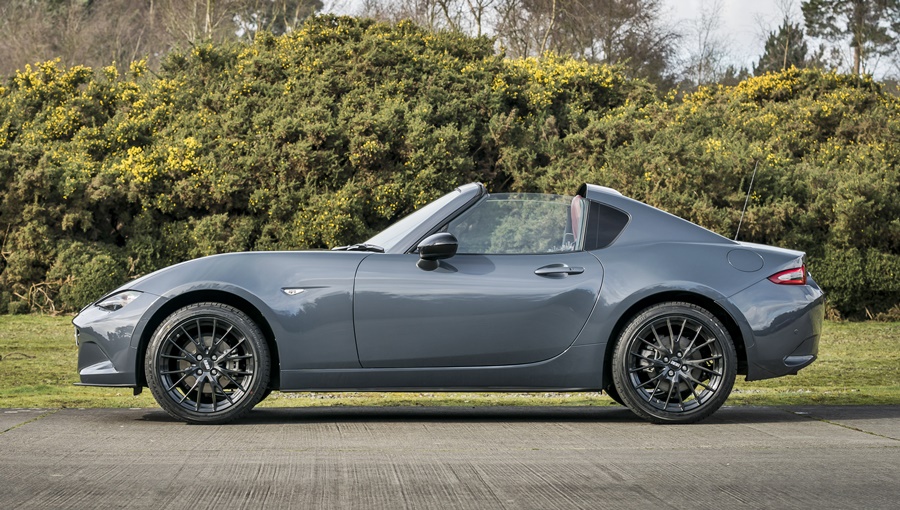
Polymetal Grey is the latest premium colour developed and will be offered on certain models. This new paint finish combines bright aluminium flakes and opaque pigment, fusing the hard appearance of metal with plastic’s characteristic glossy smoothness. The colour’s tonality changes depending on the light, accentuating the car’s form.
The MX-5 RF in Polymetal Grey, the latest premium colour.
Mazda’s approach to using advanced paint technology does not neglect the need to ensuring that there is reduced environmental impact of the painting process. This is in keeping with the brand’s long-term Sustainable Zoom-Zoom 2030 Vision.
Visit www.mazda.com.my to locate a showroom where you can view the latest Mazda models in Malaysia.
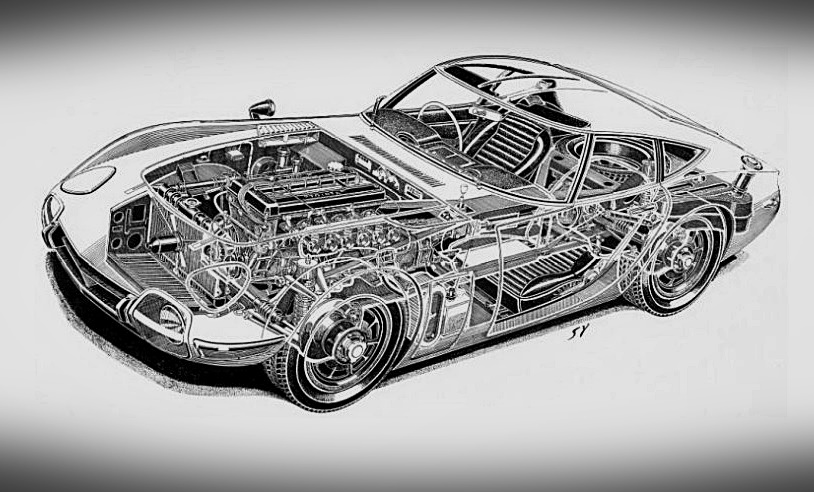
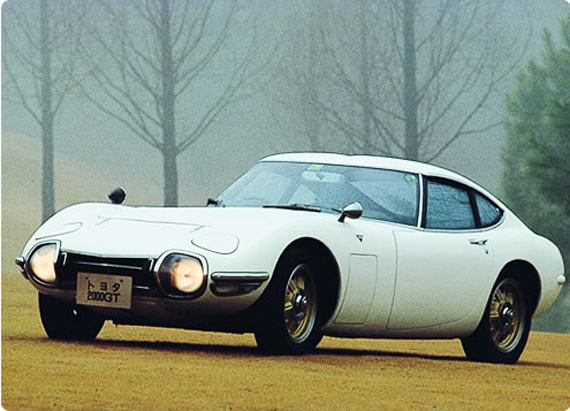
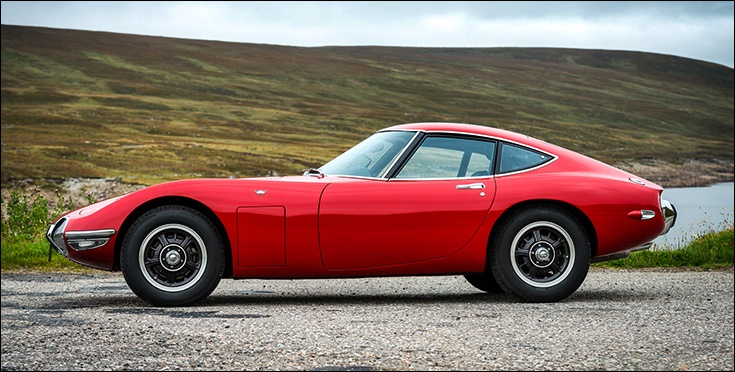
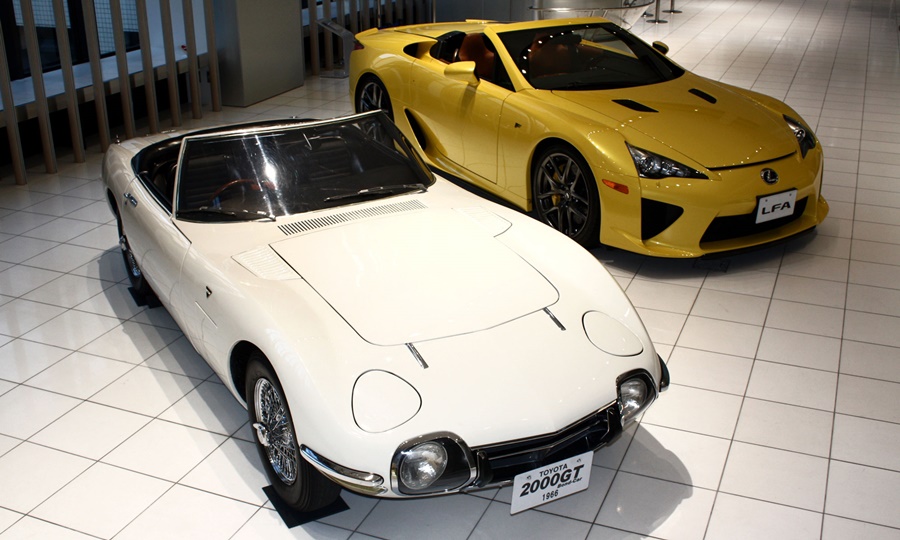
The Toyota 2000GT is a rare and legendary model in the company’s history. On sale between 1967 and 1970, it was Japan’s first supercar produced in collaboration with Yamaha. Only 351 units were made – two of which were used in the James Bond movie, ‘You Only Live Twice’.
The 2000GT had the latest Japanese technology of that period – a 2-litre DOHC straight six engine, 4-wheel double-wishbone suspension, 4-wheel disc brakes, radial tyres, magnesium alloy wheels, and retractable headlamps. It had a maximum speed of 220 kph, on a par with European sportscars of the day.
Prior to its launch, it was entered in speed trials and, despite bad weather conditions with an approaching typhoon, it set 3 world records (10,000 miles, 15,000 kms, 72 hours) and 13 international records. It also achieved wins and high placement in various races.
Priced at around US$7,000 when it was new, a 2000GT fetched almost US$1.2 million in 2013, making it the most expensive Asian car sold at that time. Clearly, it is a collectors’ car and owners around the world are taking care of this valuable historical asset.
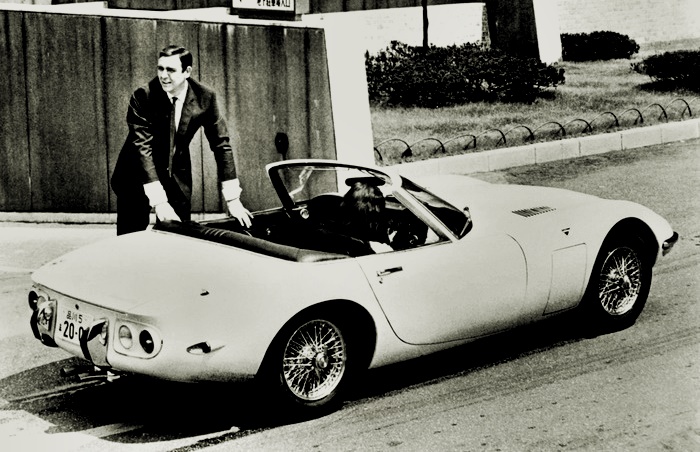
Two units were modified into open-top versions specially for the James Bond movie, ‘You Only Live Twice’.
While the remaining cars are probably not driven much, some parts may still need replacement and after 50 years, original parts are obviously no longer produced. However, now Toyota GAZOO Racing has announced that it will reproduce some parts for the 2000GT under its GR Heritage Parts Project.
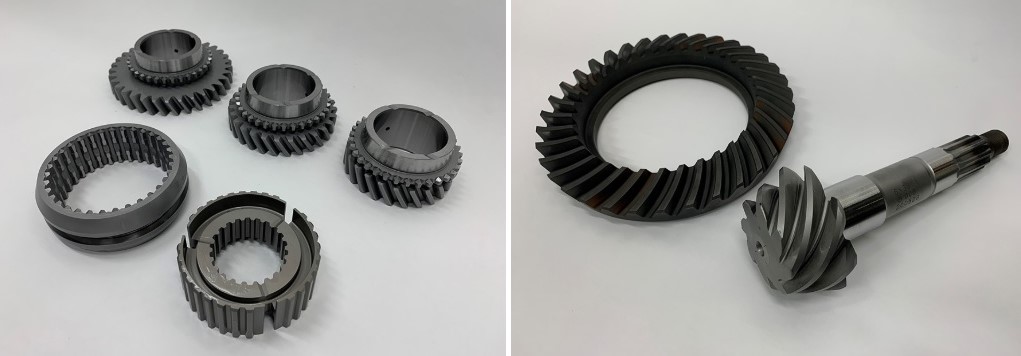
The transmission and differential-related parts for the 2000GT.
This project is an initiative that will reproduce spare parts that were no longer available, and sell them as genuine parts to owners of classic Toyota models. The first are for the Supra A70 and A80 models and now, the 2000GT.
The 2000GT, Japan’s first supercar in the 1960s, with the Lexus LFA, Toyota’s supercar of the 21st century. No convertible versions of the 2000GT were made at the factory so this is probably one of the two customised James Bond cars.
Efforts are underway at specially collaborating suppliers, along with Toyota plants and related divisions, to undertake production of the parts which are transmission and differential-related. They will be available through selected Toyota dealers worldwide and only to actual owners of the car who require them.
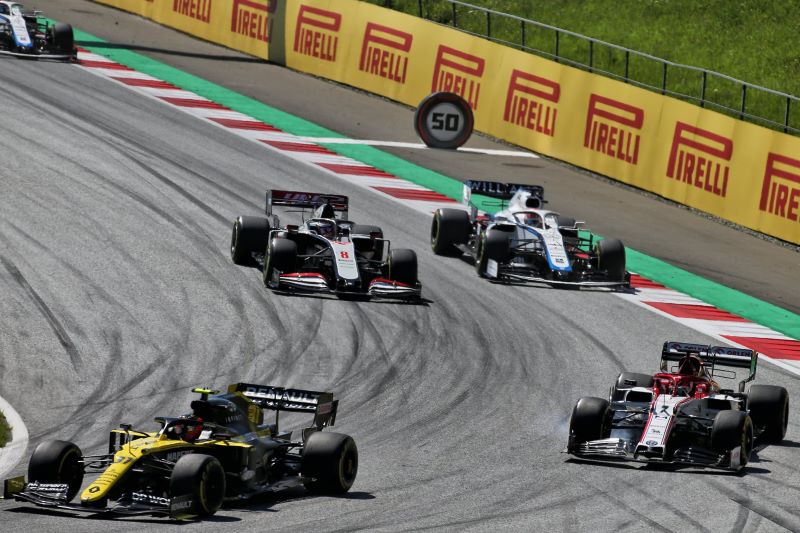
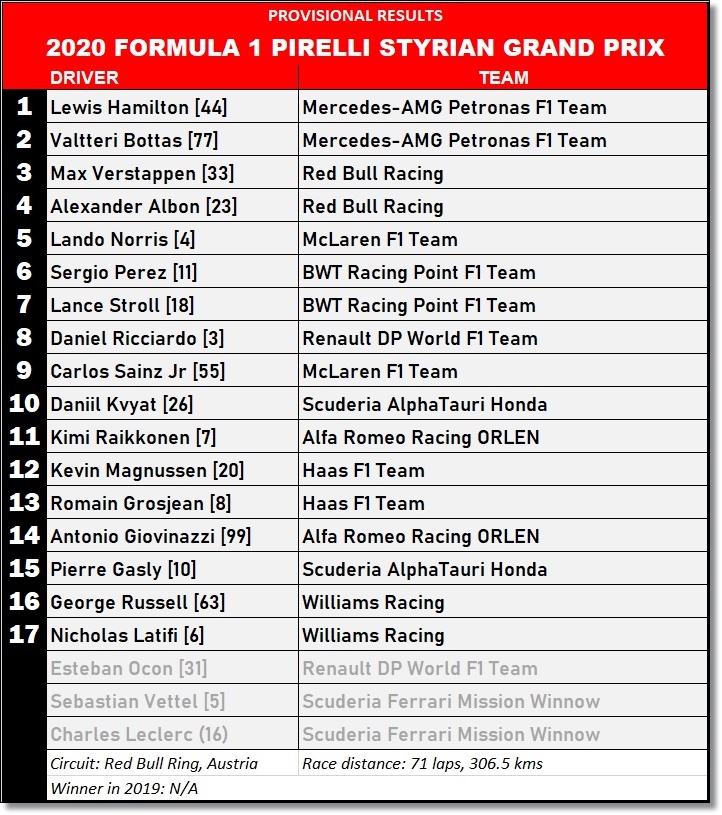
♦ Prior to the race starting, three drivers received penalties that changed their positions on the starting grid. Charles Leclerc for obstructing another driver, Lando Norris for overtaking under yellow flags and Antonio Giovinazzi for a gearbox change to his Alfa Romeo. Romain Grosjean had to start from the pit lane as his car was worked on while under parc ferme.
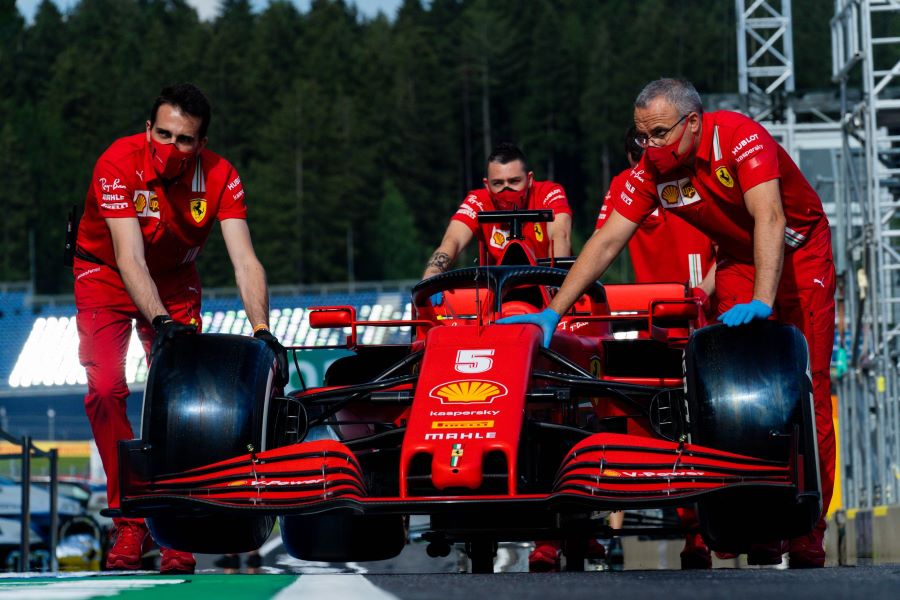
♦ If things weren’t bad enough for Leclerc, he collided with team mate Sebastian Vettel as the cars entered Turn 3 after leaving the starting line! Vettel’s Ferrari had rear wing damage and that was the end of his race but Leclerc was able to continue for 5 laps before also having to retire.
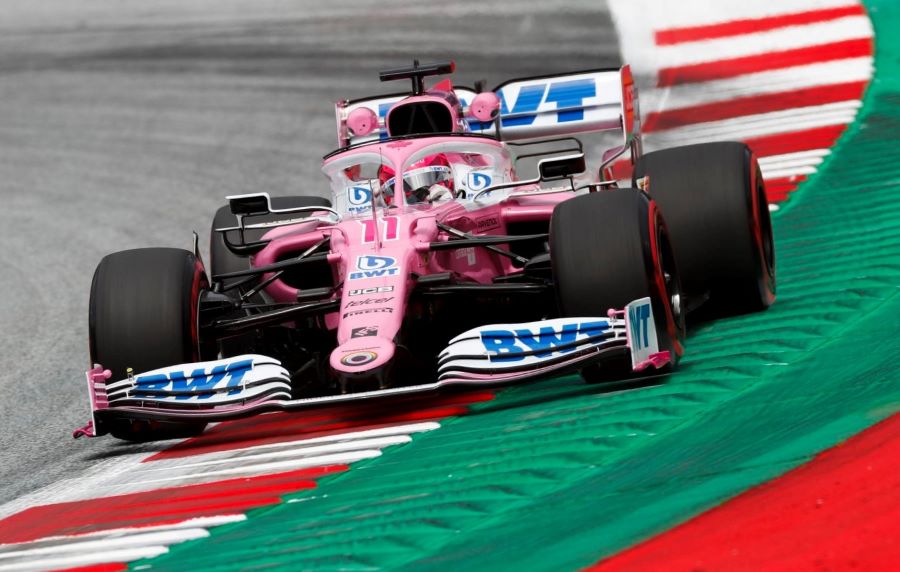
♦ Racing Point’s Sergio Perez started in 17th place on the grid and by the 49th lap, he had risen 12 places through the pack, an impressive performance with very fast lap times.
♦ A last lap push by Lando Norris got the McLaren driver past Perez and Stroll to grab 5th place.
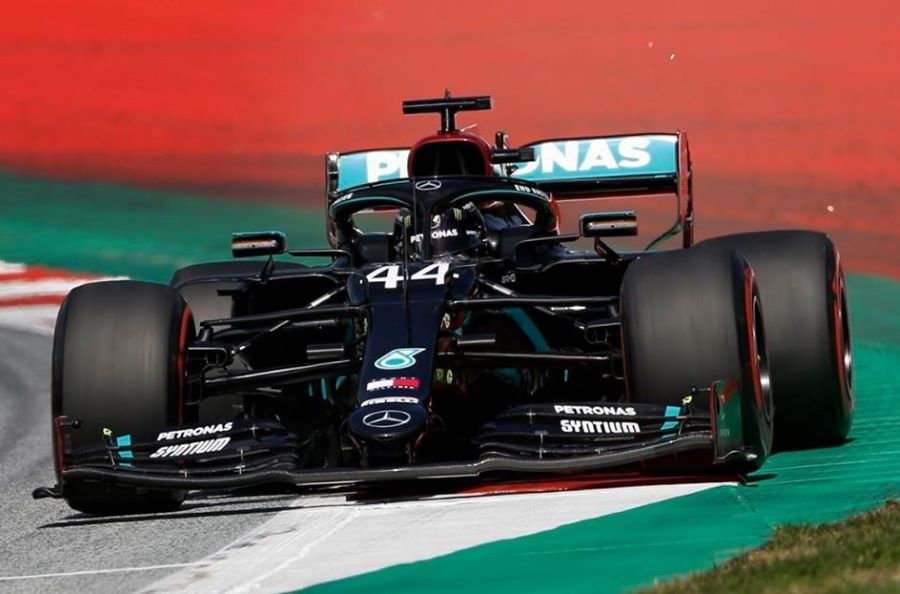
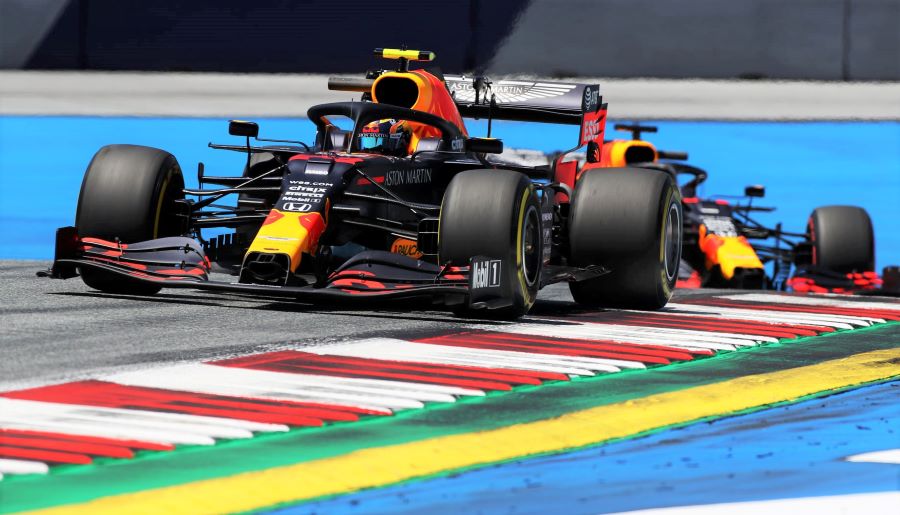
♦ Four laps before the end, Valtteri Bottas finally got past Max Verstappen to give Mercedes-AMG a 1-2 finish, as Lewis Hamilton led the way.
♦ Charles Leclerc also got a warning from the FIA about breaching the rule regarding interactions with people outside the team’s ‘bubble’. The rules require all team members to not interact with outsiders but Leclerc was spotted with his friends in Monaco earlier in the week when he returned home after the first round. Understanding that these are new and unusual conditions, he has only received a warning but has been warned that breaking the rules again could have him (or any other member) barred from attending the race.
Unchallenged, Lewis Hamilton cruised to victory 14 seconds ahead of team mate Bottas.BWT Racing Point driver, Sergio Perez put in very fast laps to move up the field from 17th on the starting grid.A collision with teammate Charles Leclerc in Turn 3 of the very first lap forced Sebastian Vettel to retire as his Ferrari was damaged.With both its cars finishing in the top 5, Red Bull Racing picked up its first points to catapult past Ferrari in the Constructors Championship.
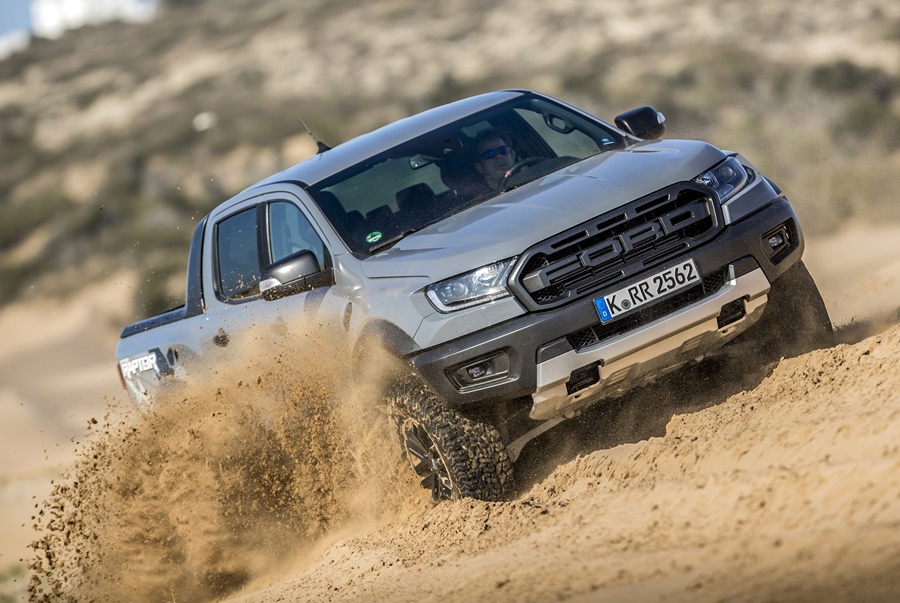
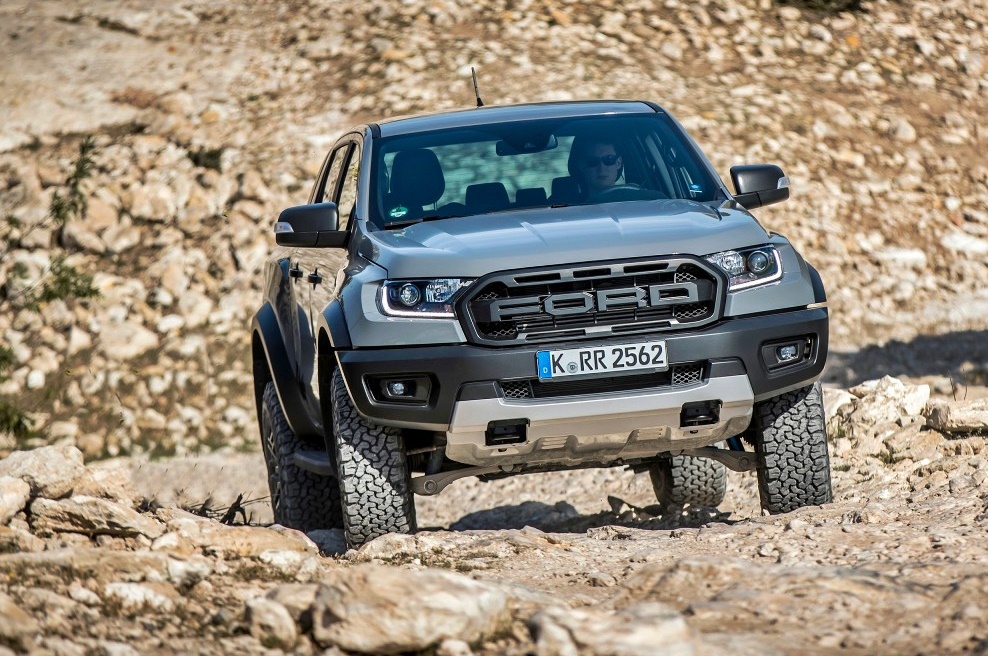
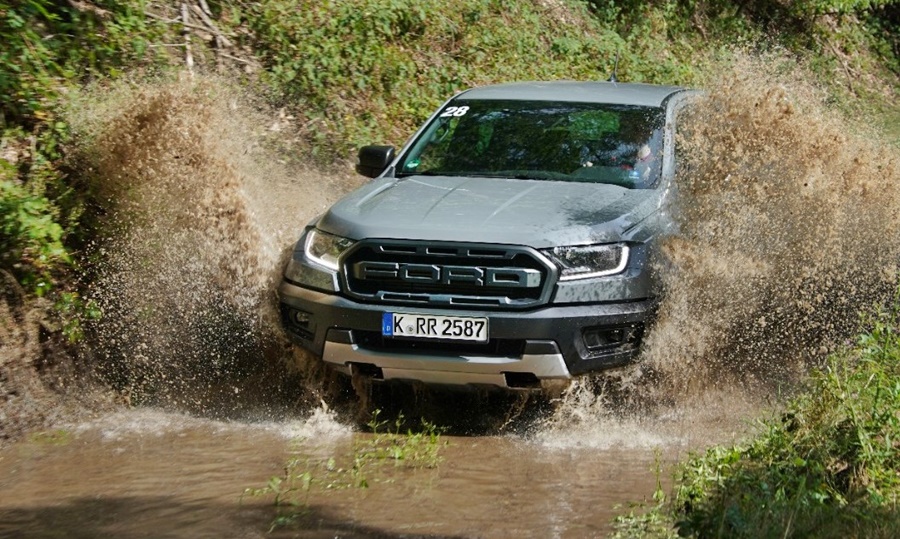
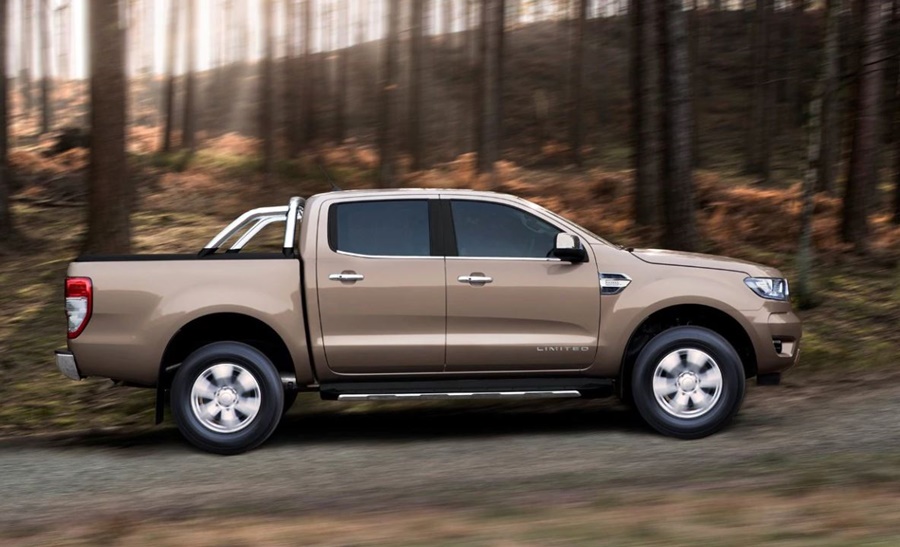
Although pick-up trucks were, in earlier years, regarded as just workhorse machines for use off-road most of the time, the Ford Ranger changed that image. When it was introduced in the mid-1990s as Ford’s ‘Asian Car’, it brought to the regional market a new way of using pick-ups – the way they were being used in America, the largest pick-up market in the world.
In America, pick-ups were used for a variety of purposes, not just for tough off-road transport. They were used in daily commuting and as leisure vehicles. Of course, they also had to look good and over time, Ford stylists made the rugged image something that was desirable.
This was how the Ranger changed the perception of the pick-up truck in ASEAN. Before it was introduced, pick-up trucks were pretty basic and boring. They usually came to town from construction sites or logging camps for supplies and then went back in. No one really considered having them as daily transport to work.
Still, the Ranger was ‘Built Ford Tough’ and had all the capabilities a pick-up truck should have – plus stylishness that appealed to those who had never thought of owning such a vehicle before. It made quite an impact and in its early years in the Malaysian market, it accounted for half of all pick-ups sold.
The big factory in Thailand which was built to make the Ranger for regional distribution was also a global production hub for the model. So distant markets like Europe and South America also got their Rangers from Thailand. In Europe, the model steadily made inroads into the market and grew in popularity to become Europe’s No. 1 in its segment. The dominance of the Ranger was again demonstrated when it collected three awards in Germany in recent months.
Readers of the specialist magazine ‘Auto Bild Allrad’ gave the highest number of votes to the Ford model, winning it the overall award among All-wheel Pickups. The expert jury of the trade magazine ‘firmenauto’ was also convinced that the Ranger should win the top award in the pick-up segment, giving it the title of ‘Company Car of the Year 2020’. And finally, readers of the specialist magazine OFF ROAD chose the Ranger as the ‘Off-Road Vehicle of the Year 2020’ in the “Pick-ups” category as well.
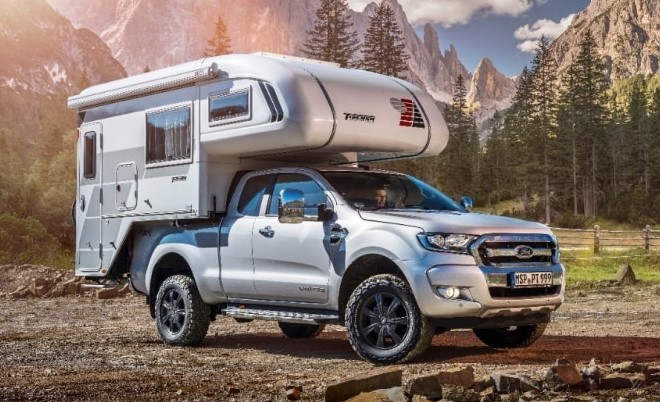
In Europe, Ranger owners also attach mobile cabins to the vehicle for camping holidays.
The three latest awards join the ‘International Pick-up of the Year 2020’ award which was won last year. The jury picked the Ranger for its combination of robustness, clever drive technology, comfort and large loading area.
To know more about the wide range of Ranger models available in Malaysia visit www.sdacford.com.my.