


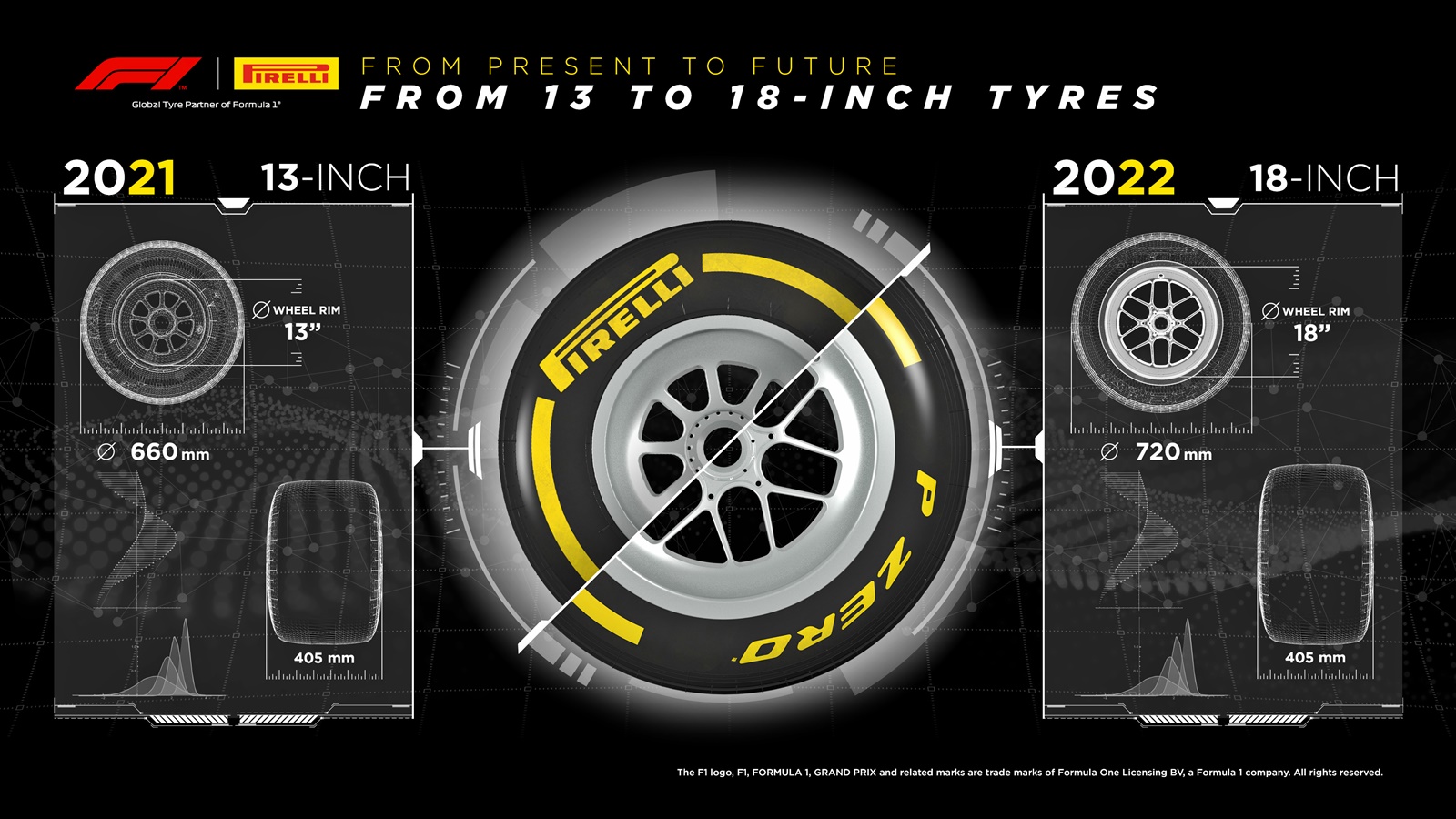
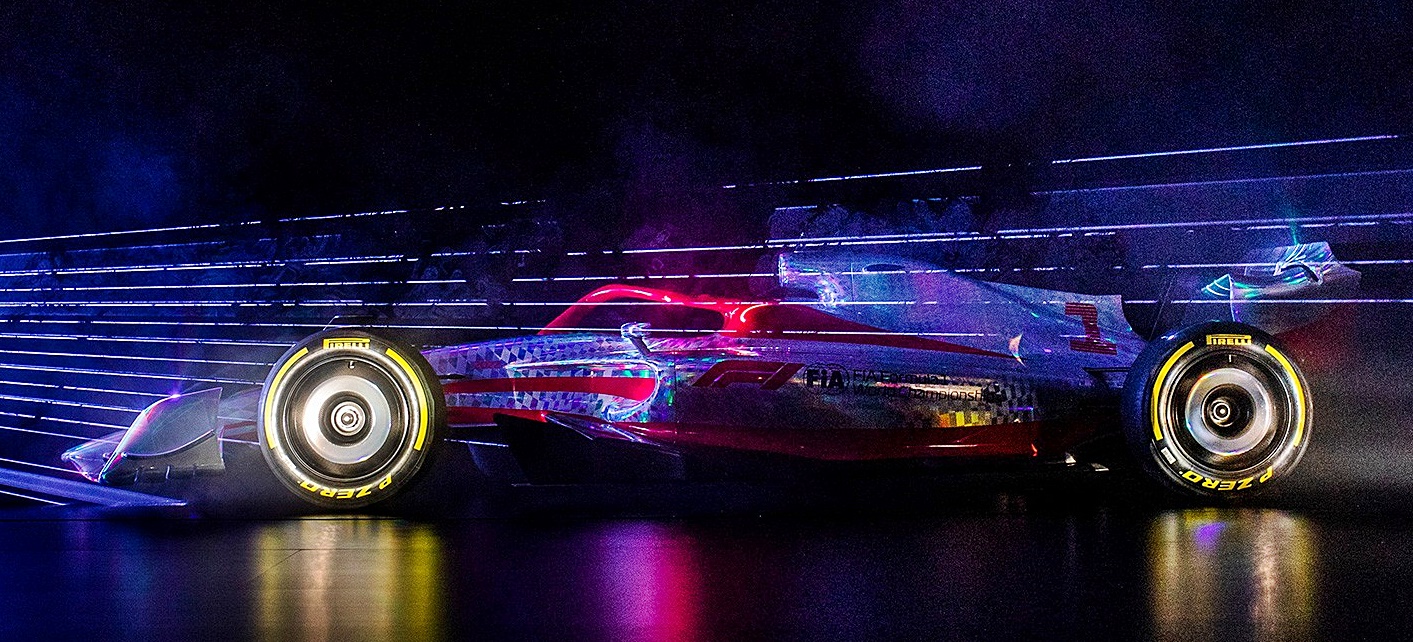
The 2022 Formula 1 World Championship will see the biggest changes in technical rules in some 4 decades. Among those changes – which are expected to contribute to close racing with more overtaking – are the switch 18-inch wheel rims from the current 13 inches. This means installing new low-profile tyres from Pirelli, which continues to be the tyre-supplier for F1.
13 inches since 1960s
Tyres in 13-inch size have raced for nearly the entire history of the championship to date, from the 1960s. Nonetheless, at the time – and into the subsequent decade – there was still a lot of regulatory freedom around wheel size. In the 1980s, 13 inches finally became the definitive size.
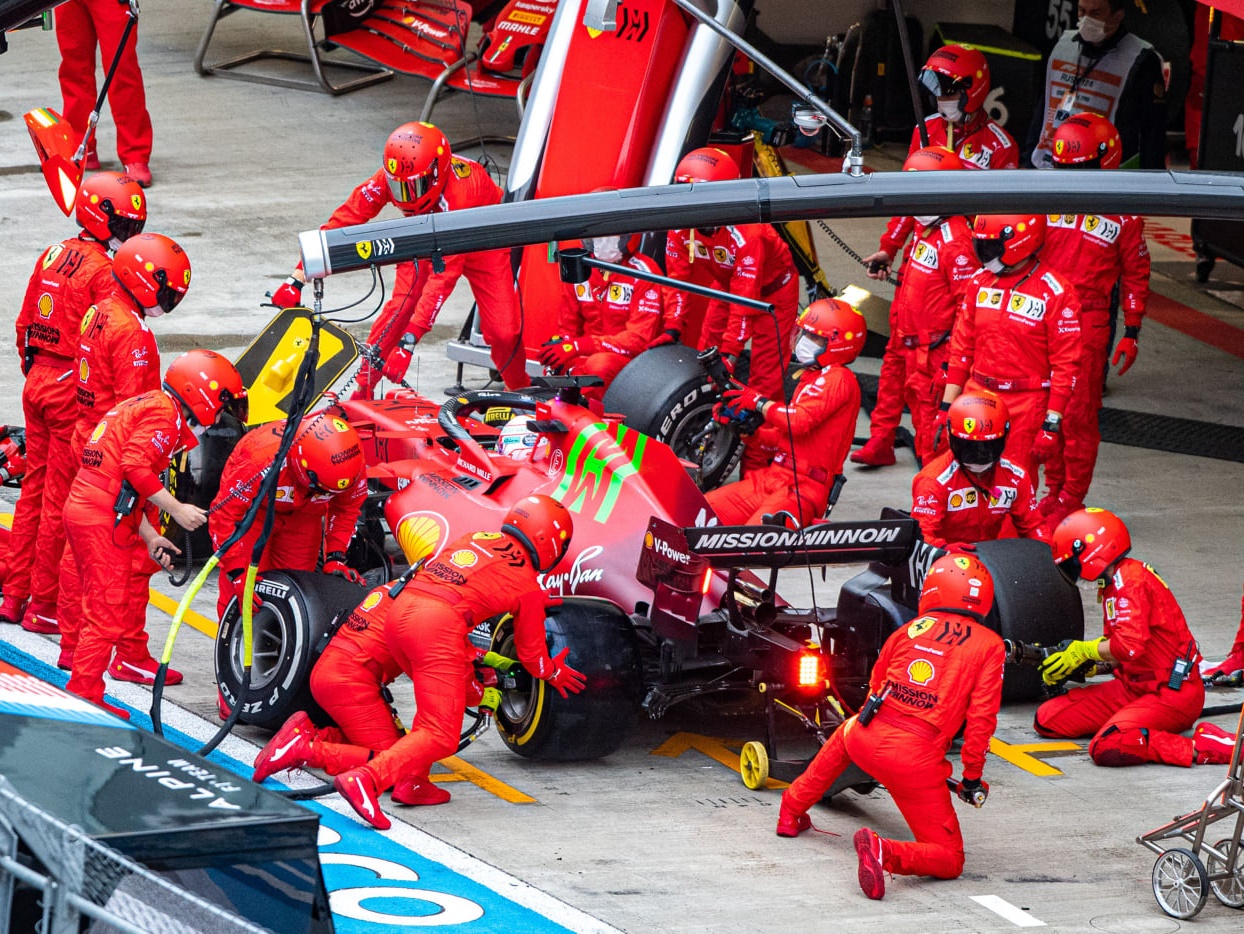
Pirelli first ran a 13-inch tyre in Formula 1 at the 1981 San Marino Grand Prix with the Toleman. Then, in the same season (Michelin and Goodyear supplied tyres then) and subsequent ones, other teams adopted the Italian tyres for their cars. Since 2011, Pirelli has been the sole tyre-supplier for the sport.
The first win for Pirelli’s 13-inch tyres came at the 1985 French Grand Prix, fitted on Nelson Piquet’s Brabham-BMW. Pirelli brought in a new generation of 13-inch tyres from 1989 (two years after the P Zero name was born) which were used until 1991. As Global Tyre Partner from 2011, Sebastian Vettel was the first to claim a championship for a Pirelli 13-inch tyre with Red Bull.
Wider tyres, faster lap times
In 2017, Pirelli innovated by introducing tyres that were 25% wider than they had been previously, providing a bigger footprint and more grip, which in turn resulted in lap records being lowered all over the world.
Since becoming sole supplier, more than 400,000 13-inch tyres have been produced from the Pirelli factories at Izmit in Turkey and Slatina in Romania.
Testing since 2014
The 18-inch tyres have been tested on F1 cars since 2014 when Pirelli first ran such tyres at a test at Silverstone with Lotus reserve driver Charles Pic. Initially, it was the intention to adopt 18-inch tyres from 2021 as part of a package of new technical regulations, but this was deferred to 2022 due to the disruption of the COVID-19 pandemic.
In the meantime, Pirelli successfully ran 18-inch tyres in Formula 2 since the 2020 season and completed 36 days of 18-inch testing with Formula 1 cars that were modified to accommodate the new size. It’s actually the size of the rim that changes, adding 5 inches (127 mm) to the diameter that has been a constant in GP racing since the 1960s. This has been characterized by compact, very wide tyres featuring a ‘pot-bellied’ sidewall seen on four corners of the racing cars.
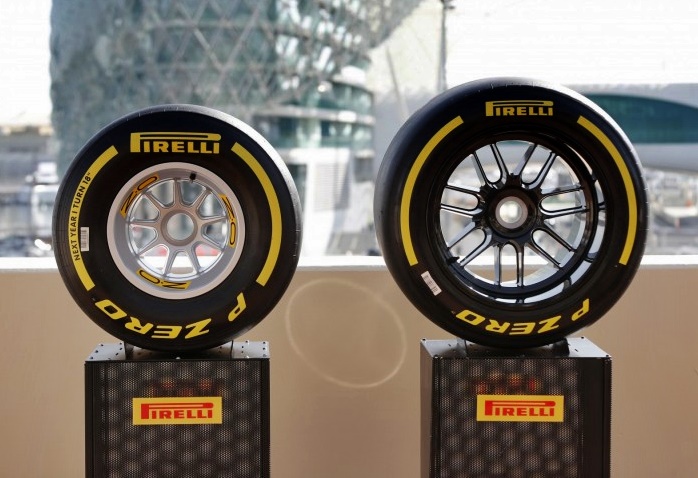
With a bigger emphasis on technological proximity to the road car as well as aesthetics, the brand new P Zero F1 tyre has the same tread width as before (305 mm at the front and 405 mm at the rear) but a slightly bigger overall diameter, which grows from 660 mm to 720 mm. The most significant change is a reduction in the sidewall, which now resembles that of the low-profile Pirelli tyres that, for years, have been seen on many performance road cars.
Less turbulence, closer racing
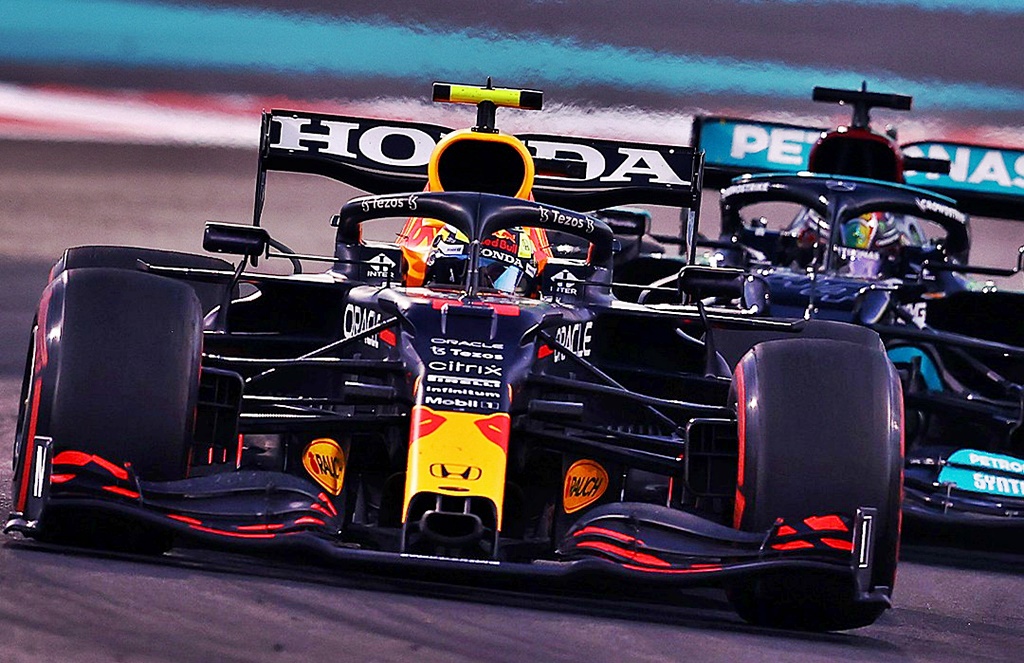
This new profile will change the behaviour of the racing cars, making them more precise when changing direction. From the tests carried out so far – in both dry and wet conditions – the drivers’ feedback has been positive, and the new tyres will contribute to even more competitive races, with cars that are less sensitive to aerodynamic turbulence while following behind one another (so racing can be closer). The lower sidewall also means that the tyre will flex less, meaning that it will have less impact on the overall aerodynamics of the car.
The compounds for the 18-inch tyres will also be completely new, to ensure maximum consistency and less overheating. Five compound grades will be available for the 2022 championship, three of which will be chosen for each race weekend (as has been the case this year).
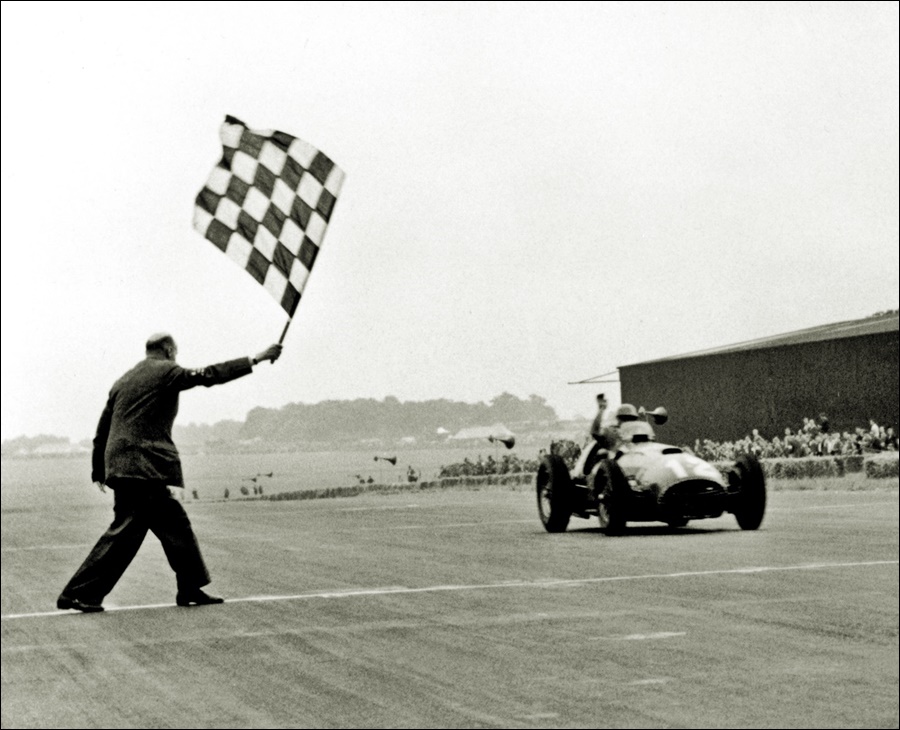
By going from 13-inch to 18-inch, Pirelli is the only tyre manufacturer that has competed in Formula 1 with all the wheel sizes that have been part of the World Championship’s history. It’s a story that began in 1950, with its first wins and titles with Alfa Romeo, Ferrari and Maserati. Those were front-engined racing cars that ran on tall and narrow tyres.
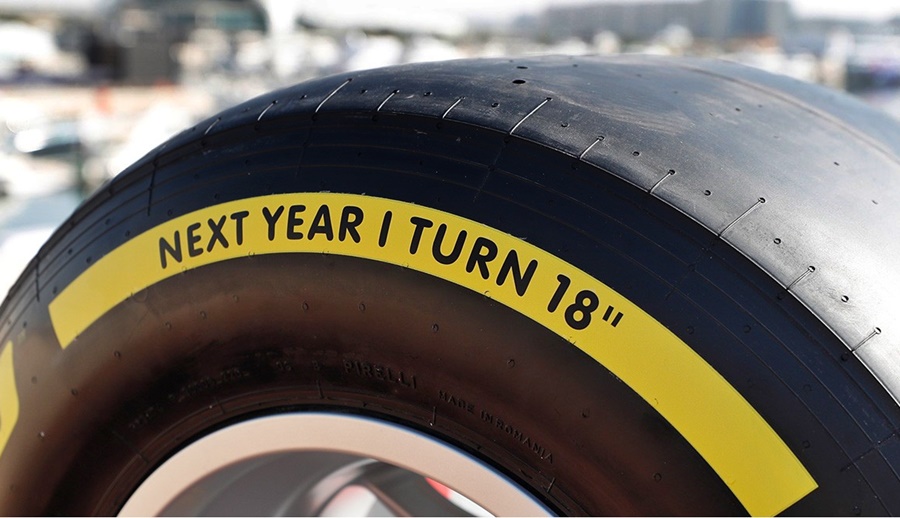
The Abu Dhabi Grand Prix at Yas Marina over the weekend was the last race in F1 history where the cars ran on 13-inch tyres. To celebrate the ‘changing of the guard’, all the 13-inch slick tyres used in the race had a special logo on the sidewall: ‘Next year I turn 18’.
While Toyota has expressed a view that suggests it will not stop producing internal combustion engines so quickly – to provide customers with greater choice and not leave any customer behind – it is no less committed to electrification of its products in the quest to achieve carbon neutrality. As a pioneer in hybrid electric vehicle (HEV) technology, having introduced the first mass-produced car with a hybrid powertrain in the late 1990s, the carmaker has naturally been promoting the technology which also contributes to reducing toxic exhaust emissions and fuel consumption.
Long history of EV developments
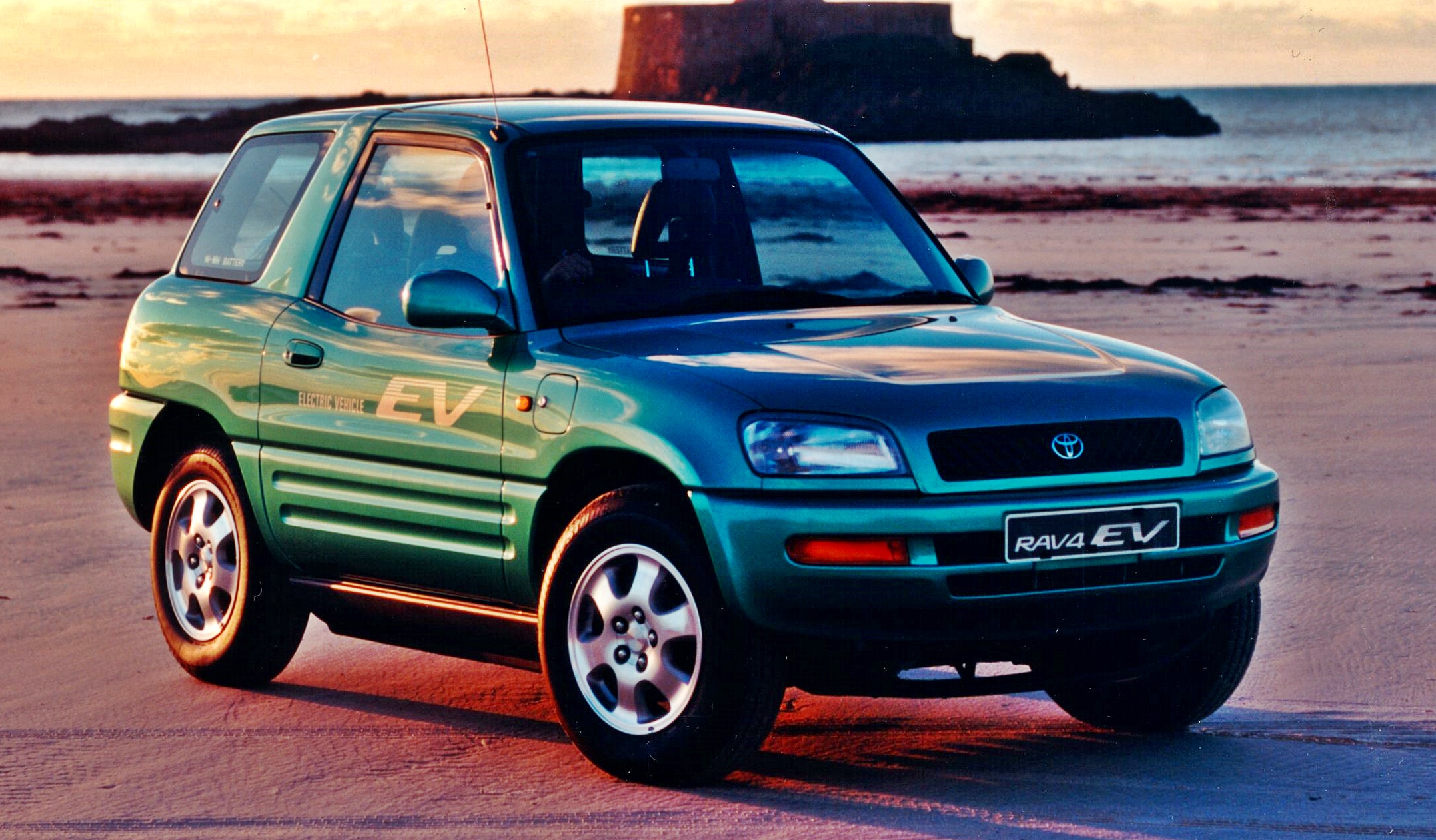
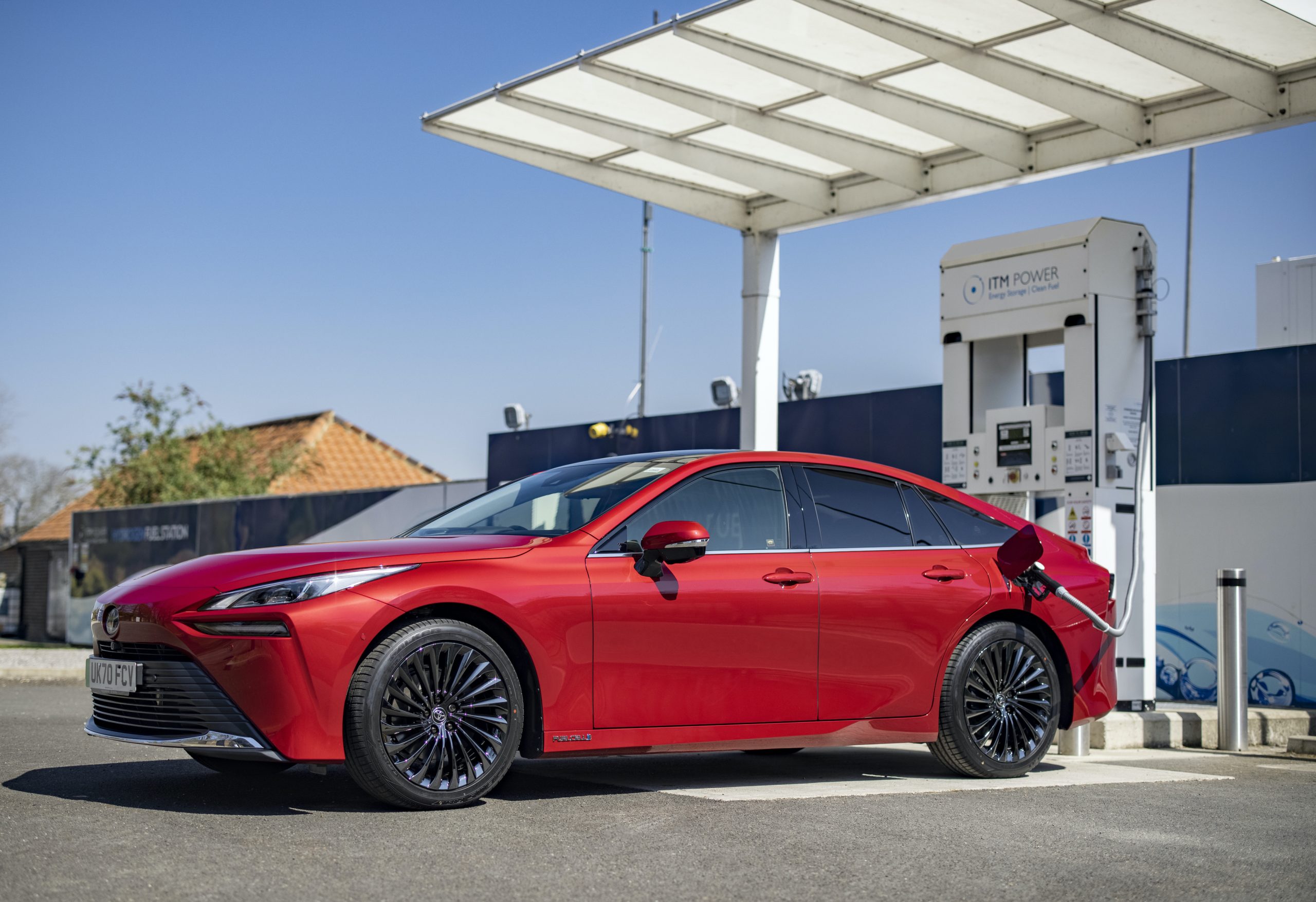
However, in the longer term, fully electric vehicles are going to become mainstream products, beginning with battery electric vehicles (BEVs) and progressing to fuel cell electric vehicles (FCEVs). In fact, the company has an EV development division since 1992 and an early production EV that went on sale in 1996 was the RAV4 EV, Today, besides a wide range of HEVs, Toyota already offers BEVs and even FCEVs, the latter now in the second generation with the Mirai.
The crucial technology
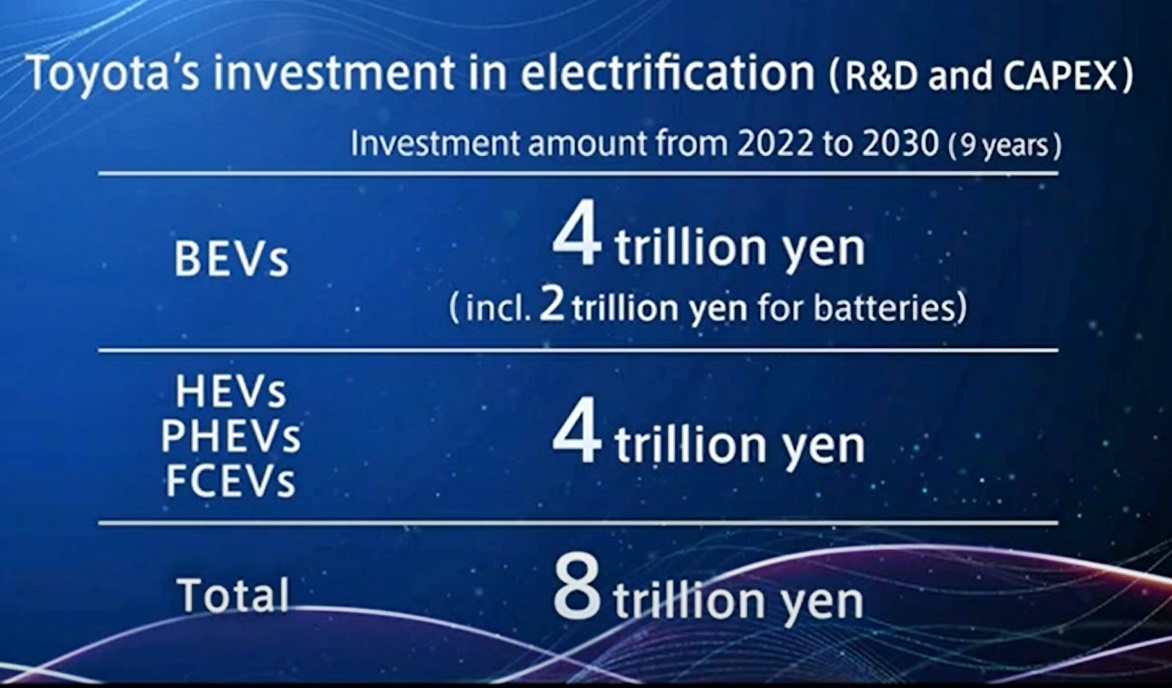
Battery technology is obviously crucial for every carmaker and Toyota will invest greatly in R&D for this area as well as in the supply system. The carmaker has had a subsidiary fully involved in battery development and manufacturing and has aimed to bring about cost reduction of at least 50% per vehicle during this decade. At the same time, safety, longer service life and high quality will be advanced.
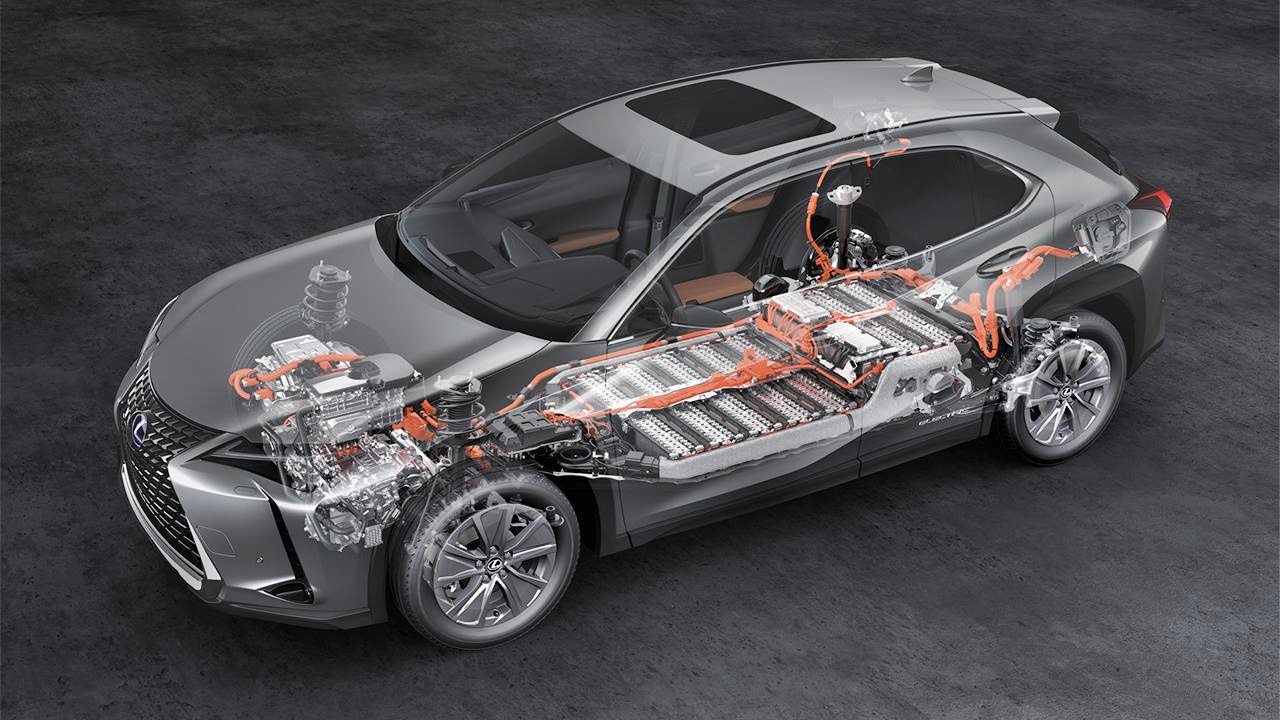
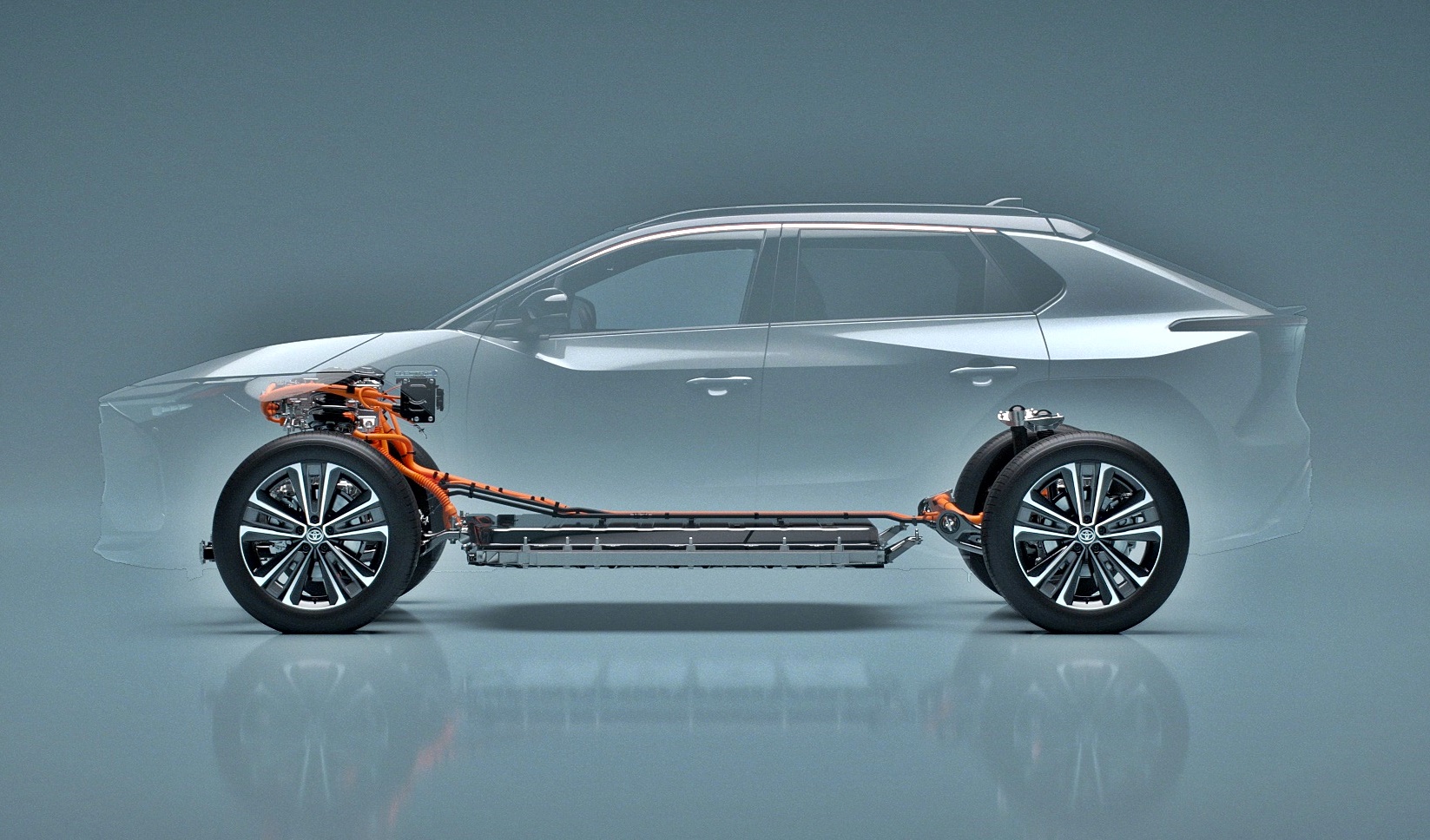
“Over the past 26 years, we have invested nearly 1 trillion yen and produced more than 19 million batteries. We believe that our accumulated experience is an asset that gives us a competitive edge. Going forward, we will increase our new investment in batteries from the 1.5 trillion yen announced in September to 2 trillion yen, aiming to realize even more-advanced, high-quality, and affordable batteries,” said Akio Toyoda, President of Toyota Motor Corporation, at a press conference in Tokyo this afternoon.
Sales volume of BEVs raised
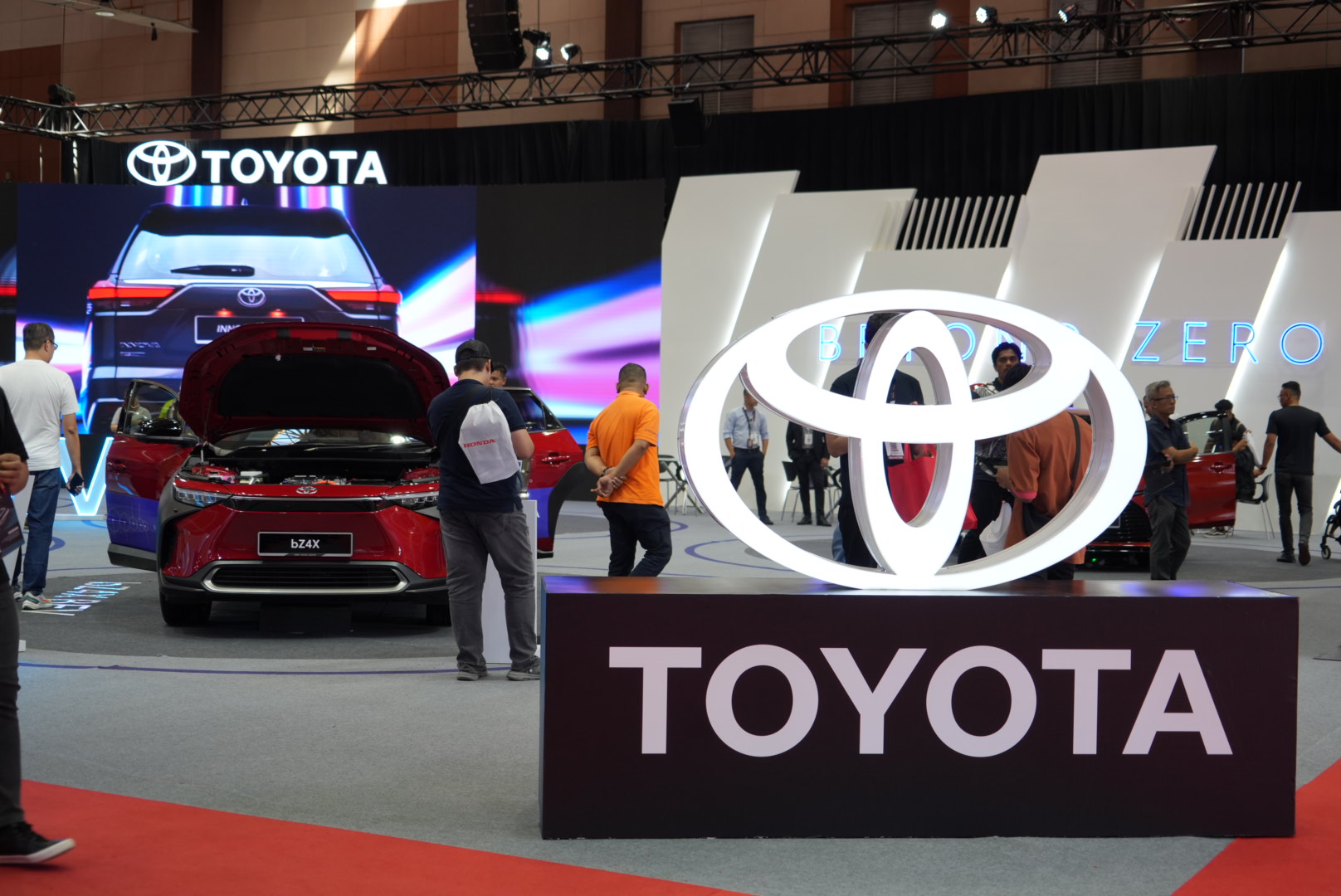
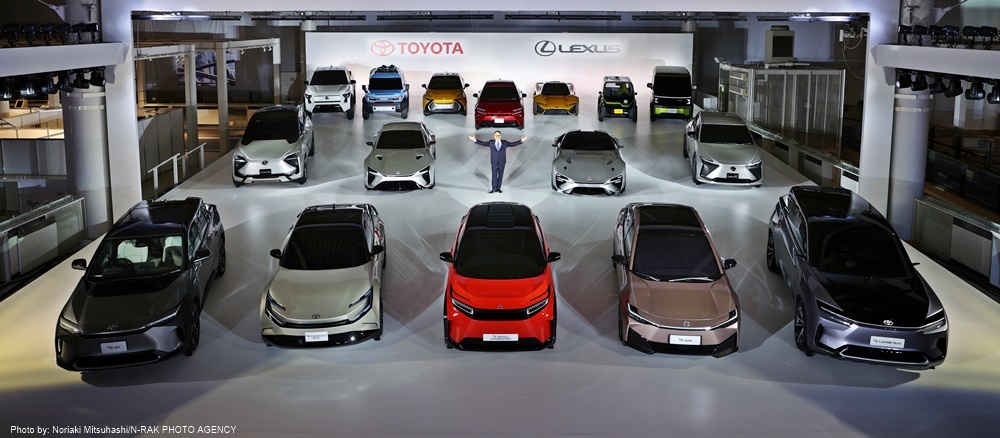
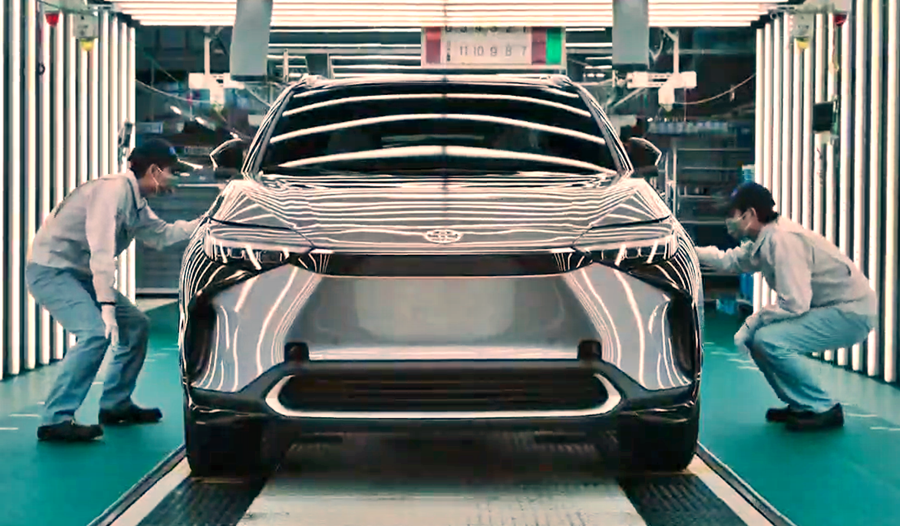
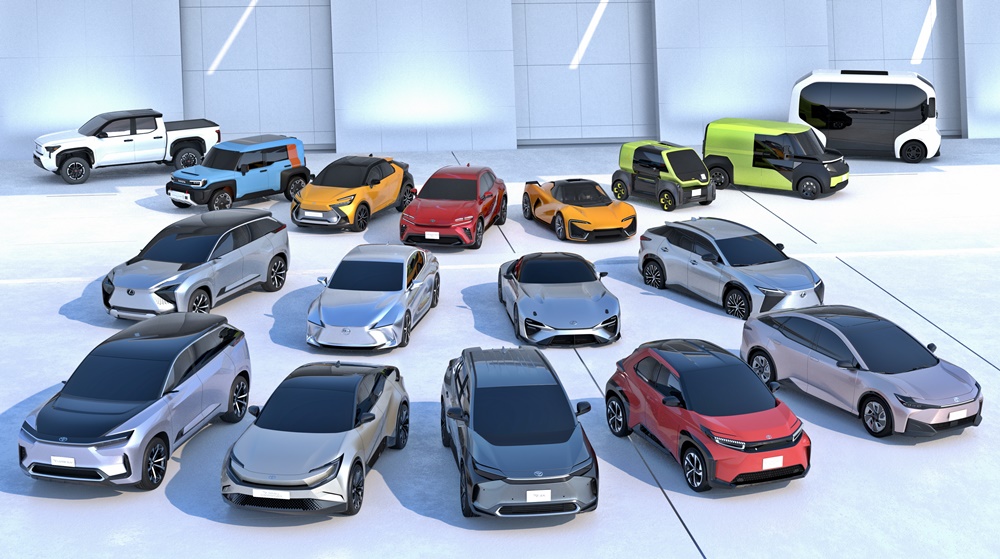
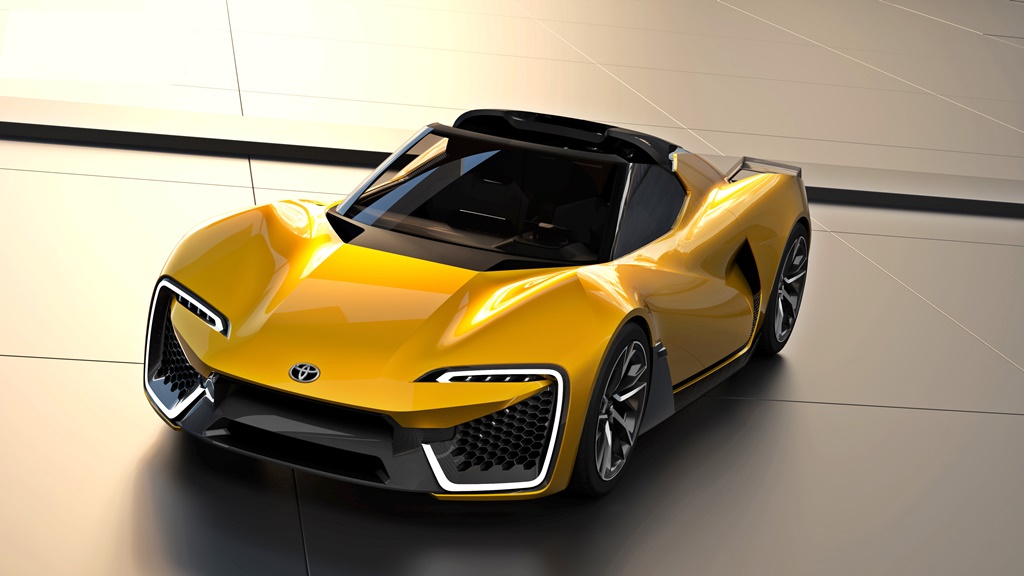
Besides outlining the company’s BEV strategies, Mr. Toyoda also revealed 16 Toyota and Lexus BEV models that it is readying for market launch, starting with the Toyota bZ4X which has already had been shown in production form and will begin sales in 2022. By 2030, the company is going to roll out 30 BEV models and is anticipating sales of 3.5 million BEVs globally. This is an increase of 75% on the previous annual sales projection of 2 million BEVs mentioned in May this year. The Lexus brand aims to have BEVs, which will be in every segment, account for 100% of the total sales in Europe, North America, and China by 2030.
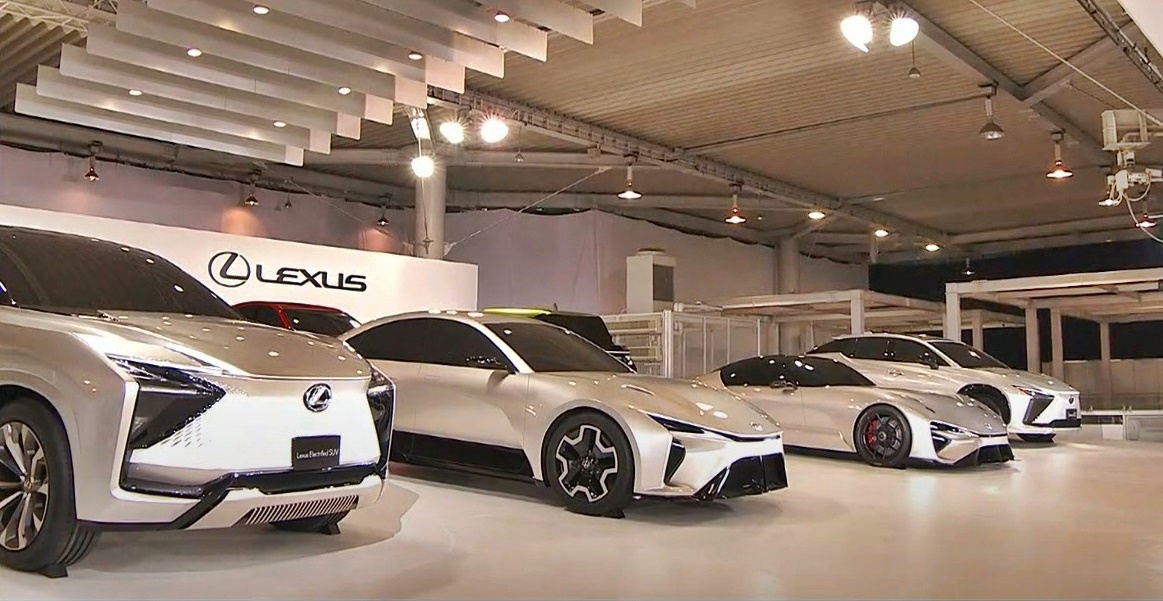
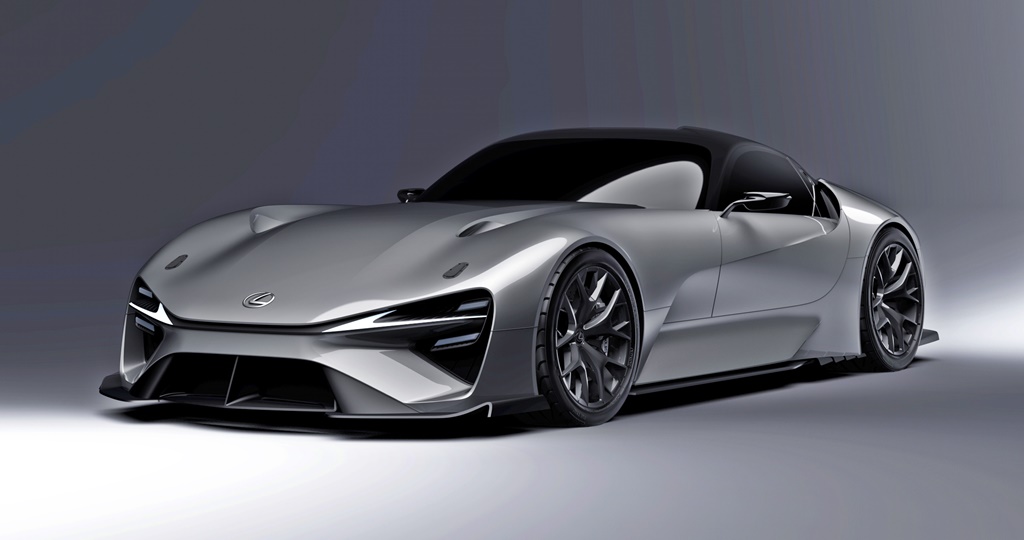
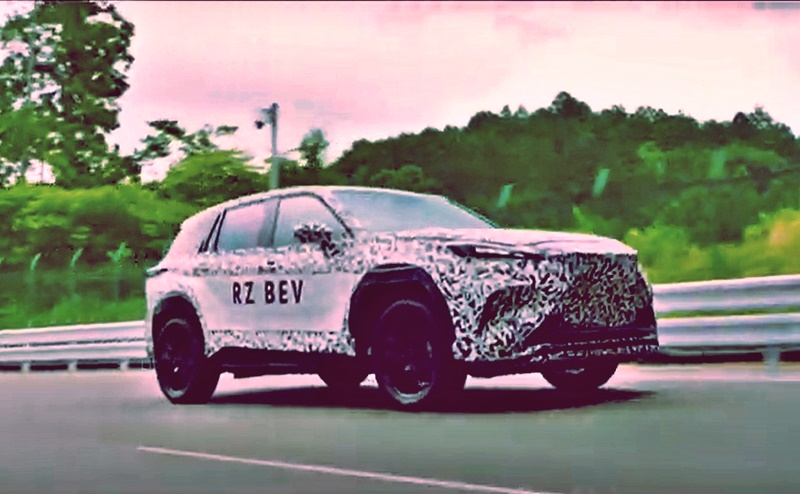
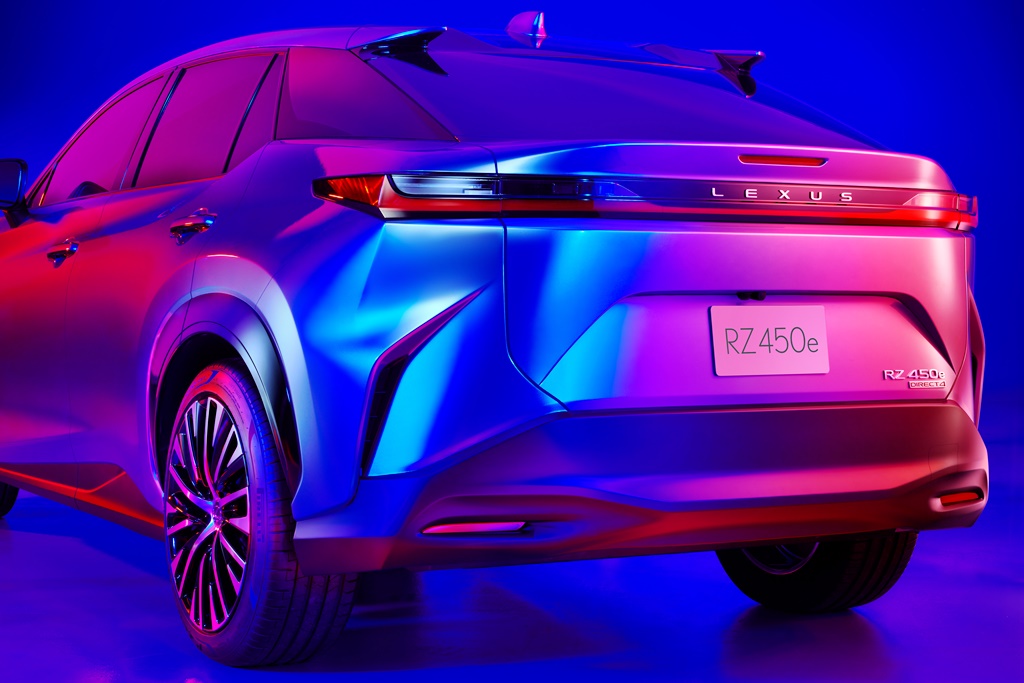
In this diversified and uncharted era, it is important to flexibly change the type and quantity of products produced while keeping an eye on market trends. At the same time, energy plays a critical role in achieving carbon neutrality. For this reason, Toyota wants to provide a diversified range of carbon-neutral options to meet whatever might be the needs and situations in every country and region.
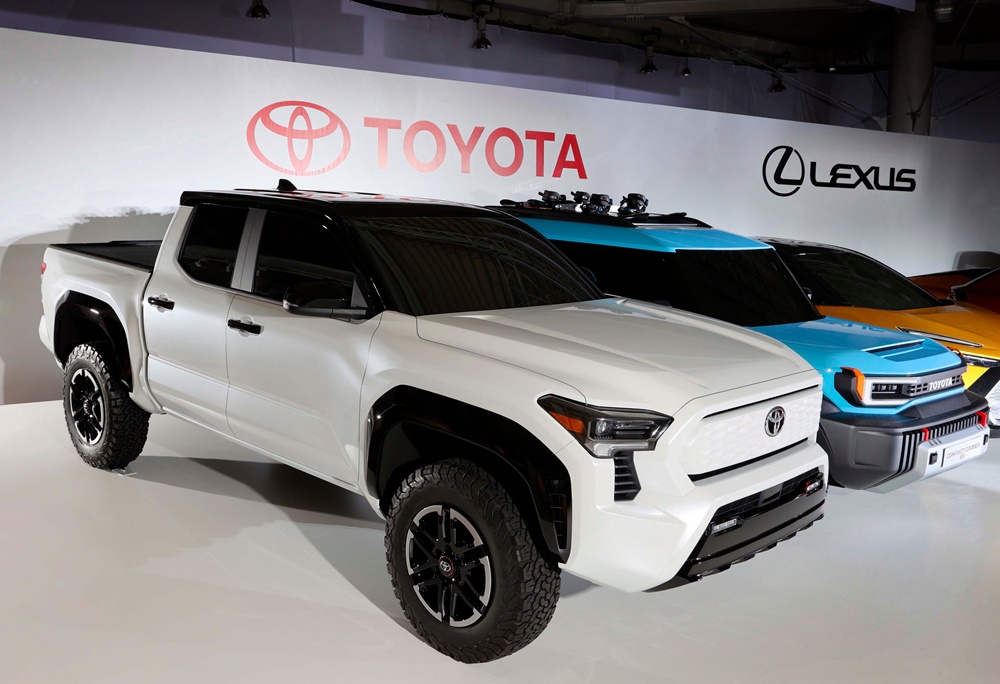
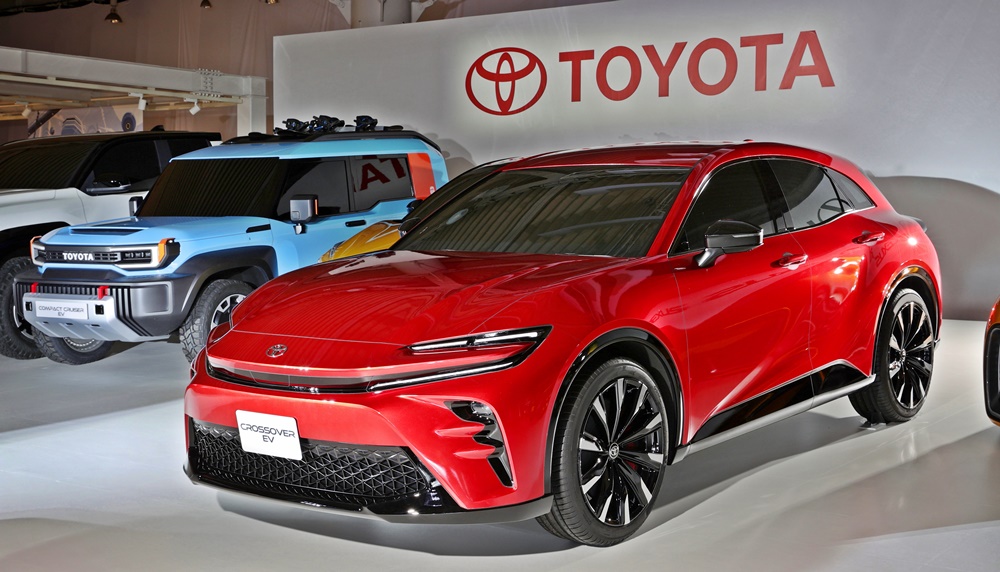
Markets and customers decide
“It is not us but local markets and our customers who decide which options to choose. As for why we try to keep so many options, in terms of business management, one might think it would be more efficient to focus on fewer choices. However, we believe that quickly adapting to changes in the future is more important than trying to predict the future, which is uncertain. That is why we want to keep options available for our customers until the right path is clear,” said Mr. Toyoda.
Toyota: “No customer is left behind” in quest for carbon neutrality
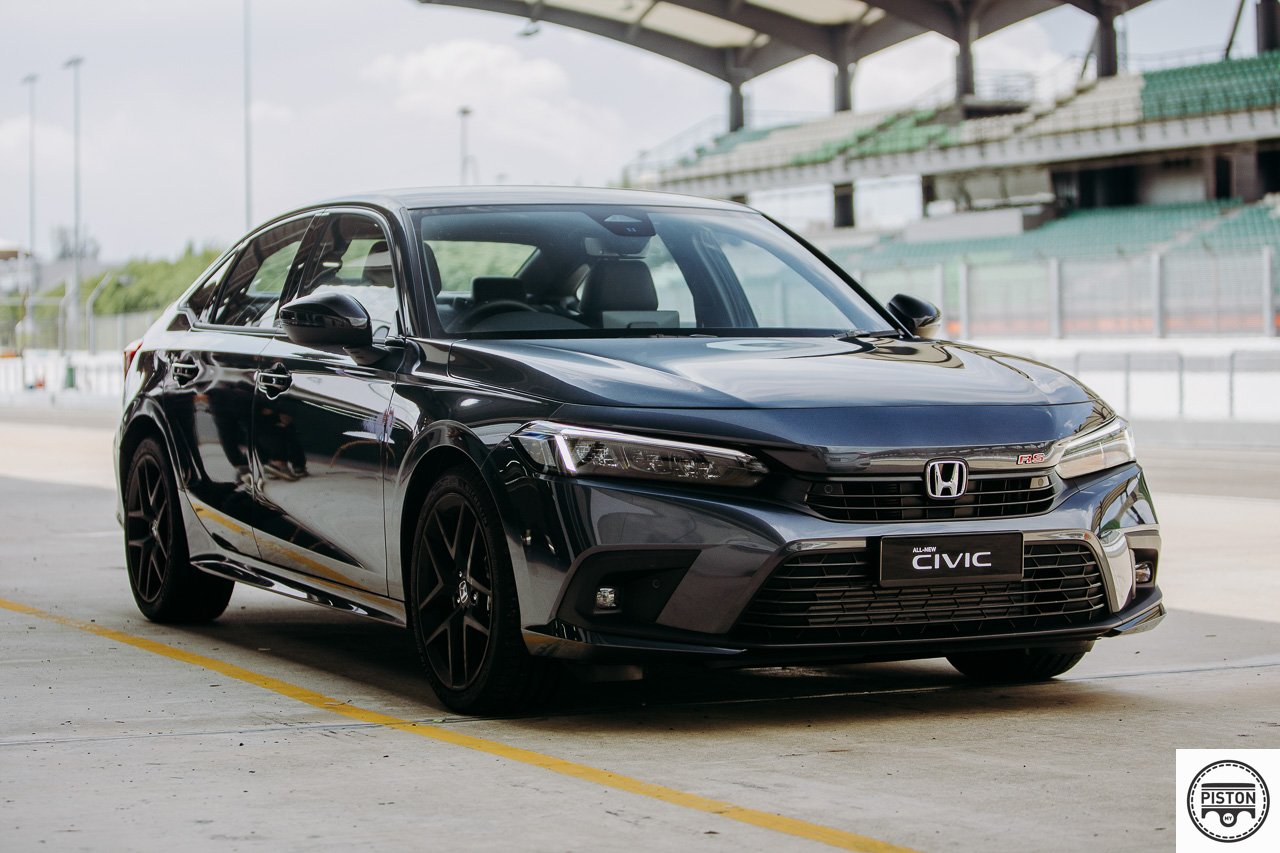
“When people think of a Honda, there’s a very good chance they will think of the Civic.”
Words by the Head of Sales and Marketing of Honda Malaysia, which I thought couldn’t be more true.
The Civic has come to cement itself as the de facto go to car once a person makes enough money to afford moving up to a six figure sedan.
It is also a status symbol of sorts.
I once knew someone who did not want to marry her boyfriend until he bought a Civic.
Such is its appeal.
So when Honda announced that it was introducing an all-new Civic, naturally the media went into a frenzy.
And when photos were published, Honda fanboys (and girls) simply melted.
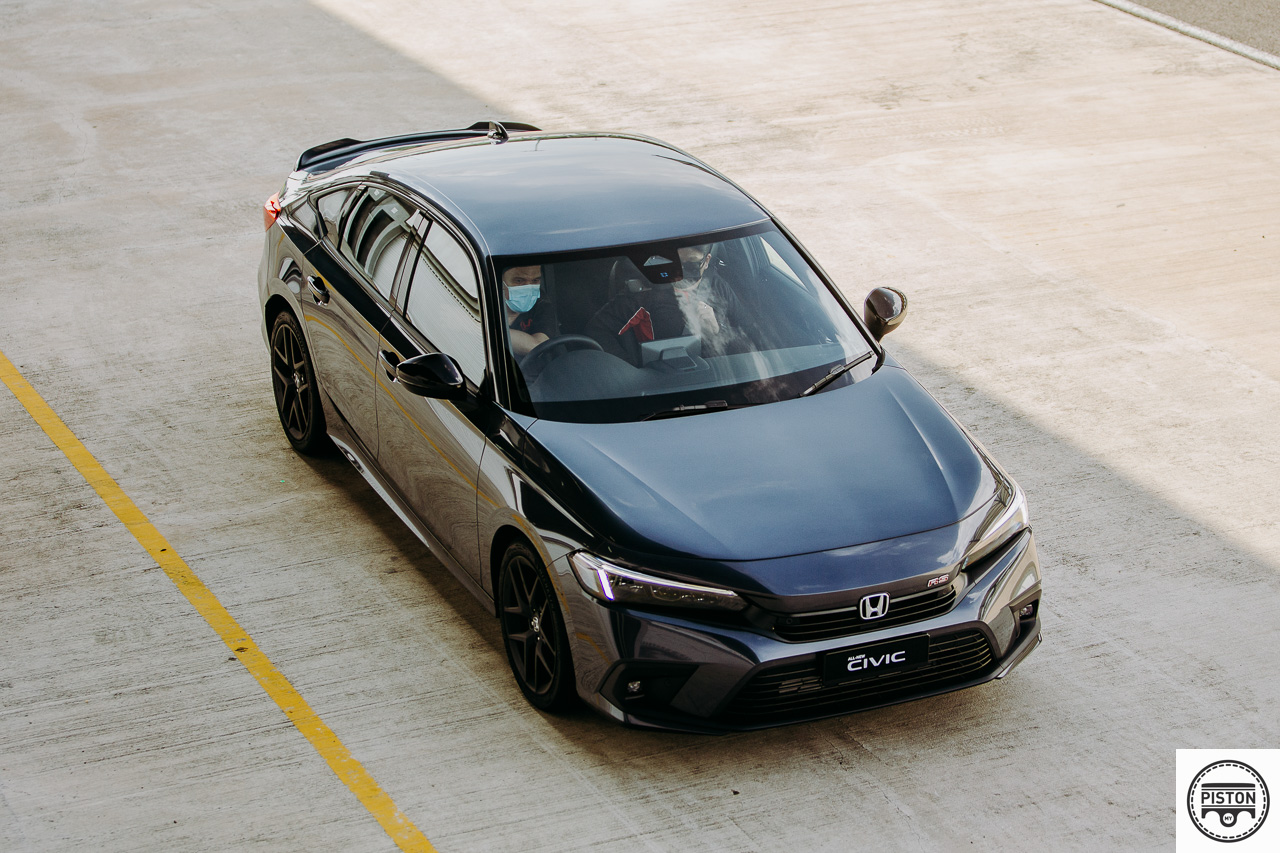
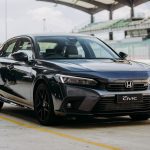
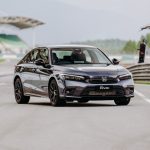
The latest generation Civic is elegant in its design, more spacious than ever, and though we are not allowed to show you interior photos until after its launch, we can say that the interior is nicer that you can imagine.
Both in terms of quality and design.
Powering the new Civic is the same 1.5-litre turbocharged engine that is in the current generation Civic and CRV.
But this time it has been tuned up to produce 10PS and 20Nm more torque.
In total, the Civic puts out 182PS and 240Nm of torque, which is plenty for a C segment car.
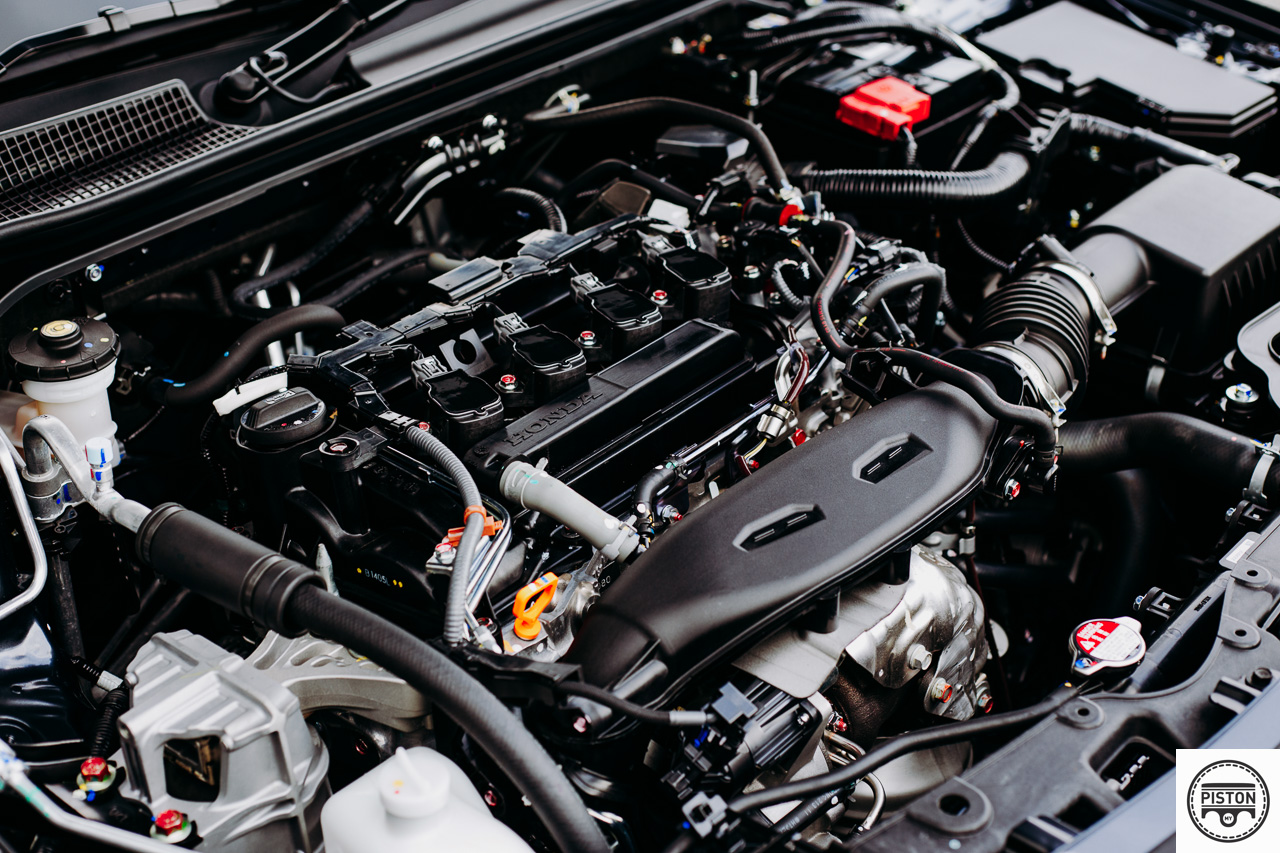
But it is the way the Civic puts down this power that is even more impressive.
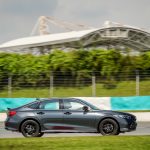
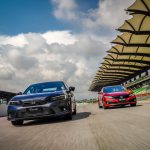
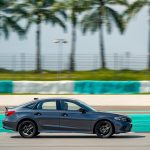
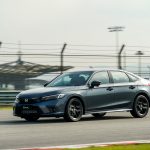
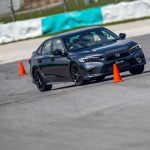
Honda Malaysia invited a select group of journalists to drive the car around the South Track of the Sepang International Circuit.
But they also provided a Toyota Corolla Altis and the current generation Civic as a reference point.
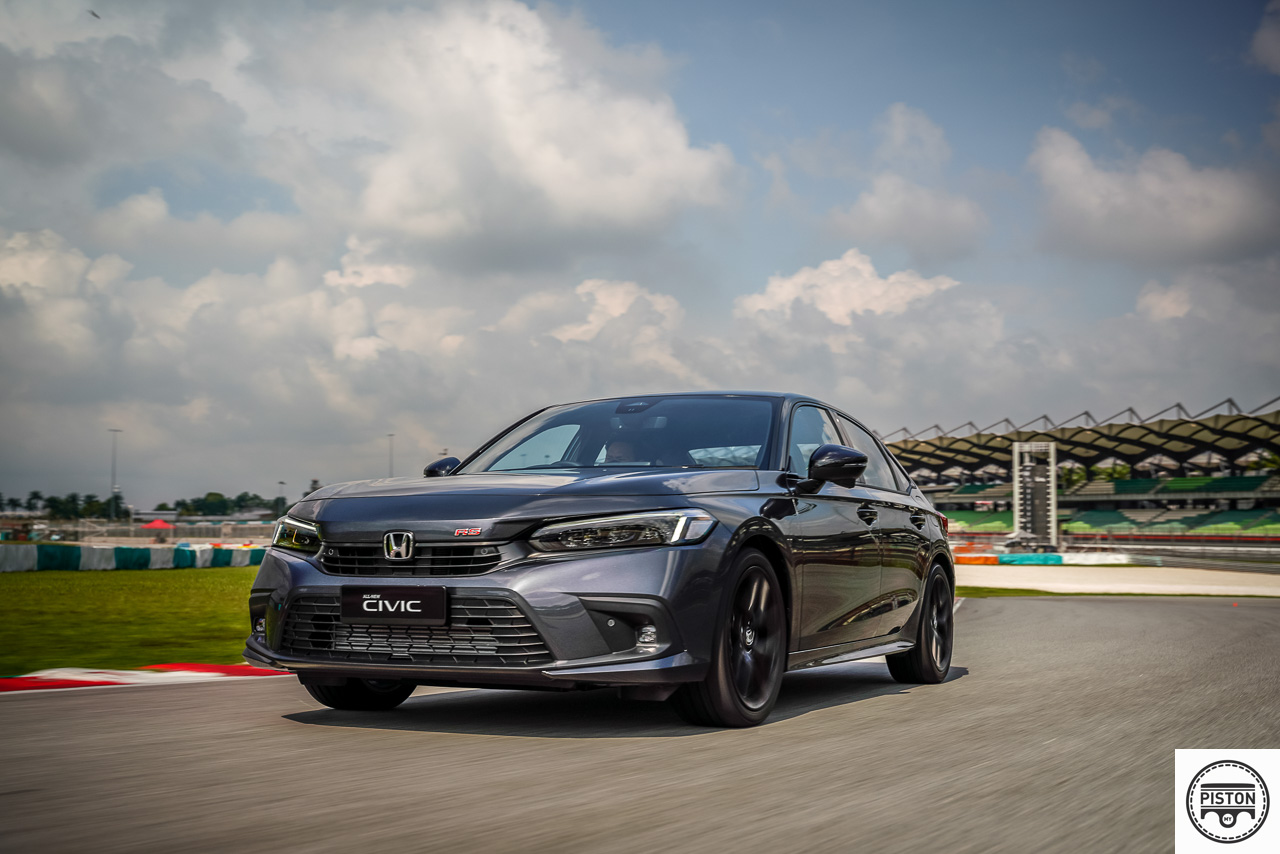
The new Civic felt more eager to respond to the throttle while the handling was sharper around a slalom test.
Body roll was obviously reduced over the previous generation Civic as well.
But what was truly impressive though was how refined the drive was.
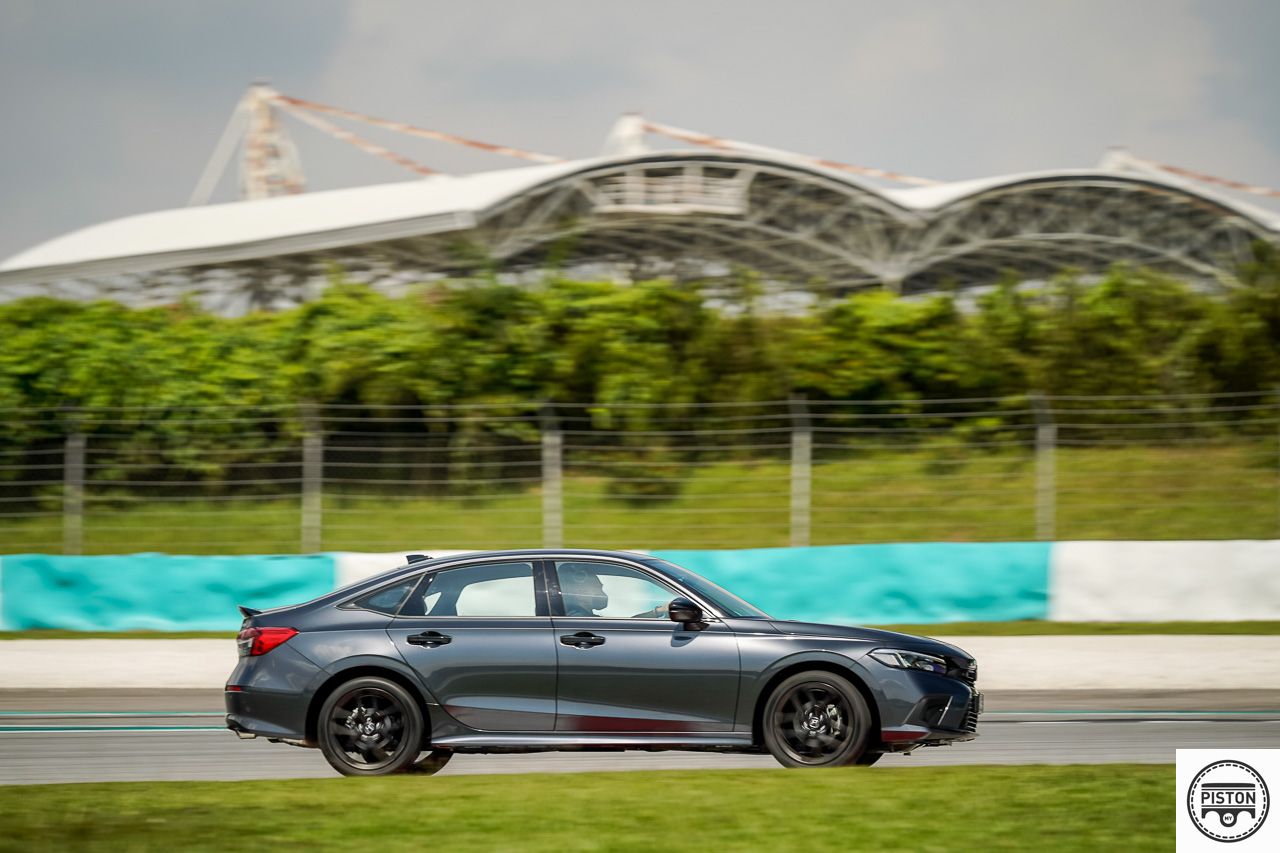
The engine is mated to the same CVT gearbox as before, but this time the droning noise that is so typical of such gearboxes has been turned down a couple of notches.
The noise and vibration insulation is also a couple of notches better, and you don’t feel any vibrations from the tarmac in the seats either.
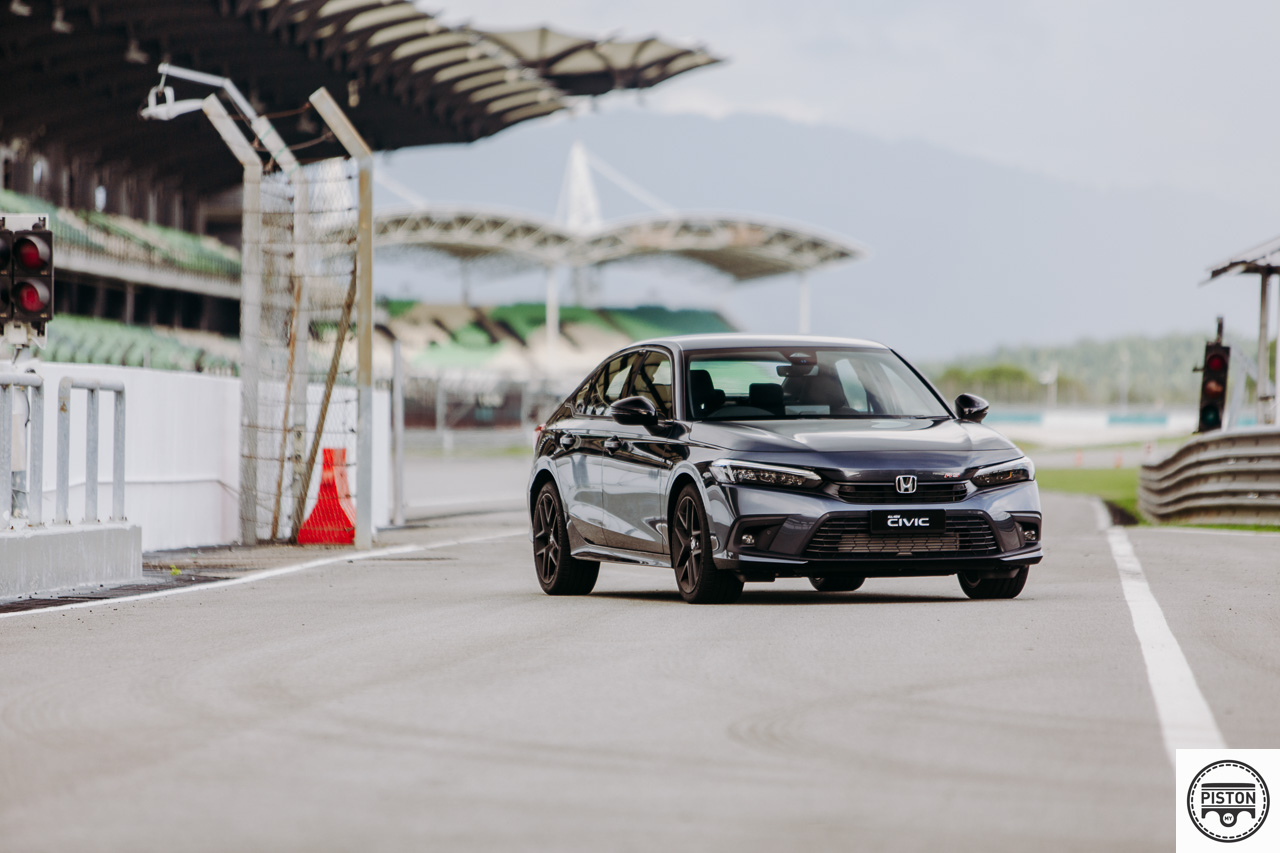
You could argue that the tarmac at Sepang Circuit is smoother and does not reflect real-world driving conditions, and you would be right.
And you would be right. But you can usually feel some powertrain vibrations in your bum from a C segment car, but that is no longer there.
And this is proof that the Civic has matured into a more family oriented car without forgetting its sporting roots.
Very much like a 90s or early 2000s BMW 3-Series.
The new Civic is also a lot sportier in nature, and that is largely thanks to a new Drive Mode Selector – a feature that is available for the first time in a Civic.
This gives you access to three different modes – Eco, Normal and Sport.
Each does what it is named after and controls things like throttle response, steering heft and the overall character of the car.
I would say the interior and the way the powertrain is packaged.
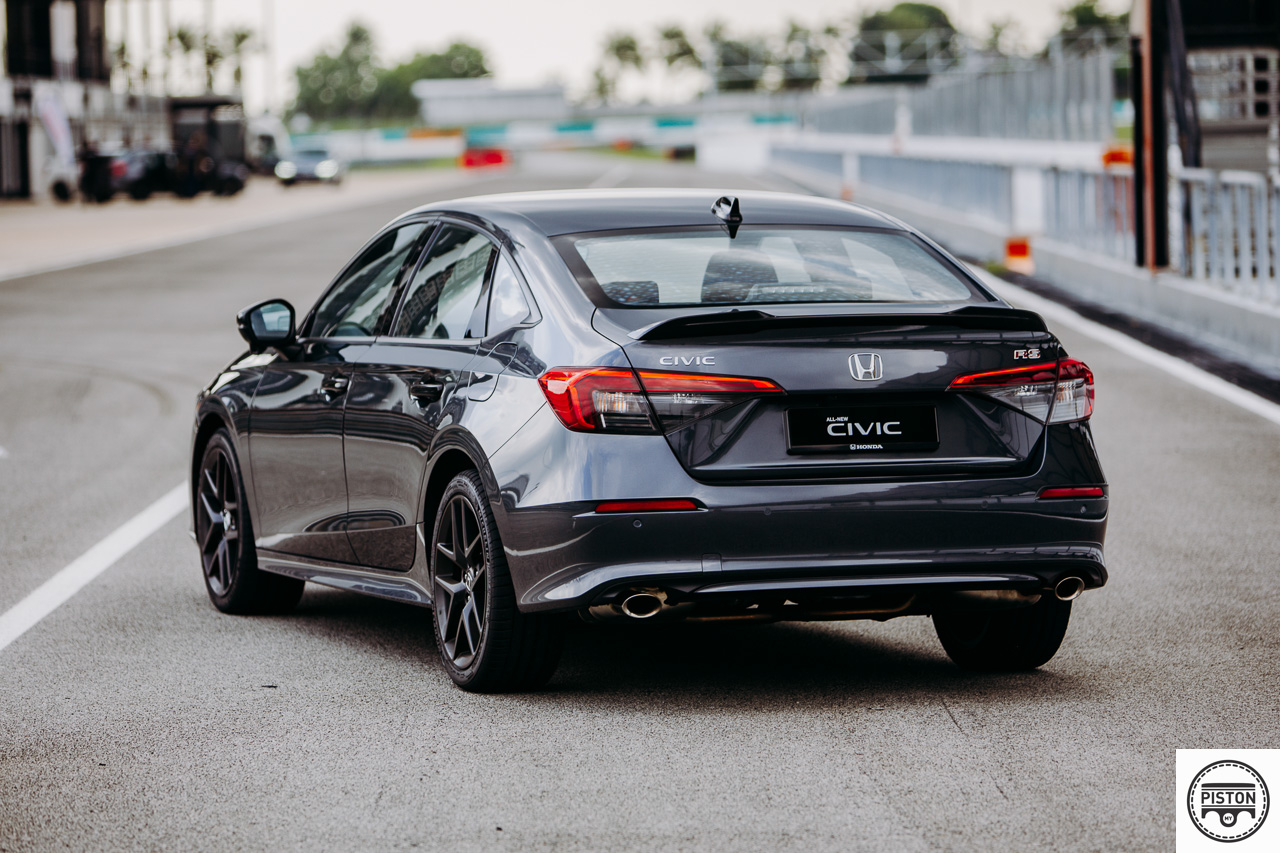
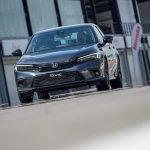
The exterior design is also a much welcomed departure from the obviously aging design of the current generation Civic.
It isn’t as dramatic as the FD was or the FC for that matter, but the new FE generation Civic is elegant and understated now.
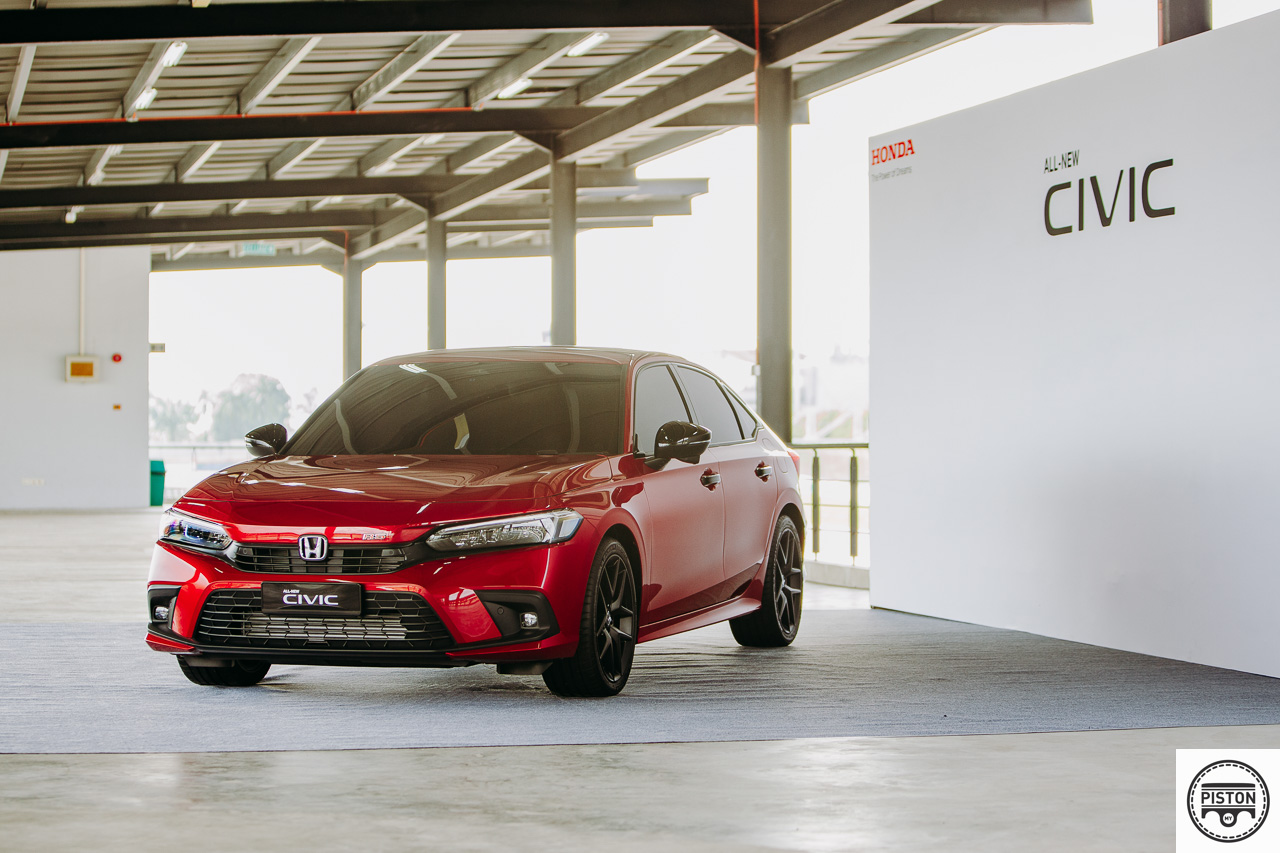
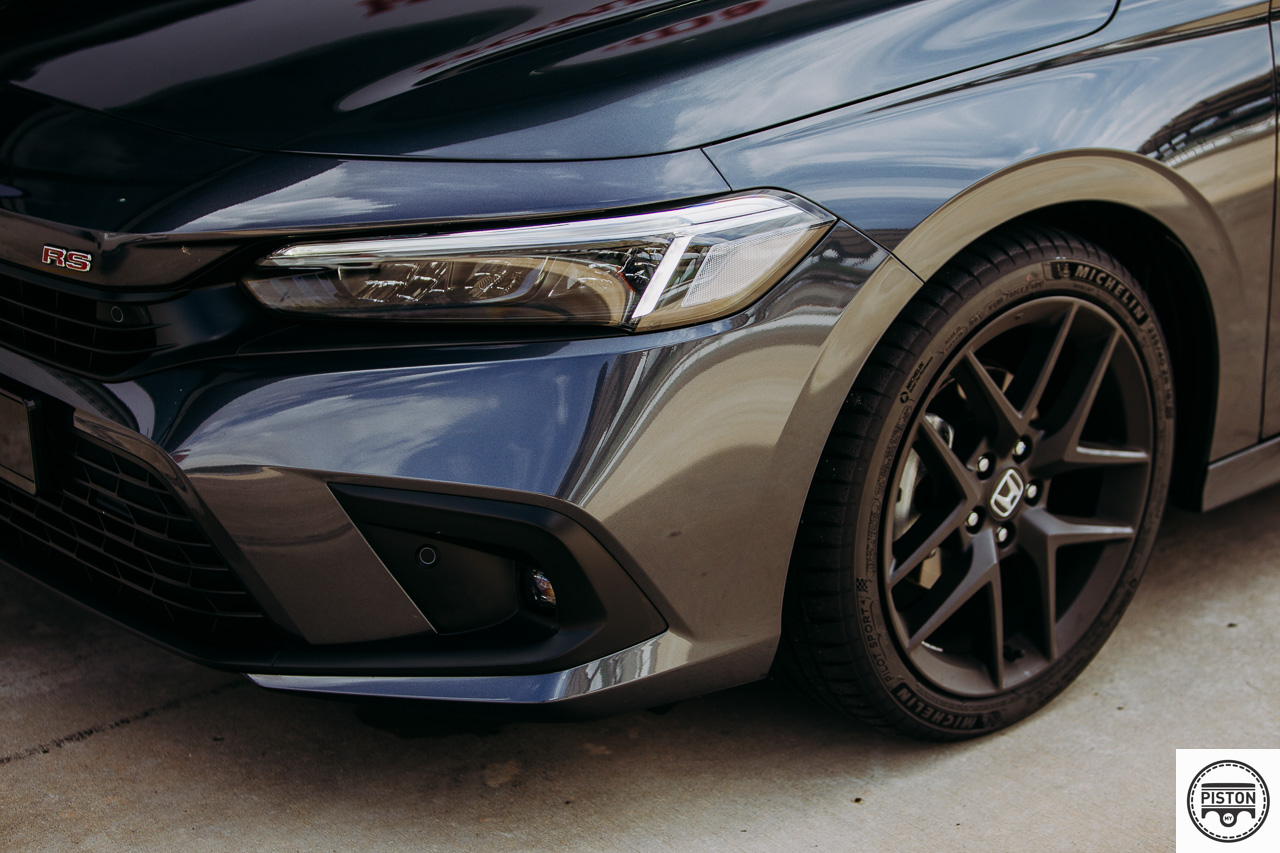
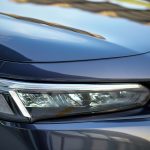
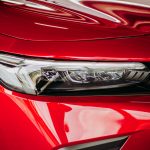
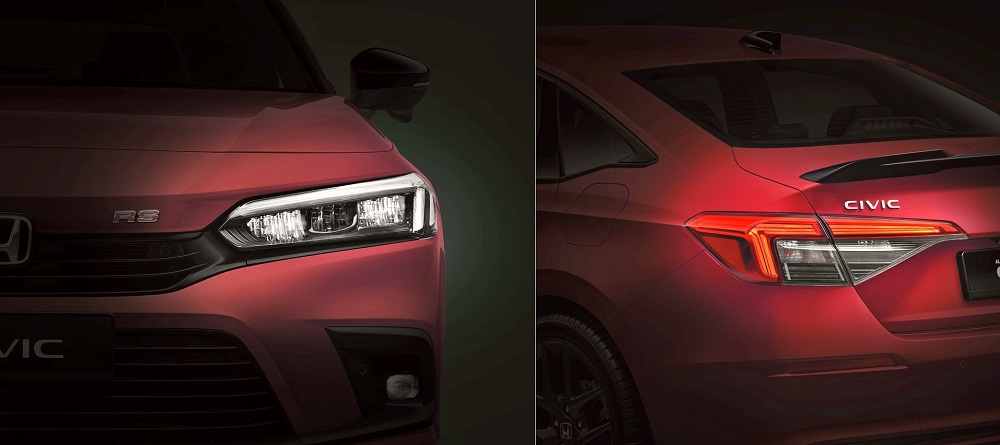
And those gorgeous daytime running lights will help it stand out from the crowd.
I know that looks are subjective, but I am quite sure thousands will love the interior of the new Civic.
The honeycomb design that spreads across the dash, subtly hiding the air-conditioning vents are an original touch unseen in any other car. Honda or otherwise.
The steering wheel too is thicker and feels luxurious in your hands.
The quality of the switches feel like they belong in a continental car rather than an affordable mass-produced C-segment Honda.
The seats in the Civic have always been among the best in the segment, and still are. This time though the padding is supple for added plushness while overall support has been extended to the bottom of your thighs and shoulders.
And because the car is now much bigger in overall proportions, the interior is spacious.
The dramatically rising a-pillars and the wider c-pillars allow more light into the cabin via larger windows, further accentuating the sense of spaciousness.
The spaciousness extends into the booth as well, which now seems like it can accommodate three golf bags.
You wouldn’t expect anything lesser of a Honda, and so the Civic comes brimming with tech.
The RS variant we drove came with an updated Honda SENSING that now features something called Lead Car Departure Notification System.
This system alerts the driver when the car ahead has moved ahead, perfect when in traffic or at a traffic light when most drivers are either on their phone or simply dreaming.
The full suite of enhanced Honda SENSING safety features in All-New Civic RS are as below:
It is unclear if this will make it down to other variants of the Civic, but in typical Honda Malaysia fashion, only the top two models will receive Honda SENSING. And this will then trickle down to other variants as the model goes through its life cycle.
But of course, that’s not all the new Civic comes loaded with, it also features plenty of other safety features as well, such as:
And a new safety feature for the Civic called Driver Attention Monitor that alerts the driver to take a rest if it detects erratic driving.
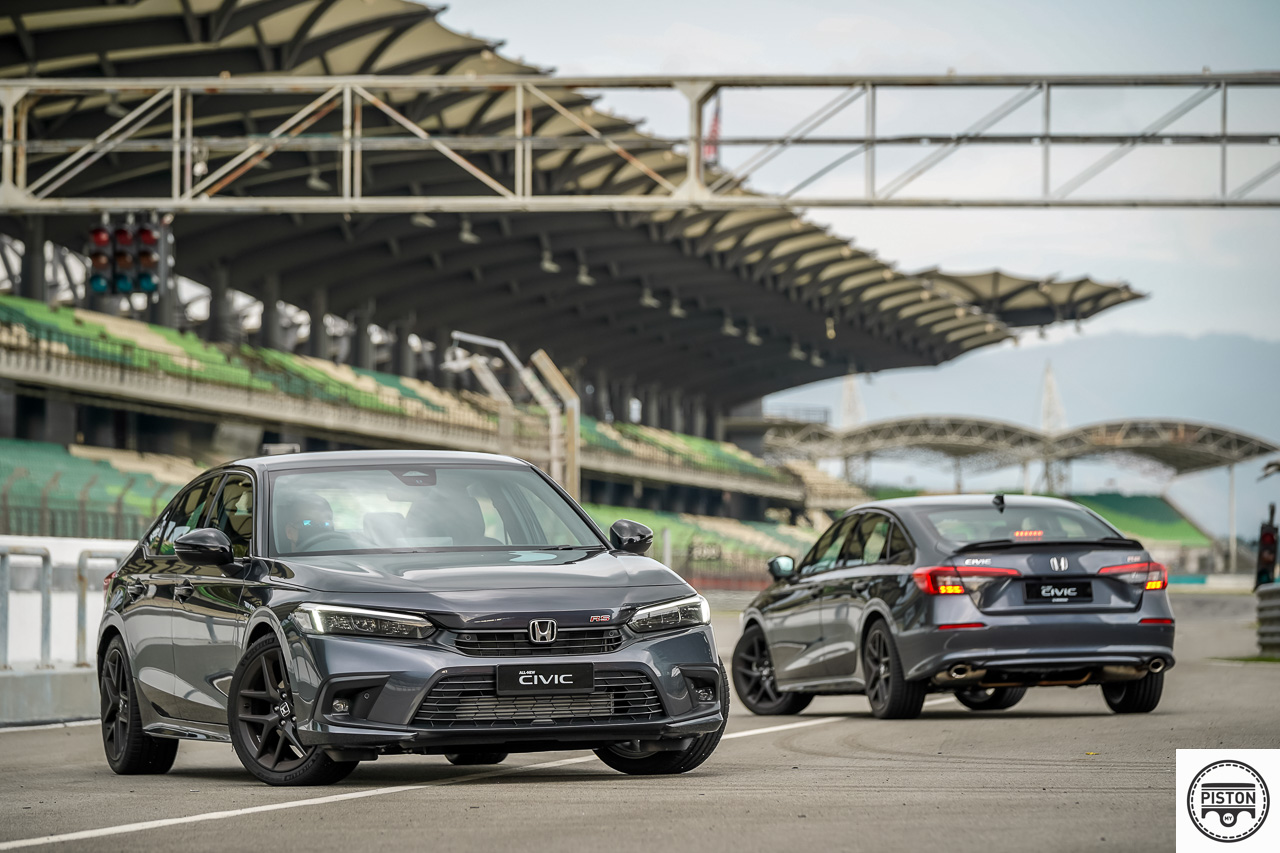
There is a shift in demand towards SUV’s, hence why cars like the HRV are selling so well. But there is a huge appeal in cars like the Civic as well.
There was a time where people wanted an SUV because it offered more space. But with the amount of space the new Civic offers, that argument is no longer valid.
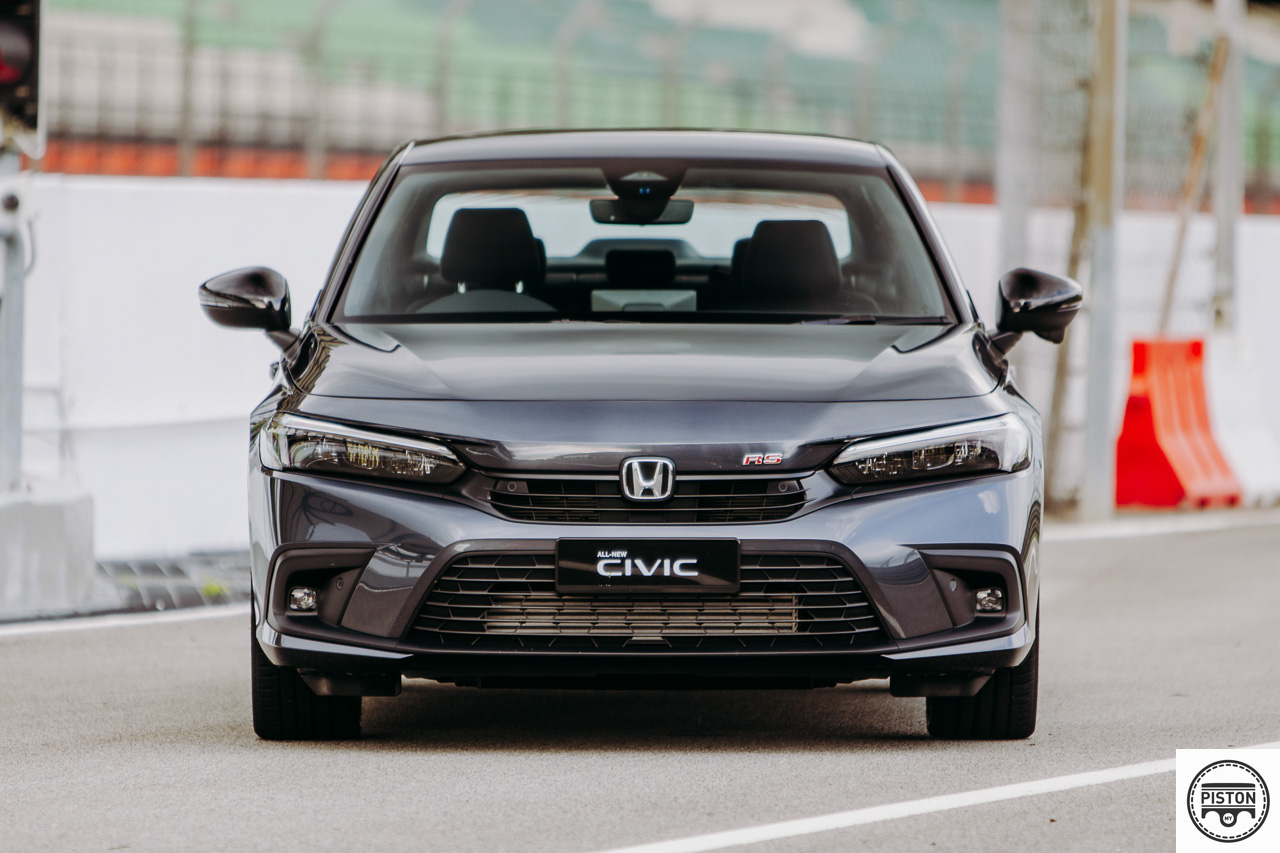
It may not offer the higher up sitting position of an SUV, but if you want a sporty sedan with a well-built interior and a drive quality that is similar to a continental car, then yes, you should buy the Civic.
We can’t tell you anything about the price as Honda Malaysia did not reveal anything, but expect it to be similar in price to the outgoing model.
The order book opened today – more details here!
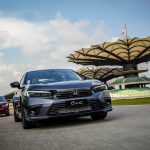
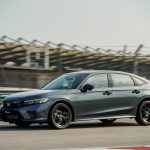

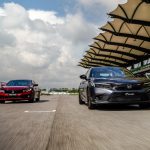
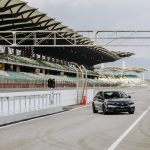


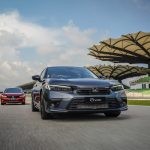
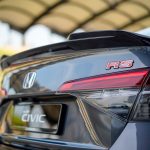
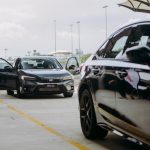
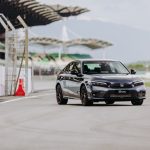
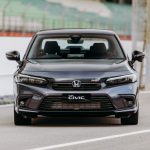
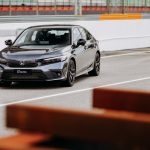
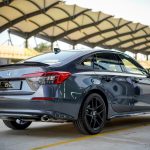
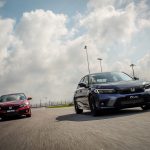
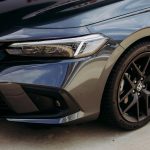
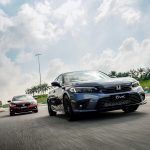
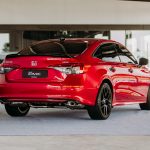
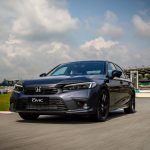
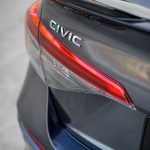
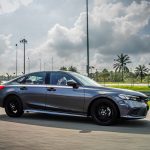
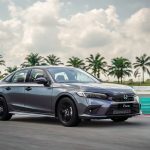

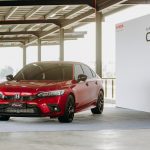

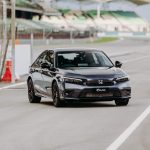
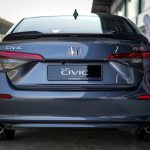
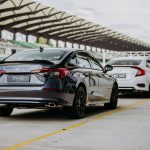
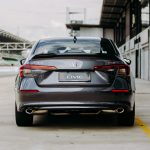

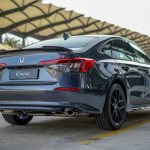

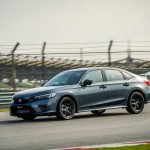
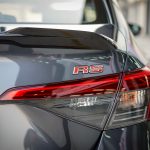
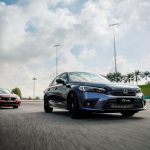
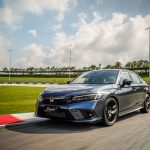
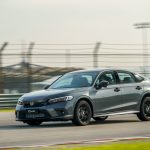
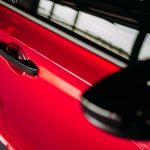
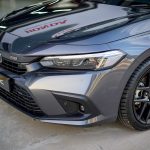
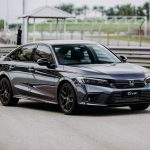
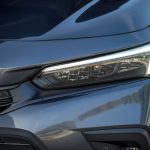


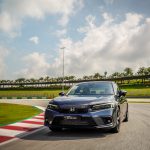
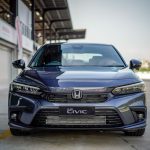
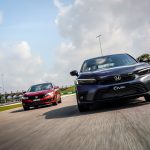
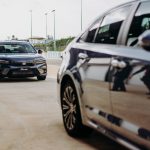
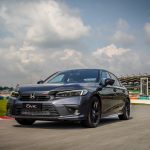
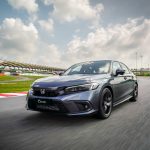
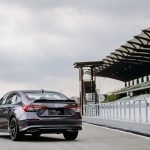
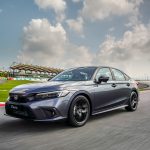
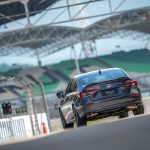
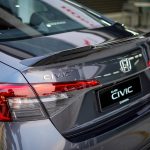
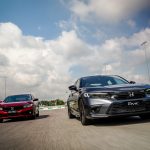
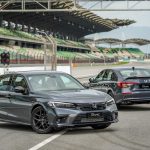
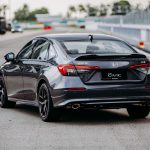
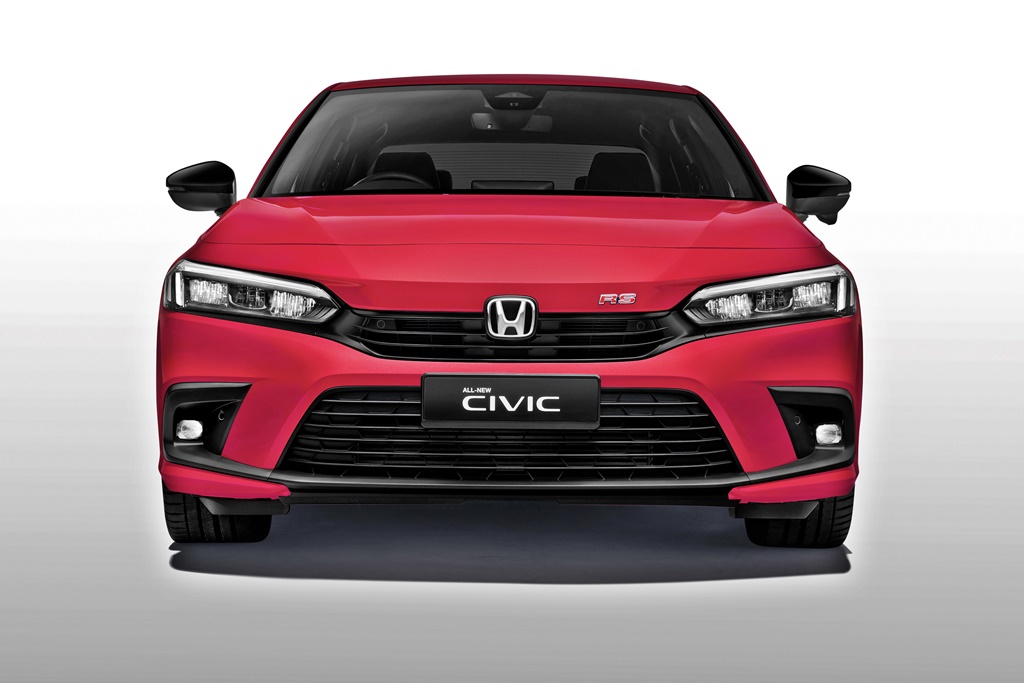

Even before the excitement with the all-new Honda City Hatchback has died down, Honda Malaysia is preparing to launch another all-new model – the 11th generation of the Civic. It will be launched in the first quarter of 2022, and those who want to be the first to own one can place a booking now at any authorized Honda dealer nationwide. Prices and variants have not been revealed (although we know there will be an RS variant for the first time), but sales tax will not be charged till after June 30, 2022.
Evolutionary styling changes
The new Civic has undergone an evolutionary styling change that gives it a ‘New Age Identity’. The focus on the new exterior design is to give the driver and occupants a more expansive view from within, enhancing the feeling of spaciousness. This has been achieved by expanding the glass area with windscreen pillars repositioned further back.
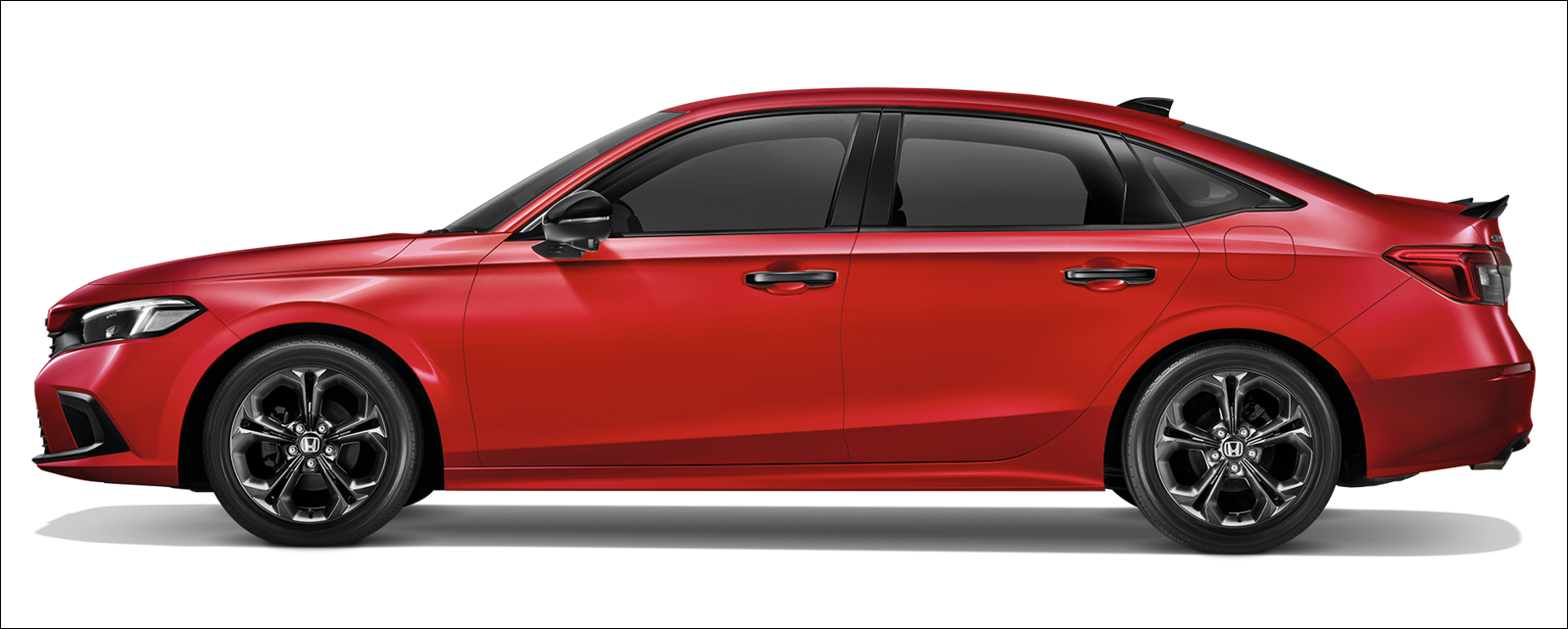
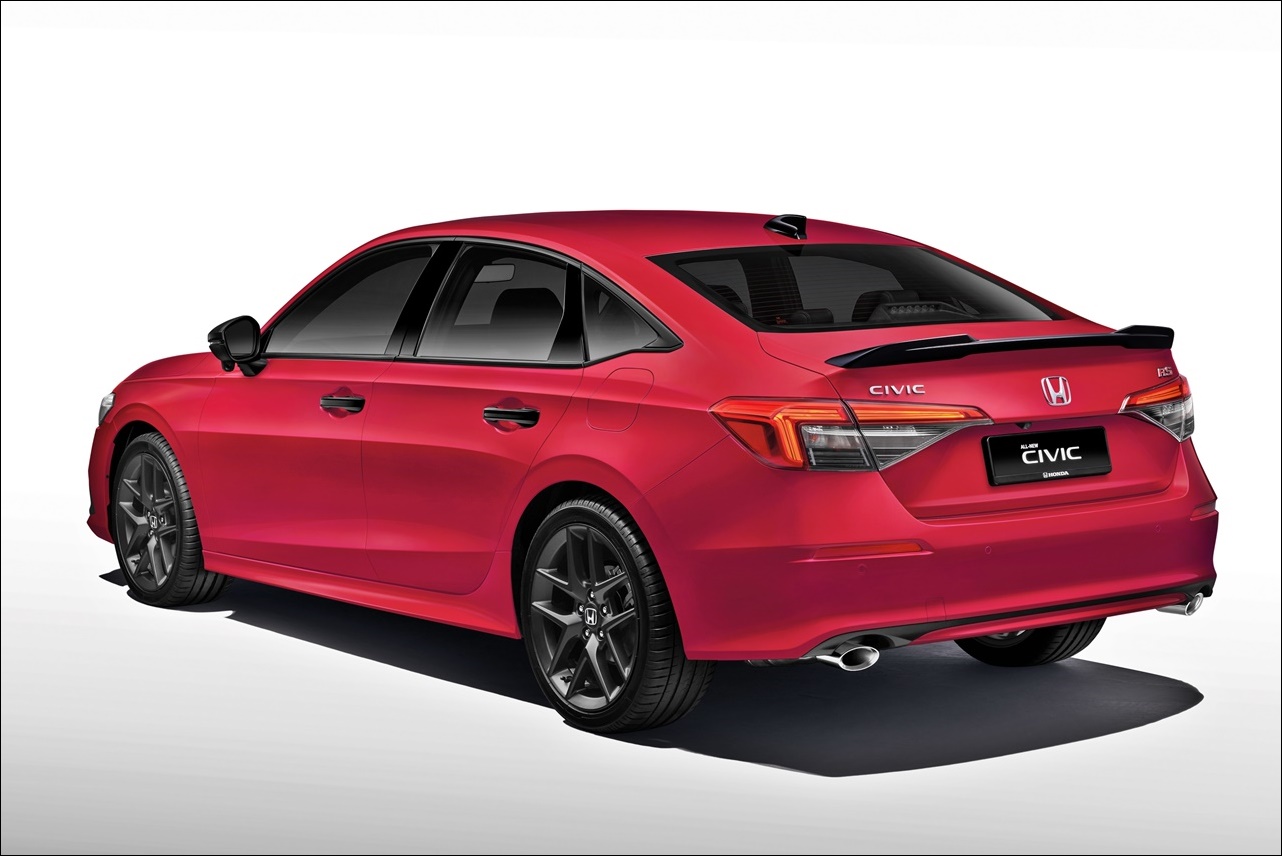
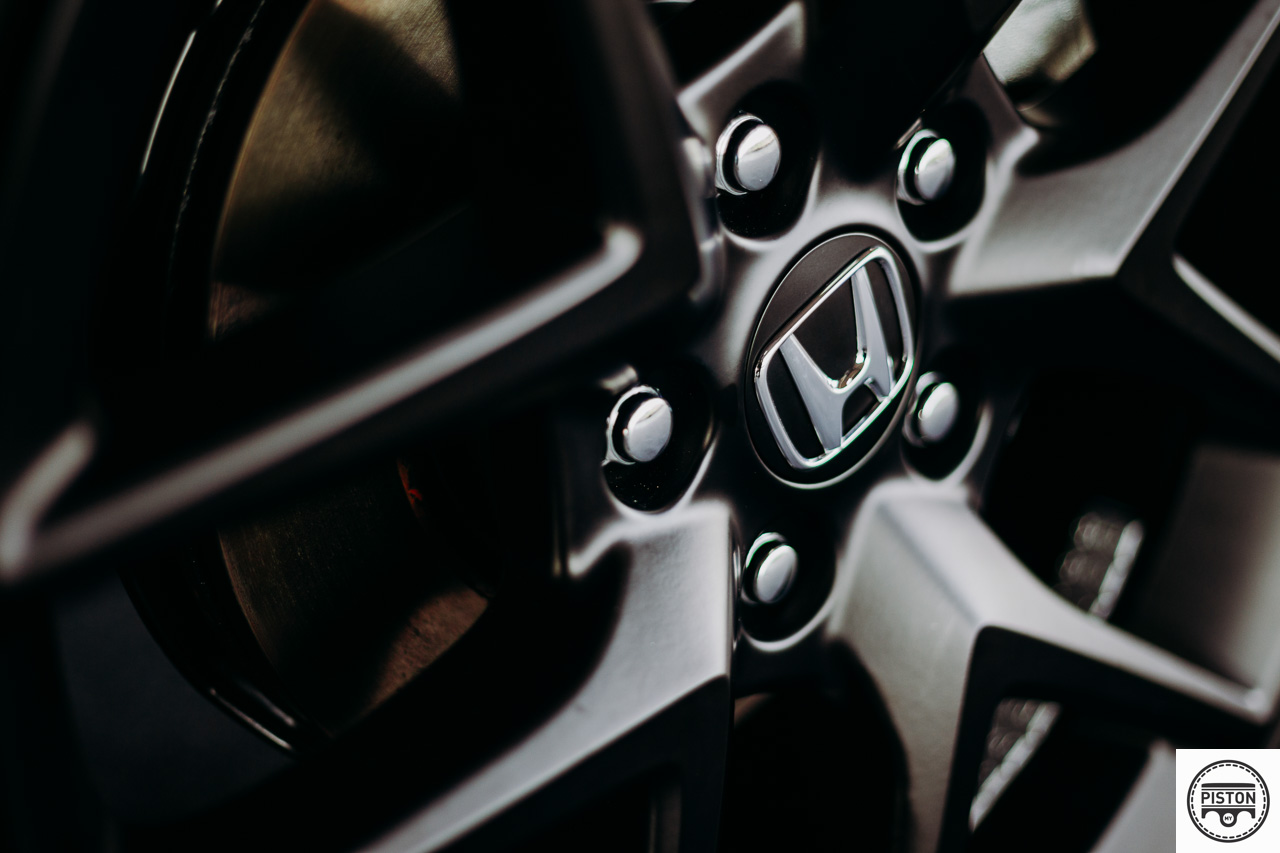
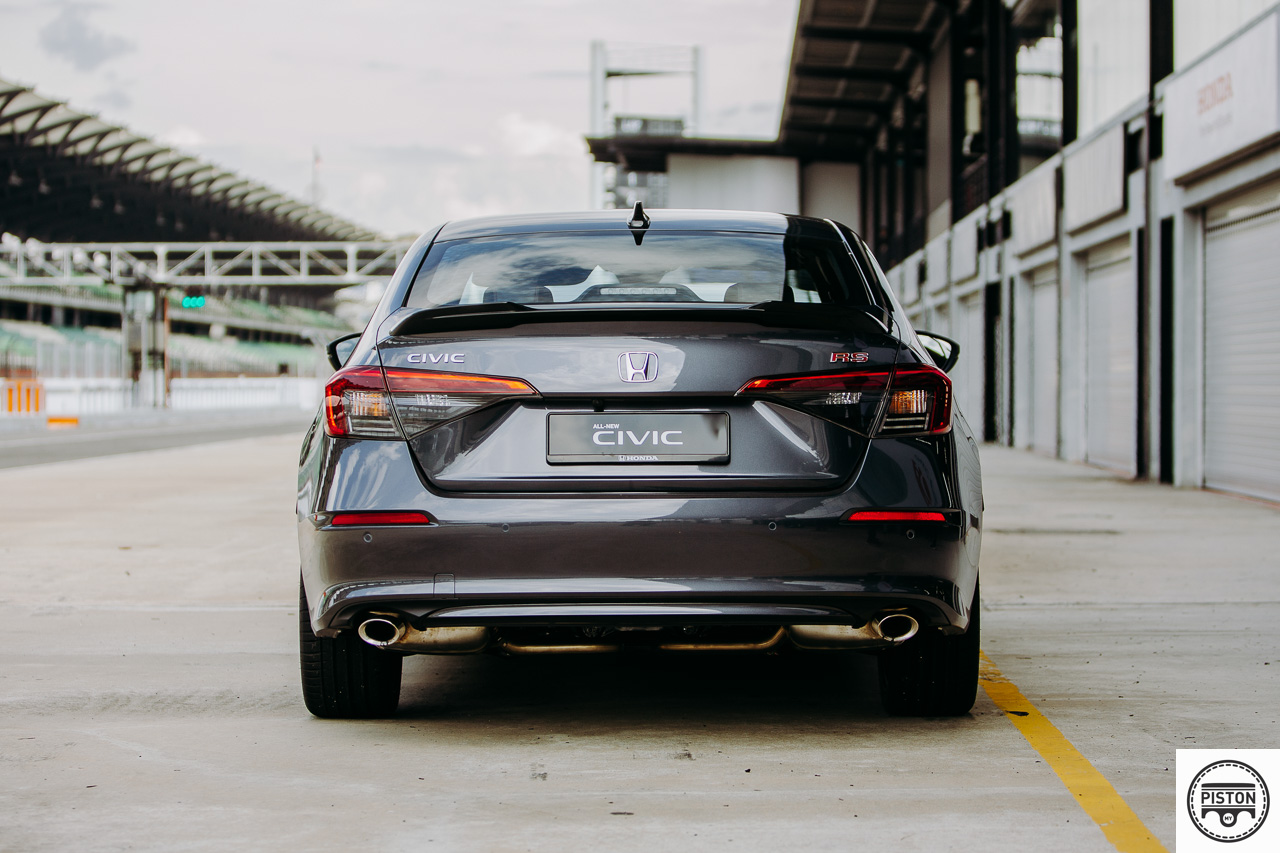
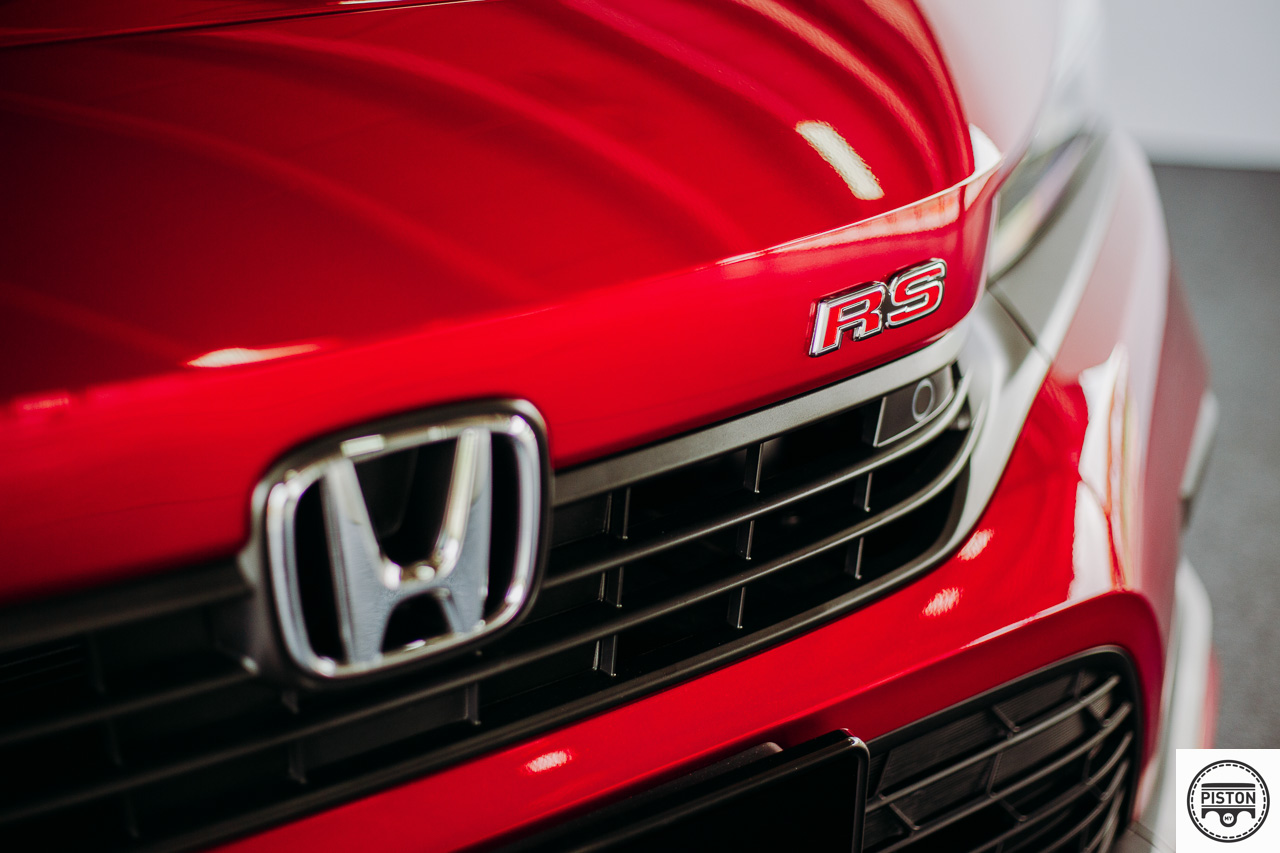
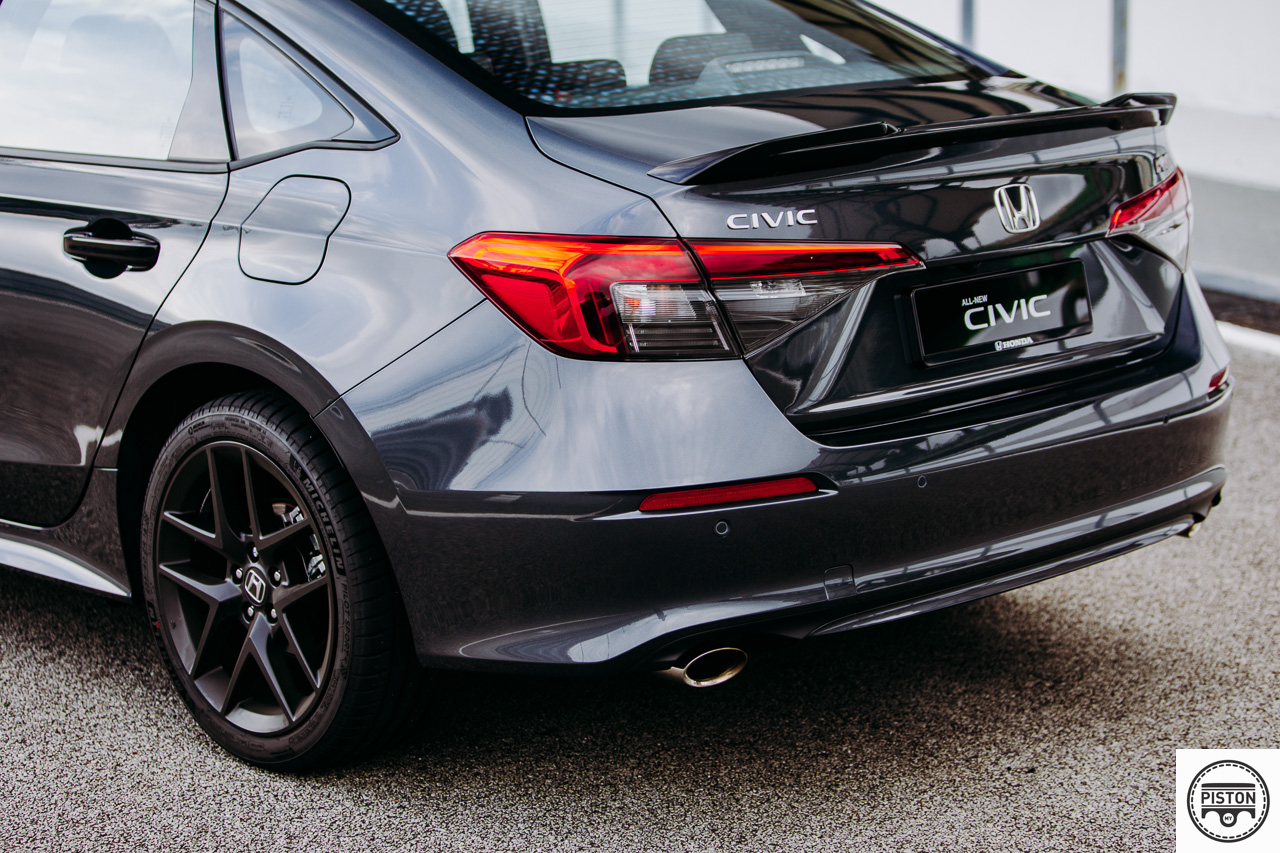
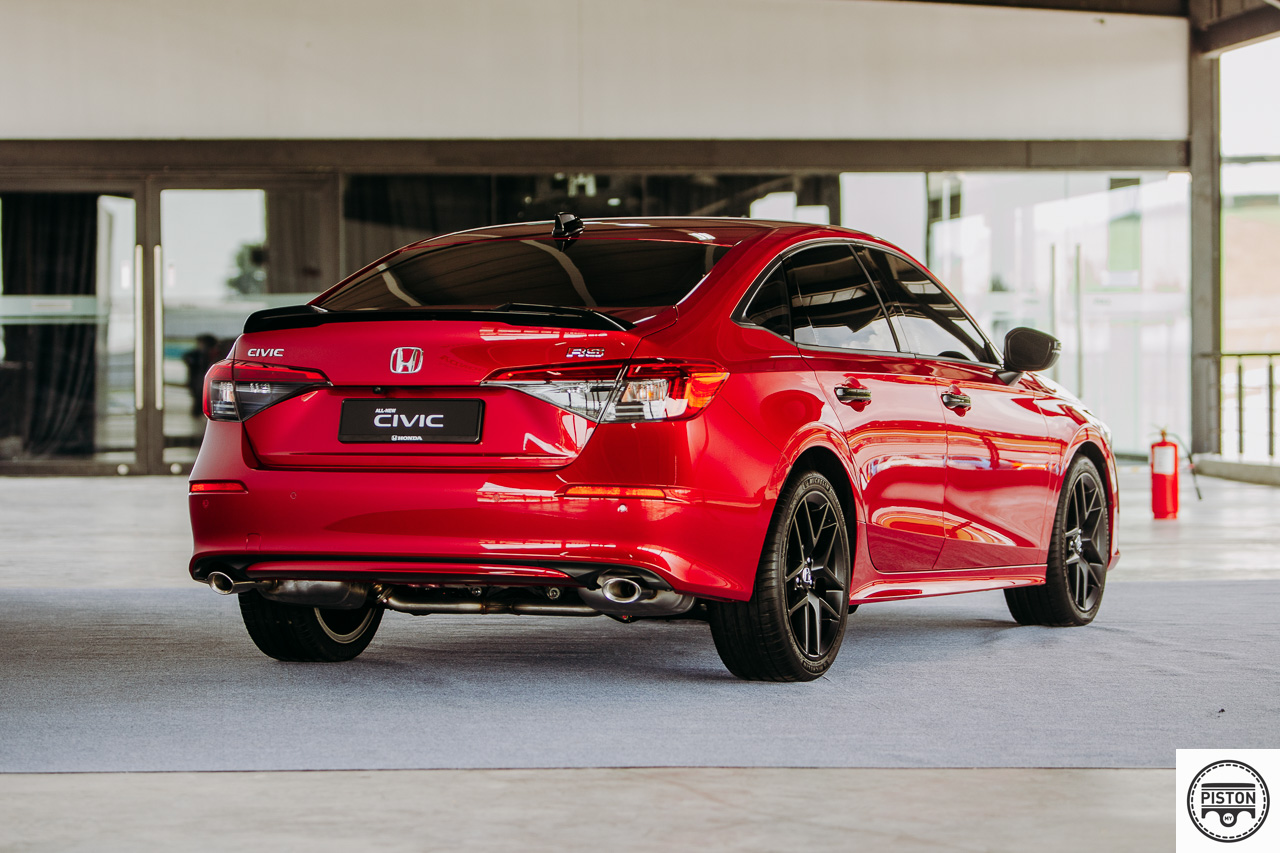
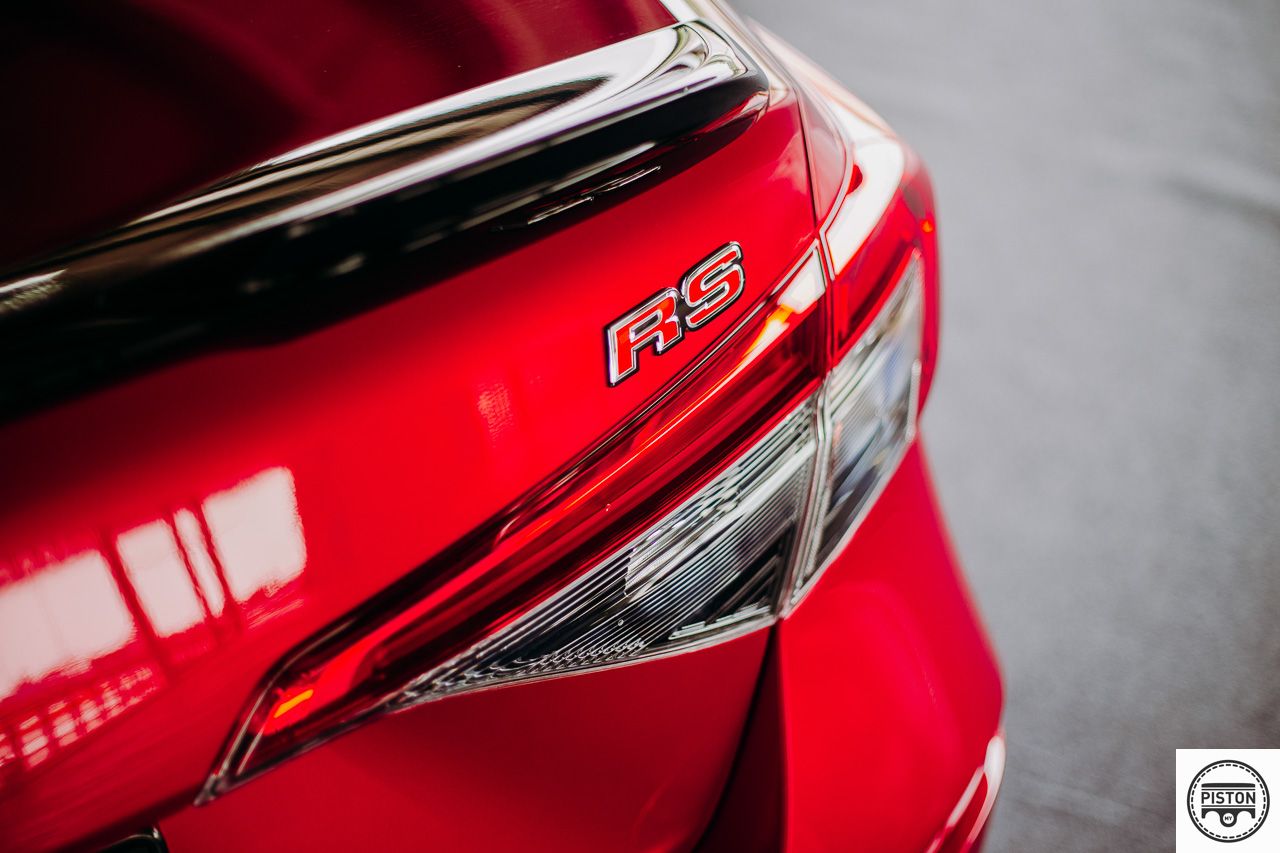
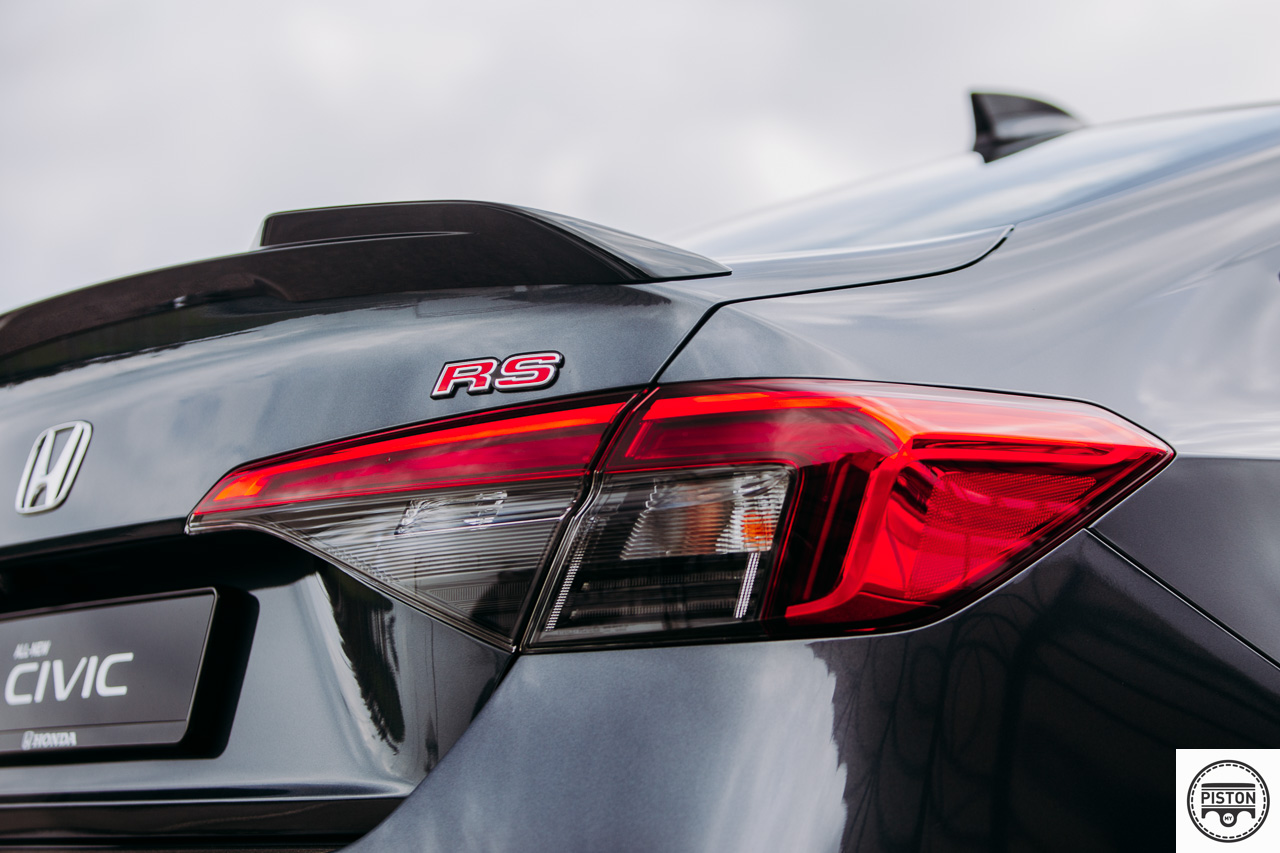
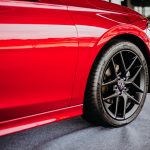
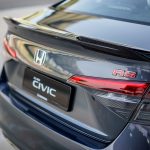
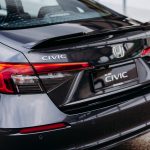
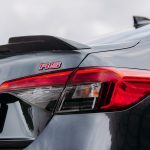
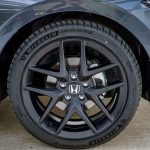
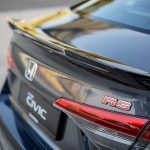
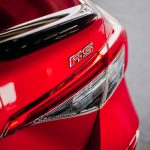
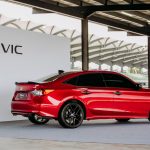
The Civic RS, flagship of the new range, will come with black finishing for the housings of the door mirrors, Shark Fin antenna, Outer Door Handles, boot spoiler and also the 18-inch alloy wheels. The new lighting units use LEDs and have new designs while the Civic’s styling DNA is reflected in the rear lights.
Longer and wider body
Measuring 4678 mm in length, 1802 mm in width, with a height of 1415 mm and a wheelbase of 2735 mm, the new Civic is larger and wider with the rear track also widened to provide a low and wide stance. The factory in Melaka will use Honda’s advanced manufacturing technique employing Lazer Brazing technology (a Civic-first) which gives a sleeker roofline and strengthens body rigidity.
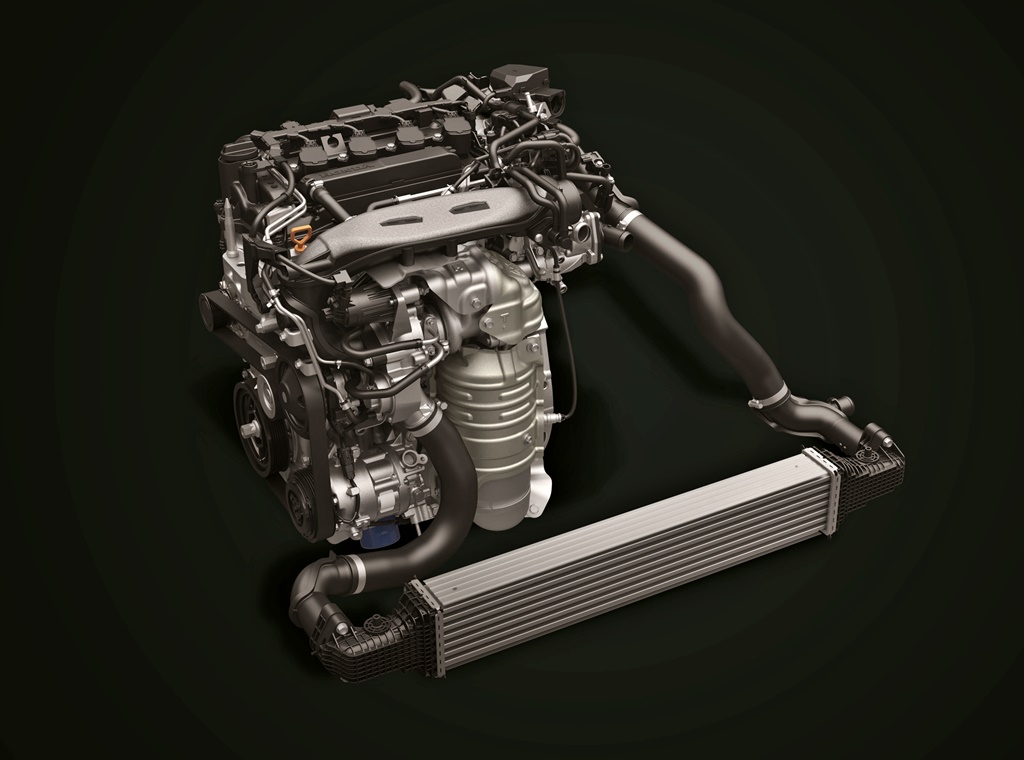
The familiar and proven VTEC 1.5-litre turbocharged 4-cylinder engine will be used again. The latest version generates higher power output which is a maximum of 182 ps, with 240 Nm of torque. That’s even more powerful than the 2.4-litre engine that powered the Accord.
5 stars from ASEAN NCAP
ASEAN NCAP has already tested the new Civic and it received a maximum overall score of 5 stars. It is the first Honda model to be assessed under the new ASEAN NCAP 2021-2025 protocol which includes requirements for protecting motorcyclists.
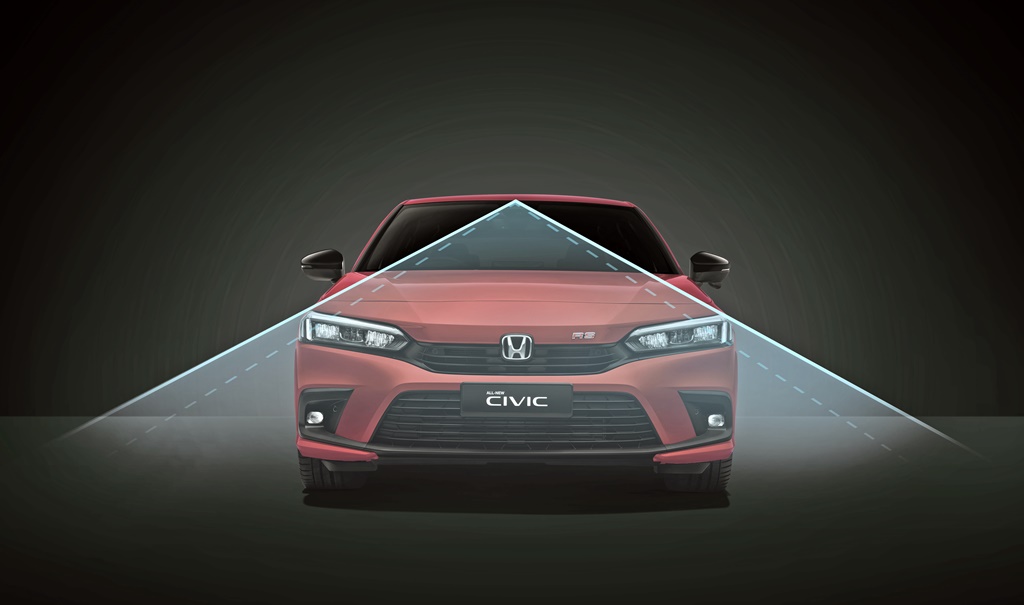
Honda SENSING will be offered with the Civic RS and the driver assistance package is said to have improved functionality by offering natural and smooth steering operation. The Honda SENSING suite has 9 active safety systems which can help the driver avoid an accident or reduce the effects of one. A new addition is Lead Car Departure Notification System which alerts the driver when the vehicle ahead moves off. There is also a Driver Attention Monitor which will reduce the dangers of a fatigued driver losing attention by alerting the driver if unusual driving behaviour is noticed.
A segment leader
“The Civic has a strong identity and is one of the favourite Honda models for Malaysians who love a car with exceptional styling and powerful performance. Since 2001, we have sold close to 148,000 units of Civic and this legendary model continues to expand its fan base in the country. The iconic 10th Generation Civic, which was launched in 2016, has contributed more than 66,600 units to the total Civic sales and continues to lead in the C-segment with 71% market share as of October 2021,” said Honda Malaysia’s Managing Director and CEO, Madoka Chujo.
“The 11th Generation Civic, which is a modern interpretation of the classic, offers a piece of the future. It raises the benchmark of a C-segment sedan in every way while maintaining the best of the Civic DNA which is loved by Malaysians. The All-New Civic is truly A Legacy, Reborn!” she added.
To locate an authorised Honda dealership for more information or to make a booking, visit www.honda.com.my.
New Honda Civic gets top safety rating from ASEAN NCAP (w/VIDEO)
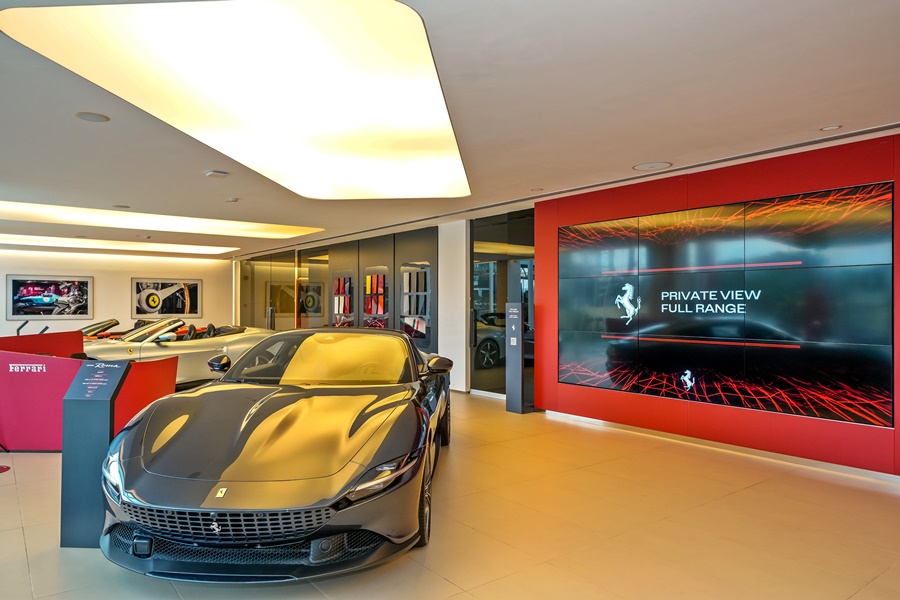
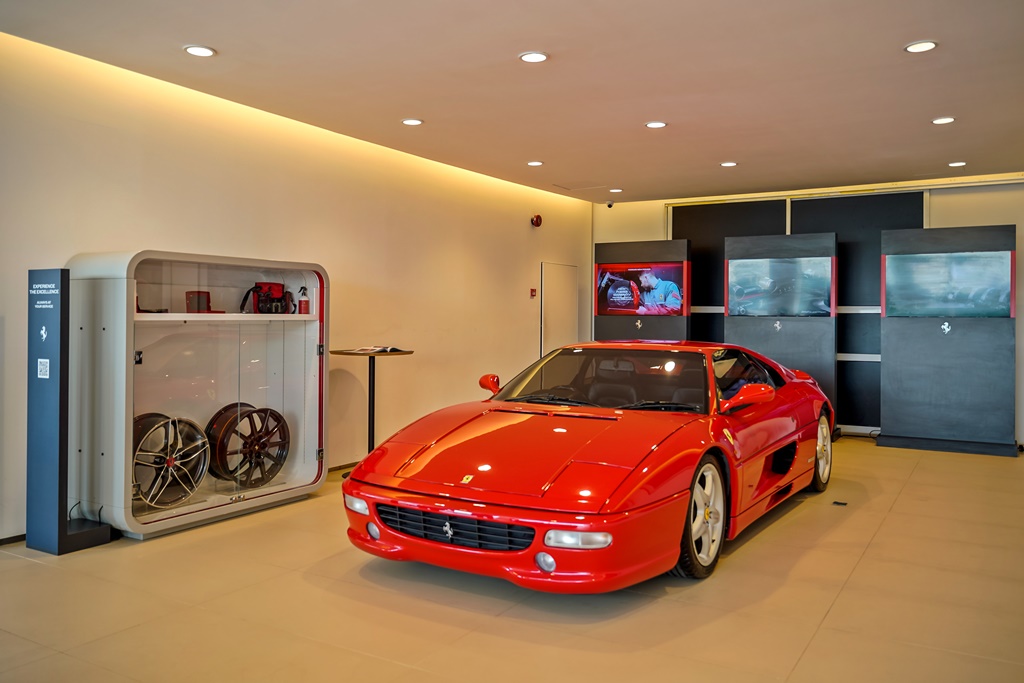
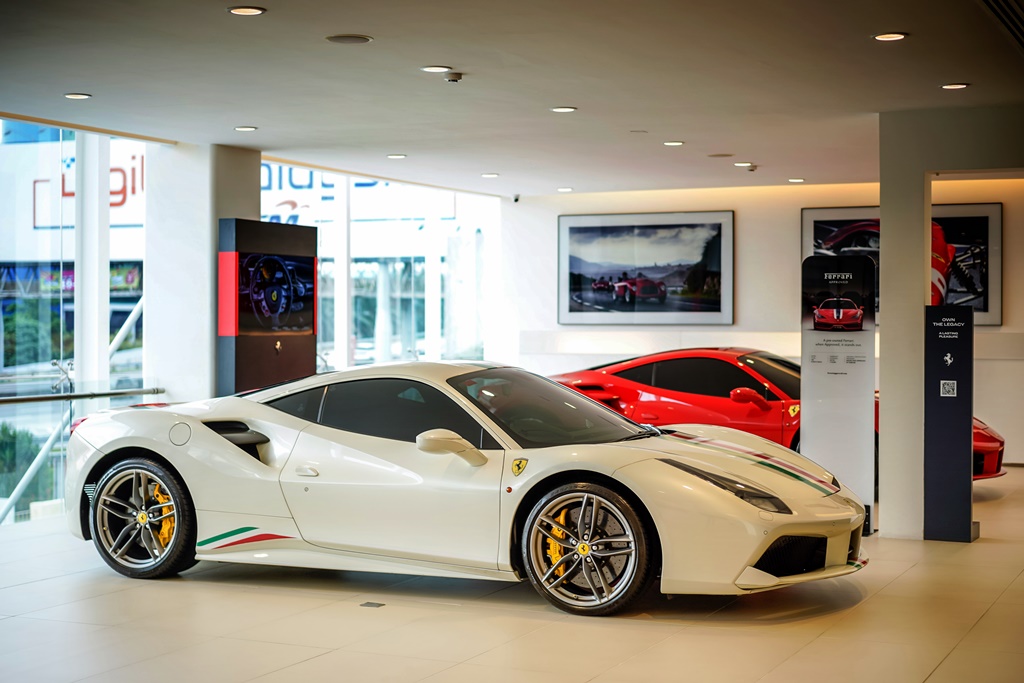
For Ferrari-lovers and those who are thinking of buying one, Naza Italia recently organized an event to take them on a unique ‘journey’ through the Ferrari universe. The 3-day private viewing event was an immersive experience, offering specially invited guests a glimpse of the brand’s full range and connecting them to the heart of Ferrari in Maranello via the latest technological innovation.
Using tablets and augmented reality (AR) gear, the guests went on a virtual tour as they moved through 6 different exploration zones where they saw the entire line-up of Ferrari models currently available worldwide. A ‘journey presenter’ accompanied them through each zone as well.
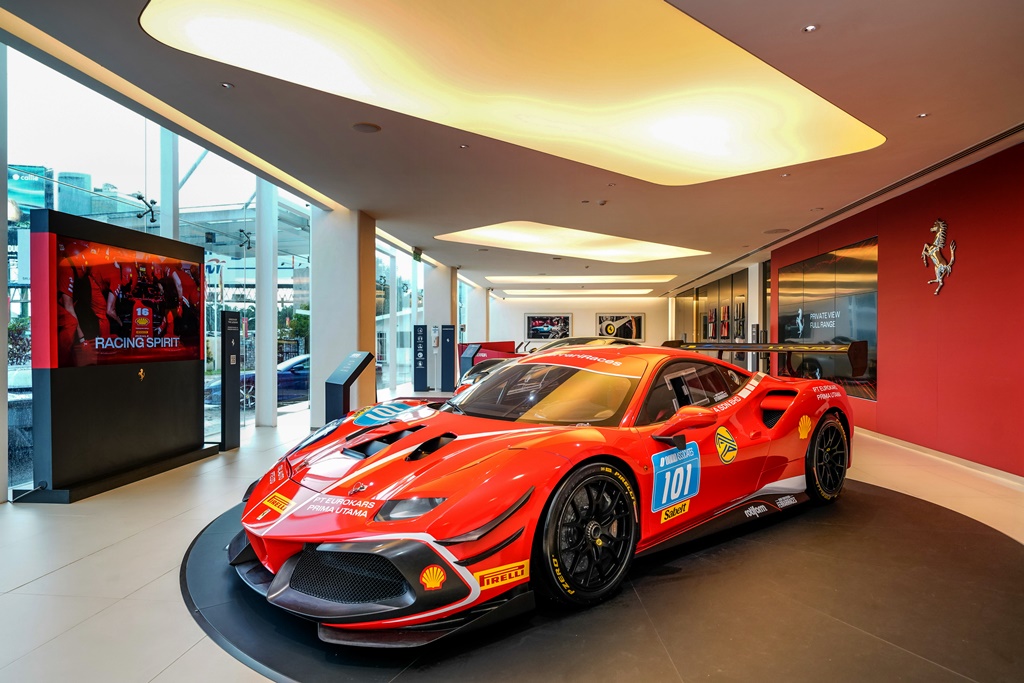
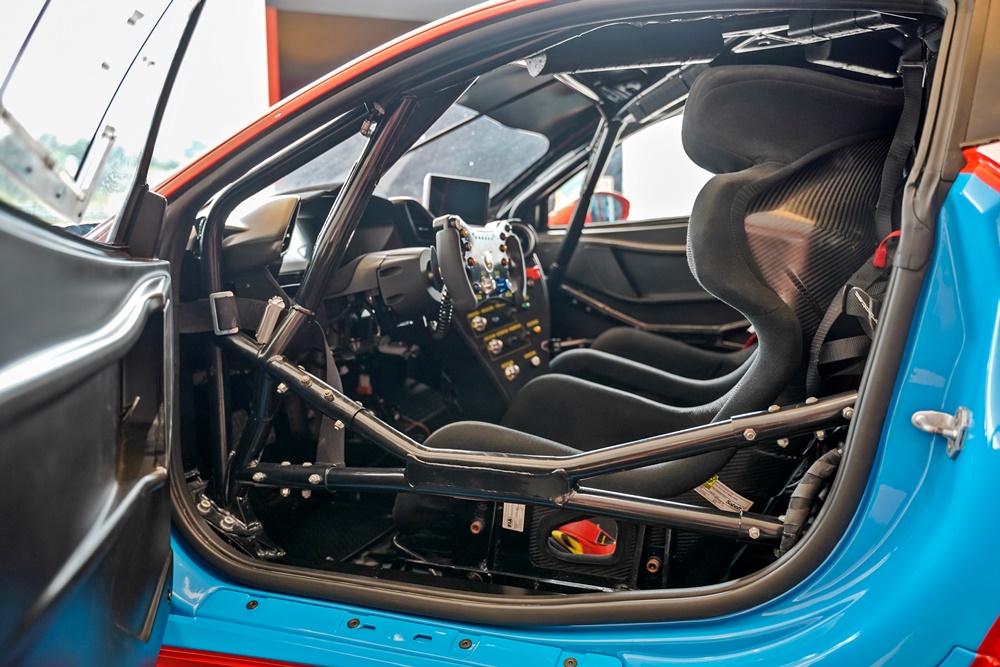
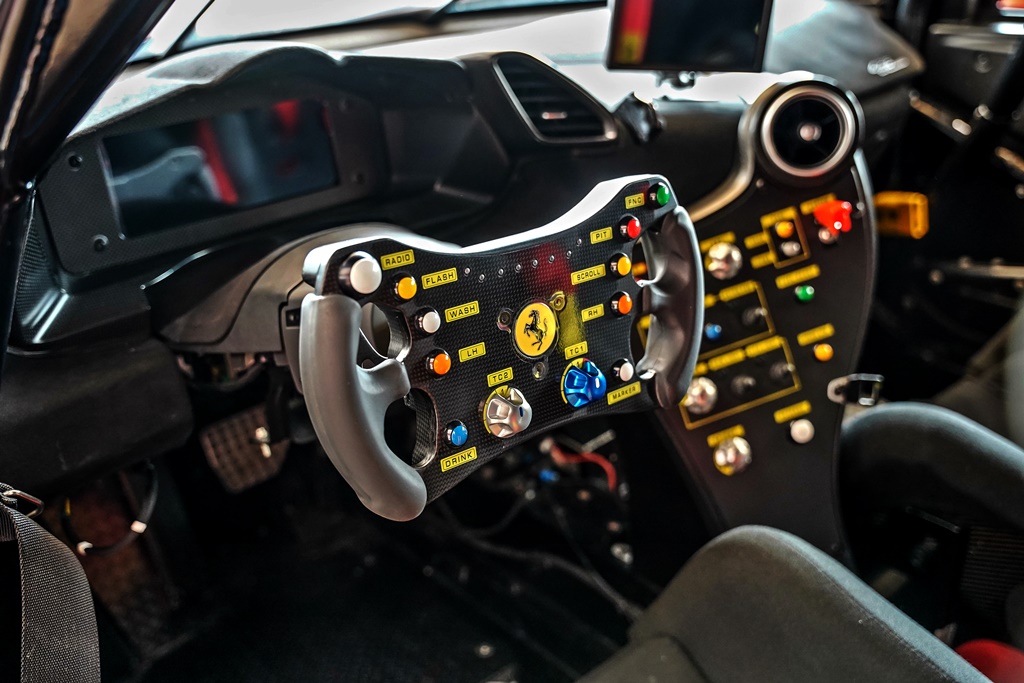
The tour included a close-up view of the 488 Challenge Evo and as an introduction to Ferrari’s DNA – its racing spirit, innovation and technology, commitment to craftsmanship, passion for performance and distinct design elements.
Another zone displayed the latest models available for purchase, such as the SF90 Spider, the Portofino M, and Roma. The personalisation zone was in the Atelier, where guests were encouraged to get creative and have a taste of what it feels like to customize their own Ferrari. They could look through a broad selection of materials and putting their designer skills to the test with the car configurator.
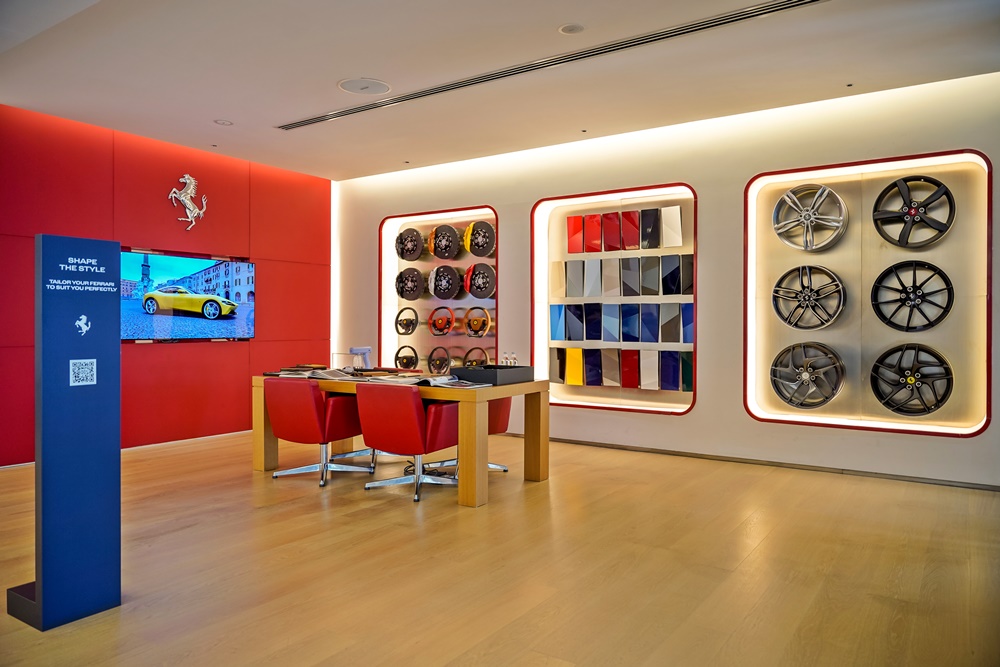
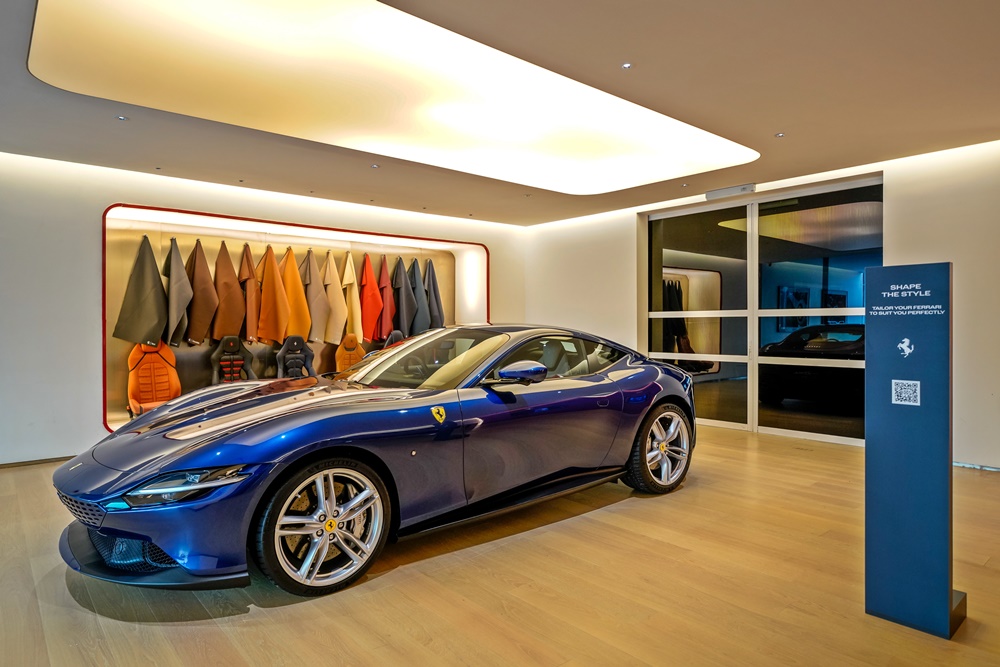
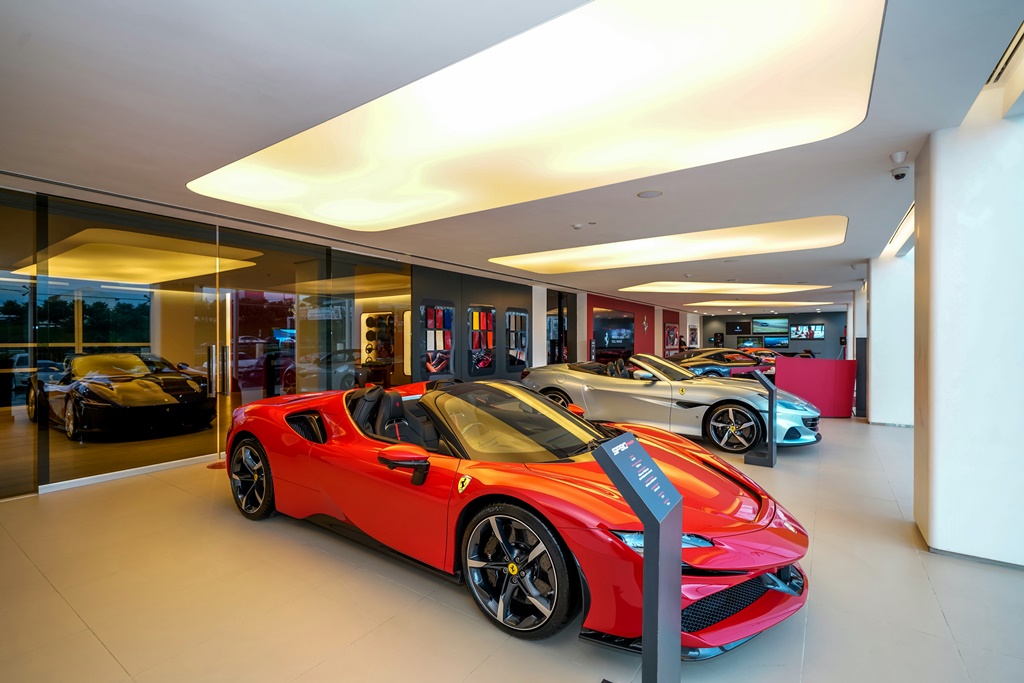
In the community area and lounge, guests could also have the ‘360 Factory Experience’. This allowed them to ‘visit’ the Maranello factory using the dedicated MyFerrari app. Here, with Ferrari’s world of superlative sporting experiences and activities, owners got to experience being part of the Ferrari family. They viewed the Corse Clienti, Passione Ferrari, Esperienza Ferrari and Calvacade events, among others.
For those considering a pre-owned Ferrari, there is Ferrari Approved, a certification programme that puts pre-owned Ferraris through a comprehensive 190-point check by the brand’s trained technicians. Ferrari Approved cars were on display for guests to view, and they could also learn about the Ferrari Genuine (Out-Of-Range) accessories and kits that are exclusively designed and developed to give Ferrari owners the ability to make their car unique.
The tour concluded with an in-depth look at the brand’s aftersales services and maintenance programmes such as Genuine Maintenance, MainPower and Ferrari Premium. Also showcased in this zone was a collection of Ferrari Genuine (In-Range) accessories.