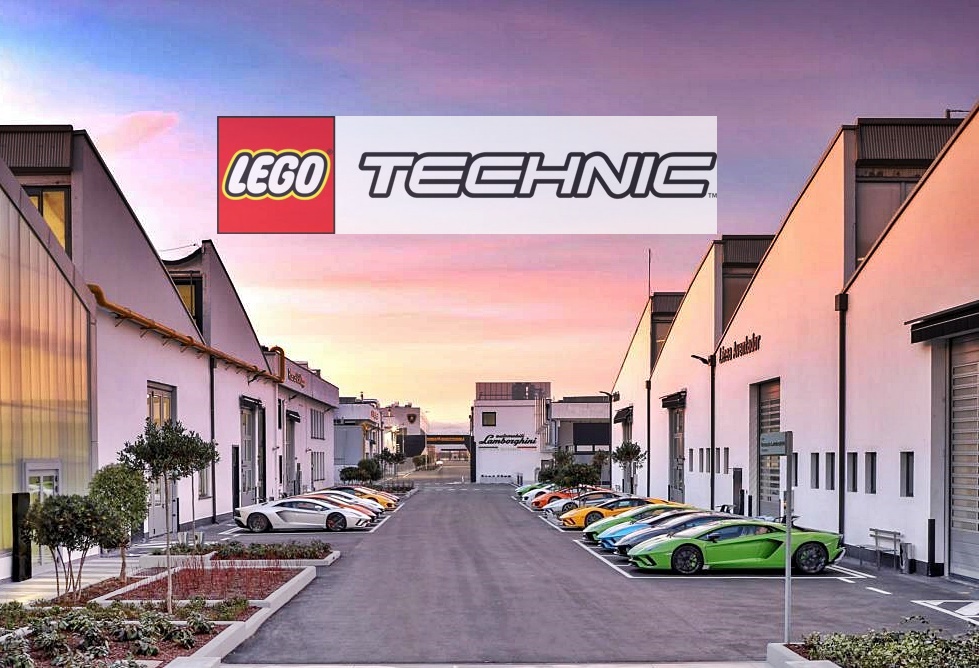
Automobili Lamborghini and The LEGO Group have announced a new partnership that will introduce the first ever Lamborghini super sportscar in the LEGO Technic range. This new partnership will see Lamborghini and LEGO Technic joining forces to deliver the engineering excellence and design flair that both companies have become famous for.
While having the same building system concept using small ‘bricks‘ since 1958, the Technic models are for older kids (and also adults) as they are more advanced and complex. With the possibility of constructing transmissions, differentials and gearing systems, LEGO Technic is an advanced building experience that many fans find challenging yet rewarding.
The new 1:8 scale set will be in LEGO Brand Retail shops and its Online Store from June 2020 and will be the third model in the LEGO Technic Ultimate series, following on from its hugely popular predecessors.
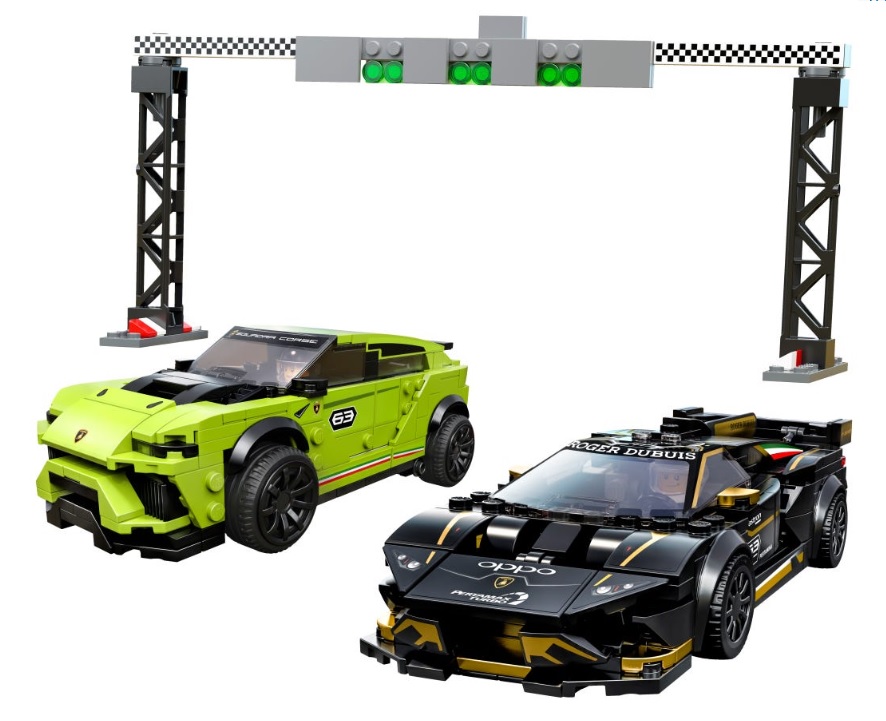
Currently, the Lamborghini Urus ST-X and Huracán Super Trofeo EVO are available in the LEGO Speed Champions range.
“The LEGO group has amazed entire generations with beautifully simple or extremely complex constructions. In the digital age, where entertainment is often via a screen, our collaboration with The LEGO Group allows enthusiasts to live a real experience, reproducing a Lamborghini super sportscar in every detail to create an outstanding model, just like the real car,” said Katia Bassi, Automobili Lamborghini Chief Marketing & Communication Officer.
For Niels Henrik Horsted, LEGO Technic Marketing Director, partnering with a company like Automobili Lamborghini is an ideal choice: “Following the success of the former Ultimate models, it was crucial for us to find a new partner with an iconic vehicle, an unmistakable design DNA and ground-breaking use of technology.”
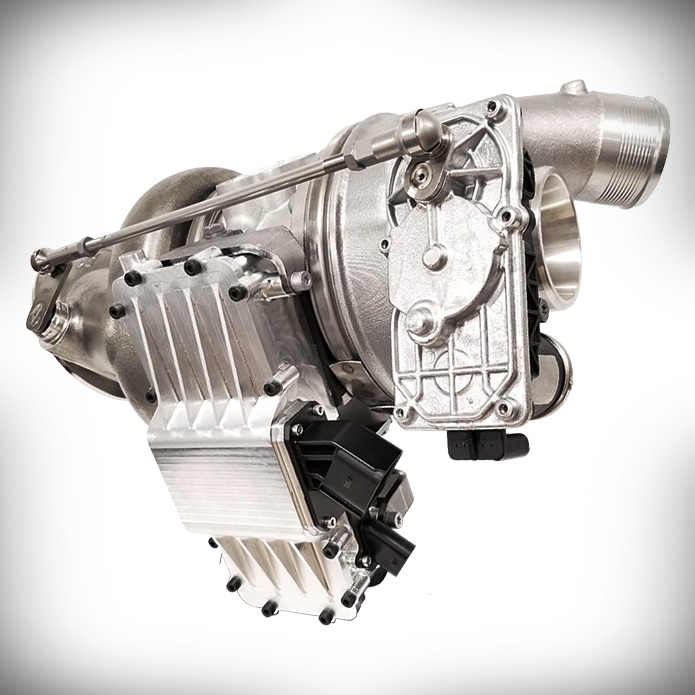
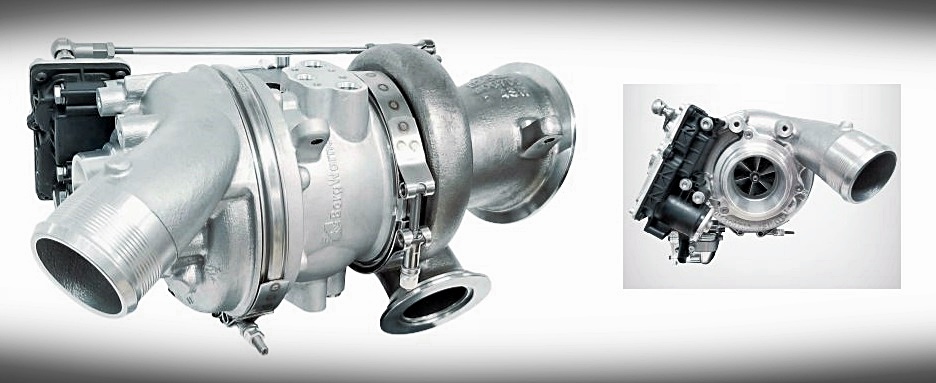
Within 2 years, a major European carmaker will offer an innovative eTurbo which is said to have reduced turbo lag; better low rpm engine torque and faster time-to-torque. BorgWarner, which developed and will produce the eTurbo, said it recently secured the supply contract for the high-performance turbocharger. While the carmaker’s name cannot be revealed at this time, it is confirmed that its passenger vehicle model will be the first mass-market eTurbo Application when it appears in 2022.
The eTurbo consists of a mechanical turbocharger with an electric motor directly coupled to the shaft which can serve as either a motor or a generator. The integrated solution delivers the traditional benefits of a standard turbocharger with the added advantage of electrified boost assistance for superior response.
Additional benefits include reduced emissions through after-treatment management and precise air/fuel ratio control. The electrical function can be deactivated to return it to normal turbocharger function, and EGR (Exhaust Gas Recirculation) can be driven on demand due to intentional back pressuring of the engine.
The eTurbo is claimed to deliver a more than 200% improvement in transient boost response along with steady state torque improvement. This enables further engine downsizing – an ongoing trend in the industry – resulting in better fuel economy and reduced emissions with no loss of performance.
BorgWarner says it is especially suited for Miller Cycle engines and can also improve performance for new combustion concepts due to electrical assist over complete engine speed range.
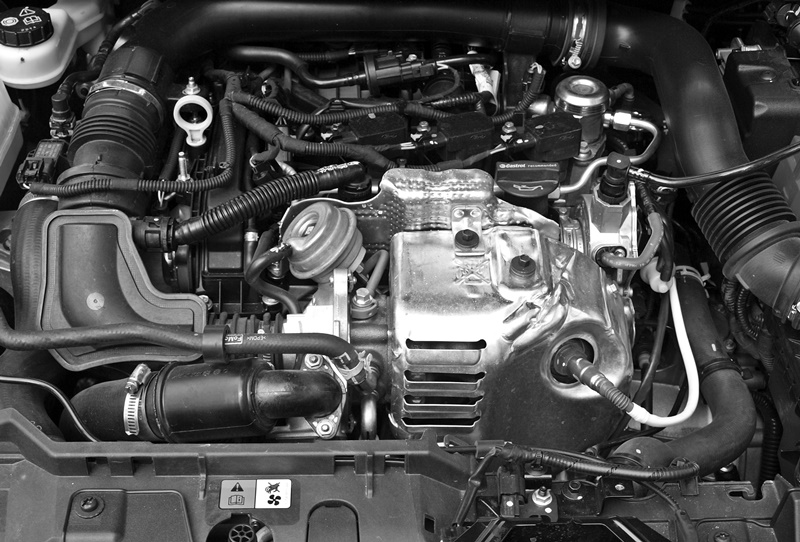
The industry is downsizing engines to improve fuel efficiency and using turbochargers to boost performance at the same time. Ford’s EcoBoost engine (pictured) in the Fiesta is one example.
Beyond the vehicle performance aspects, the eTurbo can harvest excess exhaust energy and directly convert it to electrical energy to be used for accessory power or charging the battery. This has implications on the battery pack, which can be reduced in size and therefore have less weight.
While the eTurbo will be used first on a passenger vehicle, BorgWarner anticipates opportunities for future adoption in the commercial vehicle sector as well. The company has a range of eTurbo offerings, including full-performance 48-volt and high voltage compliant architectures. Additionally, customers have the choice of integrated or semi-integrated power electronics.
“BorgWarner’s eTurbo is a powerful and efficient solution, capable of delivering crucial benefits for our customers, including improved performance, better fuel economy, reduced emissions and more efficient energy usage,” said Joe Fadool, President & General Manager BorgWarner Emissions, Thermal and Turbo Systems. “We believe this is the largest industry award to date for this type of technology and is an important milestone for our company.”
The origin of the camouflage comes from a military tactic used on ships during World War I, known as the ‘Dazzle Camouflage’. It consisted of painting ships with black and white geometric patterns to blur their shapes and confuse the enemy. “The story goes that the artists who designed these camouflage patterns drew inspiration from Cubist paintings,” explained Edgar Aneas, an expert in vehicle camouflage.
Since the 1980s, carmakers have also used the same principle to camouflage their prototypes, especially when the vehicles need to be driven on public roads. Initially, the camouflage was simple – just black film taped onto the vehicle to conceal special styling elements. Sometimes, extra panels might be added to alter the shape and mislead competitors as to the actual design of the new model.
Over time, there was a need to make the camouflage more effective because computer software was becoming sophisticated and the design under the simple camouflage could be made more visible. This led to the patchy type of camouflage, not unlike that used for military clothing to reduce visibility of a soldier in the jungle or desert. Each brand uses its own camouflage and some even patent the design.
Inspired by Modernism and Barcelona
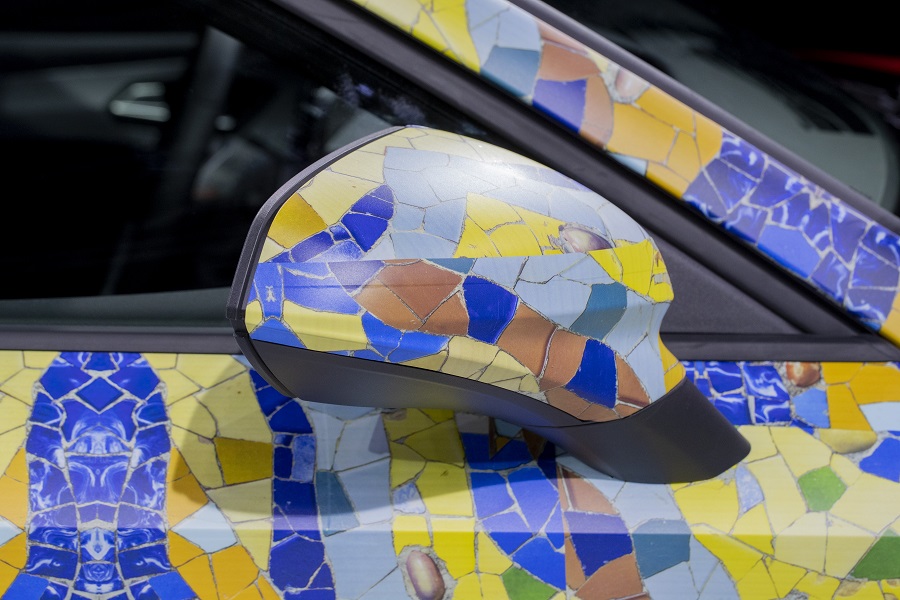
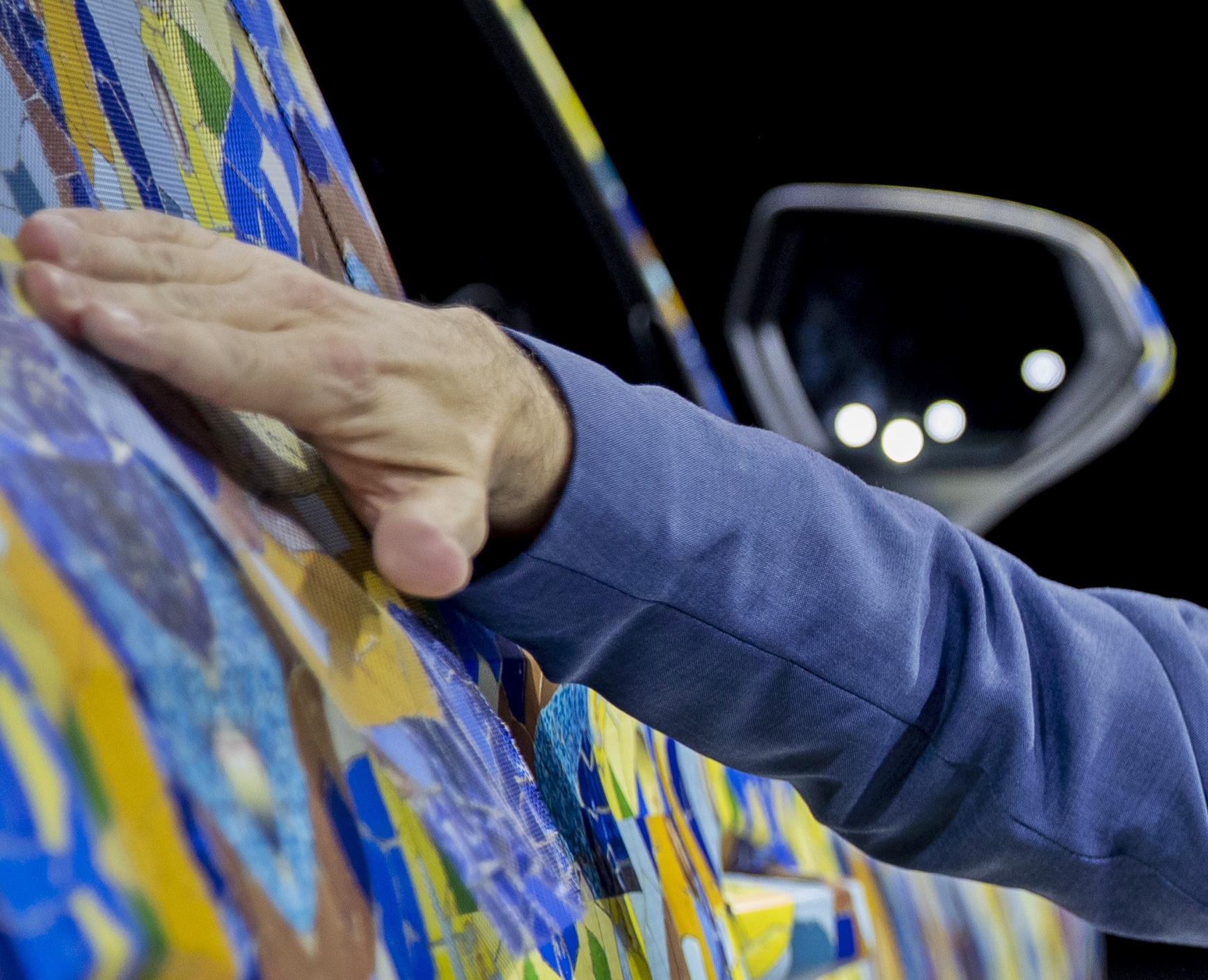
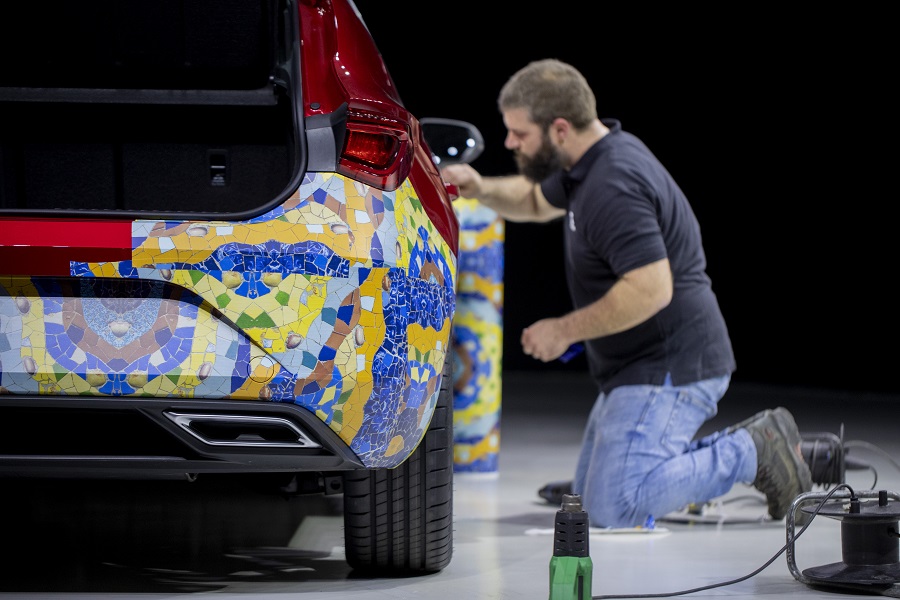
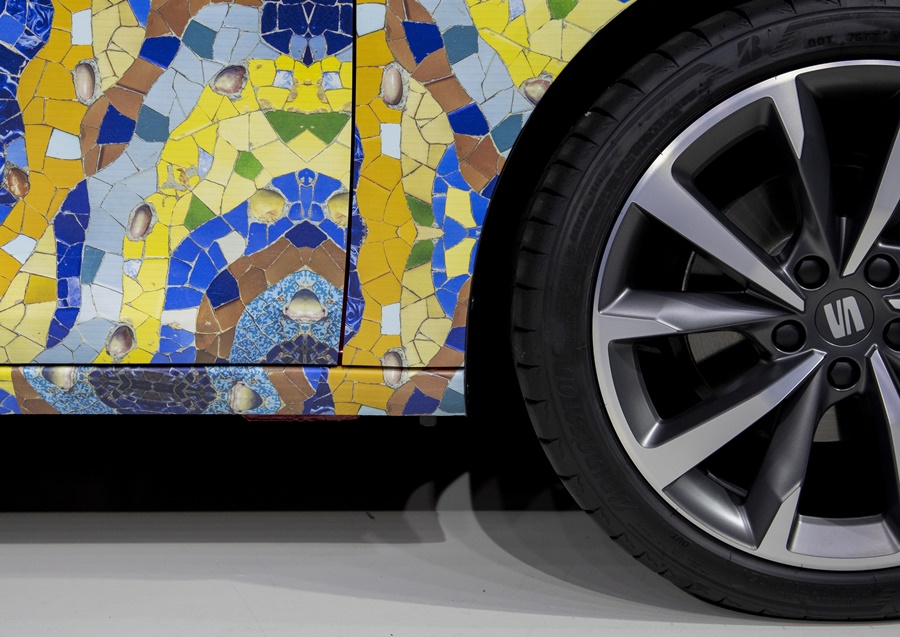
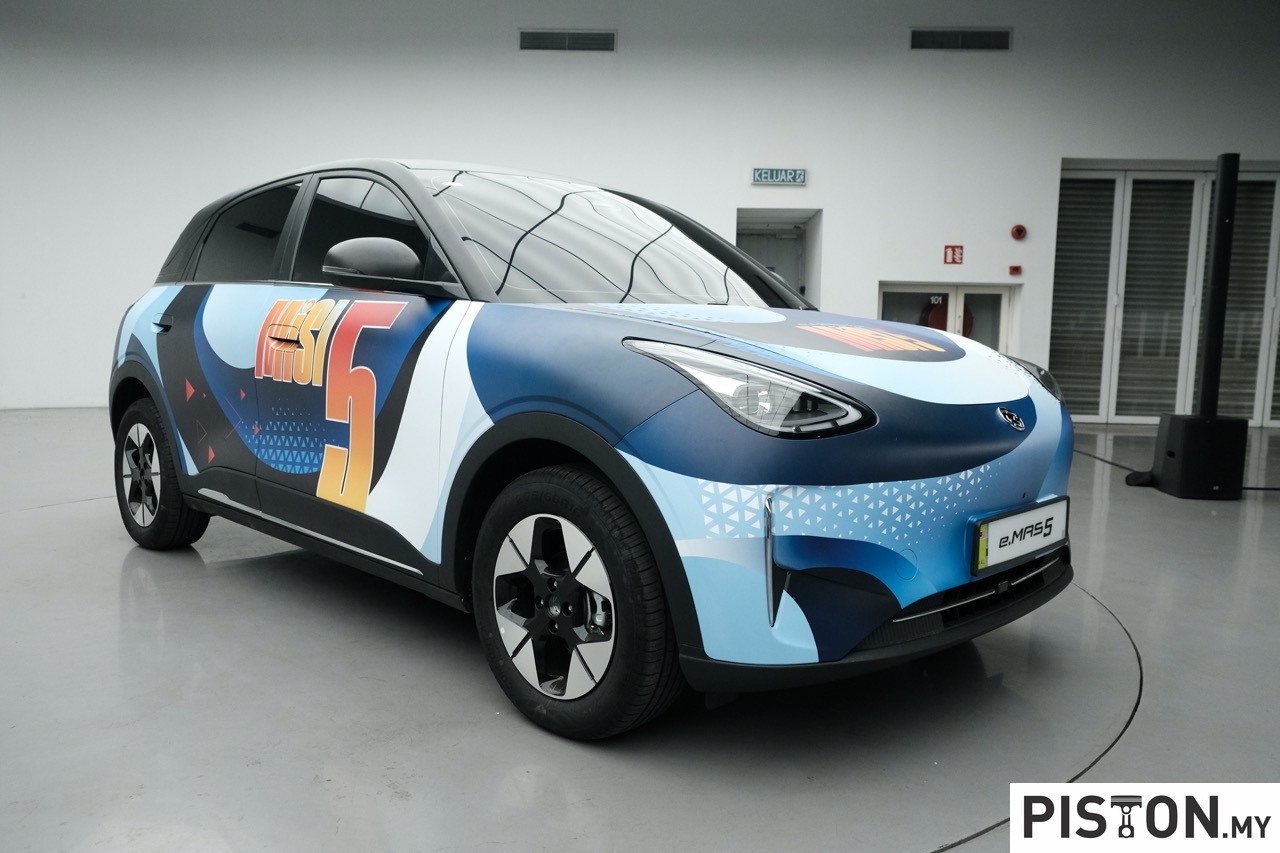
SEAT, the Spanish carmaker in the Volkswagen Group, has been using a unique camouflage for its all-new Leon model which will have its global premiere today. Official and unofficial pictures have shown the car wrapped in a broken tile vinyl inspired by Modernism and the city of Barcelona, the home of SEAT.
“The new SEAT Leon has a lot of personality and is very difficult to camouflage because it’s a sculpture on wheels that expresses SEAT’s emotional nature. The Leon was born here and because of the special relationship we have with Barcelona, we looked to the city for inspiration,” explained Jordi Font, head of SEAT’s Colour & Trim Development.
Developing a new design – the challenge
“This is the first time we didn’t use conventional camouflage. It was a challenge, because the main goal is to distort the shapes of the car. We worked on several versions to blur the lines but send a clear message – that we are Barcelona, that we are Mediterranean, and that we are colourful. We want to give meaning to our sculpture,” he said.
Not only does the camouflage have an aesthetic function but it must also withstand extreme weather and driving conditions. The material used is a special cast vinyl that resists these conditions.
“The cars are camouflaged so that they can be tested in different weather situations, sub-zero temperatures, long exposure to the elements, rain and desert heat. This vinyl is made with a very durable material and has special characteristics that prevent it from peeling off or deteriorating,” noted Aneas, the camouflage expert.
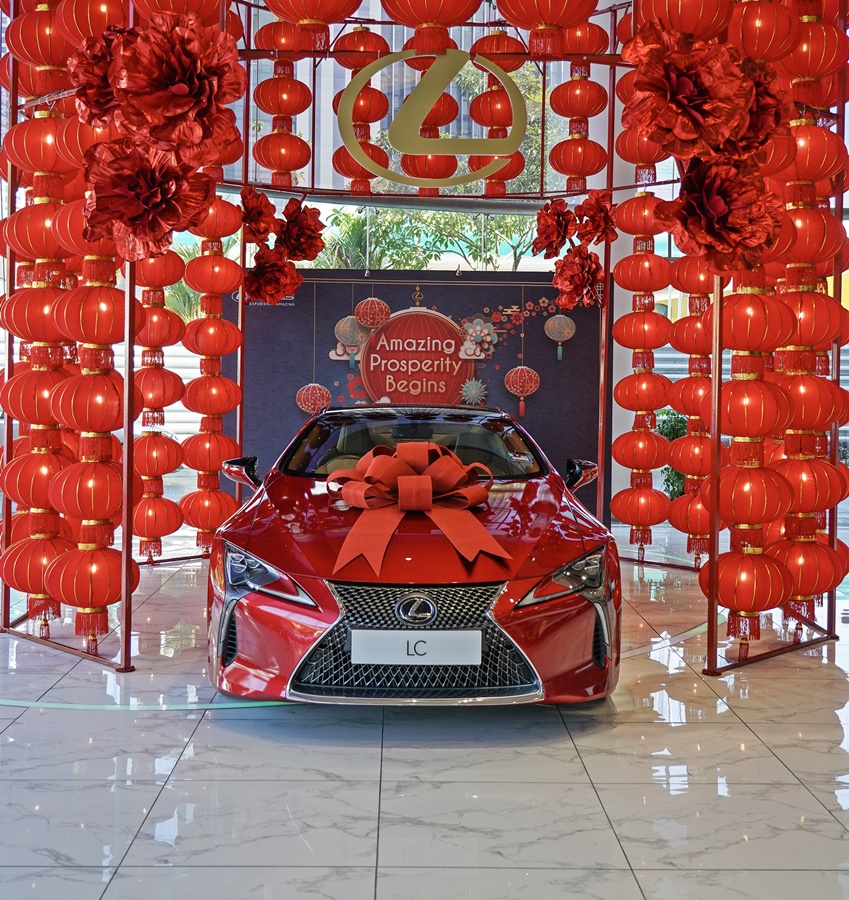
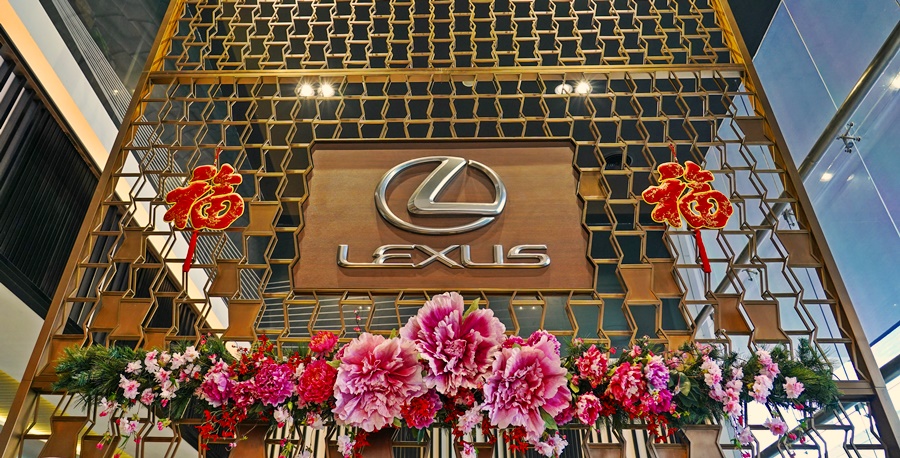
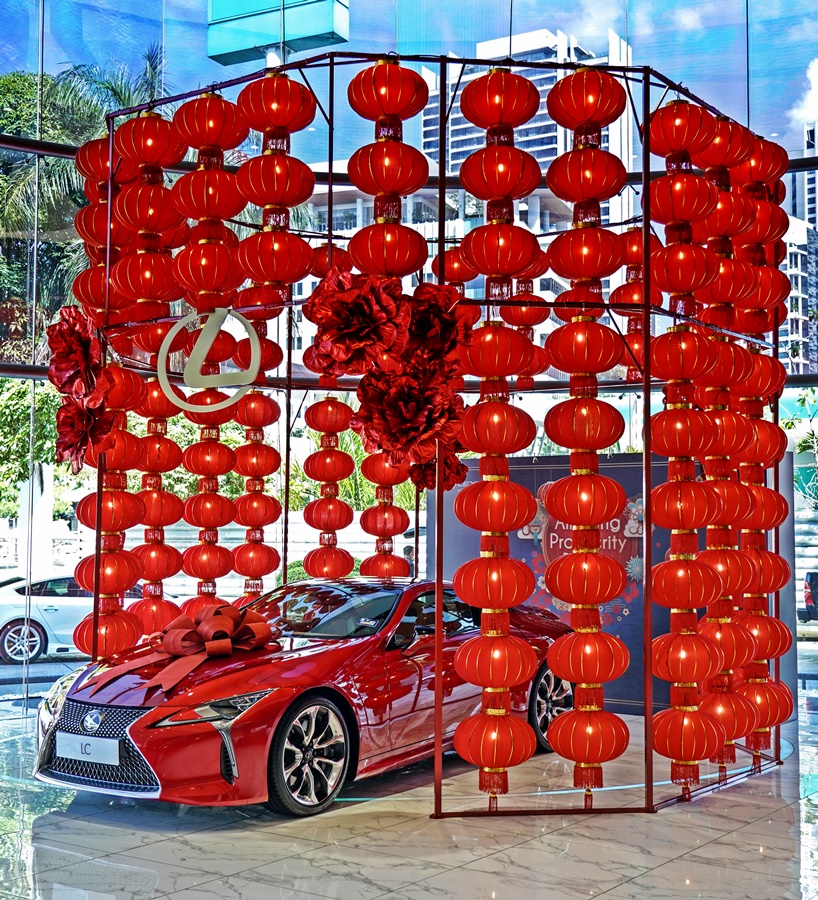
Chinese New Year is a time when many homes have an Open House, welcoming visitors to celebrate the beginning of a new year together. This forms an important fabric of Malaysia’s multi-racial culture which is enjoyed by everyone.
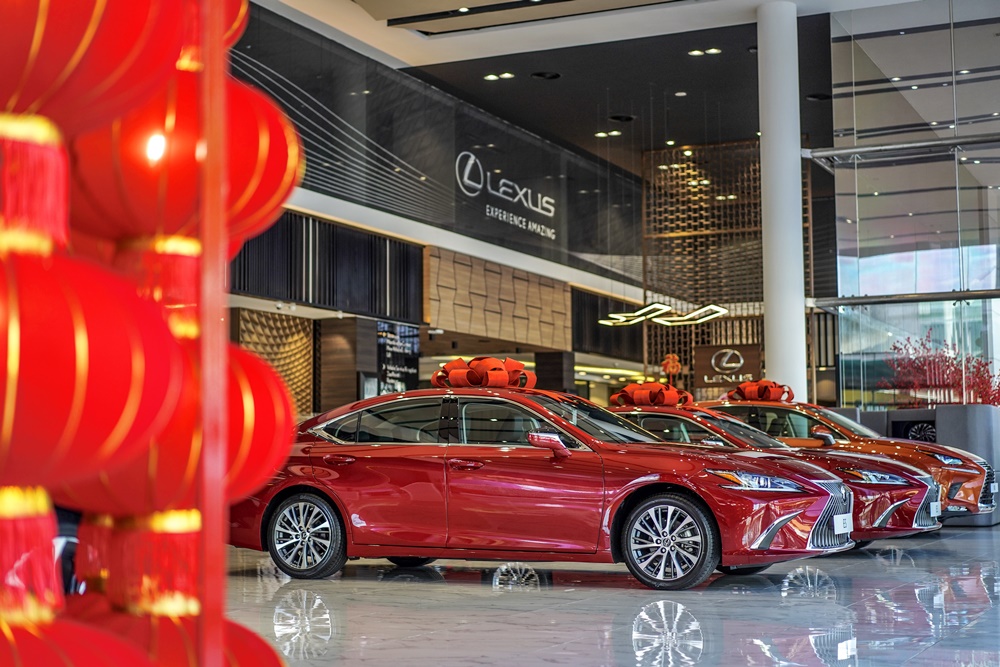
At Lexus Malaysia too, there will be an Open House this weekend (February 1 & 2) with all Lexus Centres nationwide welcoming visitors to their showrooms from 10 am to 4 pm. Omotenashi (hospitality) is a dominant element in Lexus culture and visitors will experience it as they are invited to partake in the merriment, fun and festive activities prepared exclusively for them.
All visitors to Lexus CNY Open House celebrations will also receive an exclusive door gift and be treated to a Lion Dance performance.
While at the Lexus Centre, it would be a good opportunity to also find out more about the Lexus models available and even experience them on a test-drive. The Lexus range today offers premium sedans, SUVs and sports coupes, all engineered to the superlative standards that have defined the brand for 30 years.
Those who take test drives will receive a gift as a token of appreciation from Lexus Malaysia. Should they be convinced that they want to own a Lexus, there are exclusive deals throughout the duration of the event.
All the new models sold by Lexus Malaysia come with a comprehensive warranty 5 years with no limit on mileage travelled after registration. Complete aftersales support is available at authorised Lexus dealerships across Malaysia with professional technicians having received extensive training by Lexus at the service centres.
For more information and to locate a Lexus Centre in Malaysia, visit www.lexus.com.my.
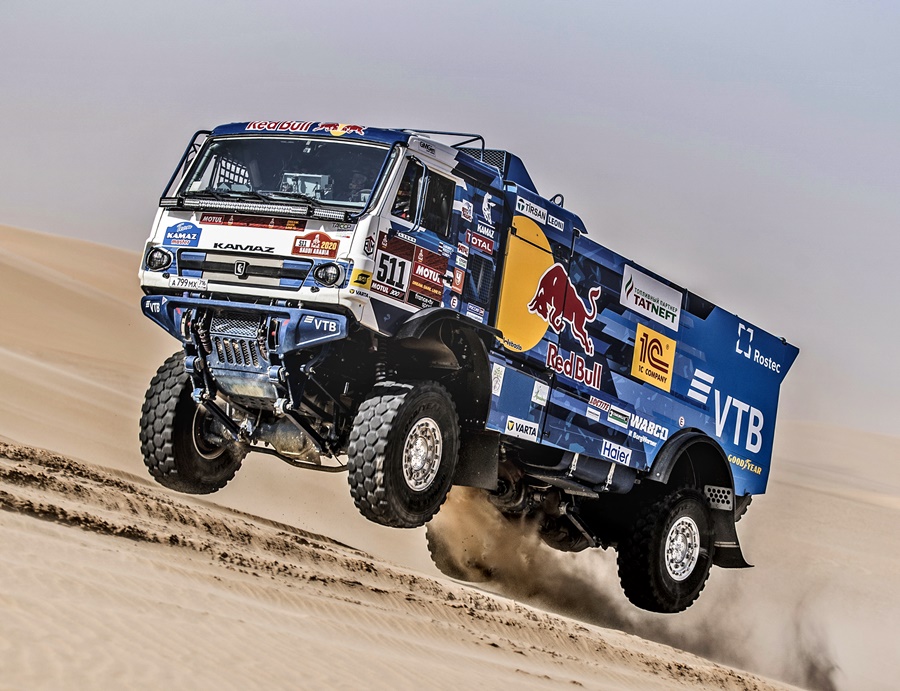
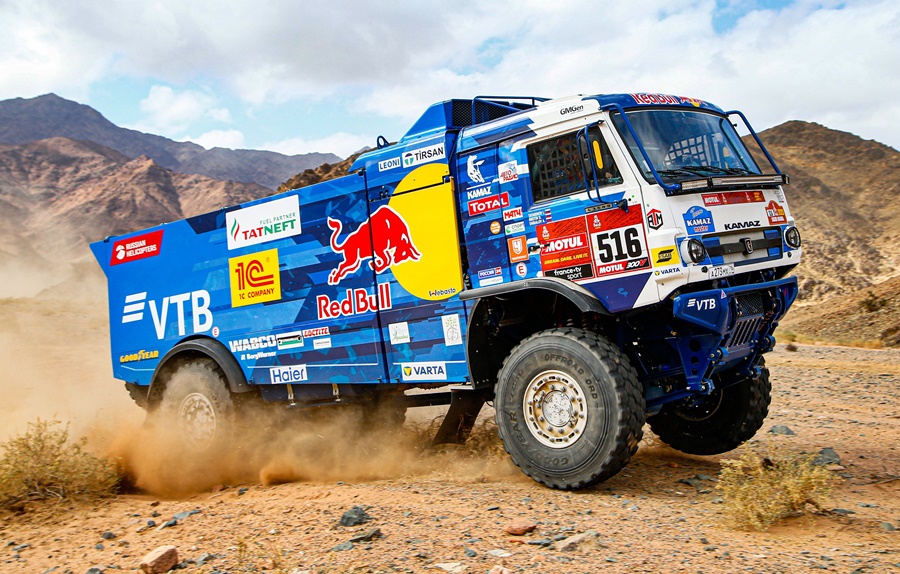
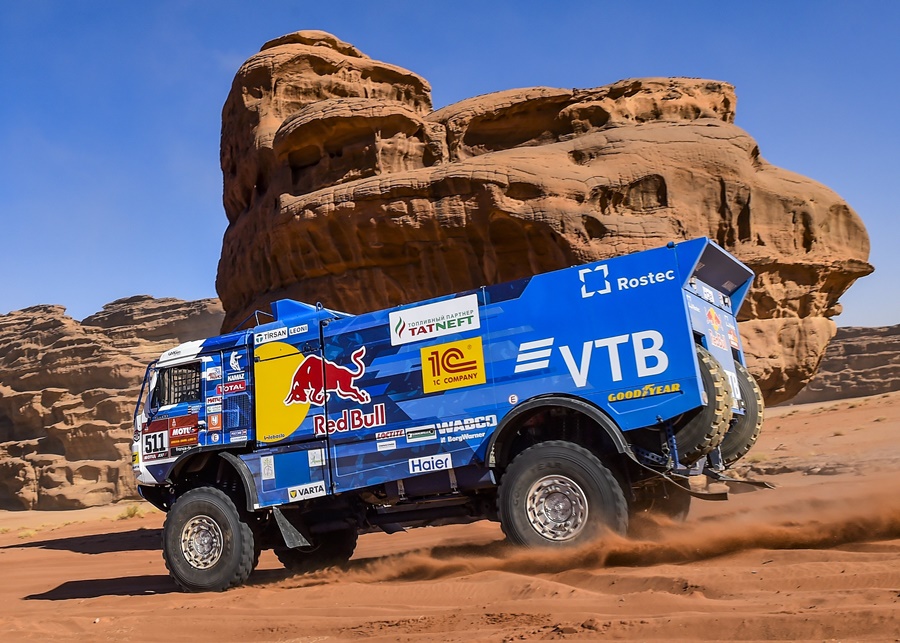
Reports of the Dakar Rally usually highlight the achievements of the competing teams in cars and motorcycles but there is also a category for big trucks which weigh more than 3,500 kgs. In this category, the trucks can be entered to compete or as support vehicles for the teams. Like the competing cars, the huge trucks are also prepared for extreme conditions and terrain which this year, was in Saudi Arabia.
An optimum set-up of the truck is vital and over the past years, the Dakar has been seen teams finishing less than one hour apart after 12 full days of close racing. KAMAZ, a Russian manufacturer, holds the greatest number of wins in the Dakar – 17. Over the years, the team has built up a lot of technical know-how which was not totally advantageous this year as the environment was entirely new. Nevertheless, they quickly got familiar with the conditions and could hit full throttle up to 140 km/h on the straights.
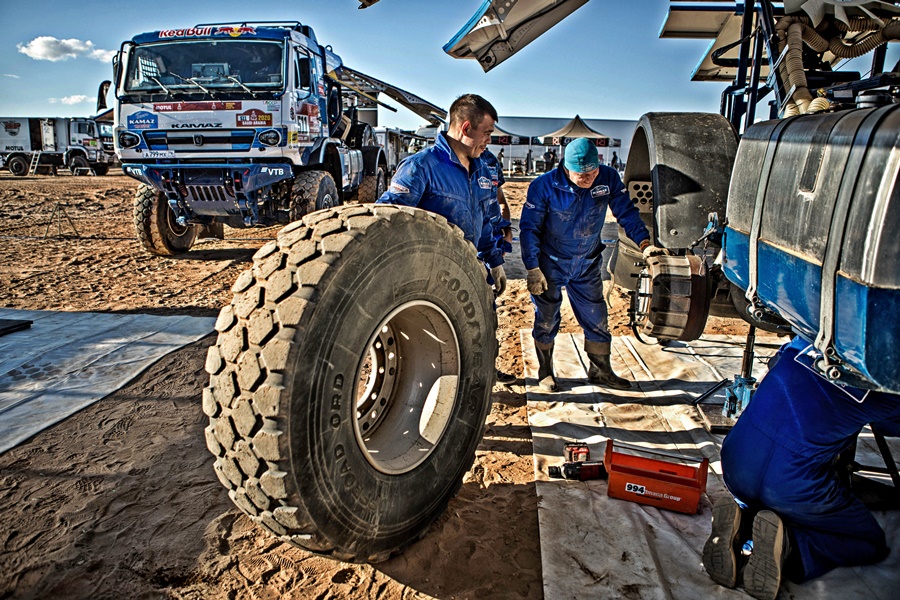
While the trucks can be modified in many ways, the rules require the use of only standard tyres developed for normal daily operations and available commercially. The Goodyear OFFROAD ORD tyres selected by the winning KAMAZ-master team are normally used by trucks in tough off-road operations such as mining at quarries. Their tread pattern with massive blocks, along with the optimized compound, provides high resistance to tearing and cutting, keeping uptime at an optimum.
From the start in Jeddah and at each stage of the rally-raid, the trucks encountered a large variety of challenges from tricky desert tracks with hidden stones to rocky canyons and riverbeds with sharp objects. In these conditions, it was crucial to monitor the heat in the tyres. The cabin crews made smart choices to keep up the speed and managed to keep the tyres intact in order to finish. The tyre pressure needed to give a good balance between grip/traction, speed and durability.
“On the outside, the scenery was magnificent, however inside the truck we had to stay focused every second and work hard,” recalled Andrey Karginov, driver of the winning truck. “This year’s race included hazardous sandy dune stages and misleading labyrinths covered with sharp stones. We encountered many risky situations, but the Goodyear tyres kept us going and were extremely robust.”
Goodyear tyres are also used by competitors in the FIA European Truck Racing Championship. This is enabling the company to take its development process to the next level. Extreme testing conditions stress the carcass to cope with deformation and extreme forces on the tyre caused by jumps like in the Dakar as well as cornering at high speeds. The result is the advanced Goodyear carcass technology offering enhanced durability and robustness, ultimately having a positive effect on fuel efficiency across the full portfolio including on-road long-haul and regional haul, mixed-services, off-road as well as bus and coach tyres.
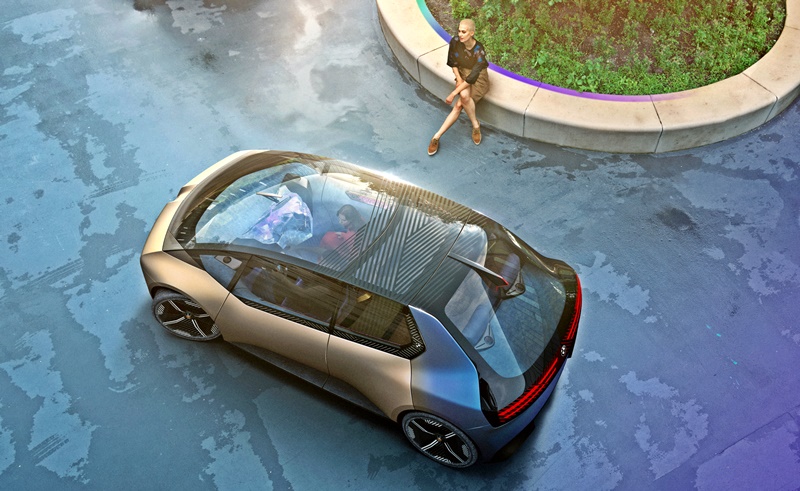
“The car of the future must question existing notions and inspire with radical and ground-breaking technology ideas”, was how Mercedes-Benz studio engineer and visionary Johann Tomforde saw the evolution of the automobile back in 1972. Since then, the carmaker which is associated with the world’s first car has worked on a concept of a purely urban vehicle whose powertrain needs to be not only electric, but also a solution for future urban mobility challenges.
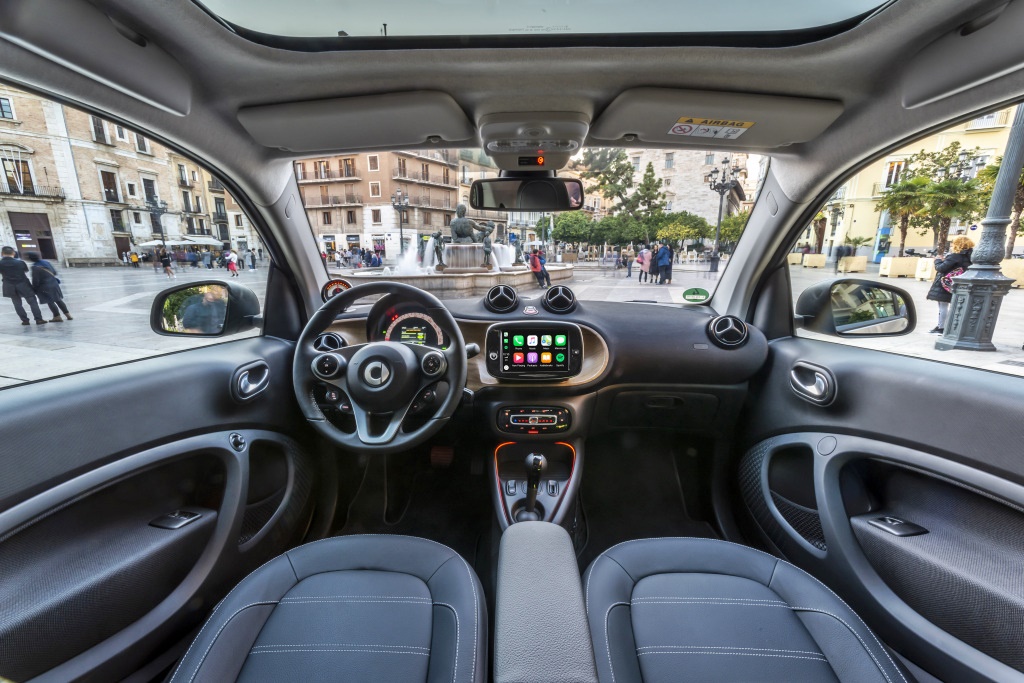
Its smart brand, in combination with progressive design and intelligent connectivity, offers a sustainable and comprehensive concept for urban mobility today. In 2007, the brand returned to its origins with the systematic switch to emission-free, battery-electric powertrains. Since then, smart has offered an all-electric option in every generation.
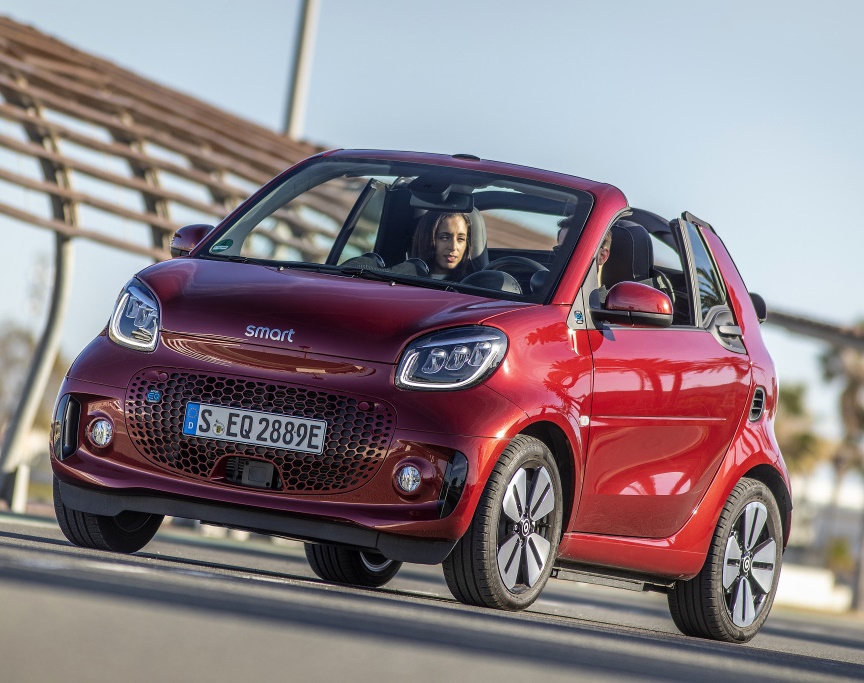
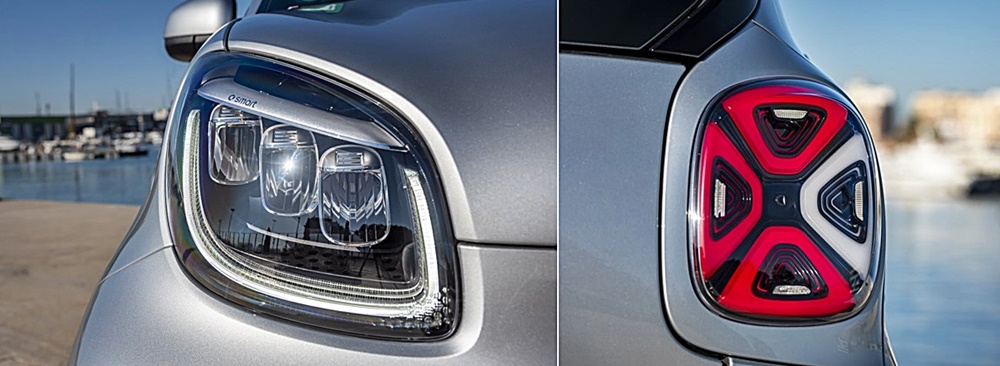
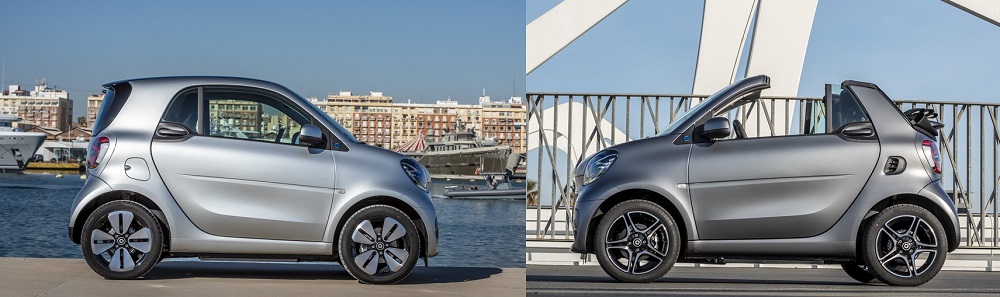
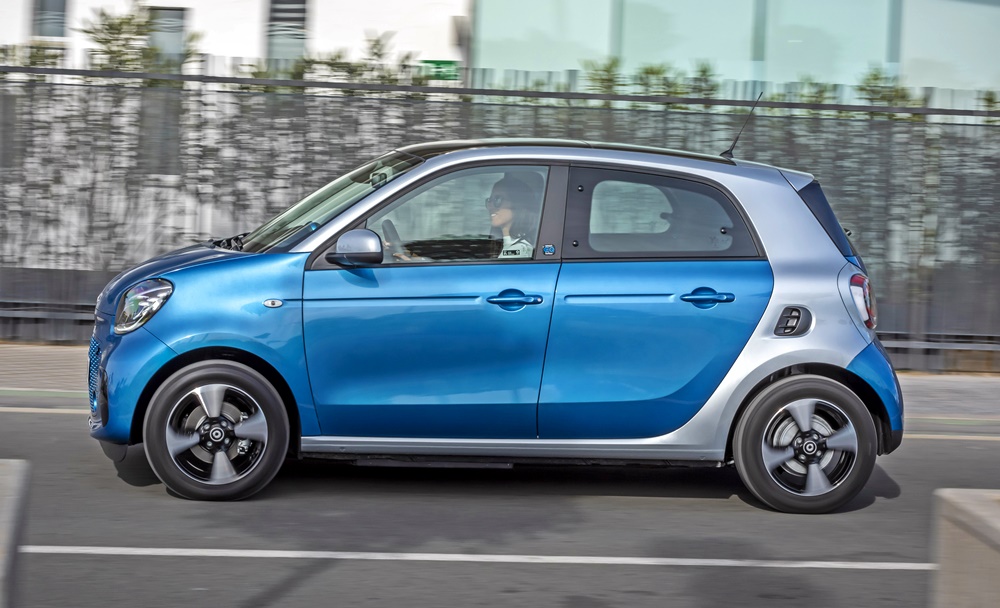
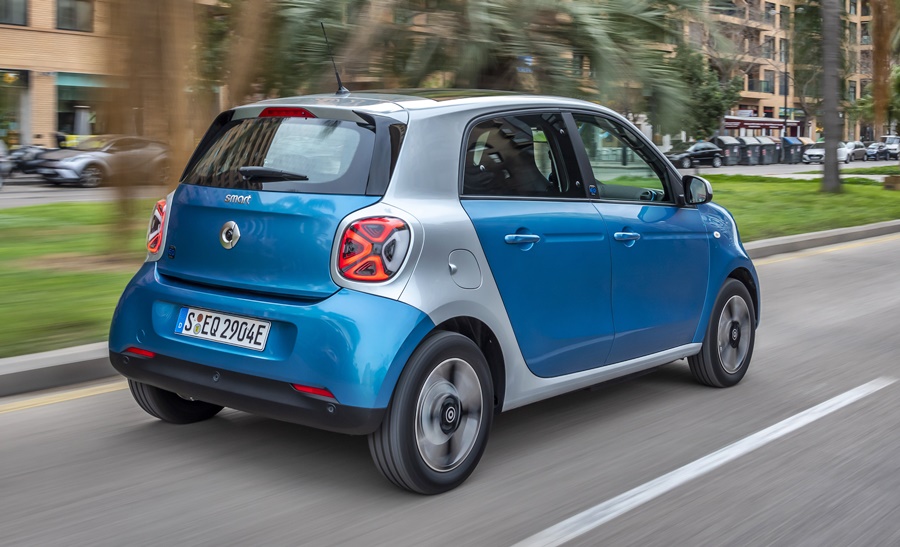
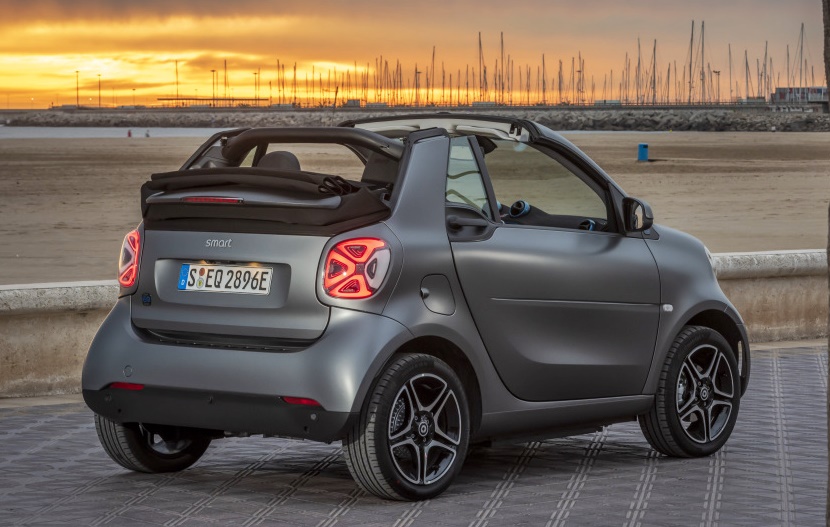
2020 smart fortwo and fortwo cabrio2020 smart EQ forfour
With the new fortwo and forfour models, the time has finally come where the brand is switching to emission-free, battery-electric powertrain technology across the board. “As a pioneer of urban mobility, it has always been part of smart’s credo to rethink things. The switching of the entire product range to all-electric powertrains marks the start of a new chapter in the story of the smart brand. In concert with innovative sharing concepts and digital services, we are the first manufacturer to switch completely and systematically from combustion engines to solely electric powertrains,” said Daniel Lescow, Head of Brand and Product Management smart.
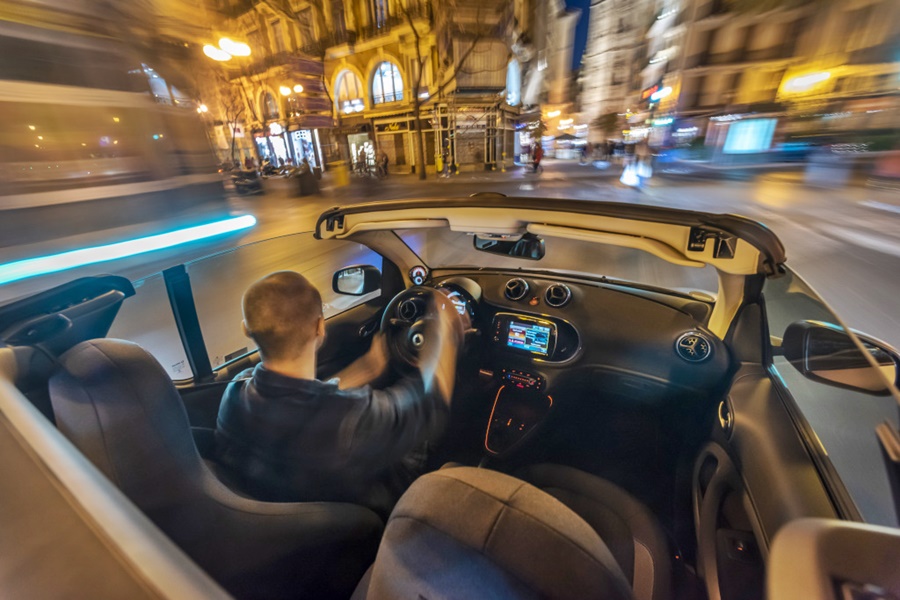
Already appealing for its fun-to-drive character, the all-electric driving experience offers a new dimension in driving enjoyment to smart owners. With 160 Nm of torque available instantly, the new electric models accelerate far better than the 60 kW (82 bhp) of the synchronous motor in the rear might suggest.
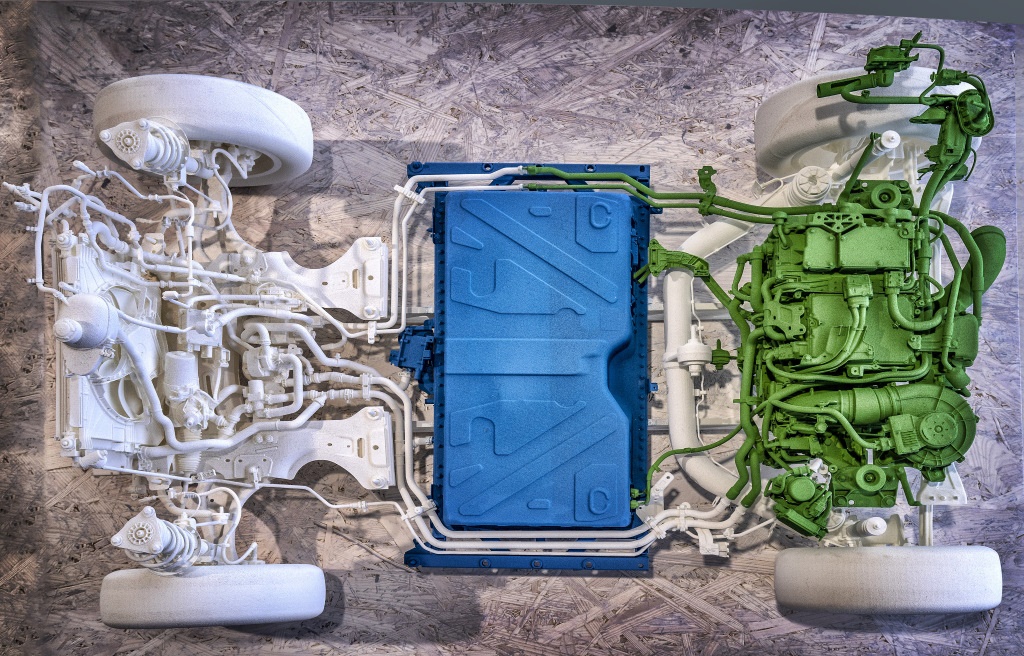
As the traffic lights turn green, the smart EQ fortwo coupe will certainly surprise as it zips off the line, reaching 60 km/h in just 4.8 seconds – and almost noiselessly too. Energy comes from a compact high-voltage lithium-ion battery pack which encloses three HV modules and a total of 96 HV cells. It has a capacity of 17.6 kWh when fully charged, sufficient for a range claimed to be up to 159 kms.
For daily driving, this corresponds not only to several times the average daily kilometres driven in Germany but above all, to a generous range in the metropolitan environment where energy can be recovered through recuperation. Radar-based recuperation in the city is a particularly convenient feature. It allows the smart to slow down automatically behind a vehicle ahead. Coasting and braking phases are perfectly coordinated to enable the maximum amount of kinetic energy to be returned to the battery.
Powertrain and battery pack temperatures are crucial in electric vehicle. Staying cool is important for optimum performance and the engineers gave special attention to temperature management. While generously sized air cooling is enough for the electric motor, its flange-mounted power electronics are liquid-cooled.
The battery pack also gets cooling. When needed, it is integrated into the cooling circuit of the powertrain to remain in the optimal temperature range under high permanent load or during fast charging, for example. The same is true when temperatures are extremely low, which is just as bad as high temperatures. A battery heater enables warming up the battery for optimal performance and efficiency.
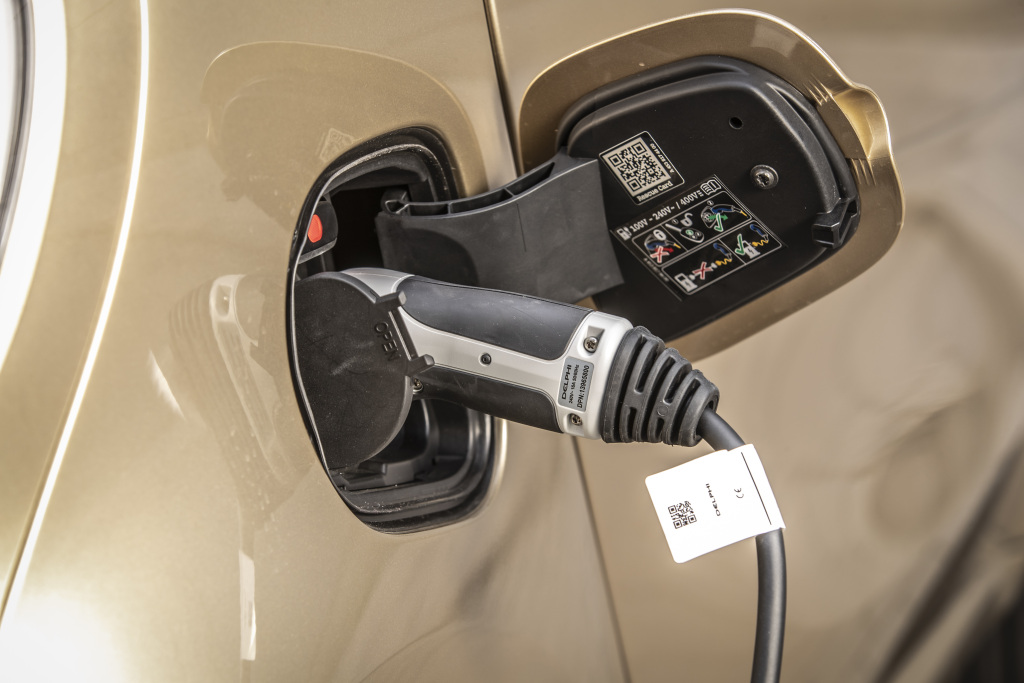
To make recharging as easy as possible for drivers, smart offers comprehensive charging options. With the optional 22 kW on-board charger with rapid-charging function, the battery pack can be charged from the 10% to 80% range in under 40 minutes and without having to rely on rare DC charging stations if 3-phase charging is possible (depending on local conditions). Should charging be done from a conventional household socket at home, recharging for 6 hours would provide enough energy for average daily driving.
3 clicks instead of 45 pages
Simplicity was a key concept in the smart when it was conceived. With the new generation, that continues not just in the design and engineering but also the equipment level structure. With just a few clicks, instead of 45 pages of specs, the car can be easily configured. There are three equipment lines, and each line can be combined with one of three equipment packages. Once that is done, all the customer has to do is pick a colour and his or her new smart is complete.