



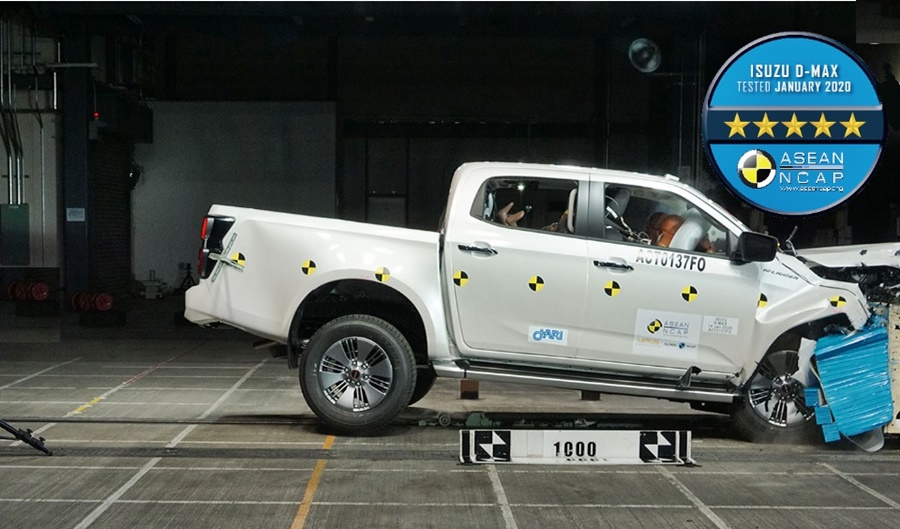
ASEAN NCAP – the New Car Assessment Program for Southeast Asian Countries – is taking precautionary measures in support of efforts to break the spread of the virus and minimising effects on the community. Understanding that due to current restrictions and the possibility that ASEAN NCAP Inspectors may not be allowed to travel to conduct crash test assessment, the organisation has come up with some solutions. This is in view of crash tests and assessments that have been scheduled to take place.
For new vehicles with kerb weights of 1,400 kgs and below, it is advisable for the test to be conducted at MIROS Provisional CRASE Crash Centre (PC3) laboratory in Melaka, Malaysia. Tests that are conducted at MIROS PC3 will be witnessed by ASEAN NCAP Inspectors.
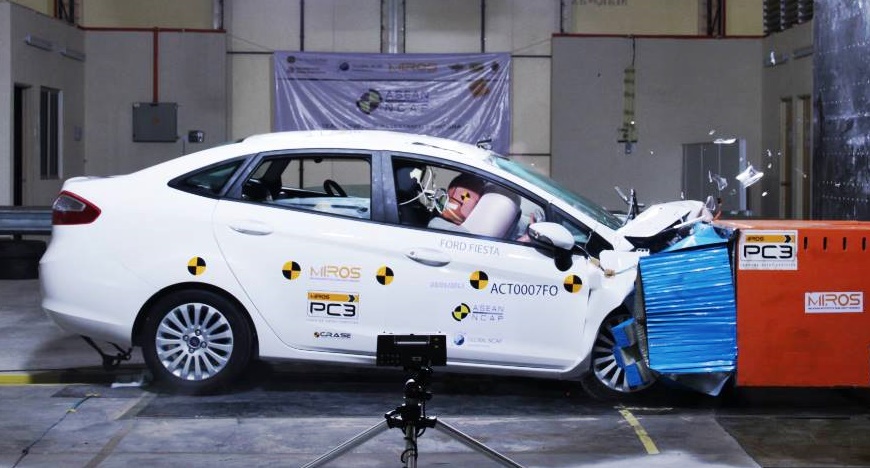
For new vehicles with kerb weight of 1,400 kgs and heavier, the test may be performed at other facilities that serve as official laboratories for ASEAN NCAP. The facilities are as stipulated in the Guideline for Crash Laboratory Selection. The tests can be conducted without the presence of ASEAN NCAP Inspectors as witnesses.
With no inspector present for tests conducted at facilities other than MIROS PC3, vehicle manufacturers, crash laboratory representatives and ASEAN NCAP Inspectors may conduct a video conference to perform modifier assessment on the tested vehicle.
For blind spot tests, manufacturers are allowed to submit in-house data. ASEAN NCAP will not delay the implementation of its 2021-2025 assessment protocol.
Although there are changes in the way the assessment is conducted, the same assessment fee still applies as per guidelines.
Latest Honda City scores maximum of 5 stars in ASEAN NCAP test

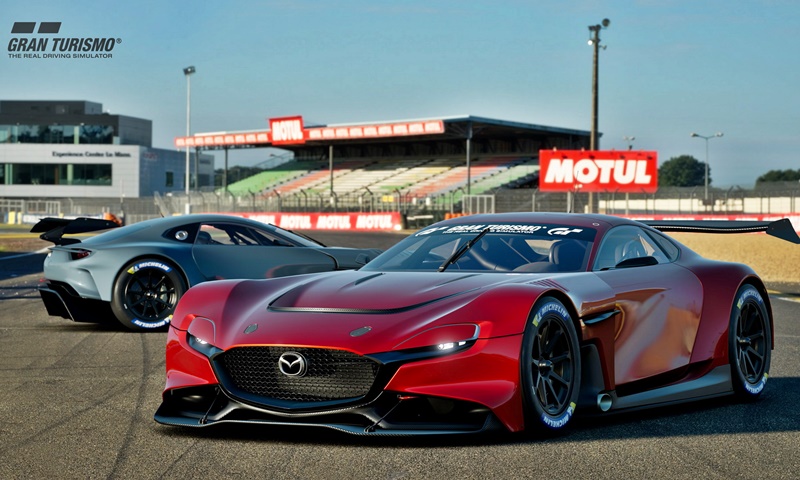

For many years now, Polyphony Digital’s Sony PlayStation 4 (PS4) driving simulation title, Gran Turismo SPORT, has attracted the interest of a number of carmakers who have developed concept models for it. The Gran Turismo Sport title is certified and promoted by the FIA (the world motorsports governing body) as an official platform of digital motorsport.
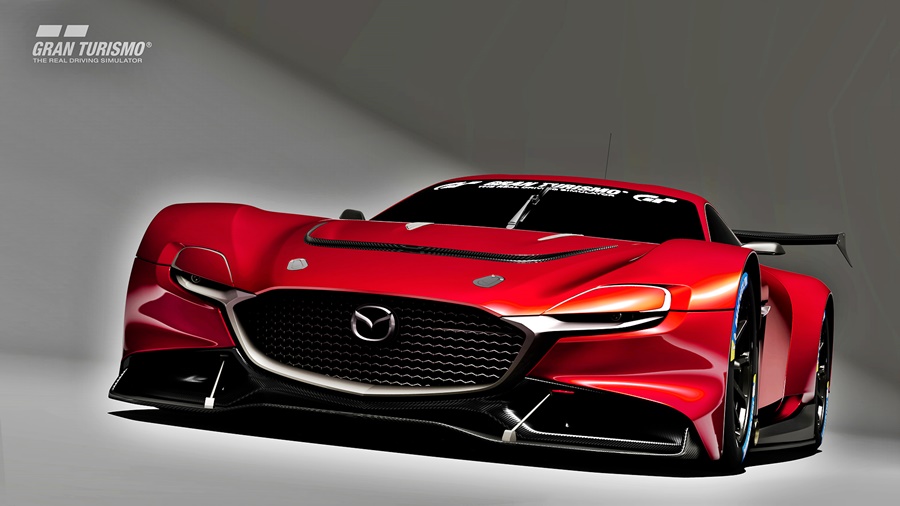
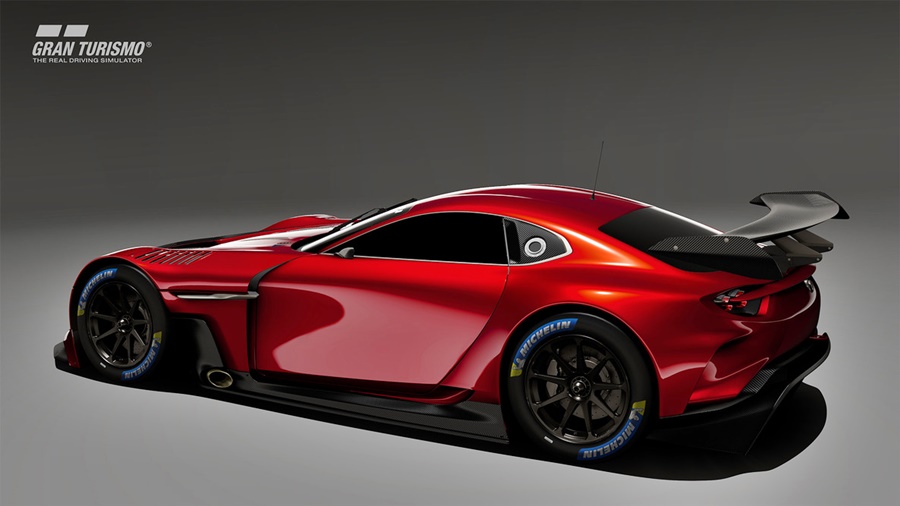
From this May 22, a new addition will be the Mazda RX-Vision GT3 Concept virtual racing car. This new model will automatically grant seed rights to participate in the FIA-certified Gran Turismo Championship (World Tour) that will be held in various locations around the world in the 2020 season.
The RX-Vision GT3 Concept is based on the Mazda RX-VISION which was displayed in 2015. It is modified in accordance with FIA GT3 vehicle regulations. The RX-VISION took on the challenge of achieving the most beautiful front engine rear wheel drive (FR) sportscar that Mazda could conceive, based on the ‘KODO -Soul of Motion’ design theme.
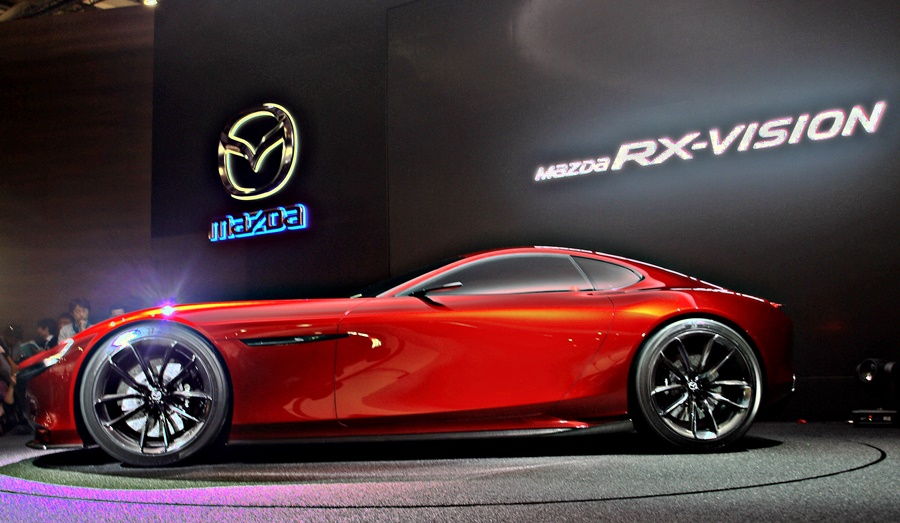
The RX-VISION was selected as the ‘Most Beautiful Concept Car of the Year’ in the 33rd Festival Automobile International held in France in January 2016.
At that time, Mazda said it could be equipped with a next-generation ‘SKYACTIV-R’ rotary engine (RE) which naturally excited rotary fans and enthusiasts who await the return of the ‘RE’. Mazda has not ruled out the possibility and said the concept represented ‘the vision of a sportscar that Mazda hopes to make a reality in the future’.
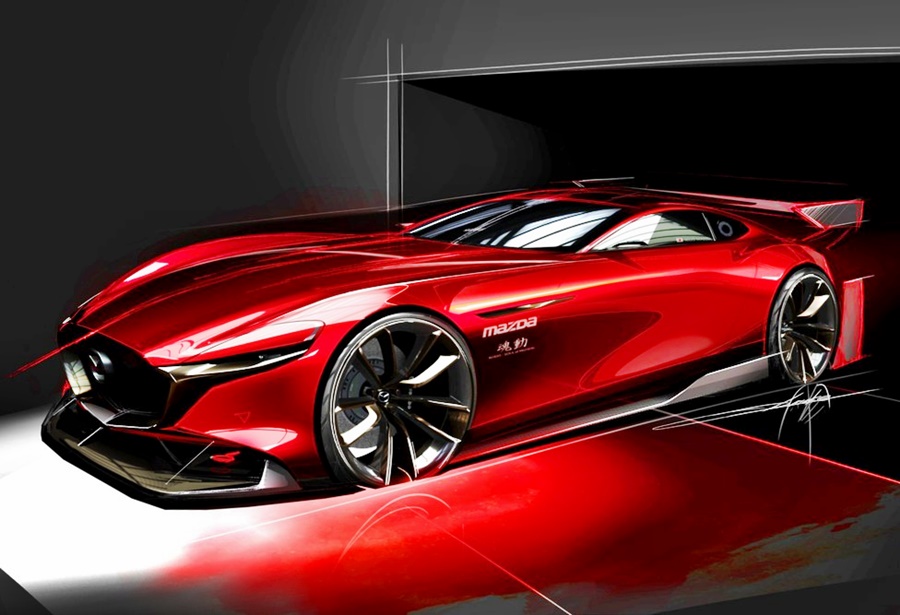
The GT3 project started in the fourth quarter of 2019 and an image sketch was released at the venue for the world final of the FIA Gran Turismo Championship held in Monaco in November last year. It was announced that the racing car would be added to the 2020 update of Gran Turismo SPORT. From then on, the teams at Polyphony Digital and Mazda Design worked to refine the model using 3D modelling.
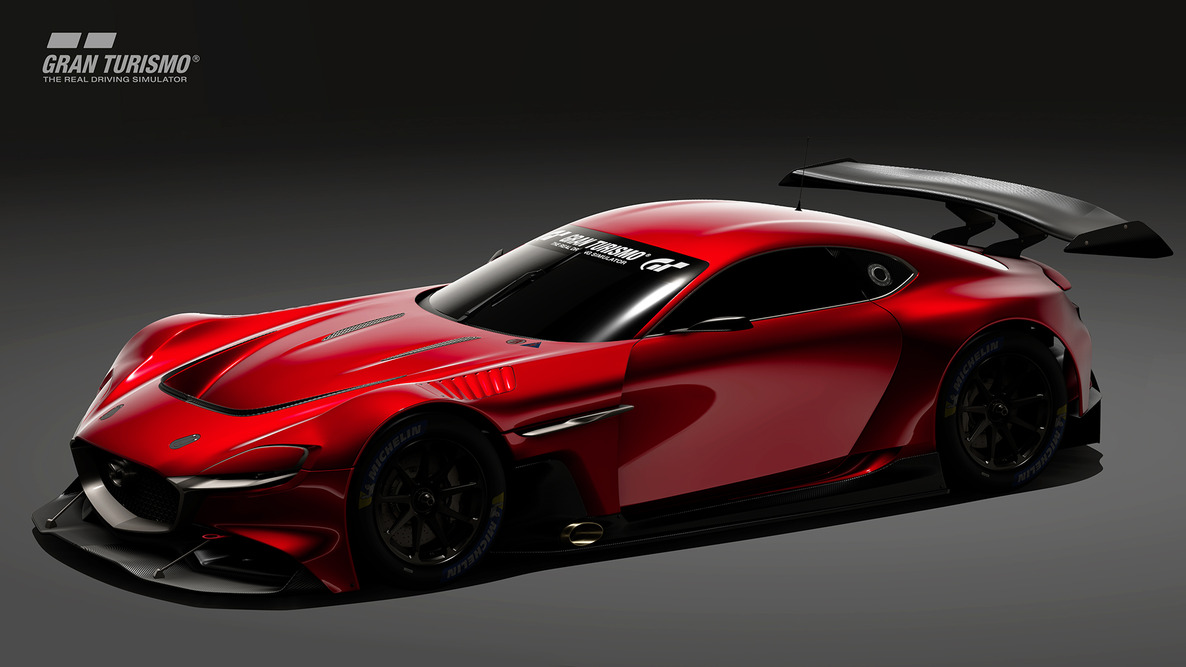
Taking advantage of the original concept’s long-nose/short-deck form, the RX-Vision GT3 Concept has a wider tread. The front midship and transaxle rear wheel drive configuration achieves an ideal 48:52 weight distribution, with excellent aerodynamic characteristics optimized for handling performance and tyre management.
Like the RX-VISION, the RX-Vision GT3 Concept will use a SKYACTIV-R 4-rotor rotary engine with a maximum output of 570 ps (the output and weight may change due to balance of performance (BoP) adjustments depending on the race). Its suspension consists of a double wishbone front and multi-link type rear layout.
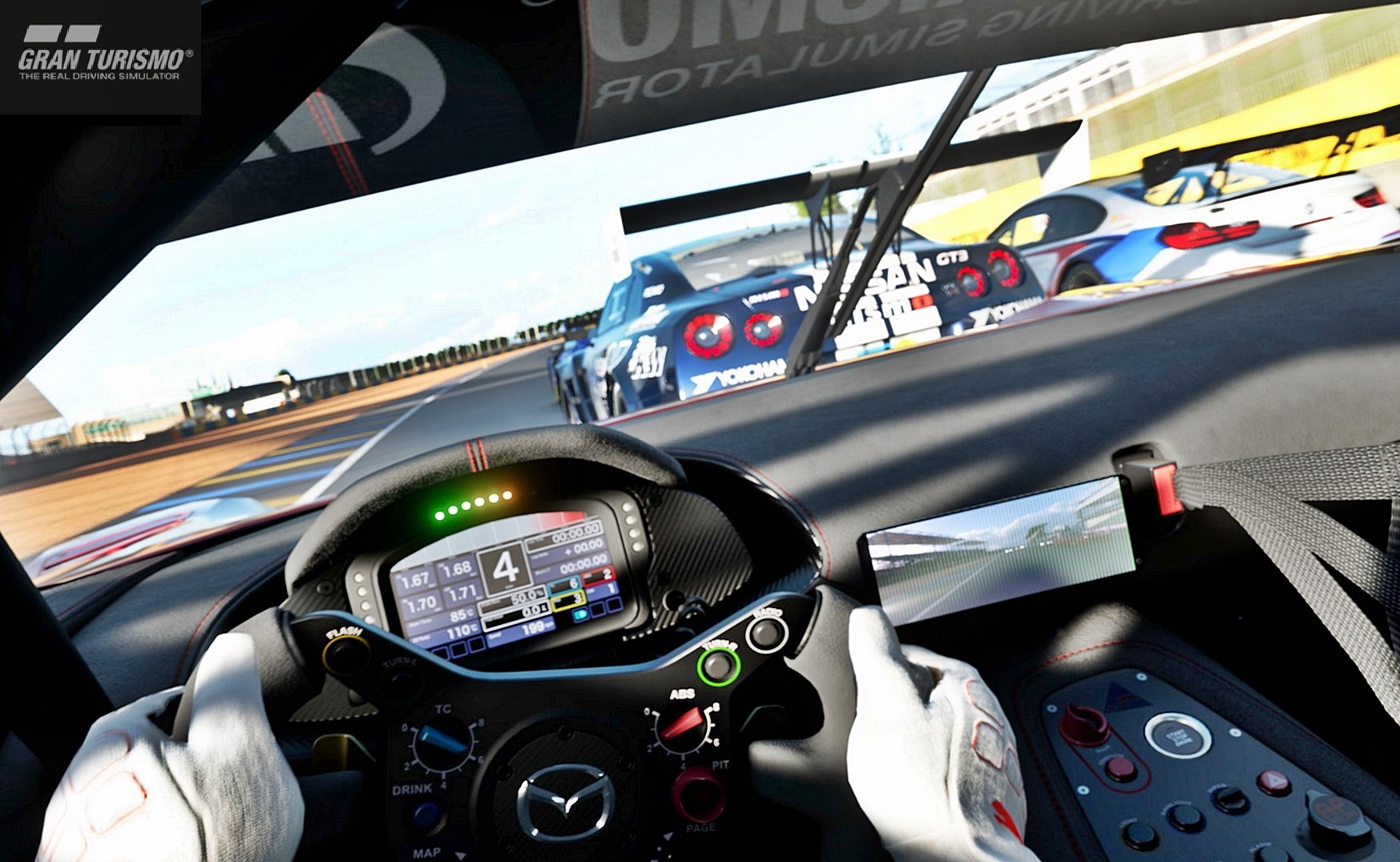
Each function within the cockpit is arranged with an emphasis on ease of operation during the race. In particular, the steering wheel uses a special design that improves operability. The interior layouts of all Mazda models are developed in the pursuit of superior ergonomics. Similarly, the RX-Vision GT3 Concept prioritizes aspects such as seat shape, driving position, pedal arrangement and visibility during driving as essential items to providing a ‘human-centered’ cockpit.
SPECIFICATIONS
Length x Width x Height (mm) : 4590 x 2075 x 1120
Wheelbase (mm) : 2700
Front / rear tread (mm) : 1720 /1760
Vehicle weight (kgS) : 1,250
Engine displacement (cc) : 2600
Maximum output (ps/rpm) : 570/9,000
Maximum torque (Nm/rpm) : 540/7,500
Tyres and Wheels : Michelin – 310 / 700 – 18
Michelin is the Official Tyre Technology Partner for Gran Turismo
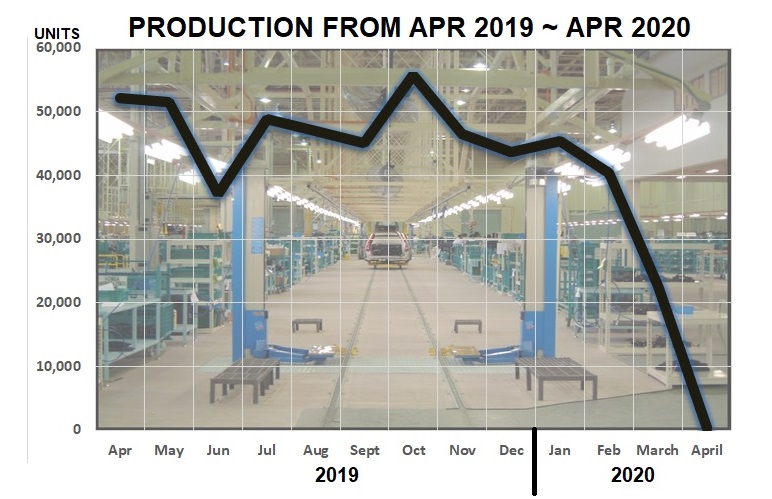
As expected, with the whole country virtually shut down during the month of April, new vehicle sales did not take place at all. The latest summary of April data from the Malaysia Automotive Association (MAA) shows that only 141 vehicles were delivered, of which 131 were passenger vehicles. We’re not sure how these were delivered with the Movement Control Order (MCO) active but they would have been units already registered earlier since the JPJ was closed.
This is the lowest ever volume in the history of the industry; even in the first year of local assembly in 1967, the Total Industry Volume (TIV) was 16,615 units. The only time there would have been such a massive fall would probably have been during World War II!
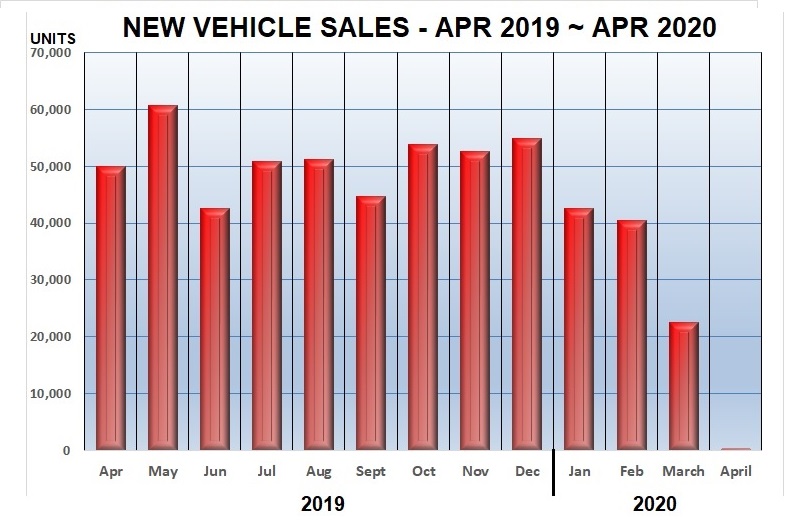
The MCO was activated on March 18 so there were at least some two weeks for sales and deliveries, and the TIV for that month was 22,478 units, about half the number sold in February. There’s obviously no point comparing the TIV of April 2020 to that of 2019 but if you want to know, for the same month last year, the TIV was 49,935 units.
Production likewise fell since factories were ordered to shut down although at a later stage of the MCO, limited production was permitted – but only for vehicles to be exported and not for the domestic market. Only 275 vehicles were produced, of which 240 were passenger vehicles.
Of course, there was no point assembling for the domestic market anyway since the showrooms were closed and dealerships could not operate so they would not have needed new stocks. Production for the domestic market has only resumed recently and only for the high-volume brands would there be a need to meet outstanding orders made prior to the MCO starting.
At the beginning of this year, the MAA forecast the 2020 TIV as 600,000 units but in view of the massive contraction, it has revised the number by 33% to 400,000 units. That’s a TIV level almost similar to what was achieved 19 years ago in 2001. Analysts in some companies do not think it will be that bad and forecast a range of between 8% and 16.5%. However, the MAA normally makes it forecasts based on input from its members, the car companies, who would have a better sense of the market.

With only 141 units in April, the TIV can’t really go any lower so May should see a higher number. But with the impact of the pandemic on the country and the financial strains on consumers, there may be reluctance to buy new vehicles in the immediate future. Many will have reduced incomes if they have not lost their jobs altogether, and there is still much uncertainty about the future.
Over 50% drop in sales as MCO brings car industry to a standstill
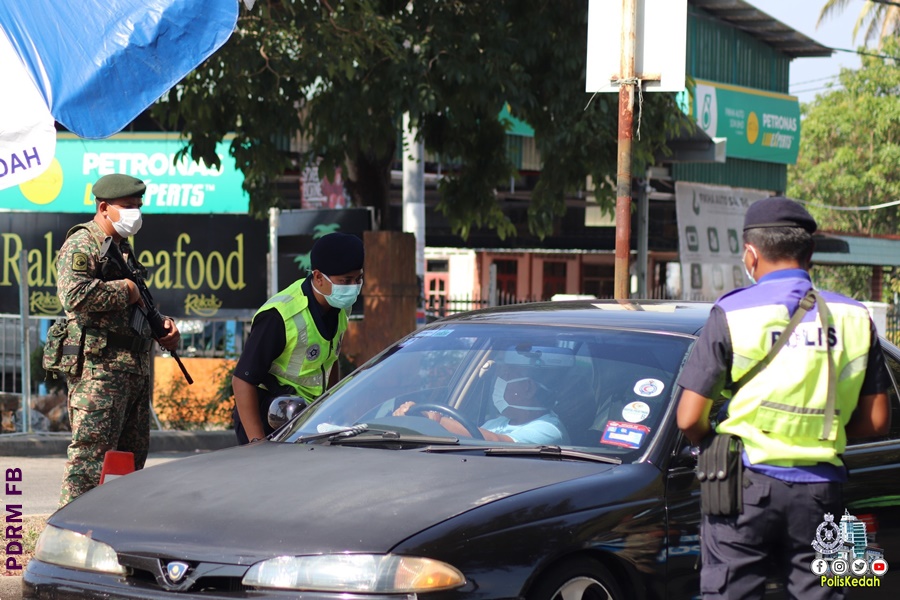
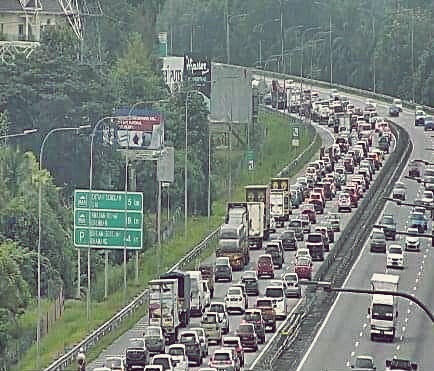
It has been said so many times: no interstate travel is allowed during this Conditional Movement Control Order (CMCO) period and that includes balik kampung trips for Hari Raya this year. Yet, in recent days, the traffic has been increasing on certain highways, especially those leading out of Selangor to other states. While permission is granted to those travelling for legitimate work reasons, surely there can’t be so many that a kilometres-long jam started forming.
So it must be people ‘trying luck’ to go to another state where their kampung or hometown is, and if they cannot pass through the roadblock, they might try again tomorrow. So far, it seems the police have been lenient and those without permits are told to turn around. According to the police, a total of 118,852 vehicles were at 14 roadblocks around Selangor from last May 13 until yesterday, and over 2,400 were not allowed to continue and had to turn back.
Now, the authorities have decided enough is enough and there will be immediate issuance of summonses for not following the CMCO. The fine is RM1,000 and magistrates are unlikely to be tolerant of this defiance of the law, and might even add a jail term.
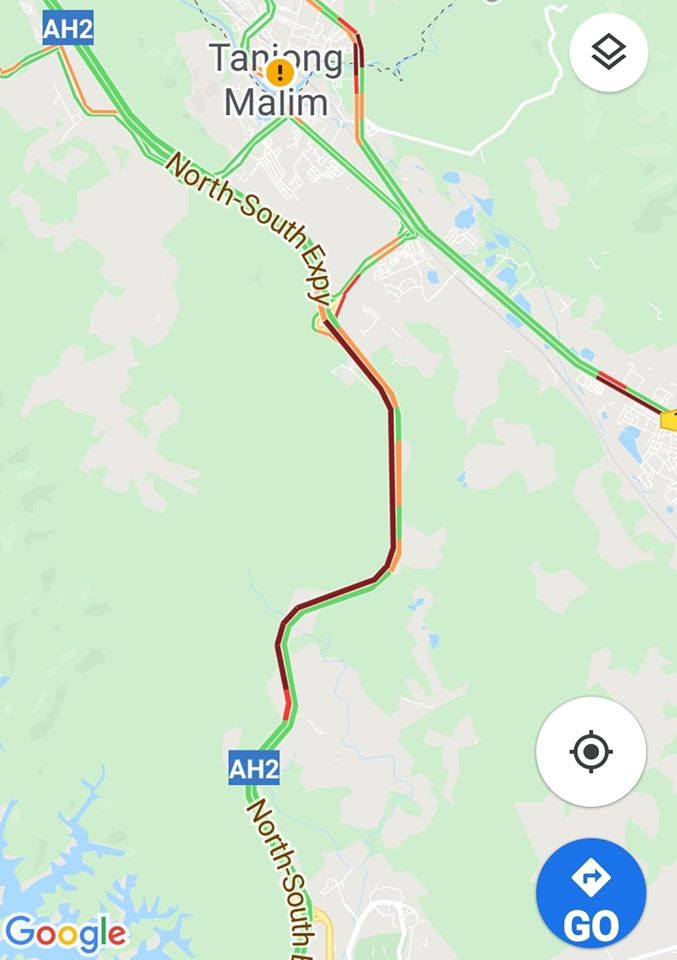
There will be more roadblocks set up and in Selangor, 5 roadblocks will be set up along the North-South Expressway as well as other highways leading out of the Klang Valley. Datuk Seri Ismail Sabri Yaakob, the Senior Minister who briefs the media daily on CMCO developments, said that that ‘there will be no more interstate travel allowed during the CMCO period’. He advised people not to waste time waiting at police stations to apply for permits. “The police will not allow anyone to travel interstate anymore,” he said.
Why is there a prohibition on interstate travel? The reason is to prevent wider spread of the COVID-19 virus around the country. Each time an area has infected persons, the Health Ministry has to quickly do contact-tracing to identify who the carrier was in contact with and quarantine them. The carrier who started spreading the disease may not have been aware as there are some cases where symptoms are not evident, or take a longer time to show. But during that time, they are a threat to others as the virus continues to spread through close contact.
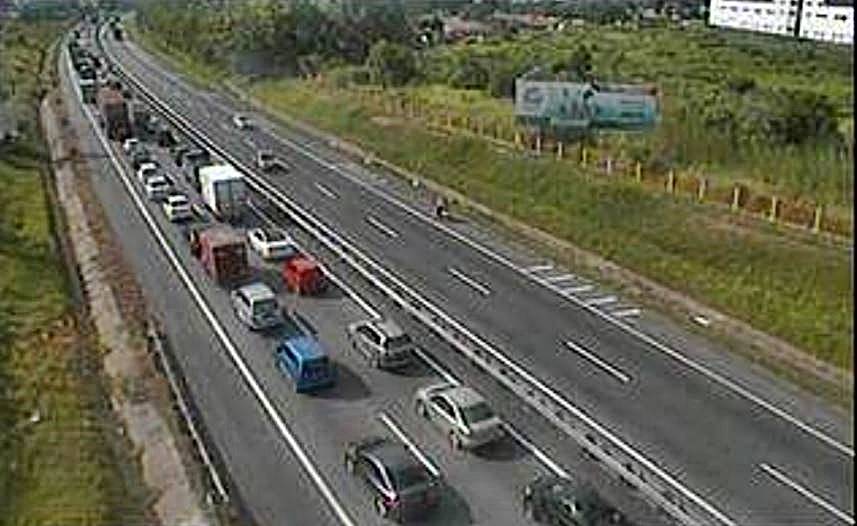 Traffic jam near Juru today.
Imagine if there is no restriction on travel, some people who are infected will carry the disease back to their hometowns or kampungs which have so far been lucky not to have any cases and start a ‘cluster’. The whole area will have to be quarantined, causing inconvenience to the residents, and if there are very old people, there is a high risk of them getting seriously ill and even dying.
In one case, a pregnant woman travelled across state borders Kuala Lumpur to Kelantan because she wanted to give birth in the state. She lives in Ampang, which is a ‘red zone’, and was unaware she was infected. She carried the virus to Kelantan which did not have an active COVID-19 case since the end of April. As a result, not only must she be quarantined but everyone she came in contact with has been at risk of also being infected.
Netizens who have seen pictures of the jams on the highways have posted angry responses at what they consider as ‘selfish acts’. It is gratifying to know that many Malaysians understand the seriousness of the matter and why the prohibition is necessary but there are still many who seem to refuse to obey the laws and be a threat to others.
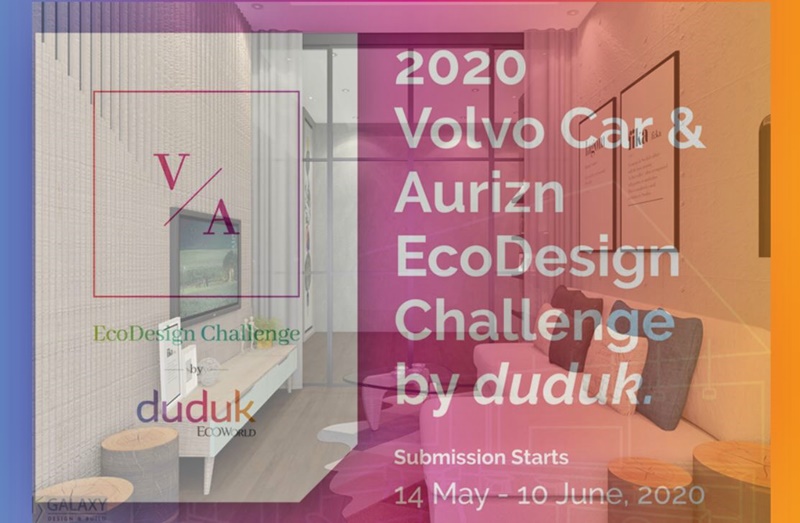
The Volvo Car & Aurizn EcoDesign Challenge is on again, a follow-up to the inaugural event in 2018 which invited interior design firms around the country to submit their most creative spatial designs. For 2020, the Swedish car brand has organized it in collaboration with duduk – a new brand by Eco World Development Group Berhad (EcoWorld) – and lifestyle publishing house Aurizn.
The concept behind the event is to bring Scandinavian philosophy of human-centric design to the fore, focusing on functionality and sustainability to bring out the natural and organic beauty of a product.
“The Swedish philosophy on design is to start with the user and design it around his or her needs. There is an aversion to overcomplicating things and the tendency to ask ‘how would this make life better for the people who will use it?’” explained Nalin Jain, Managing Director of Volvo Car Malaysia.
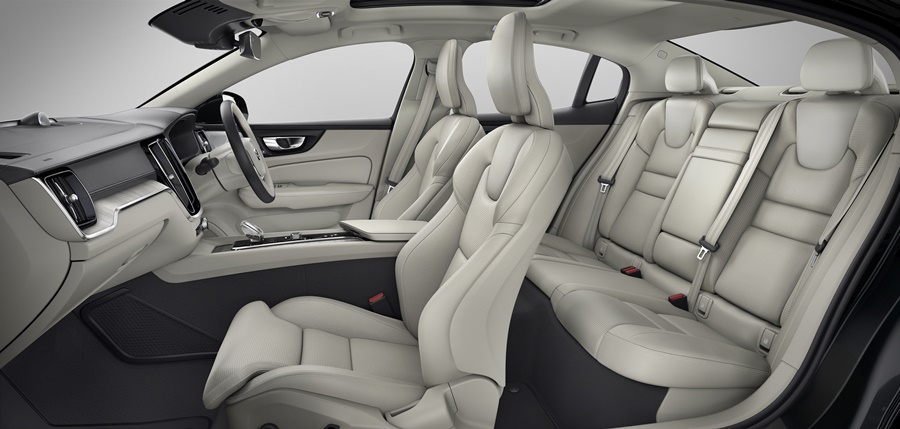
Raising the stakes from the previous event, 6 winners of this year’s challenge will each be rewarded with usage of the Volvo XC60 T8 for 6 months, with contracts to furnish actual units of duduk by EcoWorld projects in Eco Ardence and Eco Sanctuary to be sold to end-users. In total, the 6 contracts are worth a combined value of RM4 million across both developments, which will be available for sale to the general public.
The submission phase of the Challenge is from May 14 – June 10, 2020. All Malaysian-based design firms are invited to submit their entries by sending in the best existing designs from their portfolio. They can do so by posting their designs on Facebook and Instagram, then tagging @dudukmy, @aurizn, and @volvocarmalaysia in their posts. Firms are also required to email supporting company documents to Aurizn for verification.
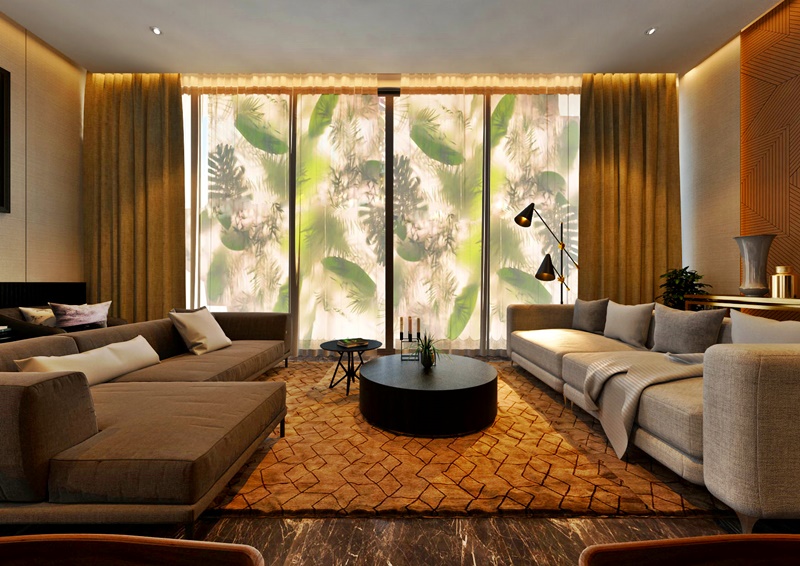
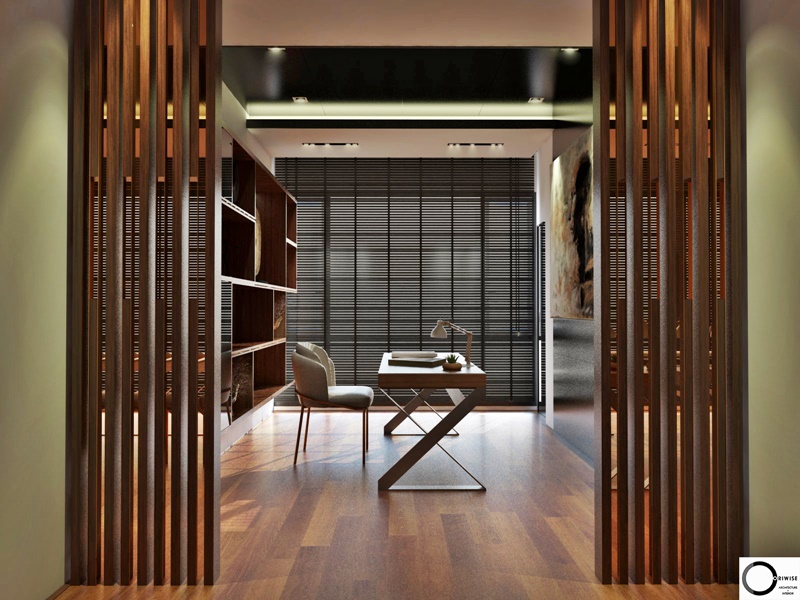
“On June 18, 2020, we will be announcing 12 finalists. These finalists will then have about one month to design and furnish, within a given budget, an actual duduk by EcoWorld unit. Out of these 12 finalists, the 6 best designs will be selected, and they will be given that budget to realize the layout that they created in units that will be sold to actual customers,” said Bobby Ang, Founder & Editor-in-Chief of Aurizn.
The actual selection process of the 6 winners will be accomplished through a process that combines the outcome of an online vote with feedback from a panel of judges comprising representatives from Volvo Car Malaysia, EcoWorld, and Aurizn.
“Volvo Cars have always placed a high priority on environmental sustainability and also the wellbeing of people,” said Mr. Nalin. “Through the Volvo Car & Aurizn EcoDesign Challenge, we are pleased to have this opportunity to promote sustainable home designs, whilst at the same time provide working opportunities for interior design firms amidst this challenging economic climate.”
Submission for the finalists’ design closes on July 17, after which the designs will be published online and open for a 2-week voting period from July 22 to August 4, followed by an announcement of the winners on August 15, 2020.
For more information, visit www.volvocars.com/my, Volvo Car Malaysia’s Facebook page or and Instagram page.
Pledge to maintain social distancing and Volvo Car Malaysia will reward you