Piston.my

crossover

In the 1970s, a company called Asia Motor was the first distributor of Mazda and Peugeot cars in Malaysia. It handled the two brands (and even assembled some models at its own plant) until the late 1980s when other companies took over each brand. Then in the early 2000s, both brands somehow ended up being taken on by the same company – Cycle & Carriage – which sold their cars till 2008. Mazda was then taken up by Bermaz while Peugeot went to Nasim Motors.
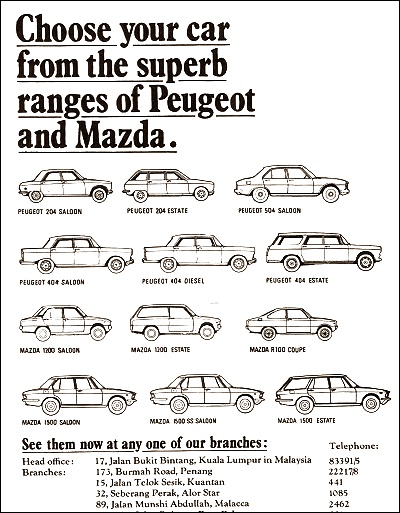
An advertisement from the 1970s when a company called Asia Motor sold both Peugeot and Mazda cars.

Now, history seems to be repeating itself as the Mazda and Peugeot brands are again being handled by the same company or rather, the same group. Late last year, Bermaz formed a new joint venture company with Berjaya Corporation known as Berjaya Auto Alliance Sdn Bhd (BAASB) which was appointed to the new role of Peugeot distributor. The BAASB name has since changed to Bermaz Auto Alliance Sdn Bhd and the company which imports the vehicles is Mega Galeri Sdn Bhd. While BAASB and Bermaz Motor are separate companies, the core people are the same and they are veterans in the auto industry.

Following its appointment, BAASB was busy setting up the new business which was interrupted by the pandemic and long lockdown period, delaying some plans. But since mid-August when the government began to relax restrictions and businesses could operate again, BAASB has been busy preparing to launch new models.

Meanwhile, in January this year, Peugeot’s parent company, Groupe PSA, had merged with the FCA Group (which has Chrysler and a number of Italian brands) to form Stellantis. While this did not really affect BAASB, it did see the change of ownership of the plant in Kedah which was originally bought over from the NAZA Group by Groupe PSA. The intention was to use the plant as a regional hub for Peugeot models and this was already underway.
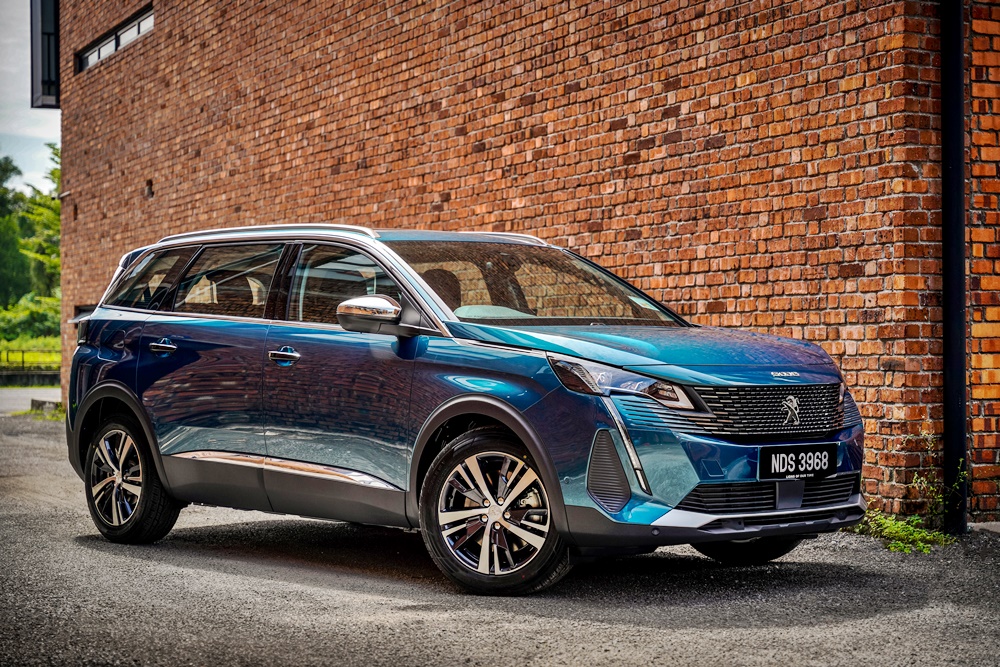
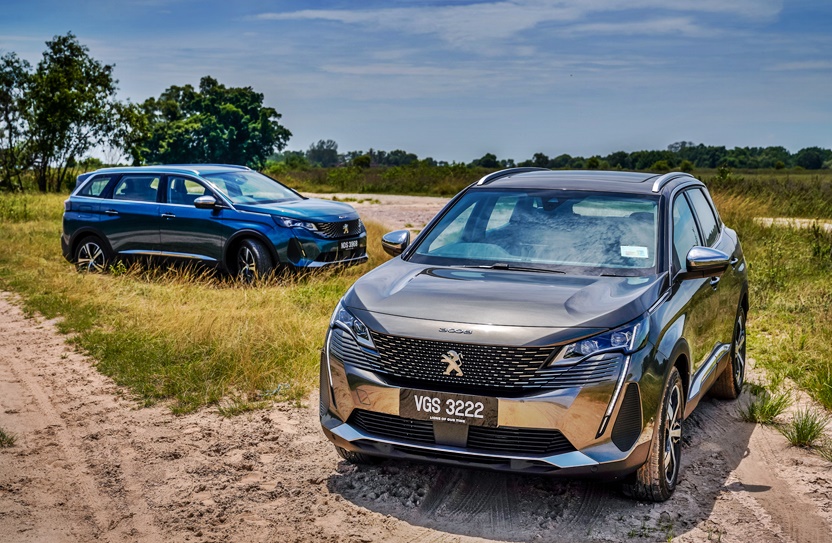
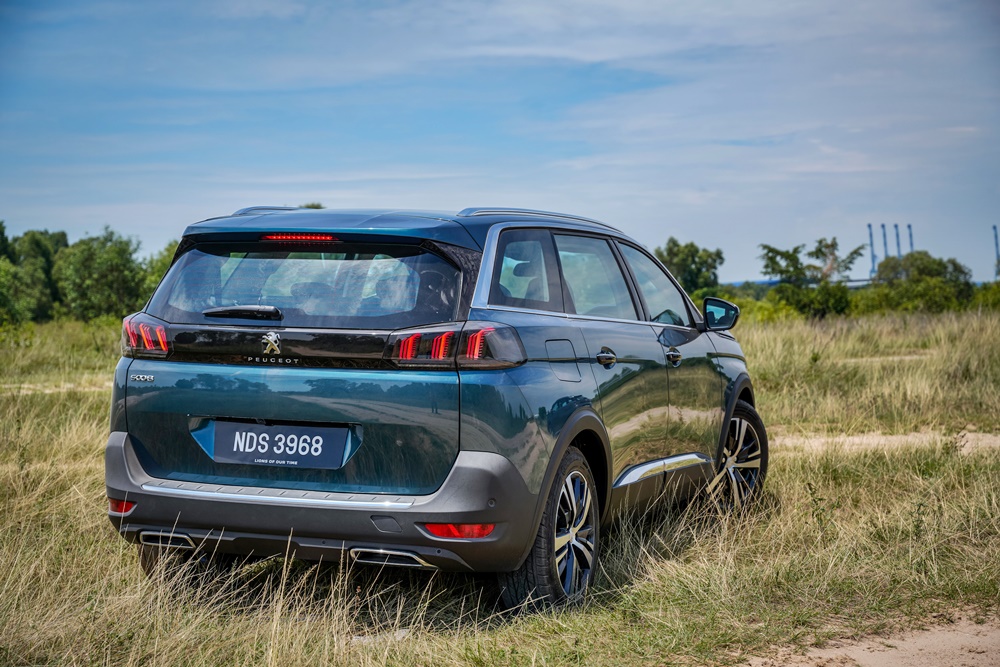
Peugeot 5008
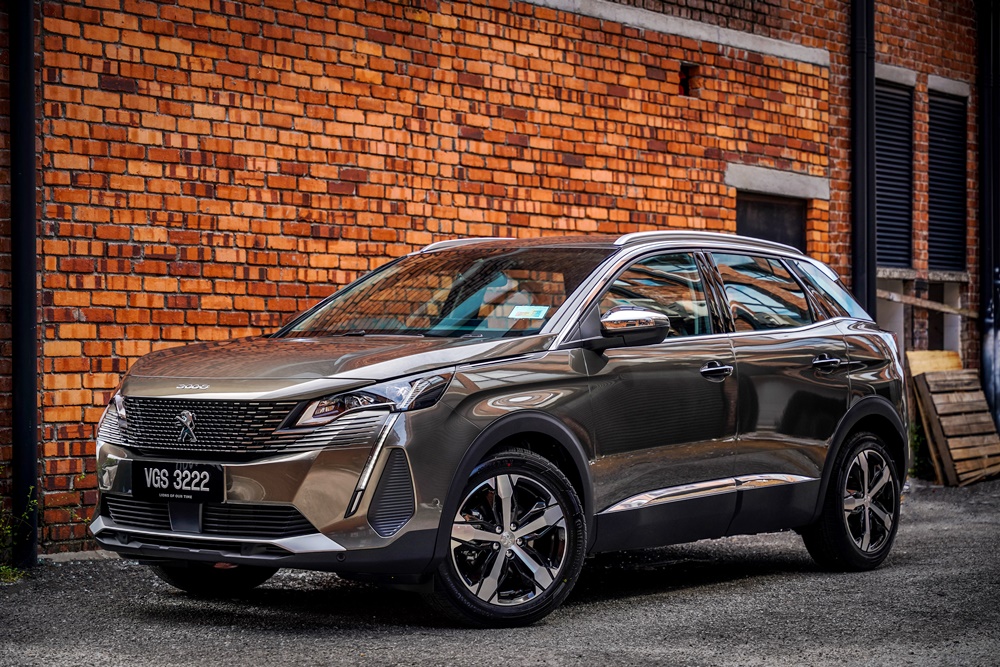
Peugeot 3008

2008 to join locally-assembled range
Currently, three models are being assembled at the plant – the 3008, 5008 and 2008, the latter to be launched in the near future. With no more restrictions on gatherings and crossing borders, BAASB wasted no time organizing a media event to introduce themselves, the Stellantis people and the new 3008 and 5008 with a quick drive to Genting Highlands and back.

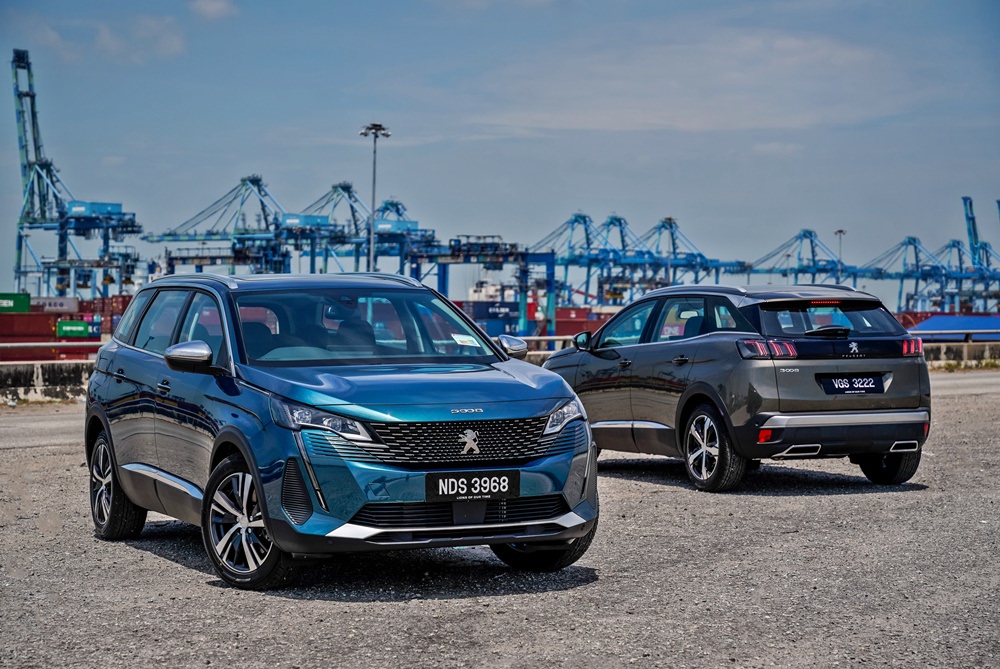
Both the SUVs are not new to the market, the 3008 having been introduced in second generation form in 2017, and the 5008 in 2018. However, they have received updates since their original introductions which adopt the latest design language of the carmaker. While the overall styling is unchanged, the notable differences can be seen in the front end. The grille is new with a large mass of textured elements and no frame.
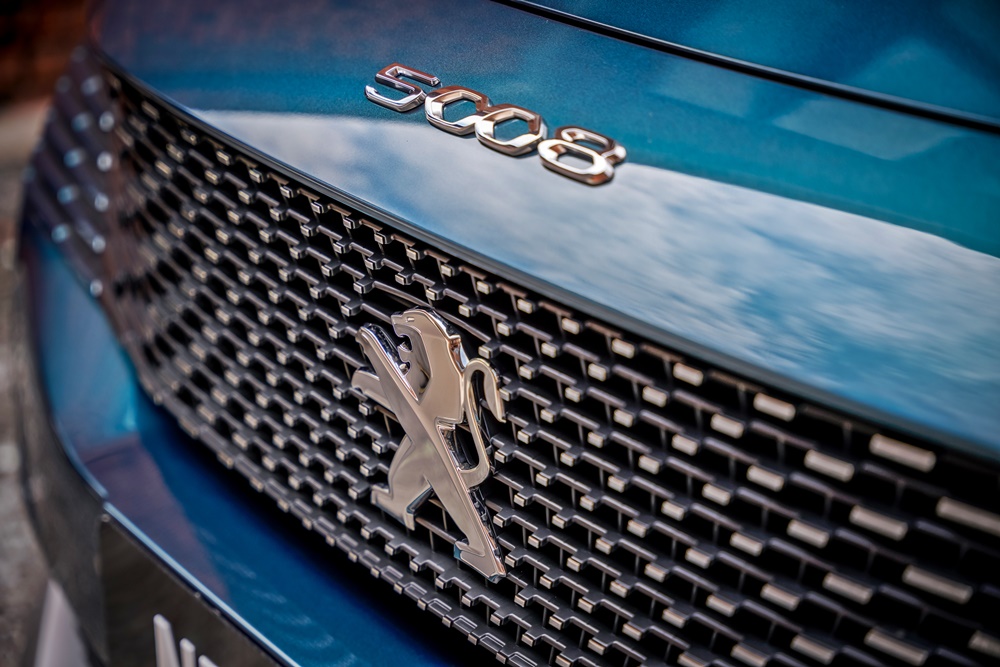
The Peugeot Lion is also new and unlike previous ones, only its head is now shown (for corporate materials but the full body remains on the products). This is 11th time since the 1850s (although the original company was founded in 1810) that the brand identity and logo have been changed and the recreated emblem is said to ‘a shift in stance; a new state of mind, and a new lifestyle’. Above the Lion, on the edge of the bonnet, is the model identifier.

As their first digit indicates, the 3008 and 5008 are positioned at different levels in the market with the ‘double 00’ used for models that have a taller body structure, which means SUVs and crossovers. Comparing the two, the 3008 has a sleeker profile with bold lines whereas the 5008, being a 7-seater, is essentially an MPV but can also pass as a SUV. Both cars certainly have a premium appearance which is not unexpected of European brands.

Same engine for both models
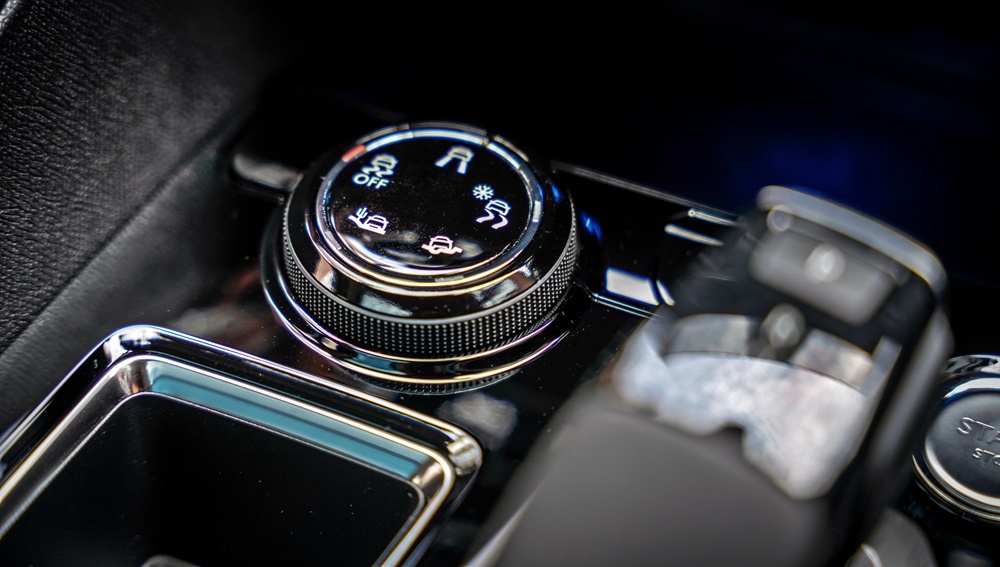
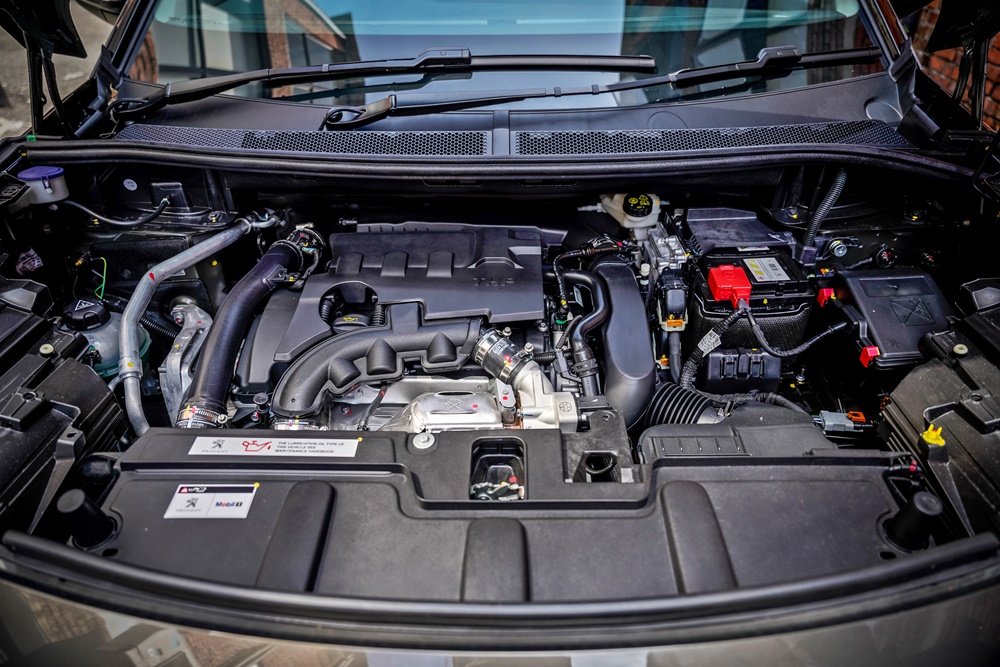
To simplify production, both models use the same engine (for now at least) which is the same 1.6-litre THP 4-cylinder unit that came with the original introduction. Power output is 167 ps with 240 Nm of torque and the 6-speed automatic transmission is also the same one supplied by Aisin. To optimize grip on different surfaces, there are 5 modes which the driver can choose using a rotary dial.
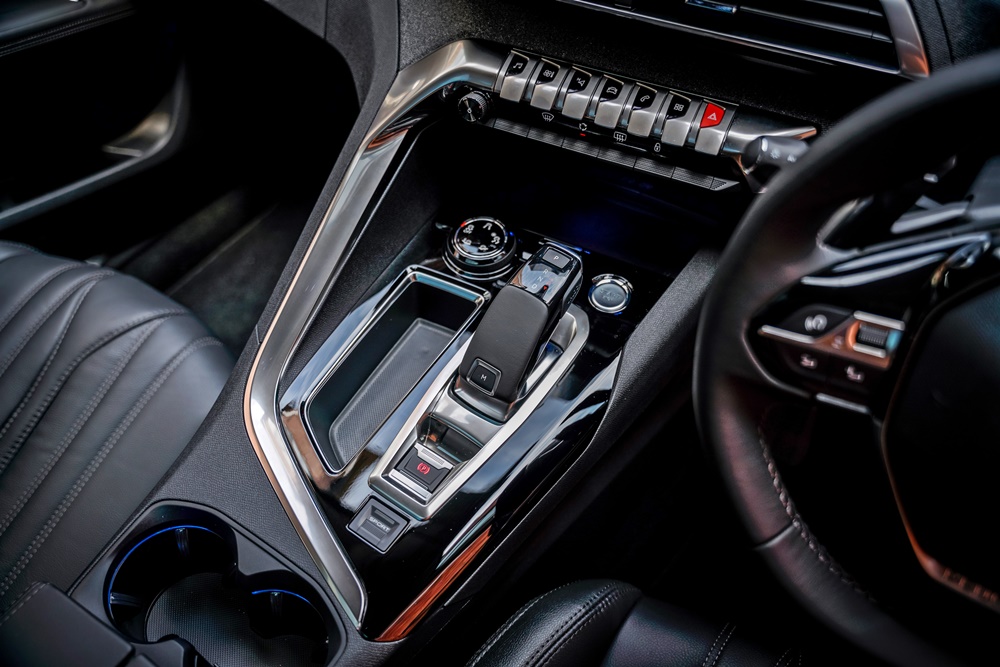
Known as Advanced Grip Control, the system has been available in some Peugeot models since 2013 and adjusts the grip and torque to the front wheels. It helps most on very slippery surfaces when there is a need to be more sensitive with the throttle and a computer can do that better than a human foot. In most cases, drivers can probably leave it in standard mode which will be fine for most conditions.

Peugeot i-Cockpit
The highlight of the interior which Peugeot usually starts off with is the i-Cockpit. First introduced in 2012, this dashboard concept has evolved over the years and in the 3008 and 5008, it has been fully digitized. Peugeot calls the 12.3-inch digi-graphic instrument panel a ‘head-up instrument panel’ which might have people looking for the head-up display (HUD) on the windscreen ahead. However, what Peugeot’s designers have done is to position the panel in such a way that it allows the driver to keep his head up to watch the road ahead as well as still see the information on the panel.
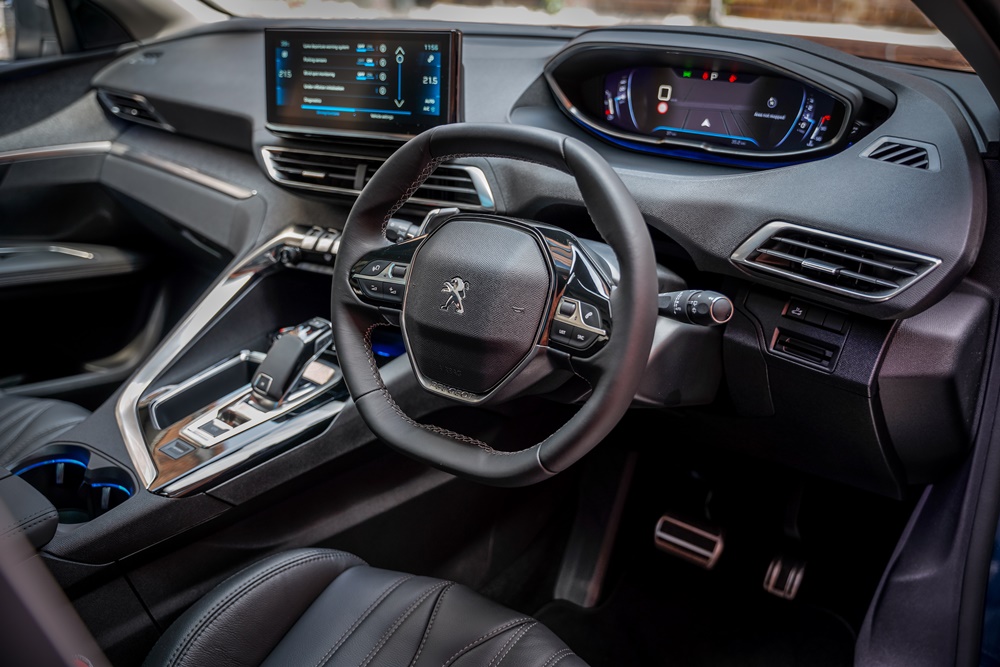
An important contributor to the effectiveness of this arrangement is the steering wheel which is compact and flat at the top and bottom (looks like something from a racing car). It allows a clear view of the display and though compact, there is surprising ease of maneuverability. With the arms no longer needing to be so open and wide to hold the steering wheel, the actual amount of movement during maneuvers is reduced. Incidentally, for the 5008, there are also paddle shifters.

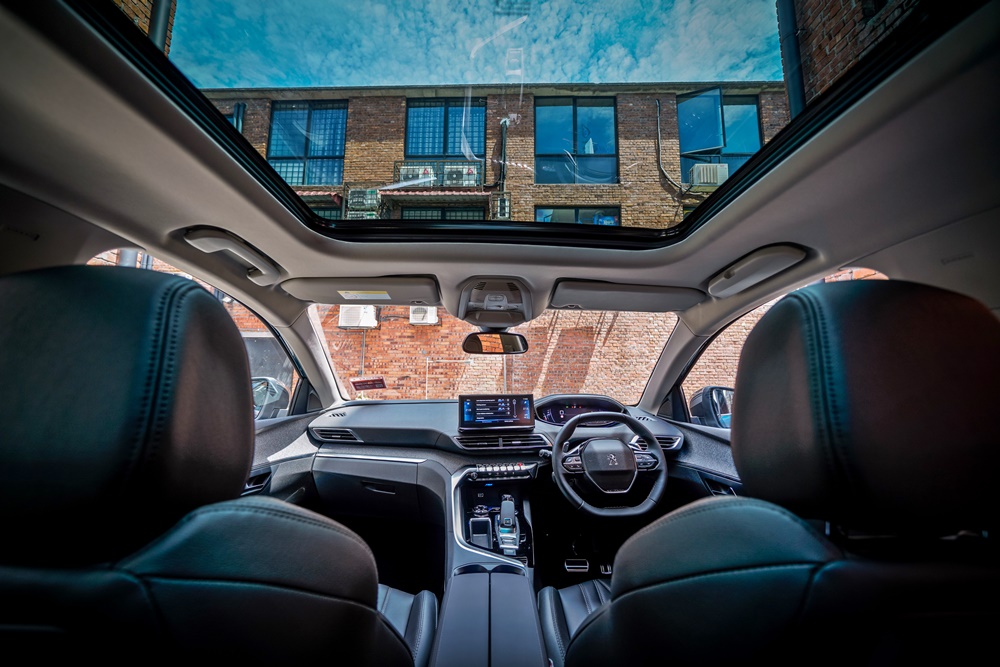
The third element of the i-Cockpit is a display in the middle of the dashboard. Resembling a tablet, this has a high-resolution full colour screen which is now 10 inches instead of 8 inches wide. It provides supplementary information and can be accessed either by touching the screen or by using the row of ‘piano keys’ below.
Connectivity is extensive with conventional cable ports, Bluetooth and Apple CarPlay/Android Auto compatibility (for Android Auto, a cable is needed and, of course, the app installed in the smartphone). Those who have the latest smartphones with wireless charging will also be pleased to find that there is a wireless charging pad added to the vehicles.

Comprehensive equipment list
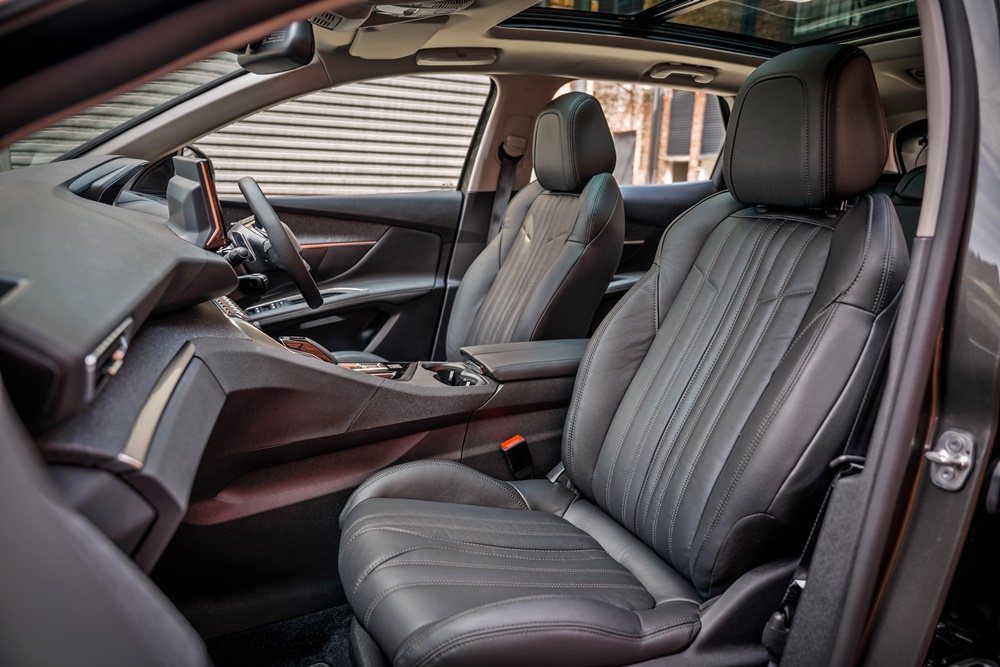
With the Mazda range, the Bermaz team has always made it a point to offer the most comprehensive equipment level possible to give the best value for money. The same thinking seems to have gone into the 3008 and 5008 (available only in one version) as standard equipment includes a panoramic sunroof, handsfree powered tailgate, power adjustments for the front seats, leather upholstery, and dual zone air-conditioning.
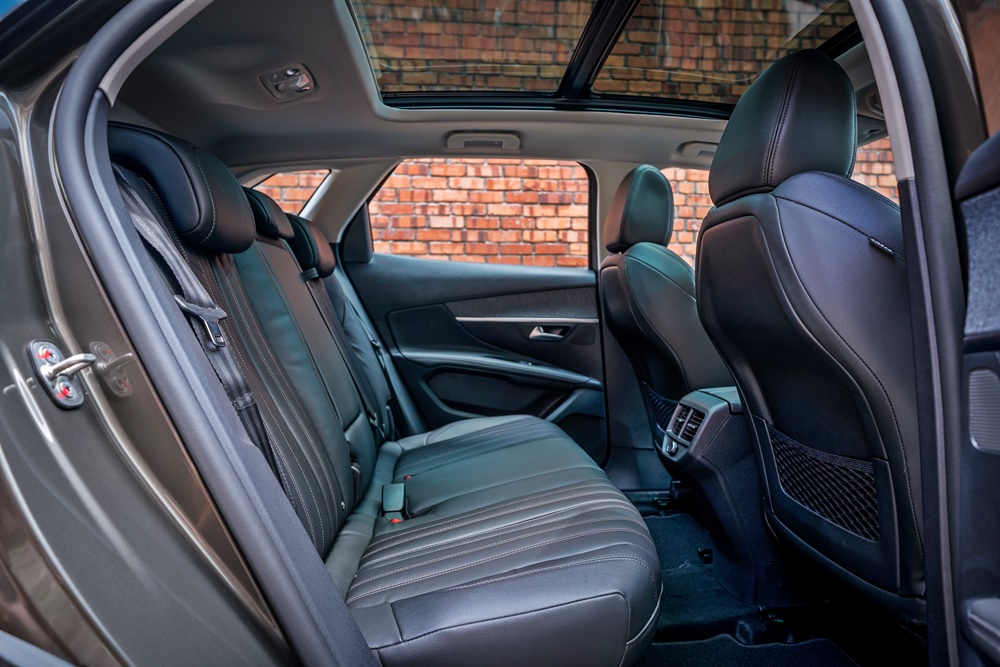
The differences in overall length – 4670 mm for the 5008 and 4510 mm for the 3008 – are indicative of the different occupant capacity. In the case of the longer model, there is a third row of two seats which can be folded flat when not needed. While being flat when not in use is good, it does not mean that the seat is sitting right down on the boot floor with limited legroom.
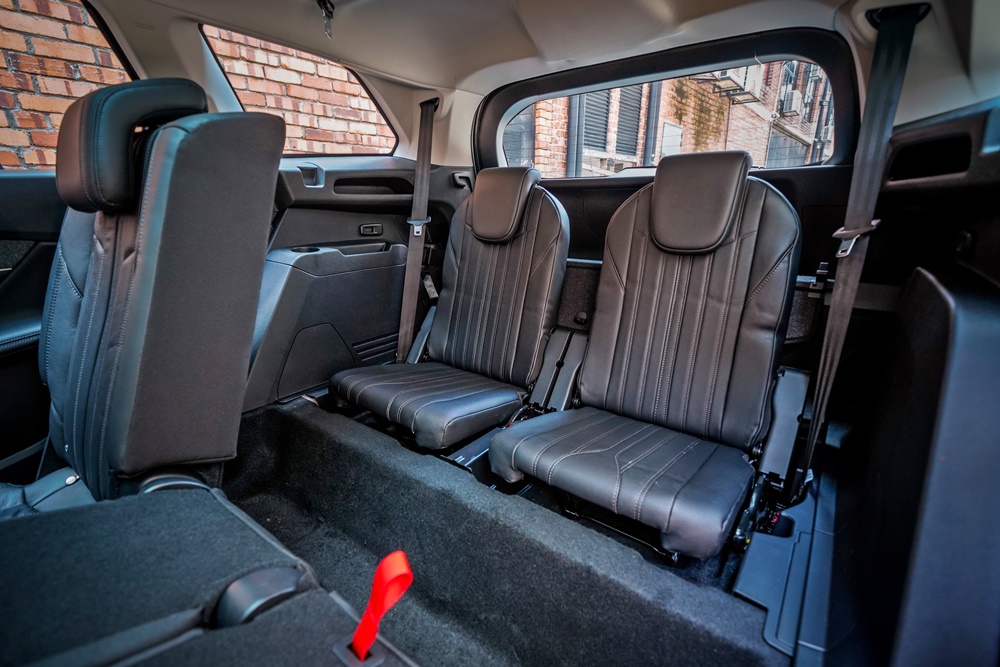
The extra length of the 5008 gives it a minimum of 952 litres of boot volume, 361 litres more than the 3008. At maximum volume with the rear seats folded down, the 3008’s volume can go up to 1,670 litres while the 5008 has an expansive 2,042 litres.

As for safety, both models have been rated the maximum of 5 stars by EuroNCAP and should certainly be able to achieve the same if assessed by ASEAN NCAP. There are extensive active and passive safety systems which assist the driver but no integrated system which we are seeing in many other cars these days.

BRIEF DRIVING EXPERIENCES
We had a chance to try both models driving Genting Highlands and back to the BAASB headquarters at Glenmarie, Selangor. Although it’s been a while since being behind the wheel of these French cars, there was still a familiarity in feel that Peugeots uniquely have. It’s a feeling of stability and supple ride that you do not expect of a car that also handles well. A Peugeot engineer once suggested that it’s long experience in suspension tuning that has achieved that and something to do with damper valving.

The driving dynamics are competent and confidence-inspiring with a solid feel at all speeds. The THP engine delivers strong midrange which made for easy overtaking and the transmission’s operation was fairly unobtrusive. Between the 3008 and 5008, the smaller model felt nicer to drive with less roll and a bit more nimbleness. This could be largely due to the 100+ kg difference in weight more than the body size.

But unlike older Peugeots (and older cars in general), today’s new generation of cars have a lot of electronic systems and because electronics do not take up much space, many more features are crammed in. To use them, you need to spend a little while figuring out which button to press or how to bring up the menu on the screen.
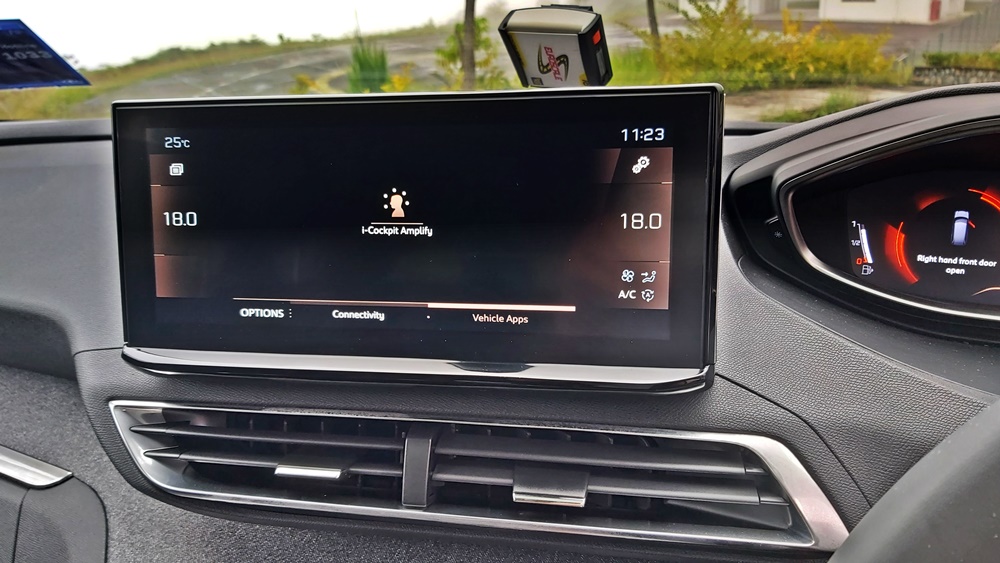
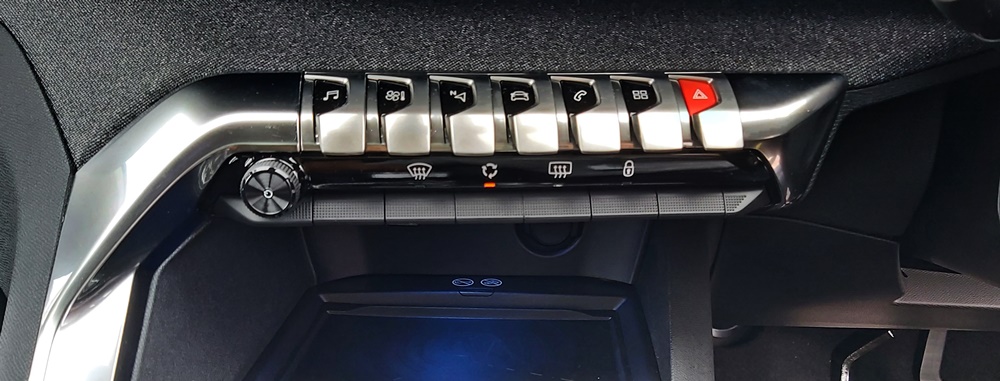
It can be daunting at first and European manufacturers have different control approaches to the Japanese. So if you are switching from a Japanese model to a Peugeot, be prepared to have to relearn many things! But having said that, once you become familiar with all the controls, then they make driving more convenient.

The i-Cockpit layout – specifically the instrument panel – is ergonomically sound in concept but also needs a bit of getting used to as it is located differently from conventional instrument panels. The display can be configured from minimal to maximum information, depending on your preference.
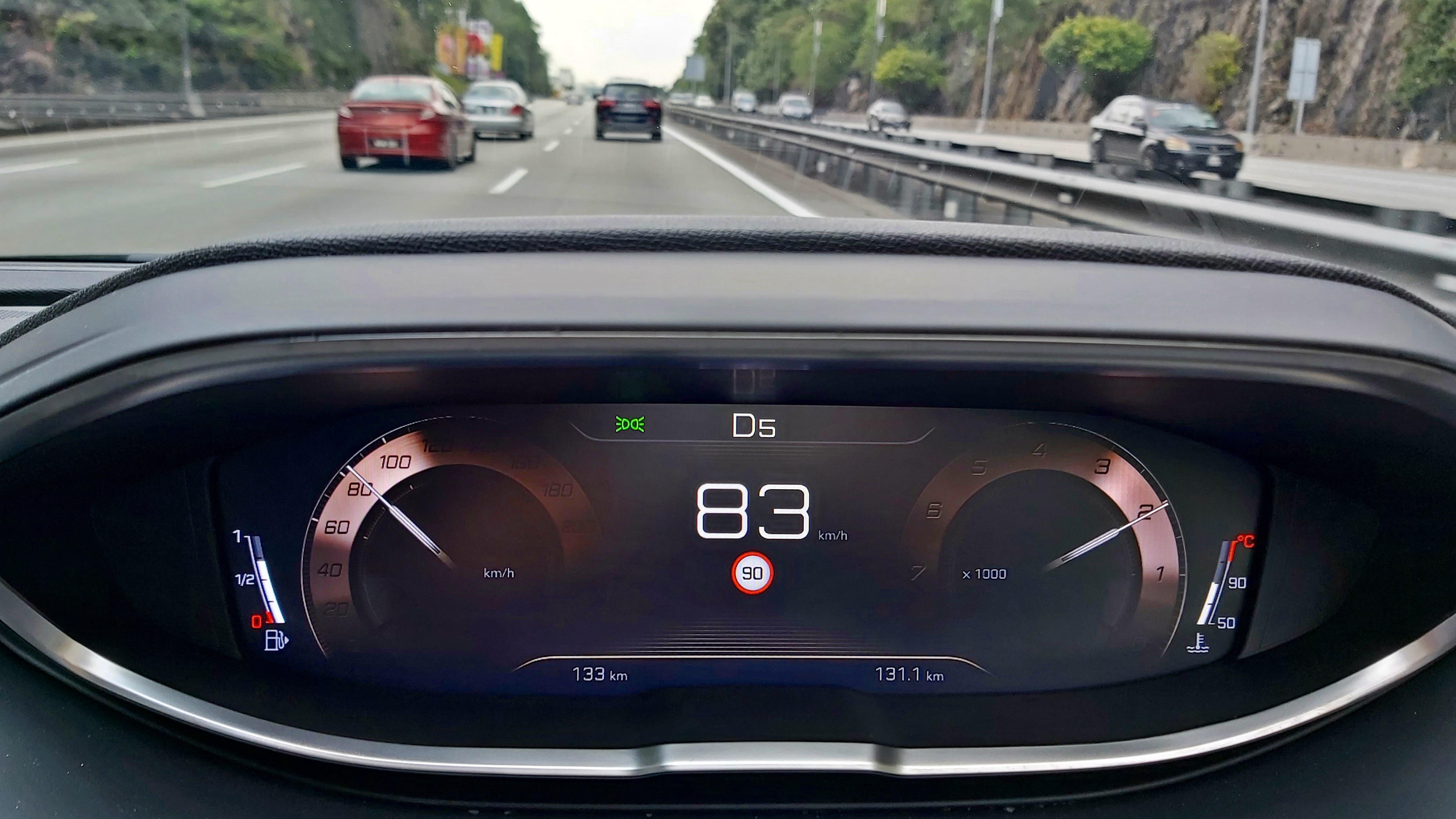
One thing that is disconcerting is the tachometer and this has been the case since the first i-Cockpit. The sweep of the pointer does not follow convention, ie from left to right. Instead, for some sort of visual symmetry, it sweeps from right to left. In the early versions with traditional meter displays, it was sometimes disturbing to see the pointer somewhere at the 2 o’clock position which would usually mean you are running at high revs but actually, the revs are around 3,000 rpm.

With the latest graphic display, this is less disturbing because the calibrations are not show entirely and only a small segment before and after are shown. But as mentioned earlier, it’s a matter of getting used to this difference and after a while, an owner will be okay. For us who spend only a couple of hours with the car, that familiarity is not always achieved.

It’s the same as having signal stalks on the left side or right side and getting into a car where it is on the opposite side to what you are used to. You keep activating the wipers and curse a lot for a while but after a week or so, you no longer have that problem.
Want to buy one?
Both models are offered with a choice of three common colours (Amazonite Grey, Pearl White and Nera Black) and Cuprite Brown exclusively for the 3008, with Emerald Crystal only for the 5008. Pricing starts from RM161,616.66 for the 3008 and RM177,311.90 for 5008 without insurance. As they are both assembled in Malaysia, the government is exempting the full amount of sales tax until June 30, 2022 so you save some money.

For those who are wondering about aftersales service, we feel sure that the BAASB team will certainly be making sure that it is of the high quality appropriate to the brand. They’re giving free maintenance for the first 3 years (or maximum of 60,000 kms) as well as a 5-year warranty or maximum of 100,000 kms.
2021 Peugeot 3008 5008

Information on showroom locations can be found at www.peugeot.com.my and if you are already owning a Peugeot, BAASB would really like to get your contact details. This will enable them to keep in touch with you and provide the aftersales support, especially if there are any technical updates available for your car.

Peugeot owners in Malaysia asked to update information with new company handling the brand

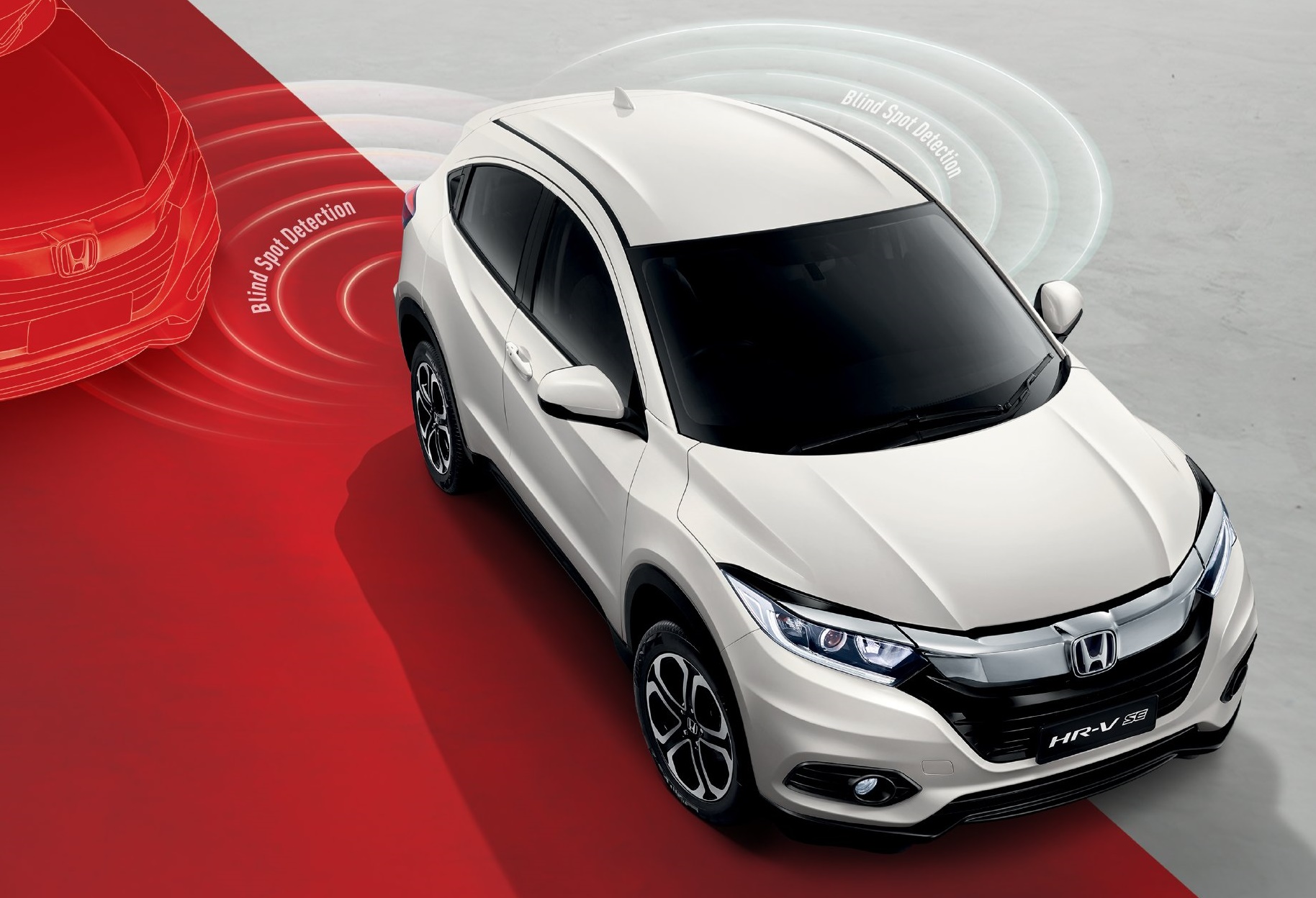
Honda Malaysia today announced the availability of a limited number of Honda HR-V Special Edition models with enhanced safety features. The limited edition SE version comes with Blind Spot Detection (BSD) to detect and alert the driver of vehicles or motorcyclists coming up in the blind spot behind and along the sides.

While Honda has installed the camera-based LaneWatch blindspot system in many models, the BSD for the HR-V SE is a simpler system using proximity sensors in the bodywork. When another vehicle is detected, the driver will be alerted so that he or she will not make a turn or change lanes and cause an accident.

Other active safety features
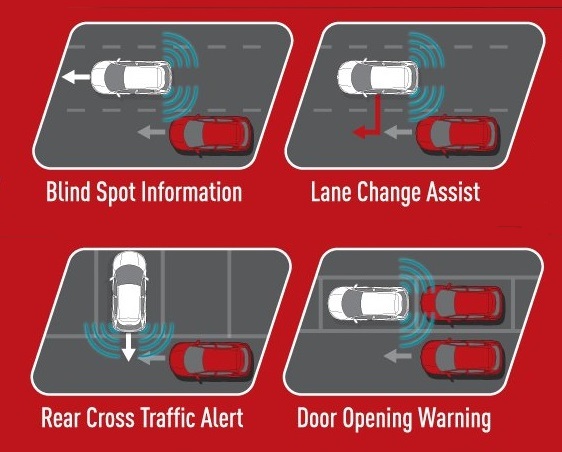
Additional safety features using the same sensors in the bodywork include Rear Cross Traffic Alert (RCTA) which monitors the traffic situation on either side as the vehicle is reversing out of a parking bay. This is especially useful as the driver often cannot see the road on either side because the view is blocked by other vehicles. RCTA sends out signals on both sides from the bumper sensors and if a vehicle is approaching, the driver will receive a warning and can then stop the vehicle’s movement.

The sensors that are used for BSD are also used for the Door Opening Warning system, a feature that has appeared in recent years. It may not be a very common accident but people still do open doors without checking behind and can cause an accident. If the sensors pick up an approaching object – like a cyclist – the occupant will be warned just before opening the door.

There is also Lane Change Assist (LCA) which will make it safer for the driver when intending to move into another lane. This should not be mistaken for the Lane Keeping Assist which is one of the technologies in the Honda SENSING driver assistance suite. From what we can gather, LCA is an extension of BSD and helps the driver change lanes when it is safe to do so.

Extra equipment
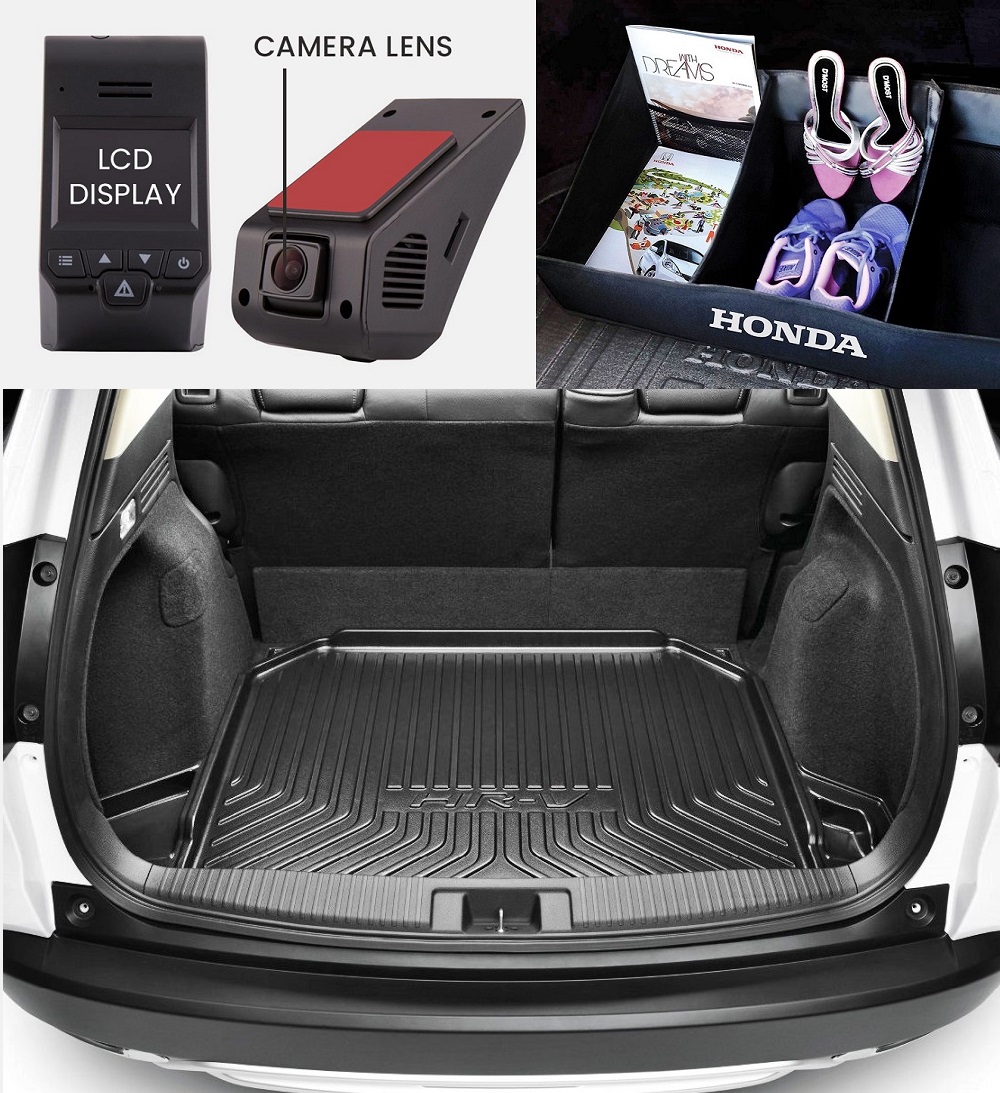
Apart from the enhancements in safety, the HR-V SE doesn’t have any other technical differences from the 1.8-litre versions. However, a Digital Video Recorder (more commonly referred to as a dashcam), boot tray and boot organiser are included in the HR-V SE. The price of RM105,363.95 excludes insurance and sales tax (until the end of 2021) and includes a 5-year unlimited mileage warranty as well as free labour services (terms and conditions apply).

Visit www.honda.com.my or any authorised Honda showroom in Malaysia for more information.

Honda Malaysia offers two extra benefits for new vehicle purchasers until the end of 2021

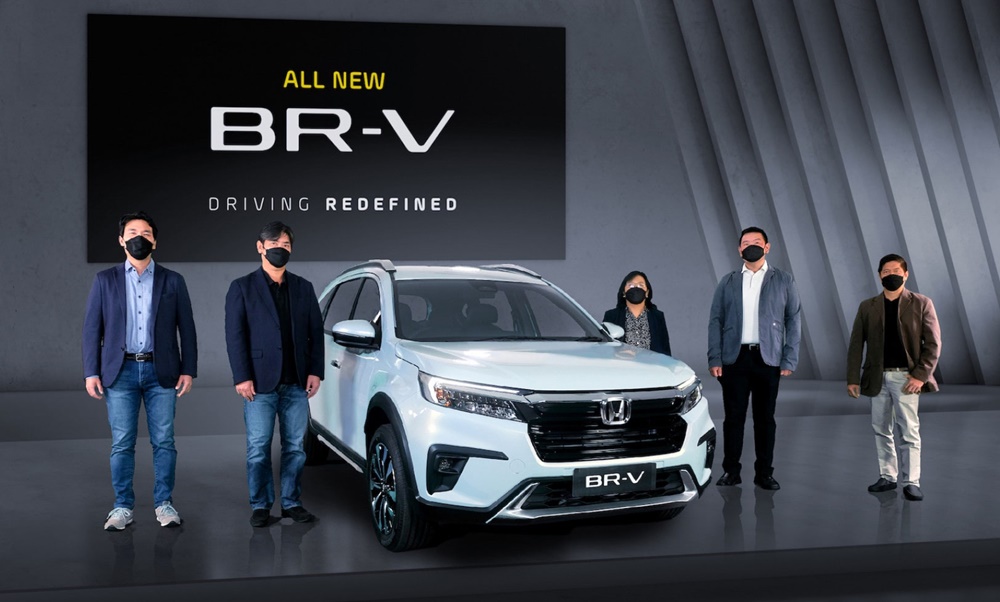
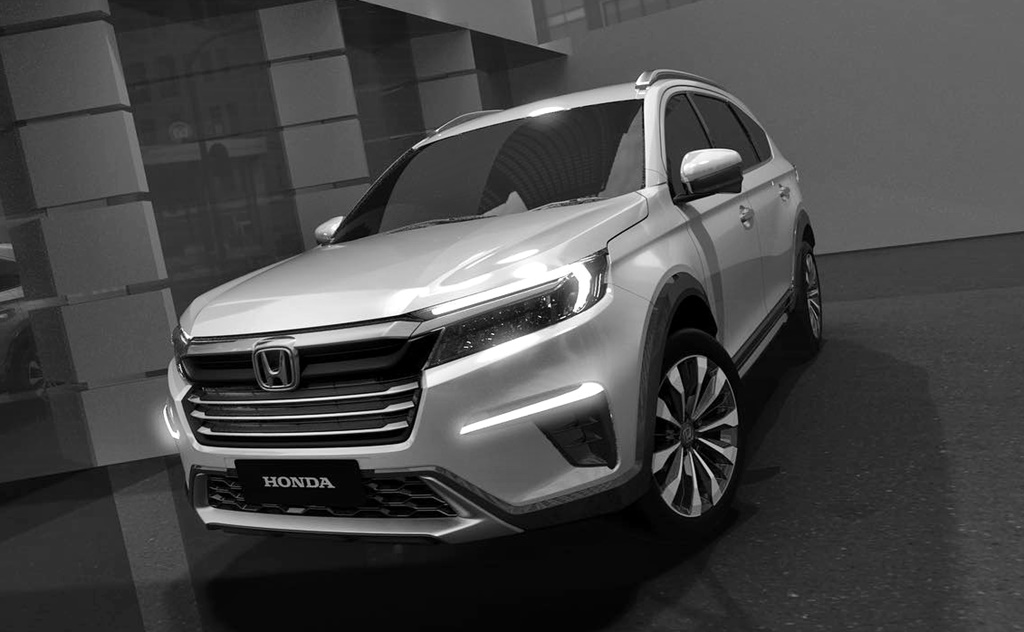
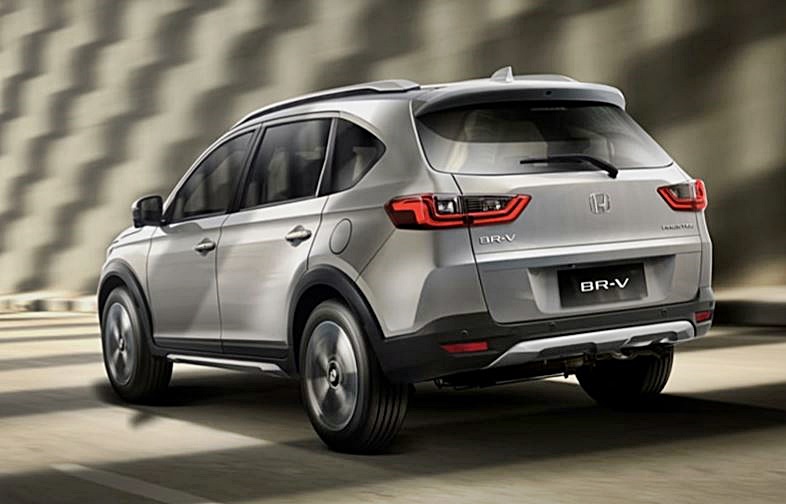
It was no secret that the N7X Concept shown earlier in the year was a sneak preview of the new Honda BR-V (although the carmaker didn’t say so). Now Honda has finally unveiled the production model online from Indonesia where its global production hub is located. This is the second time that Indonesia is the location for the global debut of the model which was launched in August 2015. However, it was only in May 2017 that it was finally launched in Malaysia.

The second generation of the crossover SUV not only has fresh new looks but, just like the first City and the second one, it appears that Honda took in a lot of feedback from owners to make improvements to the model. Features which may have taken another generation before being available in the BR-V are included as well as the  Honda SENSING driver assistance system.

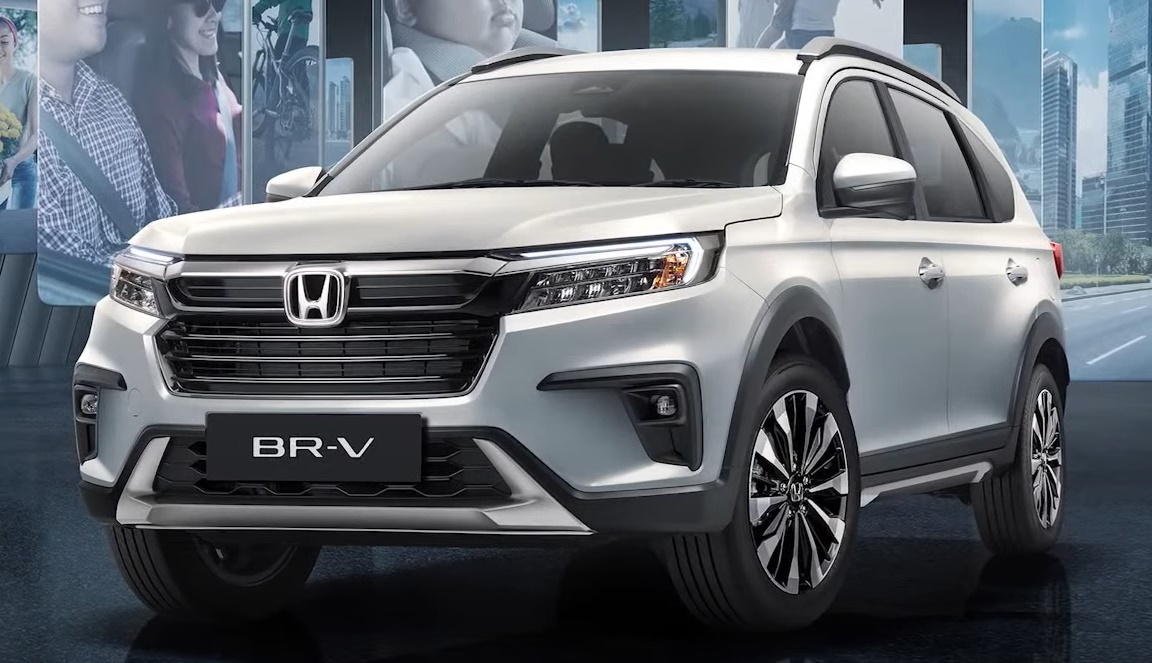
Honda has not provided dimensions but from the pictures, it seems the new BR-V has grown very slightly, or it could be just the body lines giving that impression. The frontal appearance has gained a bolder look with a distinctive grille flanked by LED headlamps with LEF day running lights. The rear end has new combination lights with LED Light Bars designed to blend in with the body line.

Like the first generation, the second generation of the BR-V also has generous ground clearance. This is something which carmakers who understand the Indonesian market know is an important point. Besides rough roads in the rural areas, there are also floods and being able to cross deep water is appreciated.

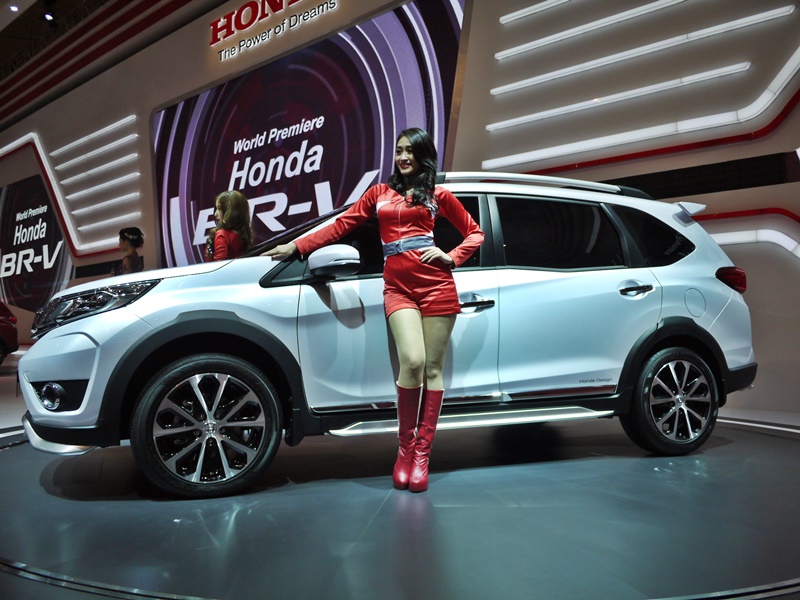
Global debut of the first generation in 2015.
Honda N7X Concept shown earlier this year as a preview of the new BR-V.

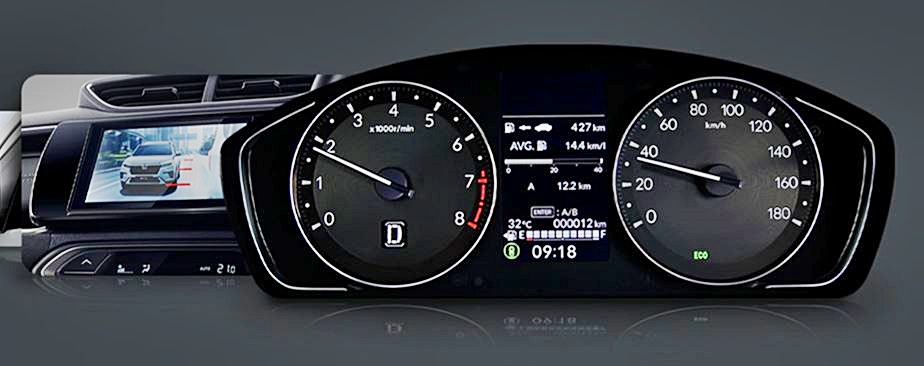
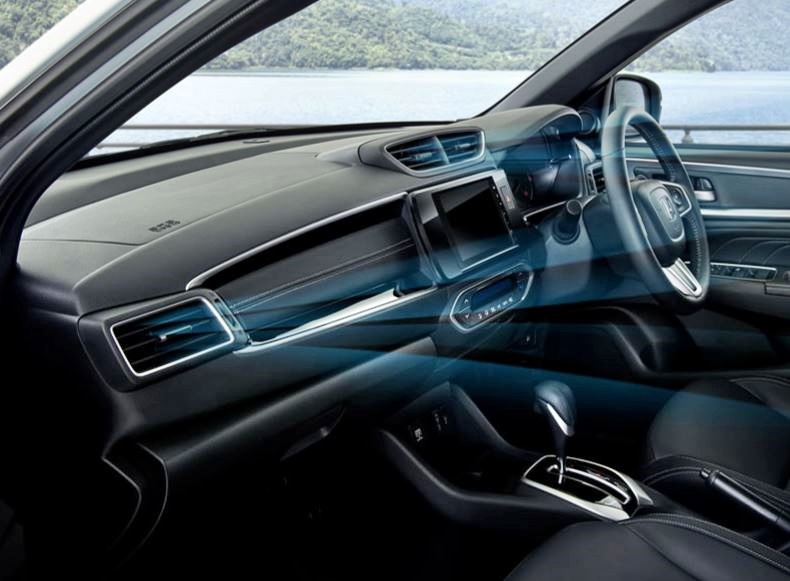
The original concept of the BR-V was to combine the design and toughness of an SUV and within, offer the cabin comfort and functionality of an MPV. This concept is retained for the second generation with increased comfort levels and more functionality. There are three rows of seats for up to 7 persons. The use of leather lining has also been added in the cabin for a more premium feel. Storage areas have been increased too, with more power outlets. The driver is provided all the necessary information on a 4.2-inch Thin-Film Transistor (TFT) display, supplemented by a 7-inch touchscreen for the infotainment system.

Owners of the new BR-V will enjoy more convenience with features such as Remote Engine Start, Walk-Away Auto Lock function, Smart Entry System and auto-folding door mirrors. With the auto-lock function, the doors will lock automatically when the driver has walked at least 2 metres or more from the car.

In safety too, the new BR-V makes a big leap with the inclusion of Honda SENSING. This is a suite of assistance systems to help the driver avoid an accident or act automatically to prevent the accident. These systems, already available in the other models, include adaptive cruise control, lane-keeping, automatic emergency braking and automatic headlight high beam control. Also included now are  Hill Start Assist, Vehicle Stability Assist and side airbags (besides the front ones).

Also of note is the addition of Honda LaneWatch, a blindspot monitoring system that makes use of a camera on the left side of the car. The mirror is mounted on the door mirror and captures real-time imagery of the area along the side of the car, displaying it on the screen on the dashboard. It is only active when the left turn signal is on, and the imagery is clear even at night.

The new BR-V continues to use a 1.5-litre DOHC i-VTEC petrol engine (improved, of course) with maximum output of 121 ps/145 Nm. Customers can choose a manual transmission or a new CVT which delivers power to the front wheels.

Over 255,000 units have been sold since the model was launched in Indonesia, of which around 30% were delivered in the Indonesian market. While the City is Honda Malaysia’s strongest seller, the BR-V has also had its own following among families with its 7-person cabin and entry-level pricing. Until July this year, over 35,000 units have been assembled in Malaysia.

Honda Malaysia has mentioned that a new model will be launched before the year ends and this new one could be it. Given the need to pump up interest for people to shop for cars again, Honda Malaysia is unlikely to wait two years to launch the new BR-V, as was the case with the first generation.

To know more about Honda models in Malaysia, visit www.honda.com.my.

World premiere of Honda N7X Concept in Indonesia previews next BR-V 7-seater

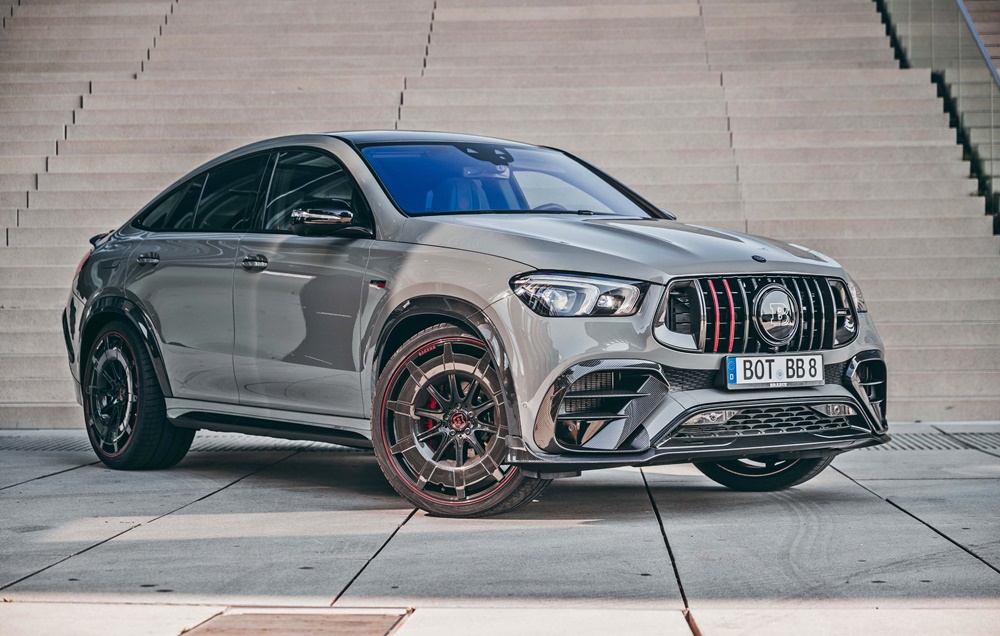
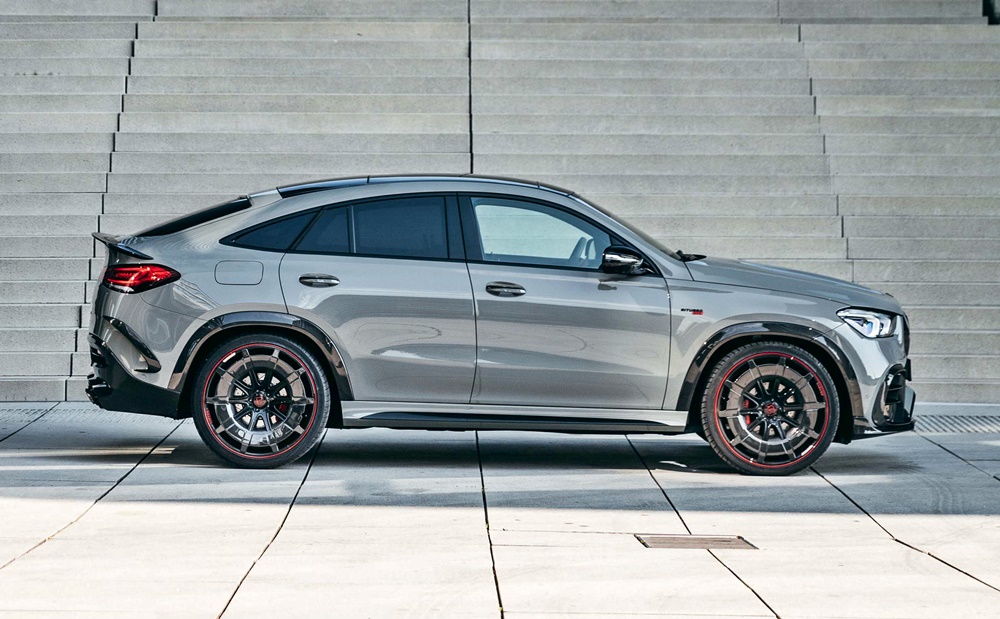
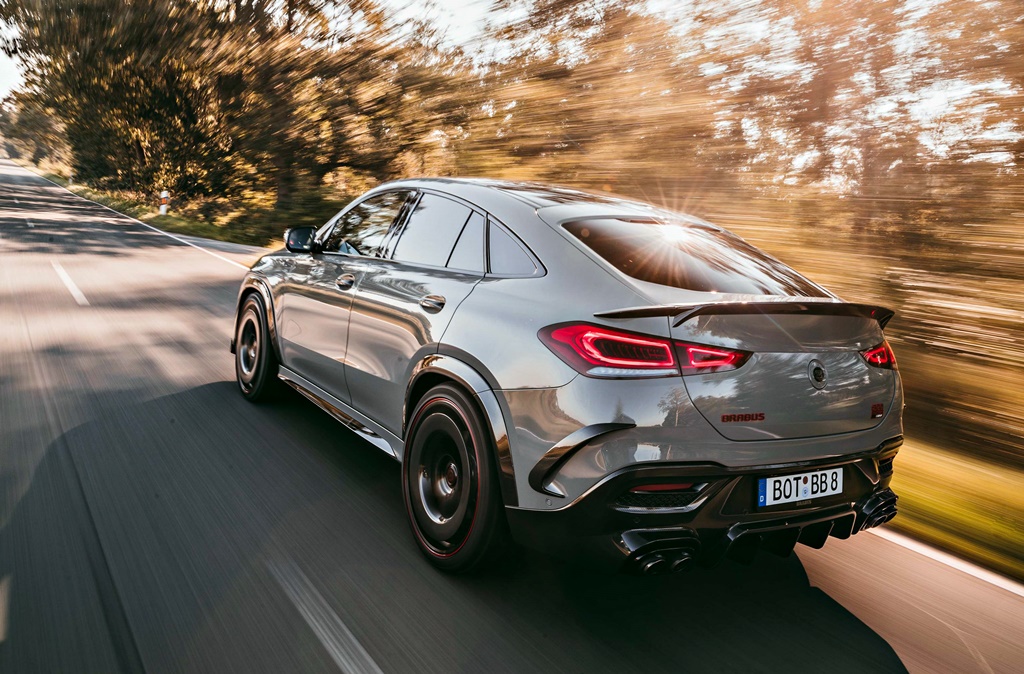
Various carmakers have been laying claim to offering the ‘fastest SUV’ and certainly they are all very fast machines. But once a tuner like BRABUS decides to also join in the quest for bragging rights, all best can be off. As an independent tuner without the demands of having to produce large volumes, BRABUS can push the envelope further and it has done this with another 900 ROCKET EDITION, this one derived from the Mercedes-AMG GLE 63 S 4MATIC+ Coupe. An earlier 900 ROCKET EDITION was based on the Mercedes-AMG G63.

Unveiled today at the Monaco Yacht Show, this is the world’s fastest street-legal SUV with a top speed of 330 km/h. Only 25 units will be available, each priced from 381,243 euros (ex-factory from Germany) which converts to almost RM1.875 million.

2021 BRABUS 900 ROCKET EDITION

2021 BRABUS 900 ROCKET EDITION

The super SUV’s V8 engine having increased displacement to 4407 cc (from 3982 cc). This has been achieved by enlarging the piston bores. With the addition of an efficient high-performance forced induction system, this engine produces a peak output of up to 888 bhp and can generate 1,250 Nm of torque but  is limited to 1,050 Nm.

The higher output enables the 900 ROCKET EDITION to get to 100 km/h from standstill in a claimed 3.2 seconds. The real top speed is not known as BRABUS has put in an electronic speed-limiter that doesn’t allow the car to go beyond 330 km/h.

2021 BRABUS 900 ROCKET EDITION

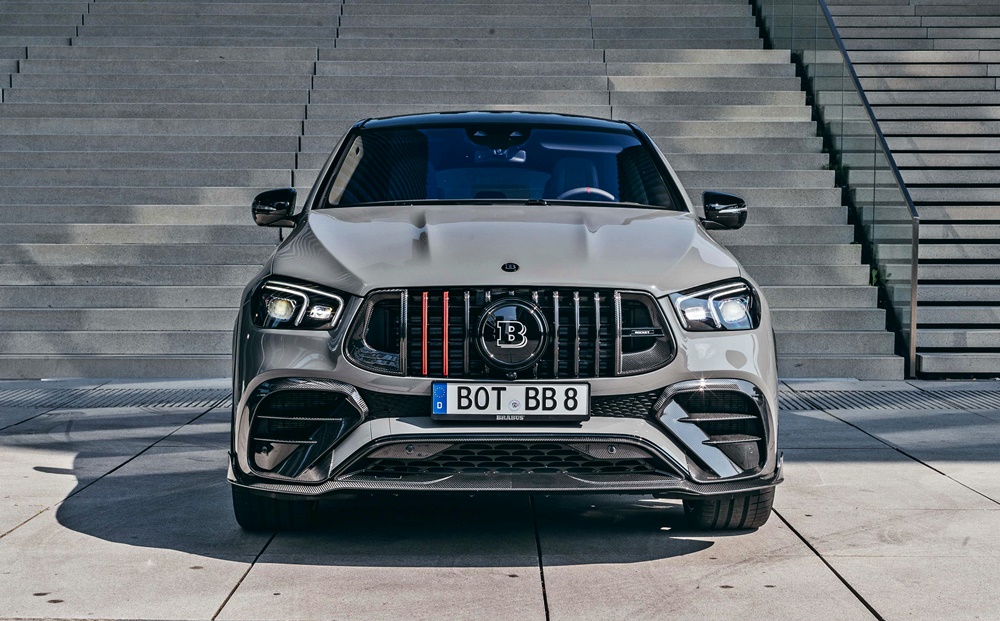
The 900 ROCKET EDITION will definitely not be mistaken for the car it is derived from with exposed-carbonfibre aerodynamic-enhancement components and the custom BRABUS wheels (24-inch Monoblock Z PLATINUM EDITION forged wheels) with carbonfibre aero-discs.

2021 BRABUS 900 ROCKET EDITION

2021 BRABUS 900 ROCKET EDITION

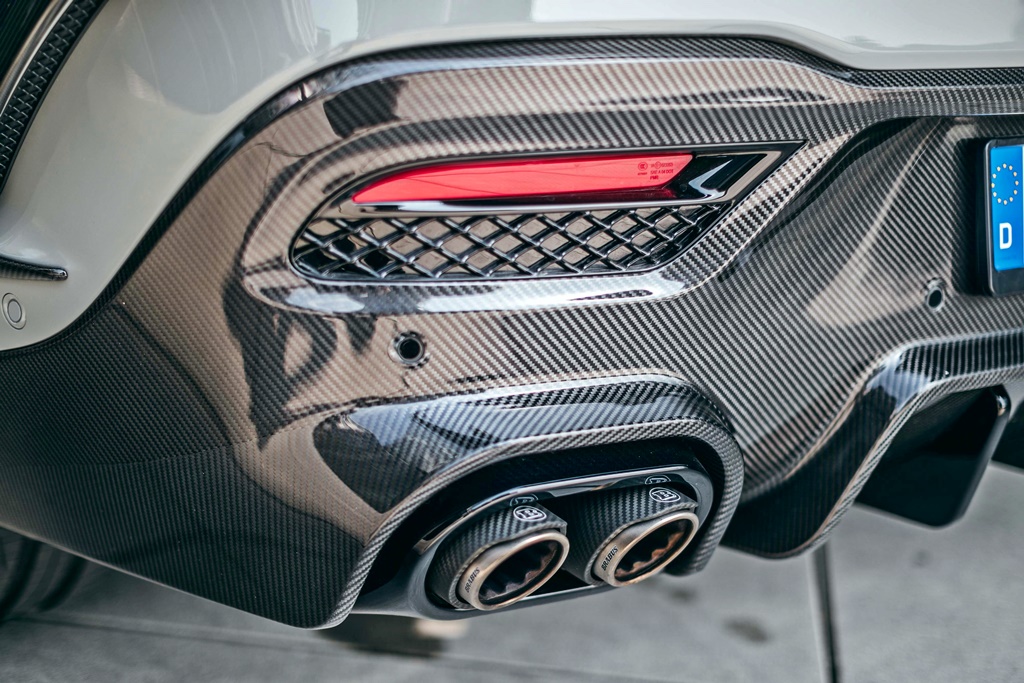
The engine modification also includes larger downpipes with a diameter of 75 mm as well as metal catalysts and special particulate filters. The stainless sport exhaust system with integrated exhaust flaps and two BRABUS titanium/carbonfibre tailpipes protrude on either side of the vehicle. The system offers an active sound management with a throaty V8 sound when the system is open or a subtle whisper in ‘Coming Home’ mode so you don’t wake the neighbours.

The BRABUS control module for the air suspension, which lowers the ride height by about 25 mm, additionally contributes to the outstandingly agile handling for an SUV. It not only gives the all-wheel car a more thrilling visual stance, but also further enhances the driving dynamics thanks to lowering the centre of gravity.

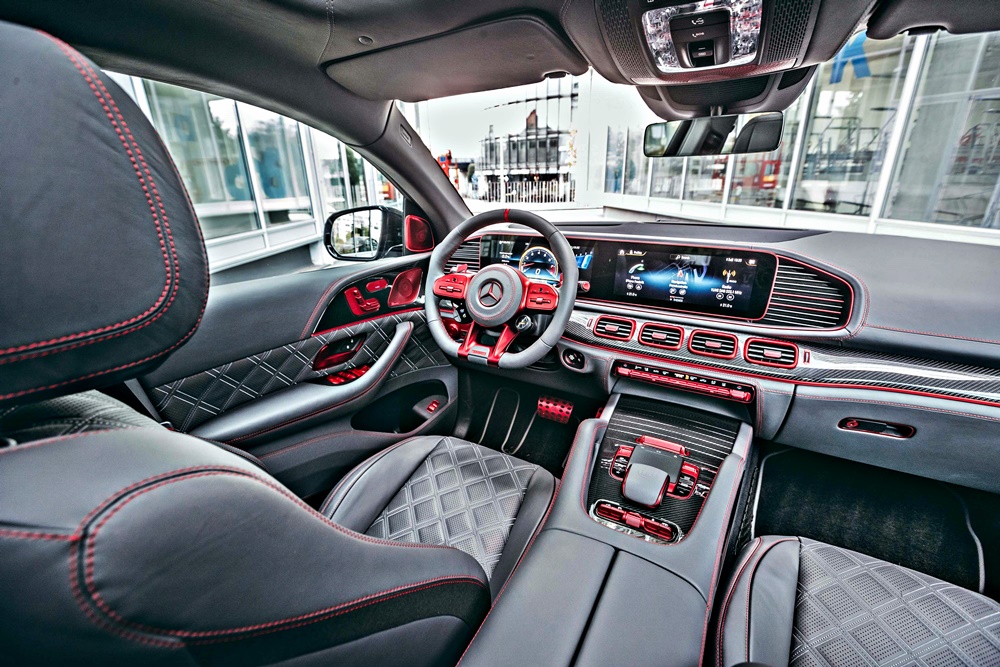
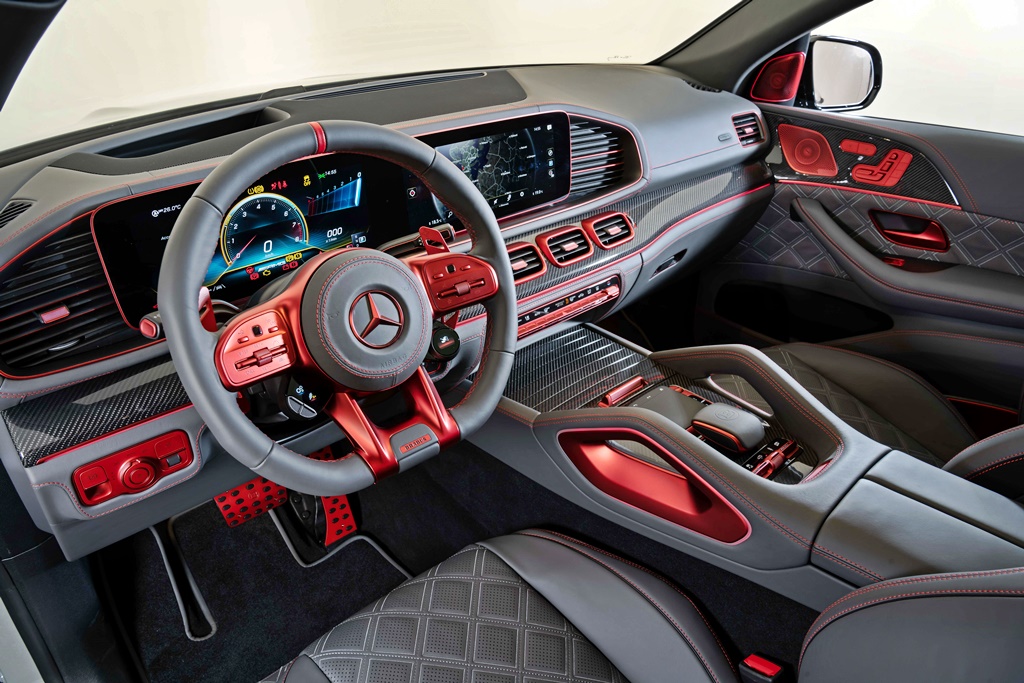
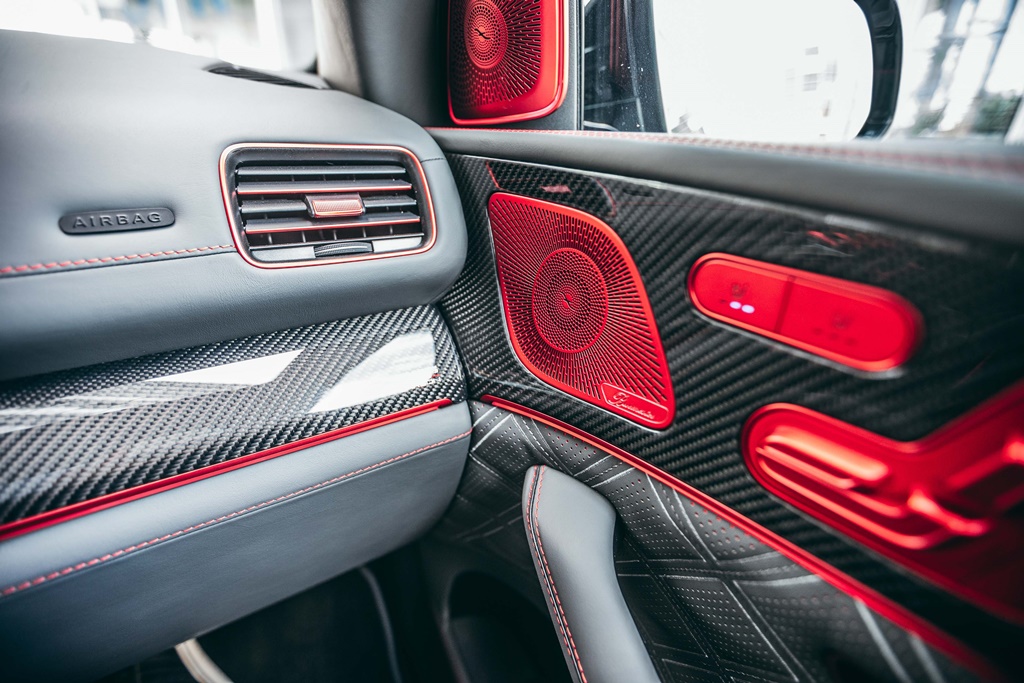
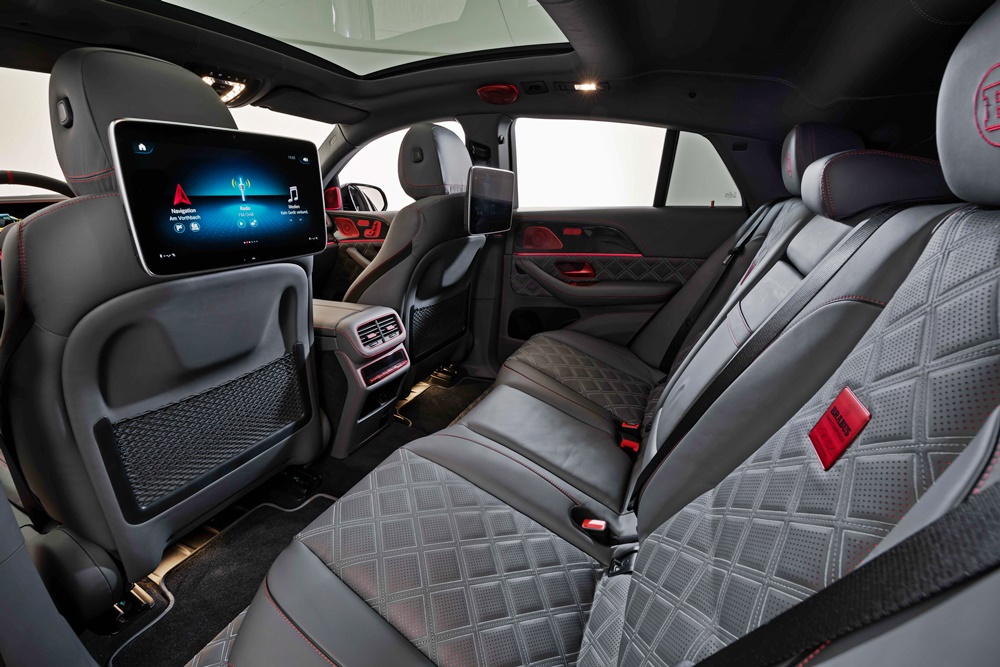
Inside the 4×4 fastback SUV, there are the usual signature fine leather appointments with many personalisation options available for customers. In the first unit shown in the pictures, there is grey leather upholstery matching the outer skin. The seat centre sections and the inner sections of the door panels feature square quilting applied with pinpoint precision and additional perforations.

2021 BRABUS 900 ROCKET EDITION

2021 BRABUS 900 ROCKET EDITION

2021 BRABUS 900 ROCKET EDITION

2021 BRABUS 900 ROCKET EDITION

To match the red brake calipers and the two likewise red signature stripes in the radiator grille, the leather features red contrasting highlights. In addition, all trim pieces in the cockpit sport red glazing. The same colour is also used for the pedals, door pins and the RACE paddle shifters on the steering wheel.

Being the specialist that it is, with a history of almost 45 years, BRABUS has the engineering expertise to upgrade performance reliably and safely. They are confident in what they do and give a 3 years/100,000 kms Tuning Warranty for the ROCKET 900 EDITION.

2021 BRABUS 900 ROCKET EDITION

The other side of the BRABUS business – armoured SUVs

Vaccination does not make you immune to COVID-19 infection. You can still get infected but you may not show symptoms or feel sick – but you can spread the coronavirus to others. Do not stop taking protective measures such as wearing a facemask, washing hands frequently and social distancing.

StayAtHome

It’s been a while since we heard about updates for the Mazda range distributed in Malaysia by Bermaz Motor. The last time was in April for the latest MX-5 RF and Mazda6, and a month earlier, the company also announced that bookings for the new CX-3 were accepted.

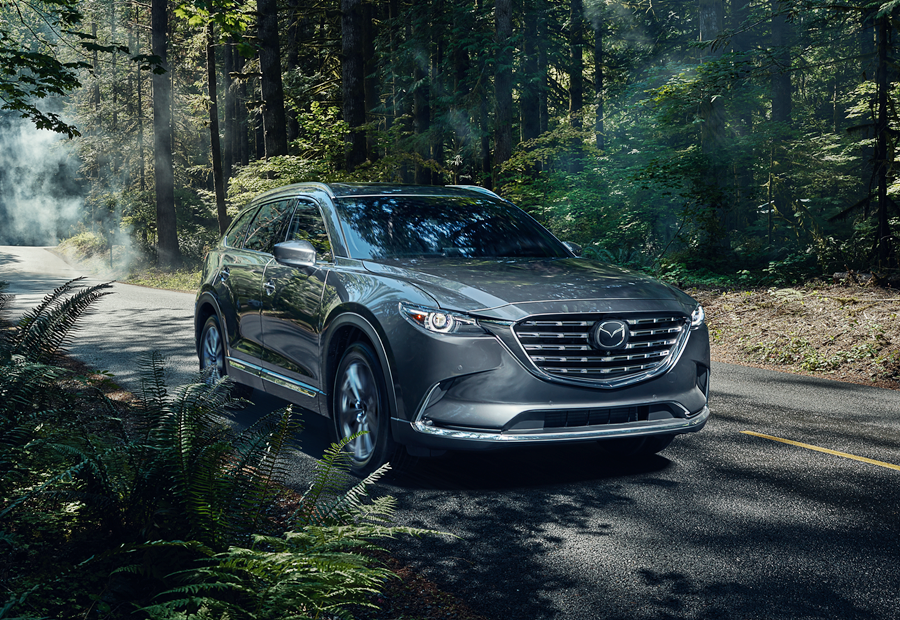
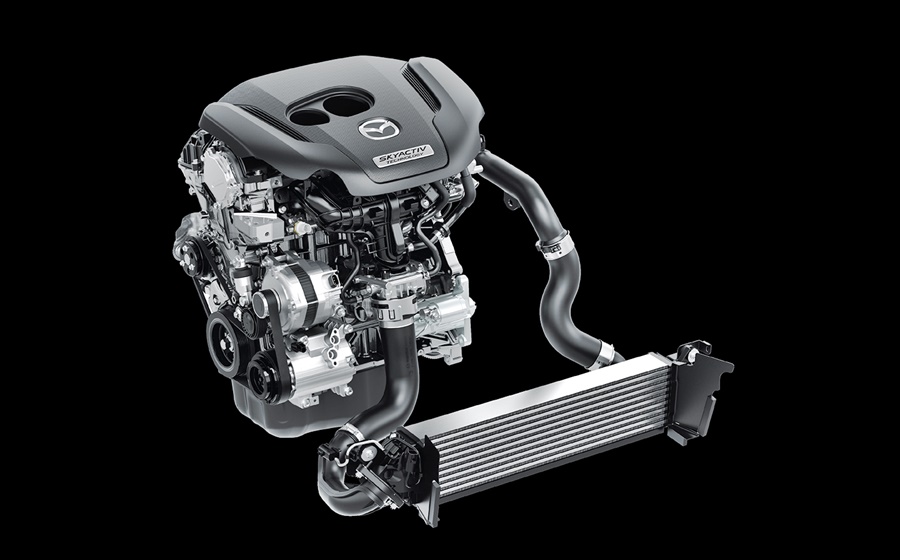
Now comes the updated CX-9, flagship of Mazda’s SUV range, which gets cosmetic as well as technical upgrades. The 3-row SUV is available in two variants – 2WD and AWD – both using the SKYACTIV-G 2.5 turbocharged petrol engine with an output of 228 ps/420 Nm and a 6-speed SKYACTIV-Drive automatic transmission.

2021 Mazda CX-9

Peninsular Malaysia pricing (without insurance and with 50% exemption on sales tax) is from RM319,847.40 for the 2WD variant and RM336,215.40 for the AWD variant. All new vehicles come with a 5-year warranty (or maximum of 100,000 kms) and also free maintenance service for the first 5 years (or maximum of 100,000 kms).

Mazda SKYACTIV-G engine

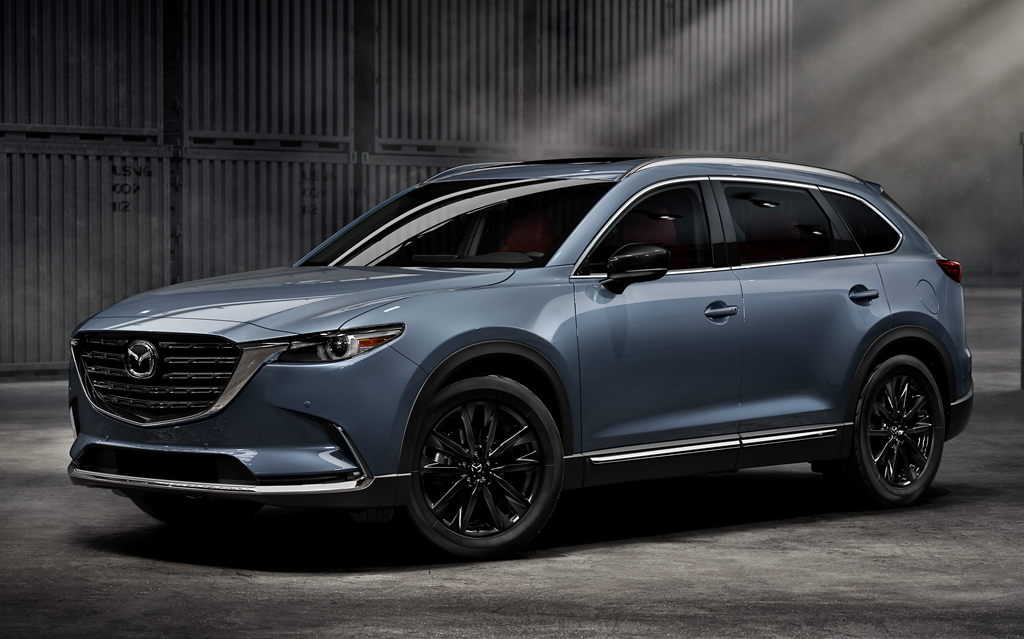
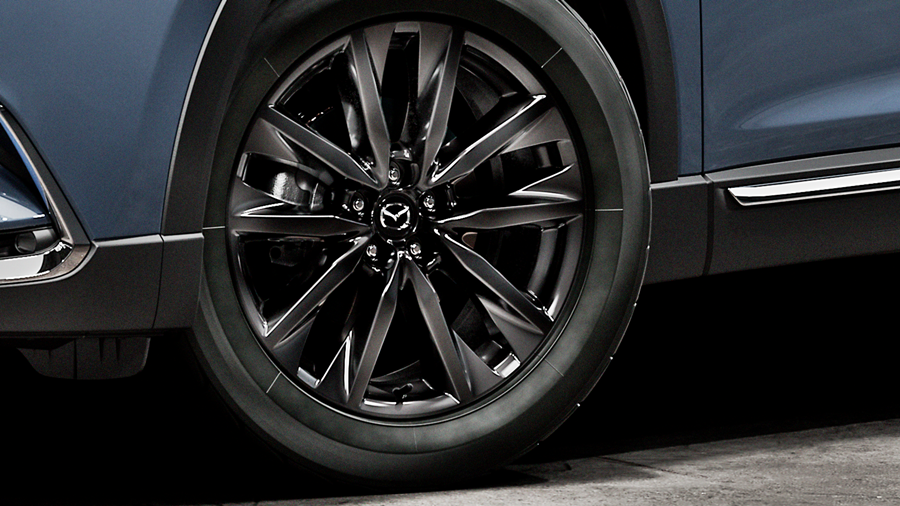
The 2021 CX-9 is now available in the ‘Ignite Edition’ which features gloss black door outer mirrors, gloss black for the new front grille design, and 20-inch black metallic aluminium alloy wheels as standard. LED headlights with auto-levelling, LED daytime running lights and taillights, and rain-sensing windshield wipers are also standard. Body colours available are Soul Red Crystal, Machine Gray, Snowflake White Pearl, Sonic Silver, Deep Crystal Blue and Jet Black.

2021 Mazda CX-9

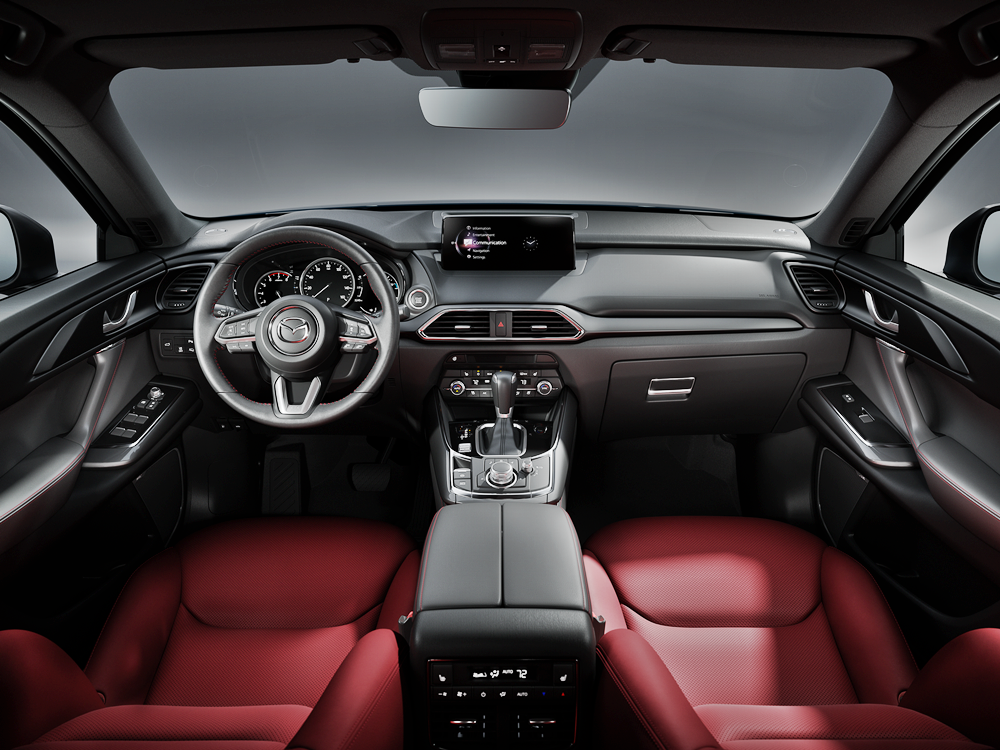
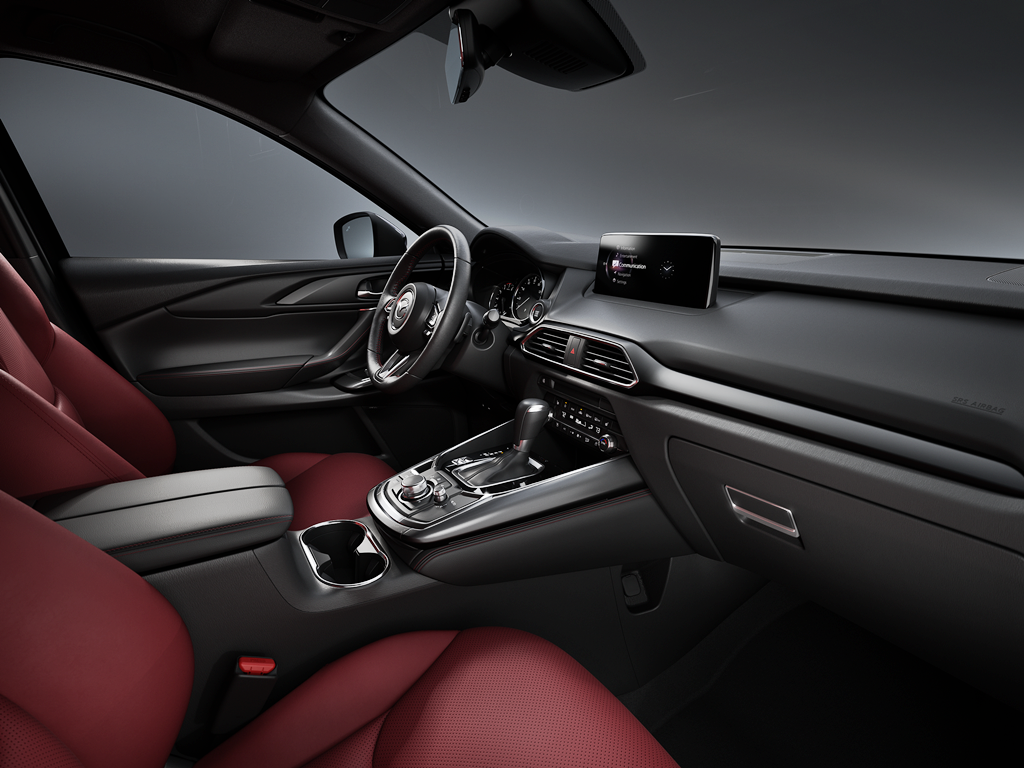
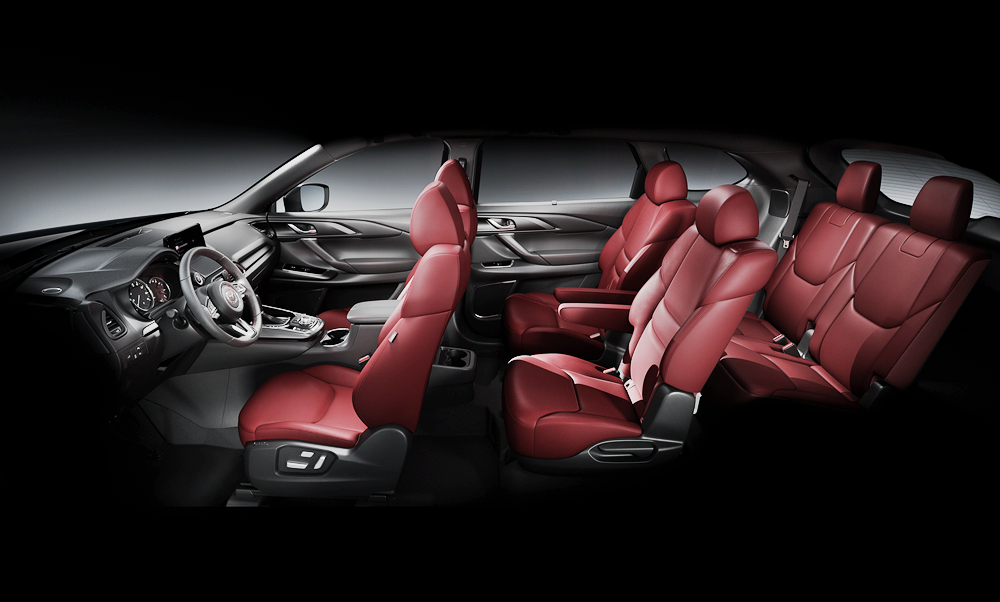
The interior features burgundy-coloured leather seats and black interior trim on the dash, door panels and handle bezels. The infotainment system now has wireless Apple CarPlay along with Android Auto capabilities for easier connectivity with smartphones. Also new are a wireless charger (if you have a phone with the capability) and paddle shifters.

2021 Mazda CX-9

2021 Mazda CX-9

Other standard features include a leather-wrapped steering wheel and shift knob, 3-zone automatic climate control, 10 power adjustments for the driver’s seat with memory positioning, interior LED accents, Bluetooth handsfree phone and audio pairing, keyless entry and push-button start.

2021 Mazda CX-9

As the flagship model, the CX-8 gets an advanced package of safety systems which Mazda calls i-Activsense. These help the driver to avoid accidents and can also automatically respond in dangerous situations by applying the brakes. Mazda Radar Cruise Control allows the driver to enjoy long-distance motoring as a safe gap will always be maintained even when a speed has been set for cruising.

Other systems in i-Activesense include Adaptive LED Headlights, Blind Spot Monitoring with Rear Cross-Traffic Alert, Lane Departure Warning with Lane-Keep Assist and Driver Attention Alert.

To know more about the new CX-9 and other Mazda models in Malaysia, visit www.mazda.com.my.

Soul Red and the importance of paint finish to Mazda designers

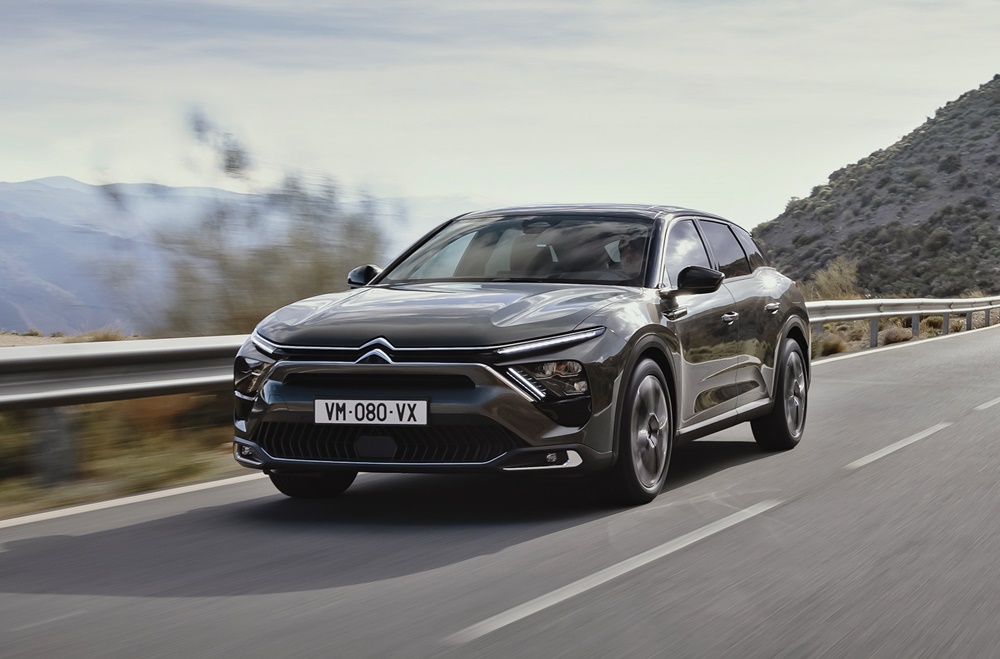
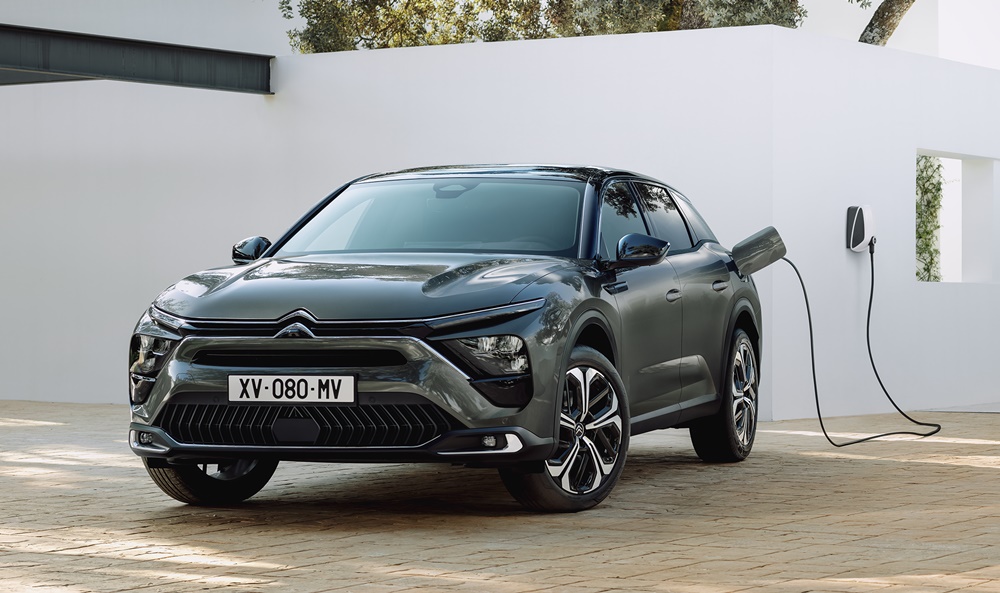
While SUVs are still very popular around the world, the designs have settled on a few common forms, depending on the segment. For Citroen, which has long designed its cars with a degree of uniqueness, looking for a new styling concept was the challenge given to the designers. The new model would have to combine the modernity and appeal of an SUV, the elegance and status of a saloon, and the versatility and practicality of a station wagon.

SUV with alternative design concept
Their proposal is the new C5 X which meets the expectations of customers wanting large tourers and those who are also looking for a more modern and stylish alternative to more traditional SUV’s, saloon and stationwagon models. “With the all-new C5 X, Citroen is revisiting the spirit of touring – the ability to travel in an elegant, refined car and set off to discover the world with complete peace of mind,” said Vincent Cobee, CEO of Citroen.

2022 Citroen C5 X

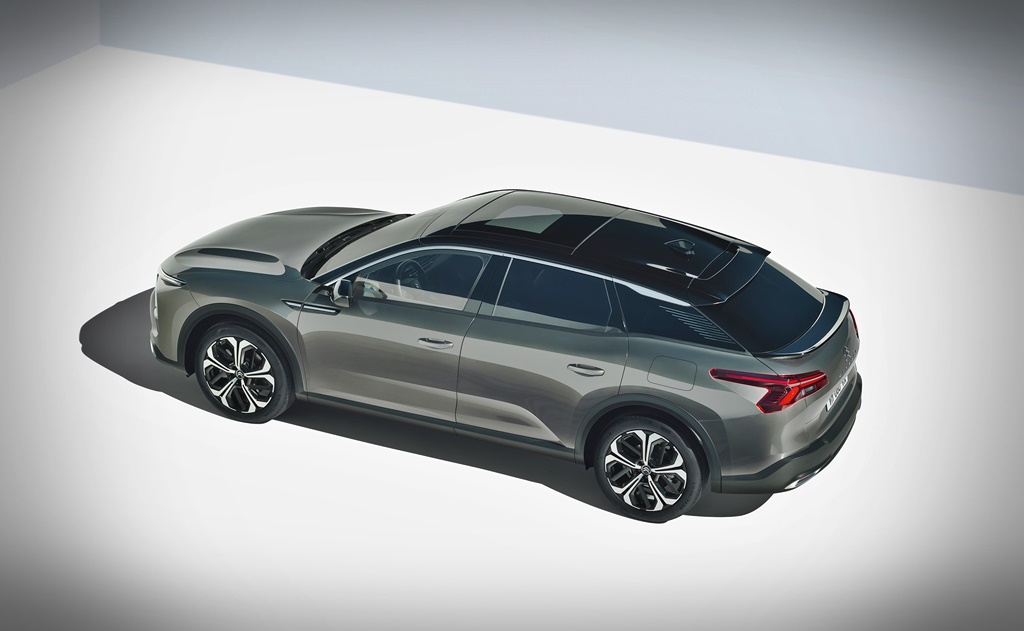
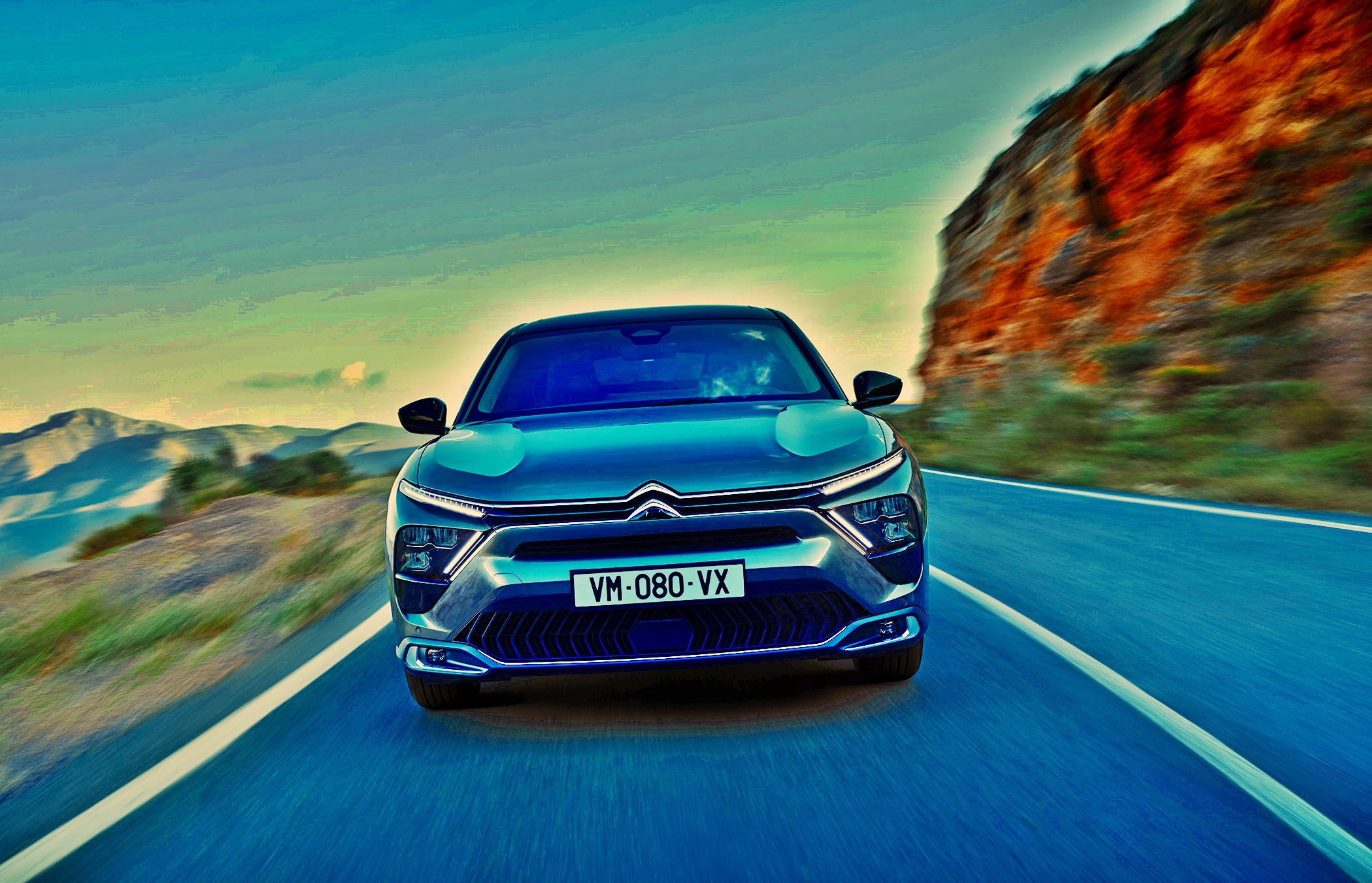
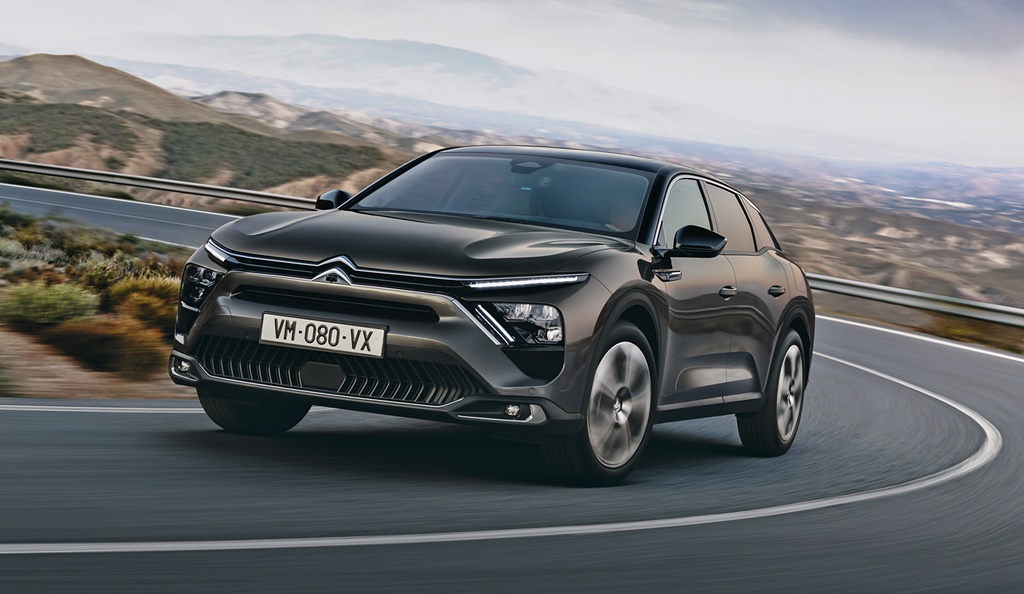
The bodystyle of the C5 X is muscular with optimised aerodynamics to reduce fuel consumption, with a streamlined profile drawing inspiration from aeronautics. The fluidity of the bodystyle is emphasised by the car’s tight, muscular volume. The extended bonnet, the high beltline and the rear wheel flare give it distinction, dynamism and sturdiness, common among Citroen’s larger vehicles.

The streamlined profile combines with a raised ride height and large diameter alloy wheels to give a more commanding view than would be available in a saloon or stationwagon. Around the wheel arches, vertical surfacing detail enhances the vehicle’s character. They highlight the large-diameter wheels while ensuring that air flows along the length of the body.

2022 Citroen C5 X

Coupe-inspired roofline
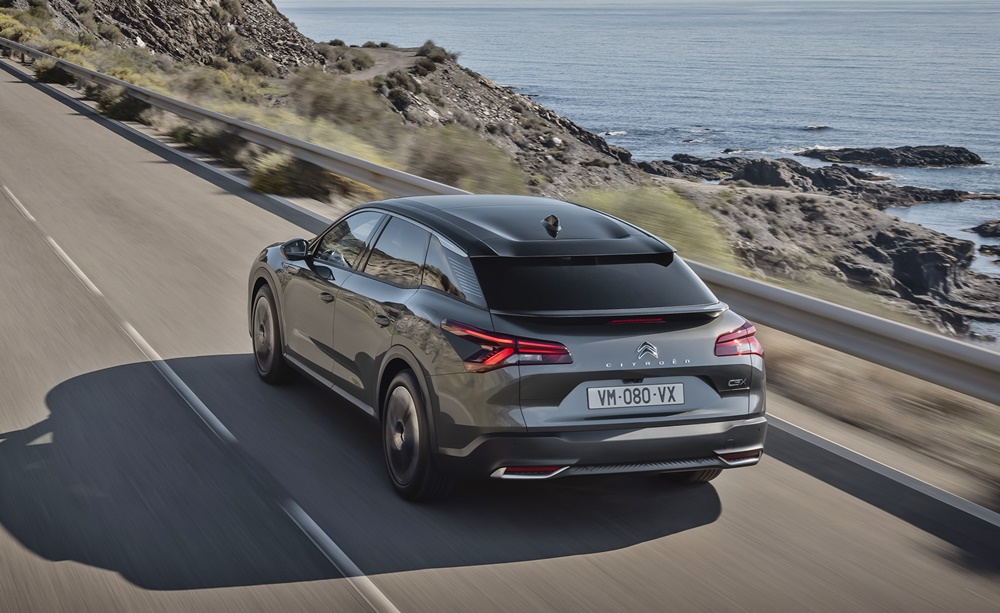
The elongated coupe-inspired sloping roofline ends with a ‘floating’ aerodynamic spoiler to further enhance the dynamic silhouette. The impression of a ‘floating roof’ is further enhanced through gloss black a-pillars, door pillar trims and dark tinted rear. As an option, customers choose a bi-tone Perla Nera Black roof for a more stylish appearance.

The LED V-shaped lighting signature representing Citroen’s new identity echoes the 3D rear light signature for greater consistency. The upper chevrons highlight the end of the bonnet and stretch right up to the LED daytime running lights, highlighting the width of the front end. The lower chevrons stretch up to the LED headlights and daytime running lights for a high-tech look.

2022 Citroen C5 X

A close look at the lighting signature will reveal real attention to detail. Small light veins create a graphic chevron design in the headlights that highlight the car’s look and reinforce the signature, particularly from the front three-quarter view.

The bonnet is long and horizontal, and positioned fairly low with pair of large scalloped design details, reminiscent of the latest C4 and C5 Aircross SUV. The lower air intake, highlighted by a chrome strip, has a highly geometric design – one that draws inspiration from chevrons – and houses the main radar used for the car’s driving aids.

2022 Citroen C5 X

Stationwagon practicality at the rear
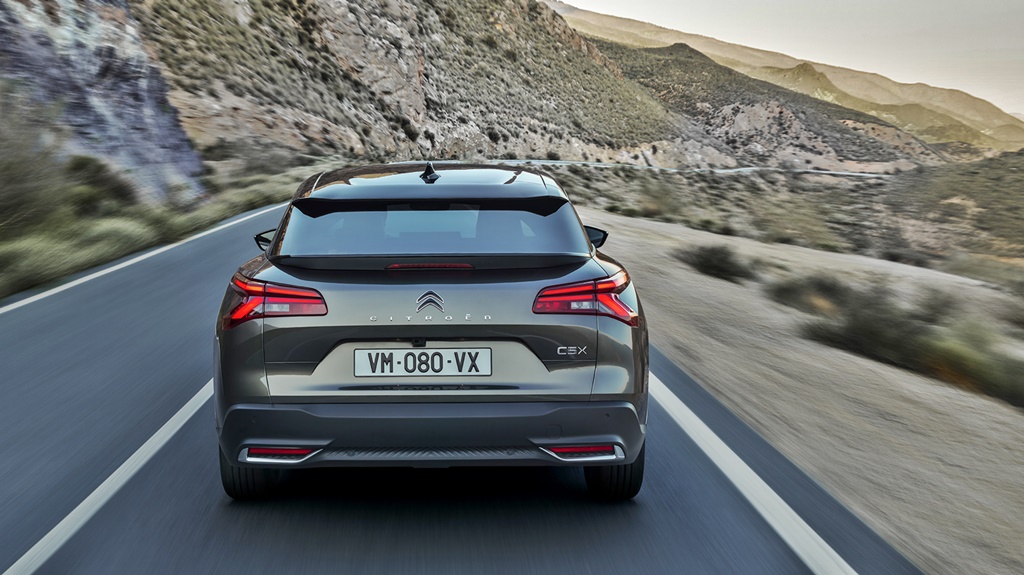
To the rear of C5 X, dual spoilers combine to give a very dynamic look. This, combined with the steeply raked tailgate window design, helps to continue the flowing silhouette. Further details – such as the crisp lines around the lower part of the tailgate and bumper coupled with the lower chevron pattern and the chrome decoration around the reflectors – emphasise the vehicle’s width.

2022 Citroen C5 X

The rear of the car is also designed to be practical and provide more volume for the driver, offering stationwagon levels of modularity. The tailgate provides a wide and functional opening with a low loading sill.

Plug-in hybrid powertrain
The powerful 225 ps plug-in hybrid powertrain is claimed to give a range of up to 55 kms. Combustion engines will still be available but Citroen is not providing information on them yet.

2022 Citroen C5 X

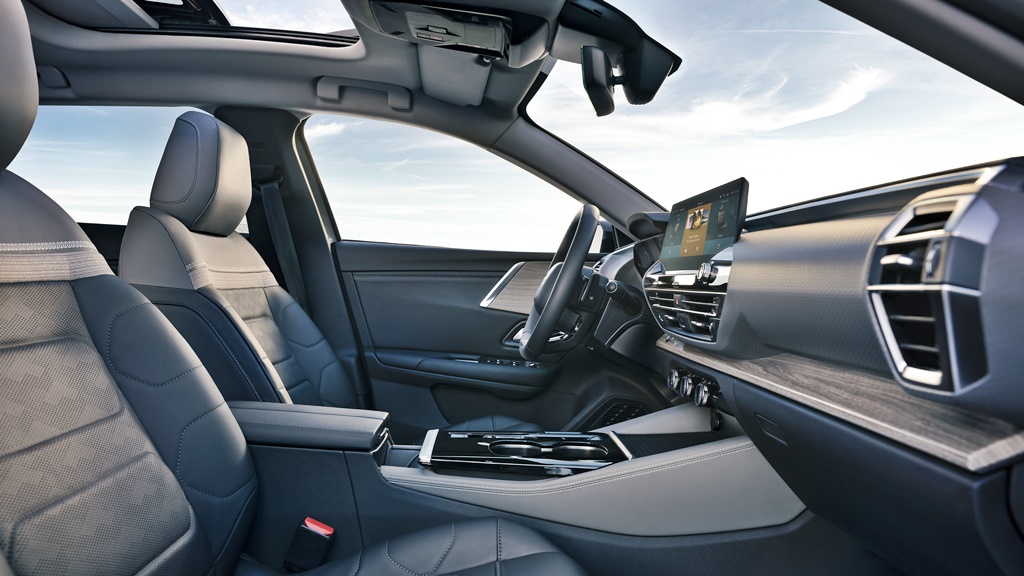
Other technical details available at this time include Citroen’s Advanced Comfort Active Suspension system, with the cabin having a lounge-like interior space and Advanced Comfort seats

Production of the C5 X will start towards the end of this year with first deliveries starting during the first quarter of 2022.

2022 Citroen C5 X

Electrogenic gives the iconic Citroen DS a new 21st century ‘heart’

Vaccination does not make you immune to COVID-19 infection. You can still get infected and you may not show symptoms but spread the coronavirus. Do not stop taking protective measures such as wearing a facemask, washing hands frequently and social distancing.

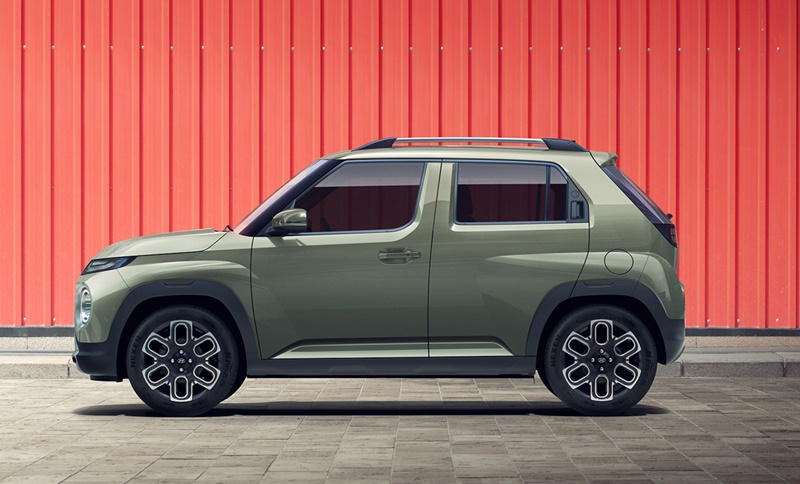
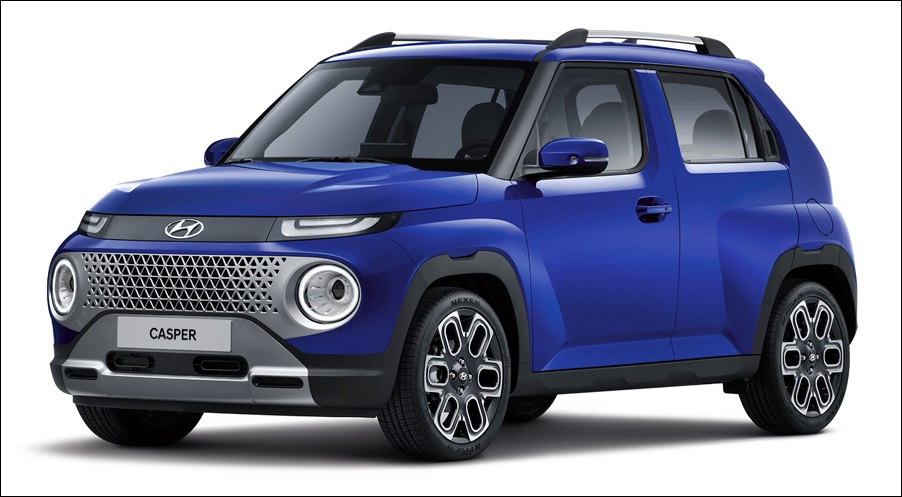
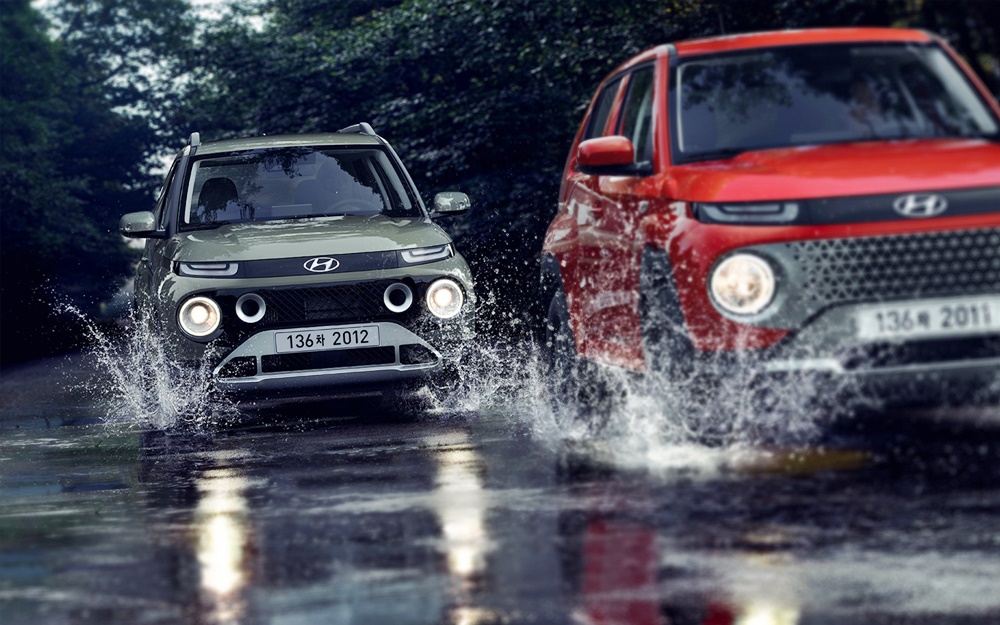
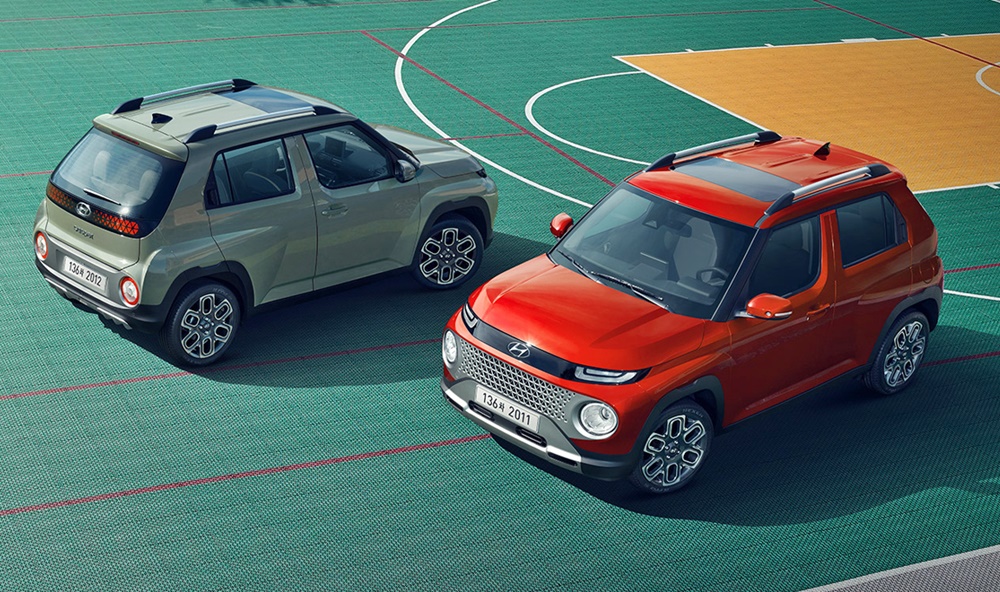
Casper, the friendly ghost in an animated cartoon series, is the name that Hyundai will use for a new ultra compact SUV that it will introduce during the fourth quarter of this year, starting with the Korean market.

Smallest Hyundai SUV model
The new model will be the carmaker’s smallest SUV, measuring 3595 mm long, 1595 mm wide and 1575 mm tall, with a 2400 mm wheelbase. That makes it even shorter than the old Perodua Kembara and about as large as the old Hyundai i10. The wheelbase is fairly generous though, which should provide maximum interior space.

2021 Hyundai Casper

Creating a new class?
Hyundai describes the Casper as being in ‘an all-new car class that never existed before’ and it will probably be presented as a vehicle for the urban jungle. Details are limited for now but it is expected to have a 1-litre 3-cylinder petrol engine and the ones Hyundai currently offers produce either 66 bhp with natural aspiration or up to 98 bhp with turbocharging. Under consideration is an electric version which could come later on.

While the Casper would be a nice little city car for Europe, it might also be offered as a trendy crossover for emerging markets as it will probably have an affordable pricetag with minimal high-tech. Hopefully, Hyundai Sime Darby Motors will be able to get their principal to consider it for the Malaysian market.

In its domestic market, Hyundai is taking bookings for the model this month and ‘early bird’ customers can get priority delivery, Starbucks gift cards as well as car-sharing test-drives for 8 hours.

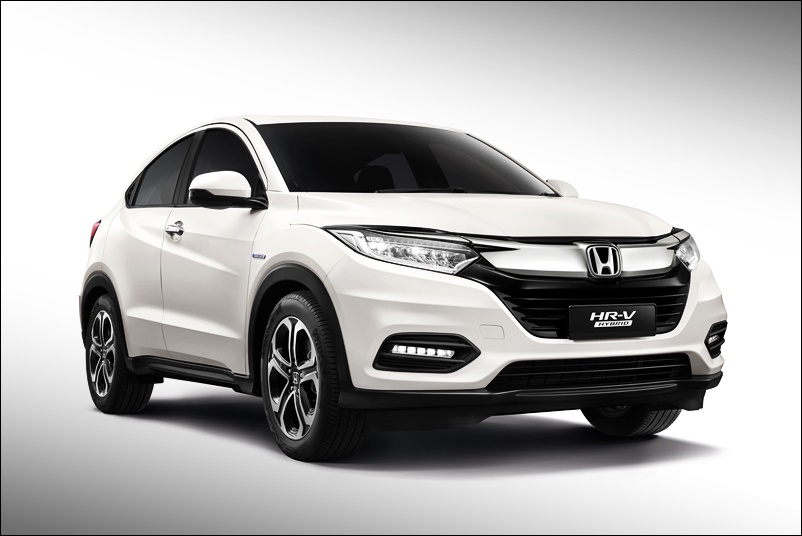
Honda’s popular HR-V Sport Hybrid has received updating with revised lighting units front and rear, a new exterior body colour and some interior enhancements. The crossover SUV is priced from RM113,954.82 (excluding insurance) with full exemption of sales tax until the end of this year.

New lights, new colour
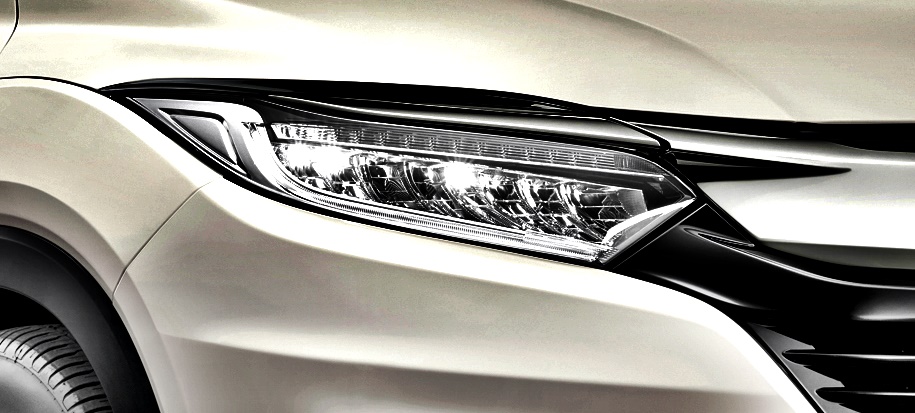
The revisions to the lighting units see a change to LEDs which should provide longer service life while drawing less electrical energy. The new exterior colour is Platinum White Pearl (with a surcharge of RM272.72), a distinctive finish which joins the other choices of Lunar Silver Metallic and Modern Steel Metallic. The door handles are also finished in chrome for this updated model.

For the interior, the HR-V Sport Hybrid now comes with a 7-inch colour display with large icons for easy management. The infotainment system has Apple CarPlay and Android Auto so compatible smartphones can be easily connected. There are also two USB ports available for recharging of portable electronic devices, while a 3-spoke leather-wrapped steering wheel is now provided.

8-year warranty for battery pack
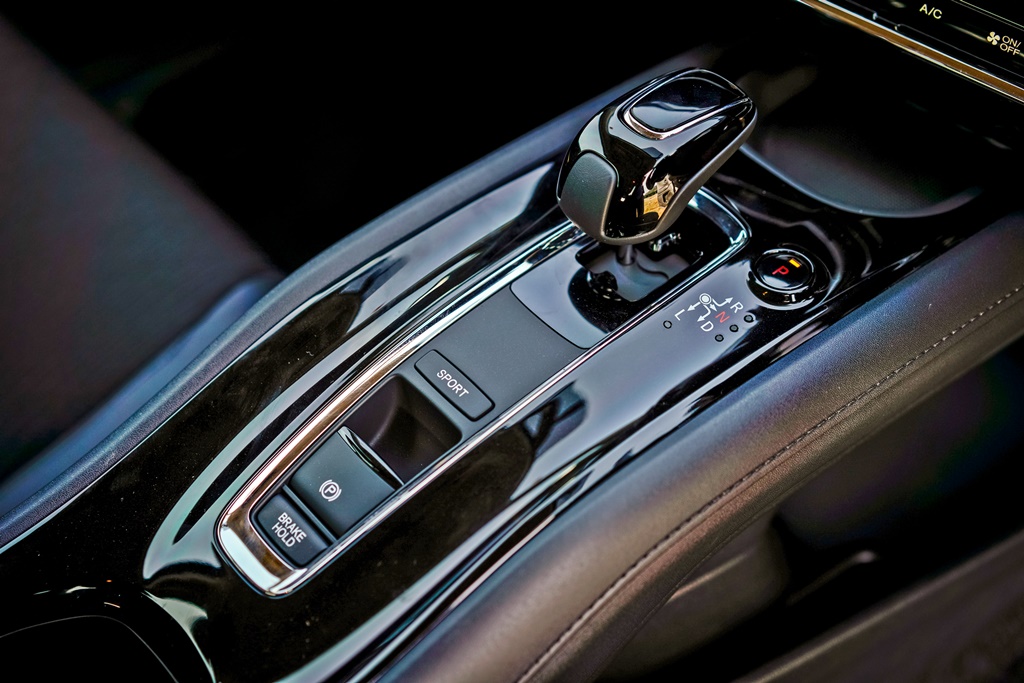
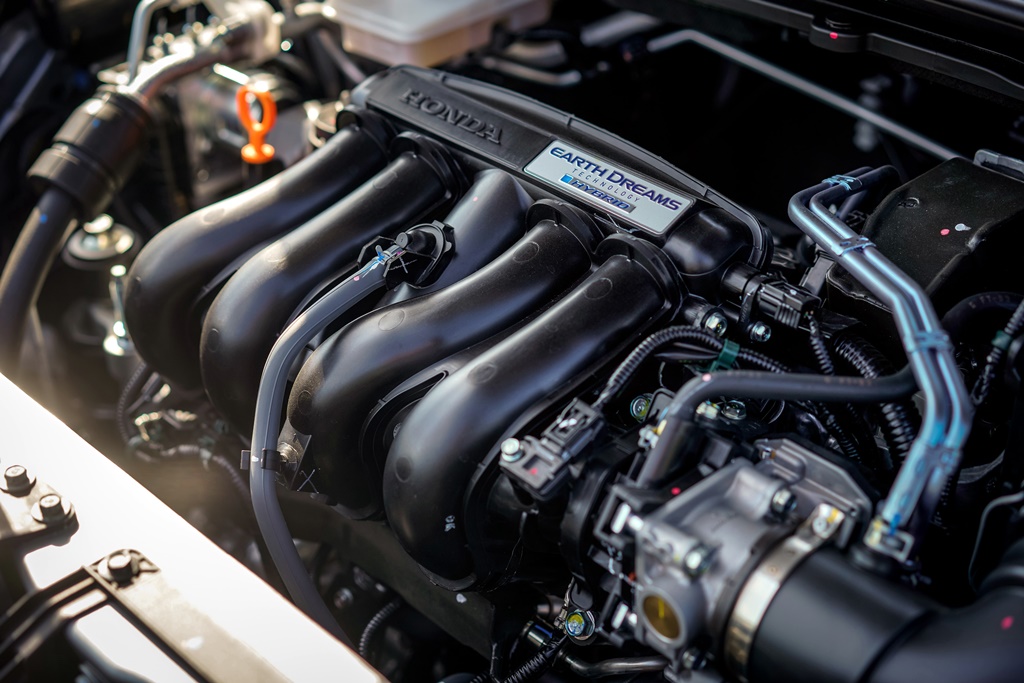
The hybrid version of the HR-V, which was first introduced in 2015 and then updated in 2019, uses the i-DCD hybrid powertrain. Developed with Earth Dreams technology, this consists of a 1.5-litre DOHC i-VTEC engine with Direct Injection combined with 7-Speed Dual-Clutch Transmission and Integrated High Power Motor. Electricity is supplied by a high-power lithium-ion battery pack and the combined system output is 152 ps/190 Nm, which is comparable to a conventional 2-litre engine. The battery pack has a warranty of 8 years and unlimited mileage, 3 years longer than the warranty for the rest of the vehicle (which also has unlimited mileage).

Over 103,000 units on Malaysian roads
Over 103,000 units of the HR-V have been sold in Malaysia and it has accounted for 18% of Honda sales in this country in 2021. According to Honda Malaysia, it continues to be the leader the non-national compact SUV segment with a 71% market share (as of June 2021).

“The HR-V has remained Malaysians’ favourite Compact SUV with its versatility, spaciousness and stylish exterior appearance. Having considered market feedback and demands, we have introduced exterior upgrades to the hybrid variant. With the overall package and attractive pricing, we believe it will be the preferred choice for customers who are seeking a Compact SUV body type with a thrilling hybrid performance,” said Honda Malaysia’s Managing Director & CEO, Madoka Chujo.

Authorised Honda showrooms are open again, and customers can also book online at prebook.honda.com.my or use the HondaTouch application on their smartphones. More information is also available at www.honda.com.my.

Honda Malaysia introduces HondaTouch application for owners and customers

StayAtHome

The Kia Sportage was one of the Korean carmaker’s early SUV models, developed using the  platform from a Mazda van. It entered the market in 1993 and over almost 3 decades since then, it has evolved from a basic small SUV to a modern and larger crossover. For all the generations, Kia has had just one design for global markets but soon, there will be a model developed specifically for Europe.

The dedicated model reflects the importance of the European markets to Kia, where sales have been strong. While the latest global version has significantly increased in size, the European version also spiritually succeeds the fourth generation as the fifth generation of the brand’s most popular SUV.

Kia Sportage Europe 2021

New design language
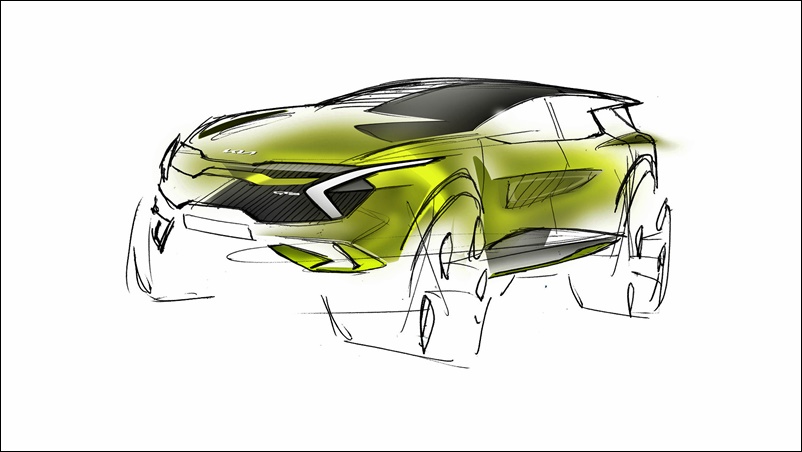
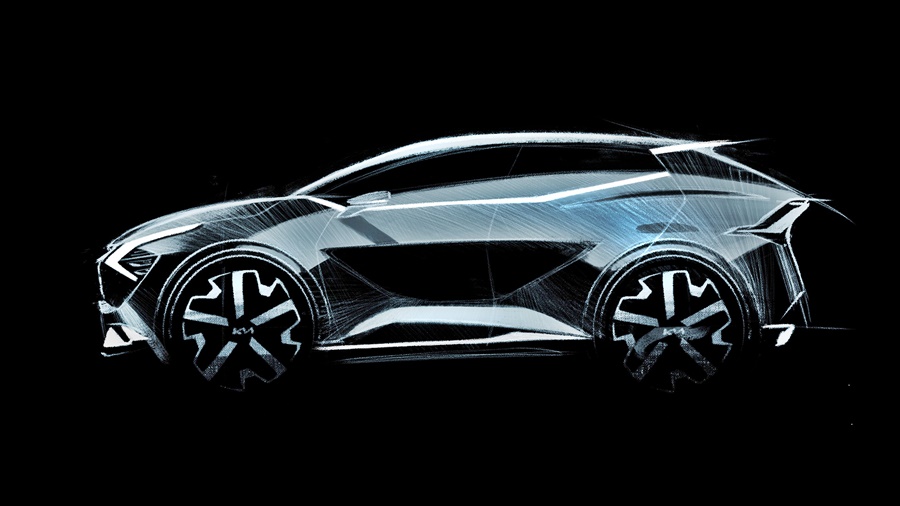
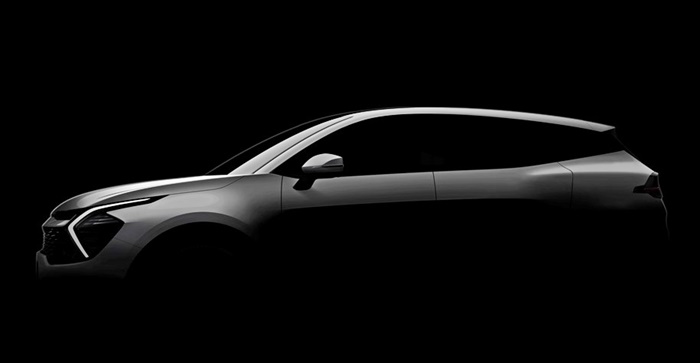
These are the first official sketches released by Kia Europe show Kia’s new design language – Opposites United – influencing every aspect of its appearance and character. Its design builds on the theme ‘Bold for Nature’ and pays homage to nature’s perfection and simplicity whilst connecting with the brand’s new design direction.

The sketches suggest a sporty, assertive  SUV with a daring and intricate front-end design. A closer look shows a detail-orientated black grille graphic spanning the width of the face. A fresh interpretation of Kia’s iconic floating signature ‘Tiger Nose’ grille combines with distinctive boomerang-shaped LED DRLs (daytime running lamps) and Matrix LED headlamps.

Kia Sportage Europe 2021
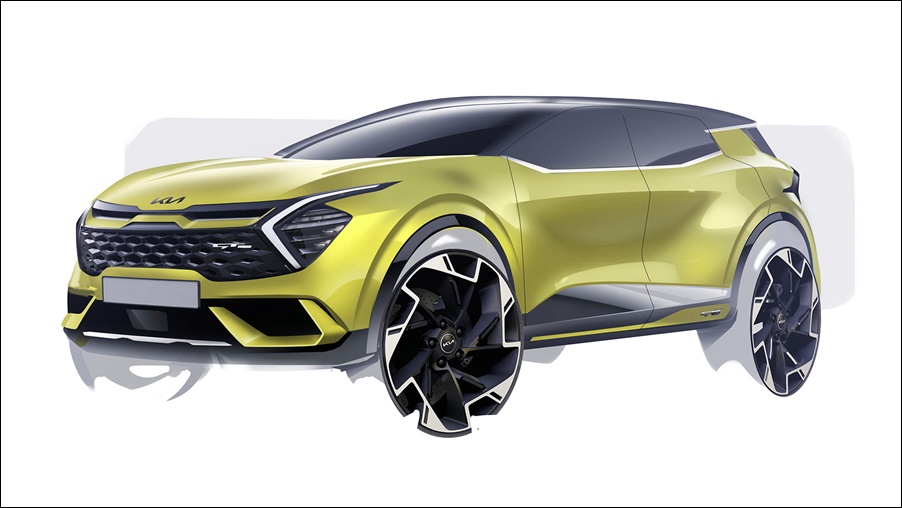
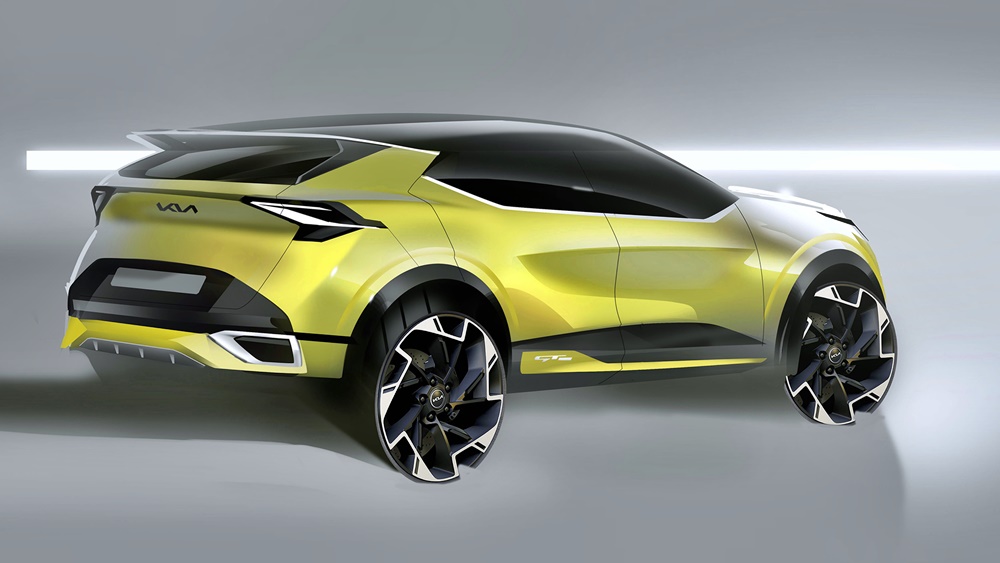
The European version of the new Sportage differs main at the rear where there is a different angle for the roof pillars compared to the global model (shown below).

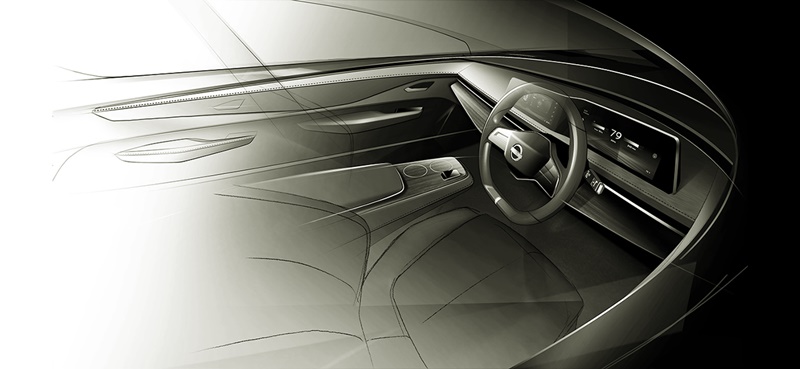
In profile, a muscular swooping fastback rear creates a strong and distinctive road presence. The interior design of the new Sportage is also said to push styling boundaries, setting the tone for the next-generation Sportage line-up.

New architecture
State-of-the-art connectivity tech, responsive and highly efficient advanced powertrains and the very latest passive, active and ADAS safety features can be expected. Developed on a new architecture, the Sportage has also been tuned to offer optimal drive and handling characteristics for European roads.

Representing another first for the Sportage range, the sketches show a black roof that helps to further accentuate the sporting profile of the all-new SUV, while also highlighting a dynamic C-pillar design treatment. A unique black bumper design is used at the rear end.

Kia Sportage Europe 2021

Fifth generation Kia Sportage revealed – to be locally-assembled in 2022?

StayAtHome

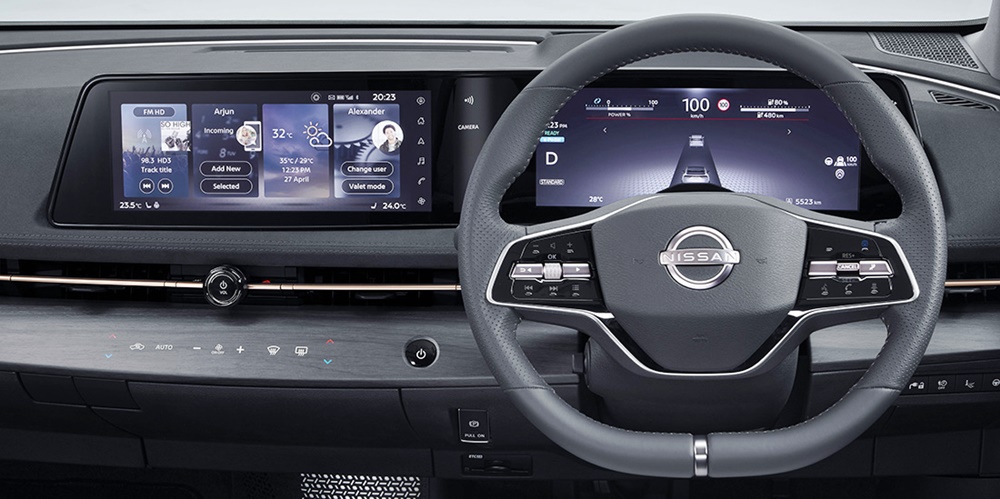
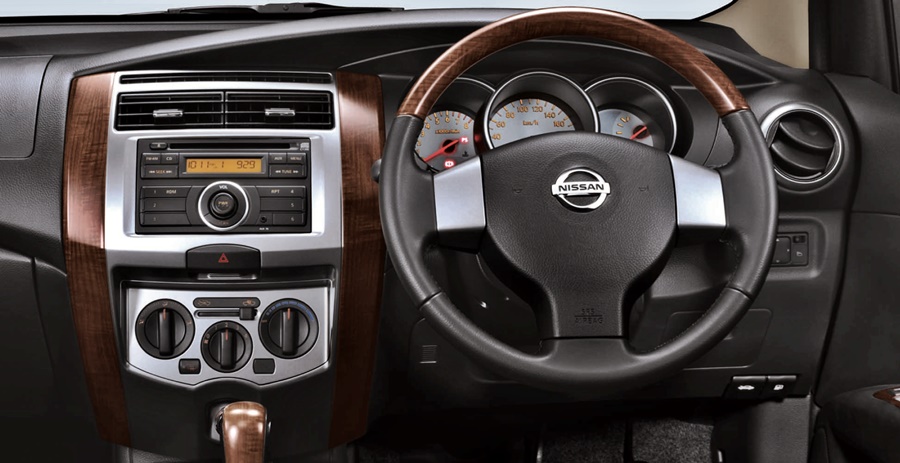
With the digitization of car interiors and the continuing addition of more and more electronic systems, the way a driver interacts with the systems and operates or adjusts them has been changing. For decades, mechanical systems used mechanically-actuated knobs and levers or pushbutton and rocker switches and generations of drivers have used them.

No more knobs and levers
With the new generation of cars, those knobs and switches have been disappearing, typically replaced by icons on touchscreens. No longer does a driver have to turn a knob to make the temperature higher or lower – it can be done by touching a display screen, just like on a smartphone. Or physical interaction might not even be necessary as many cars now have intelligent voice command systems.

The dashboard in today’s Nissan Ariya has digital and graphic displays with touchscreens, a big difference from the one in the Nissan Grand Livina of 2011 which had knobs, levers and rotary dials (below).

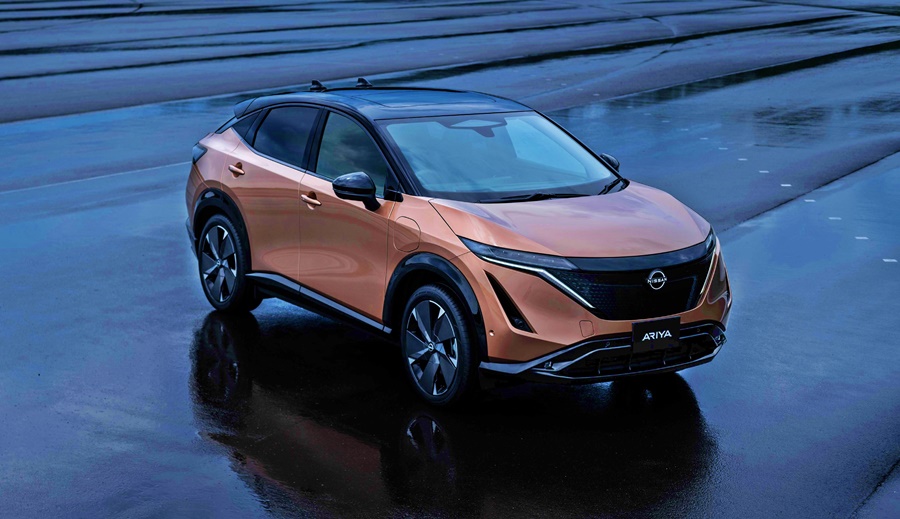
When developing the latest Nissan Ariya all-electric crossover, its designers and engineers didn’t just consider the ergonomics involved in reaching toward the dashboard. They were determined to create a new look and feel for controls that drivers generally take for granted. This required a rethink of cabin space, touch and positioning.

Controls beneath the surfaces
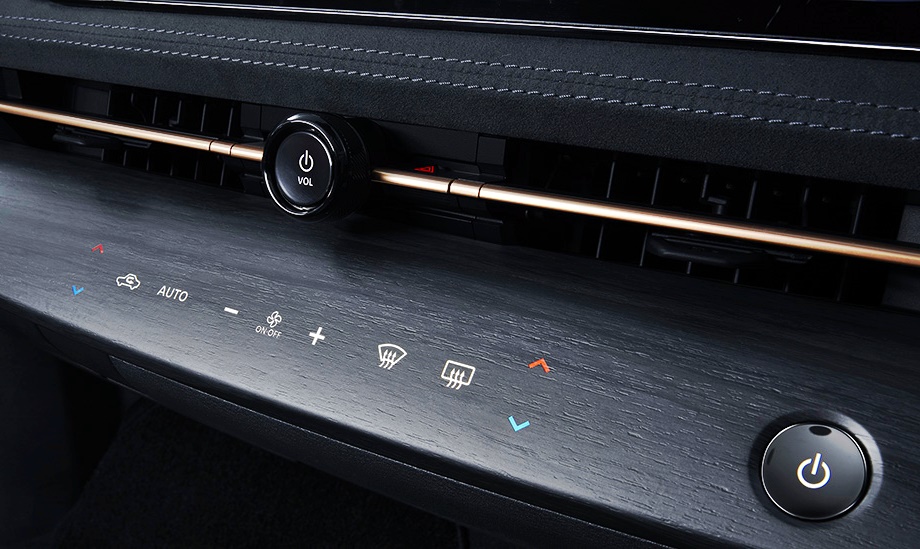
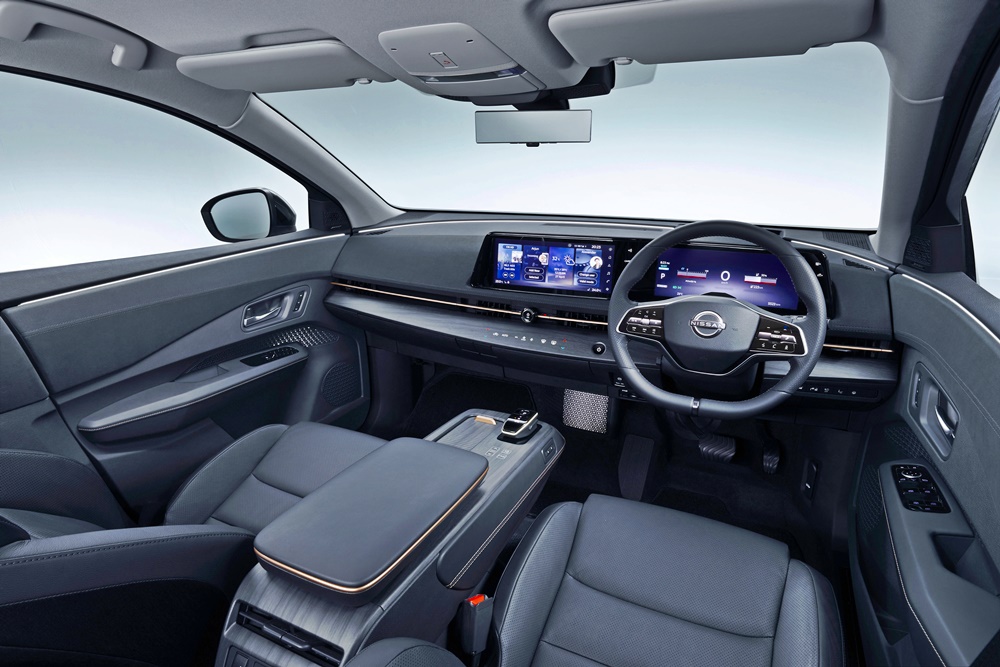
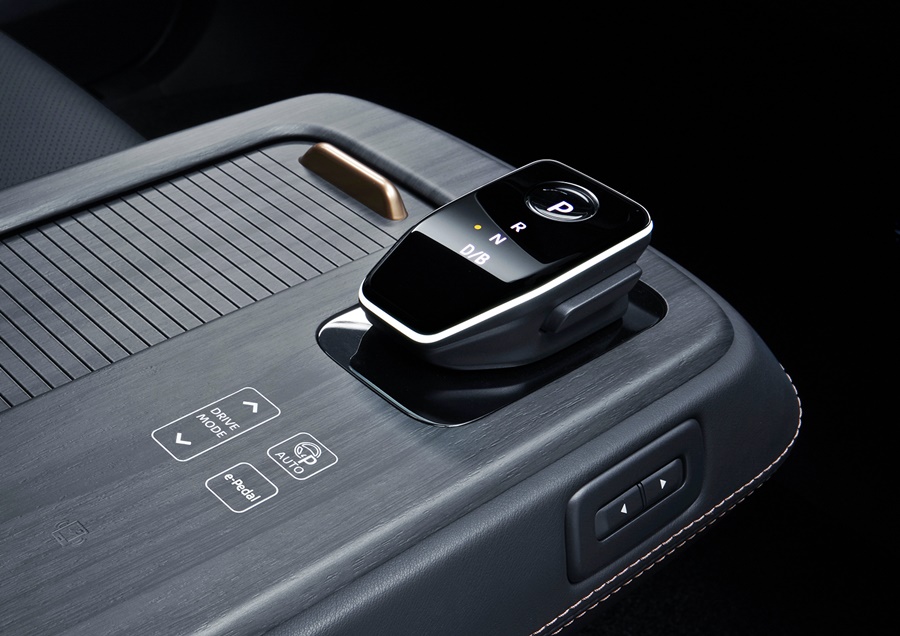
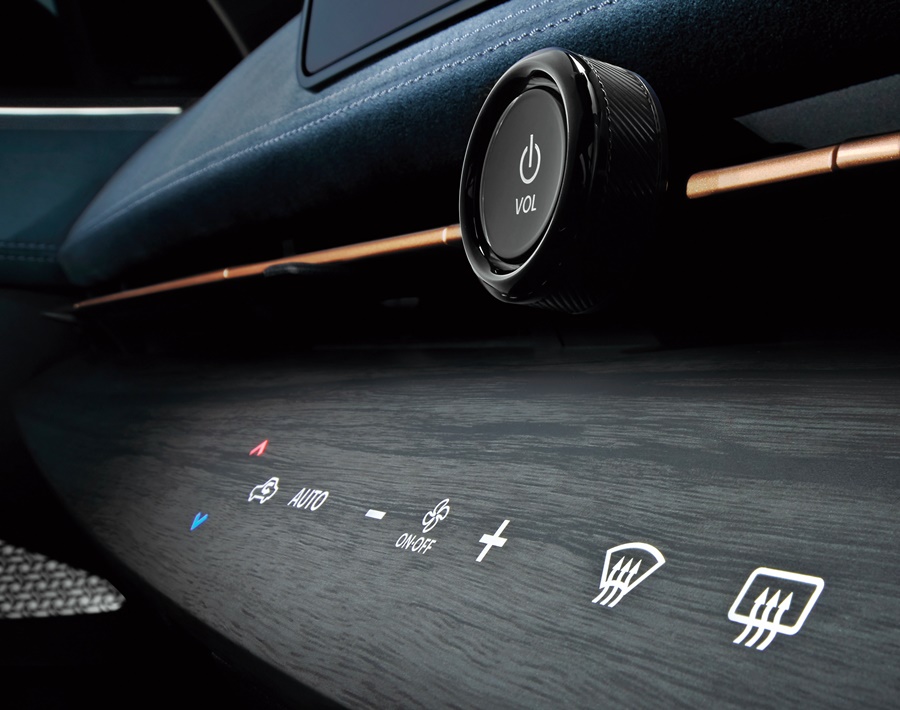
Taking advantage of an all-electric powertrain layout, the Ariya’s interior was crafted to be open, and spacious, a cabin with a sense of calm and serenity. Part of that design is a dashboard free of traditional buttons. The wood-grained trim bisecting the dashboard comes to life upon starting the Ariya, illuminating a set of environmental controls that reside just beneath the dashboard’s surface.

Haptic feedback, like a smartphone
Utilizing a new generation of haptic feedback controls, these subtly integrated buttons open a world of possibilities in the relationship between function and design. In the same way that we interact with a smartphone display to navigate and engage with apps, haptic feedback buttons in the Ariya react to touch, communicating through fingertip vibrations. When adjusting the Ariya’s climate controls and drive modes, for example, the driver will interact with a familiar set of icons. Yet, because the points of interaction are felt and heard, they can remain focused on the road.

The design team’s decision to integrate haptic feedback into the Ariya follows the car’s underlying design concept of ‘Timeless Japanese Futurism’, which takes a distinctive Japanese approach to design, conveying a simple yet powerfully modern impression.

“We created a clean space by blending the haptic controls with the grain of the interior’s woodgrain finish. We did this in a way that didn’t affect the performance of the controls, allowing us to achieve both functionality and an attractive appearance,” said a Senior Designer at Nissan, Hideki Tago.

“By applying a woodgrain pattern to the plastic panels with a hydro-printing process, we gave them a very realistic wood-like feeling. At the same time, this allowed transparent icons to come to life when illuminated,” he explained.

Integrating technology into design
With the Ariya design team’s final goal laid out, it was the engineering team’s responsibility to make this sci-fi concept a reality. The process began with an exhaustive breakdown of the technology itself. Haptic feedback buttons are grouped into two specific areas in the Ariya — on the main dashboard and on the adjustable centre armrest. The goal was to not only integrate the technology into the cabin design as a means of wowing passengers, but also to give the technology a natural and responsive feel for a wide variety of drivers.

Following extensive testing, the team settled on electrostatic buttons that are not only bigger than traditional haptic controls, but also more broadly spaced. This allows for a realistic and intuitive feeling for users, and also generates a kind of air pressure ‘kick’. This amplifies the tactile feedback with the click sensation of a traditional mechanical button, despite no traditional physical button being involved.

Then came the fine-tuning of the vibrations and sounds. That’s right — sounds. “Vibration and sound are inseparable,” explained Tomotaka Igarashi, the engineer in charge of the Ariya’s interior HMI (Human-Machine Interface) development. “It may seem obvious, but this challenged our team to develop a unique sound that would match the expectations of the driver while also designing it to be as pleasant as possible.”

Such attention to detail in an all-electric crossover is a necessity as the minimal sound emitted by the electric powertrain means that the sounds developed by the team will be clearly heard while driving. The development of the haptic controls required that every possible scenario be tested repeatedly to ensure easy use for a wide range of drivers, especially since the Ariya will sell in different regions of the world. That meant extensive testing by people with different size fingers and fingernail lengths, and with different button-pressure strengths and engagement angles. Gloved hands were also tested to ensure button activation.

All-electric Ariya crossover

2021 Ariya crossover SUV takes Nissan further along the EV road

StayAtHome

Archive

Follow us on Facebook

Follow us on YouTube