


Piston.my

EV

BHPetrol

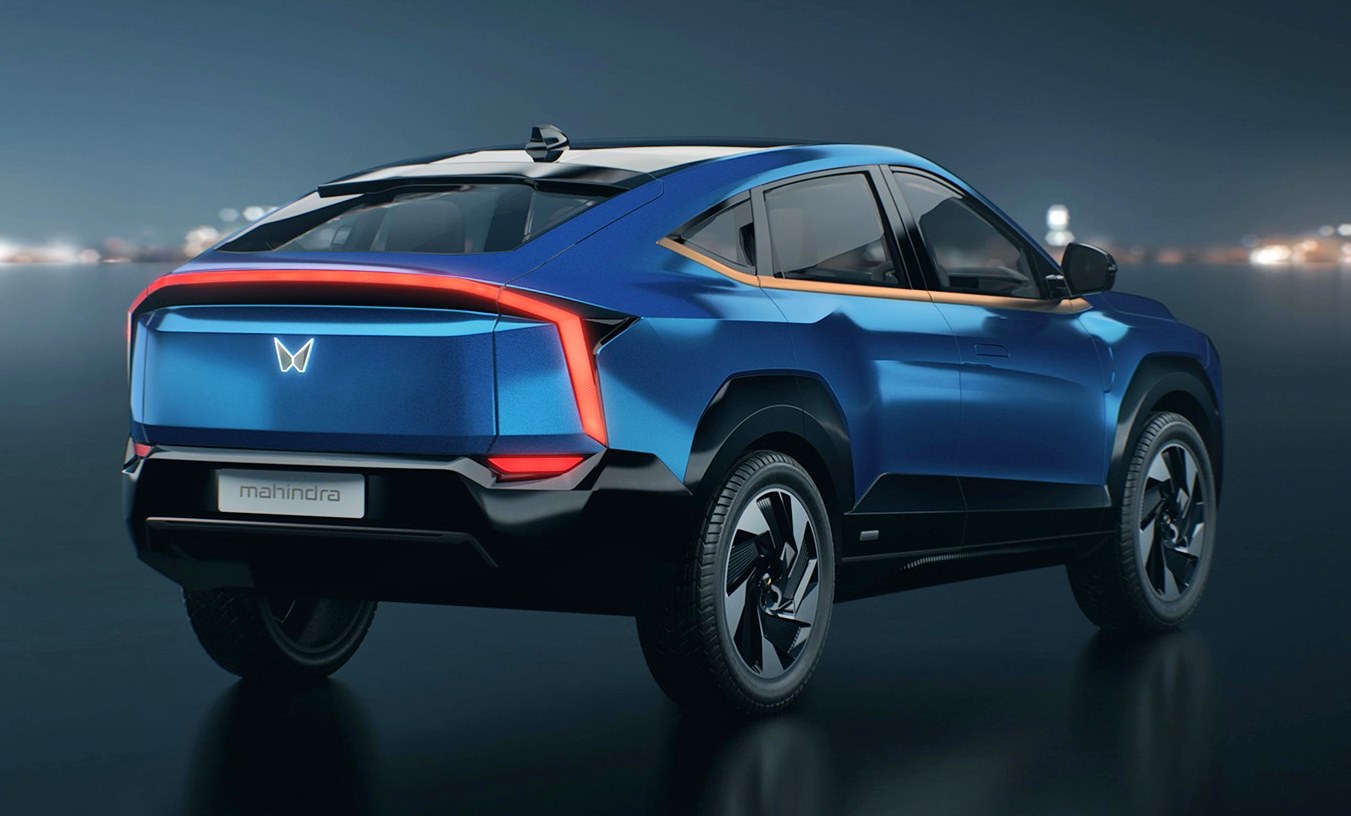
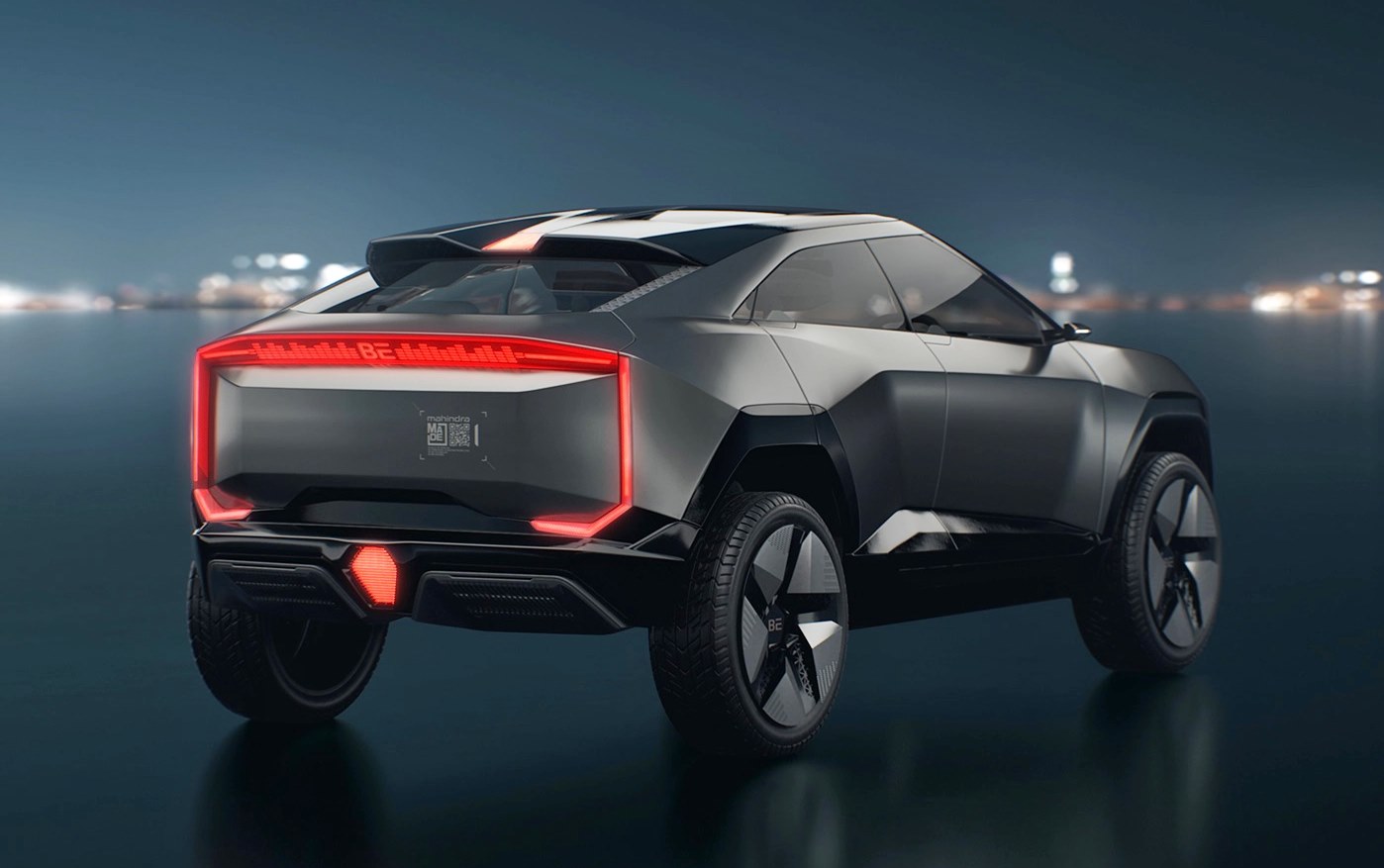
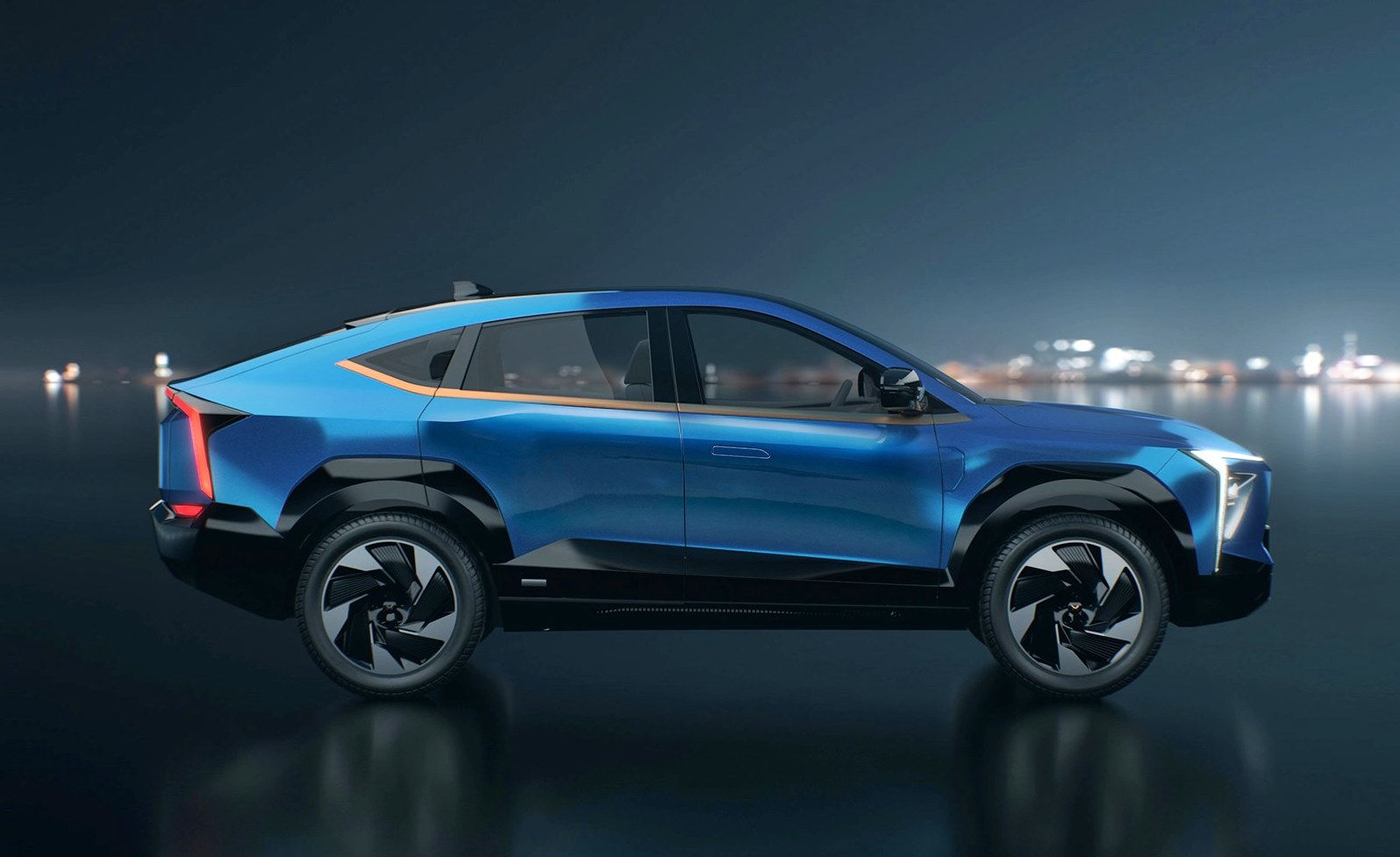
Mahindra & Mahindra, India’s leading SUV manufacturer, has officially opened its new design centre of excellence in England which will serve as the ‘conceptual hotbed’ for the company’s portfolio of future EV products. Known as Mahindra Advanced Design Europe (M.A.D.E), the facility is part of the Mahindra Global Design Network that includes the Mahindra India Design Studio in Mumbai.
To create future EVs
The role of M.A.D.E. is to conceive and create all future EVs and advanced vehicle design concepts. It is equipped with state-of-the-art design tools, enabling it to handle end-to-end design activities including conceptualisation, 3D digital and physical modelling, Class-A surfacing, digital visualisation and Human-Machine Interface (HMI) design.

It also incorporates a complete digital visualisation suite, clay modelling studio, VR digital modelling and digital as well as physical presentation areas.
Two brands, 5 e-SUVs
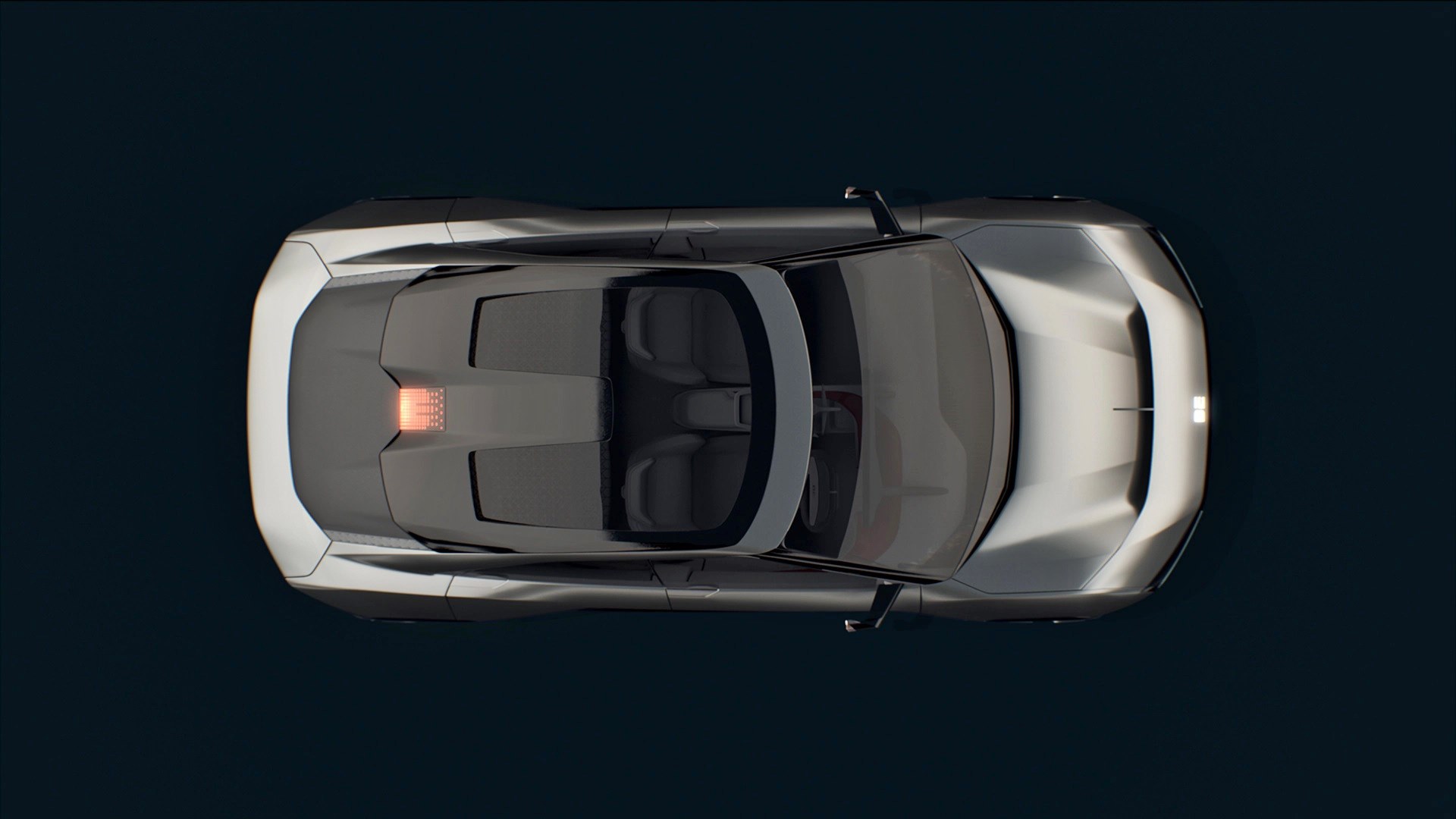
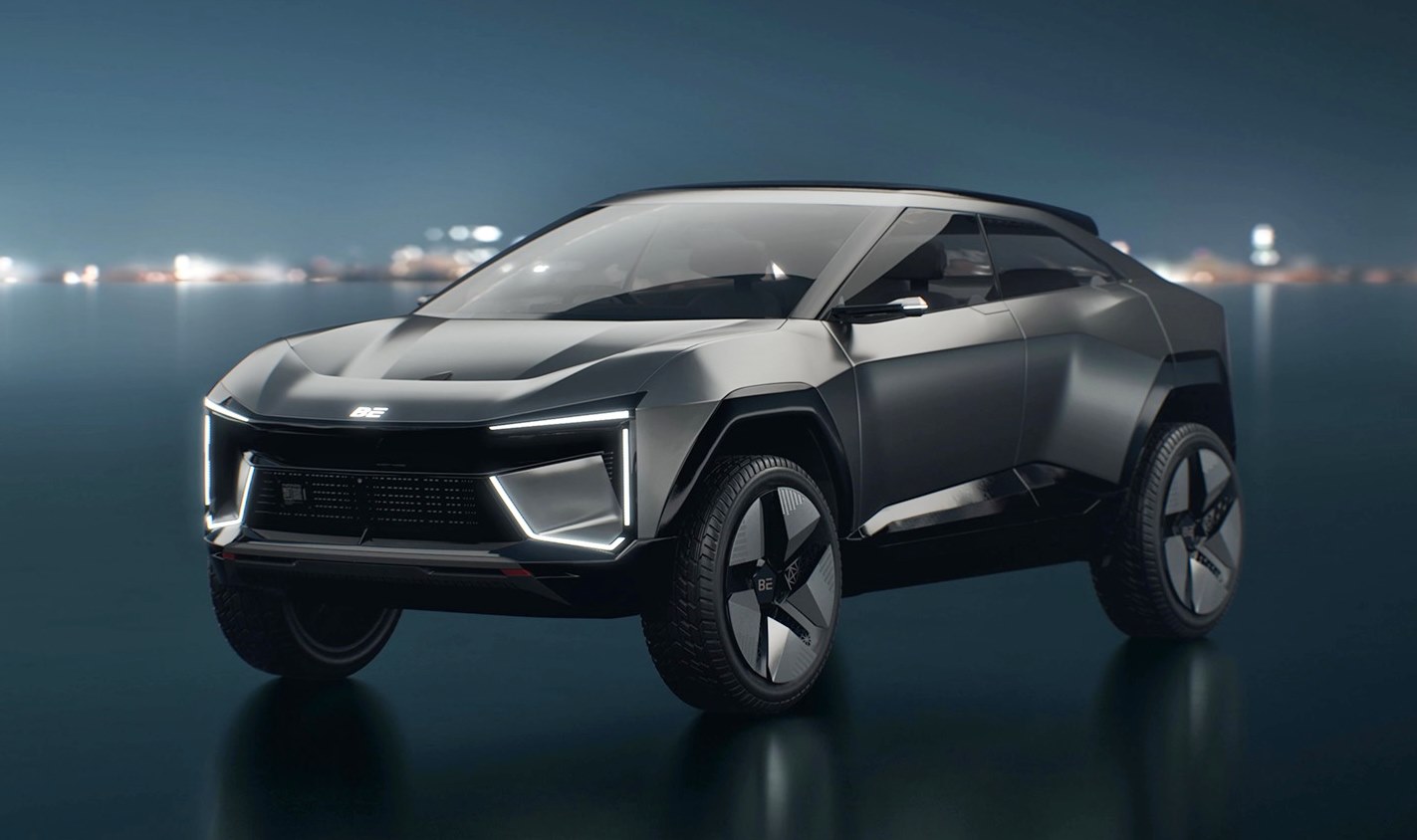
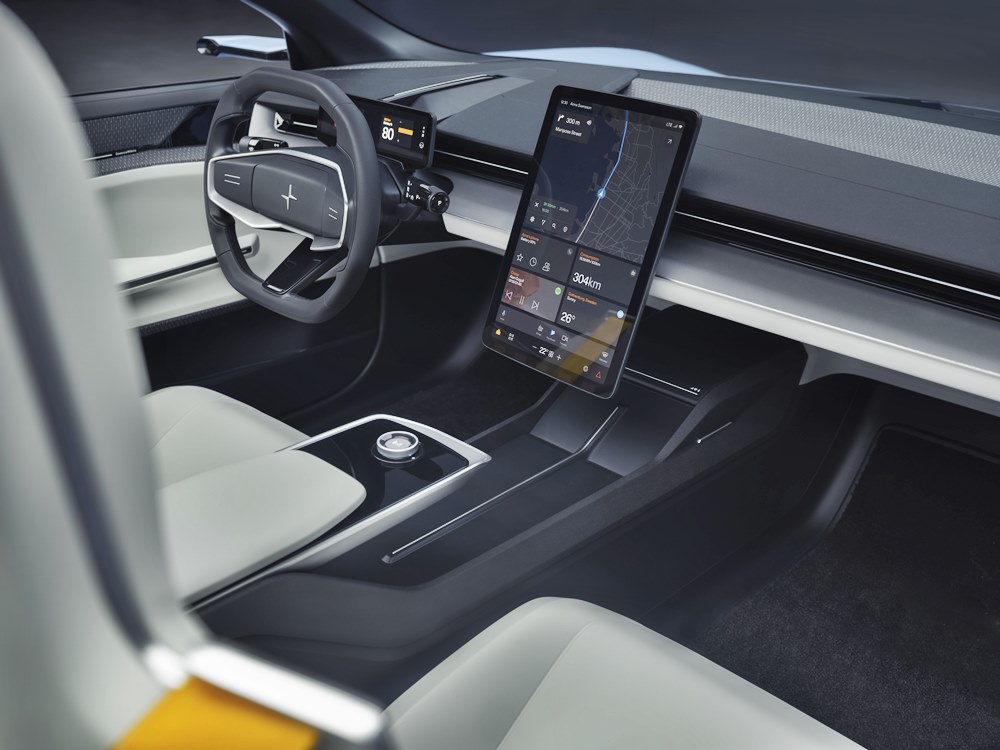
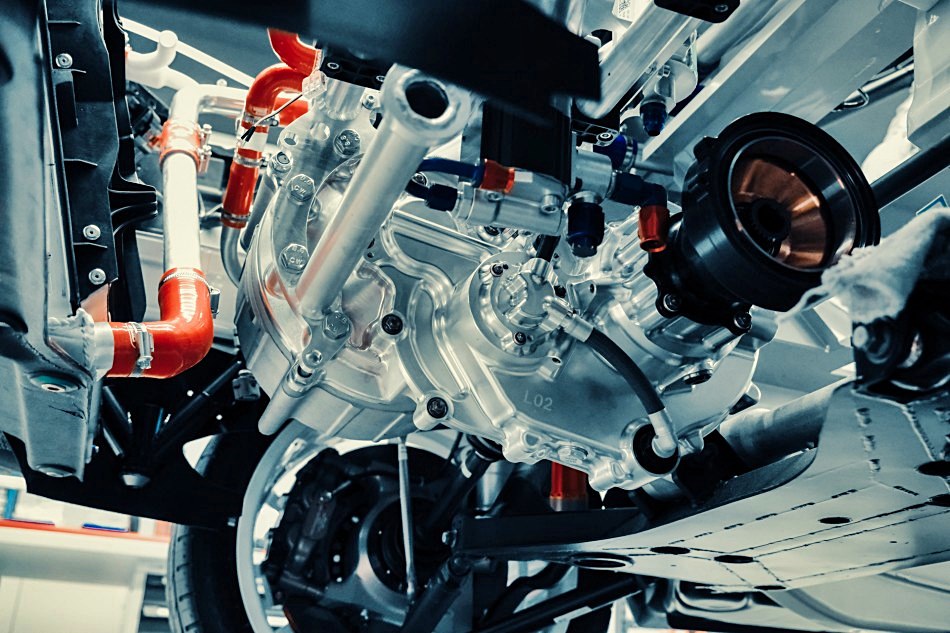
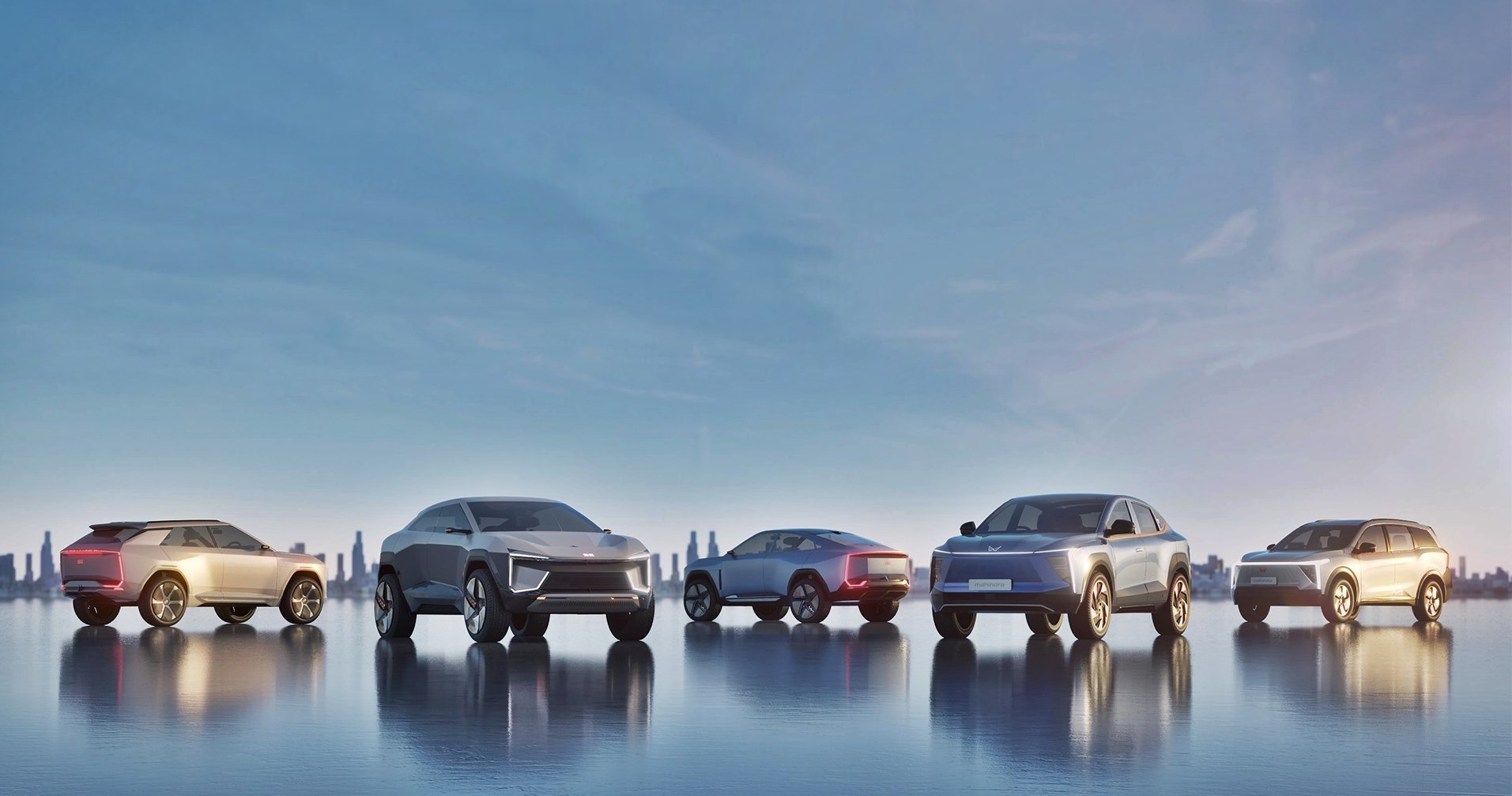
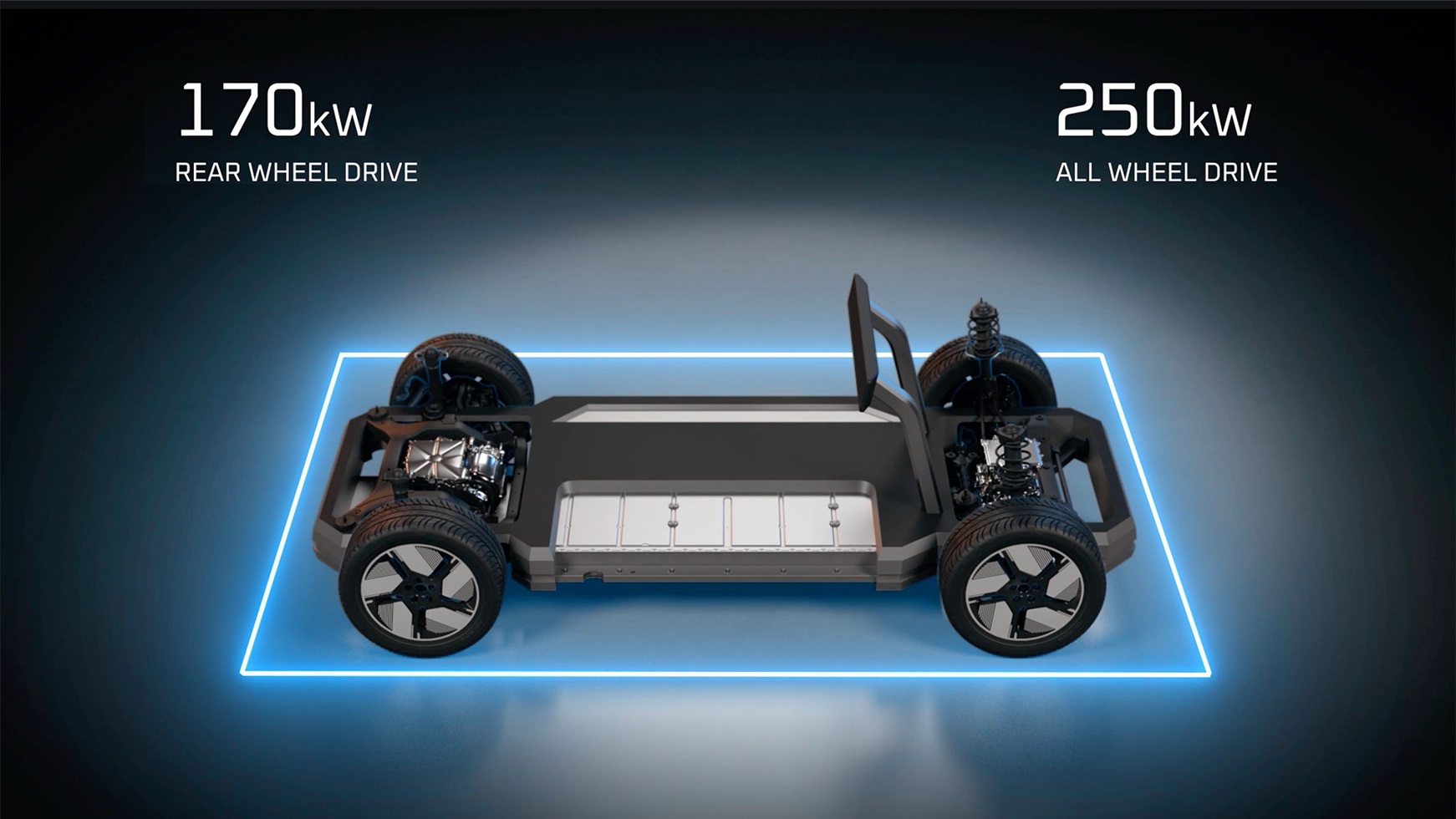
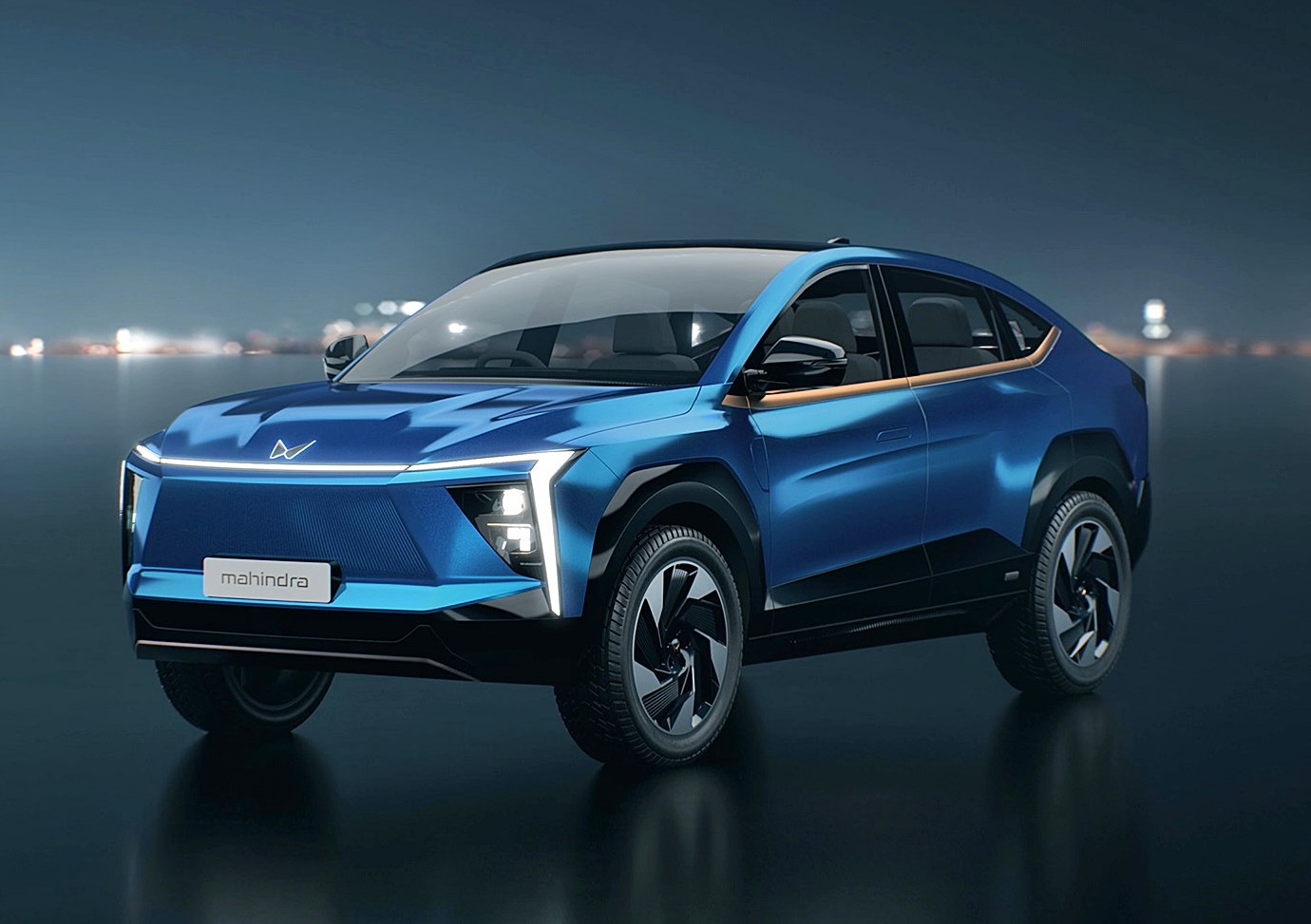
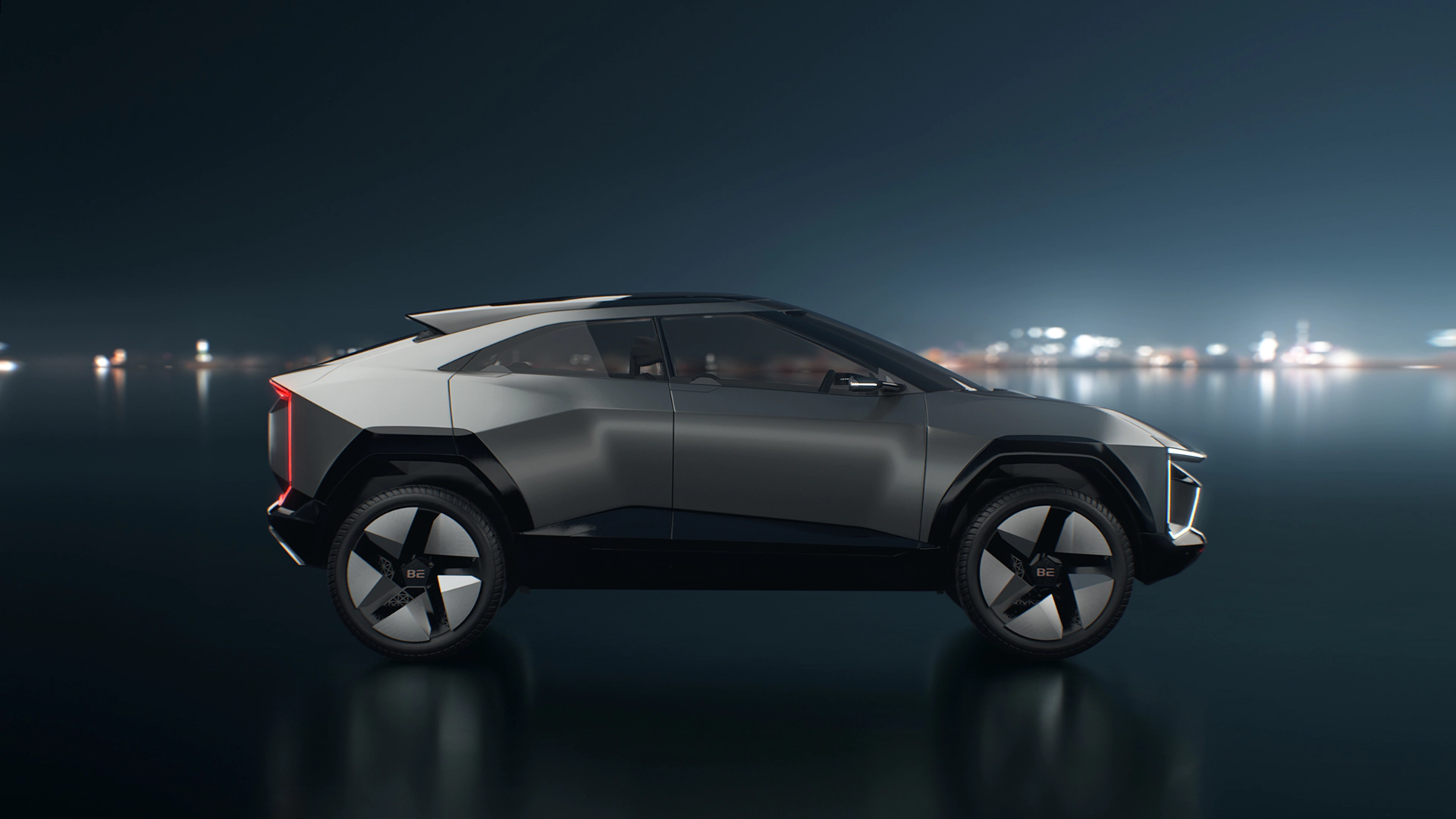
During the official opening recently, Mahindra & Mahindra, also presented its new INGLO EV platform (shown above) and 5 e-SUV proposals under two EV brands, showcasing its vision for the future of electric mobility. The new brands, created specifically for EV products are XUV and BE.

The first of the e-SUVs will be launched in December 2024, followed by two in 2025 and one in October 2026. The launch date for the fifth model is not confirmed but it will be a SUV grand tourer.

Cooperation with Volkswagen Group
Additionally, Mahindra & Mahindra also announced a strategic cooperation plan with the Volkswagen Group which will see the German carmaker supplying its MEB electric components (electric drivetrain, battery system and battery cells) for the INGLO purpose-built electric platform.
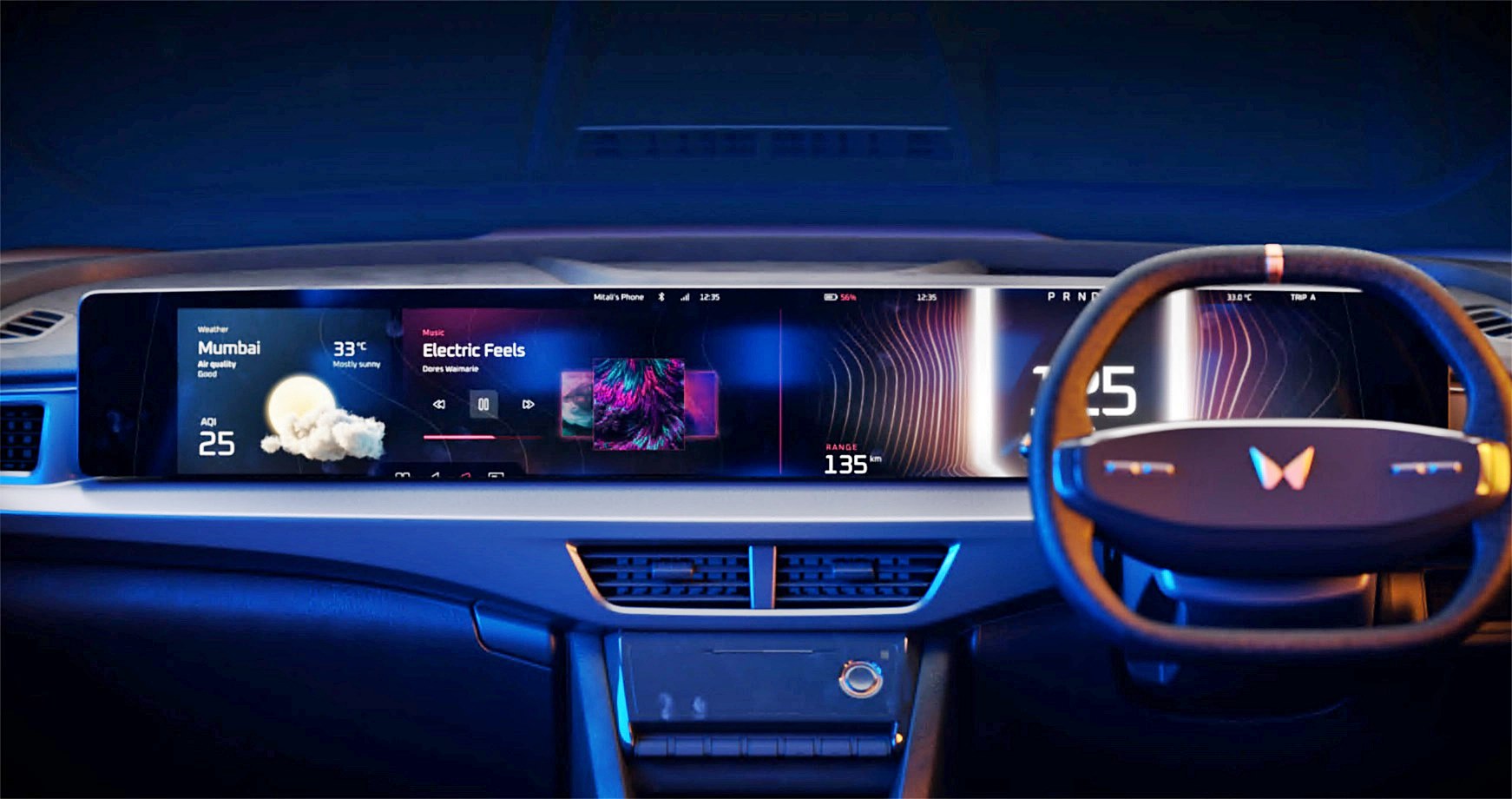
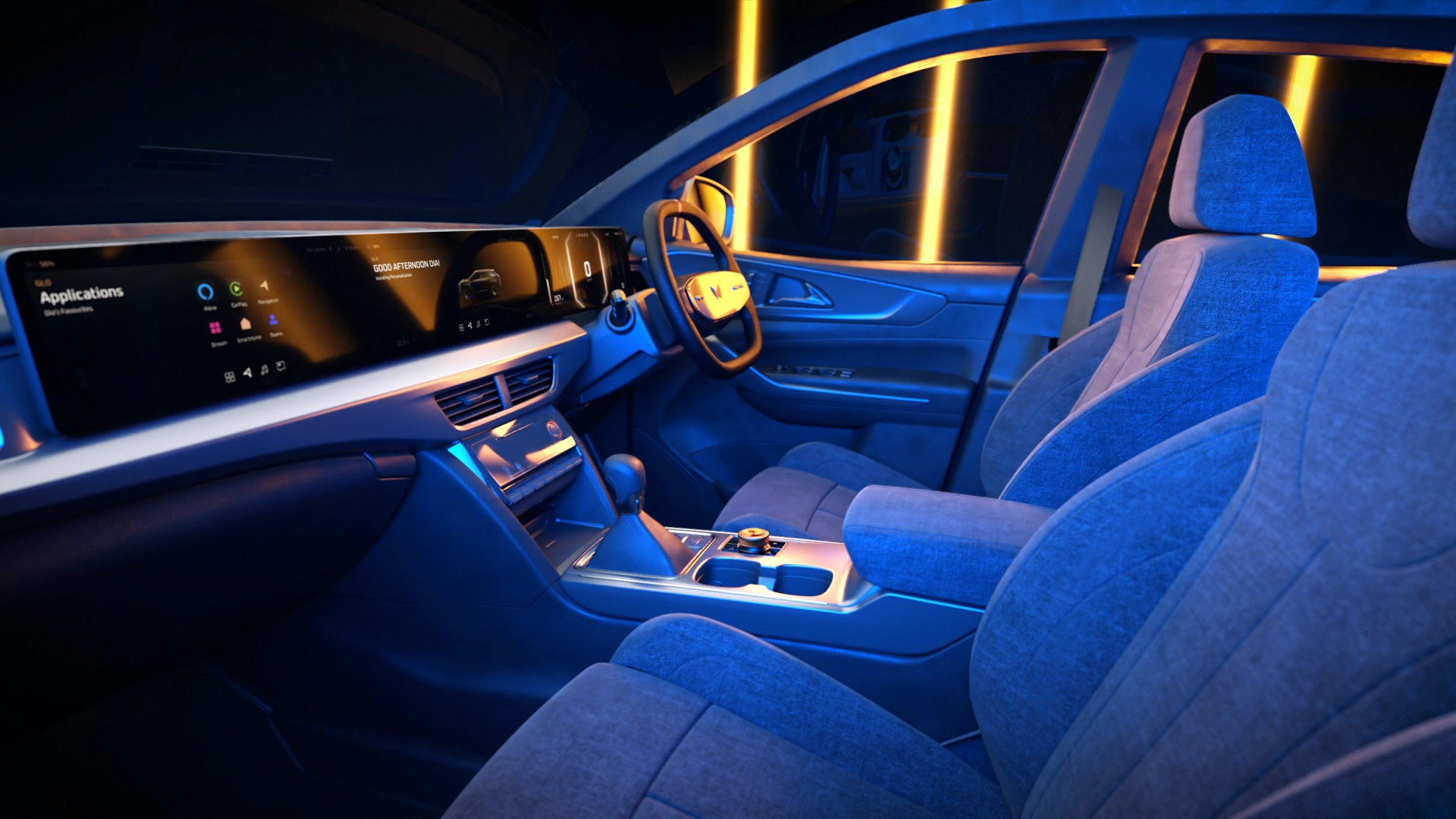
The cooperation intends to have a volume of more than one million units over lifetime for the 5 proposed all-electric SUVs. The two companies also intend to explore further opportunities for collaboration, opening the perspective towards a broader strategic alliance to accelerate the electrification of the Indian automotive market.

This will encompass potential areas of collaboration in the field of e-mobility, including vehicle projects, the localization of battery cell manufacturing, and charging and energy solutions for the electric ecosystem in India.

“We are happy that we have identified a larger scope of collaboration between our two companies. Together, Volkswagen and Mahindra can contribute significantly to the electrification of India, a huge automotive market with ambitious climate protection commitments. The MEB Electric Platform and its components are key to affordable sustainable mobility around the globe. The partnership not only demonstrates that our platform business is highly competitive, but also that the MEB is well on track to become one of the leading open platforms for e-mobility,” said Thomas Schmall, Volkswagen Group Board of Management member for Technology and CEO of Volkswagen Group Components.
BHPetrol

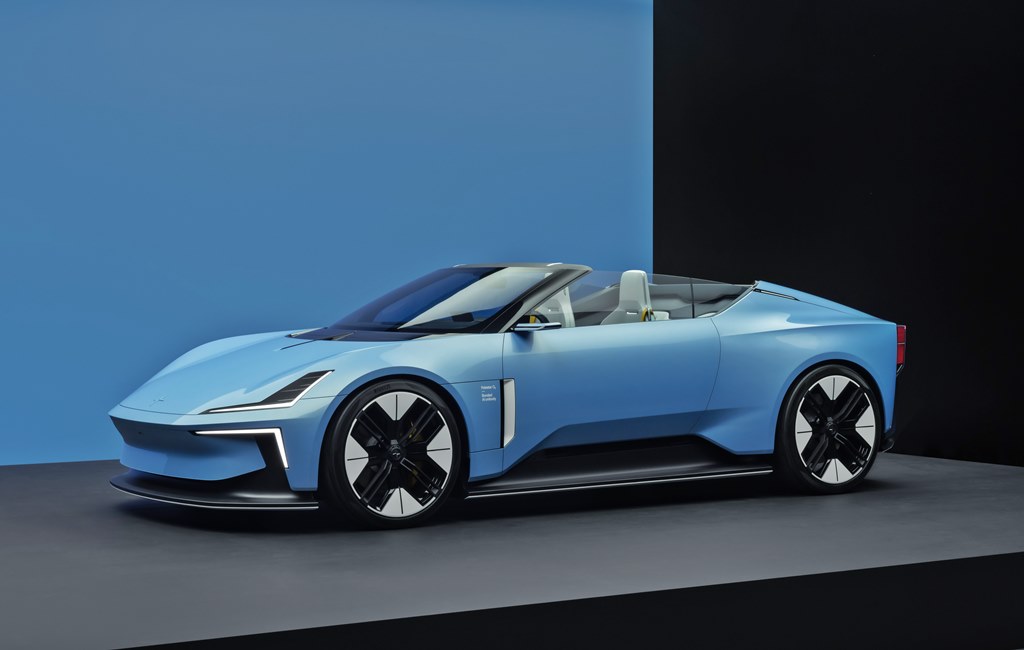
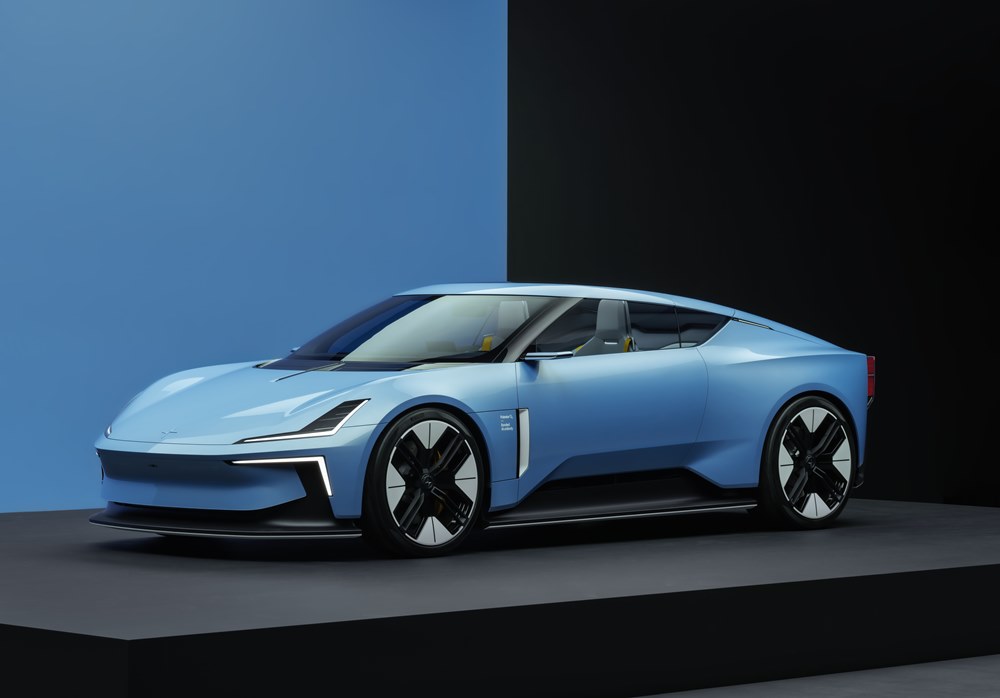
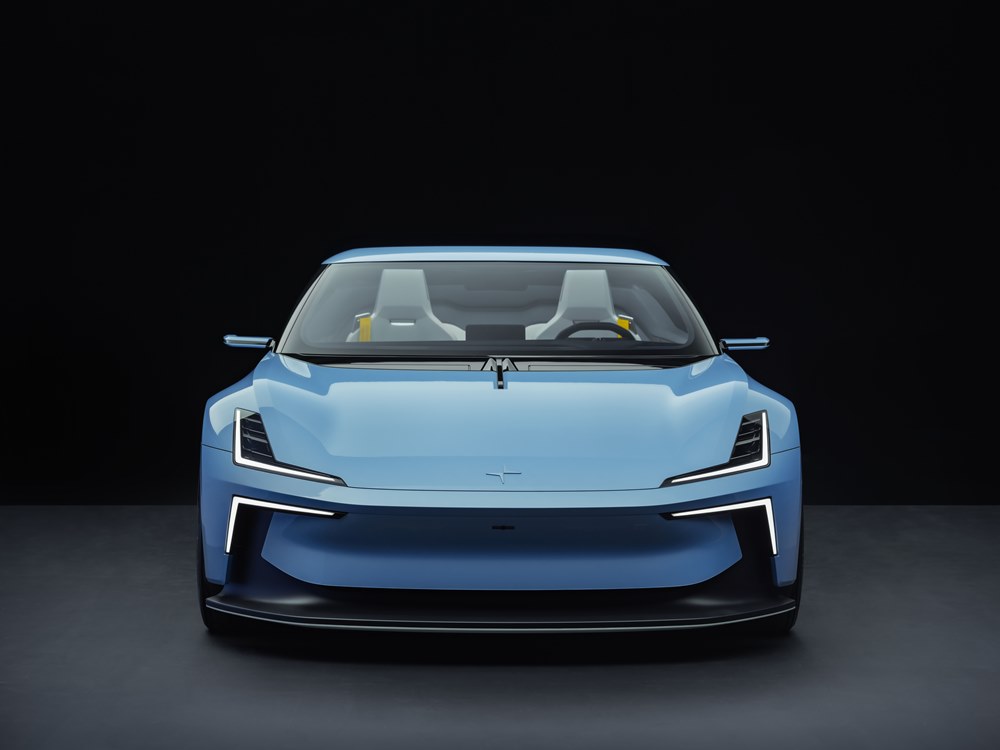
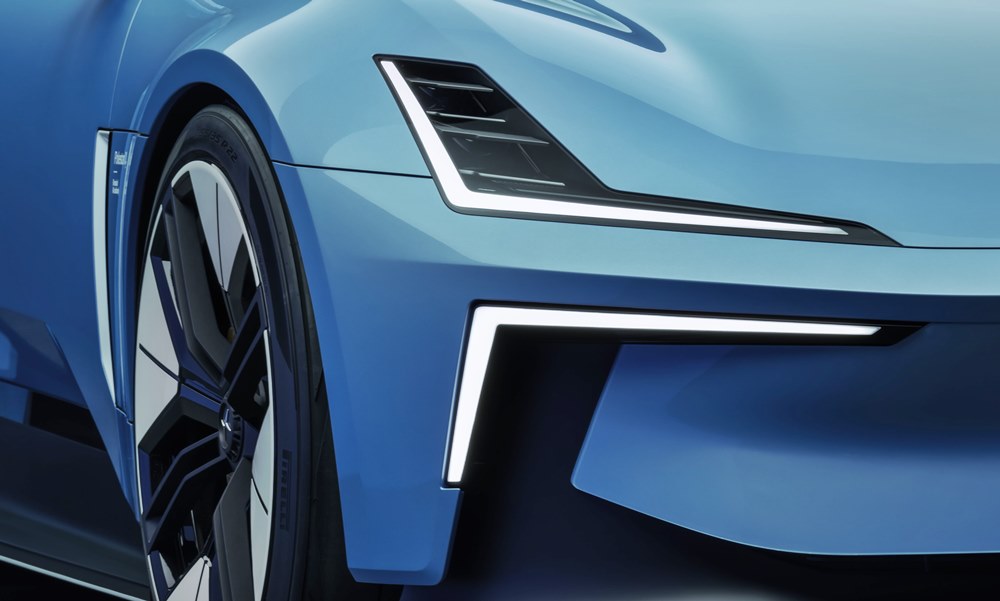
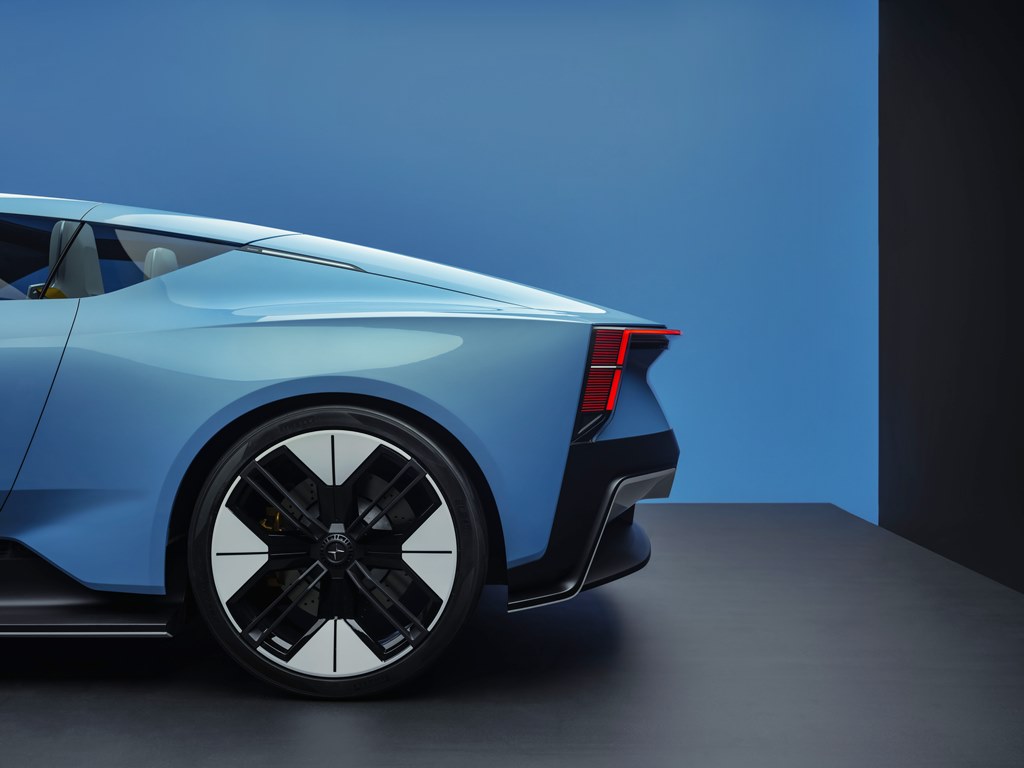
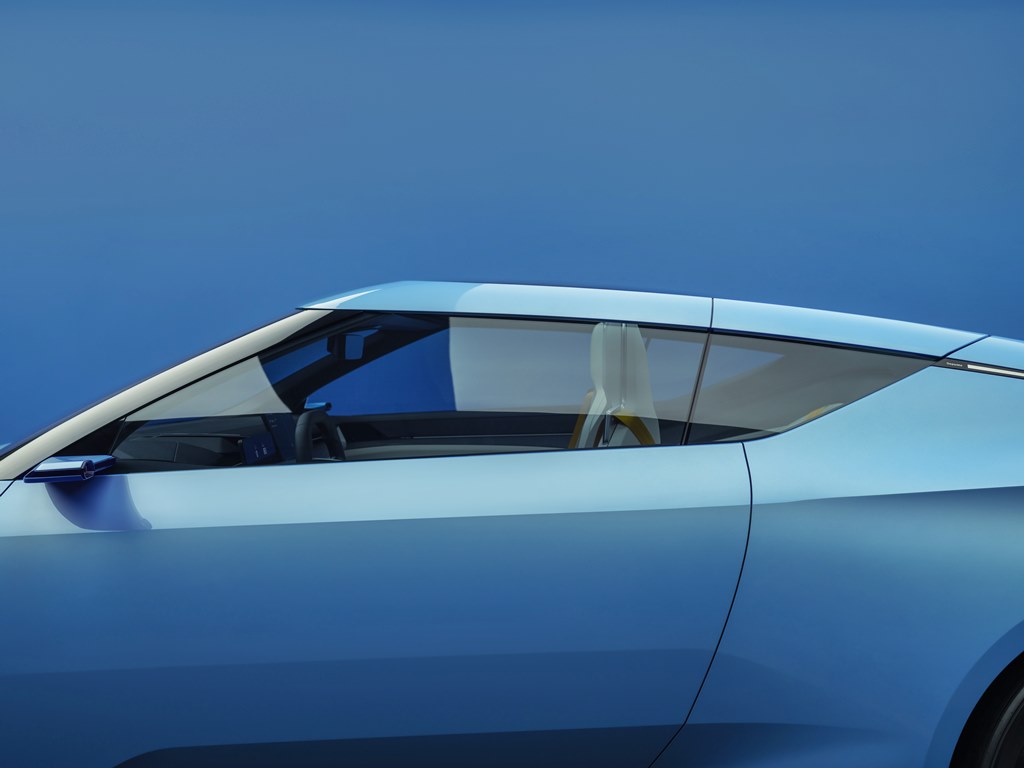
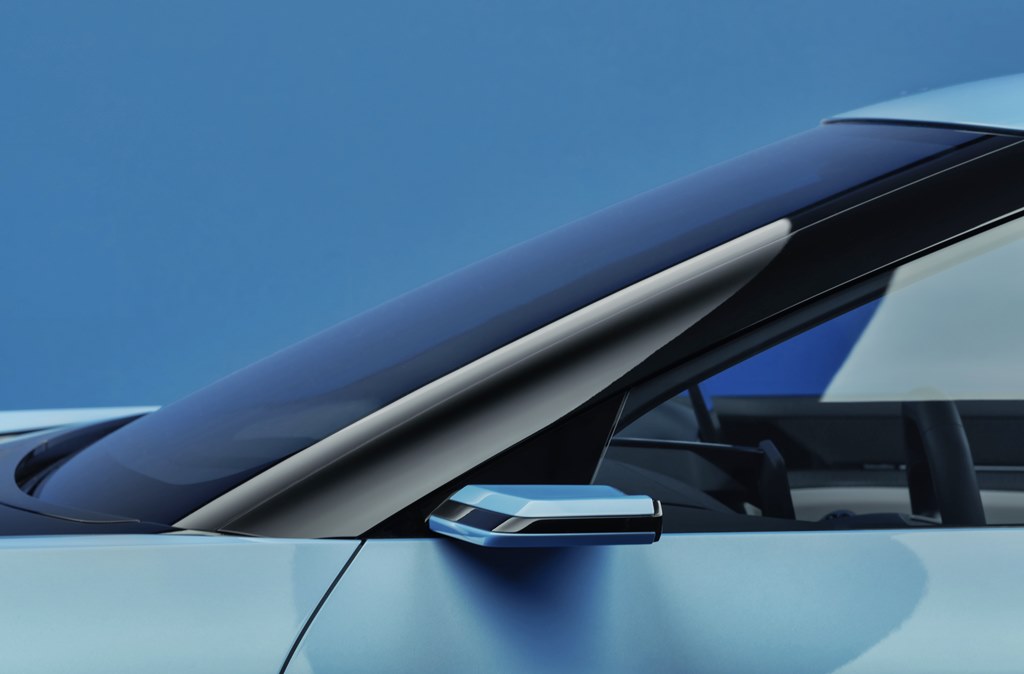
Polestar’s O2 concept shown in March 2022 received such positive and strong response that the Swedish company (part of the Geely Group) has decided to put it into production. The roadster model will be called the Polestar 6 and is expected to make its debut in 2026. Online bookings are now being accepted in markets where the brand has representatives.

2026 Polestar 6 EV

884 ps/900 Nm electric powertrain
The carmaker makes only battery electric vehicles (BEVs) and the Polestar 6 will have the high-performance, 800V architecture already confirmed for the Polestar 5. This will be able to generate up to 650 kW (884 ps) and 900 Nm from a dual-motor powertrain. The carmaker is targeting a 0 to 100 km/h time of 3.2 seconds, with a top speed of 250 km/h. 

When it was presented as the O2 concept, the electric roadster was said to build on the design, technology and sustainability ambitions laid out by the Precept, showcasing the brand’s vision for future sportscars.

“With the overwhelming consumer and press response, we took the decision to put this stunning roadster into production and I am so excited to make it a reality,” says Thomas Ingenlath, Polestar’s CEO. “Polestar 6 is a perfect combination of powerful electric performance and the thrill of fresh air with the top down.”

The hardtop convertible will be built on Polestar’s bespoke bonded aluminium platform. It’s unlikely that the integrated autonomous drone will be included in the production model. This was a special feature with the O2 concept where a drone could be launched from the car and follow it, autonomously recording video from above and around it.

LA Concept Edition
To celebrate the launch, 500 numbered units of a special ‘Polestar 6 LA Concept Edition’ are to be produced. They will exclusively feature the unique ‘Sky’ Blue exterior, light leather interior and unique 21-inch wheels of the original O₂ concept.

2026 Polestar 6 EV
COVID-19
BHPetrol

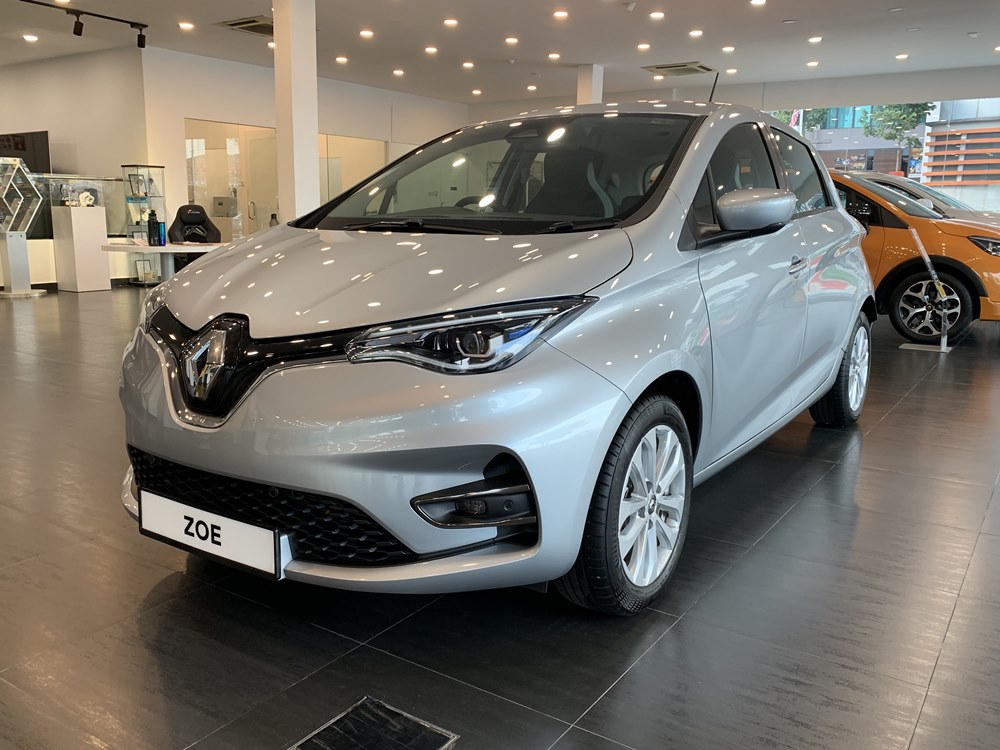
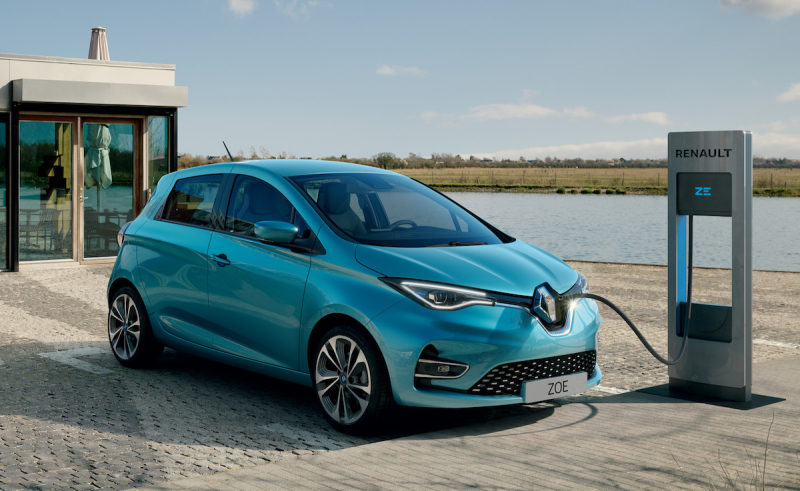
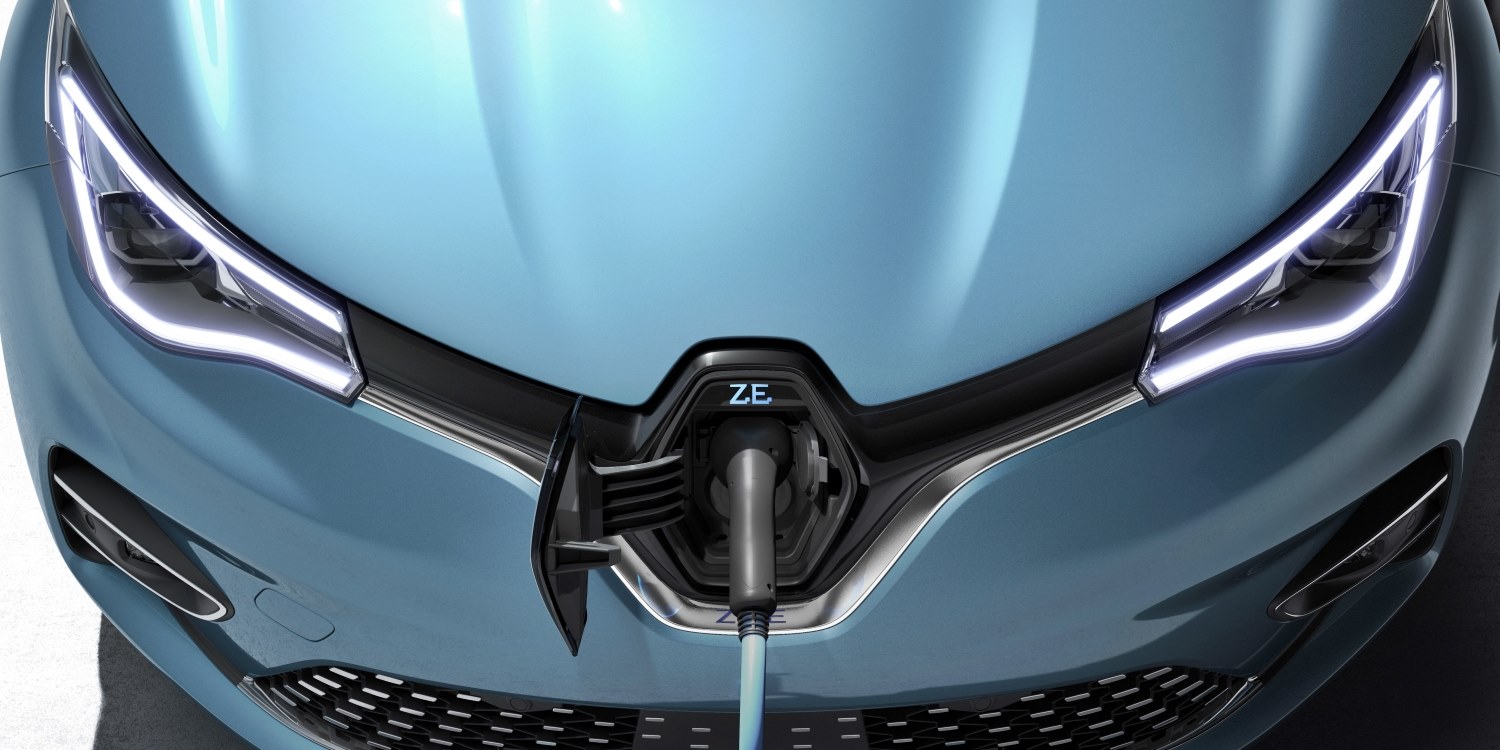
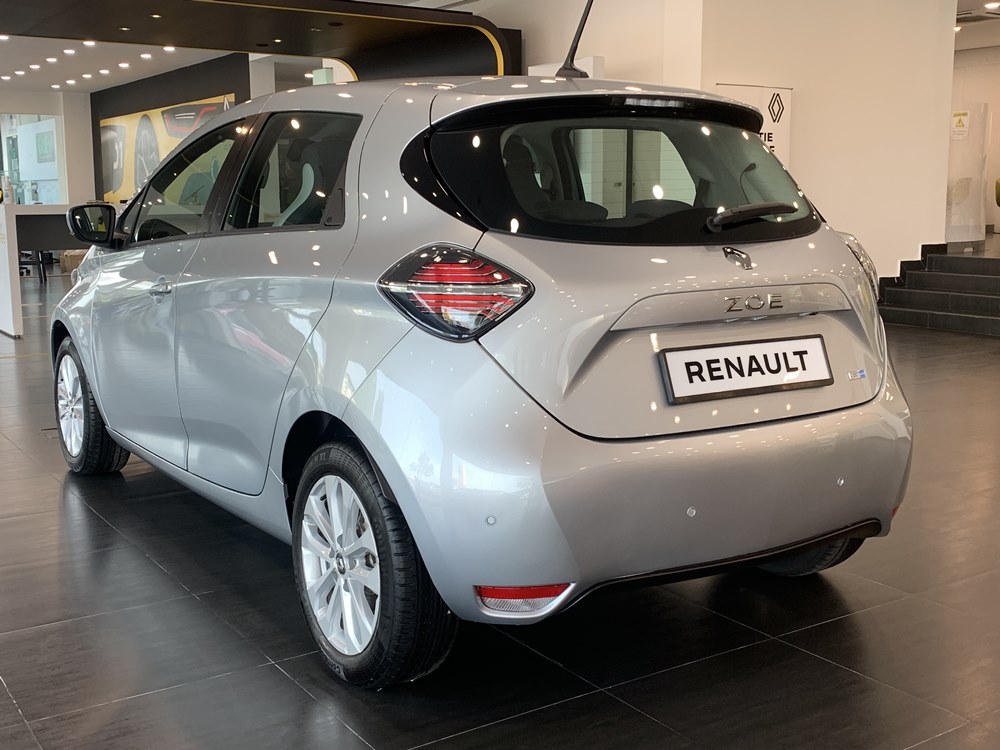
Joining the growing list of electric vehicles (EVs) available in the Malaysian market is the Renault Zoe, imported by TC Euro Cars (TCEC), the sole franchise holder of Renault passenger vehicles in Malaysia. The Zoe is actually not to TCEC as the company brought in a small batch six years ago. However, without incentives from the government and with the limited number of public charging stations then, interest was not great so TCEC focussed on other models in the Renault range.

Now, with the government providing full exemption on import duties, there’s greater interest and there is also a push to develop the charging station network. This will encourage people to consider an EV as they will feel confident of travelling long distances and be able to get their EV ‘refuelled’ with electricity.

The Zoe (its name is derived from ZerOEmission) is a battery electric vehicle (BEV) which means it runs only on electricity, as opposed to be hybrid electric vehicle (HEV) which has a petrol engine and electric motor working together). The model, originally introduced in Europe in 2012, was designed from the outset as a BEV and this latest second generation has the benefit of many technical improvements over the past 10 years.

Two versions
TCEC will offer the Zoe in two versions – the Zoe R110 at RM163,000 (without insurance) and the Zoe R13 at an estimated price of RM175,000 (without insurance).

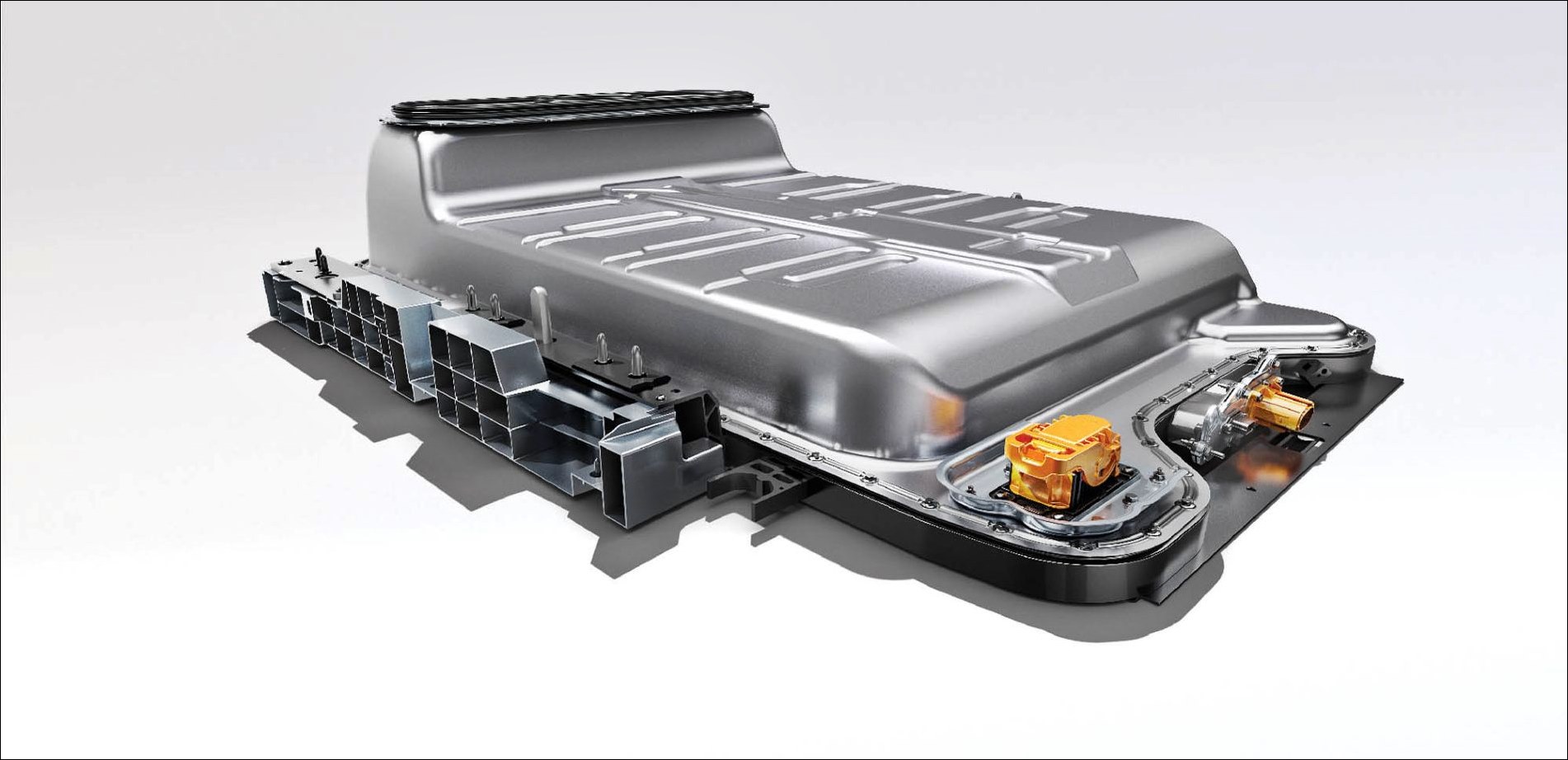
Both have Renault’s new 52 kWh Z.E. 50 lithium-ion battery pack which has a claimed range of up to 395 kms per full charge. This is a 25% increase over the previous battery pack without any changes in size. To achieve this, Renault’s engineering wing worked specifically with their supplier, LG Chem, on the shape and arrangement of the lithium-ion cells that make up the battery pack. Their collaborative work showed that it is possible to increase the storage density by developing cells that are slightly higher than usual.

Capacity is one thing, but range also depends on energy efficiency which is optimised in the Z.E. 50 battery packs. Regenerative braking and ECO mode also help extend the range although, like a petrol engine, how far the car can go depends on driving style and conditions.

30 minutes for 145 kms
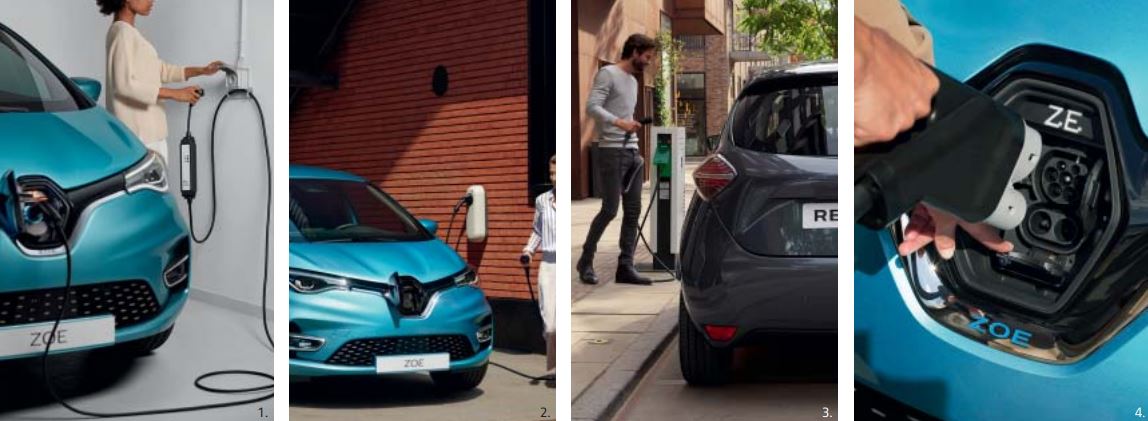
Recharging time is an important consideration for owners and for now, it takes a lot longer than filling up petrol so EV owners will just have to get used to it. In the case of the Zoe, it is possible to charge the battery pack to provide up to 145 kms of range within 30 minutes if you use a DC fast-charger.

You can also use AC Type 2 charging which will take between 3 hours (with a 22 kW supply) or 9.5 hours (with a 7.4 kW supply). This is to recharge a fully empty battery pack to full. In practice, owners might be topping up periodically, just as you would recharge your mobilephone from time to time. So the long period might not be the case in actual use.

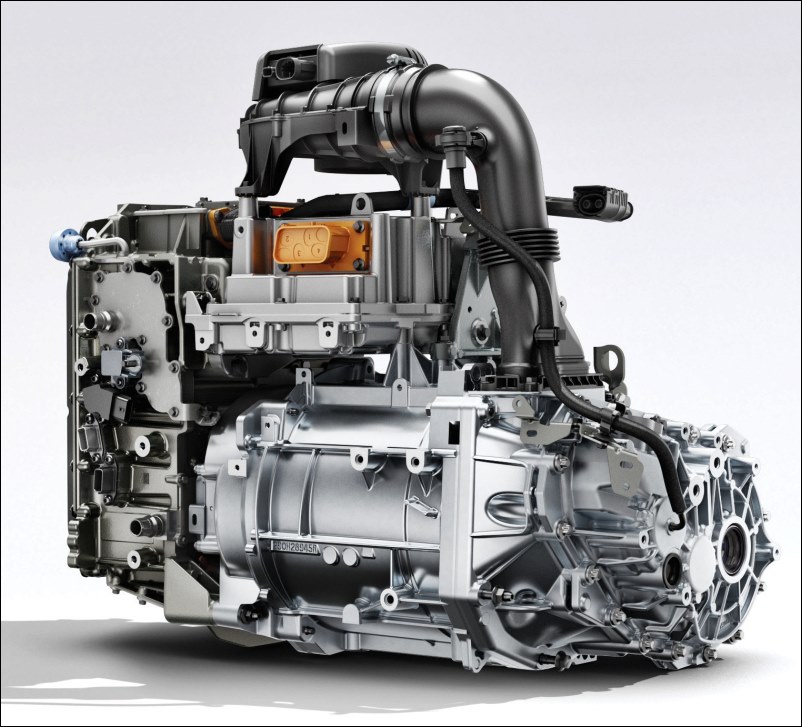
The Zoe powertrain is quite straightforward with a single electric motor powering the front wheels. The R110 has an output of 80 kW/225 Nm while the R135 produces 100 kW/245 Nm. That should be sufficient for brisk performance around town although the Zoe does weigh around 1,500 kgs.

Updated technology
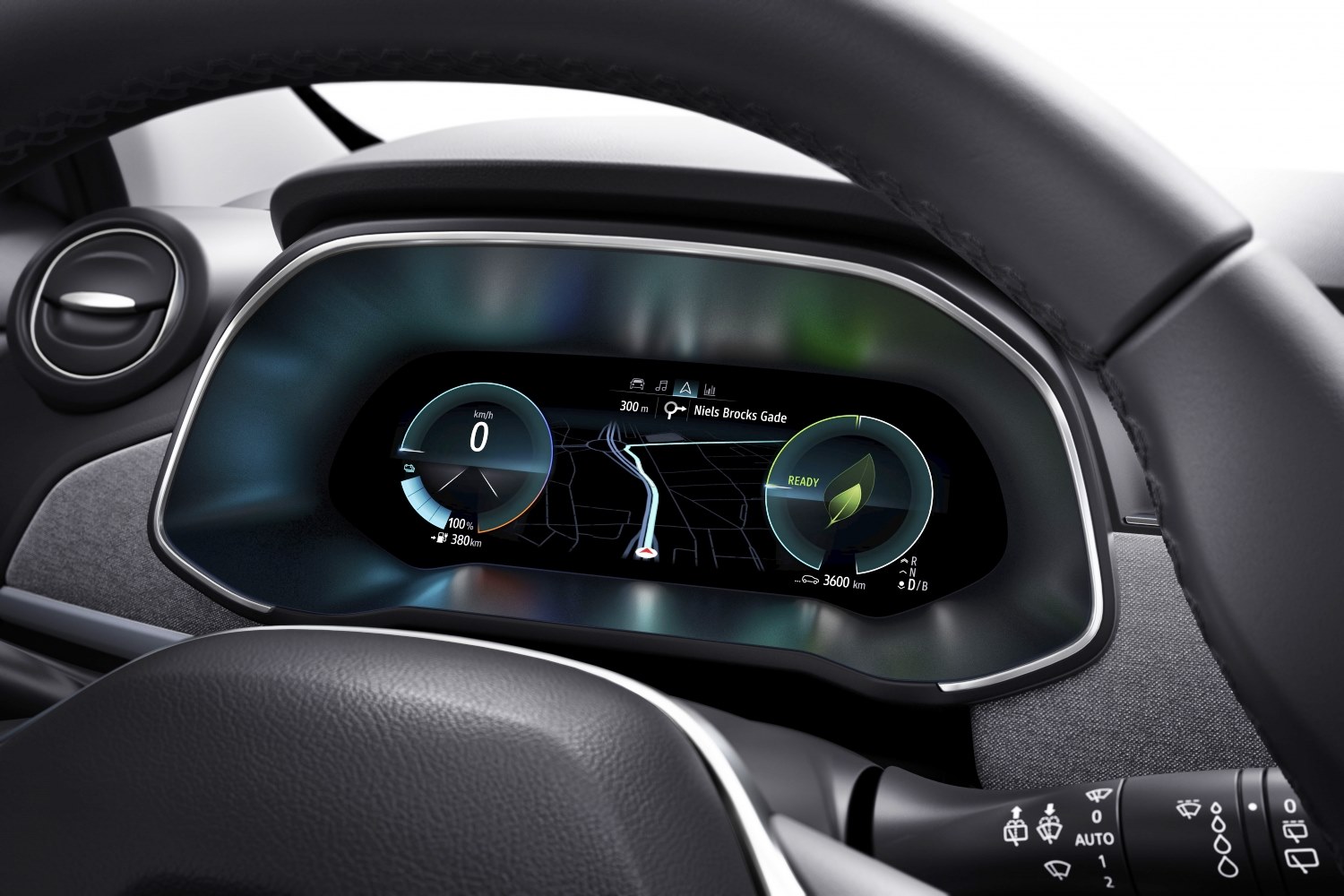
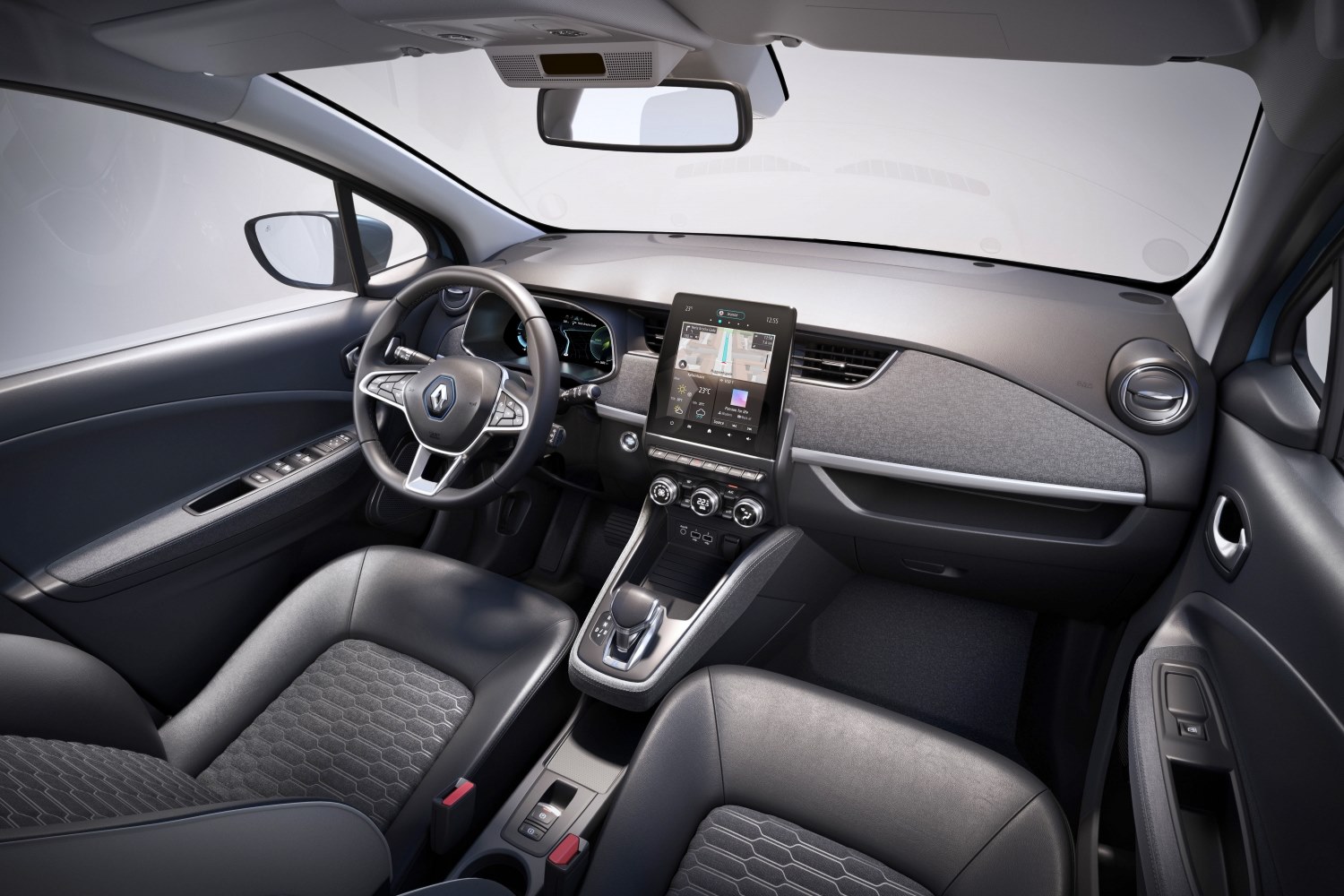
As mentioned earlier, the Zoe has been in the market for 10 years and the one now being imported by TCEC is a new generation. As such, it has a redesigned cabin with modern features such as a wide 10-inch customisable TFT instrument cluster and the Renault EASY LINK multimedia system.

The infotainment system has a 7-inch colour touchscreen with smartphone replication made possible using Android Auto and Apple CarPlay.

Eco-friendly materials
Even with the first generation, there was emphasis on eco-friendliness and sustainability, not just in the powertrain but also in the way the car is made. Renault has also made smart use of ethical and sustainable materials in the interior featuring tactile textiles on key touchpoints. Up to 22.5 kgs of recycled synthetic materials are used, mostly in housings and other hidden parts of the car that provide protection. Floor mats are usually the only visible parts made from these recycled synthetic materials.

For those who wish to take a closer look at the Zoe, there’s a unit on display at the Renault showroom in Petaling Jaya, Selangor. Orders are also being accepted and customers can register their interest to be kept informed of further developments.
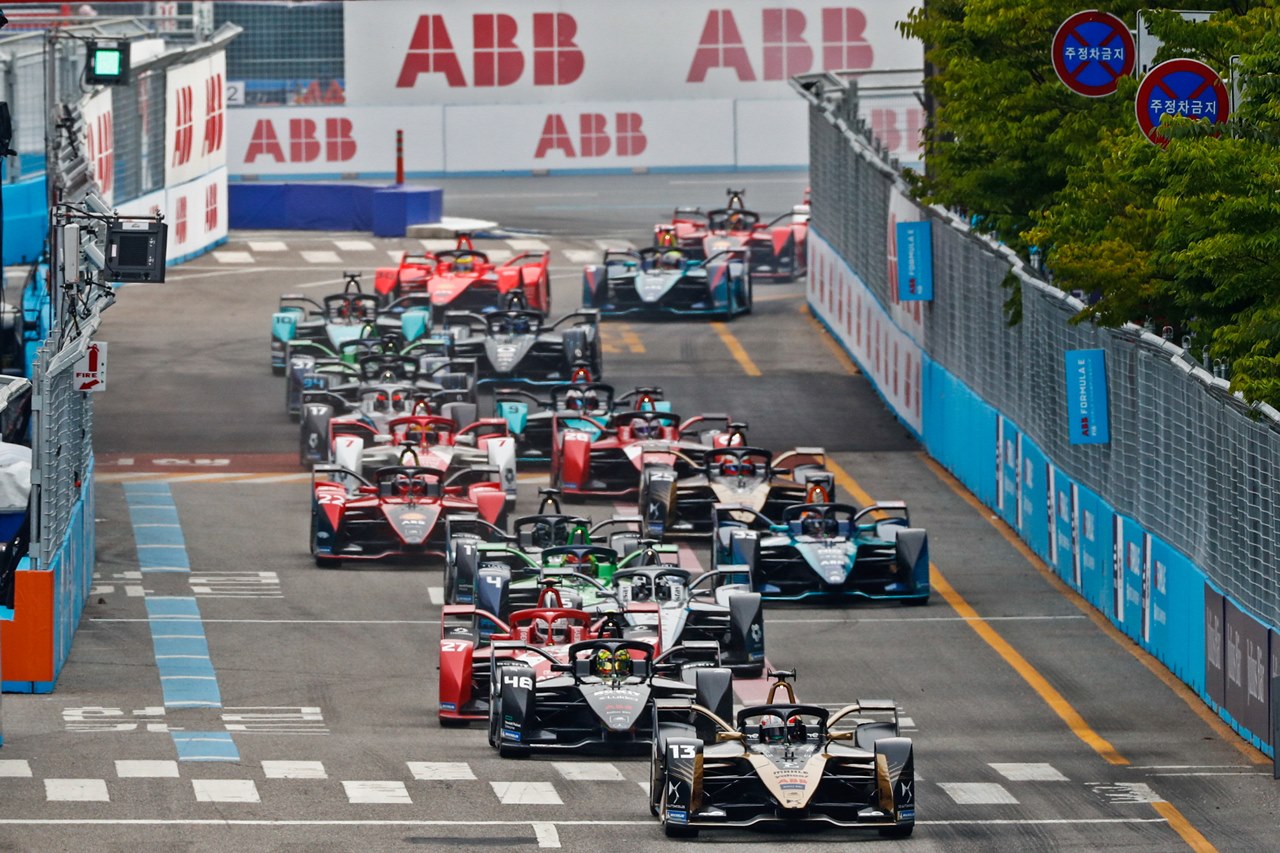
BHPetrol

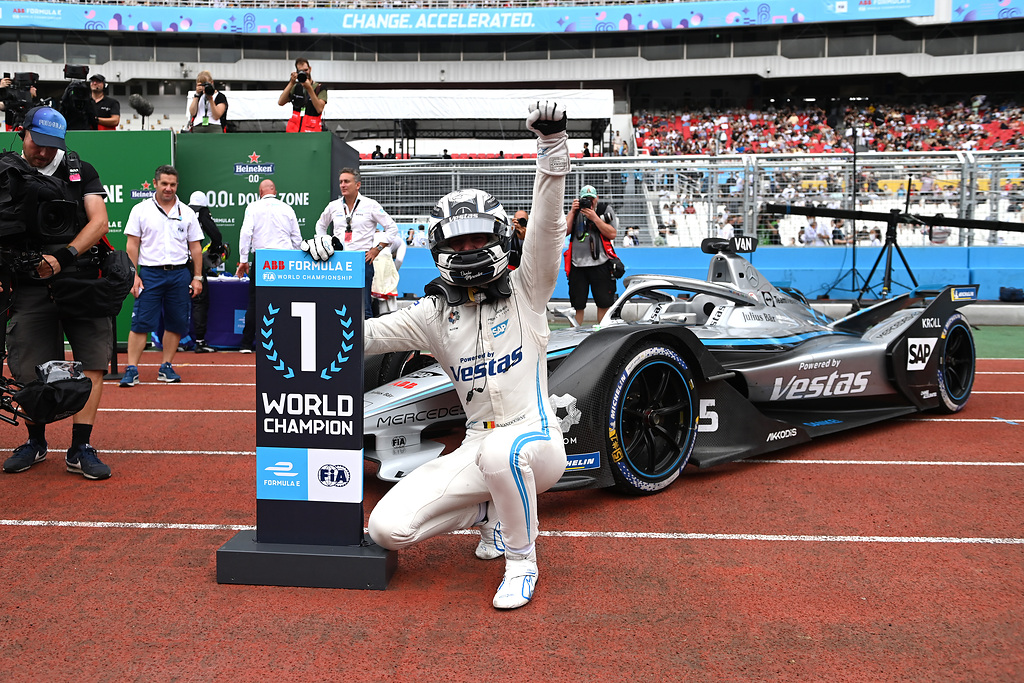
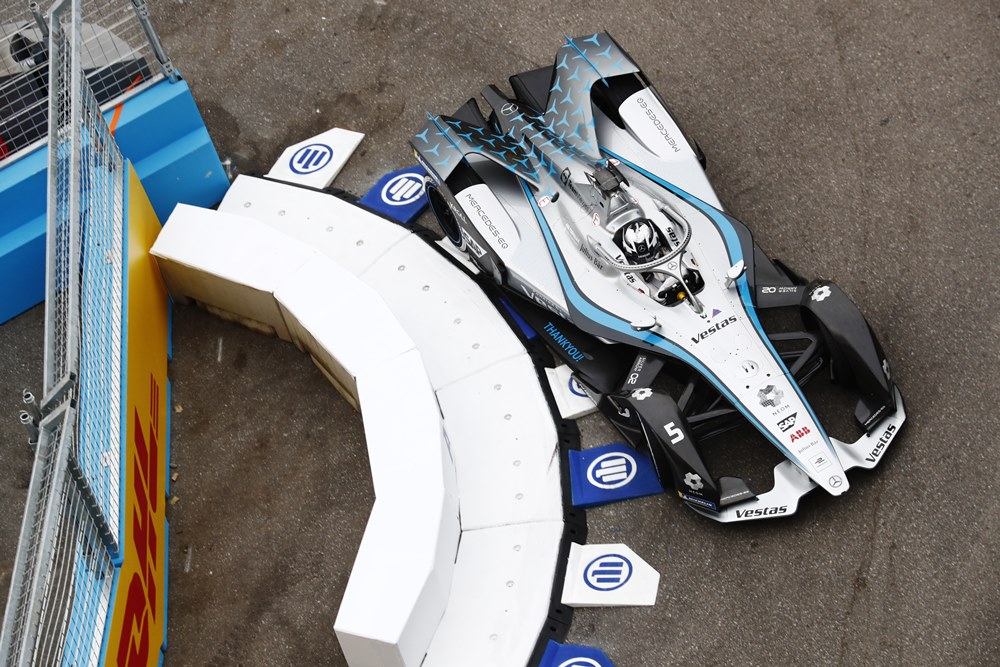
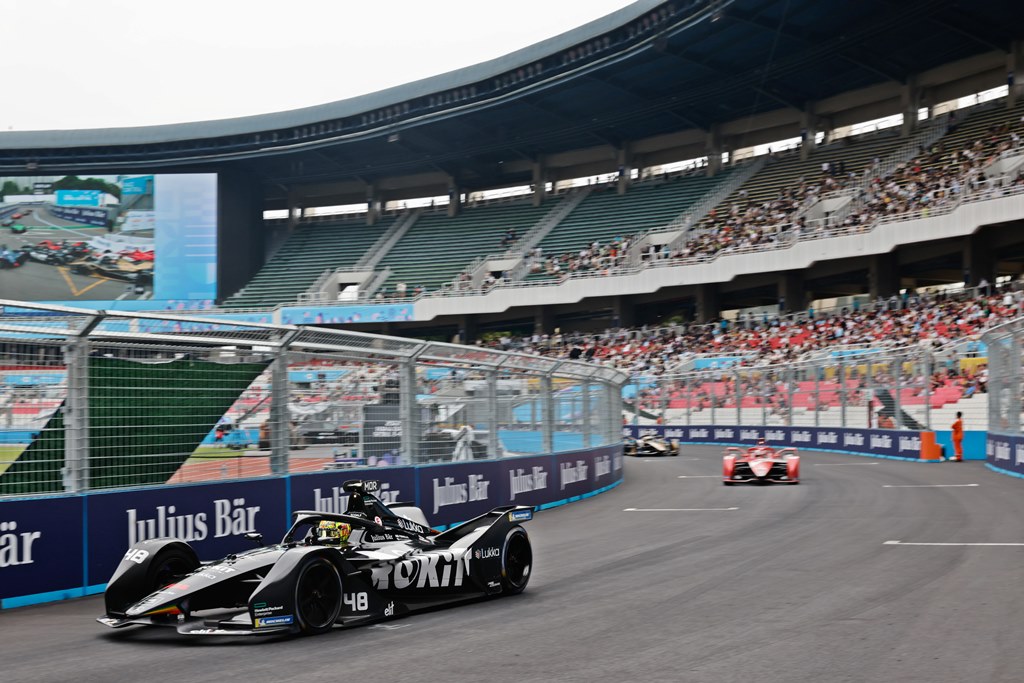
The Mercedes-EQ Formula E Team successfully defended their title in the championship, ending their participation in a high note. However, the team will not be disbanded as it will be acquired by McLaren Racing for its entry into Formula E in the next season which will be the ninth in the series.

Stoffel Vandoorne, their driver, also ended his fourth season in the ABB FIA Formula E World Championship as World Champion of the all-electric single seater series. Although taking runner-up in the first Seoul E-Prix in Korea, he had a 33-point lead over Jaguar TCR Racing’s Mitch Evans and enough to secure the Drivers title.

The final race

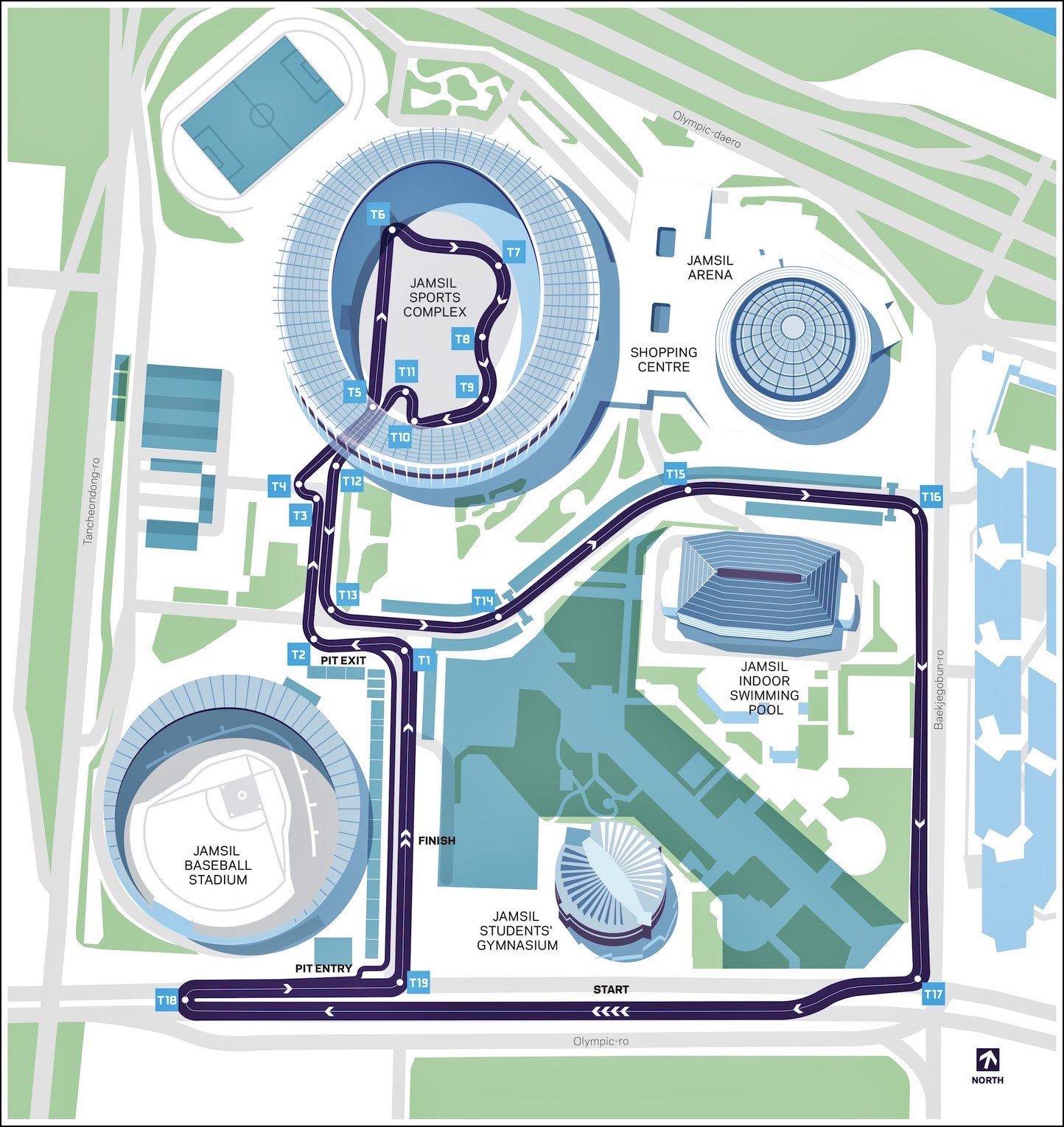
Unlike the downpour of the day before, a dry track greeted the drivers in Seoul for Round 16, the final one for Season 8. As the race got started, the frontrunners held their positions up to Turn 2 when things tightened up and Dan Ticktum (NIO 333) moved into sixth. Vandoorne picked his way through to hold fourth spot, with Evans gaining a place to go 12th after an important move on Nyck de Vries (Mercedes-EQ).

On lap 3, Edoardo Mortara (ROKiT Venturi Racing) saw a chance to jump Antonio Felix da Costa (DS TECHEETAH) for the lead with a switchback at Turn 22. The feint was bought by the Portuguese and the Venturi driver took the lead, with Jake Dennis (Avalanche Andretti) following in second spot.

Ticktum had run with the leaders through the opening laps but was forced to pit with a technical problem at the end of Lap 3. A pity for the British driver who looked to be in with a chance of sealing NIO 333’s first points since Rome.

The first round of ATTACK MODE activations was kicked off by Pascal Wehrlein (Porsche), who had worked his way up five positions to 10th, before retiring at Turn 4. De Vries was fighting on Lap 7, too, with the Mercedes-EQ driver getting into Wehrlein – causing both race-ending damage; Venturi’s chances of overthrowing the German giants saw a significant boost.

With a third of the Formula E race gone and one of two mandatory 30-kW ATTACK MODE boosts down, Mortara headed Dennis and looked to be managing a cushion of just over a second. Both were 3 seconds up the road of Da Costa and Vandoorne, as Frijns, di Grassi, Askew, Vergne, Evans and Cassidy rounded out the top 10.

As it stood, Vandoorne had more than a hand on the Drivers’ World Championship trophy, with Evans needing to win. The Jaguar driver, meanwhile, was losing ground to the leader – some 10 seconds back.

There was big Teams’ World Championship drama on Lap 13 as di Grassi was forced into pitting to sort out a front-right puncture. That gave Mercedes-EQ a 16-point advantage – impossible to close without the Brazilian’s presence in the points.
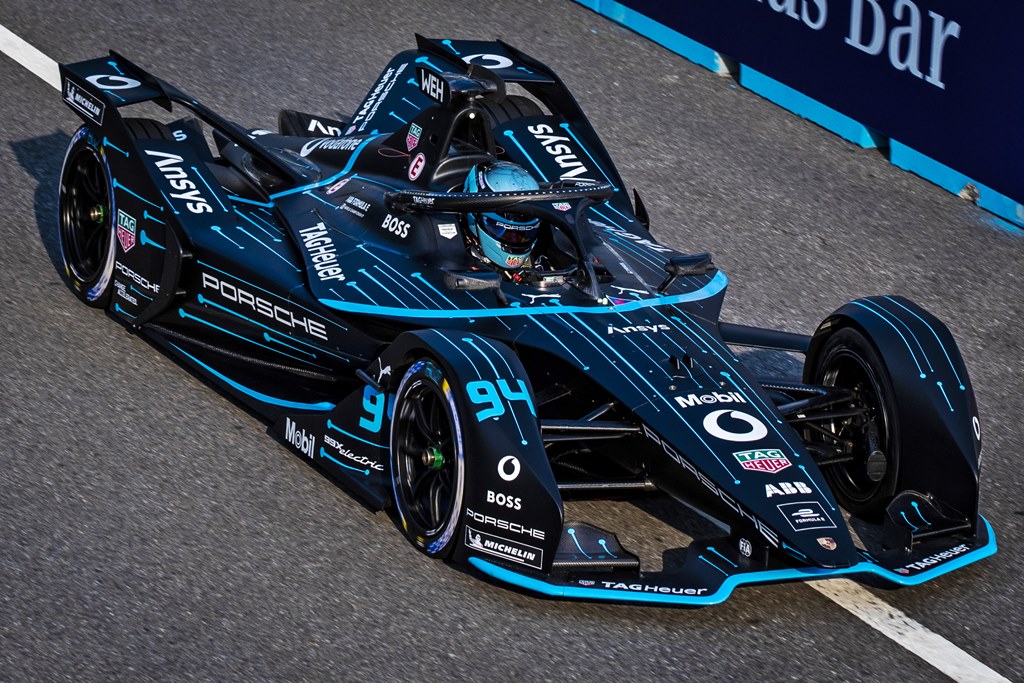
With 22 minutes plus one lap to go, the Porsche Taycan Formula E Safety Car was deployed to recover Maximilian Guenther’s stricken Nissan e.dams. It seemed have something terminally broken on the front left corner. Was that to be a lifeline for Evans? The pack would be squeezed back up but Vandoorne, still fourth, held all the cards.

On the restart, leader Mortara and da Costa jumped for their second ATTACK MODE boost. At Turn 22, Dennis was on the defensive with da Costa hunting second with that extra 30 kW of power available. The Portuguese’ DS and Dennis’ Andretti came into contact and da Costa ended up nose-first in the wall and shuffled right to the back of the pack. The tense final laps saw Dennis penalised with 5 seconds added to his race time for that move – leaving him a net third at the final chequered flag of the Gen2 era and the completion of the 100th Formula E race.

Mortara had a good margin as he headed for the finish line, winning by almost 4 seconds from Vandoorne, with Dennis third, Frijns fourth, Askew fifth and Vergne rounding out the top six. Evans’ seventh was valiant but ultimately not enough.

In tandem with the electrification trends in the auto industry, rallycross is also moving towards zero emissions. Even now, we have the Formula E single-seater series on street circuits, the Extreme E off-road series, with the World Rally Championship now running hybrid electric rallycars in the top category.

First ever electric rallycross championship
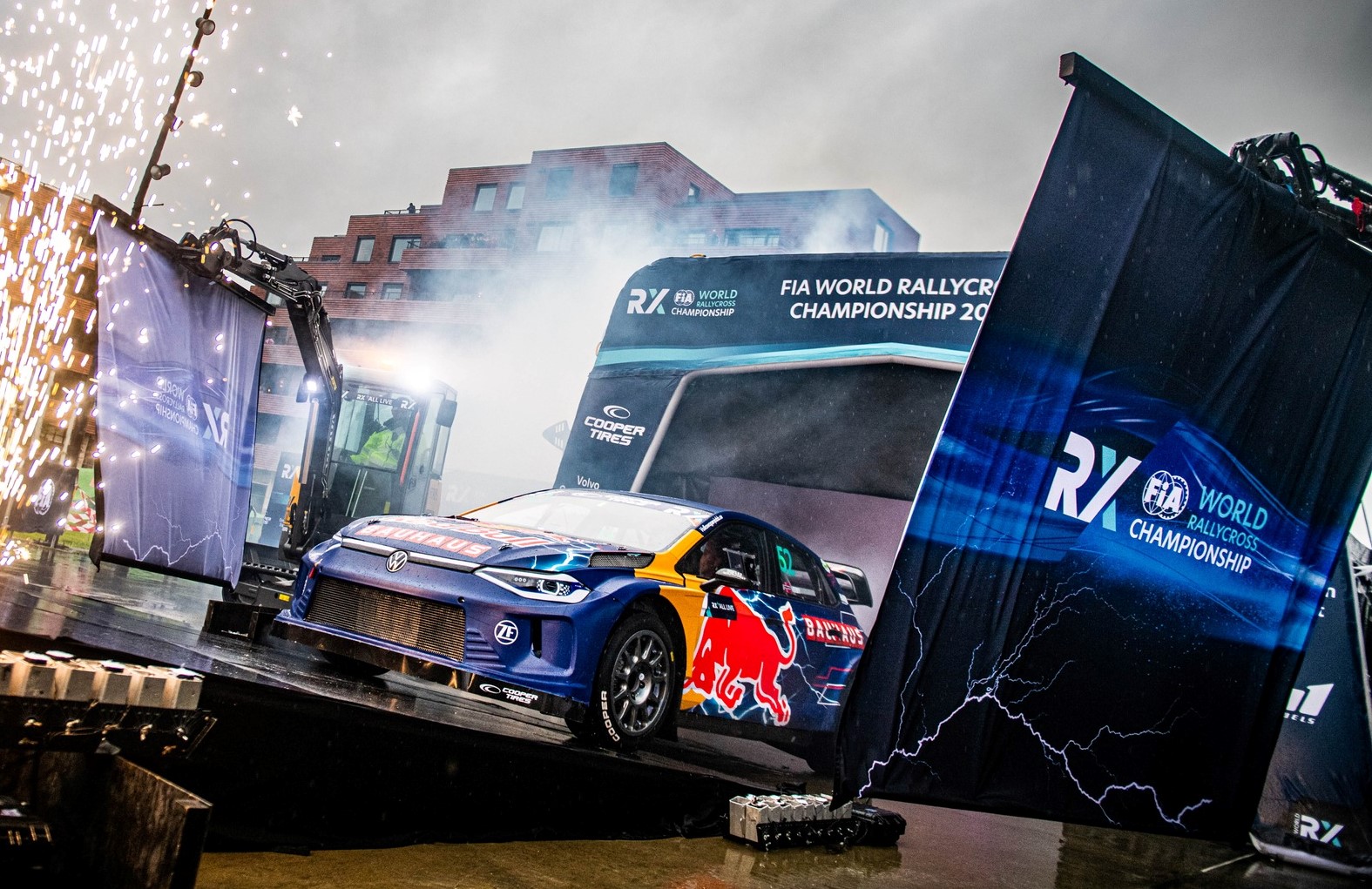
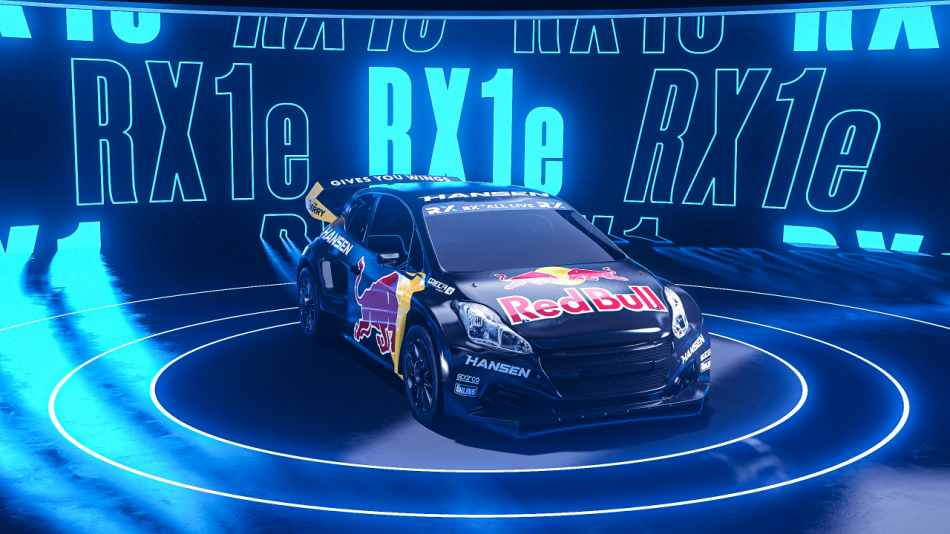
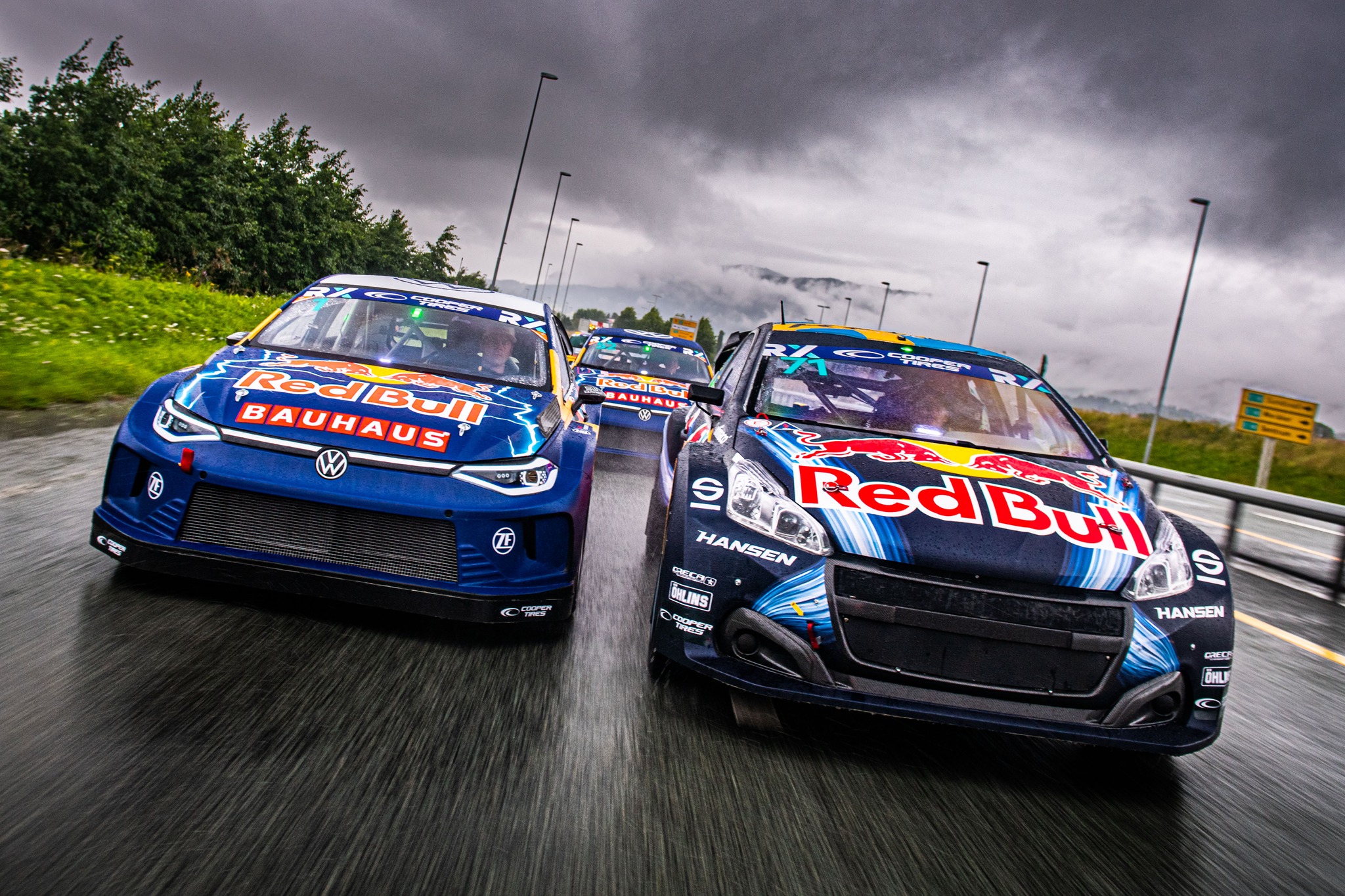
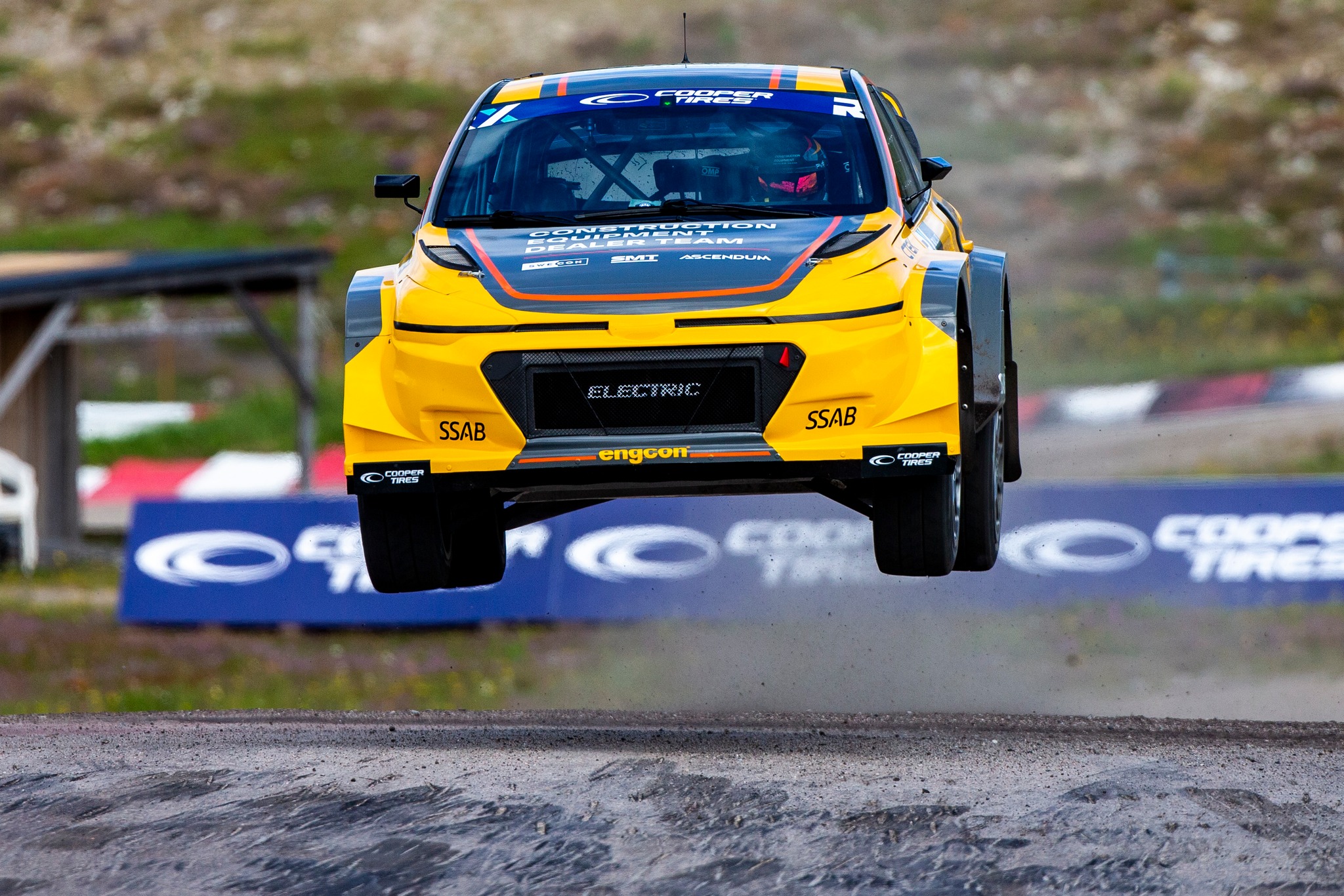
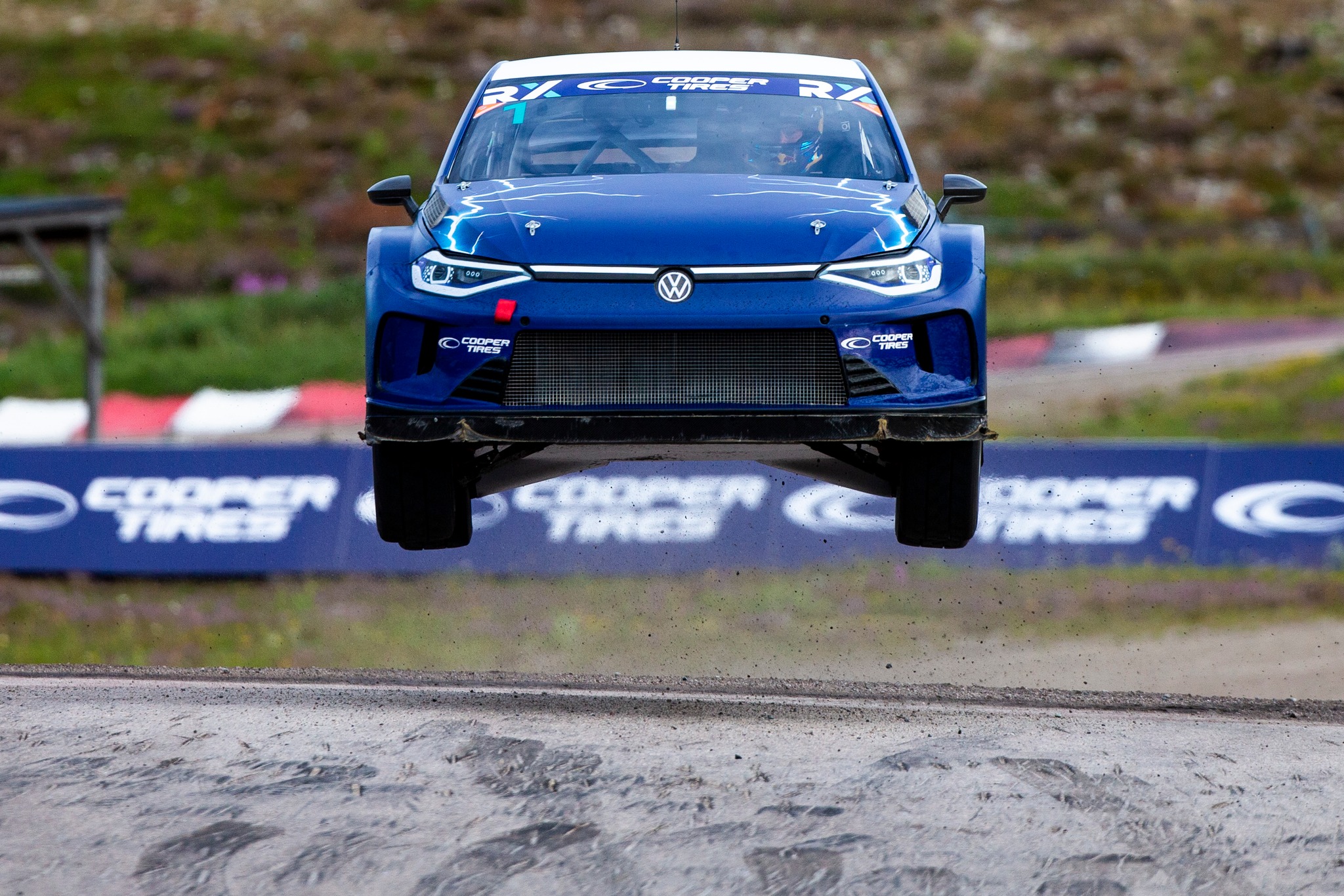
Next is the World Rallycross Championship (World RX) which was officially launched yesterday in Norway, which the highest percentage of electrified vehicle sales in the world (around 80%). The first-ever electric rallycross world championship is FIA-sanctioned as part of the organization’s ongoing commitment to sustainability.

The original intention was to introduce full-electric cars in the World Rallycross Championship in 2021. However, following a World Motor Sport Council decision, it was decided to delay the implementation until 2022 due to the challenges of the COVID-19 pandemic. “The COVID-19 pandemic has brought about a delay to introducing electrification to the FIA World Rallycross Championship,” said Gyarfas Olah, President of the FIA Off-Road Commission.

“Nonetheless, we are committed to a new, electric future which has, as guiding principles, cost control and demonstration of the huge power capabilities of full electric road car-based Supercars. Together with Kreisel, we are developing a performance package which is sustainable and enables teams to be part of a highly competitive electric racing series. The fans, who are used to very spectacular races in rallycross, will be thrilled by the acceleration power of the coming RX1e cars.”

However, the FIA RX2e Championship, the first-ever FIA electric rallycross championship, was part of the 2021 season. The RX2e car, jointly developed by Spanish electro-mobility specialist QEV Technologies and Swedish rallycross team Olsbergs MSE, was successfully run in events.
Powertrain can be retrofitted
The powertrain kits are provided by Austria’s Kreisel Electric, the official supplier of the electrification kit to the championship. The kit can be retrofitted to existing internal combustion-powered World RX Supercars or built into an all-new chassis.
The kits are priced at 300,000 euros (about RM1.37 million) with an additional 100,000 euros for 4 years of technical support. The cost is said to be lower than the current Supercar power units over the same period. Performance levels of RX1e will be higher than existing ICE Supercars, with a significant power and torque increase and with a contained weight gain.
Fastest, most powerful RX cars
As in the WRC, the top tiers will run the new RX1e rallycross cars with twin motors, pushing out 500 kW (equivalent to 680 bhp) and 880 Nm of instant torque. They will be able to accelerate from standstill to 100 km/h faster than a Formula 1 car and are fastest and most powerful competition cars ever seen in the World RX.

With the new era in rallycross, a new convention for categories has been introduced: Supercar will become RX1; Electric Supercar will be known as RX1e; the new Junior electric series will become RX2e; and Super1600 will be known as RX3.

BHPetrol

BRABUS is well known for enhancing the looks and performance of Mercedes-Benz models. Thus far, since it began business in 1977, it has doe impressive work with cars with combustion engines. But with the electric age round the corner, the company has also to prepare for the future and it has begun doing so.

Perhaps because its extensive experience is with combustion engines, it has not yet developed comprehensive expertise with electric powertrains so it is not focusing on that area yet. Instead, it is enhancing performance by further optimizing aerodynamic efficiency, which can also have a positive effect on performance.

BRABUS in fact has a listing in the Guinness Book of World Records related to aerodynamics. In 1985, it refined the bodywork of a W124 Mercedes-Benz sedan and brought its Cd down to 0.26. That was a world record at the time and is still a value achieved by only a few, far more modern cars today.

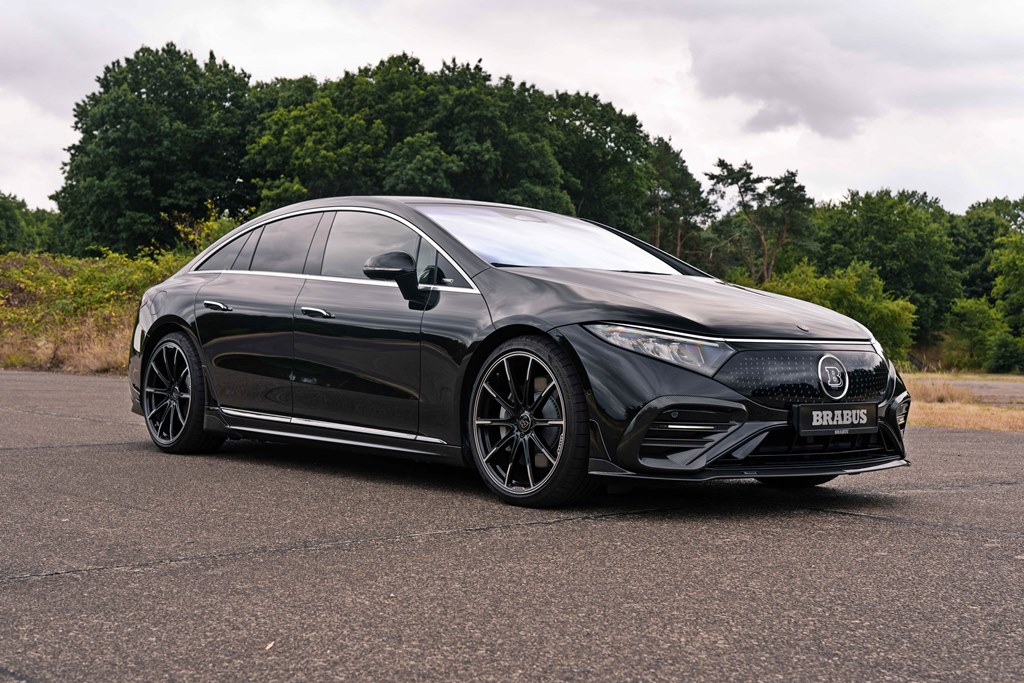
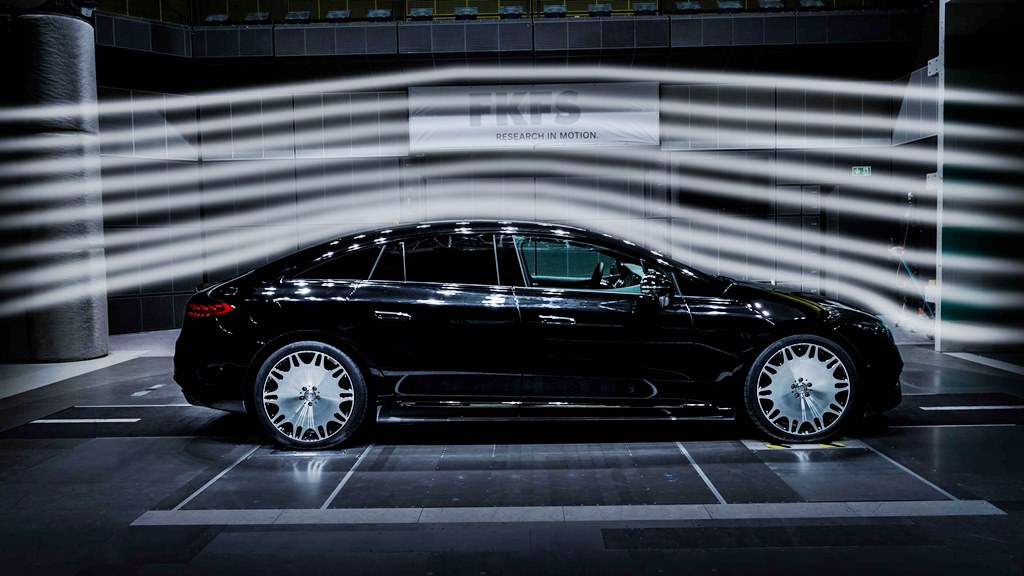
Its first effort in the 21st century is with the latest EQS from the Mercedes-EQ range. Already one of the most aerodynamic production cars in the world, BRABUS has been able to lower its Cd value (the measure of wind resistance) by 7.2%.

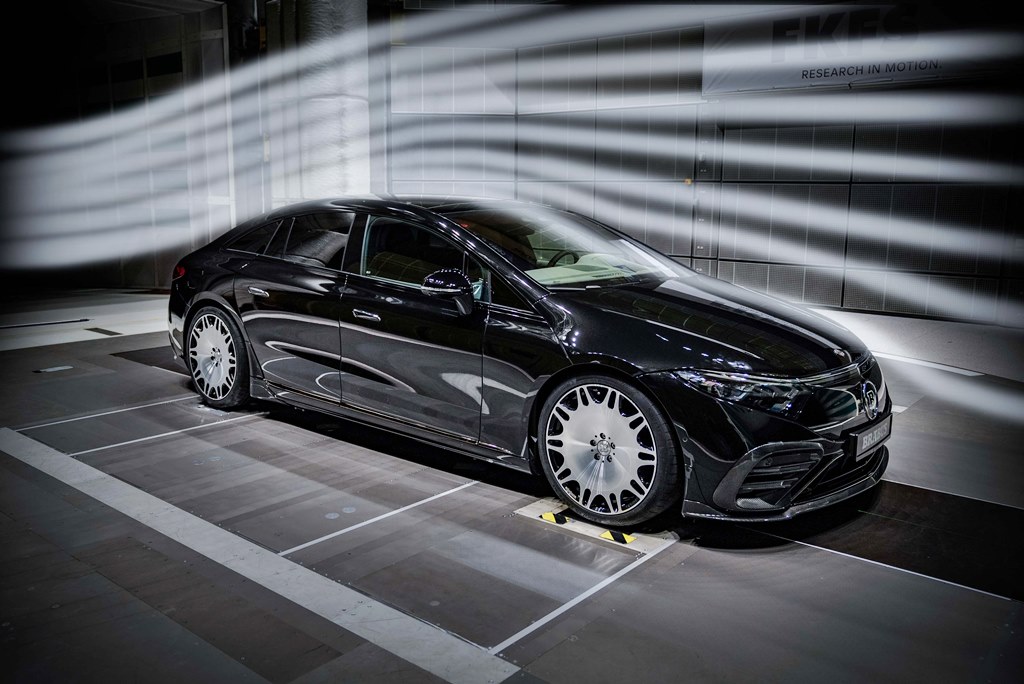
Confirmed in wind tunnel testing, the lower drag in turn reduces the driving resistance, which makes it possible to extend the range, which the more streamlined shape increases by 7% on average in the speed range between 100 and 140 km/h.

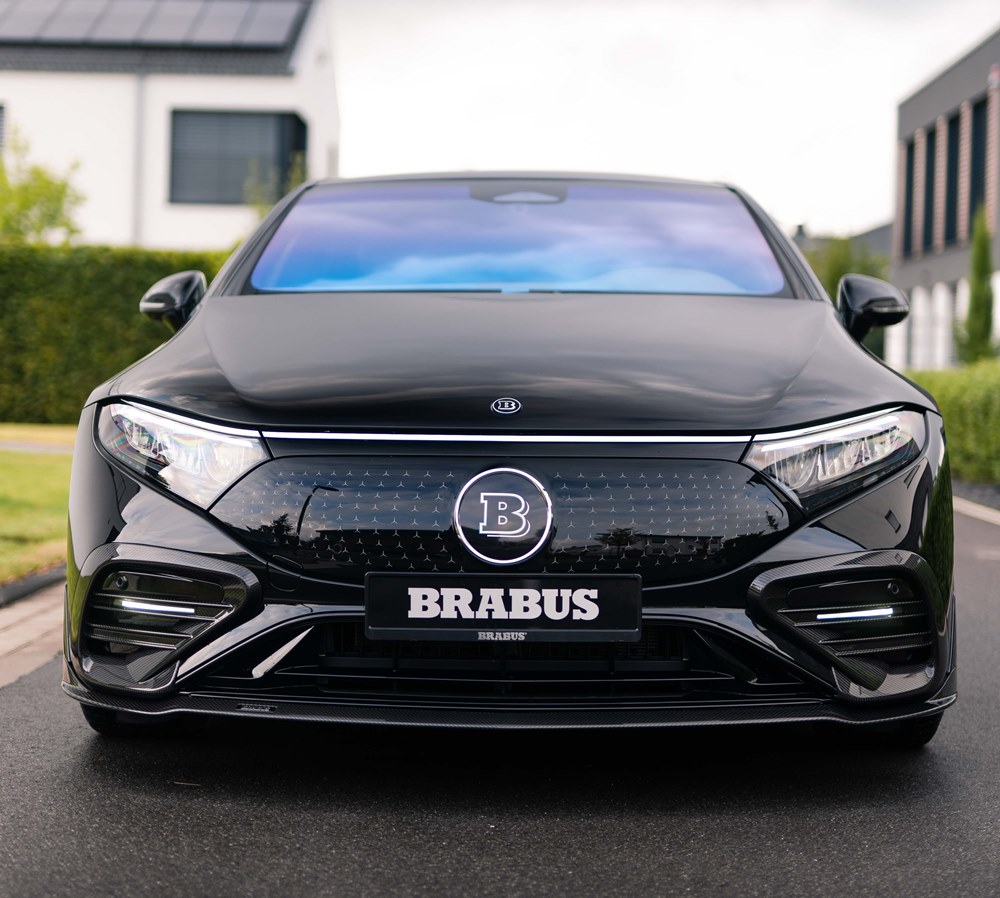
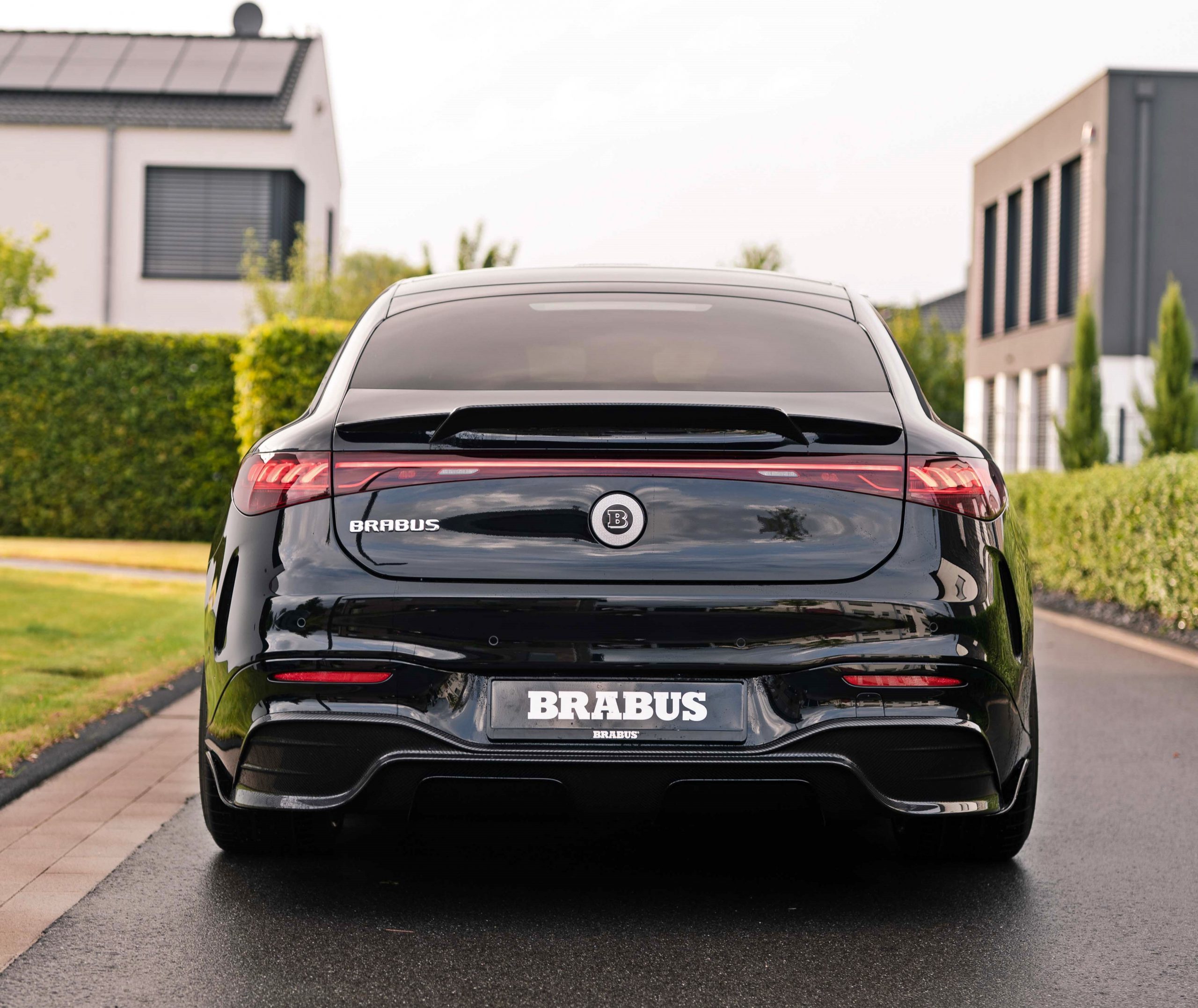
The refinement done on the EQS bodywork with components produced from carbonfibre (with exposed structure) give the sedan sporty looks that generate the ‘BRABUS 1-Second Wow Effect’. The bodywork components can have a glossy or matt sealed finish.

The BRABUS front spoiler gives the EQS an even more dynamic face. In addition, the carbonfibre lip reduces drag, and its raised outer edges also minimize front-axle lift by 100%. This naturally also improves the handling stability at high speeds.

The carbonfibre trim for the side air intakes in the front fascia also play a role in the more striking face and route the airflow even more purposefully to the radiators and front brakes. The designers also developed carbonfibre air deflection elements installed in front of the rear wheelarches. These add some sporty lines to the sides and positively influence the airflow.

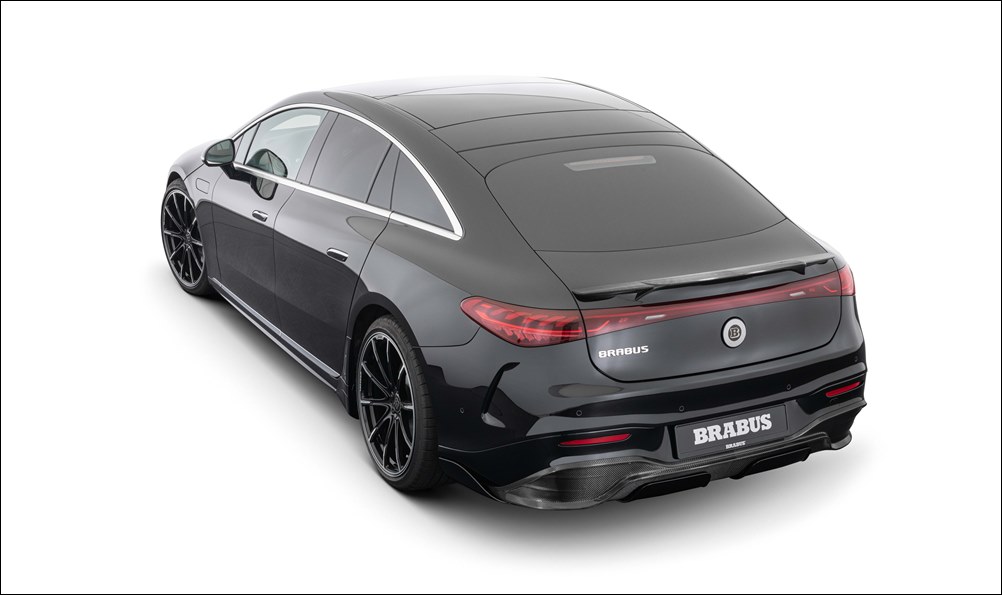
The rear end is enhanced with a diffuser and a spoiler, both made from that same hi-tech composite material. It reduces aerodynamic lift at the rear by up to 40%.

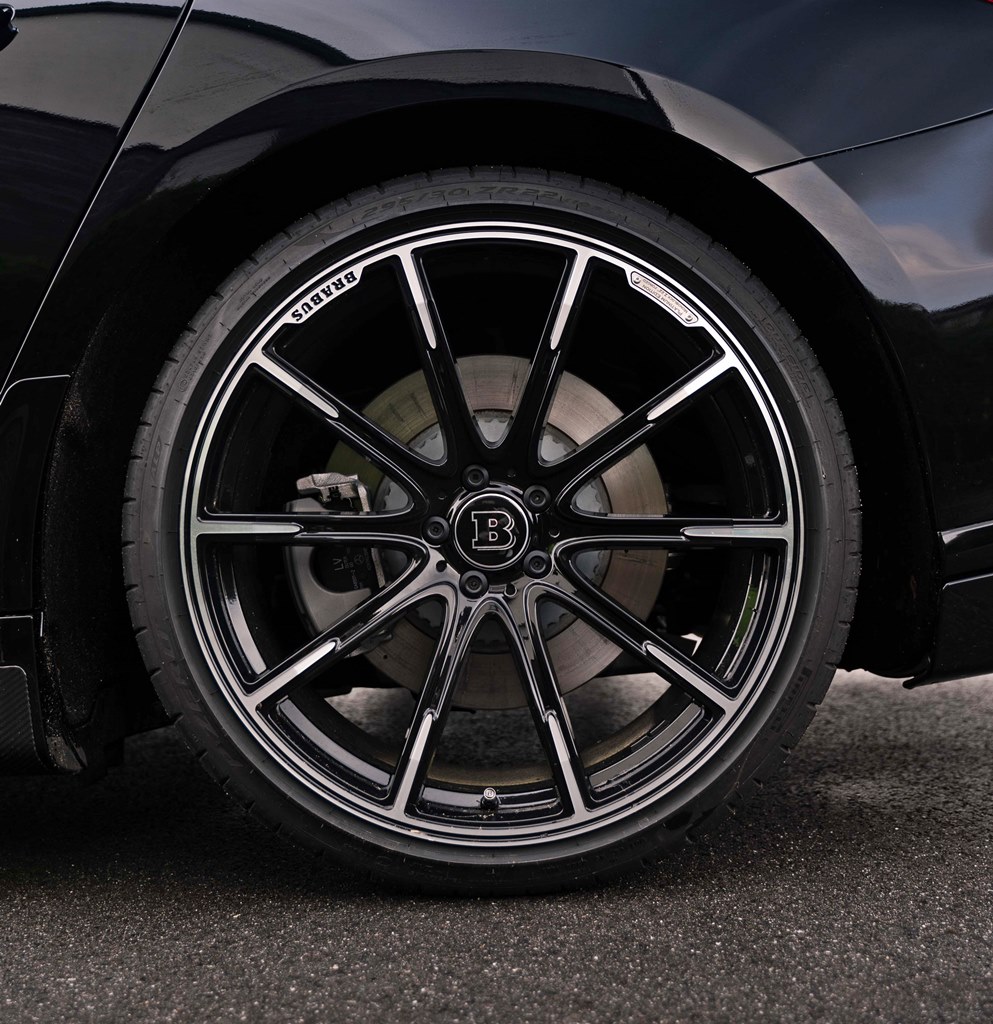
The BRABUS Monoblock wheels have been tailor-made for the wheel wells of the EQS. They are available in numerous designs and diameters from 20 to 22 inches. With the Monoblock M wheels, there is a disc design that is aerodynamically favourable.

The BRABUS wheels not only benefit the looks but also enhance handling. This improvement can be further amplified with the plug-and-play BRABUS SportXtra module which is adapted to the air suspension. It lowers the ride height of the sedan on the front by 15 mm and on the rear axle by 29 mm. This ride-height lowering also plays an important role in the reduction of the drag coefficient.

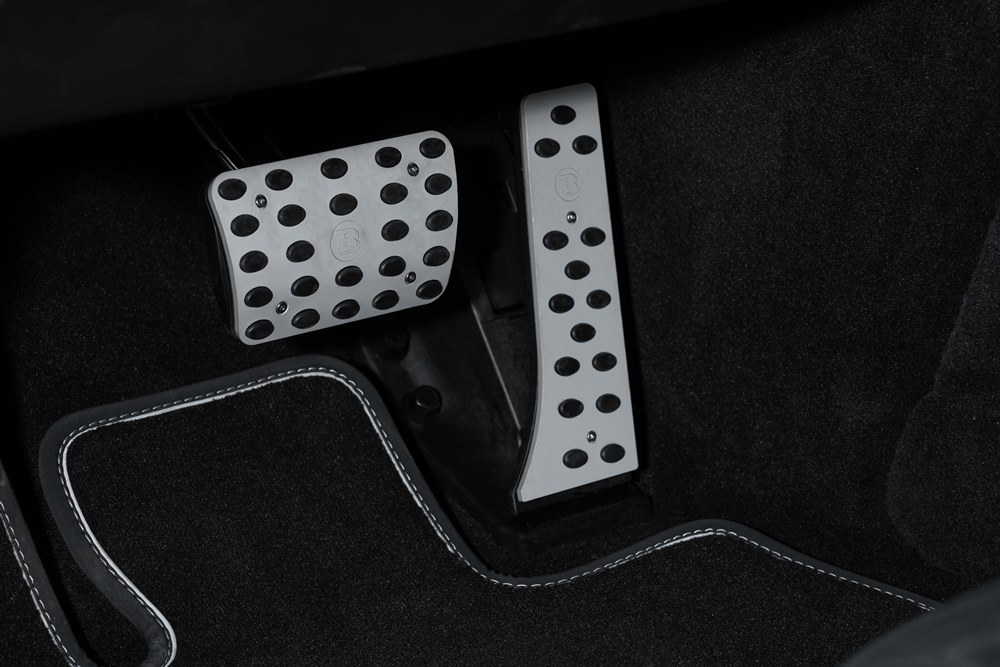
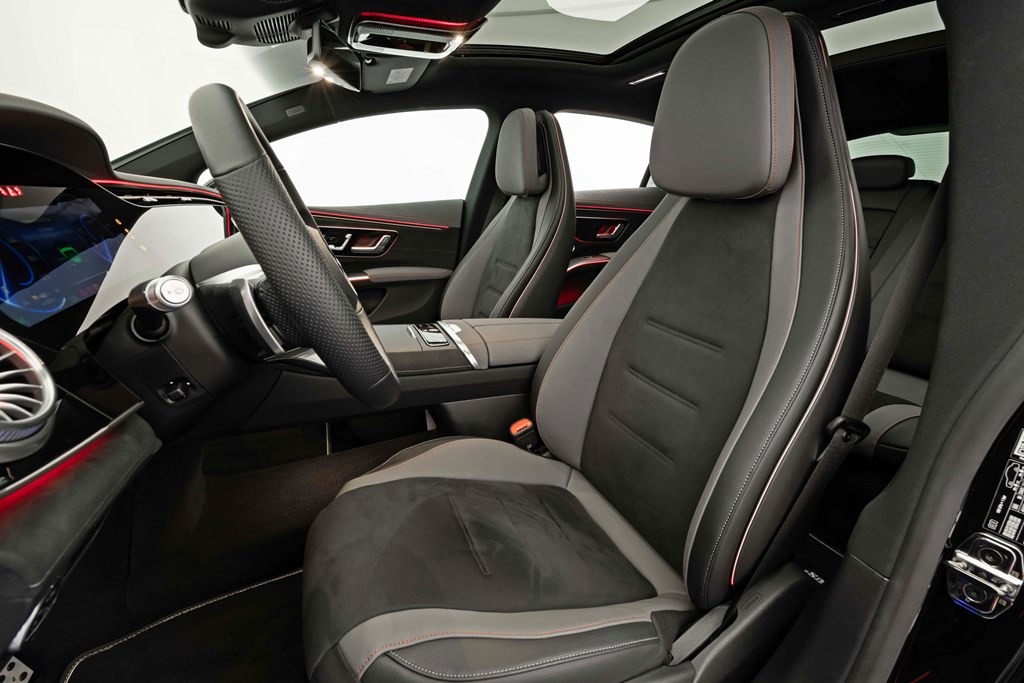
As with its other models, BRABUS offers numerous refinement options for the interior of the EQS, enabling customers to personalize extensively. The range of options includes scuff plates with backlit BRABUS logo, whose colours change in sync with the ambient lighting; BRABUS aluminium or carbonfibre pedals; high-quality floormats and a velour mat for the boot. The latter two sport the logo of the tuner and feature leather edging.

COVID-19

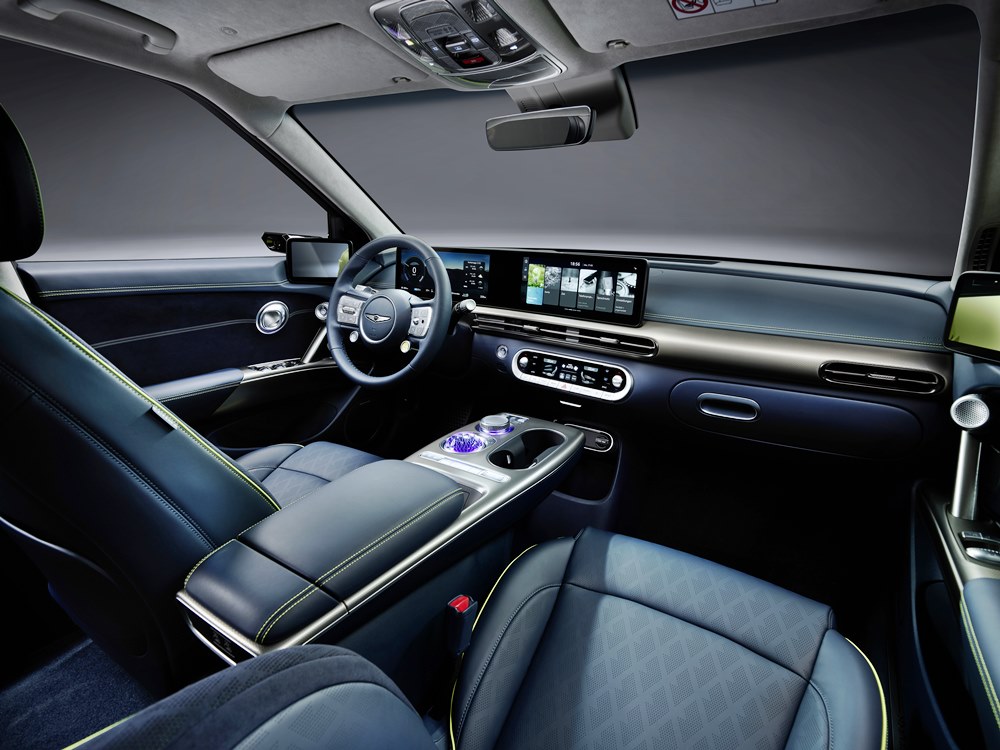
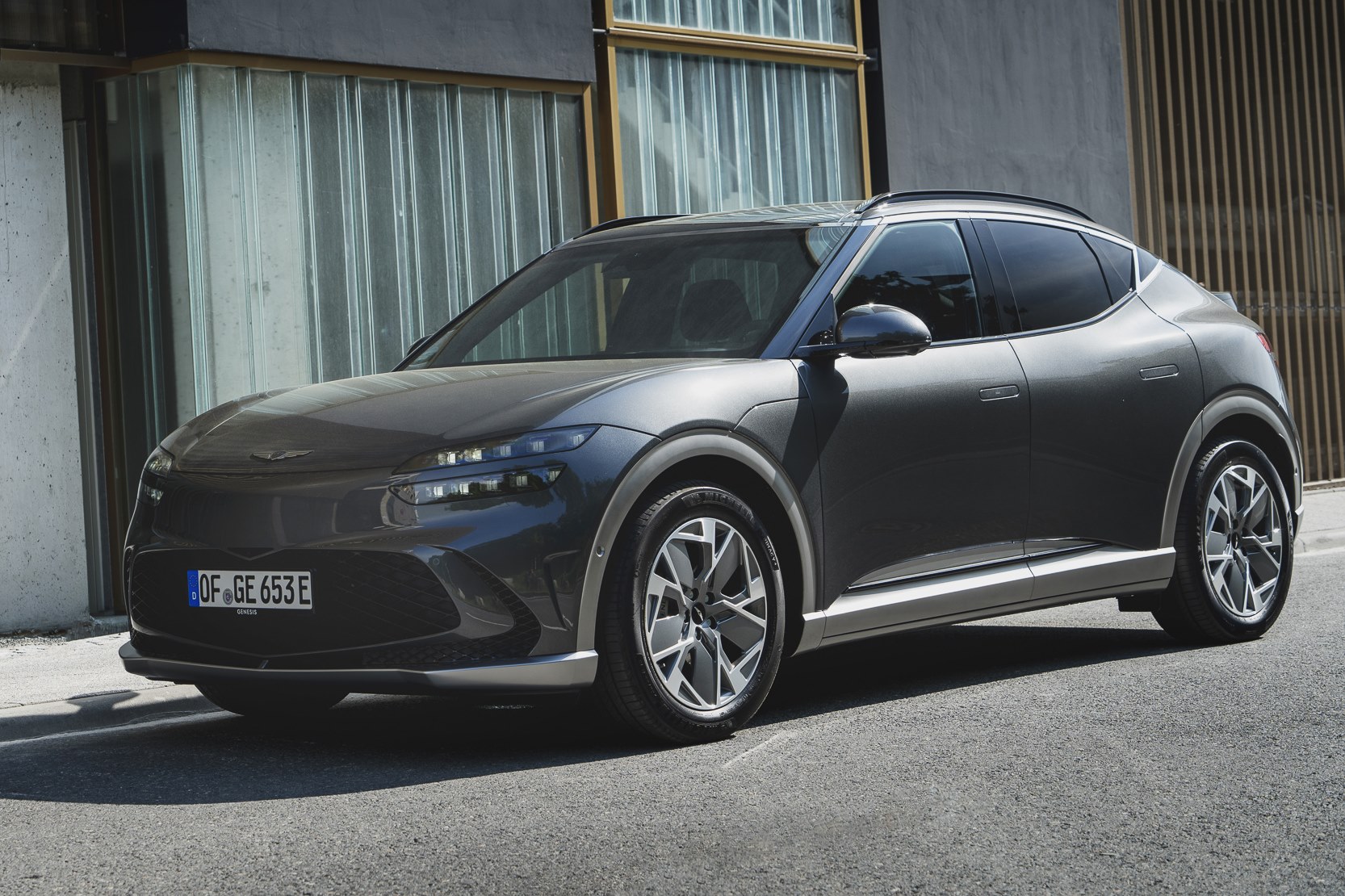
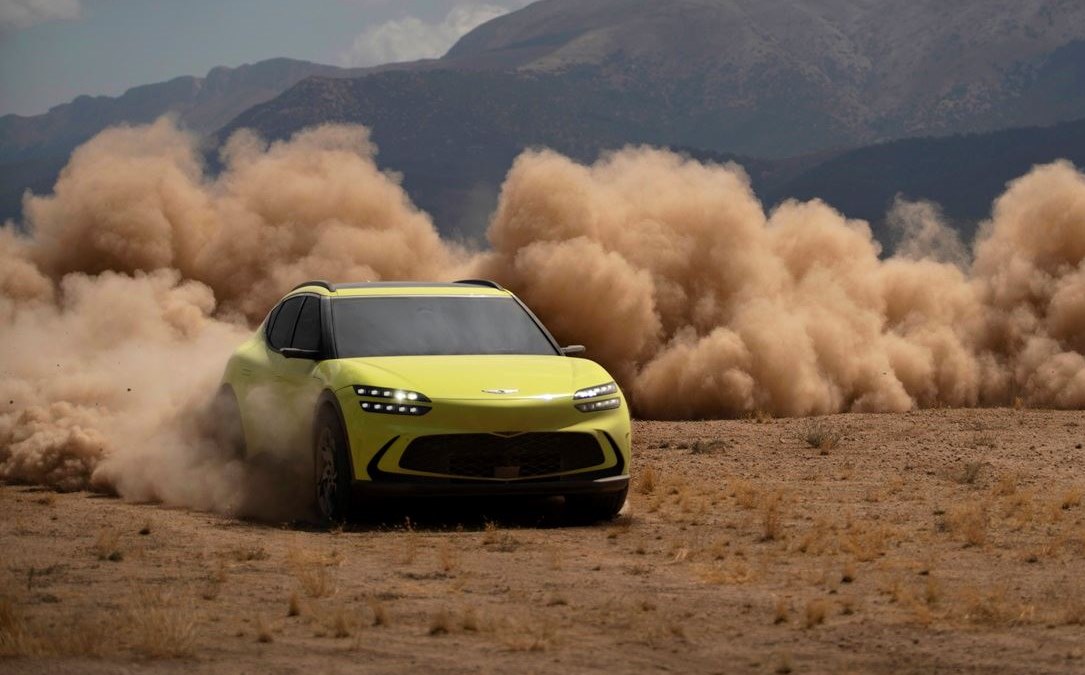
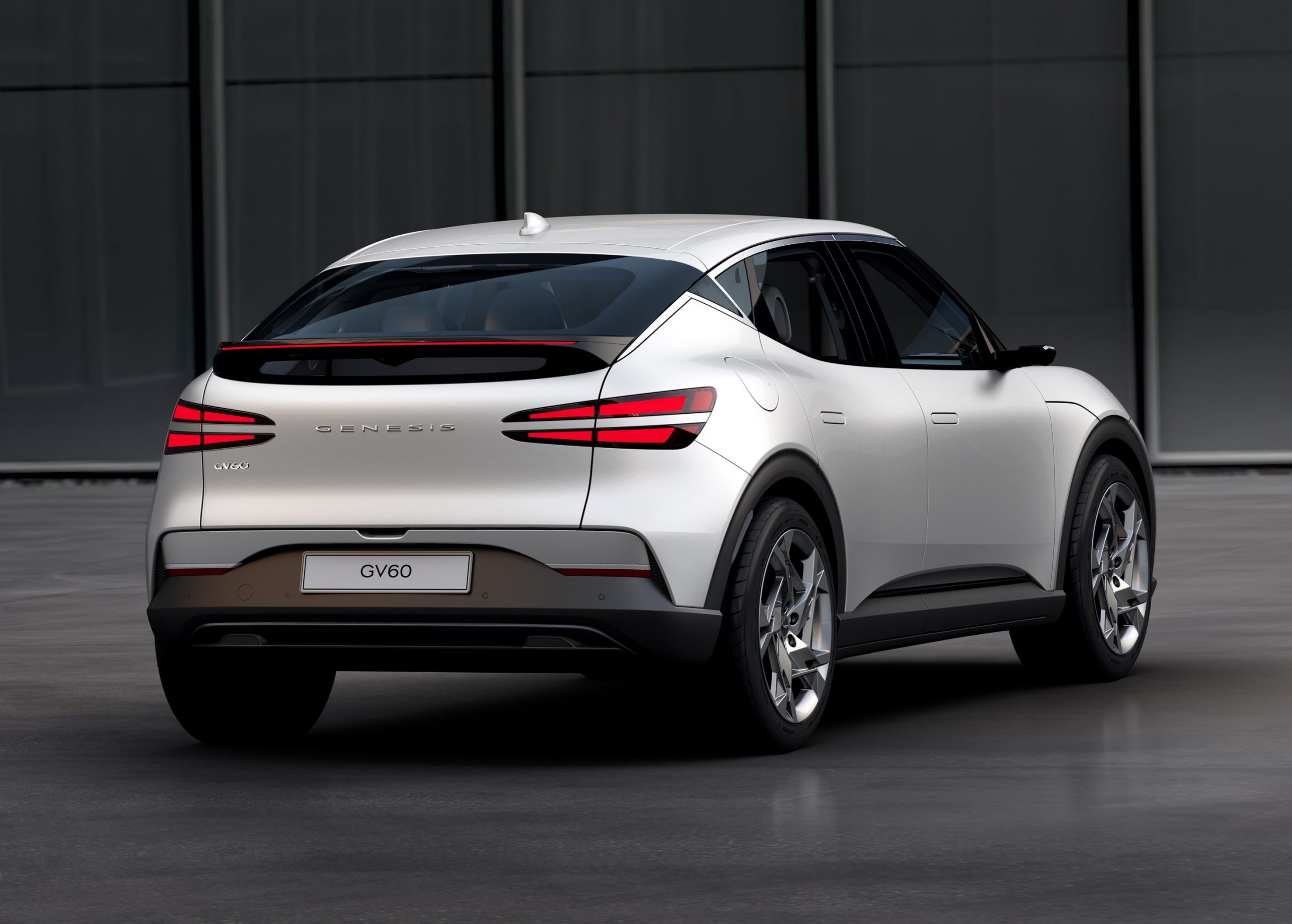
There are various ways of expressing luxury in a car and designers are always looking for new ideas. The design team at Genesis has come up with something unique which is a standout features in the brand’s first battery electric model – the GV60.

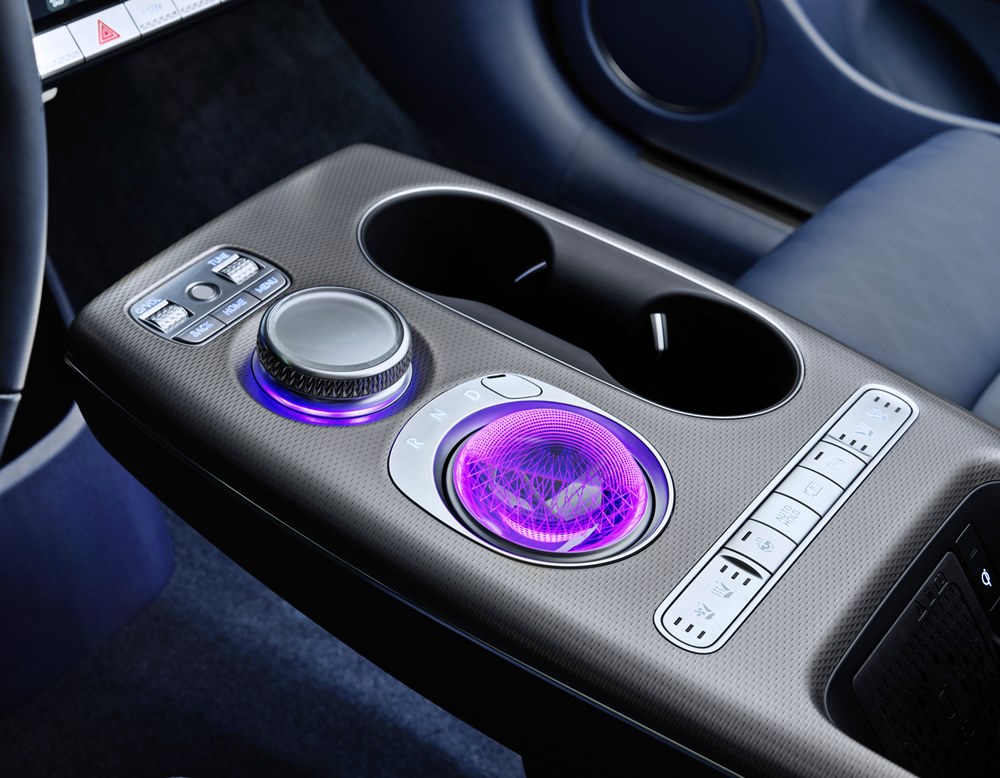
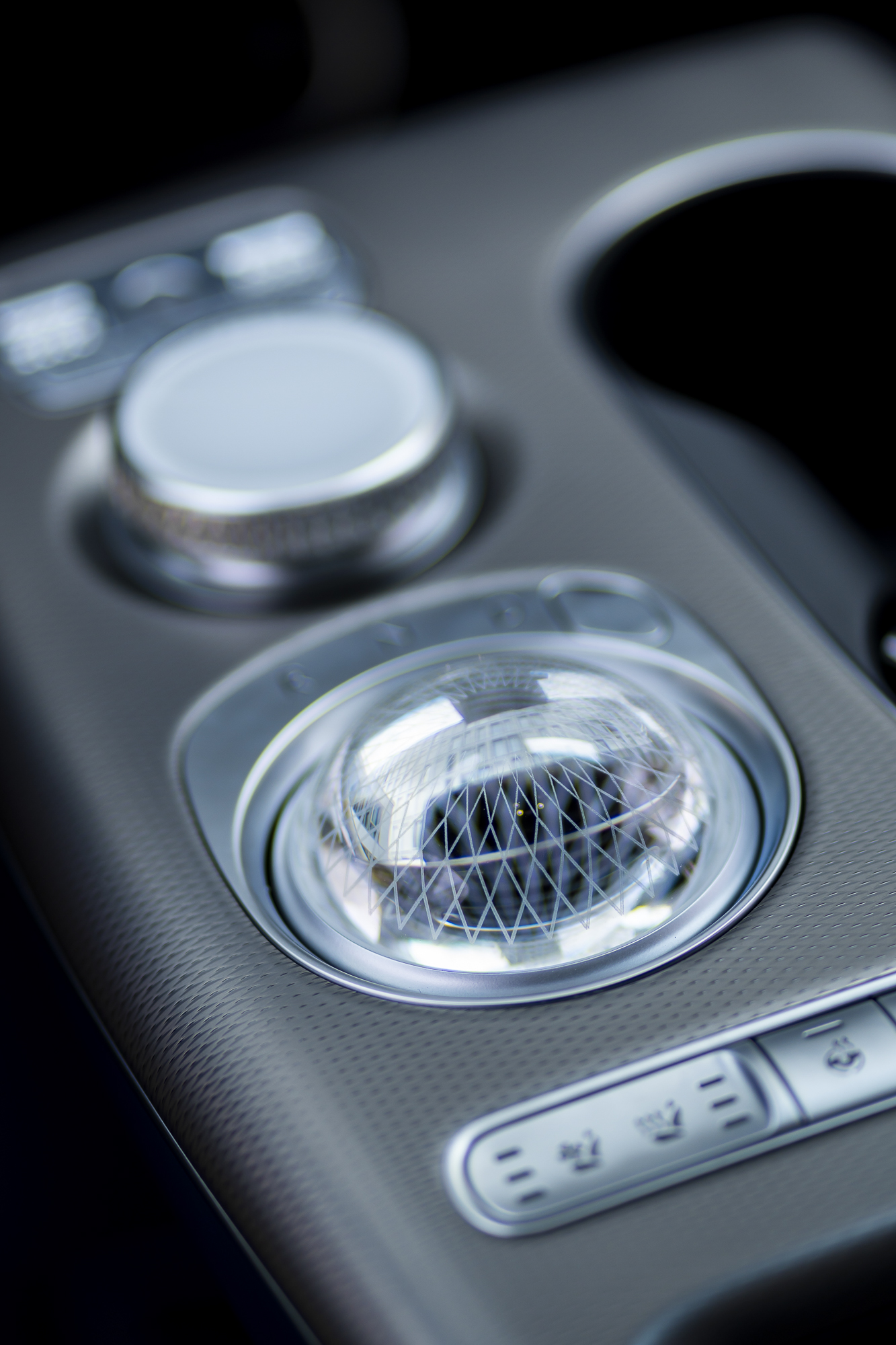
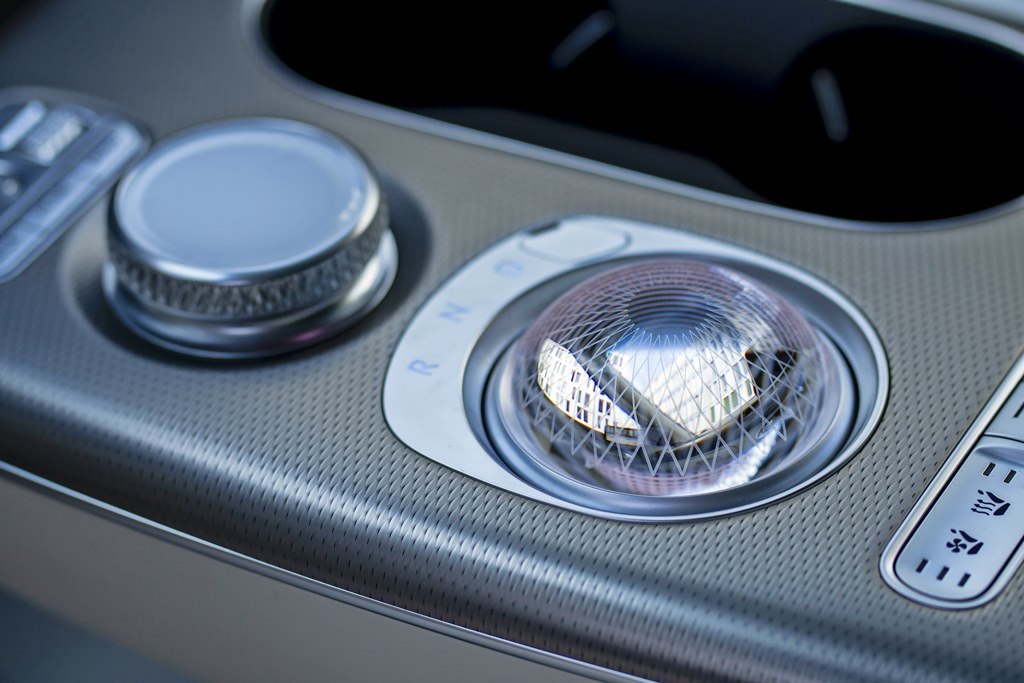
Known as the Crystal Sphere, it represents a striking interior focal point for GV60 and an emotional connection between the driver and the vehicle. Beautifully crafted, the Crystal Sphere embodies Genesis’ approach to design, luxury and ergonomics. It is adapted from a feature first seen in the Genesis X concept car.

Located in the floating centre console, the sphere appears as a sparkling, jewel-like object placed within the spacious and balanced cockpit which is inspired by the ‘Beauty of White Space’ philosophy of traditional Korean architecture.

“As the GV60 is an electric vehicle, it is naturally extremely quiet, making it a challenge to alert the driver that the car is ready to drive. Our engineering and design teams collaborated closely to create this unique and captivating way for the driver to engage with the vehicle through the Crystal Sphere. Combining form with function, Crystal Sphere embodies Genesis’ commitment to offer unrivalled technology, premium design and driver appeal,” said Luc Donckerwolke, Chief Creative Officer at Genesis.

Form and function
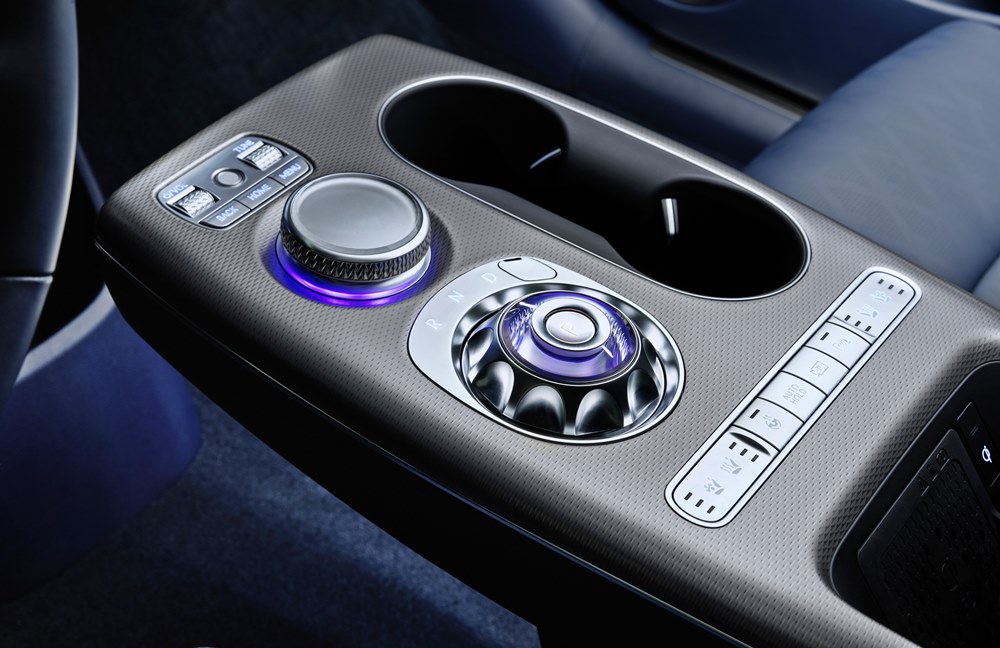
When the GV60’s electrical systems are turned off, the Crystal Sphere becomes part of the vehicle’s ambient cabin lighting, delivering a calming glow to the cabin when the car doors are opened to welcome its occupants.

When the driver pushes the engine start button, the sphere rotates through 180˚ to reveal the metal finish Shift-By-Wire controller, creating a compelling atmosphere of futuristic mobility. By turning the transmission dial that is knurled for optimum grip, the driver is able to select the desired gear, receiving haptic feedback that confirms a gear has been engaged, including a subtle vibration when requesting a direction change, such as when shifting from drive to reverse.

Practicality and safety
The Crystal Sphere also acts as a safety feature, which is important for an electric car that is very as silent. Typically, the only indication of the car’s current state are the icons on the instrument cluster. When charging, the Crystal Sphere is not able to be rotated into driving mode, while it glows red as a warning when reverse is selected.

Featuring a real glass finish, Crystal Sphere has been laser-engraved on the inside with an elegantly delicate interpretation of the Genesis G-Matrix design signature. Created after numerous sampling and modifications, this optimized pattern is further highlighted by the soft backlit illumination.

Yet with its role in controlling the transmission, the Crystal Sphere is much more than a bold decorative element. As a result, Genesis engineers have made durability and ease-of-use a priority. Everything from the motor output to the materials used and specifications of the wiring was thoroughly evaluated through cycle testing in high and low-temperature environments, as well as being engineered to withstand heavy loads.

As a unique centrepiece, the Crystal Sphere will be included as standard across all versions of the GV60 range. Now on sale in Europe, the GV60 is priced from £47,005 (around RM255,000).

First Genesis BEV
The GV60 is Genesis’ first vehicle to be built on the dedicated Electric-Global Modular Platform (E-GMP) of the Hyundai Motor Group. It is available with rear-wheel drive model, all-wheel drive, and a performance model with all-wheel-drive. Each model features a 77.4-kWh battery pack, and the RWD model has a claimed maximum driving range of 451 kms per charge.

The RWD model’s motor output is 168 kW/350Nm, while the AWD model has a 160 kW motor for its rear wheels and a 74 kW motor for the front wheels, providing a total output of 234 kW with a maximum of 605 Nm.

The performance model has two 160 kW motors for the front and rear wheels, delivering a total output of 320 kW, maximum torque of 605 Nm, but the claimed maximum driving range is 368 kms on a fully charged battery pack.

A Boost Mode, activated by a button on the steering wheel, can increase straightline performance for 10 seconds. This will enable the vehicle to go from 0 to 100 km/h in a claimed 4 seconds.

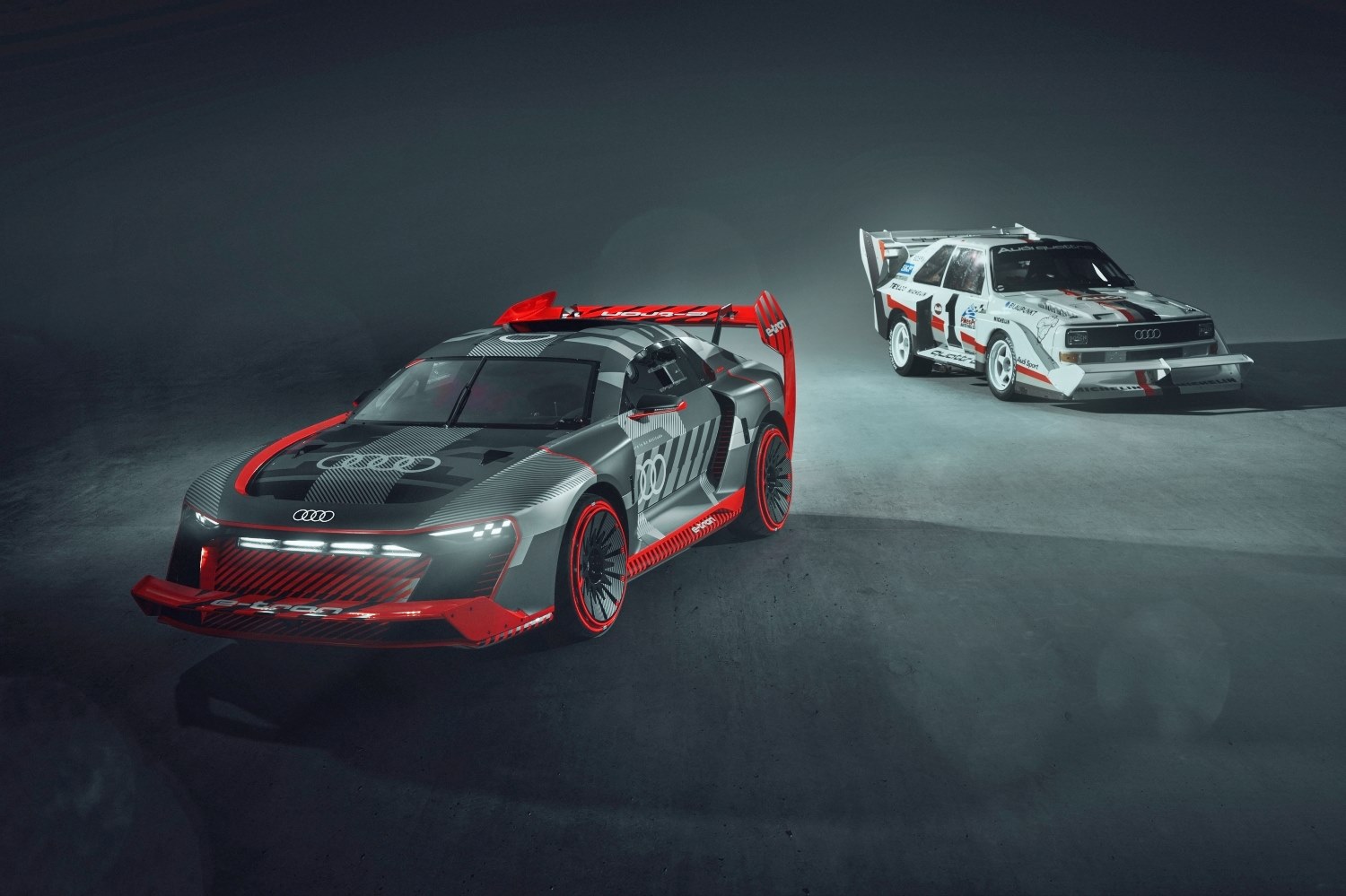
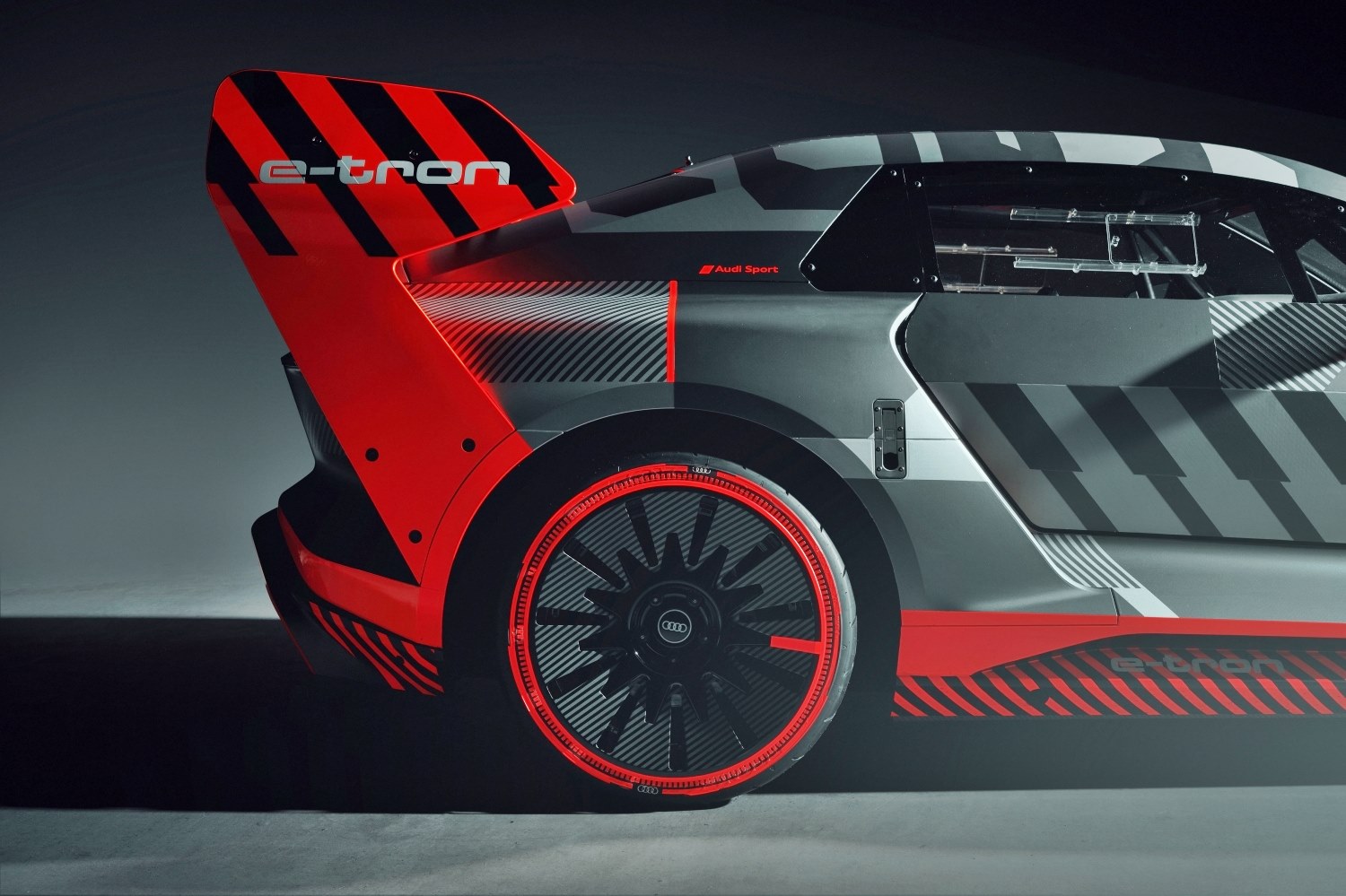
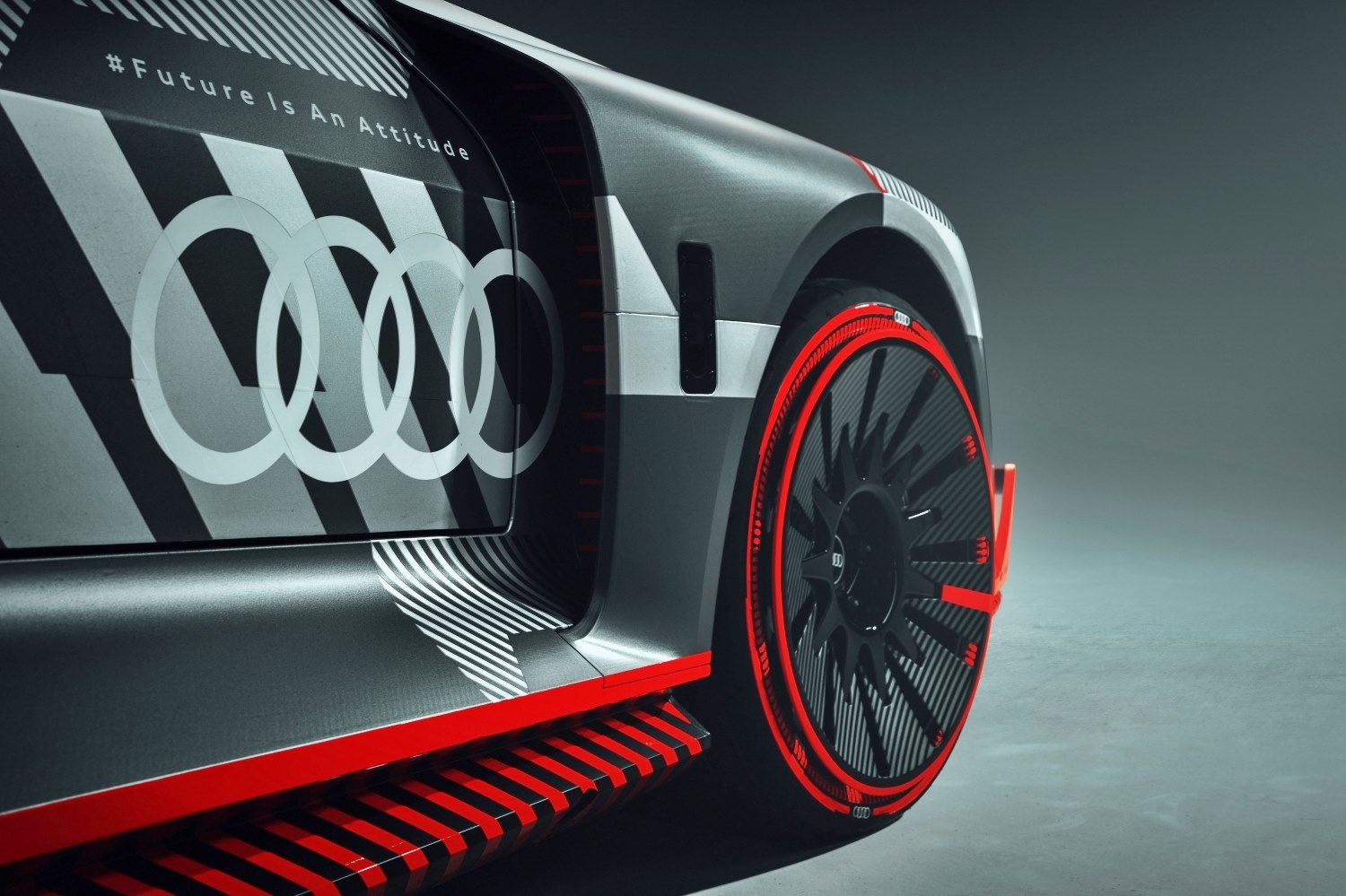
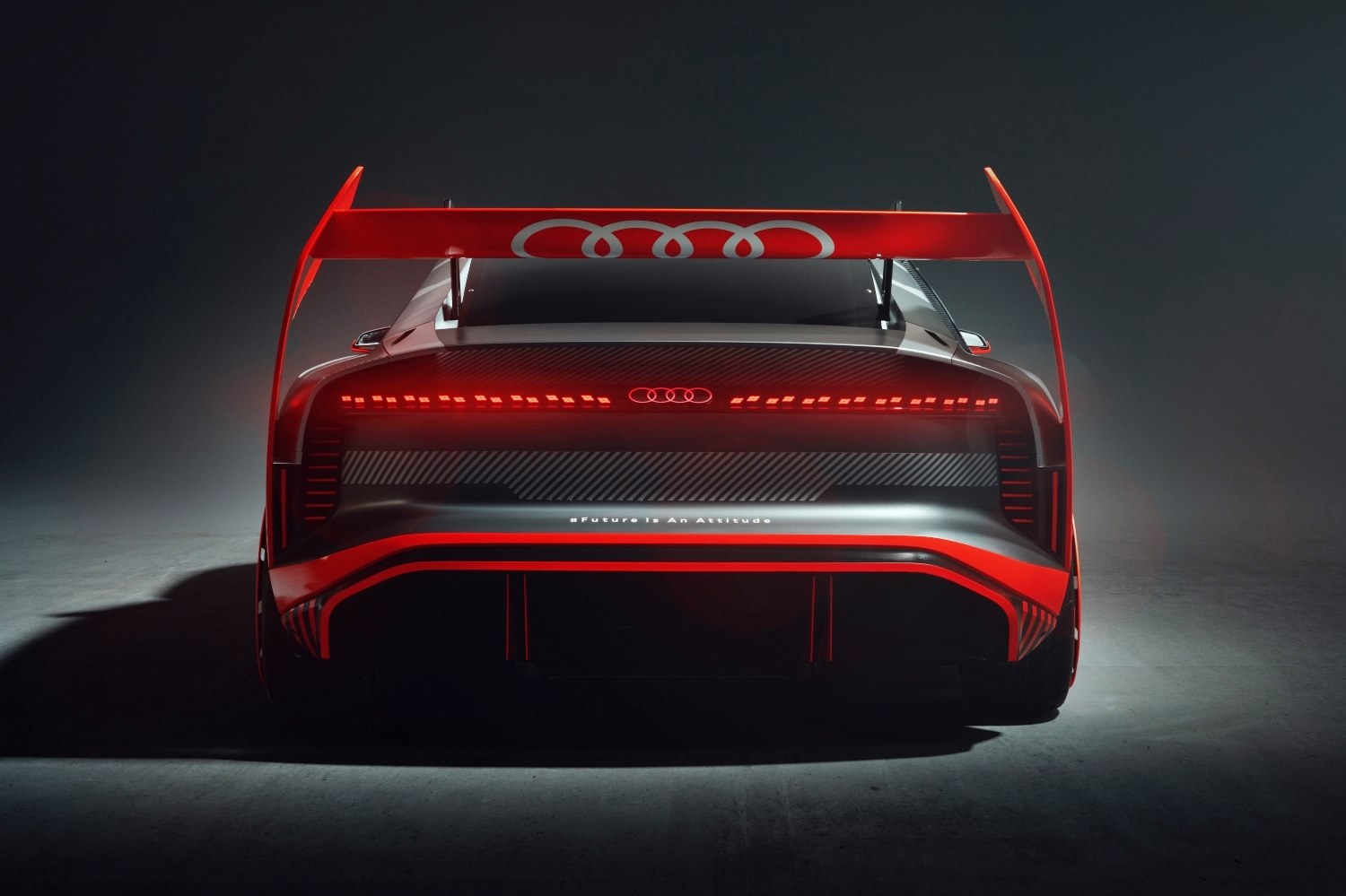
The Audi S1 e-tron quattro Hoonitron to be driven by Ken Block has been completed and will make its North American debut at the Rolex Motorsport Reunion later this month. This is the first time the drift artist is working with Audi after having long associations with Ford and Subaru.

Unlike all previous cars that Block has used, the S1 e-tron quattro – to be used in the next installment of his famous Gymkhana series, ‘Electrikhana’ – does not run on petrol because it has no combustion engine. Instead, it has dual motors powered by electricity, and Block will show that even with electrification, extreme performance is still possible.

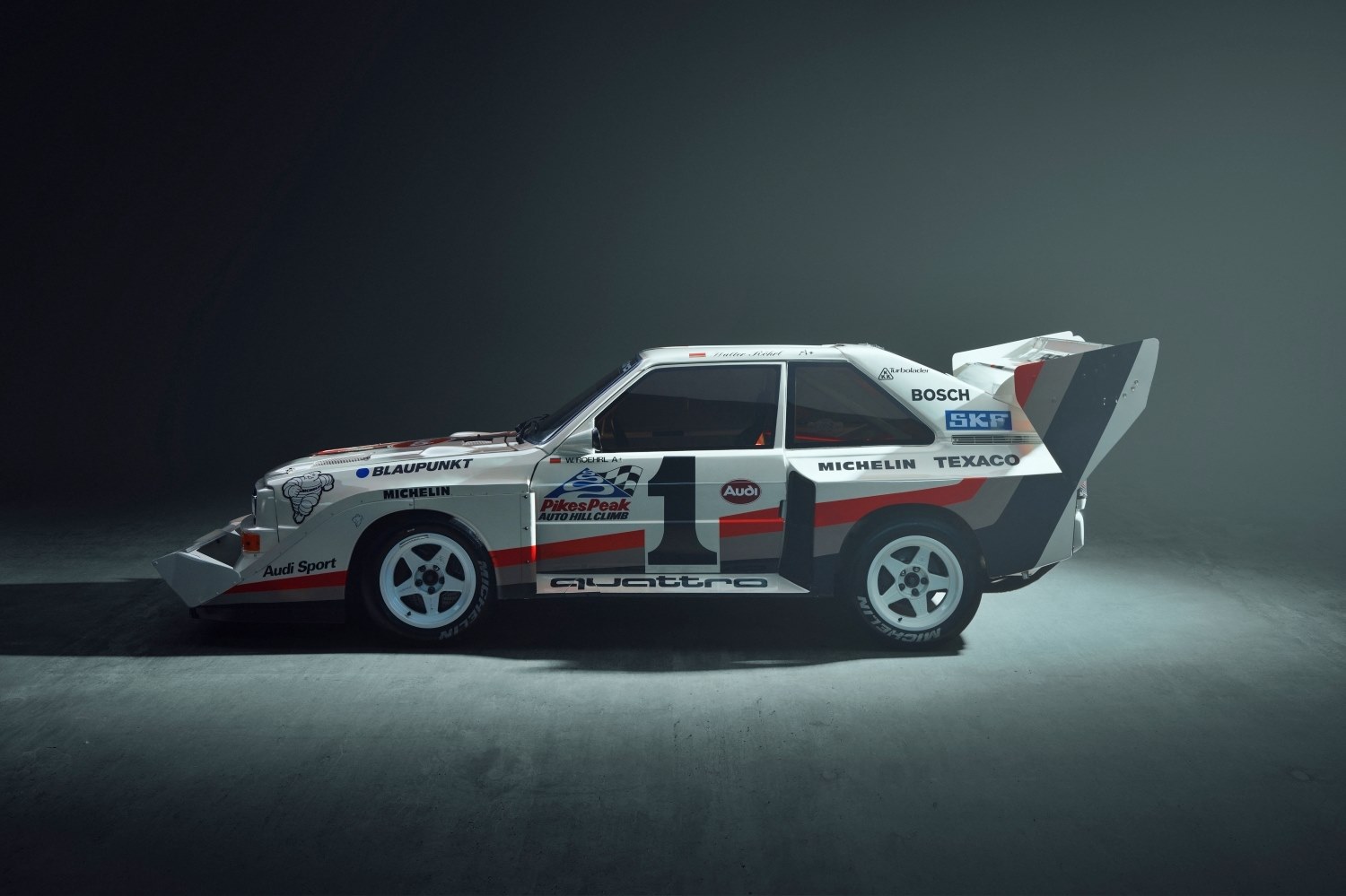
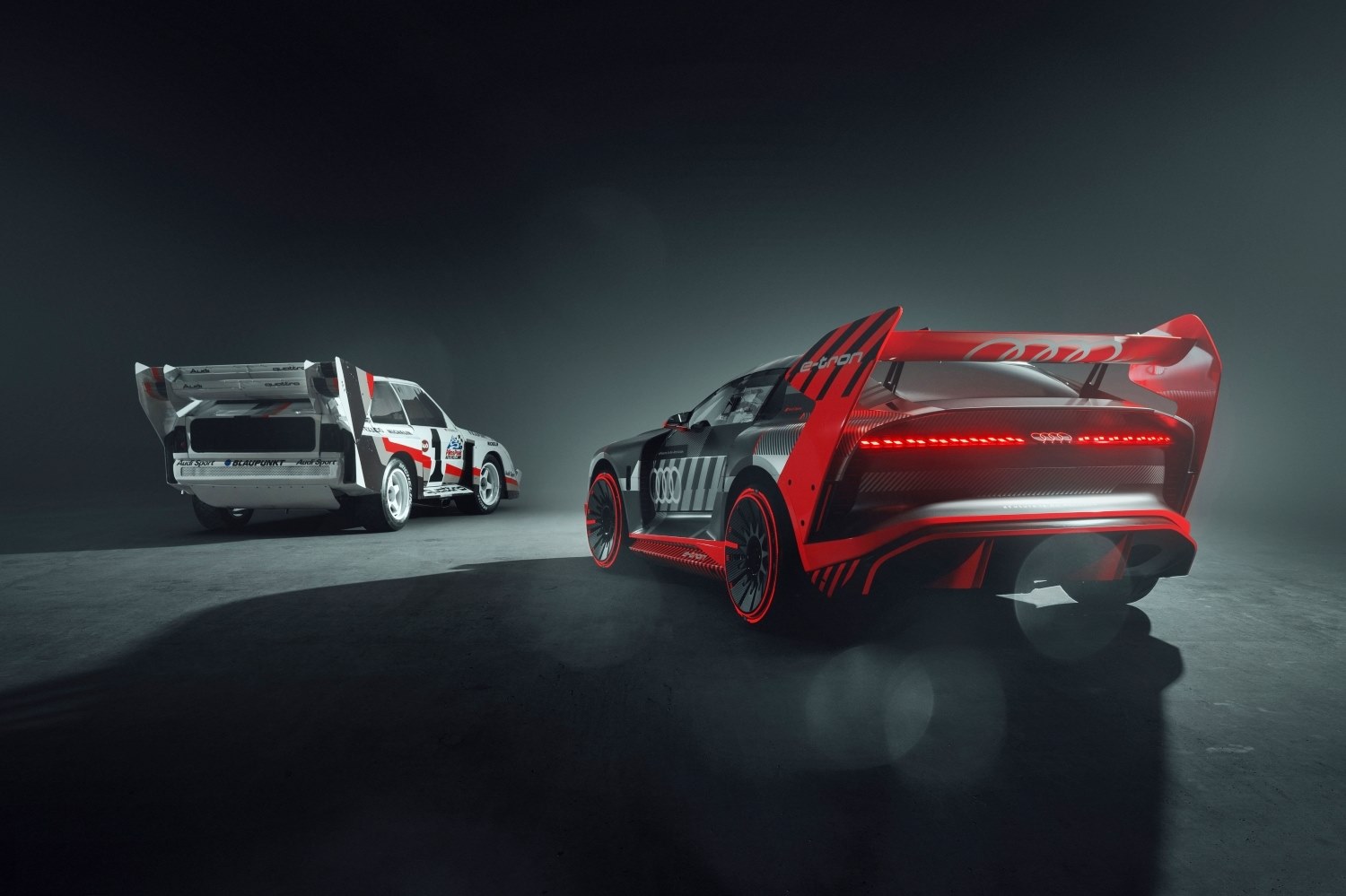
Design of the S1 e-tron quattro Hoonitron was inspired by the legendary quattro S1 (below) that set a new record in the Pikes Peak Hillclimb in the 1980s.

Inspiration for the design of the one-off car came from the legendary quattro S1 rallycar that sped up Pikes Peak in record time. The entire development, including the technology, of the S1 Hoonitron was conducted by Audi Sport.

Audi Design was brought in for the styling work only in December 2021. Typically for a project of this magnitude, designers and engineers would spend a year or more just developing the concept. However, in the case of the S1 e-tron quattro Hoonitron, an accelerated timeline of just 4 weeks was targeted at the Audi Sport facility in Germany.

2022 Audi S1 e-tron Hoonitron

After about a month of labour-intensive work, the S1 Hoonitron was finalized. Block flew over to provide his input and also learn how to drive an all-electric car sideways and in circles. “I’m familiar with a wide variety of cars using internal combustion engines and transmissions, but there were a lot of new things for me to learn. Spinning into a donut at 150 km/h directly from standstill – just using my right foot – was an all-new experience for me! Our work was focused on getting the car and I used to each other. My thanks go to the whole Audi Sport squad for their outstanding teamwork,” he said.

2022 Audi S1 e-tron Hoonitron

“The S1 e-tron quattro Hoonitron combines a lot of what Audi was already famous for in the 1980s,” added Block. “For instance, the car’s spectacular aerodynamics have now been translated into a totally modern form. I think it’s cool that the Audi designers have been inspired by their own past and uniquely transferred the car’s technologies and appearance into the present.”

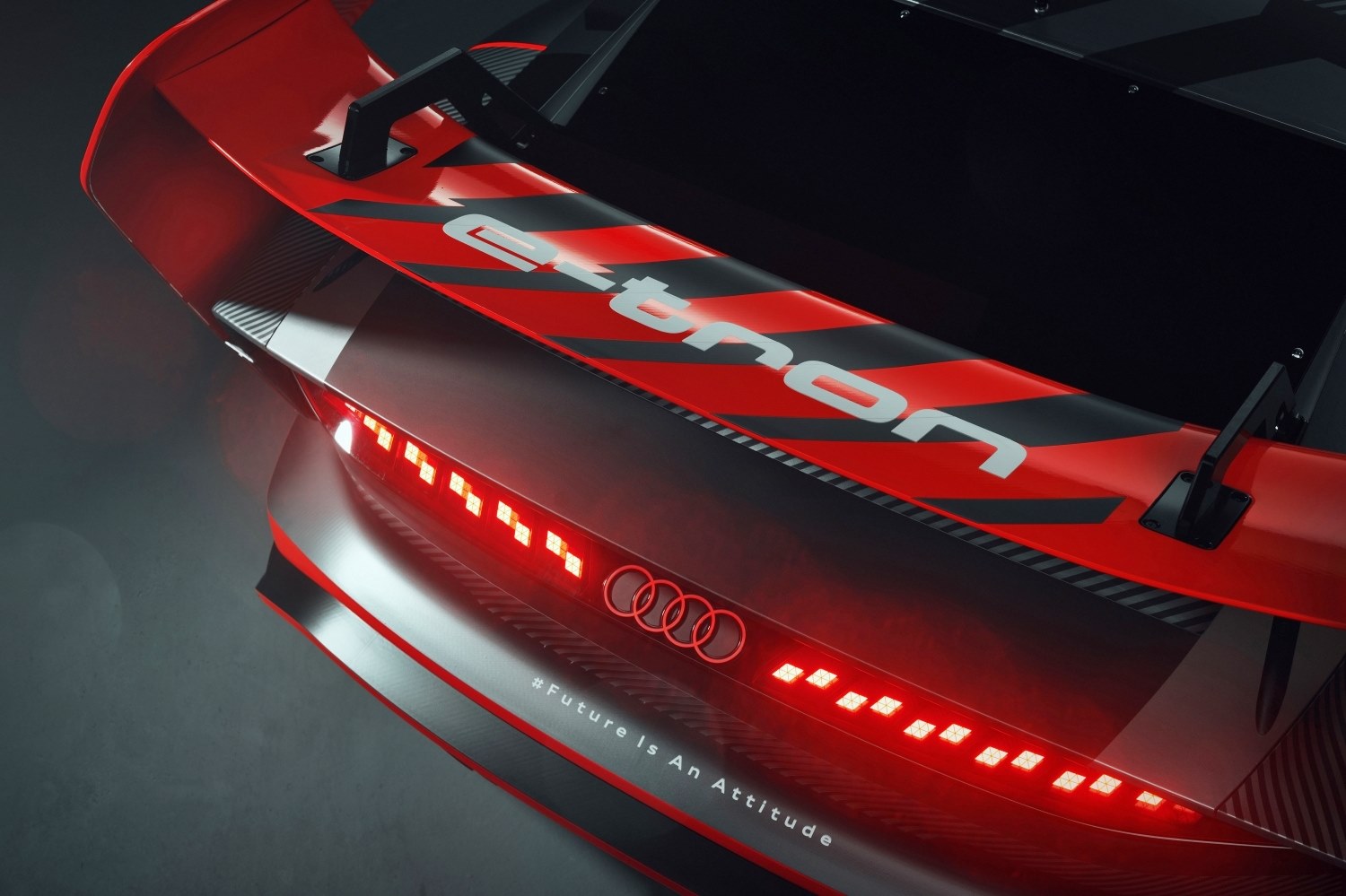
The S1 e-tron quattro Hoonitron brings electrification directly to the performance car enthusiast’s doorstep. Besides powerful electric motors, there’s all-wheel drive, a carbonfibre chassis, and incorporation of the full suite of safety standards as dictated by the FIA.

2022 Audi S1 e-tron Hoonitron

From 1984 to 1987, Walter Rohrl, as a member of the Audi Sport team, drove the original Sport quattro S1 during the Group B era of rallying. Audi had gained an unfair advantage in the early 1980s when it used the quattro all-wheel drive system in its rallycars. The ‘unfair advantage’ propelled the success of the brand in off-road, pavement, and track competitions alike, with significant performance benefits.

Today, the Audi quattro system has evolved with the latest technologies and credentials adapted from the world of motorsports. The modern interpretation, the S1 Hoonitron, serves as a nod to this significant period, while remaining sharply focused on the commitment toward electrification.

2022 Audi S1 e-tron Hoonitron

The sale of electric vehicles (EVs) in high volumes began 12 years ago, when Nissan introduced its LEAF. Since then, the number of EVs in use has grown rapidly and the question of what to do with the batteries at the end of their life powering vehicles is becoming a serious matter. The batteries can still be used for other purposes and some manufacturers are exploring practical ways of reusing them.

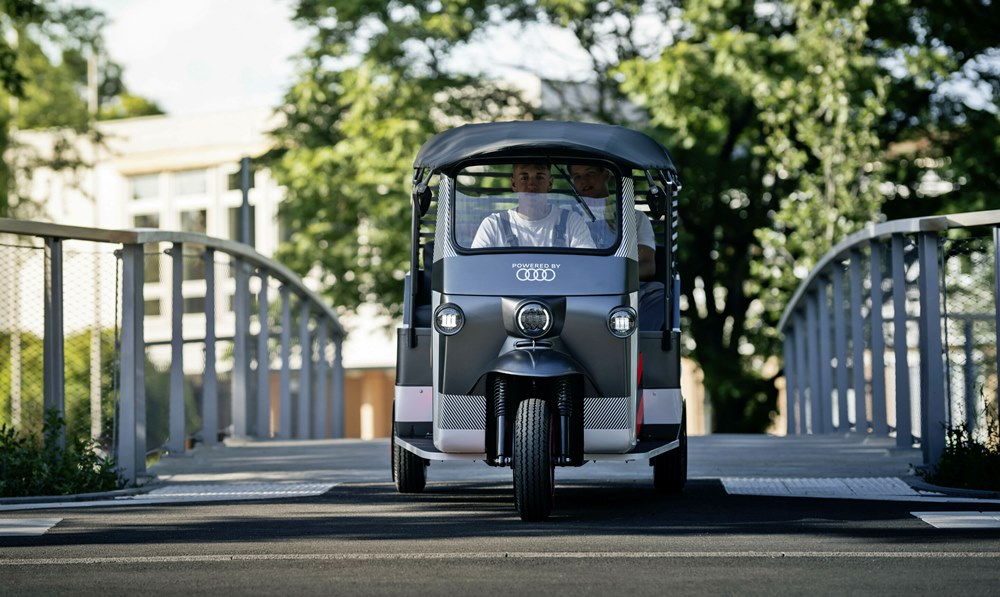
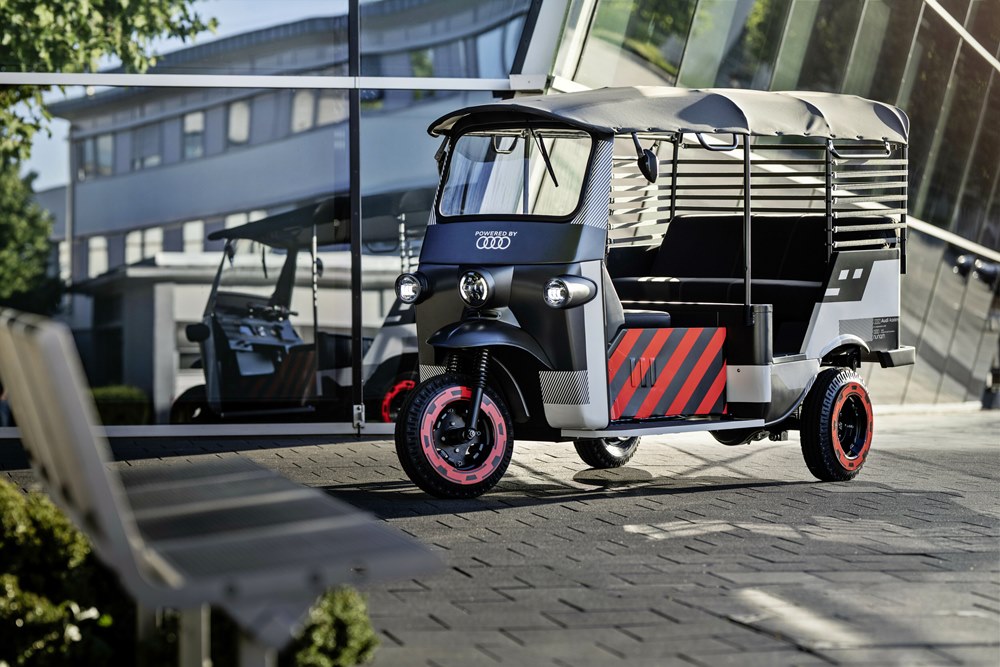
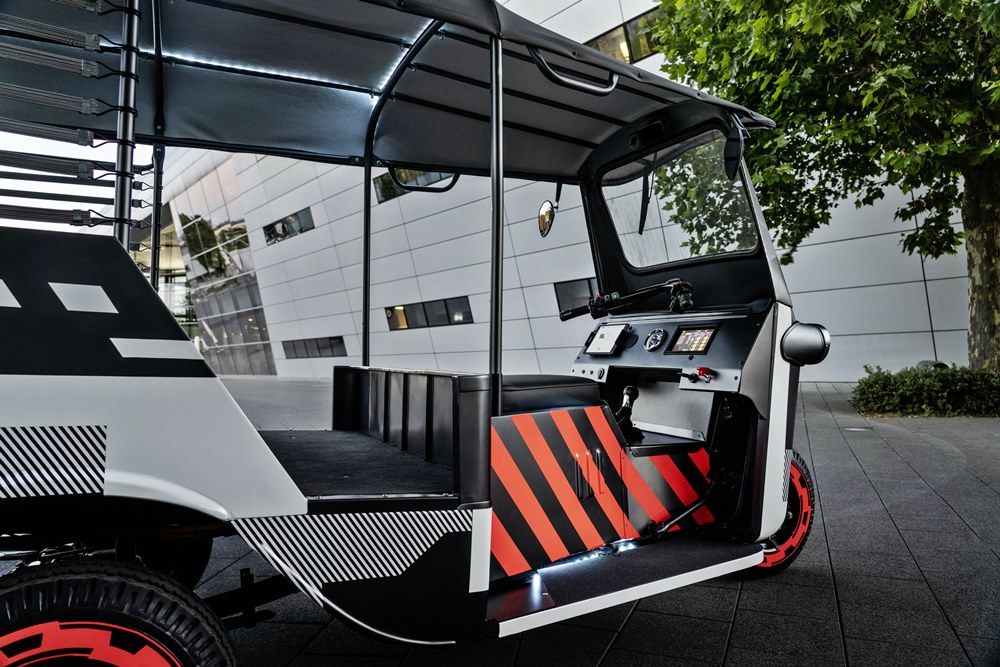
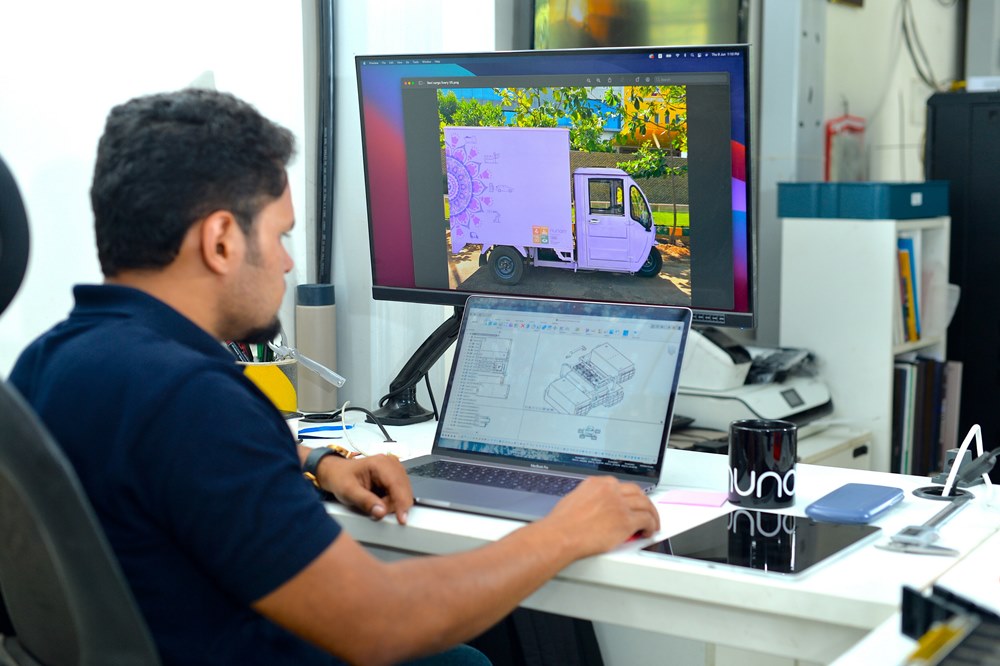
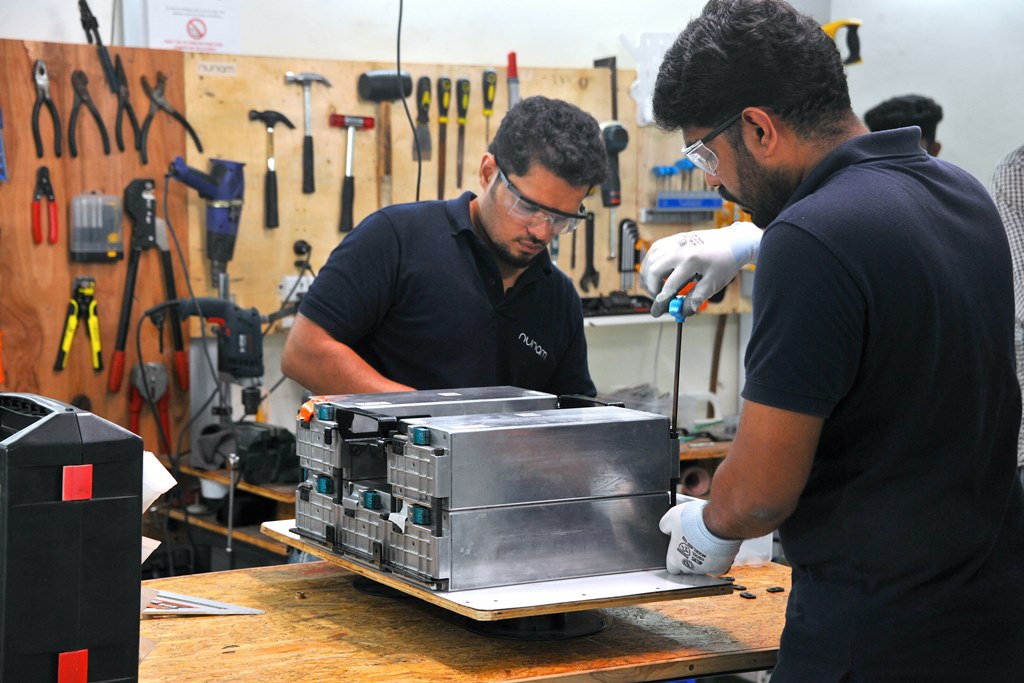
One possible second-life use case is being tested in India by a German–Indian start-up called Nunam. The aim of the project is to explore how modules made with automotive high-voltage batteries can be reused by installing them in electric rickshaws.

“The old batteries are still extremely powerful,” says Nunam co-founder Prodip Chatterjee. “When used appropriately, second-life batteries can have a huge impact, helping people in challenging life situations earn an income and gain economic independence – everything in a sustainable way.”

3 prototypes
The non-profit start-up based in Berlin and Bangalore is funded by the Audi Environmental Foundation. Nunam developed the three prototype rickshaws in collaboration with the training team at Audi’s Neckarsulm site which, in turn, benefits from the intensive intercultural exchange. This is the first joint project between both AUDI AG and the Audi Environmental Foundation in addition to Nunam.

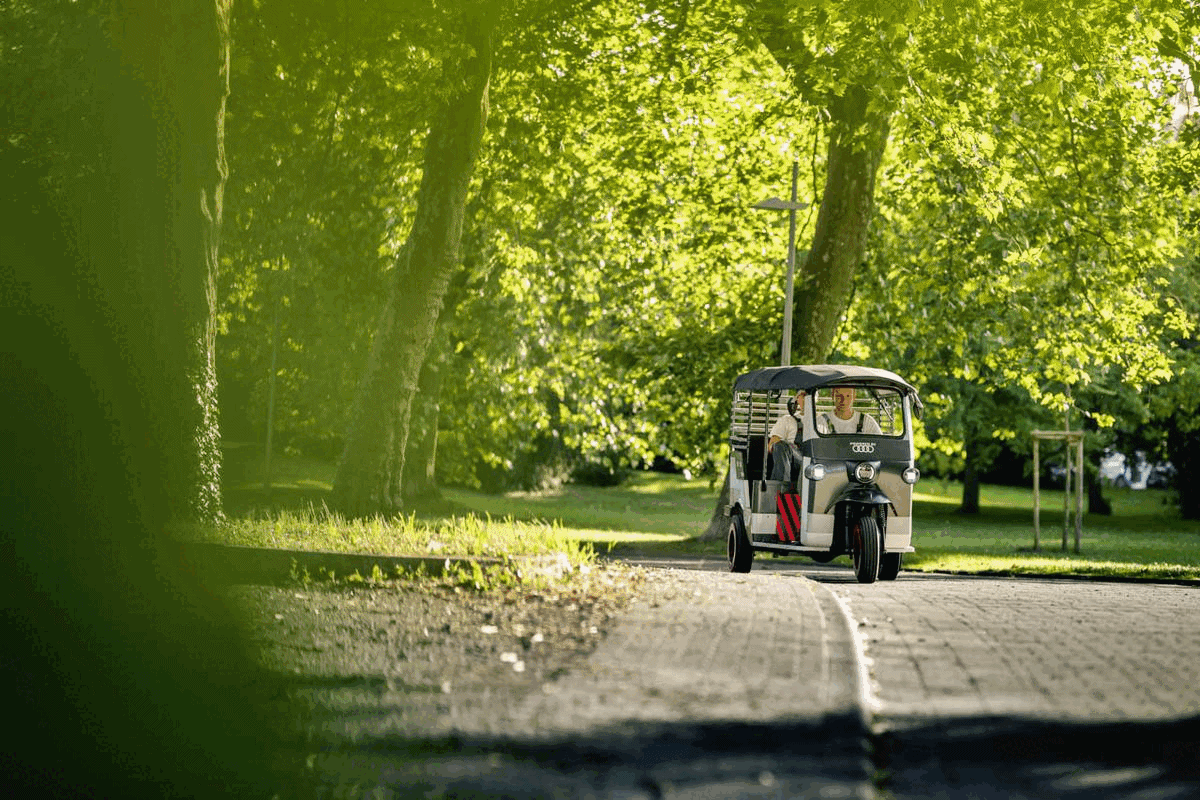
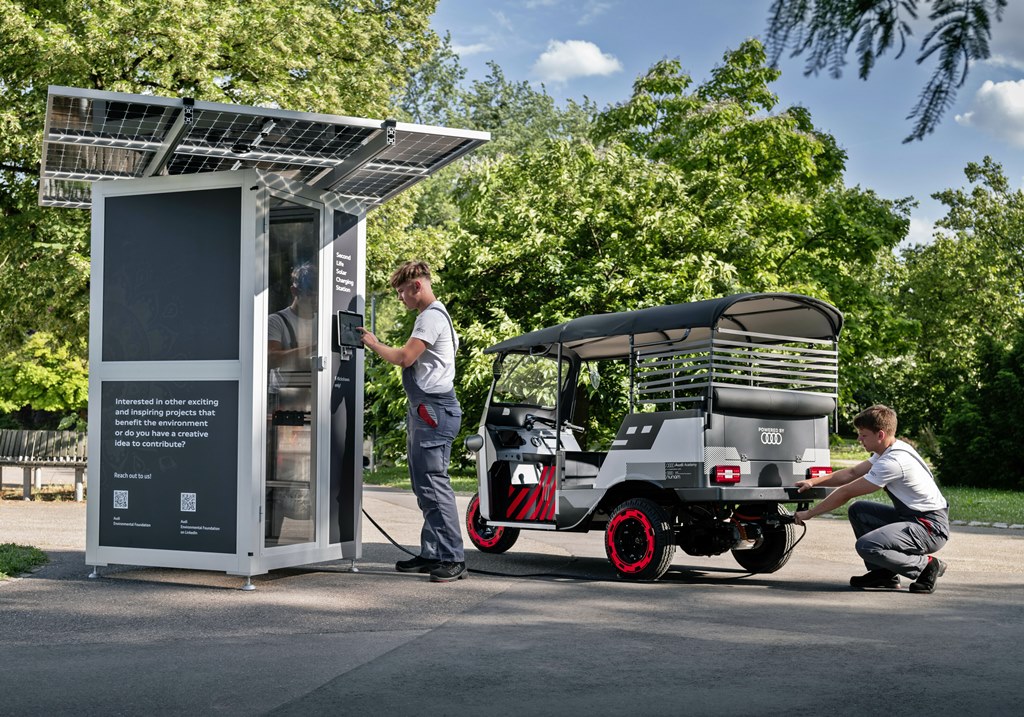
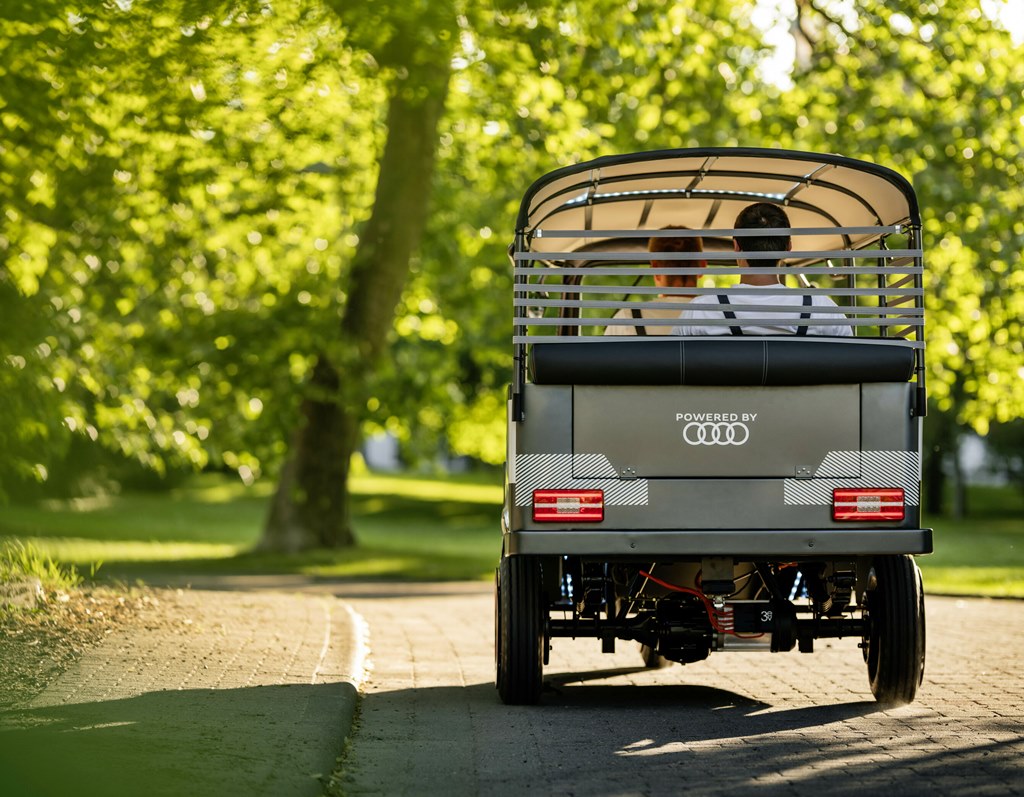
The 3 electric rickshaws are powered by used batteries taken from test vehicles in the Audi e-tron test fleet. They will appear on Indian roads in early 2023 when the pilot project gets underway with a non-profit organization. Women in particular will be able to use the all-electric rickshaws to transport their goods to market for sale, all without the need for intermediaries.

Looking for new uses
The start-up’s primary goal is to develop ways to use old batteries as second-life power storage systems, thus both extending their lives and using resources more efficiently. “Car batteries are designed to last the life of the car. But even after their initial use in a vehicle, they still have a lot of their power,” Chatterjee explained. “For vehicles with lower range and power requirements, as well as lower overall weight, they are extremely promising.”

“ In our second-life project, we reuse batteries from electric cars in electric vehicles; you might call it electric mobility ‘lite’. In this way, we’re trying to find out how much power the batteries can still provide in this demanding use case,” he said.

Reusing e-waste
E-rickshaws have an ideal eco-efficiency. With a high-energy-density battery pack and comparatively low vehicle weight, the electric motor doesn’t have to be particularly powerful – especially since rickshaw drivers in India travel neither fast nor far. While electrically-powered rickshaws are not an uncommon sight on the roads of the sub-continent today, they often run on lead-acid batteries, which have a relatively short service life and are often not disposed of properly.

At the same time, rickshaw drivers charge their vehicles primarily with public grid electricity, which has a high proportion of coal-fired power in India. Nunam has a solution for this as well: The e-rickshaws charge using power from solar charging stations. The solar panels are located on the roofs of the local partner’s premises. During the day, sunlight charges an e-tron battery, which acts a buffer storage unit. And in the evening, the power is passed on to the rickshaws.

This approach makes local driving largely carbon-free. The benefit is that the electric rickshaws can be used throughout the day – and still be charged with green power during the evening and night. In India, where the sun shines all year round, placing solar panels on the roof is an obvious solution.

Open-source platform encourages imitators
Nunam will continuously monitor the e-rickshaws’ performance and range. The social entrepreneurs make all the e-rickshaw data they collect available to potential imitators on the open-source platform. In fact, imitation is expressly encouraged.

“Initiatives like the one pioneered by Nunam are needed to find new use cases for e-waste. Not only in India, but worldwide. So Nunam shares its knowledge to motivate more initiatives to develop products with second-life components that can drive the eco-social revolution forward,” said Audi Environmental Foundation Director Rudiger Recknagel.

And even after the battery has spent its first life in an Audi e-tron and its second in an e-rickshaw, it has not necessarily reached the end of the road. In a third step, the battery could still be used for stationary applications such as LED lighting. “We want to get everything possible out of each battery before recycling,” said Chatterjee.

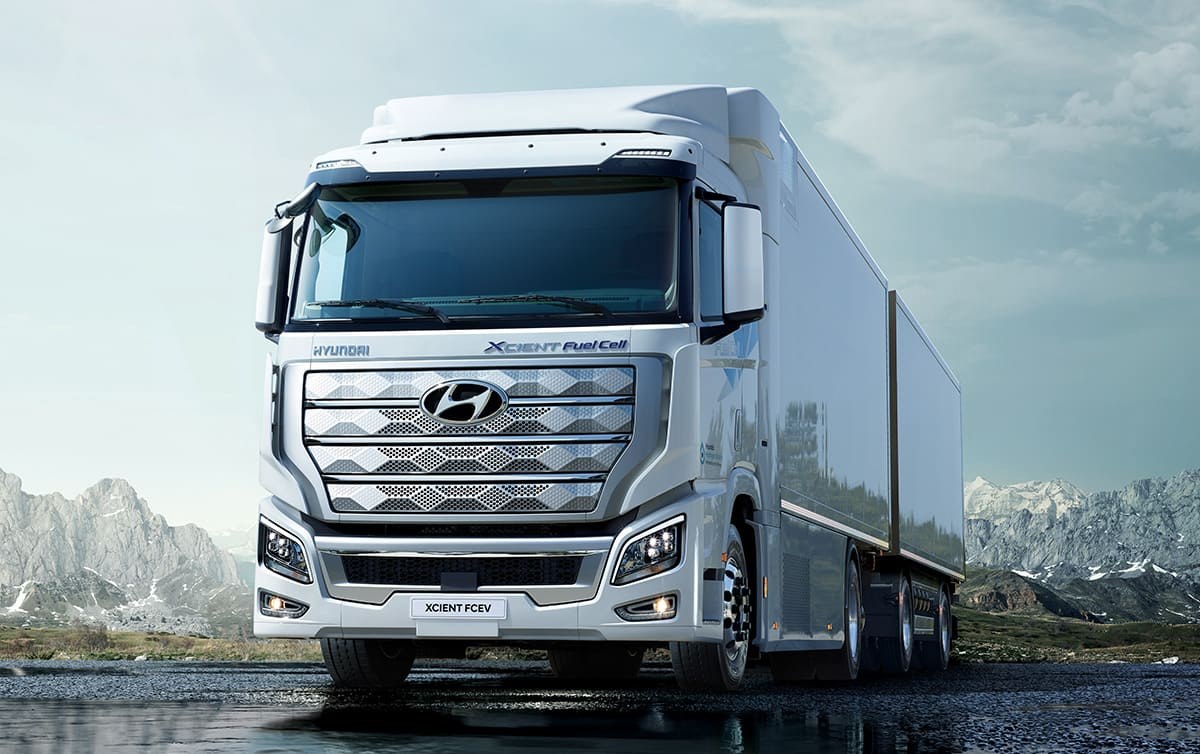
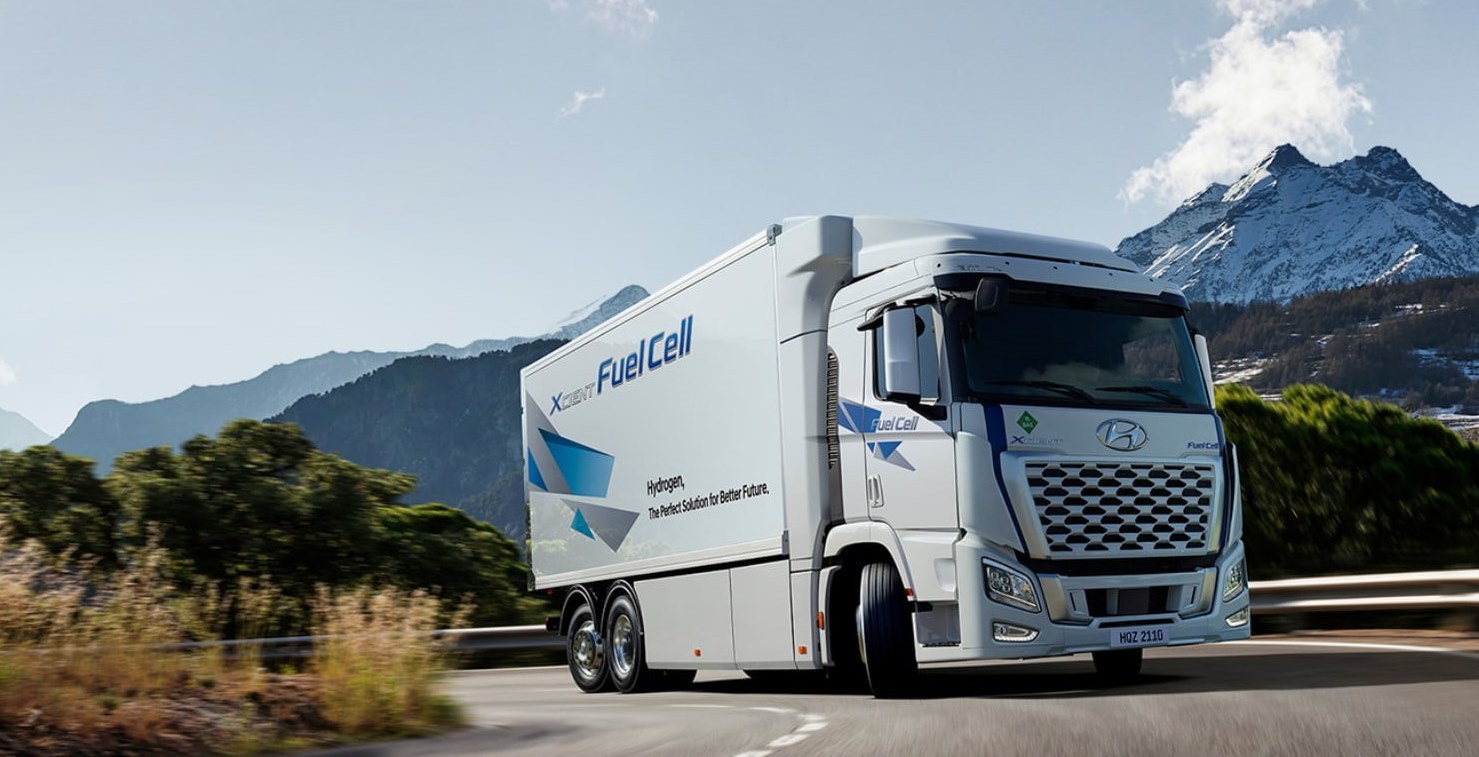
Even before full electrification with battery electric vehicles (BEVs) has gone mainstream in global markets, some manufacturers are already moving ahead with fuel cell electric vehicles (FCEVs). Hyundai Motor was among the first with production FCEV passenger models and is steadily growing its hydrogen fuel cell commercial trucks with the XCIENT Fuel Cell model.

Fuel cell (FC) technology is particularly well-suited to commercial shipping and logistics due to long ranges and short refueling times. The dual-mounted fuel cell system provides enough energy to drive the heavy-duty trucks up and down regions with mountainous terrain.

Hyundai XCIENT FCEV truck

“XCIENT Fuel Cell is a present-day reality, not as a mere future drawing board project. By putting this groundbreaking vehicle on the road now, Hyundai marks a significant milestone in the history of commercial vehicles and the development of hydrogen society,” said In Cheol Lee, Executive Vice-President and Head of Commercial Vehicle Division at Hyundai Motor. “Building a comprehensive hydrogen ecosystem, where critical transportation needs are met by vehicles like XCIENT Fuel Cell, will lead to a paradigm shift that removes automobile emissions from the environmental equation.”

Joint venture in Switzerland
The XCIENT Fuel Cell trucks, manufactured in Korea, are marketed a joint venture company which has Swiss company H2 Energy as a partner. The joint-venture company, Hyundai Hydrogen Mobility (HHM), offers the XCIENT Fuel Cell in a leasing deal which includes all costs, from import to technical support to the availability of green hydrogen. The big advantage is that there are no initial costs for the end customer.

Hyundai chose Switzerland as the starting point for its business venture for various reasons. One of the reasons is that zero-emission trucks do not have to pay Swiss roadtax charges. This nearly equalizes the hauling costs per kilometre of the FC truck compared to a regular diesel truck.

400 kms of range
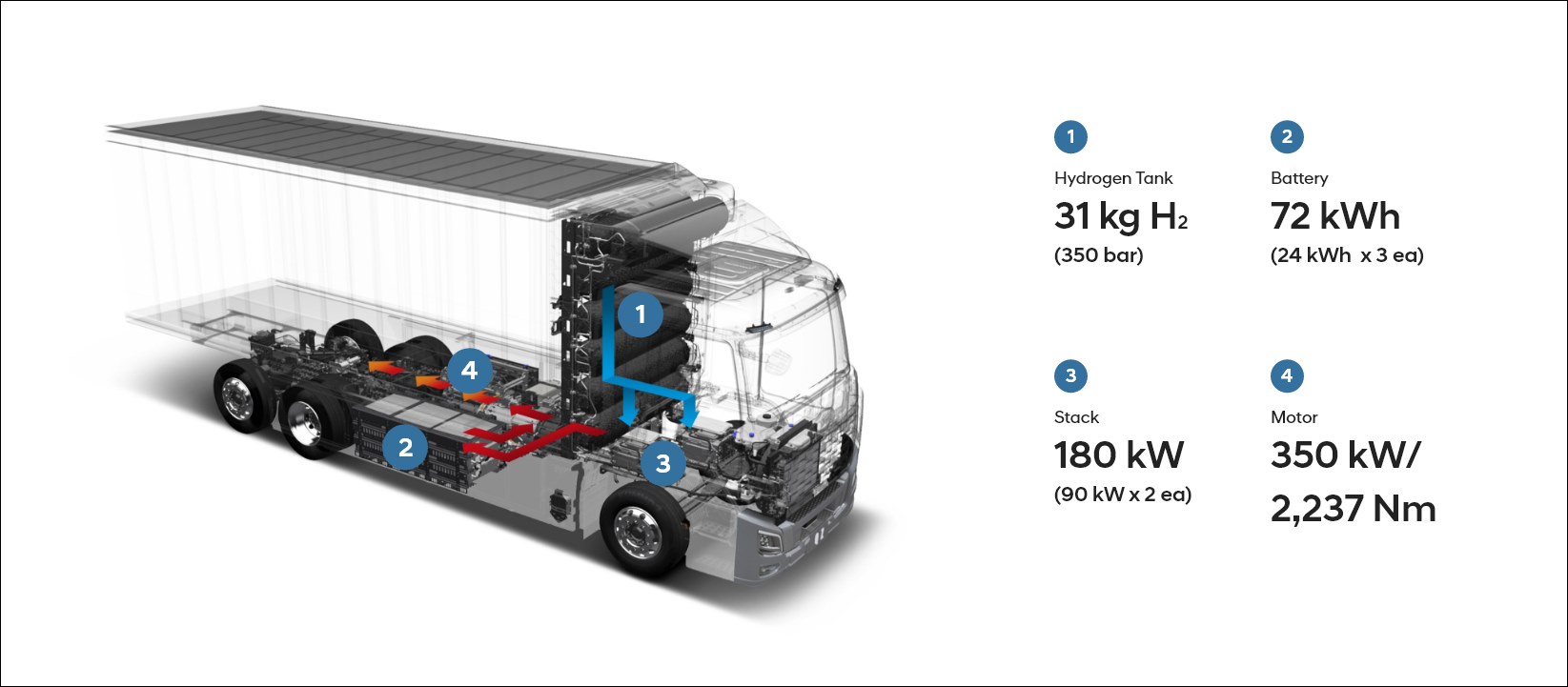
The XCIENT Fuel Cell, the hydrogen FC version of its Xcient truck, is equipped with a 180-kW hydrogen FC system incorporating two 90-kW fuel cell stacks. With a 350-kW e-motor, the vehicle is claimed to be able to travel 400 kms on a full tank and requires only 8 to 20 minutes to fill up. Seven large hydrogen tanks offer a combined storage capacity of around 32.09 kgs of hydrogen.

To date, Hyundai has exported XCIENT FC trucks to Switzerland, where it has 23 corporate fleet clients, and more recently, to Germany where 27 units will be used by 7 companies in the logistics and manufacturing sectors.

(more…)

Archive

Follow us on Facebook

Follow us on YouTube