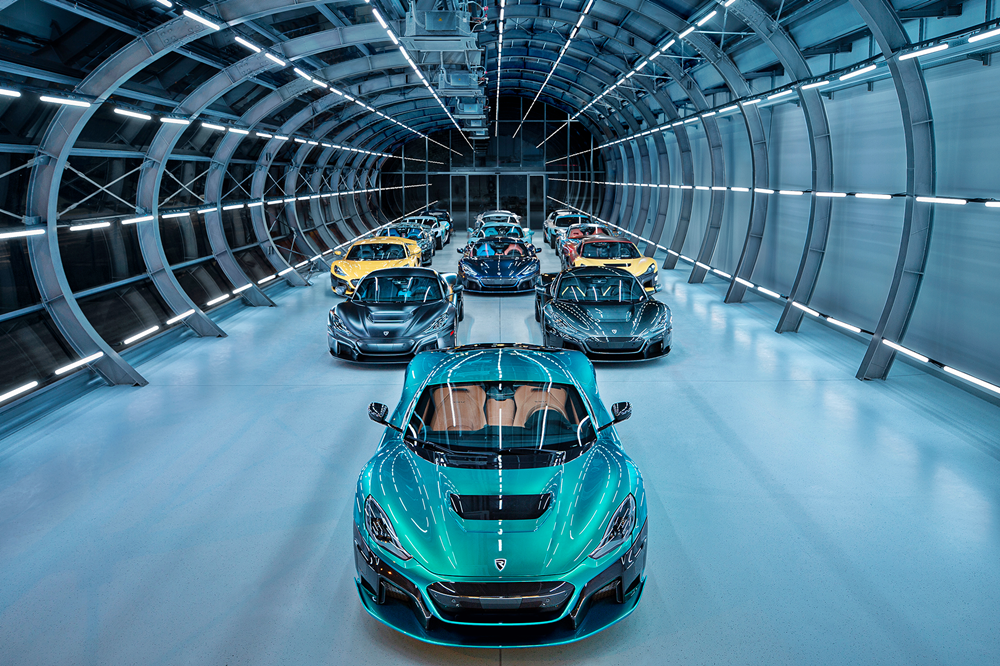
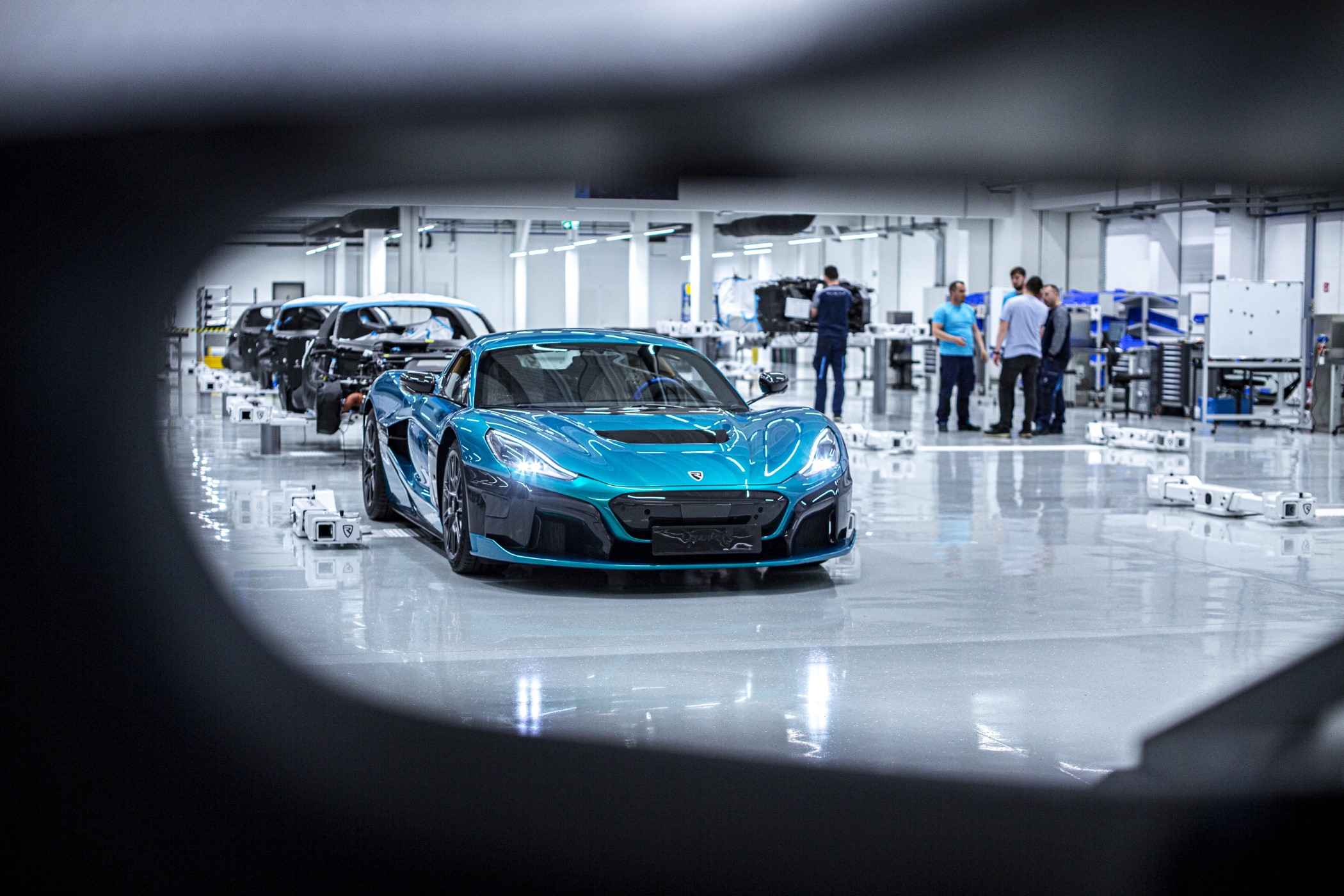
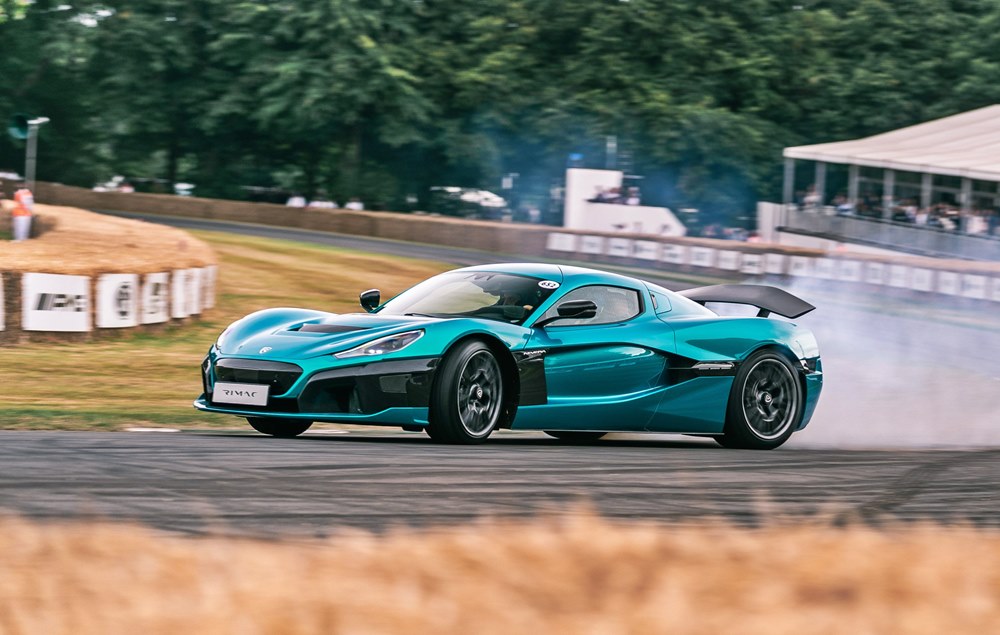
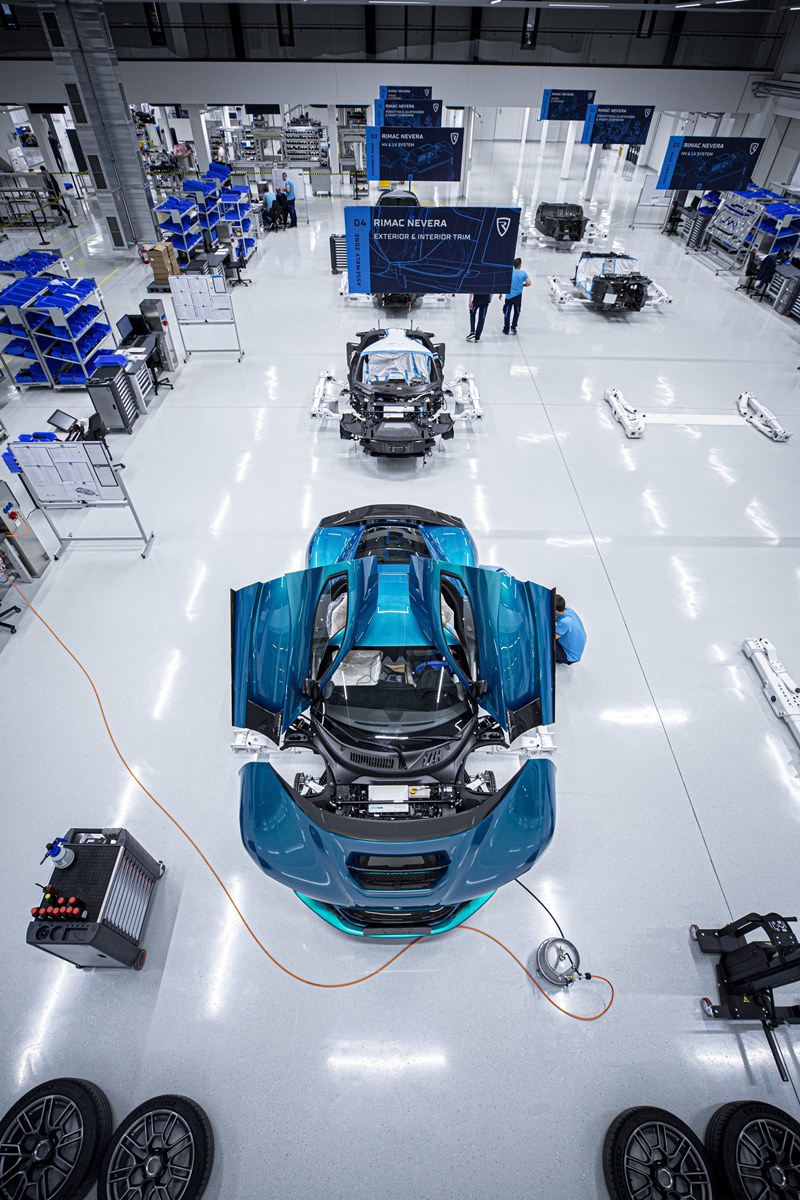
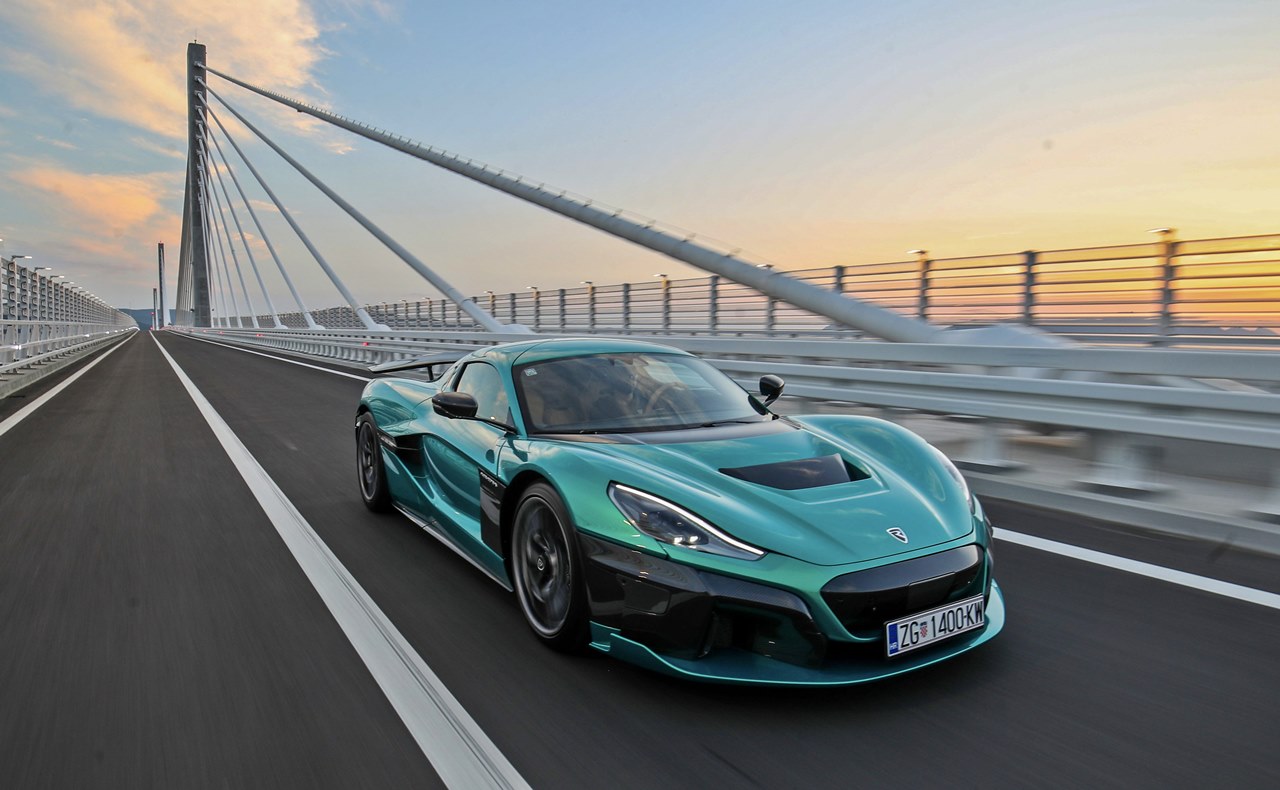
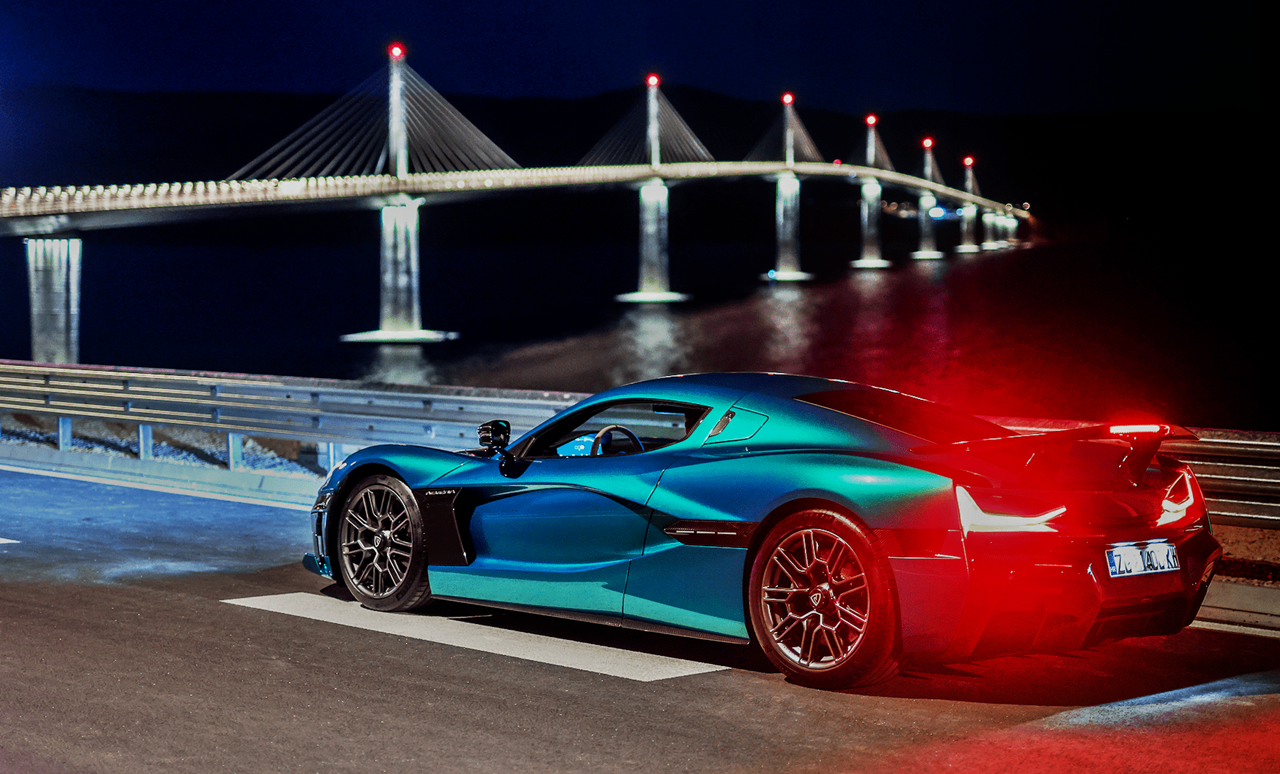
After completing car ‘#000’ – the first Rimac Nevera EV hypercar – and running it at the Goodwood Festival of Speed, Rimac’s factory is now putting the finishing touches on the first batch of hypercars to go to customers worldwide. Each unit is hand-built and at maximum capacity, up to 50 cars can be produced each year.
The first 50 units of the Nevera already have customers waiting for them to be delivered by Rimac’s 25 official dealer partners in four regions. Each car takes at least 5 weeks at the final assembly line alone, while many of its parts and systems are being made months earlier at Rimac facilities.
It’s taken 5 years of development and testing to reach this stage, along with evolving 3 generations of powertrain technology, 18 prototypes, 45 physical crash tests and more than 1.6 million collective hours of research and development.
The world’s first all-electric hypercar was developed entirely from scratch, with most key systems developed and made in-house by Rimac, the 13-year old carmaker in Croatia. To achieve the extremely high-performance targets that the team has set for the Nevera, all major components had to be custom developed. An entirely new generation battery system, inverter, gearbox, motor, control systems, infotainment and many more, were developed specifically for the Nevera.
Throughout the development process, the Nevera powertrain was redesigned 3 times in a process lasting more than two years, with each version pushing the envelope of performance further than before.
The development and homologation process was also an extraordinary journey for the whole team. Starting with initial experimental prototypes, leading on to validation prototypes and then pre-series cars, no fewer than 18 prototype examples of Nevera were painstakingly tested in every conceivable environment and measurable aspect, from the freezing Arctic Circle to a high humidity 48oC climate chamber.
A rigorous 4-year crash testing program saw the destruction of 9 cars in 45 separate crash tests – all of which the Nevera passed with flying colours to ensure that owners will be well protected, should an accident occur.
The car’s name is taken from an unexpected Mediterranean summer storm off the coast of Croatia, and gives an idea of its character. It can be a comfortable grand tourer which can transform into a super-quick projectile in the next moment. Four electric motors generate a total of 1,914 ps, which can send the hypercar from standstill to 96 km/h in a claimed 1.85 seconds and to 160 km/h in just 4.3 seconds.
“The Nevera was developed with the intention to become the cutting-edge electric hypercar it is today, ready to thrill drivers and passengers in a way they have never experienced before. I’m very much looking forward to customers taking delivery of their brand-new, highly customized cars and hearing their stories of fun behind the wheel,” said Mate Rimac, CEO of the Rimac Group.
Customers have a variety of customization options available, with 36 different pre-defined paint colours and the option to go bespoke, a selection of in-house-designed liveries, 3 levels of exposed carbonfibre – including a full bare carbonfibre body – and an enormous selection of colourful leathers, Alcantara, contrasting accents and metal finishes for the interior. This will ensure that each of the 150 Neveras to be produced in total will not be the same. Incidentally, that first Nevera will remain in the possession of the company.
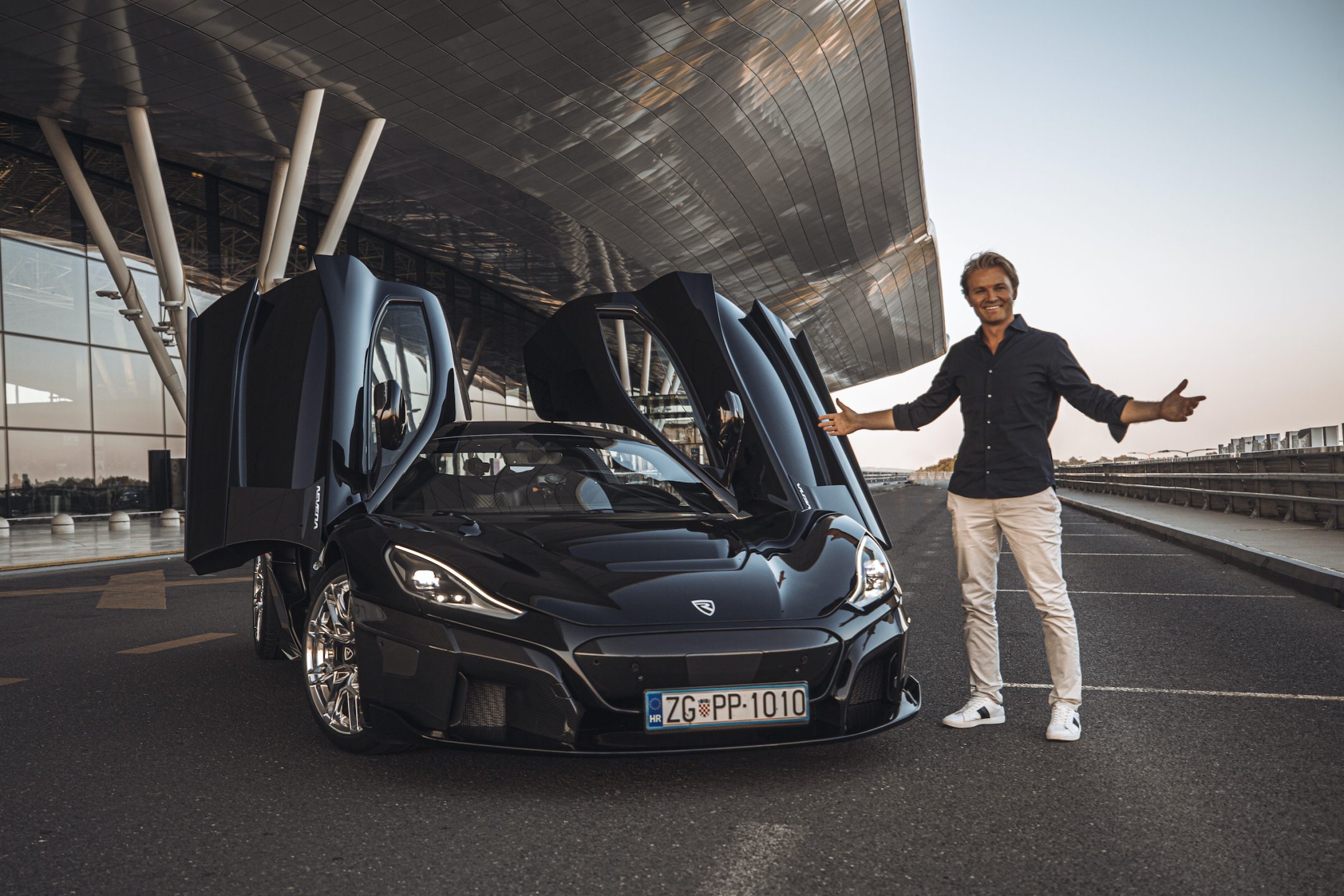
While the very first Nevera completed will remain with the company, the first unit delivered went to Nico Rosberg, the former F1 champion.
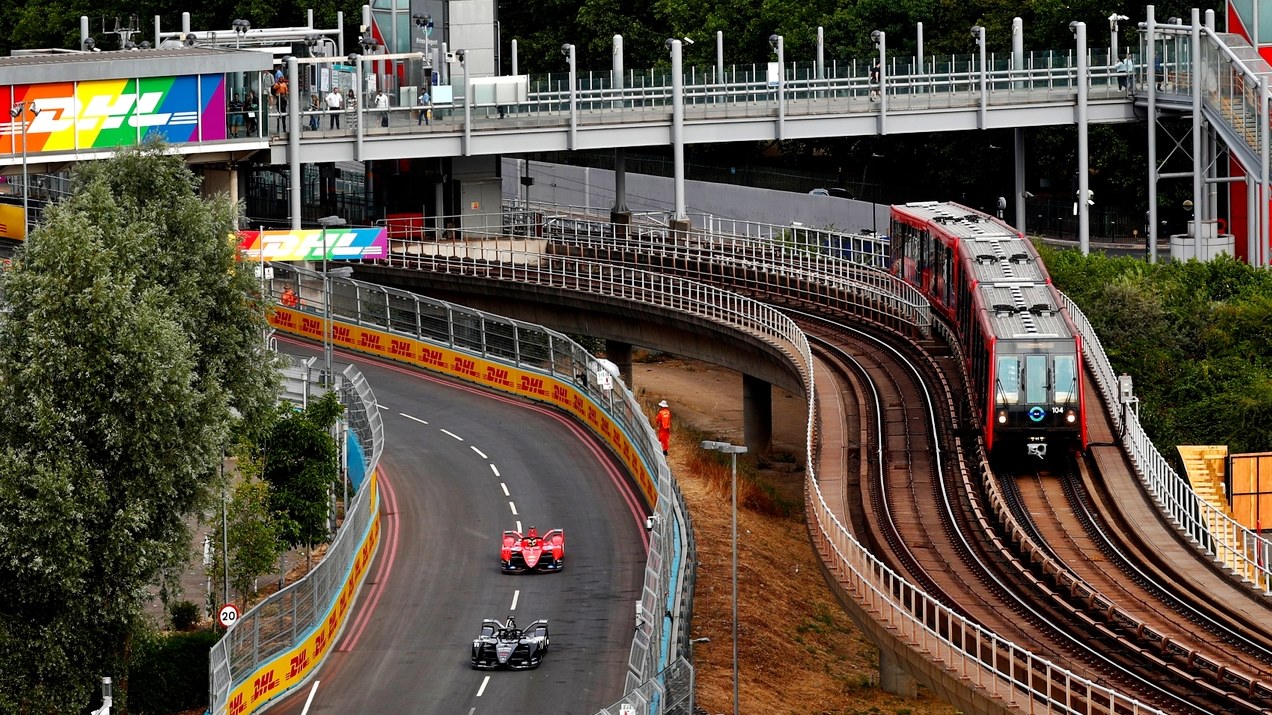
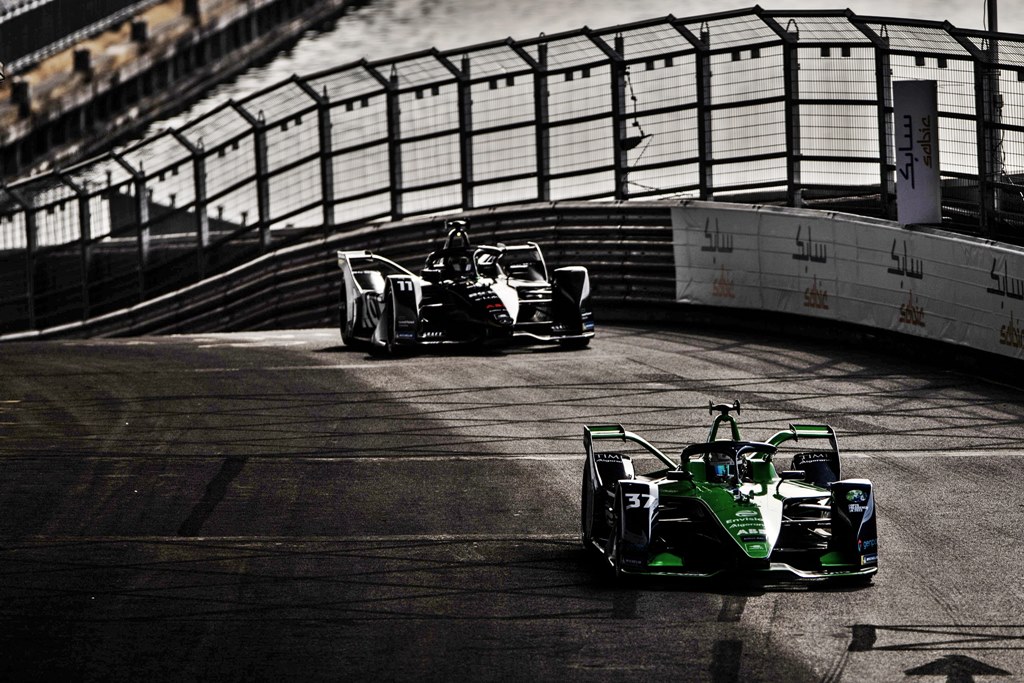
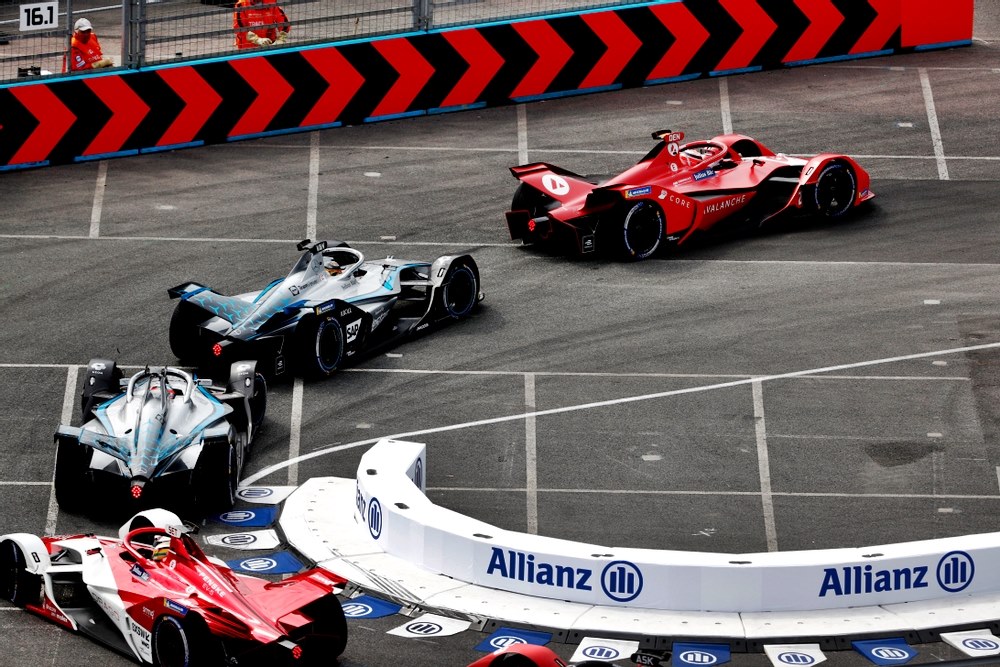
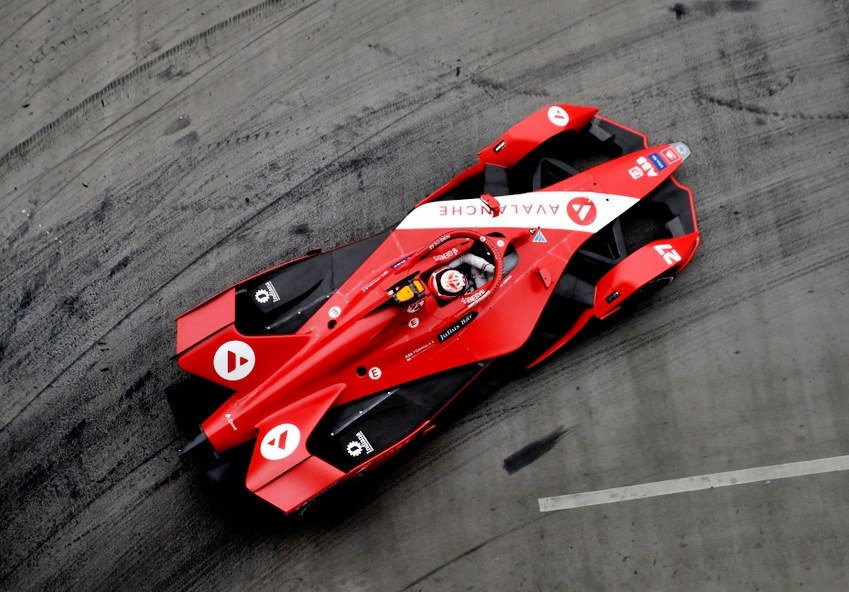
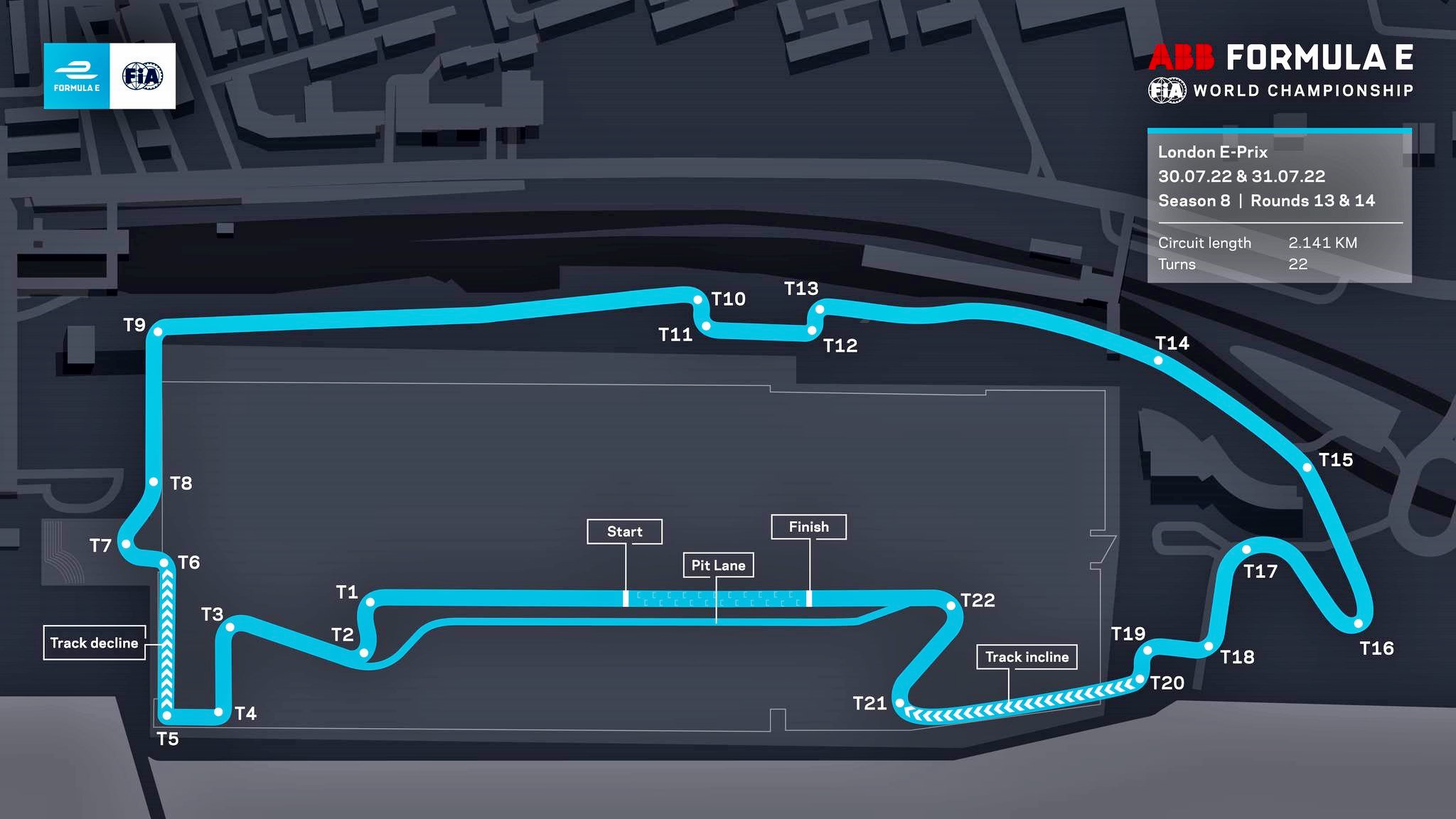
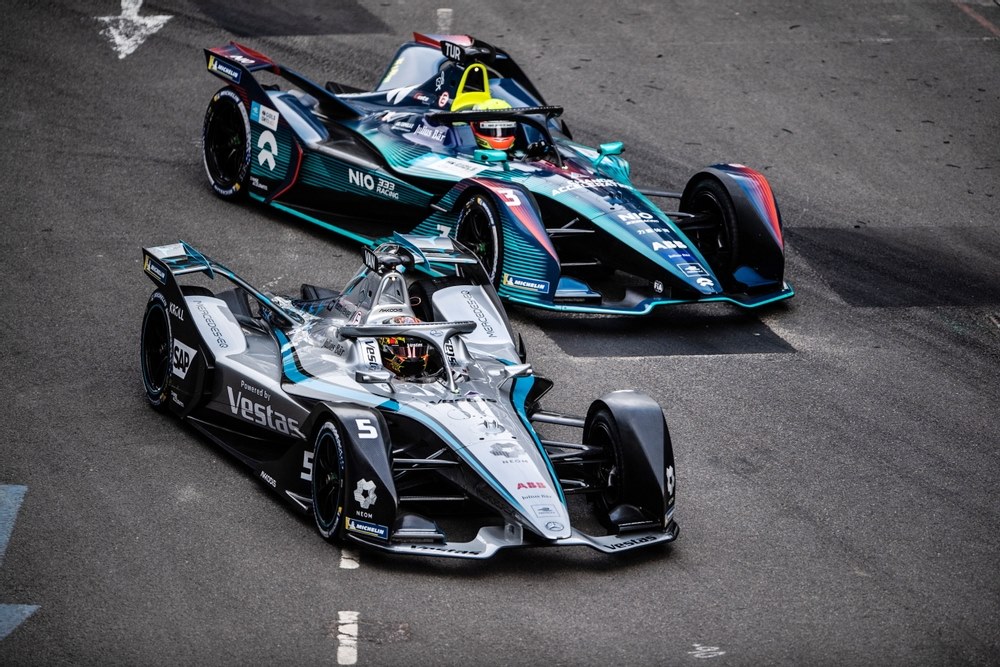
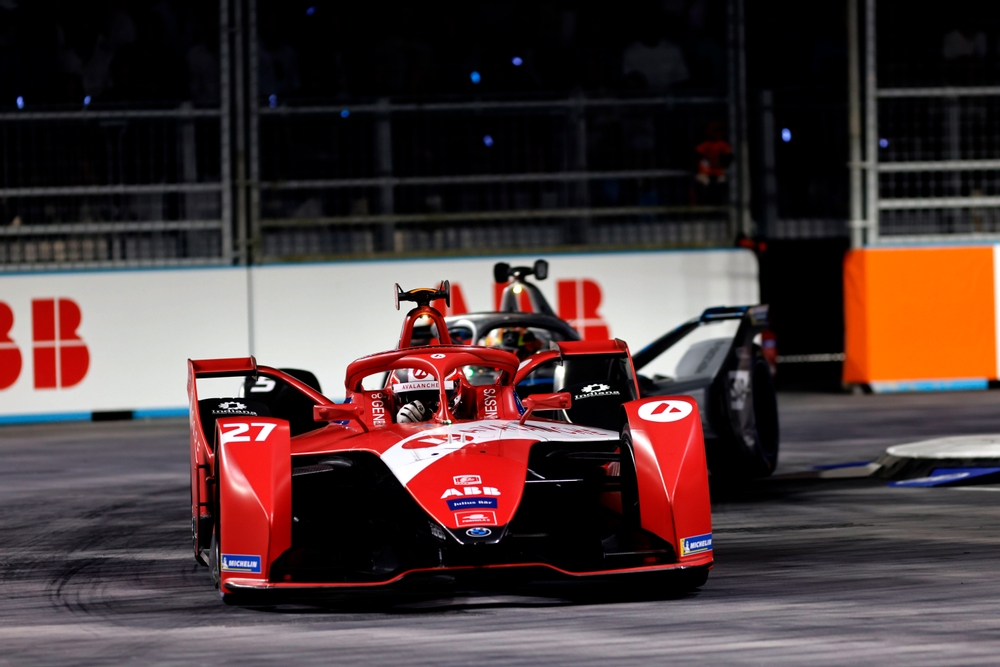
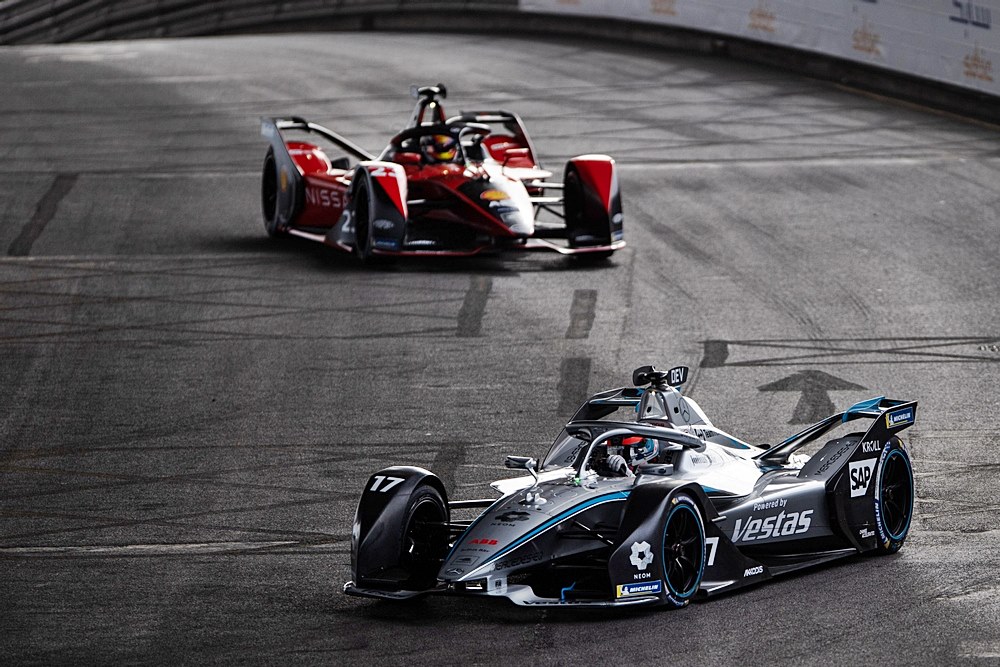
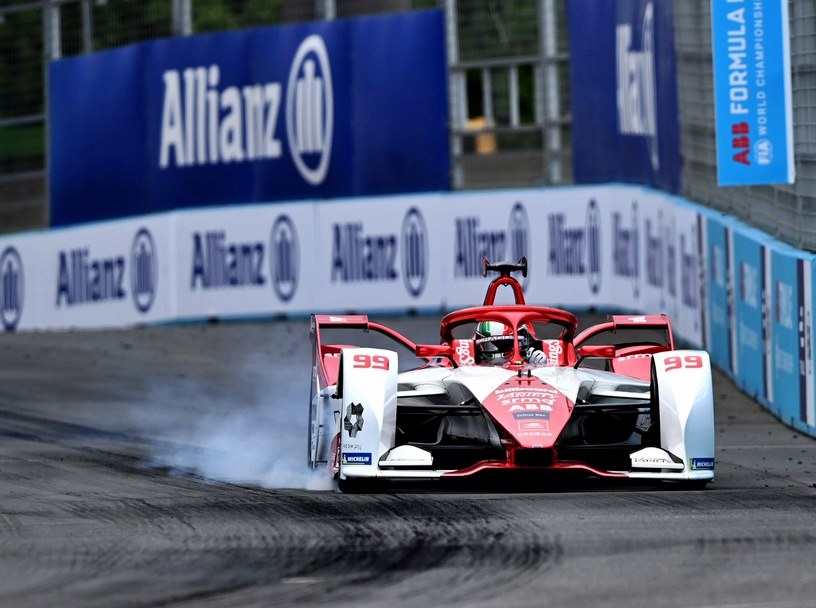
Lucas di Grassi took his maiden win for ROKiT Venturi Racing in the Formula E London E-Prix Round 14, after overcoming Julius Baer Polesitter Jake Dennis (Avalanche Andretti) over a hard-fought, strategic 38-lap battle in the UK capital. Di Grassi emerged through his last of 3 mandatory ATTACK MODE activations with enough in-hand to ensure he’d make it by Dennis when the Brit jumped for his last 30kW boost. The Brazilian then stretched his advantage over the final few laps and into TAG Heuer Added Time to take the chequered flag first.
Nyck de Vries came home third, while his Mercedes-EQ teammate – standings leader Stoffel Vandoorne – clambered to fourth from 13th on the grid. His closest title rival Mitch Evans (Jaguar TCS Racing) had made his way as high as fourth himself from 14th at the start of the race, but a late technical problem ended his Lond E-Prix and dealt a hammer blow to his title chances.
Edoardo Mortara (ROKiT Venturi Racing) did his utmost to get his hands on some points from 17th at lights out, but a scrappy, combative performance yielded only 13th position. Jean-Eric Vergne (DS TECHEETAH) retired early on, seemingly in contact, all but ending his championship charge.
Antonio Felix da Costa fought to fifth in the sister DS, with Sebastien Buemi (Nissan e.dams) producing his second-best result of Season 8 in sixth, Robin Frijns (Envision Racing) seventh and Sam Bird eighth for Jaguar TCS Racing on home soil.
Sergio Sette Camara got his hands on his and DRAGON / PENSKE AUTOSPORT’s first points of the campaign after he ran out of usable energy at the death in Round 13 having hassled the top four throughout. Pascal Wehrlein rounded out the top 10 for the TAG Heuer Porsche Formula E Team.
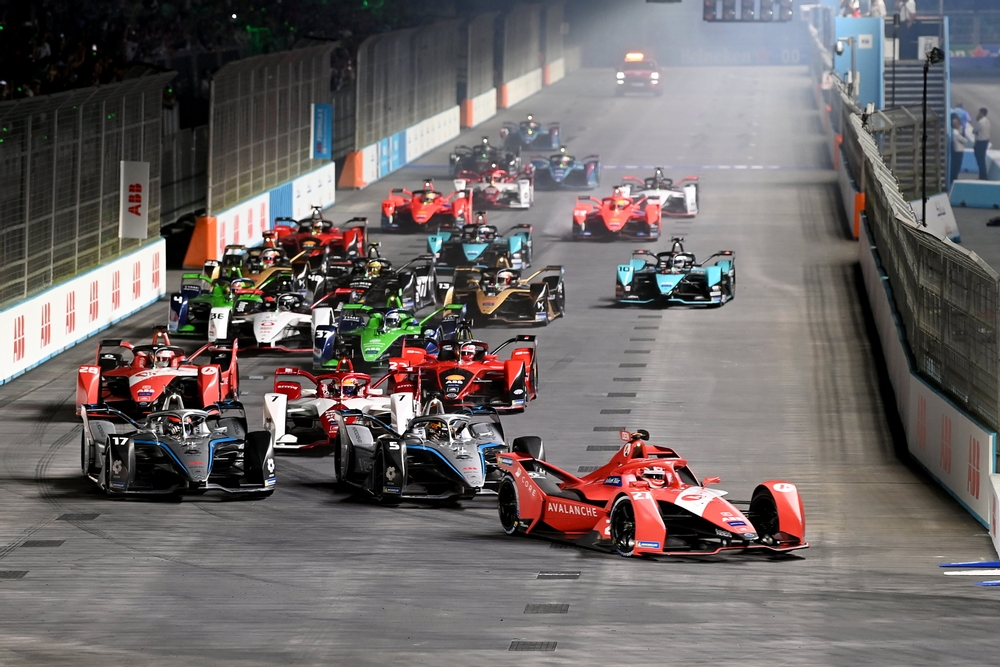
Londom E-Prix as it happened The pack emerged from the darkness indoors to the light of the Docklands with Dennis ahead of di Grassi and Giovinazzi clear of da Costa in third. Some contact between Mahindra’s Oliver Rowland and Oliver Askew in the Avalanche Andretti left the former damaged and out, while Vandoorne clipped Wehrlein’s Porsche into the complex on the way to taking 12th. The top nine stood as you were on the grid.
Just 5 minutes after starting, Jean-Eric Vergne’s title challenge looked to have all but ended after contact – the DS TECHEETAH coming to a halt out on-track. This of course brought out the Porsche Taycan Safety Car, electrically powered like the racing cars.
The 5-minute neutralisation period came to an end on Lap 5 and de Vries took the opportunity to dive for ATTACK MODE – the first driver to do so. Three 4-minute doses of ATTACK MODE were on the menu for Race 2.
Giovinazzi had the elbows out on Lap 7 to fend of da Costa at Turn 2. The DRAGON driver was holding on for everything he’s worth to that third place, with da Costa losing out to de Vries in the scramble.
The first round of ATTACK MODE saw Giovinazzi shuffled to fifth before the Italian was given a drive-through penalty for overpower – frustrating driver and team. The net beneficiary looked to be Evans, who’d worked hard through the field to as high as fifth from 13th. Frustratingly for him, Vandoorne had also made ground to seventh.
On Lap 14, Dennis led di Grassi with da Costa able to slip beyond de Vries for third with Evans fifth, Buemi sixth, Vandoorne seventh, Wehrlein eighth, Bird ninth and Mortara rounding out the points-paying positions in 10th.
The race leader made the jump for his second 30 kW boost, ceding the lead to di Grassi in the process but the Brit clung on to the back of the Venturi Silver Arrow 02. The lead pair had pulled a 2-second gap on de Vries who’d retaken third from da Costa in the interim.
Lap 20 saw Evans by da Costa and into fourth, though again, Vandoorne wasn’t far behind in his shadow – the Mercedes driver now sixth. Meanwhile, di Grassi went for his final jump through the ATTACK MODE loop with Dennis holding one in hand. A fascinating tactical battle lay ahead…
The Brazilian tried to pile on the pressure but Dennis defended hard and held the Venturi driver at bay and di Grassi wasn’t quite able to get within range of a move. An overambitious move from Mortara sent his title chances spinning as he tried to make it by Bird for ninth. Vandoorne, meanwhile, was busy consolidating his advantage with a move on da Costa for fifth. Evans now being just a position ahead ensured he wouldn’t eat into the Belgian’s standings margin too significantly.
With 8 minutes plus one lap to go, di Grassi had done enough to keep in touch with and make it by Dennis’ Andretti when the Brit made his final run through the ATTACK MODE activation loop. That would mean the home favourite would have to pass the wily Brazilian on-track. No easy task.
He’d have to get there first though, as the Venturi man put the hammer down to drive to a 1.5-second lead with FANBOOST employed perfectly. Into TAG Heuer Added time, and Evans’ title hopes took a huge hit – the Kiwi lost himself down the escape road at Customs House with a technical problem and into retirement.
Di Grassi’s late-race pace saw him take the chequered flag with Dennis unable to hold on to him as the time ticked away. De Vries came home third, ahead of Vandoorne, da Costa and Buemi. Frijns, Bird, Sette Camara and Wehrlein rounded out the top 10.
Evans vs Vandoorne in Seoul In all reality, it now looks to be a head-to-head between Evans and Vandoorne for the title with 58 points available in a fortnight’s time at the inaugural Hana Bank Seoul E-Prix double-header weekend. The Belgian now holds a commanding 36-point margin over the Jaguar driver in the points table.
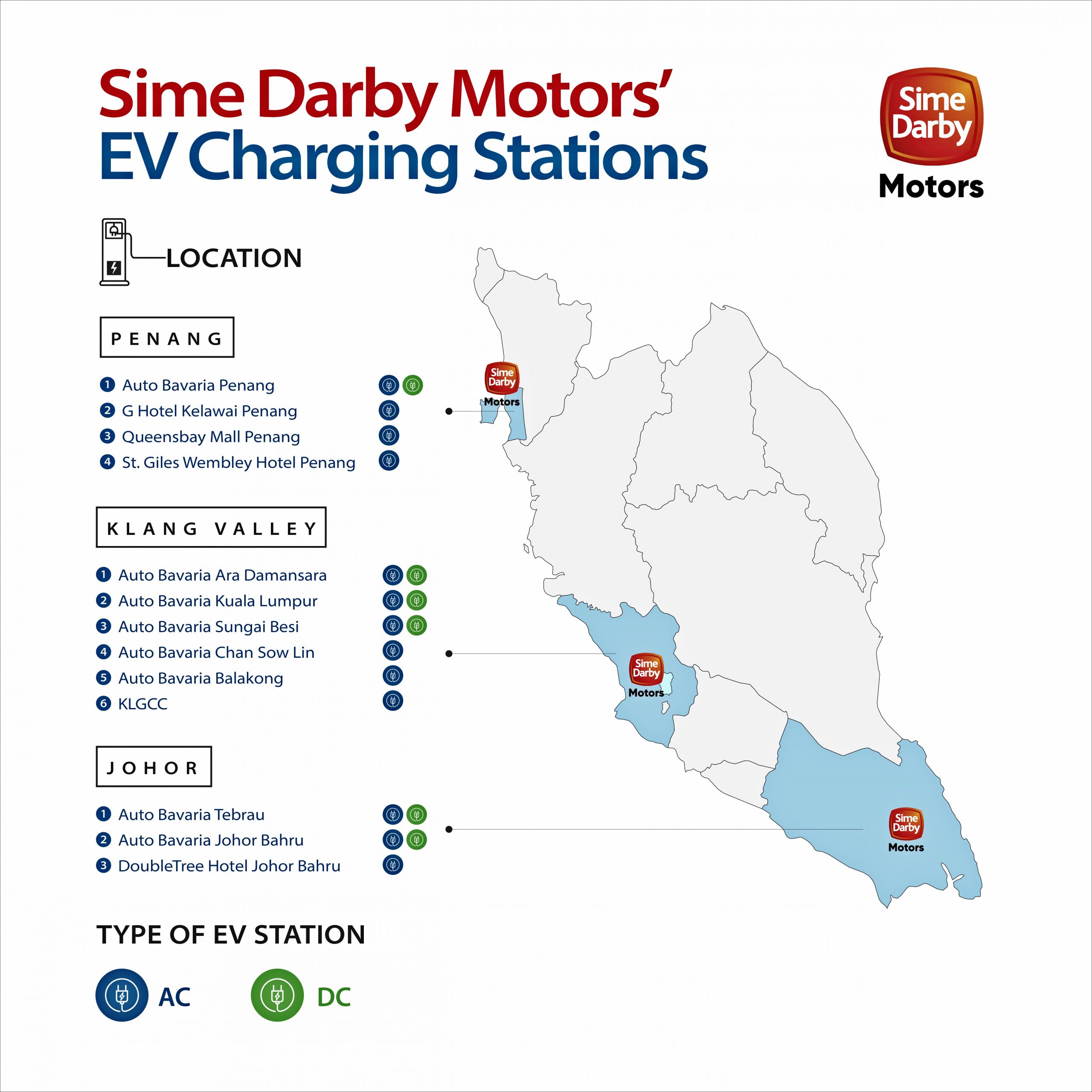
With a number of its units selling different brands of electric vehicles (EVs), it is in Sime Darby Motors Malaysia’s interest to support the development of an EV charging network This will benefit its growing customer base as well as help in promoting the adoption of EVs in Malaysia. Brands handled by Sime Darby Motors units which offer EVs are BMW and MINI, Porsche and Volvo.
The company has identified locations for EV charging stations at every 200 to 300 kilometres along highways across Peninsular Malaysia to ensure all high-density areas are in range of such facilities. The initiative includes ensuring the availability of support services for all existing and new customers who have purchased an EV from a Sime Darby Motors company.
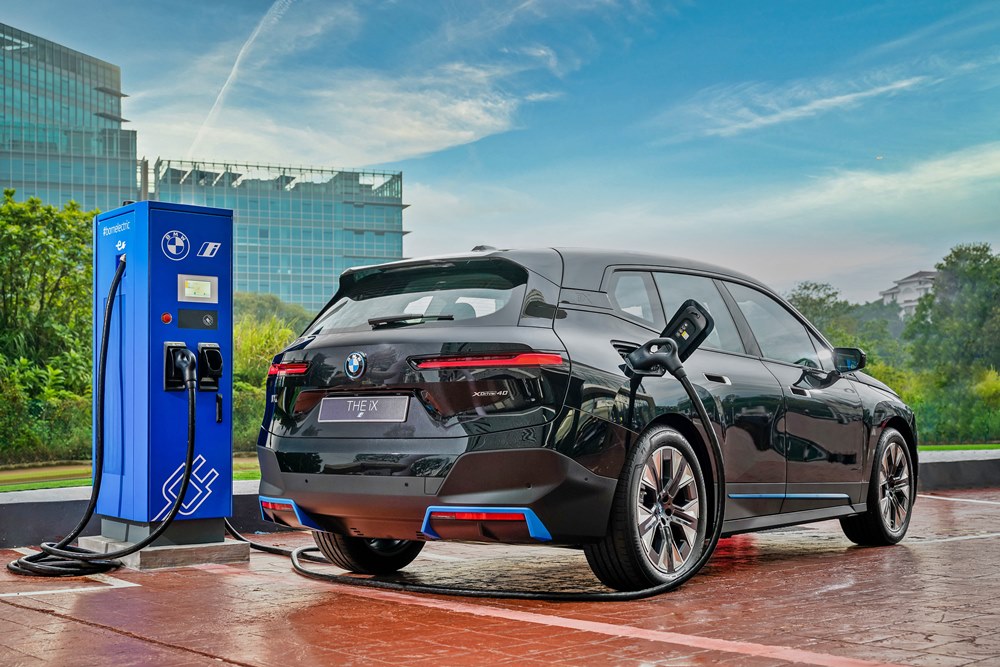
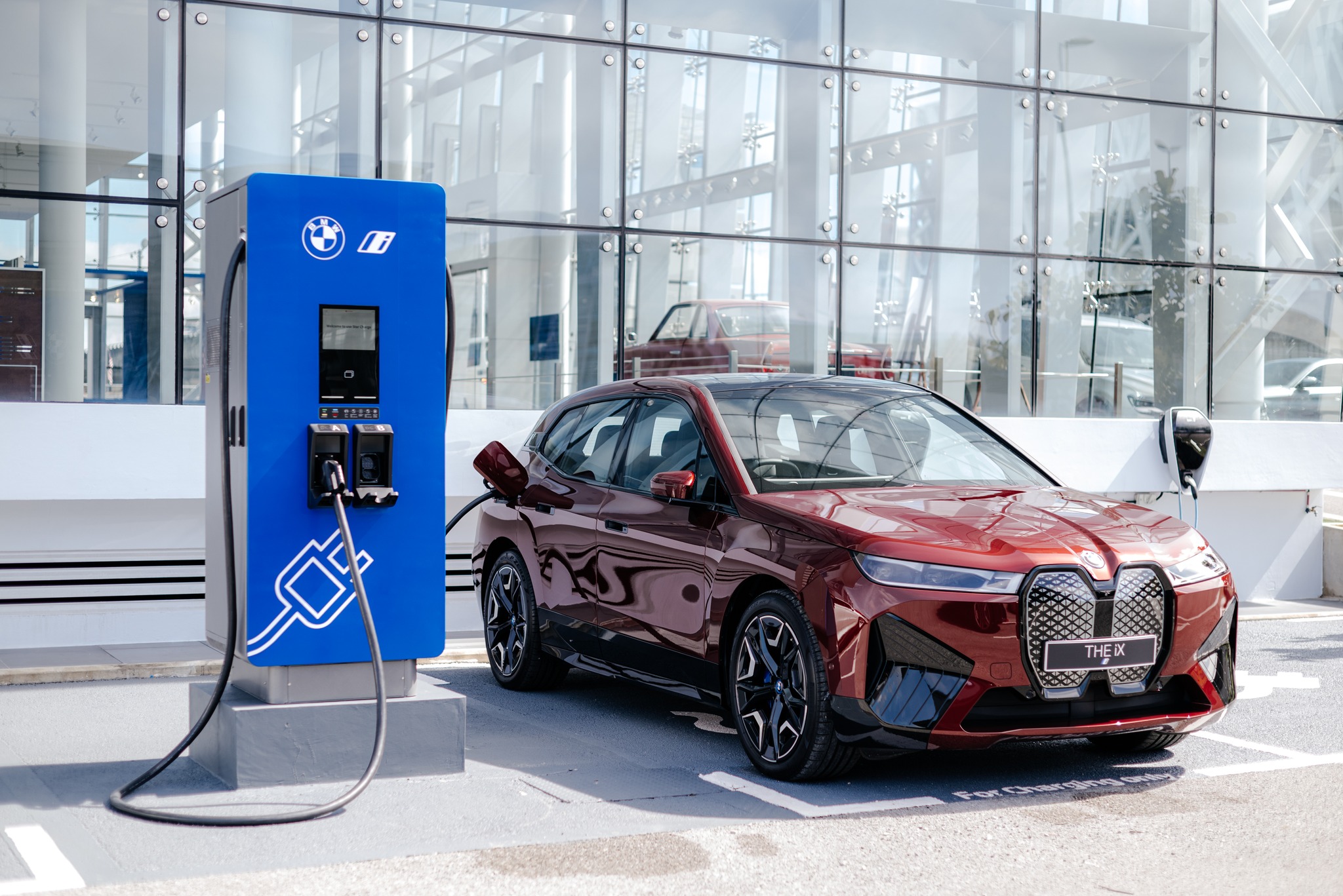
Taking the lead in this project is Auto Bavaria, the longest-serving and largest BMW authorised dealership group in Malaysia, in operation since the late 1980s. Leveraging on its extensive network of direct current (DC) and alternating current (AC) fast chargers, a total of 33 charging facilities are already operational across the Klang Valley, Penang, and Johor.
Sime Darby Motors’ network of chargers will be available for booking via the GO TO-U digital experience platform for e-mobility application by a wholly-owned subsidiary of Tenaga Nasional Berhad, TNBX Sdn Bhd. The GO TO-U application affords Sime Darby Motors EV owners the convenience of pre-booking EV charging stations, connecting with local businesses within walking distance, and enjoying added services such as battery health checks, scheduled maintenance and customer support.
Members of the public or non-Sime Darby Motors EV owners are also able to use the GO TO-U application to book EV charging stations in Sime Darby Motors’ network.
As part of the company’s drive to continuously enhance services for customers, Sime Darby Motors EV owners are eligible to receive a 10-year waiver on membership fees via the GO TO-U app worth RM2,400. In addition, special DC charging rates and free charging at AC chargers will be available until December 31, 2022.
For those who did not purchase an EV from a Sime Darby Motors unit, there will be a membership fee waiver, special DC charging rates and free charging at AC charging points, until December 31, 2022.
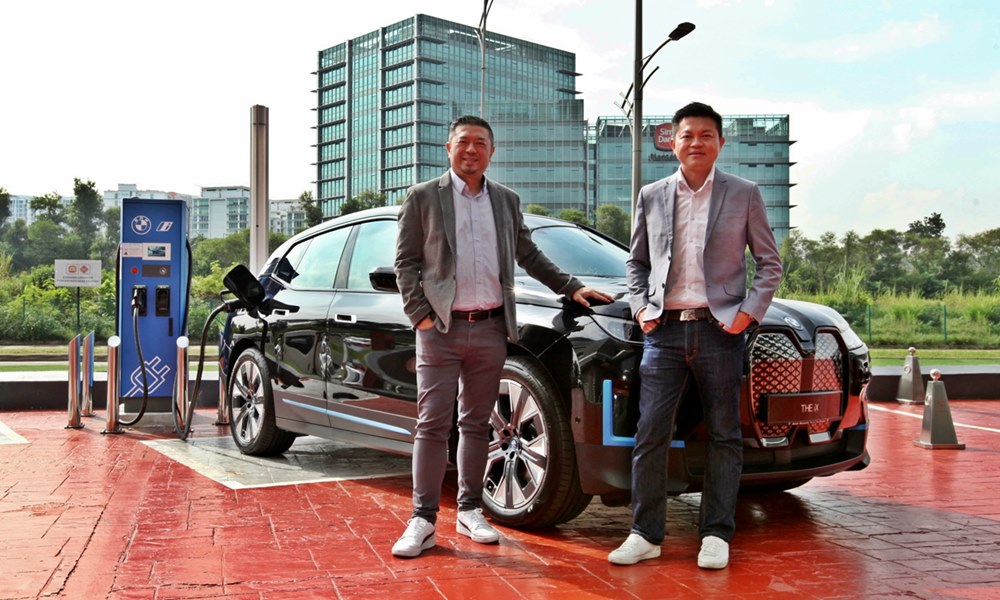
Jeffrey Gan, Managing Director, Retail & Distribution, Sime Darby Motors Malaysia (right) with Vi Thim Juan, Managing Director of Auto Bavaria at one of the DC charging stations for electric vehicles (EV) at Auto Bavaria in Ara Damansara, Selangor.
“Sime Darby Motors remains focused on our energy-efficient drive as a leading automotive player in Malaysia. We are on track with our plans to populate our roads and highways with EV charging stations to help accelerate the adoption of EVs. We are also pleased to offer a uniquely Sime Darby Motors’ customer experience for Sime Darby Motors EV owners, which promises an enriching EV experience across all Sime Darby Motors brands,” said Sime Darby Motors Malaysia Retail & Distribution Managing Director, Jeffrey Gan.
“This will be a game-changer for our EV customers and for us as well, with data analytics that will be made available. We are excited to bring innovative automotive experiences to our customers as we play our part in furthering the country’s aspirations for a low carbon mobility future,” added Mr. Gan.
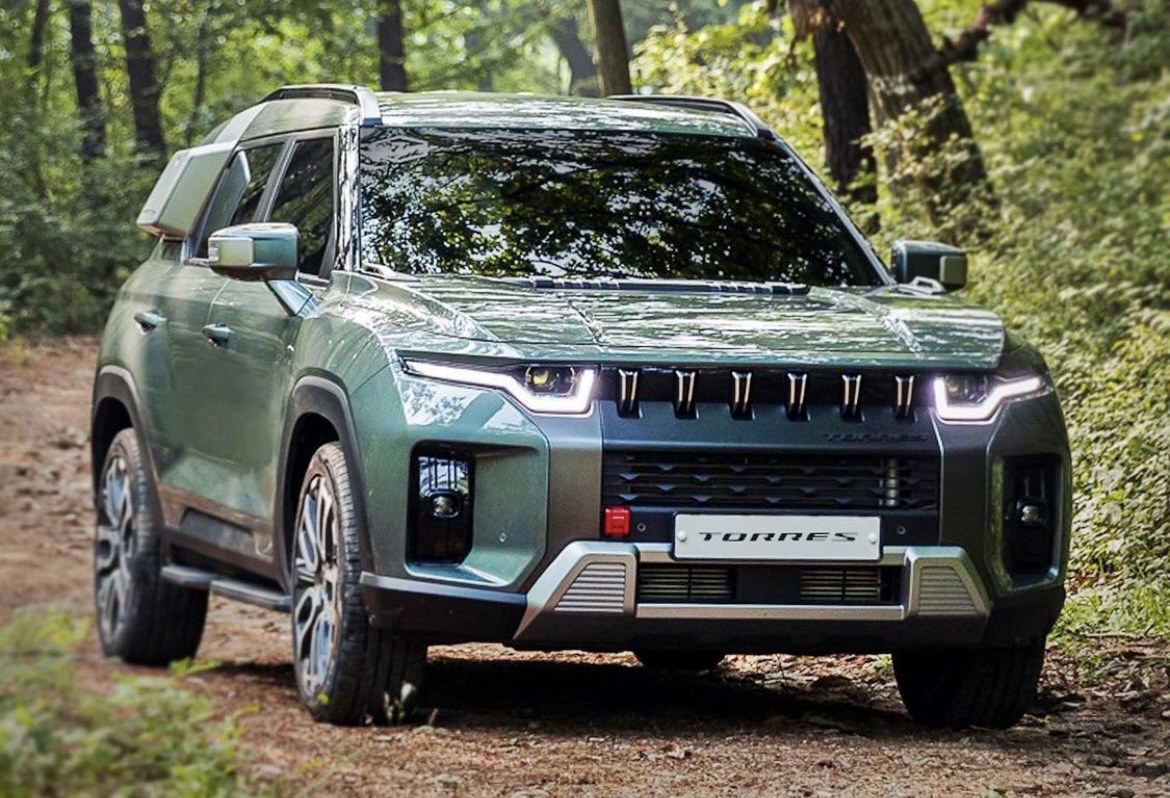
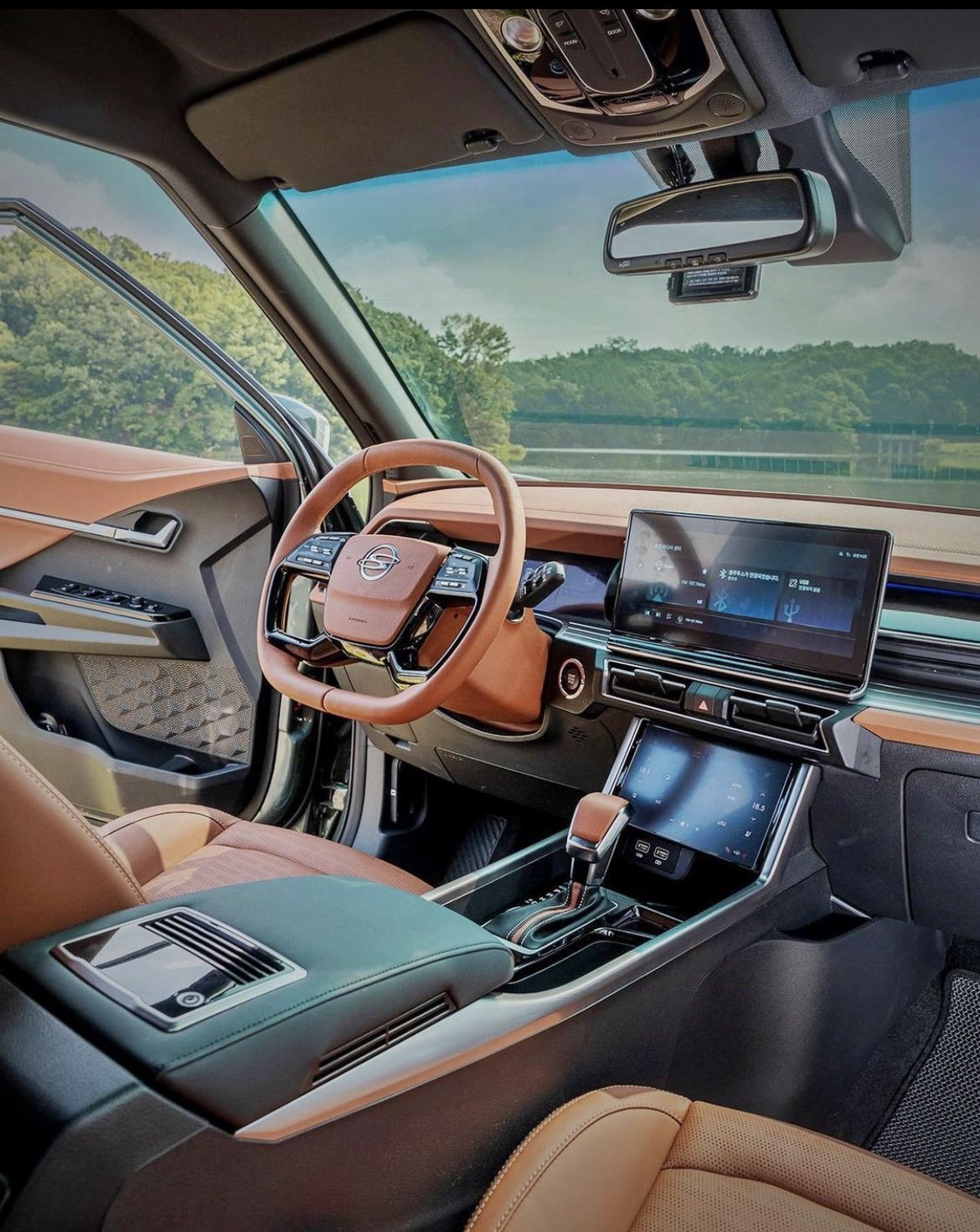
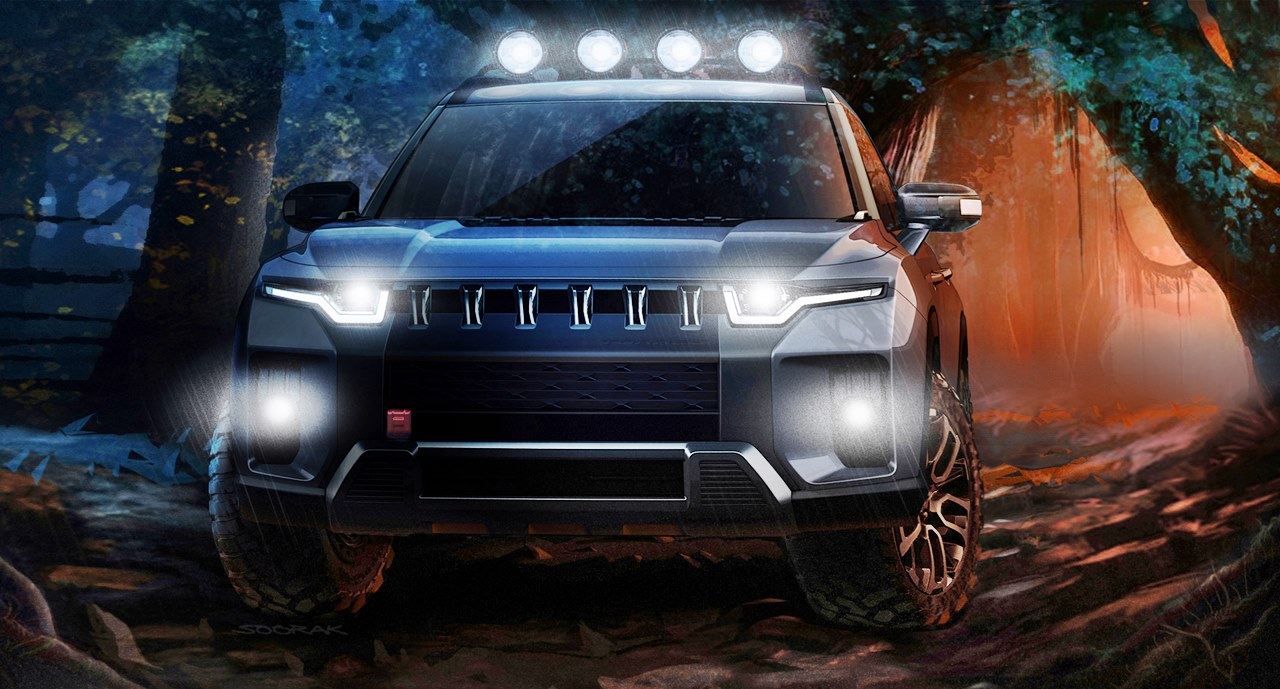
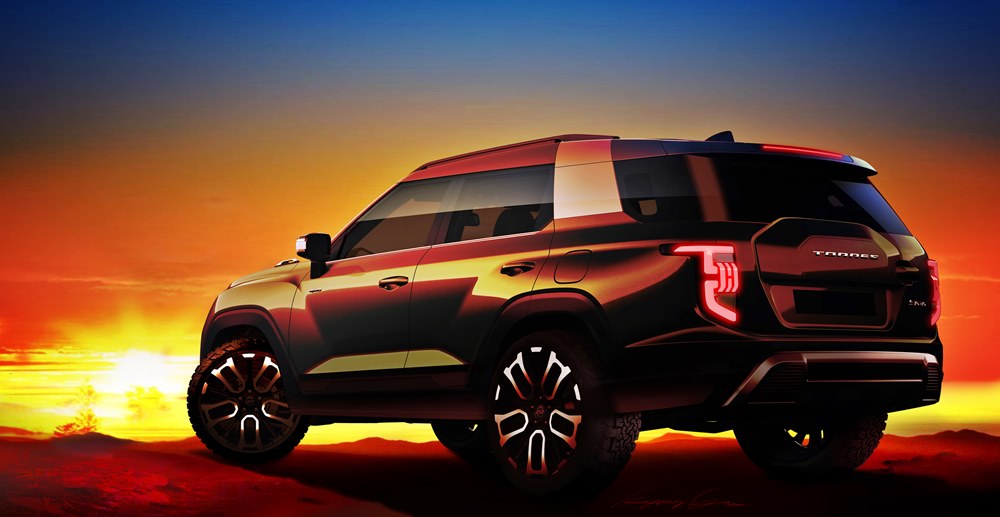
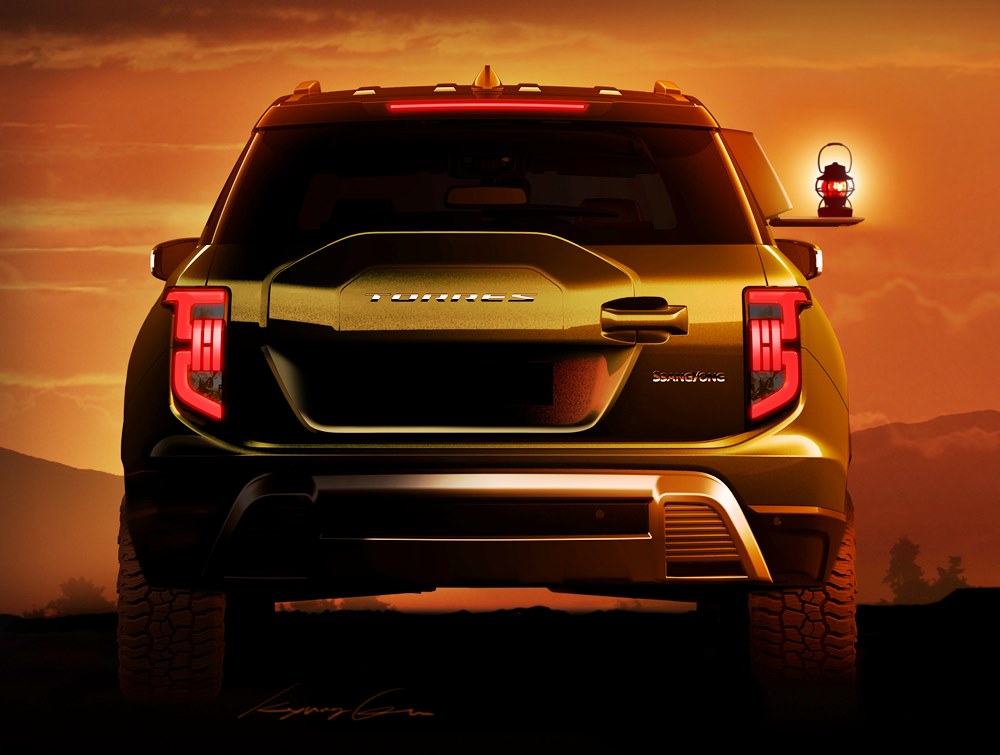
SsangYong Motor Company (SMC) has been struggling with financial problems, but it has also been allowed to continue running its operations. This includes product development for its next generation of models and one of the new ones will be a SUV called Torres. Two pictures of a production model have now been shown on social media outside Korea.
The front of the Torres has a vertical radiator-style grille, a classic look for SUVs, while the rear tailgate continues this theme with a classic off-road appearance. Inside, there is the functional and rugged look that many SUVs are given as well as a dual centre display. The upper panel has a widescreen format for map displays, with the lower one appearing to be more for adjusting functions and features.
The name was inspired by the spectacular views of Torres del Paine National Park in Patagonia, South America. The park was designated a World Biosphere Reserve status by UNESCO in 1978 and is well known for its magnificent mountains, glaciers, lakes, and rivers. The name this ‘embodies a sense of adventure, challenge, and escapism’, according to the Korean carmaker.
The Torres is the first model to reflect the brand’s new design philosophy ‘Powered by Toughness’, and is said to introduce a new segment in the SUV sector. The first teaser images of the exterior of the Torres show a modern SUV style which uses some elements of earlier models.
“The SUV market continues to expand and subdivide, and with Torres, we are filling the gap between semi-medium-sized SUVs such as Korando and large SUVs like Rexton. This move will create an additional segment in the market and will open up new opportunities for us, especially as we further develop the product offering and continue to add value and originality,” said a spokesperson for SMC.
The Torres will soon go into production and customers who have booked vehicles since last month will be taking delivery during this quarter. For the European market, a BEV version (U100) will be introduced towards the end of 2023.
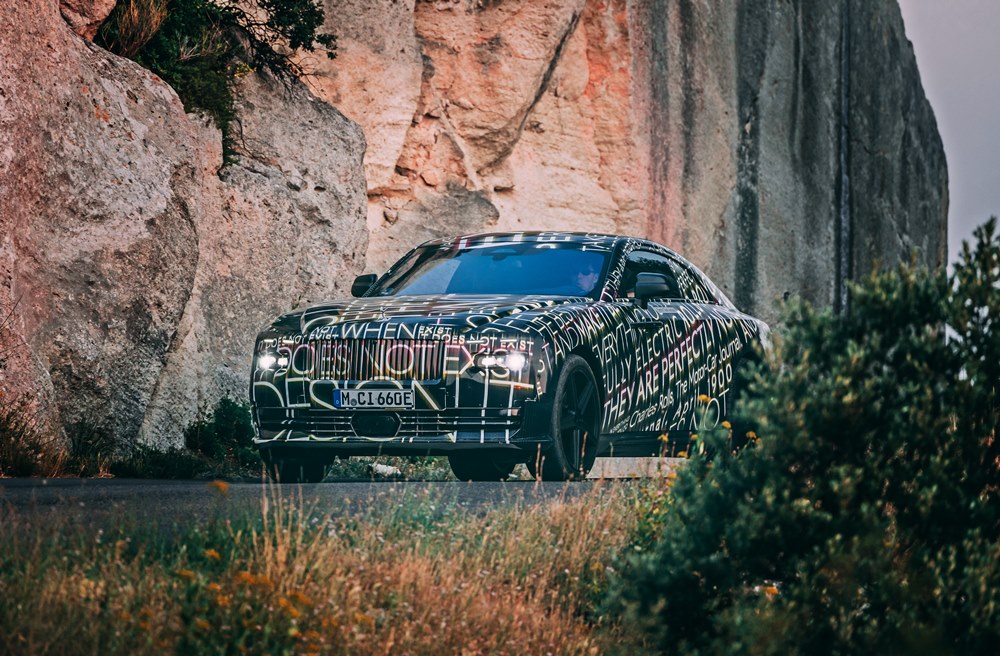
Rolls-Royce, like other carmakers, is on an electrification journey as social demands are growing for cars to be environment-friendly. Presumably, its customers also expect that if the Rolls-Royce goes electric, it will do so without losing any of the superlative attributes that keep it at the topmost end of the car market. That’s the challenge for Rolls-Royce and it may seem like the company would need time to get a perfect electrically-powered limousine into production that Is worthy of having the Spirit of Ecstasy on the bonnet.
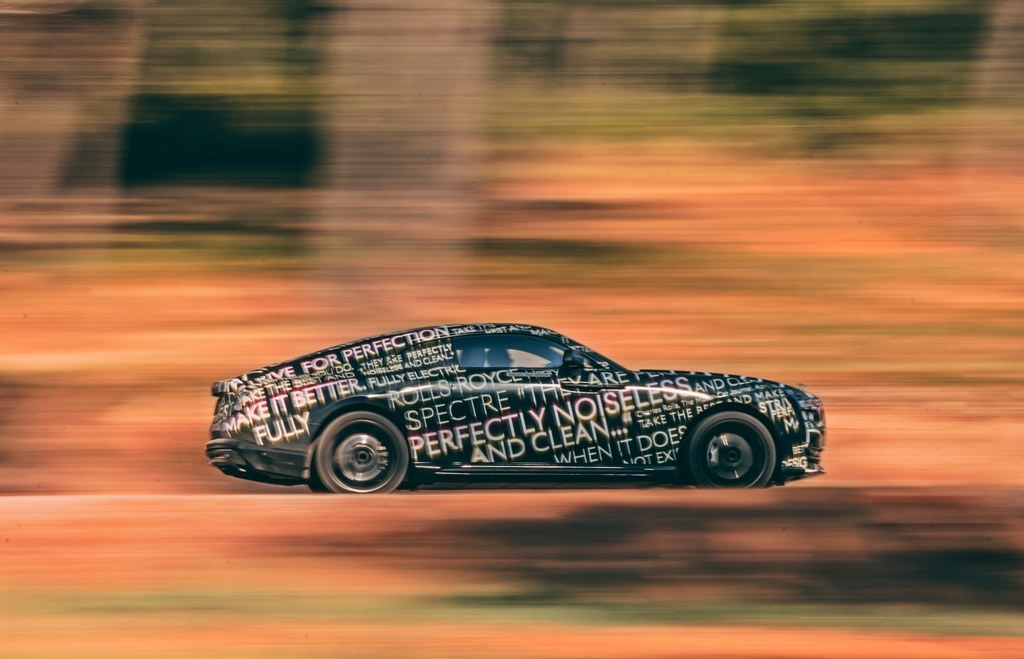
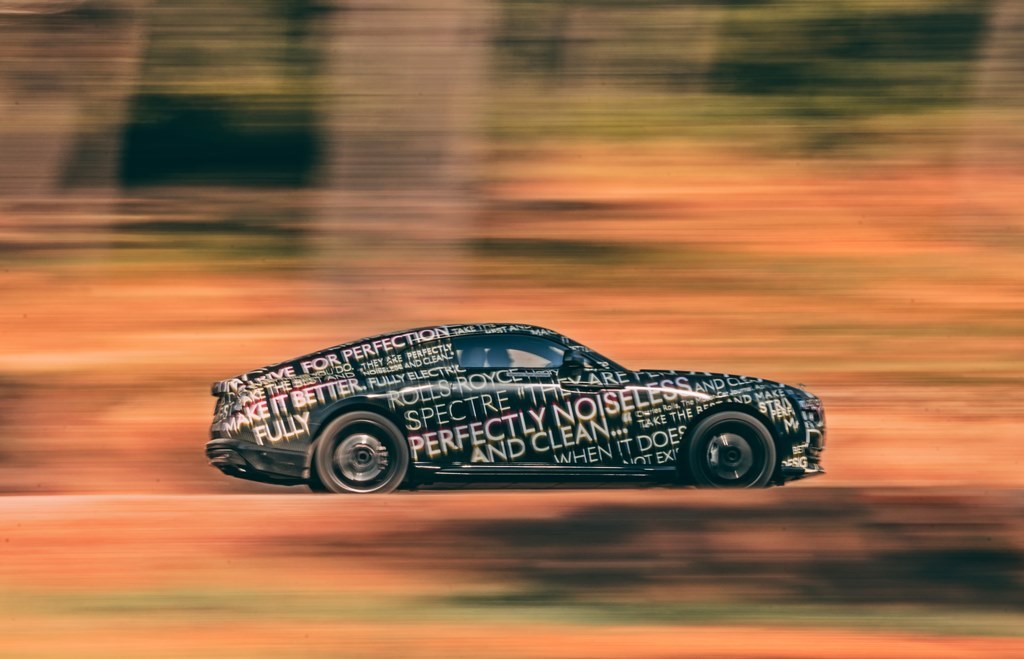
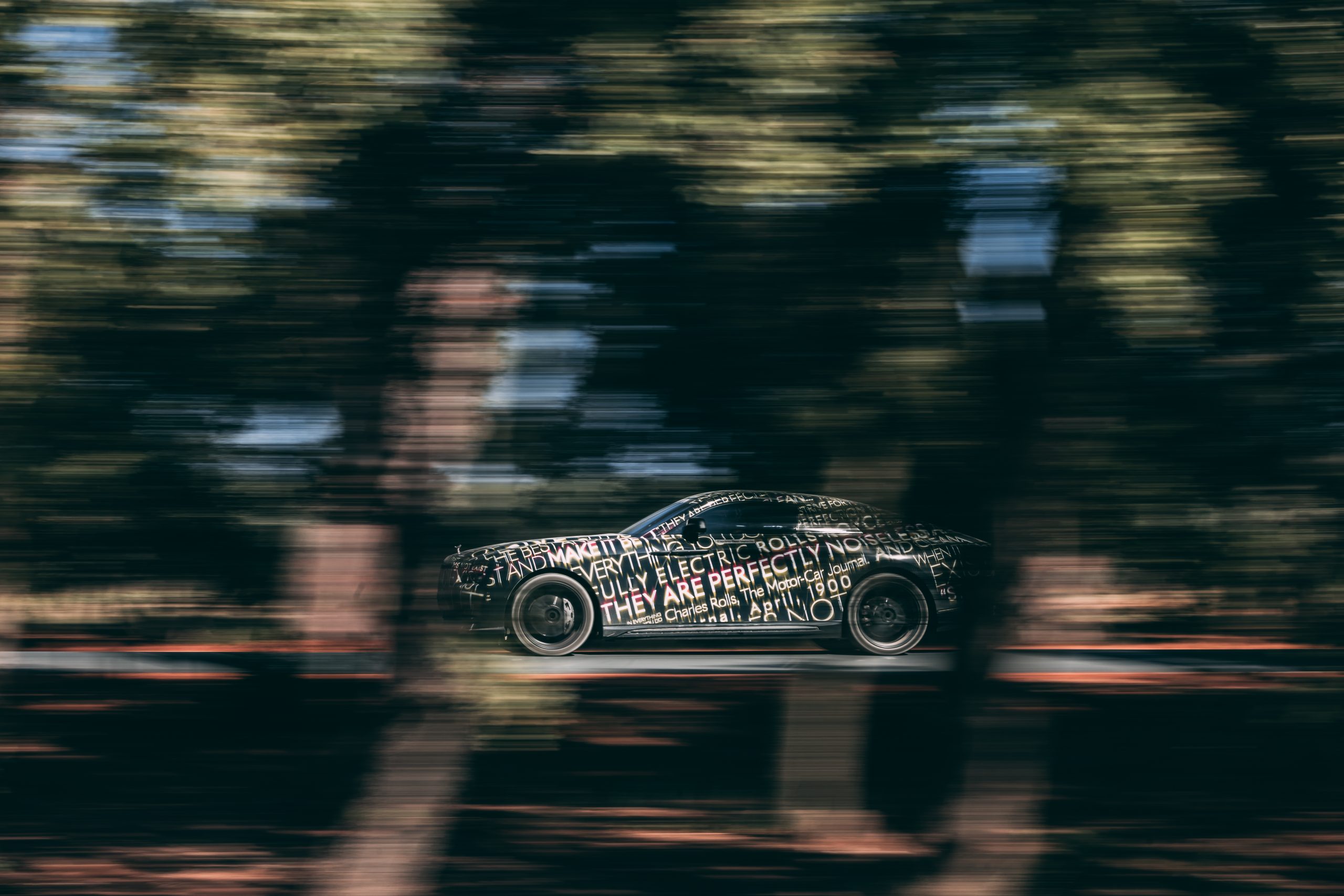
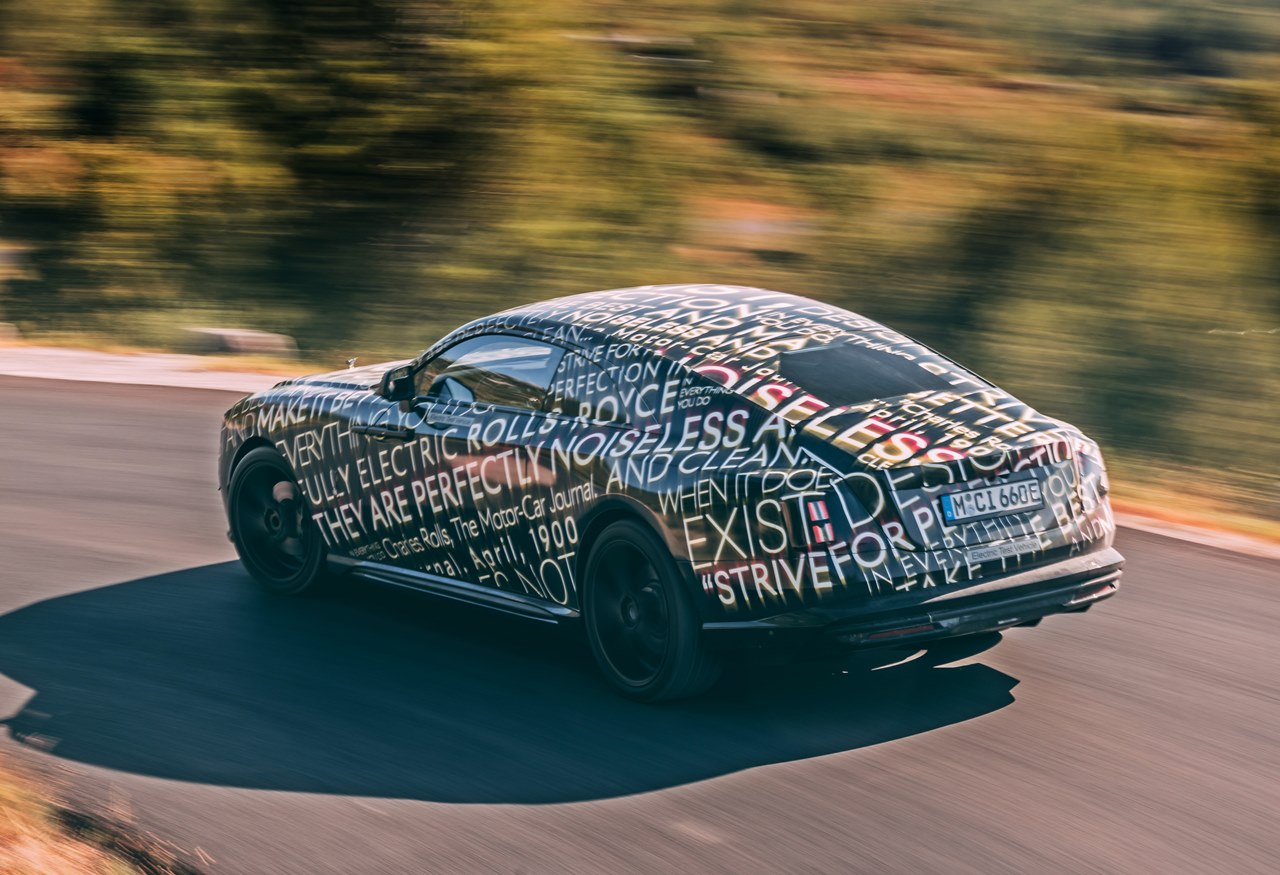
Experience with electric power But electric power Is not new to the company as Charles Rolls, one of the founders, personally experienced electric cars in 1900. He was impressed enough to say this: “The electric car is perfectly noiseless and clean. There is no smell or vibration. They should become very useful when fixed charging stations can be arranged.”
Of course, In the years that followed, Rolls-Royce gave attention to the internal combustion engine instead, since that was the way the industry was going. But with its technological resources, it could still develop an electric car and did so in 2011 with a fully electric Experimental Phantom concept named 102EX (which was followed by 103EX). But in 2011, the urgency was not there to fully commit to electric power, so the company did not go further.
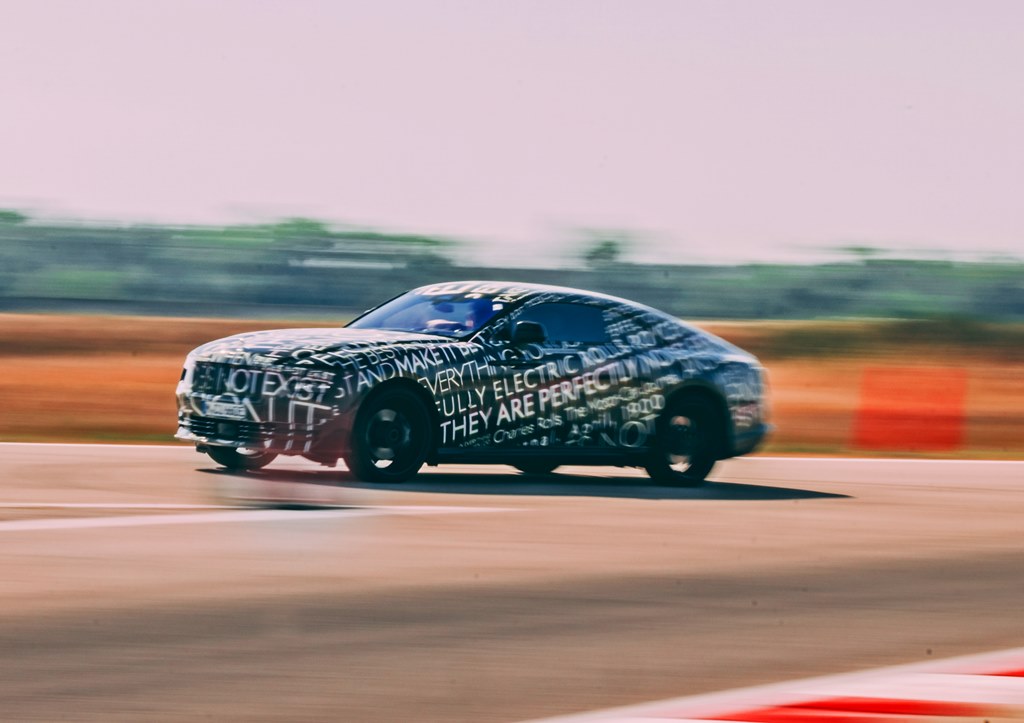
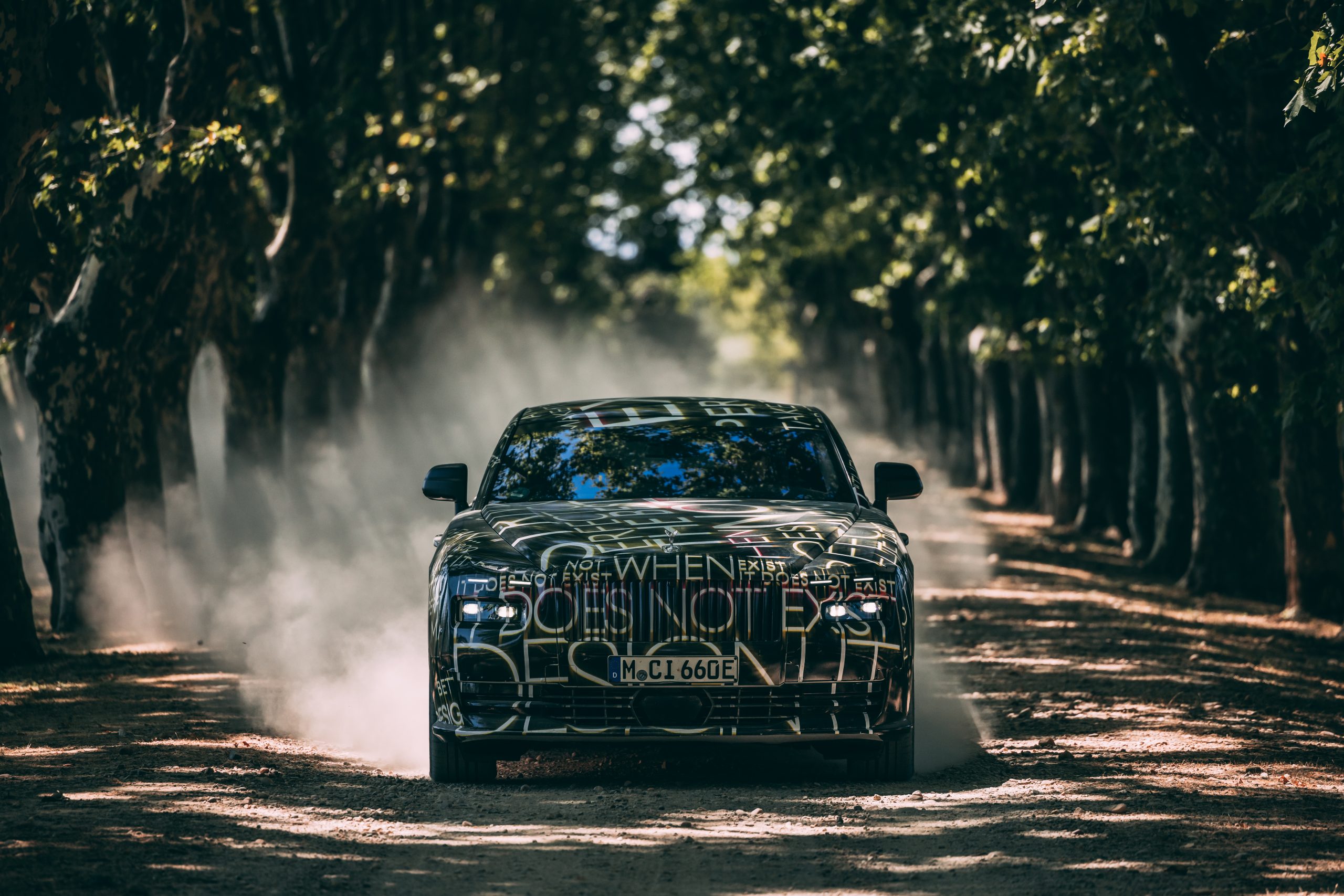
Now that there is a commitment to be fully electric by 2030, the company is drawing on past experience and also the latest technologies. Thus it was able to have running prototype by September last year for real-world testing. To ensure that the new car, to be called Spectre, is a true Rolls-Royce, it will undergo the most demanding testing programme ever conceived by the marque. No less than 2.5 million kms will be covered by prototypes, simulating on average more than 400 years of use for a Rolls-Royce.
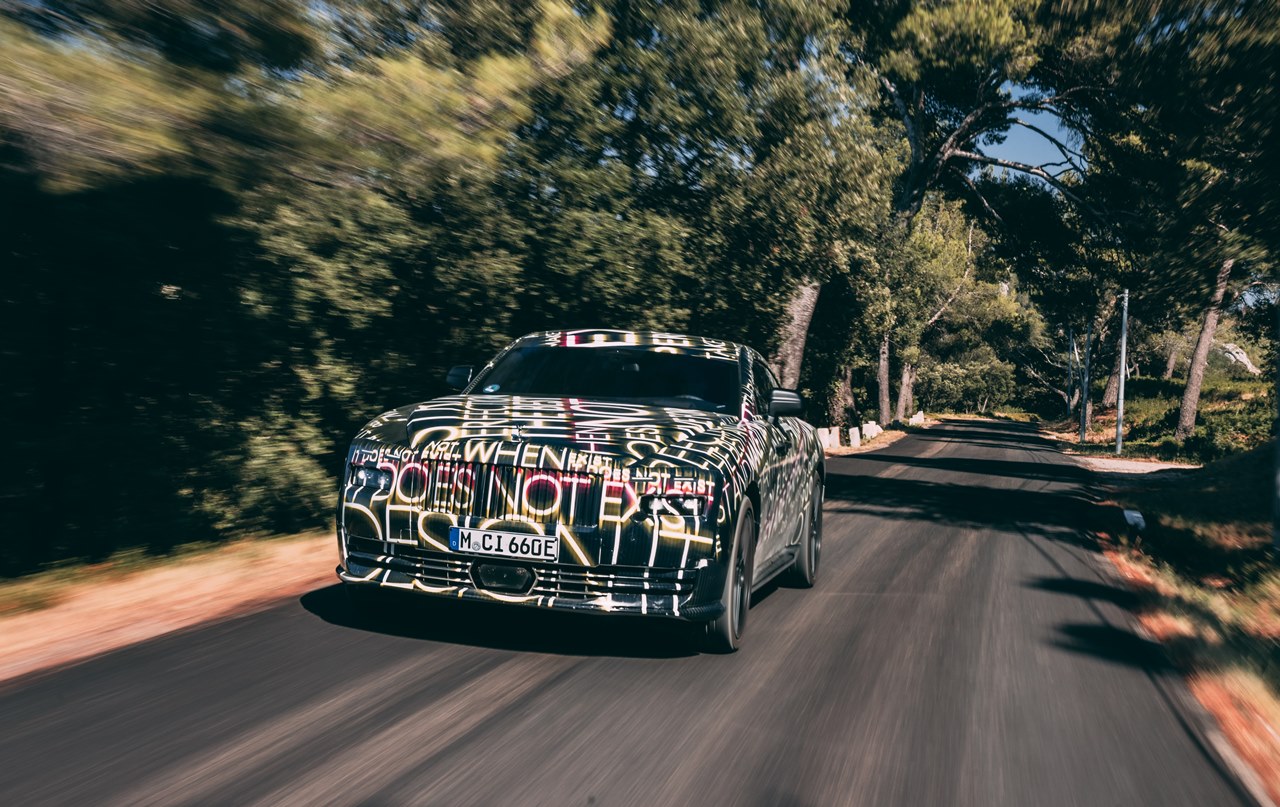
New phase in testing Earlier this year, in Sweden, the Spectre prototype received the first ‘lessons’ in a finishing school that is custom designed to teach the car how to behave and react like a Rolls-Royce. Over the past months, the marque’s test and development engineers have shifted their focus from extreme conditions to more formal scrutiny in a location that reflects the car’s everyday use: the French Riviera.
The French Riviera and its roads present a perfect combination of the types of conditions that will be demanded from future owners of the Spectre, ranging from technical coastal corniches to faster inland carriageways. Forming a crucial part of the global testing programme, a total of 625,000 kms will be covered.
This phase is split into two parts, beginning at the historic Autodrome de Miramas proving ground (a circuit that once hosted the 1926 Grand Prix) which is a state-of-the-art test and development facility. The engineers will be able to do their testing in privacy as there are more than 60 kms of closed routes and 20 test track environments over its 1,198-acre site.
These include irrigation units that create standing water, demanding handling circuits with tight corners and adverse cambers, as well as a heavily banked 5-km 3-lane high-speed bowl, enabling the Spectre to be tested at continuous high speeds.
Driving in real-life conditions The second phase of testing moves around the countryside surrounding the Autodrome de Miramas. Many Rolls-Royce owners drive around this region, therefore a significant 55% of testing here has taken place on the very roads that many production Spectres will be driven on following first customer deliveries in the fourth quarter of 2023.
This provision for testing under local, real-life conditions is repeated in key markets around the world, as Rolls-Royce will make sure that its products meet – and usually exceed – the expectations of its highly discerning customer group.
Unlike any other Rolls-Royce The Spectre is unlike any Rolls-Royce before it. This is not only because of its fully electric powertrain, but also its unprecedented computing power and application of advanced data-processing technologies. It will be the most connected Rolls-Royce ever, with each of its components more intelligent than in any previous Rolls-Royce.
Yet developing the Spectre is not an exercise in computer science alone. The car requires a response to hundreds of thousands of possible scenarios and therefore it needs the most skilled and experienced specialists to define and finesse an appropriate mechanical reaction. Over the course of the Riviera Testing Programme, the marque’s most experienced engineers are painstakingly creating a dedicated control for each of Spectre’s 25,000-plus functions, incorporating variations of response depending on factors including weather, driver behaviour, vehicle status and road conditions.
‘Magic carpet ride’ in high definition Following months of continual testing, a new suspension technology has been approved that will give the Spectre Rolls-Royce’s hallmark ‘magic carpet ride’. This technology is now being refined and perfected at Miramas and on the roads of the French Riviera.
The Spectre will have an all-aluminium spaceframe architecture – only used by Rolls-Royce – which has enabled the designers to create a new class of Rolls-Royce – the Electric Super Coupe. To achieve the most rigid body in the marque’s history, the aluminium architecture is reinforced with steel sections that provide exceptional torsional rigidity. This is combined with aluminium body sections that represent the largest of any Rolls-Royce yet.
New aerodynamic standard In announcing the redesigned Spirit of Ecstasy mascot that will sit proudly at the prow of Spectre, Rolls-Royce aerodynamicists predicted that the new car would have a drag coefficient just 0.26 Cd, making it the most aerodynamic Rolls-Royce ever created. Following rigorous wind tunnel testing, digital modelling and continuous high-speed testing in Miramas, this figure has been further reduced to 0.25. This does not just represent a record in the context of Rolls-Royce, but is unprecedented in the luxury sector.
“It is no exaggeration to state that Spectre is the most anticipated Rolls-Royce ever. Free from the restrictions connected to the internal combustion engine, our battery-electric vehicle will offer the purest expression of the Rolls-Royce experience in the marque’s 118-year history. This latest testing phase proves a suite of advanced technologies that underpin a symbolic shift for Rolls-Royce as it progresses towards a bright, bold, all-electric future. This will secure the ongoing relevance of our brand for generations to come,” said Torsten Muller-Otvos, CEO of Rolls-Royce Motor Cars.
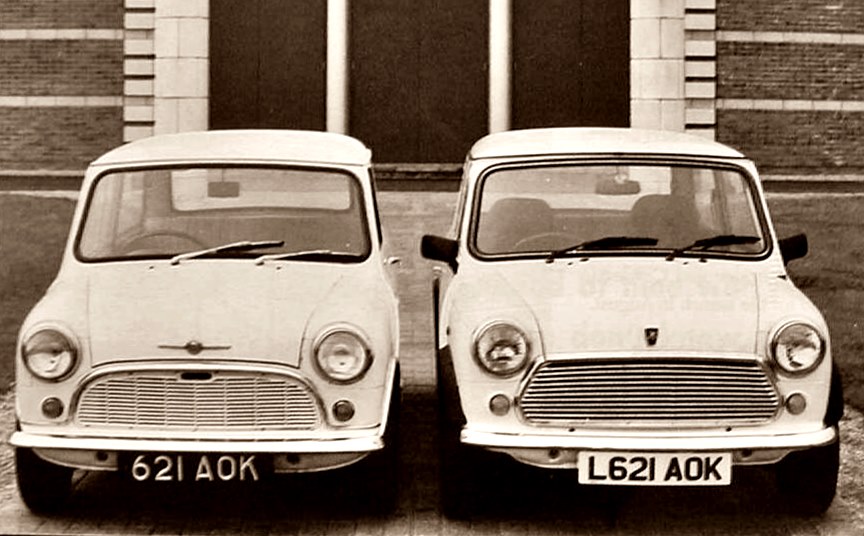
Starting off as just a little car with simple engineering for ease of construction and low cost, the Mini has evolved over 60 years into a premium product that is design-based and technologically innovative. It has also grown substantially in size but the designers of the modern MINI (capital letters differentiate the original and the modern cars) have stuck to many of the original ideas which Alec Issigonis applied.
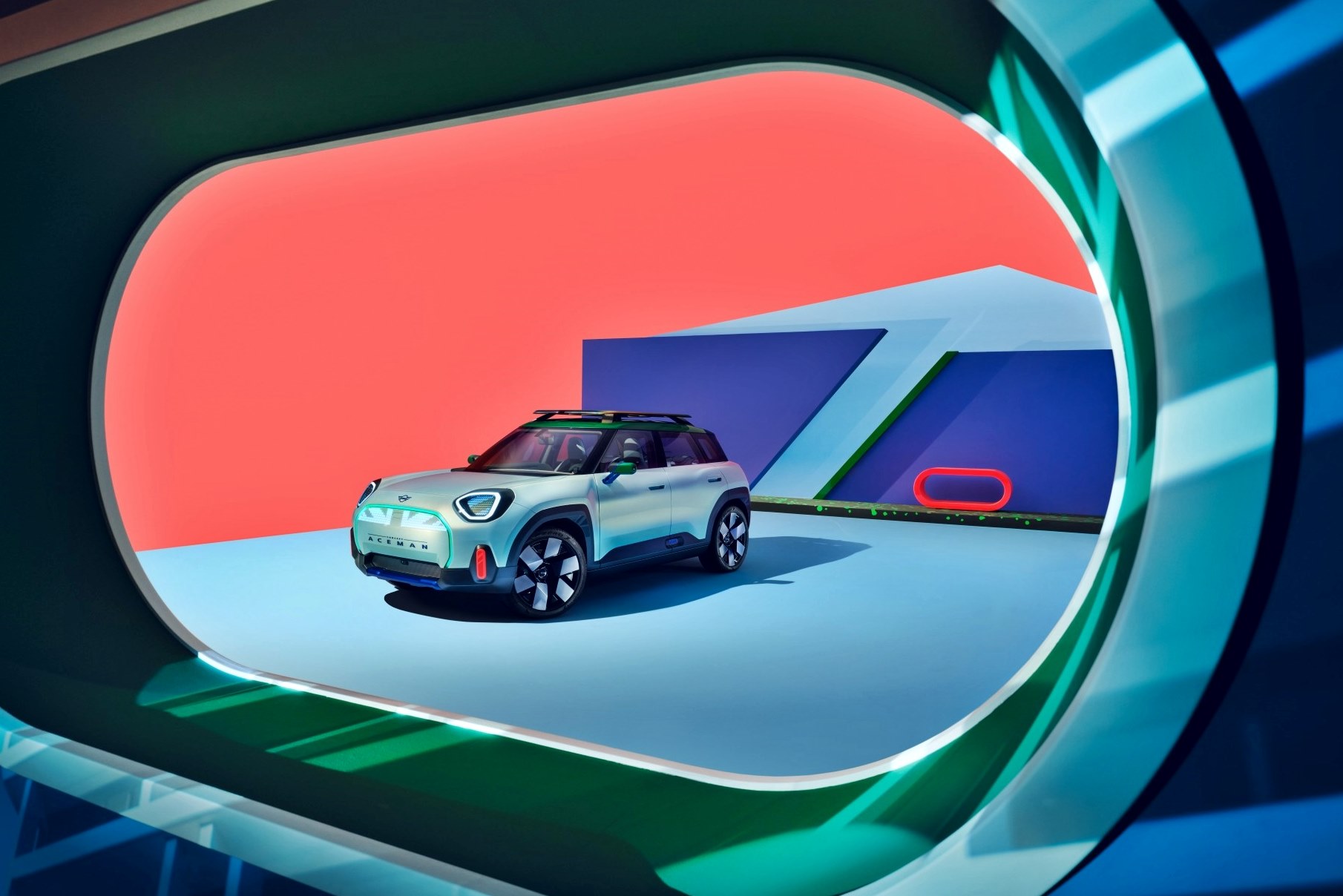
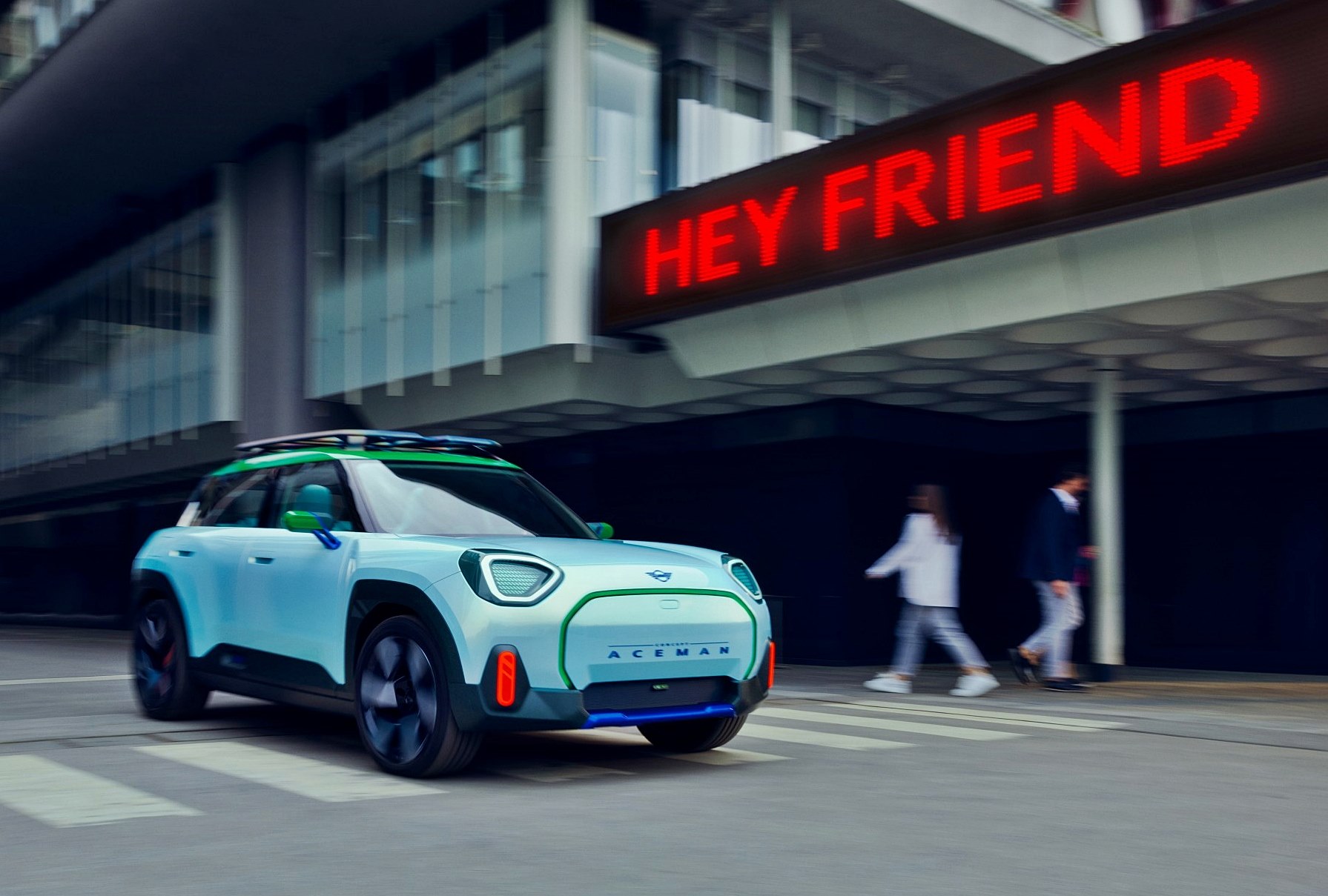
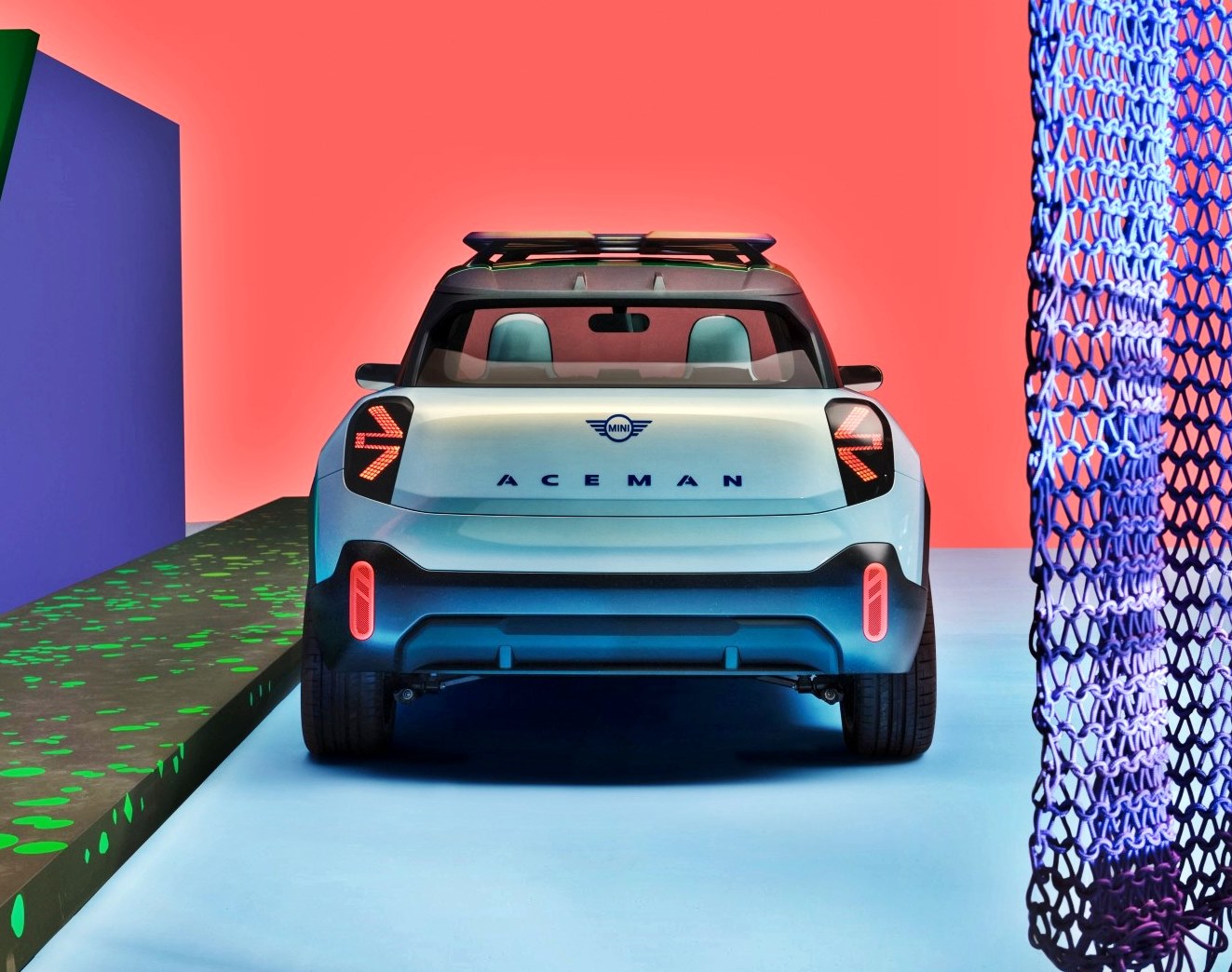
Soon, a new generation will be born and as an initial preview of its design, MINI is presenting the Concept Aceman. In this next generation, the MINI Cooper in the iconic 3-door bodystyle, which has been reinterpreted time and again over its entire history, will be joined by a crossover model for the first time.
Over 60 years, the Mini has evolved into a premium and larger model while retaining its original character, even as it moves into an electric future.
“The MINI Concept Aceman provides an initial glimpse of a completely new vehicle, bridging the space between the MINI Cooper and the MINI Countryman in the model family’s future,” said Stefanie Wurst, Head of the MINI Brand. “This concept car reflects how MINI is reinventing itself for its all-electric future and what the brand stands for: an electrified go-kart feel, an immersive digital experience and a strong focus on a minimal environmental footprint.”
A new MINI design era
“The design language of the MINI Concept Aceman heralds the beginning of a new design era for MINI,” explained Adrian van Hooydonk, Head of BMW Group Design. “Design features typical of the MINI brand have always been unmistakable. We are returning to these now, but at the same time consistently combining them innovative technology. With this approach we are redeveloping the MINI design icons, with all their analogue strengths, for the digital future.”
Along with the clear and reduced exterior and interior design, the holistic user experience of light, movement, interaction and sound also combine to define this style. Surfaces constructed from knitted recycled textile with fresh colour contrasts combine with seamless digital controls with a new OLED display as the central interface.
The all-electric models of the next generation are also given an independent sound design for the first time, providing emotionally compelling drive sounds and an authentic background for the new Experience Modes.
Creative use of space reinterpreted
Everything about the appearance of MINI Concept Aceman expresses agility and a self-confident presence. This merges distinctive features of the brand’s two most successful models, the MINI Cooper and the MINI Countryman, to create a modern interpretation of a crossover model.
“The purely electric vehicle concept means the design can again be geared more towards MINI’s traditional basic values, in terms of the principle of using space creatively,” said Oliver Heilmer, Head of MINI Design. “This creates models that take up little space on the road while offering even more comfort, more versatility and more emotion on the inside than ever before.”
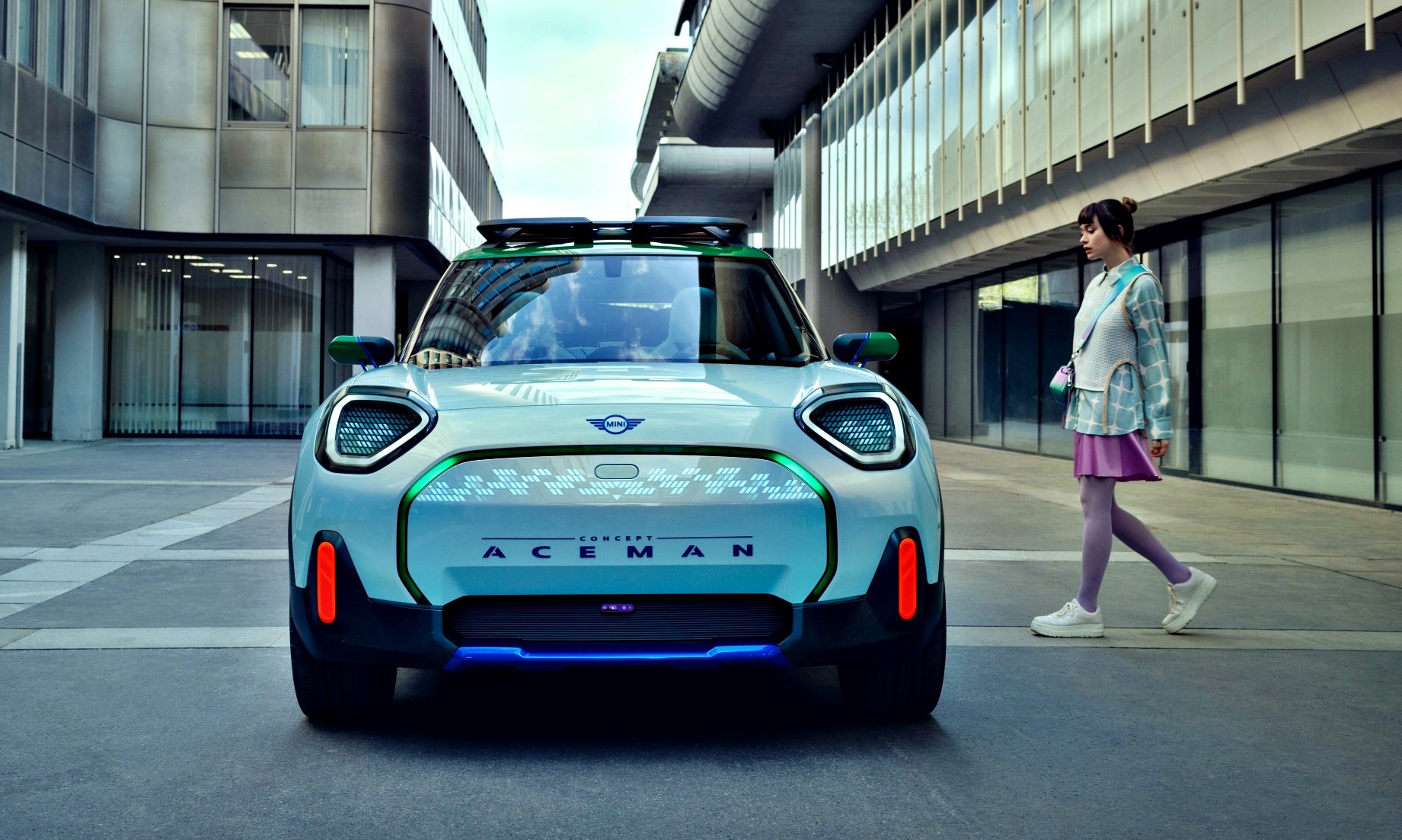
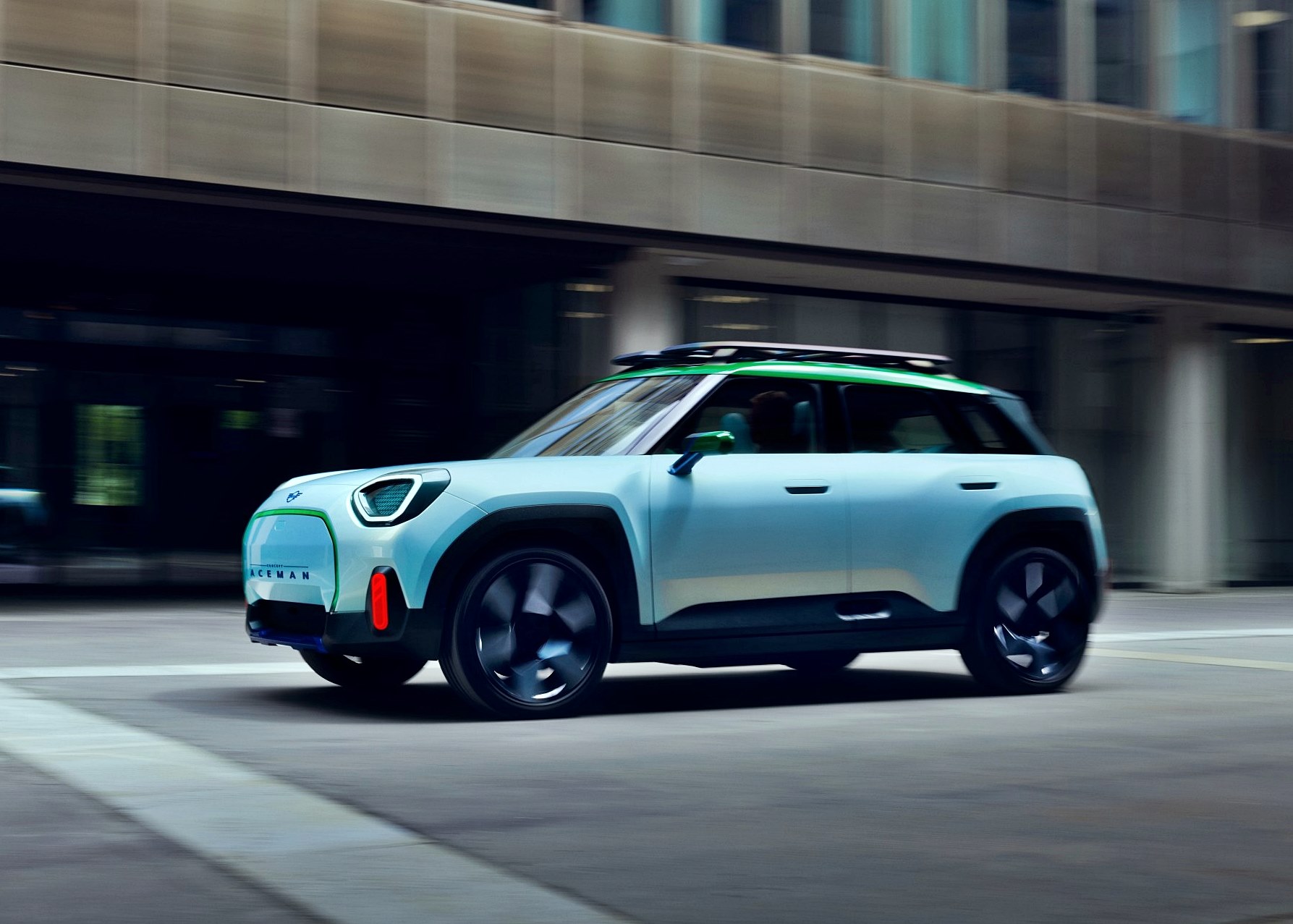
A functional two-box design with short overhangs creates the maximum of space for occupants and luggage on a minimal surface area. Its exterior dimensions are 4.05 metres in length, a width of 1.99 metres and a height of 1.59 metres. The Concept Aceman has 4 doors and a large boot lid with interior seating for 5. The classic 3-way division of body, all-round window graphics and roof is reinterpreted. A flush transition between the vehicle body and glass surfaces makes the most of the aerodynamic properties.
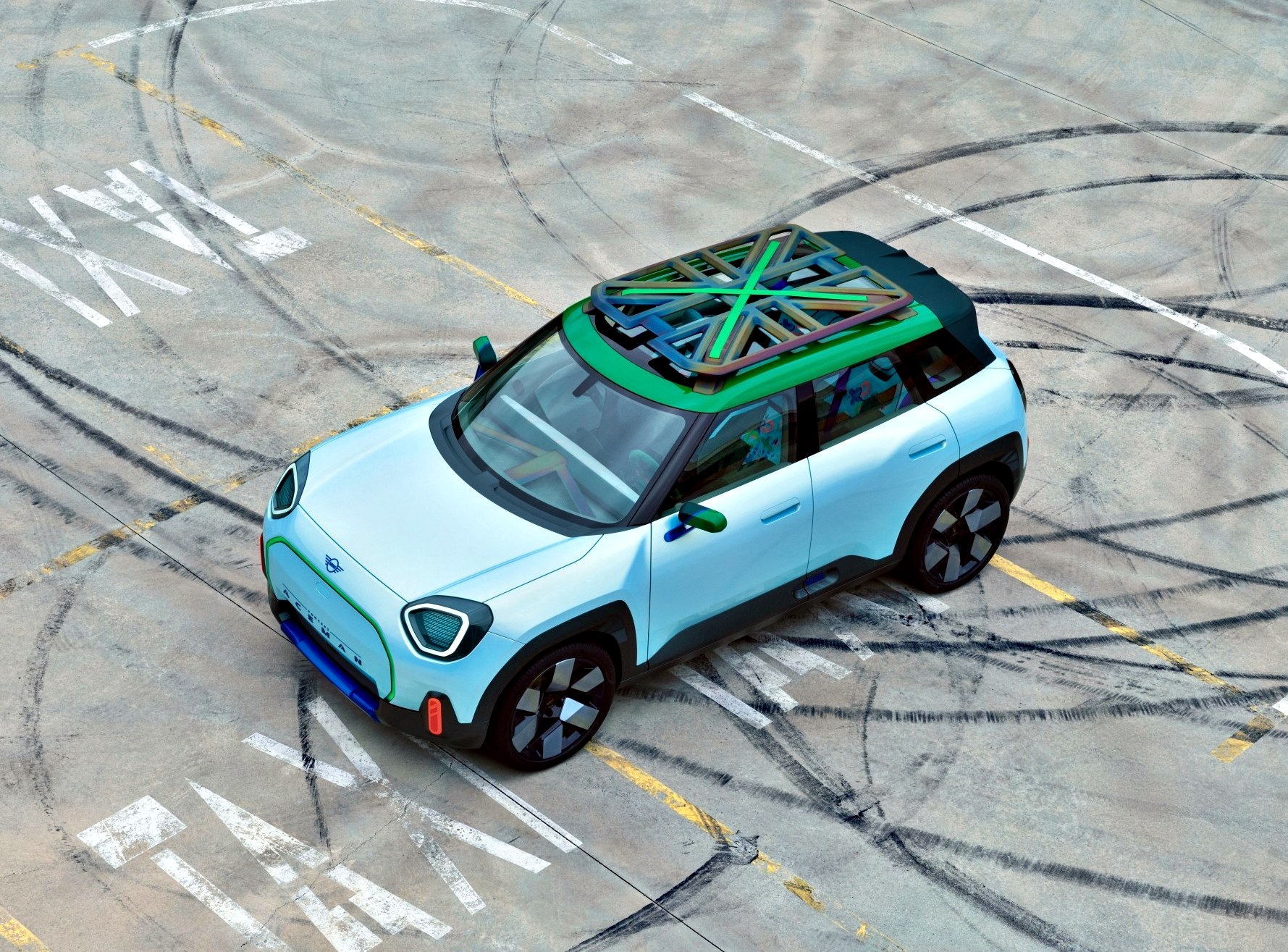
The clear and reduced design completely dispenses with the chrome trim around the edges that was common in earlier model generations. Wide surrounds on the lower edge of the body, strongly contoured wheel arches, large wheels, a striking roof rack, and front and rear valance panels styled as an underride protection emphasise the solid all-round characteristics of a crossover model.
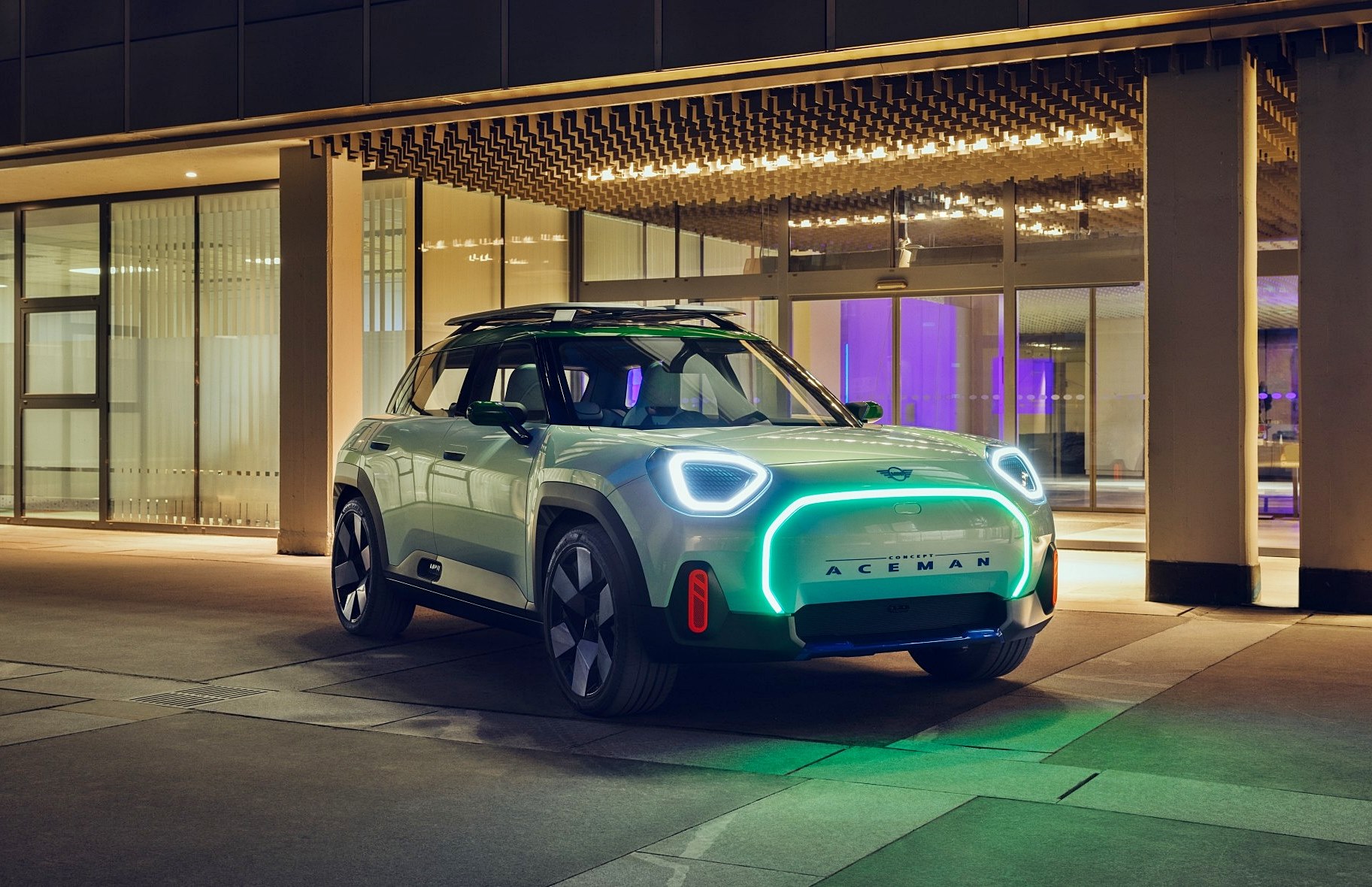
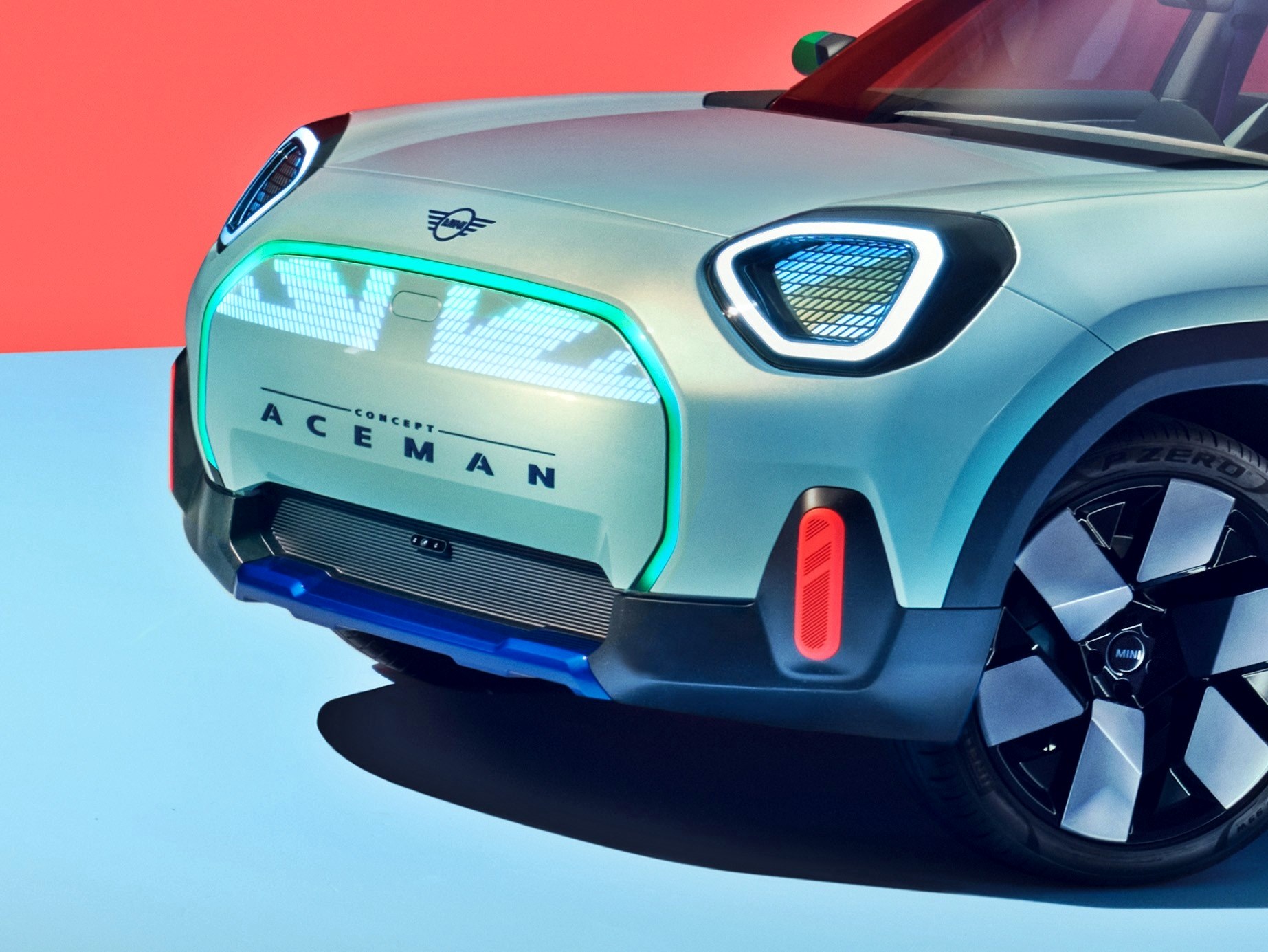
The upright front of the Concept Aceman strikingly announces its presence. The brand’s iconic design features have been reinterpreted to reflect its crossover characteristics and purely electric drive. The radiator grille element at the centre of the vehicle front is surrounded by clear surfaces, the traditionally hexagonal outline having been further refined into an octagonal contour.
The new design is accentuated by an illuminated surround. The LED contour lighting in a shade of light green provides a striking light signature both in daytime running lights and in night design. The central grille element is completely closed with matrix LED units are integrated in its upper section to create impressive lighting effects. The contour of the lights follows through to the surfaces of the outer areas of the bonnet.
Clear design and definition
A diagonal contour below the A-pillars will spark memories of the striking weld seam of the classic MINI, for those who are familiar with it. Surface modelling and lines create a tapered effect between the front and rear wheel arches that give a dynamic expression to the side view of the Concept Aceman. This intensively accentuates the powerful profile of the rear wheel arches.
These are further defined by distinctive contour lines, the first of their kind on a MINI. Contour lines provide a lively play of light and shadow in the side view; a dynamic upward movement in the front area, an elongated progression and a steep downward swing. A matt green side skirt, more pronounced in the area of the doors, gives the vehicle an athletic appearance.
A typical MINI twist
A typical MINI twist is the oblong hole outline which is a recurring element with many instances, including the door openers – integrated flush with the surface for the first time in a MINI – as well as the exterior mirror caps and the MINI logo in the lower door section.
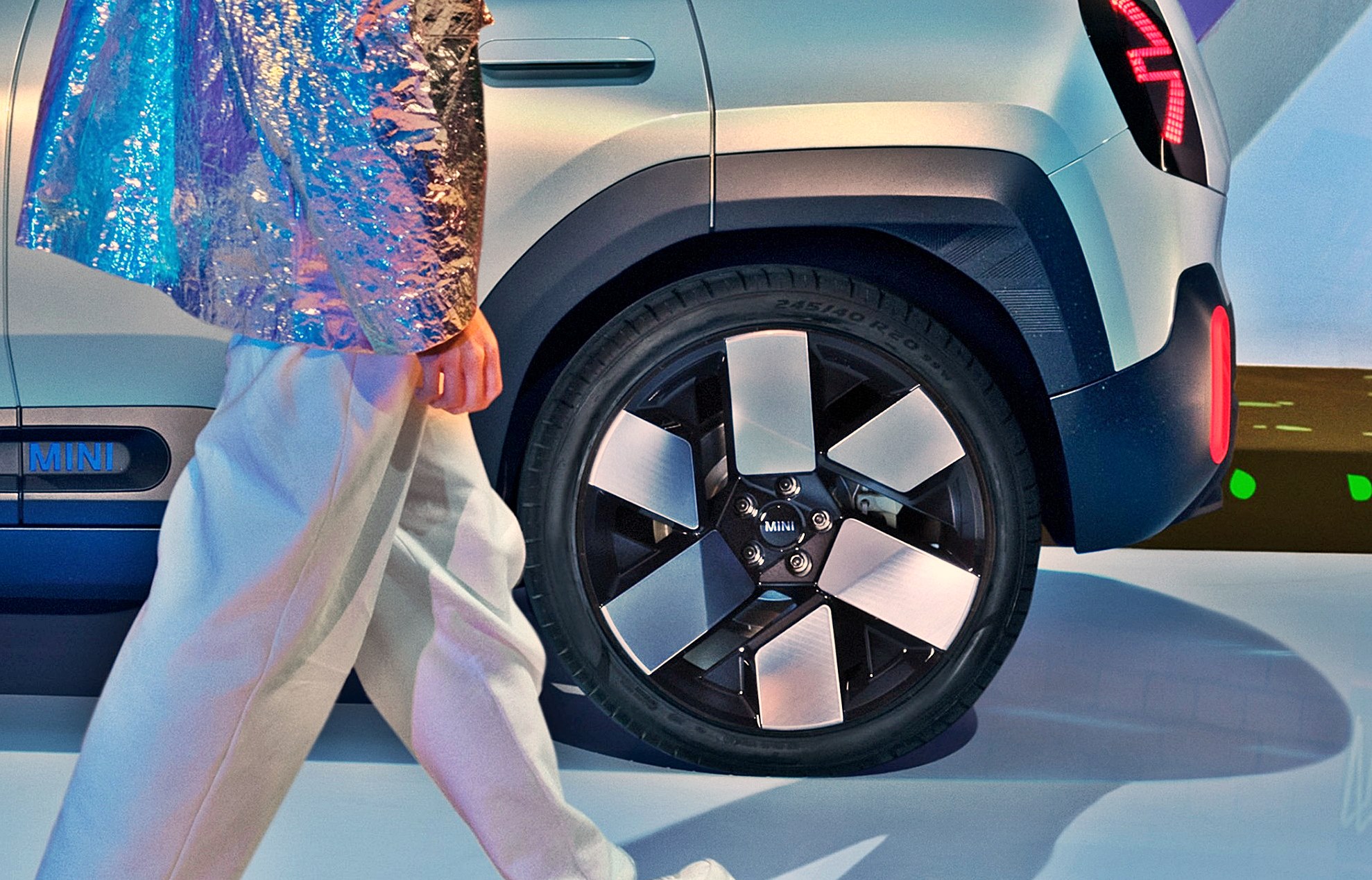
The design also features in numerous details in the interior. The equally distinctive Union Jack design, acknowledging the brand’s British roots, is seen in both the rear light graphic and on the robust roof rack. The triangular outline in the centre of each rim gives the spokes visual depth and dynamism, a special graphic feature which is generally only noticed on second glance.
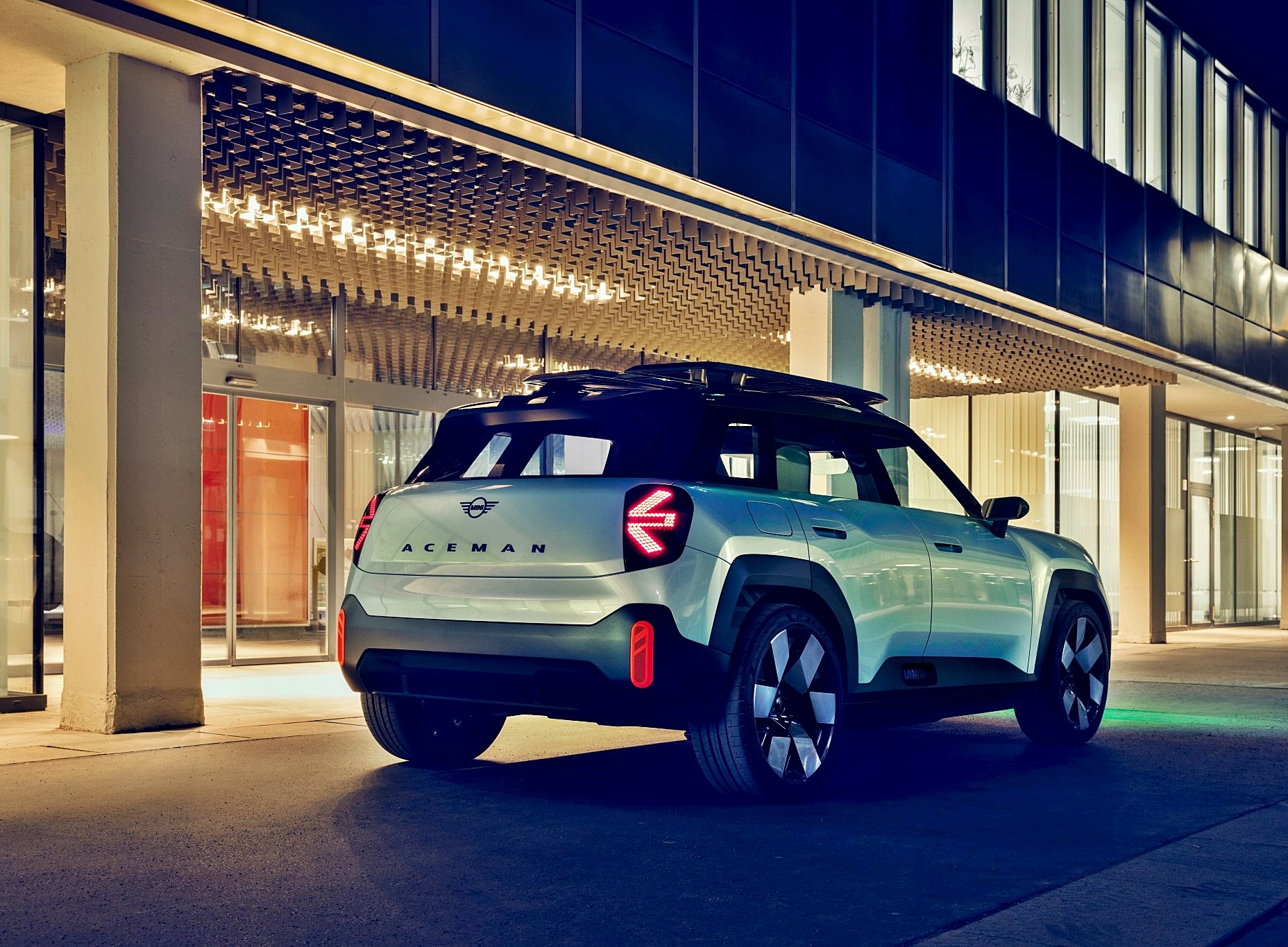
In the rear perspective, there us the cascading contour that MINI is known for, gradually broadening towards the road. The dark roof spoiler and the glass surface of the rear window further reinforce this impression by visually receding into the background.
The distinctive vertical MINI rear lights provide a captivating contrast to the clear, horizontal surfaces. They also feature matrix LED units, allowing for different lighting scenarios depending on the situation.
MINImalism redefined
The Concept Aceman interior is also dominated by a reduced design with clear contours and carefully executed details. It combines innovative technology with newly interpreted, yet typical MINI design features. The cockpit is consistently reduced to the bare essentials, just as the designer of the classic MINI had in mind in 1959. Alec Issigonis designed an interior which, in addition to the seats, steering wheel and gear lever, needed nothing more than a central round instrument and toggle switch bar.
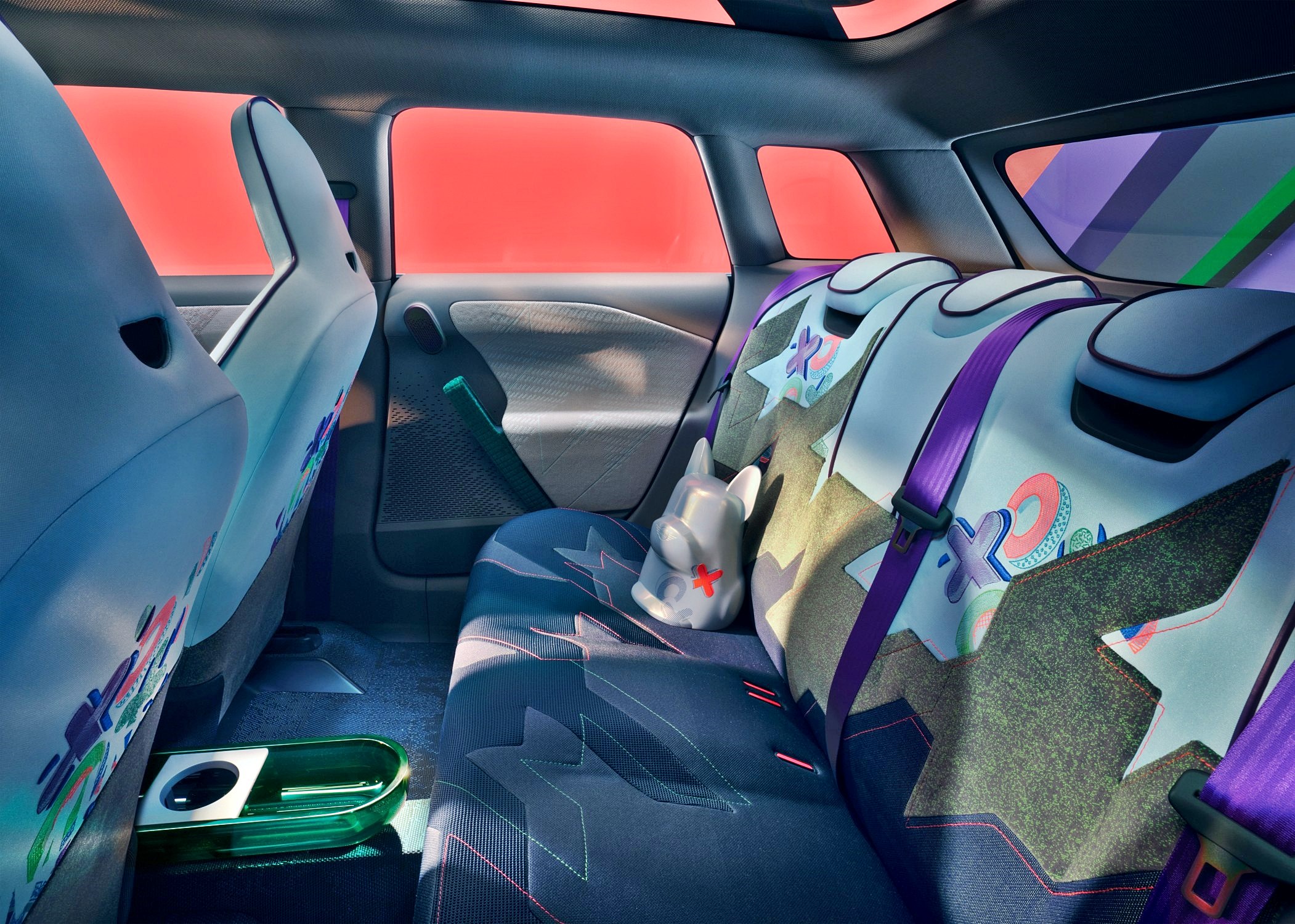
Wide-open and gently curved surfaces in the area of the door panels and the dashboard give a generous feeling of space. The large panoramic glass roof provides an ambience flooded in light. Its glass surface is patterned by the transverse and diagonal struts of the roof rack, whose structure picks up on the Union Jack flag motif, a reminded of the brand’s origins when looking upwards from within.
The MINI cockpit
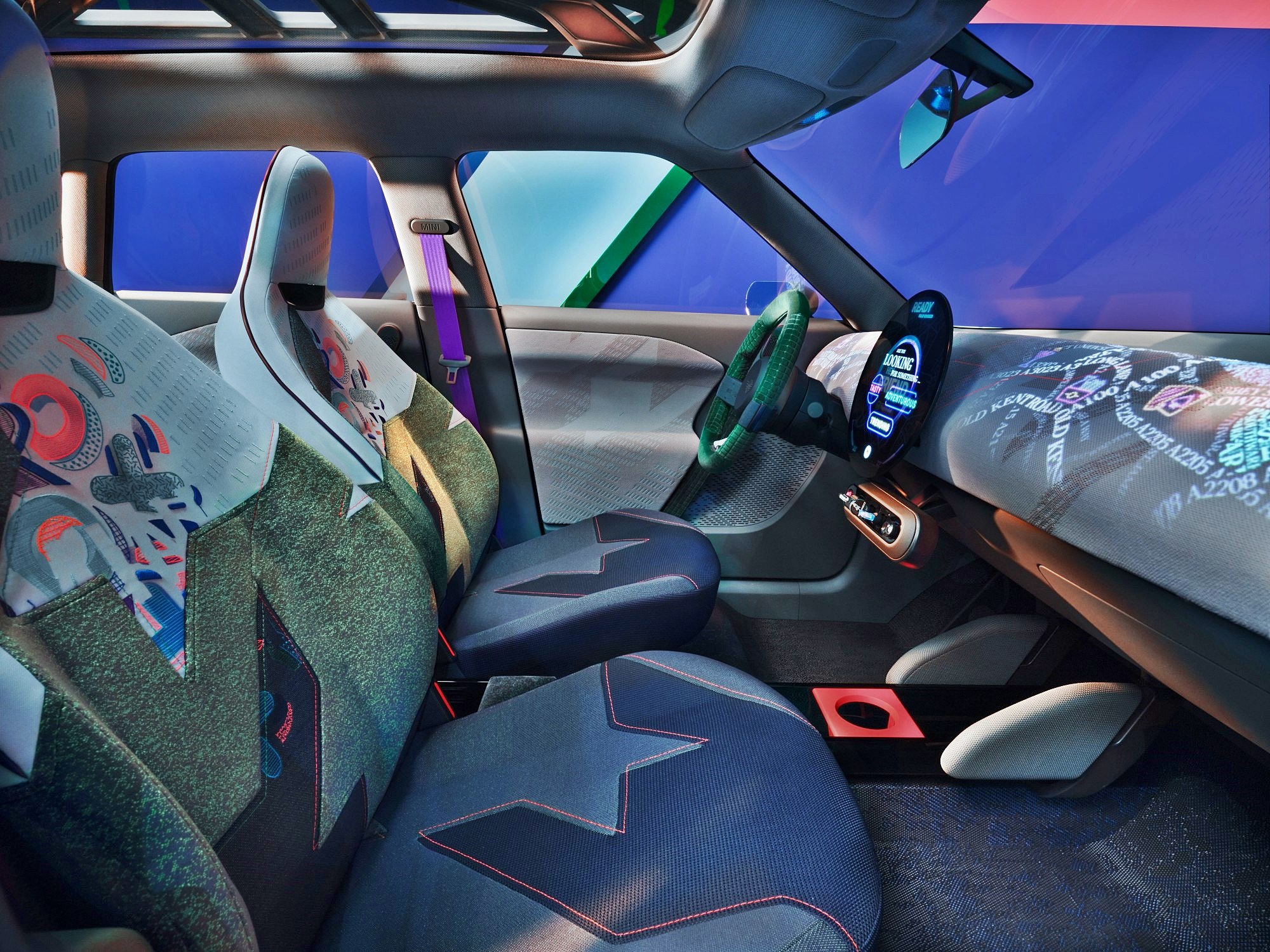
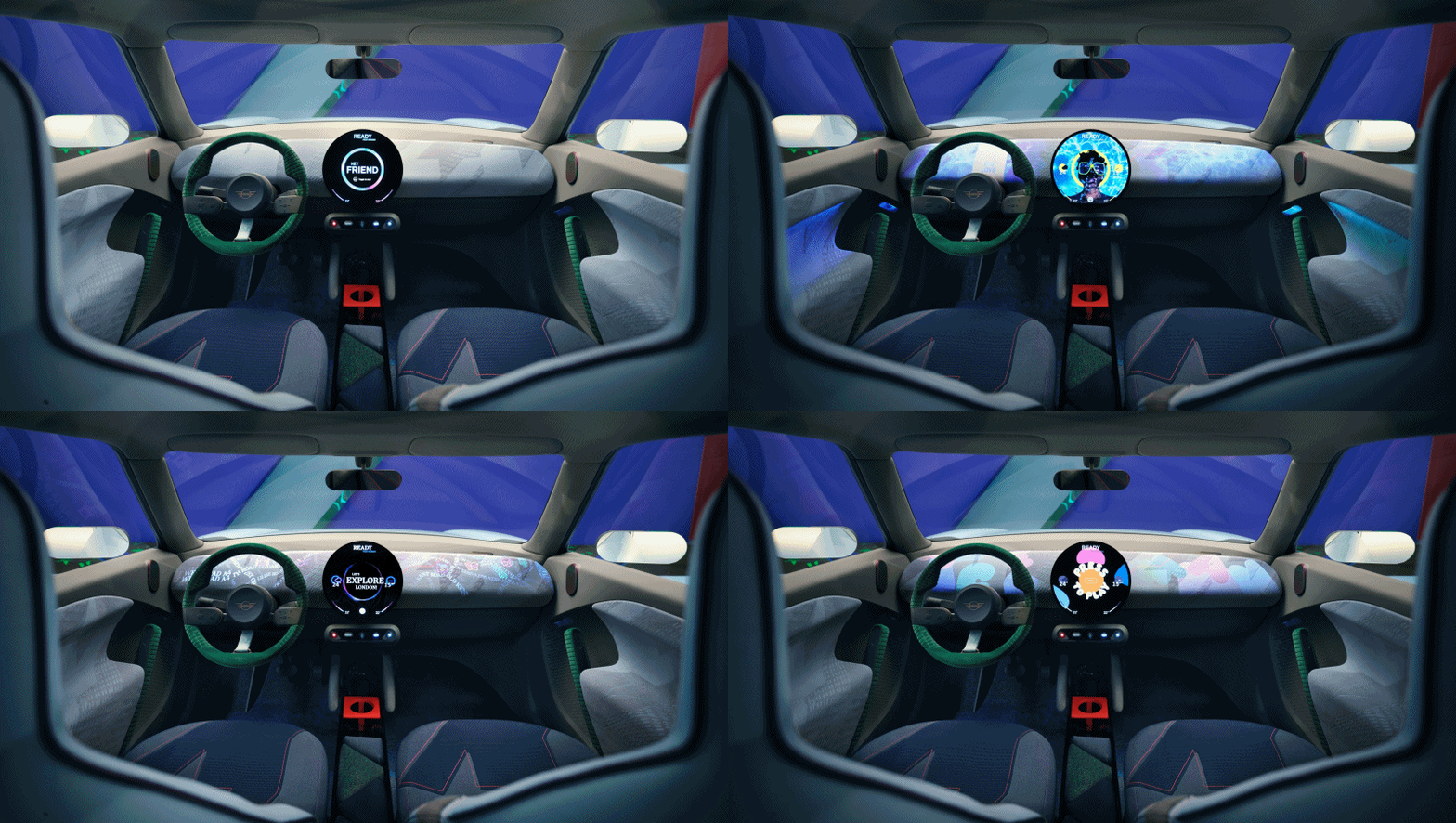
The dashboard is a flat design element styled like a sound bar that extends across the entire width of the interior in front of the driver’s and front passenger’s seats. Its soft knitted textile surfaces create a modern and homey atmosphere. The dashboard is connected via a support structure which, like the roof rack, displays the Union Jack pattern.
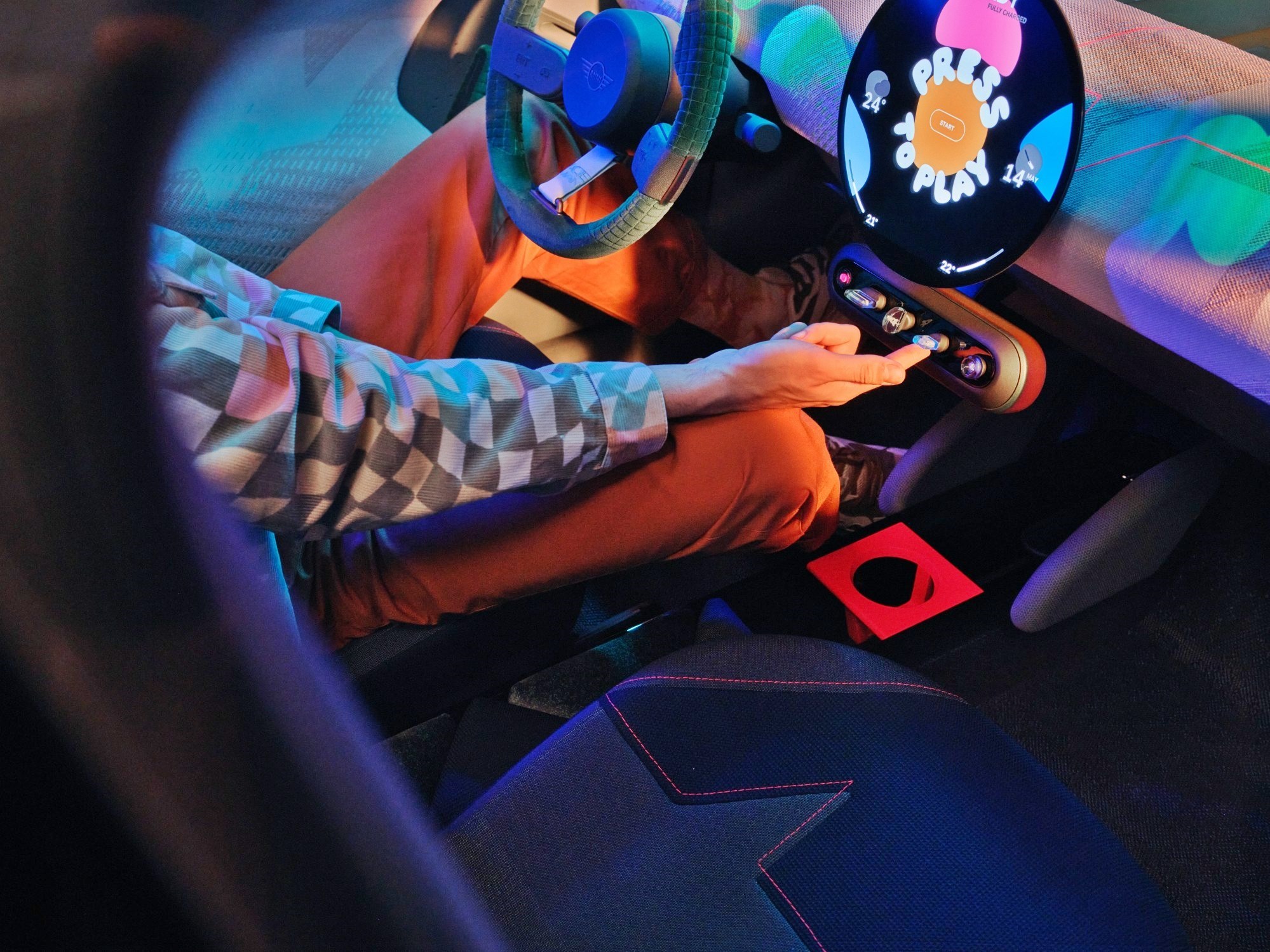
The centre interface combines all the functions of the instrument cluster and the on-board monitor as a round OLED display. True to its traditions, a toggle switch bar is set below the large screen. There are both touch controls using state-of-the-art digitalisation and analogue physical switches, depending on the function.
The redesigned toggle switches operate the parking brake, select gears, activate and deactivate the drive, select Experience Modes and adjust the audio system volume. Each toggle is individually designed as a rotary knob or toggle switch for the most intuitive operation.
The distinctive MINI display and operating experience scales new heights with its reinterpretation of the familiar central interface. MINI is the world’s first car manufacturer to present a circular OLED display that takes up the entire surface of the central interface. OLED technology gives the display a particularly high-quality appearance and can display strong contrasts and deep blacks.
The user interface also features a completely new graphic display, a modern layout and attractively designed widgets. The display and control system in the production model will be based on the latest generation of the MINI Operating System which, for the first time, is built on an Android Open-Source Project software stack. This allows for an unprecedented and particularly comprehensive expansion of digital features in the vehicle.
Experience Modes
Innovative Experience Modes generate new possibilities to individualise and personalise the driving experience in the interior. They combine specific displays and colour worlds, which are depicted on the central interface panel and through interior projection, and a coordinated sound stage.
Chrome elements are completely dispensed with – not only in the exterior but also inside. Instead, the dashboard support structure creates its own high-quality, individual highlight in the interior, with its iridescent coating matching the roof support for example.
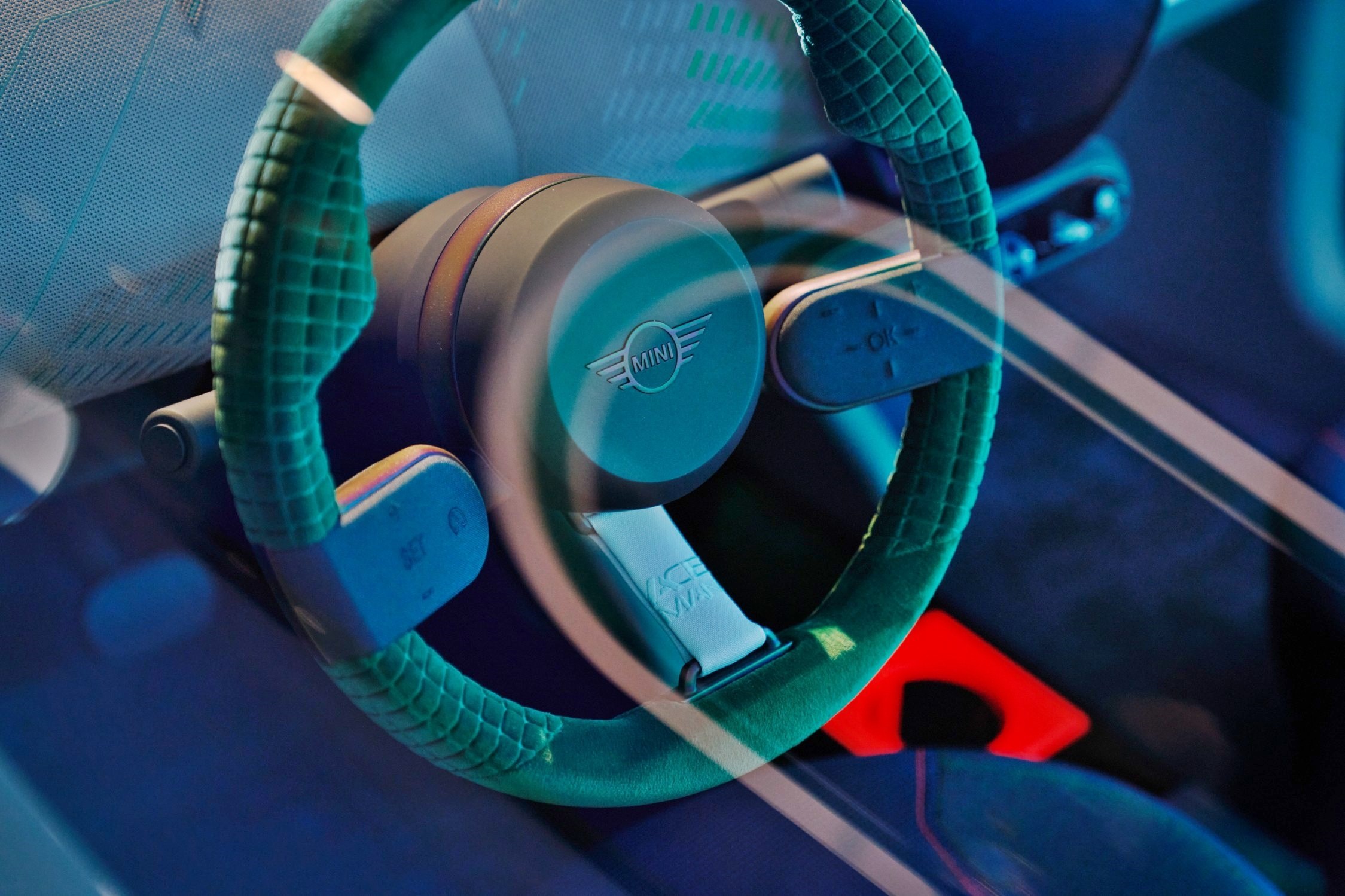
The steering wheel, like the seats, door panels and all other interior surfaces, is leather-free. The steering wheel rim is laminated with dark green velvet velour, giving a particularly pleasant feel. The multifunction buttons are integrated under backlit textile surfaces and the ‘Aceman’ lettering and a robust strap form the 6 o’clock spoke of the steering wheel.
The Concept Aceman will make its first public appearance Gamescom 2022, the world’s largest gaming event to be held in Cologne, Germany next month.
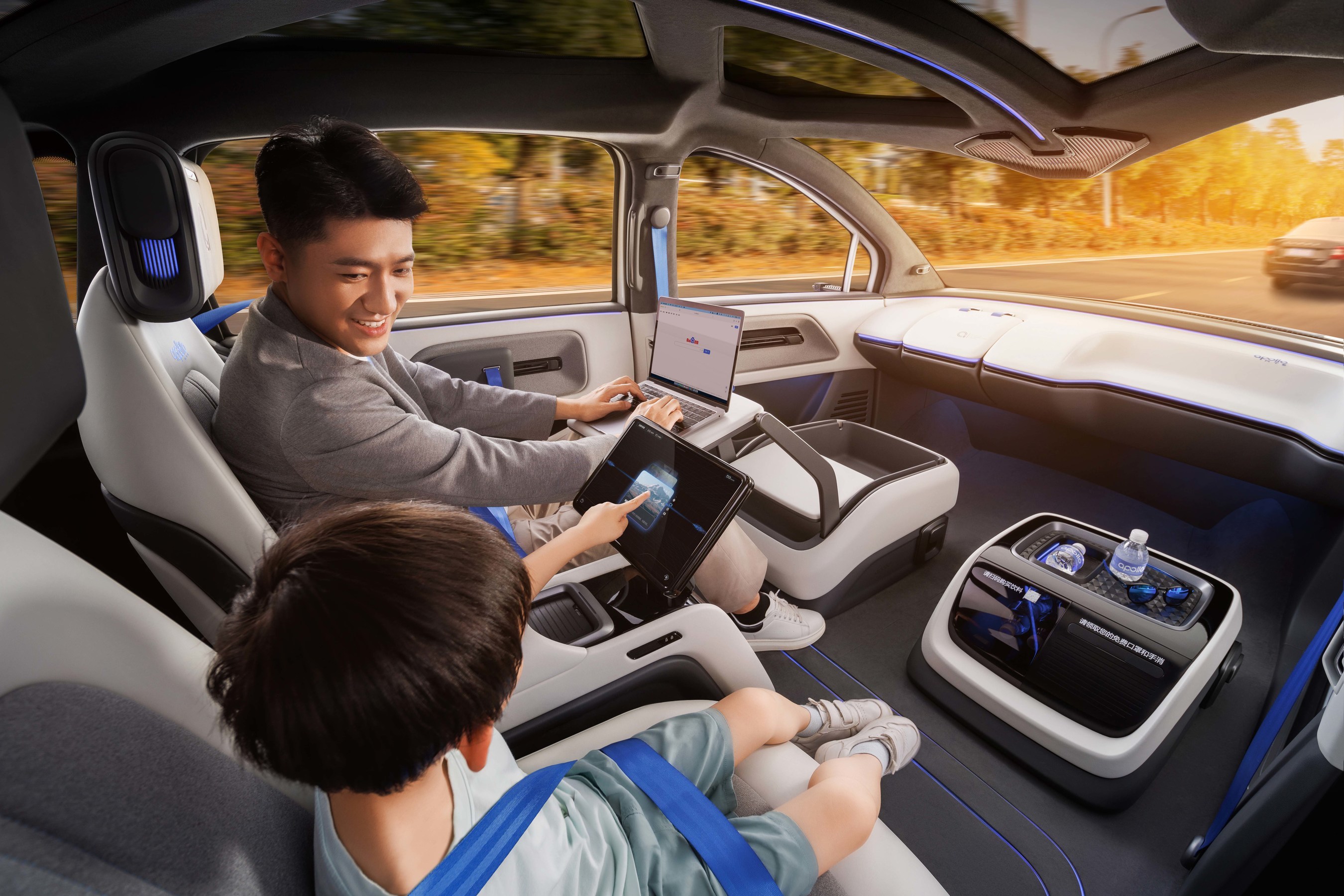
In future, when motor vehicles can operate themselves and move around without control by a human driver, a steering wheel would no longer be necessary. That would add an extra seating space for a passenger who would not need to be qualified to drive. However, for now, autonomous vehicles (AVs) still require a steering wheel as a back-up in case control must be taken by a human in an emergency. The autonomous vehicle systems are still not considered 100% safe to be left to operate without such a safeguard.
Nevertheless, progress is being made and in April this year, authorities in China started permitting the removal of the steering wheel in AVs. In the US too, new regulations allow AVs to operate without having a steering wheel or pedals present. Of course, before such vehicles can be run on public roads, they would have to be tested and certified to be safe for use.
One company which has a production ready AV is Baidu, the well known tech company in China. Its name may not come to mind when talking about cars, but it claims to be the market leader in autonomous driving in China. This is based on the number of test kilometres and number of test licenses. As of December 31, 2020, Baidu had 199 autonomous vehicle driving licenses with extensive geographical coverage in China, compared to the second player which had approximately 20 licenses.
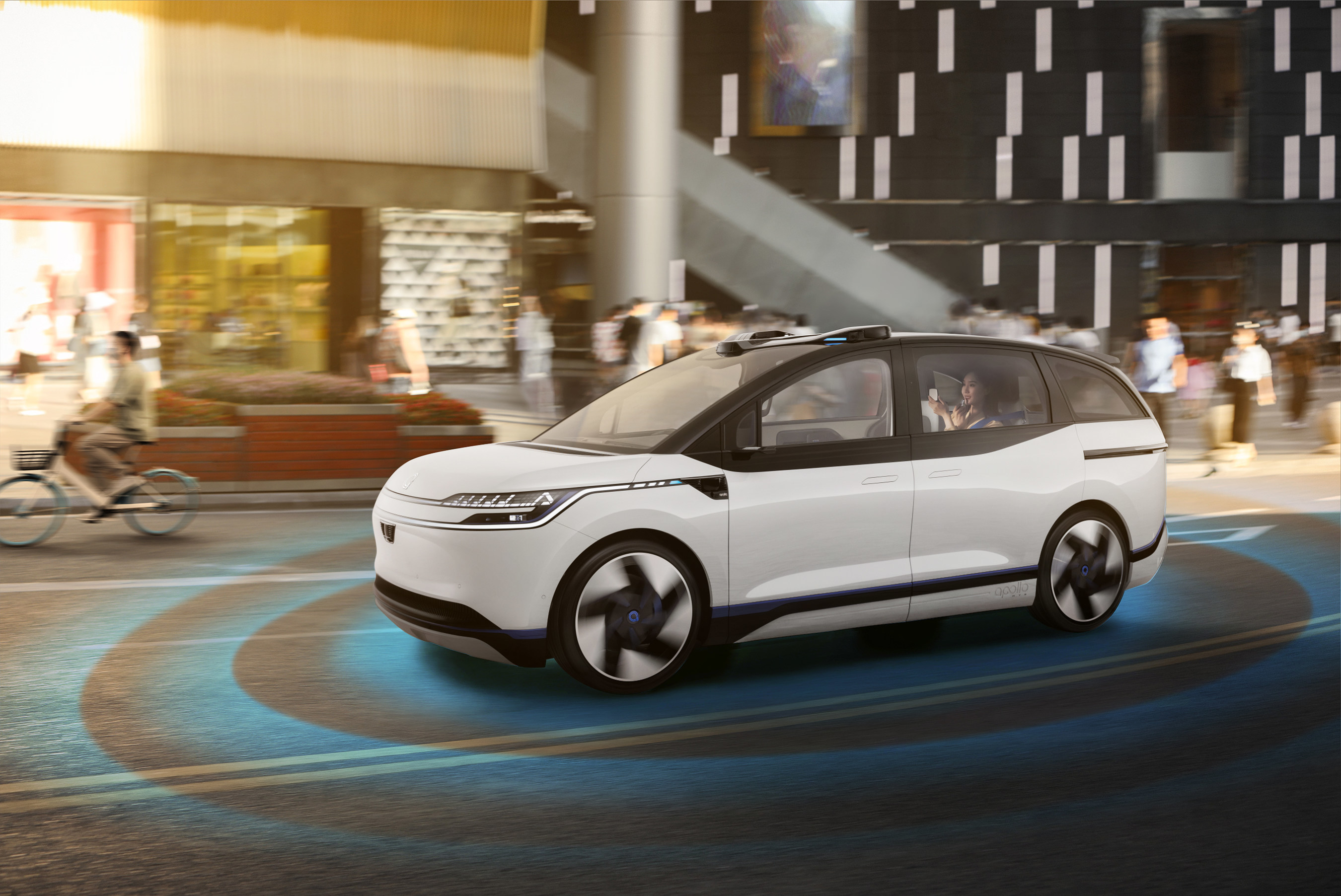
Recently, the company made headline news in the auto world when it announced a next-generation AV called the Apollo RT6. Designed for complex urban environments, the car will be put into operation in China in 2023 on Apollo Go, Baidu’s autonomous ride-hailing service. Baidu plans to sell the Apollo RT6 at RMB250,000 (about RM165,000), a price level that it believes will quickly boost volumes for economies of scale.
“Massive cost reduction will enable us to deploy tens of thousands of AVs across China. We are moving towards a future where taking a robotaxi will be half the cost of taking a taxi today,” said Robin Li, Co-founder and CEO of Baidu, at the Baidu World 2022 conference recently.
Baidu is expected to start its robotaxi service in Beijing from the second half of 2023. It will help accelerate AV deployment at scale, bringing the world closer to a future of driverless shared mobility.
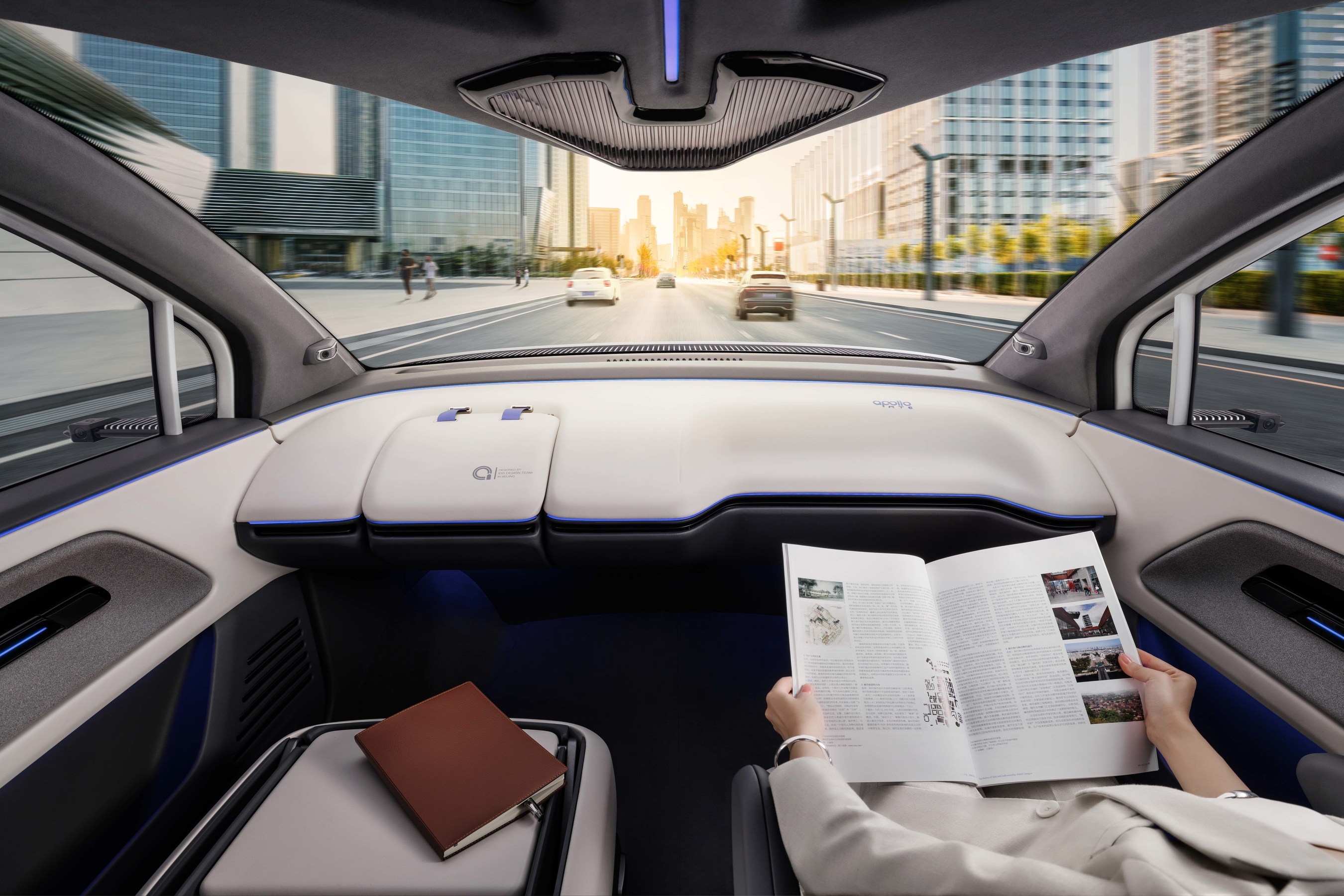
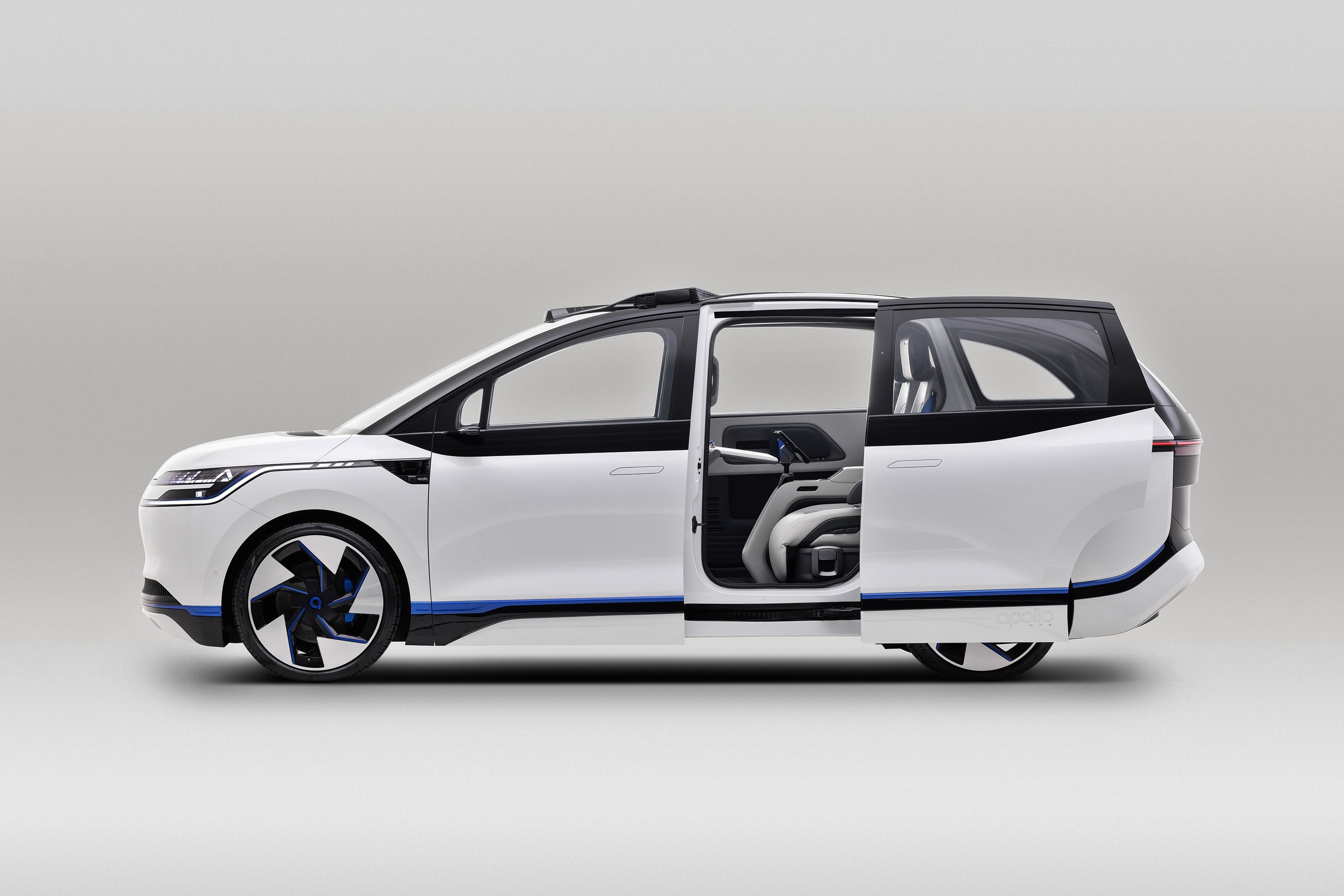
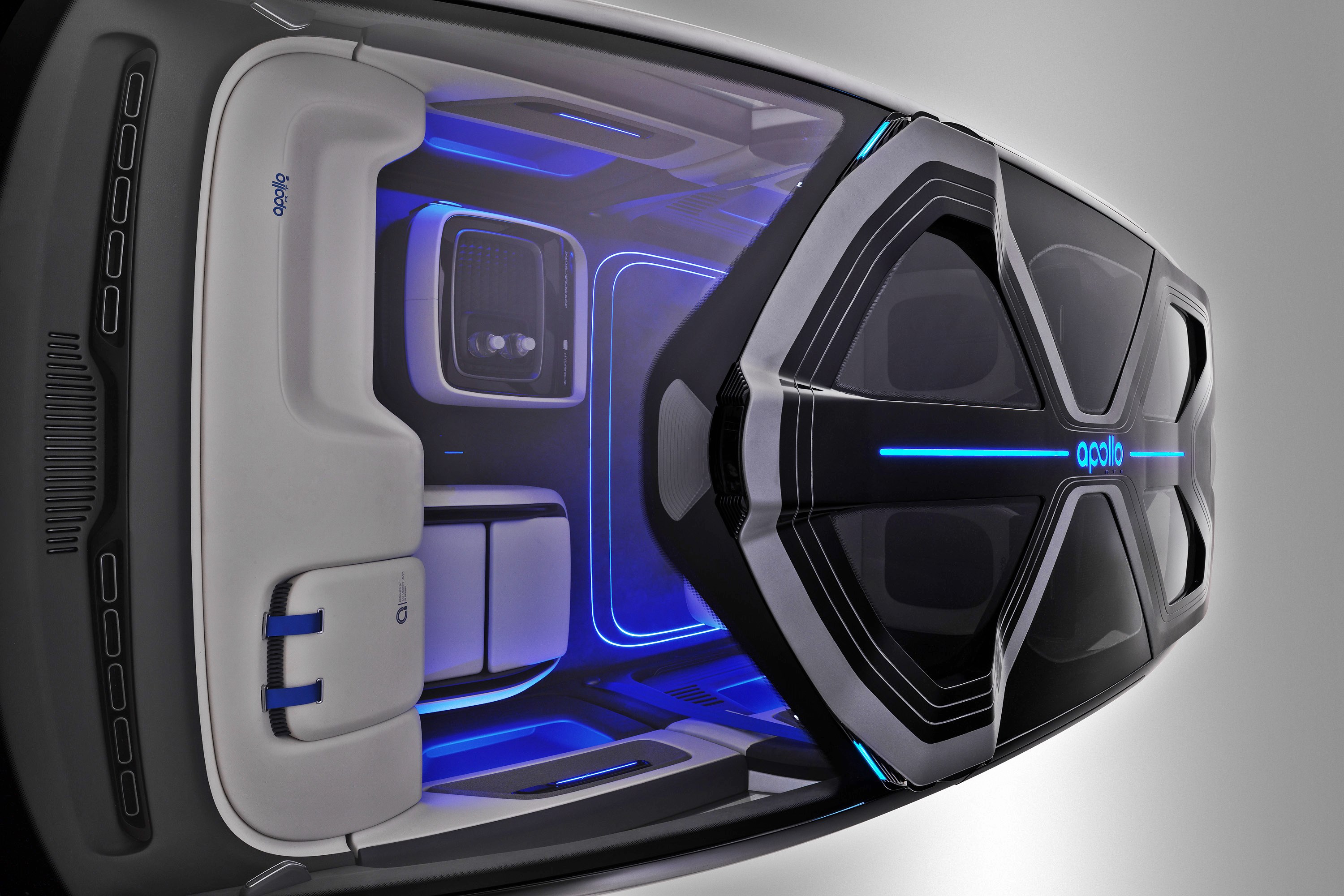
As Baidu’s 6th generation AV, the RT6 is distinct from previous generations that were otherwise retrofitted on conventional vehicles. Measuring 4760 mm long with a wheelbase of 2830 mm, it has a completely flat floor and rear legroom up to 1050 mm. The steering wheel is optional and can be removed if not required.
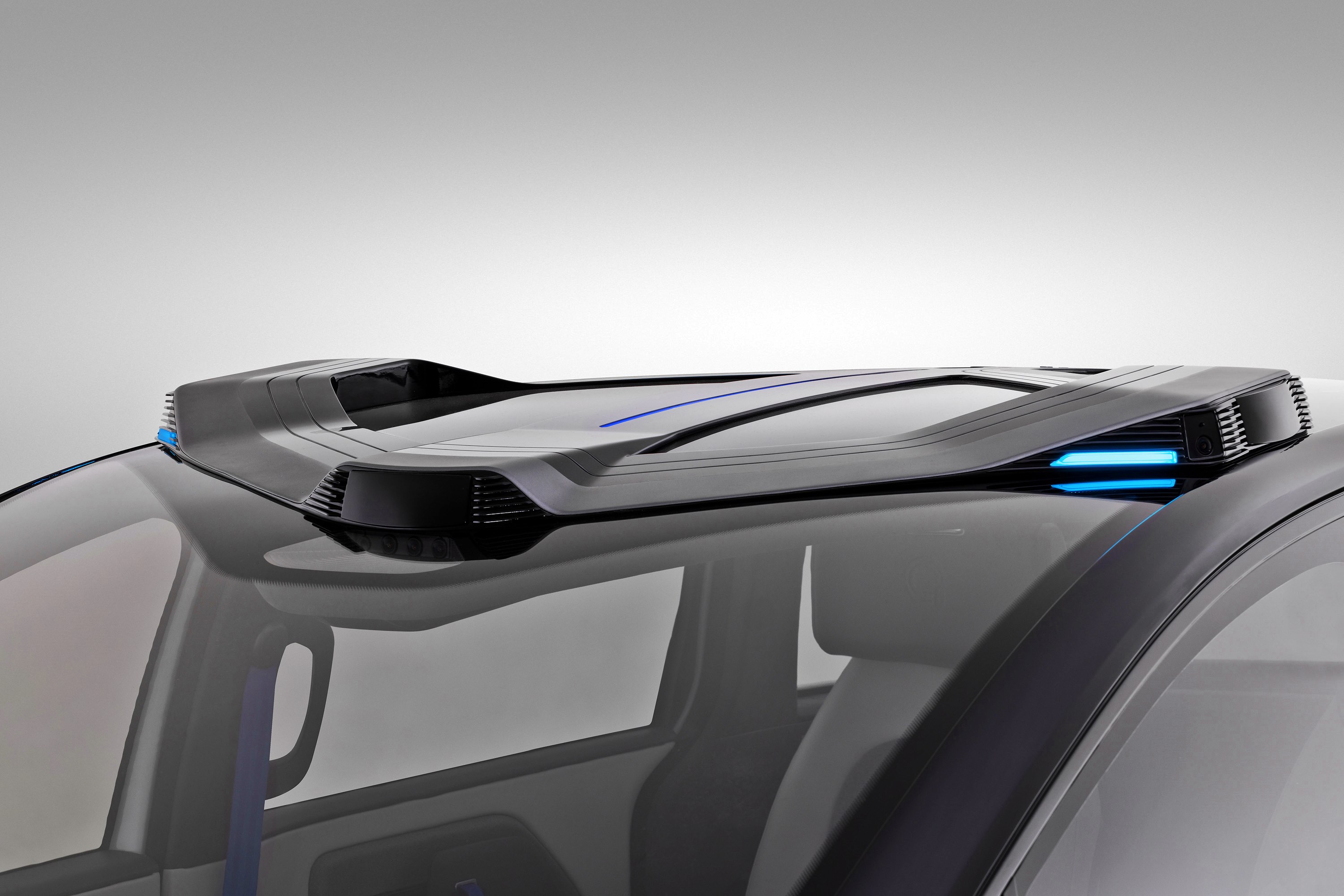
AVs require many sensors to collect information and images about their surroundings to safely move on roads, especially in complex urban environments. The RT6 has Baidu’s most advanced Level 4 autonomous driving system, powered by automotive-grade dual computing units with a computing power of up to 1200 TOPS. The electrically-powered AV utilizes 38 sensors, including 8 LiDARs and 12 cameras, to obtain highly accurate, long-range detection on all sides.
It is the first vehicle model built on Xinghe, Baidu’s self-developed automotive E/E architecture specially for fully autonomous driving. The autonomous driving capability of the RT6 is said to be equivalent to a skilled driver with 20 years of experience. Its safety and reliability have been confirmed by extensive real-world data from over 32 million kms of real-world testing. There is full redundancy throughout both hardware and autonomous driving software.
As the world’s largest robotaxi service provider, Baidu’s Apollo Go has expanded to 10 cities in China since its launch in 2020, including all first-tier cities, and provided more than 1 million orders. The Apollo ecosystem has more than 200 partners, tier one suppliers and other strategic partners.
The Apollo Robotaxi operation which will use the RT6 has been a massive business opportunity for Baidu. The company has T4 licenses, the highest level of autonomous driving test license issued by the working group led by Beijing Municipal Commission of Transport, which permits AVs to operate in complex driving conditions such as urban roads, tunnels, school zones and other scenarios. A pilot robotaxi program was made available to the public in 2019 and since then, the service has been extended to Beijing, Changsha and Cangzhou and expanded into larger networks and more complex road conditions.
The Mercedes-EQ sub-brand for fully electric Mercedes-Benz models was introduced in Malaysia some 4 years back, and Mercedes-Benz Malaysia (MBM) has been waiting for the right time to start its EQ offensive. That right time has come in 2022, with the government providing full duty exemption on the import and sale of battery electric vehicles (BEVs) for a few years and a bit long if they are assembled locally. Like the duty-free incentive provided by hybrids and EVs 10 years ago, the move is aimed at popularising zero emission vehicles to generate the demand which the industry needs in order to make it viable selling them.
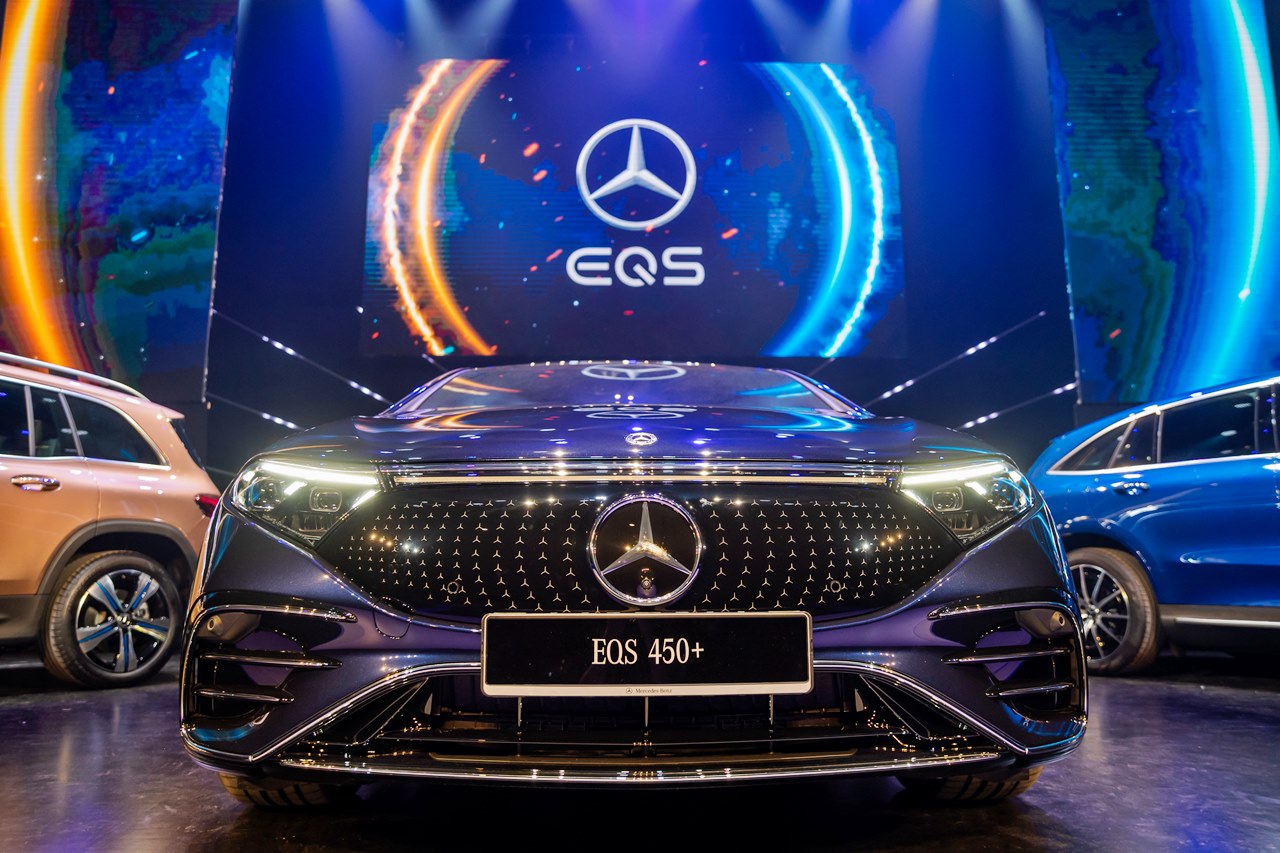
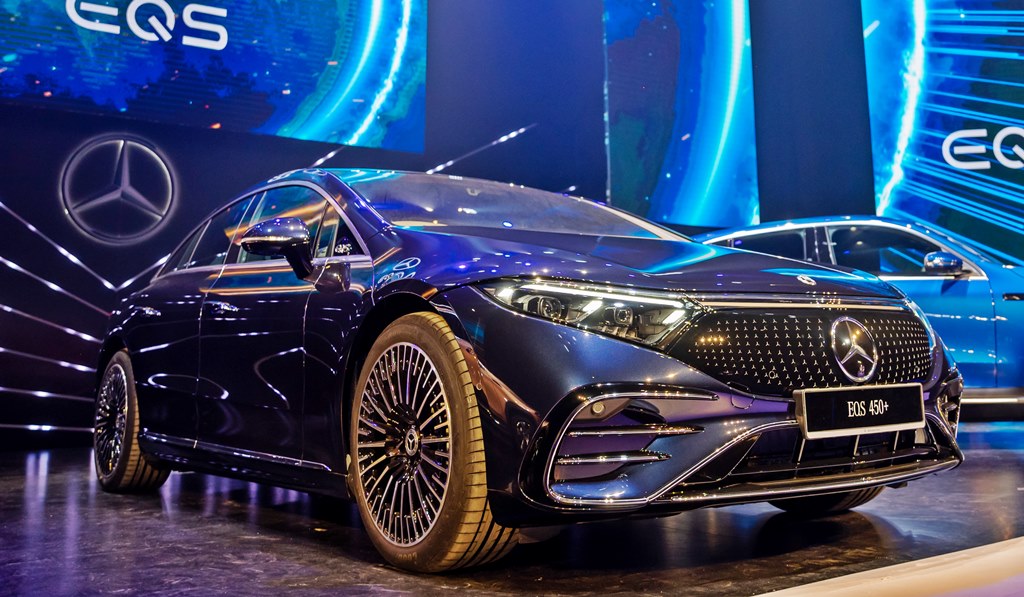
MBM has been ready for some time as Mercedes-Benz already has a range of Mercedes-EQ models in production which cover a range of segments, including the top end. Here, the brand is represented by the EQS, the flagship of the range. The EQS is fairly new in the Mercedes-EQ range, having been launched just a year back as the fifth model of the BEV line-up.
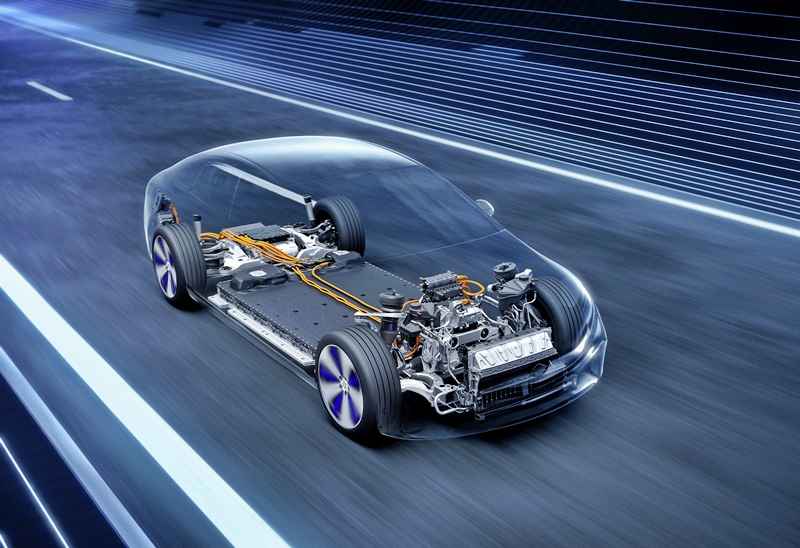
It’s also the first Mercedes-EQ model to be based using the Modular Electrical Architecture (MEA), internally referred to as EVA II. This is a dedicated platform and architecture for BEVs intended for use with the Mercedes-EQ models from the midrange upwards, as opposed to the MFA II platform for the compact models. The MEA platform accommodates modular battery packs and can be varied to have different wheelbases as well as use single or dual motor powertrains.
The EQS, like the S-Class, takes its place at the top of the Mercedes-EQ range and therefore has the prominence in its design to generate a strong presence. The designers have taken advantage of the fact that it does not have a combustion engine which, in some ways, allows new approaches to styling and modelling surfaces with ‘Sensual Purity’.
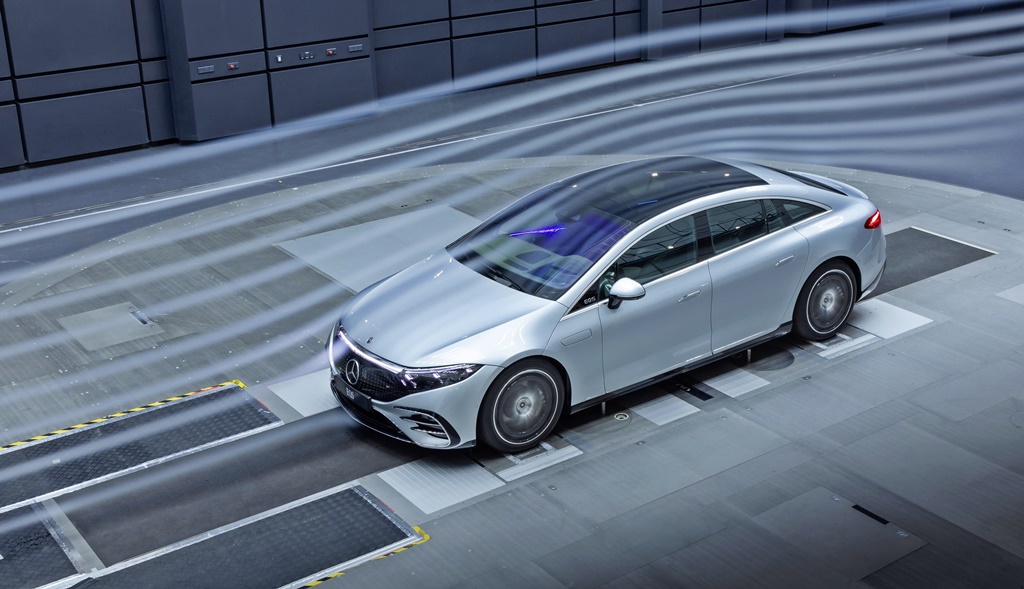
Aerodynamics have always been important in car design as this influences performance as well as noise levels. For BEVs, it is even more crucial because wind resistance has to be minimised as much as possible so that more of the available power can be used to propel the car rather than to overcome resistance. The EQS thus has carefully modelled surfaces with reduced joints and seamless transitions between panels in its coupe-like silhouette. Unique in this segment is the cab-forward design: the overhangs and the front-end assembly are short, the rear is smoothly rounded.
With a lot of meticulous detail work, the aerodynamicists in close cooperation with the designers were able to achieve a new Cd benchmark of 0.20. This makes the EQS the most aerodynamic production car in the world at the moment. 40 years ago, the lowest Cd for a production car was 0.30 which was achieved by the Audi 100.
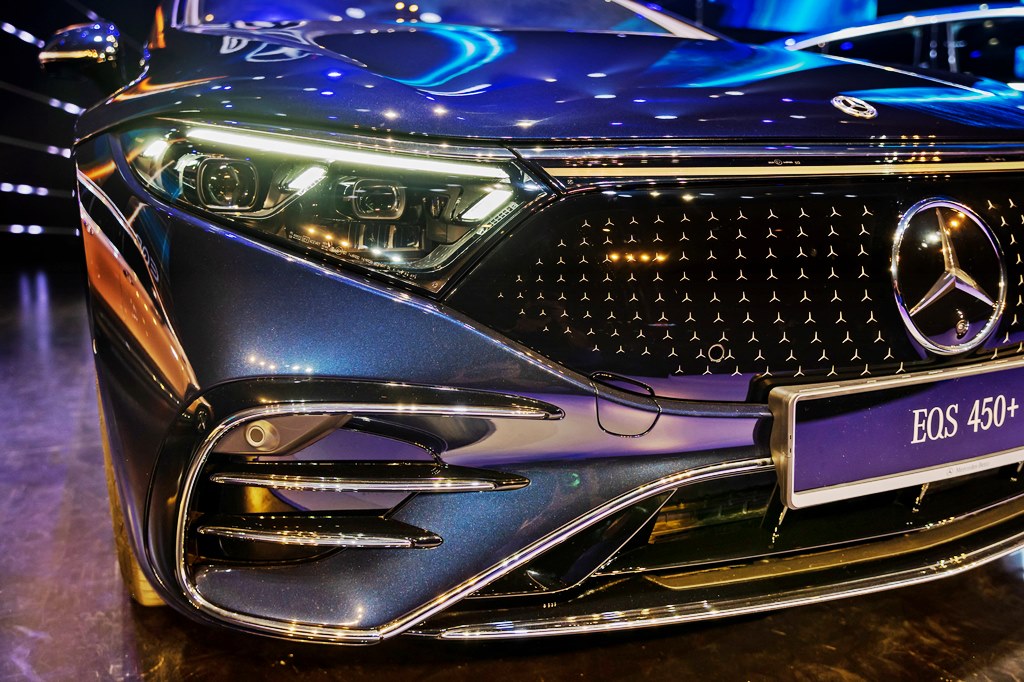
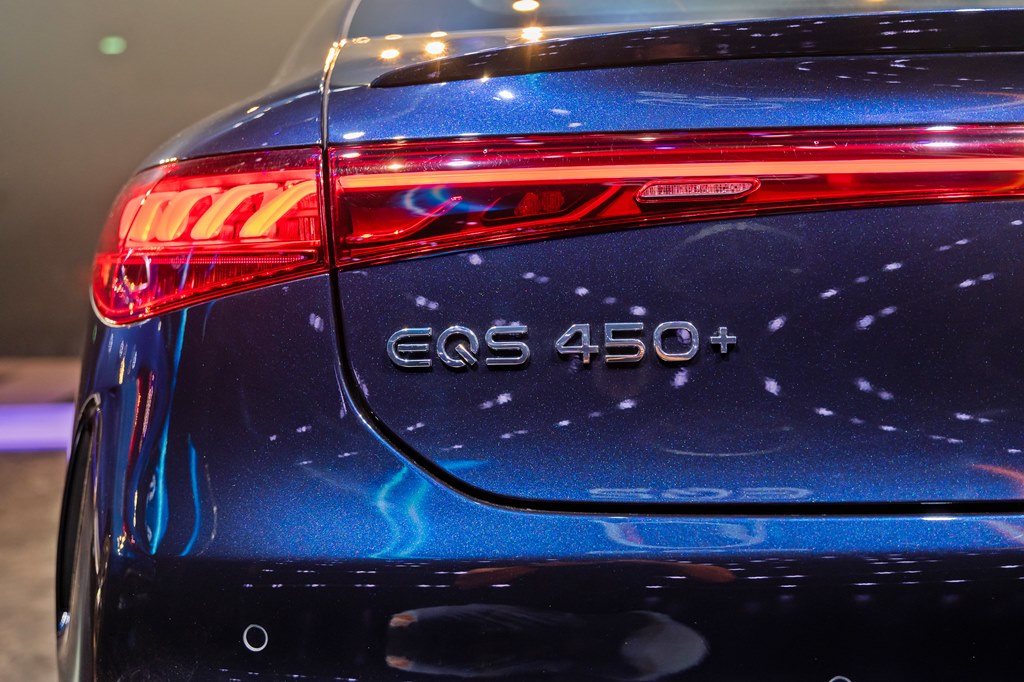
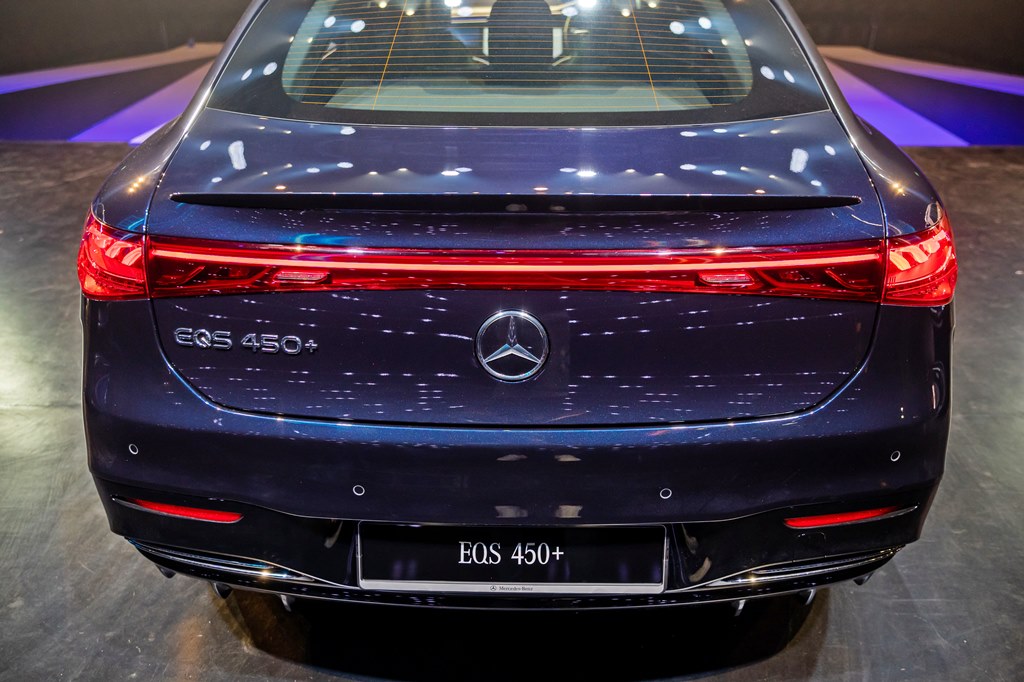
For the Malaysian market, MBM is importing the EQS in EQS 450+ form and prices it at RM698,888 (without insurance but with sales tax). It comes with AMG Line package which includes 21-inch AMG multi-spoke light-alloy wheels. Below the ‘radiator grille’ (a radiator is unnecessary), there’s an AMG-styled bumper which is sportier and likewise, the rear bumper also gets treatment from the brand’s high-performance subsidiary.
The EQS450+ is among six power output choices for the model and this has a single motor powering the rear wheels which generates 245 kW/333 ps and 565 Nm of torque. That can take the 2,480 kg EQS450+ from standstill to 100 km/h in a claimed 6.2 seconds and on to a top speed of 210 km/h.
Mercedes-Benz has spent a lot of money on battery development as this is a critical component of a BEV, the ‘fuel tank’ which determines how far the car can travel. For the EQS, there is a new generation of batteries with significantly higher energy density. These have a usable energy content of around 107.8 kWh. A range of 782 kms is claimed for a full charge and this is helped by an effective recuperation strategy with high recuperation power (up to 290 kW).
Owners get a charging cable with each EQS450+ that can be used for various recharging options with varying times. AC charging is supported up to 11 kW and direct current (DC) charging can be up to 200 kW for shorter times. According to MBM, it would take 10 hours to recharge to 100% from 10% with an 11 kW and just 31 minutes from 10% to 80% if a 200 kW charger outlet is used. So the slower speed could probably be best for home recharging overnight where a wallbox can be installed while the high-speed charging can be used when travelling long distances.
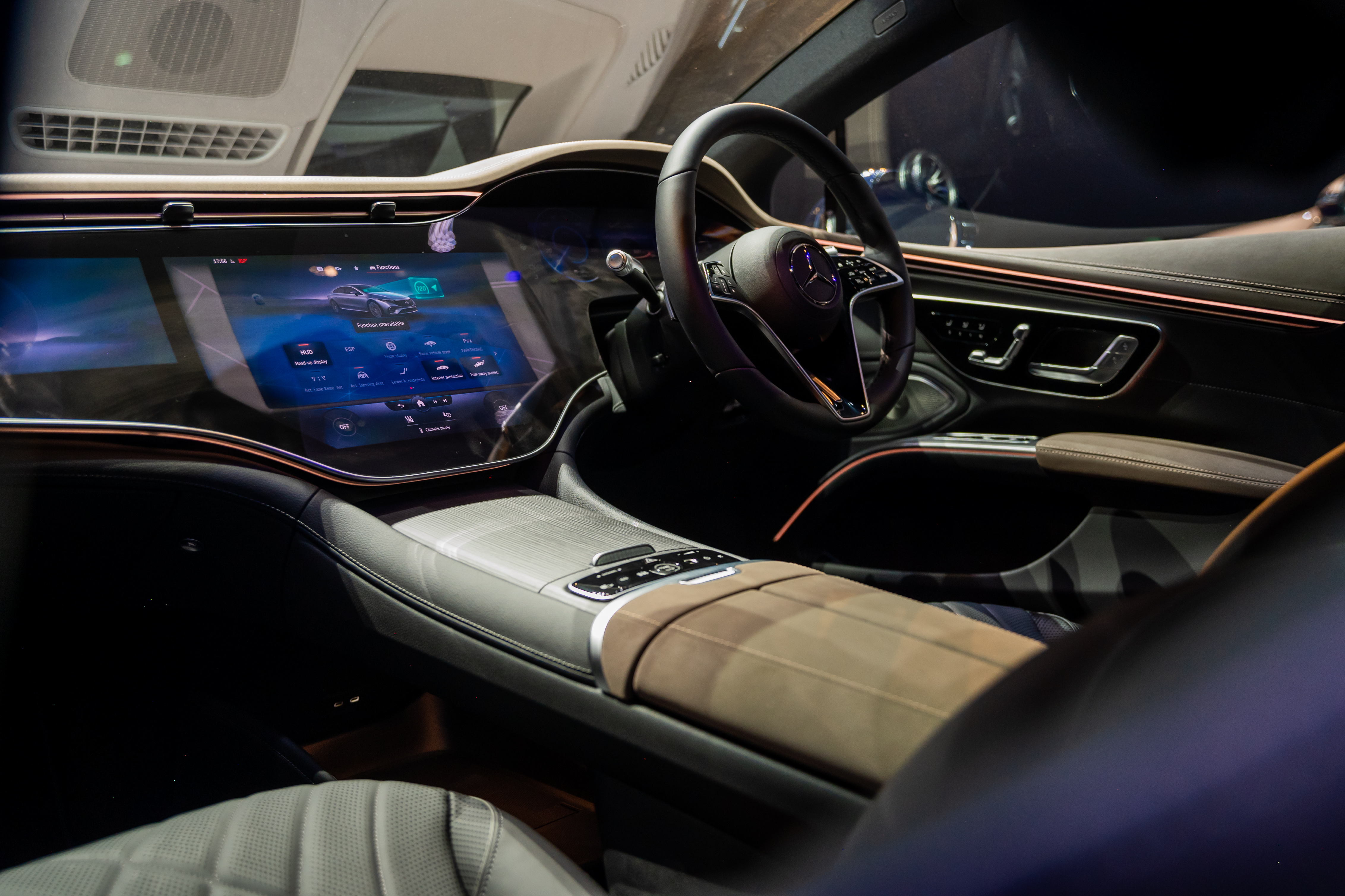
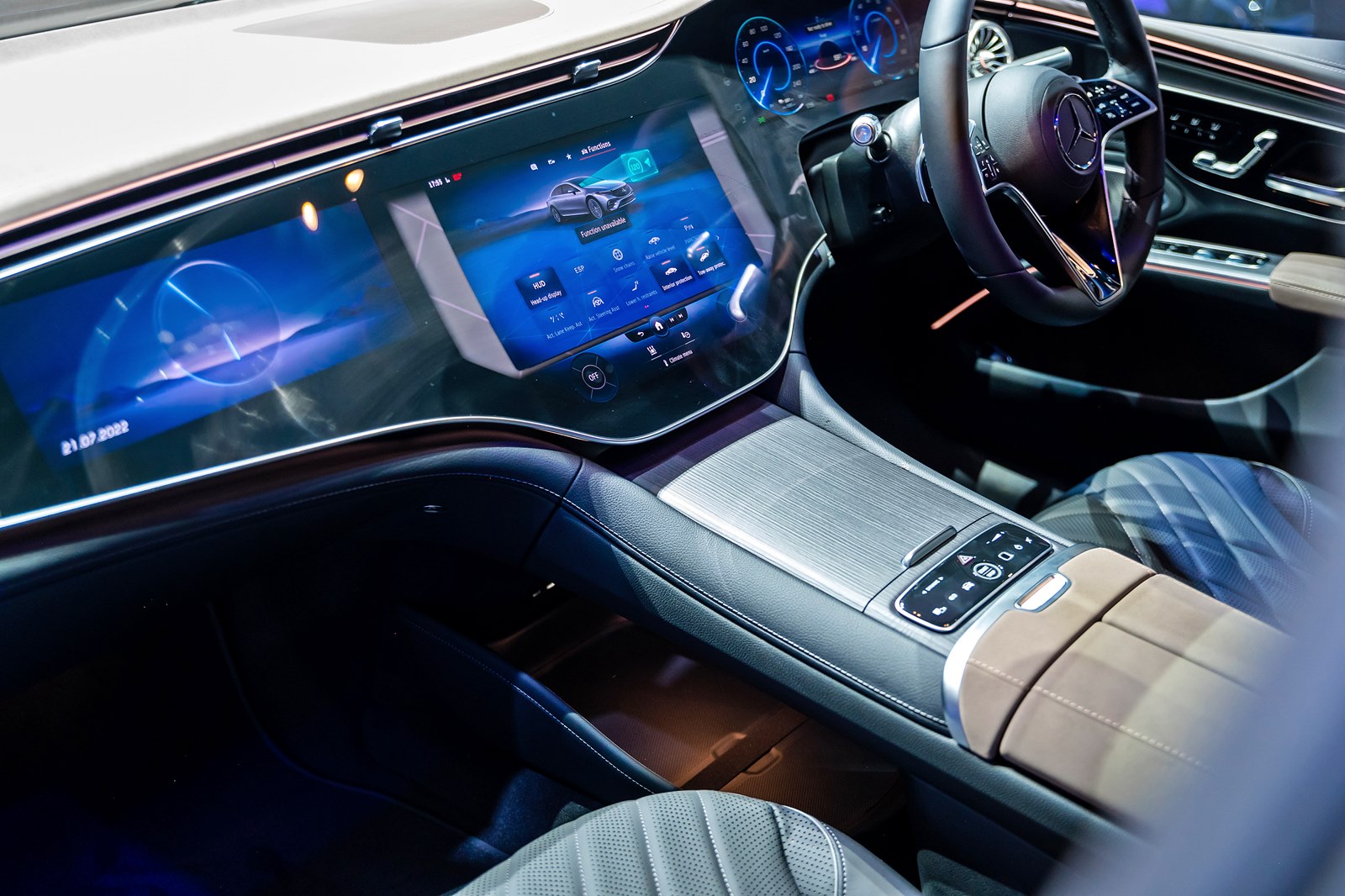
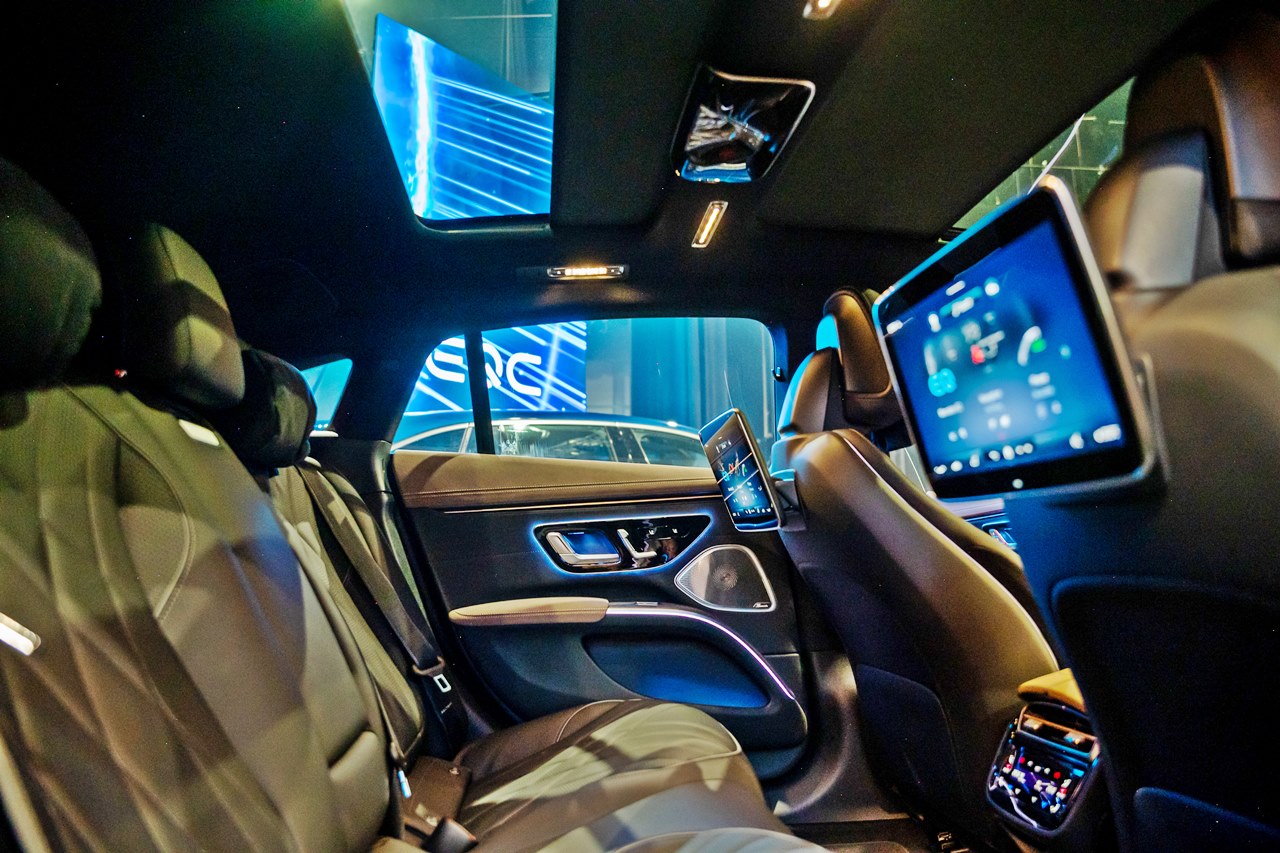
The Mercedes-EQ MEA architecture allows interior designers new freedom in packaging which provides more space front and rear. The highlight of the cabin, which can be bathed with light from above through the panoramic sunroof, is the visual technology. This is exemplified by the MBUX Hyperscreen which makes its debut with the EQS. Featuring a fingerprint scanner, the MBUX multimedia system and an OLED front passenger display form a large and continuous panel from left to right. The integrated ambient lighting installed in the lower part of the MBUX Hyperscreen makes the display unit appear to float on the instrument panel.
The passenger side display and operating area has up to seven profiles to customize the content. If the passenger seat is not occupied, the screen becomes a digital decorative part. In this case, animated stars, ie the Mercedes-Benz Pattern, are displayed.
For better display quality, OLED technology is used in central and passenger displays. This is where the individual image points are self-luminous; non-controlled image pixels remain switched off, which means that they appear deep black. The active OLED pixels, on the other hand, radiate with high colour brilliance, resulting in high contrast values, regardless of the angle of view and the lighting conditions. All the graphics are styled in a new blue/orange colour scheme throughout.
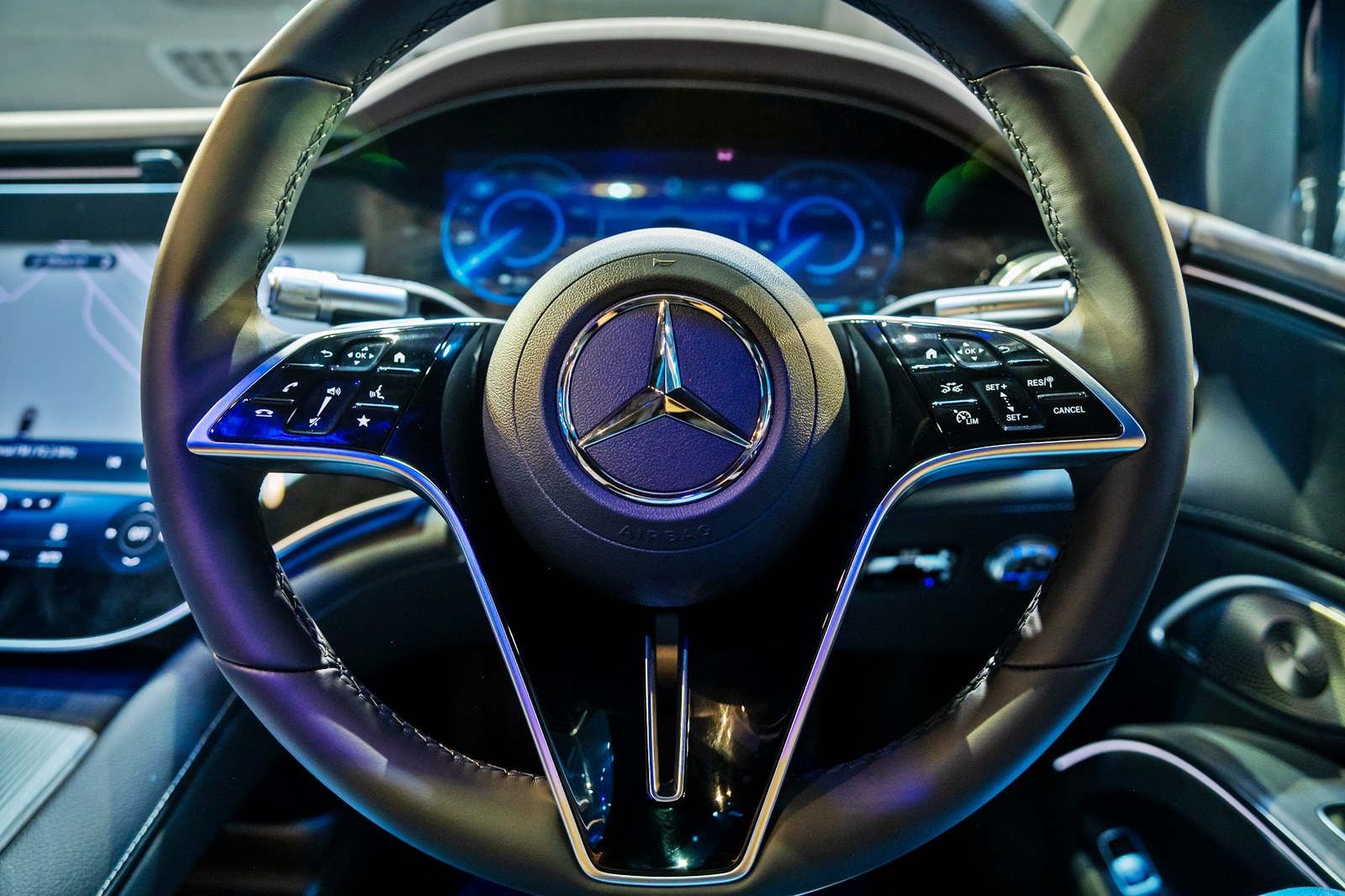
Futuristic as the MBUX Hyperscreen is, there is still a classic cockpit display with two circular instruments to give the driver a sense of familiarity. Perhaps, in future, everything will change as later generations are more comfortable with a fully digital world. The instrument panel has been reinterpreted with a digital laser sword in a glass lens. In EV mode, important functions of the electric drive are visualized in a new way, with a spatially moving clasp, and thus made tangible.
MBUX is also an interactive system which acts as an intelligent ‘personal assistant’ for both front and rear occupants. There’s also MBUX Navigation Premium for extended functions and this uses augmented reality for navigation. Also included is the MBUX High-End Rear Seat Entertainment System, 2 wireless headsets, Apple CarPlay/Android Auto, and a Burmester 3D surround sound system.
The Electric Art interior allows creating an ambience according to personal preferences with a choice of 64 colours of ambient lighting. An active system allows passengers to experience a technological leap visually as it links aesthetics with innovative driver information and extended functions. Wraparound light strips and trim elements amalgamate to form an additional lighting level. This also supports driving assistance systems visually, thus emphasising the intelligence of the Mercedes-EQ vehicle.
The EQS has been subjected to a long period of tough development and testing so that it will meet the quality and reliability standards that Mercedes-Benz has built its reputation on. Owners will have a 4-year/unlimited-mileage warranty for the car and a separate warranty for the battery pack which is up to 10 years or a maximum of 250,000 kms.
Showcars or concept cars used to be exercises in fantasy, showing the public the sort of vehicles people would be travelling in many decades in the future. Sometimes they got a bit outrageous with fancy ideas that would never become reality. But over time, concept cars have become previews of near-future products and designers use them to gauge response to some of the ideas they are exploring.
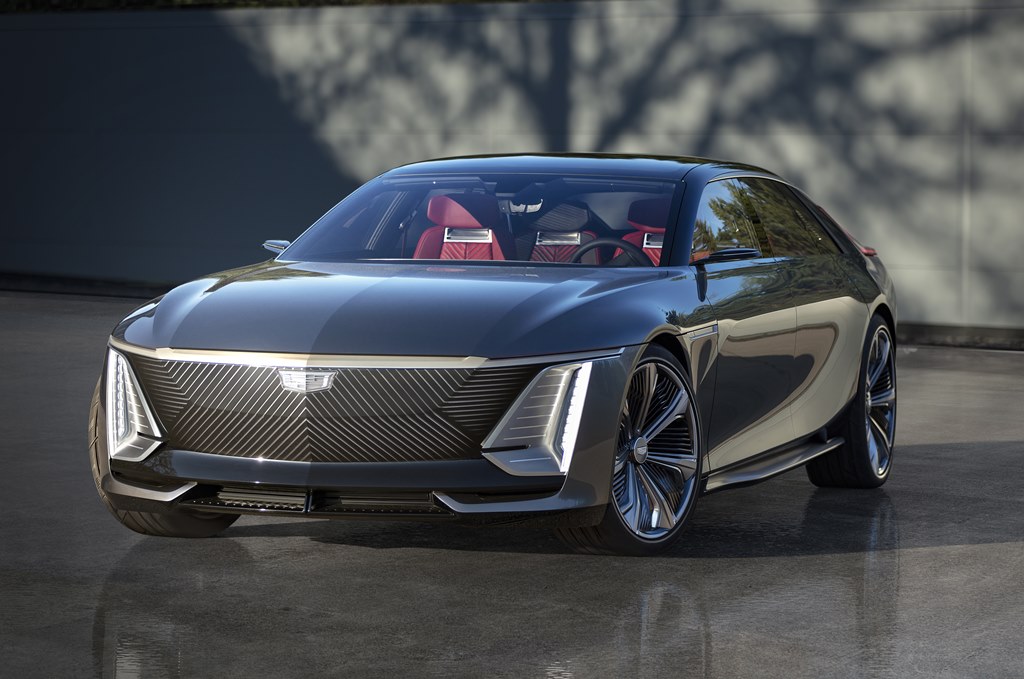
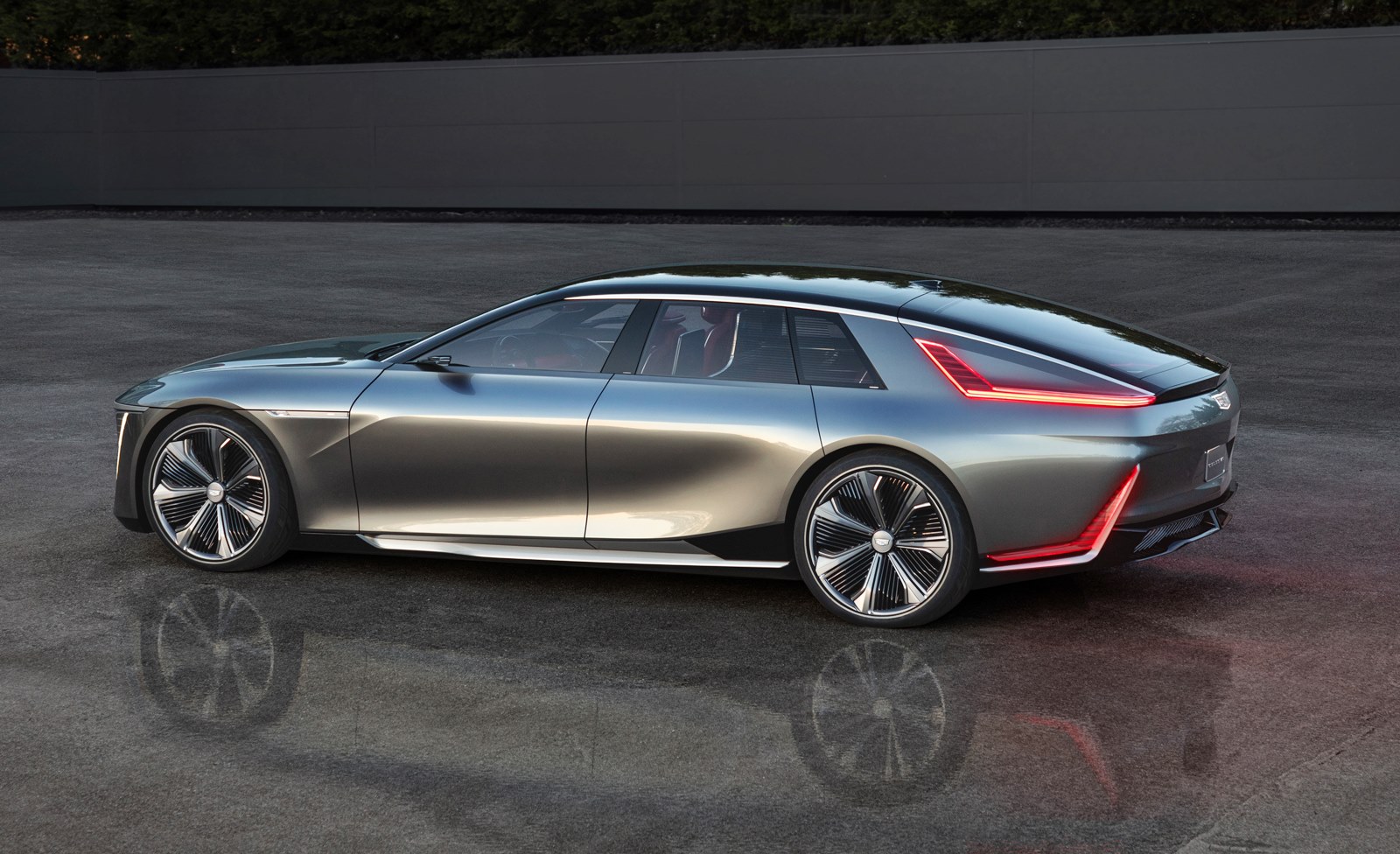
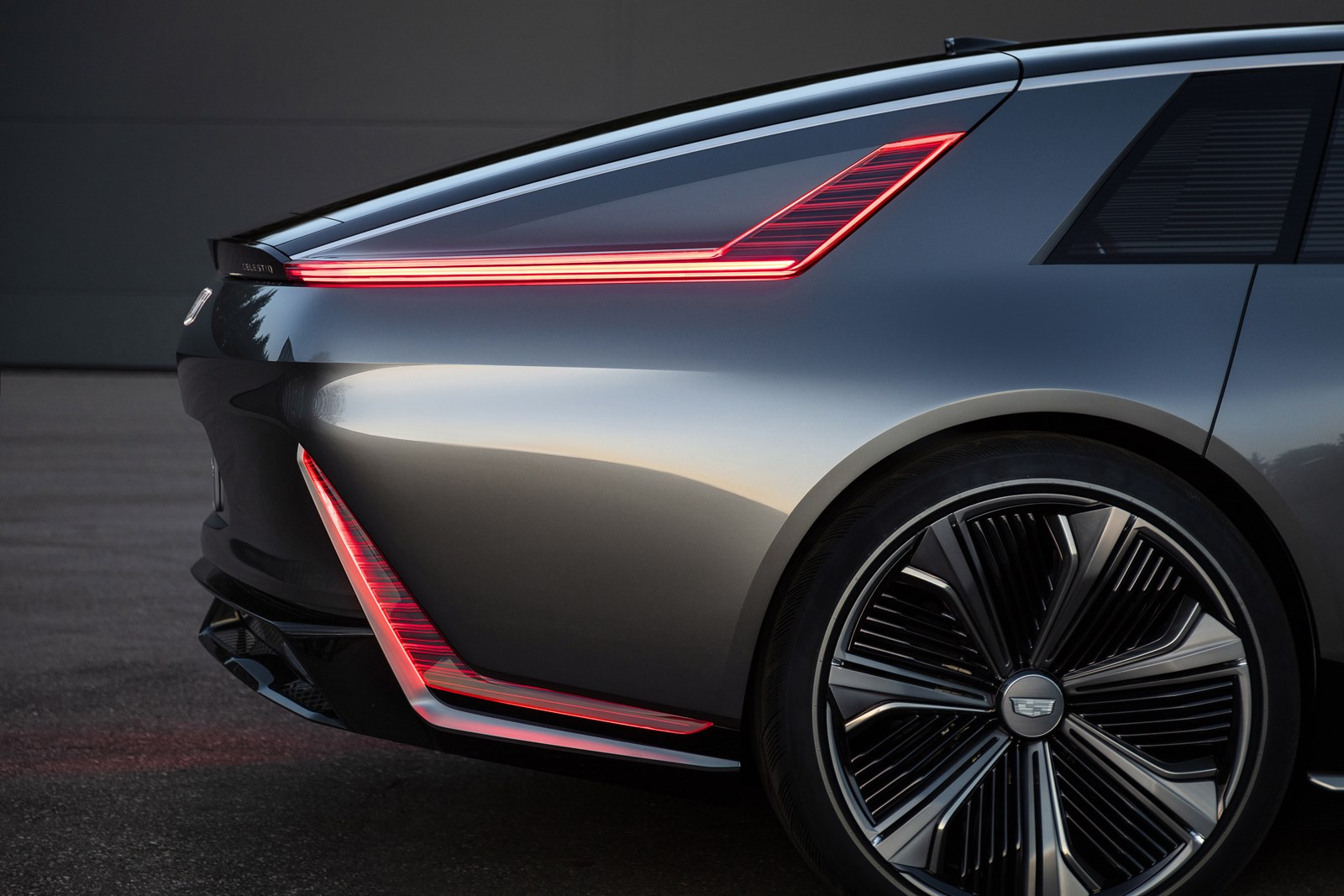
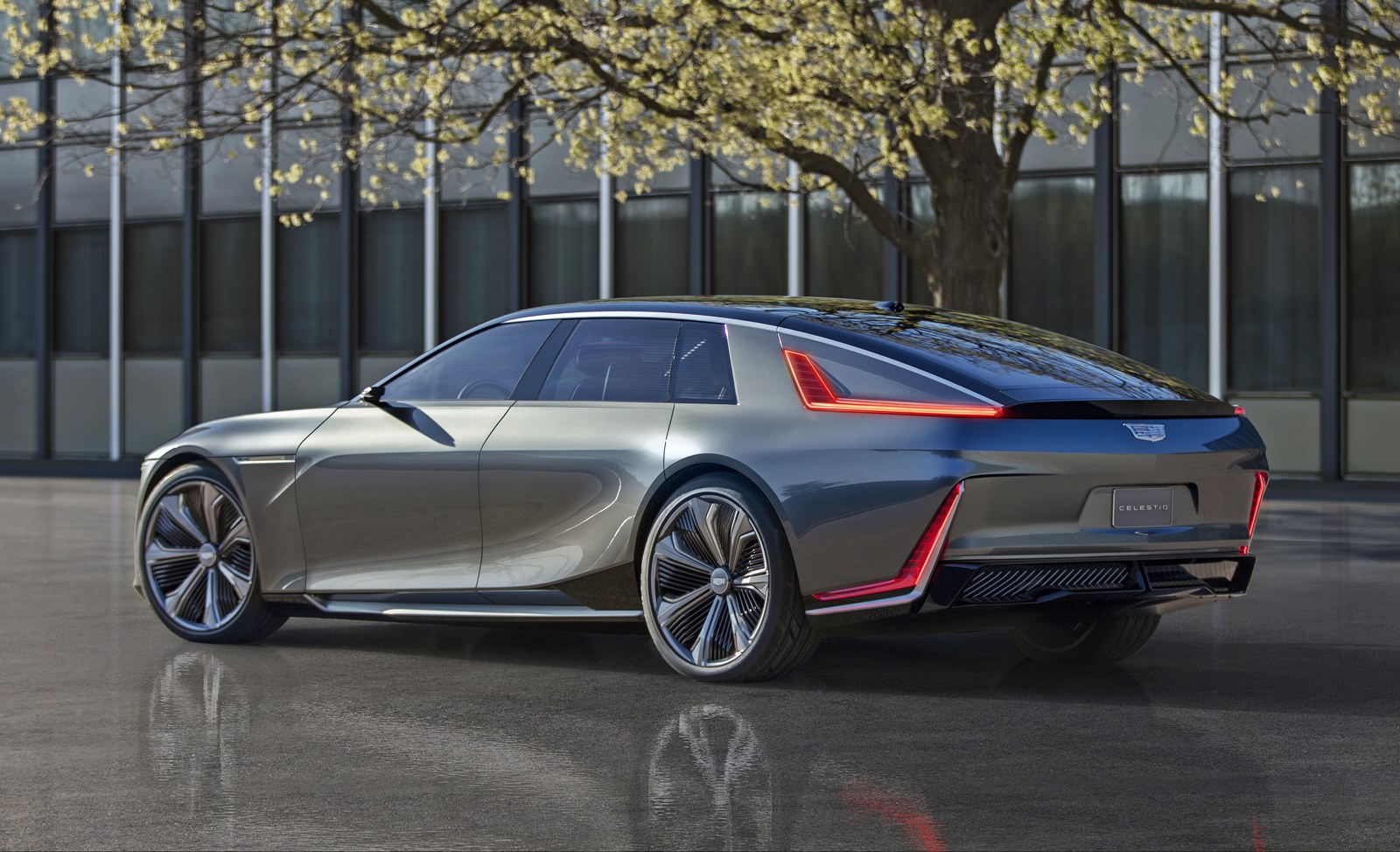
Cadillac’s latest showcar, called the CELESTIQ, has been conceived for that purpose – to present the brand’s vision of innovation and purpose in a 3-dimeensional form that will be the basis of its all-electric flagship sedan in future.
“The CELESTIQ showcar is the purest expression of Cadillac,” said Magalie Debellis, Manager, Cadillac Advanced Design. “It brings to life the most integrated expressions of design and innovation in the brand’s history, coalescing in a defining statement of a true Cadillac flagship.”
Looking to the past for ideas
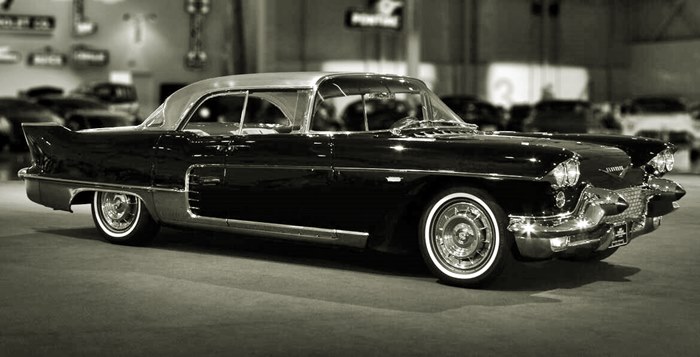
In developing the showcar, the design and engineering teams immersed themselves in the artisanship and customization that defined early Cadillac sedans such as the bespoke V16 powered coaches of the pre-war era, and the hand-built 1957 Eldorado Brougham. The CELESTIQ is the culmination of that heritage, created today with innovative production methods and new technologies.
1957 Cadillac Eldorado Brougham was a limited edition model, with only 400 cars built.
“Those vehicles represented the pinnacle of luxury in their respective eras, and helped make Cadillac the standard of the world,” said Tony Roma, Chief Engineer. “The CELESTIQ showcar — also a sedan, because the configuration offers the very best luxury experience — builds on that pedigree and captures the spirt of arrival they expressed.”
The designers drew further inspiration from classic architecture such as the mid-century masterpieces of architect Eero Saarinen, along with other iconic American designs, which made era-defining statements when introduced and endured with distinctive timelessness.
Clean-sheet development
Realizing and infusing those influences within a General Motors’ Ultium-based EV architecture enabled a clean-sheet expression for the CELESTIQ that considers the entirety of travel as a curated experience — one intended to evoke an emotional response. The result is a car that makes a magnetic first impression and cultivates a permanent personal connection.
“We’ve combined the beauty of function with the beauty of form,” said Laetitia Lopez, Creative Designer, Cadillac Colour and Trim. “We had to reconsider all aspects to immerse the customer, all of their senses, and create a connection with the vehicle through the finest genuine materials, exceptional detailing and advanced technology.”
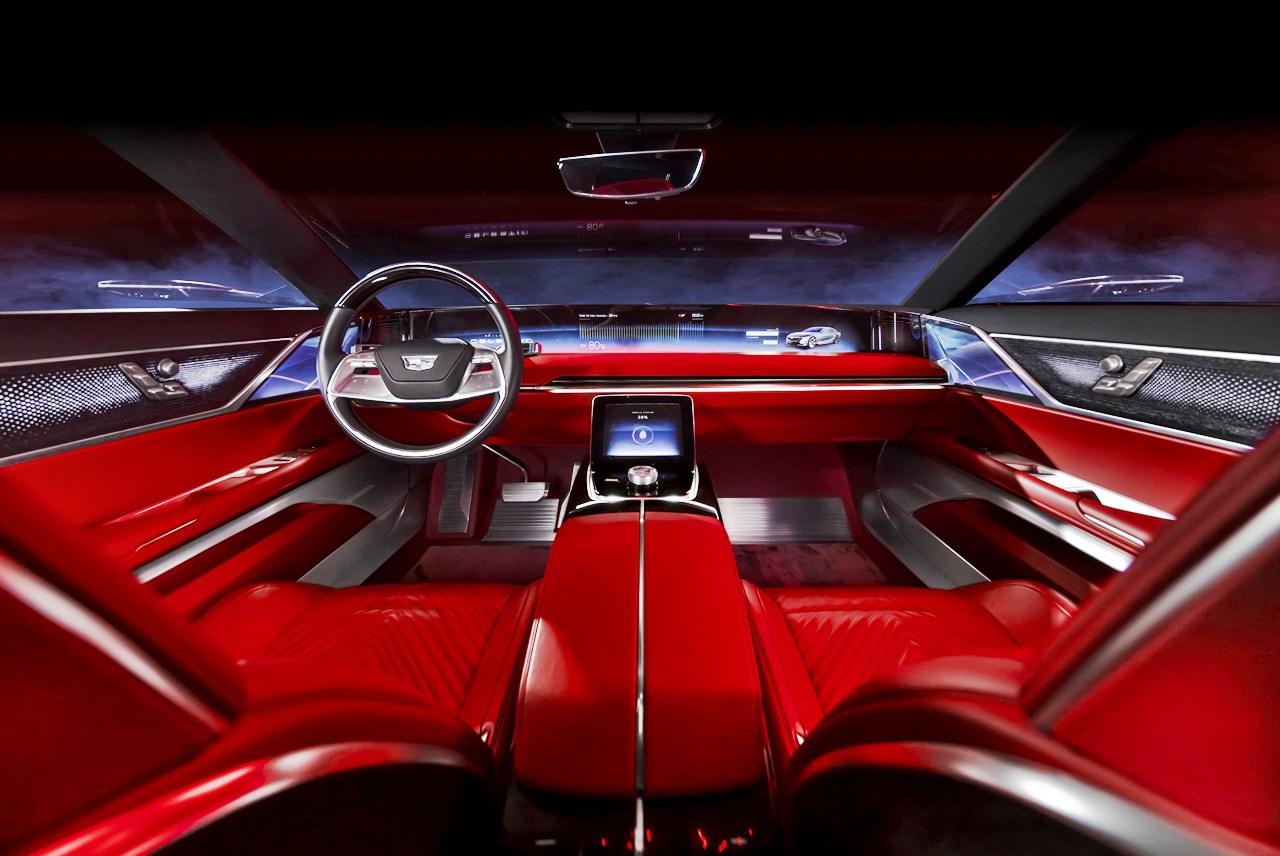
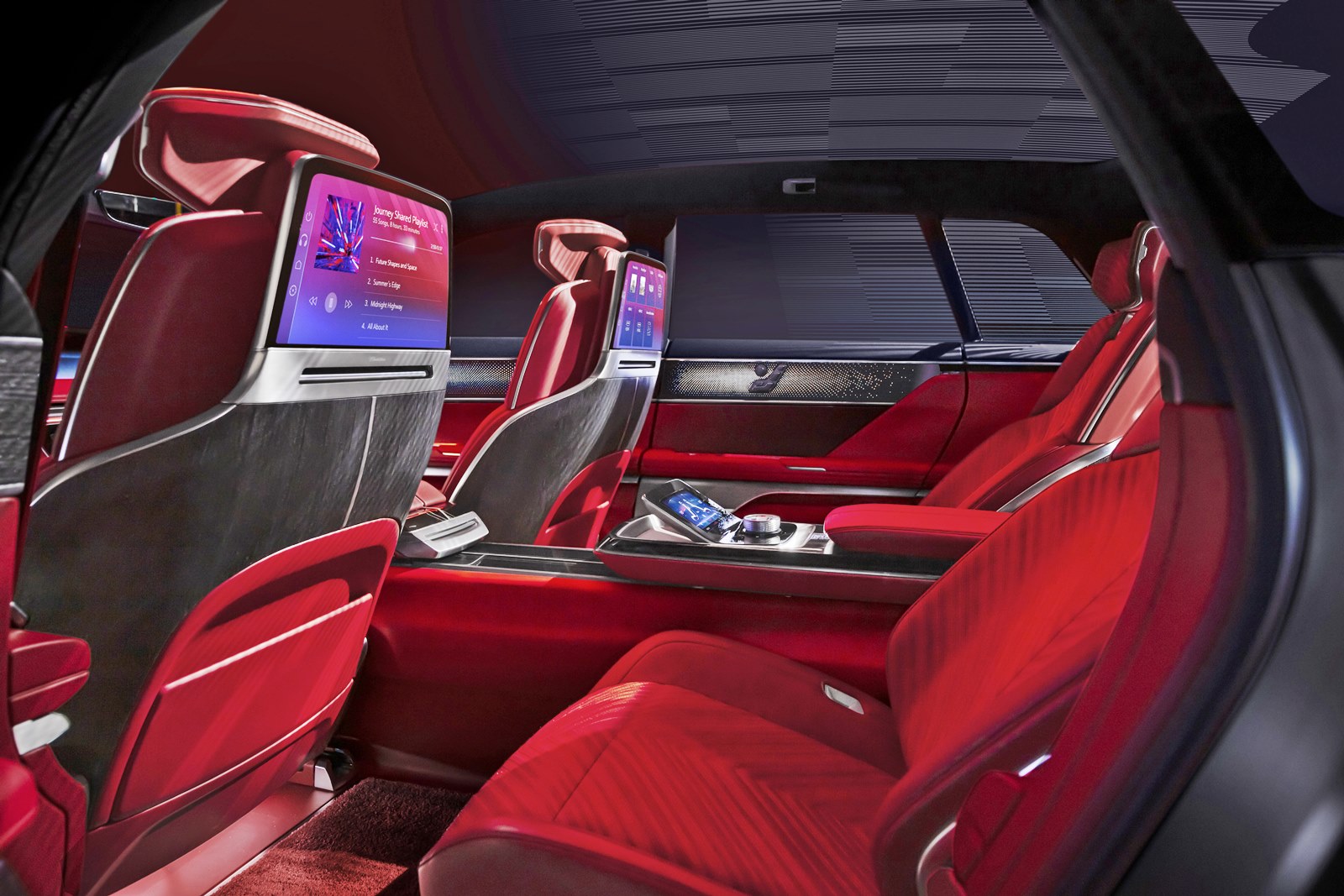
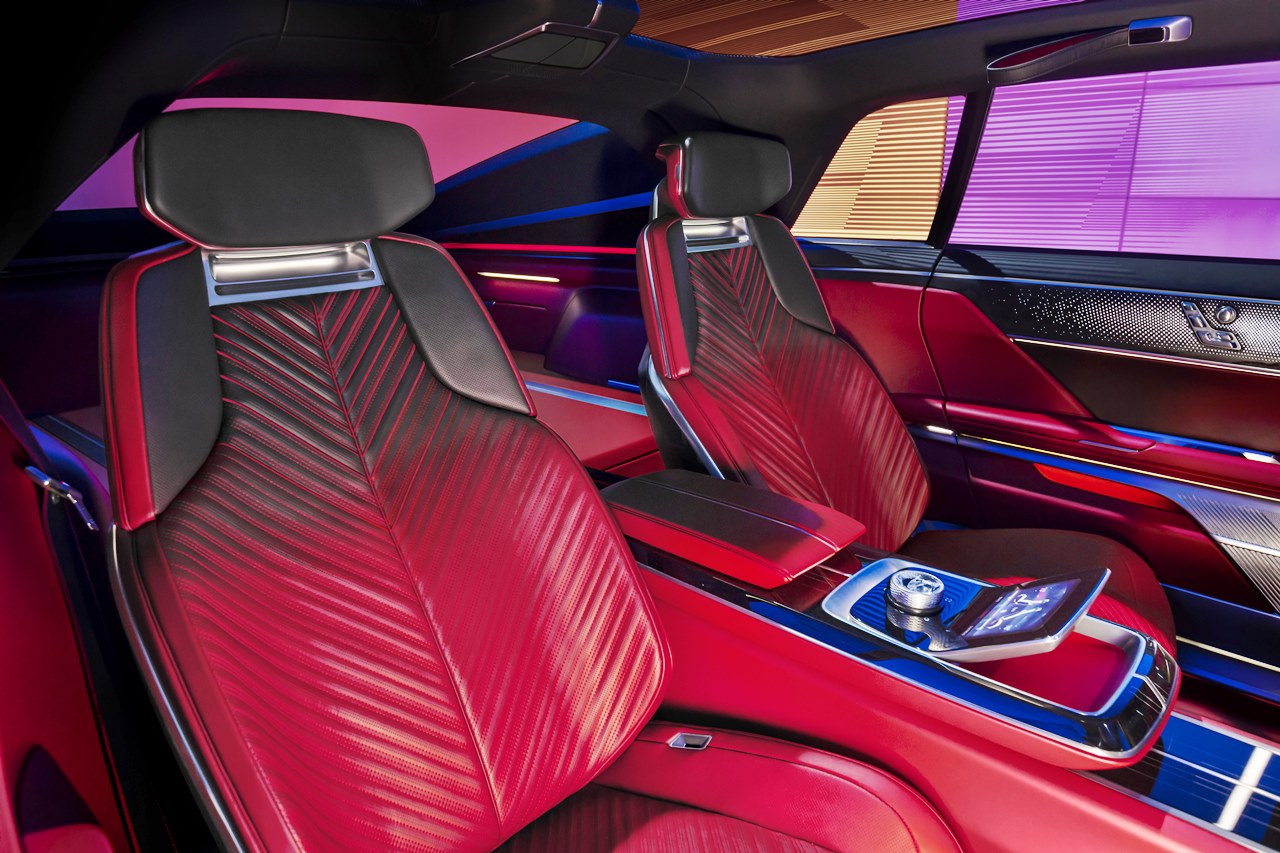
The show car previews some of the materials, innovative technologies and handcrafted attention to detail harnessed to express Cadillac’s vision for the future. Highlights include 5 high-definition, advanced LED interactive displays, including a massive 55-inch-diagonal advanced LED display, along with expected industry-firsts such as a variable-transmission Smart Glass Roof and Ultra Cruise. The latter will be General Motors’ next evolution of available handsfree driver assistance technology which Cadillac plans to offer with the CELESTIQ.
Smart Glass Roof
The Smart Glass Roof features Suspended Particle Device technology that allows for 4 zones of variable lighting. This allows passengers to fine-tune their cabin experience for completely personalized comfort and visibility. Additionally, the huge advanced LED display introduces a passenger display with electronic digital blinds, an active privacy technology which is designed to allow passengers to enjoy video content while blocking it from the view of the driver. While they are previewed on the showcar, these technologies and others will make CELESTIQ the most advanced vehicle ever from Cadillac when it goes on sale.
The launch date for the CELESTIQ production model has not been indicated but GM is investing US$81 million (about RM360.6 million) to support its assembly at GM’s Global Technical Centre the heart of the company’s engineering and design efforts. The CELESTIQ will be the first production vehicle built there since the facility’s inauguration in May 1956.
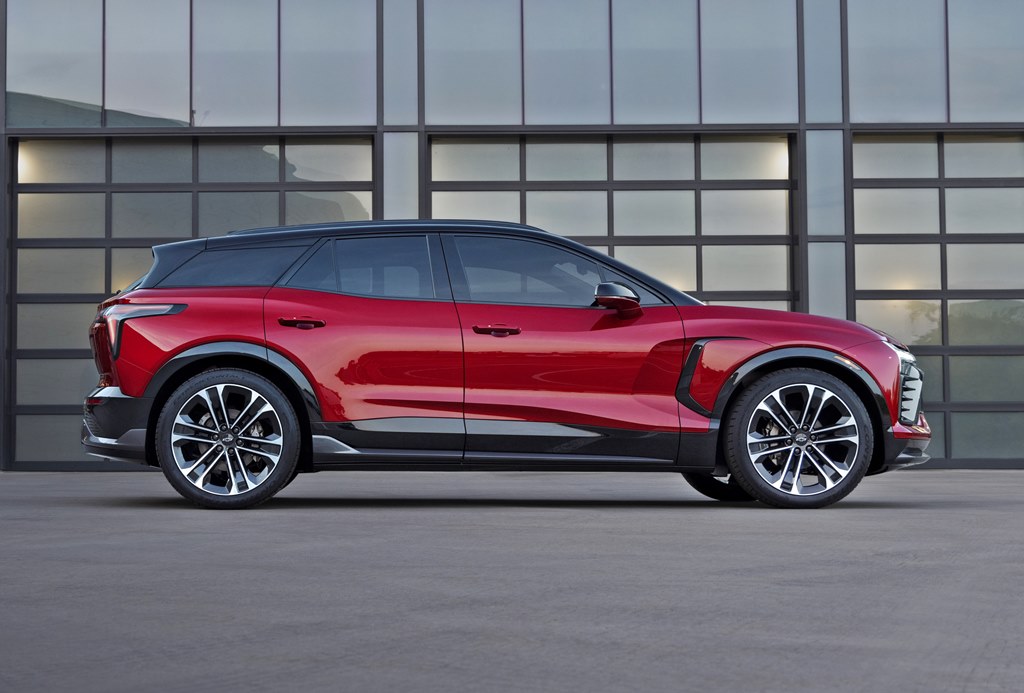
General Motors is fully committed to going electric as quickly as possible and all its divisions are headed in the same direction. While some of the divisions have shown concept cars, Chevrolet has revealed a production-ready electric model – the 2024 Blazer EV.
“The 2024 Blazer EV sets a new tone for electric SUVs, with options and intuitive technologies that help position Chevy for leadership in one of the fastest-growing EV segments,” said Scott Bell, Vice-President of Chevrolet. “Along with the all-new Silverado EV and Equinox EV coming next year, we are making great strides in offering more choices for zero tailpipe-emissions vehicles — choices that make switching to an EV easier than ever.”
The Blazer EV is not a combustion-engined Blazer with an electric powertrain. It was developed independent and uses GM’s modular Ultium Platform which has been designed for multiple applications. The Ultium platform and its batteries are the heart of GM’s strategy. The batteries are unique in the industry because the large-format, pouch-style cells can be stacked vertically or horizontally inside the battery pack. This allows engineers to optimize battery energy storage and layout for each vehicle design.
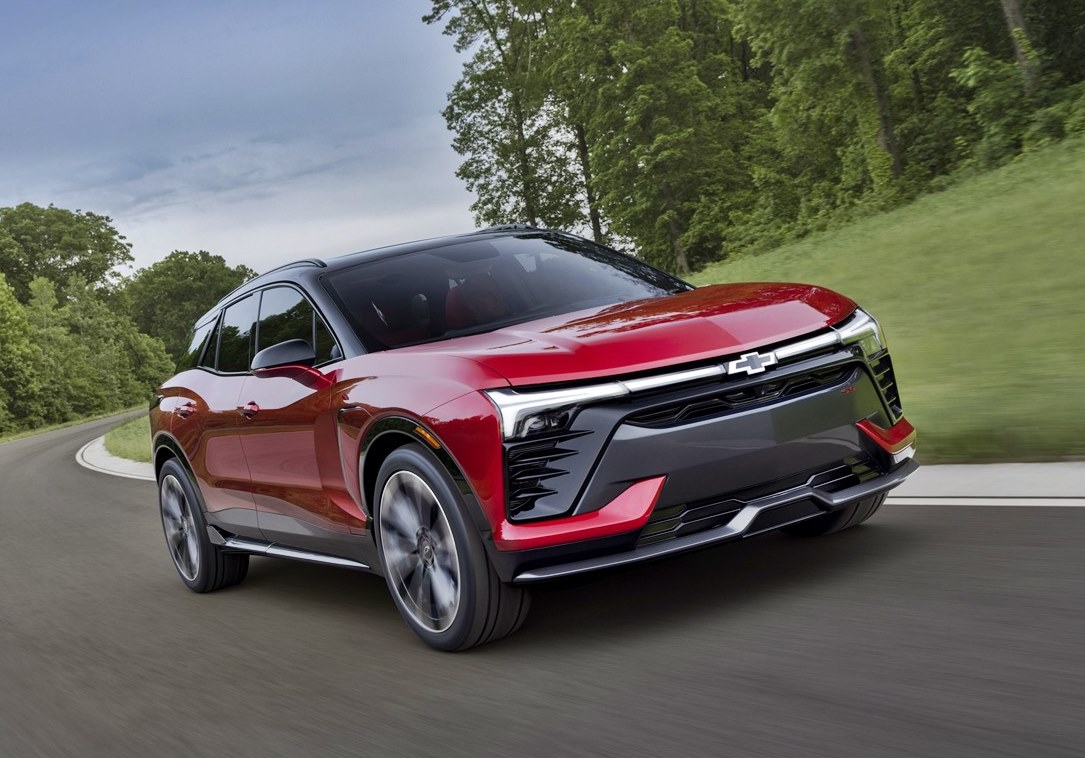
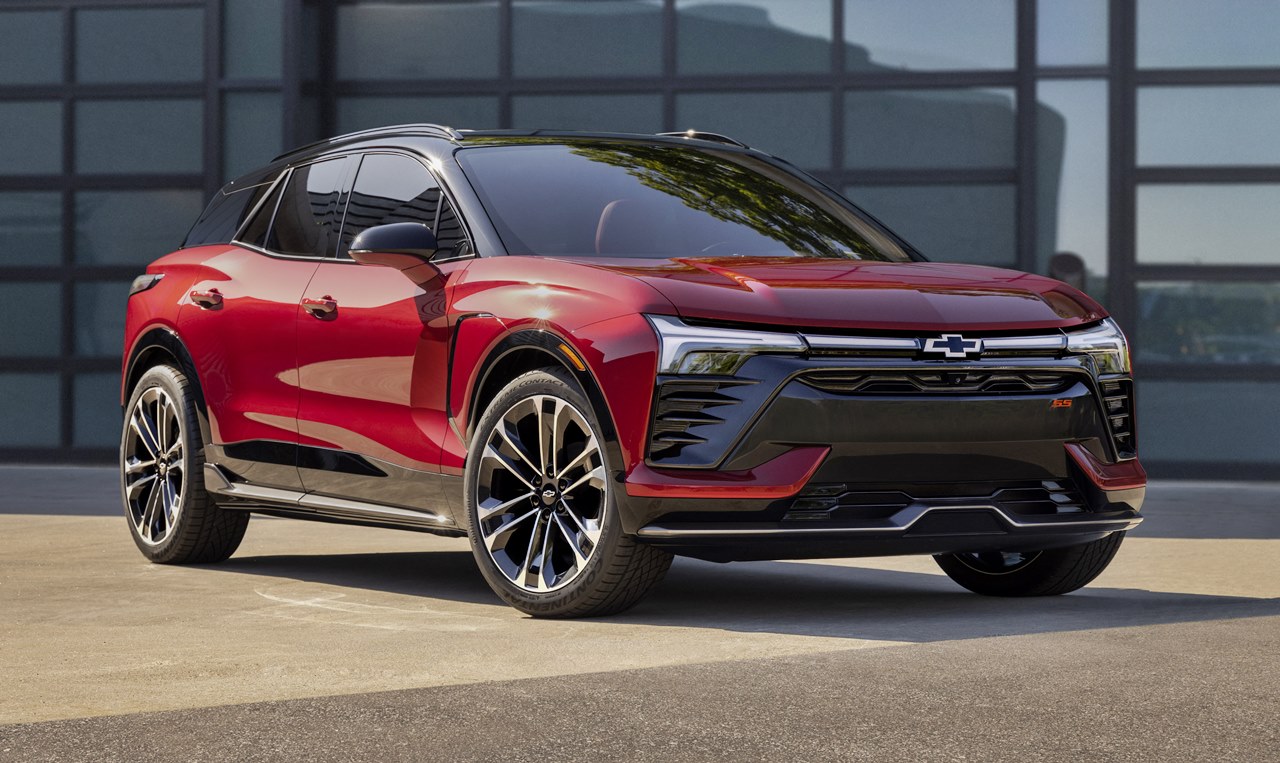
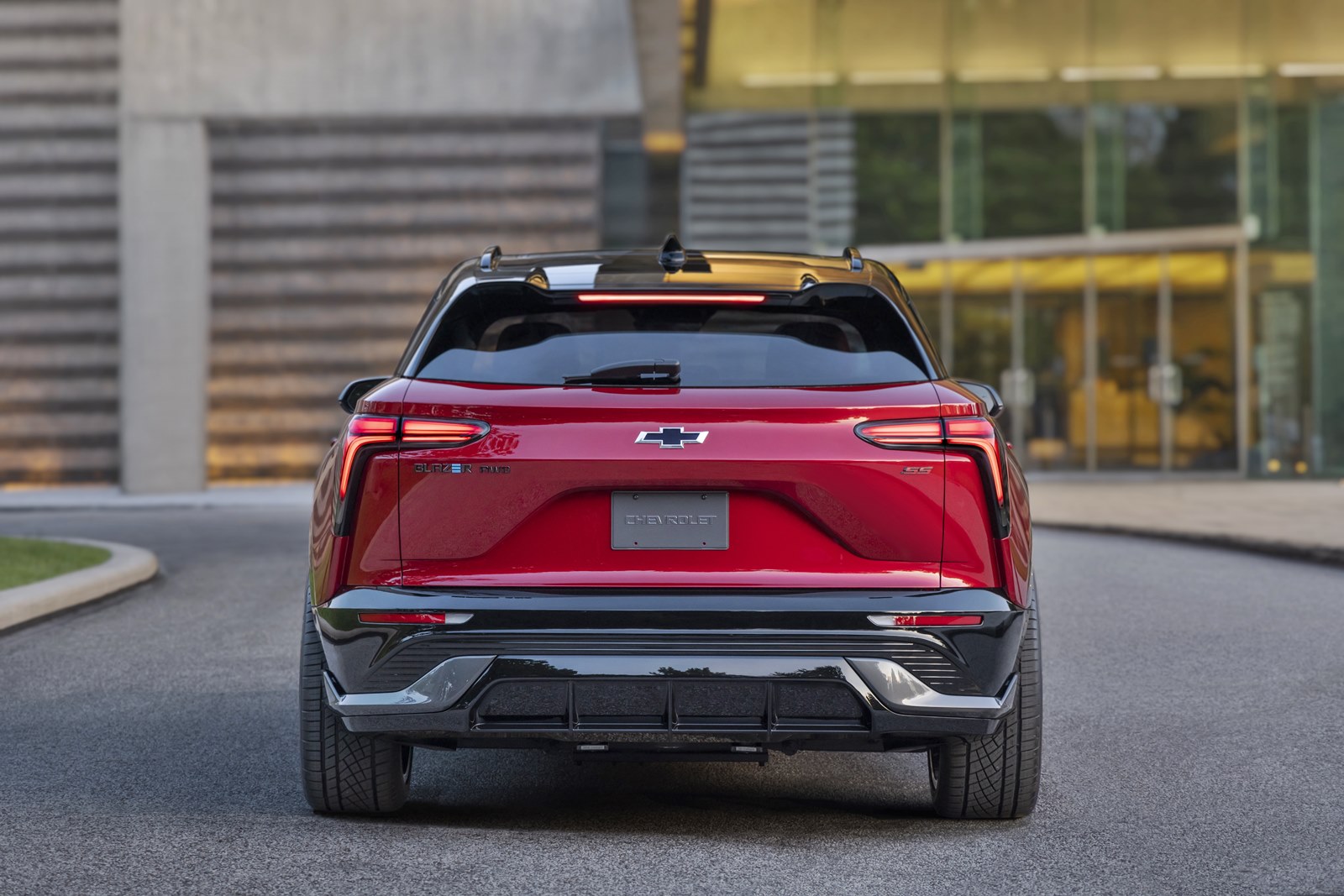
The athletic styling of the Blazer EV mimics that of the 2018 Blazer – with performance cues inspired by the Camaro and Corvette. Each version has a muscular, athletic profile with taut converging body lines. Prominent front-fender extractor vents associate with Chevy’s motorsports legacy.
The designers elevated the Blazer EV’s presence with a bold, dual-element LED exterior lighting signature that also has choreographed lighting sequences. These activate when the driver approaches or walks away. The effect features a full light bar and illuminated Bowtie emblem on the front. The front lighting also conveys the state of charge while the vehicle charges. A sequential orchestration of the lighting increases in speed and intensity as the battery’s charge increases.
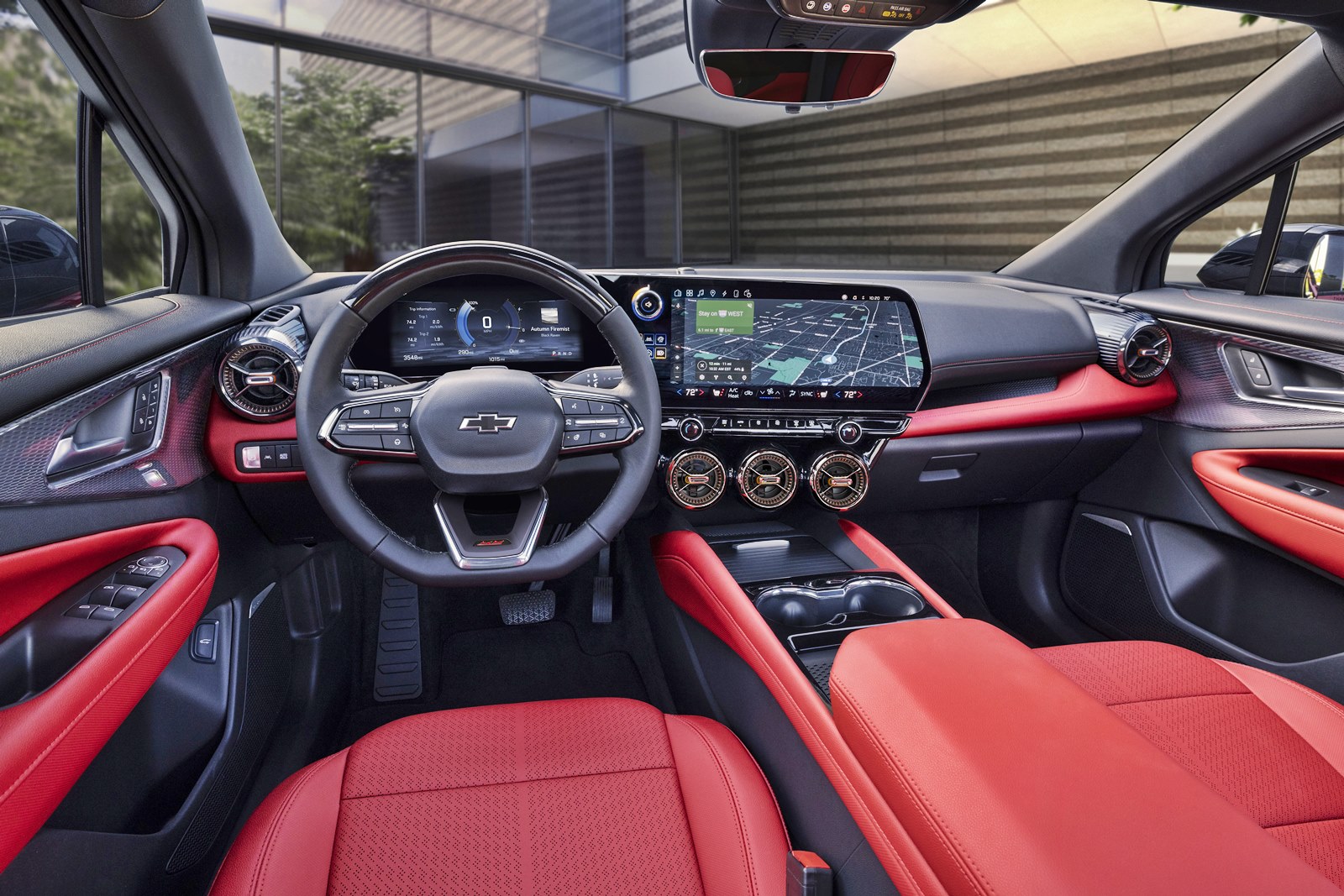
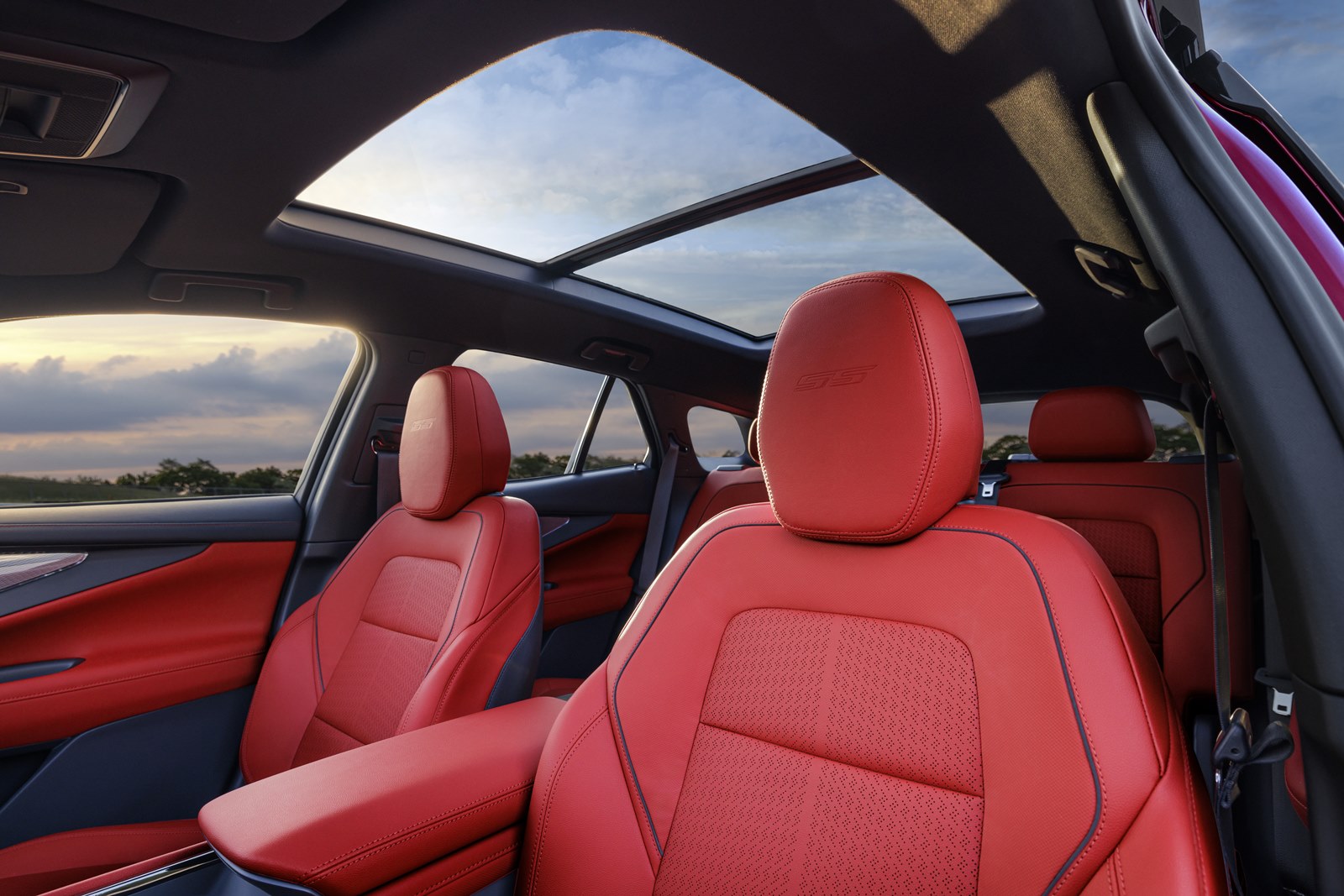
Inside, the cabin also makes a modern design statement. Like the exterior, many of its elements draw inspiration from Chevrolet’s sportscars and performance heritage, such as a flat-bottom steering wheel and sculpted vents inspired by turbines.
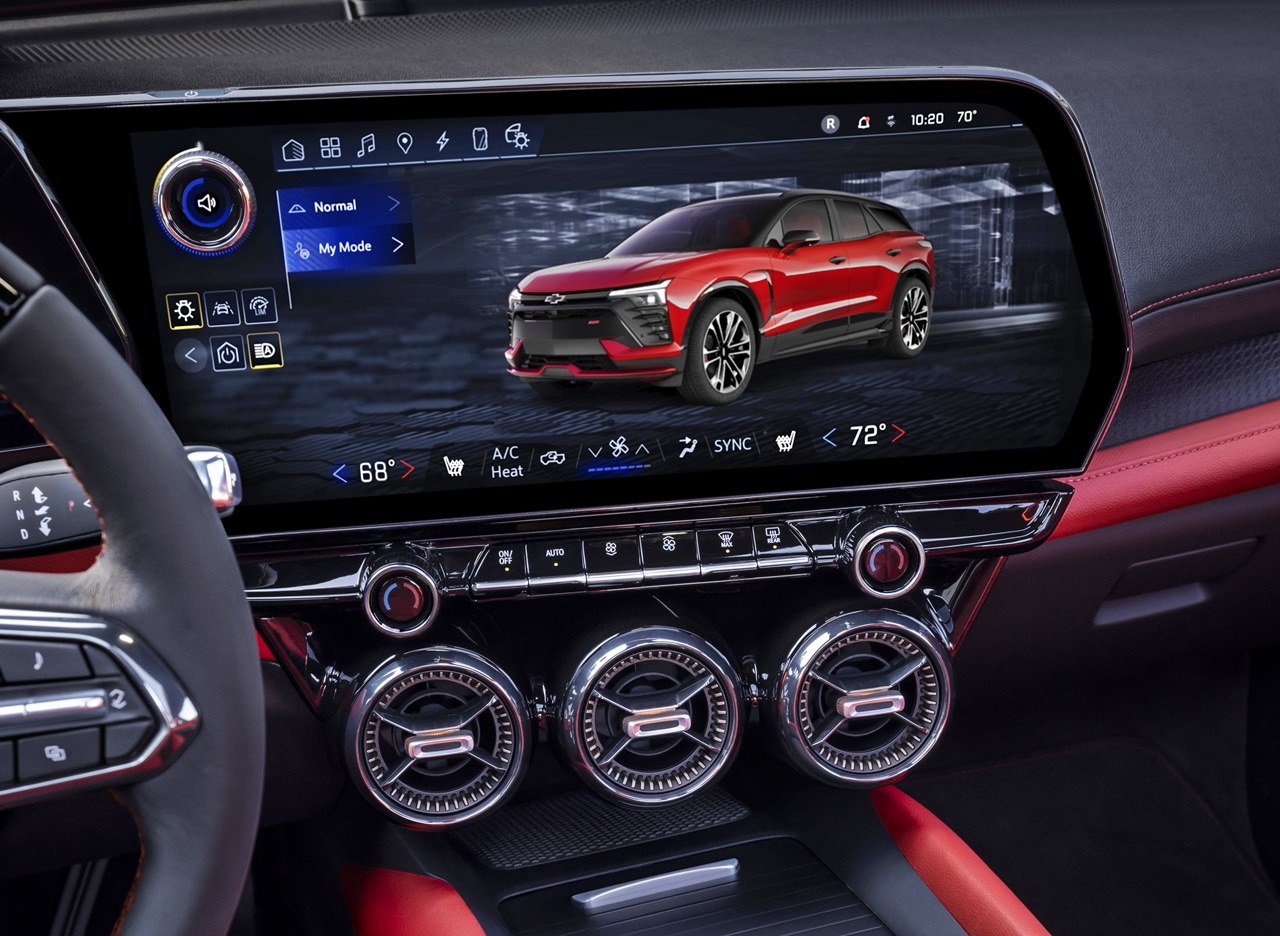
An expansive, 17.7-inch-diagonal colour touchscreen is the focal point of the cabin and the command centre for the vehicle’s infotainment system. A large 11-inch-diagonal colour Driver Information Centre in the instrument cluster complements the central touchscreen.
With design and engineering developed to live up to the legacy of the iconic Super Sport performance designation, the Blazer EV SS offers customers the most powerful experience in the line-up. It features an exclusive performance AWD propulsion configuration designed to produce up to 557 ps/878 Nm, and unique WOW (Wide Open Watts) mode enabling very quick acceleration.
When it comes to charging, the Blazer EV uses an 11.5 kW onboard AC charging module for home charging and public charging, along with high-speed DC public fast-charging capability of up to 190 kW. It can recharge in about 10 minutes and get around 125 kms of range. A fully charged battery pack is claimed to be good for 515 kms.
A major enabler of the Blazer EV’s technologies is Ultifi, GM’s new end-to-end vehicle software platform. It separates the vehicle’s software from the hardware to enable the frequent and seamless delivery of software-defined features, apps and services to customers over the air (OTA). Ultifi will allow customers to upgrade and personalize their vehicle as improvements and new features become available over time.
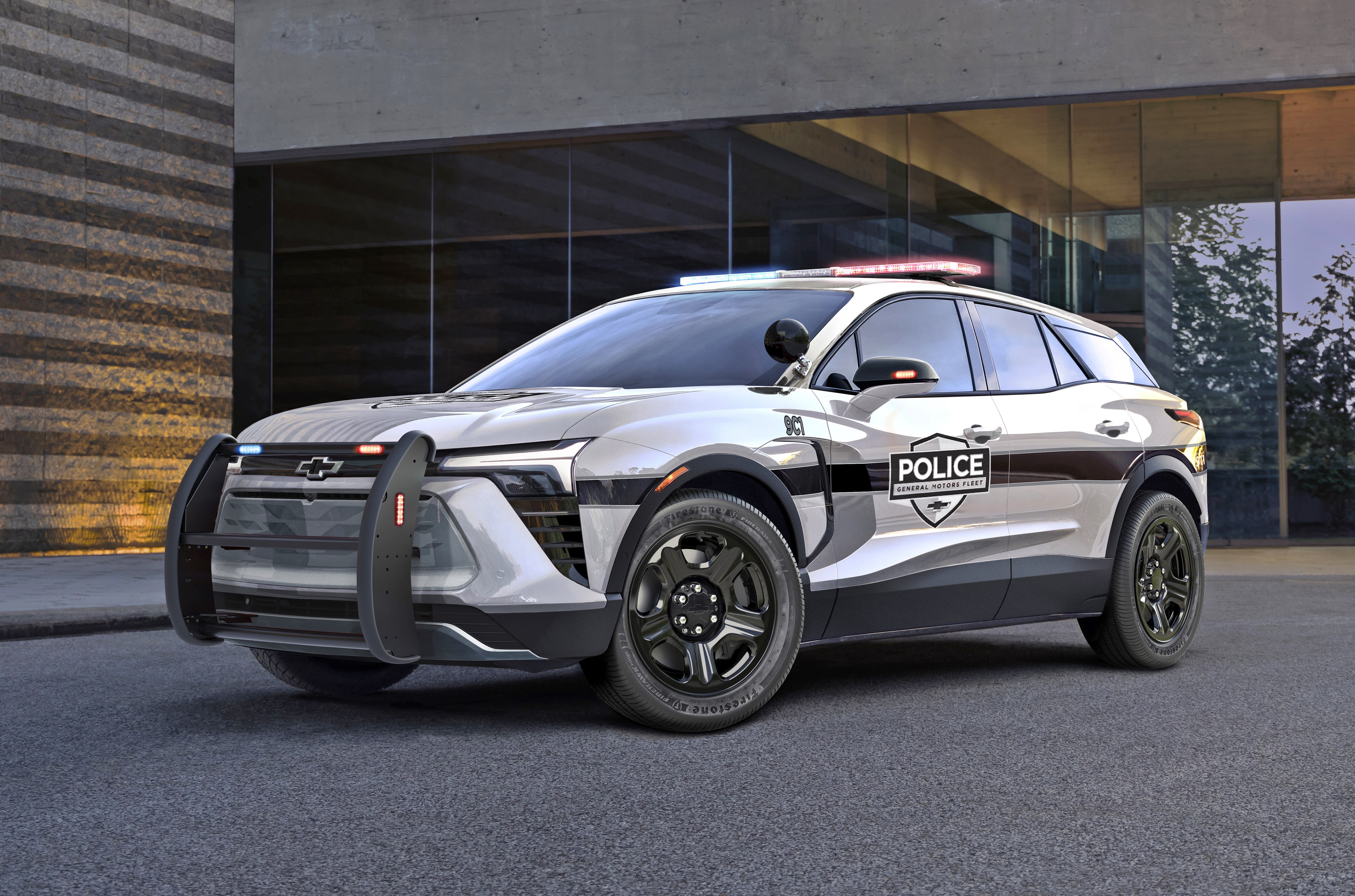
Besides four different versions for sale to the public, Chevrolet will also be offering a pursuit-rated Police Pursuit Vehicle (PPV) model for police fleet applications. These PPVs will have the largest Ultium battery in the line-up and a specific interior designed for police officers with ample room to accommodate emergency equipment and gear. To go on sale from mid-2023, the Blazer EV will have prices ranging from US$44,995 to US$65,995.