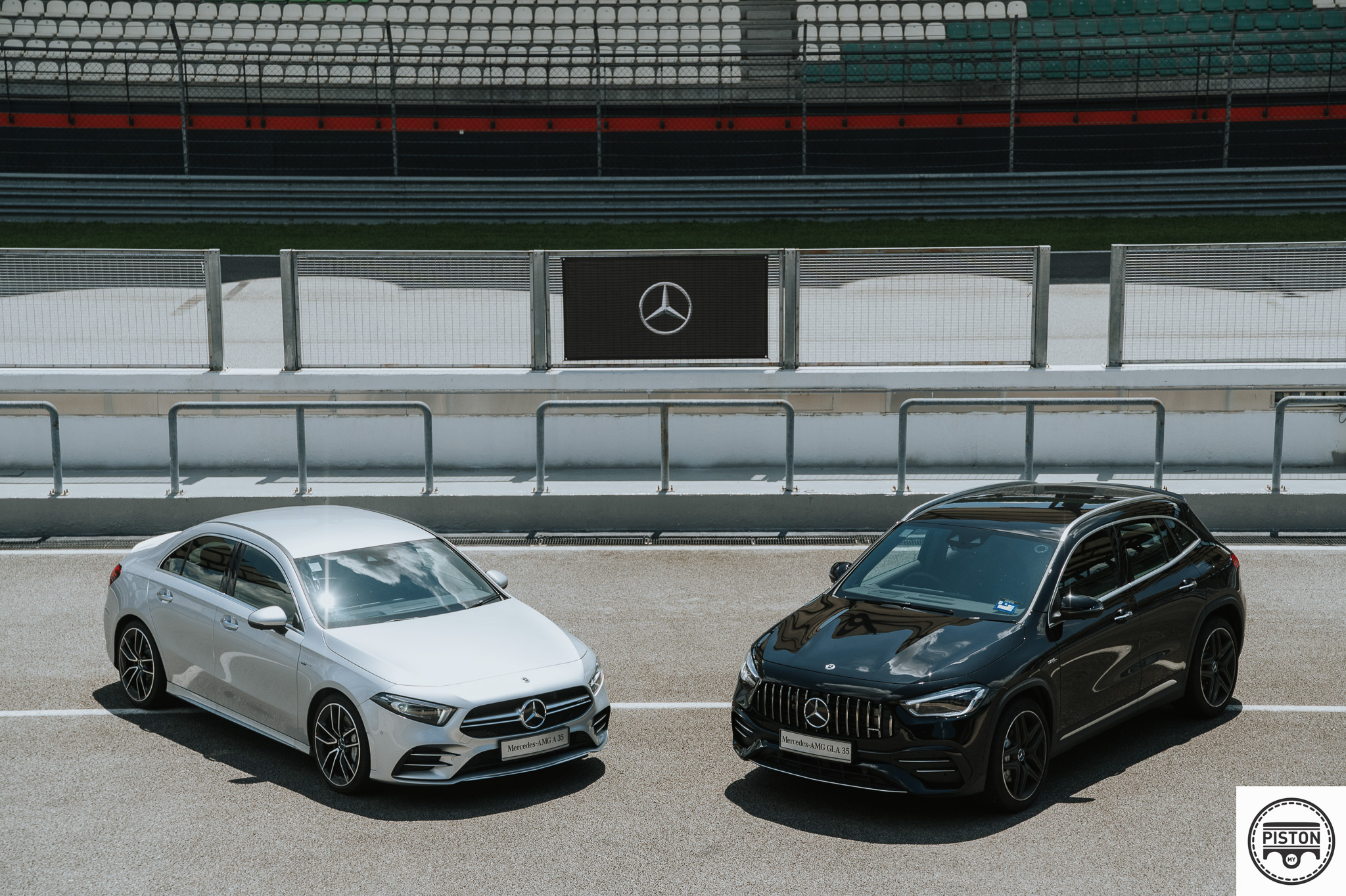
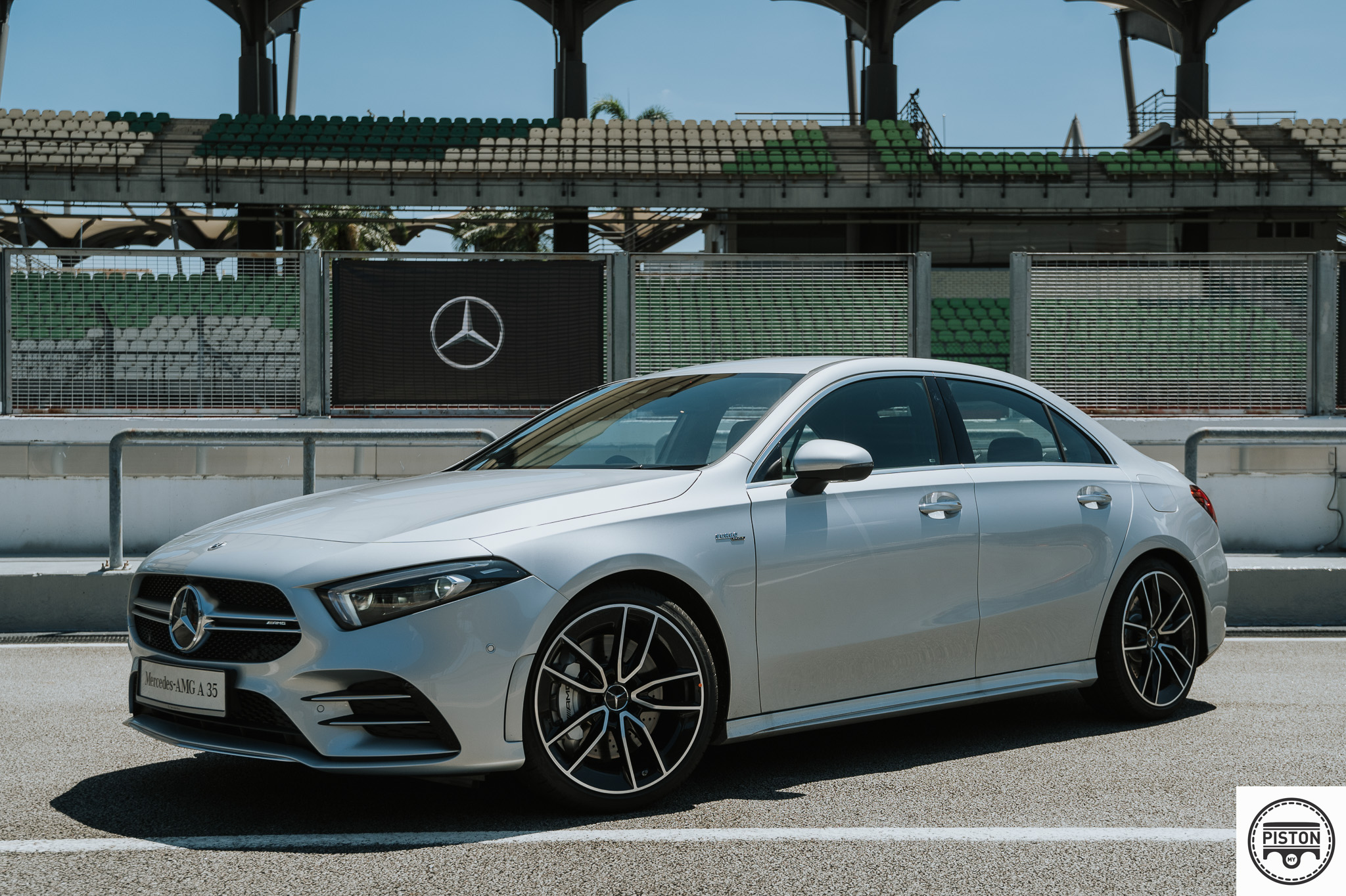
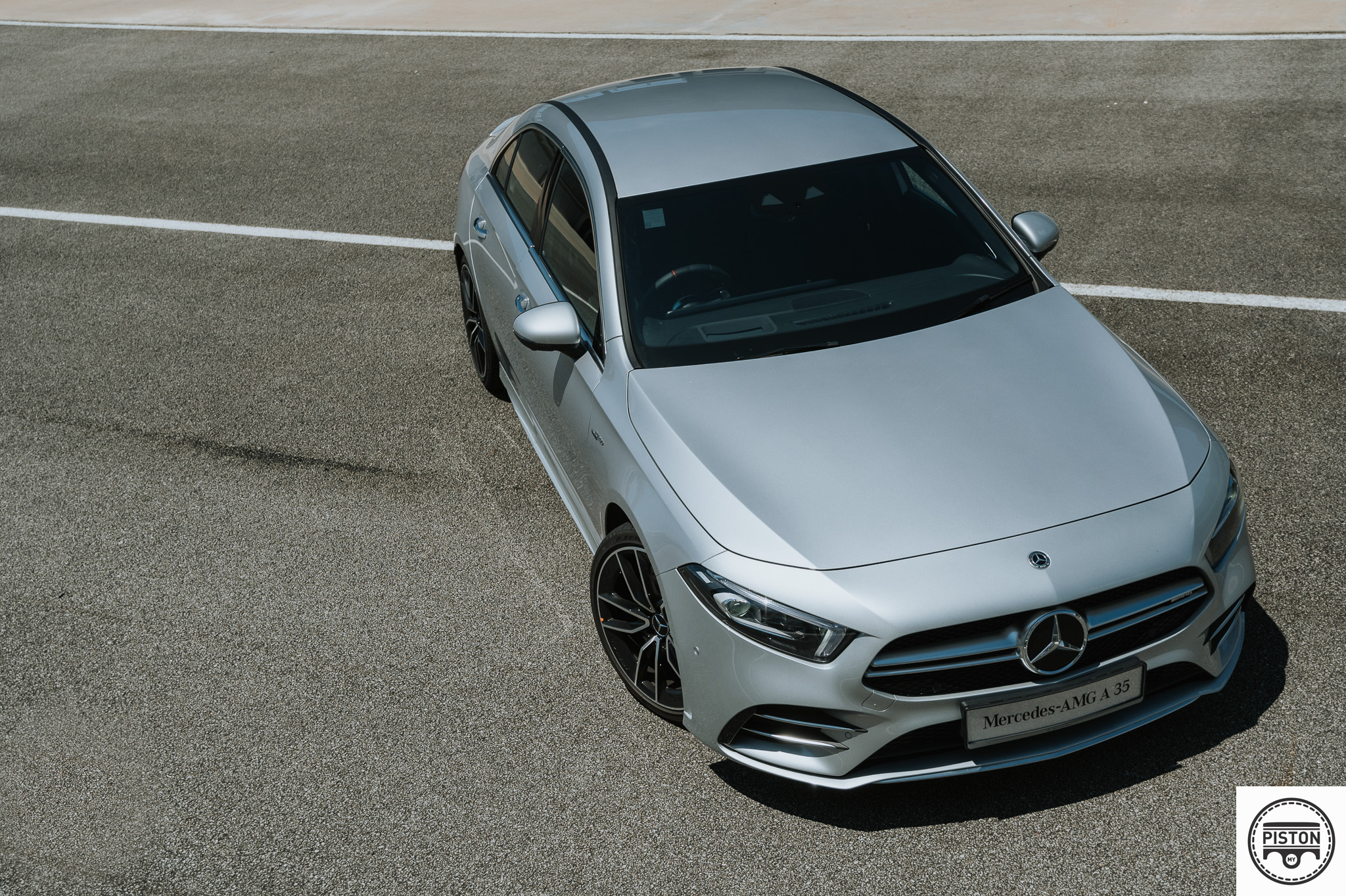
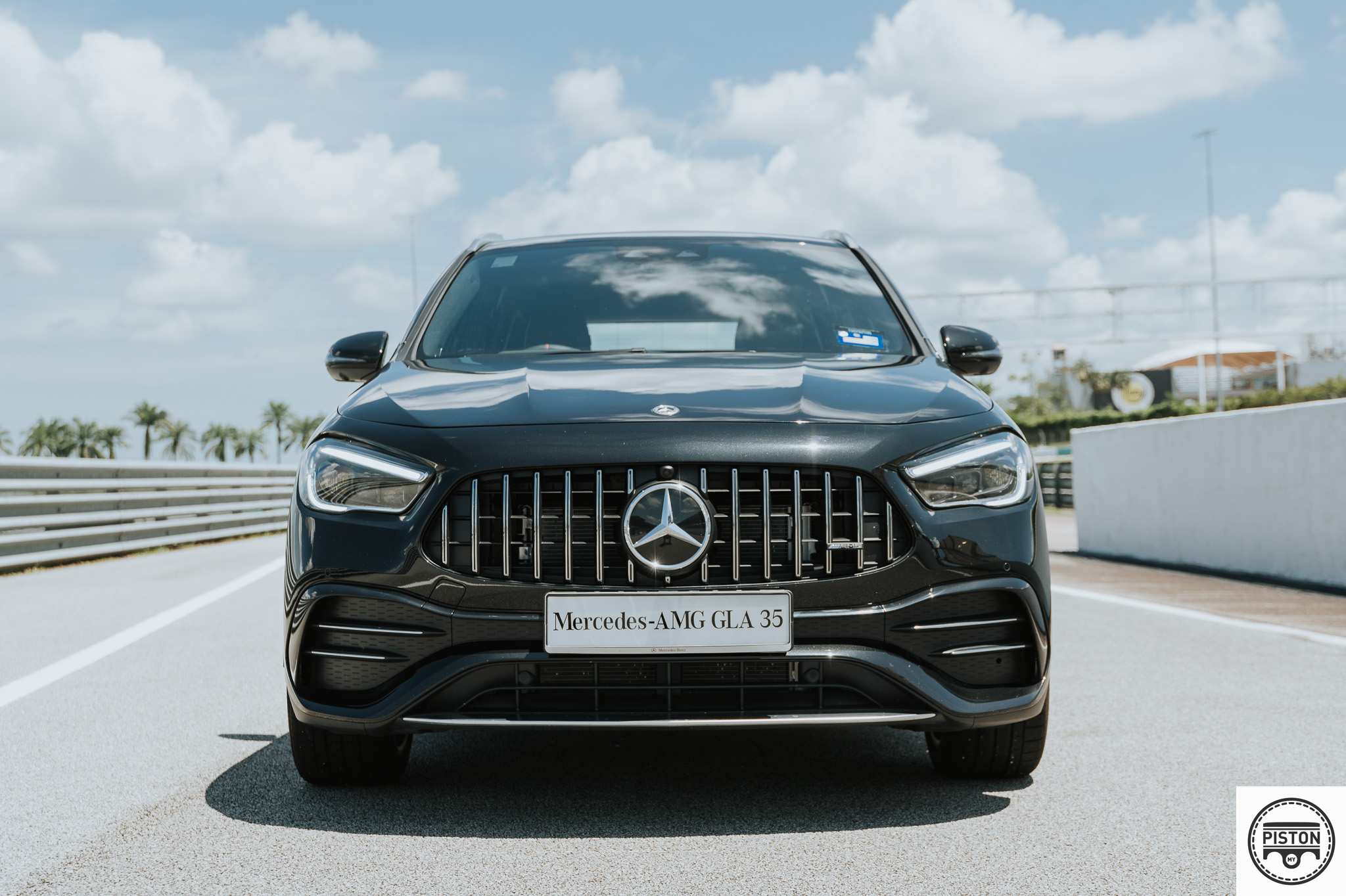
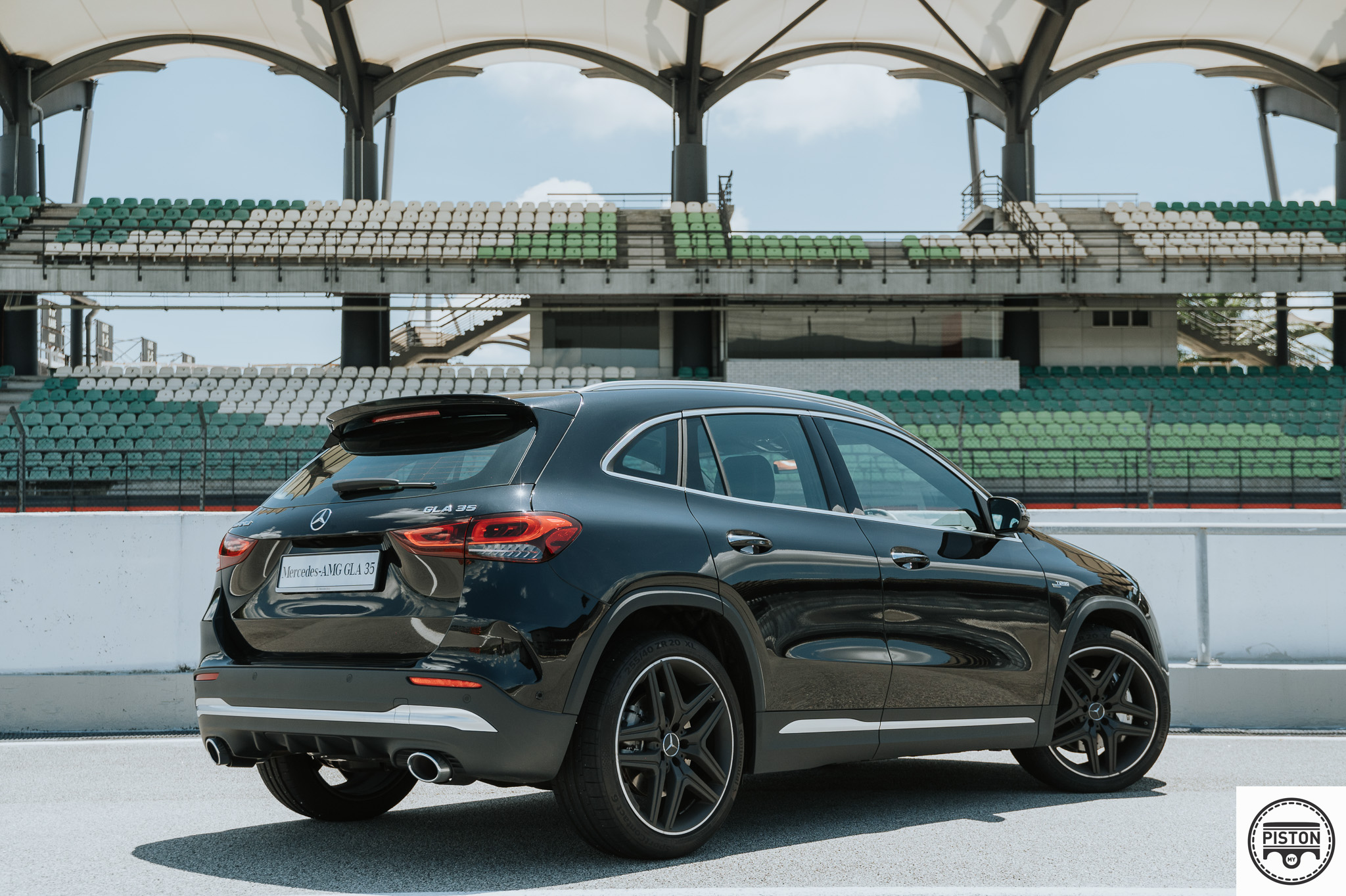
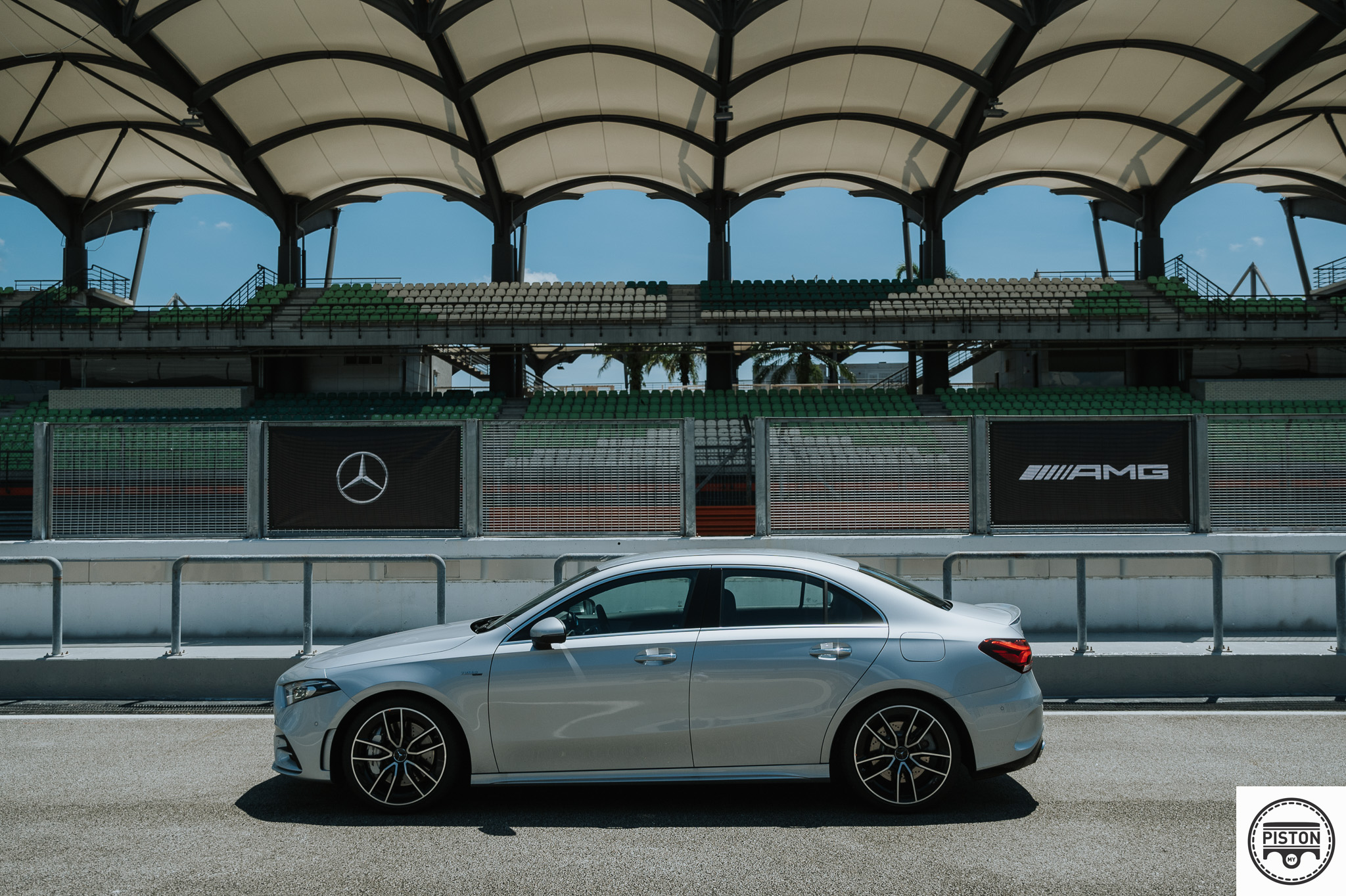
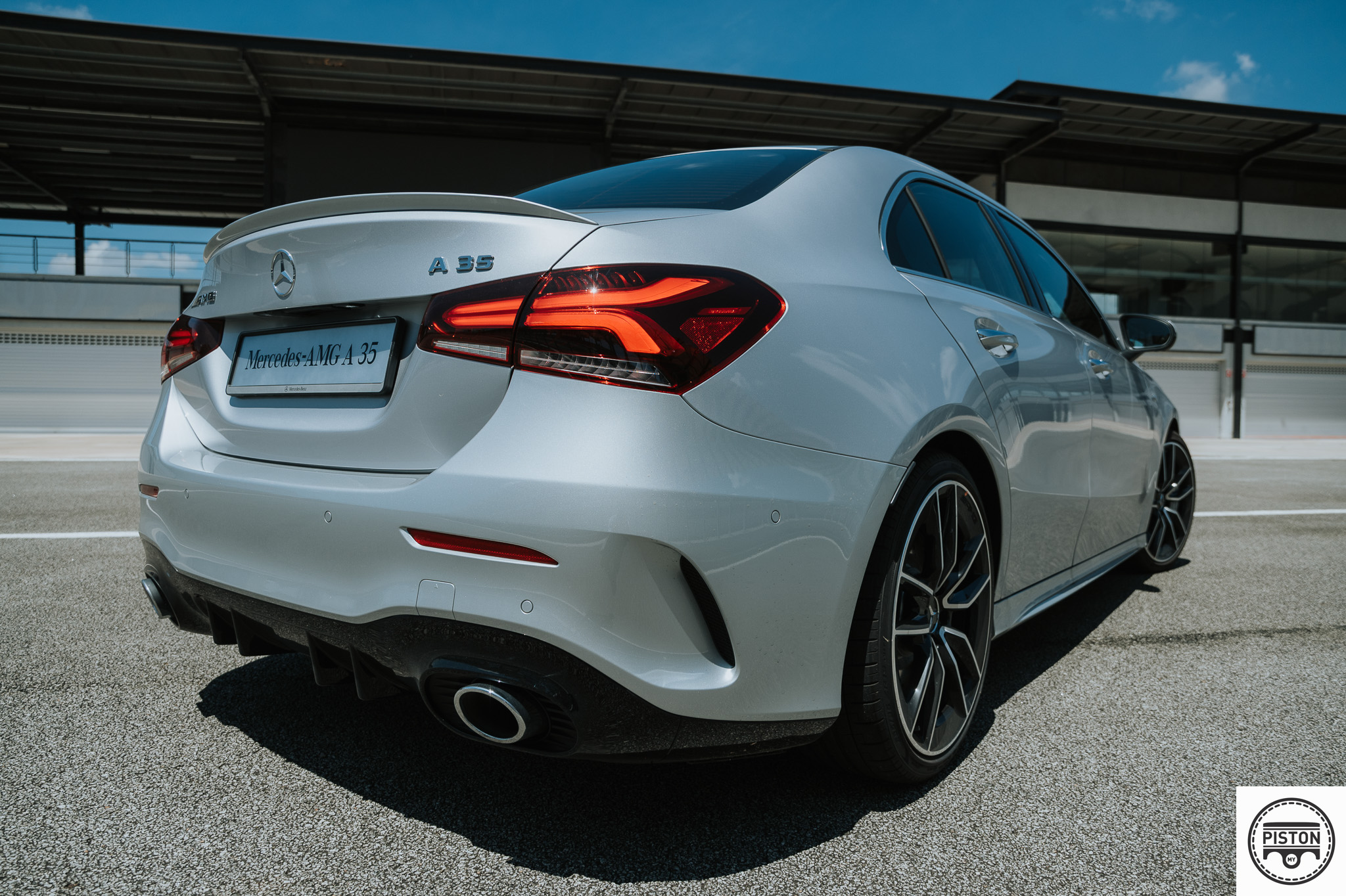
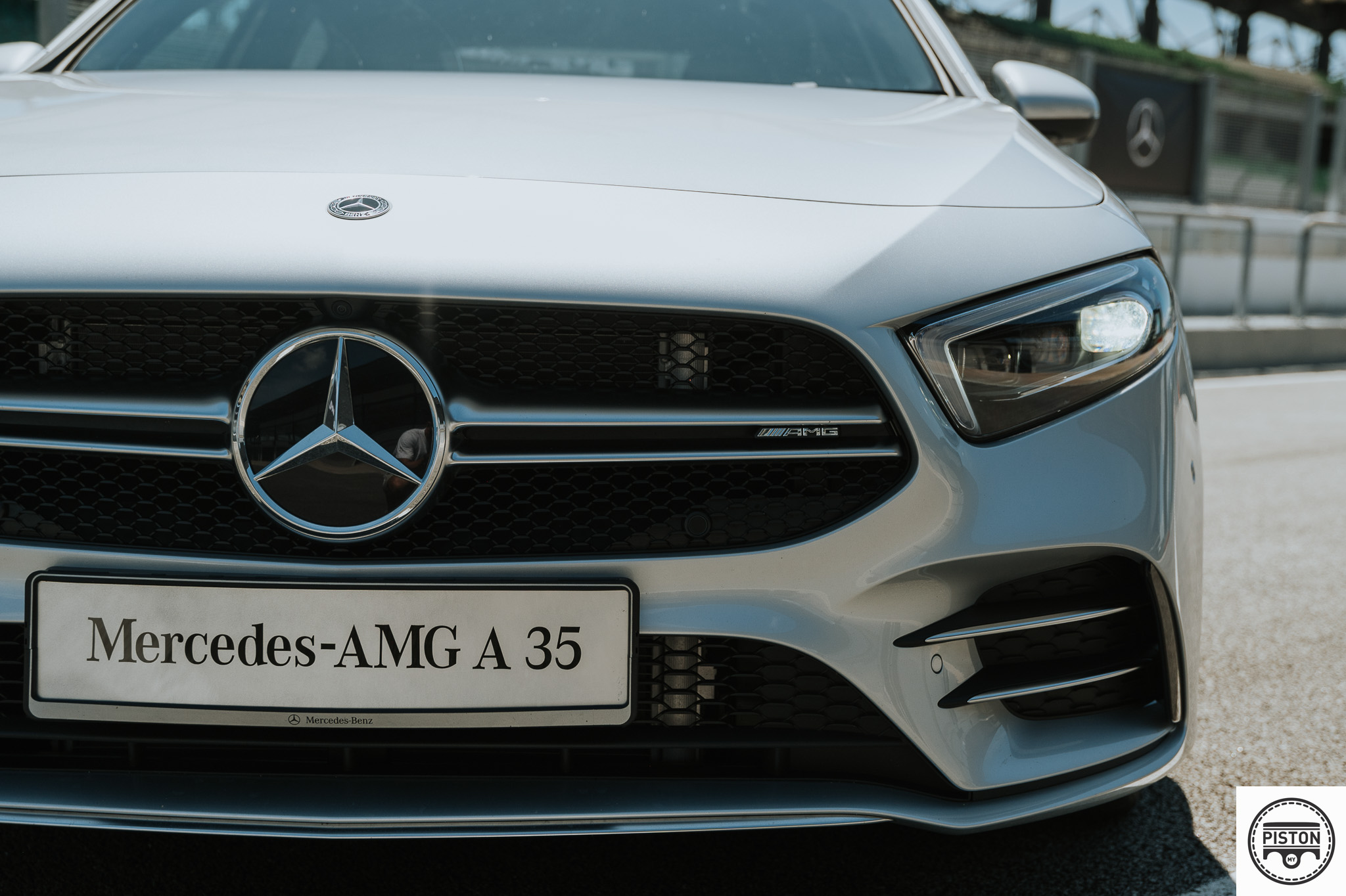
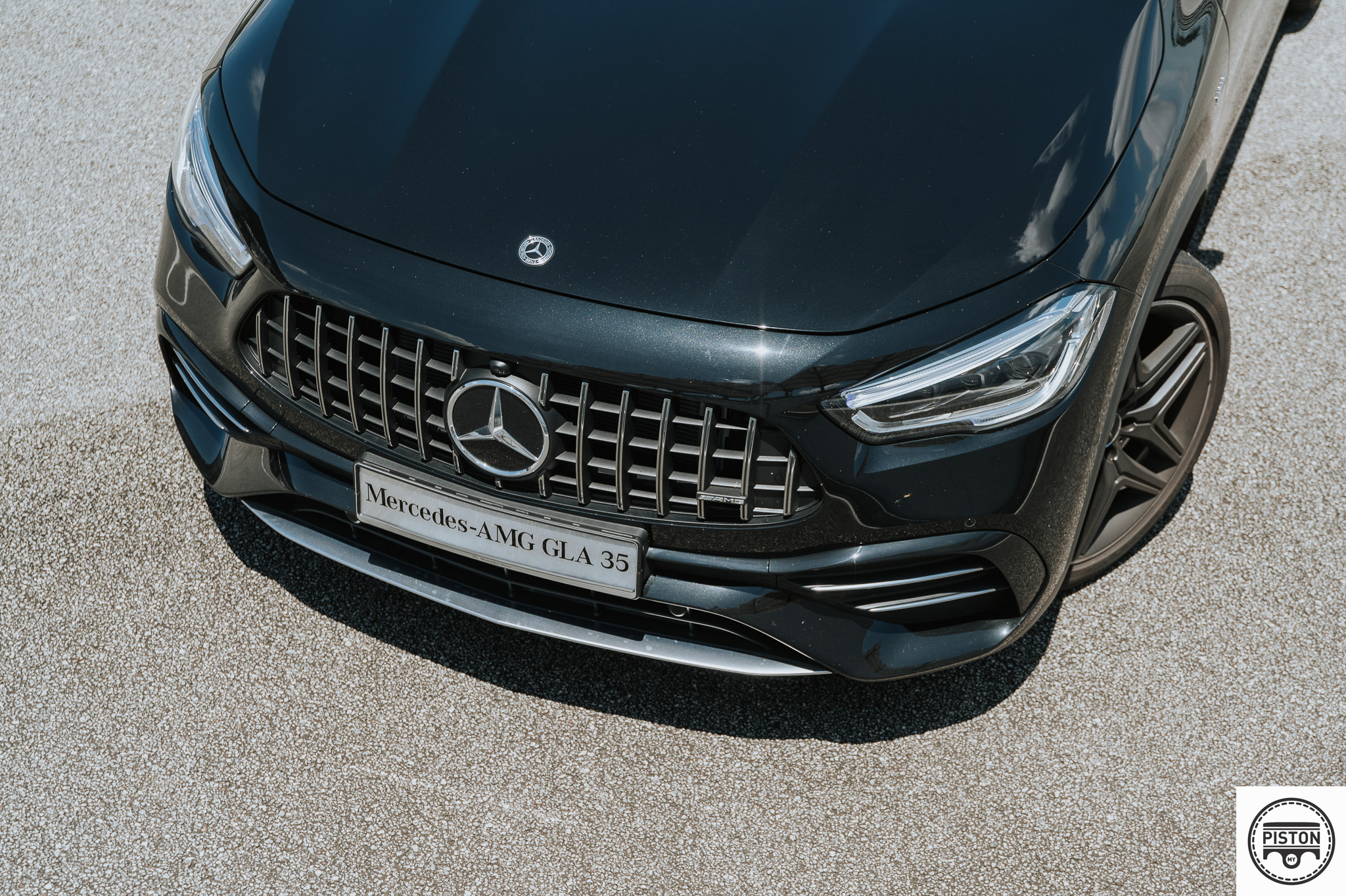
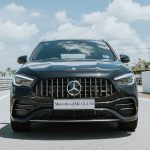
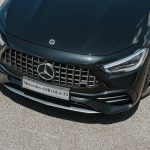
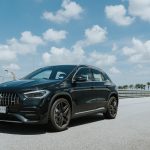
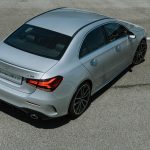
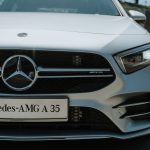
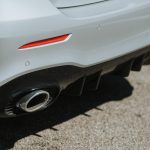
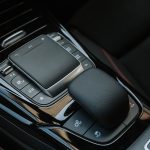
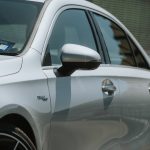
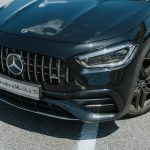
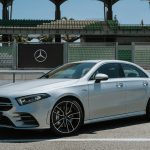
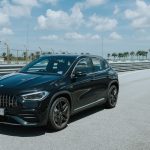
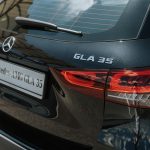
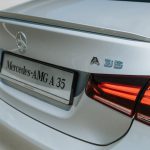
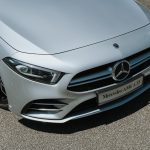
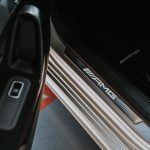
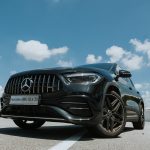
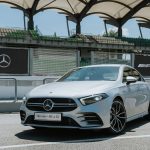
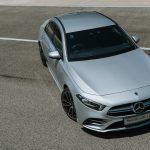
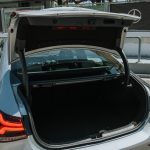
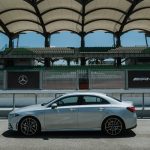
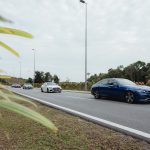
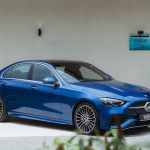
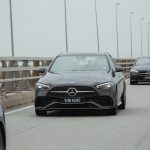
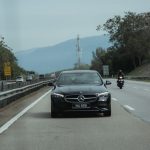
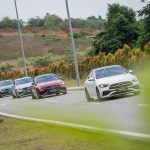
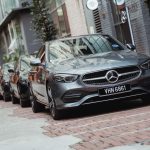
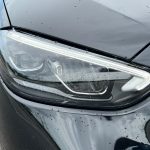
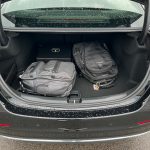
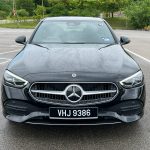
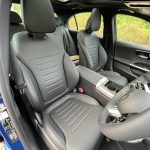
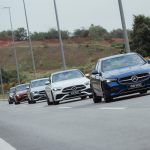
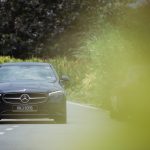
Mercedes-Benz Malaysia reached another milestone with the introduction of the locally assembled A 35 AMG and the GLA 35 AMG.
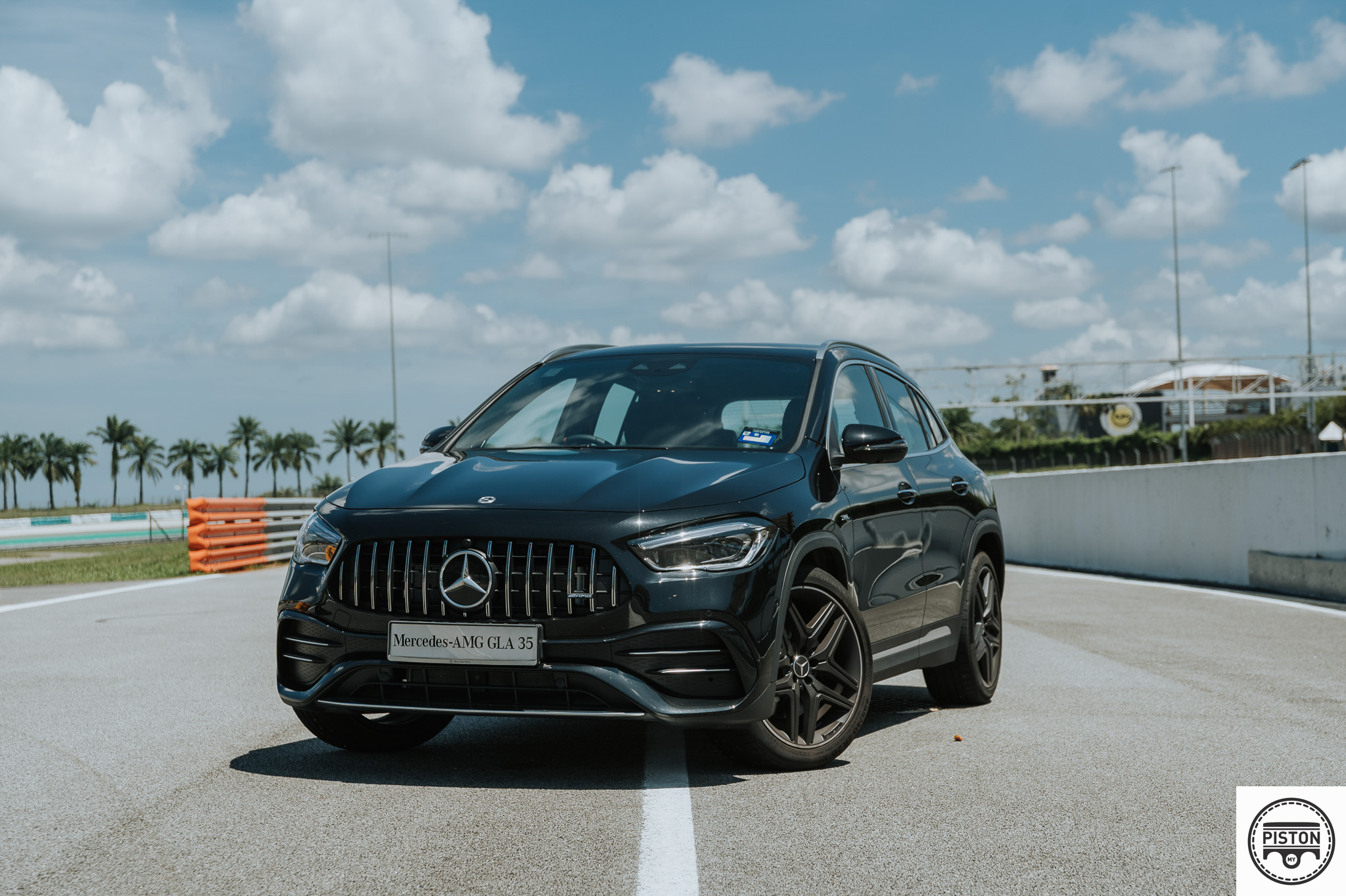
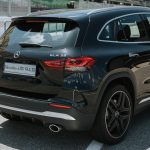
Previously, only the A 35 AMG was available in Malaysia in CBU form. The GLA 35 AMG expands the model line up and both cars are now assembled at the Mercedes-Benz plant in Pekan, Pahang.
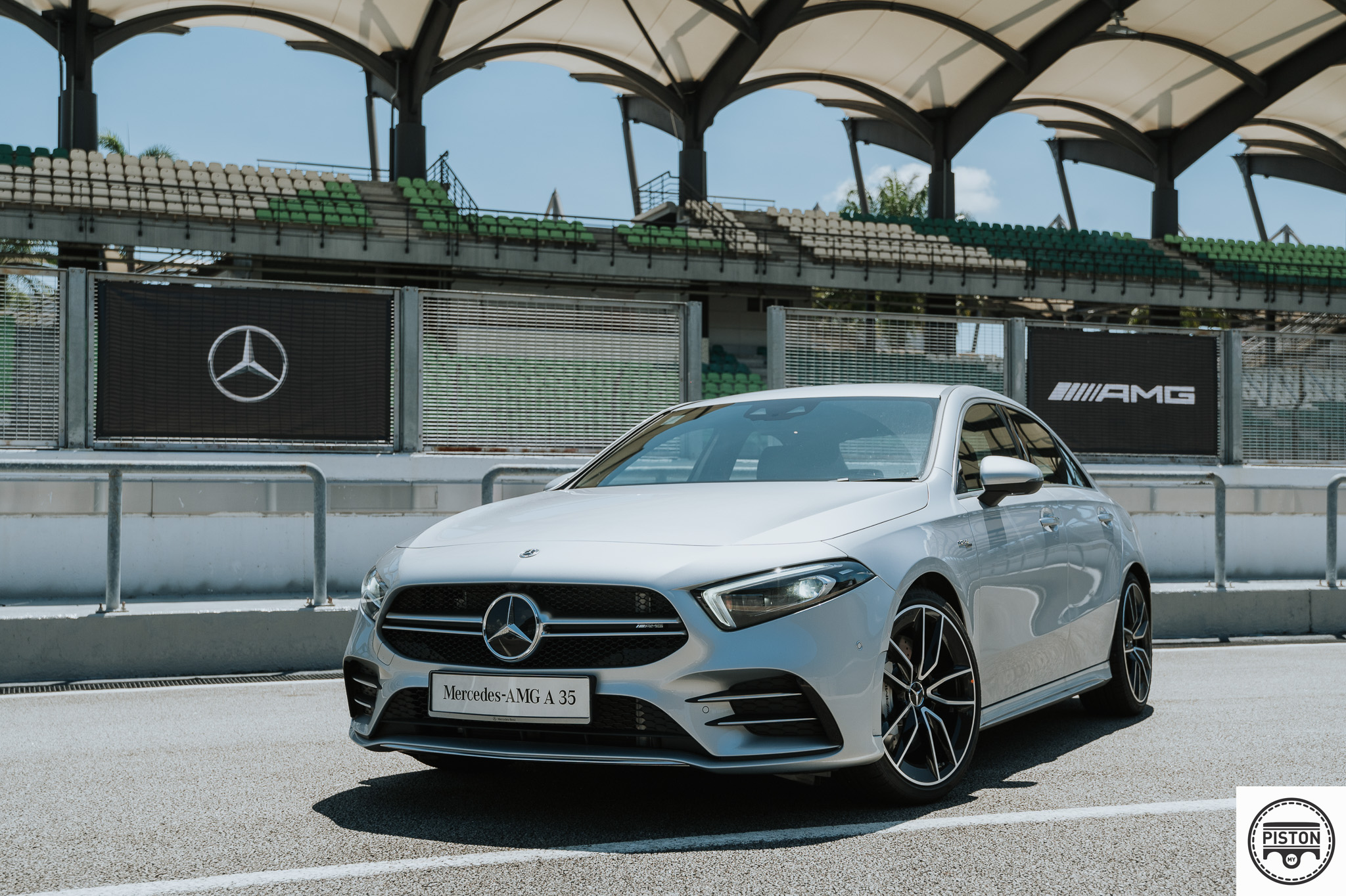
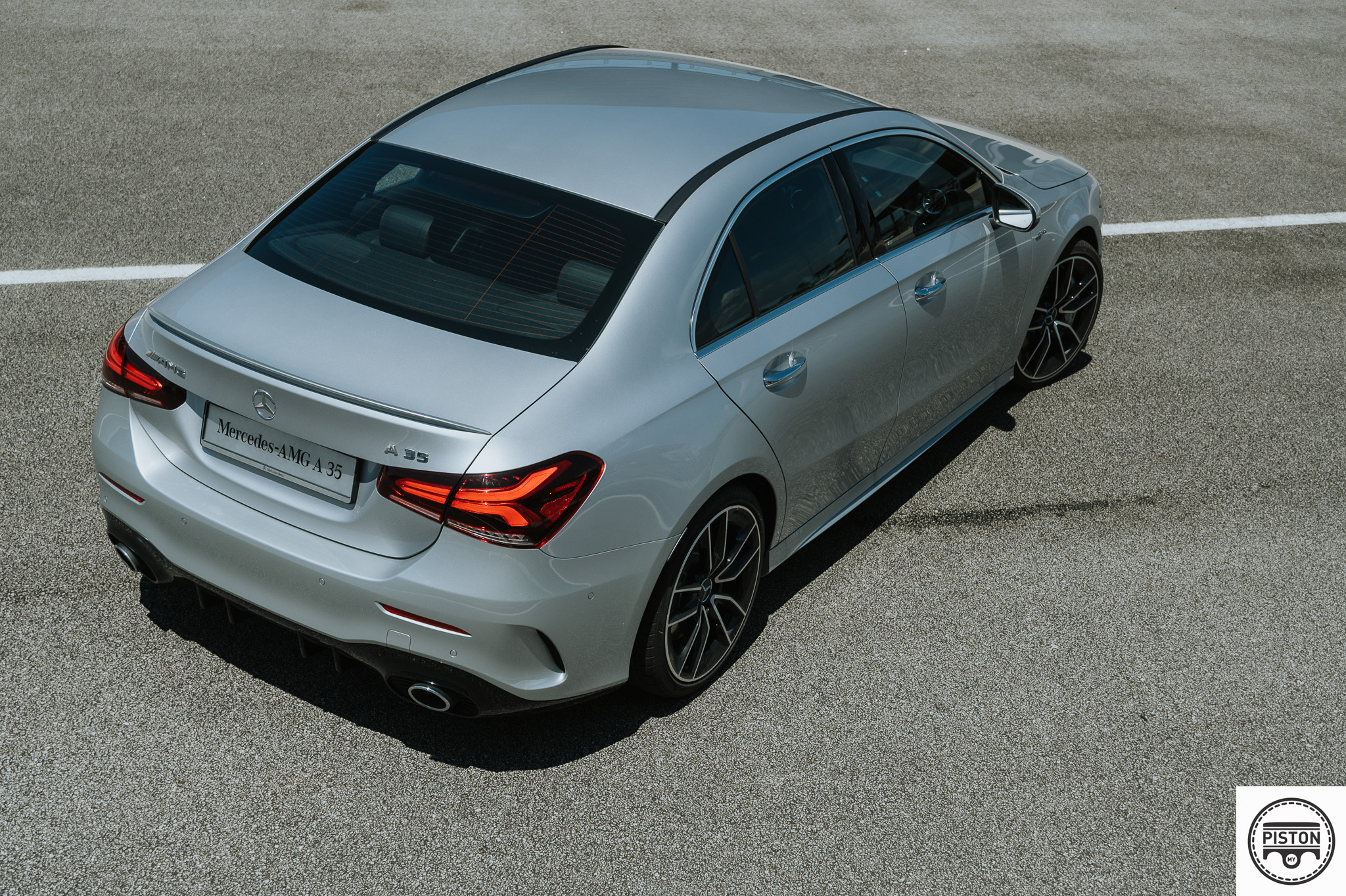
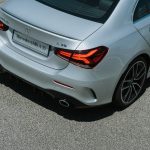
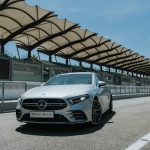
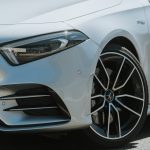
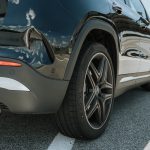
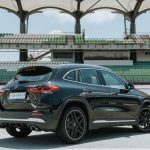
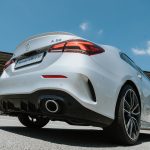
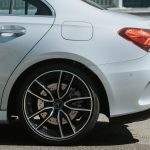
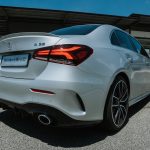
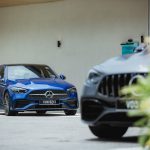
Visually the new A 35 AMG is nearly identical to the CBU model it replaces. It now runs on 19-inch AMG wheels which are nestled in wider wheel arches to accommodate the AMG wheels.
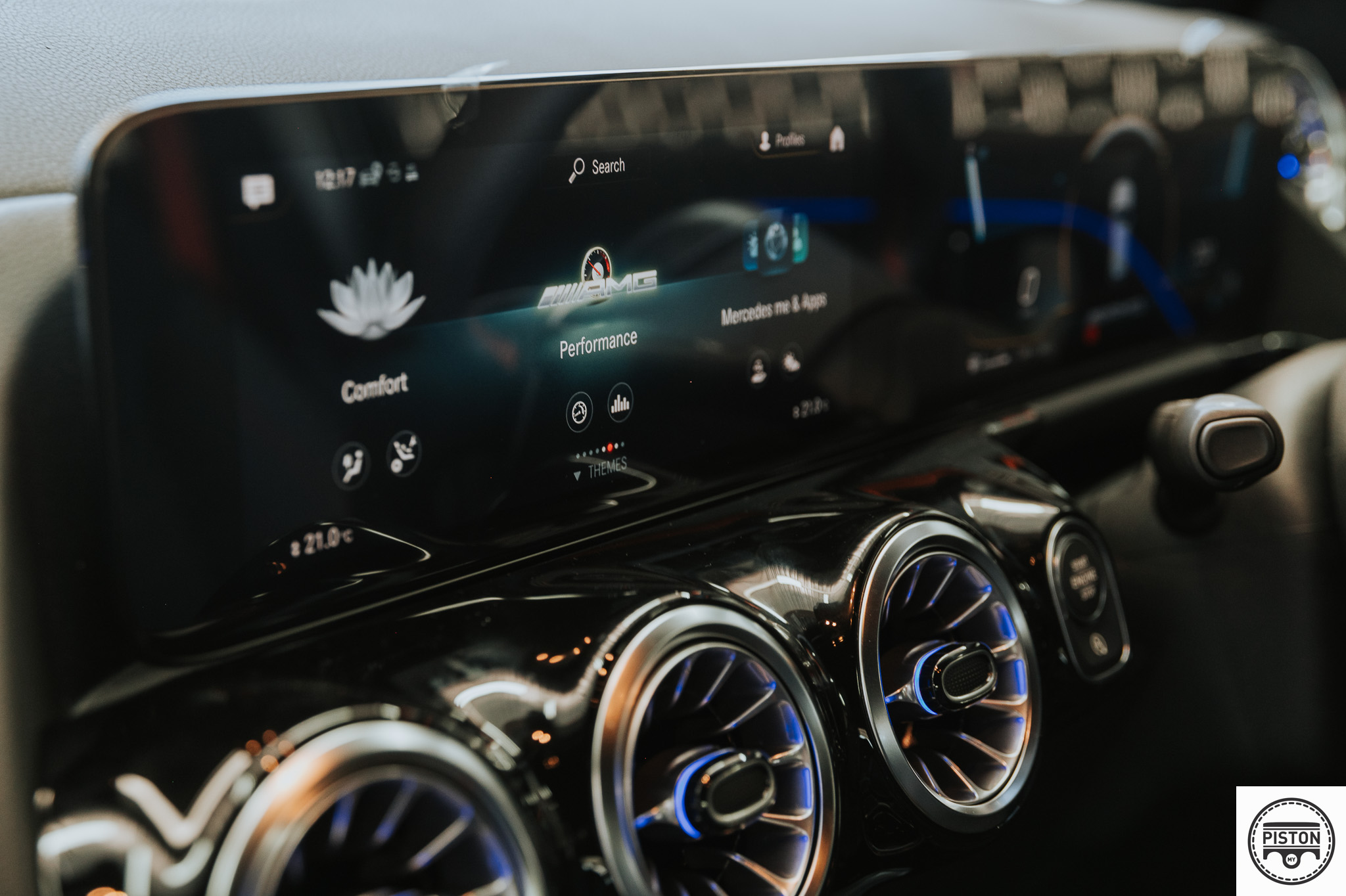
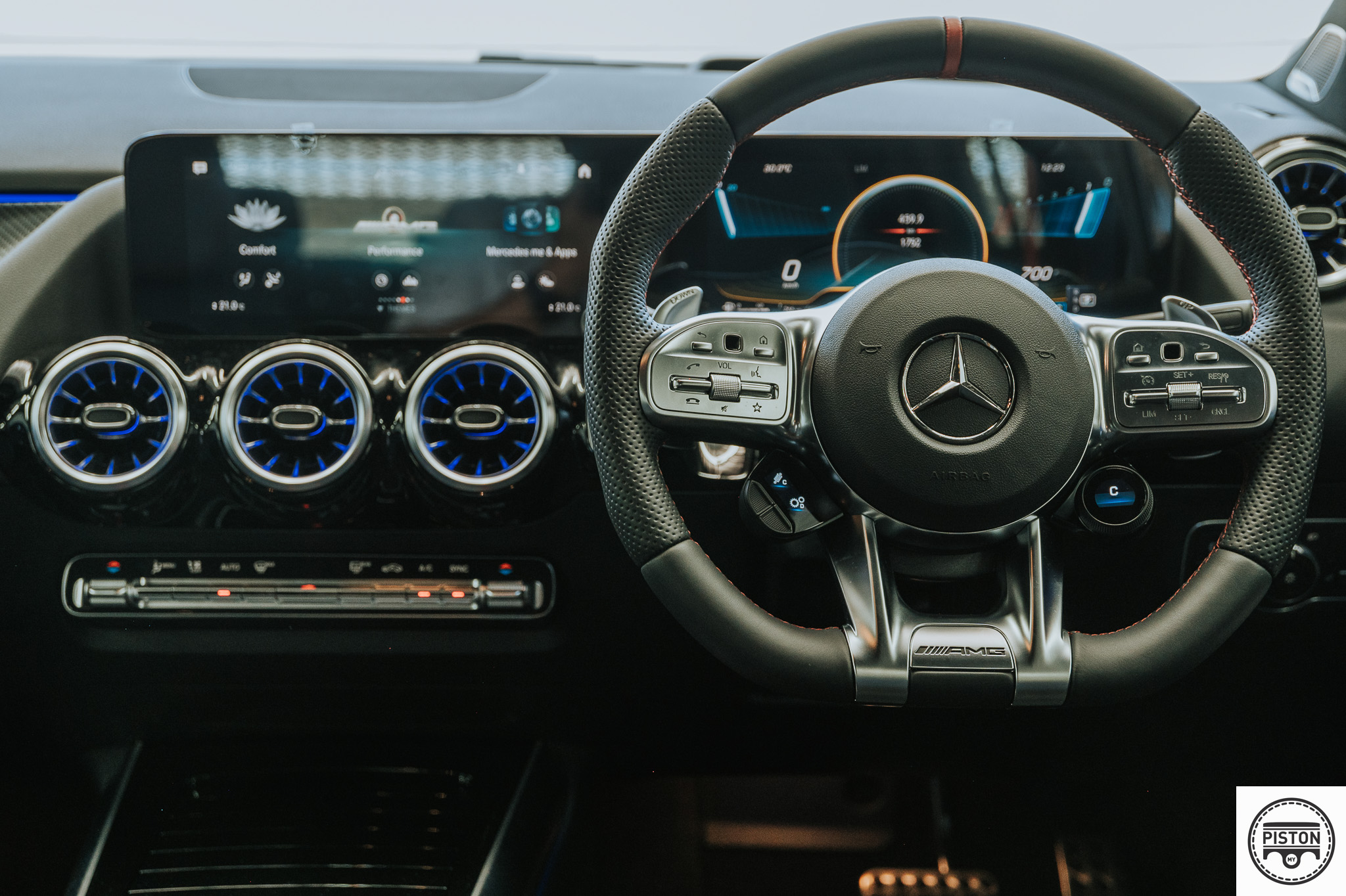
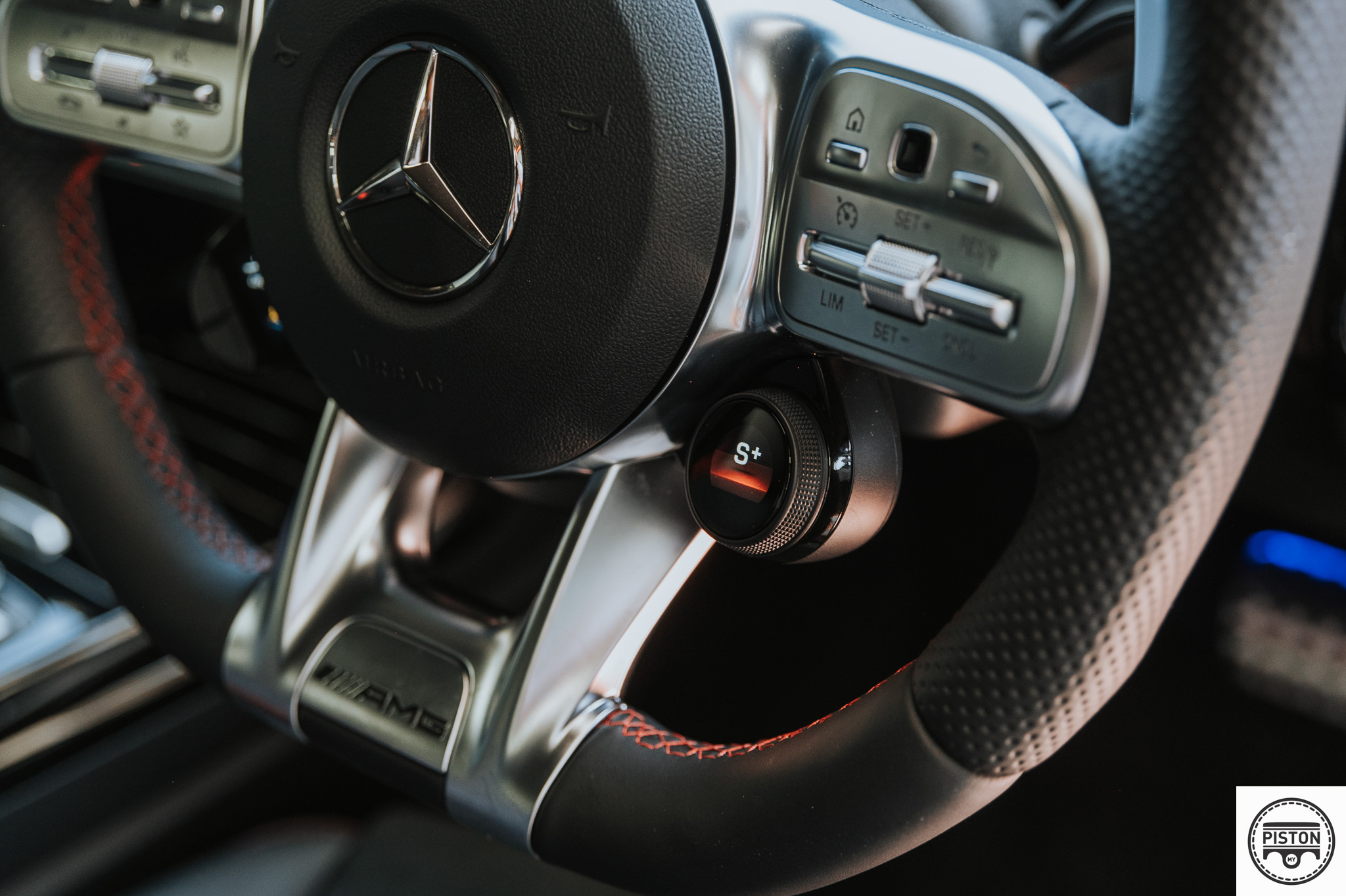
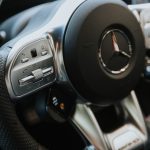
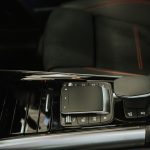
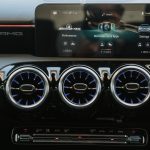
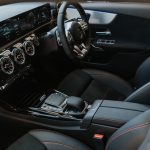
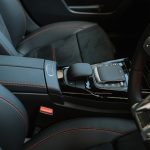
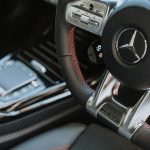
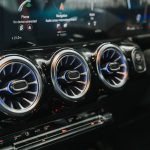
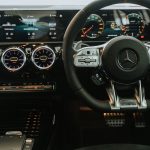
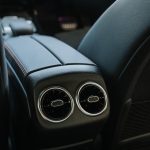
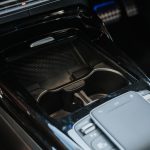
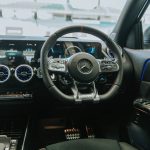
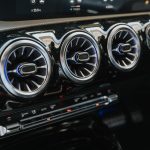
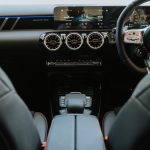
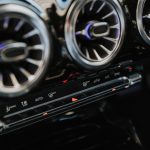
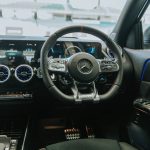
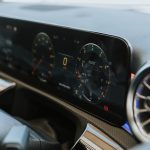
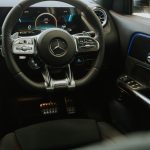
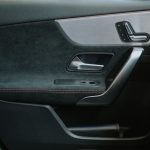
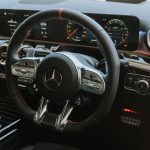
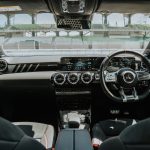
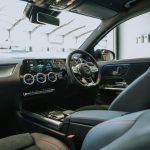
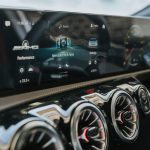
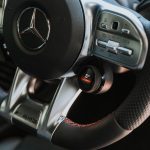
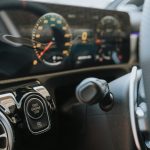
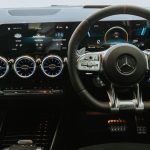
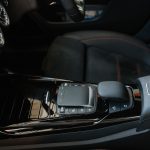
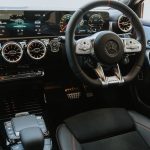
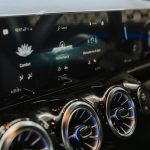
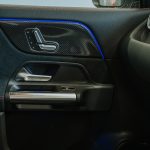
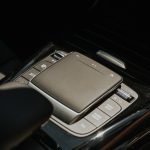
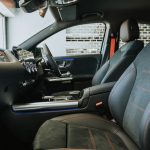
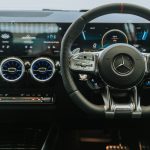
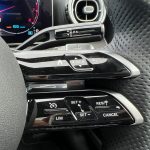
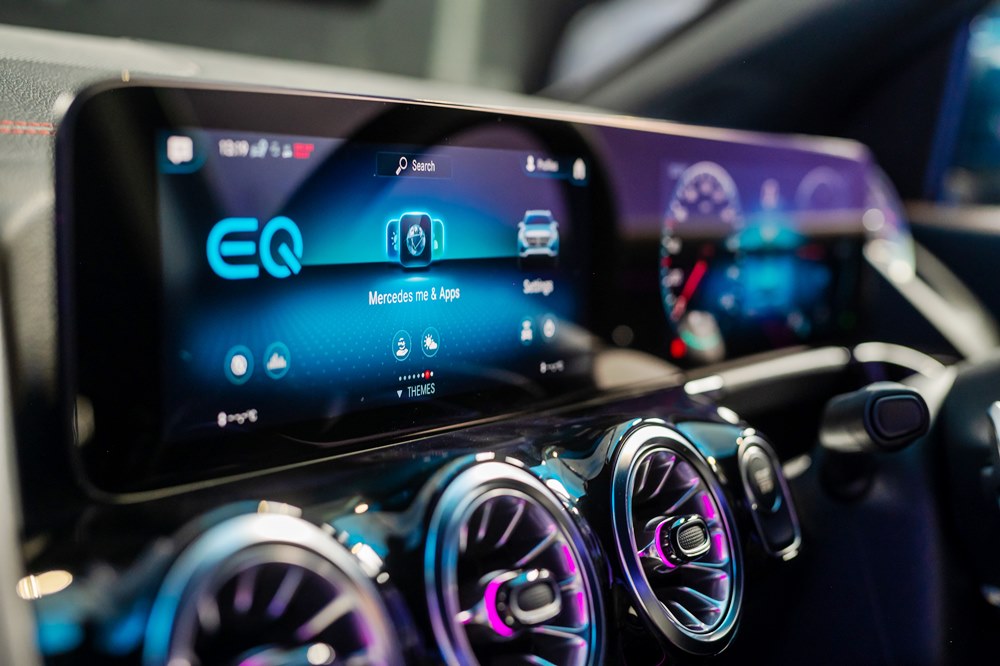
Inside, the new A 35 AMG offers an enhanced equipment range that includes a 360-degree camera, heads-up display and AMG steering buttons. There’s also a Keyless-Go comfort package, wireless charging and the MBUX interior assistant.
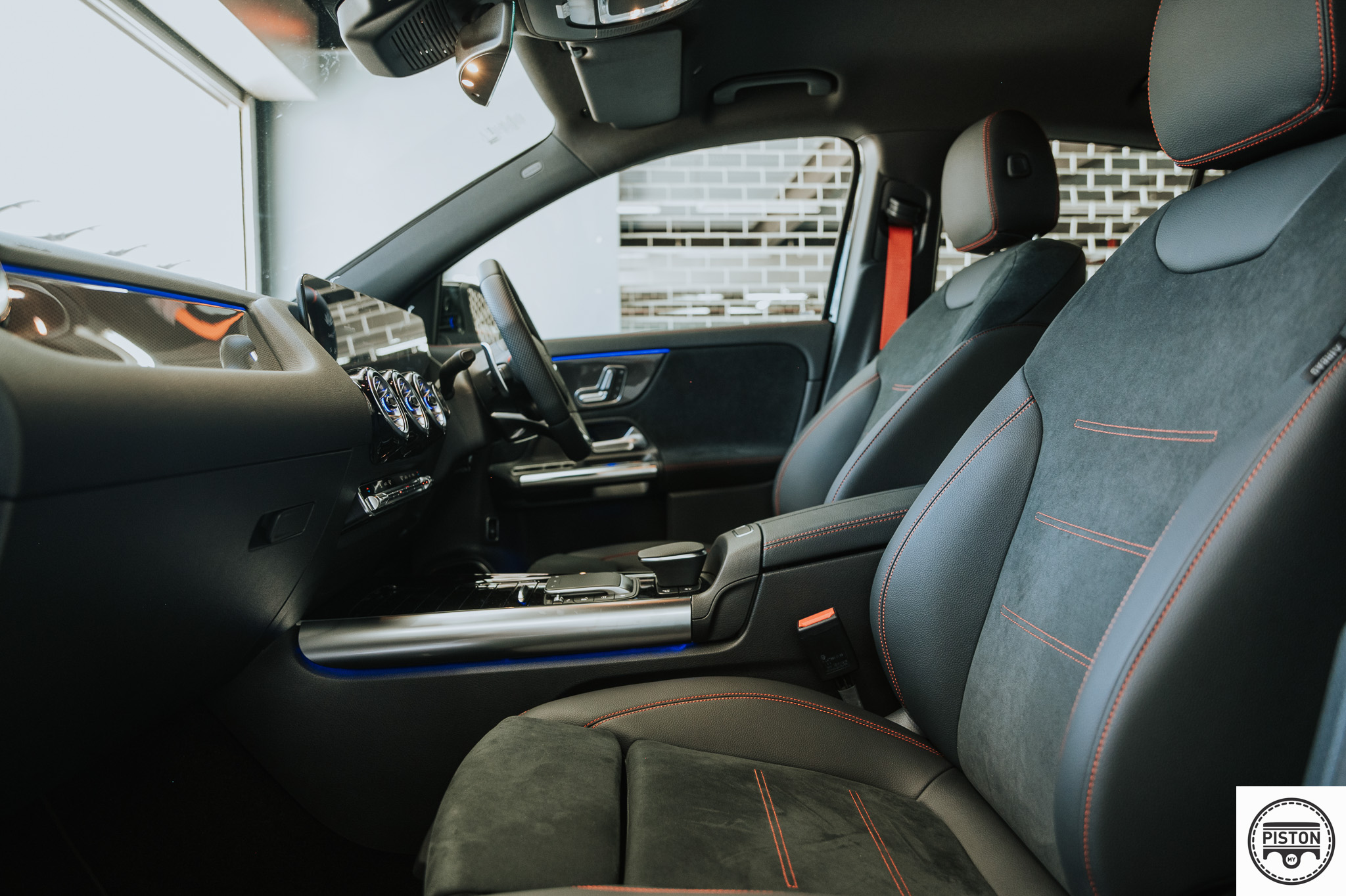
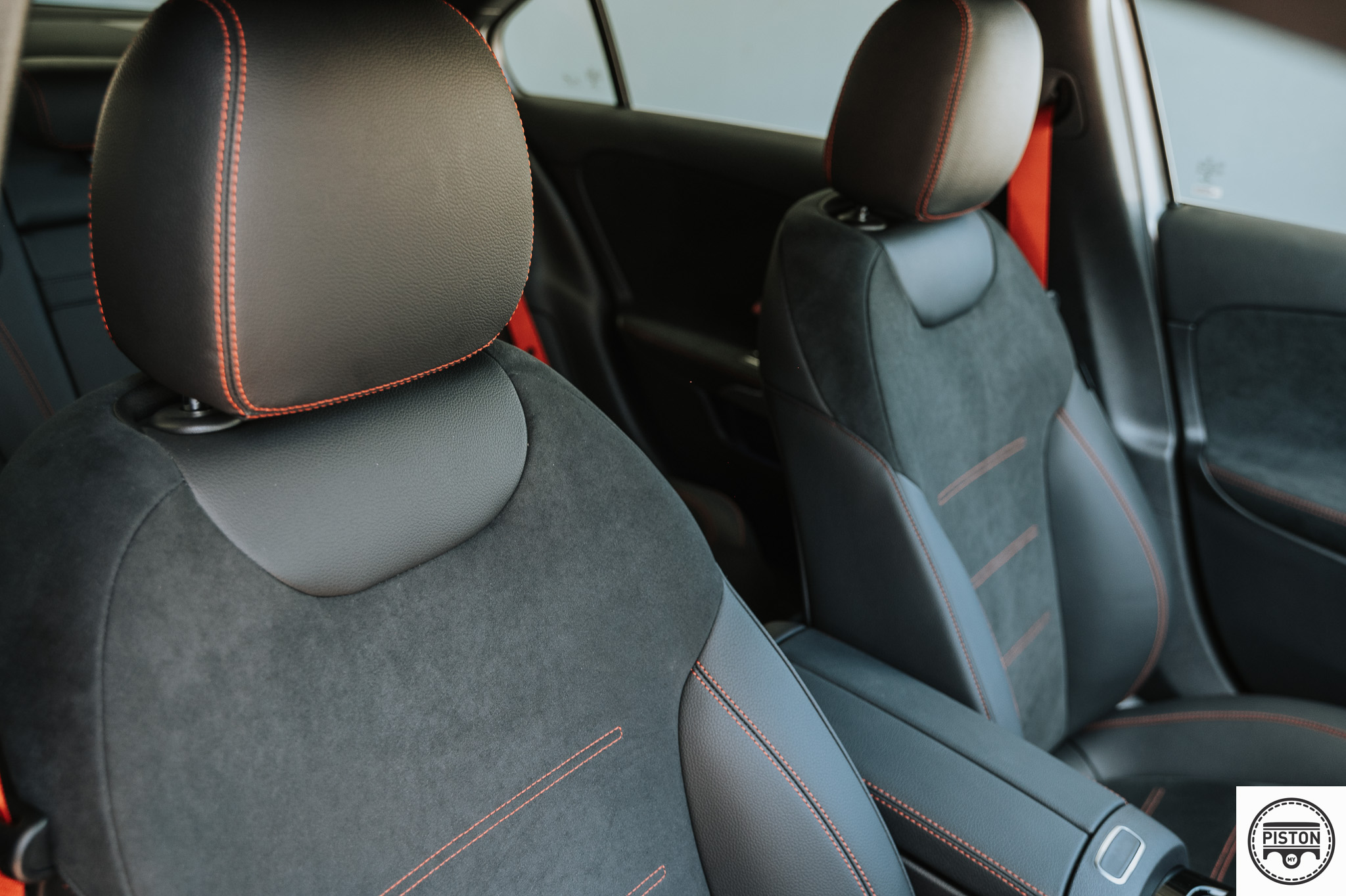
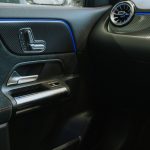
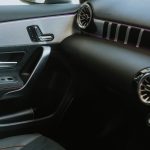
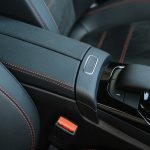
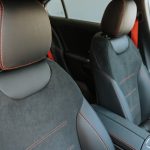
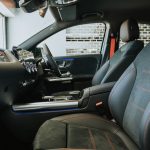
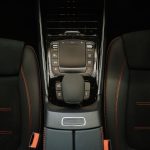
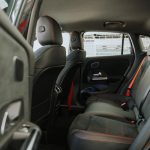
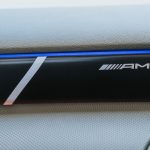
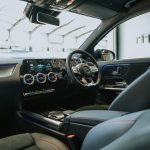
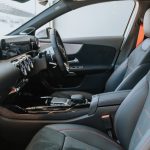
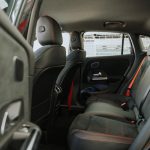
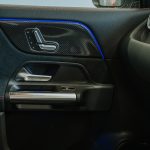
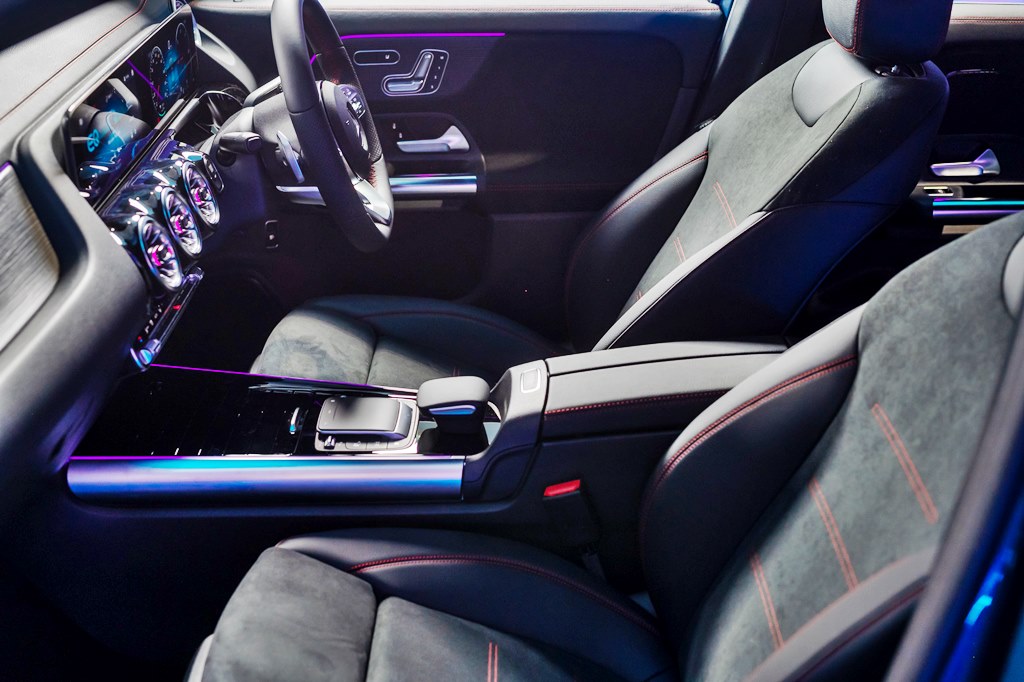
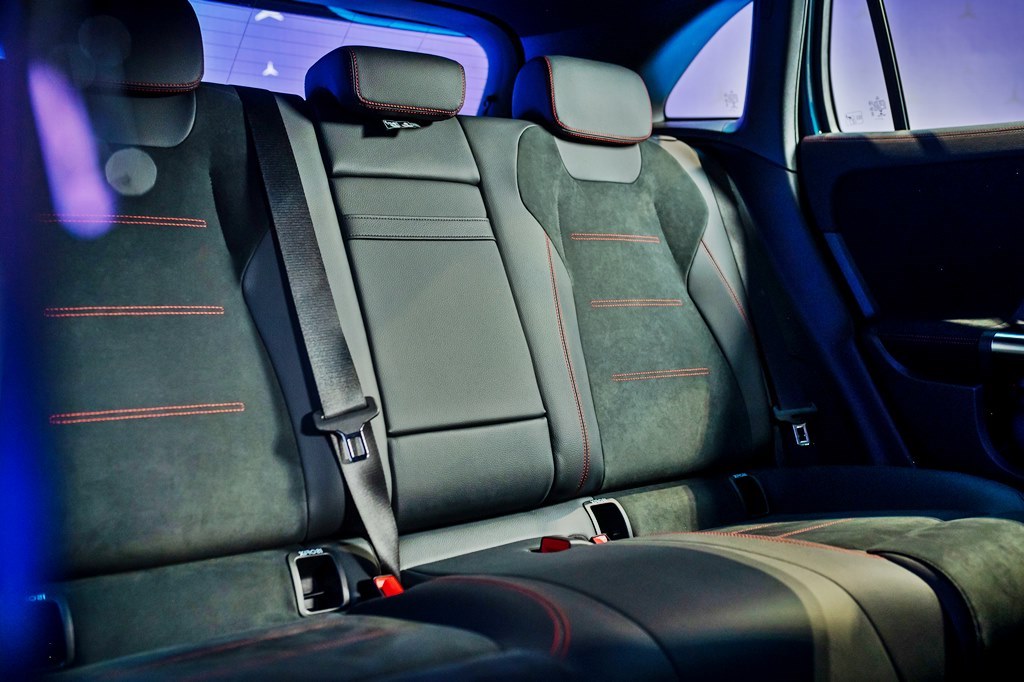
Other than that, the interior also comes with sports seats with electronic adjustment up front. The interior is available in optional ARTICO man-made leather or suede like DINAMICA microfibre black with AMG aluminium trimming in either black or silver.
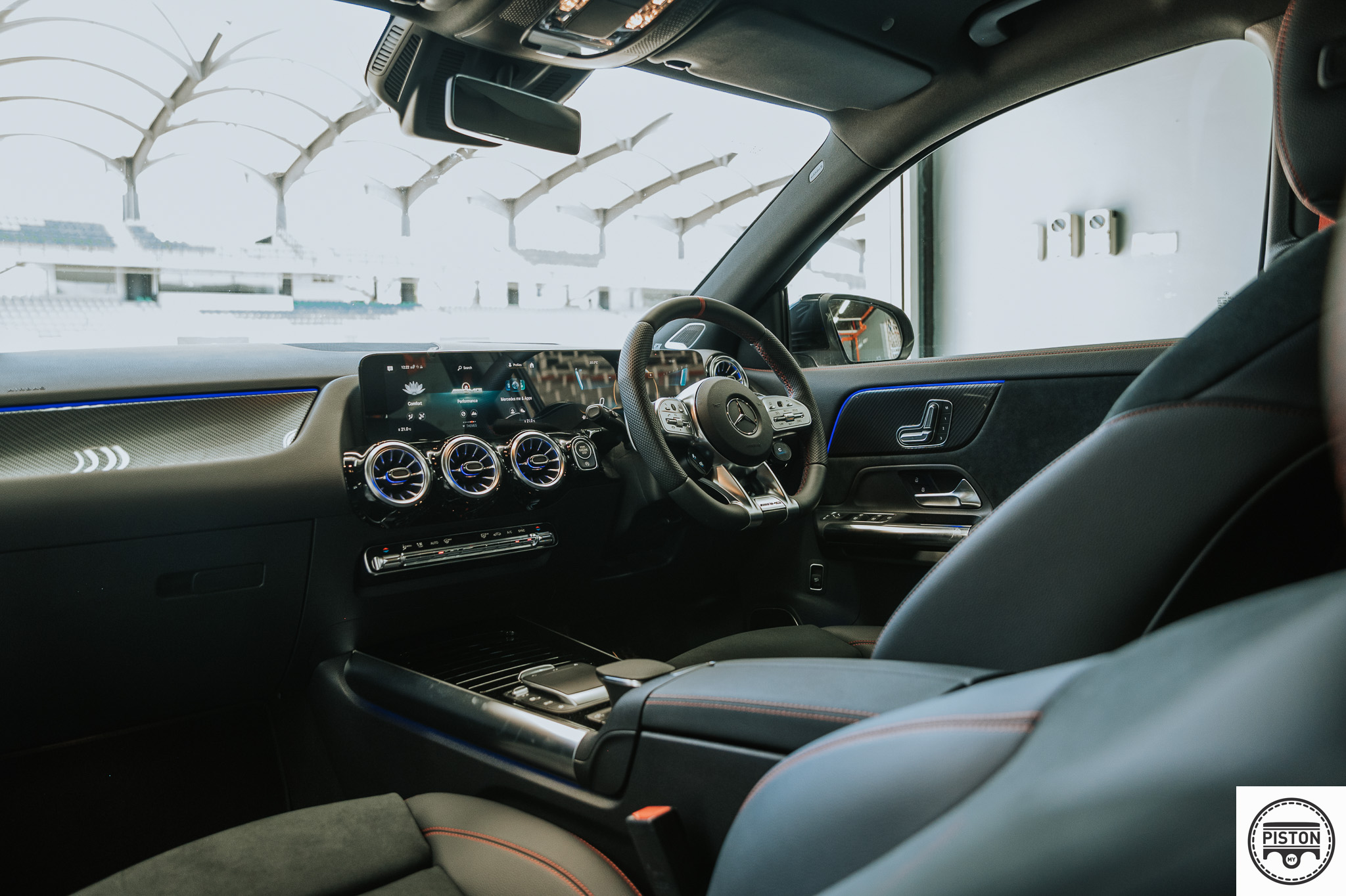
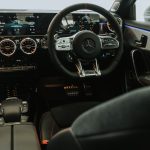
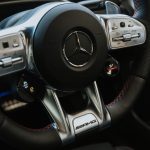
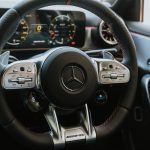
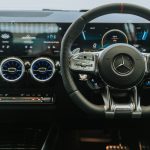
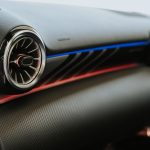
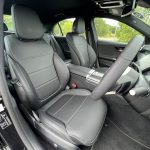
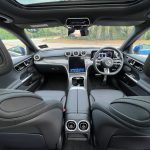
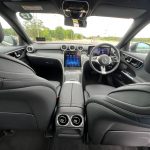
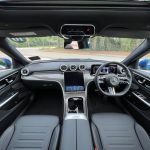
The interior of the GLA 35 AMG (shown below) is nearly identical. It features the same overall layout with the same MBUX system and offers the same leather options as the A 35 AMG but comes with carbon-fibre like trimming instead. Just like its sedan sibling, the GLA 35 AMG too offers the AMG Performance steering wheel wrapped in nappa leather.
The GLA also comes with a 360-degree camera, active park assist, blind spot assist, active lane keep assist, active brake assist and Keyless Go, among others.
But the similarities end there. The GLA 35 AMG distinguishes itself by offering the light and sight package as standard that comes with 64 ambient lighting option, an auto-dimming interior mirror and driver’s exterior mirror function.
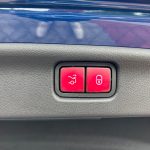
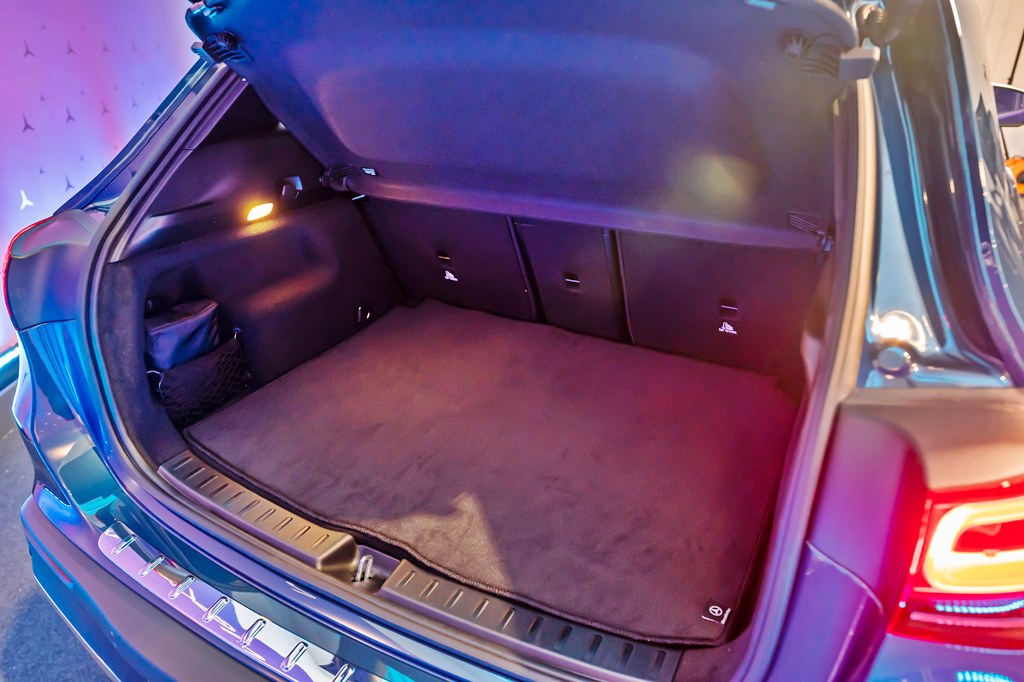
The GLA also offers the easy-pack powered tailgate and the Urban Guard vehicle protection with anti-theft alarm and interior monitoring system.
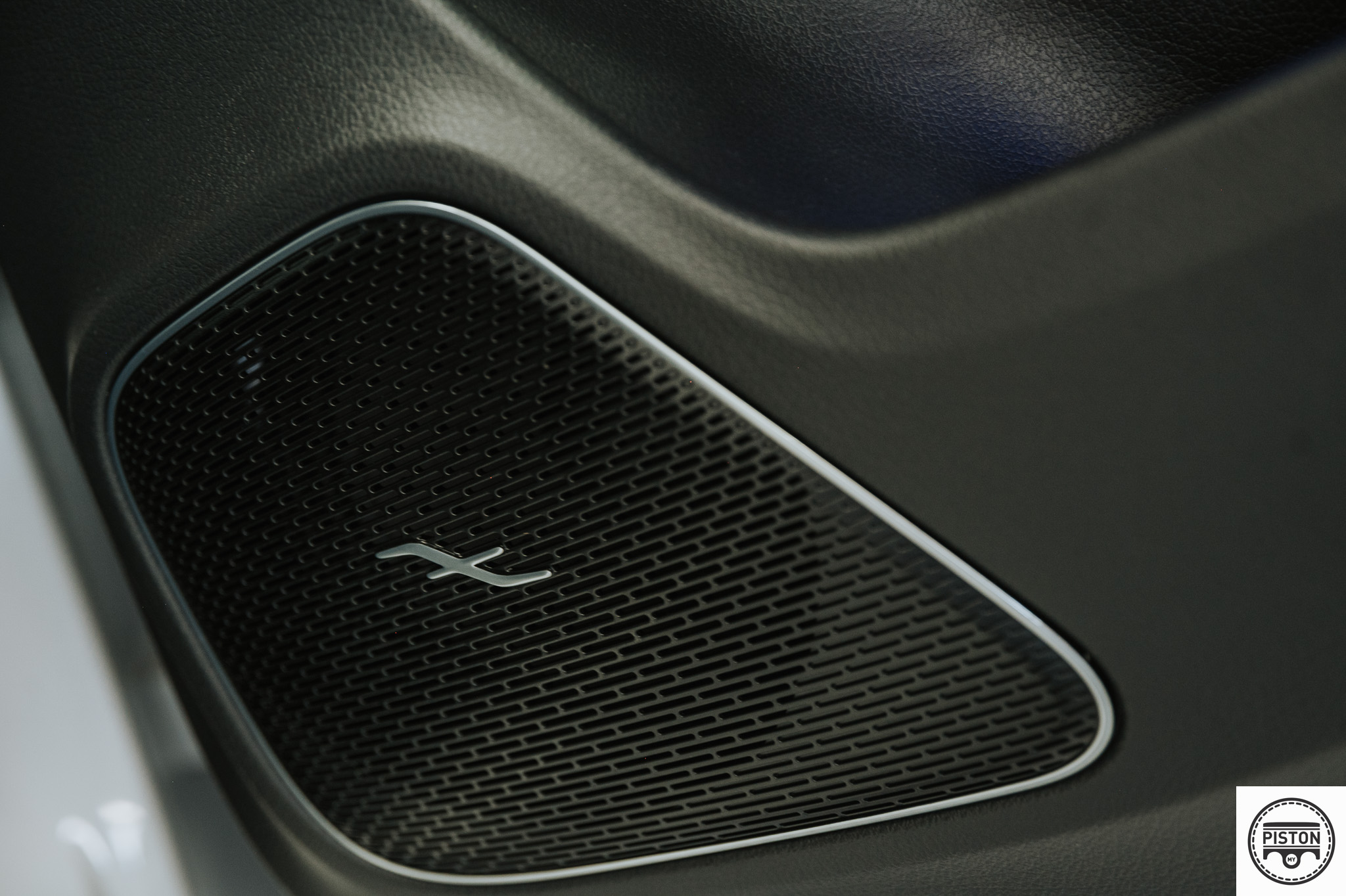
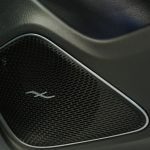
Both the A 35 and GLA 35 AMG come with the Burmester surround sound system.
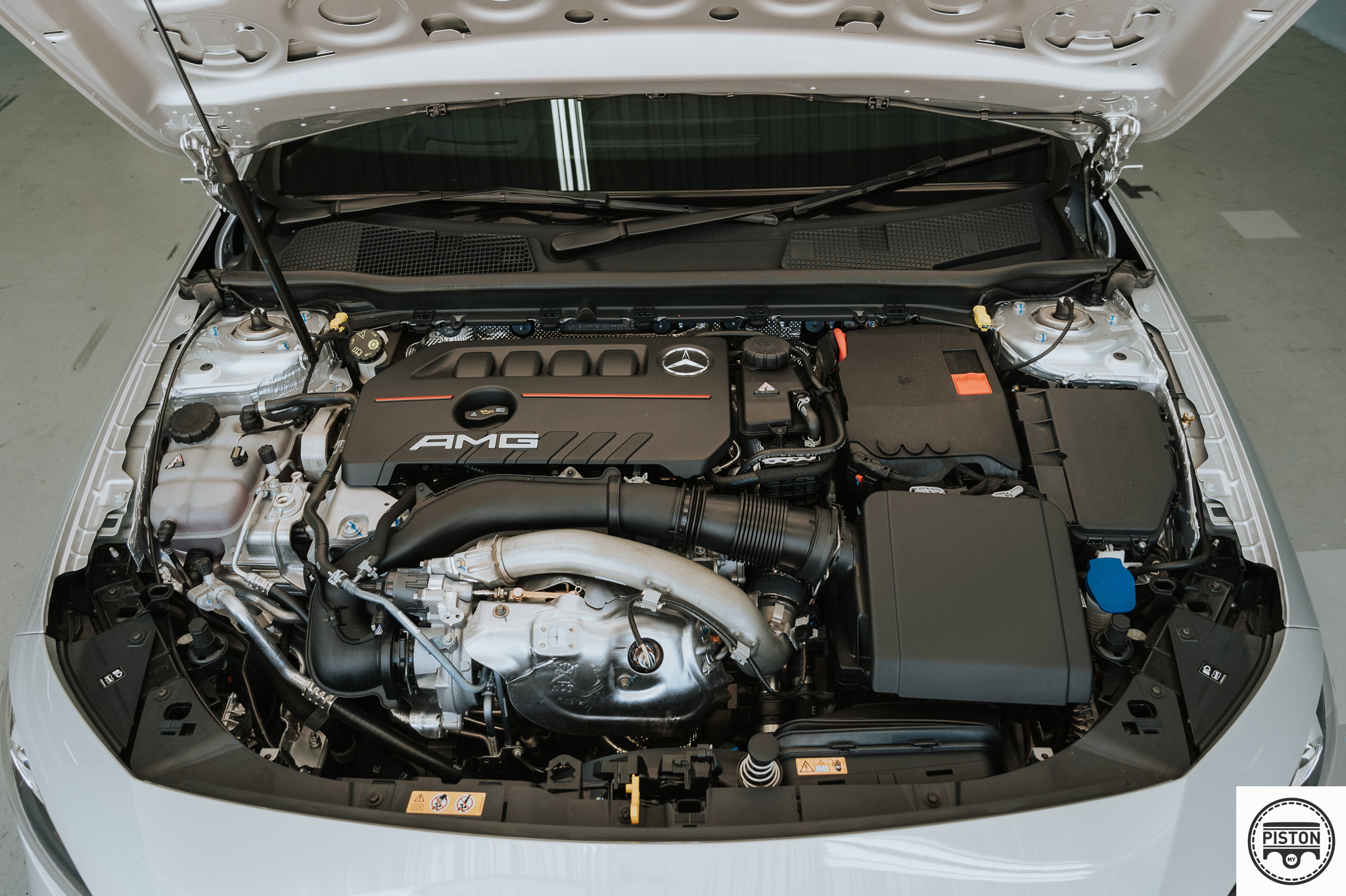
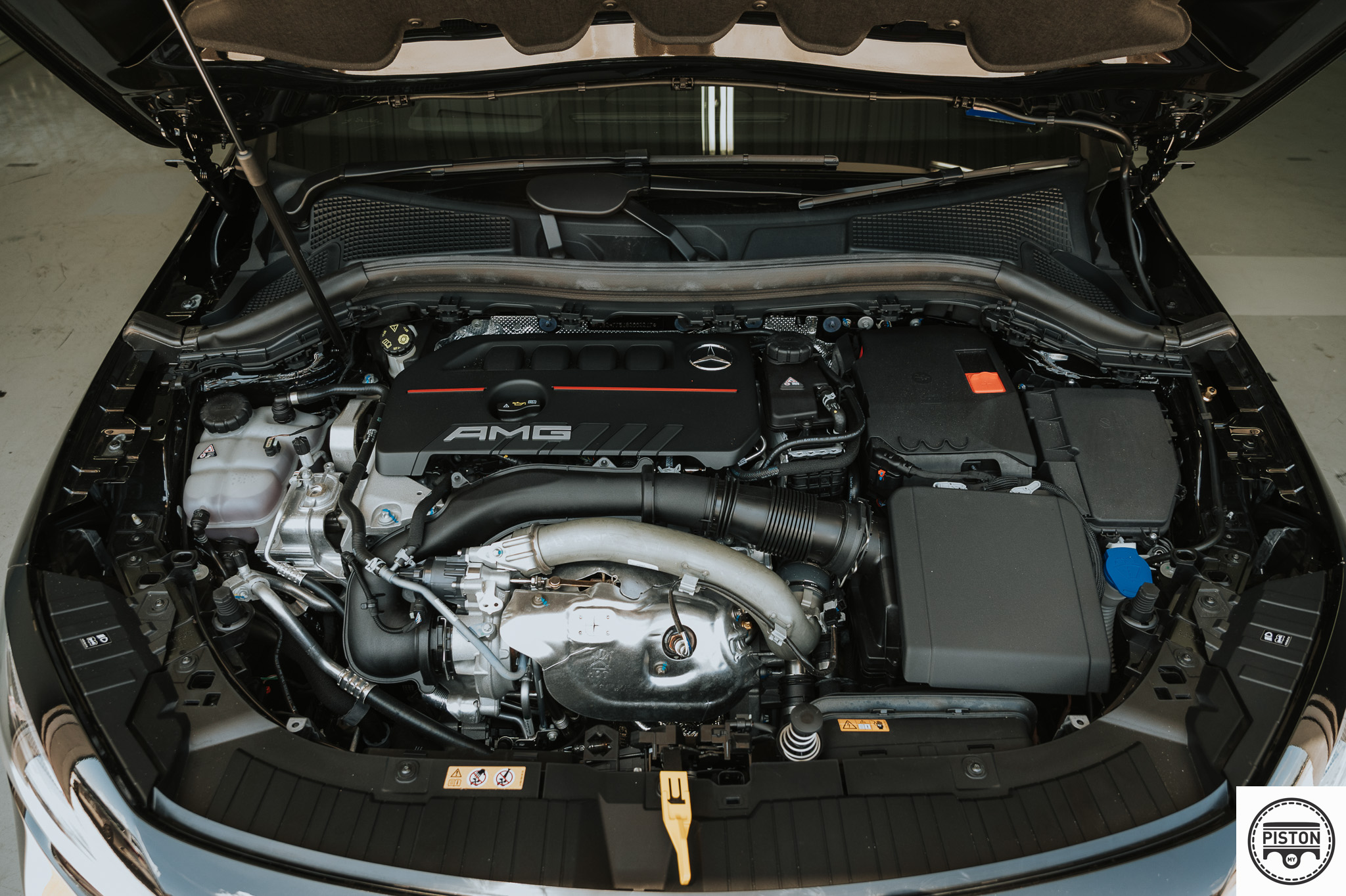
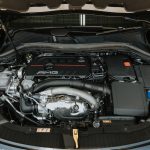
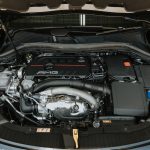
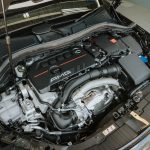
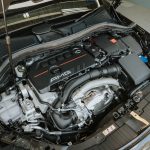
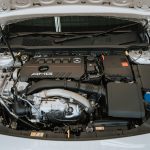
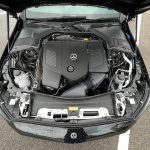
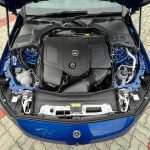
The interiors of both cars may be slightly different, but both cars are powered by the same M260 2.0-litre, four-cylinder, turbocharged engine that puts out 306hp and 400Nm of torque.
Both cars may share the same engine, but not the same gearbox. The A 35 AMG gets an AMG SpeedShift DCT 7G box while the GLA gets the AMG SpeedShift DCT 8G box.
This engine though is not new either and is carried over from the previous model and is a highly tuned version of the engine found in the A250.
Unlike the engines found in AMG models like the A 45S and above, the engine in the A 35 and GLA 35 is not put together by a single person, which is an integral part of the AMG ‘one man, one engine’ ethos.
But that is not to say that the cars are not proper AMGs.
As part of the launch, we were given three laps of the north track of the Sepang Circuit in both cars.
Both cars felt eager and responded to the tiniest of throttle input, which gave it a very edgy character.
We started and ended the drive in the Sport Plus driving mode. There are four driving modes on offer with Sport Plus being the most extreme with all systems on full alert.
Despite both cars coming with AMG Ride Control suspension, the GLA had noticeable body roll around the tighter corners of Sepang.
This is quite understandable because the GLA has a taller ride height and as such will tend to roll around a lot more than the A-Class.
The A 35 AMG thought felt like the wilder sibling. The one that did not get the full parental supervision and as such grew up to be the brawler.
The A 35 feels like it truly benefited from the AMG Suspension. It felt more planted in fast corners, and body roll was non-existent in tighter ones.
It did feel like it had more understeer than the GLA, but at no point did it feel unmanaged. After all, both cars comes with the Mercedes-Benz 4MATIC system that sends power to the axle that needs it the most.
In terms of outright performance, the A 35 accelerates harder than the GLA, it does the century sprint in just 4.8 seconds while the latter does it in 5.2.
After the drive, it was clear that the GLA 35 AMG is more suited to comfort and convenience. It is a car for the family man who wants a dash of sports.
The A 35 AMG though is for the wilder ones. If you appreciate a car that rewards hard driving and corner carving, the A 35 AMG is the car for you.
Both offer well built cabins with impressive features, and there’s no louder testament that you have made it in life than a AMG badge.
The GLA 35 AMG is now available at RM345,048.74 with SST exemption while the A 35 AMG retails at RM325,090.23 before SST.
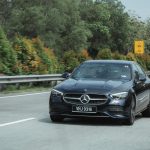
While a Mercedes-Benz S-Class is the ultimate symbol of success, the C-Class is a loud statement of intent.
Before the rise of the A-Class and CLA, it was the C-Class that was the entry level model to the wonderful world of Mercedes-Benz. It was the car to buy for young executives who had just received their first big pay day.
The C-Class took over from the iconic 190E and the new W206 is the fifth-generation model, and is arguably the best C-Class ever made.
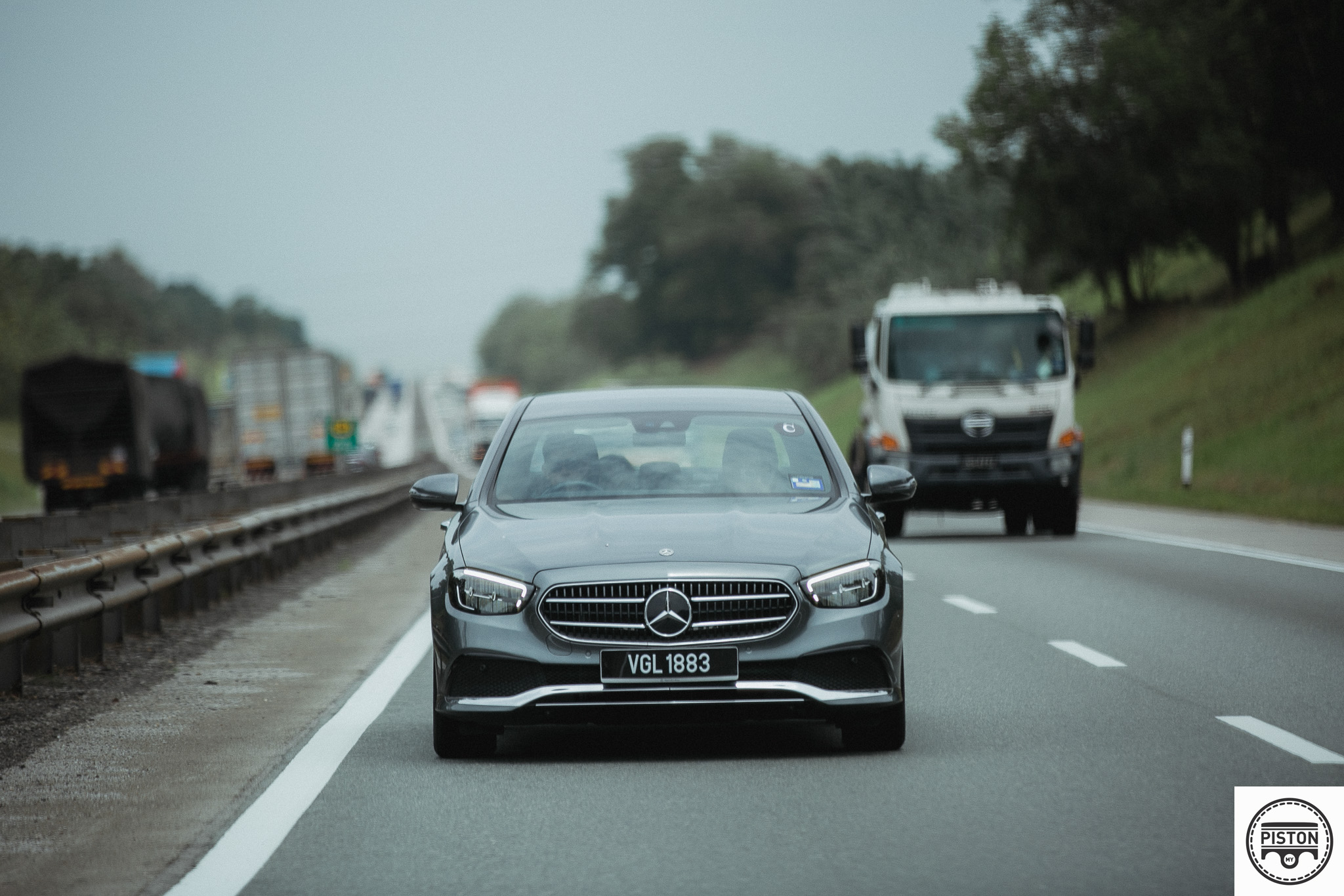
As handsome as the new design may be, Mercedes has opted for a similar design lingo across the board. It is now difficult to tell the new E-Class and C-Class apart from a distance.
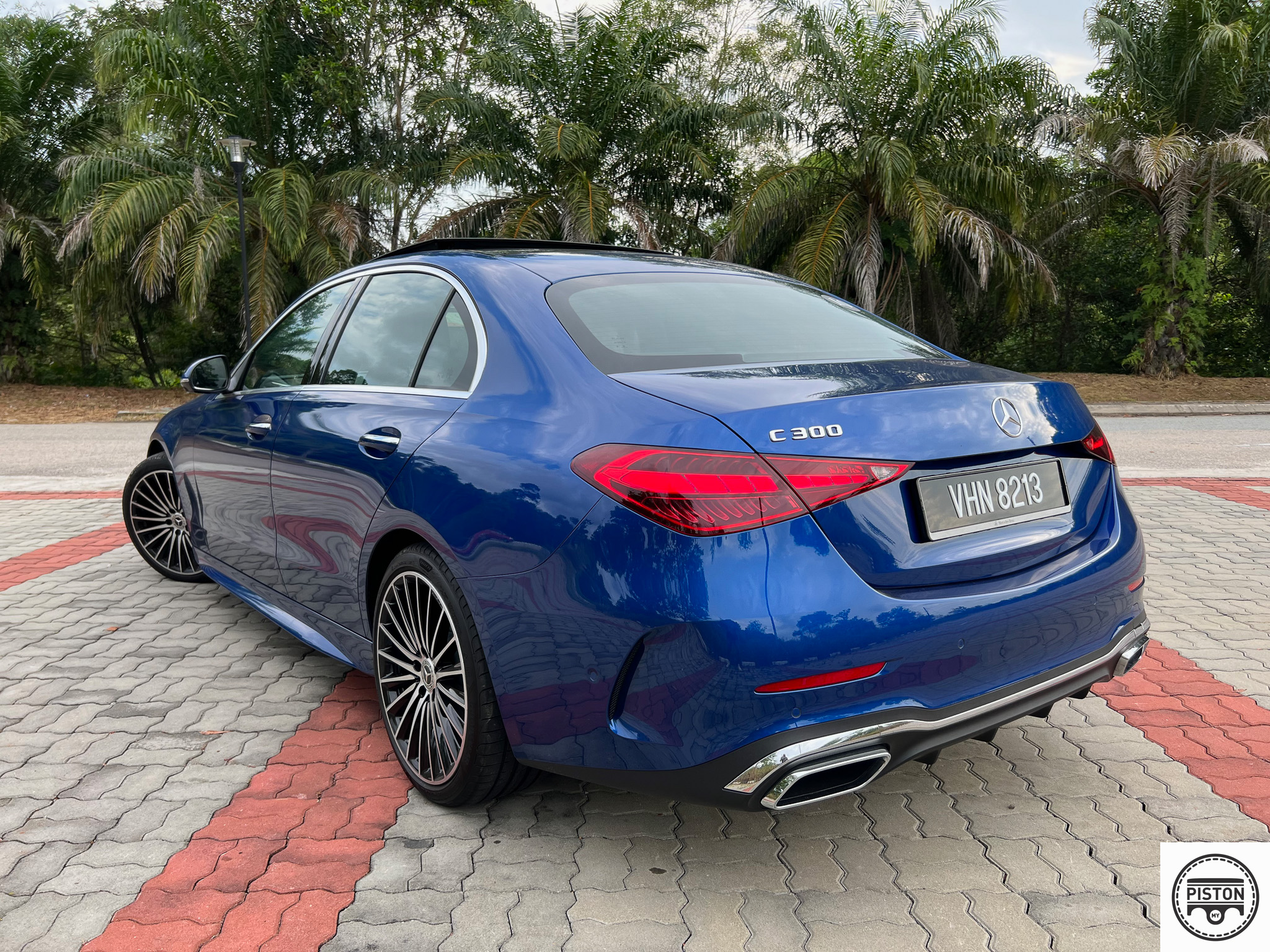
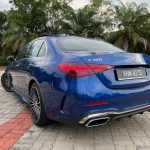
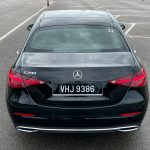
The rear is the one part where all new Mercedes-Benz models are painfully identical.
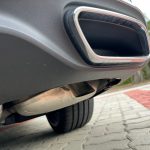
I personally can’t stand the fake exhaust tips moulded into the rear bumper, while the real exhaust are neatly tucked away behind the bumper.
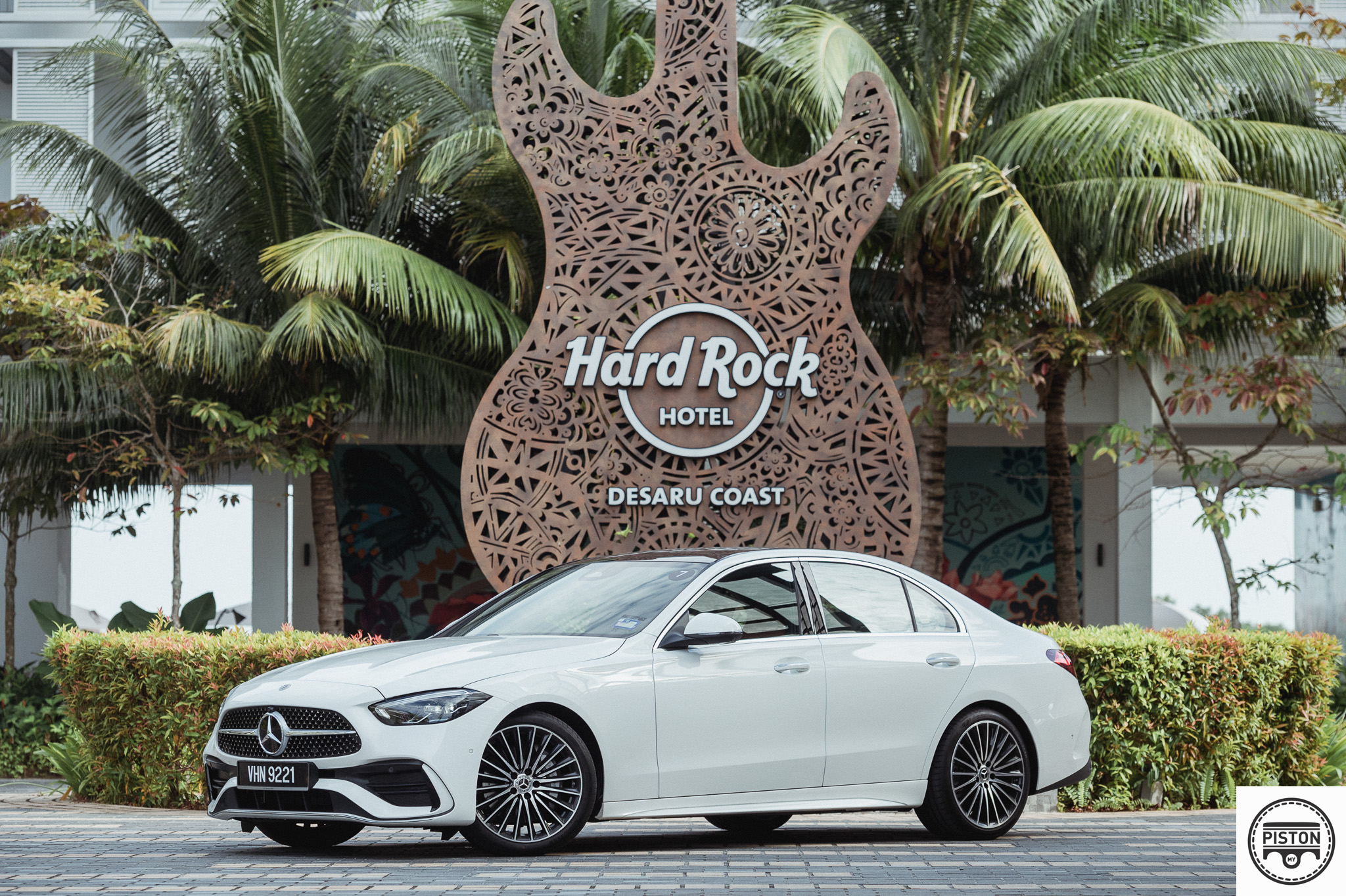
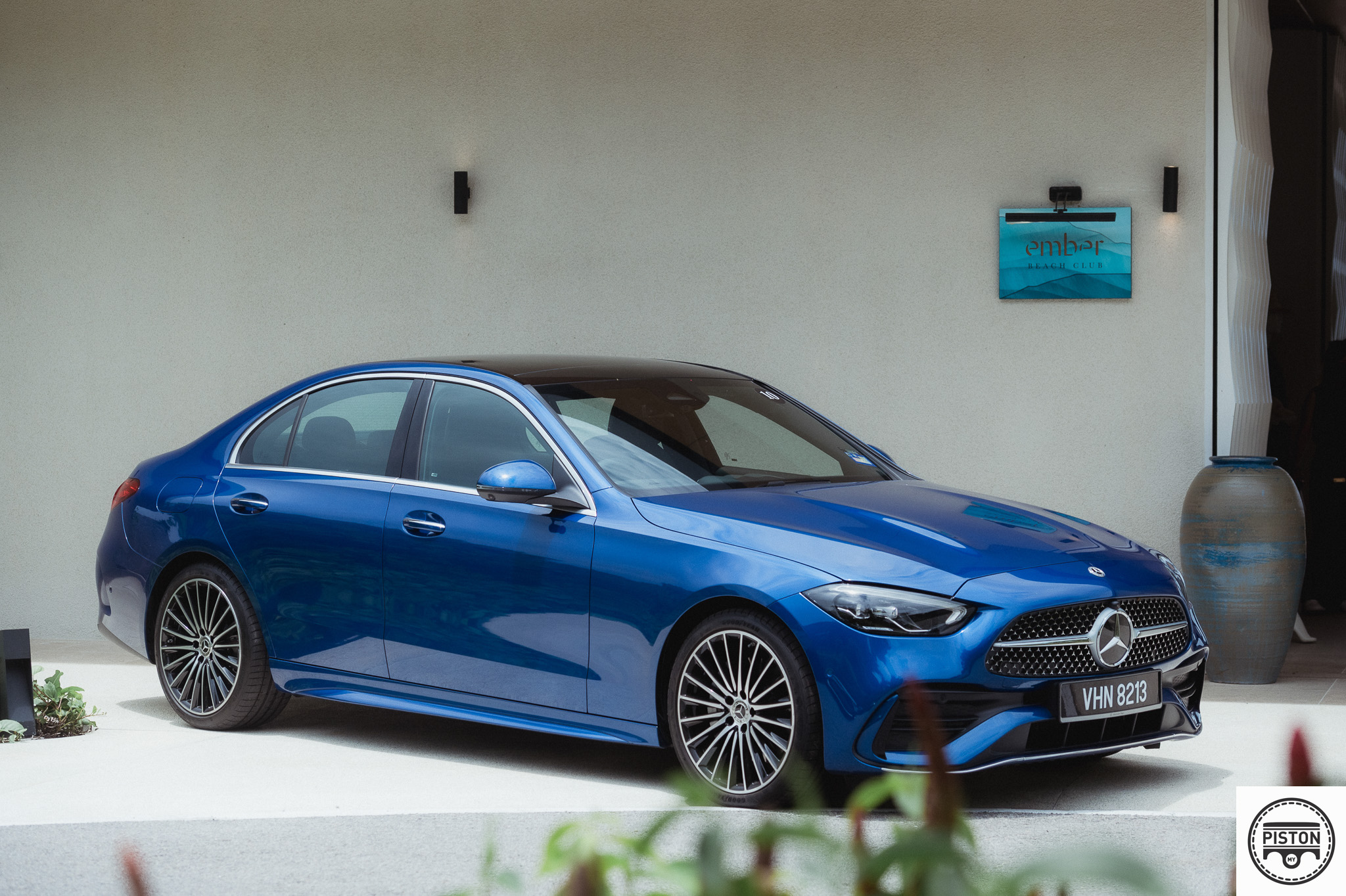
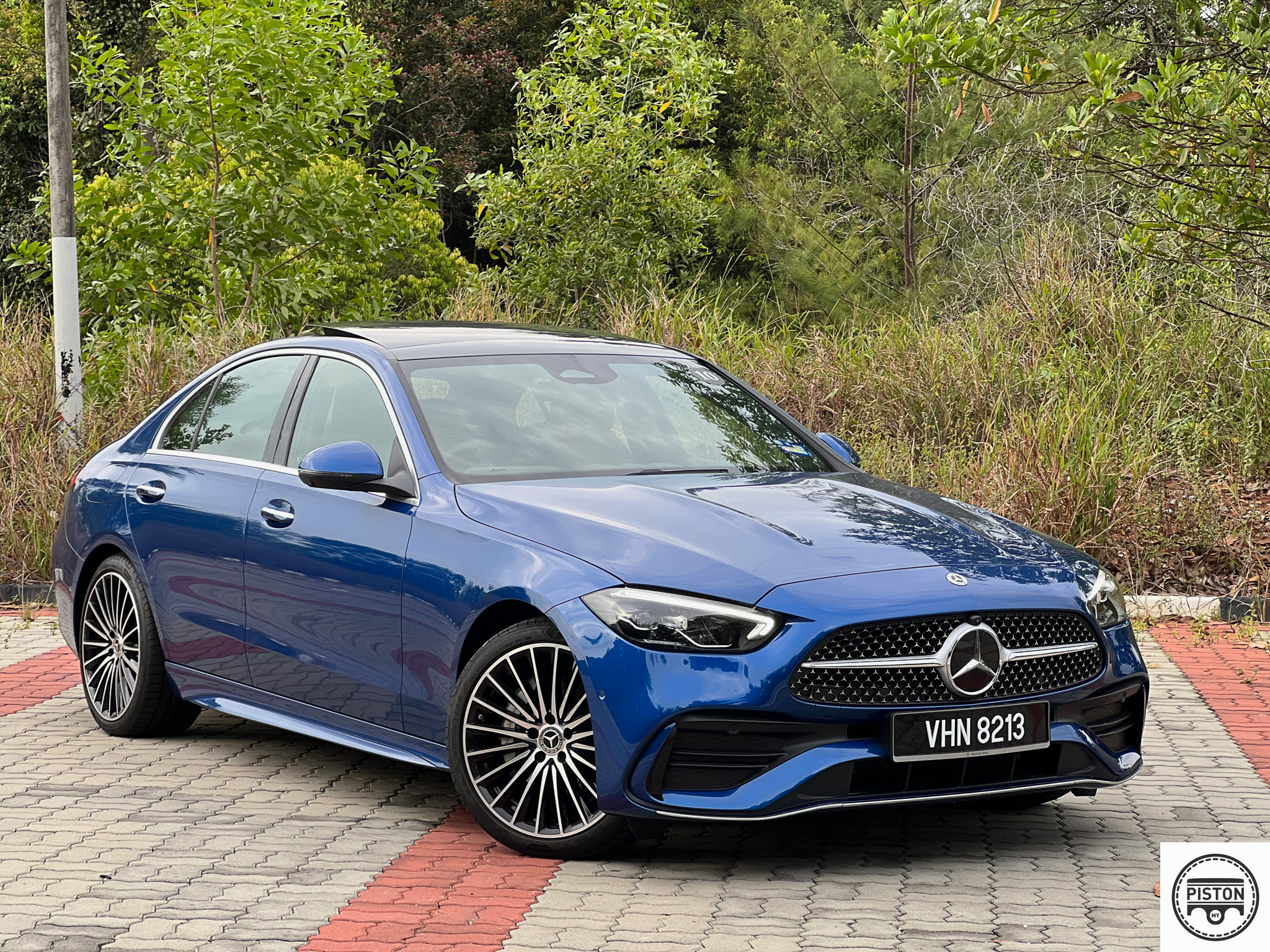
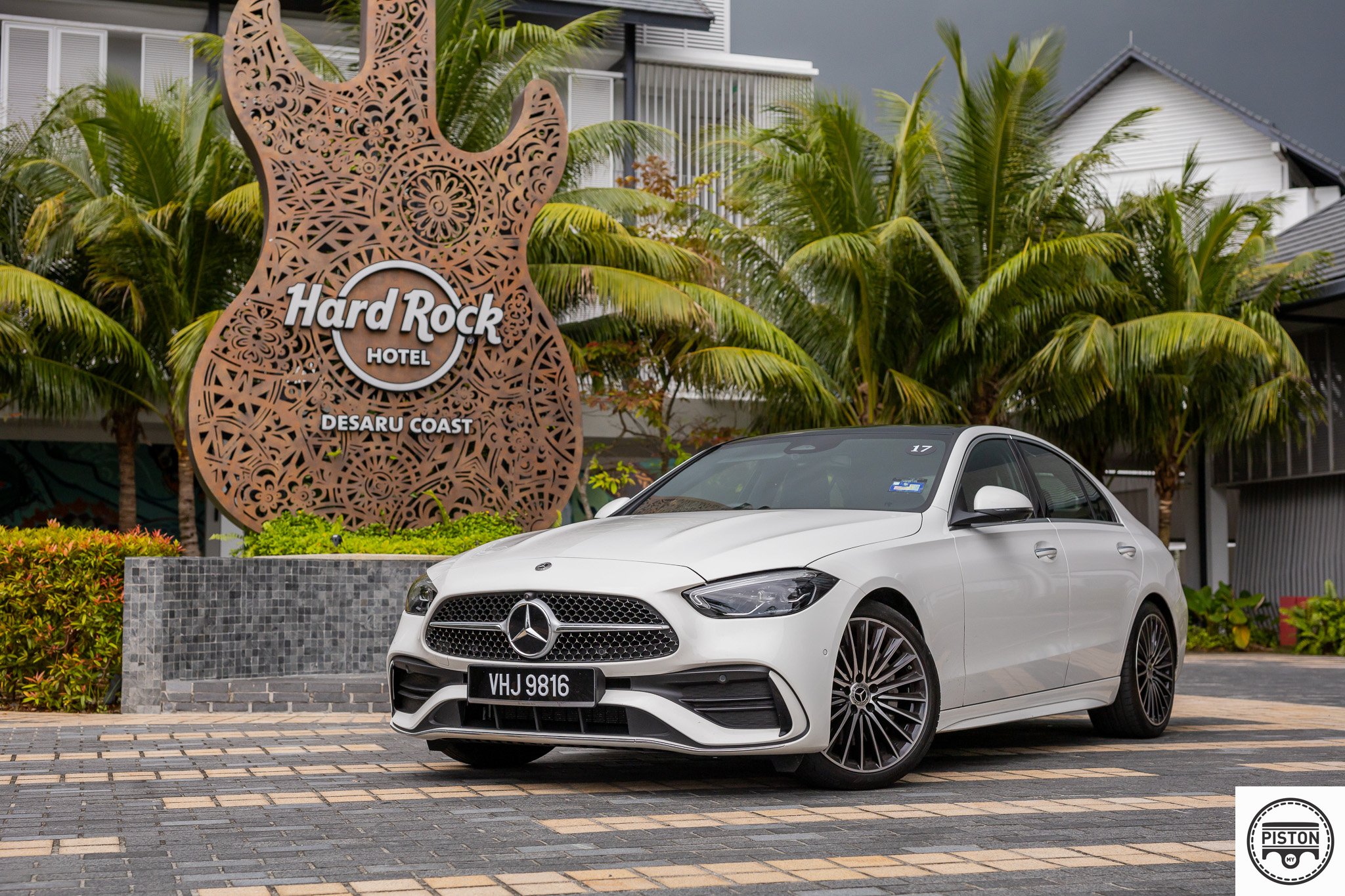
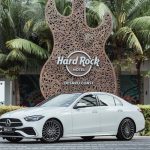
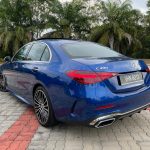
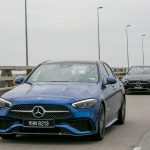
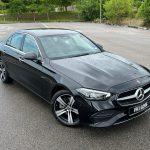
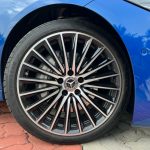
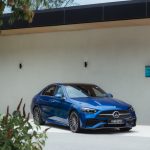
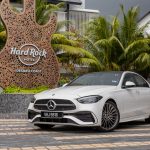
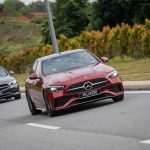
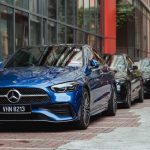
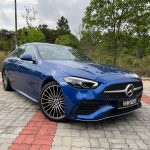
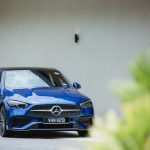
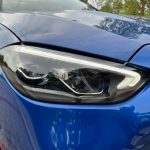
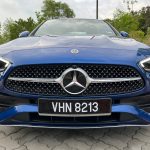
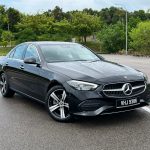
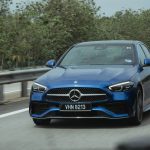
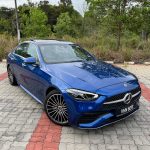
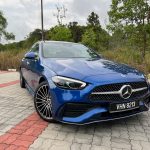
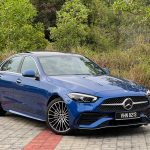
But the C300 (below) makes up for that with the sportier look and feel of the two C-Class models currently on offer. The C300 comes with an AMG body kit and sportier 19-inch wheels.
And it is most loveable in Spectral Blue. It is unfortunate though that this colour is only for the CBU models, and will not be available in the upcoming CKD models.
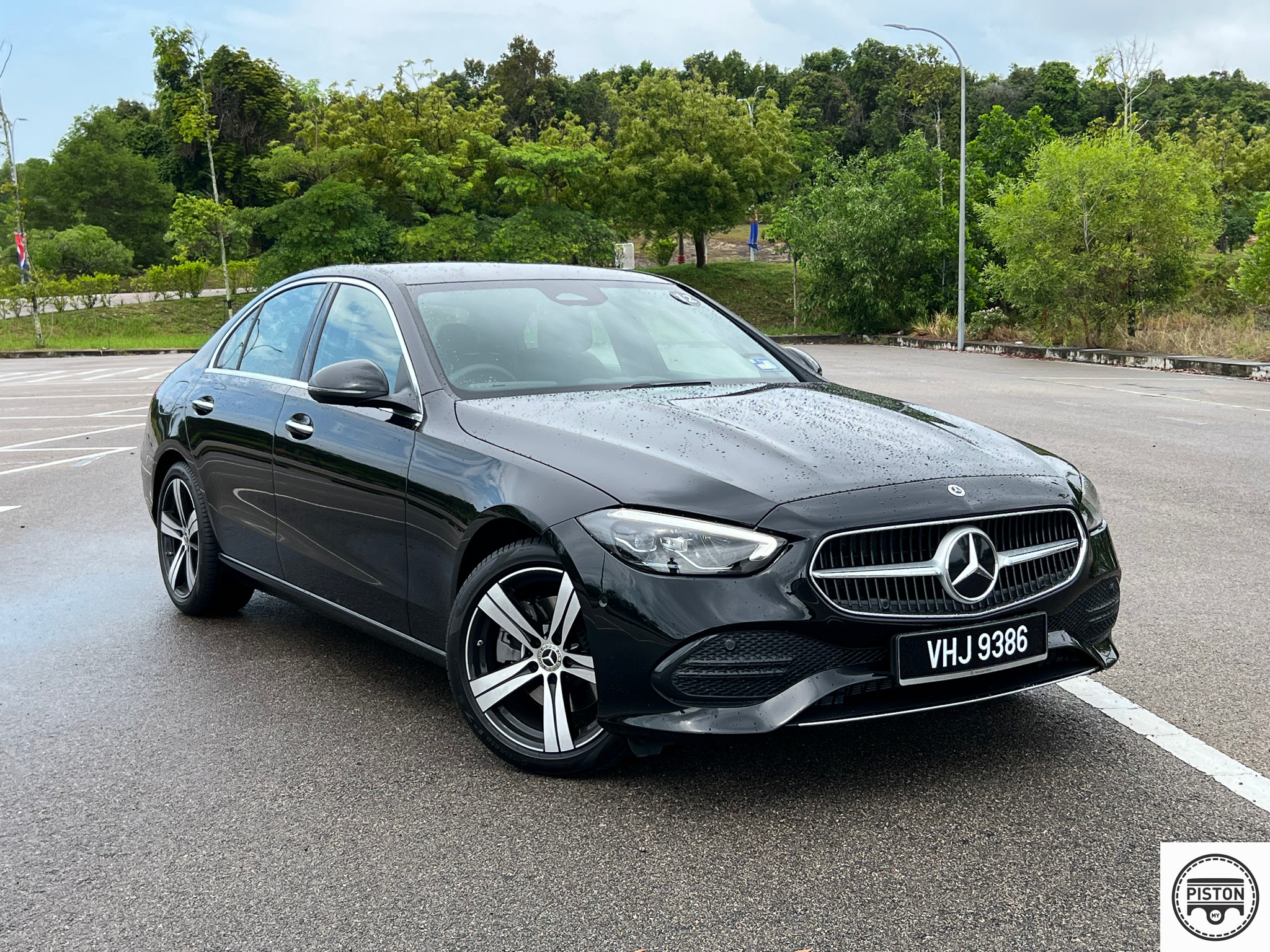
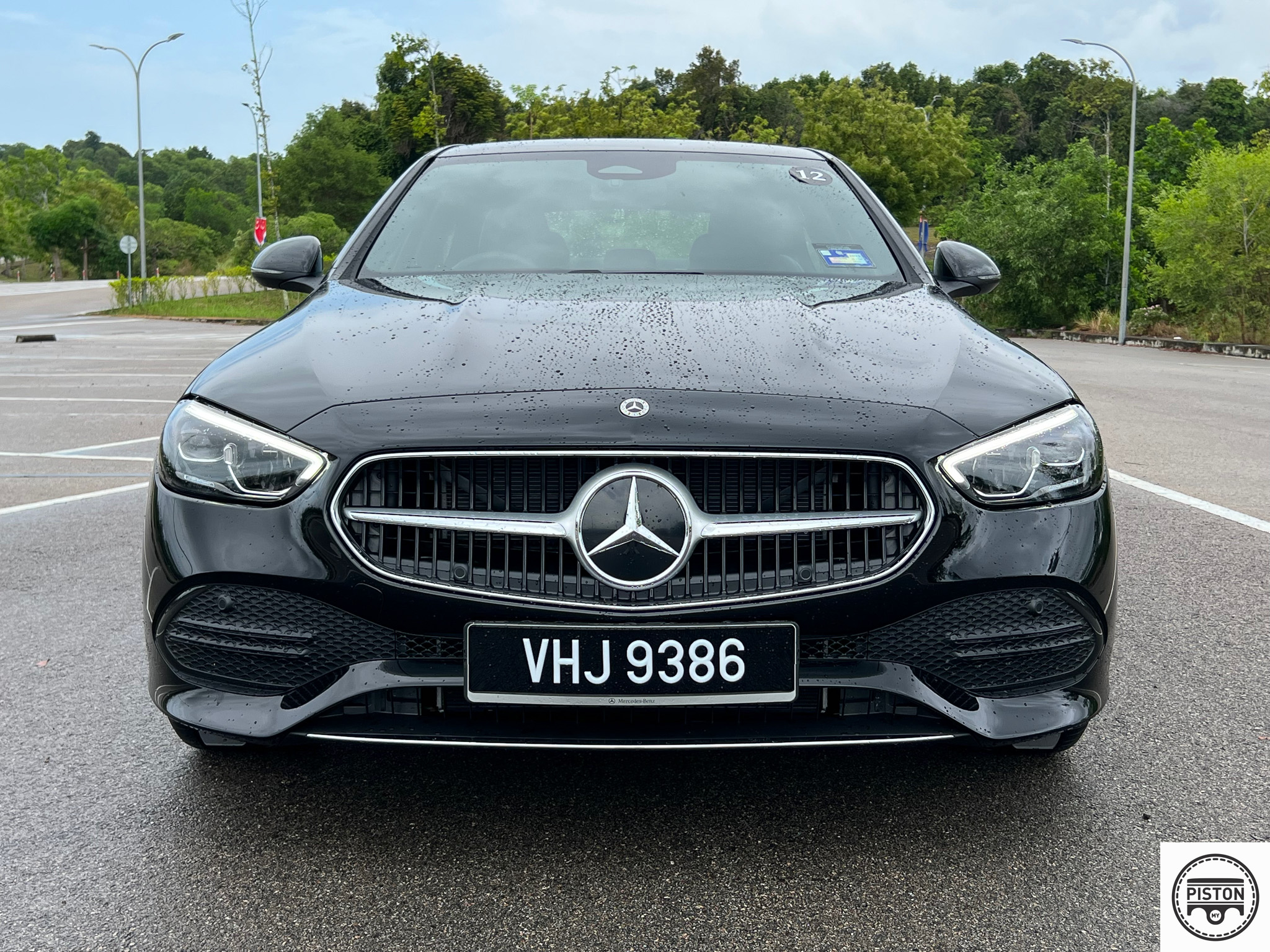
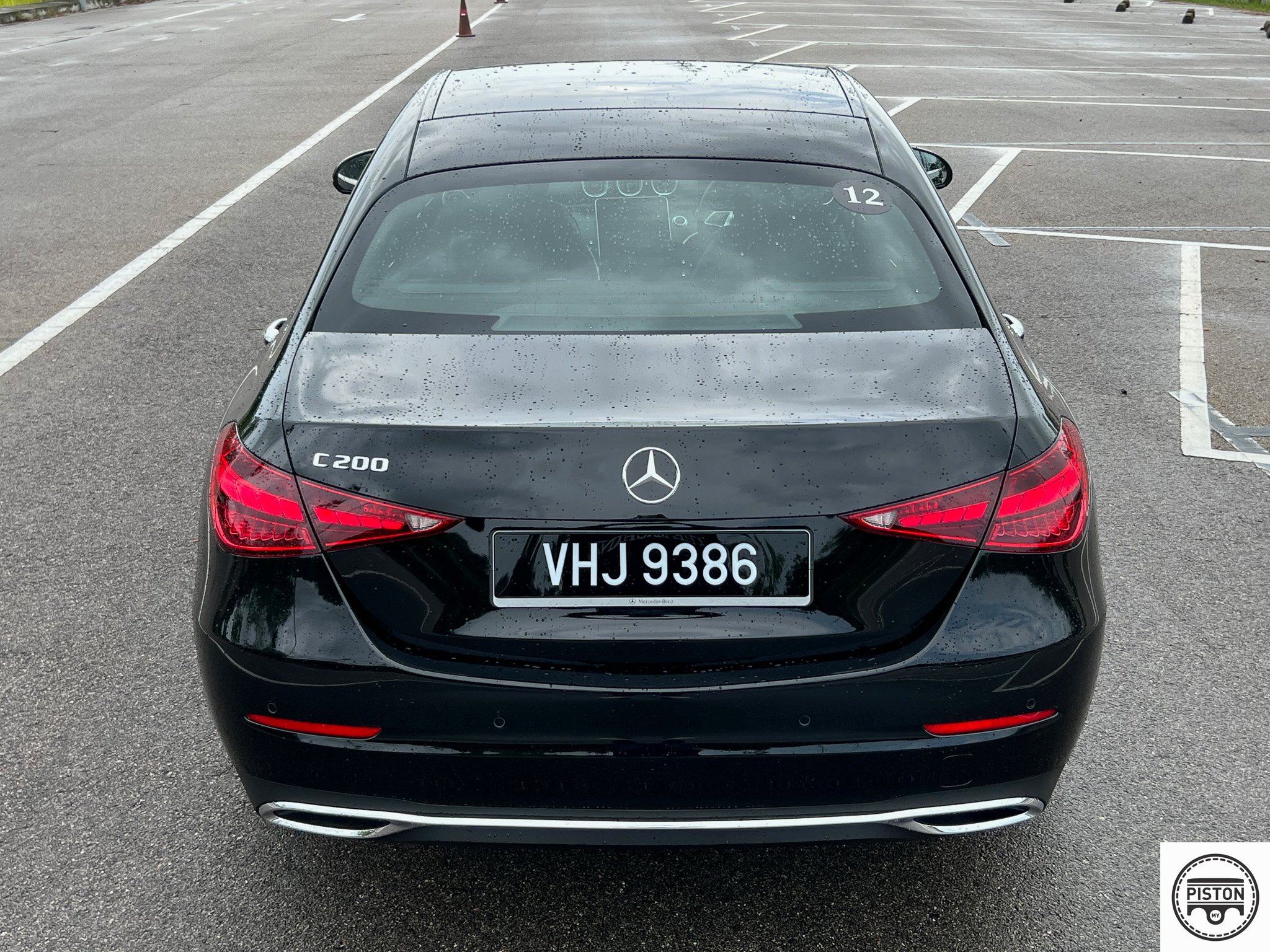
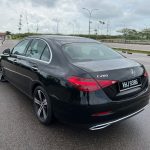
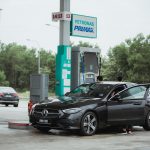
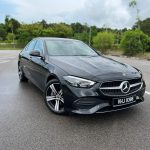
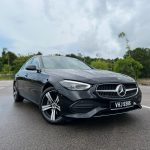
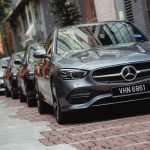
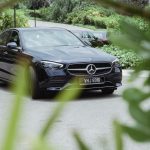
The C200 (above) on the other hand seems mundane in comparison. The Obsidian Black doesn’t do much to accentuate the design lines of the car, while the 18-inch wheels look common in comparison to the ones on the C300.
Both cars also feature the iconic power dome bulges on either side of the bonnet, a feature that was once reserved for the fire-breathing AMG models only.
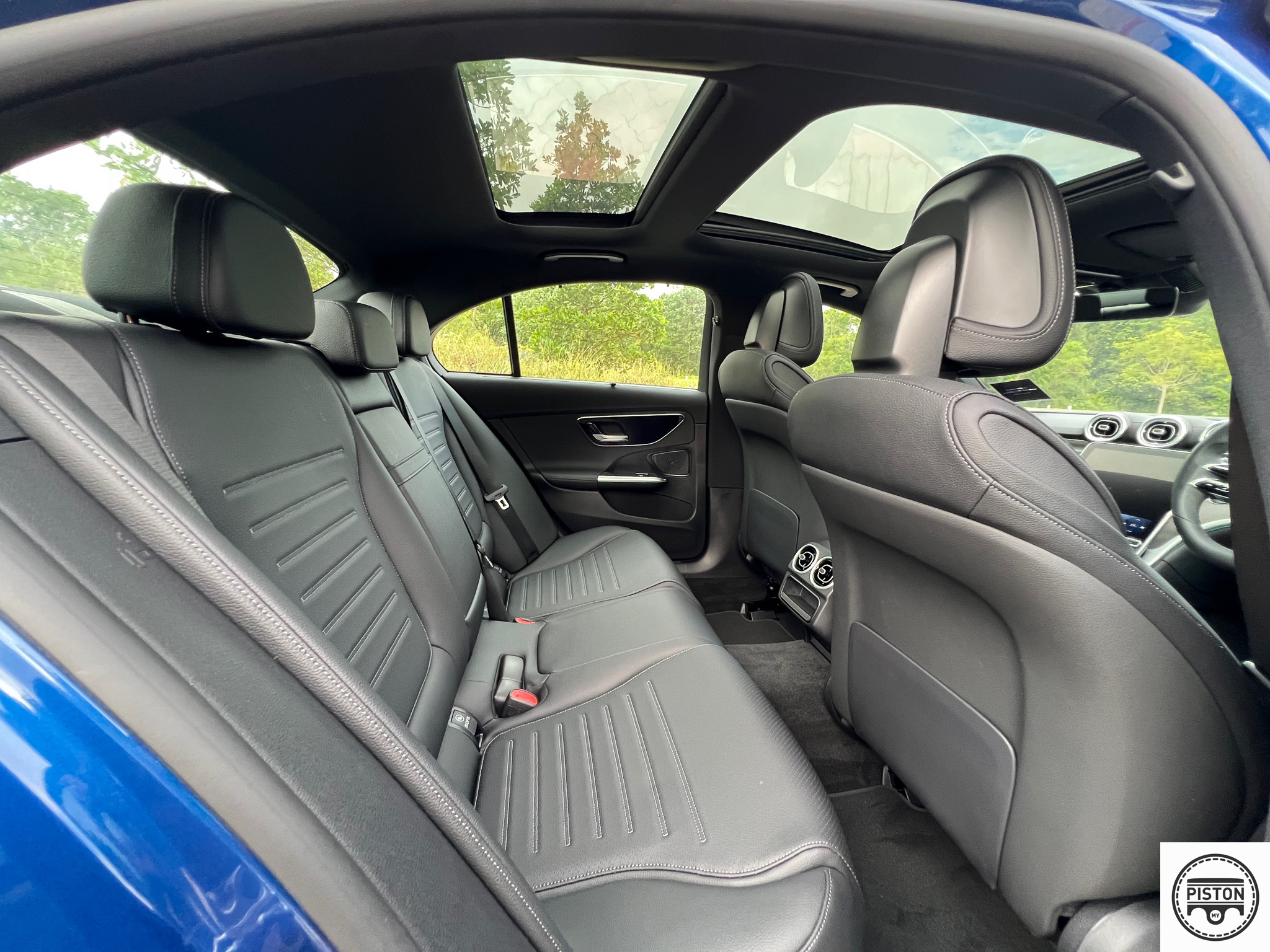
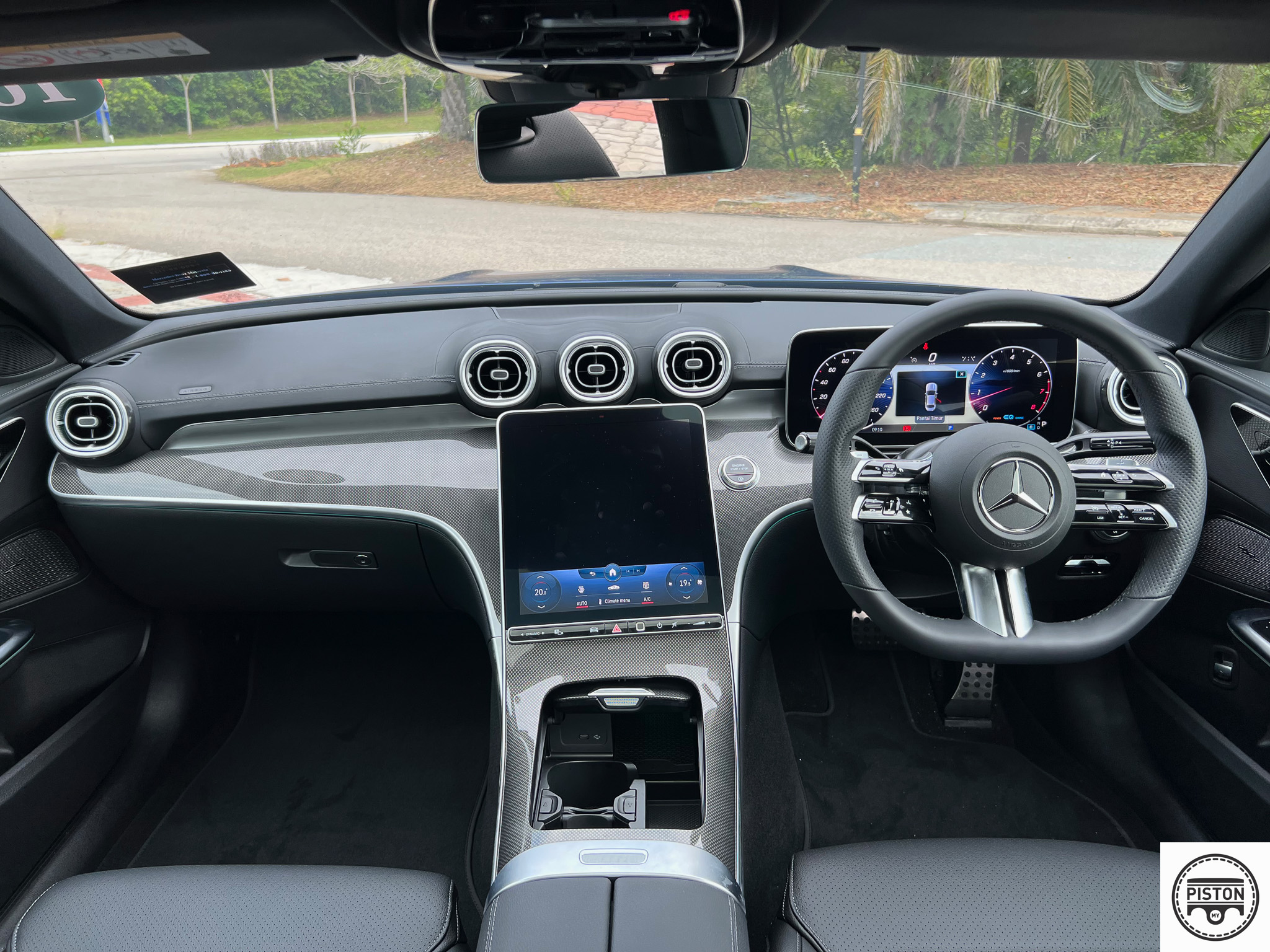
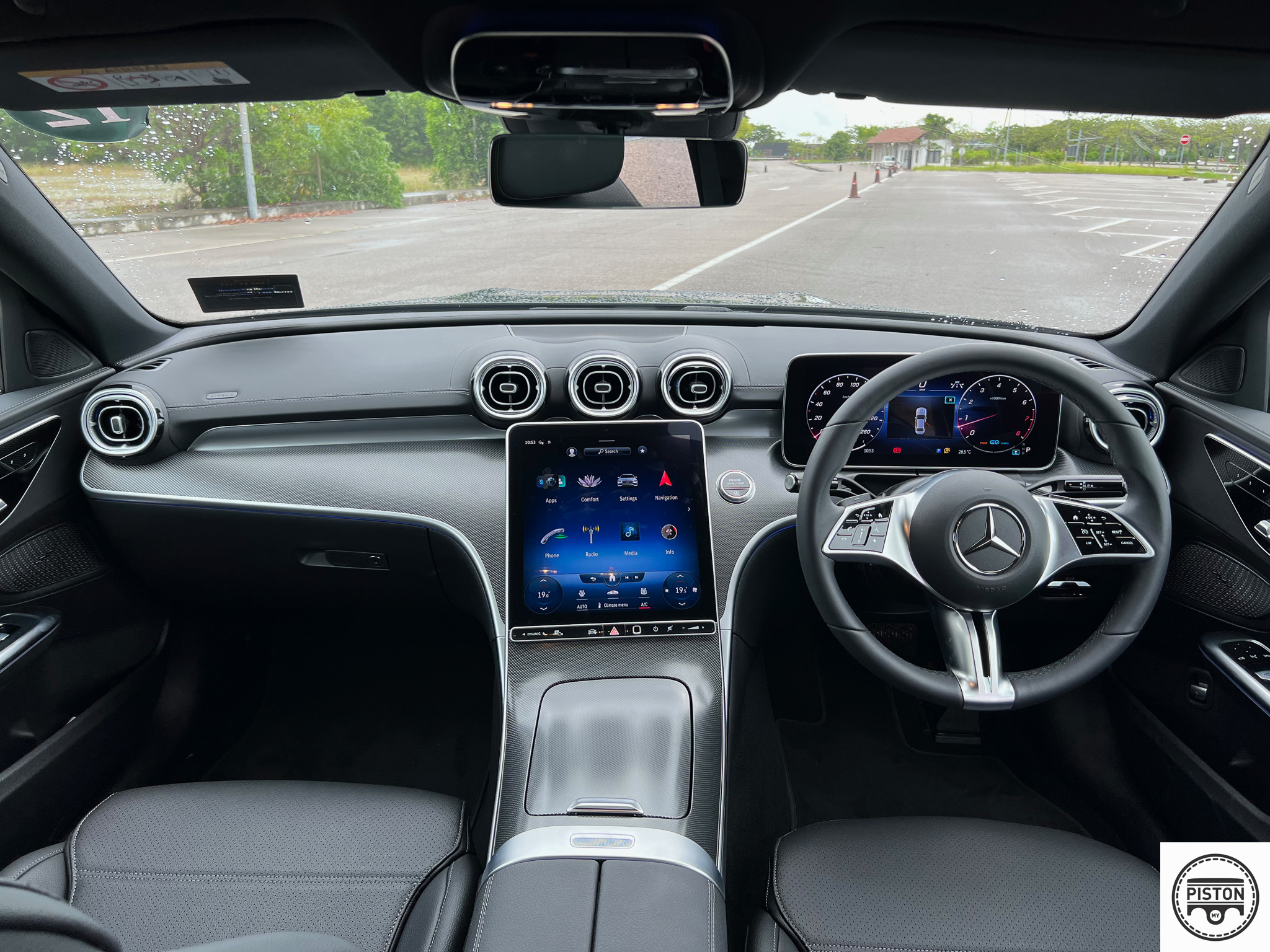
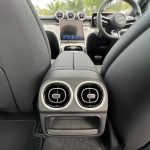
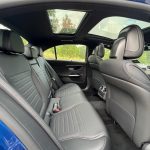
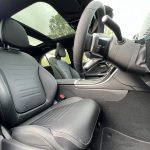
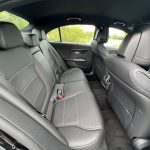
The C-Class now offers the most spacious interior ever seen in a C-Class, ever. The rear seats are especially comfortable for taller passengers while the front seats feel as spacious as the W124 E-Class.
However, tall driver and front passenger will find their knees rubbing against the sides of the centre console.
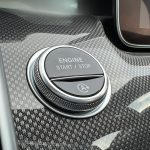
The quality of the buttons are typical of modern Mercedes-Benz’s, which means they are neither great nor lacking.
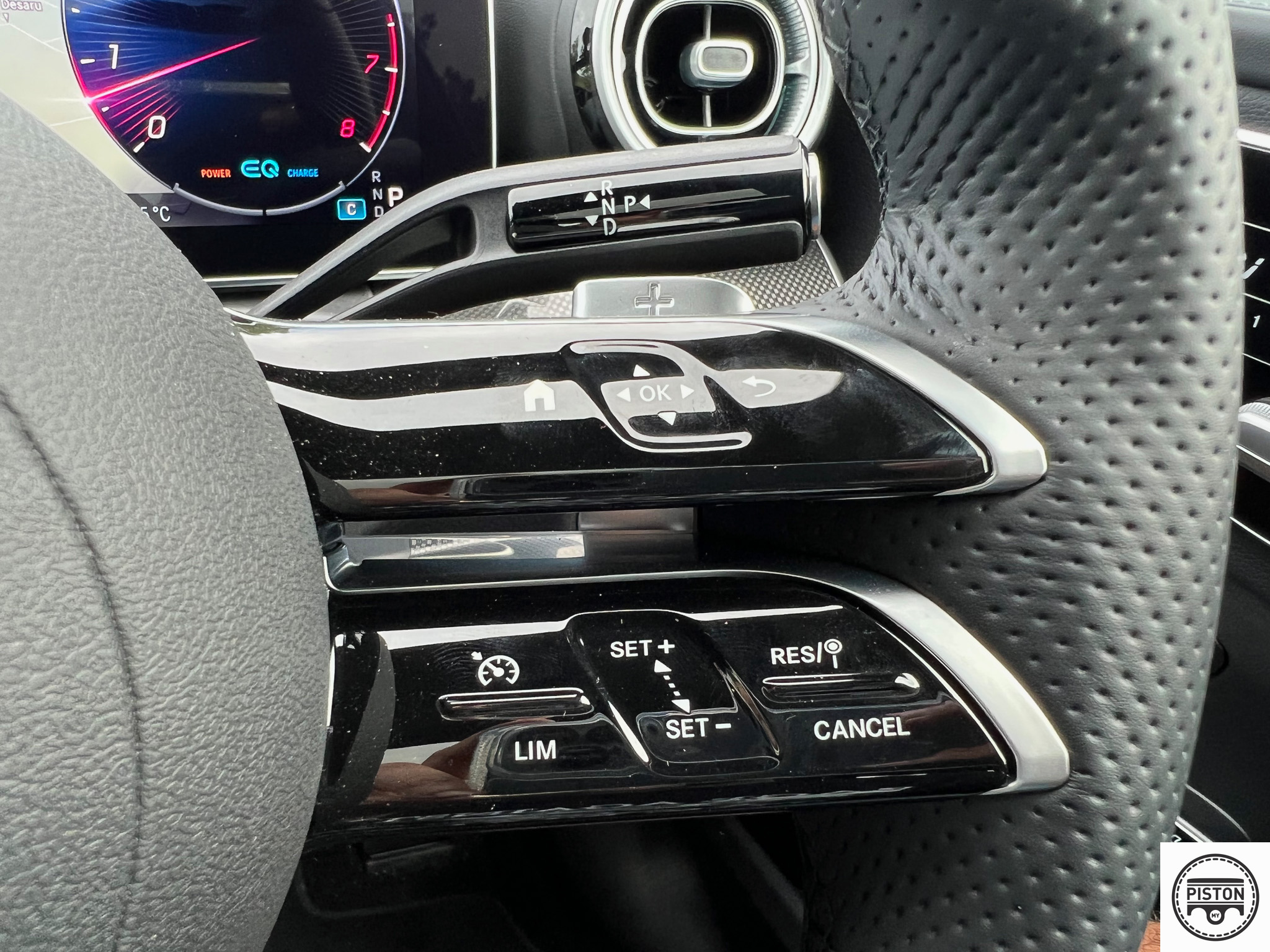
Most buttons are now of the haptic type, which means they are piano black in colour and touch operated. All of the buttons on the steering wheel for example are haptic.
Personally, haptic buttons work fine but they attract smudges and highlight dust particles like moths to a light bulb.
Perhaps Mercedes-Benz designers could take a card from Lexus designers who believe that the essential controls such as air-conditioning and volume still warrant physical buttons since the driver will be reaching out to them while driving.
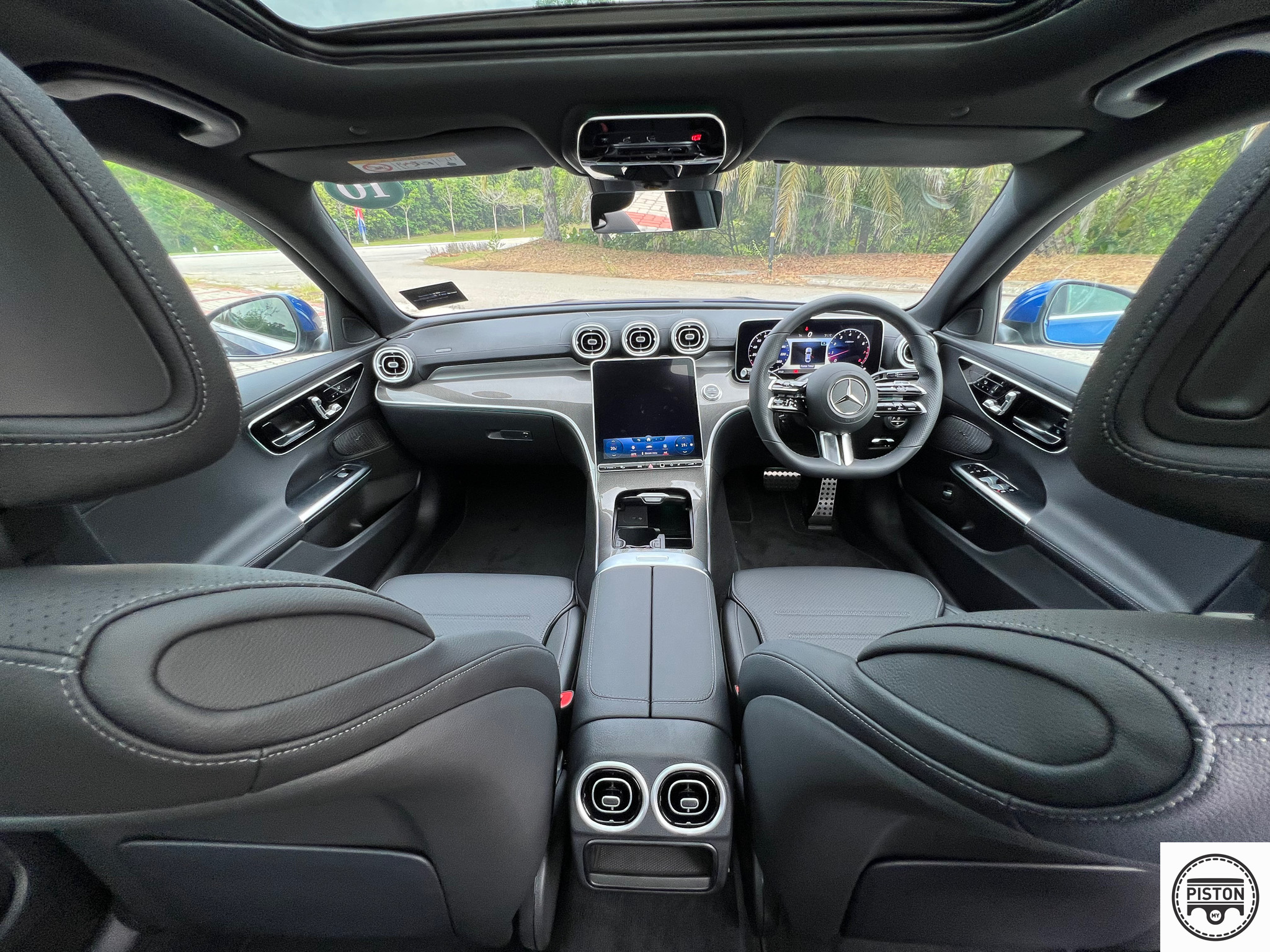
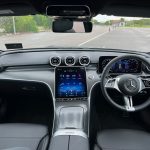
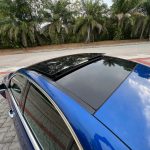
The interior differences between the two cars are also vast, such as the fact that the C300 comes with a moon and a sunroof while the C200 doesn’t.
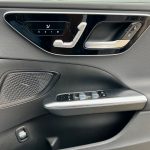
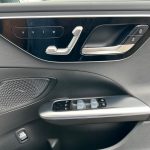
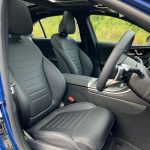
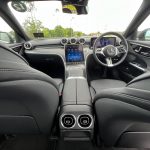
The steering wheel too is different, with the C200 (shown below) getting a leather wrapped multifunction steering wheel while the C300 (shown above) gets an AMG steering wheel wrapped in nappa leather.
It doesn’t just end there, even the trimming is different, with the C300 getting the sportier trim.
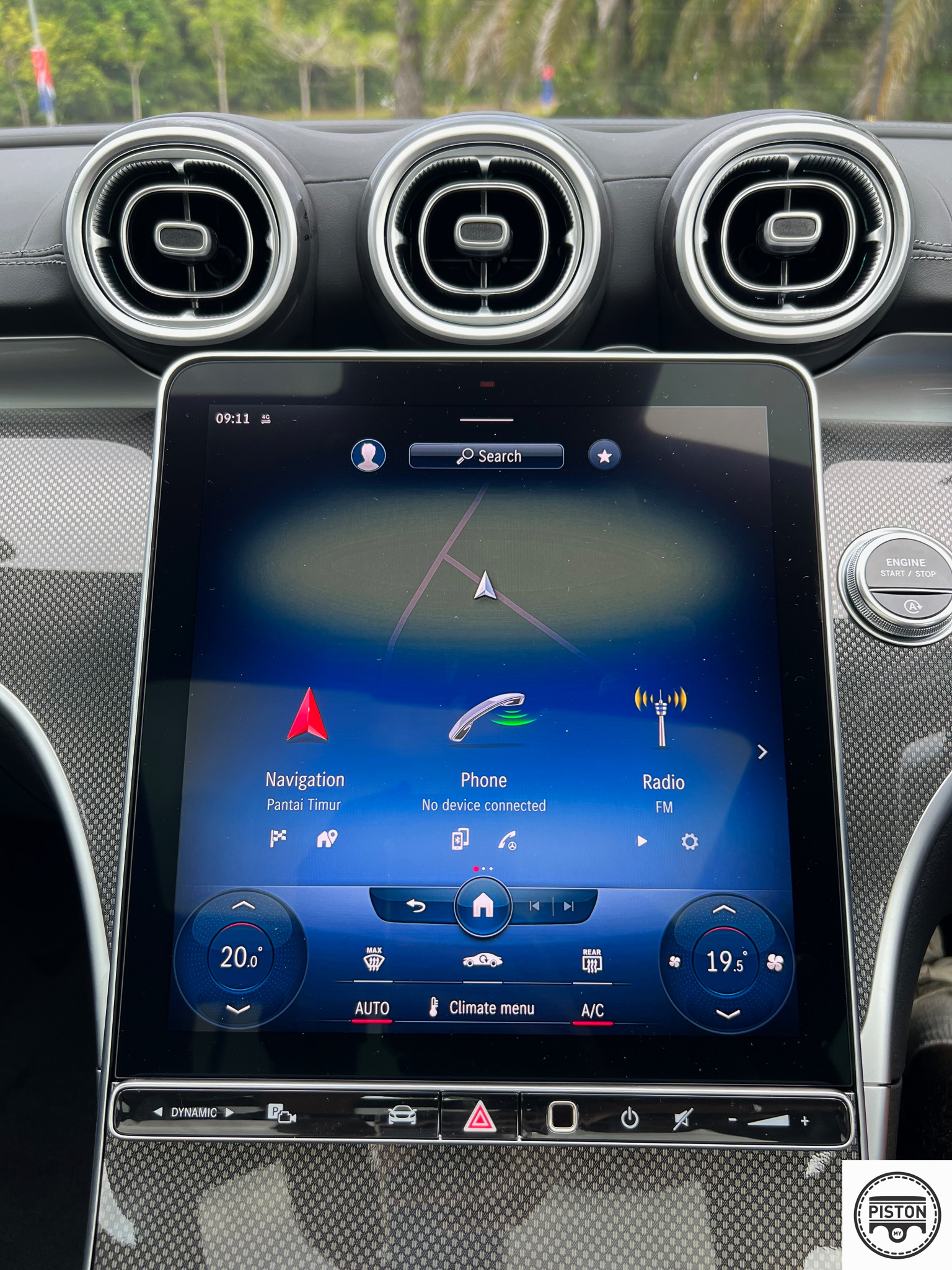
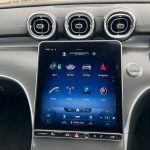
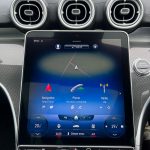
However, both models get the utterly dominating 11.9-inch portrait oriented touchscreen display. This may seem a little distracting at first, but key controls such as air-conditioning settings are on permanent display, which makes them easily accessible.
Accessing the menus takes some getting used to, but having such a large screen at the centre can definitely be distracting when driving.
There are other nitty gritty details around the interior that distinguish one from the other, but the biggest difference is of course the powertrain.
Both C-Class models share the same 9-speed gearbox, which Mercedes calls 9G-Tronic. It was specifically developed to adapt to something called the Integrated Starter Generator (ISG) which is basically an electric motor installed in both models as well.
The new gearbox is said to be 30 per cent more efficient thanks to an optimised mechanical pump. And it also comes with a new multi-core electronic processor that can manage an increased amount of computing power. This has thus reduced the amount of hefty electrical components by a staggering 30 per cent!
The engines of both cars though are totally different.
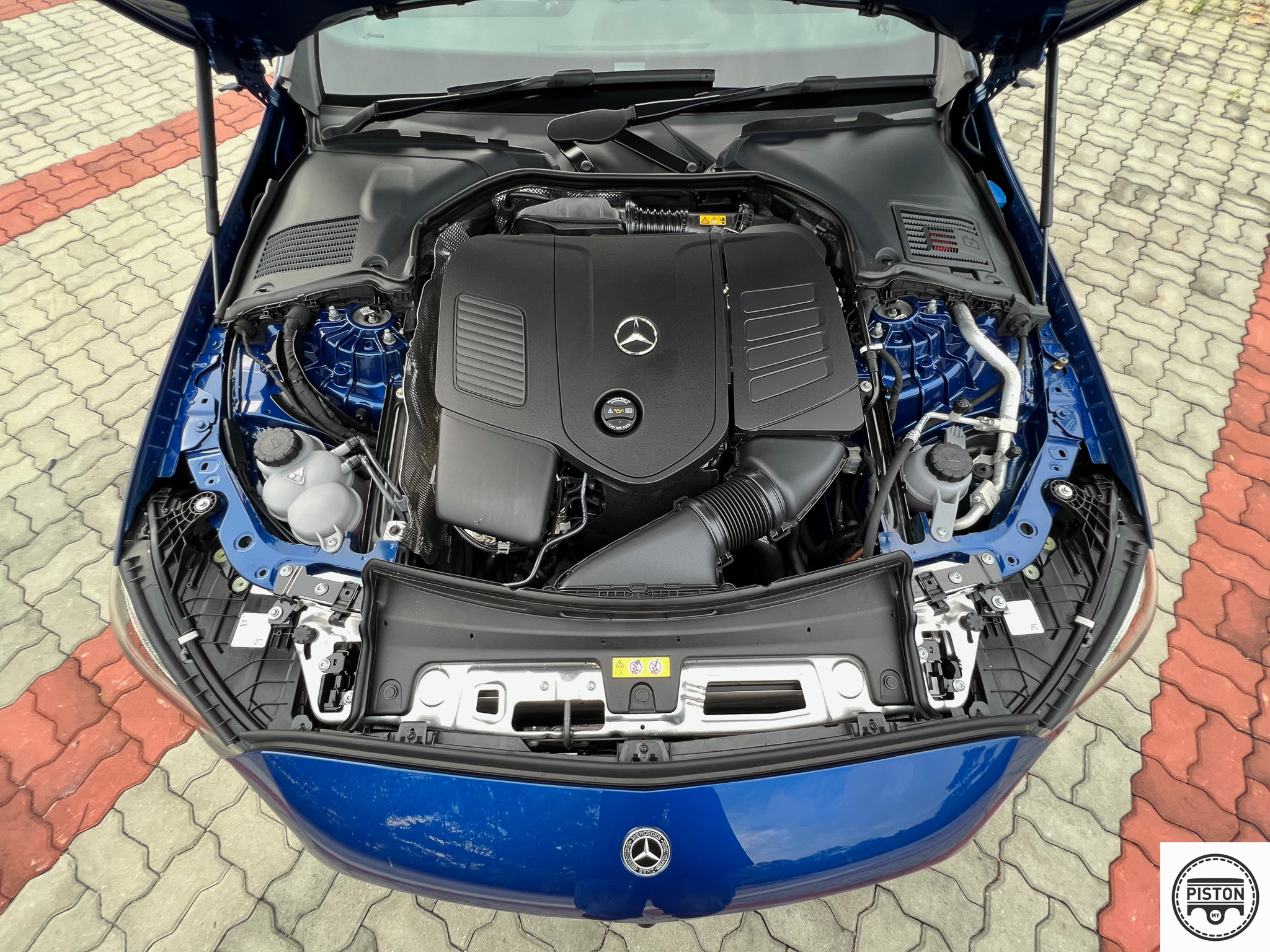
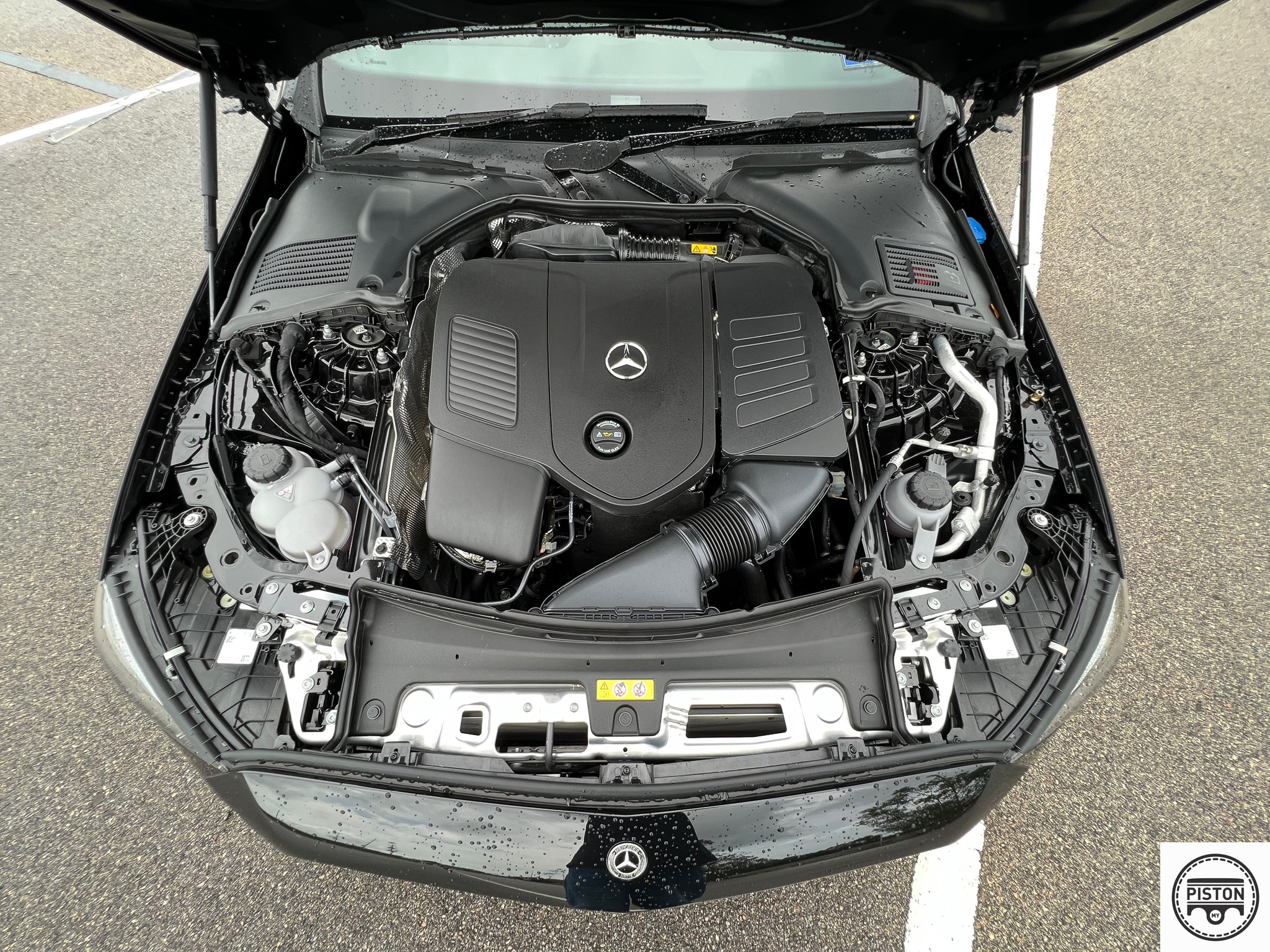
The C200 is powered by a 1.5-litre turbocharged engine that puts out a hearty 201hp and 300Nm of torque. This hike in power is achieve with the integration of the aforementioned ISG motor. This lets the C200 accelerate to 100km/h in just 7.3 seconds and a 246km/h top speed.
The C300 on the other hand gets a 2.0-litre turbocharged engine that puts out an impressive 255hp and 400Nm of torque. This is good for a six second charge to 100km/h and tops out at 250km/h.
All in all, the new W206 C-Class is undoubtedly the best C-Class ever. The C200 is the thinking man’s choice while the C300 is for those who prefer a sporting flair to their car.
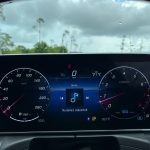
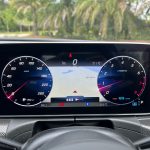
Either model offers an armada of features that includes a meter panel that can be individualised with three display styles, and you can change that according to your mood so you never get bored.
The CBU C-Class is available in eight different colours while prices stand at RM288,334 for the C200 and RM330,681 for the C300.
Global organisations, especially those in the premium and luxury segments, place great emphasis on brand image and corporate identity. Every aspect of their business must meet high standards and with companies like Mercedes-Benz, it includes the retail experience for customers.
This, of course, requires huge investments and the Hap Seng Group, one of the authorised dealers of the German brand in Malaysia, has spent of a total of RM673 million to date. It has established 10 Autohaus outlets in Peninsular and East Malaysia, as well as a standalone Mercedes-Benz Certified Pre-owned Centre and a standalone Body & Paint centre, both in Selangor.
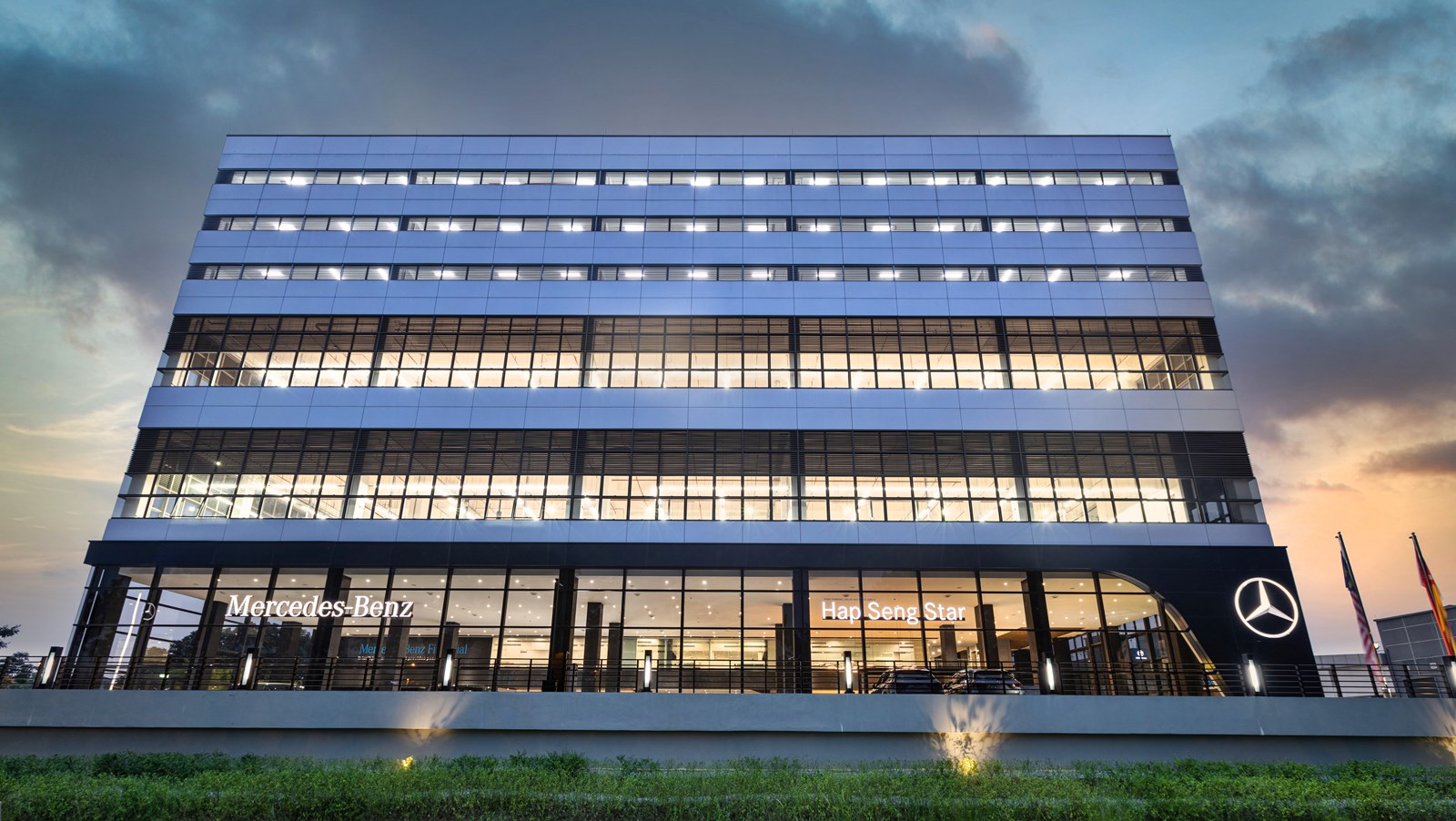
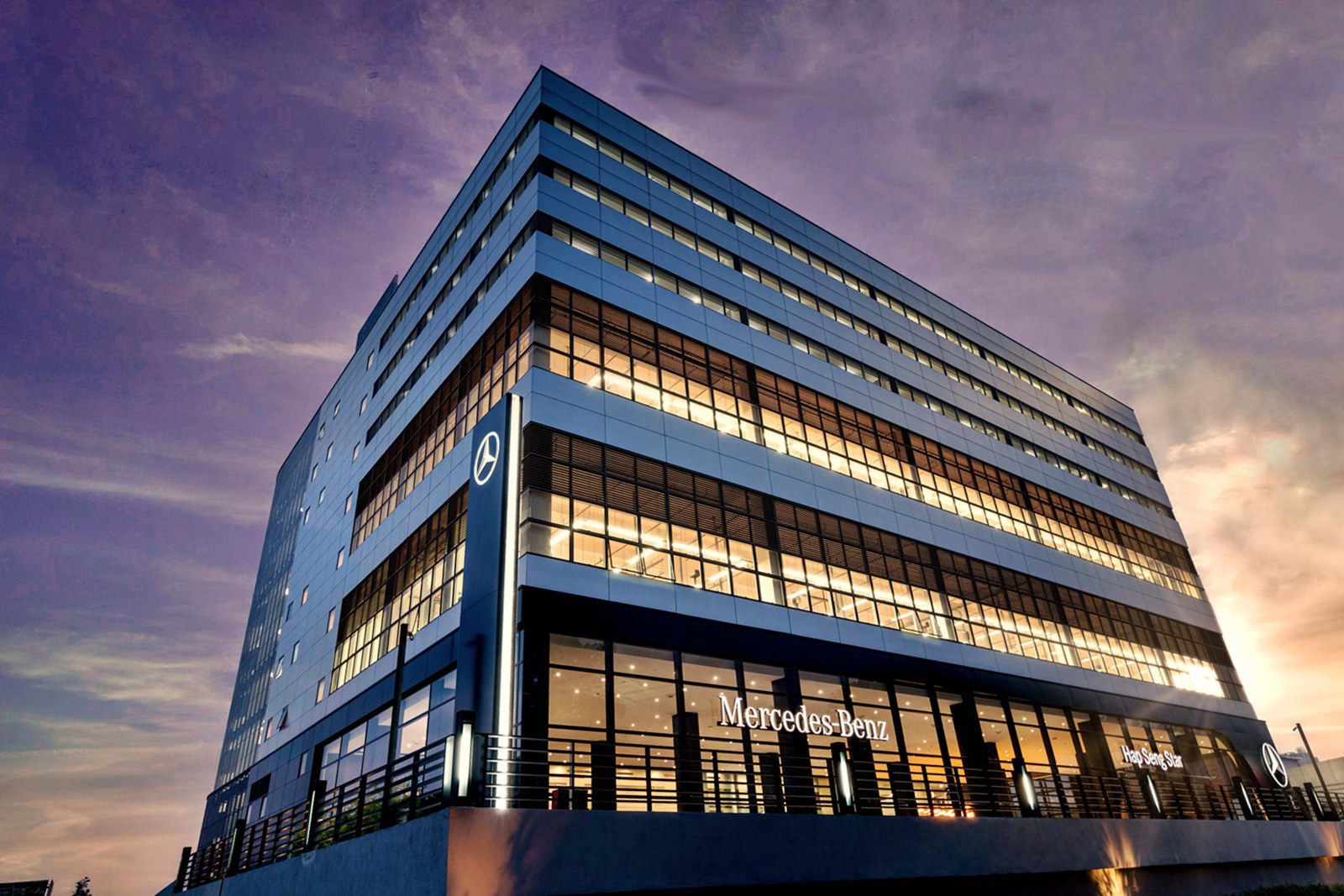
The most recent investment is RM99 million for the new Autohaus in Setia Alam, Selangor, which was officially opened today. The relocated facility has a new luxury brand presence and exclusive luxury lifestyle boutique with enhancements and upgrades that support the brand’s customer-centric efforts.
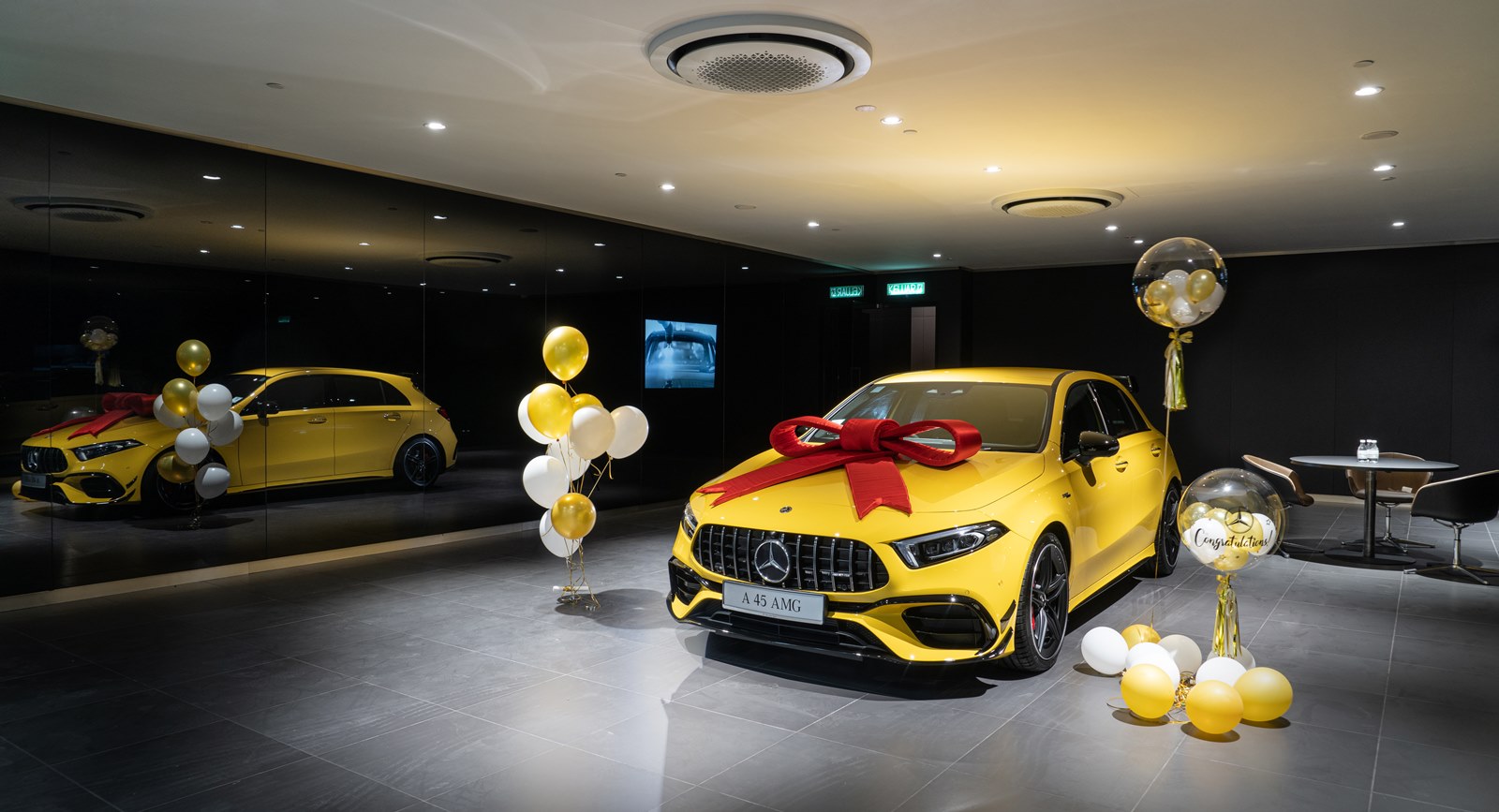
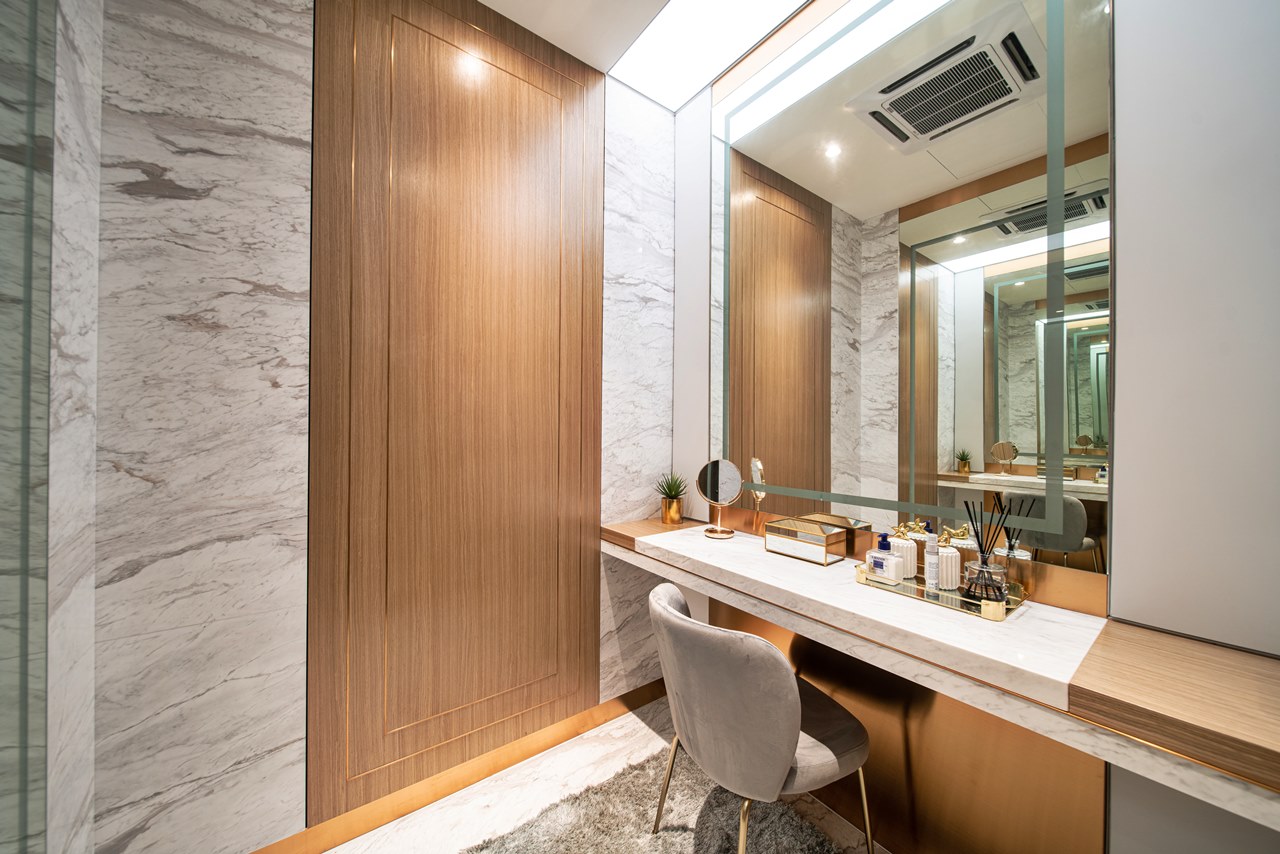
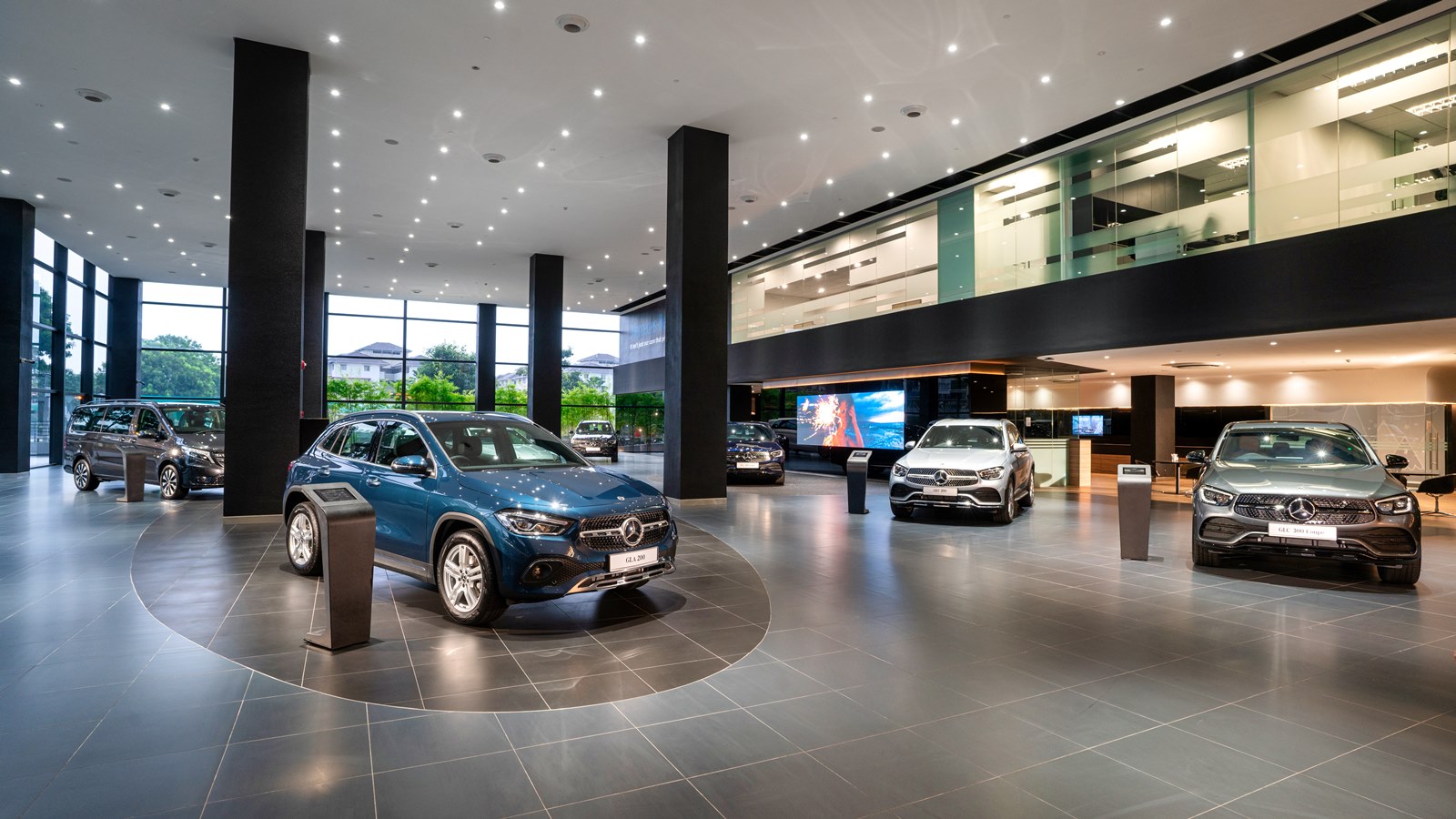
The Hap Seng Star Setia Alam Autohaus sits on almost 79,000 sq ft of land area and has 7 floors. The spacious showroom floor can display up to 16 cars and the building has amenities such a self-service café, kid’s playroom and even a luxurious ladies powder room.
The lifestyle retail experience includes Mercedes-Benz luxury accessories and collection boutique, catering to a wide range of customers with a variety of collectables and products.
“With this new Setia Alam outlet, we want our customers to experience luxury like no other through our new luxury retail presence, equipped with lavish features and special amenities. Hap Seng Star is continuously looking for ways to innovate our services and offerings while embracing the Mercedes-Benz spirit of luxury, and with our passion for excellence, we will continue to set the benchmark in delivering the best customer services and experience,” said Harald Behrend, Group Chief Operating Officer of Hap Seng Consolidated Berhad and Chief Executive of Hap Seng Group Automotive Division.
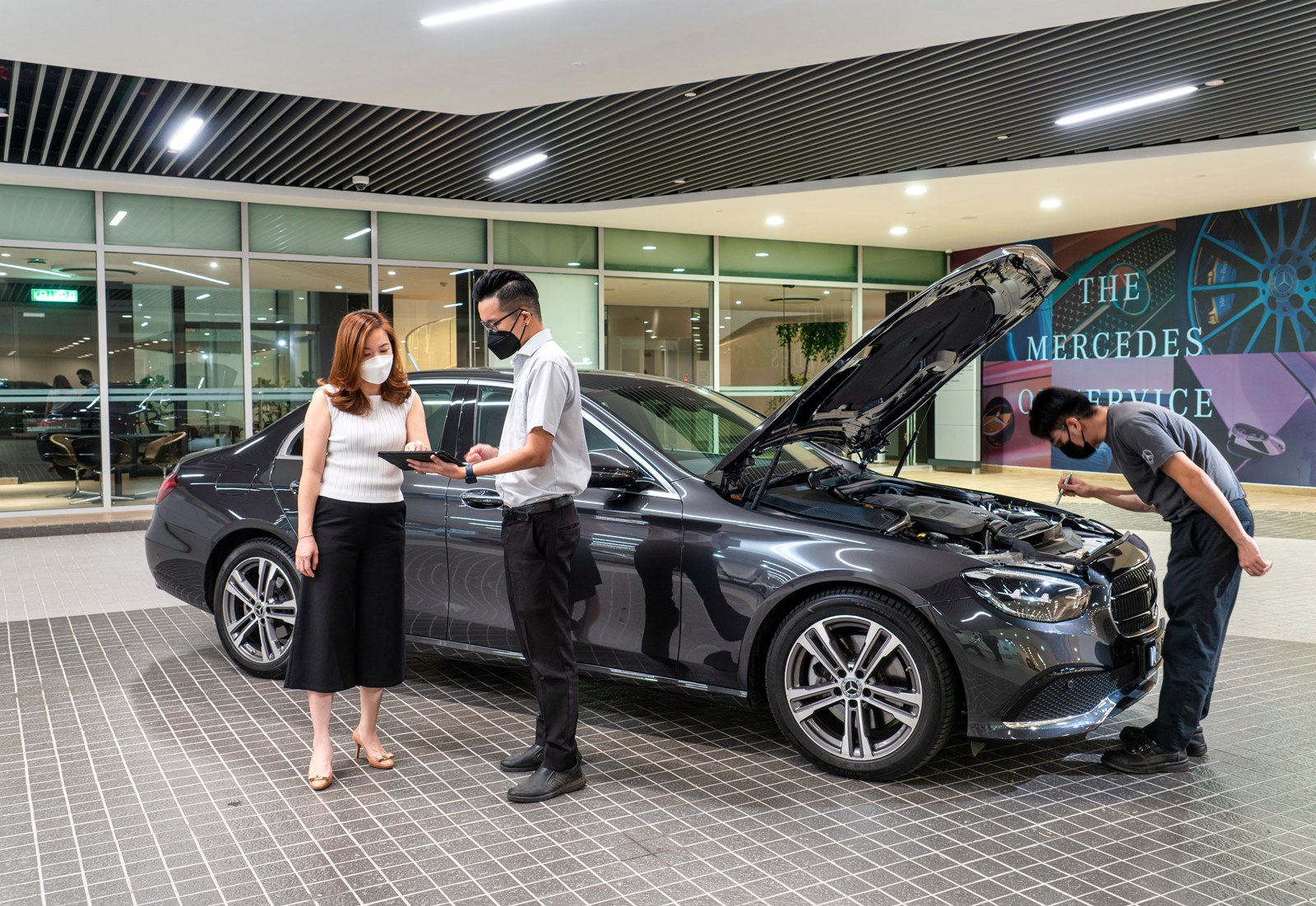
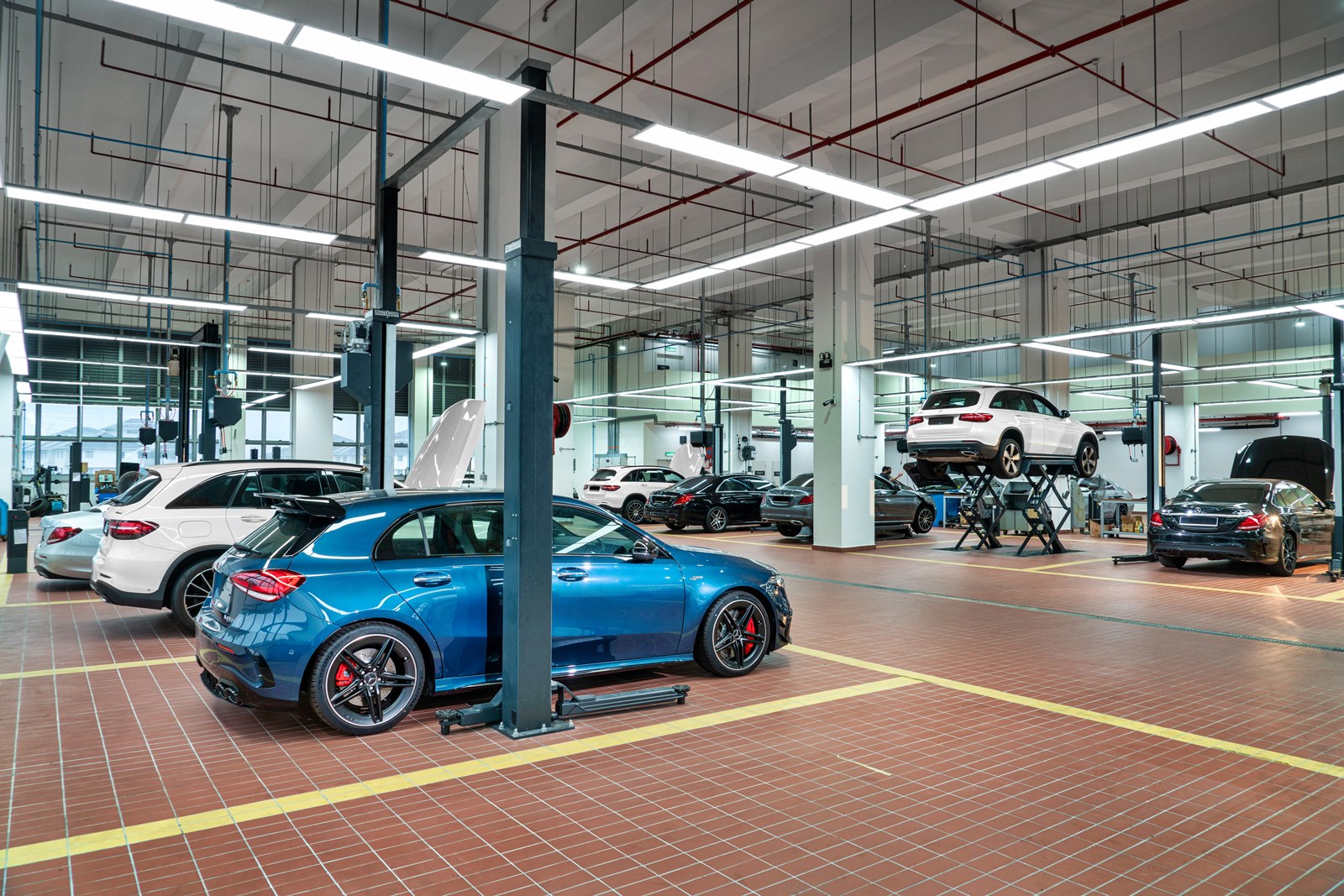
The Hap Seng Star Autohaus is a one-stop centre for the needs of new as well as existing customers. For the latter, there is a service area with expandable work bays and maximised service capacity of up to 1,500 vehicles a month. Scheduled service maintenance and major repairs are carried out by trained technicians equipped with complete and approved special tools from Mercedes-Benz.
Other service differentiation offerings range from Express Service 2.0, pick-up and delivery, drop-and-go service booking, wheel alignment and balancing, electrical diagnosis and repairs, paint coating, glass tinting and also assistance with insurance and warranty claims.
“The launch of Hap Seng Star Setia Alam Autohaus is a testament of our joint commitment to redefine a luxurious brand experience for our Malaysian customers, at every point of their journey. It is our goal to work with our dealer partners to continue to grow the brand’s luxury retail concept presence which aims to further enhance our offerings & customer experience in areas of sales and service to cater to the ever evolving needs and desires of our valued customers,” said Sagree Sardien, President & CEO of Mercedes-Benz Malaysia & Head of Region, South East Asia II.
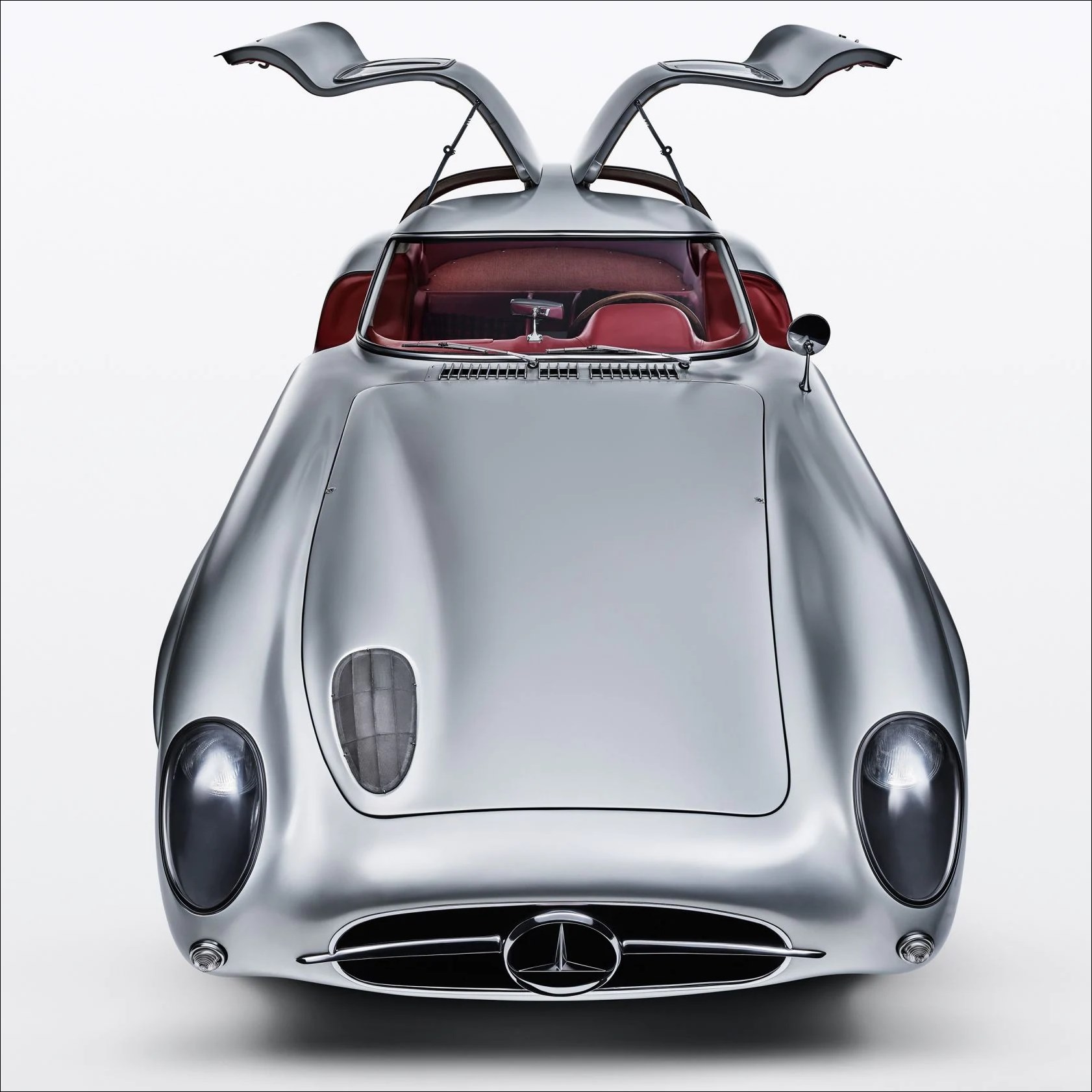
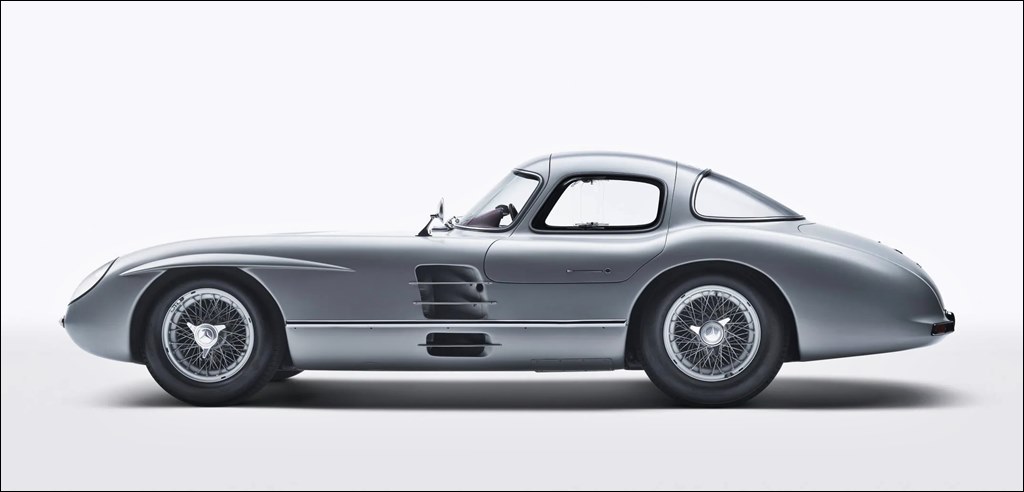
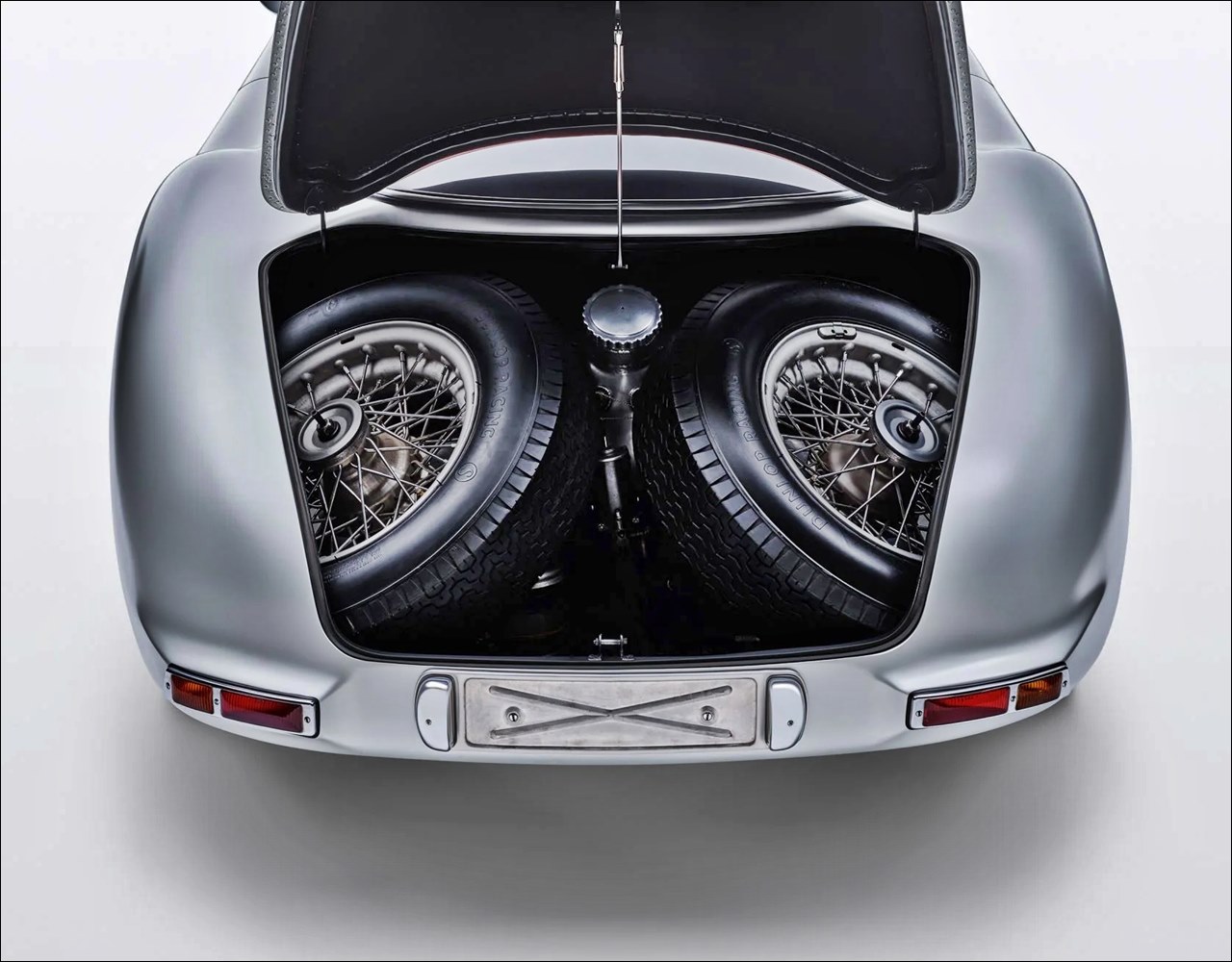
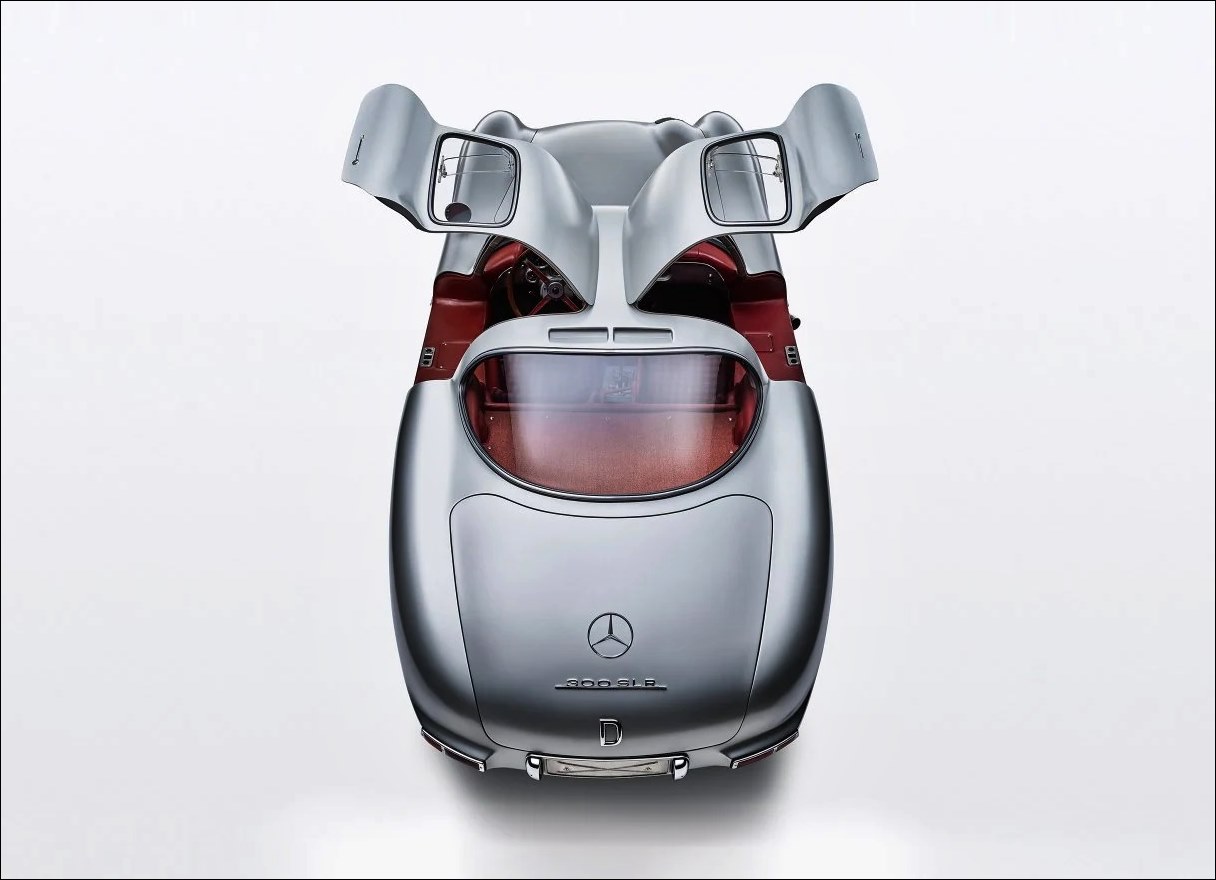
One of two ultra-rare original 300 SLR Uhlenhaut Coupes from the Mercedes-Benz Classic Collection has been auctioned for 135 million euros – that’s equivalent to RM626,822,715 at today’s exchange rate – to a private collector. It’s the highest price ever paid for any car and the money will be used to establish a ‘Mercedes-Benz Fund’.
One of only two units
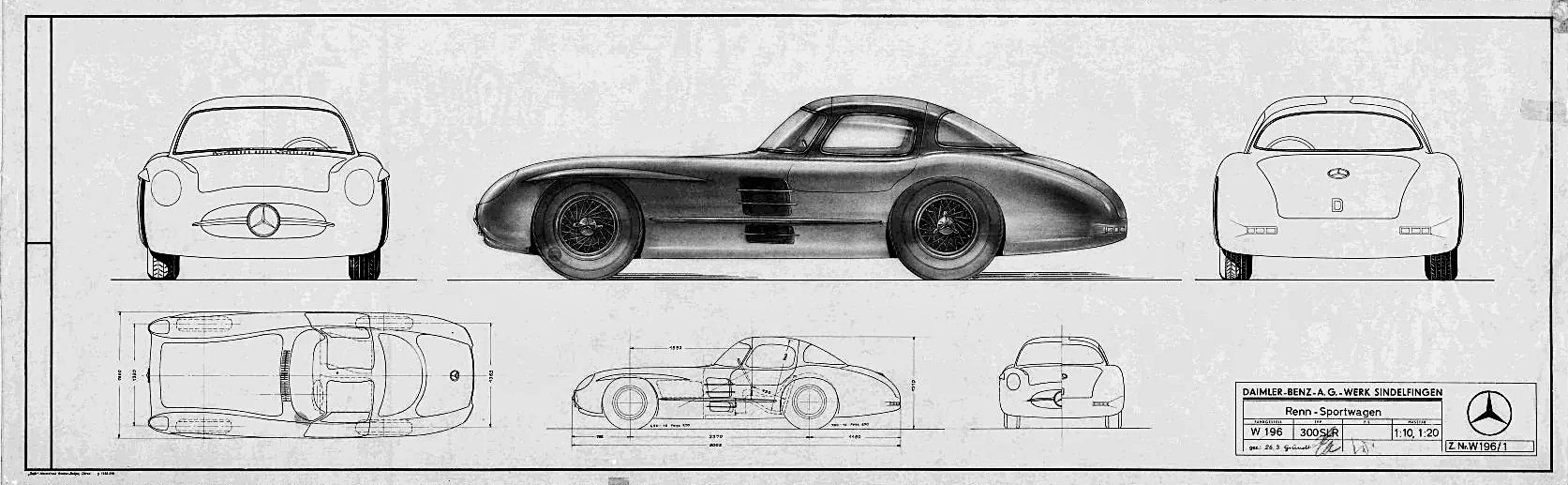
Only two units of the prototype sportscar were built and named after the chief engineer, Rudolf Uhlenhaut. Apart from its rarity, the 300 SLR Uhlenhaut Coupe is considered to be one of the finest examples of automotive engineering and design by automotive experts and enthusiasts worldwide.
The auction was held at the Mercedes-Benz Museum and managed by renowned auctioneer RM Sotheby’s. The sportscar auctioned was part of the non-public vehicle collection belonging to Mercedes-Benz Classic, which has more than 1,100 automobiles ranging from the invention of the automobile in 1886 until today.
“The private buyer has agreed that the 300 SLR Uhlenhaut Coupe will remain accessible for public display on special occasions, while the second original 300 SLR Coupe remains in company ownership and will continue to be displayed at the Mercedes-Benz Museum in Stuttgart,“ said Marcus Breitschwerdt, Head of Mercedes Benz Heritage.
Global scholarship programme
“The 300 SLR Uhlenhaut Coupes are milestones in sportscar development and key historical elements that have shaped our brand. The decision to sell one of these two unique sportscars was taken with very sound reasoning – to benefit a good cause. The proceeds from the auction will fund a global scholarship programme. With the ‘Mercedes-Benz Fund’, we would like to encourage a new generation to follow in Rudolf Uhlenhaut’s innovative footsteps and develop amazing new technologies, particularly those that support the critical goal of decarbonisation and resource preservation,” said Ola Kallenius, CEO of Mercedes-Benz Group AG.
“At the same time, achieving the highest price ever paid for a vehicle is extraordinary and humbling: A Mercedes-Benz is by far the most valuable car in the world,” he added.
The proceeds from the auction will serve as seed capital for the global initiative, and Mercedes-Benz is committed to investing additional resources in the coming years. The Mercedes Benz Fund will be divided into two sub-categories: University Scholarships in order to connect, educate and encourage students to realize/conduct research on environmental science projects, and School Scholarships focussing on pupils to realize local environmental projects in their communities.
The programme funds will be directed to individuals who otherwise do not have the financial means for their projects and career paths. The programme will go beyond financially supporting the young people and include extracurricular elements like Mercedes-Benz mentorships opening up new career prospects.
Rudolf Uhlenhaut and his Coupe
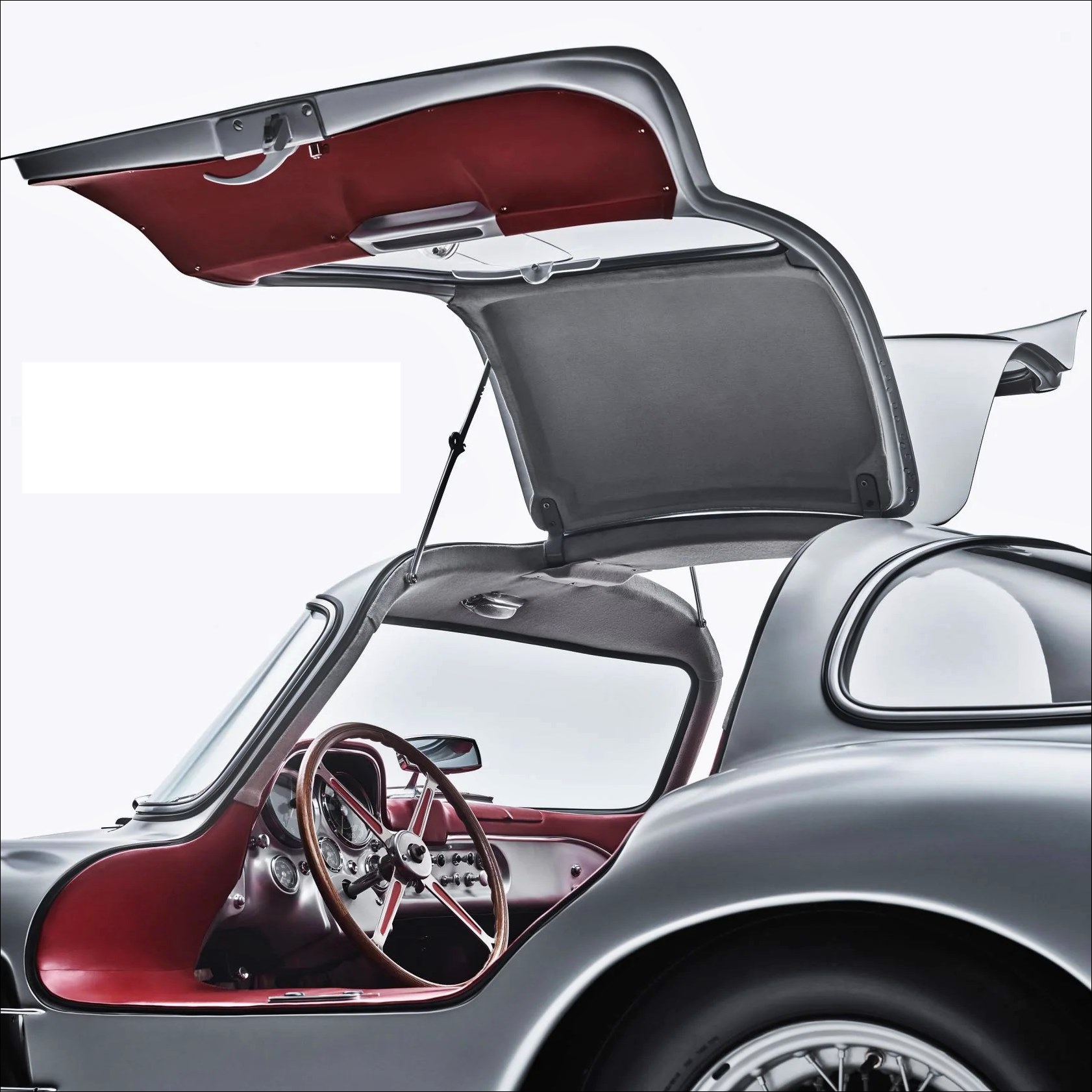
The special circumstances behind its creation, its unique design and its innovative technology have endowed the 300 SLR Uhlenhaut Coupe with a remarkable level of mystique that endures to this day. The design set benchmarks that put it among the world’s most significant automotive icons – not least on account of its distinctive gullwing doors. Added to this is the outstanding performance delivered by its thoroughbred racing technology.
Serving as the head of passenger car development at Mercedes-Benz which included the racing division, Uhlenhaut was also the father of the 300 SL and the W 196 R “Silver Arrows”. The Coupe exceeded the technical possibilities of its time and became the pinnacle in the life’s work of the genius engineer who persistently strove for the maximum.
‘Range anxiety’ was something which concerned many who were considering a battery electric vehicle (BEV). The earlier models could go just a 100+ kms on a fully charged battery pack but the distance gradually increased as battery technology advanced. As battery packs were made more energy-dense to store more electricity, the vehicle could go further and further before recharging was needed. Today, the average is around 350 kms but just as with the consumption of fuel by combustion engines, range is affected by driving conditions and driving style.
But range anxiety is now less concerning not only as cruising distances increase but the network of recharging stations is also growing. So it is possible to ‘refill’ along the way on a long journey and now, it is more a matter of how long that takes – and manufacturers are also reducing the time.
Battery technology has come a long way in the past decade and if we take the Nissan LEAF as an example, the range with the first generation launched in 2010 was under 200 kms; today, the latest generation is claimed to be able to go up to 385 kms.
Breaking through technological barriers
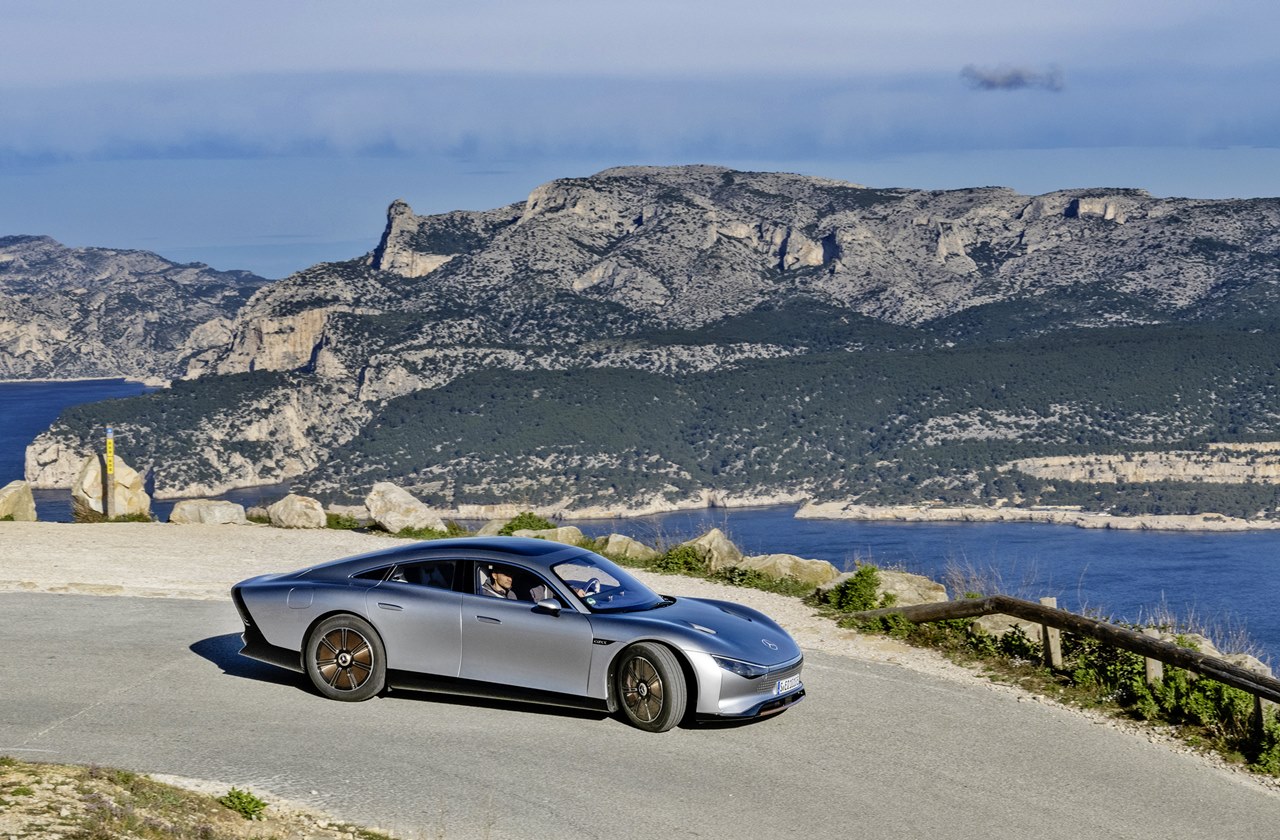
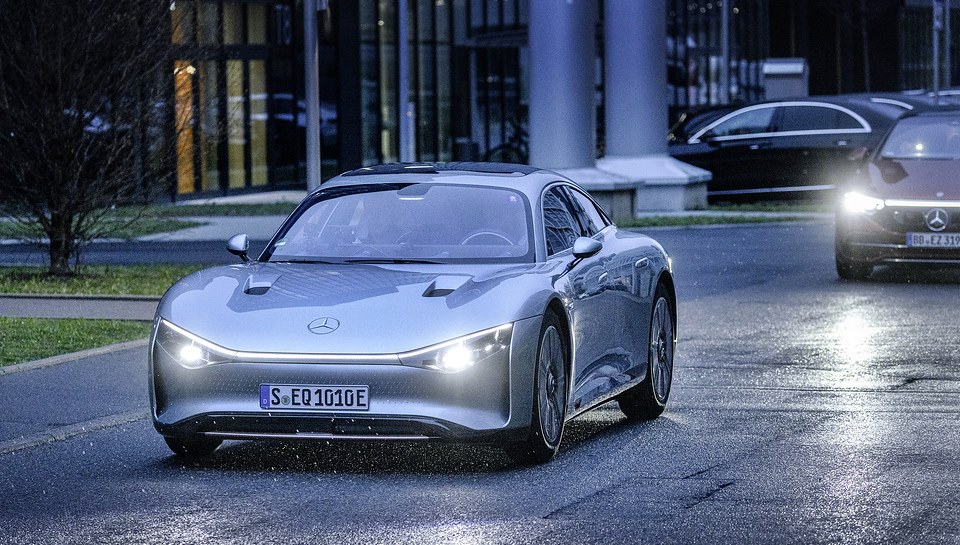
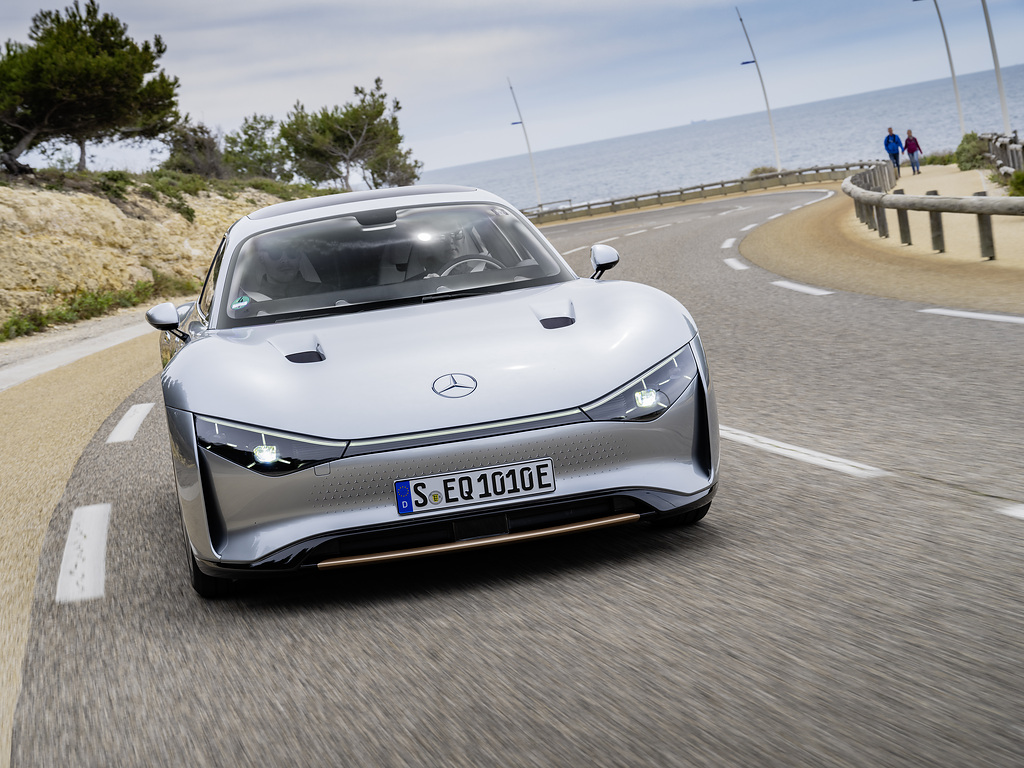
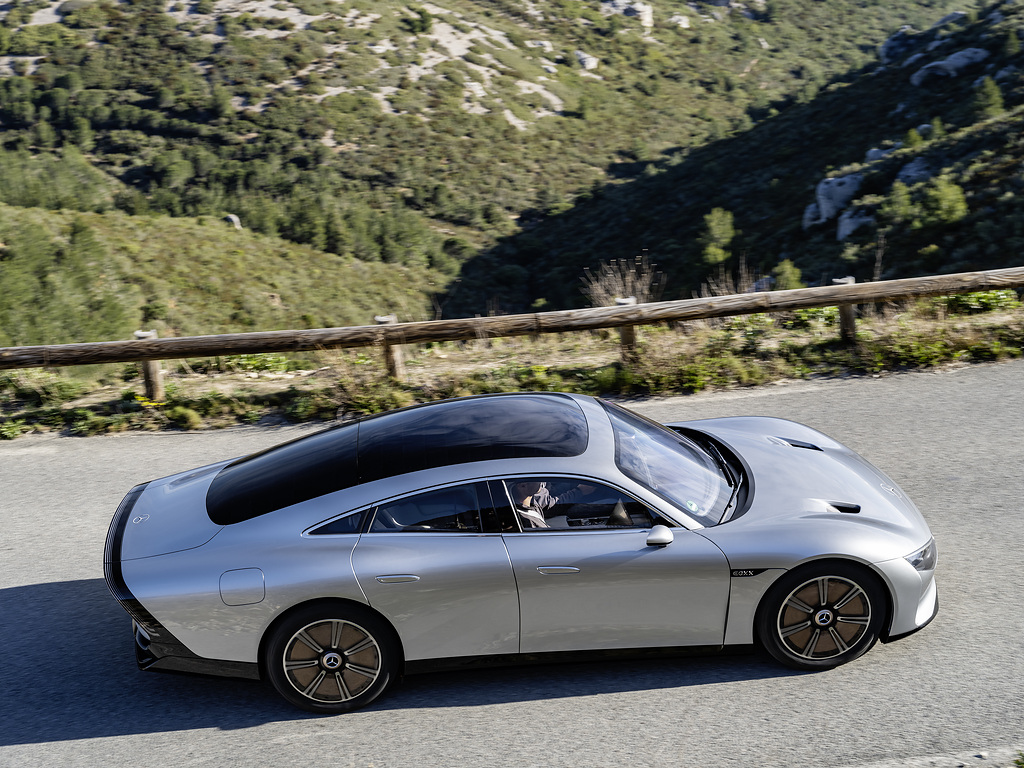
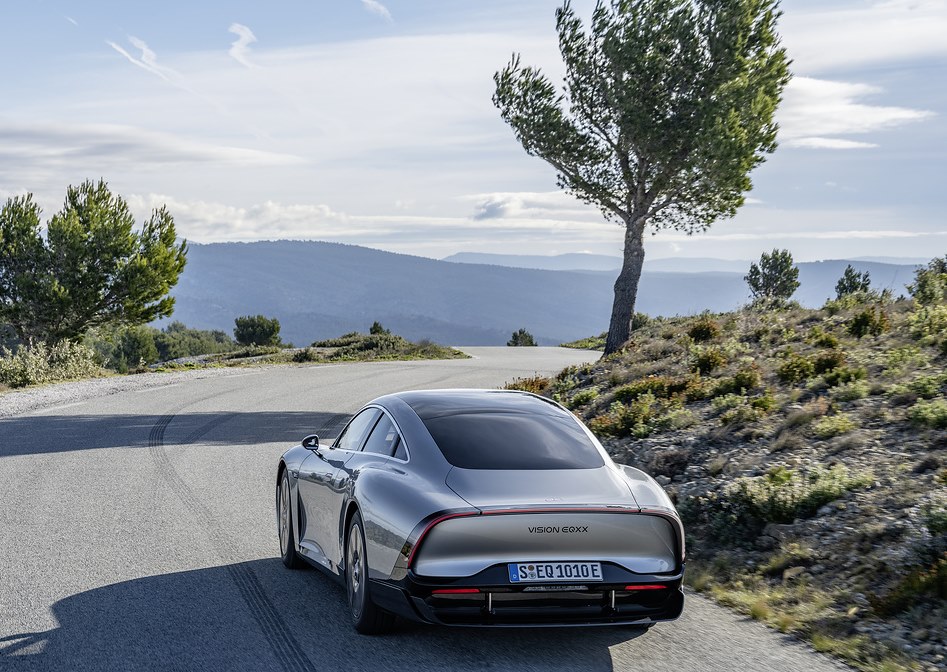
In future, the distance will be even greater and Mercedes-Benz has proven that it is possible to go up to 1,000 kms on a single charge. This was achieved with the VISION EQXX technology demonstrator which the company is using to test technologies under development. This software-defined research prototype is part of a far-reaching technology programme that combines the latest digital technology with the brand’s pioneering spirit, the agility of a start-up and the speed of Formula 1. The mission in developing the VISION EQXX was to break through technological barriers across the board.
“The VISION EQXX is the result of a comprehensive programme that provides a blueprint for the future of automotive engineering. Many of the innovative developments are already being integrated into production, some of them in the next generation of modular architecture for compact and midsize Mercedes‑Benz vehicles. And the journey continues. With the VISION EQXX, we will keep testing the limits of what’s possible,” said Markus Schafer, Member of the Board of Management of Mercedes-Benz Group AG, Chief Technology Officer responsible for Development and Purchasing.
From Germany to the south of France
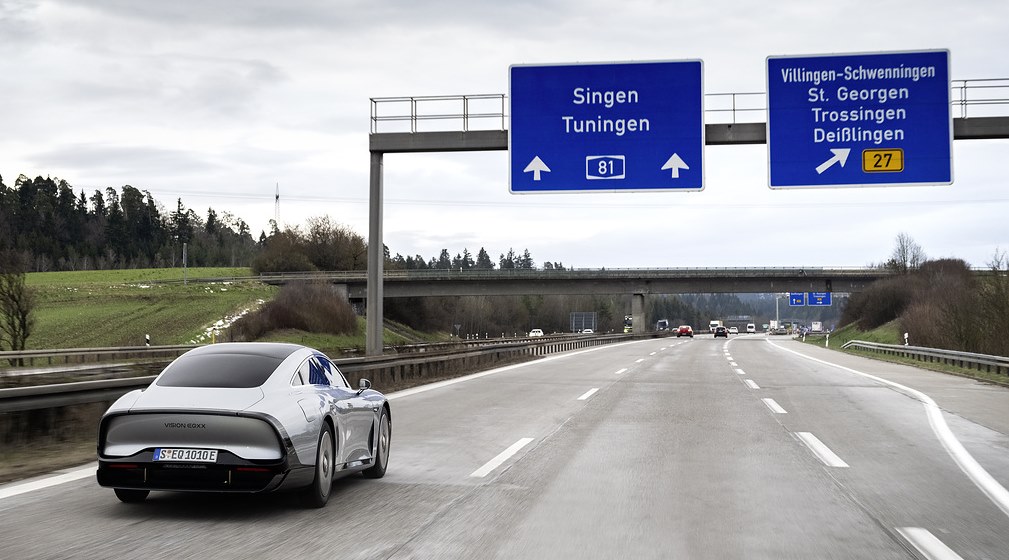
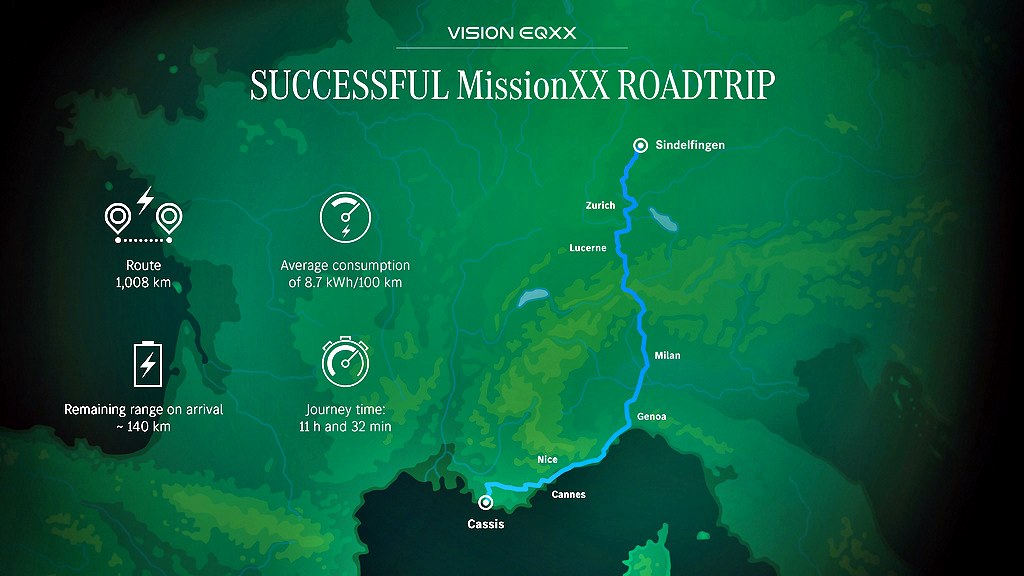
To show what is electrically ‘feasible’, the research vehicle completed a 1-day road trip across several European borders: from Germany across the Swiss Alps to Switzerland, on to Italy, past Milan and finally to its destination, the port town of Cassis in the south of France. The journey started in cold and rainy conditions and proceeded at regular road speeds, including prolonged fast-lane cruising at up to 140 km/h on the German autobahn and near the speed limits elsewhere.
The route profile set and the weather conditions presented the VISION EQXX with a wide variety of challenges. Different various sections of the route helped document the effect of the many efficiency measures. These measures include tyres specially developed by Bridgestone with extremely low rolling-resistance.
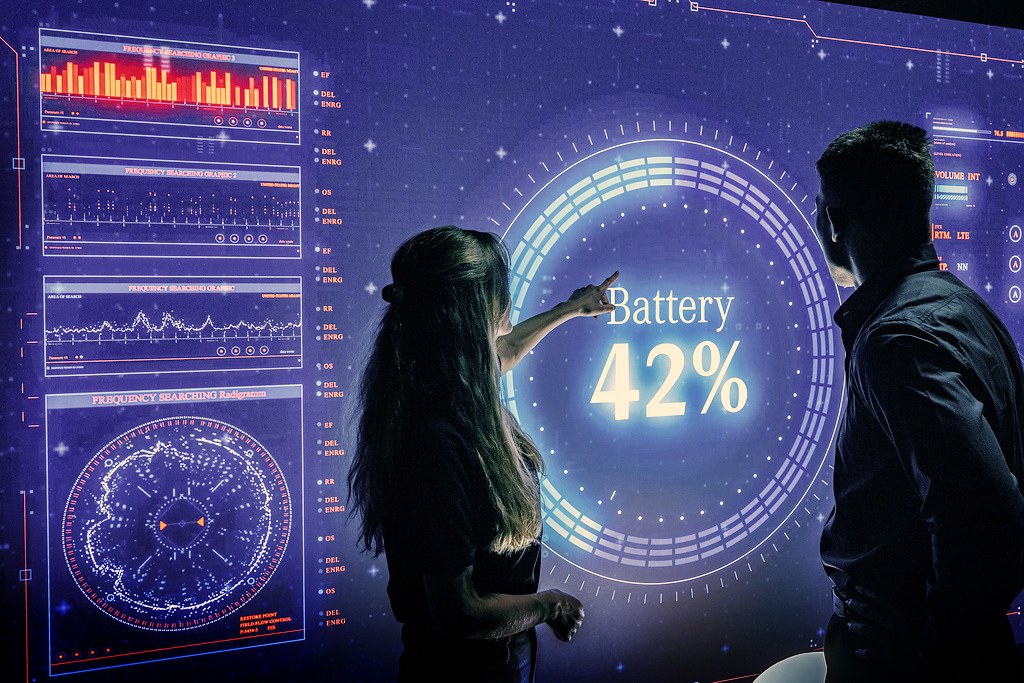
Throughout the journey of 11 hours and 32 minutes, it was not recharged and covered 1,008 kms in everyday traffic – with the battery’s state of charge on arrival shown as being around 15%. That was estimated to be good for another 140 kms or so, and the average consumption was a record-breaking low of 8.7 kWh per 100 kms.
Power from sunshine
However, Mercedes-Benz reveals that although it did not receive conventional recharging, it still received electricity from an external source – the sun. On its roof are 117 solar cells to collect sunshine which is converted to electricity and fed to the 12V battery. This battery does not power the electric motors but supplies power to auxiliary areas such as the navigation system. This this removes the demand from the high-voltage battery pack. The solar panel feature is said to increase the range by more than 2%, which adds up to 25 kms on a journey of over 1,000 kms.
Like most other BEVs, the VISION EQXX also uses recuperation – the recovery of braking energy – to provide some energy to the battery pack while on the move. The recuperation effect occurs on any type of gradient and during every braking manoeuvre.
The VISION EQXX was driven in real-life conditions and to have independent proof, the charging socket was sealed, and the car accompanied by a representative from TUV Sud, the independent German certification body.
Technological advancements accelerating
In the early era of the PC (personal computer) in the 1980s, the processing power doubled every two years, but this has accelerated as time passed. It might be the same for battery and EV technology which is continuously advancing each year so from the 500 kms possible in some models today, the increases might be greater and who knows, by the next decade, the 1000-km range which is amazing today might be possible in BEVs for sale to the public.
Though seemingly a good idea at the start in the 1990s, the original low-cost concept of Nicolas Hayek, creator of the Smart watches, never worked once Mercedes-Benz took over. The engineering costs bumped up the price and it became a niche product that had difficulty meeting ambitious sales targets.
After trying various approaches in the USA, a market it hoped would take to the little car, Mercedes-Benz ended sales there in 2019. It continued to sell the car in Europe and then Geely came into the picture to form a joint-venture and the brand gained a ‘second wind’.
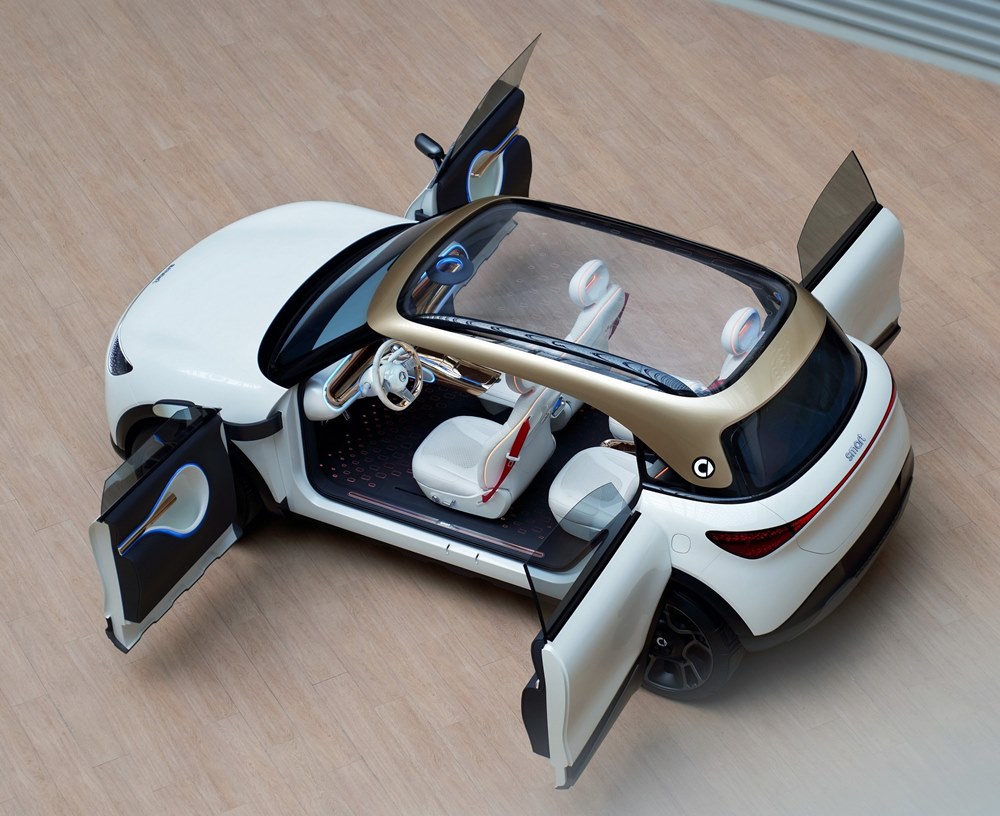
Very quickly, a brand new product was developed with the involvement of Mercedes-Benz design teams who used the Geely’s SEA architecture dedicated to electric vehicles. By 2020, a concept car called the Concept #1 was revealed and this week, the production model has been presented to the world.
smart concept #1
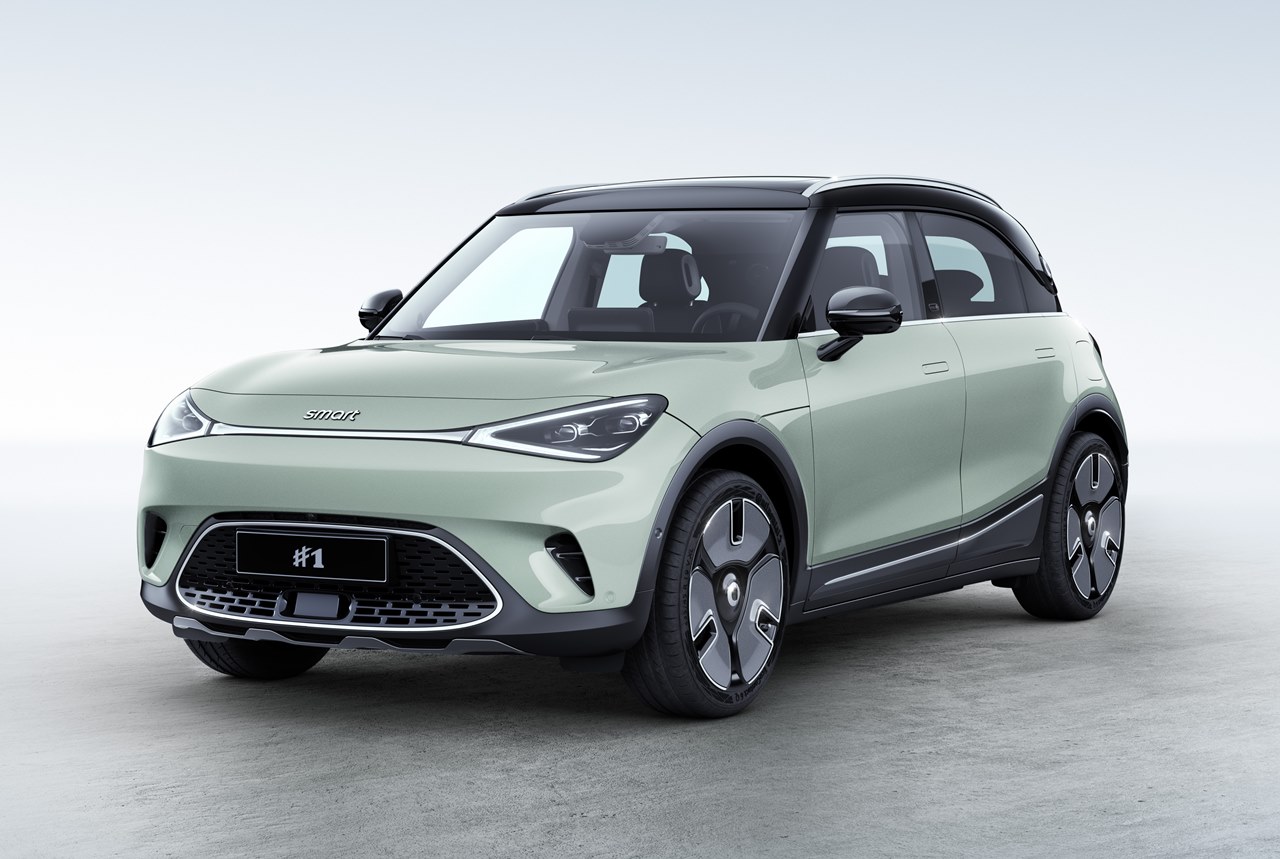
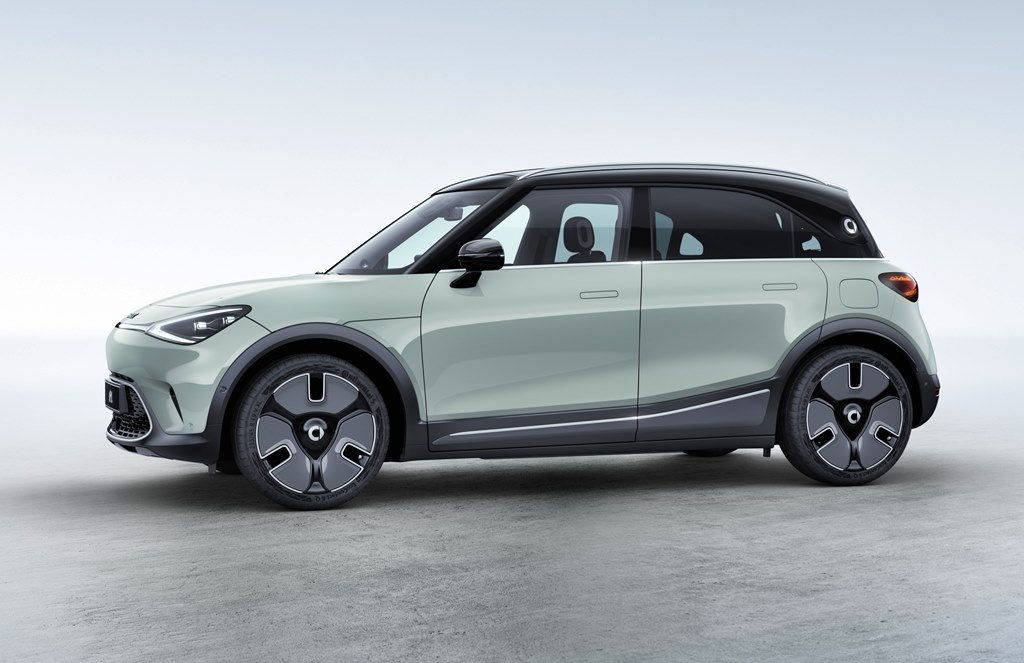
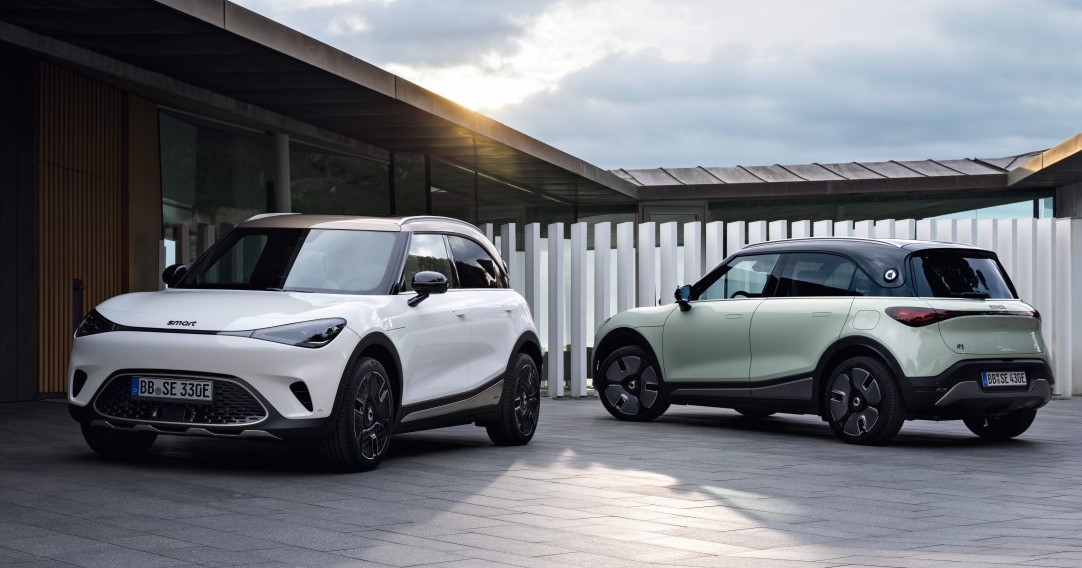
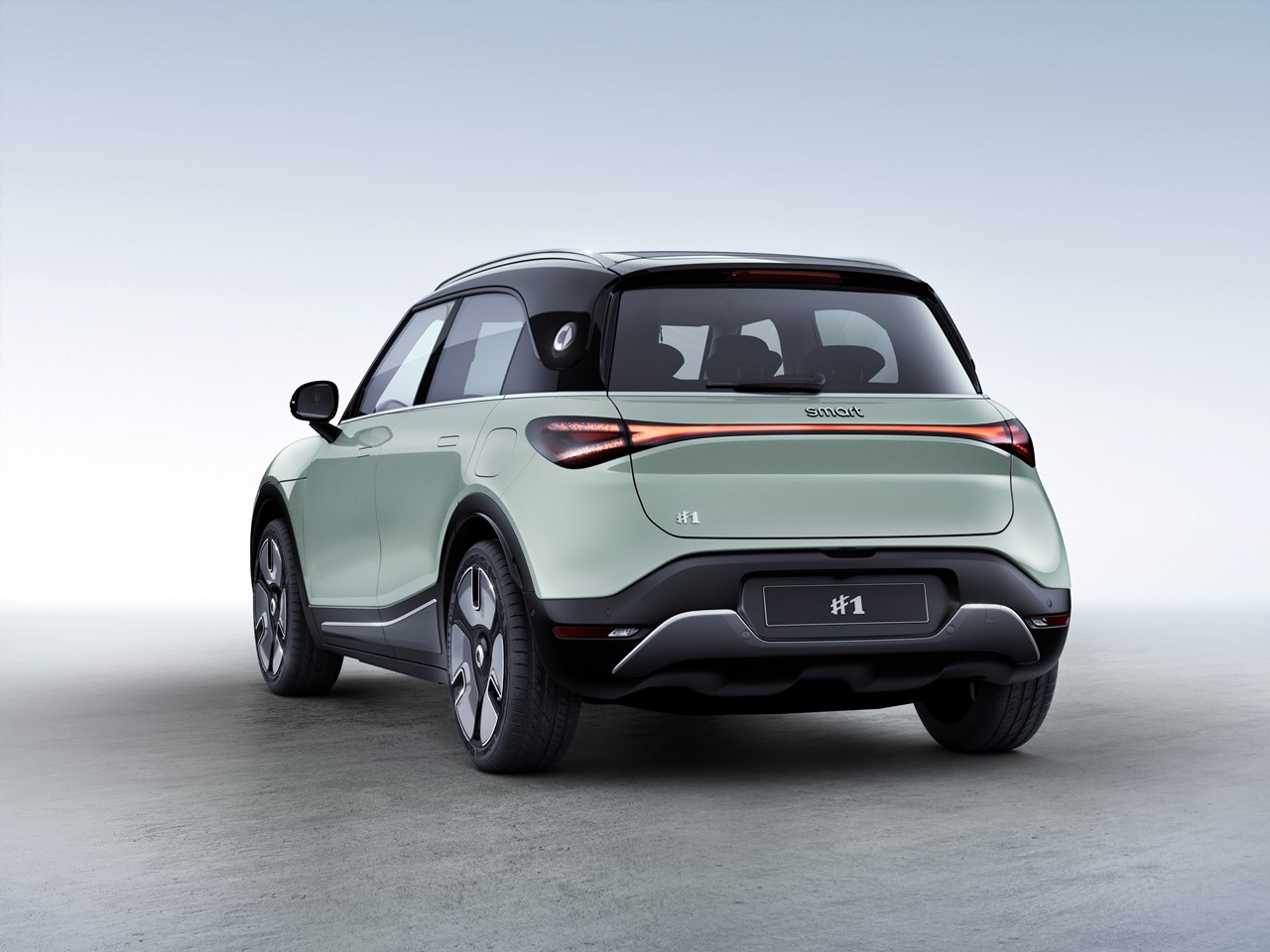
This isn’t smart’s first EV as the brand went fully electric after 2019 but it is an entirely new product, simply called smart #1. While the crossover has blurred the lines between a hatchback and SUV, the smart #1 is presented as a SUV with an overall length of 4270 mm and a width of 1822 mm with a wheelbase that is 2750 mm. That makes it larger than the Proton Iriz and almost the same length as a Saga.
Although there have been smart concept cars that proposed a SUV design, the brand has never sold one so this would be its first SUV. It is, however, considered a city car as well because of its proportions although its weight of 1,820 kgs is certainly much more than city cars of the same size.
The weight largely comes from the NCM (nickel-cobalt-manganese) battery pack which also uses lithium-ion chemistries to store electricity up to a maximum capacity of 66 kWh. The charging system can accept fast-charging up to 150 kW and if that is used, charging time can be 30 minutes (from 10% to 80%), it is claimed. With a more common 22 kW supply, the time needed would be around 3 hours.
The battery pack powers a single rear-mounted electric motor with an output of 200 kW (272 ps) and maximum torque of 343 Nm, available almost from the moment the car moves off. The top speed is claimed to be 180 km/h, pretty fast for a car in this class.
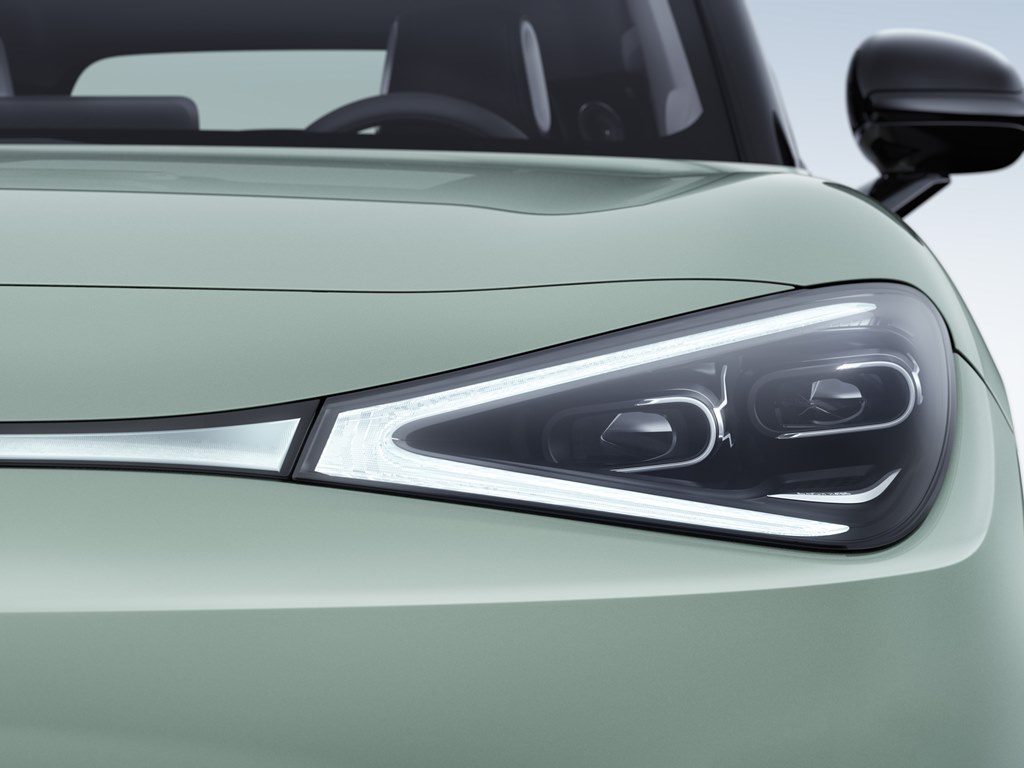
The styling of the #1 is pretty much like that of the concept car with Matrix LEDs under the triangular shapes of each headlight. The headlights form a unique visual signature at the front which stretches right across, and the same feature is also present at the back.
To remove that tiny bit of drag-inducing turbulence that door handles cause, those on the #1 are flush when the car is on the move, extending only when needed to open the doors. It’s a feature usually found in higher-end cars, reflecting the premium positioning of the #1.
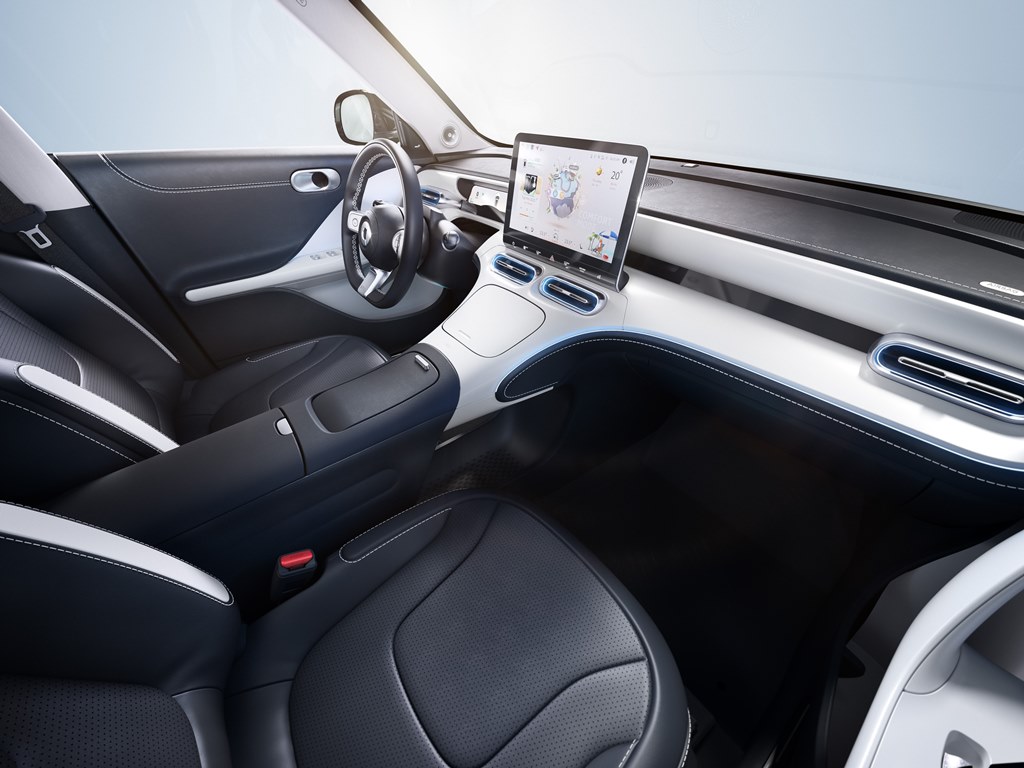
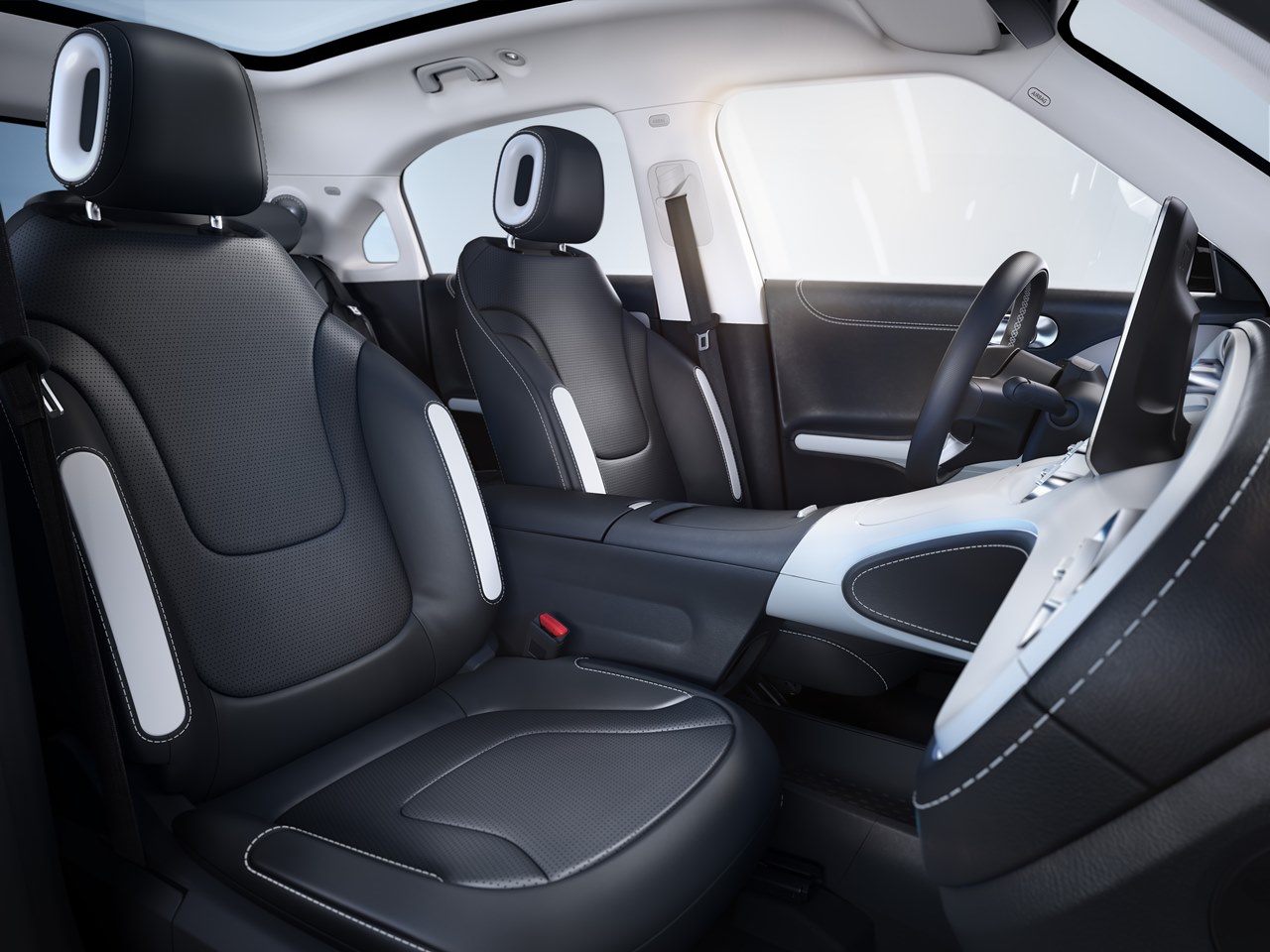
Thanks to a high footprint-to-space ratio with the long wheelbase, the interior is more spacious than would be expected with the compact exterior. The floating centre console provides better space efficiency with a reduction of elements creating a more open environment. To enhance this sense of spaciousness is a panoramic halo glass roof, one of the features on the concept car. The rear seats have a variable position over 13 cm and behind them is a variable boot space.
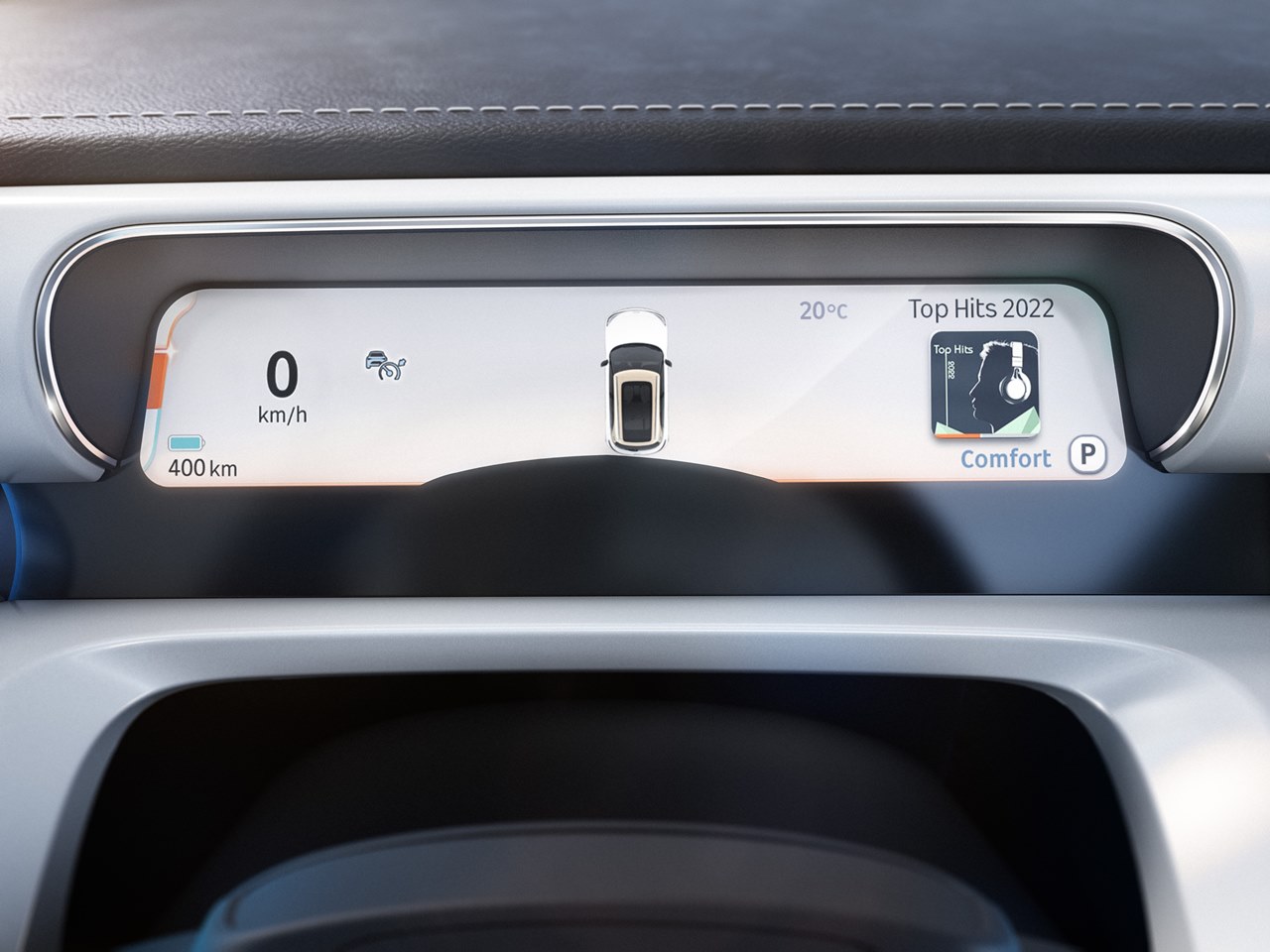
As with many of the latest cars, the displays are digi-graphic with a 9.2-inch panel in front of the driver (supplemented by a head-up display), and a 12.8-inch touchscreen on the dashboard. The ambient lighting can be customized with mix of 64 colours and 20 illumination levels, setting just the right mood for a drive.
The premium audio system has Beats high-end sound technology and consists of an amplifier module and 13 speakers (including a sub-woofer). The driver can enable digital key sharing through the smart app which also allows for remote engine starting.
There will be a ‘Launch Edition’ of the car with exclusive trim. Production will be at a joint-venture factory in China, starting in the second half of 2022. Exports are expected to start towards the end of the year so Proton Edar, which has been appointed distributor for Malaysia and Thailand, should be launching the car in early 2023. As it is a joint development between Geely and Mercedes-Benz, it is unlikely that it will become a Proton-badged model but by selling it, Proton would gain insights and experience into EVs which it will be producing and selling towards the end of this decade.
Virgil Abloh may not be a familiar name to many, but he was a collaborator with Mercedes-Benz on various design studies, particularly related to luxury products. Abloh, who passed away last year, was an artist, architect, engineer, creative director, artistic director, industrial designer, fashion designer, musician, DJ and philanthropist. As such, his visions and ideas were of much interest to Gorden Wagener, Mercedes‑Benz Group AG Chief Design Officer.
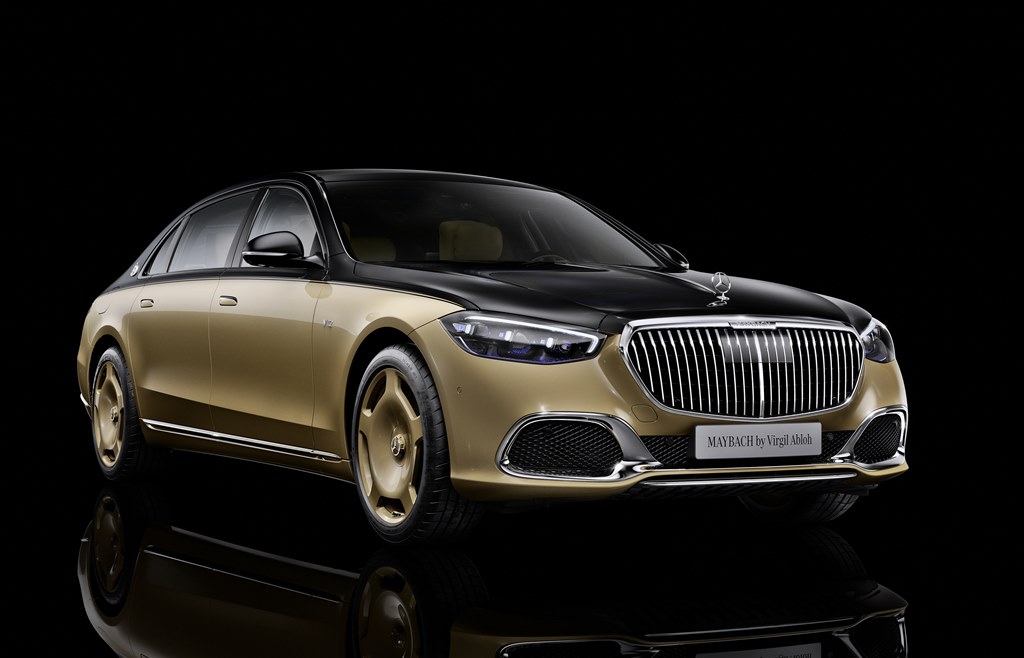
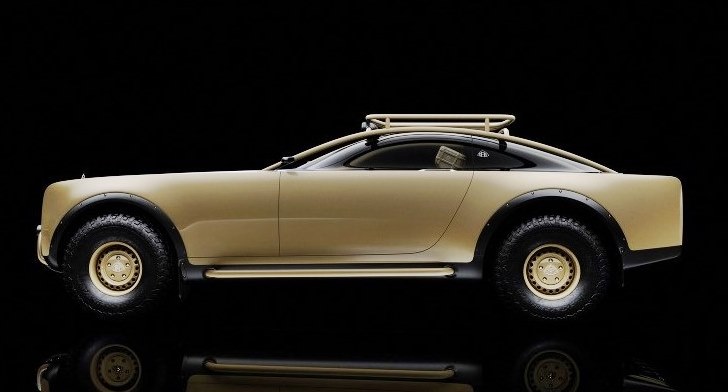
Together, they worked on projects such as Project Gelandewagen and Project MAYBACH and now, Abloh’s cooperation with Mercedes–Maybach culminates in the launch of a limited-edition bespoke S-Class and capsule collection, inspired by Project MAYBACH. It’s the final chapter of Project MAYBACH and is available in a strictly limited run of 150 units.
The Project MAYBACH electric showcar.
The launch coincides with the release of a capsule collection designed by Abloh and in collaboration with Off‑White. It has been developed in connection to the Project MAYBACH electric showcar and is exclusively available to buy on Off‑White, Farfetch and Maybach Icons of Luxury online stores, as well as Off‑White stores in select markets.
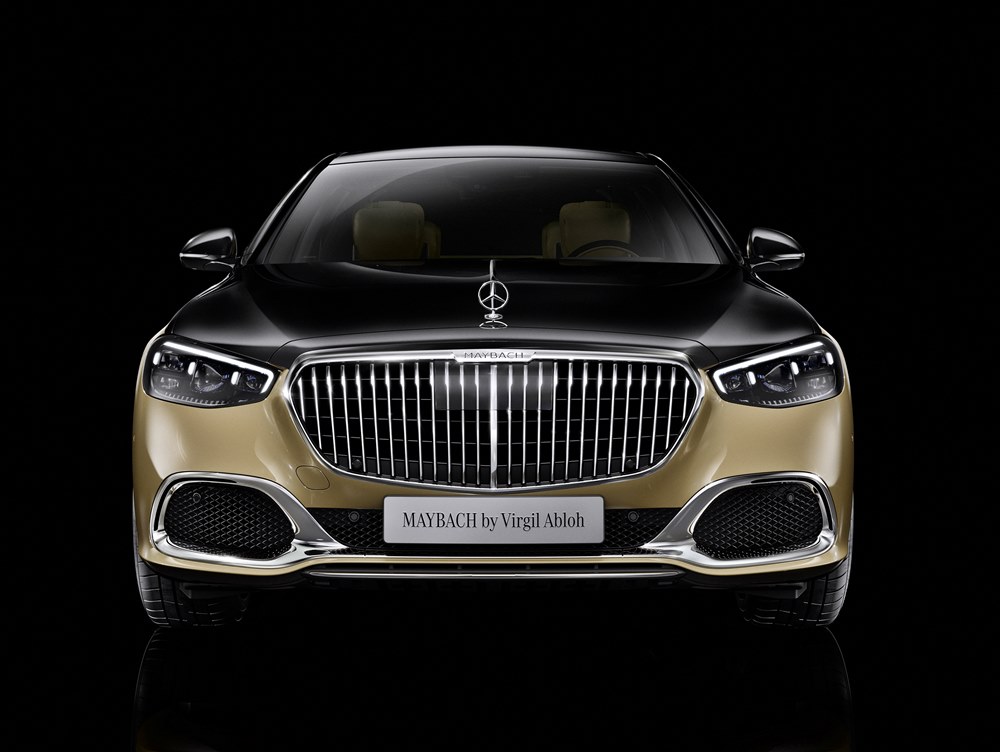
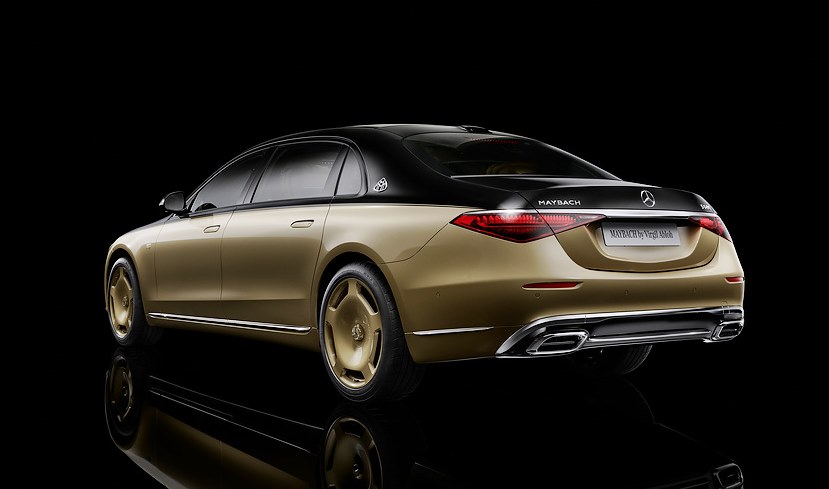
The limited edition Maybach by Virgil Abloh is a fully equipped Mercedes‑Maybach S‑Class S680 which follows the tradition of the ultra-luxury brand that has a history of over a century. It has been created by Mercedes‑Benz’ most specialised customization and craftmanship team. The exterior features the unique two-tone colour combination created for Project MAYBACH, with the upper part lacquered in a glossy obsidian black and the lower part, side flanks and special forged rims painted in a sand hue.
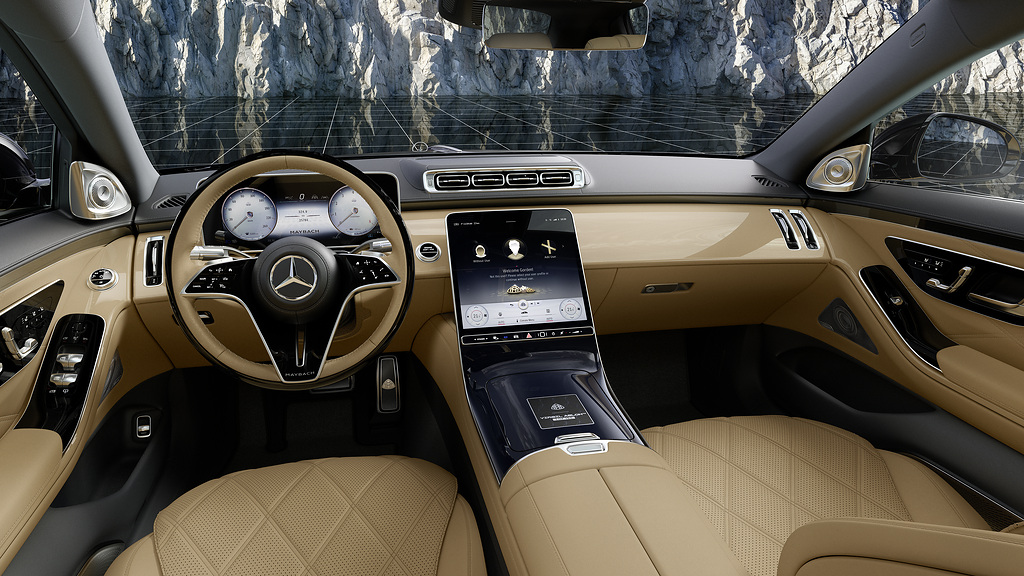
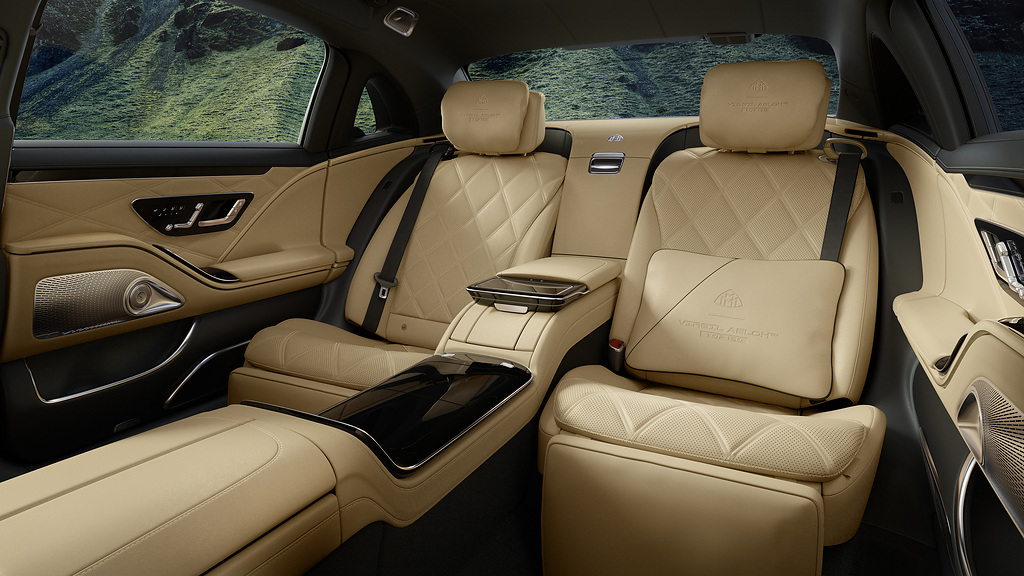
Superlative levels of craftsmanship will be evident throughout the cabin which has an identical two-tone colour scheme. The 4-seat configuration, steering wheel, doors, lower dashboard and ceiling are lined in black and sand-coloured nappa leather, complete with sand-coloured decor trims and strips. The highpile floormats are black with a sand-coloured leather border and embroidered Mercedes‑Maybach logo.
To enhance its monolithic appearance, the window frames are painted, and a special Mercedes-Maybach and Virgil Abloh logo is inscribed on the piano black middle of the centre console, rear cushions, head restraints and door sill panel.
Unique to the limited-edition S‑Class is a bespoke user interface which presents the driver with an even more luxurious variation of the Maybach MBUX suite of cutting-edge technologies. Han picked visual elements are used to enrich the digital content. For example, the home button has a coloured border and brand logo denoting the edition, and profile pictures are decorated with luxurious fashion accessories.
All customers will be given a special custom-made wooden box covered in sand-coloured nappa leather emblazoned with the Mercedes‑Maybach and Virgil Abloh logo. The gift box contains a 1/18 scale replica of the limited-edition car, the two car keys and a carabiner hook. In addition, each car will come with a complimentary and exclusive car cover featuring the Mercedes‑Maybach and Virgil Abloh logo.
“I’m incredibly proud of the work we have created in collaboration with Virgil. From Project Gelandewagen, which set the benchmark for fashion/automotive collaborations with our iconic G‑Class, to Project MAYBACH which brought the distinguished Mercedes‑Maybach heritage into the future, together with Virgil, we truly broke new ground. The limited edition Maybach by Virgil Abloh exemplifies the symbiosis between innovative design and ultimate craftsmanship now available on the road,” said Wagener.
For those who do not like the bother of having to park their cars in a carpark, hotels usually have valets to do the job. But valets may no longer have to do it either as cars will be able to park themselves after the owner has exited. Perhaps the first cars to be able to do so will be from Mercedes-Benz which has developed and begun to demonstrate the capability.
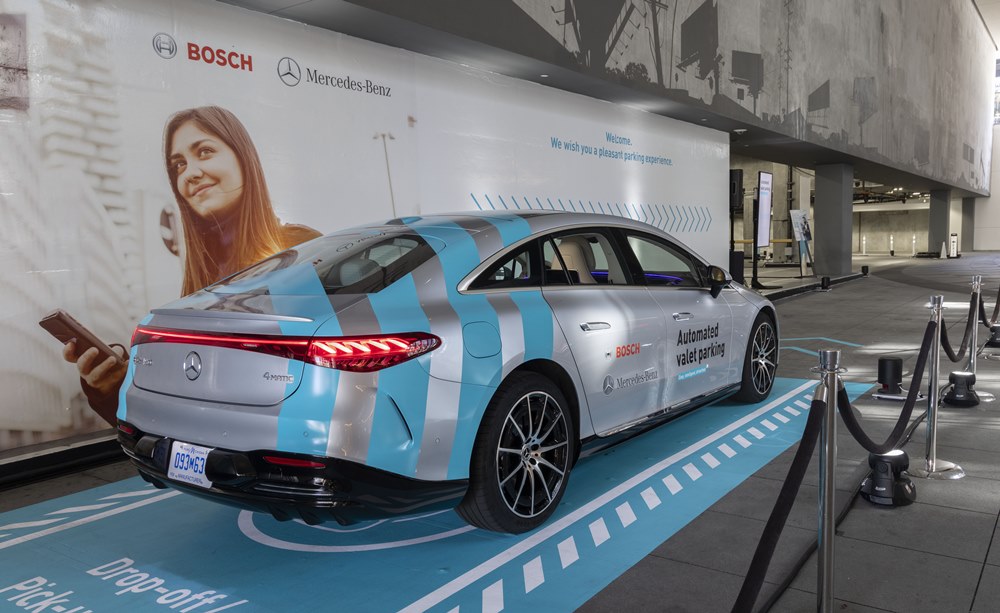
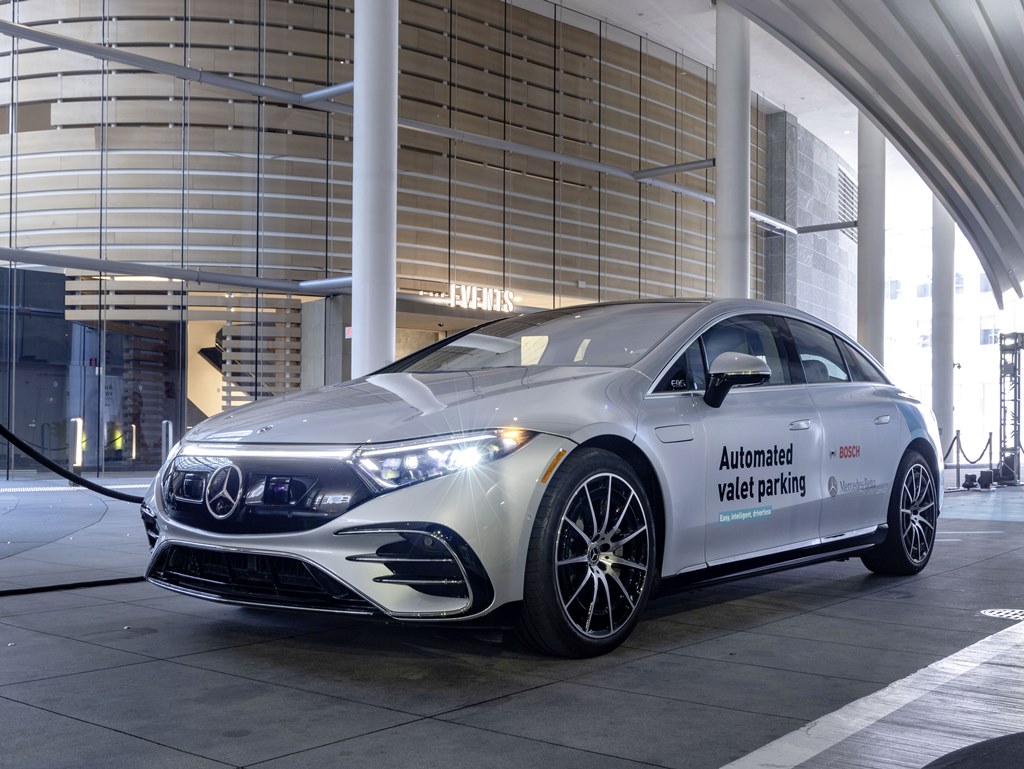
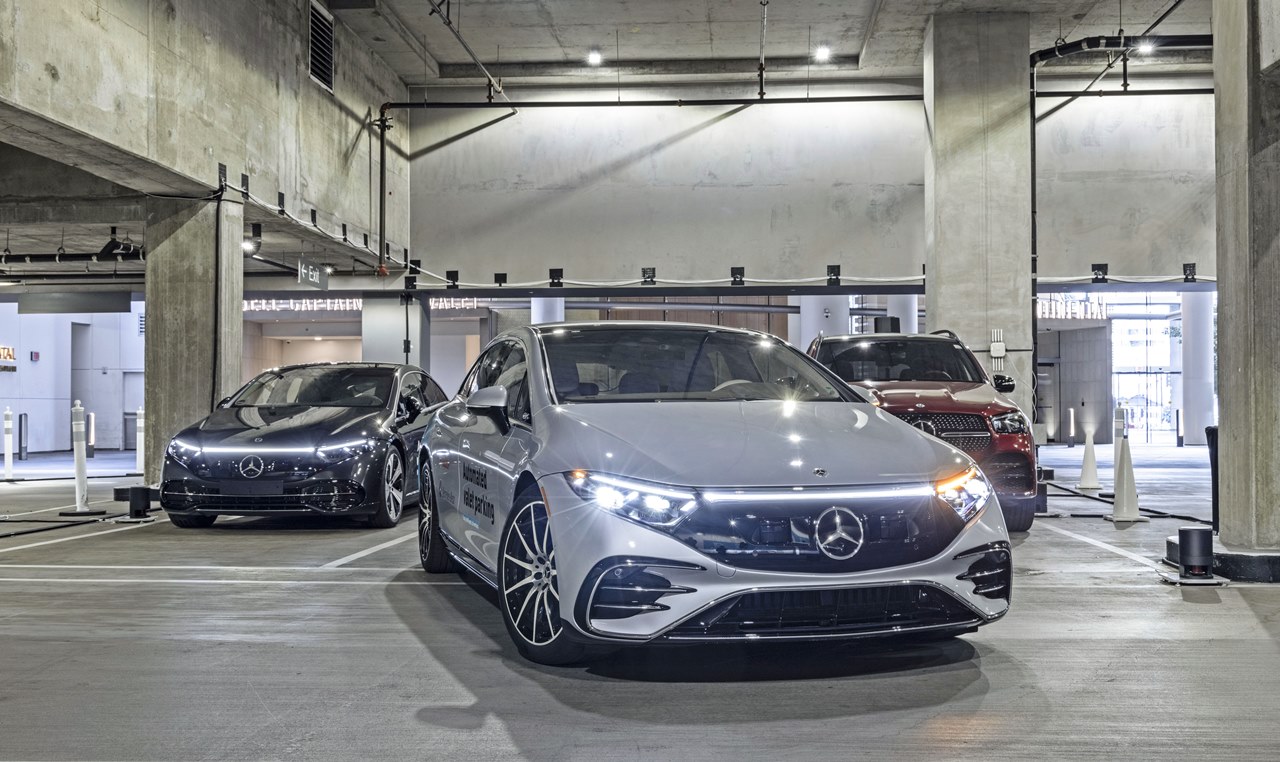
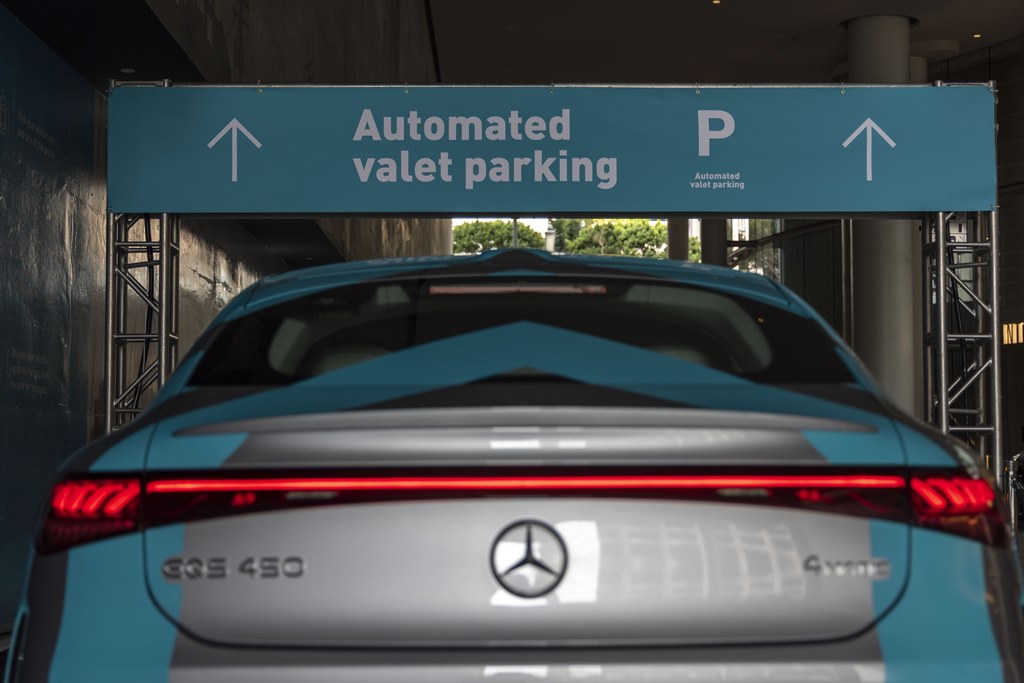
Working with a technology supplier, the German carmaker has developed automated valet parking technology which it calls INTELLIGENT PARK PILOT. The technology is available in the EQS BEV sedan as well as the latest S-Class sold in European markets. In order to enable the car to drive and park itself, it also requires an intelligent infrastructure installed in the parking area.
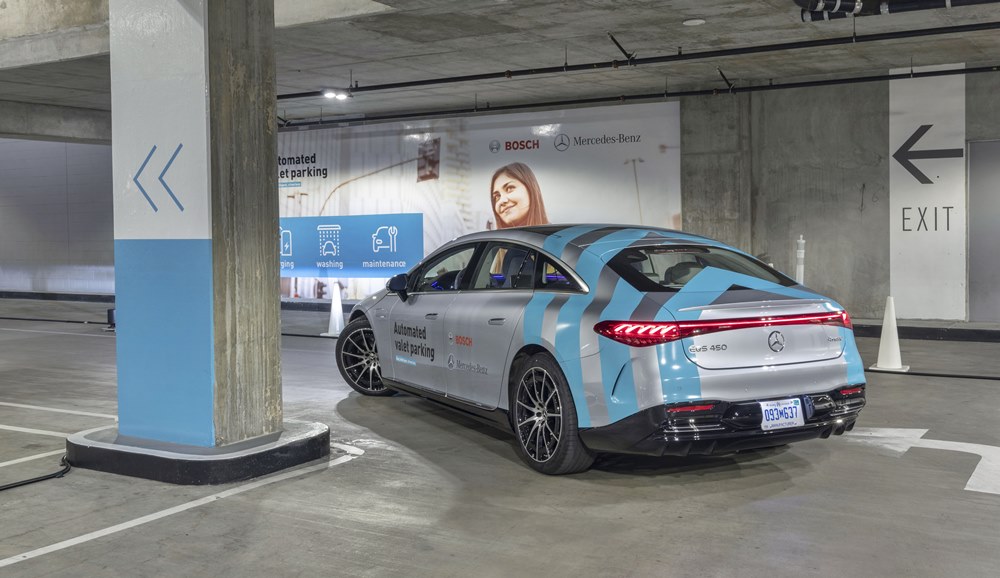
Sensors installed at the building communicate with the car and guide its manoeuvring through the parking area. This will allow the car to operate in highly automated mode and without a driver, and has the possibility of additional capabilities such as automated EV charging, car wash and vehicle servicing or maintenance where vehicles move in and out of service areas on their own
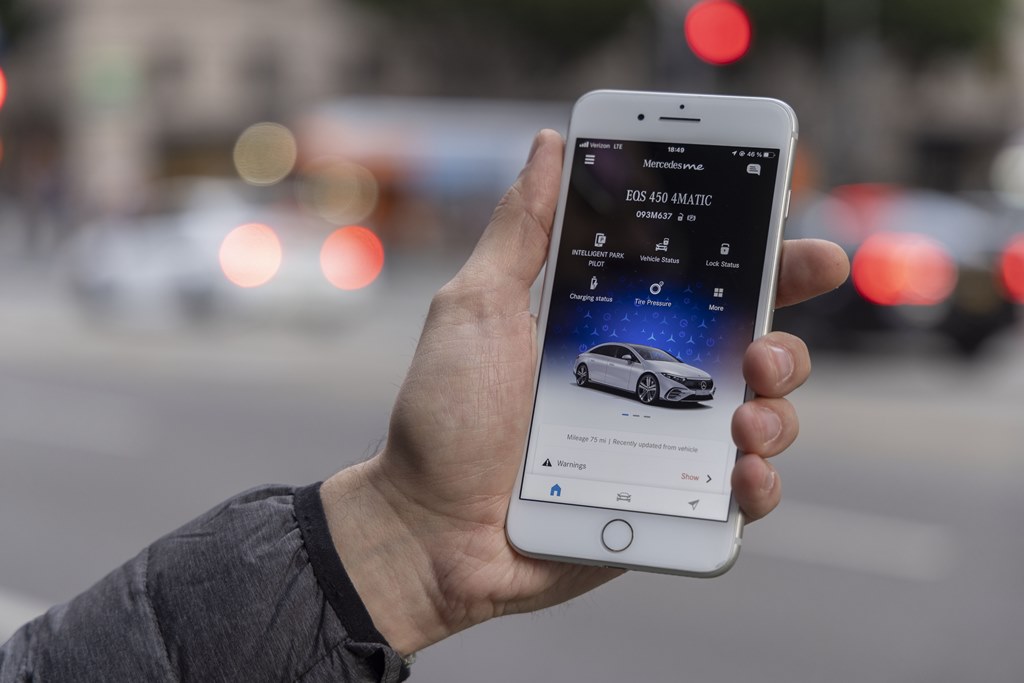
The automated parking process makes use of a smartphone app and the driver has to first position the car in a designated drop-off area. When activated, the sensor system in the carpark checks whether a suitable space is available or was already reserved for the vehicle. If so, the Automated Valet Parking infrastructure confirms the hand-over of the vehicle for the driver in the app, and the car will depart on its own. It will then be guided with the help of the infrastructure to the designated space.
When the driver requires the car, a request can be sent with the app and the car will be guided to the pick-up area. This will certainly be convenient for owners as it will be unnecessary to walk around the carpark and, for those who may be forgetful, waste time searching for the place where they parked it.
Automated parking technology, which could one day be as common as cruise control, benefits drivers by easing the burden of the parking experience. It may even be possible for carpark operators to cram more cars onto a floor as the spaces can be narrower since there is no need to allow wide gaps for doors to be opened.
“Low-speed manoeuvres are part of the holistic opportunity for automated technology,” said Dr. Kay Stepper, Senior Vice-President of automated driving and driver assistance for Bosch in North America. “Automated technology in the specific use case automated valet parking gets consumers comfortable with how automated technology works and how it can benefit them.”
Engineering teams have been working over the past few years to further develop automated valet parking and support specific testing and deployments around the world. The technology was recently demonstrated at a hotel in Los Angeles, California.
“The demonstration at the InterContinental Los Angeles Downtown showcases how automated valet parking will operate in a working hotel environment where both automated and non-automated vehicles operate alongside pedestrian traffic,” said Dr. Stepper. “This allows us to dive into the dynamics of local deployments with the use of a highly-connected EQS from Mercedes-EQ to demonstrate how automated technology continues to move forward.”
“Our vision is that getting time back is a key component of the luxury experience our customers are looking for. The EQS gives you time back by driving itself in traffic jams on highways, but with INTELLIGENT PARK PILOT, it may also be able to park itself,” added Dr. Philipp Skogstad, President & CEO of Mercedes-Benz Research & Development North America. “INTELLIGENT PARK PILOT is a feature that together with the required infrastructure enables an automated valet service that gives customers even more comfort and relief in everyday life.”
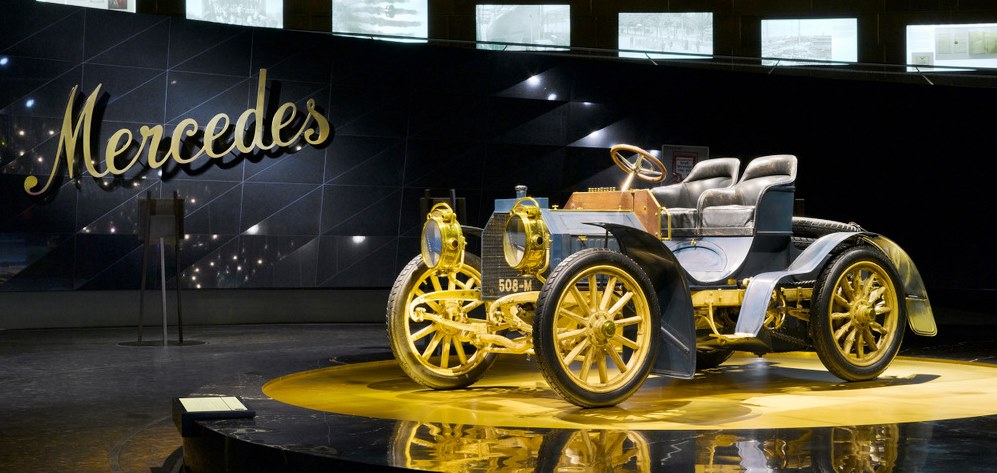
Ipoh in the Kinta Valley of Perak was where the first cars in Malaya were imported to and records show that the first owner was Eu Tong Seng, a wealthy businessman who brought in a Mercedes Simplex in 1902. He must have been very interested in the new ‘horseless carriages’ as the Simplex was launched in that same year by Daimler Motoren Gesellschaft.
Four years later, in 1906, a company opened up its first branch in Ipoh and this company would become associated with Mercedes-Benz to this day. It was Cycle & Carriage (C&C) and although it was not representing Mercedes-Benz then, it would become one of the first distributors of the German brand in Asia when it was appointed in 1951.
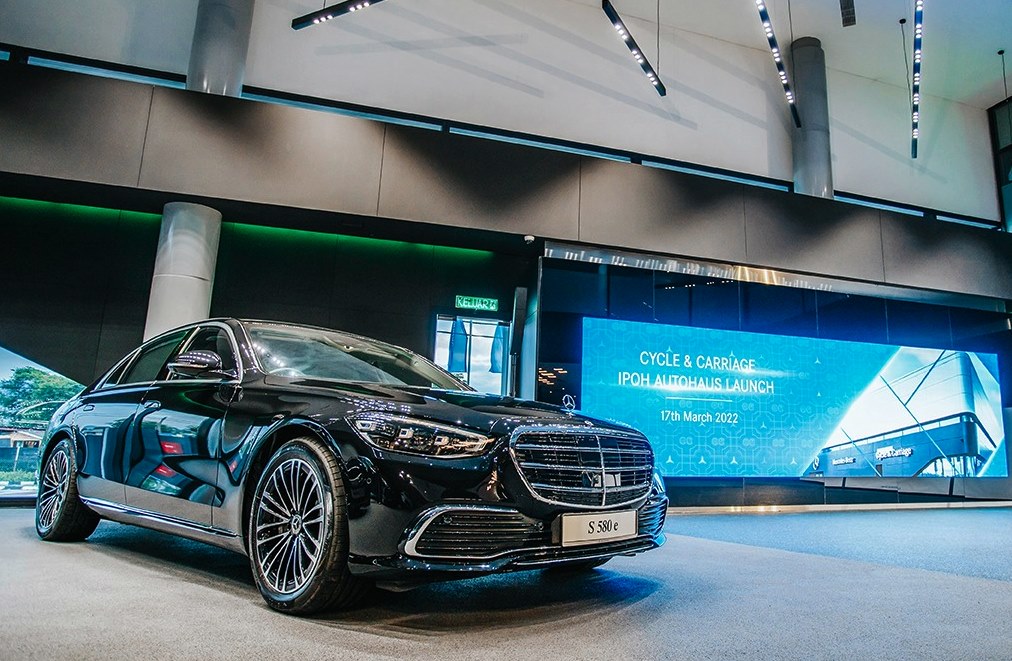
The latest Mercedes-Benz S 580e at the C&C Autohaus in Ipoh. 120 years ago, in 1902, the first car in Ipoh (and Malaya) was also a Mercedes – the Simplex (below).
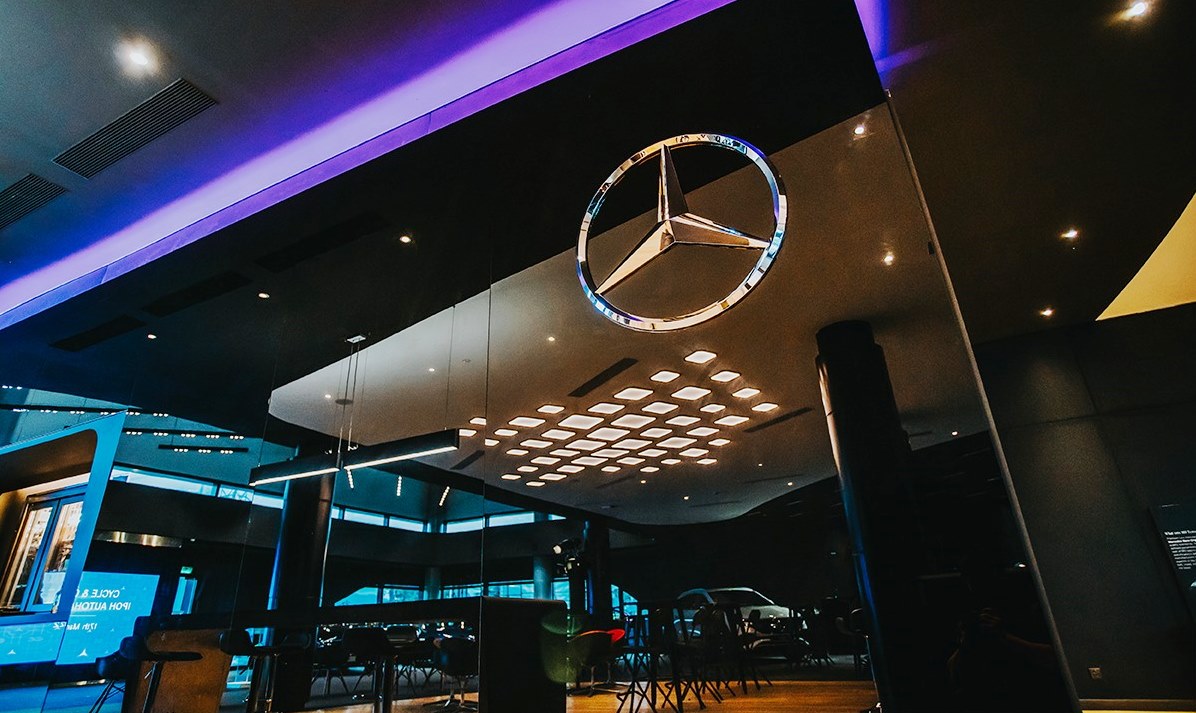
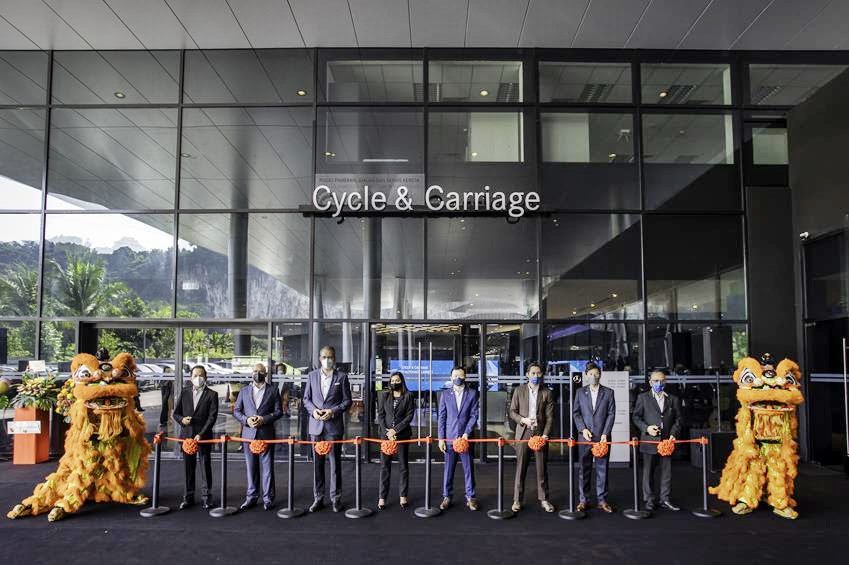
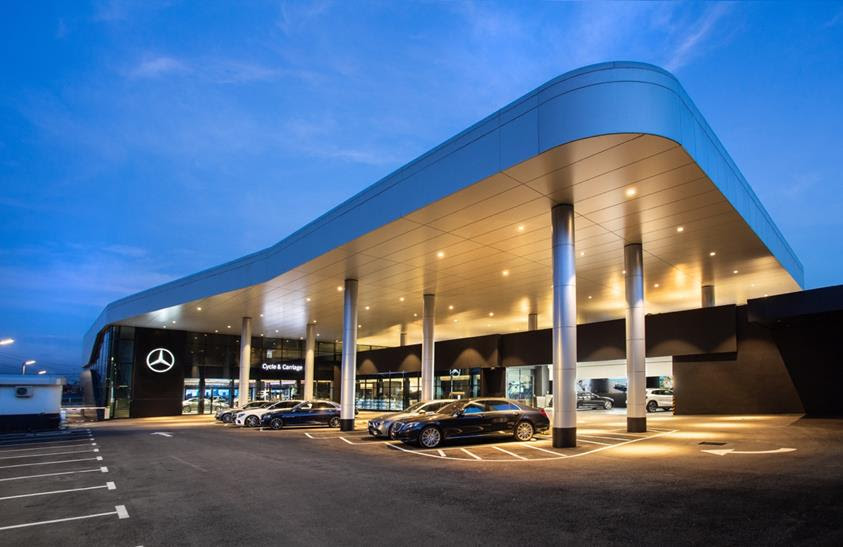
Ipoh is therefore a special place in C&C’s long history and although that first branch was along Brewster Road (today known as Jalan Sultan Idris Shah), the company’s branch dealing in Mercedes-Benz passenger vehicles is now located at Jalan Kuala Kangsar. This is where the company has its fourth Autohaus incorporating the latest Mercedes-Benz Brand Presence. The newly upgraded Autohaus, which was recently officially opened, is part of the Mercedes-Benz network for the Northern region.
Mercedes-Benz Retail Brand Presence
The Mercedes-Benz Retail Brand Presence is a retail strategy which highlights the integration of digital elements into the physical world, with the aim of delivering customer-centric automotive retail experiences for modern-day shoppers. This seamless journey for the customer caters to the multi-channel shopper while addressing the increasing technological complexity of products that customers are interested in.
“As the leading dealership for Mercedes-Benz in Malaysia, Cycle & Carriage is committed to providing our customers exceptional journeys and best-in-class services whether it is during their purchase experience or ownership journey. Today, we are proud to showcase the upgraded Cycle & Carriage Ipoh Autohaus, a key location in our network coverage from north to south of Peninsula Malaysia,” said Thomas Tok, CEO of Cycle & Carriage.
“We want to give Mercedes-Benz customers the assurance that they can access our best services here in Ipoh. We believe that the new retail concept responds to the individual needs of today’s discerning customers, making our products even more accessible to anyone who wants to dive deeper into the world of Mercedes-Benz,” he added.
Immersive experience for customers
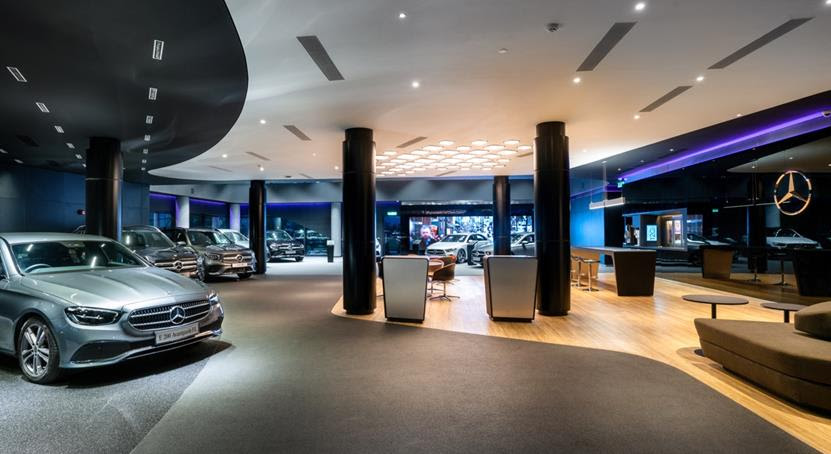
The modern design of the upgraded Cycle & Carriage Ipoh Autohaus is set against a backdrop of the picturesque limestone cliffs of the city. The facility covers a land area of over 56,000 square feet with ample space for visitors to park their cars. The showroom has been specially designed with ample open space and custom daylight-emitting spotlights to show off the true colours of each model on display. All vehicles are intentionally arranged in the shape of an arc to maximise the visibility of the range available.
Visitors can also immerse themselves in a journey featuring the latest in multimedia tools to gain a thorough understanding of Mercedes-Benz vehicles and their technologies. With the addition of new digital touchpoints, customers can discover the brand while gaining access to the service team for a complete experience of luxury that integrates both the digital and human touch.
For individual consultations, there are various seating locations arranged in open, semi-private or private areas for discussions. This includes the Star Lounge, which has a cafe to offer a more refined touch to many services available.
For those who have made a purchase and are taking delivery of their new Mercedes-Benz, there is a special room for the purpose. C&C makes sure that it is treated as a special occasion for the customer to remember and to start or extend the relationship with the company and the brand.
Fully equipped service centre
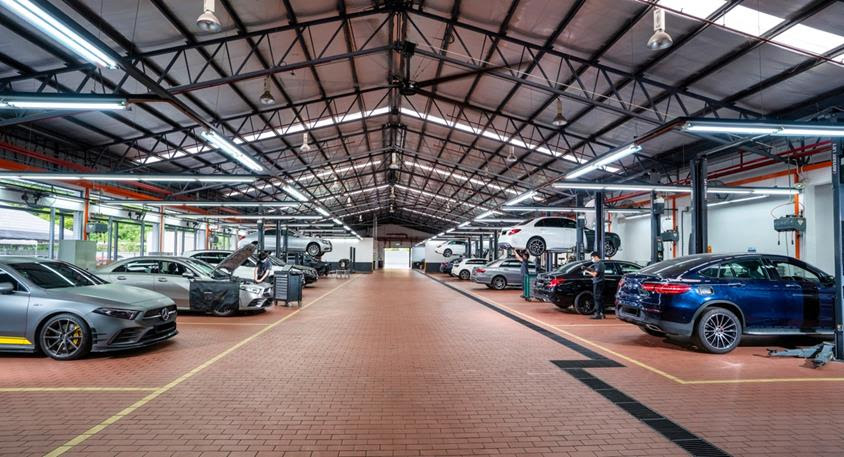
For aftersales services, the Autohaus has a service centre with trained personnel and is fully equipped with equipment for maintenance, repair, painting and even car detailing services. With 31 service and repair bays (11 of which are for body and paint jobs), the service centre is one of the largest of its type in the area. The health and comfort of the staff are not forgotten as there are high ceilings and large fans for a naturally airy space.
Designed with sustainability in mind
The Autohaus is designed with sustainability in mind and is the second C&C Autohaus (after the one in Johor Bahru) to install solar panels that can provide up to 72 kWp of electricity from sunshine. In addition to this free and environment-friendly source of electricity, there are also rainwater-harvesting systems to supply water for general use around the facility.
To know more about Mercedes-Benz products and services or to locate an authorised showroom, visit www.mercedes-benz.com.my.
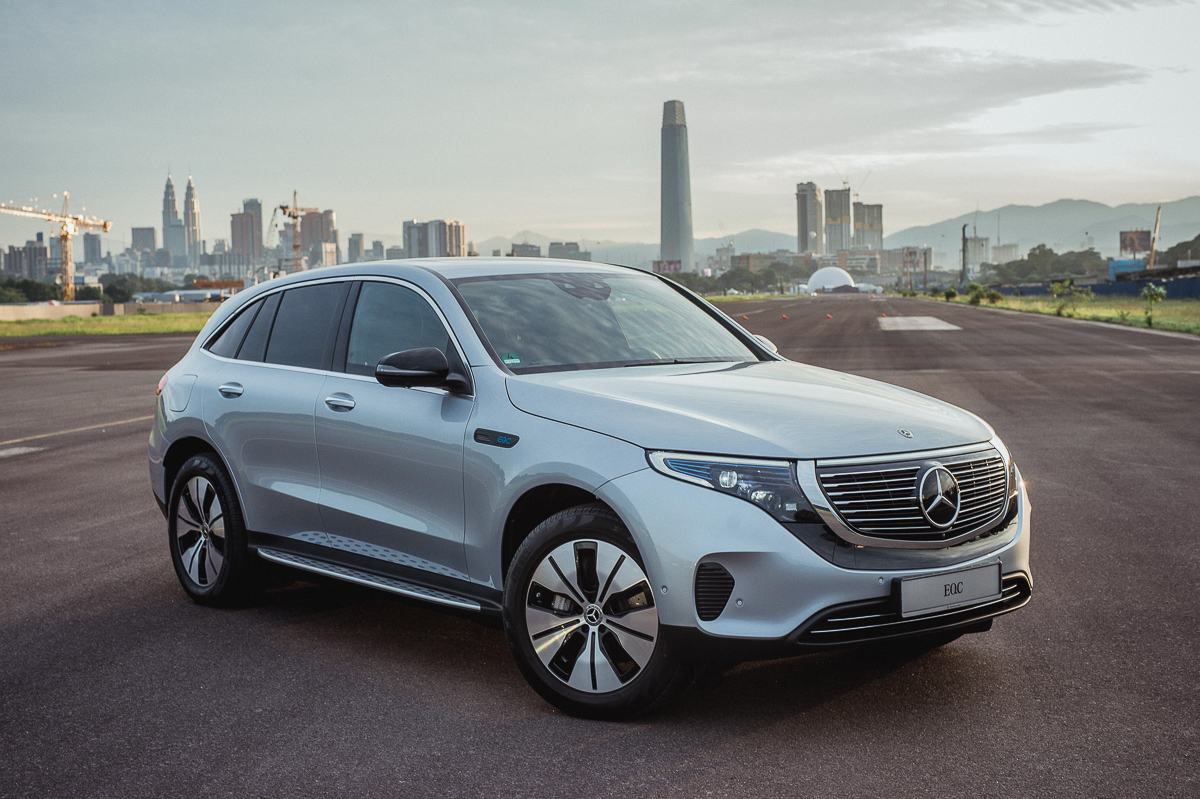
Mercedes-EQ which started in 2016 as a sub-brand of Mercedes-Benz dedicated to fully electric vehicles (EVs) was introduced to Malaysians in mid-2019. But apart from previewing the first model the new brand, which was the EQC, not much happened and instead, Mercedes-Benz Malaysia (MBM) focussed on the EQ-Power range which covered the plug-in hybrid (PHEV) models.
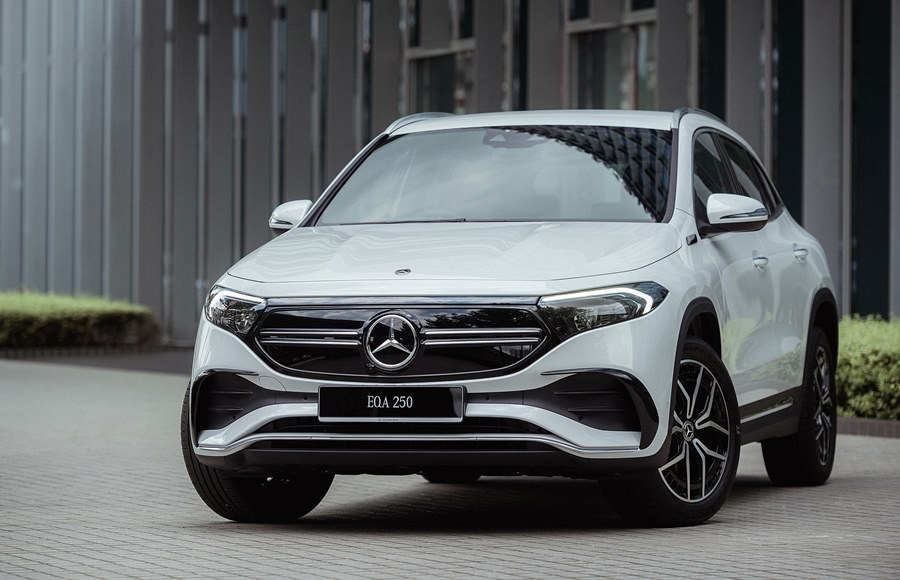
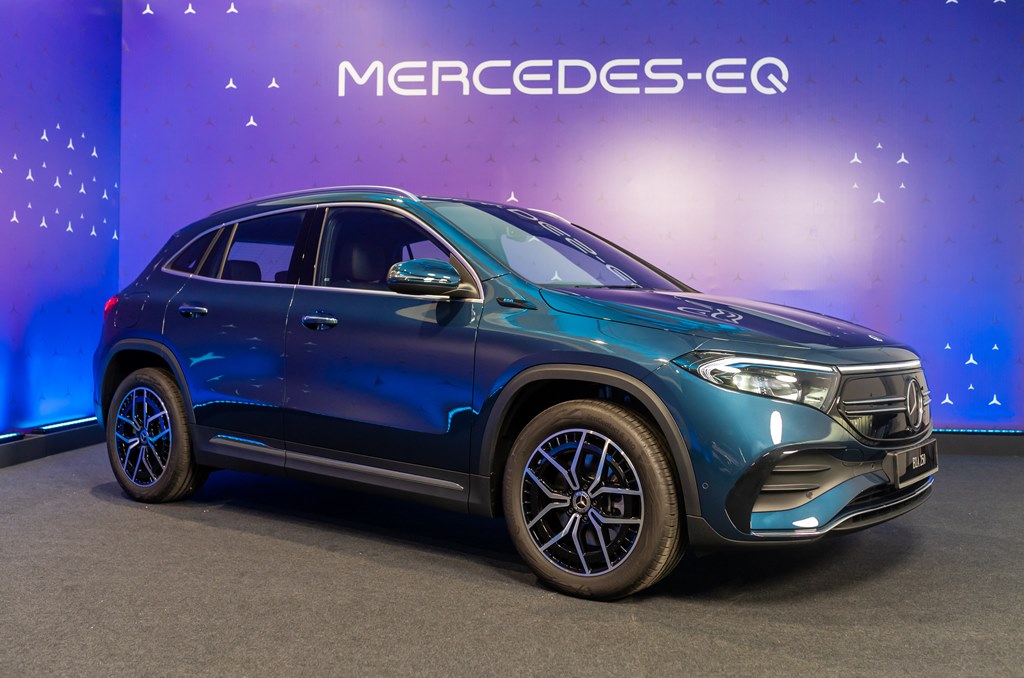
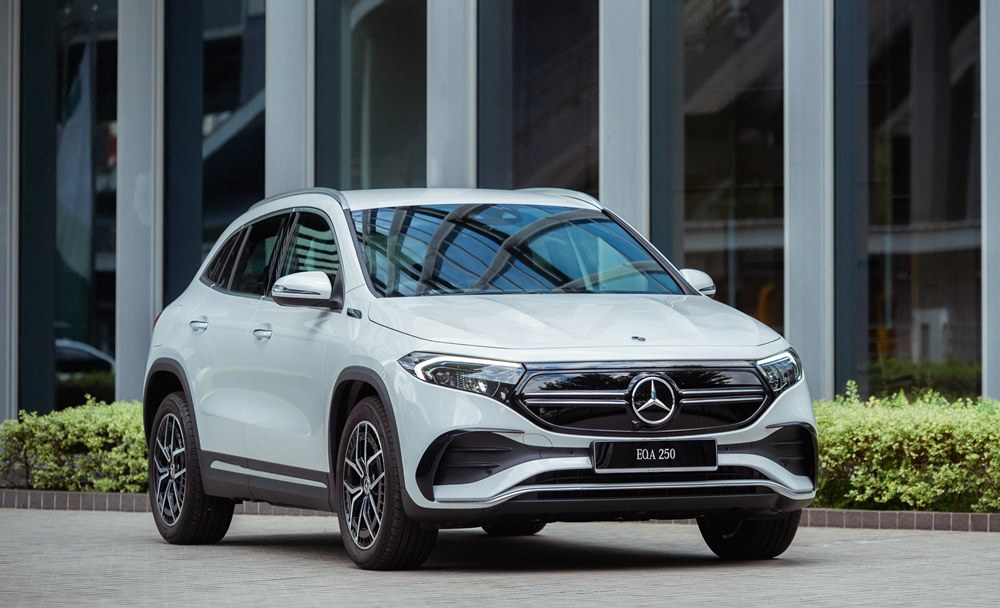
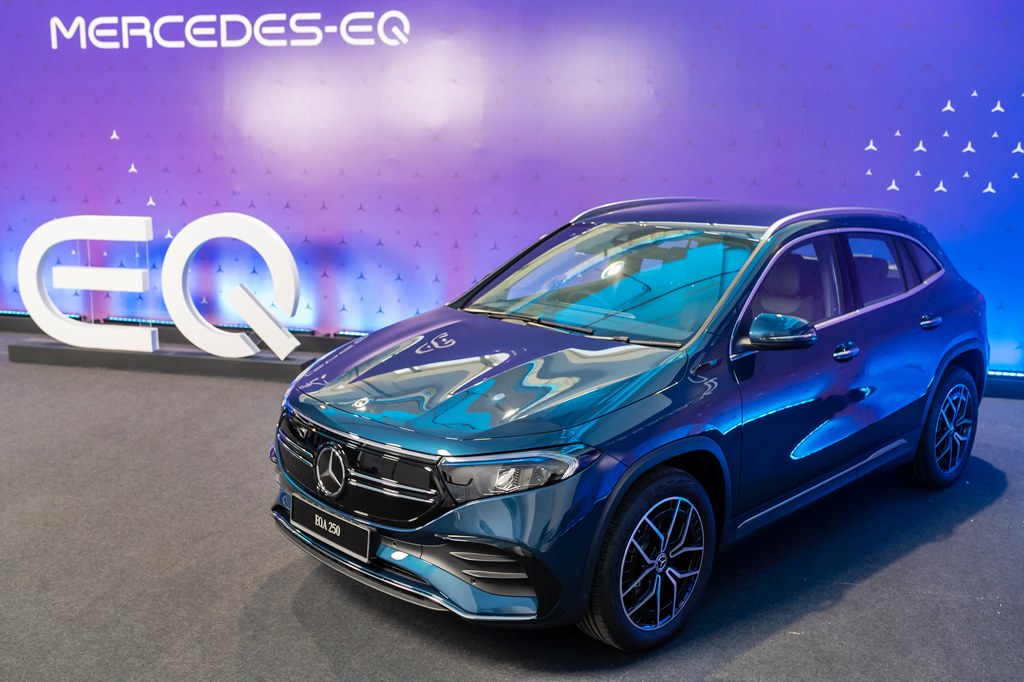
But the planning was going on behind the scenes and we were always told that EQ would be coming, and that day has arrived with the launch of the EQA 250 today. Although the EQC was the first model in the EQ range to be launched (in 2019), MBM has chosen to start off at the entry level with the EQA, the third EQ model which was launched in Europe last year.
EQC was the first model of the Mercedes-EQ range and appeared in Malaysia in 2019 to introduce the new all-electric range.
Decisions are made years ahead in the car industry and at the time MBM was planning, they would not have expected the government to offer full exemption of import duties and even roadtax for battery electric vehicles (BEVs). So the pricing of the EQA 250 would probably have been expected to be higher although incentives would have been expected.
So it must have been a pleasant surprise last October to be told that the EQA 250 could be sold duty-free in 2022 and for the next few years (longer if assembled locally). This has enabled the retail price, without insurance, to be RM278,201.25, and that also includes 50% exemption in sales tax allowed for CBU models. For now, the EQA 250 is offered with the AMG Line package that adds a sporty touch to the SUV.
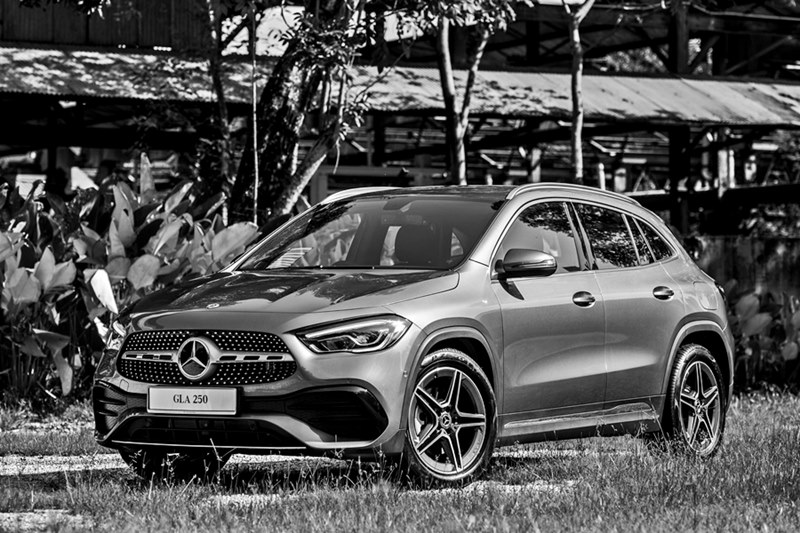
The EQA 250 is related to the GLA (below) but its platform and architecture have been optimised for a BEV.
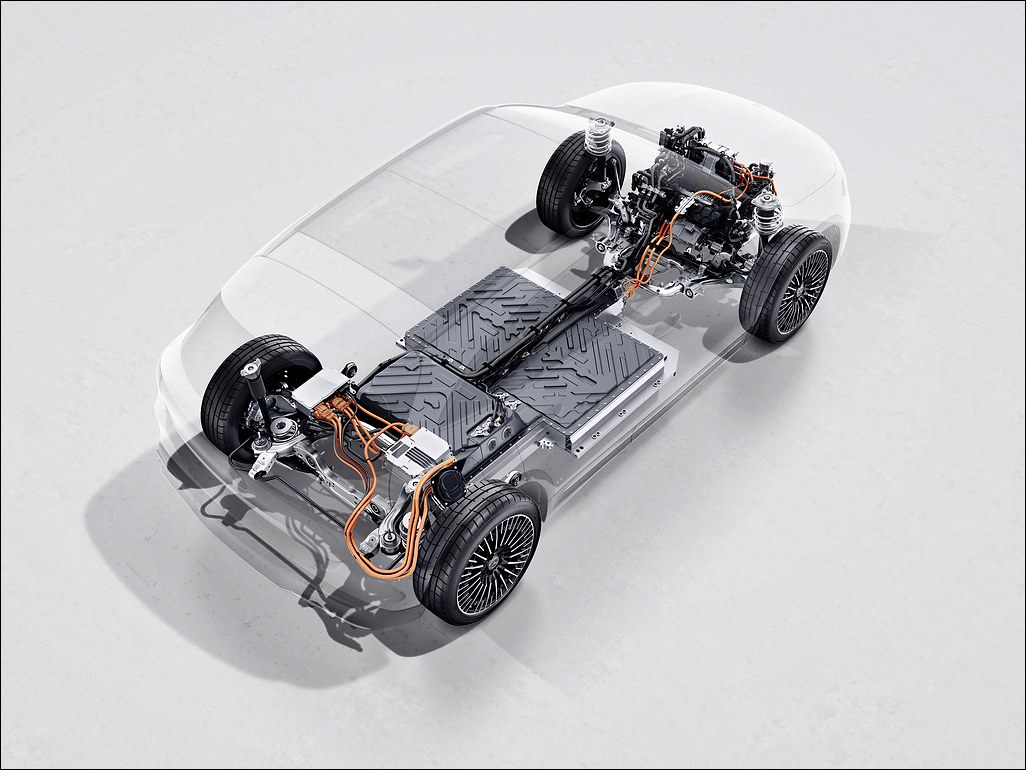
The EQA is related to the GLA and in fact, shares the same MFA2 platform which has been adapted for a BEV layout. So it’s not fully optimized for BEVs and to give the EQA 250 the efficiency it needs to maximise performance, it has been given a large battery pack and much attention has been given to aerodynamics.
Lots of wind tunnel and simulation work brought the Cd value down to 0.28, and the bodywork has been made as smooth as possible. Among the most important aerodynamic measures are the completely closed cooling air control system in the upper section; the aerodynamically efficient front and rear aprons; a very smooth, almost completely enclosed underside; specially optimised Aero wheels and specifically adapted front and rear wheel spoilers.
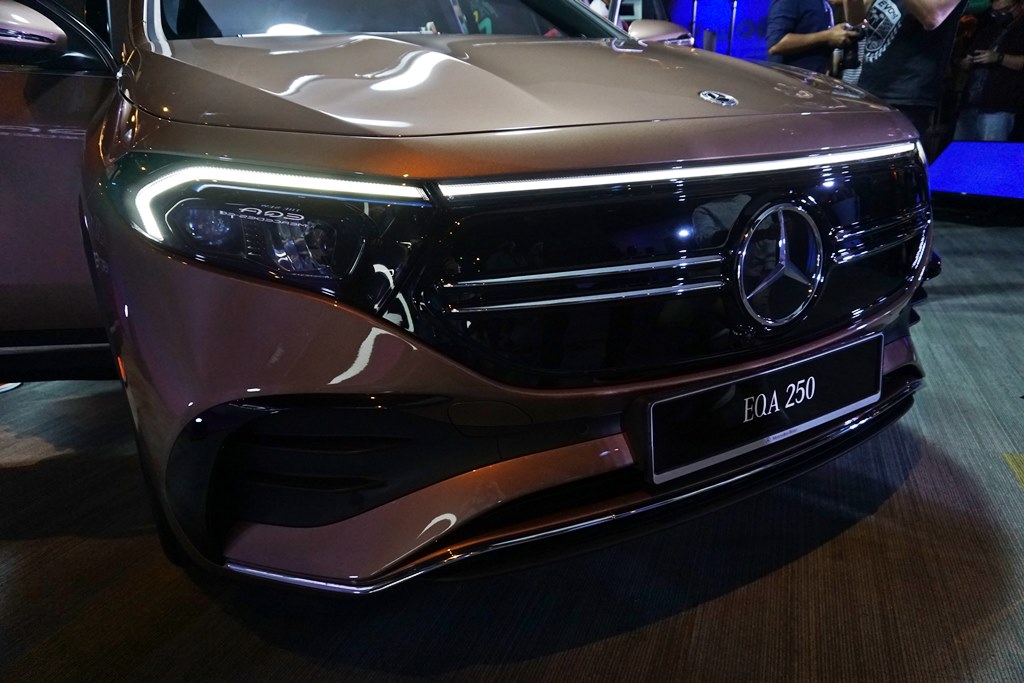
The EQA shows that cars of the future will still look like the cars were drive today, rather than the bubbles or bullet-shaped vehicles that were imagined to be on the roads in the 21st century. As mentioned earlier, it is like a BEV derivative of the GLA (but is really more than that). Its front end has the EQ design elements with a black panel radiator grille and central star. With the AMG Line package, the EQA 250 gets the sporty genes of the Mercedes-AMG brand. It reinterprets the twin-blade design of the grille and features a diffuser-look AMG rear apron.
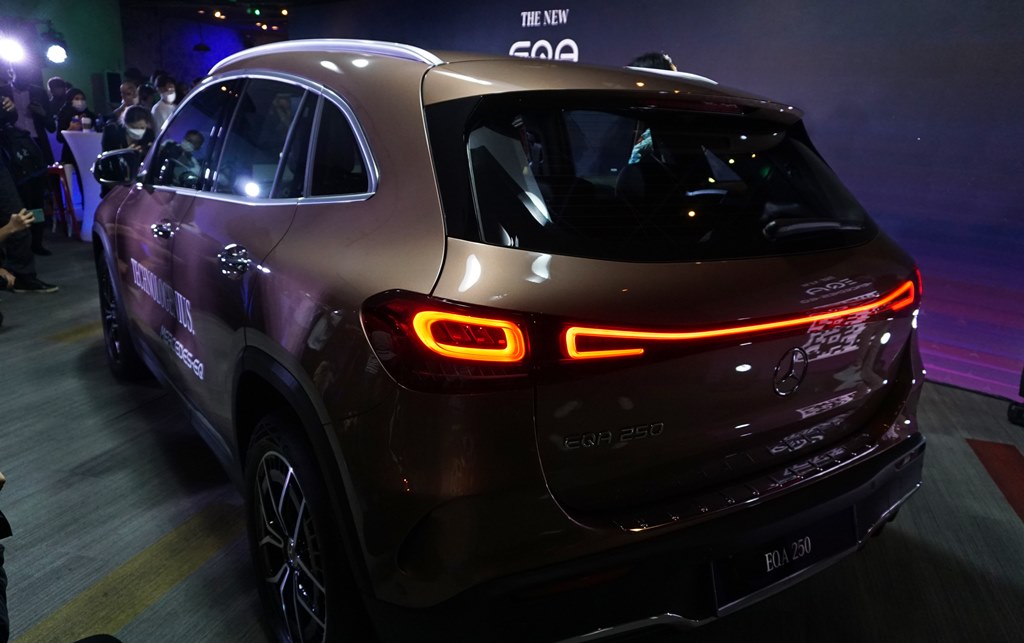
A design feature is the continuous fibreoptic light strip across the front and rear, providing a distinctive visual signature. Mercedes-Benz has chosen blue for as its ‘electric theme’ so the headlights have a blue colour within. At the back, the LED units merge seamlessly into the tapered LED light strip to emphasise width.
The doors reach over the sills, keeping the frames (and thus also the occupants’ trousers) free of dirt and improving impact protection in the event of a side collision. All-round protective cladding adds ruggedness and structure to the overall proportions, hinting at the SUV’s off-road character, as does the simulated underride guard at the front and rear.
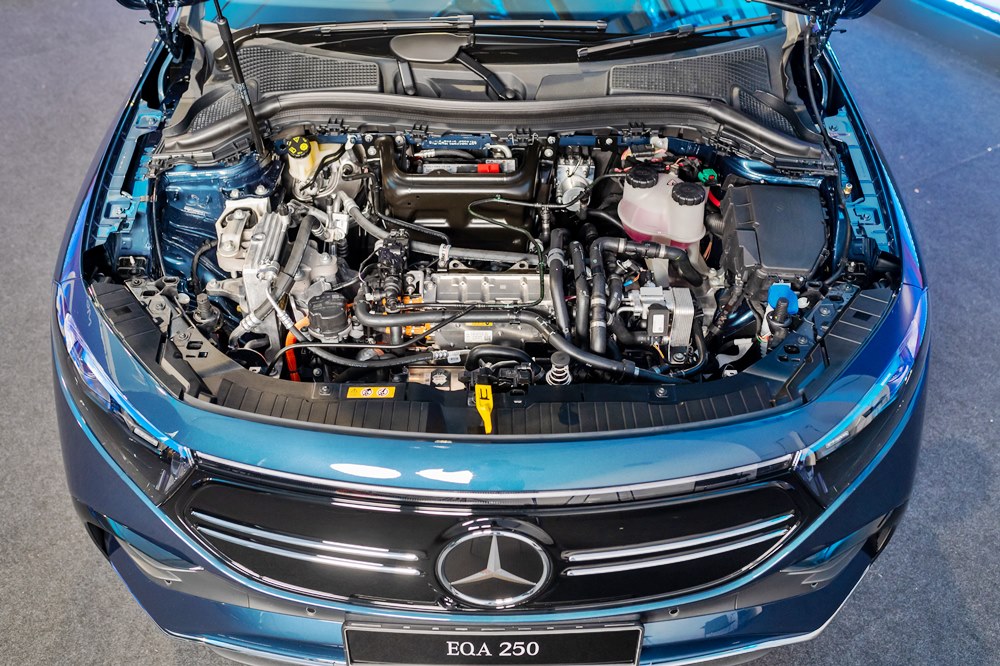
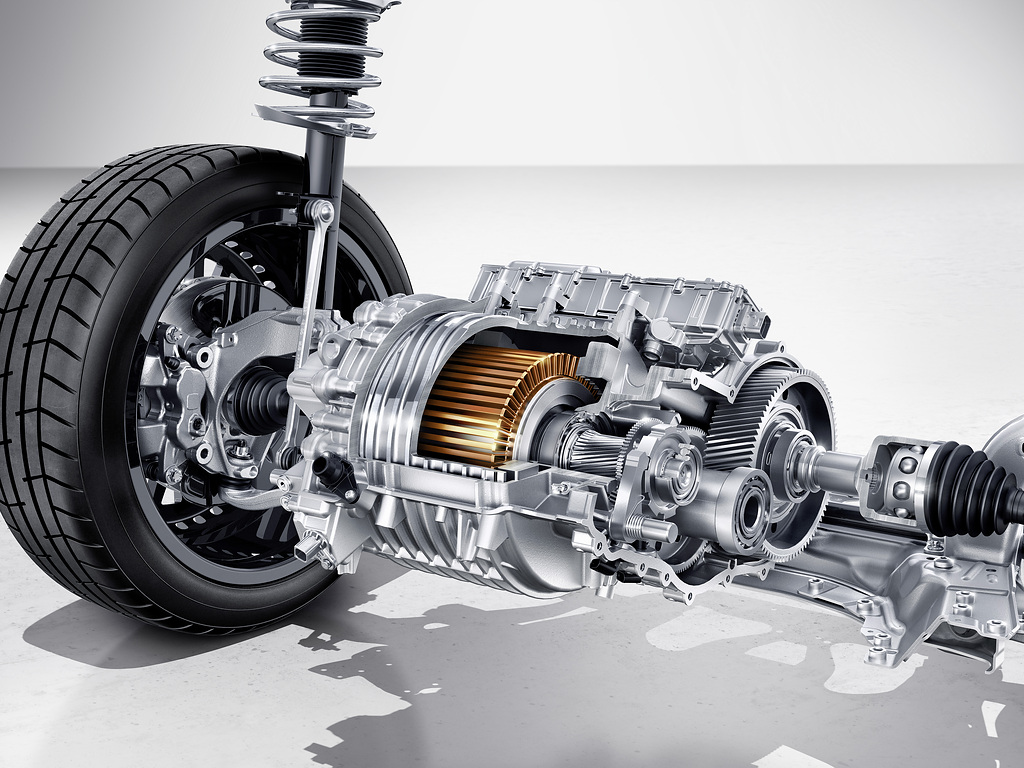
The EQA 250 has a straightforward electric powertrain consisting of a single motor driving the front wheels. The electric motor, a fixed-ratio transmission with a differential, the cooling system and the electronics form a highly integrated, very compact powertrain (eATS).The motor, which has an output of 140 kW/190 ps and 370 Nm of torque, is powered by a ‘double-decker’ lithium-ion battery pack with a usable energy content of 66.5 kWh.
The claimed acceleration time is 8.9 seconds from 0 to 100 km/h with a top speed of 160 km/h. The fuel consumption in petrol and diesel engines, the distance you can travel is dependent on many factors – even how you drive – and it’s the same for BEVs. Push the vehicle hard and you get less range but unlike combustion engines, low speeds are not necessarily inefficient. So MBM provides a range of 402 – 496 kms on a fully charged battery pack which would be good enough for regular motoring.
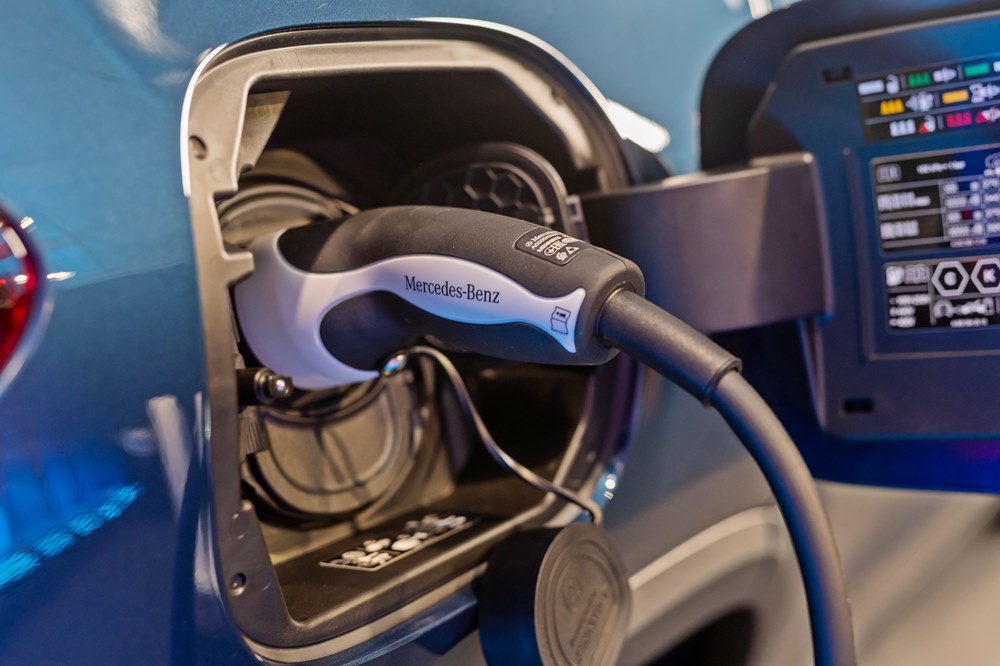
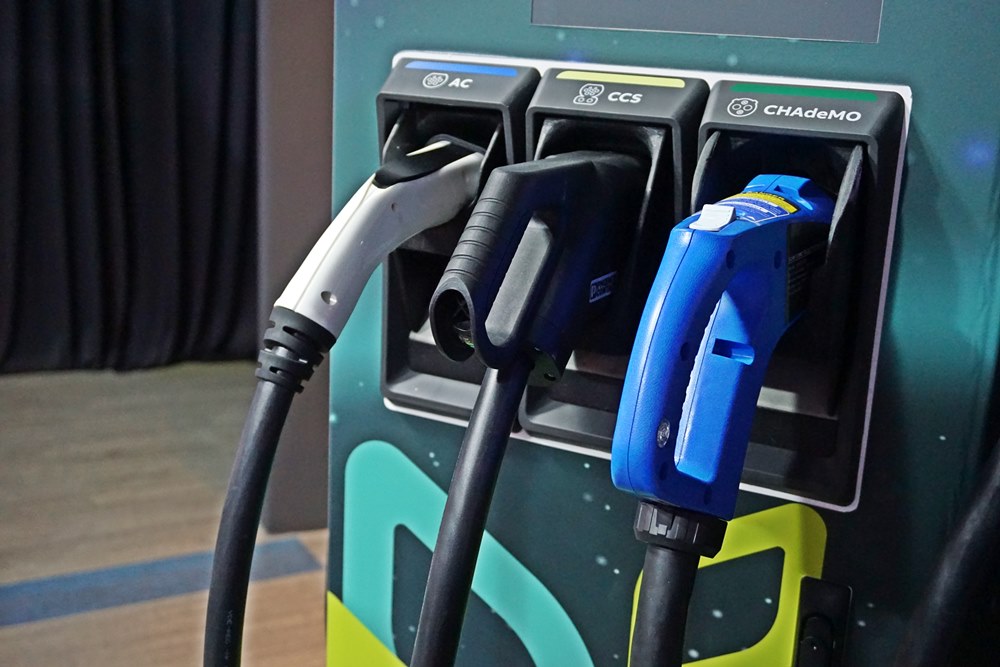
When it comes to recharging, there are various ways the owner can get it done and each one takes a different length of time. The shortest time is with a DC 100 kW fast-charger which can ‘refuel’ from 10% to 80% within around 30 minutes. The on-board charger can handle charging from AC power outlets at the home or in public locations but will take at last 5 hours 45 minutes from 10% to 100%. That pretty much means leaving the vehicle parked overnight so if you switch to a BEV, it will have to be part of your routine. Of course, if you ‘top up’ periodically, then you may not have to wait so long. Incidentally, if you want to charge at home, you will need a wallbox which will be additional cost for installation.
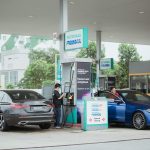
‘Fuel pump’ of the future – refuelling will be with electricity, not petrol or diesel.
For the convenience of its customers, MBM is setting up 13 DC fast-chargers installed in strategic dealer locations around the country. With the Mercedes-Benz Autohaus network quite extensive, this means that EQA owners will be able to travel quite far and be assured of quick charging. Until the end of 2023, using the charging stations will be free of charge.
Additionally, EQ customers will enjoy an exclusive 1-year subscription with JomCharge, where they will enjoy unlimited charging at a 50% discount at all JomCharge charging stations for the first 1,000 customers. The JomCharge locations are at Petronas stations and the petroleum company has said that it plans to install the fast-chargers along the North-South Expressway and part of the East-Coast Expressway.
Like most other companies selling BEVs, MBM offers a warranty of 8 years or up to 160,000 kms for the battery pack so first (and even second) owners should have no concerns about replacement cost. In time, there will be an increasing number of used battery packs and the issue of how to recycle them will become important. MBM is aware of this future issue and will prepare for it but says it is something that the industry will have to work together on as well.
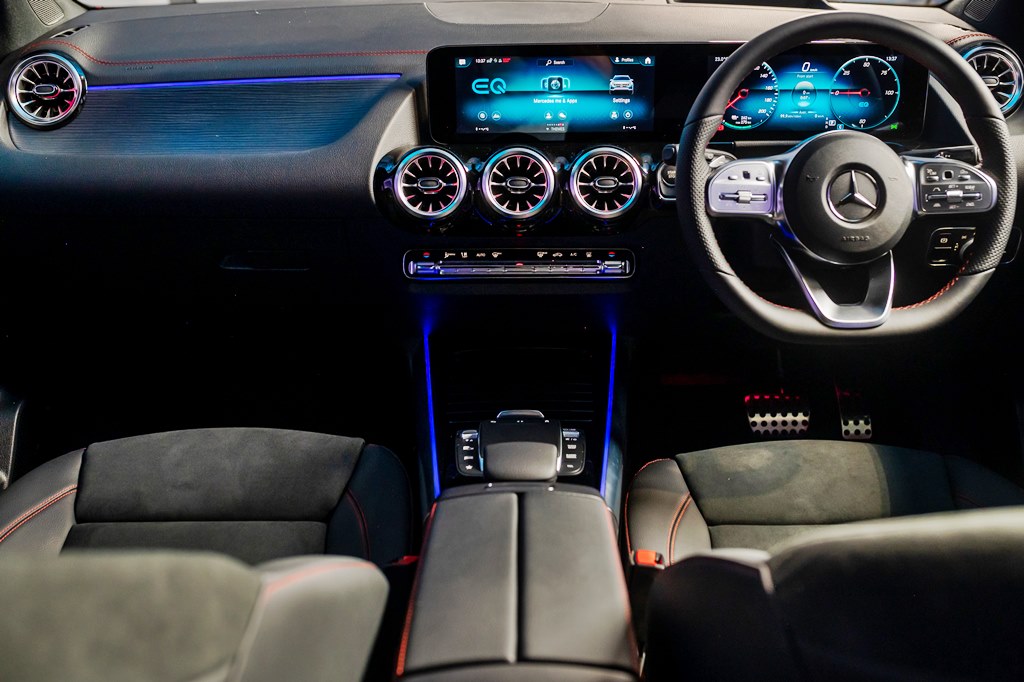
The EQA 250 may be forerunner of the future of motoring but the cabin remains recognisable as other cars of today, albeit with a lot of digital technologies in the displays, including the MBUX (Mercedes-Benz User Experience) system with extended functions. The Mercedes-EQ tile in the media display is used to call up menus relating to charging options, electrical consumption and energy flow. The individual, transparent sections of the surface are illuminated from behind with the aid of fibreoptics. The right-hand display within the instrument cluster is a wattmeter rather than a tachometer, with the upper section showing the percentage of power used and the lower section indicating the recuperation.
The left-side meter can be used to show whether the destination can be reached without an interim charging stop. The colours change according to the driving situation: During a boost process, for example, the display changes to white. Depending on mood, or to match the particular interior, the user has a choice of four different styles and 64 ambient colours. There is also a head-up display projected on the windscreen.
The battery pack is situated underneath the middle section of the cabin, so it does not reduce the volume of the boot area, unlike earlier electrified vehicles which had battery packs in the boot. Thus there is a usable width of 1.3 metres and depth of up to 1.4 metres, for a volume of 340 litres. The 40:20:40 division of the rear backrest allows variability in the layout to accommodate longer or more items. Incidentally, the EQA 250 comes with an EASY-PACK tailgate which is just a fancy term for electrically-operated tailgate (which would be expected of a car costing this much) but doesn’t have the handsfree feature.
Electric vehicles are no different from other road vehicles where safety for the occupants is concerned. Mercedes-Benz, a pioneer in automotive safety, has used its long experience to ensure that the occupants of the EQA 250 will be well protected if an accident occurs and has also given thought to other road-users in view of the quietness of its running. It has an acoustic ambient protection alert so pedestrians and cyclists will be aware of its presence. The acoustic presence indicator generates specific Mercedes-Benz sounds outside of the vehicle up to a speed of 20 km/h and it differentiates between driving forward and reversing.
Due to the battery pack, the EQA is heavier than a GLA and more energy needs to be absorbed in the event of a crash. The supporting structures at the front and rear were adapted to accommodate this requirement by the use of thicker materials. And as it carries a battery pack and other high-voltage equipment, more stringent safety measures have to be incorporated.
An aluminium housing as well as the body structure of the vehicle itself protect the battery pack from potentially touching the ground and against loose chippings. The housing is part of the vehicle structure and thus an integral part of the crash concept. The ground clearance of more than 200 mm is a further advantage and the lowest point of the vehicle is not the battery pack but the side skirts.
If the EQA 250 crashes, the high-voltage system can automatically switch off, reversibly or irreversibly depending on the accident severity. This is particularly important for rescuers who may have to touch the vehicle in order to help the occupants to get out. Mercedes-Benz works with rescue services to train them to safely approach an electric vehicle and the EQA is fitted with a special disconnection point which can be used by the rescuers to switch off the high-voltage system. If an impact is detected while the vehicle is hit when it is being charged, the charging process will also be stopped immediately.