Batteries are one of the most crucial parts of an electric vehicle (EV); without it, the electric motors won’t run and the vehicle won’t move. So it’s not surprising that battery technology is continuously being advanced. It could be even more advanced, had the EVs which were around over 100 years ago remained popular but the drawbacks of batteries then meant that the combustion engine gained more favour and killed the EV.
In the 21st century, the EV’s popularity has been ‘forced’ by regulations which aim to address climate change as quickly as possible. Thus, advancement of battery technology has to be accelerated to provide better storage capacity and greater efficiency. Within a year, batteries can make big leaps in performance to give better range, an important factor in EV acceptance.
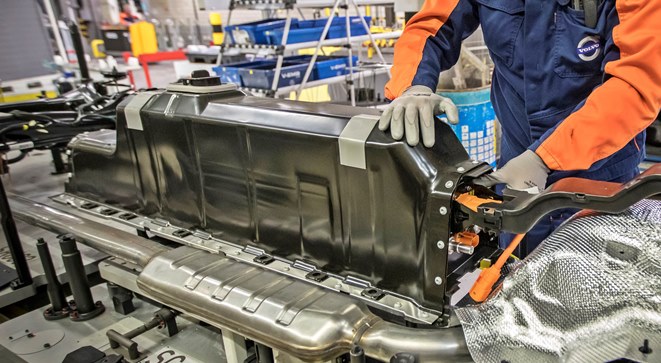
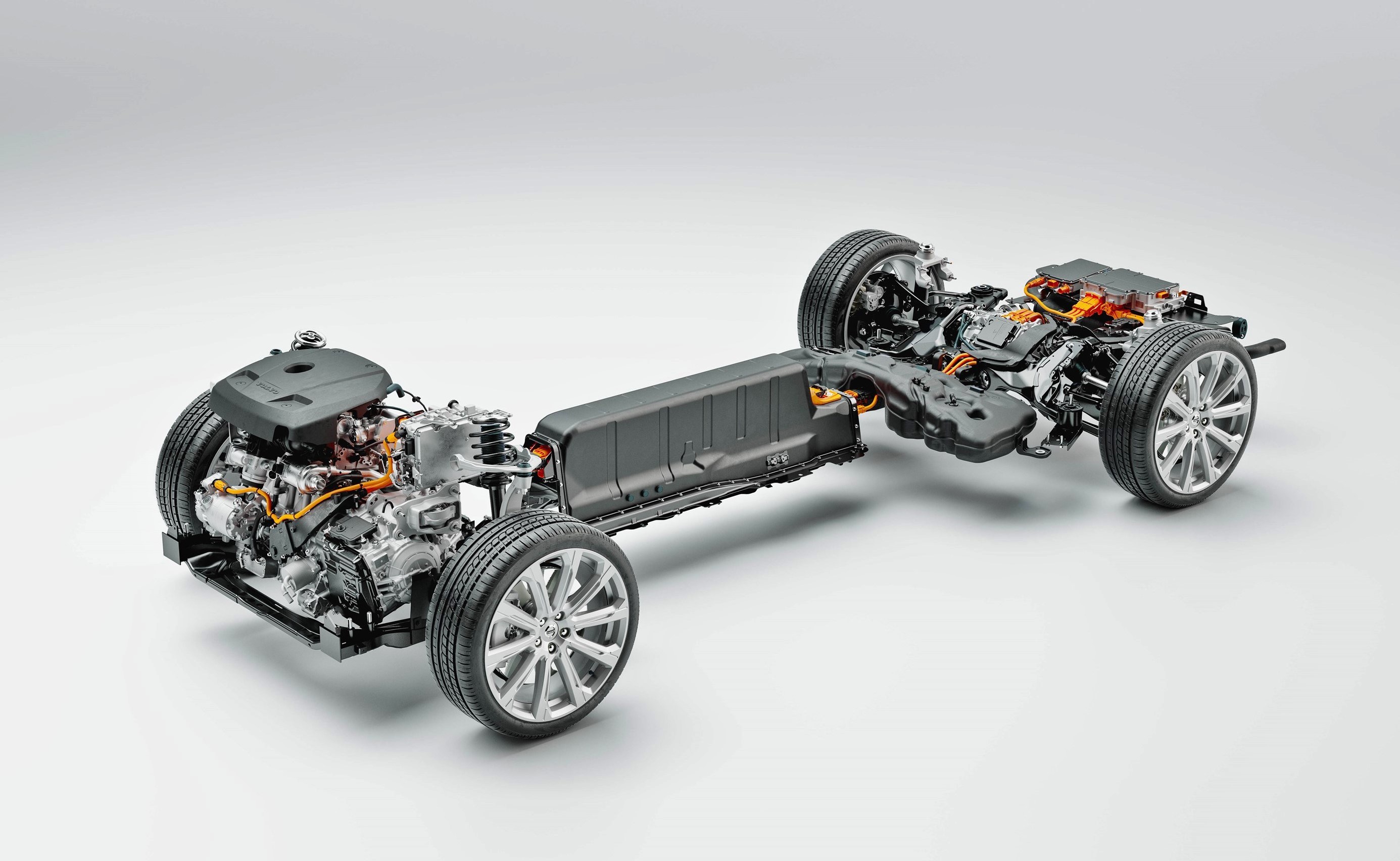
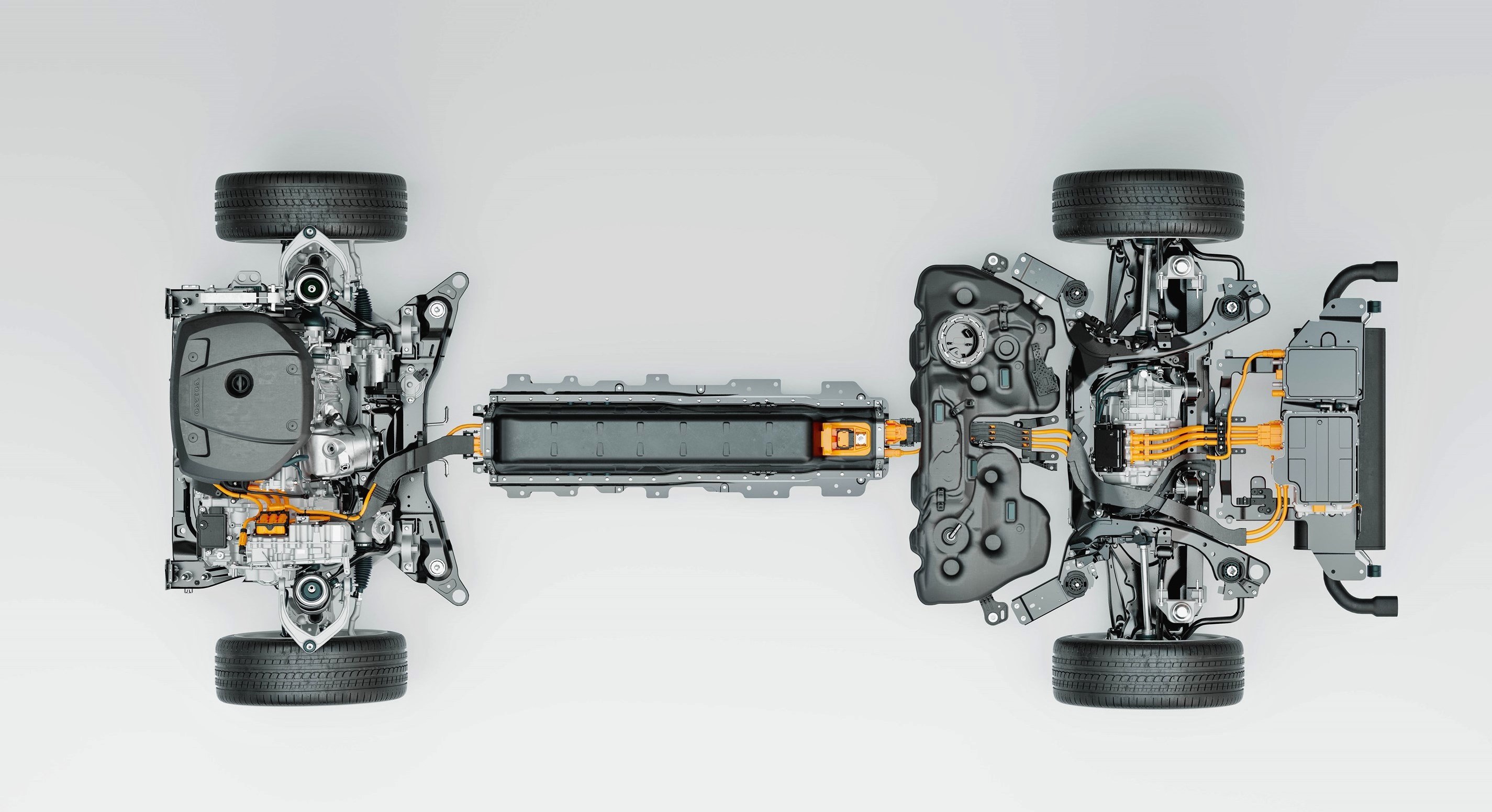
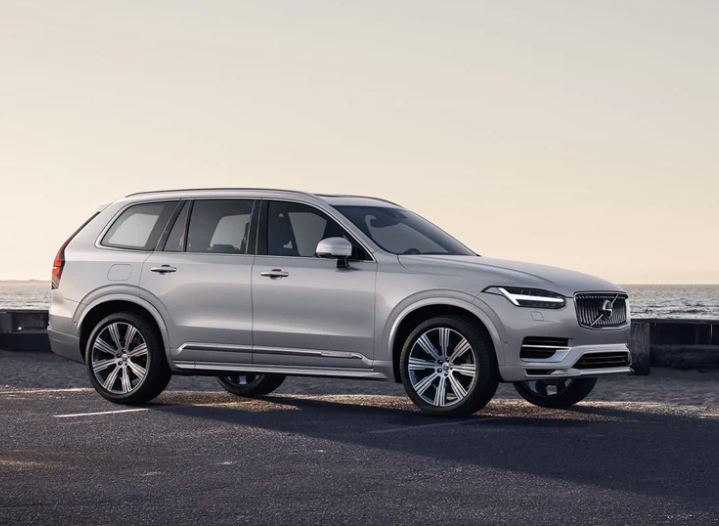
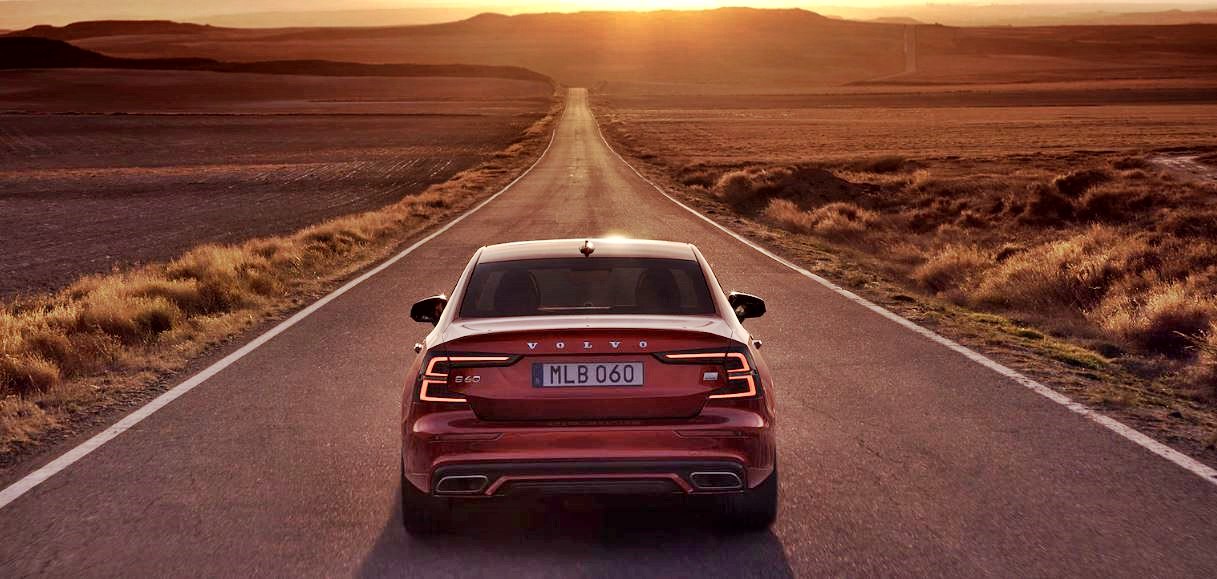
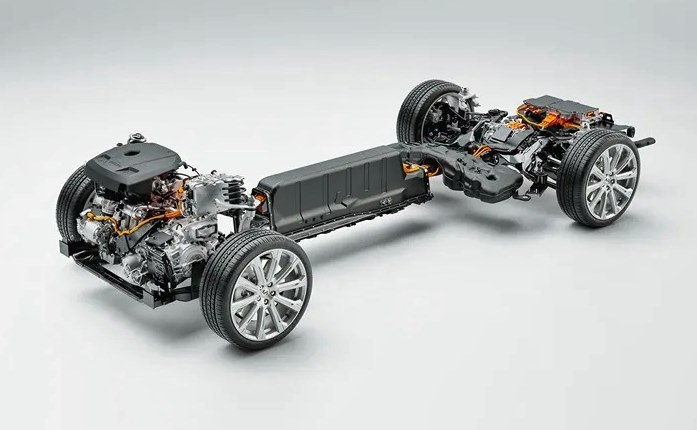
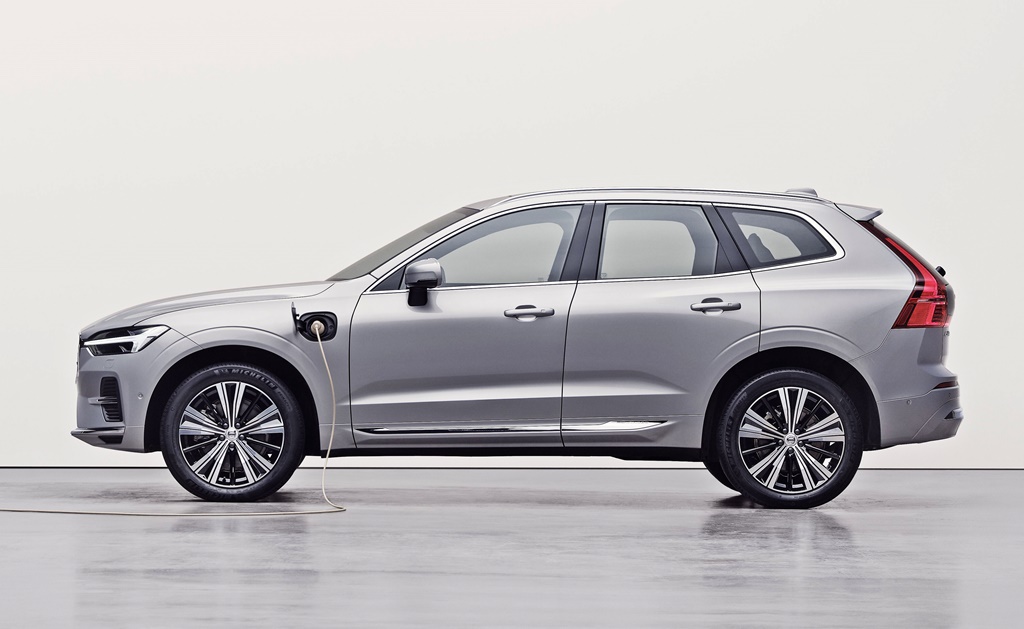
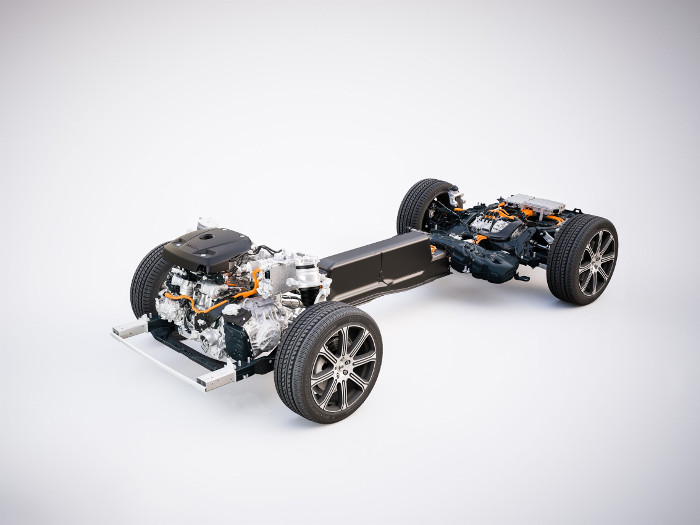
An example is with Volvo, which is almost entirely focussed on EVs. Its Recharge T8 models now have improved plug-in hybrid (PHEV) powertrains with better performance and driveability. This comes from a new long-range lithium-ion battery pack of 18.8 kWh, up 62% from 11.6 kWh. The increased capacity is due to the addition of a third layer of cells. The resulting extension in a claimed electric-only range of between 70 and 90 kms, almost double the previous maximum range of 49 kms.
Improved driving performance comes from a new rear electric motor generating the equivalent of 145 ps, which is almost 65% more than the previous motor’s output. Overall system output, in combination with the petrol engine, has been boosted to 462 ps, which is 55 ps more than before.
The improvements are also beneficial to the environment as being able to drive longer distances in pure electric mode means less emissions of carbon dioxide (CO2), the gas that is causing global warming.
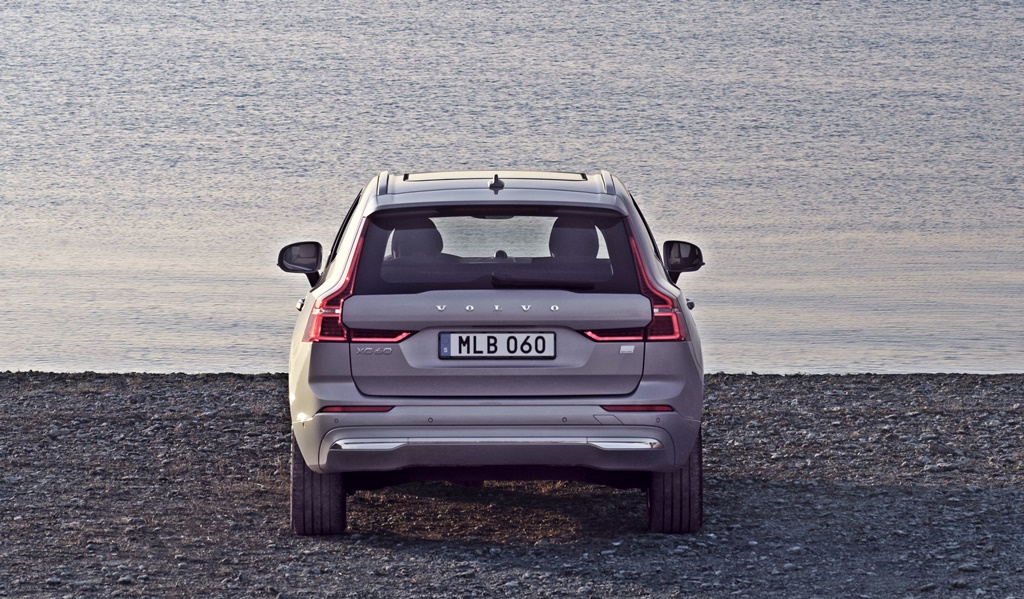
In Malaysia, the new Recharge T8 powertrain will be available for the 60 and 90 models, ie XC60, S60, V60, XC90 and S90.
Additionally, the XC60 and S90 PHEV models will also have One-Pedal Drive settings which are useful in stop-and-go traffic. A feature used in Volvo’s BEVs (battery electric vehicles), One-Pedal Drive is claimed to enable more effective battery regeneration and higher regenerative power that can improve fuel efficiency. The animation below shows how One-Pedal Drive works.
Using One-Pedal Drive, the driver uses the accelerator pedal predominantly to manage the car’s speed. Each time the foot is lifted off the pedal, regenerative braking activates automatically. This differs from the conventional approach that requires depressing the brake pedal before regeneration can take place. It would therefore be especially effective in slow-moving traffic, allowing the battery to be more frequently topped up.
“Our new line of PHEVs will transform the way our customers experience electric driving,” said Charles Frump, Managing Director of Volvo Car Malaysia. “The improved powertrain lets our customers drive sustainably at a longer distance, at the same time providing them with range confidence that fits the needs of their everyday lives.”
Mr. Frump also said that there will be price adjustments across the range from next week. The adjustments will start with current models of the XC40 T5, XC40 Recharge T5, XC60 B5, and XC90 B5. The new line-up of the 90 and 60 models will be sold at a ‘new price point’ when they exit from the assembly plant in Shah Alam, Selangor. The price for the current Recharge T8 models remains the same and will be sold while stocks last.
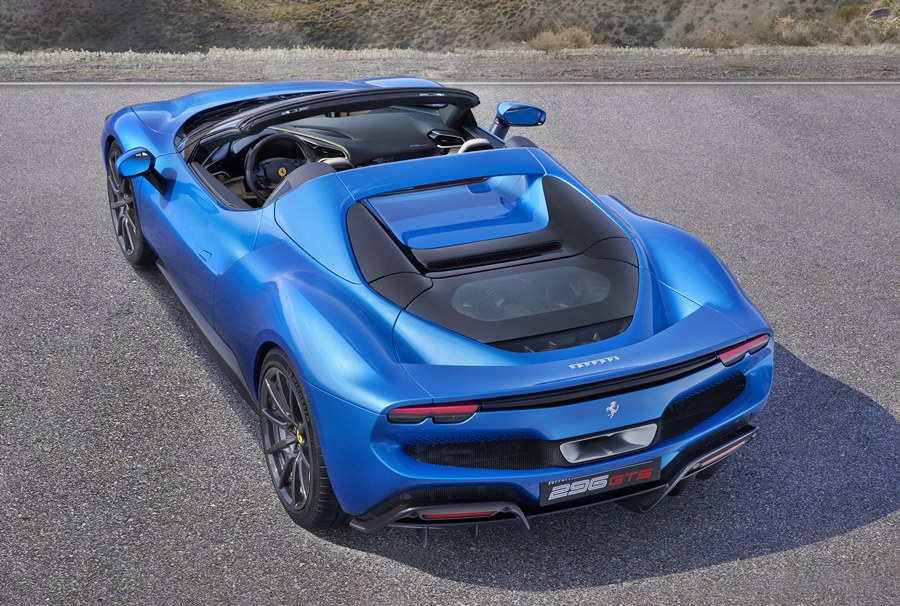
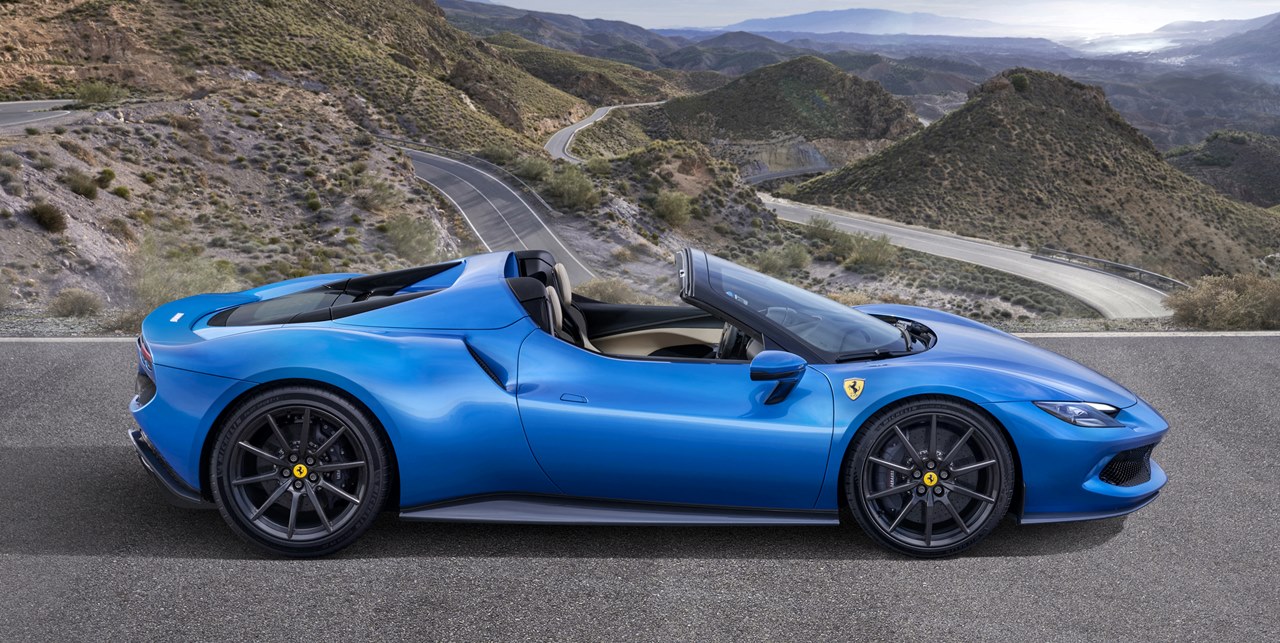
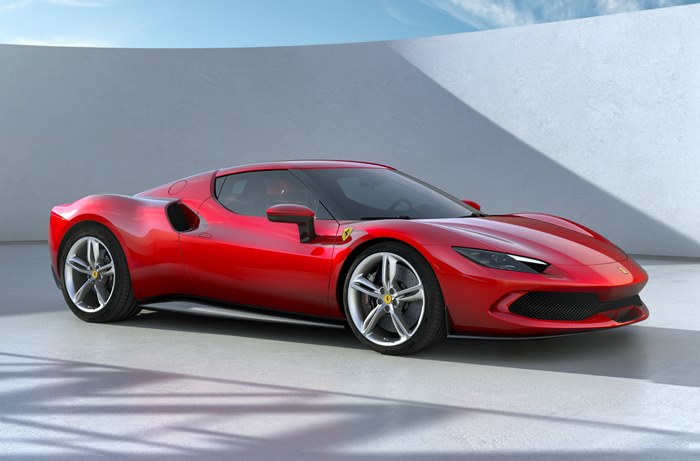
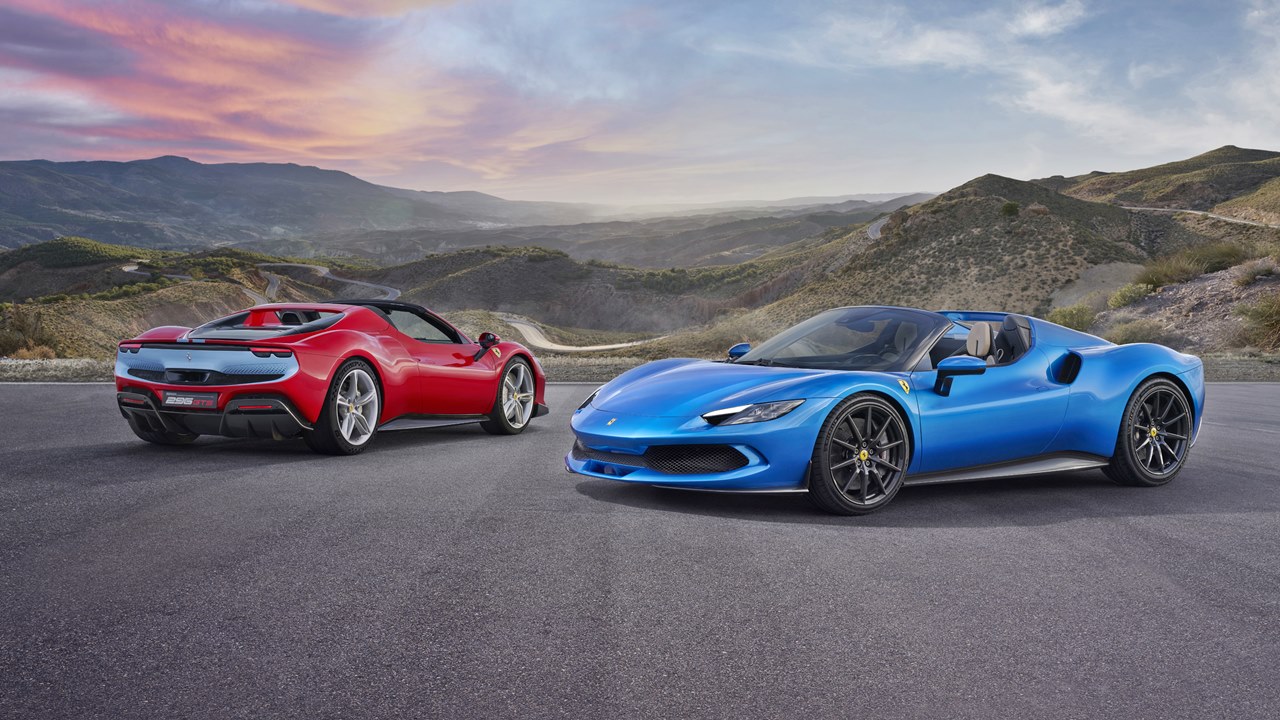
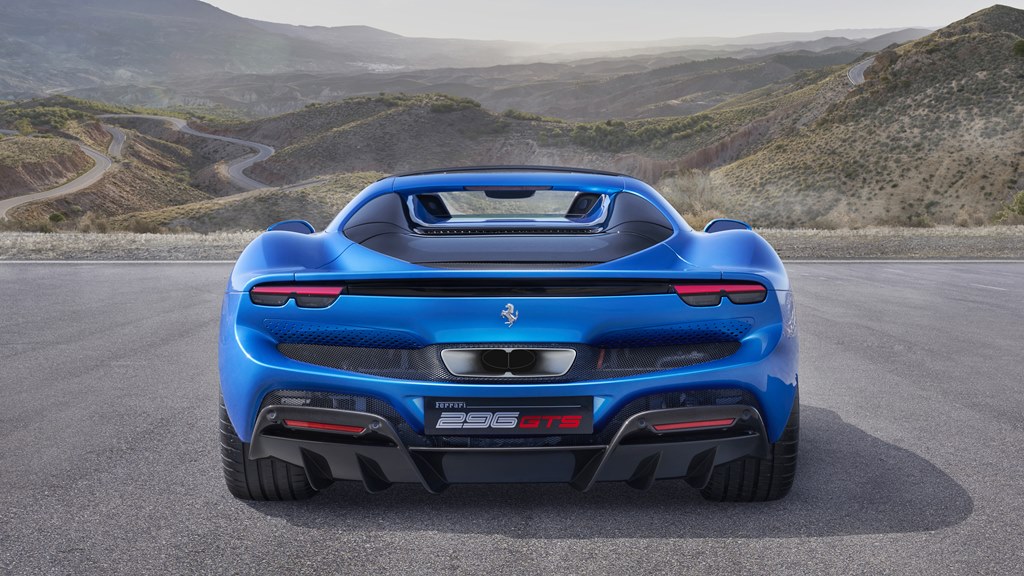
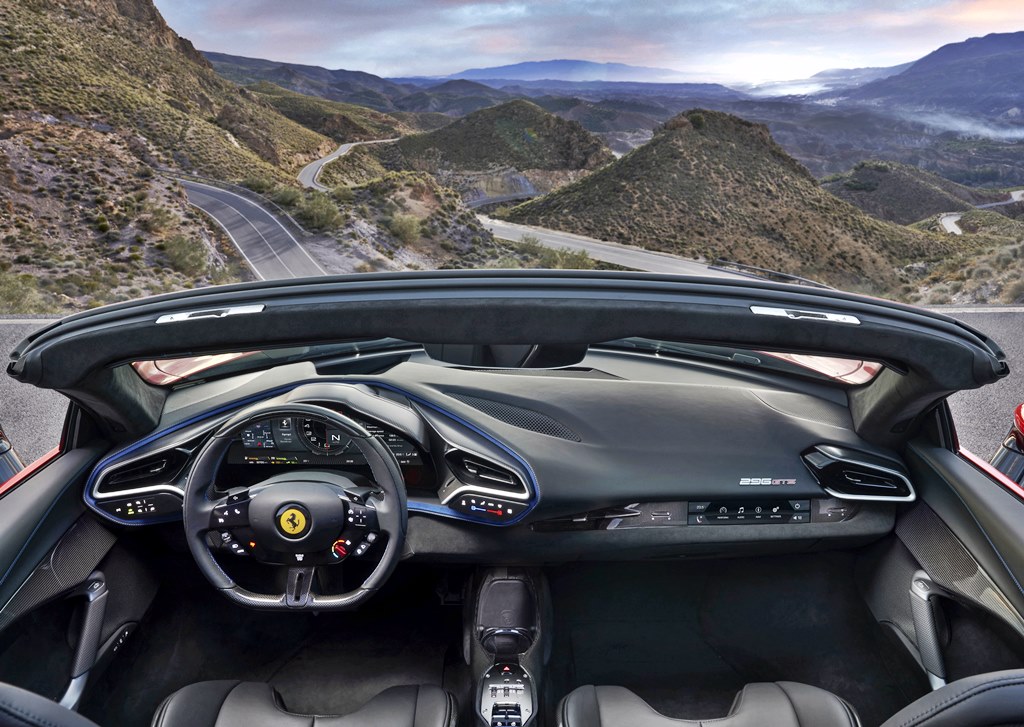
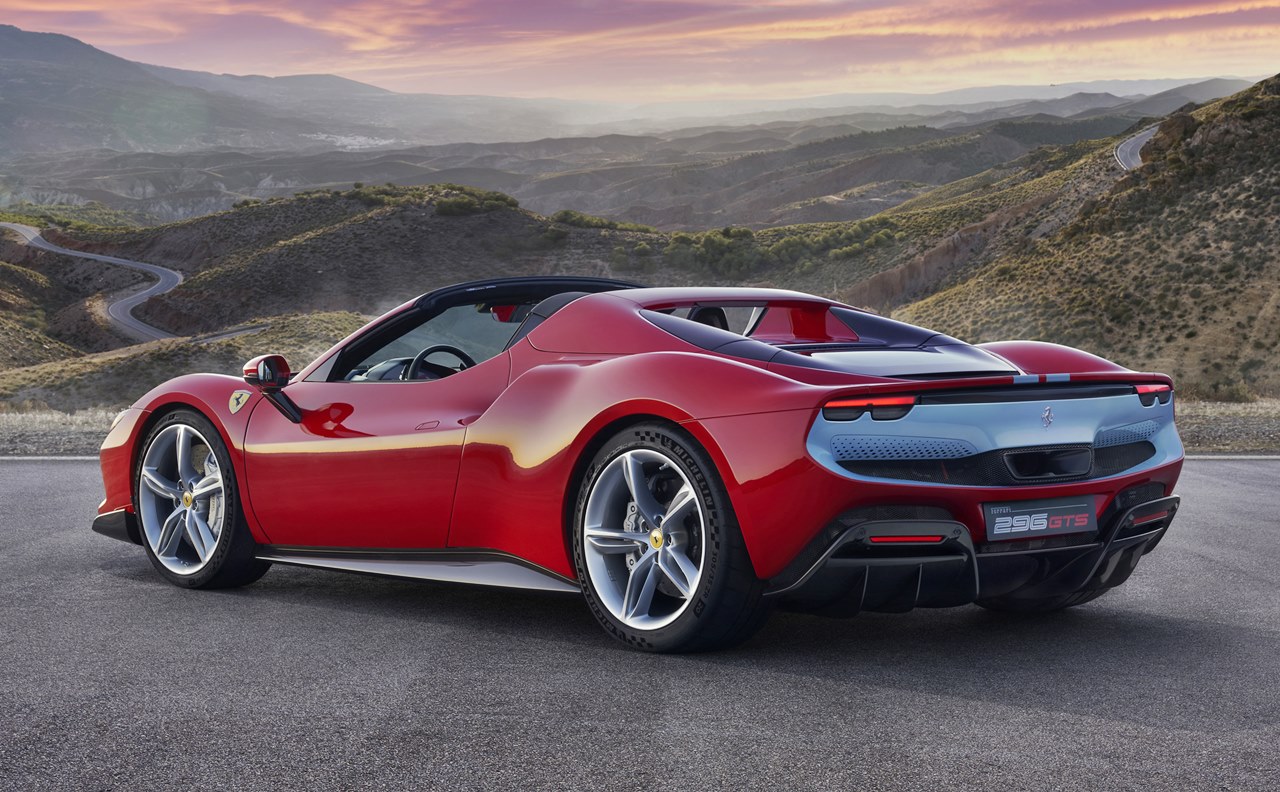
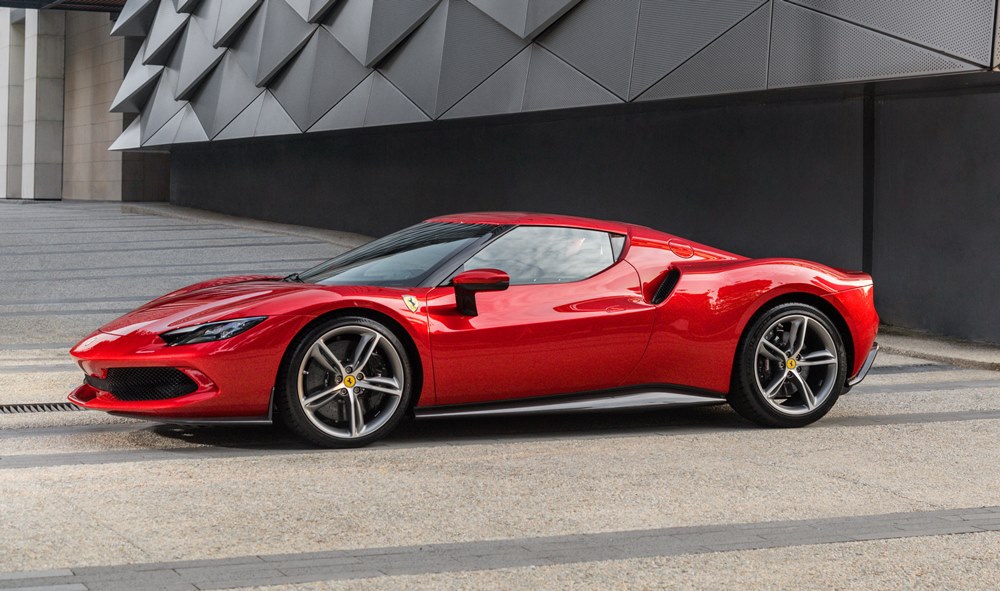
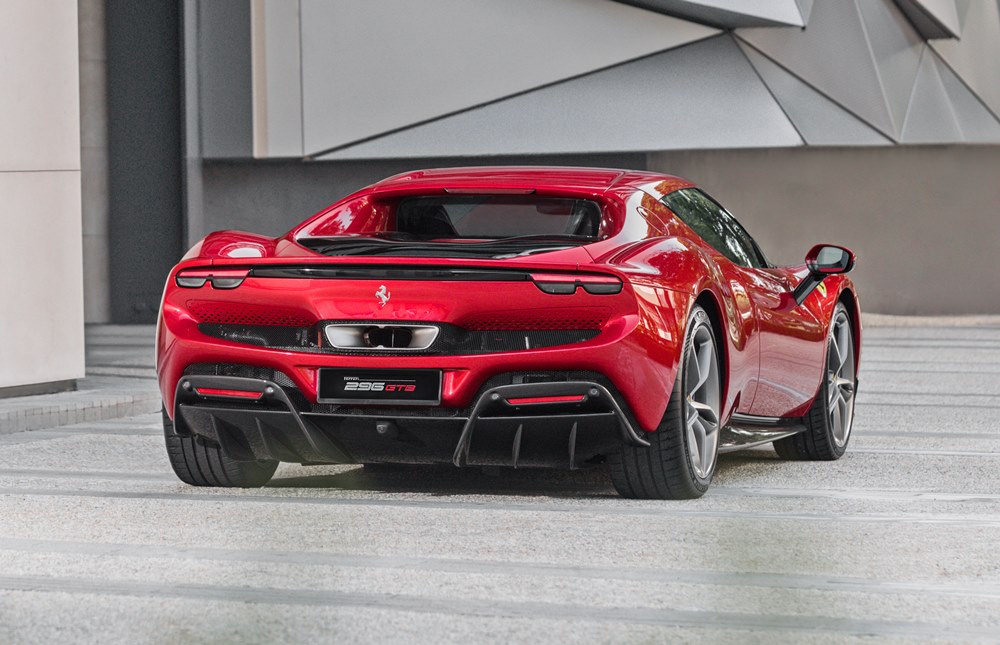
Perhaps our climate is not the best for open-top motoring but in other places in the world, conditions are perfect for driving around with the top down and there’s enough demand for convertibles that manufacturers still offer them. The Ferrari 296 GTS is the latest convertible to join the list, offering those who want a topless version of Ferrari’s mid-rear-engined PHEV a factory-built model.
Ferrari 296 GTB
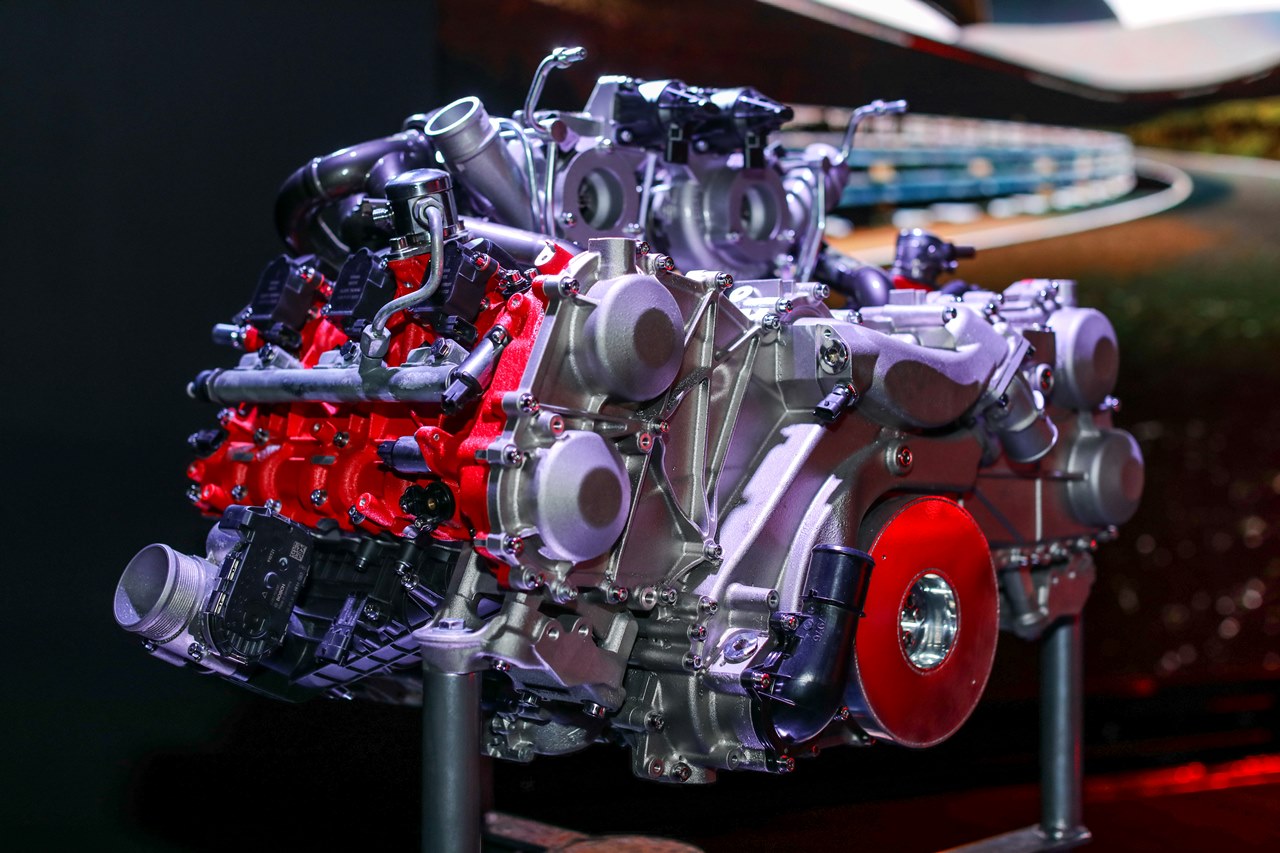
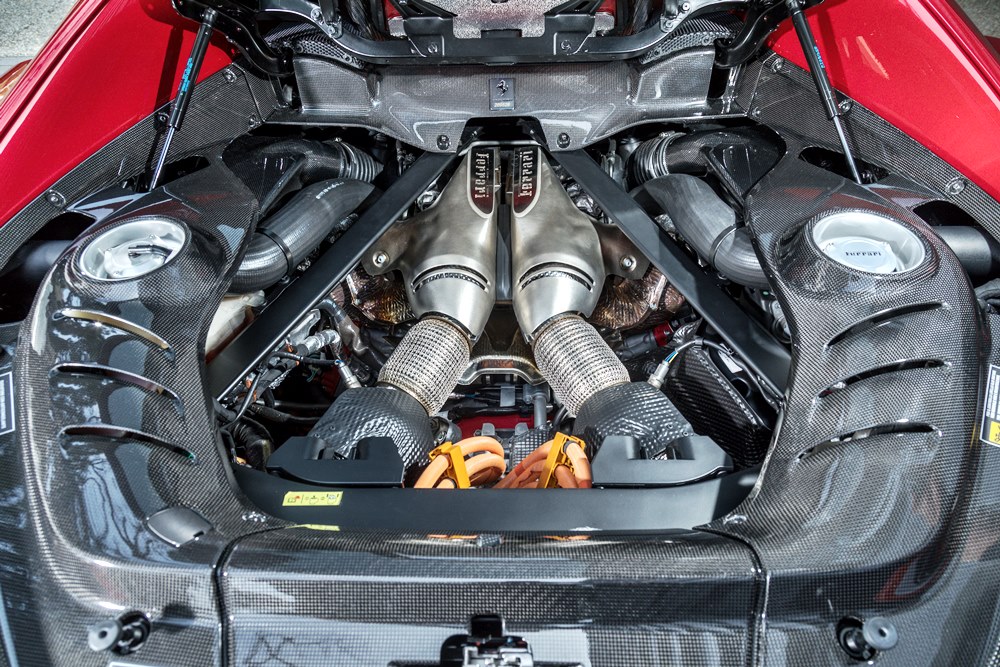
As explained before with the report on the 296 GTB, the engine is a new V6 unit and the first 6-cylinder engine installed on a road-going spider from Ferrari. While it’s not Ferrari’s first V6 (the first one was in the 1957 Dino 156 F2), it does usher in a new V6 era for the company. Total system output from the 2992 cc turbocharged engine is 830 ps/740 Nm, of which 165 ps comes from the electric motor.
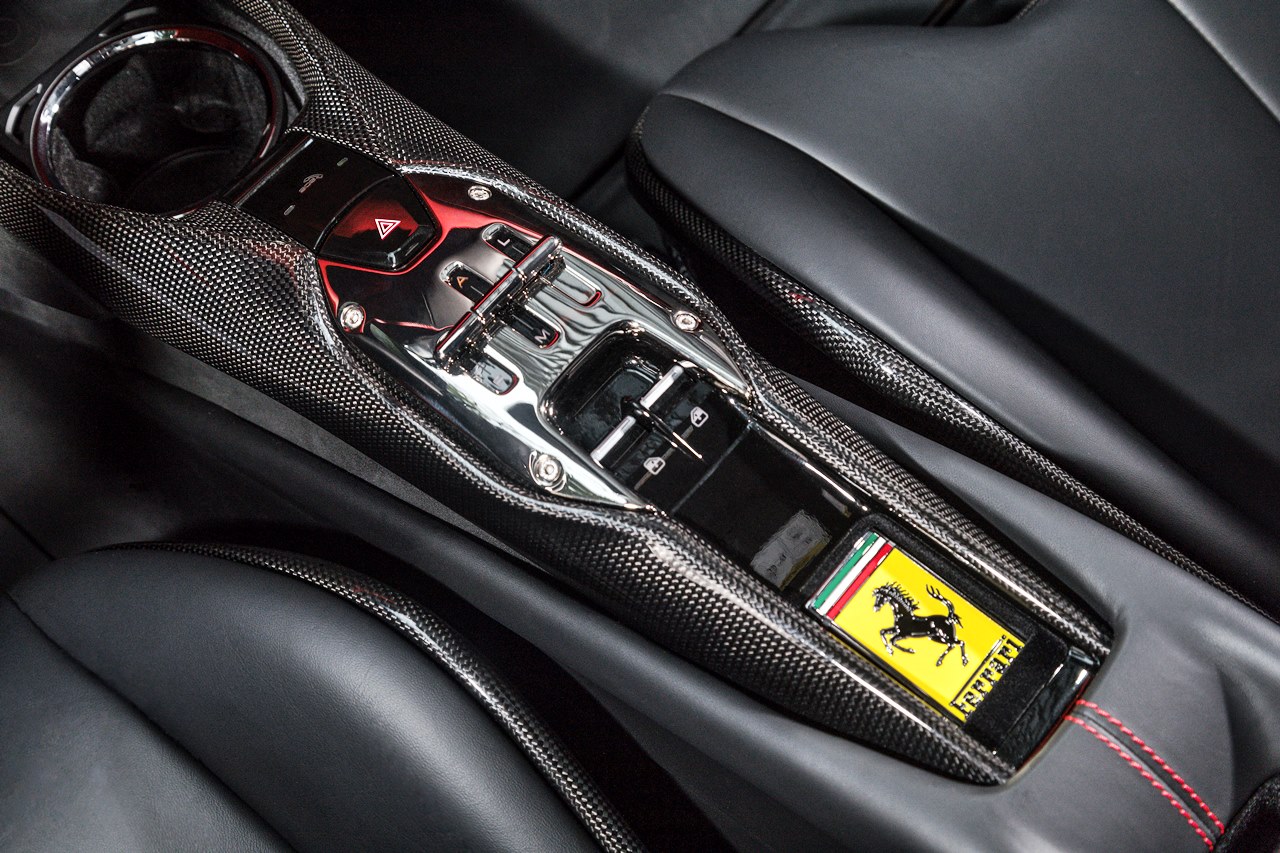
This is the first ever Ferrari spider with a rear-wheel drive-only PHEV architecture in which the engine is integrated with a rear-mounted electric motor. This is derived from Ferrari Formula 1 racing cars and communication between the motor and engine is via the Transition Manager Actuator which allows them to run together efficiently and optimally.
Although the 296 GTS is about 70 kgs more than the 296 GTB, the performance claims are pretty much the same – 0 to 100 km/h in 2.9 seconds and a top speed of 330 km/h, while the range from the 7.45 kwh battery is said to be good for 25 kms running on electricity alone.
As with the SF90 Stradale, customers who require more extreme power and performance, especially if they are going to be on the track, can take the Assetto Fiorano package which includes lightweight features and aero modifications.
From a chassis perspective, at 2600 mm, the wheelbase is 50 mm shorter than previous Ferrari mid-rear-engined berlinettas to the benefit of the car’s dynamic agility. The 296 GTB’s chassis was redesigned and optimised for the 296 GTS to improve torsional rigidity and bending stiffness compared to previous spider applications. This was achieved to the tune of 50% in the case of the former and 8% in the case of the latter.
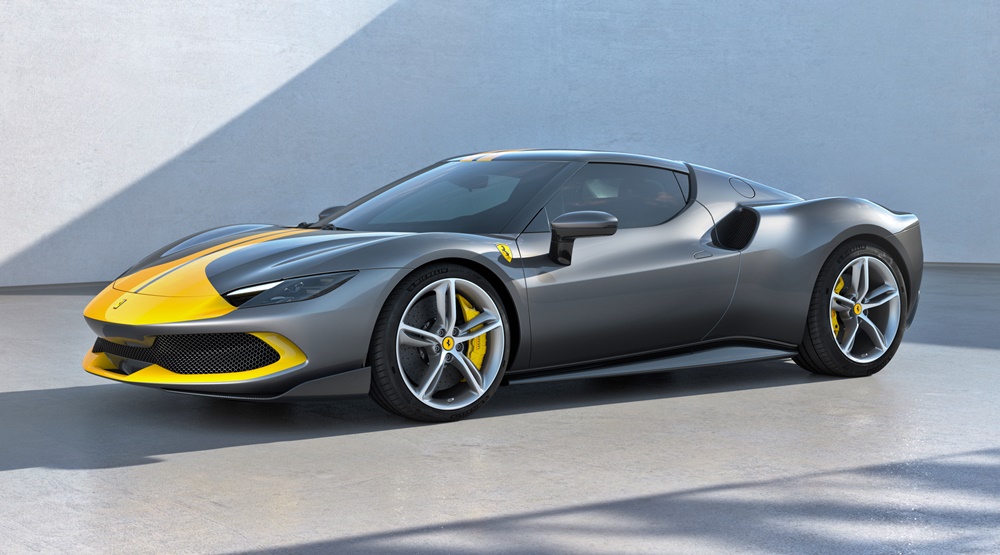
The styling of the 296 GTS has kept the clean and sophisticated lines of the 296 GTB. There was, of course, a clear focus on minimising the impact of any modifications on the exterior bodywork, always a challenge for a convertible variant. With the RHT stowed, the sleek silhouette remains very similar to that of the 296 GTB.
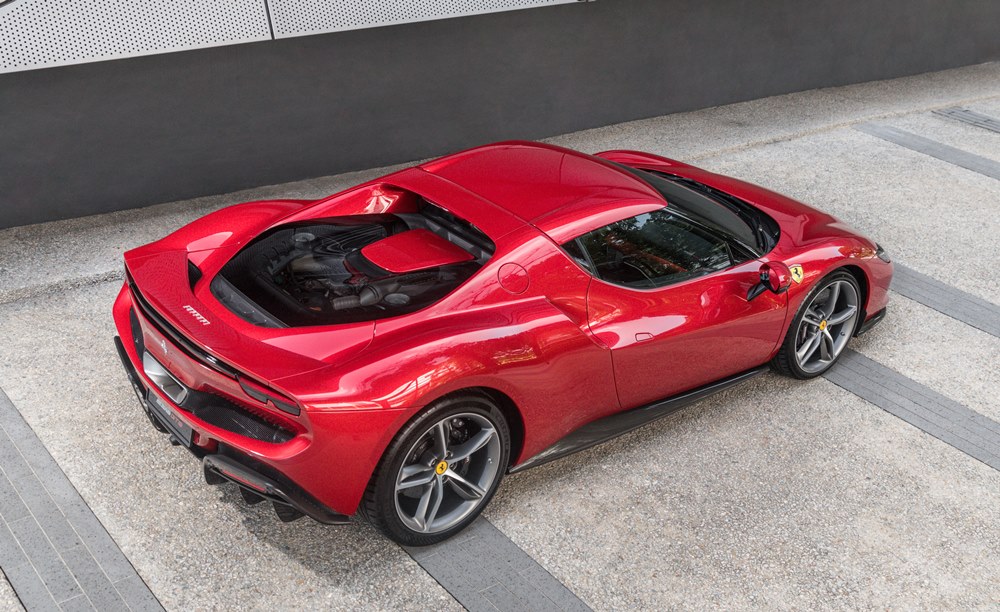
The need to stow the RHT (Retractable Hard Top) inside the engine compartment required the creation of a new tonneau cover design. While on the 296 GTB, the engine bay is completely horizontal and dominated by two flying buttresses in a nod to the 250 Le Mans, the 296 GTS’s tail is absolutely unique.
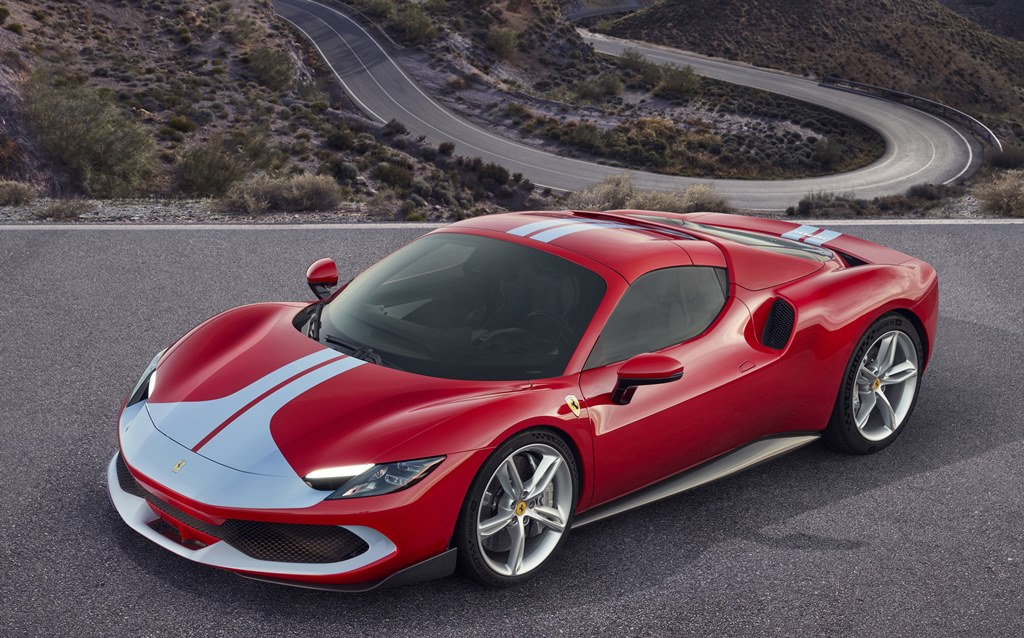
296 GTS with Assetto Fiorano package.
As is the case with the 296 GTB, a dominant feature of the car’s architecture is the signature ‘aero bridge’. The overall effect is of an extremely compact cabin effortlessly integrated with the wings and flanks. The buttress theme is further enhanced by contrasting sculpted extensions that frame the engine cover screen and integrate the novel fuel filler and battery charge covers, avoiding architectural disharmony.
The lightweight RHT takes 14 seconds to retract or deploy at speeds of up to 45km/h. The separation line between the car’s body and the roof is above the B post. As a result, the folding roof splits into two sections that fold flush over the front of the engine, thus maintaining the engine bay’s thermal dissipation characteristics and the balance of the overall design. This also allowed the designers to introduce a window in the rear section of the engine cover through which the new V6 is clearly visible.
The 296 GTS has several radical and innovative solutions with regard to aerodynamics which have turned the active aero paradigm, introduced from the 458 Speciale onwards, on its head. The car has an active device used not to manage drag but to generate extra downforce. The LaFerrari-inspired active spoiler integrated into the rear bumper allows the 296 GTS to generate a high level of rear downforce when required (up to 360 kgs at 250 km/h with the Assetto Fiorano package).
The aero development work done on the 296 GTS means that even in low-drag configuration the car can deliver more downforce than previous applications. In high-downforce configuration, there is an additional 100 kgs in downforce, thanks to the active spoiler.
The rear diffuser has a very clean, linear design with a central channel that makes it possible to modify the direction in which the airflow sucked along the underbody is released into the car’s wake. This contains the vertical expansion of the car’s wake and thus drag.
Turbulence in the cockpit area is something which convertibles cannot escape but thanks to modern solutions, this can be effectively reduced to make things comfortable for the occupants. For the 296 GTS, the geometry of the trim behind the headrests is optimised to channel as much of the air as possible towards the tonneau cover to reduce the amount of flow recirculating inside the cabin. Aerodynamic flaps have been integrated into the rear trim structure to reduce buffeting and increase comfort in open-top driving.
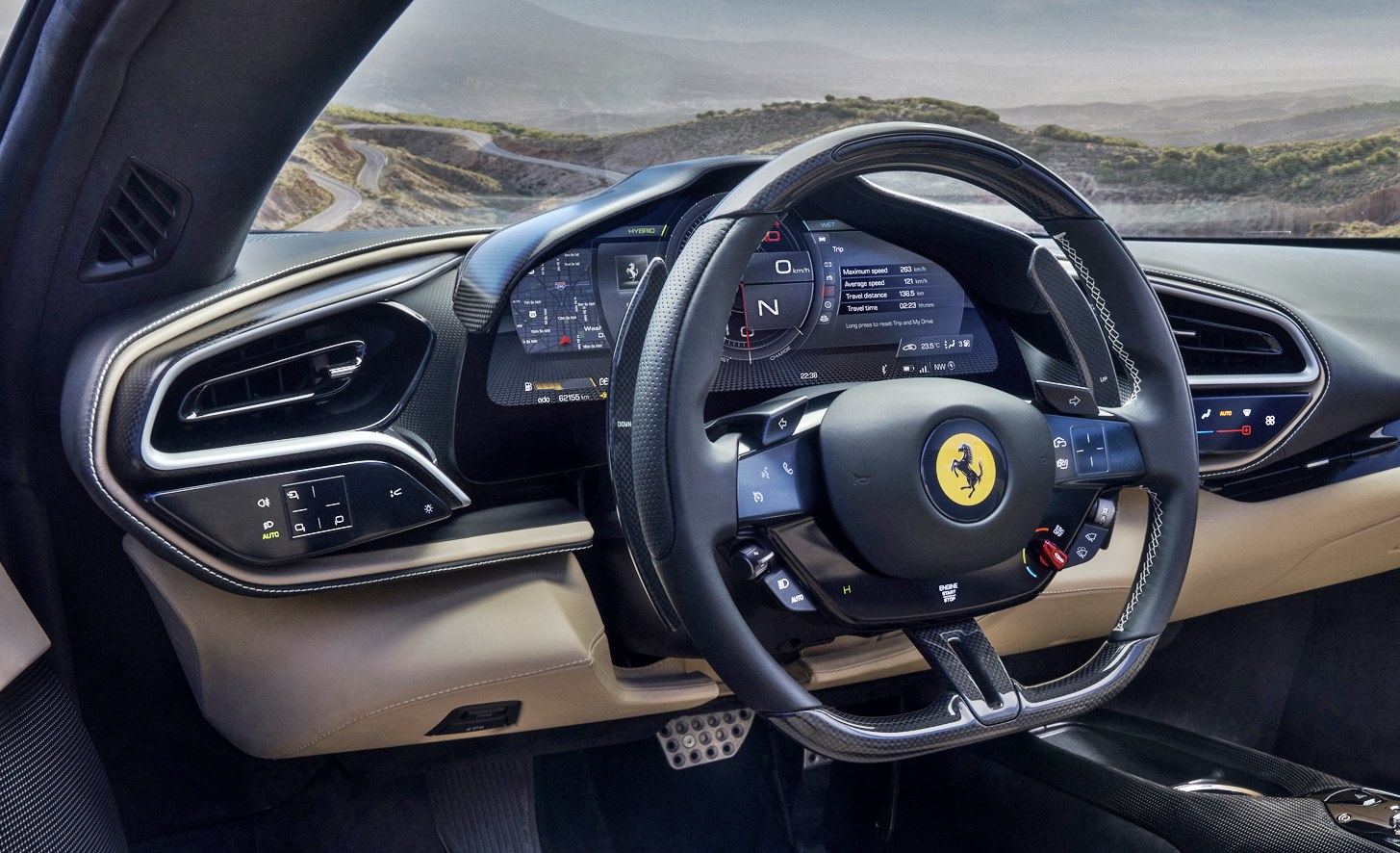
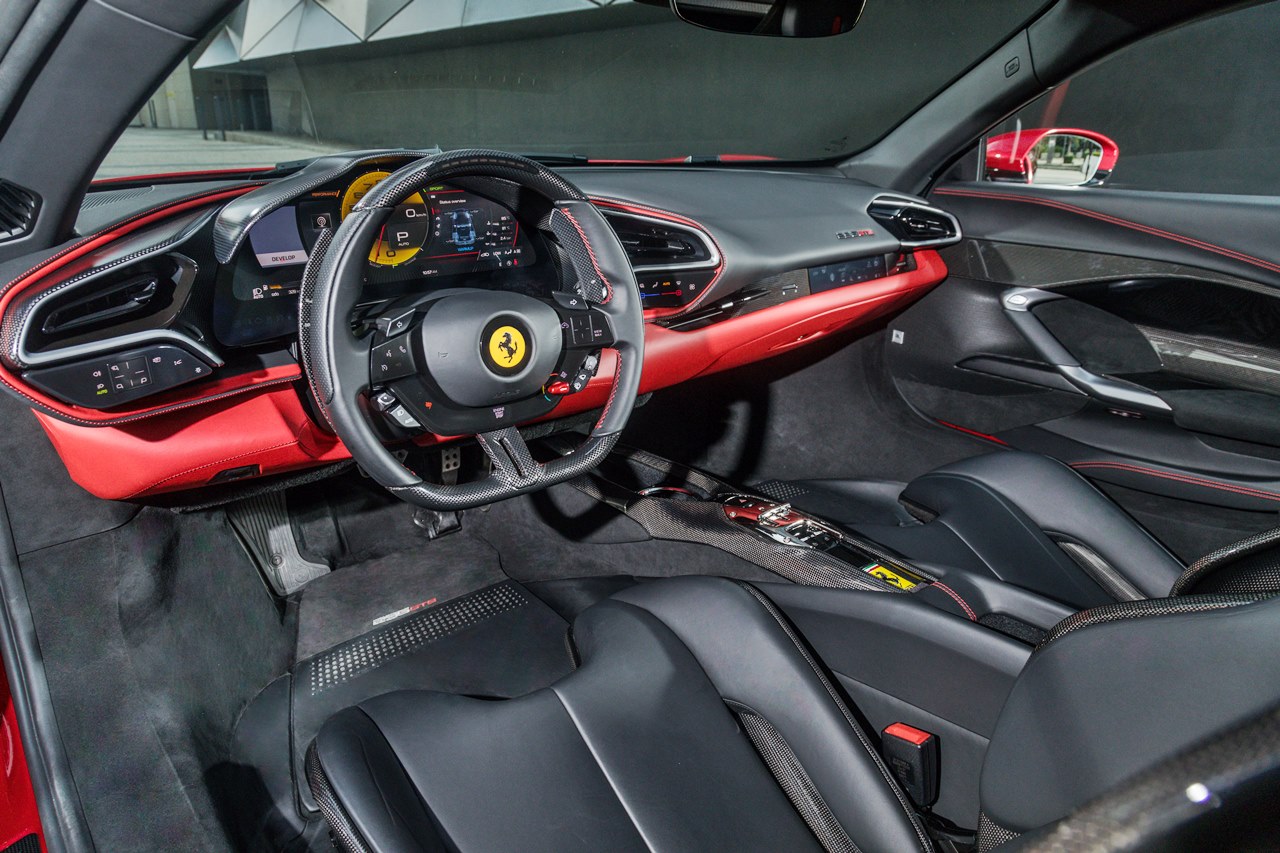
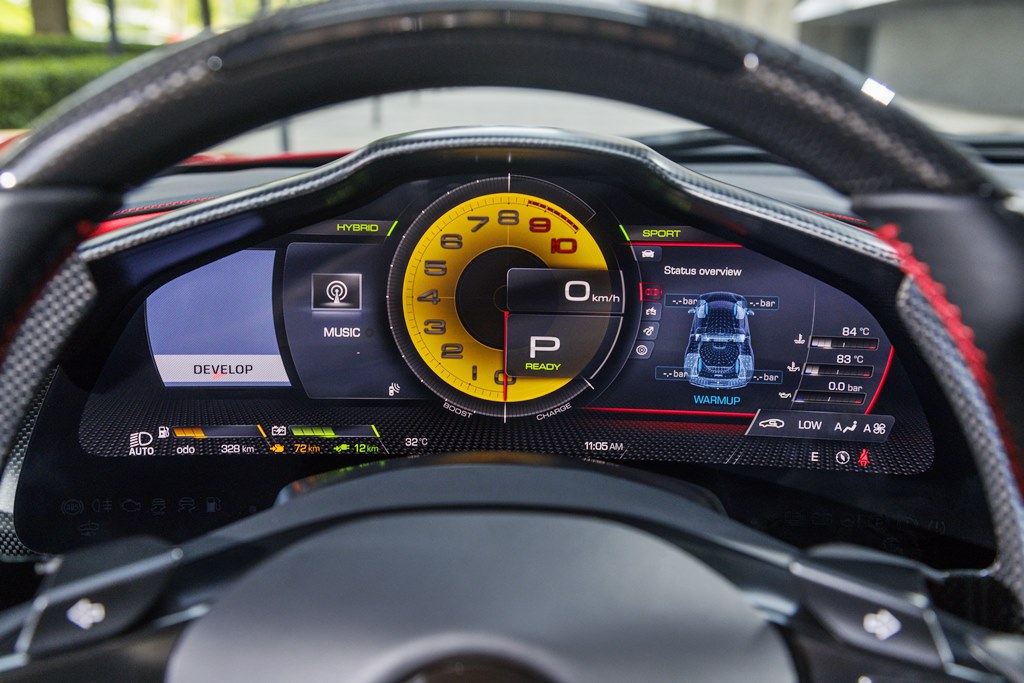
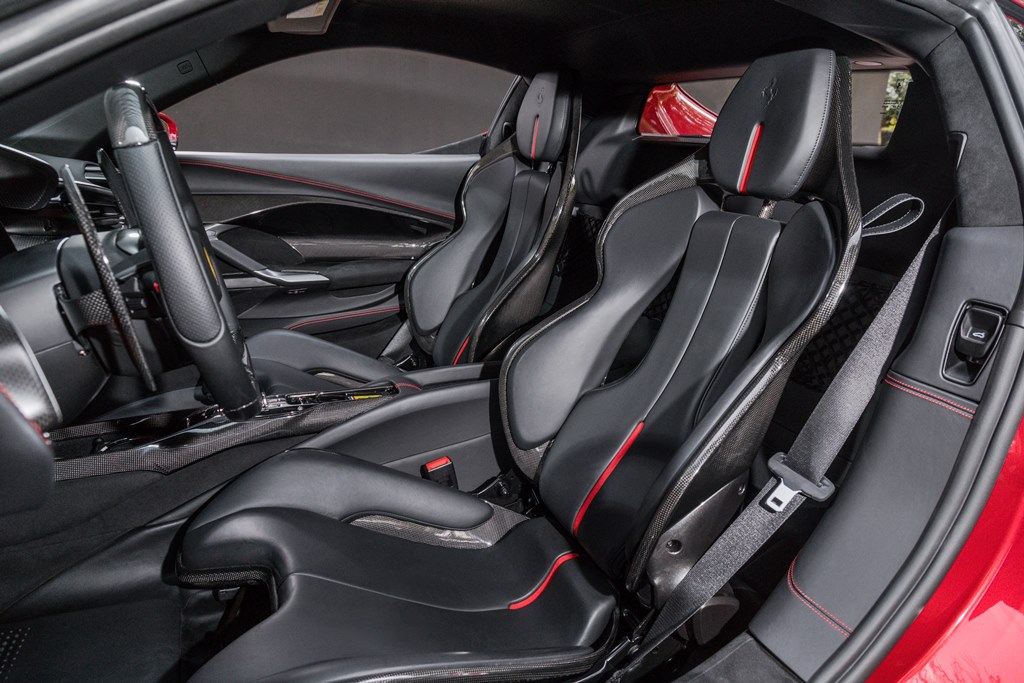
As with the 296 GTB, the 296 GTS’s cockpit was developed around the new concept of an entirely digital interface. From a formal perspective, when the engine is off, the onboard instruments go black for a minimalist look. Exclusive Italian leather trim to the seats and trim is further enhanced by the noble technical materials used on the functional components.
Ferrari has not announced how much the 296 GTS will cost, but it would certainly cost more than the 296 GTB which, in Malaysia, is priced from RM1.228 million.
Demands to address climate change by becoming carbon-neutral are strong and carmakers, whose products are identified as contributors to climate change because of their exhaust emissions, need to do their part. Electrification is the quickest solution that allows vehicles as we know them to still be used without causing more pollution.
Ferrari, like other sportscar makers, can’t avoid the electrification trend of the auto industry. In fact, over 10 years ago, it was already examining hybrid technology and developing such powertrains. And with Formula 1 moving into the hybrid era, development accelerated as the company has long been a participant in the sport.
Thus far, the company has already put a few hybrid models into the market – like the LaFerrari and SF90 Stradale – and with the 296 GTB, which was launched in the middle of last year, represents an evolution of their mid-rear-engined two-seater Berlinetta with a hybrid engine.
This model is the latest offering from Naza Italia in Malaysia which has priced it from RM1,228,000 (excluding all duties and insurance). As with other new Ferraris officially sold by the importer, there’s a 7-year maintenance programme included. Service intervals are at 20,000 kms or once a year, with no mileage limits.
All-new hybrid V6 powertrain
The hybrid powertrain of the 296 GTB incorporates a 120° V6 (553 ps output) coupled with one electric motor that adds 122 kW (166 ps), giving a total system output of 830 ps. Having a displacement of 2992 cc, it’s the first 6-cylinder engine installed on a Ferrari roadcar although the brand has had V6 engines going as far back as 1957 but only for its racing cars (its Formula 1 racers have had V6 hybrid architecture since 2014). Needless to say, technologies developed for the hybrid racing cars has been used for the 296 GTB powertrain.
The hybrid powertrain is a plug-in (PHEV) type which allows for external recharging and a high-capacity 7.45 kWh lithium-ion battery pack. Running on just electric power, Ferrari claims that a range of up to 25 kms is possible.
The new V6, which has an 8-speed DCT, is of an entirely new development and engineered specifically for the car. It’s the first Ferrari to feature the IHI turbos installed inside the vee of the engine. Aside from bringing significant advantages in terms of packaging, lowering the centre of gravity and reducing engine mass. It sets a new specific power output record for a production car and the maximum power output puts it at the top of the rear-wheel drive sportscar segment.
Aerodynamic innovations
Besides the powertrain, the 296 GTB also has aerodynamic innovations that include, for the first time, an active device is being used not to manage drag but to generate extra downforce. The LaFerrari-inspired active spoiler integrated into the rear bumper allows the 296 GTB to generate a high level of rear downforce when required – up to 360 kgs at 250 km/h in high- downforce configuration with the Assetto Fiorano package.
The Aero calipers for the brake system have ventilation ducts integrated into their castings. This brake cooling concept requires a dedicated duct to correctly channel cool air coming in through the air intakes on the front bumper through the wheelarches. In the case of the 296 GTB, the intake has been integrated into the headlight design.
From a chassis perspective, the car’s wheelbase is 50 mm shorter than previous Ferrari berlinettas, giving positive implications to the dynamics. Because of the added weight of the hybrid system, much attention was paid to lowering weight for an optimum balance and various solutions were used. It helped that the V6 is 30 kgs lighter than the V8s used in other berlinettas and along with use of lightweight materials, the resultant dry weight is 1,470 kgs.
Evolved from SF90 Stradale
As with the newer Ferraris, the cabin shows greater ‘digitisation’ and uses the new concept of an entirely digital interface which was first adopted by the SF90 Stradale. It shows a clear break with the past and presents new technology in a sophisticated way. However, the cleaner layout also allowed the designers to create a pure, minimalistic environment for the occupants.
Exclusive Italian leather trim to the seats and trim is further enhanced by the noble technical materials used on the functional components. The sculptural door panels are seamless continuations of the dashboard in terms of both materials and colour. Incidentally, when the engine shuts down, the instruments also go black, enhancing the minimalist look of the cabin.
For customers who want to experience the full performance of the car, the Assetto Fiorano package is available and provides significant weight reduction and aero content. It includes special GT racing-derived adjustable Multimatic shock absorbers, high downforce carbonfibre appendages on the front bumper, a Lexan rear screen, and more extensive use of lightweight materials such as carbonfibre for both cabin and exterior.
Assetto Fiorano package
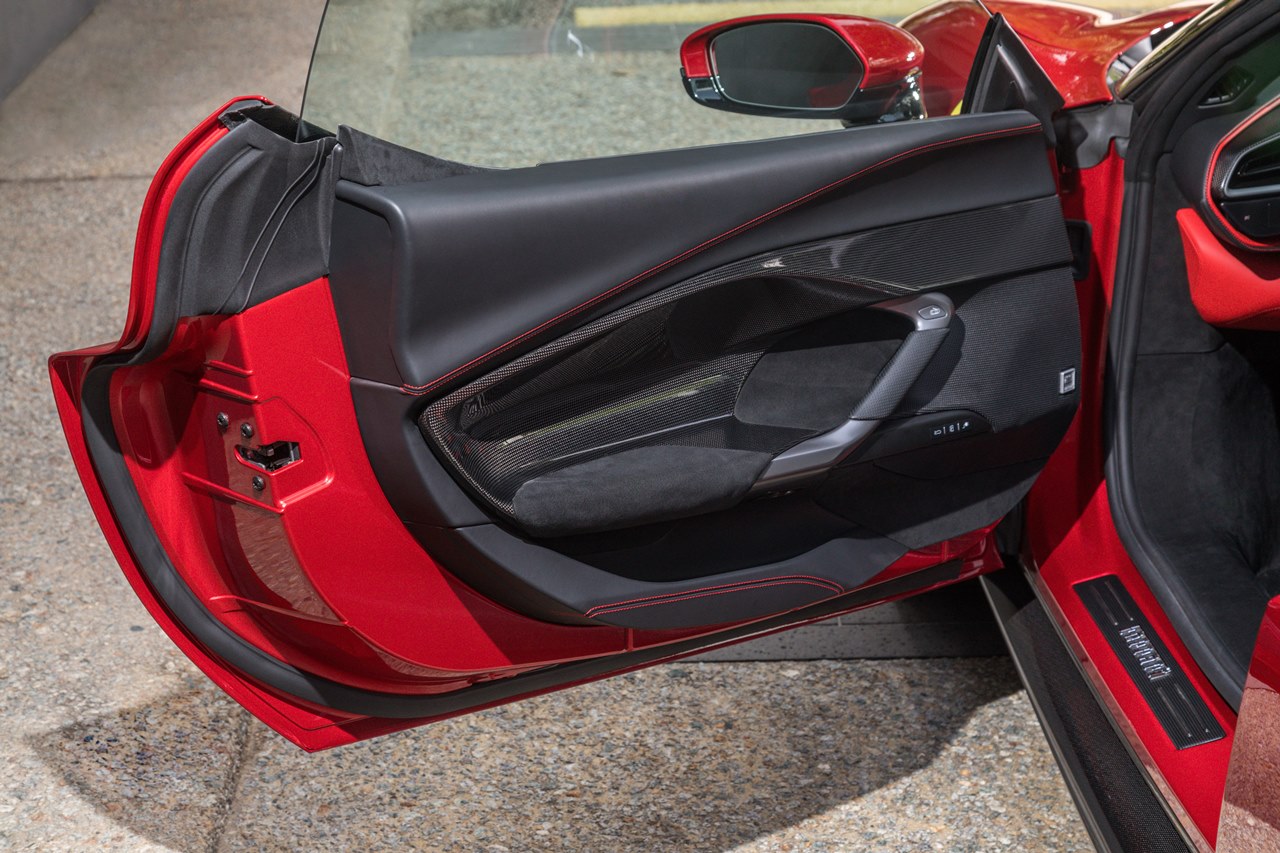
The Assetto Fiorano package (shown on the car below) involves much more than simply replacing elements. Some components require the standard basic structure to be redesigned, including the door panel, resulting in an overall weight-saving of 12+ kgs. This is therefore something that is specified when ordering the car so the necessary items are added at the factory during assembly.
Mazda’s SUV range (discounting the Mazda Tribute which was jointly developed with Ford’s first Escape) started off with single-digit numbers – CX-3, CX-5, CX-7 and CX-9 (the CX-30 being an exception) – and last year, the carmaker announced that its new generation of SUVs would have double-digit designations. And these would be more premium, in line with Mazda’s aspirations to move further upmarket.
We were told that from 2021 to 2024, there will be no less than 5 new SUV models and their designations were even revealed: CX-50, CX-60, CX-70 and CX-90. The CX-50, not intended as an immediate replacement for the CX-5, appeared last November and is intended primarily for the North American market where it is now being built as well.
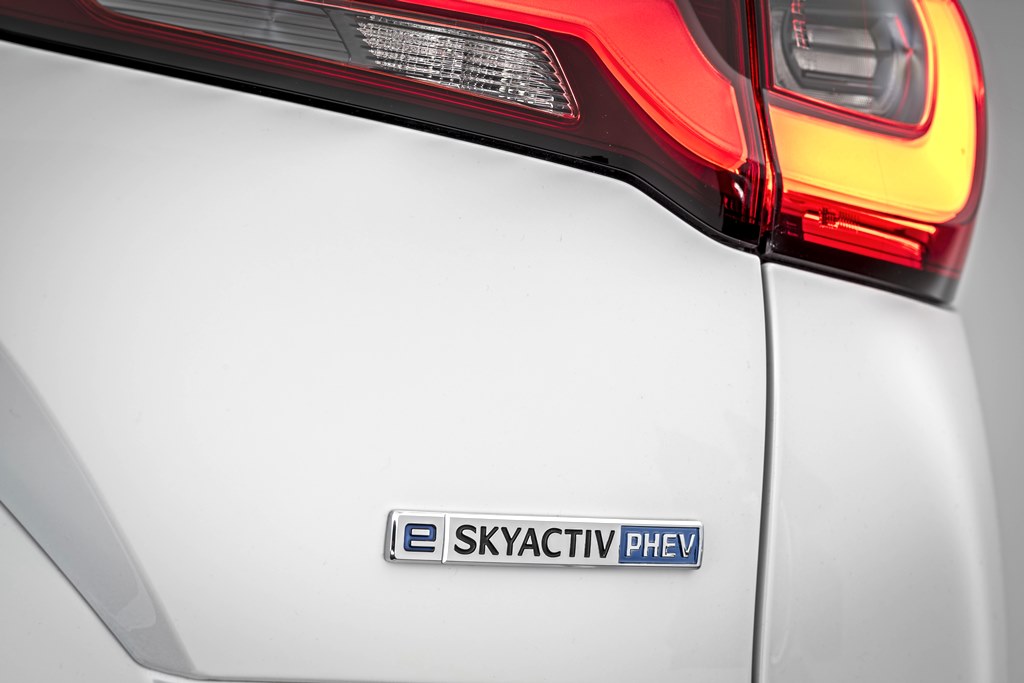
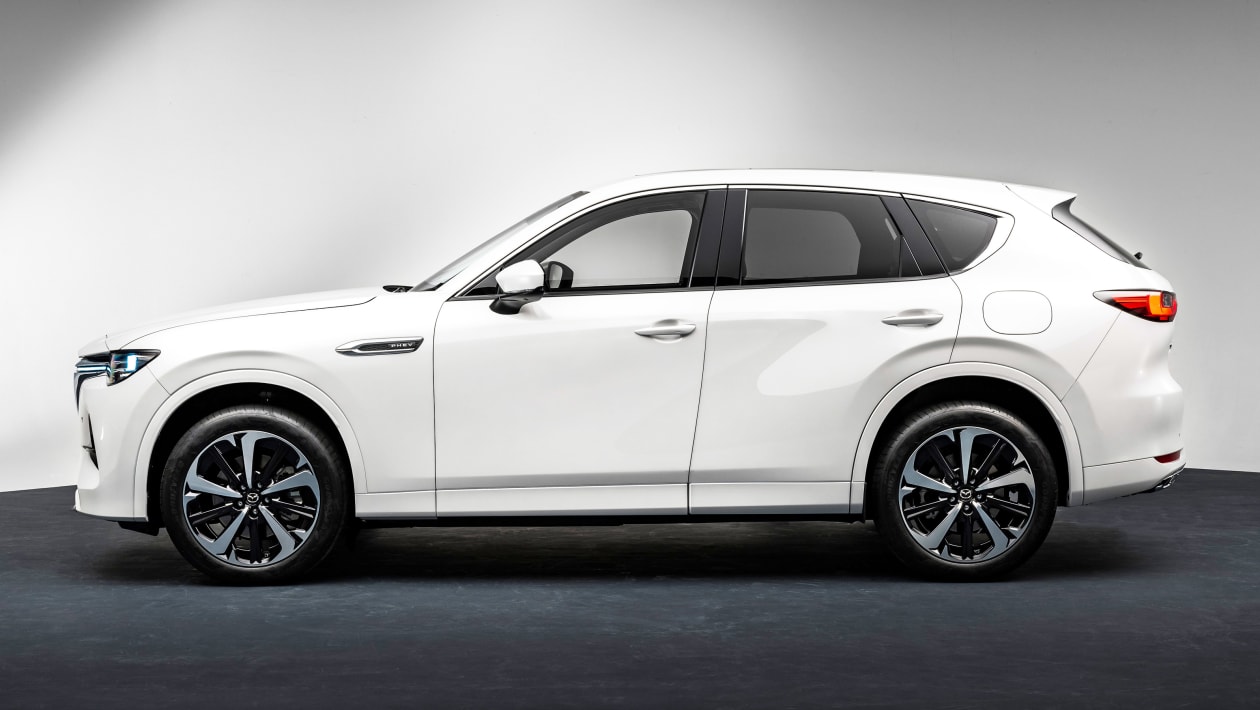
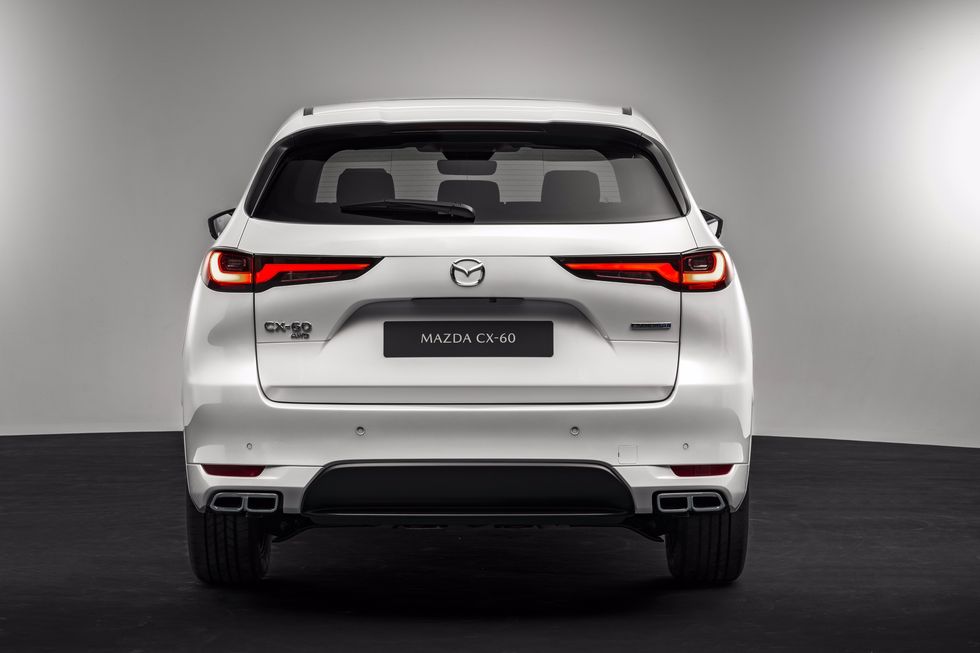
Now comes the CX-60 which is Mazda’s first plug-in hybrid electric vehicle (PHEV) and aimed largely at Europe. It’s not the company’s first hybrid as there has been a Mazda3 with a SKYACTIV HEV engine sold in Japan for many years. That hybrid drew on Toyota’s hybrid technology and with the association deepening in recent times, it is likely that this new PHEV may have been developed with some of Toyota’s long experience.
Most powerful Mazda production model to date
The PHEV powertrain has a SKYACTIV 2.5-litre petrol engine and a 100 kW electric motor powered by a 17.8 kWh high-capacity battery pack. With an output of 327 ps/500 Nm, it is the most powerful powertrain Mazda has offered in a production vehicle for sale to the public. Claimed 0 to 100 km/h performance is 5.8 seconds, with a range of up to 68 kms on just electricity in city driving conditions.
A new 8-speed automatic transmission and Mazda’s i-Activ All-Wheel Drive system delivers power to all four wheels, with Mazda Intelligent Drive Select (Mi-Drive) offering 5 different drive modes. Recharging is said to be within 4 hours using an ordinary power outlet.
Later, the CX-60 will also be available with two new engines for the PHEV powertrain – a new generation straight-six 3-litre e-SKYACTIV X petrol unit and a 3.3-litre SKYACTIV-D diesel. Together with the new engines and 48V technology, Mazda will also introduce a RWD version of the SUV. A bigger 3-row model, the CX-80, will be added to the range within the next two years.
Typically high standard of vehicle dynamics
With its emphasis on jinba-ittai (the unity between a horse and its rider) for all its models. It would be surprising to find the CX-60 also having impressive vehicle dynamics. Compatible with the CX-60’s longitudinal front-engine rear-wheel drive mechanical layout, Mazda’s SKYACTIV Scalable Architecture is matched to high bodyshell rigidity and a double wishbone front and multi-link rear suspension set-up.
Additionally, the CX-60 also has Mazda’s Kinetic Posture Control technology which further stabilises vehicle posture when cornering by braking the inside rear wheel to mitigate roll and the draw the car body downwards, while positioning the high-voltage battery between the front and rear axles and as low as possible, further helps the CX-60’s centre of gravity and stability. This is probably an evolution of the G-Vectoring Control (GVC) chassis technologies developed some years back and used in many models today.
KODO design maintained
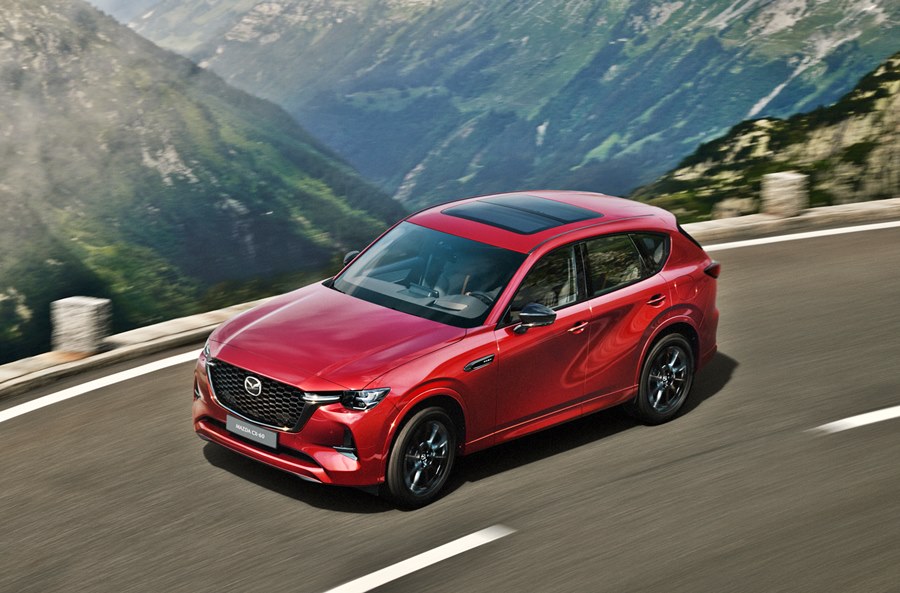
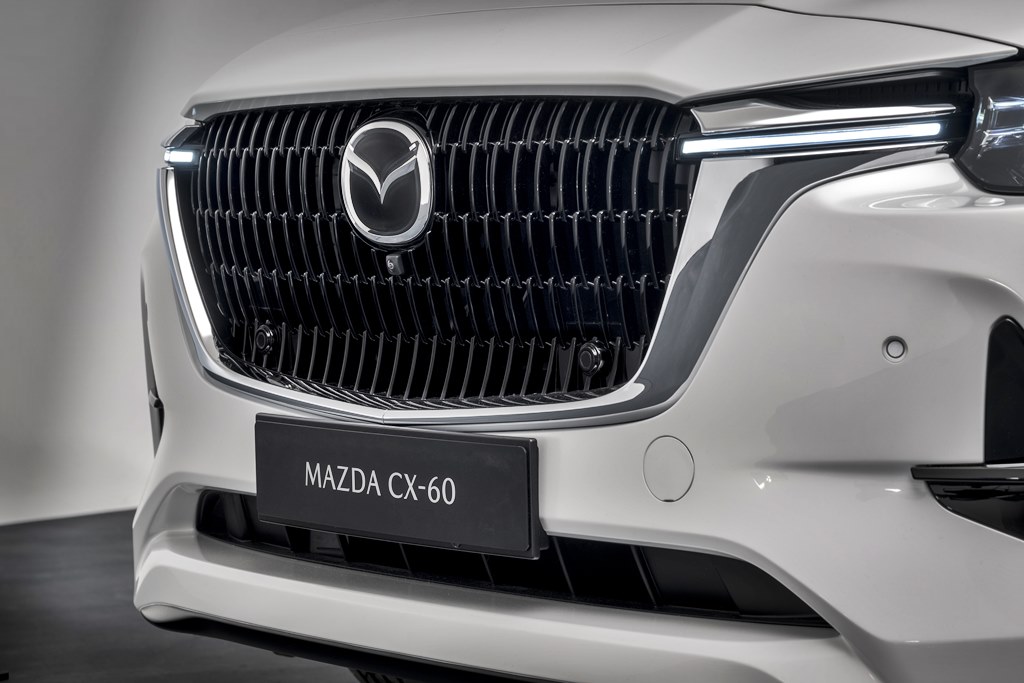
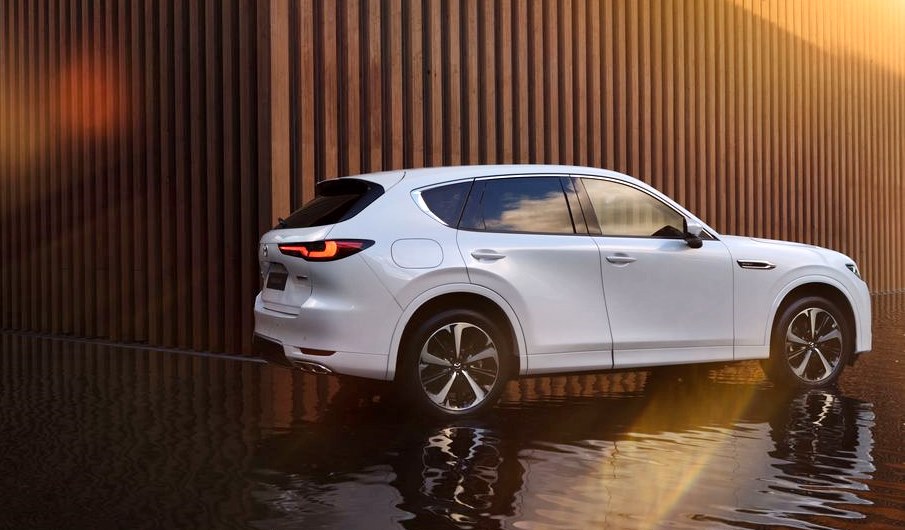
The appearance of the CX-60 seems to have a bit of the CX-5, which is not unusual since the KODO design language is still being used. The grille has the familiar shape seen on other Mazdas but differs in detailing, while the body surfacing is masterfully done to exploit the flow of light across the body.
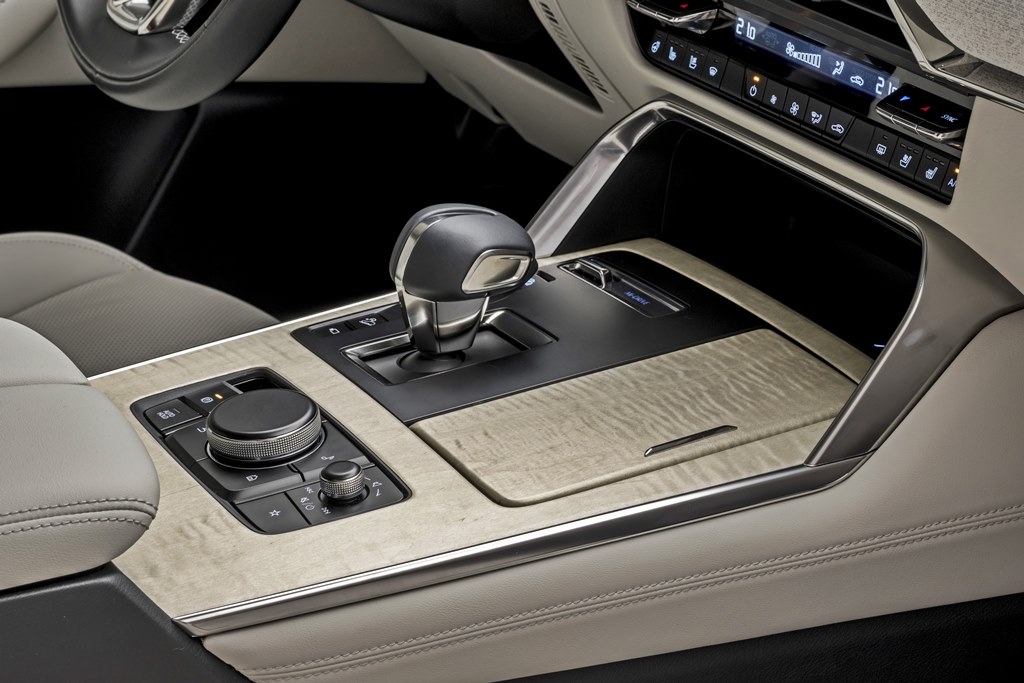
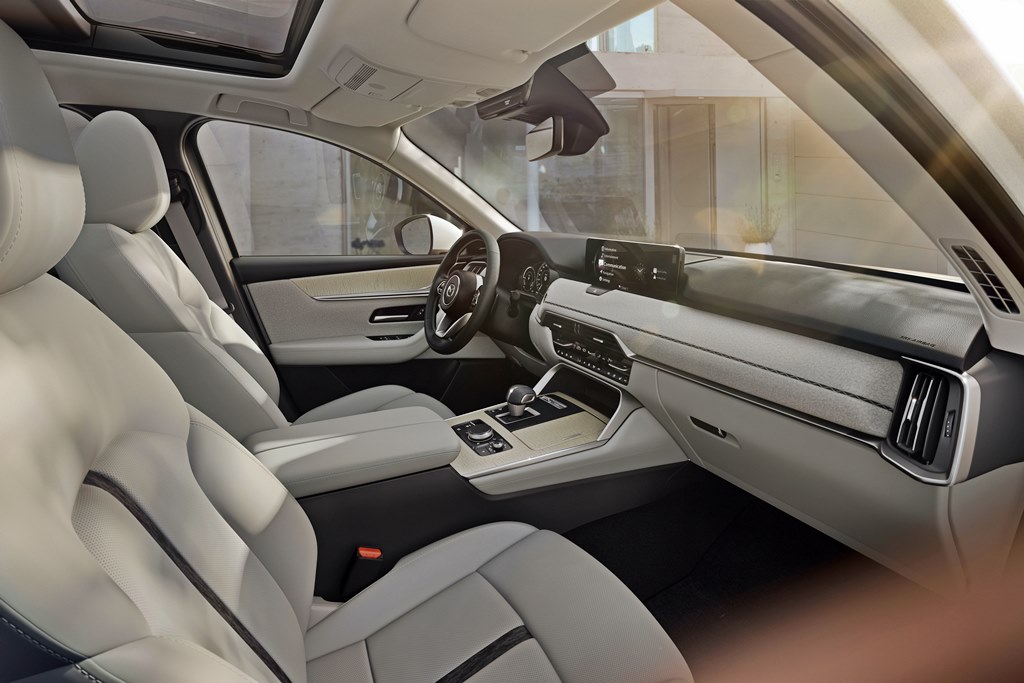
Besides design, Mazdas has always given craftsmanship a top priority in its products and for the CX-60, the very highest standards of craftmanship combined with new technologies and human-centric ergonomics to deliver a premium interior rooted in Japanese heritage.
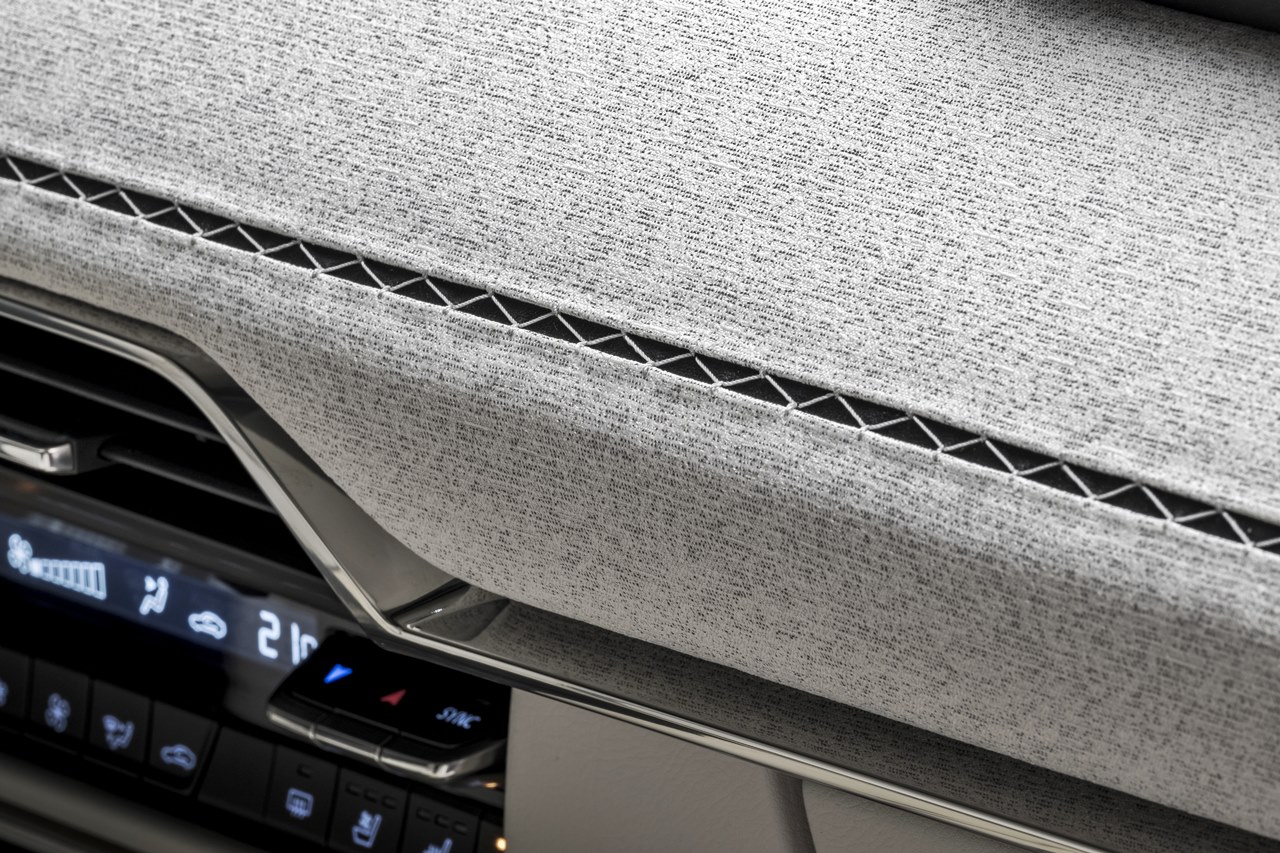
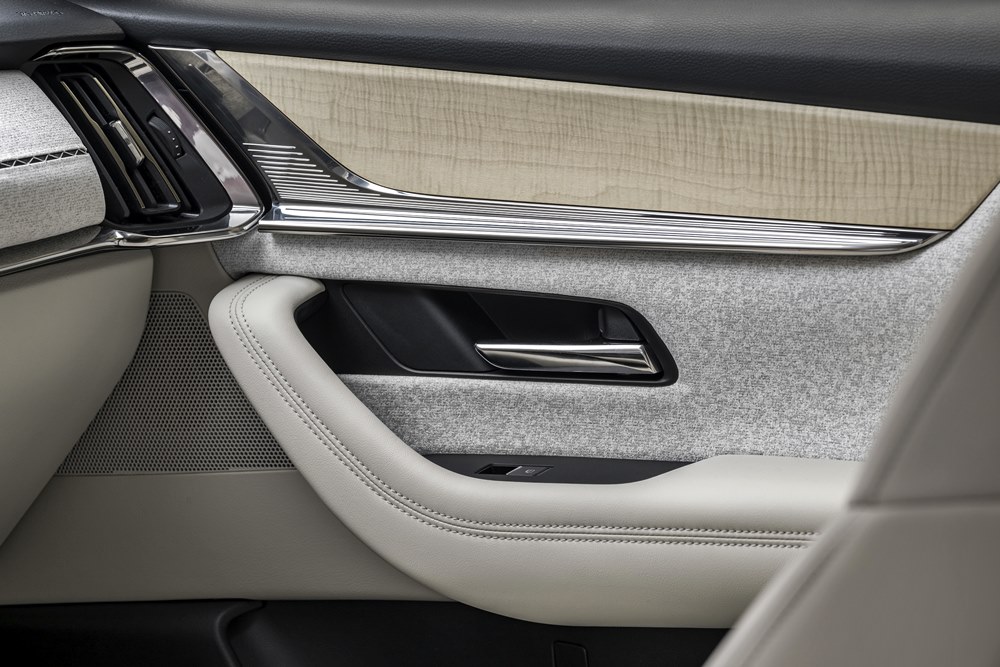
The elegant, premium quality interior design introduces the ideas of Kaichou – an element of disruption which mixes different materials and textures. With the flagship Takumi version, materials such as maple wood, nappa leather combine with uniquely worked Japanese textiles and chrome details, and Musubu – the art of binding which was the inspiration for a specially detailed instrument panel stitching.
The treatment of the maple wood trim reflects the Japanese aesthetic of Hacho – asymmetrical balance, or intentional unevenness. The woven fabrics’ diverse patterns and yarns respond sensitively to changes in light, and a Japanese stitching technique called Kakenui creates ‘hanging stitching’ seams with spaces between the trim fabrics revealing a glimpse of the material beneath.
An innovative feature for some variants is the Mazda Driver Personalisation System> This can recognise the occupant of the driver’s seat via facial recognition and automatically make adjustments – seat position, steering wheel, mirrors, Head-up Display, even the sound and climate control settings – to fit their physique as well as their personal preferences. Whether this is a practical approach remains to be seen as there are some people who have unusual ways of sitting!
How will Mazda’s CX range evolve?
How the Mazda range will look by the end of the decade can’t be determined yet. The company has often said that it wants to move upmarket and has progressively given its products a noticeably more premium image. Having the new double-digit range of more premium models sold together with the existing single-digit models may be a way to see whether they can move into – and stay – in the upper level of the market.
But for sure, they will eventually rationalise their range one way or another because, as one senior executive explained some years ago, Mazda is not very big and its volumes do not allow it to have too much variety. It has been careful to choose models and segments to compete in, avoiding fragmentation that is inefficient. And it has done that well so far…
Visit www.mazda.com.my to know more about Mazda models available in Malaysia
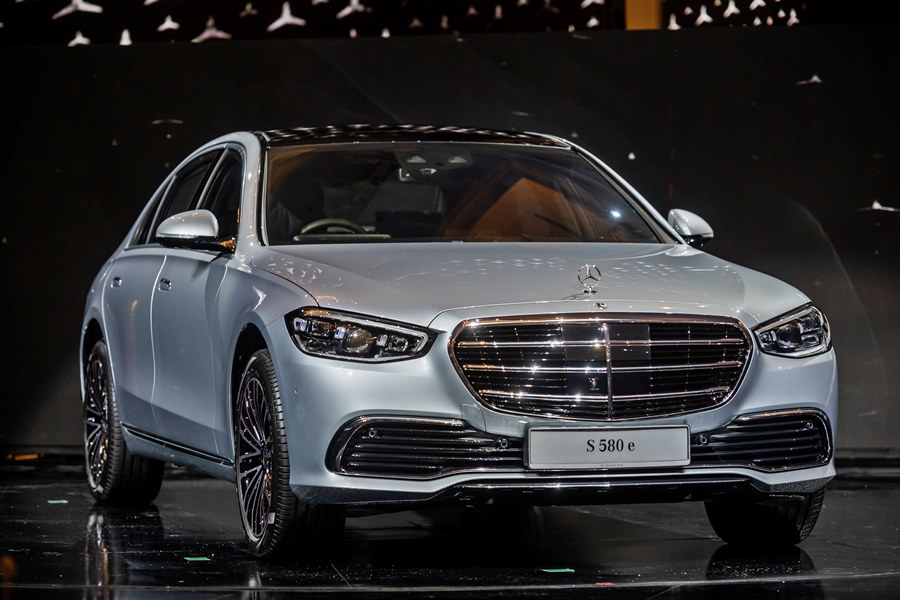
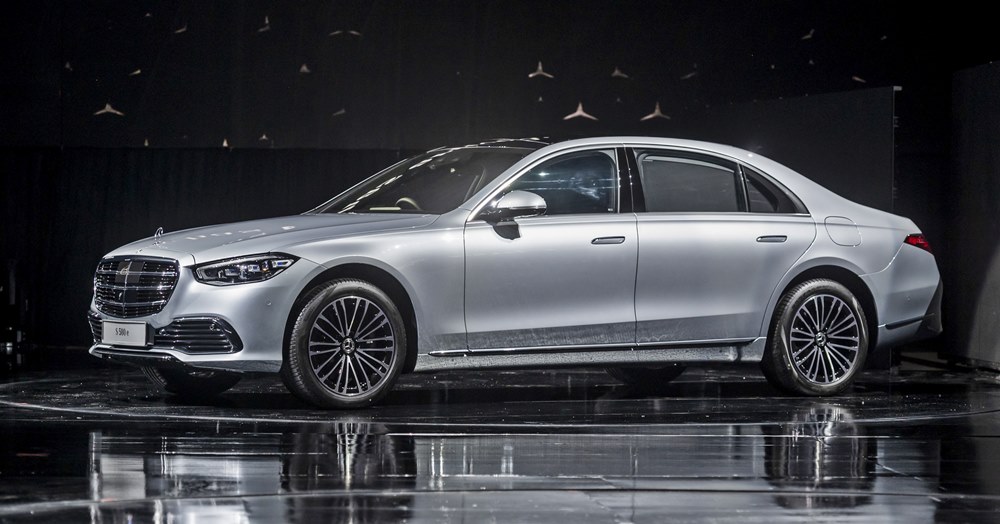
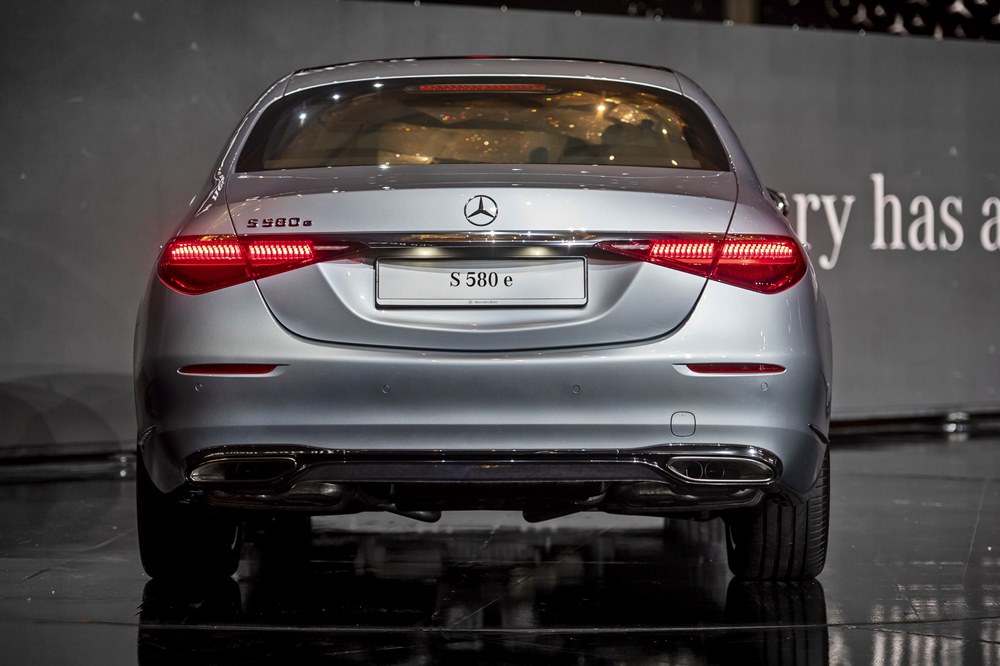
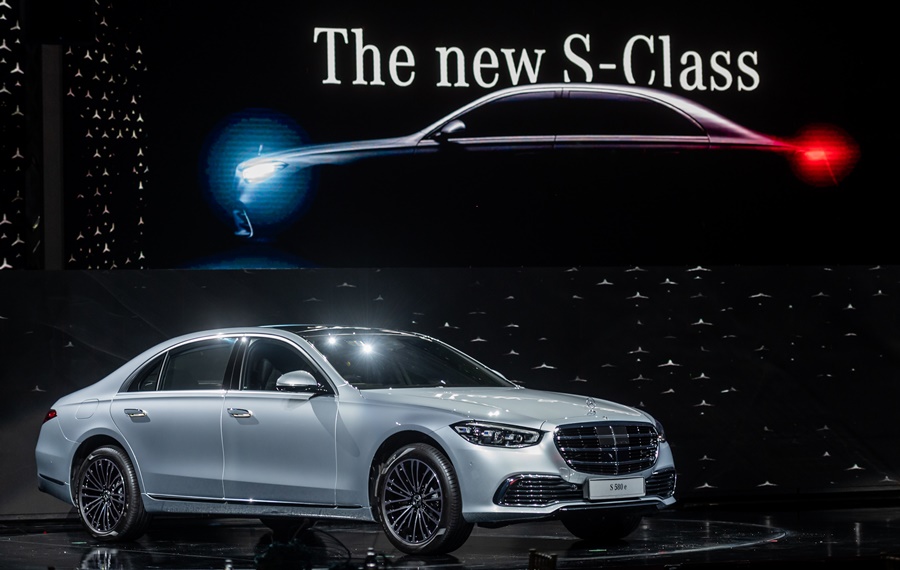
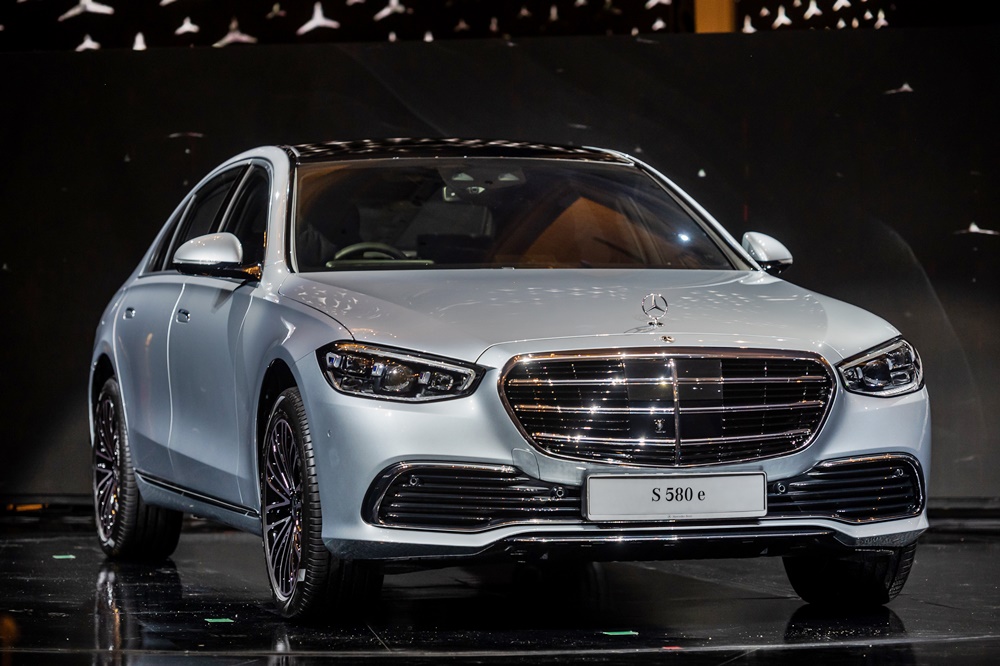
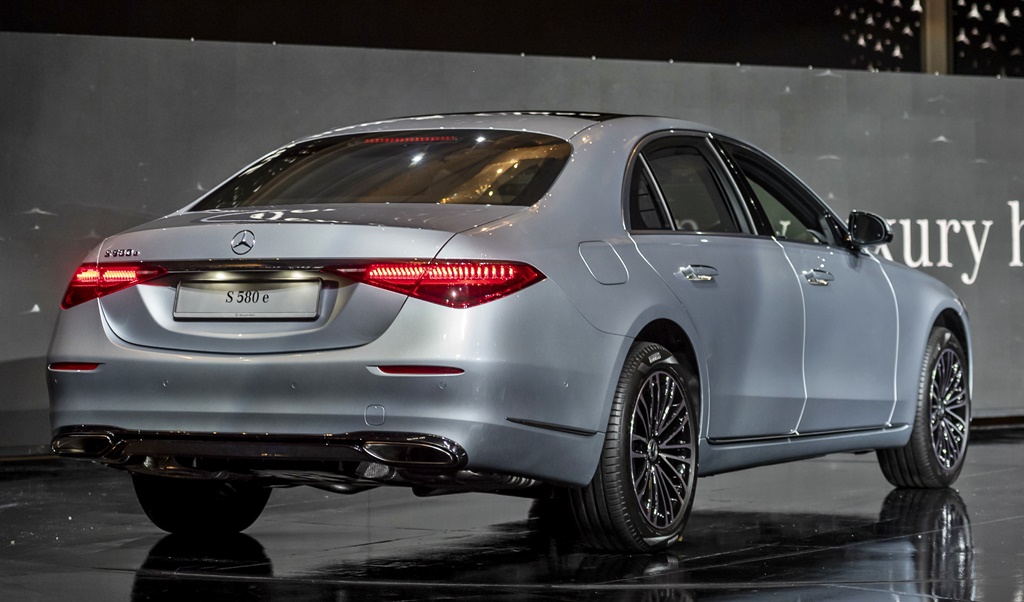
Following the introduction of the new Mercedes-Benz S-Class (W223) last December, Mercedes-Benz Malaysia can now provide the price of the model. Only one version is available – the S 580 e Plug-In Hybrid – and it is priced at RM698,744 (excluding insurance), As it is assembled locally at the company’s facility in Pekan, Pahang, it can have full exemption of sales tax until June 30, 2022, which would be big savings for customers.
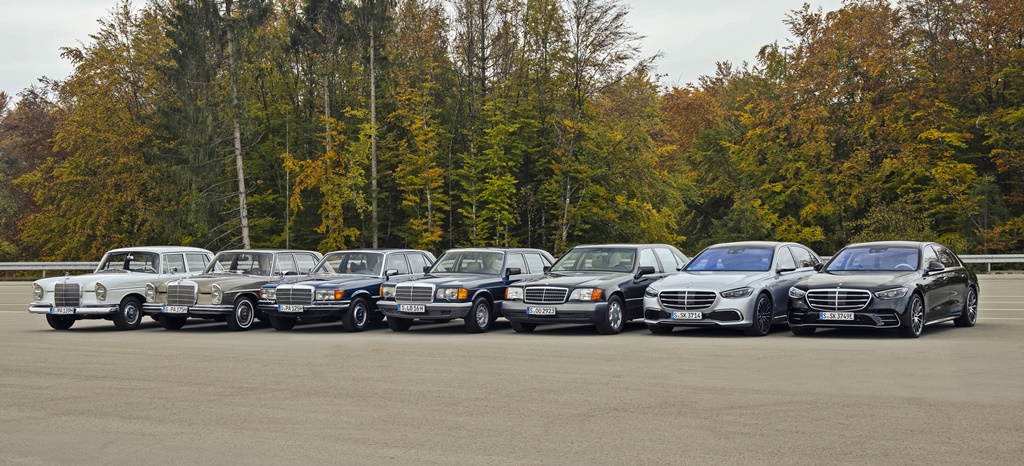
The flagship of the Mercedes-Benz range has been on sale in Malaysia since the 1970s, with over 18,000 cars sold to date, almost all assembled locally. The model’s history goes back to the W180 of 1954 although it was only in 1972 that it came to be known as the ‘S-Class’. Globally, more than 4 million units have been sold since the early 1970s.
The W223 is the seventh generation and as with every generation before, the new S-Class brings with it advanced technologies. In fact, this model has often introduced many new technologies, especially in the area of safety, that it shows ‘the future of motoring’. For example, in 1980, the W126 generation was the first production car in the world to be equipped with an airbag system.
With Mercedes-Benz now putting its full commitment to electrification during this decade, the S-Class also leads the way and for the Malaysian-assembled model, a plug-in hybrid (PHEV) powertrain is the only one offered. Hybrid powertrains are not new to Mercedes-Benz in Malaysia and have been available with some models (including the S-Class) over the past 8 years.
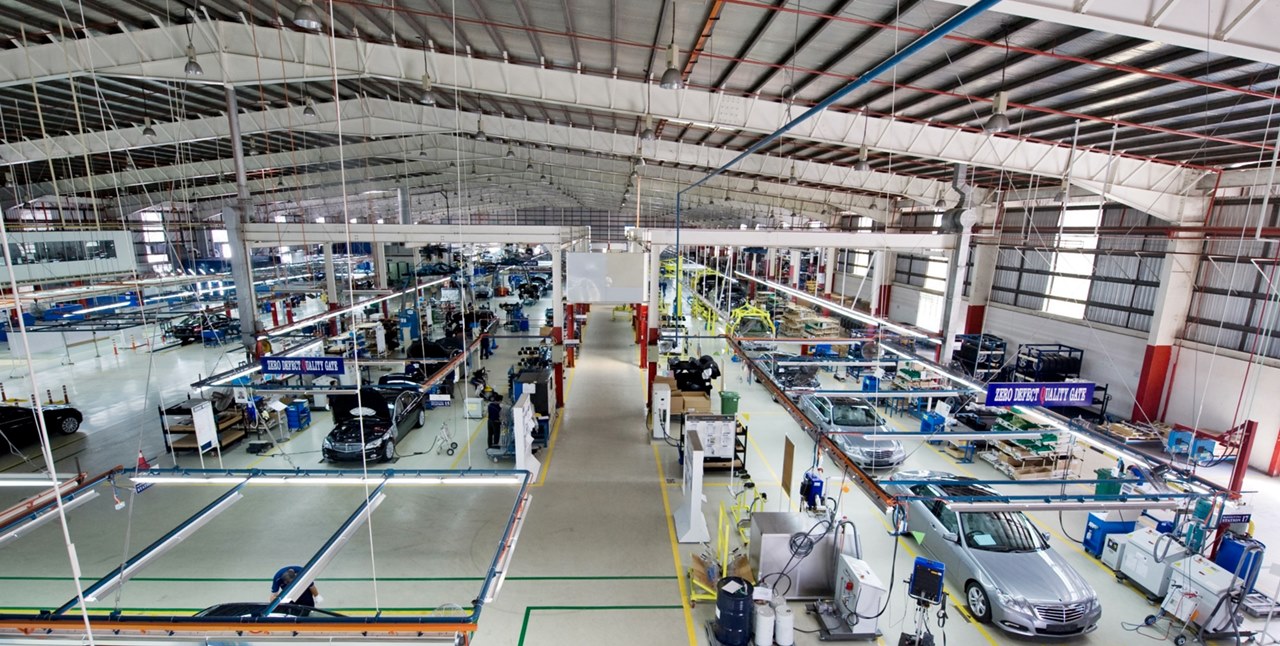
Mercedes-Benz Malaysia has its own plant in Pekan, Pahang, where the latest S-Class and other models are assembled. (File image)
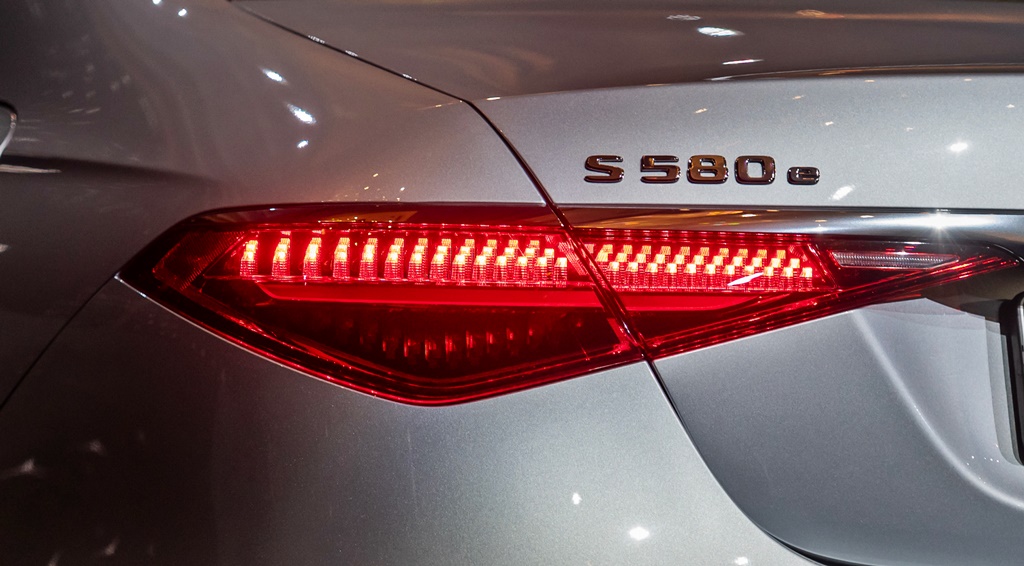
For the latest S-Class, the model is designated S 580 e but its engine not 5.8 litres. It is actually an in-line 6-cylinder petrol engine of 3 litres and works with an electric motor which generates 110 kW with 440 Nm. The engine’s output is 367 bhp/270 kW with 500 Nm of torque and the combined output can propel the S 580e from 0 to 100 km/h in a claimed 5.2 seconds and up to a top speed of 250 km/h.
If conditions permit, it is possible to run only on electricity for up to 100 kms. When the lithium-ion battery is empty, ‘refuelling’ will take up to 2.5 hours, depending on the charging method. One concern owners have is the cost of the battery pack if it needs to be replaced as it is pretty expensive. But for the first 8 years or a maximum of 100,000 kms, Mercedes-Benz Malaysia will provide warranty coverage which should offer some peace of mind.
Showcase for new technologies
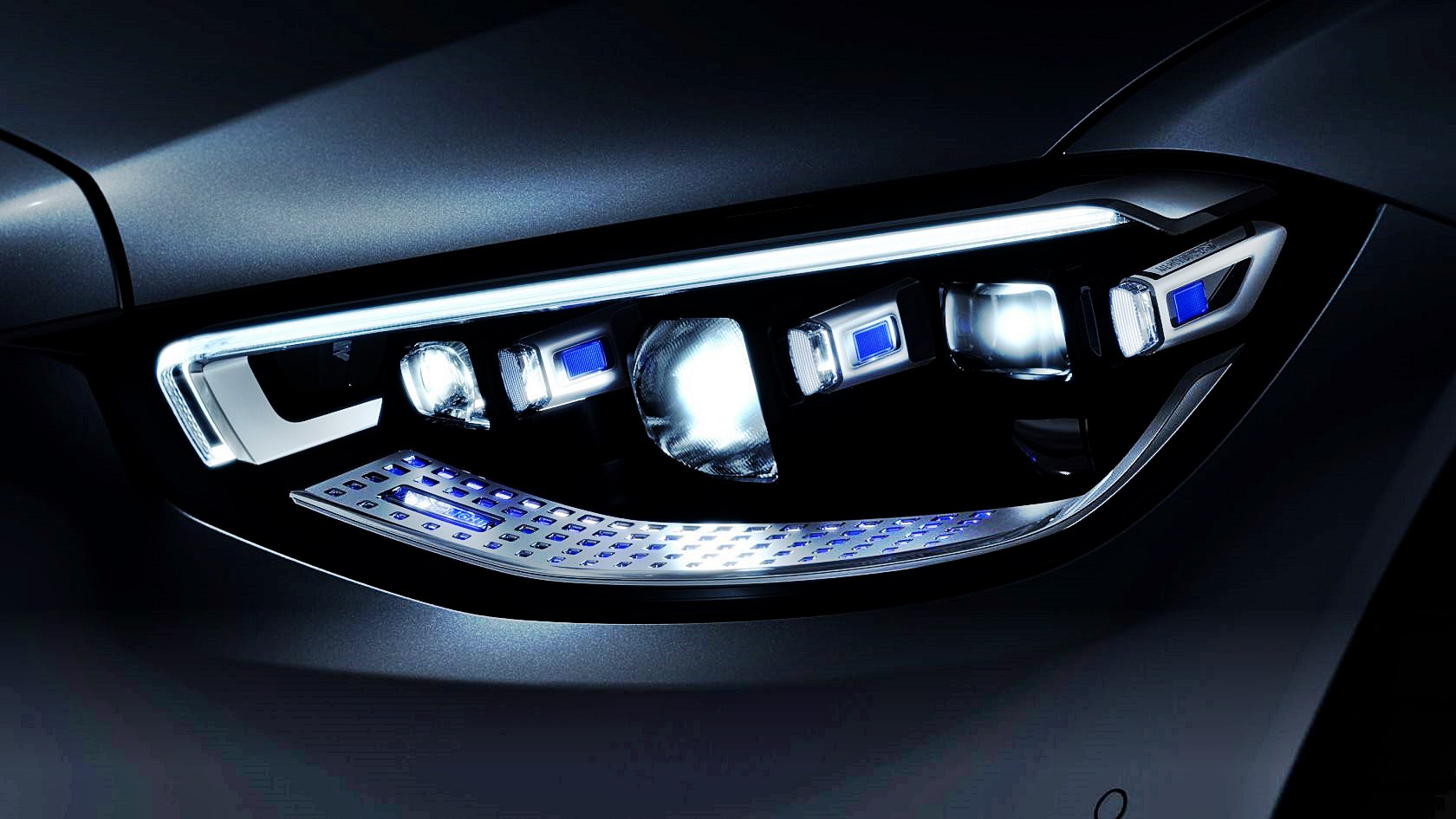
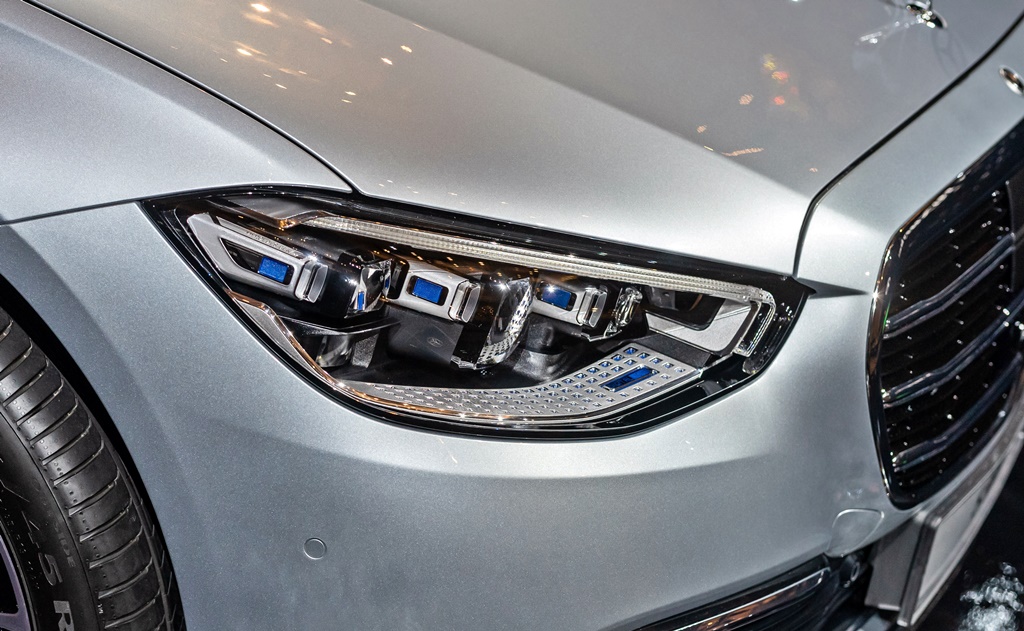
New for this S-Class is DIGITAL LIGHT, which offers significantly better illumination from the headlamps. Each light module has 3 extremely powerful LEDs with light that is refracted and directed by 1.3 million micro-mirrors. The resolution is therefore more than 2.6 million pixels per vehicle, allowing highly precise light distribution.
The millions of pixels allow the lighting pattern to be precisely shaped so that maximum illumination levels can be provided without blinding oncoming drivers. Light/shadow graduations and the light distribution of all the other adaptive light functions are also realised with considerably more precision, optimising illumination in all ambient lighting conditions.
Aerodynamic efficiency has always been important for cars as lower wind resistance of the shape means more power can be used to move the car, and fuel consumption can be lower. Low wind resistance is even more vital for hybrid and electric vehicles so extensive wind tunnel research was done and the result is a body that has a Cd of 0.22, impressive considering its size.
Not visible are improvements in aeroacoustics; the new model’s quietness is said to be even better than the e previous generation which already excelled with a very high level of interior noise comfort. The high rigidity of the bodyshell provides the basis for this achievement, and is enhanced with fine-tuning.
Lounge-like interior
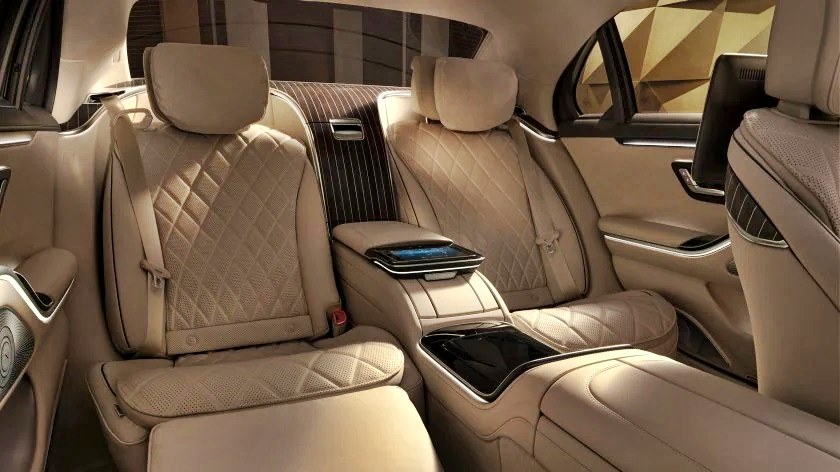
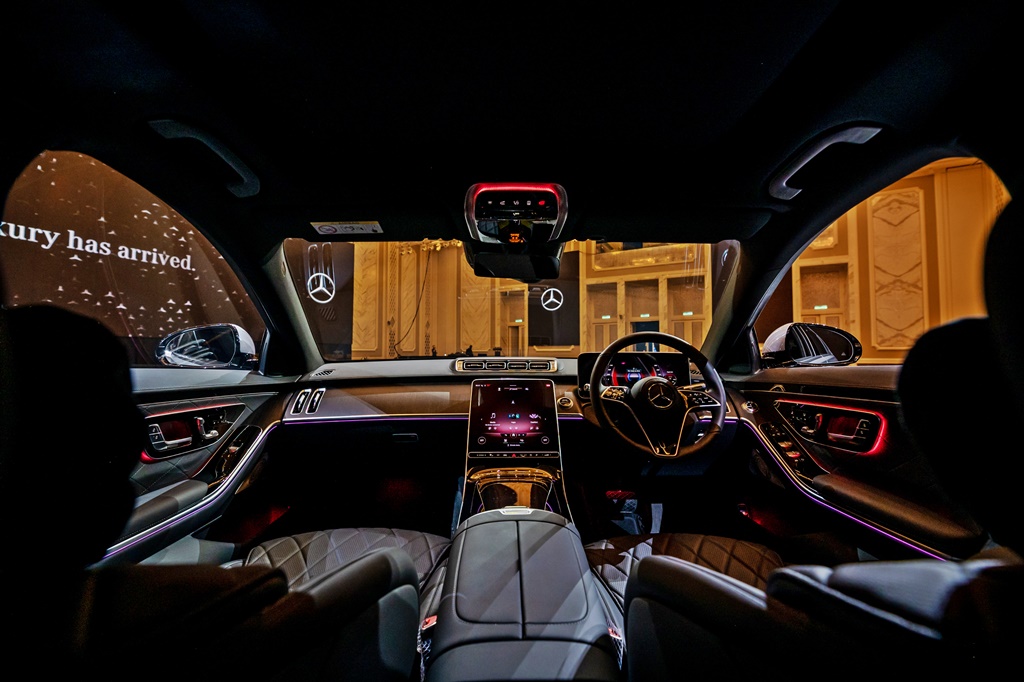
These days, car interiors are designed to be like lounges and not just seating spaces inside a cabin. Especially with a model like the S-Class, comfort and spaciousness are high on the list of expectations. With the new generation, the interior has fully evolved into a ‘third place’ for the occupants, between the home and workplace. So it has to be able to provide not just comfort but also be functional enough for those who want to get some work done while on the move.
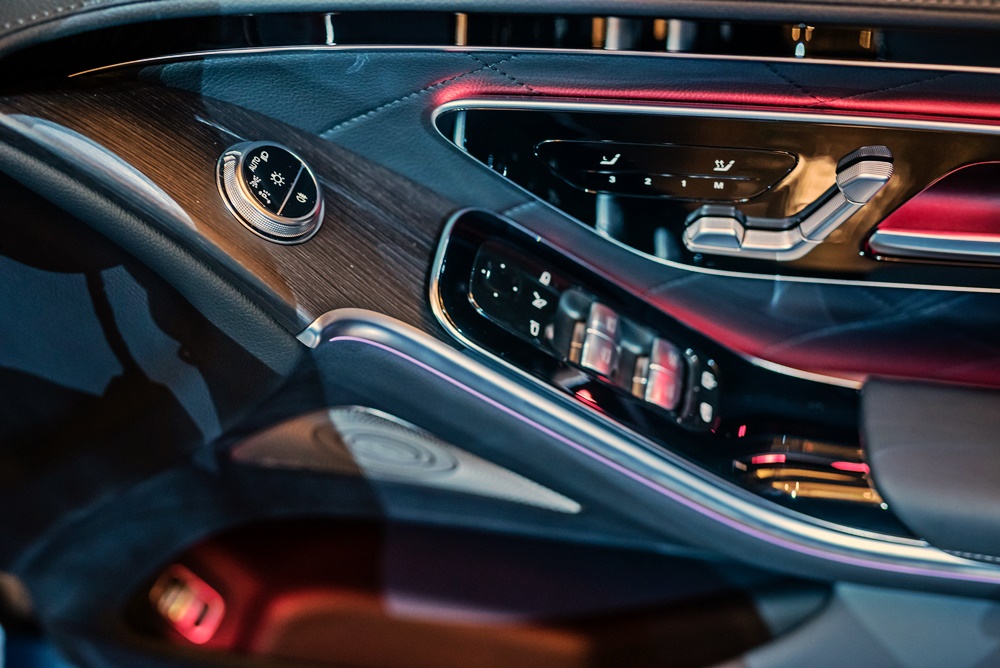
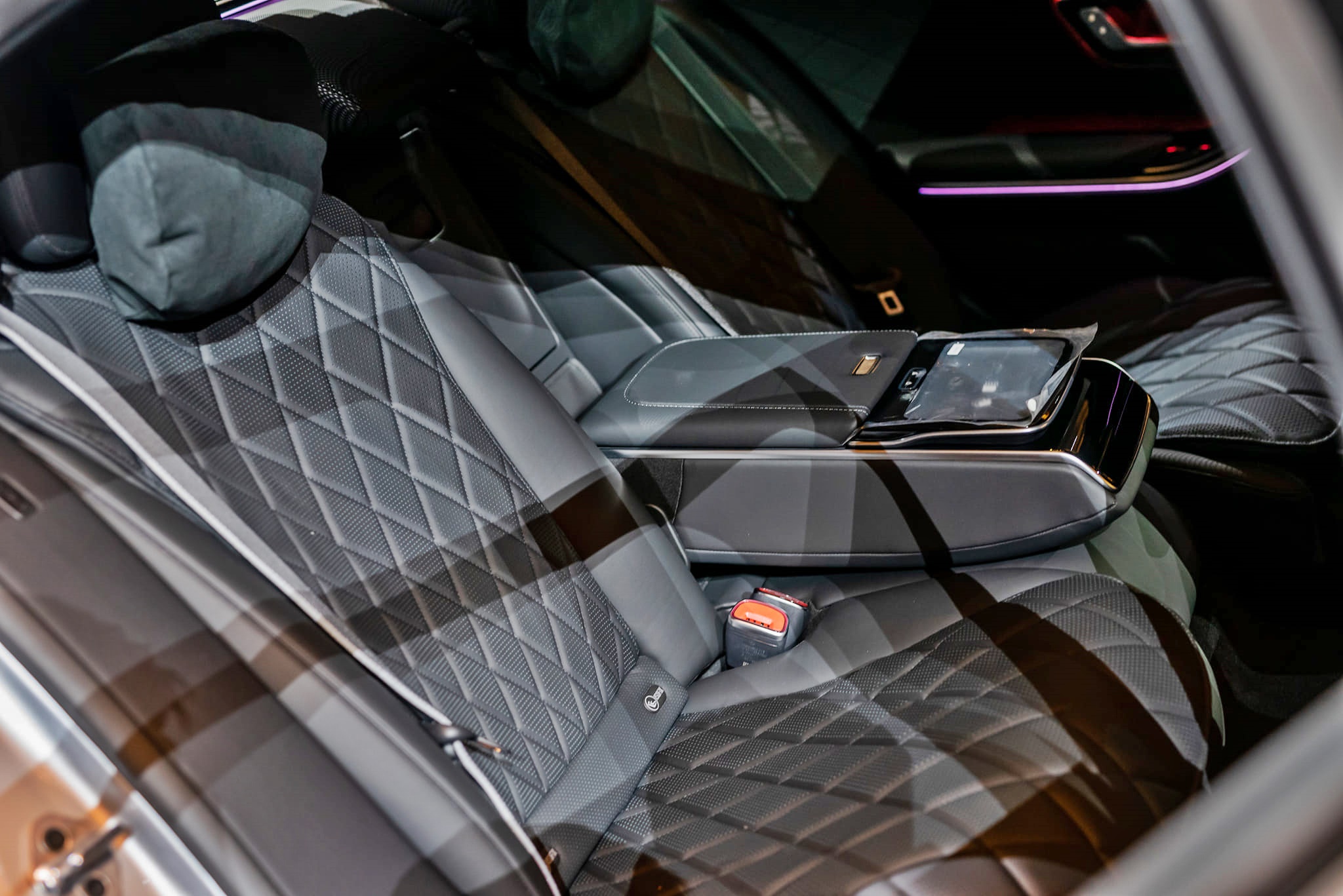
The seats qualify as technological benchmarks for long-distance comfort. The complex technology inside each seat uses multiple motors for adjustments in the tiniest dimension. The flowing, 3-dimensional layer design theme gives an impression of lightness with its nappa leather upholstery. The adjustment range and angle of the front passenger seat in the chauffeur configuration and the reclining seat behind it have been improved as well.
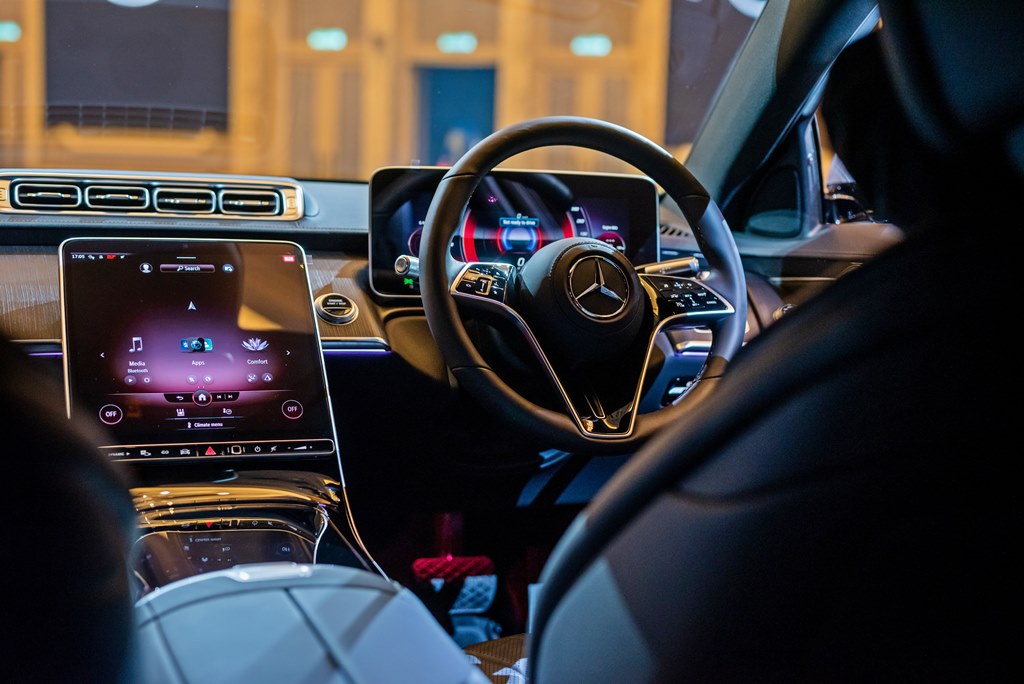
MBUX – the Mercedes-Benz User Experience – is a big thing for the brand and has appeared in every new model since the current A-Class was launched in 2018. Since then, it has continued to evolve and gain more sophistication, with the second generation of this learn-capable system making its debut in the new S-Class.
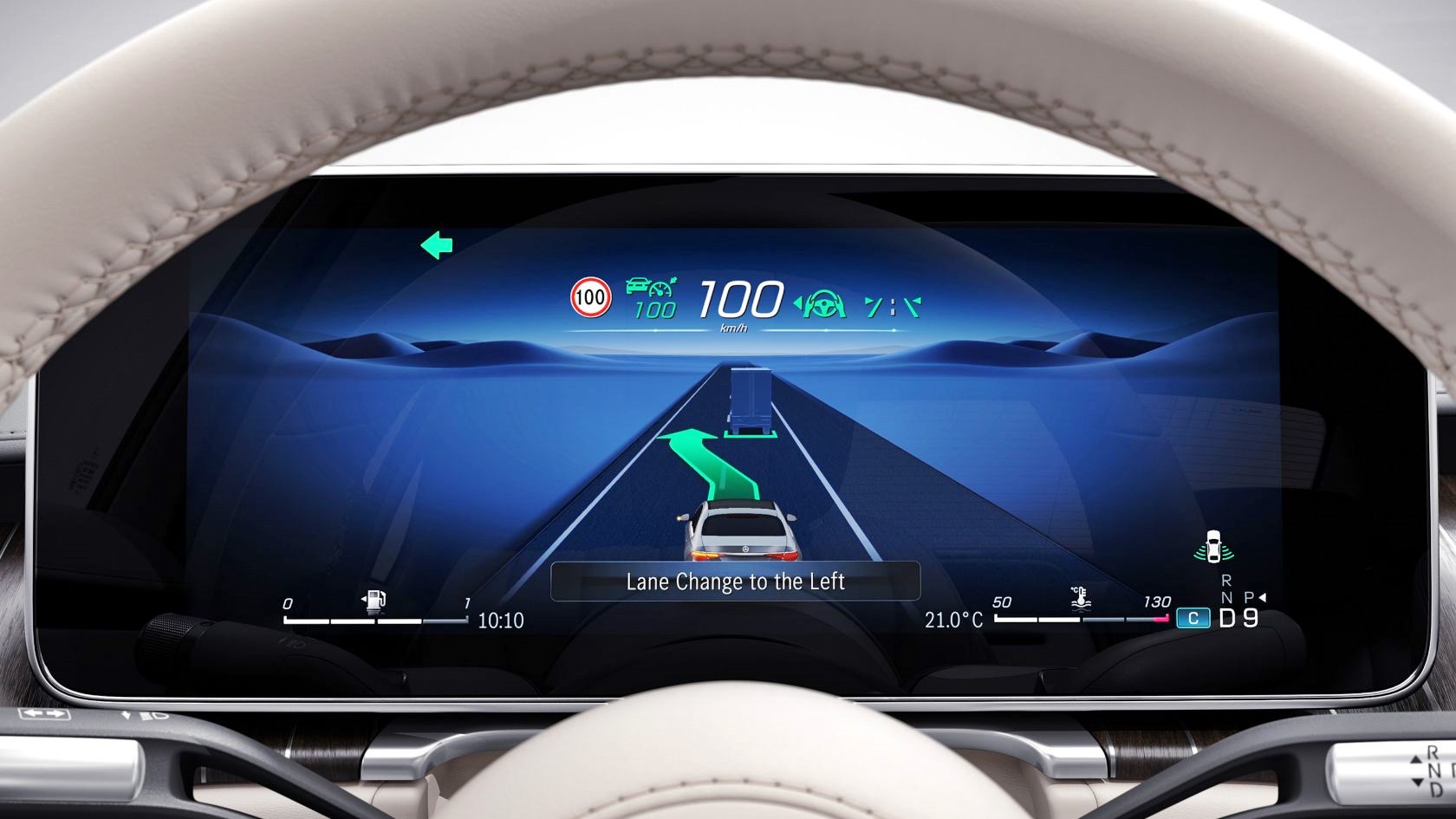
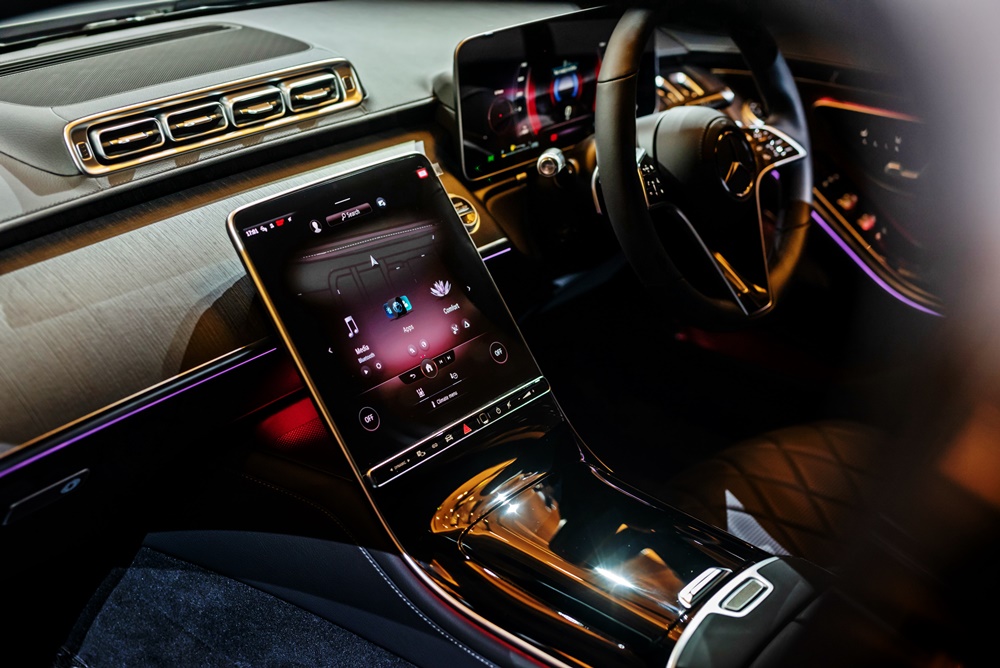
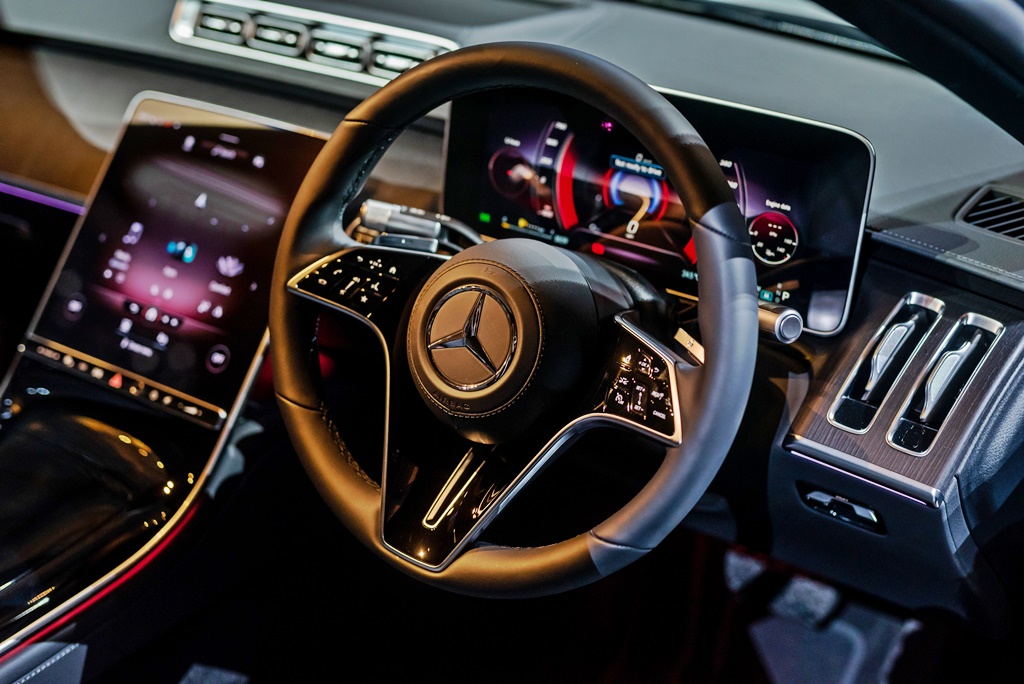
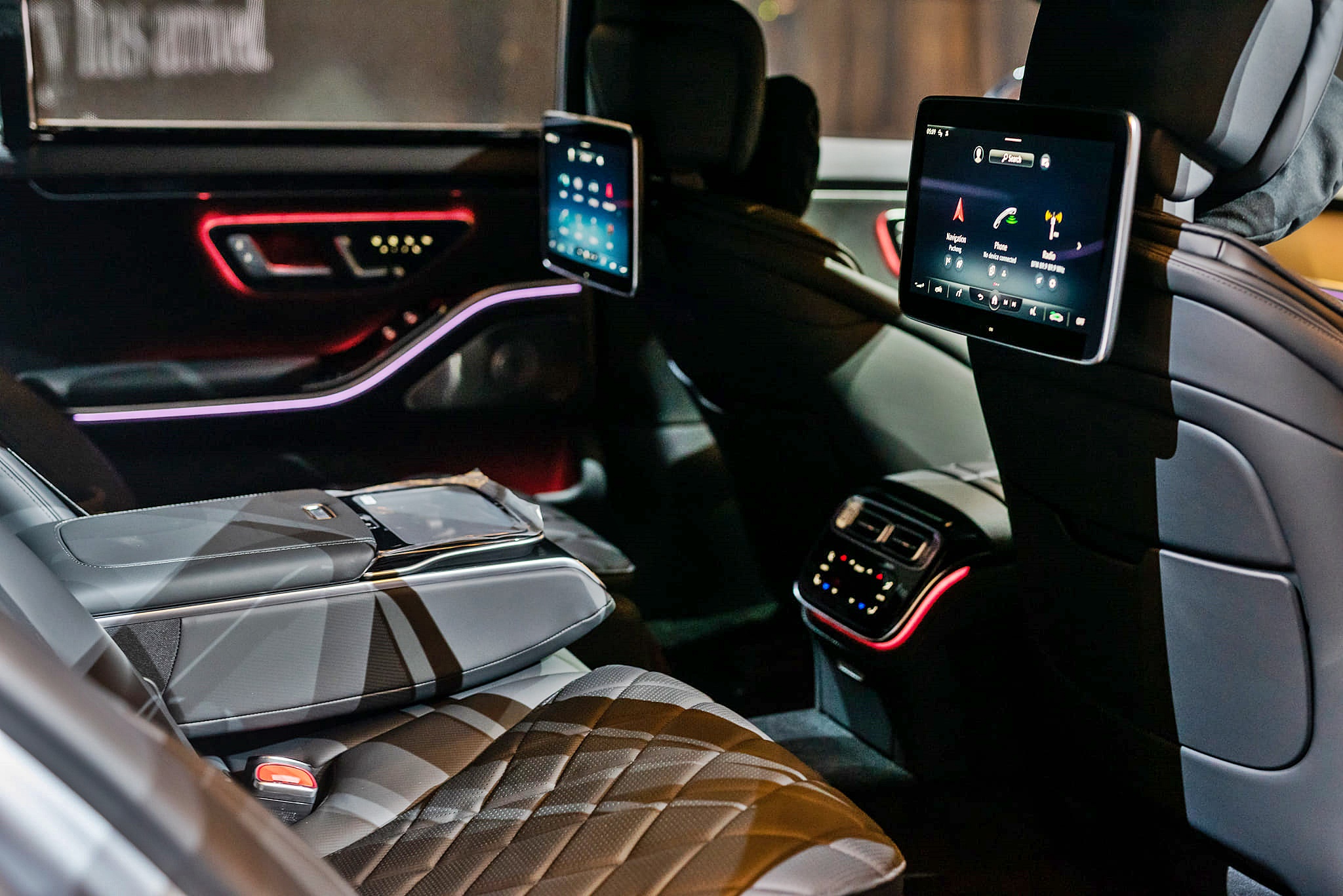
The possibilities for personalization and intuitive operation have become far more extensive, especially in the rear. Both the hardware and software have made great advancements with brilliant displays on up to 5 large screens (in part with OLED technology). The new 3D driver display allows a spatial view at the touch of a button for the first time – a real 3-dimensional effect without having to wear 3D glasses.
The voice assistant ‘Hey Mercedes’ is constantly learning, by activation of online services in the Mercedes me App. Moreover, certain actions (like accepting a call) can be performed even without using ‘Hey Mercedes’ which, incidentally, can also be activated from the rear.
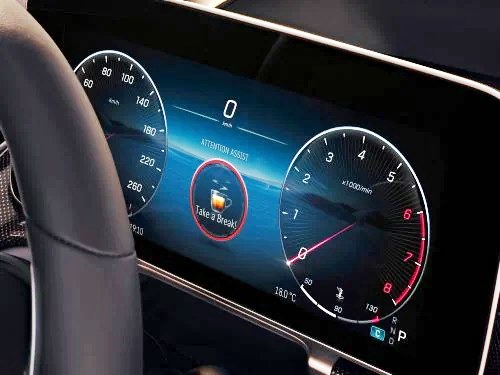
With digital and graphic displays nowadays, it’s possible to have multiple displays and not end up like the cockpit of a 1970s fighter jet. The screens can be individualized with a choice of 4 display styles and three modes (Navigation, Assistance, Service), so the driver can choose whatever information is most important to him or her when driving. Furthermore, this new version of MBUX uses 27 fewer buttons and switches, underscoring the minimalist appearance of the interior.
Rear airbag – world first
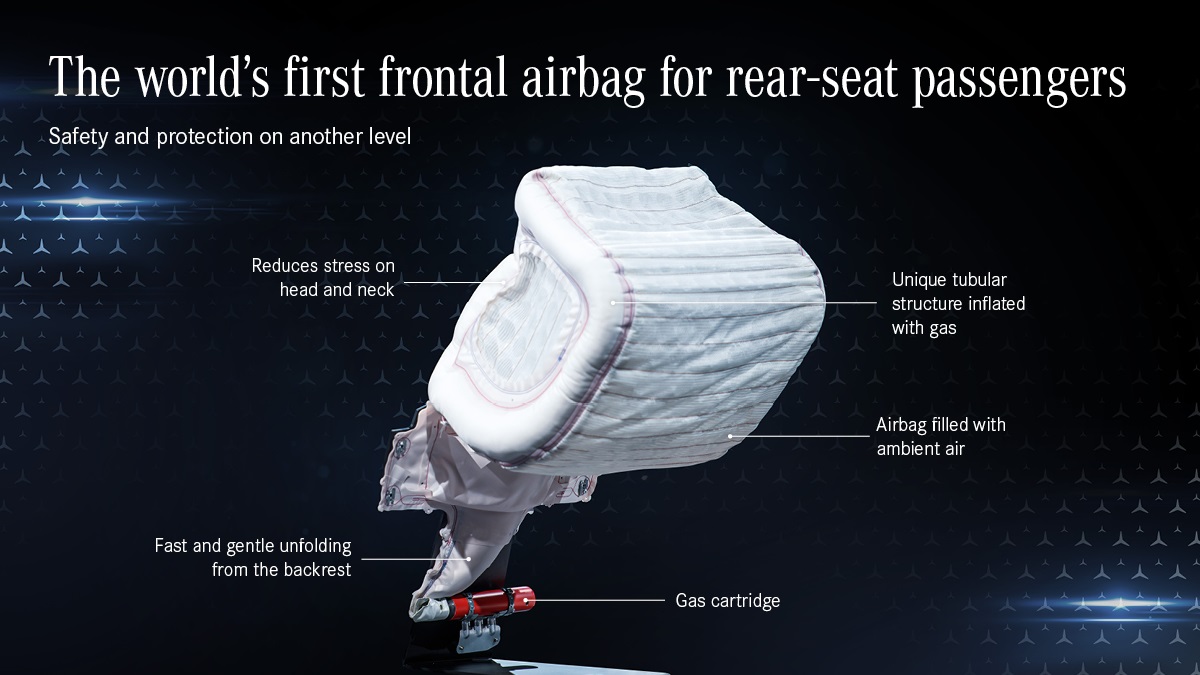
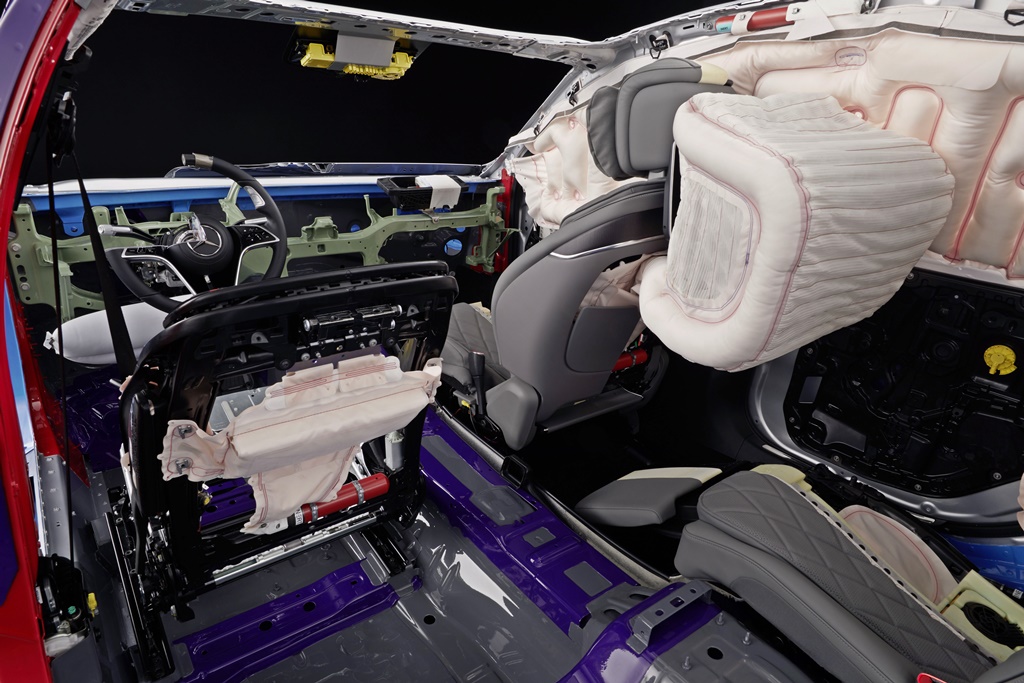
As mentioned earlier, an earlier S-Class was the first production car in the world to be fitted with an airbag. This pioneering position in safety continues with the latest generation and is demonstrated by having the world’s first rear airbags. These are integrated into the backrests of the front seats and deploy in a severe front impact. They deploy gently and protect strapped-in outer rear seat passengers against contact with the front seats.
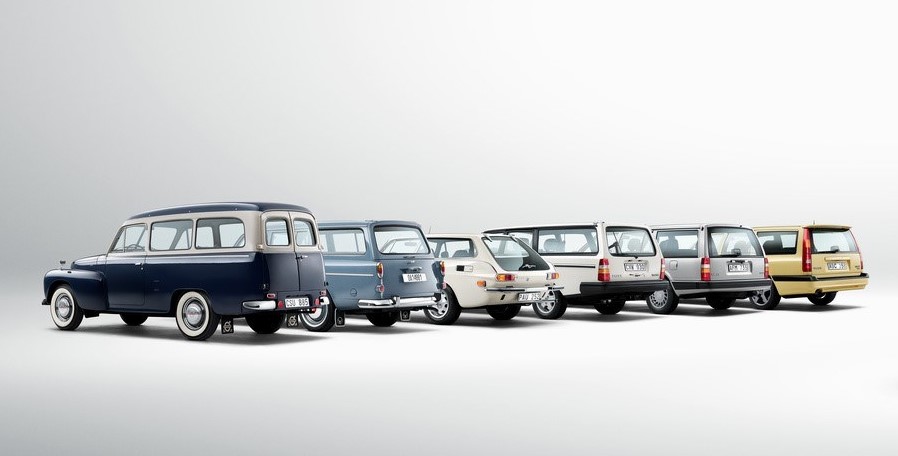
Before SUVs appeared, the stationwagon was the ideal multi-purpose vehicle to haul a lot of stuff. Sedan-like but stretched a bit to have a big boot space, it was as low as a sedan and just as comfortable. Volvo, which had been making stationwagons since 1953 when it introduced the Duett, became a leader in the stationwagon segment in the 1980s, especially in Europe where its models were popular.
The Duett had been conceived as a vehicle which could be used for work as well as for family use, so it was the original dual-purpose vehicle (a term which came into use in the early 1980s when the first 4x4s like the Mitsubishi Pajero and Isuzu Trooper were introduced). The success of the Duett encouraged the Swedish carmaker to continue making such cars and in the years that followed, it would always have a stationwagon variant of the prevailing model series. Malaysian motorists will remember the police using Volvo stationwagons in the 1970s and then the 850 stationwagon in the 1990s for highway patrol work.
And although in the 21st century, it has been selling more SUVs than sedans and stationwagons, the company has assured stationwagon fans that it will continue to offer such models in future. These will be alternatives to the SUV and crossover ranges and will eventually be fully electric. They are currently designated as S and V models although these may change as the future models will have more aerodynamic forms. Volvo had originally wanted to designate its stationwagons as ‘F’ – for ‘Family’ – when it launched the first V40. However, Ferrari sent a note of protest and said that a ‘F40’ would mislead people into thinking of the sportscar made by the Italian carmaker which had the designation. So Volvo switched to ‘V’, which it said meant ‘Versatility’.
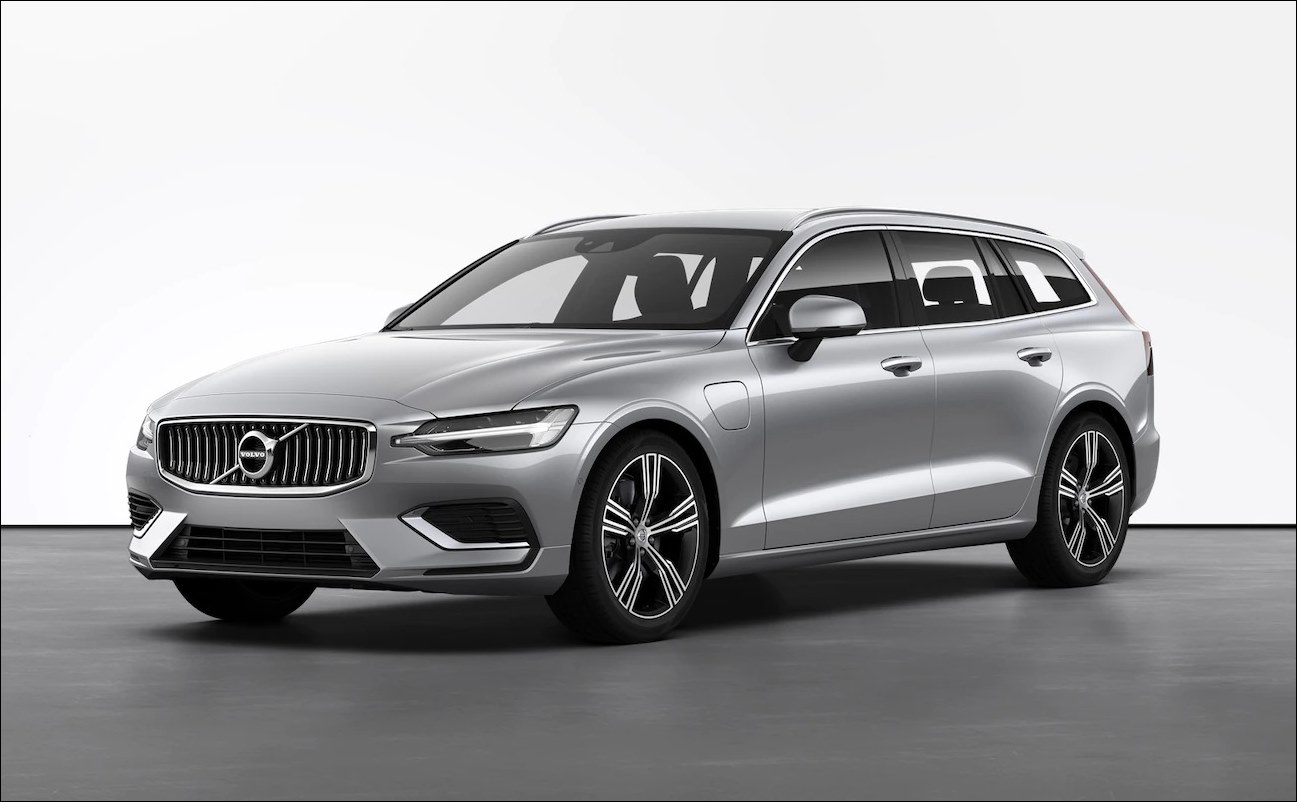
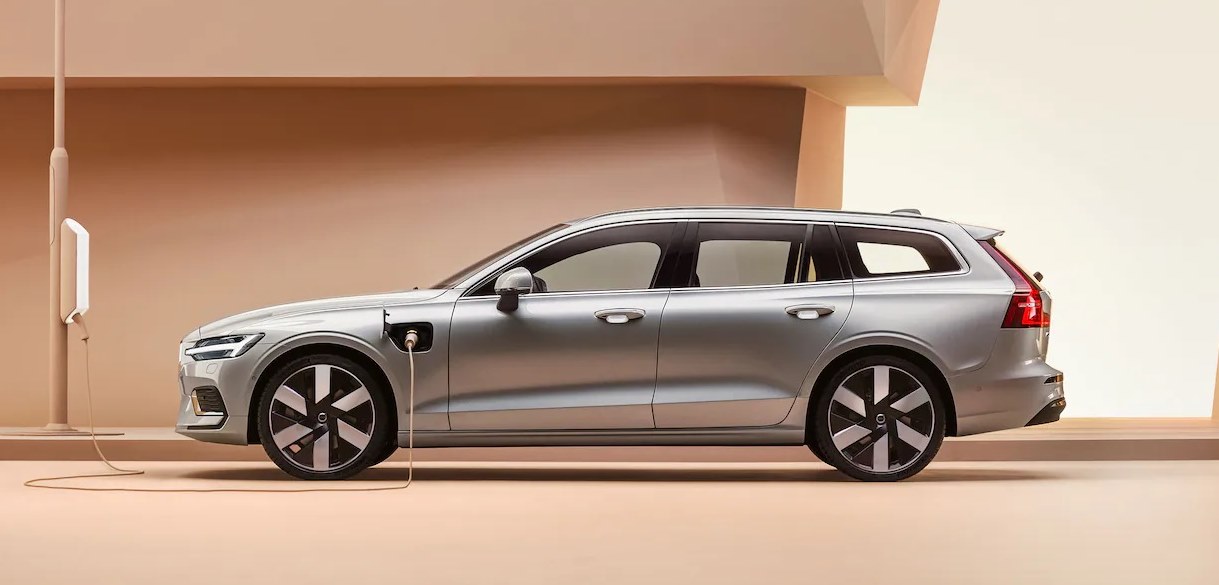
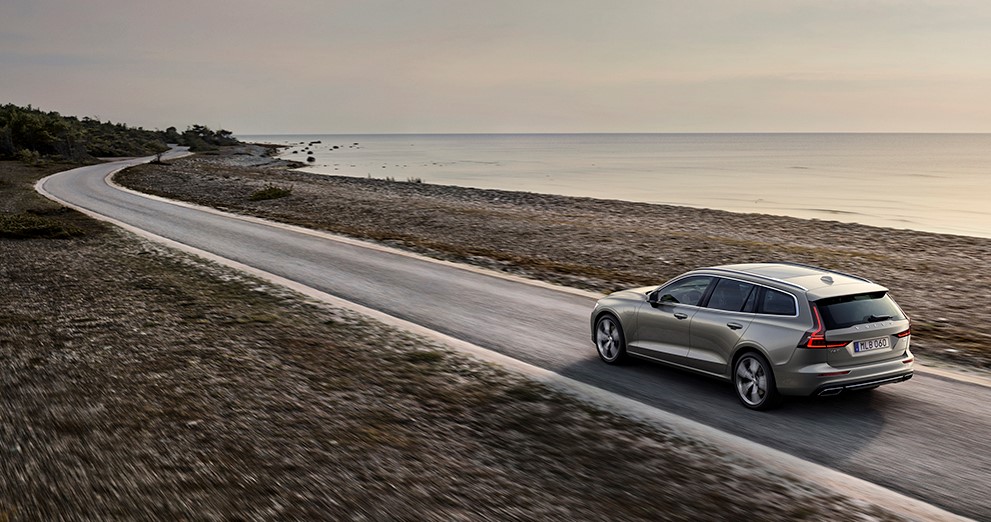
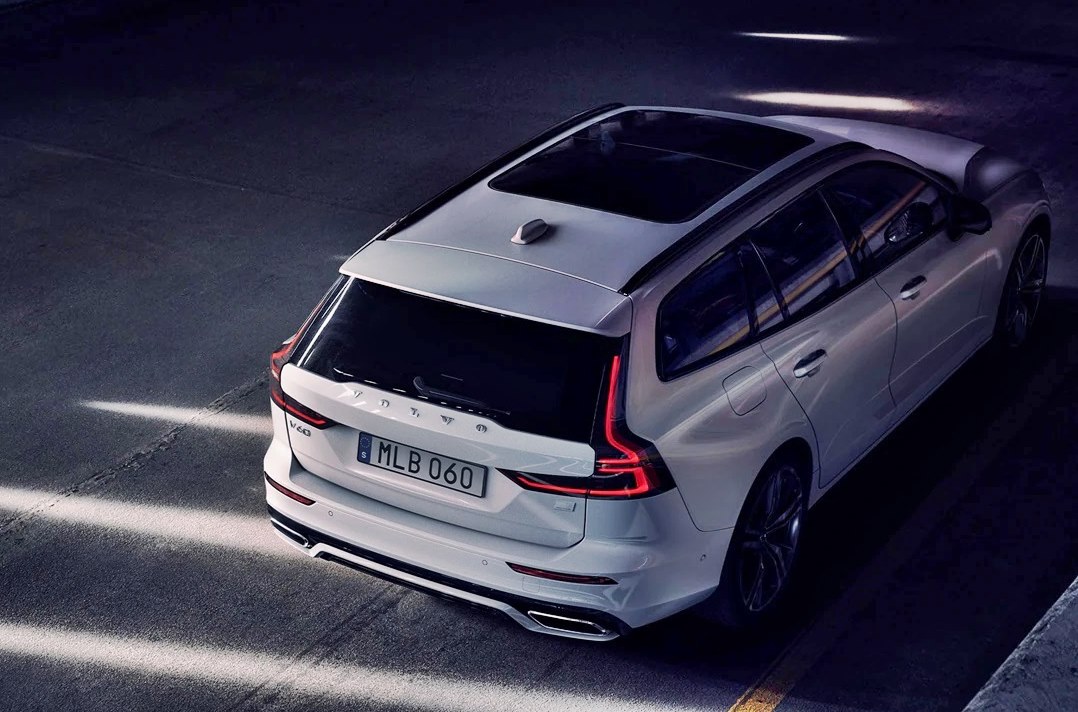
In the US market, which has been a huge consumer of Volvo stationwagons for decades, some of the models are no longer being sold (which led to the rumour of Volvo stopping stationwagons altogether). However, the company will still sell some versions of the current models and in Malaysia, the latest V60 Recharge T8 has just gone on sale with a price of RM287,474 for the Inscription version (the only one available).
This is an electrified PHEV model with a plug-in hybrid Drive-E powertrain. There is a turbocharger and supercharger which boost output to 320 bhp/400 Nm, to which is added the output of an electric motor that can generate up to 407 ps/640 Nm. A lot of power to all 4 wheels which provides effortless cruising even when the 519-litre boot is fully loaded.
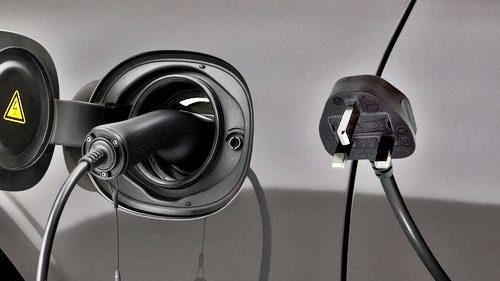
As a PHEV, the V60 Recharge T8’s battery pack can be recharged from an external power source rather than just being recharged while on the move. The time for recharging varies depending on the type of charging used. If from a normal household power socket, each hour of charging can provide 7 to 14 kms but if using DC fast-charging 150 kW station, then in 10 minutes, the battery pack can ‘fill up’ for up to 100 kms of range at a 150 kW station. Shell recently started operations of a DC fast-charging station at its station near Tangkak in Johor and will establish a network of 12 stations along the North-South Expressway.
With a fully charged battery pack, it can travel a claimed 49 kms on just electric power but in normal driving, the system will be continuously varying the use of the two power sources for optimum efficiency. Unlike a fully electric powertrain which will come to a standstill if the battery pack is empty, a PHEV like the V60 Recharge T8 will still be able to run using its petrol engine.
As for the design, the V60 Recharge T8 maintains the sleek form which has been around since the days when Peter Horbury, the company’s former design head, declared that ‘we kept the toys and threw out the box’ as he introduced the C70 coupe in 1996. Thereafter, Volvo stationwagons no longer looked like boxes on wheels and had a streamlined profile that added elegance.
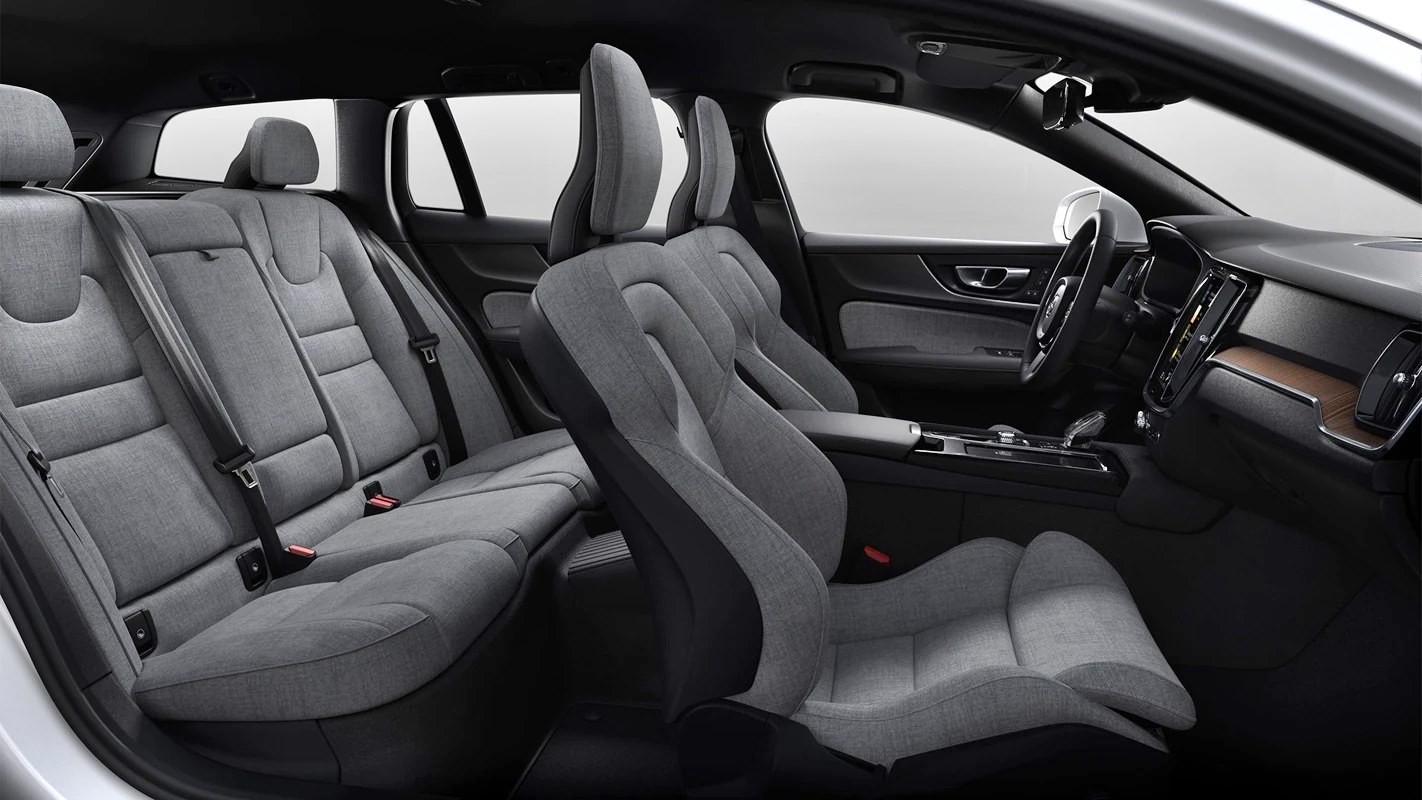
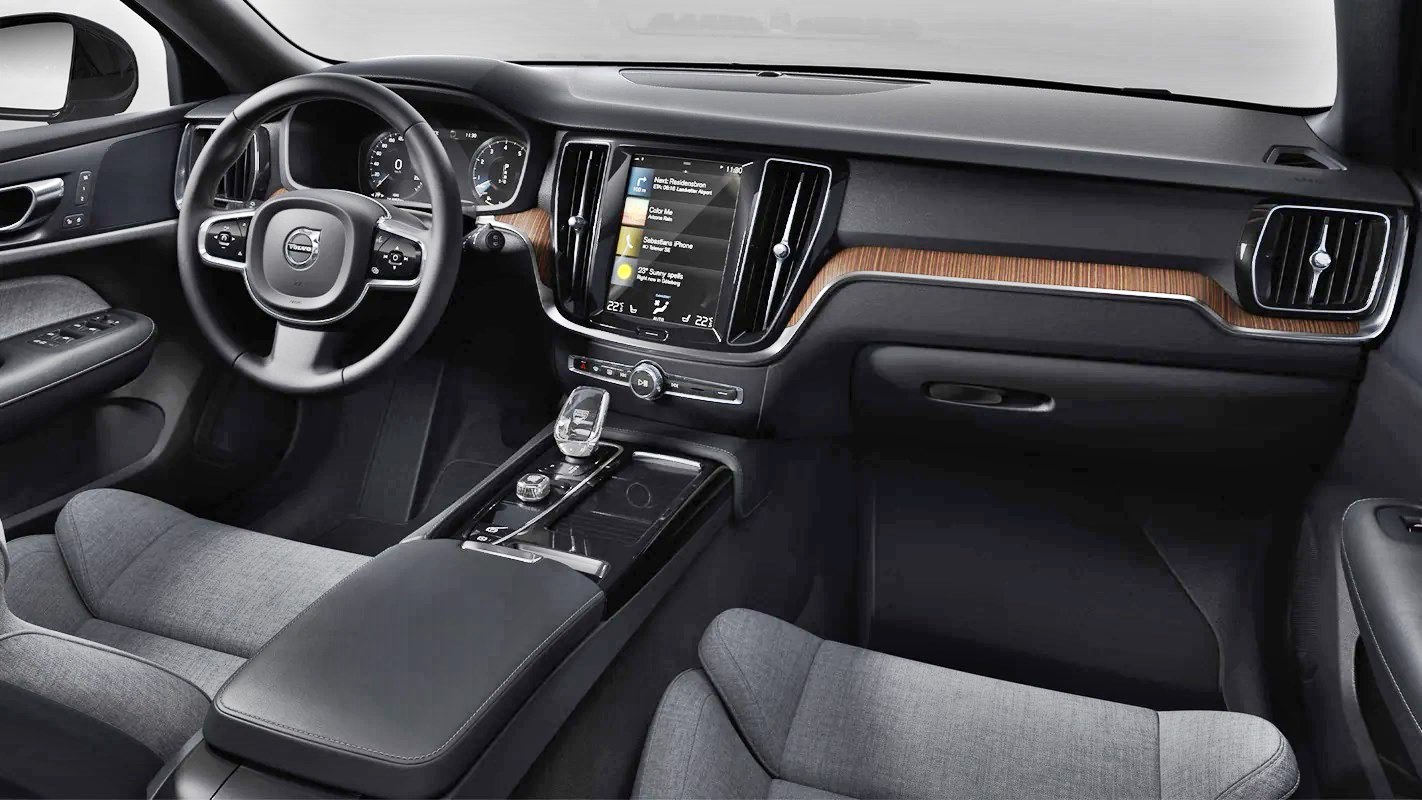
The interior too is what you would expect of a Volvo with their Scandinavian ambience and focus on functionality. These days, the emphasis is on using sustainable materials and ensuring that the cabin air is as clean as possible. And although the environment is like that of a premium sedan, there is still the versatility of a SUV with rear seats that fold down and extend the length of the boot.
“The addition of the Volvo V60 Recharge T8 as a PHEV brings Volvo another step forward in our electrification strategy. We are one step closer to realising our aspirations in having a fully electric line-up by 2030 as we move further into a more sustainable future,” said Charles Frump, Managing Director of Volvo Car Malaysia.
As the flagship of the Mercedes-Benz range, the S-Class has typically been the centerpiece of the brand. Each generation since the W 187 of 1951 has introduced new technologies, advancing safety, performance, comfort and quality. The pioneering technologies have influenced automotive engineering of its era, eventually trickling down as they became more affordable.
More than 4 million S-Class limousines have been delivered worldwide since the early 1970s when the ‘S-Class’ designation was used. Over 18,000 of those have been sold in Malaysia, where the model has been assembled locally for the past few generations. Assembled under contract in earlier years, the model has been assembled at Mercedes-Benz Malaysia’s own production facility in Pekan, Pahang, since 2007.
Today, the seventh generation of the model – also assembled at the Pekan plant – arrives in the market, a bit over a year after it made its global debut in Germany. Only one version is current offered – the S 580e – which is a long-bodied version. The price could not be confirmed in time for the launch although it will be more than the previous generation, according to Michael Jopp, Vice-President, Sales & Marketing Passenger Cars, at Mercedes-Benz Malaysia. He added that first deliveries will start from mid-January, but the waiting period is already stretched to the end of the first quarter of 2022.
‘580’ doesn’t mean 5.8 litres
The number of the model designations of many of today’s German cars no longer indicate displacement or cylinders as they once did. For instance, with the old 380SE, at least you knew the engine size was 3.8 litres. But with the new ‘580’, it is not 5.8 litres and the engine is actually an in-line 6-cylinder petrol engine of 3 litres and it is part of a plug-in hybrid powertrain (PHEV) with an electric motor.
The engine’s output is 367 bhp/270 kW with 500 Nm of torque available between 1,500 and 4,500 rpm, while the motor generates 110 kW with 440 Nm that comes on almost instantaneously. The combined output can propel the S 580e from 0 to 100 km/h in a claimed 5.2 seconds and up to a top speed of 250 km/h. If conditions permit, it is possible to run only on electricity for up to 100 kms. When the battery is empty, ‘refuelling’ will take up to 2.5 hours, depending on the charging method.
Hybrid powertrains are not new to Mercedes-Benz models in Malaysia and the company has sold them, even in the S-Class, some time. One concern owners have is the cost of the battery pack if it needs to be replaced as it is pretty expensive. But for the first 8 years or a maximum of 100,000 kms, Mercedes-Benz will provide warranty coverage which should offer some peace of mind.
Showcase for new technologies
As with every generation before, the new S-Class brings with it new and advanced technologies. One of them is DIGITAL LIGHT, which emanates from each headlamp. The light module has 3 extremely powerful LEDs with light that is refracted and directed by 1.3 million micro-mirrors. The resolution is therefore more than 2.6 million pixels per vehicle, allowing highly precise light distribution.
DIGITAL LIGHT also makes Highbeam Assist over 100 times more precise than 84-pixel light when excluding oncoming traffic or road signs from the light beam. Light/shadow graduations and the light distribution of all the other adaptive light functions are also realised with considerably more precision, optimising illumination in all ambient lighting conditions.
The aerodynamic efficiency is also very impressive, considering the size of the car. It is 0.22 Cd, which is one of the lowest figures in the world for a production sedan. The lower wind resistance of the shape means more power can be used to move the car, something that is highly beneficial with hybrid and electric powertrains. This has been achieved by lengthy wind tunnel research and then applying aerodynamic measures to various areas of the body, underbody and detachable parts.
Not visible are improvements in aeroacoustics; the new model’s quietness is said to be even better than the e previous generation which already excelled with a very high level of interior noise comfort. The high rigidity of the bodyshell provides the basis for this achievement, and is enhanced with fine-tuning.
Some examples are the apertures for the cable grommets in the firewall which have double seals, effectively stopping noise from the engine bay seeping through. To achieve an engine sound that is perceived as refined and unobtrusive in the interior, the firewall insulation has been extended into the side areas of the A-pillars and the floor area. Acoustic foam in certain bodyshell sections is also used for the first time.
Even with local assembly, Mercedes-Benz Malaysia follows the brand’s global policies to promote sustainability. This is possible as environmental aspects were already taken into account in the conceptual phase. More than 98 kg of components, derived from resource-conserving materials, are used in the S-Class. The number of components containing recyclates is now 120 – more than twice as many as in the preceding model. Another 40 kgs or so are made from renewable raw materials.
‘Third place’ lounge-like interior
The S-Class, with its limousine proportions, has always offered its occupants comfortable travel in a relaxing environment. With the new generation, the interior has fully evolved into a ‘third place’, a refuge between the home and workplace which many spend a lot of time in (at least in the pre-pandemic days when travel to and from office was the daily norm).
As with all Mercedes-Benz models in recent times, MBUX (Mercedes-Benz User Experience) is a highlight. Interestingly, it was one of the few significant new technologies that did not start in the S-Class but in the new A-Class launched in 2018. Since then, it has continued to evolve and gain more sophistication.
The second generation of this learn-capable system now debuts in the new S-Class. The possibilities for personalization and intuitive operation have become far more extensive, especially in the rear. Both the hardware and software have made great advancements with brilliant displays on up to 5 large screens (in part with OLED technology). The new 3D driver display allows a spatial view at the touch of a button for the first time – a real 3-dimensional effect without having to wear 3D glasses.
Using cameras in the overhead control panel and learning algorithms, MBUX Interior Assist recognizes and anticipates the wishes and intentions of the occupants. It does this by interpreting head direction, hand movements and body language, and responds with corresponding vehicle functions. As well as enhancing operating convenience, MBUX Interior Assist improves safety. Even before the journey begins, it notifies the driver if the camera has detected a child seat on the front passenger seat but the seatbelt is not fastened, for example.
The system now has a fingerprint scanner just below the central display which unlocks access more conveniently, yet securely, than entering a PIN. Also available is the MBUX Augmented Reality Navigation which connects the virtual world with the real world. The technology incorporates graphical navigation instructions and traffic information into live images to ensure drivers will reach safely and stress-free,
The voice assistant ‘Hey Mercedes’ is constantly learning, by activation of online services in the Mercedes me App. Moreover, certain actions (like accepting a call) can be performed even without using ‘Hey Mercedes’ which, incidentally, can also be activated from the rear.
Revolution in interior design
Just as with introducing new technologies to the car, the interior designers have also strived to create a revolutionary interior design, including associations with interior architecture and yacht design elements. The sculptured look of the dashboard, centre console and armrests appears to float above an expansive interior landscape. The systematic reduction in the number of controls underscores the minimalist appearance of the interior. A fine divide between the upper section of the dashboard and the large trim element structures the area and creates horizontal breadth.
The driver display and media display offer a comprehensive aesthetic experience. The appearance of the screens can be individualized with a choice of four display styles (Discreet, Sporty, Exclusive, Classic) and three modes (Navigation, Assistance, Service). New design elements include the flat, 4-square centre vents with horizontal nacelles, rather than the sportier turbine-like vents in other models.
Besides 5 screens, other highlights in the cabin include large areas of trim in the dashboard and in the rear. These flow around the passengers and are a systematic further development of the wrap-around effect. The Anthracite open-pore poplar wood trip lends the interior an individual look.
Even in the seats, Mercedes-Benz has made such they qualify as technological benchmarks for long-distance comfort. The complex technology inside the seats uses multiple motors for adjustments in the tiniest dimension. The flowing, 3-dimensional layer design theme gives an impression of lightness with its nappa leather upholstery. The adjustment range and angle of the front passenger seat in the chauffeur configuration and the reclining seat behind it have been improved as well.
Thanks to LED technology, the new S-Class has also taken a leap forward in its interior lighting with interactive interior lighting for the first time. The active ambient lighting supplements ambient lighting with an additional layer of light. It is integrated into the driving assistance systems, and is able to reinforce alerts visually. This also makes corresponding feedback possible for the comfort systems. This applies to the climate control system or the ‘Hey Mercedes’ voice assistant.
Offered as standard with the new S-class is a Burmester 3D surround sound system. The German specialist in audio systems has been providing custom-developed sound systems for Mercedes-Benz model since 2013. The sound emanating from the high-quality speakers can be specifically optimized for the front and rear seats to give a very personalized listening experience.
Continued leadership in safety
In the area of safety, Mercedes-Benz has certainly held a leadership position, often developing and introducing more advanced safety features and systems. The S-Class, being the flagship, has had the honour of being the first model with new safety technologies. One example is the airbag, which made its first appearance in a production car in 1980 when the S-Class (W126) was launched. It was initially only for the driver and then the passenger also got one, and today, there are airbags on the sides of the cabin as well and one to protect the driver’s knees.
The new S-Class again takes a pioneering role by having the world’s first rear airbags. These are integrated into the backrests of the front seats and deploy in a severe front impact. They deploy gently and protect strapped-in outer rear seat passengers against contact with the front seats. The loads on the head and neck can thus be reduced significantly.
With the new S-Class, Mercedes-Benz comes another big step closer to its vision of accident-free driving. The driver is supported by numerous new or extended driving assistance systems that reduce the driving workload in daily motoring and fatigue on long journeys. This leads to better alertness behind the wheel and therefore safer motoring.
However, there may be situations where the driver might not react in time, and this is where the assistance systems come in. They can detect other vehicles and (at very high speeds) determine the possibility of an accident, and activate the brakes if no action is taken by the driver. The emergency braking functions serve to protect other road-users, too. The operating principle of the systems is made visible by a new display concept in the driver display. Thanks to improved environmental sensors, the parking systems also give the driver even better support when maneuvering at low speed.
The PRE-SAFE system, which has been present for some time in Mercedes-Benz models, has comprehensive protective measures to reduce injuries during accidents. Upon detection of a likely impact, it can prepare the occupants for a side-on collision and reduce the risk of injury. Like a bodyguard, it pushes the driver or front passenger away from the danger zone towards the inside. The impulse is created by the movement of the seat side bolsters in the front backrests.
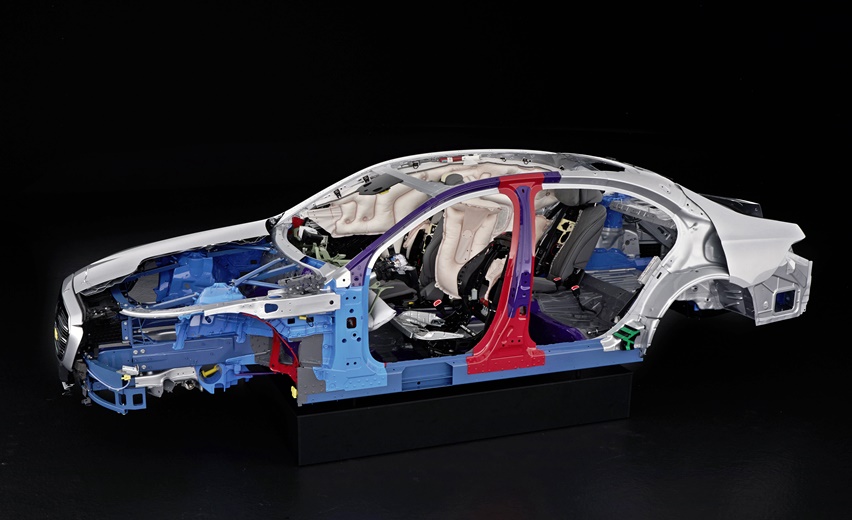
Besides innovations in restraint systems, the intelligent bodyshell design uses a new aluminium hybrid body shell. The content of the lightweight material exceeding 50% meets numerous requirements while lowering weight and contributing to better handling and ride comfort.
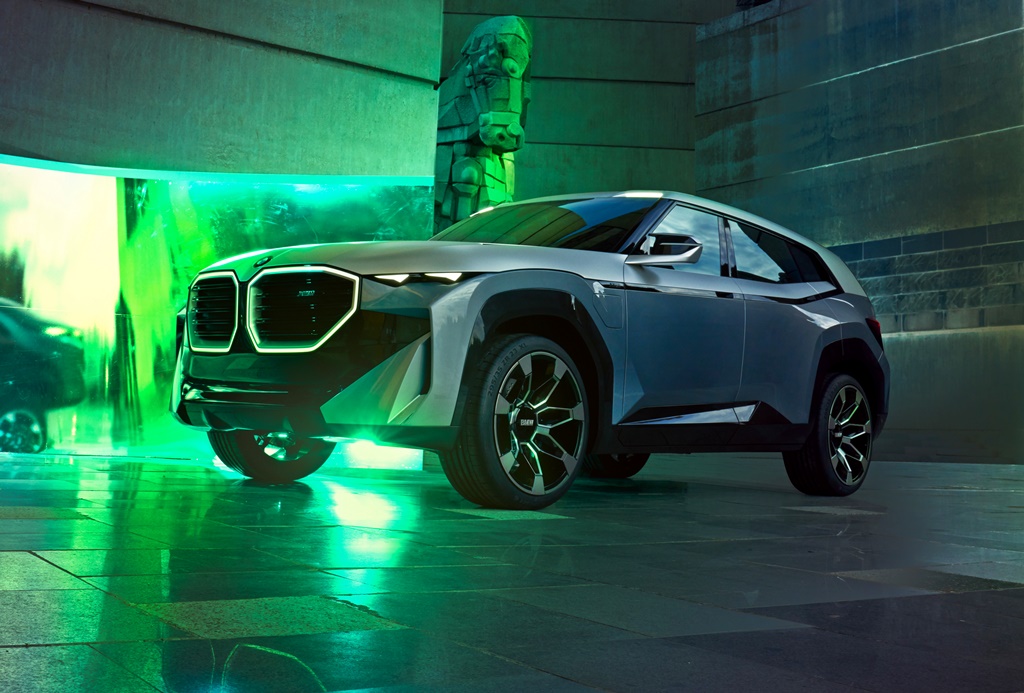
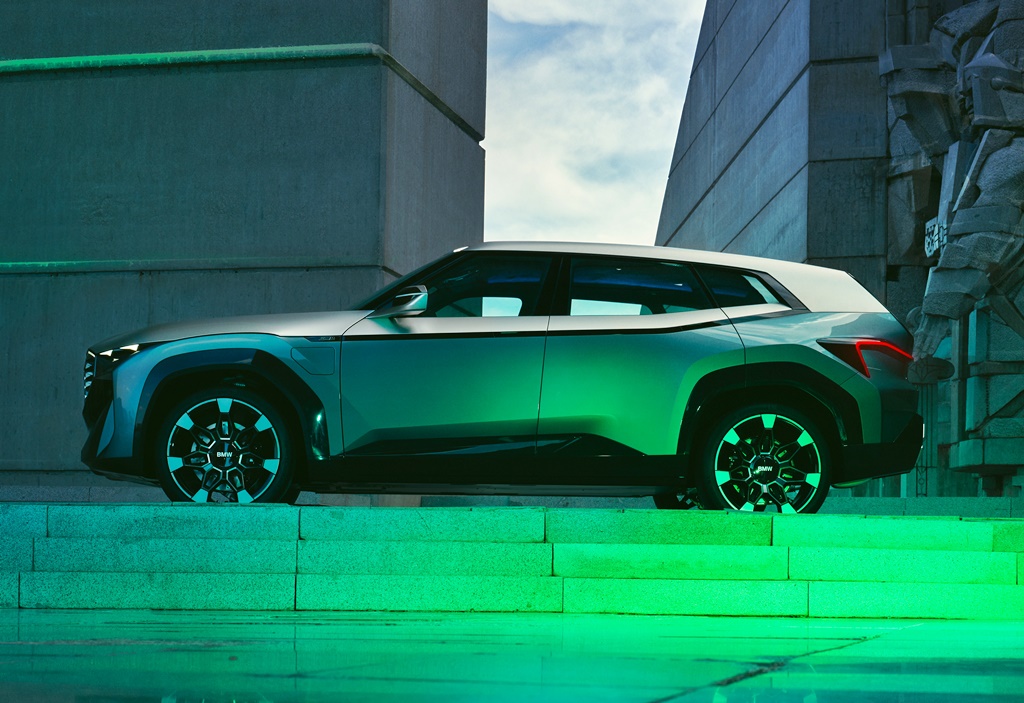
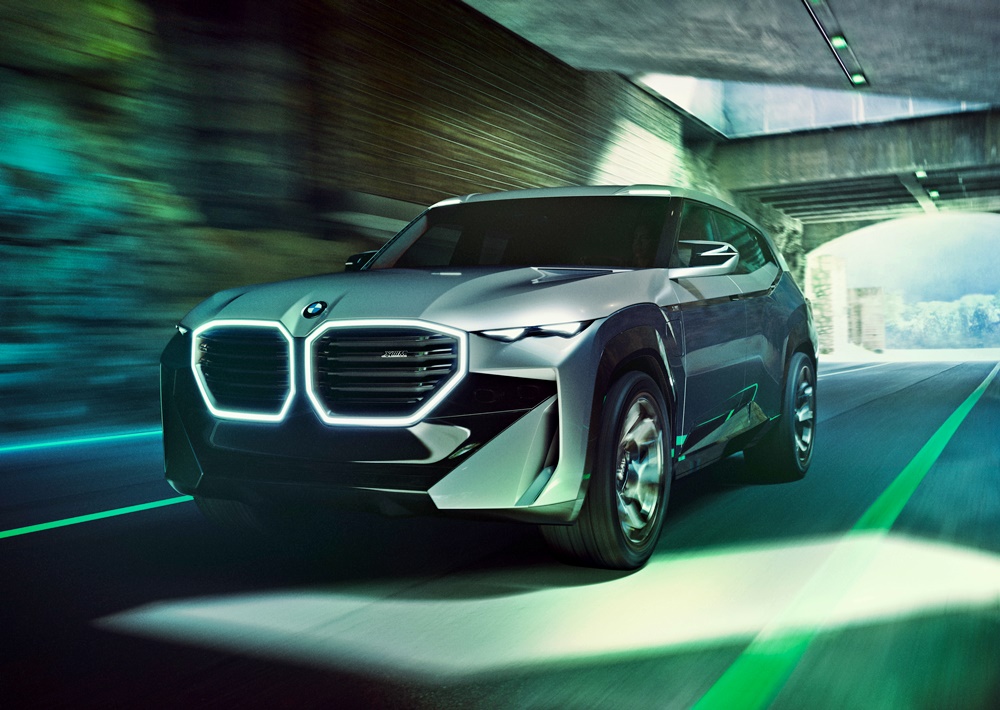
At the Art Basel 2021 Miami Beach show in Florida this week, BMW M will present the Concept XM as a look ahead to the most powerful BMW M car ever to go into volume production. It also provides a first glimpse of the new front-end design for BMW’s forthcoming luxury-class models with its distinctive take on BMW X model design.
The new design language
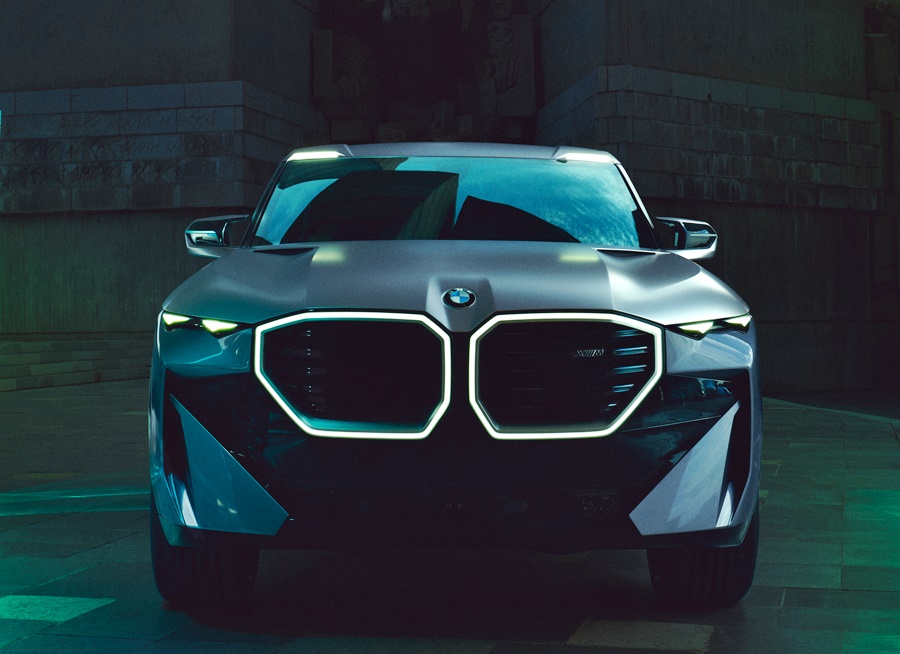
The slim and iconic daytime driving lights (DRLs) and the contour lighting of the emotive kidney grille are the main focal points. The horizontal grille sits prominently between the headlights and tapers towards the outer edges, producing a near-octagonal outline that emphasizes the front end’s dynamic character. The black kidney grille elements are enclosed within an intricate surround and appear almost to be floating freely within a high-gloss black surface. M-style double bars within the grille add to the perception of width.
The boldly sculpted bonnet extends the contours of the kidney grille back in the form of two power domes. A pair of air intakes in the bonnet mimic the appearance of the LED searchlights in the roof and framing the statuesque body at its lower edge are the clean-cut black surfaces of the front apron. Triangular body-coloured blades at the outer edges accentuate the vertical air intakes while emphasizing the sporty and robust stance.
The visually expressive silhouette exudes presence with its size and the design language uses strikingly sculpted surfaces and extravagant lines. The two-tone paint finish further accentuates its distinctive lines, with the upper section in matt gold-bronze, while the lower section sports the Space Grey metallic shade.
Below the window graphic, a broad, High-gloss Black line – the ‘black belt’ – separates the two exterior colours. The signature M exterior mirrors give the car a clean-cut and technical, sporty edge. Throughout the side view, deliberately short character lines, which start off boldly before fading softly, accentuate the car’s agile, modern feel.
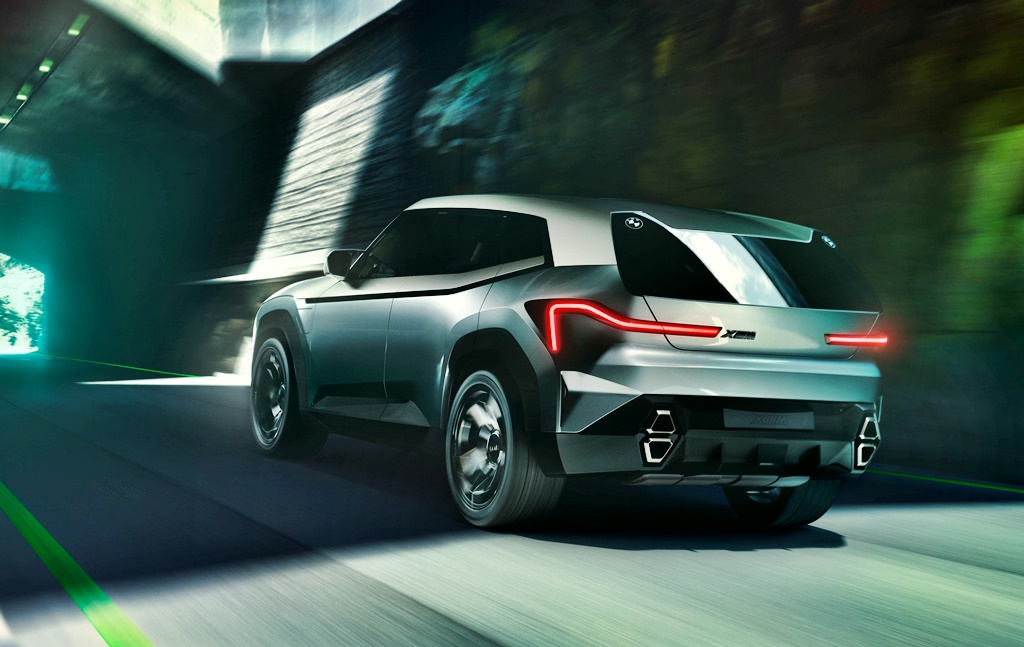
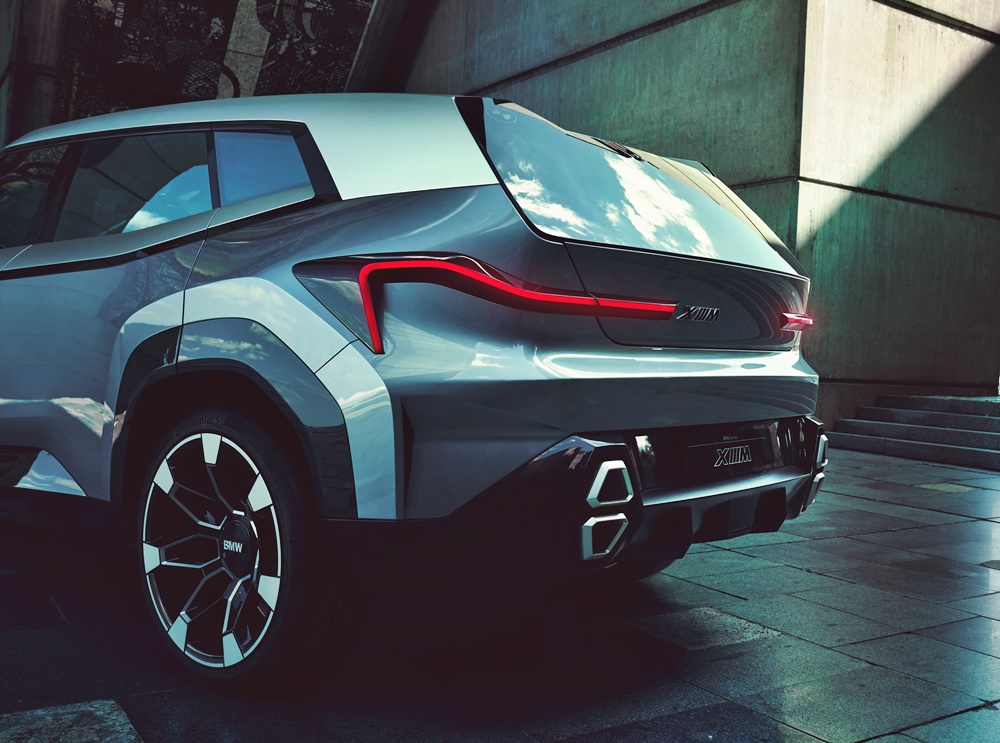
The expressive rear lights extend well into the car’s flanks and create an eye-catching transition into the rear. The black cladding typical of BMW X models above the wheels and on the sideskirts is very clearly defined and gives the body an elevated appearance.
The glasshouse of the Concept XM rises vertically and the colour of the roof contrasts with the black finish of the A-pillars. The windscreen seems to have an even heavier rake as a result, injecting modern dynamism into the front end. Slim LED searchlights have been incorporated into the roof above the A-pillars, adding to the SAV (Sport Activity Vehicle) image.
At the back, the rear window is inserted almost seamlessly into the rear end. The fresh interpretation of the design can also be seen in the arrangement of the BMW logo, which is laser-etched into the window below each of the two rails. This is a stylistic reference to the BMW M1, to date the only example of a standalone model developed exclusively by BMW M (and that was back in 1978).
Lower down, dominating the rear apron, are the characteristic twin tailpipes of BMW M models. The dual-branch, twin-tailpipe exhaust system reduces backpressure for the engine and also generates the emotionally rich M-typical soundtrack accompanying the engine’s imposing power delivery. The vertical arrangement and hexagonal interpretation of the tailpipes are a new take for this classically iconic feature.
PHEV only
The production model will have only a plug-in hybrid powertrain (PHEV) and it will be BMW M’s first electrified high-performance model. In the Concept XM, the powertrain is a M Hybrid drive system which combines a V8 engine and a high-performance electric motor to develop maximum output of 750 ps and 1,000 Nm. More detailed technical information is not available at this time but there is a claim of up to 80 kms running on just electric power.
Driver-focused cockpit
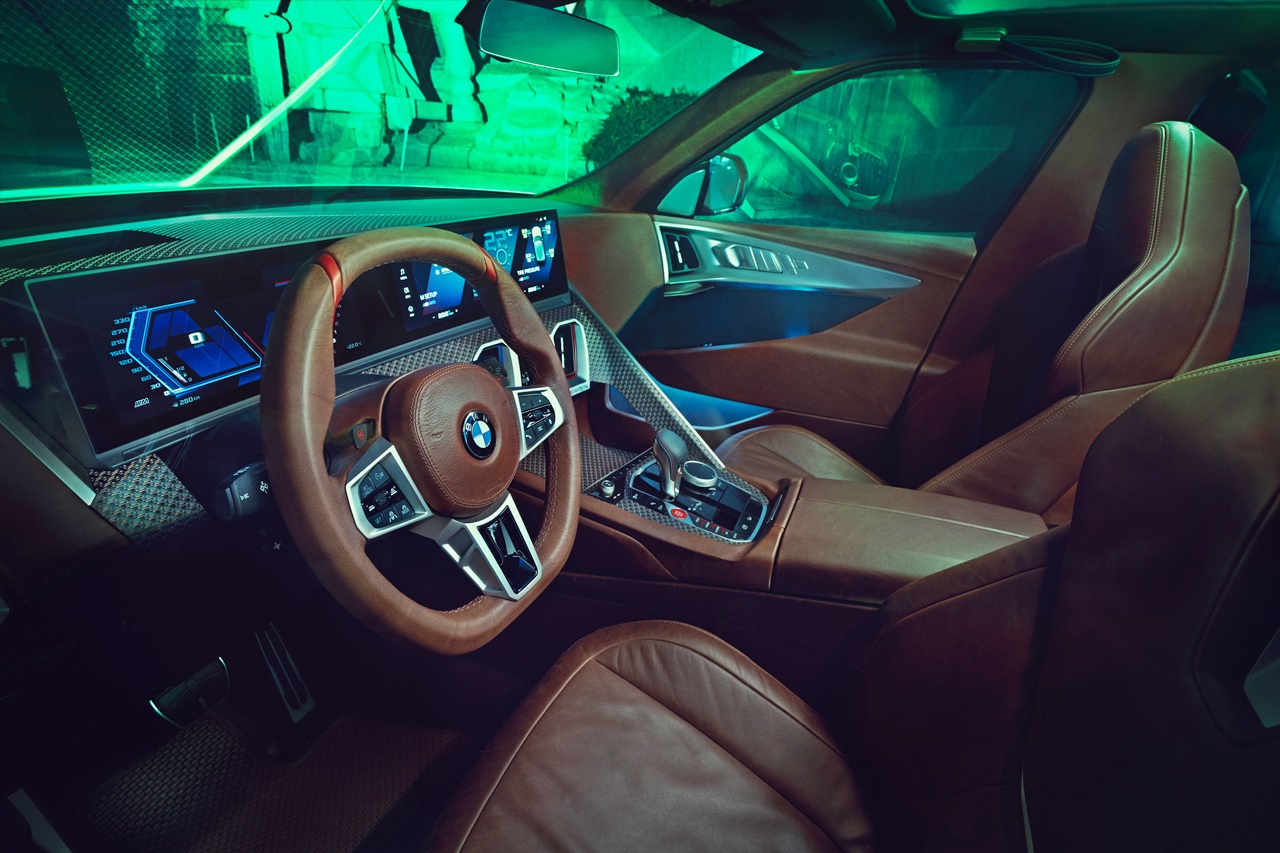
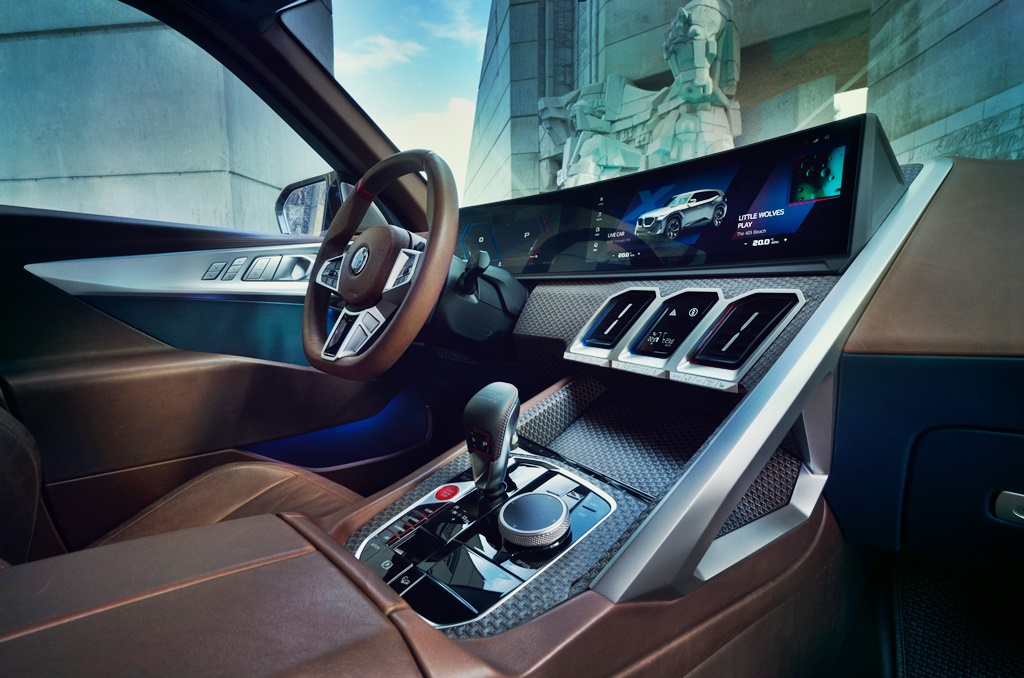
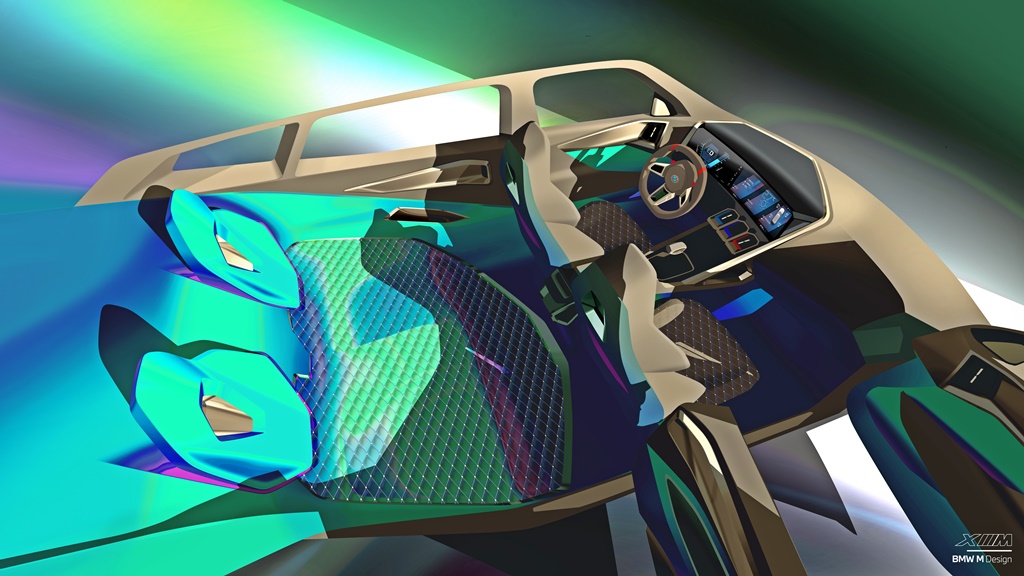
Like other M models, the cabin of the Concept XM has a driver-focused cockpit design. The lines and surface design of the instrument panel, centre console, door trim and seats give the ambience in the front compartment a progressive feel with their powerful geometry and high-quality materials. A bold trim element provides clear visual separation between the driver’s area and the other sections of the car.
The new BMW Curved Display screen grouping positioned creates a neat balance between traditional driver focus and modern digitality. Red accents on the steering wheel and centre console are M-specific references, while a trio of vertical elements presented in the three colours of the BMW M brand logo form the heart of the centre console.
The M Lounge
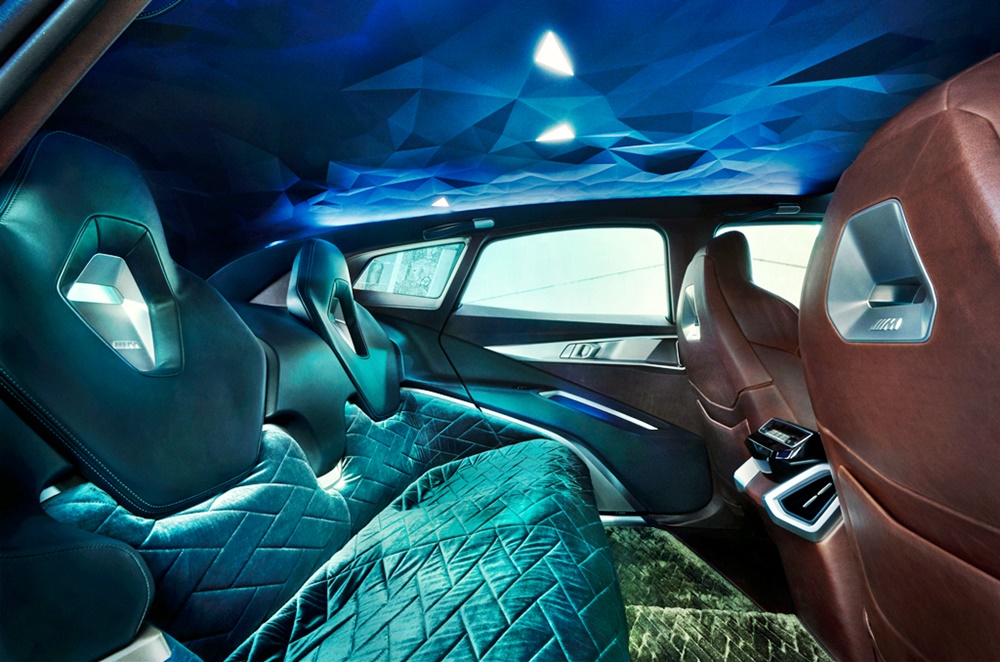
The rear area is referred to as the ‘M Lounge’, with special materials and expressive details for the seats along with black-tinted rear side windows. The large rear seat bench with its deep seat recesses forms an inviting space to relax. Only the diamond-shaped area of the head restraints – which provides the supporting function familiar from BMW M Sport seats in other models – is leather-trimmed. The lower sections of the seats offer high comfort and an exclusive couch character with their luxurious velvet upholstery and diamond quilting.
Illuminated and sculptural headliner
The visual highlight of the cabin is its headliner with a 3-dimensional prism structure. A combination of indirect and direct lighting produces a relief-like structure which showcases the headliner as an exclusive work of art. Together with the ambient lighting, it highlights the Concept XM’s blend of luxury and comfort to extremely striking effect. The ambient lighting can be activated in the three BMW M colours.
Production from end of 2022
The production model – the BMW XM – will be built from the end of 2022 at BMW’s factory in the USA which was also where the company first SAV, the X5, was built in 1999. The US market is a big market for BMW SAVs and is expected to be the most important sales market for the new high-performance model.
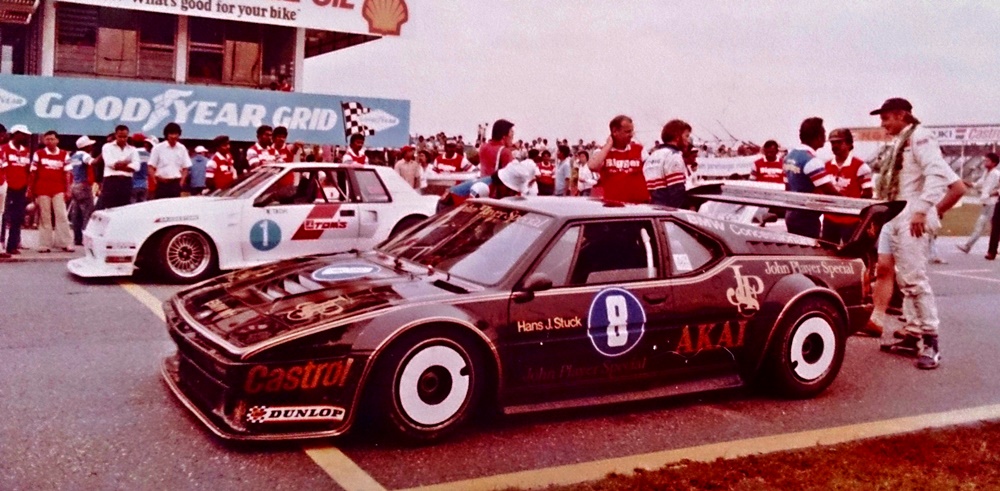
The BMW M1 has so far been the only example of a standalone model developed exclusively by BMW M (in 1978). This picture shows one of the 453 cars built at the end of a race in Malaysia’s Batu Tiga circuit in the 1980s.
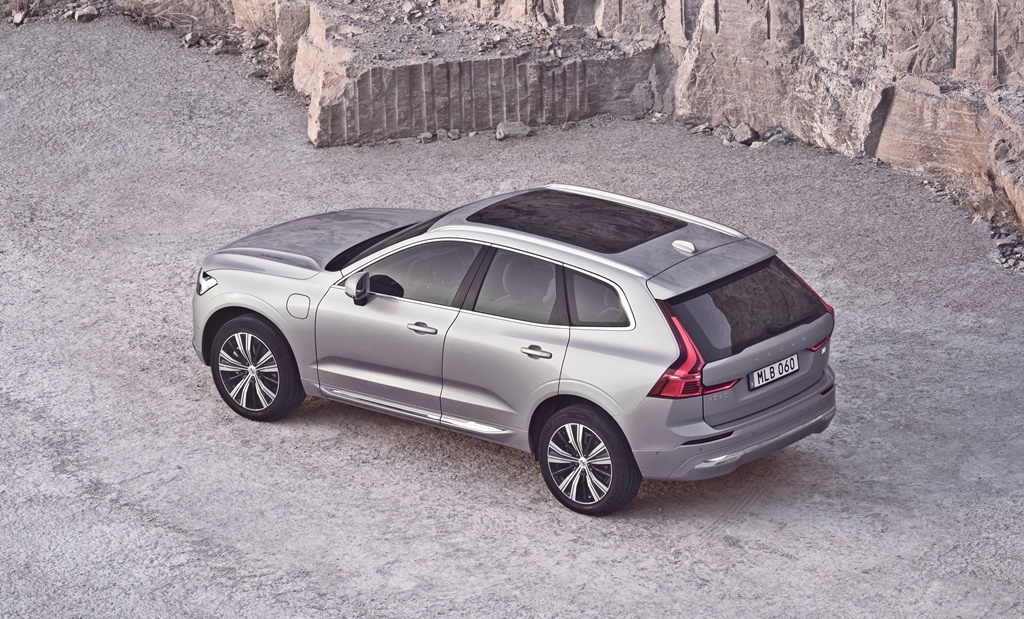
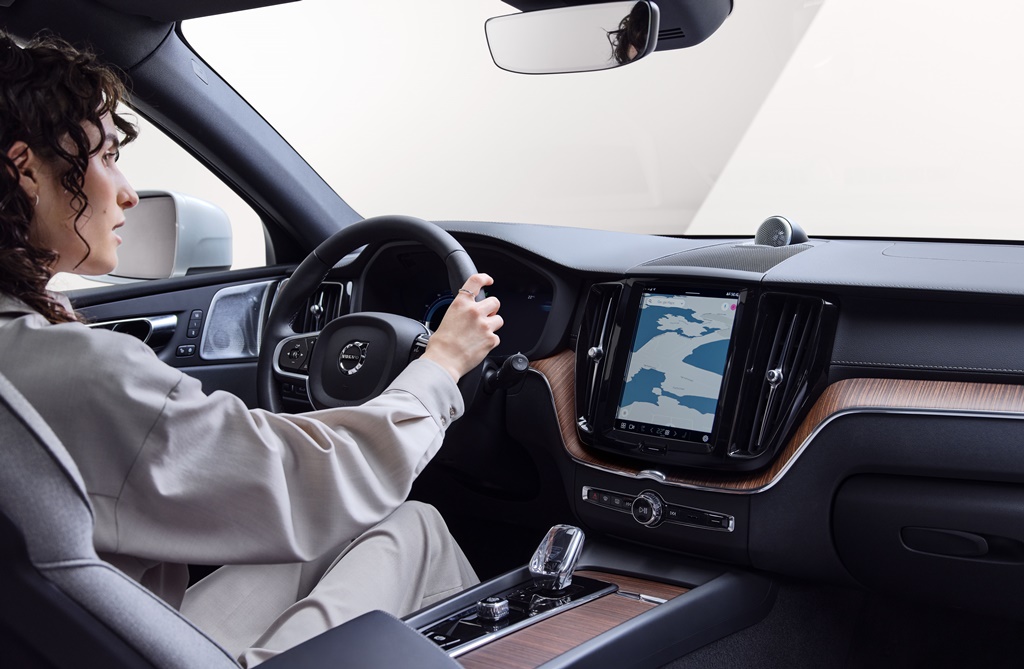
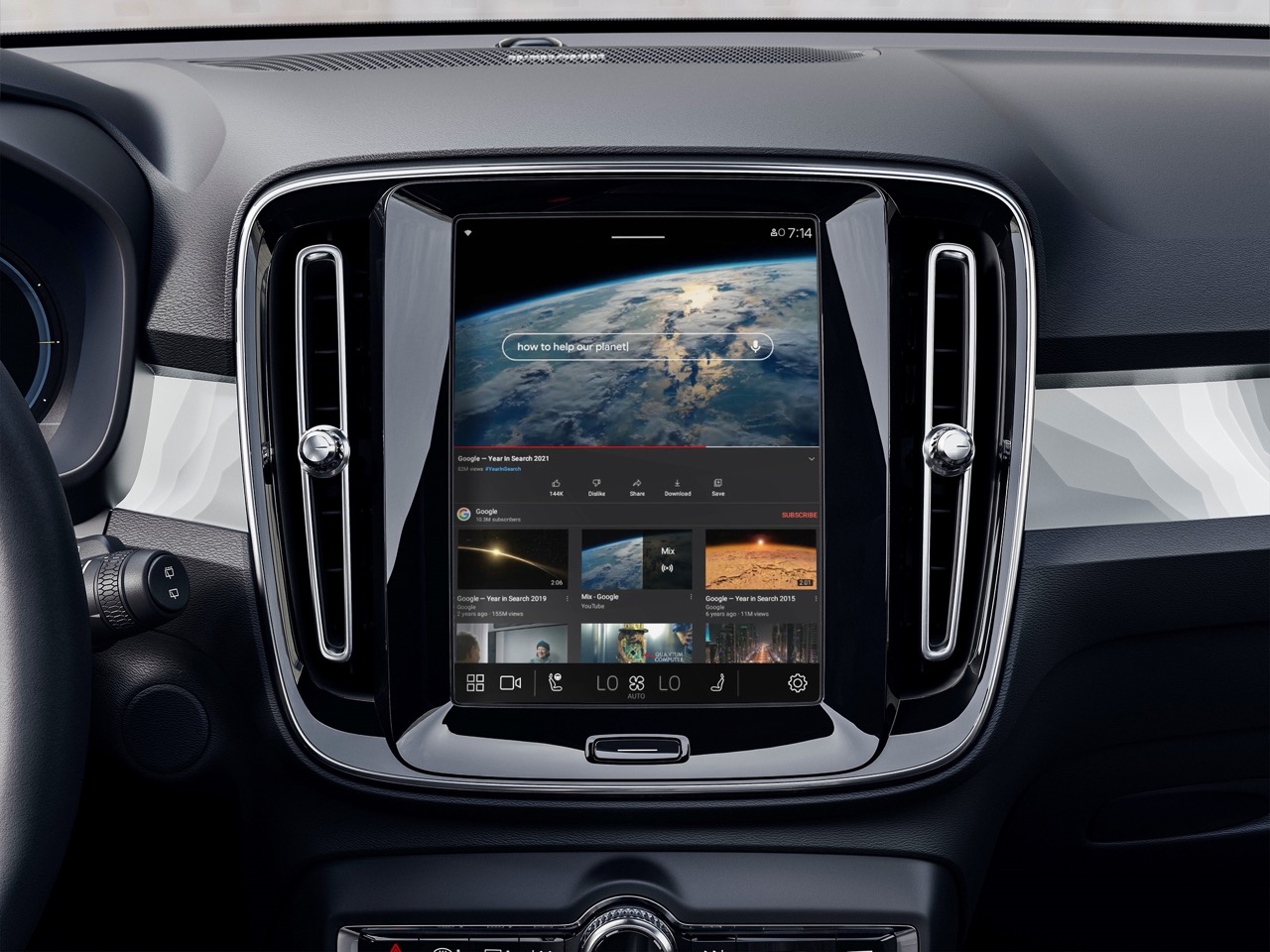
Volvo Car Malaysia has updated its XC60 and apart from cosmetic changes and added safety features, the significant new feature is integration with Google Services. This is the outcome of the partnership between the Swedish carmaker and Google which sees a first-of-its-kind built-in infotainment system complete with a host of Google Services.
Volvo Cars is the first company to team up with Google to integrate an infotainment system powered by Android with Google apps and services such as Google Assistant built in. This means that Volvo drivers can get the same sort of apps that they have on an Android smartphone integrated with their infotainment system and use voice commands to manage and operate them.
Of course, there is now also Android Auto which can mirror apps from a compatible smartphone onto infotainment systems but having the apps and services as part of the system is even better.
Additionally, with the Volvo Car App and Connected Services, the driver can be easily connected to the XC60 using a mobile device. This enables convenient remote control of several functions, eg cooling down the cabin by starting the air-conditioner, checking vehicle status, locking/unlocking the doors, etc.
Referring to the latest model as ‘The Smarter XC60’, Charles Frump, Managing Director of Volvo Car Malaysia, said that with Google Services, customers can get the most intuitive infotainment experience in the automotive industry. “It fully delivers on our brand promise to provide the freedom to move in a personal, sustainable and safe way,” he said.
The latest XC60, priced from RM325,449 (without insurance and sales tax), has a new grille, new front bumpers and a new exterior colour. For the Recharge T8 version, there are also new 19-inch 6-multispoke black diamond-cut alloy wheel design and a Bowers and Wilkins sound system as standard.
As an electrified model, the XC60 uses hybrid technology with its 2-litre 4-cylinder petrol engine that has a supercharger as well as a turbocharger. The combustion engine output is 407 bhp/640 Nm with the electric motor contributing 87 bhp/240 Nm. All that power goes through an 8-speed Geartronic automatic transmission and propels the car from 0 to 100 km/h in a claimed 5.3 seconds.
In the past, that sort of performance would mean high consumption but the XC60 is said to be able to do up to 45 kms/litre. This is because the powertrain does not run on the petrol engine all the time and depending on conditions, it use the electric motor which means no fuel is consumed. There is even a mode that can ‘lock’ the powertrain in pure electric mode but only for a limited distance as it will be constantly drawing on power from the lithium-ion battery pack.
Volvo built much of its reputation on safety and the XC60 ensures that is maintained. While the early Volvos had impressive passive safety (which protects occupants when an accident occurs), today’s models have more advanced Active Safety systems. These Advanced Driver Assistance Systems (ADAS) can help to avoid collisions, keep the car in its lane and even stop the car at a junction if another vehicle is approaching from either side (but the driver is unaware). Small cameras provide a simulated image of the area around the vehicle so the driver can spot hazards and also park more precisely.
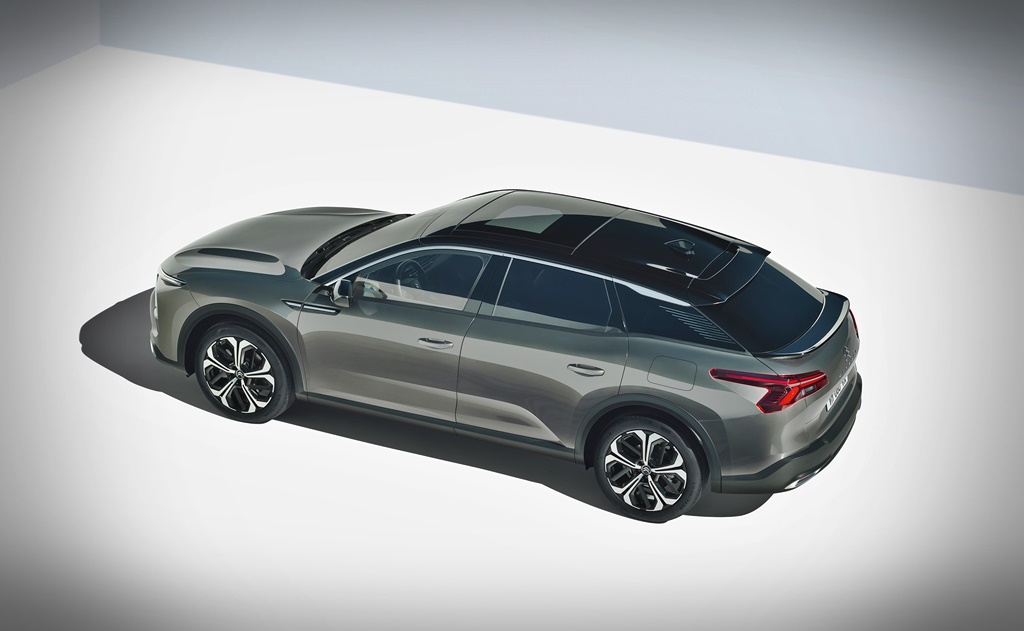
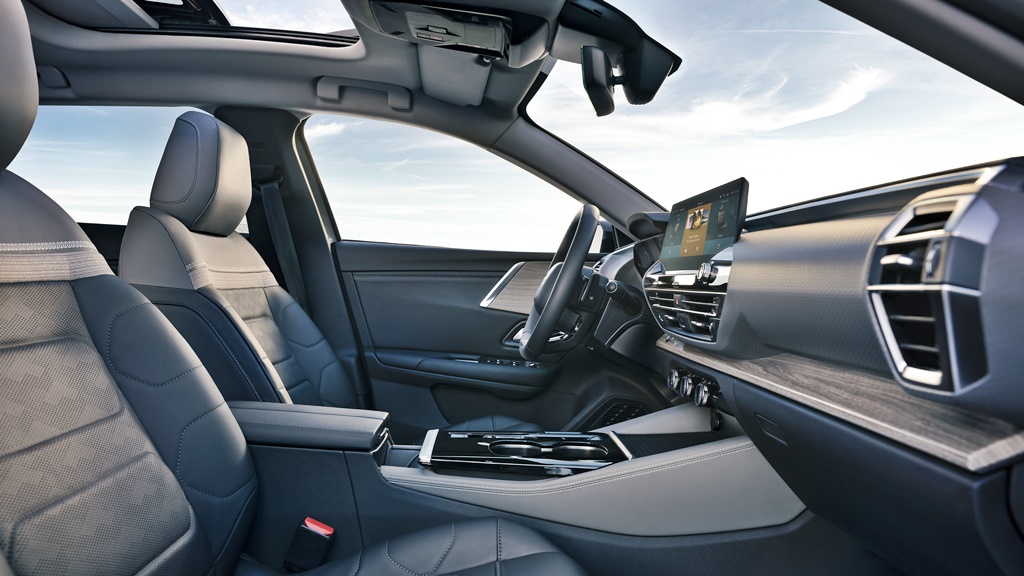
While SUVs are still very popular around the world, the designs have settled on a few common forms, depending on the segment. For Citroen, which has long designed its cars with a degree of uniqueness, looking for a new styling concept was the challenge given to the designers. The new model would have to combine the modernity and appeal of an SUV, the elegance and status of a saloon, and the versatility and practicality of a station wagon.
SUV with alternative design concept
Their proposal is the new C5 X which meets the expectations of customers wanting large tourers and those who are also looking for a more modern and stylish alternative to more traditional SUV’s, saloon and stationwagon models. “With the all-new C5 X, Citroen is revisiting the spirit of touring – the ability to travel in an elegant, refined car and set off to discover the world with complete peace of mind,” said Vincent Cobee, CEO of Citroen.
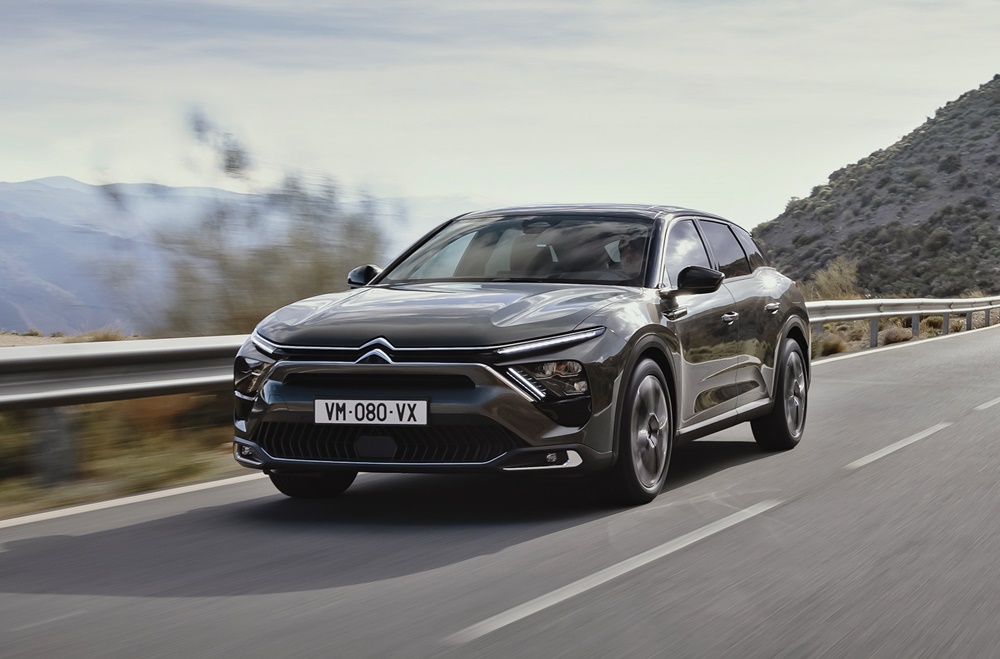
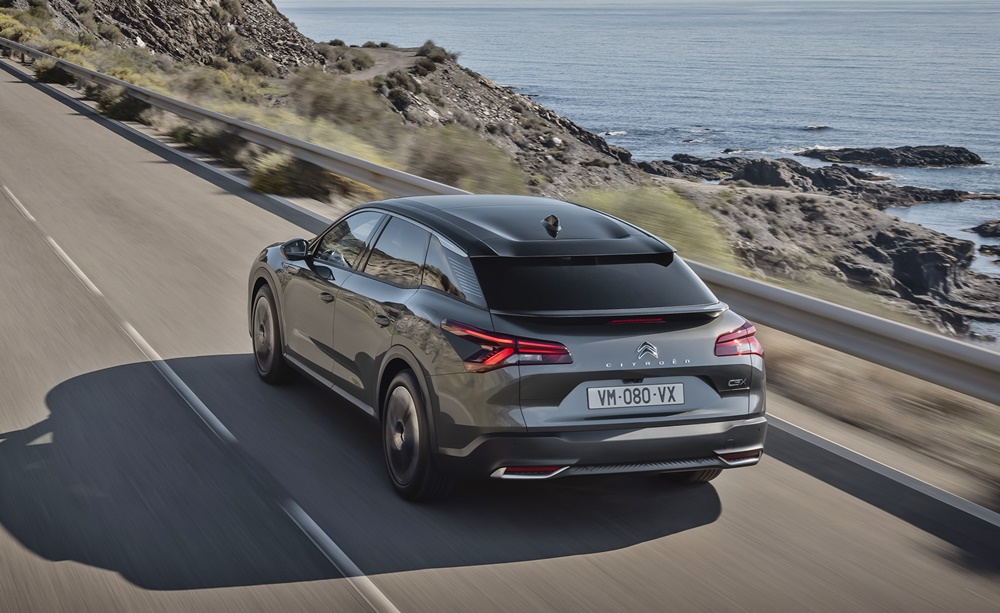
The bodystyle of the C5 X is muscular with optimised aerodynamics to reduce fuel consumption, with a streamlined profile drawing inspiration from aeronautics. The fluidity of the bodystyle is emphasised by the car’s tight, muscular volume. The extended bonnet, the high beltline and the rear wheel flare give it distinction, dynamism and sturdiness, common among Citroen’s larger vehicles.
The streamlined profile combines with a raised ride height and large diameter alloy wheels to give a more commanding view than would be available in a saloon or stationwagon. Around the wheel arches, vertical surfacing detail enhances the vehicle’s character. They highlight the large-diameter wheels while ensuring that air flows along the length of the body.
Coupe-inspired roofline
The elongated coupe-inspired sloping roofline ends with a ‘floating’ aerodynamic spoiler to further enhance the dynamic silhouette. The impression of a ‘floating roof’ is further enhanced through gloss black a-pillars, door pillar trims and dark tinted rear. As an option, customers choose a bi-tone Perla Nera Black roof for a more stylish appearance.
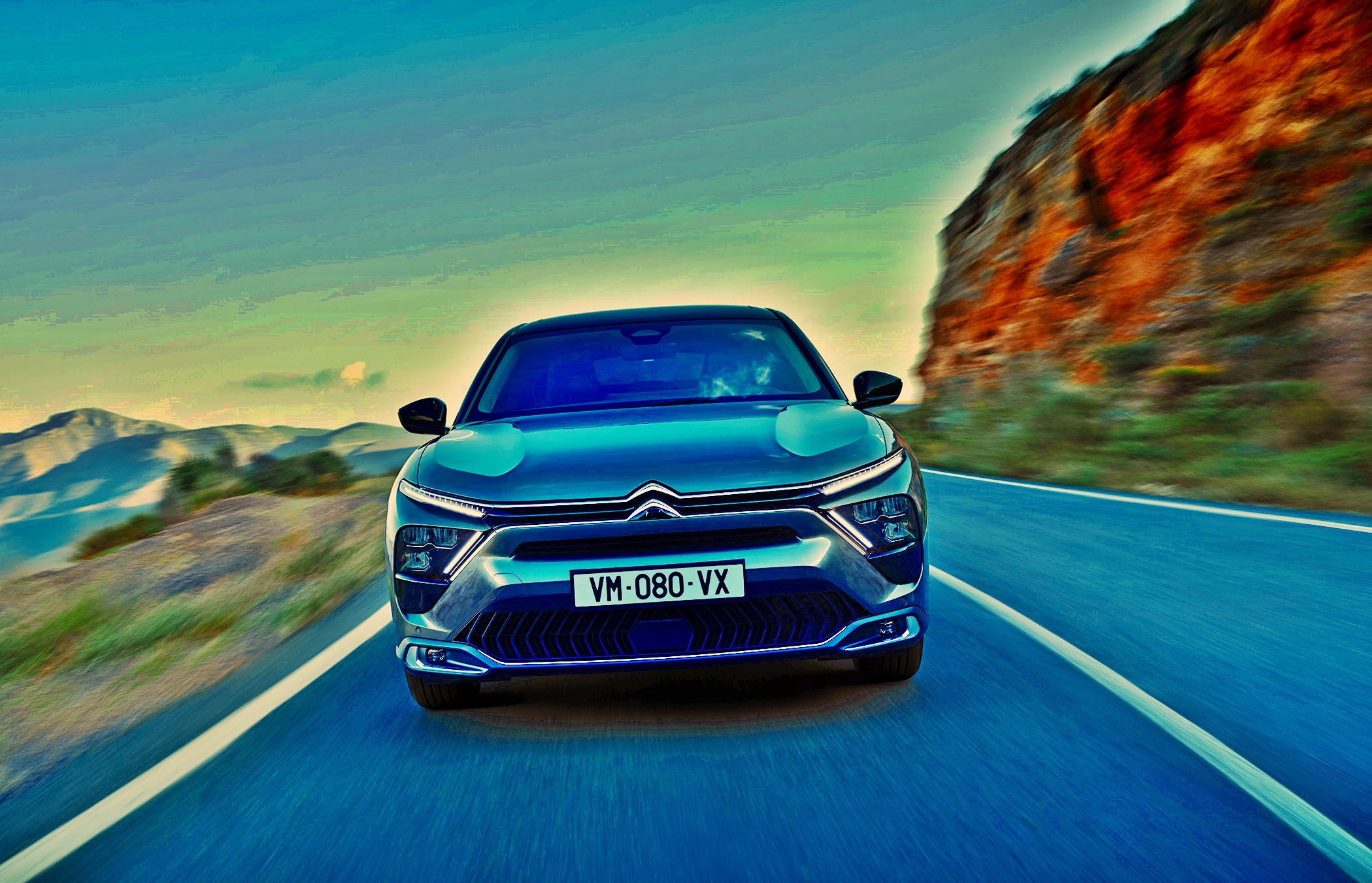
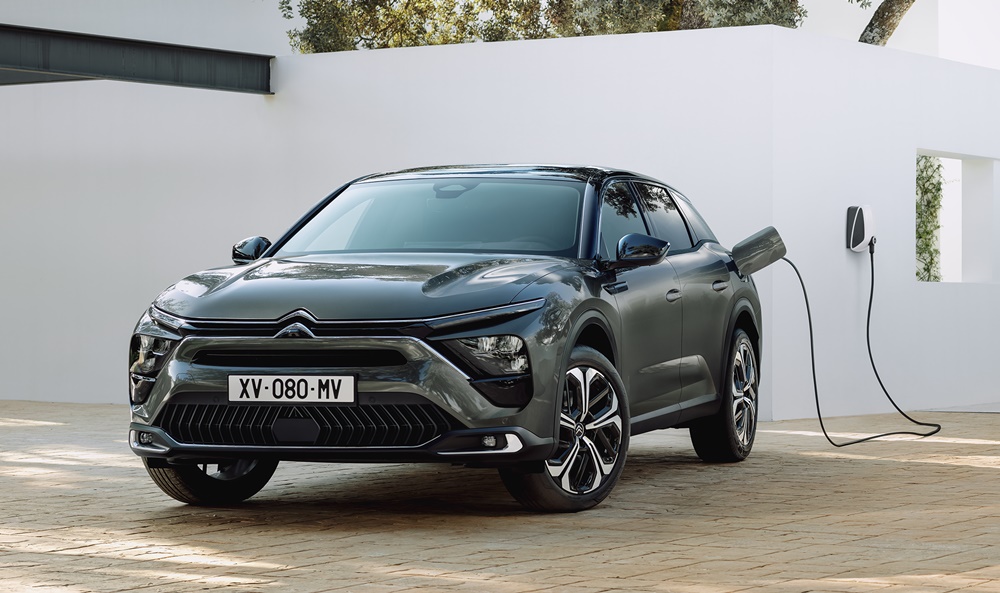
The LED V-shaped lighting signature representing Citroen’s new identity echoes the 3D rear light signature for greater consistency. The upper chevrons highlight the end of the bonnet and stretch right up to the LED daytime running lights, highlighting the width of the front end. The lower chevrons stretch up to the LED headlights and daytime running lights for a high-tech look.
A close look at the lighting signature will reveal real attention to detail. Small light veins create a graphic chevron design in the headlights that highlight the car’s look and reinforce the signature, particularly from the front three-quarter view.
The bonnet is long and horizontal, and positioned fairly low with pair of large scalloped design details, reminiscent of the latest C4 and C5 Aircross SUV. The lower air intake, highlighted by a chrome strip, has a highly geometric design – one that draws inspiration from chevrons – and houses the main radar used for the car’s driving aids.
Stationwagon practicality at the rear
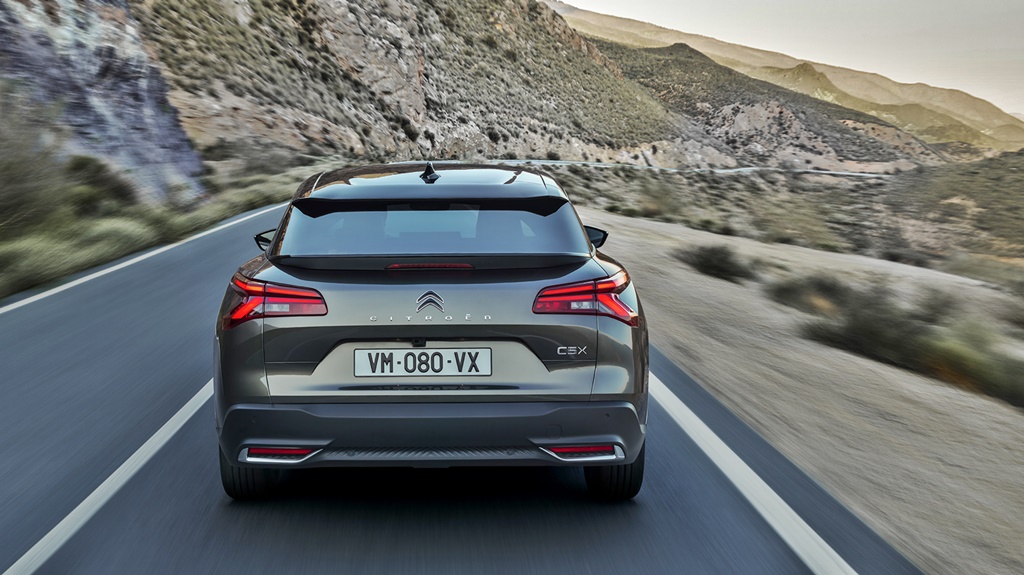
To the rear of C5 X, dual spoilers combine to give a very dynamic look. This, combined with the steeply raked tailgate window design, helps to continue the flowing silhouette. Further details – such as the crisp lines around the lower part of the tailgate and bumper coupled with the lower chevron pattern and the chrome decoration around the reflectors – emphasise the vehicle’s width.
The rear of the car is also designed to be practical and provide more volume for the driver, offering stationwagon levels of modularity. The tailgate provides a wide and functional opening with a low loading sill.
Plug-in hybrid powertrain
The powerful 225 ps plug-in hybrid powertrain is claimed to give a range of up to 55 kms. Combustion engines will still be available but Citroen is not providing information on them yet.
Other technical details available at this time include Citroen’s Advanced Comfort Active Suspension system, with the cabin having a lounge-like interior space and Advanced Comfort seats
Production of the C5 X will start towards the end of this year with first deliveries starting during the first quarter of 2022.
Vaccination does not make you immune to COVID-19 infection. You can still get infected and you may not show symptoms but spread the coronavirus. Do not stop taking protective measures such as wearing a facemask, washing hands frequently and social distancing.