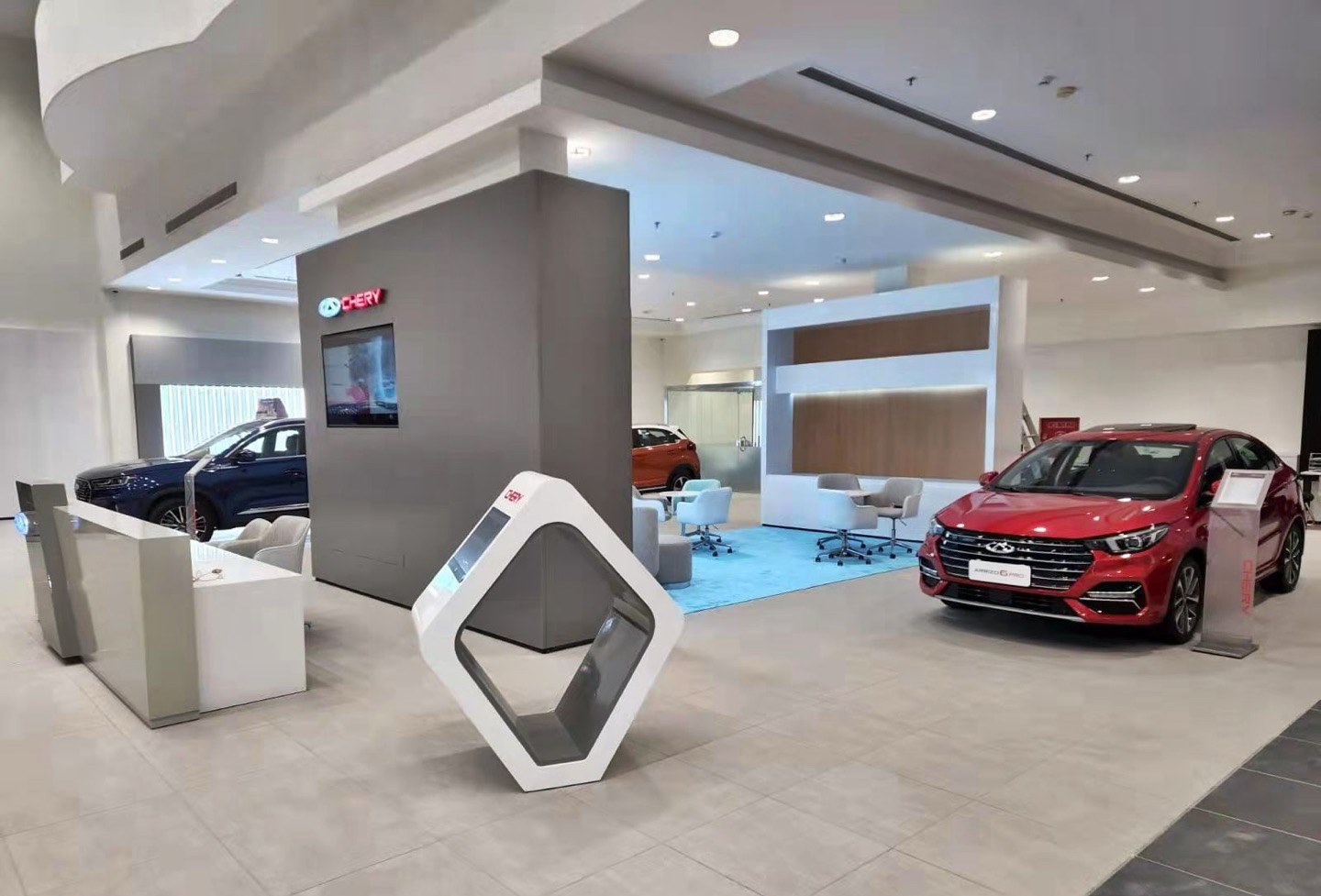
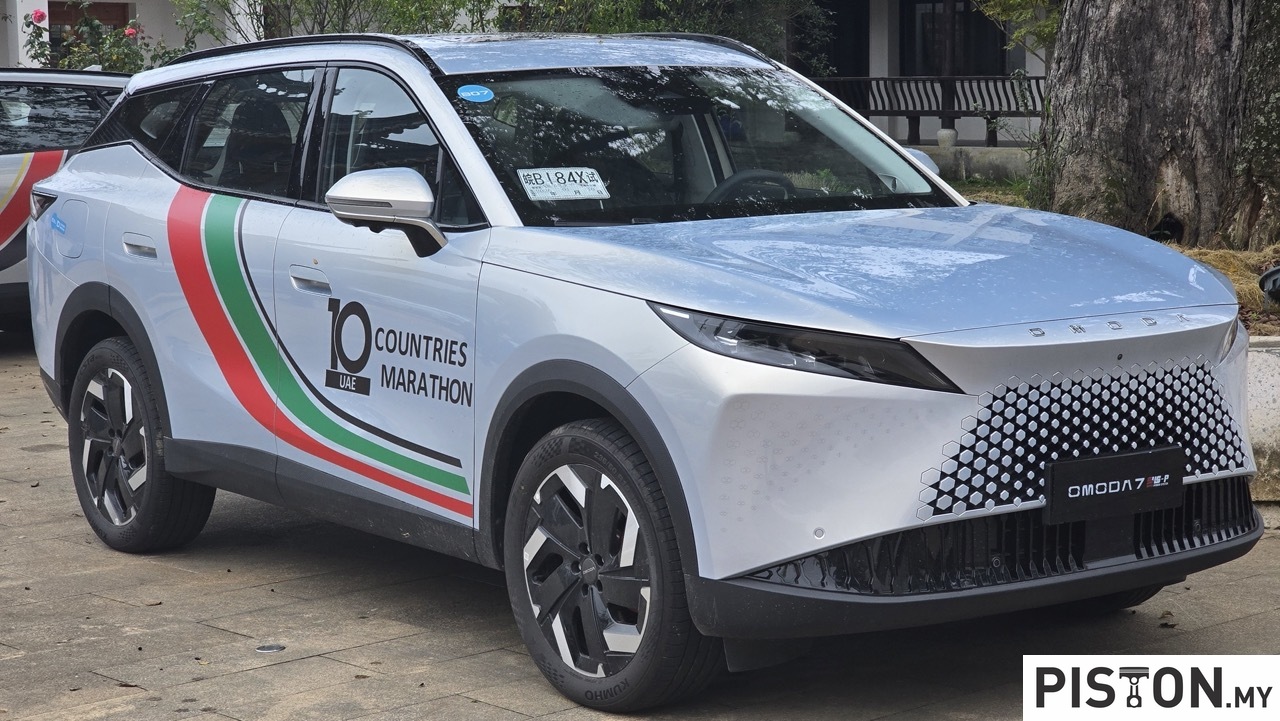
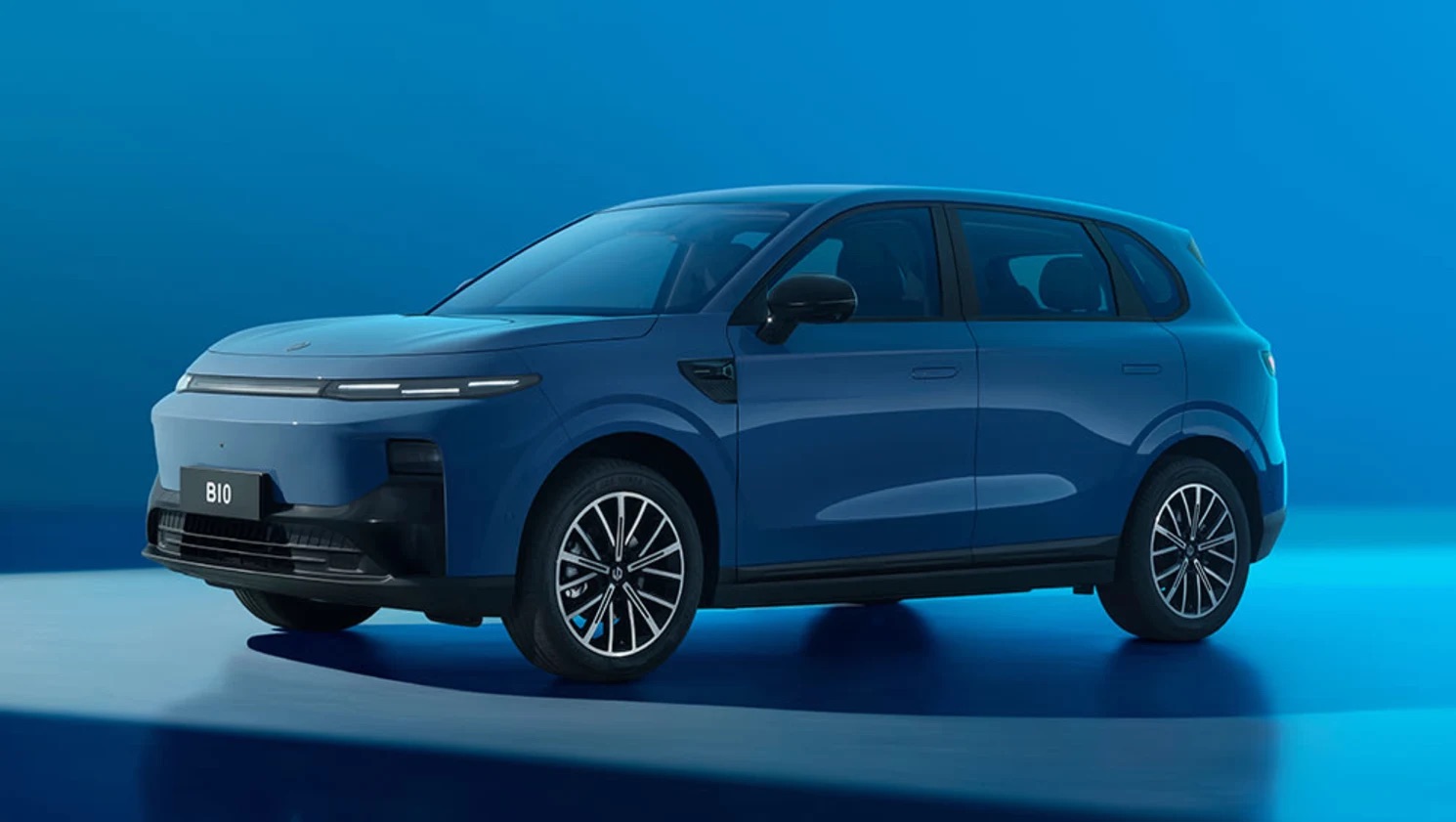
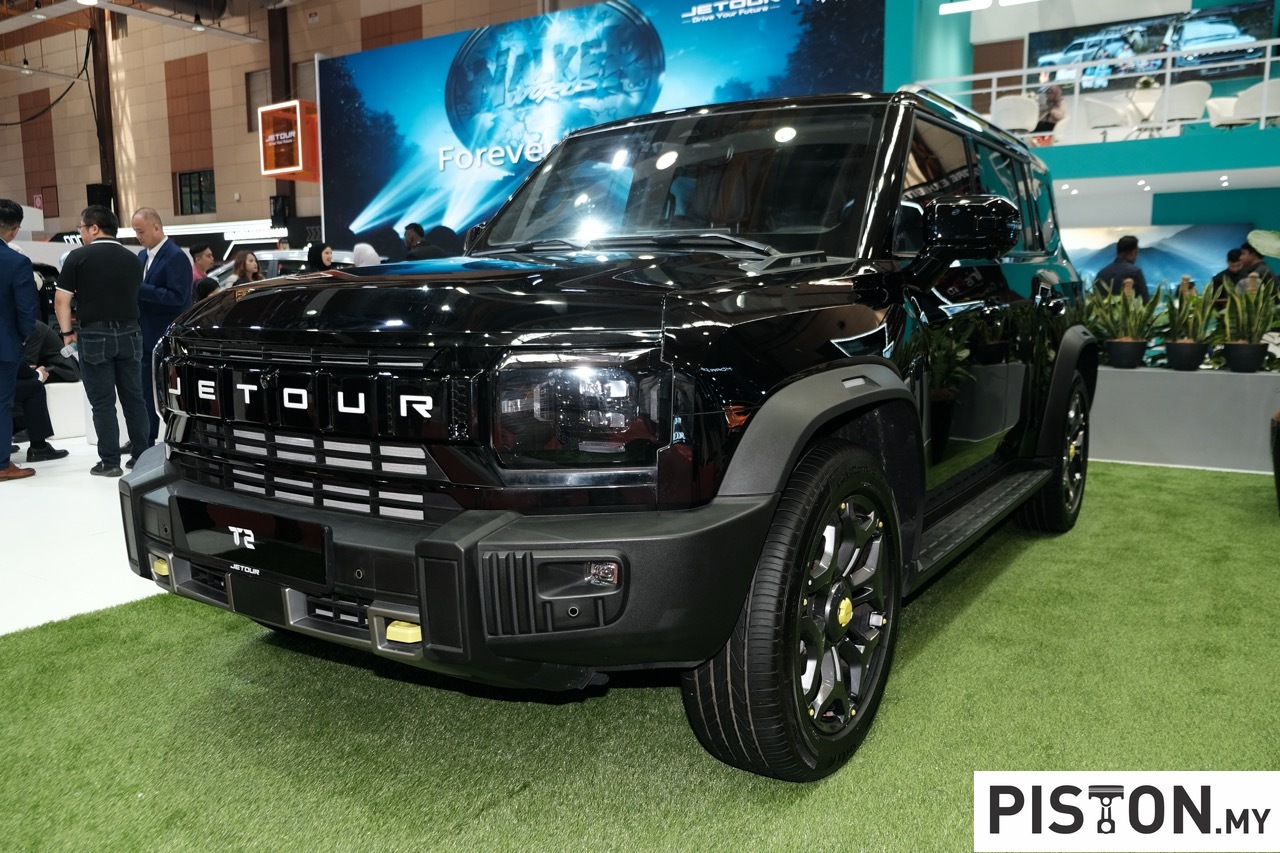
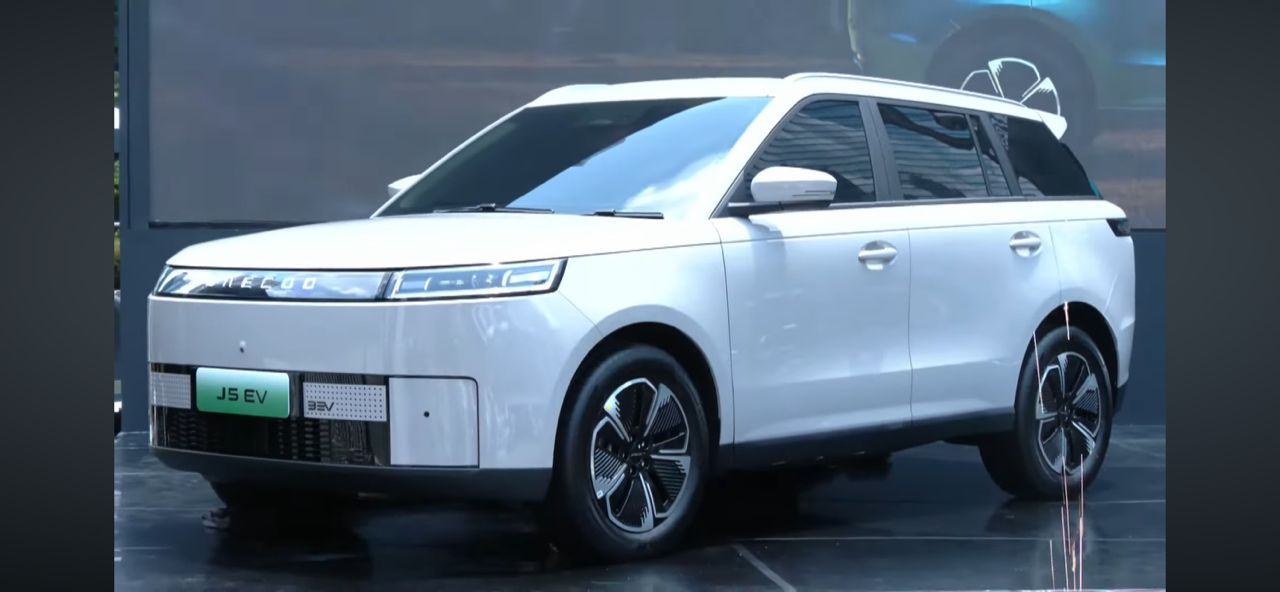
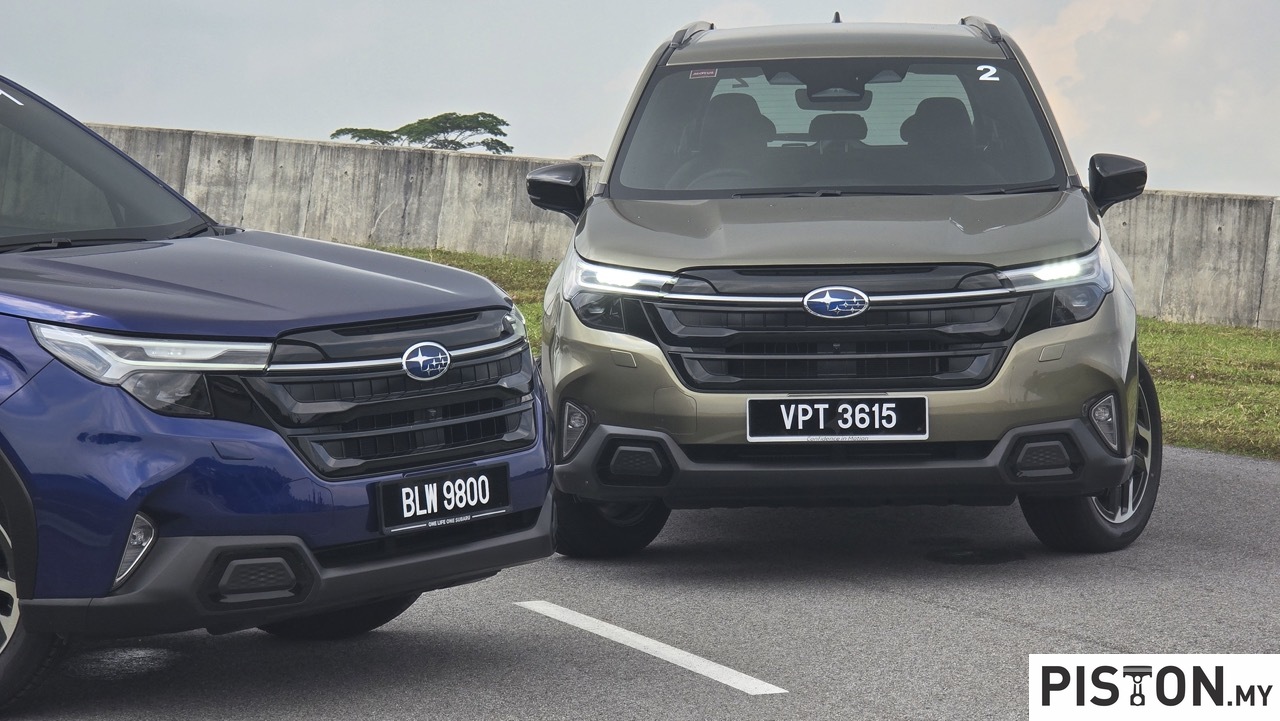
Whatever memories you may have of being a Chery owner before, things will be different when Chery returns to the Malaysian market in the near future. Apart from a totally new and modern range of models like the OMODA 5 and Tiggo Pro, sales and aftersales are promised to be top quality and in line with the global standards of the Chinese carmaker.
Chery is confident that it can deliver on this promise as its return to the Malaysian market will be handled by its own subsidiary (to be established in due course). Previously, it was on represented by a local company so it did not have direct control on how the business was run.
The direct involvement of the manufacturer is good because that is the brand owner, and therefore has the strongest interest in ensuring that the brand image is good. Some manufacturers do business at ‘arms-length’, leaving most of the marketing and aftersales activities to their local partner who may or may not be equally committed since the partner does not own the brand. With the brand owner participating (and making its own investment), there will be better guidance and direction which should benefit customers.
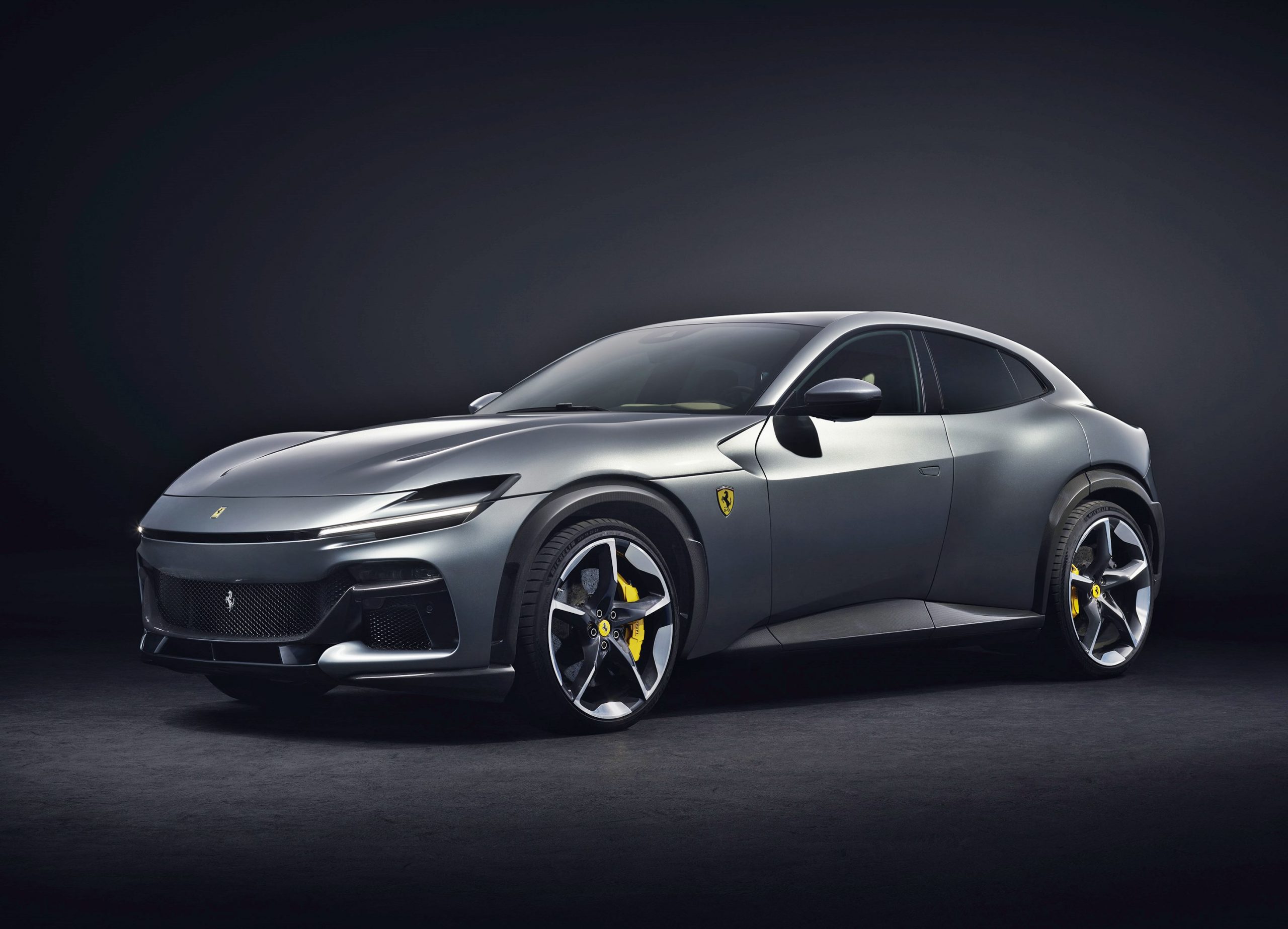
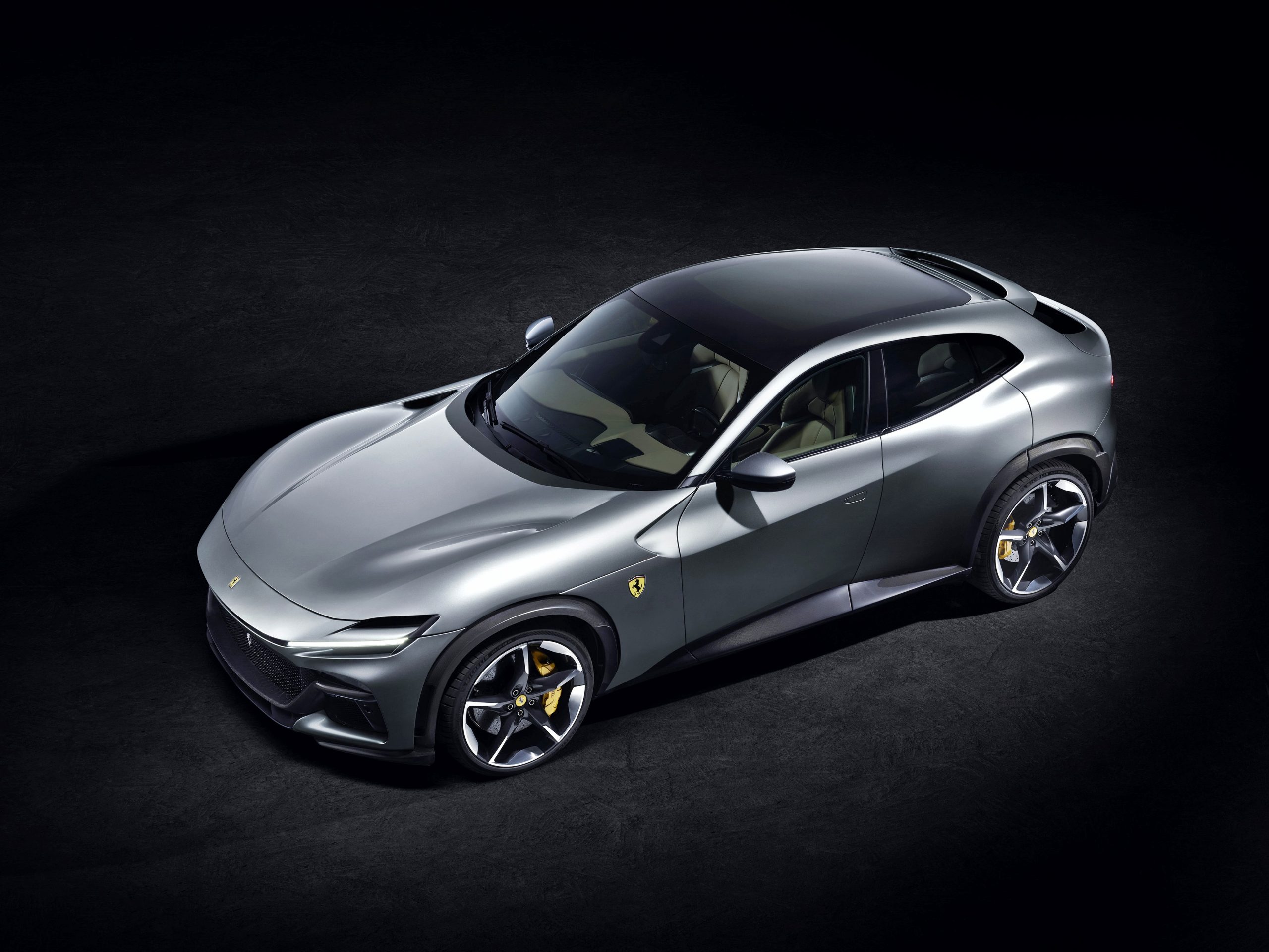
Although it seems like every carmaker has a SUV today, that’s not really been the case. Ferrari did not jump on the SUV bandwagon like Lamborghini but even they have to offer customers such a car. And as with some other carmakers, they have tried to disassociate their new Purosangue as ‘another new SUV’ but rather, another new Ferrari.
Porsche tried that same line too when they launched the Cayenne as their first SUV, referring to it more as ‘another new Porsche’. And Rolls-Royce, perhaps feeling ‘Sport’ and ‘Utility’ are not appropriate for the brand to be associated with, chose to initially refer to their Cullinan as ‘a high-bodied car’.
But ‘SUV’ has become so embedded today, after having been in use since the `1990s’, that carmakers trying to call their SUVs something else have eventually had to call them that. Some try to use crossover which refers to a blending of SUV and passenger car, with a bit more of the latter.
Anyway, here it is – the first ever SUV in Ferrari’s 75-year history. Just as Volvo took a long time to come out with its first SUV because it had to be satisfied that the important issues of safety were fully addressed, Ferrari has also taken time to ensure that the driving dynamics and performance of allow the Purosangue to have the Prancing Horse on its bonnet.
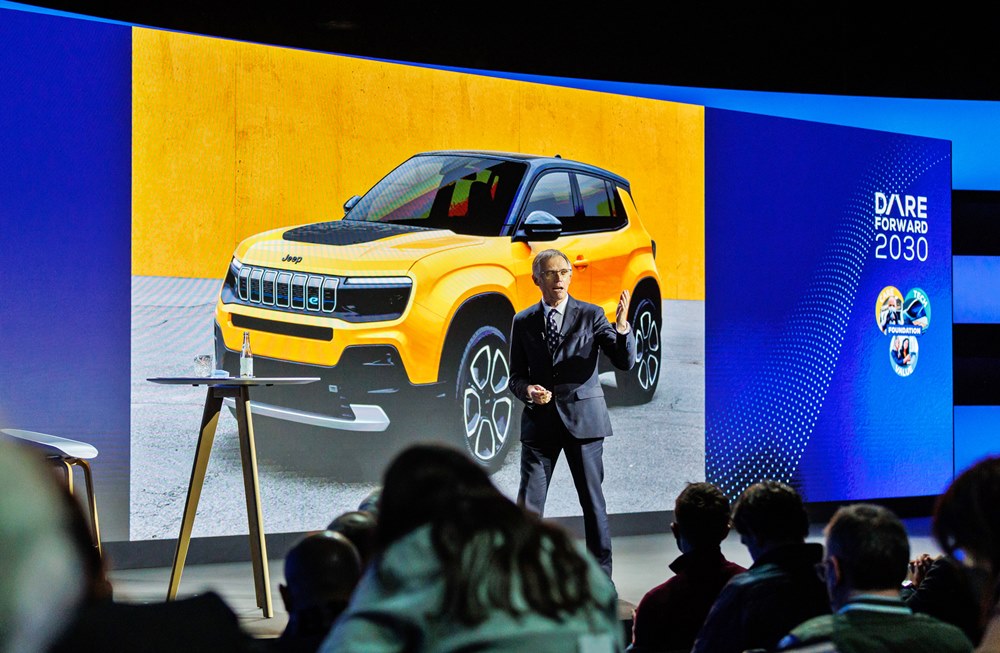
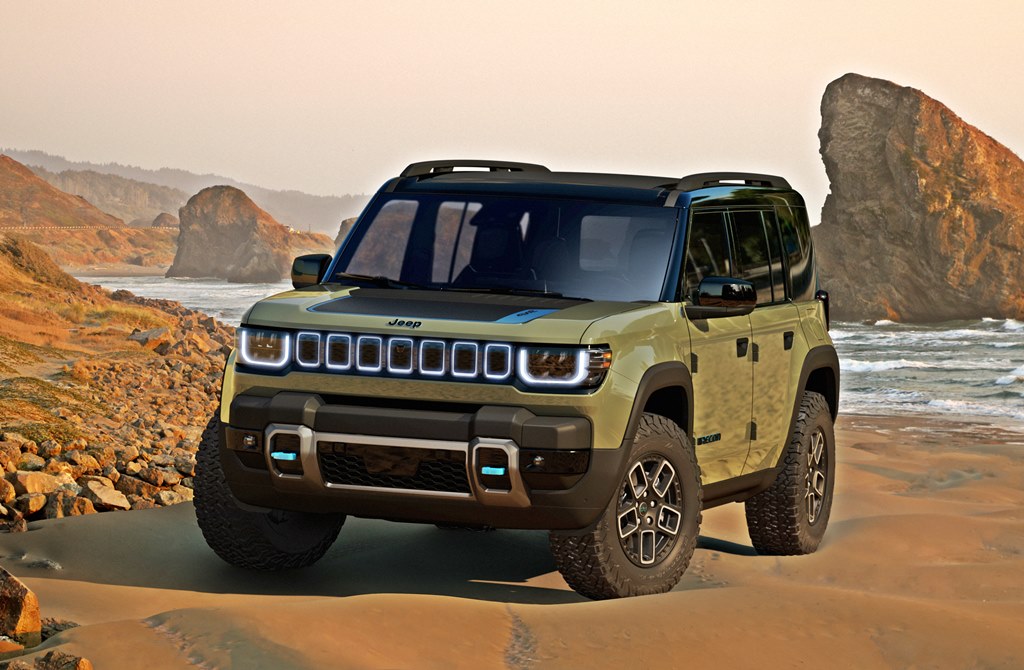
Jeep, which began as the name for a military vehicle before becoming a brand name, will go fully electric by the end of this decade. Although it already has some electrified (hybrid powertrains) models, it will only introduce battery electric vehicles (BEVs) by the end of 2025.
As part of its ‘Dare Forward 2030’ long-term strategic plan, 100% of European sales will be BEV models by the end of 2030, while 50% of Jeep brand sales in the USA will be fully electric by then. All four new BEV models will be SUVs.
Jeep recently released the first images of two pf the forthcoming BEVs – the new Recon and new Wagoneer (codename Wagoneer S), while confirming that the all-new Avenger will go on sale launch in Europe early next year.
2023 Recon
Currently, Jeep has been enjoying success with its 4xe plug-in hybrid models – the Wrangler and Grand Cherokee – and are drawing on the technology for the BEVs being developed. The electrification plan will also expand the Wagoneer portfolio which will have powertrains targeted to give up to 500 kms of range. The Wagoneer S will be a global BEV model and production will start in 2024 in North America.
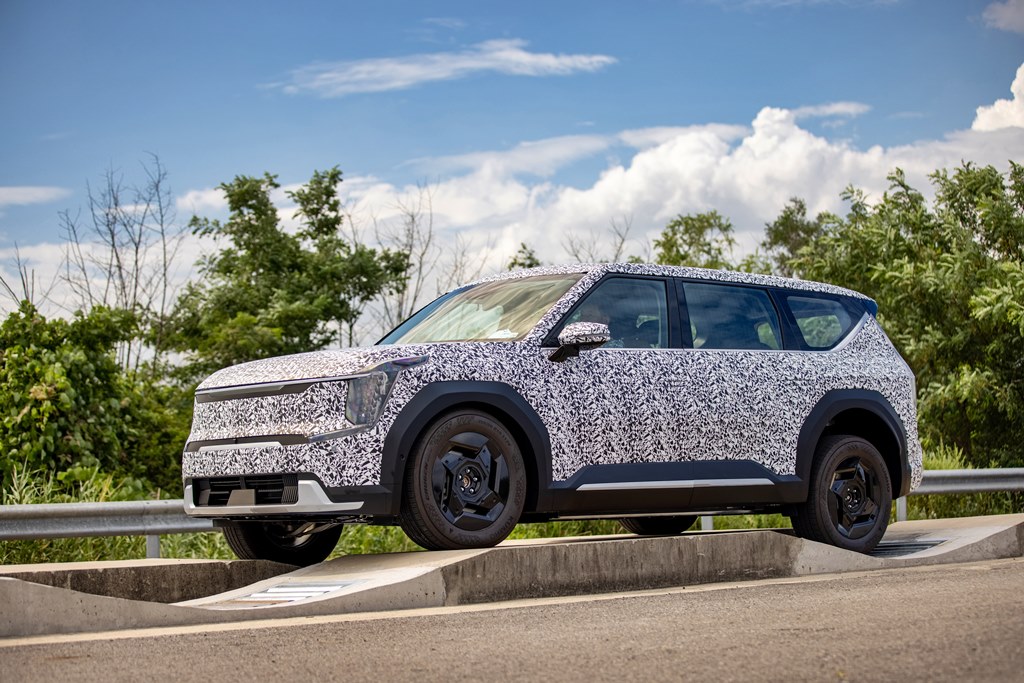
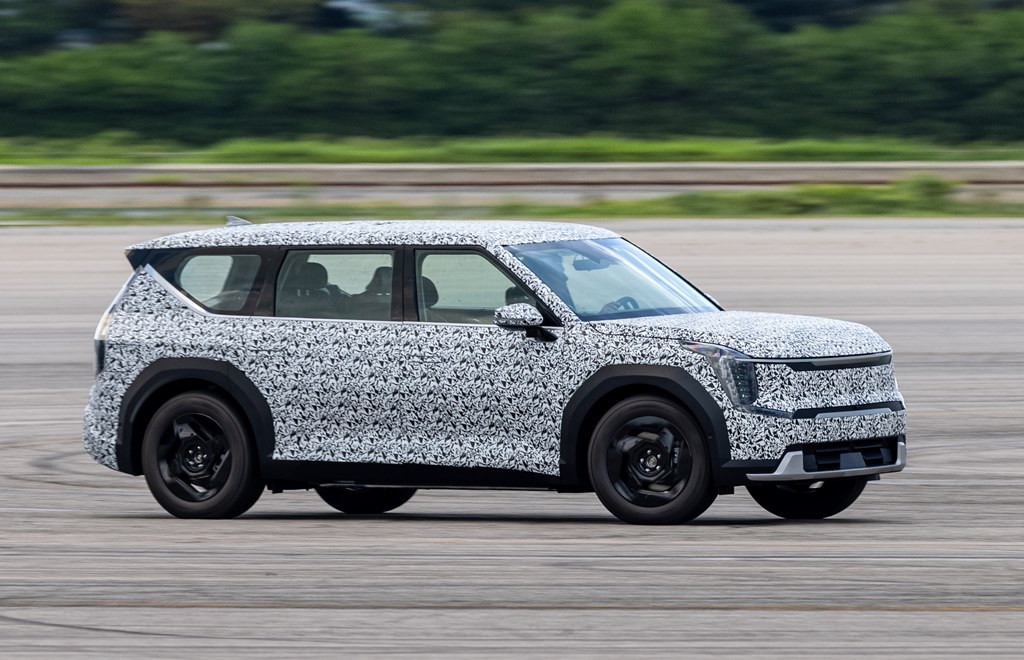
Before finally appearing in showrooms and being delivered to customers, one of the final stages in the development of a new model is extensive testing in all kinds of conditions representative of the real world. The testing will identify areas that need to be improved or changed and also validate many operating parameters.
Every manufacturer has a similar process and at Kia, the new EV9 is going through this final phase. As the model designation indicates, this is an electric vehicle (EV) and will be the second dedicated EV from the Korean carmaker after the EV6. Its launch date is set for the first quarter of 2023 so there’s about 6 months left to complete testing.
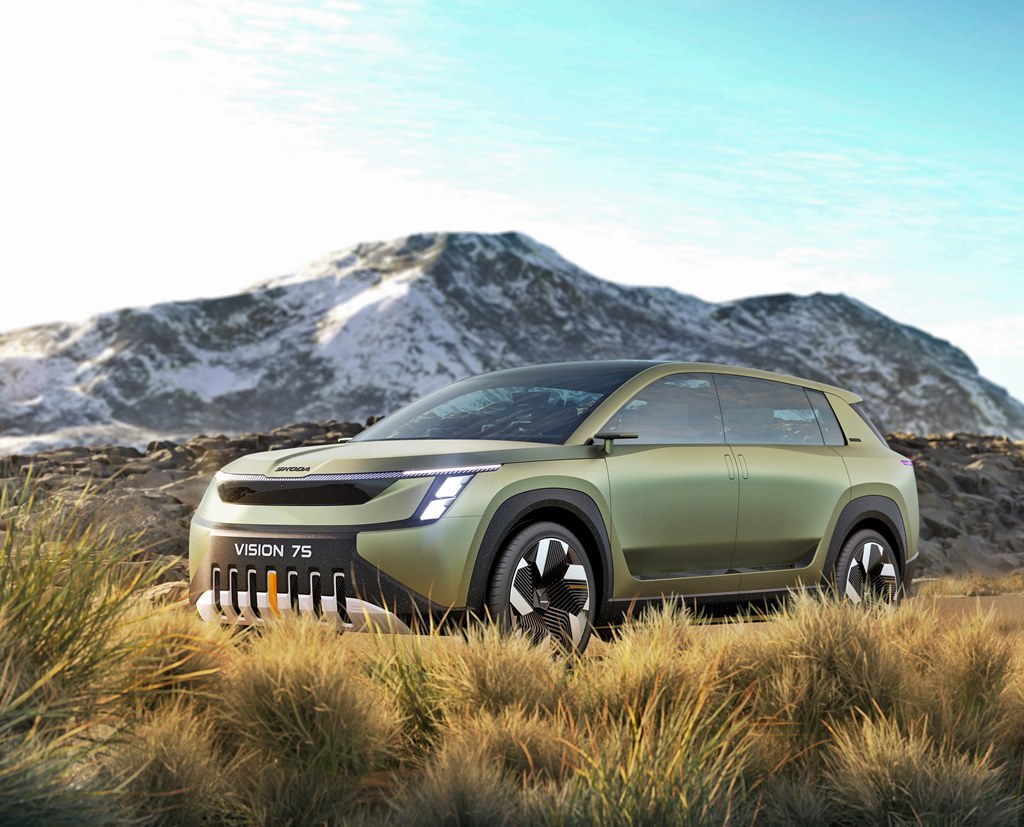
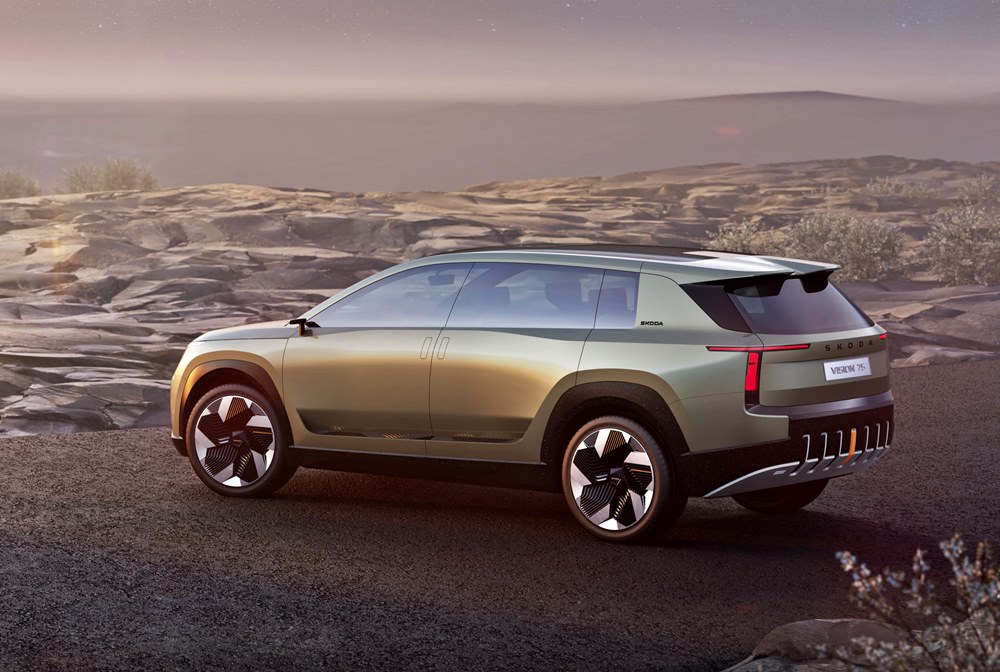
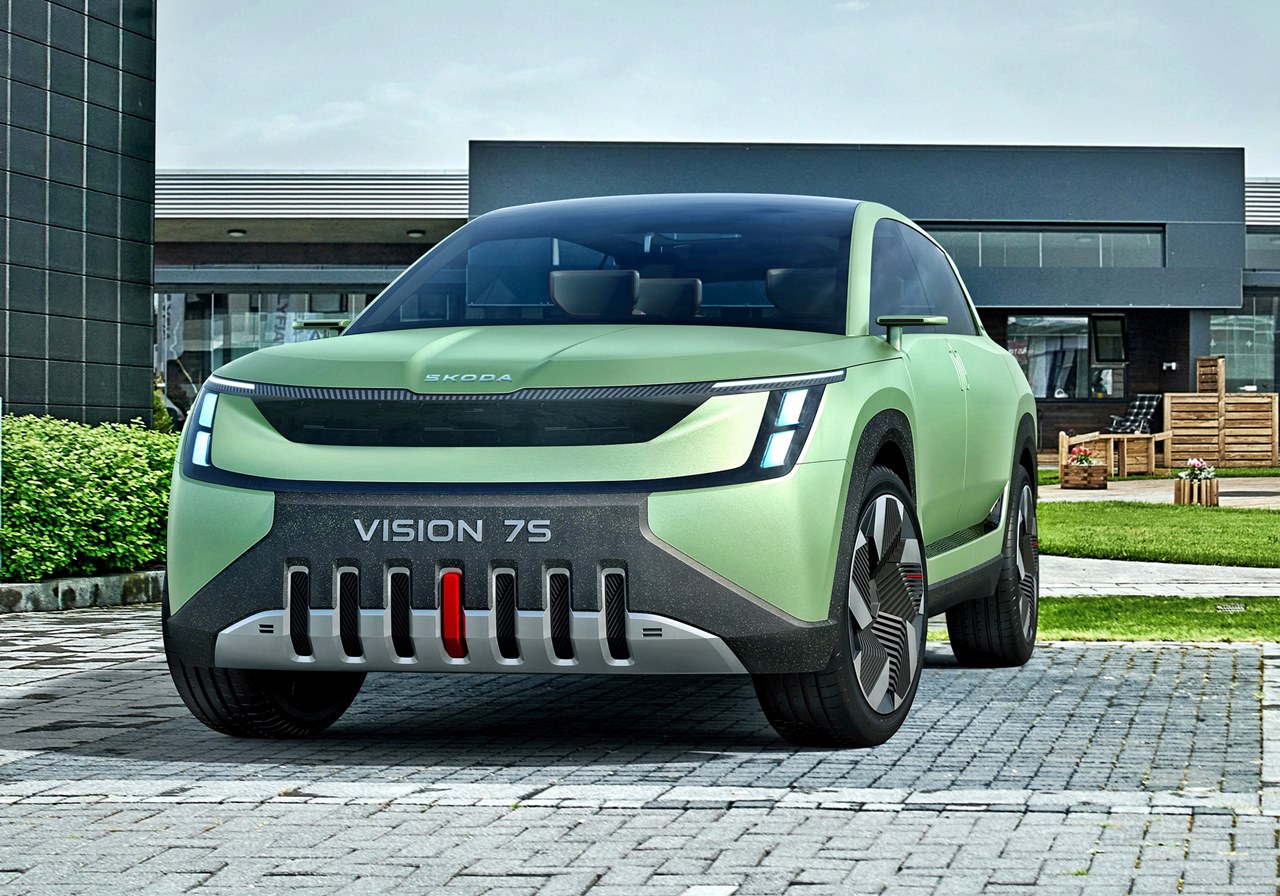
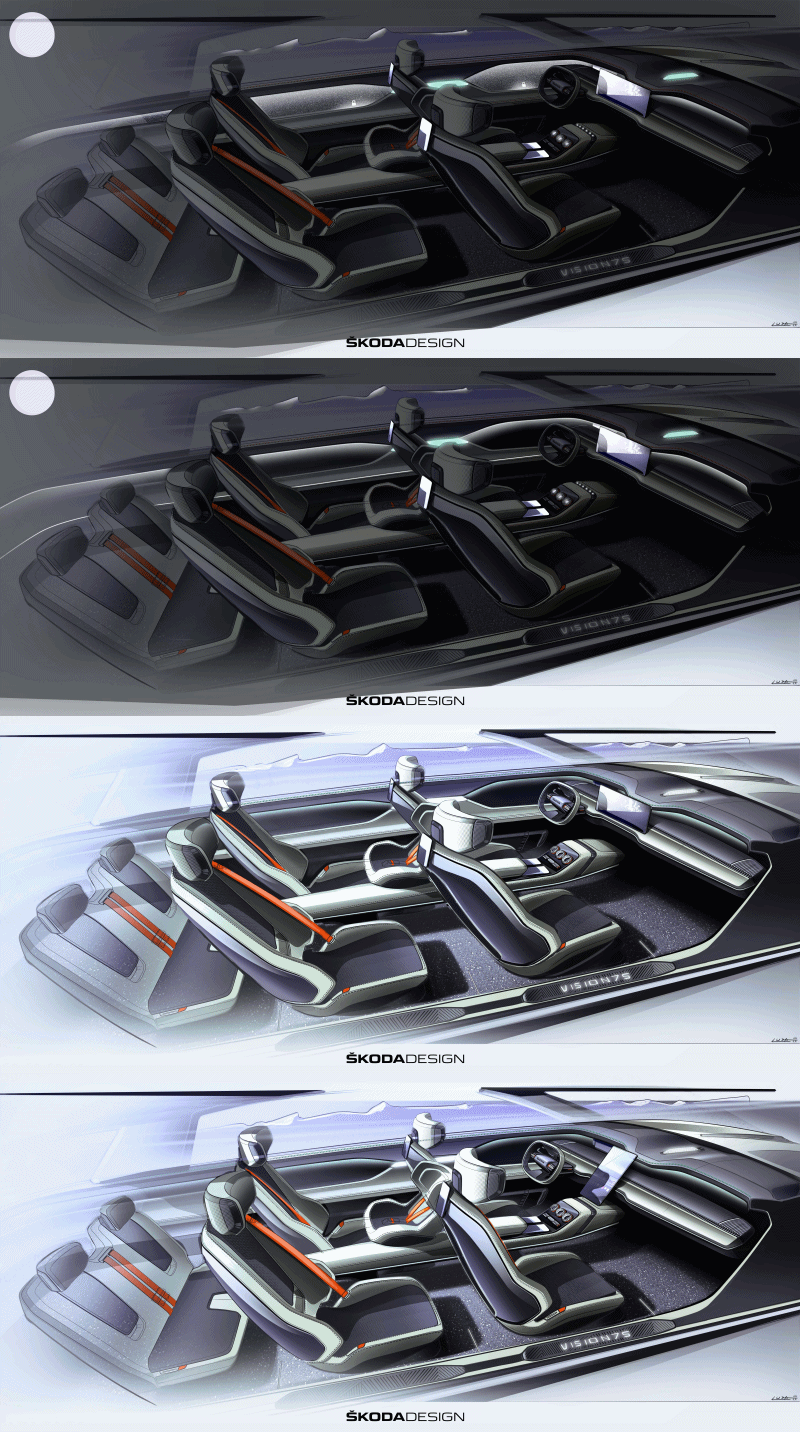
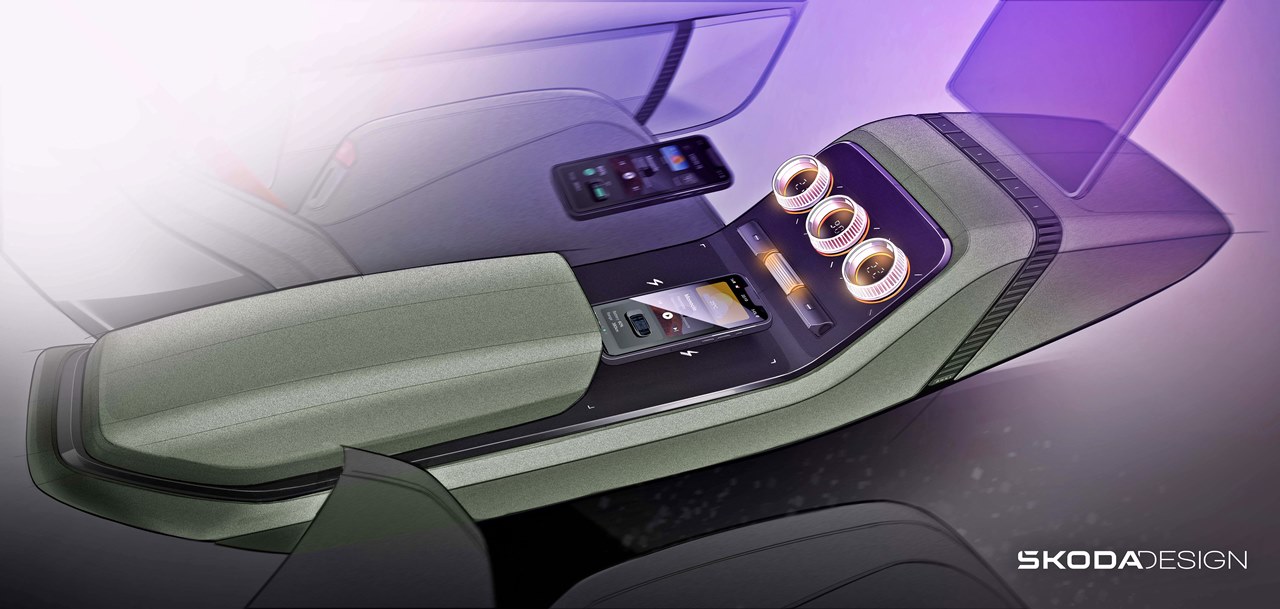
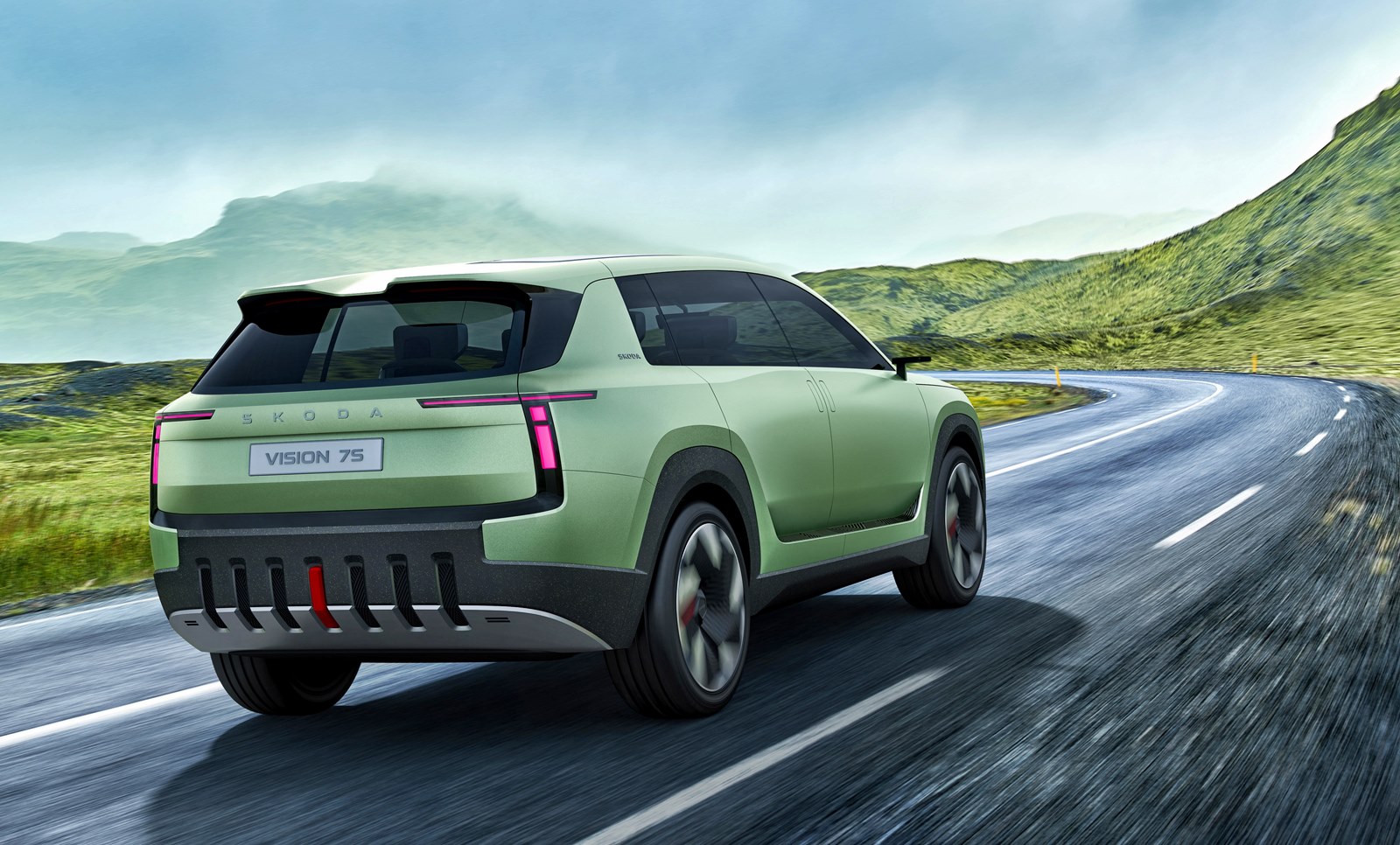
With the VISION 7S concept, Skoda is providing a preview of an all-new battery electric SUV as well as the Czech brand’s new design language. There is also a new brand logo which no longer uses sculptural 3D graphics, a response to a growing shift in marketing activities from print to online.
The 7-seater VISION 7S SUV, which is 3 to 4 years from appearing in Skoda showrooms, sits on the Volkswagen Group’s Modular Electrification Kit (MEB). Proposed with an 89 kWh battery pack, it has a projected range of over 600 kms.
With the new design language comes the ‘Tech-Deck Face’ at the front end with a a solid underbody and aerodynamic roof lines. The Tech Deck Face embodies a modern reinterpretation of the familiar Skoda grille. Though it has similar lines, the appearance is significantly flatter and wider than the previous styling. The ribs have been replaced by dark glass that conceals the vehicle’s sensors.
The redesigned SKODA wordmark replaces the brand’s picturemark and is complemented by a new ambient light strip. This extends across the entire width of the vehicle at the upper edge of the front section and features illuminated graphics.
The robust bumpers are made of durable, recycled tyres. This material is also used for the wheelarch linings and adds a rugged visual highlight. Seven vertical air intakes are integrated into the front, through which air is directed to the cooling systems and brakes, and another nine vertical air outlets are in the rear bumper.
A control element in bright Flashy Orange is located in the centre of both the front and rear. These can be pulled out to serve as hooks. In addition, they can be used to safely cut off the vehicle’s high-voltage current from the outside, if required.
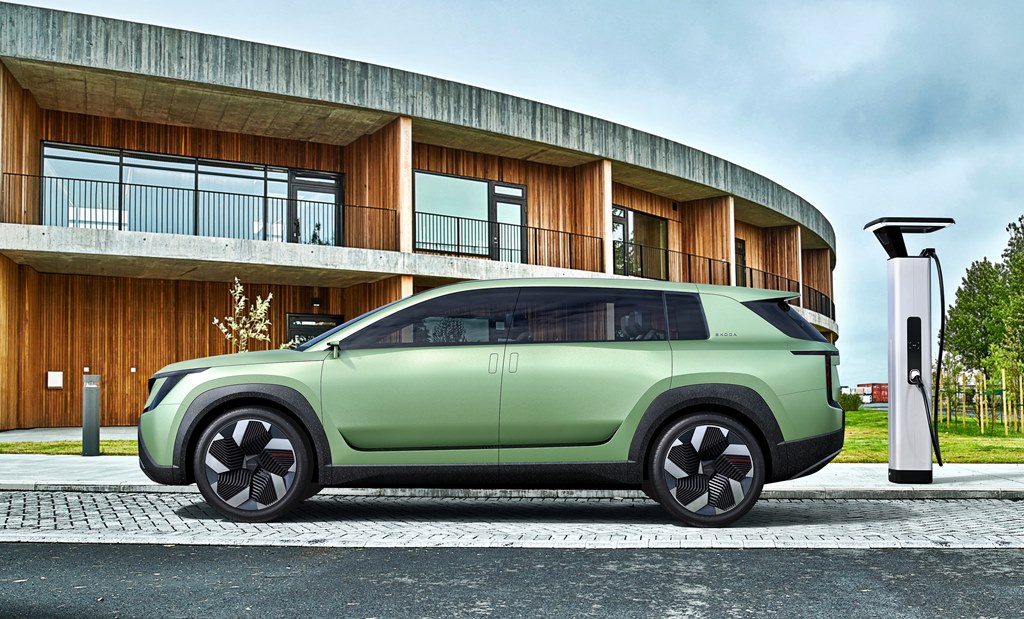
A high tornado line separates the solid underbody from the side windows and emphasises the powerful shoulder sections through its curve. The squared-off wheel arches beneath it are prominent and clearly recessed. Within them, the wheels are aerodynamically optimized rims and almost completely closed.
Additional air outlets are positioned between the wheel arches and above the side skirts. These act as running boards for the portal doors that swing up in opposite directions and also have cover grilles. These grilles channel the warm air generated from cooling the high-voltage battery pack to the outside.
The flat roofline gently slopes to the rear and merges with a pronounced roof spoiler for high aerodynamic efficiency. The triangular D-pillar extending to the rear features a bold design; at the bottom, it bears the new SKODA wordmark, which also appears on the tailgate and is lit up in the same way as at the front of the vehicle.
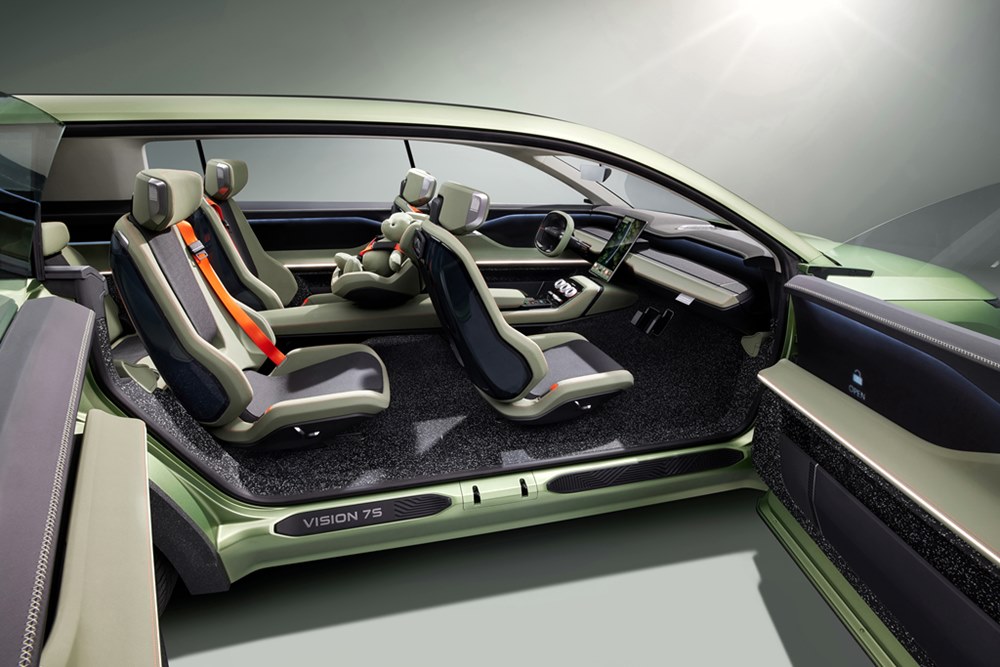
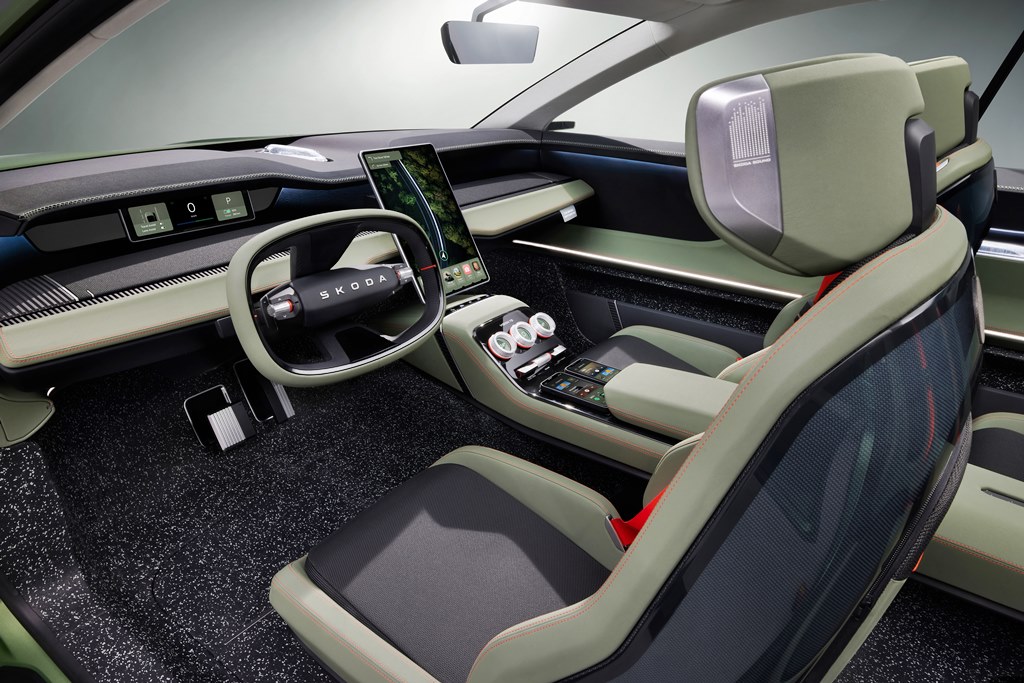
The minimalistic interior is as spacious as the exterior proportions of the Skoda concept suggest. The sense of security further enhanced by the combination of dark and light materials. These are leather-free (mostly from sustainable sources) and are extremely durable, thanks to some smart material combinations.
One example is the floor, which is also made from recycled tyres. The interior trim is also sustainable and coated with a fine, matt metallic layer, thus conserving valuable resources. The fabrics are made of 100% recycled polyester yarns.
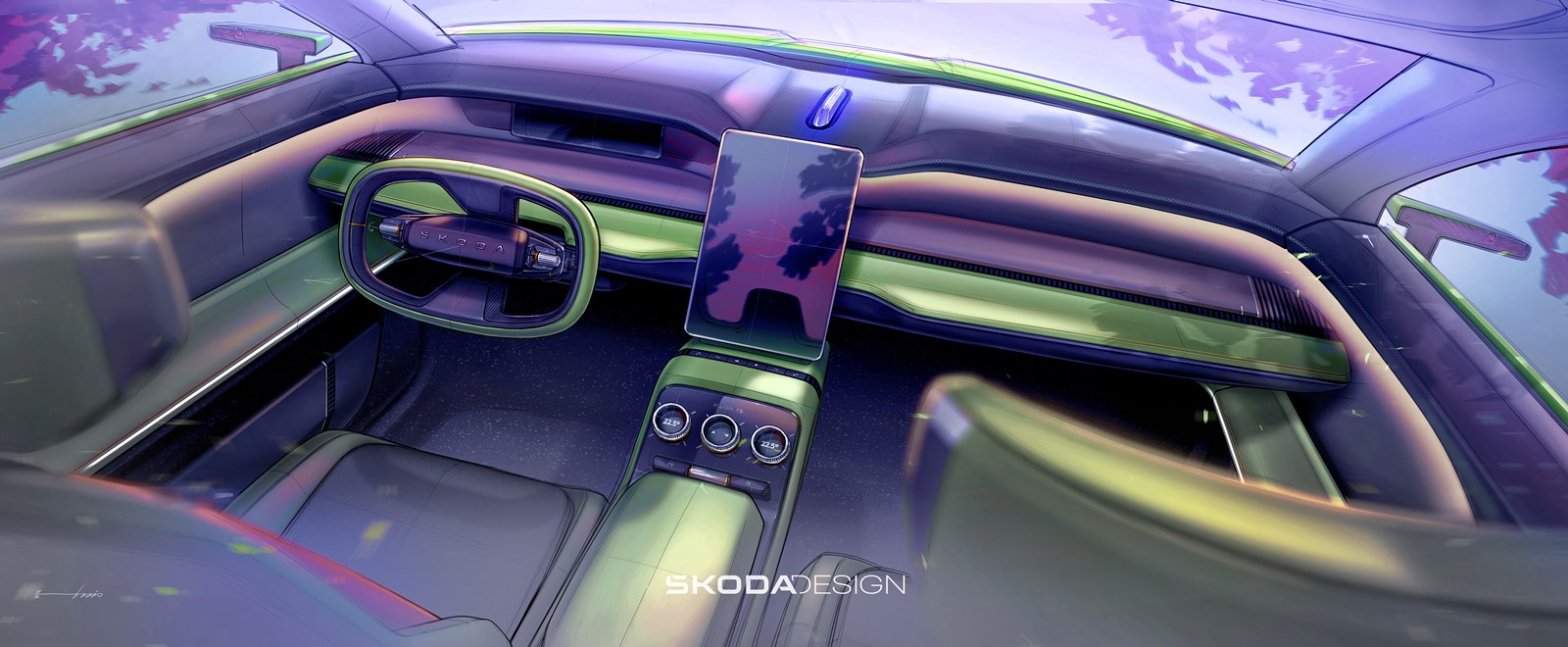
Great emphasis was placed on further optimising usability. In addition, the vehicle’s menu structure and infotainment functions have been streamlined, and the controls on the central, free-standing touchscreen, as well as haptic keys for important or frequently used functions, are particularly intuitive.
In front of the central screen on the instrument cluster is a large crystal that indicates the battery and charging status using different colours. This can be seen easily from outside the Skoda SUV.
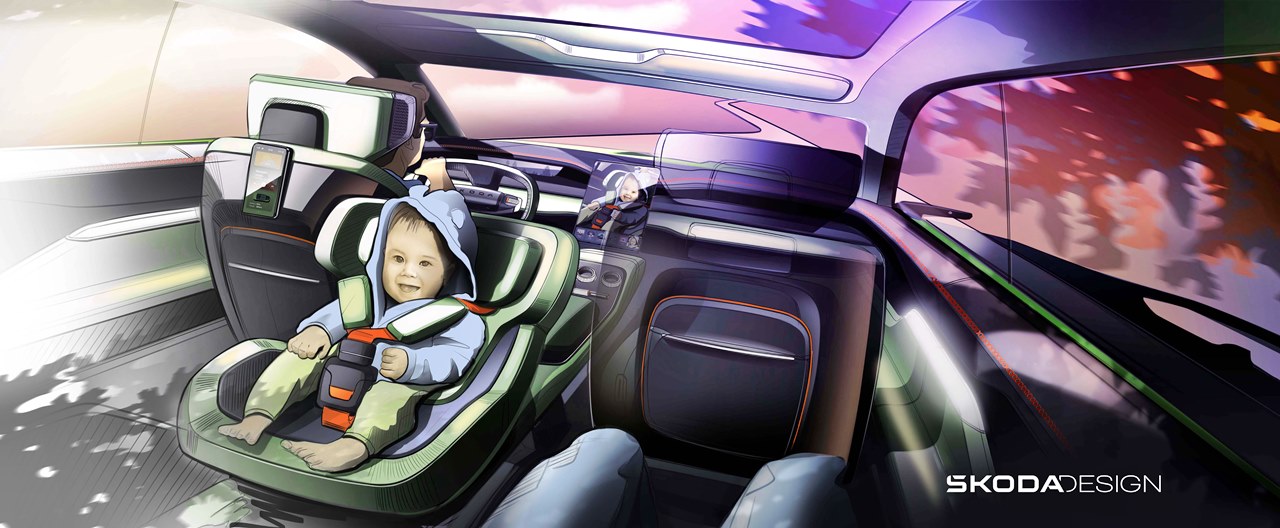
The position of the childseat may seem unsuitable from the safety point of view but it is actually in the safest place in the vehicle. It is integrated into the centre console, which extends to the second row of seats, opposite to the direction of travel. This means the child is optimally protected, and the passengers in the second row can always keep an eye on him or her.
An optional interior camera in the rear roof area can also transmit a video of the child to the central infotainment display. This makes it possible for the driver and front passenger to see the little ones on board at all times.
The VISION 7S also introduces a new series of ‘Simply Clever’ features, well known in Skodas. For example, the air vents on the dashboard work in a discreet, diffuse mode until more direct ventilation is needed. Passengers will also find magnetic surfaces under the floating centre console, where metal Skoda drink bottles or a first-aid kit can be securely attached. There are also backpacks that are magnetically attached to the seat backrests, easily taken off when leaving the vehicle for a hike.
“The VISION 7S is the forerunner of our new design language that we’ll be rolling out across the entire product portfolio over the coming years. We’ll also be using it to sharpen our customer appeal; with the new styling, we are taking the brand to the next level and aligning it to our customers’ new needs and expectations, particularly regarding UX (user experience), connectivity and the entire customer journey,” said Martin Jahn, Skoda Auto Board Member for Sales and Marketing.
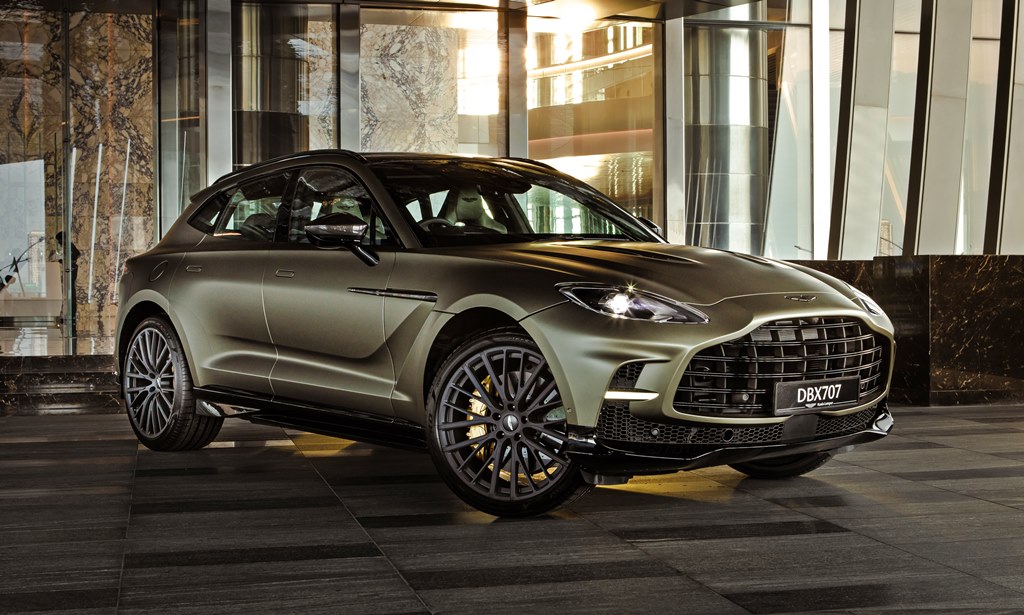
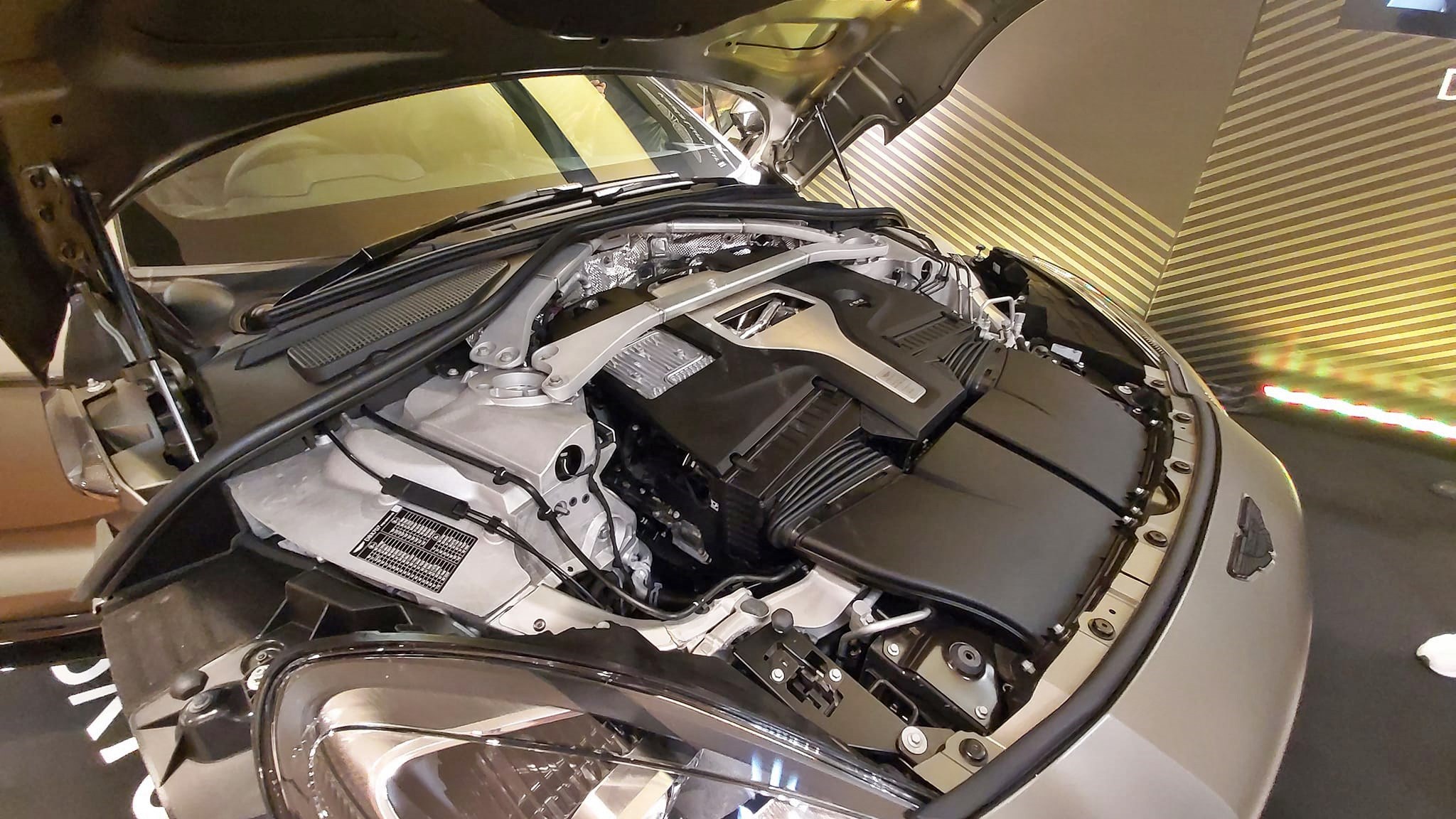
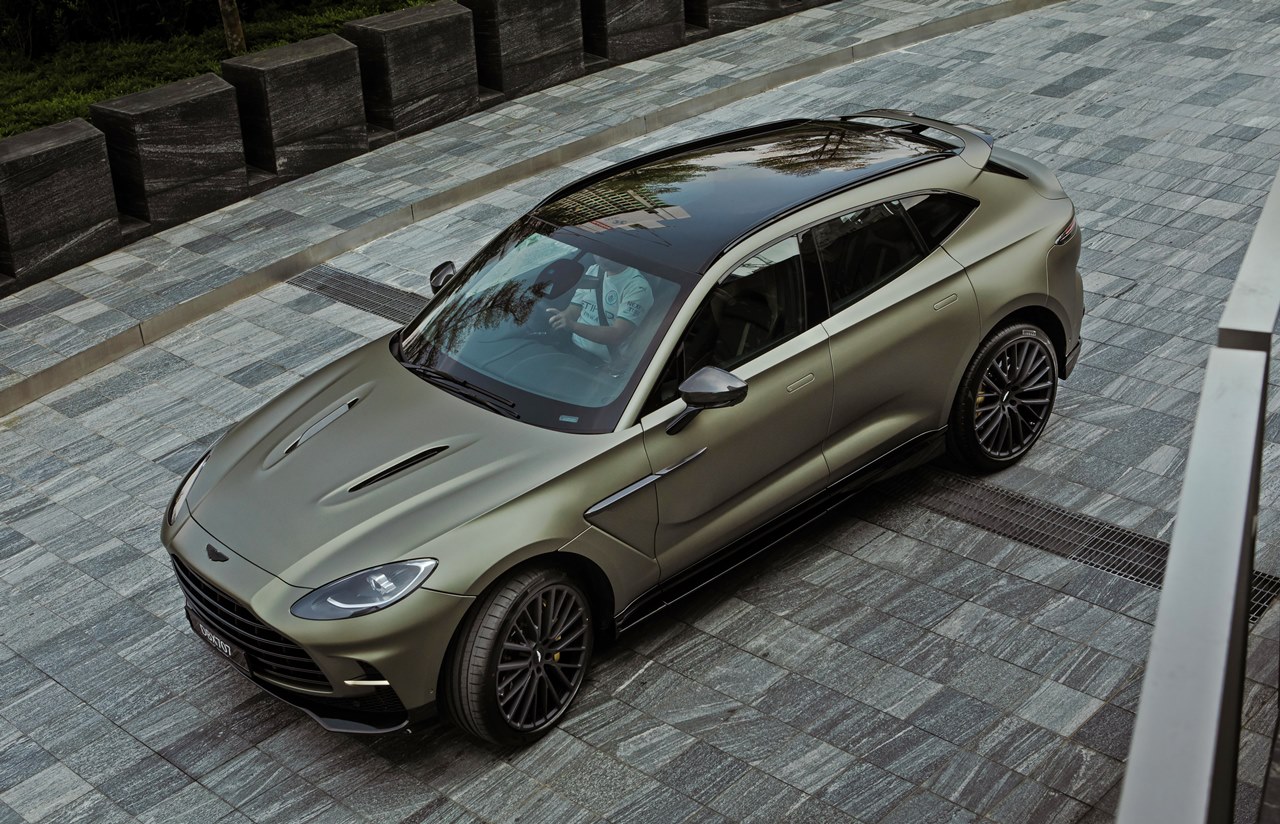
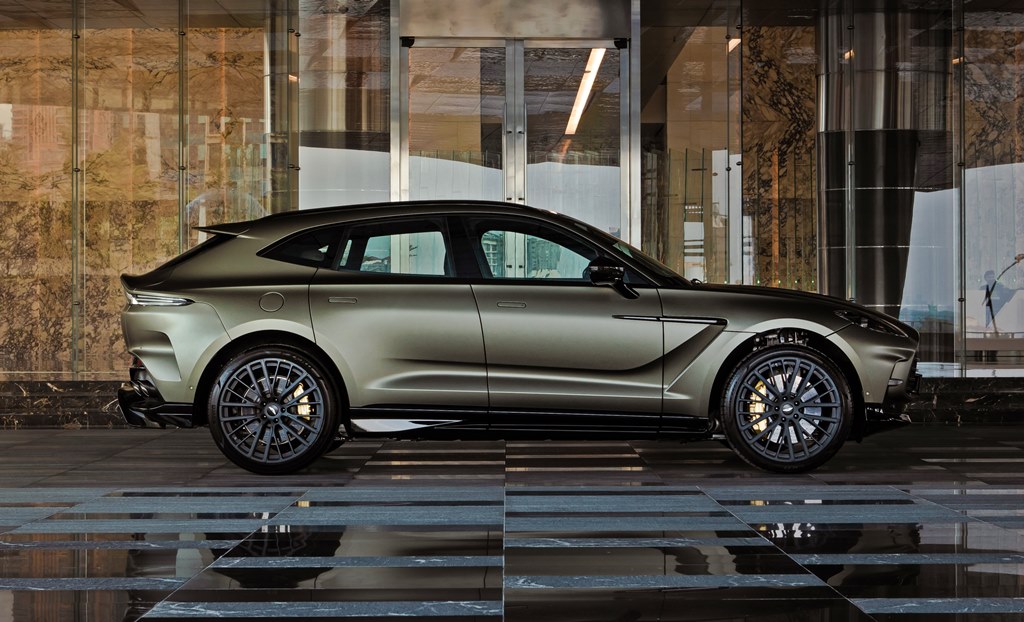
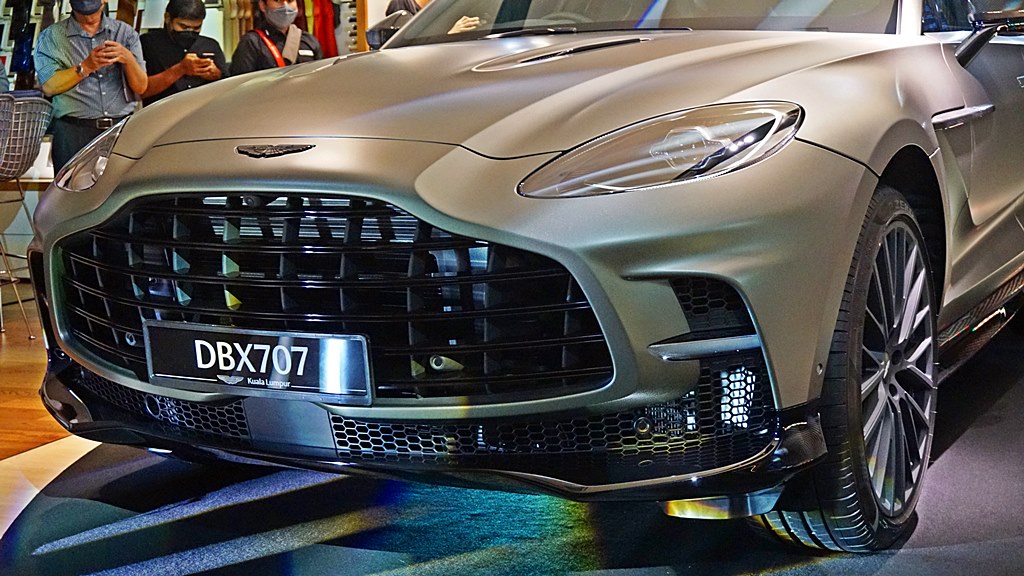
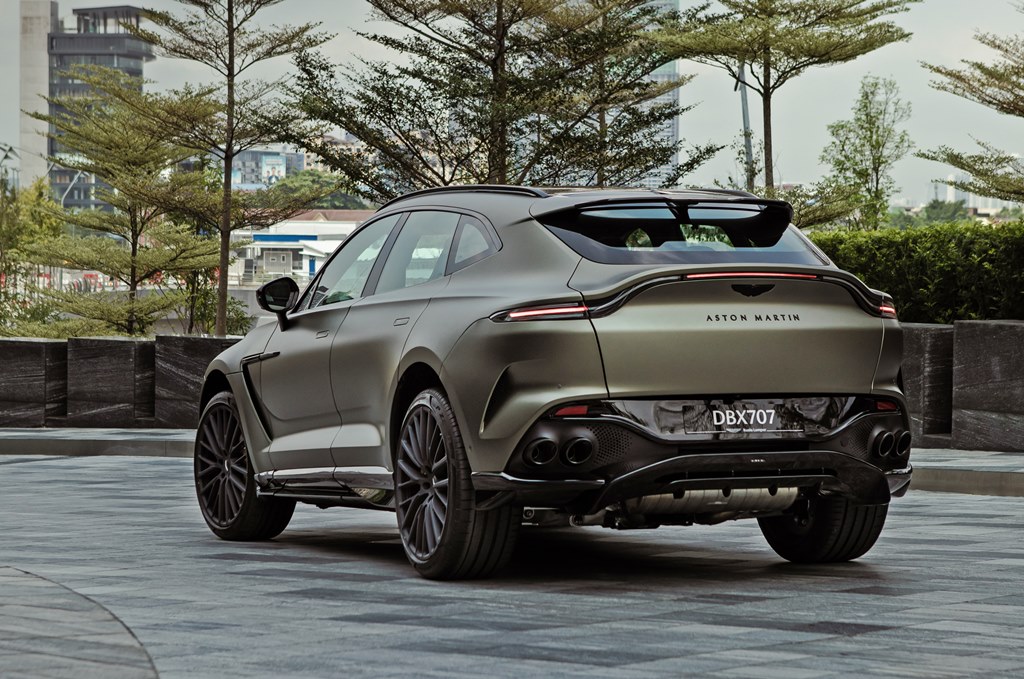
Aston Martin’s DBX707 – the world’s most powerful luxury SUV – is now available in Malaysia, priced from RM1,098,000 (excluding taxes). While the DBX V8, the brand’s first SUV, was presented as a superlative product, the DBX707 pushes the performance envelope even further.
Aston Martin’s engineering team has extracted the full potential of the DBX’s 4-litre twin-turbocharged V8 powerplant by making some changes like using ball bearing turbochargers and a bespoke engine calibration to liberate more power and torque which are 707 ps and 900 Nm, respectively. These represent increases of 157 ps and 200 Nm over the DBX V8.
Also new is a 9-speed wet clutch automatic transmission designed to handle the much increased torque loadings compared with a regular torque converter automatic.
The new transmission has quicker shifts, giving more immediate and direct response. According to Aston Martin, launch capability is also improved, and the DBX707 can go from 0 to 100 km/h in a claimed 3.3 seconds and on to a top speed of 310 km/h.
As a responsible manufacturer, Aston Martin did not just boost the output without ensuring that other important elements are also beefed up. The DBX70 gets standard fitment of Carbon Ceramic Brakes (CCB) with 6-piston calipers and there’s also a 40.5-kg reduction in unsprung weight.
Revisions to the brake system’s hydraulic sizing and booster tune improve pedal feel and braking response for greater precision and driver confidence. Improved brake cooling has been achieved by taking air from both the main cooling intake and the underfloor, with high performance brake pads delivering excellent friction consistency across a wide temperature range.
There’s also a new version of the electronic limited slip rear differential (e-diff). Strengthened to handle the maximum output of torque, it is fitted with a revised final drive ratio of 3.27 compared to 3.07 for the DBX V8. This helps to give stronger response in the lower gears as well as enhances in-gear response.
To underline the driver-focused credentials of the DBX707, the GT Sport and Sport+ driving modes now feature ‘Race Start’ to give drivers the full experience of the vehicle’s unrivalled off-the-line acceleration. Revised active logic in the all-wheel drive transfer case enhances control between the driveline and ESP system for a more natural, sports car-like driving experience.
Torque distribution front-to-rear is fully automatic, with the ability to send up to 100% of the torque to the rear axle on demand. Careful calibration of the e-diff ensures the DBX707 has the cornering agility, sporting feel and dynamic character of a sportscar.
The DBX707’s air suspension system has the same basic architecture and triple volume air chambers of the DBX V8 but gains a dedicated chassis tune. New damper valving and recalibration of dynamic spring volume switching has improved body control and steering response.
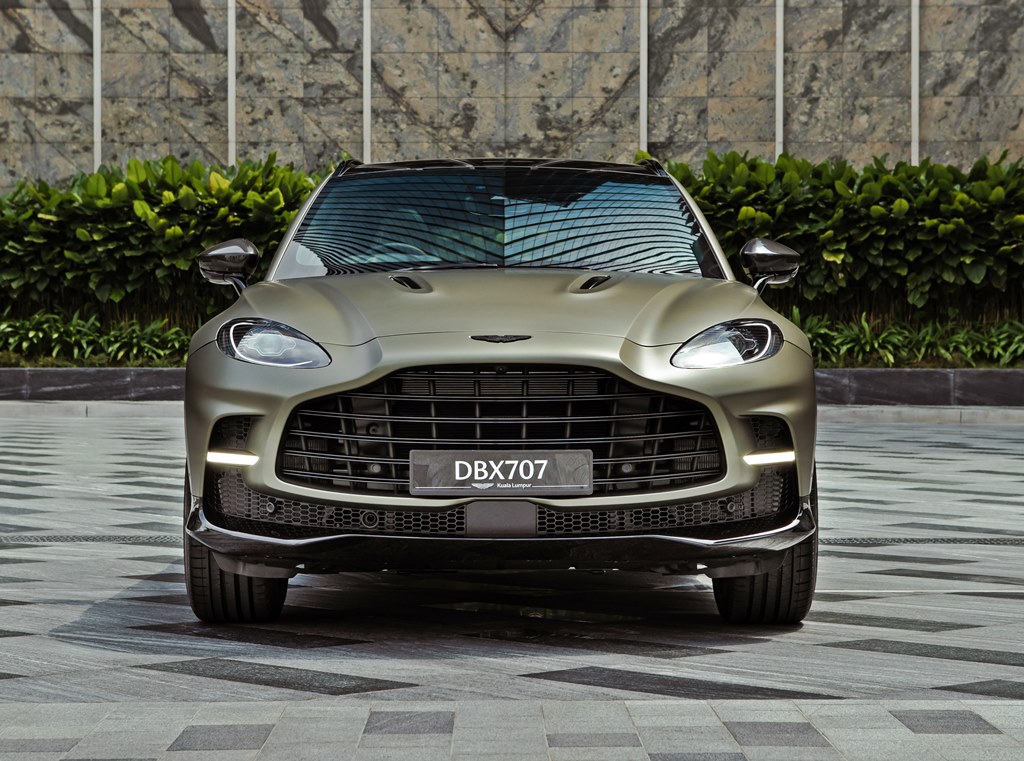
While the overall design is similar to the DBX V8, there are distinct differences for the DBX707. The front end treatment is unique with a larger grille and the DRLs are also different. Also new are the air intakes and brake cooling ducts, plus a new front splitter profile. The enlarged grille has double vanes, with the 6 horizontal bars now split to create more visual .
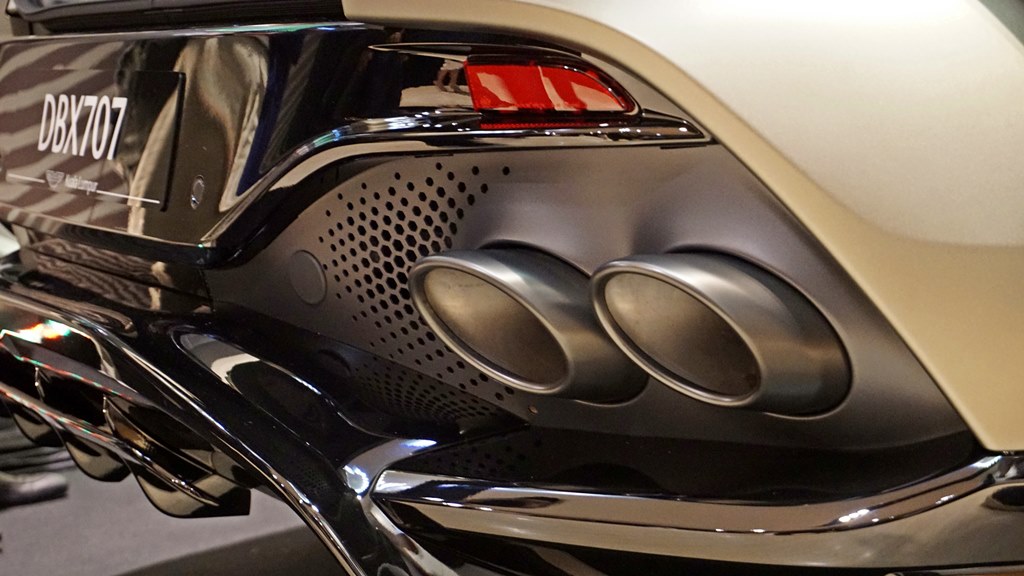
A new lip spoiler has been added to the roof wing which reduces lift and increases high speed stability. A pair of large-diameter tailpipes projects at each side of the significantly enlarged twin rear diffuser.
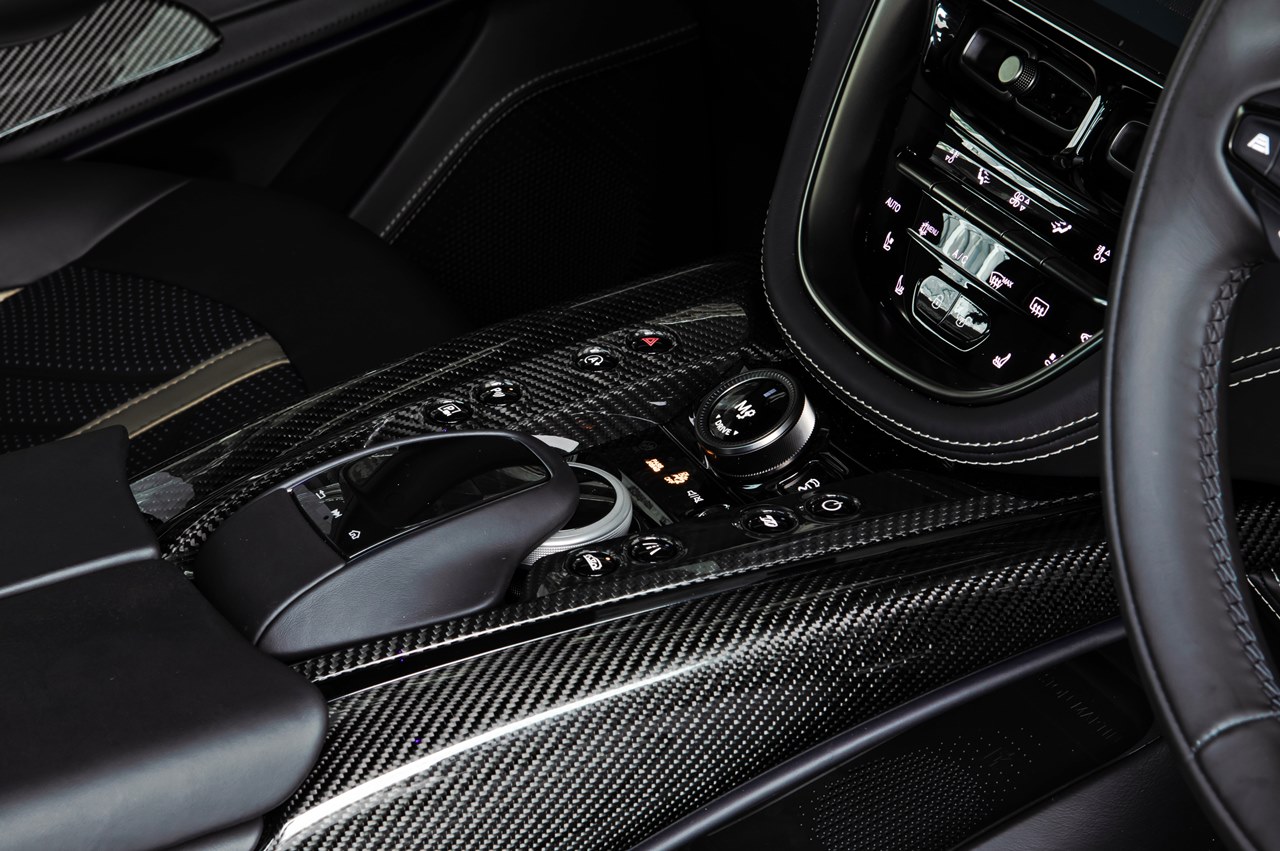
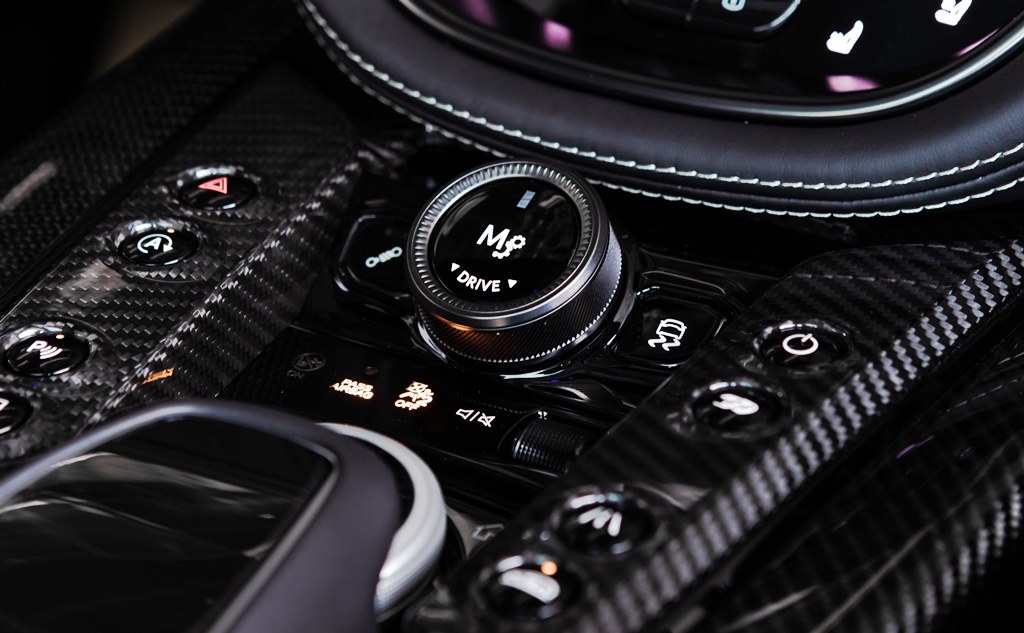
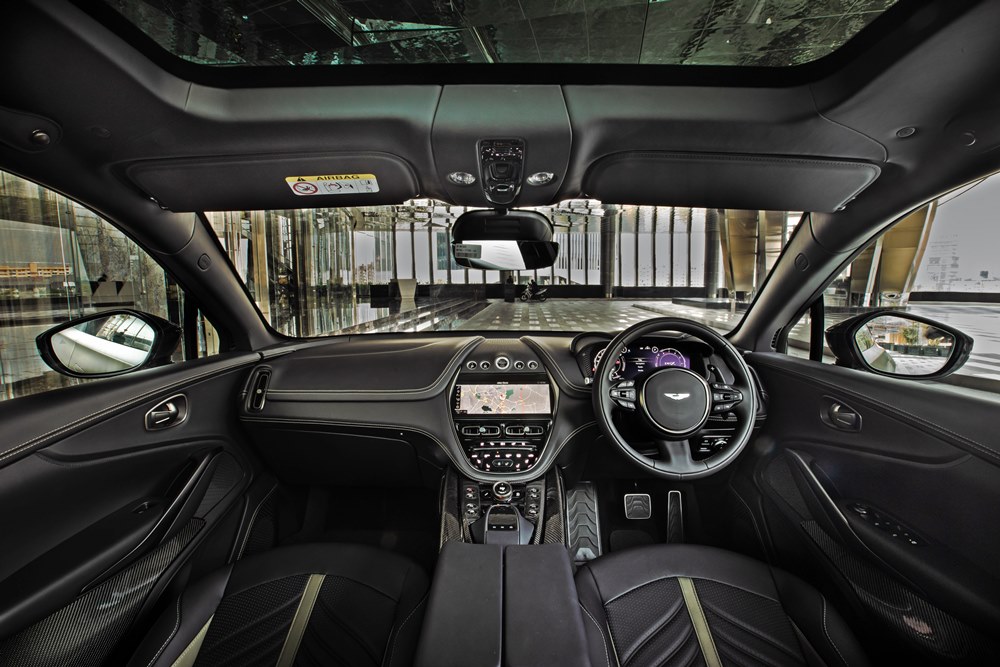
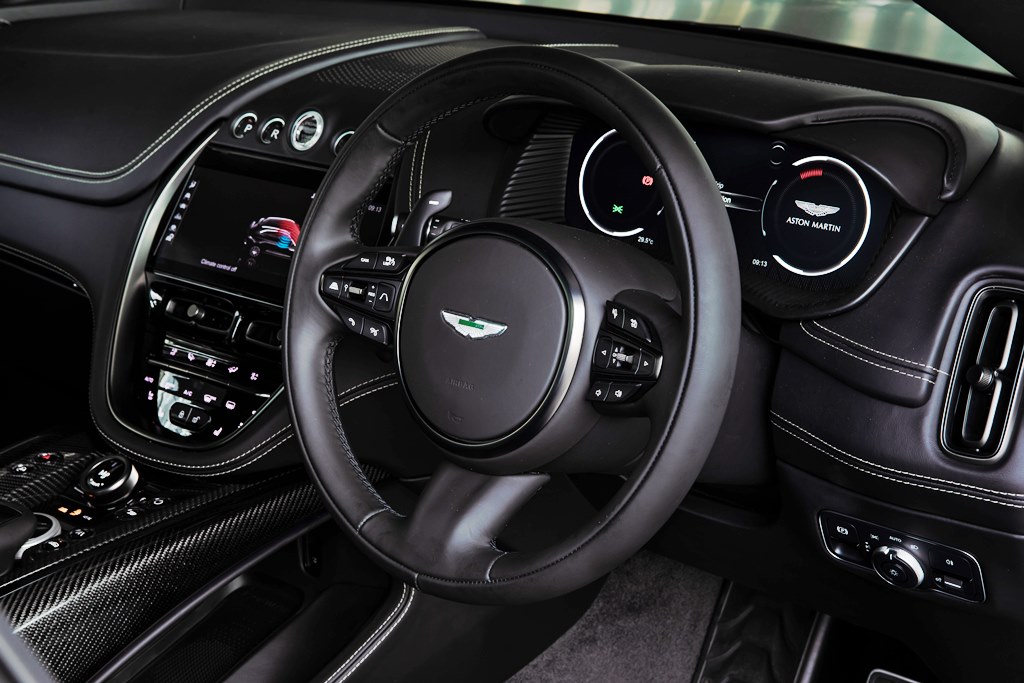
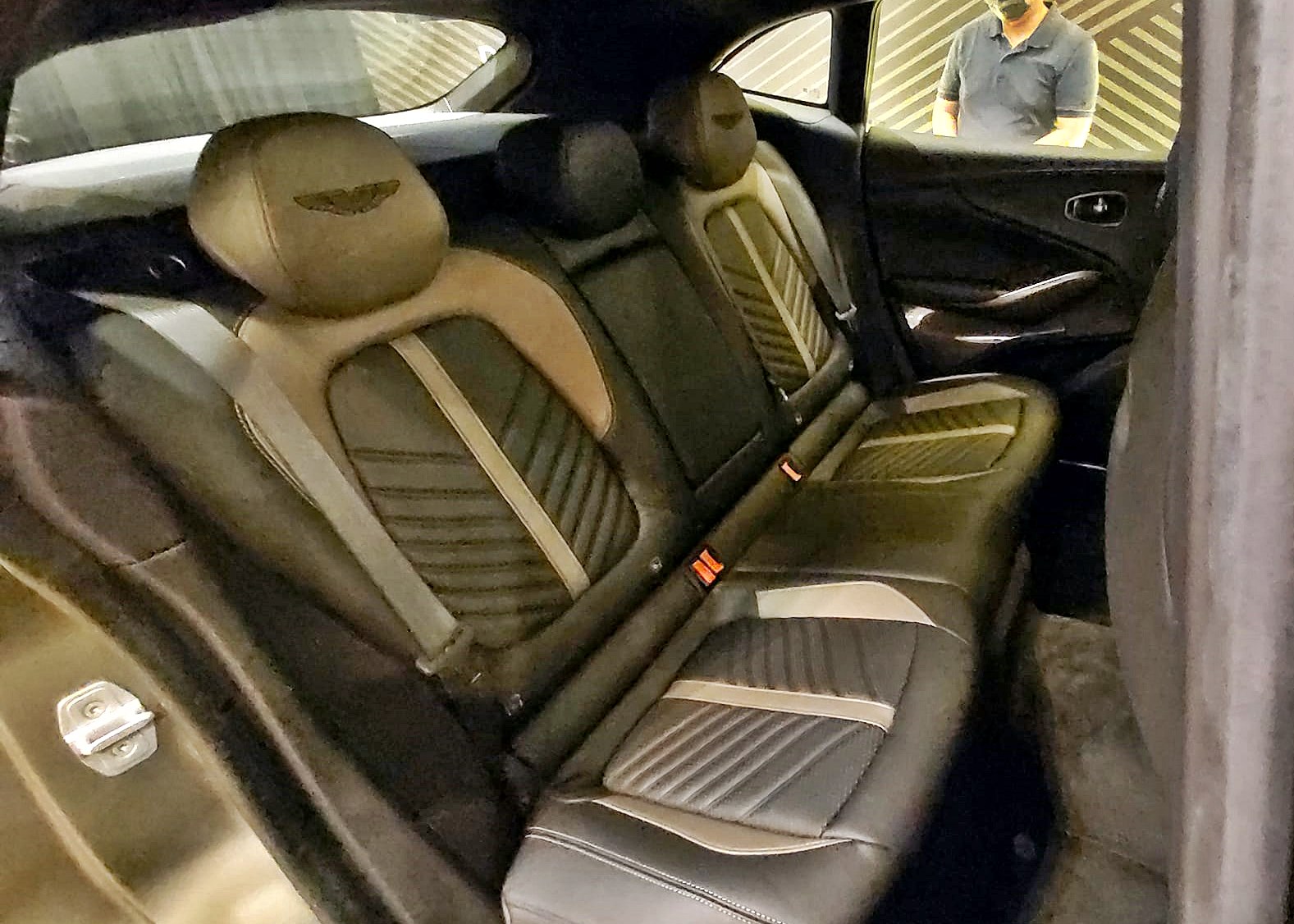
Seated in the cabin of the DBX707 after shutting the soft-close doors, the Aston Martin DNA is immediately evident with the standard sport seats and sleek, dark chrome switchgear complementing the satin black appointments of the exterior.
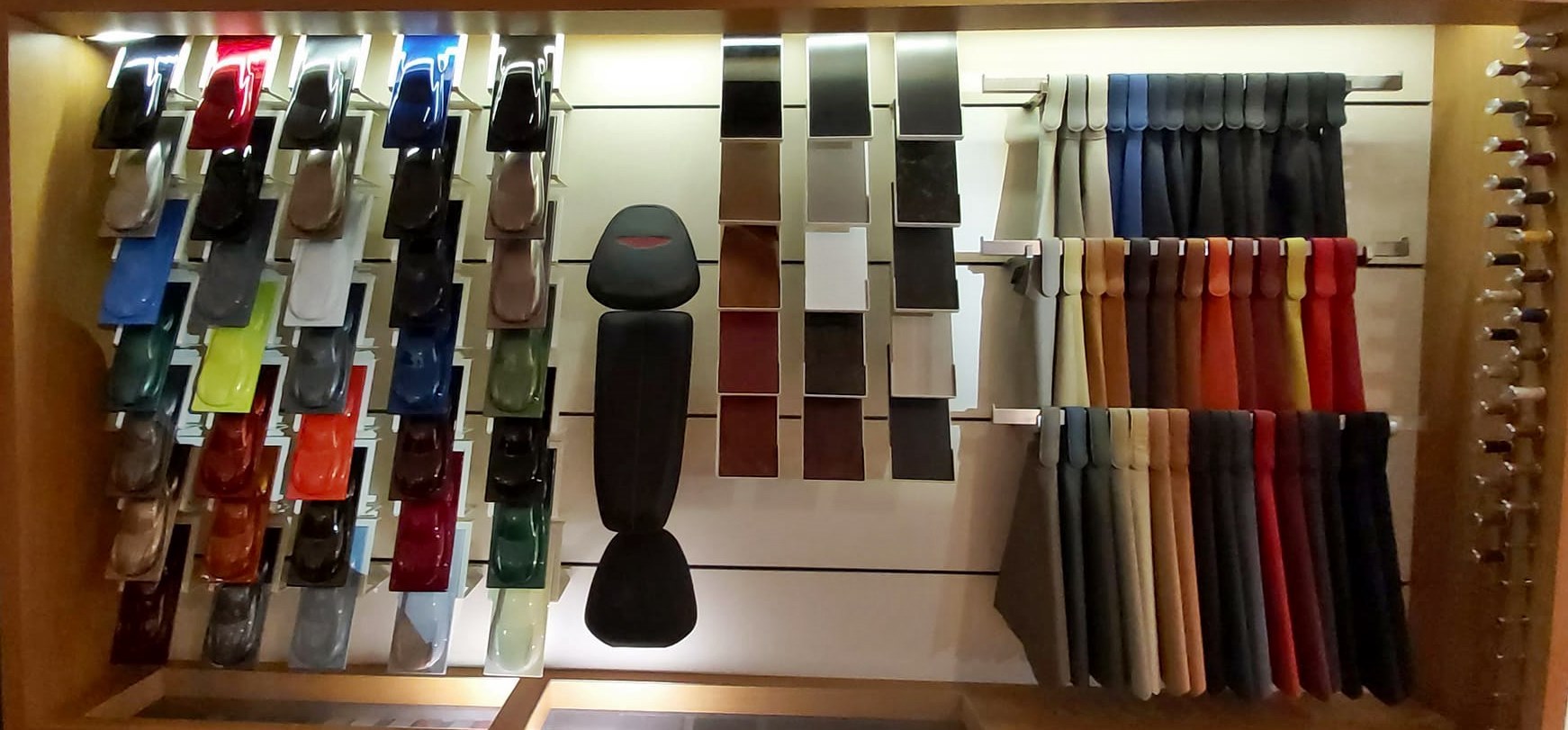
Customers have three choices of interior and if those packaged and proposed by the interior designers are not appealing enough, Q by Aston Martin offers bespoke personalisation. While James Bond’s ‘Q’ can provide cars with sophisticated weapons, these are not available for obviously reasons from Aston’s Martin’s Q. But almost anything else can be provided – limited only by the customer’s imagination.
Some of the options available to customers who want to customise their Aston Martin.
Aston Martin Kuala Lumpur says that they already have a few reservations for the DBX707 (which is not a limited edition). For customers who intend to keep their DBX707 for a considerable length of time, there is now an option of an extended warranty up to 20 years (subject to terms and conditions).
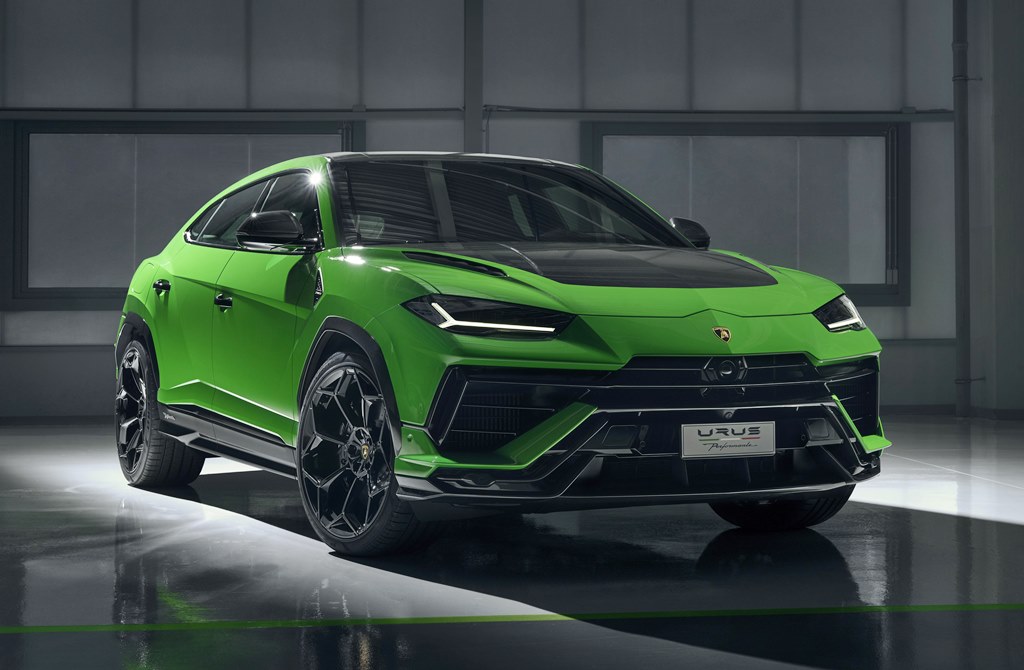
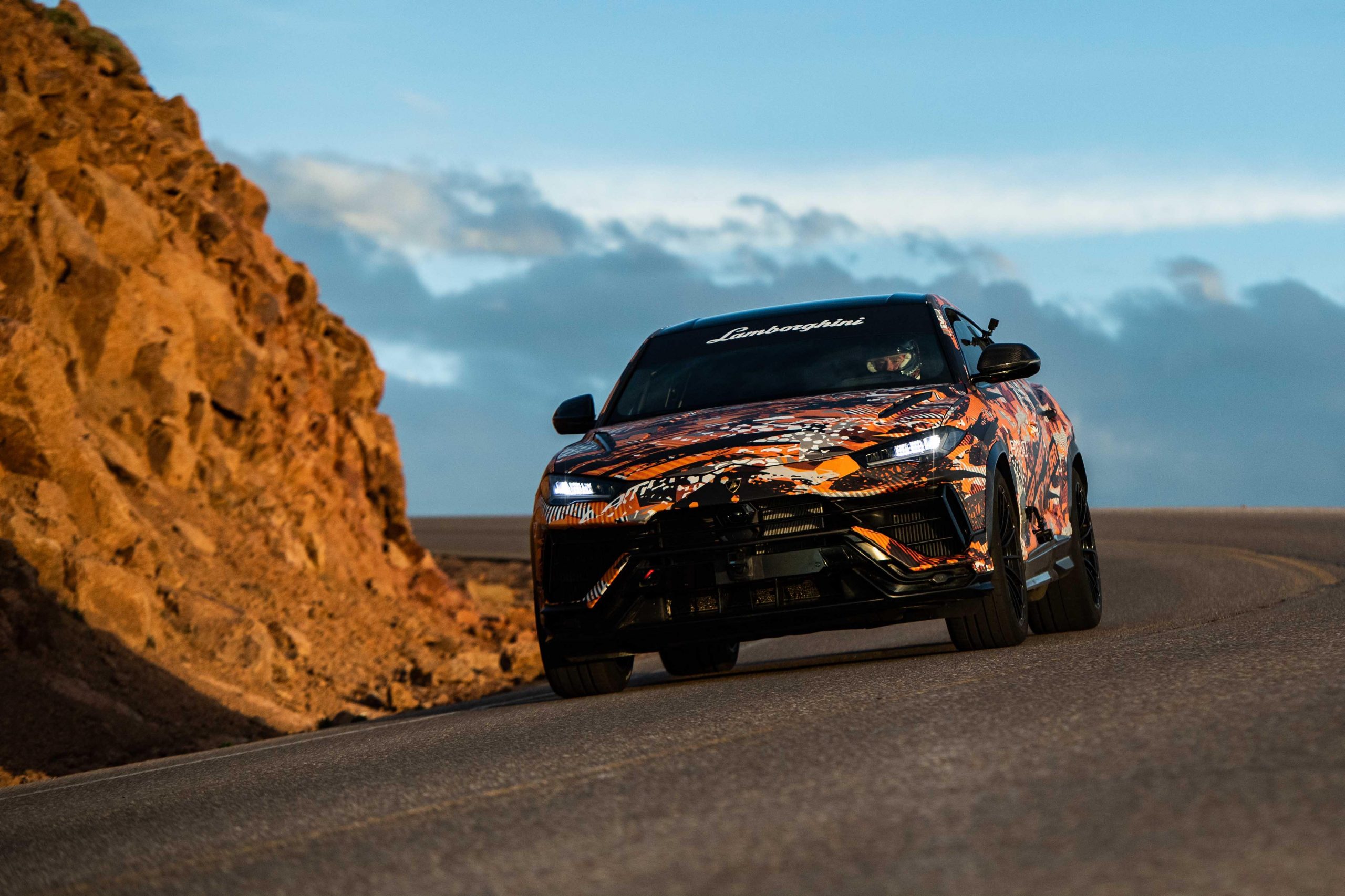
Ever since Lamborghini launched its first SUV, the Urus, sales have been exceptionally high and propelled it to become the bestselling model for the Italian sportscar maker. In fact, in 4 years, it has produced over 20,000 of the SUVs, which makes the Urus the most successful model the company has ever produced.
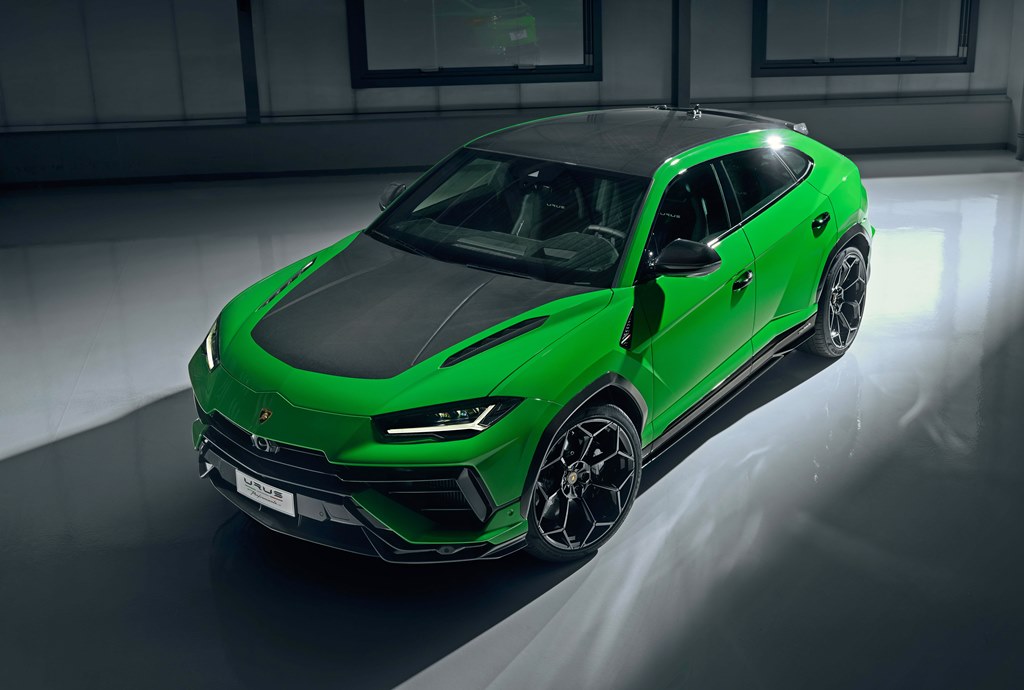
But like any progressive company, Lamborghini has not left the Urus as it is and has been inspired by success to raise the bar on its Super SUV. With the new Urus Performante, there are revisions in styling and both the powertrain and chassis have also received improvements for higher performance.
“The Urus set a new standard at its launch, taking Lamborghini’s design DNA and technological talent and delivering the world’s first Super SUV for a new era. The Urus Performante sets the bar even higher for the SUV segment,” said Stephan Winkelmann, Lamborghini Chairman & CEO.
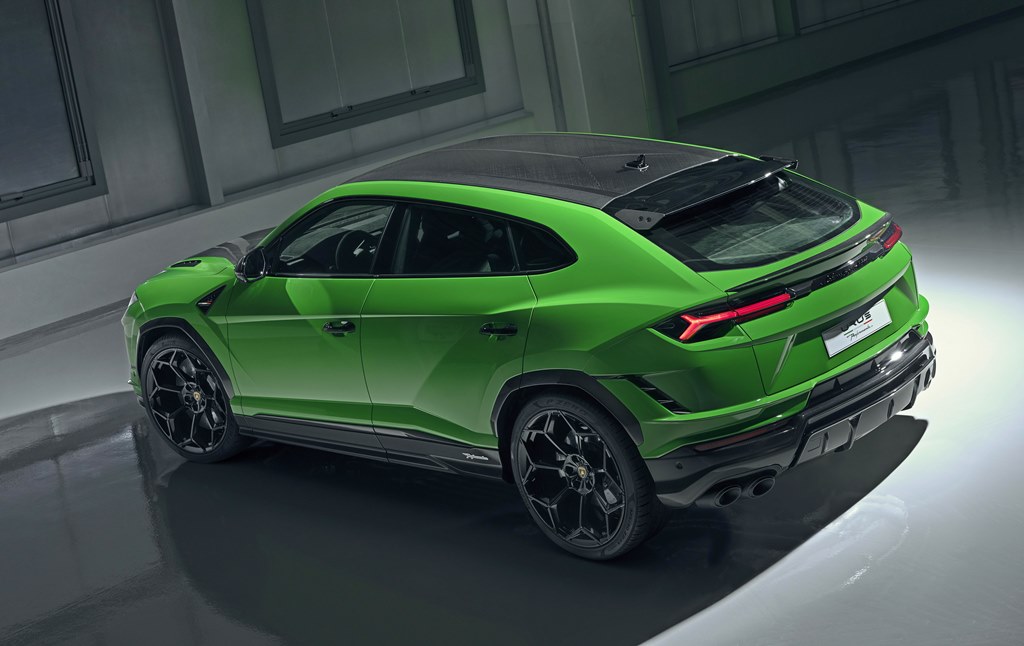
Extensive use of carbonfibre The Urus Performante can be identified by a pure, sharper, more prominent bonnet and bumper design/ Deep cuts in the bonnet lines extend down to the new front bumper, and the bonnet has an air outlet forged from lightweight. A roof in carbonfibre is also available as an option, reflecting the Urus Performante’s extensive use of composite materials that makes it the car with the highest number of carbonfibre parts in its segment.
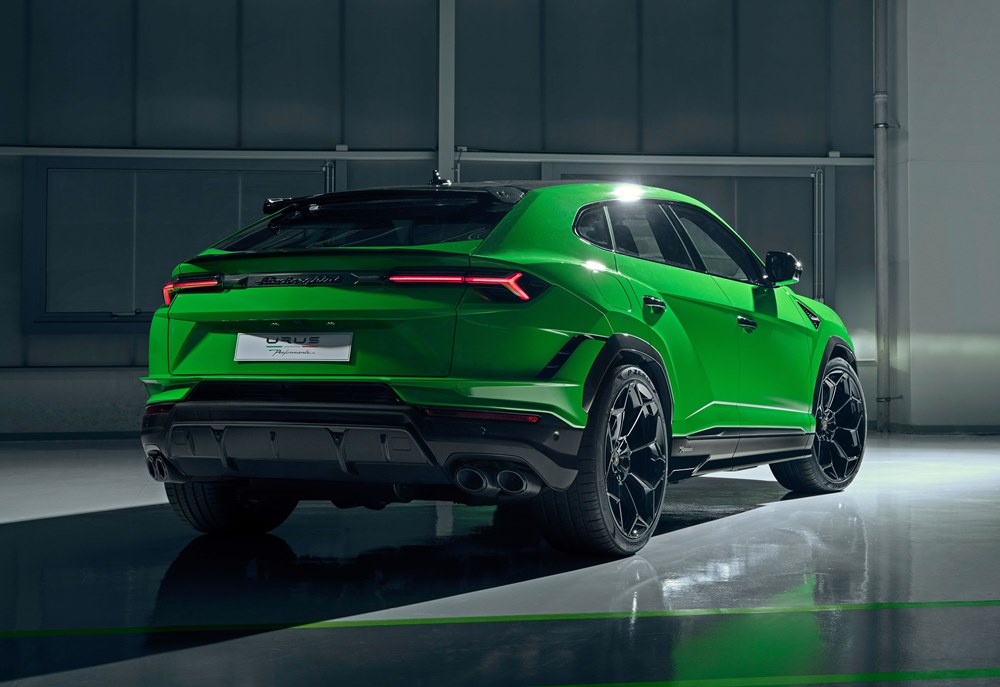
The front bumper and splitter in carbonfibre sport assertive new lines. There are new black front air-intakes which deliver increased engine cooling, while a new air curtain draws airflow over the front wheels. The aerodynamic design theme decreases drag to contribute to the overall aerodynamics efficiency with the newly-designed rear spoiler increasing downforce of the Urus Performante by 38% at the rear end.
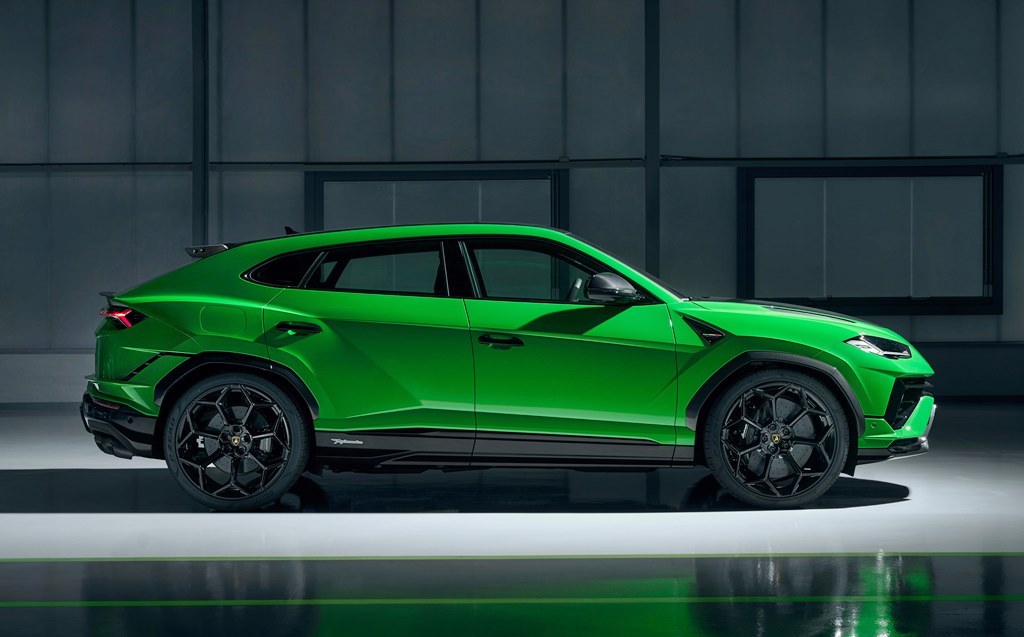
In profile, the SUV’s lowered stance is accented by its prominent front, and rear wing and bumper, increasing overall length by 25 mm. The rear is equally distinctive by its purposeful high-performance design as the rear spoiler with carbonfibre fins takes design inspiration from the Aventador SVJ.
The lower rear bumper and diffuser are also in carbonfibre with a lightweight titanium Akrapovic sports exhaust as standard. This generates the characteristic Lamborghini resonance depending on the drive mode selected.
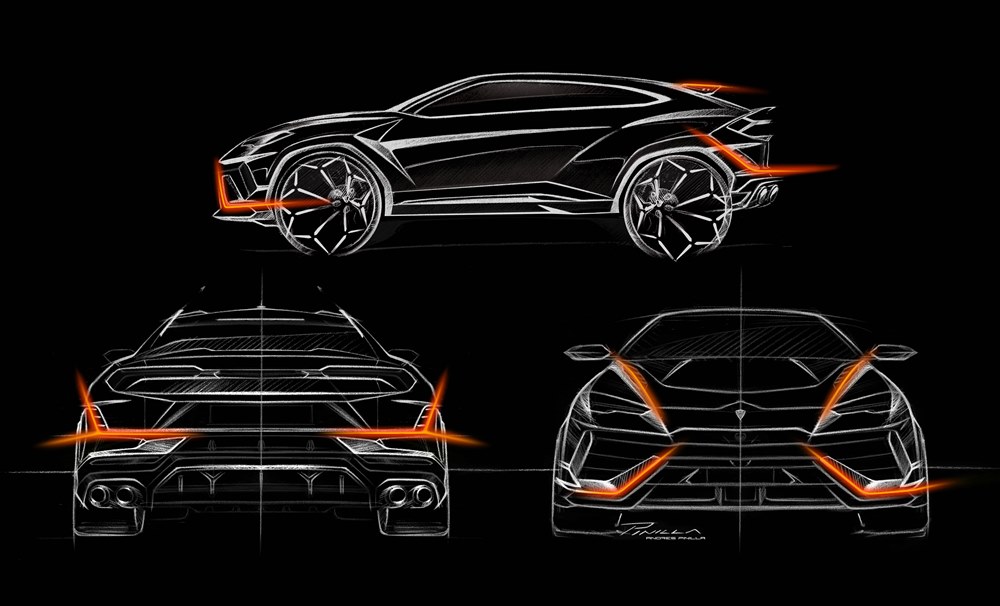
“The Urus Performante’s very bold and characterful design perfectly integrates the improved aerodynamics incorporating the front bumper’s air curtain, with significant visual differentiation including the new lightweight carbonfibre bonnet and extensive use of carbonfibre throughout reminding of its ‘Performante’ heritage. This benchmarking Urus is designed as a unique driver-oriented Super SUV,” said Mitja Borkert, Head of Design.
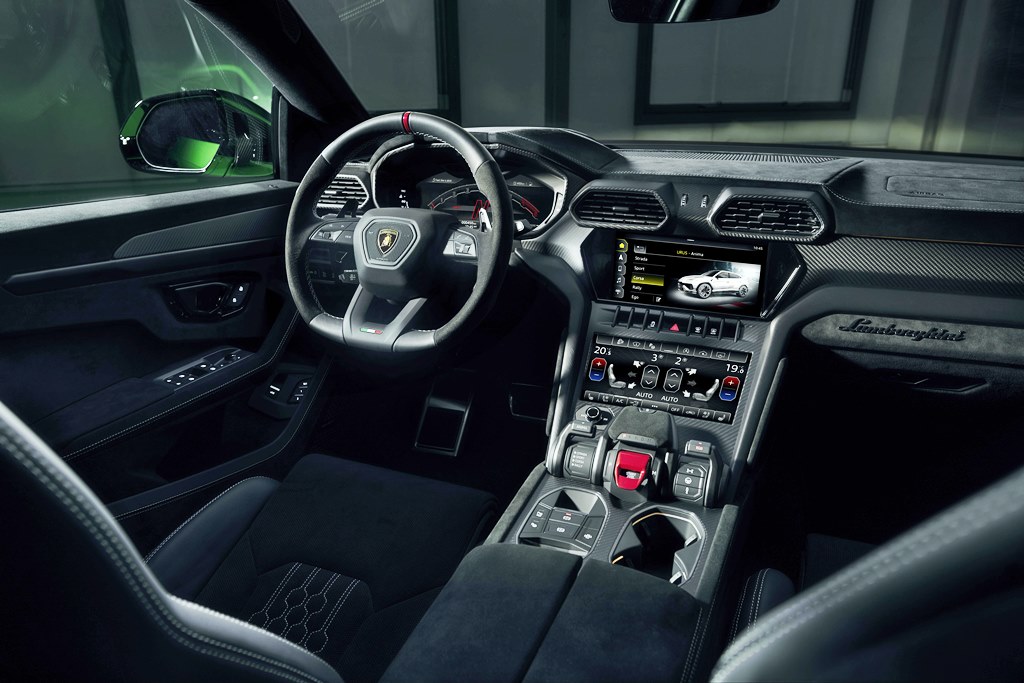
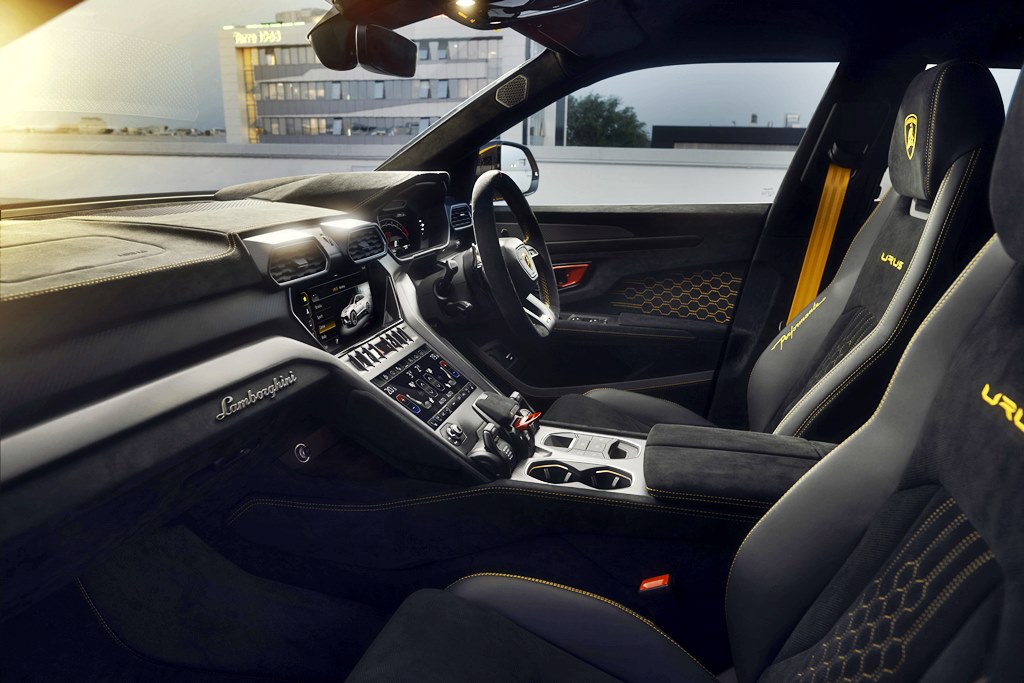
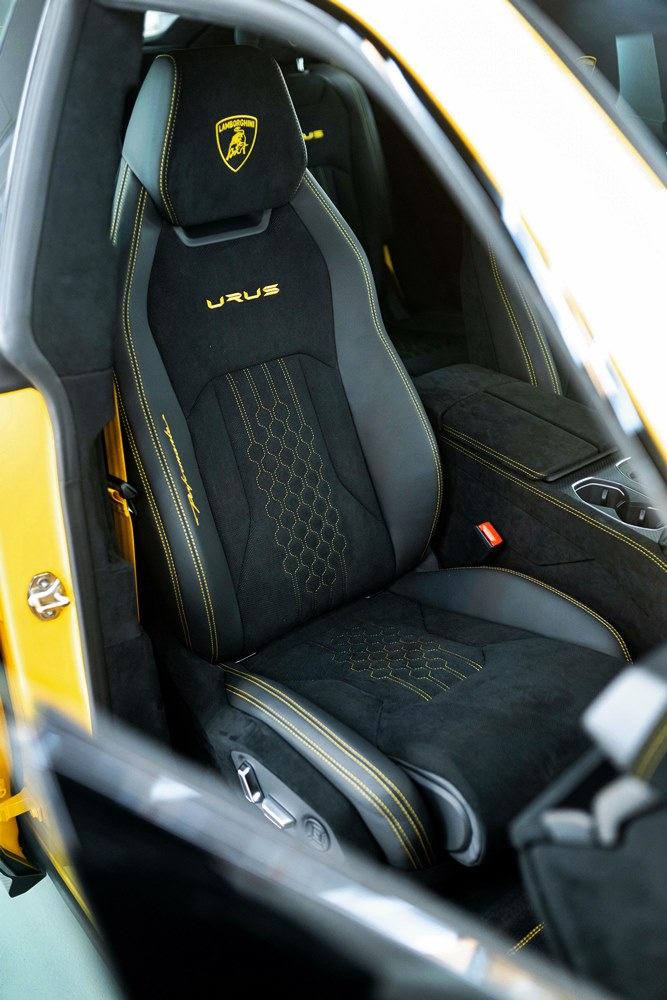
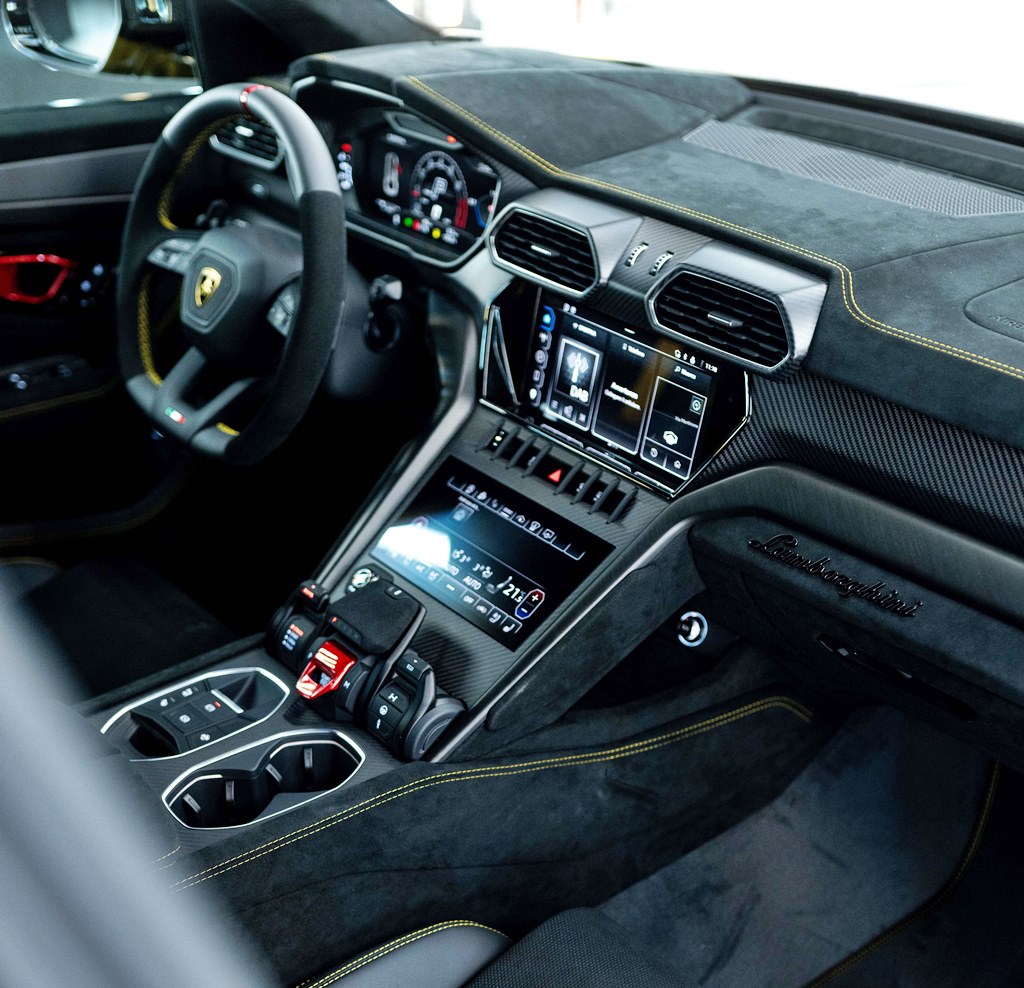
Ad Personam options available Inside, the cockpit features Nero Cosmus black Alcantara as standard with a new hexagonal seat stitching design known as the ‘Performante trim’. Customers have a wide choice of options in colour and trim, with further Ad Personam customization including interior matt carbonfibre details, red door handles, and a customized kickplate with the Ad Personam logo.
A new HMI graphic, with a dedicated design for the Urus Performante, features on both the centre console screen and in a large arc across the main display.
Increased power output Under the bonnet, the V8 twin turbo powerplant power has gained a 16 ps increase to 666 ps (640 ps for the Chinese market due to homologation reasons) with 850 Nm of torque to take it up to a top speed of 306 km/h. With overall weight decreased by 47 kgs, the Urus has a best-in-class weight-to-power ratio of 3.2, allowing it to go from 0 – 100 km/h in a claimed 3.3 seconds and from 100 km/h to standstill in 32.9 metres.
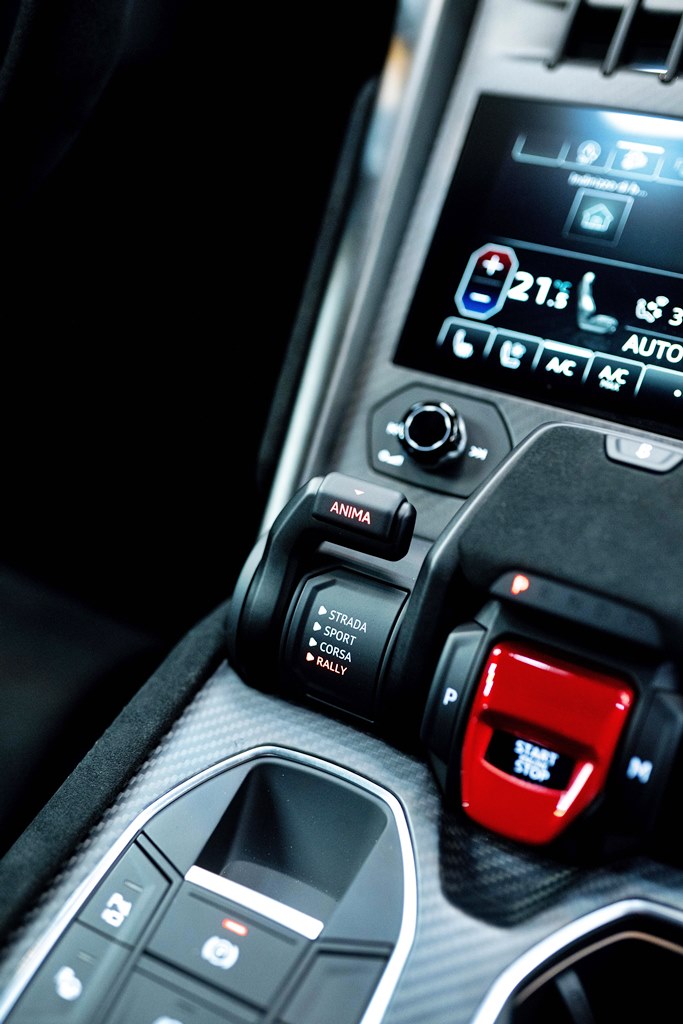
The re-engineered drive modes allow the driver to select the perfect set-up for every surface condition to enjoy more comfort or sharper, stronger throttle response with enhanced agility. Besides the standard drive modes, there is also a new RALLY mode which provides more fun dirt tracks with amplified oversteer.
Prior to its global debut, the Urus Performante’s high level of performance was demonstrated when it set a new record in the production SUV category on the 2022 Pikes Peak International Hill Climb Road, beating the record set 4 years ago.
Chassis upgrades Under the bonnet, the V8 twin turbo powerplant power has gained a 16 ps increase to 666 ps (640 ps for the Chinese market due to homologation reasons) with 850 Nm of torque to take it up to a top speed of 306 km/h. With overall weight decreased by 47 kgs, the Urus has a best-in-class weight-to-power ratio of 3.2, allowing it to go from 0 – 100 km/h in a claimed 3.3 seconds and from 100 km/h to standstill in 32.9 metres.
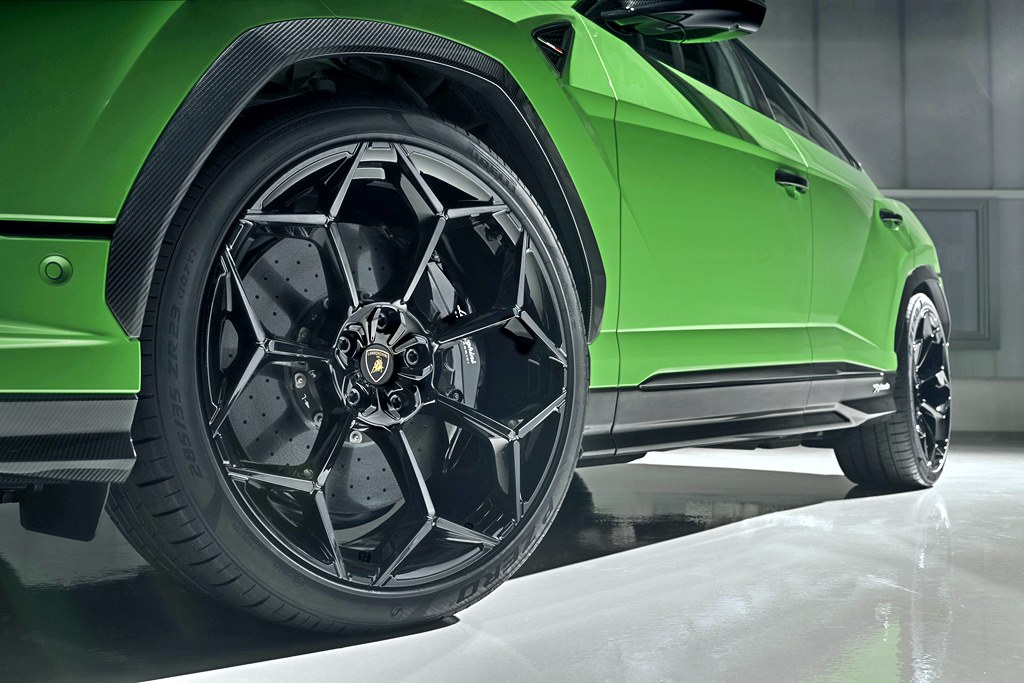
New steel springs lower the Urus Performante’s chassis by 20 mm, with a wheel track that is broader by 16 mm, over which wider carbonfibre wheelarches surround the new optional 23-inch or forged 22-inch lightweight wheels with titanium bolts and specially developed Pirelli tyres.
Special-developed Pirelli tyres The tyres come alongside with an evolution of the Urus Pirelli P Zero Trofeo R. For the first time, the Pirelli semi-slick tyre has been developed to meet the characteristics of an SUV, with this particular variant developed in co-operation with Lamborghini. The result of the collaboration is a tyre with increased capability, achieving performance both on dry asphalt with high ambient temperatures and on wet surfaces with colder temperatures.
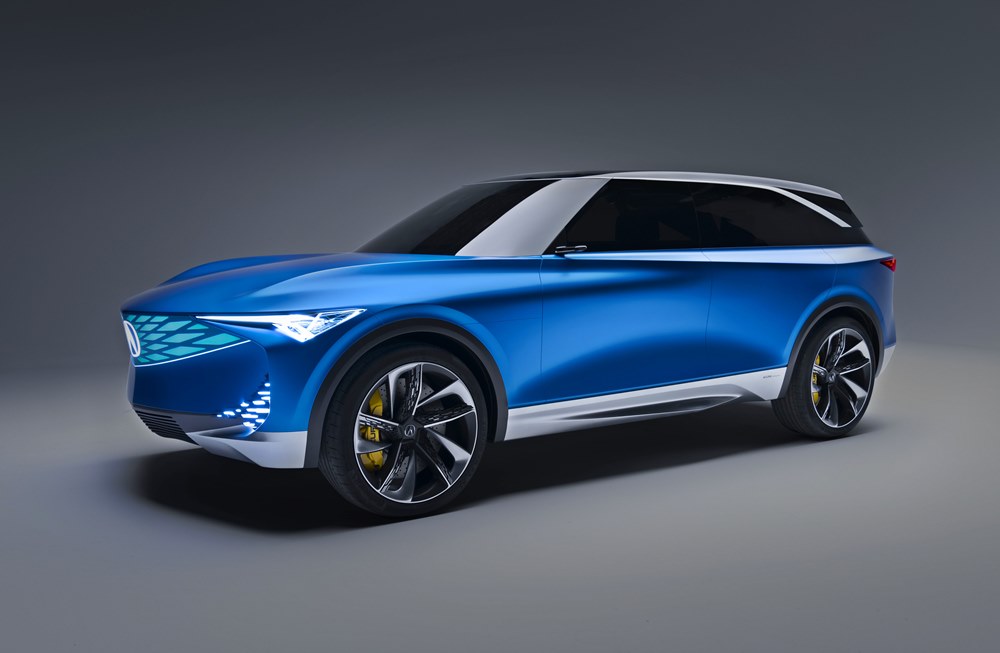
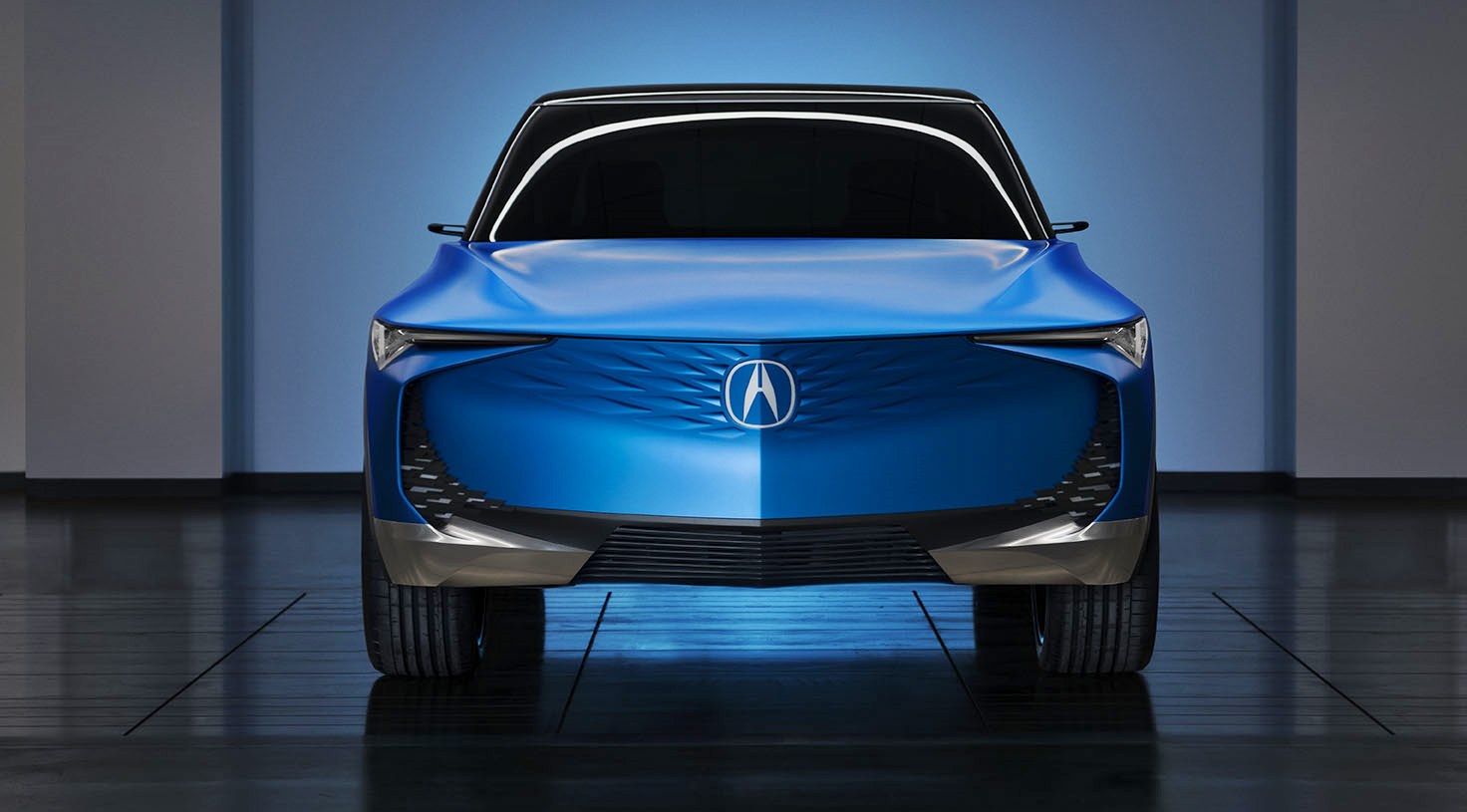
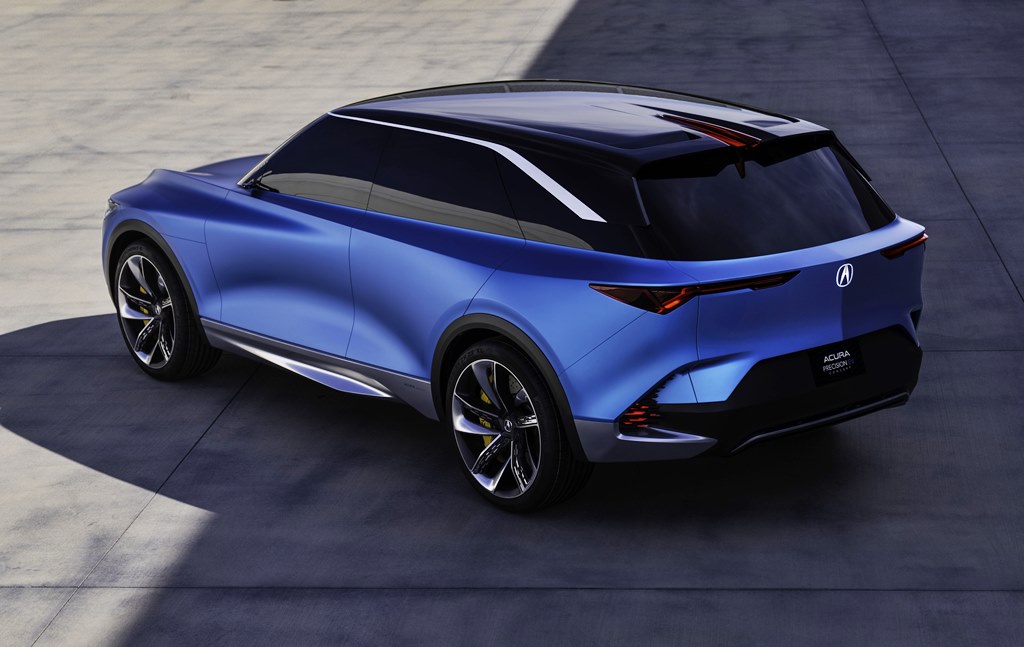
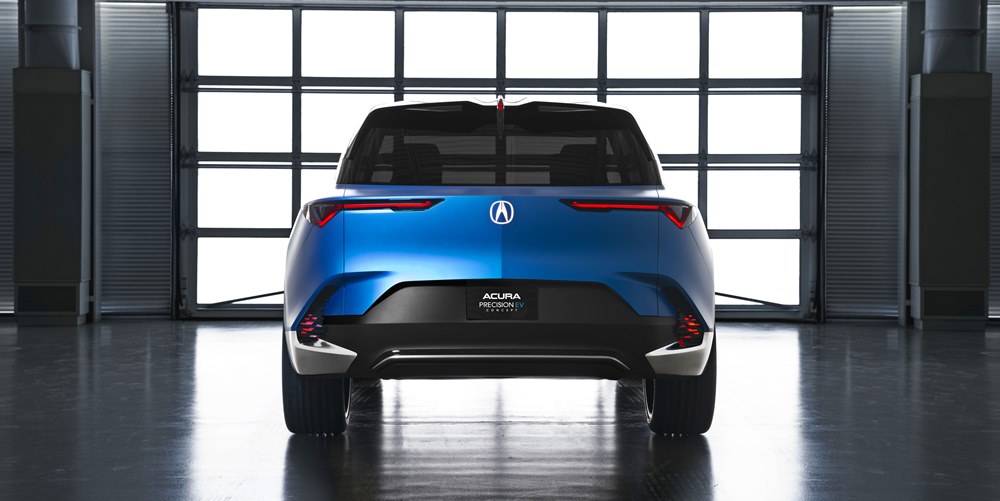
Acura, Honda’s brand of premium models mainly sold in North America, is transitioning to a new design language and a preview of this is given in the Precision EV Concept unveiled in California this week. This is the brand’s third design concept since 2016.
Created by the Acura Design Studio in Los Angeles, the SUV concept model showcases a future vision of electrified vehicles with distinct manual and full driving automation experiences. Its design focuses on performance through design, with inspiration drawn from luxury Italian powerboats.
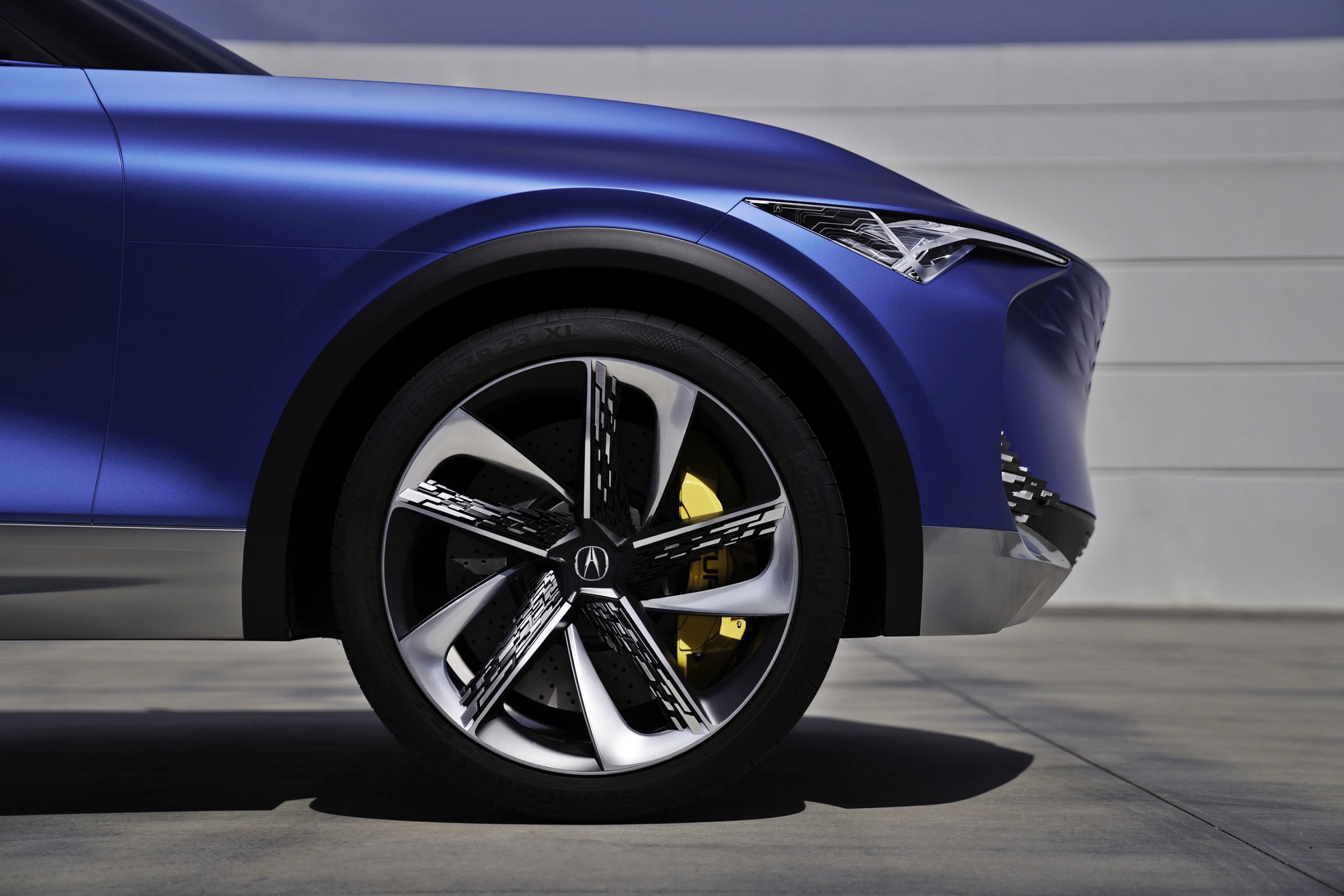
A special feature is the theatrical lighting approach that previews an electrified powertrain through a dramatic illuminated evolution of Acura’s Diamond Pentagon grille, Chicane DRL signature and new ‘Particle Glitch’ lighting on the front and rear facias.
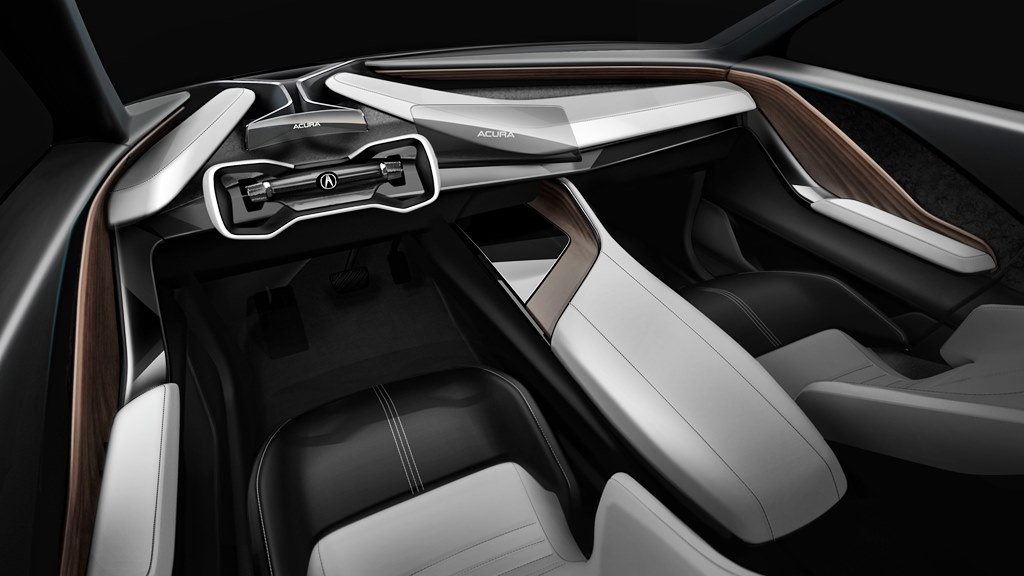
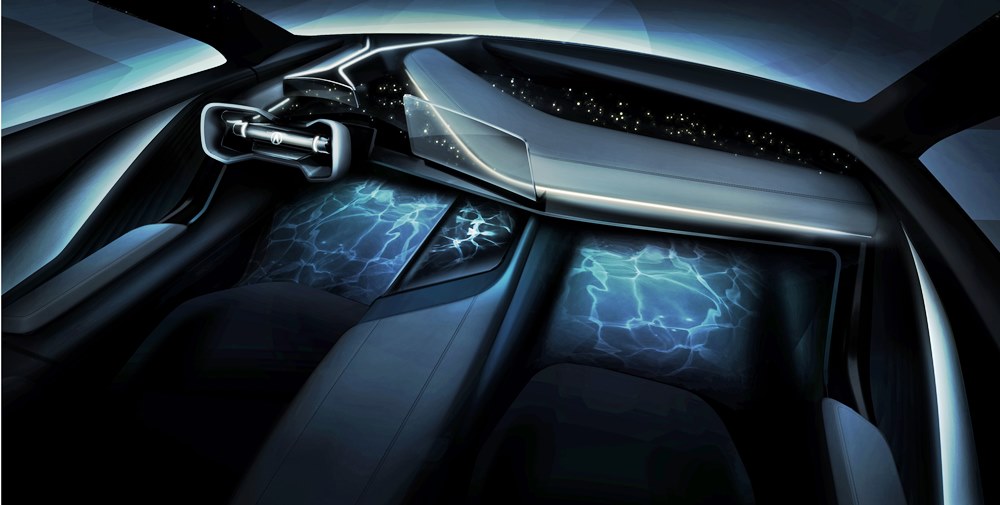
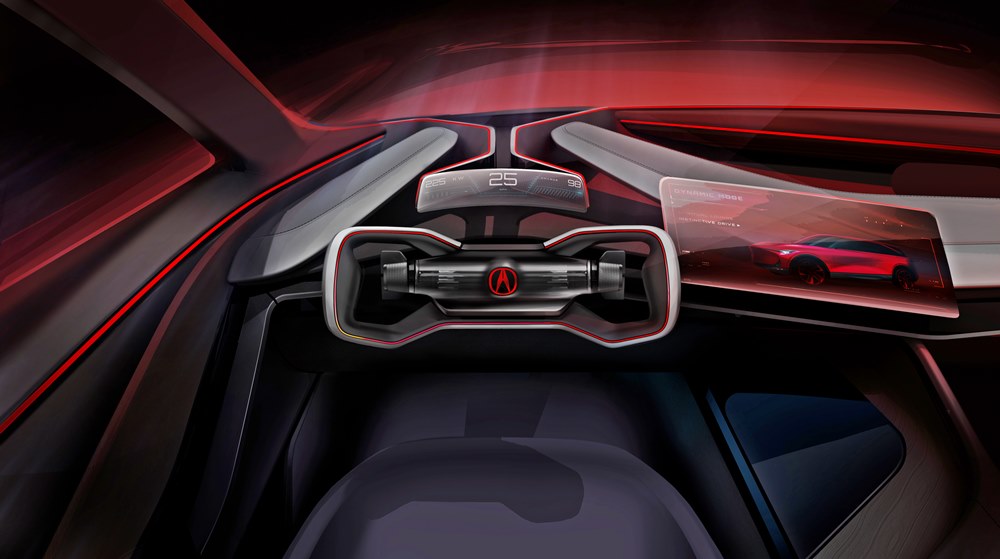
Dual driving modes Inspired by the cockpit of a Formula 1 racing car are the low-slung driving position, high-performance driver sightlines and a 2-grip yoke-style steering wheel. The interior space of the Precision EV concept features dual experiences – an Instinctive Drive mode for the performance experience and a calming Spiritual Lounge mode during autonomous operation.
The Instinctive Drive mode elevates the dynamic connection with the car with racing-style digital instrumentation and invigorating red ambient and pipe lighting. In Spiritual Lounge mode, the steering wheel retracts and as it does so, the cabin transforms into a warm, calming experience with soothing scents and restful ‘underwater’ animated projection so the driver and occupants can relax and recharge.
The SUV cabin is crafted with sustainable, environmentally-responsible materials creating premium, unique finishes including marbled recycled plastic trim and 100% biomass leather. All the aluminium used, as well as the dimensional green cast acrylic that forms the steering wheel secondary controls, were made from recycled materials. Milled FSC certified wood, harvested from responsibly managed forests that provide environmental, social and economic benefits, adds warmth and a connection to nature.
Next-generation HMI The Precision EV Concept also previews the next generation of Acura HMI (Human-Machine Interface) with an intuitive and easy to use hyper-wide, curved transparent display and haptic touch response. ‘Particle Glitch’ boot-up graphics mirror the signature exterior detail, visually harmonizing the experience.
“As the definition of premium and performance evolves to include the application of sustainable materials, we are looking at new and innovative material technologies to inspire our customers while both reducing our carbon footprint and enabling the Acura brand to reshape the perception of quality,” said Gypsy Modina, Principal Designer – colour, materials and finish..
“The Precision EV Concept is a look into our future direction and continues the Acura Precision Crafted Performance design language with a modern expression of performance” said Dave Marek, Acura Executive Creative Director. “The Acura Precision EV Concept will be our ‘North Star’ as we move into an exciting electrified future, and you will see these design cues translate over to future production models.”
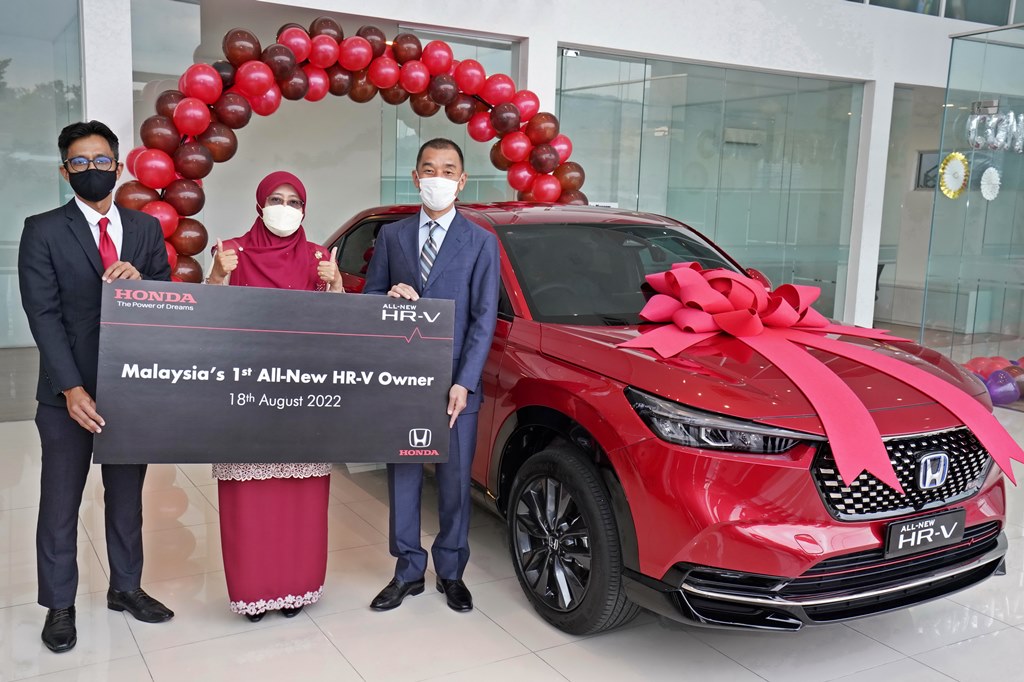
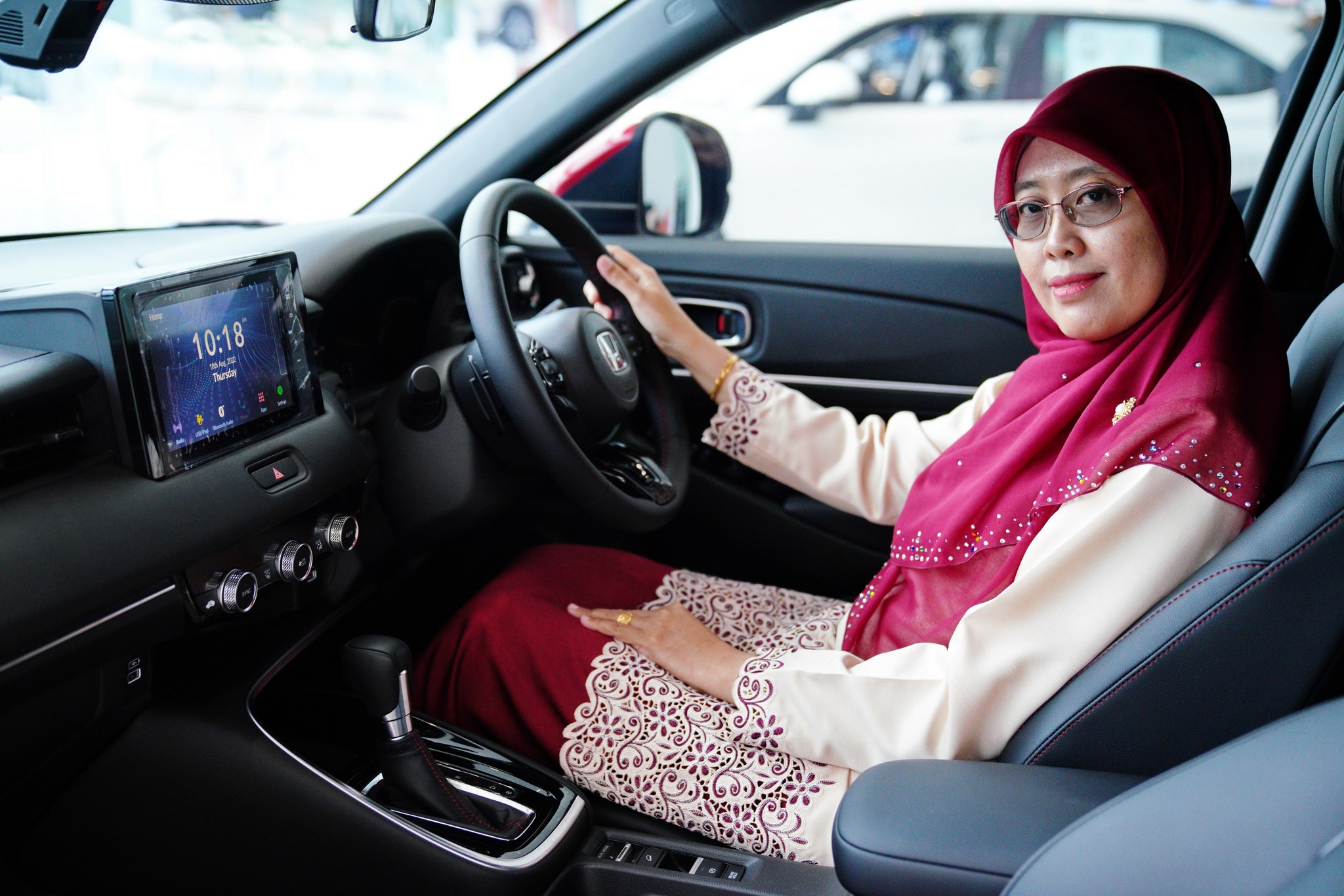
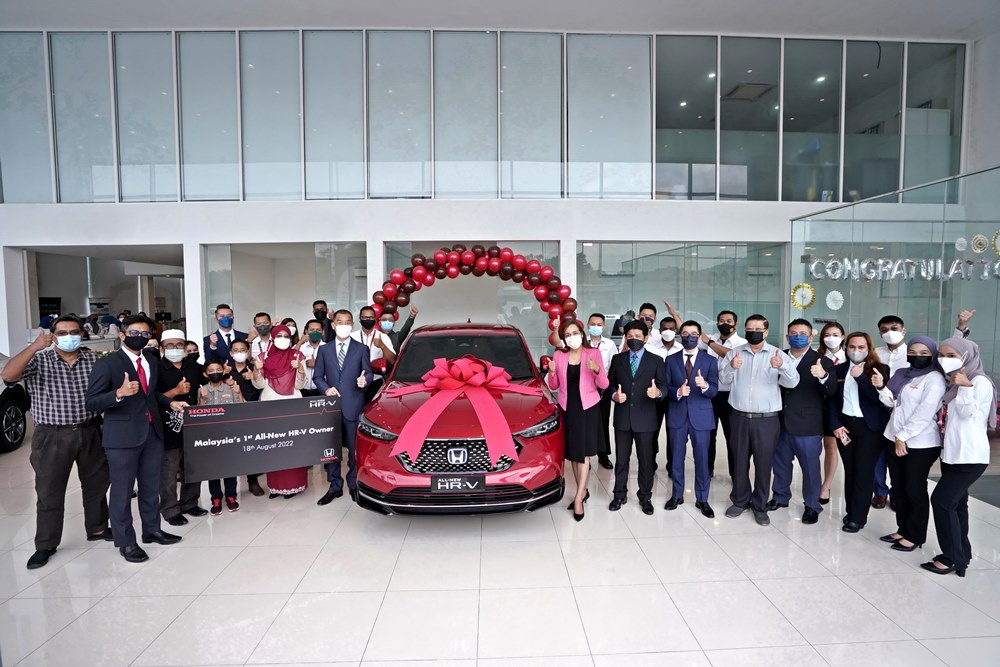
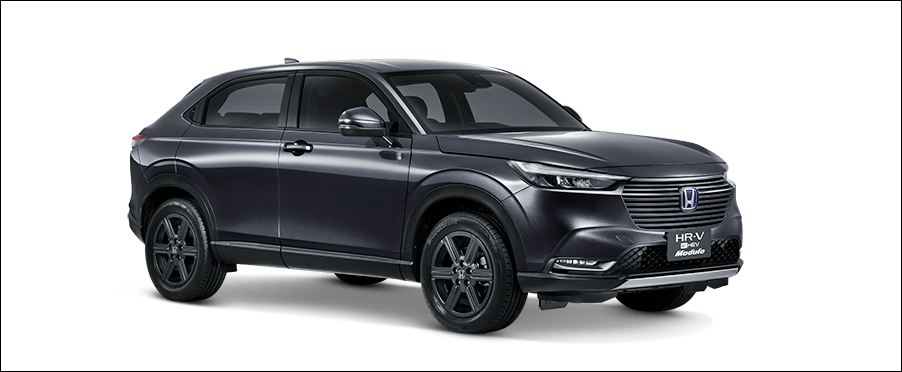
Honda Malaysia has begun delivering the new Honda HR-V and the first customer to receive the new crossover SUV was Nurul Hafida binti Mohd Jais. Cik Nurul Hafida received her new vehicle at MJN Motors Sdn. Bhd. in Cheras, Selangor, where she had booked the RS e:HEV version with a red finish.
As the first HR-V owner in Malaysia, she received some extras as token of appreciation from Honda Malaysia. These were Honda Authorized Accessories, Ultra Glass Body Coating and Honda official merchandise valued at RM5,700.
Explaining the reasons why she chose the new Honda, Cik Nurul Hafida said: “I did my research even before the official launch of the All-New HR-V in Malaysia. The exterior styling and looks caught my attention and that’s when I decided to book the model the moment it was opened for booking. I have been anticipating the delivery of my new car and was pleasantly surprised when I found out that I was the first customer to receive the car!”
“What’s even more exciting is the additional surprise of receiving gifts from Honda! I am looking forward to taking my family out and about on my new ride,” she added.
Speaking at the handover ceremony, Honda Malaysia’s Managing Director & CEO, Hironobu Yoshimura, said: “The response we have received for the All-New HR-V has been overwhelming and we believe this new model will be sensational once again as it did in the past. Today, we are excited to deliver the All-New HR-V to the first owner, Cik Nurul Hafida. In addition to this momentous occasion, Honda Malaysia will deliver over 1,300 units of the All-New HR-V within one month of its launch. We would like to take this opportunity to convey our sincere gratitude to all our customers for their continuous support to the Honda brand.”
Demand for the new HR-V is high, according to Wan Hazmi bin Dato’ Wan Mustafa, owner of MJN Motors Sdn. Bhd. “We are so honoured to be the dealer to deliver the first HR-V to our beloved customer! We are committed to continue providing our customers with excellent service in all aspects,” he said.
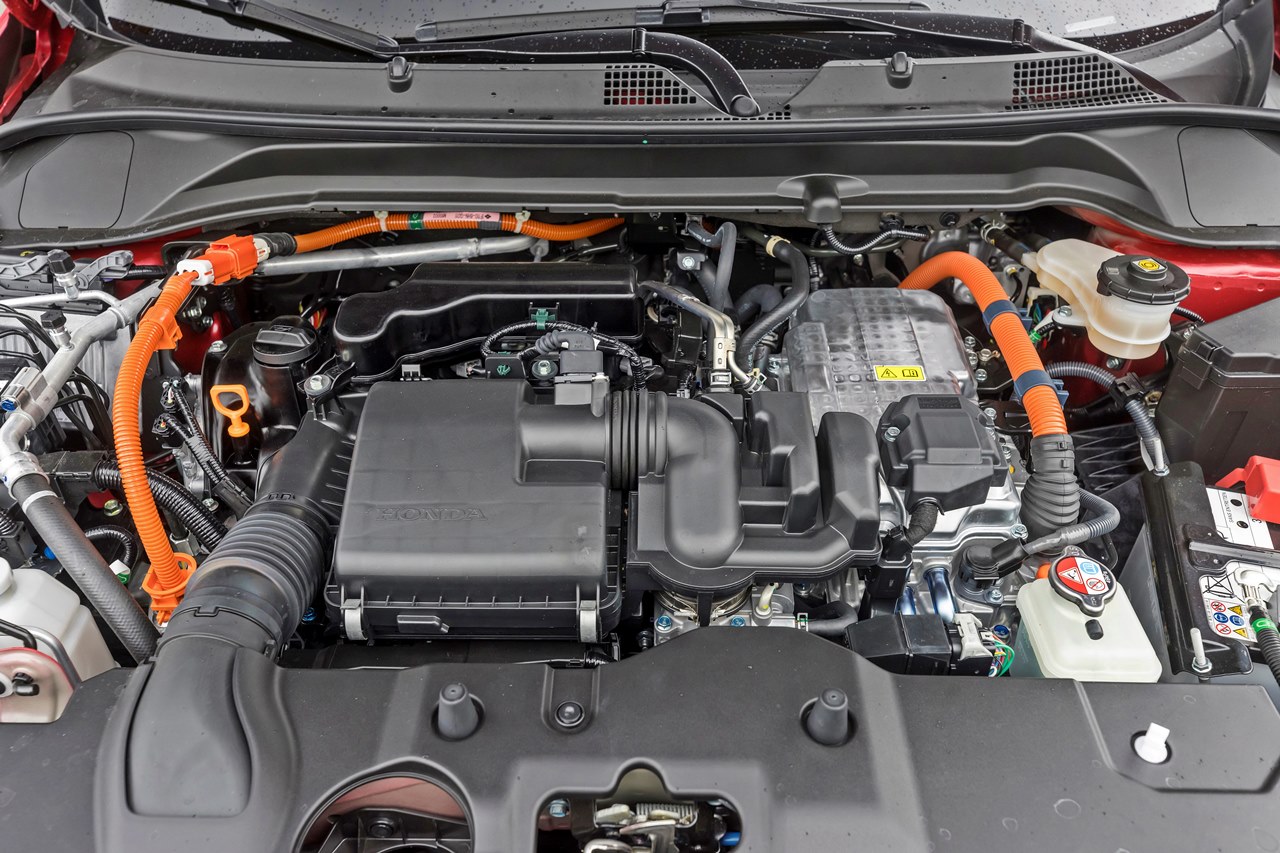
The new HR-V is available with a choice of three 1.5-litre powertrains. The RS version has the e:HEV system with Honda’s unique 2-motor hybrid system which generates 131 ps/253 Nm and the other two are a VTEC turbocharged engine (181 ps/240 Nm) and a naturally-aspirated i-VTEC engine (121 ps/145 Nm).
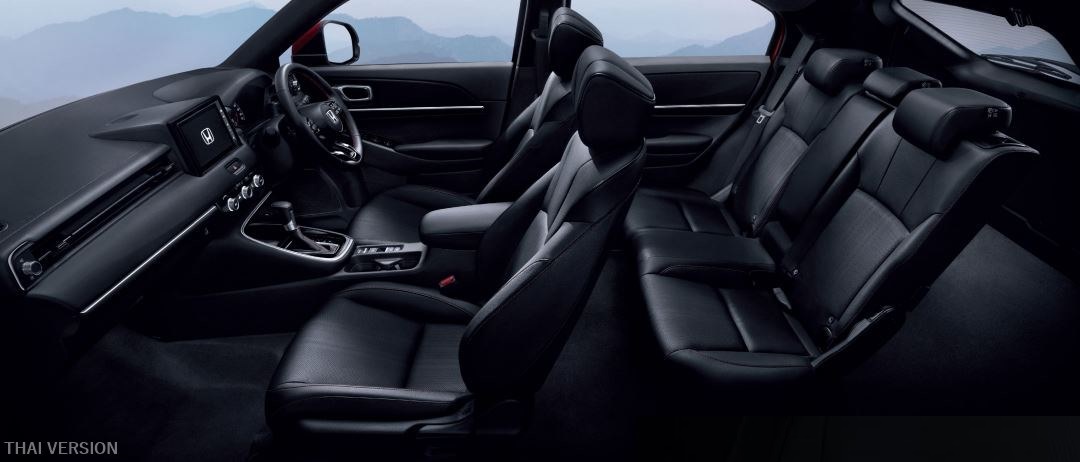
For this second generation, a more modern feel is evident and features available (depending on version) include leather upholstery, sports pedals, dual-zone automatic air-conditioning with an Air Diffusion System, and a Hands-Free Power Tailgate with Walkaway Close function. Honda SENSING, the suite of active safety systems, is standard across the range.
For more information on the latest HR-V or any Honda models, visit any of the 102 authorized Honda dealerships nationwide or www.honda.com.my.
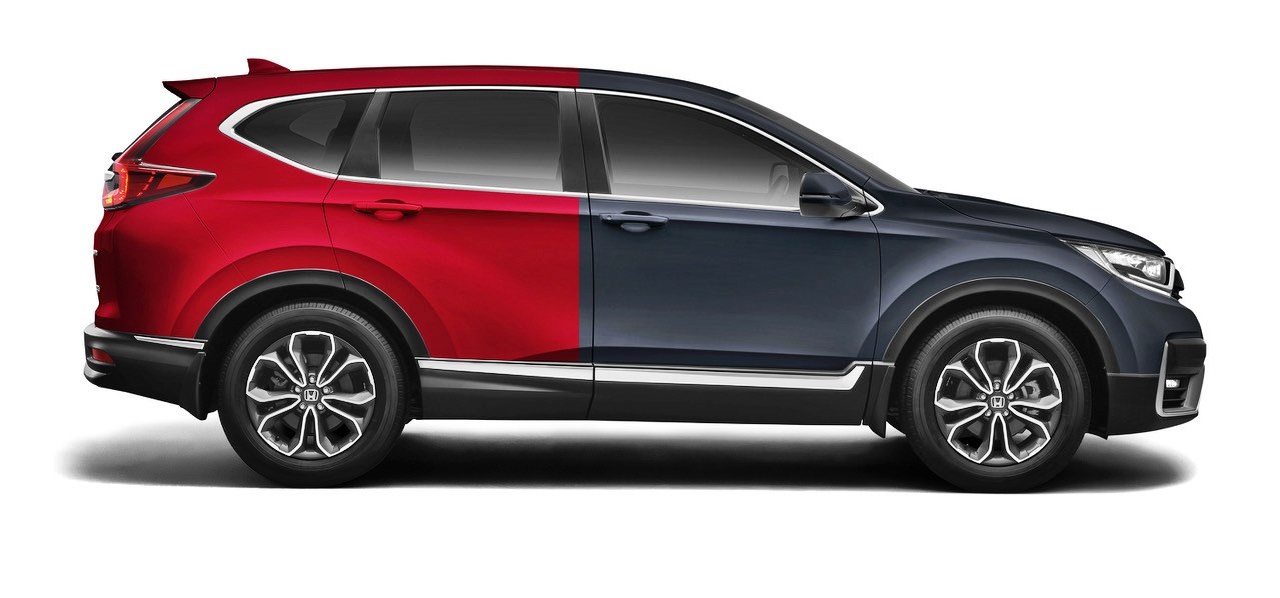
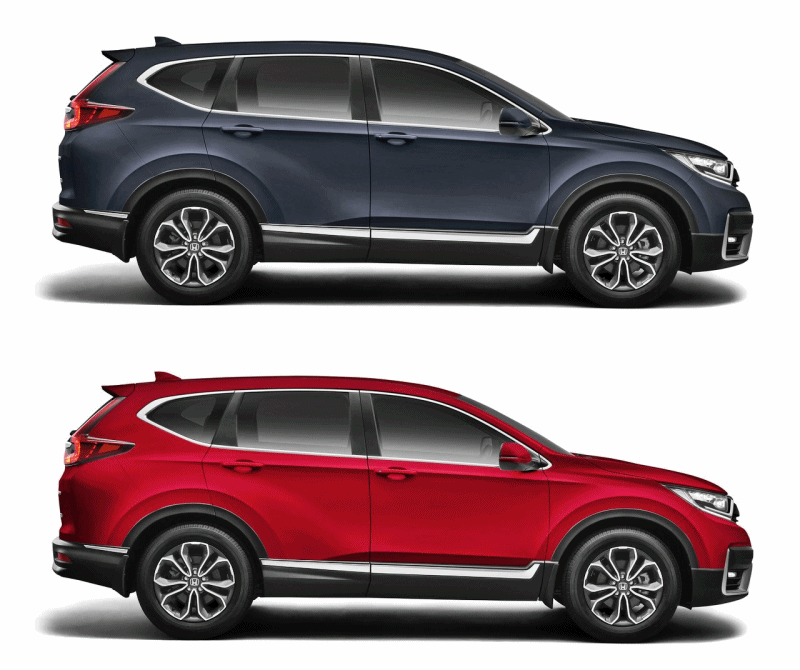
Honda Malaysia’s popular SUV, the Honda CR-V, is now available with two new colour options. The colours Ignite Red Metallic and Meteoroid Gray Metallic colour. The two colours replace the Passion Red Pearl and Modern Steel Metallic choices.
The total number of exterior colour choices therefore remains at six, the other four being Platinum White Pearl, Lunar Silver Metallic, Crystal Black Pearl and Dark Olive Metallic.
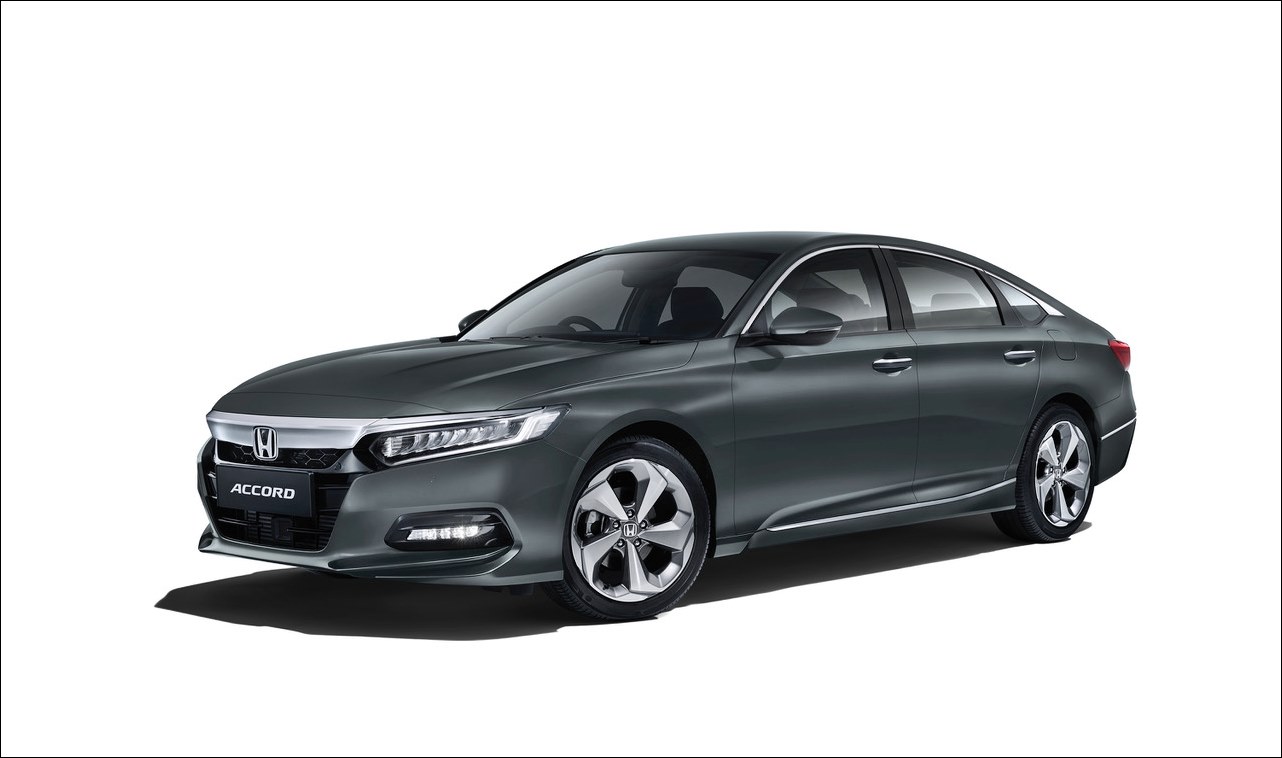
Ignite Red Metallic and Meteoroid Gray Metallic are not new to the Honda range in Malaysia as they are already offered for the City, City Hatchback, Civic, BR-V and latest HR-V. The Accord is also available with the Meteoroid Gray Metallic colour.
According to Honda Malaysia’s Managing Director and CEO, Hironobu Yoshimura, both colours have been popular. The Ignite Red Metallic colour was chosen by an average of 18% of buyers of each of the five models, while the Meteoroid Gray Metallic colour was the choice of 24% on average.
The new HR-V (above) and Accord (below) are also available in Meteoroid Gray Metallic.
“With the CR-V as the latest model to receive both colour options, we have completed the expansion of the Ignite Red Metallic and Meteoroid Gray Metallic colours into the full Honda line-up. We are confident that both new colours will further accentuate the appearance of the CR-V for customers who seek an SUV with a bolder and modern exterior,” said Mr. Yoshimura.
Since its launch in 2017, the 5th Generation CR-V has recorded an outstanding sales record with more than 63,000 units sold. Of this total volume, more than 27,000 units were of the facelifted model which was launched in November 2020. This year, the CR-V has contributed 12% to the brand’s total sales volume from January to July 2022.
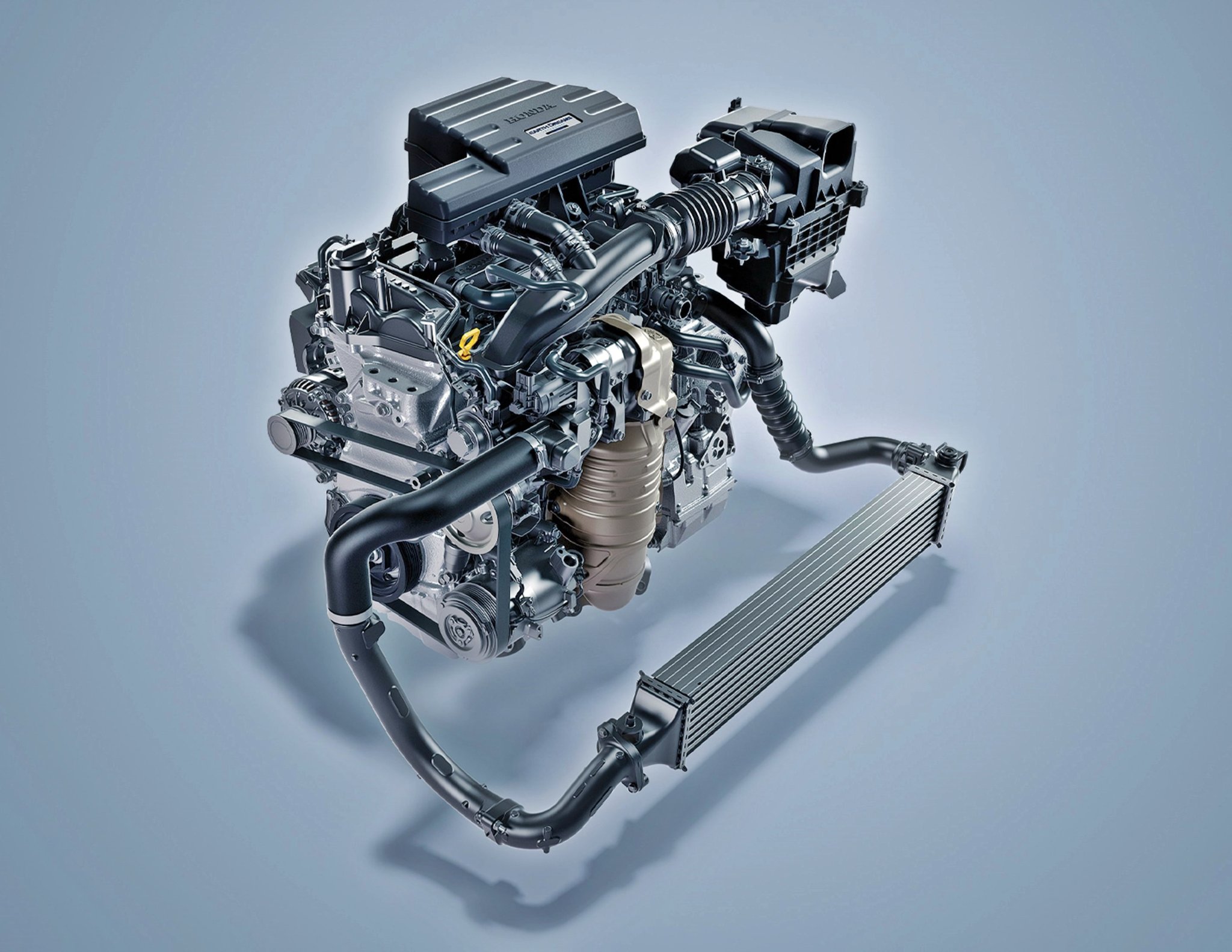
The CR-V is powered by a proven 1.5-litre VTEC turbocharged engine which produces 193 ps/243 Nm. The power goes to the front wheels or all four wheels, depending on the version. Besides the comprehensive list of standard safety features, the CR-V is equipped with Honda SENSING, a suite of 8 active safety systems that help the driver avoid accidents or reduce the effects of an accident.
The CR-V is available in 4 versions – 2.0 2WD, 1.5TC-P 2WD, Black Edition and 1.5TC- 4WD, with prices ranging from RM146,900 to RM171,400 (excluding insurance, Peninsular Malaysia registration).
For more information on the CR-V or other Honda models in Malaysia, visit any of the 102 authorised Honda dealerships nationwide or www.honda.com.my.