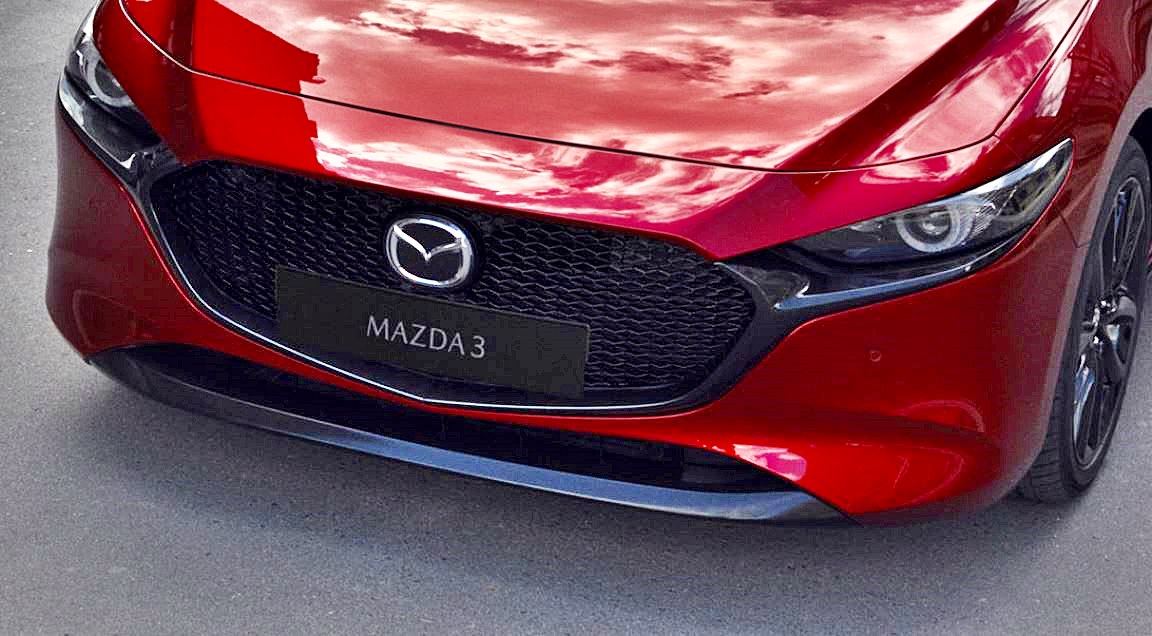
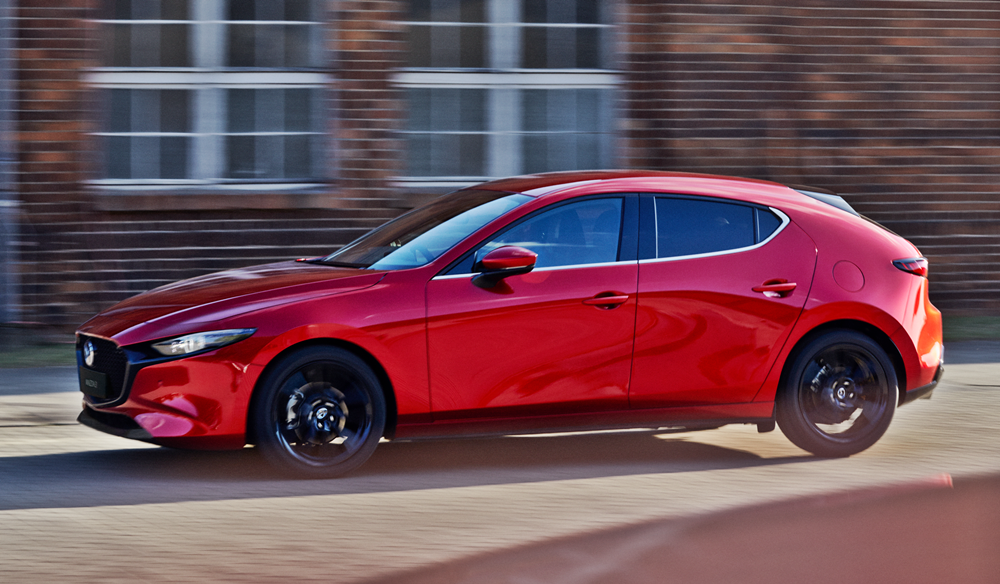
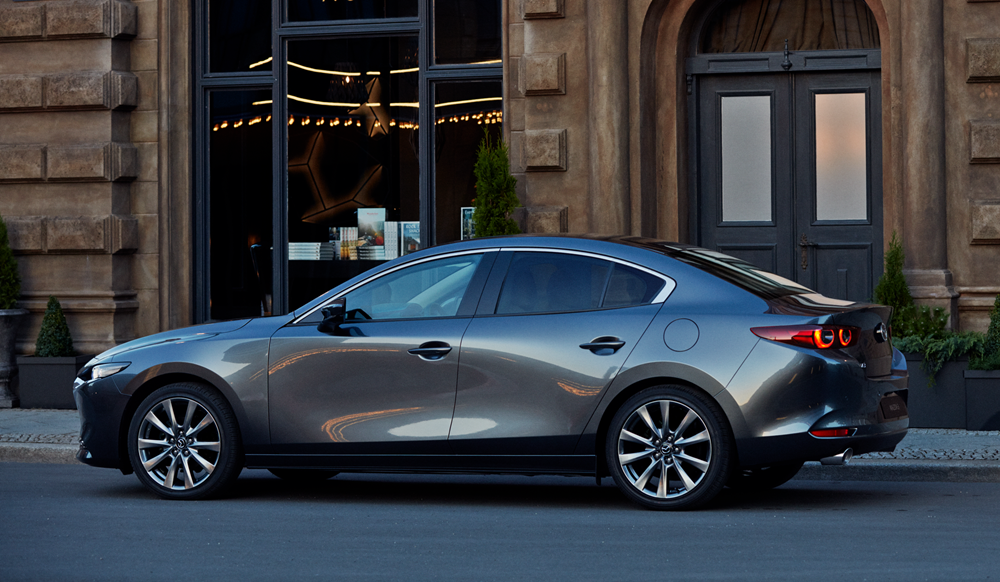
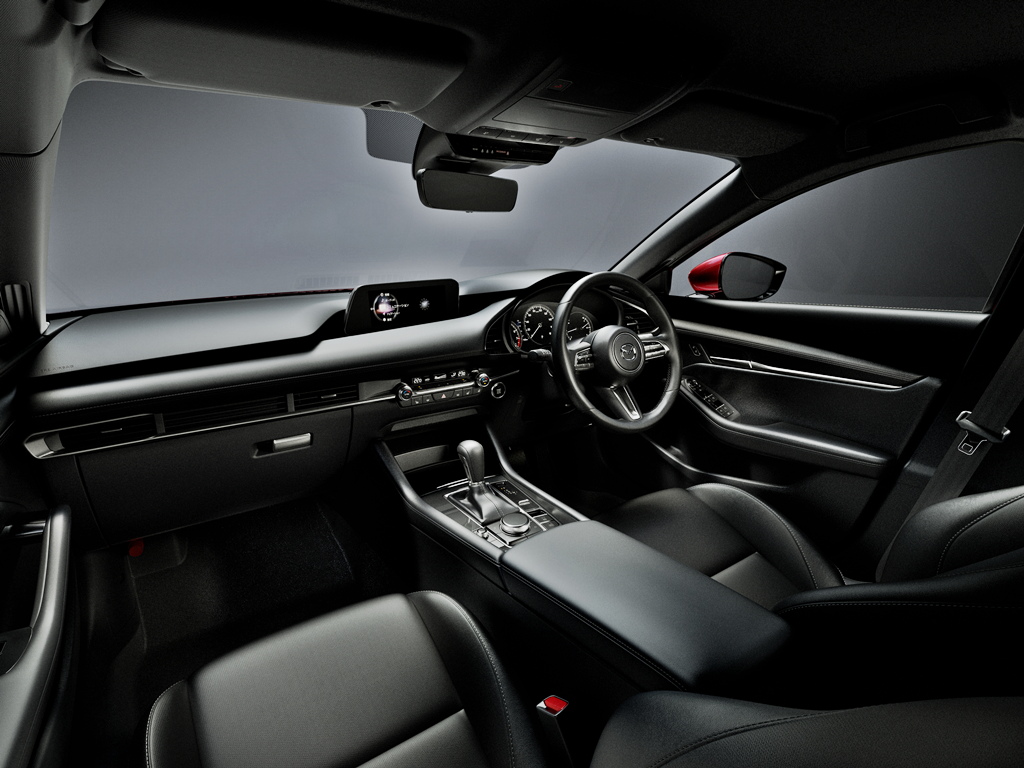
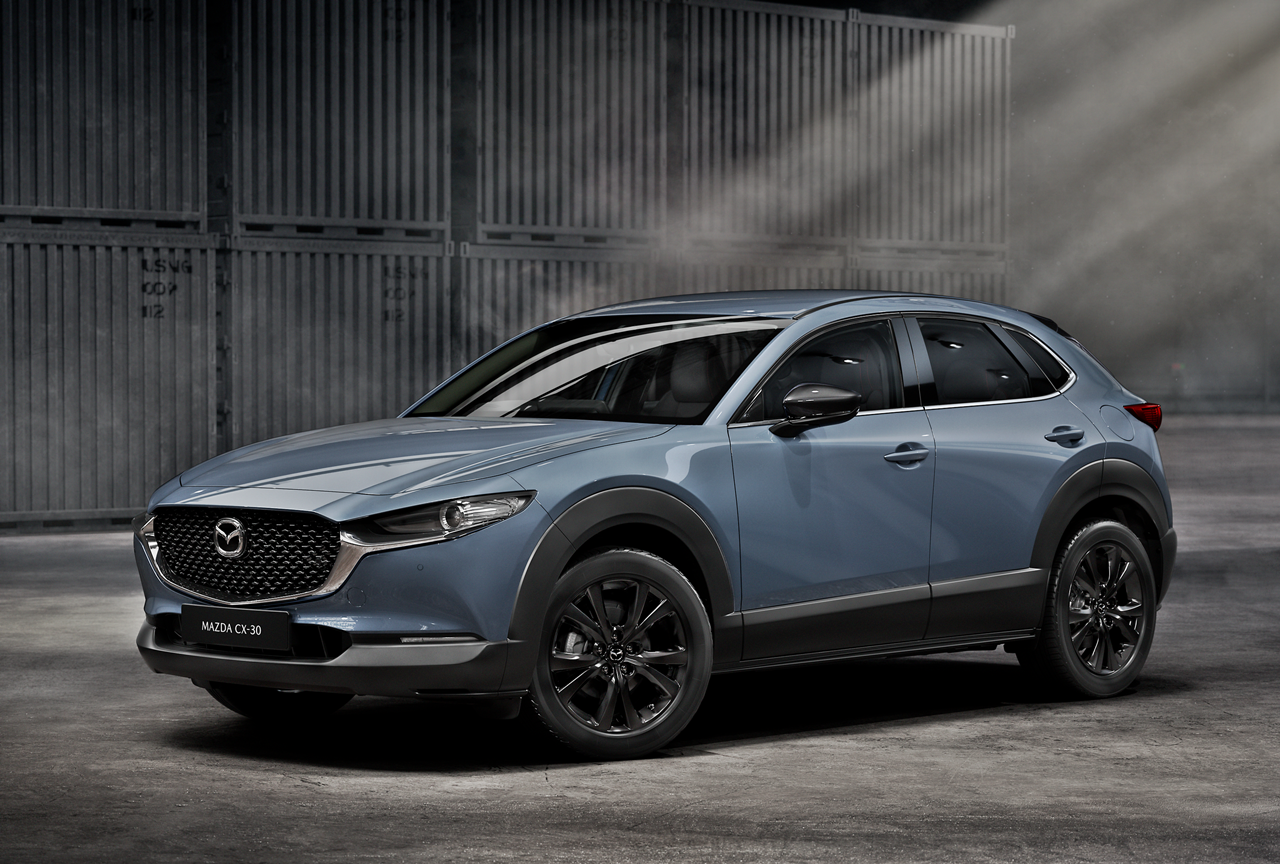
Bermaz Motor has announced that the 2022 Mazda3, CX-3 and CX-30 models are now available in Malaysia. All three are imported from Mazda factories in Japan and come with feature upgrades, with a special versions of the Mazda3 and CX-30 also being offered.
Mazda3
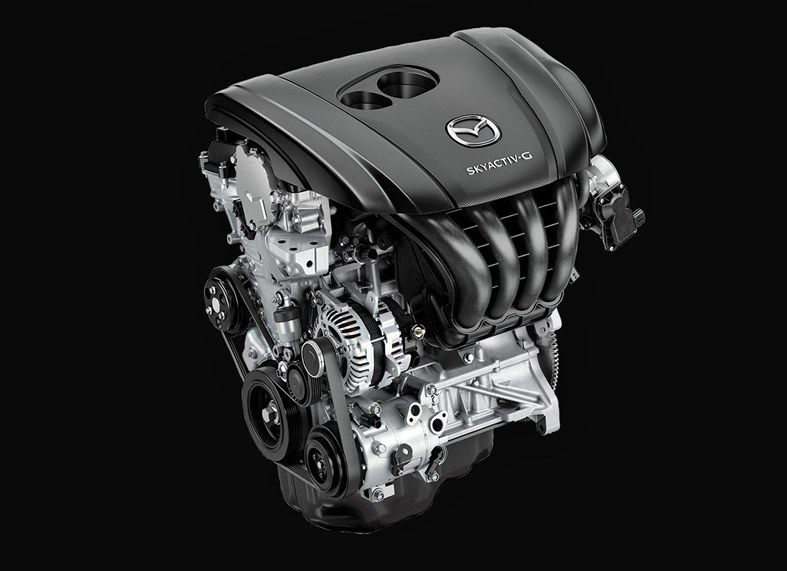
The model that was developed from the Kai concept car of 2017 is available with 1.5-litre and 2-litre SKYACTIV engines and sedan as well as liftback bodystyles. For 2022, the models get improved connectivity with Apple CarPlay and Android Auto installed. This allows favourite apps from the smartphone to be interfaced with the infotainment system which is managed by an 8.8 touchscreen on the dashboard.
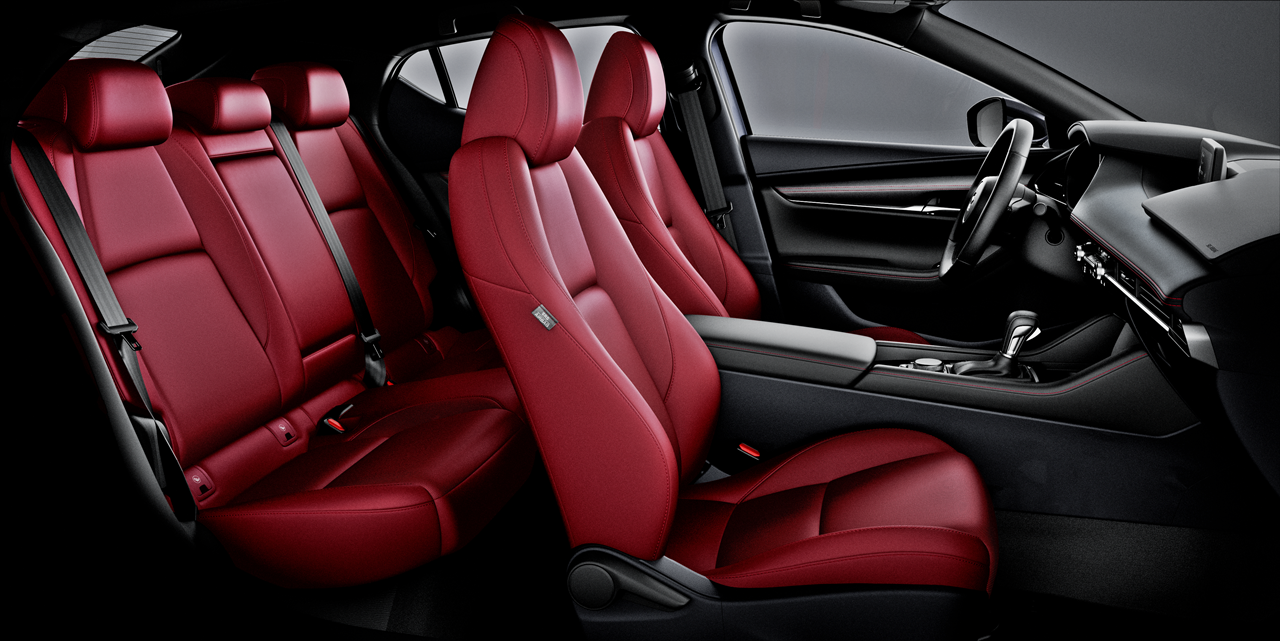
A special version known as the ‘Ignition Edition’ is also available but only for the 2-litre liftback variant. While the rest of the Mazda3 range has a choice of 7 colours, the Ignite Edition is only available in Polymetal Grey. The model also has distinctive gloss black door mirror covers and the 18-inch alloy wheels are finished in metallic black. Inside, the Ignite Edition has exclusive, burgundy-coloured leather upholstery which gives a classy touch.
The Ignite Edition comes with the latest i-Activsense active safety system with driver assistance features such as Front Cross Traffic Alert, Driver Attention Alert, and Driver Monitoring as well as Cruising & Traffic Support (CTS). For easier manoeuvring, especially in tight parking spaces, there is a 360o View Monitor to help the driver see the areas on all sides of the car.
The latest Mazda3 prices start from RM138,660 (excluding insurance) and until June 30, 2022, half of the sales tax applicable is exempted by the government.
Mazda CX-3
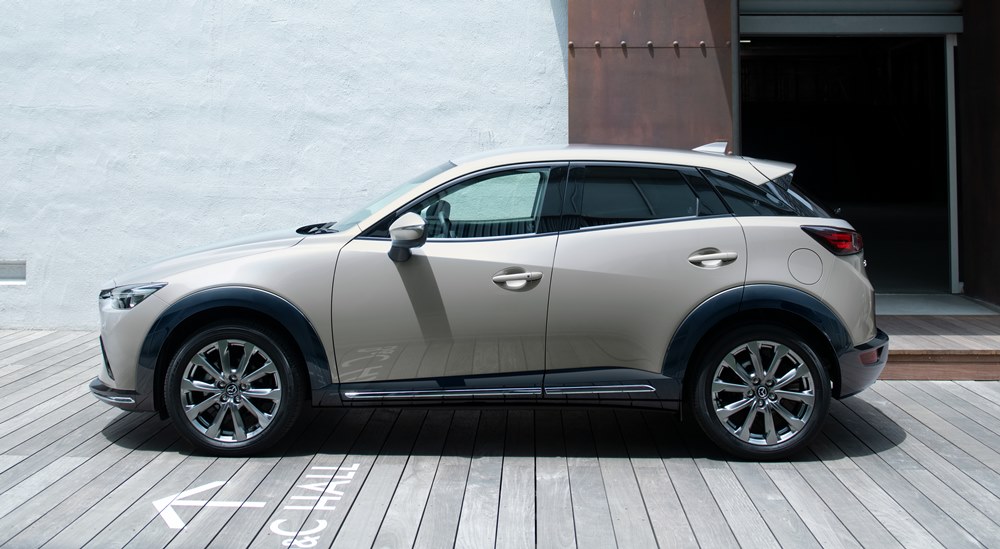
The CX3 crossover SUV retains the same compact proportions that are ideal for the urban jungle. Under the skin is the SKYACTIV-vehicle Architecture which gives the CX-3 the same jinba-ittai (the unity between ride and horse) character that every Mazda has. It is powered by a 2-litre 154 bhp/206 Nm SKYACTIV-G engine that is mated to a 6-speed SKYACTIV-DRIVE transmission sending power to the front wheels.
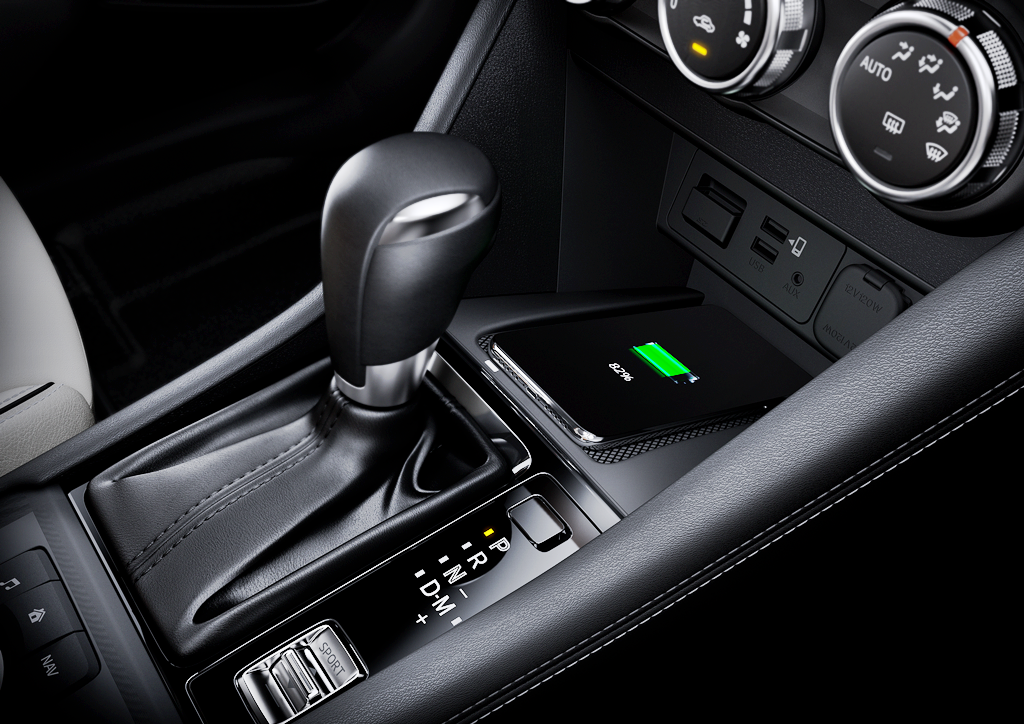
Updates for the 2022 model are wireless Apple Carplay along with Android Auto for smartphone connectivity and also a Qi Wireless Charger for compatible smartphones. The infotainment system has an 8-inch capacitive touchscreen with a bright clear display. Also added is a 360o View Monitor to give the driver a better idea of the surroundings. A seatbelt reminder is now installed for all seats, especially useful as rear passengers must also be belted up by law.
Bookings are now accepted with the price starting from RM131,929 (excluding insurance and with 50% sales tax until June 30, 2022). Customers can choose from 6 colours – Soul Red Crystal, Machine Gray, Snowflake White Pearl, Polymetal Gray, Deep Crystal Blue and the new Platinum Quartz Metallic.
Mazda CX-30
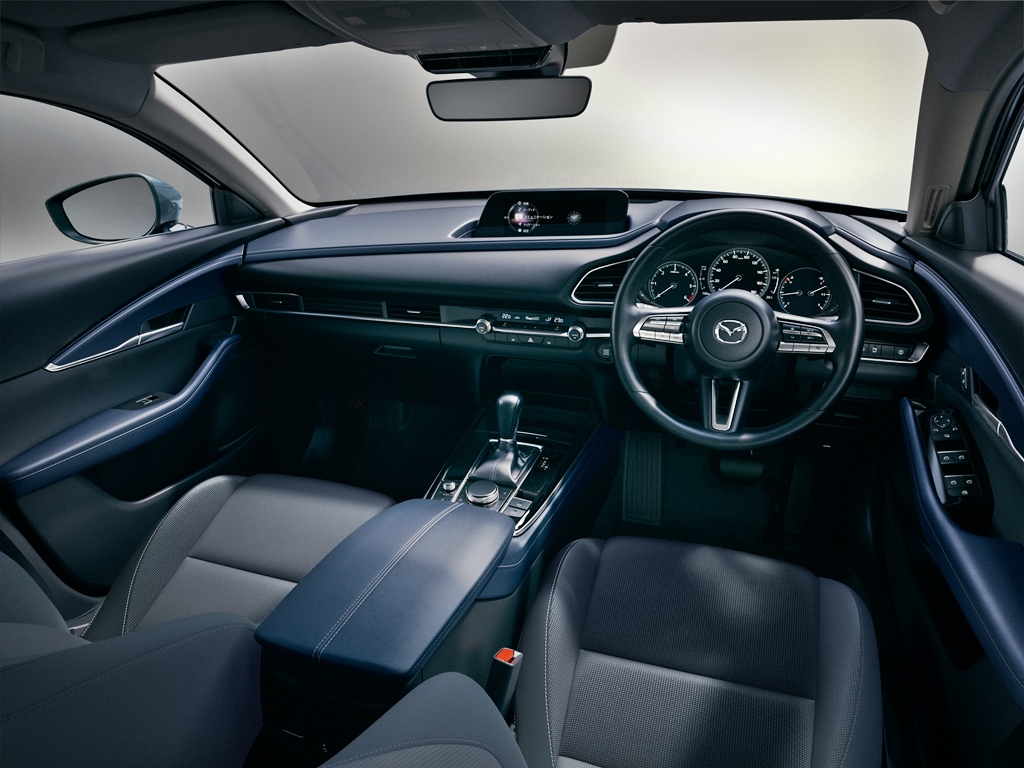
The CX-30 has received some updating with connectivity improvements that allow for smartphones to interface with the infotainment system using Apple CarPlay and Android Auto. The 8.8-inch touchscreen functions as a command centre to make various selections and adjustments.
Additionally, there are two ‘Ignite Edition’ variants added with a choice of FWD or AWD. Like the Mazda3 Ignite Edition, they come with black door mirrors (auto-folding) and black 18-inch alloy wheels. The interior has burgundy-themed upholstery on the seats with black interior trim. Also includes is a 360o View Monitor which uses the central display.
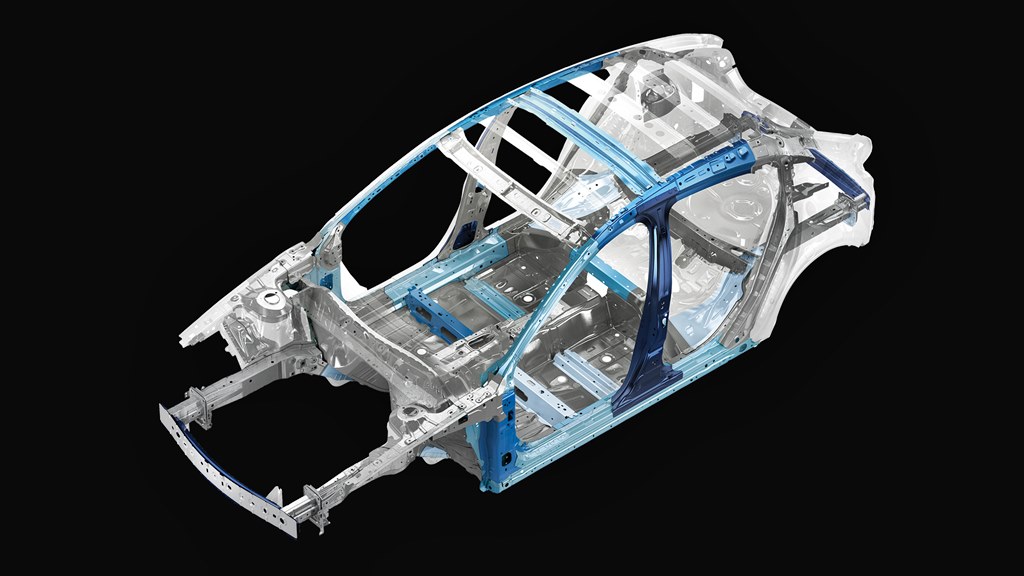
The CX-30, which has i-Activsense, has scored full marks in Euro NCAP stringent evaluations. In fact, it was one of the models to score the highest-ever rating in the Adult Occupancy Protection assessment. It also performed impressively in the other categories such as Child Occupant Protection, Vulnerable Road User (pedestrian safety) and Safety Assist.
The latest CX-30 (High Spec upwards) has a full suite of i-Activsense features and Front Cross Traffic Alert, Driver Attention Alert with Driver Monitoring and Cruising & Traffic Support are also added for the ‘Ignite Edition’.
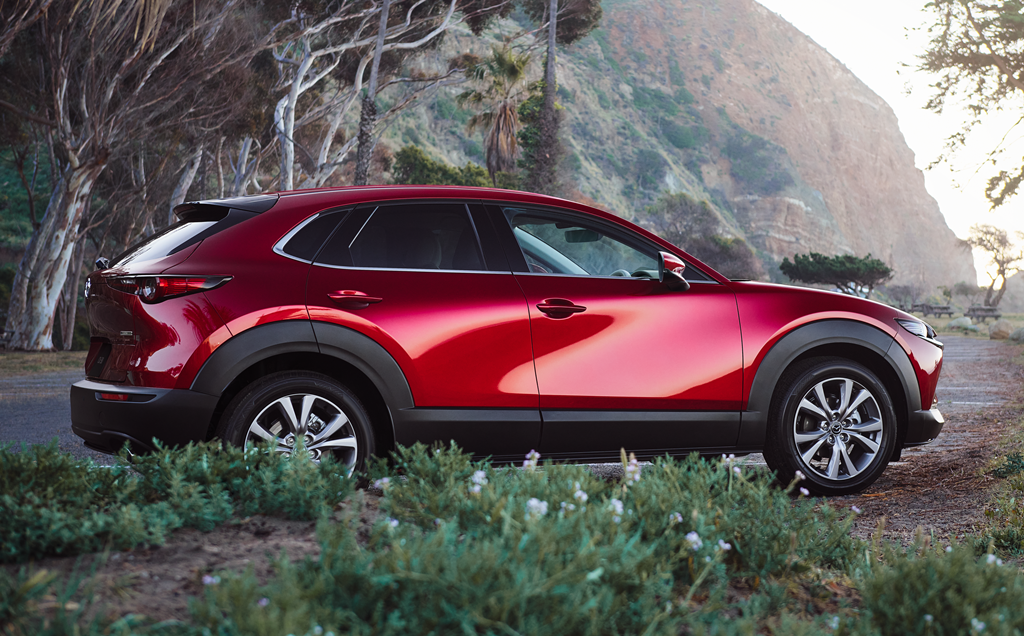
There are 7 colour choices for the CX-30 which is priced from RM145,759 (without insurance/50% sales tax until June 30, 2022).
All new Mazda vehicles (except for the BT-50 pick-up truck) come with a 5-year/100,000 km manufacturer’s warranty and during the first 5 years (or 100,000 kms) after registration, owners can enjoy free scheduled maintenance.
In 1962, Ursula Andress came out of the sea and was greeted by the late Sean Connery acting as James Bond Agent 007 in ‘Dr. No’. Who would have imagined that the movie franchise would continue with another 24 more right up to the 21st century?
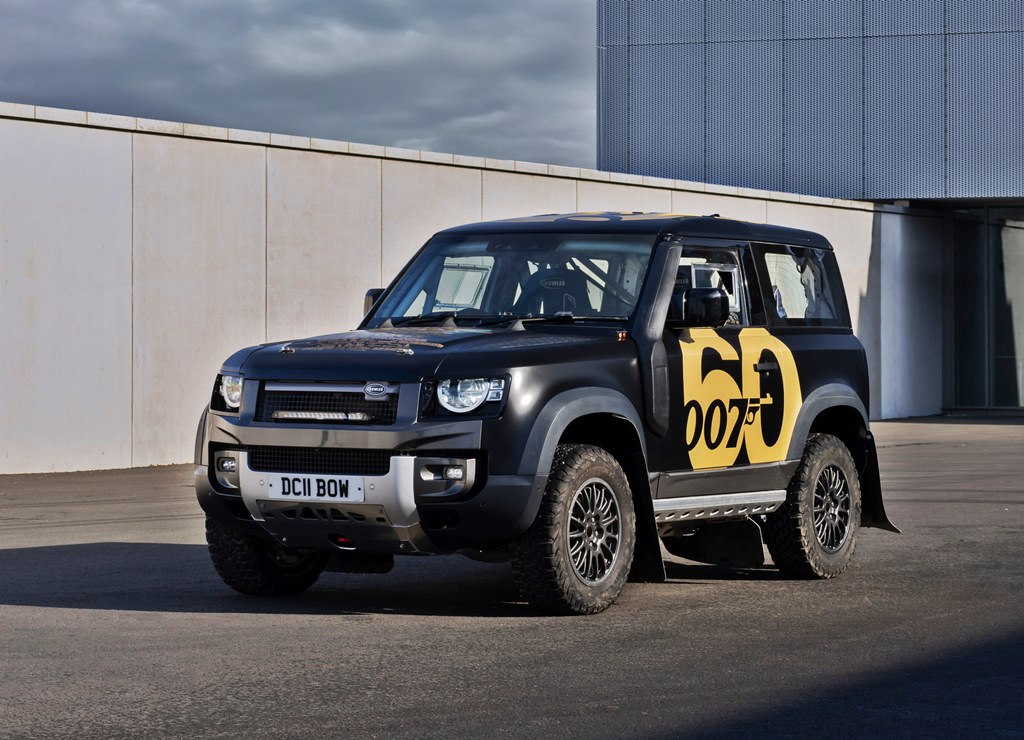
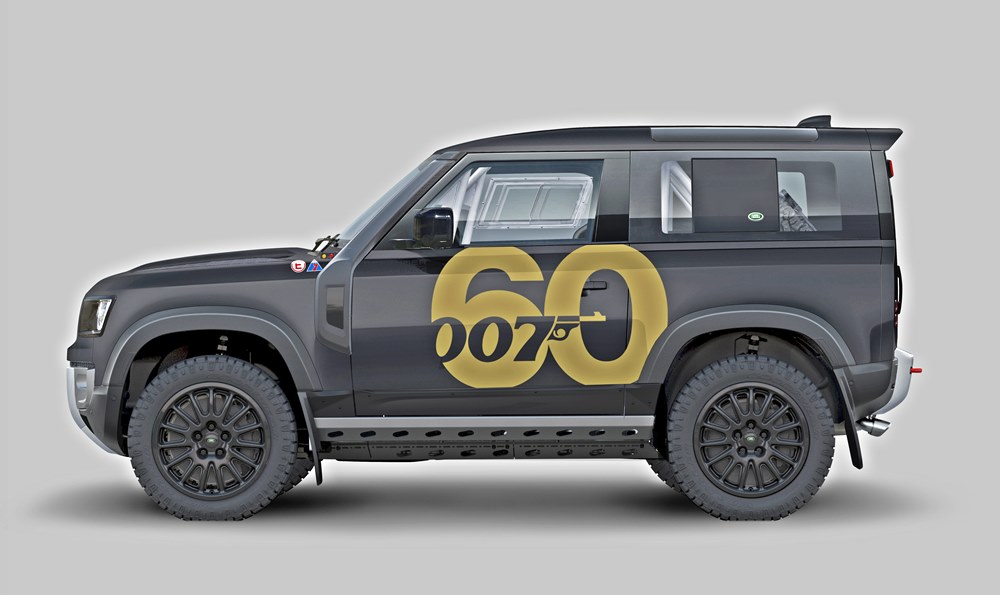
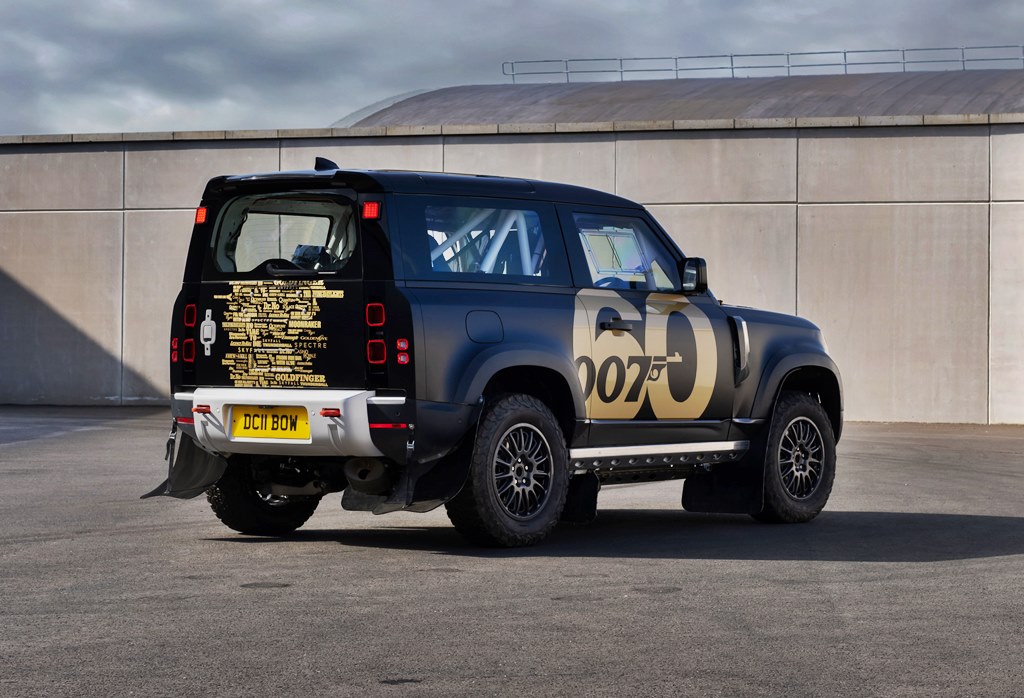
60 years for a movie franchise is certainly a long time and to celebrate the anniversary this year, Land Rover is entering a rally-prepared, liveried Defender 90 in the 2022 Bowler Defender Challenge with Mark Higgins competing in the North Wales leg this weekend.
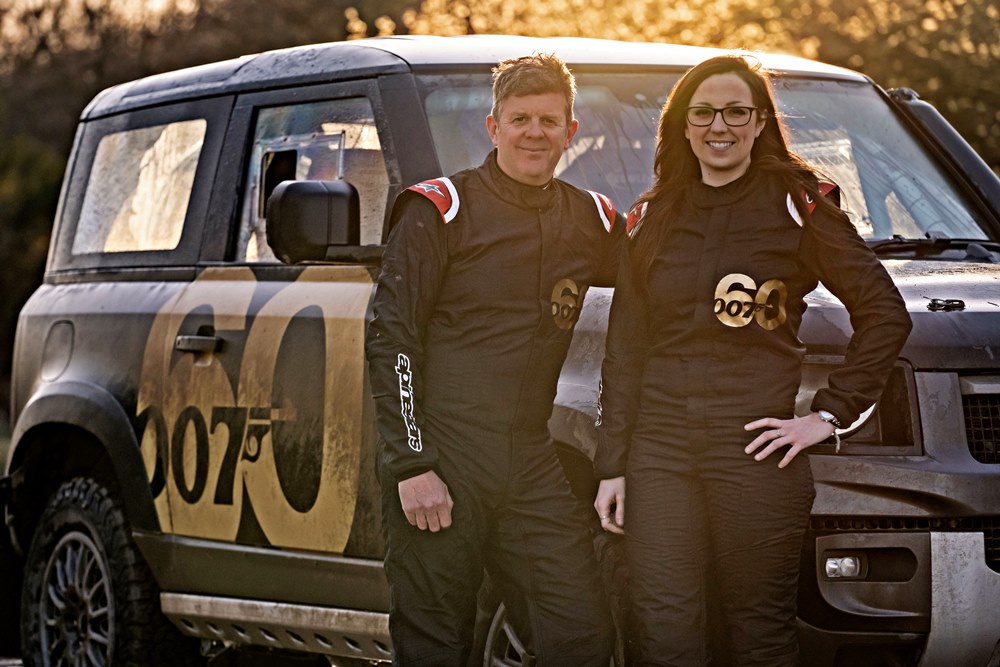
Higgins is not only a 3-time British Rally Champion but has also been a stunt driver in Bond movies. His driving skills were used in ‘Quantum of Solace’, ‘Skyfall’, ‘Spectre’ and ‘No Time to Die’. He will make his return to rallying with co-driver Claire Williams on March 26
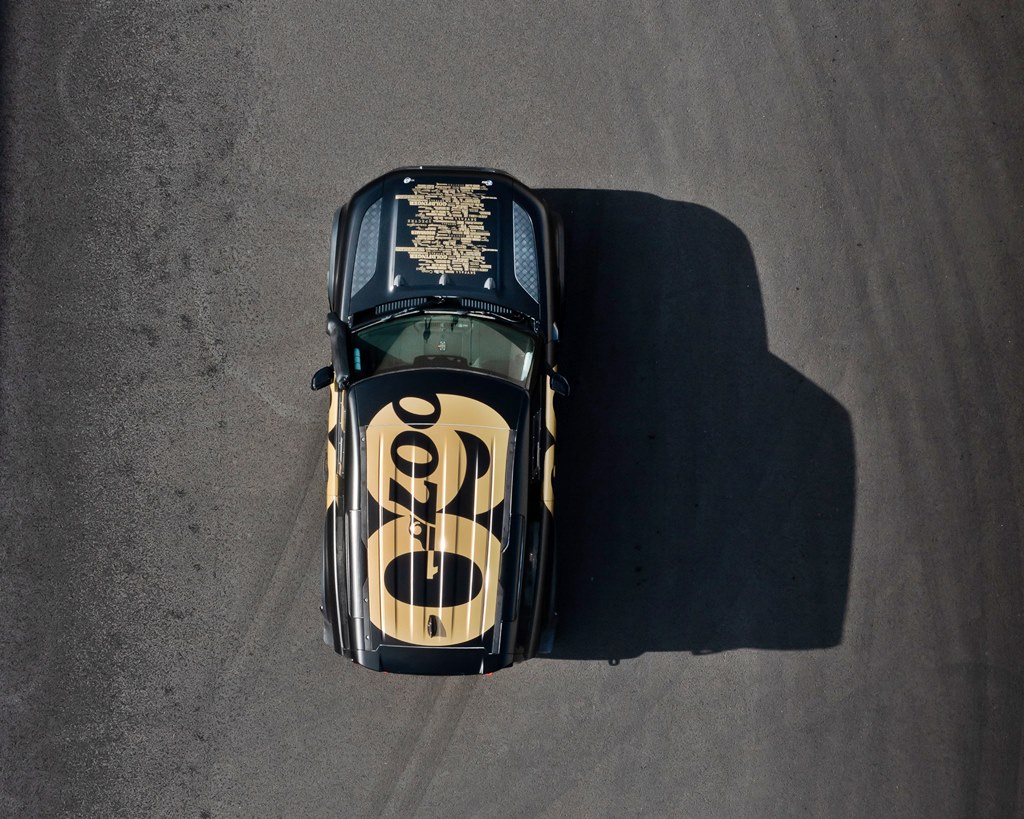
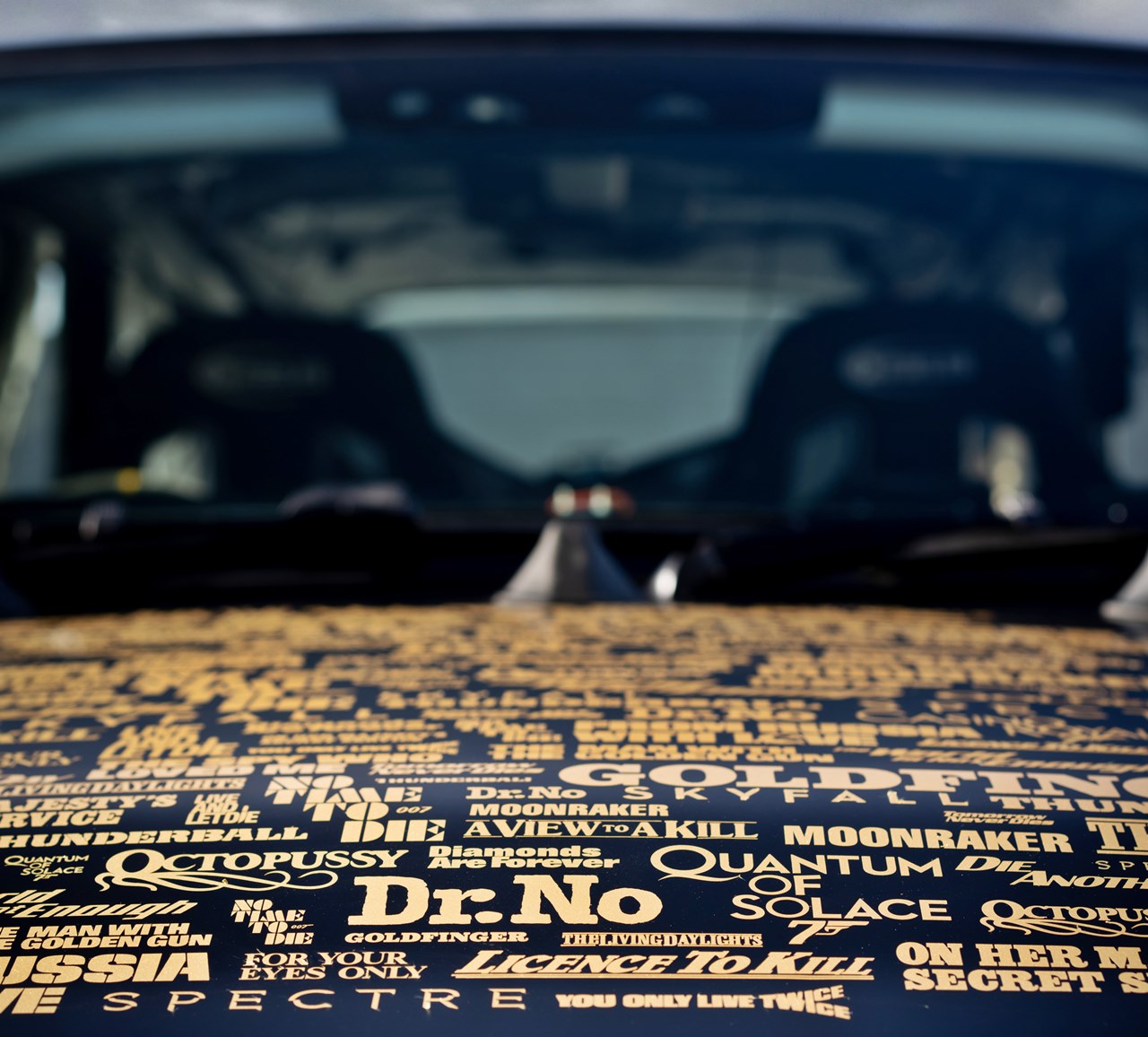
The Defender 90 the duo will use features a trademark black and gold Bond livery. The stealthy looking vehicle, like those in ‘No Time to Die’, also features a special 007 60th logo on its roof and sides.
“The New Defender is a tough and capable vehicle when it leaves the production line and I’ve seen it perform really challenging stunts while on the set of ‘No Time To Die’,” said Higgins. “With the race-ready enhancements made by the Bowler team and with Claire by my side, we are confident we can have a great result.”
The competition-ready Bond Defender is based on a current Defender 90, powered by the P300 Ingenium powertrain. It is equipped with a number of safety modifications, including a full roll-cage, enhanced cooling for the engine and transmission, a sports exhaust and new rear roof spoiler.
Other enhancements include strengthened 18-inch Bowler wheels with all-terrain tyres and a bespoke suspension design with modified subframes, new springs and unique turrets for increased stiffness.
“To celebrate Land Rover’s long-running association with the Bond franchise, our very own special agent will showcase the durability and all-terrain capability of Defender with a nod to its special appearance in ‘No Time To Die’,” said Finbar McFall, Land Rover Brand Director.
Regulated by the Motor Sports Association and operated by Bowler, the 12-team 2022 Bowler Defender Challenge is designed to act as a feeder series for global rally-raid competitions including the annual Dakar rally.
The first time a Land Rover model had a noticeable presence was in ‘Octopussy’ (1983) and it was a Ranger Rover convertible. Thereafter, various models of the 4×4 brand would appear in ‘The Living Daylights’ (Series III/Range Rover), ‘Tomorrow Never Dies’ (Range Rover), Casino Royale (Range Rover Sport), ‘Quantum of Solace’ (Range Rover/Defender 90), Skyfall (Defender), ‘Spectre’ (Defender, Range Rover and Discovery Sport).
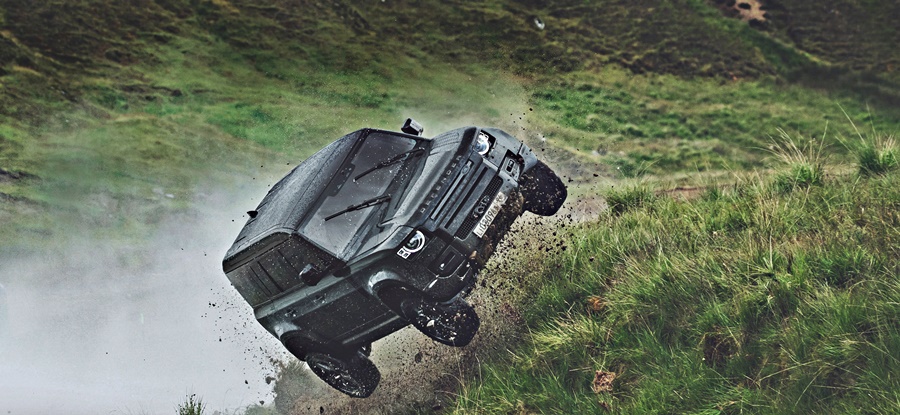
‘No Time to Die’, the final movie of the Daniel Craig series, saw some spectacular action with the Defenders flying through the air in pursuit of Bond. It was the first movie to have the New Defender which was launched in 2019. Based on the Defender X model in Santorini Black, with darkened skidpans, 20-inch dark finish wheels and professional off-road tyres, they were also the first Defenders to be built at Jaguar Land Rover’s new production facility in Slovakia.
The New Defender 110 has been available in Malaysia since last year and Jaguar Land Rover Malaysia recently gave a sneak preview of the Defender 90 which is the shorter version with two less doors. To know more about the Defender or to purchase one, visit www.landrover.com.my.
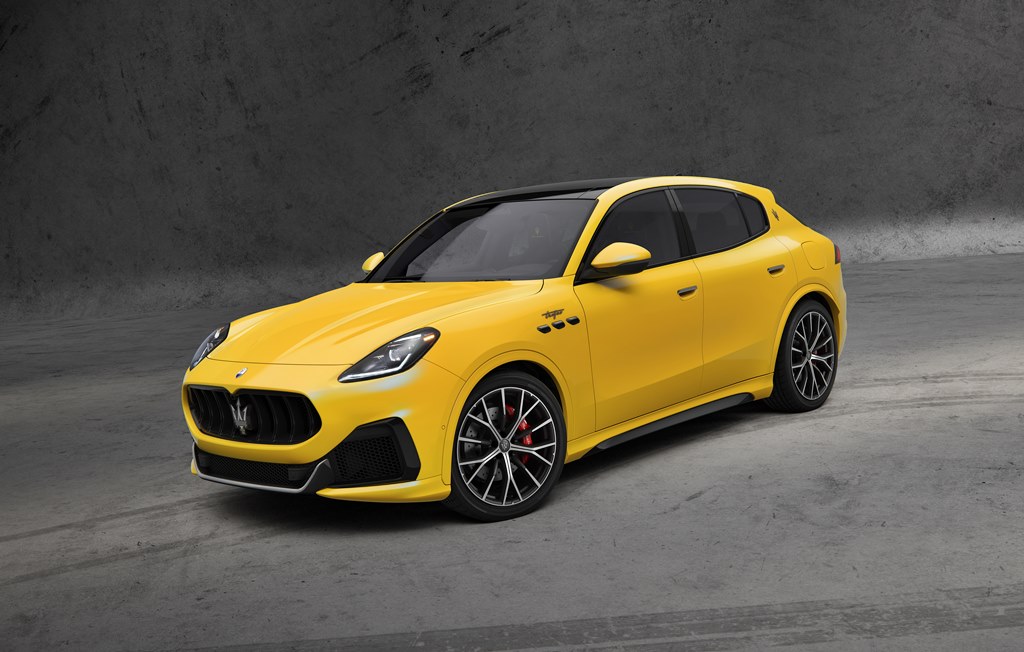
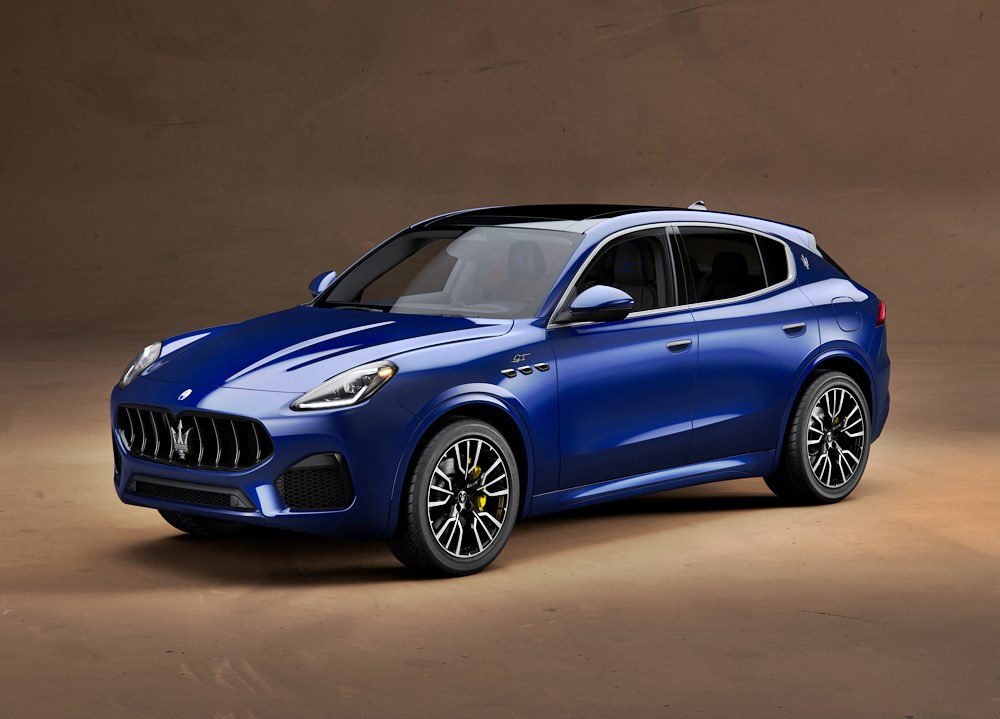
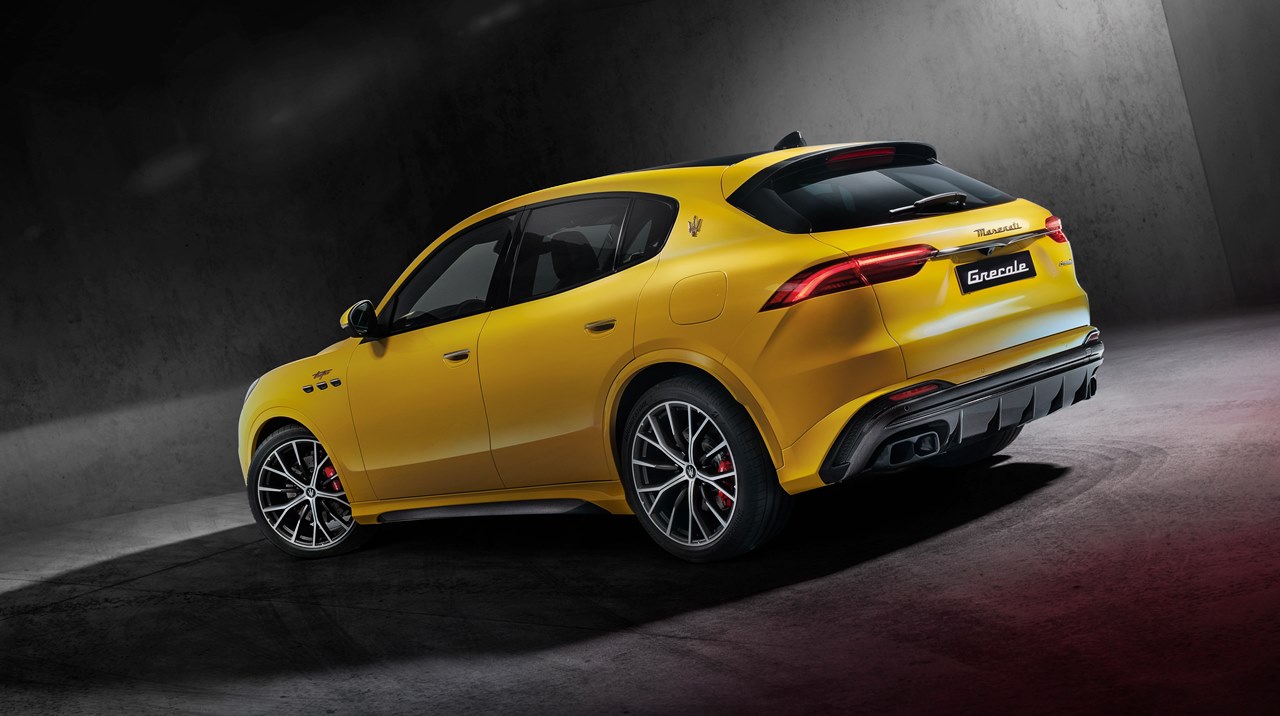
The Maserati Grecale has finally been unveiled after a delay of about three months due to the global chip shortage. As the second SUV in the carmaker’s range, it is positioned below the Levante and take on rivals like the BMW X3 and Porsche Macan.
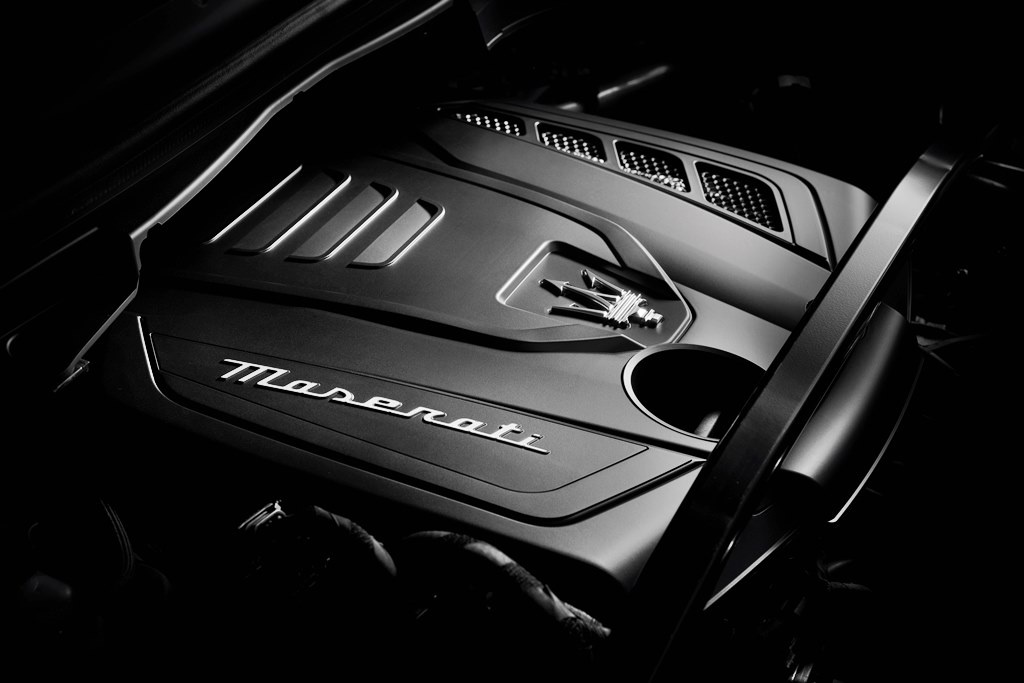
With an overall length of 4846 mm and width of 2163 mm, the shares the Giorgio platform with the Alfa Romeo Stelvio, though this is an updated platform with the additional capability of accommodating a 400V electric powertrain as well. At launch, there will be three engine choices available – two 4-cylinder 48V mild hybrids (300 bhp/330 bhp) and the powerful Nettuno V6 which produces 530 bhp for the Trofeo version.
Like the Levante, the performance of the all-wheel drive Grecale’s can be optimised with drive modes. In fact, while the Levante has 4 modes, the Grecale has one more (for the Trofeo version) besides the Comfort, GT, Sport and Off-Road modes. To complement the drive modes is the Maserati Vehicle Dynamic Control Module system which gives full control of driving dynamics and comfort levels.
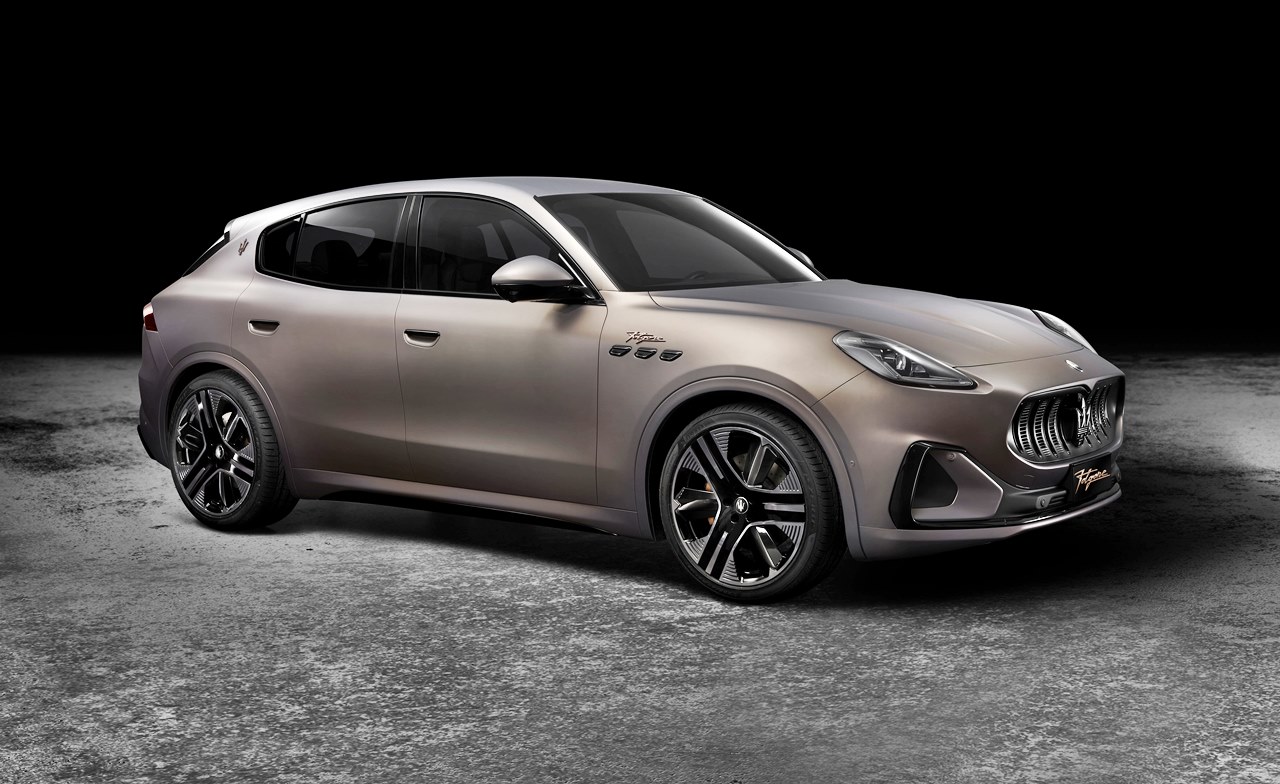
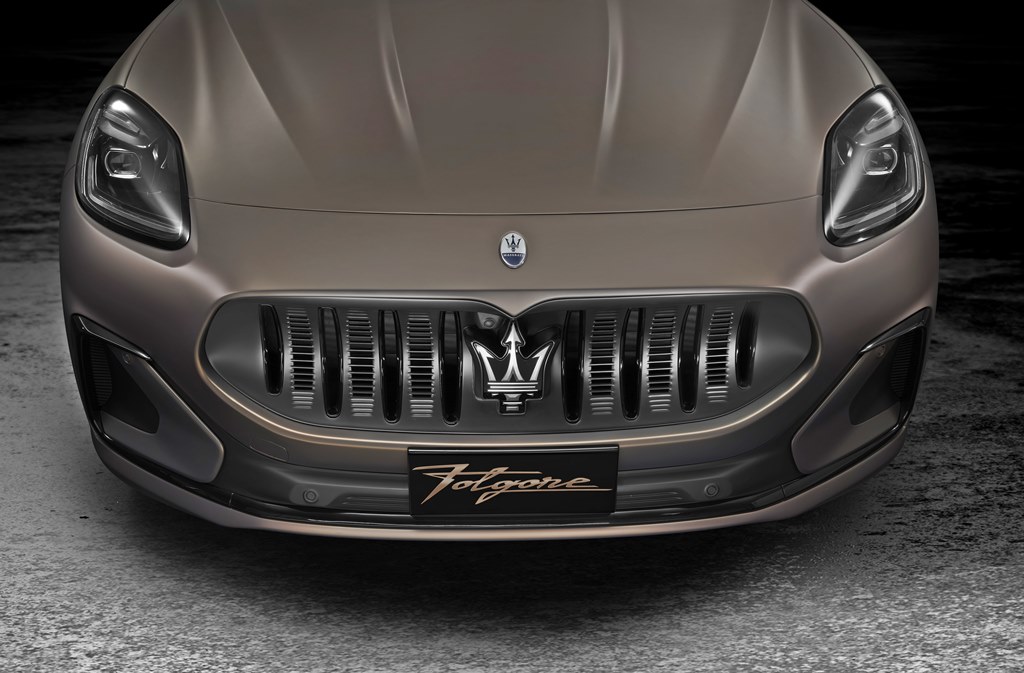
Fully electric Grecale Folgore will only be launched in 2023.
Details of the electrified version, Maserati’s first BEV (battery electric vehicle) SUV are not available yet as the model will only be introduced in 2023. For now, it is known that it will have 400V technology for its powertrain. It will be part of the Folgore range, the name referring to the company’s strategy to have a completely electric product range by 2030.
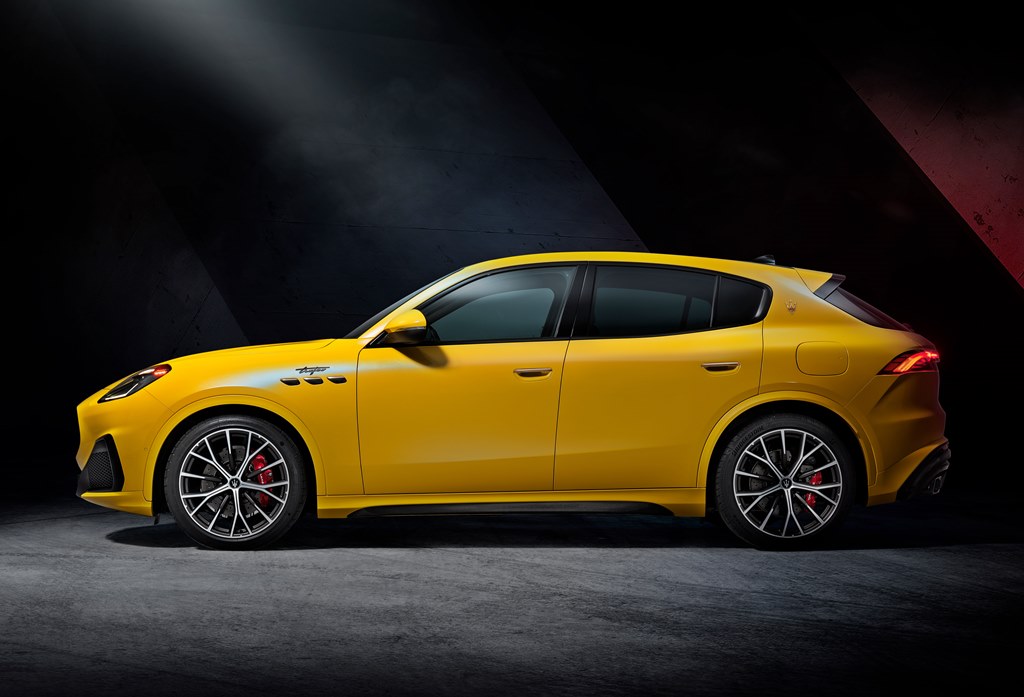
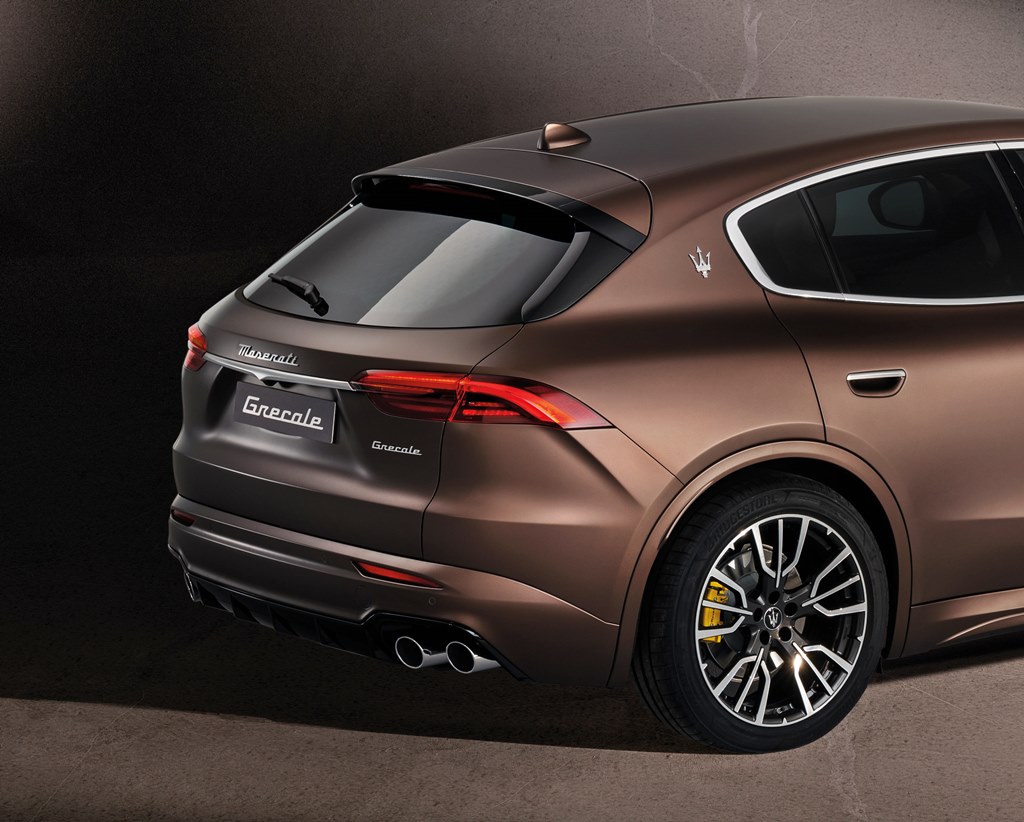
The Grecale’s design uses elements from the MC20 sportscar, with a more ‘vertical’ design language more appropriate for the SUV form that is 1670 mm tall. The body has meandering, visual forms and its technical components are highlighted by the use of carbonfibre. In the rear, the boomerang taillights are inspired by the Giugiaro 3200 GT and fit in with the trapezoidal line, made even more striking by the coupe effect of the profile.
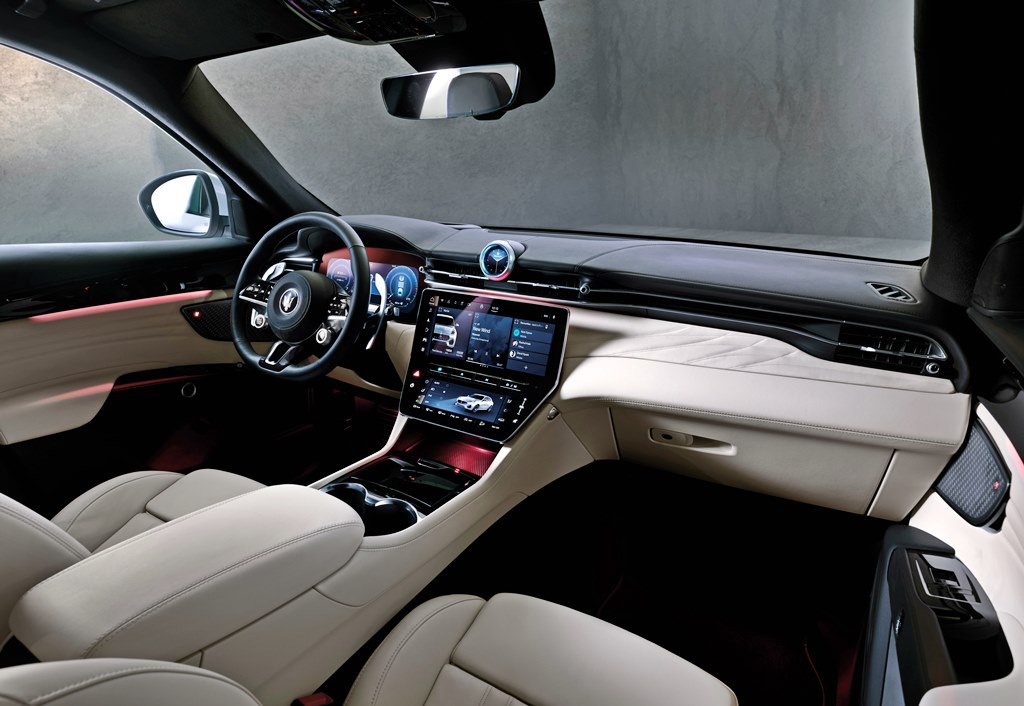
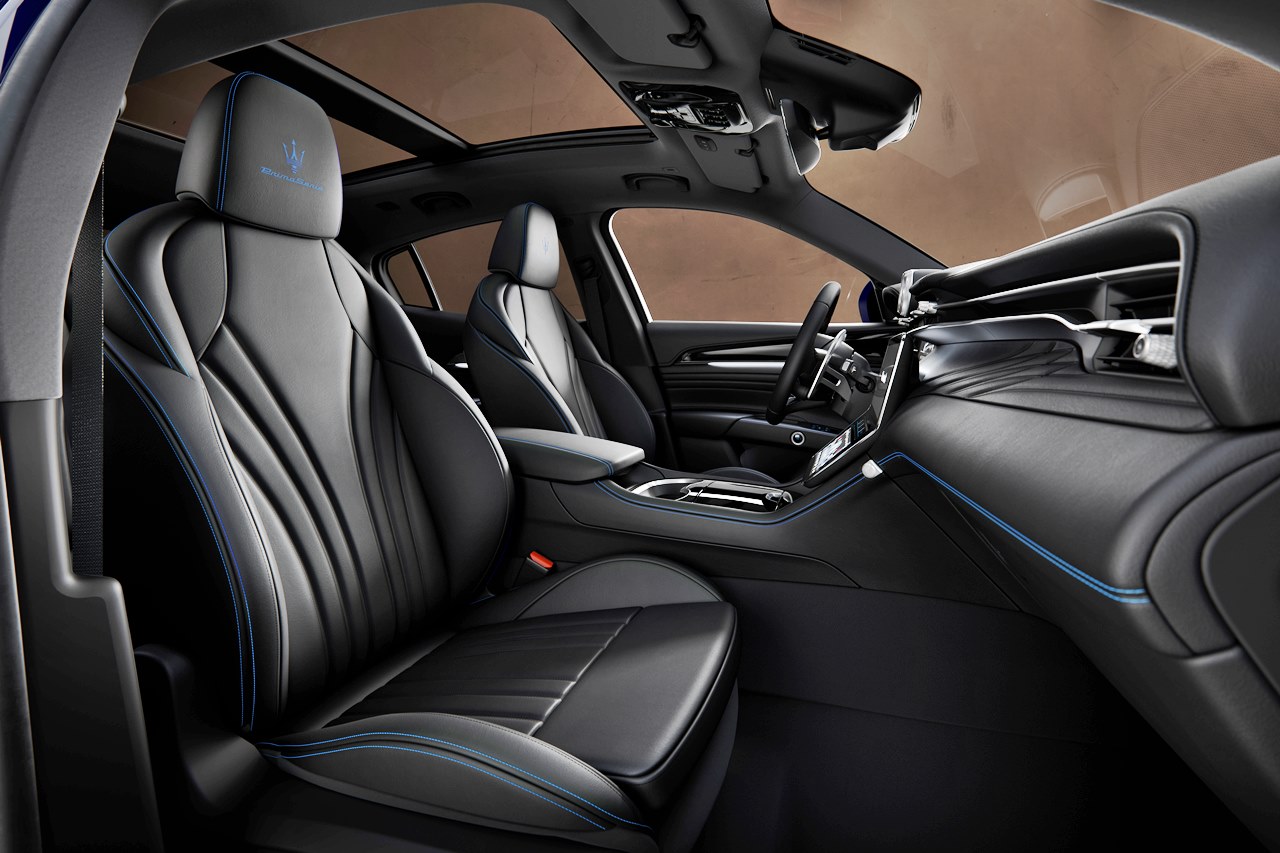
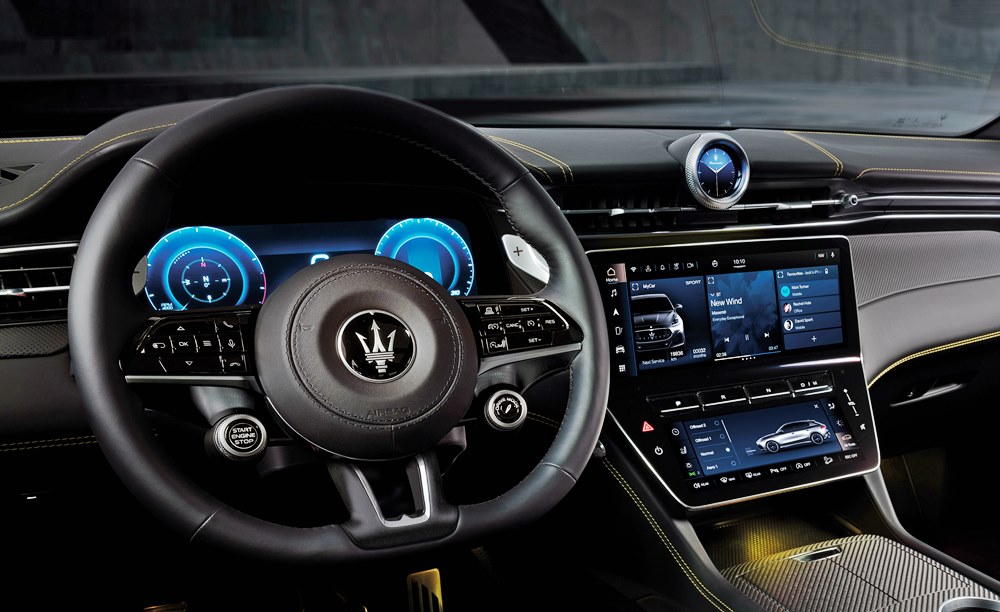
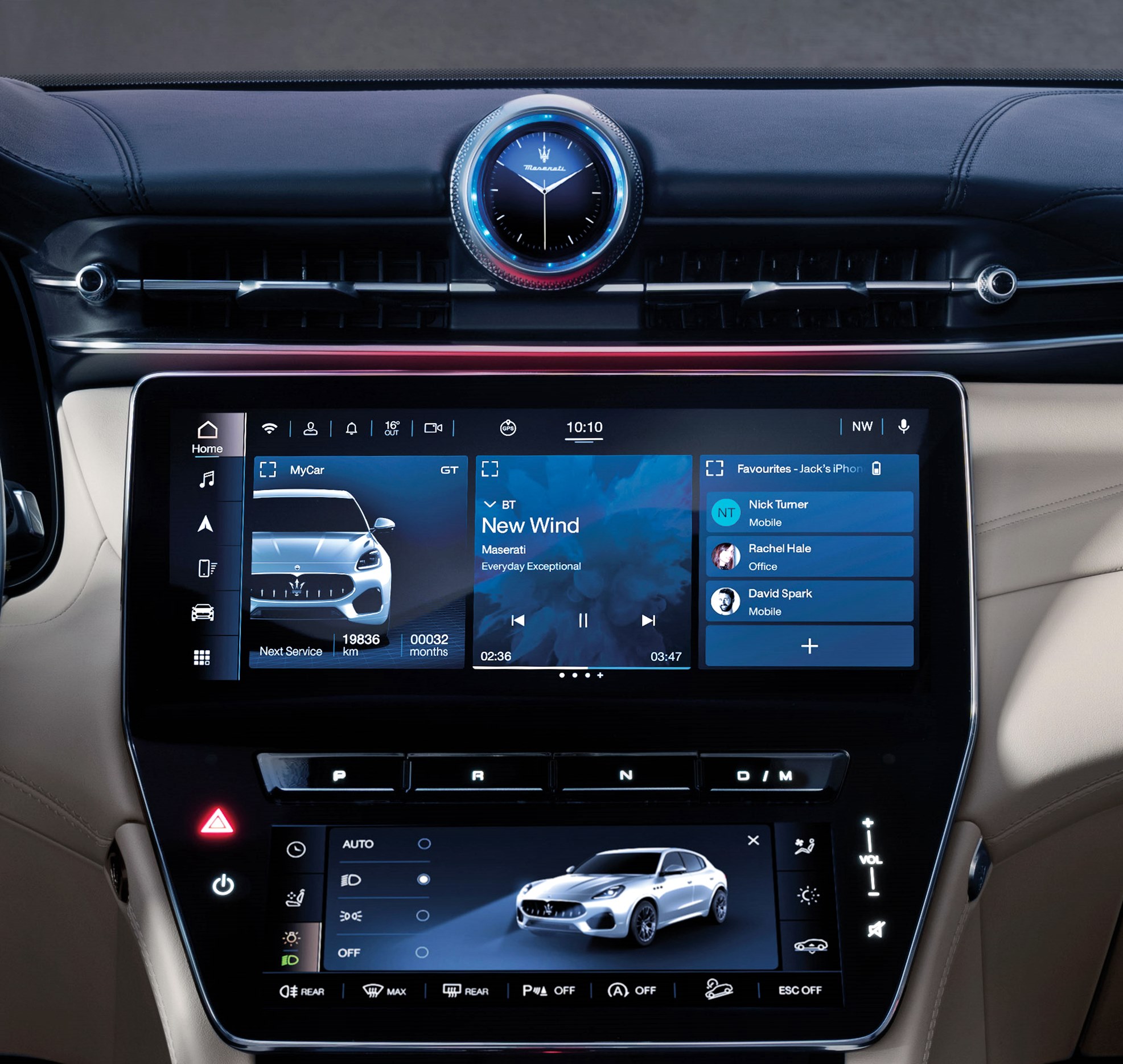
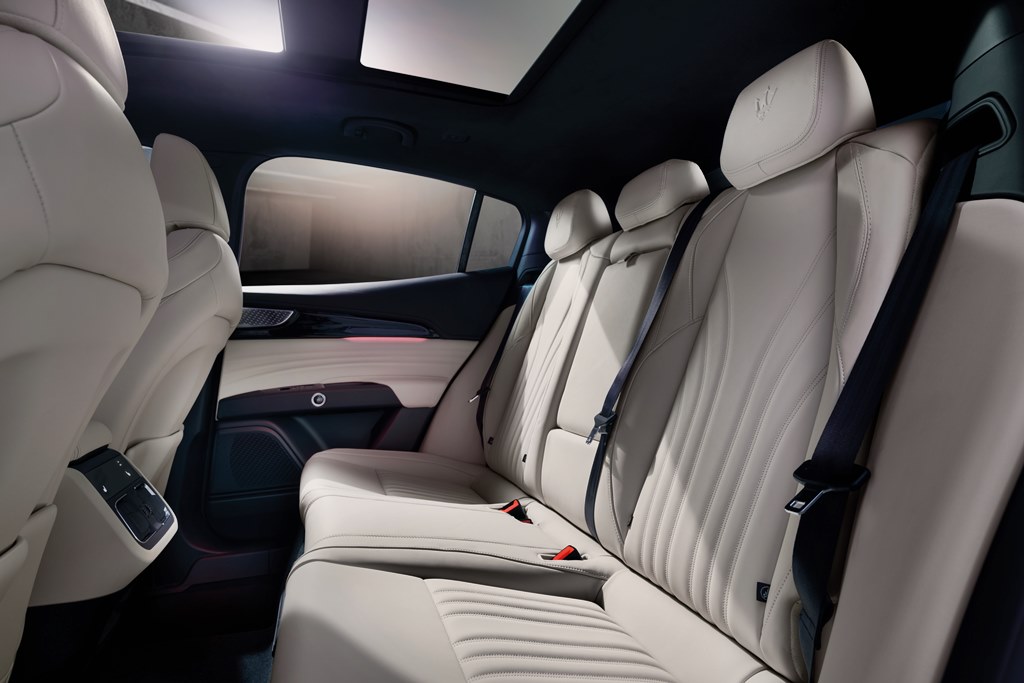
The cabin, riding on a wheelbase of 2901 mm, has 2 rows of seating for 5 persons. Like many of the latest cars, the displays are greatly digitised, certainly more than any Maserati before. Everything is touch-based, giving clean aesthetics and even the traditional Maserati clockface has gone digital for the first time,
The dashboard has a large 12.3-inch display (the largest ever on a Maserati) with a classic cluster for the driver, and an 8.8-inch touchscreen running on Android Automotive software, which gives digital assistant services. There’s a second display for rear passengers as well to have more personalised control of the infotainment system.
For those who expect a luxury model to have superlative audio quality, Maserati has worked with Italian specialist Sonus Faber to provide an immersive 3D sound system. The Sonus faber system comes with a high-frequency amplifier and 14 or 21 speakers with specific functionalities that illustrates Sonus faber’s natural sound thorough the use of natural materials.
Production will start in mid-2022 with first deliveries commencing during the second half of the year. Official pricing has not been revealed although the entry-level Grecale GT is rumoured to start from around £50,000 (about RM280,000) in the UK.
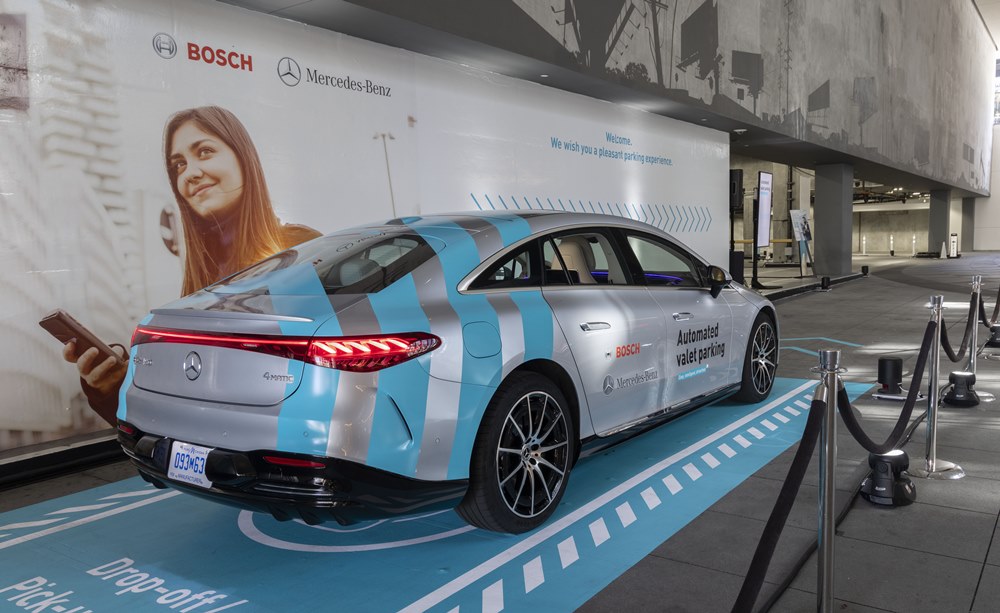
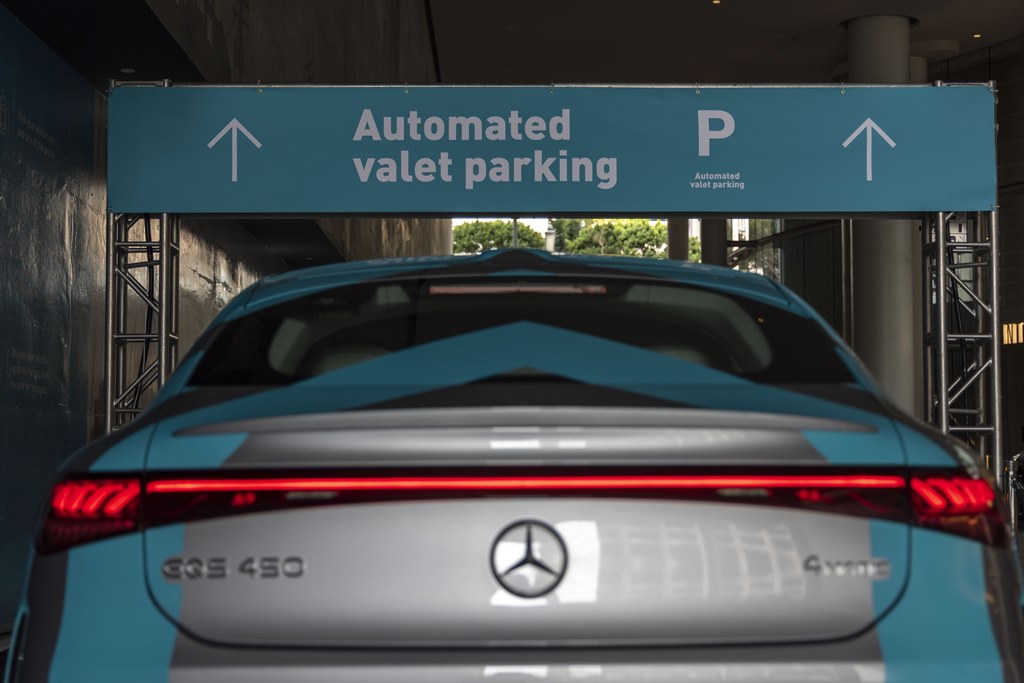
For those who do not like the bother of having to park their cars in a carpark, hotels usually have valets to do the job. But valets may no longer have to do it either as cars will be able to park themselves after the owner has exited. Perhaps the first cars to be able to do so will be from Mercedes-Benz which has developed and begun to demonstrate the capability.
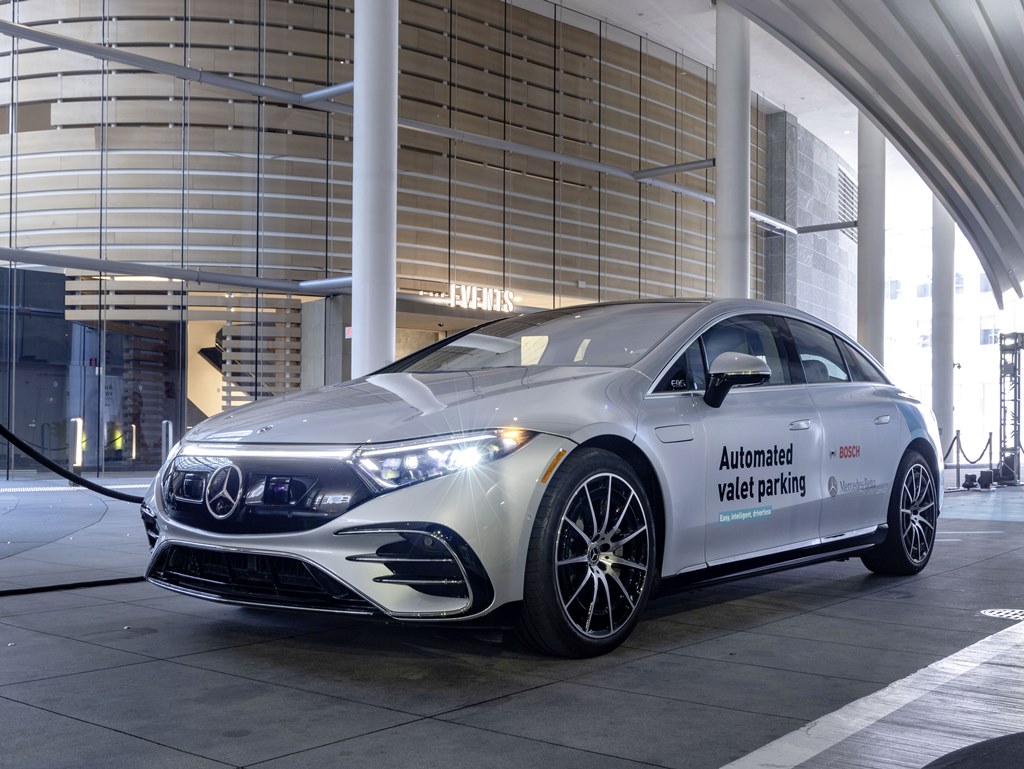
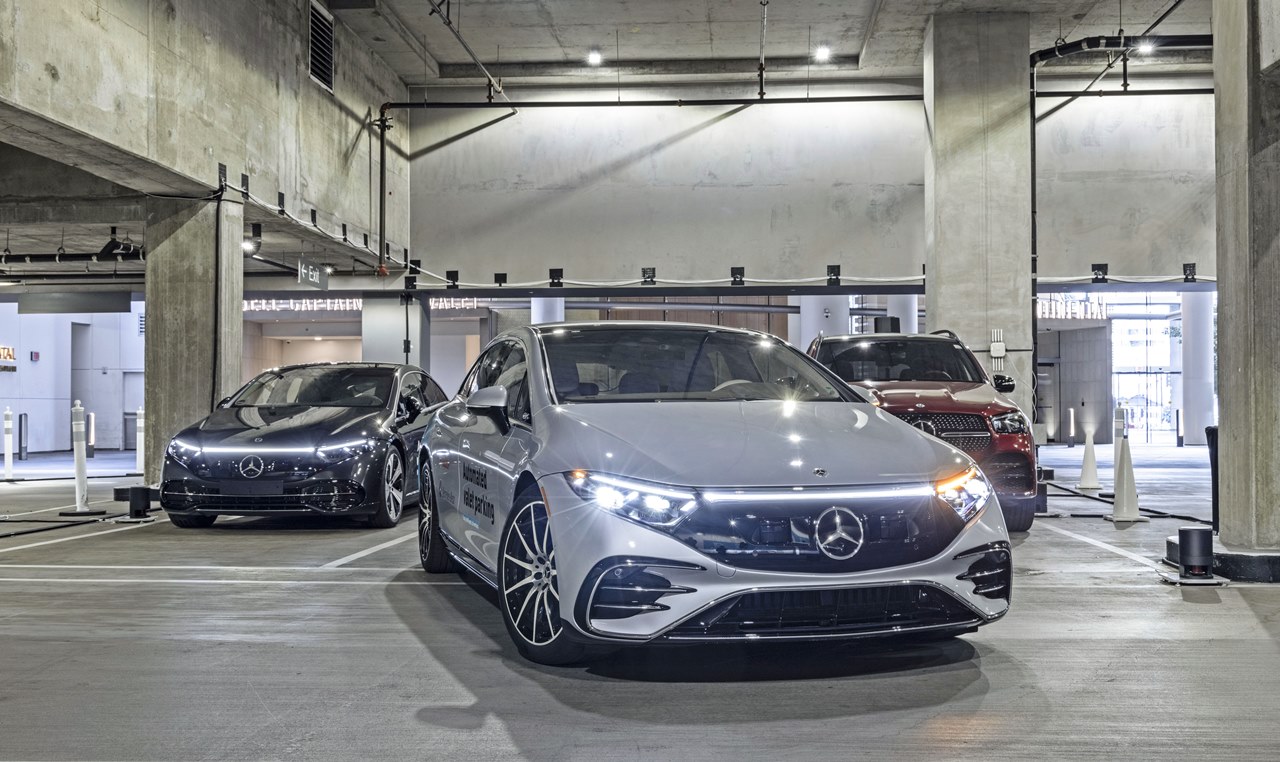
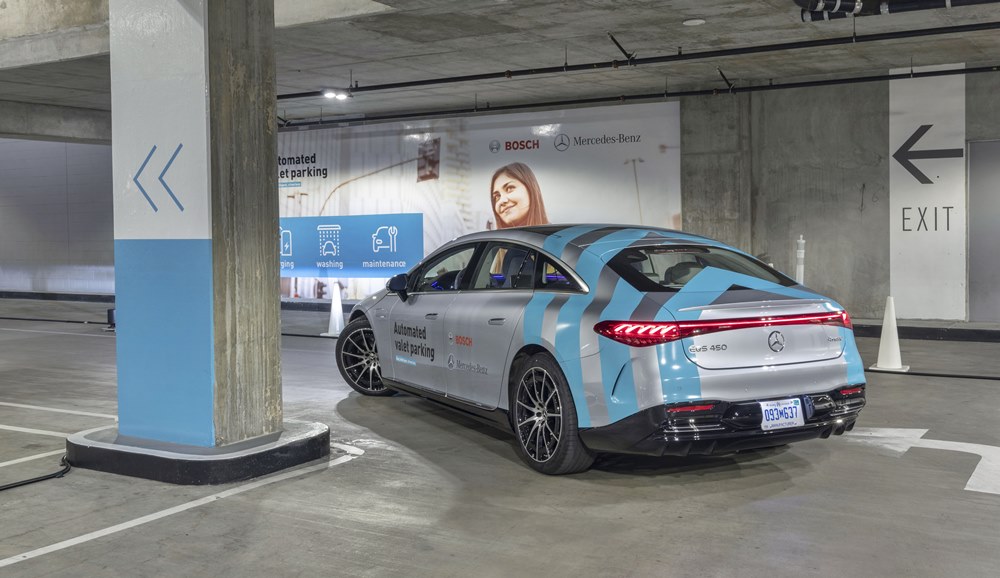
Working with a technology supplier, the German carmaker has developed automated valet parking technology which it calls INTELLIGENT PARK PILOT. The technology is available in the EQS BEV sedan as well as the latest S-Class sold in European markets. In order to enable the car to drive and park itself, it also requires an intelligent infrastructure installed in the parking area.
Sensors installed at the building communicate with the car and guide its manoeuvring through the parking area. This will allow the car to operate in highly automated mode and without a driver, and has the possibility of additional capabilities such as automated EV charging, car wash and vehicle servicing or maintenance where vehicles move in and out of service areas on their own
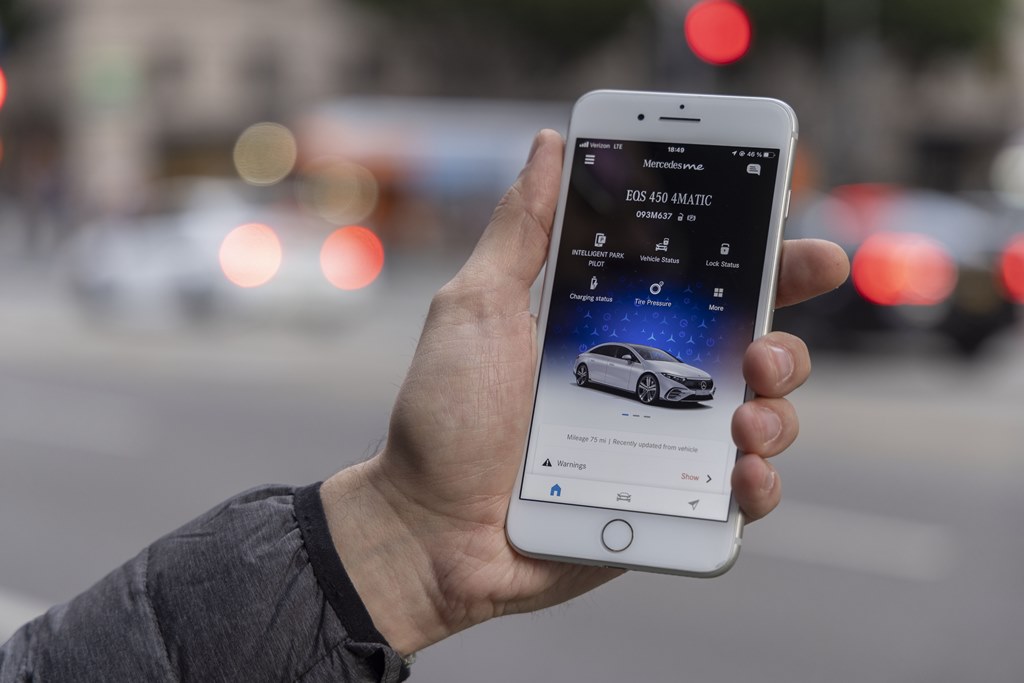
The automated parking process makes use of a smartphone app and the driver has to first position the car in a designated drop-off area. When activated, the sensor system in the carpark checks whether a suitable space is available or was already reserved for the vehicle. If so, the Automated Valet Parking infrastructure confirms the hand-over of the vehicle for the driver in the app, and the car will depart on its own. It will then be guided with the help of the infrastructure to the designated space.
When the driver requires the car, a request can be sent with the app and the car will be guided to the pick-up area. This will certainly be convenient for owners as it will be unnecessary to walk around the carpark and, for those who may be forgetful, waste time searching for the place where they parked it.
Automated parking technology, which could one day be as common as cruise control, benefits drivers by easing the burden of the parking experience. It may even be possible for carpark operators to cram more cars onto a floor as the spaces can be narrower since there is no need to allow wide gaps for doors to be opened.
“Low-speed manoeuvres are part of the holistic opportunity for automated technology,” said Dr. Kay Stepper, Senior Vice-President of automated driving and driver assistance for Bosch in North America. “Automated technology in the specific use case automated valet parking gets consumers comfortable with how automated technology works and how it can benefit them.”
Engineering teams have been working over the past few years to further develop automated valet parking and support specific testing and deployments around the world. The technology was recently demonstrated at a hotel in Los Angeles, California.
“The demonstration at the InterContinental Los Angeles Downtown showcases how automated valet parking will operate in a working hotel environment where both automated and non-automated vehicles operate alongside pedestrian traffic,” said Dr. Stepper. “This allows us to dive into the dynamics of local deployments with the use of a highly-connected EQS from Mercedes-EQ to demonstrate how automated technology continues to move forward.”
“Our vision is that getting time back is a key component of the luxury experience our customers are looking for. The EQS gives you time back by driving itself in traffic jams on highways, but with INTELLIGENT PARK PILOT, it may also be able to park itself,” added Dr. Philipp Skogstad, President & CEO of Mercedes-Benz Research & Development North America. “INTELLIGENT PARK PILOT is a feature that together with the required infrastructure enables an automated valet service that gives customers even more comfort and relief in everyday life.”
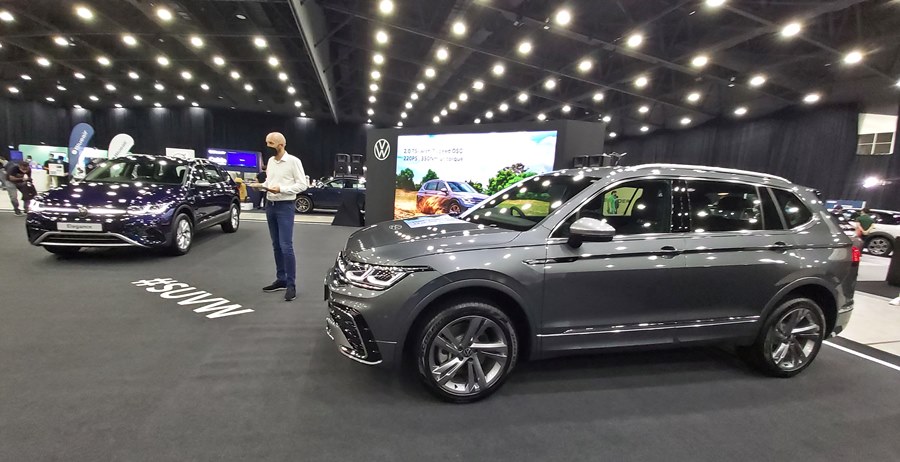
When the second generation of the Volkswagen Tiguan was launched around 6 years ago, there were two body versions – short wheelbase with 2-row seating and long wheelbase with 3-row seating. Initially, it was thought that the 3-row version was for China where extended bodies are preferred but it turned out that the longer Tiguan, known as the Tiguan Allspace, is offered globally as well.
The Tiguan Allspace has become a success story for Volkswagen as around 1.5 million units were sold worldwide, and this version accounts for 55% of all Tiguan production. With SUVs being popular, Volkswagen Passenger Cars Malaysia (VPCM) chose the model to add to its locally-assembled range with the completely knocked-down (CKD) kits coming from the global production hub in Mexico.
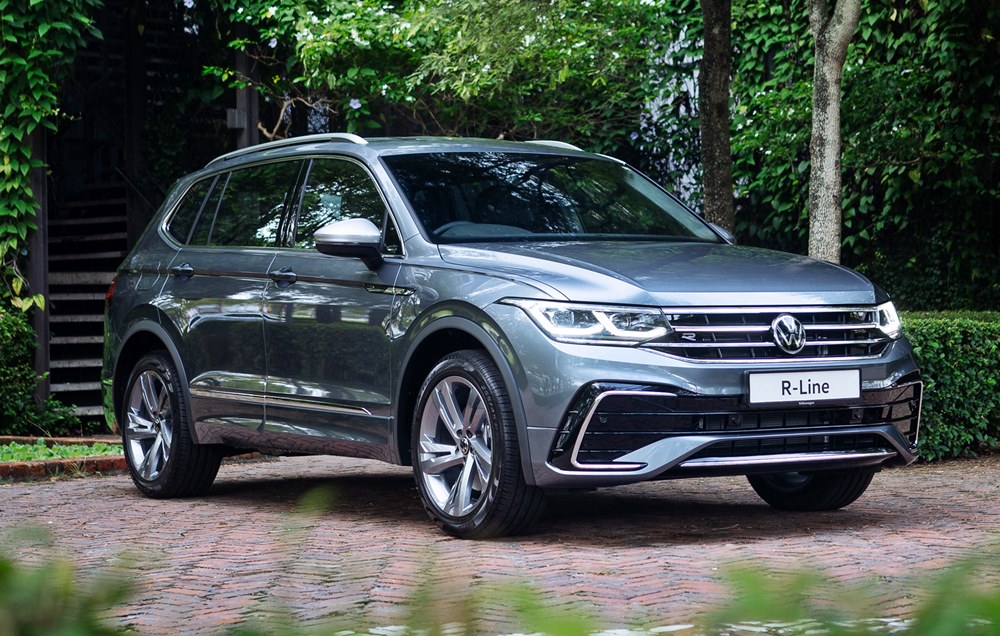
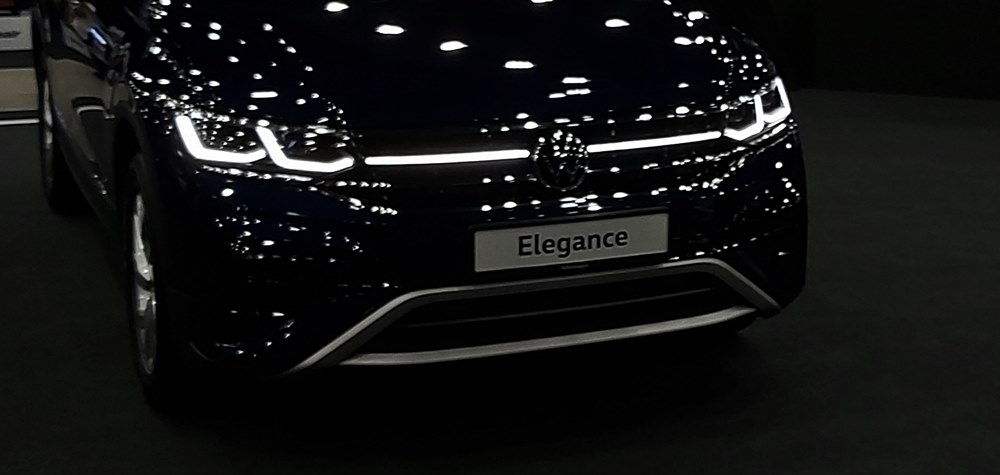
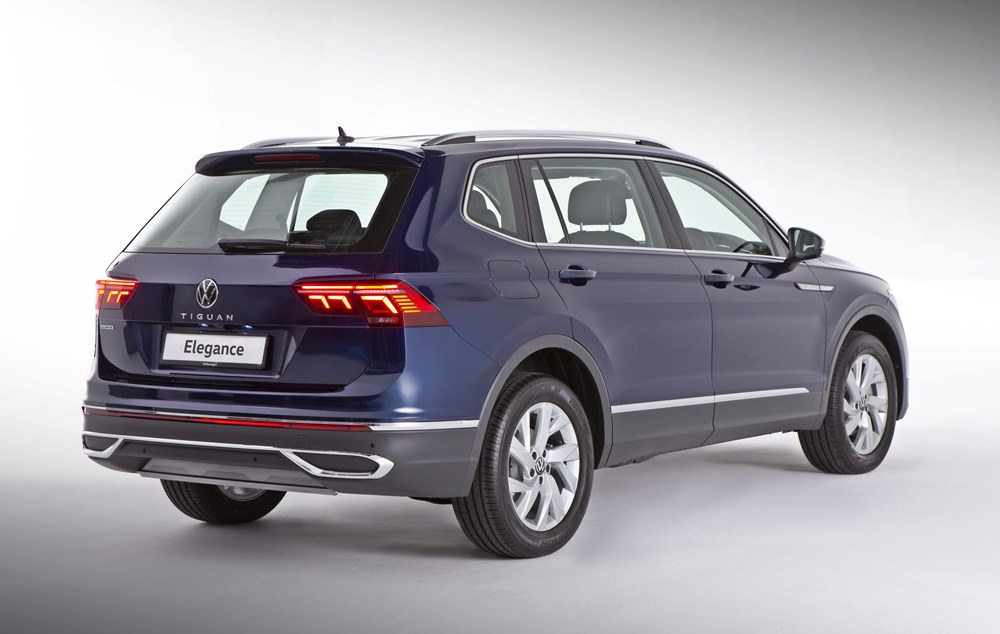
With the addition of the Allspace version, VPCM decided to stop assembling the 2-row version and now has two offerings – the Tiguan Allspace Elegance and R-Line 4MOTION. Both have been updated for 2022 with cosmetic changes and upgrades within. They are priced at RM174,745.68 and RM219,443.59, respectively, without insurance and with full exemption of sales tax (until June 30, 2022).
The overall form of the Tiguan Allspace remains recognizable but up front is a redesigned grille flanked by slimmer headlamps. The headlamps are LED units and said to have wider light distribution to better illuminate the sides of the road. The headlamps also include an all-weather light system and dynamic cornering function.
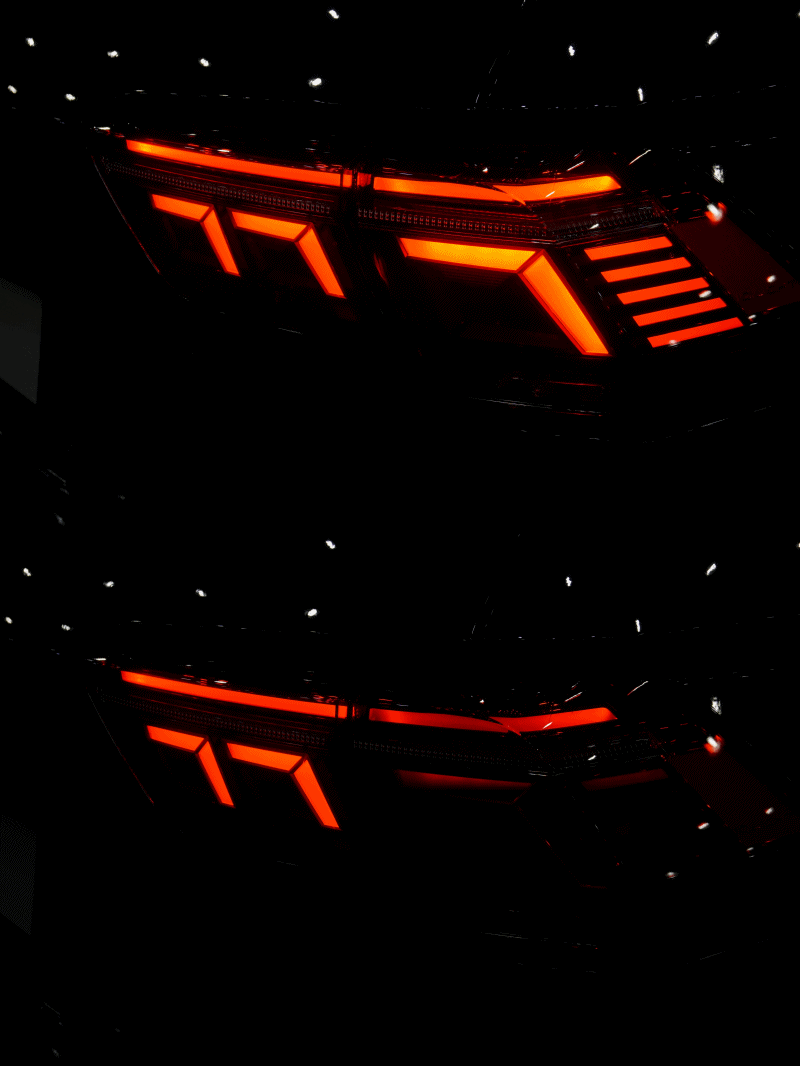
Like the front, the rear lights also use LEDs, with dynamic turn indicators typically found on premium models these days. The taillight cluster with a distinctive lighting signature puts on an interesting ‘show’ (Click-clack effect) when braking.
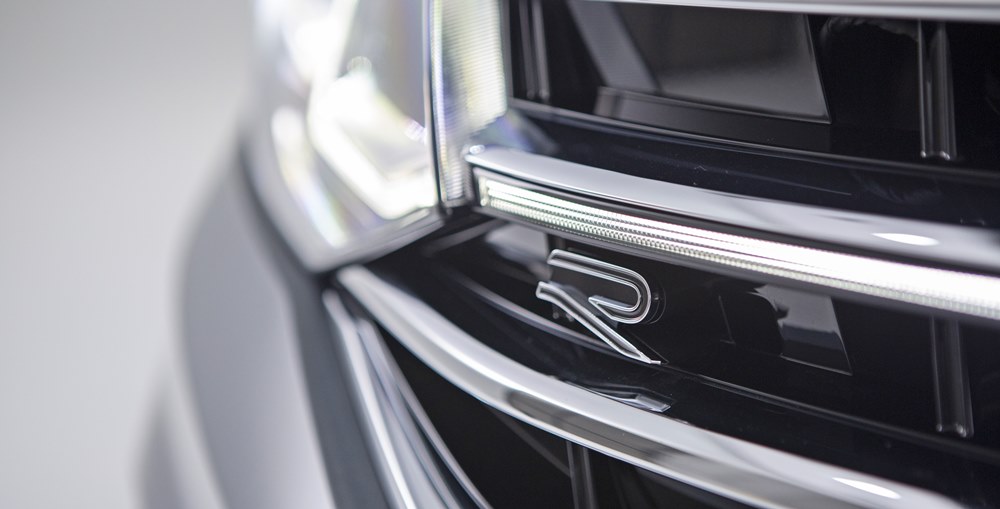
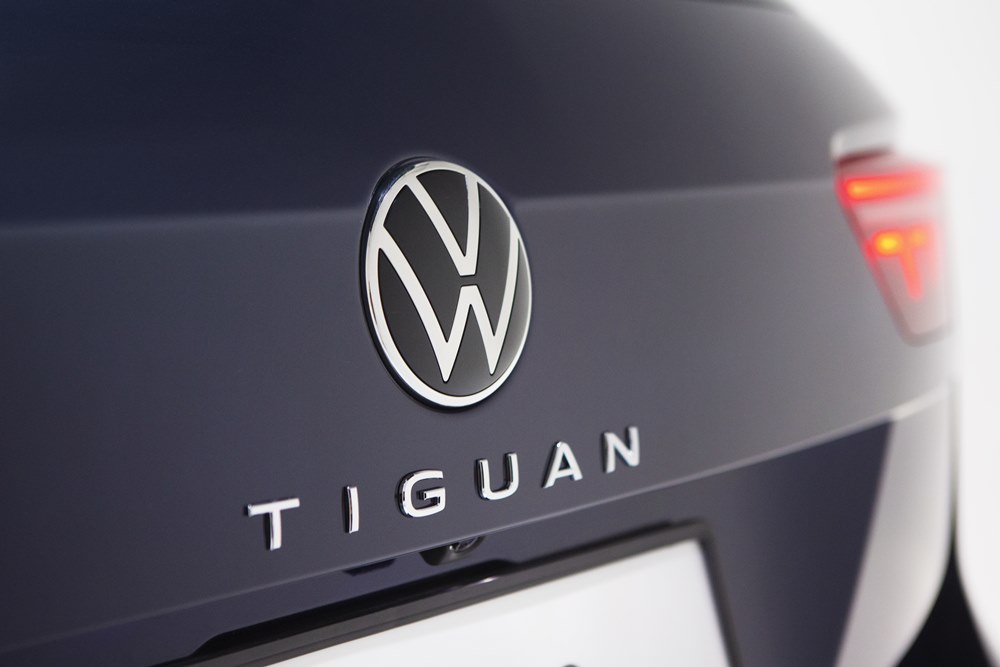
Other changes include redesigned bumpers and the signature LED illuminated light strip. Sharp-eyed observers will also notice that the brand logo is new, the result of what was said to be one of the world’s largest rebranding campaigns carried out in 2019 and 2020. The logo is reduced to its essential elements and has a new design that is flat and two-dimensional.
Plush and functional space for 7
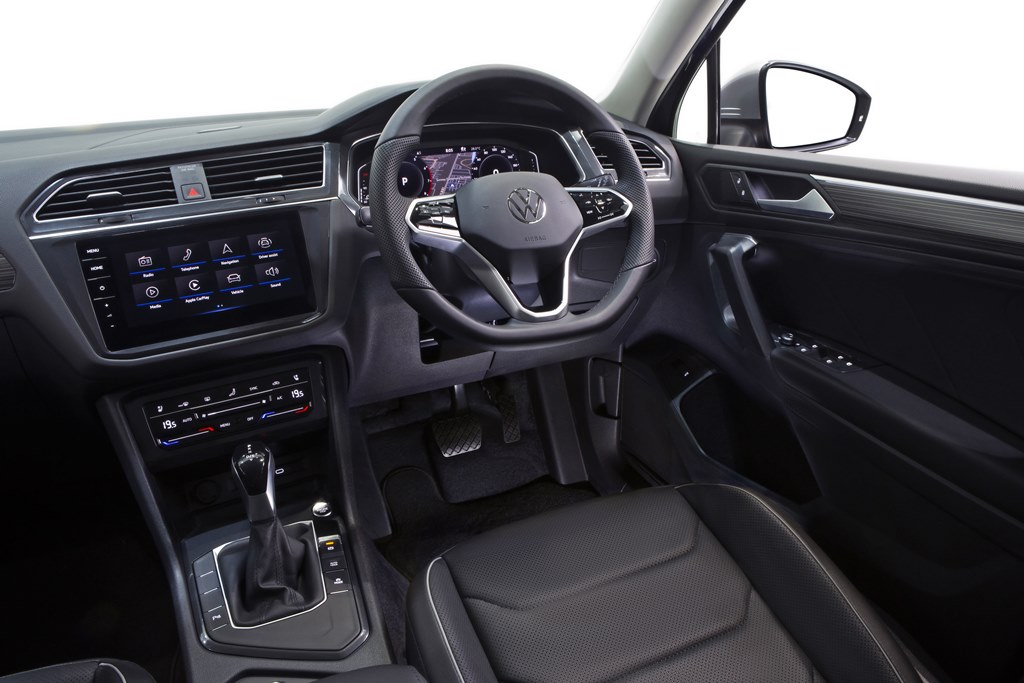
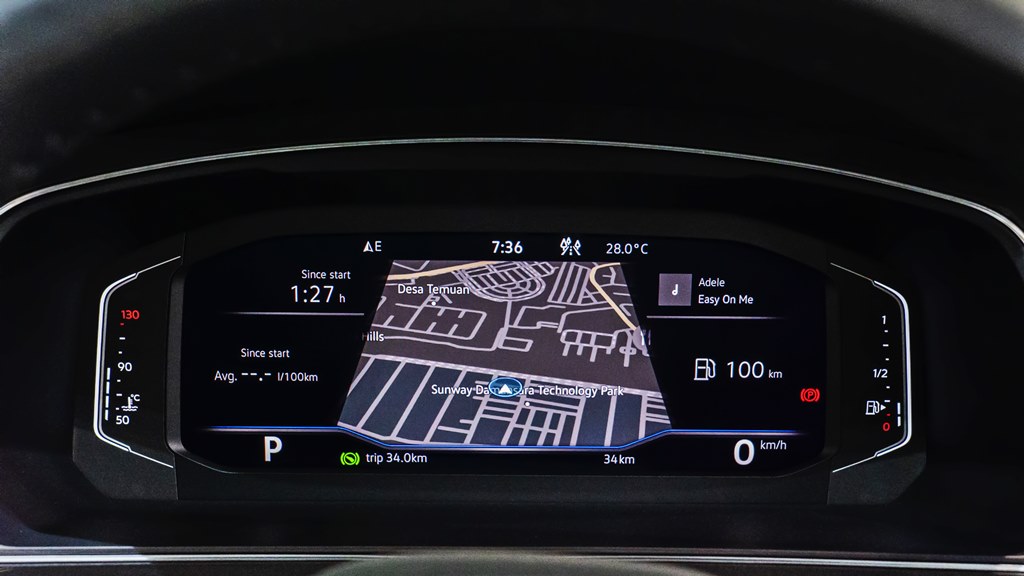
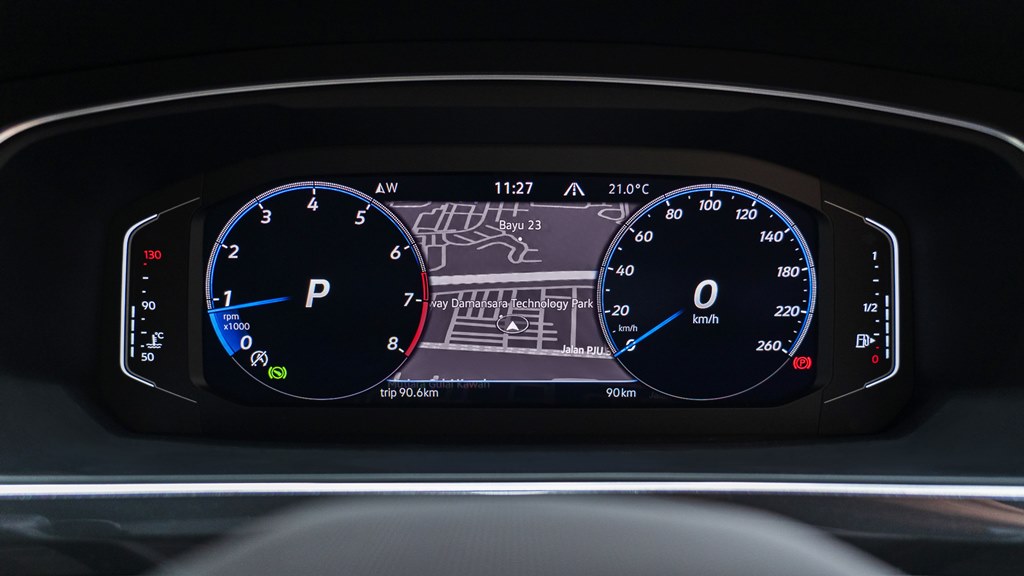
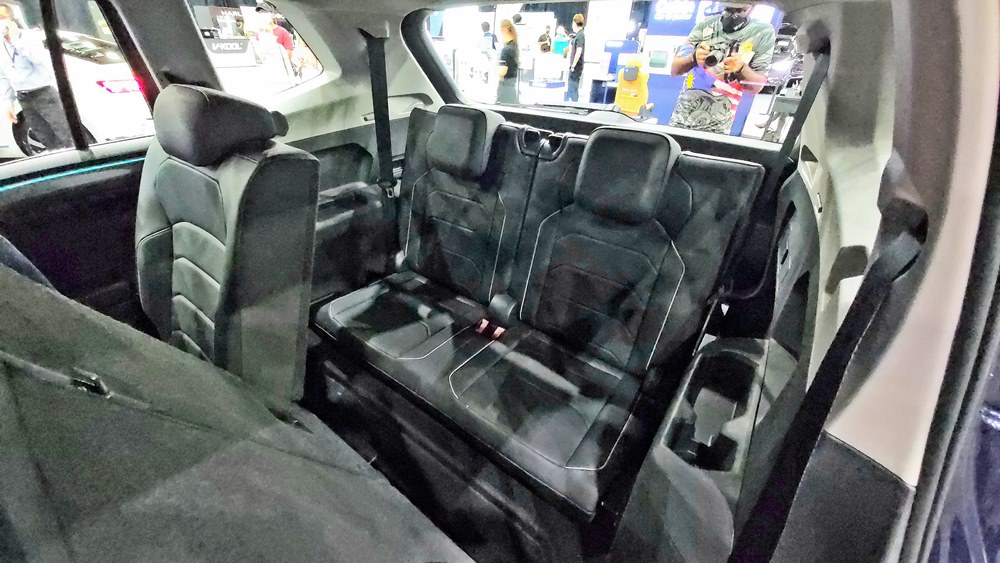
Inside the new Tiguan Allspace is a plush and functional interior for 7 persons. Seats are all wrapped in Vienna leather with the addition of active climate 12-way adjustable seats at the front. The 11.7-inch Digital Cockpit has been improved and offers customizable displays on a TFT colour panel with resolution comparable to a premium smartphone.
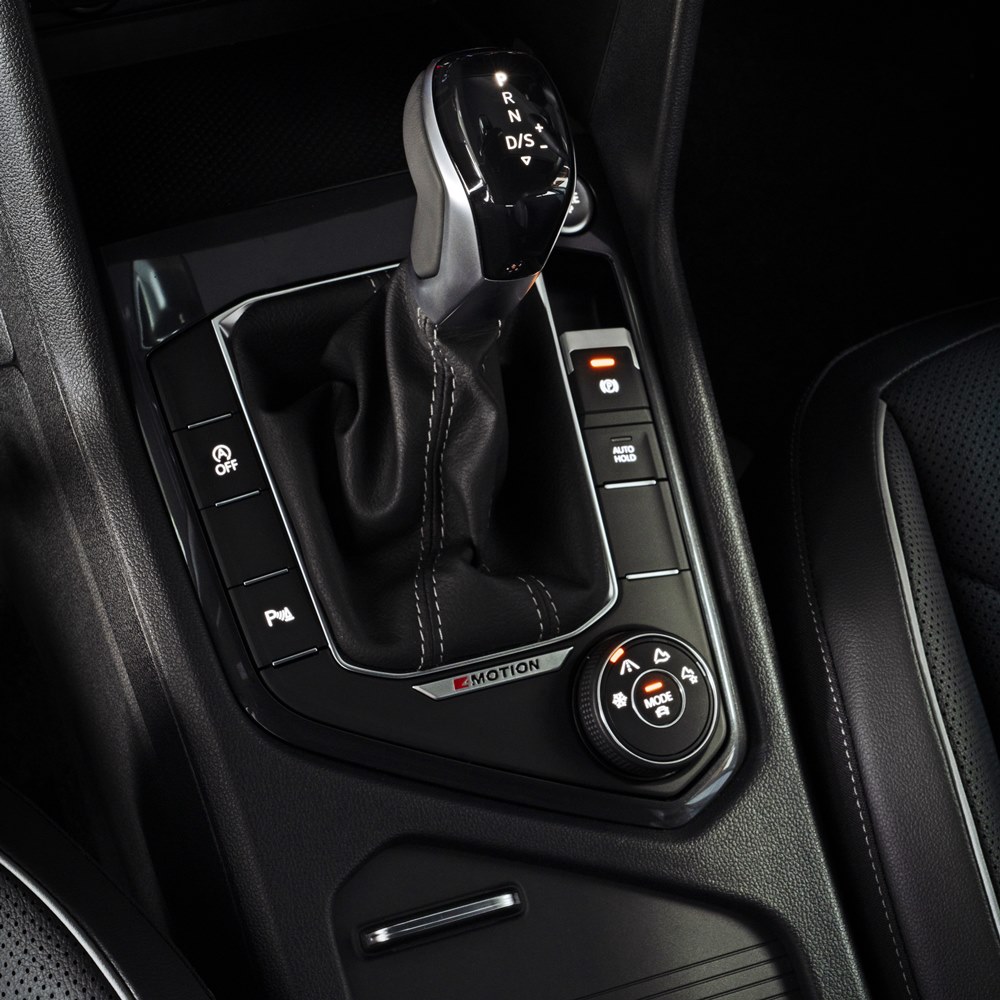
The driver can operate and manage numerous functions from the multifunction sports steering wheel which has haptic-touch controls (needs a bit of getting used to). However, for more intuitive operation, there are upgrade knobs and buttons on the dashboard to adjust the air-conditioning systems. The shifter panel display has also been redesigned and gear positions are shown on the interface with illumination to highlight which gear is engaged.
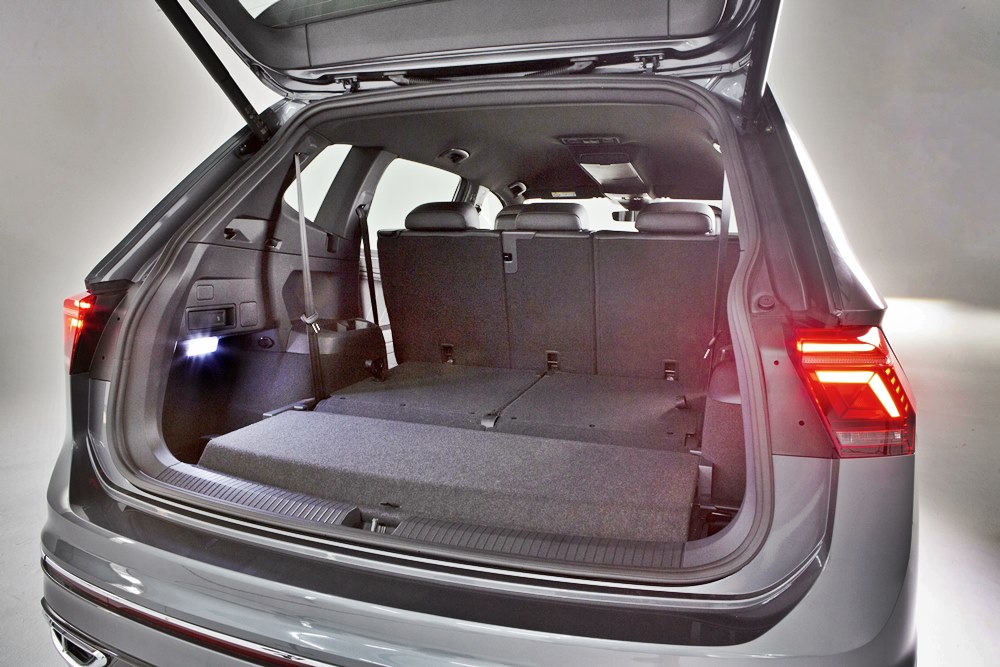
Around the cabin, 30-colour ambient lighting is provided with light strips extending across the doors, creating a contemporary and personalised atmosphere to suit any driving modes, occasions, or moods. Newly added is the Easy Open and Easy Close feature that enables handsfree opening and delayed closing of the tailgate. The cargo volume can be expanded to 1,775 litres by folding down the rear backrests.
The infotainment system has also been upgraded to a new generation 9.2-inch Discover Pro unit. It now supports wireless Apple CarPlay and Android Auto, and includes a navigation system as well as accepts voice commands. For the Tiguan Allspace R-Line, there is an additional Off-road display to provide information when this driving mode is selected. Also exclusively for the R-Line 4MOTION is the premium Harman Kardon 480W audio system with 10 speakers.
2-litre and 1.4-litre powertrains maintained
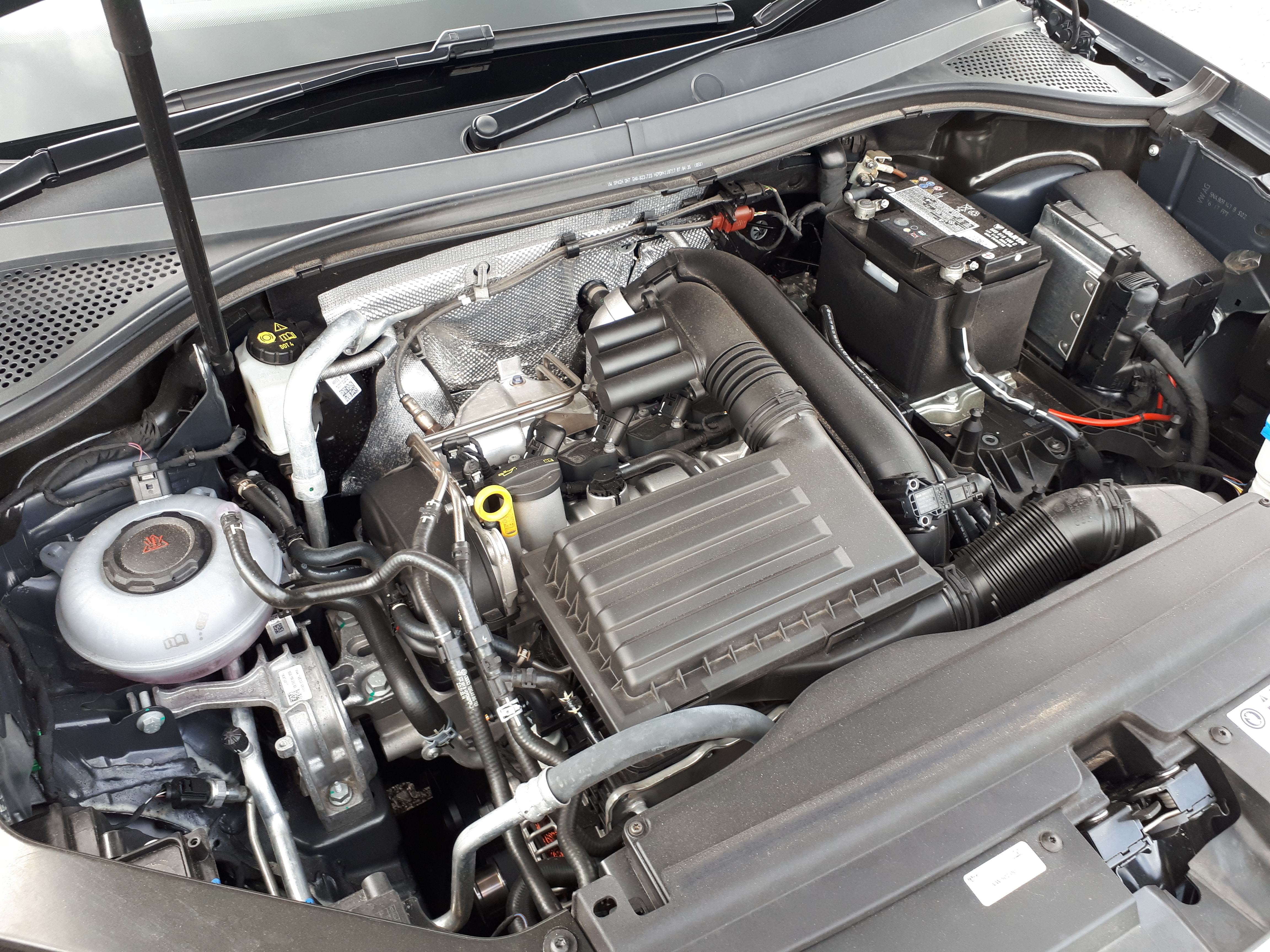
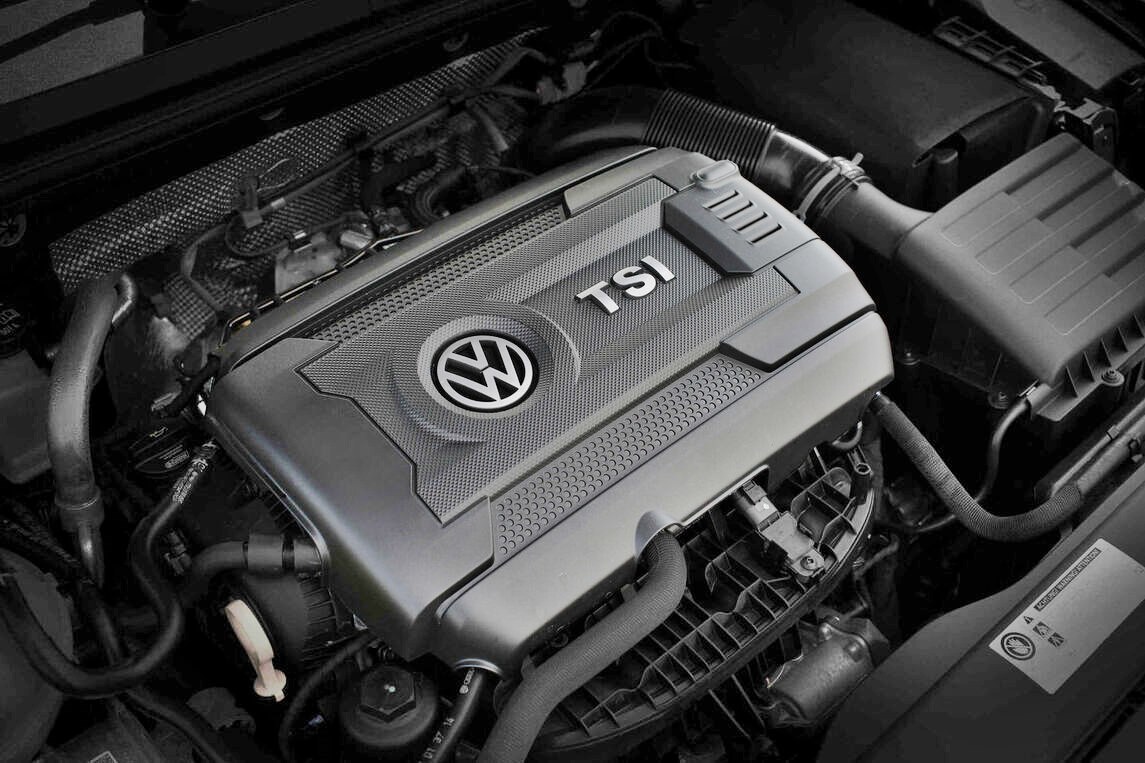
Technically, the powertrains are unchanged with the Elegance version having a 1.4-litre TSI turbocharged engine and 6-speed DSG (150 ps/250 Nm) and only front-wheel drive, while the R-Line 4MOTION uses the 2-litre TSI turbocharged engine and 7-speed DSG (220 ps/350 Nm). Power is transferred to all four wheels via the all-wheel drive system.
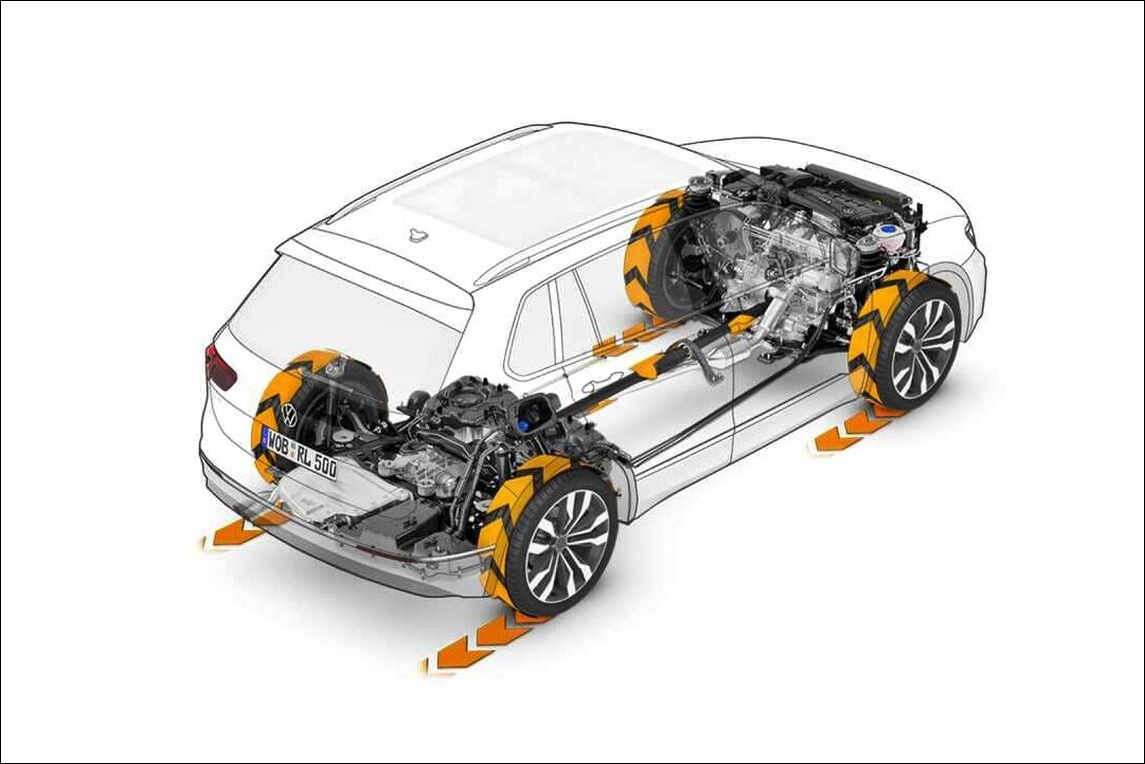
1.4-litre TSI turbocharged engine for Tiguan Allspace Elegance2.0-litre TSI turbocharged engine for Tiguan Allspace R-Line 4MOTION. The 4MOTION all-wheel drive system distributes power between front and rear axles on an infinitely variable basis. continuously adjusted to actual driving conditions. Mostly, it would be towards the front wheels but in slippery conditions, there will also be distribution towards the rear wheels for stability and grip.
The Tiguan comes with Dynamic Chassis Control for more personalised settings for driving behaviour, and there are 4 additional modes as part of the 4MOTION system – On-road, Off-road, Off-road Expert, and Snow. It is also fitted with progressive steering for sharper and more precise maneuvering.
Volkswagen pays a lot of attention to safety and would be right up there with other global brands. But unusually, the Tiguan doesn’t seem to have an integrated active system package that usually includes autonomous emergency braking. It does, however, come with a Lane Assist system which helps to keep the SUV within its lane. If it starts to move out of the lane, a gentle steering force will guide it back.
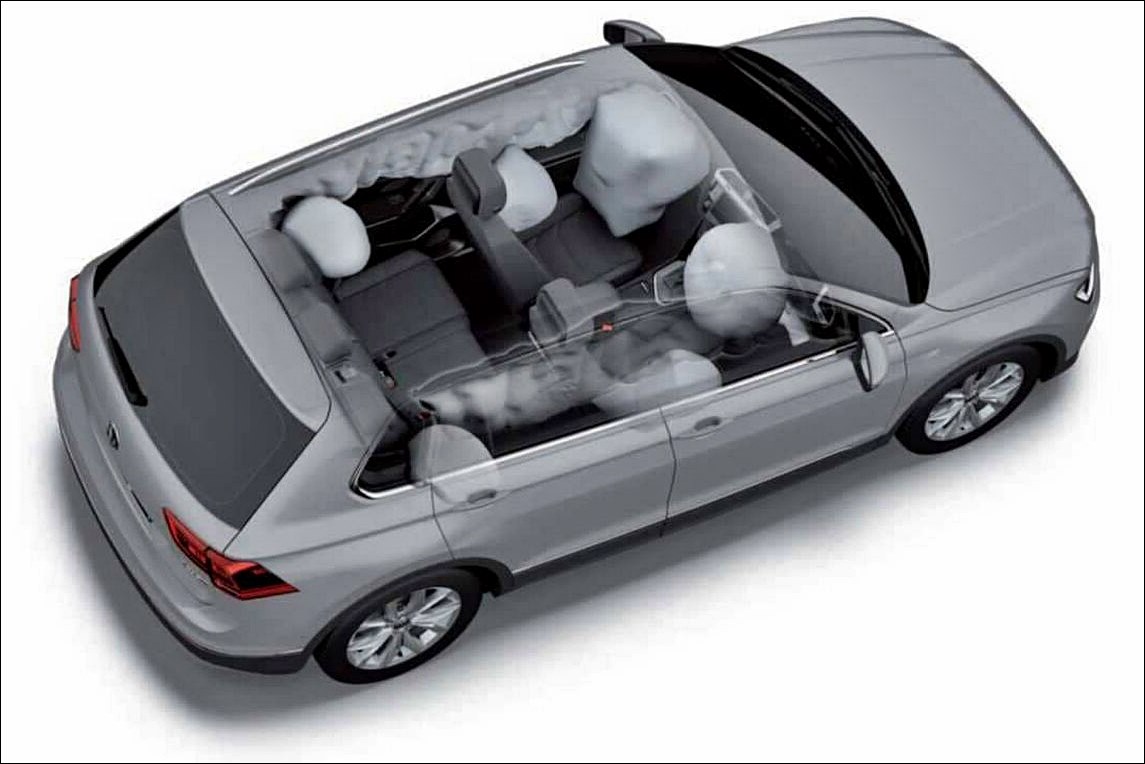
Nevertheless, all the other usual active safety systems like ABS, and stability control which works with the advanced Electronic Differential Lock (XDS). 6 airbags are also installed in the front and sides of the cabin and ISOFIX childseat points are provided in the front passenger’s seat as well as the rear seats.
The new Tiguans are now in authorized Volkswagen showrooms which have specific test-drive events this weekend. For those who do buy one, there’s a 5-year/unlimited mileage warranty, free scheduled maintenance for the first 3 years as well as complimentary roadside assistance for the first 5 years.
“SUVs are increasingly popular among Malaysians, and we see an opportunity for us to fill the gap in providing premium SUVs for the discerning. What we have in the Tiguan Allspace is an all-rounder that has more to give – more space, more performance, more value,” said Erik Winter, Managing Director of VPCM.
To know more about the new Tiguan Allspace or to locate a showroom, visit www.volkswagen.com.my.
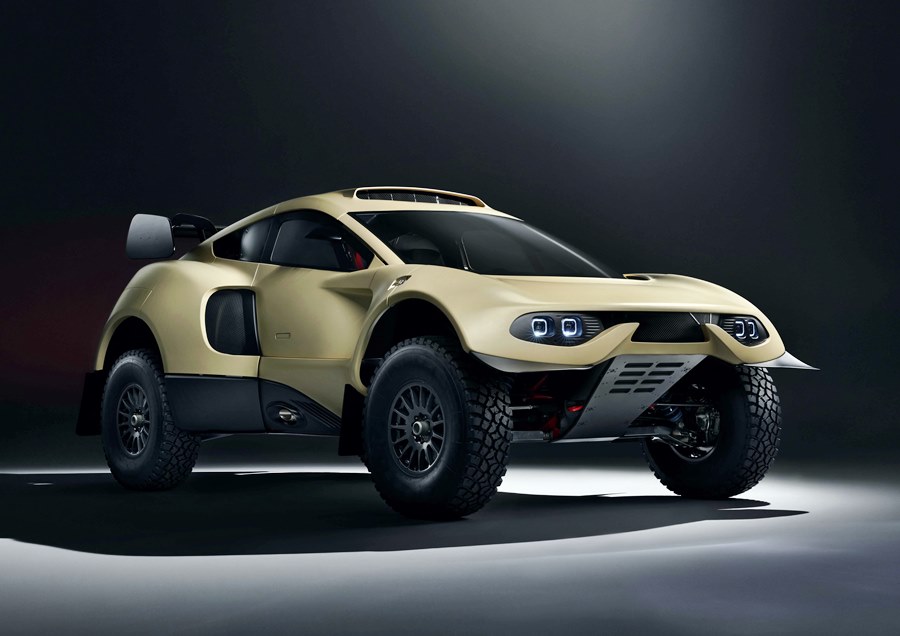
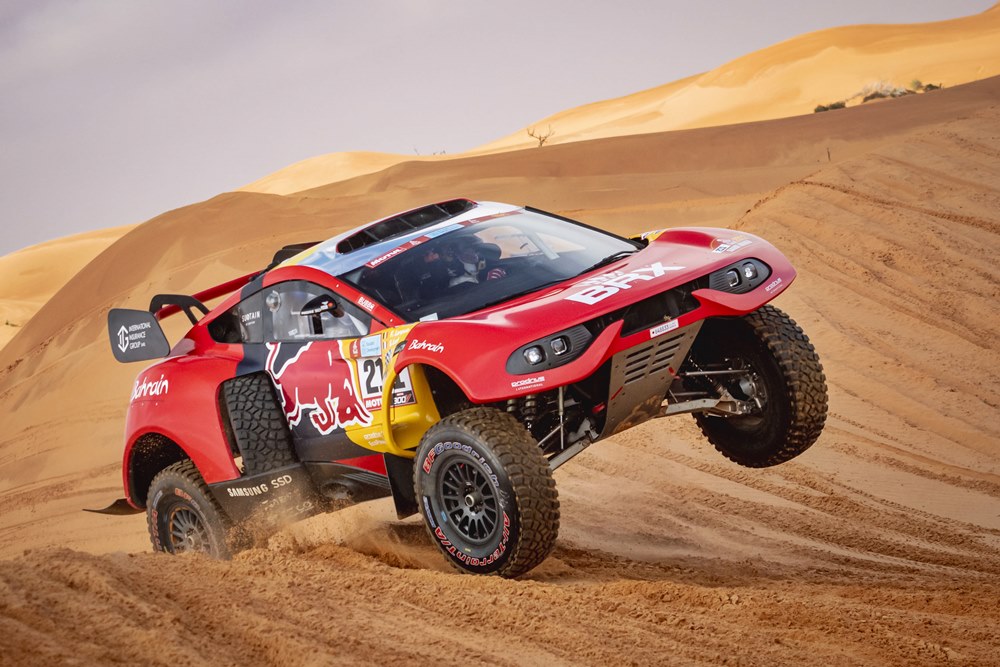
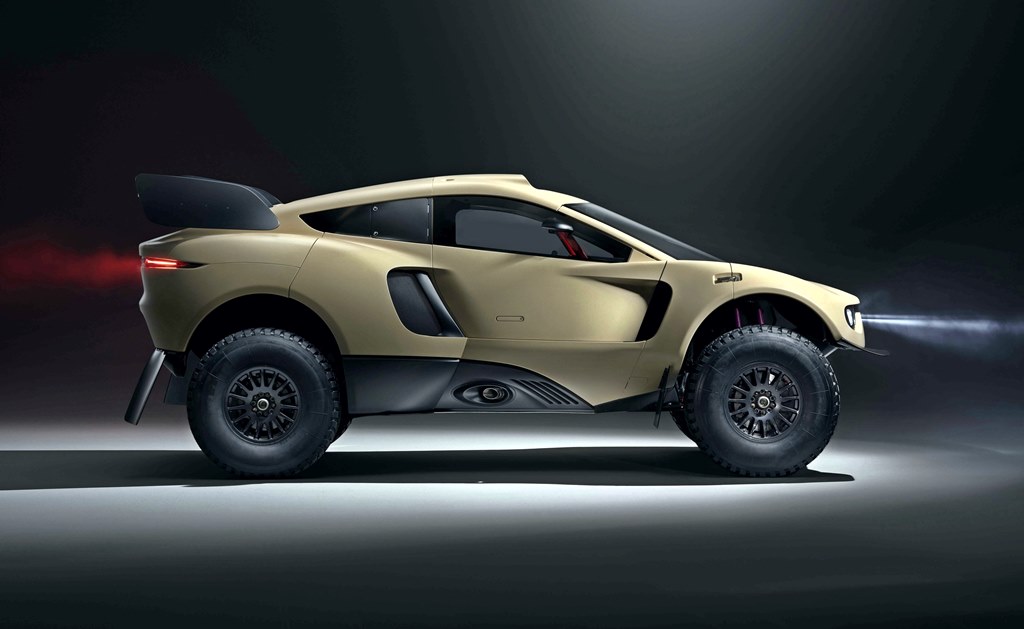
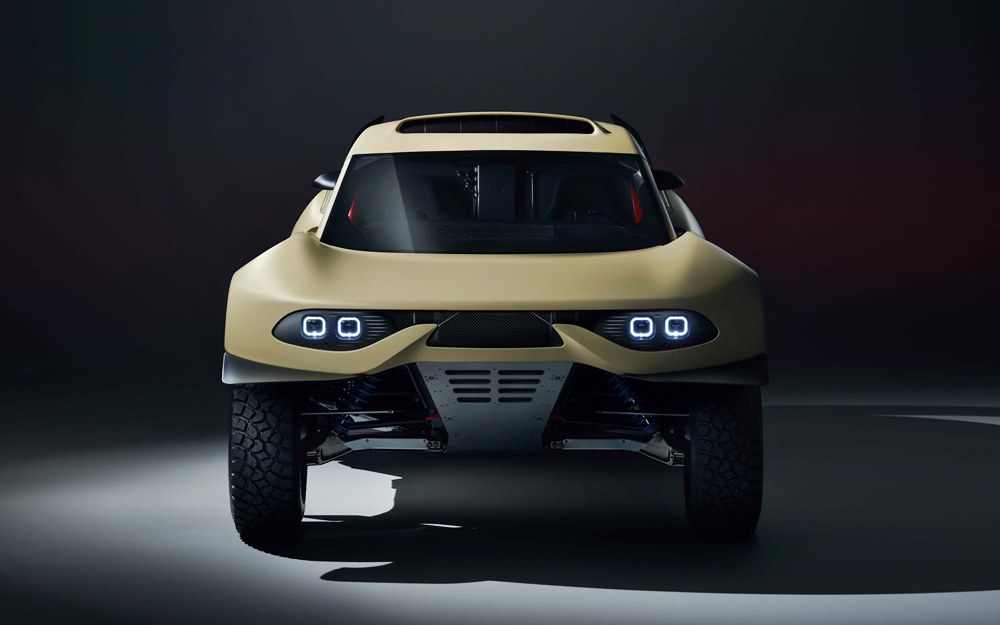
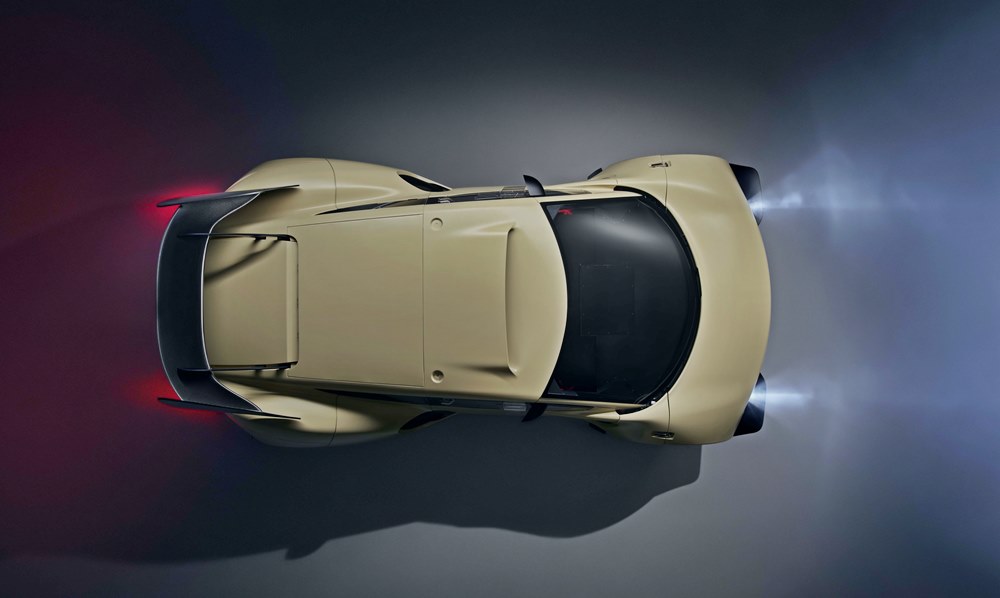
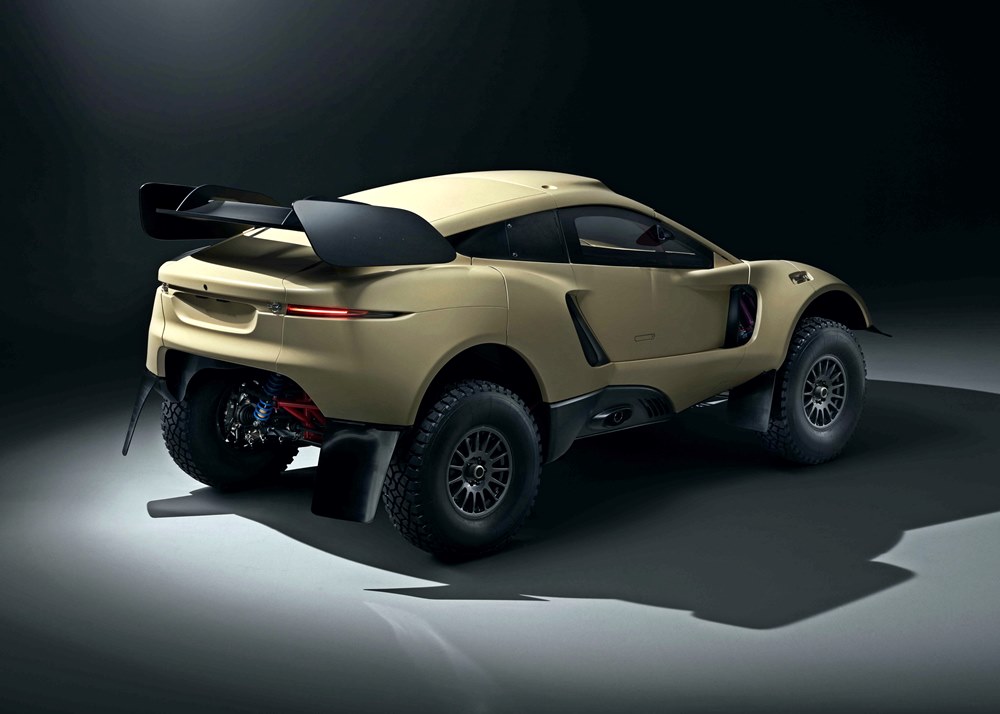
Prodrive, founded by former WRC co-driver David Richards, has lots of experience developing high-performance machines, especially for off-road use. A recent project was the Bahrain Raid Xtreme competition car driven by 9-time World Champion, Sebastien Loeb, in the Dakar Rally. Now using all its expertise and 40 years of successful off-road competition, it has developed the Hunter, a 600 bhp, 4-wheel drive all-terrain adventure vehicle with performance and capability to cross any landscape.
The rallycar used by Sebastien Loeb of the Bahrain Raid Xtreme team in the 2022 Dakar Rally.
Designed and intended for desert sand, dunes and rough mountain tracks, the Hunter is even more extreme than that driven by Loeb, with a 50% increase in power from the V6 engine and more suspension travel to absorb the harshest of terrain.
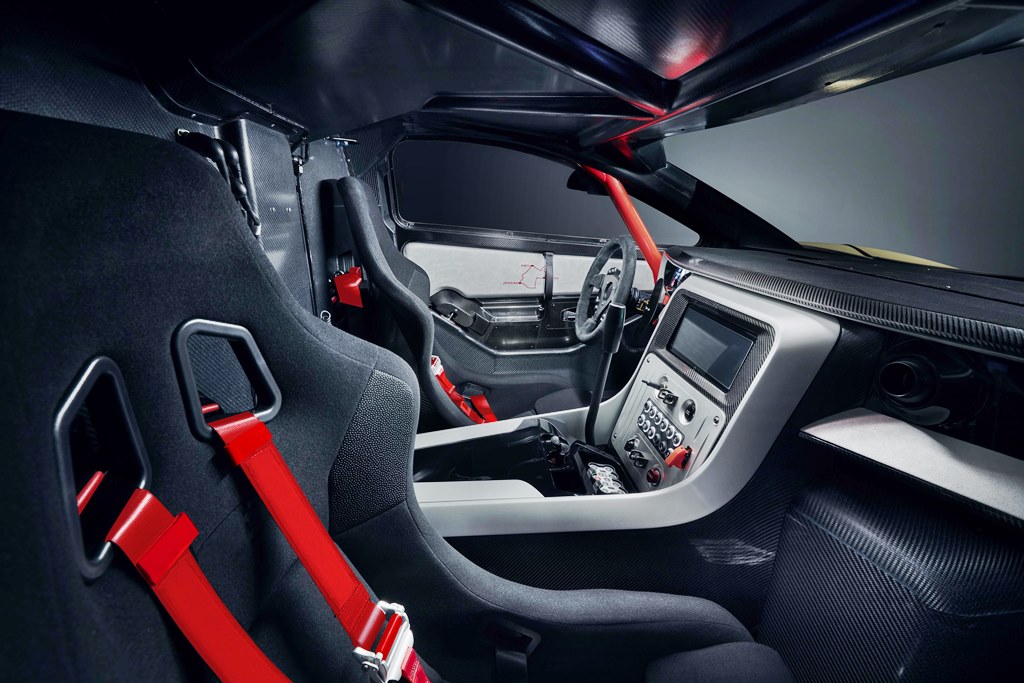
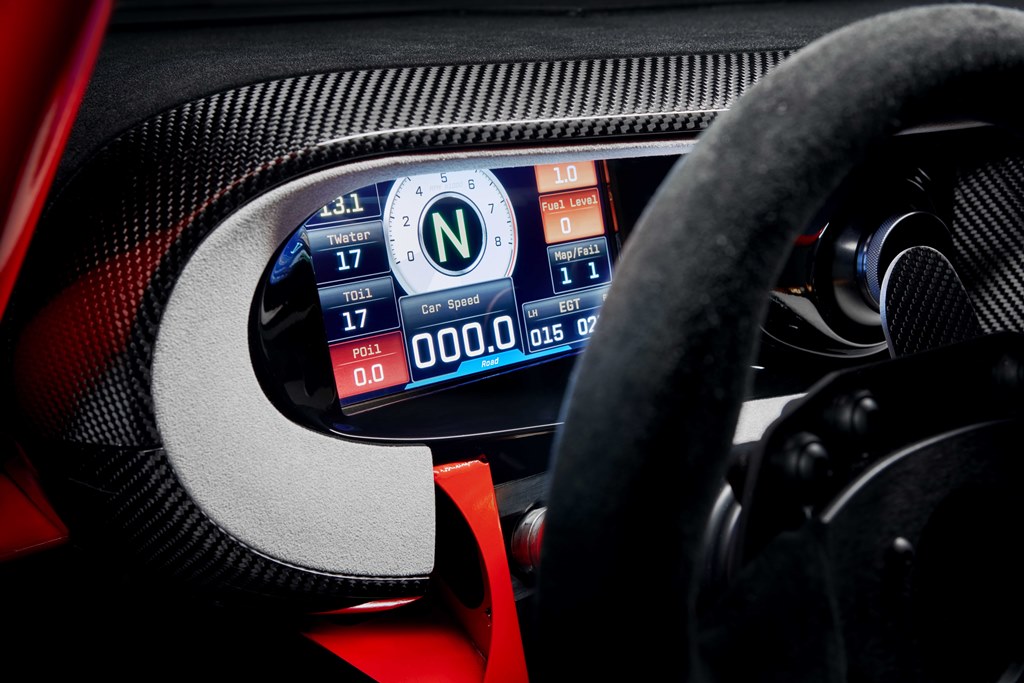
But while the car is even faster and more capable than the rallycar, it is also more refined. Ian Callum, who styled the exterior of the original competition car, returned to the project to create a new interior more in keeping with everyday use than rallying.
Aiming for Middle East markets
“There are numerous hypercars on the market; however, they all need good roads or even racetracks to show their performance. We identified that, in certain parts of the world, particularly the Middle East, there are vast expanses still to be explored that go way beyond the access provided by asphalt roads. Therefore, why not create a vehicle that gives the opportunity to explore these regions with performance way beyond that offered by any off-road vehicle before?” explained Richards.
The Hunter retains the Dakar competition car’s engine, drivetrain and suspension. To improve driveability, the manual sequential gearbox has been replaced by a 6-speeder with paddle shift, giving a smooth gear change in just milliseconds.
Higher power output
As the hypercar does not have to comply with strict competition regulations, the power output has been increased by more than 50%. The 3.5-litre twin turbo V6 has been refined and retuned to produce over 600 bhp and 700 Nm of torque while making its power delivery smoother and easier to drive.
Prodrive estimates that this would give it a 0 – 100 km/h time of less than 4 seconds and a top speed of nearly 300 km/h. The vehicle is fitted with bespoke 35-inch off-road tyres designed to optimise grip over rough terrain and sand, rather than on tarmac.
Hyper rallycar for the road
“We took the deliberate decision to keep the Hunter Hypercar as close to the original as possible. It’s about giving owners the opportunity to experience what it is like to drive Loeb’s Dakar car across the desert, but with all the comforts of a road car and the ability to drive it from your home, through a city, to any destination of your choice,” said Richards.
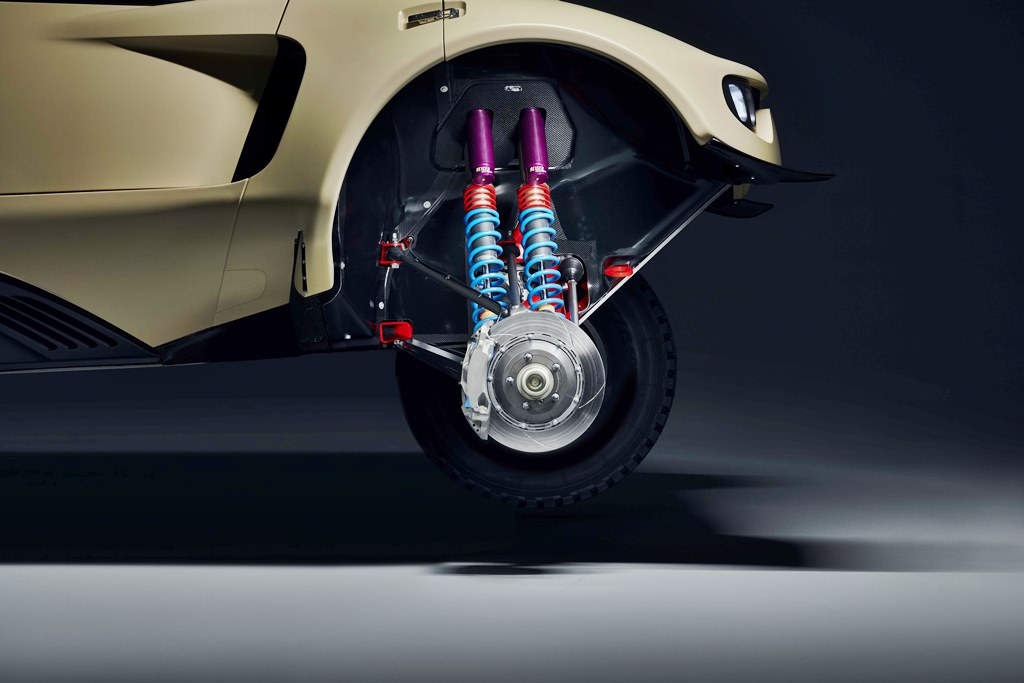
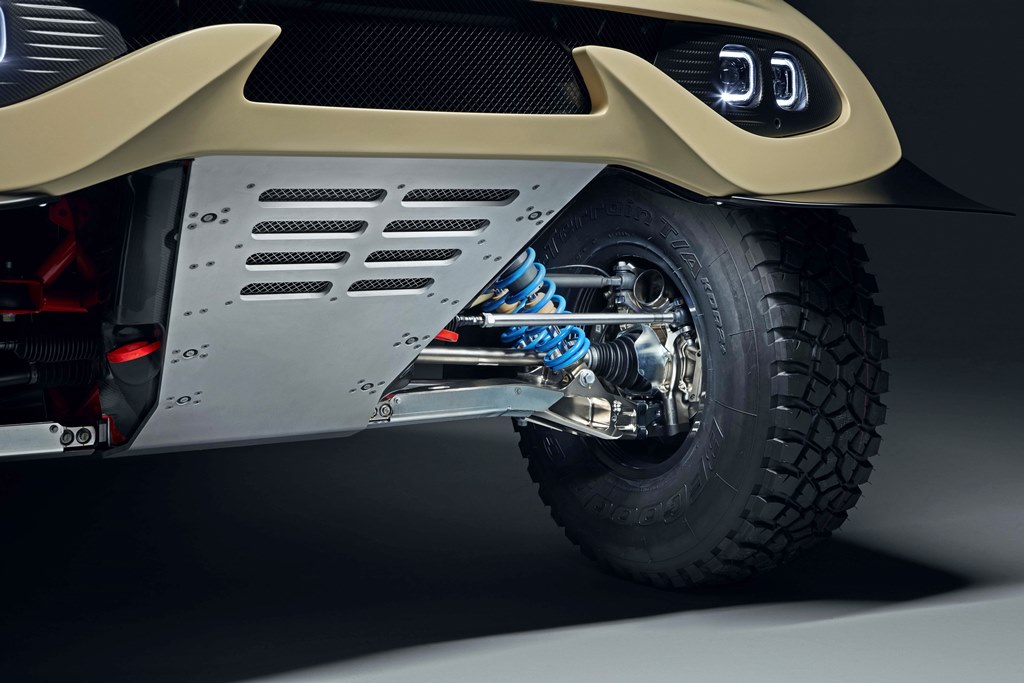
The whole car is built around a high-tensile steel spaceframe chassis, giving both a rigid platform to optimise the suspension geometry and performance and an FIA standard safety cage to protect the occupants. The all-round double wishbone suspension with twin adjustable dampers on each corner has 400 mm of travel – an increase from 350 mm on the competition car – to give a smoother ride and even greater ability to cross the roughest terrain at speeds unimaginable in any other vehicle.
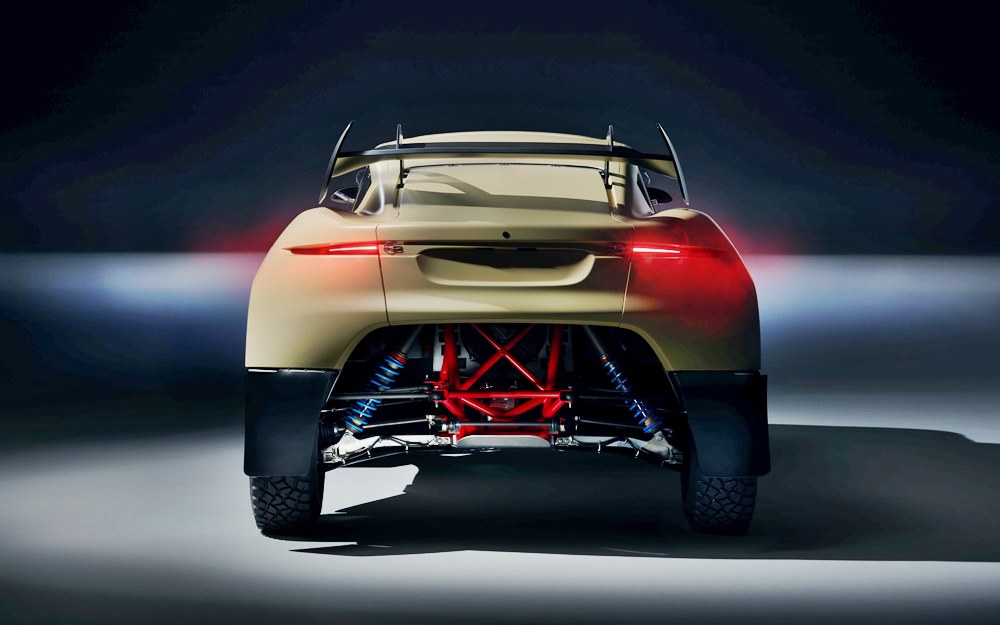
The whole vehicle has been designed to minimise overall weight and optimise the weight distribution and centre of gravity. All the bodywork is made from lightweight carbon composite, which includes recycled materials produced by Prodrive Composites.
The first development Hunter is already going around the Middle East where potential customers are being offered the opportunity of driving it and confirming their personal specification for production vehicles, each priced from £1.25 million (about RM7.05 million) to be delivered later this year.
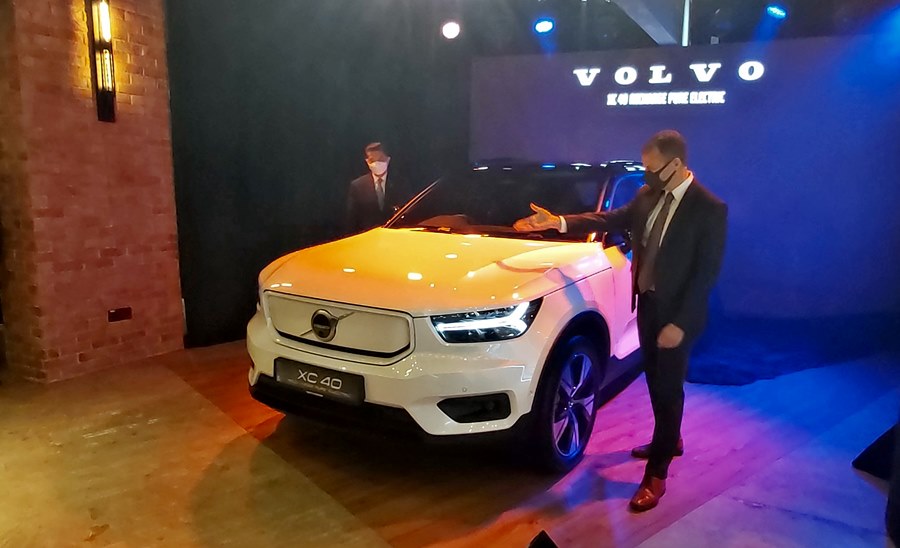
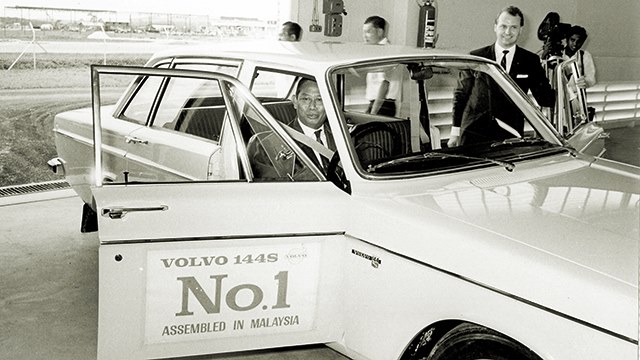
Volvo was the first company to assemble its cars in Malaysia in 1967 when the government began its localisation policy to accelerate industrialisation. 55 years later, the Swedish carmaker (part of China’s Zhejiang Geely Holding Group like Proton) is again a pioneer by being the first company to assemble a pure electric vehicle or battery electric vehicle (BEV) in Malaysia at the same plant in Shah Alam, Selangor.
The first car assembled in Malaysia in 1967 was a Volvo (above), and 55 years later, the first electric vehicle assembled in the country is also a Volvo (below).
Although it may seem like this move has come about because the government is allowing duty-free import and sale of BEVs now (and for the next few years), it is not the case. To plan for local assembly takes many years and it’s not as if Volvo Car Malaysia could send a message to Sweden to ask for CKD (completely knocked down) kits for assembly in 2022 when they can be imported duty-free. Furthermore, the plant would also have to be set up, especially with safety measures to handle the high-voltage systems of BEVs. Of course, Volvo Cars Manufacturing Malaysia (originally known as Swedish Motor Assemblies) already has experience with electrified vehicles since it has been assembling plug-in hybrid (PHEV) models for some time.
Regional production hub
In line with Volvo’s plan to have 50% of its global sales volume to be made up of BEVs by 2025, it has been quickly switching focus to BEVs around the world. Malaysia, being its production hub in ASEAN, is naturally a part of this plan which will see the brand being fully electric by 2030. From the plant in Selangor, BEVs will be exported to other countries in the region and because they are assembled in Malaysia, they can also be imported duty-free (provided they have a minimum of 40% ASEAN-sourced content) as part of the provisions of the ASEAN Free Trade Area (AFTA) agreement.
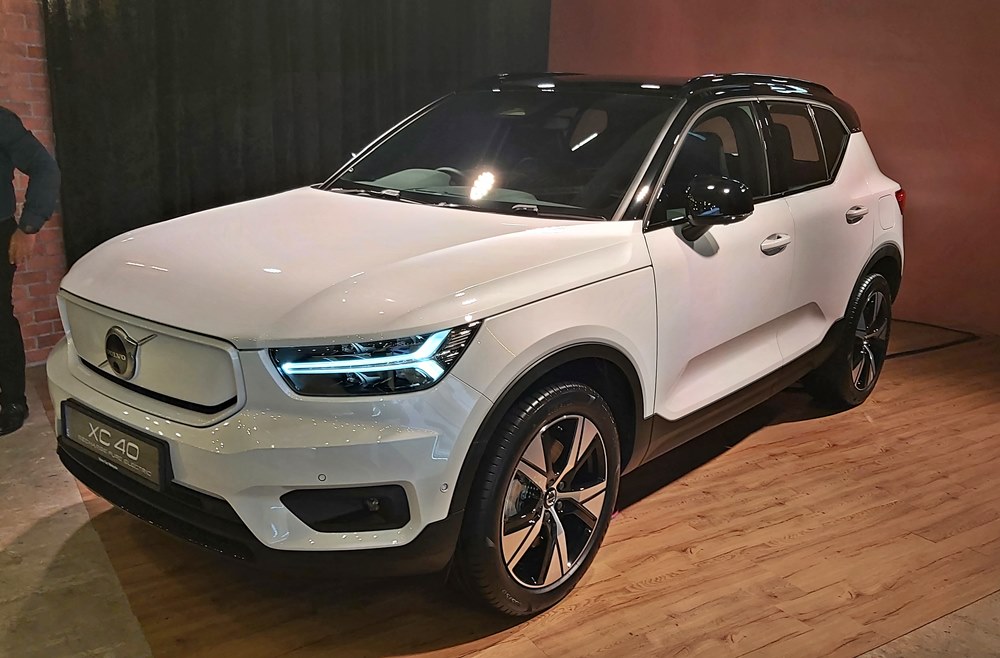
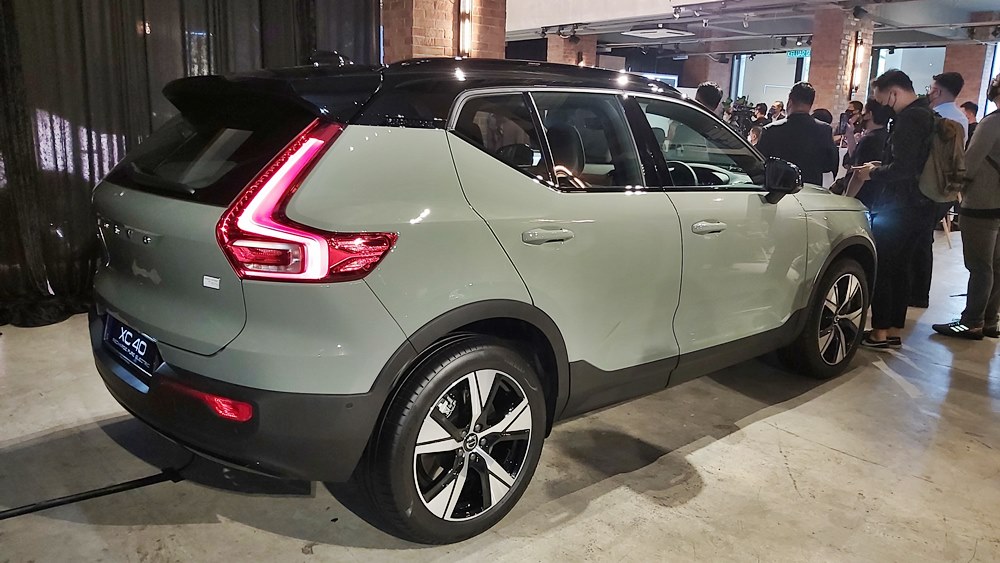
The first model, which will be officially launched on April 4, is the XC40 Recharge which was also the first Volvo BEV when it made its debut in 2019. Recharge is the umbrella name given to models which are electrified and in the coming 5 years, Volvo Car Malaysia will be launching one new BEV each year.
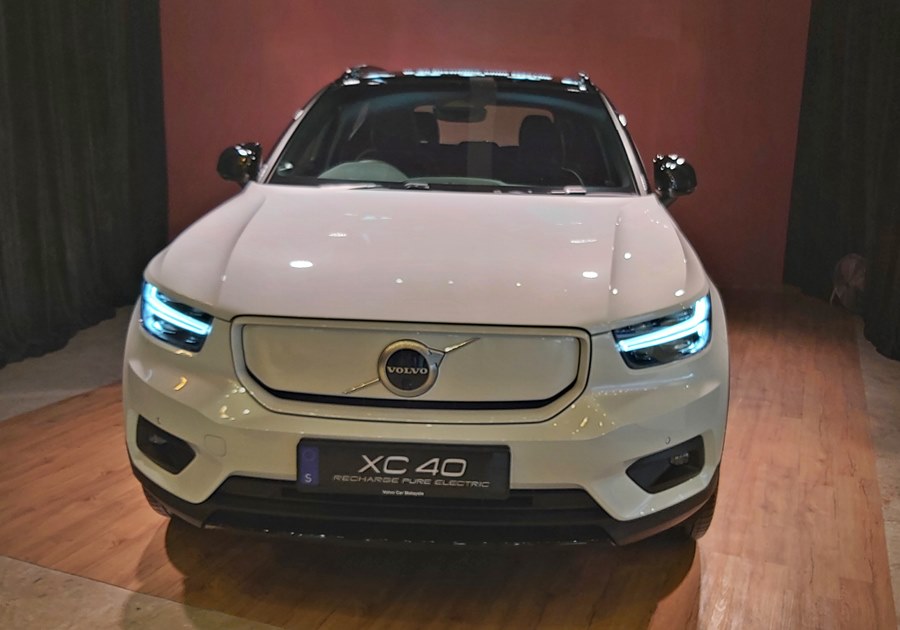
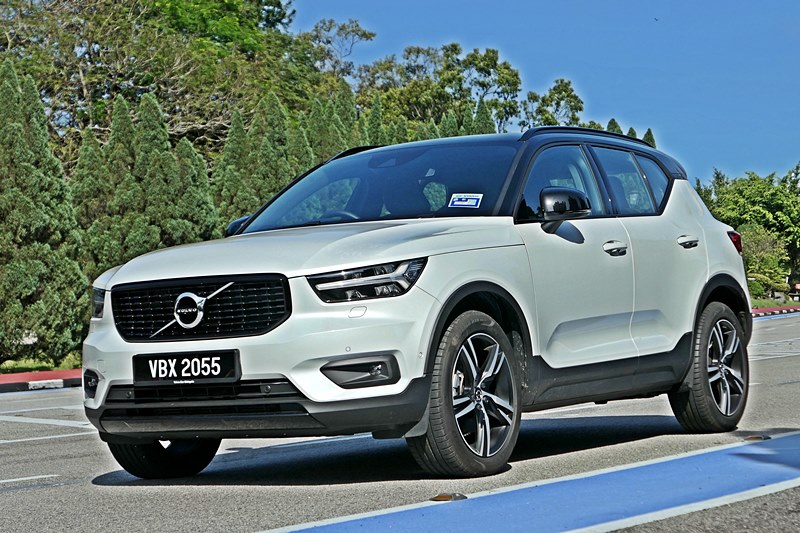
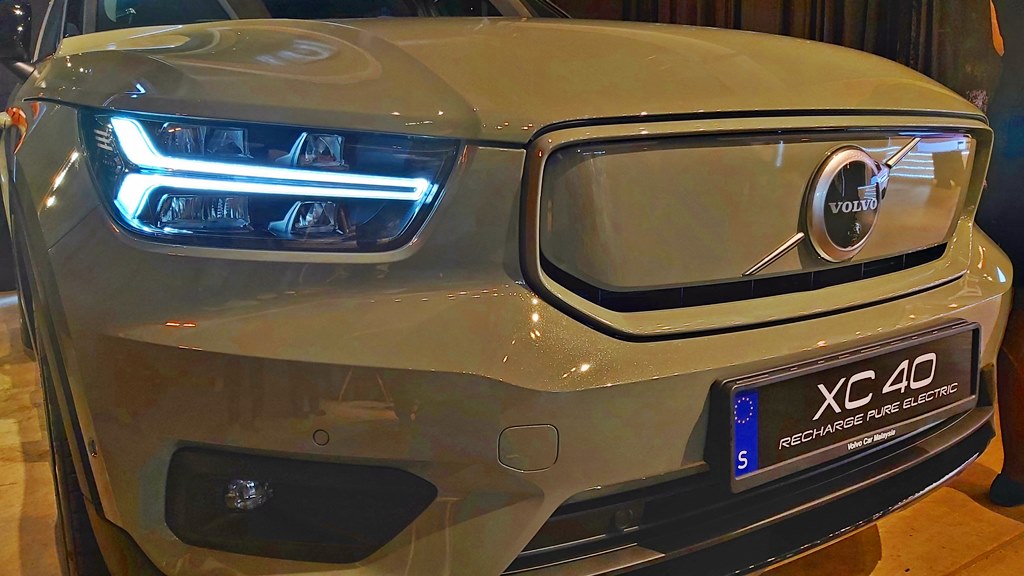
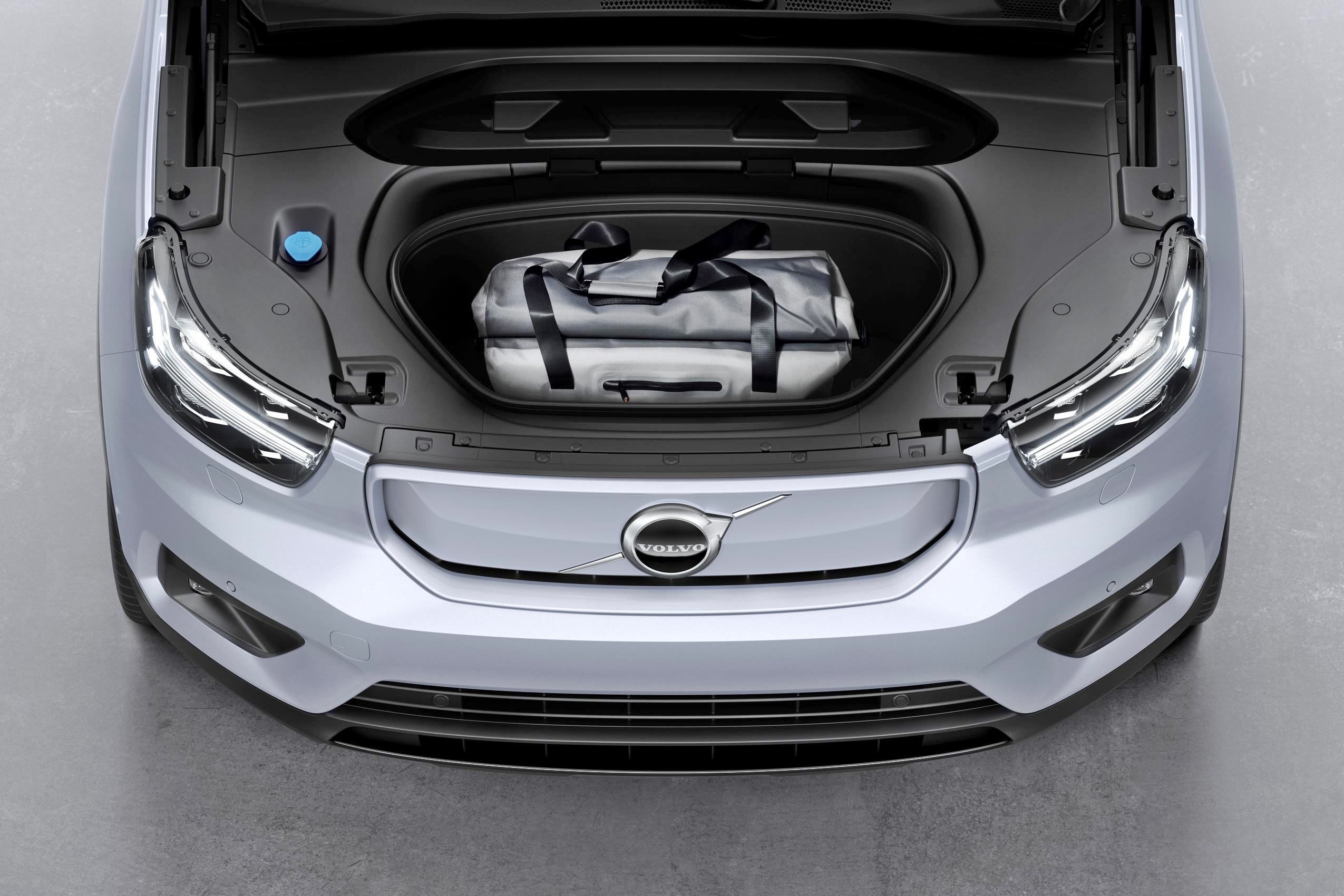
The XC40 Recharge has a similar appearance as the XC40 with a combustion engine (below) but the grille is different. With no need for radiator cooling, the space can be closed off.
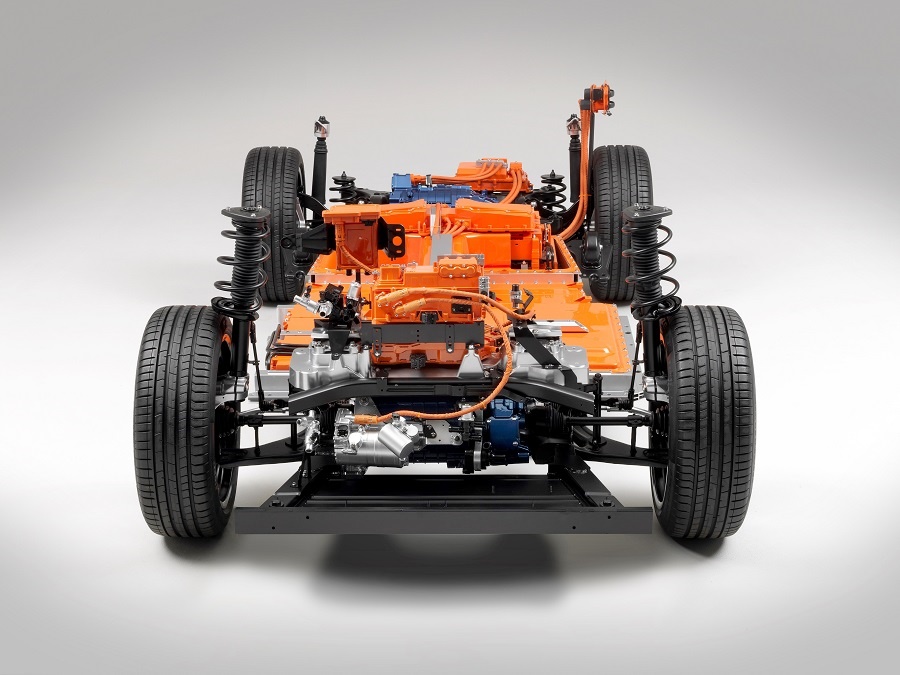
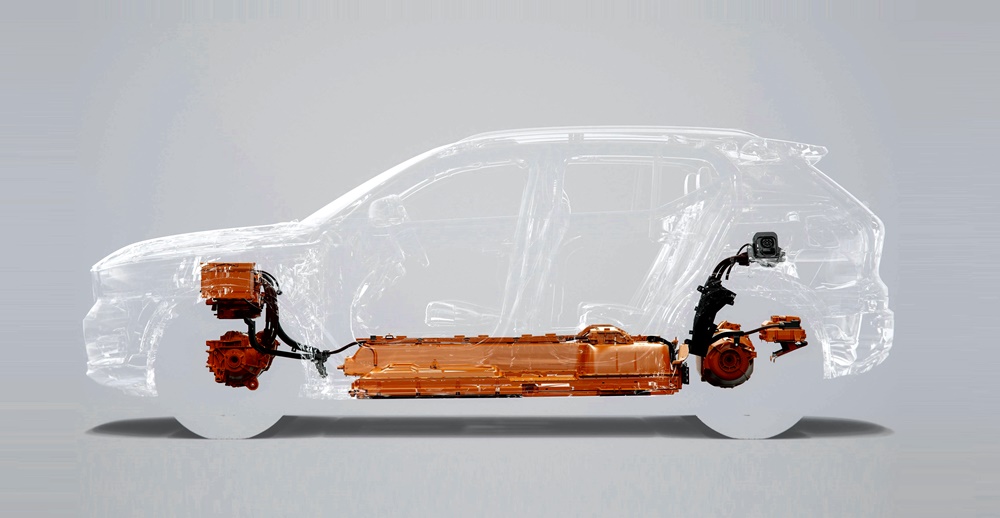
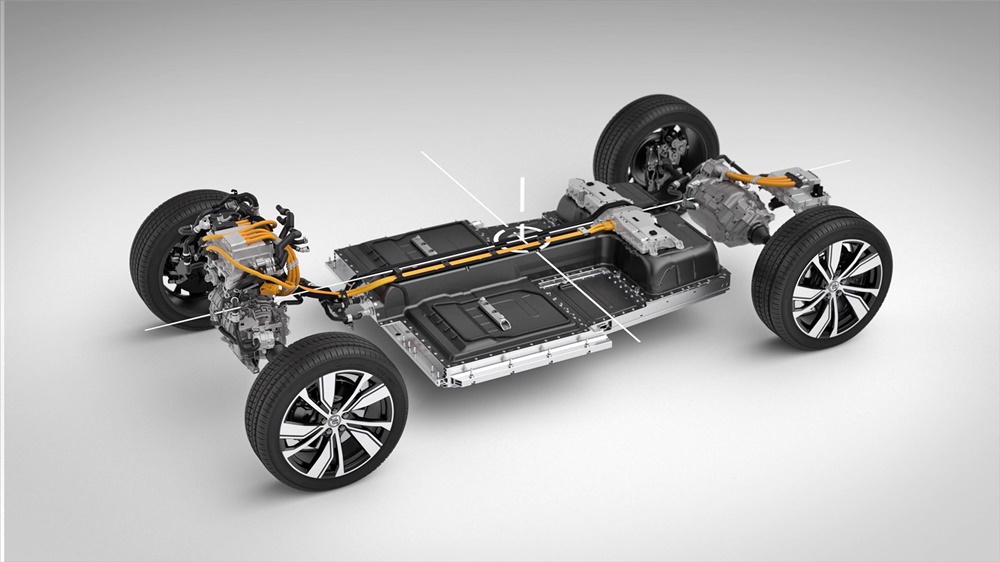
While the price has not been announced yet, the technical details are already known since it would be the same model as sold elsewhere. It has two electric motors that draw power from a 75 kWh lithium-ion battery pack positioned between the front and rear axles. The system output is 300 kW (equivalent to 408 ps) with 660 Nm of torque, which gives a claimed 0 to 100 km/h capability of 4.9 seconds and a top speed of 180 km/h. A maximum range of 418 kms is claimed for a fully charged battery pack.
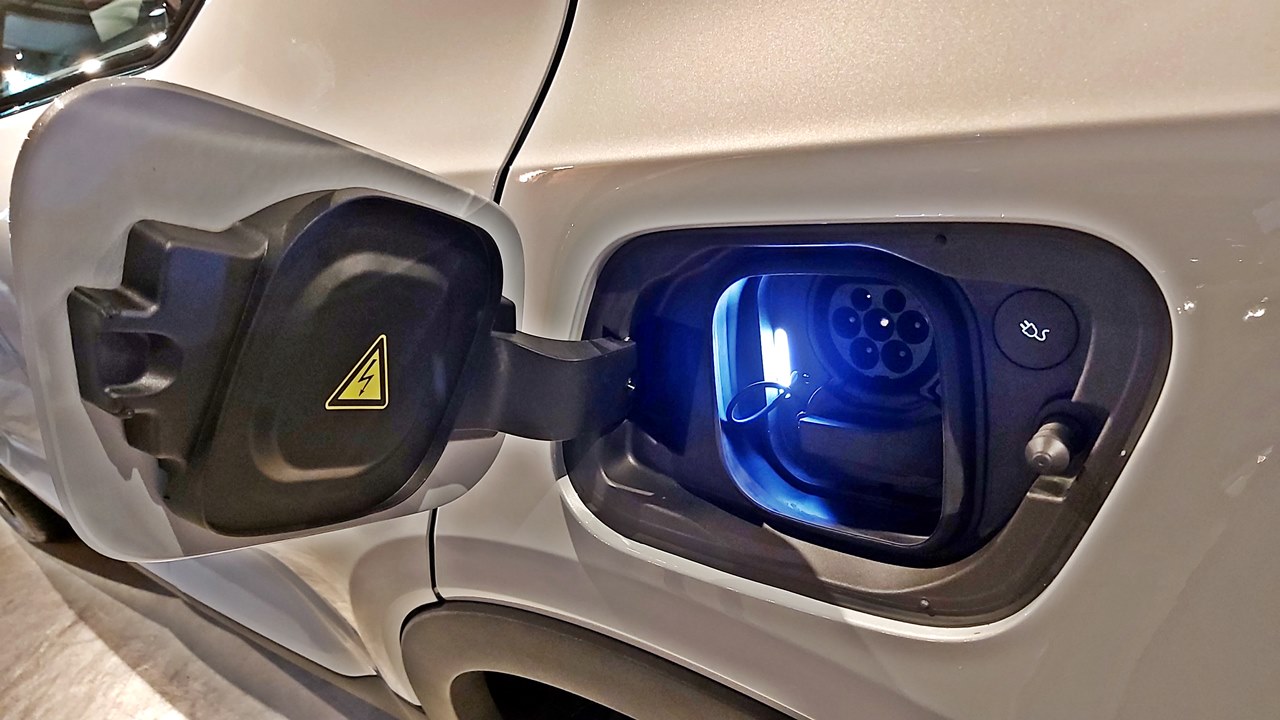
As with other BEVs, the XC40 Recharge can be recharged in various ways although DC fast-charging would have the shortest time. From one report we have read, the battery pack can be recharged to 80% of its capacity within 33 minutes when a fast-charger is used. Of course, this assumes that the level is very low and in practice, it may be that people recharge whenever they can and ‘top up’ so the time spent charging might not be as long.
Similar appearance to XC40
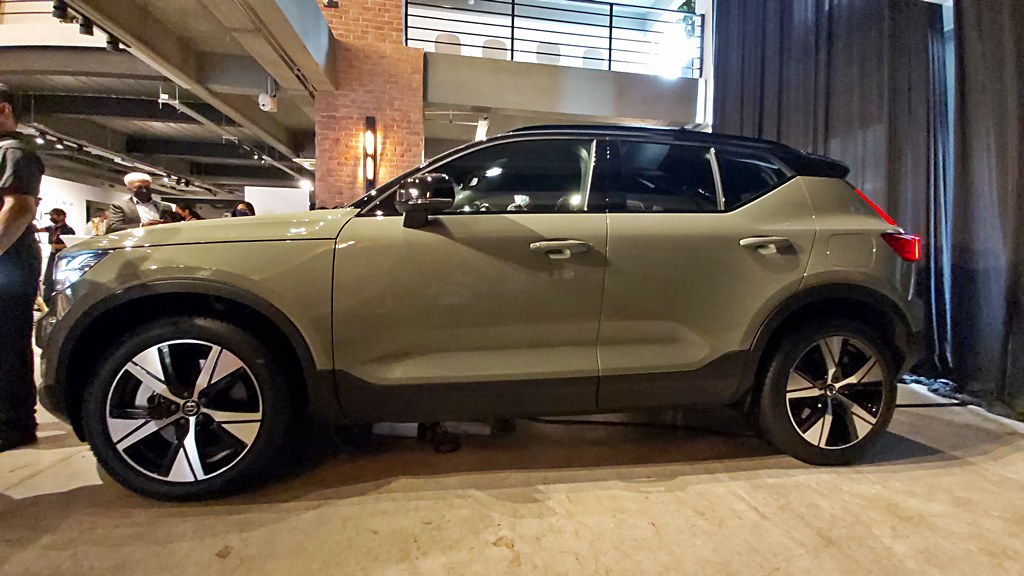
The external appearance of the XC40 Recharge is similar to that of the XC40 SUV but you can immediately tell that the model is the BEV version from the front end. With no need to cool a radiator, there is no real need for the traditional grille so that space is closed off. That’s better for aerodynamics too, which need to be as efficient as possible to minimise wind resistance.
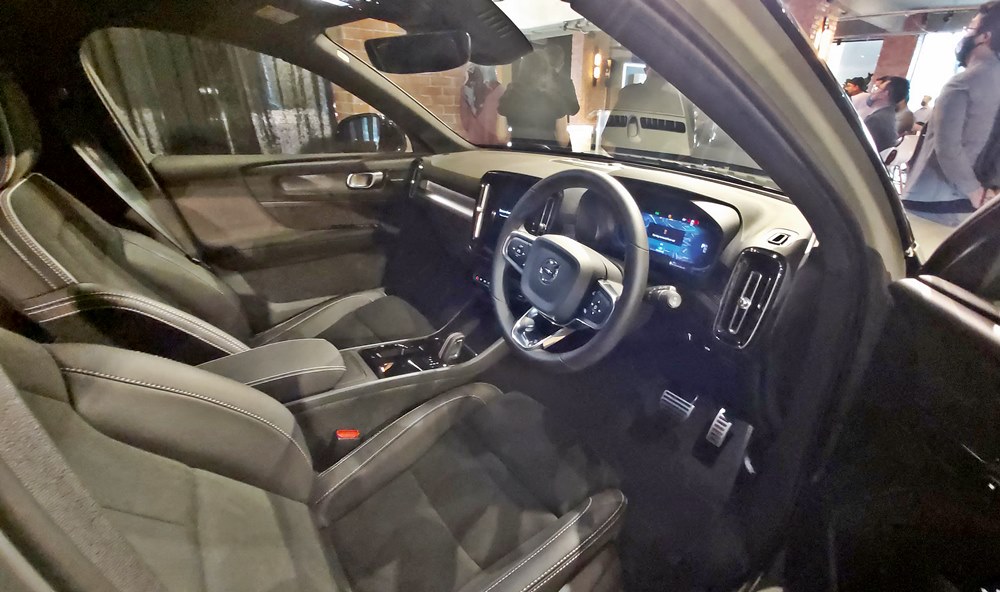
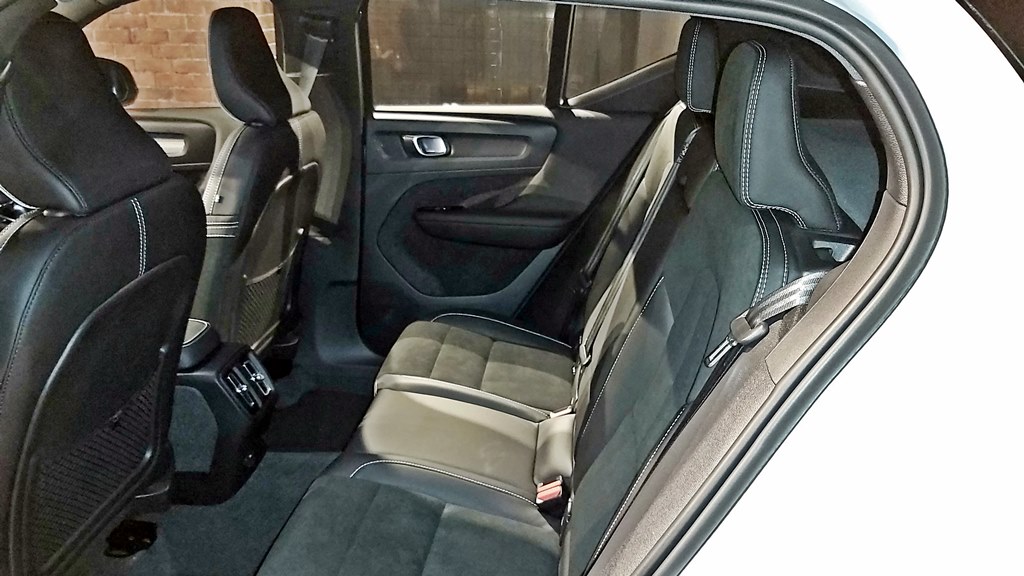
The equipment for the locally-assembled model may differ a bit from those sold in other countries but would still be high as Volvo wants to position itself as a premium luxury brand. With the emphasis on sustainability and recycling, a large percentage of materials would also be eco-friendly.
Android-powered?
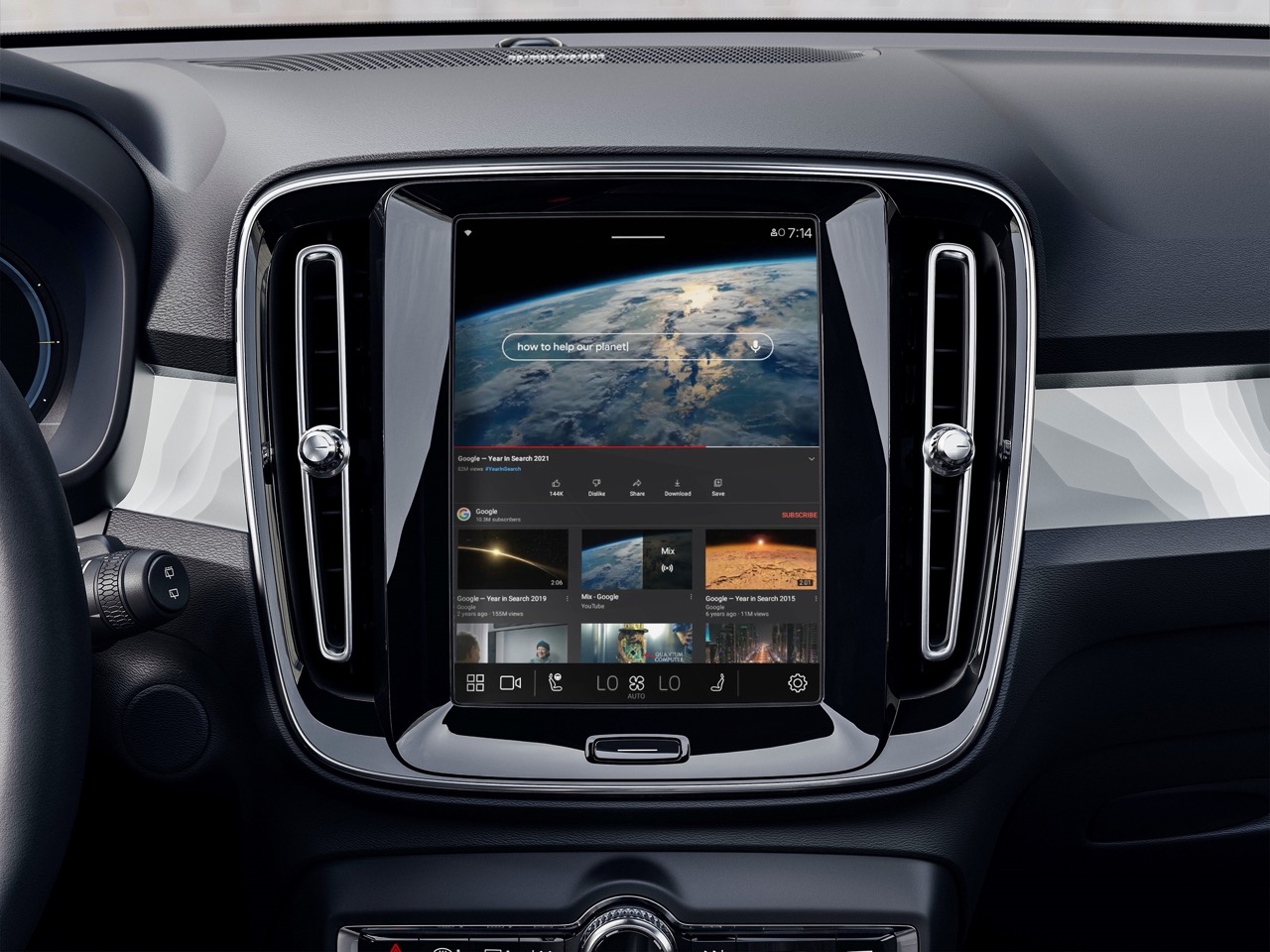
The Volvo Car Group is the first company to team up with Google on integrating an infotainment system powered by Android so it is likely that this will be available. The infotainment system is fully integrated with Volvo On Call, the company’s digital connected services platform, and includes Google Assistant, Google Maps and the Google Play Store built-in. The new system also offers full integration of Android Automotive OS, Google’s open-source Android platform, with real-time updates to services and automotive apps created by the global developer community.
New Advanced Driver Assistance Systems
This being a Volvo, it does without saying that safety has a very high priority in every area. In terms of active safety systems, the XC40 Recharge has an Advanced Driver Assistance System (ADAS) platform with an array of radar, cameras and ultrasonic sensors. This gives it a broad range of capabilities to scan its surroundings and identify potential hazards, enabling a degree of autonomous motoring.
To help keep passengers safe and the battery intact in the event of a collision, there is a new and unique safety structure for passengers and battery alike in the XC40 Recharge. The battery is protected by a safety cage which consists of a frame of extruded aluminium and is embedded in the middle of the car’s body structure, creating a built-in crumple zone around the battery. The battery’s placement in the floor of the car also has the benefit of lowering the centre of gravity of the car, for better protection against roll-overs.
Additionally, the car’s body structure has not just been reinforced in the front but also at the rear. Here, the electric powertrain has been integrated in the body structure for better distribution of collision forces away from the cabin and reduce the strain on people inside the car.
First deliveries will start towards the end of April and buyers will get a charging cable, service package, 5-year/unlimited mileage vehicle warranty, 8-year battery pack warranty and 5 years of complimentary Roadside assistance.
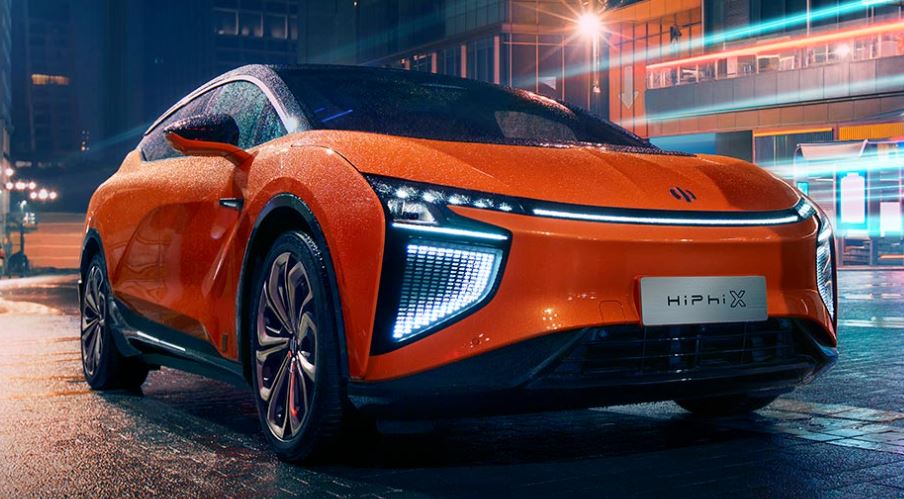
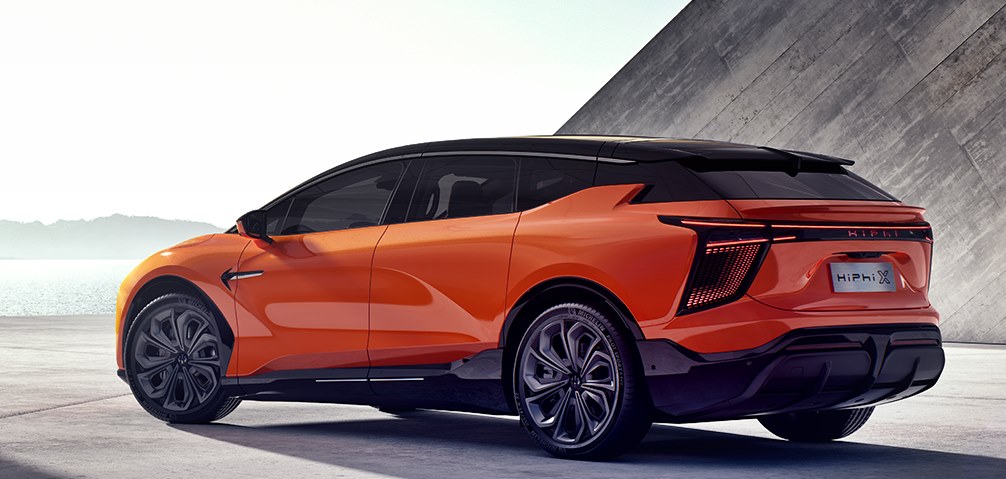
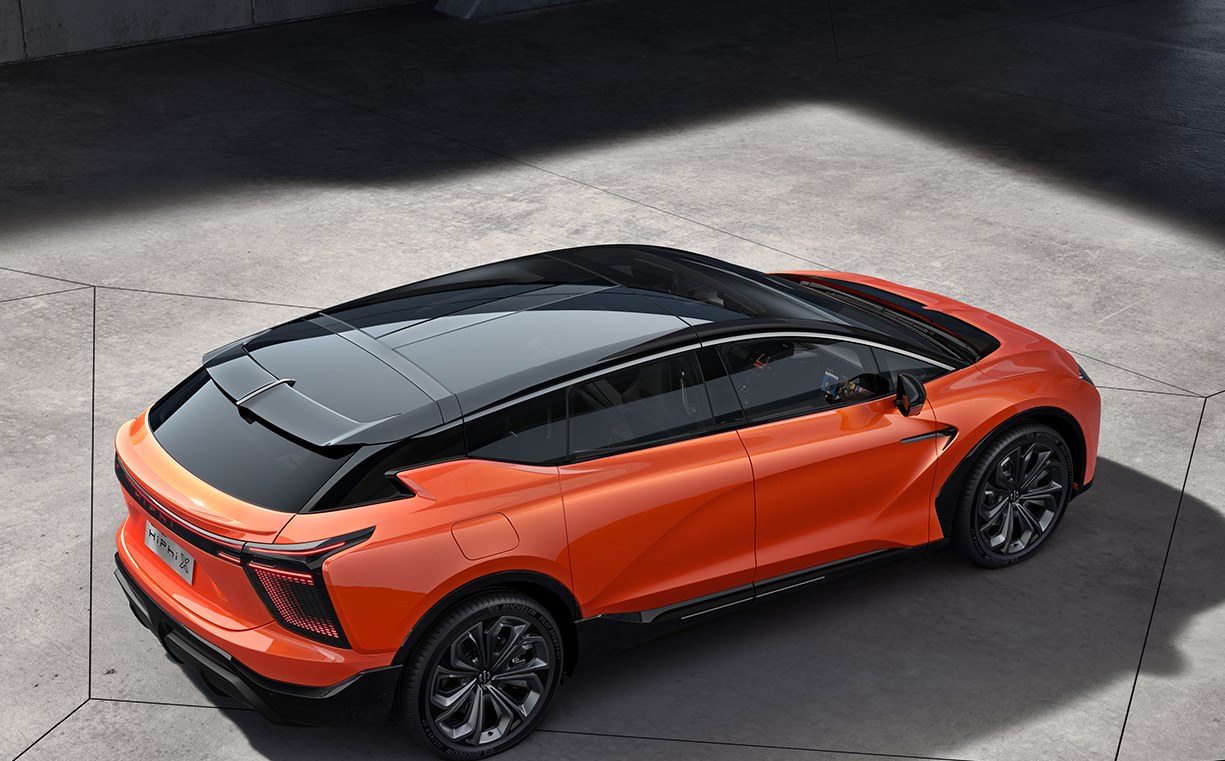
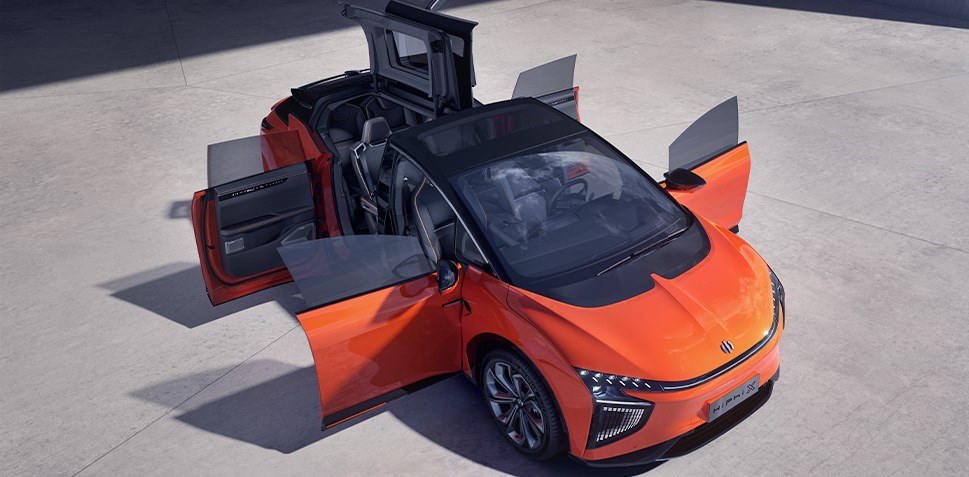
Human Horizons, the young Chinese technology company (established just 4 years ago), has released details of two more versions of its HiPhi X Super SUV range. The new versions are the 6-seater Creative Extended Range Edition and Intelligent Extended Range Edition which are said to be premium products.
Meeting more differing customer needs
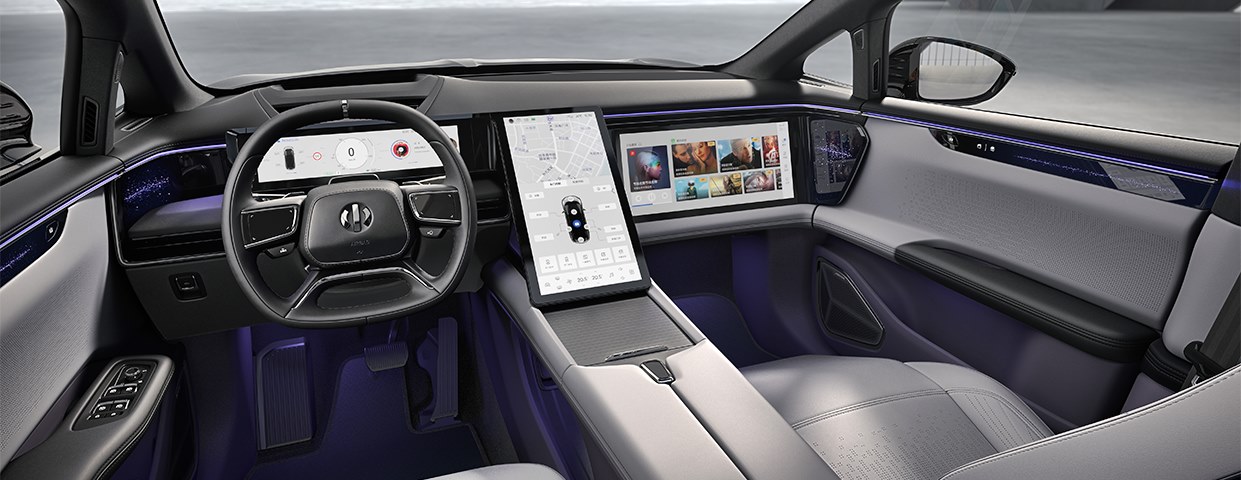
Since being unveiled in mid-May 2021, the HiPhi X has been selling well across China and the development team has been looking at providing vehicles for more differing needs of consumers. Both the Creative Extended Range Edition and Intelligent Extended Range Edition are outfitted as luxury versions, with features such as a 17-speaker Meridian audio system, 19.9-inch entertainment screen for passengers, customizable smart fragrance system by Givaudan, interior light panels, a HEPA biochemical filter, and a driver physical monitoring system.
The HiPhi X has a number of world and industry firsts among mass-produced passenger vehicles, especially in the EV segment. These include smart PML programmable headlights, smart ISD interactive lamps and lighting system, and the intuitive AI-powered HiPhi Play interactive visual display.
Internet-of-Things technology
The model is also equipped with the world’s first fully-integrated open smart HiPhi service-oriented architecture (H-SOA) for use in a mass-produced vehicle. This utilizes the latest in Internet-of-Things (IoT) technology to connect, control, and monitor the operation of the vehicle. The open architecture acts as an open piece of hardware that third-party developers and regular users can program to create innovative visual displays according to their mood. For this reason, Human Horizons refers to the HiPhi X as the world’s ‘first evolvable super SUV’.
Having been conceived as an EV right from the start, the designers had no constraints as they could develop a layout fully optimised for EVs. Measuring 5.2 metres long, its lightweight hybrid aluminium construction will complement the concept of sustainability with the adoption of vegan leather and the use of recyclable materials.
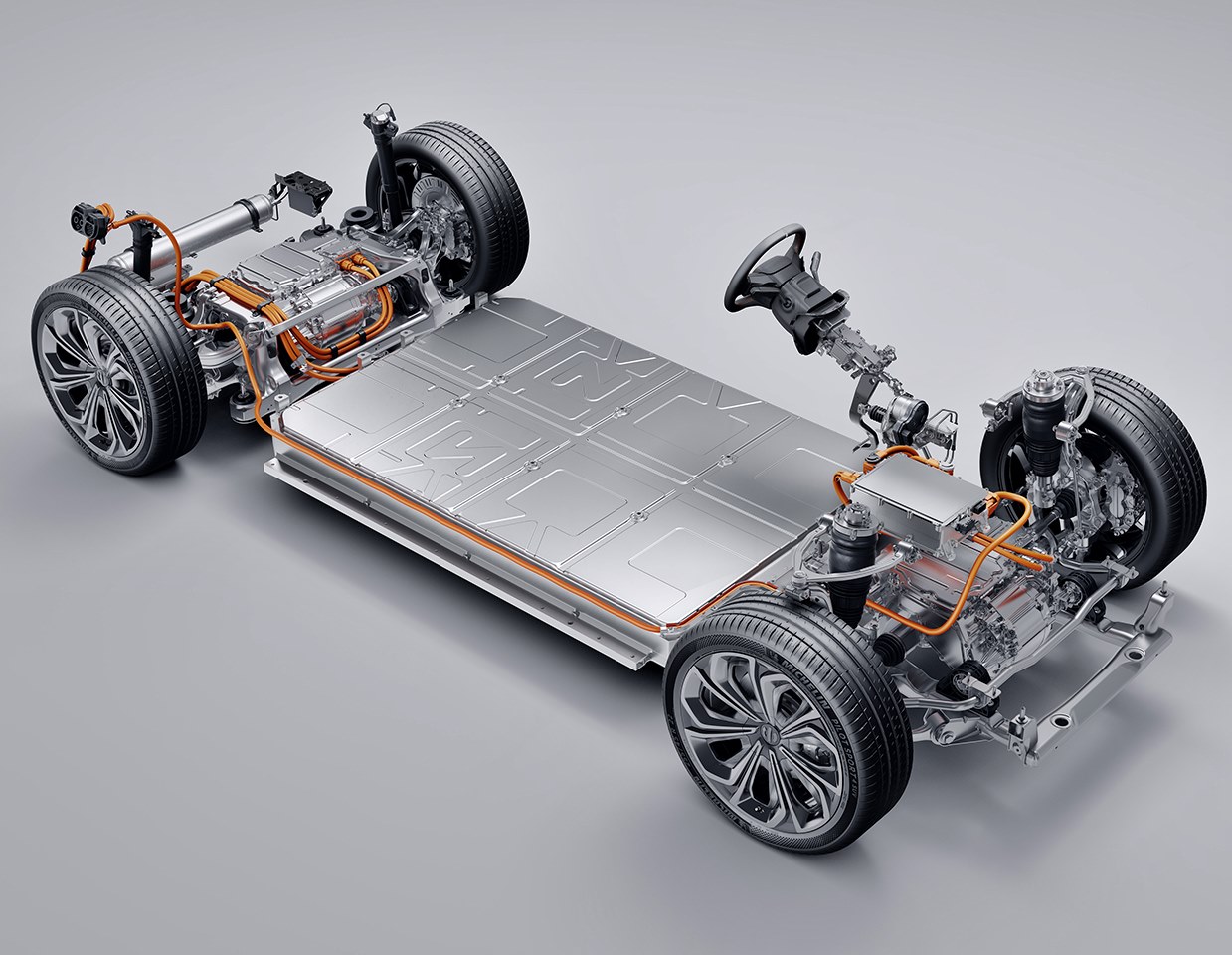
There are two drivetrain versions of the HiPhi X – single motor/rear-wheel drive and dual motor/all-wheel drive. The battery pack has a 96 kWh capacity and is said to be able to provide a cruising range of up to 650 kms. It also has 4-wheel steering for easier manoeuvring, while 562 sensors feed real-time data to 4 domain controllers and 6 computing platforms to allow autonomous motoring and even parking.
Growing popularity
To date, over 5,000 HiPhi X vehicles have been delivered in China. The company claims it is the first Chinese brand to top the sales charts for premium luxury cars valued at more than 600,000 RMB (about RM398,000) for any given month. Human Horizons continues to work on expanding the charging network by supplying coverage from over 270,000 charging points across 500 cities throughout China.
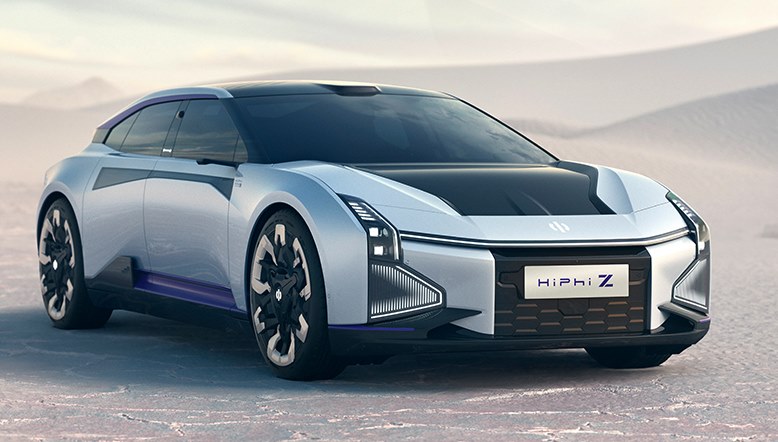
HiPhi Z, to make its debut this year, will be the second model from Human Horizons.
Mercedes-EQ which started in 2016 as a sub-brand of Mercedes-Benz dedicated to fully electric vehicles (EVs) was introduced to Malaysians in mid-2019. But apart from previewing the first model the new brand, which was the EQC, not much happened and instead, Mercedes-Benz Malaysia (MBM) focussed on the EQ-Power range which covered the plug-in hybrid (PHEV) models.
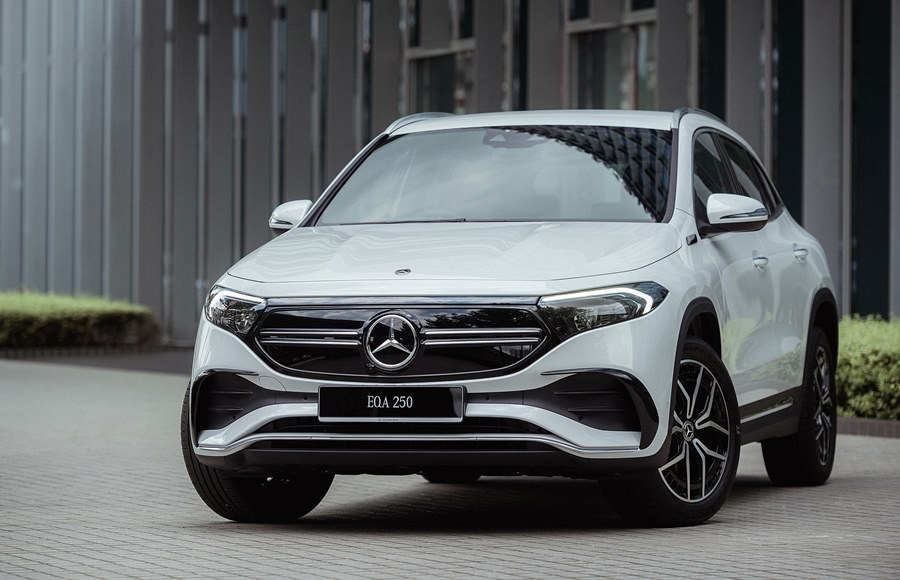
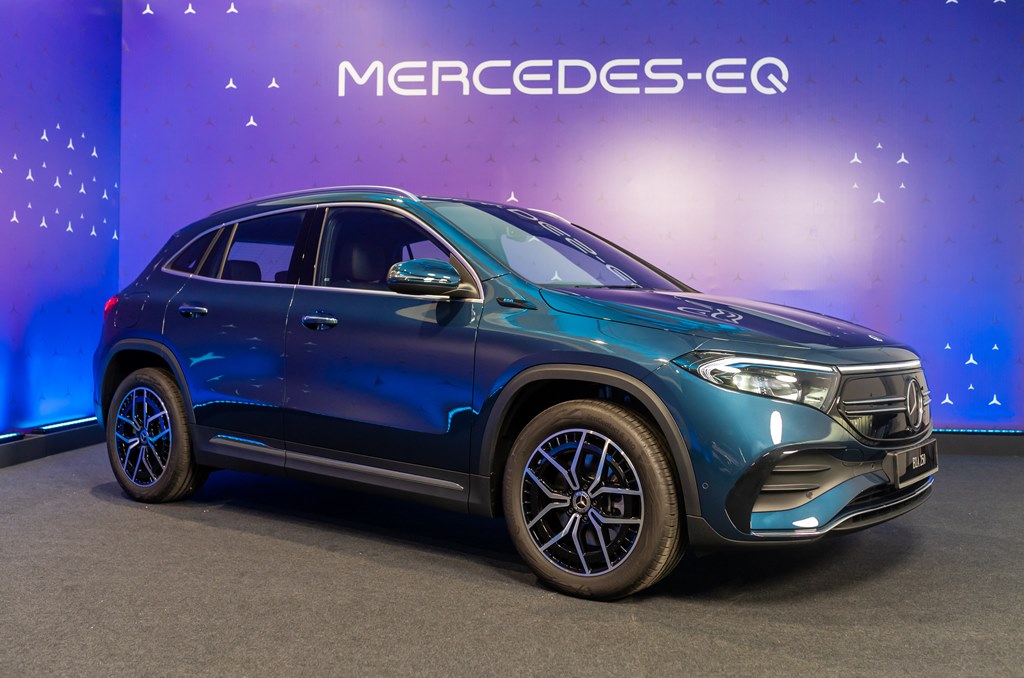
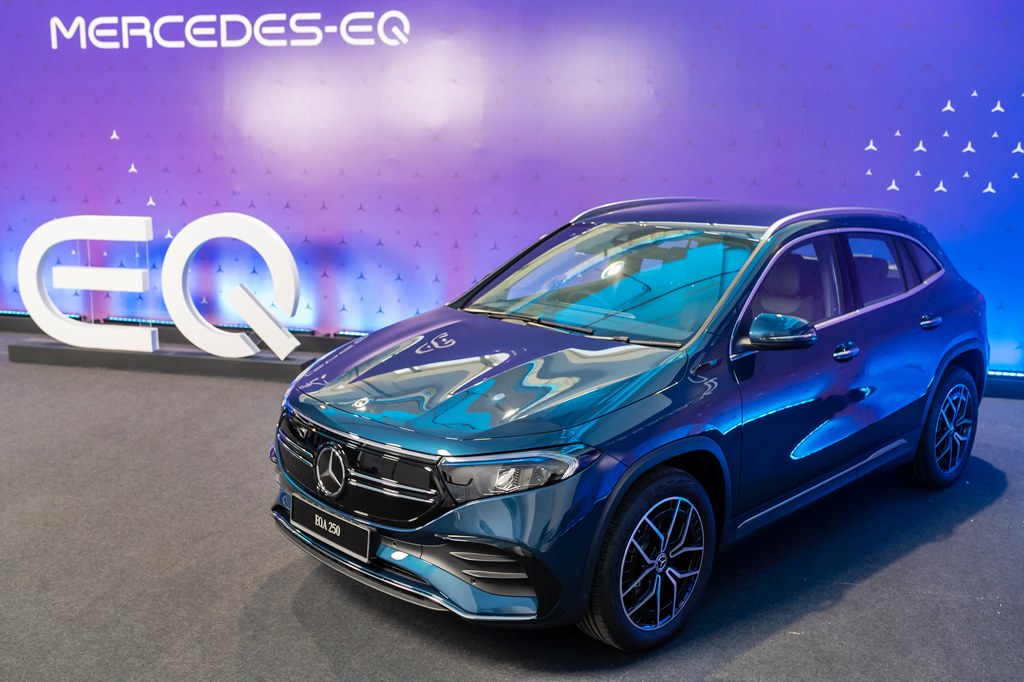
But the planning was going on behind the scenes and we were always told that EQ would be coming, and that day has arrived with the launch of the EQA 250 today. Although the EQC was the first model in the EQ range to be launched (in 2019), MBM has chosen to start off at the entry level with the EQA, the third EQ model which was launched in Europe last year.
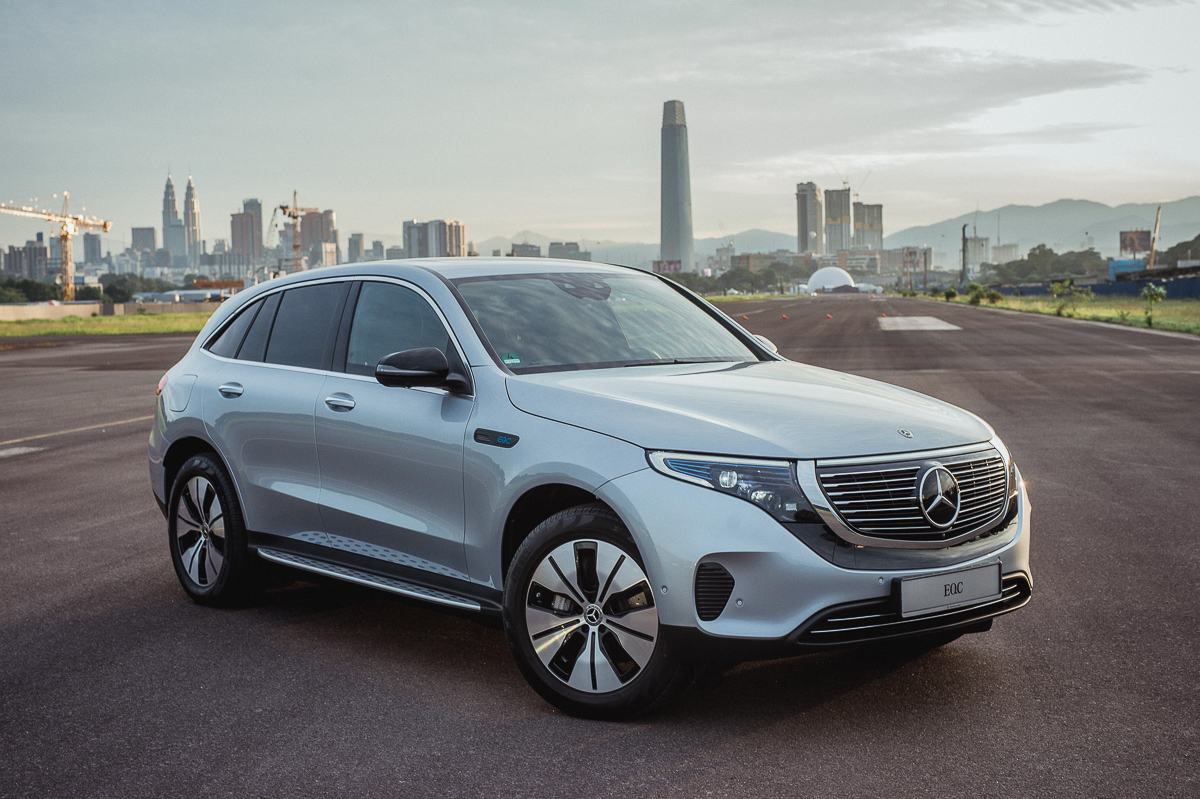
EQC was the first model of the Mercedes-EQ range and appeared in Malaysia in 2019 to introduce the new all-electric range.
Decisions are made years ahead in the car industry and at the time MBM was planning, they would not have expected the government to offer full exemption of import duties and even roadtax for battery electric vehicles (BEVs). So the pricing of the EQA 250 would probably have been expected to be higher although incentives would have been expected.
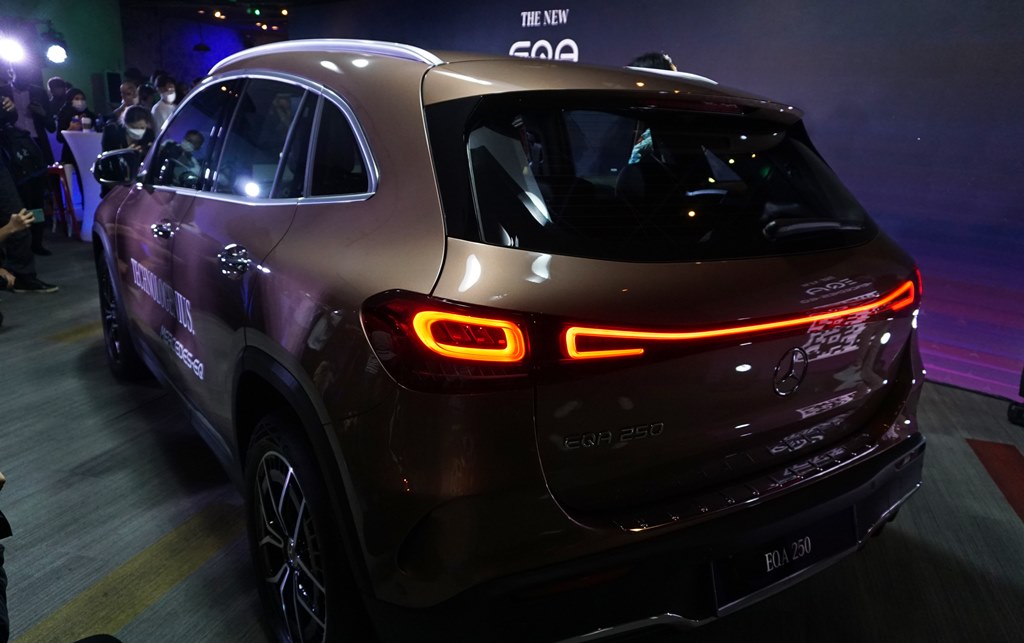
So it must have been a pleasant surprise last October to be told that the EQA 250 could be sold duty-free in 2022 and for the next few years (longer if assembled locally). This has enabled the retail price, without insurance, to be RM278,201.25, and that also includes 50% exemption in sales tax allowed for CBU models. For now, the EQA 250 is offered with the AMG Line package that adds a sporty touch to the SUV.
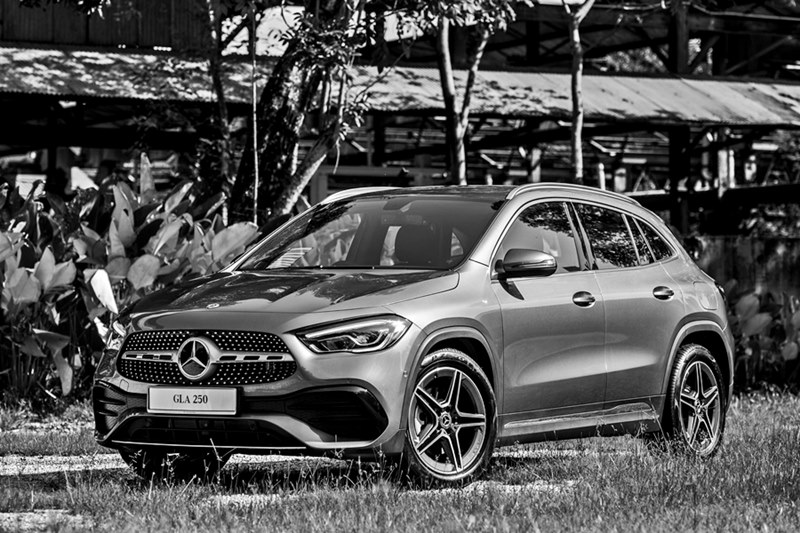
The EQA 250 is related to the GLA (below) but its platform and architecture have been optimised for a BEV.
The EQA is related to the GLA and in fact, shares the same MFA2 platform which has been adapted for a BEV layout. So it’s not fully optimized for BEVs and to give the EQA 250 the efficiency it needs to maximise performance, it has been given a large battery pack and much attention has been given to aerodynamics.
Lots of wind tunnel and simulation work brought the Cd value down to 0.28, and the bodywork has been made as smooth as possible. Among the most important aerodynamic measures are the completely closed cooling air control system in the upper section; the aerodynamically efficient front and rear aprons; a very smooth, almost completely enclosed underside; specially optimised Aero wheels and specifically adapted front and rear wheel spoilers.
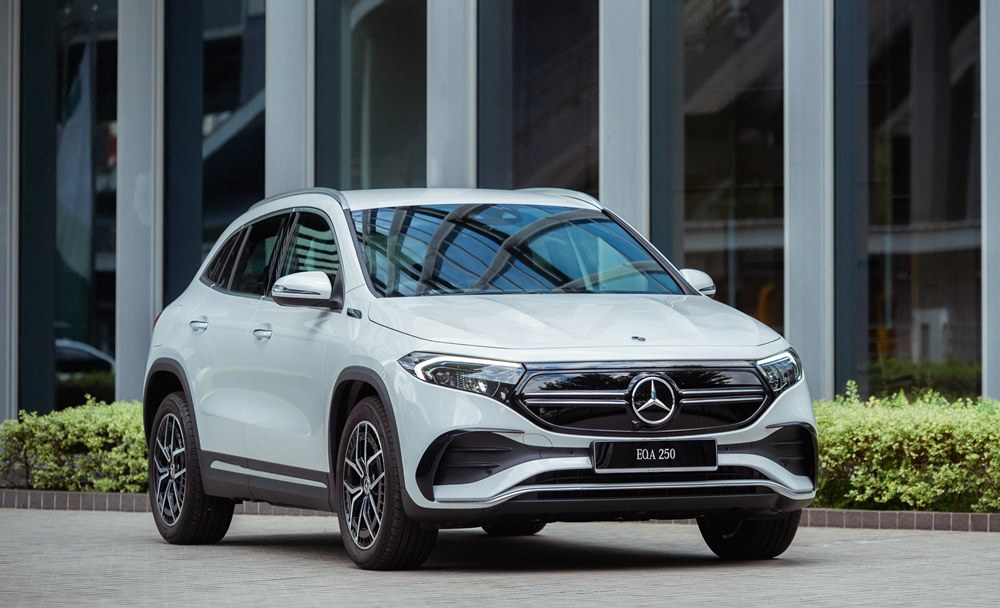
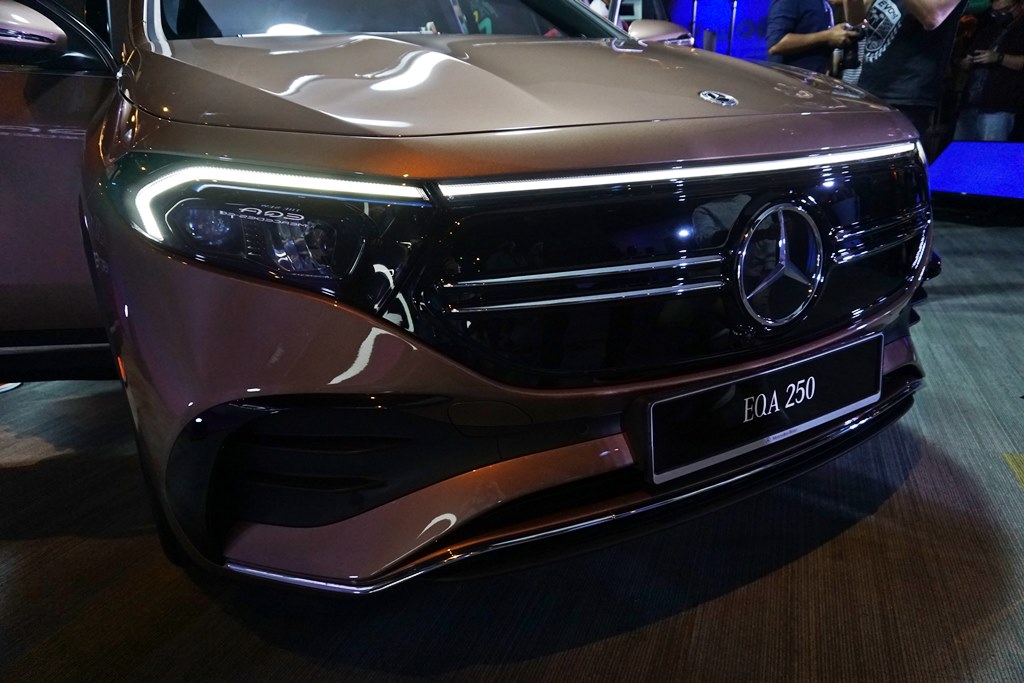
The EQA shows that cars of the future will still look like the cars were drive today, rather than the bubbles or bullet-shaped vehicles that were imagined to be on the roads in the 21st century. As mentioned earlier, it is like a BEV derivative of the GLA (but is really more than that). Its front end has the EQ design elements with a black panel radiator grille and central star. With the AMG Line package, the EQA 250 gets the sporty genes of the Mercedes-AMG brand. It reinterprets the twin-blade design of the grille and features a diffuser-look AMG rear apron.
A design feature is the continuous fibreoptic light strip across the front and rear, providing a distinctive visual signature. Mercedes-Benz has chosen blue for as its ‘electric theme’ so the headlights have a blue colour within. At the back, the LED units merge seamlessly into the tapered LED light strip to emphasise width.
The doors reach over the sills, keeping the frames (and thus also the occupants’ trousers) free of dirt and improving impact protection in the event of a side collision. All-round protective cladding adds ruggedness and structure to the overall proportions, hinting at the SUV’s off-road character, as does the simulated underride guard at the front and rear.
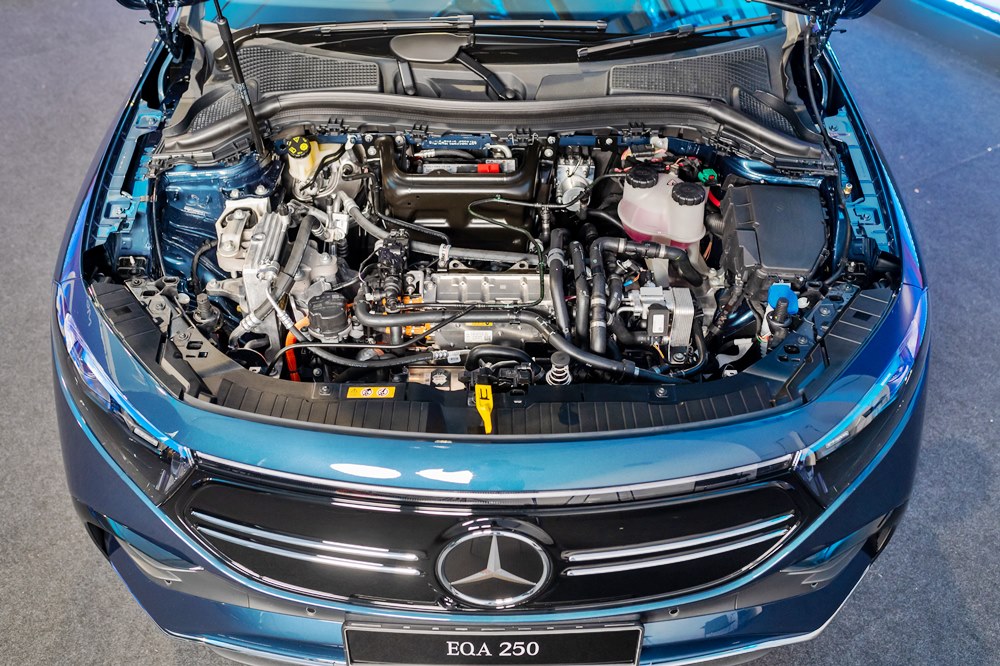
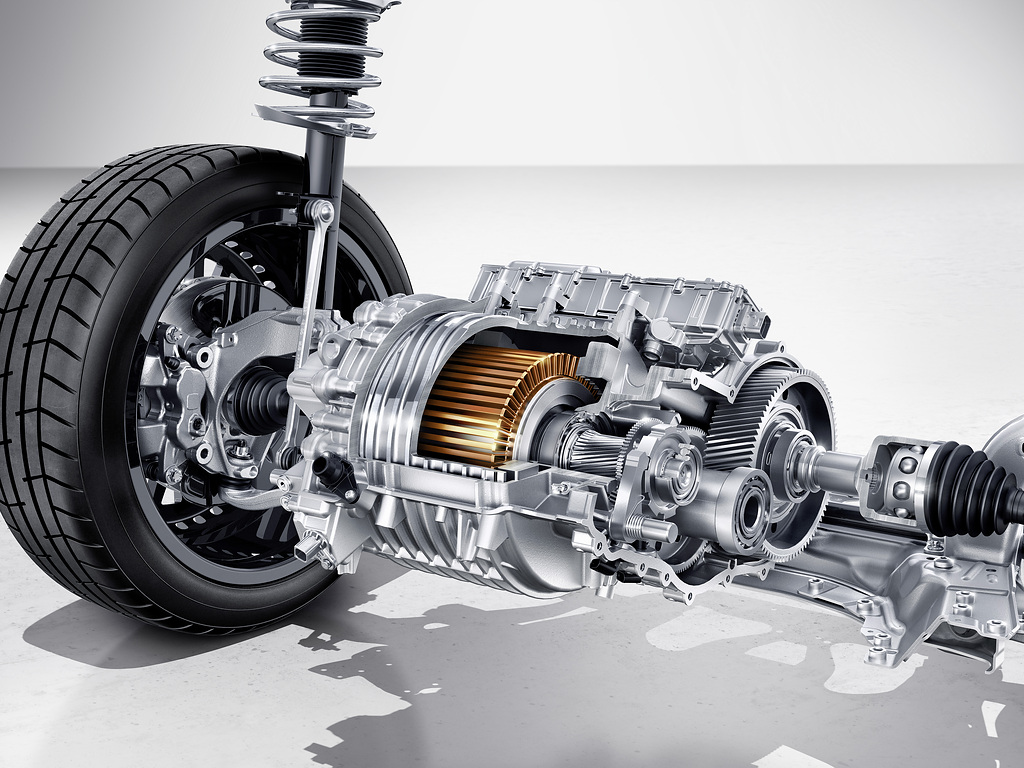
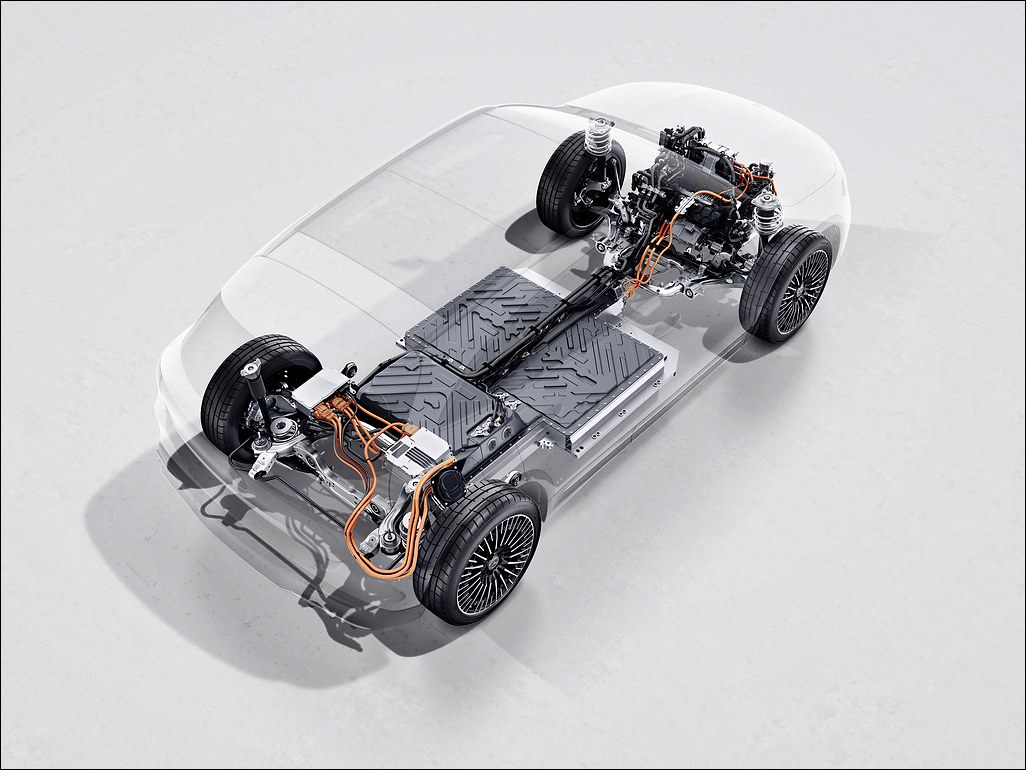
The EQA 250 has a straightforward electric powertrain consisting of a single motor driving the front wheels. The electric motor, a fixed-ratio transmission with a differential, the cooling system and the electronics form a highly integrated, very compact powertrain (eATS).The motor, which has an output of 140 kW/190 ps and 370 Nm of torque, is powered by a ‘double-decker’ lithium-ion battery pack with a usable energy content of 66.5 kWh.
The claimed acceleration time is 8.9 seconds from 0 to 100 km/h with a top speed of 160 km/h. The fuel consumption in petrol and diesel engines, the distance you can travel is dependent on many factors – even how you drive – and it’s the same for BEVs. Push the vehicle hard and you get less range but unlike combustion engines, low speeds are not necessarily inefficient. So MBM provides a range of 402 – 496 kms on a fully charged battery pack which would be good enough for regular motoring.
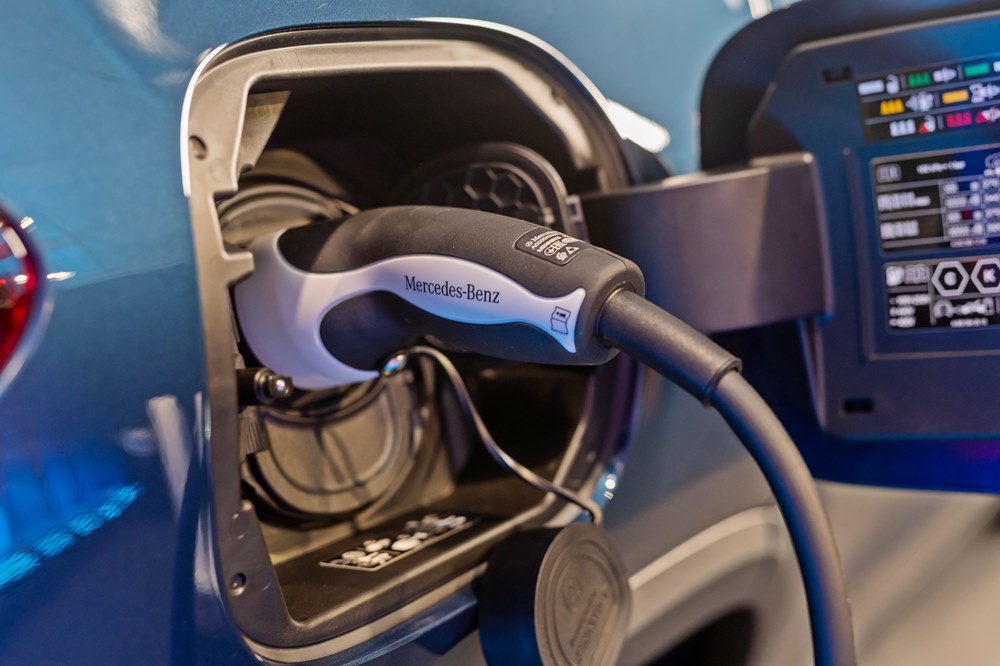
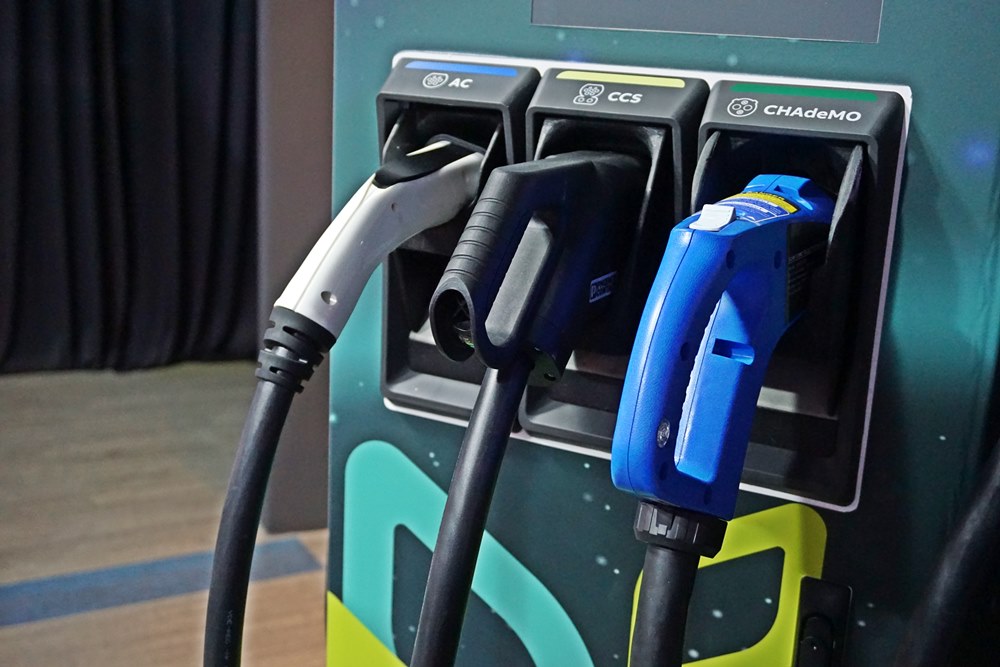
When it comes to recharging, there are various ways the owner can get it done and each one takes a different length of time. The shortest time is with a DC 100 kW fast-charger which can ‘refuel’ from 10% to 80% within around 30 minutes. The on-board charger can handle charging from AC power outlets at the home or in public locations but will take at last 5 hours 45 minutes from 10% to 100%. That pretty much means leaving the vehicle parked overnight so if you switch to a BEV, it will have to be part of your routine. Of course, if you ‘top up’ periodically, then you may not have to wait so long. Incidentally, if you want to charge at home, you will need a wallbox which will be additional cost for installation.
‘Fuel pump’ of the future – refuelling will be with electricity, not petrol or diesel.
For the convenience of its customers, MBM is setting up 13 DC fast-chargers installed in strategic dealer locations around the country. With the Mercedes-Benz Autohaus network quite extensive, this means that EQA owners will be able to travel quite far and be assured of quick charging. Until the end of 2023, using the charging stations will be free of charge.
Additionally, EQ customers will enjoy an exclusive 1-year subscription with JomCharge, where they will enjoy unlimited charging at a 50% discount at all JomCharge charging stations for the first 1,000 customers. The JomCharge locations are at Petronas stations and the petroleum company has said that it plans to install the fast-chargers along the North-South Expressway and part of the East-Coast Expressway.
Like most other companies selling BEVs, MBM offers a warranty of 8 years or up to 160,000 kms for the battery pack so first (and even second) owners should have no concerns about replacement cost. In time, there will be an increasing number of used battery packs and the issue of how to recycle them will become important. MBM is aware of this future issue and will prepare for it but says it is something that the industry will have to work together on as well.
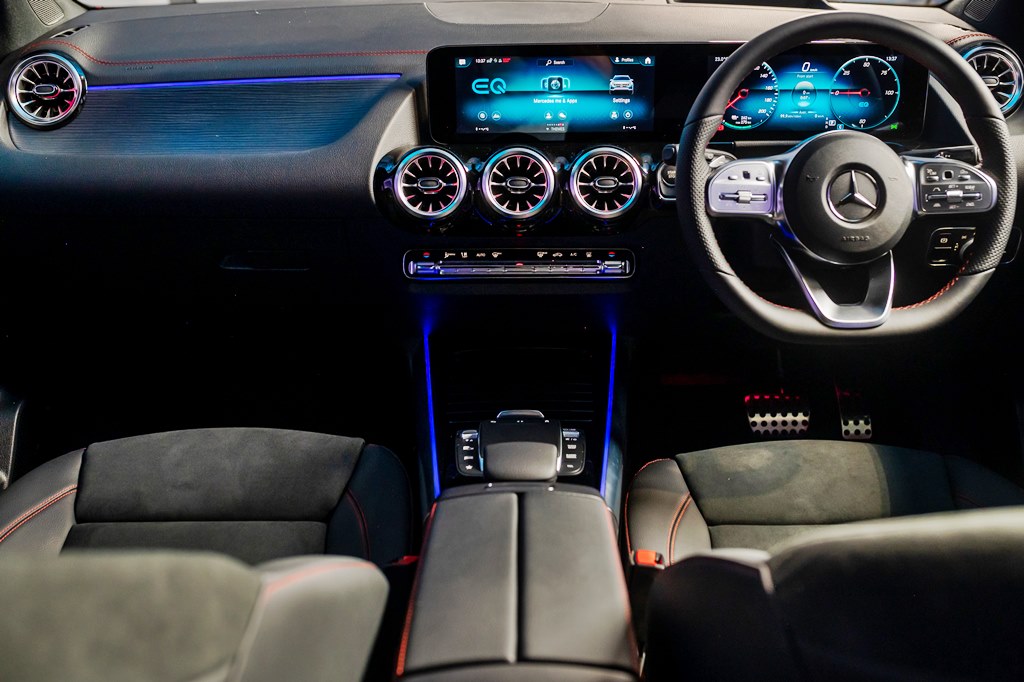
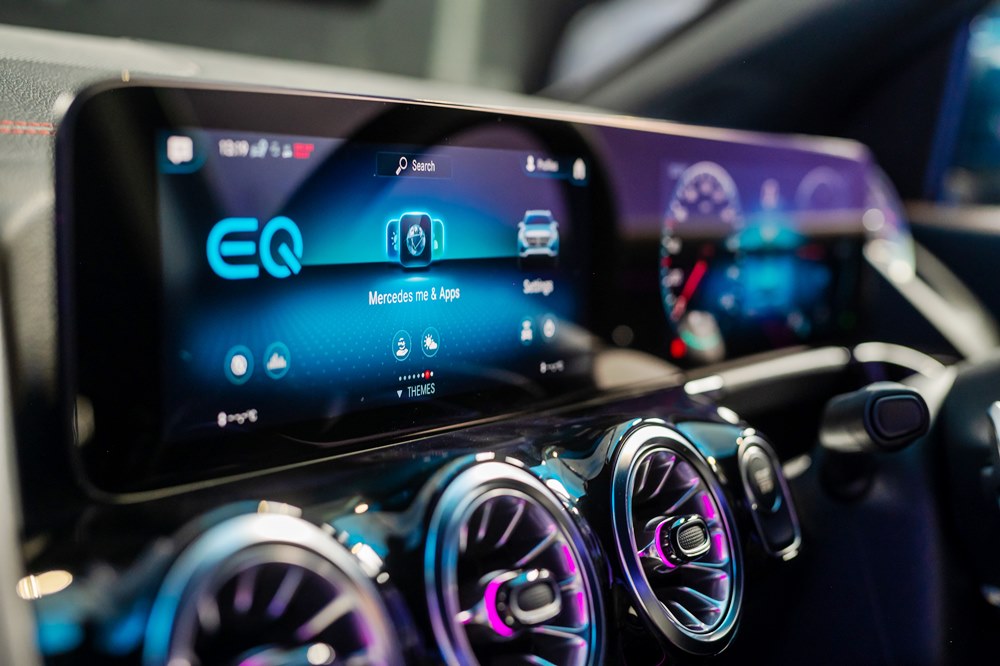
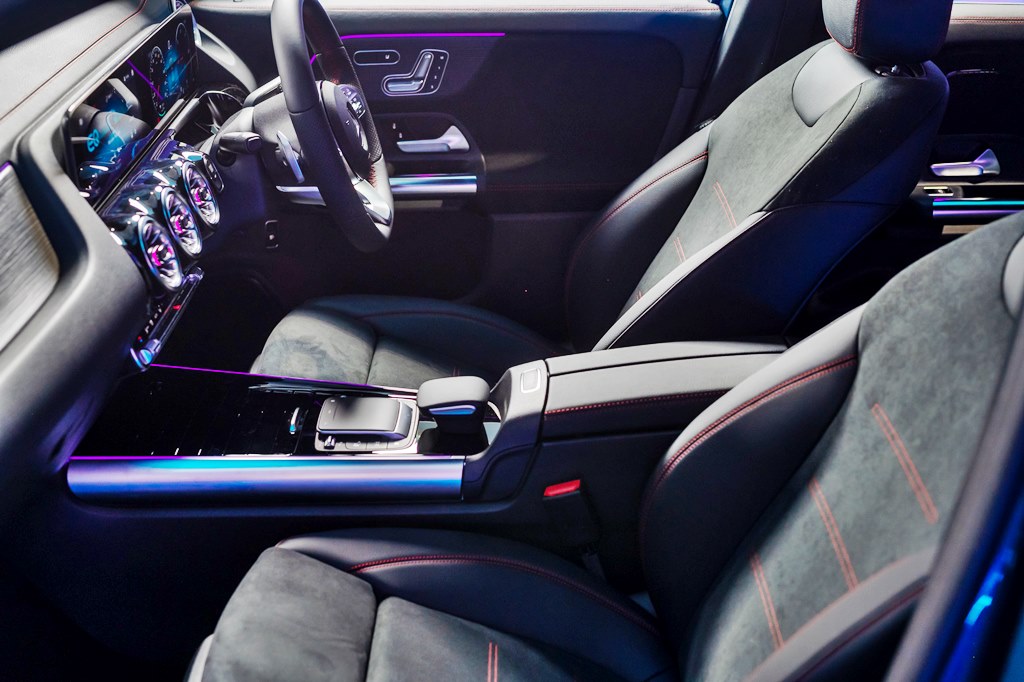
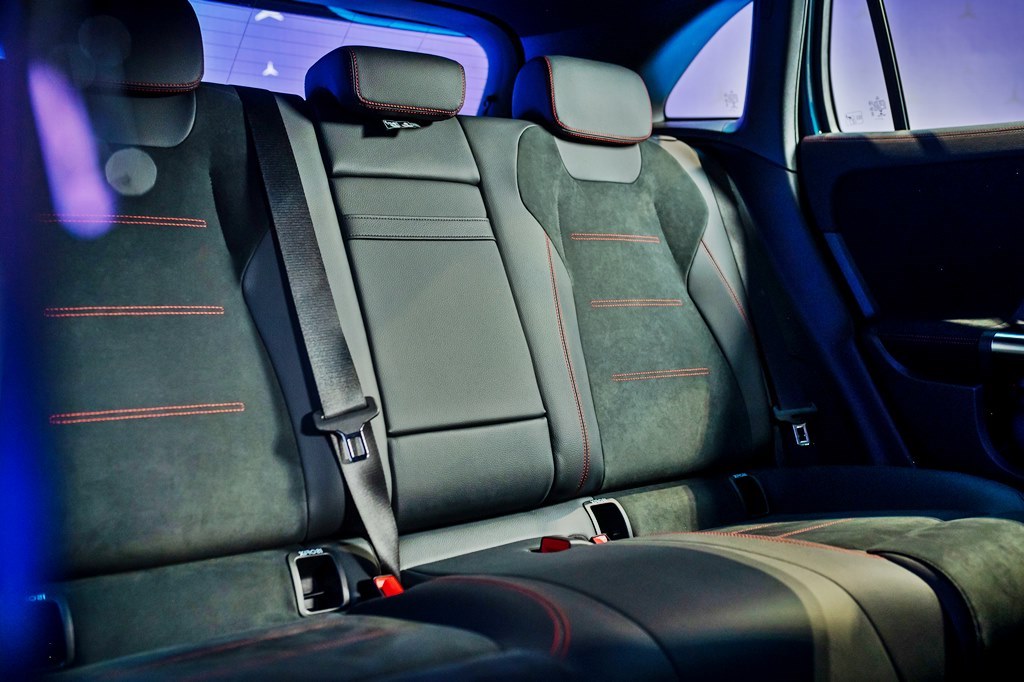
The EQA 250 may be forerunner of the future of motoring but the cabin remains recognisable as other cars of today, albeit with a lot of digital technologies in the displays, including the MBUX (Mercedes-Benz User Experience) system with extended functions. The Mercedes-EQ tile in the media display is used to call up menus relating to charging options, electrical consumption and energy flow. The individual, transparent sections of the surface are illuminated from behind with the aid of fibreoptics. The right-hand display within the instrument cluster is a wattmeter rather than a tachometer, with the upper section showing the percentage of power used and the lower section indicating the recuperation.
The left-side meter can be used to show whether the destination can be reached without an interim charging stop. The colours change according to the driving situation: During a boost process, for example, the display changes to white. Depending on mood, or to match the particular interior, the user has a choice of four different styles and 64 ambient colours. There is also a head-up display projected on the windscreen.
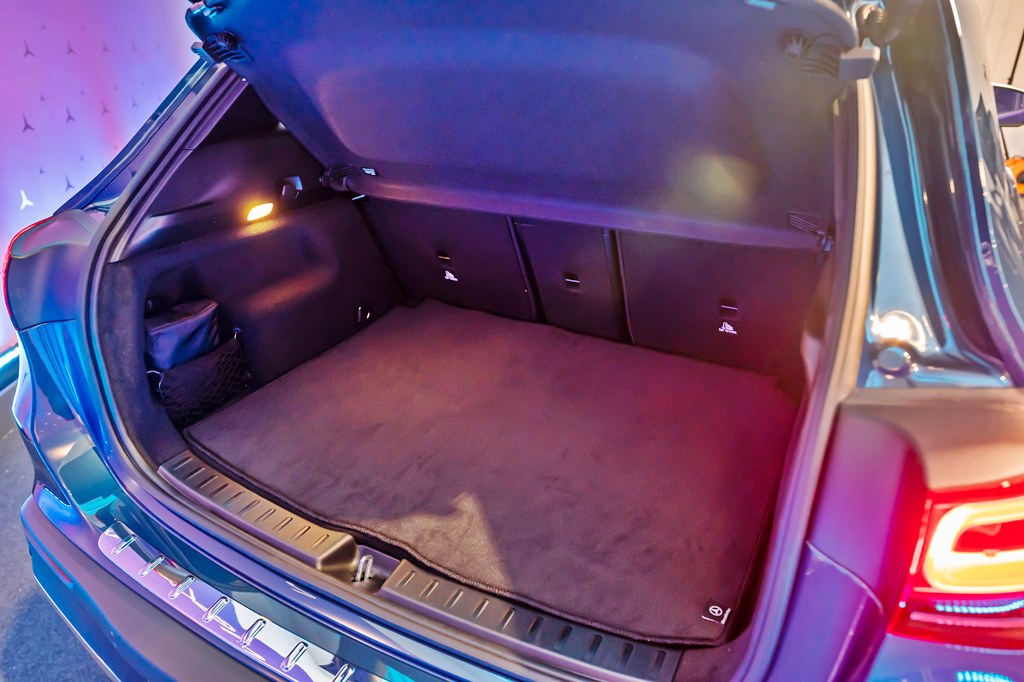
The battery pack is situated underneath the middle section of the cabin, so it does not reduce the volume of the boot area, unlike earlier electrified vehicles which had battery packs in the boot. Thus there is a usable width of 1.3 metres and depth of up to 1.4 metres, for a volume of 340 litres. The 40:20:40 division of the rear backrest allows variability in the layout to accommodate longer or more items. Incidentally, the EQA 250 comes with an EASY-PACK tailgate which is just a fancy term for electrically-operated tailgate (which would be expected of a car costing this much) but doesn’t have the handsfree feature.
Electric vehicles are no different from other road vehicles where safety for the occupants is concerned. Mercedes-Benz, a pioneer in automotive safety, has used its long experience to ensure that the occupants of the EQA 250 will be well protected if an accident occurs and has also given thought to other road-users in view of the quietness of its running. It has an acoustic ambient protection alert so pedestrians and cyclists will be aware of its presence. The acoustic presence indicator generates specific Mercedes-Benz sounds outside of the vehicle up to a speed of 20 km/h and it differentiates between driving forward and reversing.
Due to the battery pack, the EQA is heavier than a GLA and more energy needs to be absorbed in the event of a crash. The supporting structures at the front and rear were adapted to accommodate this requirement by the use of thicker materials. And as it carries a battery pack and other high-voltage equipment, more stringent safety measures have to be incorporated.
An aluminium housing as well as the body structure of the vehicle itself protect the battery pack from potentially touching the ground and against loose chippings. The housing is part of the vehicle structure and thus an integral part of the crash concept. The ground clearance of more than 200 mm is a further advantage and the lowest point of the vehicle is not the battery pack but the side skirts.
If the EQA 250 crashes, the high-voltage system can automatically switch off, reversibly or irreversibly depending on the accident severity. This is particularly important for rescuers who may have to touch the vehicle in order to help the occupants to get out. Mercedes-Benz works with rescue services to train them to safely approach an electric vehicle and the EQA is fitted with a special disconnection point which can be used by the rescuers to switch off the high-voltage system. If an impact is detected while the vehicle is hit when it is being charged, the charging process will also be stopped immediately.
Mazda’s SUV range (discounting the Mazda Tribute which was jointly developed with Ford’s first Escape) started off with single-digit numbers – CX-3, CX-5, CX-7 and CX-9 (the CX-30 being an exception) – and last year, the carmaker announced that its new generation of SUVs would have double-digit designations. And these would be more premium, in line with Mazda’s aspirations to move further upmarket.
We were told that from 2021 to 2024, there will be no less than 5 new SUV models and their designations were even revealed: CX-50, CX-60, CX-70 and CX-90. The CX-50, not intended as an immediate replacement for the CX-5, appeared last November and is intended primarily for the North American market where it is now being built as well.
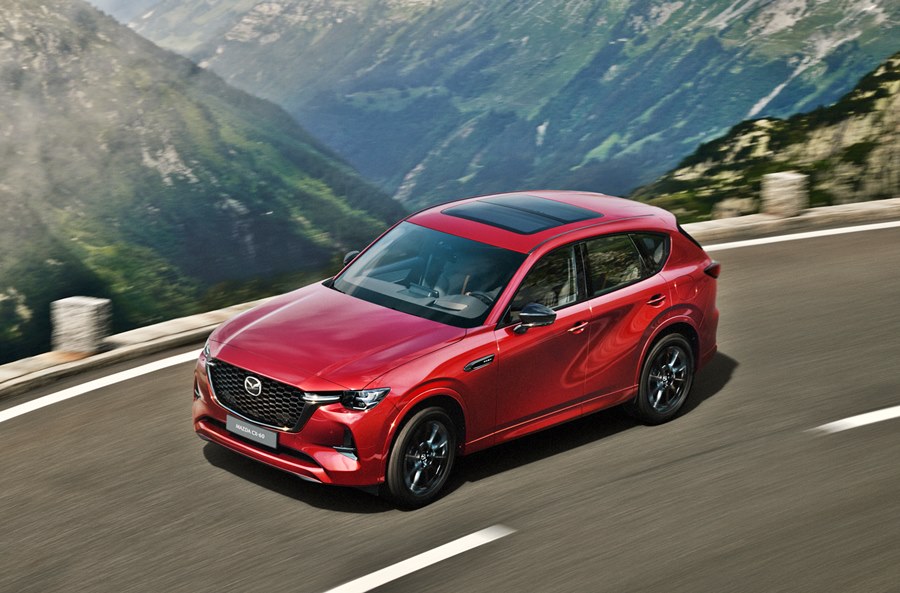
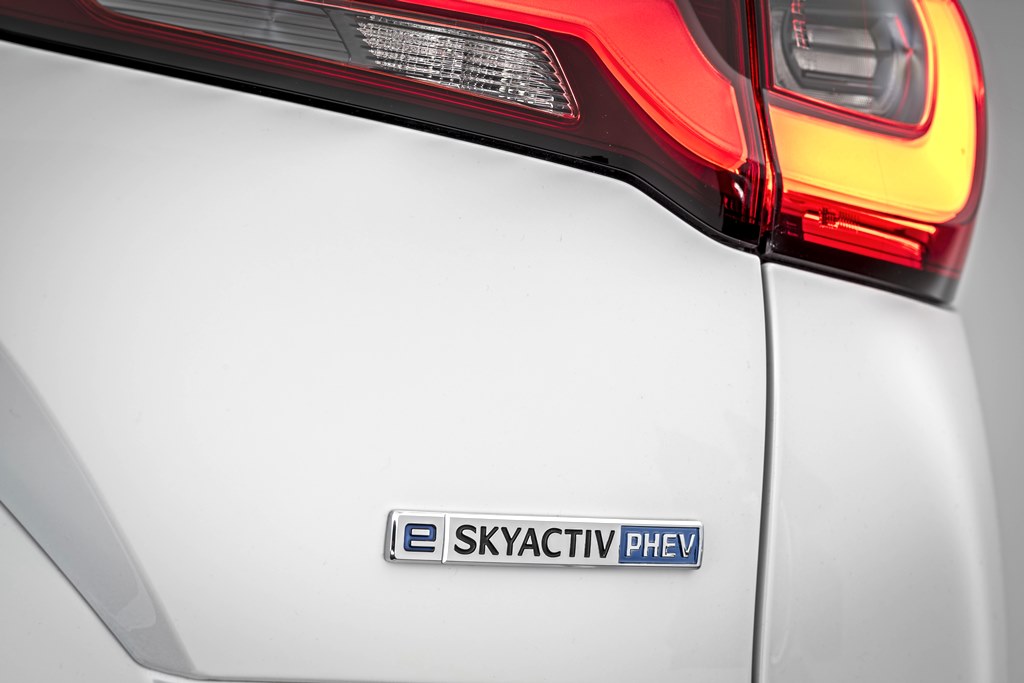
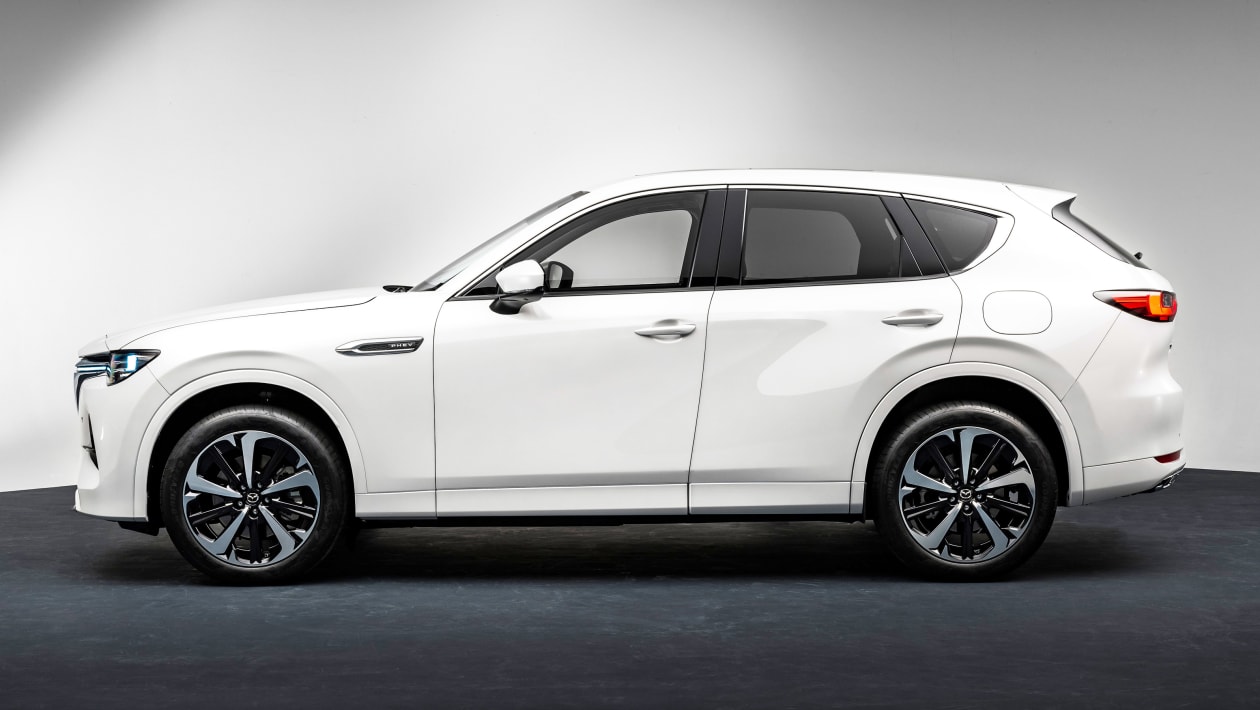
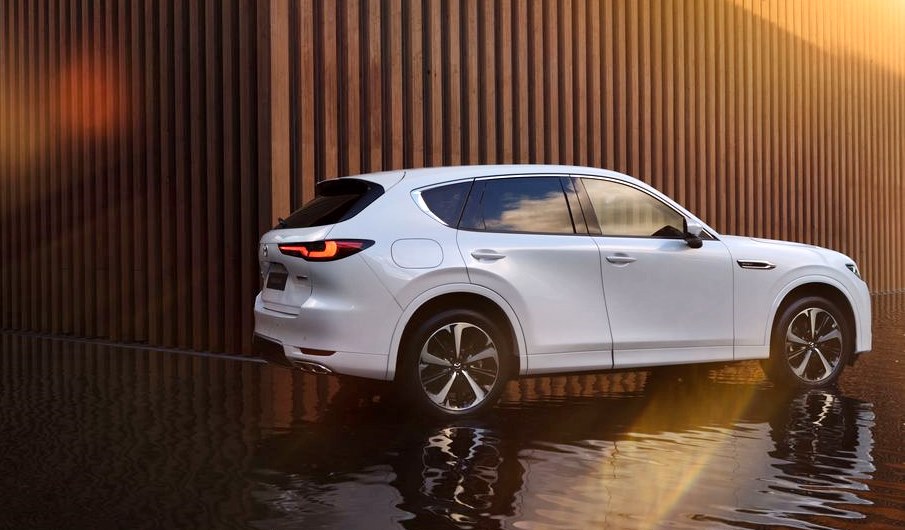
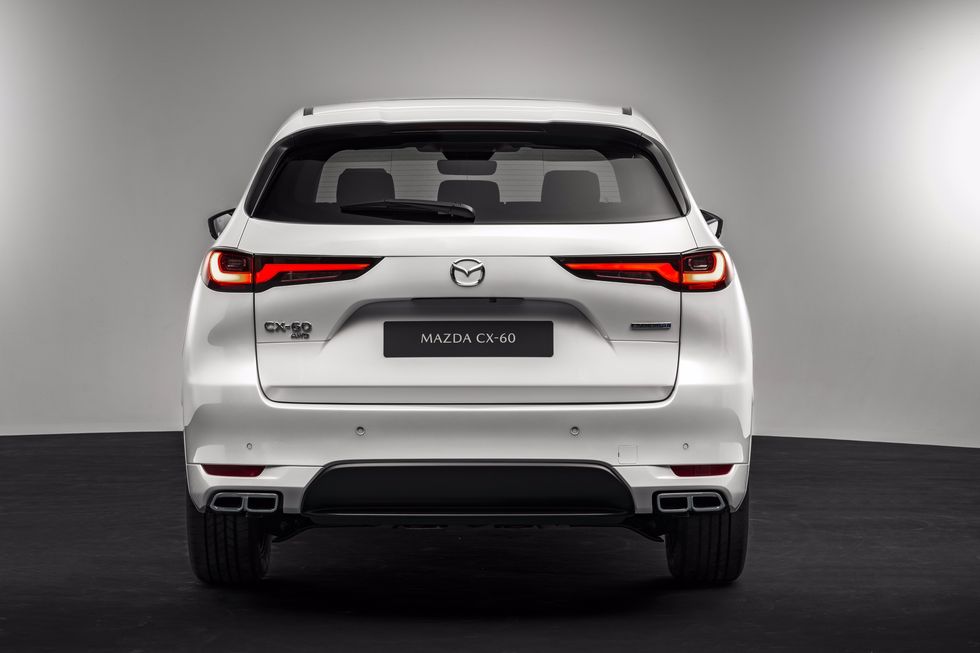
Now comes the CX-60 which is Mazda’s first plug-in hybrid electric vehicle (PHEV) and aimed largely at Europe. It’s not the company’s first hybrid as there has been a Mazda3 with a SKYACTIV HEV engine sold in Japan for many years. That hybrid drew on Toyota’s hybrid technology and with the association deepening in recent times, it is likely that this new PHEV may have been developed with some of Toyota’s long experience.
Most powerful Mazda production model to date
The PHEV powertrain has a SKYACTIV 2.5-litre petrol engine and a 100 kW electric motor powered by a 17.8 kWh high-capacity battery pack. With an output of 327 ps/500 Nm, it is the most powerful powertrain Mazda has offered in a production vehicle for sale to the public. Claimed 0 to 100 km/h performance is 5.8 seconds, with a range of up to 68 kms on just electricity in city driving conditions.
A new 8-speed automatic transmission and Mazda’s i-Activ All-Wheel Drive system delivers power to all four wheels, with Mazda Intelligent Drive Select (Mi-Drive) offering 5 different drive modes. Recharging is said to be within 4 hours using an ordinary power outlet.
Later, the CX-60 will also be available with two new engines for the PHEV powertrain – a new generation straight-six 3-litre e-SKYACTIV X petrol unit and a 3.3-litre SKYACTIV-D diesel. Together with the new engines and 48V technology, Mazda will also introduce a RWD version of the SUV. A bigger 3-row model, the CX-80, will be added to the range within the next two years.
Typically high standard of vehicle dynamics
With its emphasis on jinba-ittai (the unity between a horse and its rider) for all its models. It would be surprising to find the CX-60 also having impressive vehicle dynamics. Compatible with the CX-60’s longitudinal front-engine rear-wheel drive mechanical layout, Mazda’s SKYACTIV Scalable Architecture is matched to high bodyshell rigidity and a double wishbone front and multi-link rear suspension set-up.
Additionally, the CX-60 also has Mazda’s Kinetic Posture Control technology which further stabilises vehicle posture when cornering by braking the inside rear wheel to mitigate roll and the draw the car body downwards, while positioning the high-voltage battery between the front and rear axles and as low as possible, further helps the CX-60’s centre of gravity and stability. This is probably an evolution of the G-Vectoring Control (GVC) chassis technologies developed some years back and used in many models today.
KODO design maintained
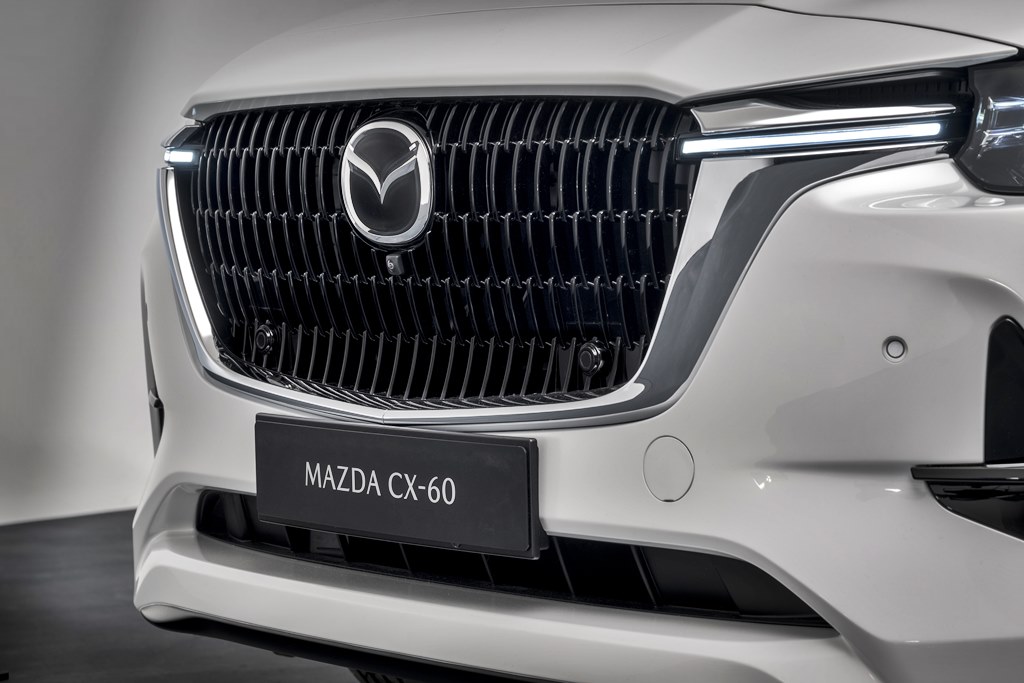
The appearance of the CX-60 seems to have a bit of the CX-5, which is not unusual since the KODO design language is still being used. The grille has the familiar shape seen on other Mazdas but differs in detailing, while the body surfacing is masterfully done to exploit the flow of light across the body.
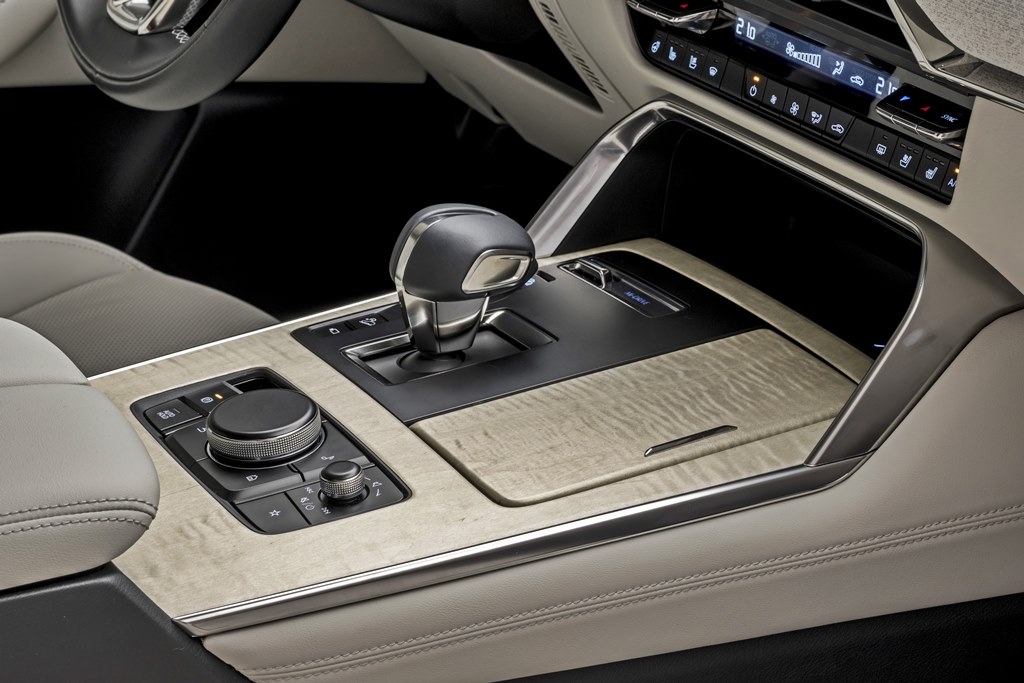
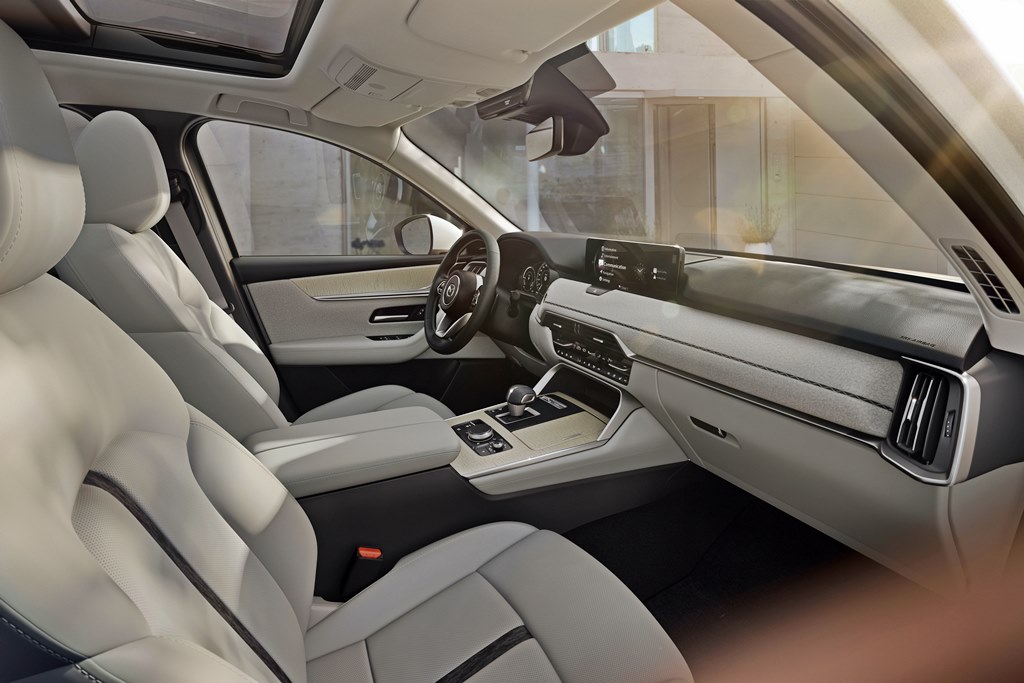
Besides design, Mazdas has always given craftsmanship a top priority in its products and for the CX-60, the very highest standards of craftmanship combined with new technologies and human-centric ergonomics to deliver a premium interior rooted in Japanese heritage.
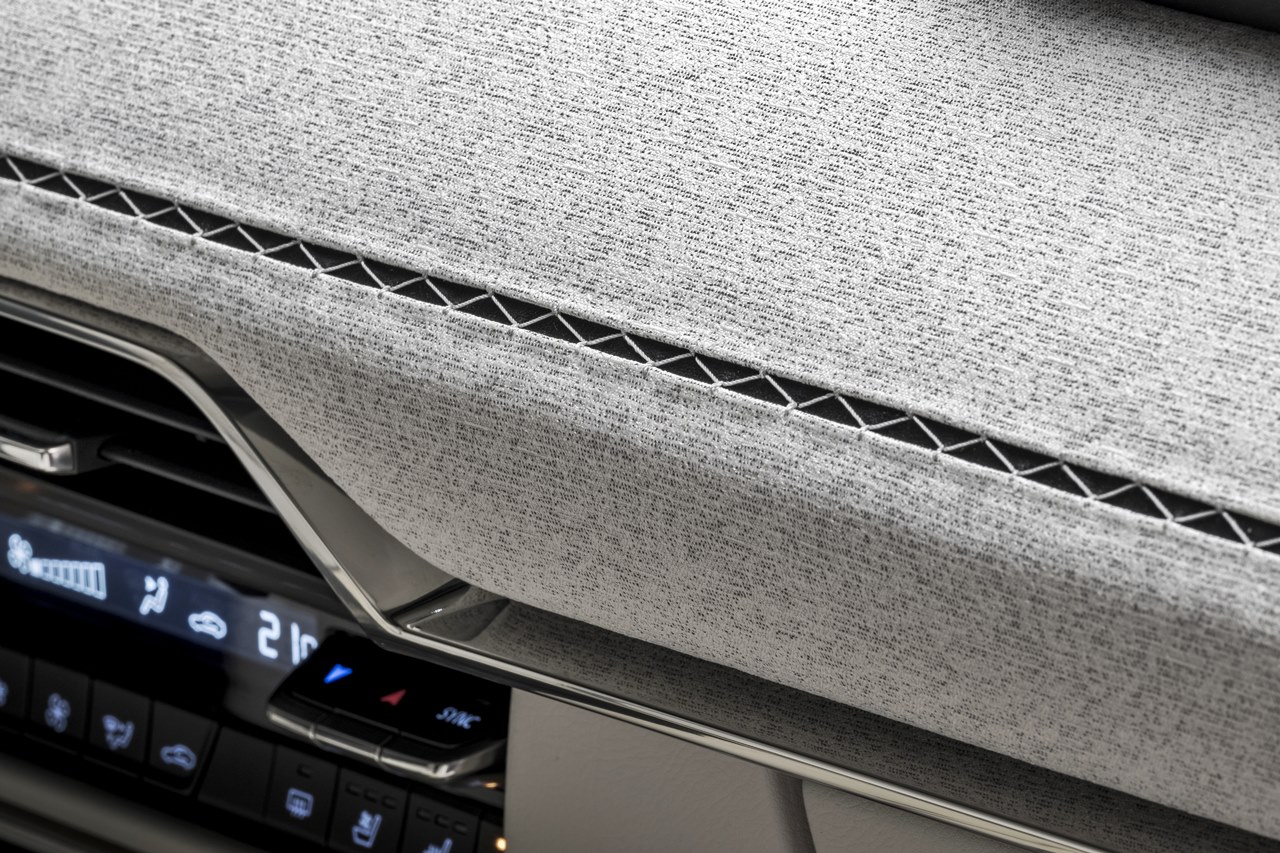
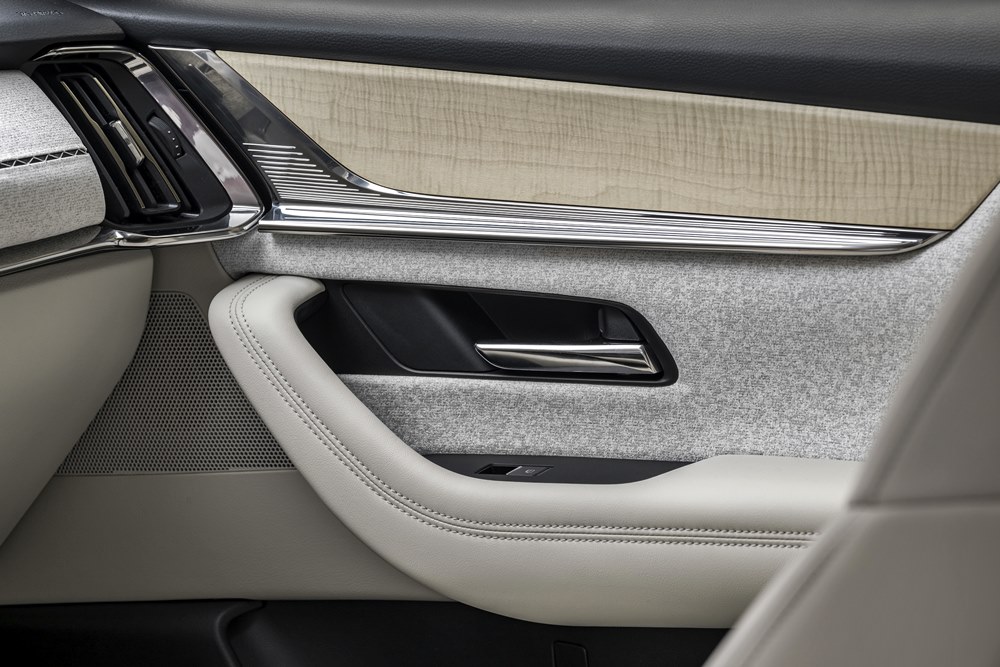
The elegant, premium quality interior design introduces the ideas of Kaichou – an element of disruption which mixes different materials and textures. With the flagship Takumi version, materials such as maple wood, nappa leather combine with uniquely worked Japanese textiles and chrome details, and Musubu – the art of binding which was the inspiration for a specially detailed instrument panel stitching.
The treatment of the maple wood trim reflects the Japanese aesthetic of Hacho – asymmetrical balance, or intentional unevenness. The woven fabrics’ diverse patterns and yarns respond sensitively to changes in light, and a Japanese stitching technique called Kakenui creates ‘hanging stitching’ seams with spaces between the trim fabrics revealing a glimpse of the material beneath.
An innovative feature for some variants is the Mazda Driver Personalisation System> This can recognise the occupant of the driver’s seat via facial recognition and automatically make adjustments – seat position, steering wheel, mirrors, Head-up Display, even the sound and climate control settings – to fit their physique as well as their personal preferences. Whether this is a practical approach remains to be seen as there are some people who have unusual ways of sitting!
How will Mazda’s CX range evolve?
How the Mazda range will look by the end of the decade can’t be determined yet. The company has often said that it wants to move upmarket and has progressively given its products a noticeably more premium image. Having the new double-digit range of more premium models sold together with the existing single-digit models may be a way to see whether they can move into – and stay – in the upper level of the market.
But for sure, they will eventually rationalise their range one way or another because, as one senior executive explained some years ago, Mazda is not very big and its volumes do not allow it to have too much variety. It has been careful to choose models and segments to compete in, avoiding fragmentation that is inefficient. And it has done that well so far…
Visit www.mazda.com.my to know more about Mazda models available in Malaysia