
Piston.my

English

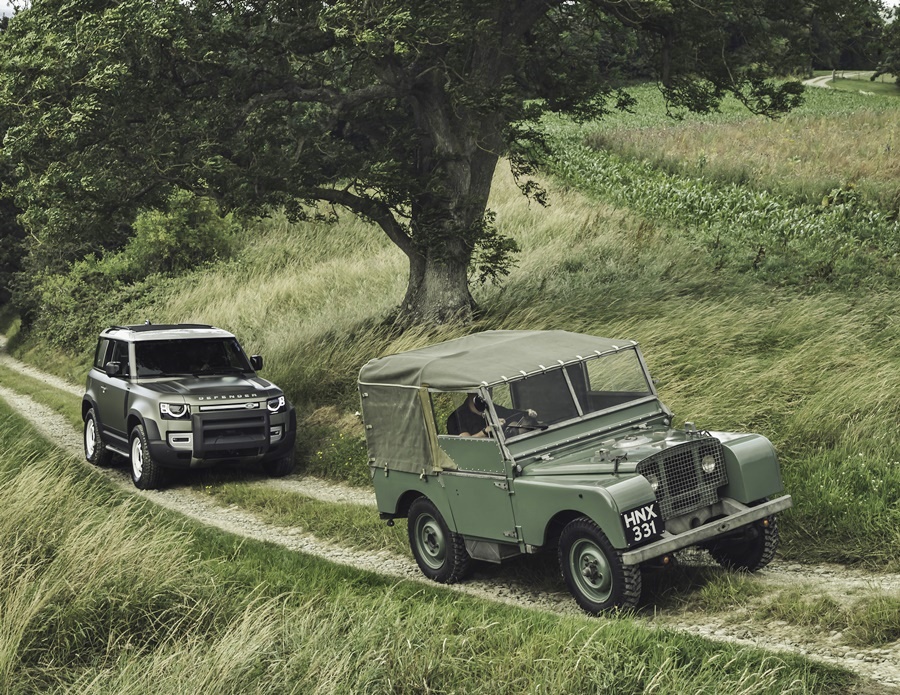
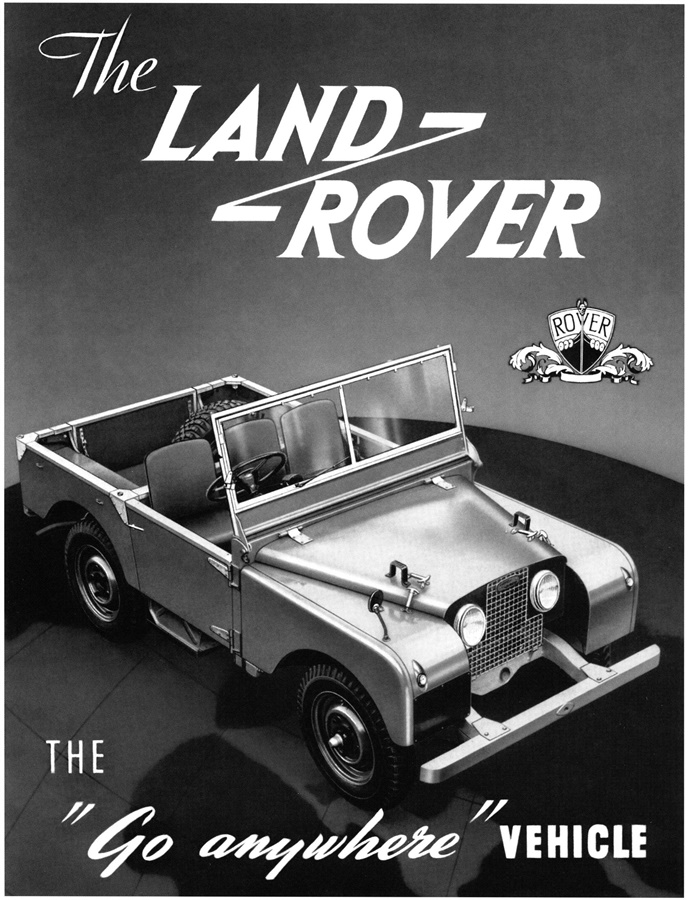
Mention ‘Land Rover’ and the first image that would usually come to anyone’s mind would be the iconic shape of the original model that the British 4×4 specialist started with in 1948. It was known simply as the ‘Series 1’ and as it was the only model offered, it became synonymous with the brand name. The name itself explained what the vehicle could do – rove the land, regardless of conditions.

The Series 1 was influenced by the American Willy’s Jeep, another equally iconic 4×4 vehicle, extensively used during World II. As the designers of the Land Rover model considered how they would improve on the Jeep’s all-purpose concept, they saw that with the war over, more consideration should be given to comfort for civilian use. This led to the provision of a cabin (although open versions were also available) which gave protection from the elements.

At the same time, however, a rugged go-anywhere capability was still required to make the vehicle useful, especially as it was to be aimed at users in the agricultural and industrial sectors. It also needed to be tough as it would be sold in overseas markets, many of which were just developing in the 1950s.
The Land Rover DNA
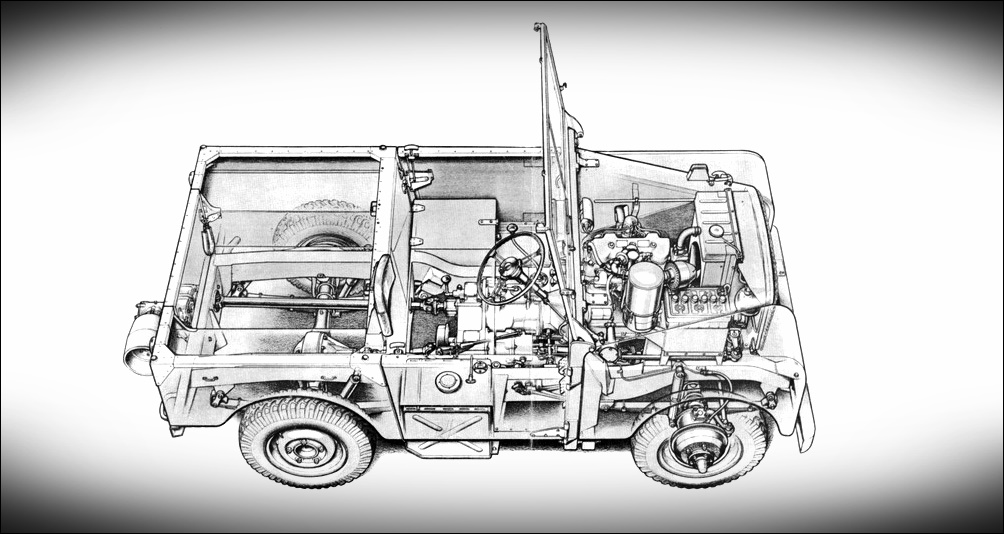
Like Sir Alec Issigonis with his Mini, the bodywork was kept as simple as possible for easy assembly. Many parts were flat and straight, which also kept production costs lower. More significantly, due to shortage of steel after the war, the body panels were made of aluminium alloy. Not only did it help to keep the weight lower, especially with the tough steel chassis but would help with better resistance to corrosion, giving longevity to the vehicles. This approach of using the material would remain to this day as a distinguishing feature of Land Rovers

And of course, it had a system to power all the wheels, essential for off-road driving. For this, the engineers developed a transfer case that could send power to the front wheels when required, otherwise all power went to the rear wheels. The system would be improved over time and Land Rover would build up experience in 4×4 systems that would make it a leader in the field.
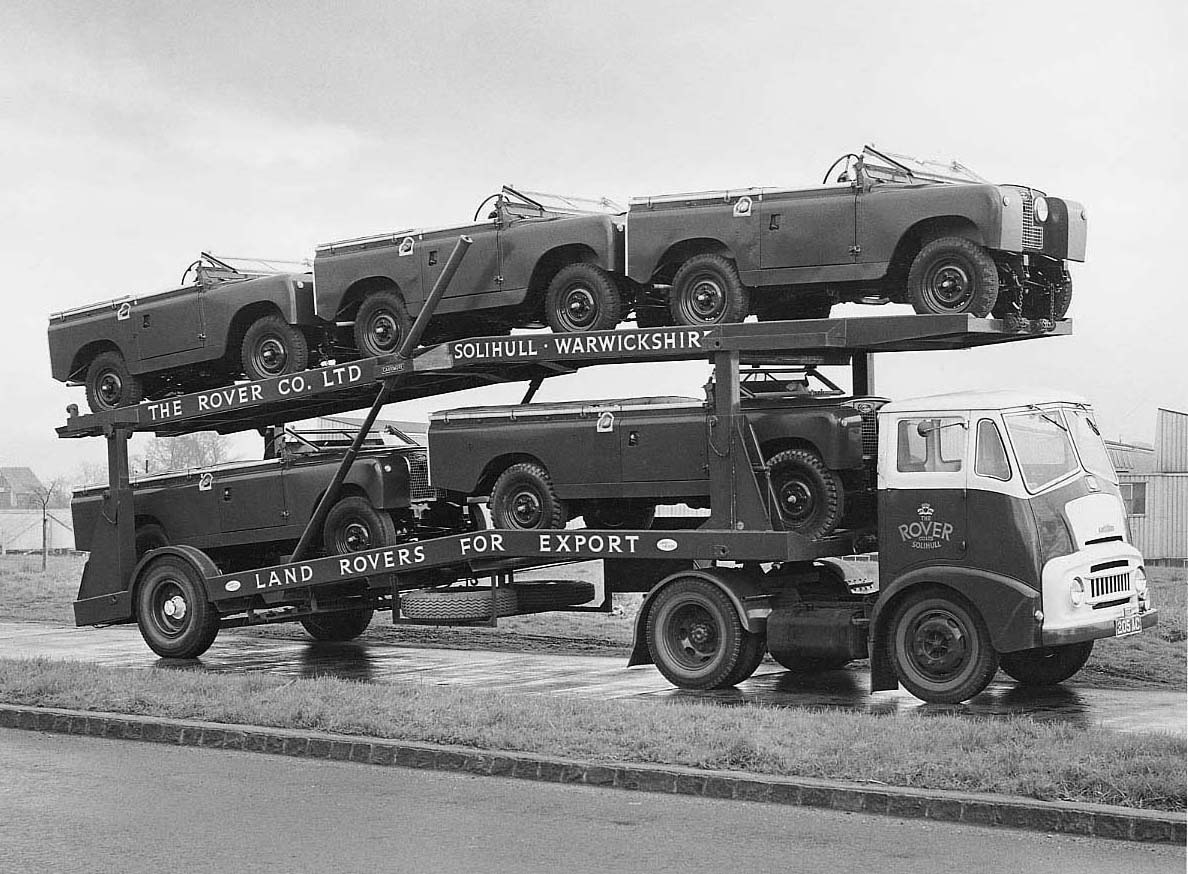
The Land Rover Series I evolved into new series as the years went by, with the Series II being launched in 1948, followed by the Series III in 1971. By then, the single model had many different various versions to suit different needs. There were two wheelbase lengths and open versions as well as closed versions. Even in those early years, Land Rover saw a market for more comfortable vehicles and developed a Station Wagon version. Before long, even the Queen of England would become a fan of the vehicles, and remains so up till this today.

After the Series III came a new model line, now designated Land Rover 110 and Land Rover 90. The numbers referred to the wheelbase of 110 inches (2,800 mm) and 93 inches (2,362 mm), respectively, with a Land Rover 127 (3,226 mm) coming later on as well.
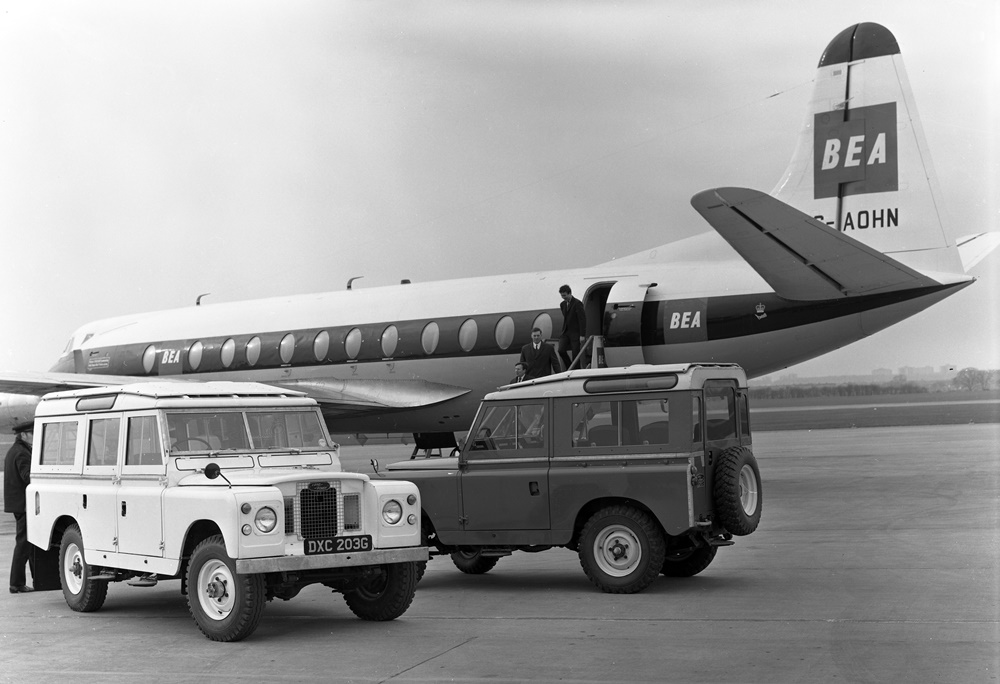
Continued evolution of the series
This new series, launched in 1983, had a similar silhouette as the Series III and only enthusiasts would spot the cosmetic differences. However, there were significant technical changes that improved the vehicle in many areas. Coil springs were used for the suspension which made the ride better and allowed for better axle articulation. The part-time 4×4 system was replaced by a permanent 4-wheel-drive system (similar to the Range Rover’s) with a 2-speed transfer case and a centre differential that could be locked. This extended the capabilities of the vehicle, especially in very difficult conditions.
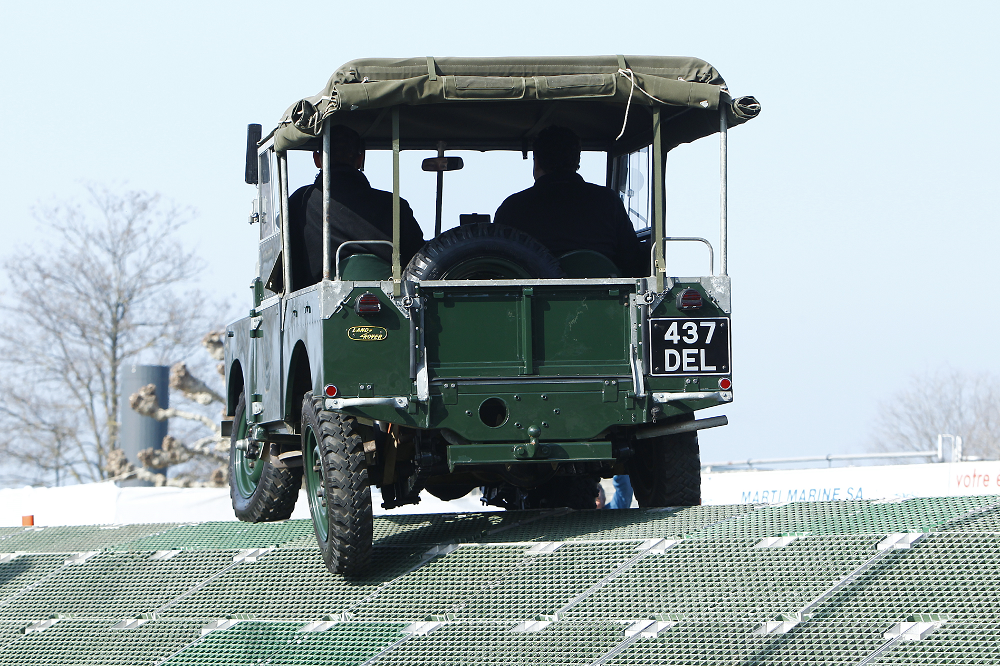
The interior was modernized but continued to have its own character that was dictated by the need to be able to cope with rough usage conditions. The new generation of 4×4 vehicles began appearing in the early 1980s, offering more ‘civilized’ cabins with passenger cars features. However, Land Rover stuck with the more functional approach although by then, marketing of such vehicles had started to orient towards being dual-purpose vehicles that could be used like alternative passenger cars. Land Rovers stood out for their ruggedness and capabilities, remaining a popular choice for serious off-road drivers.

In 1970, Land Rover had added a second model to its range which was the pioneer of the luxury SUVs that would come two decades later. While it had a more upmarket image (and appointments), the Range Rover also had superior capability in all conditions. In fact, as the flagship model, it would pioneer many new 4×4 technologies as well. Adventurers would prove this with journeys into the remotest areas of the planet, sometimes accompanied by the original Land Rovers.
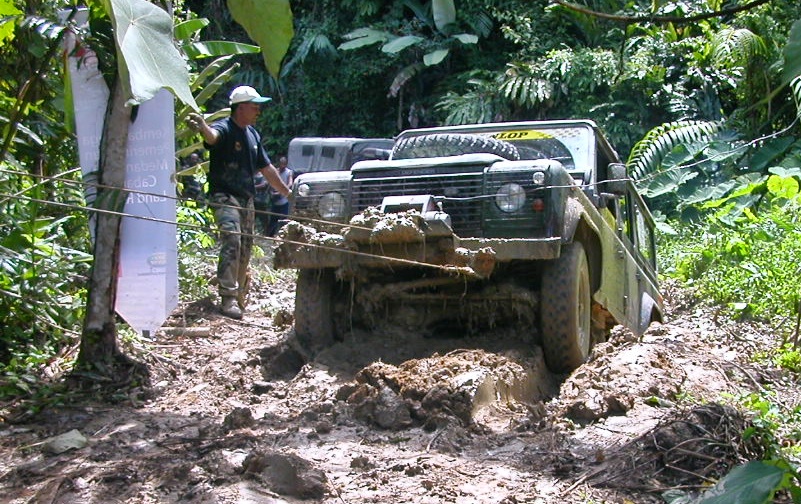
As the popularity of the new breed of 4×4 vehicles grew during the 1980s, a team at Land Rover saw the potential for a premium model below the Range Rover. It would have all the well known attributes of Land Rovers but also a stylish design with an interior designed by a specialist firm. It was to be called the Discovery and surprised the world when it was launched in 1989.

The birth of the Defender
The addition of the Discovery to the range meant that the ‘Land Rover’ name could no longer have the dual function of being a product name. Having wheelbase dimensions as model ‘names’ was also not attractive any longer, especially now that there was the Discovery. So the decision was made to rename the existing range and, in 1990, the 90 and 110 models became the Defender 90 and Defender 100, while the 127 became the Defender 130.
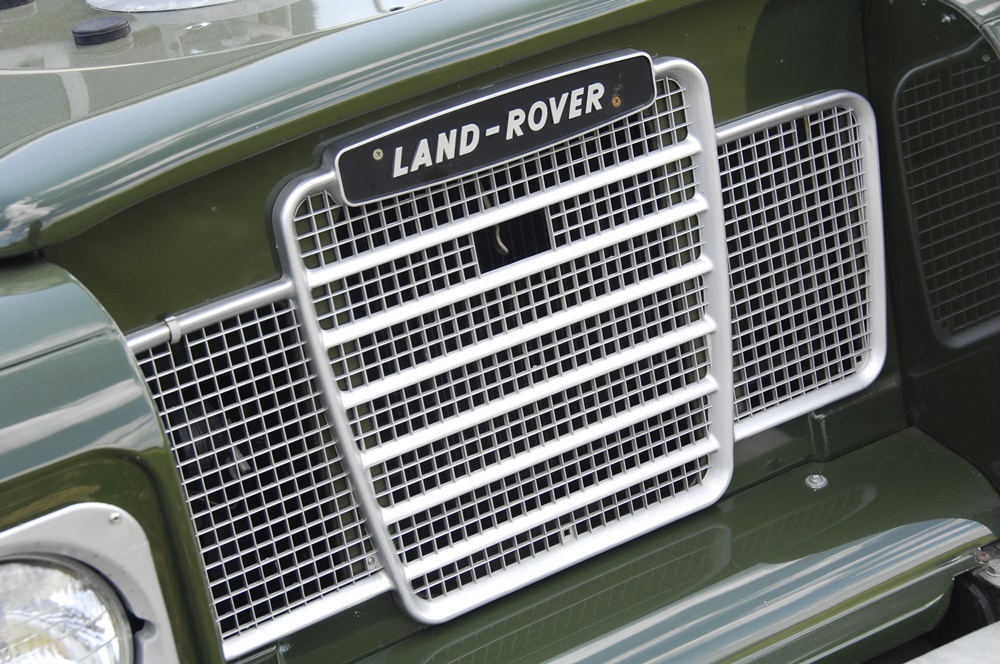
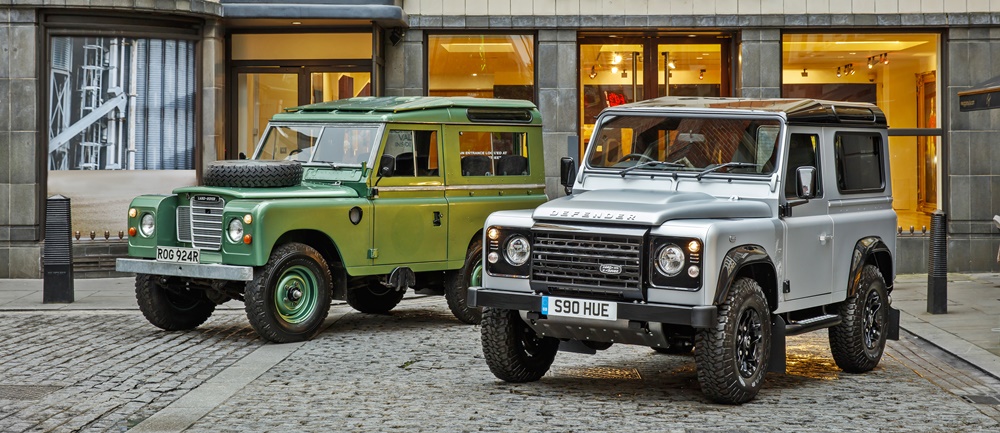
The Defender would continue to symbolize Land Rover because of its design, and it would have the longest production run – 26 years – before ending in 2016. After the Discovery, Land Rover had become part of the BMW Group and then the Ford Group. This began an era of broadening its range as well as moving forward with greater technological advancements. New and more modern models were developed and each was to be at the top of its segment.

The Defender remained unique in the range because of its traditional design. Where the new models from the Discovery onwards had as much emphasis on design as capability, the Defender was the rugged reliable workhorse that even armed forces appreciated.
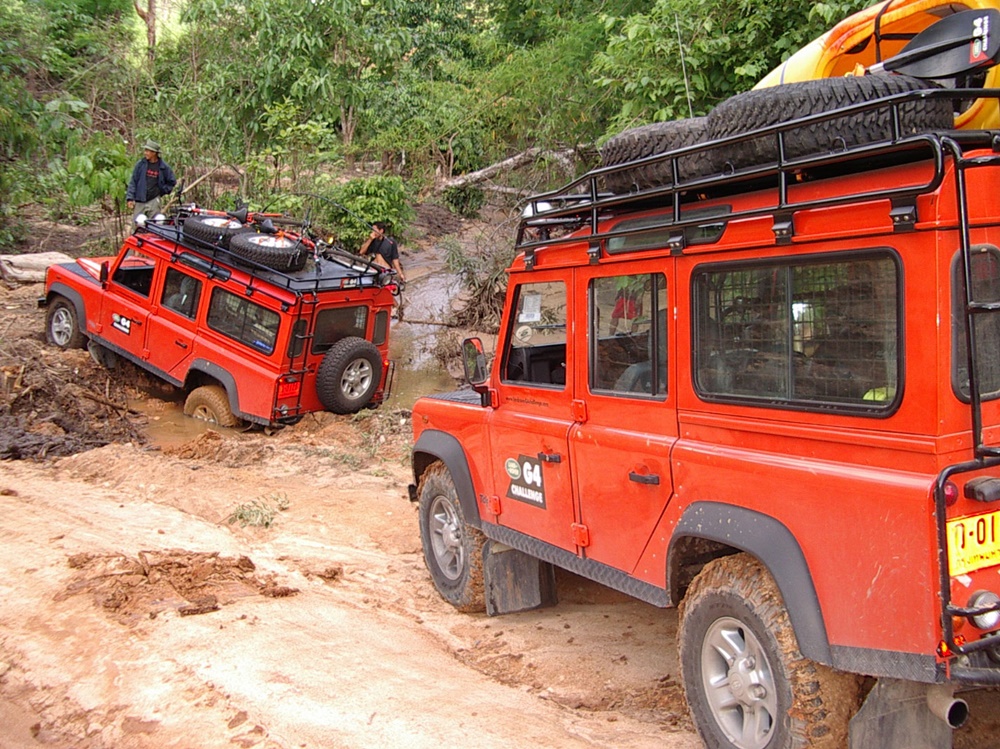
Throughout the production life of the Defender, safety and emission regulations became stricter and for a vehicle that was essentially developed in the 1980s, meeting the regulations became more challenging for the engineers. As the 21st century began, it became clear that it would not be practical to keep trying to engineer the Defender to meet new demands by regulators, even if the public didn’t mind. Furthermore, as a more ‘hardcore’ model, the sales volume was smaller than for other Land Rover models.
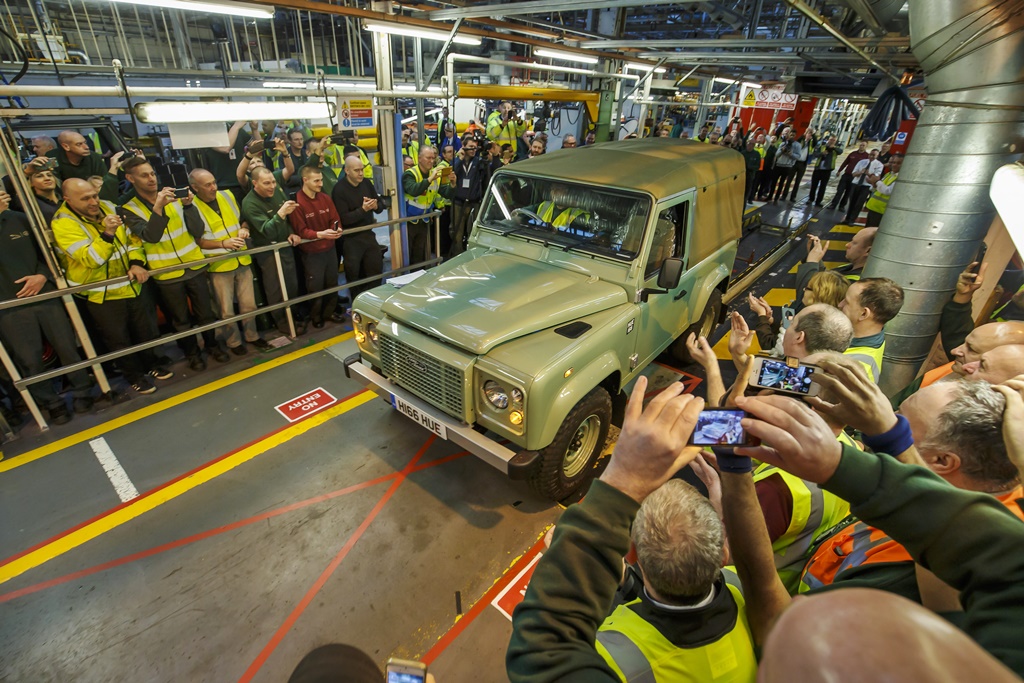
Last Defender leaving the line at Solihull in England, marking the end of 68 years of production.

And so, after more than two million vehicles being produced (including the original Series models) since 1948, Land Rover’s owner, Tata Motors, made the decision to end production. It was estimated that more than 70 percent of all the vehicles produced were still in use somewhere in the world .

The New Defender
Land Rover understood that a successor was expected but the world had changed in the past six decades. Consumers wanted comfort and stylishness but being a Land Rover also meant that the renowned all-terrain capabilities had to be present – even if 98% of owners never drove far off the road. By 2019, the new design was confirmed and presented to the world in September at the Frankfurt Motor Show. It was recognizable as a Land Rover and yet could also satisfy the tastes of the new generation of buyers who had many choices of vehicles in the segment now called ‘SUVs’ (Sport Utility Vehicles). The icon was reinvented without ever losing the character and authenticity of the original.
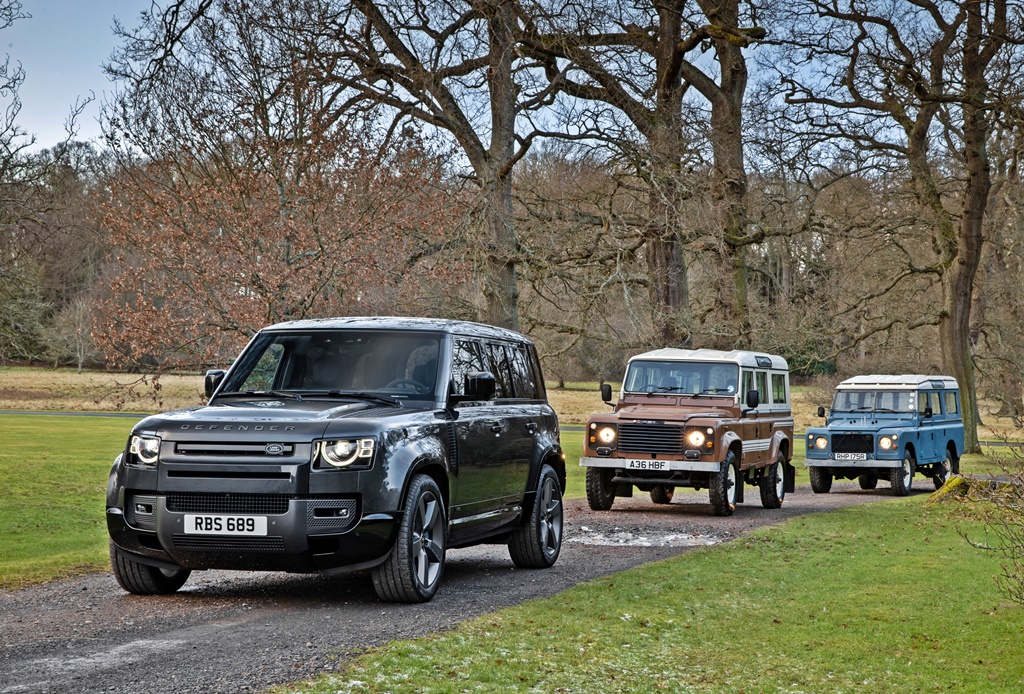
The New Defender is ready to continue the legacy of the model.

“The new Defender is respectful of its past but is not harnessed by it. A distinctive silhouette makes the New Defender instantly recognizable,” said Gerry McGovern, Chief Design Officer at Land Rover and ‘Guardian of Land Rover DNA’. “This is a New Defender for a new age. Its unique personality is accentuated by its distinctive silhouette and optimum proportions, which make it both highly desirable and seriously capable – a visually compelling 4×4 that wears its design and engineering integrity with uncompromised commitment.”

Land Rover in Malaysia
Land Rover’s presence in Malaysia began almost as soon as exports started in the late 1940s. The Malayan Emergency was declared in 1948 and as British troops carried out operations in the jungles, the Series I Land Rovers proved their capabilities and established the beginnings of the legendary 4×4 vehicles.

The country was also moving towards independence and with it came much development of infrastructure where again, the Land Rovers proved valuable. They were often the first vehicles into newly opened sites in the jungle where roads and new settlements were being created. Public service agencies, like the armed forces, found they could use the vehicles for a variety of purposes and the simplicity of the design meant that maintenance was also easy. It was those early Land Rovers seen on roads and in jungles all over Malaysia that established the brand as the 4×4 leader.
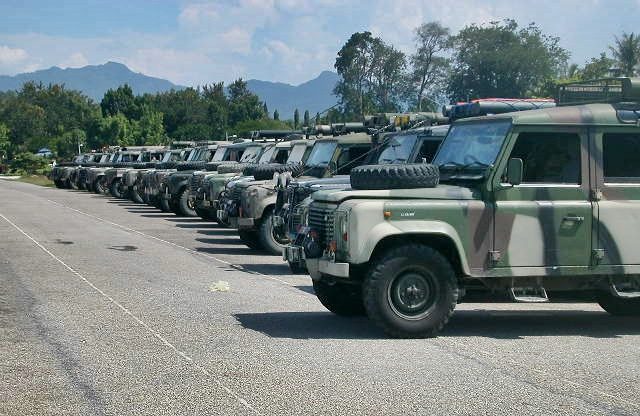
A fleet of Defenders used by the Malaysian armed forces.

When the Malaysian government urged manufacturers to assemble their products locally to help promote industrialization, Land Rover was happy to do so. Champion Motors had a new factory in Shah Alam, Selangor, which could assemble the vehicles and the company also handled distribution, sales and aftersales.

In the early 1980s, when the Defender was introduced, the Land Rover franchise had passed on to the PERNAS-Sime Darby Group which established Land Rover (Malaysia) Sdn. Bhd. In 1981. This began a new phase of growth for the brand, supported not only by the large number of orders from the armed forces but also the increasing demand from many other sectors.
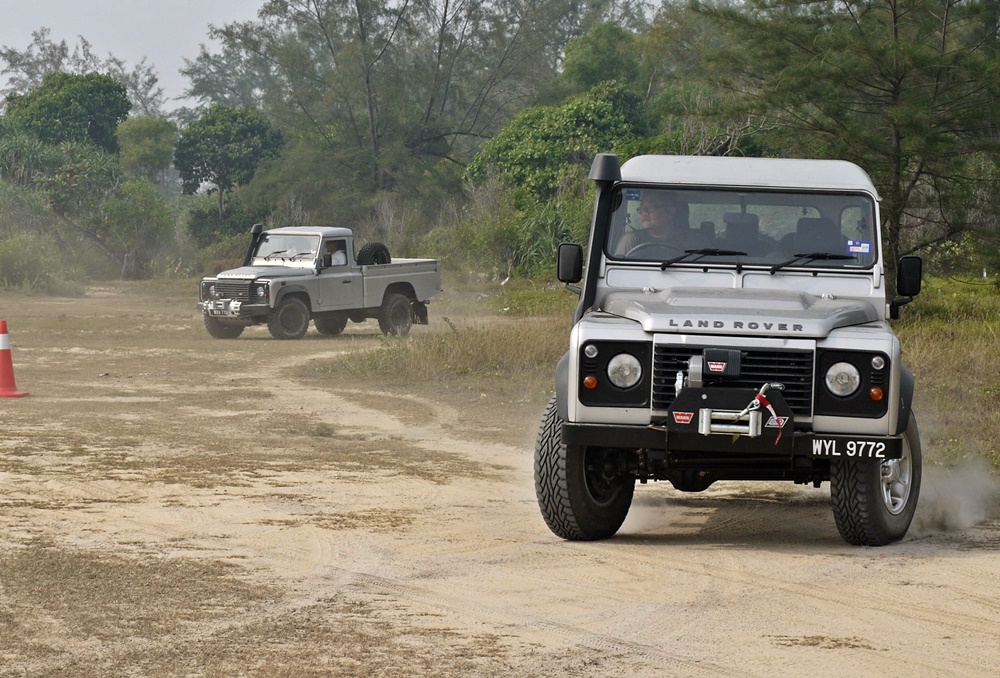
Although the Land Rover range gradually widened, the Defender was always present. It had its own following that preferred the traditional features of the model and its truly go-anywhere capability. With the aluminium bodywork, the older vehicles remained in use for a long time, many finding homes in the vegetable farms on the hills of Cameron Highlands.

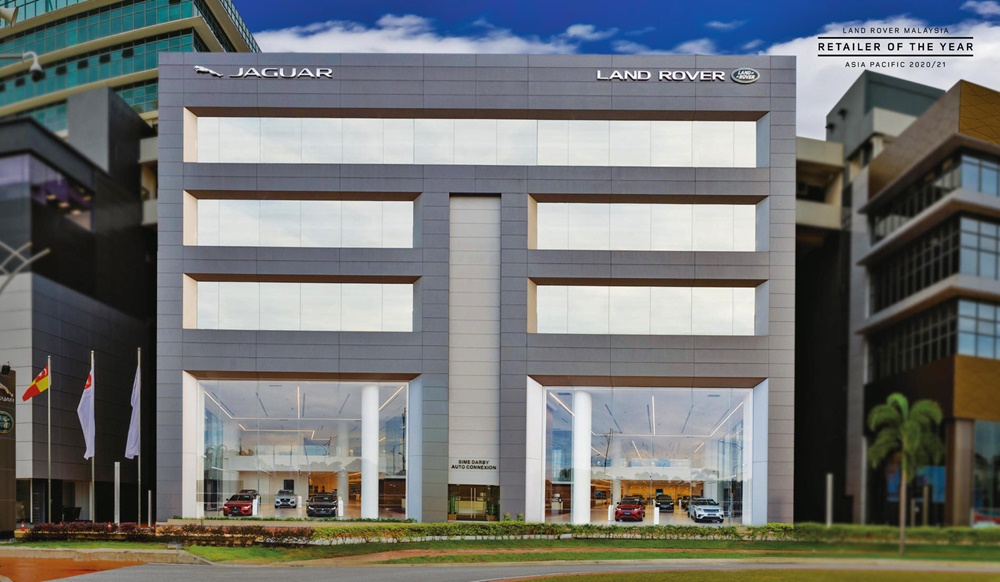
Just as its principal was unified as Jaguar Land Rover in the UK, so too was the business in Malaysia with the establishment of Jaguar Land Rover (Malaysia) Sdn Bhd. This joint venture between SISMA Auto and Sime Darby Motors has been the exclusive importer for Land Rover and Jaguar vehicles in Malaysia since 2014. It has seen even greater growth with the opening of purpose-built brand centres around the country to offer the modern range of Land Rovers, including the New Defender.
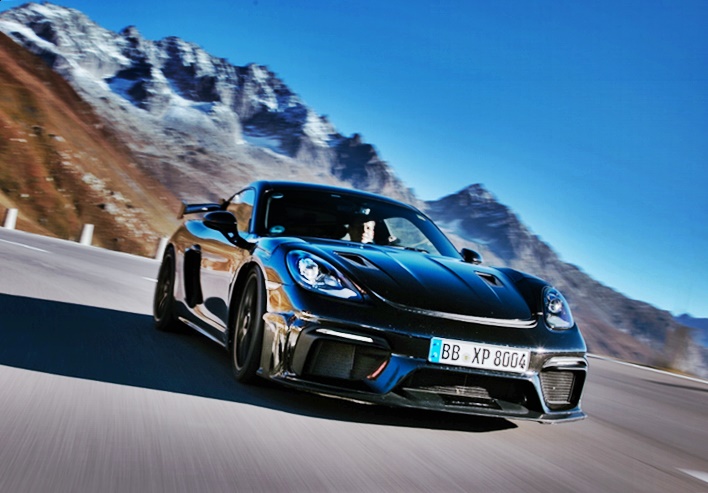
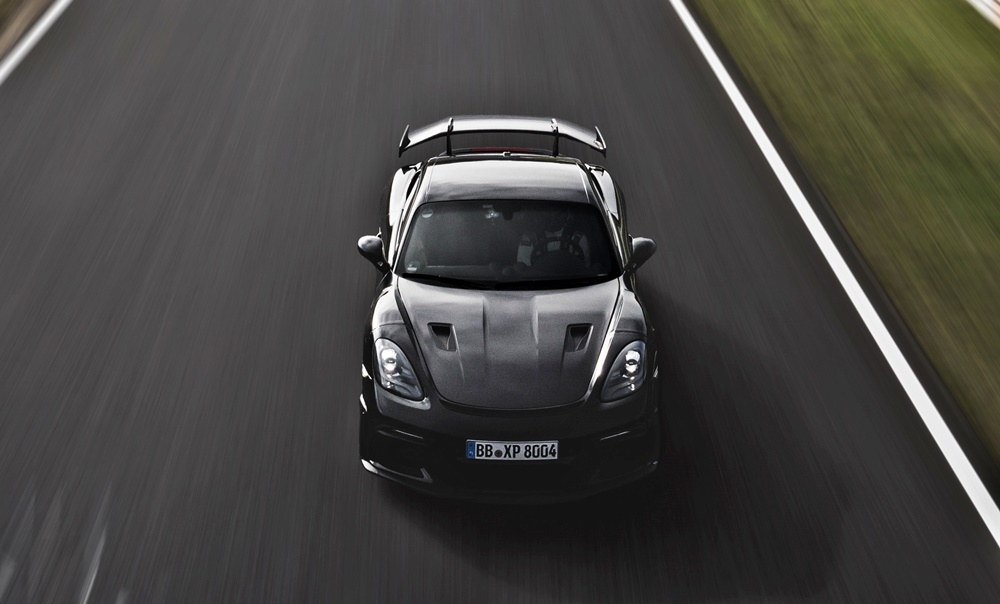
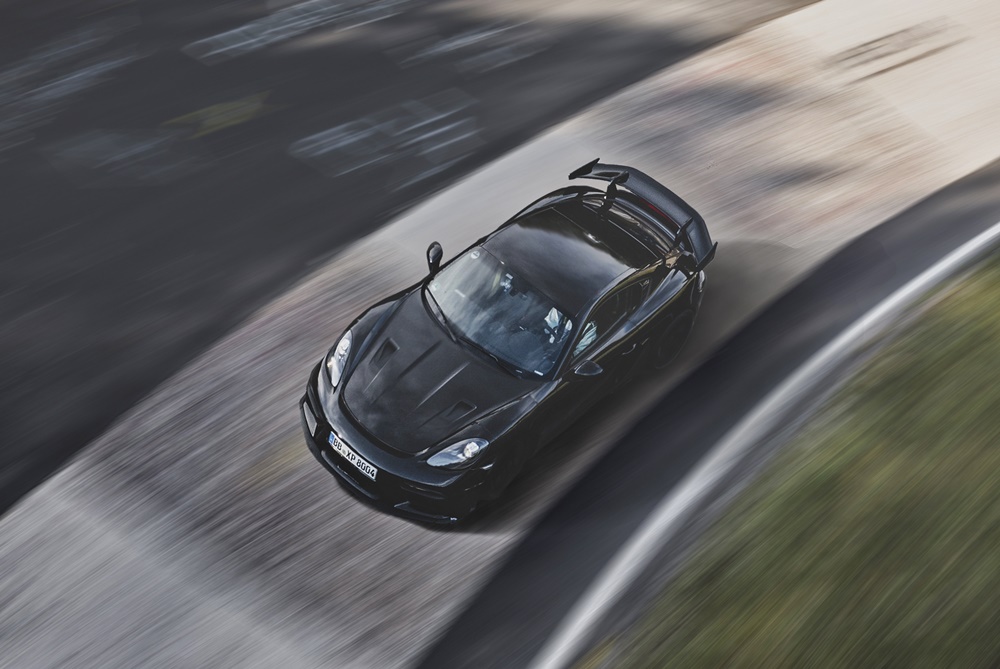
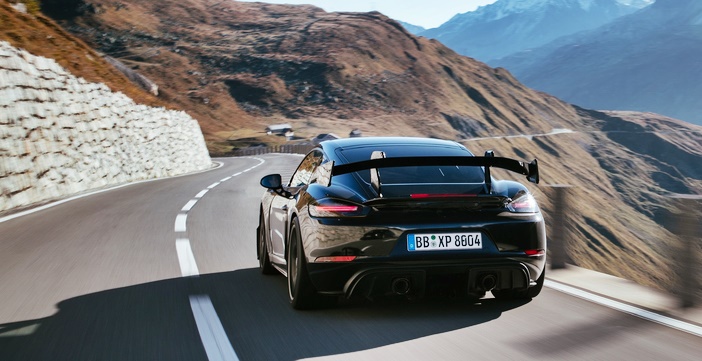
What can be more hardcore than the Porsche 718 Cayman GT4? A new big brother – the 718 Cayman GT4 RS. This will become the new top model of the 718 family when it makes its global debut in November. It will be the first 718 to carry the RS badge.
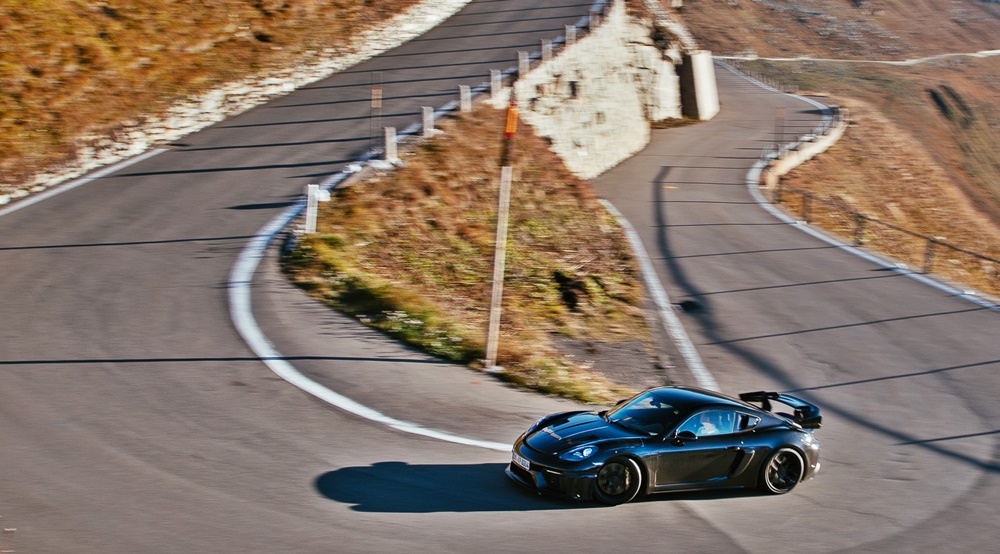
Although the launch is just two months away, the engineers want still more tests to be run and final testing and evaluation drives are being conducted on twisty mountain roads and on the racetrack.

2022 Porsche 718 Cayman GT4 RS

2022 Porsche 718 Cayman GT4 RS

2022 Porsche 718 Cayman GT4 RS

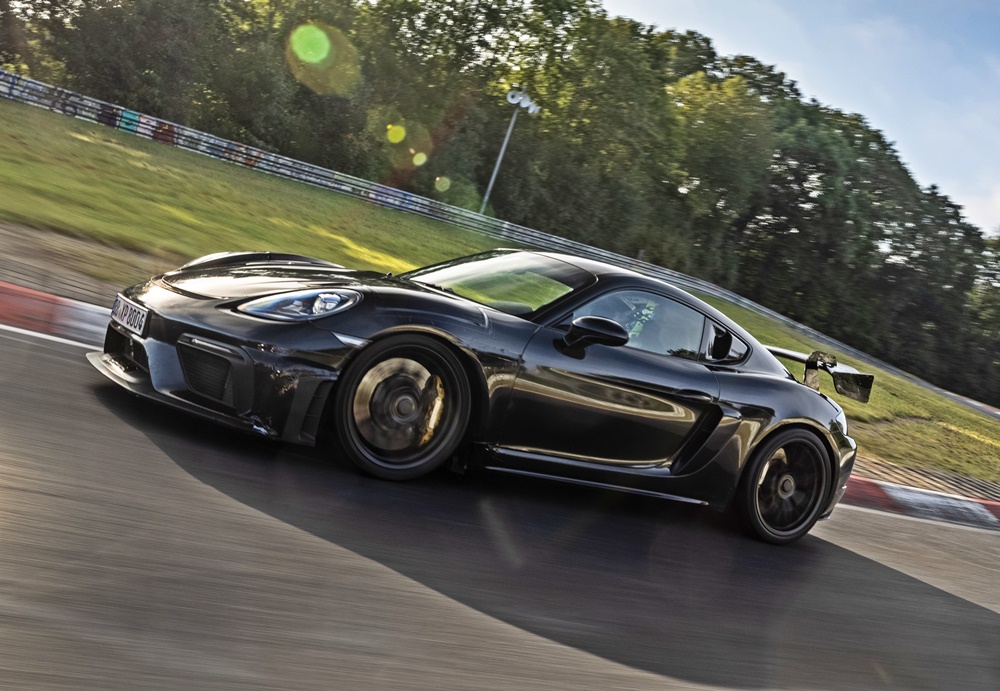
Porsche has released some footage and information from these exercises with brand ambassador and development driver Jorg Bergmeister showing off the car’s dynamic potential on the 20.832-km Nurburgring-Nordschleife circuit. Driving a lightly disguised production car, he clocked a lap in 7:09.300 minutes. On the shorter lap, the 718 Cayman GT4 RS completed the lap, which had previously served as the benchmark, in 7:04.511 minutes – 23.6 seconds faster than its little brother.
To protect the driver, the mid-engined sportscar was equipped with a racing seat. The tyres fitted to the car were Michelin Pilot Sport Cup 2 R, which will be optionally available to customers.
“During development, we gave the 718 Cayman GT4 RS everything that characterizes a genuine RS: lightweight construction, more downforce, more power and, of course, an even higher level of responsiveness and feedback to driver inputs. The fantastic lap time of the Nordschleife is impressive proof of how clearly noticeable these improvements in driving dynamics are,” said  Director GT Model Line, Andreas Preuninger. “Our customers can look forward to a pure driver’s car that makes a thrilling driving experience an absolute priority.”

“The 718 Cayman GT4 RS is an uncompromising driving machine. It feels as nimble as a go-kart on mountain roads, yet is impressively stable and well-balanced on the racetrack. Otherwise, such a lap time wouldn’t even be possible,” said Bergmeister, who has spent more than 500 hours driving the car as part of the development program. “The GT4 RS is one of the sharpest cars Porsche has ever developed. And you really have had to experience the breathtaking noise it makes for yourself,” he said.

2022 Porsche 718 Cayman GT4 RS

2022 Porsche 718 Cayman GT4 RS


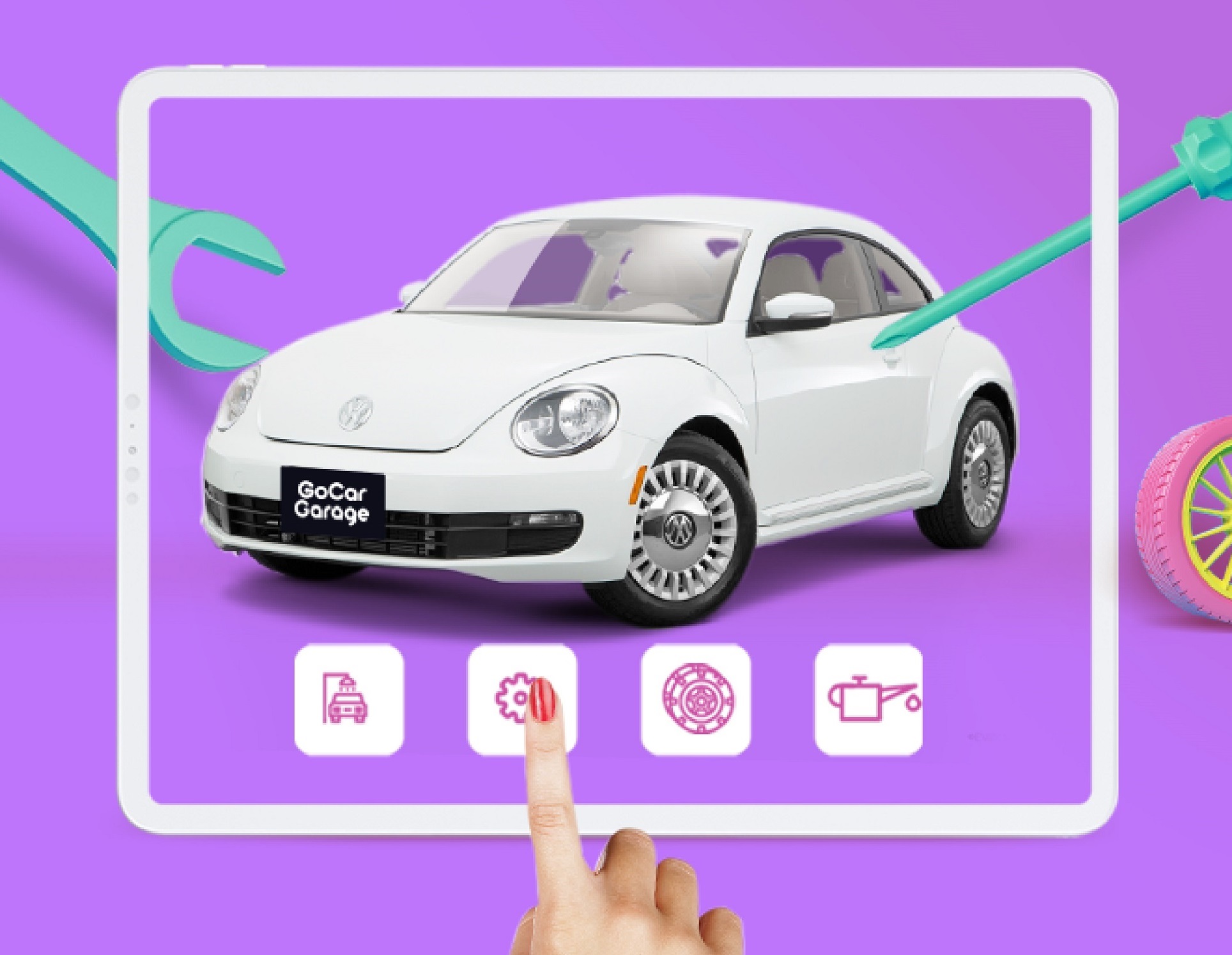
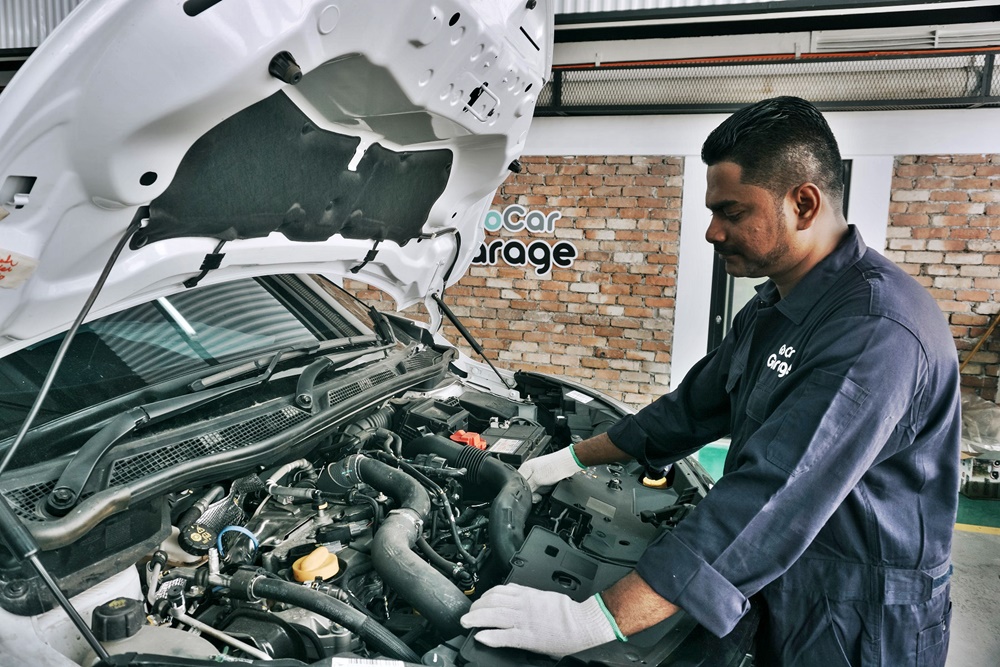
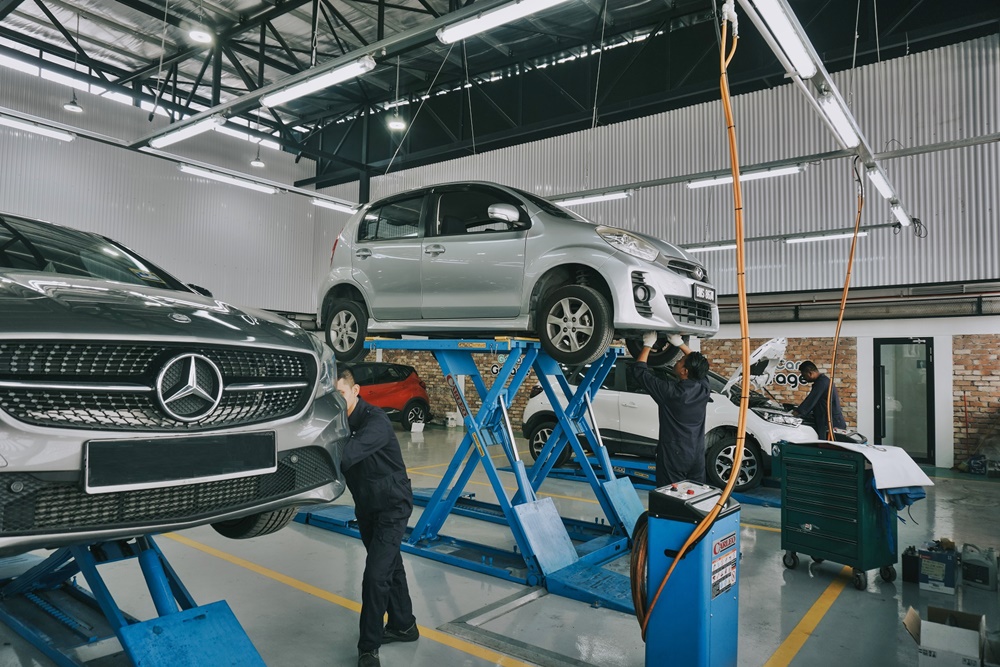
GoCar Malaysia – an on-demand app-based platform that offers ‘mobility-as-a-service’ – is running the GOLADIES campaign which provides free GoCar Garage trials with upgrade options to encourage more women drivers to experience the benefits of its digital car service and maintenance solution.

Using the GoCar App, the first 300 women customers to apply the relevant promo codes will receive a free or upgradable pit-stop oil change service (only premium Total or Shell branded oils).

The promo codes are as follow:
“PITSTOP1” for Mineral Oil service package, totally free (normal price RM98)
“PITSTOP2” for Semi-Synthetic Oil service package for only RM30 (normal price RM128)
“PITSTOP3” for Fully-Synthetic Oil service package for only RM100 (normal price RM198)

They can also enjoy having their car serviced without needing to take time off work or leave their homes. GoCar’s GoValet door-to-door delivery service will be available for free during the campaign period. Other benefits include free 2-hour use of a GoCar vehicle, free car wash and sanitisation and a free 31-point vehicle inspection to ensure their vehicle is in tip-top condition. This would be particularly useful now that many people are keen on making long trips after over a year of restrictions.

The one-time-only promo codes must be used between  October 21 and November 30, 2021, but customers will have until December 31, 2021 to make their service appointments. The GOLADIES campaign is available only within the Klang Valley area. Vehicles will be serviced at the GoCar Garage Hub in Petaling Jaya, Selangor.

“GoCar Garage is the latest offering in our increasing focus on mobility-as-a-service to harness technology to improve customer experiences. We understand that car servicing is generally not an enjoyable experience, and the prospect of unexpected costs can be unsettling. For women, there also tends to be greater concerns about being overcharged or taken advantage of, which is why our GoCar Garage solution is ideal for them,” said Wong Hoe Mun, CEO of GoCar Malaysia.

“With our seamless end-to-end platform, they can complete the entire servicing process with just their mobilephones. Furthermore, they can be assured of OEM-level service excellence as our technicians are trained to work on any make and model of passenger vehicle,” Mr. Wong added. “More importantly, we are the only third-party car service centre to provide upfront quotations for pre-approval so they can rest assured of full transparency in our pricing.”

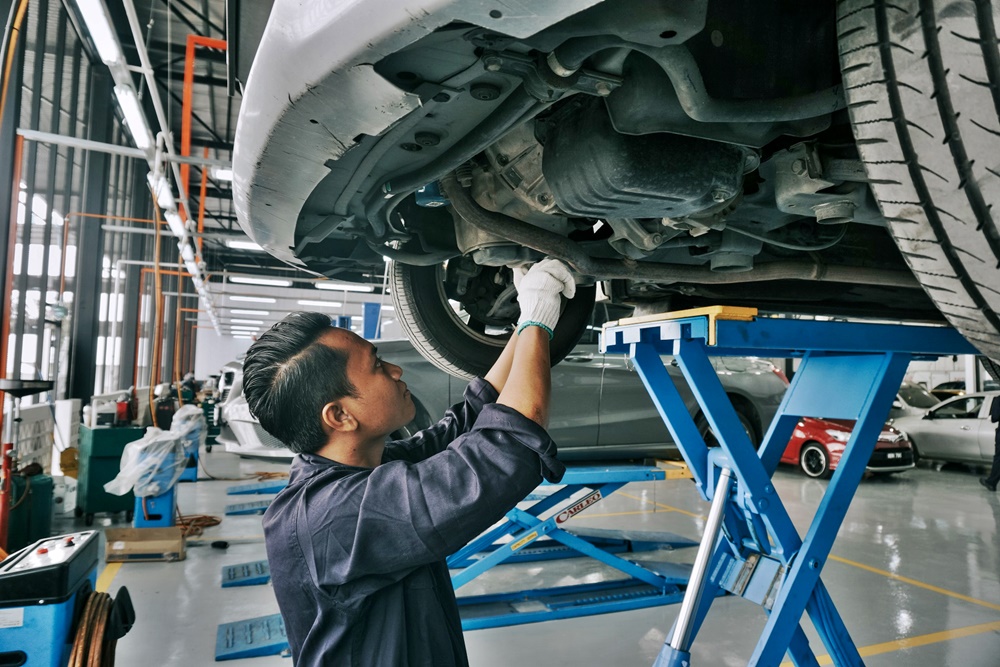
Through the GoCar mobile app, customers can easily schedule and confirm their service appointments, select or request required services, make payments and arrange for door-to-door delivery, anytime and from anywhere. In addition to the 45-minute oil change, other services include battery inspection and replacement, tyre services, air conditioning repair and maintenance, brake repair and maintenance, engine cooling system and replacement, electrical diagnosis as well as body and paint repairs.

The mobile app tracks all requested services and generates quotations to mitigate any possibilities of unapproved mark-ups. Furthermore, these cost breakdowns will only be generated if the technicians think a procedure is required after inspection. Work will only begin after customers give their confirmation and approval.

BHPetrol Syngard 8000 Eco meets latest API SP service standard

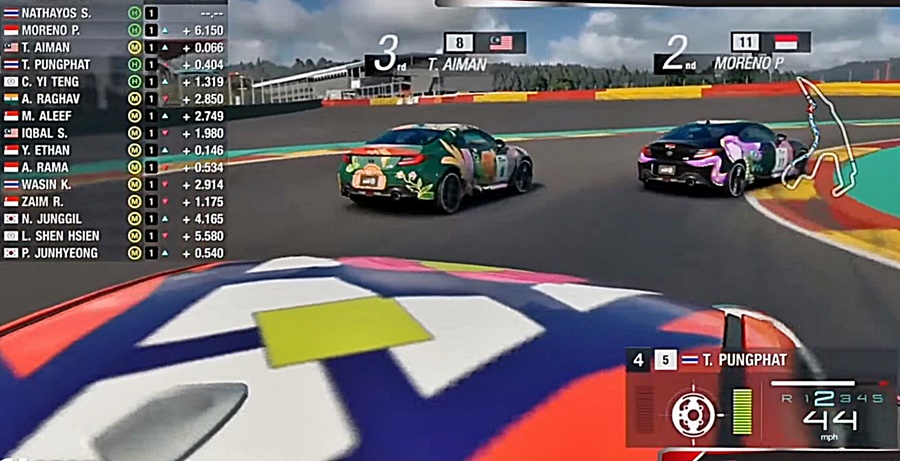
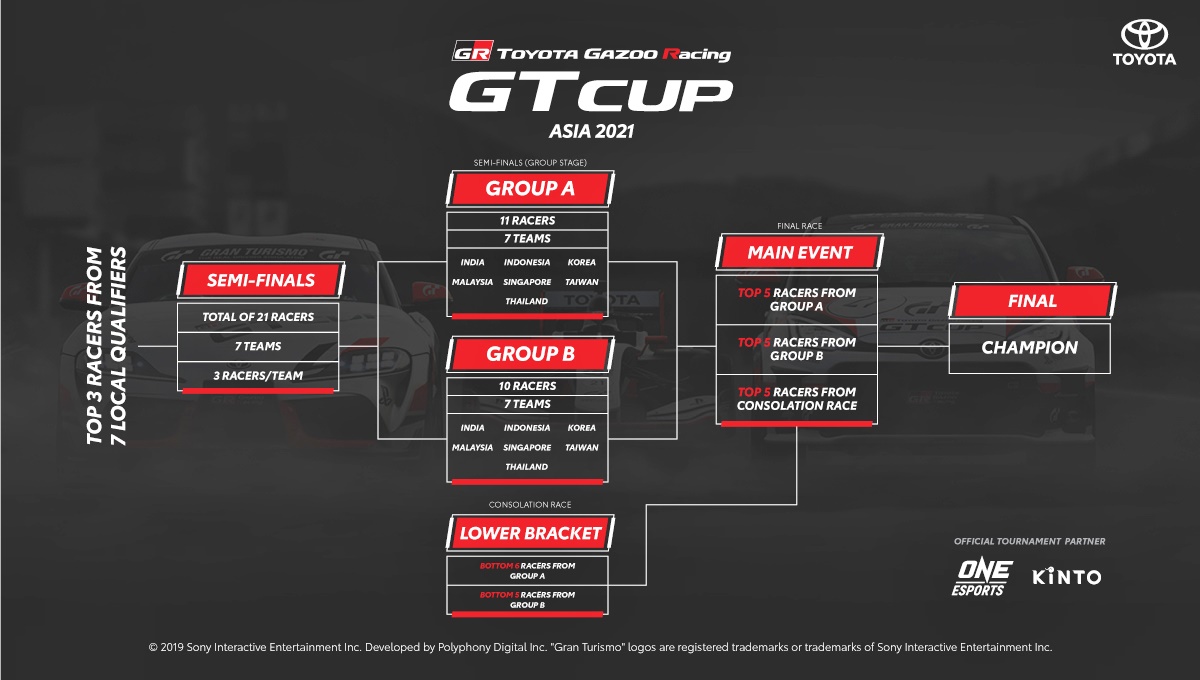
This year’s TOYOTA GAZOO Racing (TGR) GT Cup ASIA 2021 Regional Finals saw 21 national qualifiers – from Singapore, Malaysia, Thailand, Indonesia, India, Taiwan, and South Korea – competing against each other in the popular simulator racing event. They were battling it out not only for the attractive prize money but also a chance to represent Asia and compete alongside world players in the TGR GT Global finals to be held in December.

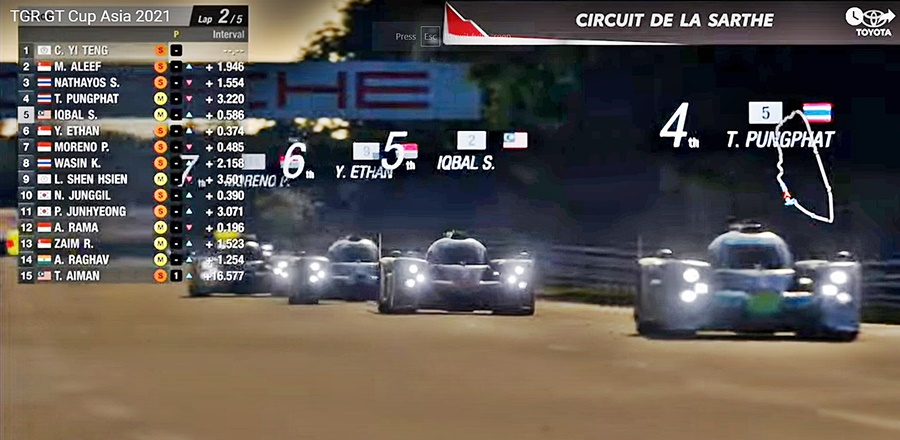
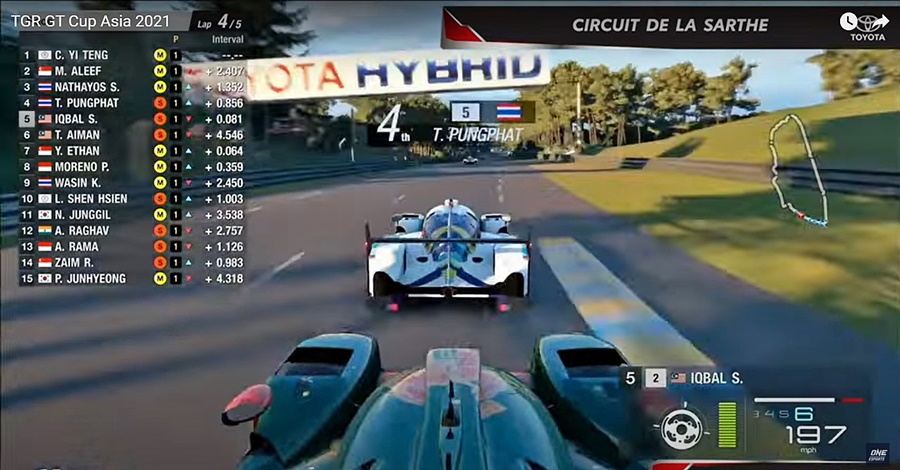
In the second running of the e-sports competition, Chou Yi Teng (Taiwan) and Nathayos Sirigaya (Thailand) opened the regional finals with leading positions in the first race for their respective groups. In the final round where the top 15 racers competed on the circuit used for the 24-Hour Le Mans race, Yi Teng steadily held his leading position through 5 laps to land first place, with other finalists racing closely behind him including defending champion Muhammad Aleef (Singapore). Overall, Nathayos – who placed third last year – clinched the winning spot. Yi Teng came second while Aleef came in third.

“I didn’t think I had a good shot at winning when I started in the fifth position in the final race, so I am very humbled for the win,” Nathayos said after his victory. “It has been an amazing experience racing alongside the best e-Motorsport racers in Asia. I’m taking away with me important learnings and experiences that will be immensely valuable heading into the Grand Finals. I am grateful for the opportunity provided by Toyota to pursue my passion for racing in the virtual world.”

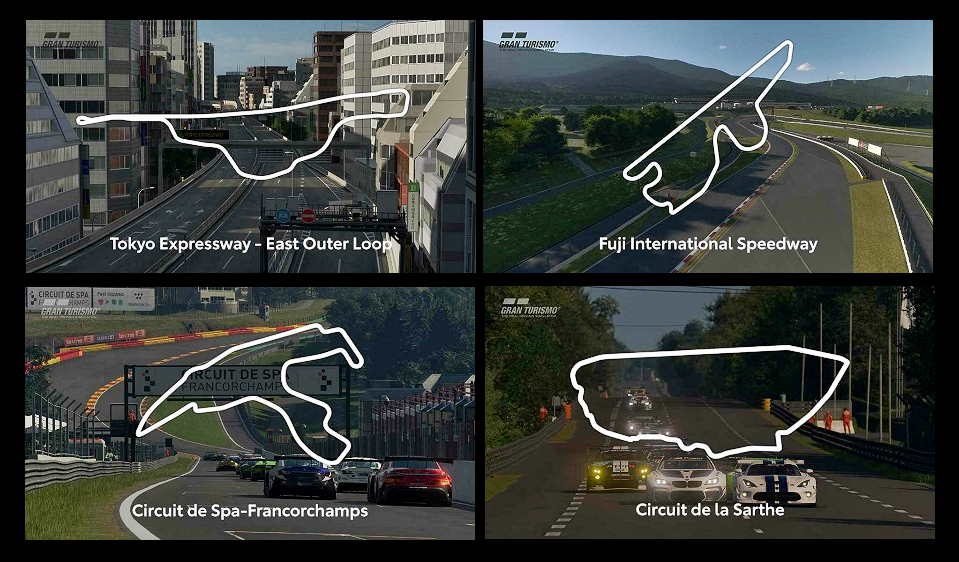
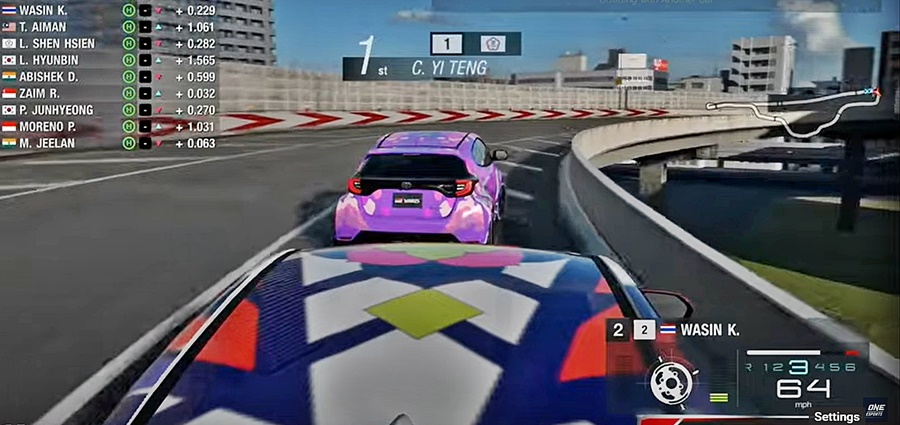
The Regional Finals featured 3 races run on different circuits from around the world. The fight for the championship started with a semi-final race, where the 21 entrants competed in two groups using the GR Yaris. This was along the Tokyo Expressway – obviously not a circuit that would be used in real life!

Nathayos led the race and eventually took victory in the final seconds of the last lap for Group A. Trailing right behind him was fellow teammate Thanaphat Pungphat, as both Thai drivers stuck with each other throughout the race.

“The plan was to stick together in the qualifying round and work together to get to the finals,” Nathayos mentioned. With their plan playing out perfectly, the duo saw a total of 32 points in the team standings after the first round. For Group B, Chou Yi Teng (Taiwan) earned first place.

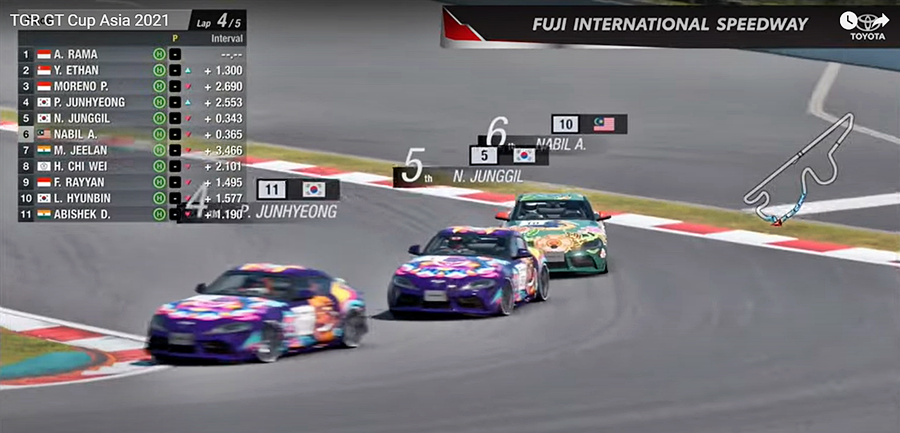
The top 5 racers from each group in the semi-final round proceeded to the third and final race, while the remaining 11 racers competed in the second race at the Fuji International Speedway. In this consolation race, 5 racers competing in the GR Supra captured the last 5 seats in the final race, with Andika Rama Maulana (Indonesia) finishing in first place.

After the exciting first two races, the third and final races were run at the Spa-Francorchamps circuit in Belgium with the new GR 86 model, and then on the famous Circuit de la Sarthe which annually hosts the 24 Hours of Le Mans endurance race. The car used was the 1000 ps Toyota TS050 Hybrid which has won the event many times.

“We are overwhelmed by the support for GR racers in our second year of TGR GT Cup Asia. We are excited to see more countries participating, increasing the competition intensity. It was thrilling to see Nathayos and Aleef returning to battle it out for the global final entries,” said the Vice-President of Toyota Marketing Asia, David Nordstrom.

A first for the tournament, prizes were also awarded for the top 3 country teams. Team Thailand took home the winning team honour with 131 points, followed by Team Malaysia in second place with 84 points, and Team Taiwan in third place with 83 points.

TOYOTA GAZOO Racing takes first win of the new Hypercar era of the World Endurance Championship

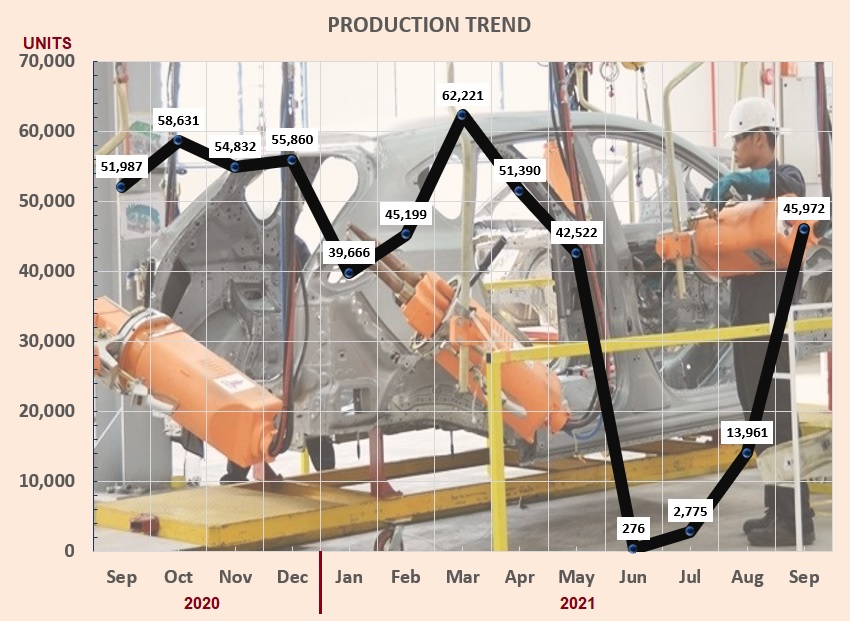
Source: Monthly reports of the Malaysian Automotive Association

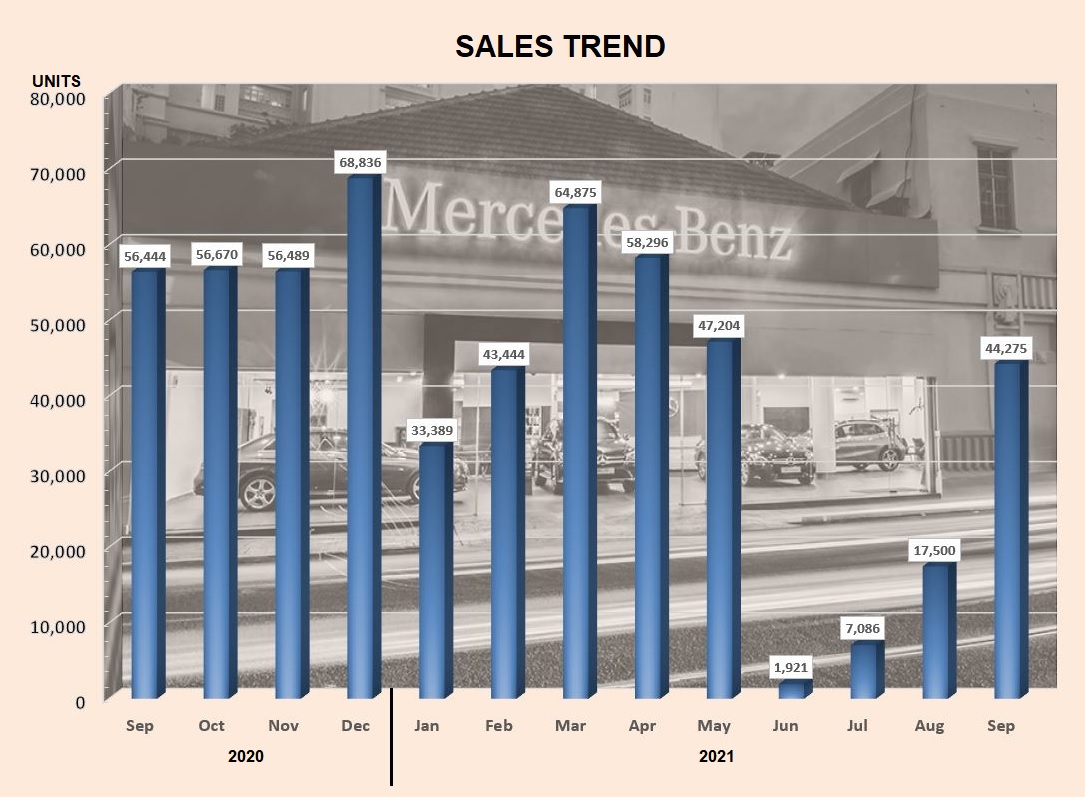
The Total Industry Volume (TIV) for the month continued to rise for a third consecutive month, September being the first full month of business after the long forced suspension of activities. The TIV increased by 153% compared to August sales, translating to a volume difference of 26,775 units.

Of the 44,275 units, 38,315 were passenger vehicles (excluding pick-up trucks) while 5,960 units were commercial vehicles (including pick-up trucks). Pick-up trucks account for between 65% to 70% of commercial vehicle sales.

Compared to the same month in 2020, however, the TIV in 2021 was 23% lower. The gap for cumulative sales over 9 months was smaller at 7%; in the same period last year, 344,019 vehicles were sold whereas in 2021, the total number reached only 318,874 units.

According to the Malaysian Automotive Association, some companies are affected by the global chip shortage and are having delays in deliveries to customers. This situation affects CBU models as well as those that are locally assembled although not equally at different plants.

Production nevertheless has been climbing in the same manner as sales numbers, with most plants able to operate at full capacity. The government allows those factories with a minimum of 80% of their workforce fully vaccinated to carry out operations with full attendance.

The total production volume for September was 229% greater than the output in August, with 45,972 vehicles assembled. Of this number, 42,556 units were passenger vehicles.

Cumulative production from January to September reached 303,996 units, 4% lower than the 315,863 units that were assembled over the same period in 2020.

The MAA expects October sales to show continued increase as output of vehicles is pushed as much as possible, while the companies are doing their best to meet 2021 targets if possible. There are still a few new models that will be launched before the end of the year so customer interest will be high. And of course, towards the end of the year, there will also be promotions that will entice many to buy a new vehicle.

Perodua sales and deliveries accelerating with 102% increase between September and August

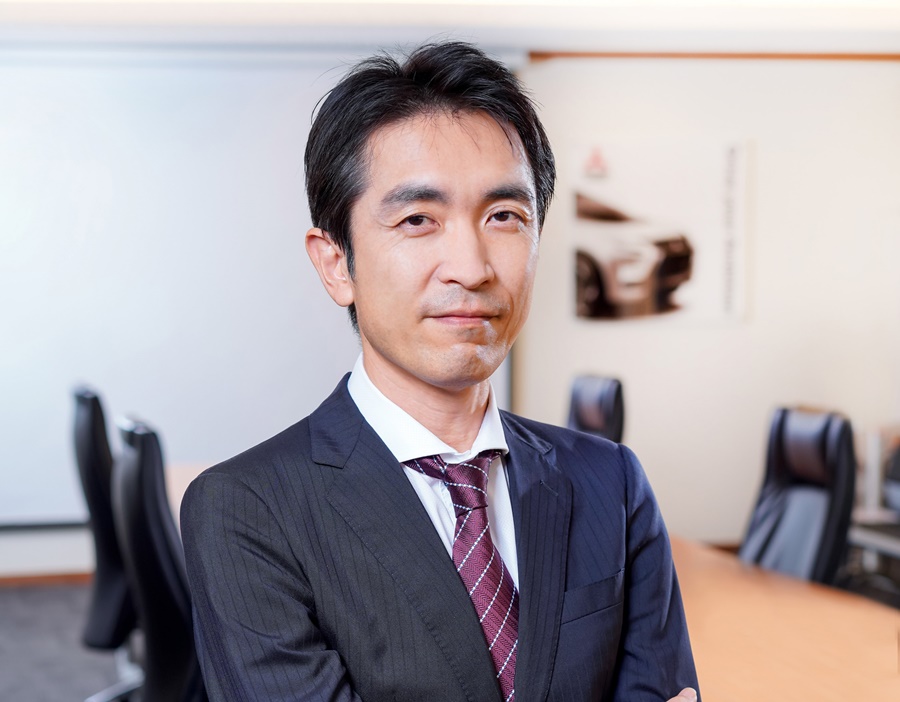
Shinya Ikeda has been appointed to the position of Chief Executive Officer of Mitsubishi Motors Malaysia (MMM), taking over from Tomoyuki Shinnishi who returns to a new role at the Mitsubishi Corporation headquarters in Japan. Prior to this new role, Mr. Ikeda was General Manager in Mitsubishi Corporation’s automotive business field since 2019. He is, however, no stranger to Malaysia as he served as its Chief Financial Officer and General Manager of MMM between 2009 and 2012.

Mr. Ikeda  started his career in Japan in 1995 and joined Mitsubishi Corporation in 2008. His first assignment was to manage the automotive business investment in Malaysia. He has since held various leadership roles and has been involved in automotive and finance businesses within Mitsubishi Corporation and other markets such as Japan, Indonesia, Russia, and Germany.

With Mitsubishi Motors having a focus on the ASEAN region, Mr. Ikeda will be guiding MMM in growing the brand’s presence further in Malaysia.

“I am excited to join Mitsubishi Motors Malaysia’s team. The company has grown from strength to strength and has now become one of the nation’s leading automotive brands. As announced in the Mitsubishi Motors Corporation Mid-Term Business Plan last year, MMC will continue to focus on the ASEAN market and particularly Malaysia as the country is one of the most important markets in the world to expand the Mitsubishi brand presence. I look forward to working with the team to contribute with the knowledge and experience that I’ve had. I am also happy to be back in Malaysia as the country is home to various diversified food and culture and also people with enormous talent and potential,” said Mr. Ikeda.

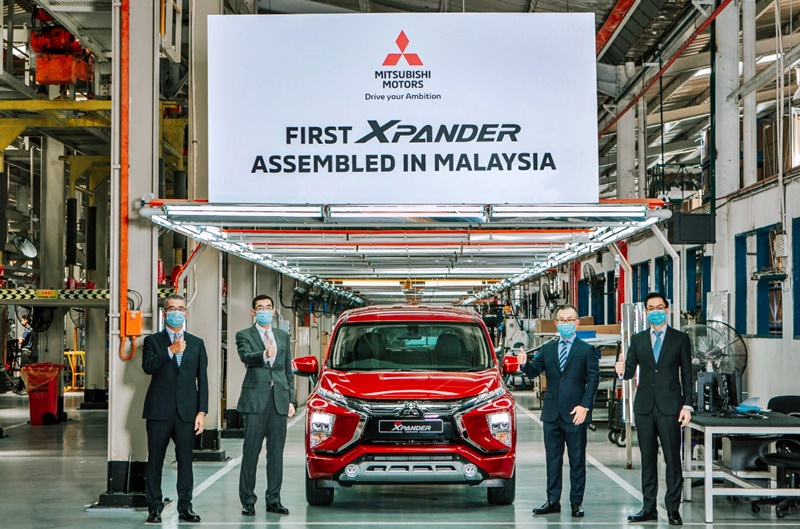
Mr. Shinnishi, who joined MMM in 2016, has taken the company further during his 5-year tenure. In that time, the company introduced new models such as the new Triton and XPANDER 7-seater MPV, the latter being assembled locally in Pahang. Though its range is not large, MMM has the best-selling non-national MPV and the Mitsubishi Motors is also among the country’s top three non-national brands.

During Mr. Shinnishi’s tenure leading Mitsubishi Motors Malaysia, the company launched the new Triton (that’s him in the picture) which has been among the more popular pick-ups in the market. It also began local assembly of the XPANDER MPV (below) which is presently the bestselling non-national MPV.

To know more about Mitsubishi Motors products and services in Malaysia, visit www.mitsubishi-motors.com.my.

Mitsubishi Triton sales surge to historic high in Malaysia

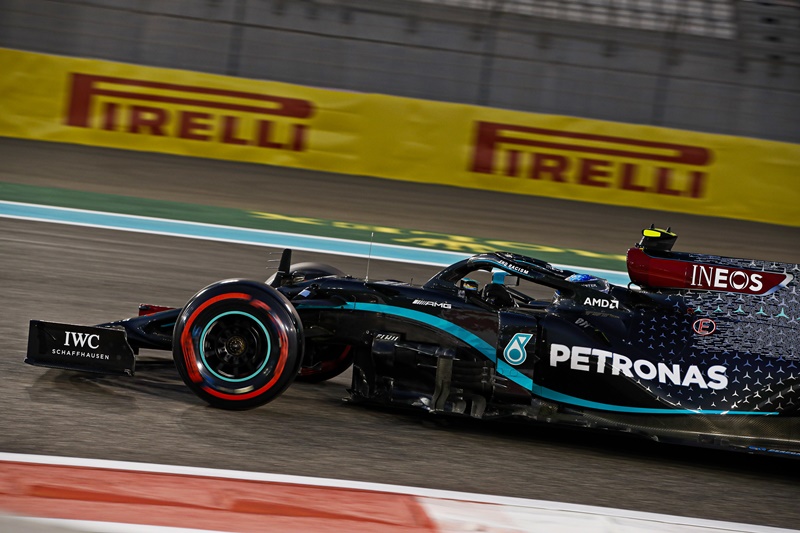
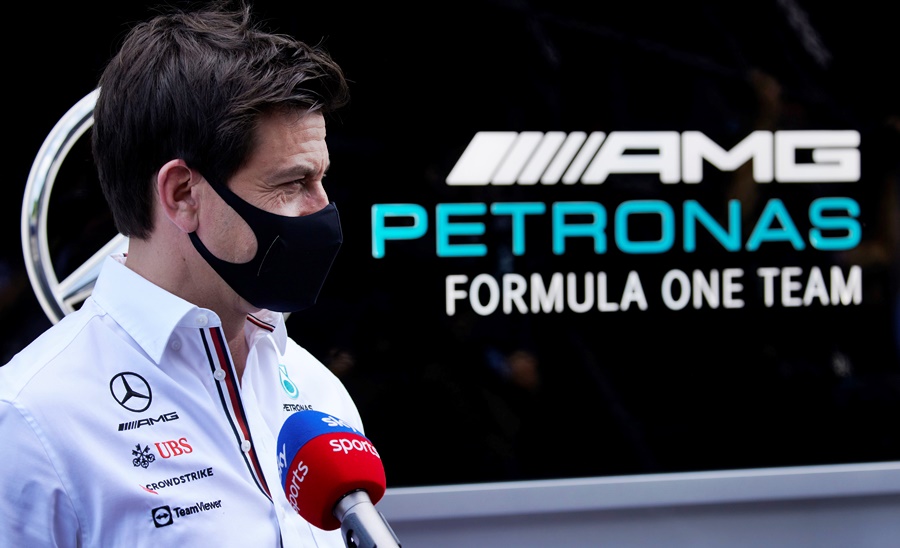
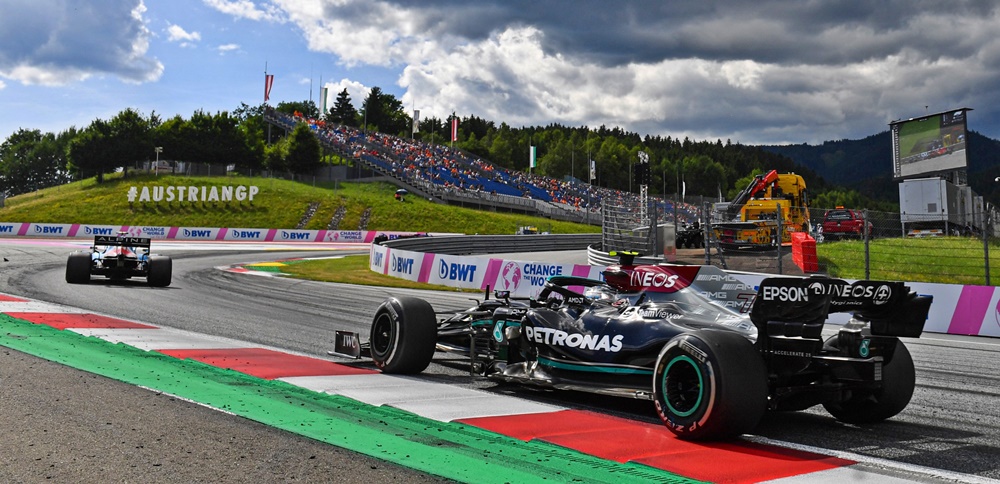
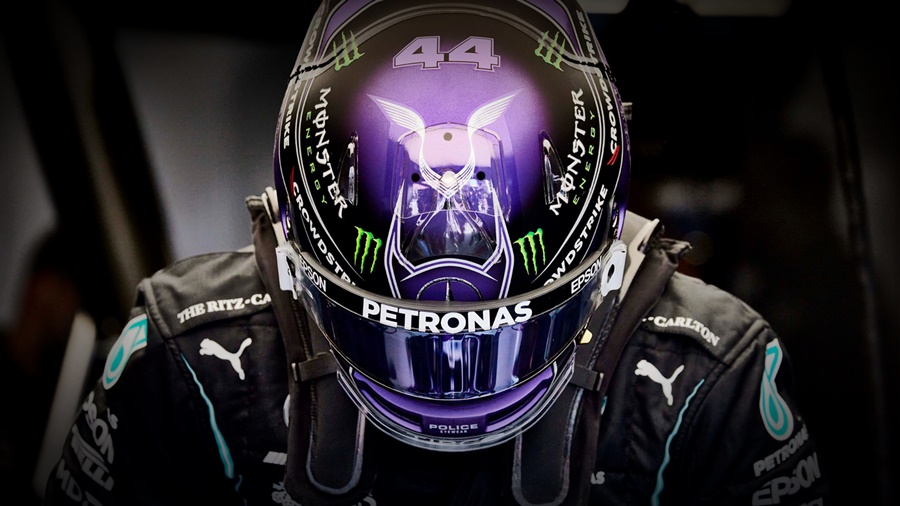
The PETRONAS name will be absent from the racing cars of the successful Mercedes-AMG Formula 1 team after this year’s championship ends. It has been confirmed that the team, which has won 7 world championships, will no longer have Malaysia’s national oil corporation as its title sponsor. This comes after over 10 years of association between the team and the oil company, although its involvement in F1 goes back as far as 1995. The latest development follows Petronas’ ending of their MotoGP title sponsorship at the end of this year and no longer being associated with the Yamaha SRT team.

Over the years, Petronas has used its association with Formula 1 for many marketing activities, leveraging on the development efforts in fuels and technology. More than 50 engine oils, transmission fluids and hydraulic fluids have been developed for the racing cars to use in extreme conditions. The technologies and knowledge from such developments have eventually been used to develop commercial products for sale to the public.

It would certainly have been very expensive and while Petronas products are available in around 65 countries, many may not know it is a Malaysian company (although ‘MALAYSIA’ has occasionally been put on the cars. But the same can also be said of other major sponsors like Repsol, Santander and certainly, not many of the 500 million people who watch F1 worldwide will be aware that the ORLEN which sponsors the Alfa Romeo F1 team is a Polish petroleum company. Brands like Marlboro, Rolex and even Dell would have more global presence and recognition.  But Petronas believes the money has been well spent: in 2016, it estimated the value of brand exposure in F1 from 1995 was worth more than US$900 million.

Saudi Aramco to take over as title sponsor?
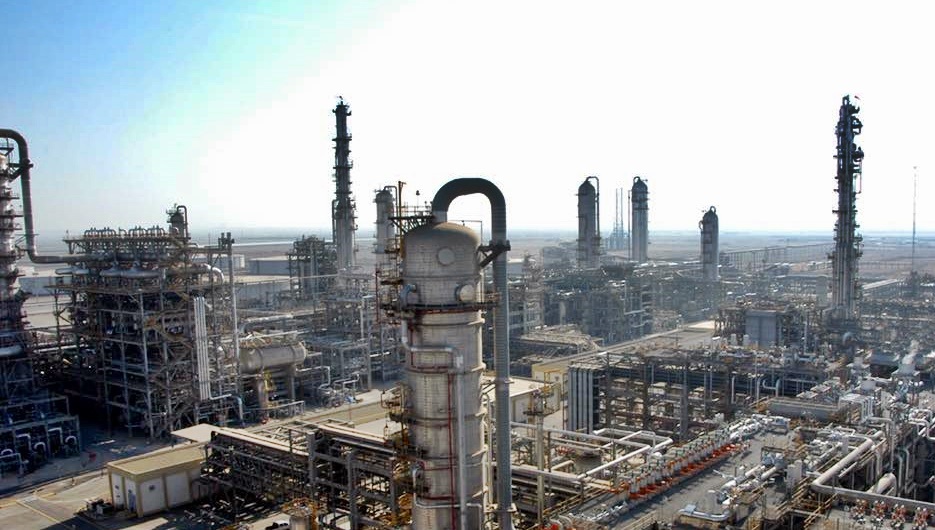
In place of Petronas, Mercedes-AMG is expected to have another oil company – Saudi Aramco. As the main company operating in Saudi Arabia, it has the world’s largest network of oilfields and its revenues are chart-topping. Saudi Aramco (which stands for Arabian American Company) is state-owned and was established in 1933. Described as an integrated oil and gas company, it is mainly in upstream activities and has no visible internationalpresence in consumer products, unlike most other oil companies. It does, however, have a network of fuel and service stations (in partnership with Total of France) in Saudi Arabia.

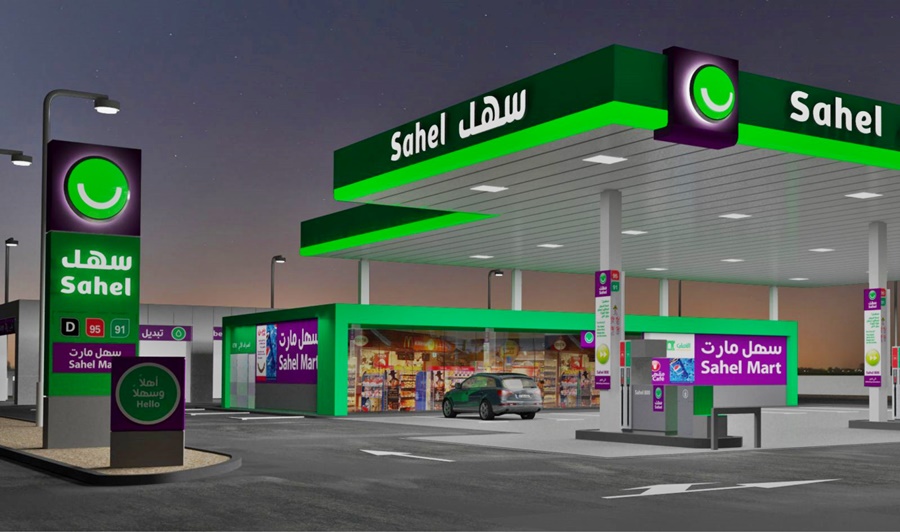
Saudi Aramco, which has been operating for 88 years, is active mainly in upstream oil and gas activities. It also has a network of fuel and service stations under the Sahel brand which is in partnership with Total of France.

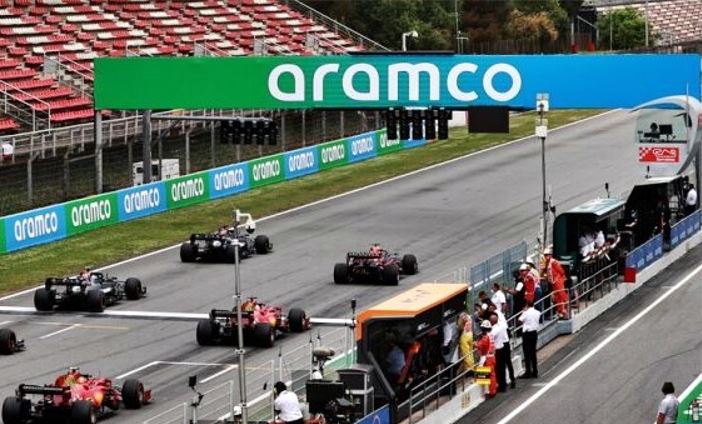
The tie-up with Mercedes-AMG is the second major involvement in F1. Last year, Saudi Aramco announced a long-term global sponsorship with the sport, its first global sponsorship of a major sporting event.

“We are excited to partner with Formula 1, a strong global sports brand with millions of fans around the world. As the world’s largest energy supplier and an innovation leader, we have the ambition to find game-changing solutions for better-performing engines and cleaner energy. Partnerships like these are important to help us to deliver on our ambitions,” said Saudi Aramco’s CEO & President, Amin H. Nasser.

Involvement in F1 since 1980s
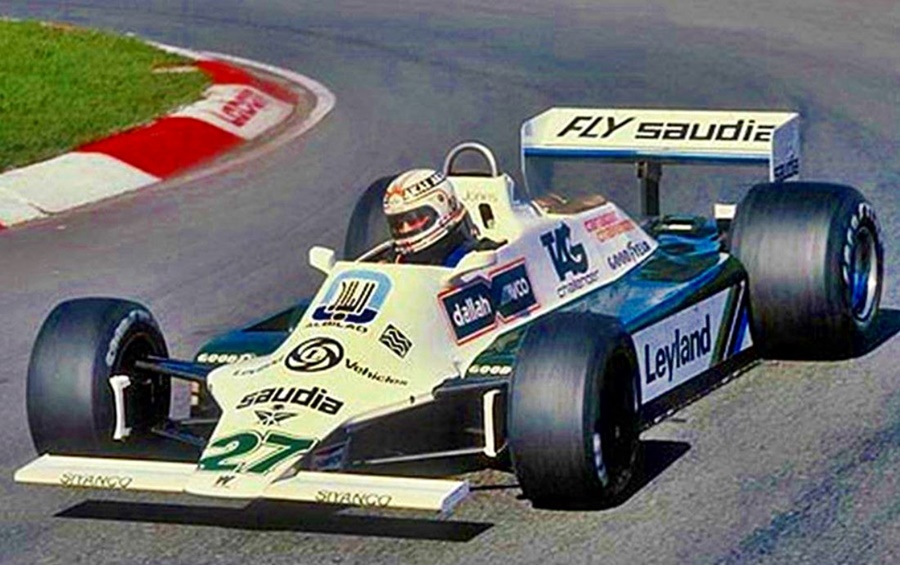
Saudi Aramco’s involvement in F1 is not Saudi Arabia’s first association with the sport. Older readers will remember that, in the 1980s, Saudia Airlines (the country’s national airline) sponsored the Williams team. Though the Saudia name was the most prominent, Frank Williams also managed to get eight other supporters from Saudi Arabia’s growing business community.

Saudia Airlines was one of the Saudi Arabian companies that were sponsors for the Williams F1 team in the 1980s.

The group included TAG (Techniques d’avant Garde), an advanced technology company which was founded by a Saudi businessman. TAG (which bought over the Heuer watchmakers) first sponsored Williams and the McLaren. Today, it also has a major share in the McLaren Group. More recently, TAG Heuer has been a major partner in the all-electric Formula E series as well, along with Saudia Airlines.

Major motorsports events in Saudi Arabia
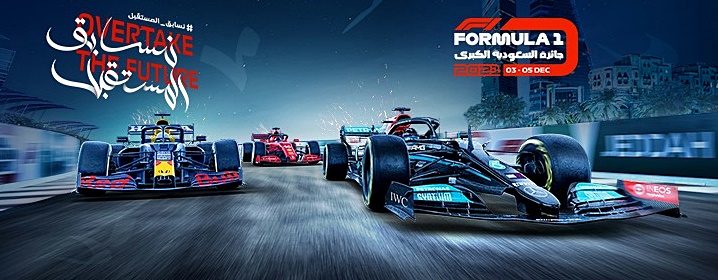
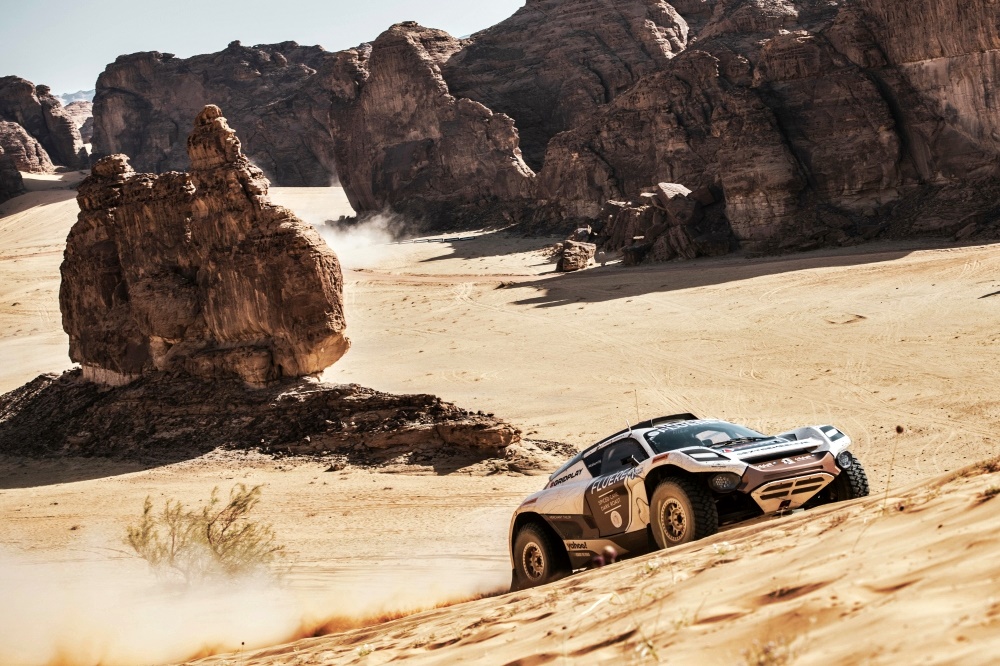
The country’s ‘Vision 2030’ is also bringing Saudi Arabia into the 21st century and its society is changing, eg women have been allowed to drive cars since 2018. As a result, it has attracted three major motorsports events to be run in the country to boost tourism. The Dakar Rally and Extreme E Desert X-Prix, which were run in the deserts for the first time in 2020 and 2021, respectively, and later this year, the first ever F1 race in the streets of Jeddah. All are significant events which will be widely publicized, and organisers have made deals to run them over a number of years.

The first round of the inaugural Extreme E electric off-road series was run in Saudi Arabia in April this year.

2022 Formula 1 calendar to have 23 races, with season-opener in Bahrain

Today’s videogames have superior realism that they can even be used for global racing championships which thousands participate in. Even the FIA, the world motorsport governing body, has recognised simulation videogames, terming them as ‘digital motorsports’.

One of the companies that has been constantly pushing the edge of the simulation envelope further has been Polyphony Digital Inc., developer of the Gran Turismo series for Playstation (PS) consoles since 1997. The series has been constantly improved in all respects, especially realism, and will start its seventh version in March 2022 for PS4 and PS5 consoles.

Official technical partner
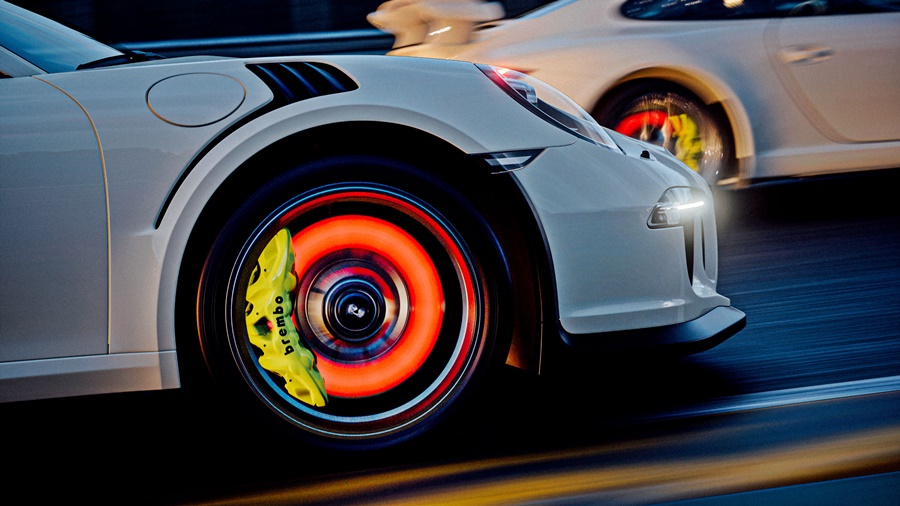
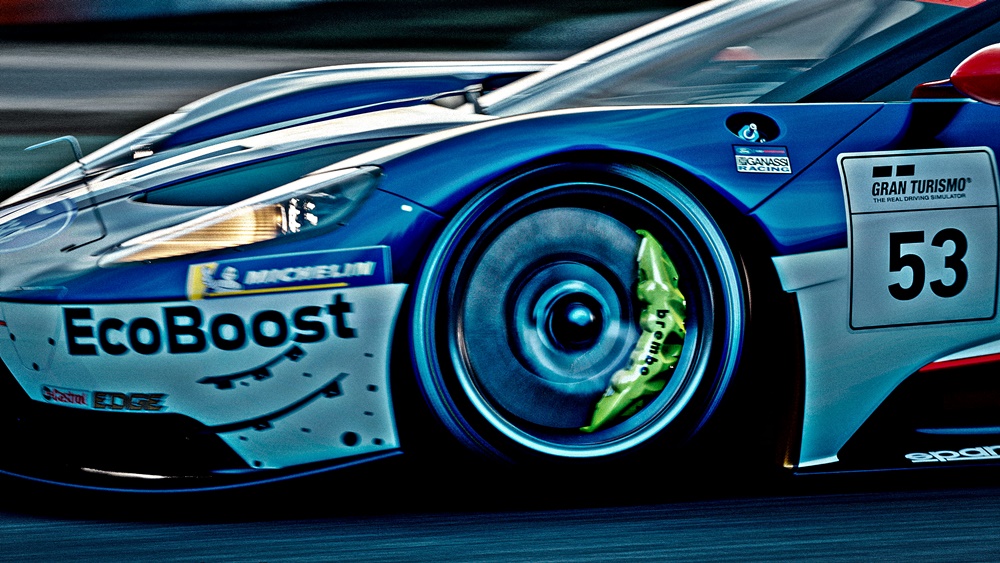
For Gran Turismo 7 (GT7), Polyphony Digital has chosen Brembo, a well known and leading designer and manufacturer of performance brake systems as an official technical partner. Brembo supplies brake systems to competition cars (including Formula 1) and motorcycles, as well as roadgoing cars.

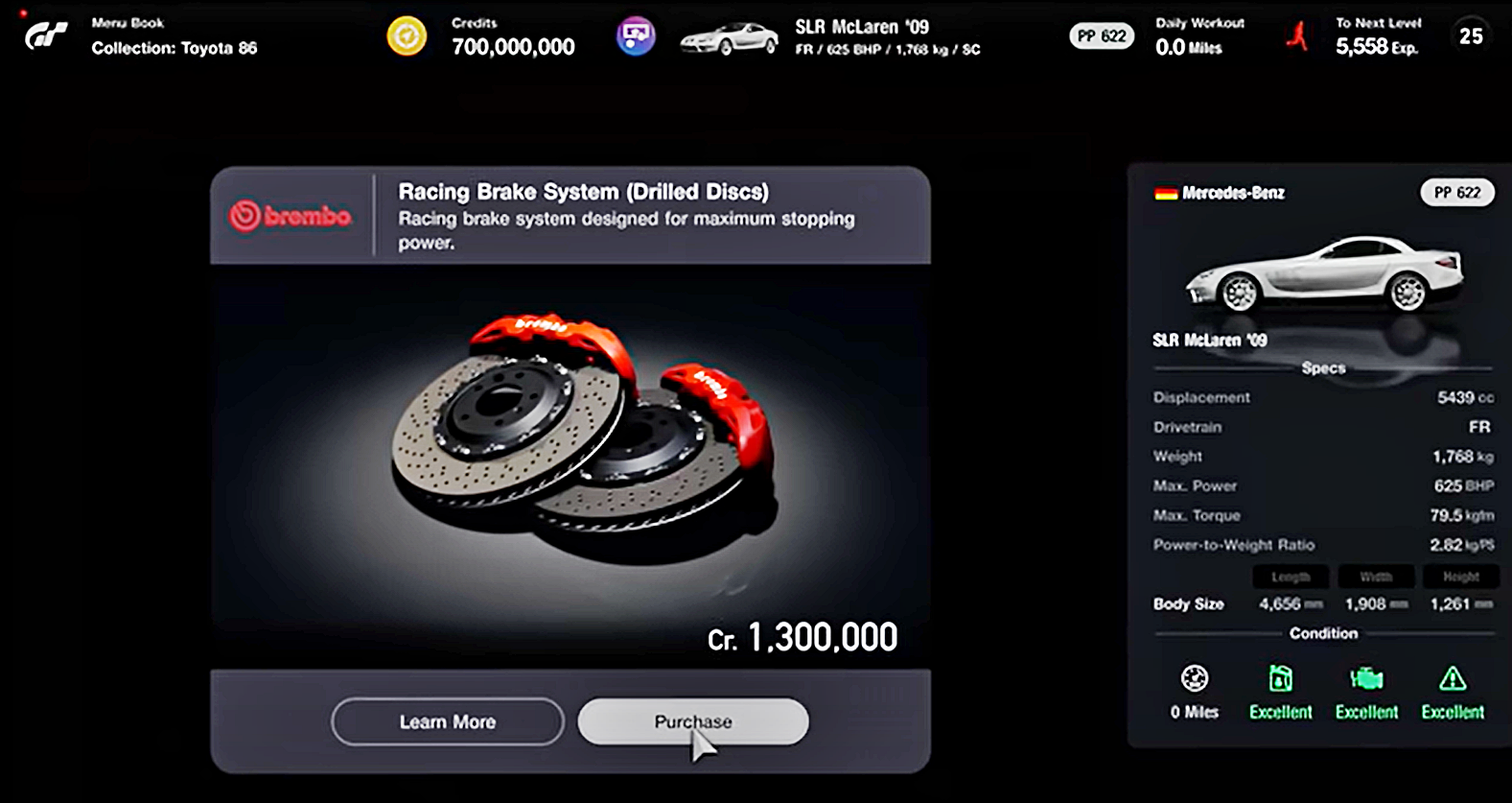
In GT7, Brembo will appear in the Tuning Shop of the videogame where its UPGRADE products will be available to players. Like a real-world workshop, this virtual shop is where they can upgrade the performance of their cars.

Upgrading with different brake systems
In this environment, gamers will be able to replace their original brake discs with those from the Sport range and, as they progress through the game, to upgrade their car with different Brembo brake systems. The choice will range up to the highest performing and most distinctive products for road cars, including Carbon Ceramic brake discs and GT|BM calipers, available in 8 different colours.

Now part of Gran Turismo
“We are particularly proud to deliver the uniqueness of Brembo brake systems to the Gran Turismo series. This iconic driving simulation video game franchise has built a strong community of millions of gamers around the world since its creation almost 25 years ago,” said Daniele Schillaci, Brembo’s Chief Executive Officer. “For Brembo, this partnership represents an extraordinary opportunity to reach out to the younger generations, which is in line with our vision, ‘Turning Energy into Inspiration’. From the asphalt of the track, the performance and design of our systems have now become part of the virtual world of Gran Turismo 7. Our ambition is to further enhance the gaming experience, just as the driving experience does in reality.”

Kazunori Yamauchi, President of Polyphony Digital Inc. and Producer of the Gran Turismo series, has personal admiration for the brand. “Even before we released our first Gran Turismo, Brembo was a hero brand to me,“ he said. “As a street racer back then, I had often struggled with the brakes fading. This was because most production cars at the time, excluding a very select few, were not equipped with brakes that matched the power and weight of the car. I always found Brembo to be reliable on the circuit and, as a result, always had a connection with the brand. So it’s a pleasure to announce this partnership between Gran Turismo and Brembo, a true high performance brand.”

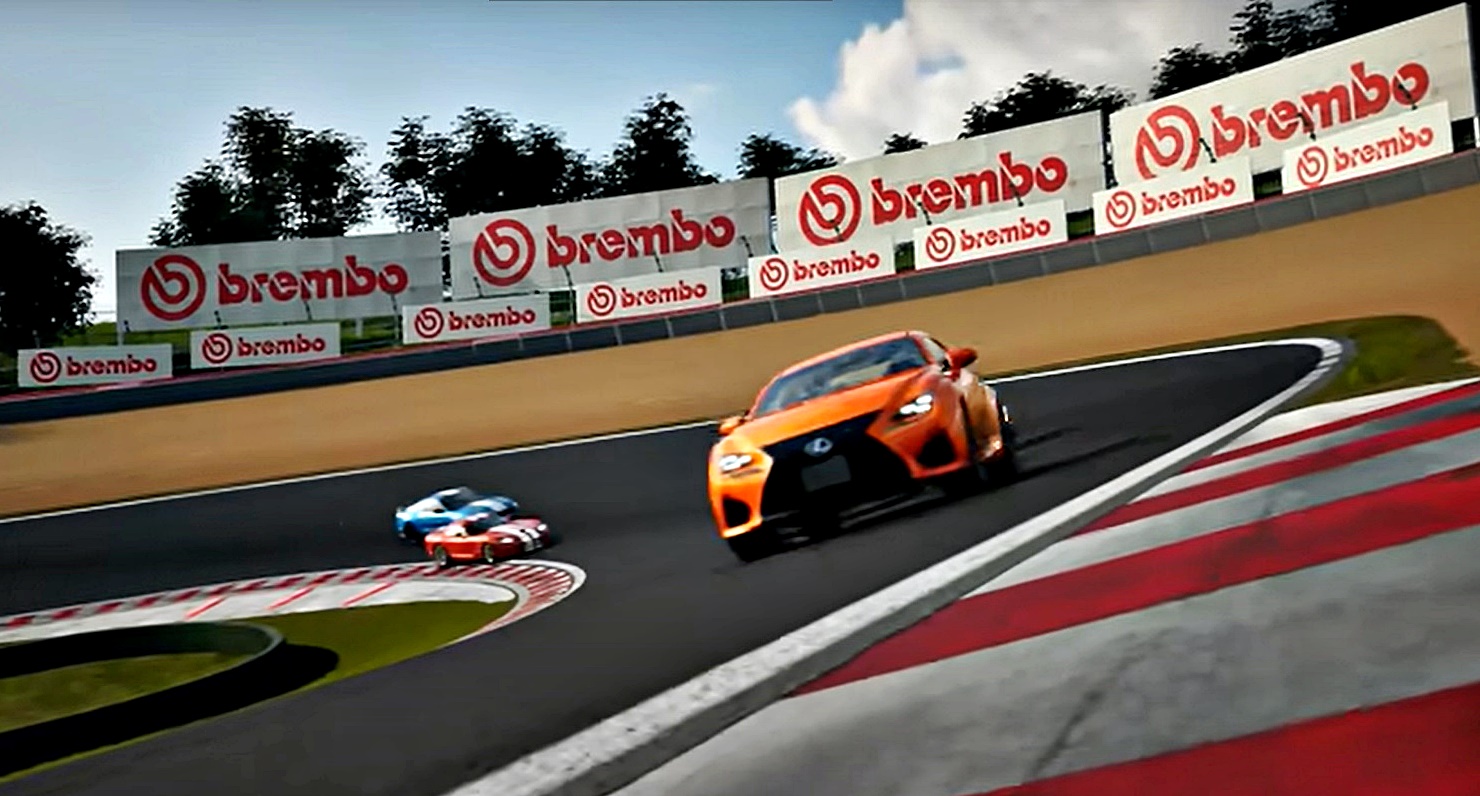
Brembo’s profile and values will be visible in the Gran Turismo 7 game’s Brand Central. The 60 years of the company’s history will be presented in the Brand Central Museum. In addition, Brembo will be visible with its branding on the tracks featured in the game as banners or billboards in the background.

Michelin is the Official Tyre Technology Partner for Gran Turismo

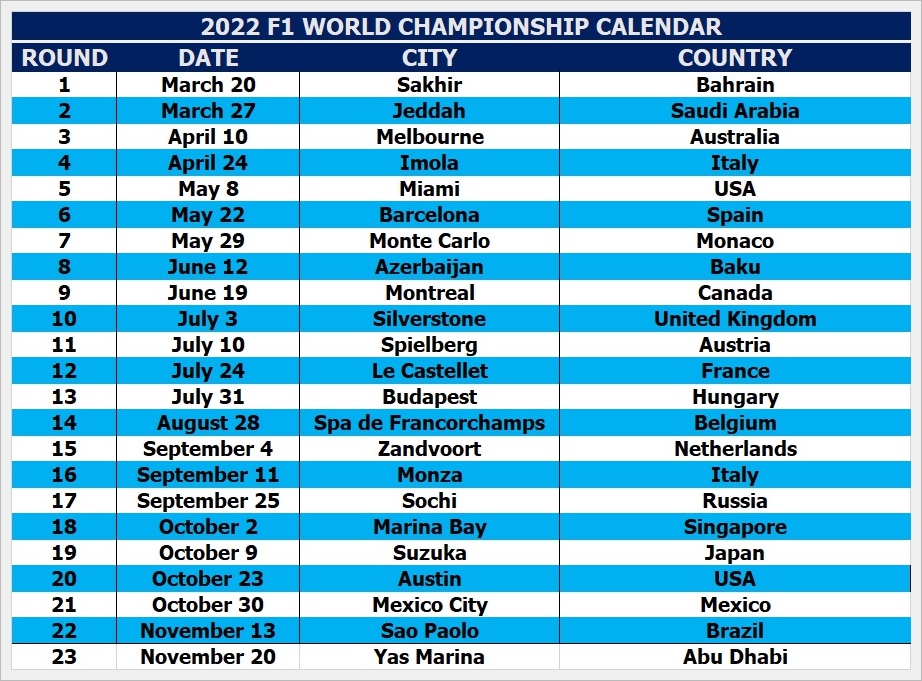
The Formula 1 organisation has released its calendar for next year and the 2022 Formula World Championship will have 23 rounds, one more than 2021. Perhaps to be on the safe side, the Australian GP is no longer the season-opener, as it was for many years. In 2020, the opening round in Melbourne was cancelled at the last moment as the pandemic worsened and there was hope that it could be held later in the year. But that didn’t happen and in 2021, the same thing happened and Bahrain had to quickly take over for the first round.

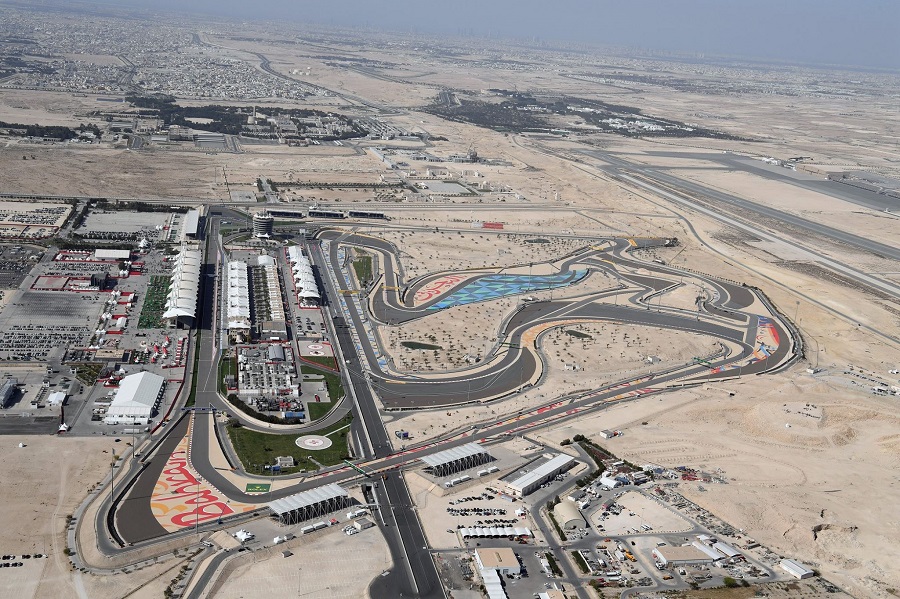
This year, the Middle Eastern venue is again the season-opener on March 20, along with Jeddah, Saudi Arabia hosting Round 2. It will be the second time for the Jeddah Street Circuit but at this time, little is known about it since the first race on it will only be towards the end of this year’s championship. It is likely to be a night race as it would be cooler, especially in March.

Bahrain Circuit
The Bahrain International Circuit at Sakhir where the 2022 championship will start.

Round 3 will be held in Australia, a rather long journey down under and then for Round 4, the teams will have to fly all the way to Florida in the USA where there will be the first ever F1 race in Miami. It will be one of two races to be held in America, the other being Round 20 in October in Texas. The Miami circuit will be new to everyone but the Circuit of The Americas in Austin, Texas, is a familiar one already.

After Miami in the early part of May, the teams will then return to Europe where there will be 3 rounds before crossing the Atlantic again for the Canadian Grand Prix in Montreal. Then it’s back to Europe for 8 rounds until September 25.

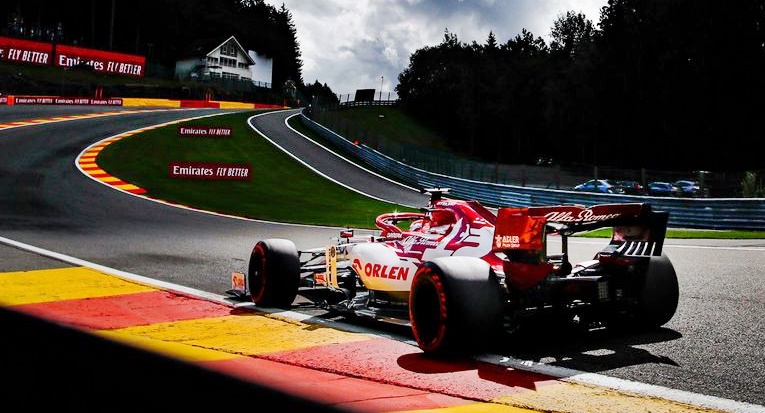
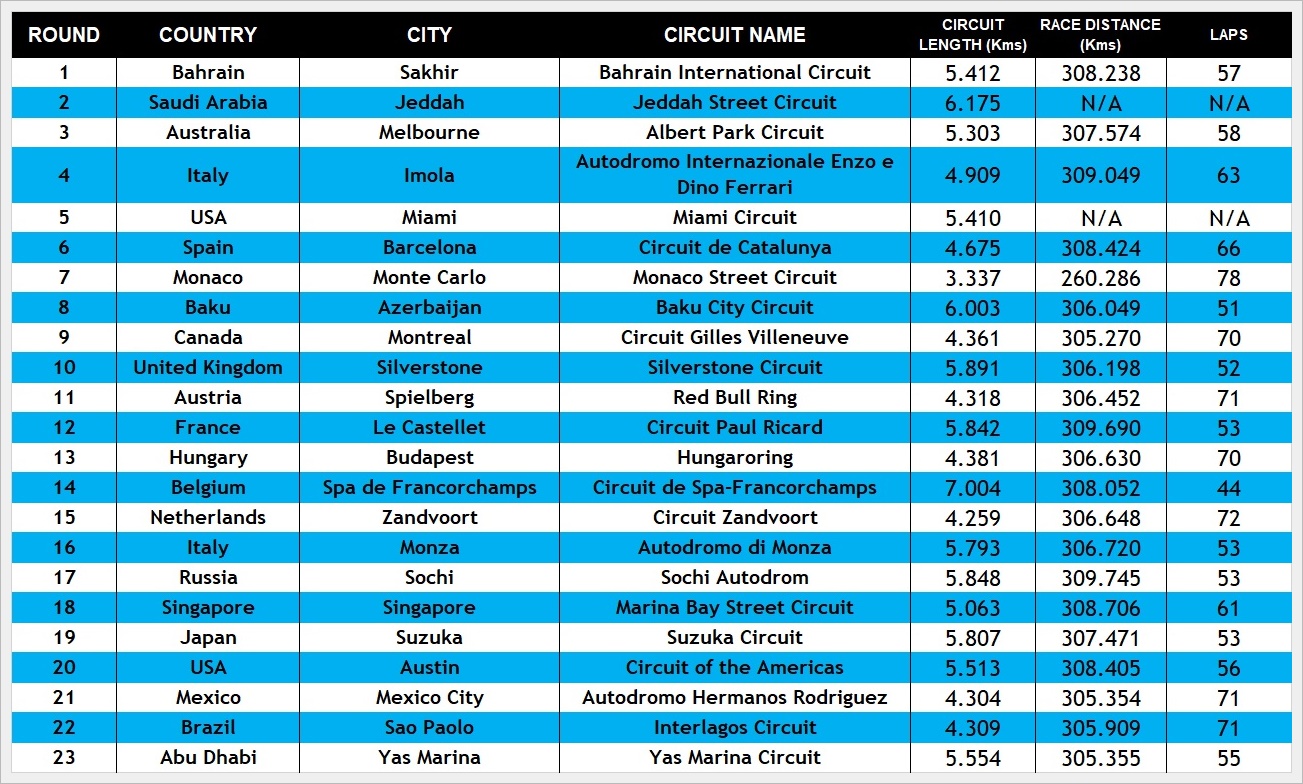
The Spa de Francorchamps Circuit for the Belgian Grand Prix is the longest one on the calendar, with each lap being 7 kms long.

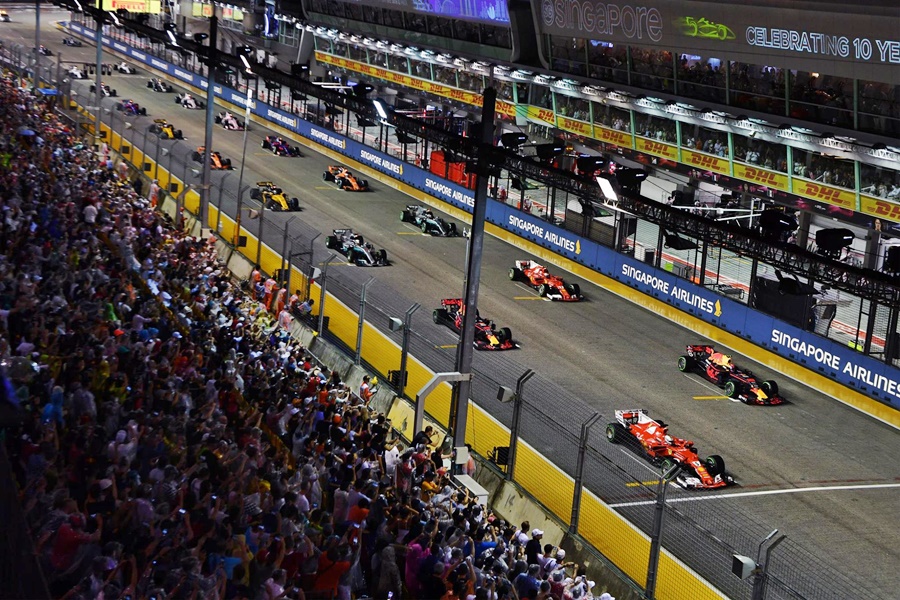
The only two rounds in the Far East are in Singapore and Japan during October. Both venues had cancelled in 2020 and 2021 due to the severity of their pandemic conditions that made it not only risky for the participants but would also have been troublesome logistically with long quarantine periods.

The Singapore GP – which was the first-ever F1 night race – is scheduled for October 2 next year. Hopefully, it will run and not have to be cancelled for the third time due to the pandemic.

After Japan (which hopefully will not be hit by a typhoon at the time), the next venue is in the western hemisphere 14 days later for the second race in America. While they are in the Americas, they will head south to Mexico City for Round 21 and then Sao Paolo’s well known Interlagos Circuit for Round 22. By then, it will be mid-November and the final round of 2022 will be at the Yas Marina Circuit in Abu Dhabi on November 20.

Hopefully, unlike the 2020 and 2021 seasons, the schedule as published can be retained and rounds do not have to be cancelled or postponed because certain countries introduce lockdowns again or tougher quarantine requirements. The COVID-19 pandemic seems to be diminishing and health authorities in many countries are hopeful that we will be able to have ‘normalcy’ in 2022, so motorsports and other activities can be held safely.

Is the Monaco Circuit the hardest on brakes in the F1 championship? (w/VIDEO)

Archive

Follow us on Facebook

Follow us on YouTube