
Piston.my

EV

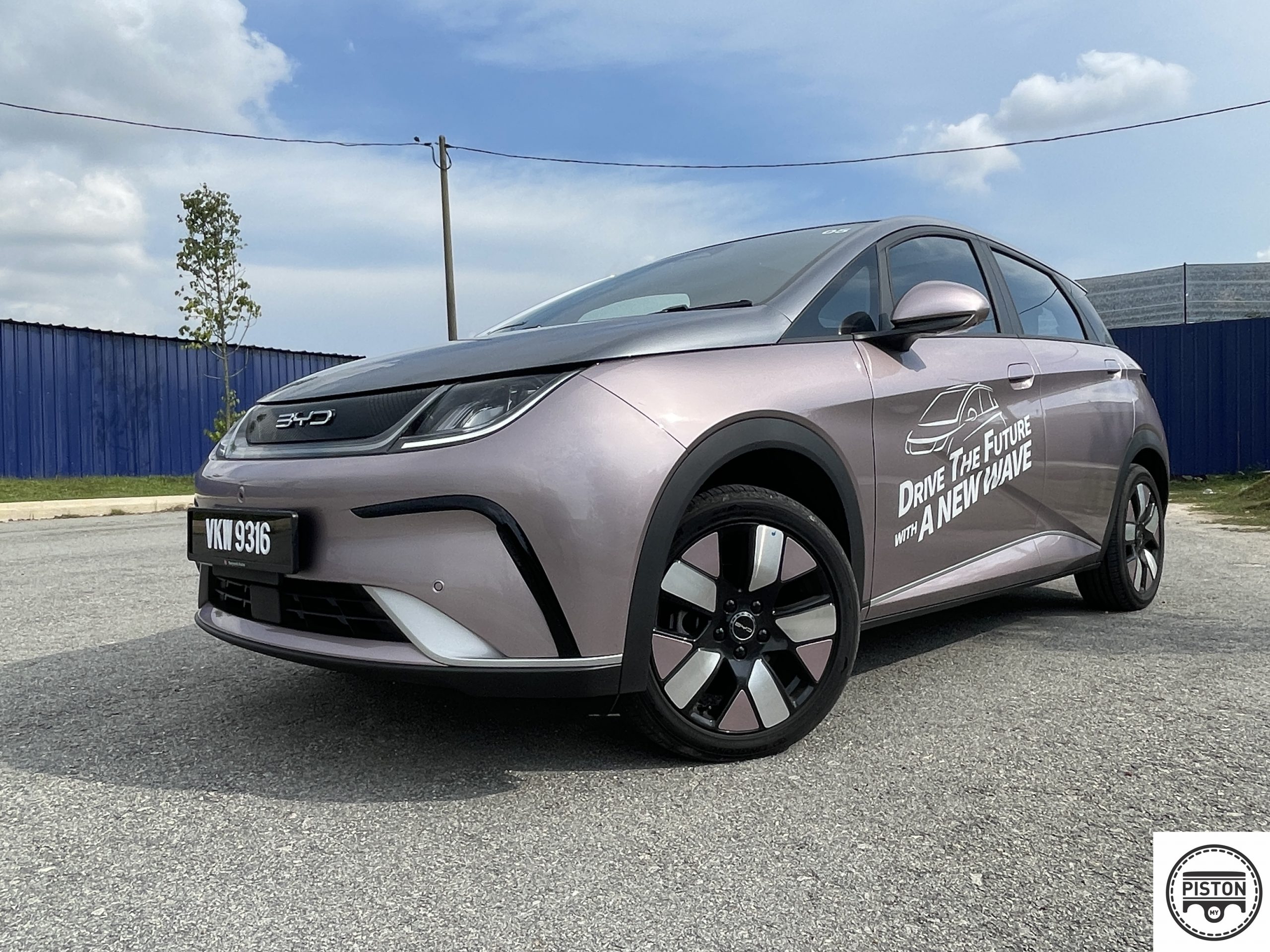
We recently got to take a second test drive in the Dolphin but from the perspective of someone who has only driven a handful of EVs. This time the drive was from Desa Park City to Elmina, roughly around 30km and with clear roads. However, our drive began at 3:30pm on a Friday, so there was no such thing as clear roads.
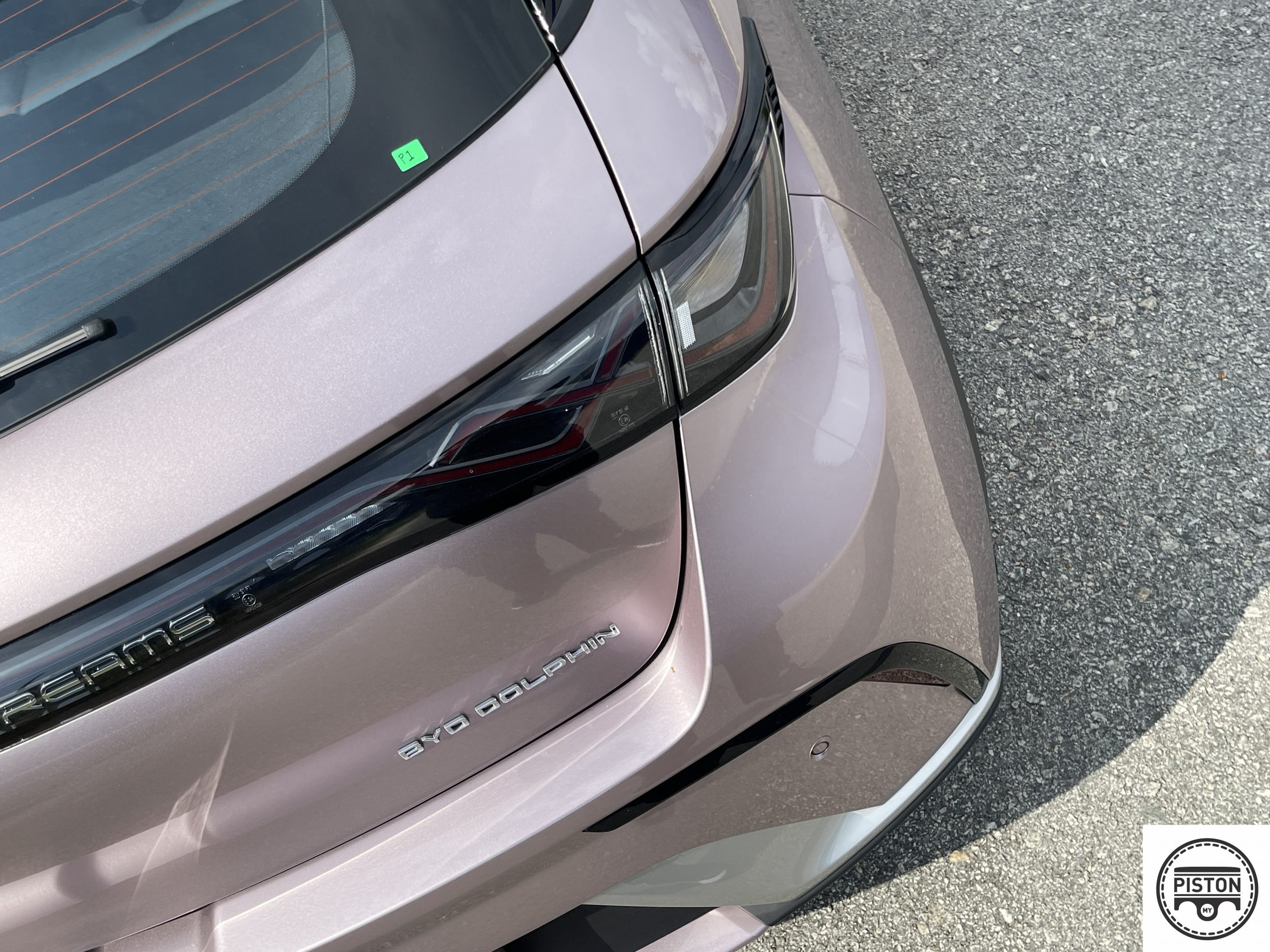
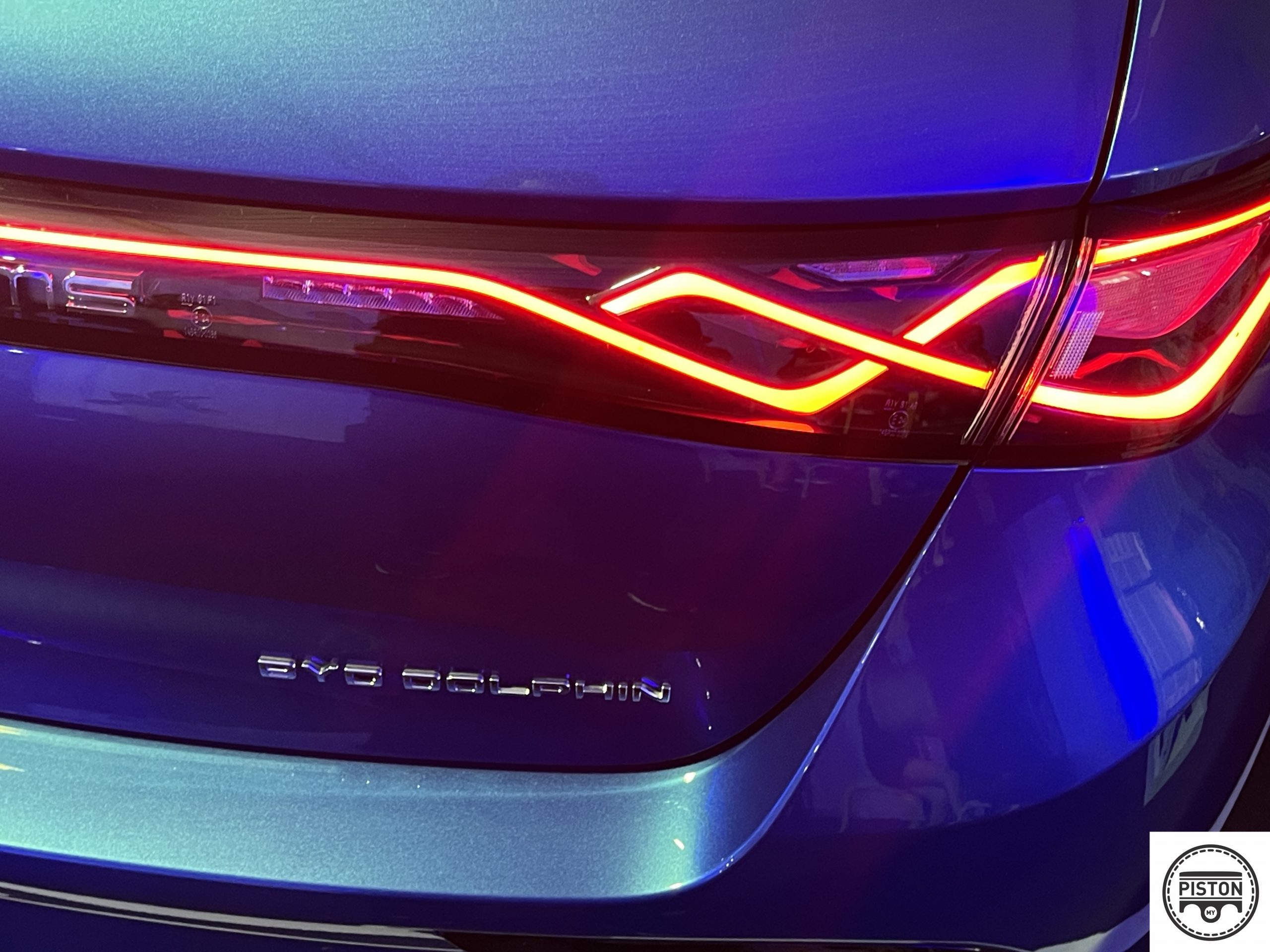
The one exterior feature that caught my eye is the design of the taillights. According to BYD, the inspiration for the design was taken from a Chinese lantern that has similar twirling lines. 
Another interesting feature is that, on the premium extended range, the rims come in three colours. You have your standard dual-tone silver and black, but in addition to that, a third colour (depending on the body colour of the car you choose) is applied. But on the standard range, you only get the dual-tone rims.

(more…)
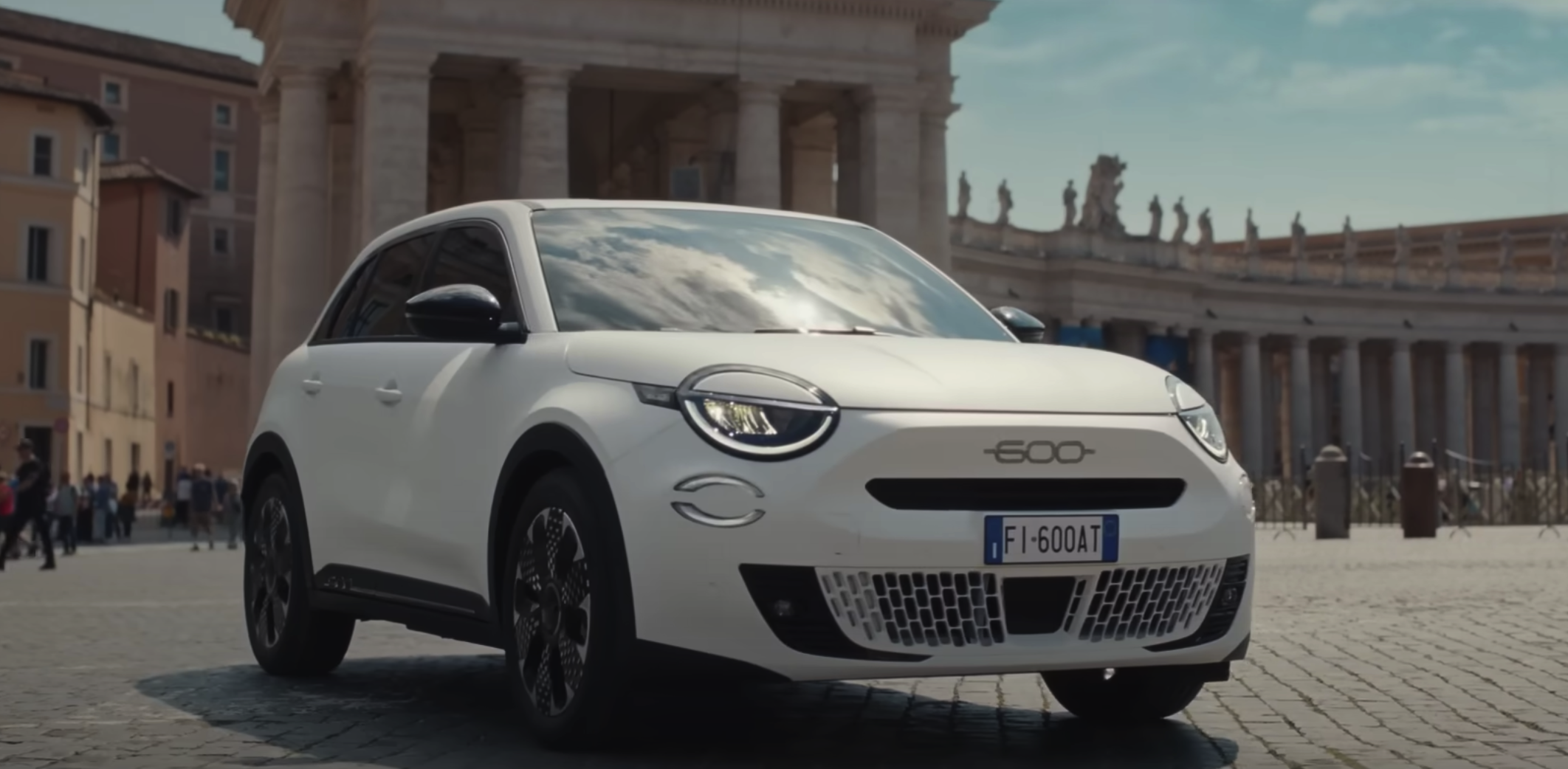
Fiat is getting ready to expand its lineup with a second all-electric car, and a recent video has given us our first clear look at it. The Fiat 600, which will be based on the Stellantis Group’s e-CMP2 platform and go on sale in 2024, will be an SUV alternative to the well-liked new 500 city car. The 600 has been teased for a while in a number of spy images, but the video uploaded to Fiat’s YouTube page allows us to finally get a more detailed view.

It showcases a compact, 5-door SUV with the newest Fiat design language, as seen on the 500, including, especially in the front and rear lights, that is about the size and shape of the old 500X. The Fiat 600 will gain from a customised electric platform, which could allow the new 600 to rival the 500L MPV in terms of interior capacity and functionality. The new Fiat will also be closely related to the brand-sister Jeep Avenger from the Stellantis Group.

(more…)

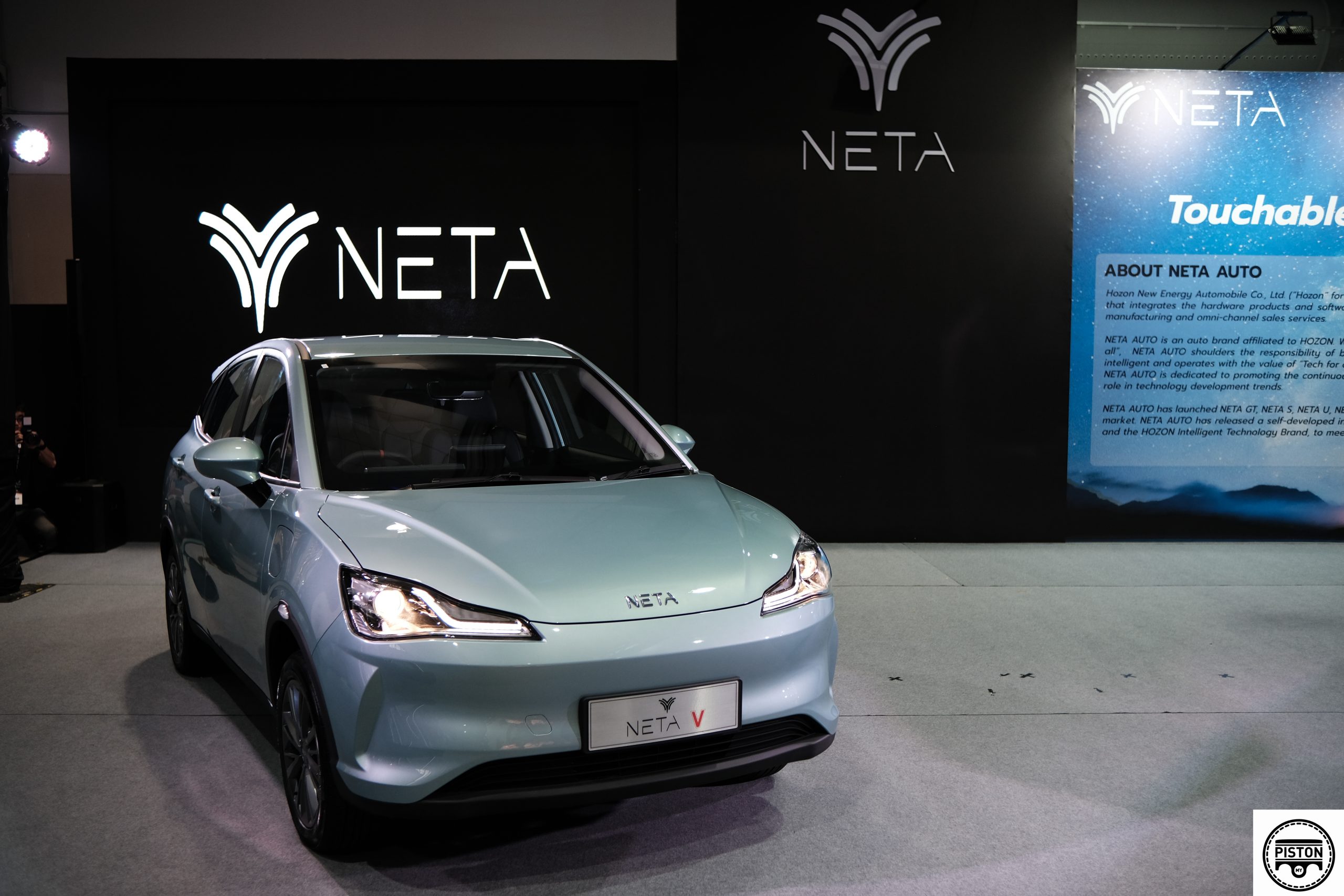
The Neta V, Smart EV, will be sold in Malaysia for RM99,800 on the road without insurance, according to Intro Synergy Sdn. Bhd, the company’s sole distributor in Malaysia. Yes, it’s currently the cheapest EV available in Malaysia.

Those who make bookings via Neta’s website will receive a cash voucher worth RM10,000. Yes, it just became cheaper. But this special package is only for the first 100 customers.

(more…)

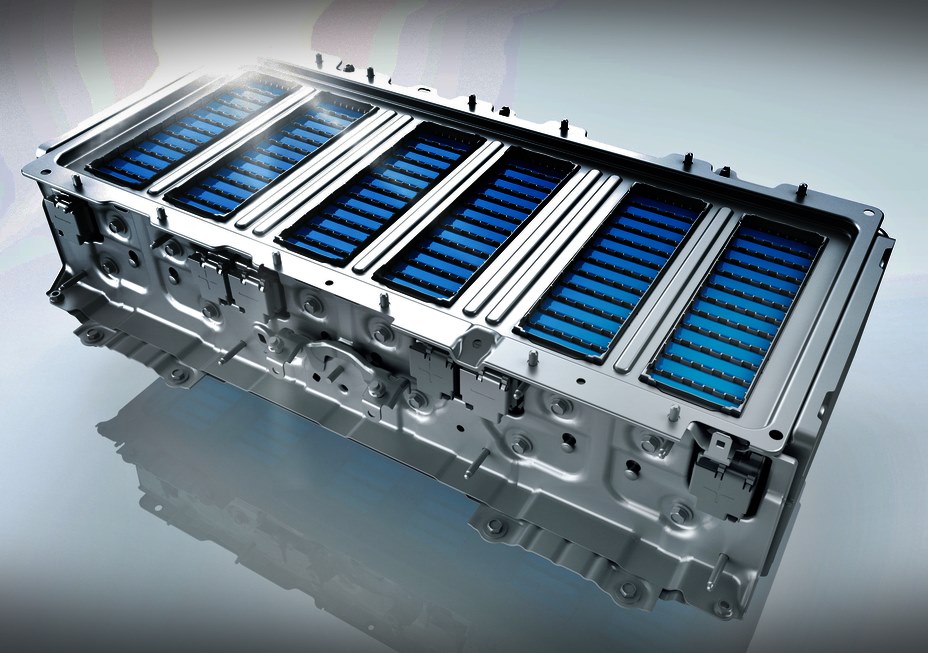
Being able to develop electric vehicles (EVs) is a vital expertise for carmakers as the industry speeds towards electrification of its products. However, just as vehicles with internal combustion engines are useless without liquid fuel, EVs will not run without electricity. The electricity can come from various sources – even the sun – but what’s more important is being able to store the energy.

That’s where batteries come in and currently, there is much focus on the development of batteries for EVs, with the technology advancing very quickly. As we have seen with the shortage of microprocessors disrupting vehicle production globally, a shortage of batteries would also mean EVs cannot leave the factory, even if the vehicle is completed.

For this reason, the major carmakers have looked for ways to secure supply of batteries for coming years as demand for EVs increases rapidly. The biggest companies have established their own subsidiaries to develop and manufacture batteries, setting up factories around the world to ensure that different regions are covered.

(more…)

With motor vehicles becoming more electrified, fire and rescue departments have had to take into consideration the new issues of high-voltage equipment in the vehicles. Unlike the 12V battery that has been in cars for decades – mainly to provide electricity to turn the starter motor – the electrical systems in electric vehicles (EVs) run from 200V to 800V.

If the vehicle is involved in an accident and cables are disconnected or damaged, there is a danger of electricity leakage onto the bodywork. For this reason, the new generation of hybrid rallycars have warning lights to alert rescuers and spectators of any electrical danger if the car crashes. Latest regulations even require the crew to have available Class-0 gloves carried capable of withstanding 1,000 volts.

(more…)

The Europeans never really liked SUVs because they were seen as big, heavy, consumed excessive fuel and were therefore not good for the environment. Pick-up trucks have been moderately tolerated but generally, they have preferred their small vans and stationwagons if they required something more utilitarian to carry stuff.

Of course, over the past 10 years, European carmakers themselves have also begun offering SUVs but they are more passenger car-like. They are compact and use passenger car platforms and drivetrains, so they are still largely cars with the looks of SUVs. And they are in great demand too…

(more…)

For decades, motorists had to insert a key in the door (or handle) of a car to unlock it for entry. During the 1980s, the key became unnecessary as central locking systems allowed for remote unlocking at the press of a button on a fob.

Then pressing on the fob became unnecessary as a sensor on the door handle could trigger the unlocking process (provided the fob was on the body of the person as an identifier). Today, many cars – even entry-level models from Perodua and Proton – have this convenience of locking and unlocking doors.

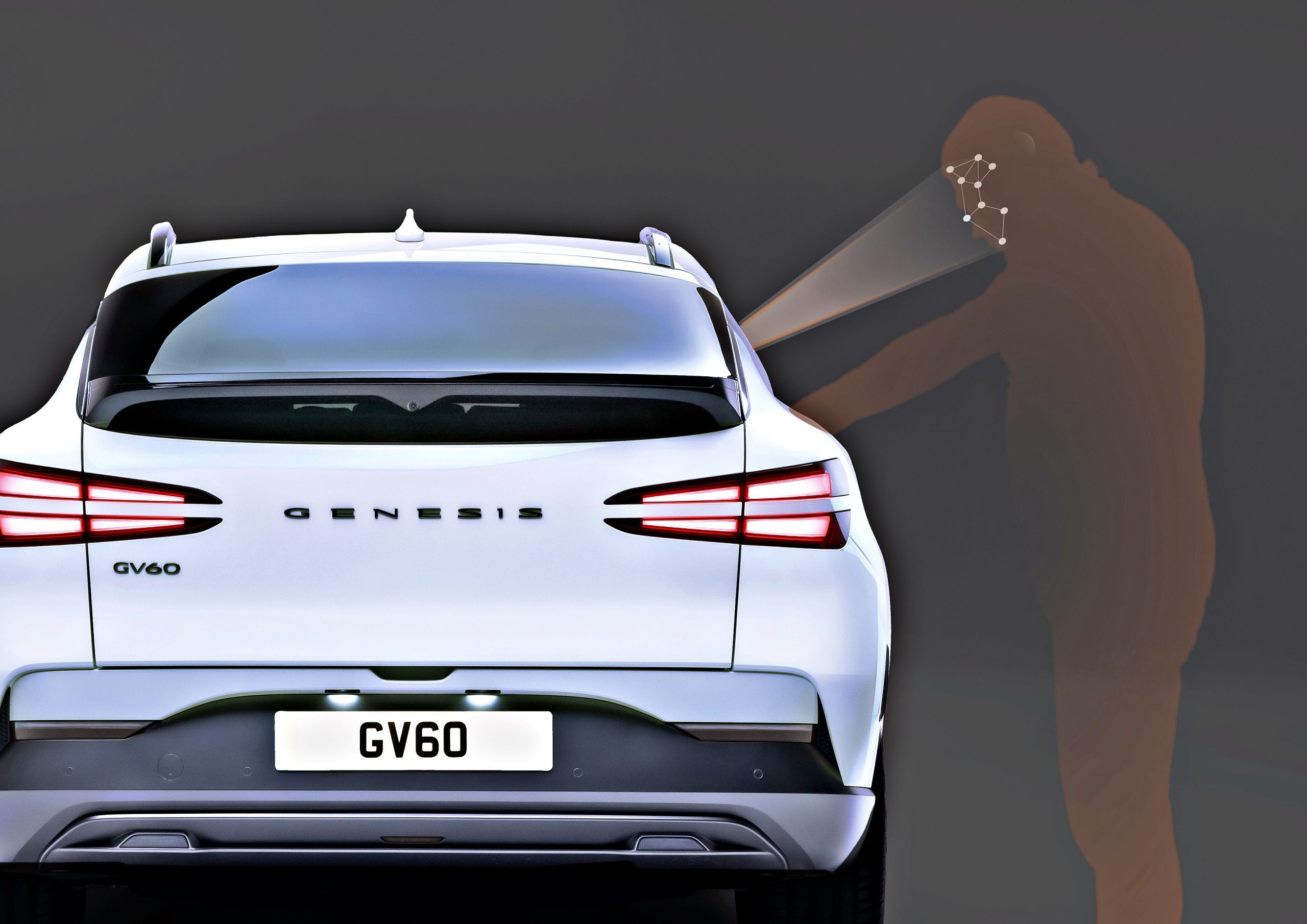
Though Japanese in origin, the auto industry practices kaizen or ‘constant improvement’ and constantly looks for better ways of doing things or making things better. So even the unlocking of a car door can continue to undergo innovation and Genesis has introduced an even more advanced way of doing it – facial recognition.

(more…)

While the global carmakers often talk of having a global network of design centres so that they can develop products better suited to the different markets around the world, it’s even better if there are designers who grew up in, live and work in the market a product is intended for. They would know best what customers want and needs that may be specific to local culture.

China, being the world’s largest car market, usually gets much attention from carmakers who want to sell as many cars as possible. In order to do so, the cars must be designed to suit local tastes closely. For example, some manufacturers understood that Chinese customers like longer cars and were willing to build long wheelbase variants just for the market.

(more…)

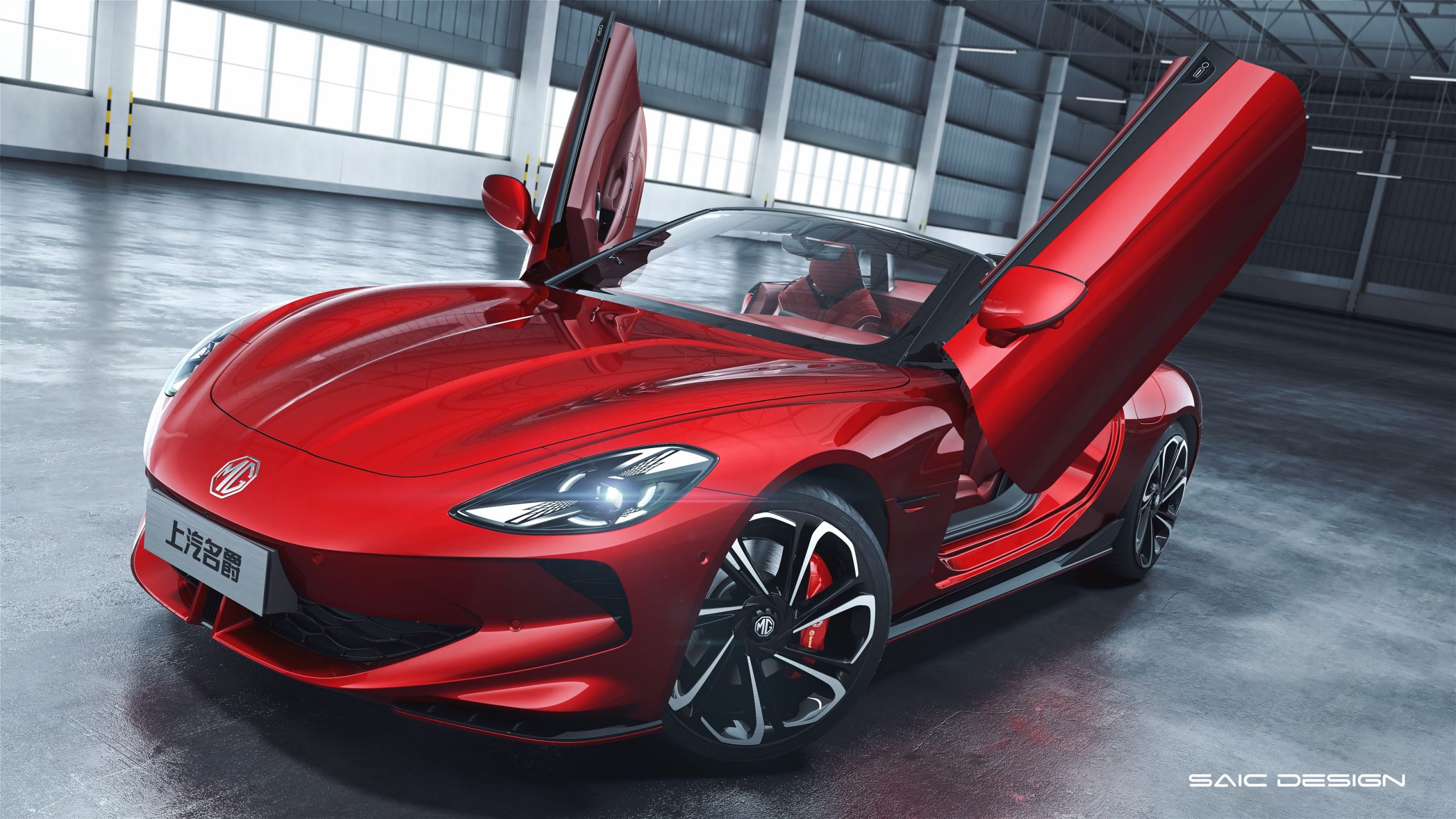
MG may sound like an old name and most Malaysians who do know of the brand might only have those old British sportscars in their minds. The MG brand is also no longer owned by a British company but by China’s SAIC since 2007.

The MG brand has actually been doing quite well in some markets and is sold in Thailand. It was supposed to come into Malaysia at one time but that has not happened yet. Perhaps we’ll see it soon with the wave of brands from China starting to sweep in.

MG’s modern products have been mainstream models but it is starting a new chapter with a high-performance electric sportscar. This is the Cyberster, just unveiled at Auto Shanghai in production form after the concept model was first shown two years ago at the same event.

(more…)

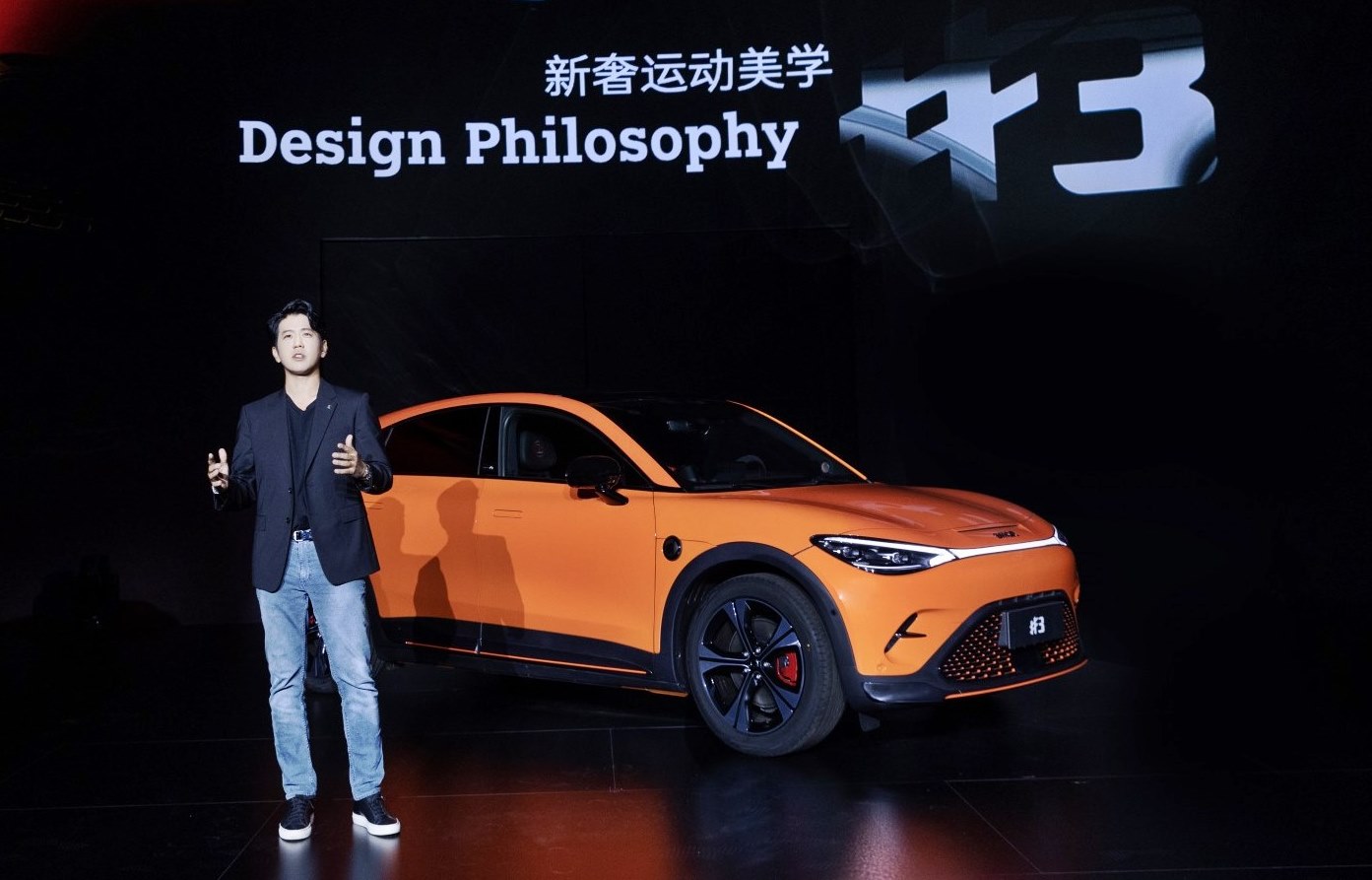
Malaysia will be among the first Asian markets (outside China) to get the smart #1 later in the year when PRO-NET starts selling it. The #1 is just the first of a range of models from smart – a joint venture between Mercedes-Benz and Geely. Next in line will be the #3 which has been presented for the first time at Auto Shanghai 2023 today.

Where the #1 is a SUV, the #3 is a SUV coupe, a sleeker derivative for those who prefer a sportier image. Mercedes-Benz Design has the responsibility for the exterior and interior of the smart models, while Geely provides the Sustainable Experience Architecture (SEA) modular platform engineered specifically for EVs.

(more…)

Archive

Follow us on Facebook

Follow us on YouTube