Piston.my

EV

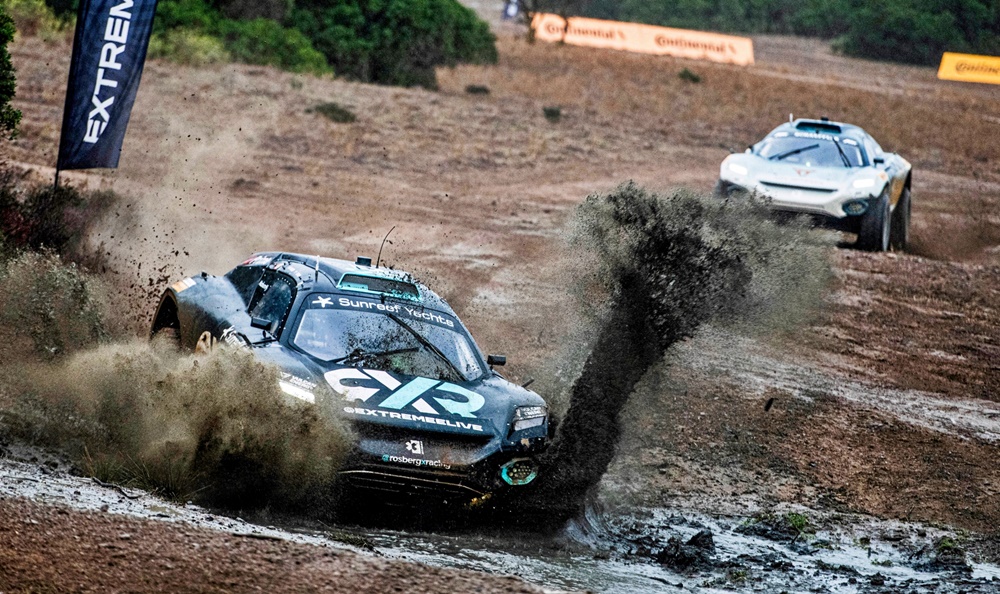
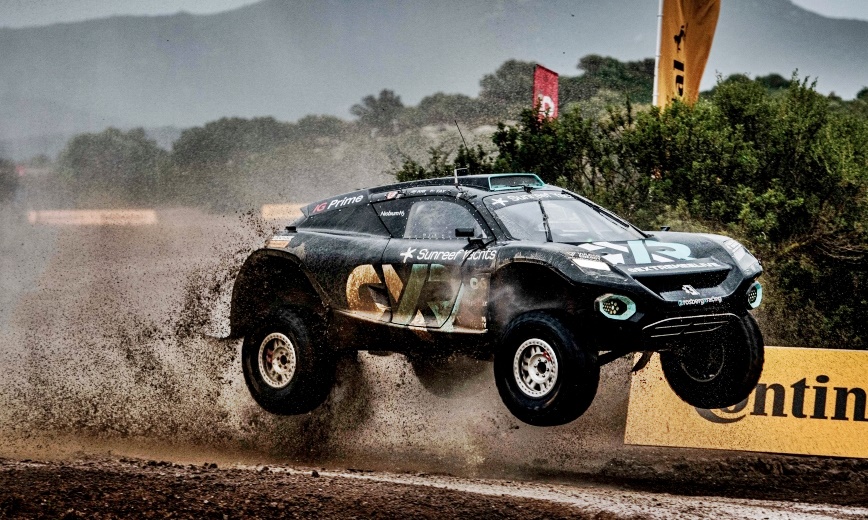
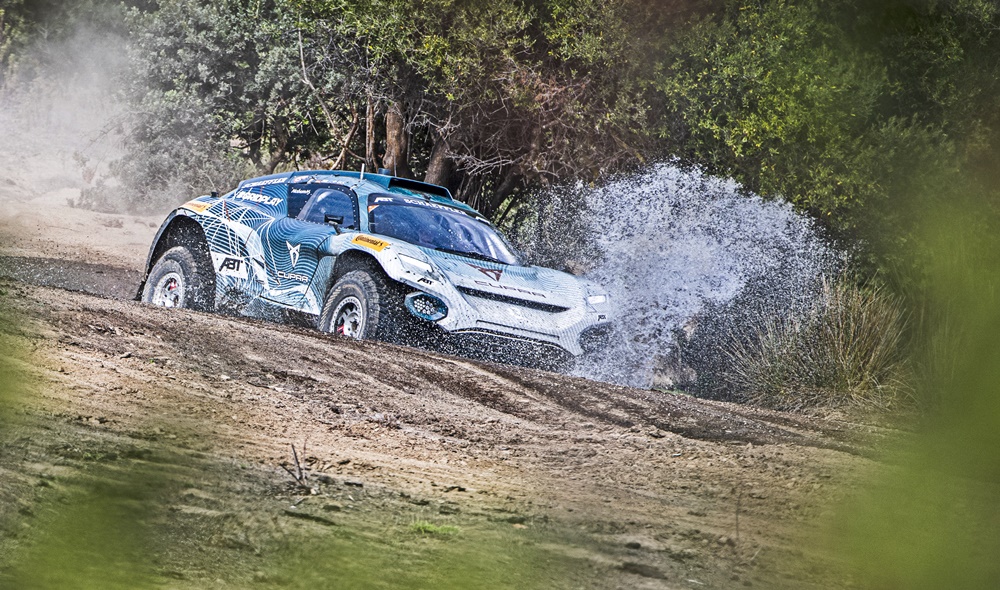
On the same weekend that Formula 1 was having its 17th round of 2021 in Texas and the 2nd round of Vios Challenge Season 4 was being run in Malaysia, the fourth round of the Extreme E series took place in Sardinia, an island adjacent to Italy. Unlike the cars in the other two events, those in Extreme E do not consume any petrol or diesel and emit virtually zero toxic emissions. They are fully electric SUVs and the series is all-new, with a focus on environmental issues as well.

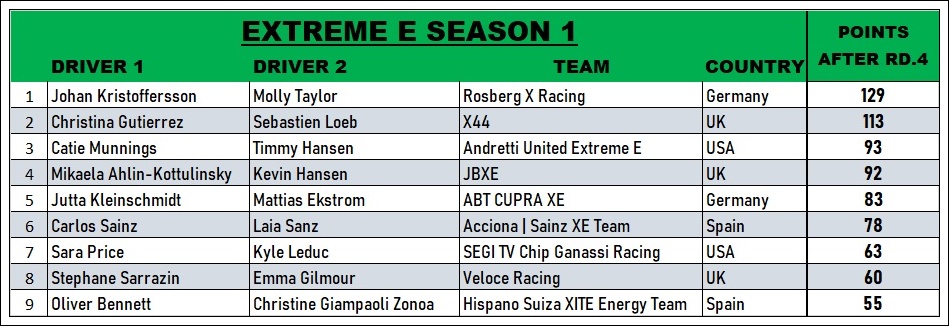
The round in Sardinia –  called the Enel X Island X Prix – was won by Rosberg X Racing (RXR), which made it 3 wins from 4 rounds. This puts the team, owned and managed by former F1 World Champion Nico Rosberg, in a commanding championship lead.

“It was pretty slippery out there, so it was a bit difficult to judge at first. From that point, it was just trying to manage the risk and I think that is what we did really well. Johan brought it home and again it was just an amazing effort by all of the team. We had a very challenging weekend from our side, but we never gave up and are very happy to be the winners here,” said RXR’s Molly Taylor, who was partnered with Johan Kristoffersson.
Extreme E Rd 4

Consistent in changing conditions
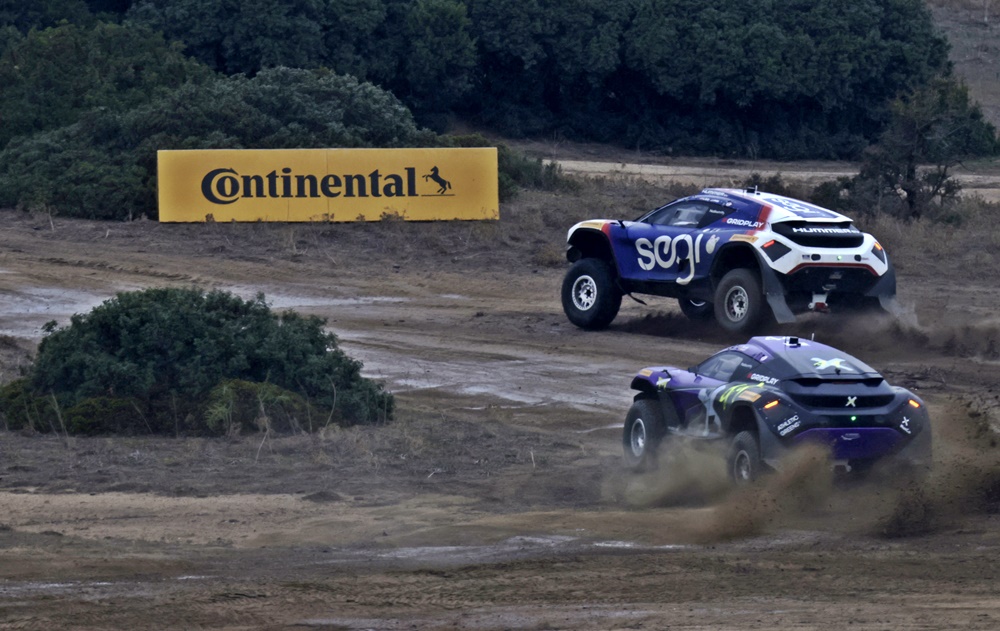
The RXR drivers remained consistent in changing conditions to seal a dramatic victory ahead of ABT CUPRA XE, who secured their best result of the season in second. It was heartbreak, though, for long-time leaders in the Final – SEGI TV Chip Ganassi Racing – after Sara Price’s crash on Lap 2 caused terminal damage and meant she had to stop on track, ensuring the team could only finish as high as fourth on their Finals debut.

That moved JBXE into their third podium finish in succession with third place despite also suffering damage out on the course. Bad luck once again befell X44, the fastest qualifiers, in the final as Sebastien Loeb was forced to stop out on track and retire with broken steering. Loeb was running in second behind SEGI TV’s Kyle LeDuc despite driving with a slow puncture at the time of the stoppage, which meant the team now fall even further behind winners and championship leaders RXR in the standings.
Extreme E Rd 4

Extreme E Rd 4

Wet Final, new challenges
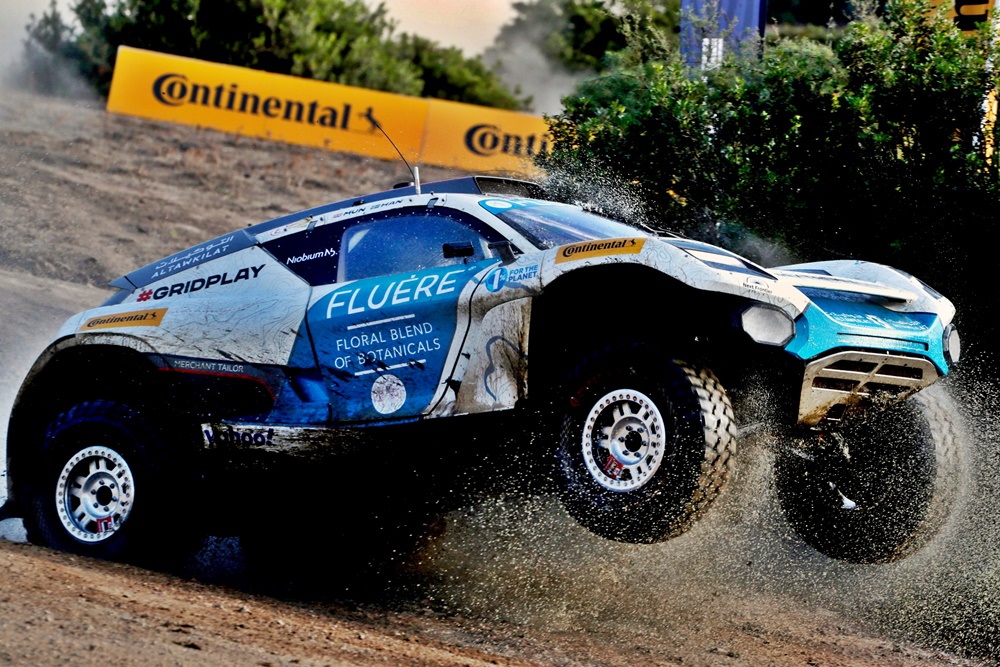
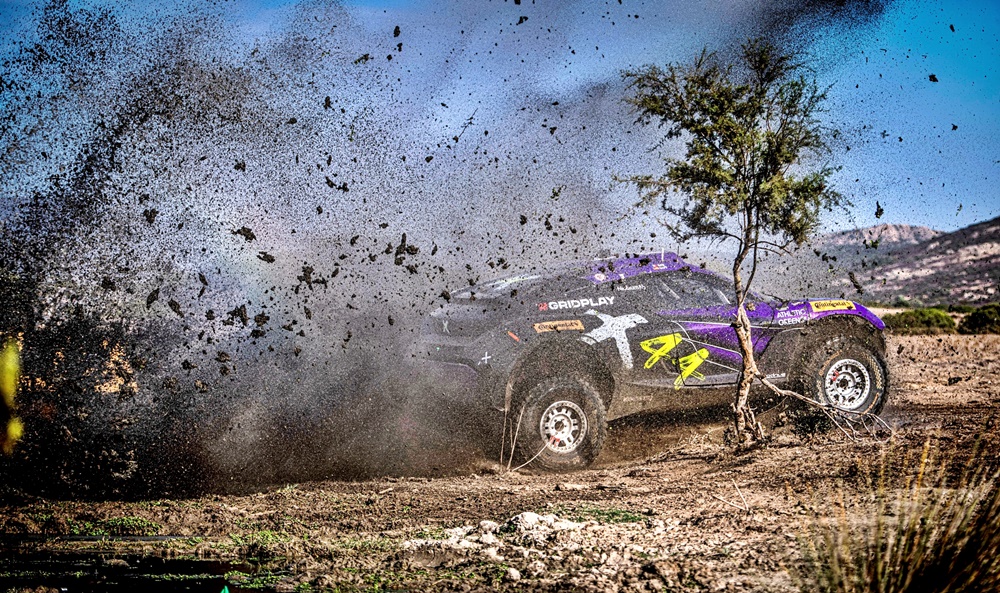
A heavy downpour prior to lights out made for the first ‘wet’ Final of the Extreme E season, providing the 5 finalists with a new challenge to overcome in their bid for victory. X44 was able to take their place in the Final despite suffering heavy damage in the opening Semi-Final of the day. In a sign of the unique camaraderie demonstrated across the Extreme E paddock, X44’s efforts to rebuild their damaged car were boosted by the support of mechanics and engineering teams from the Andretti United Extreme E team. The joint efforts ensure that their ODYSSEY 21 e-SUV WAS ready in time for the Enel X Island X Prix showpiece.

In treacherous conditions, 4 of the 5 teams were able to get off the start line cleanly, although ABT CUPRA XE were left with plenty of work to do after Jutta Kleinschmidt stalled on the grid. It looked like X44 had staged a remarkable comeback to lead into the first corner, but were beaten spectacularly by LeDuc who managed to get in front after using the alternate route.

A spin for Mikaela Ahlin-Kottulinsky put JBXE at the back of the field, while the slow-starting Kleinschmidt quickly made up ground on RXR’s Taylor to battle for third. This soon became a 3-way tussle for second as Loeb began to lose pace as he struggled with a slow puncture, allowing LeDuc to build an impressive lead out in front.
Extreme E Rd 4

Extreme E Rd 4

After Loeb was forced to retire with broken steering, Taylor and Kleinschmidt remained nose-to-tail in their battle for second as they headed towards the Driver Switch zone. As LeDuc exited his car in the zone following a superb opening lap, it appeared the so-far luckless team was about to complete a heroic turnaround and bring home their first Extreme E win. However, they were cruelly denied as Price suffered terminal damage to her car after making contact with a rock out on the course, which ruled them out of contention for victory and meant they could only finish as high as fourth.

This left RXR’s Kristoffersson in the lead and chased by Mattias Ekstrom, who continued on at great speed despite driving without his left-hand door throughout the lap! The ABT CUPRA XE driver was no match for Kristoffersson, though, who kept up the pressure to extend his lead and take RXR’s third win of the campaign and put his team as the firm favourites for championship glory at the final of the season in the in December.
CUPRA Tavascan Extreme E Concept shows next evolution of e-SUV

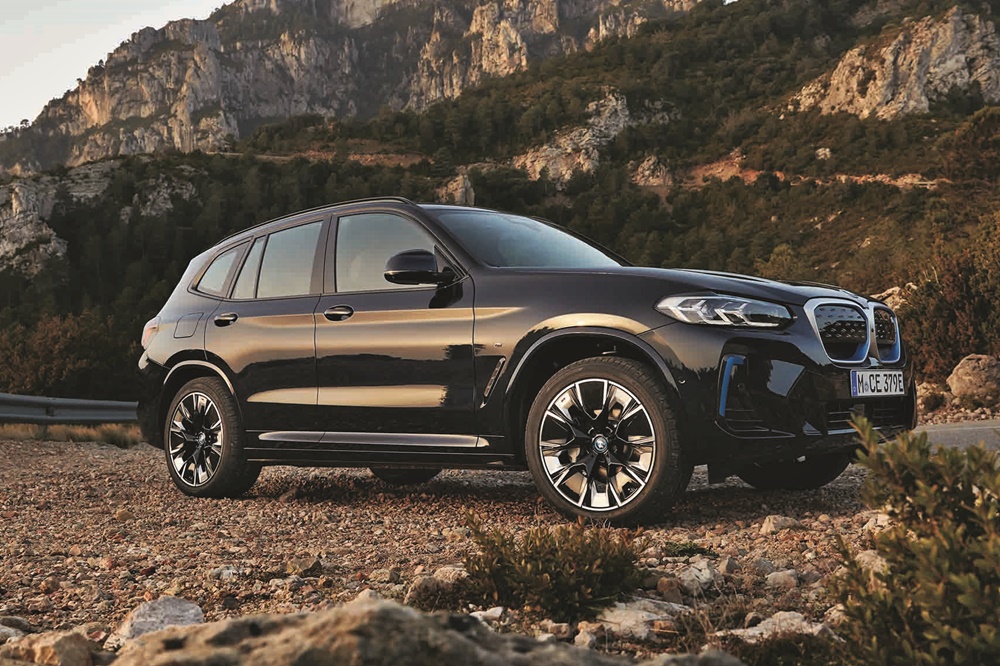
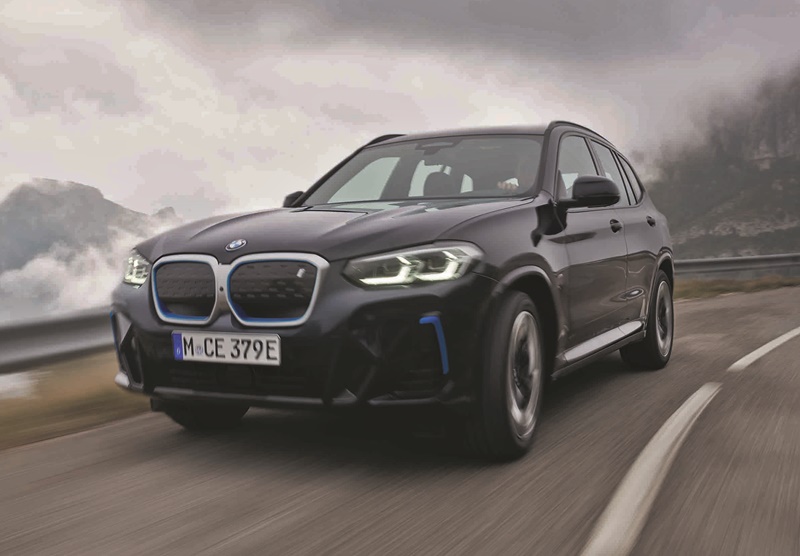
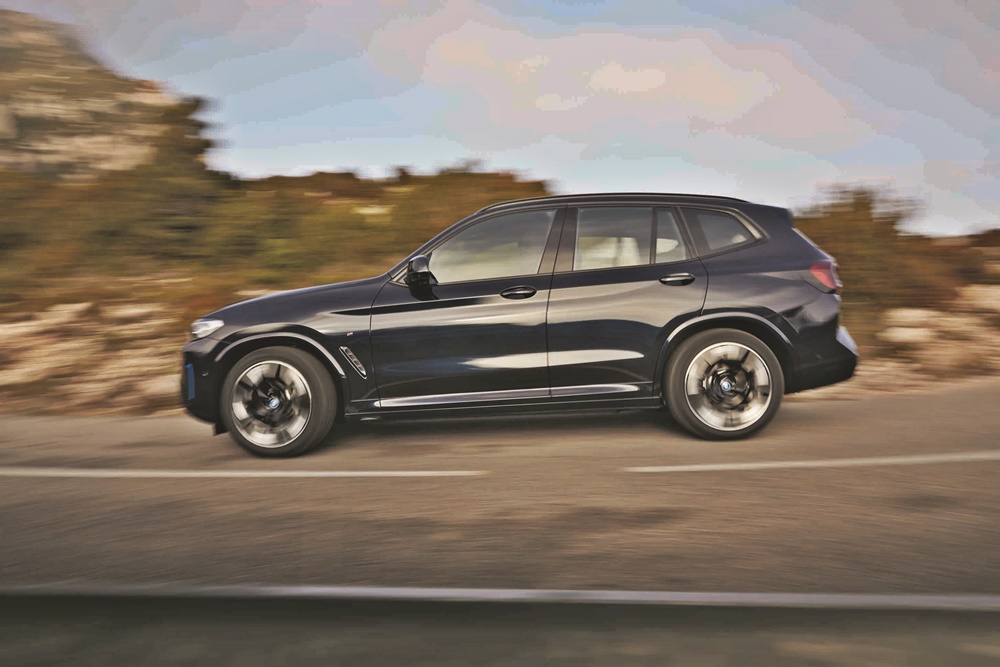
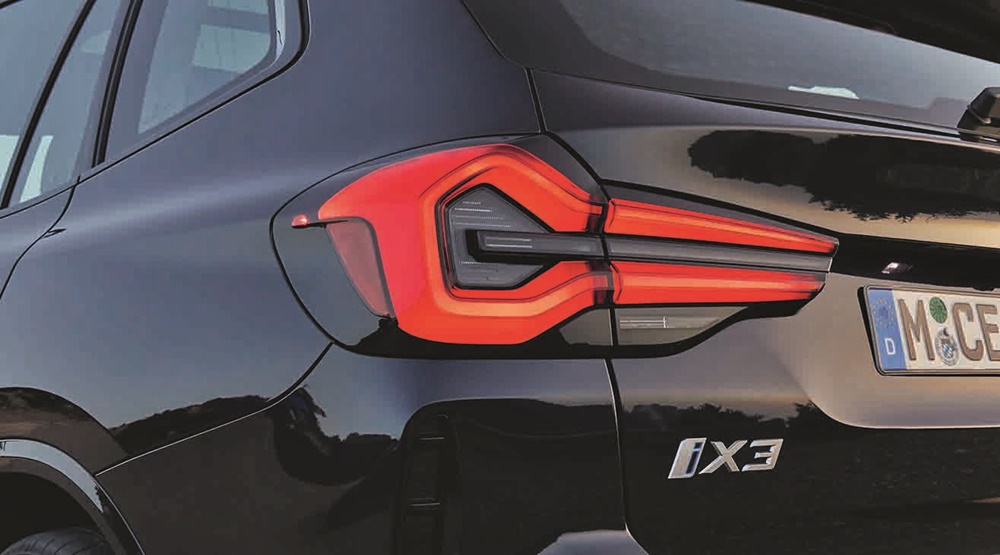
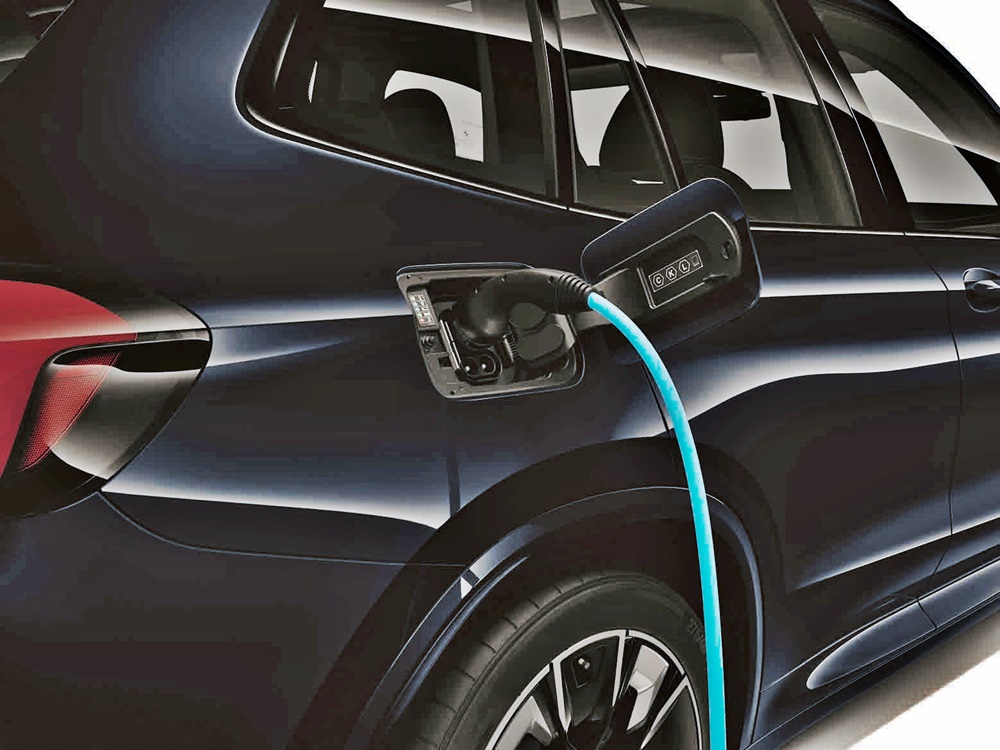
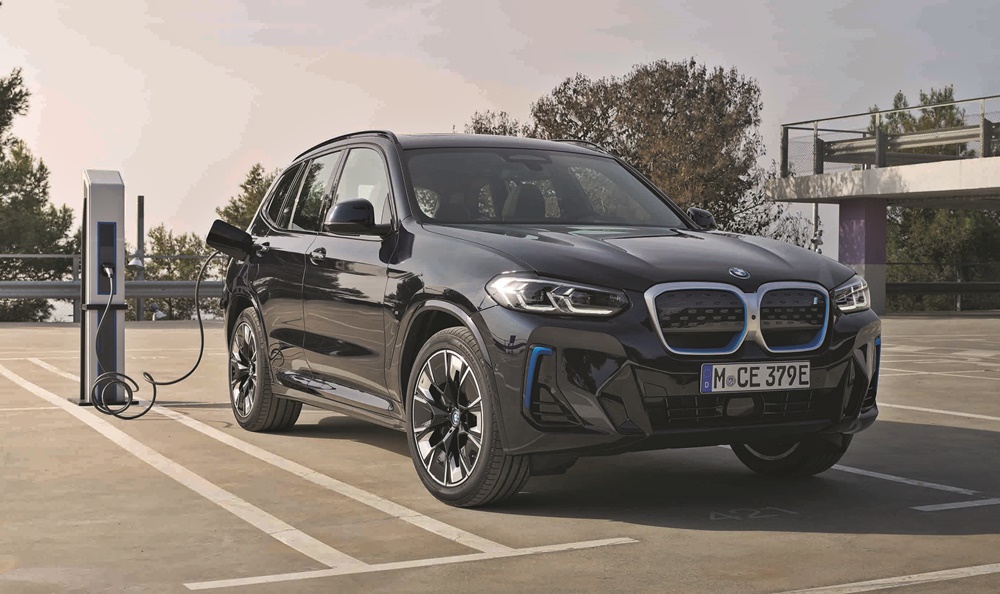
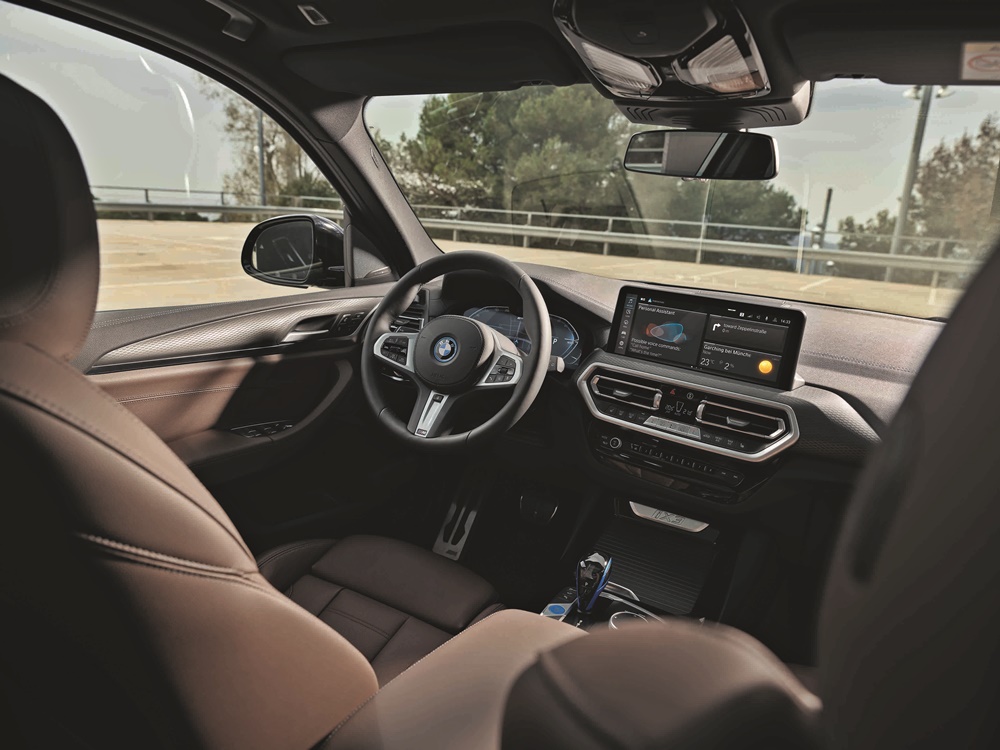
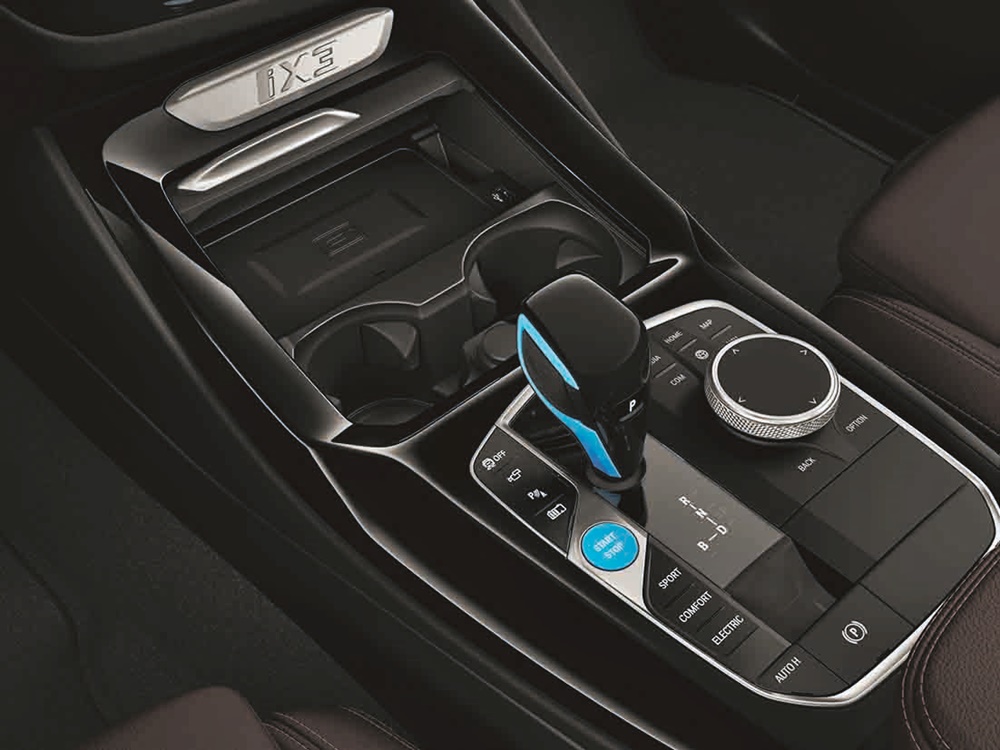
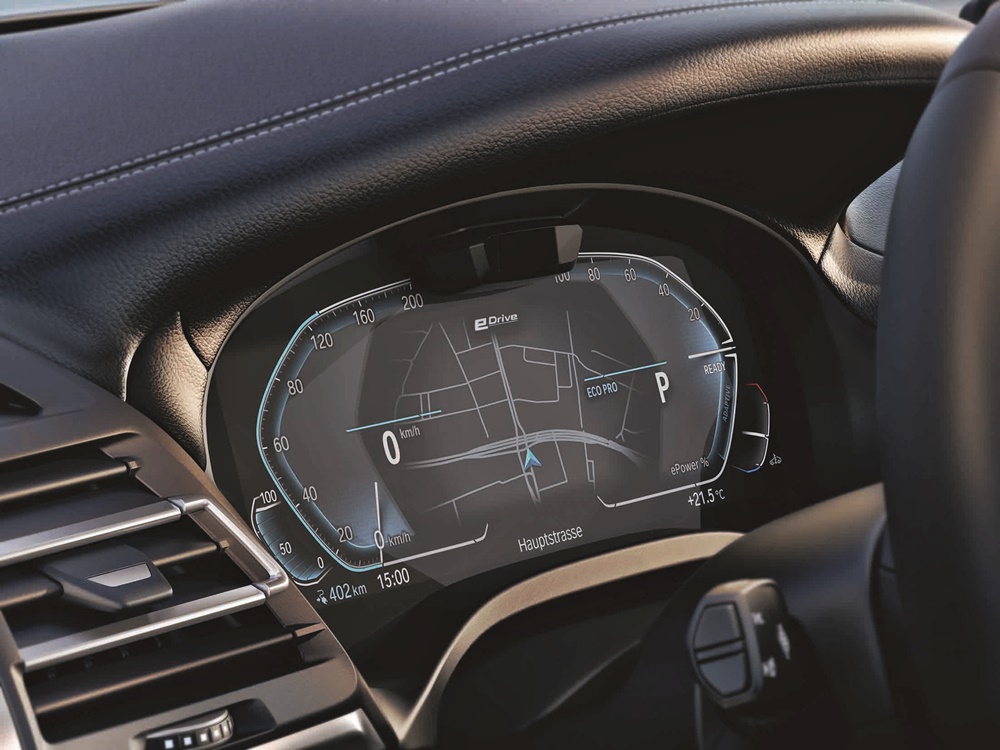
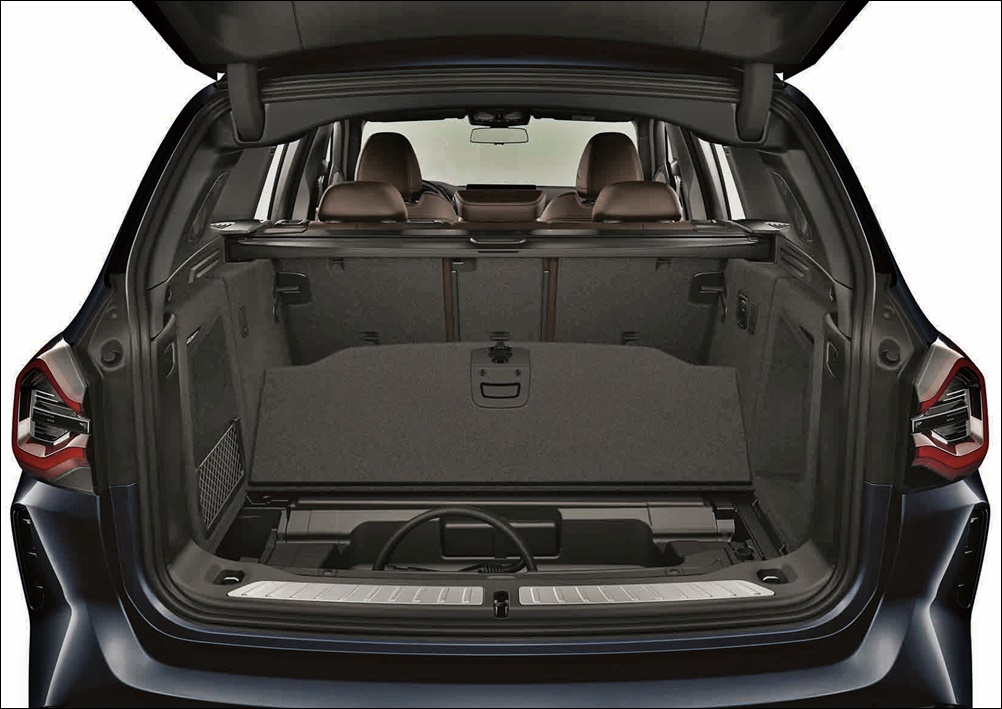
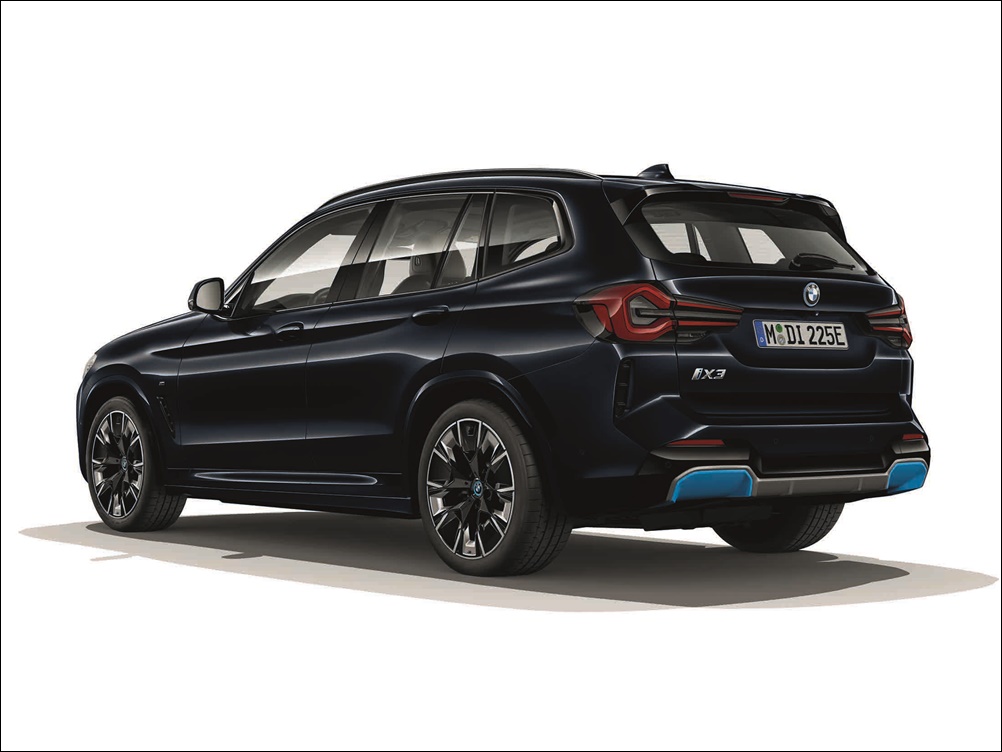
Following the launch of the new BMW iX in Malaysia two months ago, BMW Malaysia today announced the addition of the iX3. The iX3 is available in two versions with rather interesting names – Inspiring and Impressive – with pricing starting from at RM335,800 and RM354,800, respectively, without insurance. The prices include BMW Service & Repair Inclusive – a 5-year Extended Warranty and 6-year service package – as well as the Power Package which comes with the BMW i Wallbox and BMW Standard Charging Cable. Like the iX, the iX3 can be booked now but deliveries will only start in 2022.

2022 BMW iX3 EV

2022 BMW iX3 EV

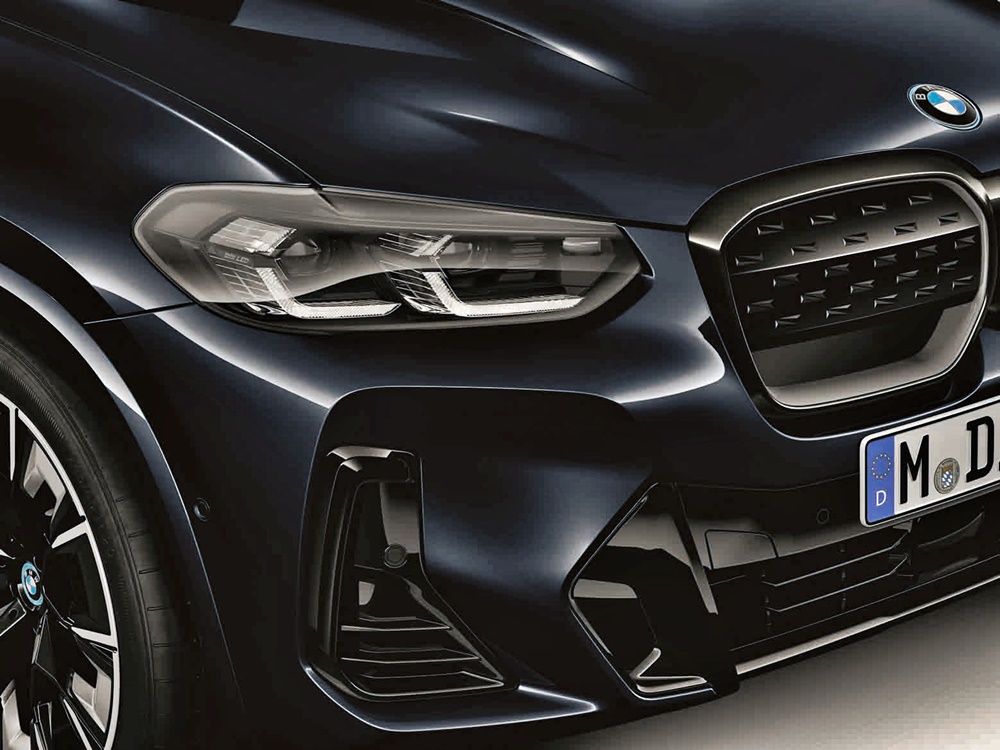
Both versions have the M Sport package as standard which gives a more expressive appearance to the fully electric SAV (Sports Activity Vehicle). Besides M Sport specific items and High-Gloss Shadowline, the iX3 Inspiring has standard features like LED adaptive headlights with high beam assist and 19-inch alloy rims for the Inspiring version. The Impressive version has the more advanced BMW Laserlight and larger rims, along with a Head-Up Display, Harman Kardon 464W audio system with 16 speakers and the unique BMW IconicSounds Electric.

2022 BMW iX3 EV

2022 BMW iX3 EV

The 210 kW/400 Nm electric motor, located at the rear, is powered by an 80-kWh lithium-ion battery which is claimed to be able to provide a range of up to 461 kms. Like an internal combustion engine, range depends on how you drive and where you drive but even half that number would be sufficient for daily use. The range might be shorter if you constantly go from standstill to 100 km/h in the claimed 6.8 seconds or travel close to the top speed of 180 km/h (electronically limited).

2022 BMW iX3 EV

2022 BMW iX3 EV

When using DC fast charging at rates of up to 150 kW, 80% charge can be obtained within 32 minutes, while AC charging at up to 11 kW will require about 7.5 hours (typically overnight) for a 100% charge. The battery pack has a separate warranty of 8 years or maximum of 160,000 kms.

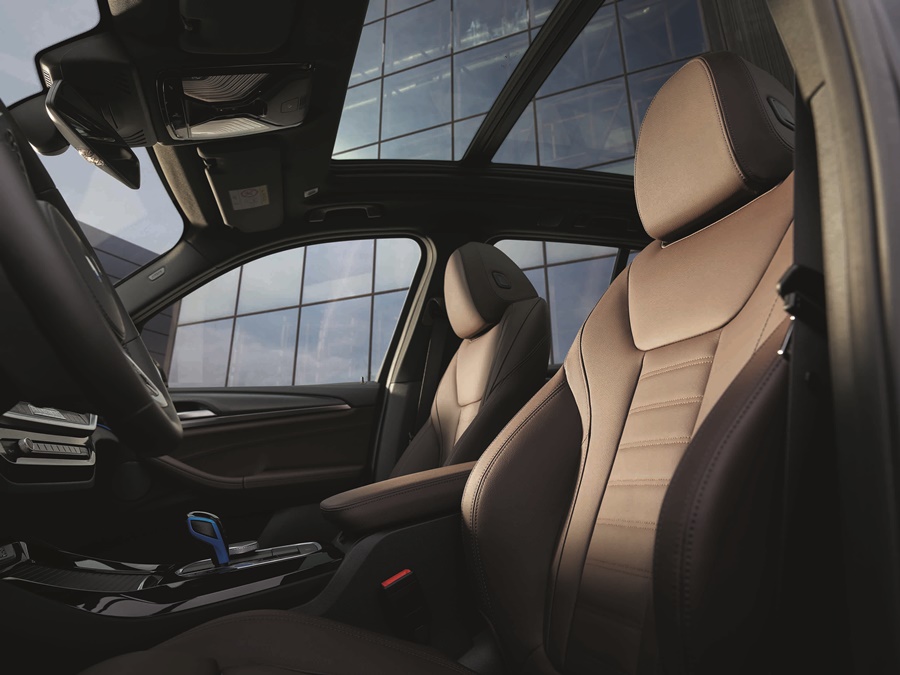
All the SAVs distributed by BMW Group Malaysia will have Vernasca leather upholstery and sports seats with various choices of colours and stitching as well as interior themes colour matched to the exterior finish. Different authorised dealerships will display different versions so if the one you see at the showroom is now what appeals to you, then you can go to BMW Shop Online to see the other choices available.

2022 BMW iX3 EV

2022 BMW iX3 EV

2022 BMW iX3 EV

2022 BMW iX3 EV

As with all BMWs, the safety systems are advanced with the Driving Assistant Professional suite as standard to help the driver avoid accidents. There’s also a Surround View Display and parking assistance systems to make parking easy and precise. Because an EV runs almost noiselessly, there are regulations in some countries that require some sort of noise to be generated to ensure pedestrians are aware. BMW has installed in its EVs an Audible Pedestrian Protection system which gives off a whining sound at speeds of up to 30 km/h.

2022 BMW iX3 EV

“The arrival of the First-Ever BMW iX3 is made especially significant with these distinct variants that provide our loyal customers and fans of electric mobility in Malaysia the ‘Power of Choice’ – without compromising on power, performance or safety. Alongside our upcoming fleet of new BMW i vehicles, the First-Ever BMW iX3 is set to spur a new generation of Electric Vehicle owners in Malaysia, as the all-electric SAV presents a wealth of possibilities with its all-rounded qualities in innovation and design language to make the Electric Premium Ownership Experience even more enjoyable,” said Hans de Visser, Managing Director of BMW Group Malaysia.

2022 BMW iX3 EV

BMW Group Malaysia moves into next phase of electrification with new BMW i model range

The Nissan Silvia is one of the models of the Japanese sportscar era that is fondly remembered by enthusiasts. It first appeared in 1964 at the Tokyo Motor Show and would continue through 6 generations before production ended almost 20 years ago. Since then, many have hoped for its return but in the 21st century, every model must have a business case, meaning sufficient volume to justify investment in development and sportscars don’t necessarily command sufficiently big numbers.

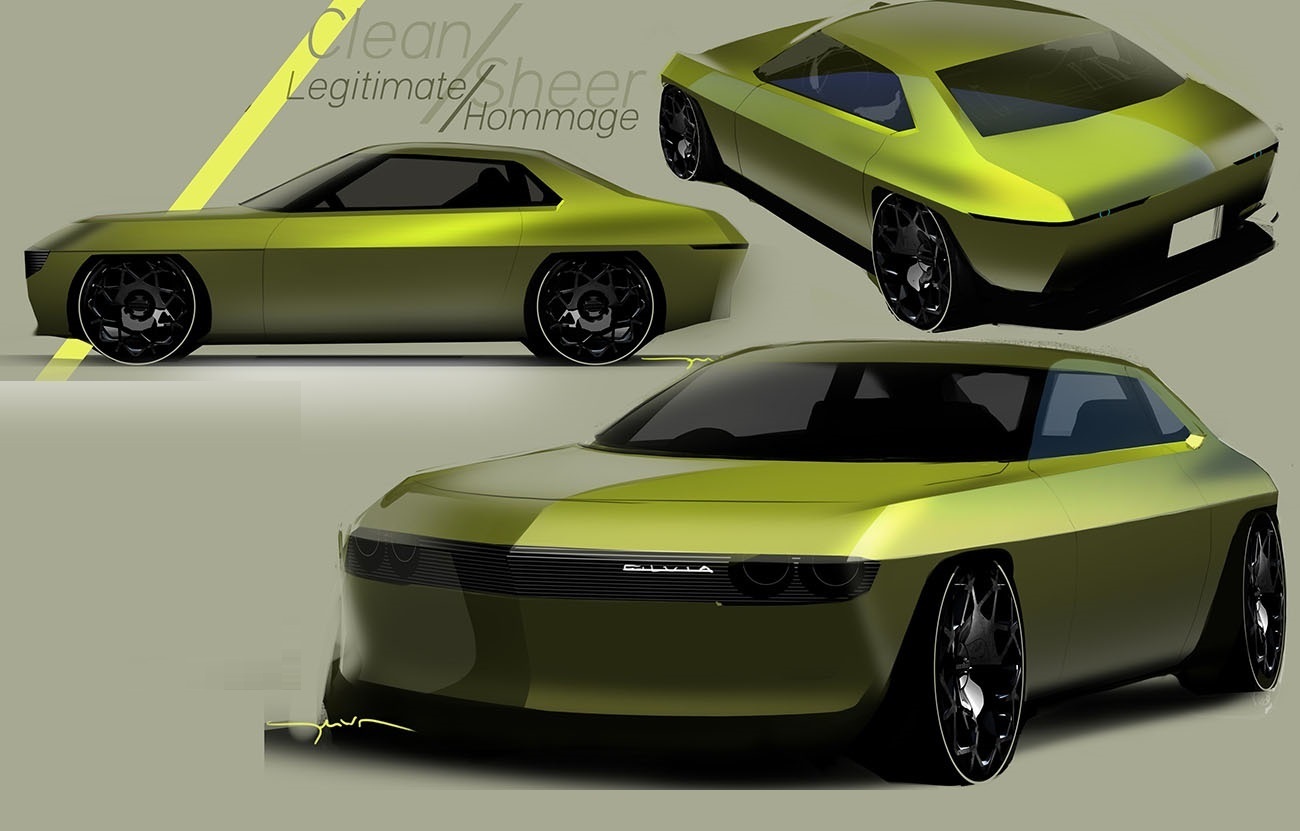
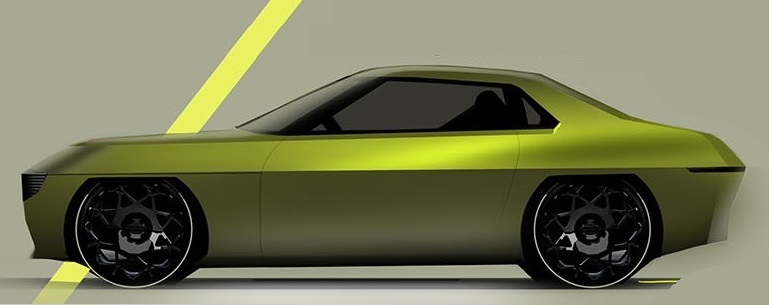
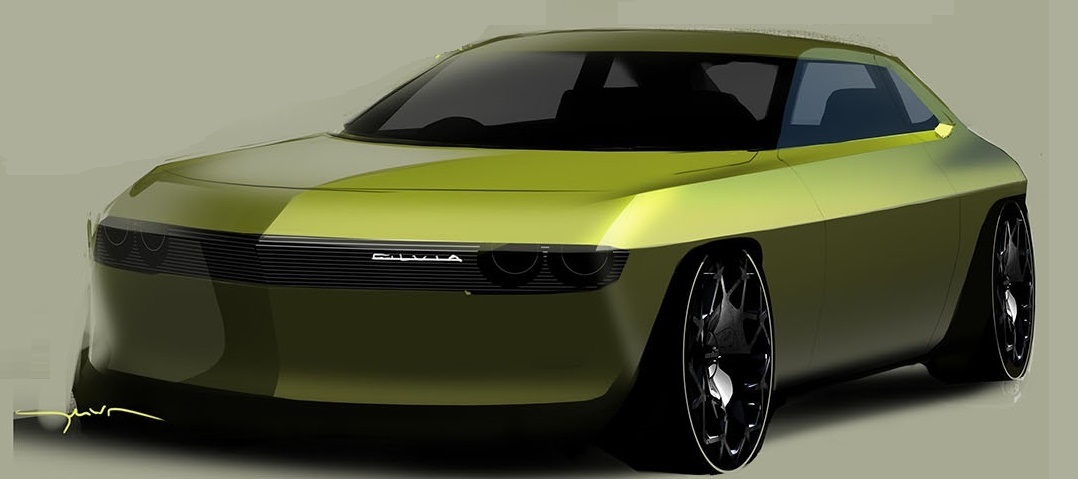
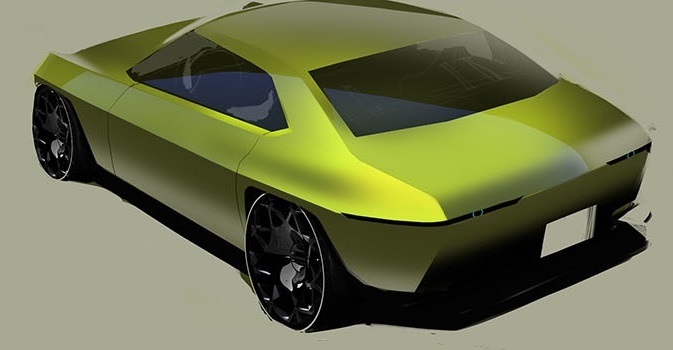
Nevertheless, designers are not prevented from dreaming and some of them reimagine the classic models that once drew people to showrooms and impressed with their performance. When Matthew Weaver, Vice President of Nissan Design Europe was asked to reimagine a car from Nissan’s history for an electric future, he chose to remix the iconic Silvia CSP311.

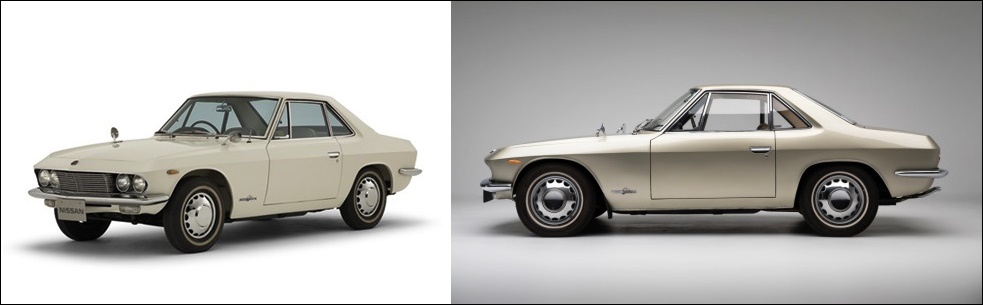
This particular Silvia was not actually the first generation but it was the one that was shown in the Tokyo Motor Show in 1964. It is a rare model – in fact, so rare that even some of Nissan’s most seasoned employees haven’t seen one.

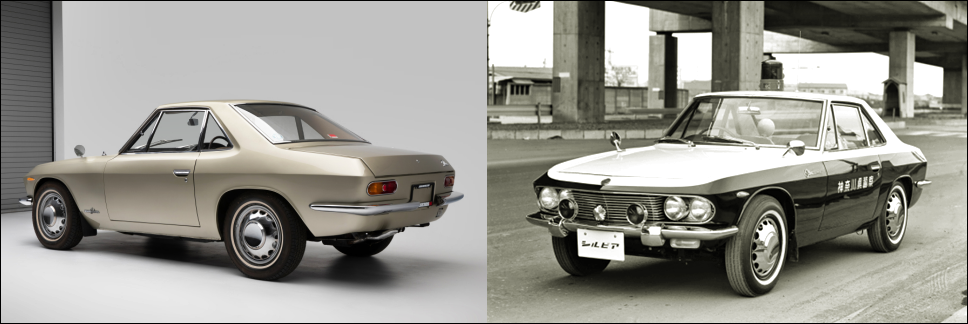
The Silvia CSP311 was presented as a Datsun Coupe 1500 at the 1964 Tokyo Motor Show and sold as a Silvia in 1965. It was the work of Nissan designers with advice from a an ex-BMW consultant, Albrecht Graf von Goertz. Only 554 units were produced over 4 years and each one was mostly handbuilt, using the chassis of the original Datsun Fairlady. It had a 4-cylinder 1595 cc engine producing 90 ps/132 Nm
In 1965, the Silvia CSP311 was the first sportscar used by the Japanese police. It was selected for its high performance – a top speed of 165 km/h – which was deemed necessary for patrol cars on the newly opened highways.

“The Silvia was ahead of its time, in a very quiet, understated way. It has aged very well and would still have its place on the roads today. It’s also a great example of what is expected of a global product: high quality and universally appealing,” said Weaver.

“By re-designing this car for the future, we wanted to pay homage to that heritage. One of the most distinguishable features is the one clean line connecting the upper and lower body. In this version, we accentuated its presence even more by having a clean and sharp cut into the top of the wheel arches. Also keeping in mind the world of the future, we felt the design naturally suited being an electric vehicle,” he explained.

Innovation with classic design elements
Being an electric vehicle gave the designers the opportunity to extend the clean surfacing around the front because an electric powertrain has far lower cooling requirements. It would be possible to have that characteristic sharp nose of the Silvia without needing a grille where radiators are traditionally located. To bring the CSP311 into the 21st century, Weaver and his team took a lot of important. It was refined, making for a purer form and the lines made even cleaner.

Electrification of the vehicle allowed envision the use of today’s innovations alongside classic design facets. With the increasing electrification of mobility, most car designers find themselves facing the challenge of infusing the heritage of their respective brands, while also reinventing what cars can and should be. Every design starts with a blank piece of paper. Then come sketches and many 2D designs, followed by digital and 3D clay prototypes.

New design opportunities with electrification
In the age of electric cars, the designers can use the same techniques to come up with new ideas, but they can play by a whole new set of rules. Previously, designers had to work alongside engineers to find a way to accommodate an internal combustion engine, radiators and exhaust pipe. Now, those once essential components have been replaced by battery packs, inverters and small motors. It’s a big change but also offers a huge opportunity to do things differently.

“The key components of an electric vehicle are quite different and they can be packaged differently, compared to an internal combustion engine car. Consequently, the Silvia we’ve reimagined here would have a larger interior than its exterior dimensions would suggest. Customers of the forthcoming Nissan Ariya electric crossover will really appreciate how spacious and comfortable that interior is, thanks to its efficient packaging,” said Weaver.

Today’s designers have to think about new functionality and the apparatus that enables it, such as radars, cameras and sensors. But it goes deeper than that and they also have to find new ways to do the same thing they’ve always tried to do: generate an emotional response and create a lasting connection with customers.

Greater demands for efficiency
“Efficiency improvement is the target. The future will see cars created through a different lens, in which efficiency is a key requirement,” noted Marco Fioravanti, Vice President Product Planning, at Nissan Europe. “It is even more important for electric vehicles because at high speeds, the aerodynamics can minimise the negative impact of drag on the vehicle’s range.

Fioravanti and his team look into automotive trends to understand what customers will want and need up to 20 years from now. “So, we are seeing a new generation of electric crossovers that are slightly lower, wider and longer in order to improve the aerodynamics, while keeping a similar interior space and giving a higher seat position than a traditional sedan or hatchback. This is possible thanks to the improvements we can make to the layout of an electric vehicle to accommodate its next generation of technology,” he explained.

Looking further ahead, what customer requirements, technological advancements and legislation will affect design? One thing that is certain is that cars are changing. They will look and function differently in order to be more user-friendly, energy-efficient and practical. Reinventing classic cars for the modern, electrified world, even if they only start out as sketches, proves that future possibilities are endless.

Visit www.nissan.com.my to know about Nissan models you can buy today

Production-ready Nissan GT-R50 by ItalDesign makes debut on track

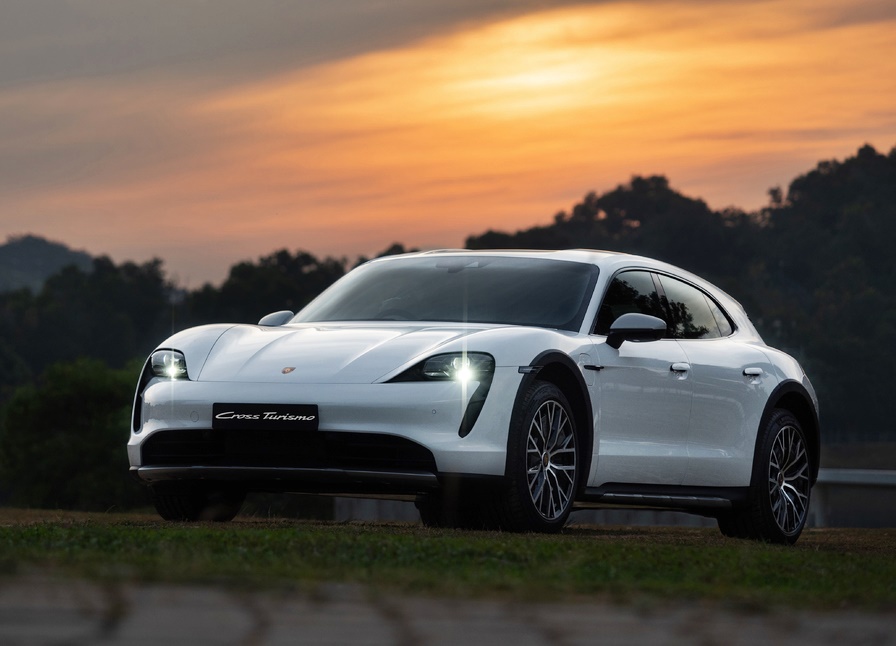
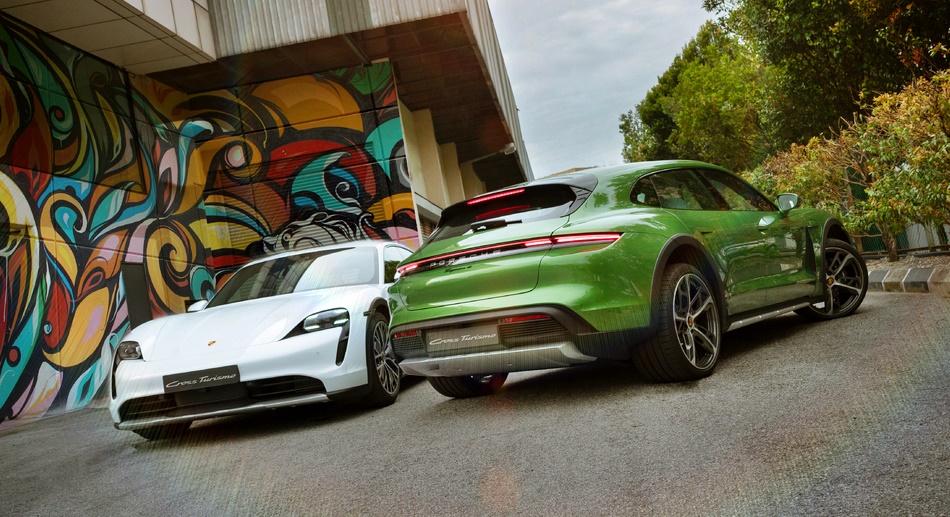
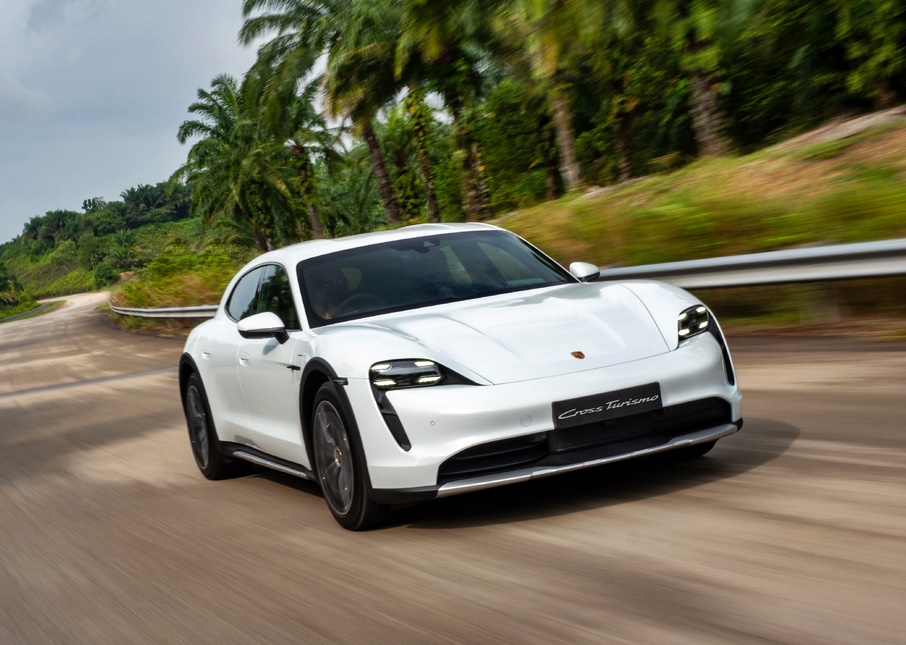
It was just a year ago that Sime Darby Auto Performance (SDAP) introduced Porsche’s first all-electric sportscar, the Taycan, and now comes a variant, the Taycan Cross Turismo. As the ‘cross’ in the name suggests, this is a SUV although Porsche calls it a Cross Utility Vehicle (CUV).
SDAP is importing three variants with the following prices (without insurance):
Taycan 4 Cross Turismo – from RM645,209
Taycan 4S Cross Turismo – from RM728,727
Taycan Turbo Cross Turismo – from RM968,928

2021 Porsche Taycan Cross Turismo EV

Design elements for the off-road image
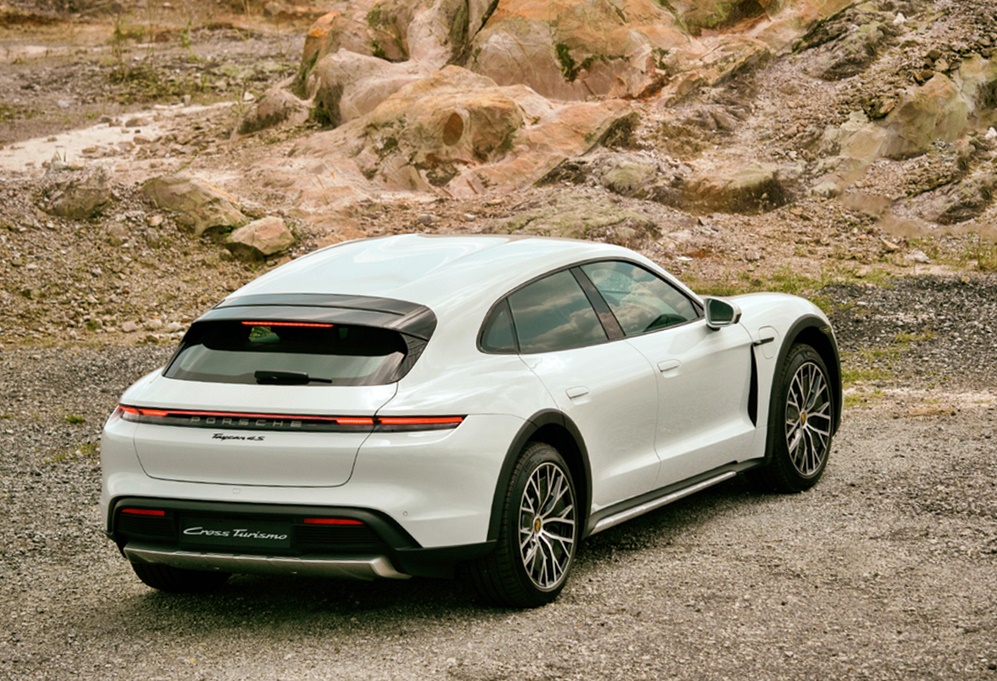
With ‘utility’ in its function, the Taycan Cross Turismo has design elements that emphasise an off-road image. These include wheelarch trim, unique front and rear lower aprons, and side sills. Customers can also add the optional Off-road Design package which comes with special flaps at the corners of the front and rear bumpers and at the ends of the sills. These not only enhance the appearance but also help to give added protection from stone impacts.

Like the Taycan, the Taycan Cross Turismo rides on a high-tech chassis and all variants have all-wheel drive (AWD) as well as adaptive air suspension. Its off-road capability is enabled by higher ground clearance compared to the Taycan. With the Off-road Design package, ground clearance is increased by up to 30 mm.

2021 Porsche Taycan Cross Turismo EV

Extra mode for off-road use
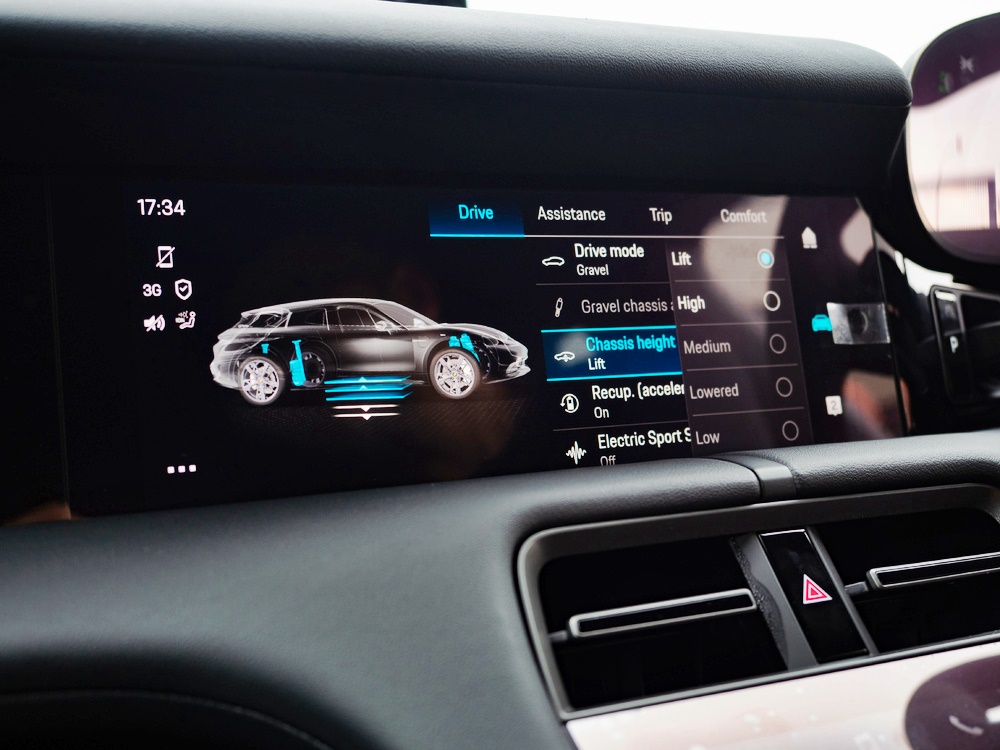
When driving over loose ground – with no emissions to spoil the environment – the driver can activate the new ‘Gravel’ mode exclusive to the Cross Turismo. This new feature manages torque distribution through traction-optimised shifting and other chassis settings, increasing grip and stability on surfaces with poor quality.

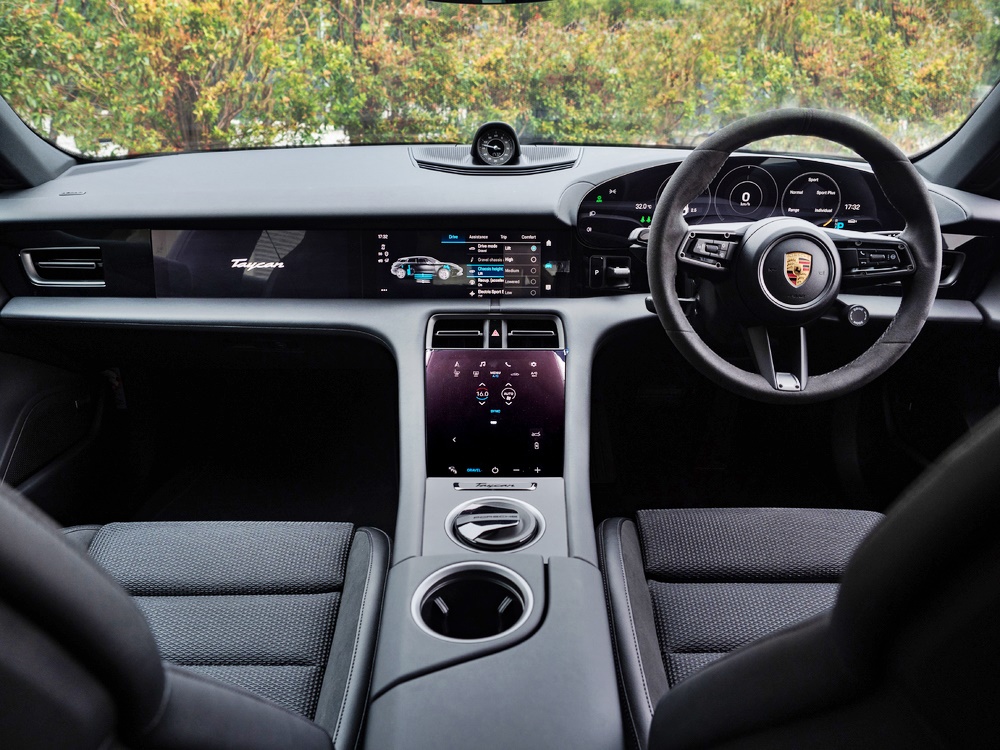
Inside, there’s 47 mm more headroom for rear passengers and more than 1,200 litres of load capacity (with rear seatbacks folded down). The large, automatically-opening tailgate makes loading and unloading easy.

2021 Porsche Taycan Cross Turismo EV

2021 Porsche Taycan Cross Turismo EV

Different output levels for each variant
All variants have the Performance Battery Plus, which has a total capacity of 93.4 kWh, but the output varies depending on the variant. The Taycan 4 Cross Turismo’s powertrain generates 280 kW (380 ps), with overboost power for Launch Control pushing it to 350 kW (476 ps). The Taycan 4S Cross Turismo has 360 kW (490 ps), with overboost power with Launch Control of 420 kW (571 ps), while the Taycan Turbo Cross Turismo produces 460 kW (625 ps), and overboost power with Launch Control of 500 kW (680 ps).

The first shipment is already in Malaysia and those who are interested can contact SDAP to arrange an appointment to view the car by clicking here.

2021 Porsche Taycan Cross Turismo EV

Porsche Taycan Driven by Karamjit Singh – Behind The Scenes Story

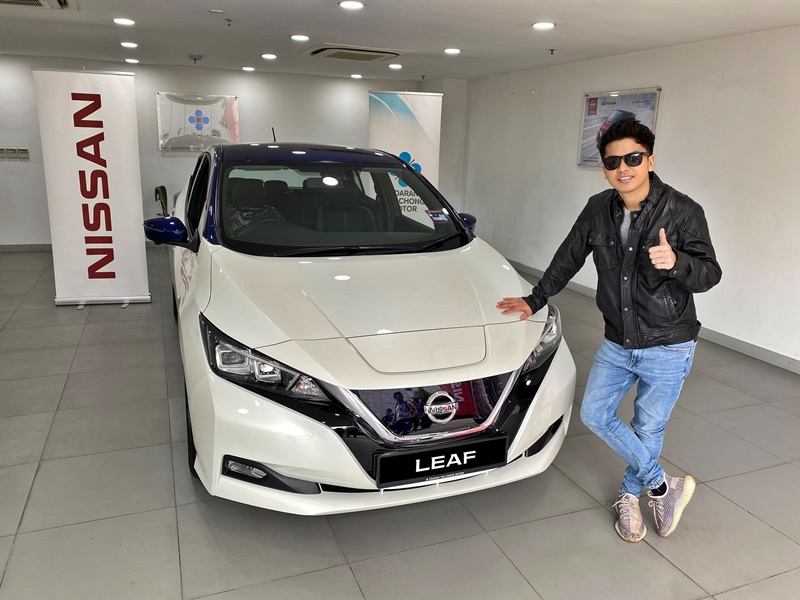
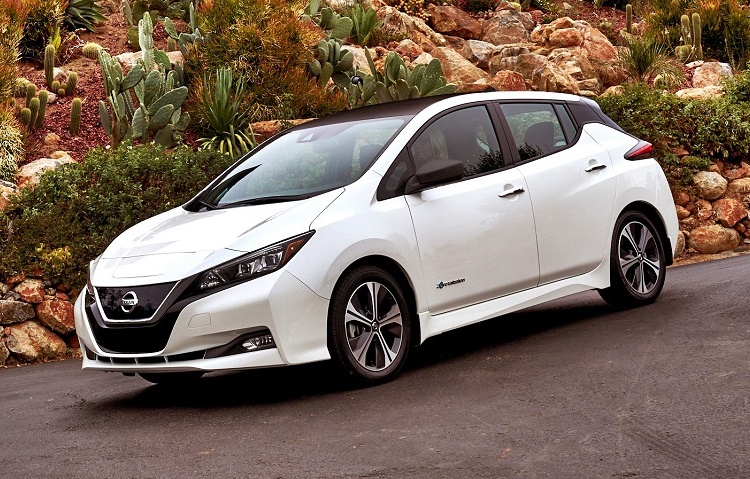
In recent years, you would be reading a lot about electrification and how motorists in Europe are steadily switching to electric vehicles. The shift has yet to start in Malaysia but for 23-year old Haqiem Rusli, it has started. The young and talented singer, composer and actor from Selangor, took delivery of a new Nissan LEAF EV as the Grand Prize winner of the Anugerah Bintang Popular Berita Harian 2020 (ABPBH).

The all-electric LEAF was presented by Edaran Tan Chong Motor Sdn Bhd (ETCM), the official vehicle sponsor for the event in collaboration with Berita Harian. Haqiem Rusli was announced the winner of Bintang Paling Popular when he received 22,332,676 votes. He also won Penyanyi Bintang Popular and Lagu Paling Boom Popular with the song titled ‘Lembah Kesepian’.

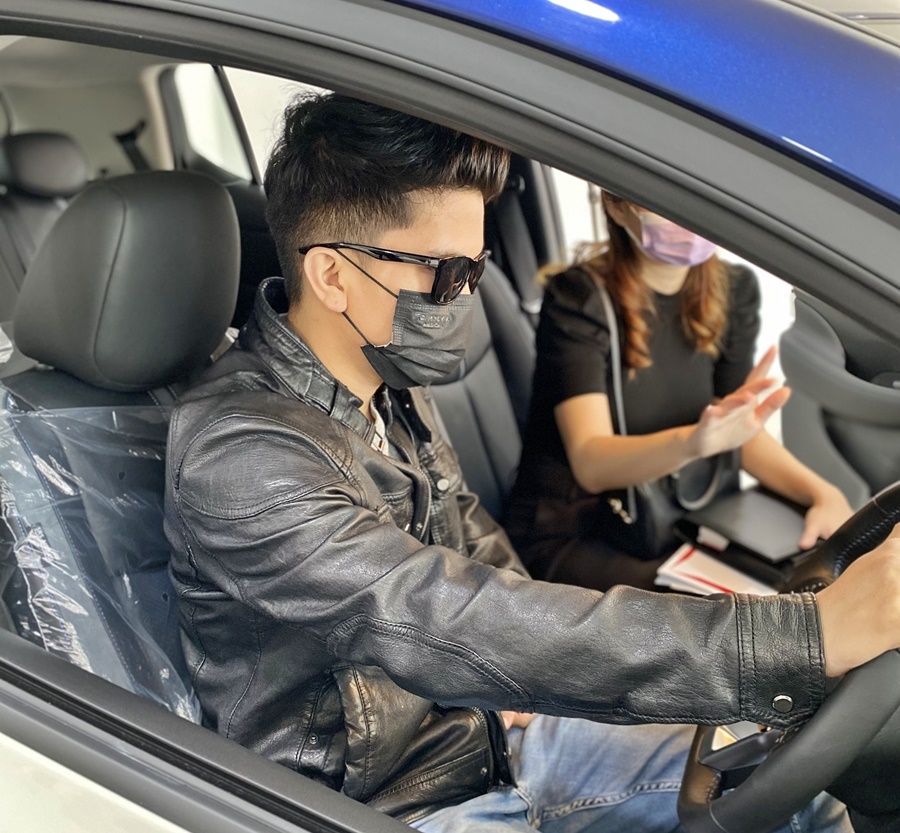
Haqiem Rusli being told about his new electric car by an ETCM representative.

During the presentation ceremony, ETCM’s Sales & Marketing Director, Christopher Tan said: “It was our pleasure to collaborate with Anugerah Bintang Popular 2020 Berita Harian as this contest recognizes Malaysian artistes’ hard work and dedication in growing the local entertainment industry. We would like to congratulate Haqiem Rusli on his win and driving home the 100% electric Nissan LEAF. He now joins the EV family and will be part of our sustainability efforts in supporting the nation’s aspiration, as well as accelerate the global movement to become more environmental conscious towards a sustainable future.”

Global topseller in EV category 
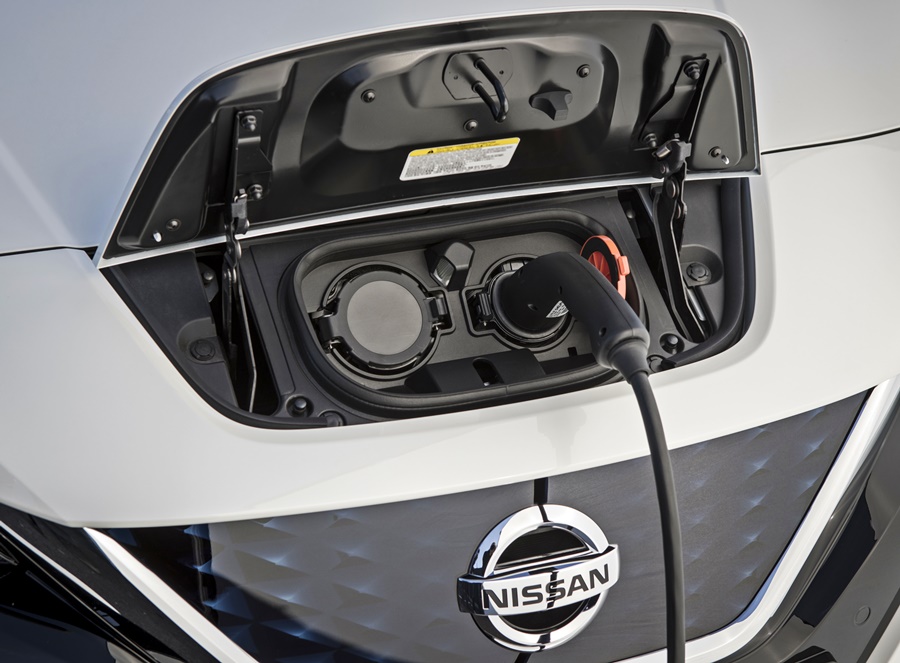
The LEAF, with a price from RM181,263 is in its second generation and has been the most widely sold electric vehicle in the world since the model line started in 2010. The latest generation has many advances which enable it to go further, with a range of up to 311 kms range on a full charge. And with 320 Nm of torque, it has strong acceleration as maximum torque is available from almost standstill, a characteristic of electric motors.

Like many of the latest Nissan models, the LEAF also has Nissan Intelligent Mobility safety technologies. These advanced driver-assist technologies include the e-Pedal, Intelligent Forward Collision Warning & Emergency Braking, and Intelligent Around View Monitor (360° camera).

The LEAF is available for viewing and testing at selected authorised Nissan showrooms around the country. To find out where they are, visit www.nissan.com.my.

FIRST DRIVE: 2019 Nissan Leaf – “Simply Electrifying”

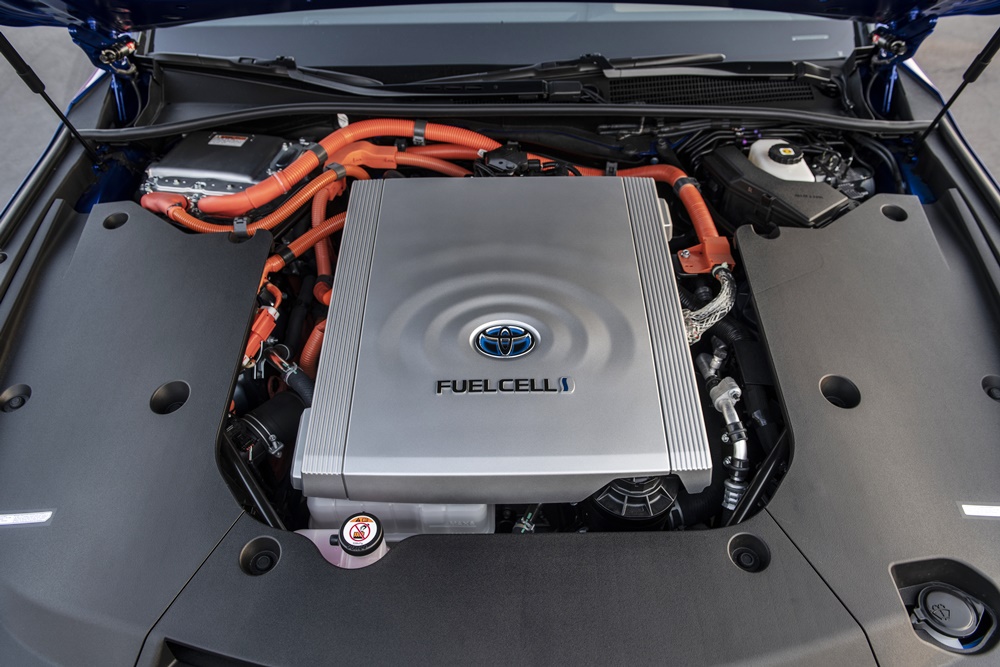
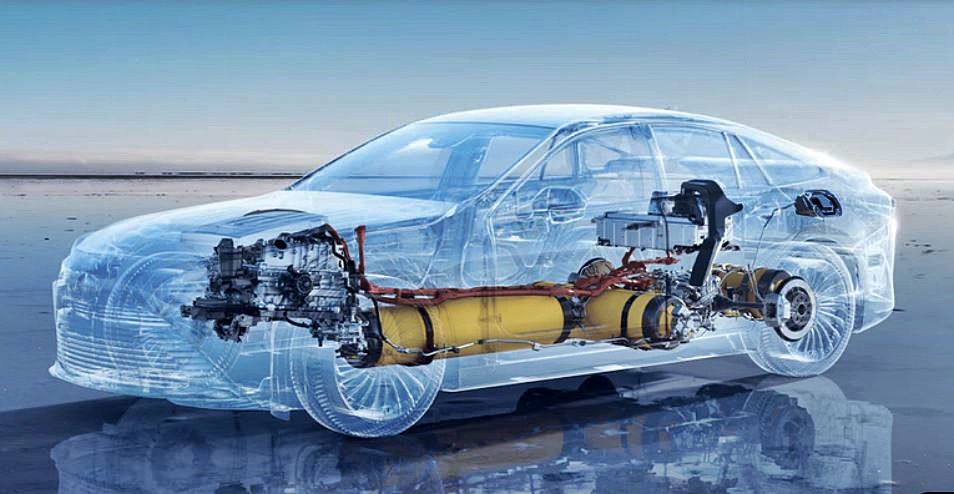
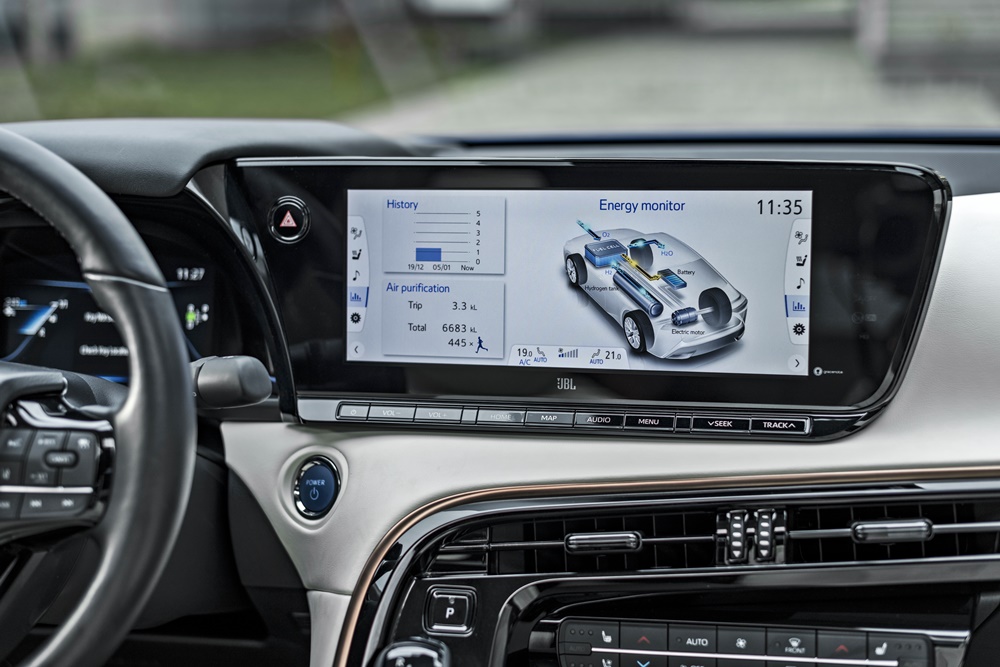
Hydrogen is the most abundant element in the universe and from it, electricity can be created using a technology from the space program – the fuel cell. Through a chemical reaction with oxygen, electrical energy can be produced with only water as a by-product. The fuel cell is therefore a strong candidate to power electric vehicles – except that the technology is still very expensive and hydrogen stations are very limited.

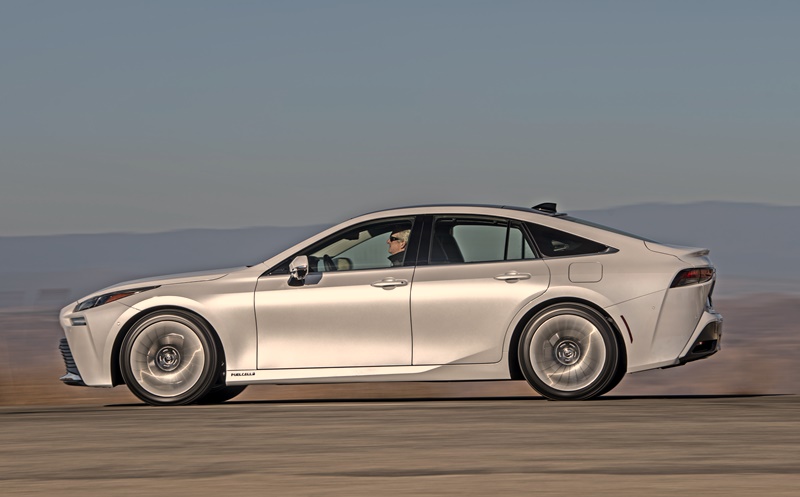
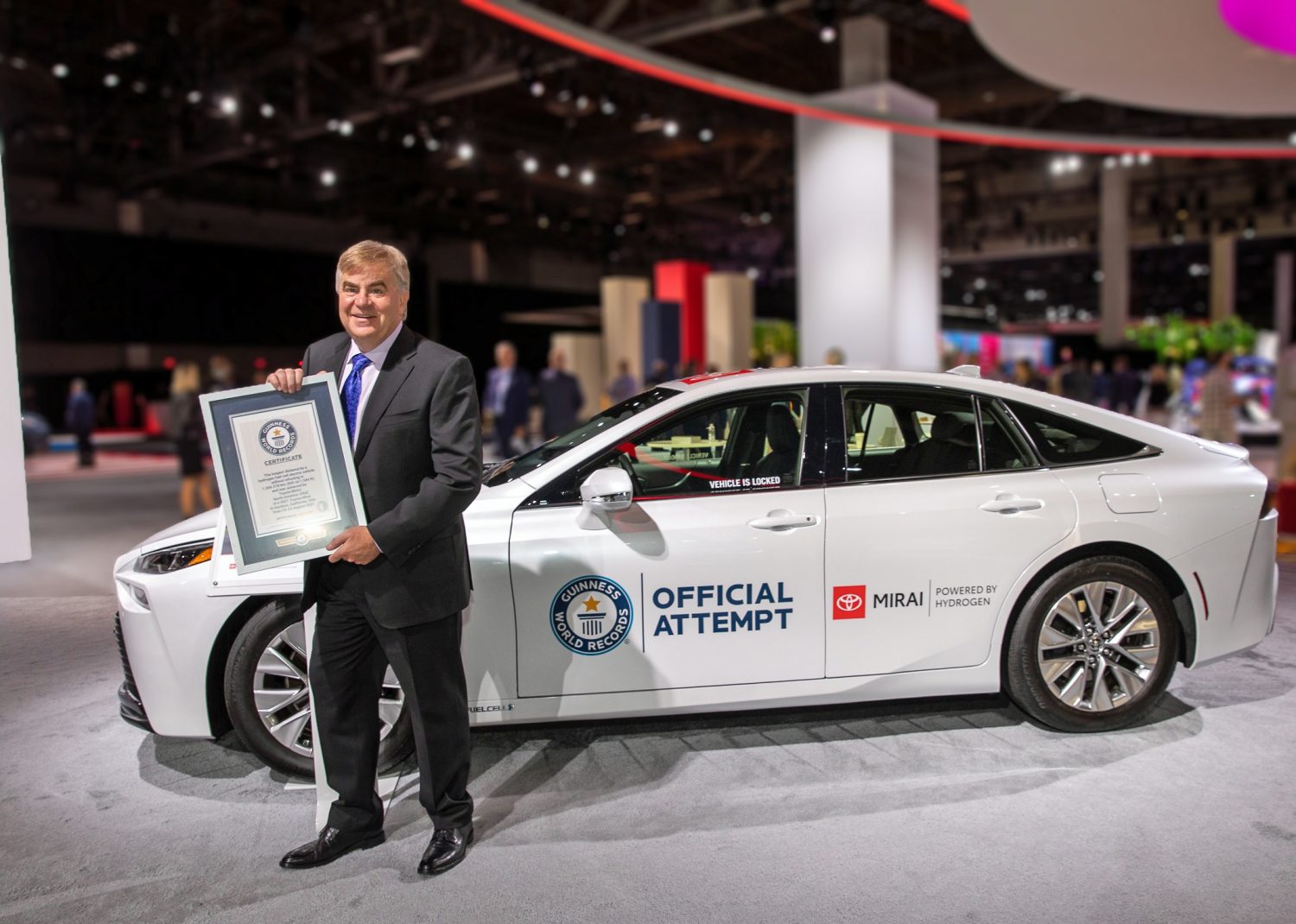
Nevertheless, companies like Toyota have developed fuel cell electric vehicles (FCEV) and its Mirai model is already in its second generation and sold in selected markets. Recently, a Mirai set a Guinness World Record for a FCEV by travelling 845 miles (1,360 kms) on a full tank of hydrogen. The journey, which was done in southern California, beats an earlier world record set in France in May this year that achieved 1,003 kms.

The official record attempt was closely monitored by Guinness World Records officials and followed the strict rules and documentation procedures. The record distance achieved was more than double the EPA-estimated mileage that Toyota uses in marketing communications for the model.

The car was driven by a professional hypermiler and a partner over a period of 2 days over a route from the Toyota Technical Centre in California where Toyota’s fuel cell development group is based. The route used normal roads which included the Pacific Coast Highway and included rush hour traffic on the San Diego freeway. The Mirai was driven until the 3 hydrogen tanks were empty.

By the end of the trip, the Mirai had consumed a total of 5.65 kgs of hydrogen and passed 12 hydrogen stations along the drive routes without having to stop for refuelling. It emitted no carbon dioxide whereas a standard internal combustion engine vehicle, over the same distance, would have emitted about 300 kgs of the gas that is said to cause global warming.

Toyota adds that the record was achieved by drivers skilled in hypermiling techniques that optimized the Mirai’s vehicle performance under specific weather and driving conditions. . Additionally, as on the car’s Predictive Efficient Drive can learn repeatedly travelled routes to optimize charging and discharging of the battery to help maximize fuel economy and driving range. They also leveraged some basic fuel-efficient driving tips that any driver can learn but the car itself was a standard 2021 model on sale to the public.

The Mirai is priced from US$49,500 (about RM207,000) which is about 20% less than the first generation that went on sale in 2014. Buyers can receive state government incentives to lower the purchase price. Hydrogen is sold by weight and in California, the price per kg is around US$16 (about RM67). To fill all 3 tanks on board, the amount needed would be 5.65 kgs which would cost about US$90 (about RM376) and can provide up to 640 kms of driving if you are not trying to set a record. The electric powertrain generates 128 kW of power which is equivalent to 174 ps with 300 Nm of torque to give a claimed  0 to 100 km/h time of 9.7 seconds.

Toyota Mirai FCEV fleet in Germany clocks total of over 5 million kms

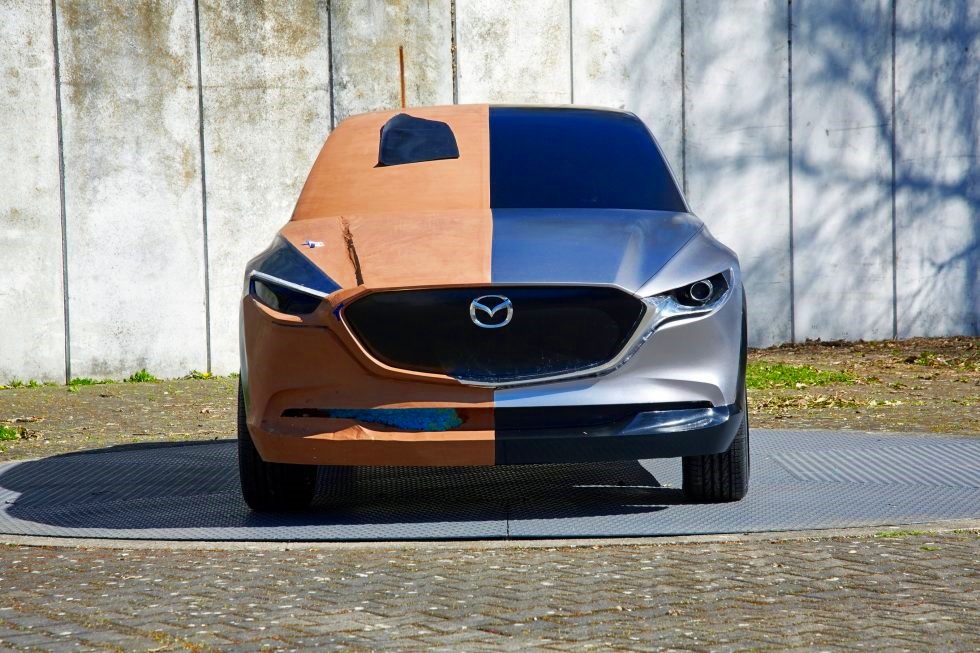
Mazda Motor Corporation will be expanding its SUV line-up from 2022 onwards. While  the popular CX-5 will remain one of the core models globally, alongside with models such as the CX-30, the company has finalised development of additional models in the Large Product Group.
These models, including two new ones – the CX-60 and CX-80 – will be aimed at European and American markets, together with the new wide-bodied CX-70 and CX-90. The new models will be introduced throughout Europe during the next two years.

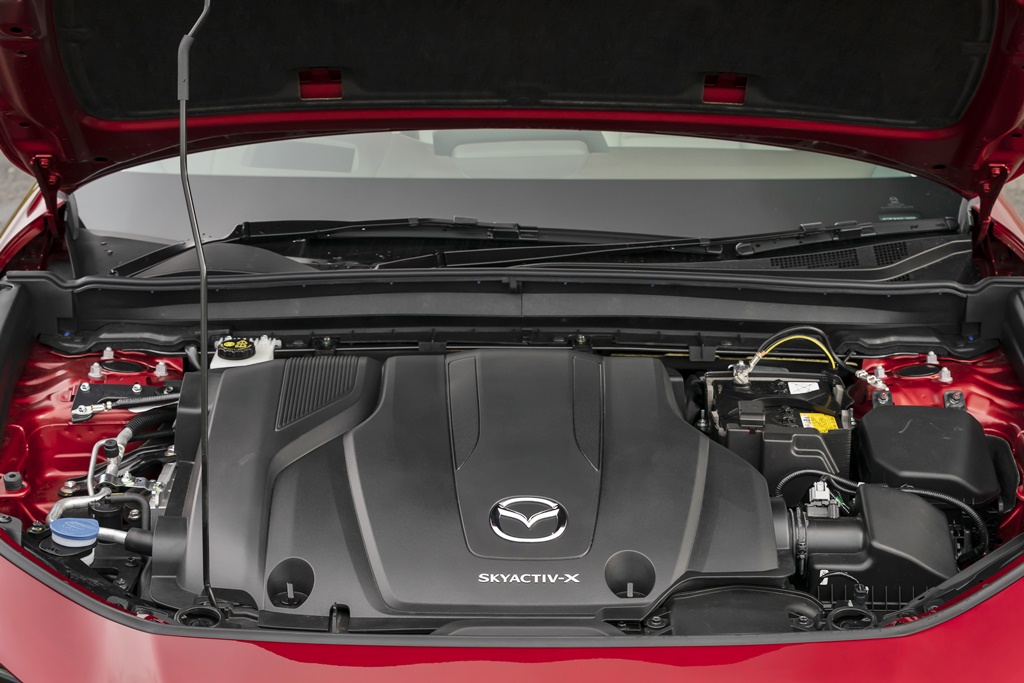
Featuring 2-row and 3-row seating, respectively, the CX-60 and CX-80 will also spearhead the European introduction of plug-in hybrid (PHEV) models that use 4-cylinder petrol engines combined with an electric motor. There will also be the new generation straight-six SKYACTIV-X petrol engine and SKYACTIV-D turbodiesel engine incorporating a 48V mild hybrid system. These engines will have high output while also achieving excellent environmental performance.
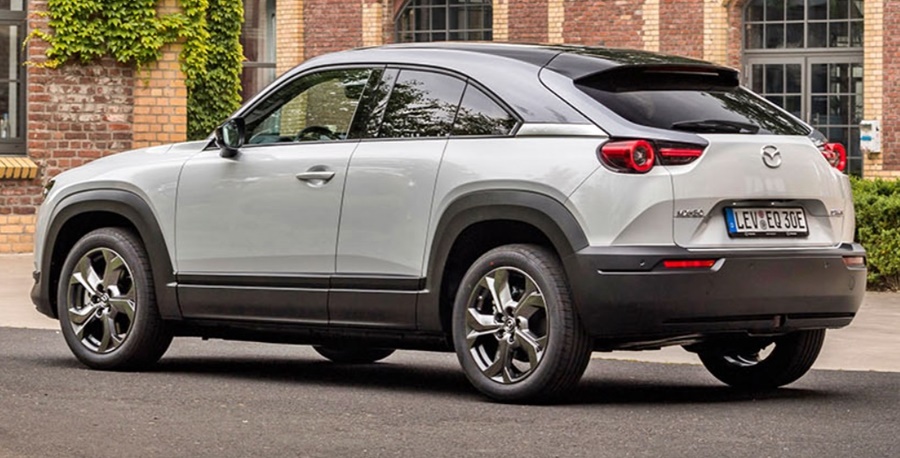
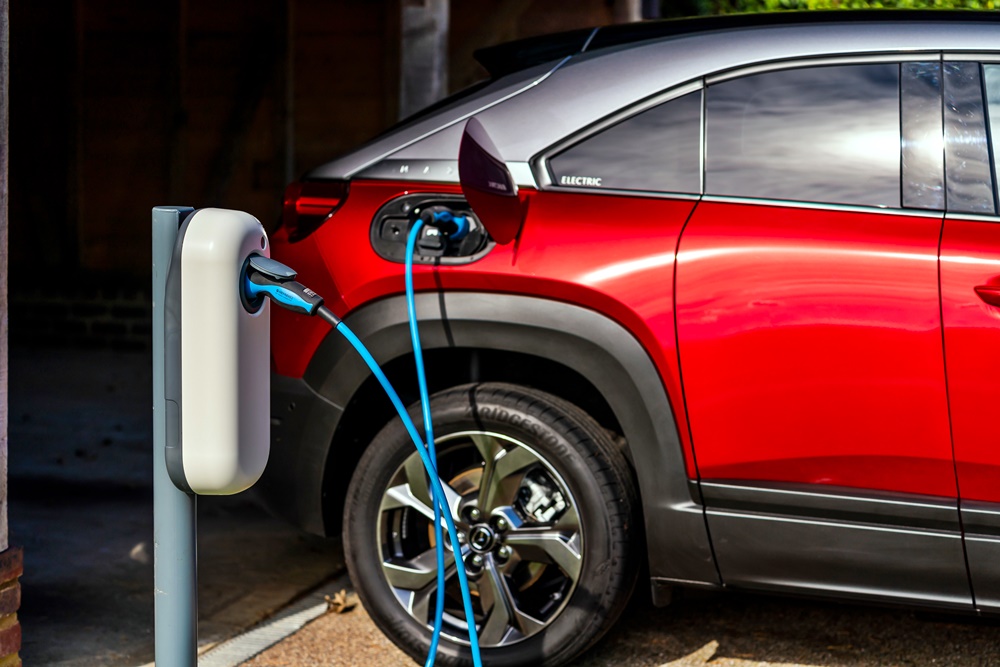
Fully electric MX-30.

The new CX-60 and CX-80 are expected to create positive business growth over the medium to long term. They will make full use of Mazda’s Building Block development and production strategy. This strategy enables the carmaker to  efficiently develop and deploy superior technologies by building up a set of fundamental technologies as ‘blocks’. Some of the technologies are already familiar – like SKYACTIV technology – with bundled planning and flexible production.

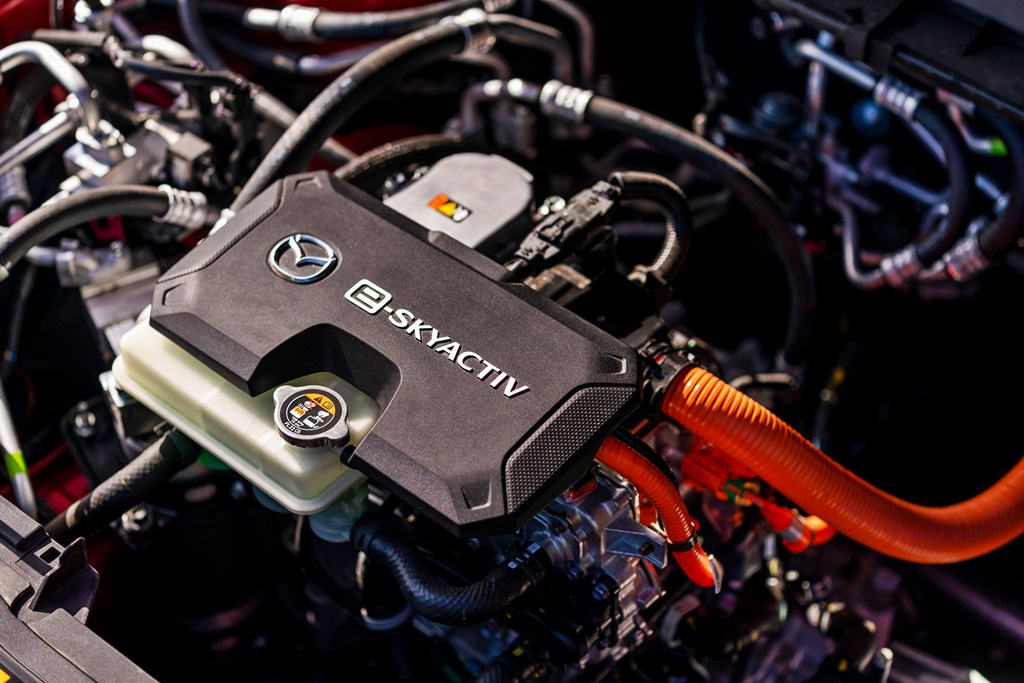
In addition, during the first half of 2022, a new version of Mazda’s first mass-production EV, the MX-30, will be introduced. This model incorporates multiple electrification technologies that use Mazda’s famed rotary engine as a generator.

From around 2025, the company will introduce a number of new products on a new EV-dedicated platform. With the introduction of these models, Mazda is on track to complete the electrification of its complete range by 2030.

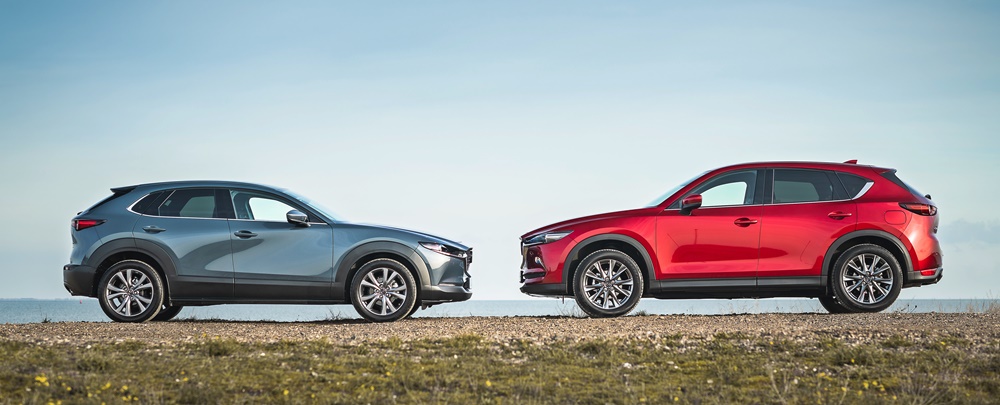
CX-30 and CX-5, two of the Mazda SUVs available in Malaysia.

To know more about Mazda models available in Malaysia, visit www.mazda.com.my.

Quality pre-owned Mazda vehicles available at the new Mazda Anshin website

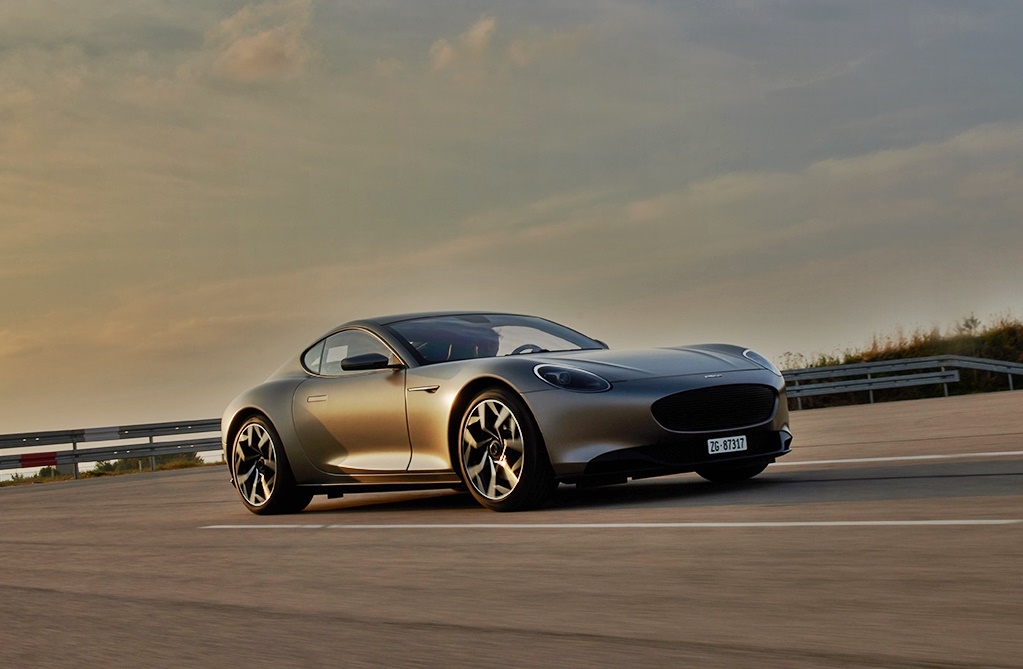
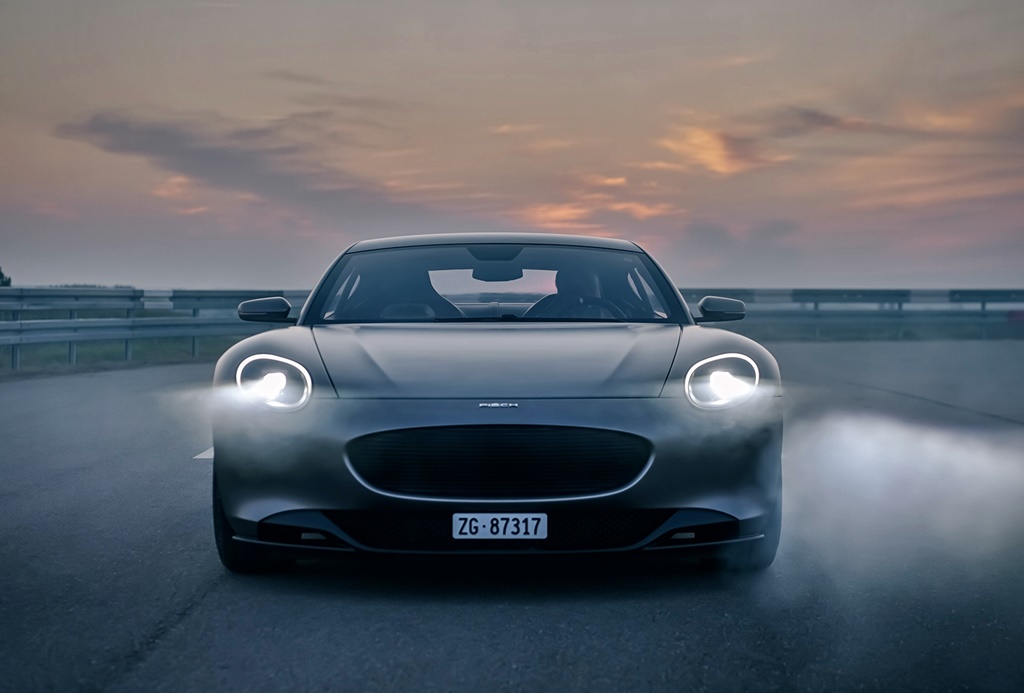
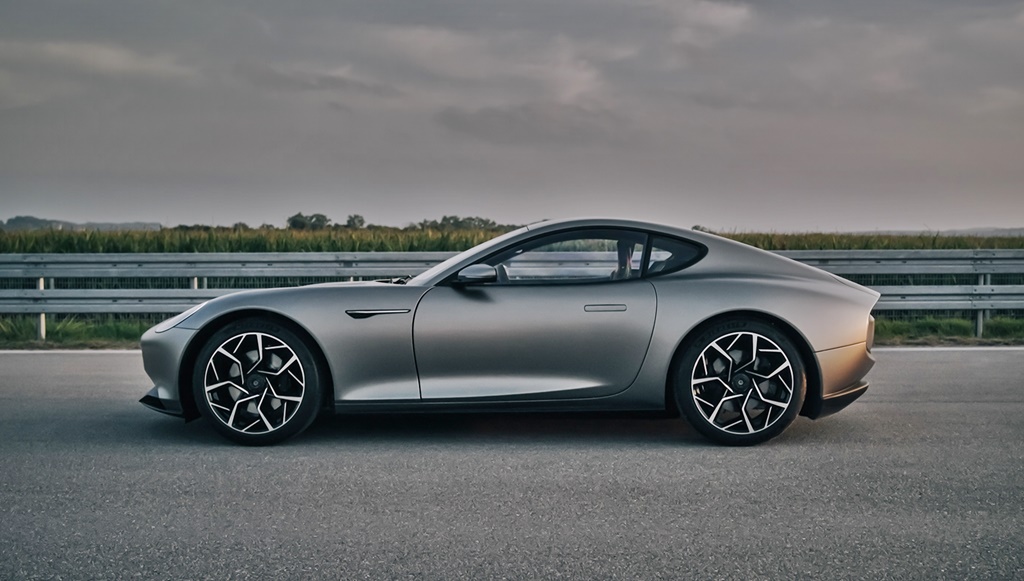
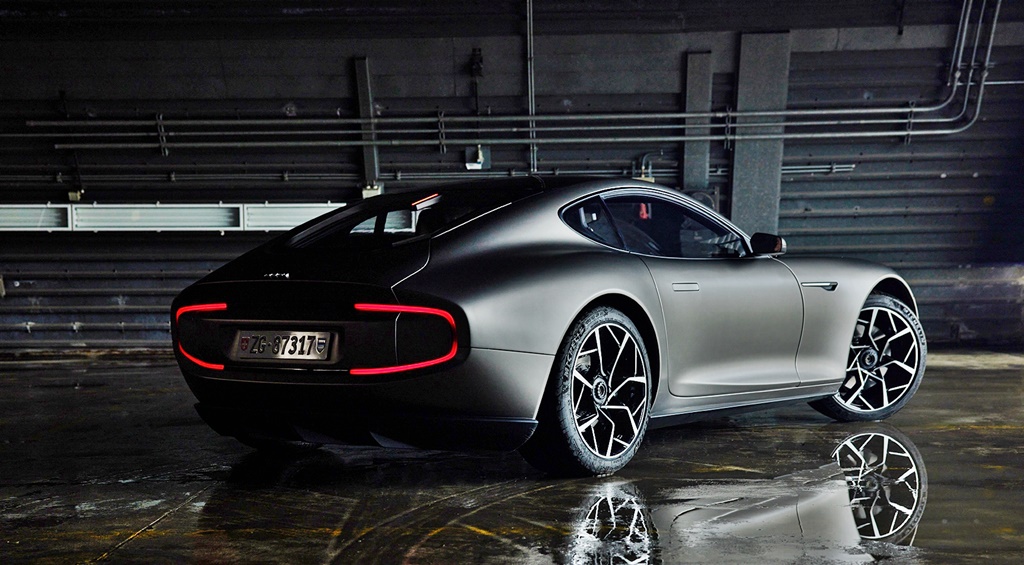
Those who know the name ‘Piech’ will know it is well known in automotive history as it is the family name of the great grandson of Ferdinand Porsche. Ferdinand Piech was a brilliant engineer who became CEO of the Volkswagen Group in the 1990s and it would only be expected that other family members would have an equally deep passion for cars.

One of them is Anton Piech, his son, who started a small car company in Switzerland known as Piech Automotive AG In 2016. His partner was Rea Stark Rajcic, ad industrial designer, and the company based in Zurich focussed on electric vehicles and EV technology.

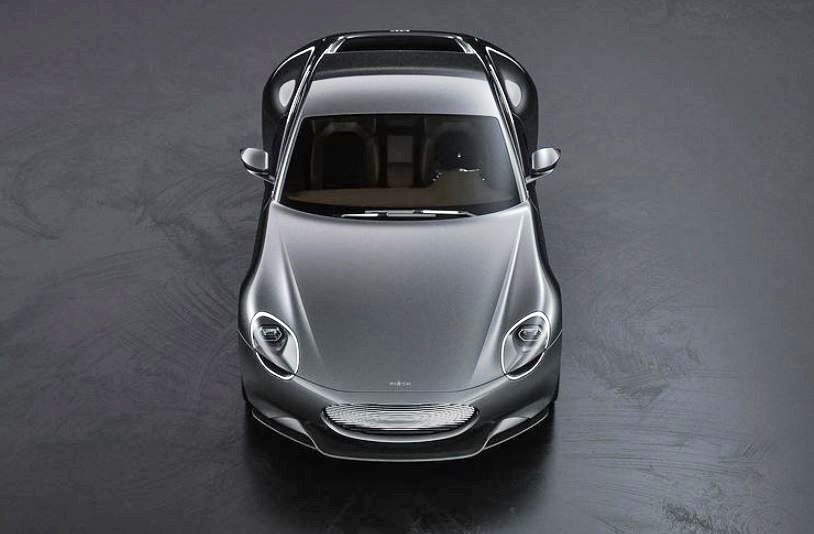
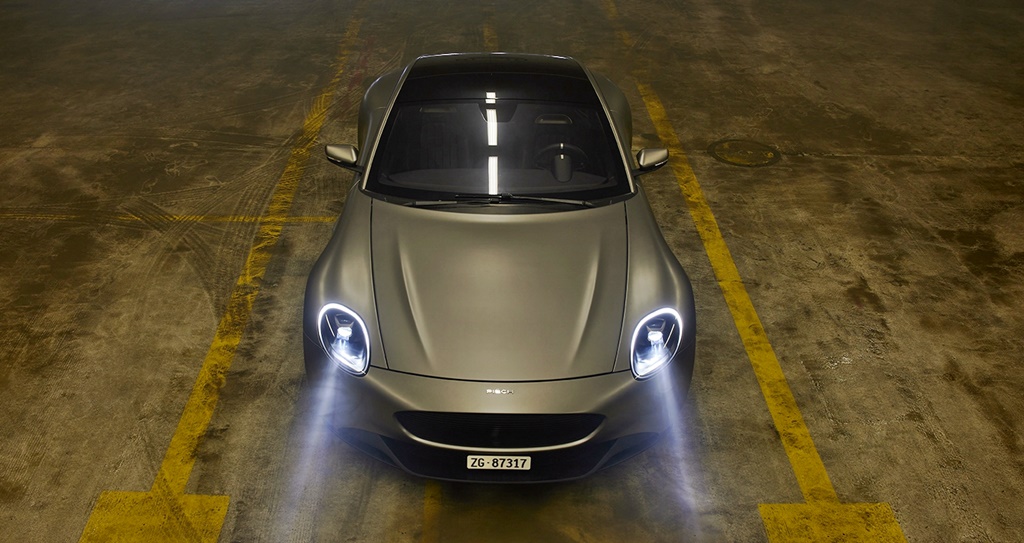
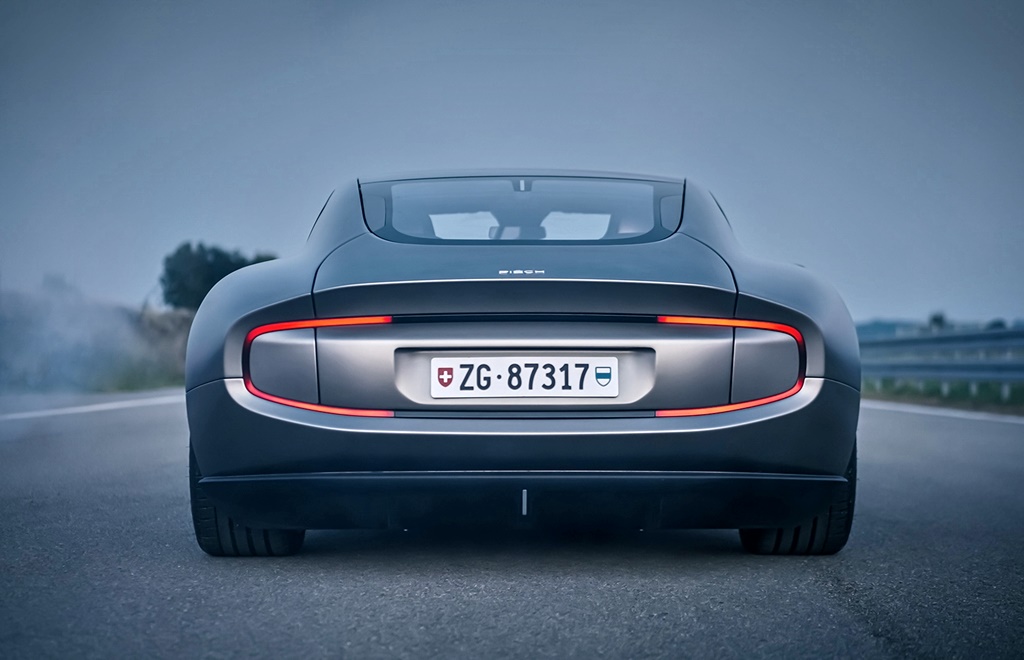
2024 Piech GT

By 2019, the company had developed a flexible vehicle architecture and on this went a sleek sportscar body. It was called the GT Mark Zero and made its first appearance at the Geneva Motor Show that year. Naturally, the Piech name associated brought extra attention to the concept car as Ferdinand Piech and his great grandfather had come out with advanced and innovative cars in their time.

Piech Automotive had plans to develop the GT Mark Zero into a production model that could go on sale within a few years. But as with projects all over the world that started in 2019, the COVID-19 pandemic of 2020 would cause delays but the production electric sportscar will be available by 2024.

2024 Piech GT

At the time of its debut, Piech provided basic specifications which showed that the car would have a fully electric drive with a 450 kW (603 hp) output. This would enable a claimed acceleration time of 0 to 100 km/h in less than 3 seconds, while the target range was said to be 500 kms.

The battery and battery cell technology has received further innovation with a technical partner in China with a solution that enables a full charge in less than 5 minutes. This requires a fast charger specially developed by TGOOD, a company founded in 2004 by a team of German and Chinese engineers that specialises in EV charging equipment.

With more conventional charging stations, the battery pack can be charged to 80% capacity in 8 minutes, it is claimed. The battery pack has compact and robust pouch cells with low heat generation, which is why air cooling is sufficient for thermal management of the battery. The lack of liquid cooling – common in high-performance electric vehicles –  keeps the total weight to 1,800 kgs.

2024 Piech GT

Recently, the electric sportscar – which now has the name of Piech GT – has started its trial phase on test tracks. According to Rea Stark Rajcic, the co-founder of the company, it will have typical sportscar handling which was already clearly defined the positioning from the very beginning. “The new Piech GT should convincingly transport the DNA of a classic sports car into the electric age,” he said.

Latest details revealed show that the powertrain consists of one synchronous electric motor at the front axle which produces 150 kW, while another two motors at the rear generate 150 kW each. The additional thrust at the rear axle is what will create the sportscar driving experience.

The arrangement of the batteries (one part is housed in the centre tunnel, the rest on the rear axle) permits a similar axle load distribution and handling that had previously found only with pure sportscars with internal combustion engines. In contrast to the widely used underfloor arrangement, the package enables a low seating position typical of a sportscar as well as precise handling with immediate feedback to the driver.

2024 Piech GT

“The second prototype will be completed by next March, with a further series of prototypes to follow before the end of 2022. Based on the test results from these prototypes, another batch of prototypes will then be built in 2023. Piech Automotive is exactly following the tried-and-tested testing cycles of German premium manufacturers here, with trials in heat and dust, in sub-zero temperatures with ice and snow, and on demanding roads and racetracks such as the Nurburgring Nordschleife, to be able to meet our target of starting series production in 2024,” said Klaus Schmidt, who was previously with BMW’s high-performance department at M GmbH for 30 years.

2024 Piech GT

In addition to the Piech GT, the company will  gradually broaden the range with a sporty electric SUV and a sports sedan to be called the Sportlimousine. “Our modular concept not only gives us freedom in the design to create vehicles that are as attractive as possible, but at the same time serves as a platform for all other body shapes. The initial focus is clearly on the two-seater Piech GT sportscar, while the sporty Piech SUV brings additional volume in sales and the 4-seater Sportlimousine offers more occupant space and round off the product range,” said Stark Rajcic.

“Not only are we flexible in terms of design and body shapes, but we are also keeping all options open when it comes to powertrains. We’re starting with electric cars, but our modular vehicle architecture would allow us to respond flexibly to corresponding developments and breakthroughs in the field of hydrogen or fuel cells,” added Anton Piech, CEO of the company.

2024 Piech GT

Everrati Signature Widebody – an electrified Porsche 911 (964)

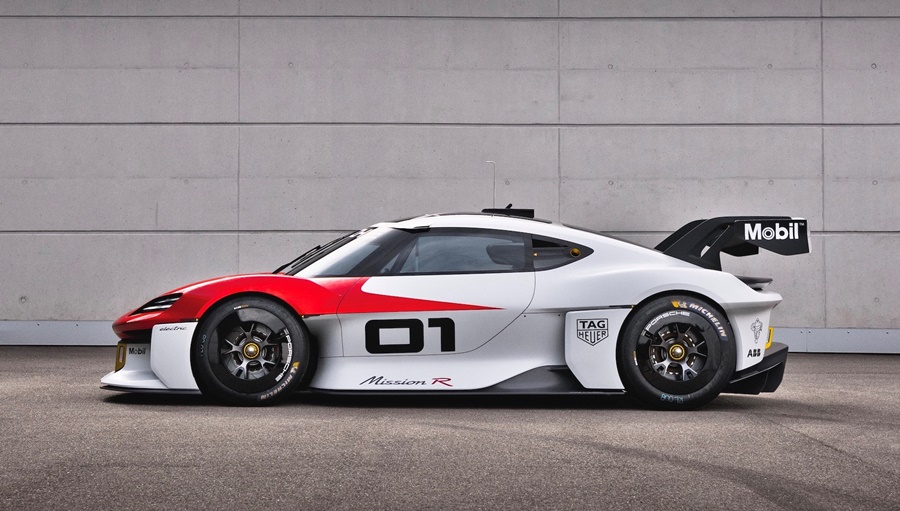
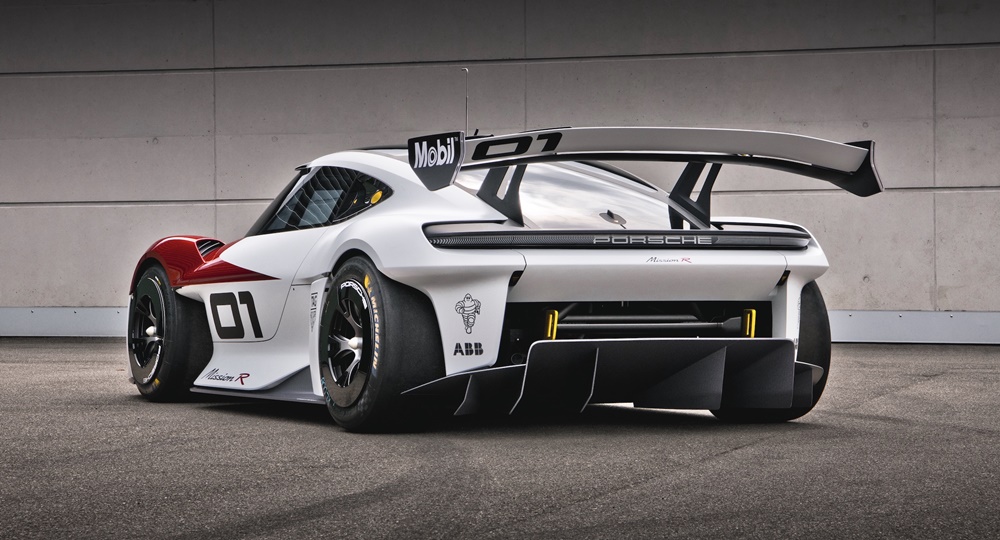
The Mission R concept racing car shown at the International Motor Show (IAA) in Munich last month drew a lot of attention. It was conceived to give an idea of how the all-electric Porsche racing car of the future could be like. Though the car displayed looked completely ready to be produced, Porsche has stressed that it is ‘just a vision’ – for now. It gives a preview of the design language and future technology that must be under development now.

The design – both the exterior and interior – fascinates, polarises and fuels lively debate. But while most concept cars are just 3-dimensional design studies without and engine or much technology under the skin, the Mission R is a capable racer that can be put on a track today. In fact, it is already being used as a rolling racing laboratory, according to Michael Behr, the technical manager for the project.

“That’s the Porsche philosophy,” he said, “This prototype is, of course, a showcar at this point, yet it also meets the highest technical standards.” Beneath its shell, the car represents the fulfilment of Porsche’s strategy on sustainability and social responsibility. While the company is already operating on an all-electric basis in Formula E, uses synthetic fuels in the Porsche Mobil 1 Supercup, and is developing a new hybrid racer for endurance events, the Mission R will bring electric technology to customer racing as well.

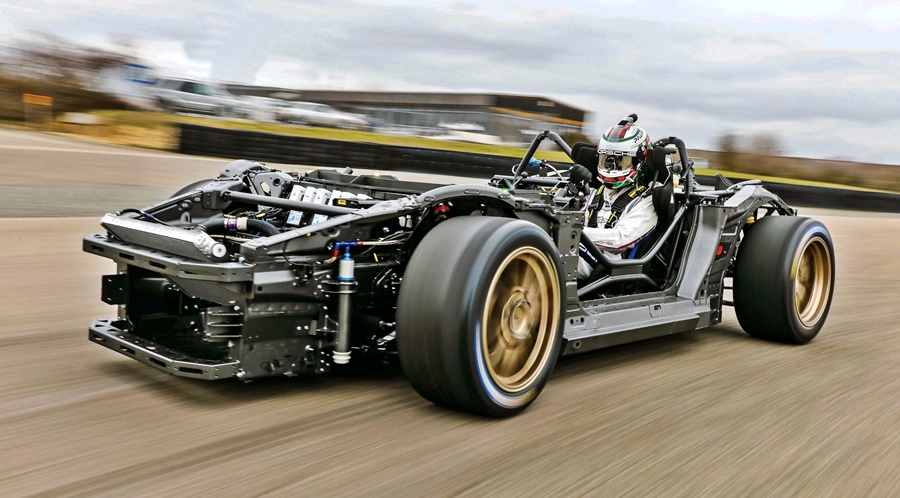
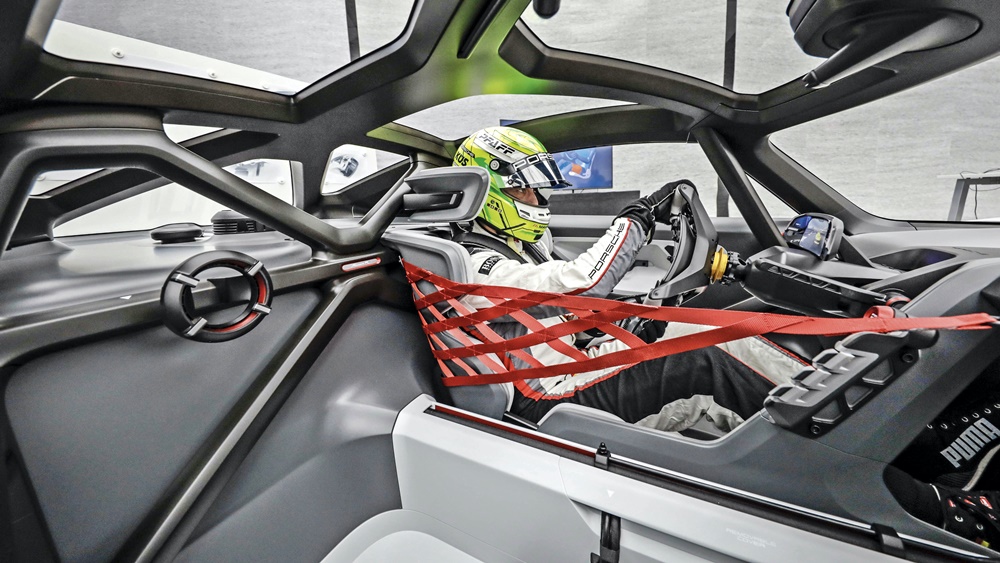
Even before the car was on display, development engineers were running the platform without the striking shell. Their jobs are with massive deadline pressure, so they need to focus on work as much as possible. The first functional test, less than 6 months before the car’s premiere at the IAA, was a key milestone. Many components were still provisional at that time point and  the steel subframe was  suffice for the roll-out; the final composite cage has yet to be created. The seat, steering wheel, and pedals were borrowed from existing racing cars, while the rims still lacked the central lock hubs.

The Mission R, as presented,  boasts all-wheel drive and 800 kW (1,088 ps) output. The power is supplied by 2 electric motors linked to a single-speed transmission. With a target weight of less than 1,500 kgs, the car should manage the sprint from 0 to 100 km/h in less than 2.5 seconds. Depending on the choice of gear ratio, it can go beyond 300 km/h.

Thanks to the direct cooling of the stator – the stationary element of the electric machine in which the rotor rotates – the motors deliver exceptionally high continuous power. The racing car makes do with just one oil cooling circuit and without a single drop of water. The direct oil cooling of the high-voltage battery is based on an innovation developed for the 3-time Le Mans winner, the Porsche 919 Hybrid. The chassis, too, is advanced racing technology and features a double-wishbone front axle.

“At the same time, we did our utmost to leverage the last bit of lightweight potential in every detail,” said Behr. For example, the 3D-printed transmission case cover is 30% lighter than a cast one. The additional braking power during recuperation made it possible to shave 12 kgs off the braking  system. The composite outer skin is not just feather-light but also sustainable. It consists mainly of natural fibre, supplemented by carbonfibre components.

The natural fibres are roughly as light as carbonfibres and deliver the stiffness required for semi-structural components with a low additional weight of less than 10%. Compared with conventional plastics, natural fibres have an ecological benefit: 85% less CO2 is generated in their production than in the comparable process used for carbonfibres.

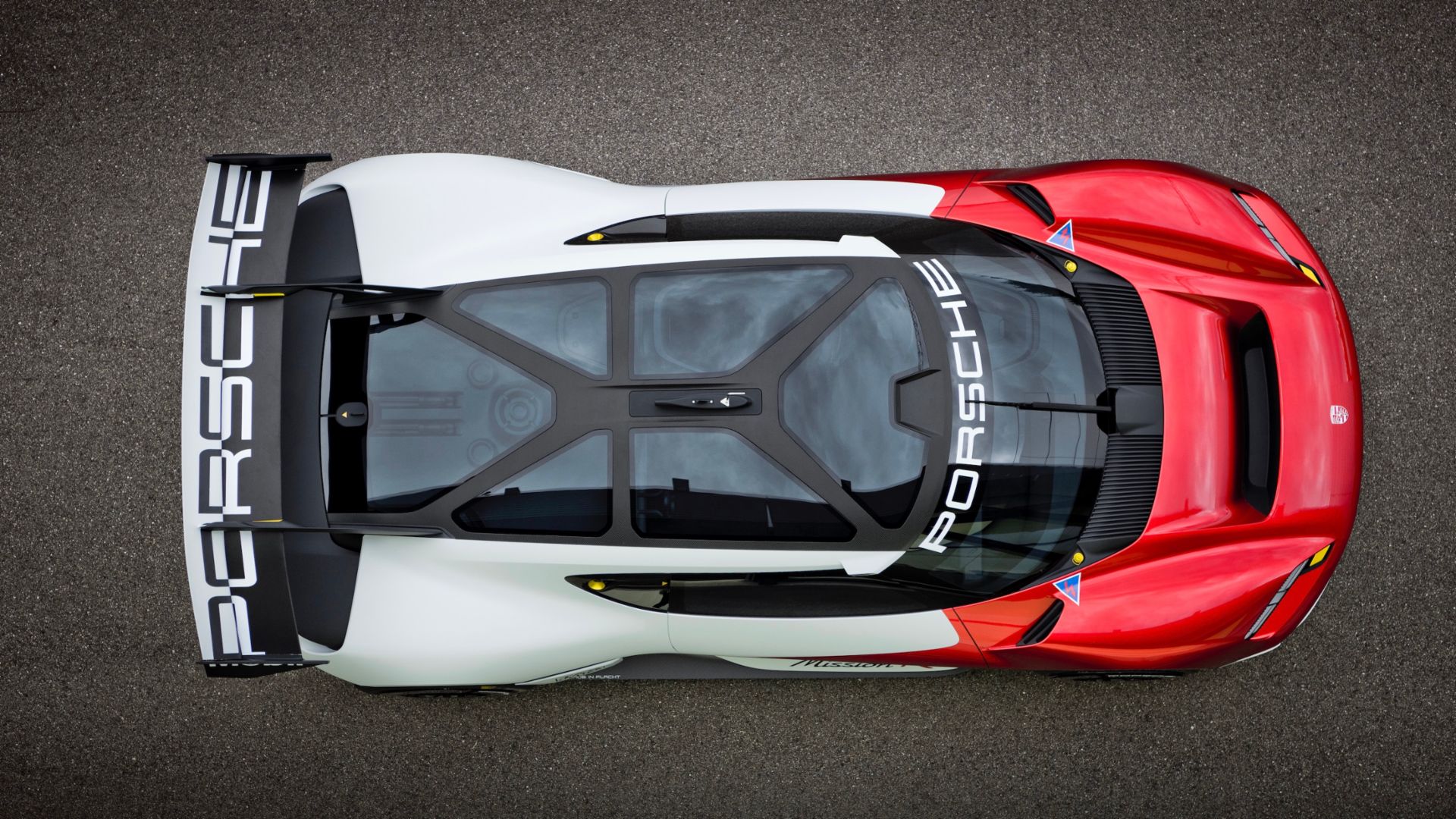
Under the futuristic body, the designers are also exploring a new roll-over protection concept. Instead of a conventional steel cell welded to the bodyshell, there is a cage structure made of carbonfibre reinforced plastic (CFRP) to protect the driver. The safety cage is integrated directly into the roof and is visible from the outside via transparent segments.

Over the last few years, the Mission E (2015) and Mission E Cross Turismo (2018) concept studies have been previews of Porsche’s first all-electric sports car model series to come. From them came the Taycan in 2019 and, more recently, the Taycan Cross Turismo which had similarities in terms of appearance and technology. Now, with the Mission R, Porsche is showing the direction it is taking with future racing cars so while they say it is ‘just a vision’, perhaps when the actual production model appears, we will be recalling this concept car of 2021.

Prototypes and studies Porsche has never before shown to the public

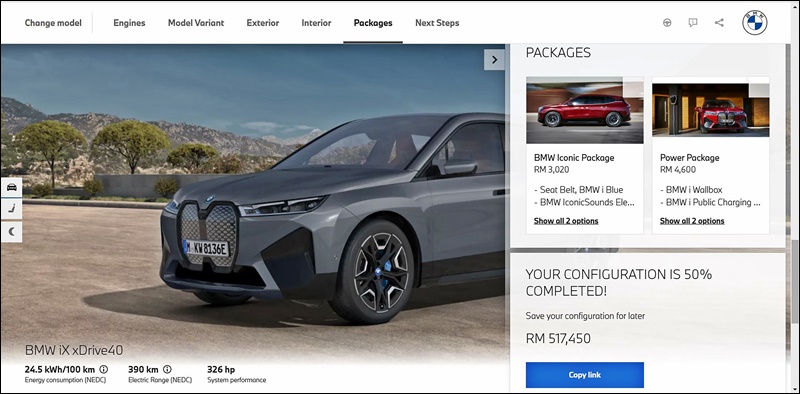
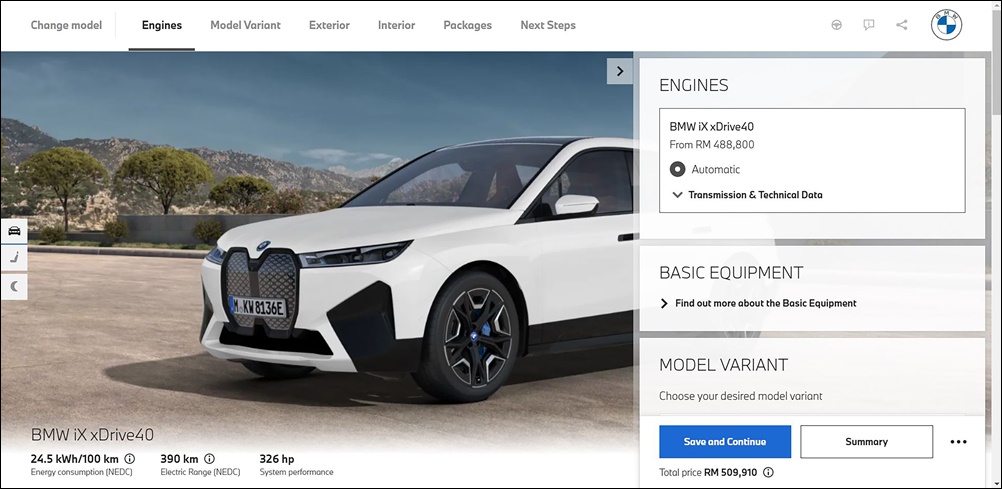
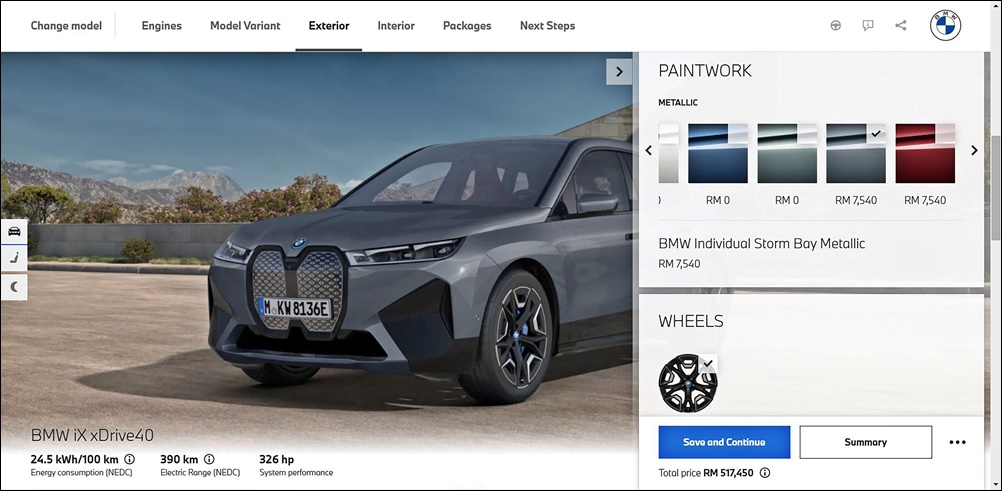
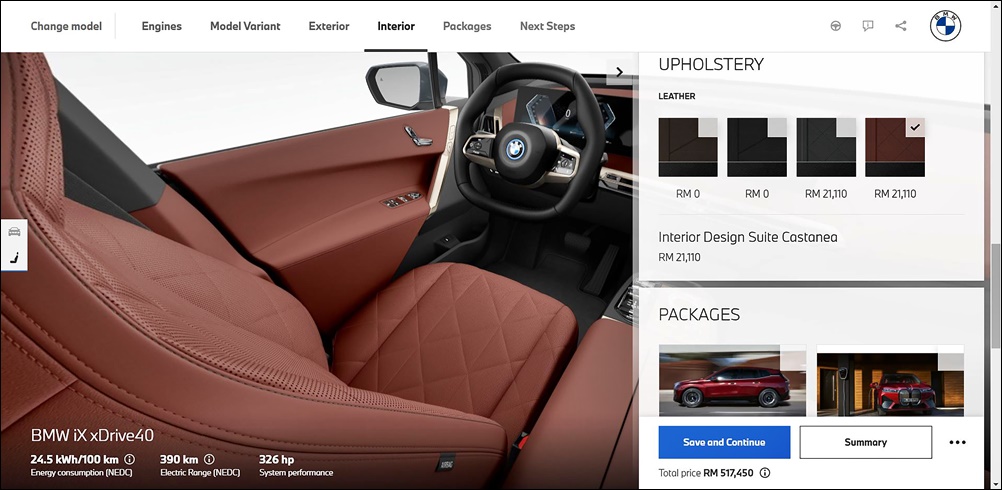
Those who are planning to buy the new BMW iX can personalise it with a configurator provided by BMW Malaysia, allowing them to include add-on packages. The wide range of packages are available to customers who have already pre-booked their cars as well as potential customers who are planning to book the iX xDrive40 before October 12, 2021.

Introducing the BMW iX Configurator, Hans de Visser, Managing Director of BMW Group Malaysia said: “Providing opportunities for unique configurations of our next-generation BMW i vehicles is synonymous with our vision for the BMW i. In offering a fleet of powerful vehicles that are fully electric to our traditionally fuel-powered portfolio, we are also giving our loyal customers the Power of Choice to personalise their BMW vehicles according to their ownership needs – be it additional comfort, elegant interior fittings, or more safety and driving features, their options are open for the upcoming First-Ever BMW iX xDrive40 and BMW iX xDrive40 Sport.”

BMW iX Configurator

BMW iX Configurator

There are 7 packages to choose from, each package is individually tailored to enhance specific aspects of the driving experience for the new all-electric Sports Activity Vehicles (SAVs). The packages are the Power Package, Design Package, Luxury Package, Iconic Package, Technology Package, Interior Upholstery Package, the latter having 2 premium upholstery options. Package prices range from RM3,020 to RM33,490.

BMW iX Configurator

With the Iconic Package, customers will also get the BMW IconicSounds Electric feature which generates an engine sound to match the driving dynamics, enhancing the emotion of the sports driving experience. IconicSounds is delivered through the audio system, and is tailored to 3 driving modes: Personal, Efficient and Sport.

The Luxury Package includes a Panorama Glass Roof Sky Lounge which becomes opaque or transparent at the touch of a button. This special effect is achieved by the alignment of liquid crystals in a film on the glass roof.

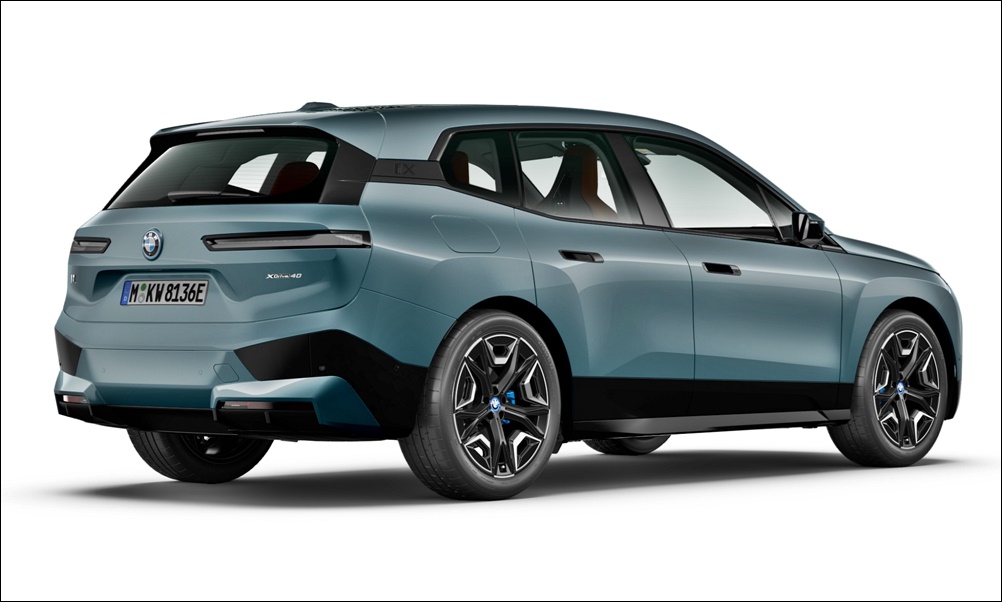
2021 BMW iX xDrive40 Sport

Pre-booking of the iX xDrive40 and iX xDrive40 Sport can be made on the BMW Shop Online platform with a fee of RM5,000. Customers who purchase BMW i models will enjoy a battery warranty of up to 8 years or 160,000 kms, whichever comes first. Owners of any of the new iX models can opt to have a BMW 5-Year Extended Warranty and 6-Year Service package at a special rate of RM16,170.

To know more, visit any authorised BMW dealership or visit www.bmw.com.my.

BMW Group Malaysia moves into next phase of electrification with new BMW i model range

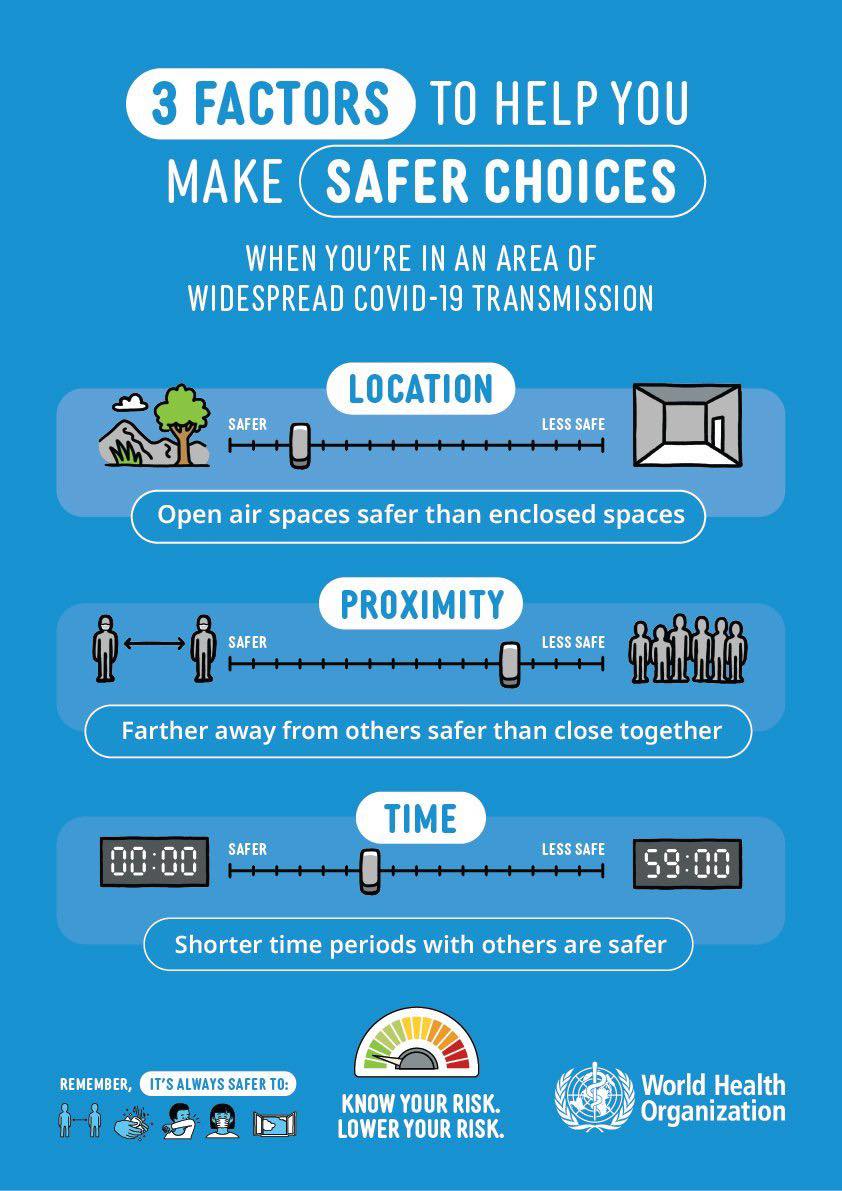
Vaccination does not make you immune to COVID-19 infection. You can still get infected and although you may not show symptoms, you could spread the coronavirus to others. Do not stop taking protective measures such as wearing a facemask, washing hands frequently and social distancing.

Archive

Follow us on Facebook

Follow us on YouTube