Motoring along highways is generally safe as the roads are usually in good condition and there are a few lanes so that overtaking can be done safely. The traffic flow is also safely separated on two sides, reducing dangers of collision.
However, accidents can still occur and sometimes with tragic outcomes. According to a Bernama report, a couple were killed and their 3 children injured when their vehicle crashed at KM274 of the East Coast Highway 2 (LPT2) near the Cheneh toll plaza exit at around 4 pm yesterday. The family, who reside in Kejang, Selangor, was said to be travelling to Kg. Gelugor, Kerteh, Terengganu after dropping one of their sons off in Kuantan.
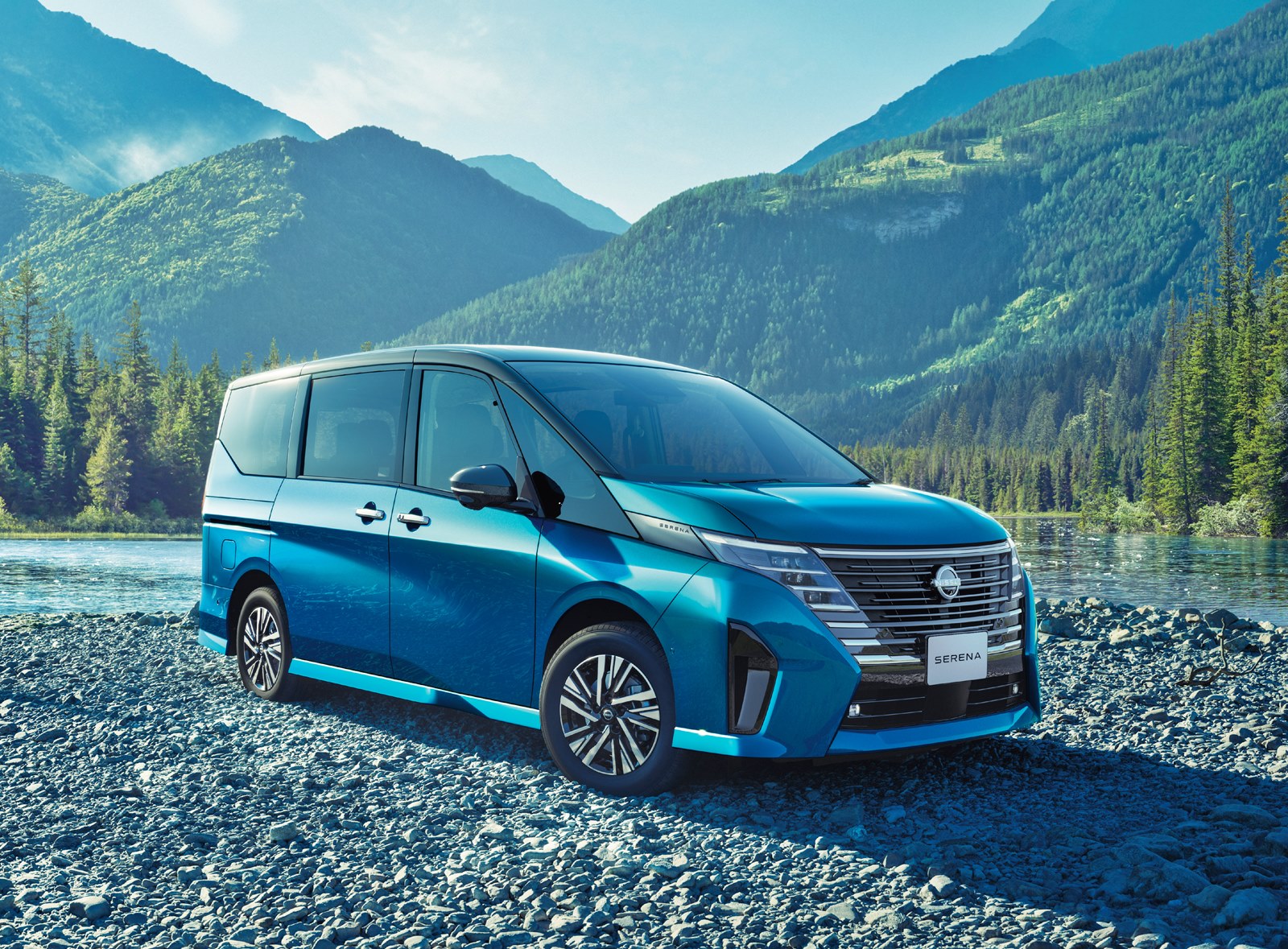
Since being launched in 1991, the Nissan Serena has had a varied model cycle through 5 generations, as long as 8 years (first generation) and as short as 5 years (third generation). Nevertheless, it has been a popular MPV in Japan because of its family-friendly design which has evolved with the changing needs of customers.
The sixth generation (C28) launched recently continues with this successful formula while offering new powertrain technologies and safety systems. Though having some visual similarities to the C27 generation, the new Serena has revamped styling, while maintaining roughly the same footprint. It also has the widest windscreen in the MPV category (1.2 – 2.0 litre class with 7/8-seats).
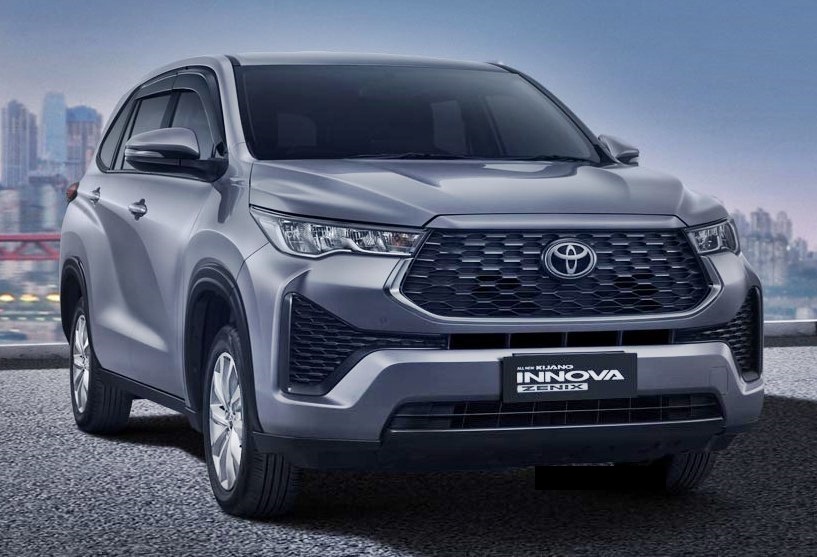
From the time it was first introduced in the mid-1970s, the Toyota Kijang has been a top-seller in Indonesia to the extent that it’s been regarded as country’s ‘national car’. Toyota had come up with a product that was ideal for the market, providing versatility to carry people and goods as well as robustness to handle the wide variations in road conditions.
After 45 years, the third generation has now been launched and takes a big step forward with a new electrified powertrain. The model’s name in Indonesia is Kijang Innova Zenix, somewhat lengthy but the ‘Kijang’ name is so strong that Toyota Indonesia has to retain it. ‘Innova’ is, of course, what Malaysians (and customers in other markets) know it as although we had a Kijang earlier that was called the Unser. Zenix is probably to highlight the transition to an electrified model.
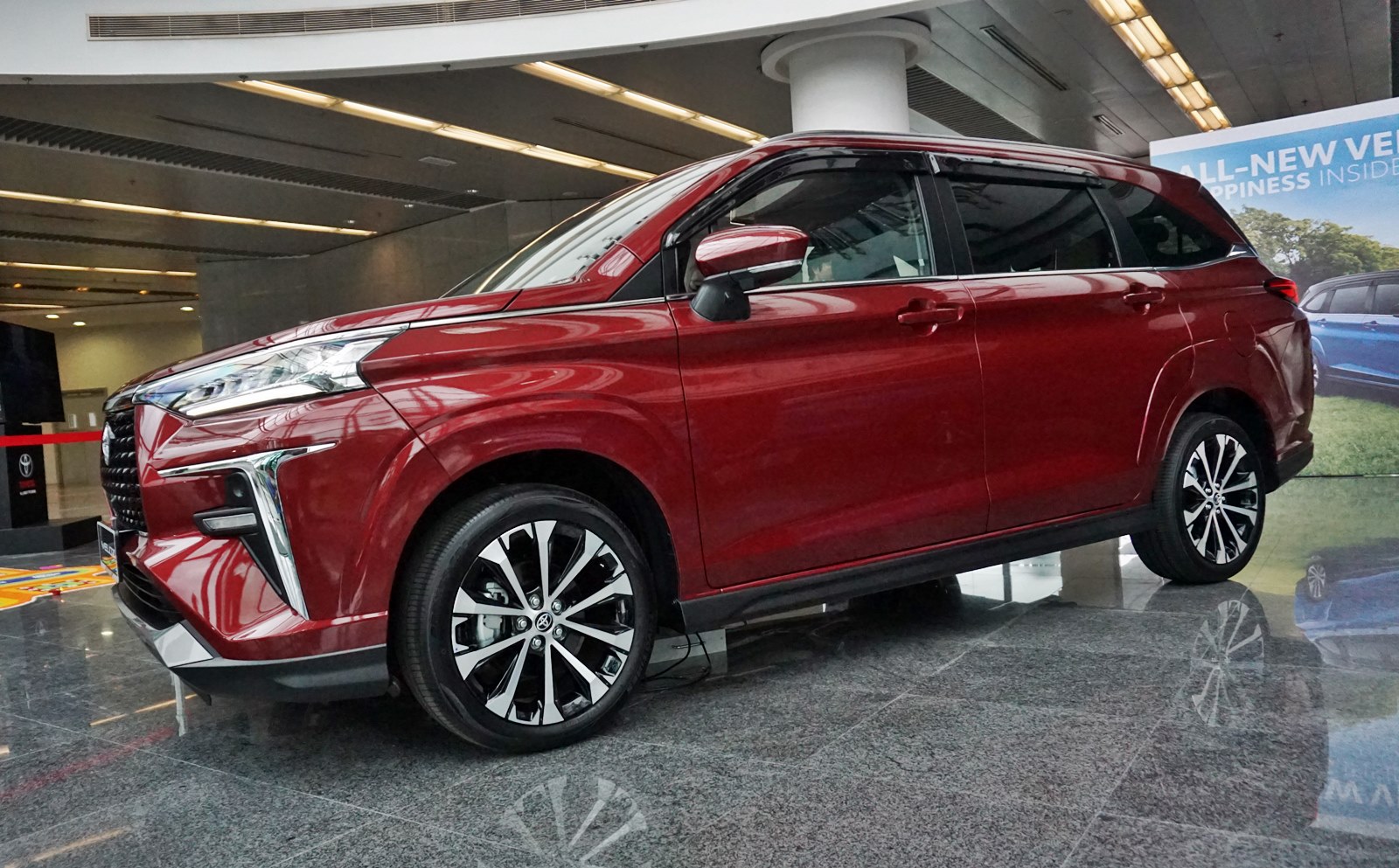
At long last, UMW Toyota Motor (UMWT) has launched the Toyota Veloz, a crossover MPV that takes over from the Avanza in the B-segment. The Veloz is a notch higher with a more premium image than the Avanza, reflecting Toyota’s ongoing aim of delivering ever better cars.
It’s no secret that the new Veloz is a similar model to the new Perodua Alza and it is even assembled in the same factory near Rawang, Selangor. It isn’t the first time UMWT is using Perodua’s factory also assembled the first Avanza as well as the Rush. It’s a practical approach when the model is similar as there is no point duplicating assembly for a smaller volume at another plant.
Shared models are nothing new in the industry and have been a practice for many decades. In earlier years, the sharing was usually between different brands of the same manufacturer. However, as model development grew much more expensive, it made sense to collaborate and share the costs. The advantages in this include cost-savings in many parts as the suppliers can have orders with bigger volumes for the same part or system.
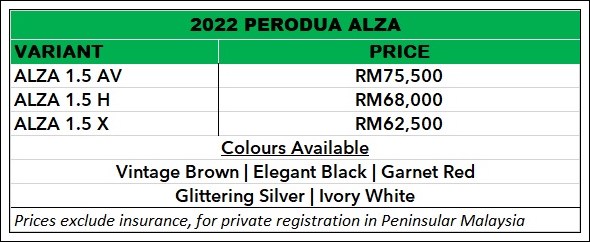
However, the Veloz does cost more to Malaysian consumers at RM95,000, compared to the Perodua model which has a price range of RM62,500 to RM75,500. That the Veloz costs more than the Alza will raise the question of why anyone would want to pay more for what is essentially the same product. This is where brand preference and loyalty come in and while Perodua is the market leader in Malaysia, Toyota is also a strong brand with a longer history in the market. Interbrand’s assessment of brand value for 2021 placed Toyota at the top of the list among carmakers and seventh among all companies worldwide.
Now that we’ve got that point out of the way, let’s look at what the Veloz offers. Only one variant is available so they’ve loaded it with everything and customers won’t need to make a choice of which variant to buy. But they will have to choose one of 5 body colours, two of which have a black roof.
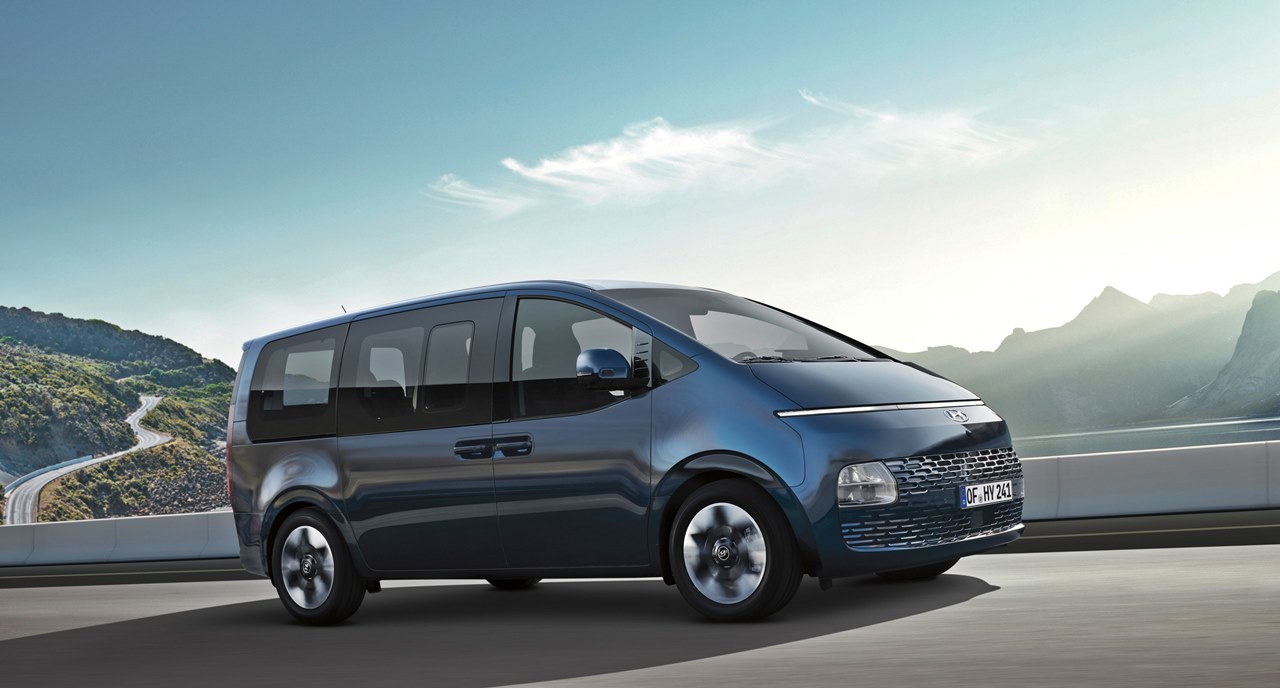
While the Toyota Hiace and its clones from China have long been popular among fleet operators requiring seating for 10 persons or more, there has also been the Hyundai Starex in recent years as an alternative. Now Hyundai-Sime Darby Motors (HSDM) will also offer the Hyundai Staria with a 10-seat configuration.
To go on sale in the fourth quarter of 2022, the large Korean MPV is essentially similar to the Staria 7-seater launched last year. According to Low Yuan Lung, Managing Director of HSDM, there has been the expectation that the 10-seater Staria will also be made available.
“We have been getting enquiries for the 10-seater variant as there has been anticipation that the 10-seater variant will replace the Starex. Like the Starex, this new 10-seater variant of the Staria is ideal for big families, tour operators and businesses. However, it has vast improvements and more functionalities in every aspect compared to the Starex,” he said.
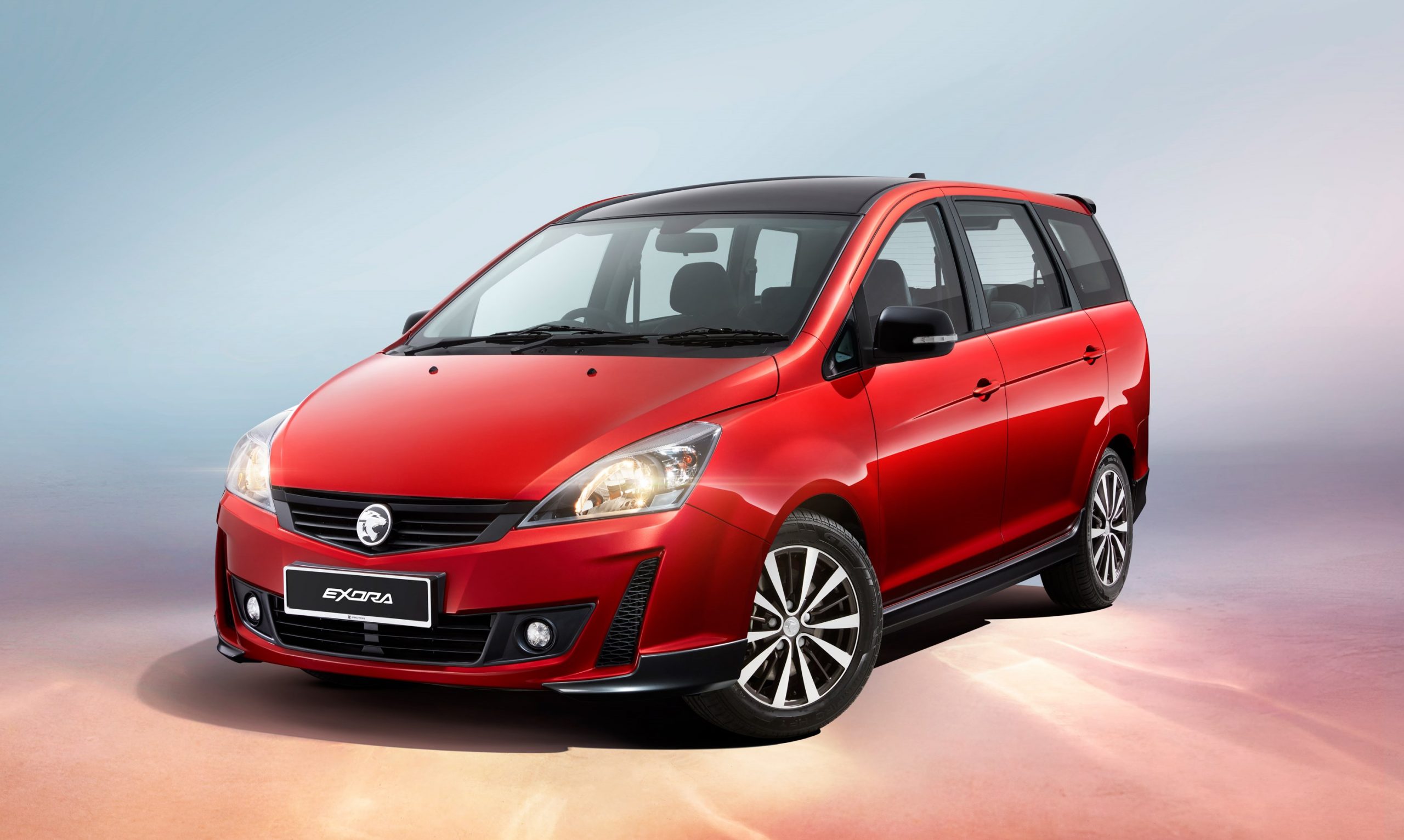
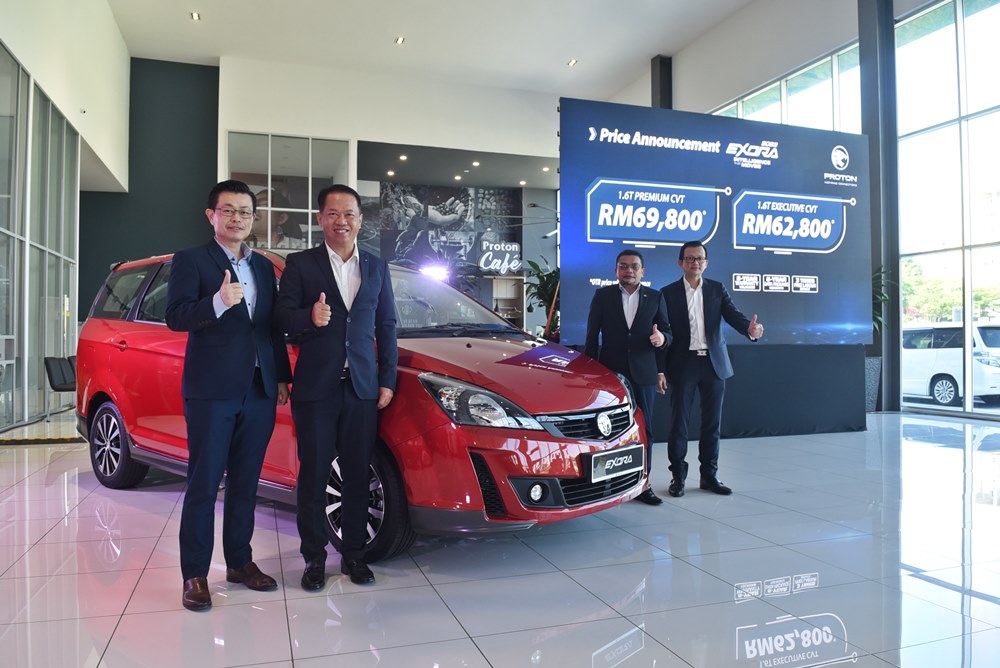
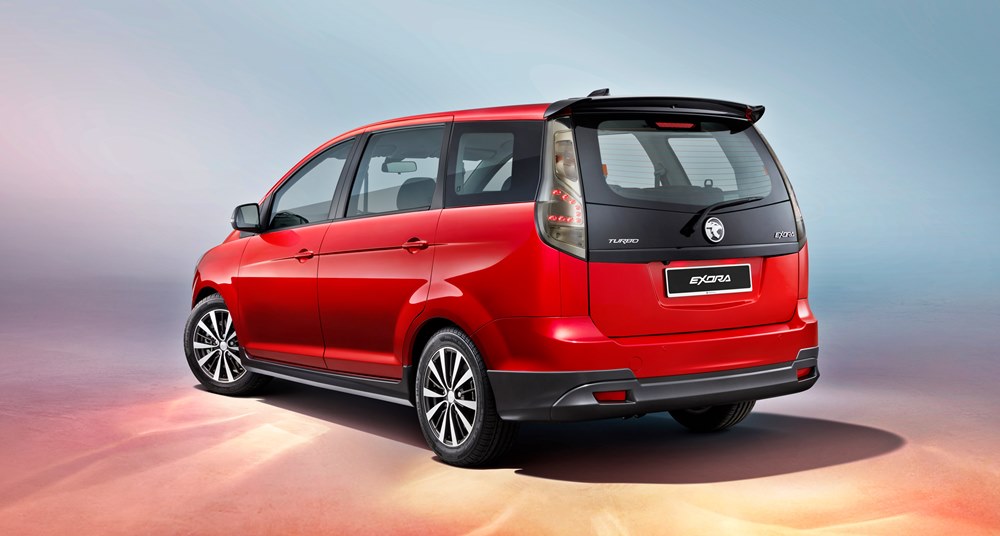
Proton has officially launched the 2023 Proton Exora at PROTON KEB Auto Sdn Bhd in TTDI Kajang, Selangor today. Two variants are available – the Exora 1.6T Executive at RM62,800 and the 1.6T Premium CVT at RM69,800 (prices excluding insurance). The evergreen MPV is available in Snow White, Indiana Grey, Rosewood Maroon, Ruby Red or Cocoa Grey.
The 2023 Proton Exora has been refreshed with the new brand logo on the front grille and tailgate. LED daytime running lamps are now fitted, along with 16-inch alloy wheels in dual-tone finishing. There are also side skirtings and a rear spoiler, while a black roof with black rear garnish adds a stylish touch in keeping with trends for MPVs.
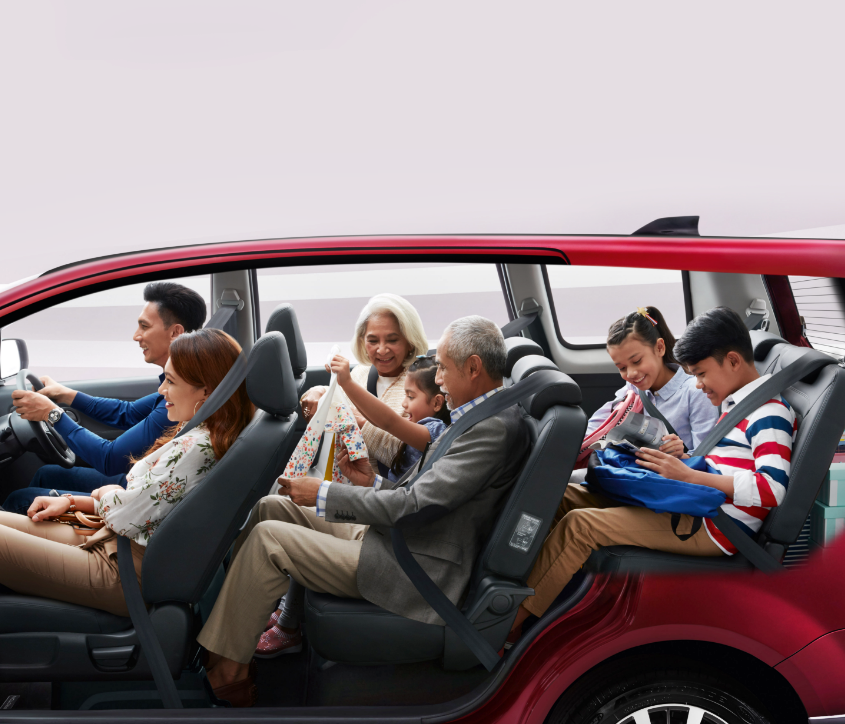
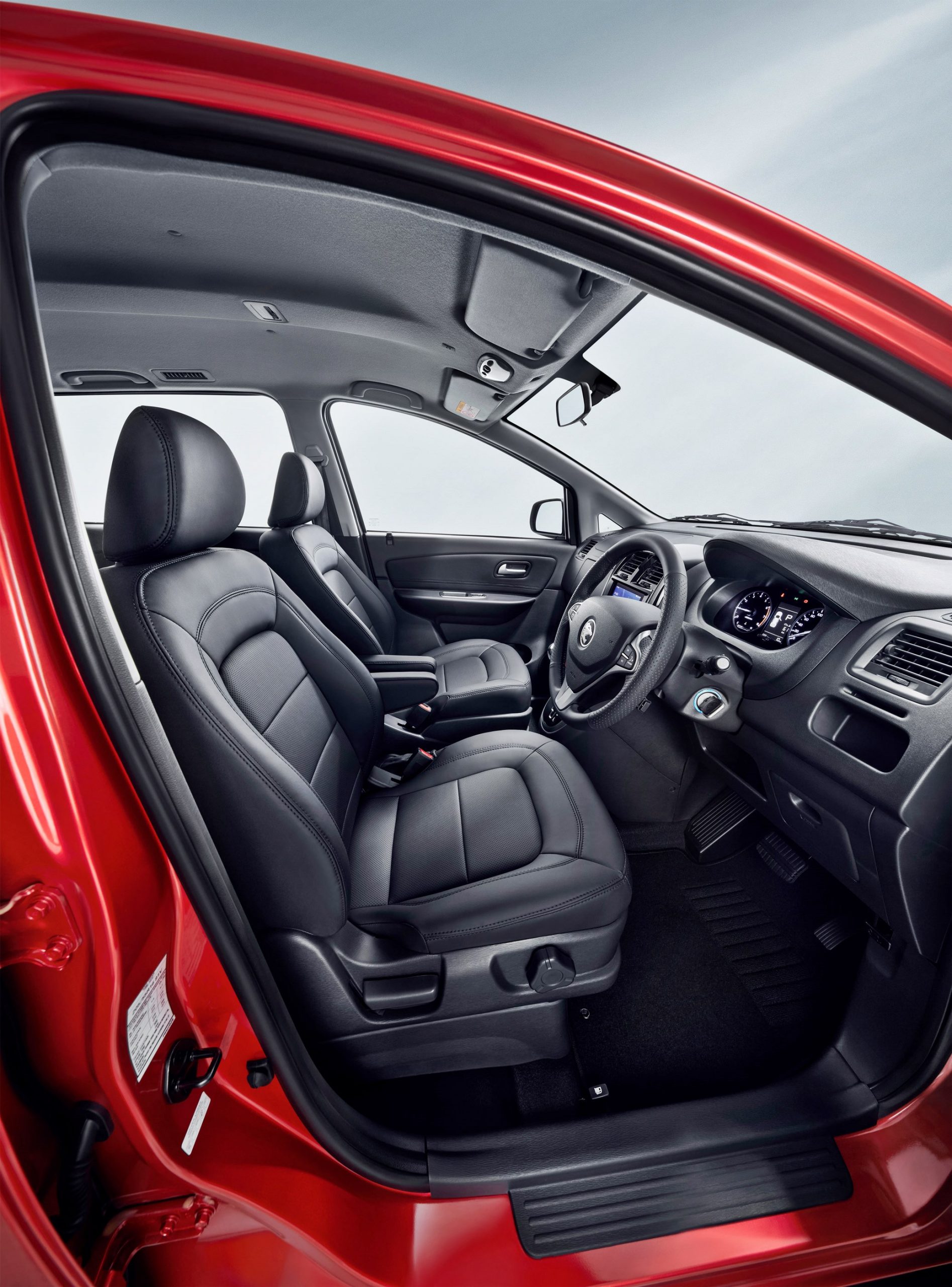
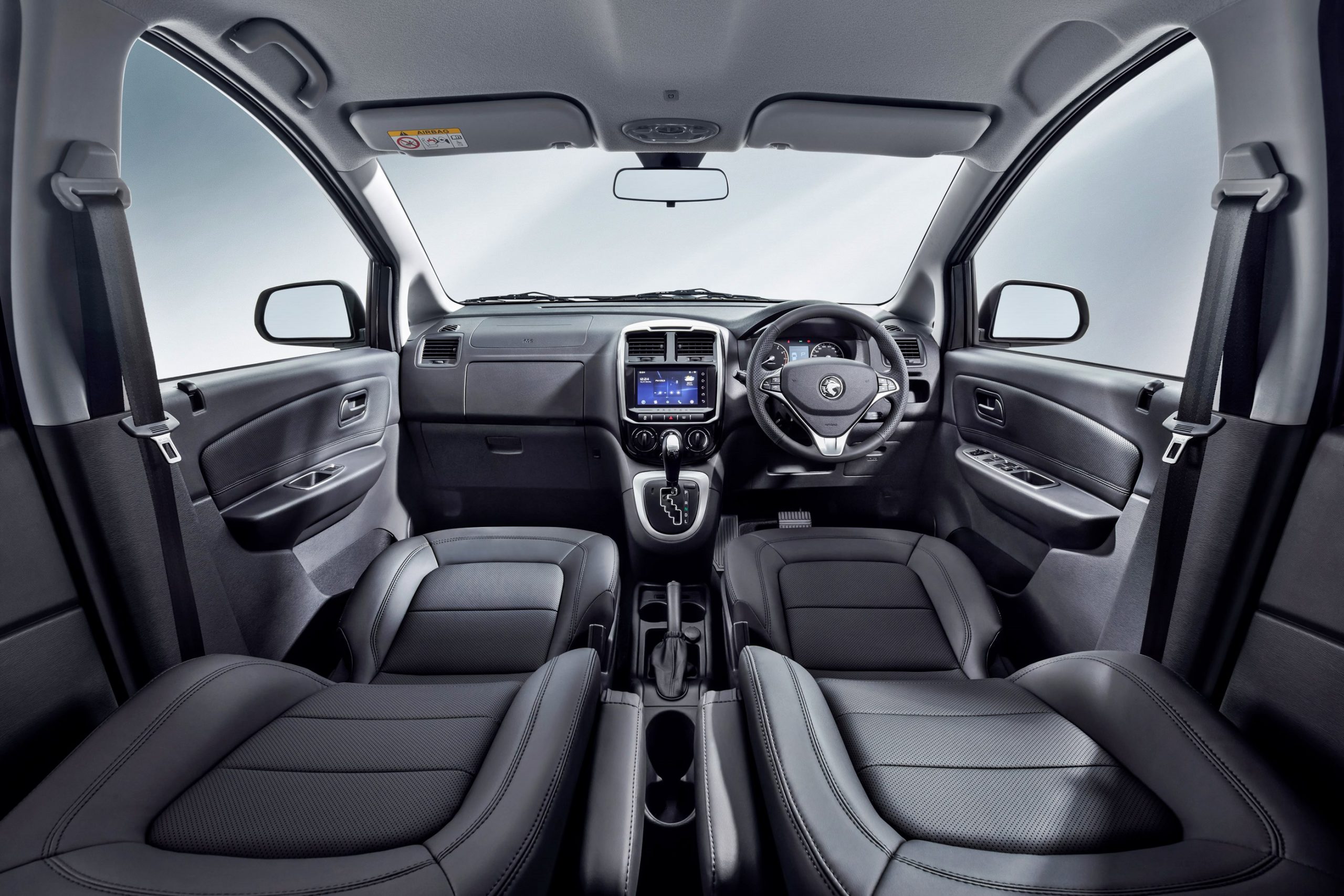
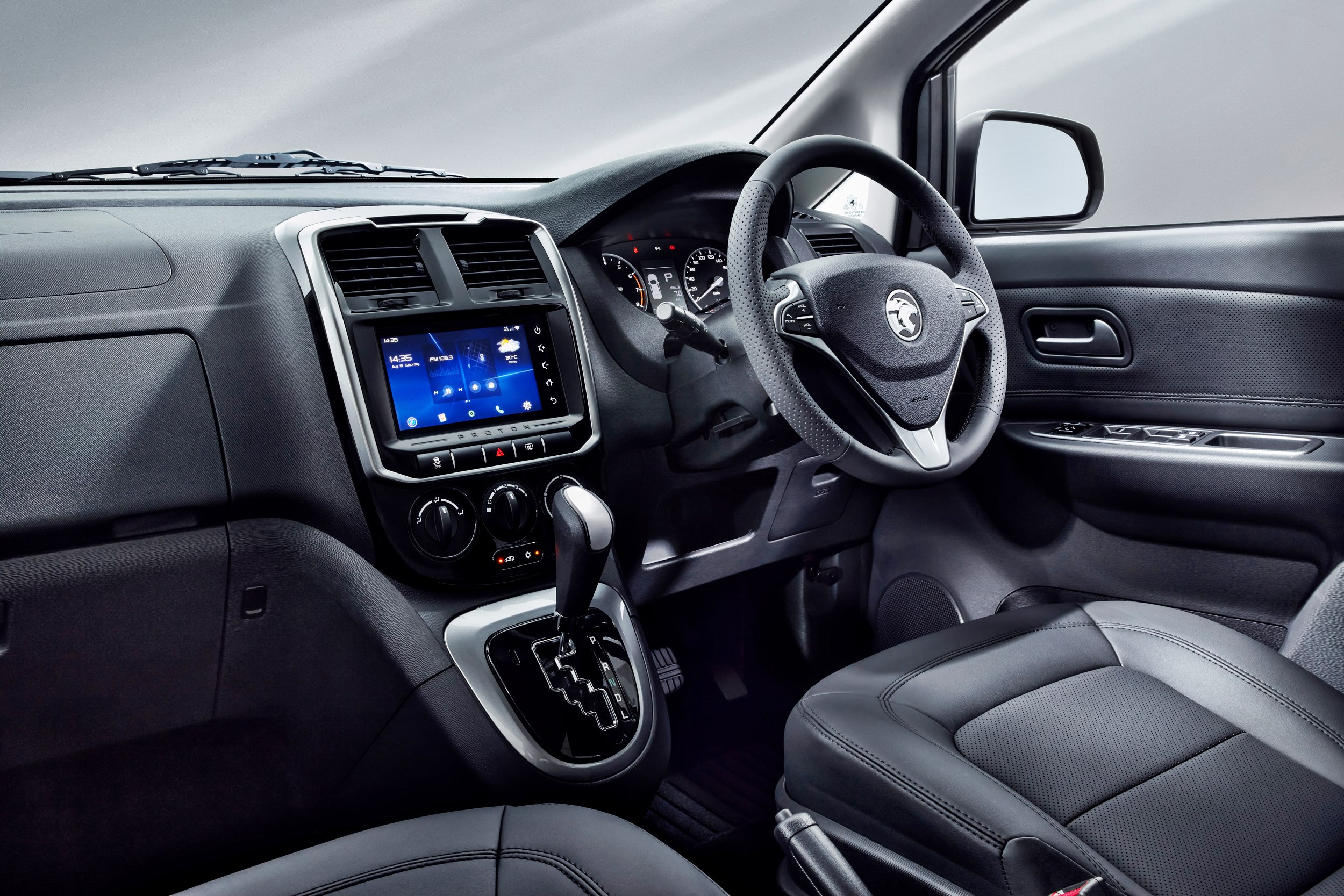
The spacious 7-seater cabin has full leatherette seats, a leather-wrapped multi-function steering wheel and armrests for the front seats. Rear occupants are kept comfortable with additional air-conditioning vents further back in the cabin. The ventilation system now has a standard N95 filter to improve the air quality.
The infotainment system features a 7-inch touchscreen monitor with the now-popular ‘Hi PROTON’ Voice Command system. The occupants can enjoy music streaming while the driver can have route guidance with GPS with 4G and wifi connectivity. Smartphone connectivity is also available to mirror link with Android devices.
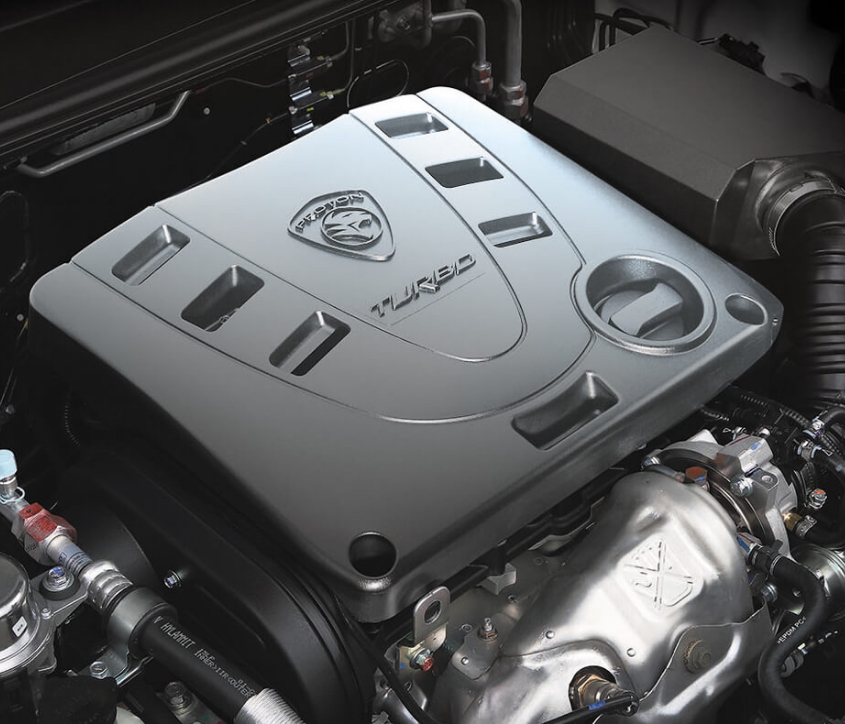
Mechanically, there are no changes with the engine being the familiar Proton-developed 1.6 litre turbocharged 140 ps/205 Nm engine paired with a CVT.
Being an older model, the Exora does not have the latest active safety systems, but it is nevertheless equipped with the essential ones such as airbags (two in front), ABS with Electronic Brake Distribution, and Electronic Stability Control.
There’s also an Emergency Stop Signal system which will activate the hazard warning lights automatically if there is sudden and very hard braking. This will help to alert drivers behind earlier as they may sometimes not notice that the vehicle ahead is suddenly braking. Early warning could help to avoid a rear-end collision.
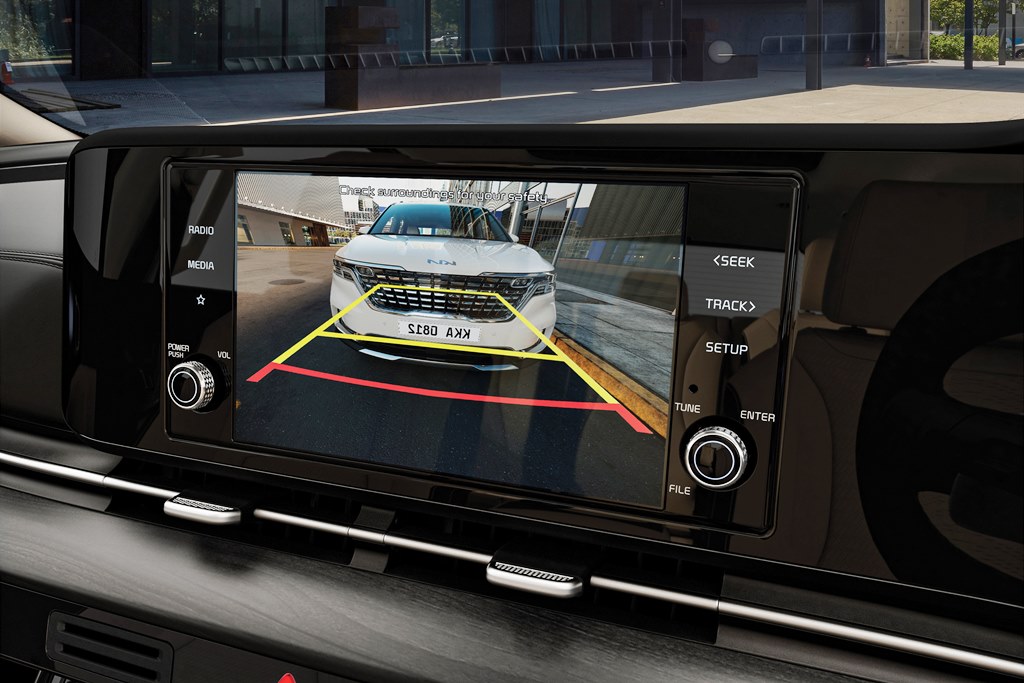
To help with parking, the Exora comes with a reverse camera and together with rear parking sensors, the driver should be able to reverse confidently and position the MPV properly in a bay. The image from the camera will also help prevent accidents as the driver will be able to spot if there is a small child right behind the vehicle who cannot be seen in the mirrors.
“The 2023 Proton Exora, Malaysia’s first home-grown MPV, is designed and built with Malaysia’s rakyat in mind. With this latest update, we took a class-leading product and made it even better for drivers and passengers alike, across a variety of applications, by reinforcing its proposition of power, space, and value. With more than 180,000 units sold over 13 years, the Proton Exora is Malaysia’s best-selling C-Segment MPV and to this day retains that position,” said Roslan Abdullah, Deputy CEO of Proton.
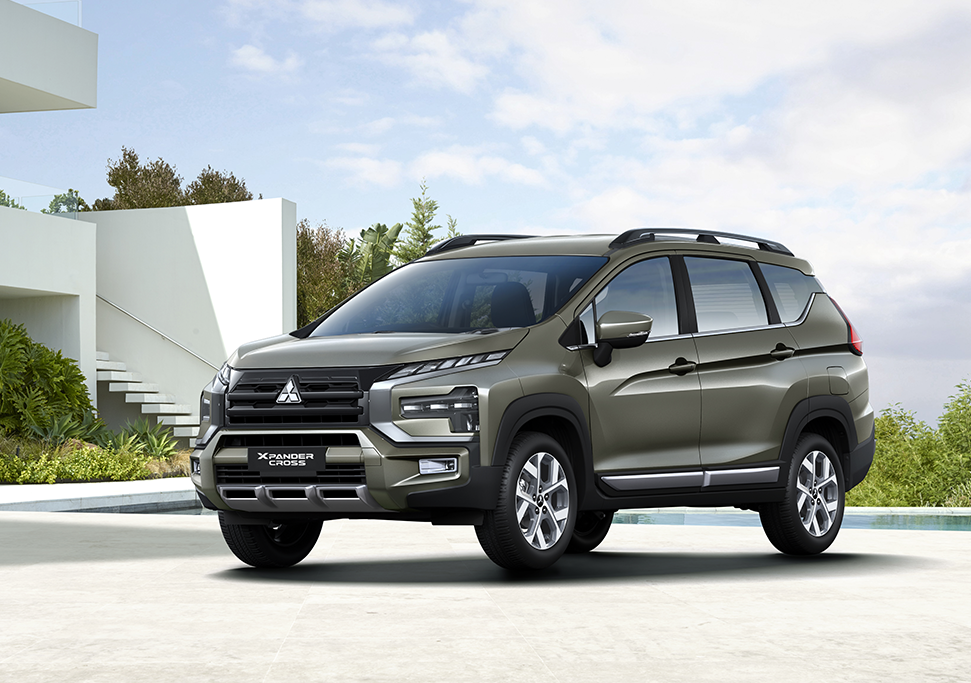
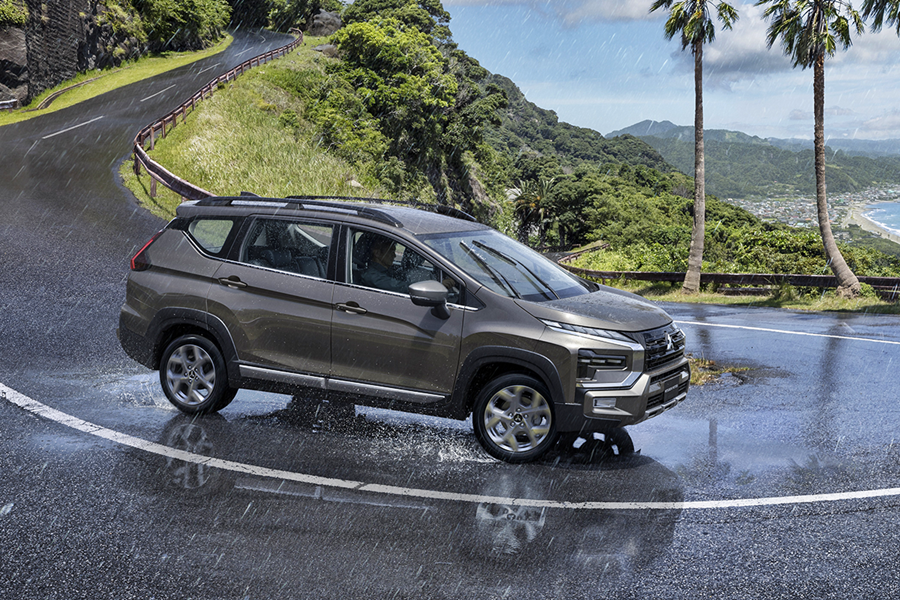
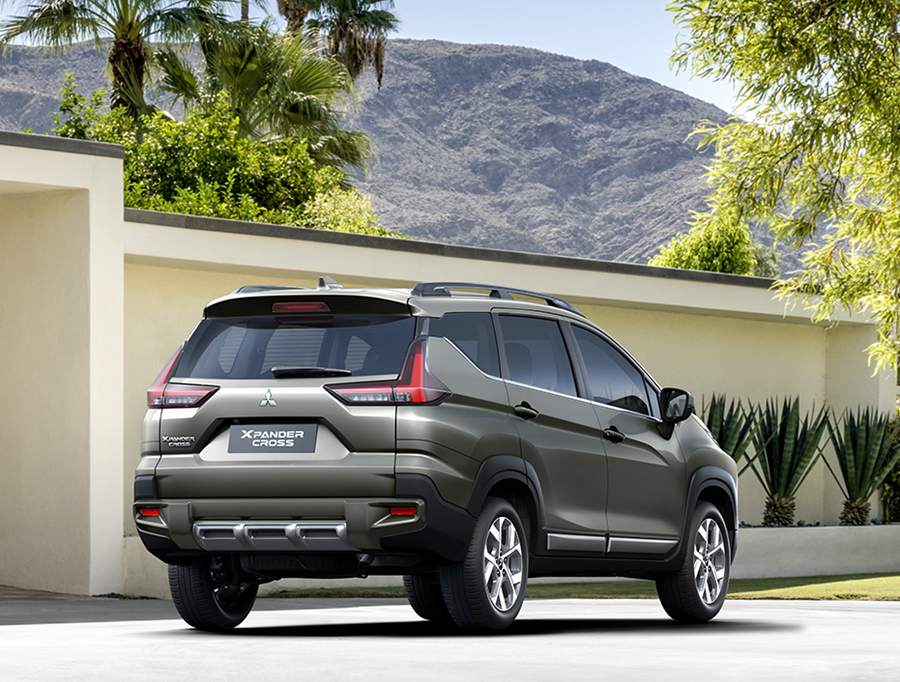
While the Mitsubishi XPANDER assembled in Malaysia is only available in the standard body version, some other markets also have an XPANDER Cross, a more SUV-themed version. It was added to the range in 2019 and at the 29th GAIKINDO Indonesia International Auto Show yesterday, an updated version of the XPANDER Cross was officially launched. Indonesia gets the new XPANDER Cross first as the 3-row crossover MPV’s production hub is located there.
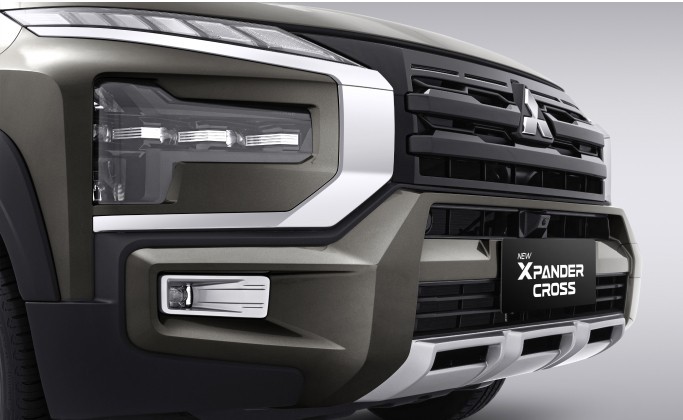
The facelifted XPANDER Cross gets a new and more aggressive frontal design which continues to have the overall Dynamic Shield design concept that is also found on the Triton pick-up. The styling is more expressive and gives a stronger SUV image.
This has been achieved by combining the large grille with a trapezoidal motif and incorporating the bumper with a guard bar shape. The headlights have gained a distinctive T-shaped design that emphasizes the width of the vehicle. The signal lights, previously placed under the headlight units, are now incorporated into the upper position lamps to improve visibility.
In addition, the front and rear overhangs have been extended by 95 mm, while the bonnet has been thickened to create proportions that increase dynamism and stability.
At the rear, the tailgate has a more 3-dimensional shape, and the dividing line has been reduced to enhance the texture. The rear combination lamps have a wide design and the horizontal T-shaped tail lamp like the front. In addition to the conventional tail lamp and reversing lamp, the brake light is an LED type for better and faster illumination.
The front and rear skidplates and the gray paint on the door garnish are coordinated to create a 3-dimensional effect which gives a sense of strength, while the roof rail is finished in black. The 17-inch aluminium wheels have a medium gray 2-tone machined bright finish to provide highlighting.
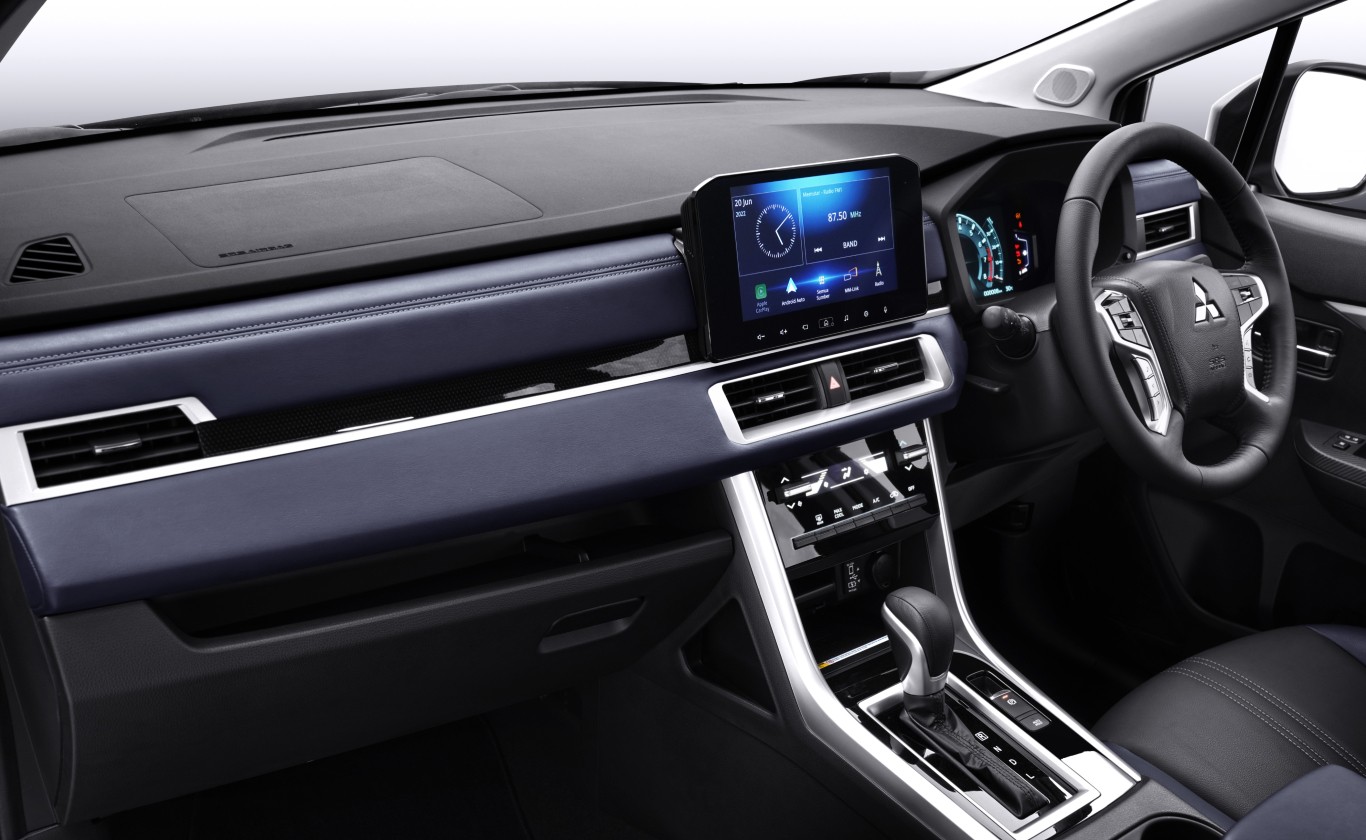
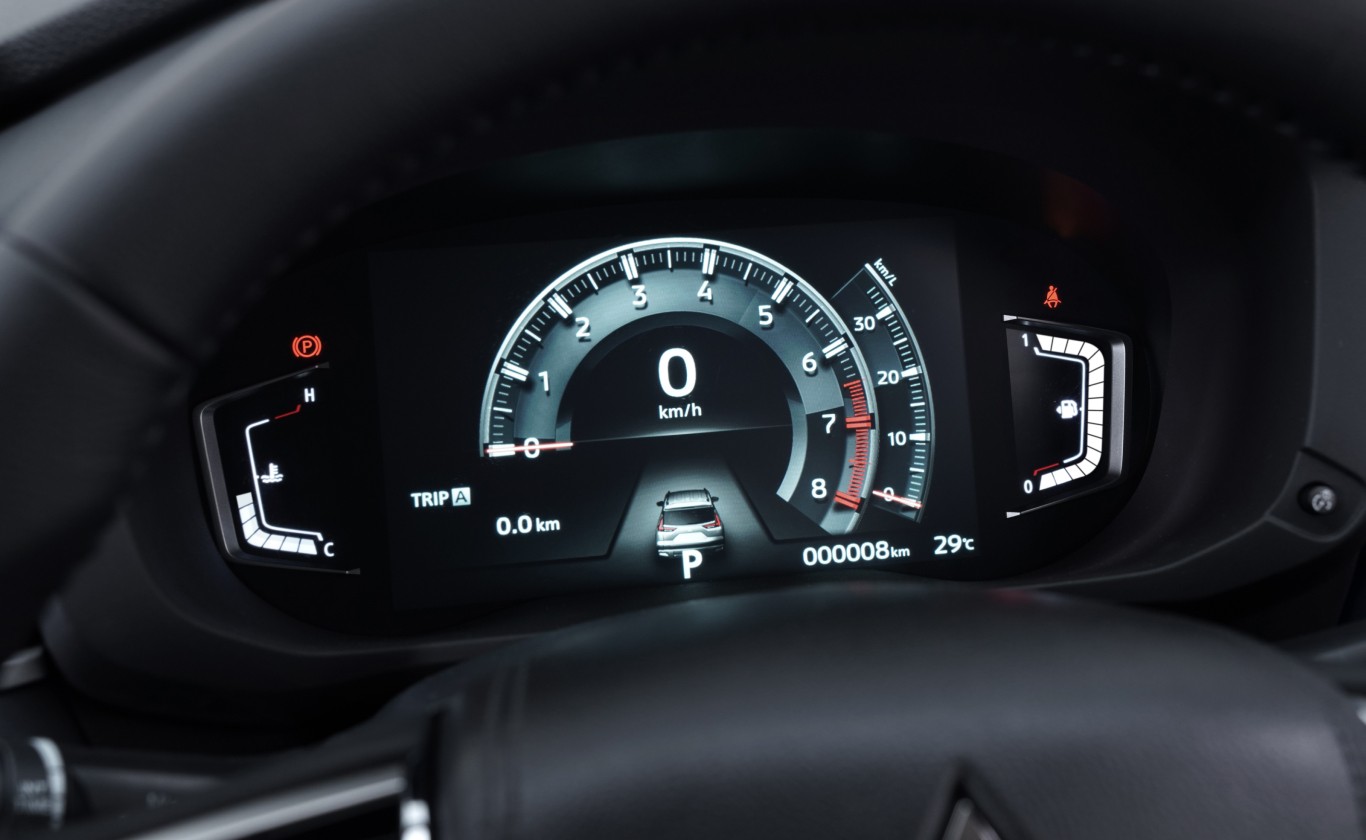
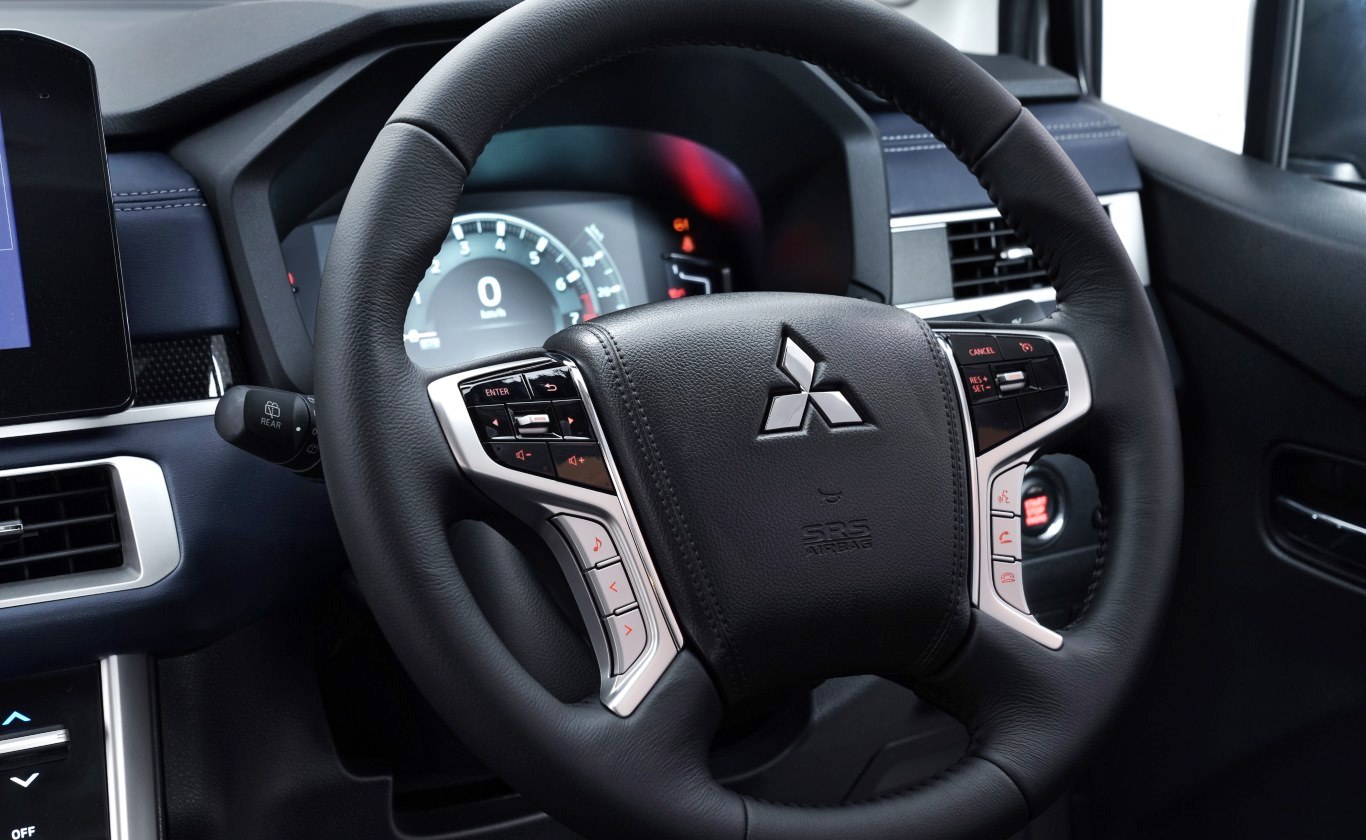
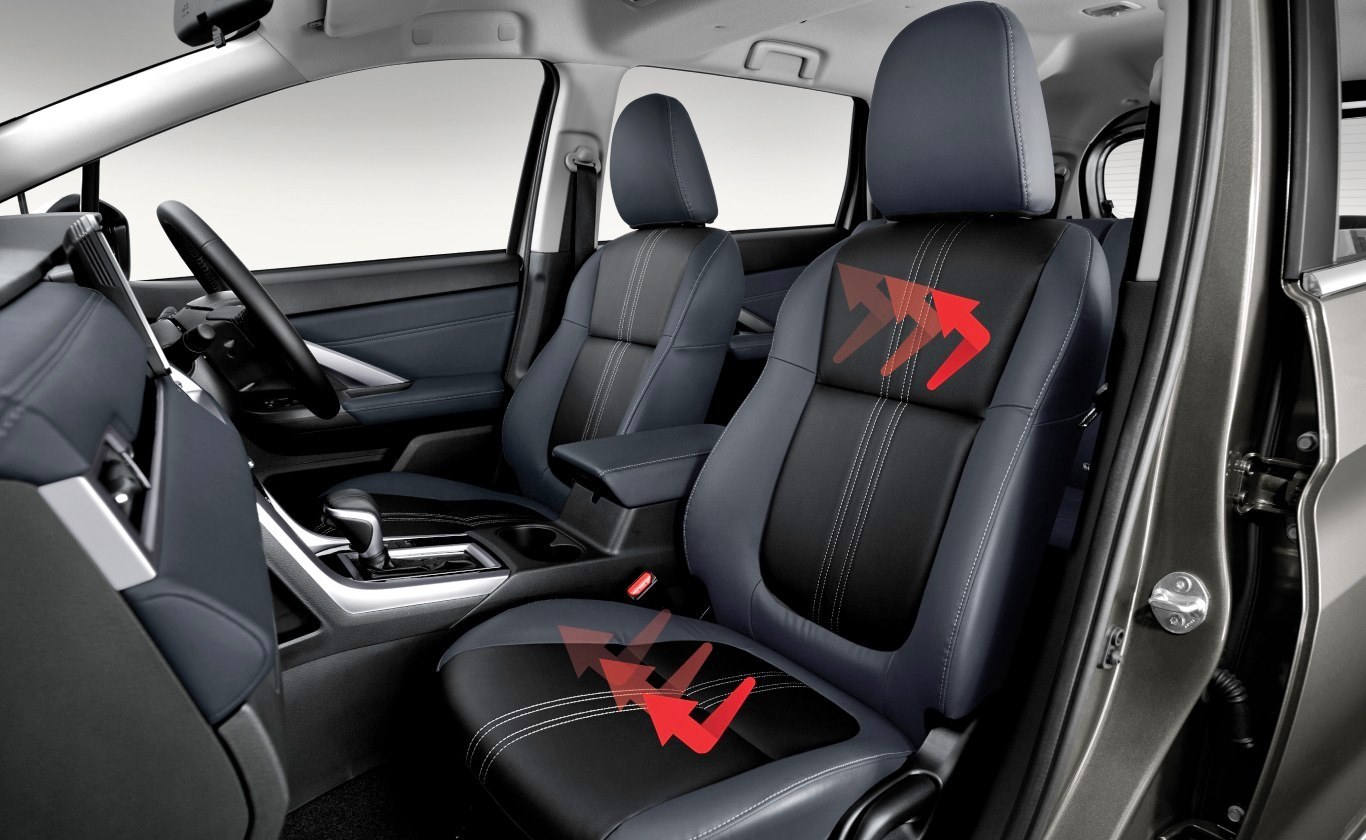
The 7-person cabin has a dashboard which was designed using a ‘HORIZONTAL AXIS’ concept. The latest XPANDER Cross has a new large-diameter 4-spoke steering wheel which makes it easier to grasp. The 8-inch colour LCD crystal meter has more intuitive and easier to use operations. To reduce taking the hands off the steering wheel, the driver can use switches on the steering wheel itself.
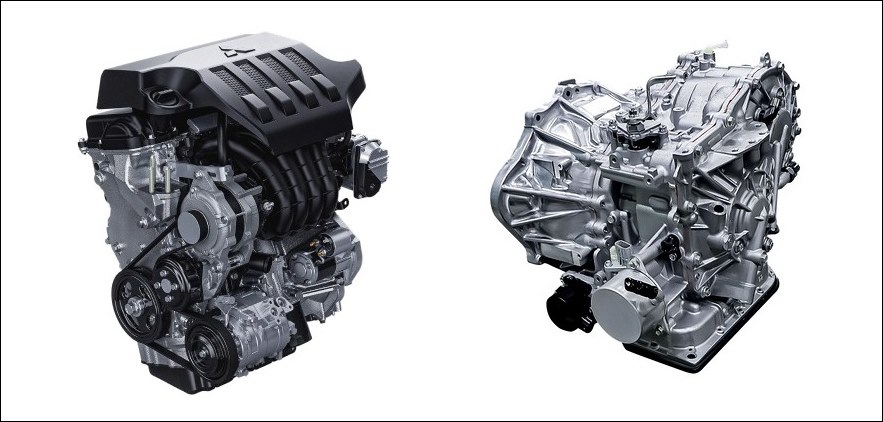
The XPANDER Cross has the same powertrain as the rest of the range, ie a 1.5-litre 4-cylinder petrol engine (Mitsubishi 4A91) with 105 ps/141 Nm. Depending on the market, transmission options are 5-speed manual or CVT, but all versions have only front-wheel drive.
Engine remains the same 1.5-litre unit but the automatic transmission is a CVT.
While there are no powertrain updates, the XPANDER Cross now has Mitsubishi Active Yaw Control (AYC) for better cornering control. The system adjusts the braking force of the front left and right wheels to improve turning performance, suppressing understeer.
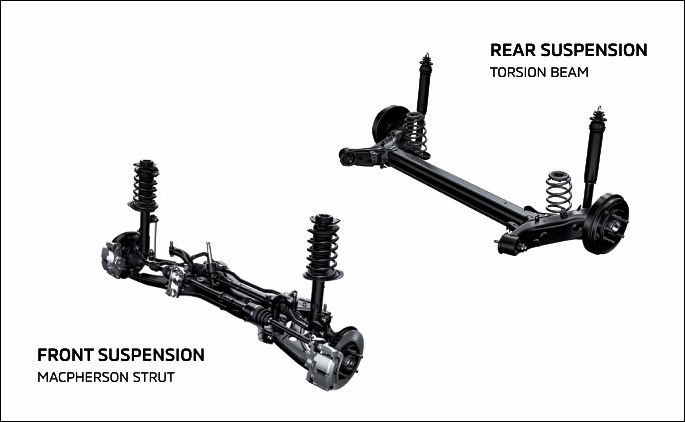
Some changes have been made to the suspension to improve ride comfort. The rigidity of the front strut mounting area has been increased while the rear shock absorber cylinder size has been expanded. High-performance front and rear valves have also been newly adopted to achieve a flat and comfortable ride even on rough road surfaces.
Up till the end of 2021, over 580,000 units of the XPANDER/XPANDER Cross have been sold in ASEAN markets as well as the Middle East South Asia, South America, Central America and Africa. In countries like Malaysia, the XPANDER has been assembled locally to have a more competitive price in the market.
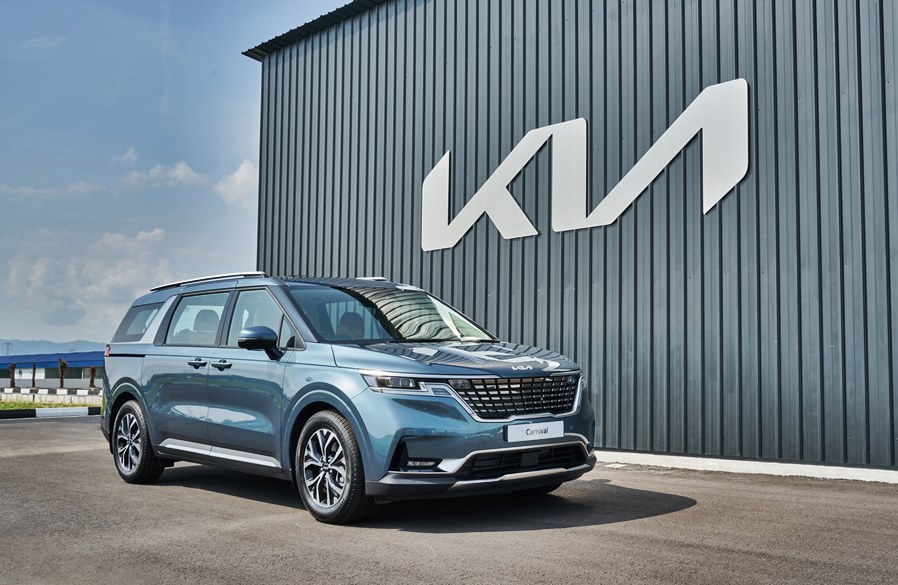
The new locally-assembled Kia Carnival shows how Korean design has come a long way in 50 years, having started with adapting foreign models (under licence) and then trying to design their own cars. They tried to be different, seemingly for the sake of being different and there were strange forms and shapes which were unnecessary. After realizing there was no need to ‘reinvent the wheel’, they began to get experienced foreign designers – the best known being Peter Schreyer who gave Kia a recognizable identity.
From having foreign designers, they also opened design studios in Europe and America where their designers could be immersed in the markets that they were developing products for. As a result, the designs today are original and appealing, without the oddities of trying to be different.
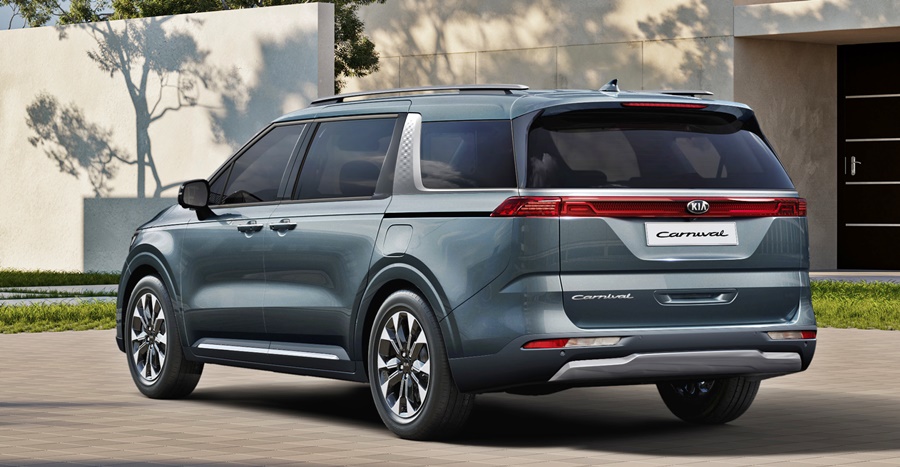
New design approach In the case of the new Carnival, the design originated from Kia’s studio in California which has been in existence since 2008. It’s therefore not surprising that the design is polished, of high quality and has a unique combination of MPV and SUV. In fact, Kia designers have coined the term ‘GUV’ – for Grand Utility Vehicle – to reflect a slightly different class of MPV.
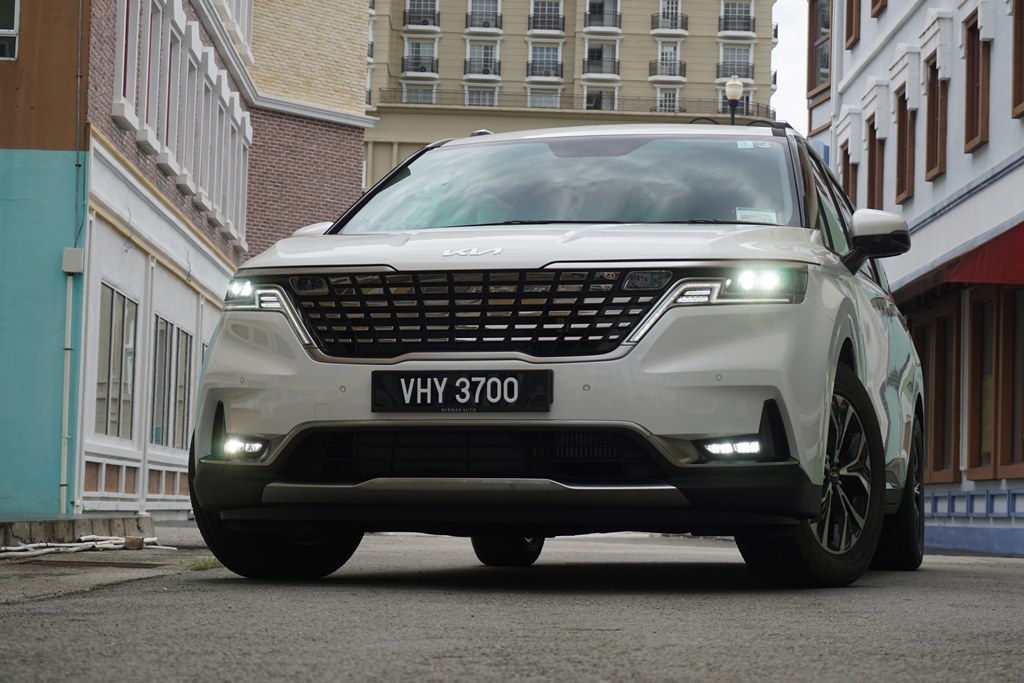
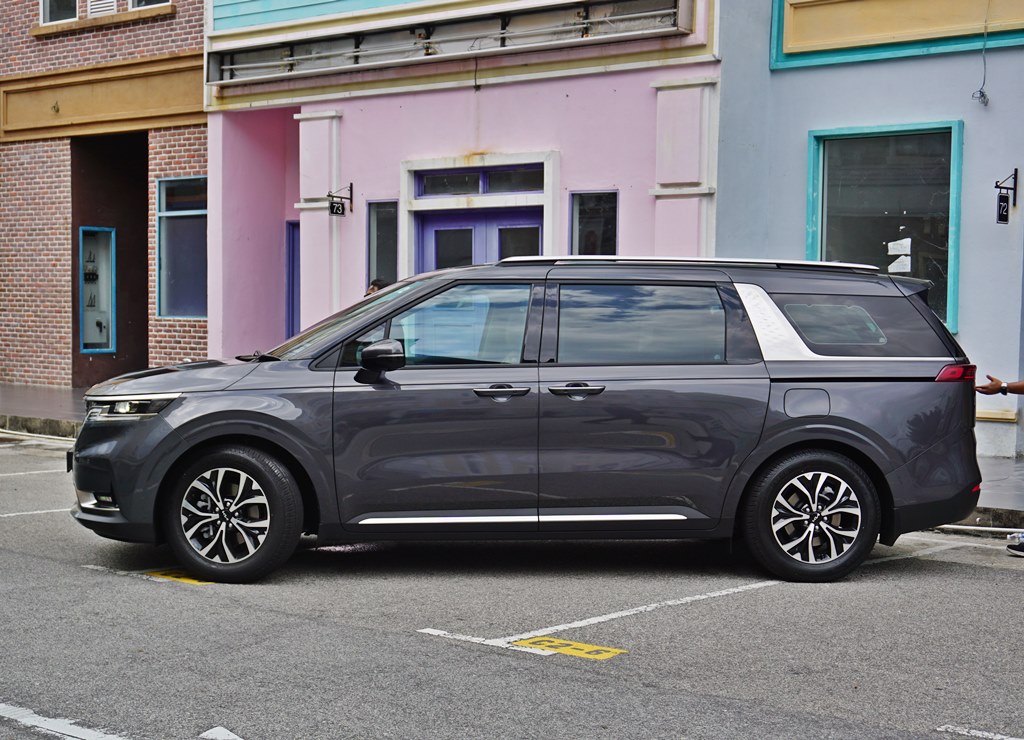
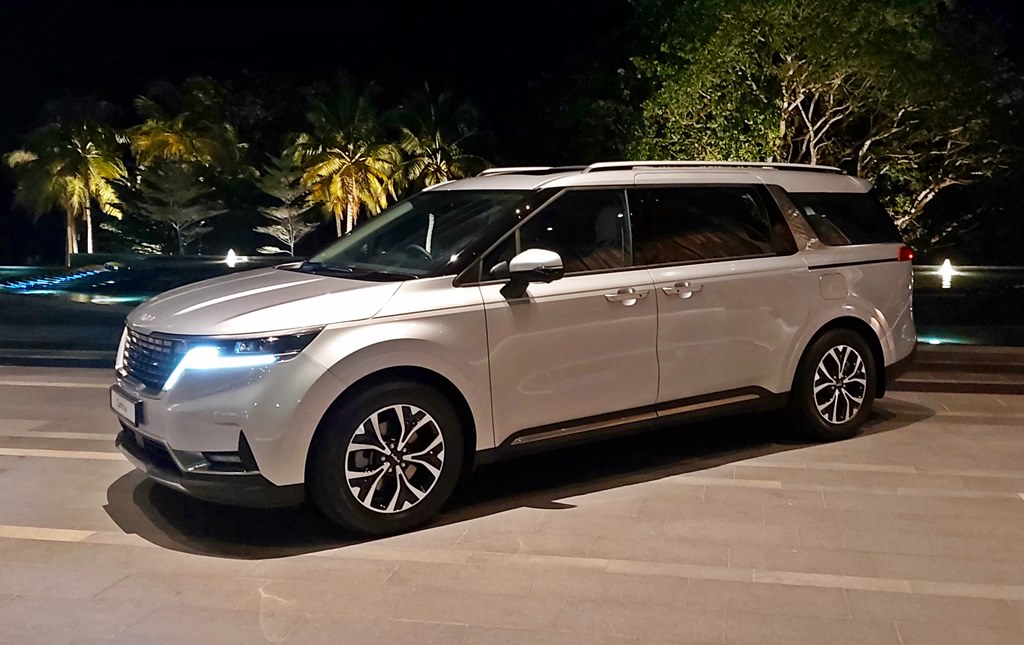
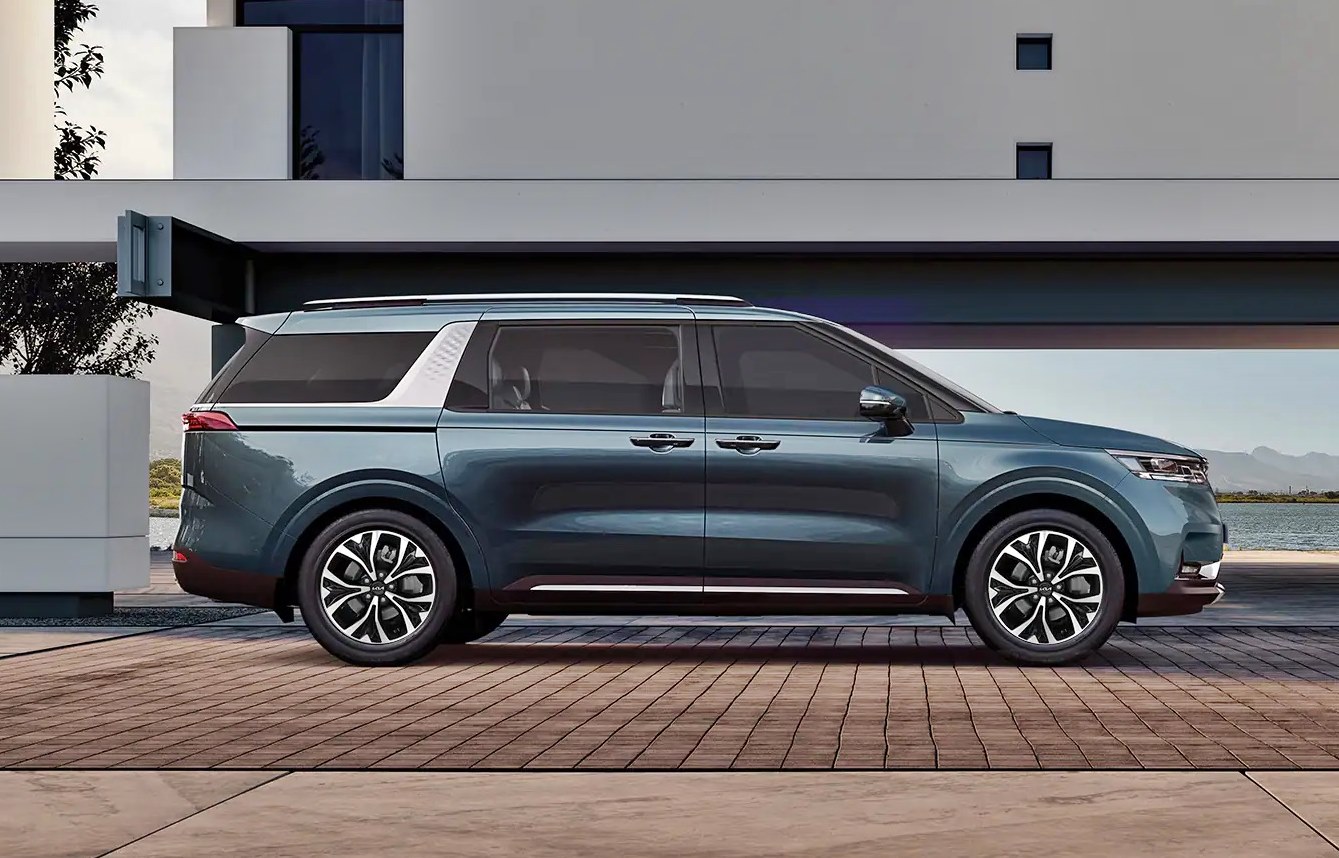
While it has the long monoform of a people-carrier, it doesn’t have the bulkiness and has styling elements that make it look like a long SUV. Besides the lifted front top of the bonnet to give the feel of a large SUV, a skidplate on the bottom edge of the front and rear bumpers are elements which give the SUV-like impression.
The headlamps don’t have conventional covers, with each of the DRLs and lighting elements being separate. The appearance is a bit futuristic, which also gives originality to the Carnival’s design. The grille, sized proportionately to the vehicle, is quite a simple execution which looks like the ‘Tiger Nose’ has finally evolved away from its familiar look.
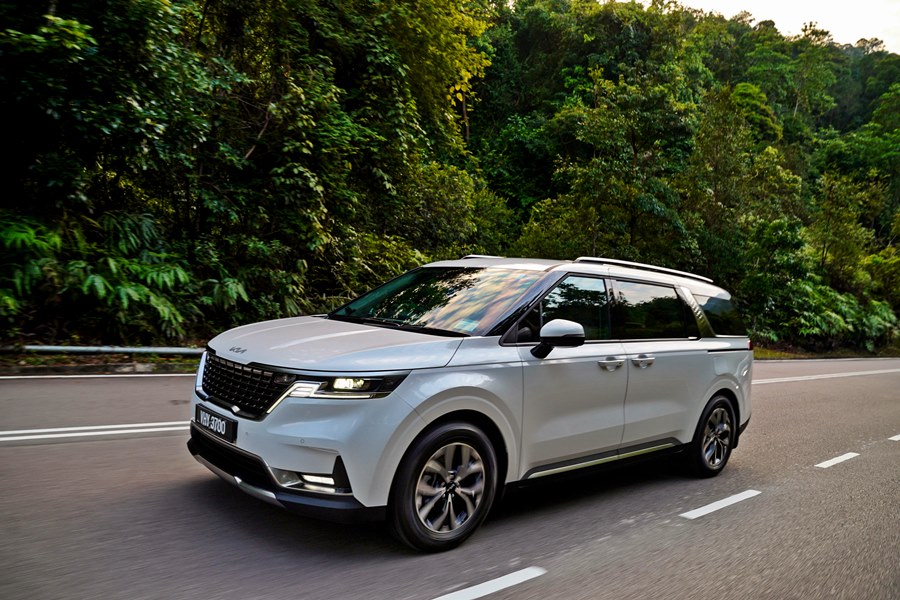
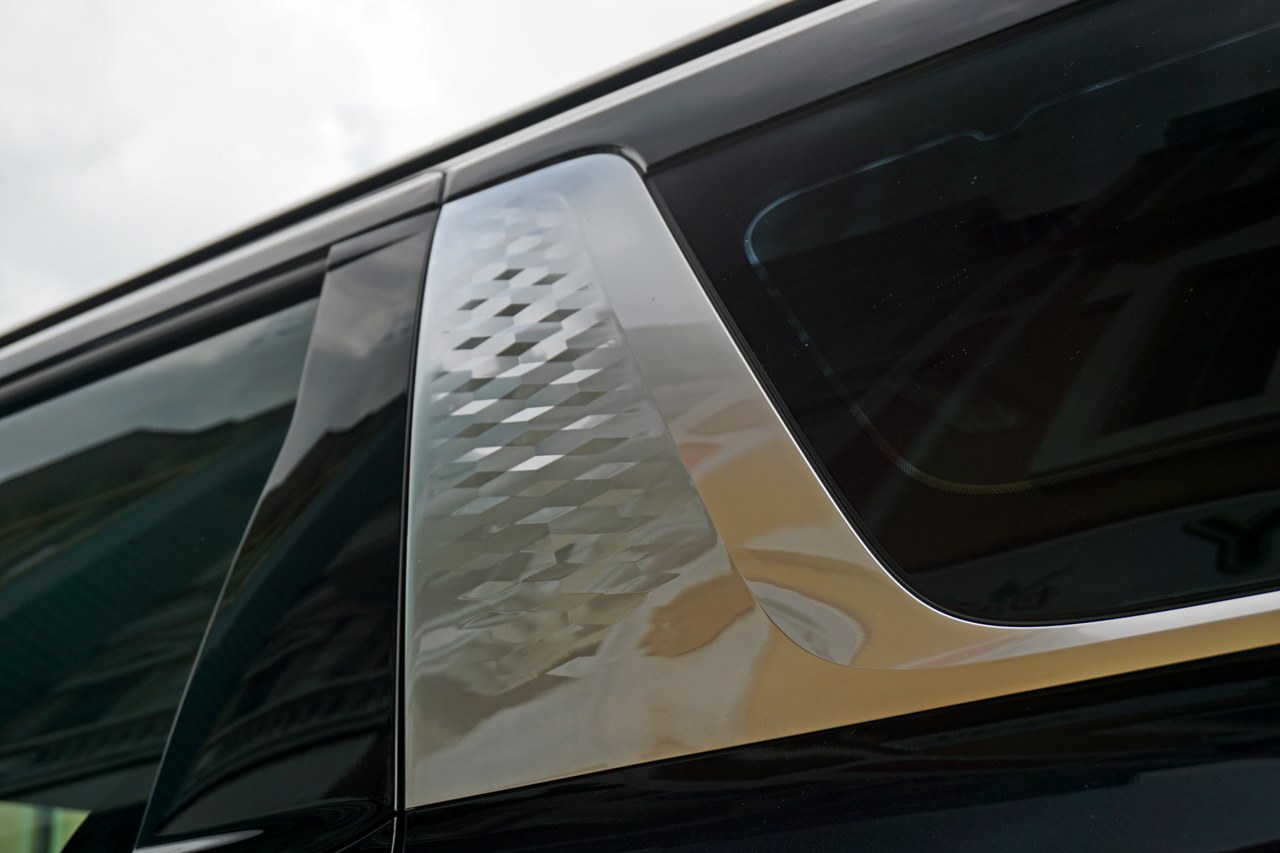
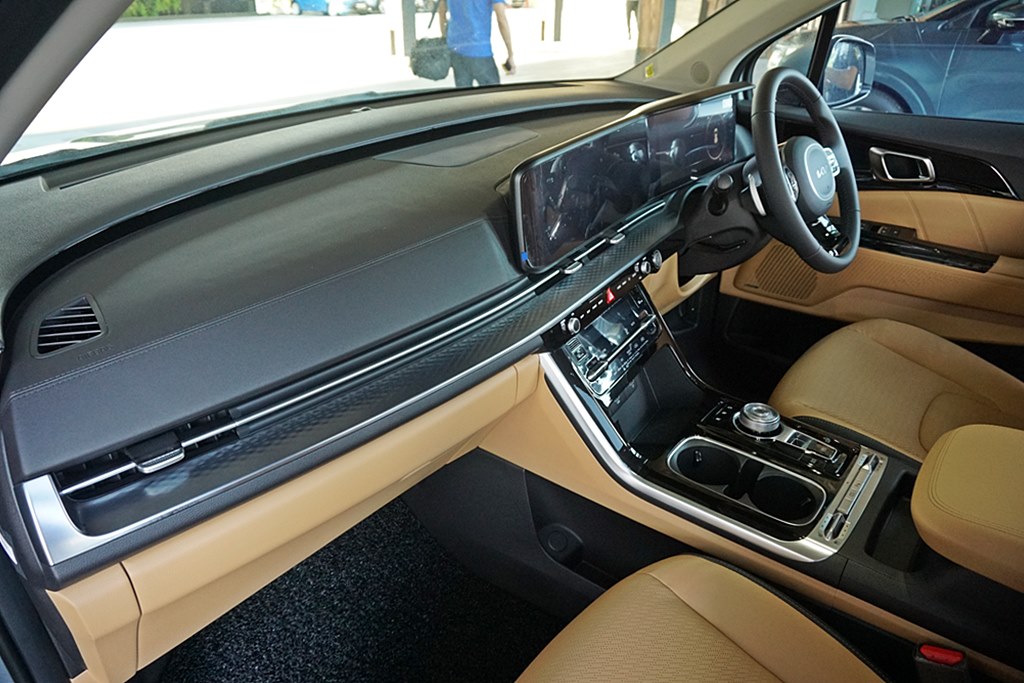
Most MPVs have a pretty dull side view but the Kia designers have given the Carnival a more eye-catching and sporty appearance here. Apart from the ‘floating roof’, the tapered and angled C-pillar provides a unique look, and the texture garnish adds a touch of class too. The texture is also found on the dashboard trim, contributing to the premium image that Kia is aiming for.
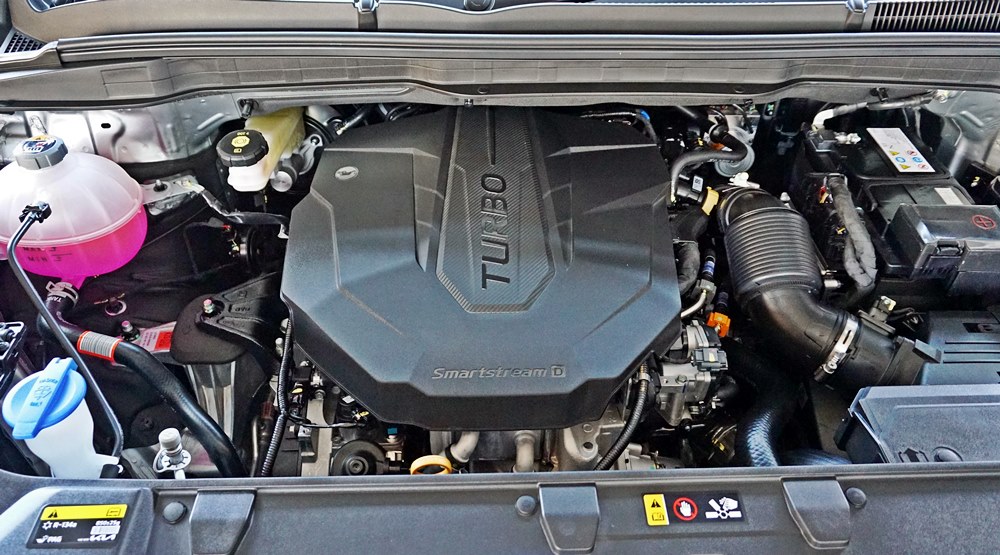
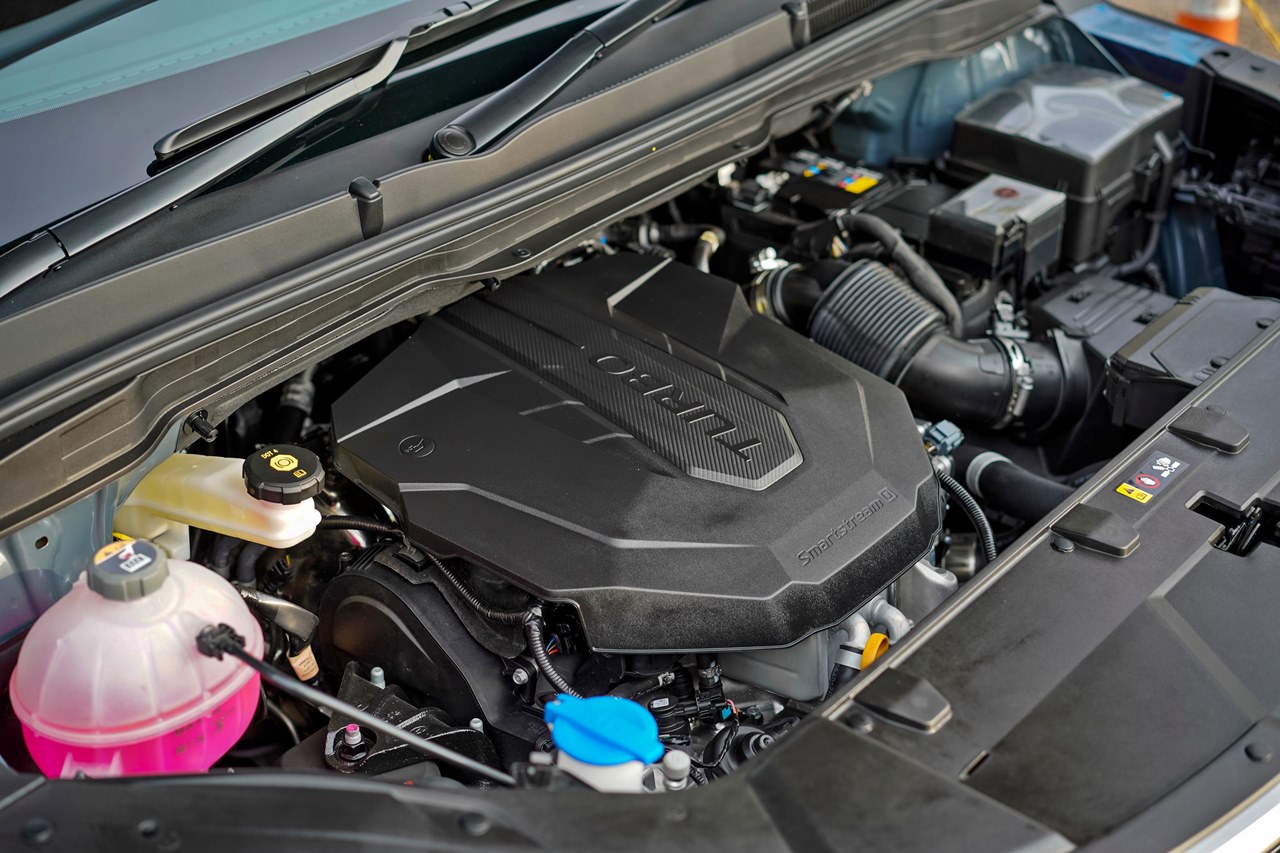
2.2-litre Smartstream turbodiesel Like the imported version we drove earlier, the locally assembled Carnival also has a turbodiesel engine and it is the same all-aluminium 2.2-litre Smartstream 4-cylinder unit. With high-pressure commonrail fuel delivery (Euro5 B7 biodiesel), it develops 199 bhp/440 Nm, with the strong torque available from 1,750 rpm.
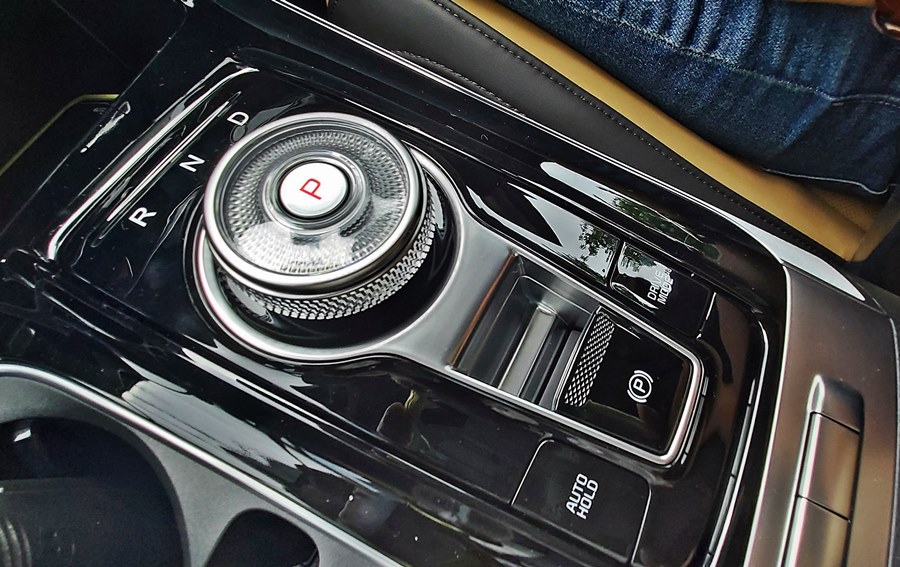
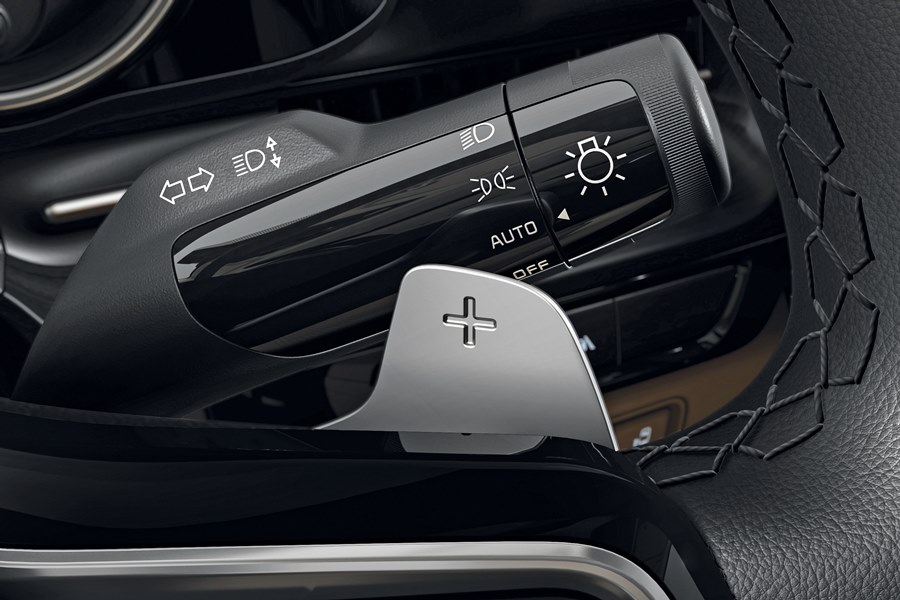
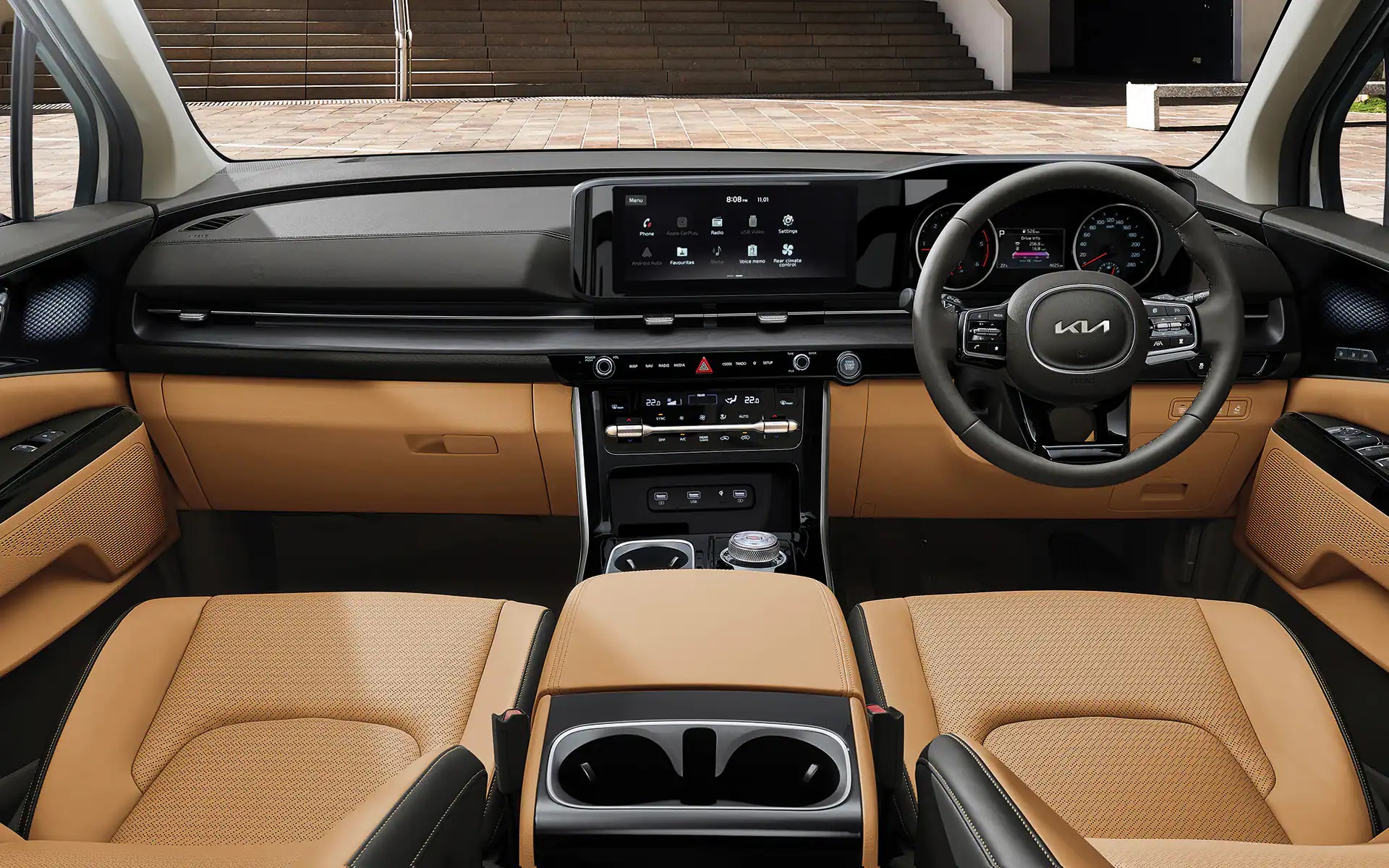
The engine is mated to a conventional torque converter automatic transmission with 8 speeds. There’s no conventional lever for selecting transmission positions; instead, a large E-Shift knob (with a high quality finish) on the centre console is rotated to select the R, N and D positions. Manual selection of gear can still be done using paddle shifters on the steering wheel. The PARK position is easily selected by just pressing the button in the middle of the knob. It’s probably the way transmission control will be in future but for now, some might still miss a lever.
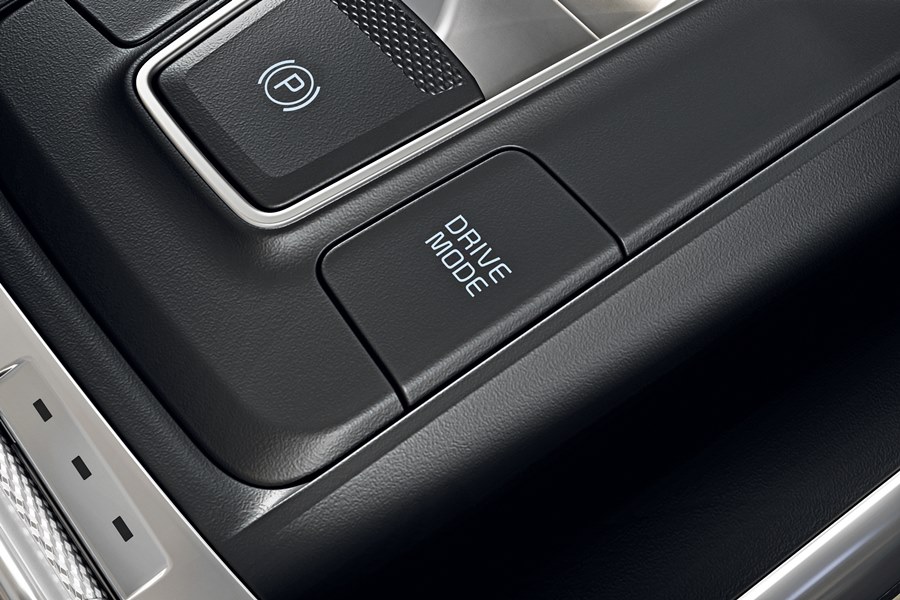
There are also drive modes for quicker acceleration or better economy as well as a SMART mode which is adaptive. It learns the behaviour of the driver and gradually adjusts the characteristics to suit the driving style. Over time, the driver will find the transmission operating smoothly and almost predictably. However, a different driver who takes over may not necessarily like that character and if this new driver uses the vehicle for a long period, then it will gradually change to his or her style. Perhaps then there should be a ‘memory’ function to store preferred characteristics, just like seat positions.
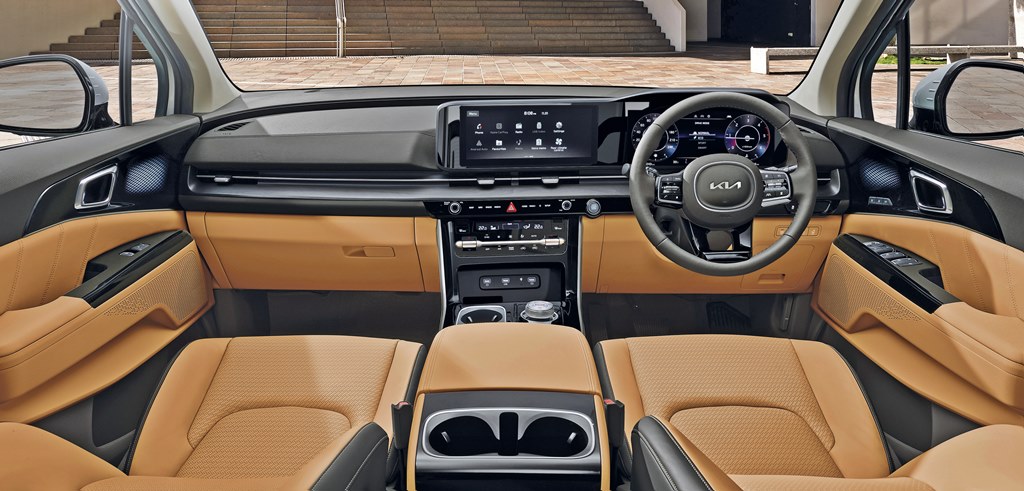
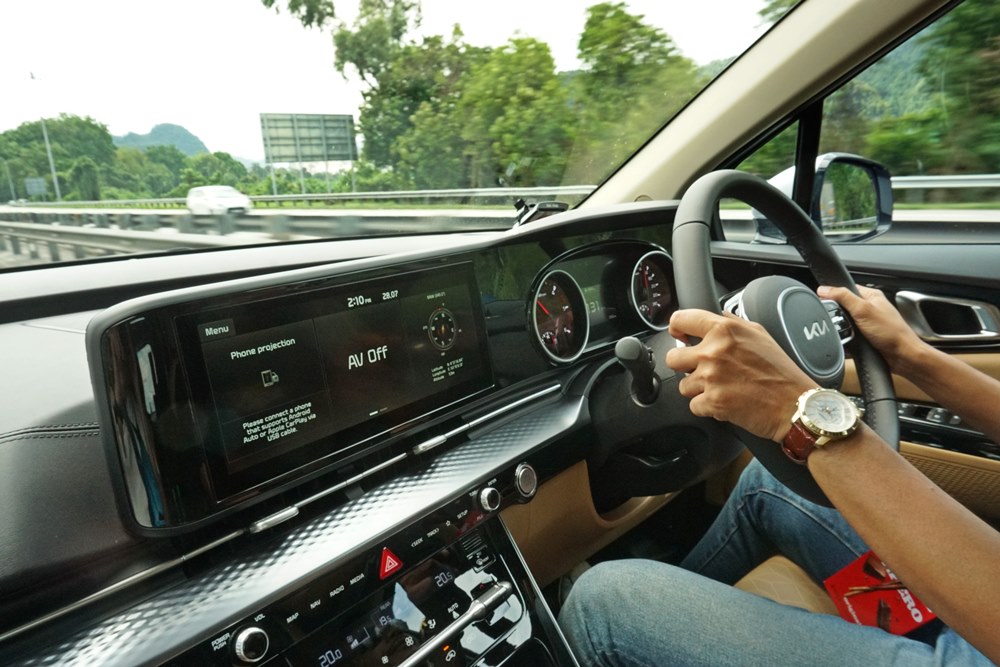
Spaceship-inspired interior The interior is where the new Carnival impresses, and not just with spaciousness that would be expected from its exterior dimensions. The designers have created a more premium image and feel to the cabin with convenience features for everyone on the three rows. The interior designers were inspired by the minimalist yet elegant spaceship interior in the classic 1968 movie ‘2001: A Space Odyssey’ so their initial idea was a family vehicle for going on space travels! Even the dashboard panoramic display that stretches across the driver’s side is intended to give the feeling of being in the cockpit of a high-tech spaceship.
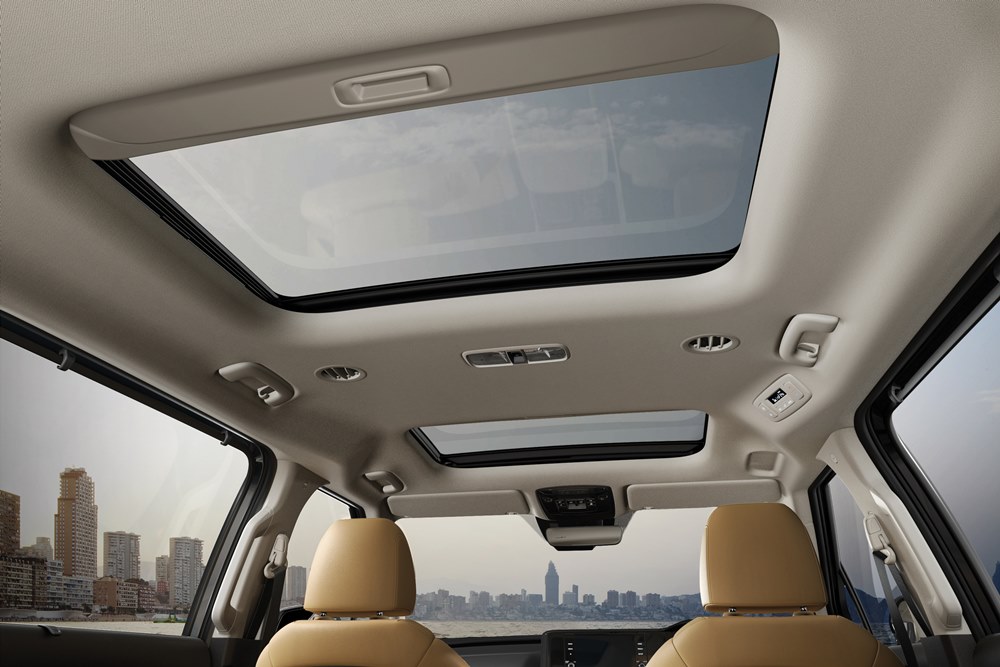
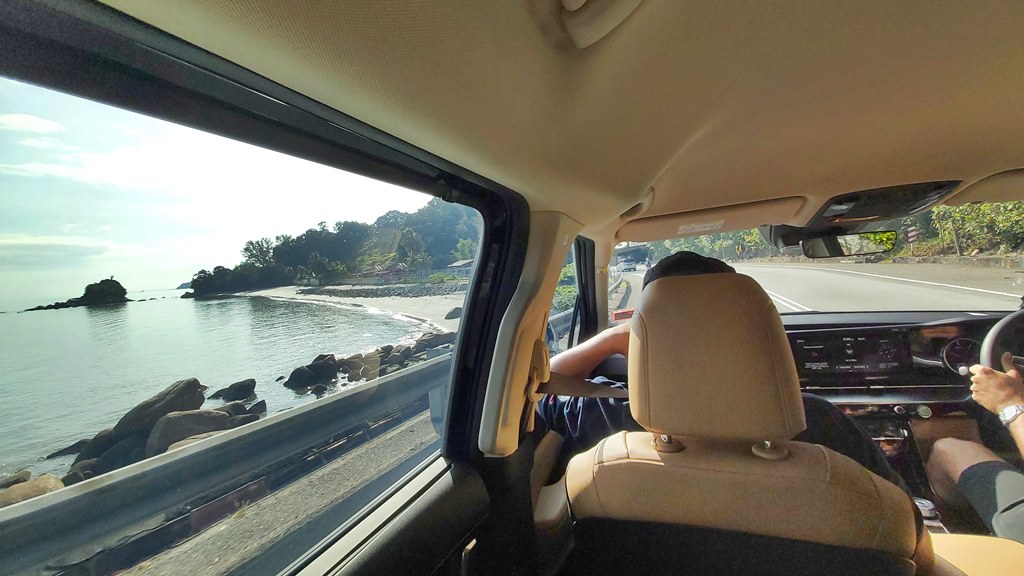
The spaciousness is enhanced by the large windows, especially on both sides of the second row. There’s a panoramic view of the world passing by and with the High version, there are also dual sunroofs overhead to make things feel even more airy.
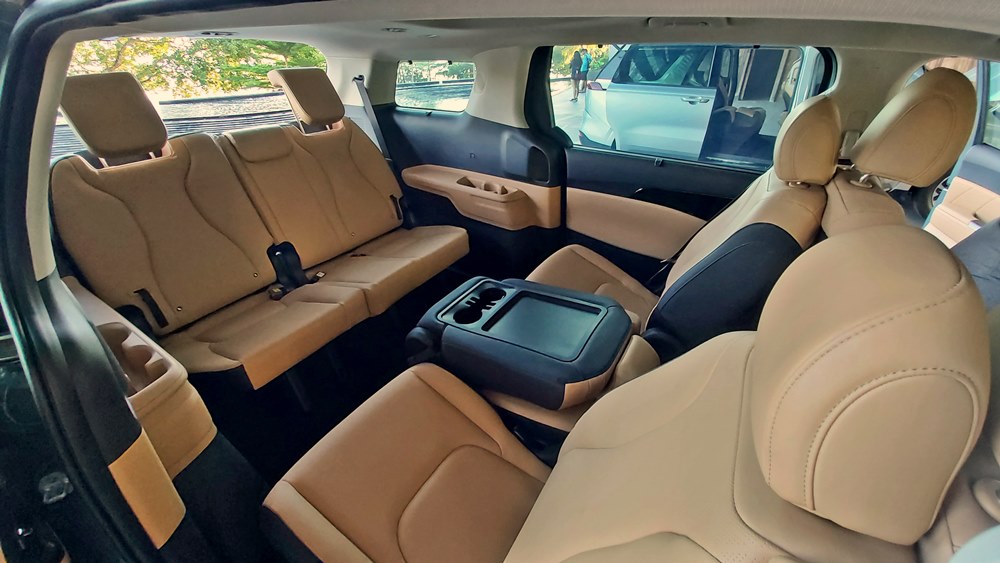
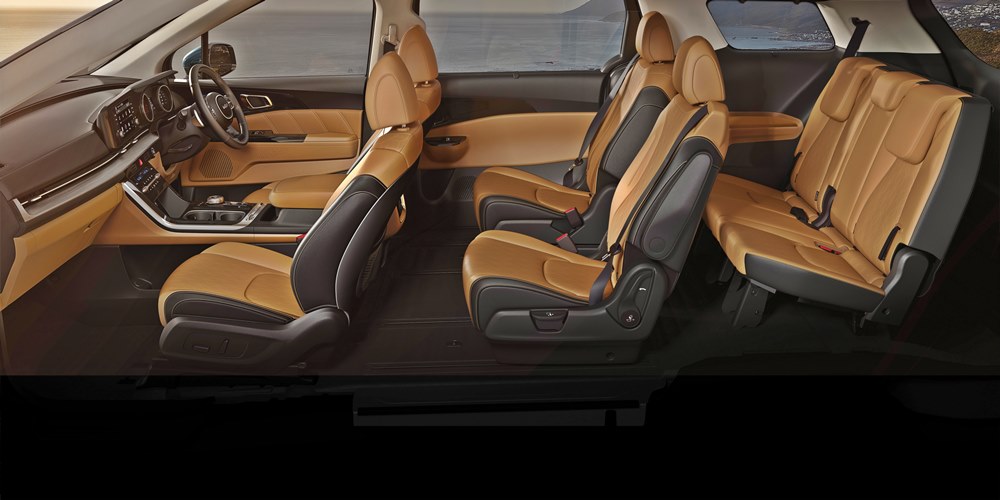
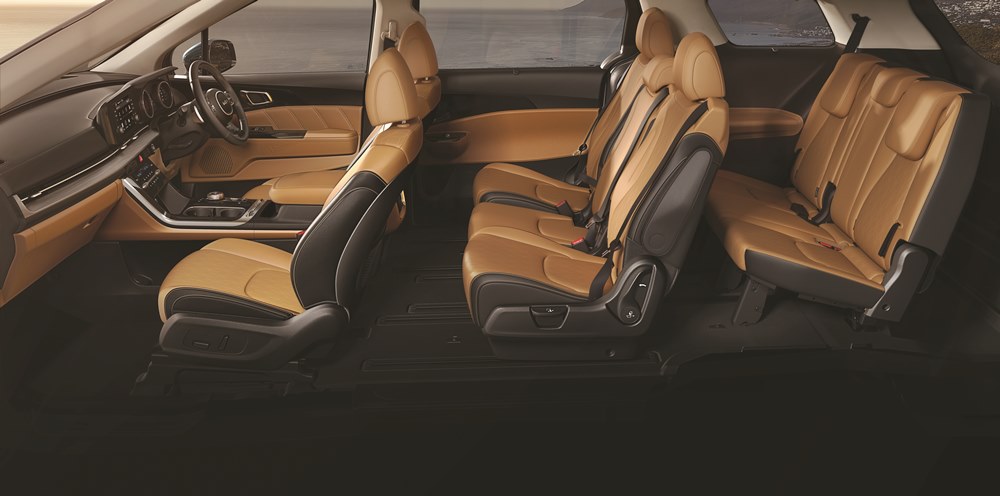
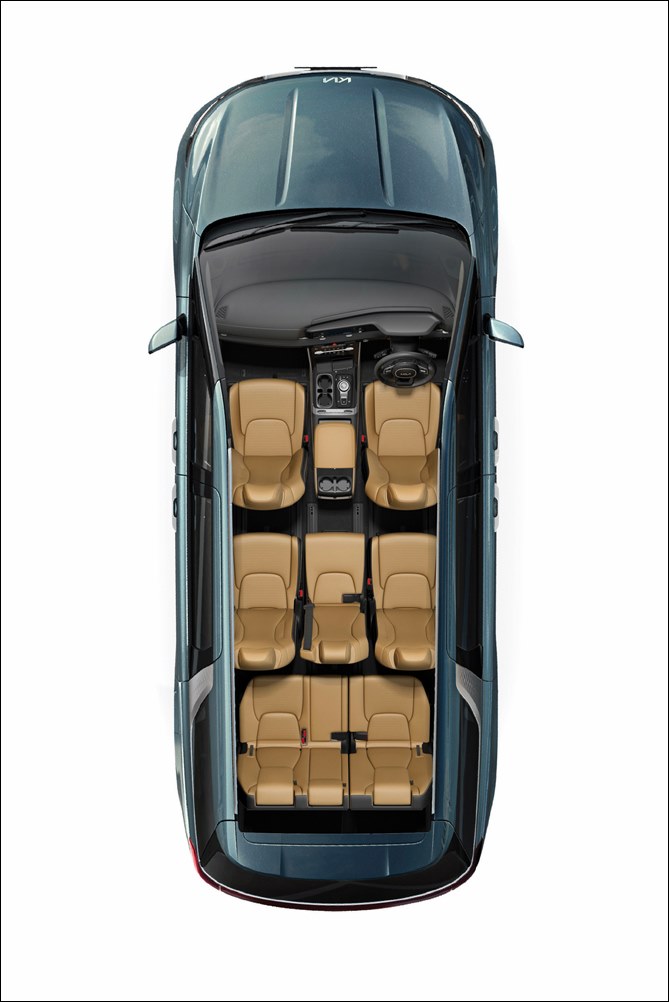
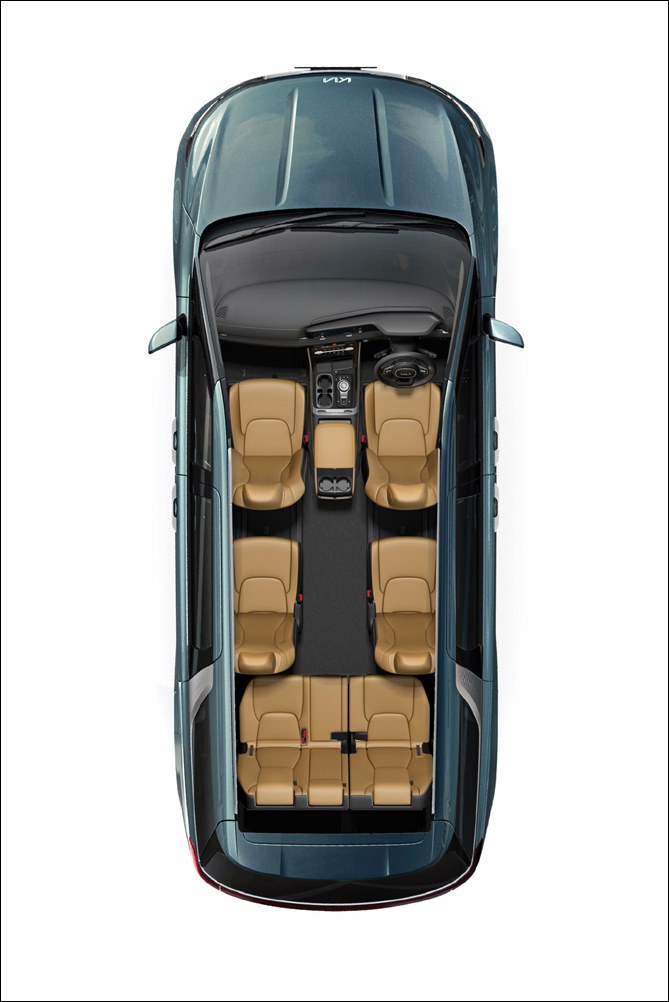
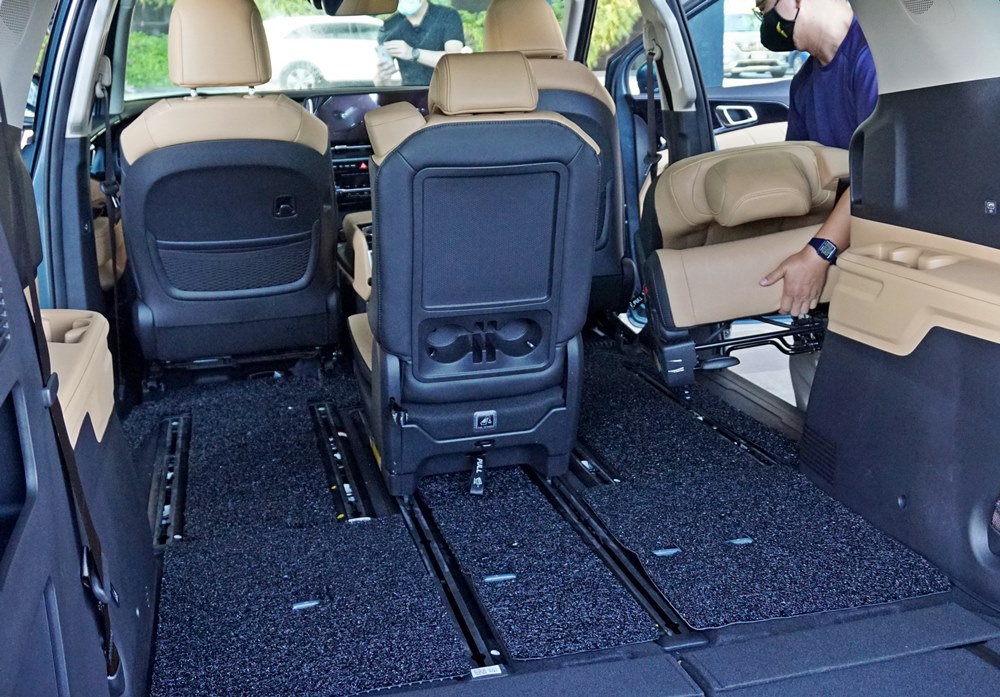
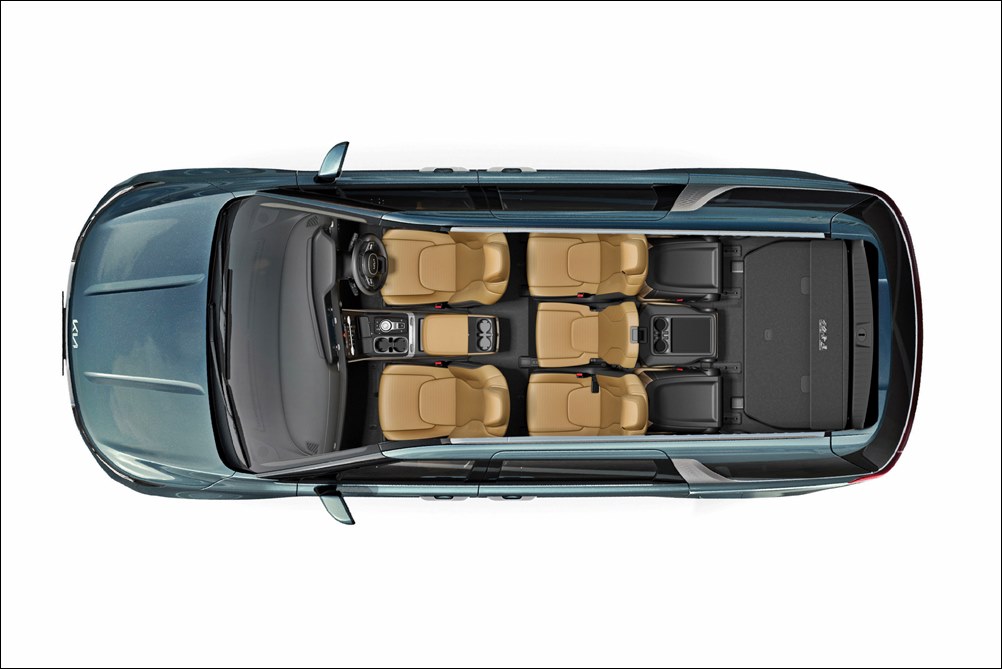
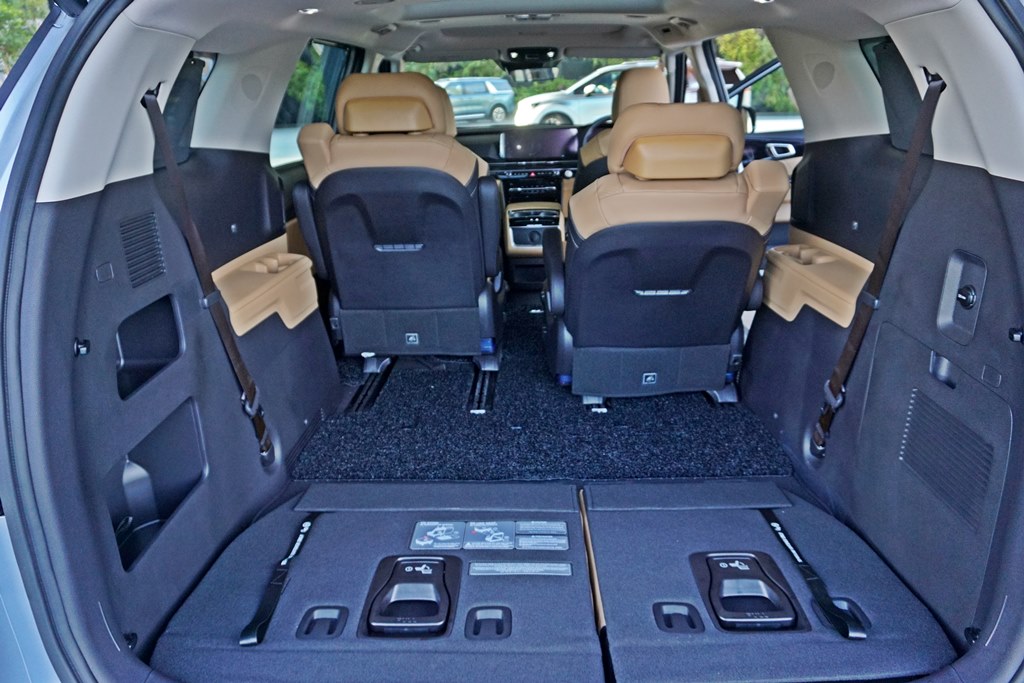
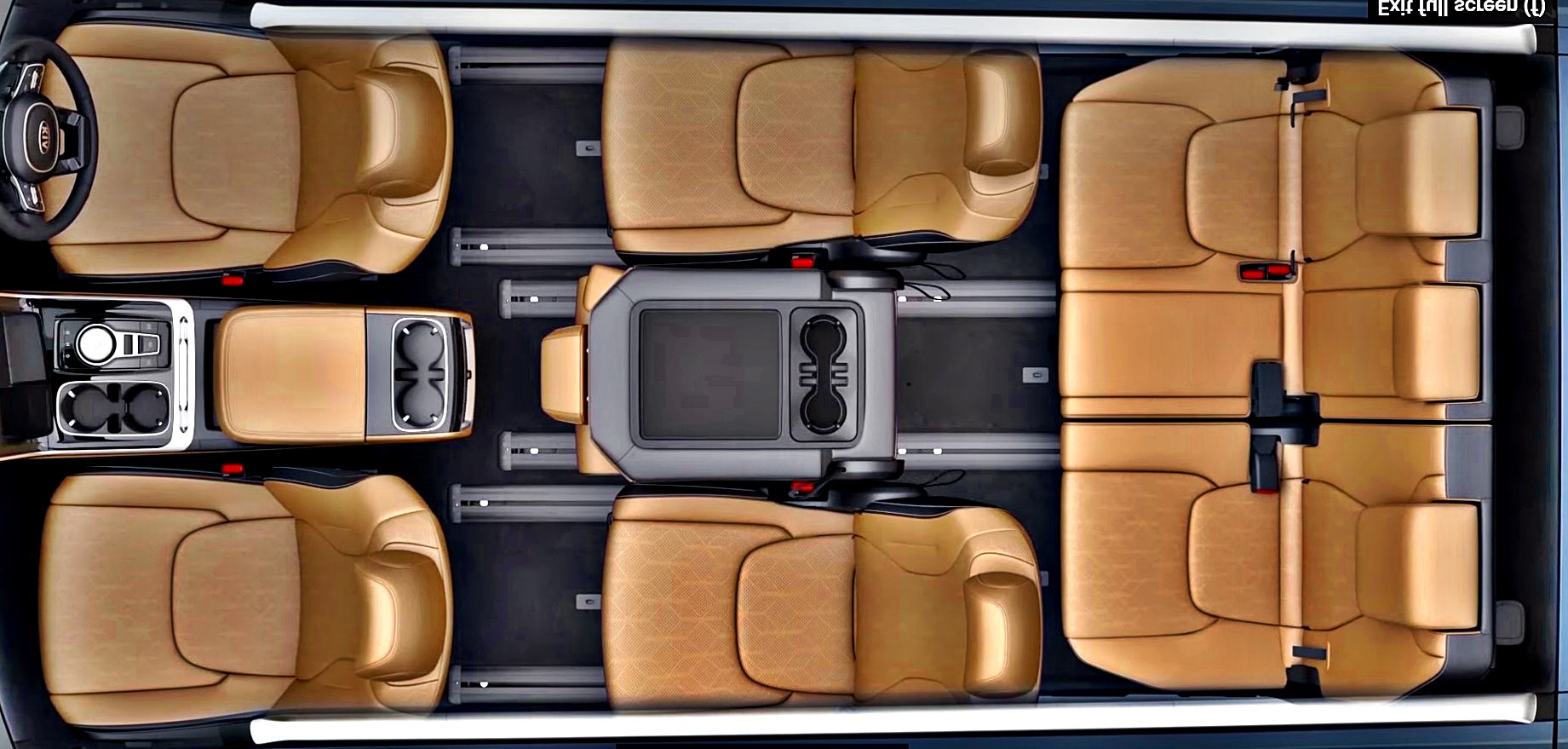
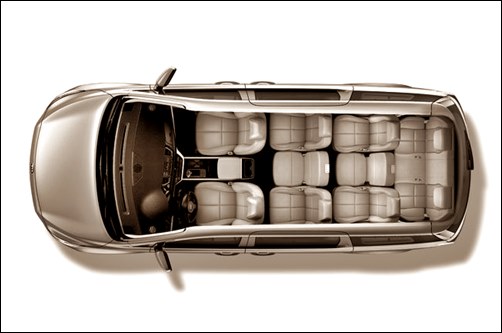
Versatile seating a strong point By far, it was the seating that attracted a lot of attention with its variability. As mentioned before, the locally-assembled model is available as a 7-seater or 8-seater, whereas the CBU version we tested in February was an 11-seater. The layout, with maximum people capacity, would be 2-2-3 or 2-3-3. In both versions, the third row folds flat into the floor but for the second row, the seats are fixed in the 7-seater due to the many electrical systems in them. For the 8-seater, they can be adjusted in various ways, turned around the face backwards and even removed completely.
Turning the seats to face backwards requires a bit of work as the left and right side seats have to exchange positions. They are not that difficult to remove and there are security features to ensure that they are locked in place when installed. Most people should be able to handle the task but it’s not something that might be done frequently either.
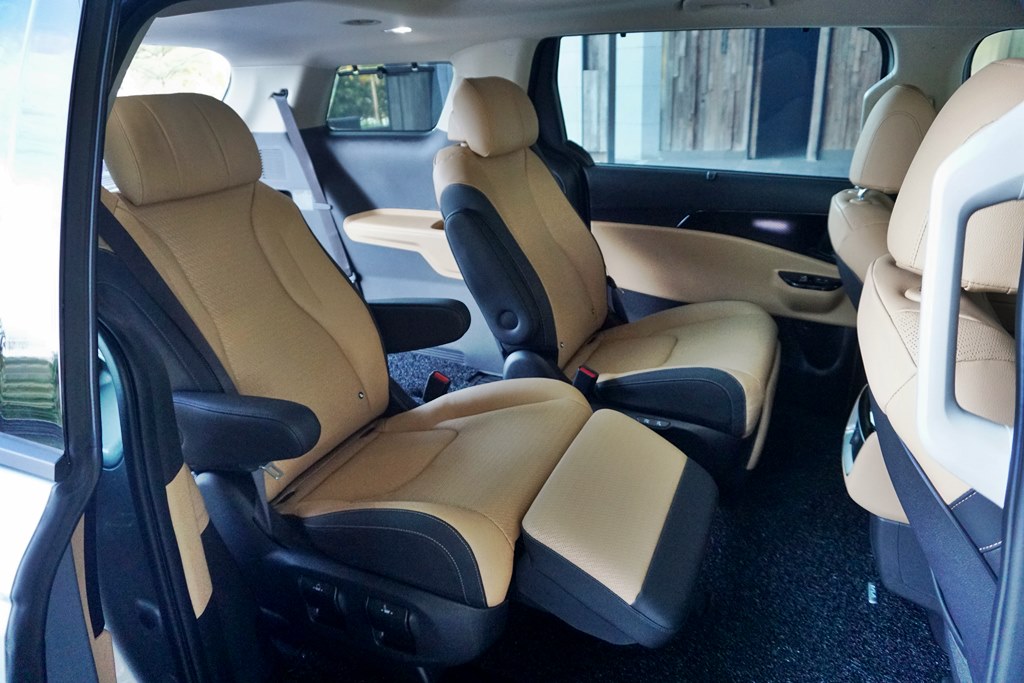
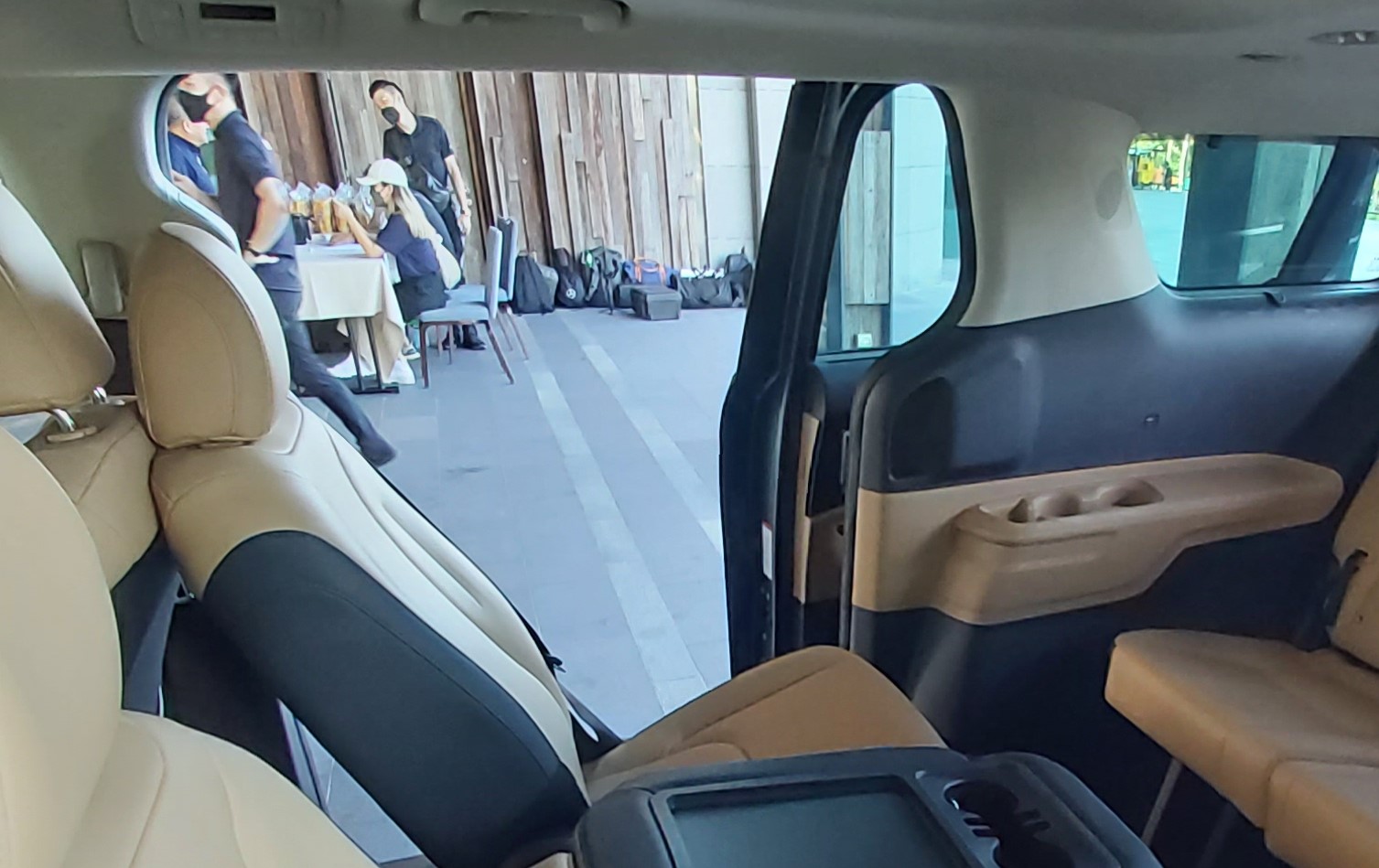
For the ultimate in comfort, the 7-seater comes with two Premium Relaxion (not a spelling error) seats for the second row. These are wide and when reclined, there is an additional pad that extends forward and up to provide support for the lower part of the legs. Pivoting armrests on the outer side of each seat provide a place to rest the arm while being out of the way when getting in and out.
The seats (which are made locally) have heating and ventilation within and for keeping the entire cabin cool, there are air-conditioning vents on the ceiling over the middle and rear sections. The fan speed and temperature can be controlled separately from the front system but because the panel is situated just behind the driver’s seat (on the ceiling), it can be difficult to reach for most passengers.
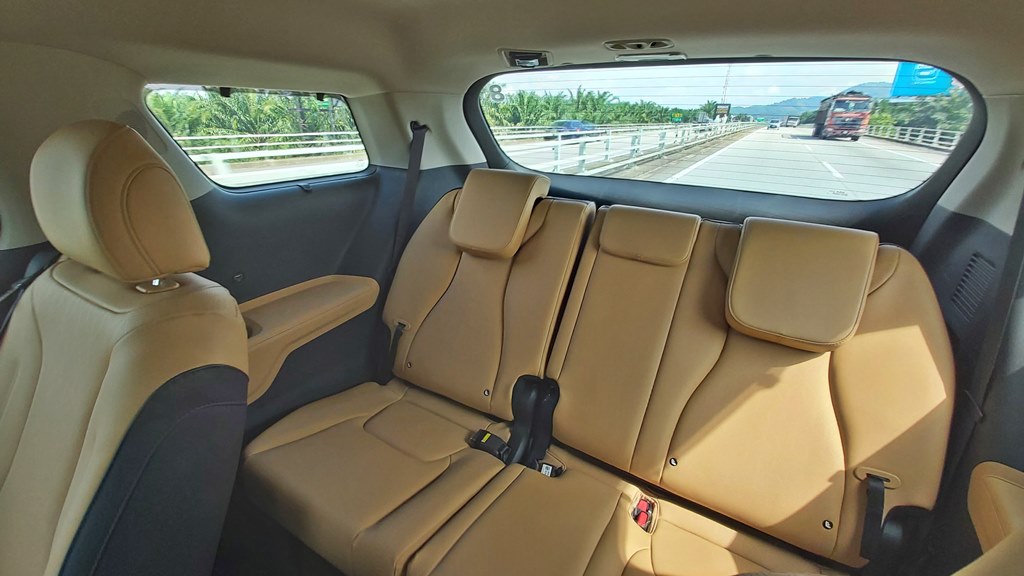
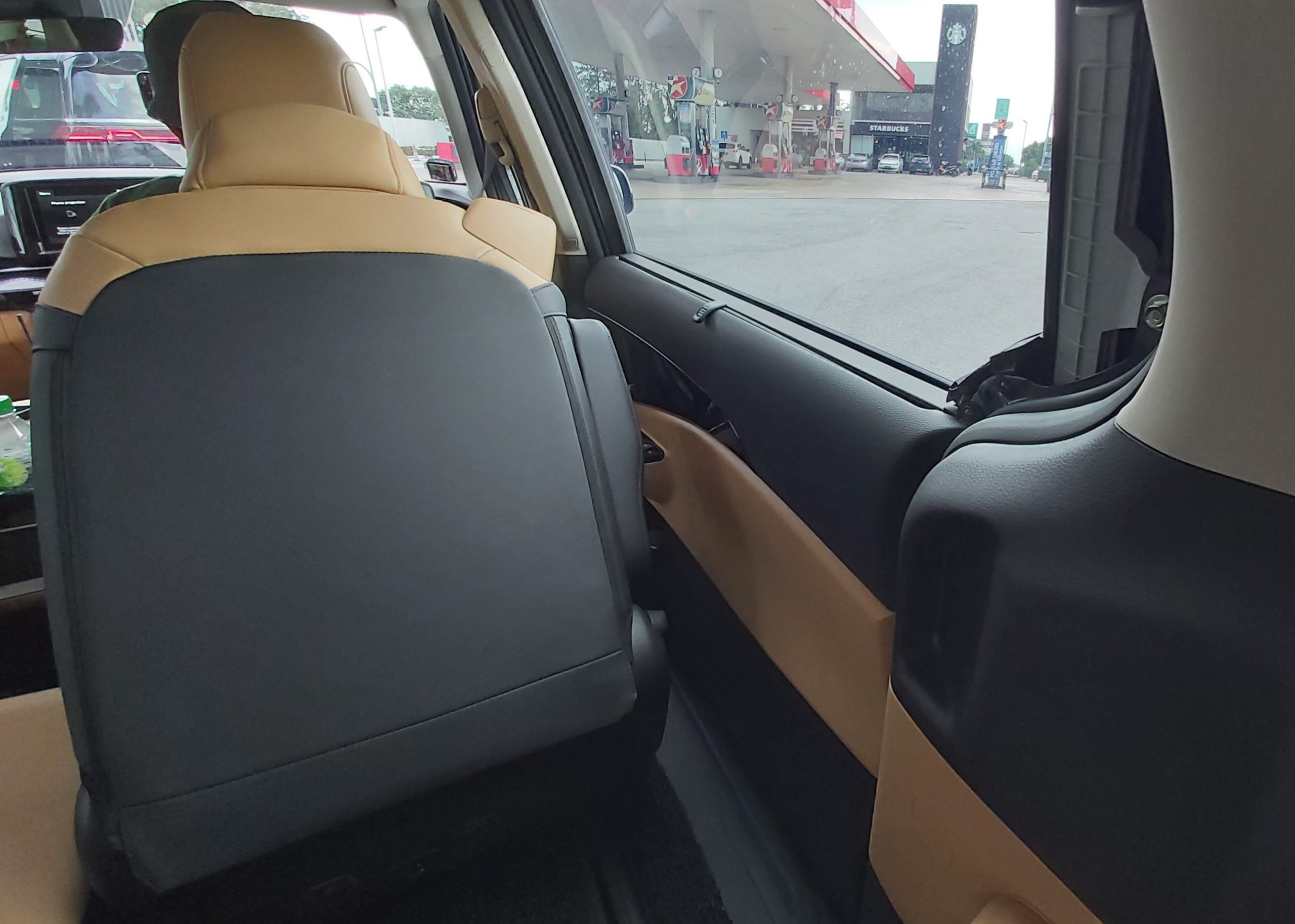
The third row, for 3 persons, is quite comfortable, as we found from sitting in the section for about a third of the journey to Penang. You can’t say that of all MPVs but with the Carnival, there won’t be reluctance to go to the back. Legroom is also pretty good and more importantly, even though the seats are over the rear end, there’s no bumpiness.
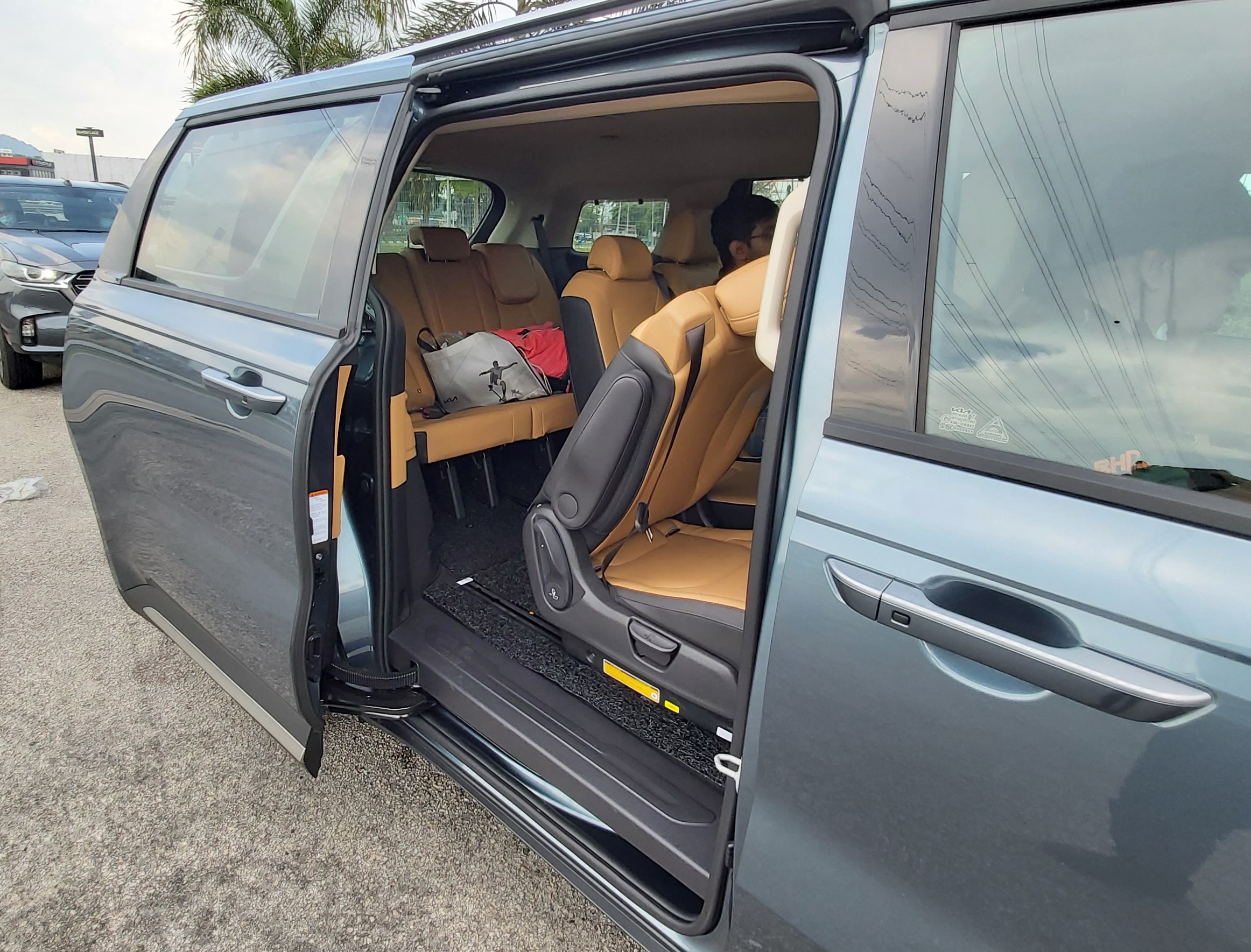
The powered sliding doors on both sides are a nice luxury feature but to be expected considering the price. Getting into the third row is easy as the second row seats tumble forward, but when getting out, the passenger in the third row might need help as the release handle is right at the B-pillar. Presumably, there will be a driver to help, or someone in the second row will also be getting out.
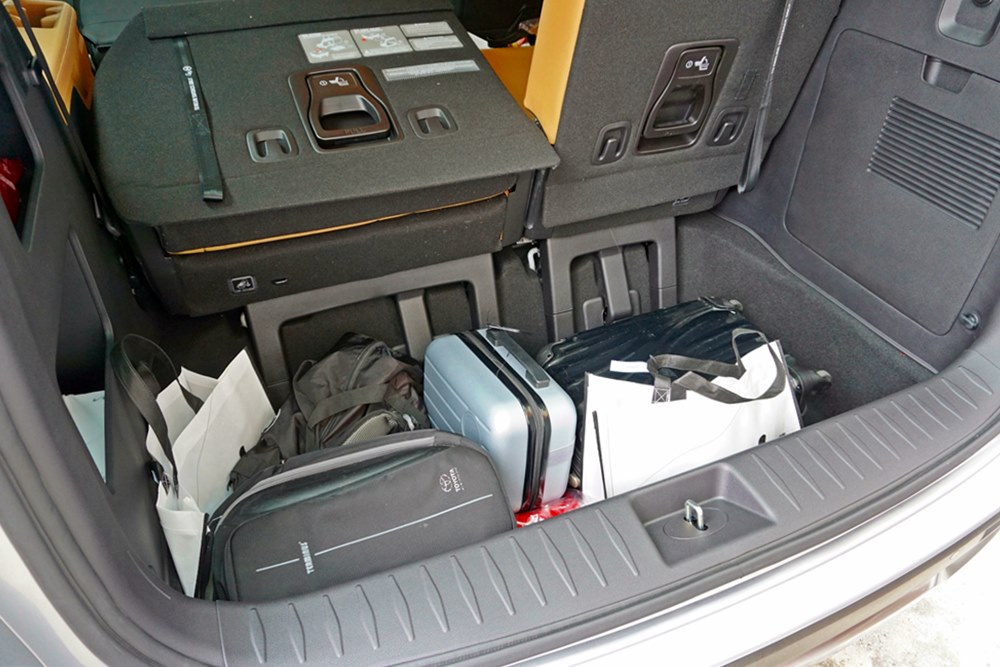
Enough cargo space for moving house The standard boot space when the third row is in use is limited but there’s a deep compartment below it for storing items. This, however, means that only a temporary spare wheel can be carried. This is the skinny tyre for emergencies which is lighter and saves space too.
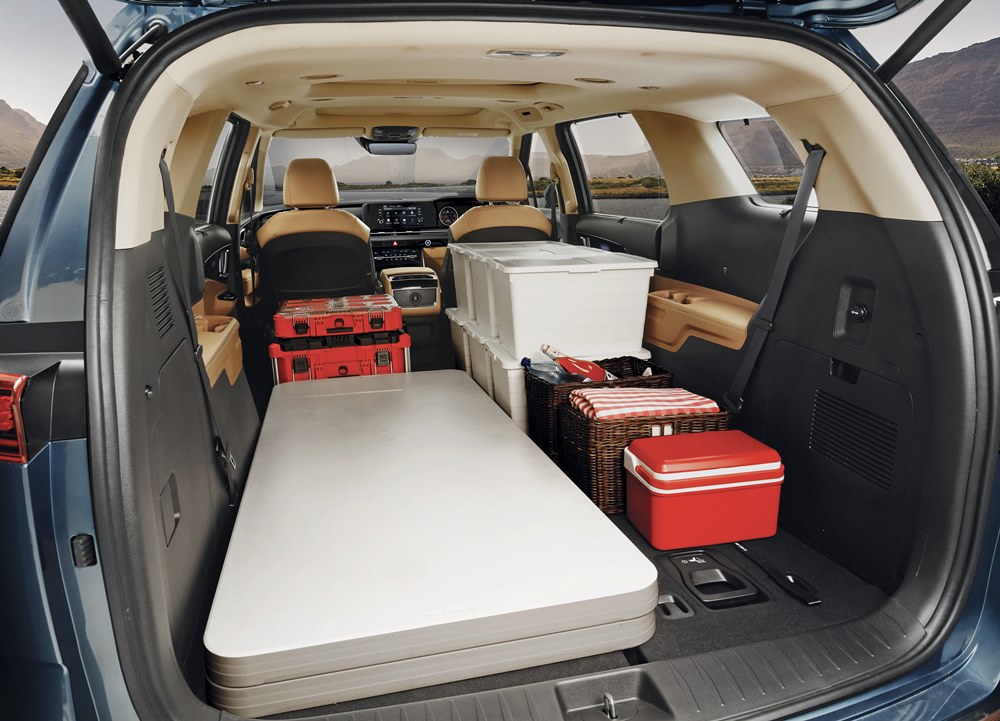
The cargo volume is variable so it depends on what you want to carry. For maximum volume, the third row can be folded into the floor and the second row seats removed. This gives a space that would rival a pick-up truck – and it’s enclosed. So that adds another dimension to the term ‘multi purpose’ as you could probably do house-moving with just the Carnival alone.
Most features are common to all three versions and the extras that the High versions have are the dual sunroof, memory function for the front seats, larger digital instrument panel and a comprehensive suite of Advanced Driver Assistance Systems. There won’t be fighting for USB recharging ports as up to 7 are provided plus a wireless charging pad. The sound system is from Bose and has 12 speakers placed around the cabin. The only thing missing for a family-type vehicle would be a cooler box but that’s something that can be purchased as an accessory anyway.
Driving impressions At 5 metres long and almost 2 metres wide, the Carnival is an imposing vehicle and for some, it may be intimidating. It would fit right into the landscape in America but in Malaysia, with our narrower roads and tighter congestion, a large vehicle might seem impractical. However, as we discovered back in January when we drove the 11-seater, the size does not mean it is difficult to drive. In fact, when on the move, it doesn’t feel much different from a smaller MPV and there is the added stability of being 2,100+ kgs.
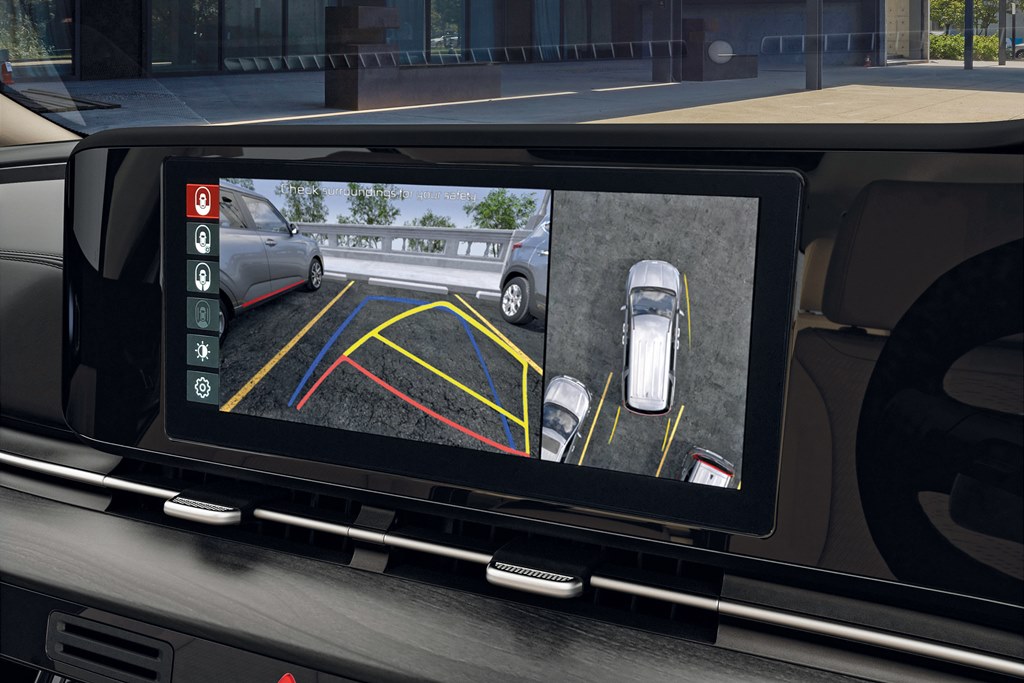
Where you become aware of its bulk is in tight situations, like parking, but even then, it is not as cumbersome as a pick-up truck. The Surround View Monitor is a great help here and we found that parking was a ‘no-sweat’ exercise and the vehicle could be positioned properly within a bay.
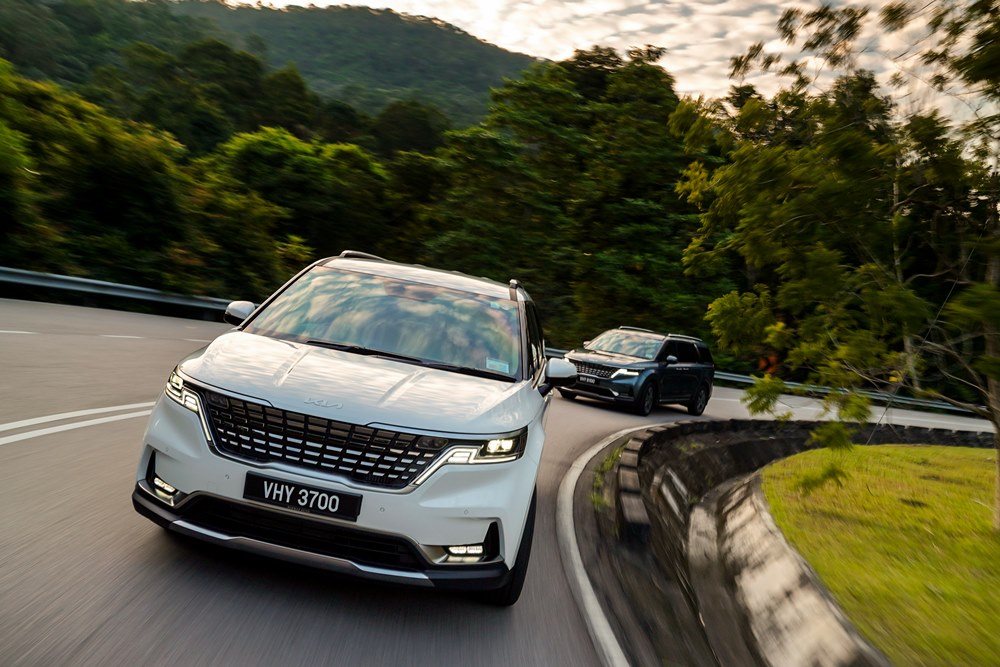
Even more surprising is the way the vehicle behaves on winding roads. Apart from the competent chassis design, the low ride height also helps keep the Carnival stable and hardly any lean could be felt. With motor-assisted power steering these days, big vehicles like the Carnival are no harder to drive than small sedans. The feedback is good and assistance is progressive. The body control is certainly light years from what we remember of the original Carnival (the one that was also sold as a Naza Ria) which wallowed when pushed too hard in turns.
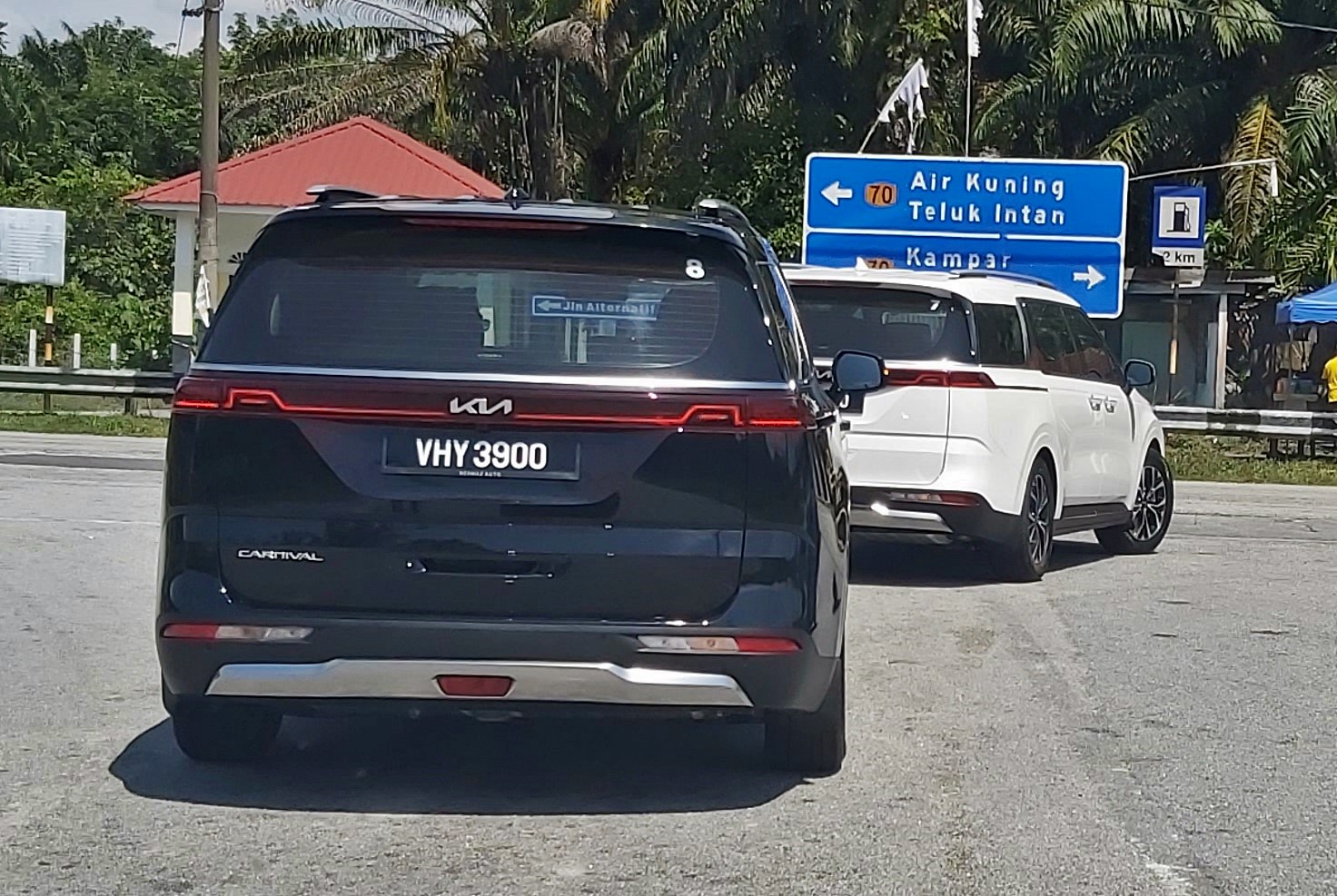
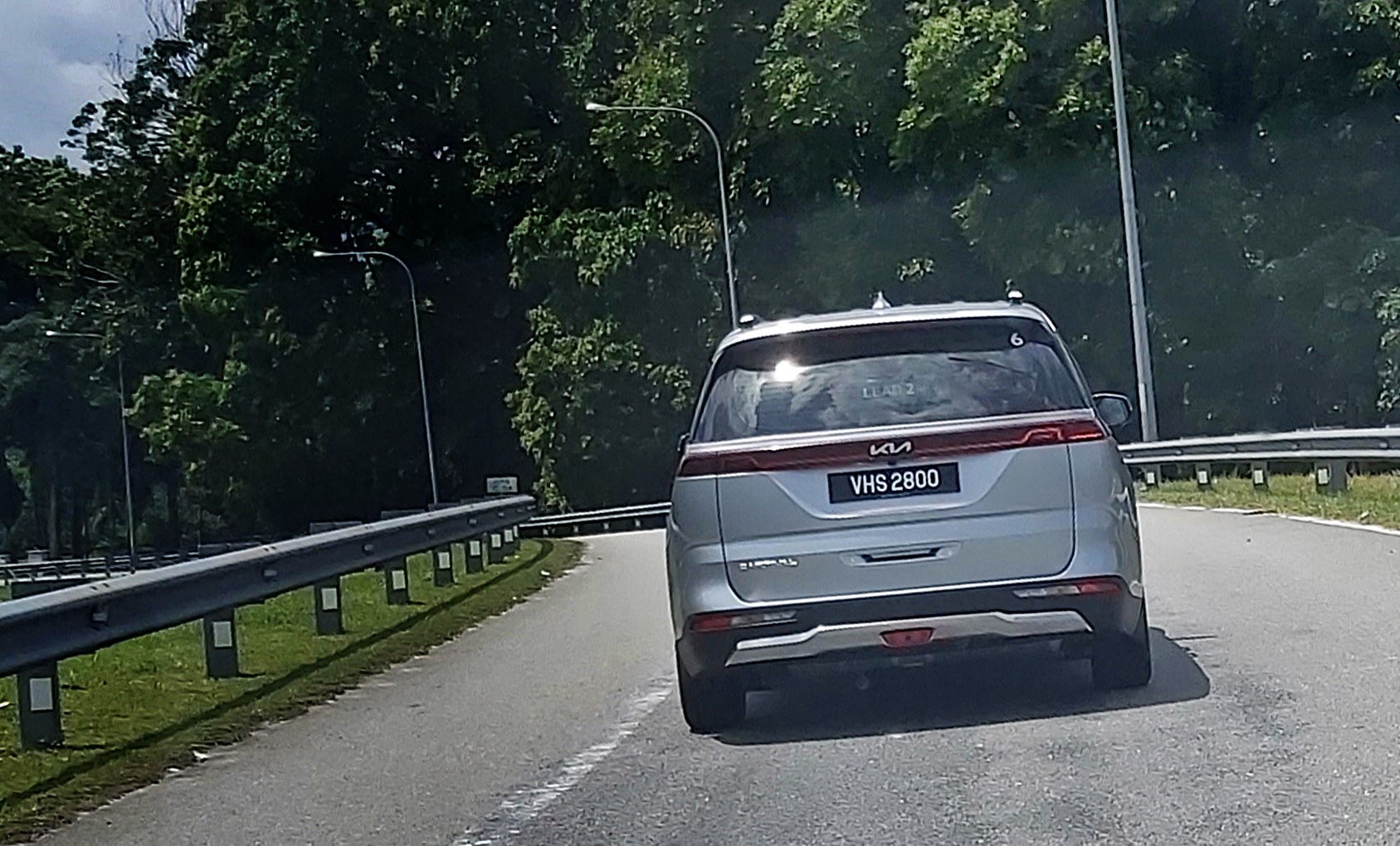
The 2.2-litre Smartstream engine provided enough power for brisk motoring but it has also to be said that our two drives did not have the maximum number of passengers aboard and the load was fairly light. With all 7 or 8 seats occupied, perhaps the performance might feel different but as we kept hearing from our convoy leader ‘Enjoy the drive’, and unless you are in a rush, the engine should be able to provide decent performance.
The weight also helps with ride comfort although the pressures were on the high side as the vehicles had come straight from the plant with pressures meant for maximum load. It’s not super quiet in the cabin but the ambient noise level seemed to be consistent. Conversations with people next to you are fine but because the seat rows are far apart, you sometimes have to raise your voice to talk to the drive (certainly if the person right at the back is talking).
Priced (excluding insurance) from RM231,228 – RM261,228, the Carnival is a breath of fresh air in the MPV segment, with smart styling and it has not just a premium image but also the feel to go with it. We would go as far as to say it sets a new benchmark for the MPV class and even those who have not had a liking for MPVs will find the Carnival appealing.
Kia vehicles have been sold in Malaysia since the 1990s but the Korean carmaker has kept its involvement in local activities at arms-length. Although its models were assembled locally, the activities were largely left to their local distributor (the NAZA Group at that time). Kia did have a regional office here and too and interest in what was going on but didn’t want to make investments itself.
That changed last year when the local partner changed and Bermaz Auto took over the brand from Naza (along with Peugeot as well). Perhaps the Korean carmaker decided that it was time to control its destiny and for that, it would have to become directly involved. It formed a joint-venture company with Bermaz Auto called Kia Malaysia which will manage the brand’s activities in the country.
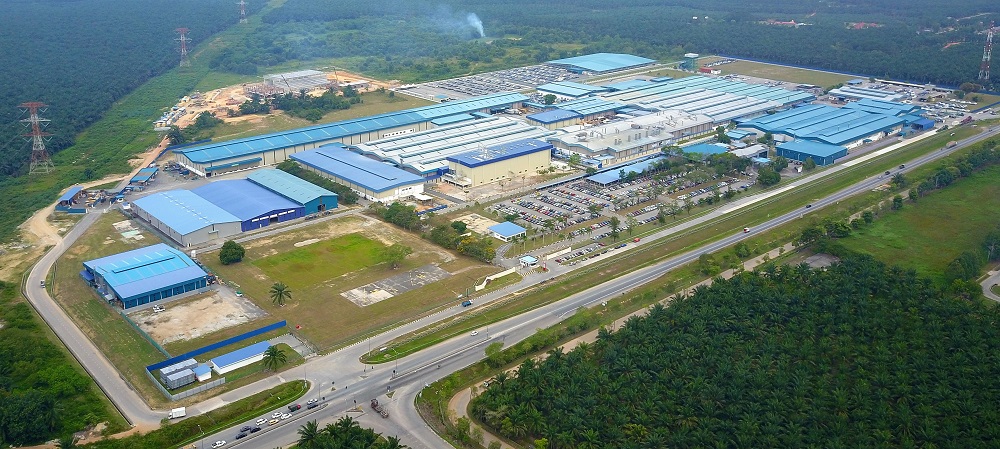
The Inokom manufacturing complex in Kulim, Kedah, where Kia vehicles are being assembled.
More significantly, Kia Malaysia’s operations include local assembly, the first time the carmaker is making a direct investment for assembly operations. It is vital to assemble locally to be able to grow volumes more quickly and be competitive. Kia has set a target of 100,000 units in total from 2022 to 2026, for the Malaysian market as well as export. The export plans are ambitious and will account for more than 50% of annual production each year. By 2026, the company expects to export up to 19,000 units from the 30,000 units targeted for that year.
Four models to be assembled locally
When Kia Malaysia announced its formation, it also provided an insight into its 5-year plan with 4 models to be produced, including battery-electric vehicles. The models, in launch sequence, will be the Carnival, Sportage, Sorento and Niro, the latter to be offered as a BEV.
The first product has started rolling out on schedule from the Inokom plant in Kedah and it’s the Carnival MPV. The model was already on sale at the beginning of the year as a CBU (completely built-up) import from Korea and from our driving impressions, it was certainly a very different MPV from the original Carnival which was also cloned into the Naza Ria. It’s a premium product, which is in line with Kia’s aim of raising the image of its products.
The locally-assembled Carnival is a 7/8-seater (above) whereas the CBU imported model is an 11-seater (below).
8-seater instead of 11-seater
While having the same appearance, the locally-assembled Carnival is not an 11-seater but a 7-seater or 8-seater. There was no shortage of buyers for the CBU 11-seater but having less seats might also work better to sell in greater numbers.
The powertrain is the same Smartstream 2.2-litre turbodiesel CRDI engine with an 8-speed automatic transmission. Though it is a large vehicle, the 199 bhp/440 Nm provides respectable performance, as we experienced on our drive at the beginning of this year.
Bermaz Auto (its retail arm for Kia vehicles is Dinamikjaya Motors) is known for being generous with equipment and features and the locally-assembled Carnival will come with a list that maintains the premium positioning for the MPV. There will be ambient lighting, heated/ventilated seats, Premium Relaxion Seats (second row), 12-speaker Bose audio system, powered sliding doors, ‘smart’ powered tailgate and a complete suite of Advanced Driver Assistance Systems.
New beginning for brand
“The roll-out of the Kia Carnival in CKD [locally assembled] form is an important milestone in the marque’s renaissance in Malaysia. We are delighted to welcome the first Kia model produced here at Inokom for the Malaysian and ASEAN markets. The Kia Carnival marks a new beginning for the Kia brand and showcases all the hallmarks of our products, superior design, smart technology and an impressive driving experience,” said Ted Lee, Kia Asia Pacific President & CEO.
“The consumer’s response to the fully imported Kia Carnival 11-seater variant launched in January has been very encouraging and we are confident that the consumers will be equally enthusiastic about the CKD Kia Carnival. We believe these CKD variations will serve the differing needs and expectations of those in the market for a modern and luxurious multi-purpose vehicle,” added Dato’ Wong Kin Foo, Managing Director of Dinamikjaya Motors.
The prices have not been officially announced but it is known that there will be 3 versions with prices (excluding insurance) starting from RM231,299. PISTON.MY will be joining a media drive of the Carnival to Penang later this week and we’ll let you know what it’s like although we expect that we will be equally impressed as we were with the CBU model.
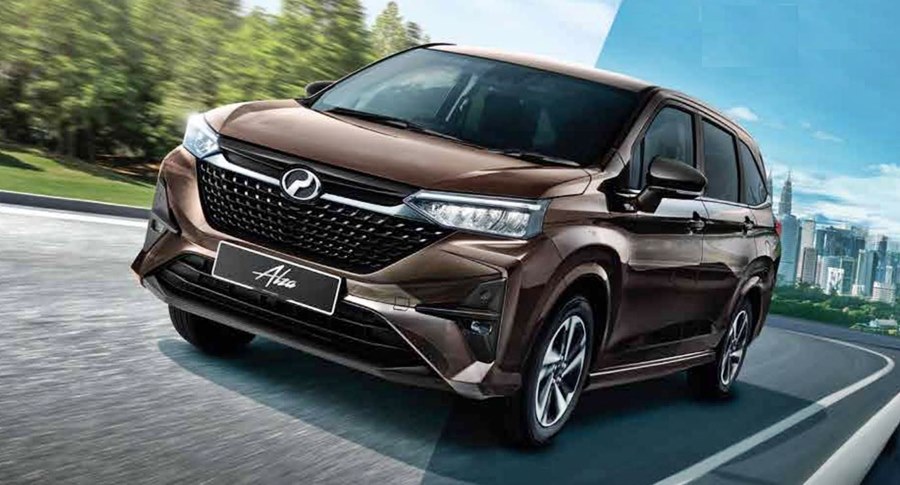
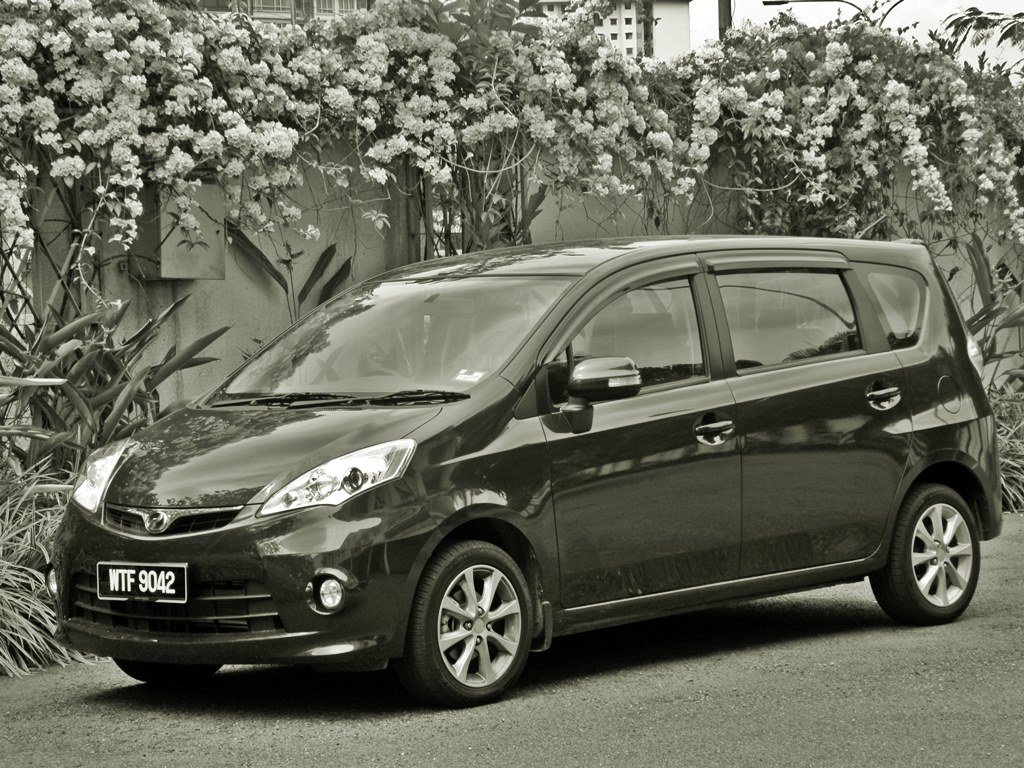
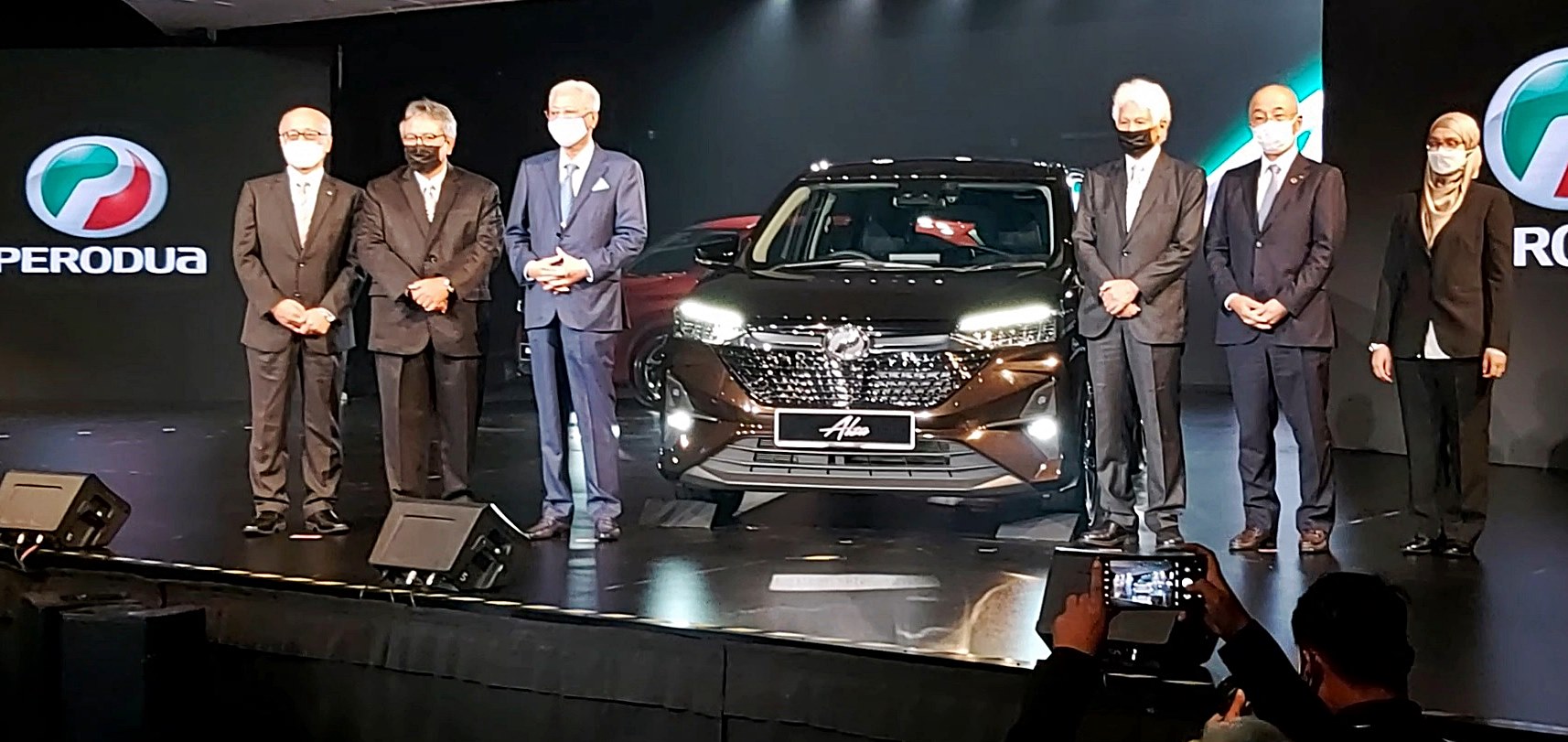
After 12½ years, the second generation of the Perodua Alza has finally been launched. It’s a long time for a product to be in the market as normal cycles are around 5 years. However, during the lengthy period of production, the small MPV held a share of between 39% to as high as 61% of the MPV market in Malaysia as it was sold at an attractive price point.
Perodua doesn’t commit to a model without good data that indicates its potential, and whether to have a second generation of the Alza was debated for a long time. This was because of the rise of SUVs and carmakers go where the biggest numbers are, especially for a major player like Perodua. Without a substantial volume to enable it to be priced competitively, it would not justify the investment.
First generation of the Alza came out at the end of 2009.
Sharing development and costs
However, being in partnership with Daihatsu also has opportunities to be involved in joint development of models. This is a common practice in the industry as carmakers can share costs, and developing a new model does cost a huge amount of money. In this case, not only could Perodua share costs with Daihatsu but also Toyota for a new model that would come to be called the Xenia with a Daihatsu badge (mainly for Indonesia) and a Veloz with a Toyota badge – and an Alza when sold as a Perodua. And the total volume for the model would also be very much larger, making for good economies of scale.
While the main engineering work, architecture and drivetrains are common, each company has also done its own work on the design to have differentiation. Perodua has been growing its expertise in designing the upper body on its own since the first Myvi, and today, it can do even more. Thus while the new Alza may have similarities on paper to the Toyota and Daihatsu versions, it is also a model on its own.
RM770 million investment
To achieve the differentiation and also make the necessary investments in the factory cost Perodua RM770 million. The project, internally designated ‘D27A’ took about 4 years and in that time, the model was also prepared to have up to 95% of its parts sourced locally. This meant early and close collaboration with many suppliers around the country, including the powertrain factory which is in Negeri Sembilan.
When it comes to pricing its products, it’s always been a challenge for Perodua, being a Malaysian carmaker. Malaysians expect that because it is a ‘national’ carmaker, it should be able to offer cars at low and affordable prices. After all, that was one of the reasons for having the National Car Project and over the years, Perodua has done its best to keep prices down and enabled millions of Malaysians to own a new car.
With the Alza, the model started in 2009 with a price range from RM55,200 to RM68,000 for 3 variants. As the costs were gradually amortised, the company reduced prices in 2014 (instead of making more profit), with the top version costing RM4,500 less. By 2018, the Alza had been in the market almost 9 years and there were newer rivals so Perodua looked for ways to reduce its costs and adjusted the prices downwards slightly. The model would maintain its popularity and almost 400,000 would be sold by the end of production.
As shown on the pricelist above, the prices of the new Alza start at almost the same level (RM62,700) as the top version of the previous generation. But remember that this is 2022, and everything costs more (as any grocery shopper will tell you). The previous Alza had production costs at levels over 10 years ago and the new one starts with a new cost base – plus the fact that it also gets a lot of new technologies. Hopefully, Perodua will do the same thing over time and either maintain prices or even bring them down if possible.
Over 30,000 orders
Bookings have been accepted for the new Alza since June 23 and in 27 days, over 30,000 orders have been received nationwide – its highest ever. That’s an average of over 1,000 orders daily, although many may have quickly put their order in before the expiry of the sales tax exemption at the end of June so they could save some money. Perodua did not say how many bookings were received before June 30, but the government has allowed the sales tax exemption to be given to those customers if they can register their vehicles not later than March 31, 2023.
Perodua is known to usually build up a large volume of stocks before launch so they can quickly start deliveries. With production of the new Alza having started in June and a targeted volume of 3,000 units a month, the already large number of orders means that the waiting period could stretch to 10 months.
Will it be worth the wait? Here’s where we tell you all about the new Alza…
The Alza sits on a DNGA platform which is also used for the Ativa. It’s a platform and architecture that is standardized but also variable in some aspects so that it can be used for different types of models. In this way, many things can be shared to reduce costs while the bodyshell can be different.
A larger MPV
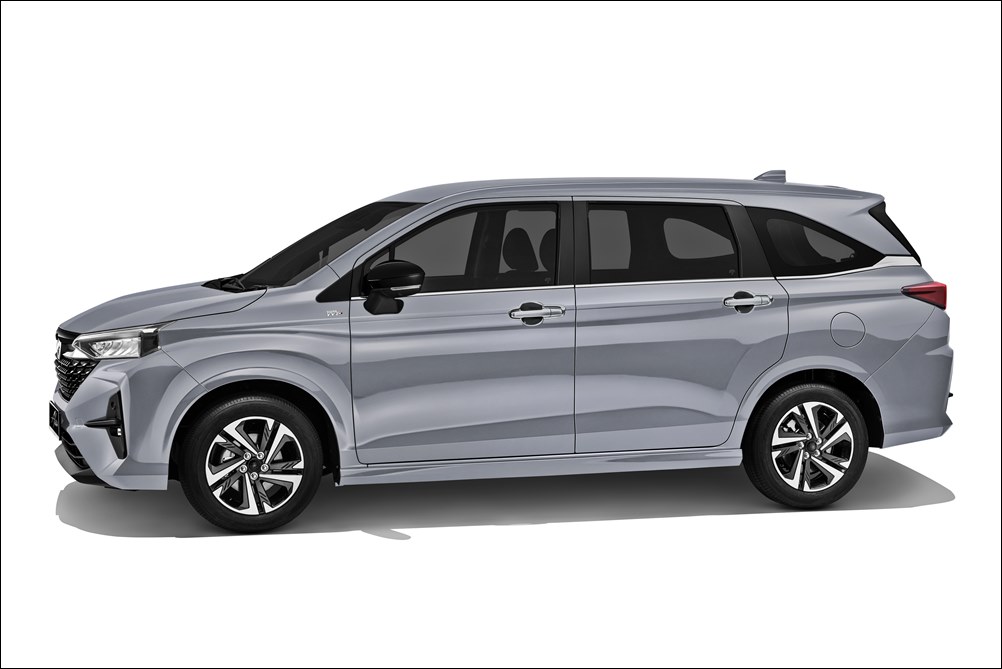
Compared to the previous Alza, the new one is much larger. With an overall length of 4425 mm (+205 mm) and width of 1660 mm (+35 mm), it covers a road area that is 3% larger. Interestingly, though, the wheelbase is still the same at 2750 mm. The larger size is also complemented by additional height and the new Alza’s roofline is 50 mm higher than before.
The ground clearance is interesting as it is more like a passenger car’s. With development of the model taking into consideration the Indonesian market where generous ground clearance is preferred, the 160 mm for the Alza is different from what is usually seen in the popular MPVs which are over 200 mm to cope better with rough roads and floods.
This shows how Perodua has been able to ‘Malaysianise’ its product according to local preferences, a contrast to the earlier years when they had to accept whatever specification was decided upon. In fact, this autonomous approach started with the current Myvi where Perodua was able to convince the Japanese side that the suspension settings need to be different for Malaysian conditions. It was a difficult pitch but proved to be the right one as the ride and handling of the car are appreciated by most drivers.
More expressive design
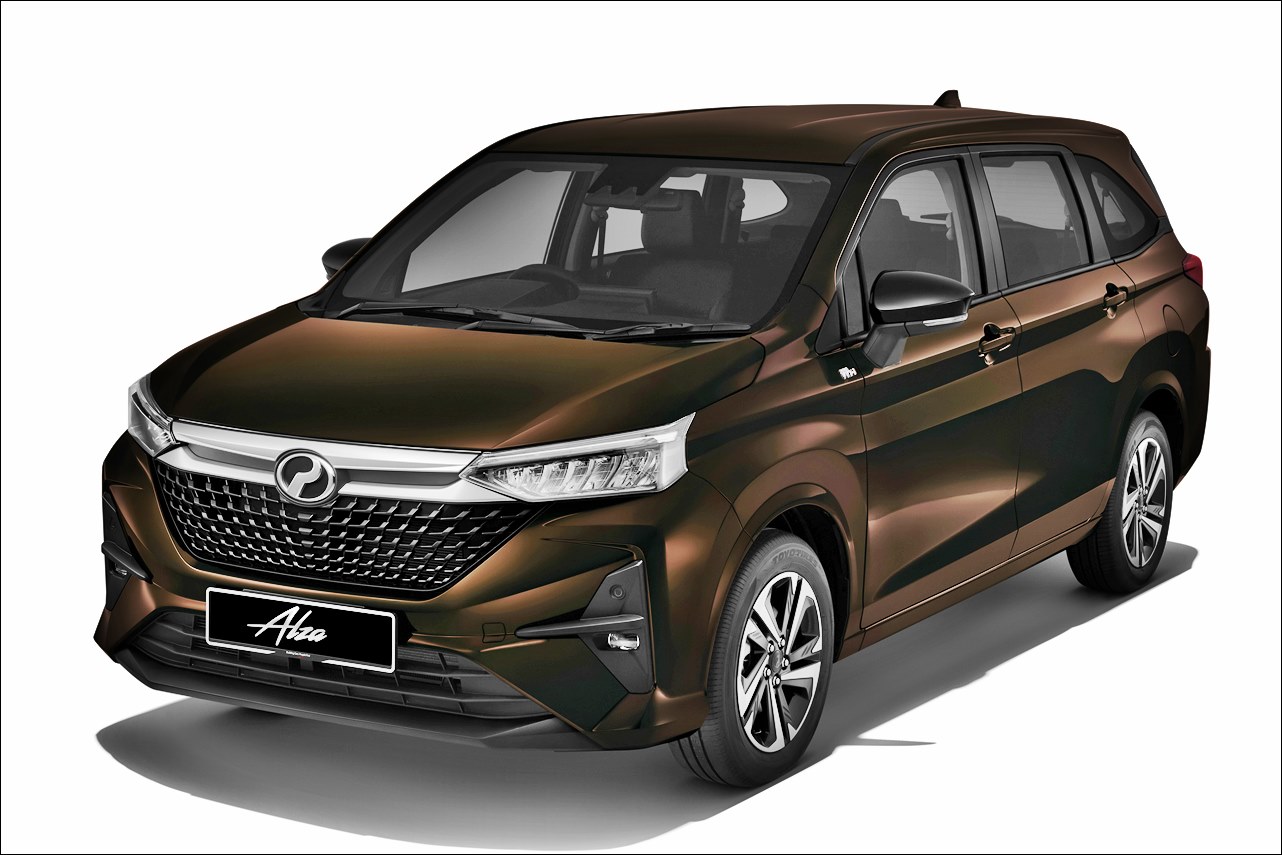
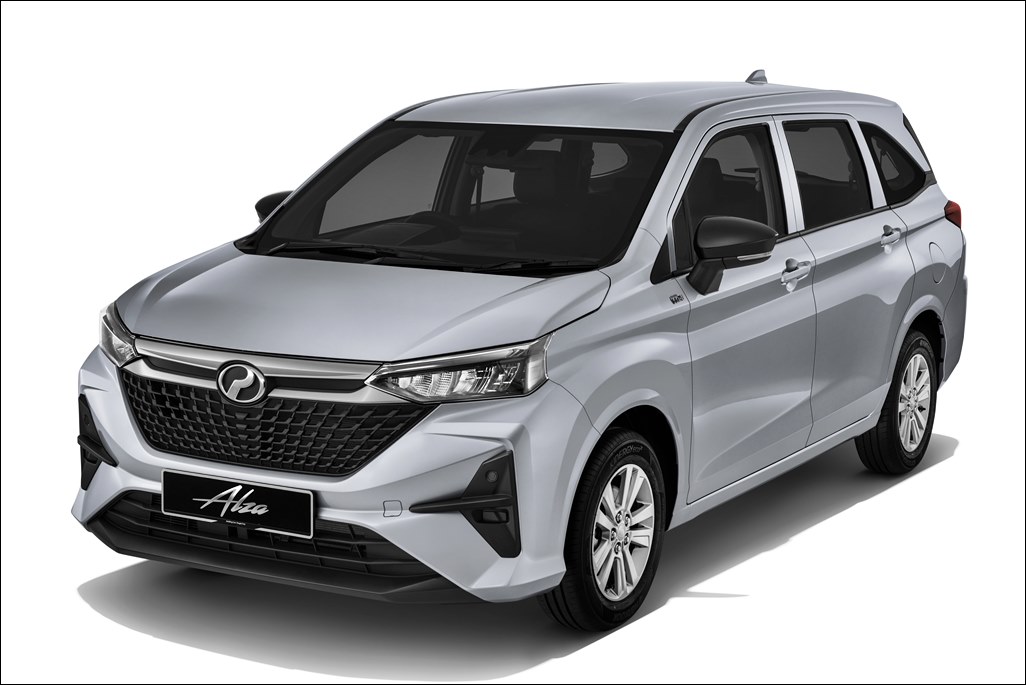
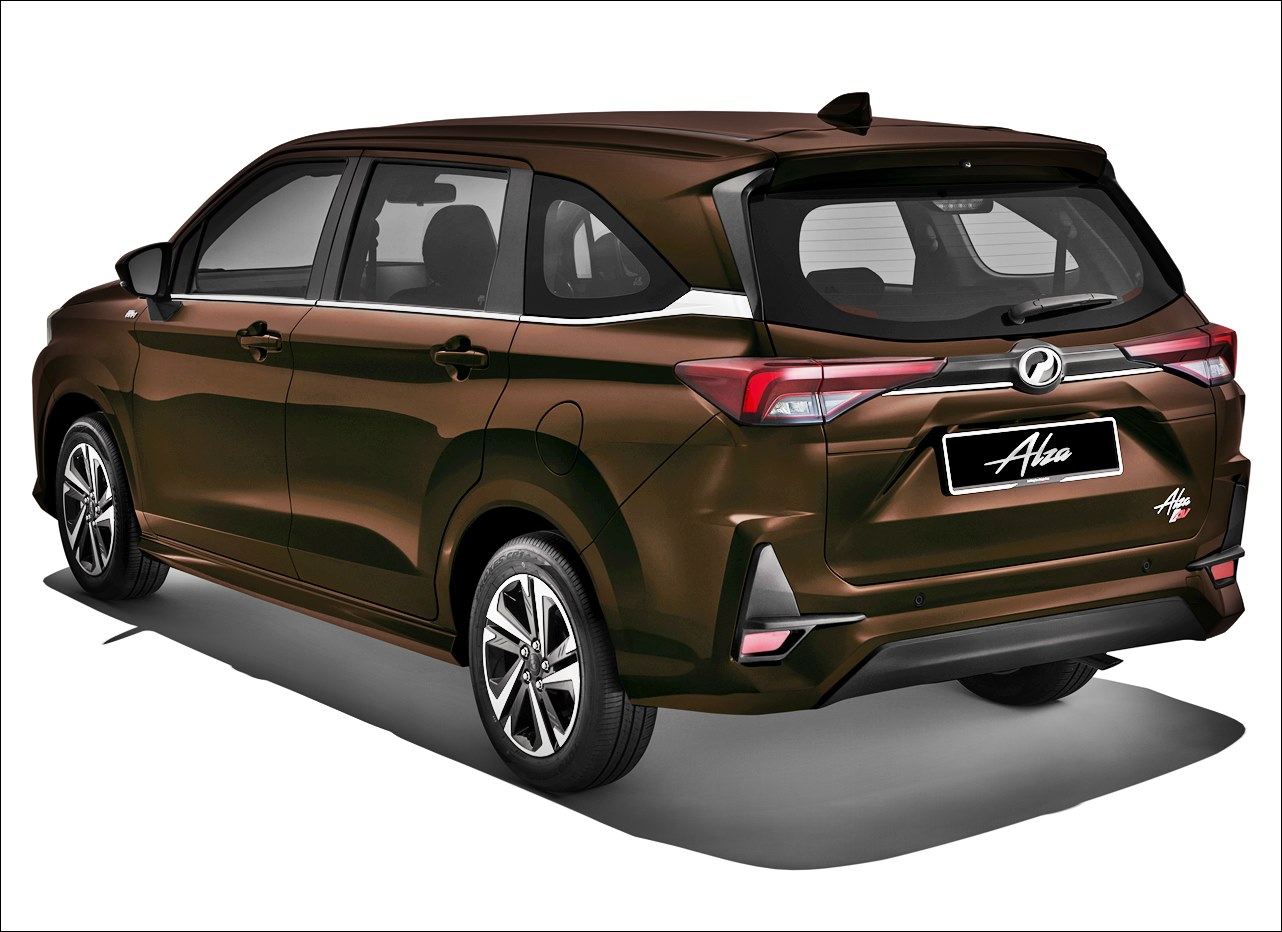
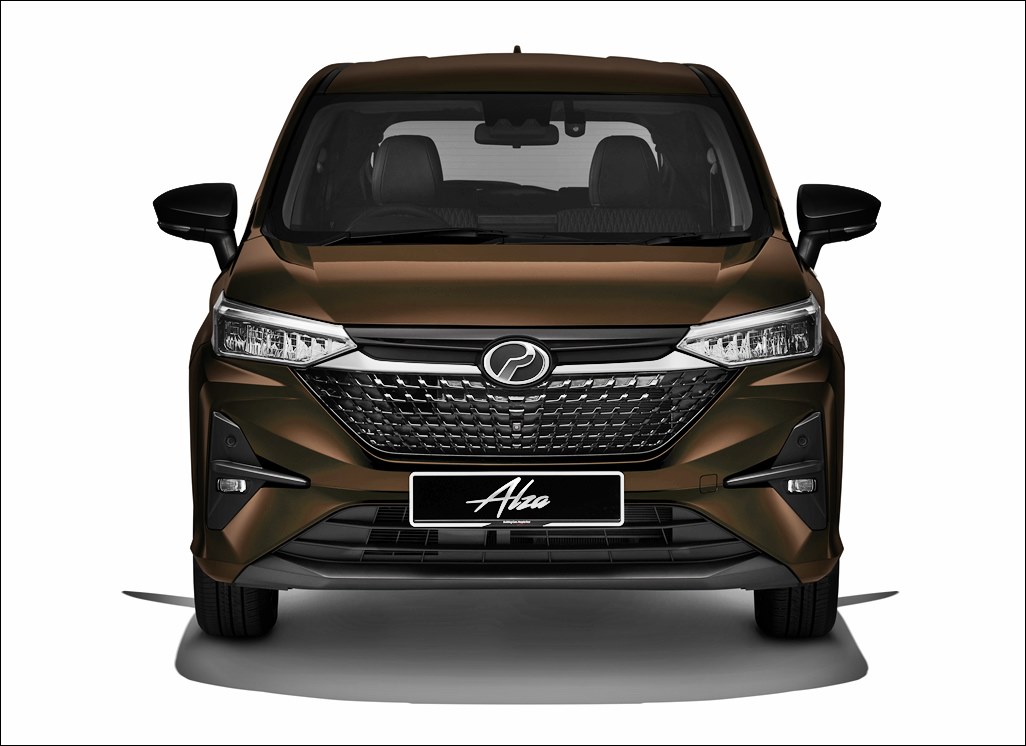
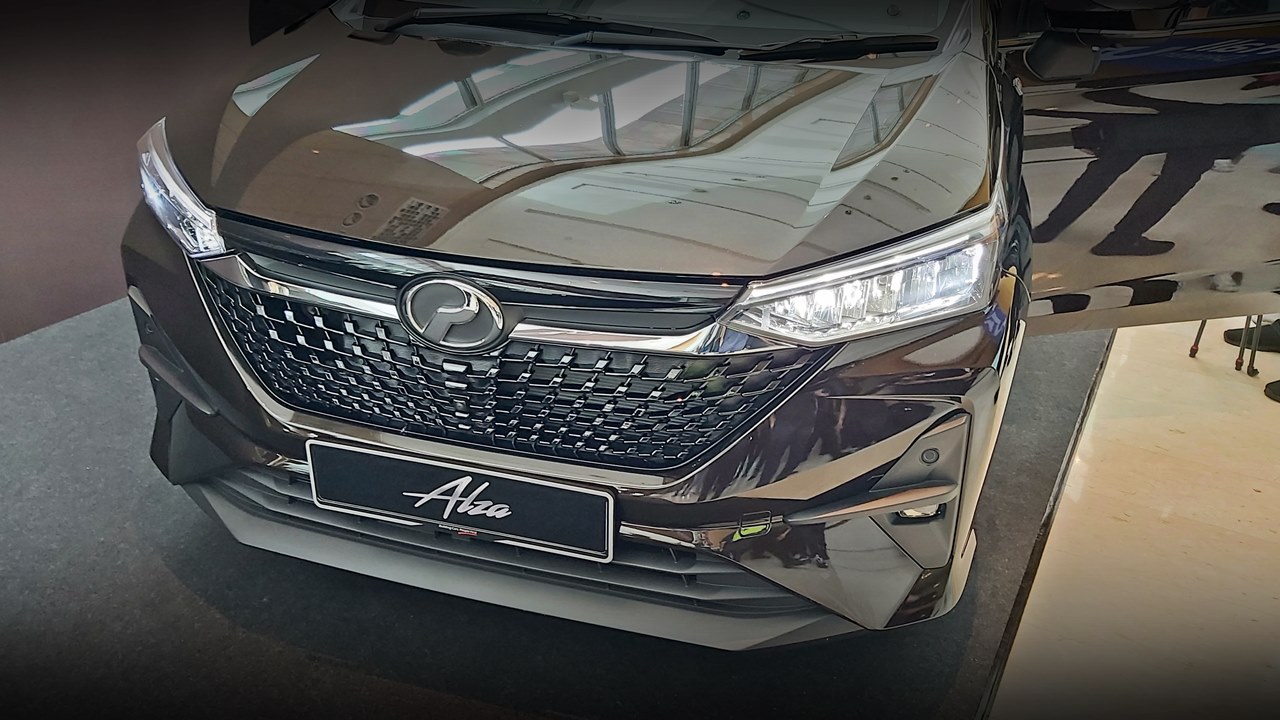
For styling, the areas which Perodua’s designers have been able to alter are basically at the ‘apertures’ – the openings for the grille, lights, etc. This is where they have given the Alza a different grille theme from the other models. But the many different angles of the surfaces make for a fussy appearance which is more apparent with light colours and less so with the dark colours. It’s probably what the designers call ‘expessiveness’.
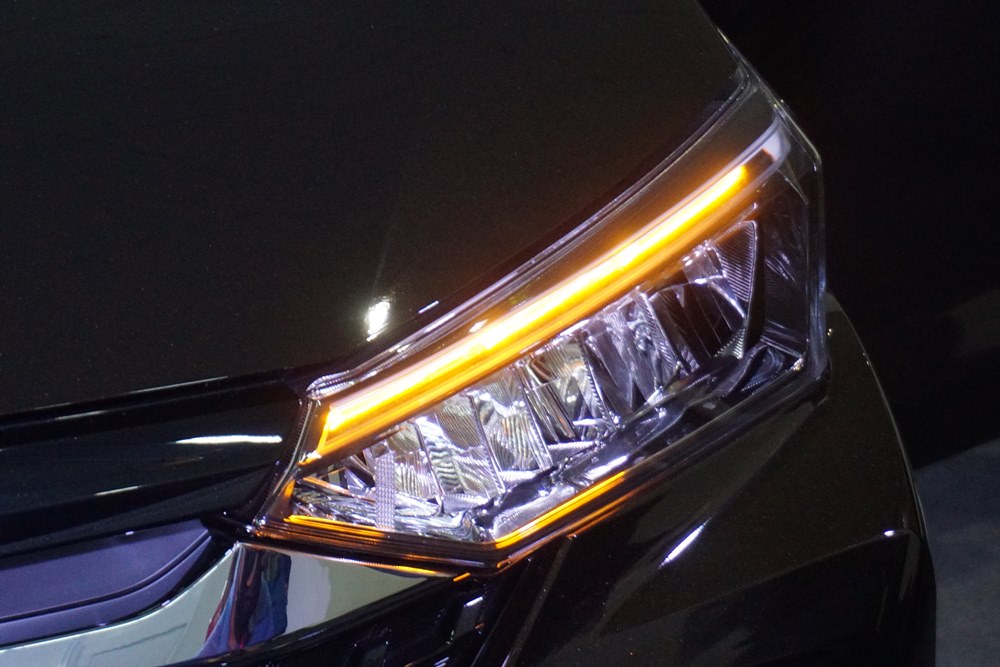
The headlights are LED units so they use less energy, last longer and light up faster. Taking the Alza a notch up in its segment are the sequential signal lights at the top of each headlight unit. While they aren’t as fancy as those on some German models, they are nevertheless eye-catching and something special for this class of cars. At the very least, they give a visual signature that will identify the Alza from afar.
New, more efficient engine
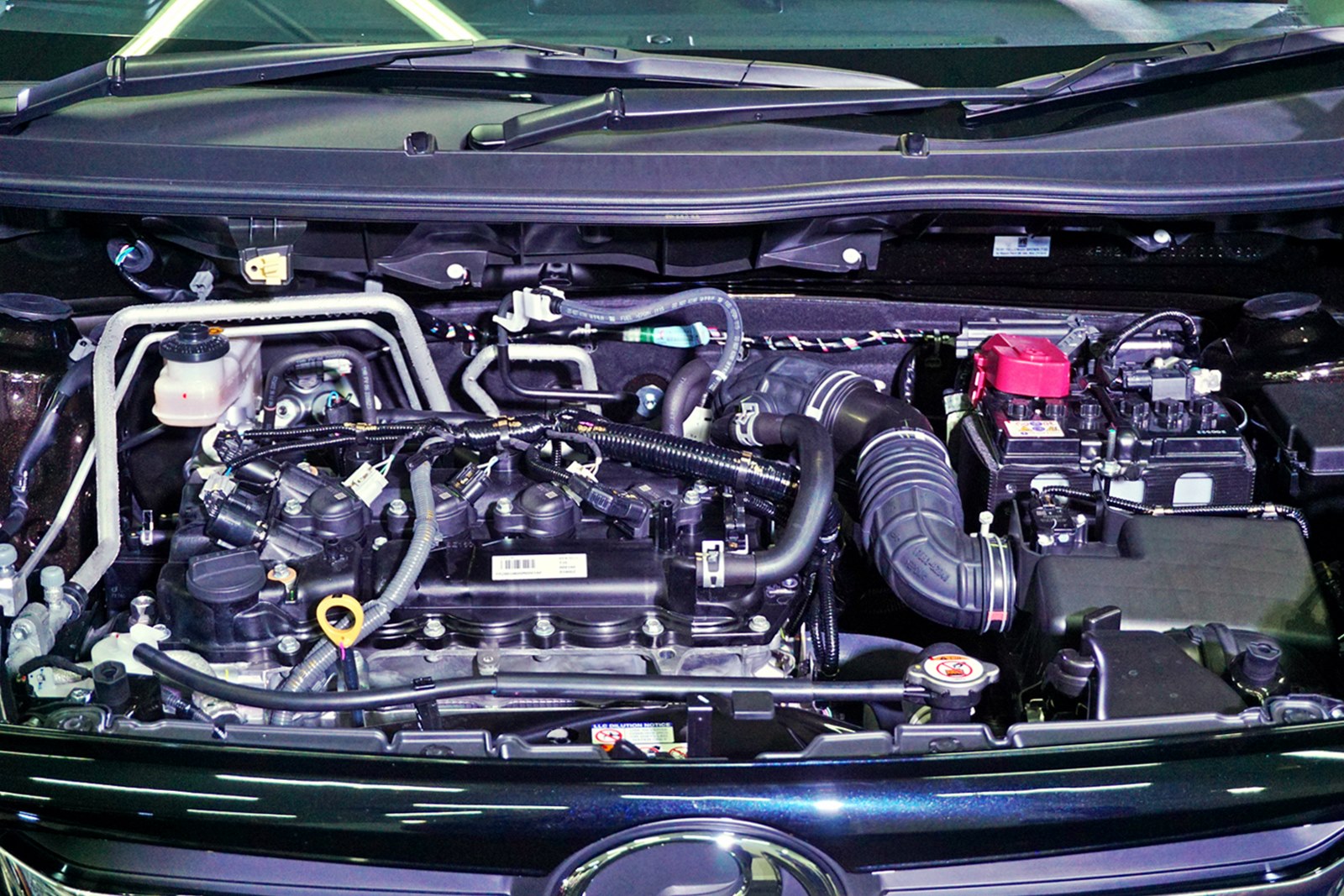
The Alza continues with a 1.5-litre powertrain but while the displacement is the same as before, the engine is completely different. The previous engine was a 3SZ-VE with DVVT (Dual Variable Valve Timing) but the one in the new Alza is a 2NR-VE which DVVTi (the ‘i’ meaning ‘intelligence’). Being a newer engine with more recent technologies, the 2NR-VE has higher output of 106 ps/138 Nm, while the previous engine produced 103 ps/137 Nm. The extra power provides better performance as, in spite of its larger size, the new Alza weighs only 10 kgs more.
With the Dual Mode CVT (drivers can also shift manually), the Alza is claimed to be able to go up to 22 kms per litre. That‘s 65% better than before and based on the current fixed price of RON95 petrol, it should cost less than RM40 for a trip from Kuala Lumpur to Penang.
The driver now has the option of going a bit further with each litre of petrol or having a sportier drive. It’s difficult for engineers to give both so it’s up to the driver who can just press a button to select ECO or POWER mode, and the engine characteristics will be adjusted accordingly. For daily driving, the NORMAL (default) mode would be best as it gives a balance of power and economy.
The engines and transmissions are made at factories in Negeri Sembilan,
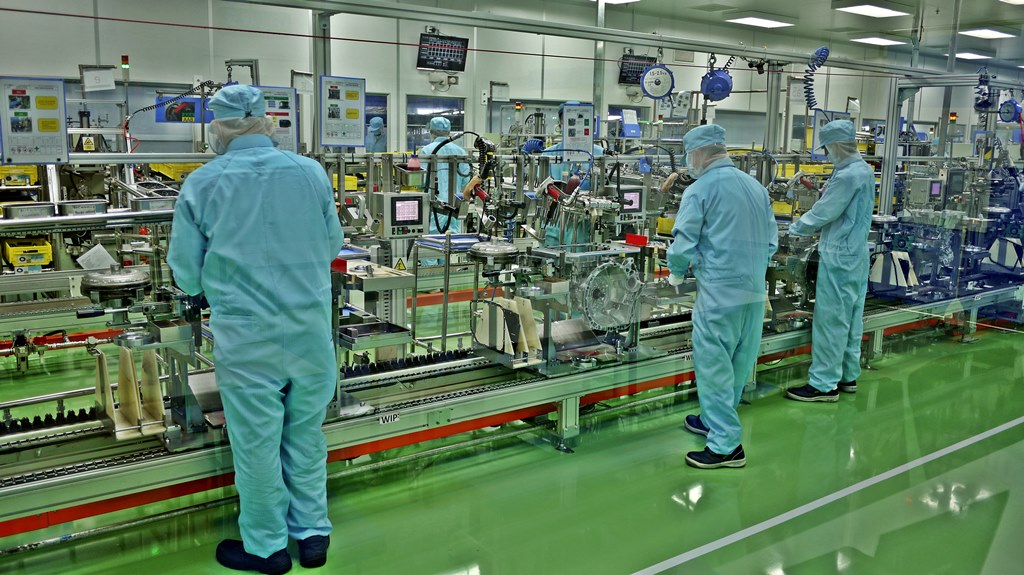
Both the engine and the CVT are made at factories in Sendayan, Negeri Sembilan. Because of their local manufacture, they help push the amount of local content in the Alza to around 95% which is about as high as it gets. The other Perodua models also have a similarly high level of local content.
Versatile layout for up to 7 people
The interior is what a MPV is all about, with its versatility to carry more people or more cargo, or a balance of both. Perodua’s experience in MPVs goes back to the Kenari which was then referred to as a ‘MFV’ or ‘Multi Functional Vehicle’. Since then, it has gained much experience in interior packaging to the extent that when developing the first Myvi, the Perodua team was able to exert enough influence to have the cabin size made larger than what the Japanese were considering.
For the Alza, clever thinking has again gone into how the cabin is laid out as the wheelbase is unchanged from before (but the body is larger). The interior width has been extended by 35 mm while the length is 115 mm more. That means more legroom for the people in the second and third rows, with the second row seats being positioned 90 mm further away from the front seats.
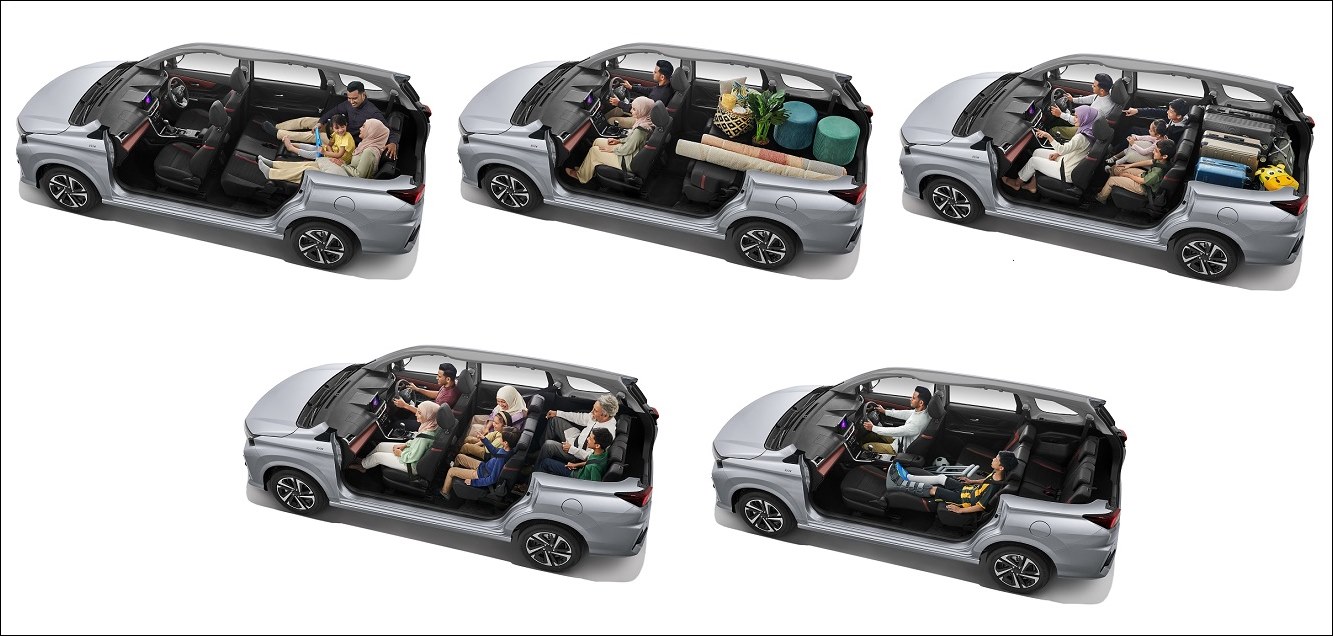
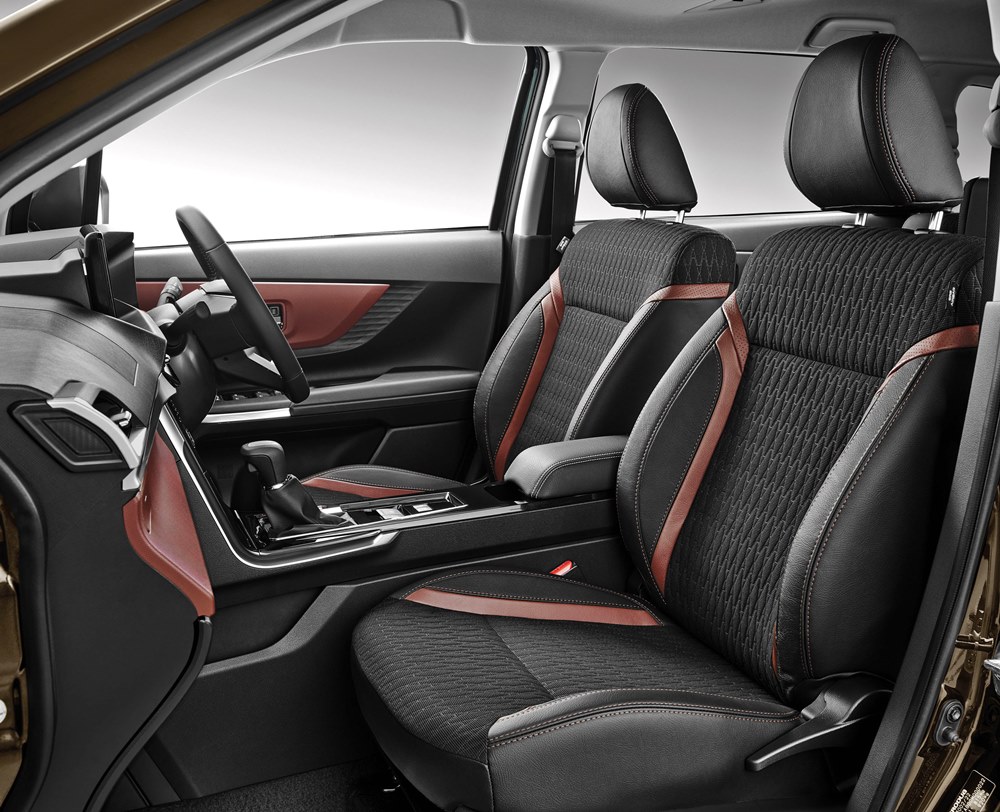
The seats can be folded in various ways individually or together. When there’s a need to carry long items, the ‘Moving Out’ layout can be used where there are just two passengers up front and a very long floor area. In the ‘Jalan Jalan Cari Makan’ layout, all three rows are used for seating and can accommodate 7 people inside. From what we experienced sitting in the third row, it’s reasonably comfortable for adults – which is not always the case in some MPVs and SUVs.
Although the ground clearance is low, the seat height is still at a level where getting in is still easy enough for older people. The doors open very wide for easy access, and a single action tumbles the second row forward for getting into the third row.
Traditional dashboard with modern looks
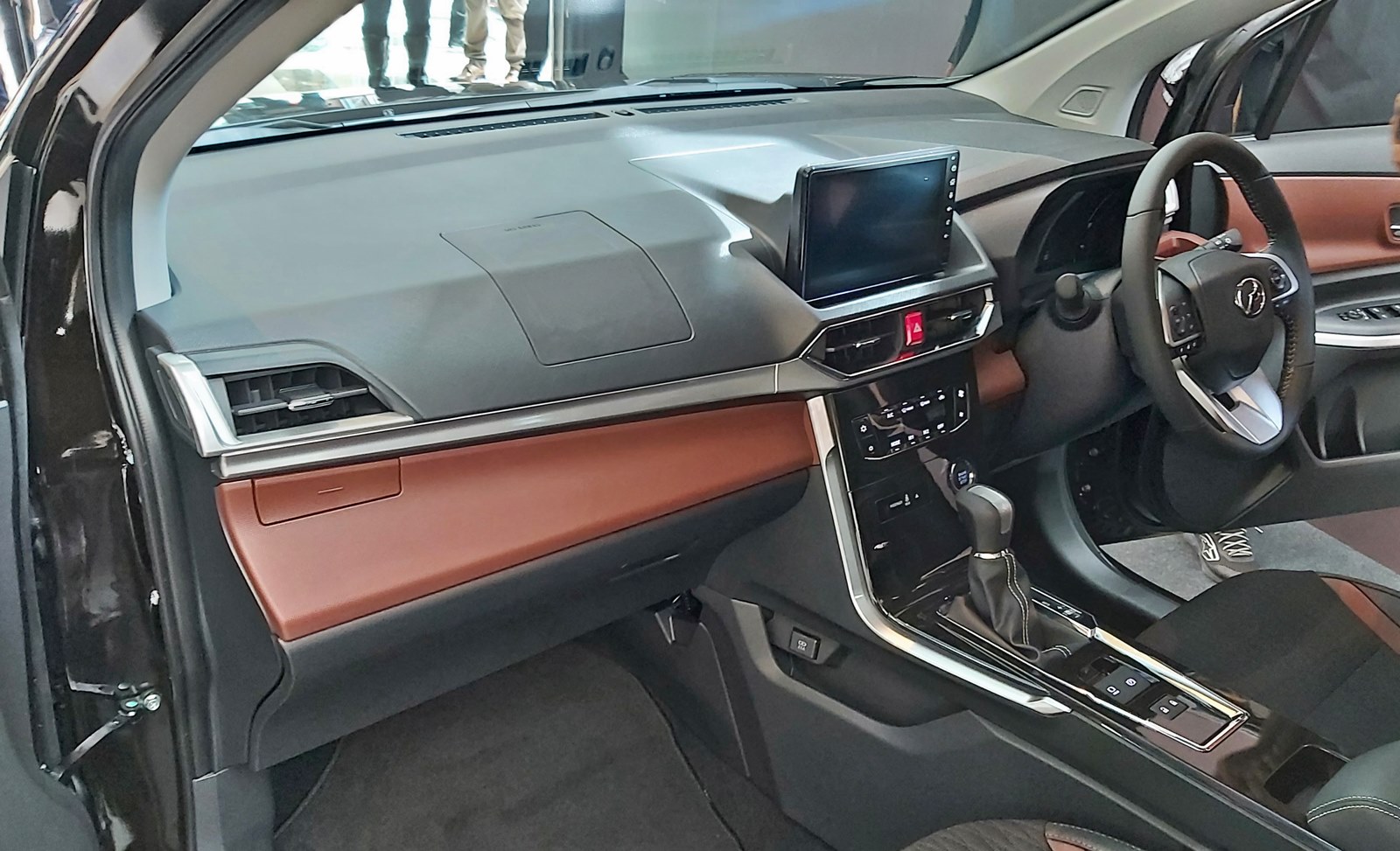
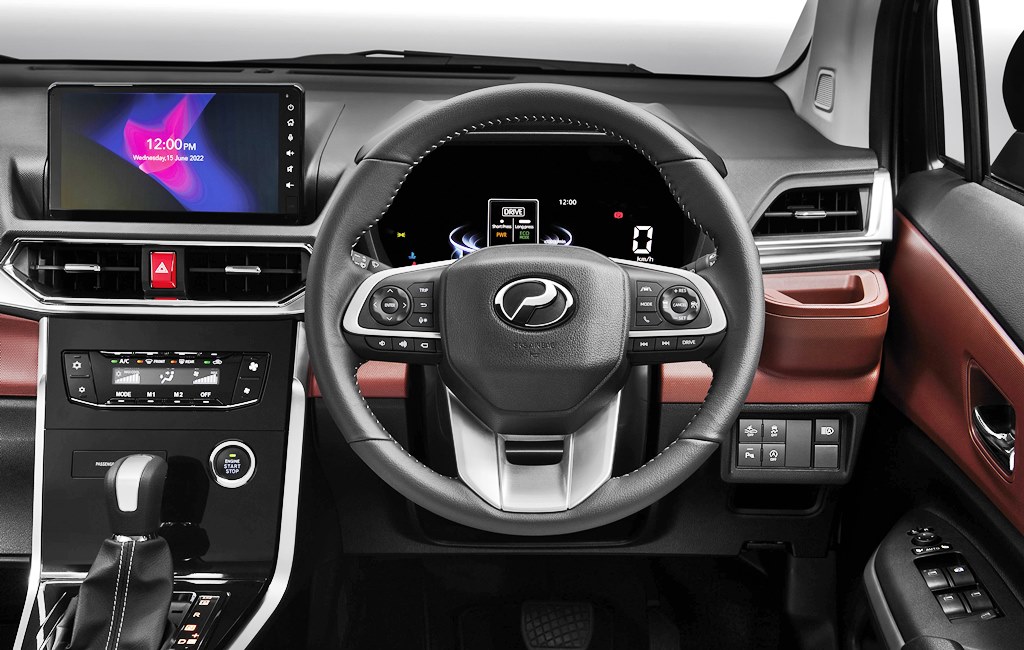
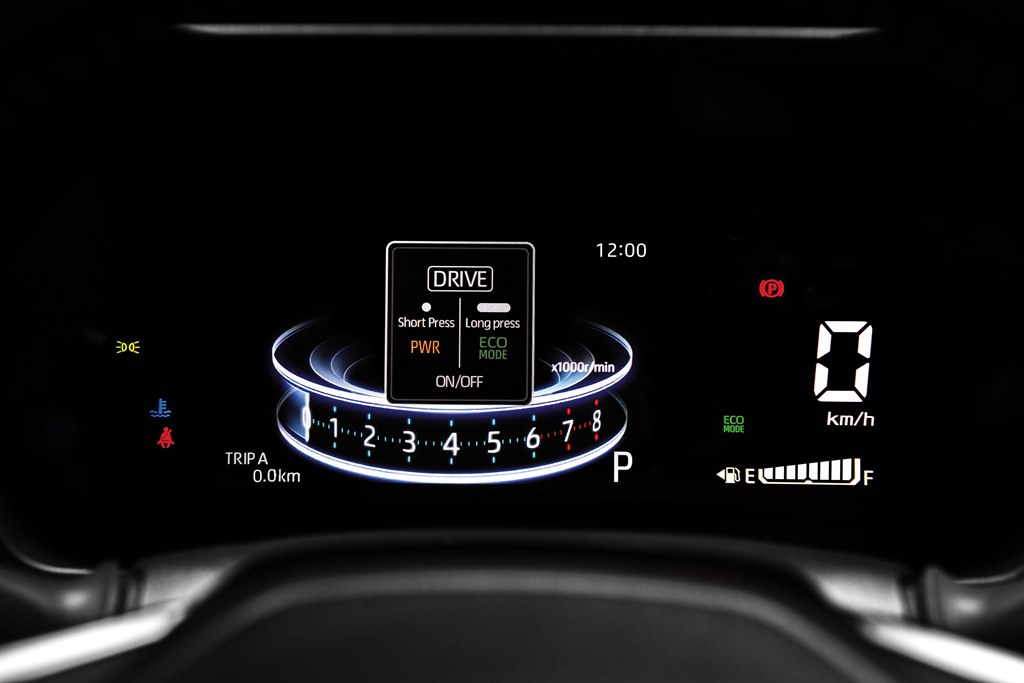
Up front, the dashboard follows the latest trends of having a large tablet-like display panel in the middle. There’s a big change in the layout where the instrument panel is back to its traditional position ahead of the driver. In the first Alza, it was at the centre, a rather unusual location which was influenced then by studies that showed the further distance of the display to be better for viewing. This goes back to the first Toyota Prius which used such a layout and for a while, some Toyota and Daihatsu models followed it.
But now it seems that idea has faded away and the traditional arrangement is adopted. It certainly looks better as the absence of an instrument panel ahead of the steering wheel was rather odd! Like the Ativa, there are 4 graphic displays to choose from, each one presenting information in a different way.
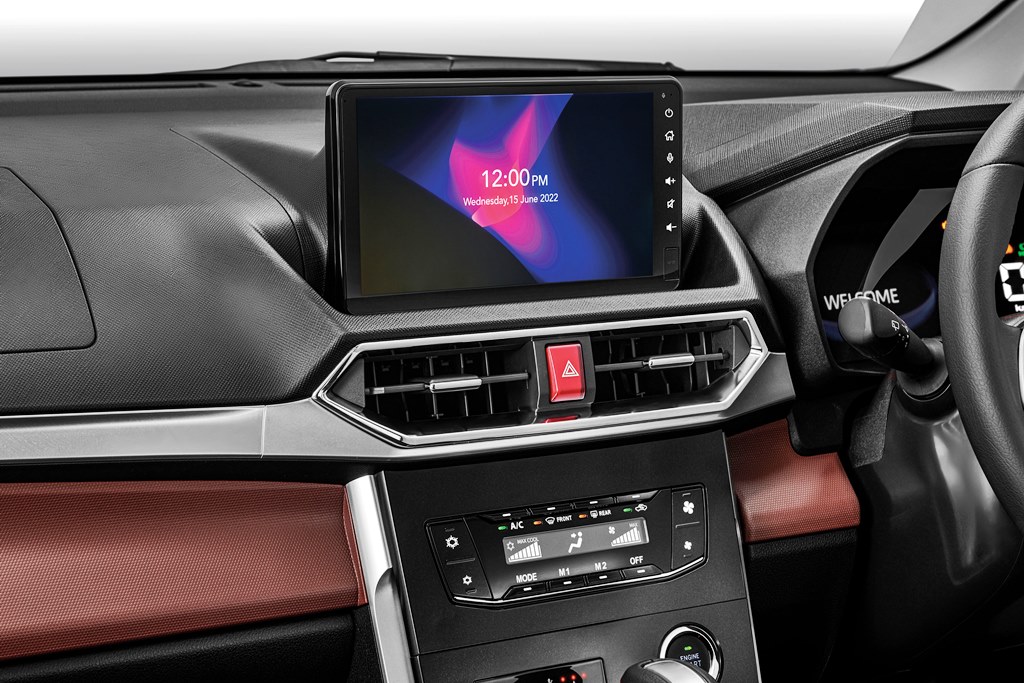
The central area is dedicated to the infotainment system with a 9-inch panel that also doubles up as a display for the rearview and panoramic cameras. Controls on the panel are touch-sensitive but those for the air-conditioner are physical buttons, which is better. There are also switches on the steering wheel, allowing the driver to make adjustments or change settings without taking the hands off the steering wheel. Incidentally, all variants come with keyless entry and a pushbutton to start/stop the engine.
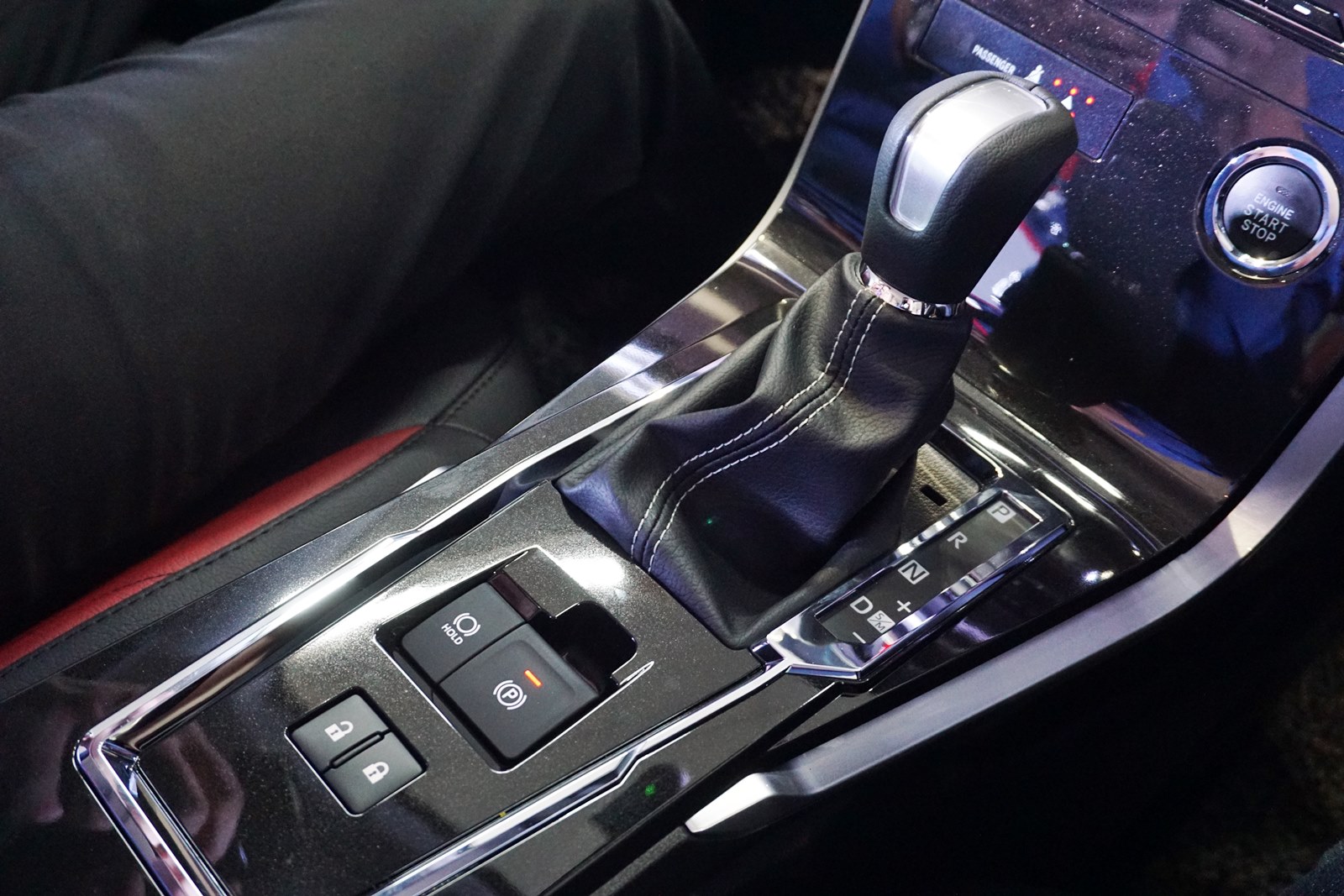
There’s also a centre console between the front seats now, which gives a more conventional appearance than the previous Alza which had an open space. It used a foot-operated parking brake which allowed space to be freed up. With the new Alza, the footbrake is gone and an electric parking brake is used. As this uses electric signals to activate the brake, there is no need for a long lever and just a small tab is enough. It’s not only space-saving but also requires almost no effort to operate and can be lifted with just a finger.
One thing we like is the location of the door lock switches (separate ones for lock and unlock) in the centre console. This makes it easier for the front passenger (or even the one in the second row) to lock the doors when necessary, instead of having to reach over to the driver’s door (as in many cars). The easier access will encourage locking the doors which will be good for security.
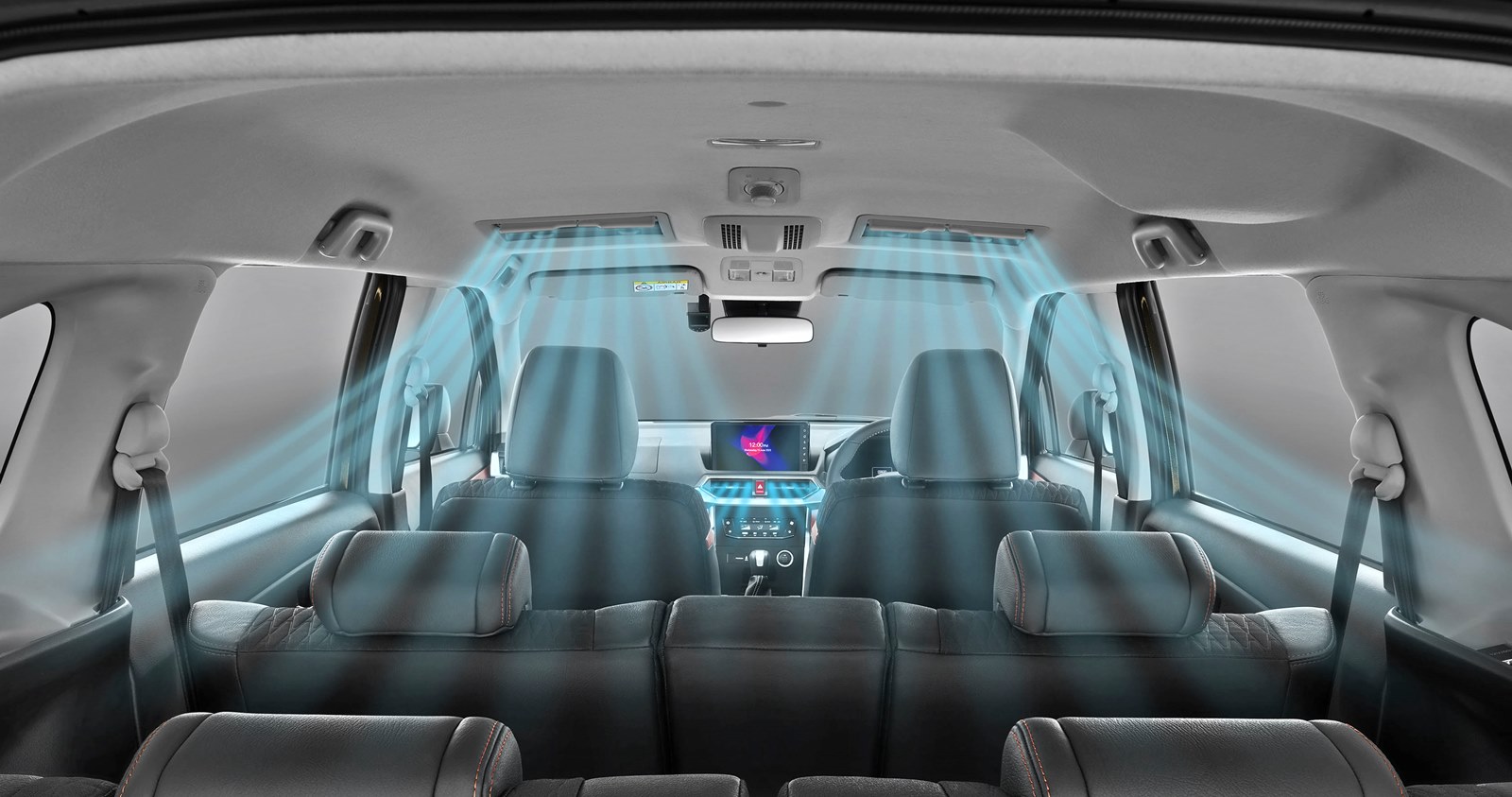
A new comfort feature is the provision of extra air-conditioner vents for the rearmost passengers. Given the length of the cabin, cool air might not reach all the way to the back. So a second blower has been installed on the ceiling, and the fan speed can be adjusted too.
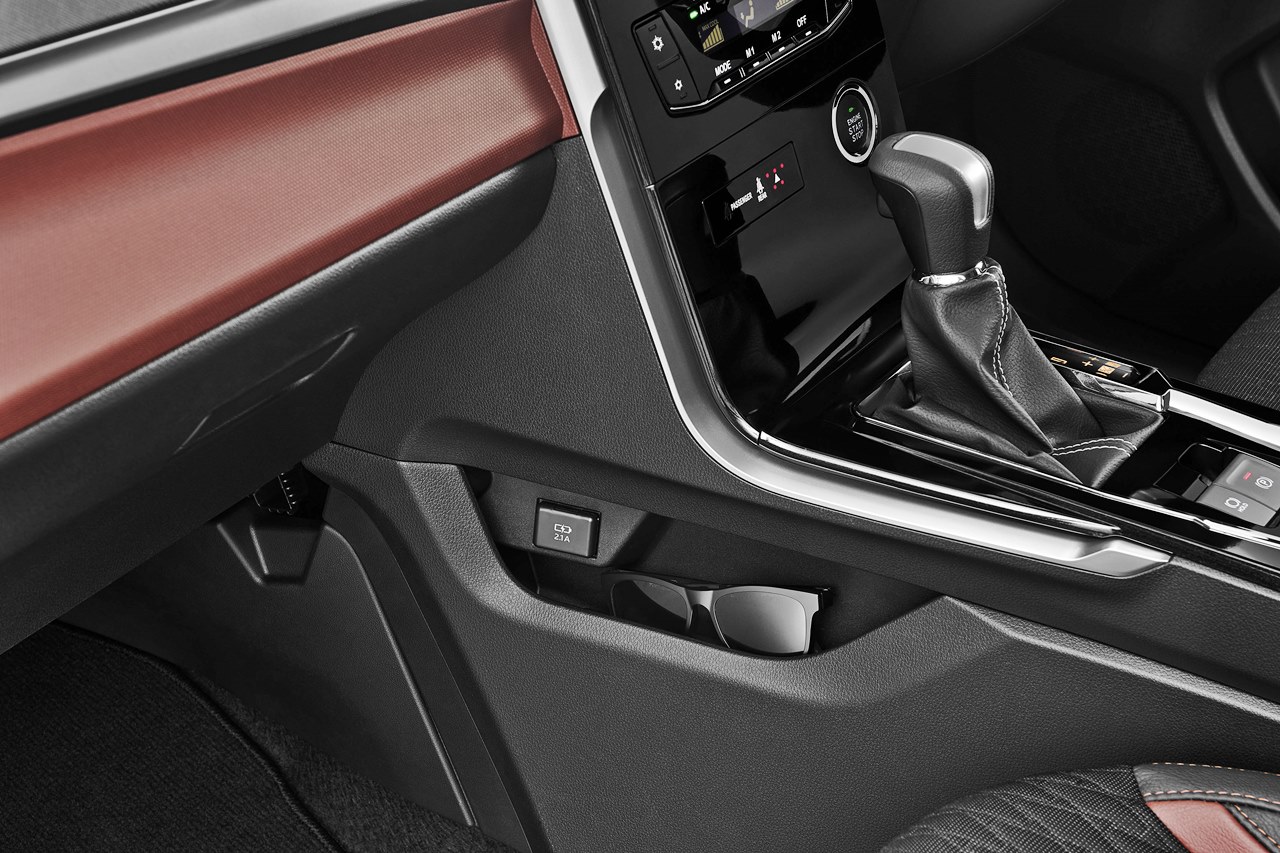
Besides teh tarik hooks, what people need in cars today are recharging ports and cupholders. And the Perodua interior designers have made sure that both are provided. There are three USB ports and two power sockets, and lots of cupholders all over the place. Even if you don’t have that many drinks, they are useful for your phone or small items like coins.
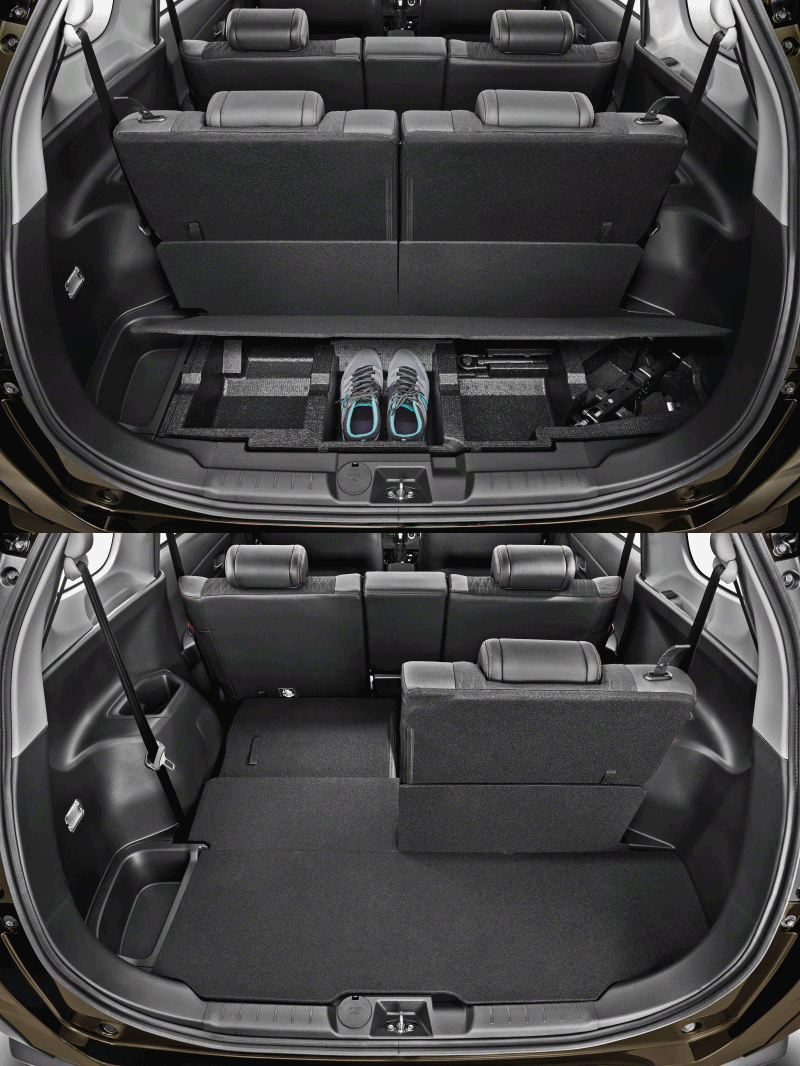
The Alza can swallow up a lot of cargo but it depends on how the seats are set. For maximum volume – 498 litres (158 litres more than before) – the third row backrests have to be folded down. But even with the third row in use, there’s still 137 litres of space (54 litres more than before) and additional storage space under the floorboard.
A safer Alza
Entry-level models are usually the last to get advanced safety features that typically start at the top end with the expensive premium models. The cost of new and advanced systems is high initially, so they cannot be offered in low-priced models. Eventually, they do ‘trickle down’ as the costs drop and then become standard. Systems like ABS, airbags, laminated glass and electronic stability control are examples. 20 years ago, you would not have expected to see them as standard in Peroduas.
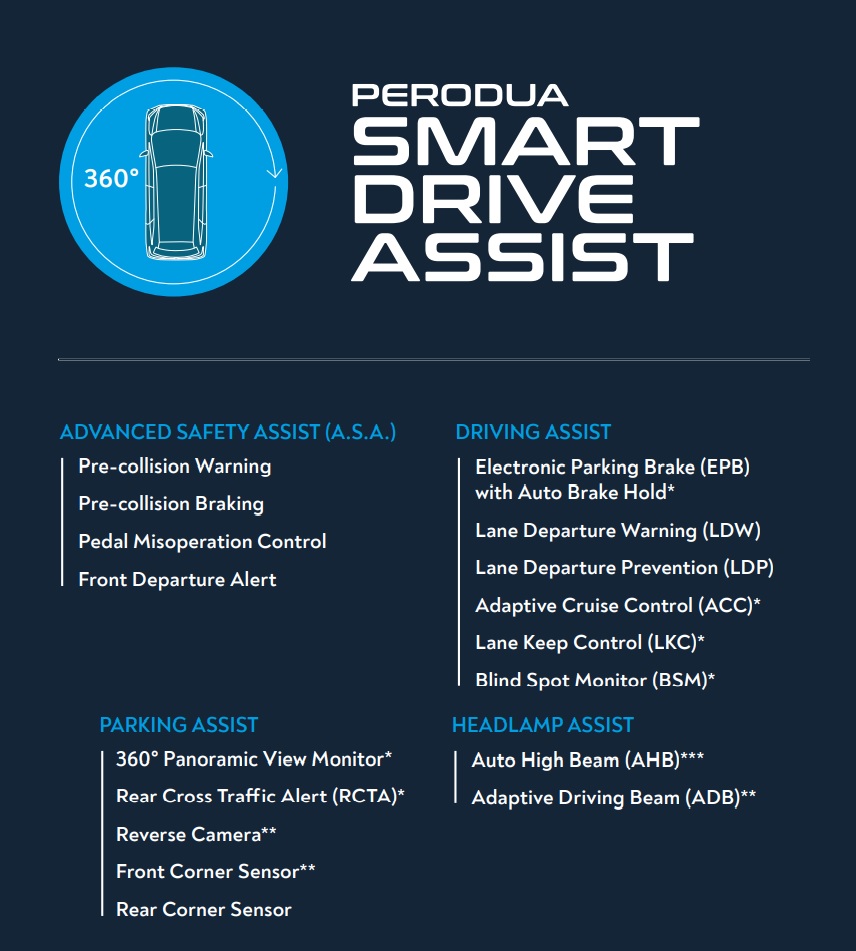
But these days, it seems that Perodua is not waiting so long as it has been introducing active safety systems which put it in a leadership position in the entry-level class. Having started with the A.S.A. (Advanced Safety Assist) system in the current Myvi which brought, among other things, autonomous braking, the carmaker has progressed to a broader safety package called Perodua Smart Drive Assist for the Alza. This has the latest version of A.S.A plus additional driver-assistance systems as well as passive safety.
The driver assistance systems include Adaptive Cruise Control which is a more advanced form of cruise control. When it detects another vehicle ahead while at a set cruising speed, it will automatically slow down (if necessary) to maintain a safe distance. On a long journey, this can reduce fatigue as the car will ‘drive itself’ and slow down when necessary. All the driver has to do is steer and watch the road ahead. And there’s even Lane Departure Prevention which will help prevent the car from wandering into another lane.
Many of the systems rely on a camera installed at the top of the windscreen. It constantly scans the road ahead and there’s a program to recognize shapes and analyse the car’s movements. The hardware and software cost must have come down significantly to enable Perodua to offer this (a benefit of being together with other carmakers to share costs).
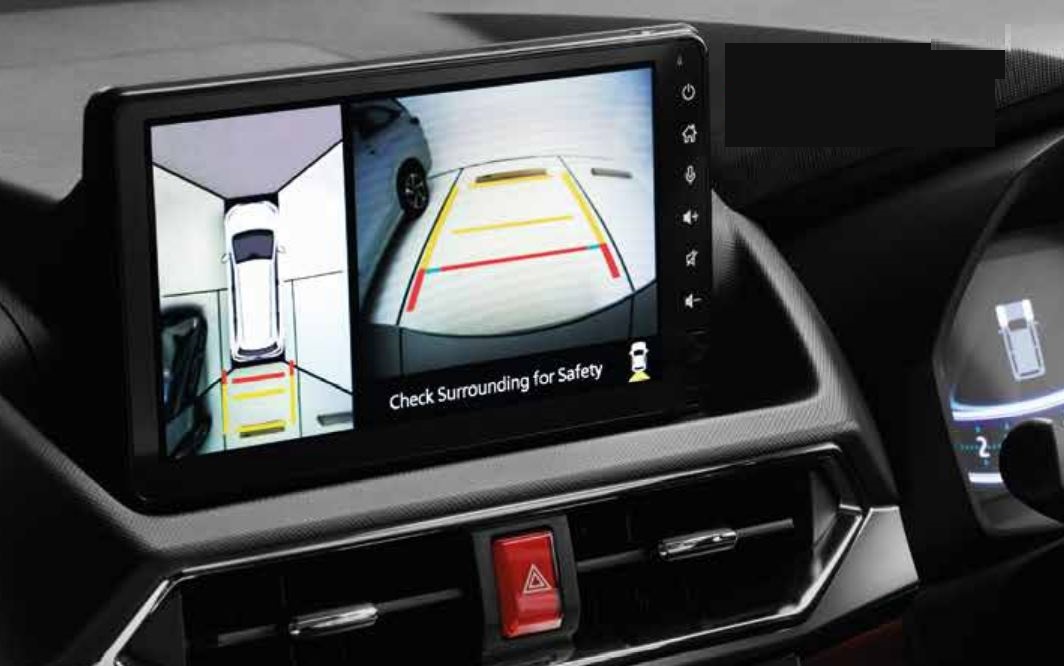
A new feature which first appeared in a Rolls-Royce some 20 years ago is the 360-degree panoramic view display. This gives the driver a simulated overhead view of the car, the image formed by stitching together images from four small cameras on the sides and front. The driver can see all side of the car and maneuver it easily in tight spaces. With the rear view, there are also guidelines to help when maneuvering into a parking bay.
With a vehicle like the Alza, which can carry many people, safety is even more important. Apart from the active systems that help the driver avoid an accident (or recover from a dangerous situation), there are also passive safety systems like 6 airbags in every variant. That’s great progress from the days when Perodua began offering airbags (just two) in the Kembara and customers had the option of paying extra for them or choosing a version without them. Now, with the influence of ASEAN NCAP, the carmaker strives to make its cars as safe as possible and the new Alza has already been awarded the maximum of 5 stars by the safety organization.
Incidentally, apart from having ABS, Electronic Stability Control and Traction Control as standard for all variants, the new Alza also comes with a rear disc brake for the AV version. Engineers may say that a disc brake is not really necessary at the rear but extra stopping power is always good anyway.
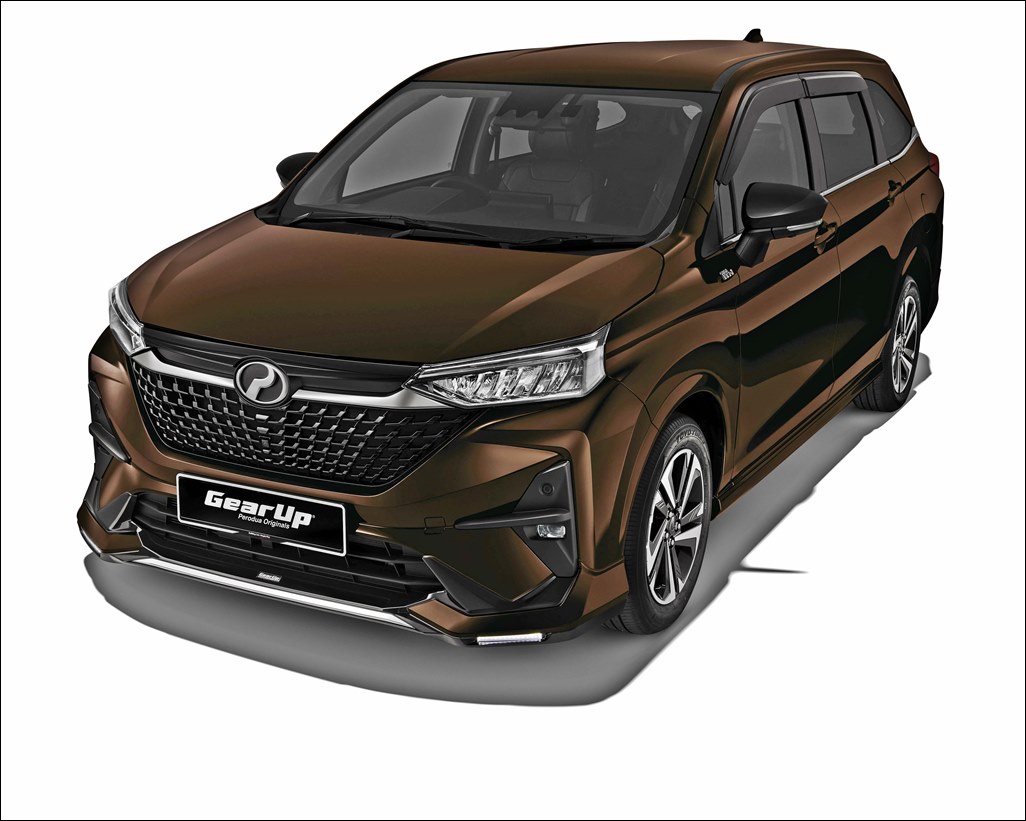
As with other Perodua models, there’s also a range of GearUp accessories which customers can add to their new Alza.