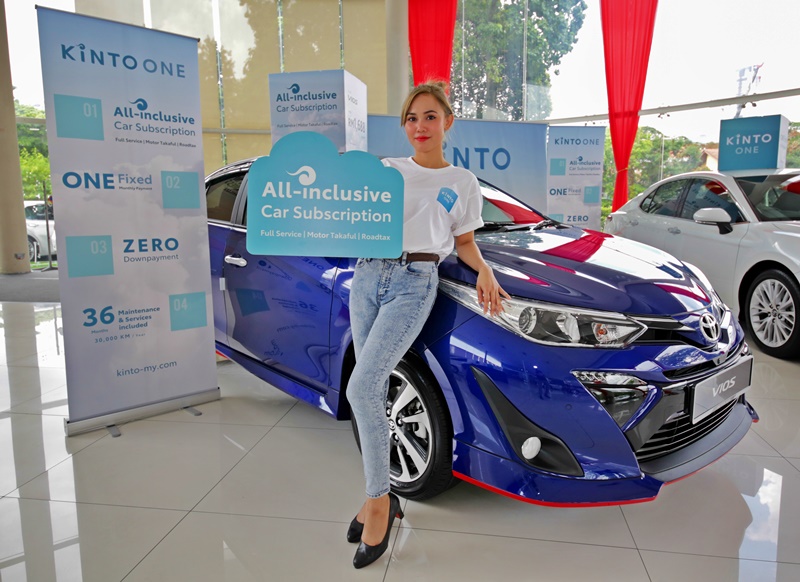
KINTO ONE is a car subscription program available exclusively to Toyota and Lexus customers globally. Introduced in Malaysia earlier this year, it offers the use of a vehicles without having to own it. Those who sign up for the program have only to pay a fixed monthly payment which includes registration fees, maintenance costs, insurance and even roadtax.
Originating from the Japanese word kinto-un, which means ‘flying nimbus’, as the future image of mobility, the name is in line with the spirit of providing services that quickly appear when necessary, enabling mobility as per the user’s wishes.
With the traditional hire-purchase (H-P) financing facility, the customer has to pay a monthly instalment to repay the loan amount and also all costs related to ownership and usage. KINTO ONE packages all the costs for convenience during the term selected which can be 2 years or 3 years. At the end of the subscription period, the vehicle is returned and everything else will be taken care of. There are no worries of residual value nor how to sell off the vehicle.
The various packages and subscription periods with terms of up to 5 years now available.
In Malaysia, KINTO ONE is offered through a joint strategic collaboration between Toyota Capital Malaysia Sdn Bhd and UMW Toyota Motor. It is available in Peninsular Malaysia and East Malaysia but not Langkawi and Labuan. The subscription program is Islamic-based and is part of the local early mover transition to realizing Toyota’s ambition to become a mobility company.
“Soon after we launched KINTO ONE, the country was ushered into another major lockdown and this has encouraged us to be more adaptive of the local happenings. Through our spirit of kaizen (constant improvement) and structured discipline in product development, we took advantage of the recent lockdown to improve our KINTO ONE features,” said Thomas Chai, President of Toyota Capital Malaysia. “We listened closely to what the market needs and have come up with additional varieties of KINTO ONE to cater to the growing car subscription market.”
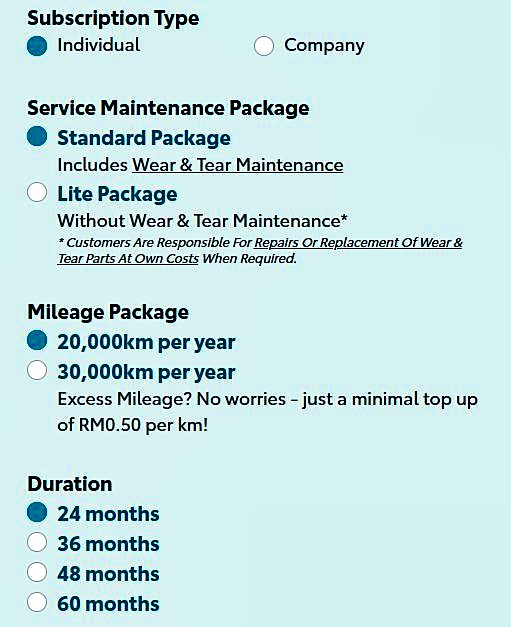
KINTO ONE now offers the option to choose from different yearly mileage packages starting from 20,000 kms to 30,000 kms and a longer subscription up to 5 years can also be chosen. Additionally, there is a Lite Package, conceived as a response to the reduced motoring by many people (due to working from home and limiting their travels). They may still require an easy and straightforward car usership program. The Lite package has all the value propositions of a car subscription program but offers extensive flexibility to choose the package that suits each customer’s needs best.
The corporate sector would also find KINTO ONE Business worth considering for company fleets. Formulated to appeal to companies who wish to be light on their assets and lessen the unnecessary administrative works, KINTO ONE Business can help to improve the bottom line as it is a cost-effective solution for mobility needs. Furthermore, fleet managers can have an easier time as everything related to the vehicle throughout the subscription period is covered. KINTO ONE Business offers a range of commercial vehicles as well.
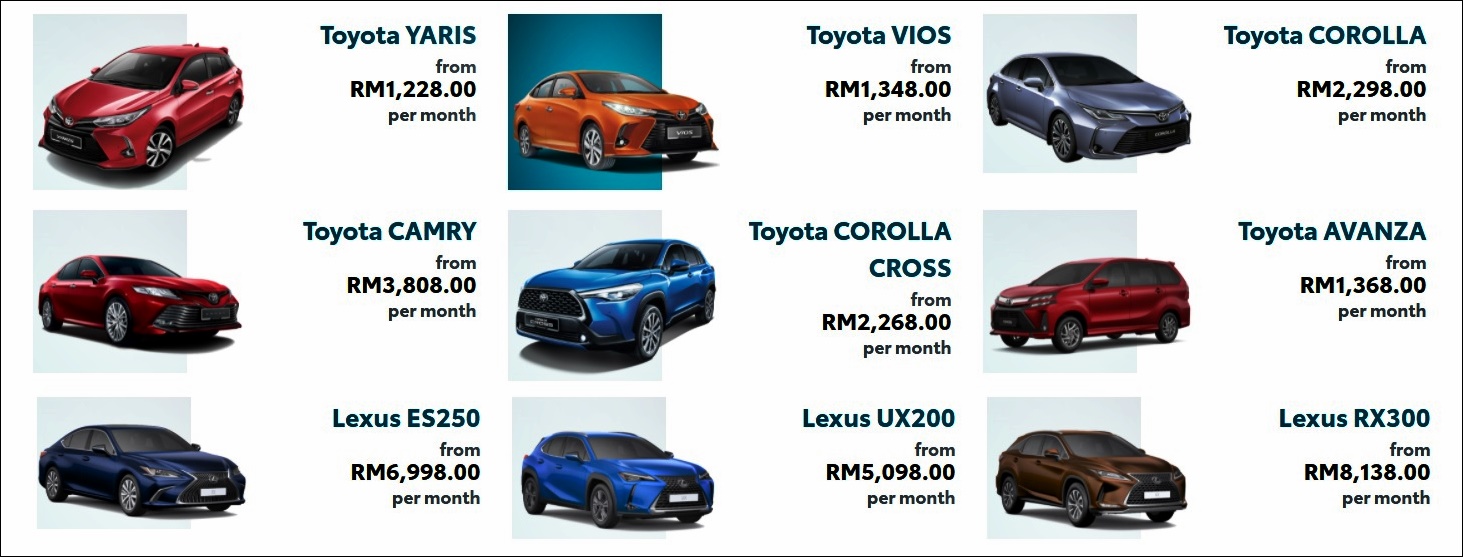
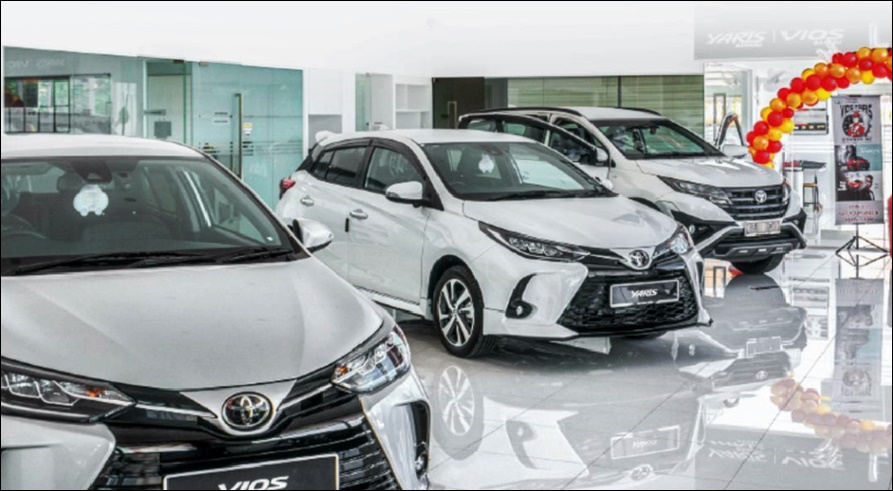
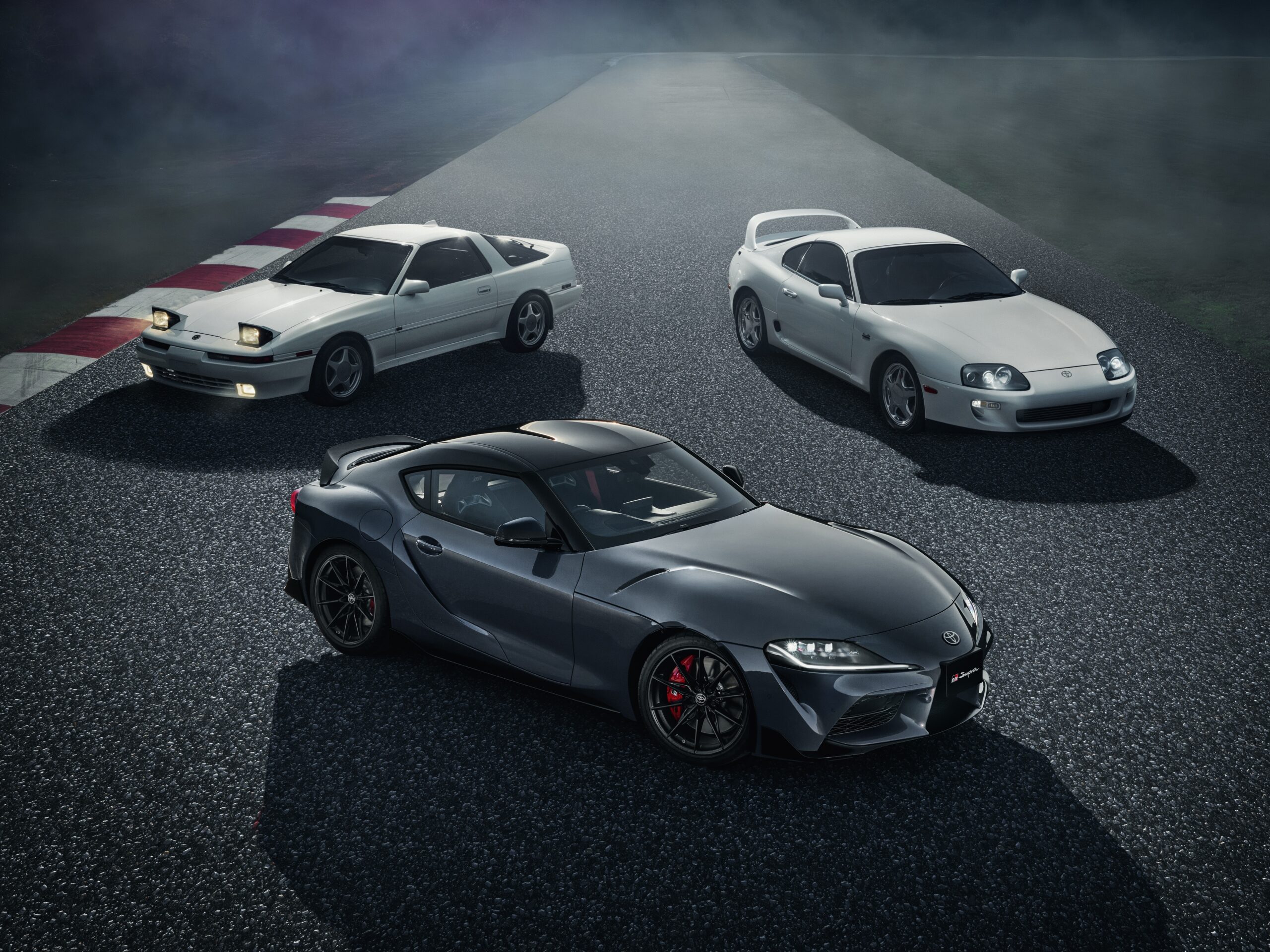
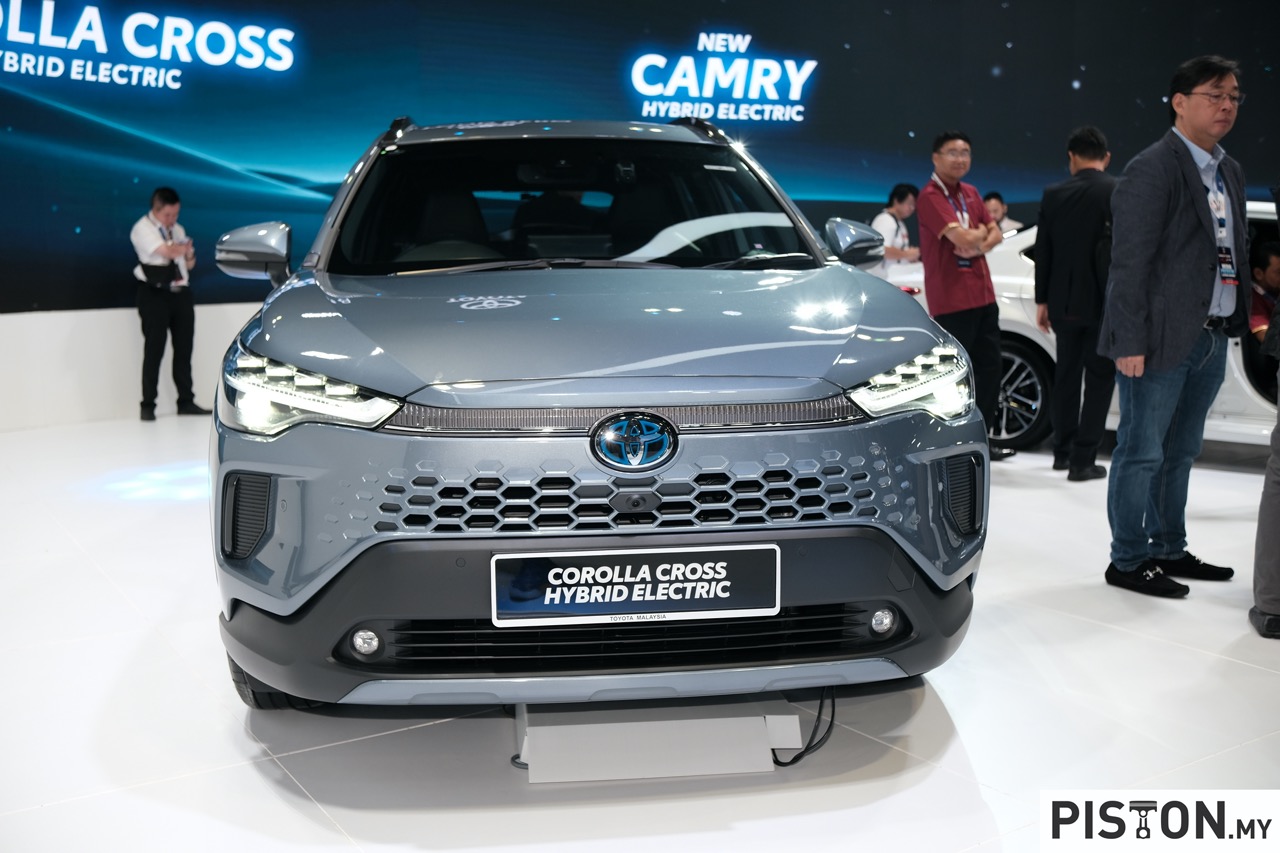
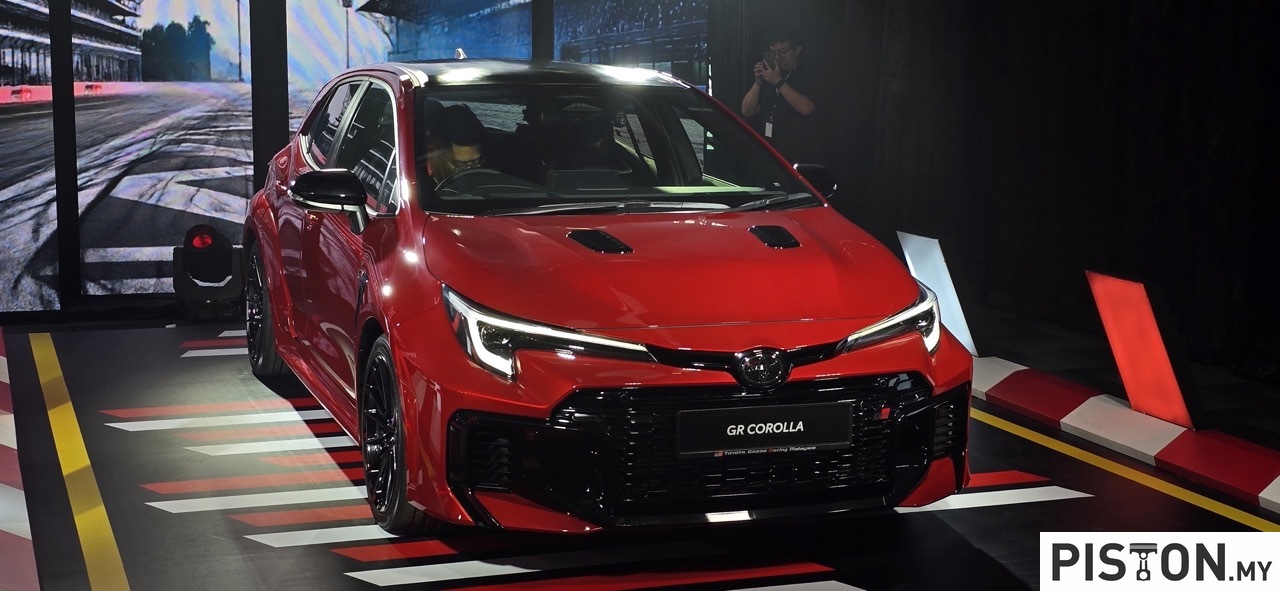
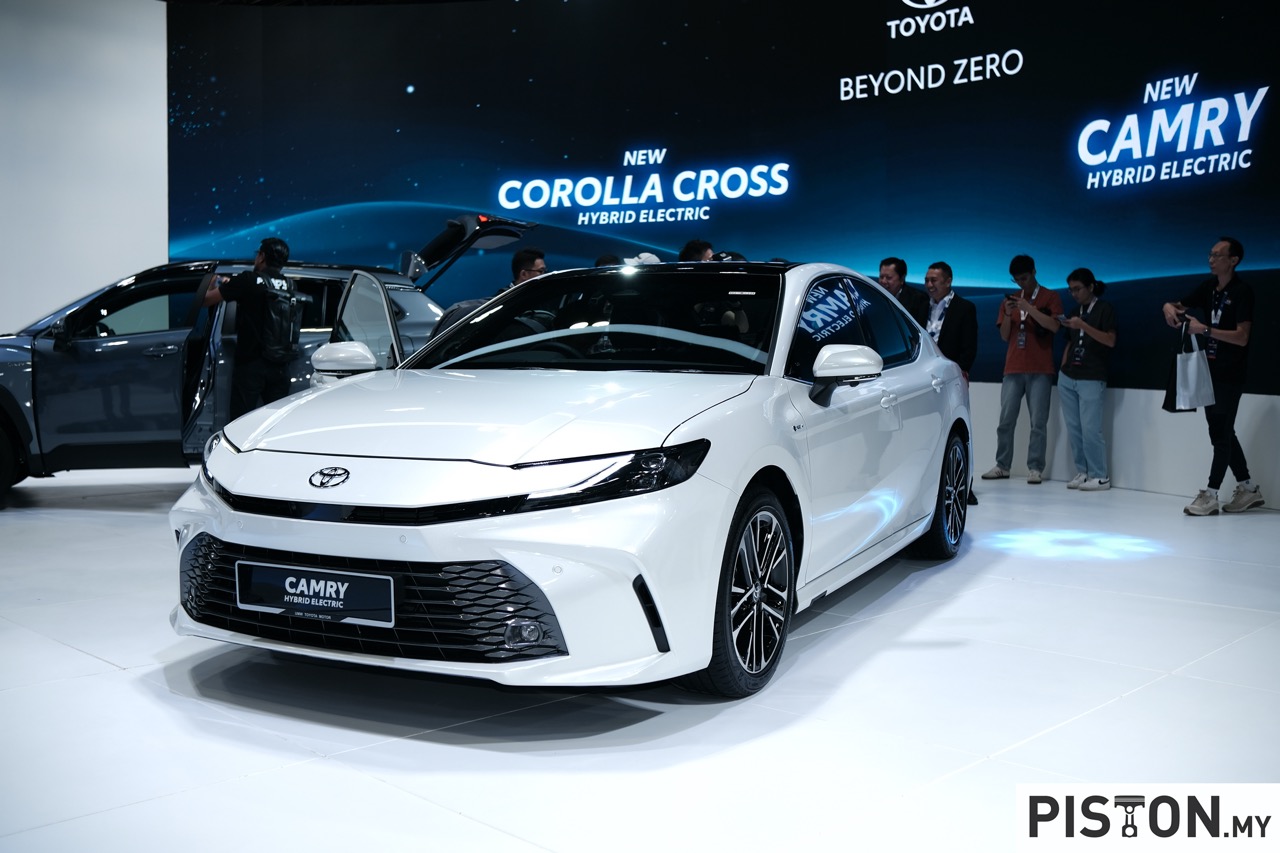
Some of the Toyota and Lexus models available for KINTO ONE’s subscription plans. The Toyota Hiace and Hilux for commercial usage are also available with KINTO ONE Business.
Current models available for KINTO ONE subscription include popular Toyota and Lexus and for KINTO ONE Business, vehicles for commercial usage as well. Vehicle inventories and subscription costs can be found at www.kinto-my.com.
As announced in July this year, UMW Toyota Motor (UMWT) is making a big investment to introduce hybrid electric technology in Malaysia in a bigger way. The last time the company actively sold hybrid models was about 10 years ago when the government allowed hybrids and electric vehicles to be sold duty-free to everyone. After that exemption ended, prices were no longer as cheap and sales of hybrids dwindled. UMWT didn’t give up though, and besides making available hybrid variants of Lexus models, it also sold the Camry Hybrid for some years.
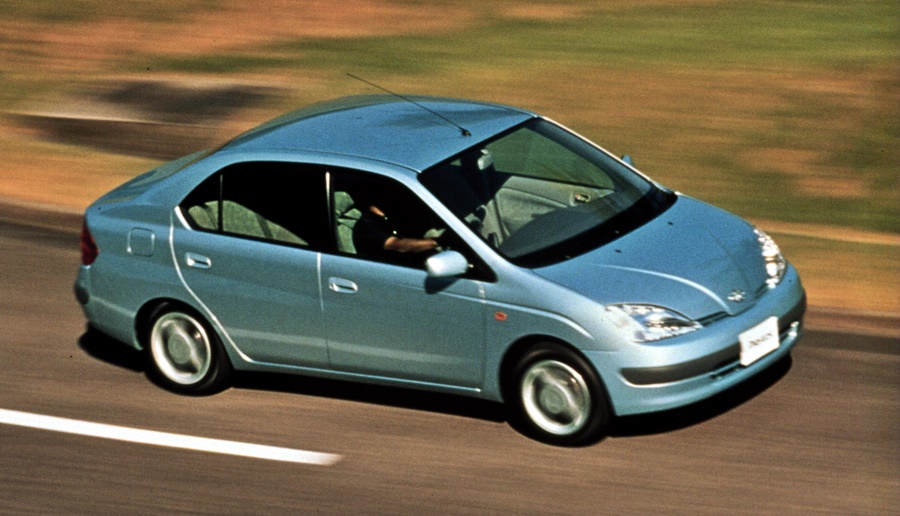
Now comes not just another push but a bigger one which the company says is officially launched today. It’s a RM270 million investment which will bring hybrid electric technology to more Malaysians and contribute to the more than 18 million hybrid vehicles already sold by Toyota worldwide since the first model – the Prius – was launched in 1997.
Toyota Prius – first mass-produced hybrid electric vehicle in the world.
Long experience in hybrid technology
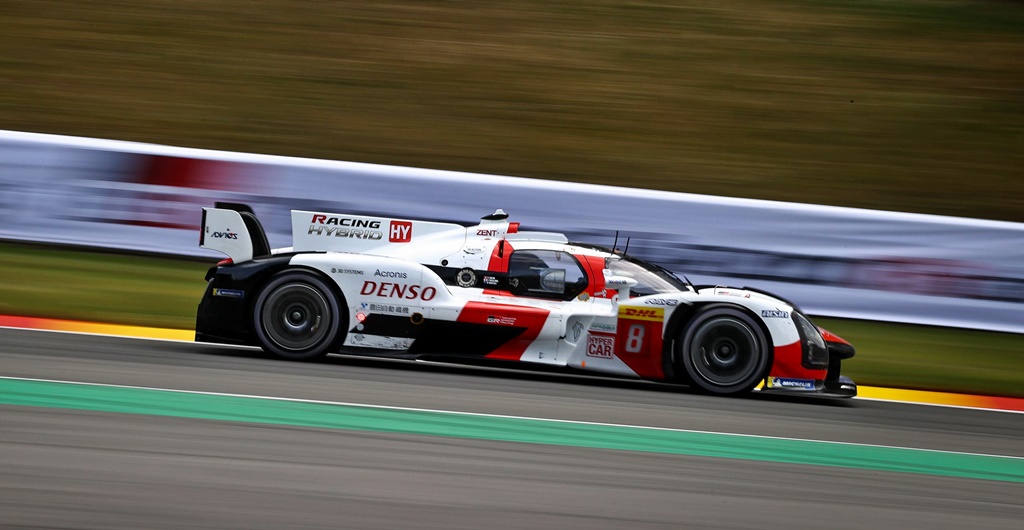
Toyota can promise Malaysians advanced hybrid technology because it has long experience developing them. Starting with fundamental technology, Toyota’s engineers have constantly made advancements and innovations that put the brand at the forefront of hybrid technology. To show that the technology is not just about fuel efficiency, Toyota has also demonstrated how hybrid powertrains can also offer high performance with 4 consecutive wins at the Le Mans 24-Hour endurance races.
Toyota’s hybrid racing cars have won the 24-Hour Le Mans endurance race 4 times in a row, demonstrating that hybrid powertrains can also offer high performance.
UMWT’s push towards greater electrification follows the trend globally and support’s Toyota’s commitment to achieve carbon neutrality in all its activities. This means achieving net-zero CO2 emissions throughout the cycle of manufacturing, transporting, energy generating, fueling and/or charging, and the recycling and disposal of vehicles.
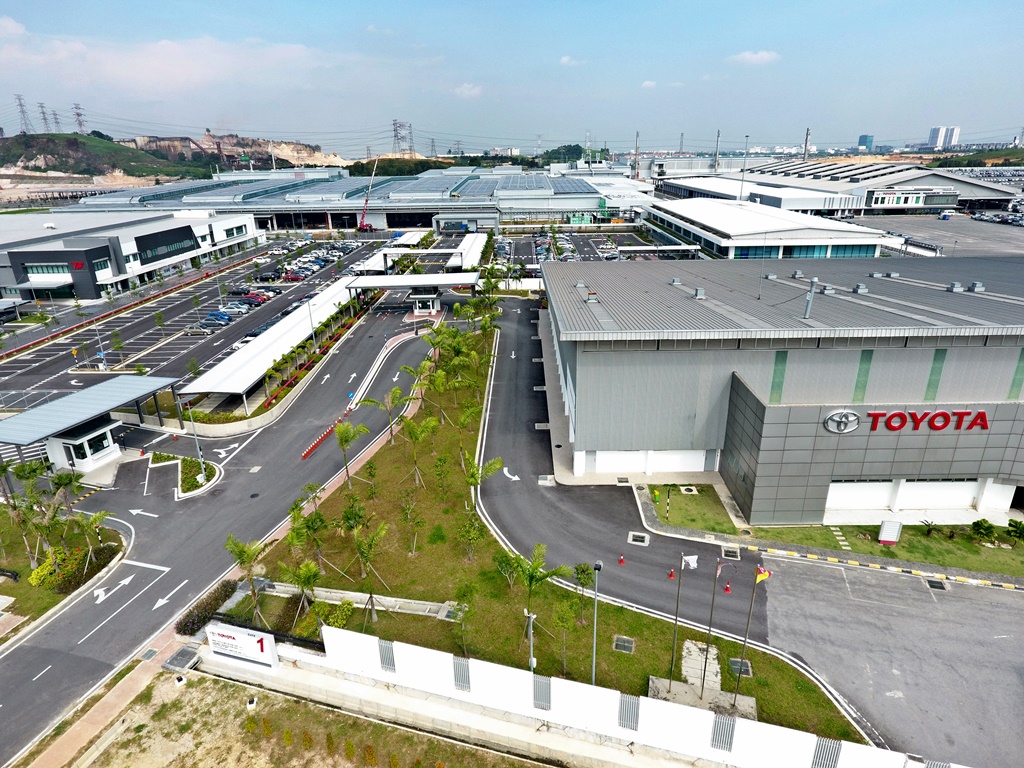
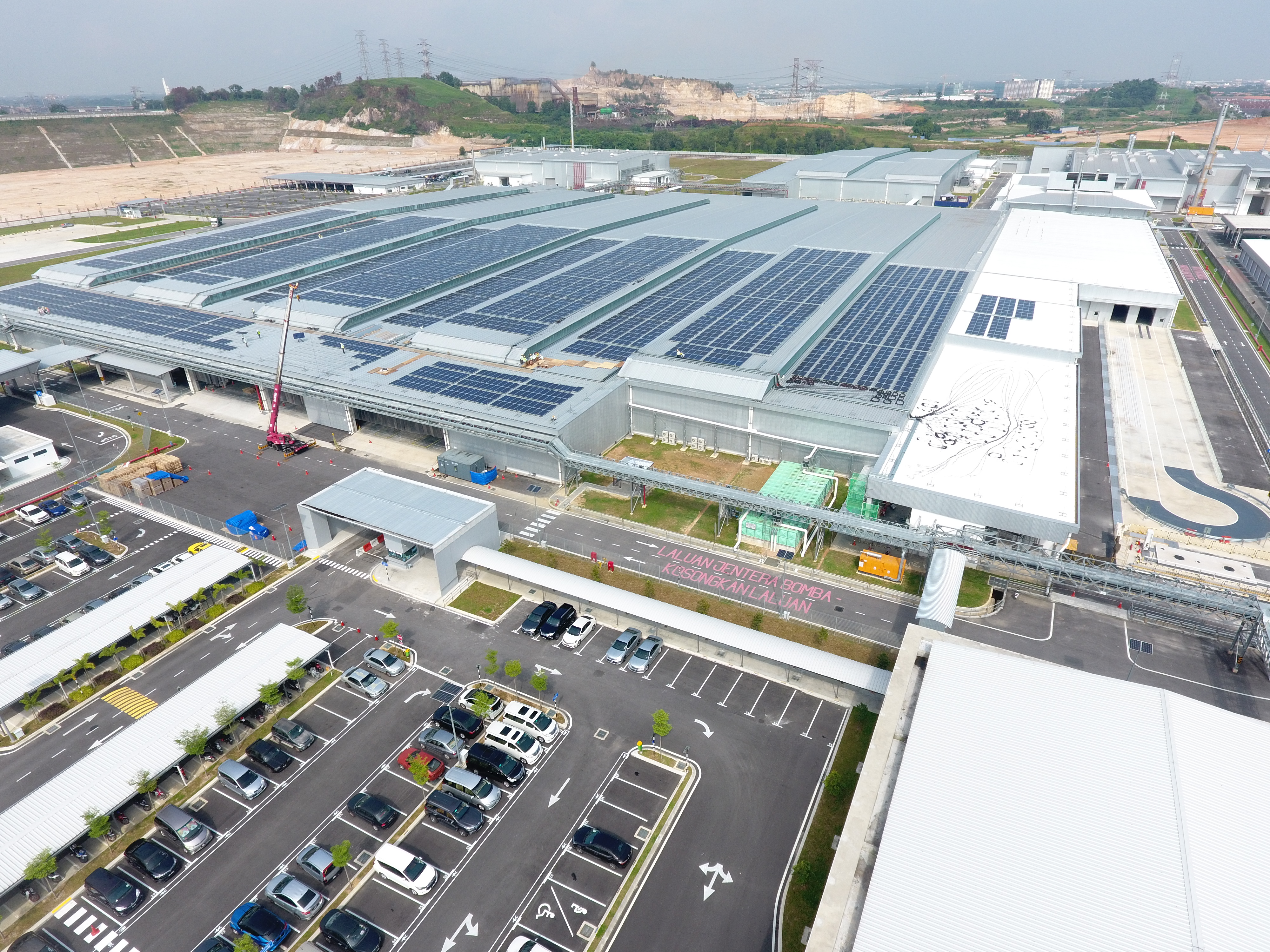
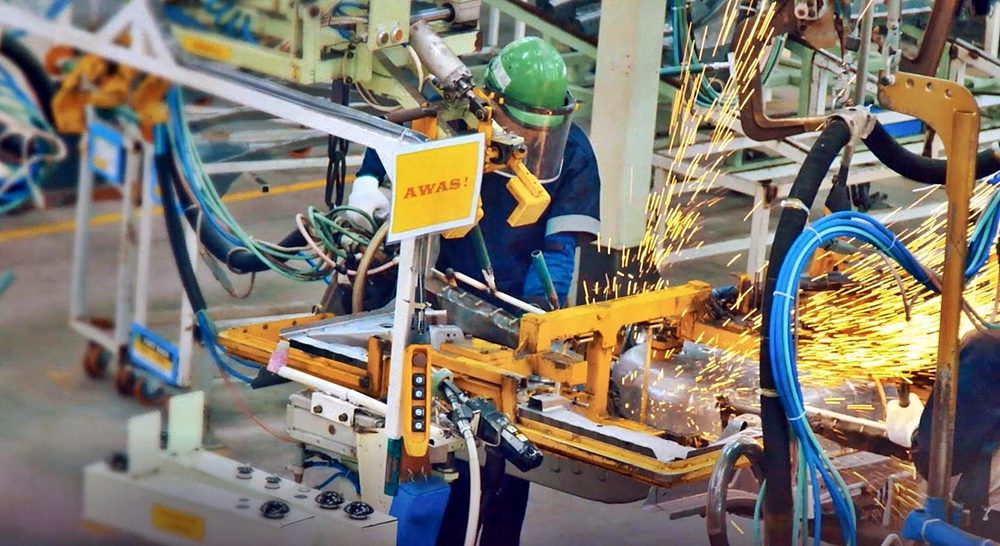
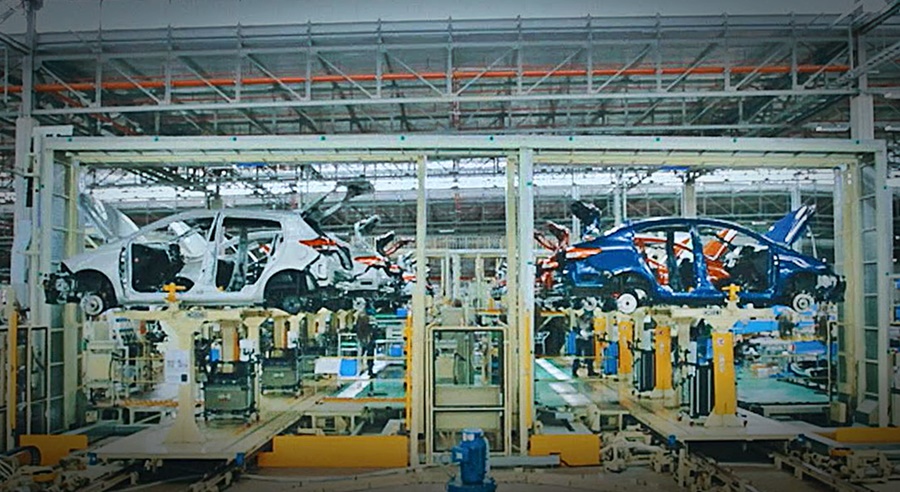
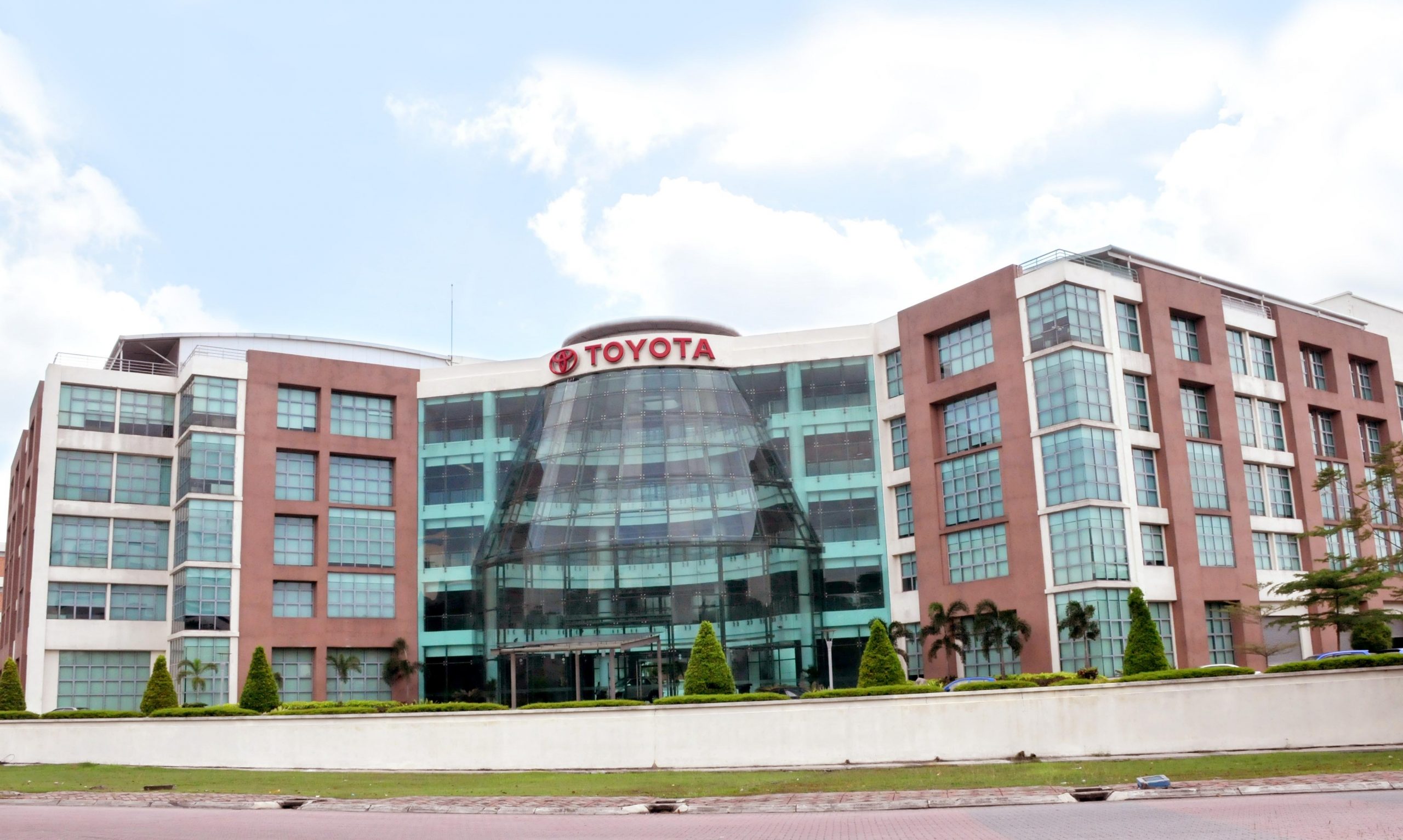
Toyota aims to achieve carbon neutrality not only in its products but also in all its activities, including those at factories. This is the ASSB, UMW toyota Motor’s assembly plant in Bukit Raja, Selangor, where the hybrid models will be assembled in the near future.
Deputy Chairman of UMW Toyota Motor, Akio Takeyama, said that for the automotive industry, carbon neutrality involves a very challenging process to ensure that zero emissions can be achieved. It requires offering consumers sustainable solutions which meet their diverse needs.
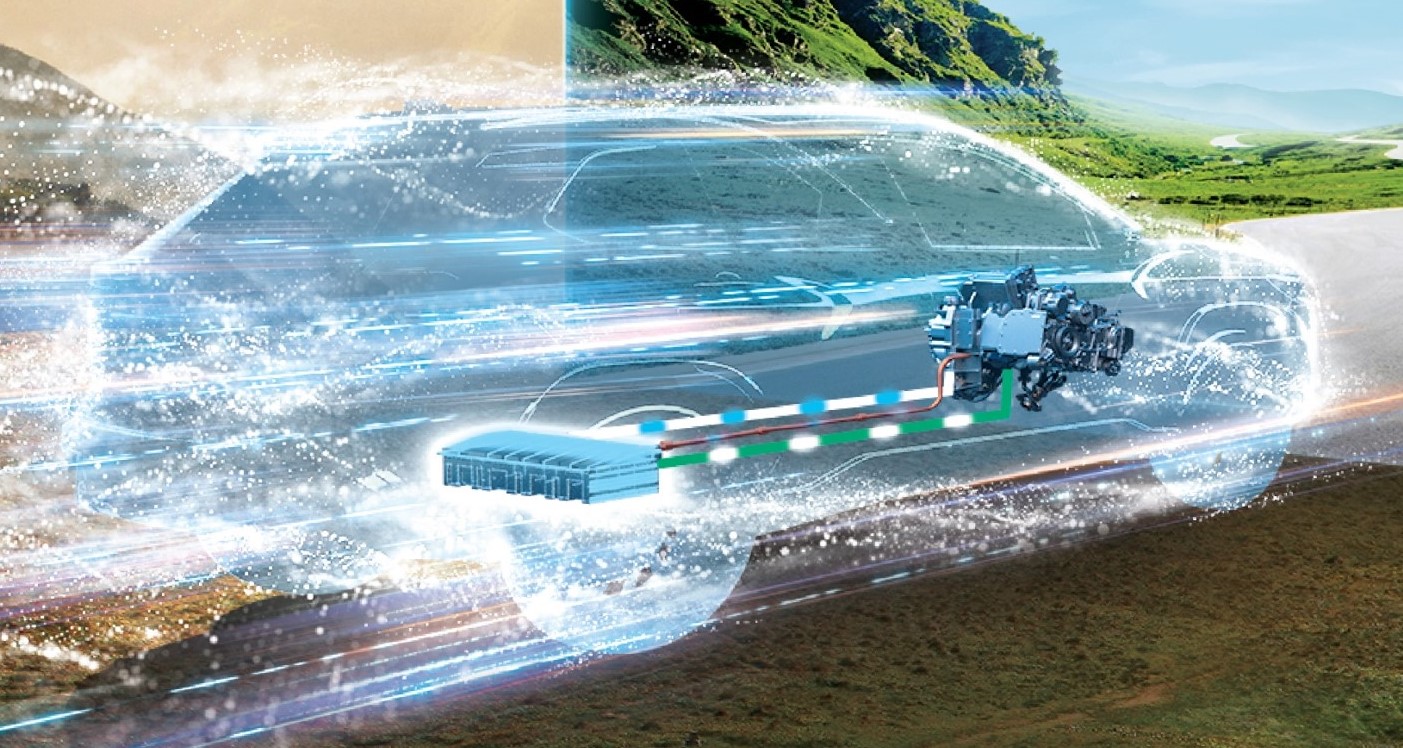
Toyota already has various types of electrically-powered vehicles, some with hybrid powertrains (a small petrol engine working with an electric motor, battery electric vehicles (BEVs) that only use electric motors and even powertrains that get energy from hydrogen fuel cells. All these are already available in the market but availability depends on the energy policies and readiness of different countries. So in countries which may still lack certain elements for fully electric models, the hybrid approach may be the best and more practical in the short term.
“For the immediate future, we are absolutely positive that the Hybrid Electric Vehicle (HEV) is the most accessible and realistic choice for Malaysian customers in terms of practicality and infrastructure, with an enormous potential in Malaysia. It is a realistic bridge towards vehicle electrification while efforts are still being undertaken to help realize enablers for BEVs, such as cost-reduction, energy mix improvement and infrastructure development,” said Mr. Takeyama.
HEVs comparable to fully electric vehicle in emissions
While BEVs may not generate CO2 emissions at all, HEVs have almost similar values in the process of vehicle production, energy generation and ownership over a period of 10 years. This means that, given the current situation in Malaysia, HEVs can be equally effective as BEVs.
“Toyota HEVs are at their most advanced today, and present the most realistic, immediate, economical and practical solution for mass market production and sale in terms of reduced CO2 emissions, practical usage, and price acceptance by customers,” Mr. Takeyama said.
He added that no new infrastructure needs to be built – referring to charging stations – as HEVs do not need to be recharged. The battery pack is constantly recharged while driving. This will help to eliminate the ‘range anxiety’ that is a concern to consumers who worry that they may be stranded if they run out of electricity in the battery pack. Furthermore, the HEV can be driven like a car with a combustion engine, and go long distances without any problem.
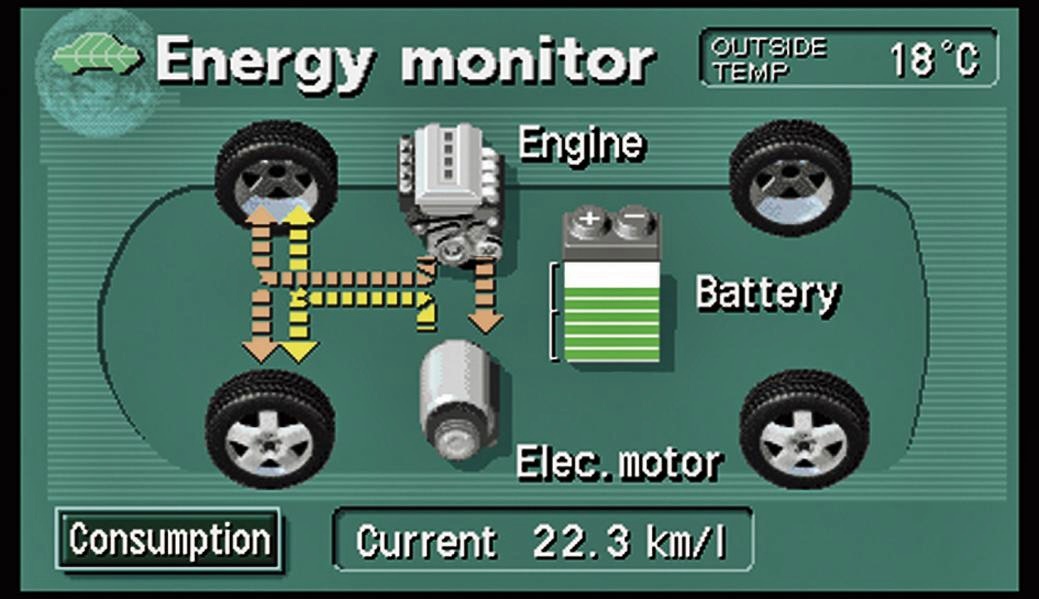
The Toyota Hybrid Electric System has a petrol engine and electric motors working together and in certain conditions, it is possible to run using just the electric motor alone. The battery is constantly recharged – even during braking – so owners do not have to worry about finding a recharging station. And even if the battery does not have sufficient energy remaining, it is still possible to continue using the petrol engine.
Constant improvement of hybrid system
Since 1997, the Toyota’s Hybrid Electric System has been constantly improved with new technology, becoming more efficient and the cost has also been going down as volumes have rapidly risen. It is now in its fourth generation and of the various versions for different models, UMWT has mentioned ‘dual power’ with a petrol engine and two electric motors. It is possible, under certain conditions, to run entirely on electric power for a short distance, with quiet movement and zero emissions.
A concern which was apparent among buyers of the hybrids sold before was the reliability of the battery pack which is manufactured by a subsidiary of Toyota. Admittedly, the early battery packs did have issues but battery technology has advanced very quickly and manufacturers addressed the issues quickly. To give peace of mind, companies offered extended warranty coverage specifically for hybrid battery packs, with UMWT giving up to 8 years coverage.
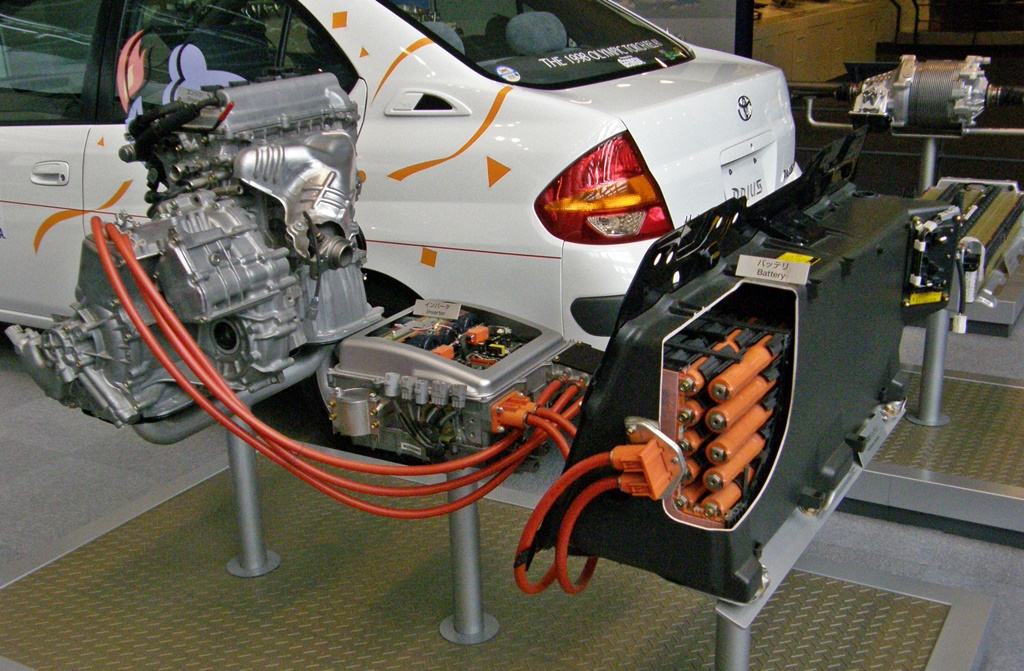
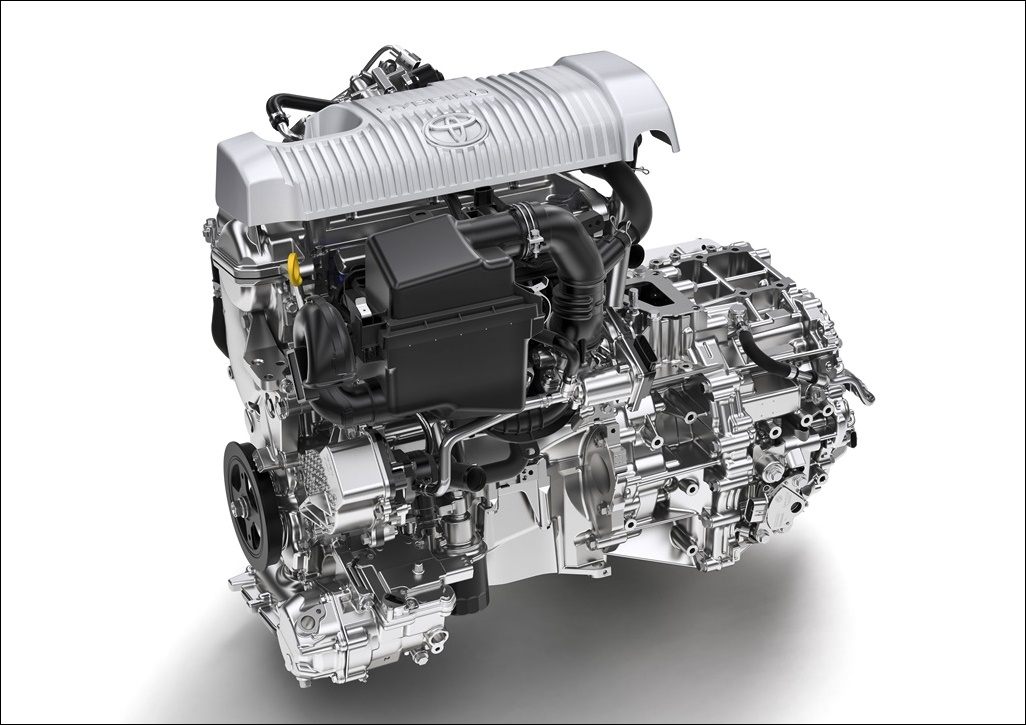
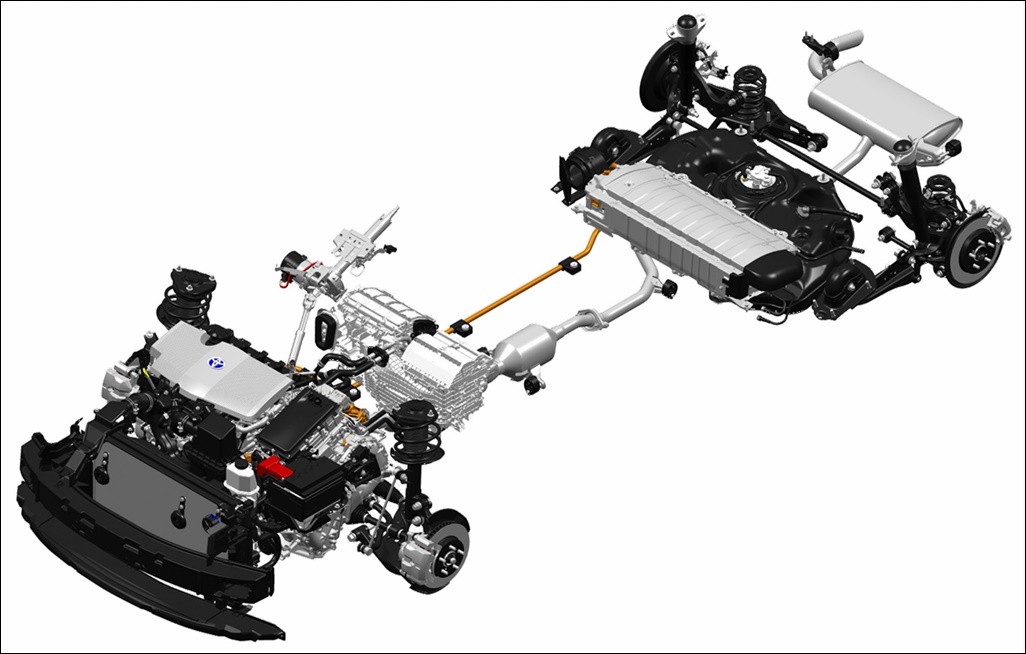
The Toyota Hybrid Electric System has evolved greatly from the one in the first Prius which occupied a lot of space (above), to the latest one (below) which is more compact and also offers better efficiency and performance. The battery packs have also become less bulky and can store larger amounts of energy to provide better range.
More reliable and durable battery packs
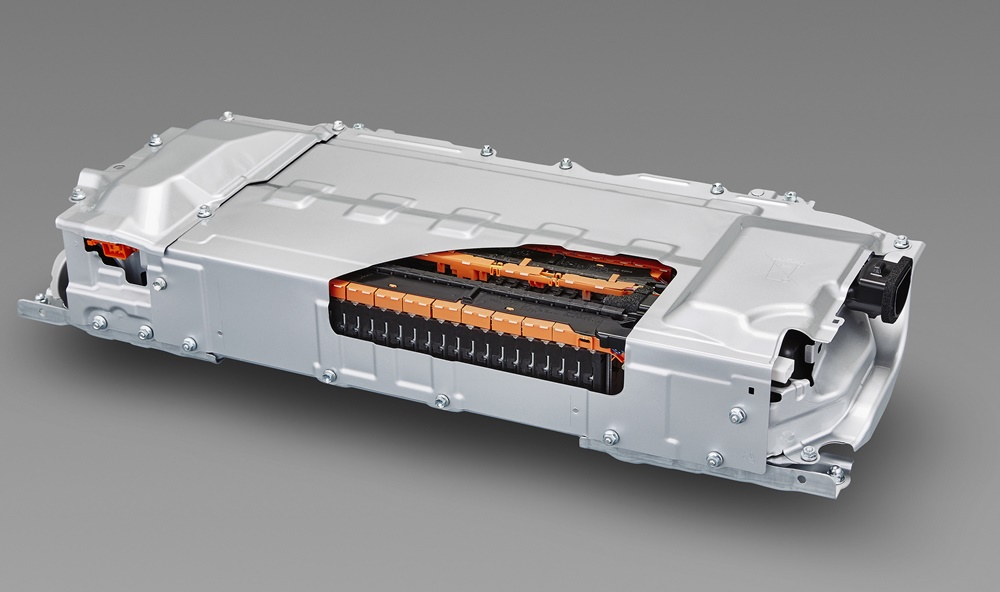
Today’s battery packs (lithium-ion type shown above) are much more reliable and durable – and have even better energy storage – as they are designed to last as long as the vehicle. They offer safety, long life service, a high level of quality, and a high level of performance. Toyota’s own subsidiary – Prime Planet Energy & Solutions, a joint venture with Panasonic – has extensive experience in battery development and manufacture. It has achieved battery durability and performance through understanding how the vehicle is used and the state of the battery under such conditions.
“We have the right technology, the right products in support of the existing infrastructure and energy policies. We are in an ideal position to contribute to Malaysia’s ambition of becoming a hub for advanced technologies and to reduce its carbon footprint. This will be an important cornerstone towards ensuring future policies and the people are well positioned and prepared to accept vehicle electrification,” said Ravindran K., President of UMW Toyota Motor.
What models for Malaysia?
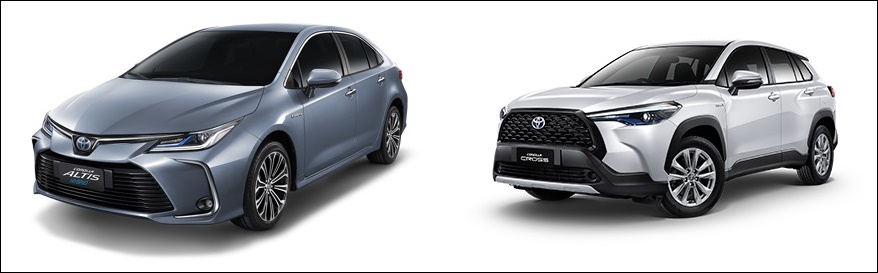
The question now on everyone’s mind is what models will be assembled locally. Over the years, Toyota’s range of HEVs has expanded considerably and in 2021, there are at least 45 different models available. Obviously, UMWT won’t be able to offer all of them and the logical thing would be to choose models in common with other ASEAN markets. In both Thailand and Indonesia, there are HEV versions of the Corolla Cross, Corolla Altis, C-HR and Camry. Since the models are to be assembled locally, the Corolla Altis Hybrid would be a very strong possibility and as the Corolla Cross Hybrid is a variant on the same TNGA platform, it too can be easily added to the assembly line at the plant in Bukit Raja, Selangor.
Toyota currently has 45 hybrid models in its global range. These two, which are already sold in neighbouring countries, would be strong candidates for assembly in Malaysia.
It’s often been said that Toyota is like an oil tanker; it may take a while to change course but once it has, it has massive ‘force’ behind it to push ahead strongly. In the case of hybrid models, UMWT may not be the first in the market to assemble such vehicles but now that the decision has been made to do so, it can be expected to become a major brand in the growing HEV segment.
In a lifetime, a person may own 5 or 6 cars, some more and some less. For car companies, the ideal thing is to retain that customer ‘for life’, which is why a range of products is important. There must be affordable products at the entry level so people can join the ‘family’ and then as they get older and requirements change, there are other types of models to suit their needs and budget.
This is why car companies go to great extents to care for their customers and companies like UMW Toyota Motor have had a strong and dedicated customer relationship management since 1988, the first company in Malaysia to have such a department. As a result, over time, the number of loyal Toyota customers in the country has grown and the introduction of loyalty programmes has further cemented the relationship.
Better rewards and enhanced convenience
Now, in 2021, the company is going further with the launch of its Toyota Loyal-T Programme, promising even greater value, better rewards and enhanced convenience for all Toyota owners. The new Loyal-T Programme, which replaces the previous Toyota Merit programme, offers all Toyota owners an opportunity to easily earn points from the time they purchase a new vehicle. Then they continue to collect the points when they send it for servicing at authorised service centres, purchase spare parts, or make repairs or repaint their vehicle at the Body & Paint centres.
Even when they renew their vehicle insurance at the authorised Toyota outlet, there are points to be collected. The accumulated points can then be exchanged for E-service vouchers which may redeemed for future services.
“We have a big Toyota family with many customers across the whole country, and it has always been our endeavour to ensure that they feel appreciated. Looking back, we have implemented numerous value-added initiatives and improved services to constantly increase customer convenience. These efforts, and many more to come, are a means of saying ‘thank you’ to our customers for their continued trust in the brand and support, and we would like to now consolidate all of these efforts with the introduction of a loyalty programme to reward our customers directly,” said UMW Toyota Motor President, Ravindran K.
Strengthening the bond with customers
“Buying a Toyota is just the beginning. Like any relationship, you will go through an introduction, and as you come to know one another better, trust develops, and over years the relationship strengthens. People come and go, but the bond will always remain. This wholesome membership structure for the Toyota Loyal-T Programme recognizes this bond, and it is a sign of our commitment that we will always be there for our customers for generations to come,” added UMW Toyota Motor Deputy Chairman, Akio Takeyama.
Mr. Takeyama said this concept of a total reward scheme and all-encompassing membership structure is one that defines a long-lasting bond between Toyota and its customers.
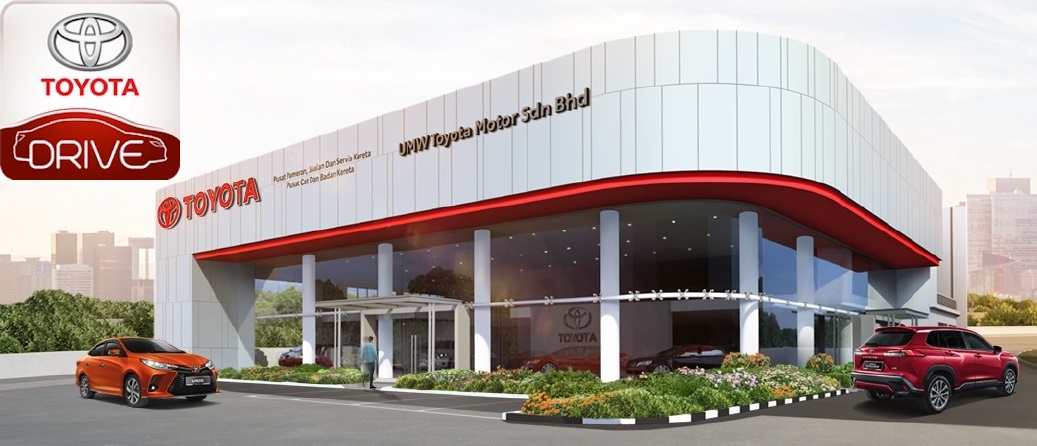
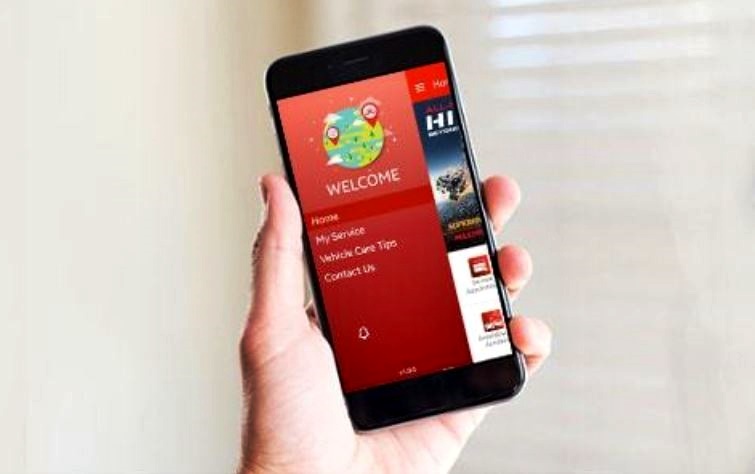
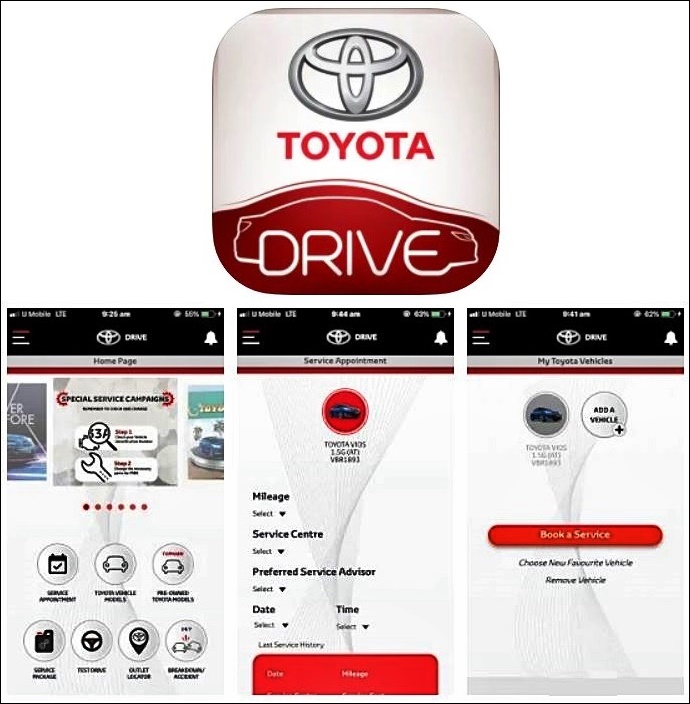
Joining the new Toyota Loyal-T Programme is easy: just download the Toyota Drive mobile application available from Google Play Store or Apple App Store. Once the mobile application is installed on a smartphone or tablet, it can immediately be used to register personal details with UMW Toyota Motor. All information is maintained and safeguarded in accordance with the Malaysian Personal Data Protection Act 2010 (PDPA).
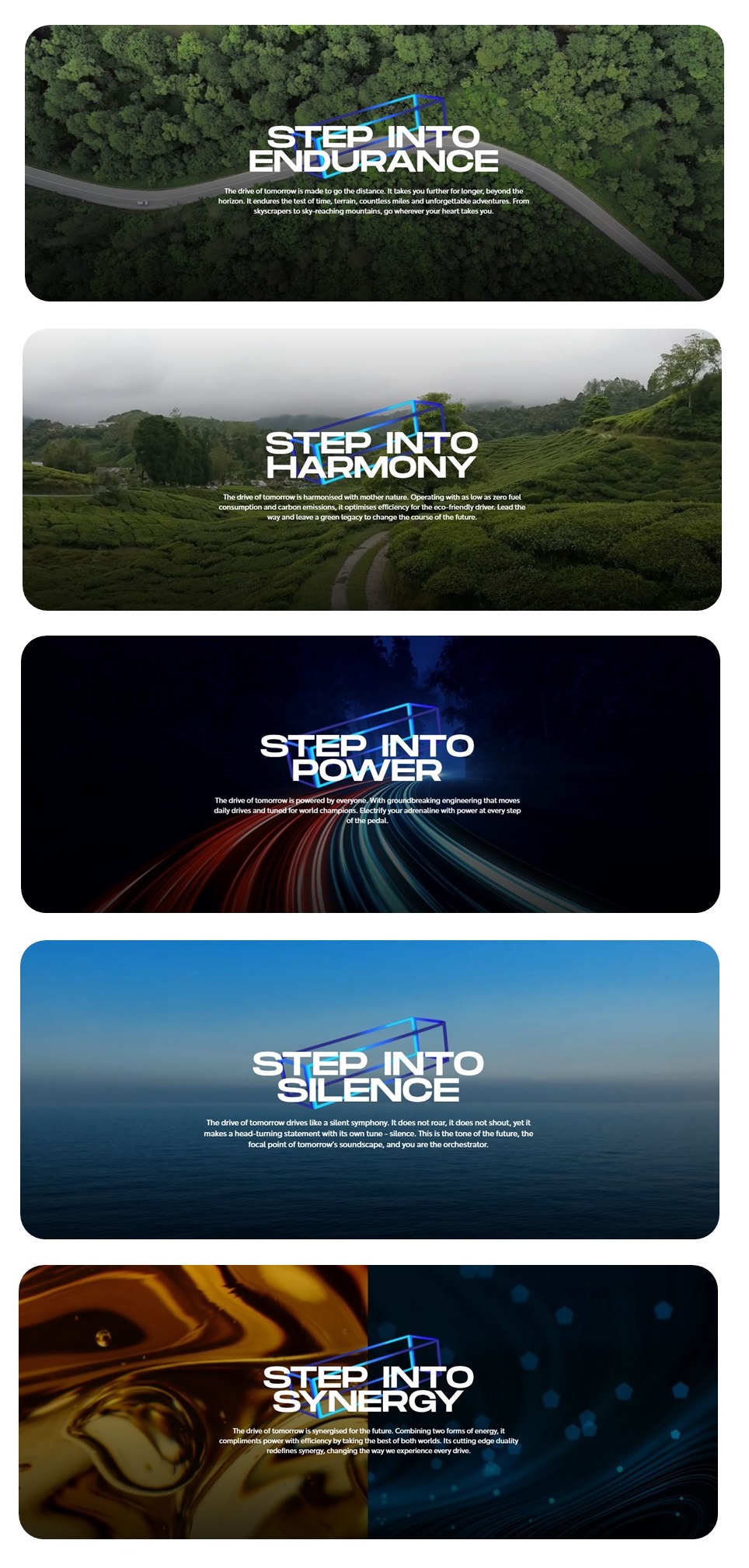
UMW Toyota Motor (UMWT) will be making a major announcement on Monday, September 27, 2021, which it says will be ‘inviting Malaysians on a journey that will give them the opportunity to experience a part of the future, today’. According to the company’s Deputy Chairman, Akio Takeyama, this development will have ‘a big impact on not only the brand but the industry as a whole, and the lifestyle as well as choices that we have become so accustomed to’.
Details of the announcement are not revealed but Mr. Takeyama associates it with Toyota Motor Corporation’s global commitment by 2050. This would refer to the Toyota Environmental Challenge 2050 (Challenge 2050) which has 6 challenges that are the most demanding and most inspiring environmental commitments the world’s No.1 carmaker has ever made. The goals of Challenge 2050 apply to all Toyota subsidiaries around the world, including UMWT which is a joint-venture between United Motor Works (UMW), Toyota Motor Corporation and Toyota Tsusho Corporation.
It is therefore likely to be related to the July announcement about UMWT planning to invest RM270 million for assembly of Toyota hybrid models in Malaysia. The investment will be additional to the RM2 billion that was made the construction and commissioning of a second assembly plant in Bukit Raja, Selangor, which began operations in January 2019.
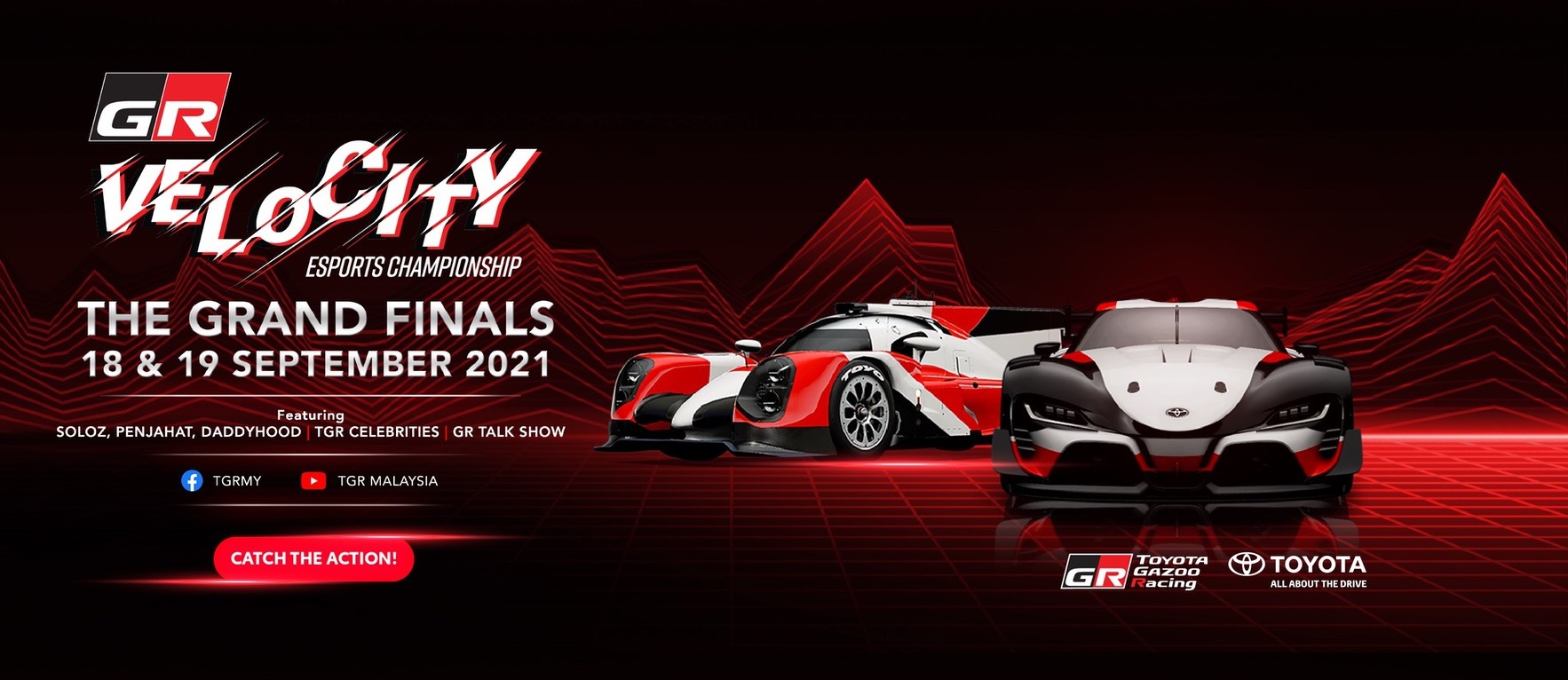
The excitement of the Toyota GR Velocity Esports Championship returns this weekend with the top 20 simulator racers in Malaysia vying for the honours of winning a share of the total prize pool of RM70,000. Additionally, the top three winners will go on to represent the country in the GR GT Cup Asia qualifiers organized by Toyota Motor Asia Pacific.
Most lucrative local online racing series
Billed as one of the most lucrative local online racing series in the country, the Toyota GR Velocity Esports Championship offers a cash prize of RM20,000, RM10,000, RM7,000, RM5,500, RM4,500 to the top 5 overall winners. The 6th to 10th finishers will receive RM4,000, RM3,500, RM3,000, RM2,500 and RM2,000, respectively.
There’s also a prize of RM500 each for those who finish in 11th to 20th positions. Additional cash prizes of RM450 and RM200 will be awarded to the first and second place winners in each of the two individual races.
Prior to this weekend’s semi-finals and finals, more than 800 participants from around Malaysia participated in the championship which began with qualifying rounds last month. Then came the quarter-finals which were held on September 4 and 5 to select the top 20 racers who will compete in the semi-finals on September 18. The 10 best racers will then move to the final challenge on Sunday.
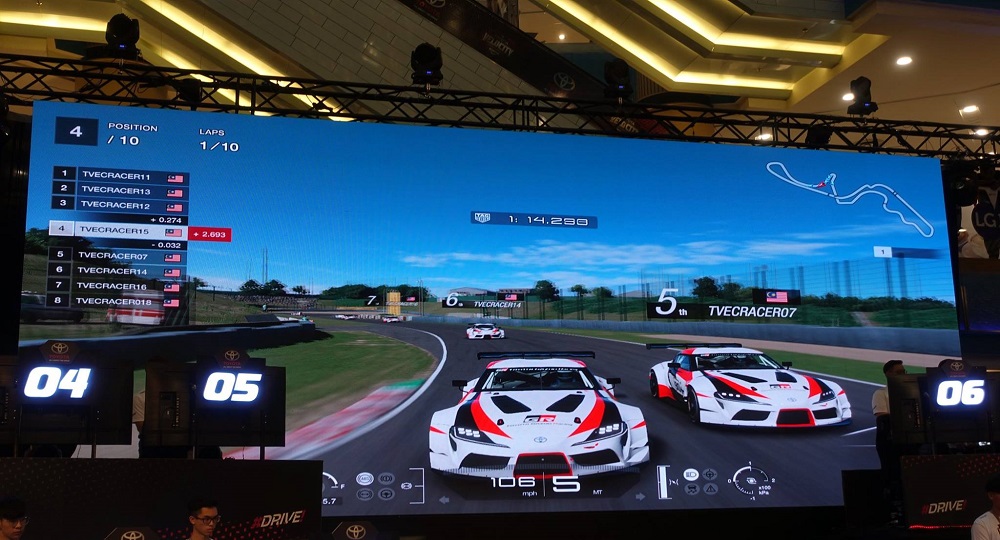
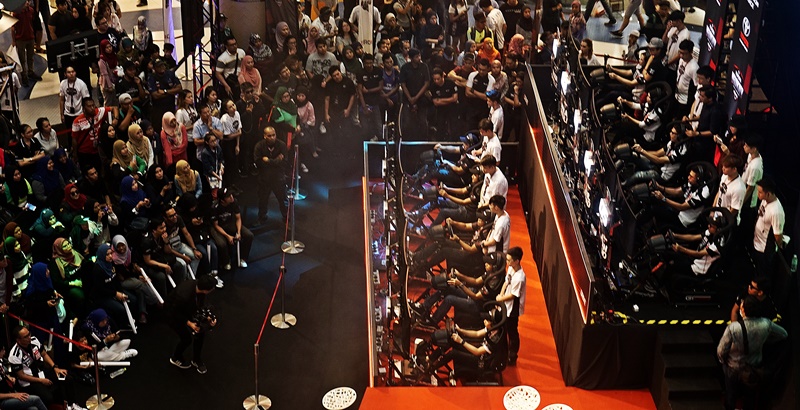
The semi-finals and finals have been held in public spaces in previous years. This year, due to the pandemic and need for social distancing to be maintained, the racers will connect from their homes using Sony PlayStation’s Gran Turismo Sport platform.
Unlike previous years when the events were held in public spaces, this year’s finale will be run completely online from each competitor’s home, with the race utilizing Sony PlayStation’s Gran Turismo Sport platform. Spectators can follow the race action which will be broadcast on TOYOTA GAZOO Racing Malaysia’s Facebook and YouTube pages and also over Astro eGG, the first eSports channel in Southeast Asia.
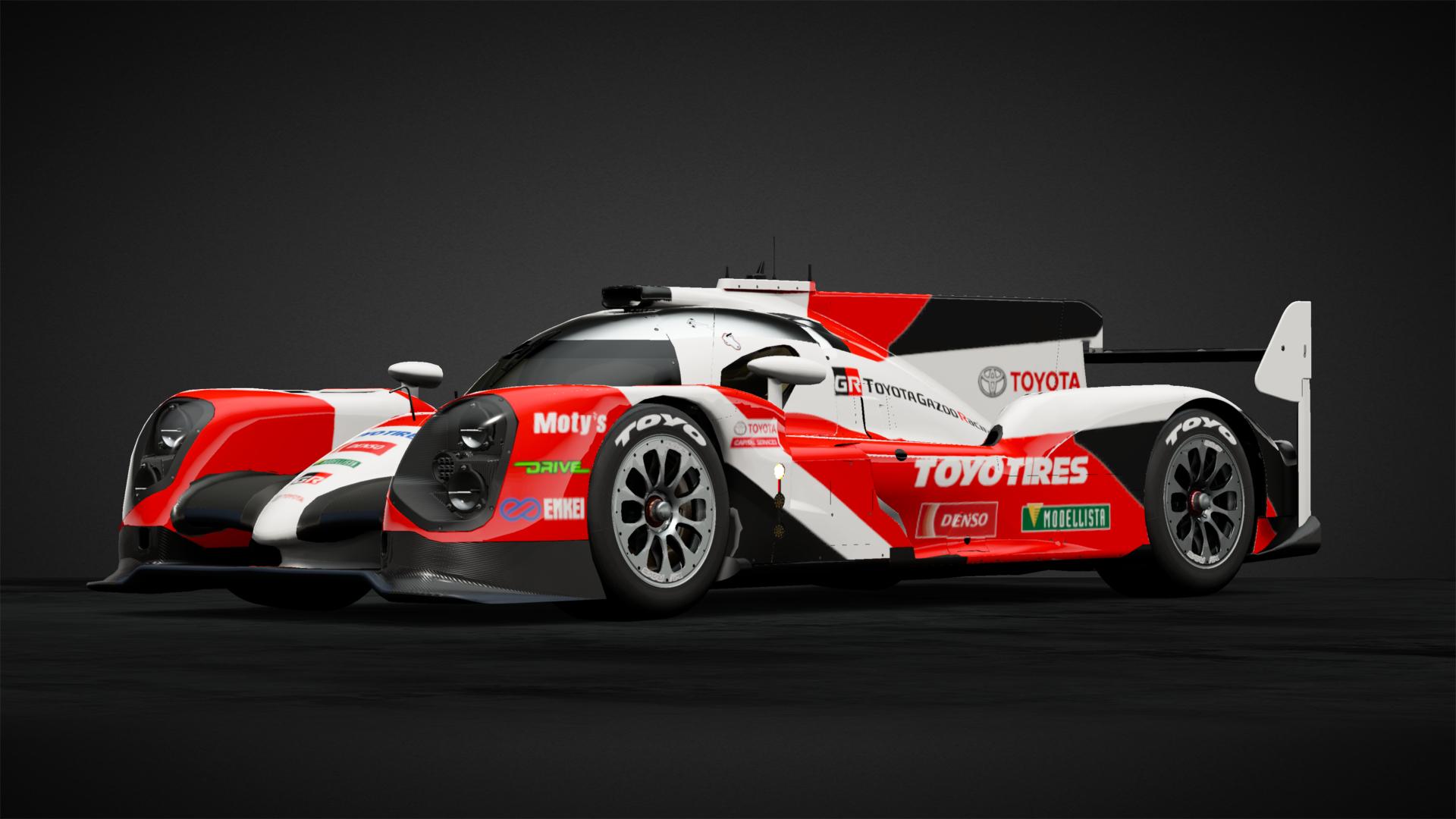
The Toyota 2000GT is one of the cars the sim racers will use. Only 351 units of Japan’s first supercar were produced between 1967 and 1970. Being of an earlier era, its driving dynamics will be different from the modern racing cars like the Le Mans-winning TS050 HYBRID (below) which will also be used.
Racing at famous circuits
In the semi-finals, all the racers will first pilot the Toyota 2000GT (the first Japanese supercar) in a 15-minute race around the 73-year old Goodwood Motor Circuit in England, and afterwards another reversed-grid order race of the 3.8-km circuit. The third race behind the wheel of the GR Supra Racing Concept for a 30-minute race at Australia’s 6.2-km Mount Panorama-Bathurst circuit, well known for its annual 12-hour race.
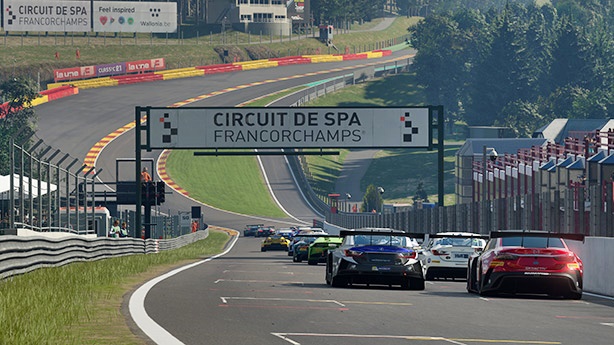
One of the tracks will be Spa-Francorchamps in Belgium.
The final is also a 3-race format. The first two races will see a 15-minute sprint race with racers competing in the FT-1 Vision Gran Turismo GR.3 at the 7-km Spa Francorchamps circuit in Belgium. The championship decider will be a 40-minute finale at Fuji Speedway, behind the wheel of the Le Mans-winning TS050 Hybrid, during which they must make at least one pit-stop.
The two-day semi-finals and finals will see 4 previous GR Velocity Esports Championship winners returning. They include defending champion Taj Aiman, and last year’s runner-up and third place winner Iqbal Suji and Mior Hafiz, as well as 2018 winner Muhammad Uzair. Last year, Taj finished second overall in first-ever GR Supra GT Cup Asia.
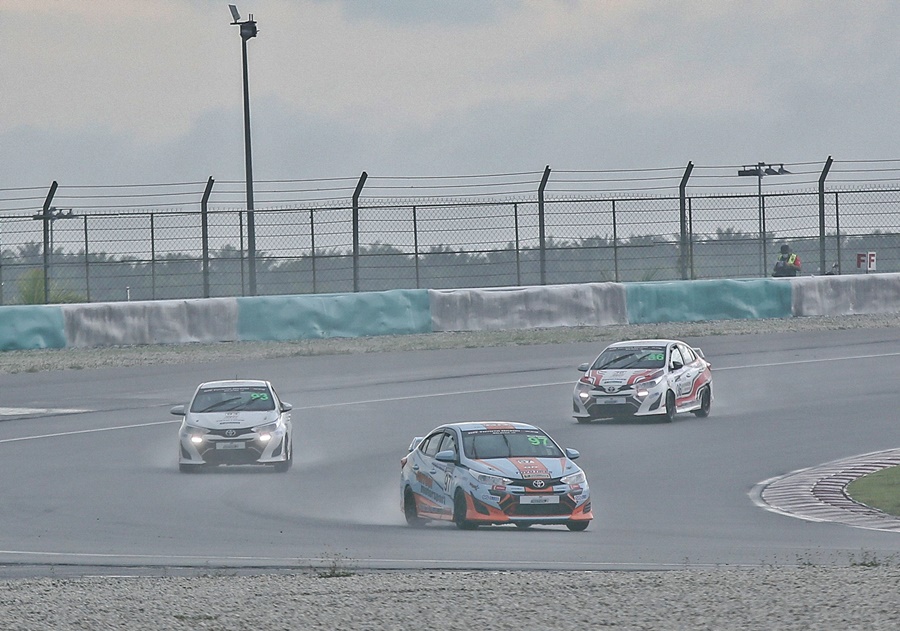
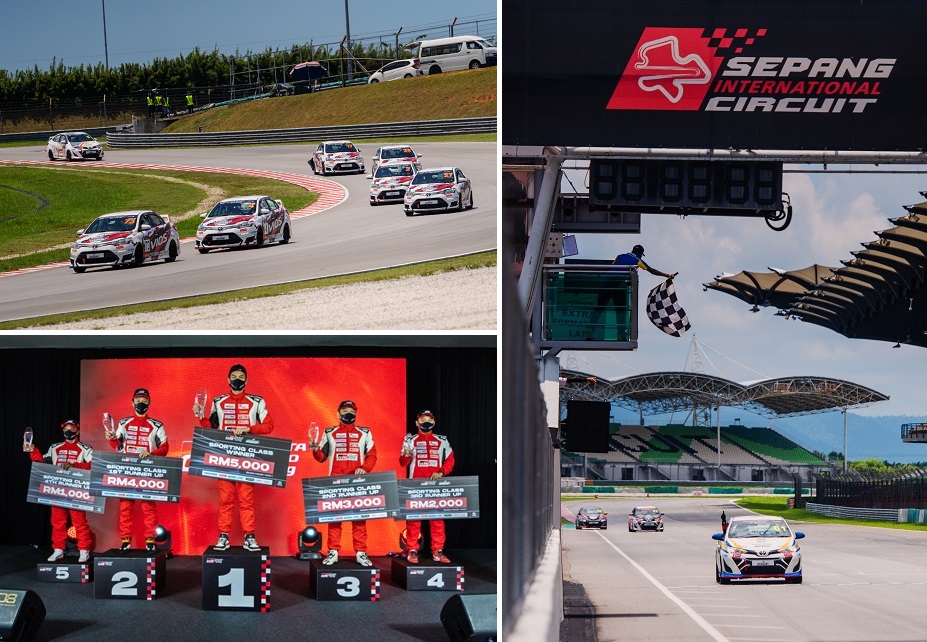
The finals will also see several racers currently competing in the Vios Challenge Promotional, Sporting, Super Sporting and Rookie classes, in an exhibition race. Having challenged each other in the first round at Sepang earlier this year, they will now have a chance to continue the duels while waiting for the series to be resumed.
Some of the racers from the Vios Challenge, in Season 4 this year, will also participate in an exhibition race online.
During the broadcasts on the two days, there will also be interviews with the racers as well as GR Ambassador, Tengku Djan Ley and the event’s Race Director, former F1 driver Alex Yoong. The broadcast times will be 10:30 am to 6 pm on Saturday and 3 pm to 6 pm on Sunday.
Fourth year of championship
First held in 2018, the number of participants in the Toyota GR Velocity Esports Championship has grown from 400 to more than 800 this year. Last year’s event drew more than 1 million online spectators who watched the 2-day event via the Facebook and YouTube channels. Until today, UMW Toyota Motor remains the first and the only Malaysian car company to be associated with e-sports, a fast-growing activity which has even been recognised by the FIA, the world motorsport governing body.
“The momentum and the level of interest for the GR Velocity Esports Championship have grown tremendously in just 4 years. This is a huge boost for both e-sports and motorsports and we are glad that we persevered to keep the championship going despite the restrictions faced due to the pandemic,” said President of UMW Toyota Motor, Ravindran K.
The Toyota GR Velocity Esports Championship has been run since 2018.
TOYOTA GAZOO Racing Malaysia’s Chief Motorsports Officer, Akio Takeyama, said the company remains committed to its aspirations of establishing a bigger footprint in Malaysian motorsports.
“In the 4 years that the GAZOO Racing brand has actively been in Malaysian motorsports, we have seen the eco-system dynamically transform. At one point, we experienced young racers joining the Vios Challenge street racing series, and then it evolved to having simulator racers not only joining the event but proving they are also capable of winning a real race. Today, as a result of the COVID-19 pandemic, we see a growing population of professional racers not just globally but also domestically, migrating to compete online in the absence of physical events. This is a fantastic evolution for both esports and motorsports and I believe moving forward one will be dependent on the other in order to produce racers of exceptional quality,” said Mr. Takeyama.
Connectivity is a popular term in use today; in the context of the car, it refers to the ability for different electronic devices to interface and interact. Connectivity in earlier days could be said to have started from the radio sending broadcasts that could be received on the radio in the car. As time went on, drivers could also connect their own devices to listen to a personal selection of music, usually via a cable and then wirelessly by Bluetooth.
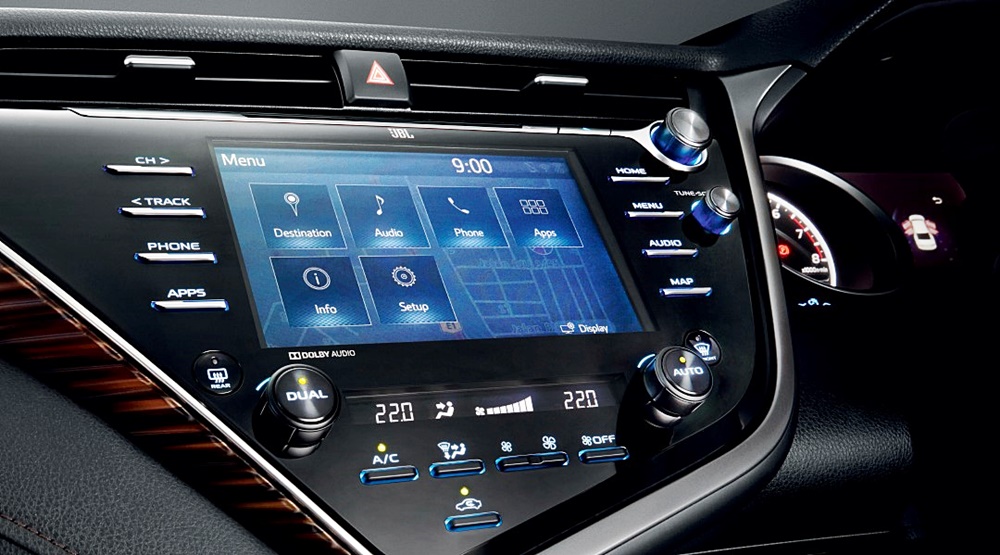
Today, connectivity is at a far more advanced level as connections can be made to the internet with wireless broadband services, and smartphone apps can also be mirrored on the infotainment system of the car. The location of the vehicle can also be determined precisely – anywhere on the planet – using GPS (Global Positioning by Satellite) systems.
Today’s connectivity technologies in cars can bring smartphone apps to the dashboard and even connect to the internet for information and entertainment.
Carmakers have used these new technologies to the fullest to make motoring safer and also give drivers more peace of mind. For Toyota owners, the GPS technology is used not only for route guidance and navigation systems that make it easier to find a location but also for enhanced vehicle security.
Toyota Vehicle Telematics System
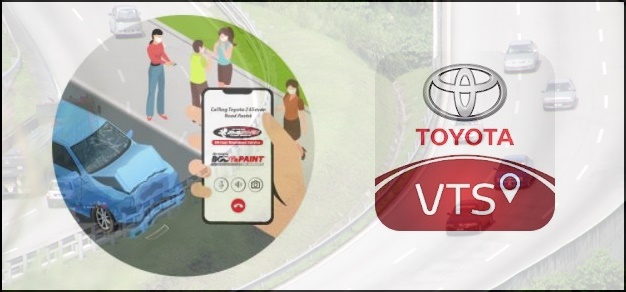
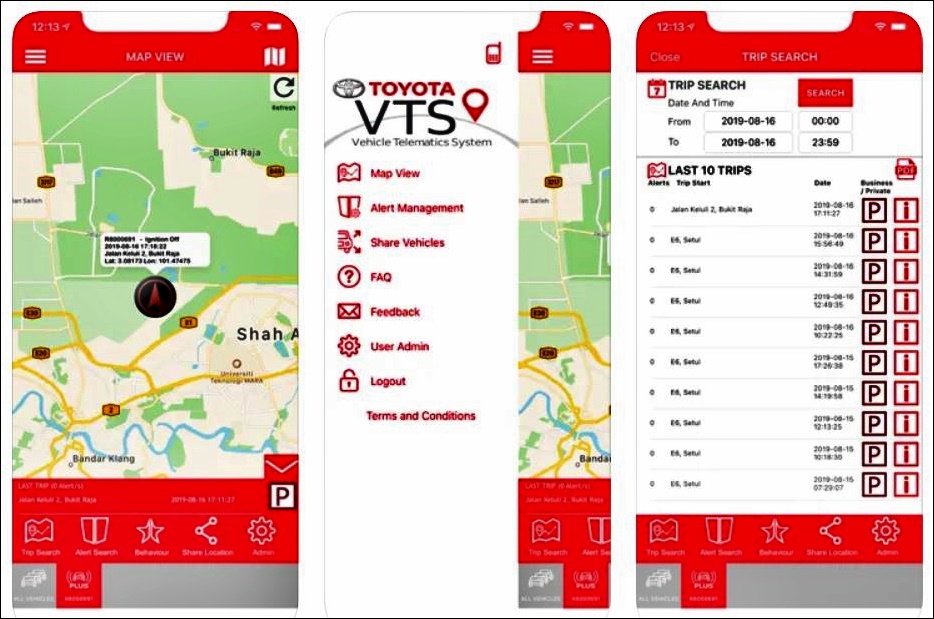
This is the Toyota Vehicle Telematics System (VTS) available in many models today. It was introduced by the UMW Toyota Motor (UMWT) in 2019. With VTS, the vehicle’s location is monitored using GPS, and its location can be pinpointed on a mobile application. This means that it will be easier for relevant authorities to find the vehicle in the event it is stolen.
Furthermore, VTS is also able to detect an impact experienced by the vehicle. This would suggest an accident, in which case emergency services may be dispatched by the 24/7 command centre to the scene, speeding up rescue actions and perhaps saving a life.
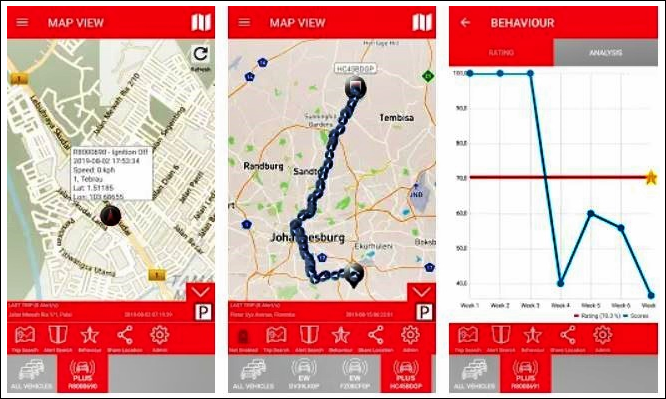
VTS also allows vehicle owners to review their trip history with minute-to-minute reports. They can know the distance covered and overall duration of their journey – useful for those who make claims for travelling expenses. The mobile application. Which can track multiple vehicles, can also review driving patterns during each journey as well as set driving parameters as safety measures with younger or new drivers.
“Connected mobility is a concept that is revolutionizing the automotive industry and it essentially brings greater peace of mind with the ownership of a car. This enables the driver to form somewhat of a personal and unique relationship with his vehicle, an interaction that was never available 20 to 30 years ago,” said Ravindran K., President of UMW Toyota Motor.
Toyota’s use of connectivity technologies provides more peace of mind when travelling long distances as assistance is immediately available should an emergency occur.
Toyota 24Seven Road Assist
UMWT also offers vehicle owners Toyota 24Seven Road Assist via its mobile application, an industry first. This is an evolution of what used to be ‘a call away’ for around-the-clock roadside assistance. With almost everyone having a smartphone these days, the mobile app is more convenient and all it takes is just a few swipes on the phone to get immediate assistance.
“We have been providing our customers with Toyota 24Seven Road Assist for the last 20 years. This is a service that continually undergoes enhancements to ensure that they never have to worry when they are on the road. As mobile technology grows more advanced, naturally the next logical step would be to introduce a mobile application that would bring this service to the next higher level,” said Mr. Ravindran.
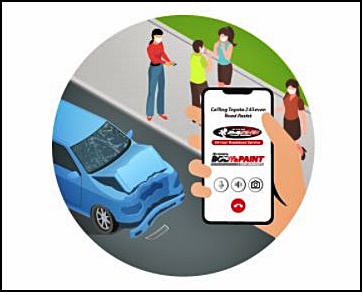
Toyota 24Seven Road Assist is not just for the time when accidents occur but can even be called upon if the vehicle has run out of fuel or has a puncture. This is certainly a welcome support service when on a long journey. A request via the mobile app will bring help quickly and because the location is known via GPS, it is easier for the support team to find the vehicle.
Free minor on-the-spot repairs and nationwide towing (up to 50 kms) are offered to all Toyota owners using Toyota 24Seven Road Assist (terms and conditions apply).
A key feature built into the mobile app is an SOS button with a real-time tracking feature. Users have the ability track the travel route and time of the help that is on the way to them. Further assurance is in the fact that the help is from a trusted authorised Toyota outlet or service provider. If necessary, Toyota’s Freephone number 1-800-888-247 can be used to speak to a human operator, 24 hours a day, every day of the year.
“As technology advances, so will cars. This is inevitable, and we have seen vehicles rapidly evolving over the last 20 to 30 years to becoming increasingly safer, cleaner, more economical, offering better performance, to now growing even more intelligent and are able to provide greater forms of interaction with the driver. Suffice to say that transportation and communication will become increasingly reliant on one another moving forward in an era of seamless and connected mobility,” said UMW Toyota Motor Deputy Chairman, Akio Takeyama.
With the closure of retail outlets for almost 3 months due to suspension of activities by the government, there has been a clear impact on new vehicle sales and bookings. To boost sales in the remaining months of the year, UMW Toyota Motor (UMWT) will be having sales promotions.
For the month of September, customers can enjoy the lowest instalment for the Toyota Yaris from RM493 a month with EZ Beli, while those who buy a Toyota RAV4 can get a cash rebate of up to RM10,000. Customers can save money until the end of 2021 as the sales tax exemption applies to all new models, including imported CBU models. For the popular Toyota Alphard MPV, the savings amount to RM17,391.
Last year, UMWT reported total sales of 59,320 vehicles, consisting of 58,501 units from the Toyota brand and 819 units from the Lexus brand. The total sales volume of new Toyota and Lexus vehicles in the month of August was 2,524 units, 56% lower than for the same month in 2020. However, when comparing the first 8 months of 2021 with the same period in 2020, the total sales volume of Toyota and Lexus vehicles was 38,085 units in 2021 and 31,734 units in 2020. This was due to the continued strong sales momentum that started last year.
“It has certainly been challenging for us, but we understand the necessity of the actions taken by the Government to fight the COVID-19 pandemic. On our part, we have made sure that our workforce has been vaccinated so that we can safely resume and continue our activities at our facilities around the country,” said President of UMW Toyota Motor, Ravindran. K.
“Our loyal customers are also not forgotten and we will soon announce a new program that will reward them for their loyalty to the brand over more than five decades,” Mr. Ravindran added.
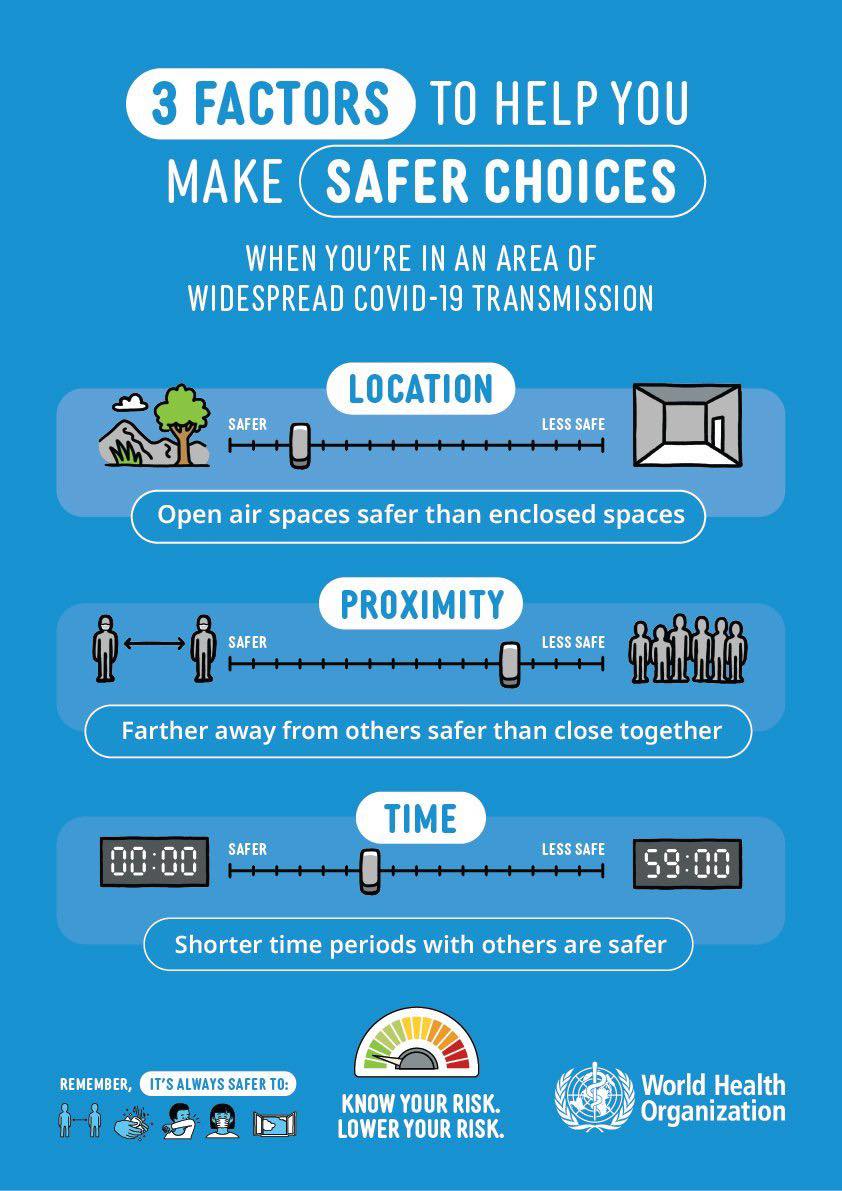
He gave assurance that all sales and service outlets will follow the Standard Operating Procedures (SOPs) specified by the Health Ministry. Customers and visitors will be required to have temperature scans and register their visit using the MySejahtera app, as well as use hand sanitizers and facemasks at all times. The employees at all facilities will likewise follow SOPs for protection and safety.
Meanwhile, production activities have resumed at the two assembly plants in Selangor. While there is a small backlog of orders to meet due to the shutdown, UMW Toyota Motor expects to be able to deliver new vehicles to customers within a reasonable time-frame.
Assembly Services Sdn Bhd in Bukit Raja, Selangor, one of the two vehicle assembly plants of UMW Toyota Motor.
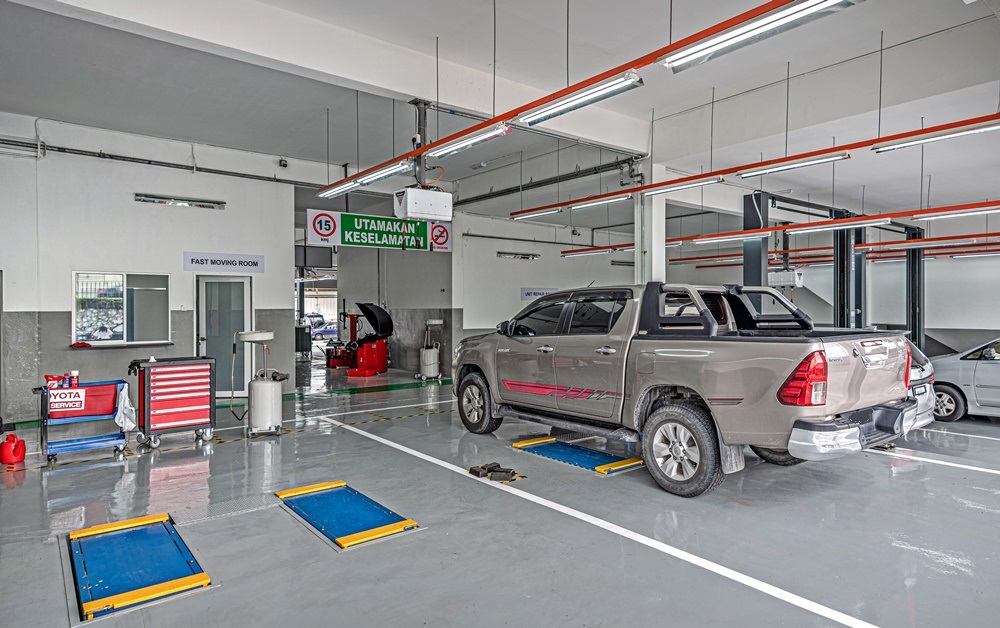
“We thank our loyal customers for their patience, support and understanding. It is a challenging time for everyone and we have been doing our best to assist customers by maintaining communication channels for them to use if they have a problem with their Toyota or Lexus vehicle. Now that activities can resume, we hope they will ensure that their vehicles continue to have maintenance service carried out,” added Akio Takeyama, Deputy Chairman of UMW Toyota Motor.
After over two months of closure, the local auto industry is relieved that operations at all its facilities, including assembly plants, can resume. As the summary of new vehicle sales showed, the Total Industry Volume for the months of June and July were at rock bottom, and for August, there remain only two weeks in the month to do business.
Nevertheless, it is good news that showrooms can open again, and customers can visit them to make purchases. Besides serving customers, the showrooms will also be rushing to register and deliver new vehicles to customers, while plants will also be trying to meet the backlog of orders.
“Resuming our business activities, especially at Toyota and Lexus retail outlets, will enable a return to some form of normalcy so we can move forward and do our part to help in the economic recovery of the country,” said Ravindran K., President of UMW Toyota Motor.
Strict adherence to SOPs
He said that the company understands the seriousness of preventing the spread of COVID-19 and will follow all the Standard Operating Procedures (SOPs), conditions and guidelines provided by the Health Ministry and the National Security Council. These will be implemented throughout the company and will be strictly followed to ensure the safety of the public as well as its employees.
“In fact, after the MCO last year, we already implemented many of the SOPs at our showrooms and service centres, and these have been maintained even until now. These include temperature scanning of everyone, registration with MySejahtera, use of hand sanitisers and facemasks, and regular sanitisation of premises,” he said.
“Vehicle owners visiting service centres are also requested to make appointments in advance. As far as possible, contactless payments are encouraged and social distancing is to be observed at all times. We assure our customers that we have made sure that our premises have a safe environment for them to visit,” Mr. Ravindran added.
Specified capacities for factories
On the resumption of manufacturing activities, Mr. Ravindran said the two assembly plants and related factories in the UMW Toyota Motor group will be able to operate at specified capacities, depending on the percentage of workers who are already vaccinated, with full capacity permitted if more than 80% are vaccinated. “The company has been carrying out a vaccination programme and all our employees have already been vaccinated or will be vaccinated very soon,” he said.
“Now that the restrictions are lifted, we have more certainty as there are many important plans in the pipeline. For example, we have been preparing for the local assembly of Toyota Hybrid Electric Vehicles and while the past 2 months have disrupted planning, we will now proceed as quickly as possible to make up for the time lost,” said Akio Takeyama, Deputy Chairman of UMW Toyota Motor.
With the ongoing Movement Control Order (MCO) which began on 1 June 2021, many business sectors have had to remain closed. This has had an impact and in the auto sector, new vehicle sales for the whole industry have dropped tremendously in the month of June.
Commenting on the situation, President of UMW Toyota Motor (UMWT), Ravindran K., said that the continued closure of all Toyota and Lexus showrooms nationwide meant that no business could be conducted. Manufacturing of vehicles including the supply chain and logistic efforts have also come to a halt. While accepting that the Government has had to act for the good of the country, it has presented a challenge for the company.
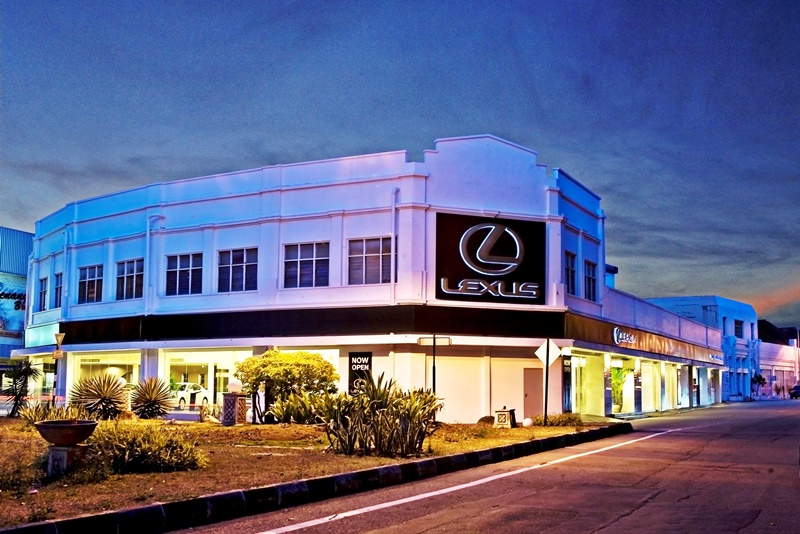
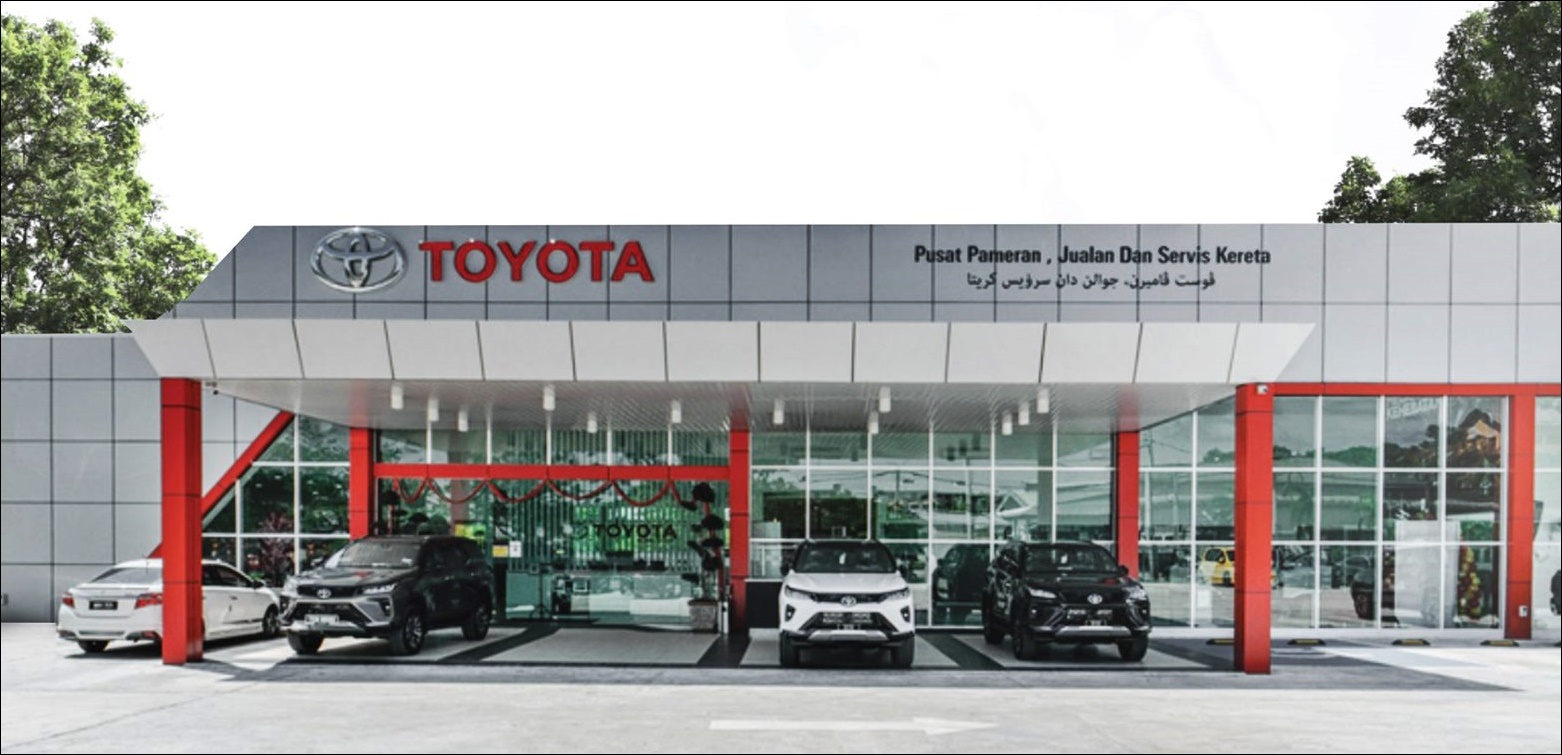
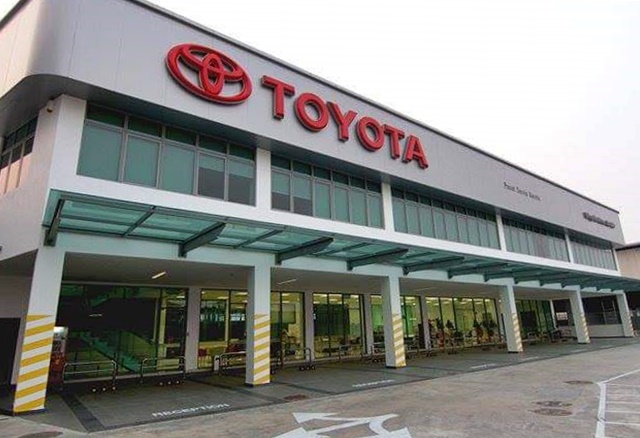
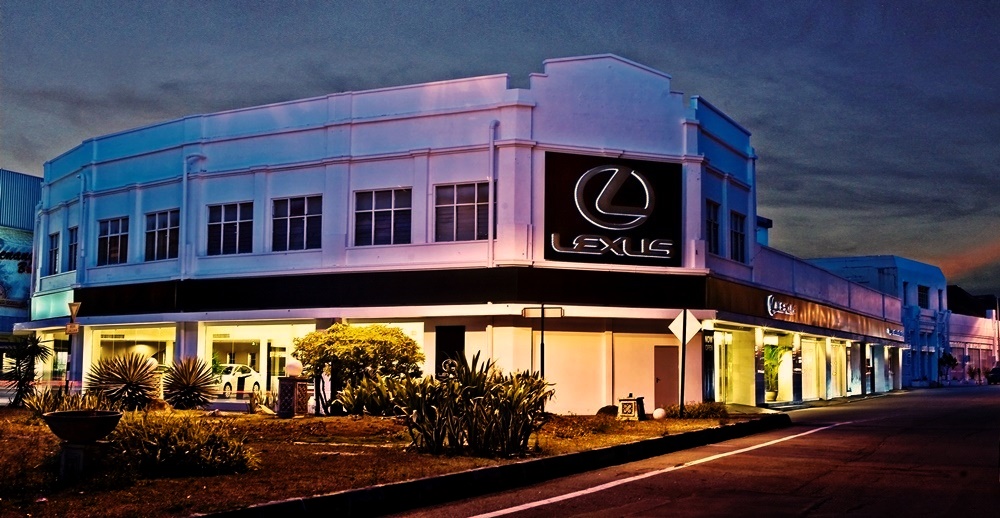
Lexus and Toyota showrooms throughout Malaysia have to remain closed, which has meant that no sales can be conducted.
“We still have an encouraging order bank for the various models. Nevertheless, we are hopeful that the restrictions of the lockdown can be eased to allow us to operate in a limited and safe way. Naturally, we will abide by all Standard Operating Procedures, as we have during the past year,” he said.
Online showrooms and booking available
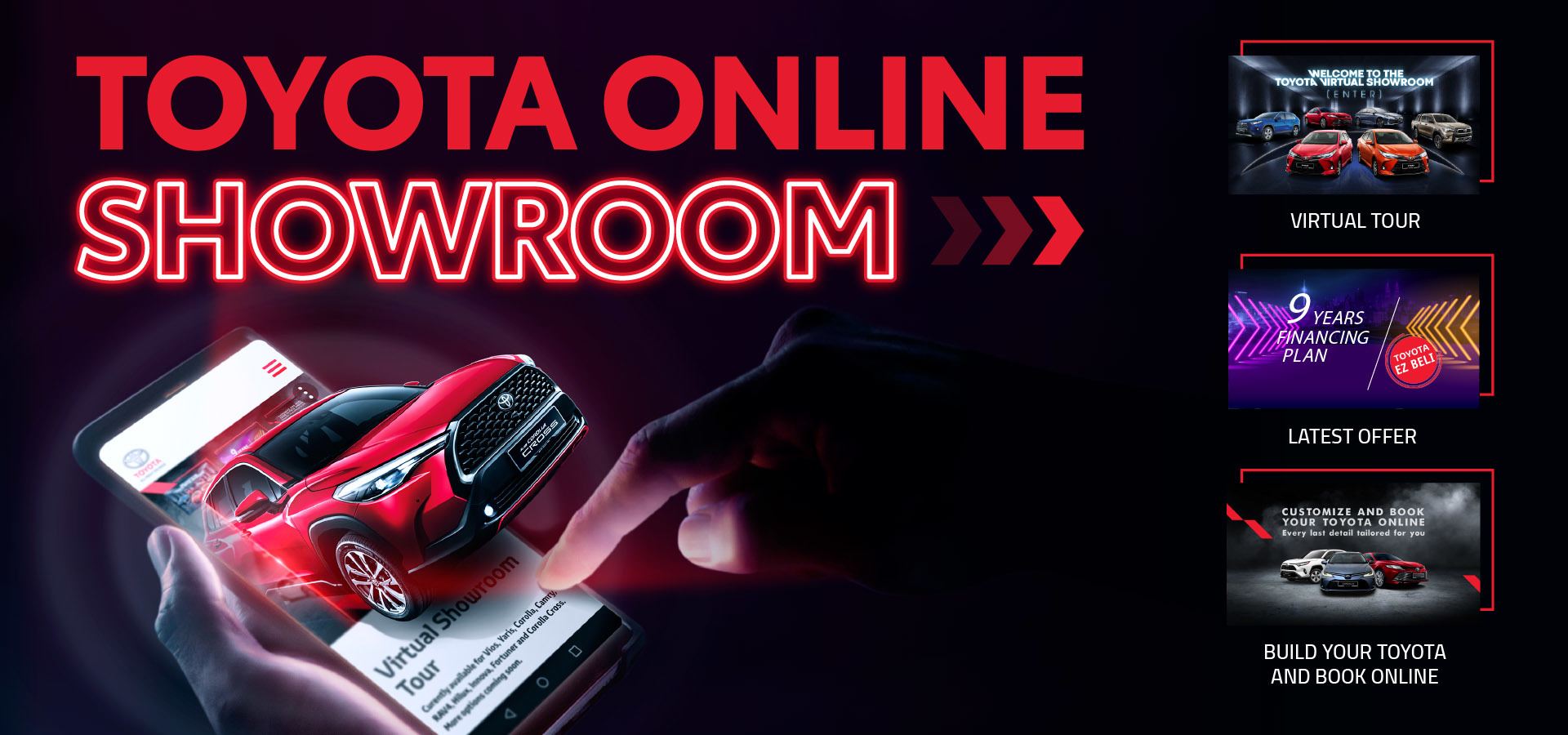
While the showrooms remain closed, the public can still obtain detailed information about Toyota and Lexus vehicles at their respective websites – toyota.com.my and lexus.com.my. They can find out about the models available in Malaysia and the attractive financing schemes for different requirements. Bookings can also be made online.
Mr. Ravindran reminded customers of the exemption of Sales & Service Tax (SST) which is extended until the end of 2021. The exemption covers both locally-assembled and imported Toyota and Lexus models and provides meaningful savings.
“We encourage customers to make their bookings online as we can then plan production at our two assembly plants to minimize waiting time when the restrictions are lifted, to enable customers to enjoy the current financial incentives,” he added.
Toyota and Lexus owners can still get help in emergencies as support services are still allowed to operate 24/7.
Aftersales support still available
Selected UMWT service centres continue to operate according to the provisions by the state and local authorities. Vehicle owners can therefore obtain assistance in emergencies. For assistance at any time, owners can call the Toyota and Lexus Helplines at 1-800-888- 247 and 1-800-225-3987, respectively.
Effects of prolonged restrictions
“While the government has formulated a National Recovery Plan (NRP) in four phases, we are still in Phase 1, which is the most restrictive. The current situation also makes planning for recovery difficult,” said Akio Takeyama, Deputy Chairman of UMW Toyota Motor.
Mr. Takeyama said that prolonged restrictions on vehicle production can have an impact not just on passenger vehicles but also commercial vehicles, which are essential for transportation of goods around the country.
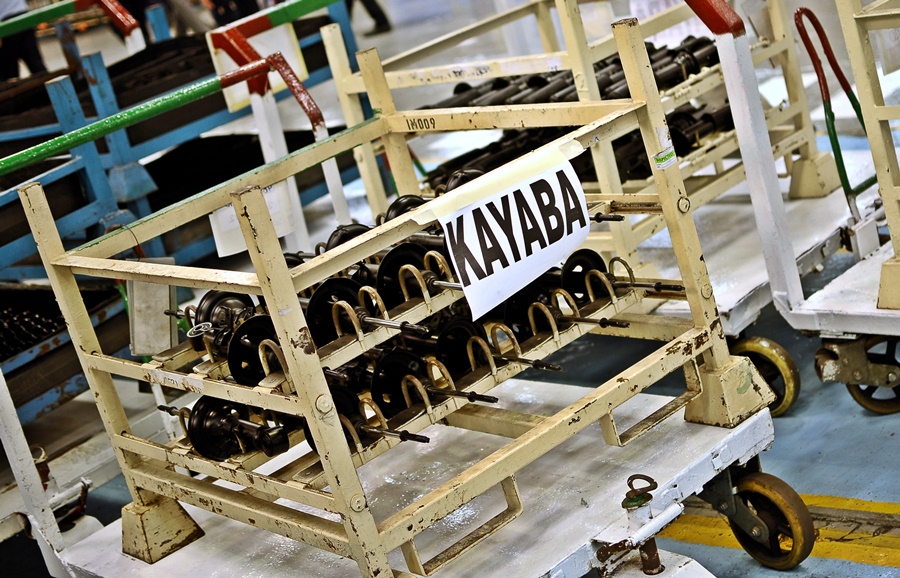
Some of the parts which are made in Malaysia and supplied to local assembly plants as well as exported to factories in other factories assembling Toyota vehicles.
“Furthermore, export business will be affected as well as our subsidiaries export a substantial amount of automotive components as part of Toyota’s global supply chain. If this situation continues for long, we are concerned that our overseas customers may look for new suppliers as they cannot have their own production delayed due to shortage of parts from Malaysia. This could have an impact on Malaysia’s economy as a whole if export business declines,” he warned.
The prolonged situation could also impact progress with regard to the company’s initiatives for carbon neutrality through the manufacturing of hybrid electric vehicles. This was announced earlier in the month and will see UMWT making a RM270 million investment at its assembly plant in Selangor.
TOYOTA GAZOO Racing Festival
This year sees the TOYOTA GAZOO Racing Festival (TGR Festival) being run for the fourth consecutive season. The event has grown in popularity and scale over the years, with the highlight being the Vios Challenge which is the only one-make race in Malaysia.
Only the first round of the fourth season of the TOYOTA GAZOO Racing Festival’s Vios Challenge could be held so far.
“It is unfortunate that the ongoing pandemic and strict MCO conditions do not allow running of public events. This includes motorsports so the fourth season of the TOYOTA GAZOO Racing Festival (TGR Festival) and Vios Challenge are on hold. When we ran the exciting first round on March 2 at the Sepang International Circuit, we were looking forward to the next two rounds as well as the introduction of the GAZOO Racing Vios Sprint Cup and GAZOO Racing Enduro Cup,” said Mr. Takeyama, who is also Chief Motorsports Officer of GAZOO Racing Malaysia.
“Let us all do our part and pray that the number of COVID-19 cases quickly reduces, and the government will be able to relax the regulations to allow public events,” he said.
UMW Toyota Motor (UMWT) has announced plans to assemble Toyota hybrid models in Malaysia, joining the still-small group of companies that are doing so. The move is driven by Toyota Motor Corporation’s (TMC) global commitment to deliver ‘mobility for all’ and produce ‘happiness for all’ through its commitment towards a ‘Clean, Safe and Secure Society’.
On a larger scale, TMC is aiming for carbon neutrality by 2050 in all its processes. Carbon neutrality means almost zero emissions of carbon dioxide (CO2) which is a ‘greenhouse gas’ that is known to have a significant effect on global warming, causing climate change.
TMC’s reduction of CO2 emissions will encompass the lifecycle of manufacturing, transporting, operating, fuel and/or charging, and recycling and disposal of vehicles. This is in line with the global approach towards lifecycle assessments of the potential environmental impact of a product throughout its lifecycle.
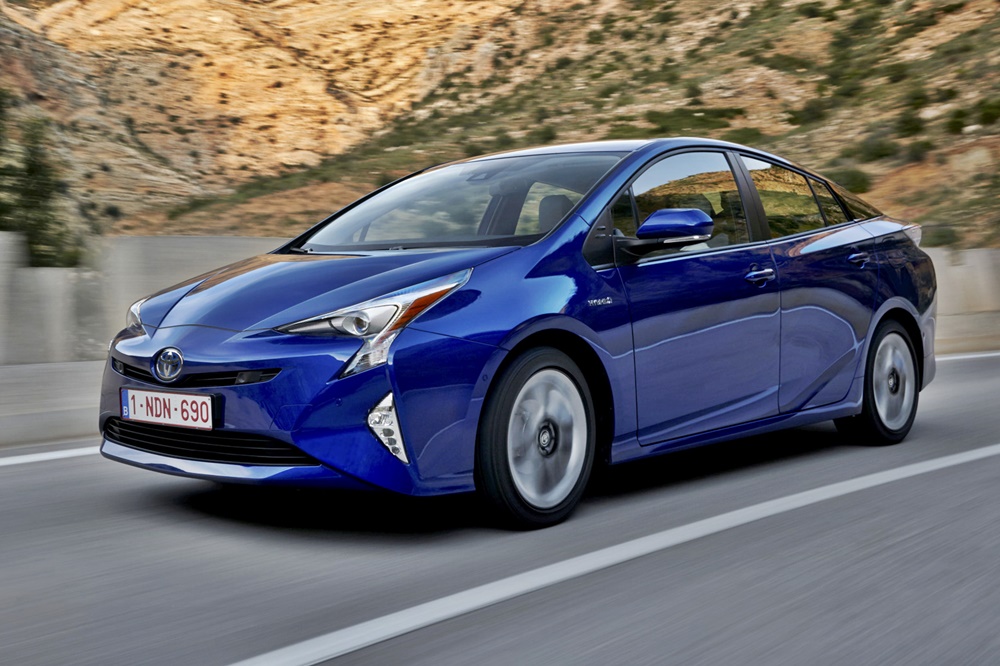
The Prius – one of the many models in Toyota’s range of hybrid electric vehicles.
Full line of Low Emission Vehicles
As part of this strategic initiative, the carmaker will produce a full line-up of Low-Emission Vehicles which will have electrified powertrains. There will be various powertrains to meet diversified mobility demands all over the world as well as the different rates of vehicle electrification.
“Toyota’s global direction is to achieve carbon neutrality by 2050. This is also in line with the Malaysian government’s aspirations to position the country as a progressive nation that promotes more green technology and environmental sustainability,” said UMW Toyota Motor’s Deputy Chairman, Akio Takeyama.
“This is indeed an exciting time for the Malaysian automotive industry and UMW Toyota Motor is fully charged and ready to champion this Malaysian dream. In order to achieve this, the most realistic, practical and immediate solution is Toyota Hybrid Electric technology and vehicles,” he added.
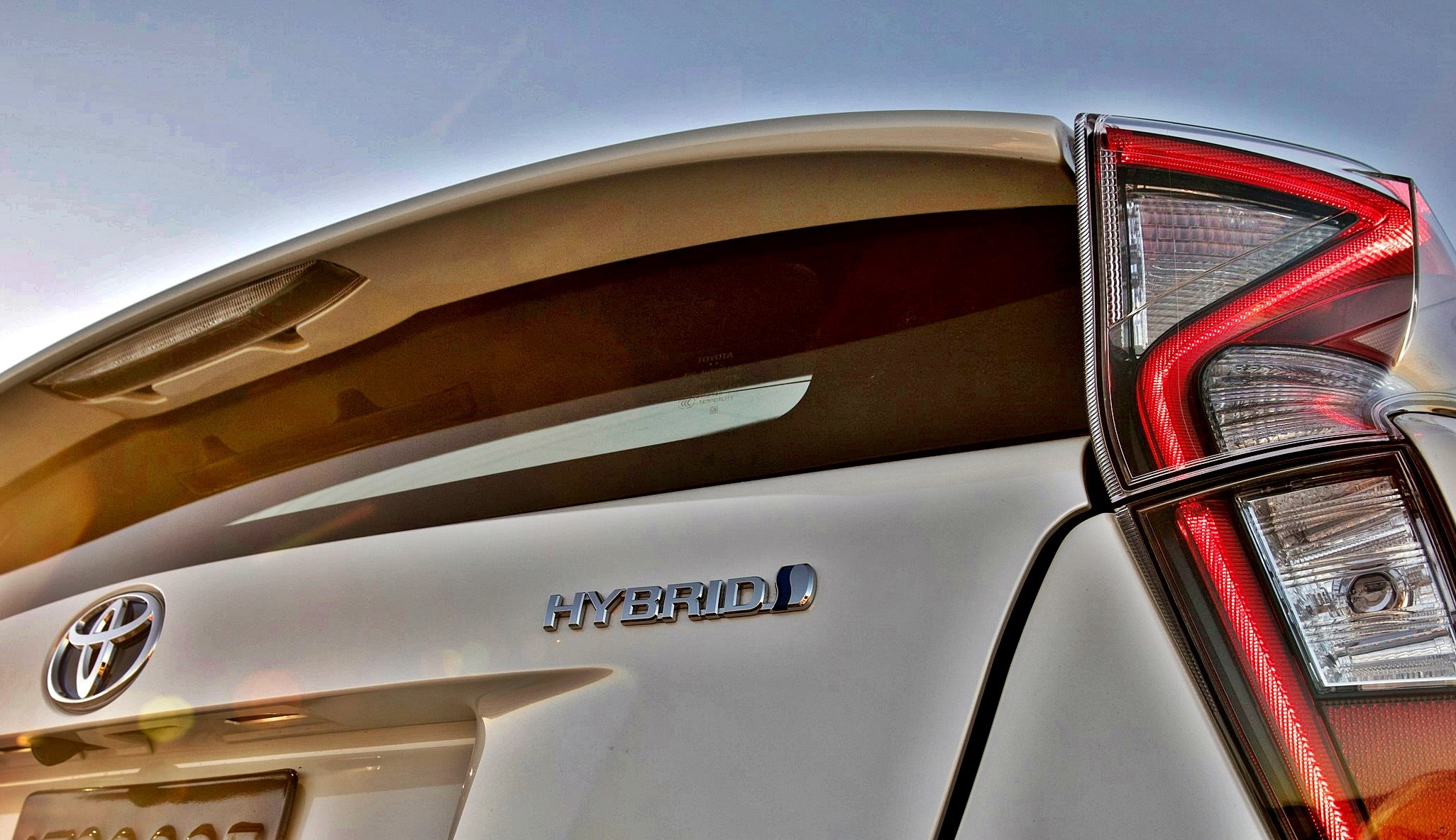
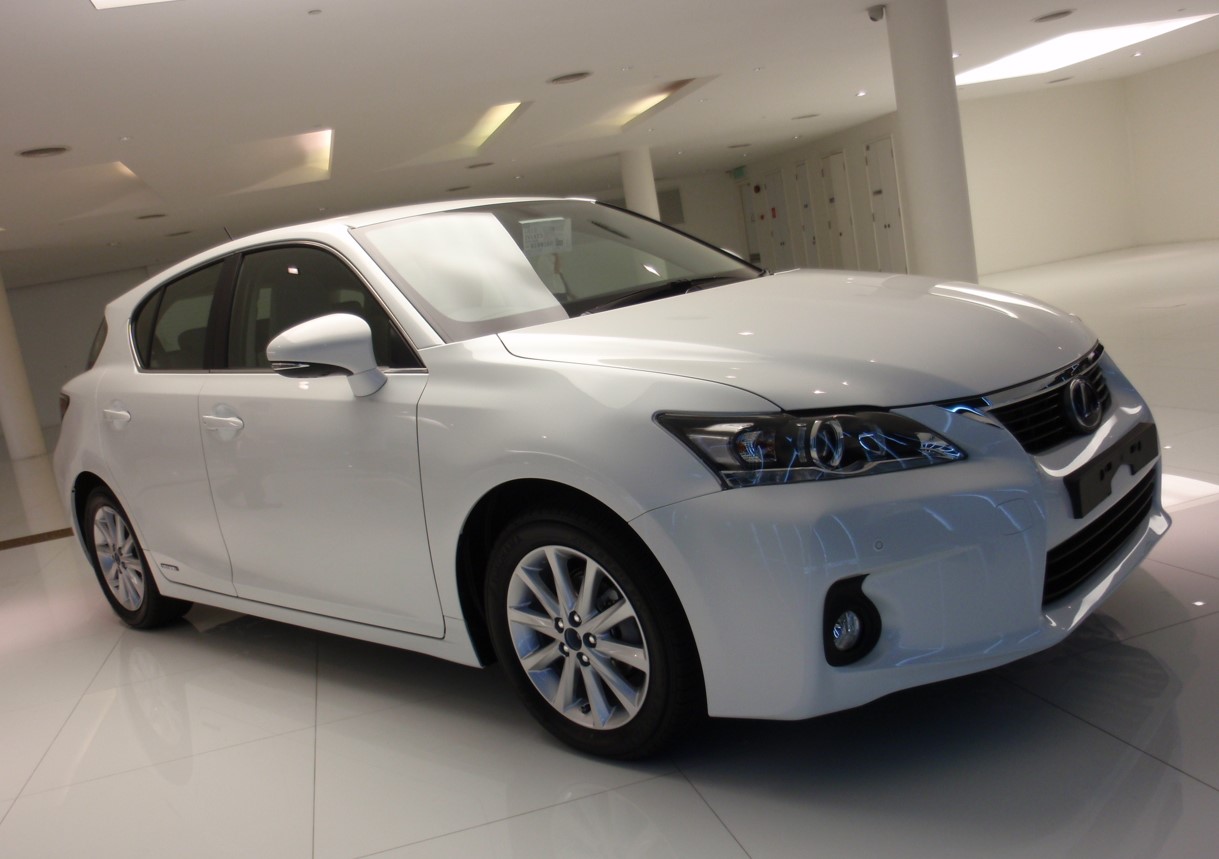
Toyota is among the pioneers of mass-produced hybrid electric vehicles, having started selling them in the late 1990s. The hybrid technology has also been used in Lexus models like the CT-200h (shown below).
A pioneer in hybrid technology
Toyota has long experience in electrification and was a pioneer in the production and marketing of hybrid vehicles. Since the late 1990s, the company has sold more than 17 million hybrid electric vehicles as well as Hydrogen Fuel Cell Electric Vehicles (FCEV) worldwide.
This number of vehicles with low emissions has made Toyota’s cumulative contribution to CO2 reduction amounting to 140 million tonnes of CO2, or approximately 1.5 million conventional passenger vehicles per year over the past 20 years.
The CO2 reduction will continue and even increase as TMC aims to sell 8 million electrified vehicles annually by 2030. In April this year, the company announced an electric vehicle strategy that will see 15 new Battery-Electric Vehicles (BEVs) introduced by 2025. Including FCEVs, the total number of electrified vehicle models will be 70 by 2025.
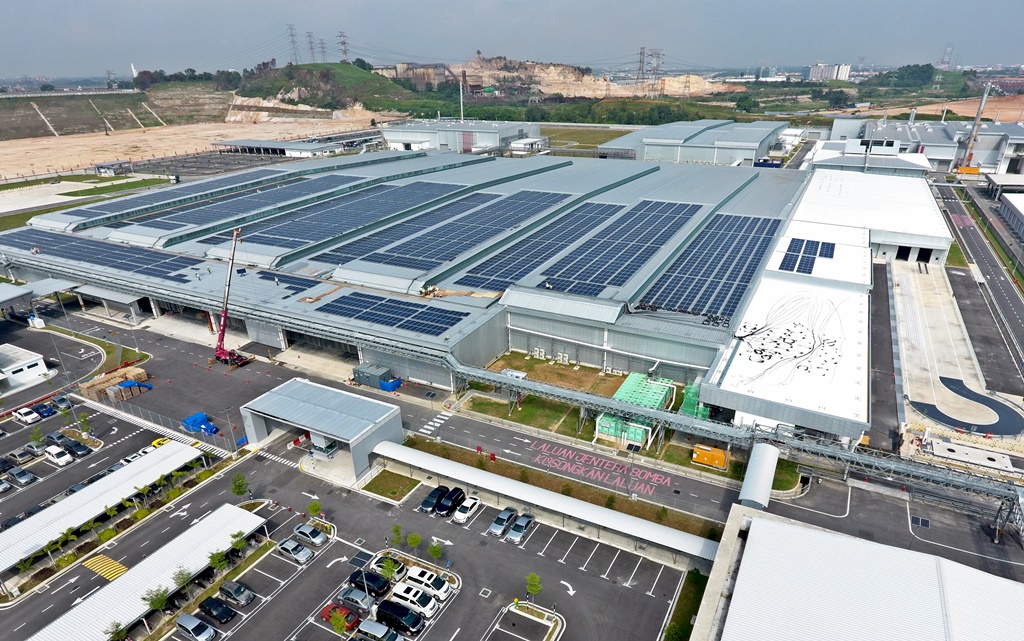
Located in Bukit Raja, Selangor, Assembly Services Sdn Bhd (a subsidiary of UMW Toyota Motor) currently assembles the Yaris and Vios models. It began operations in January 2019.
RM270 million additional investment
Toyota’s operations in Malaysia, via the 39-year old joint-venture UMWT, will support the ‘big picture’ in achieving carbon neutrality by investing RM270 million in its manufacturing operations. This amount includes, amongst others, the introduction of a new and technologically-advanced generation of hybrid models.
“We are ready [with the introduction of Hybrid Electric Vehicles], and the technology; service support; current infrastructure; global and domestic policies; the level of affordability and cost effectiveness; and, consumer awareness and demand, particularly in Malaysia, are now at its most ideal conditions to pursue a new and exciting journey towards achieving carbon neutrality,” said Mr. Takeyama.
While neighbouring countries are encouraging the introduction full electric vehicles, Mr. Takeyama said that research has shown that the reduction in CO2 emission levels between fully electric and hybrid electric vehicles are almost similar when considering electricity source, and from production and throughout ownership.
For Malaysian consumers, the local assembly of Toyota hybrid vehicles will mean they are offered at a price point that is practical and accessible to the greater masses. “While time is still needed for full electrification, the hybrid electric technology is ready today and the current infrastructure permits it to be rolled out on a greater scale in Malaysia,” added Mr. Takeyama.
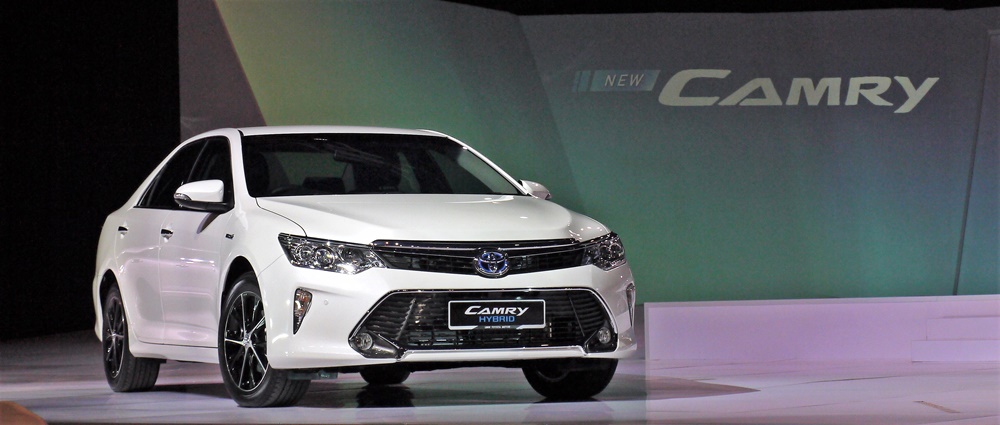
The locally-assembled Camry Hybrid introduced in 2015.
The time-frame for the introduction of locally-assembled hybrid models is not known yet, but this will not be the first time that UMWT is selling and assembling hybrid models for the Malaysian market. During the period when the government provided full duty exemption on hybrid and electric vehicles, UMWT imported models such as the Prius, Prius c and Lexus CT-200h. Later on, it assembled the Camry Hybrid which could be sold at a competitive price due to incentives offered by the government.
The investment will be additional to the RM2 billion that was made the construction and commissioning of a second assembly plant in Bukit Raja, Selangor, which began operations in January 2019. The original assembly plant, which continues to operate in Shah Alam, was among the earliest assembly plants in Malaysia and was one of the largest as well.
Other environment-related initiatives
“As a manufacturer, the immediate steps we can take to prevent global warming are to address our vehicles and manufacturing processes. But the initiatives do not and cannot stop here. It involves a conscientious change in mindset in society, educating the young of the importance of protecting the environment and requiring the active participation of all stakeholders,” said Ravindran K., President of UMW Toyota Motor
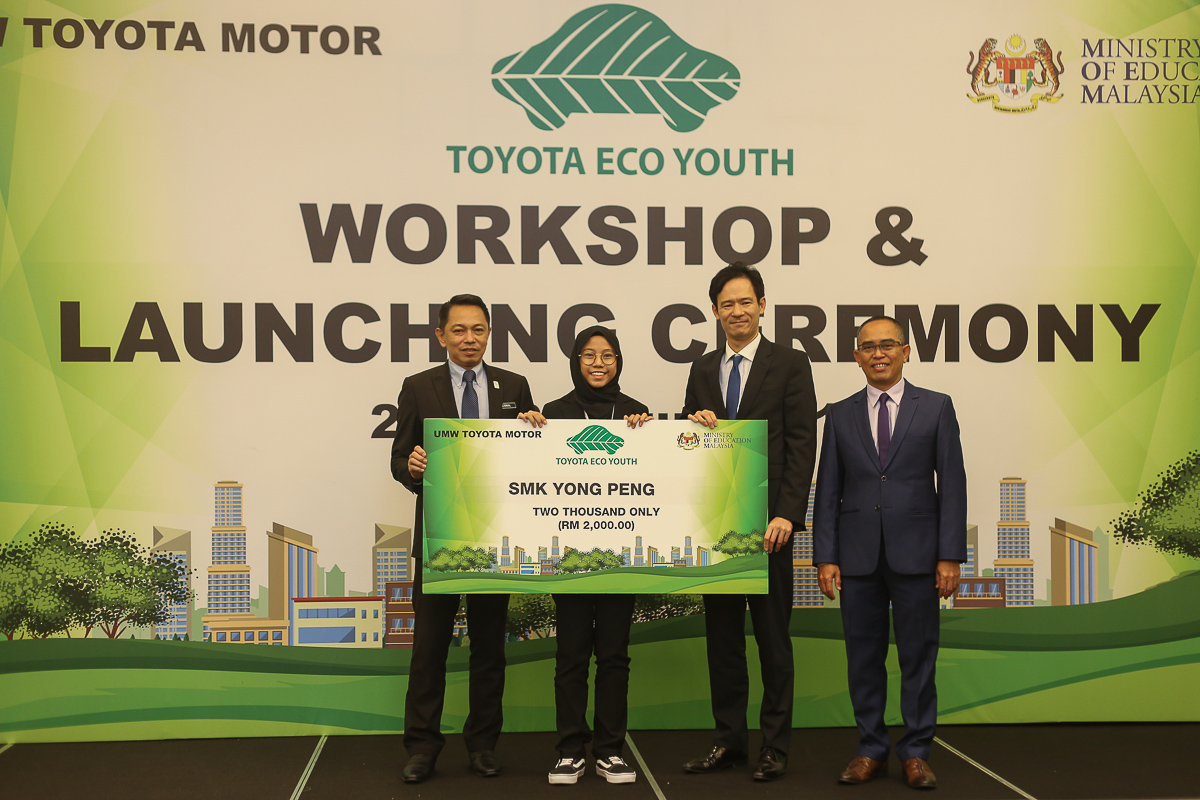
He added that that the interests of both Toyota and UMWT have gone beyond the automotive realm to offset the effects the CO2 emissions. For example, UMWT continues to be at the helm of numerous environmental initiatives. For 20 years, it has organised the Toyota Eco Youth program to cultivating environment consciousness and innovation amongst the youth of the nation involving schools, secondary school students and teachers.
“The ultimate goal will not rest solely on vehicle electrification, but to achieve carbon neutrality and zero emissions on all fronts – from putting cleaner vehicles on the road and addressing manufacturing processes, to helping to create greater awareness for the protection of the environment,” said Mr. Ravindran.
Mr. Ravindran believes the introduction of Hybrid Electric technology will quickly transform the automotive landscape in Malaysia for Malaysians. “We hope that our endeavours to popularise tomorrow’s technology today through the mass introduction of Hybrid Electric Vehicles (HEV) will receive due support from the government in the pursuit of a full-scale realisation of vehicle electrification. We hope that the government will also consider UMW Toyota Motor’s efforts to be included in the National Low Carbon Mobility Blueprint alongside Battery Electric Vehicles which is in line with the government’s plans,” he added.